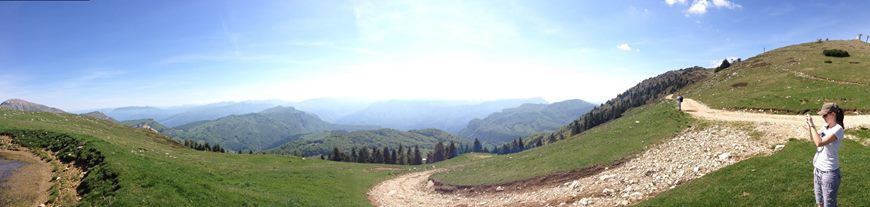
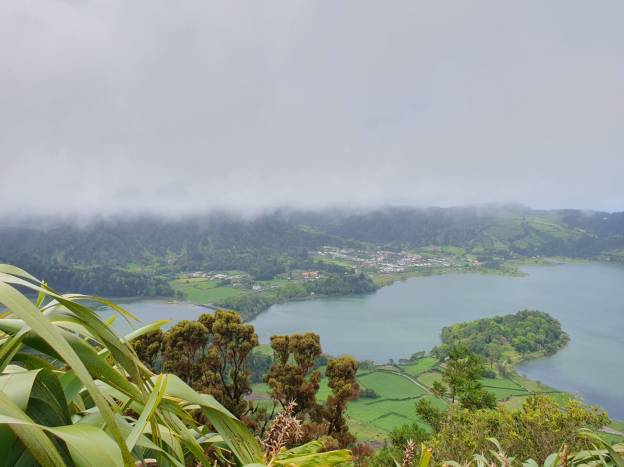
An archipelago of Portuguese islands in the middle of the Atlantic Ocean, I visited two of the nine islands in the Azores, and explored beautiful villages and towns, natural landscapes and learnt about an authentic culture of people.
I had wanted to visit the Azores for over a decade, and hoped that one day I would be able to go for my honeymoon, because it looked so beautiful in all the images I had seen… Well, many years later, and no ring on my hand, I decided I could wait no longer, and I booked myself a trip from Lisbon to Sao Miguel, and a group of tours to enjoy across two of the main islands.
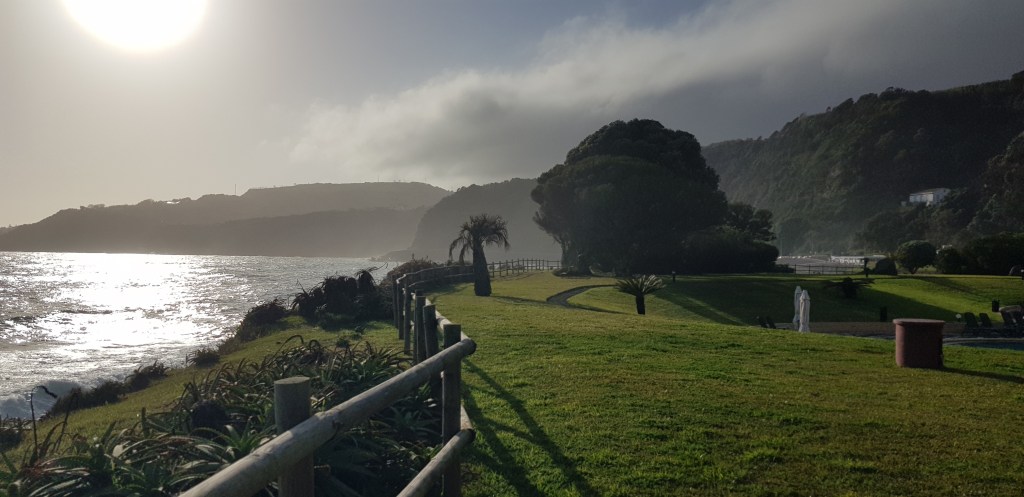
Sao Miguel
The main island of Sao Miguel is the largest of the group of nine islands, and has the main gateway airport to the other islands. It is also the busiest. The island’s capital, Ponta Delgada, has a vibrant feel with many shops, restaurants and a few hotels. I stayed away from Ponta Delgada in a 5* hotel near a beach, but it was fairly remote. Thankfully, I had two tours booked to see the island, as well as being able to access a local walking trail nearby.
The walk that I decided to do near the hotel was following the river nearby uphill and leading to a set of abandoned hydro-electrical stations in the forest. The Azores islands are known for their efforts in alternative renewable energy, especially hydro electricity and wind farms.
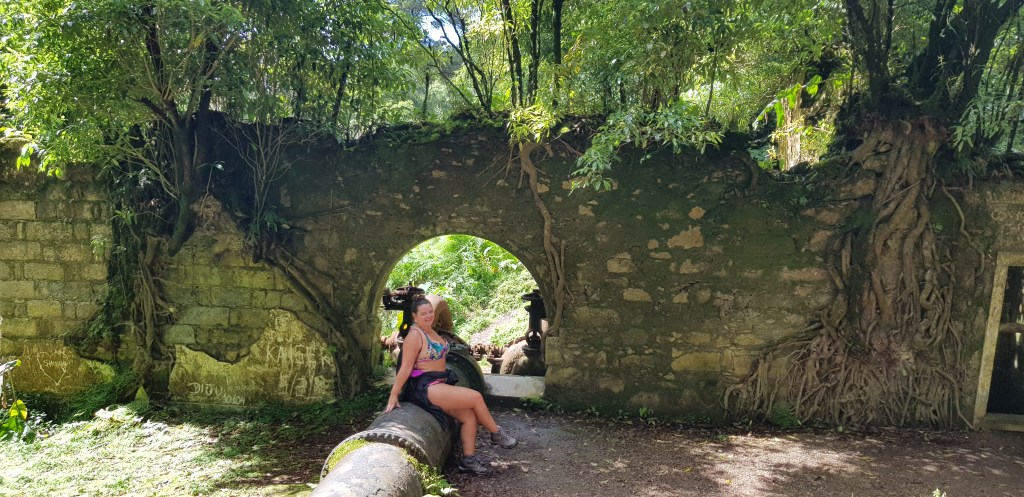
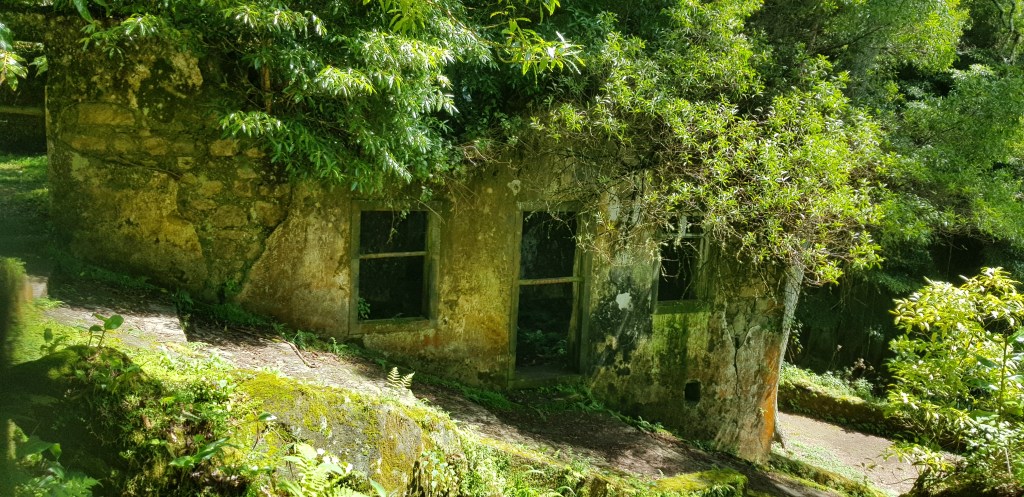
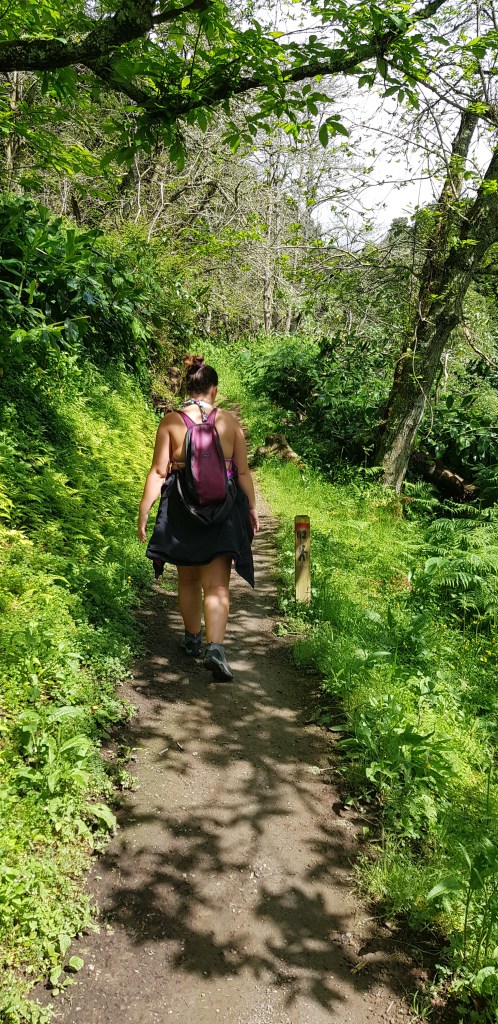

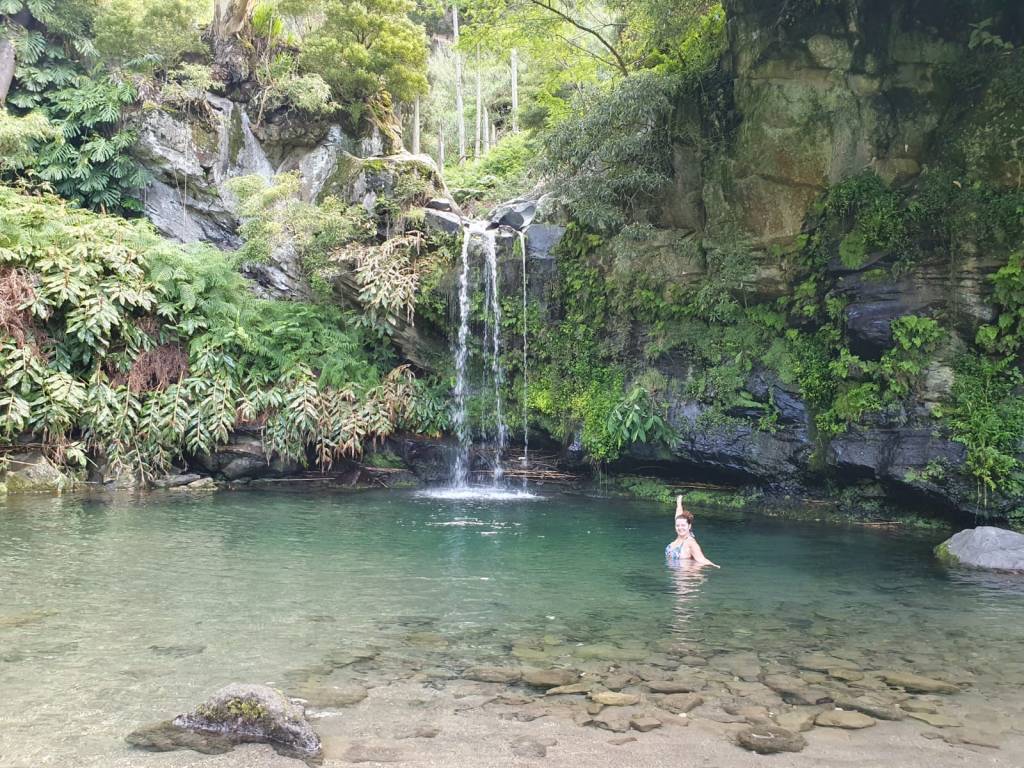
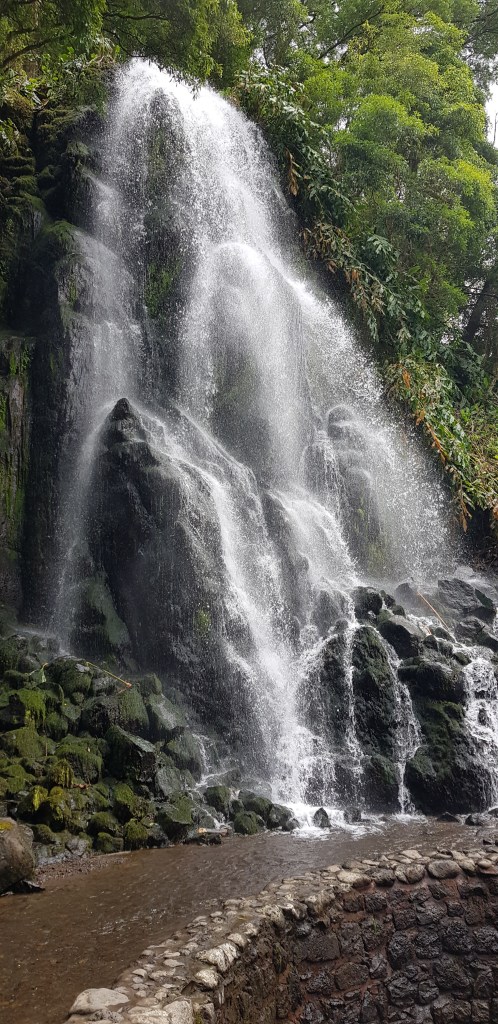
These old stations, combined with a dip in a gorgeous little waterfall, made for an interesting walk with a lot of interest in photo opportunities. I felt like I was in scenery that I remember from the TV series ‘Lost’, with abandoned stations locked between the trees and pipes running through the ground. Like at any moment, I will discover a secret hatch!
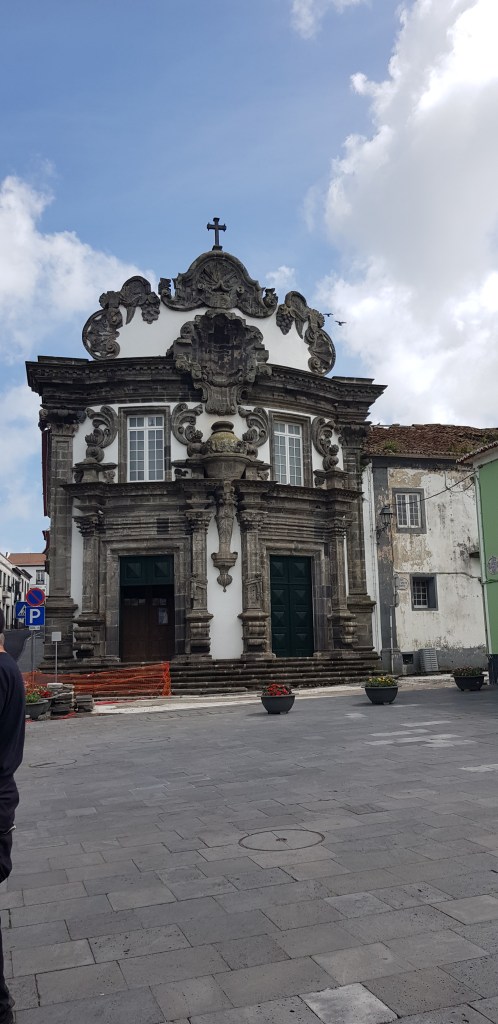
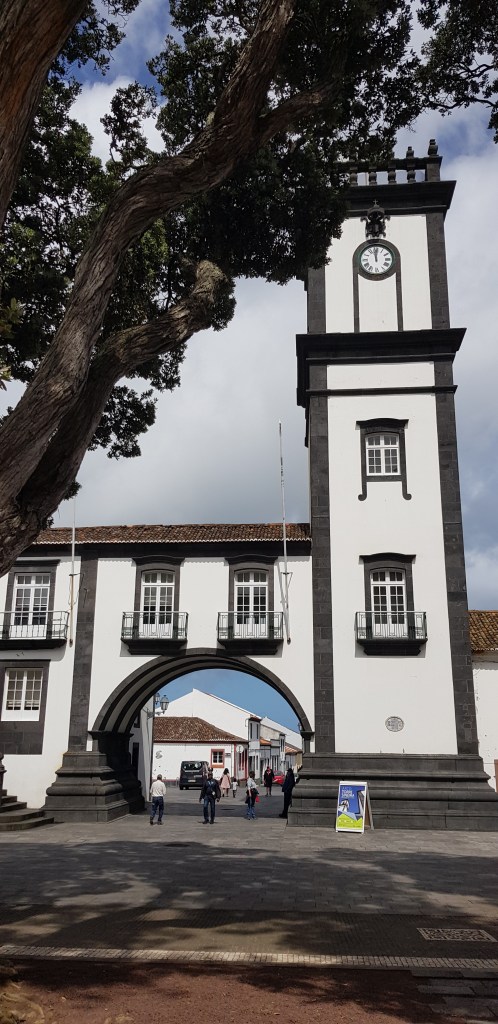
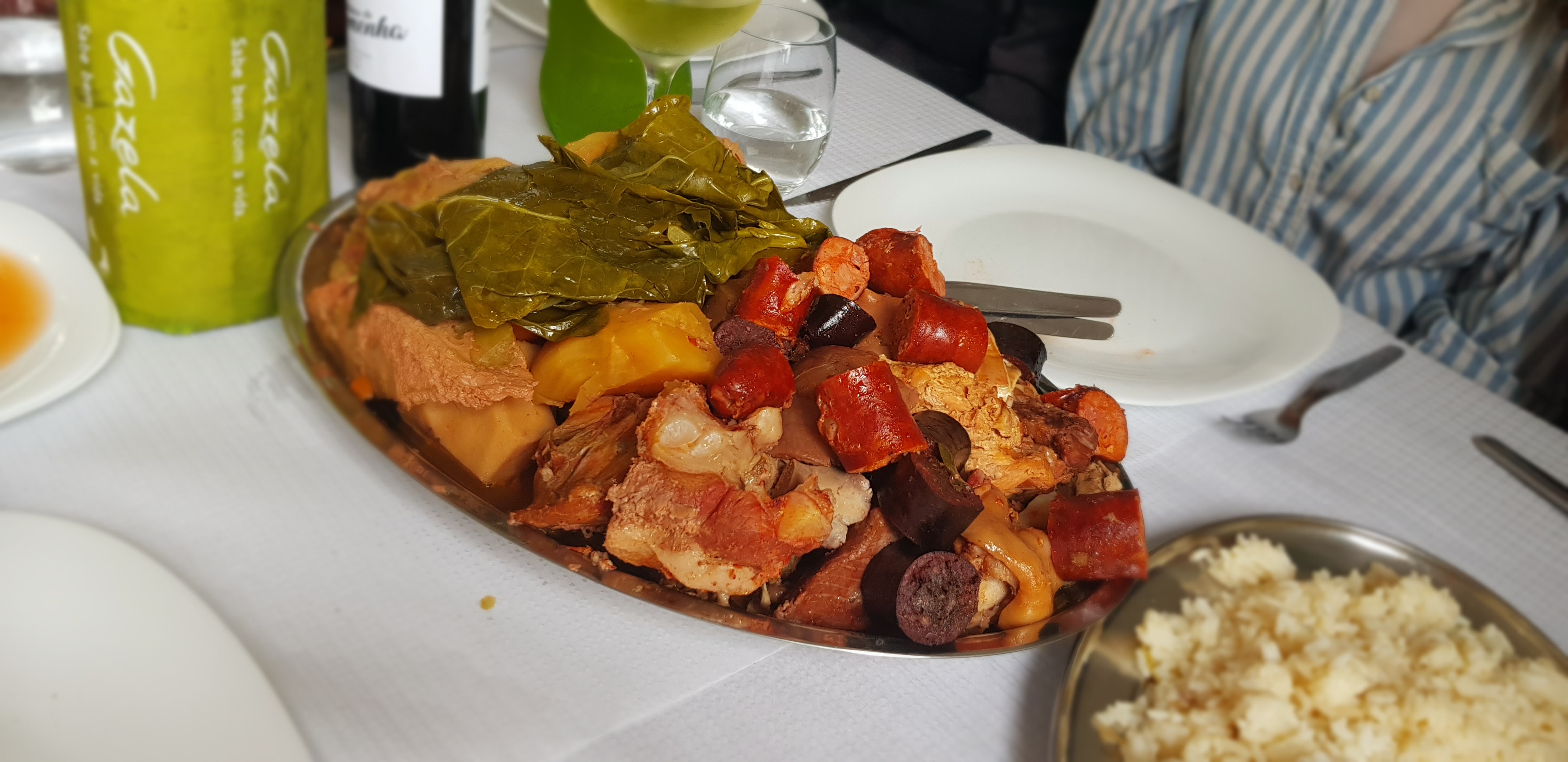
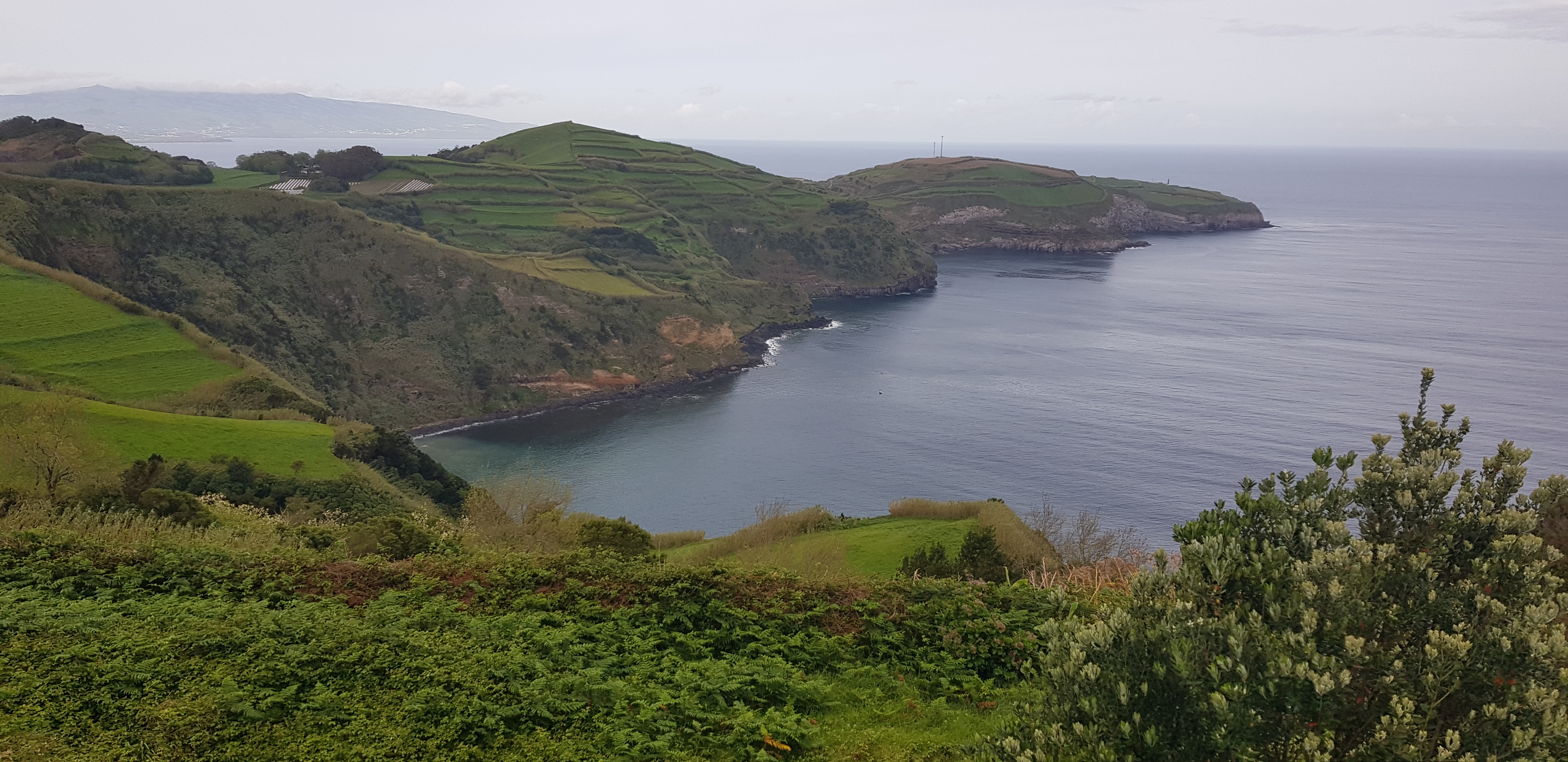
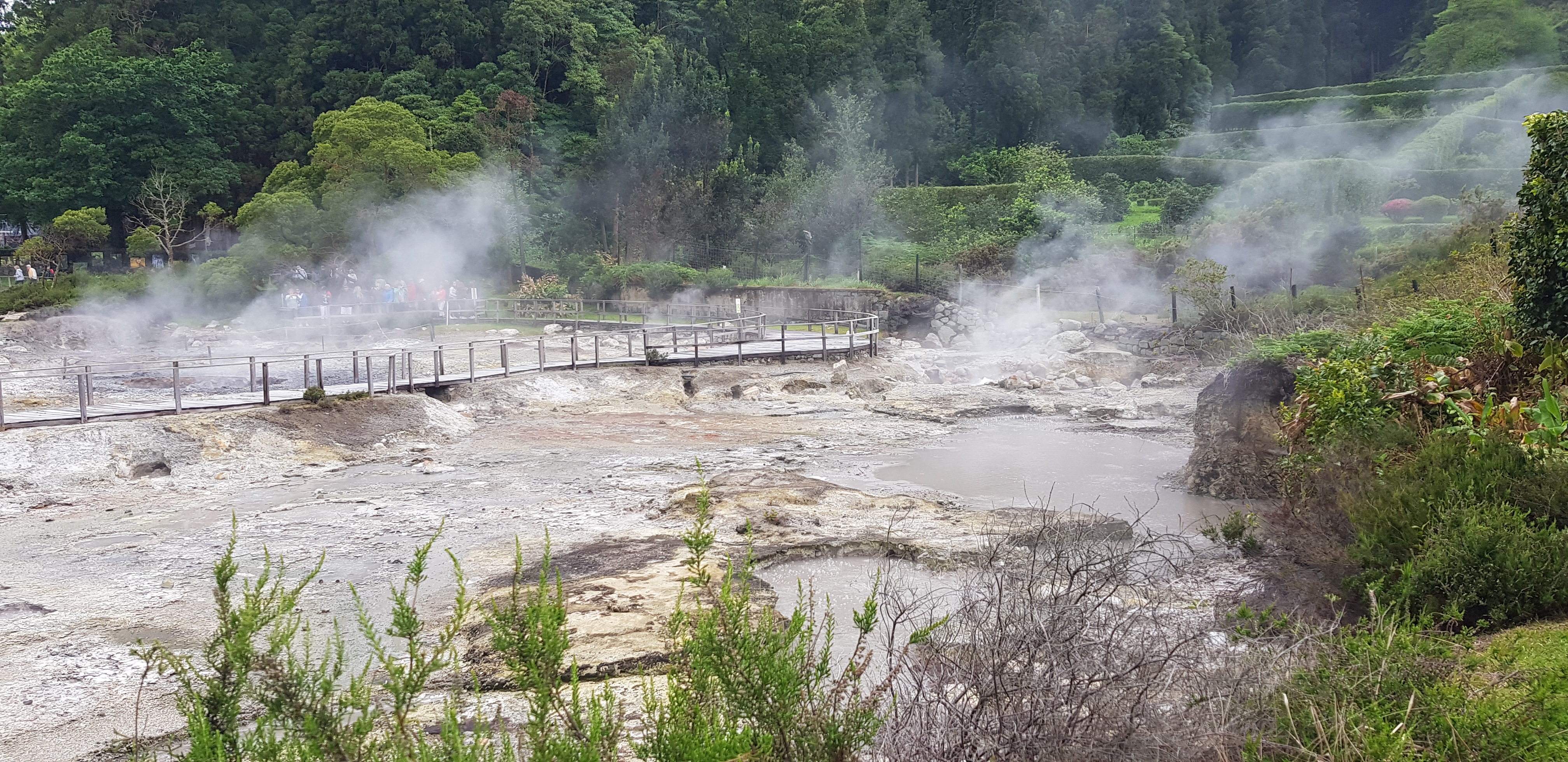
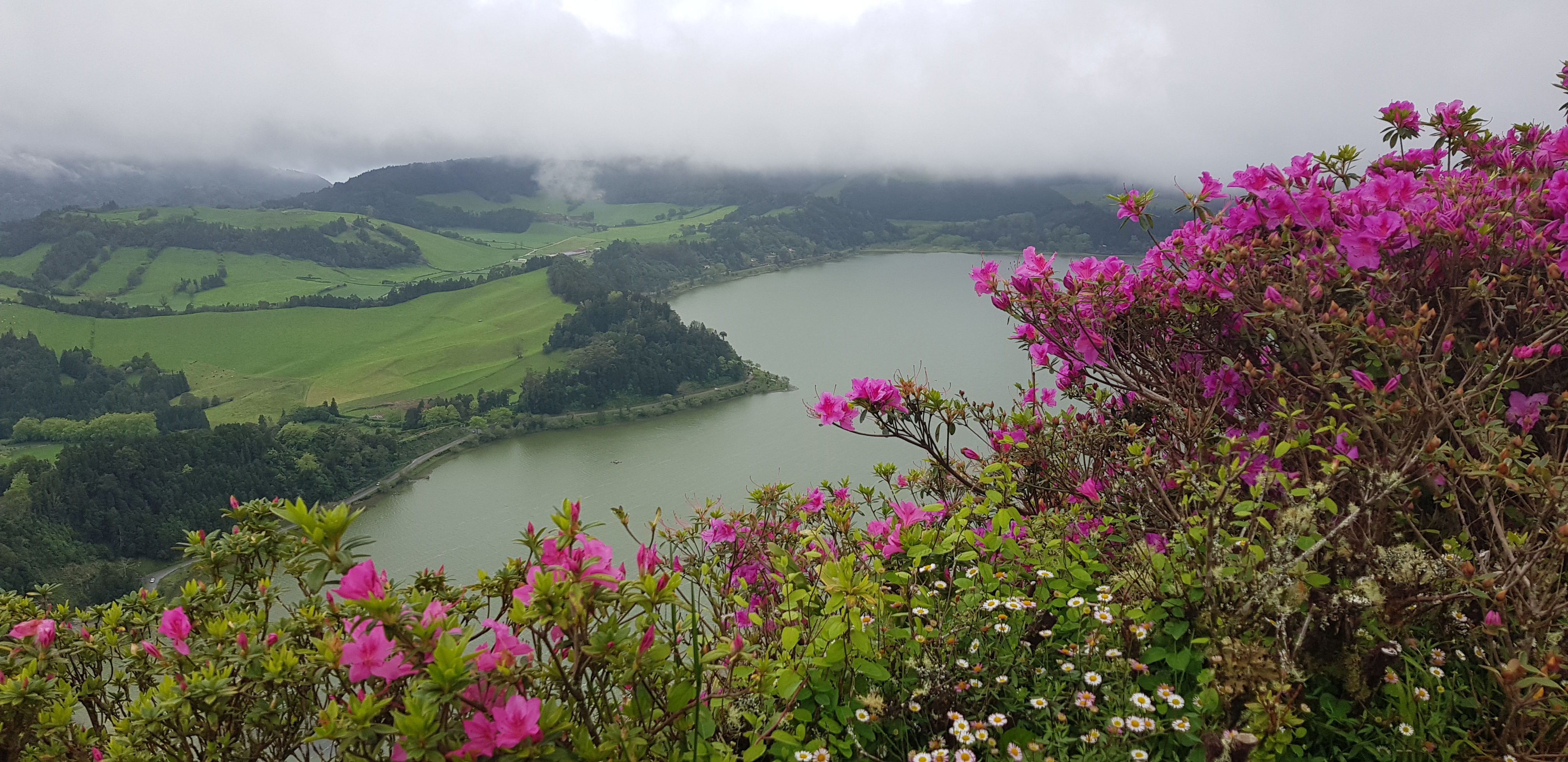
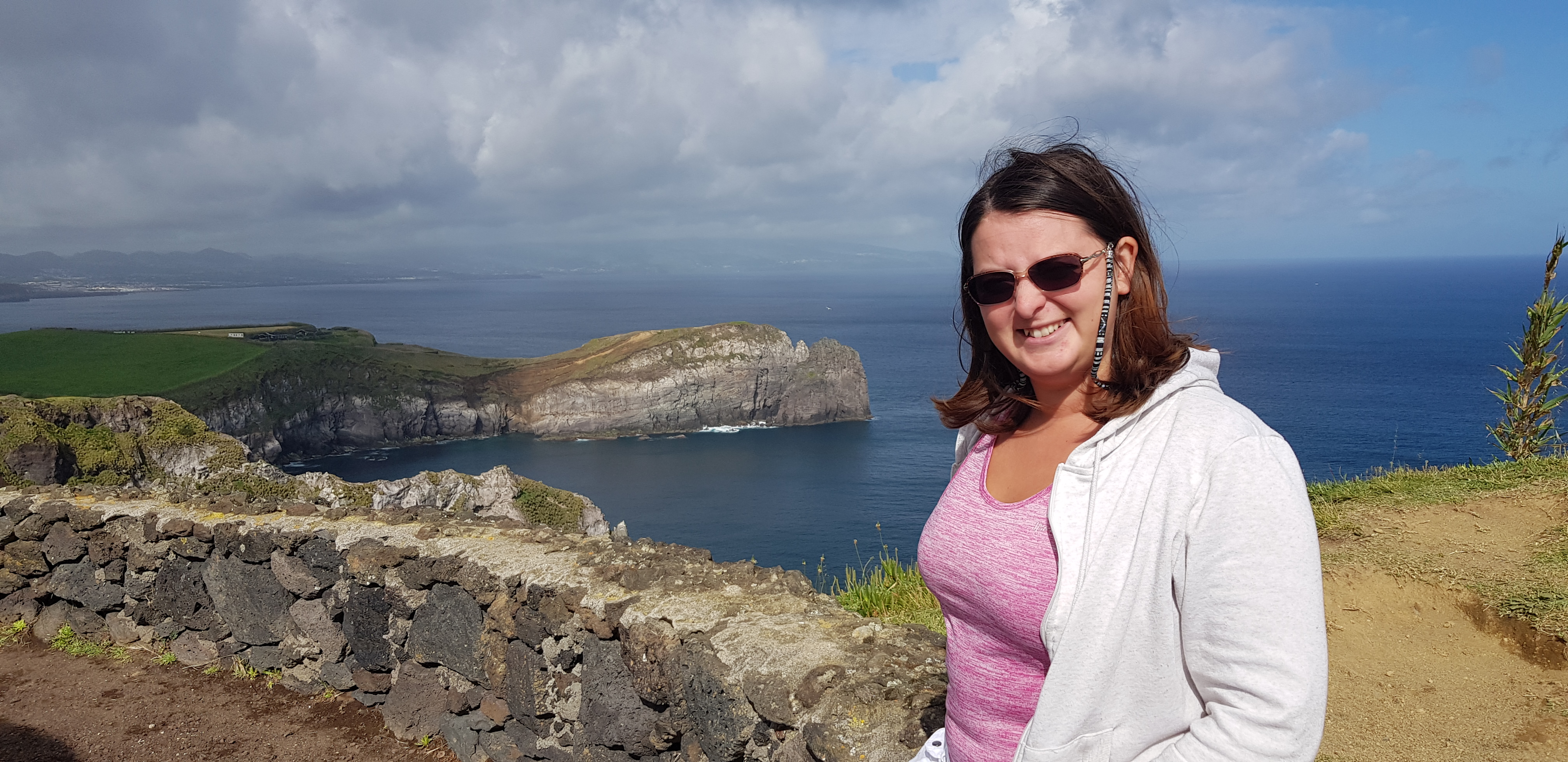
On the tours I’d booked, I was able to visit a variety of lookout points, and some beautiful villages/towns, such as Ribeira Grande (Big Stream) which had lovely scenery. We visited an active volcano area where our lunch (a traditional portuguese recipe) was buried and slow cooked by the warm ground.
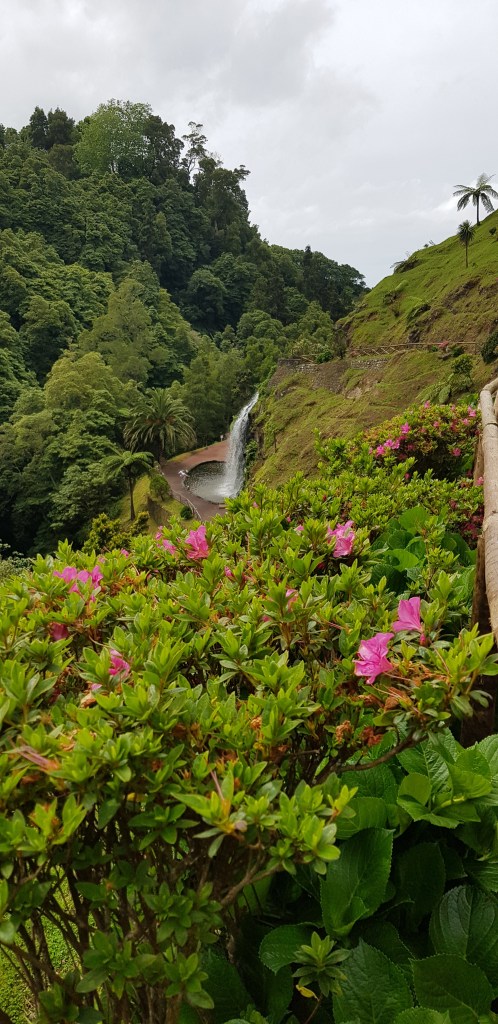

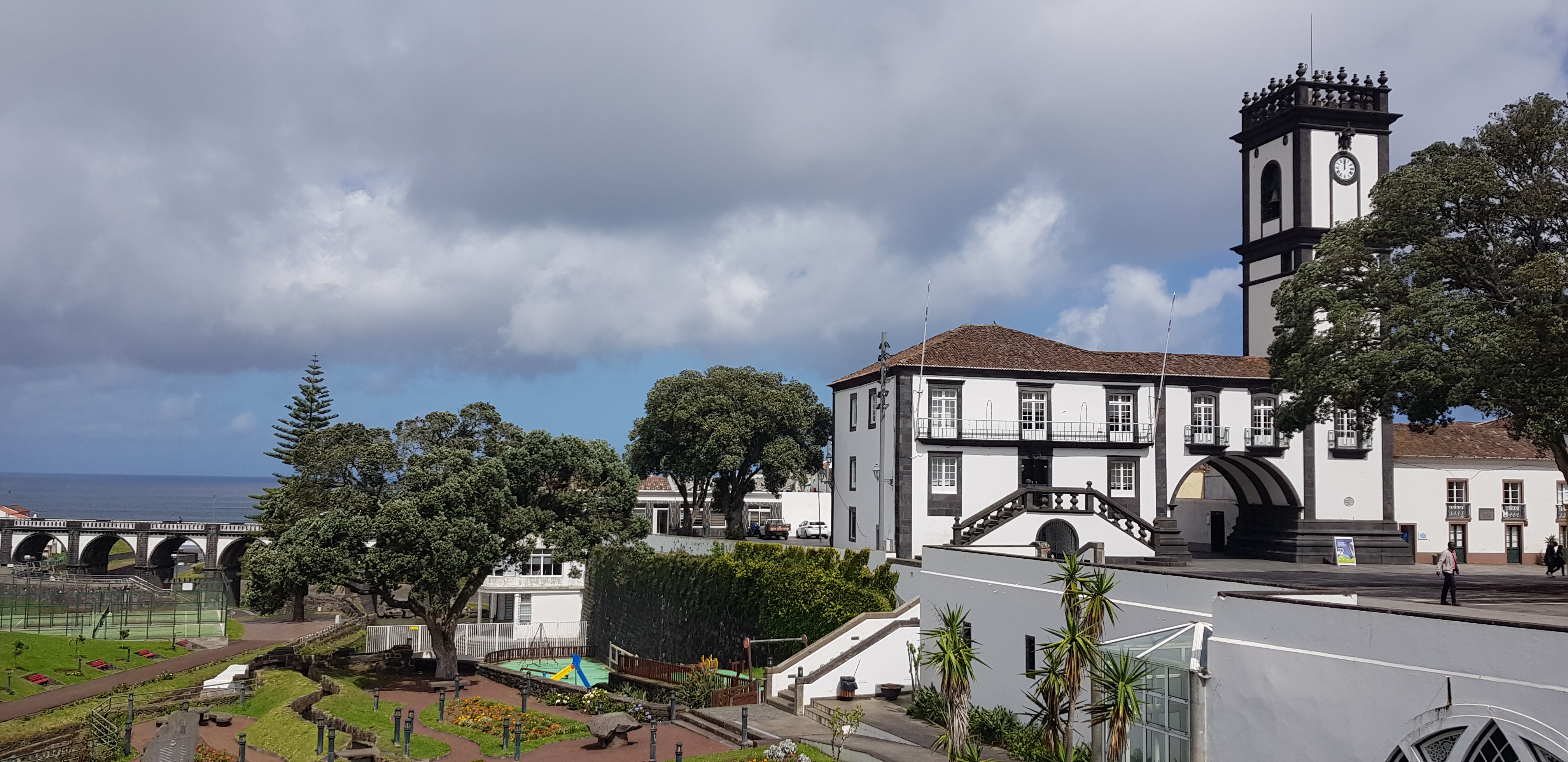
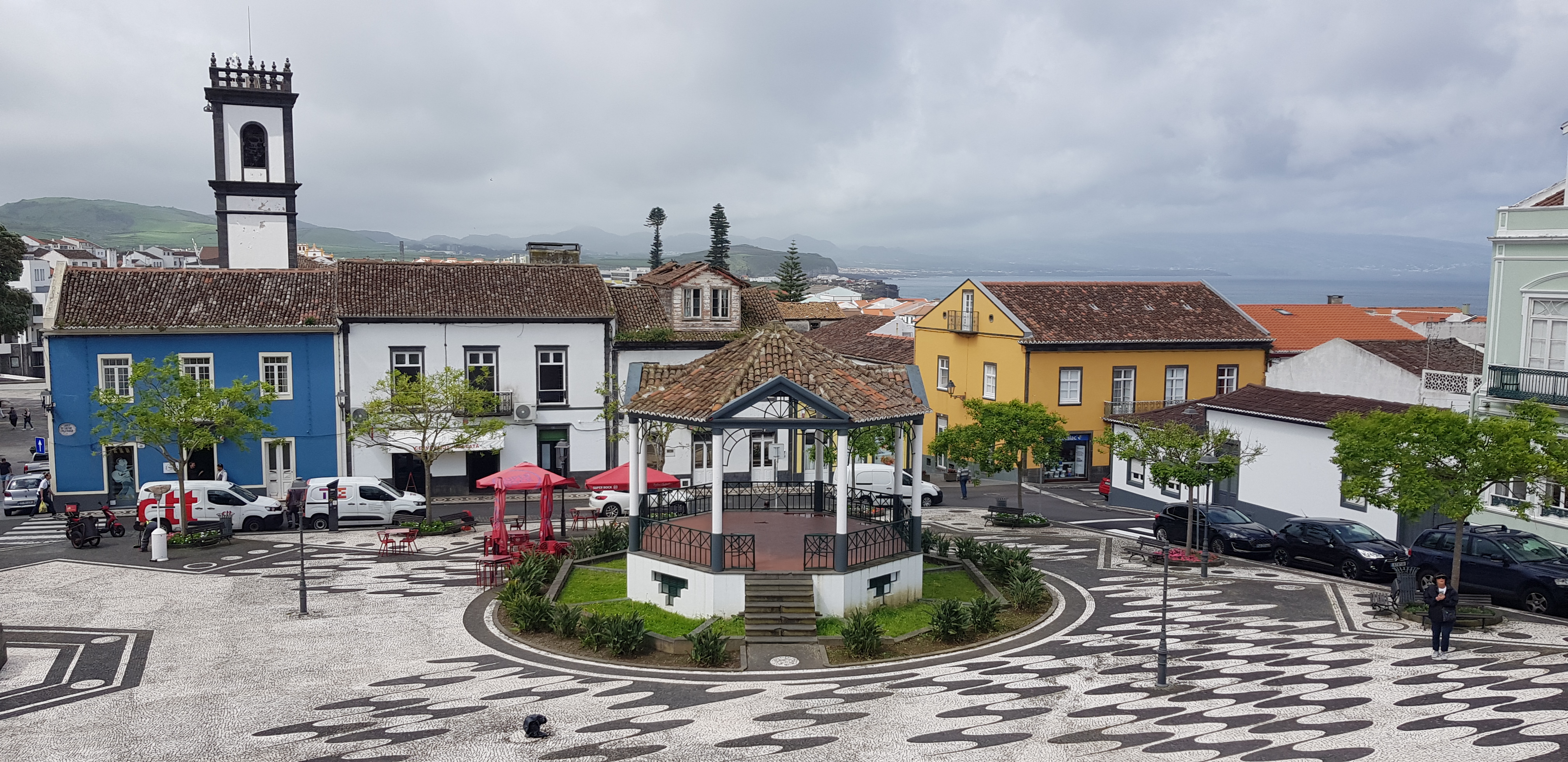
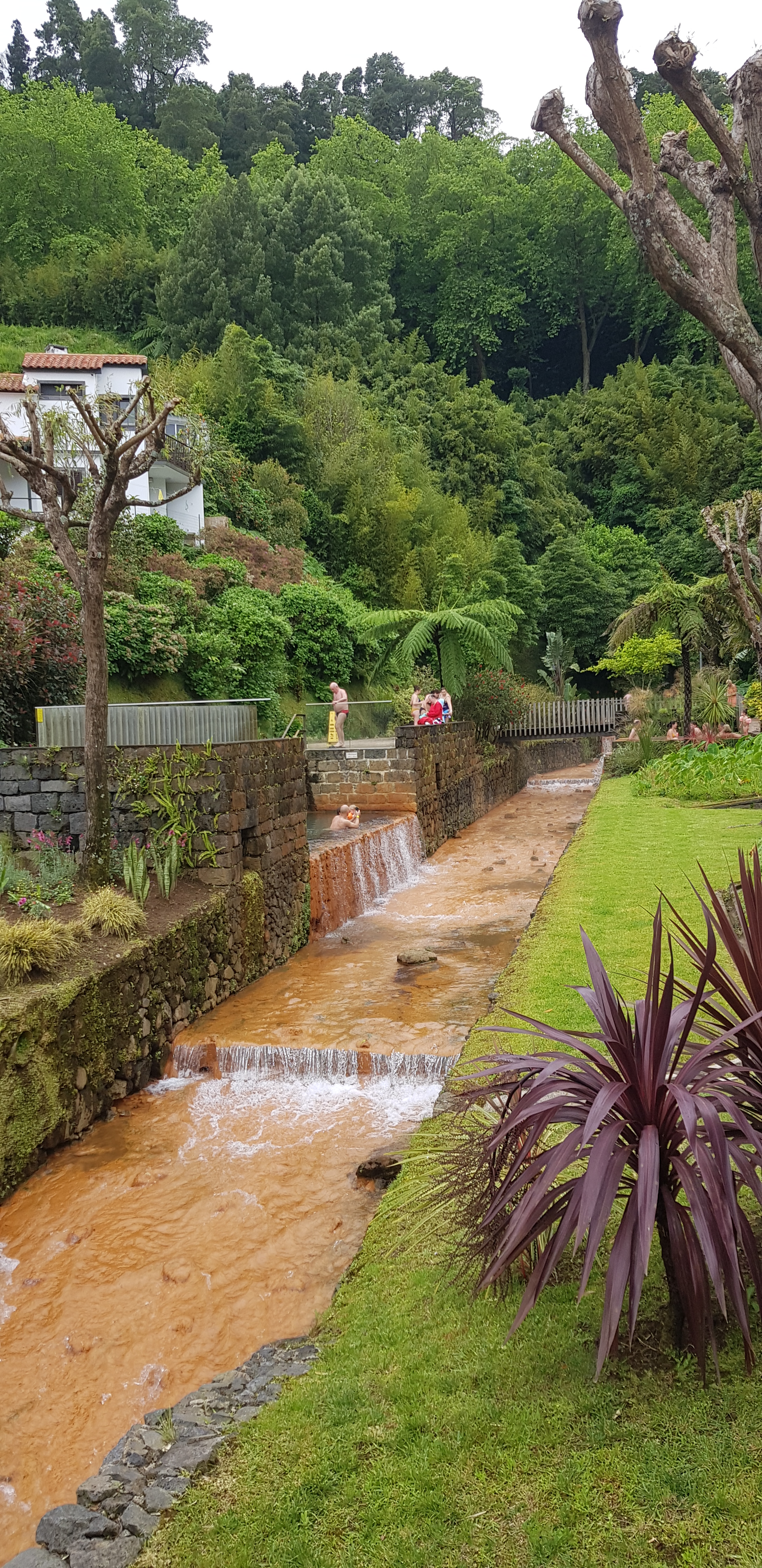
We also visited a geothermal spa, and the well known patchwork viewpoint where you can see thousands of smallholding farms stitched together from above.

Terceira
A few days later, and with a 45 minute flight, I was in the second island of Terceira. This lovely round island, has a lot to offer and is not yet as built up as Sao Miguel. I was in a lovely hotel in a secondary town away from the capital of Angra do Heroismo.
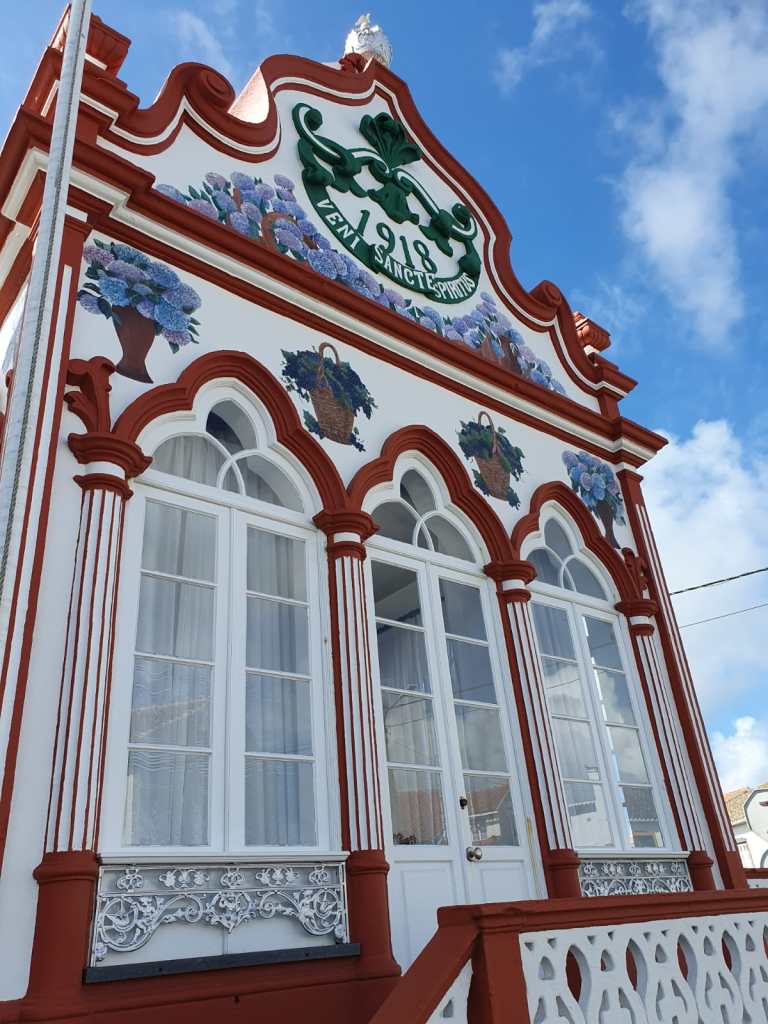
The villages and towns in Terceira are very traditional, and still have many unique customs that they uphold. For example they have a program of events where they have a ‘running of the bulls’ in the streets. This is not to copy the ones in Spain though, it is a unique memorial event to celebrate the farmer and bull heroes that drove the Spanish out of Terceira during a big battle, where the bulls were let loose on the army! Led by a woman villager too! Very cool. You will also find beautiful chapels in every village that are purely for the devotion to the holy spirit, and used at only one time of the year.
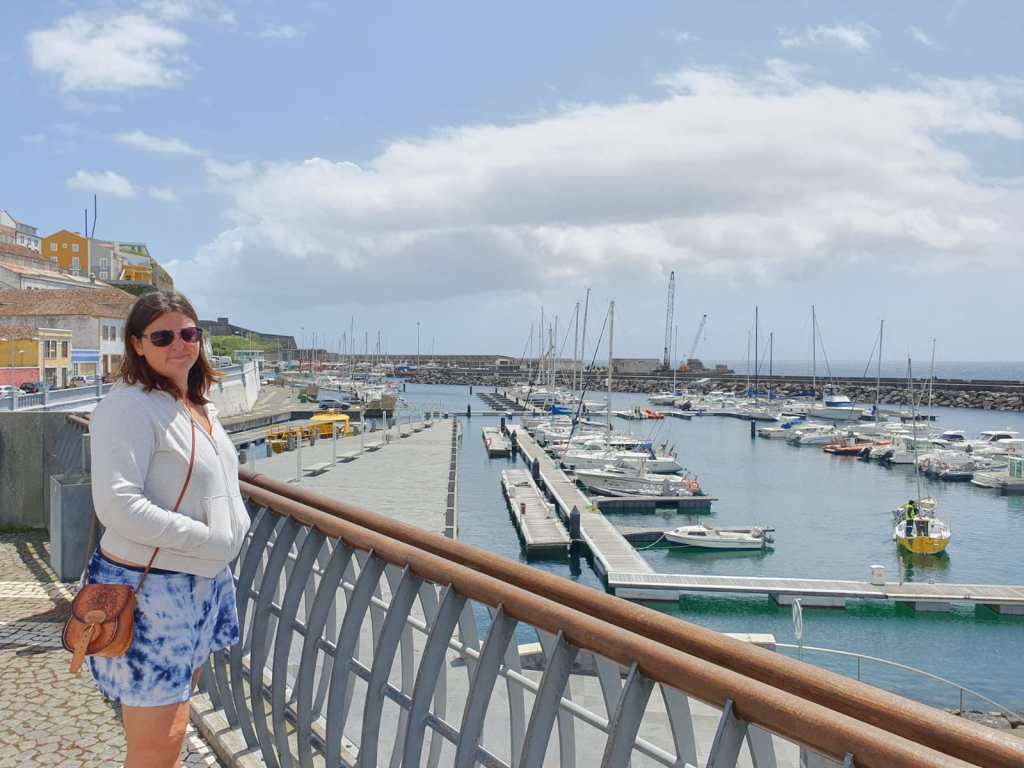
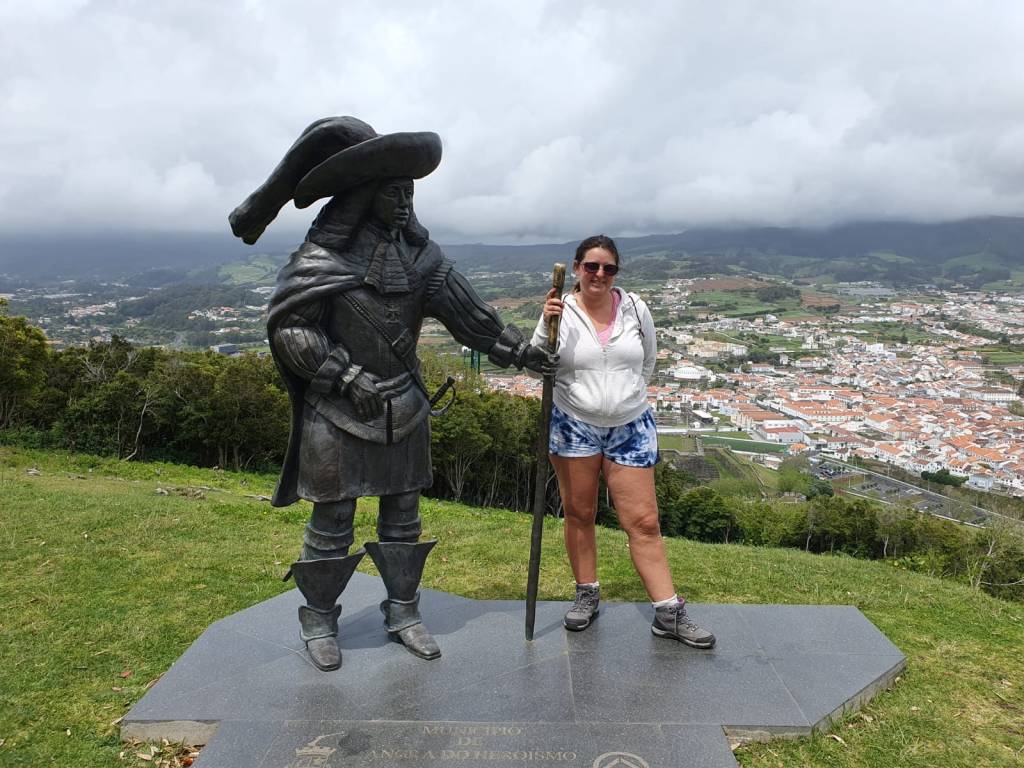
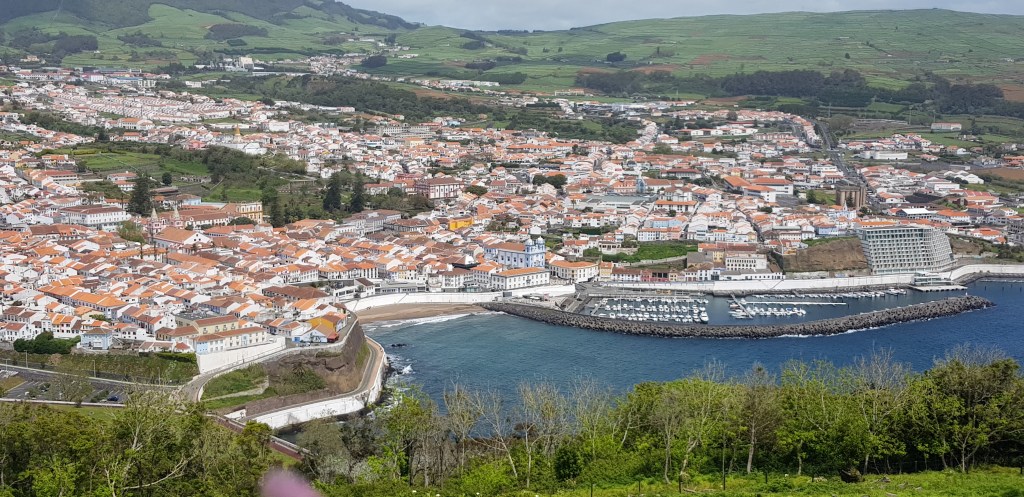
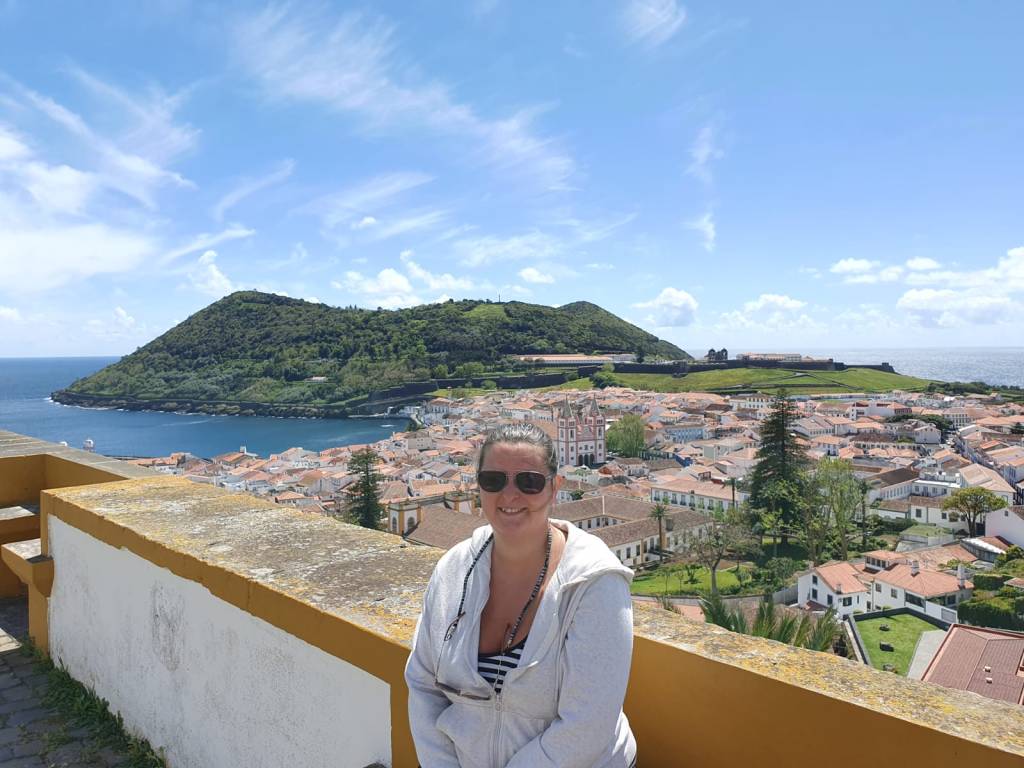
Angra do Heroismo is a beautiful little city with colourful buildings and a pleasant marina area. The colours of the buildings are apparently routed originally in the island’s link to trades with India and the spices and materials that were brought. The island also has been home to an American airfield and base since WW2 and so is rich in an international community. The city is actually a UNESCO Heritage Site due to its historic importance as a transatlantic crossing point, it is head of the diocese of the Azores, and it was actually capital of Portugal twice, replacing Lisbon!
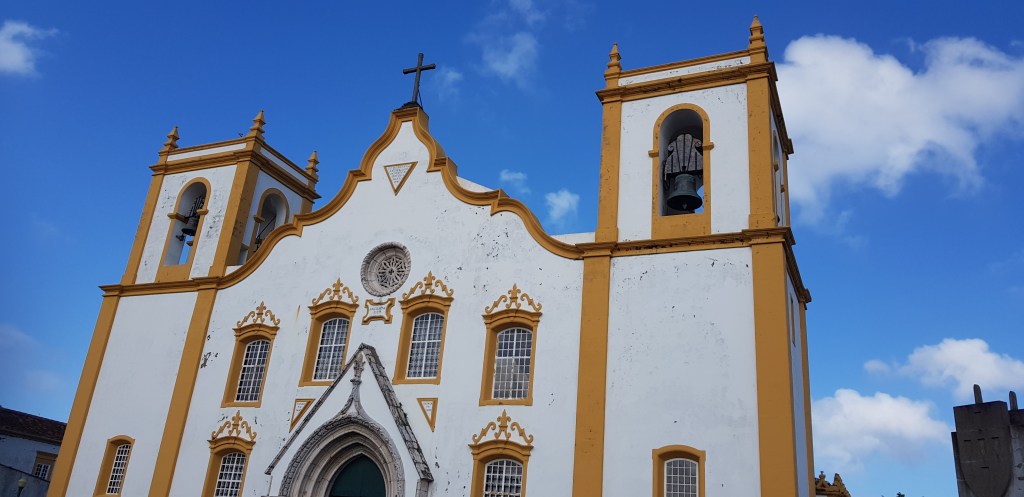
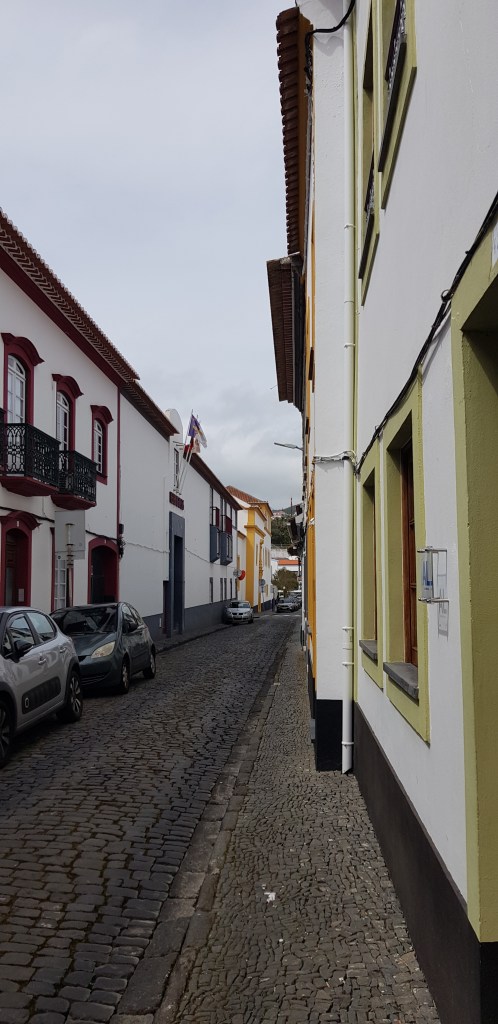
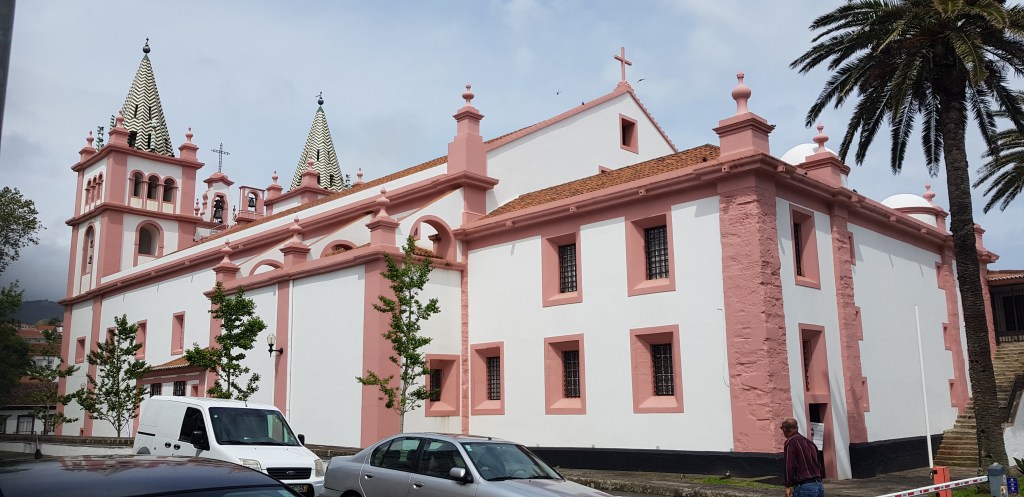
The city also has an active military base for Portugal on their Monte Brazil connected to the main city, it is actually an extinct volcano and now a nature reserve for walkers and family picnics. I spent a morning walking around this mountain where I found there to be a lot of stops to enjoy on the trail, including fort ruins, an old whale watching tower, a viewpoint of the city, and a set of aviaries. When you visit the cross statue viewpoint, you will also find a set of military guns pointing towards the city. I thought this was quite strange, until I discovered that the military base was actually built by the Spanish when they temporarily took over the island, and pointed the guns back on to the city as a way of warning off the very unhappy Portuguese people below!

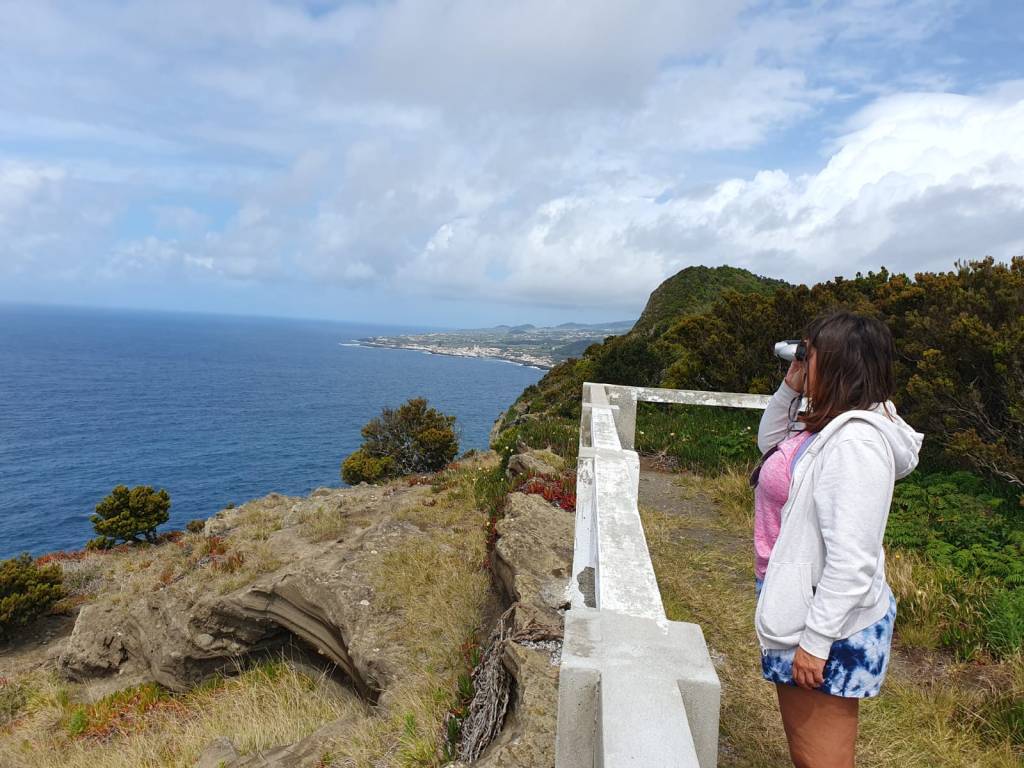

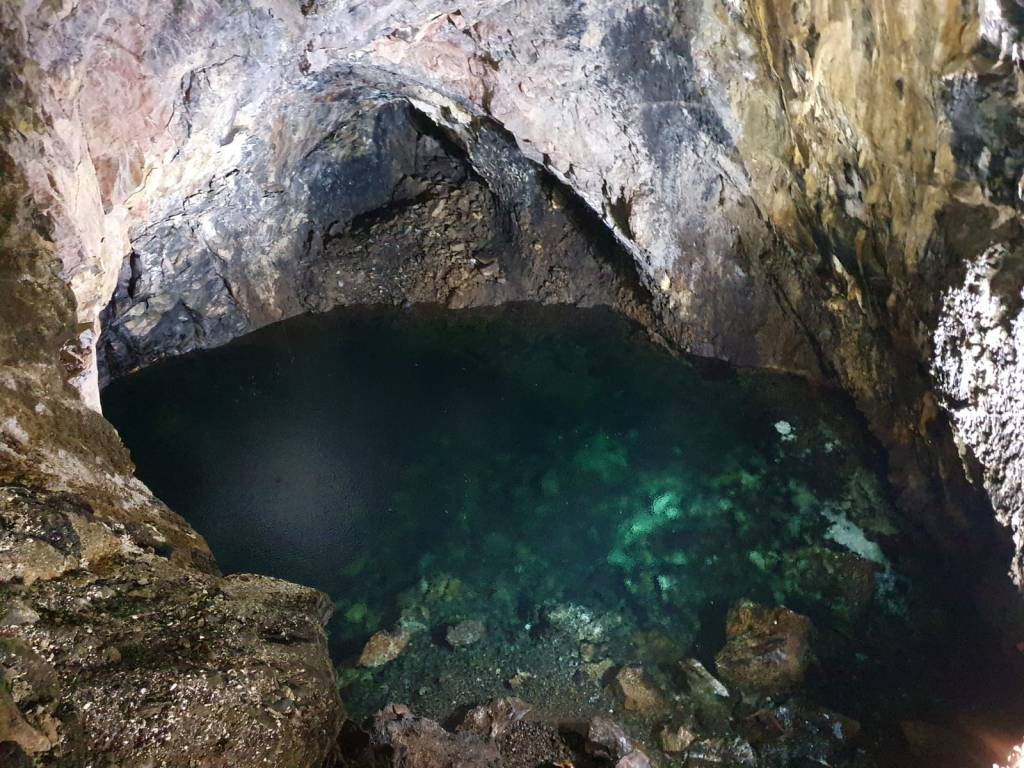
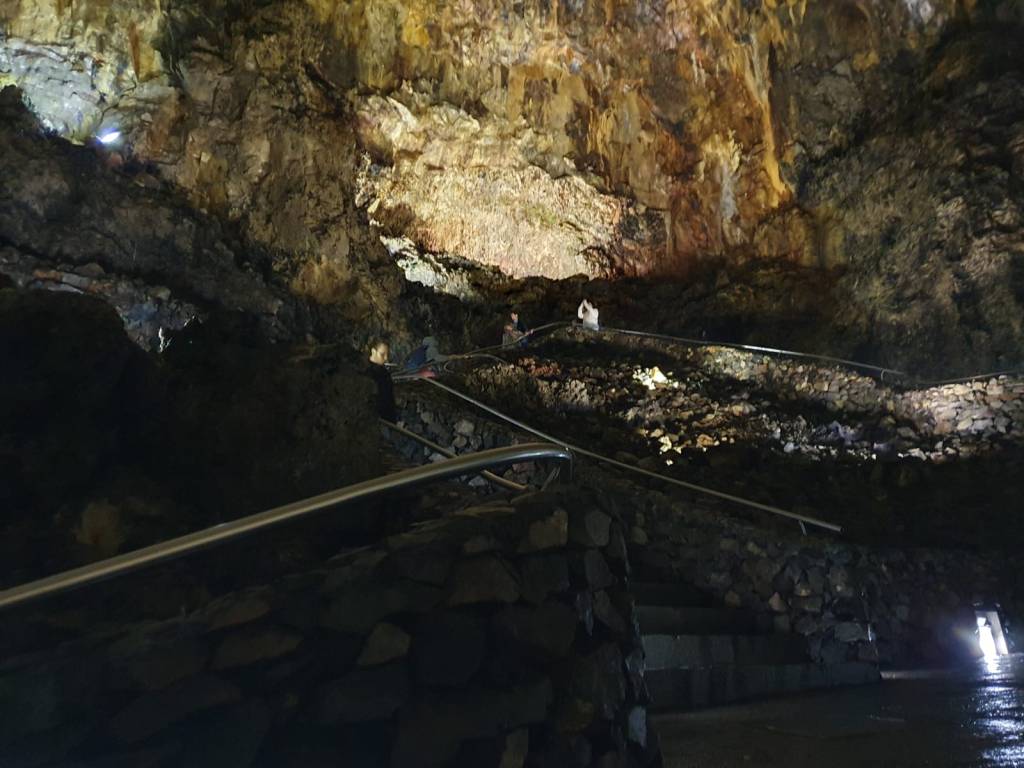
This mountain is just one of many volcanos on the island, the entire Azores group is a collection of volcano eruptions, and have plenty of collapsed, active and also extinct volcanoes. One volcano in Terceira is very special because you can visit the lava canal directly via a tunnel. and walk around over the top of the solidified lava from the last eruption around 2000 years ago. Algar do Cavao is very special and one of the more unique attractions I have been to. It was discovered only in the last century, when a farmer’s cows kept going missing… it turned out that they were falling through the huge crater hole!
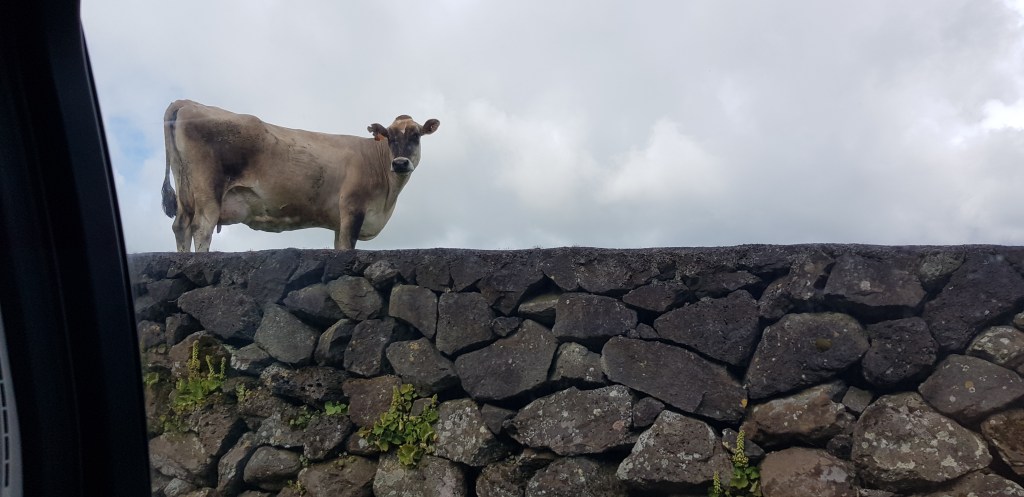
Finally, speaking of cows, there are about 2 cows for every inhabitant on these islands. The biggest industry for these islands is dairy produce, and the amazing thing is that it is all made up of smallholdings and many family ran farms pulling together their resources with other farms across the area to make cheeses, milk, ice cream and more. You are never short of a cow, and someone that knows a lot about them!
Overall, I loved visiting the Azores, and now feel determined to visit all of the nine islands and find my favourite. It is an easy place to visit from Lisbon and I am in Portugal often, so I don’t think it will be long before I am back!




 Go Go Chlo