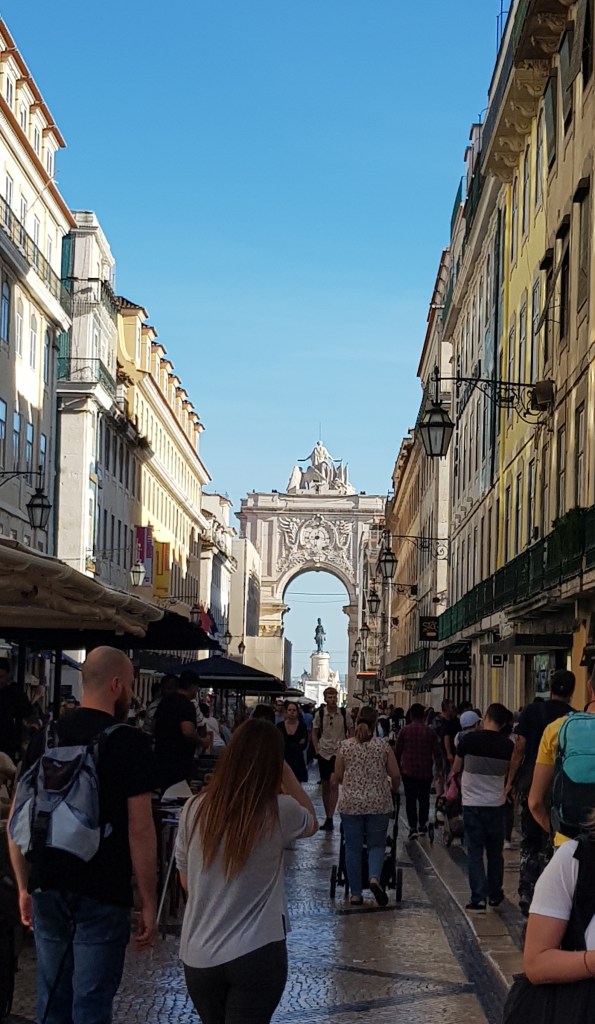
I have visited Lisbon several times for short day trips, but this Spring, I stayed over for a two night break between destinations. This city with what feels like many more than just seven hills, is full of life and culture throughout.
Travelling to Lisbon
I travelled to Lisbon by Train on this occasion from the Algarve’s Lagos, in the South. This was about a four hour journey with one change, and then once in Lisbon there are several main stations you can arrive in. From there, buses, trams and metro are possible.
Neighbourhoods: Alfama and Barrio Alta
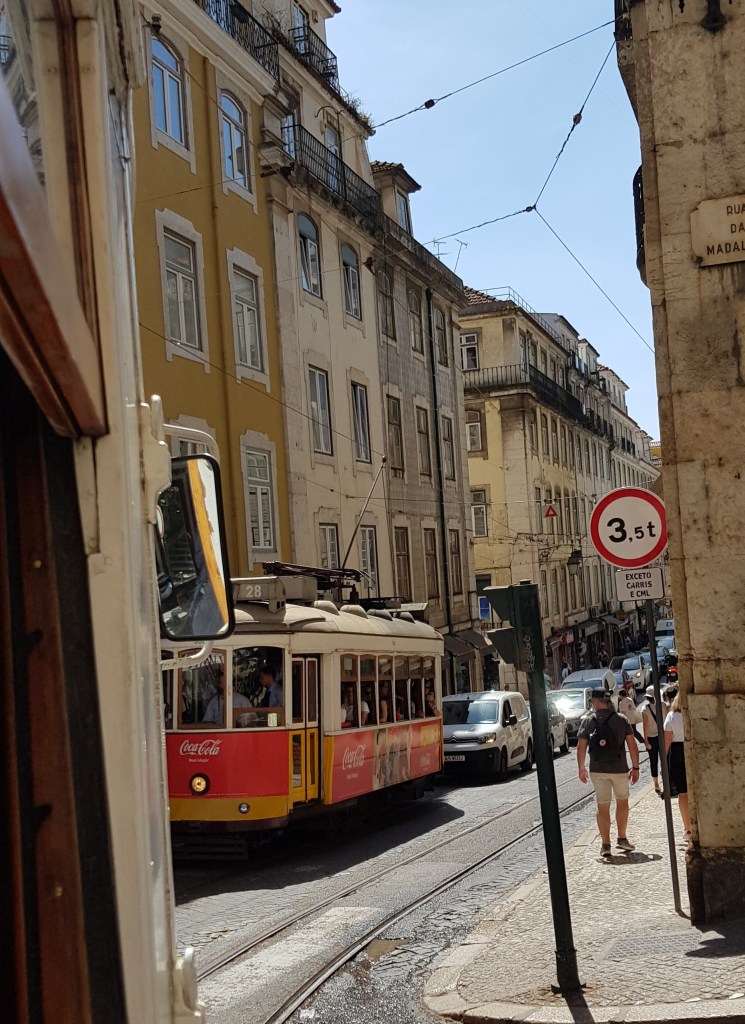
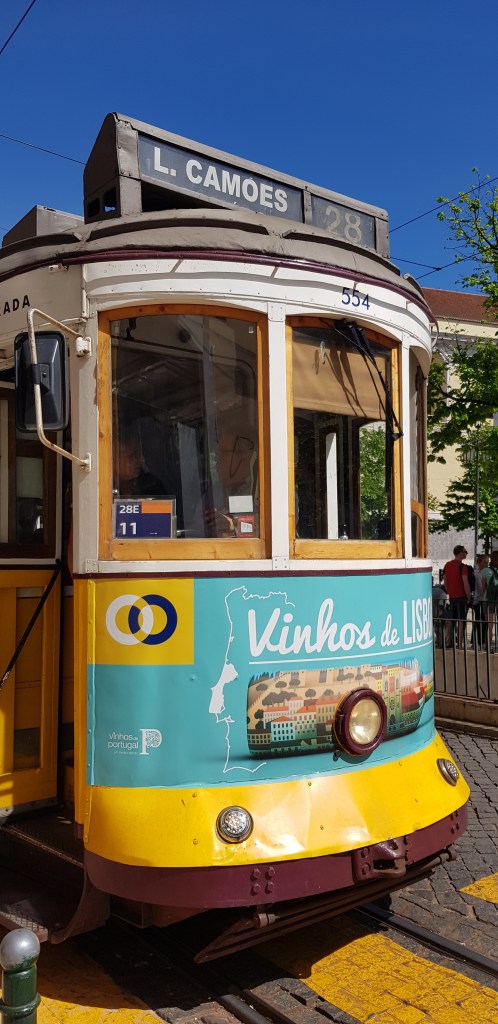
I stayed in the neighbourhood of Alfama which is one of the oldest parts of the city near to the river. I selected this area of the city because it is rich in culture, close to tram 28 which is the main tram to run through the touristic areas, and its an area with many fado houses.
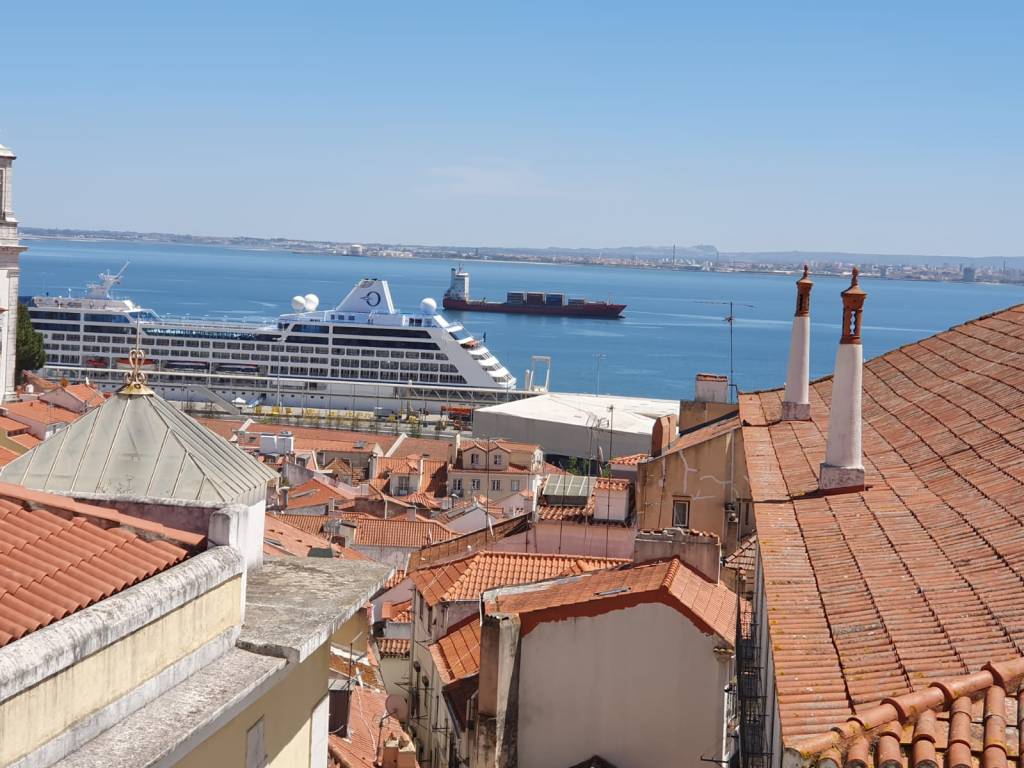
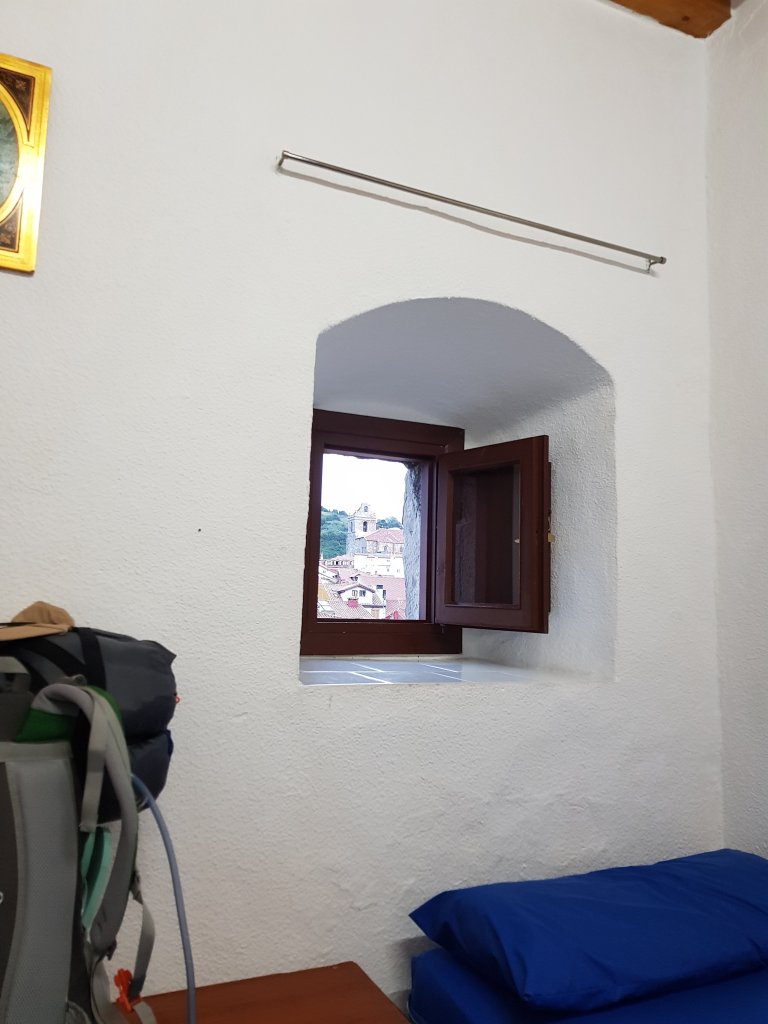
I chose to stay in Convento de Salvador, which is a beautifully refurbished convent on the hill. It was very clean and minimal and still had the old layout and foundations of the convent. Our view of the river and downhill street was wonderful aswell.
It is easy to follow the river from Alfama along the promenade towards the Belem tower, or you can jump on the tram to head either towards the castle in one direction or towards Barrio Alto.
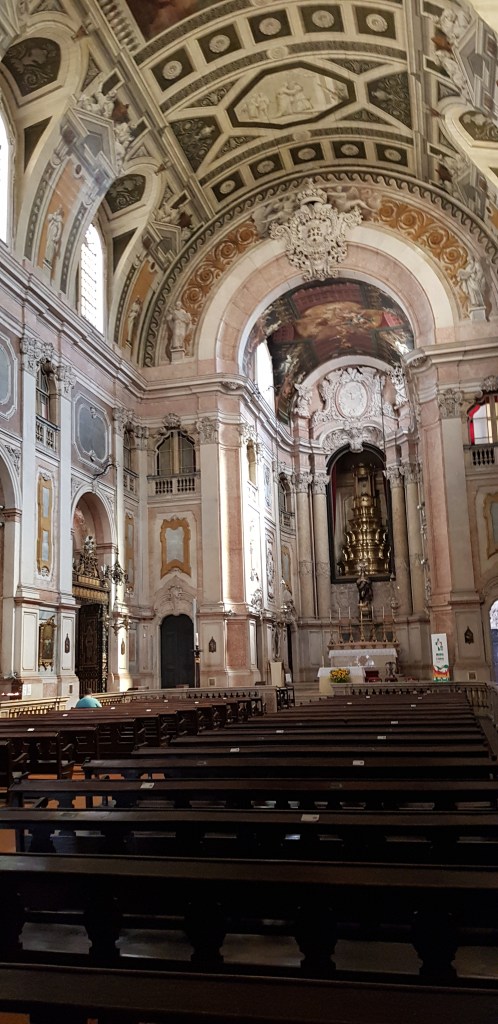
Barrio Alto is a bustling area full of shops, restaurants and squares with street performances at night. Wondering the squares to listen to music, enjoying a pastel de Nata and venturing to some of the local gardens can all be enjoyed within walking distance from here. There are also some wonderful churches, I visited two churches from the italian community that were very beautiful.
The must see monuments / attractions
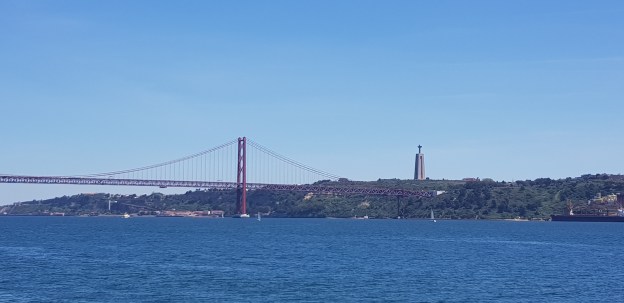
Belem Tower – A monument to remember the power and colonisation by Portugal, it sits at the riverside and you can also see the bridge and christ statue from here.
Jeronimos Monastery – A huge monastery facing large public squares and standing to the front of the botanical gardens and presidential palaces.
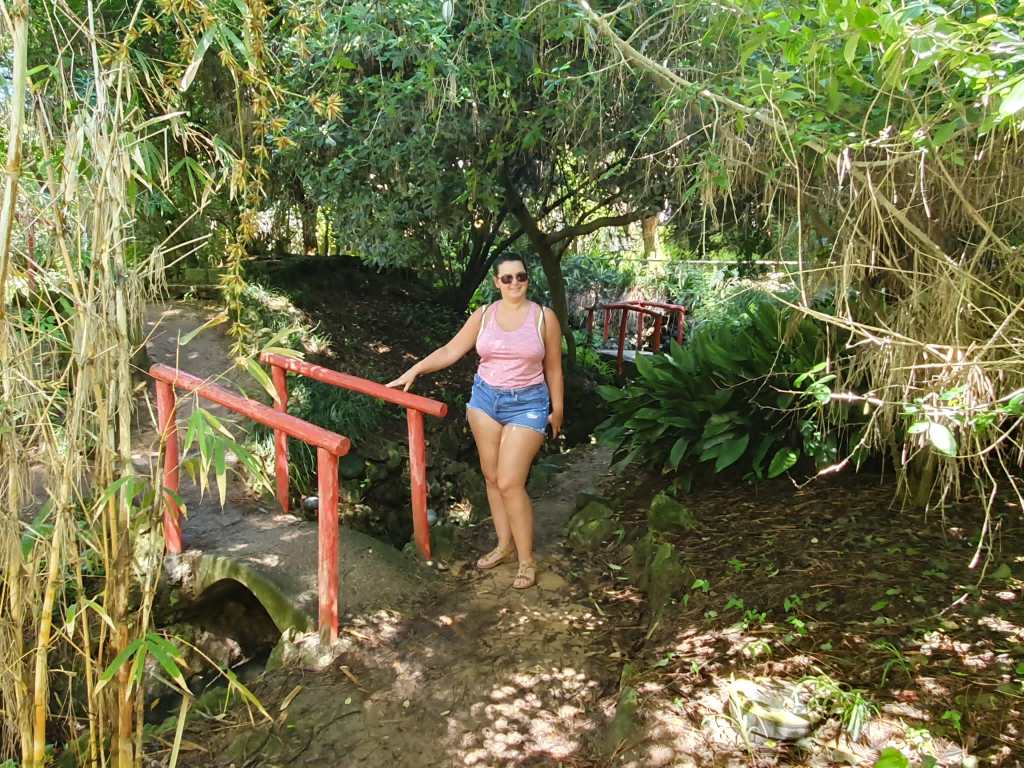
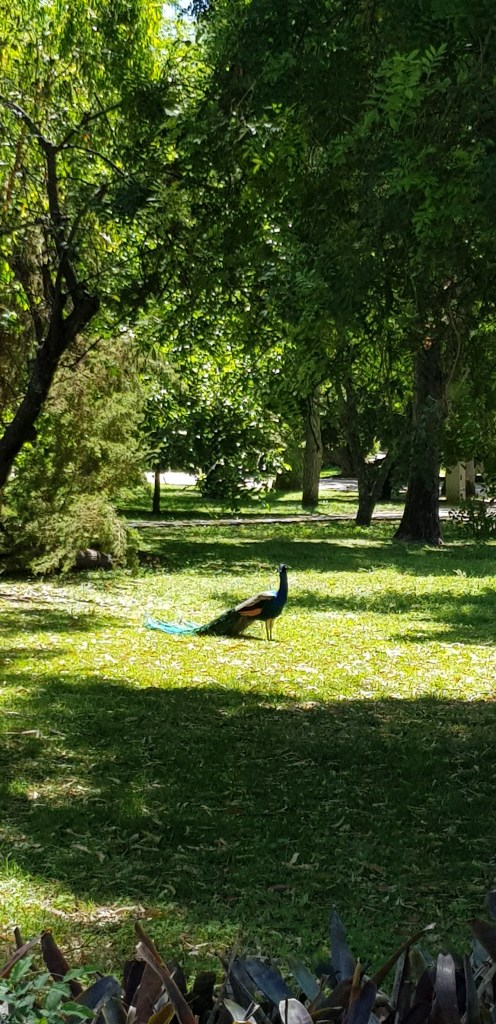
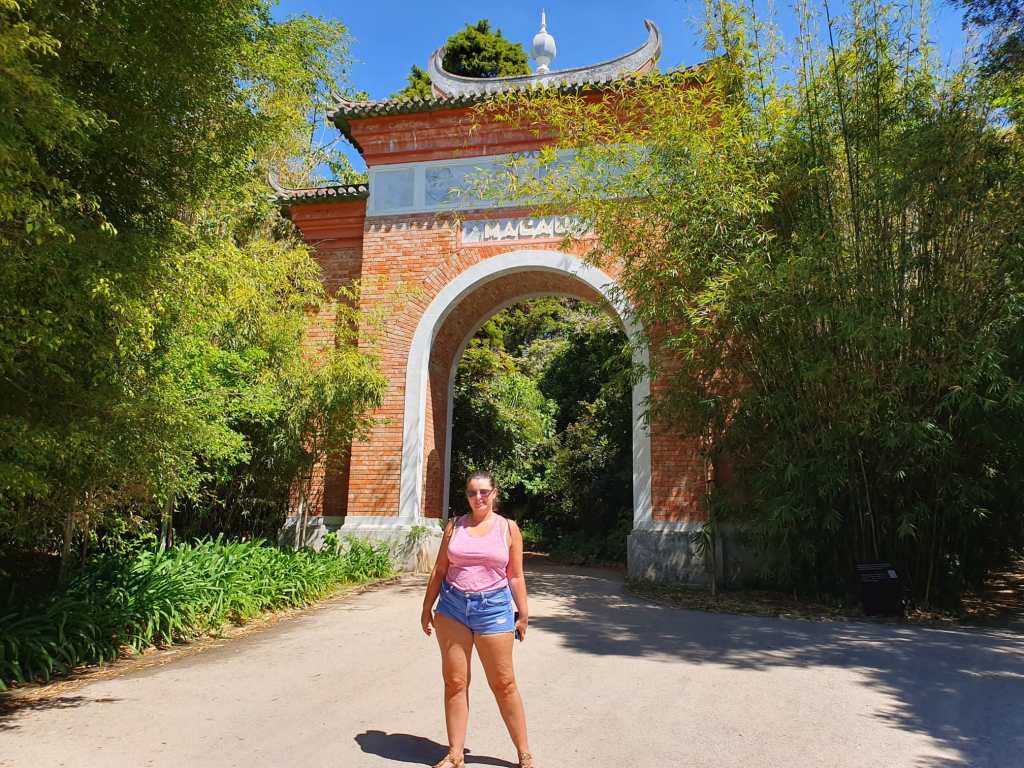
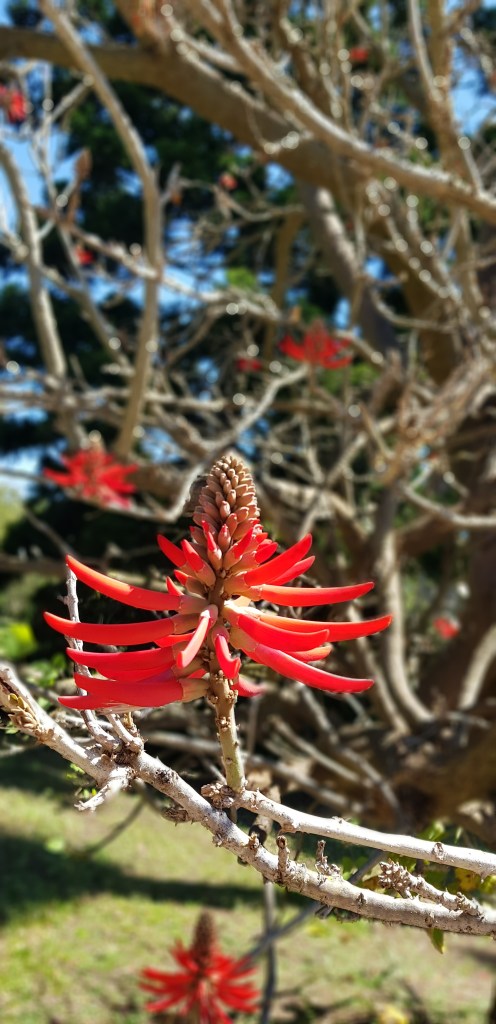
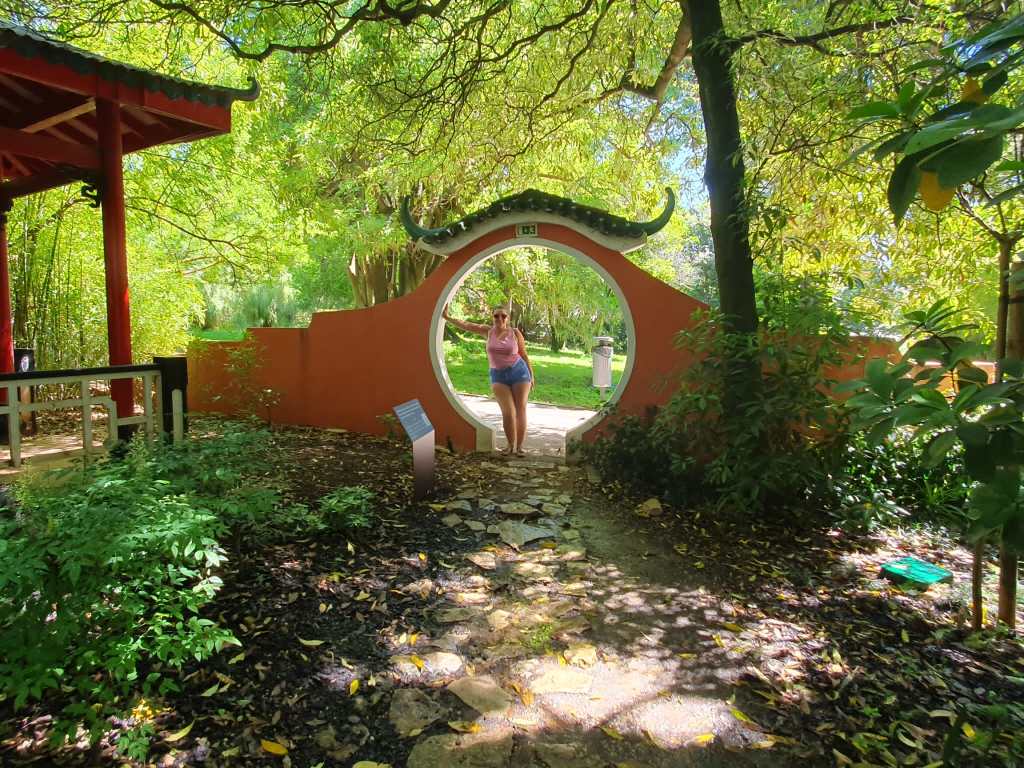
Botanical Gardens – A beatiful setting to spend some hours in the afternoon seeing a variety of interesting trees and flowers, an oriental garden, old buildings, african sculptures and many peacocks.
Commercial Plaza – The location of a huge statue, the tourist information offices and a great gathering place for events.
Fado
Near my hotel were several Fado houses. These are traditional houses which have evening shows (normally with dinner) of traditional portuguese fado music. This is deep, very sad singing and guitar, supposedly derived from the soul.
The music is very relaxing to listen to, and when visiting the fado house, it was of the utmost importance that guests did not talk and food was not served out by staff during the music out of respect. So, several breaks were needed to dish out food and for conversation. This was good for me as it meant I actually slowed down and savored my food.
There is also a Fado museum downhill in Alfama. It has a lot of information about Fado but it is difficult to navigate and understand the information at hand, and I felt a lot more could be done to improve its guest experience.
To conclude…
I like Lisbon a lot, it is one of my favourite cities. It is vibrant and proud of its heritage. Next stop is another portuguese area, the Azores…
Following my first trip to Buenos Aires, I returned to the capital city at the end of my three month trip around Argentina to have a final week there, enjoying some attractions I had not been able to visit in my first visit. This time I was joined by a travel companion and was staying in a luxury hotel.
A focus on Evita
Following my first visit to Buenos Aires, and visiting the grave of Evita, a famous Argentine first lady, this time round, I visited the Evita museum. I was keen to learn more about her life and work for the state. The museum is housed in a previous home for the poor that was set up through a foundation that Evita begun. The museum has several rooms with projections of Evita’s film clips as an actress, her speeches as an activist and also a viewing gallery for her red carpet gowns.
I found the museum to be really interesting but unfortunately photos were not allowed. The information was really good about her early life, career, relationship with president Peron, and her death. I learnt that she had a lot more involvement in charity work than I had realised. She also won the vice presidency but turned it down, which I was not aware of. After finishing our look around the museum, we had a tasty lunch in the museum’s restaurant which has a very nice courtyard.
A walk around the parks
I was able to visit a few more of the park’s in Buenos Aires this time, although not all of them, as the rosalade (rose garden) was closed for upkeep.. very annoying. I did manage to visit both the Botanical Garden and the Eco Parque which are next door to each other. This took a full morning, and both parks were worth a look, and free to enter.
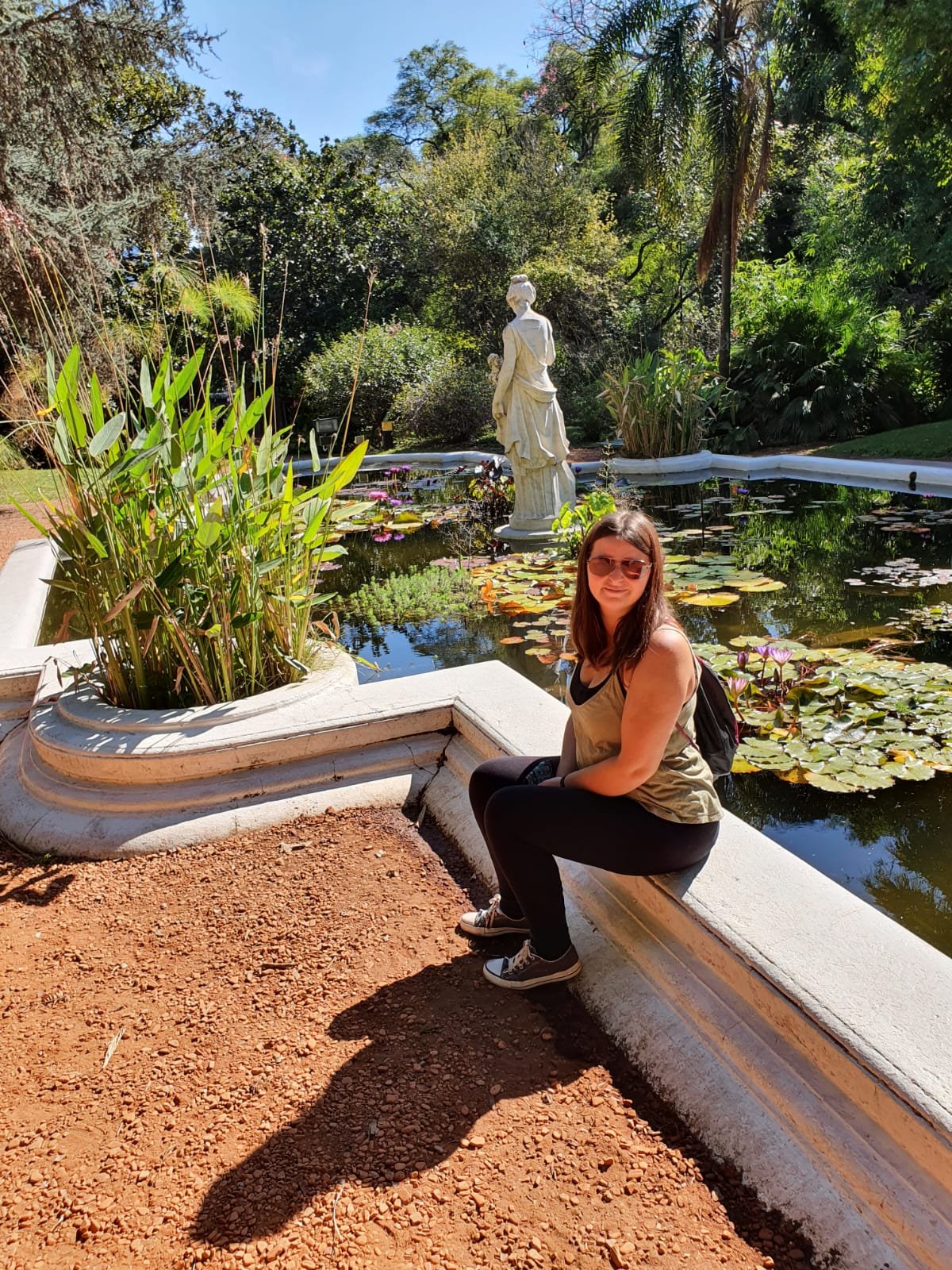
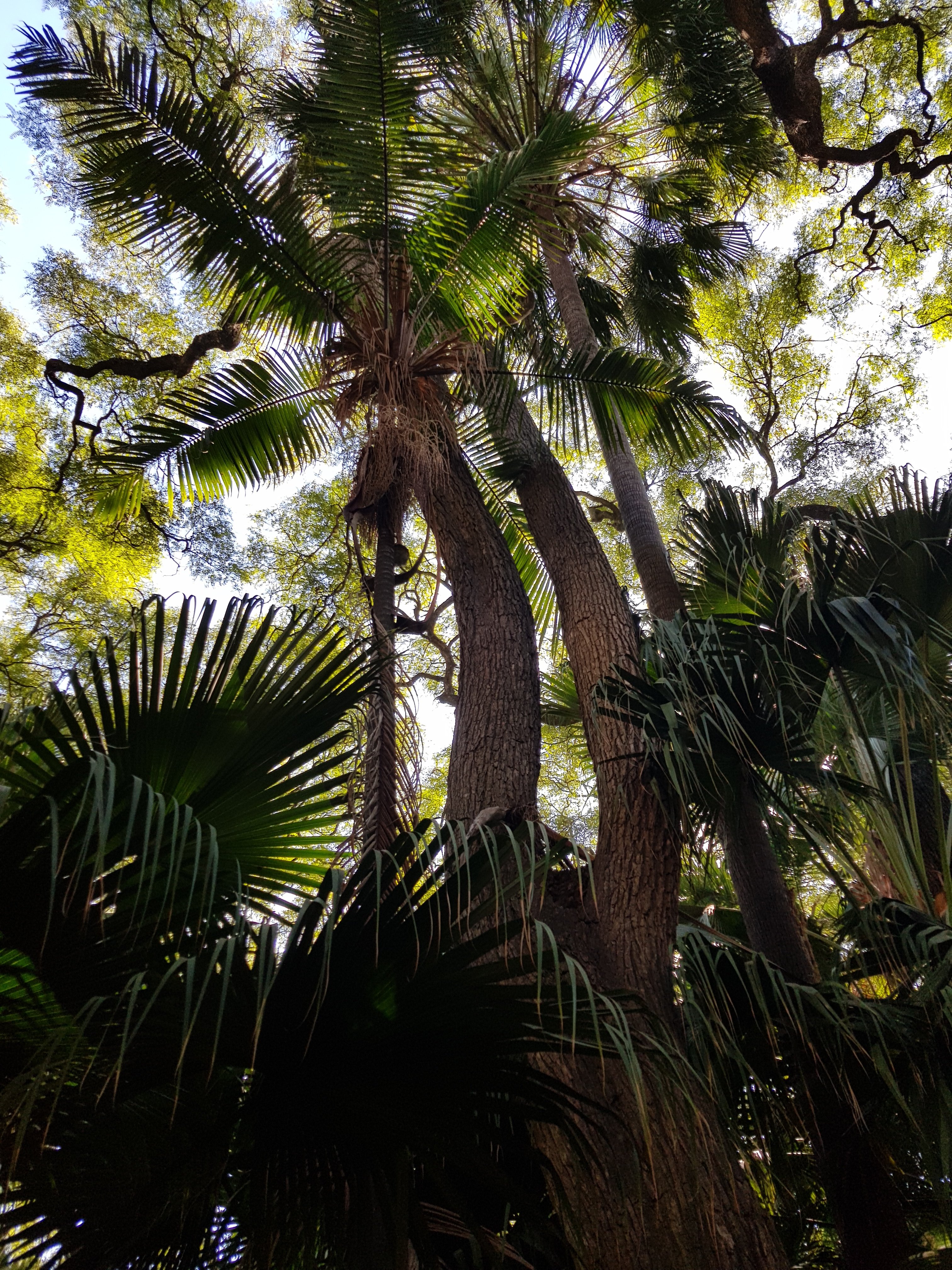
The botanical garden has many exotic plants and large trees as expected, and had attempted to theme different sections by different garden styles, for example french or italian.
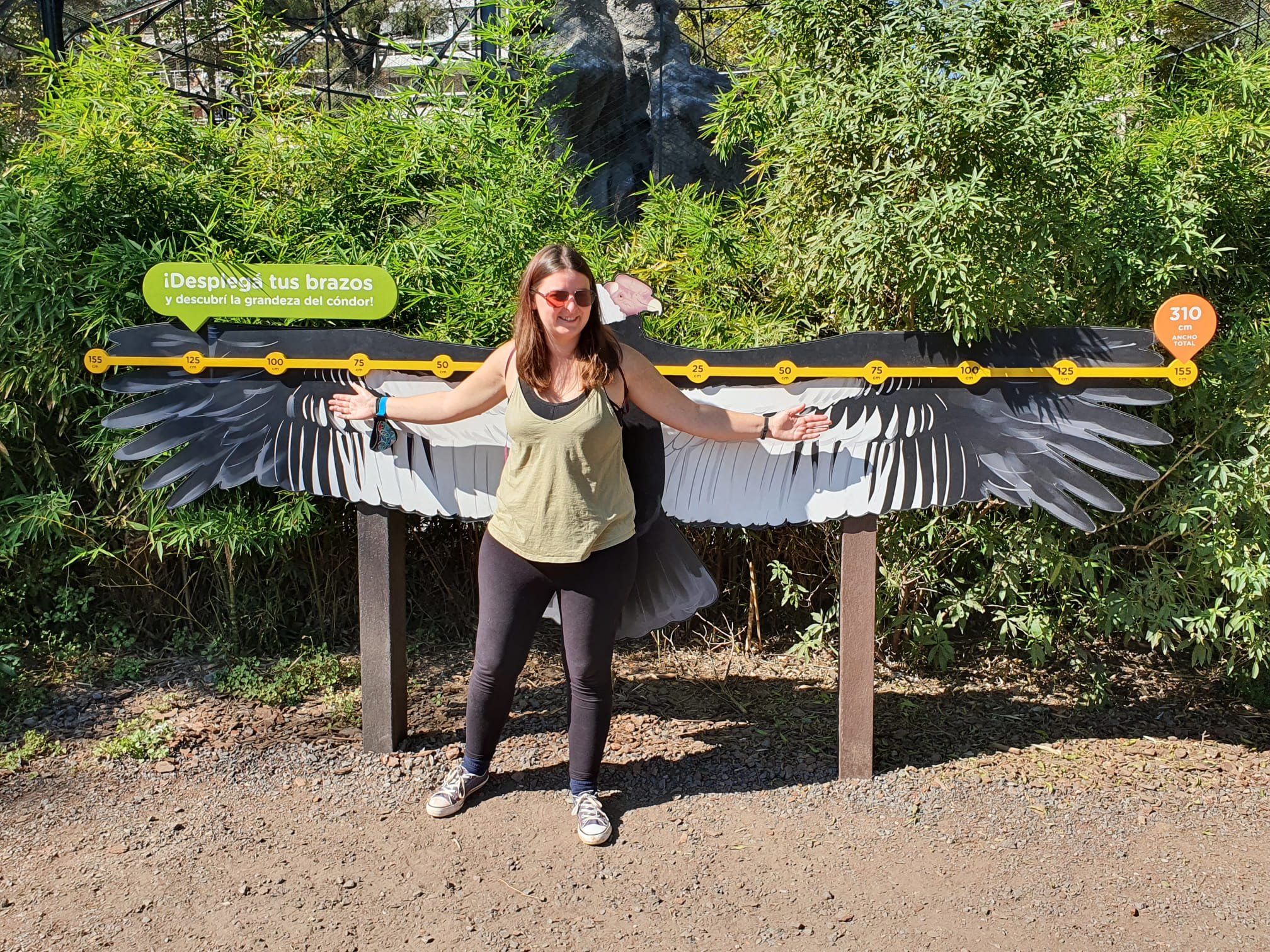
The Eco Parque is a very different experience. This pretty park used to be a zoo with many large exotic animals, and elegant victorian styled animal houses. In recent decades, most of the animals have been moved to other locations, or sent back to their natural habitat.
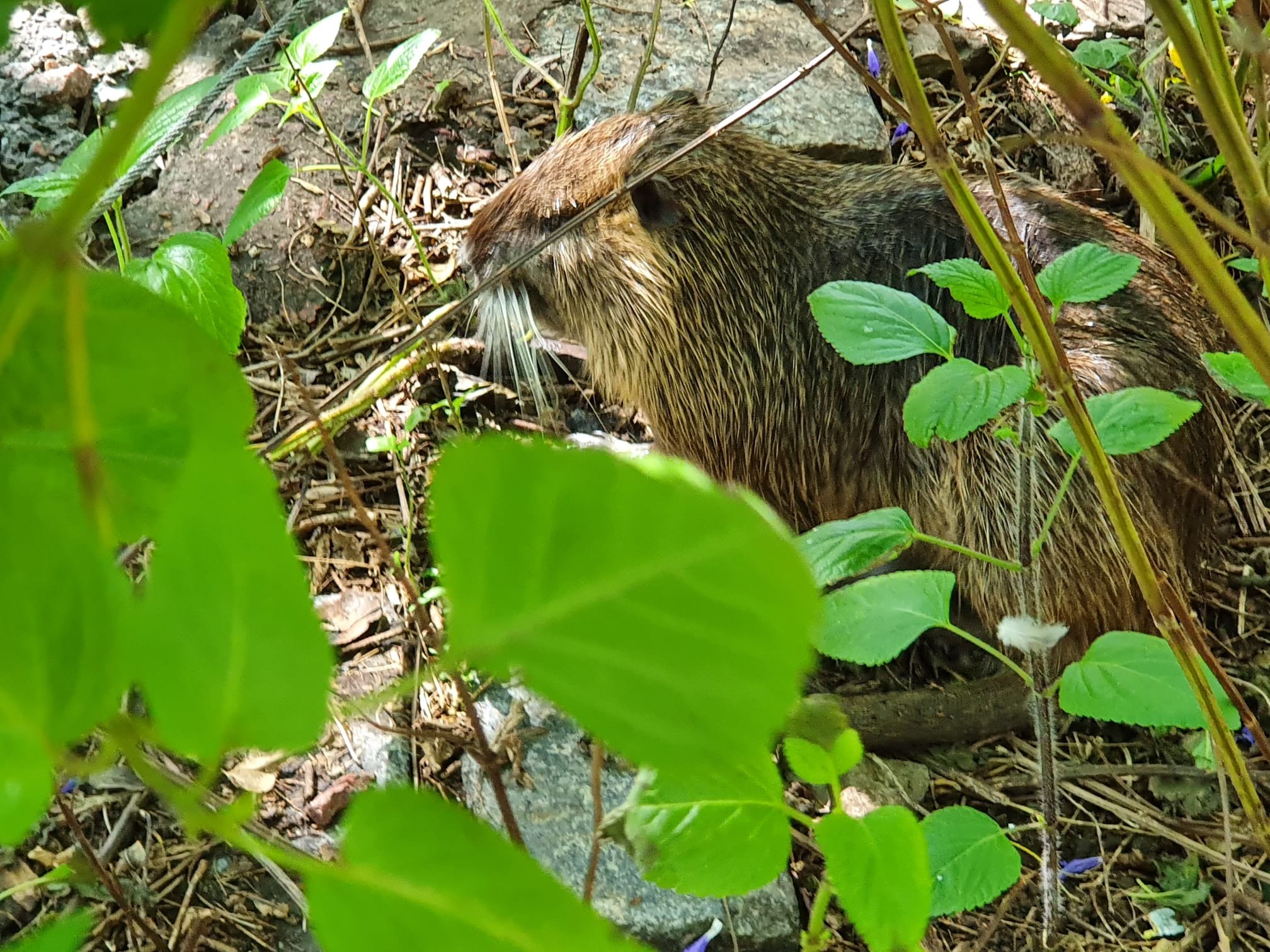
There are a few that still roam through the park though, because they are either too old or unwell to move, or do not need to be relocated. The park still has an old camel, plenty of capybaras, strange half rabbit half deer things, and even some monkeys. It is a pleasant place to take a walk in the middle of this huge city, as you never know what new animal will be around the corner.
Nightlife
In the evening, I was lucky enough to be rejoined by my German traveller friends again as they also finished their journey in BA. We headed out to Palermo Hollywood for a night of clubbing and mischief. After a night that lasted until around 6am, I was glad for my full hotel continental breakfast the next day!
La Plata
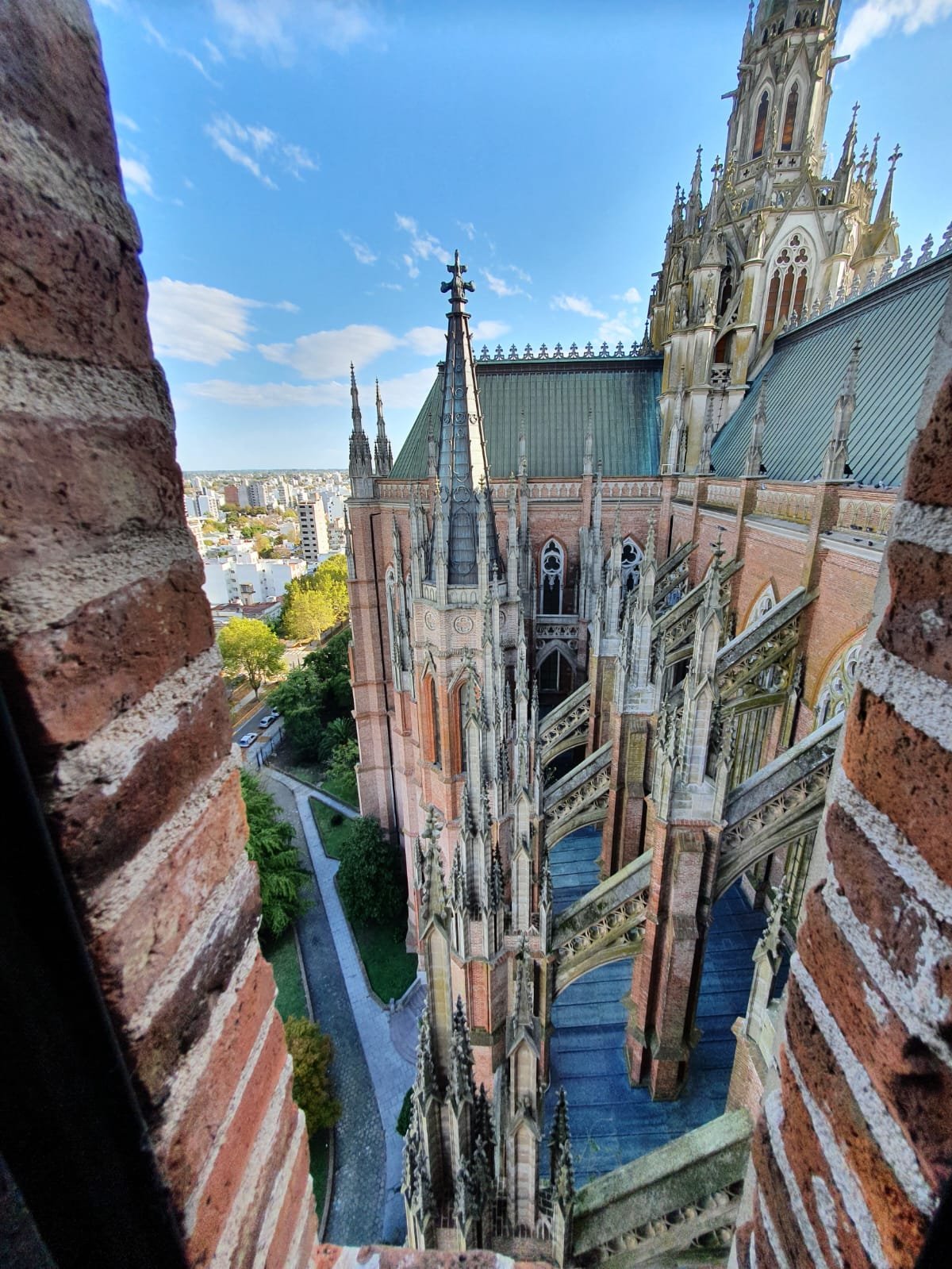
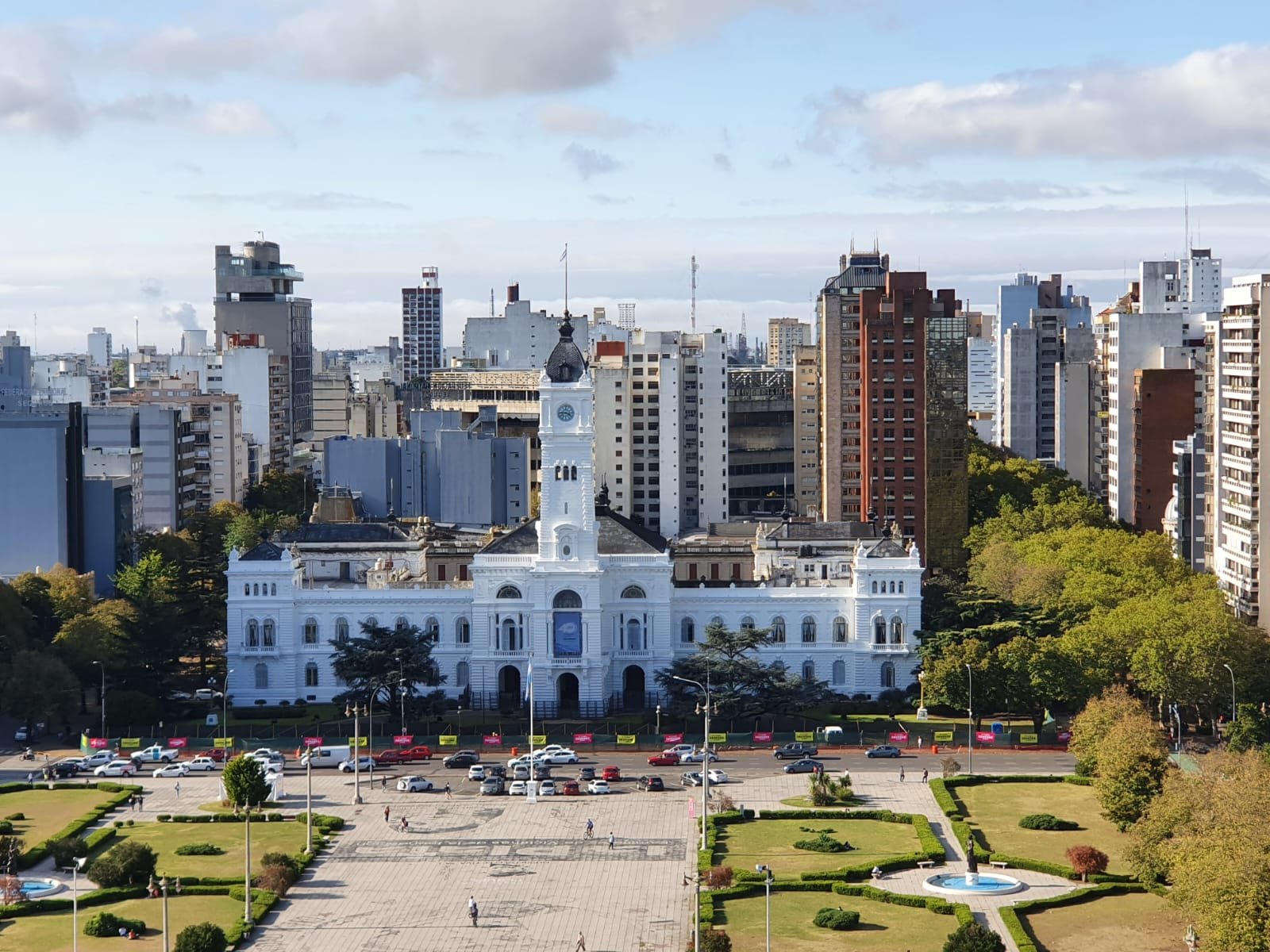
For a day out, we decided to visit the capital of the Province, the city called La Plata. The city was easy to get to, only 90 minutes on the train, and the main attraction there is a beautiful cathedral.
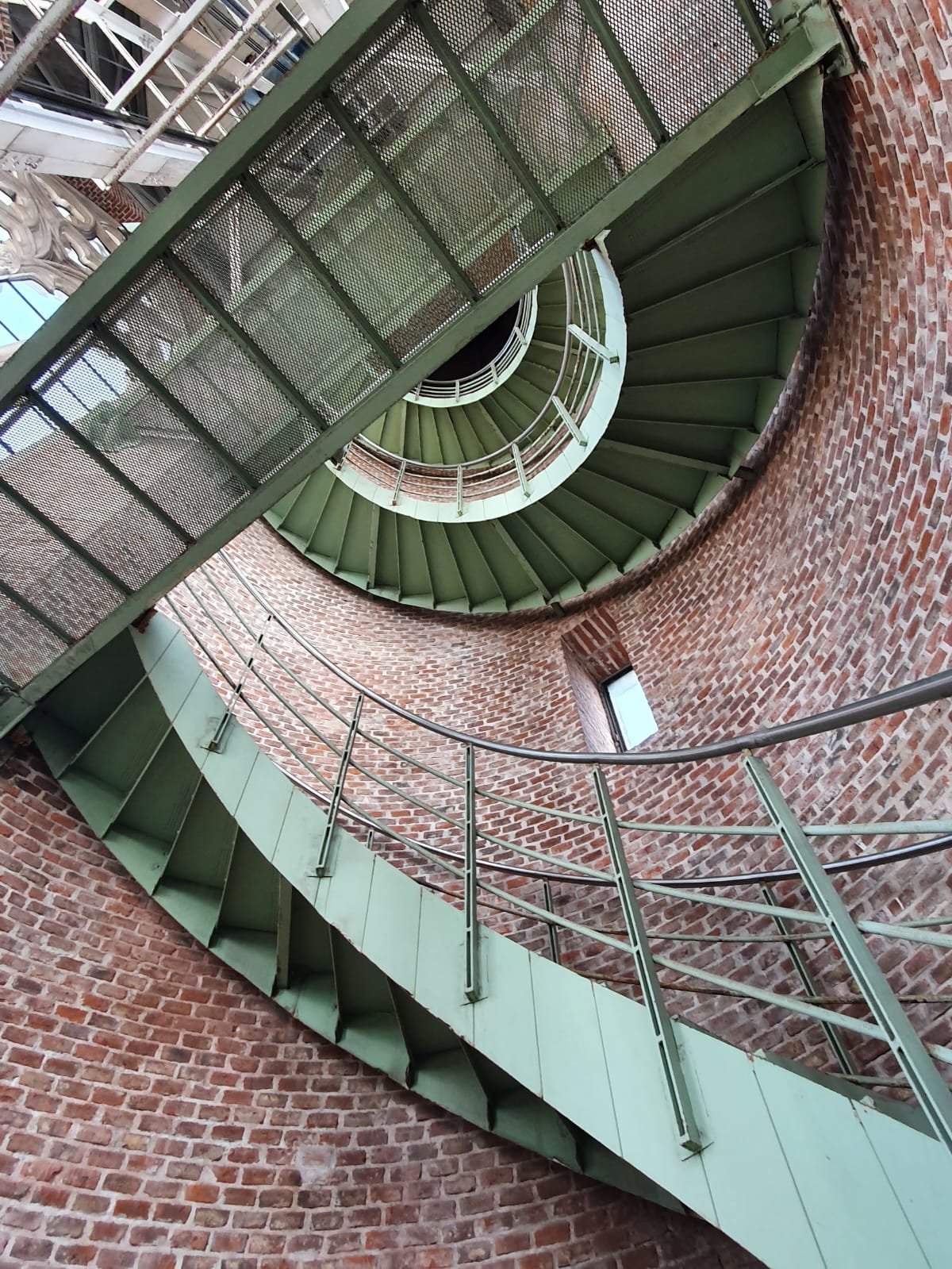
The cathedral is gorgeous on the inside, and as well as the main church, the attraction offers exploration of the crypt with a museum about its construction and original pieces, the opportunity to be lifted up the tower, and a sweet restaurant. A lovely morning out.
Horse riding in the Pampas
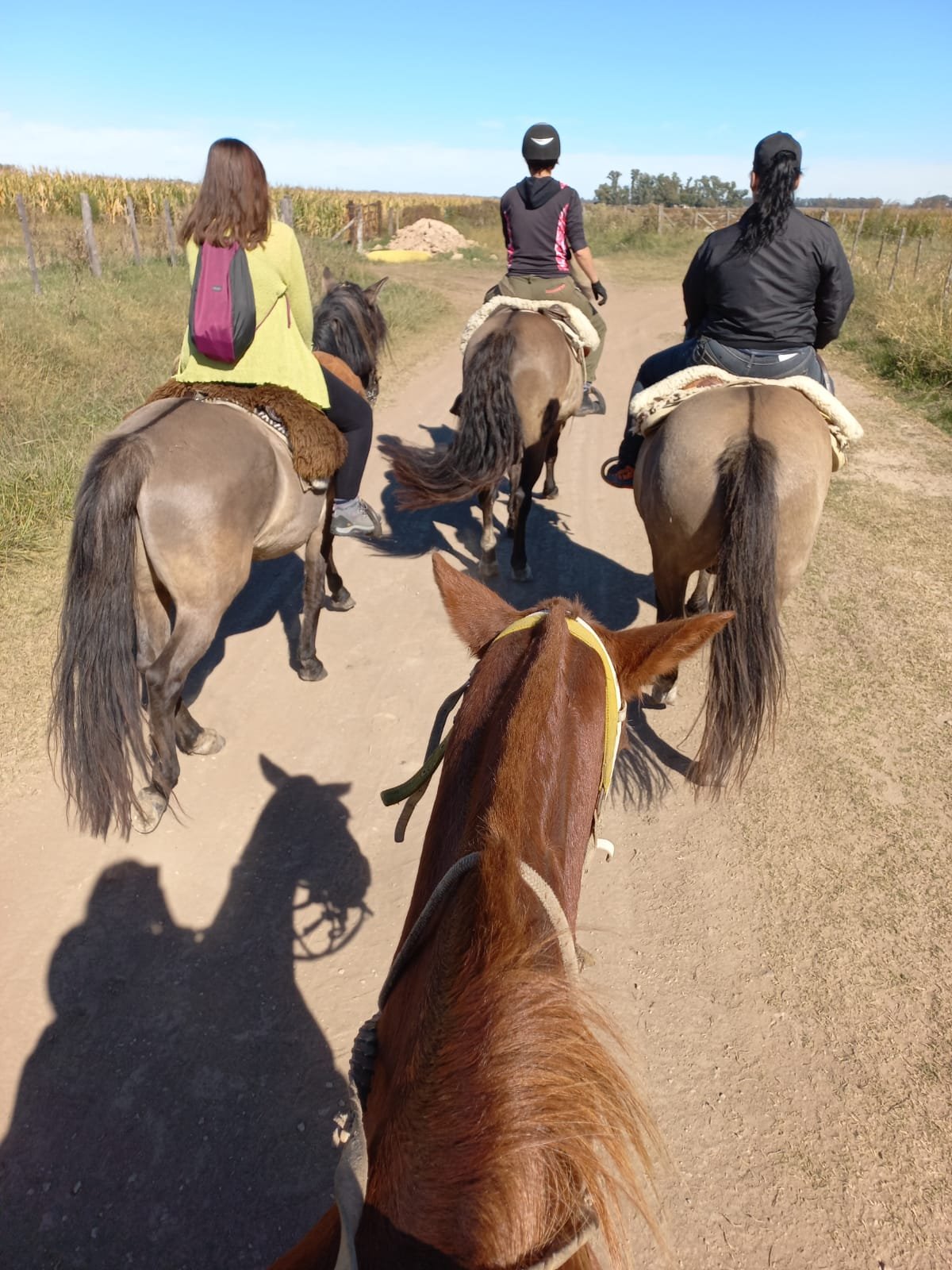
The province of Buenos Aires is part of the ‘Pampas’ region, and this is where the gauchos (Argentine cowboys) farm cattle the most. So, I decided to book us a day of horse riding in the area.
The four hour riding experience included a traditional asado lunch at the house of a local which was pretty special, and the horse riding itself was an unforgettable experience. For good and bad reasons…
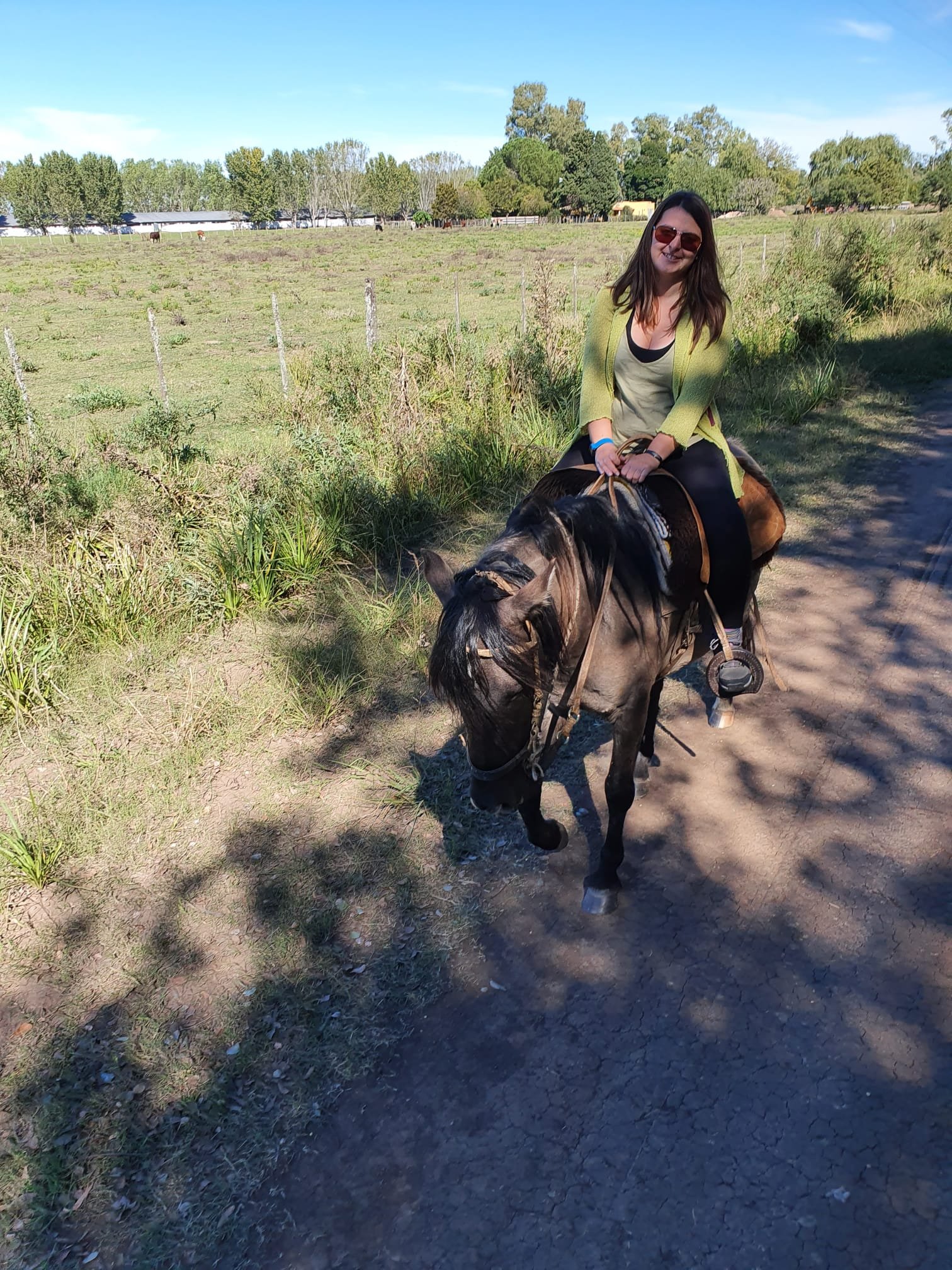
The horse I was given, was a little young and barely broken in. This was coupled by the style of gaucho riding which is very different compared to english riding. The saddles and riding kit on the horse is very different and there is no front to the saddles. You are also expected to ride one handed and without a riding hat.
Whilst a little nervous about my horse’s behaviour, I took on the challenge. We rode through long grasses, roads, ditches, and woodlands and after trotting, cantering and a little bucking by my horse, I did manage to stay on the horse! Even though I was a little banged up. The experience was good fun, but the major downer was the extreme amount of mosquito bites I endured all over my legs i was rubbing toothpaste on my legs for days after! (Fun fact: it takes out the itch).
Lunch in Uruguay
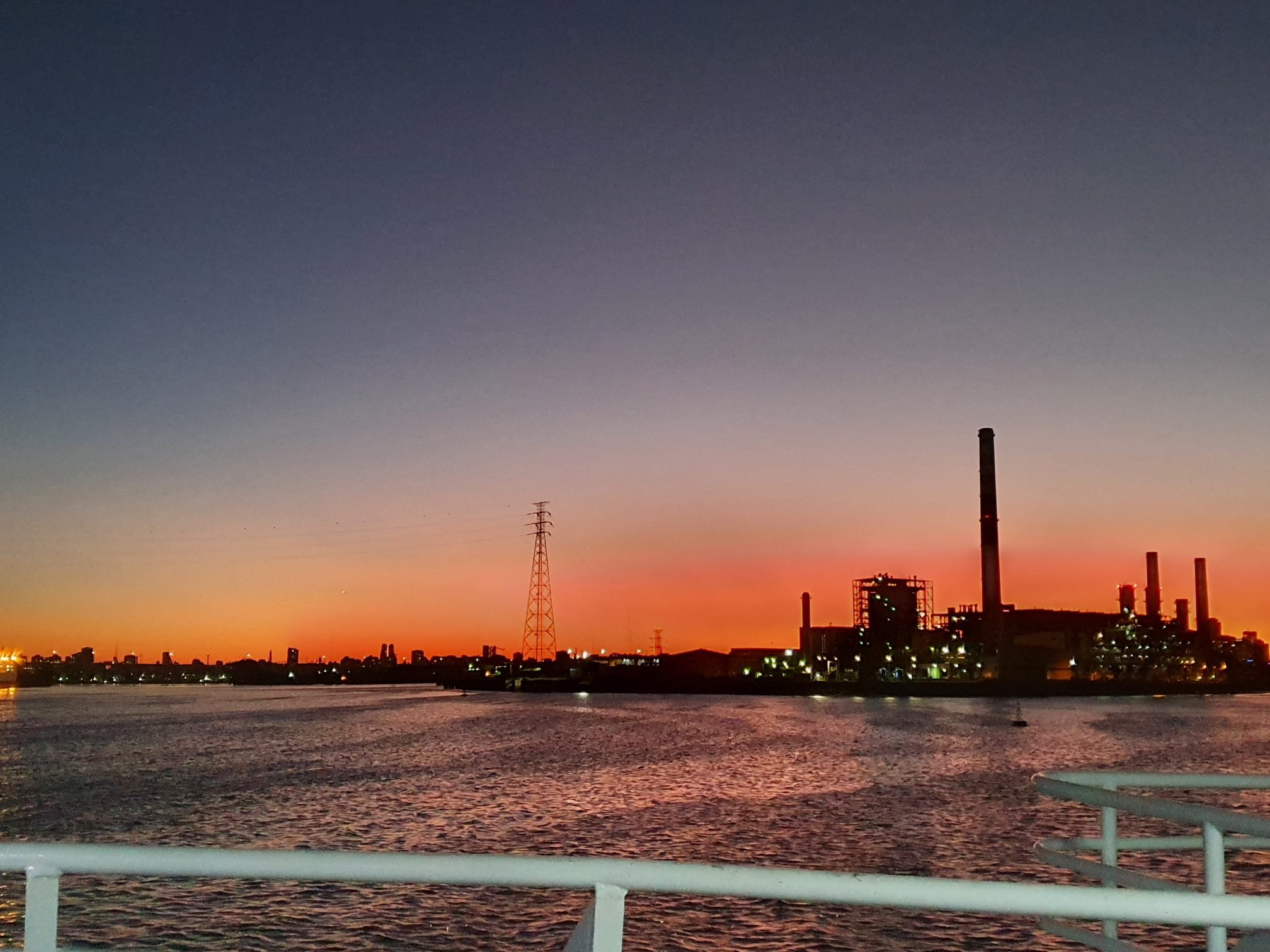
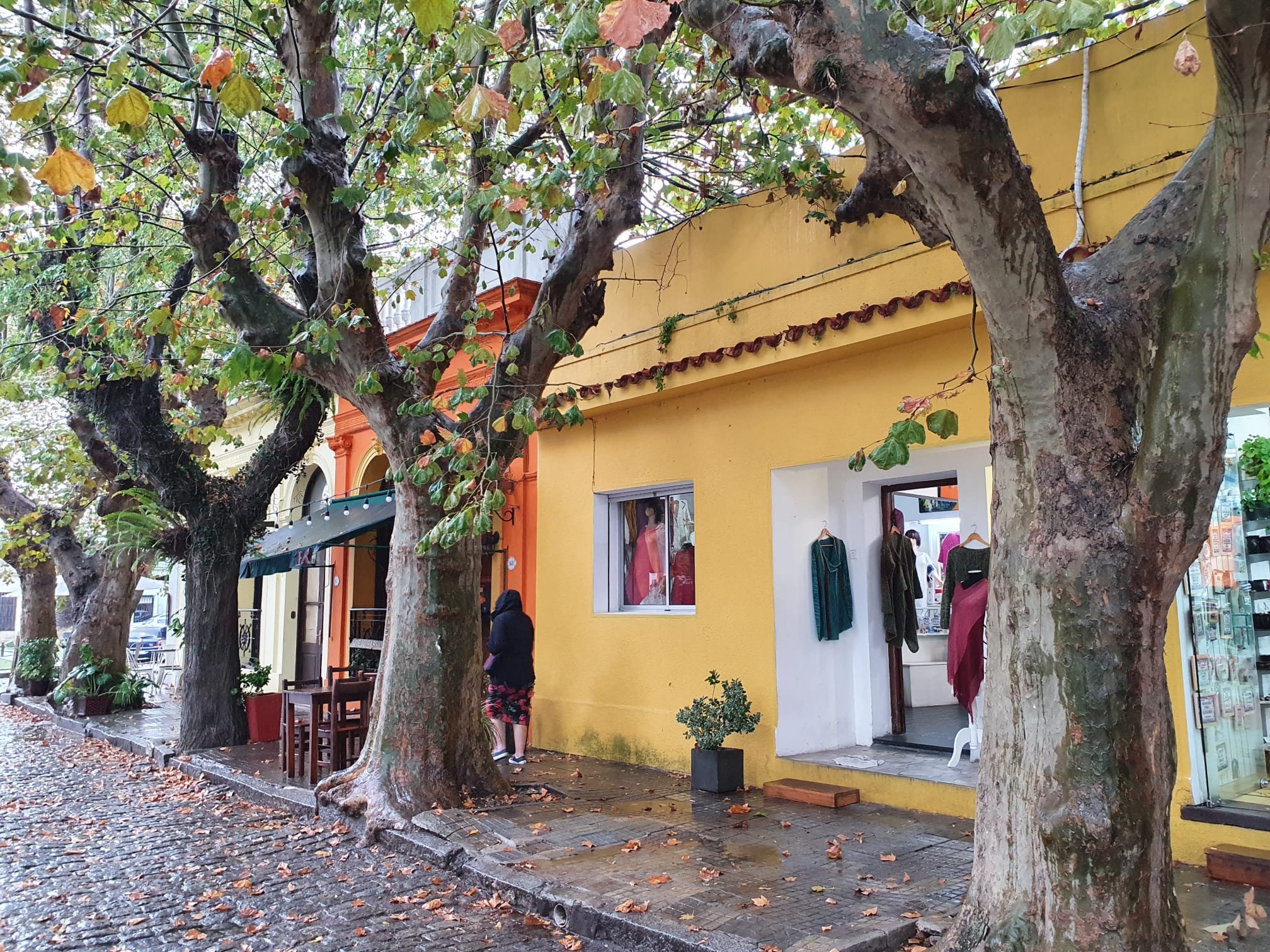
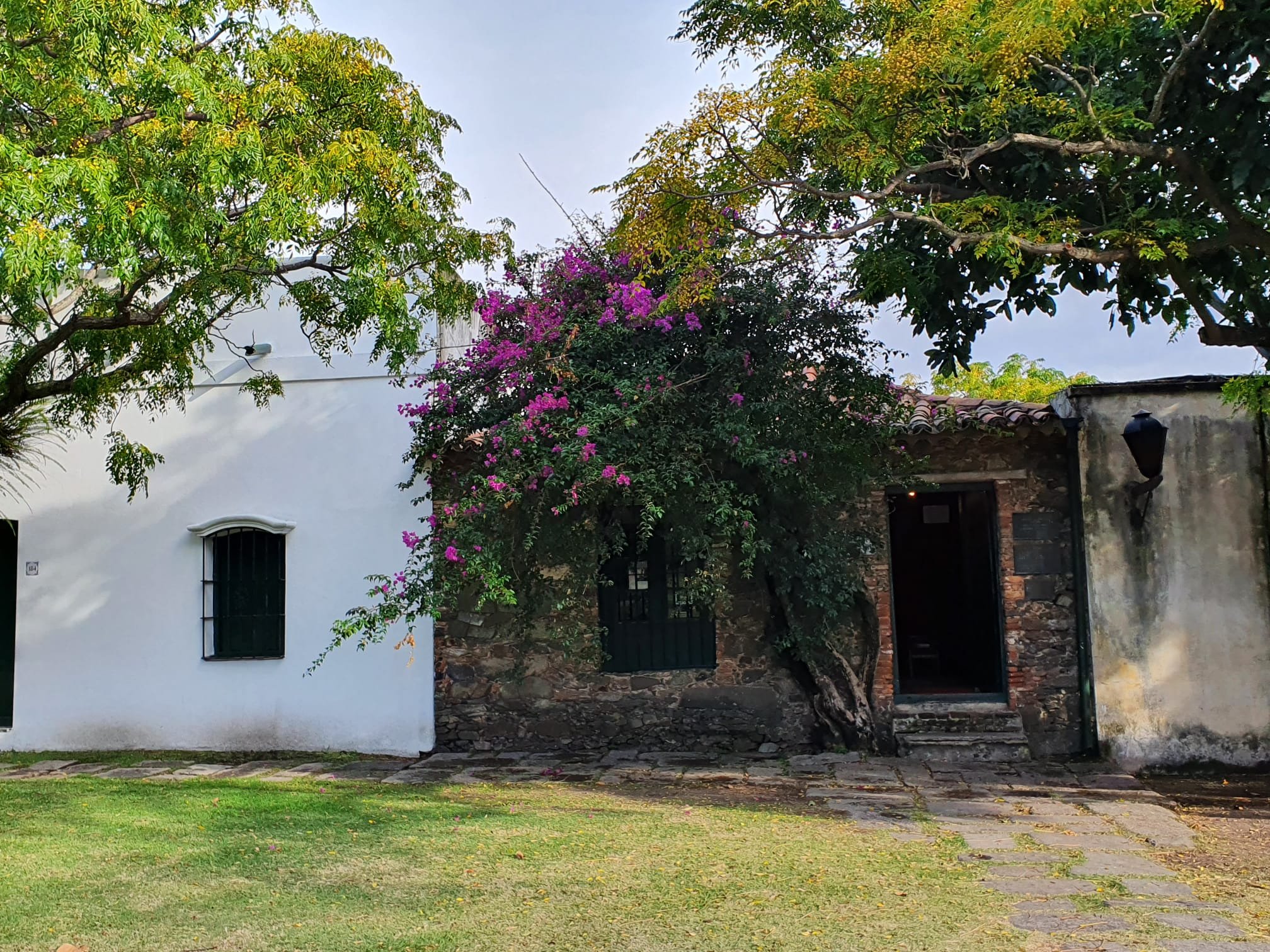
We became aware that you could visit Uruguay easily from Buenos Aires’ port by crossing in the river ferry for around an hour. It’s always tempting to cross another country off the list if the opportunity arises, so we booked our ferry tickets and took the pleasant ride across to a town called Colonia del Sacramento. From here you can also take a bus to Montevideo (Uruguay’s capital) but we decided to save that for another trip. Colonia del Sacramento is a picturesque town with a very portuguese style to it, from when it was colonised by Portugal.
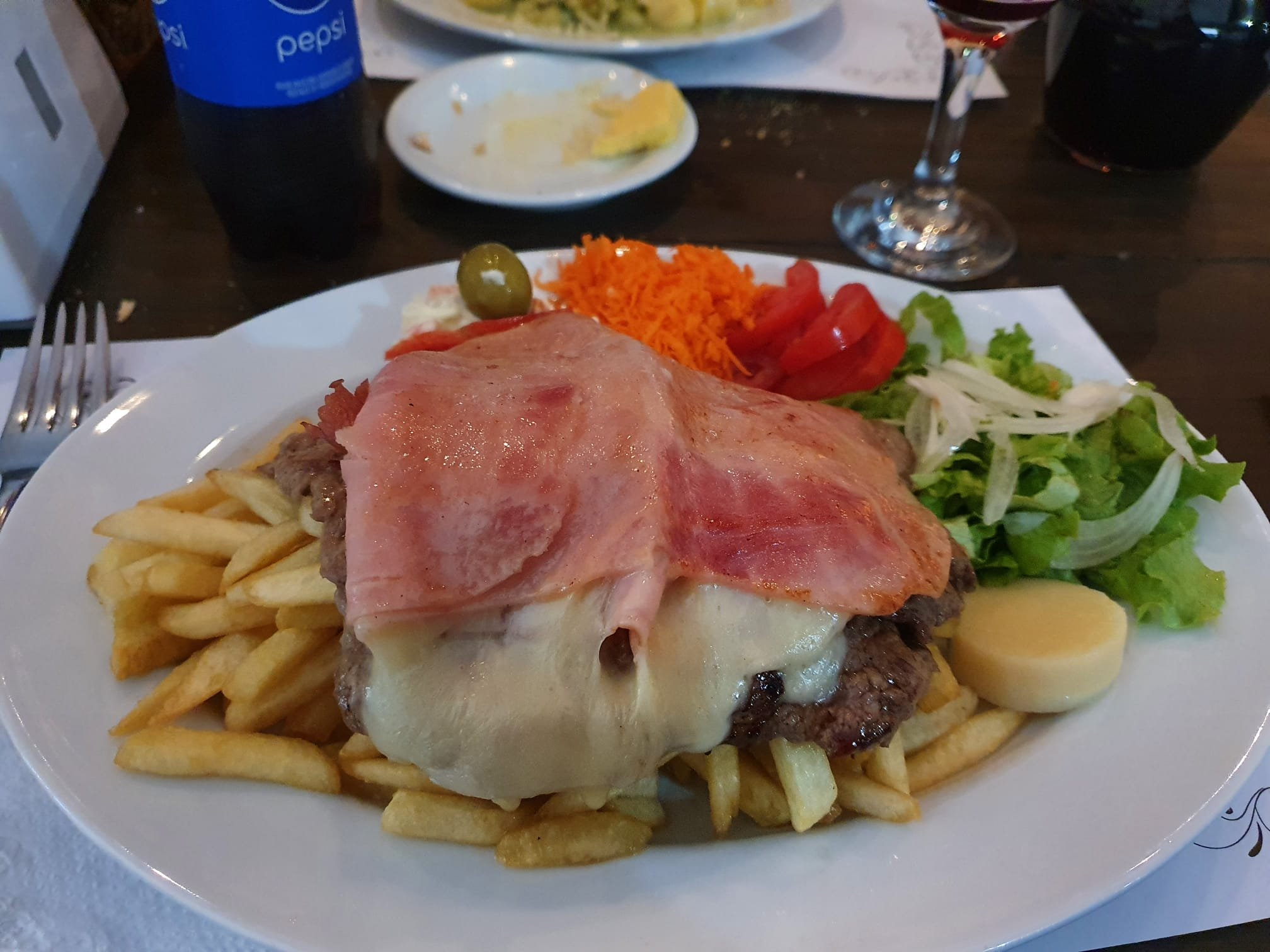
There are a couple of small museums and a church in the town to enjoy, and we had a long and luscious lunch of a traditional Uruguay dish called ‘chivito’. This is like a giant inside out meaty sandwich. Like Argentina, Uruguay also does not skimp on food portions.
Before we knew it, it was time to take the ferry back across the river. We had a good laugh about how we left the country just fot lunch though! 🤣
Tango
You can’t visit Buenos Aires and not watch a little Tango, as the traditional dance of the city. Not only can you see people dance this in the streets of Caminito in Boca, there are also plenty of theatres offering shows and classes. I wanted to do a class but they were multiple hours and I felt too lazy about it, plus I only had walking boots to dance with.
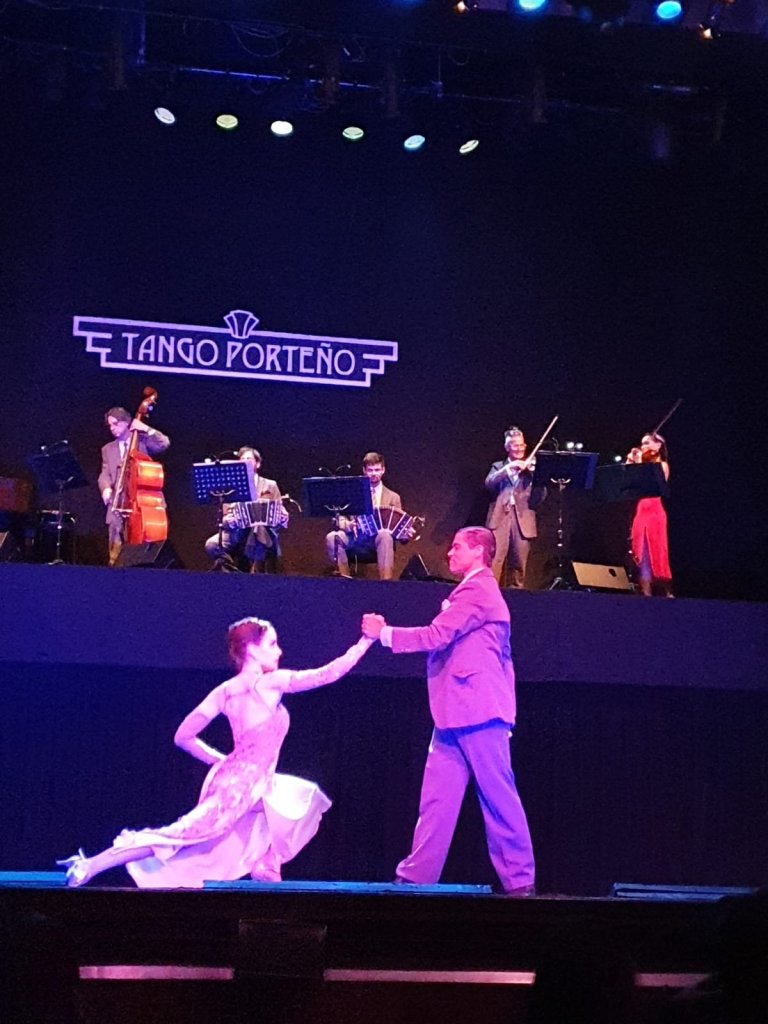
I did decide to book a show and after a little research, I booked a show at Teatro Porteno. You had an option of paying for the show on its own or with dinner included. I chose to purchase just the show which was about £23 but then on arrival, we were also provided with another menu to pick and choose food. We went for some empanadas and a delicious ham and cheeses board.
The show itself was amazing! Focused on locations around Buenos Aires, there was a variety of styles of Tango on display. They also had an act that used drums and cattle whips to create impressive rhythms with the music. I was really glad I visited.
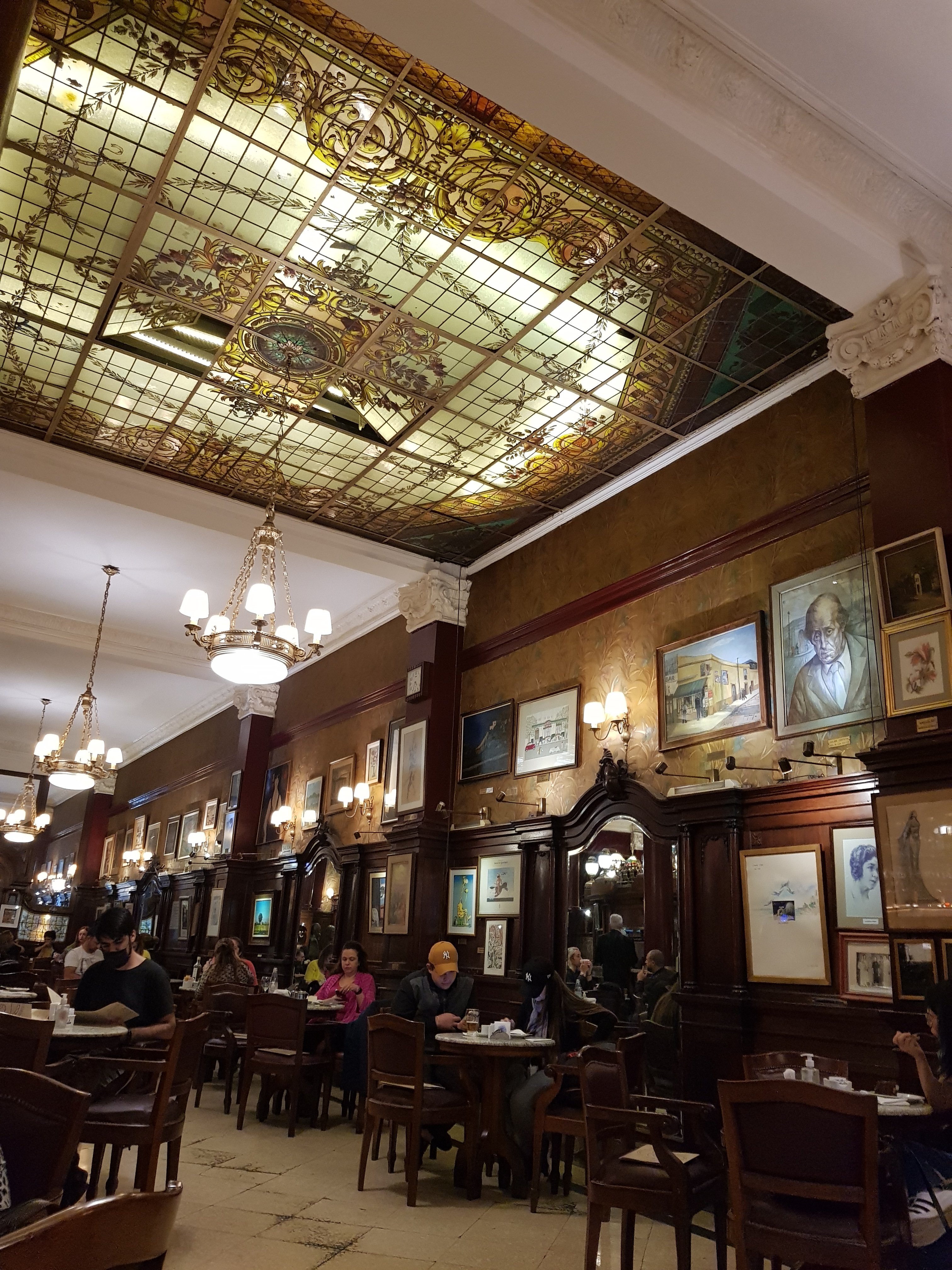
Another location where tango can be viewed and learnt is Cafe Tortoni. This is one of the oldest and most fabulous cafes in Buenos Aires. The decor is very traditional italian/ bohemian and many famous faces have eaten here. We decided to visit for a merienda (afternoon snack) and really enjoyed our visit with some great sandwiches and cake.
There were plenty of other bits and pieces I experienced in this bustling capital, but these were definitely the highlights. My return to the UK following Buenos Aires was a very long journey, but also gave me time to reflect on my amazing journey around this beautiful country.
After my return to the UK, I will soon be embarking on my next journey, working on board a cruise ship around the Mediterranean…
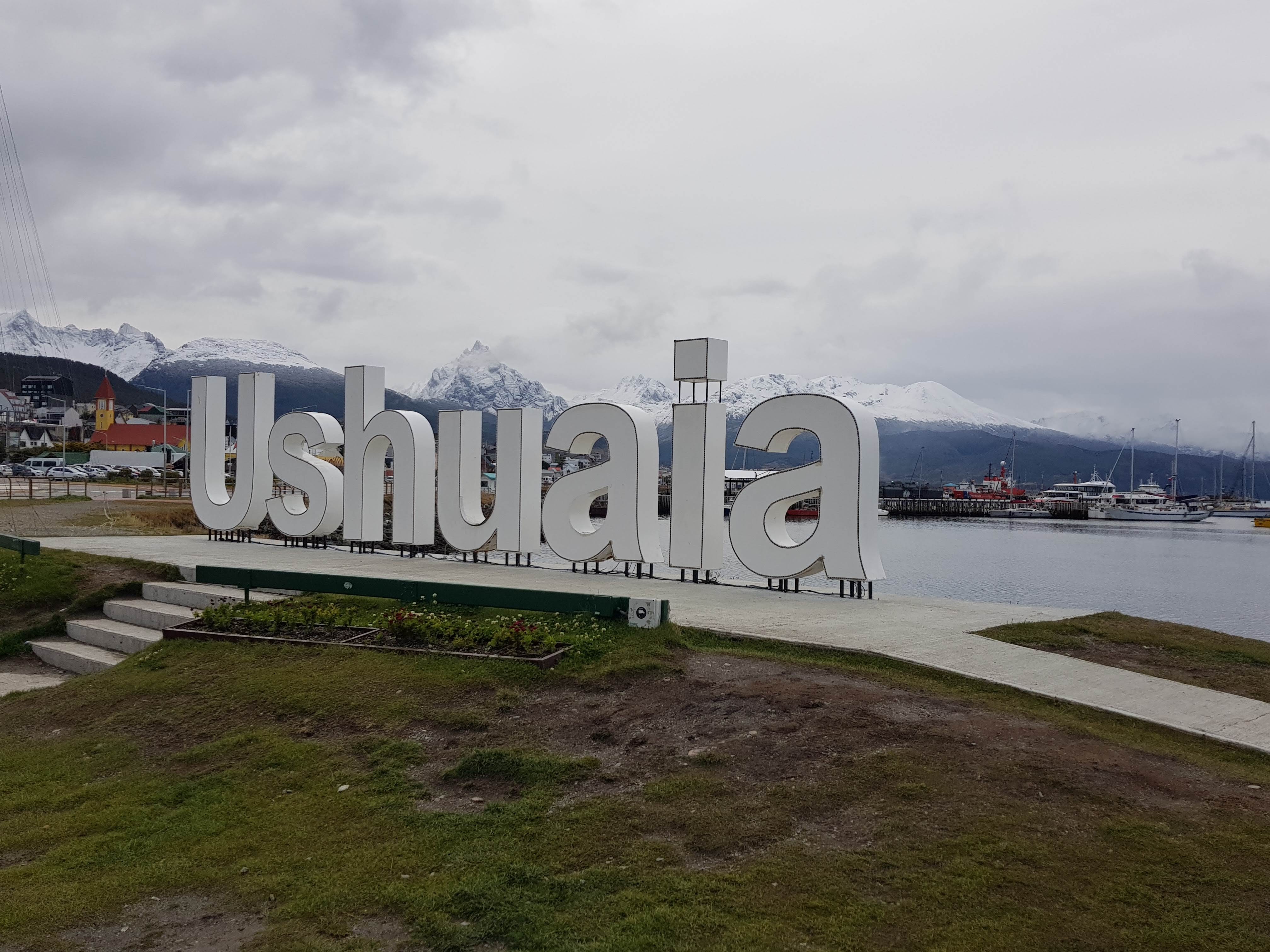
After re-entering Argentina, I took a twelve hour bus South, to find myself in the most Southern city on the planet, Ushuaia, on the island of Tierra del Fuego.
Crossing to Tierra del Fuego
After returning to Argentina, I travelled from Rio Gallegos, back down the motorway, and across the Magellan Strait by ferry, to arrive on the island of Tierra del Fuego. This island is split between Chile and Argentina, and sits within the islands of Antarctica. Therefore, whilst I visited in Summer, it was still snowing frequently. It is also home to Ushuaia, the most southern city in the world.
Ushuaia
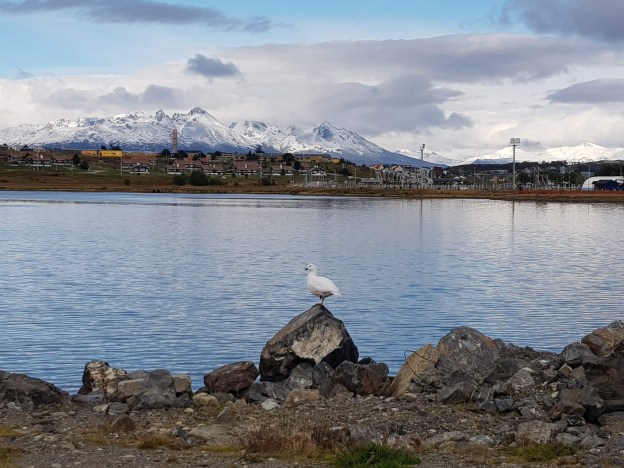
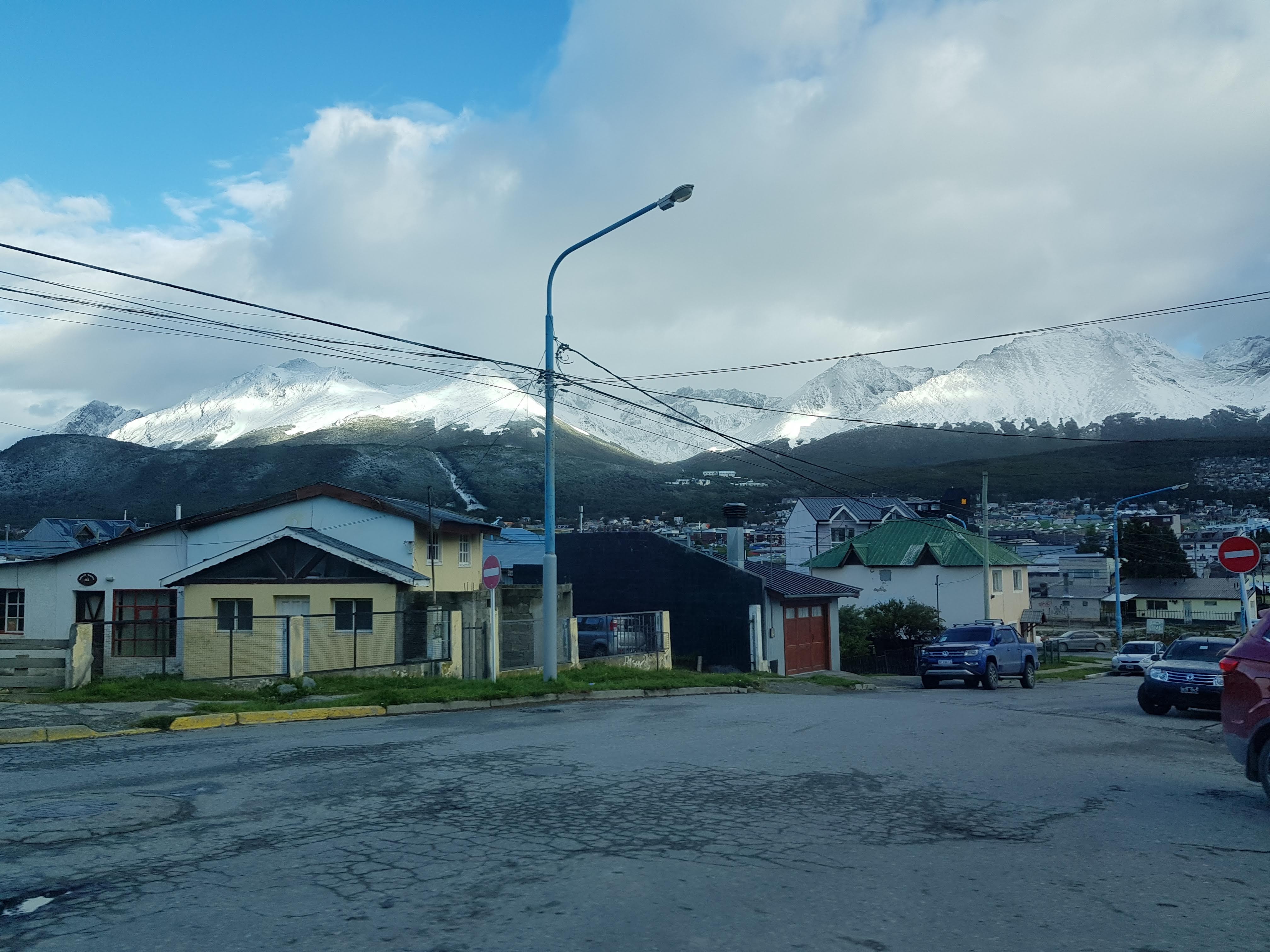
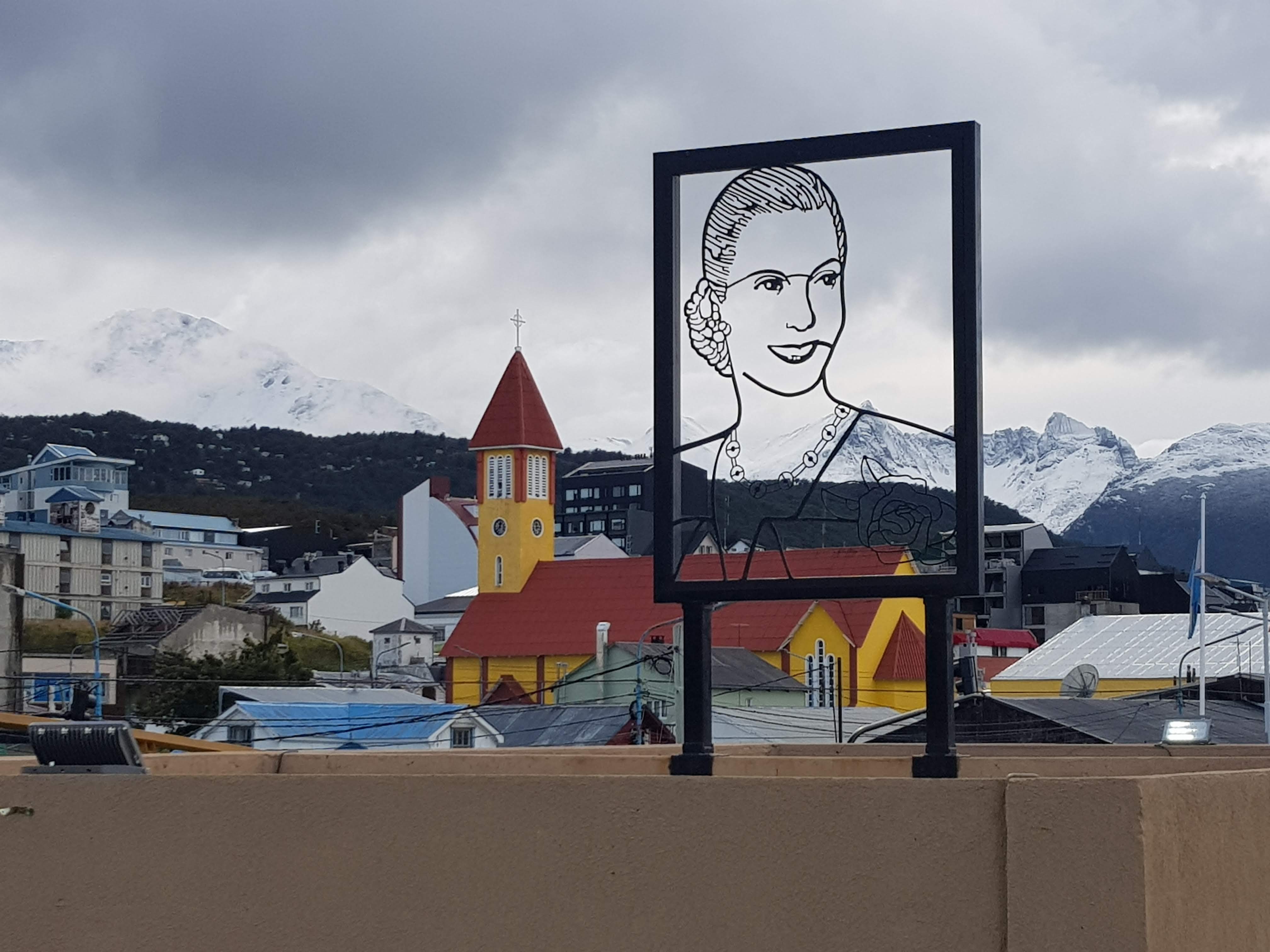
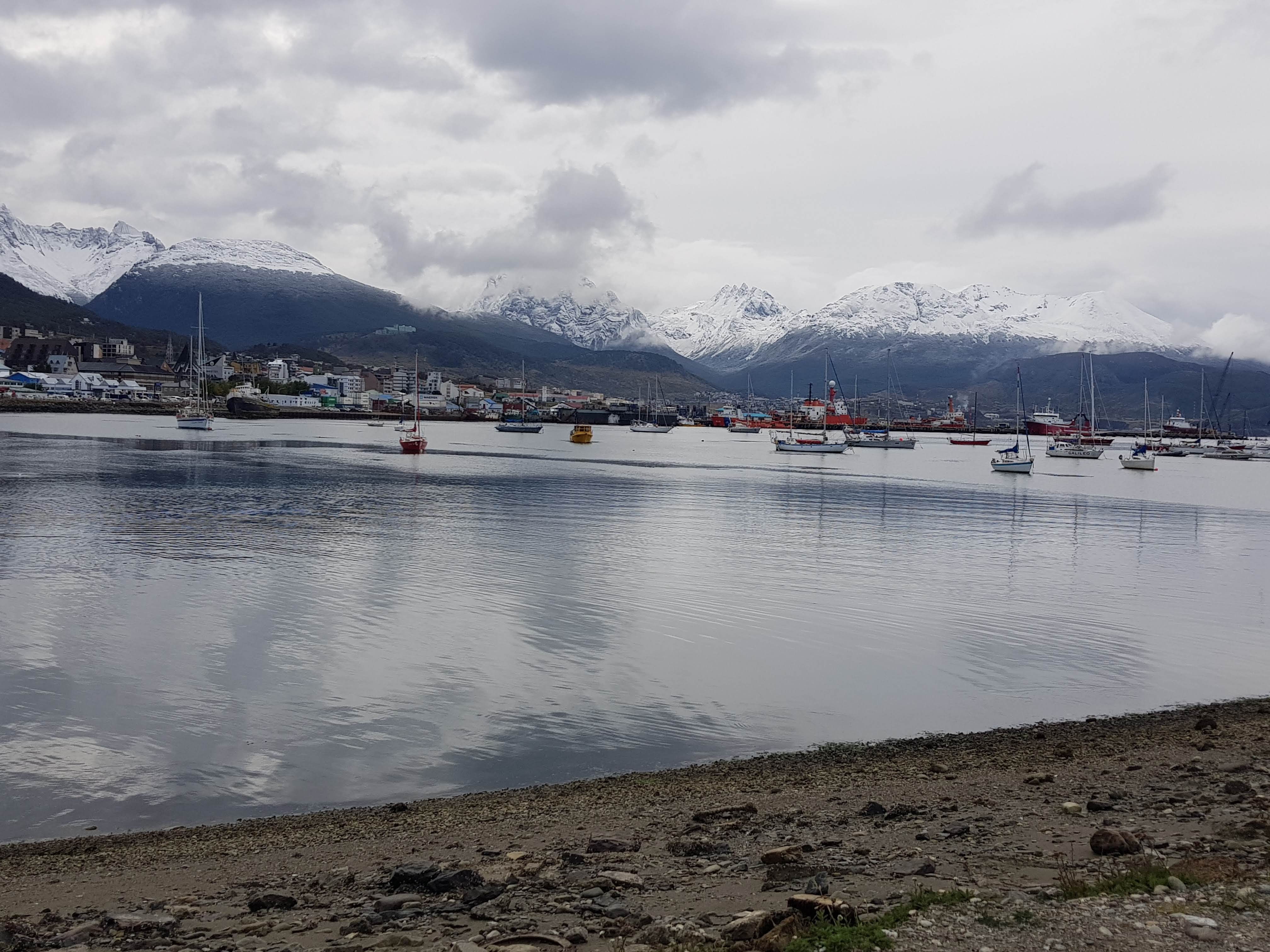
Ushuaia is a small city that is surrounded by snowy mountains and ocean. It is popular with tourists from all around the world, and my hostel was full of french and israeli people especially. This was great fun, as I never expected to share a jewish feast with a group of new friends teaching me hebrew in the bottom of South America.
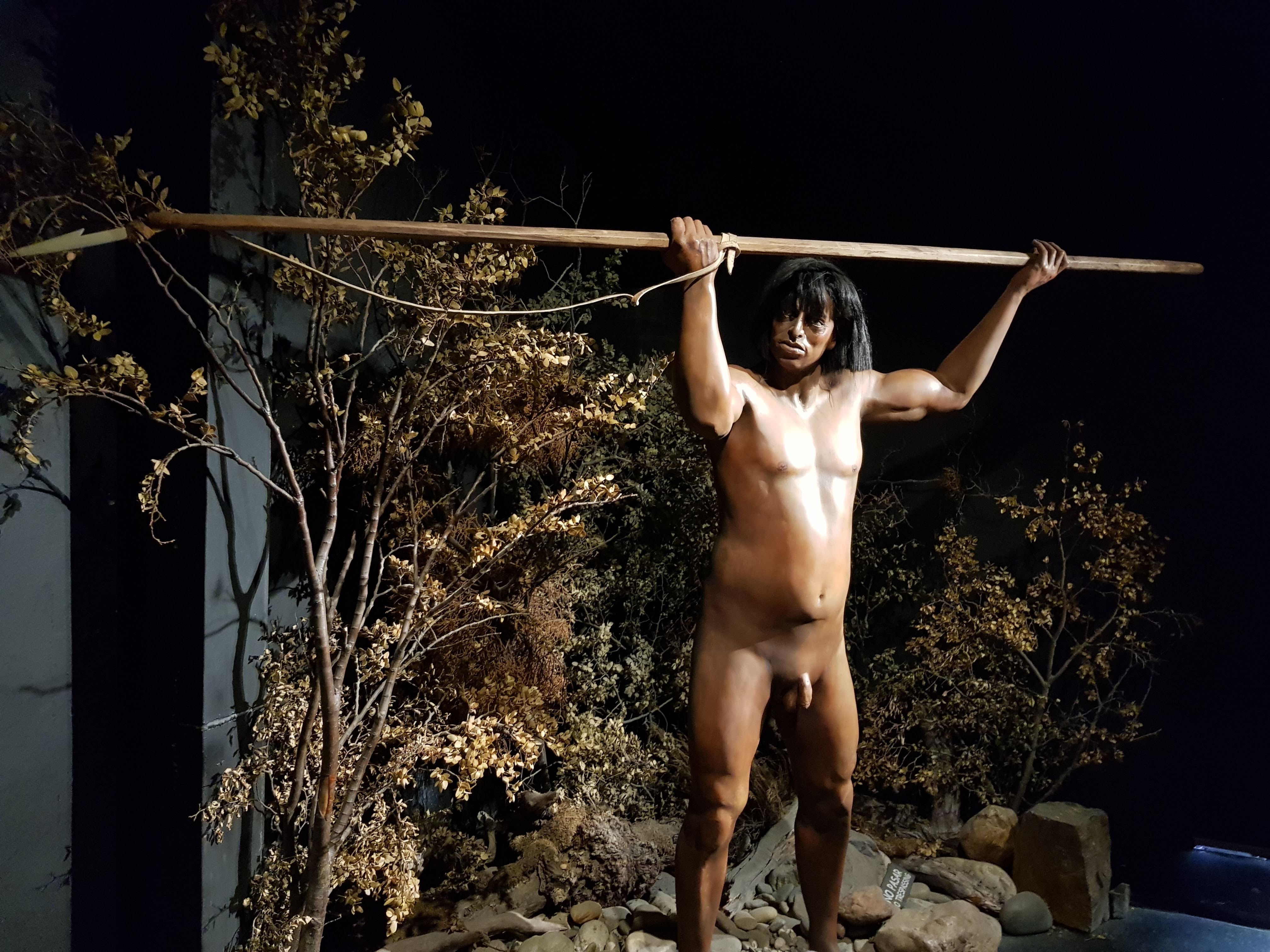
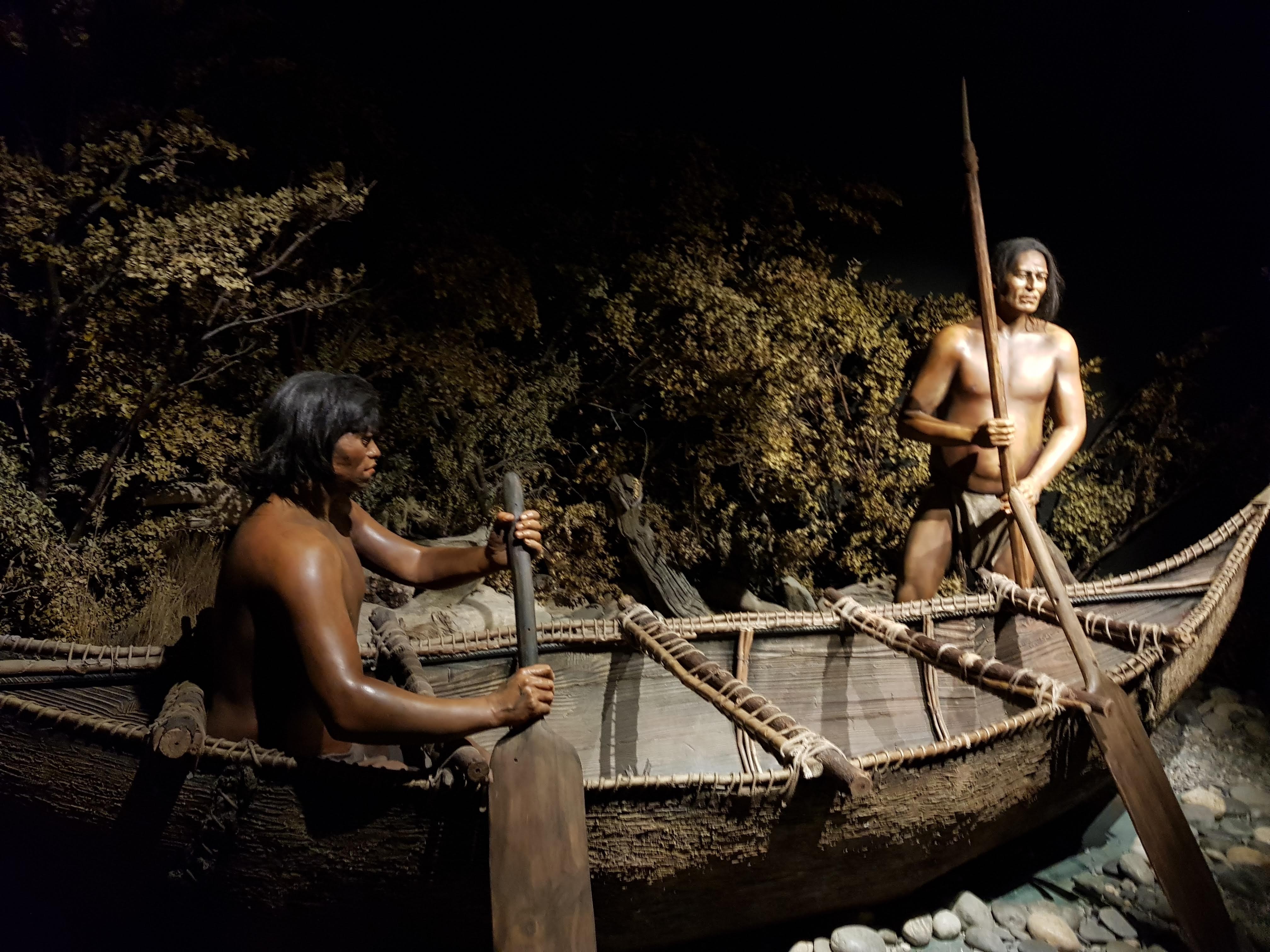
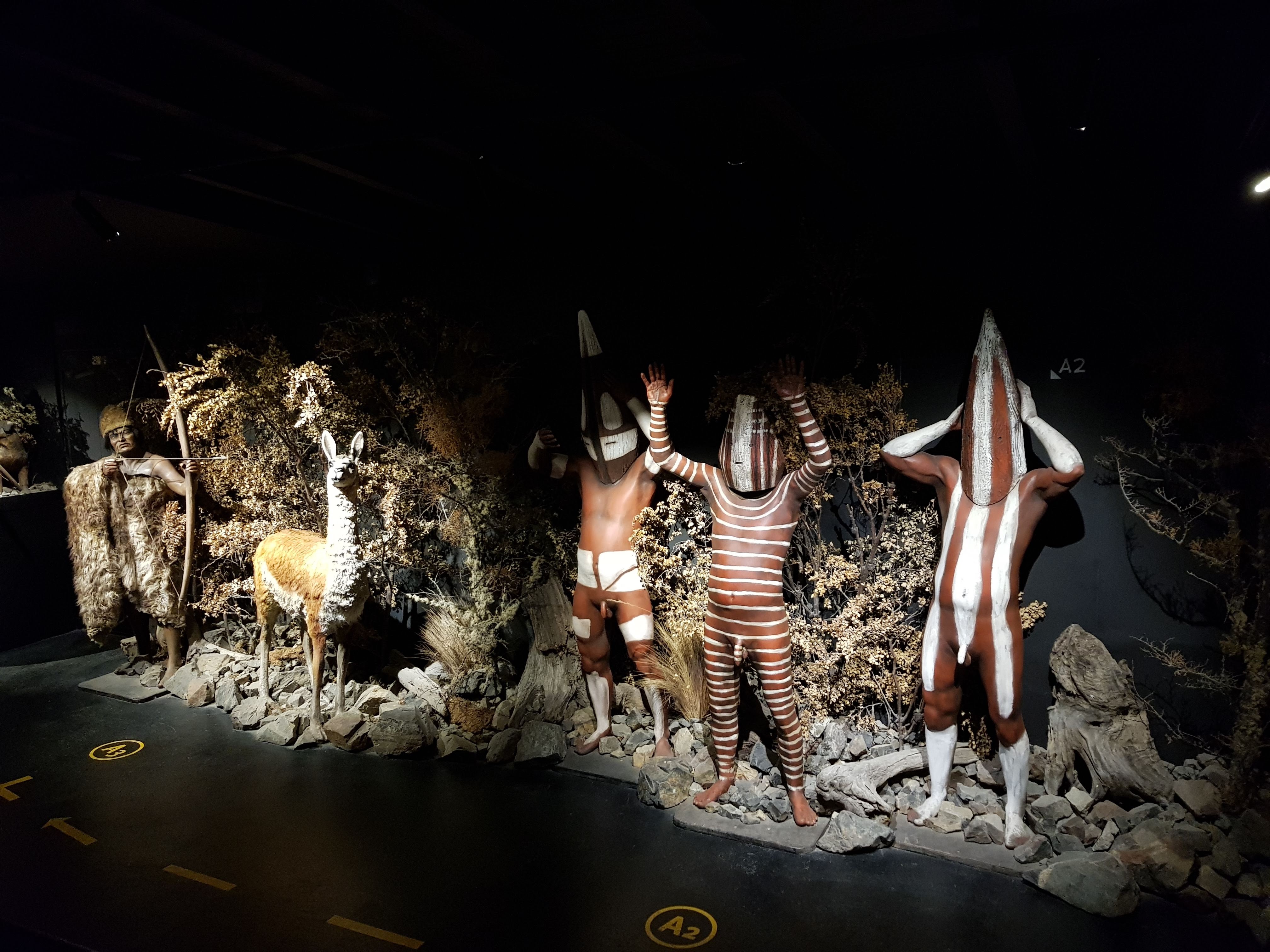
This land once inhabited native people that lived on shellfish, seals or guanaco (like alpacas), several tribes survived here, but after discovery and studies of the island by famous adventurers like Darwin, the Europeans slowly wiped the natives out. Learning about how they survived in the climate here was fascinating.
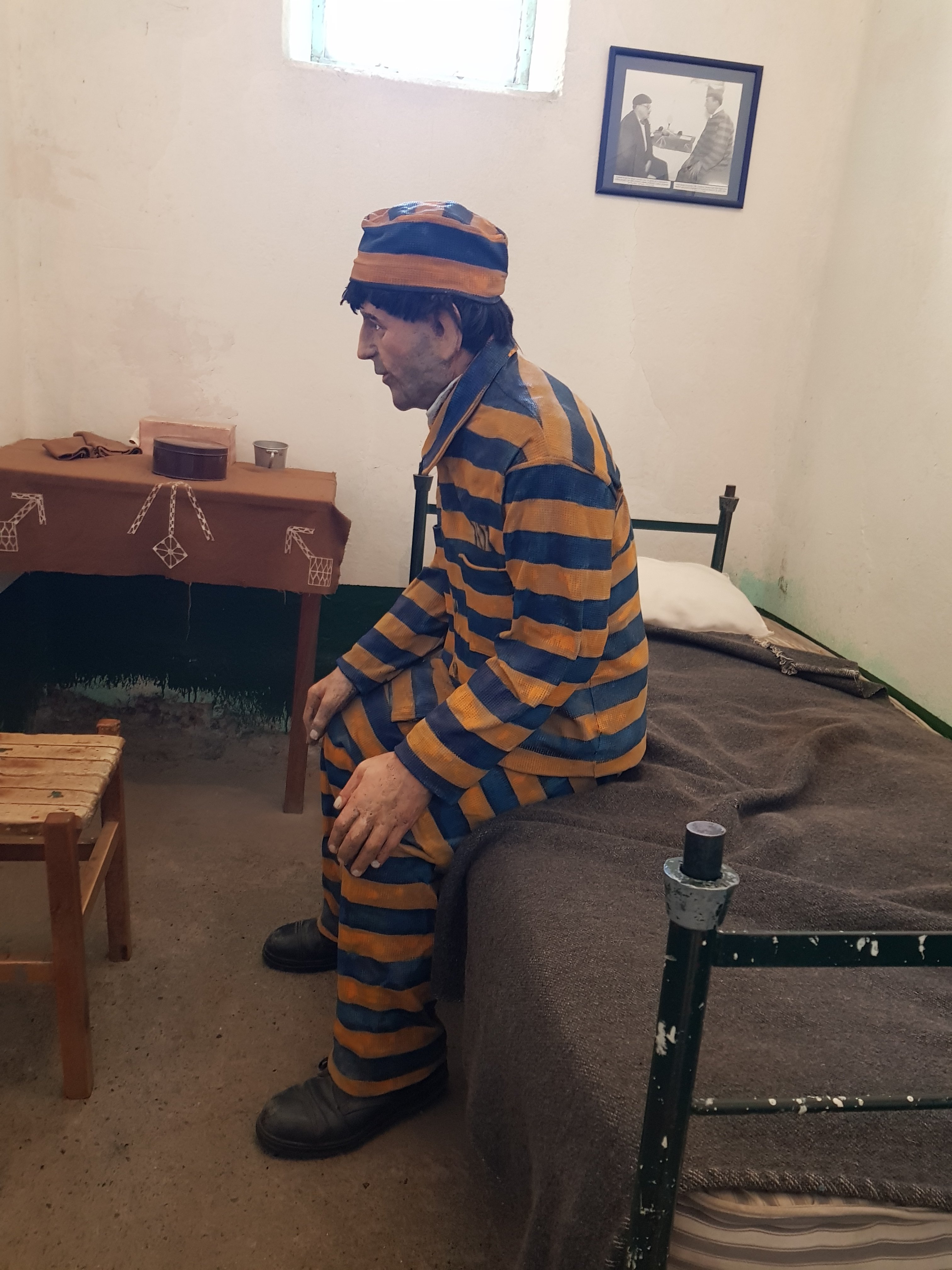
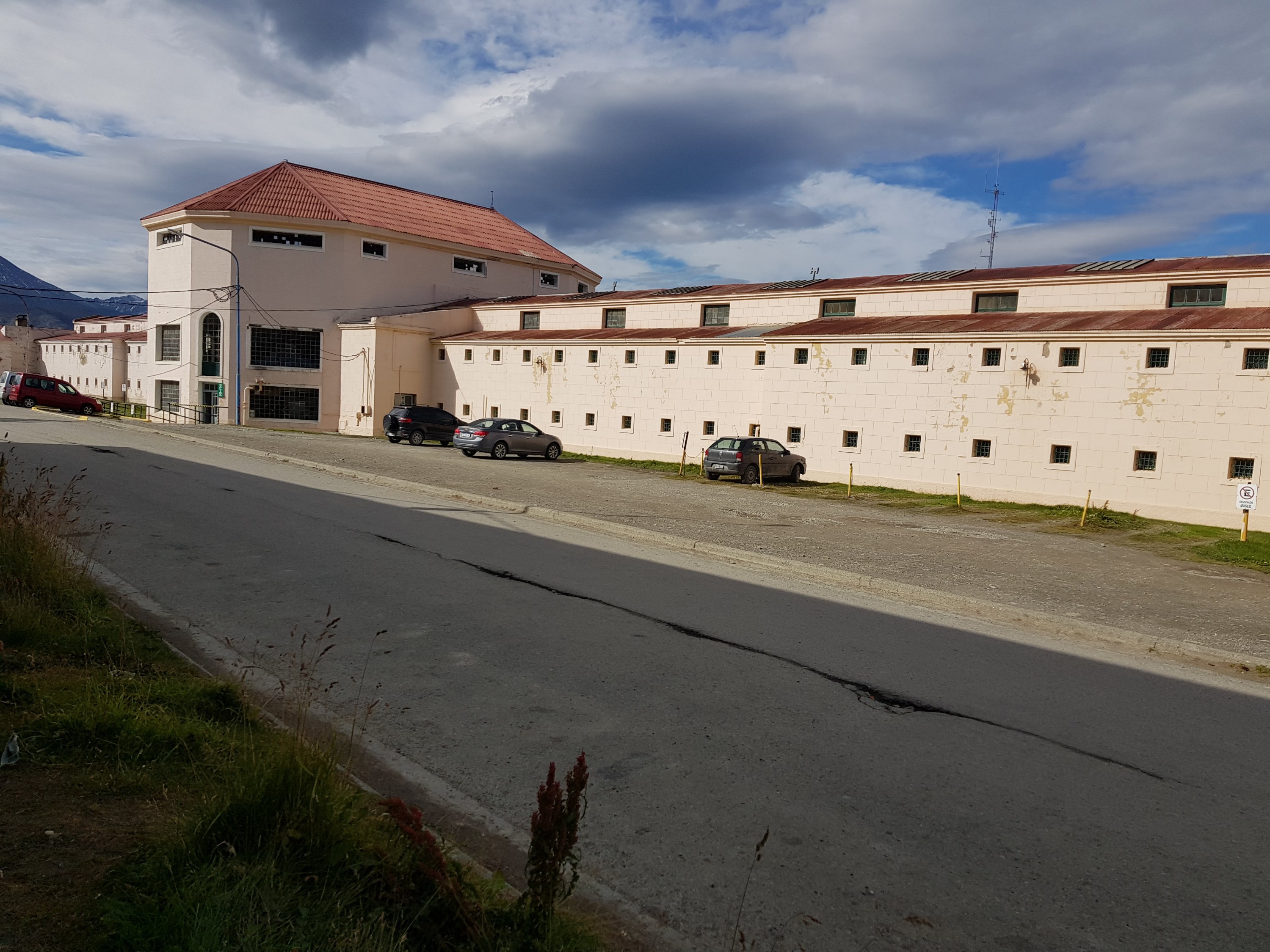
Later, the town was used to imprison Argentina’s most significant political and criminal prisoners. The prisoners built their own prison by hand from local materials, and were also made to work, building structures for the town. Much of the city’s most important amenities today, exist thanks to the inmates of Ushuaia.
Today, the city is full of restaurants, shops and also some museums that invite you to learn about the history of the city at the bottom of the world. I visited the former prison building that is now a collection of museums, especially featuring the local maritime history. It was very interesting to visit this building and there was more information than I could read! It is a great way to spend a few hours in the town.
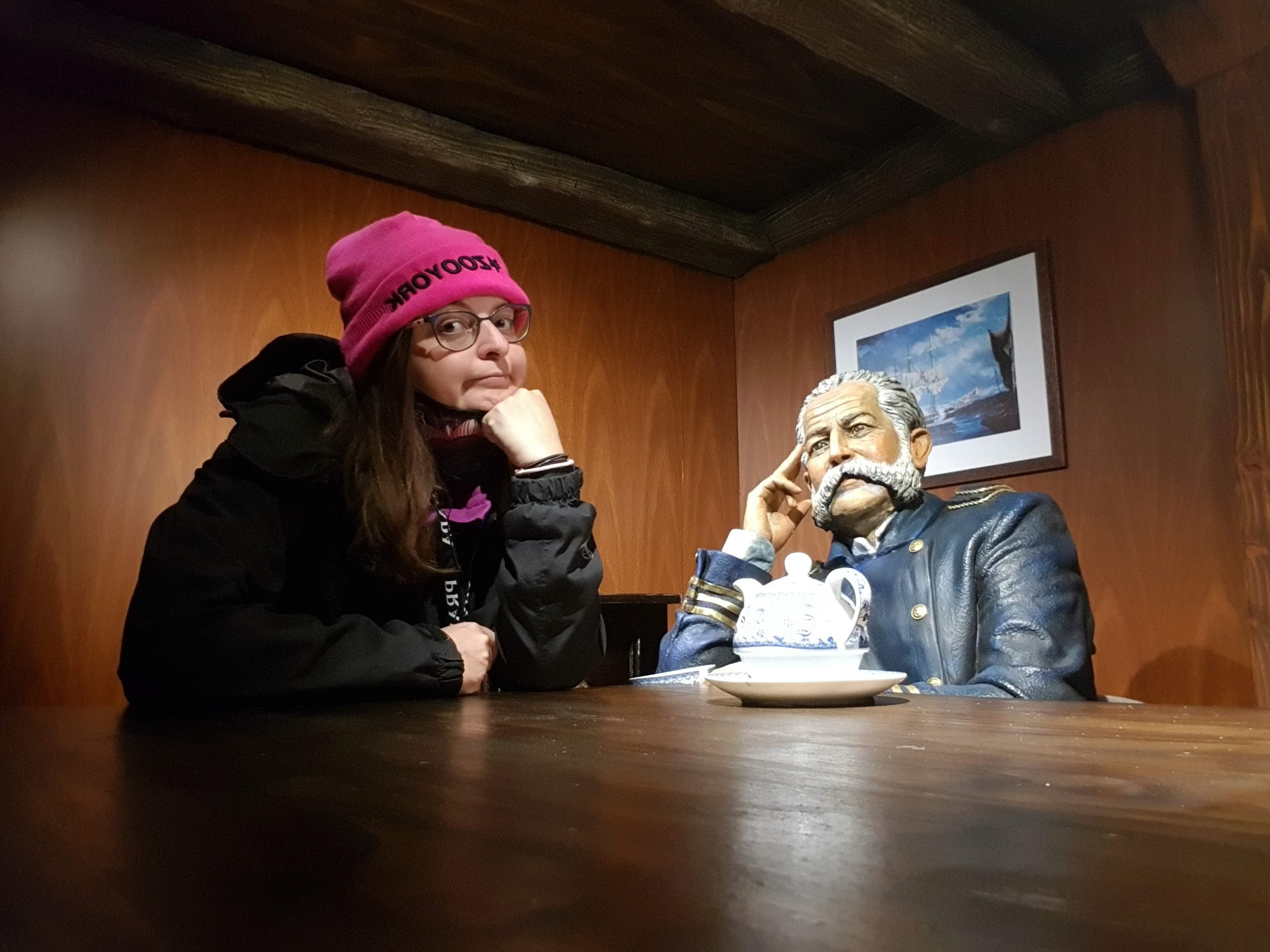
I also visited the thematic gallery museum, which is a museum of figures that is quite interactive and provides information about the native people, and the discovery and development of the island. They provided an audio guide, a movie and lots of photo opportunities with the exhibits. I really had fun at this museum!
Tierra del Fuego National Park
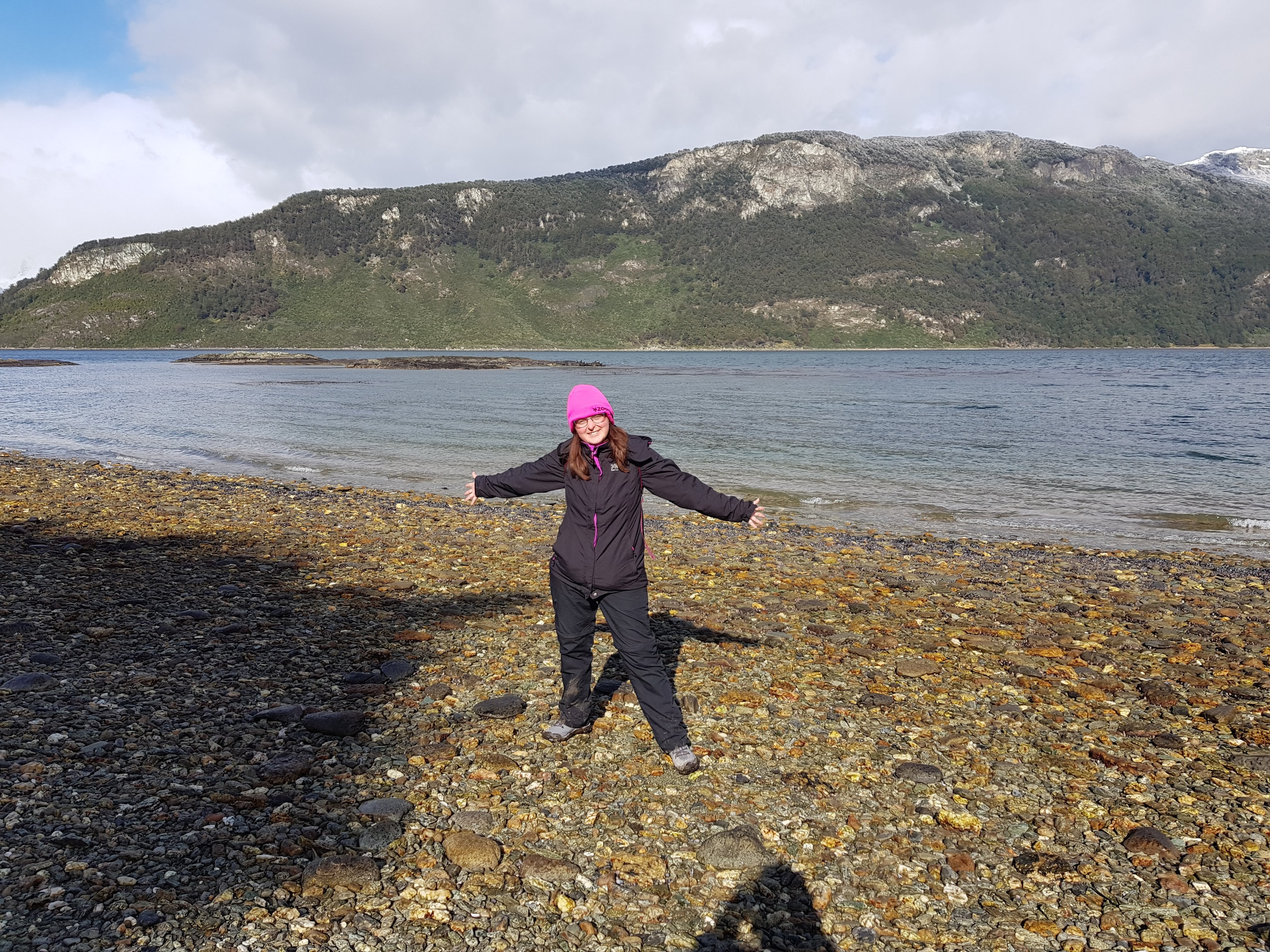
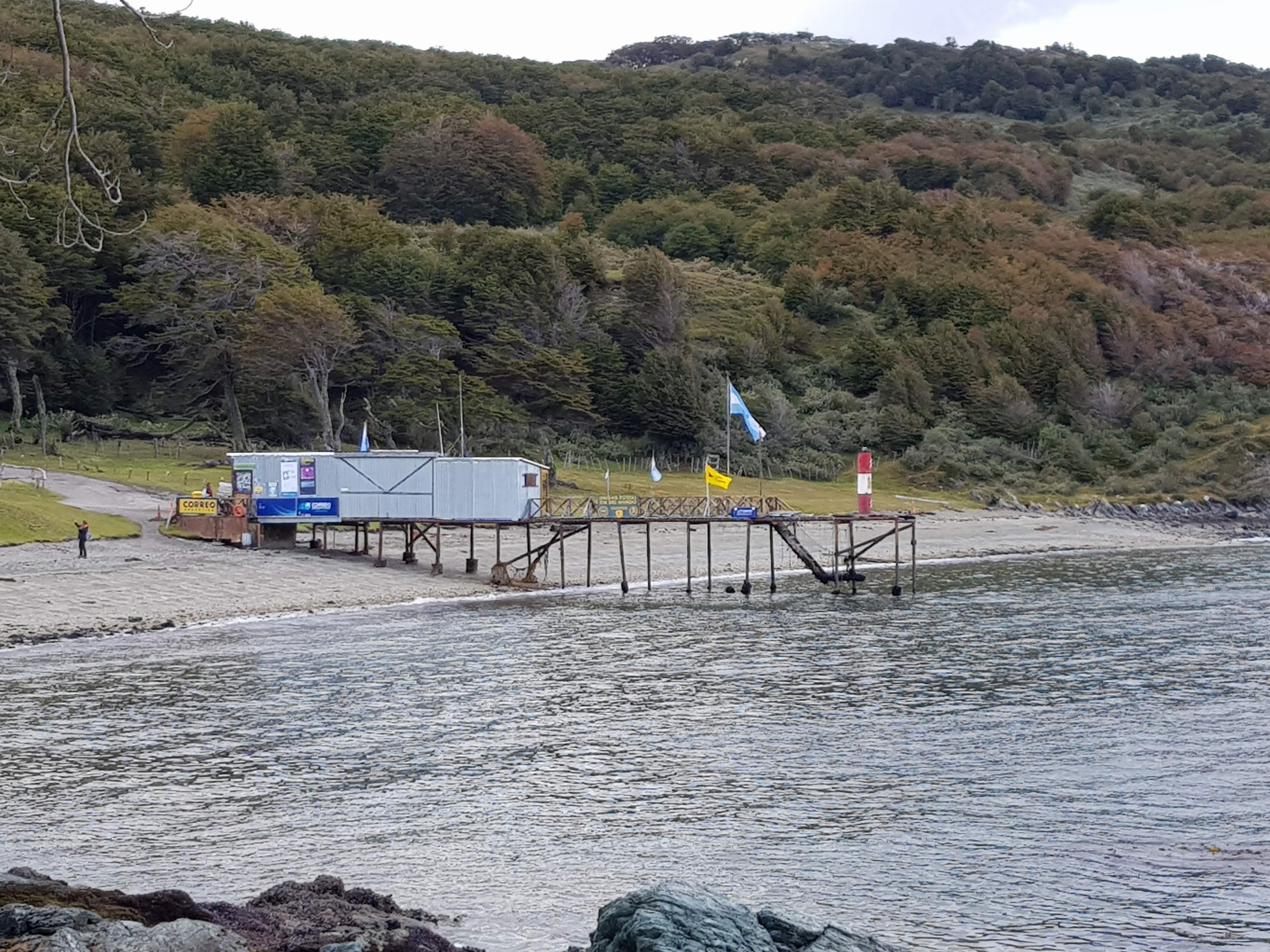
Twenty minutes away from Ushuaia is the Tierra del Fuego National Park. You can get a bus from the town to the park and visit for either a day at a time or camp overnight at the park for multi day trekking. Not only does the park have multiple treks that you can enjoy, but it also has kayaking activities, a train attraction and the world’s most southern post office.
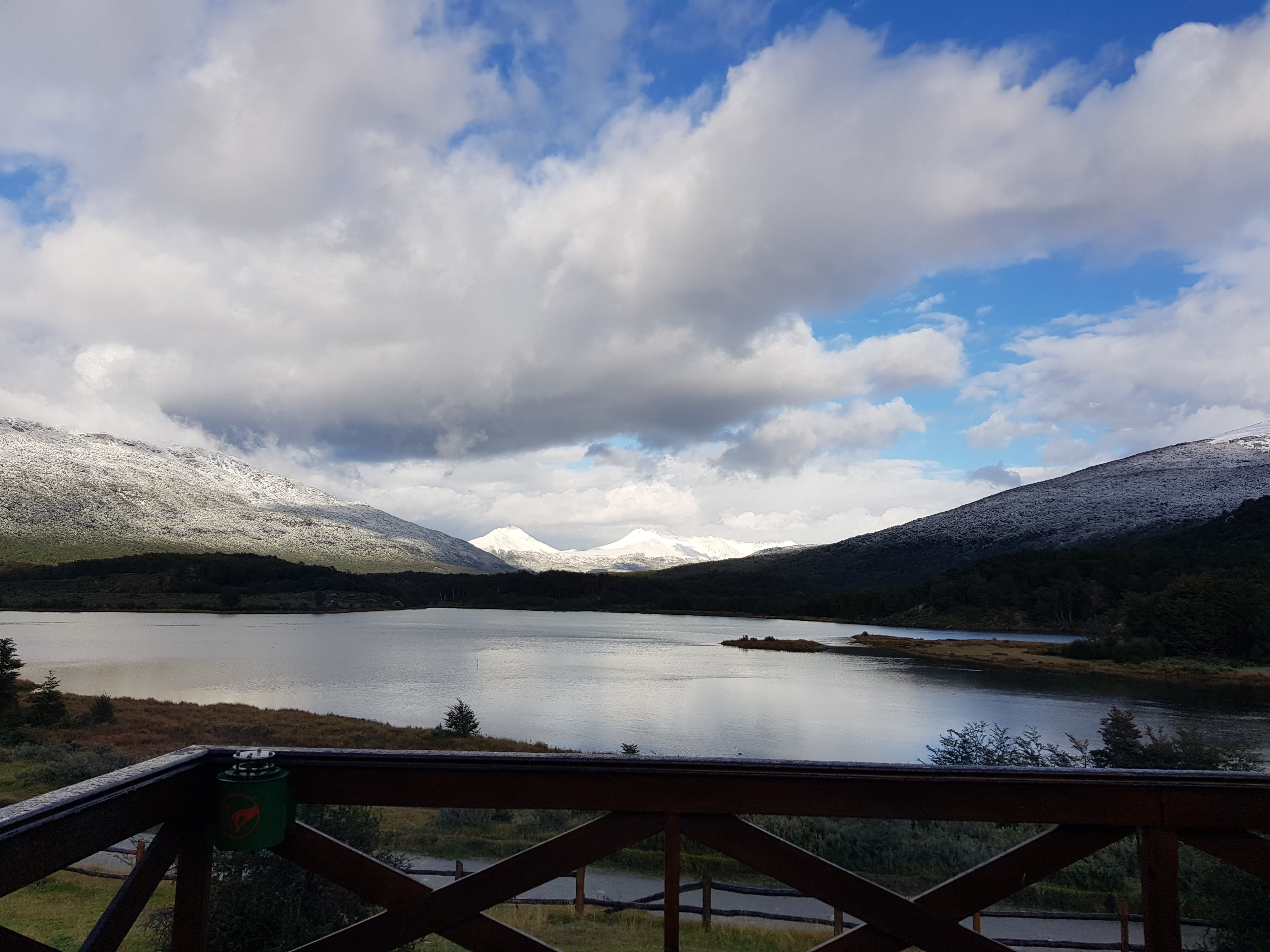
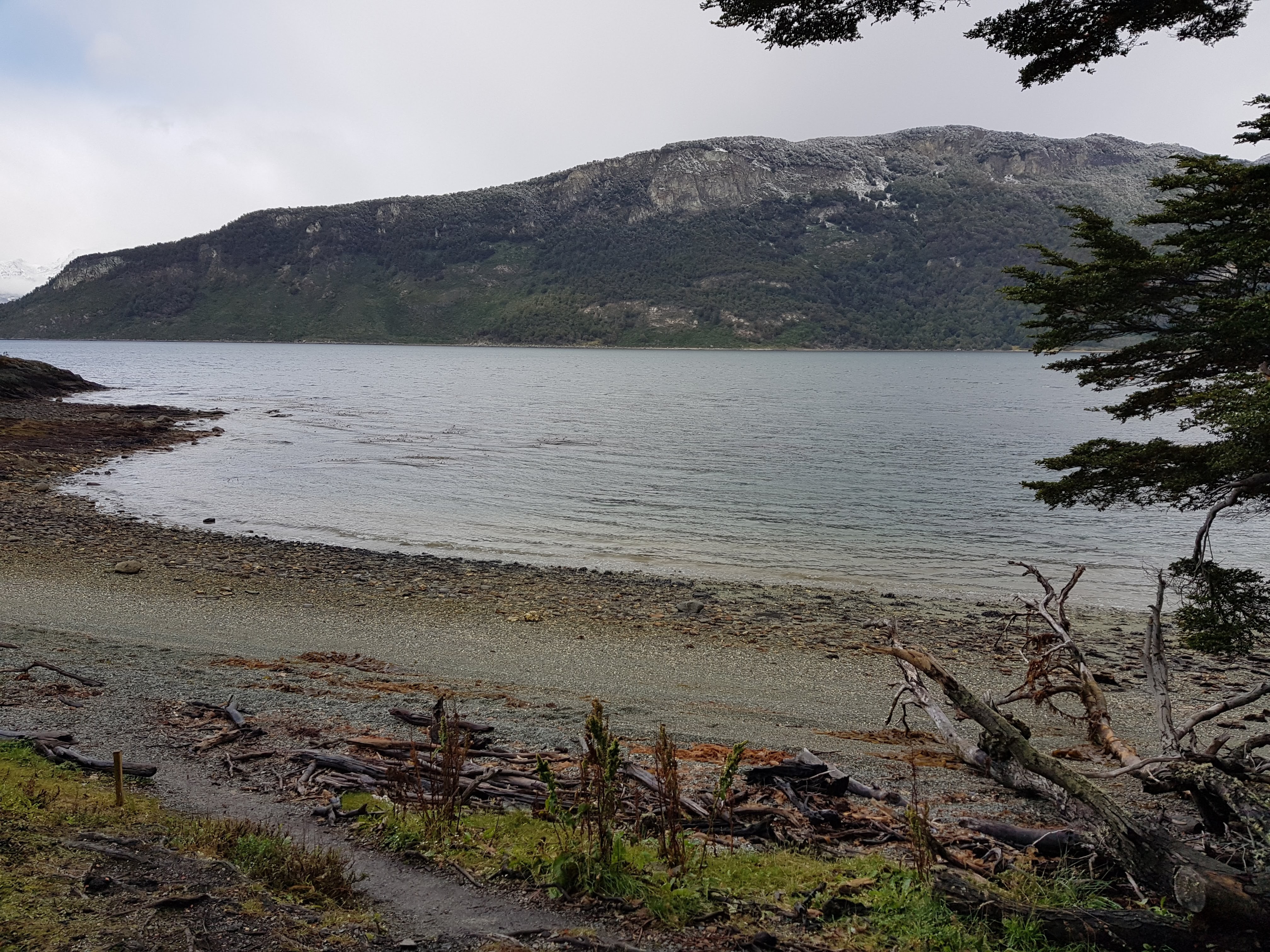
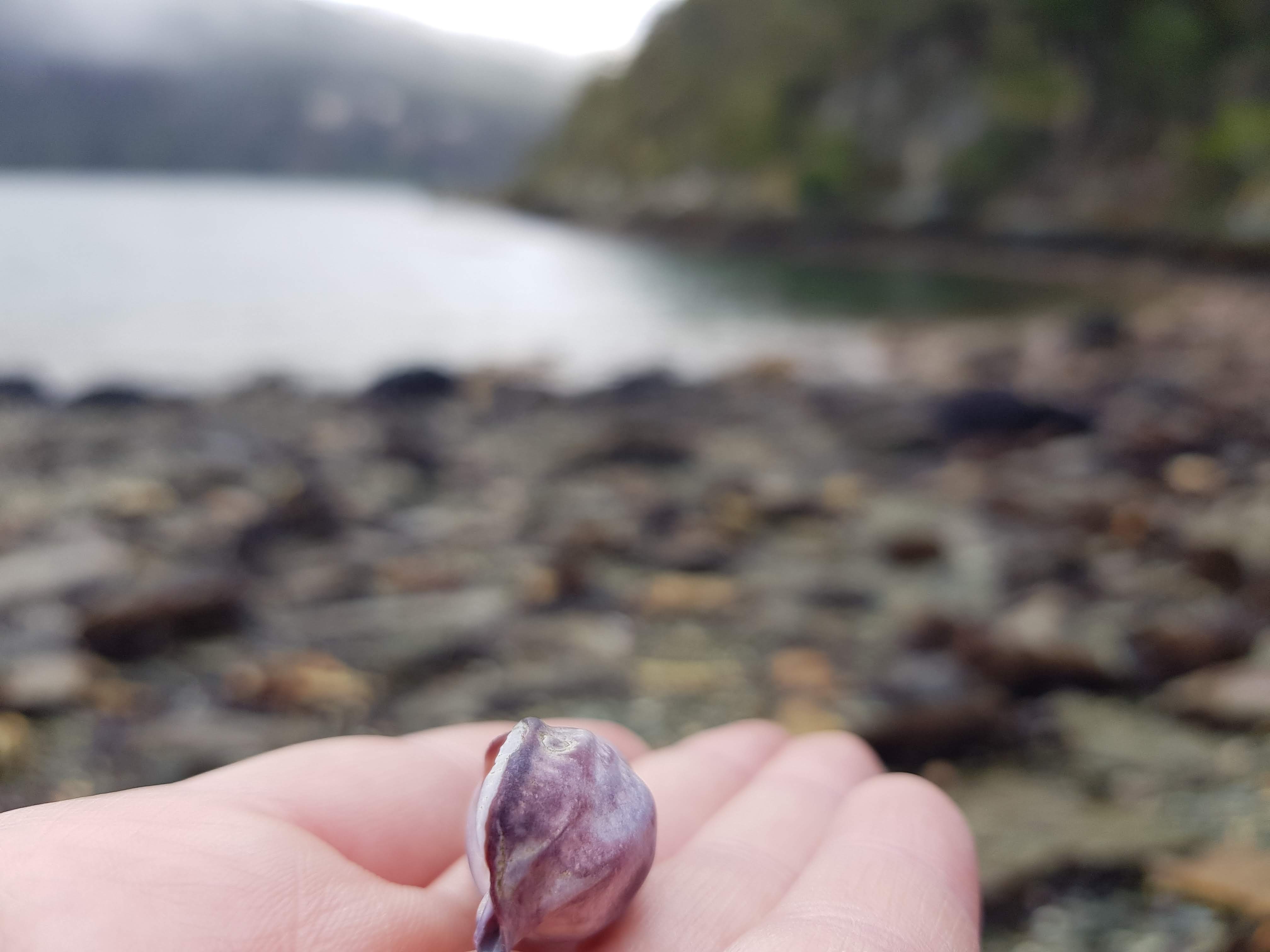
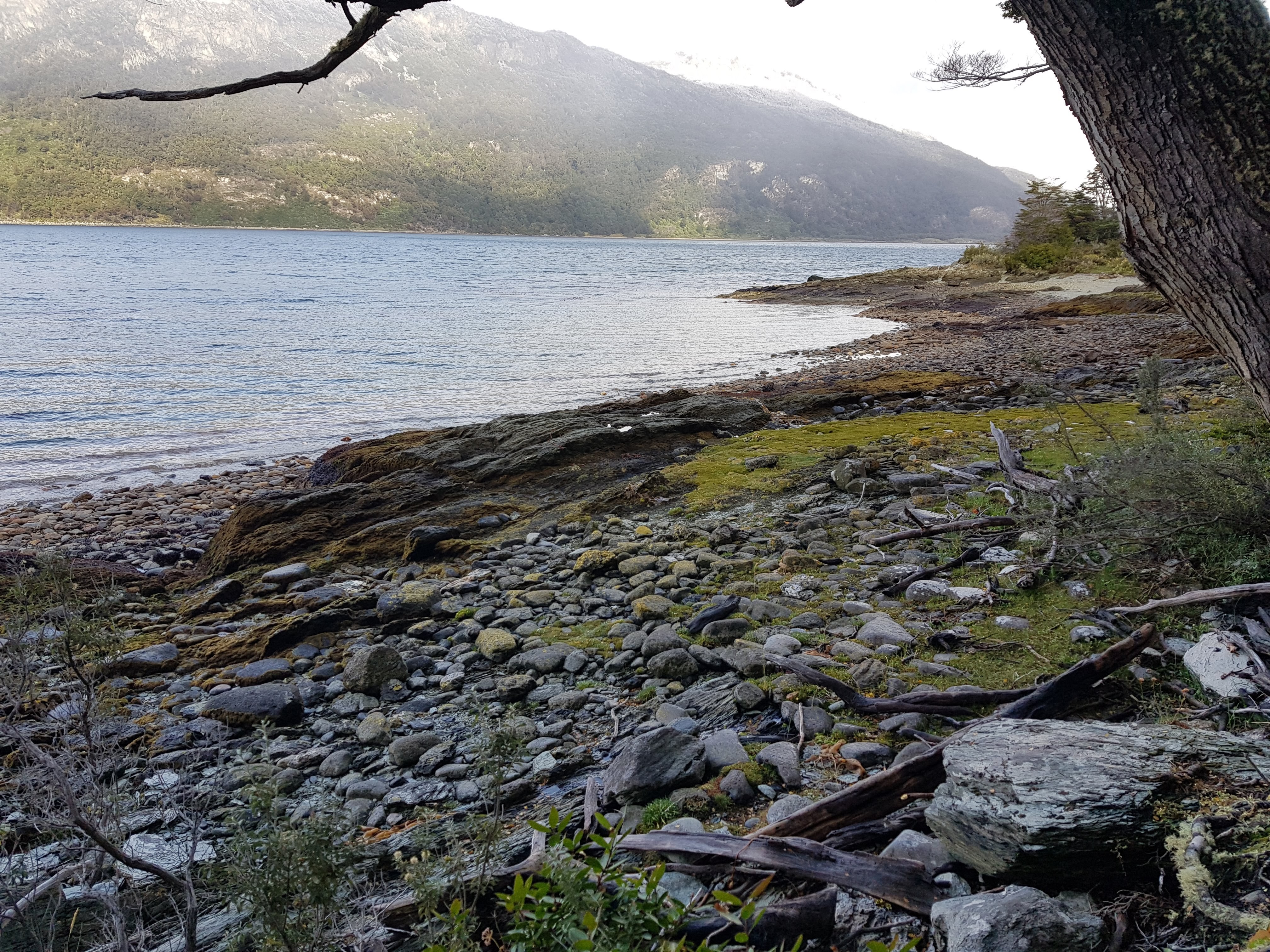
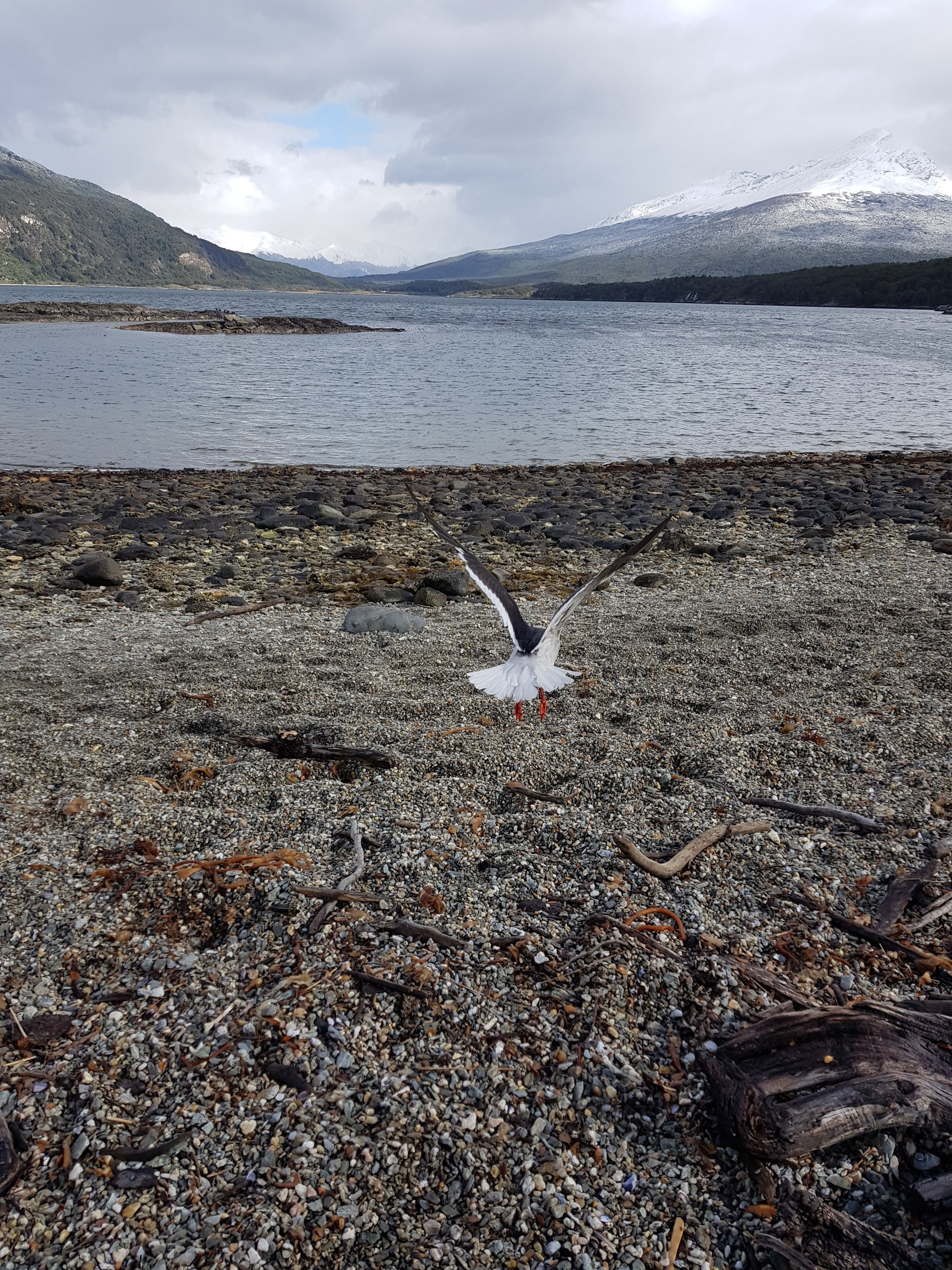
I decided to do an easy three hour trek along the coast which had beautiful views of the mountains, and forest, and the beaches were covered in mussels and beautiful clusters of shells. I also visited the post office so I could send a postcard from the end of the world, and got my passport stamped with the extra special ink stamp!
Other activities around the area
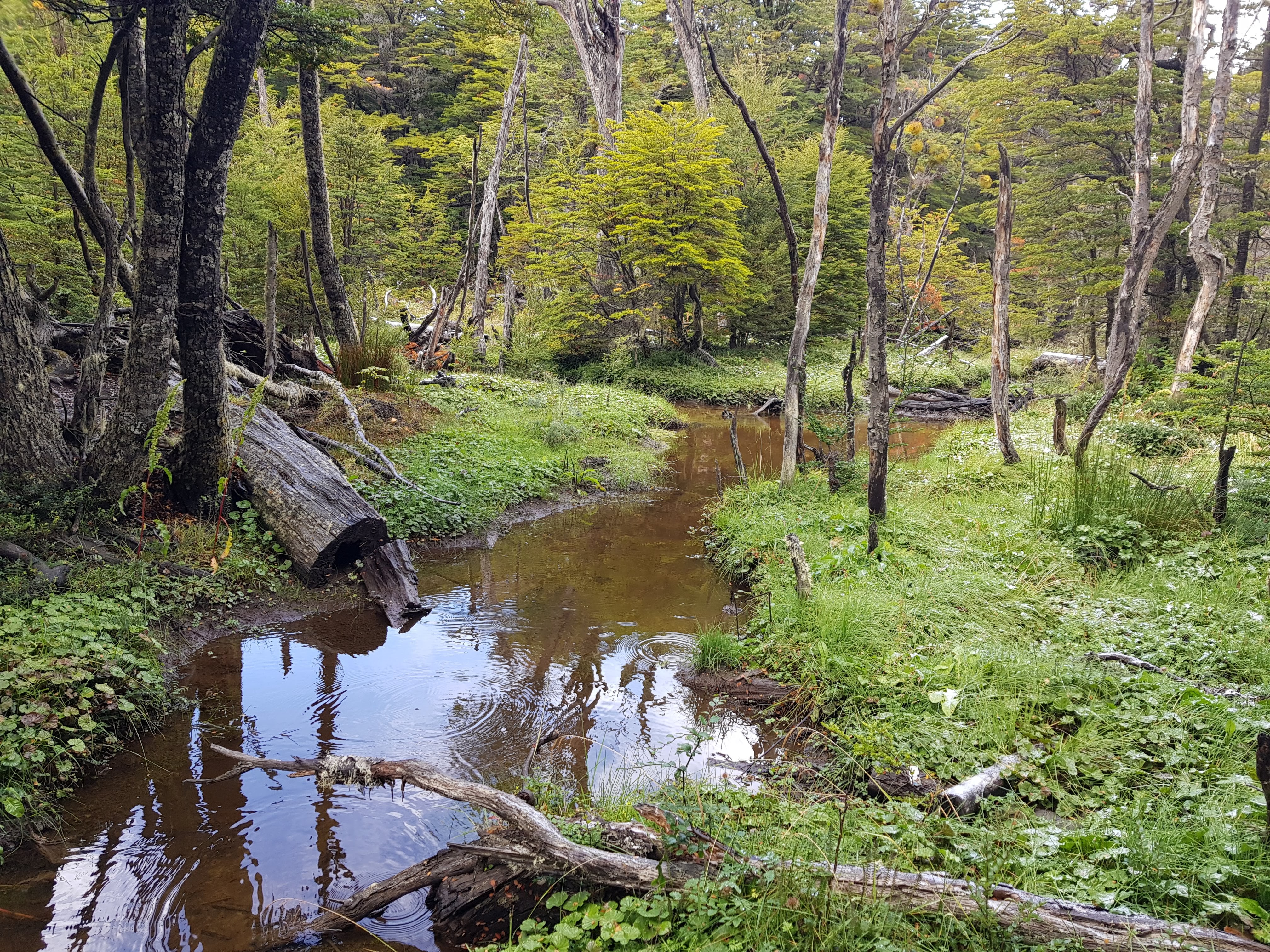
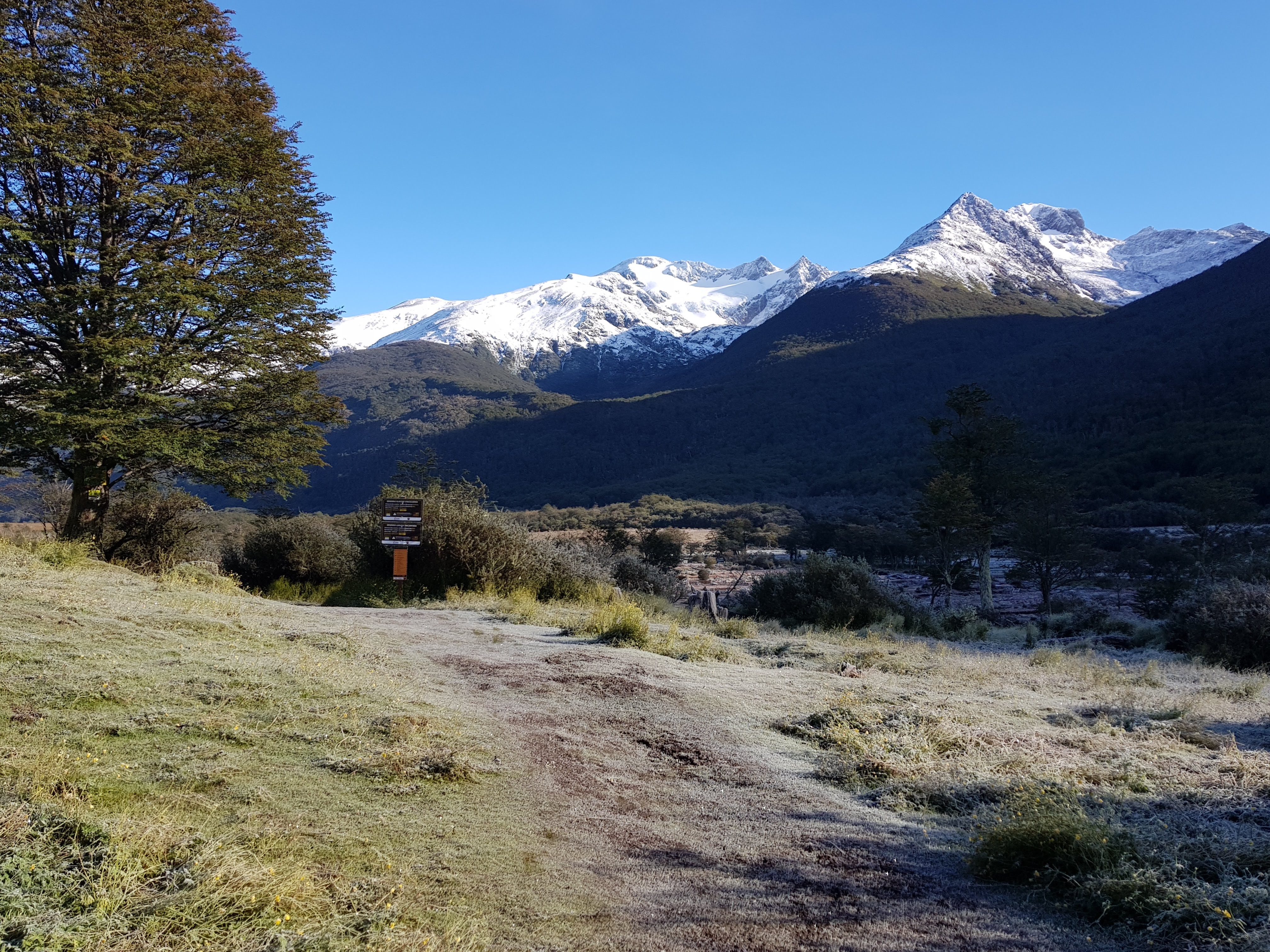
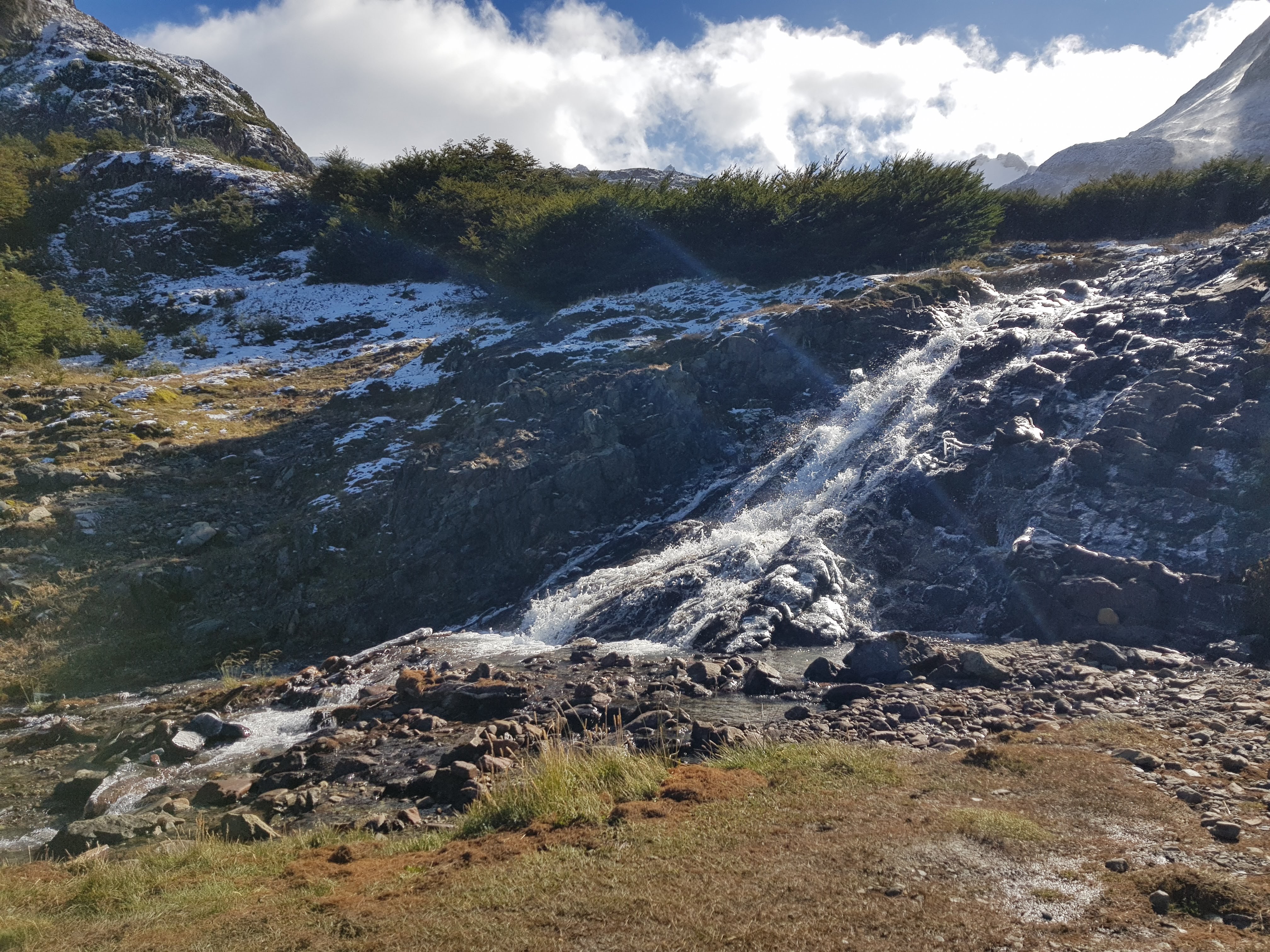
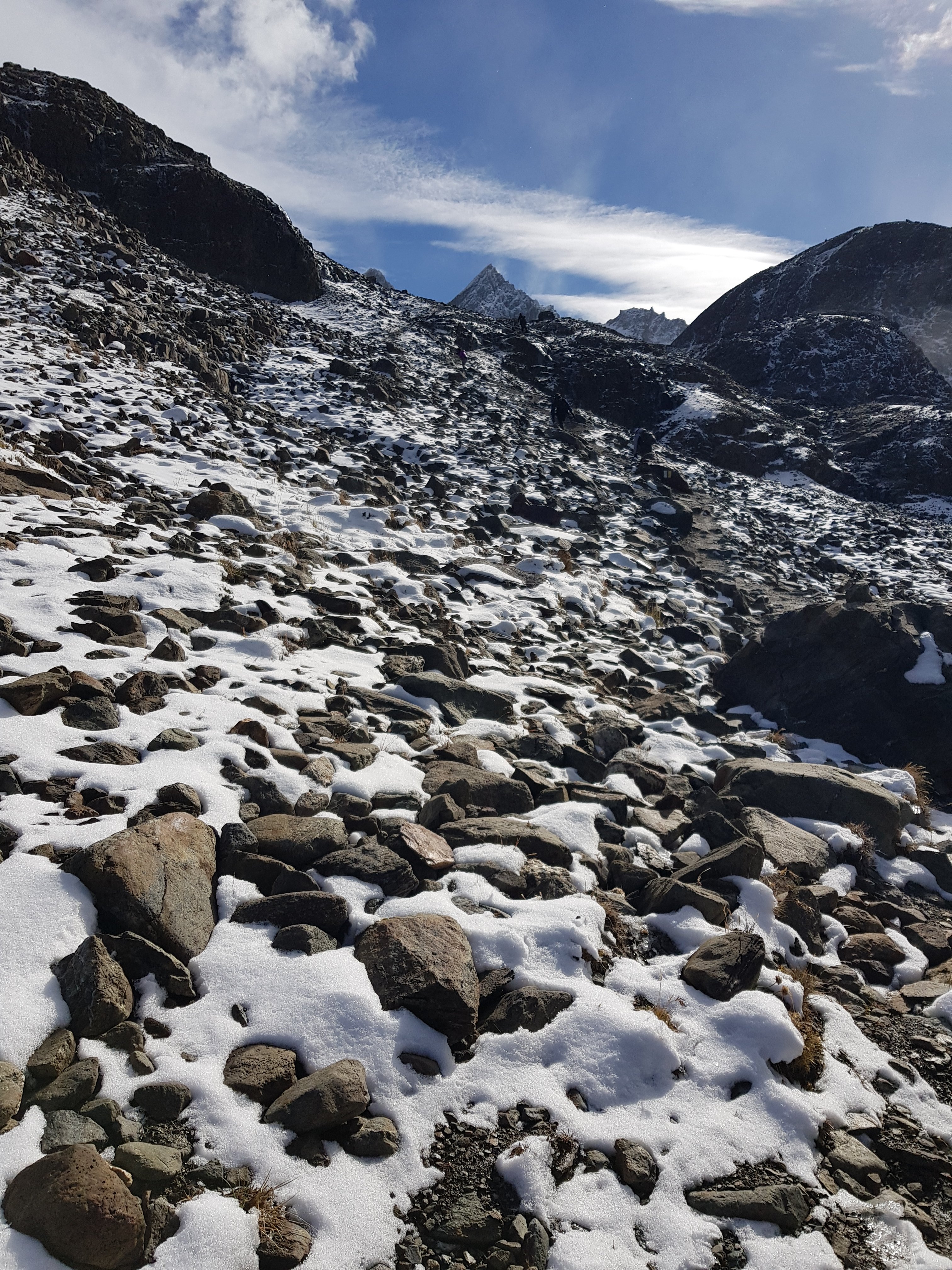
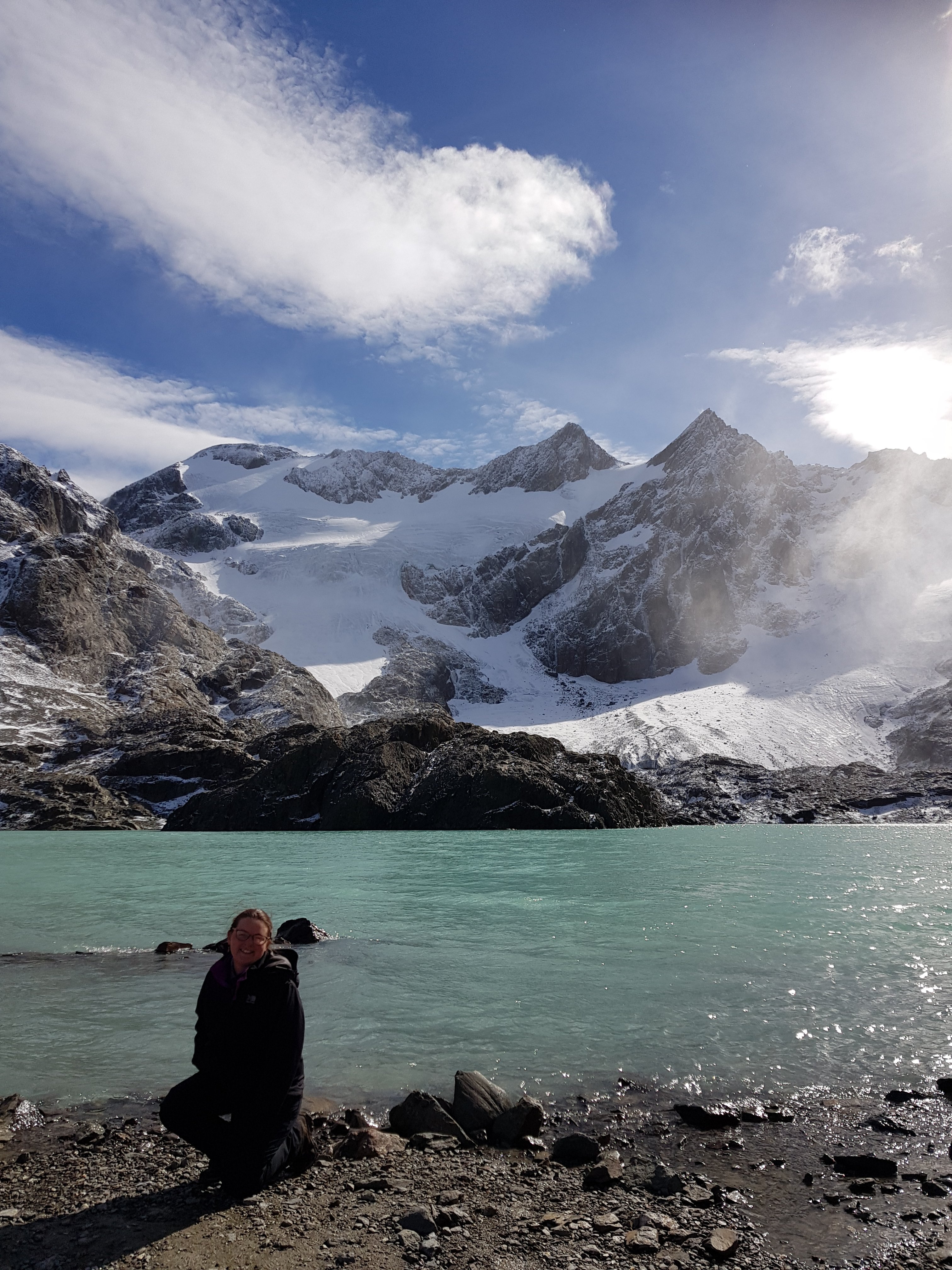
There are also other treks that you can carry out around the area, as well as excursions to see wildlife such as penguins that are only found in this remote area. I had already done a penguin excursion in Punta Arenas, so I decided not to do this in Tierra del Fuego. I did do a six hour trek to a beautiful glacier though. I climbed a steep ascent through forests, streams and over a waterfall. I grappled over ice and snow to the Glacier Vinciguerra.
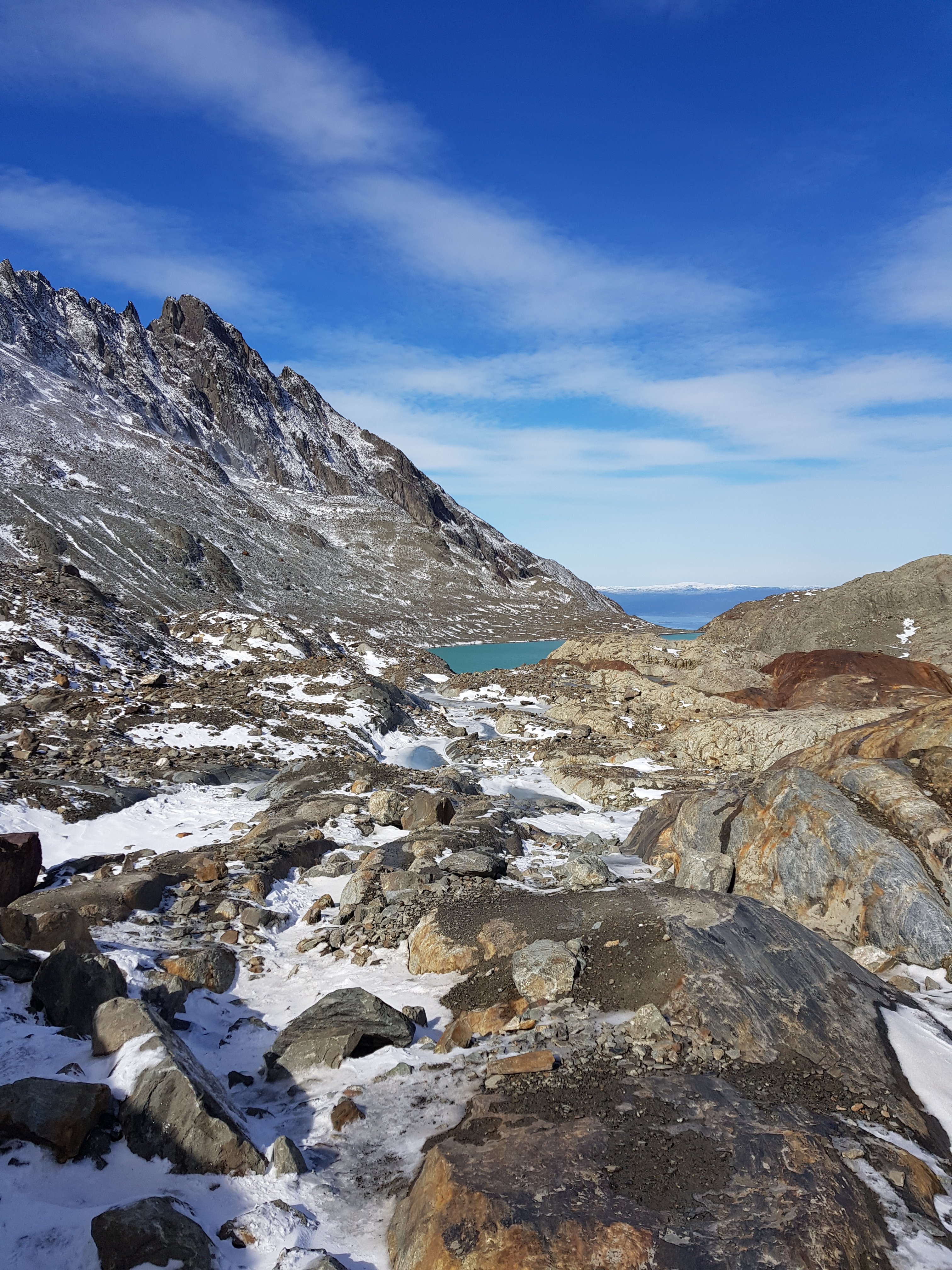
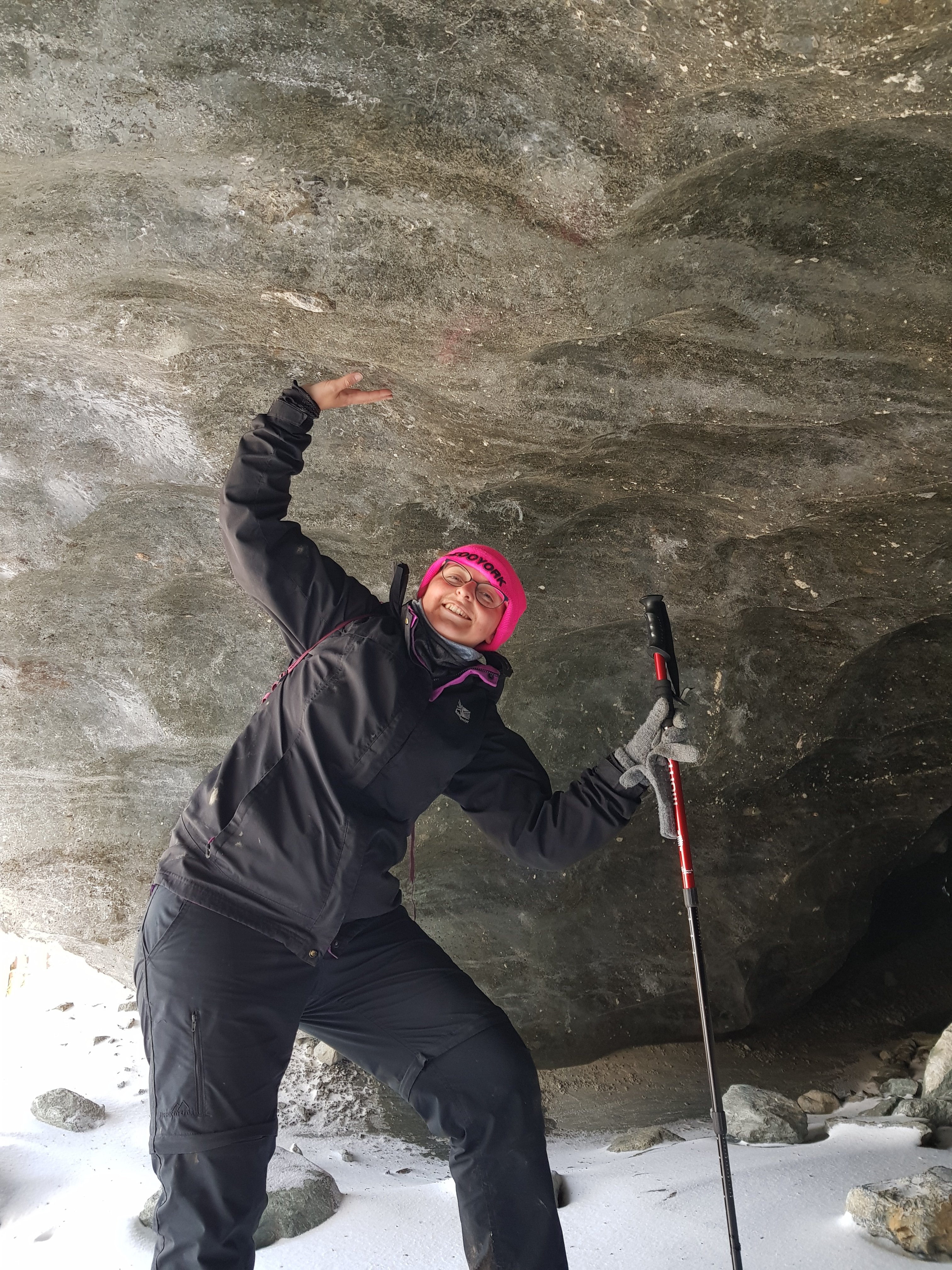
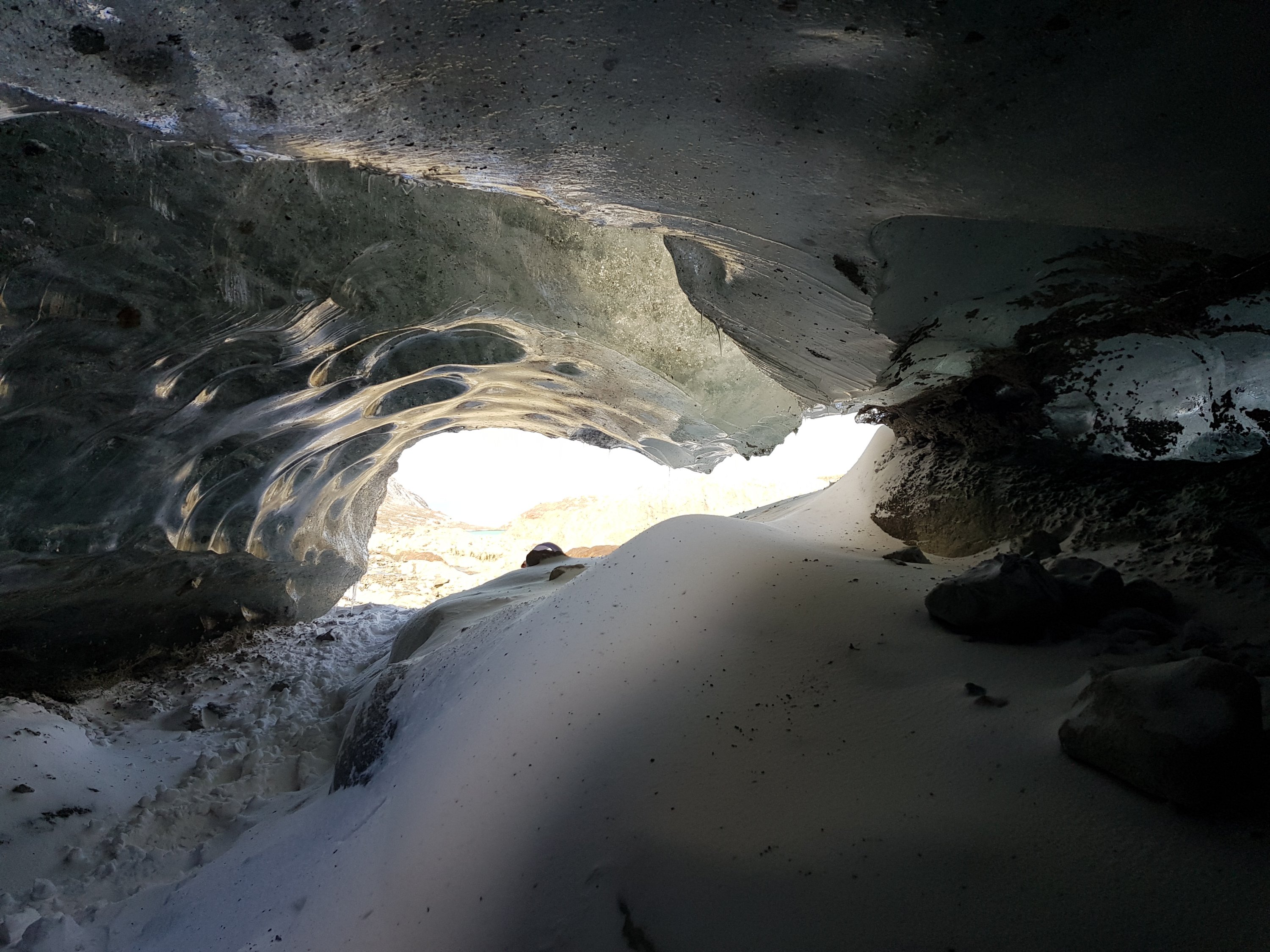
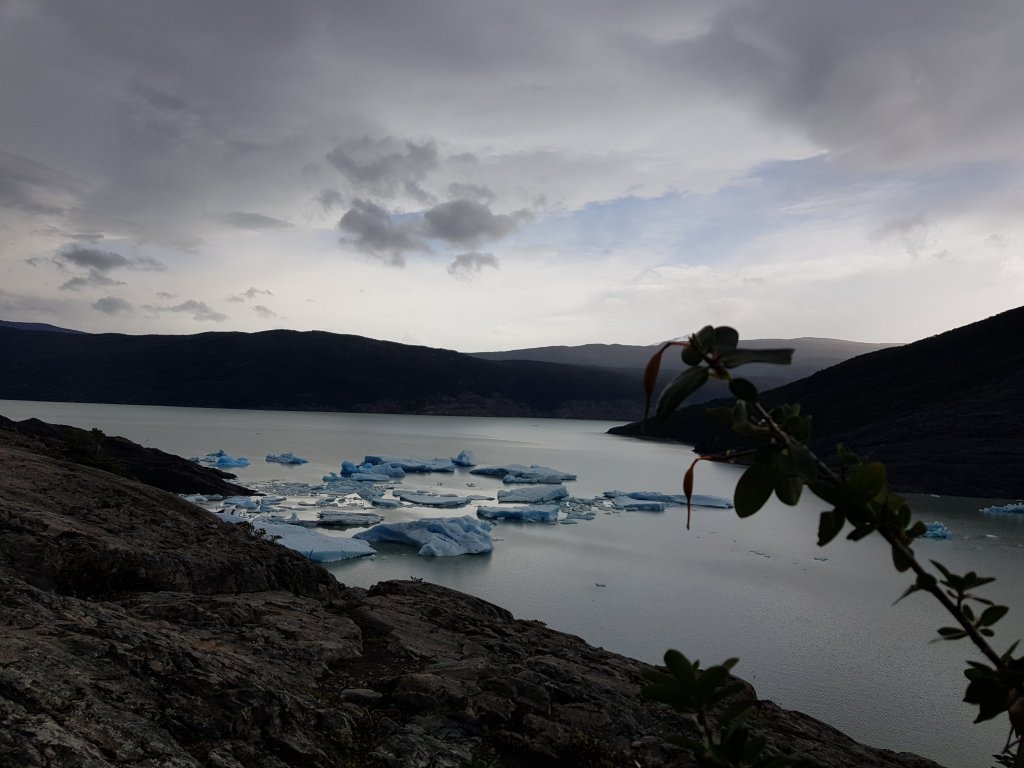
At the glacier, there is a huge lagoon, and a snowy trail to the glacier’s overhang to see ice caves! This was a little nerve wracking as there were many frozen pools of water, and snow covered voids, that would be very dangerous if you stepped in the wrong place. The ice cave was astonishing though. It was an amazing feeling to be underneath a thick clear ice ceiling, with small sediment deposits scattered amongst it. The only downside to the walk was my very cold and wet feet after walking on such thick snow and ice!
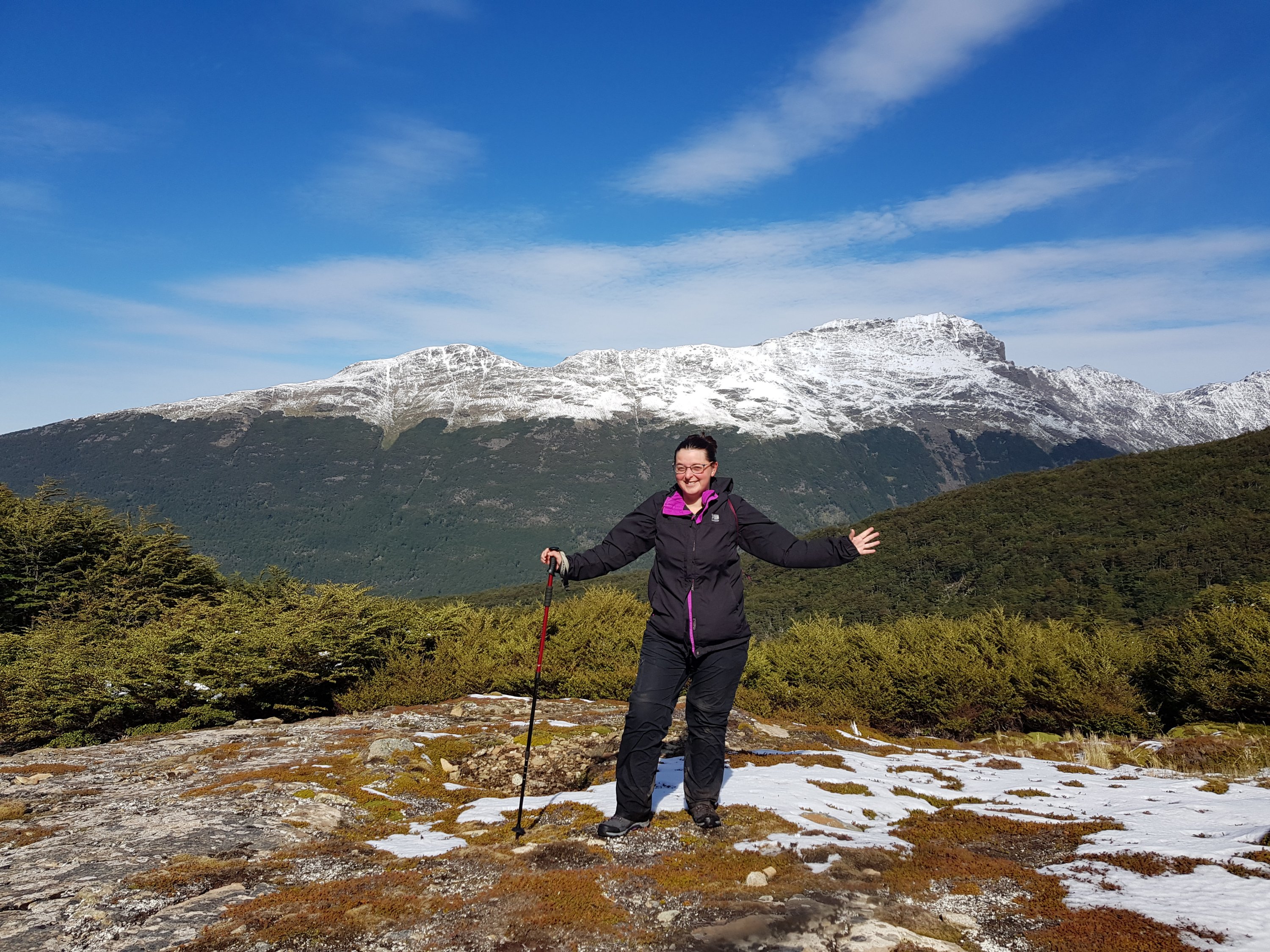
Overall, Tierra del Fuego was a unique location and certainly the place to be for hiking and winter activities. The atmosphere was very friendly here, and It was interesting to think that all that visit and live here, have a sense of adventure, that has led them to the end of the earth.
From South to North. Now, I have reached Antarctica, I will be turning around, and attempting the several days of bus journeys to the North of Argentina, and hopefully will arrive in Mendoza in about a week.
After a month in Argentina, I made my way on foot through one of the only open borders into Chile. I spent five days in Punta Arenas in Southern Chile and a few nights enjoying the hiking base of Puerto Natales, before heading into the wilderness for my 8 day hike of Torres del Paine’s ‘O’ Circuit.
Crossing the border
The pandemic is still a serious issue in South America, and Chile is probably the most strict country on the continent when it comes to entering and leaving the country. This has caused many borders to be closed, so there are limited places to cross over land from Argentina, and many people are paying extra cash to take multiple flights instead.
Border crossing at Intergracion Austral
I took two taxis (as buses are currently not allowed through) to get through the border and this was a three hour process on the way in, and a six hour nightmare on the way out. At least I have loads of stamps in my passport now though! The strangest parts of it were that so much of the process still relied on paperwork and physical paper stubs (not ideal when standing outside in high wind). Also, the fact that the crossing at Integral Austral is in the middle of nowhere and has a kilometre of no man land between the two countries.
Punta Arenas
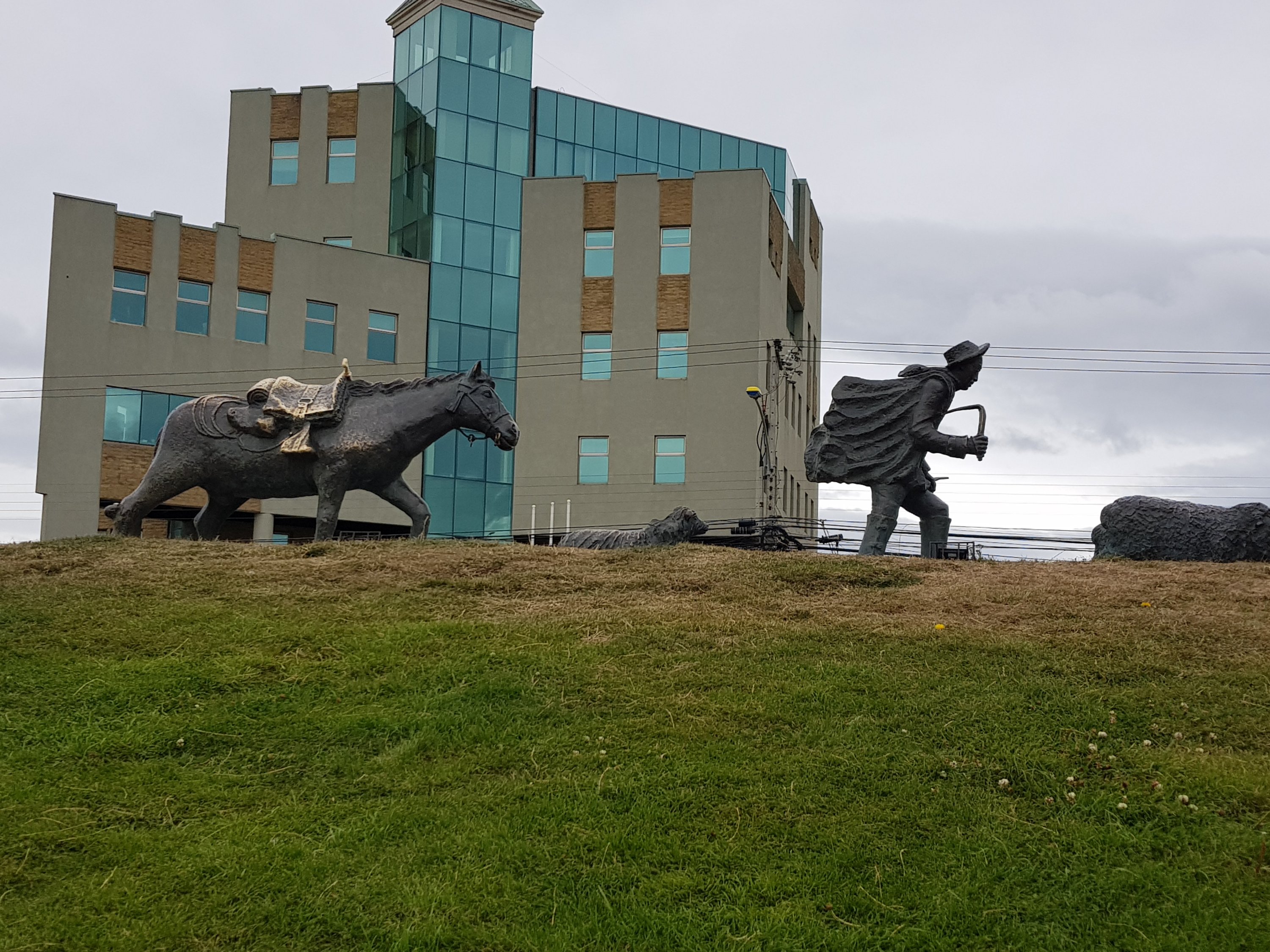
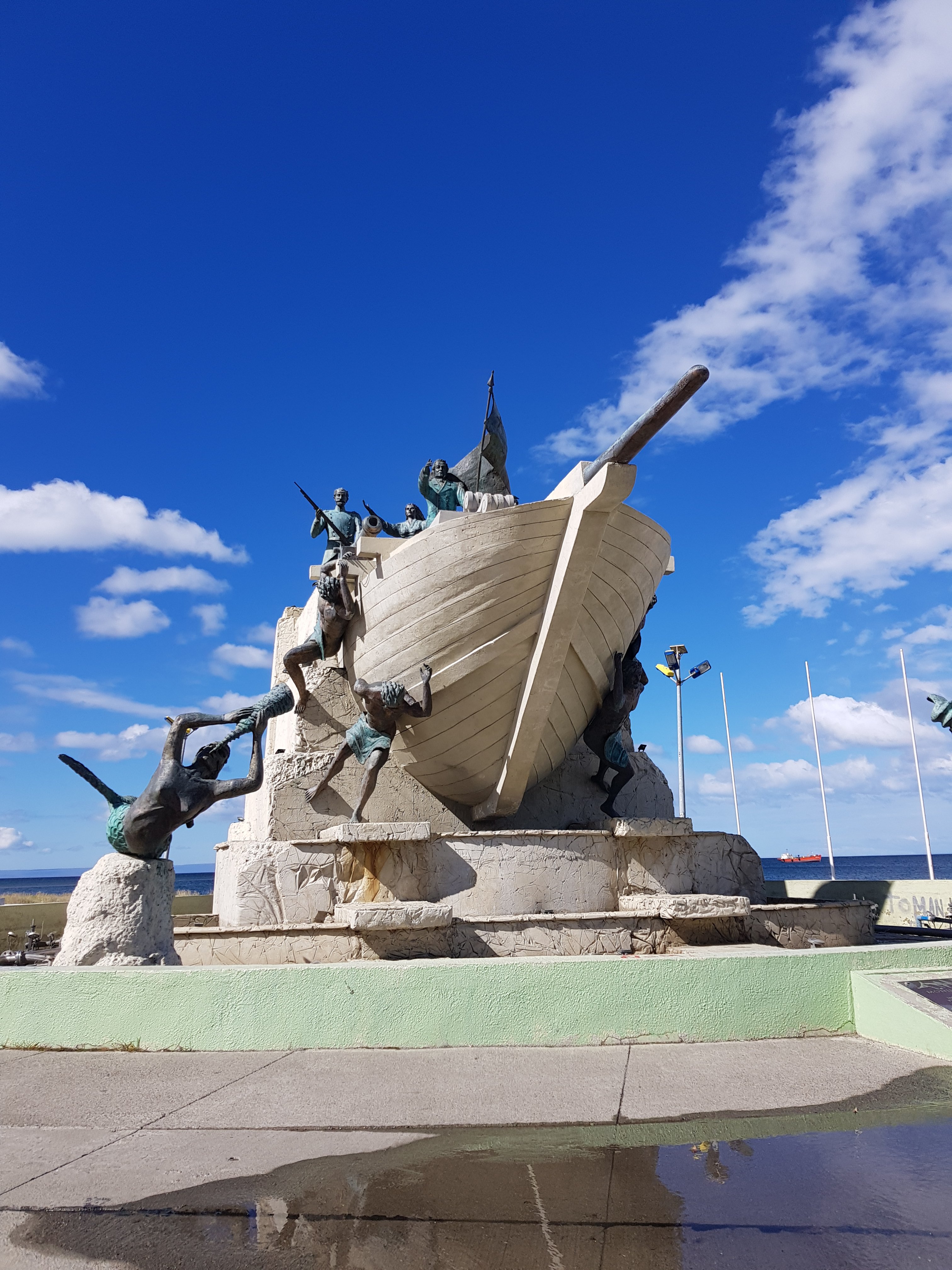
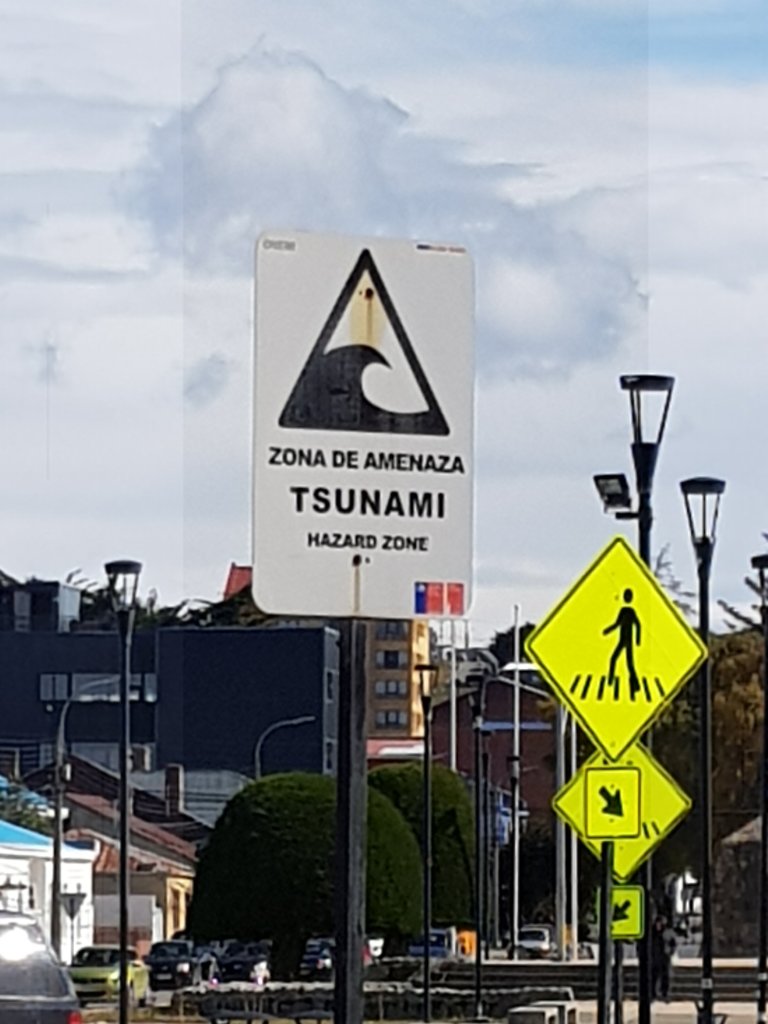
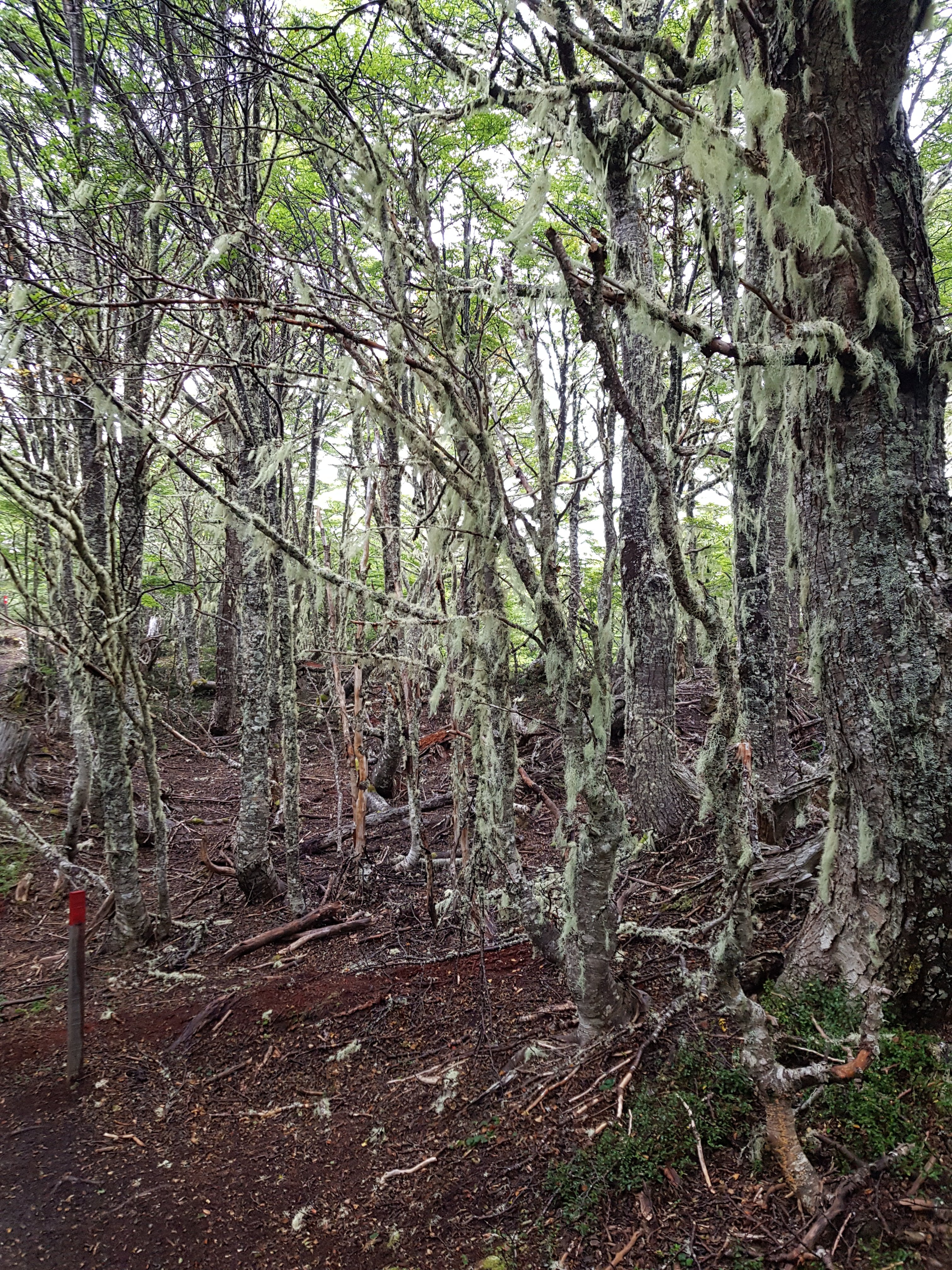
After crossing the border, I made Punta Arenas my base for five days, this large Chilean town is not very touristy but it does offer some good cafes, and stores to gather supplies for the upcoming trek, for better, local prices. There is a promenade of sculptures that runs along the shoreline, and a very strong maritime vibe, but the best local thing I did was visit a nearby national park, for some practice trekking. The Magallanes National Reserve is a twenty minute taxi ride to the top of the town, and as you travel higher you start to see various safety signs, to tell you that this is the place to be if there is a tsunami. A little off putting..
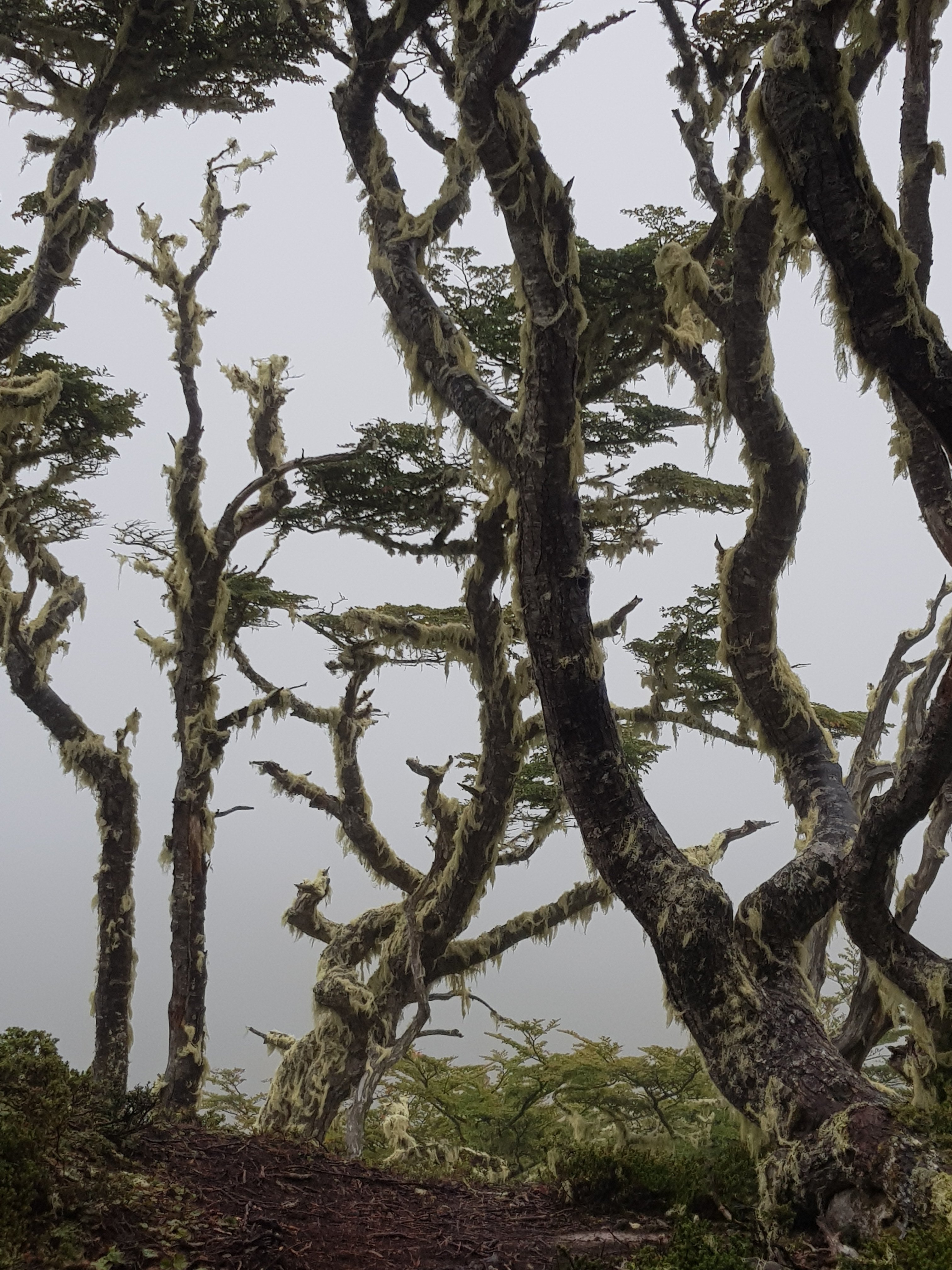
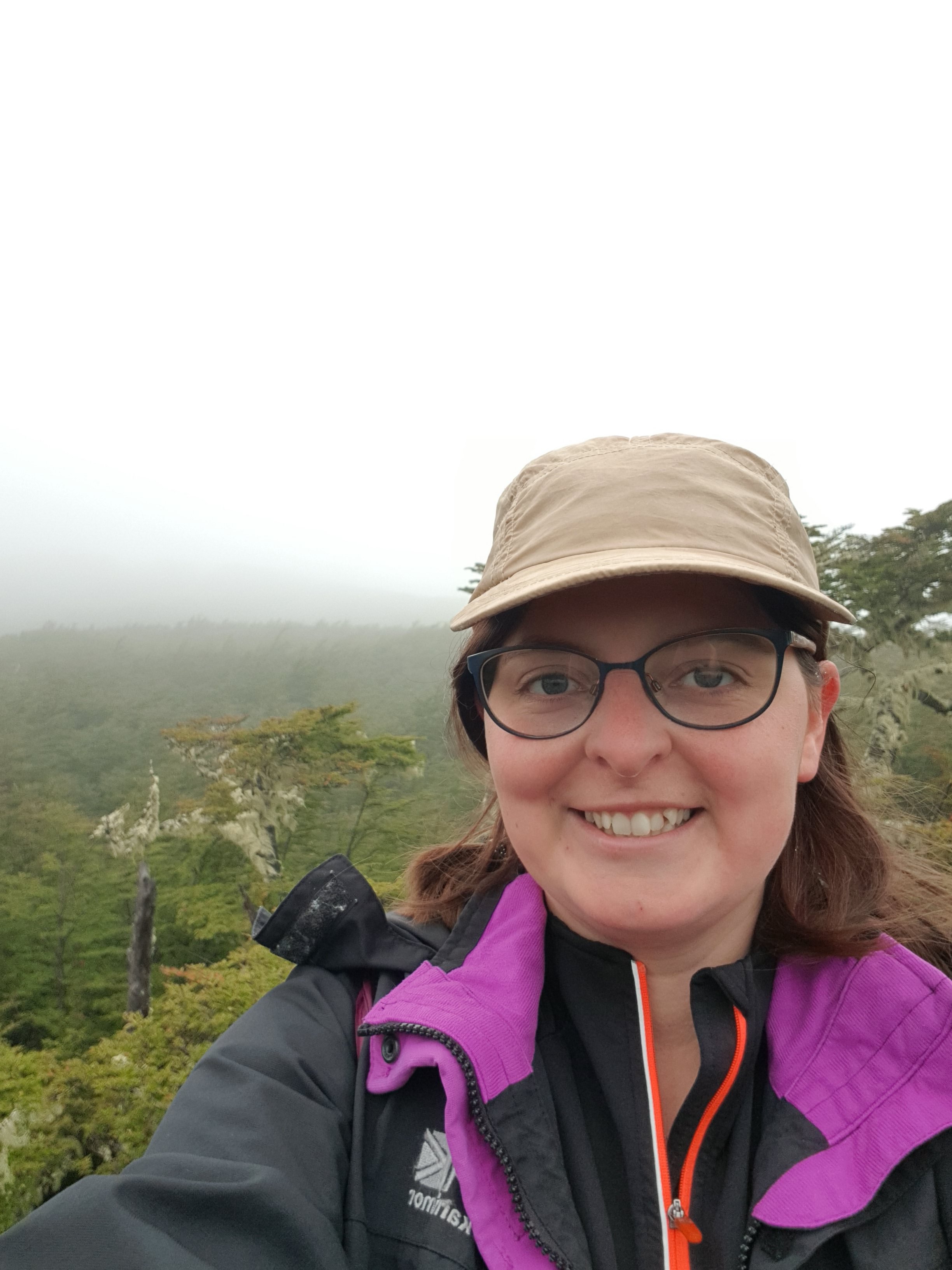
It is about £5 to enter the park, and then there are several trails available with many lookout points that can keep you busy for hours. I went on a very misty day so I did not see many views but the plants and trees especially were cool to see.
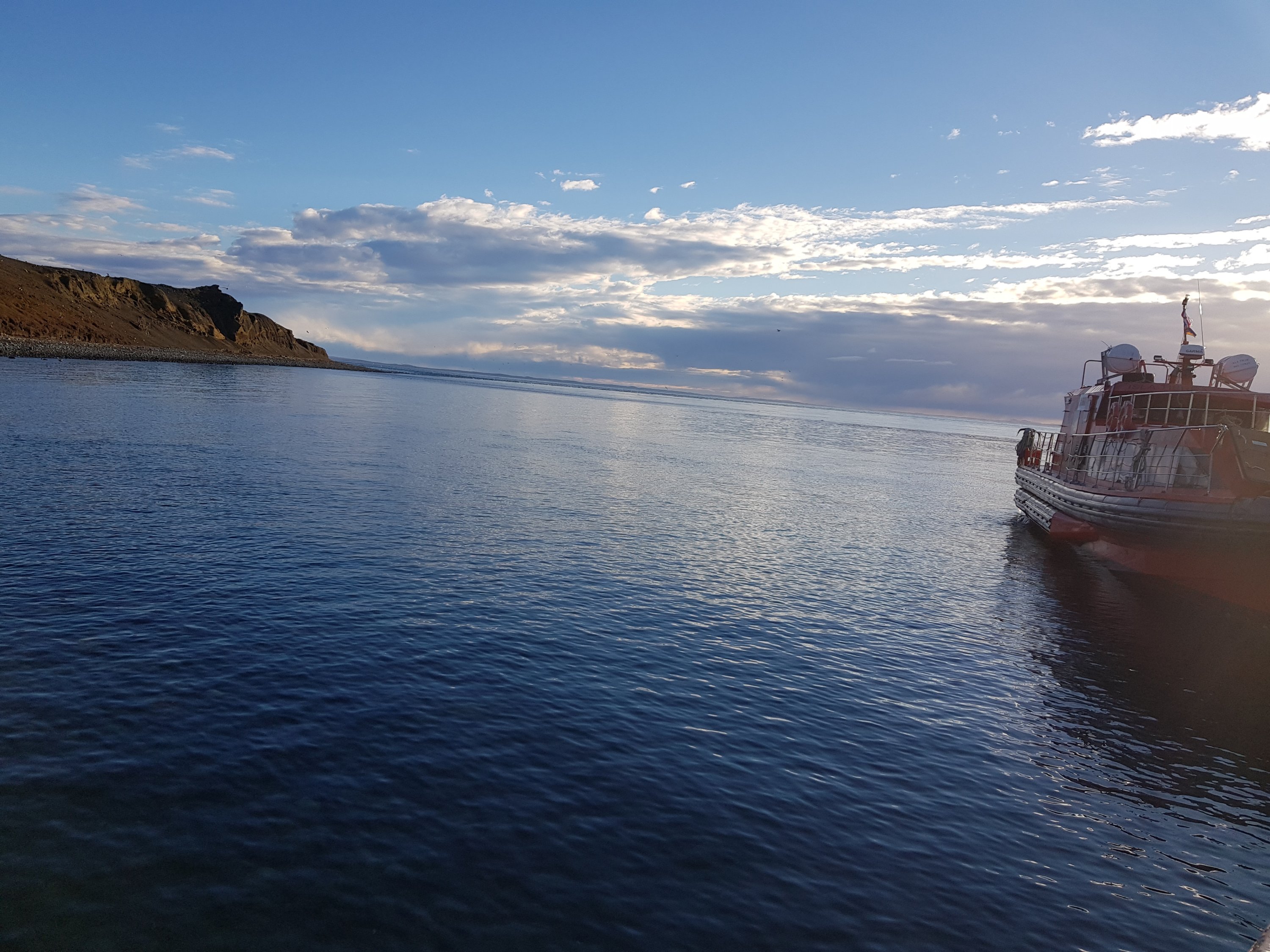
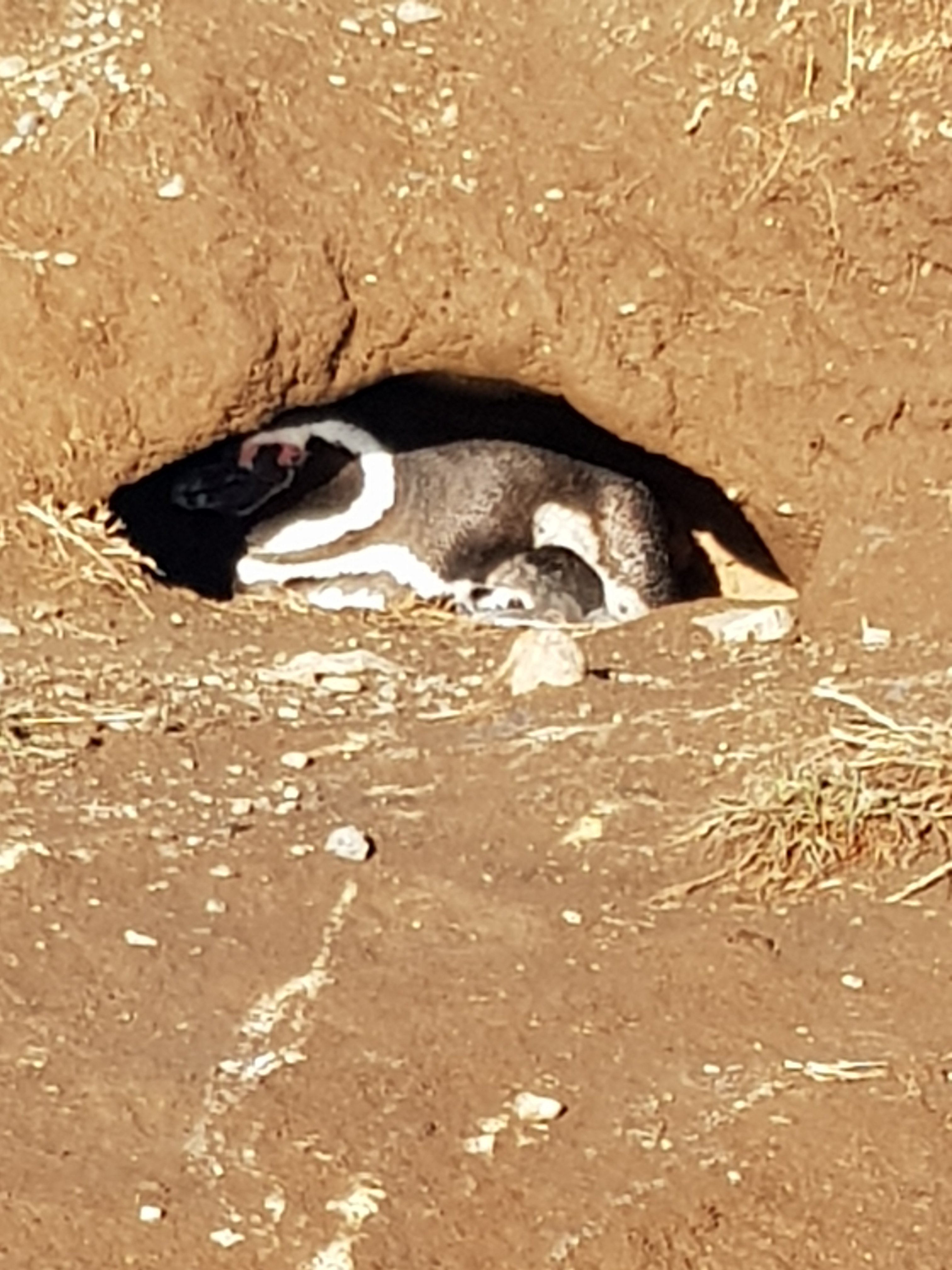
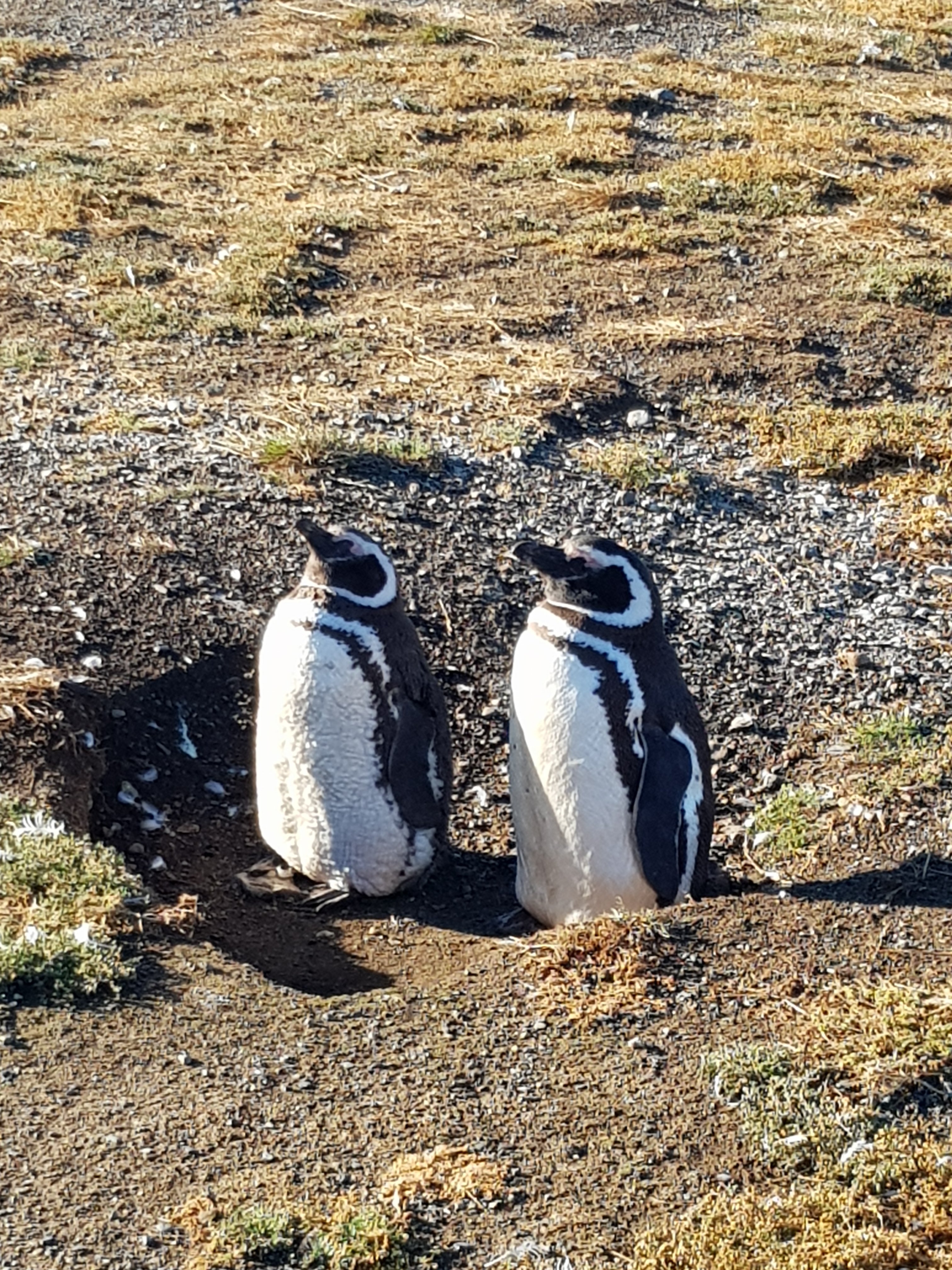
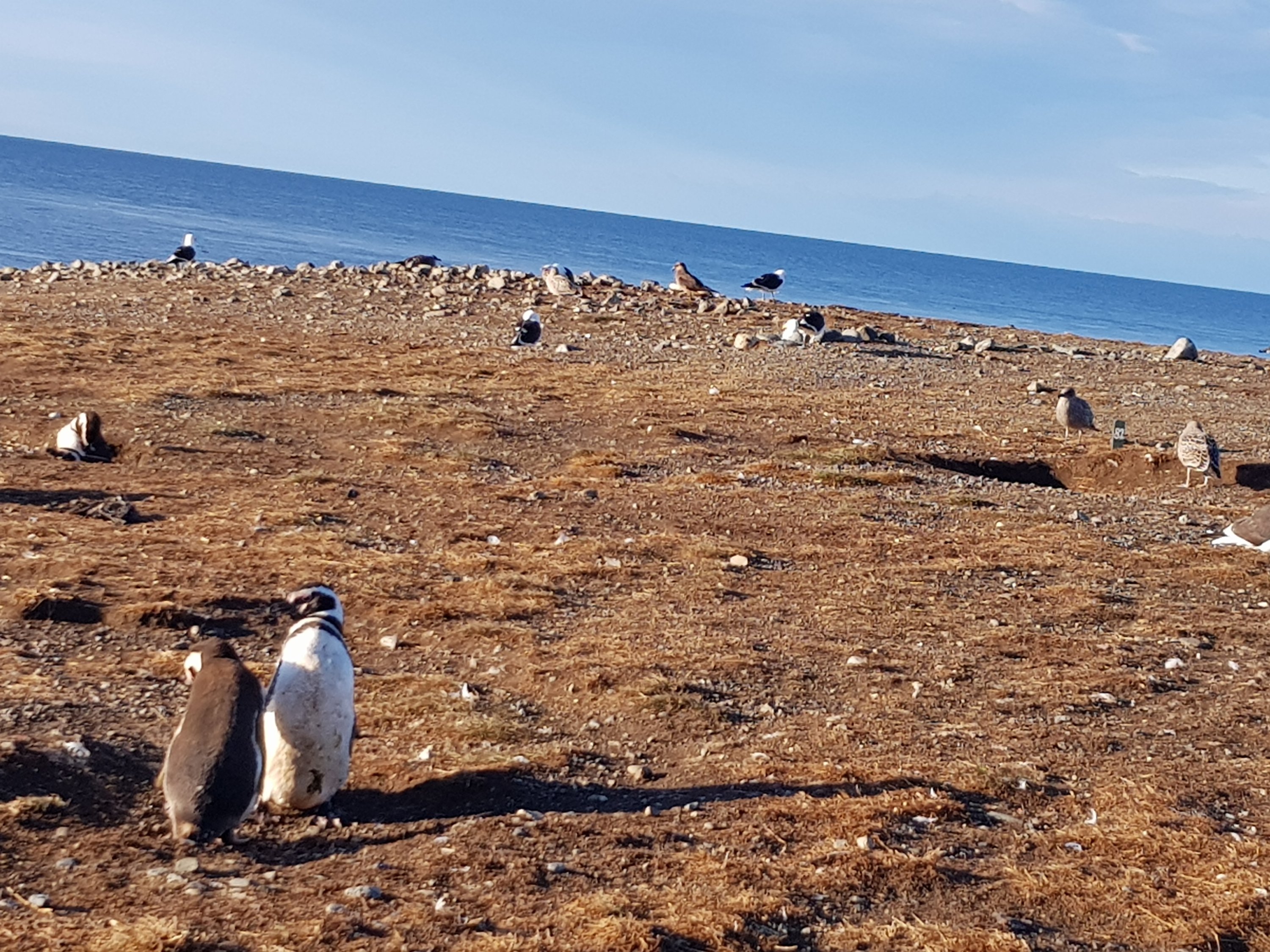
From Punta Arenas you can also take an excursion to see penguins and sea lions. I did this on thankfully the warmest day of the week. It is an early start followed by a few hours on a coach and then an hour journey to the main island by boat. Dotted around this small island are thousands of penguins, meandering within their couples. You can walk very close to the birds and follow a trail around the island to the lighthouse and back to the boat.
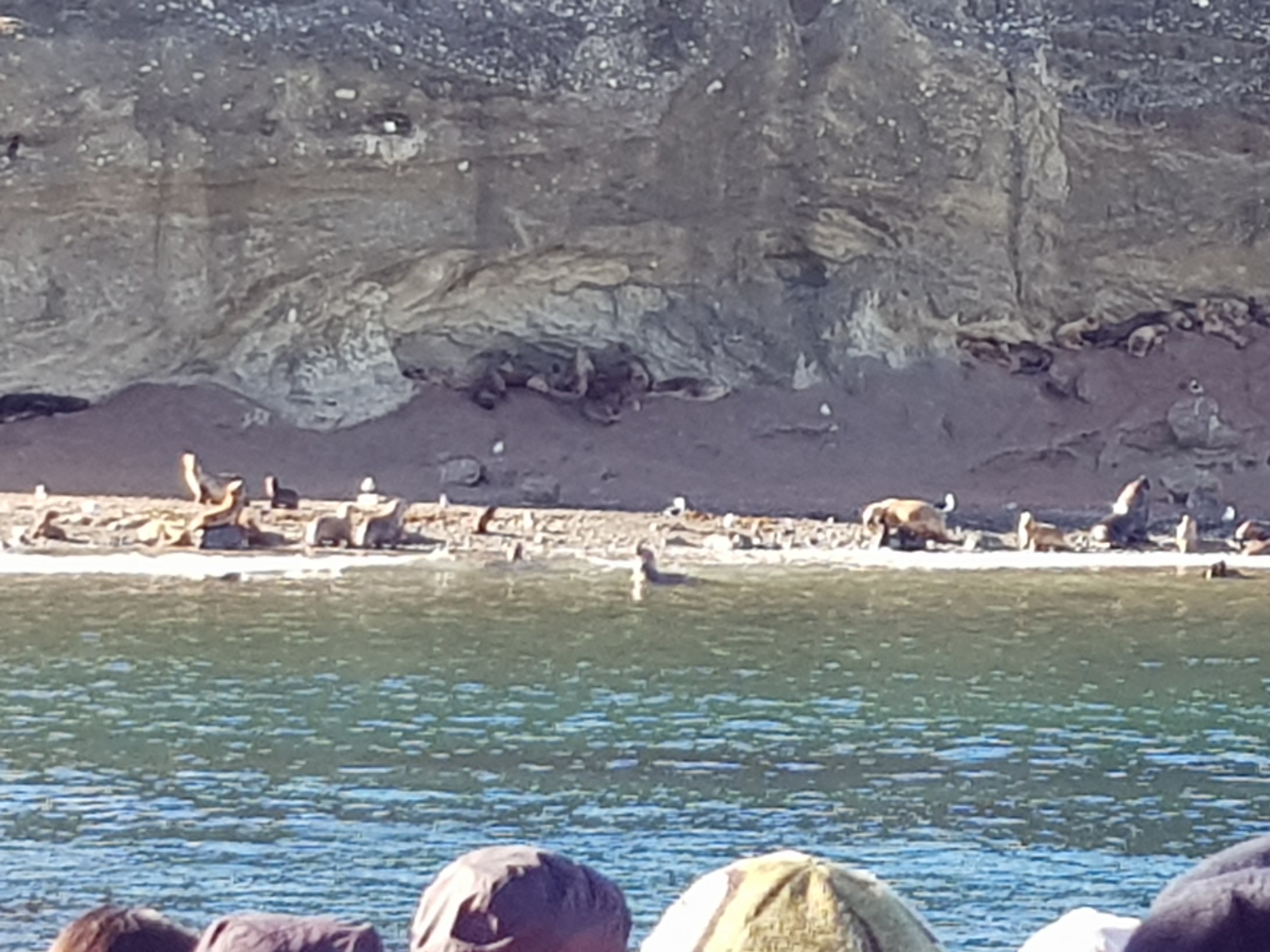
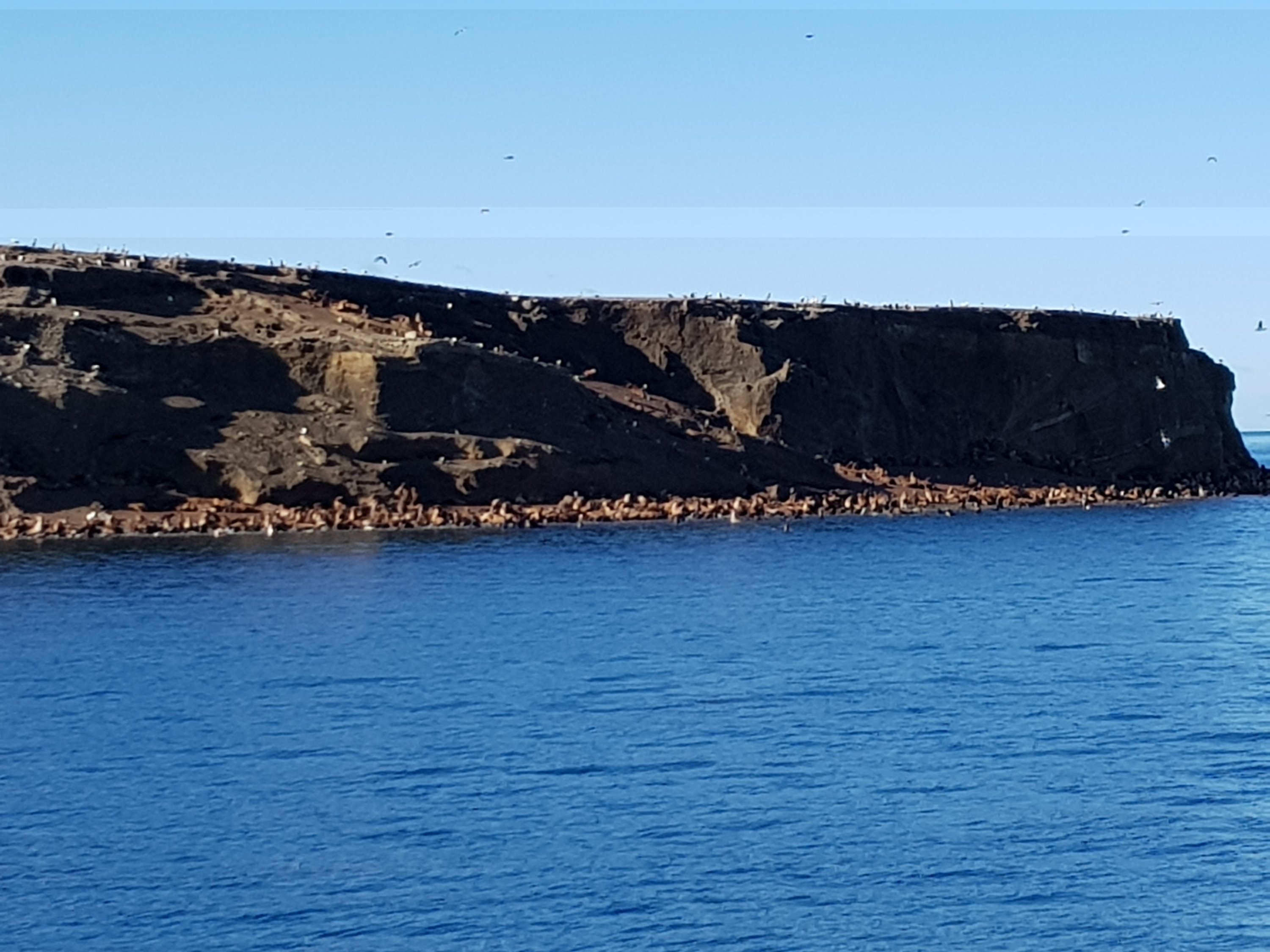
The tour then travelled to an even smaller island that was home to hundreds of roaring sea lions clambered together on a beach and swimming close to our boat. It was very nice to see these animals in their natural habitat as oppose to a zoo, and it was great to get out from the town and be on a boat for a few hours.
Puerto Natales
The next town which is the base for the Torres del Paine National Park, is Puerto Natales. This small town is full of hostels, camping shops and restaurants. I only spent a short time here to sleep and eat at the beginning and end of my trek, but there was little else to do than that as it is just set up to drain tourists of their leftover pesos.
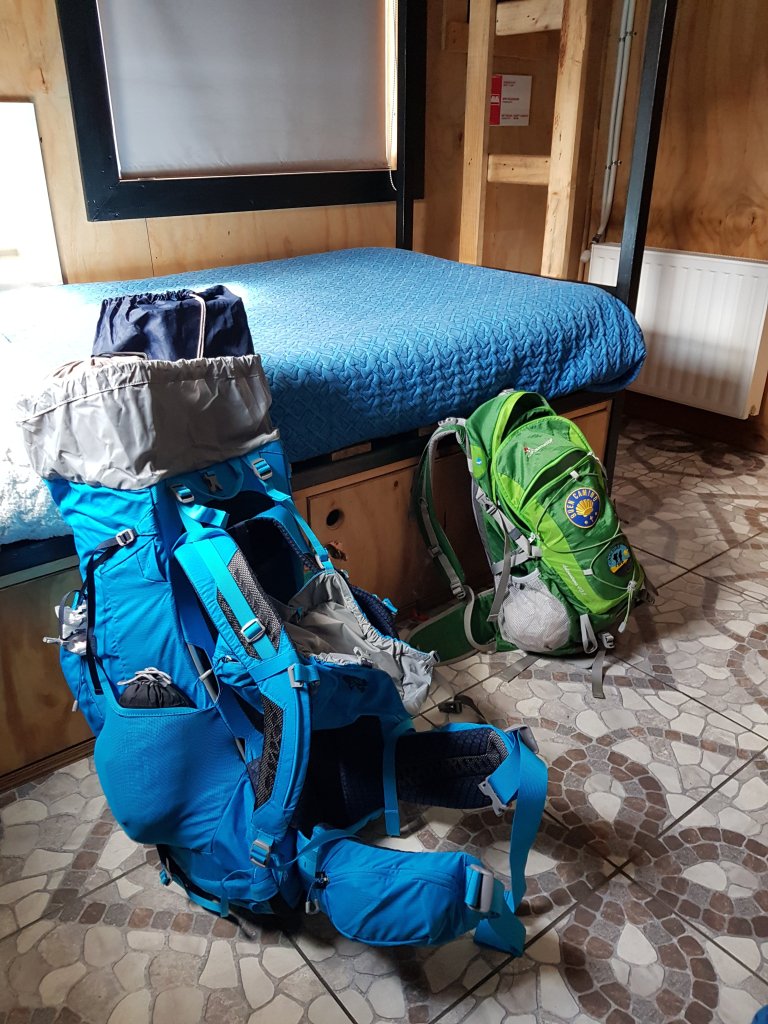
My trek bag vs my regular bag
Prepping for the ‘O’ Circuit trek
There are two main overnight treks that can be done at the Torres del Paine National Park. They are the ‘W’ and the ‘O’, named after the shapes their routes make on the map. The ‘W’ is the most popular and is known around the world for its views, but some people that have longer and want to see more of the park, choose to walk the ‘O’. this is the full circuit. It has several campsites on route and most people do it over 8 days. Each day of the trek varies in landscape, and the walks are between three and twelve hours, more or less.
Feeling like an experienced trekker, I decided to push myself to complete the ‘O’. I must say though that I forgot how out of shape I am, again. To prepare for the trek, I had to book my reservation to the campsites about three months in advance. I was able to use a new booking website that pulled it all together easily for me, instead of going to several different suppliers which could be quite complicated.
I decided to pay for my meals to be cooked and provided to me everyday, to avoid carrying a stove and heavy food. There is also an option to pay extra to have a tent provided and set up for you. I didn’t do this but met several people who did, and their tents varied in quality but their walks were obviously much easier than those of us carrying a tent. I rented a tent, sleeping bag, mat, and 65L rucksack from Rental Natales in town, and they were really helpful in getting everything sorted and providing me with advice.
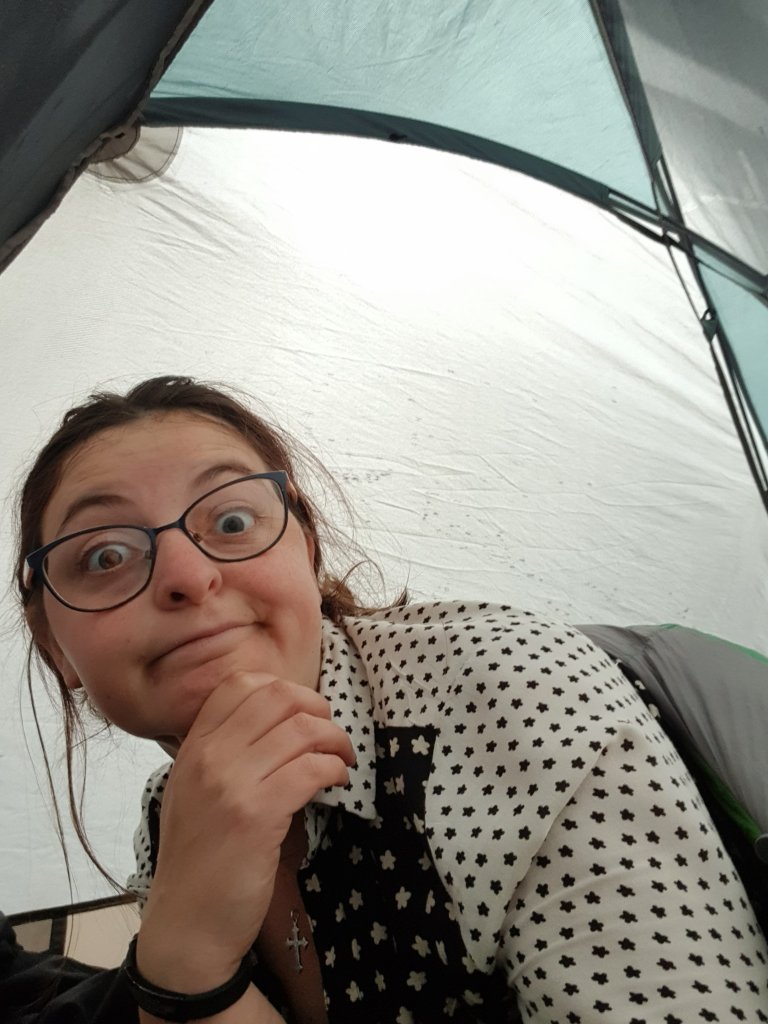
I stocked up on nuts, cereal bars, and a bar of chocolate for some snacks for the first day, and midnight treats. I also took a Swiss army knife (although I never used it), a first aid kit (I did use part of this), and my phone power bank (charging is limited in the parks and signal is non existent, air plane mode was switched on the entire time). There are not any laundry facilities so a decision needed to be made about how many clothes to bring. I went with 4 outfits, and I made the conscious decision to smell rancid after half the week. Unfortunately, I still did not find an open launderette for two days after I had finished. Very gross.
The campsites
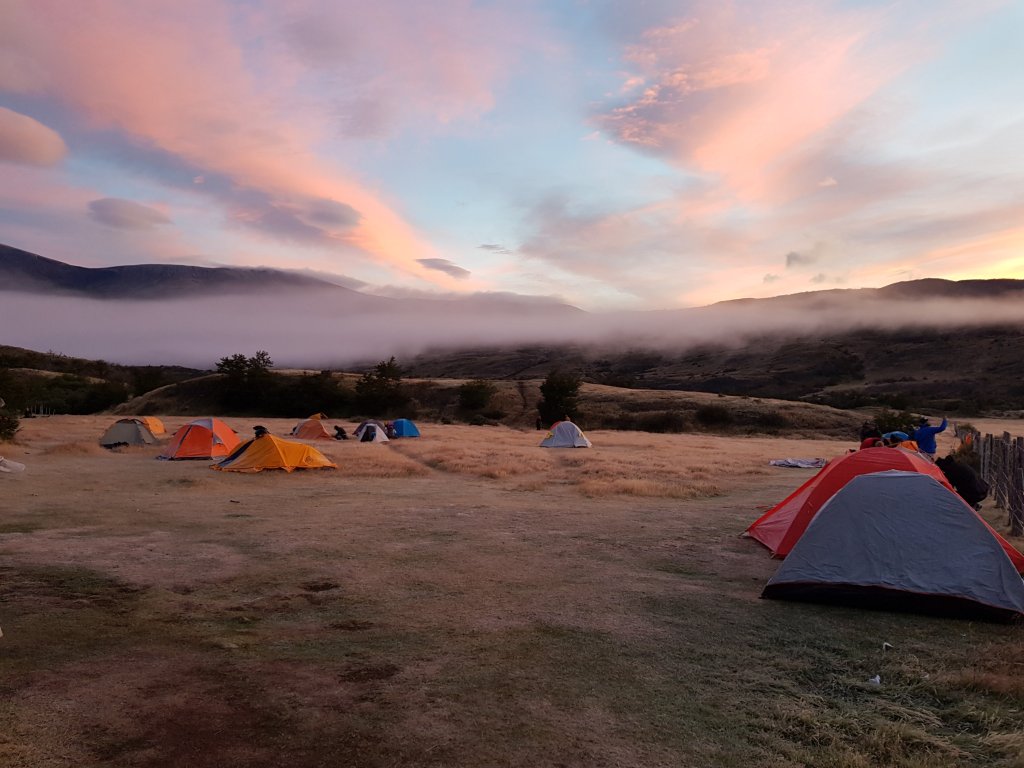
The campsites on the ‘O’ varied in quality, but I am happy to say that they all had real toilets. I was very thankful for this. I was scared I would be falling into a poo hole in the ground in the middle of the night. All the campsites had some sort of kiosk which sold snacks and most of the campsites had a bar/restaurant where you could buy drinks or enjoy your prepaid meal. Some of the campsites have refuges or domes as well so that you can sleep in luxury rather than a tent if you have the right reservation, and some of the sites had wooden platforms to pitch your tent on instead of the ground. I would argue that the ground is better though, as you are less likely to trip, and its easier to set up the guidelines, and pegs, and its actually a bit warmer than having a void underneath you.
Seron campsite at sunrise
The food I was given during my stay was generally excellent and although it was pricey to do this option, it was well worth it, to not have the hassle. I always had more food than I needed because the portions were very generous. There was always a warm breakfast, a large lunch pack and a four course dinner with different dietary options. The only downside was that hot chocolate was extra and I don’t drink coffee!
I spent time with a great mix of people whilst staying on the ‘O’ circuit campsites. I befriend a group of US visitors, a man from New Zealand and many groups of Chileans. It was great practice for my spanish, especially as in Chile, they have a unique slang. For example the word for egg is what you might call a
Dickson campsite
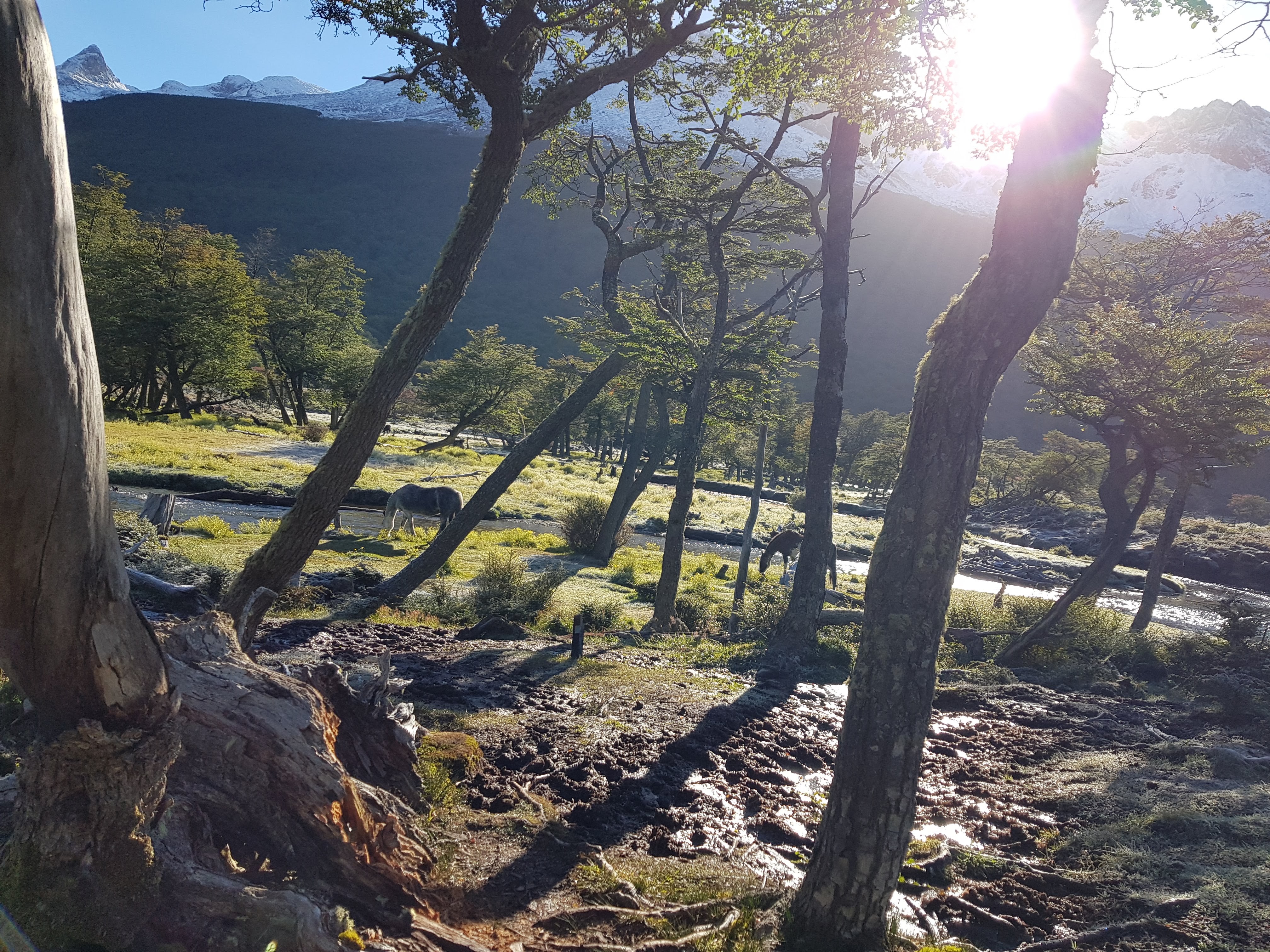
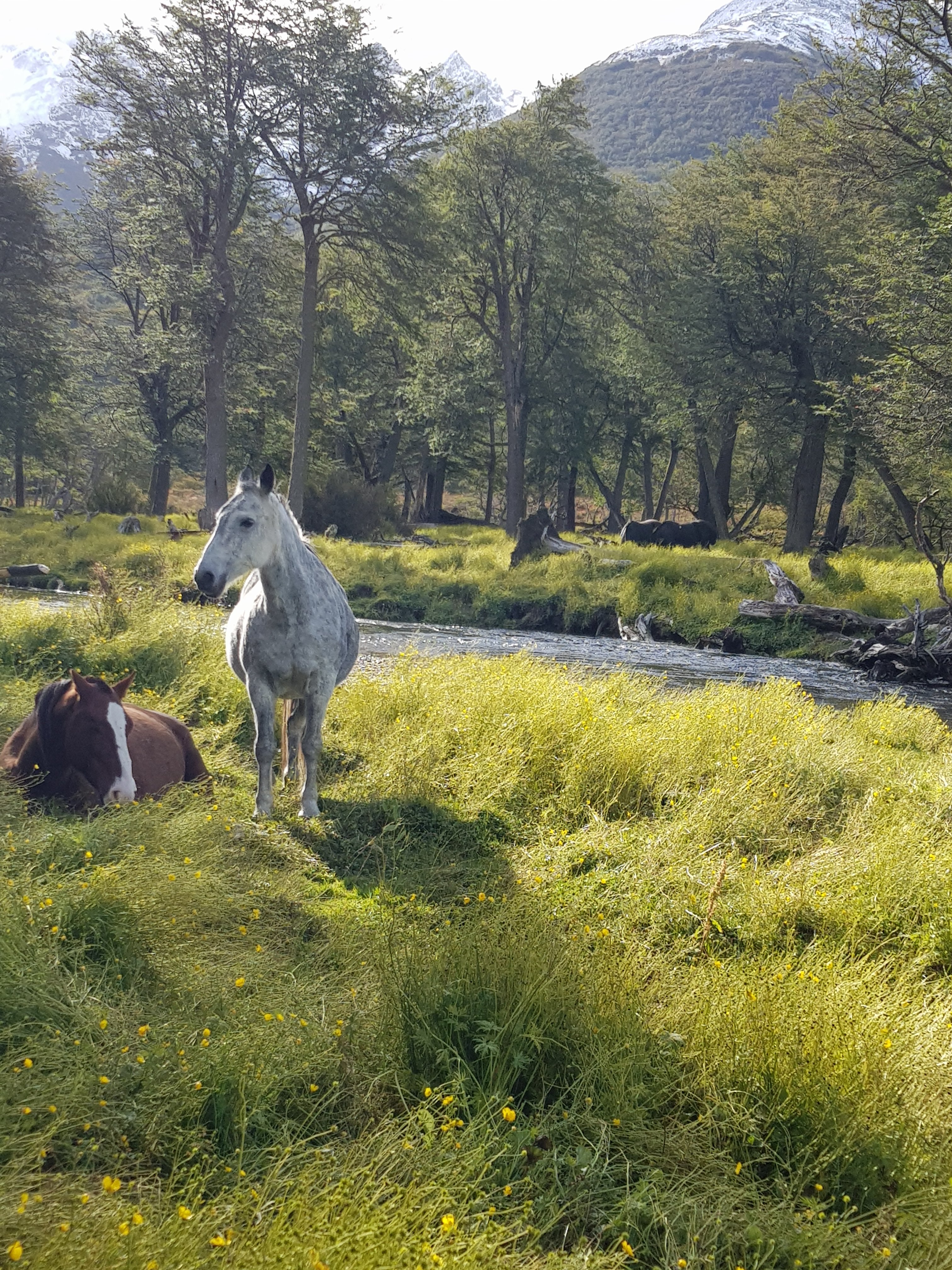
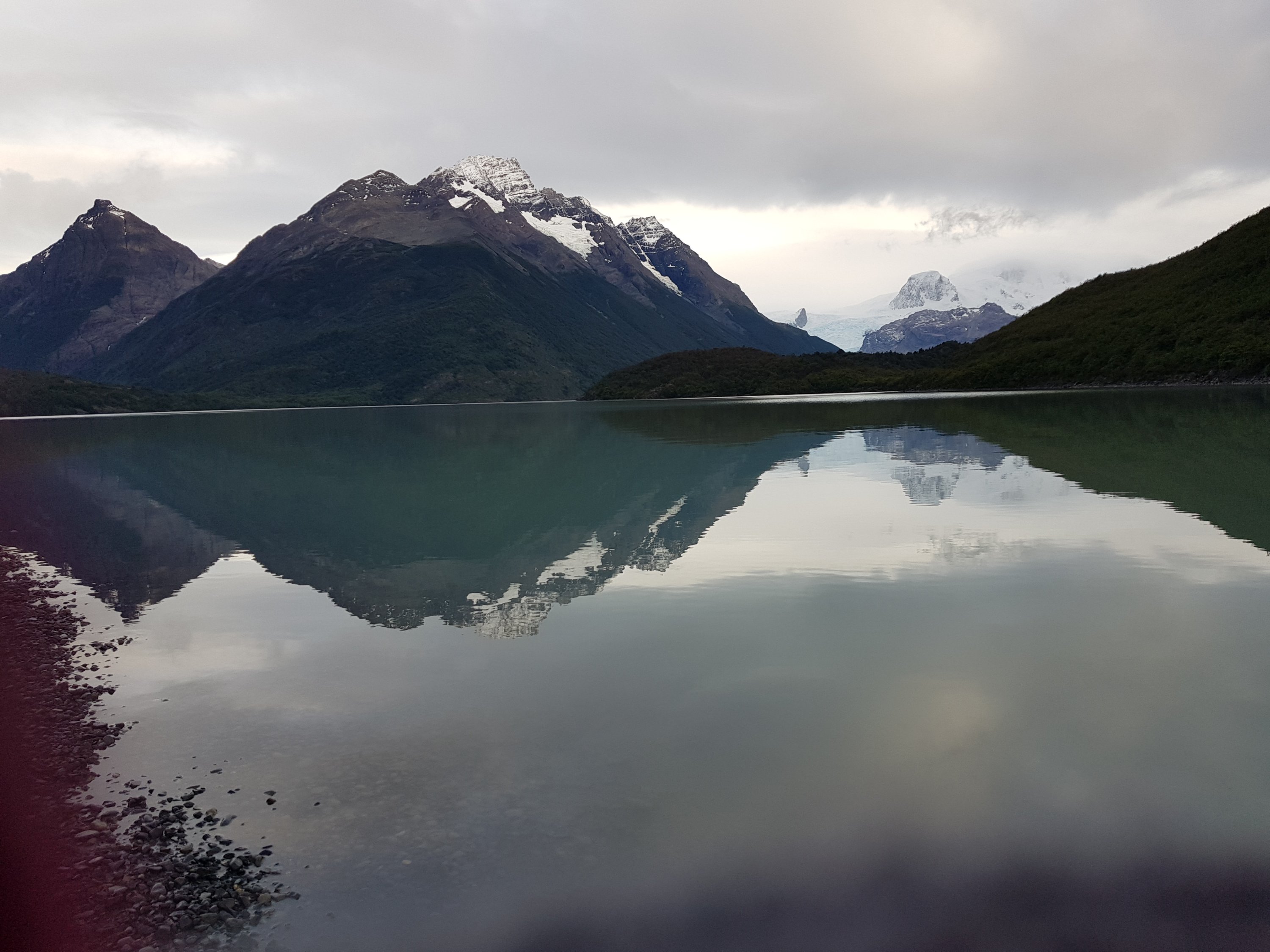
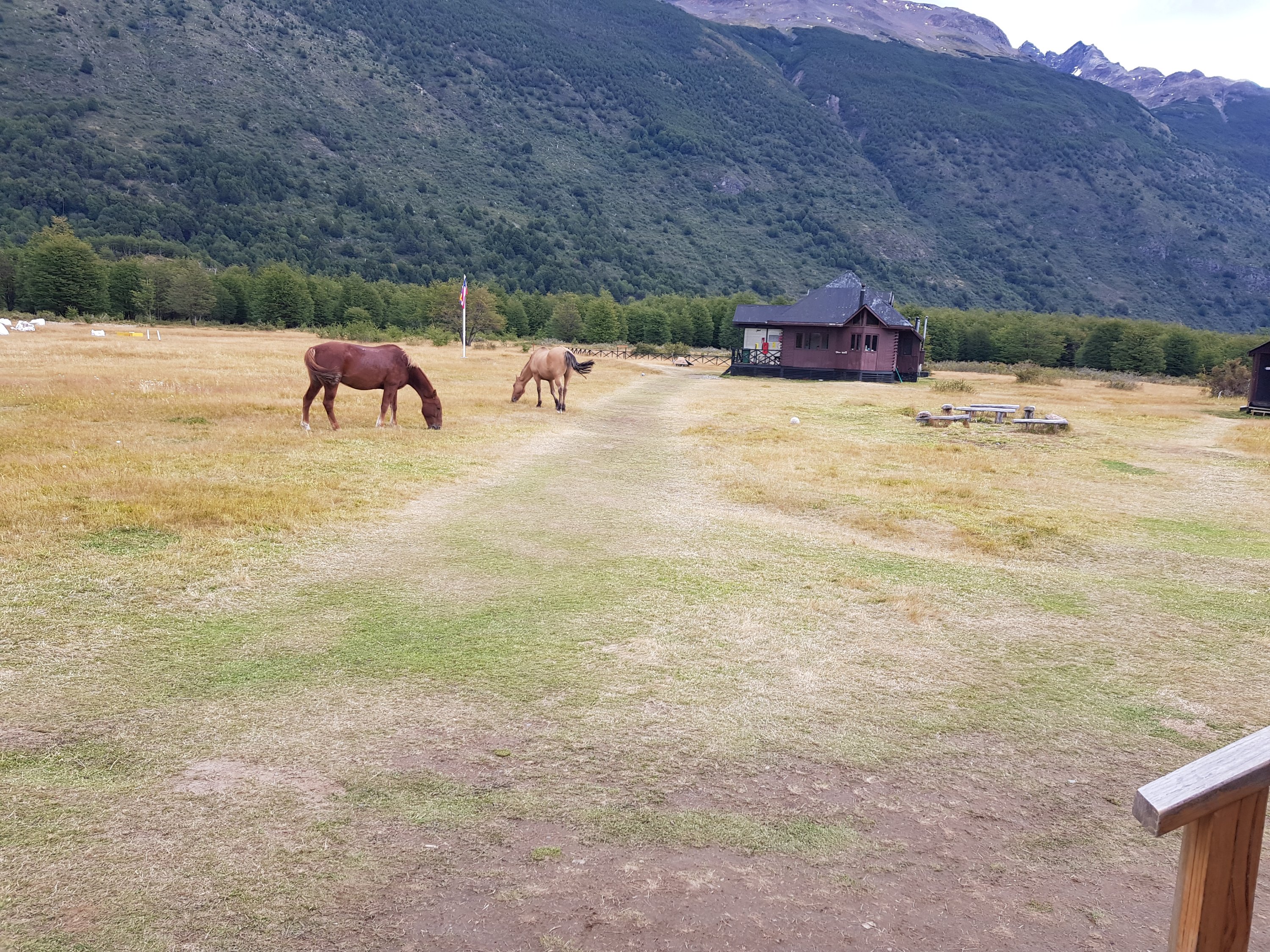
Favourite campsite: Dickson. This campsite was on a piece of land surrounded by lake and glacier, and also had a beautiful ranch feel with horses roaming around amongst the tents.
Least favourite campsite: Frances. Frances had what was needed but it is located in a shady and damp forest, and all the facilities are far away from the tents and down a hill…
The landscape
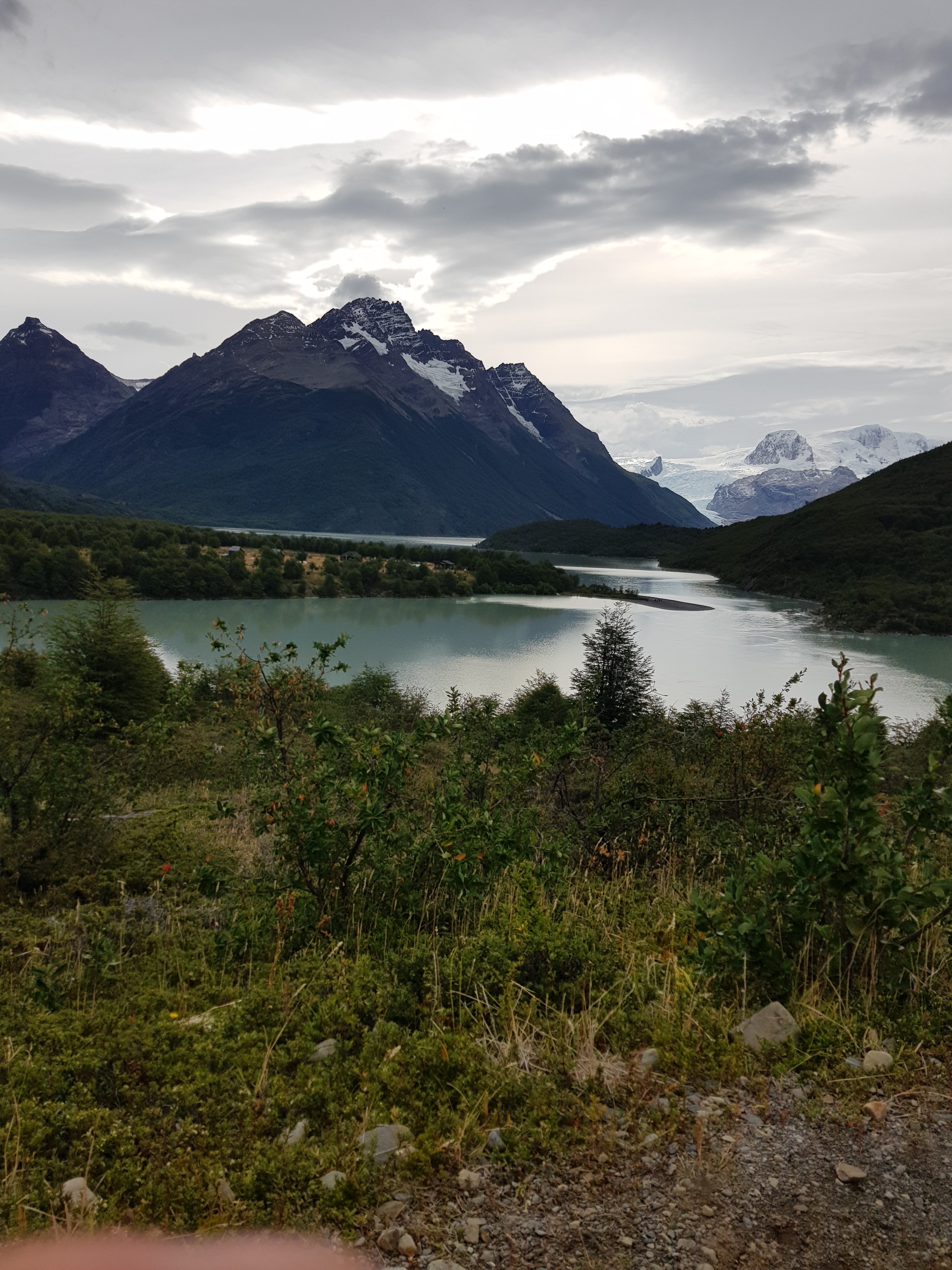
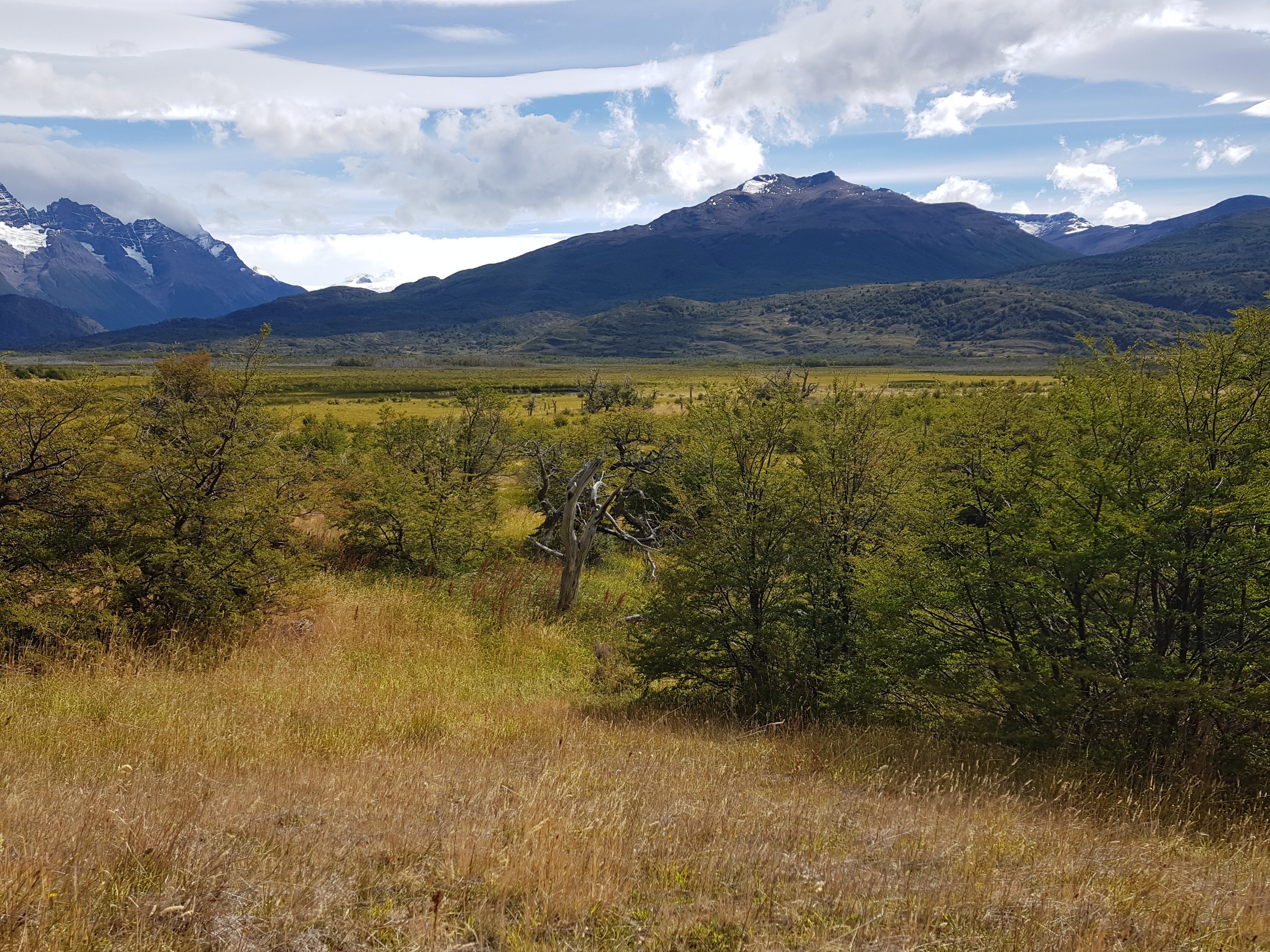
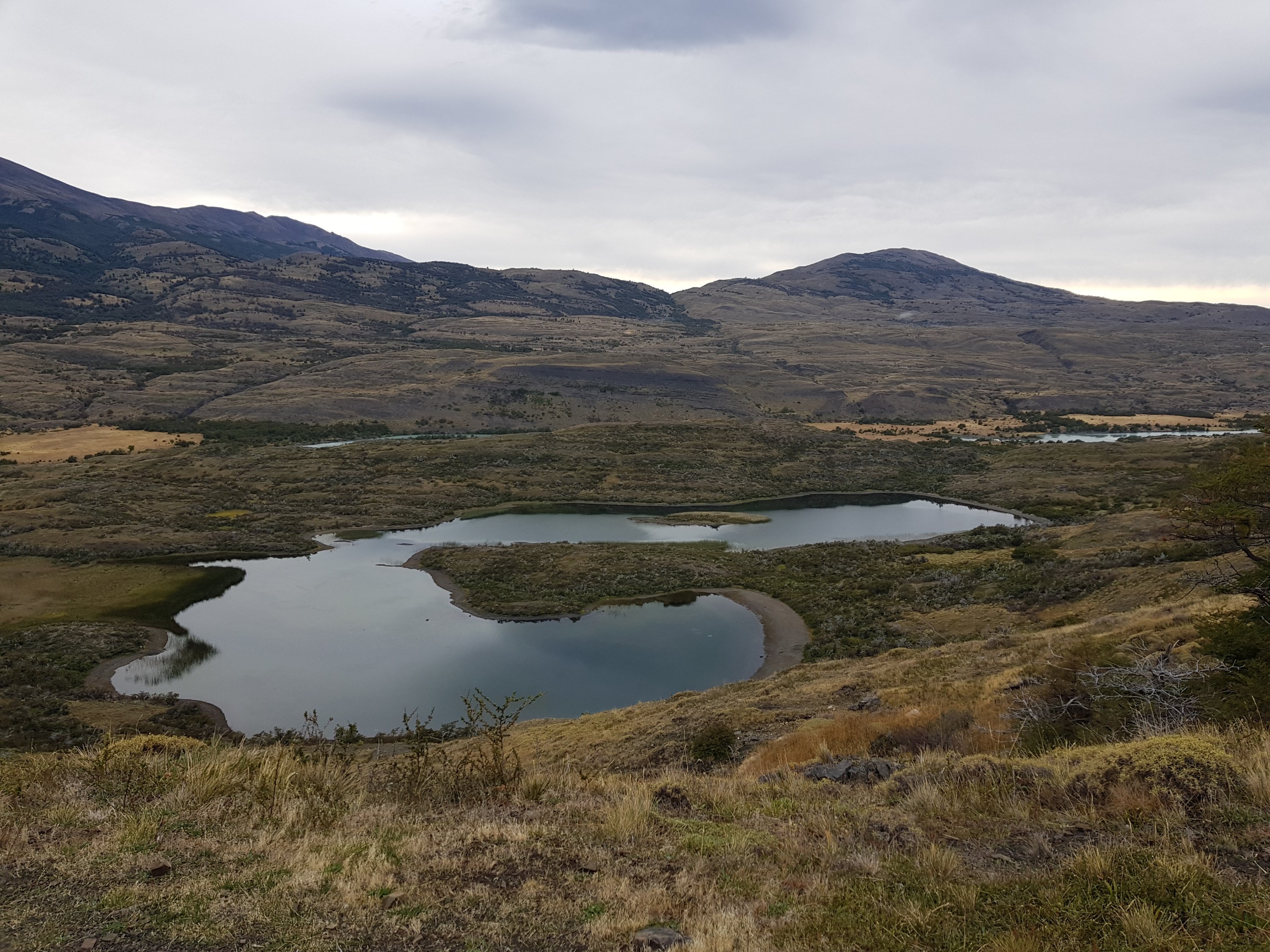
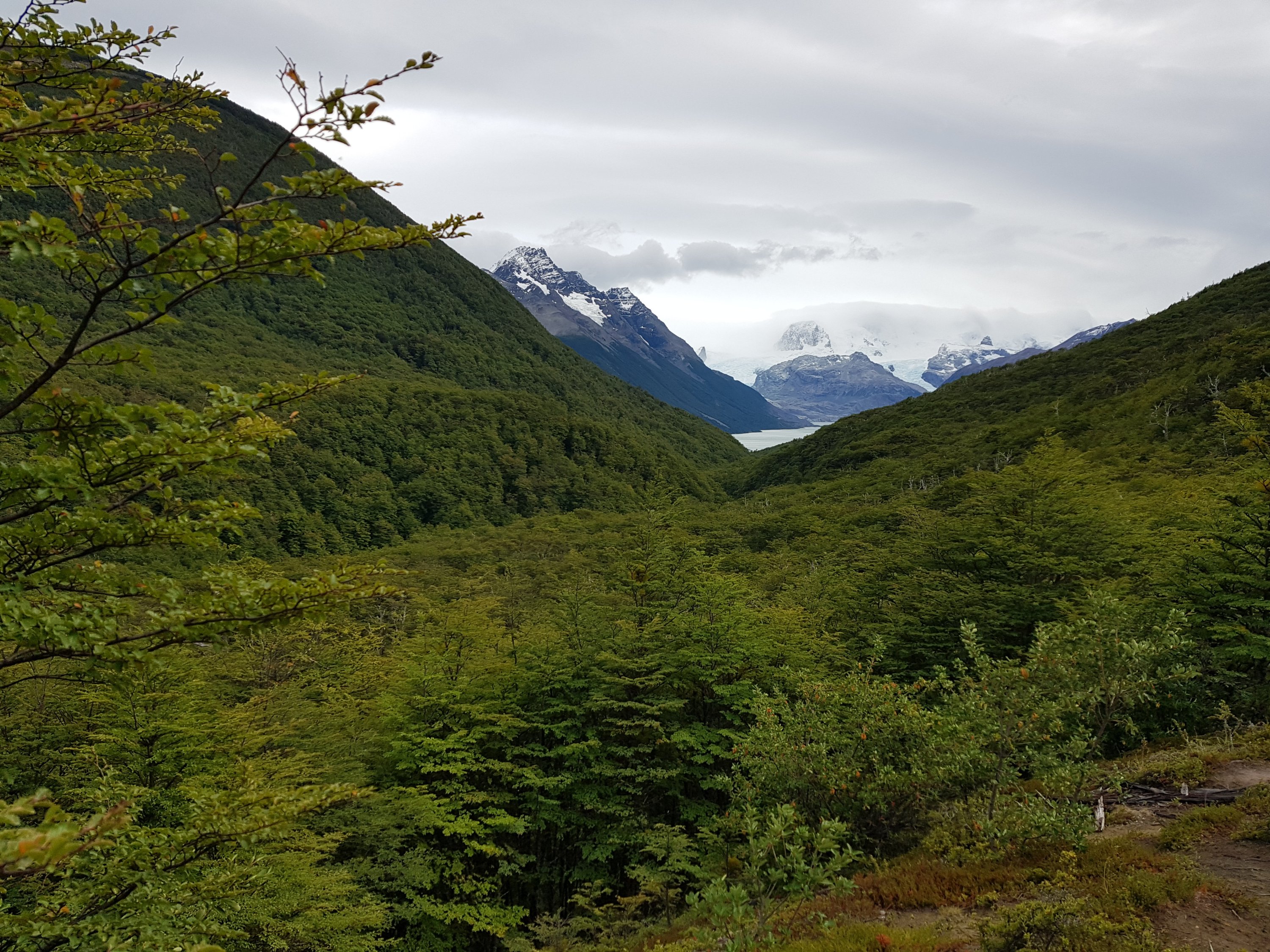
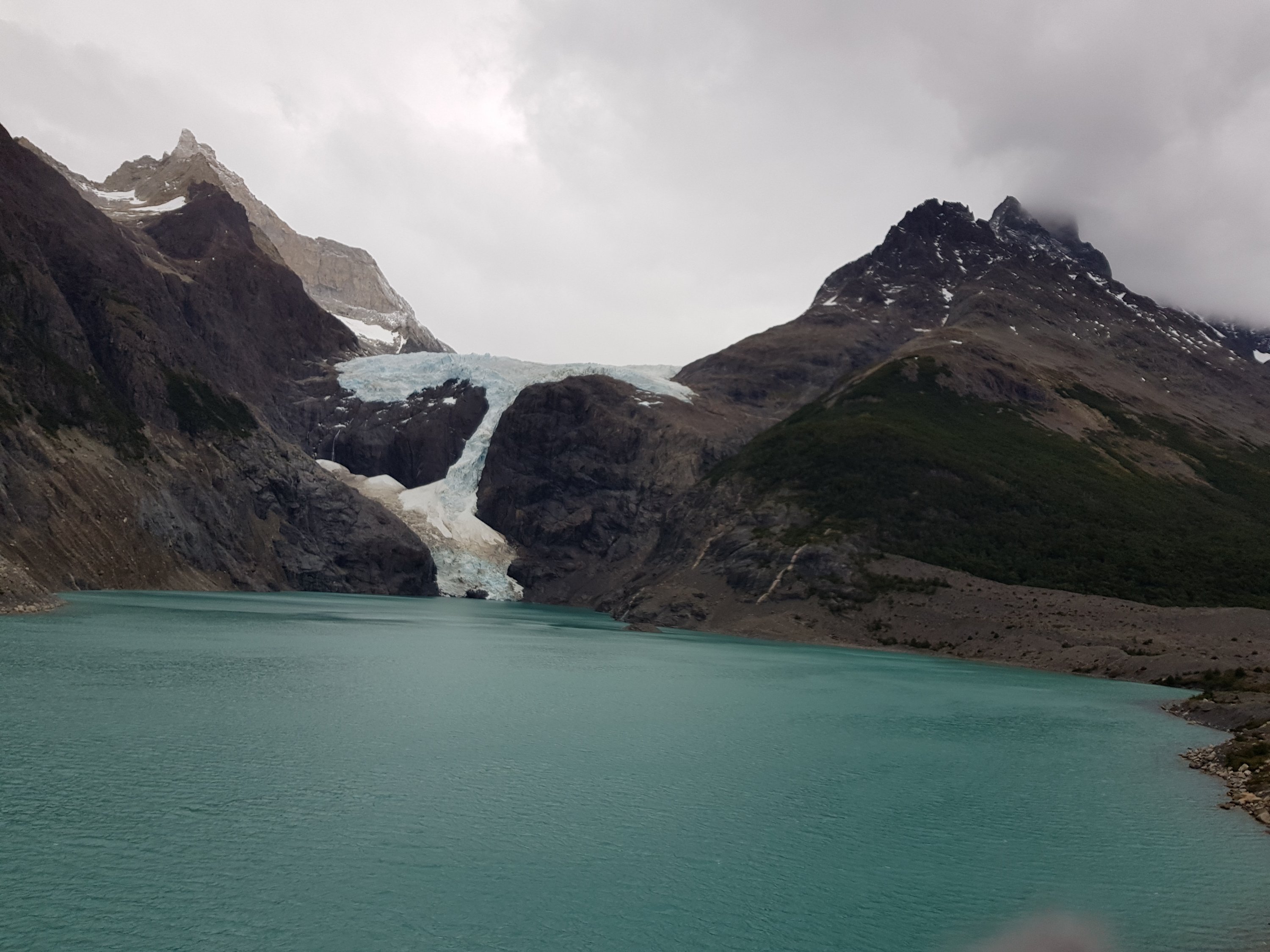
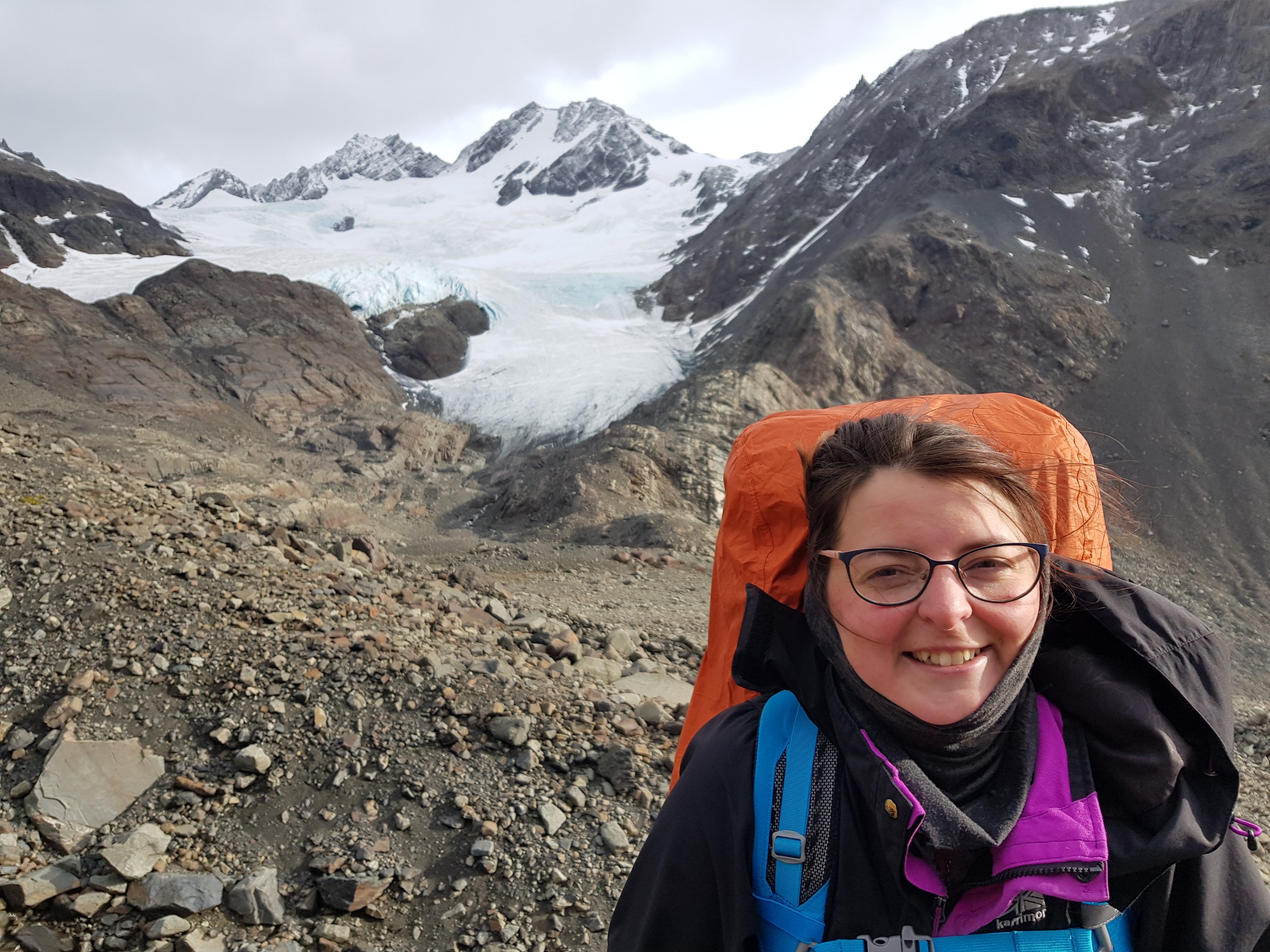
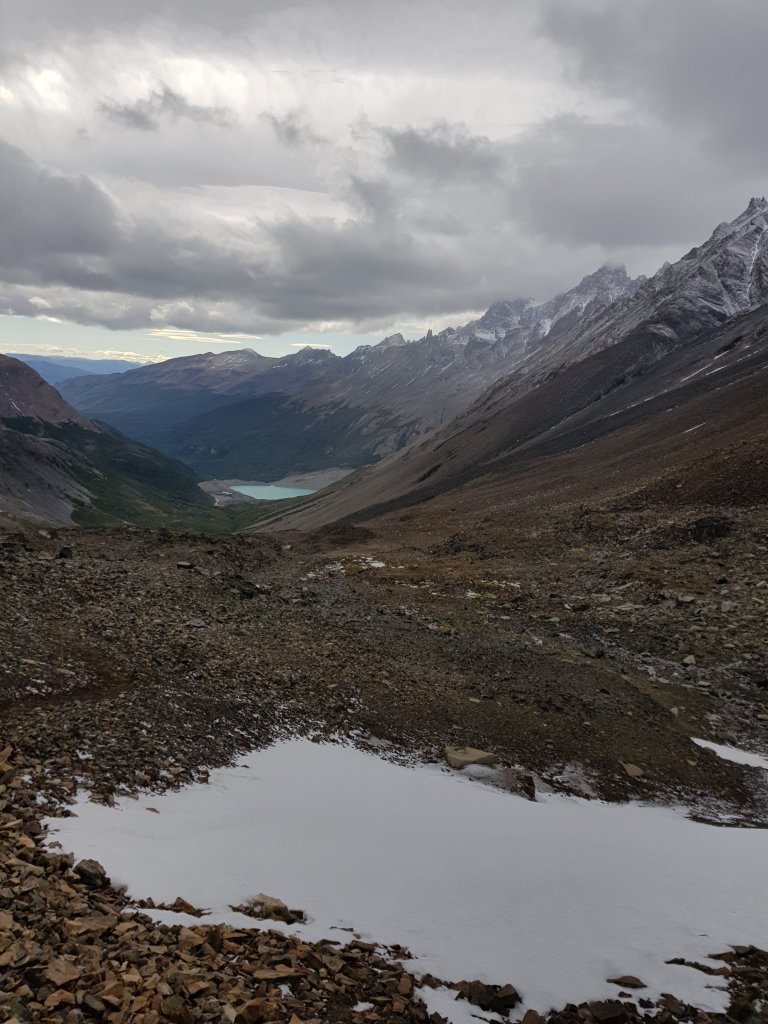
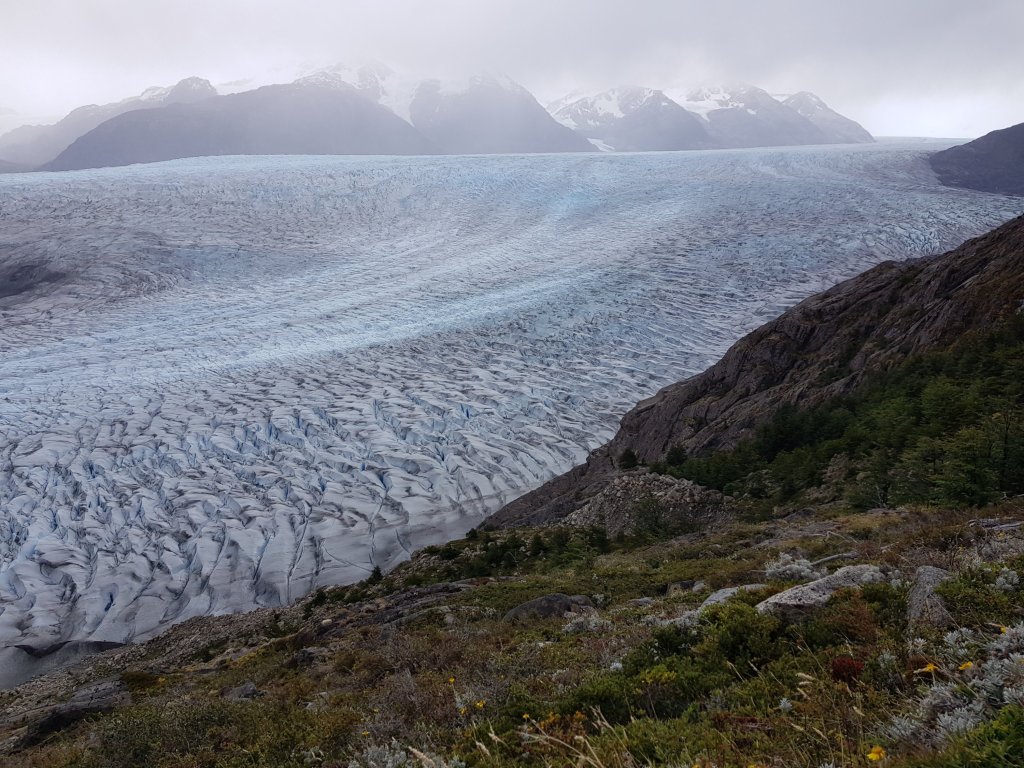
The trek itself is over 100km of varied landscape, and climates! The first day I was walking through long grasslands in hot weather, on the fourth day I was shivering in the snow and wind whlilst gazing over the Patagonian Icefield. Many people will simply do their chosen circuit, whilst others may add in the extra viewpoint trails, or you can even just do a full day walking, sailing or riding excursion through the park.
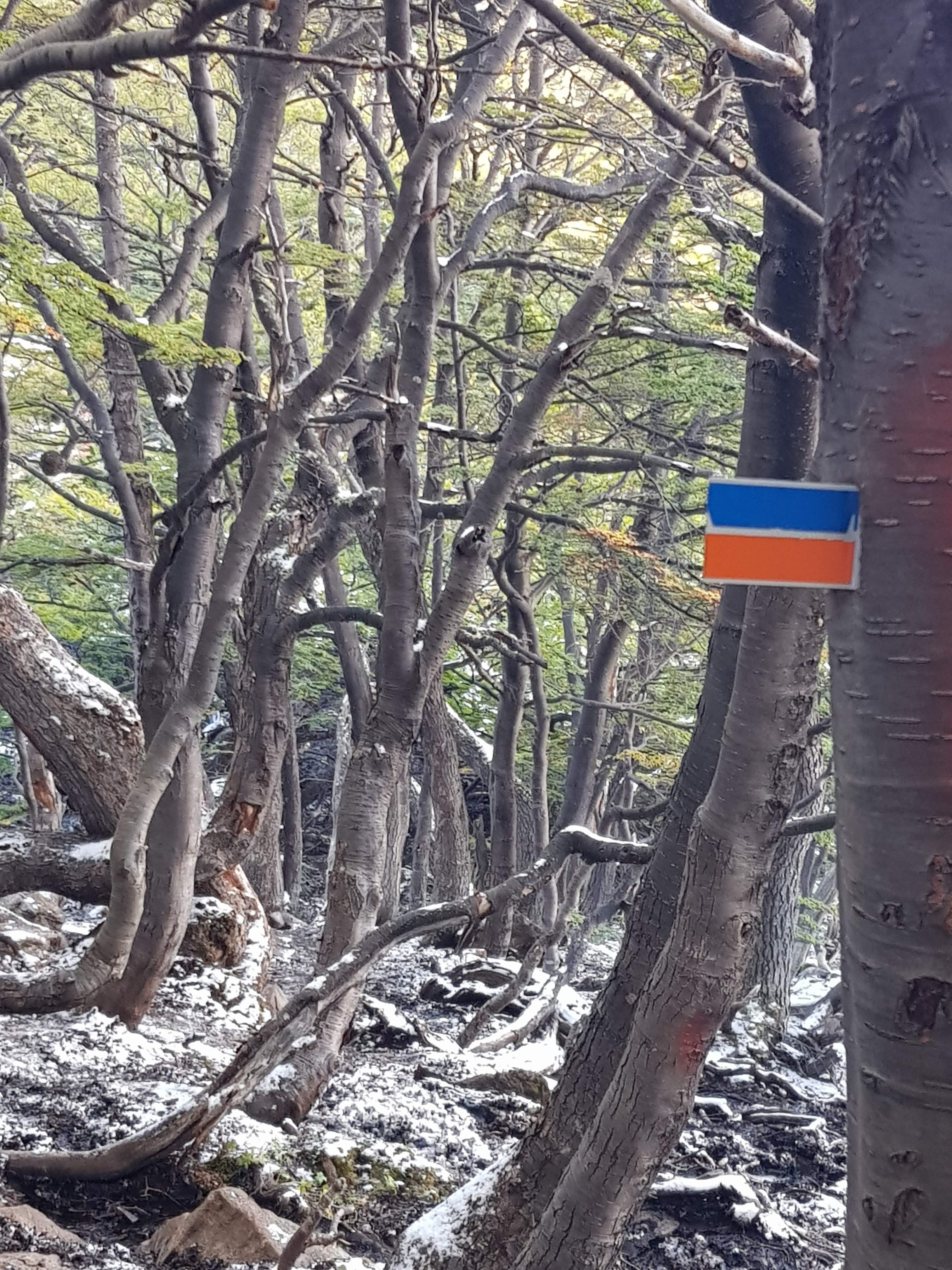
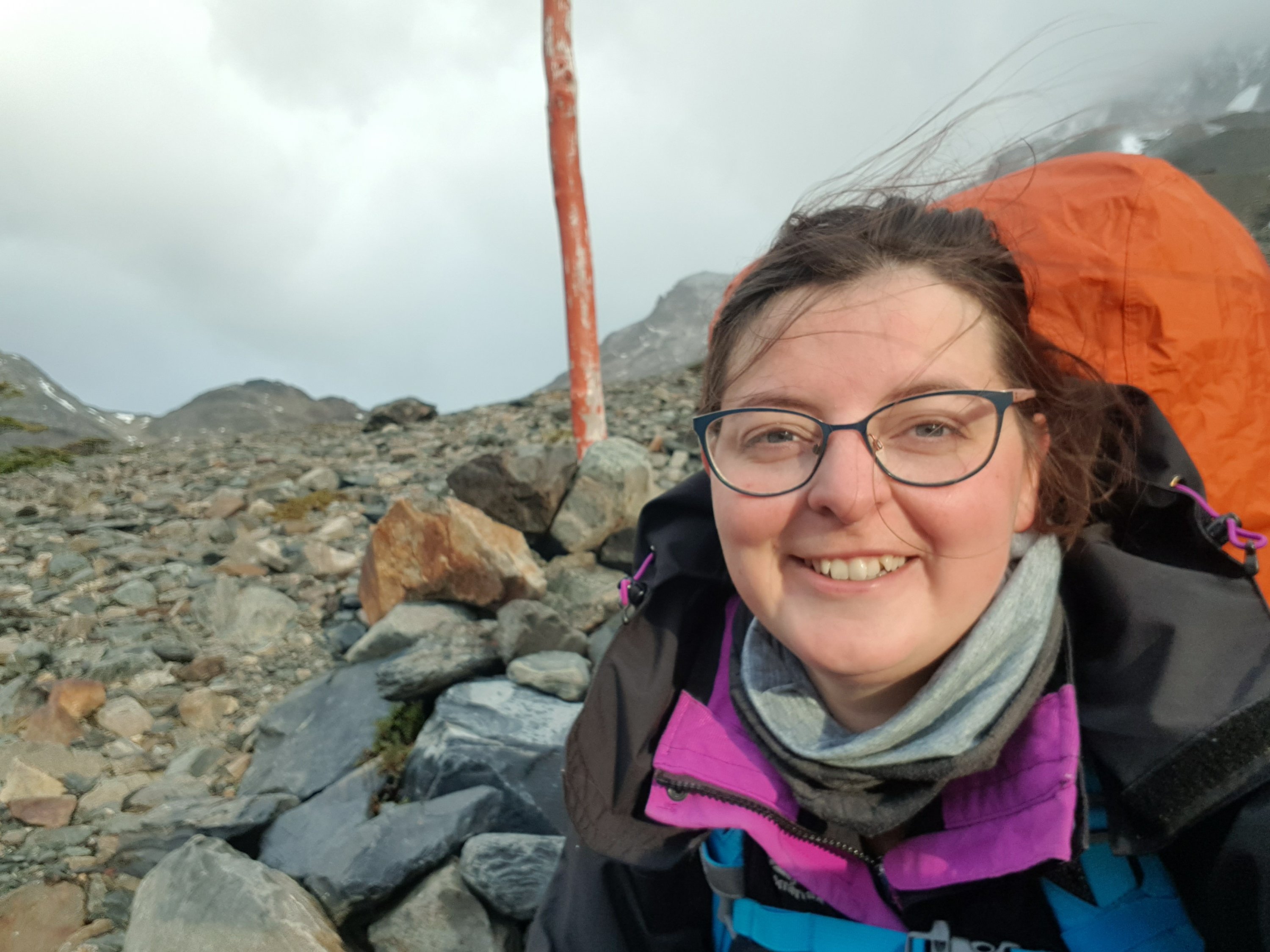
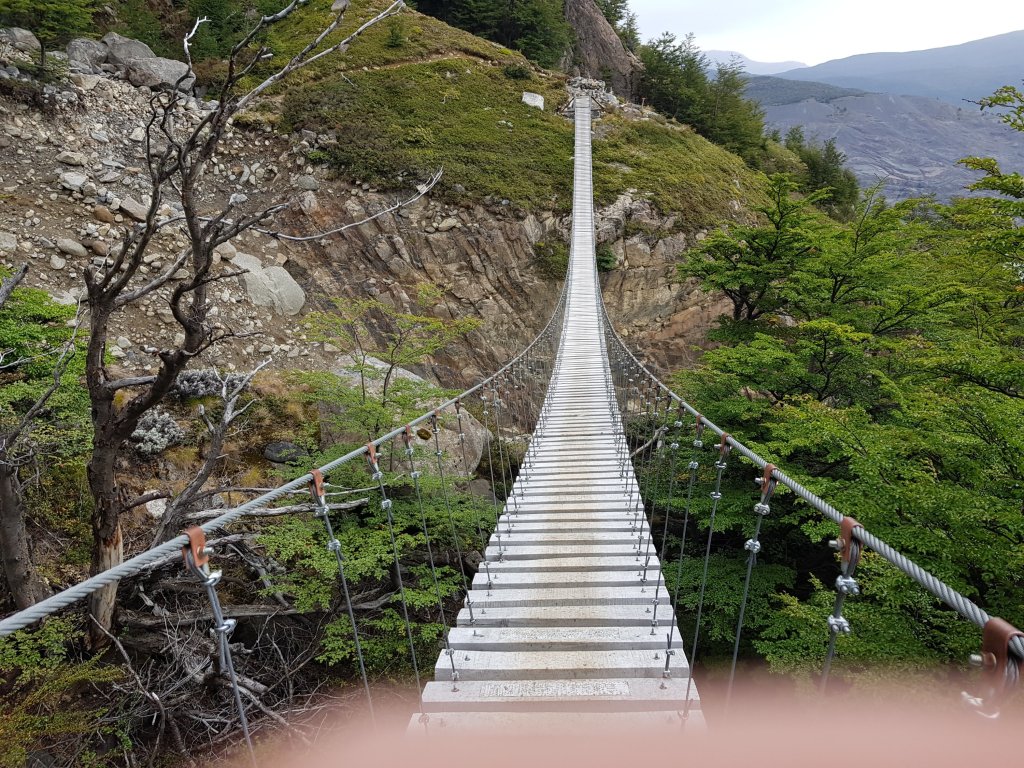
I found the hikes very challenging at times, especially as a solo walker. This was mainly because of some of the heights of the rock faces on the trail. I had to throw my very heavy bag ahead of me and boulder a couple of times which was nerve wracking with no one there. Whilst the paths are very rough, the way markers are very consistent and I was impressed by the placement of some of them.
There is a variety of plants and animals to see, I was very nervous about coming face to face with a puma as they live in the park, but in the end my only animal sightings were a noisy woodpecker above my tent and the poo left behind by a fox! If you are determined to see a puma though (I was not) you can join special expert tours to track and watch them.
Having done the full circuit now, I would definitely recommend the ‘O’ to anyone that thinks they could manage it. The authenticity, and atmosphere were better than the ‘W’ circuit which is much more commercial. The park is absolutely beautiful and I would love to visit again and do more activities there.
Following my visit to Argentina’s Lake District, I continued my journey South into the center of the Patagonian region and one step closer towards the bottom of the world. This area is full of mountains, and glaciers, and many national parks!
Perito Moreno
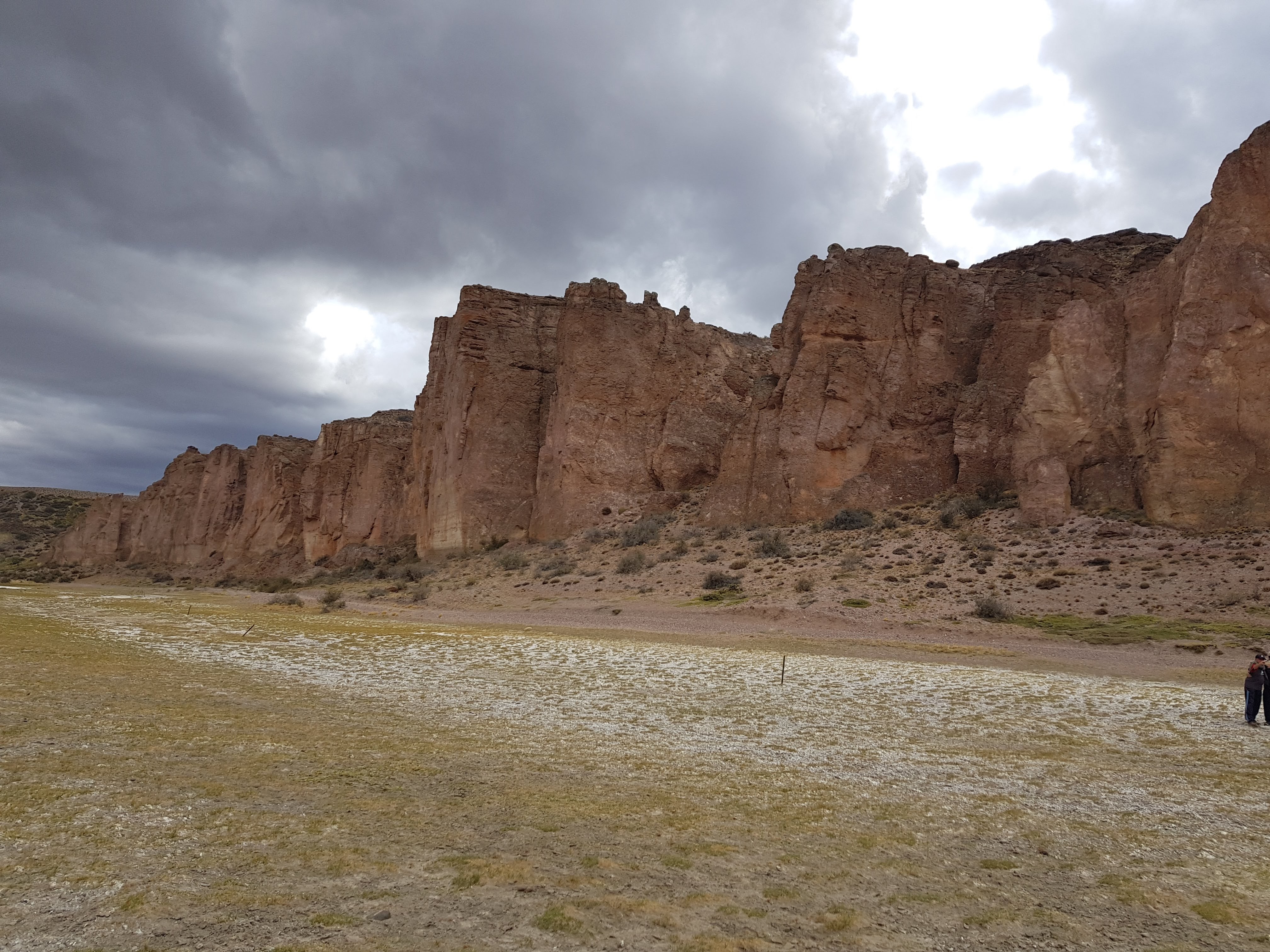
After a 13 hour bus journey from El Bolson, I made it to the small town of Perito Moreno. I was the only person to exit the bus at 1am and make my way to my little wooden cabin in the town centre. I had come here for only one reason, to see the Cueva de las Manos, only accessible by car or tour.
Cueva de las Manos (Cave of Hands)
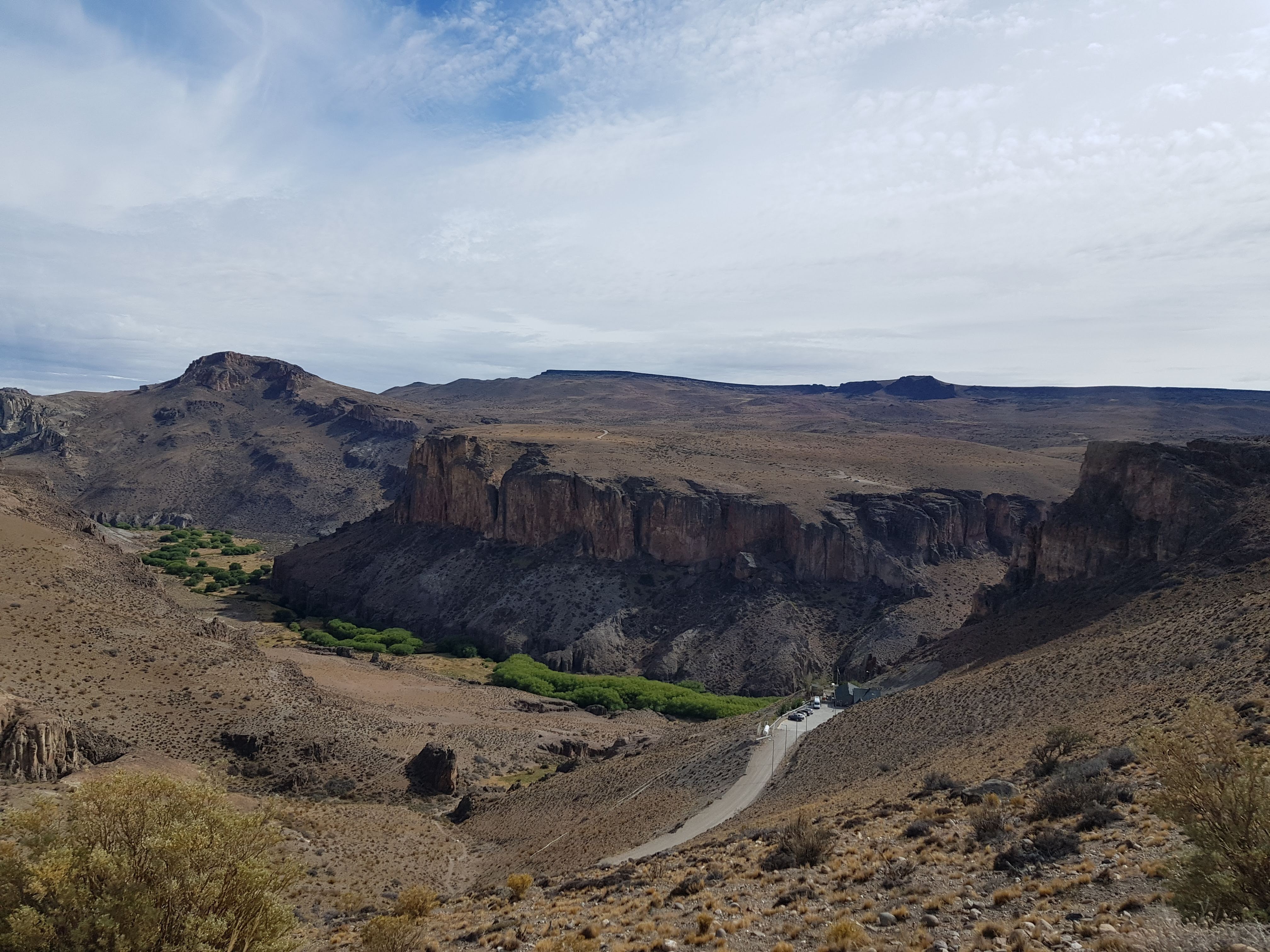
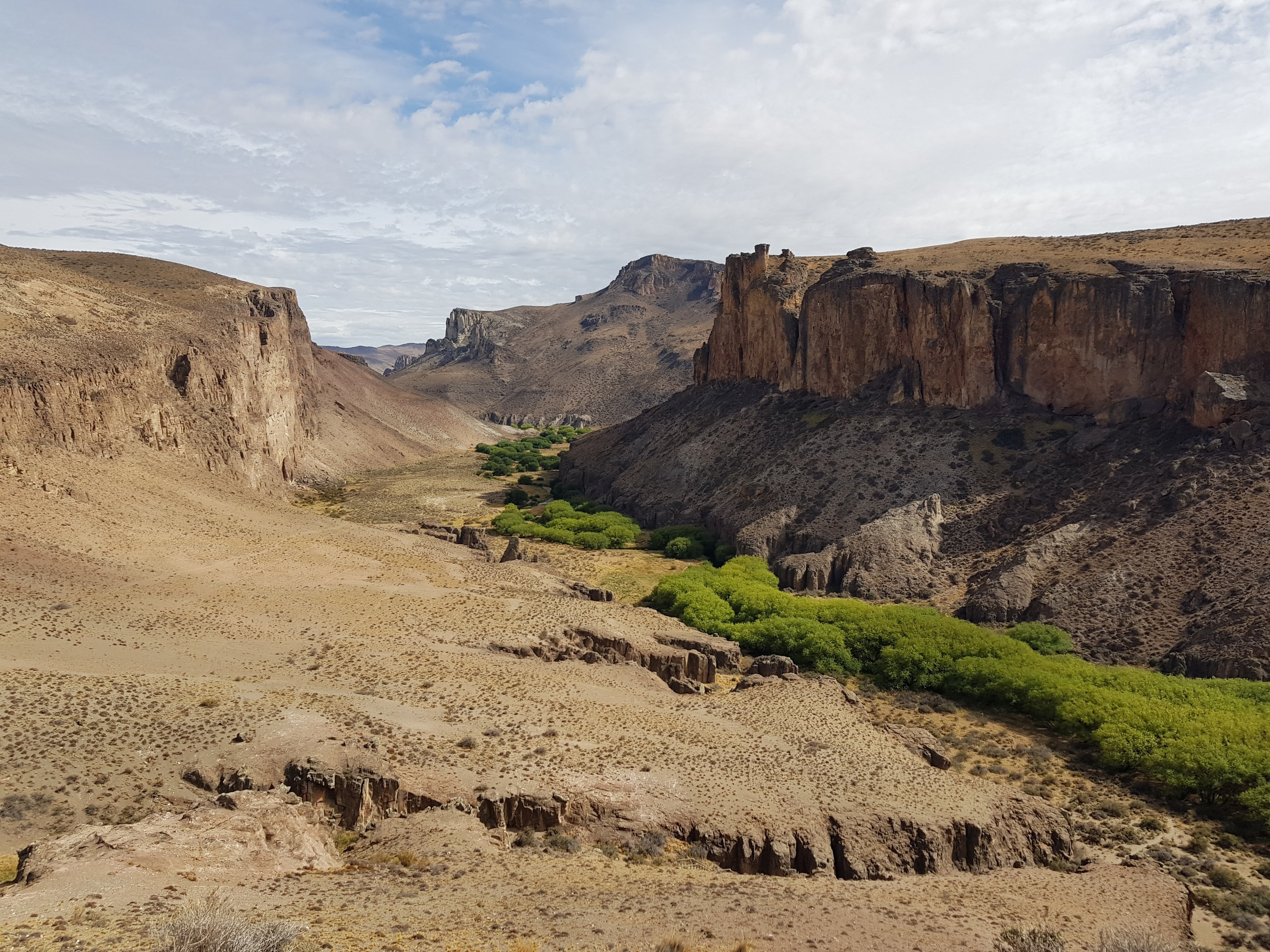
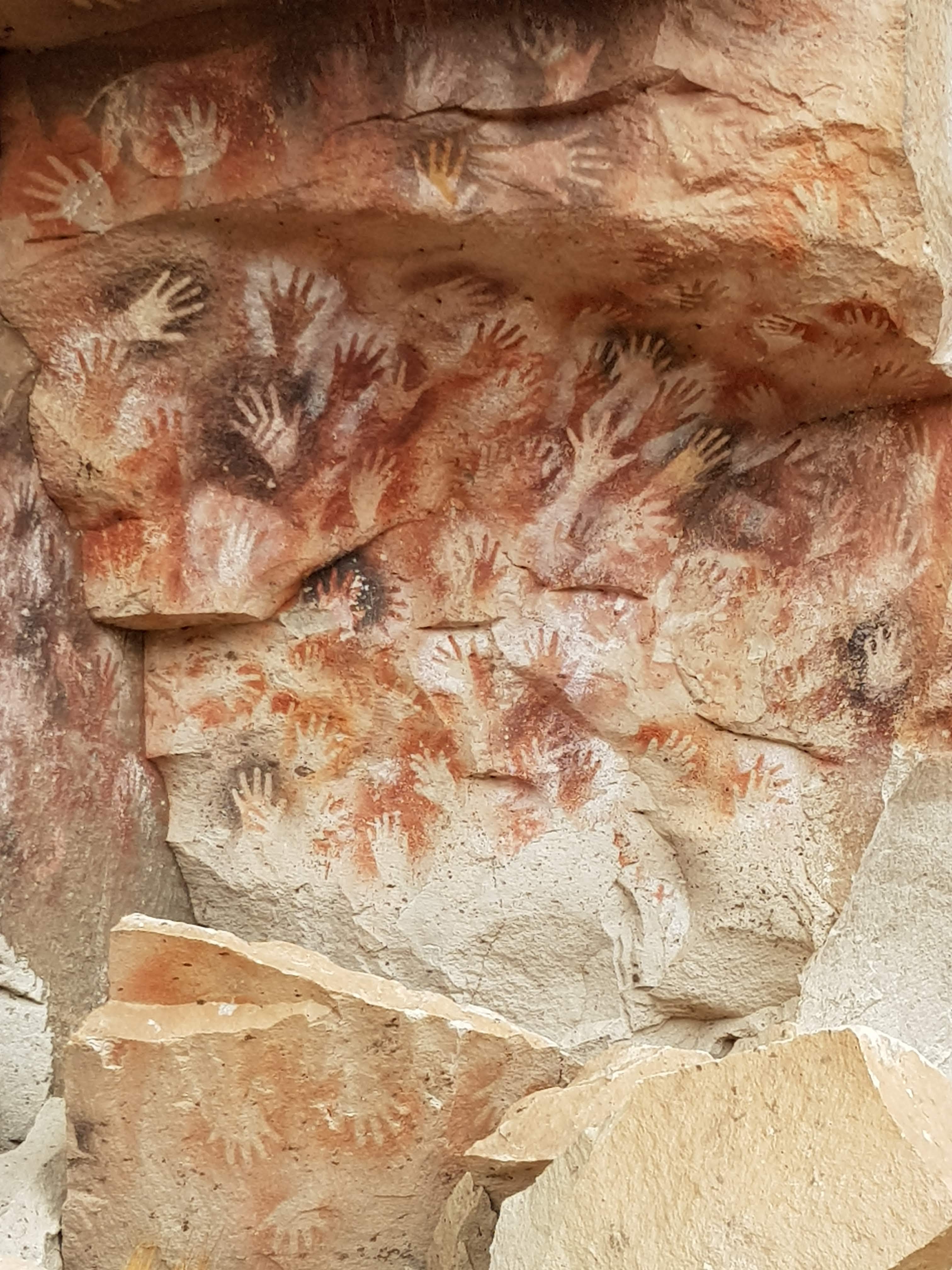
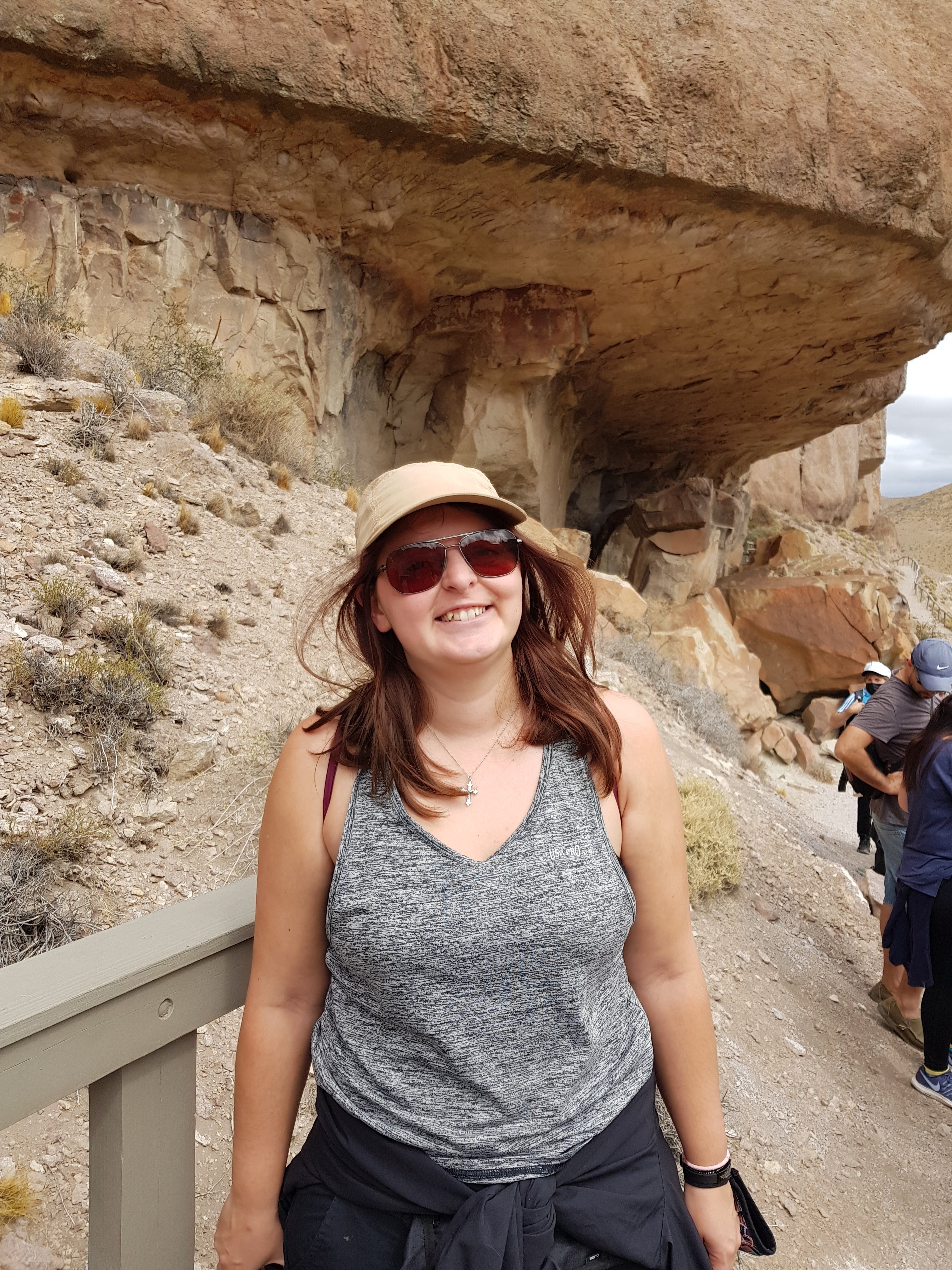
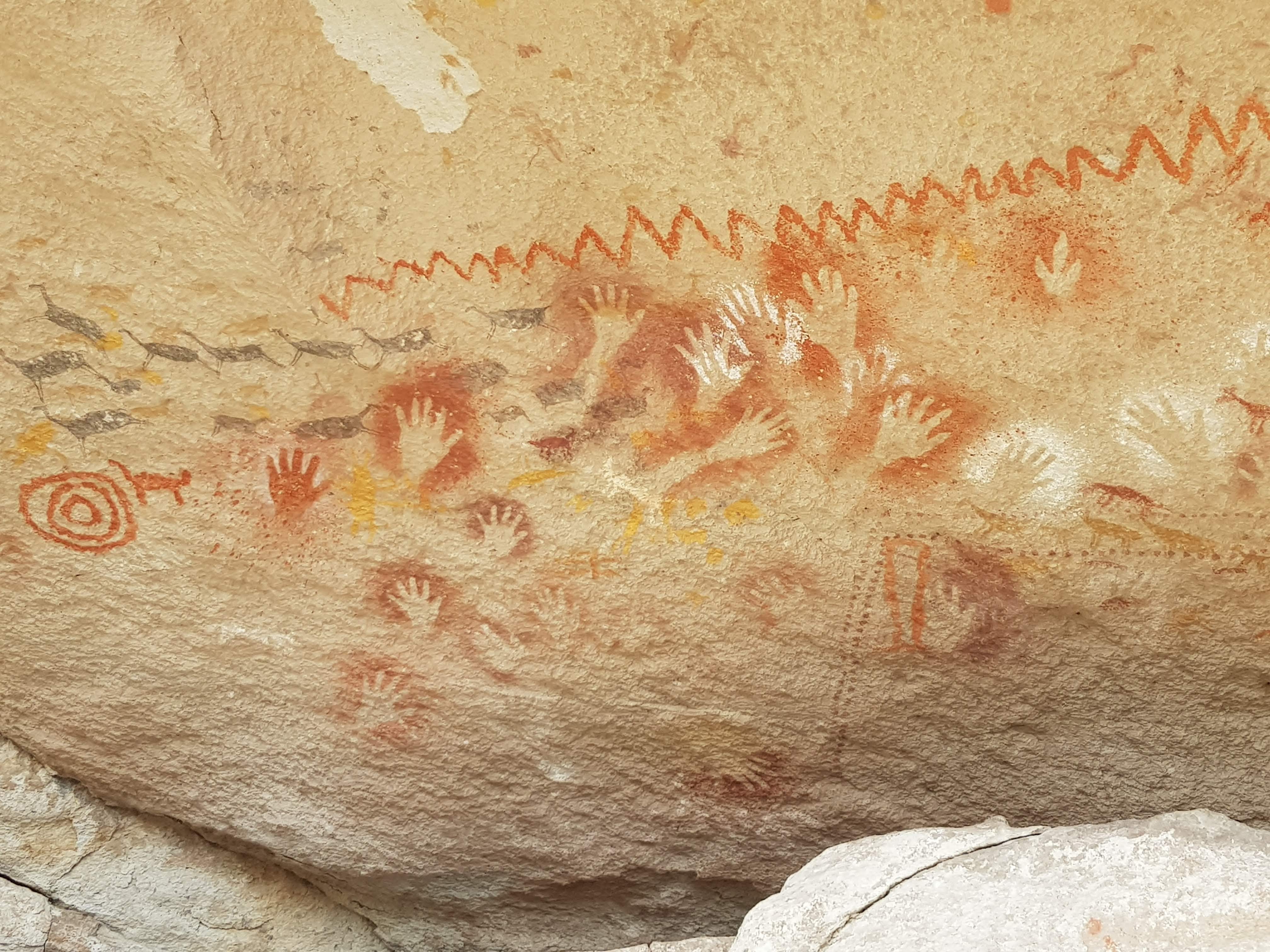
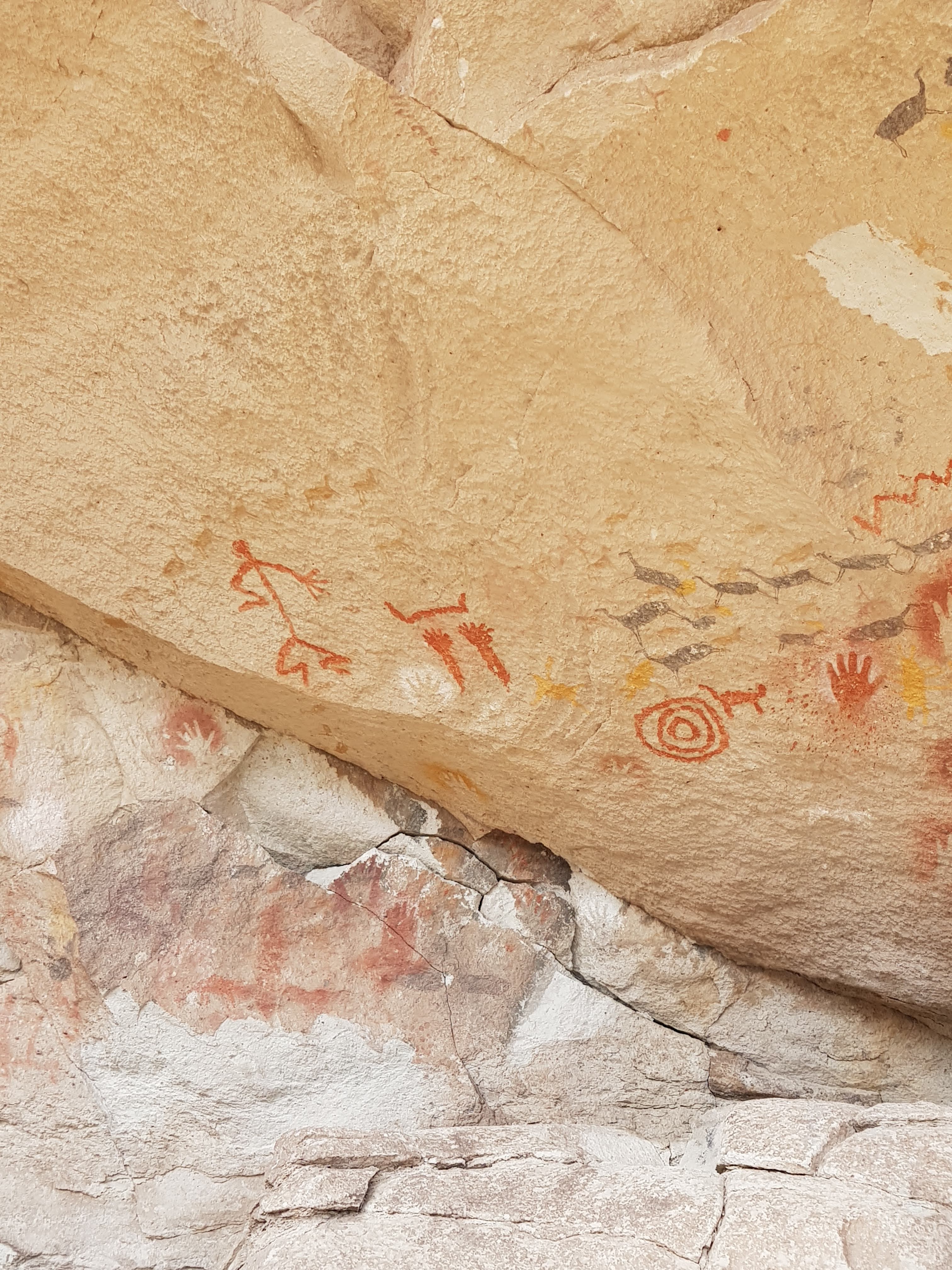
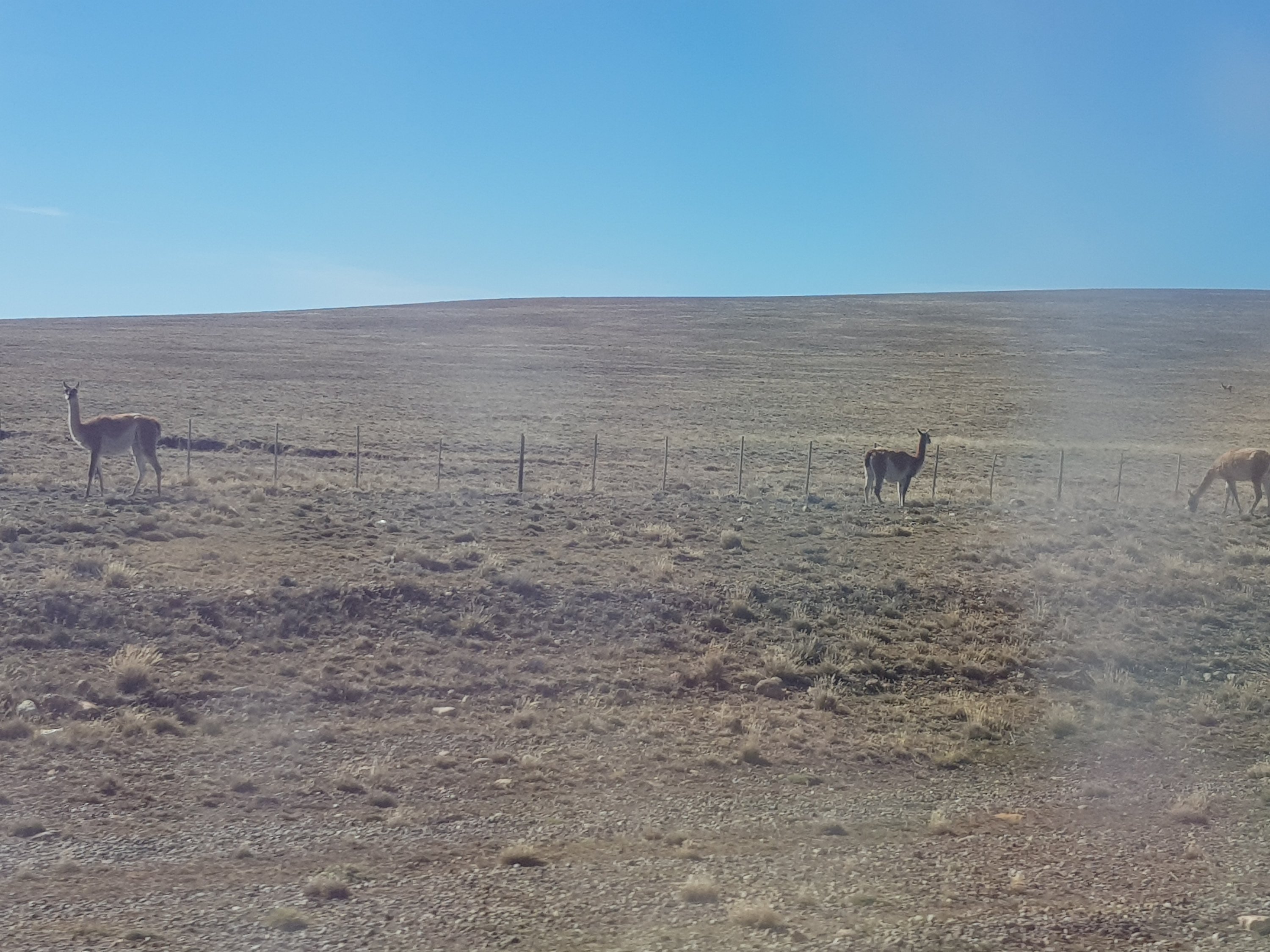
I joined a tour group of Argentine people, and we made our way across some very bumpy roads and past wildlife and huge canyons, before finally arriving at the UNESCO site of Cueva de las Manos. This world famous spot has an amazing collection of ancient cave paintings and hand prints, not inside the cave but across the front of it, along a huge rock face. The guide on the site escorted our group through a long boardwalk running across the side of the paintings and with views of a canyon on the other side.
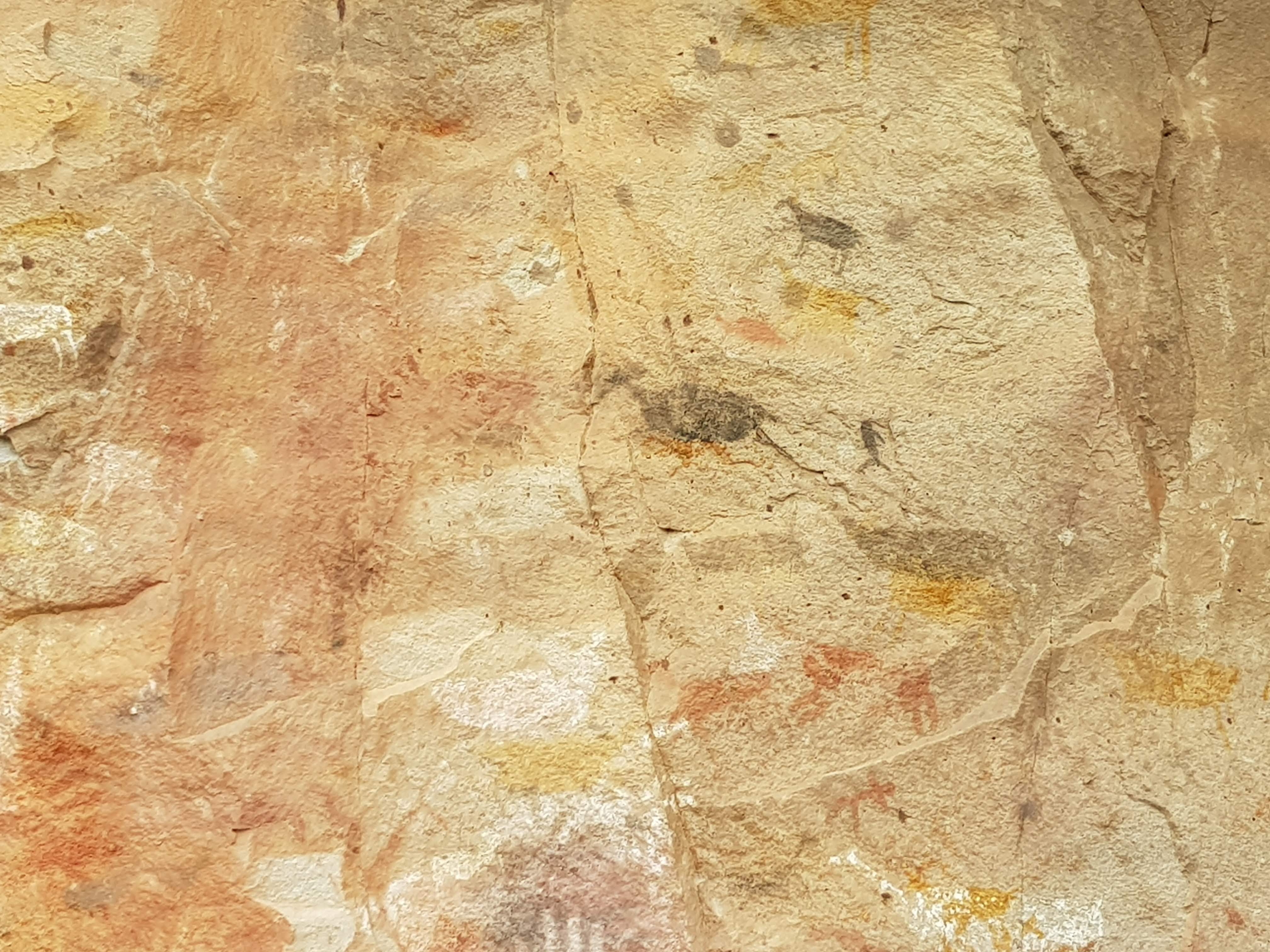
These amazing paintings crowd the walls and include handprints of adults and children from possibly three different times. You can also see illustrations of animals that they would hunt, geometric shapes, that are suspected to represent a map, and there is even a suspected paw print of a puma! The whole collection is made up of different colours, including yellows and bright blues, and are made from different natural materials. I imagine that the person that discovered this must have been completely astonished by all the haunting raised hands.
Patagonia Park
The tour also included visits to other interesting locations nearby such as the Patagonia Park, which had huge salt flats to see.
The locals prepared a lunch for our group of traditional and locally produced food. It was delicious and in true Argentine style, the portions were huge. I tried to tell the people in the group that I was full, but the little old ladies in the group said they wanted to fatten me up and they are like my ‘abuela’ (grandma) and want to look after me! haha
Coloured mountains
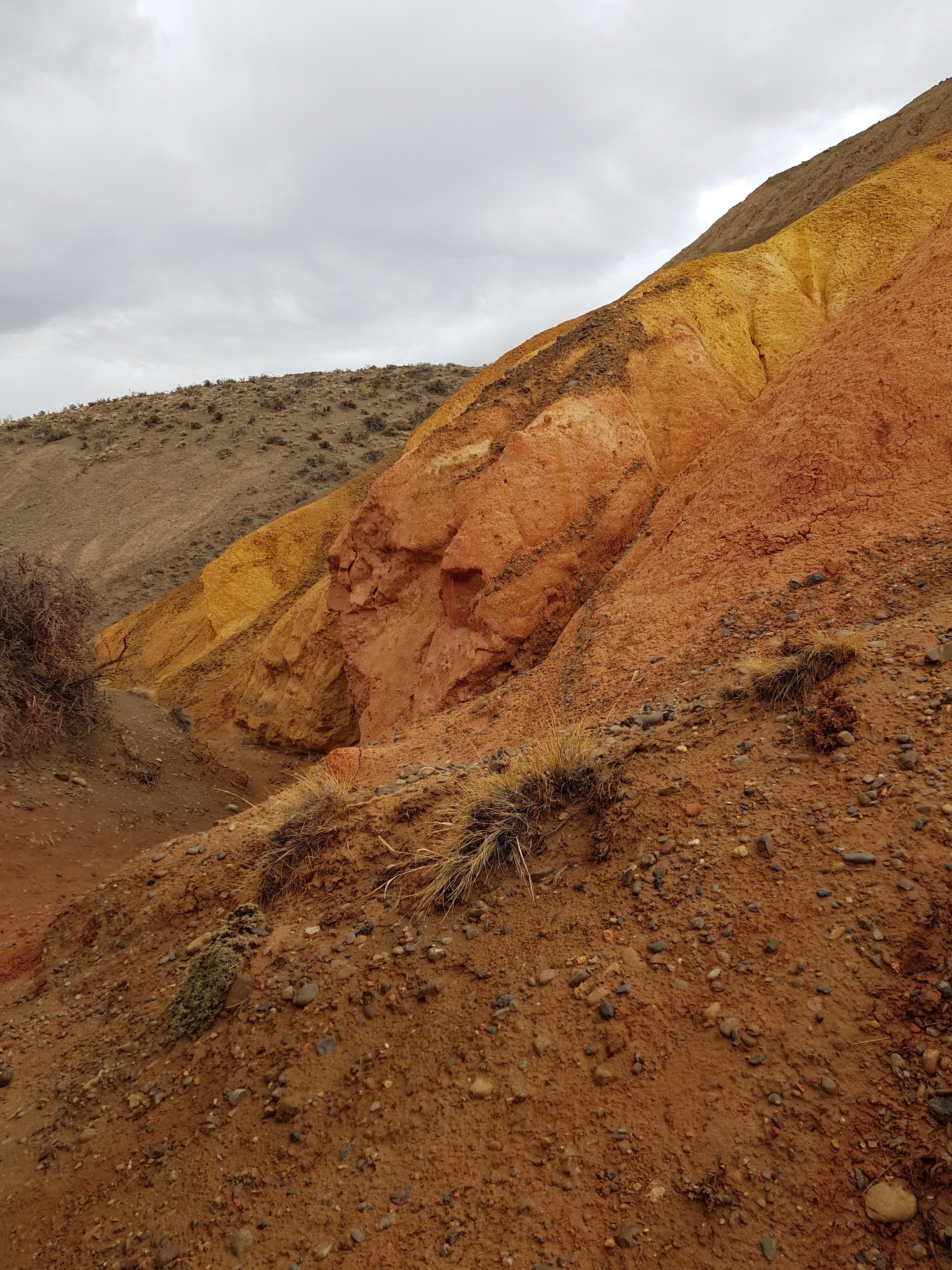
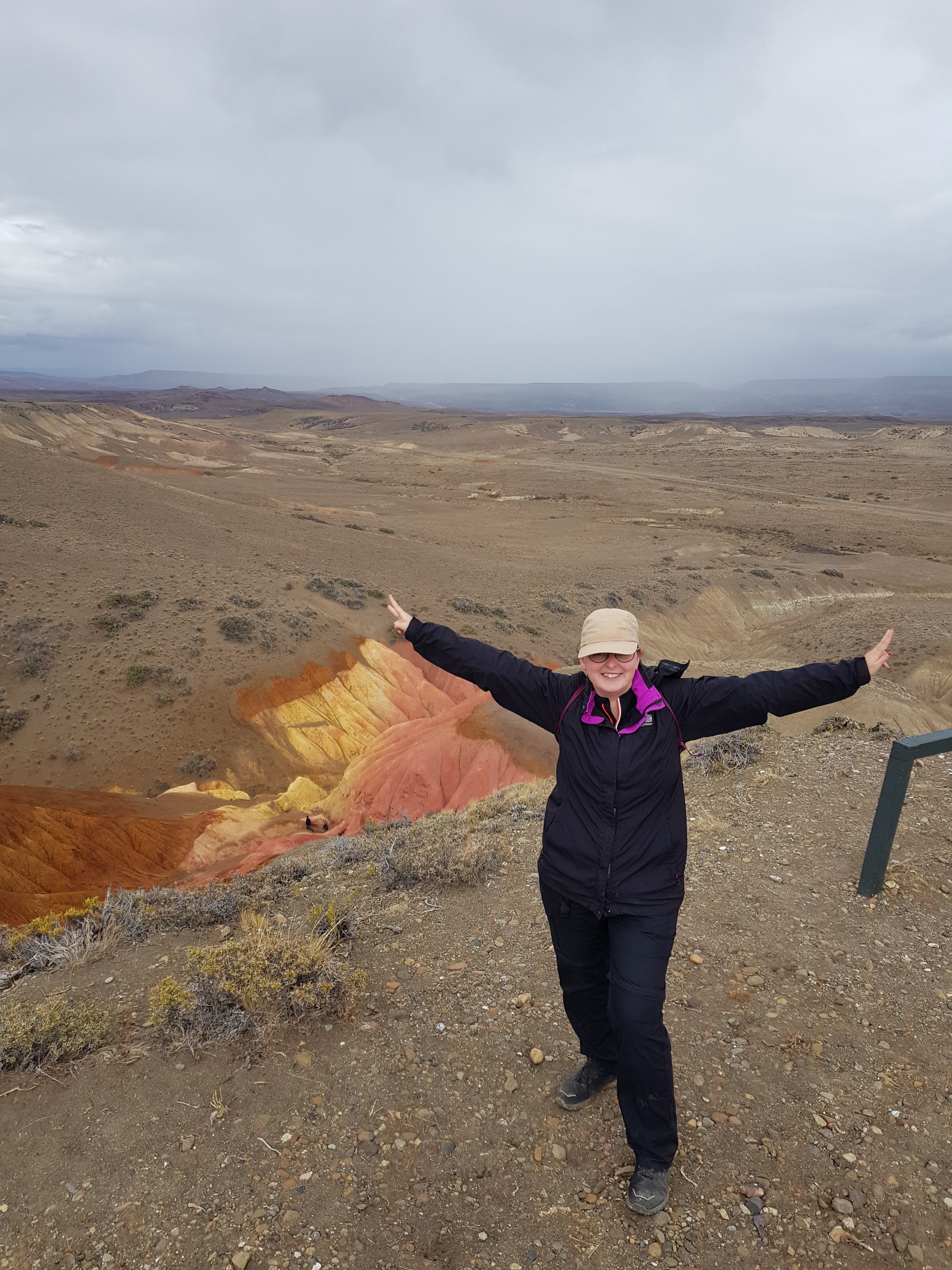
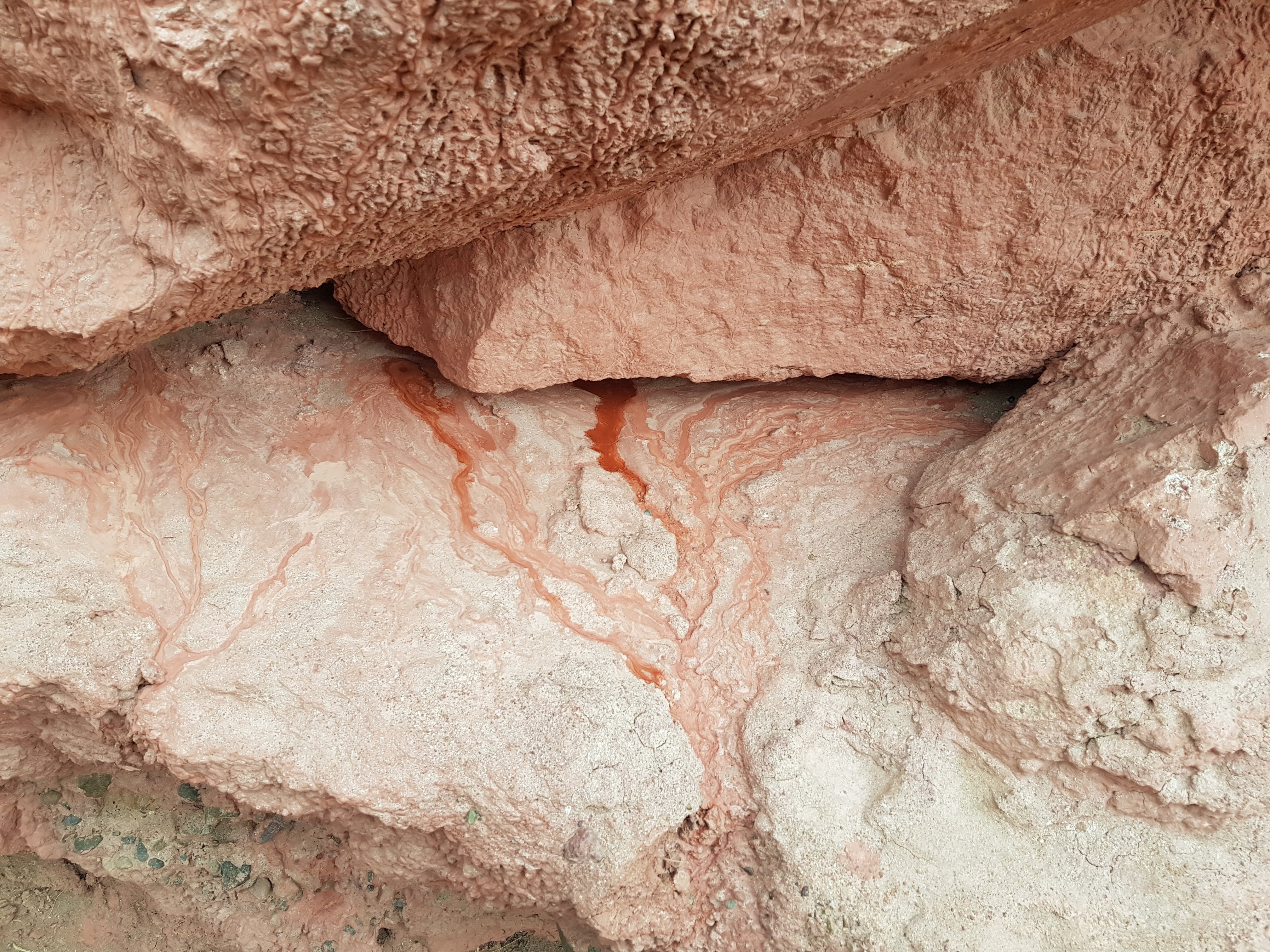
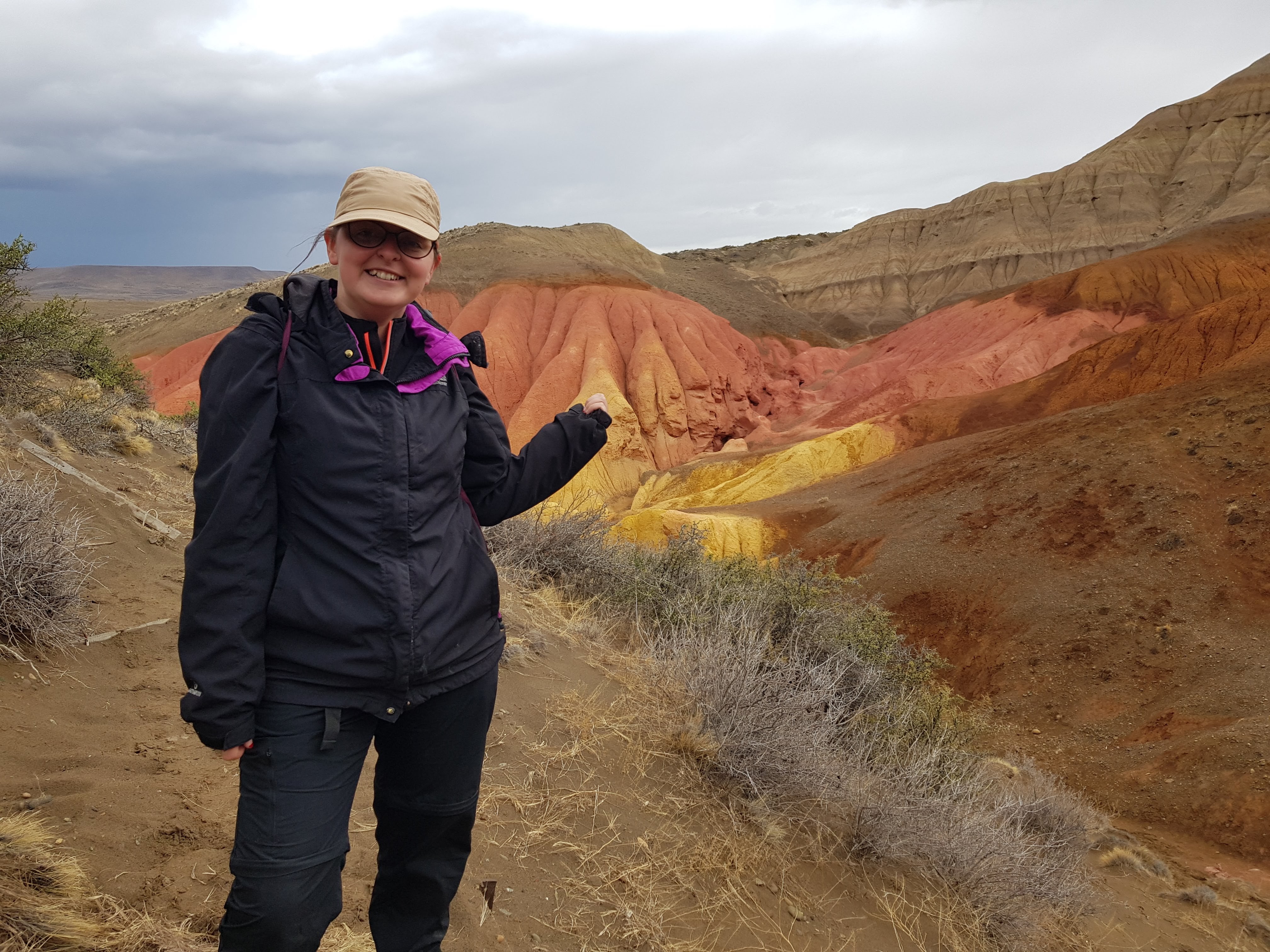
The last stop was an hour hike over some amazing hilltops/mountains that were brightly coloured in oranges, red and yellows. This is due to the properties in the rocks and all the minerals being brought out by rainfall. It was pretty awesome, and the short walk to the top gives you an amazing view!
El Chalten & Fitz Roy
Next stop on my trip was to the little town of El Chalten. Getting there was a struggle. It had been raining the night before, and so they rerouted the bus to the only other motorway that took us to the bottom of the country then we turned back around and went back up… A 10 hour journey took 18 hours… craziness.
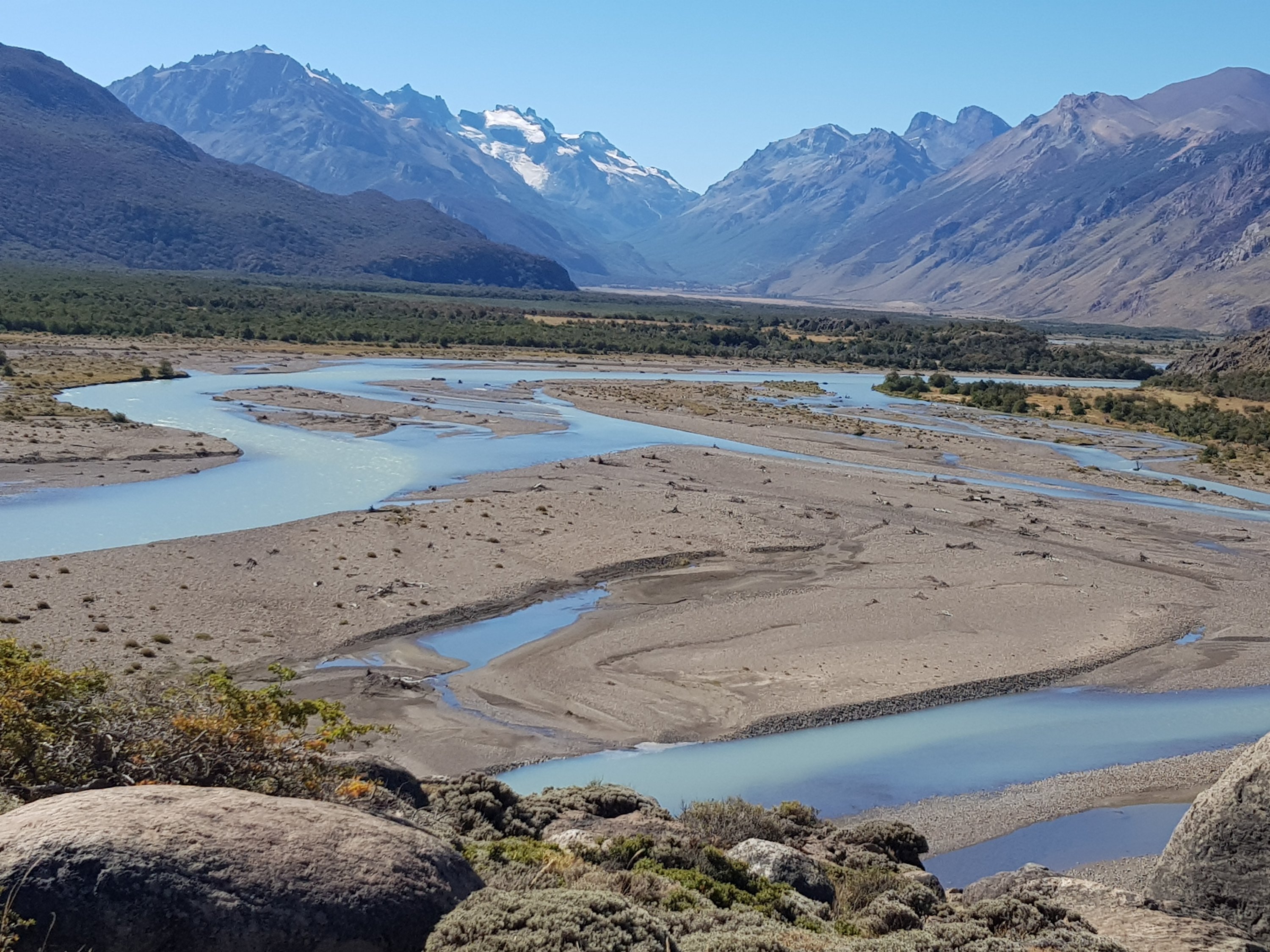
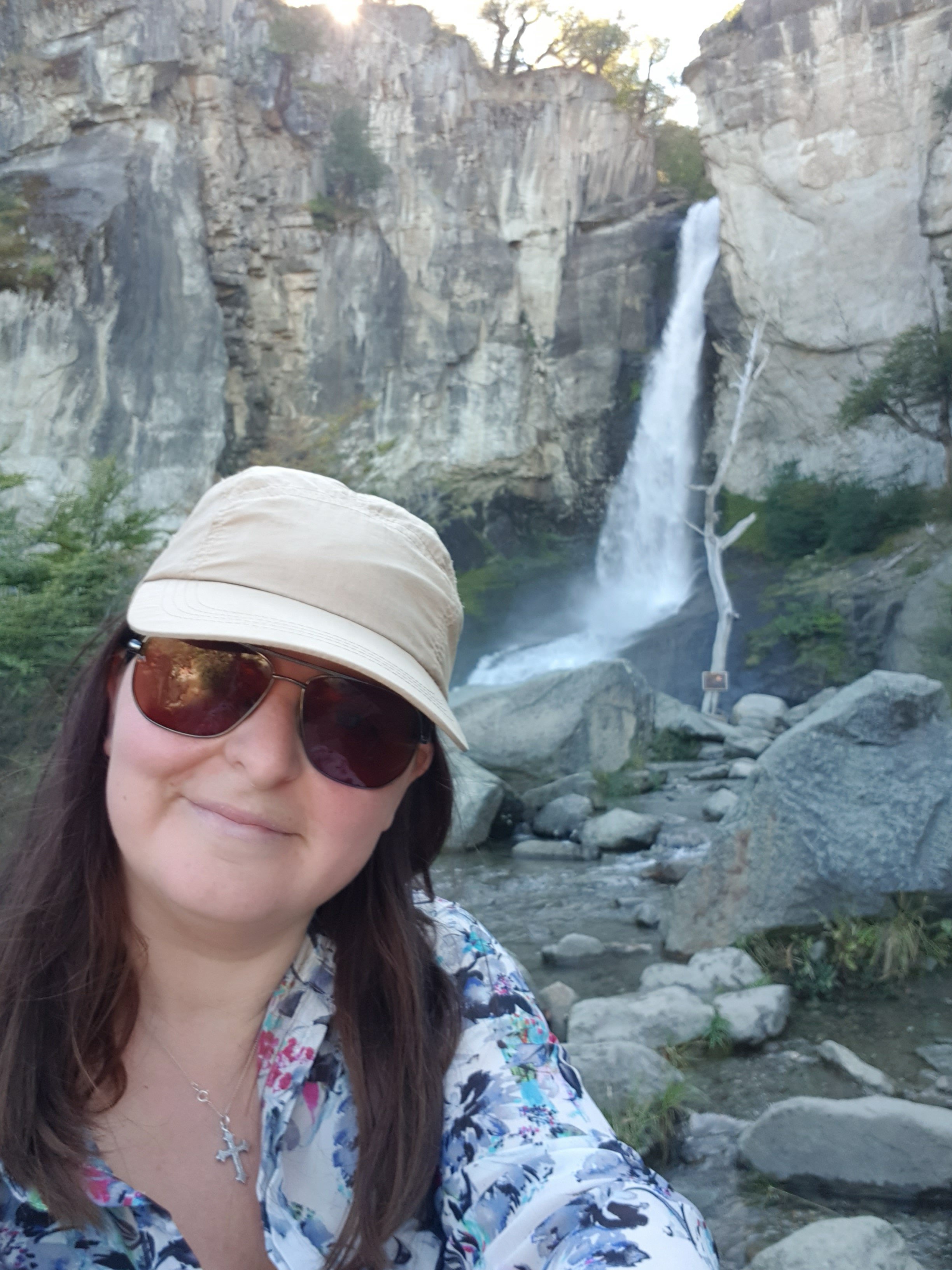
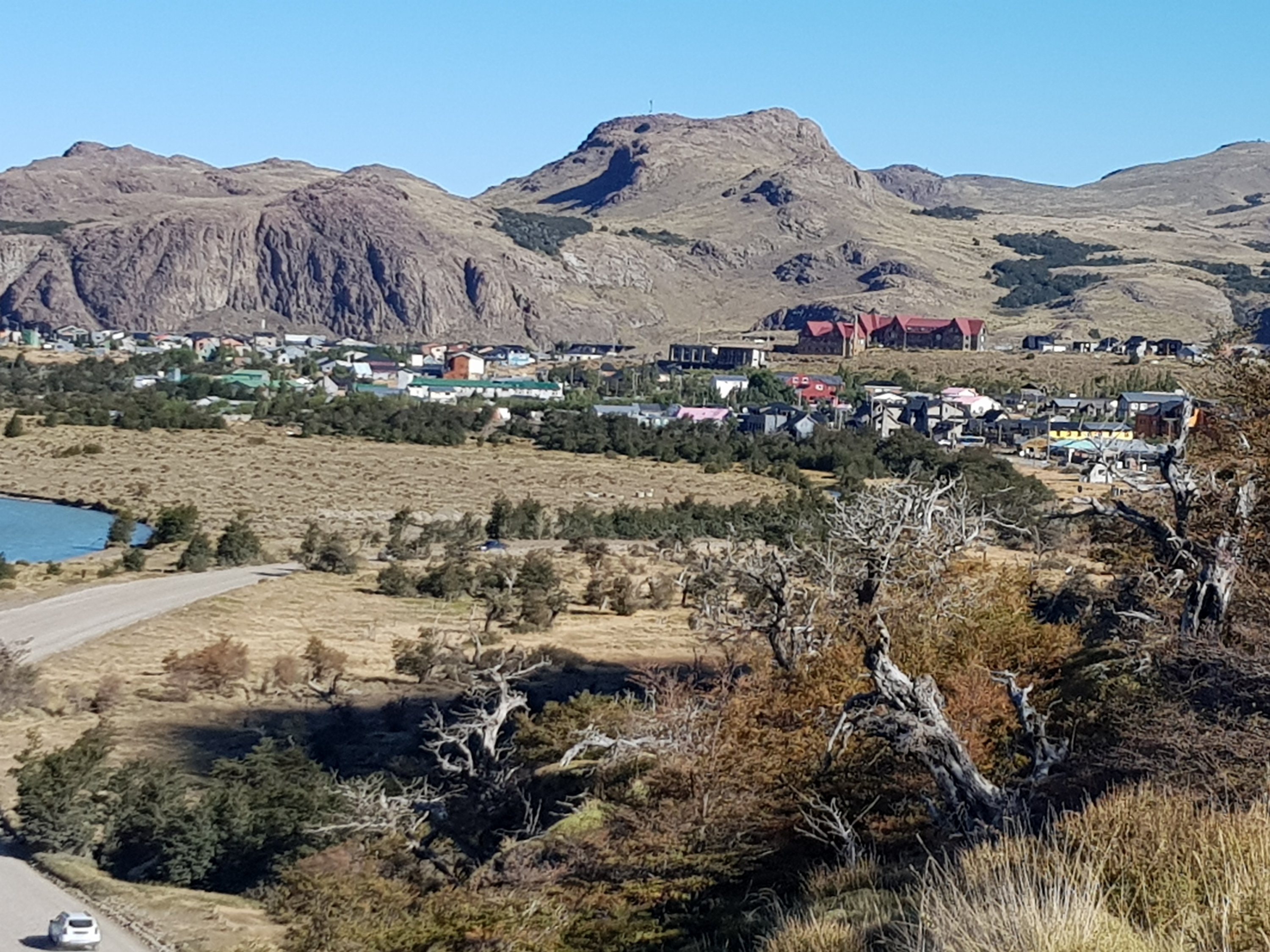
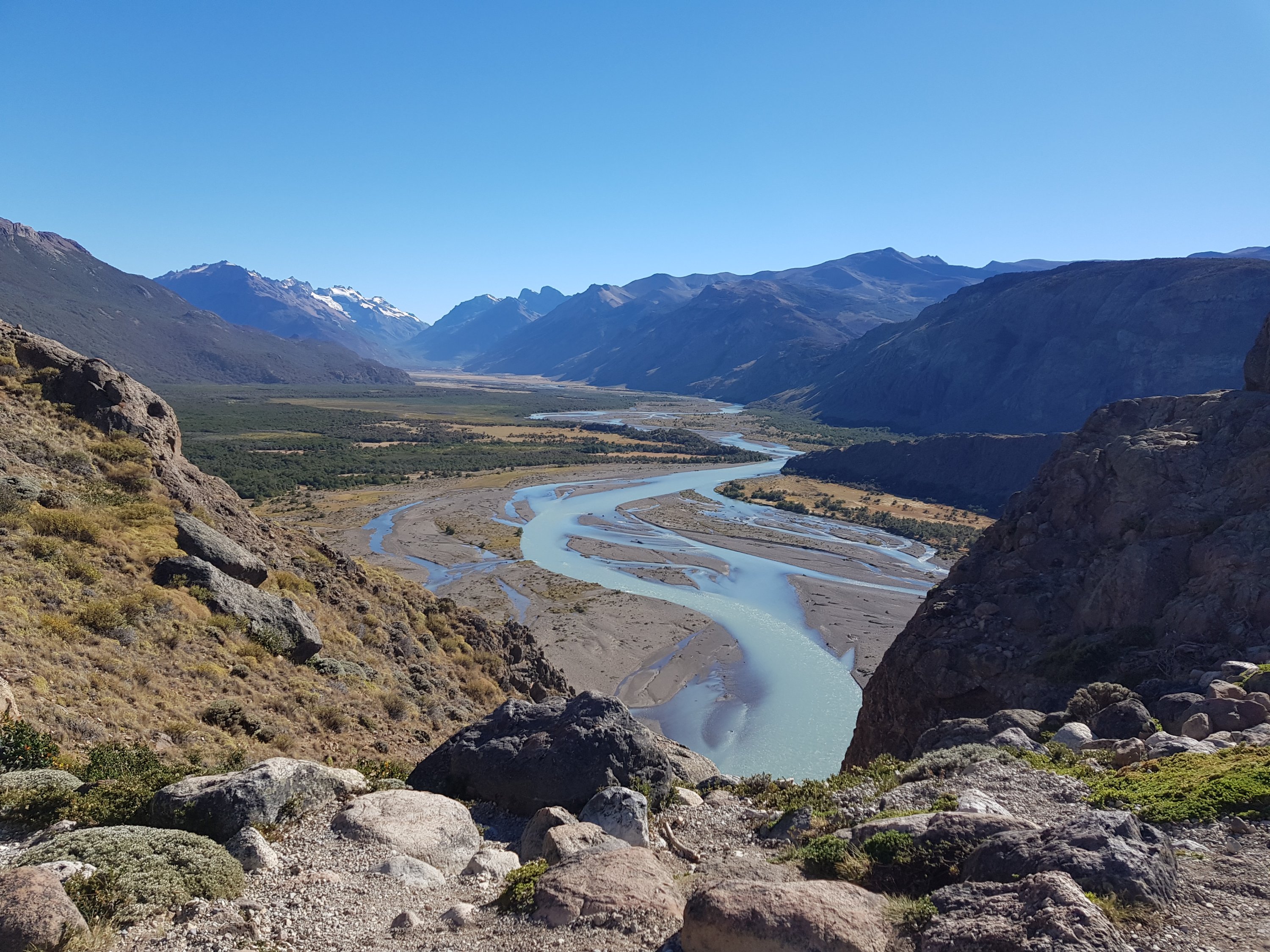
On finally arriving, I headed straight out for a short hike to a nearby waterfall. It was great to get some fresh air and put my head under the flowing glacier water. I also got great views of the landscape and the town. El chalten is a part of this natural landscape and is an absolute haven for hikers and climbers.
Laguna de los tres
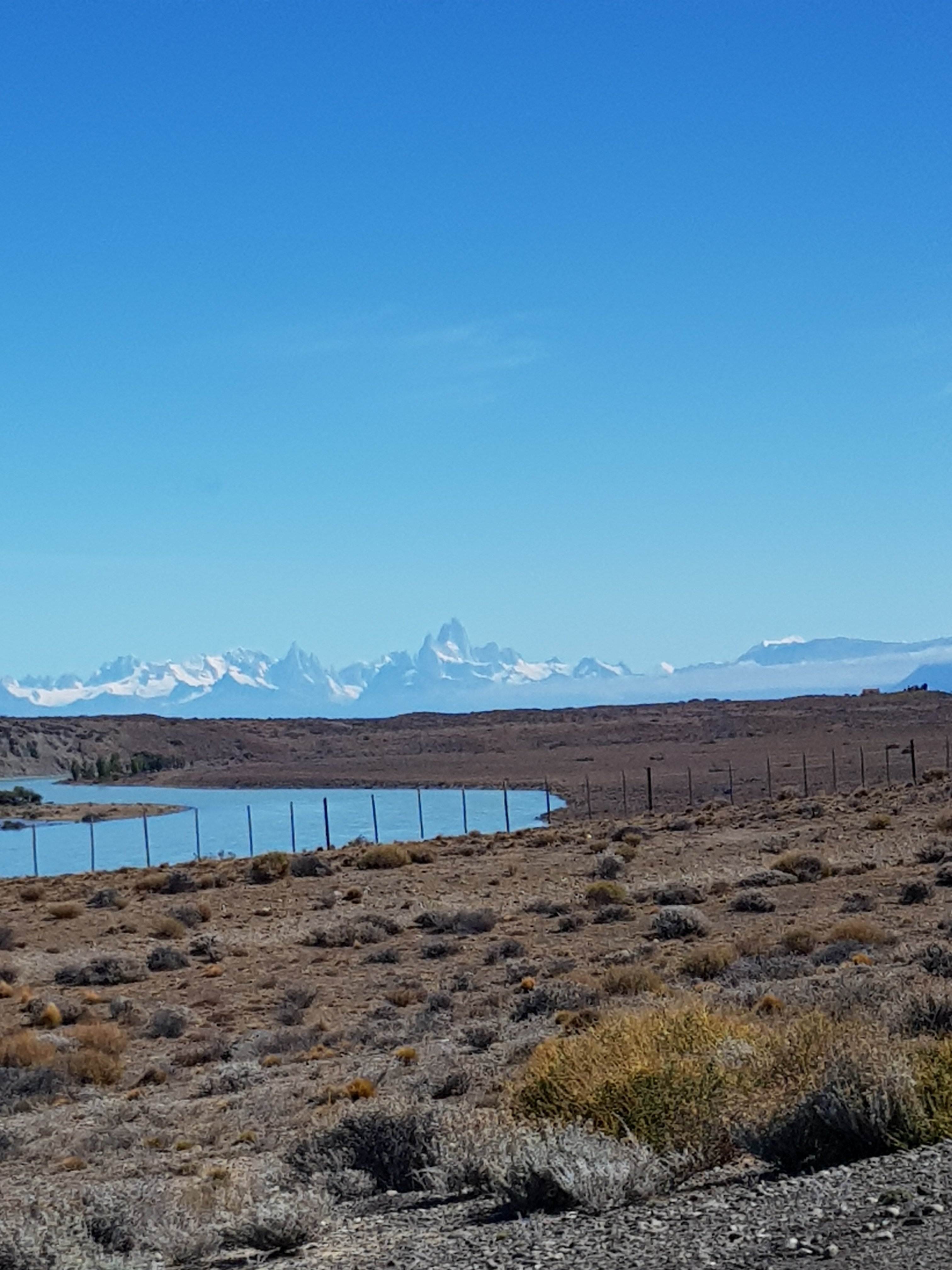
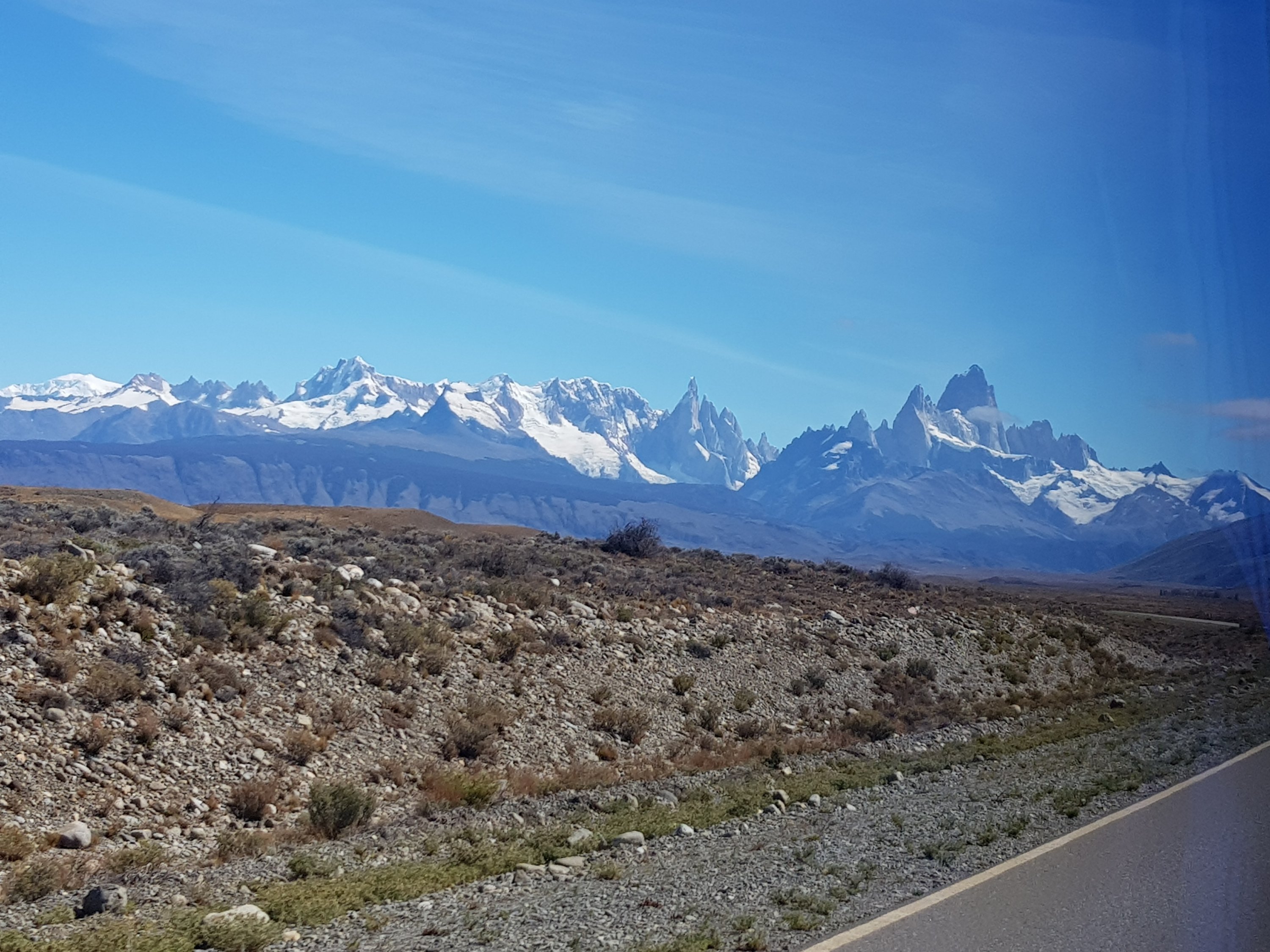
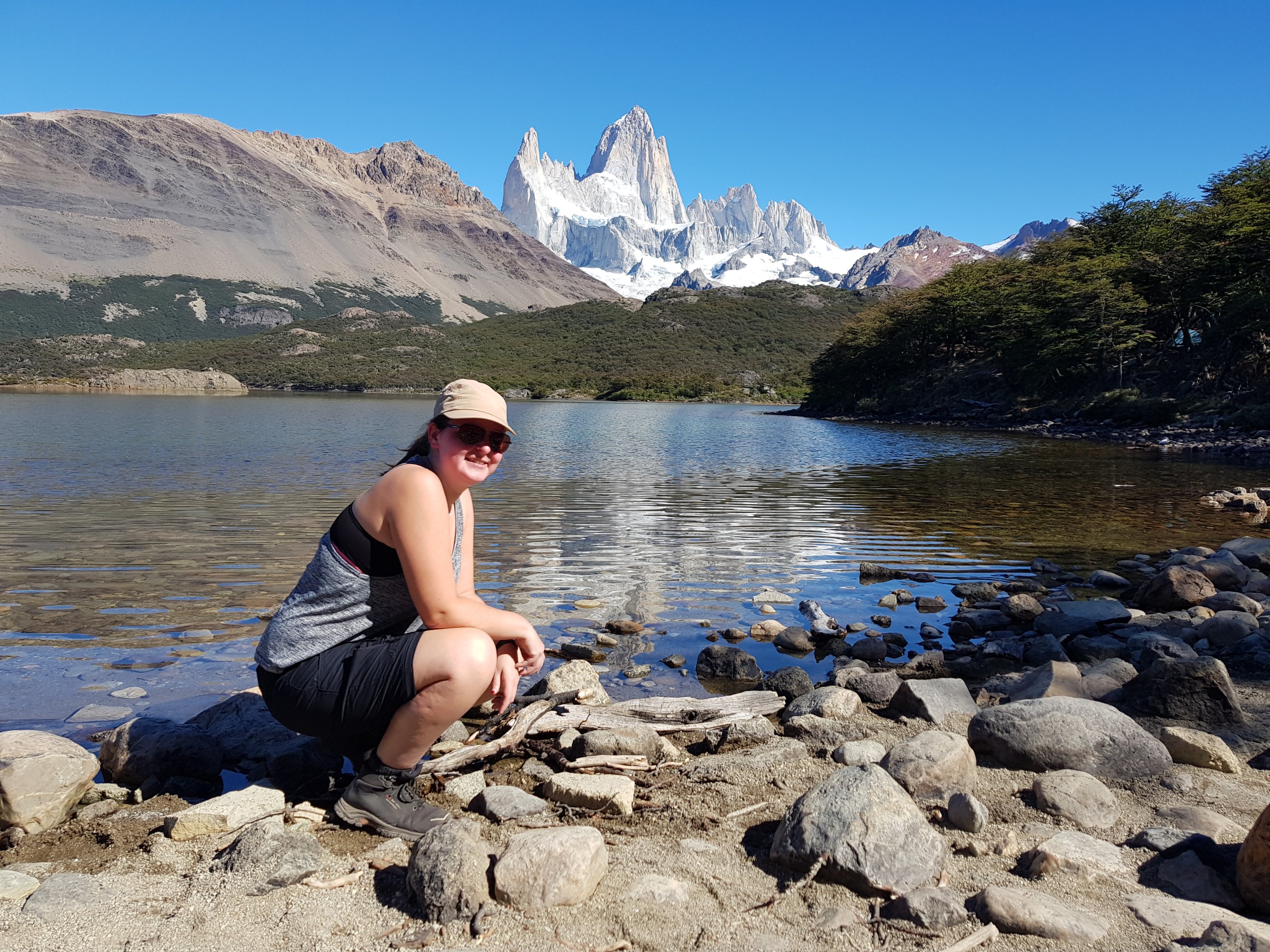
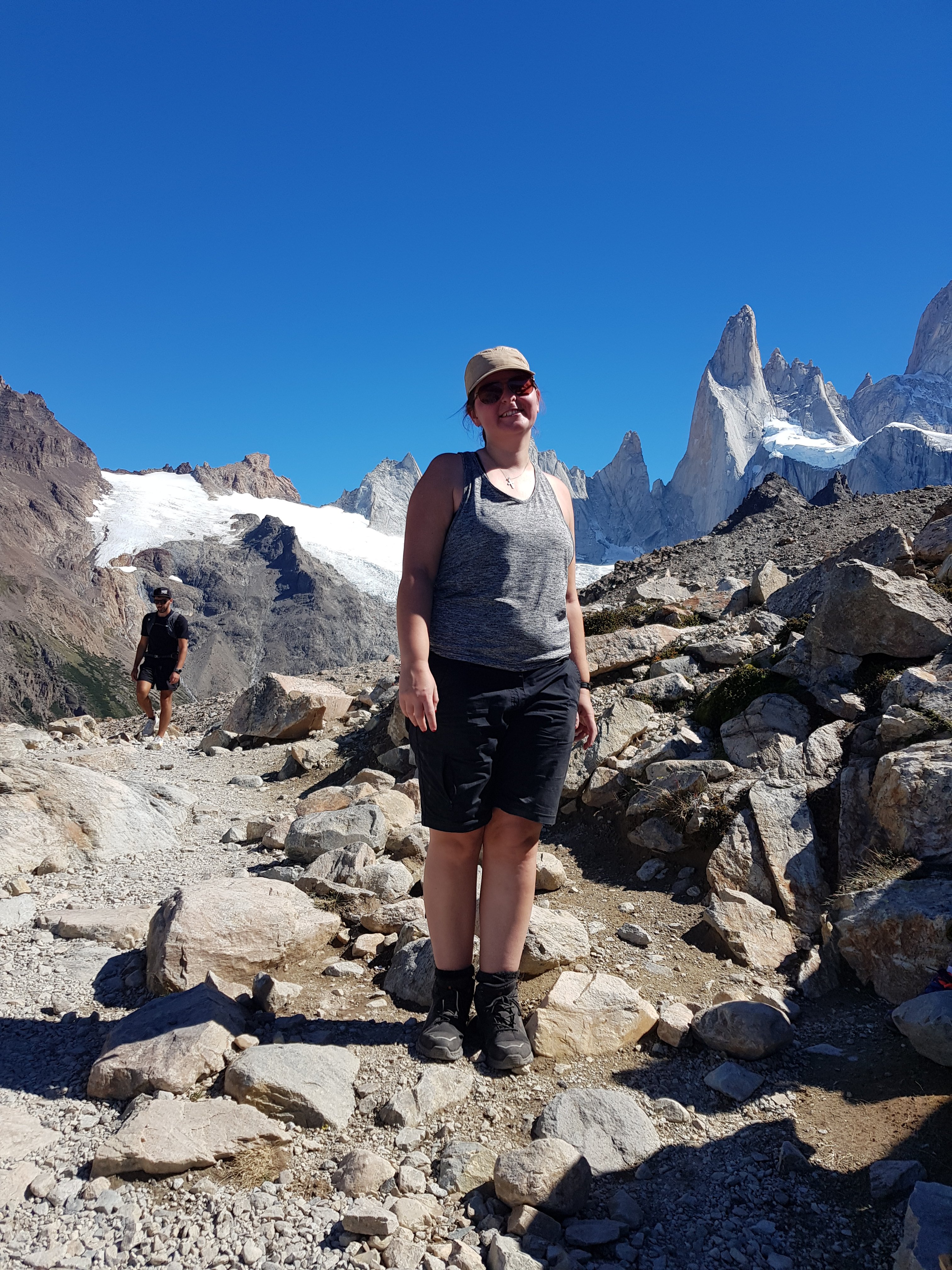
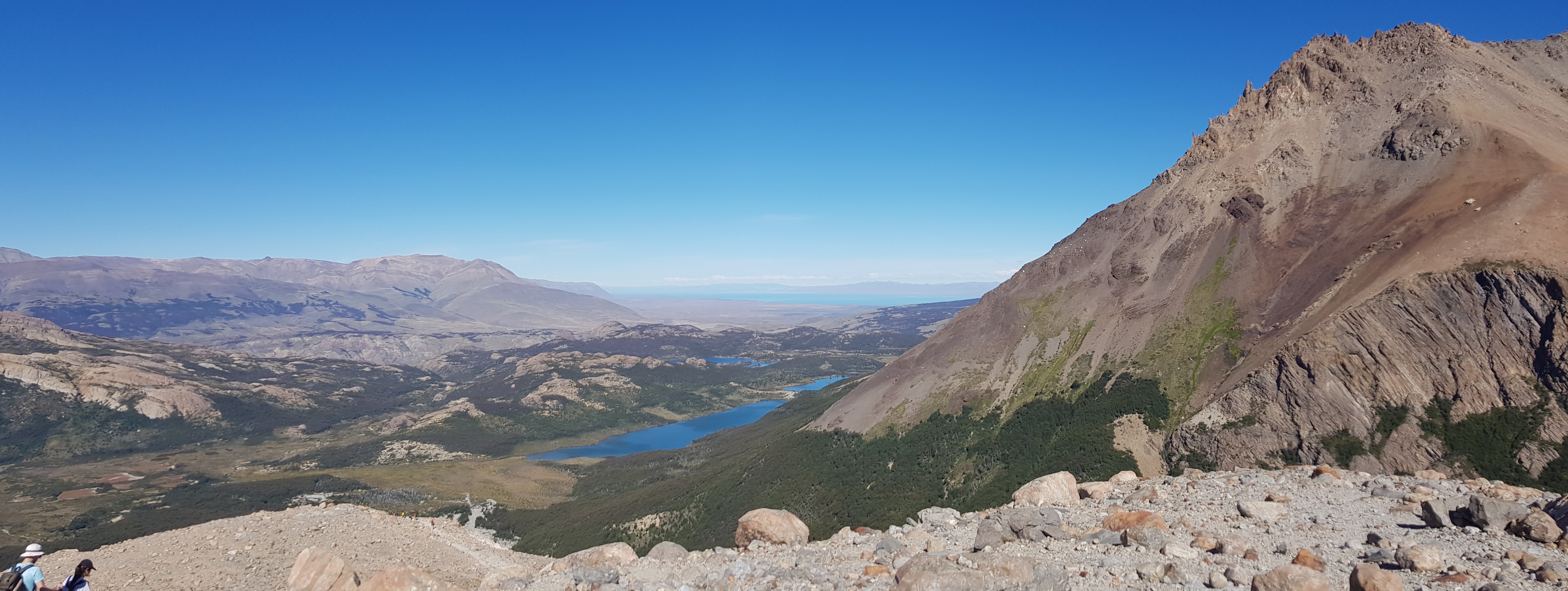
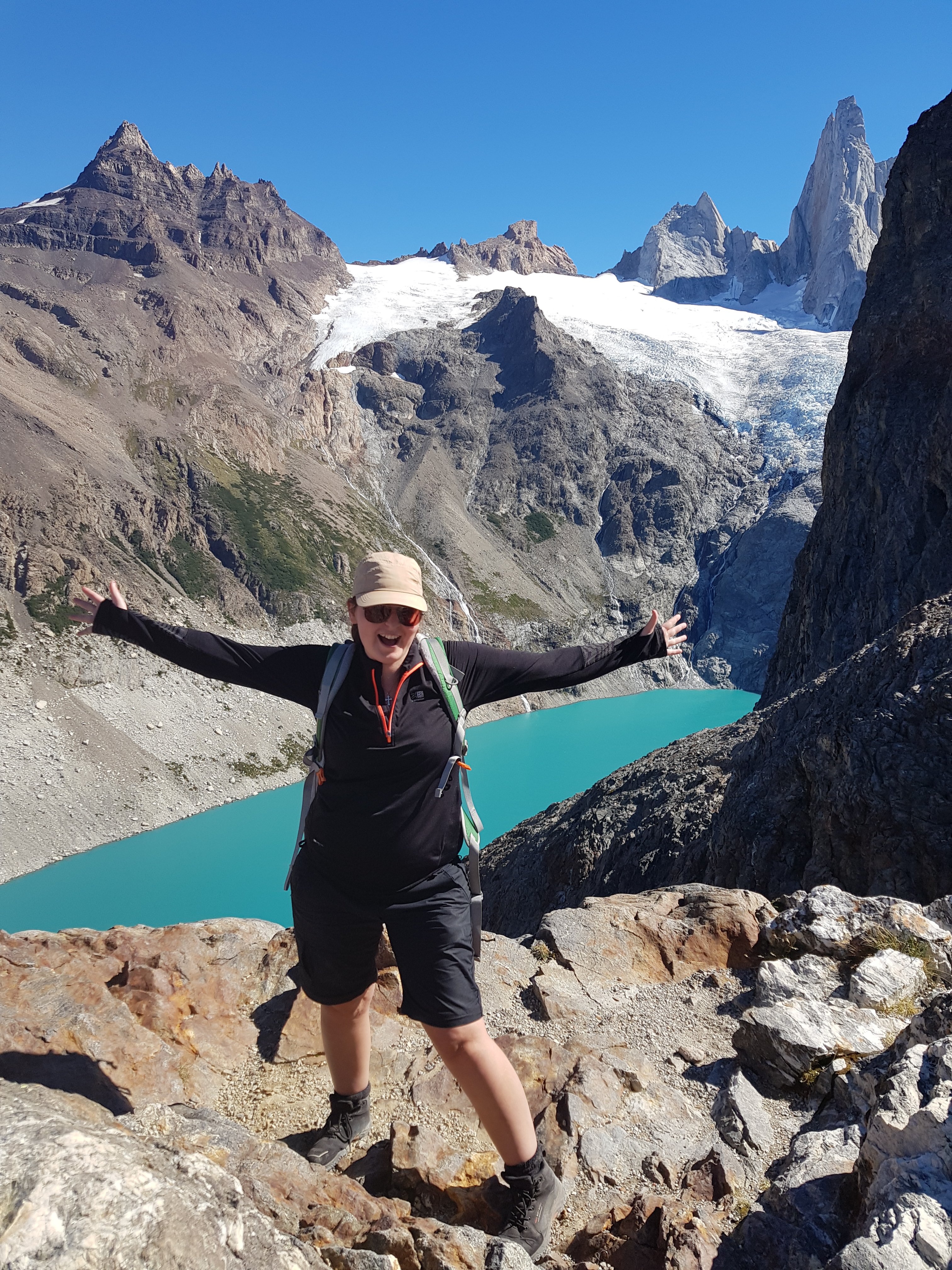
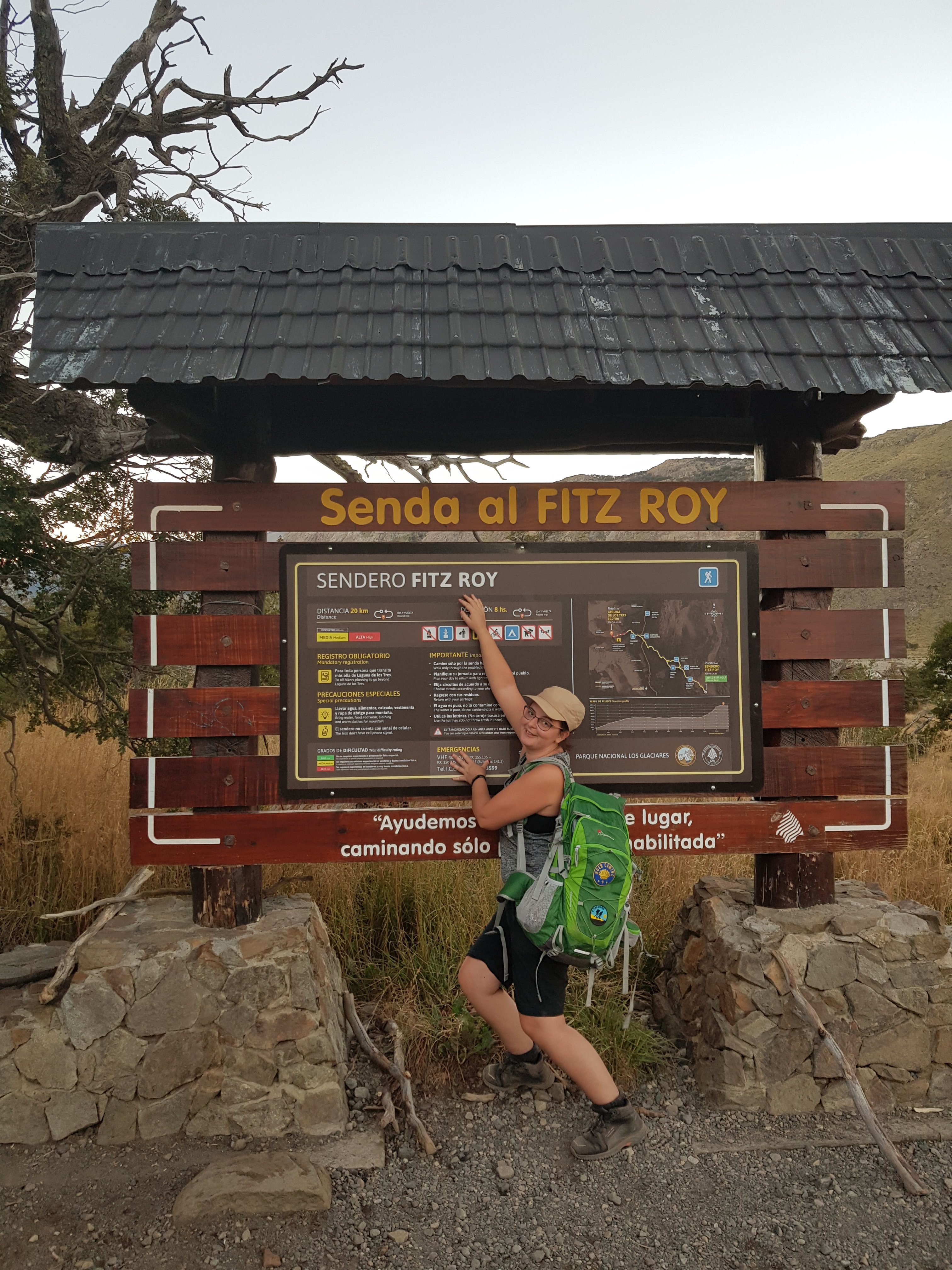
The next day, I started the strenuous hike of Laguna de los tres to Fitz Roy mountain. This hike is only 20 km but it took me about 9 hours. The final km took about two hours as the climb was a directly up ascent on difficult terrain. Normally I walk 4-5 km per hour.
The trail passes through forests, rivers, lakes and grasslands, as well as going through two campsites. It was a very warm and busy day on the trail, but this gave me the opportunity to meet many people. During my day of trekking, I befriended two different groups from Argentina and a girl from Spain. Making conversation with strangers is one of my favourite parts of solo trekking, as I meet so many interesting people from all around the world.
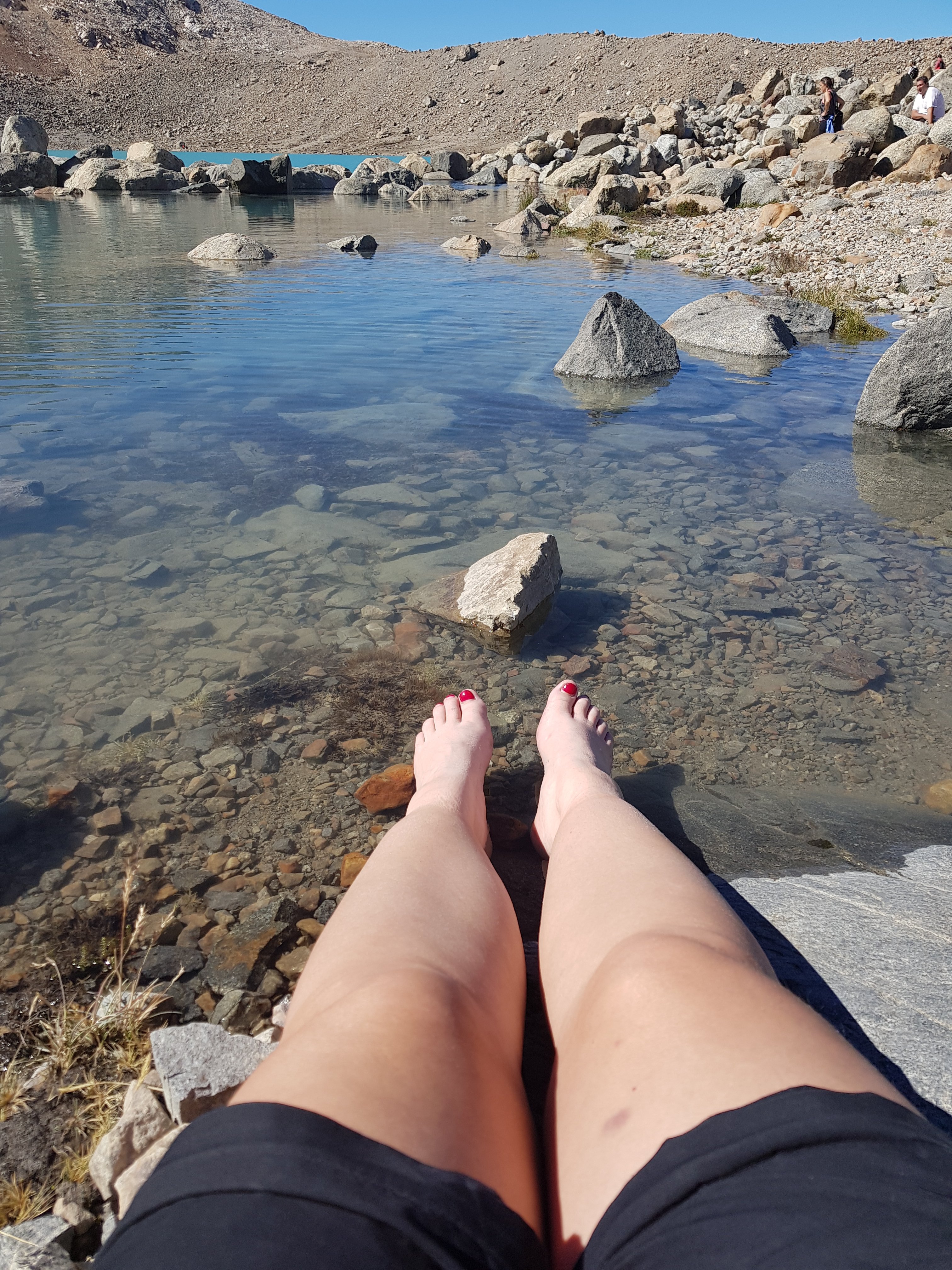
On reaching the top, I collapsed in a pile for a few minutes, then made my way to the lake that was formed by the melting glacier, and took an icy drink, before taking a dip. I spent a few hours here, relaxing and enjoying the sights of the Fitz Roy mountain and the falling water to the drop below.
El Calafate
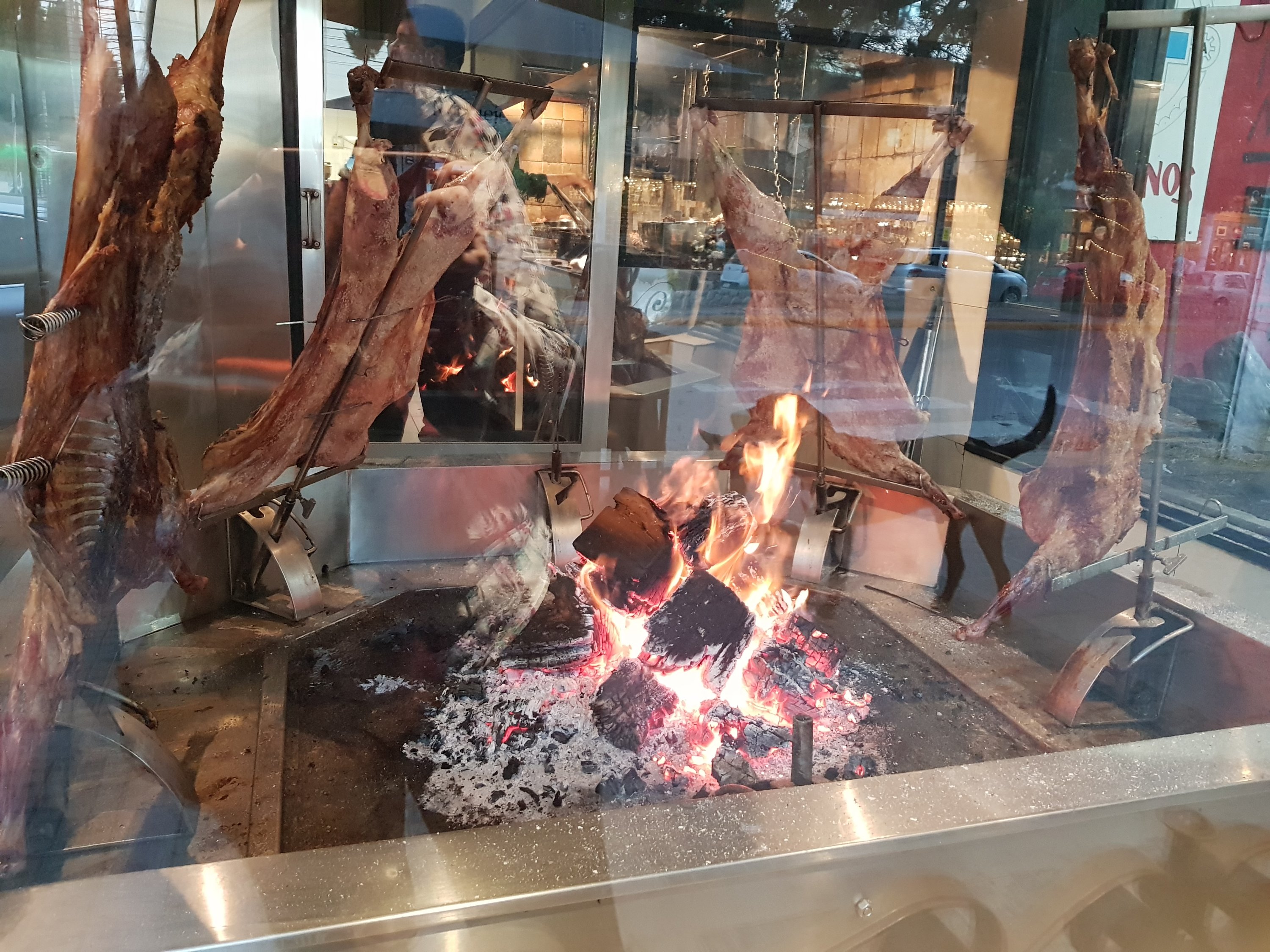
Next day, I was off to Calafate, on the other side of the National Glacier Park from El Chalten. This town is bustling with tourist shops and restaurants. I have a dwindling budget so I cooked whilst I was there, but still managed to admire the Patagonian Lambs being roasted over the fire through the restaurant windows.
Perito Moreno Glacier
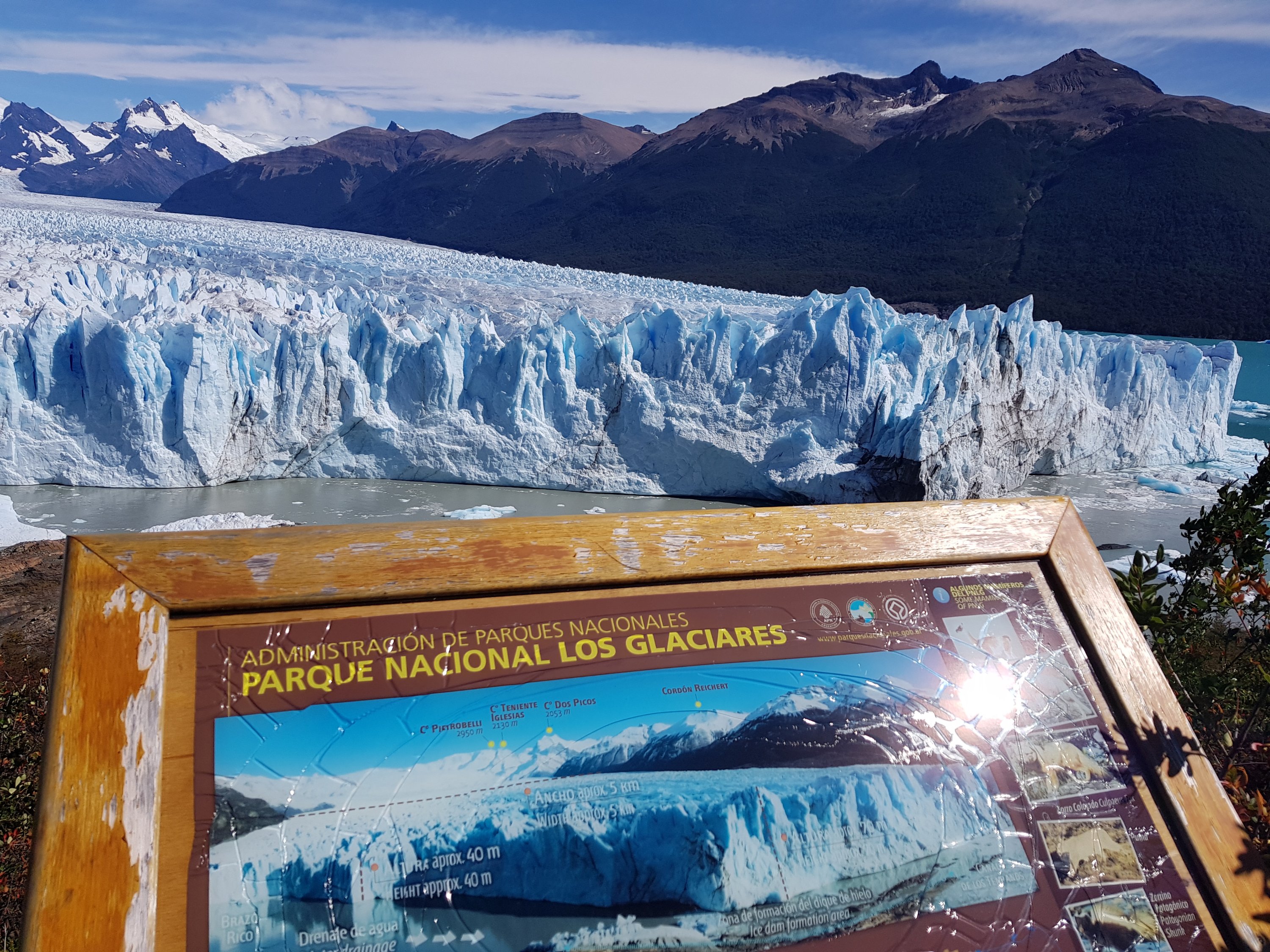
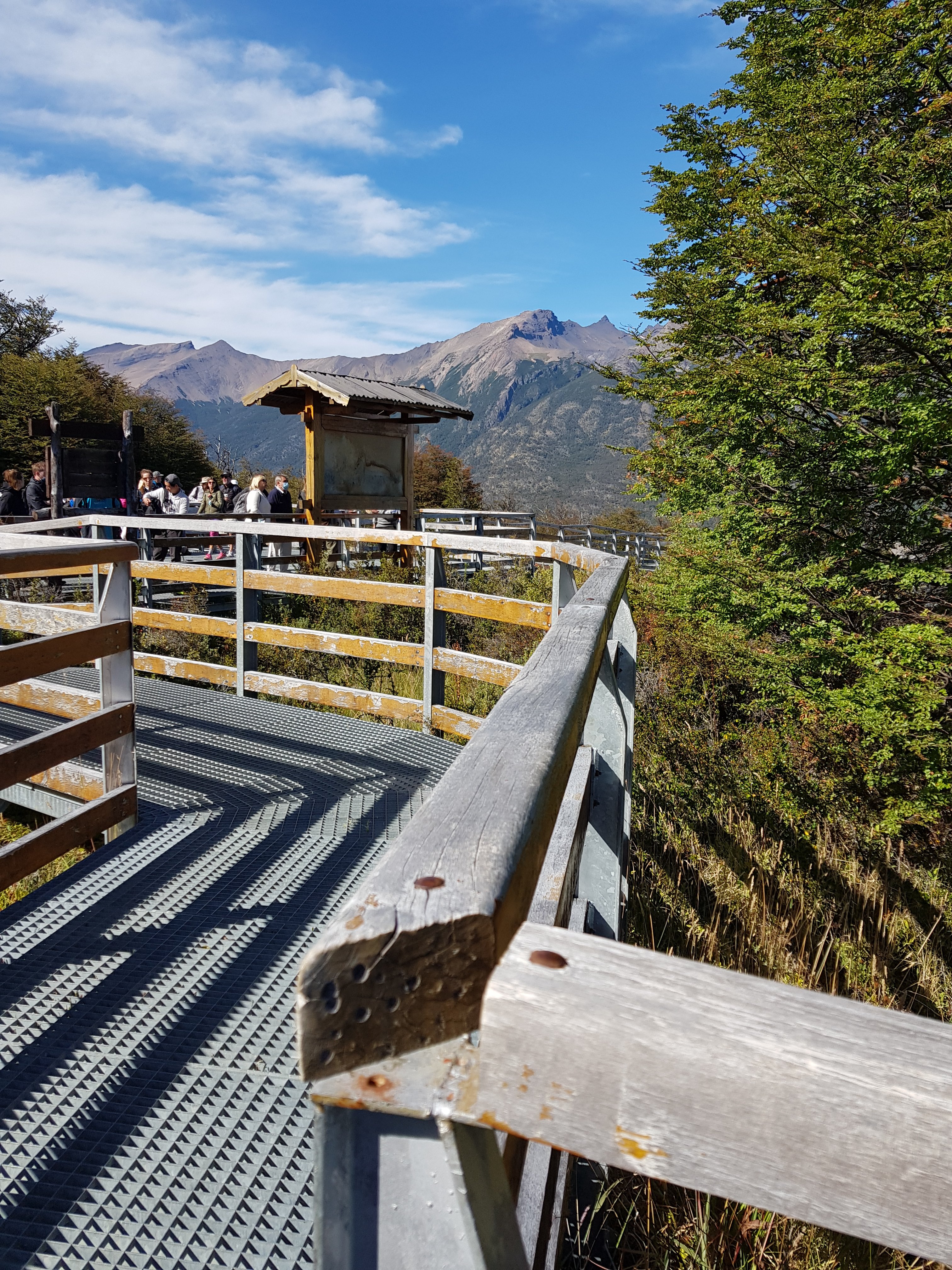
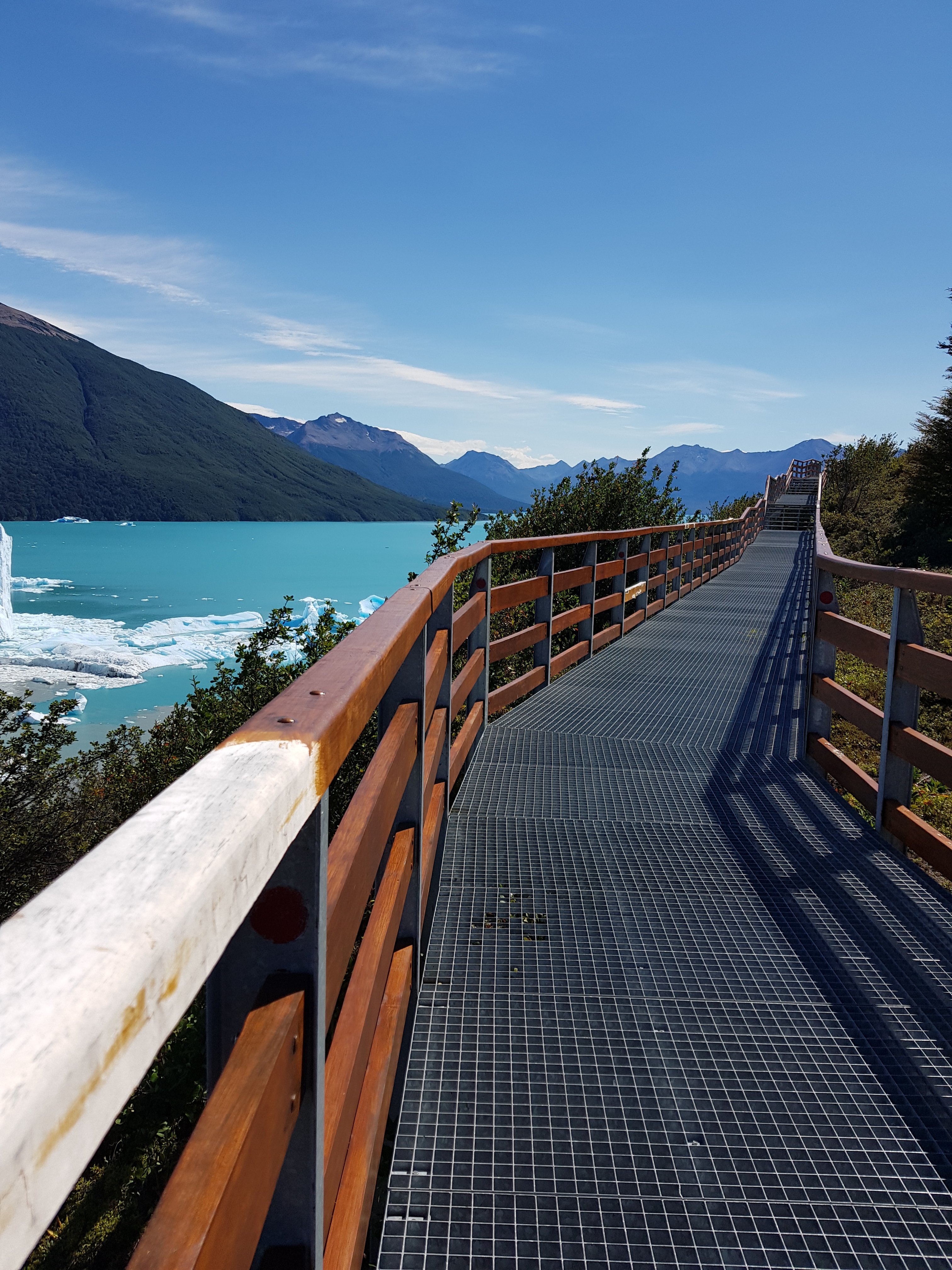
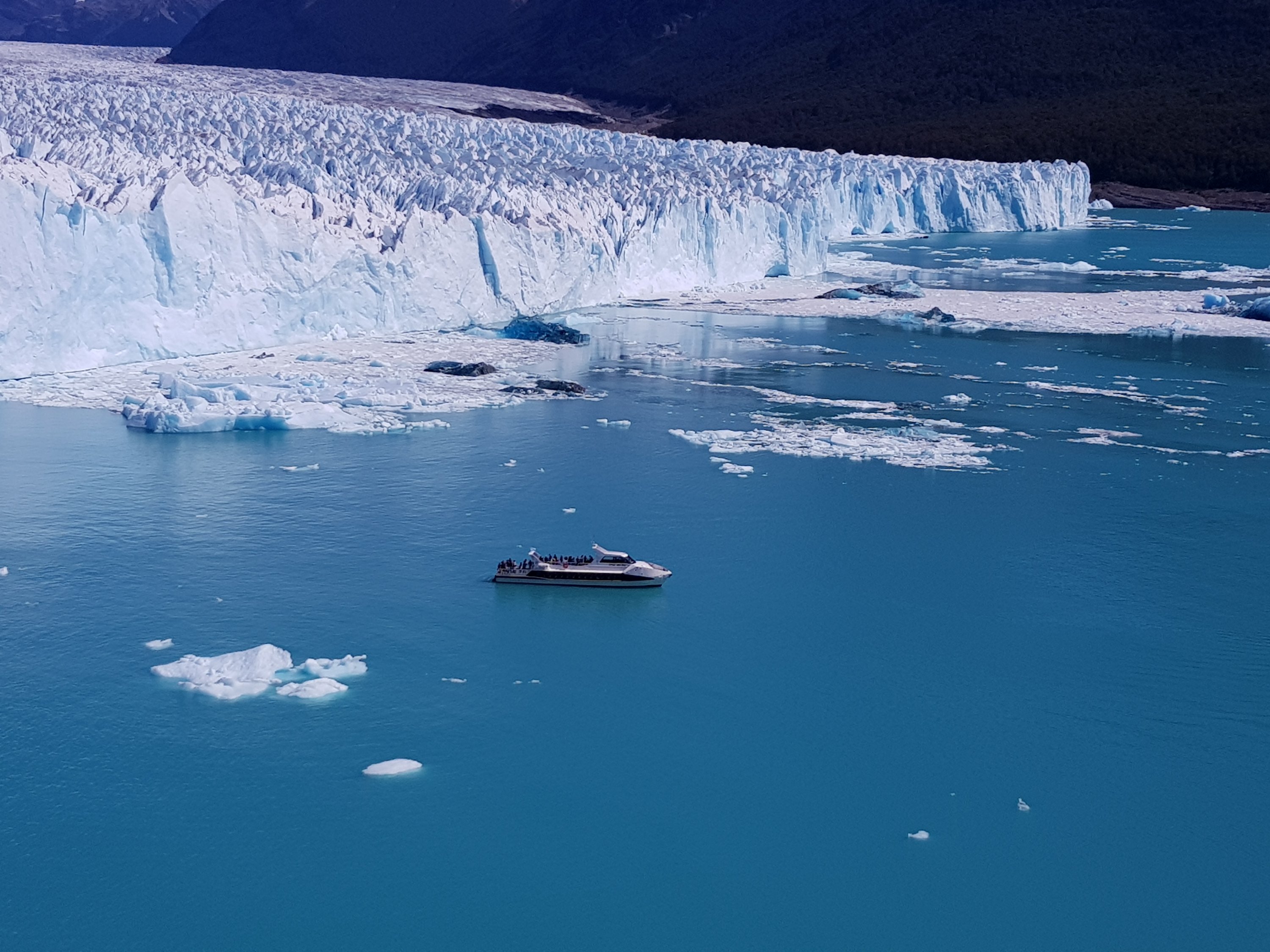
The main excursion to take from El Calafate is to see the huge Perito Moreno Glacier. You have to take a tour which costs about £35 to get to the glacier which is a few hours away. There is then a small charge for the entrance to the park. We were given four hours in the park. I was given a choice to pay extra for a one hour boat ride that takes you closer to the glacier, but I chose not to take this option, and just enjoyed the various boardwalk routes around the front of the glacier.
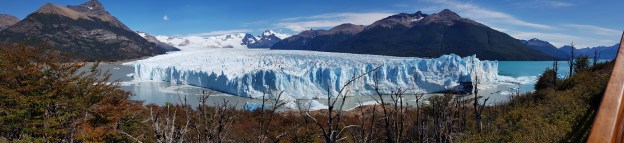
This huge glacier is very unique and larger than the entire city of Buenos Aires (which blew my mind)! The glacier is apparently in balance,meaning that it loses the same amount of ice each day as is returned to it, due to how the water flows around it. There are three different routes you can take around the glacier’s boardwalk, and they vary by height and length. I did all three, and found the boardwalk system to be very efficient and plentiful in relaxing balconies where you could eat your lunch and watch pieces of the glacier fall into the water below. This phenomenon was amazing. I saw not only the ice fall and splash against the lake, but also the lower layer of ice boil up to the surface and spin around in circles. Very cool.
Rio Gallegos
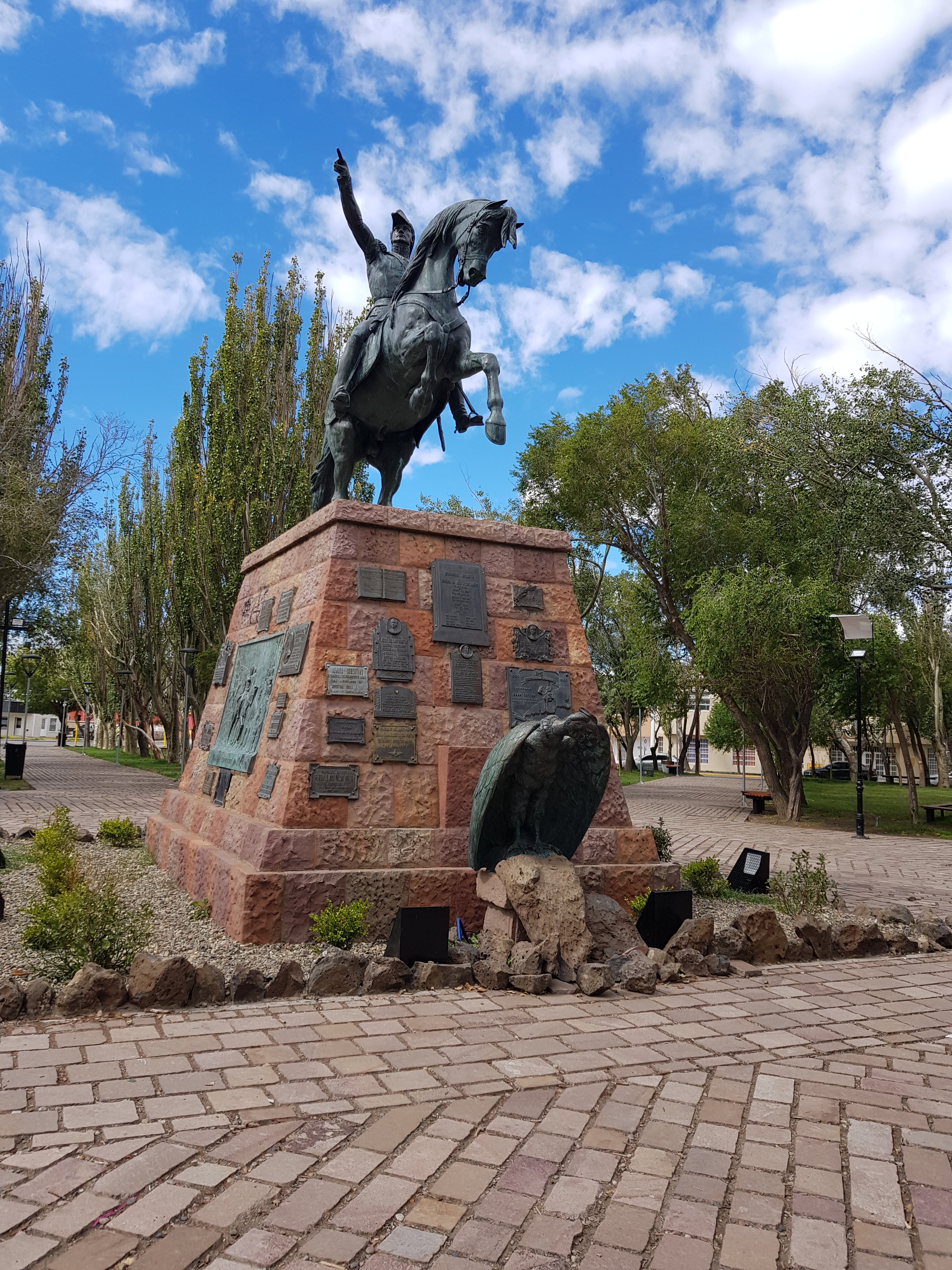
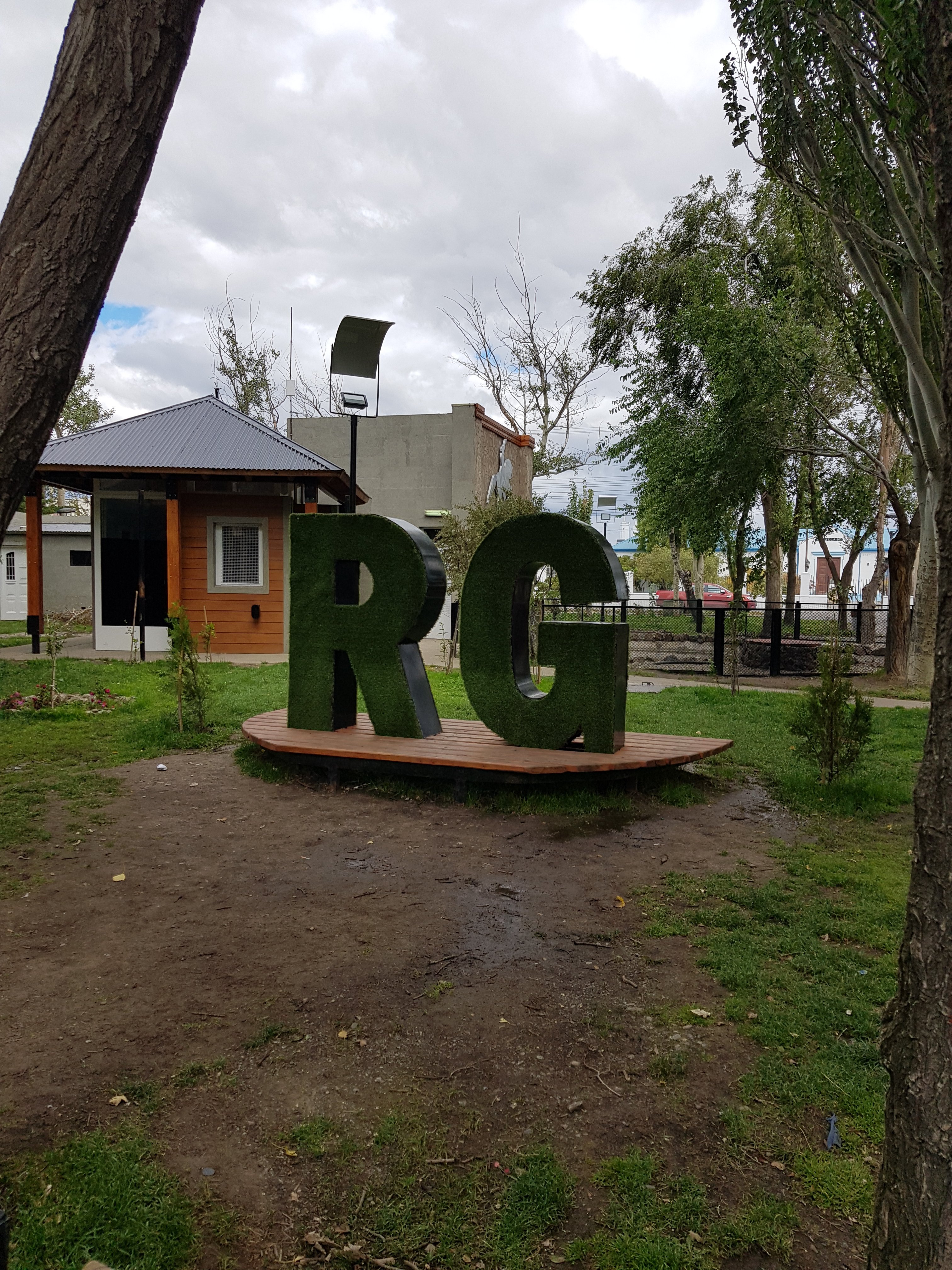
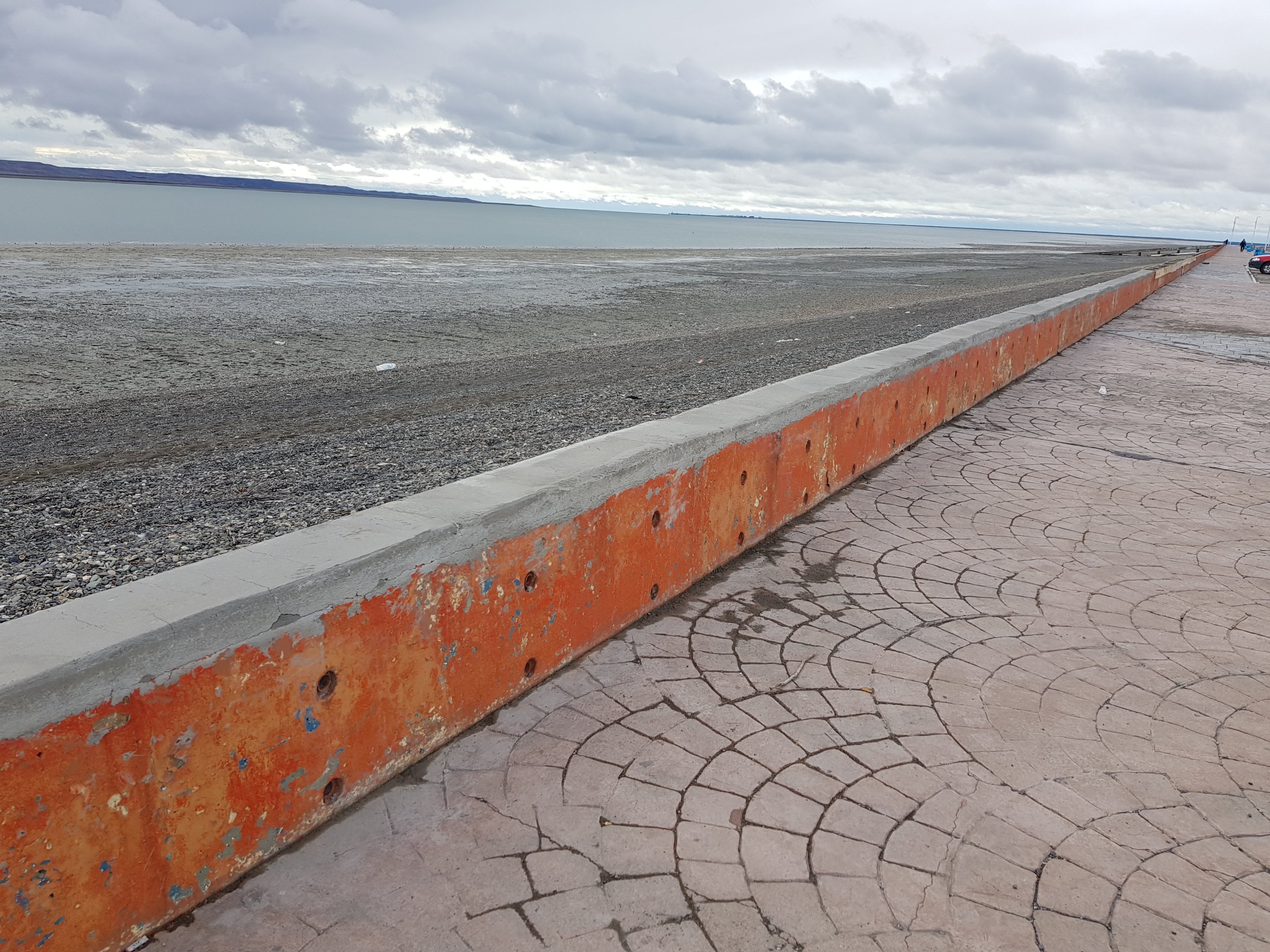
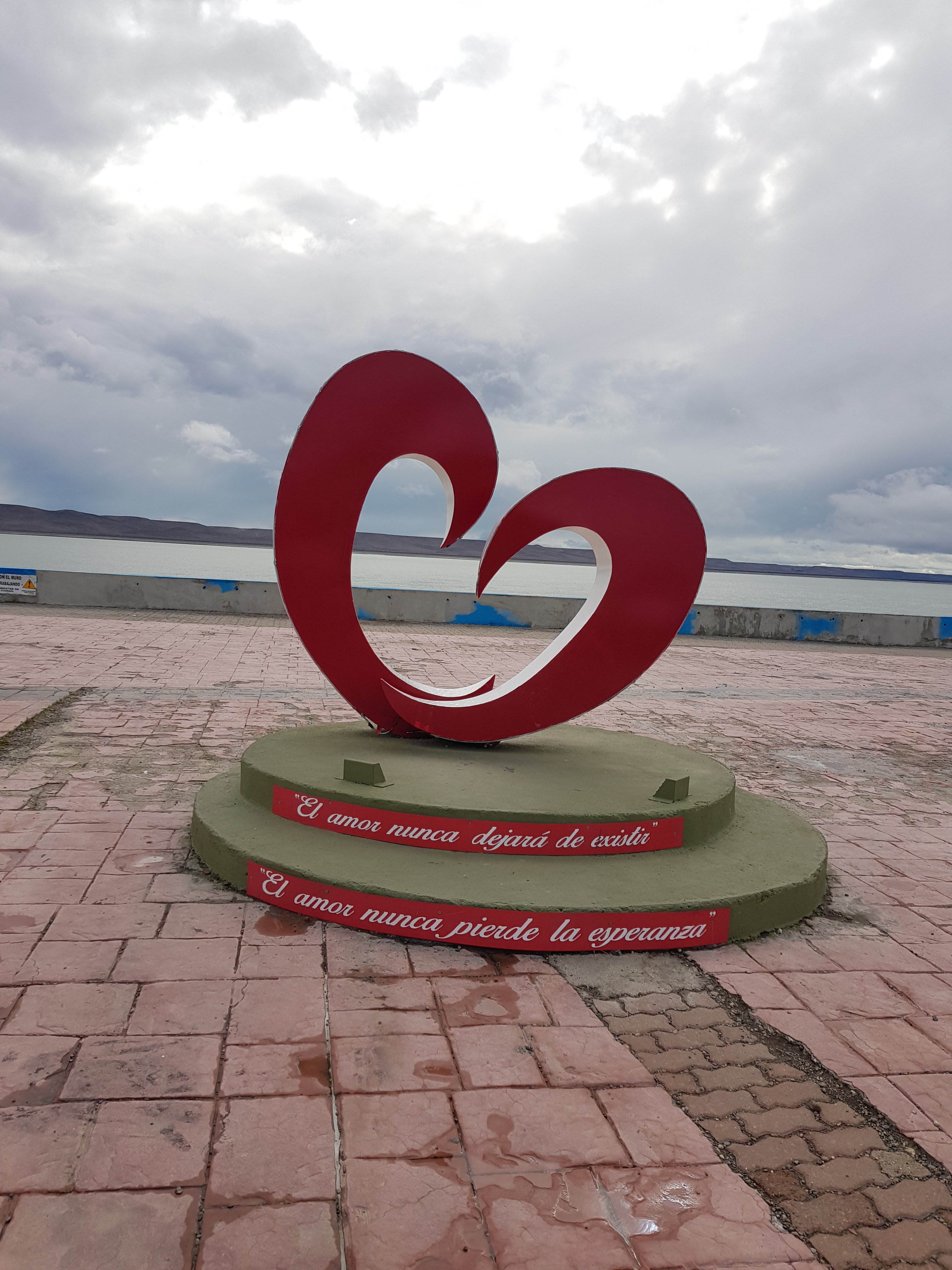
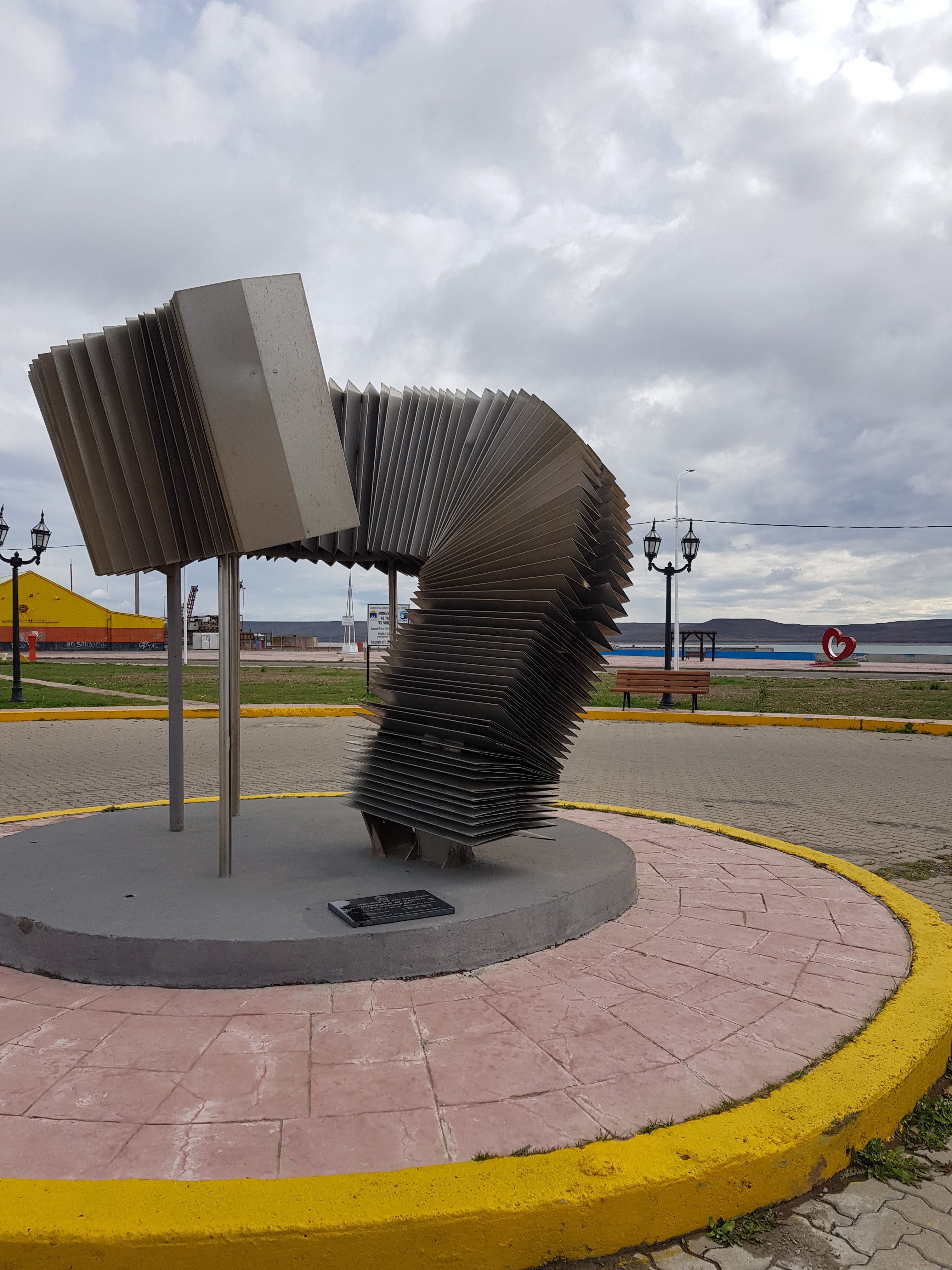
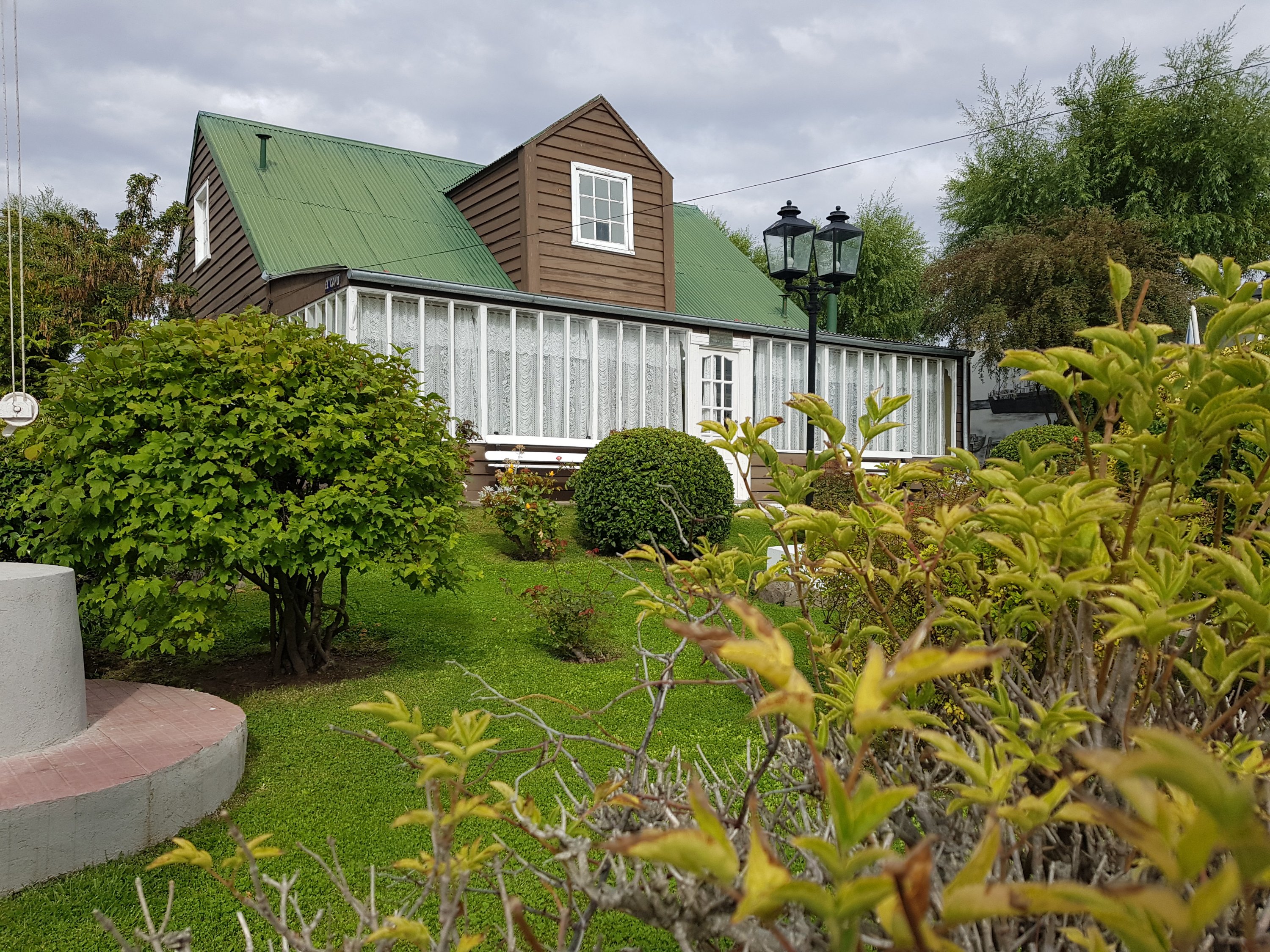
My last stop in Argentina for a while, was Rio Gallegos. I came here to the bottom of mainland Argentina, to cross the border into Chile. There is not much to see here but it is a good supply stop, and there are some sculptures along a promenade walk and a small house that you can visit as a free museum.
For now, I am off to Chile, for some more trekking and to see the other side of Patagonia, before I return to Argentina, to visit the bottom of the world…
After a few days of bus journeys via Bahia Blanca and Neuquen, meeting a group of hippies and enjoying a local music festival, I finally made it to Patagonia and the Argentine Lake District. A ‘postcard perfect’ landscape.
Argentina’s Lake District sits within the Northwest of Patagonia, near the border of Chile. Patagonia is the Southern region of Argentina, world famous for its scenery, and trekking, climbing, and general adventure sport opportunities. The climate and landscape varies throughout the region and within the lake district are obviously several lakes and rivers dotted around the Andes mountains.
I visited three spots within the lake district, as these were major points on the coach route. They were: San Martin de los Andes, San Carlos de Bariloche, and El Bolson. I stayed in each for 1-2 nights.
San Martin de Los Andes
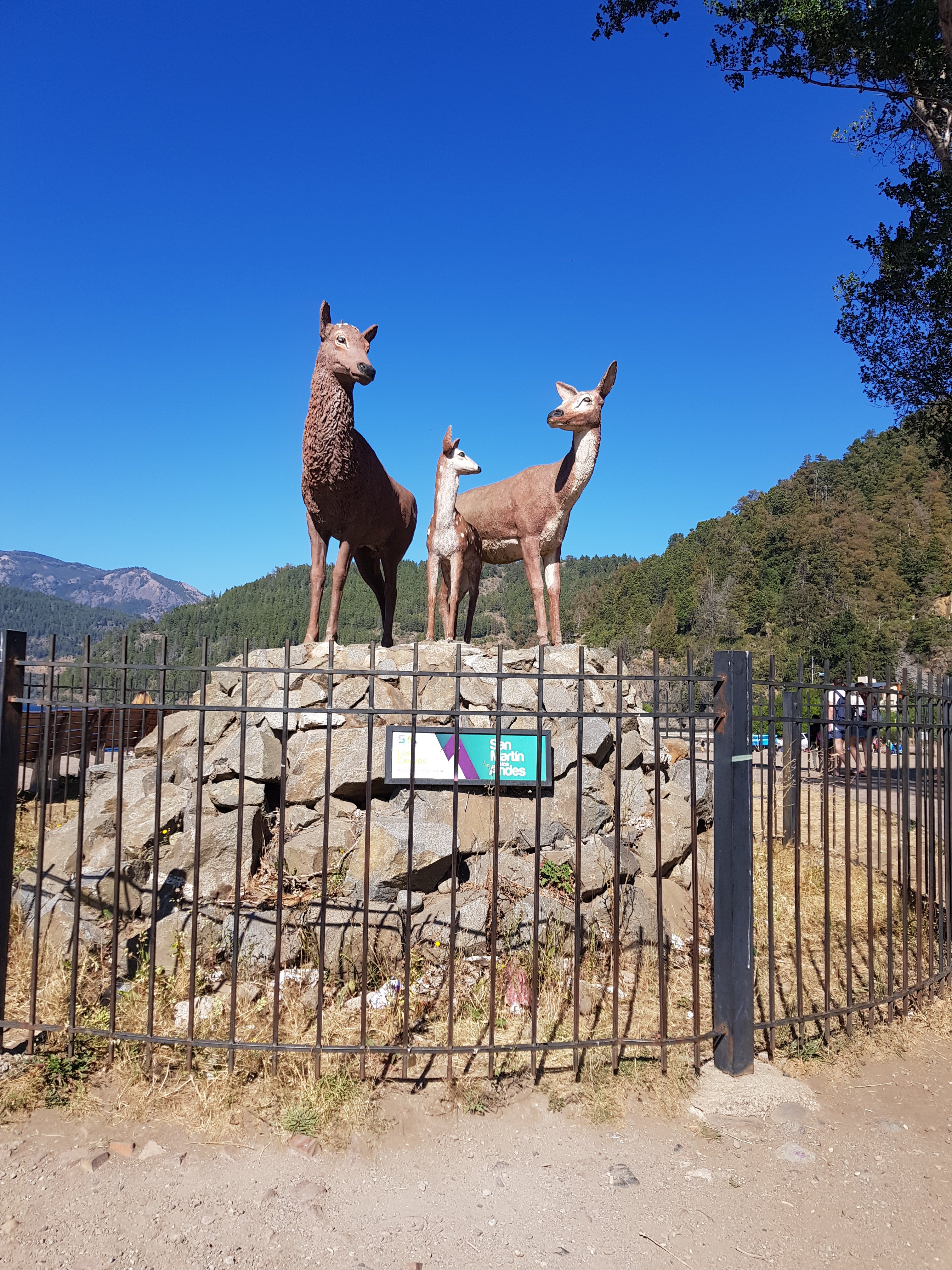
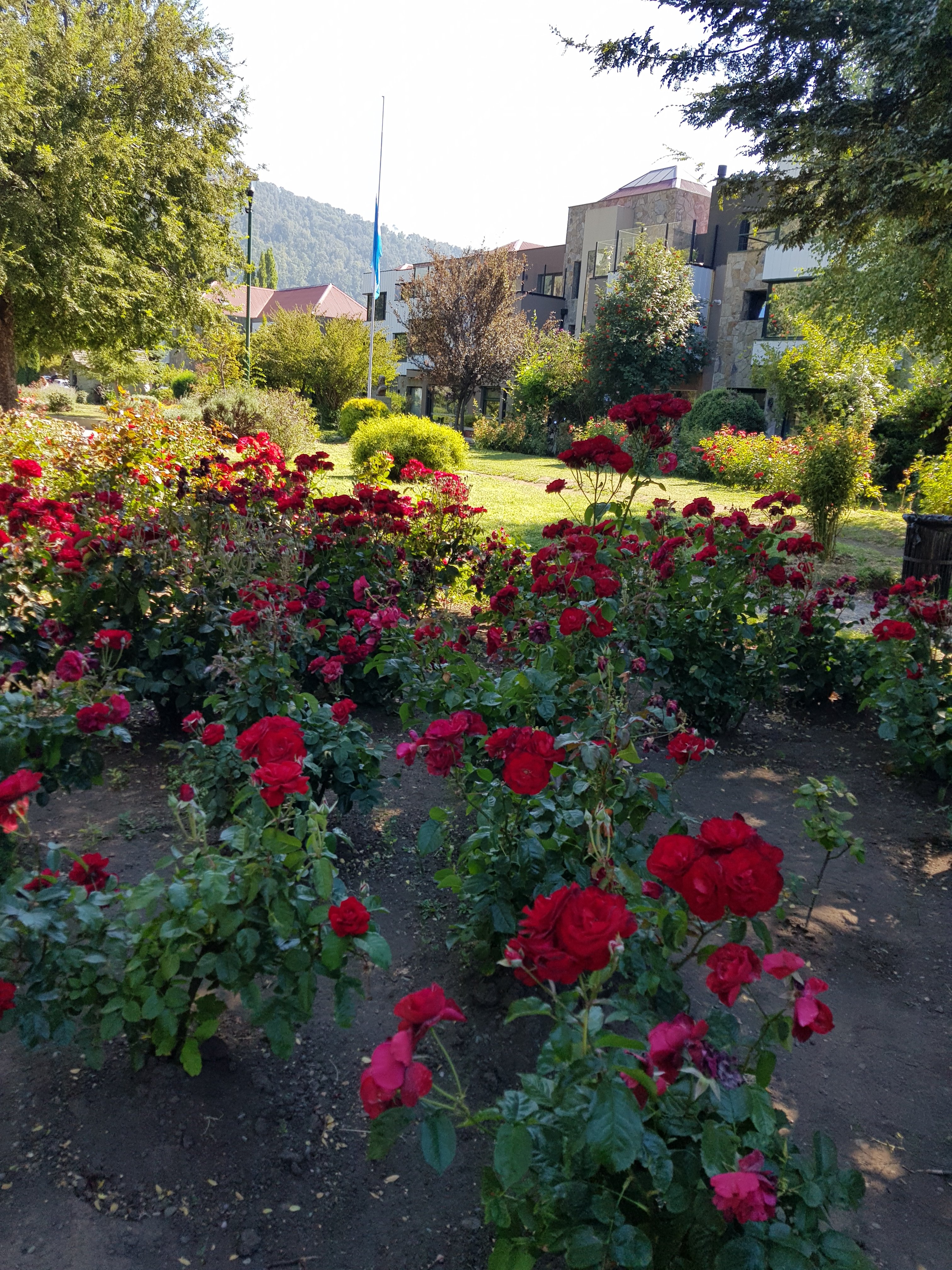
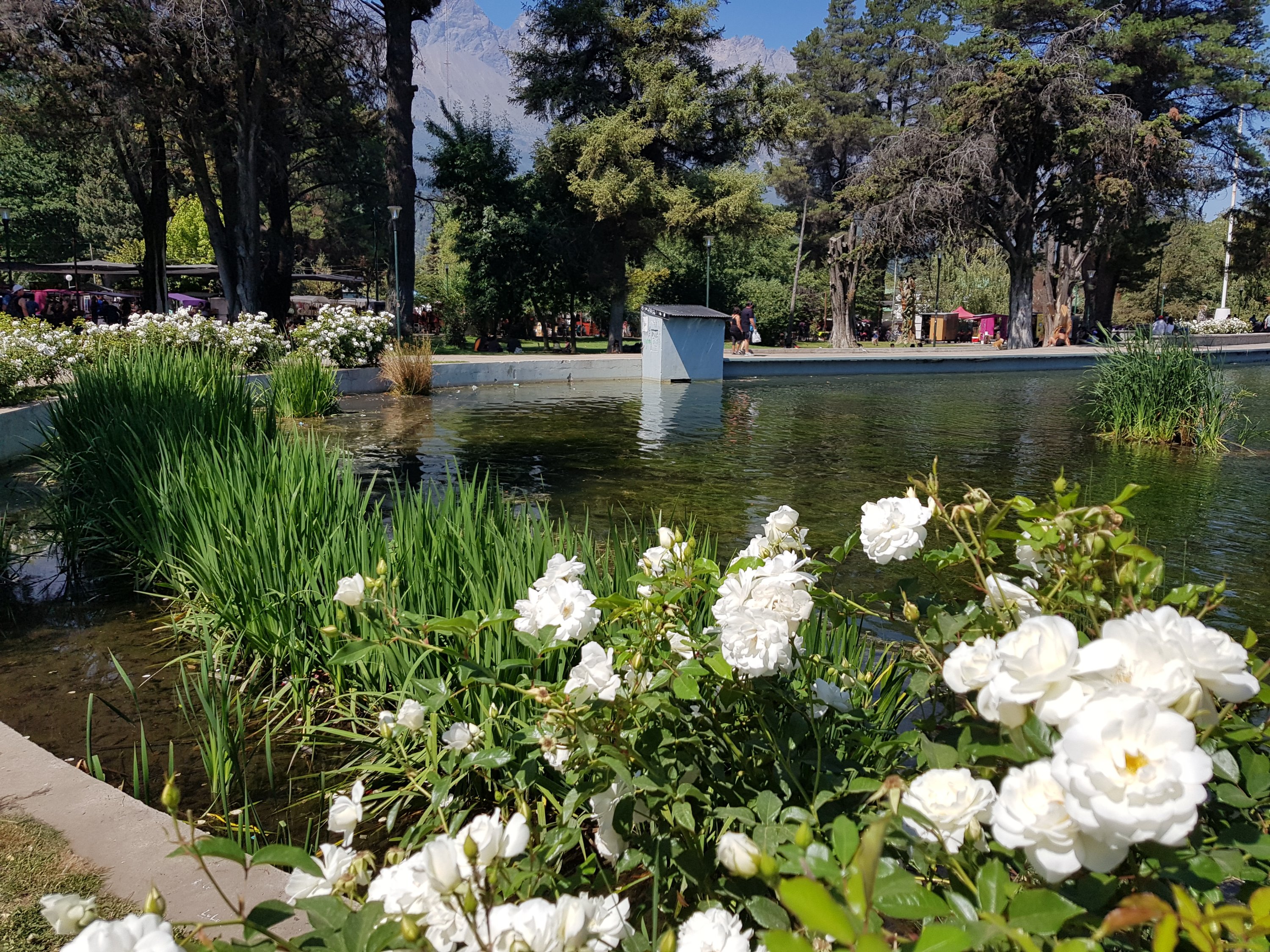
San Martin de Los Andes sits in the Lanin National Park, named after the local volcano. It is the gateway town to Patagonia for many people, and it is very touristy as a result. It is full of cabin style buildings that make you feel that you have somehow arrived in the Swiss Alps. The town is small but has plenty of bars and restaurants, a few rose gardens to sit in, and San Martin sits on a huge lake named Lacar. You can enjoy swimming in the lake or take a boat out to different places along the shoreline.
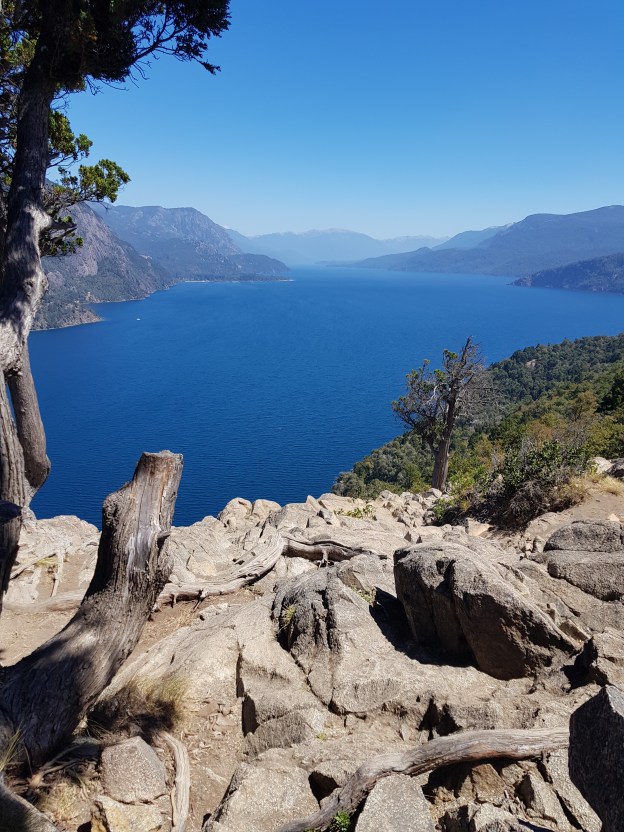
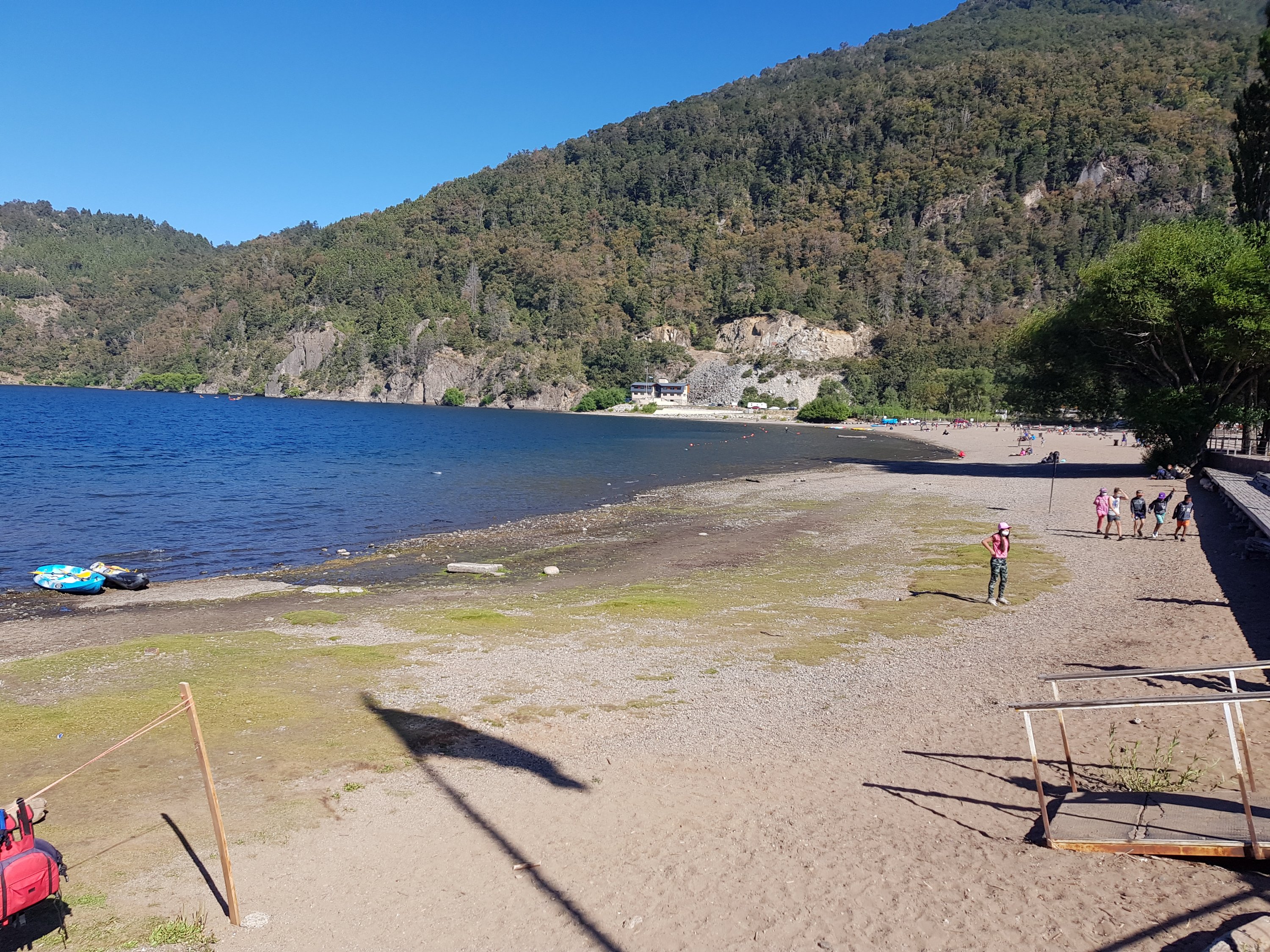
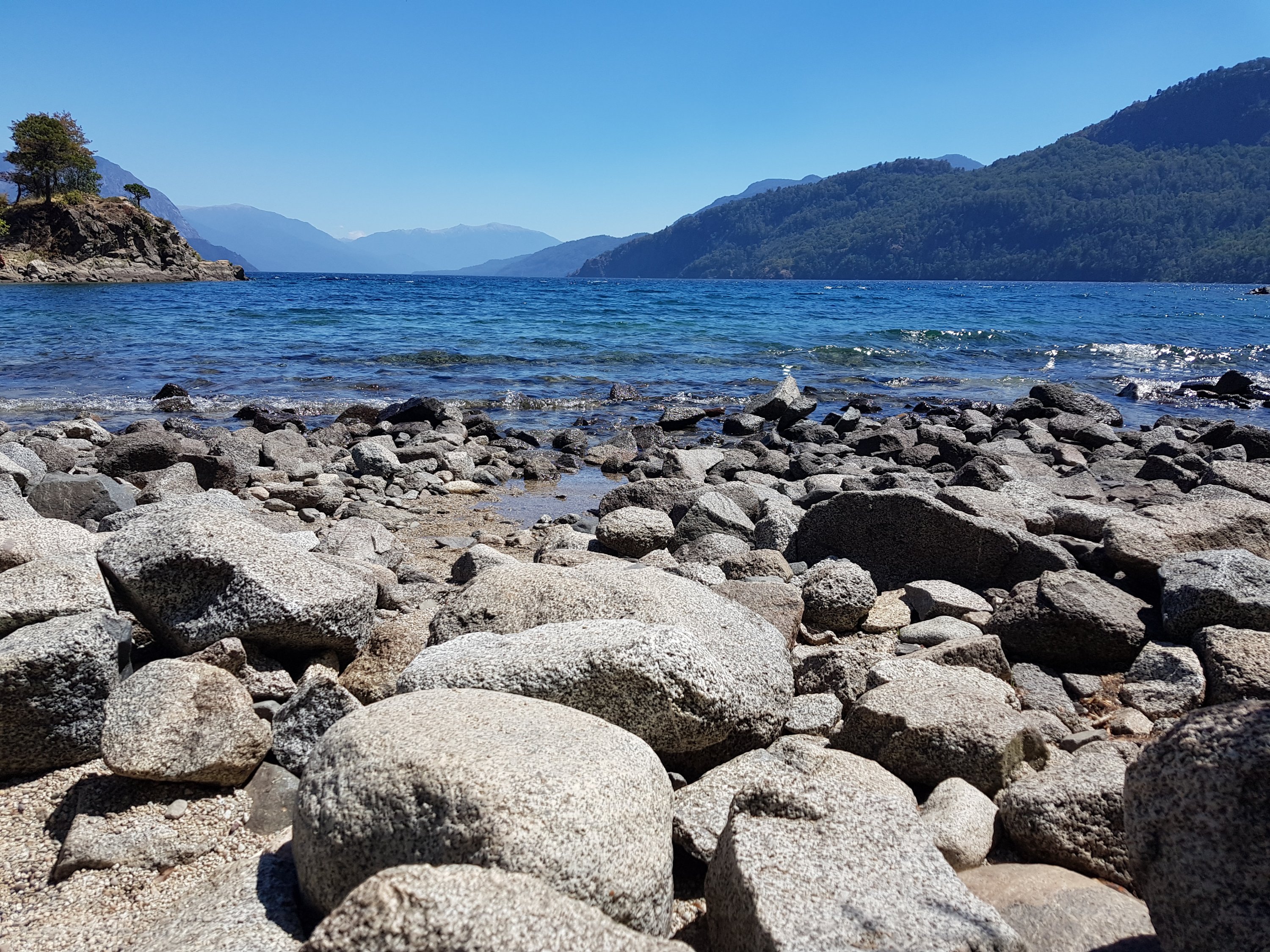
I decided to do a short hike of about 10km (about 3 hours) to a viewpoint and then onto a small beach with a little island. I enjoyed a swim here and basked in the sun, although the beach is very rocky, crocs are advised! I looked like a fool sliding around on the rocks. The water was really lovely and clear though, and everyone was respectful of the environment.
San Carlos de Bariloche
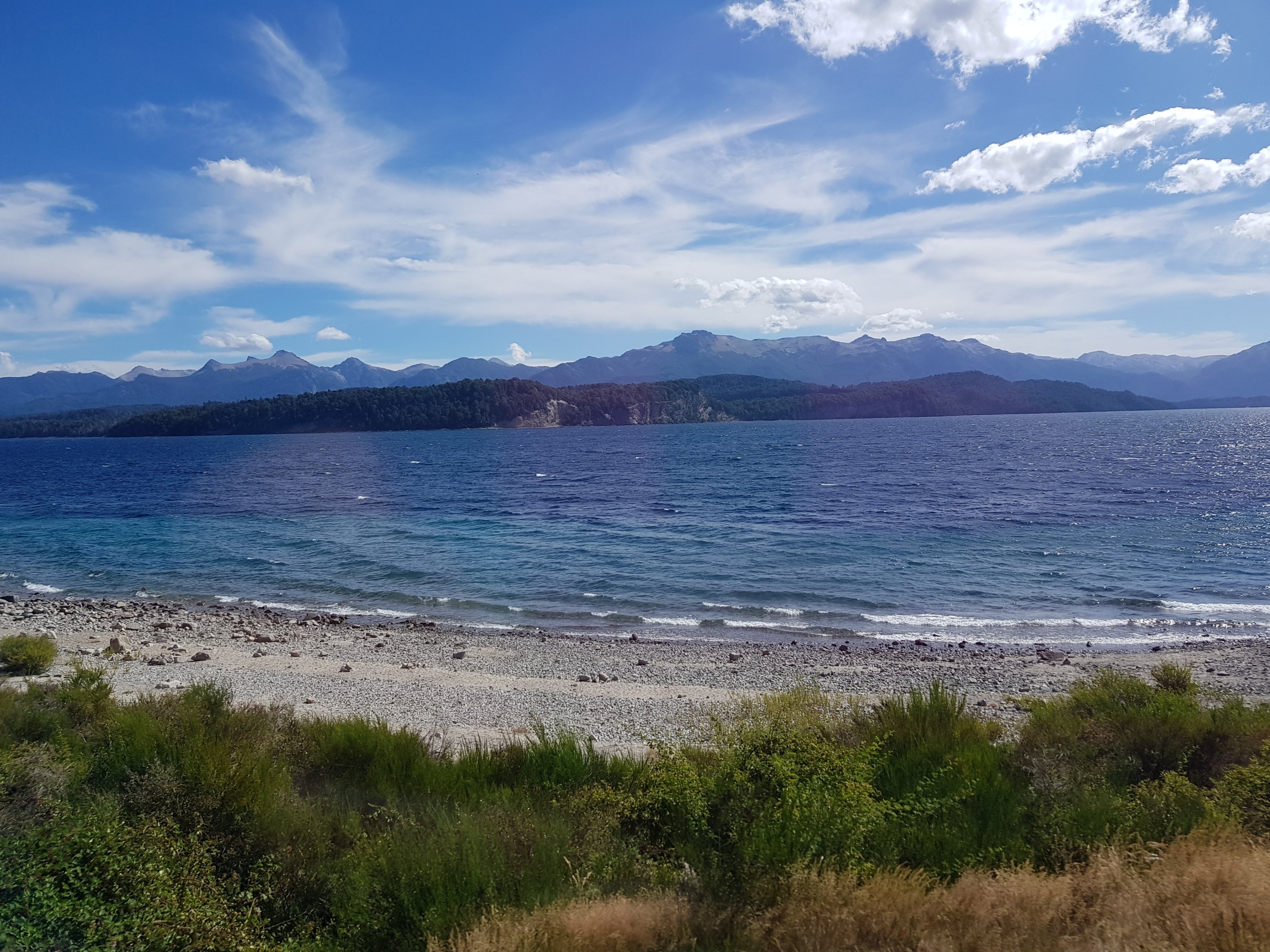
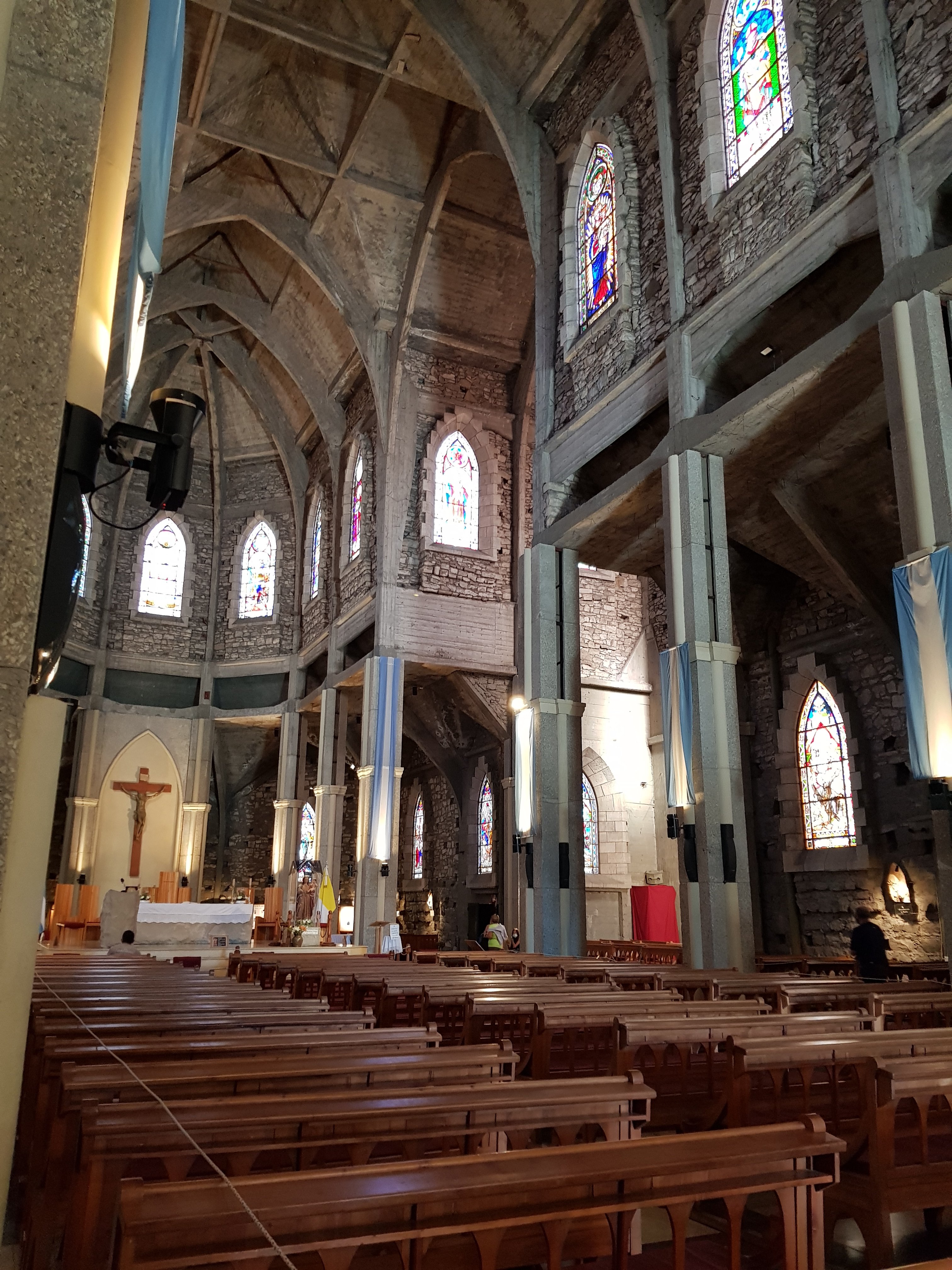
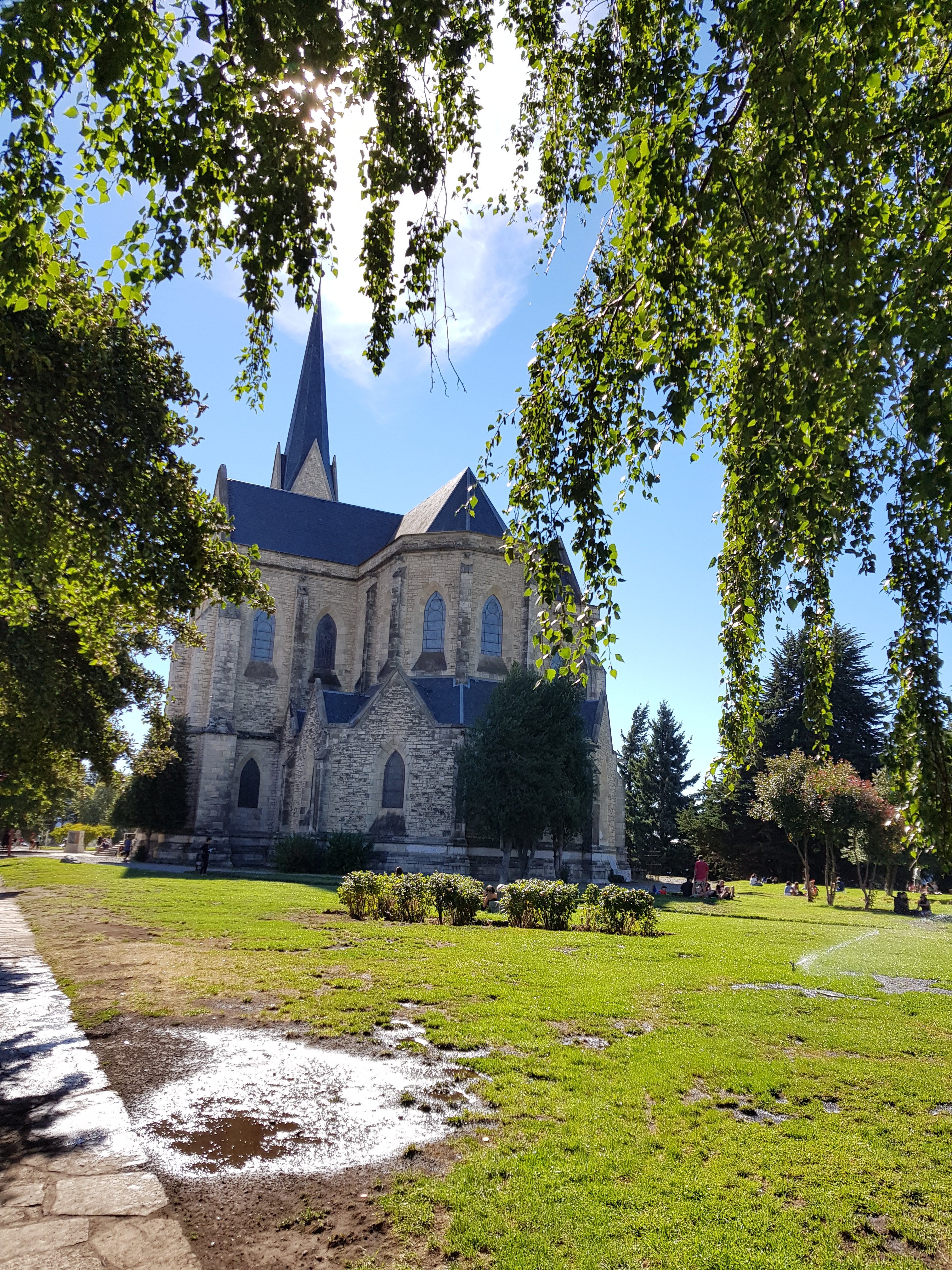
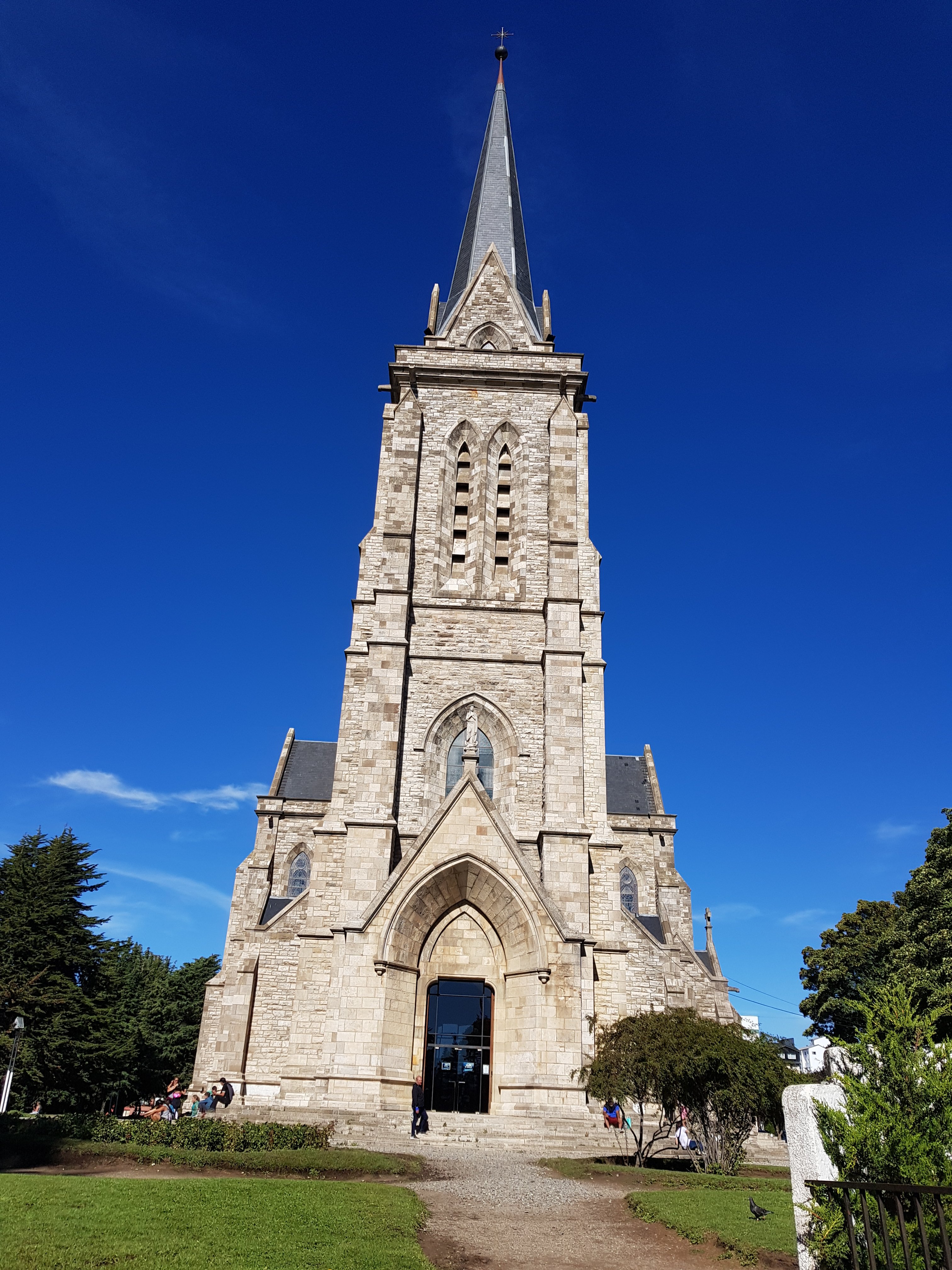
Bariloche is a working city that is less tourist heavy, but it’s scenery is absolutely postcard perfect. The town is surrounded by a huge lake and endless mountain scenes. There are not many attractions in the town, and I really just used this for a rest day and to save a little money by cooking from the supermarket. I did manage to visit the local cathedral though. This was a very pleasant building with lots of stonework. You can also walk right up to the lake and sit on the stony beach if you want to.
El Bolson
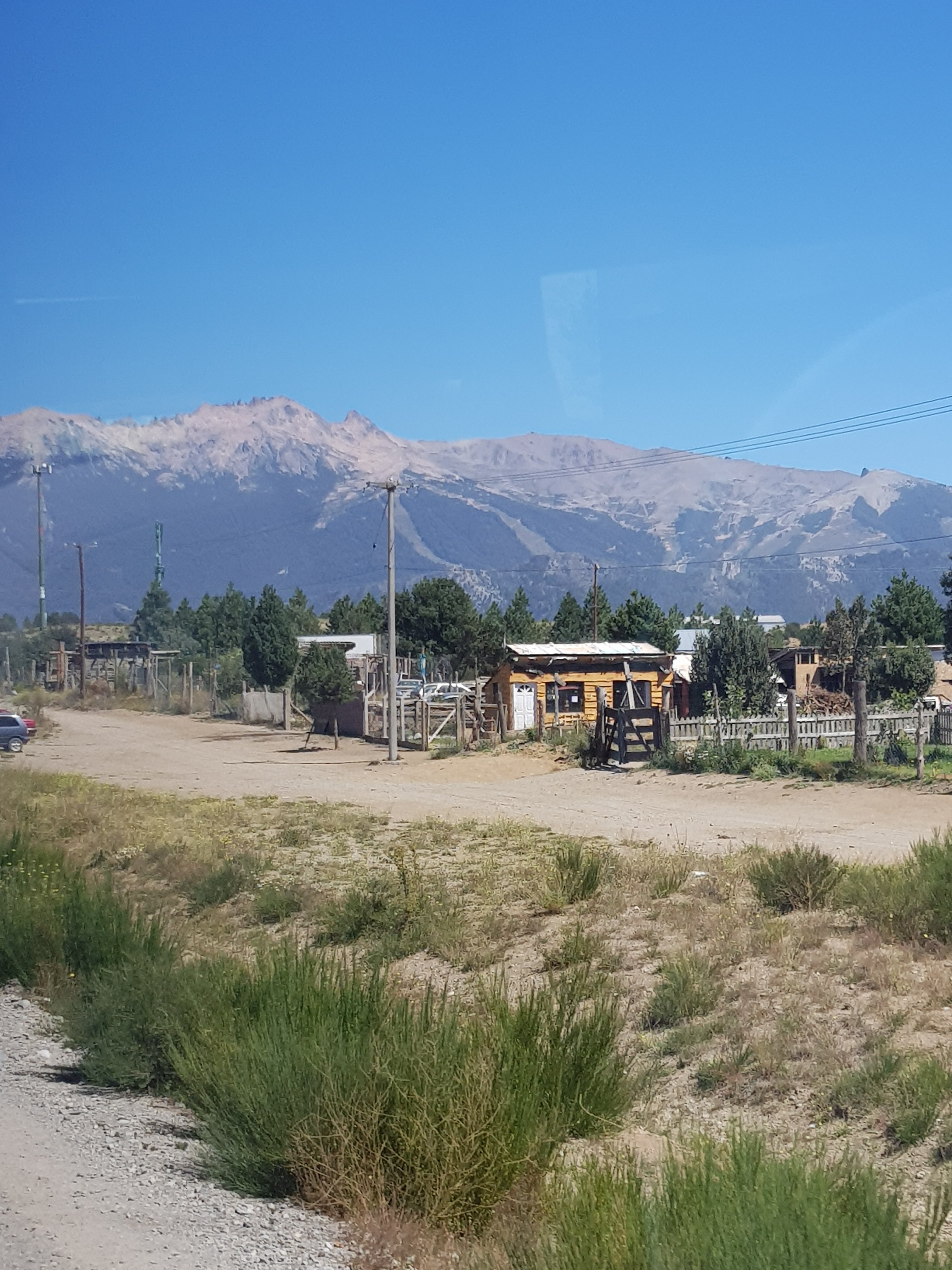
On the bus to my third stop in this region, El Bolson, I continued to travel along the famous route 40. This very long highway, connects all of these beautiful locations from the North to South of the country. It has now become well known for its gorgeous scenery, and thankfully, the buses use this road too!
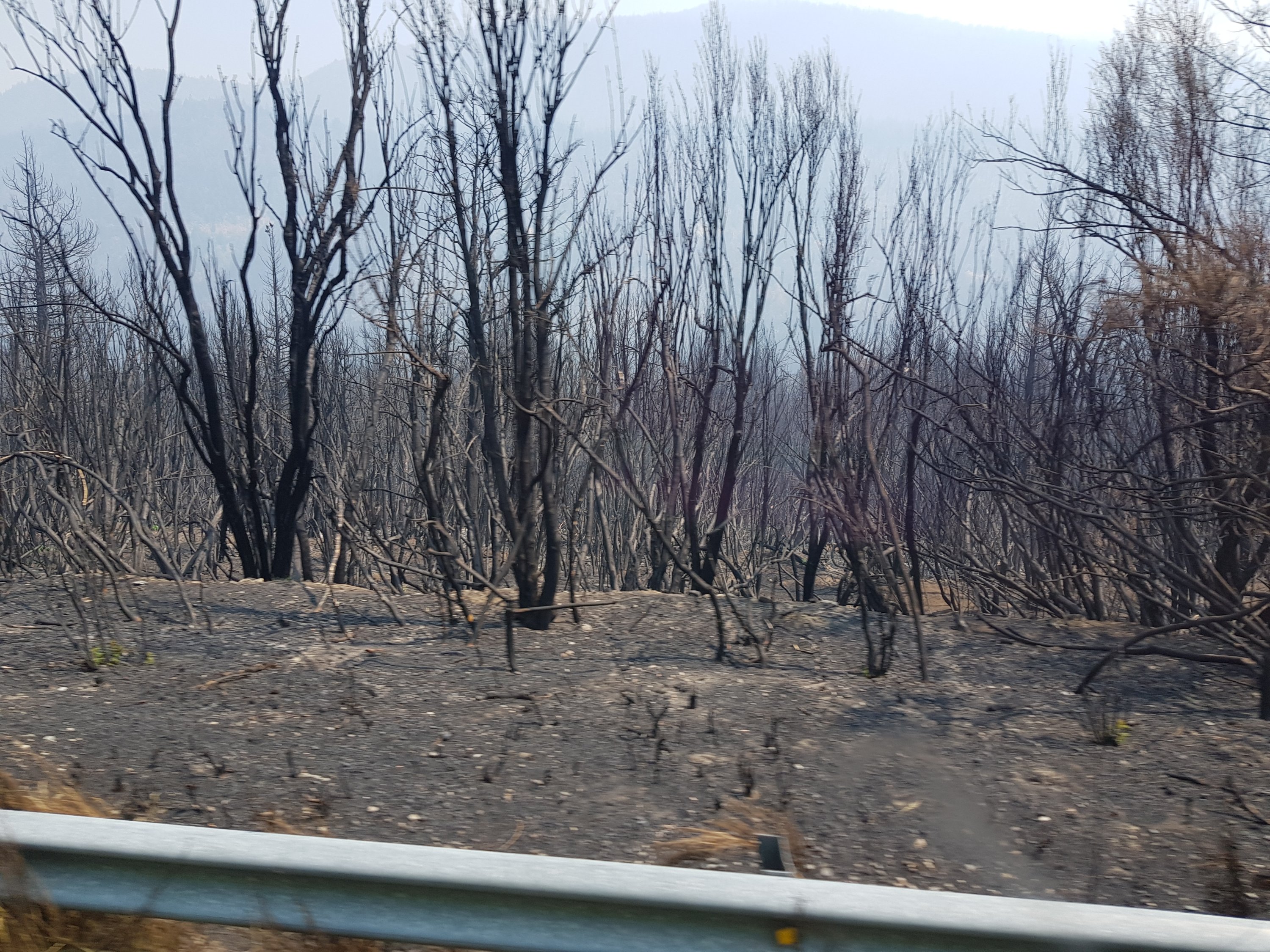
Along the way, I saw the damage of the forest fires in the national park the day before. This was quite shocking to see, It seems that it is a common occurrence here though. It created a foggy atmosphere among the mountain scenes.
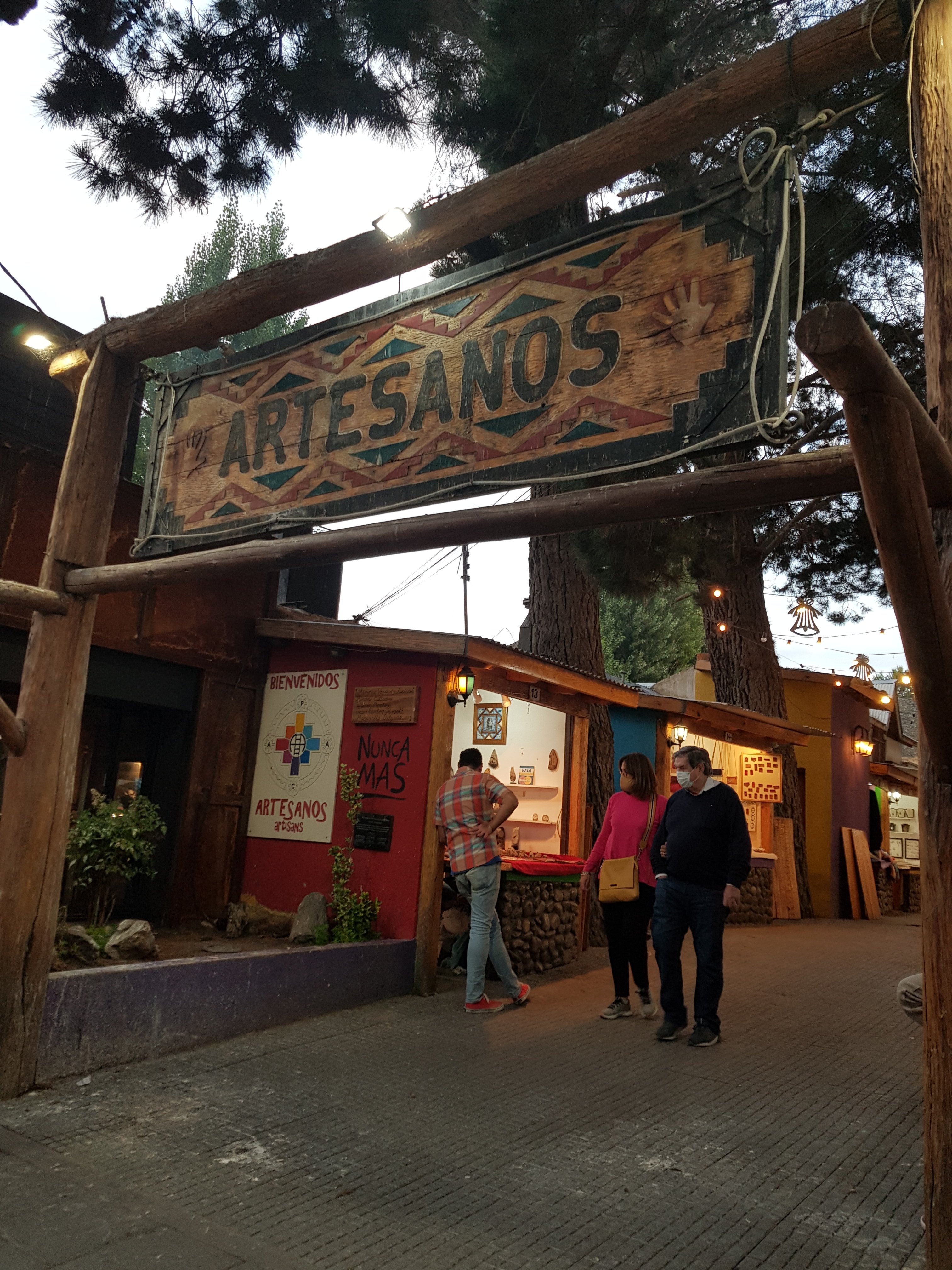
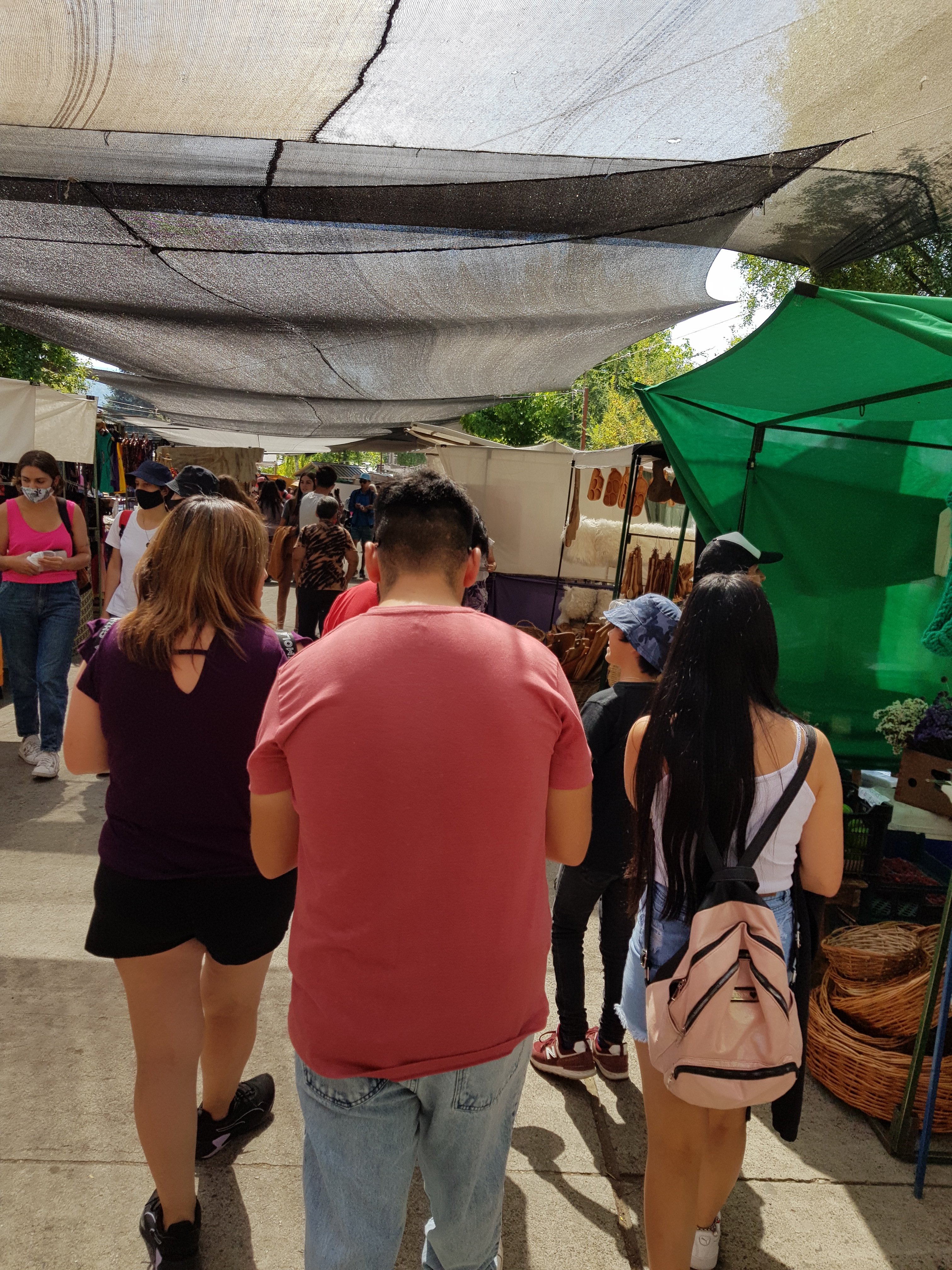
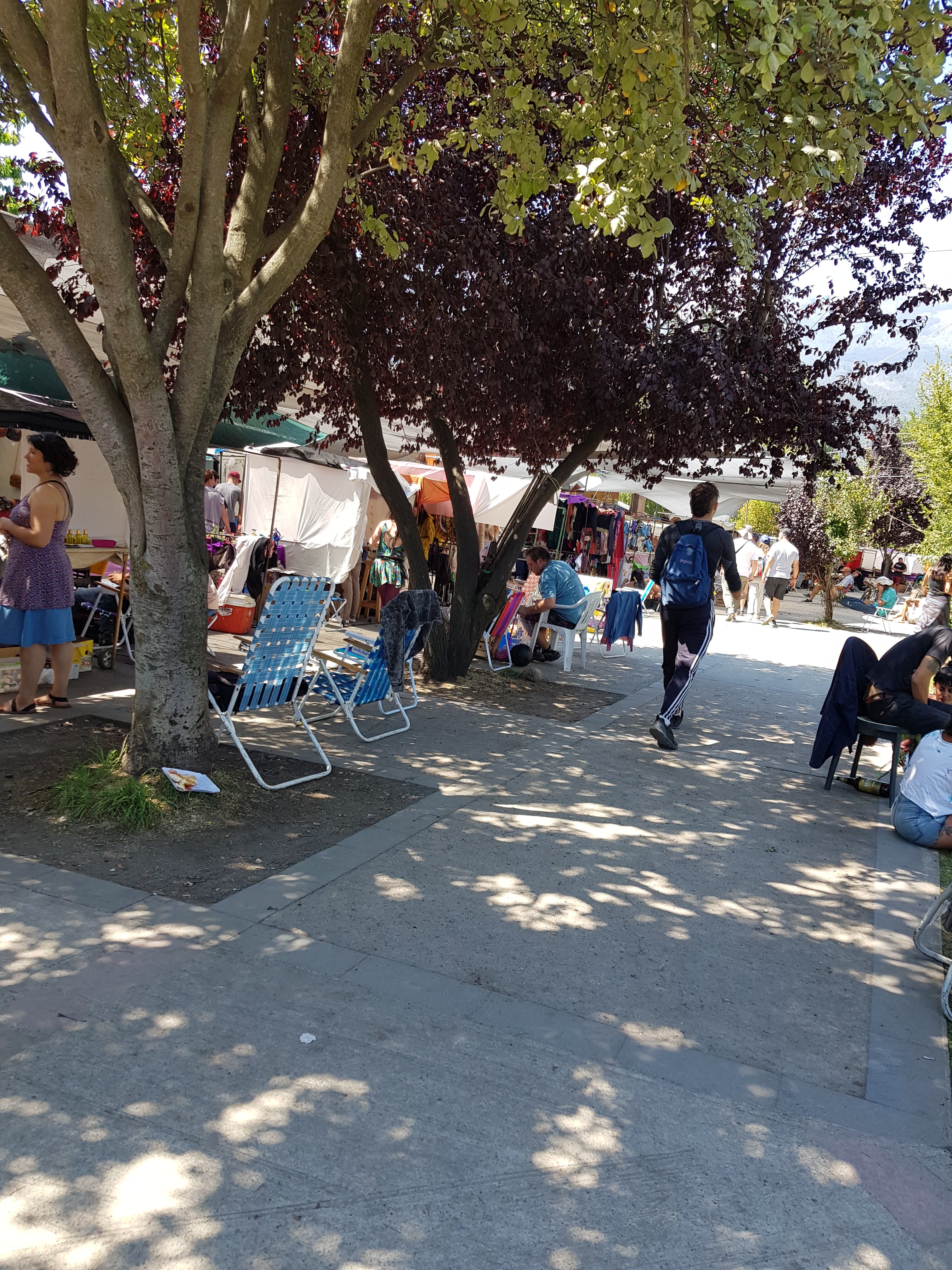
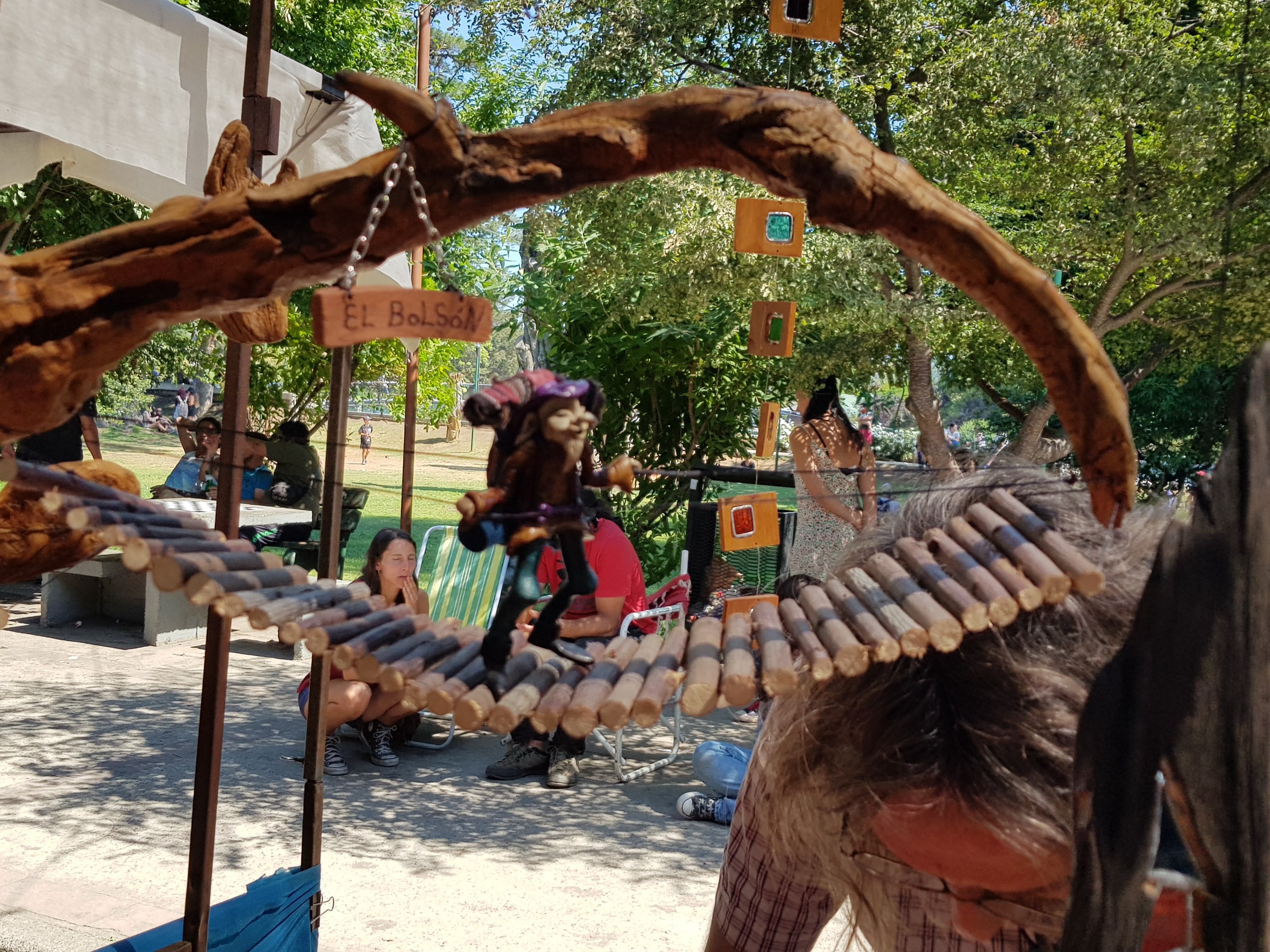
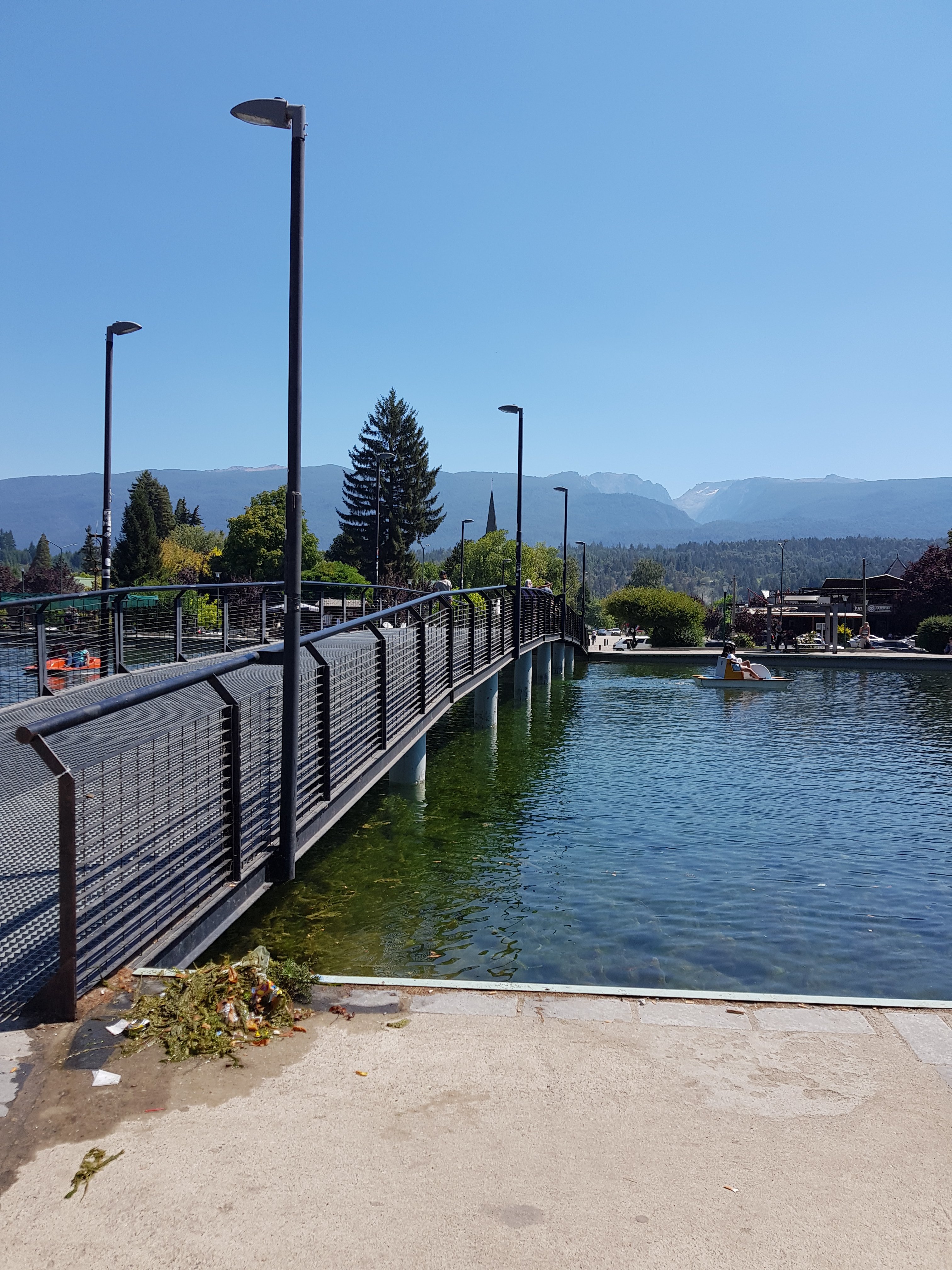
On arrival to El Bolson, I stumbled upon a huge feria (market/fair) with lots of artisan stalls and food vendors, besides a lovely river scene where people were enjoying pedal boats.
I think El Bolson is my favourite stop of the three, as it had a lovely mix of authenticity and fun for tourists. It was clean, and had lots of facilities. A lot of people that stop here do the 1-2 day hike to Cerro Piltriquitrón but I only had a day here and so not enough time. If I could do it again I would stay up to 4 days here. I did manage to make use of some other nearby hikes though.
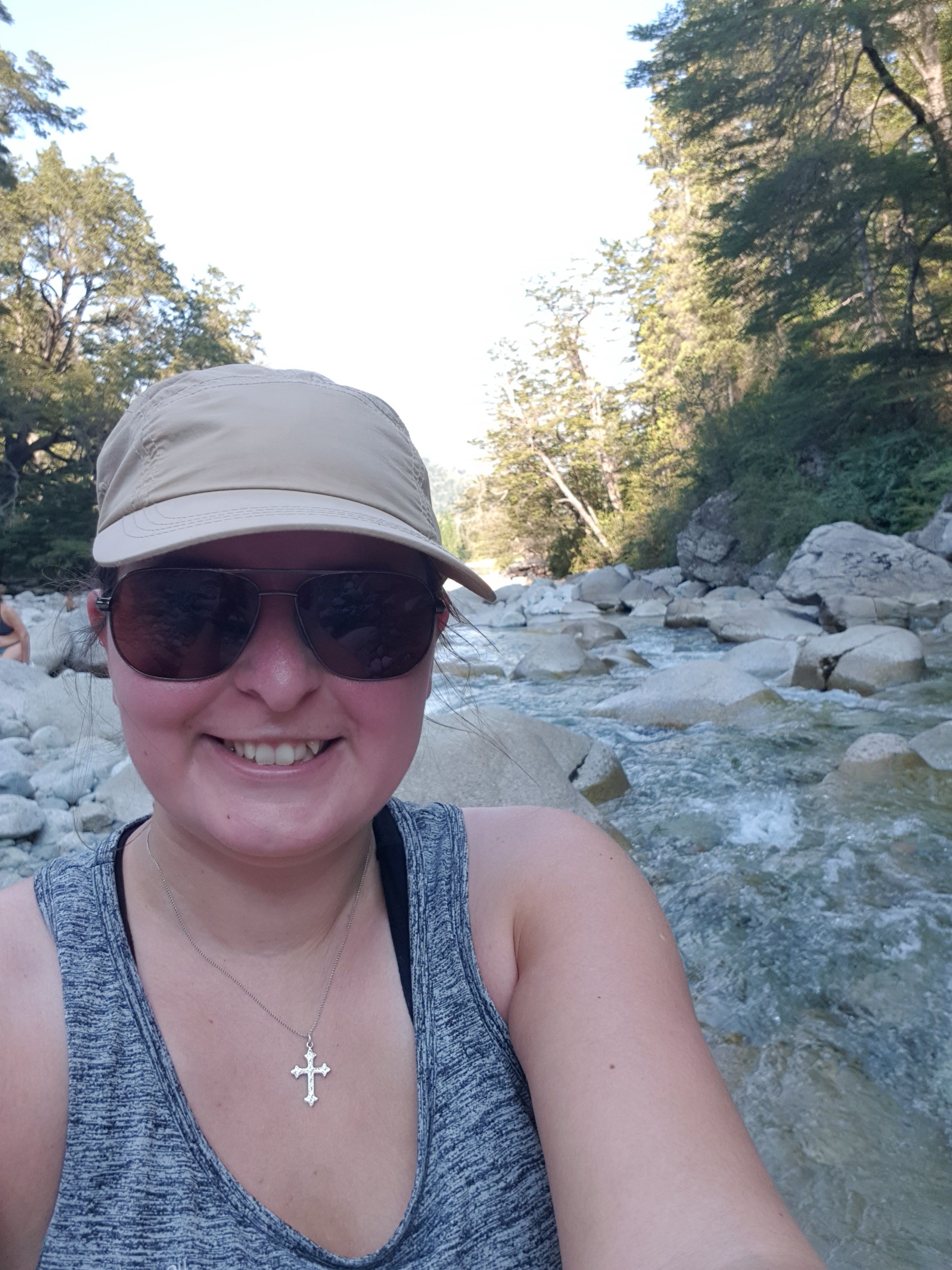
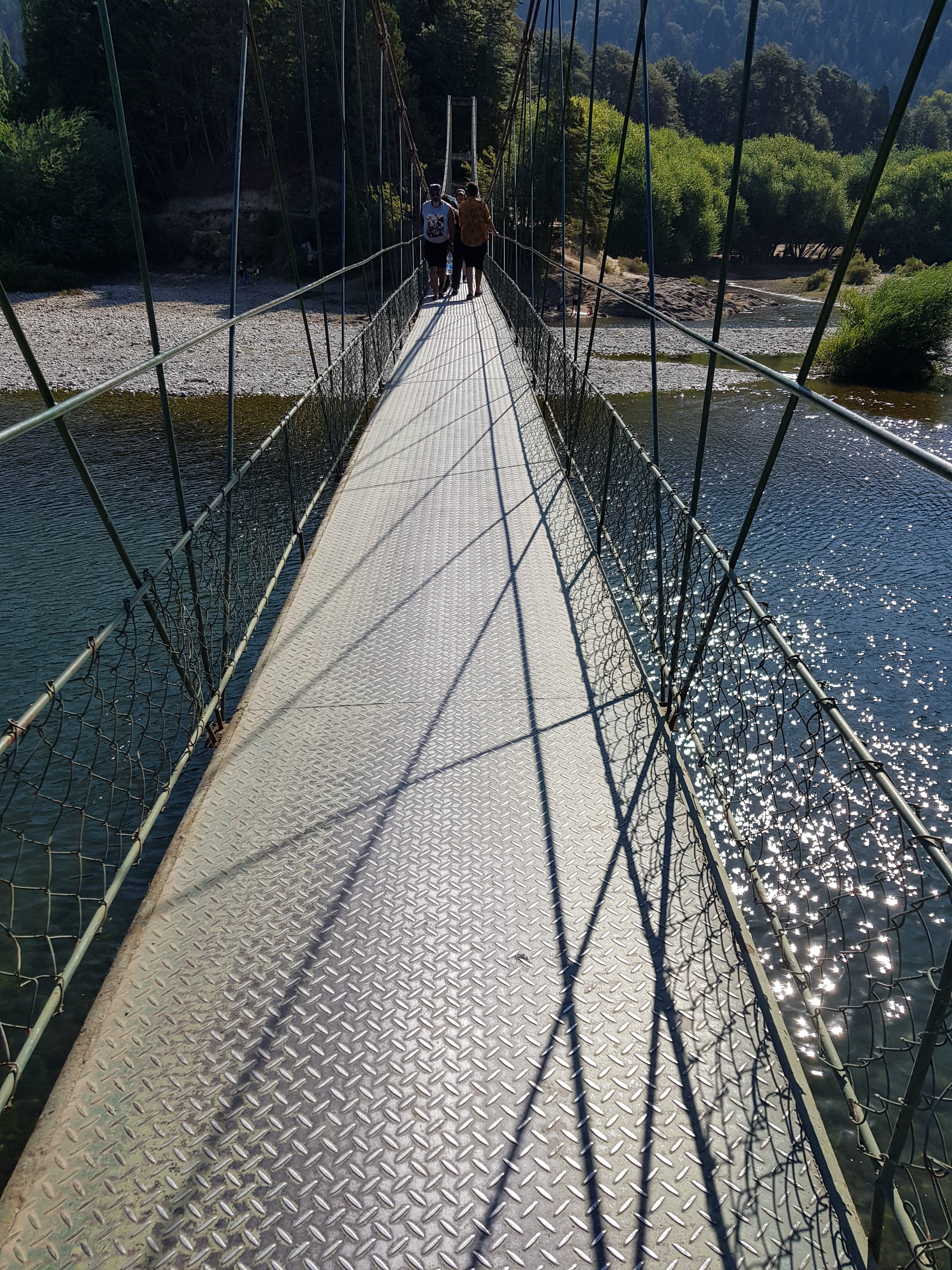
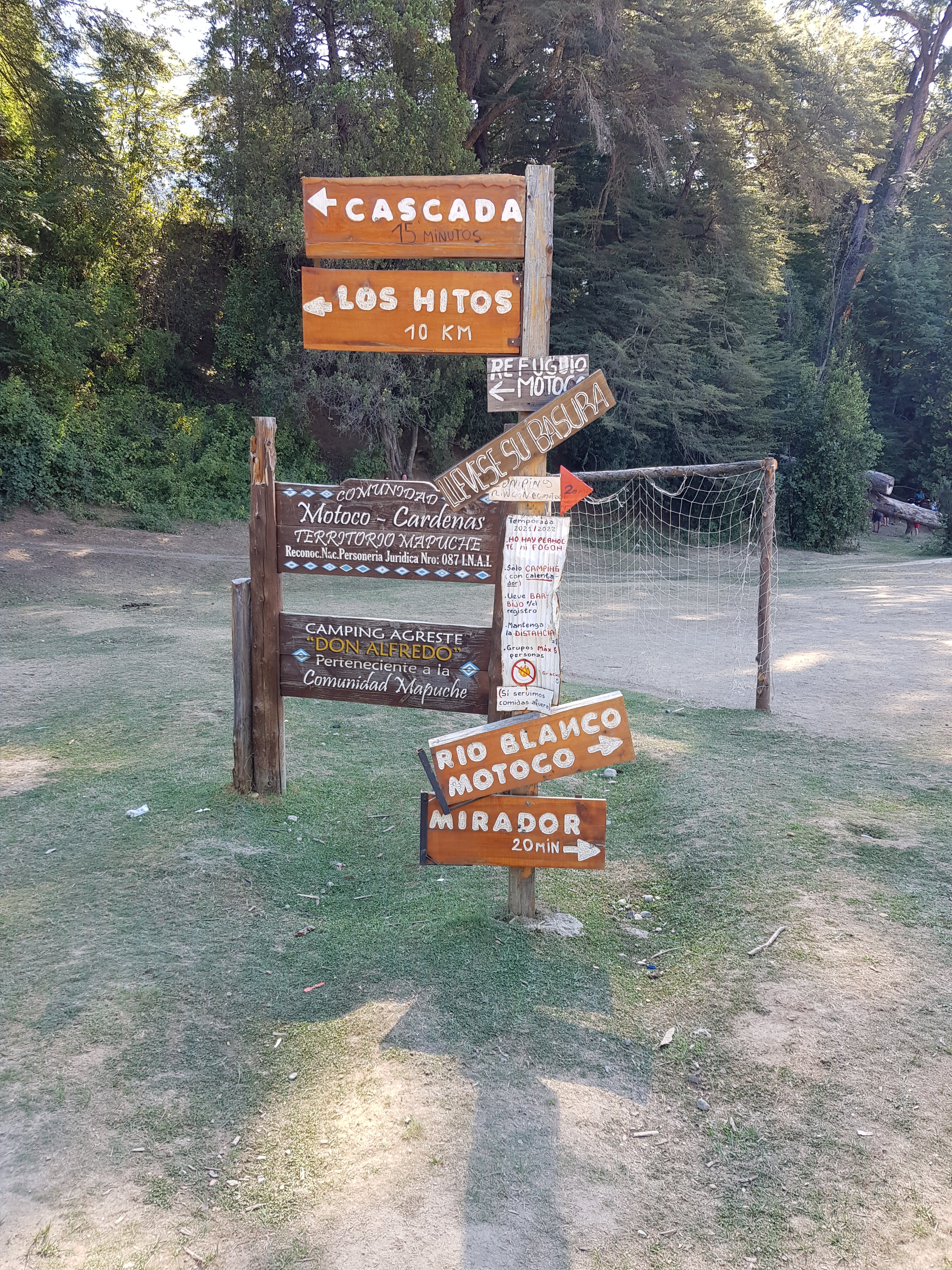
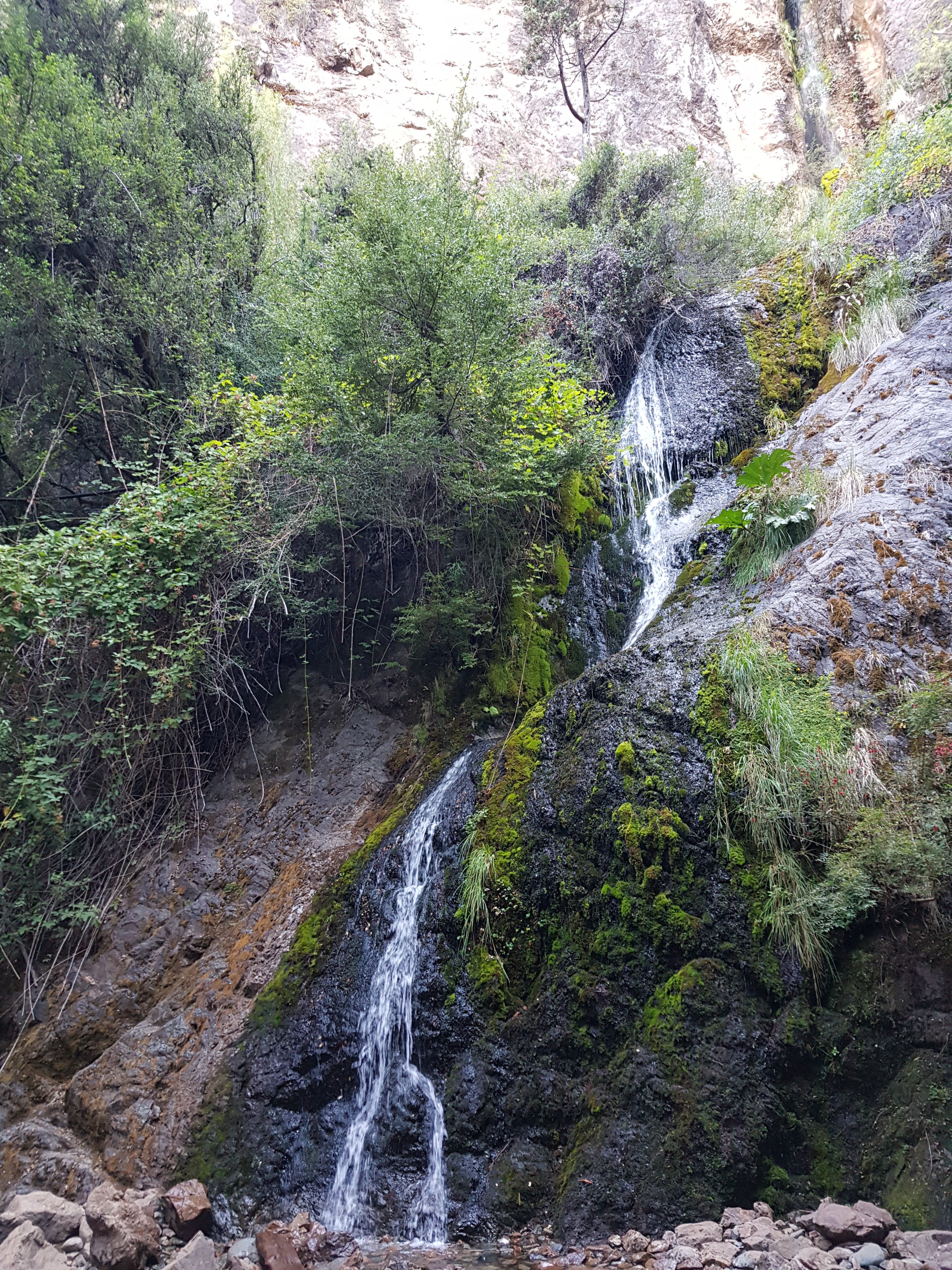
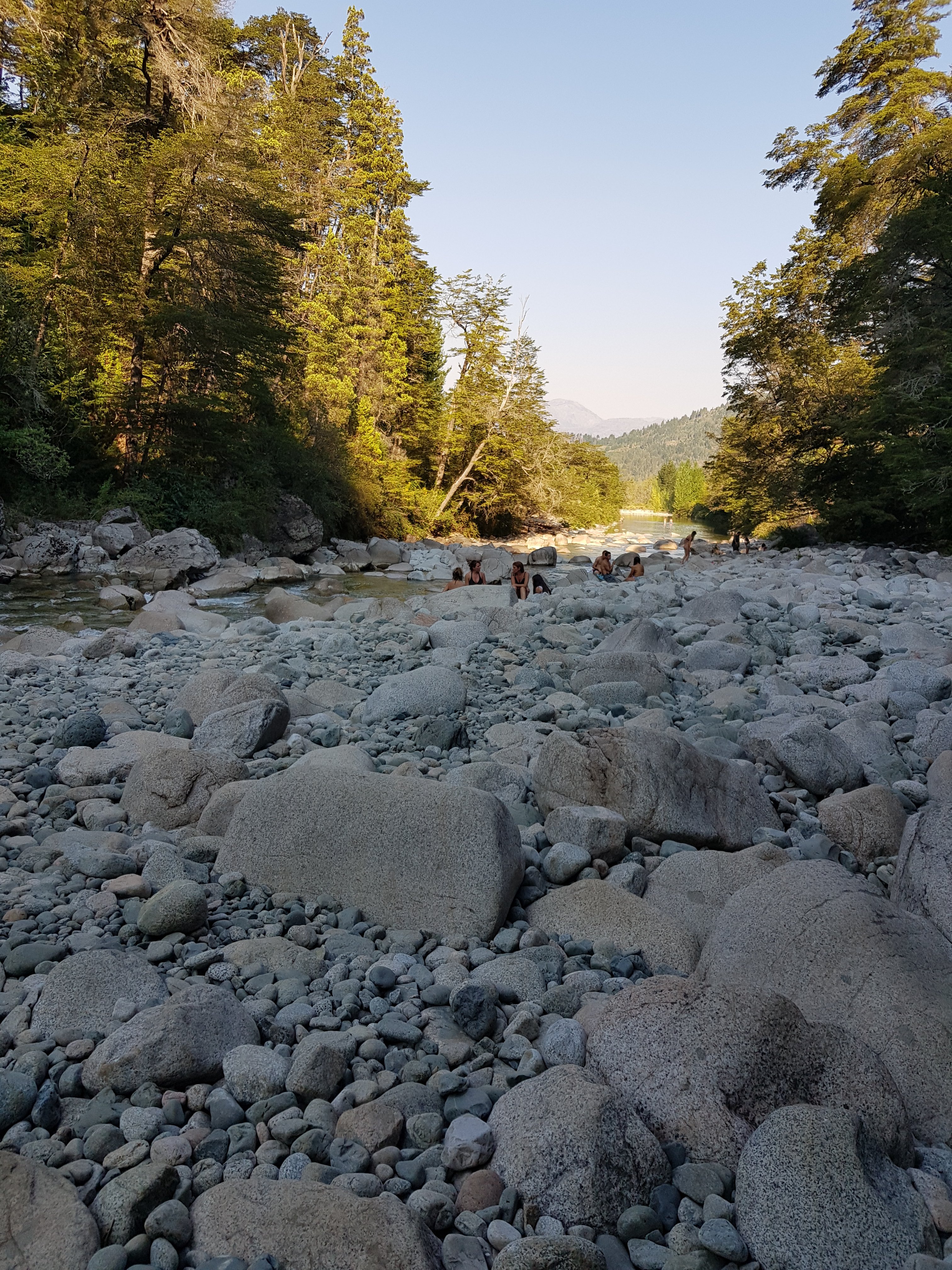
I took a cheap local bus out to a natural site that is part of the aboriginal Mapuche territory called La Pasarela. On arrival, I had no idea where I was. I approached a local aboriginal girl, in my best spanish, and she led me there, explaining that it is hard to find on a map. When I found the right spot there was a river with people swimming, and a little information point. The site is completely free to visit, and has many trails and things to see. I visited a waterfall, and then took a second hike to sit by the River Blanco. It was really refreshing on such a hot day.
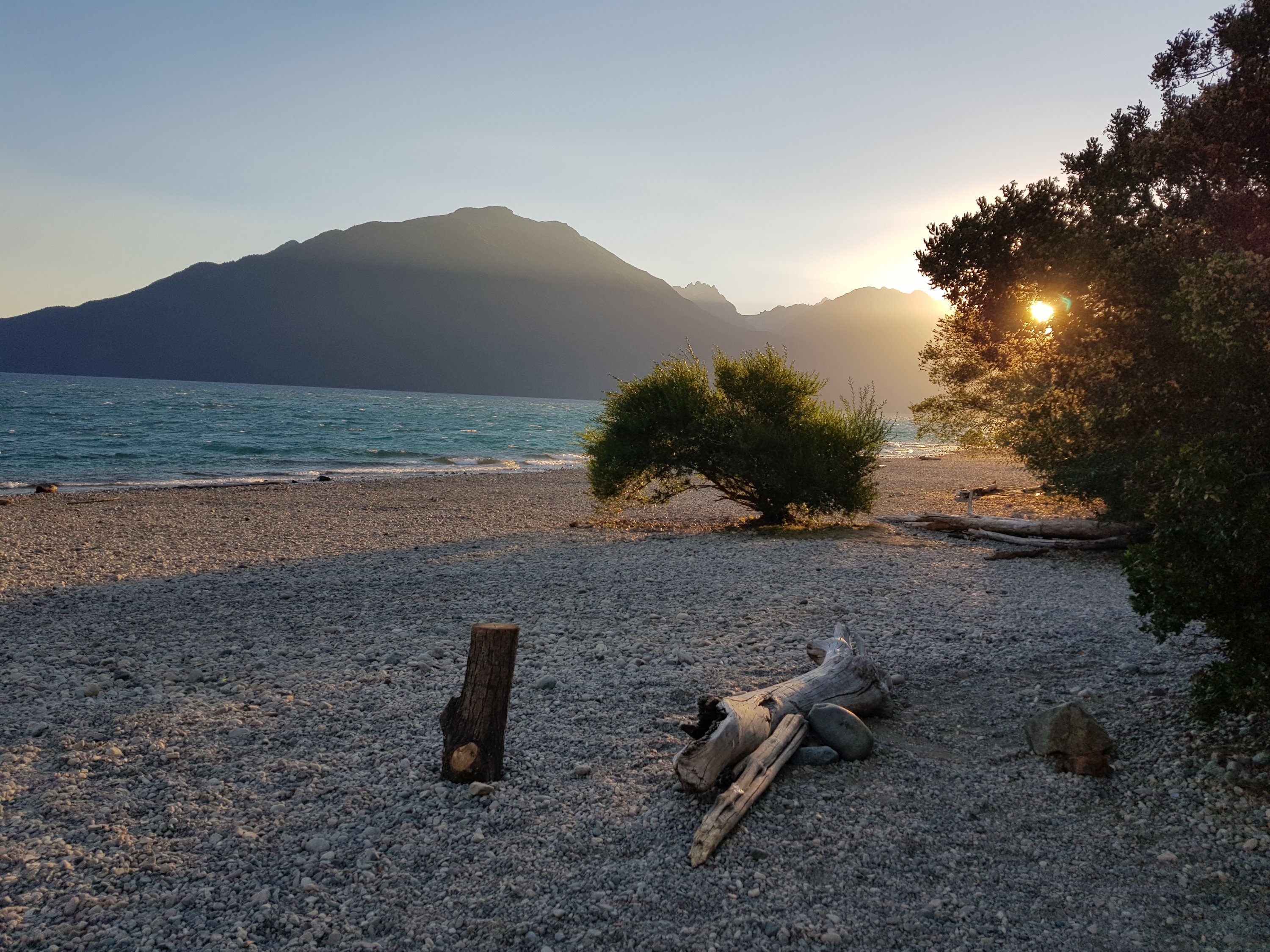
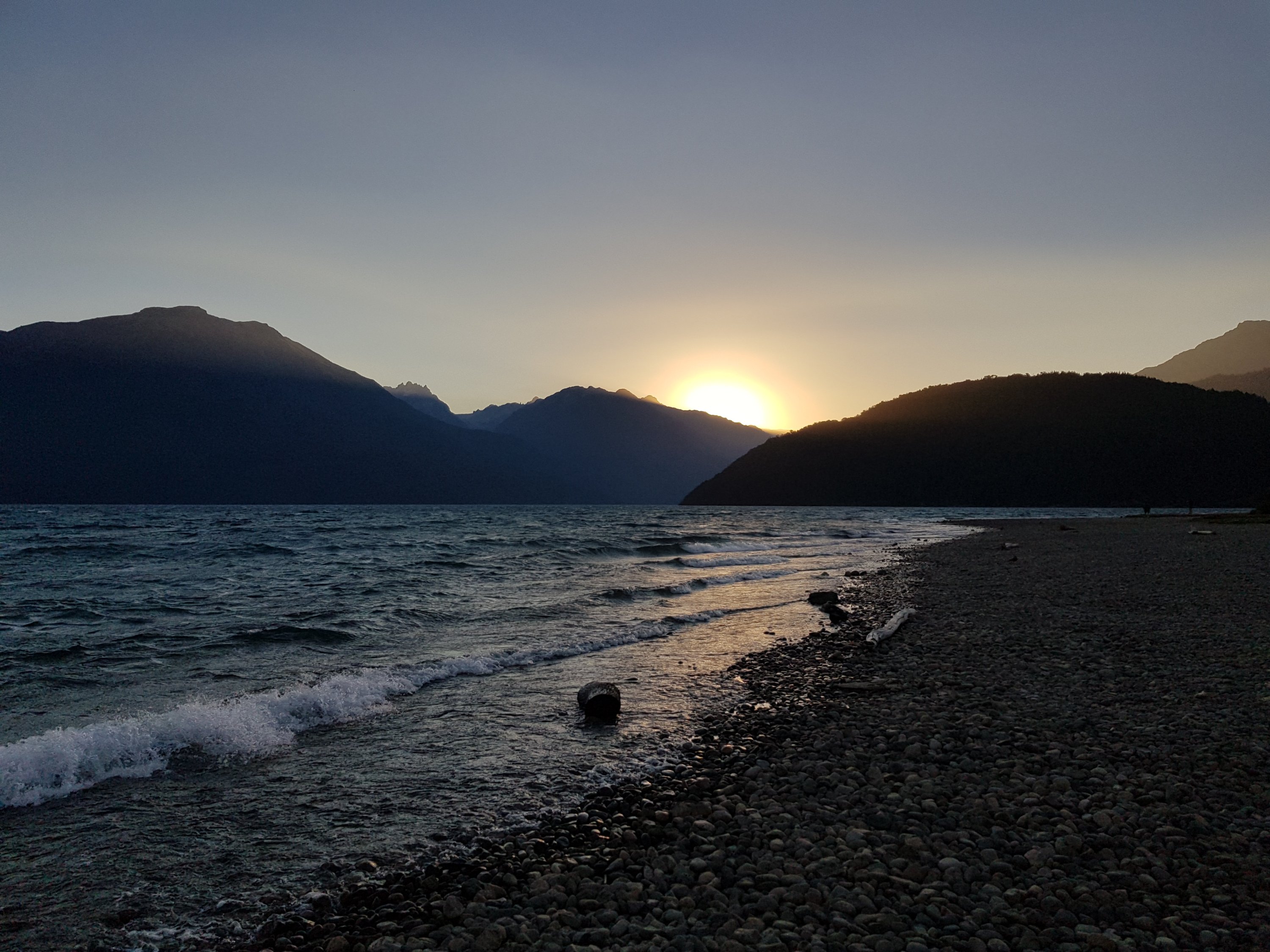
After visiting La Pasarela I hopped back on the bus for another 15 minutes down the road to Lake Puelo and enjoyed the views of this huge lake among the sunset.
Overall, the Lake District in Argentina is absolutely stunning. There is plenty to see as a nature lover. If I had the chance to travel in my own car, then I would definitely visit more smaller communities, and I would perhaps do more camping, as many people were spending long periods of time in each place whilst camping. For now, I travel further South!
After completing my journey to Santiago de Compostela, I hit the road again, and made my way to the beautiful city of Salamanca for an overnight stay.
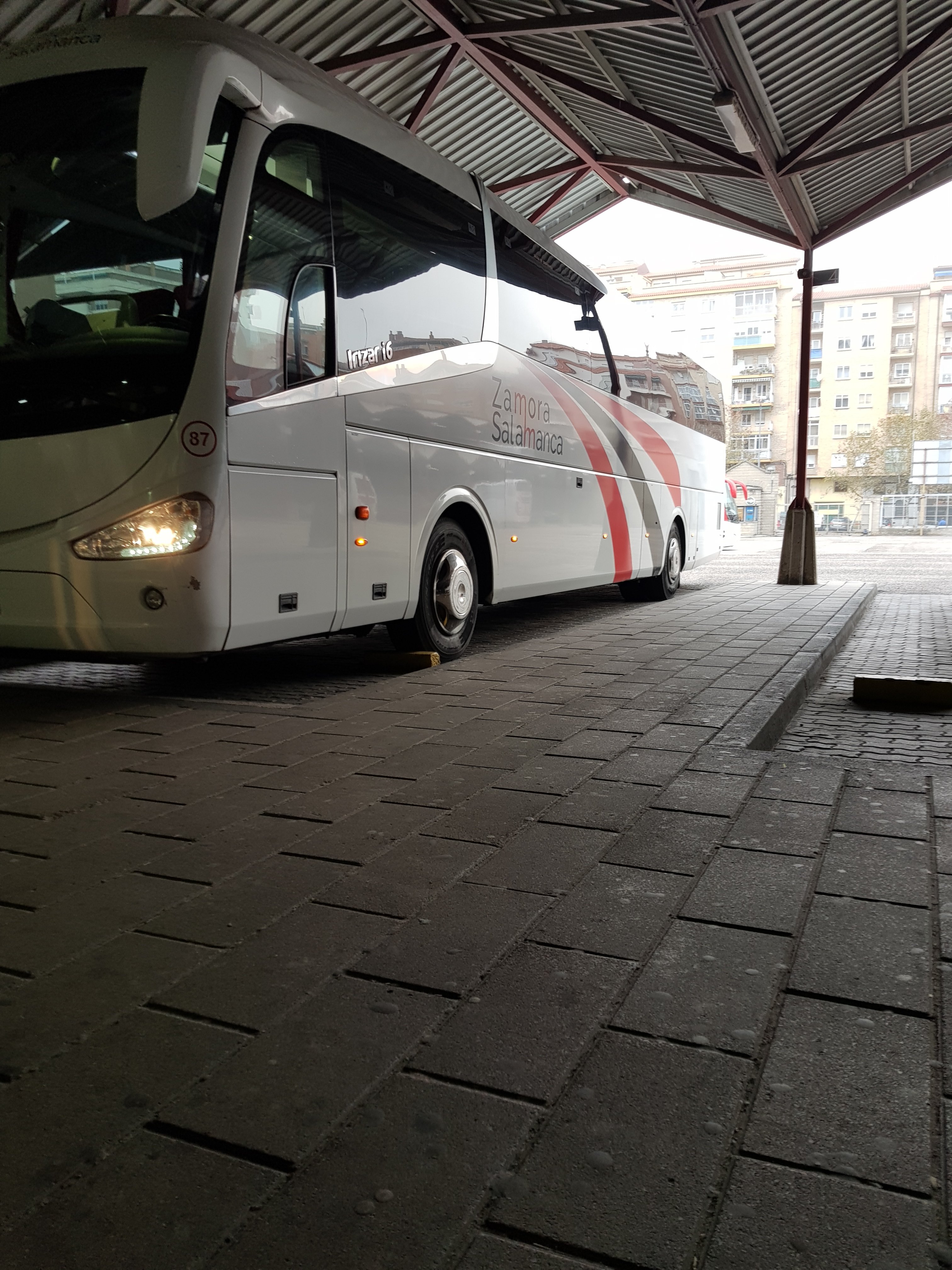
Salamanca is a small city in the North West of Spain. Whilst it is not dramatically far from Santiago de Compostela, it was not the simplest to get to. I had to take a train to another town, and then a local bus to Salamanca. After this long journey, I was too early for check in, and decided to start on the sightseeing straight away.
I knew nothing about Salamanca before visiting. Only that it was a city that looked nice in pictures, and had a name that I enjoyed saying out loud… SAL – A – MANCA 😄
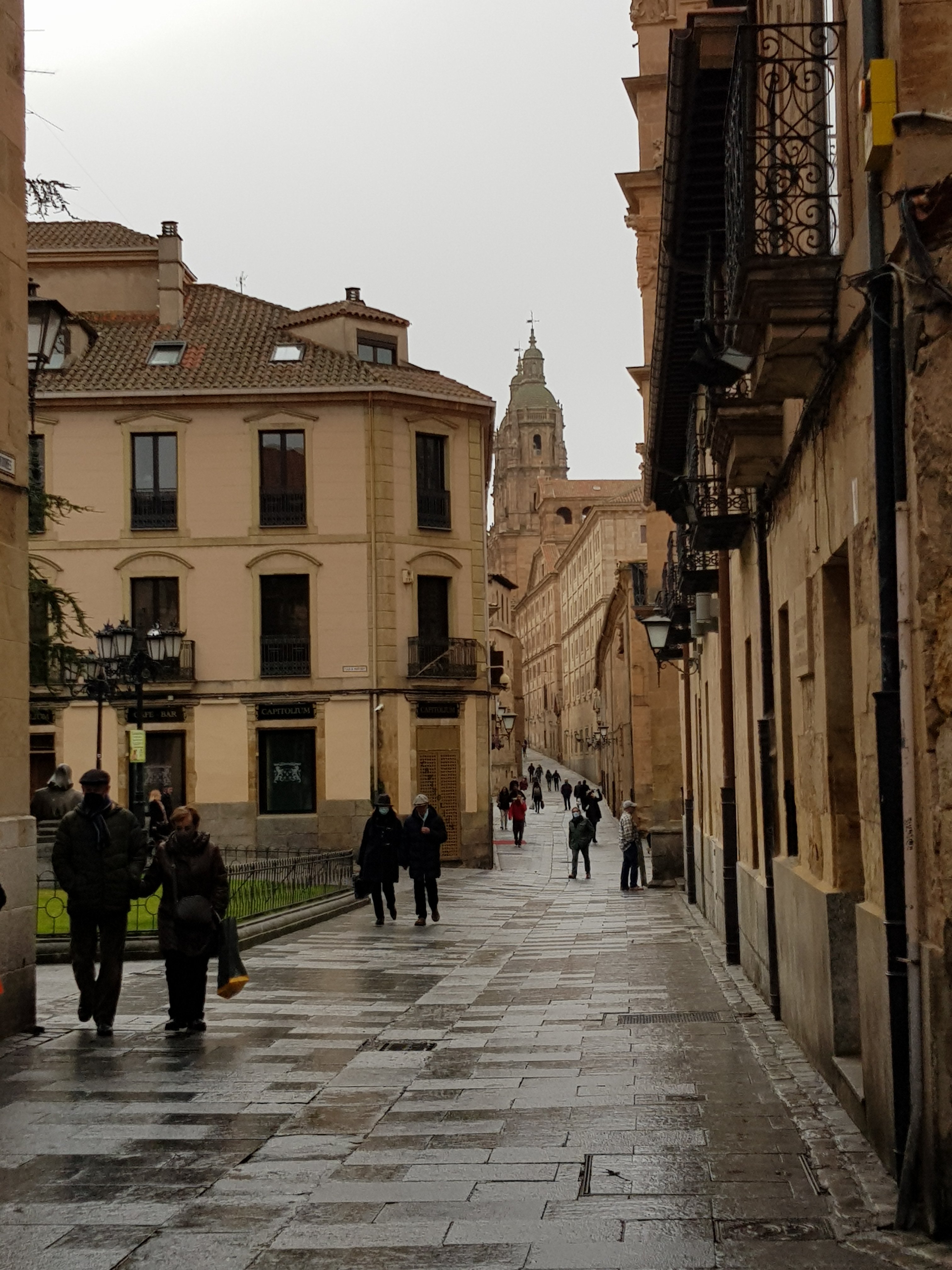
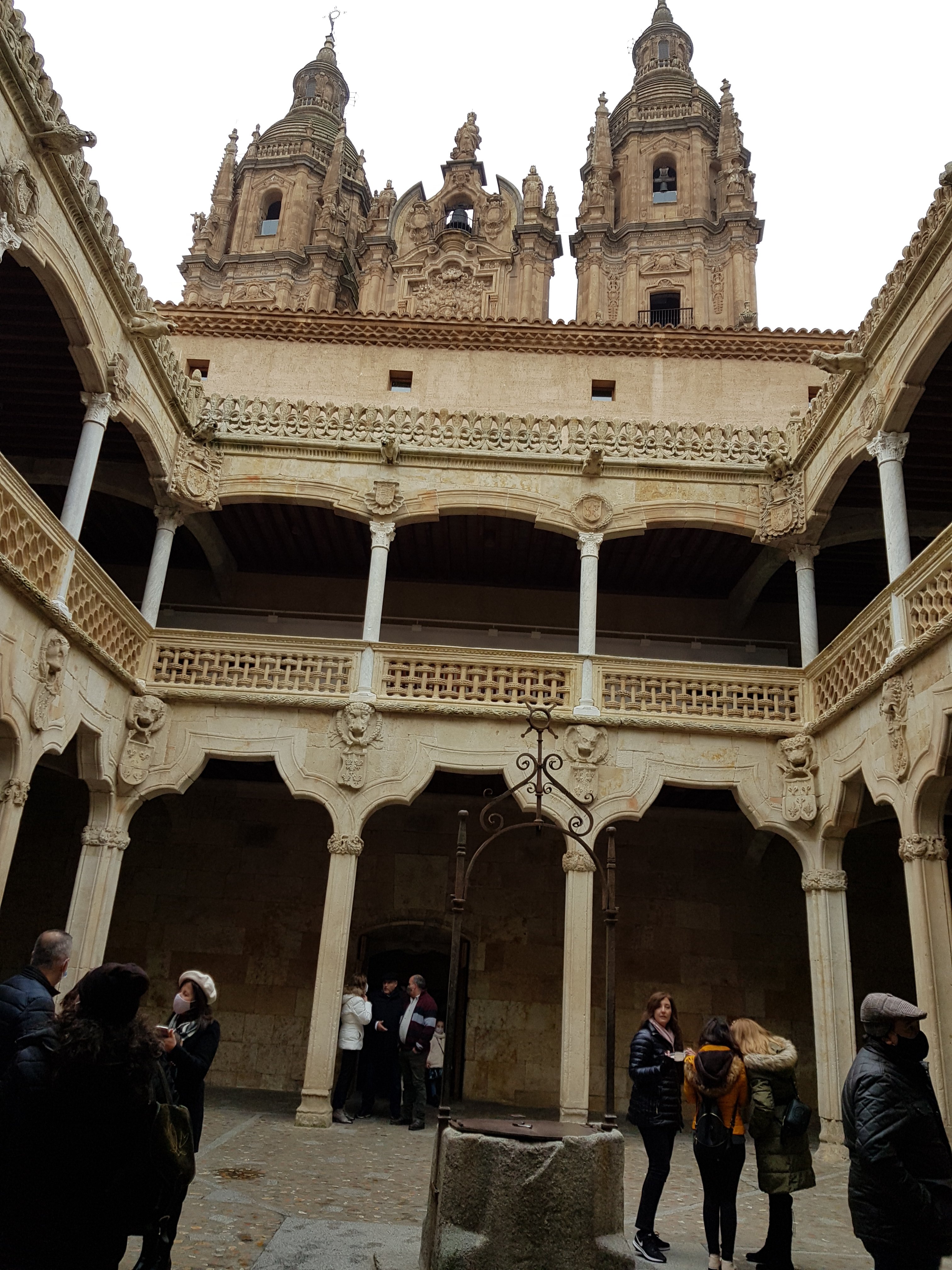
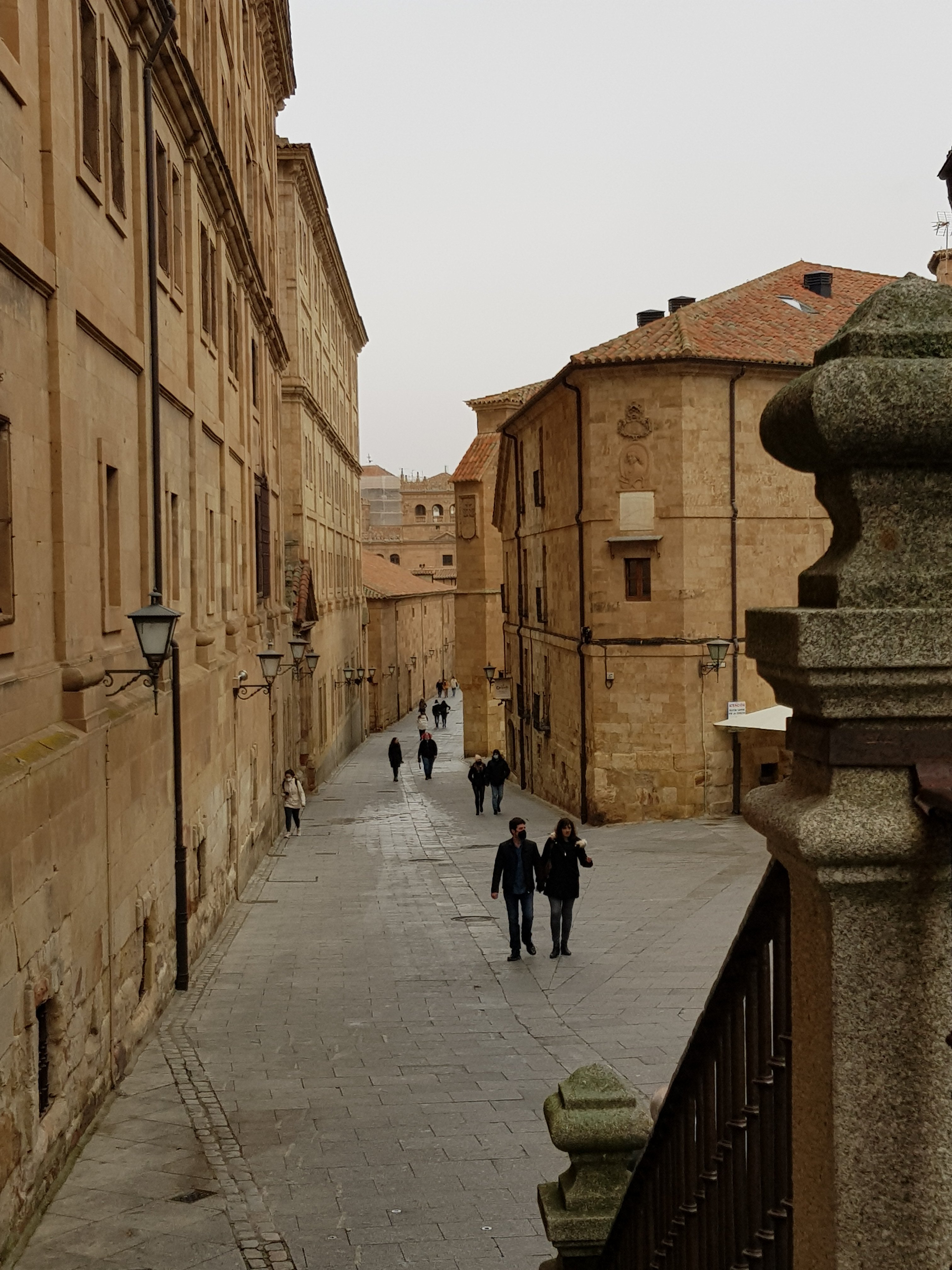
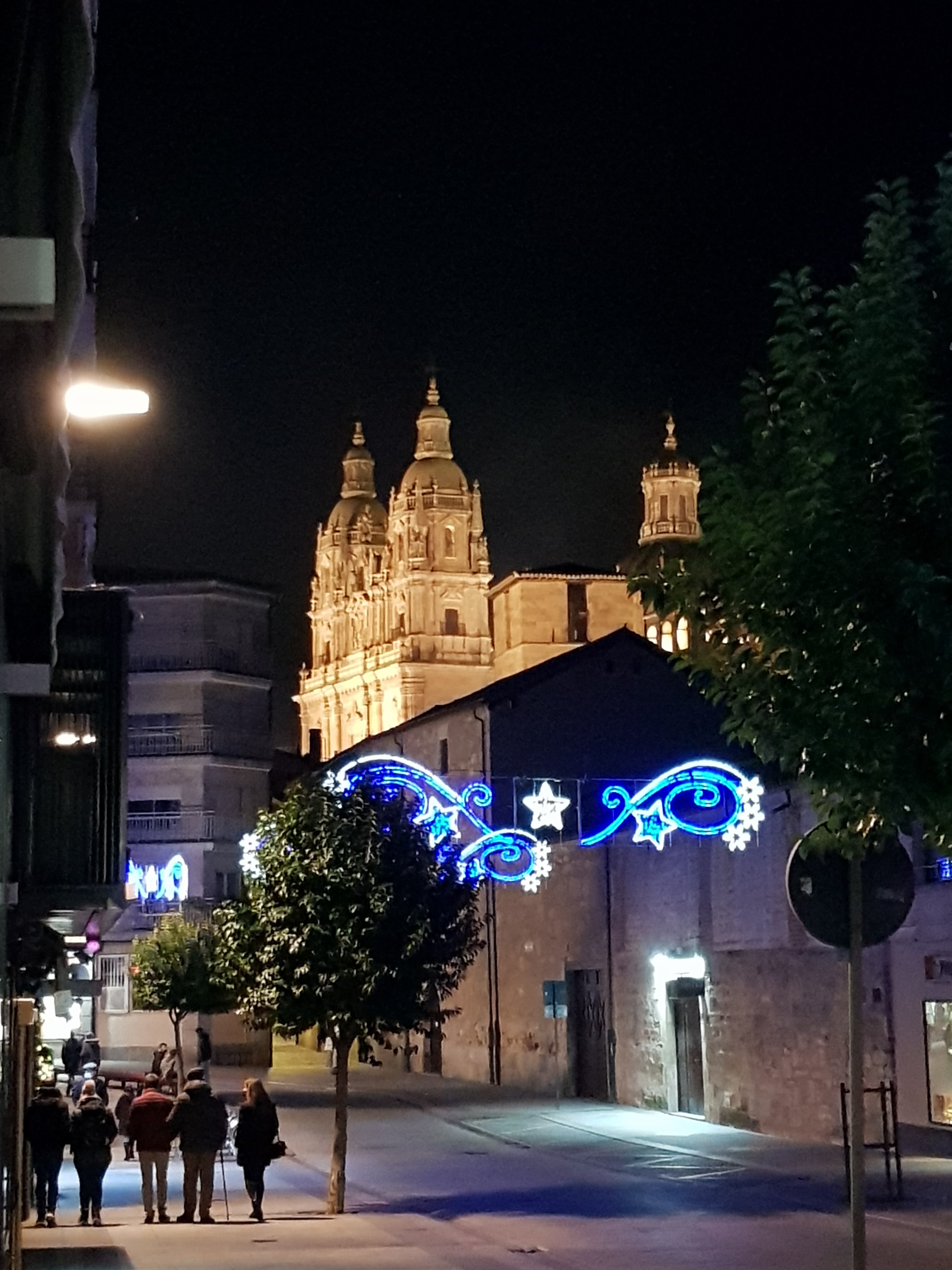
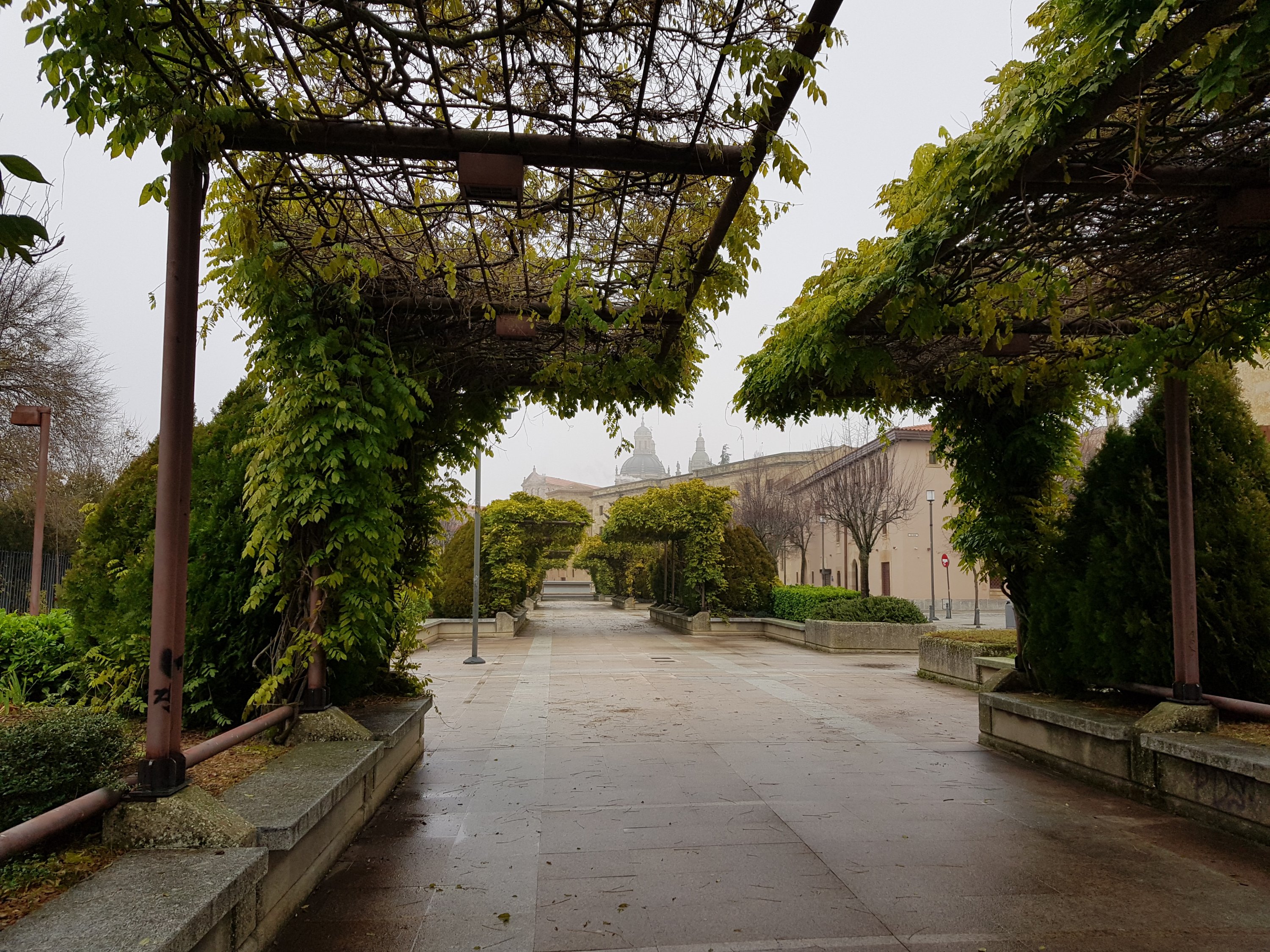
It turns out that Salamanca is also known as the ‘Golden City’ because of the golden orange colour of the buildings throughout the old town. The colour definitely does make you feel as if you were in an arabian paradise, but Northern Spain really doesn’t fit that profile! 😄 The city’s old town has a mix of palaces, religious buildings, and university buildings.
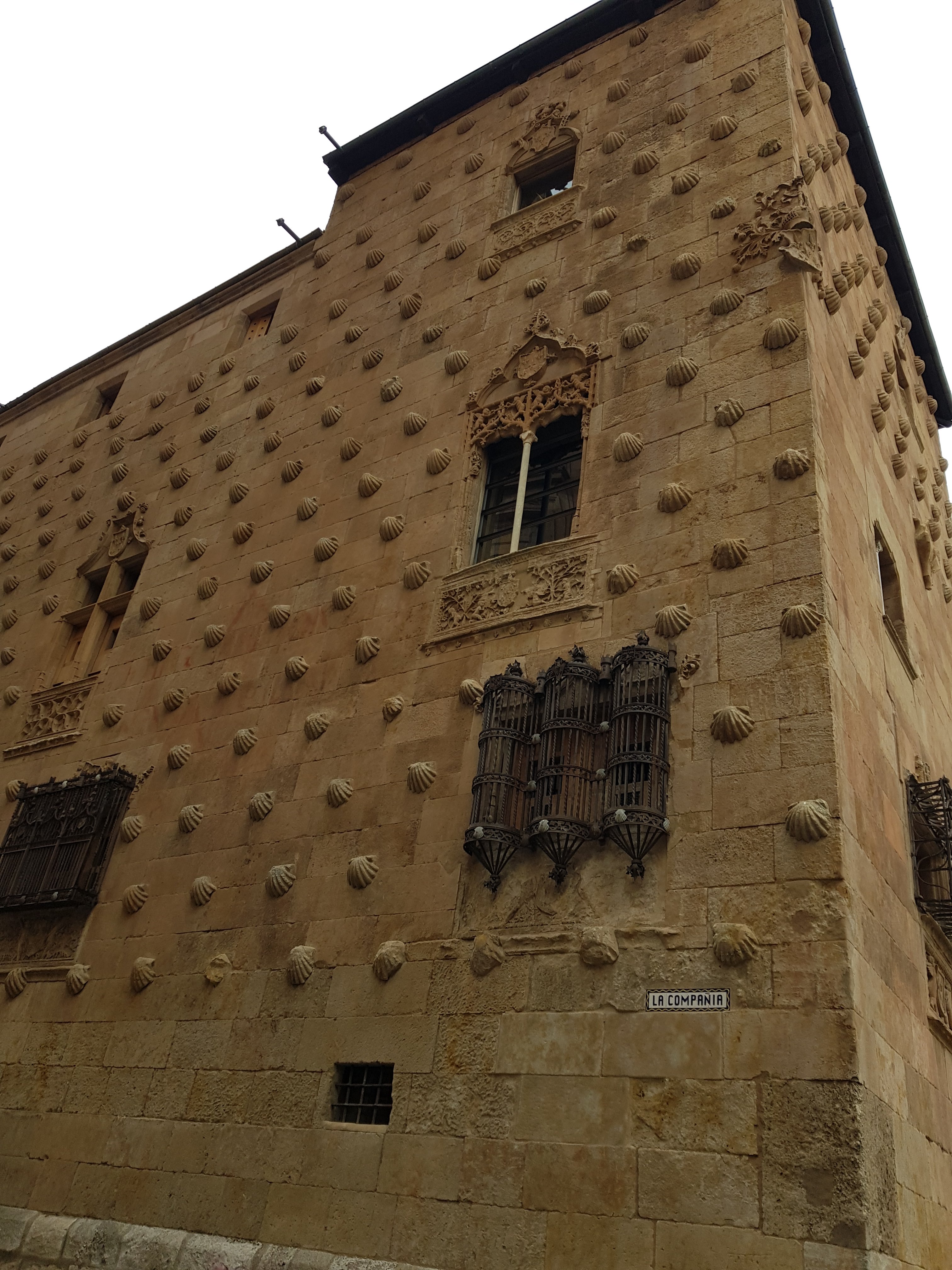
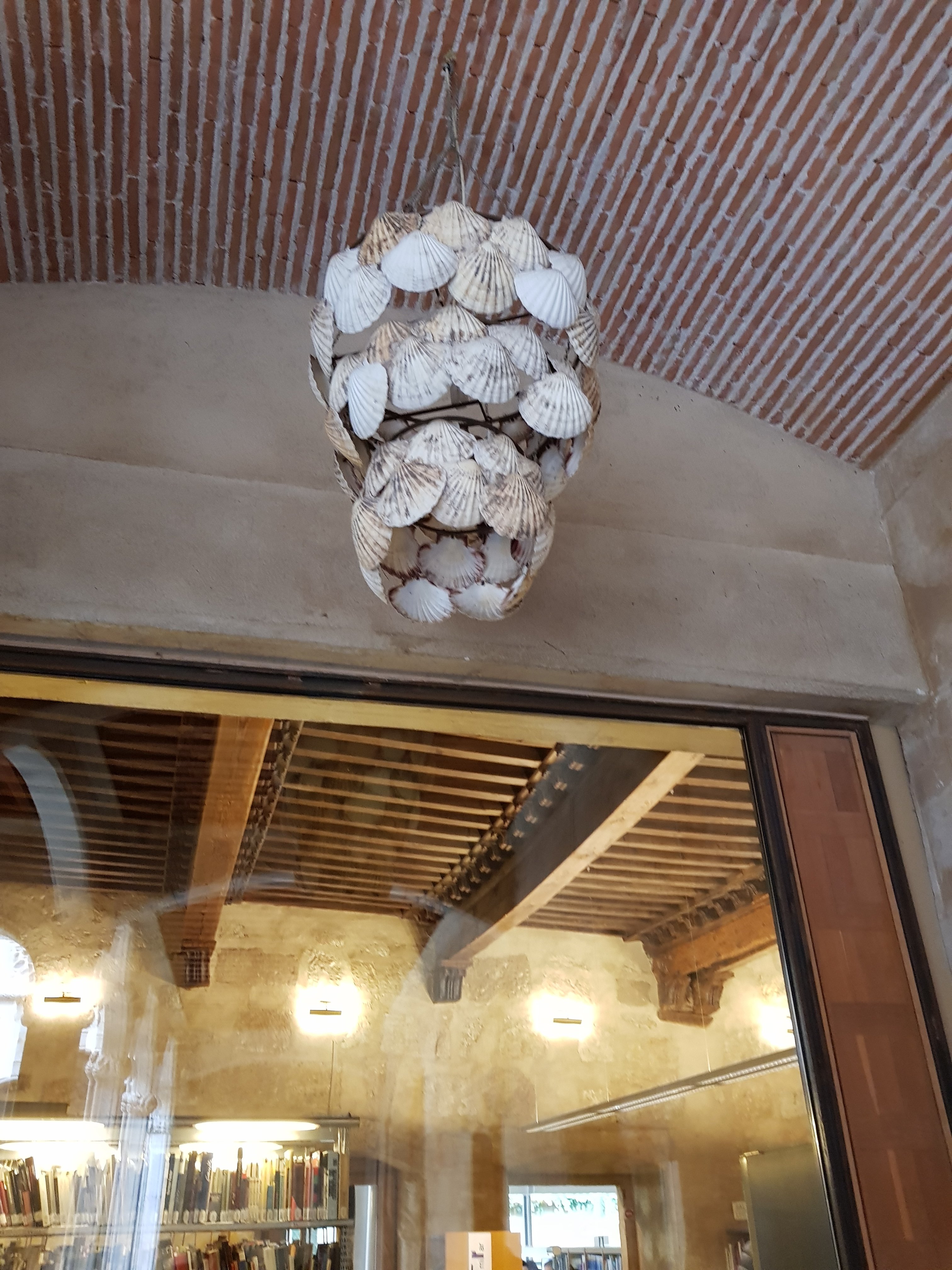
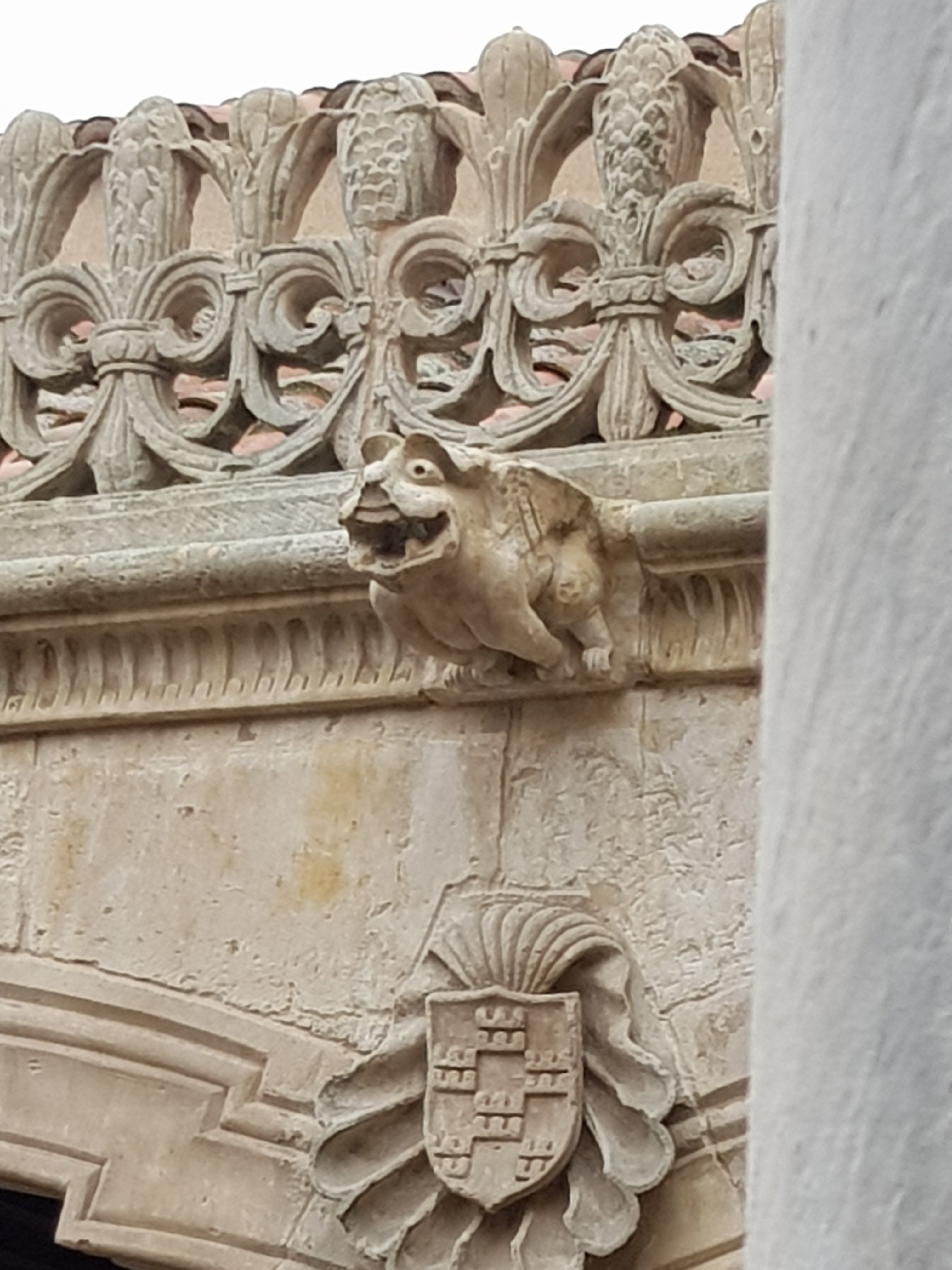
It seems that the University of Salamanca is very well renowned in Spain, as the first university that existed in the country. Many of the oldest buildings in the city are under use of the students still today. The public library can be visited for free, and is particularly unique as a building completely covered in the image of shells, giving it the name ‘Casa de las Conchas’. This was interesting to me, as shells are the symbol of the Camino de Santiago that I have just completed. On this occasion, they are related to the marriage between two noble families.
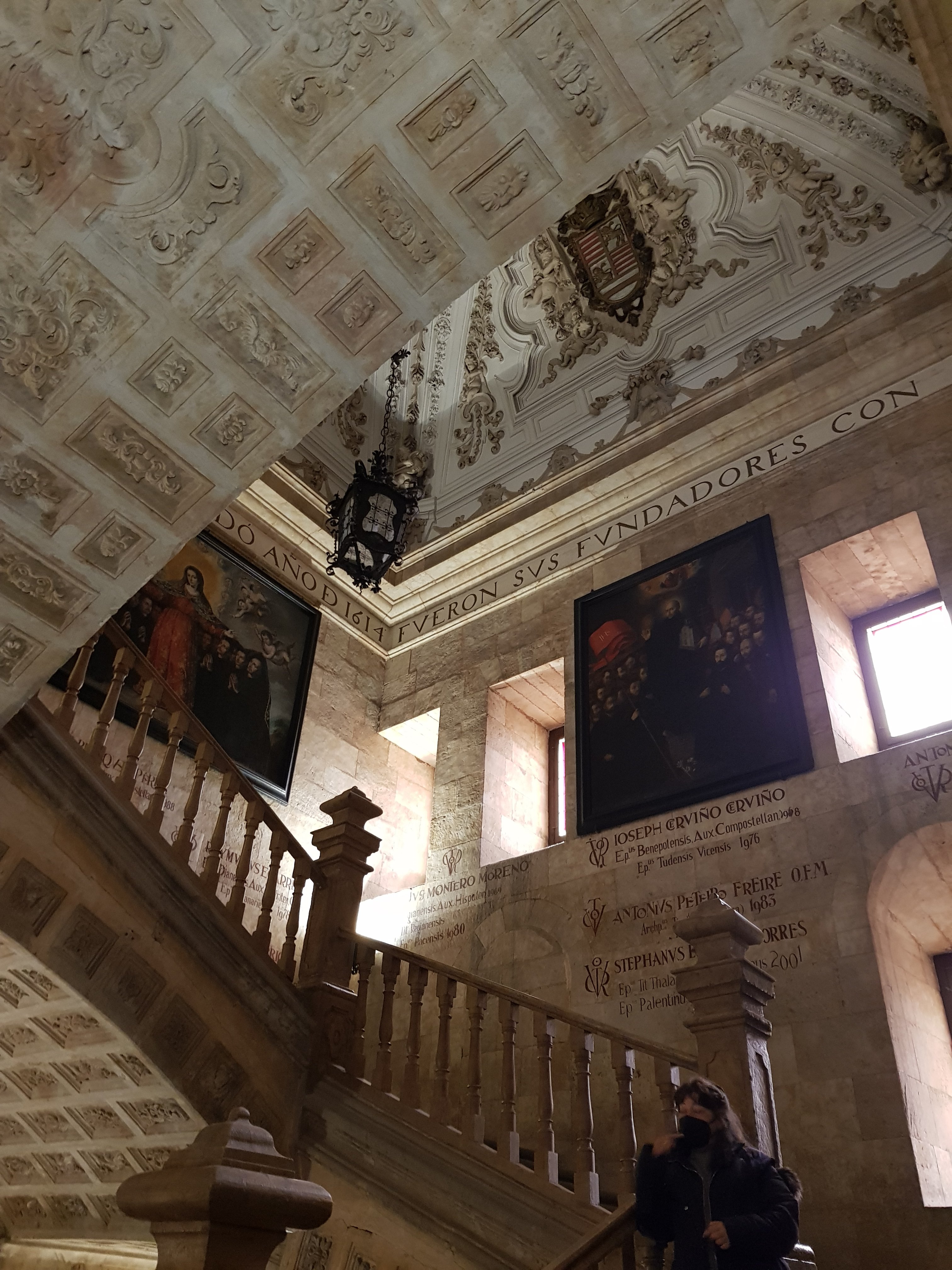
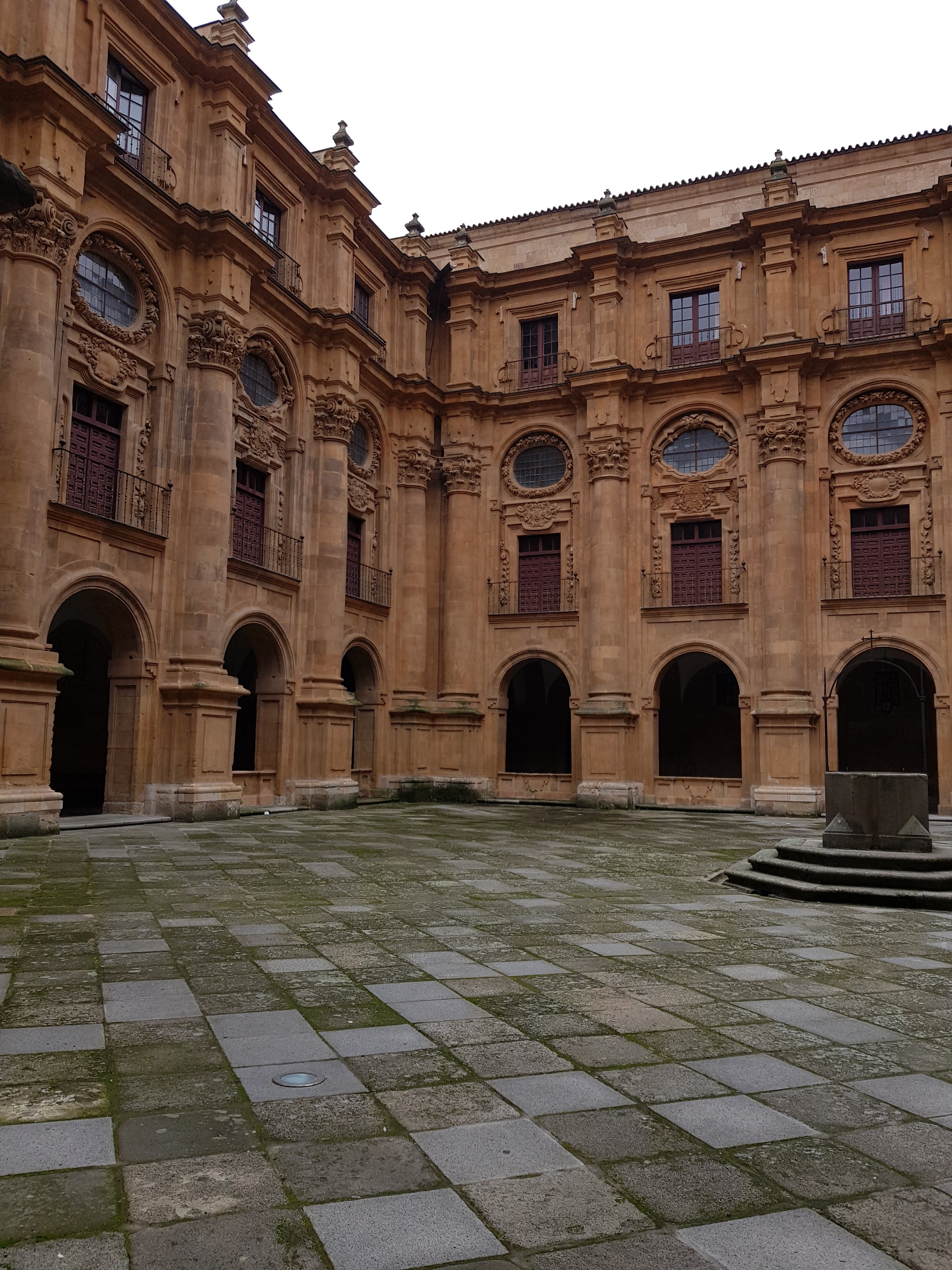
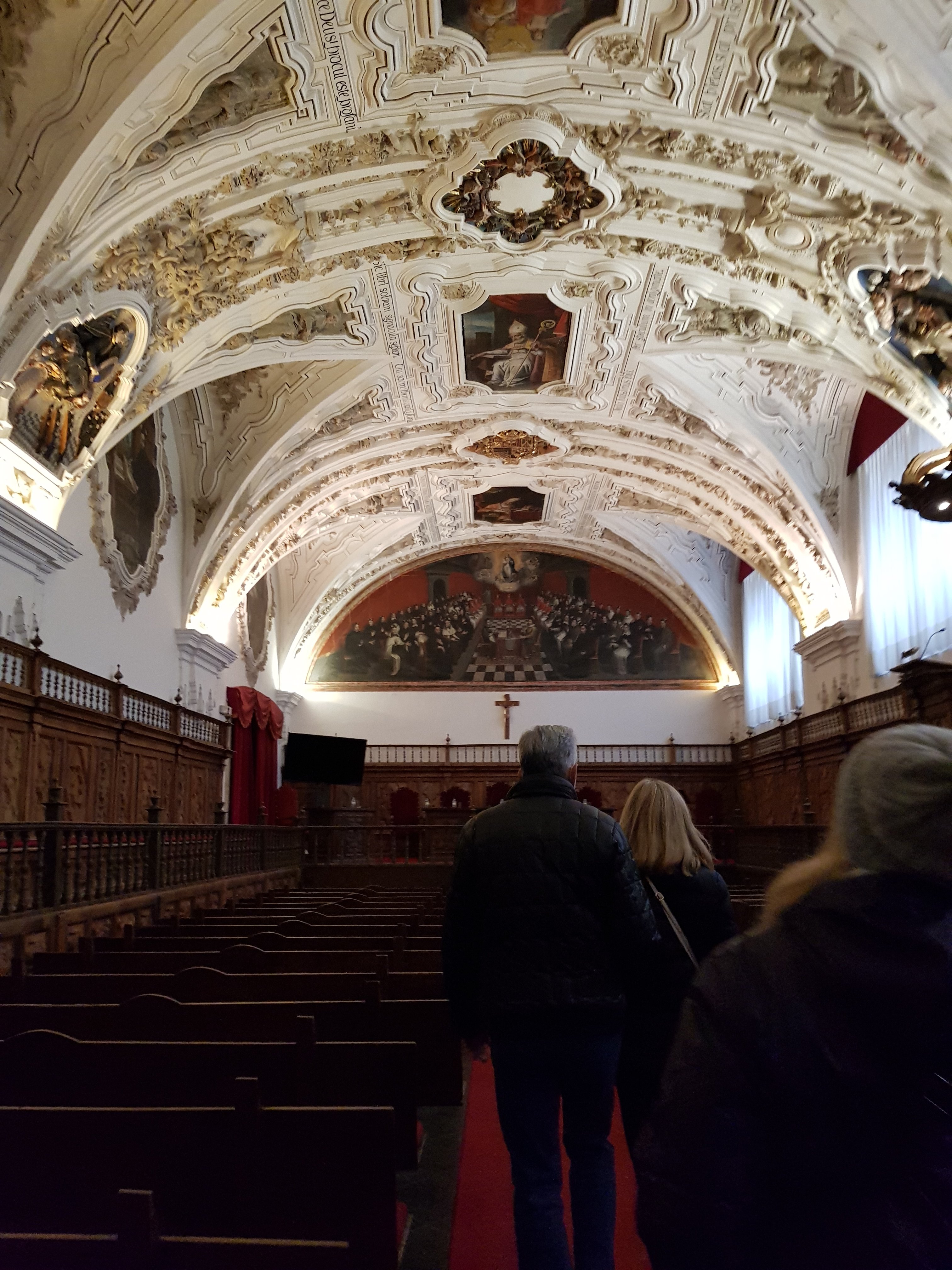
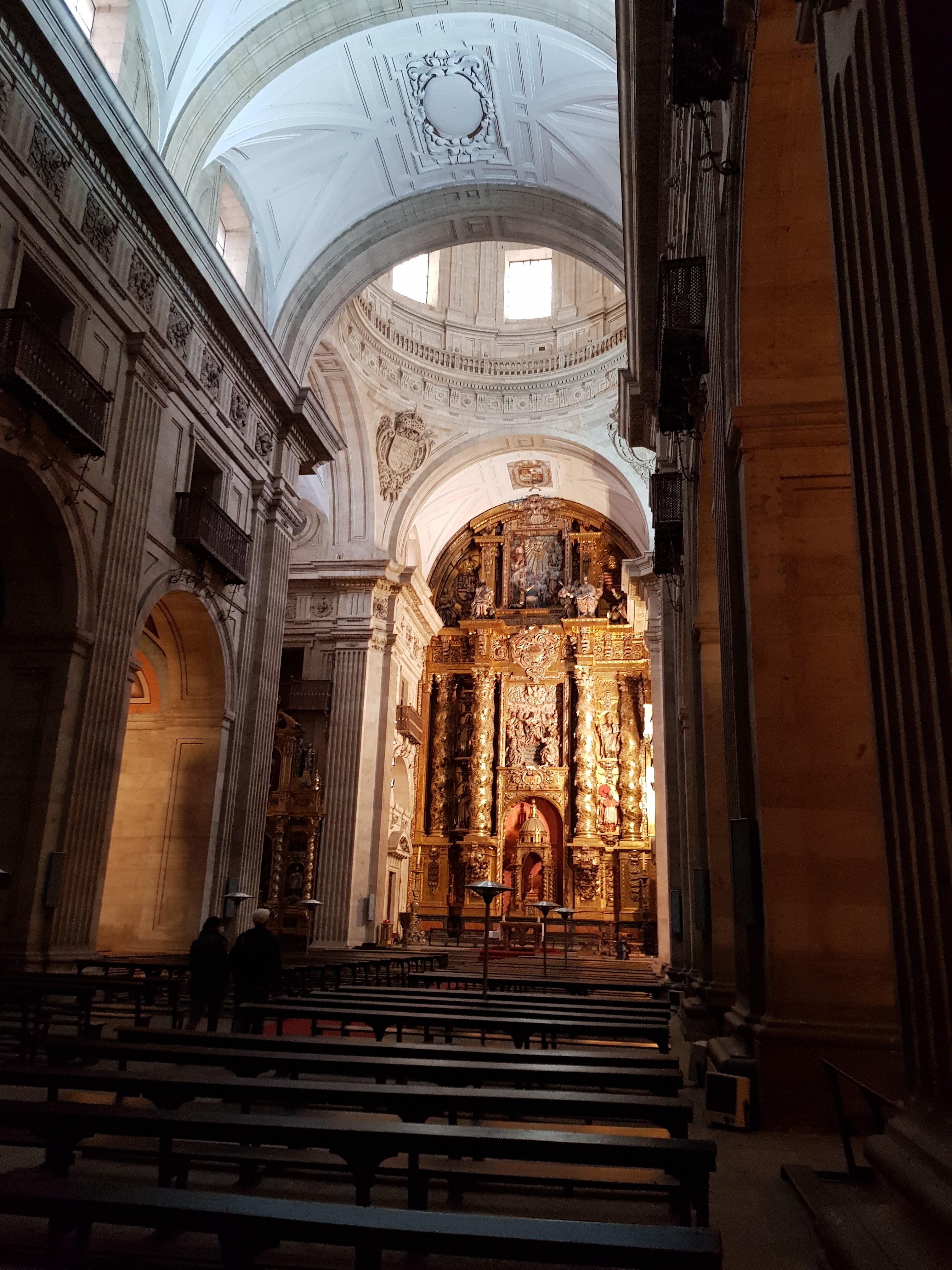
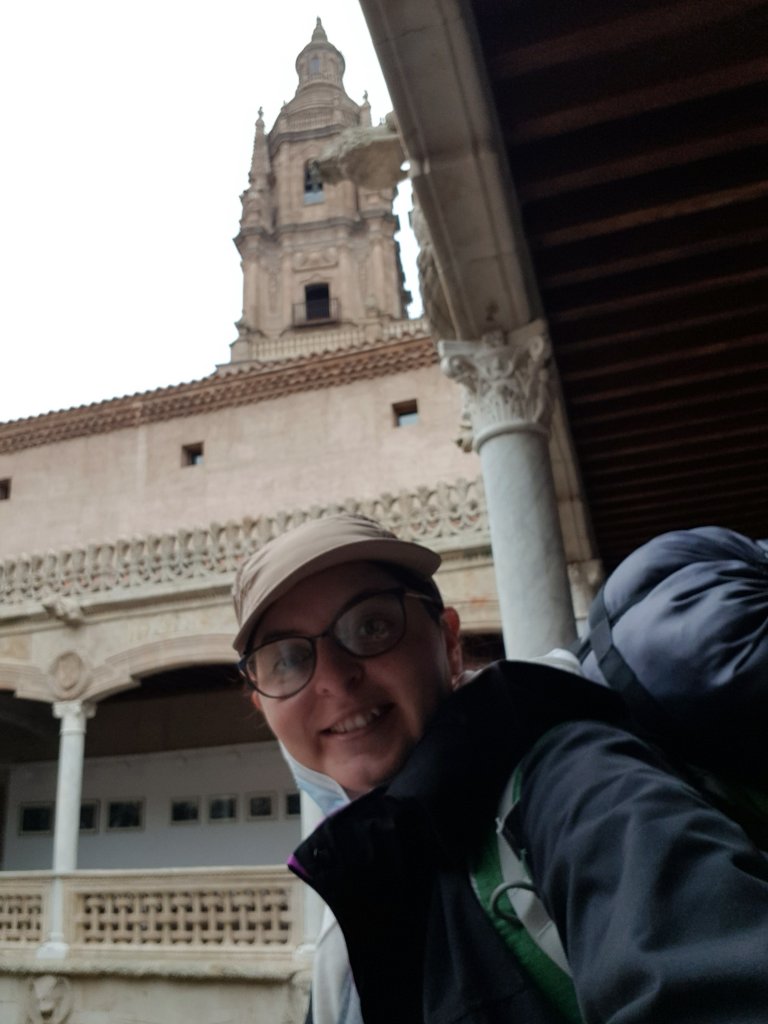
I also paid for the guided tour of the Pontificia university building, which is a separately owned catholic part of the university for theology and law schools, and has an adjoining church. This tour was in Spanish so there was a lot of me trying to follow what was being said, but the general jist of it consisted of a very fancy staircase, cloister and some sort of debate room.
The building was very fancy, and there were many references to important figures from Christianity, the history of the university, and the monarchy. I think you would be very lucky to study in these surroundings.
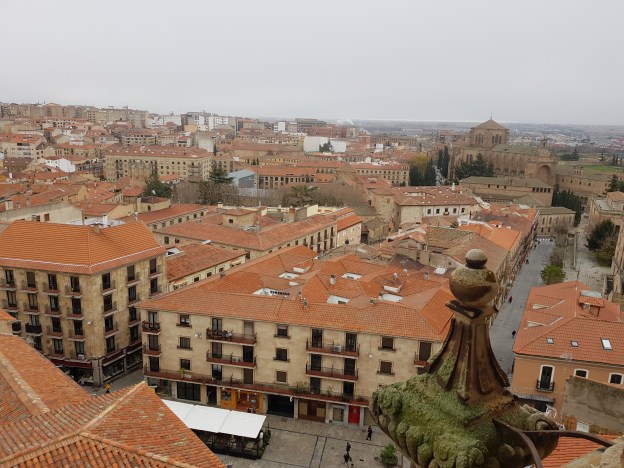
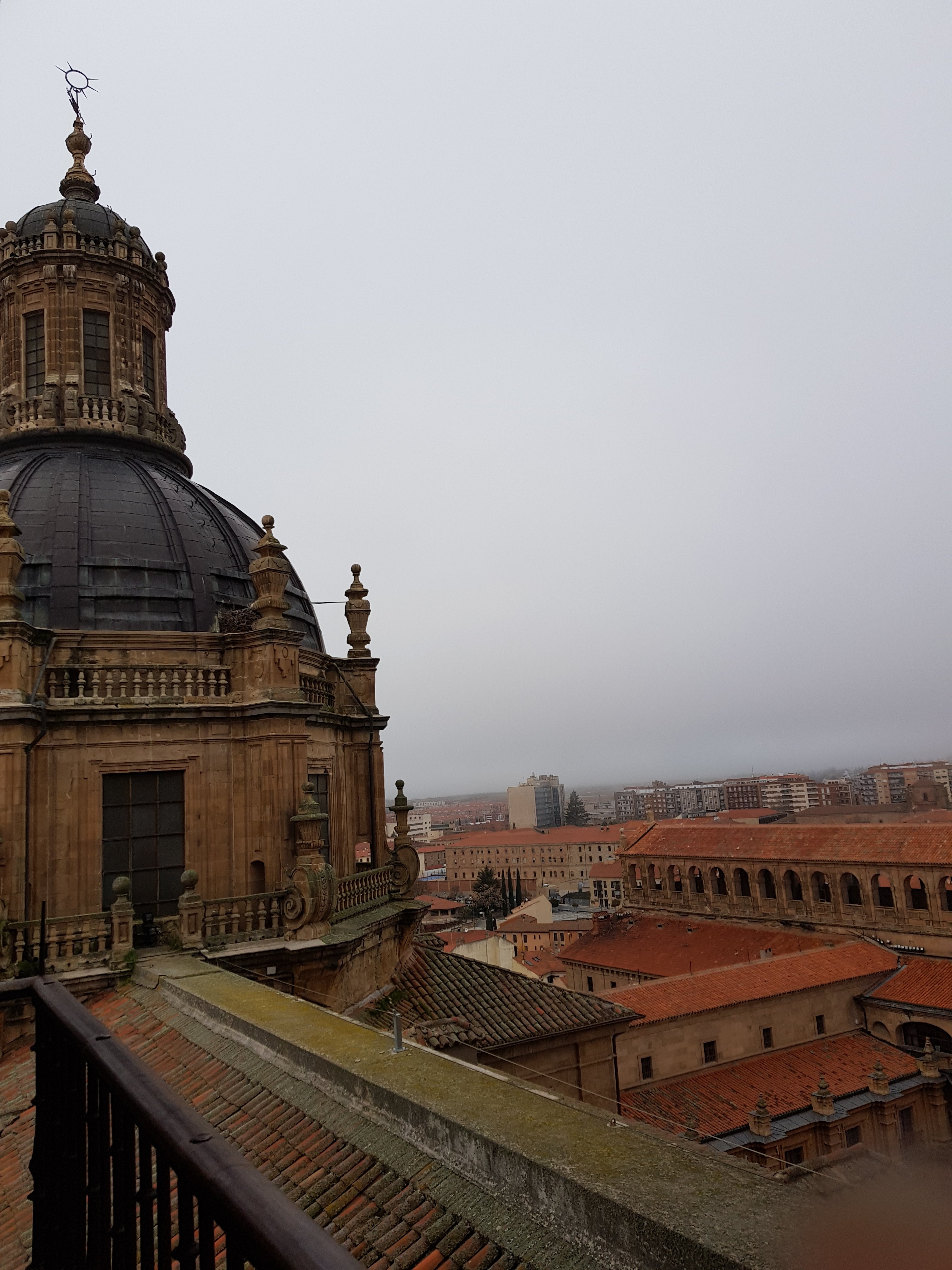
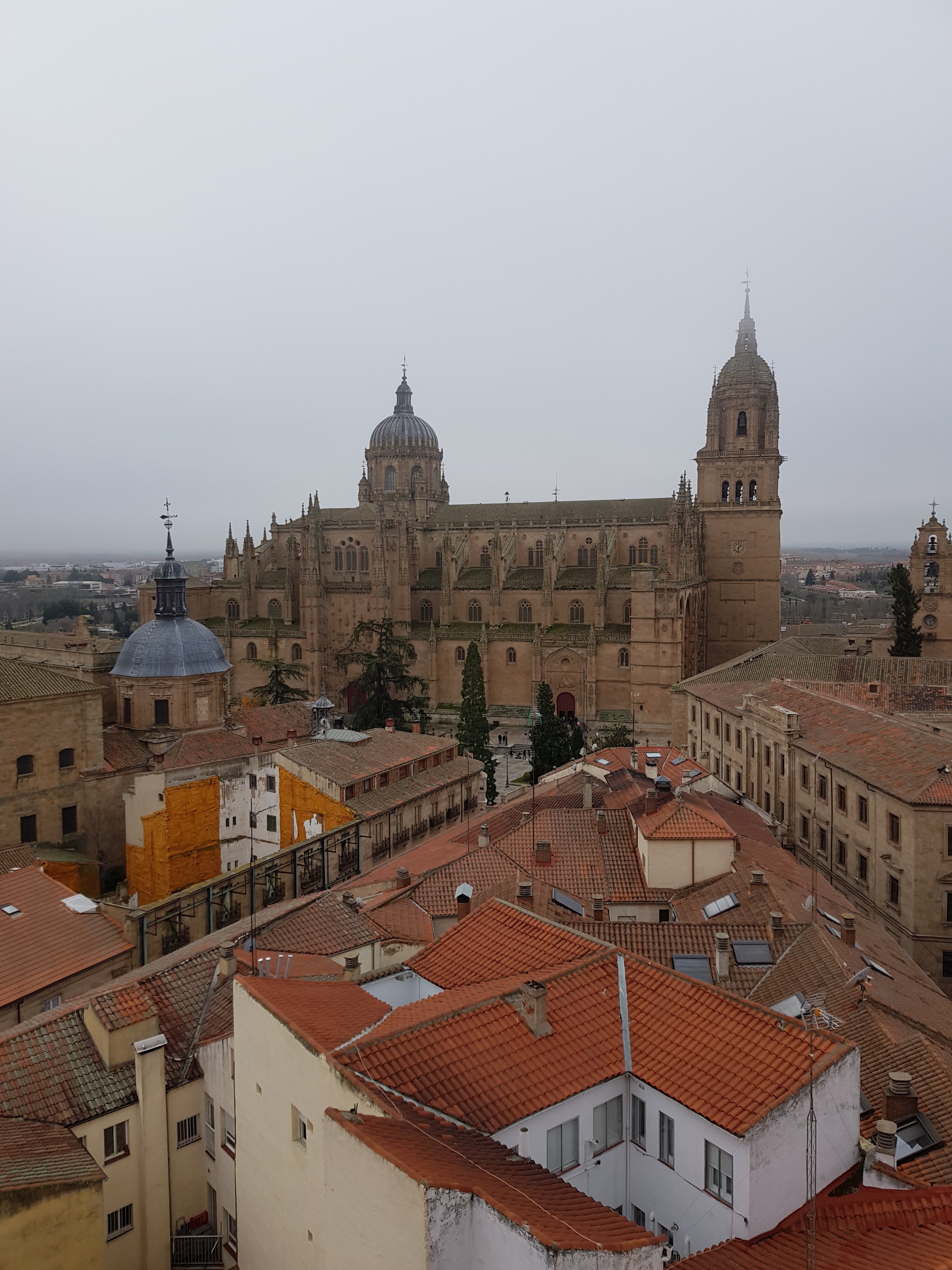
You can also climb the towers of the buildings and walk around the outside of them. The views of the city are great here, and I enjoyed seeing the bells. The only downside was that it was a foggy day!
Of course, I also visited Salamanca’s Cathedral. You actually get two for the price of one when you visit, as the old cathedral resides inside the new cathedral. When the new one was built, the city decided not to tear the old one down but instead incorporate it. They are very different and make it a very large space to visit. A useful audio guide is included in the visit and pilgrims receive a discount.
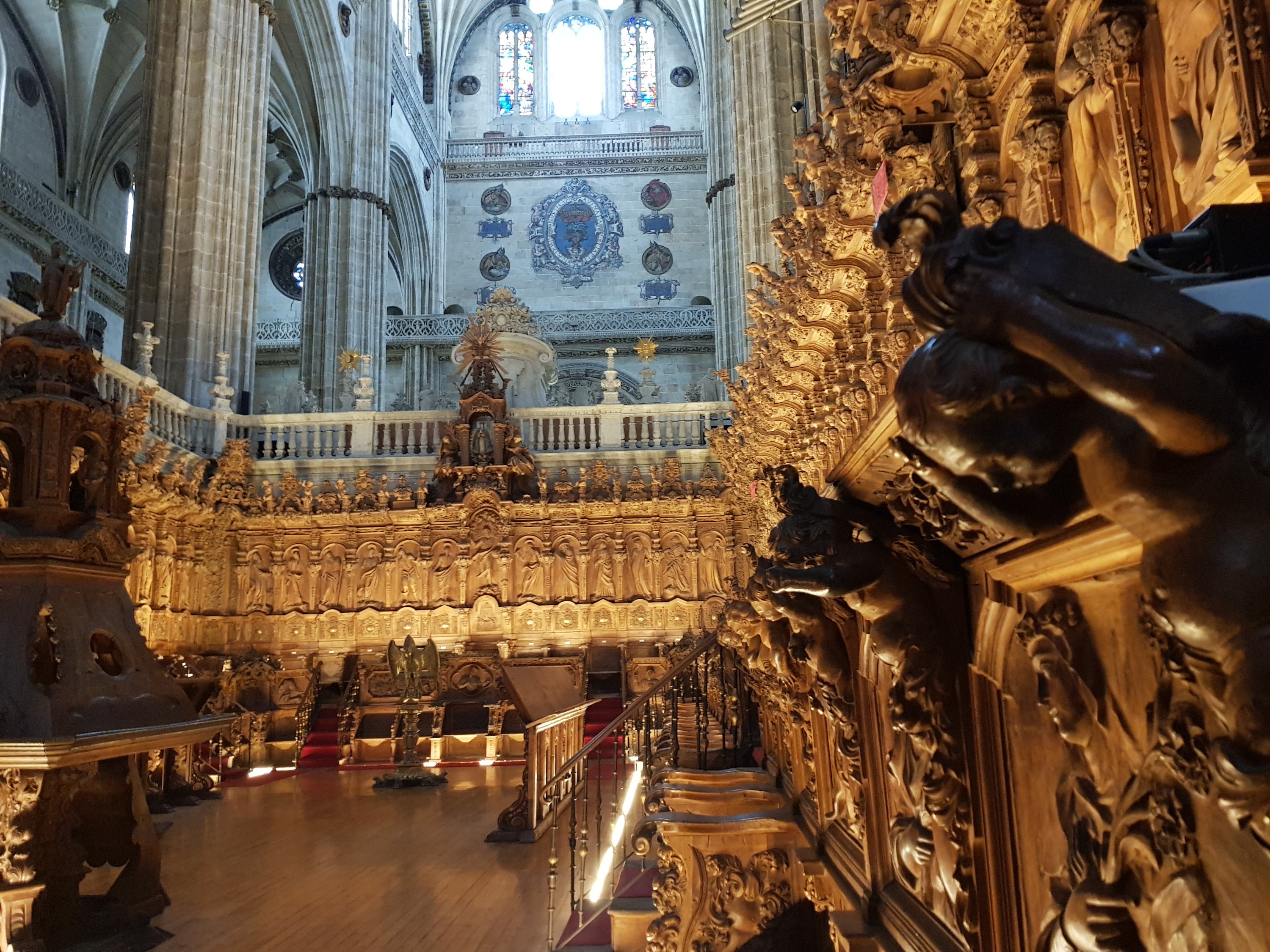
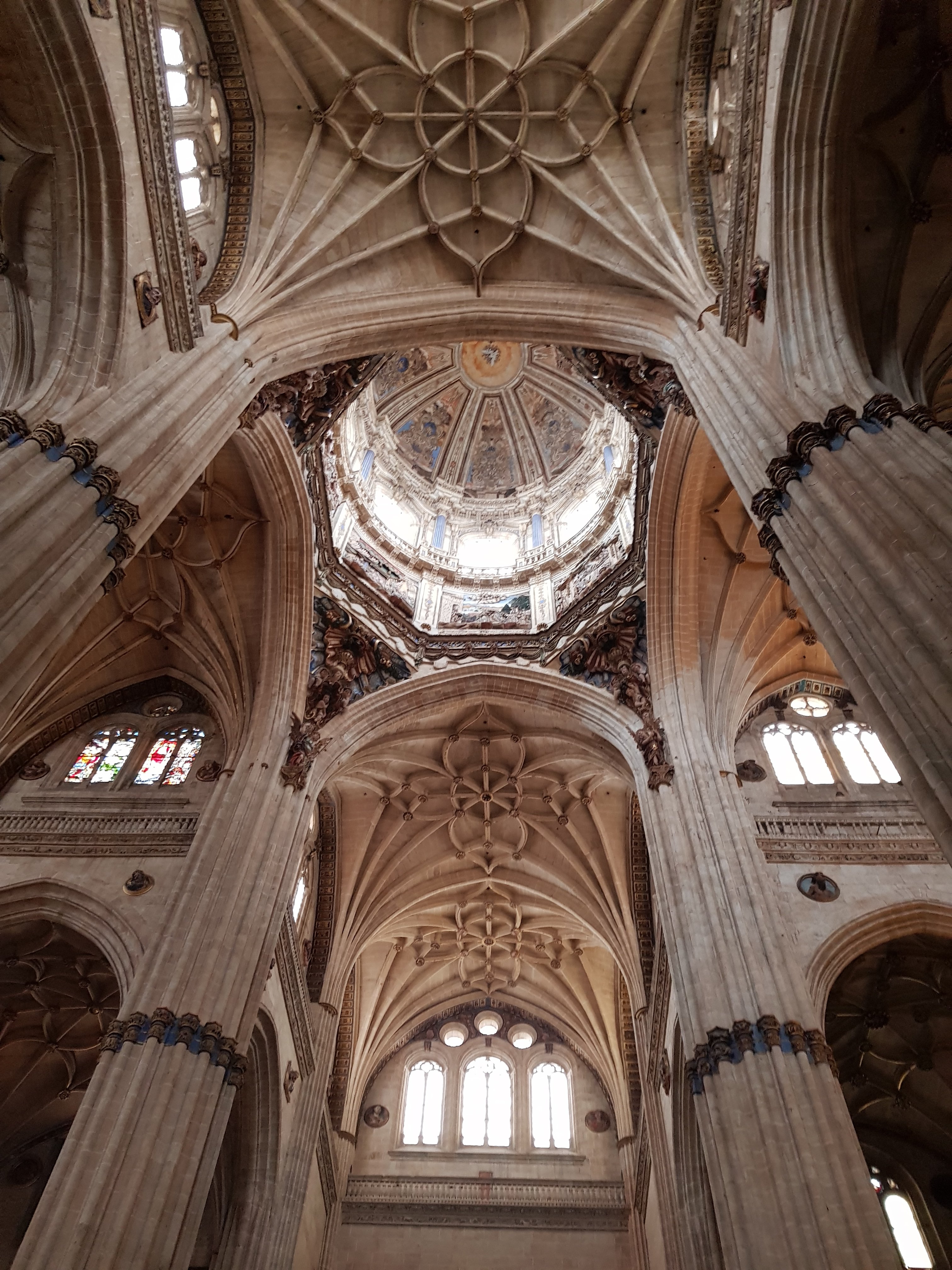
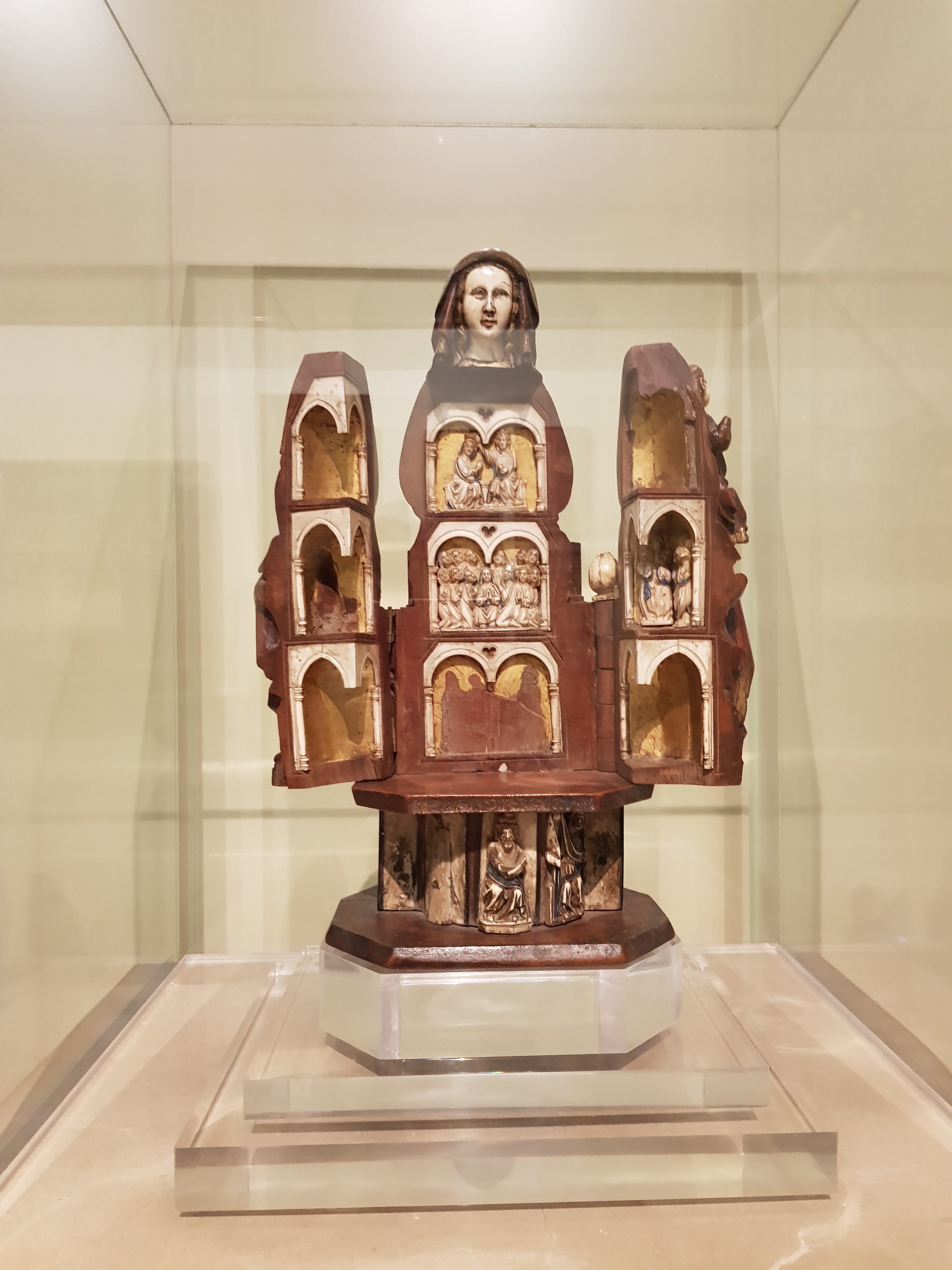
The new cathedral has many chapels and lots of detail, as well as two beautiful organs that can be admired from the front and back. The choir carvings are also exquisite. It is a brilliant place to take photographs. Later, on the self guided tour, I entered the old cathedral, which has a much more plain and simple feel to it. Though the architecture is simple, it does still have many chapels as well, and many more ancient wall paintings to admire. The cathedral also has a small museum space to enjoy.
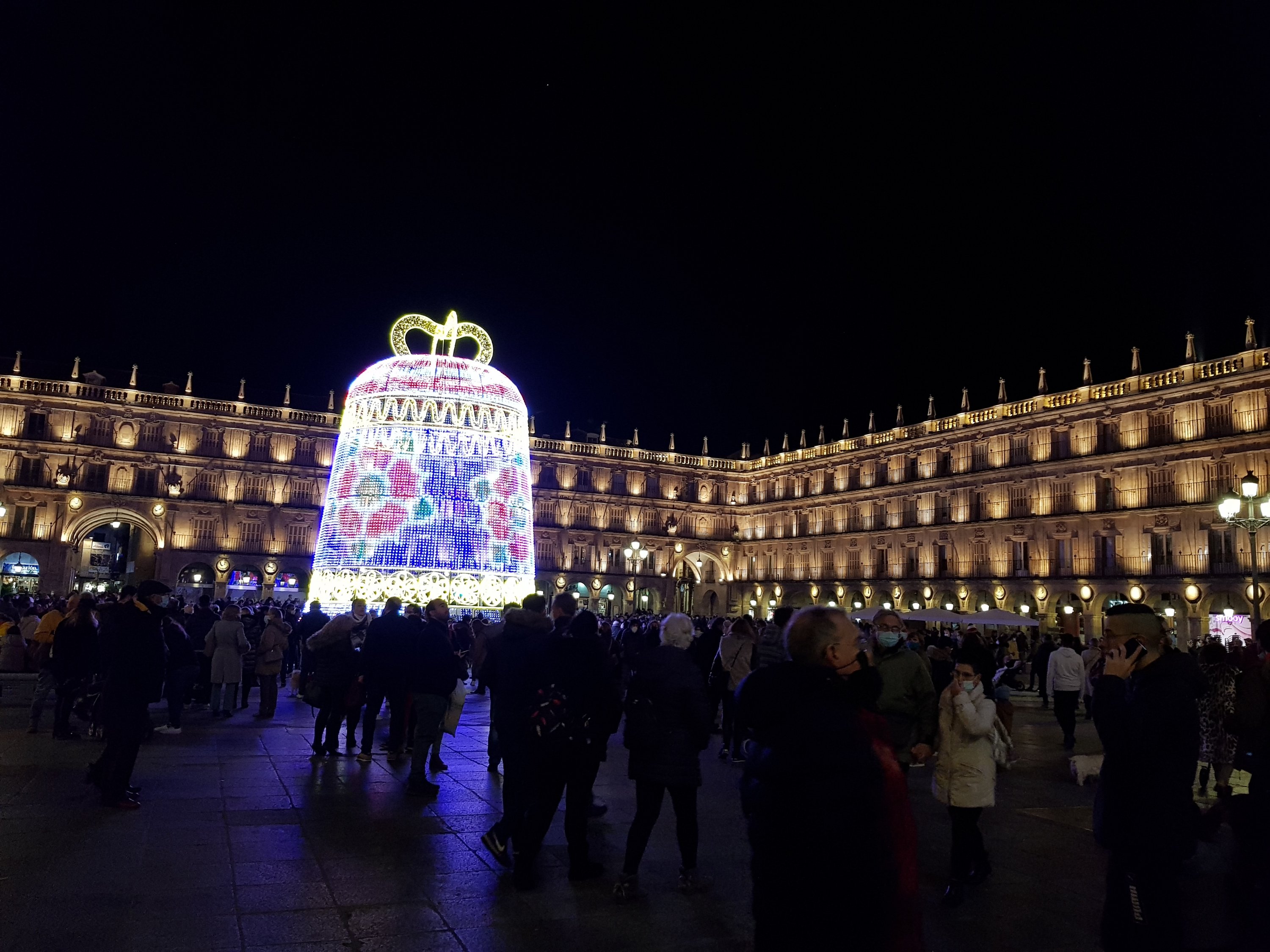
In the evening, Salamanca’s golden stonework, lights up the streets and the shopping areas and main plaza is bustling after 8pm. I happened to be here after the christmas decorations were up, so I was able to dine outside in the plaza with a lovely meal and a heater, and watch the christmas display with hundreds of local people.
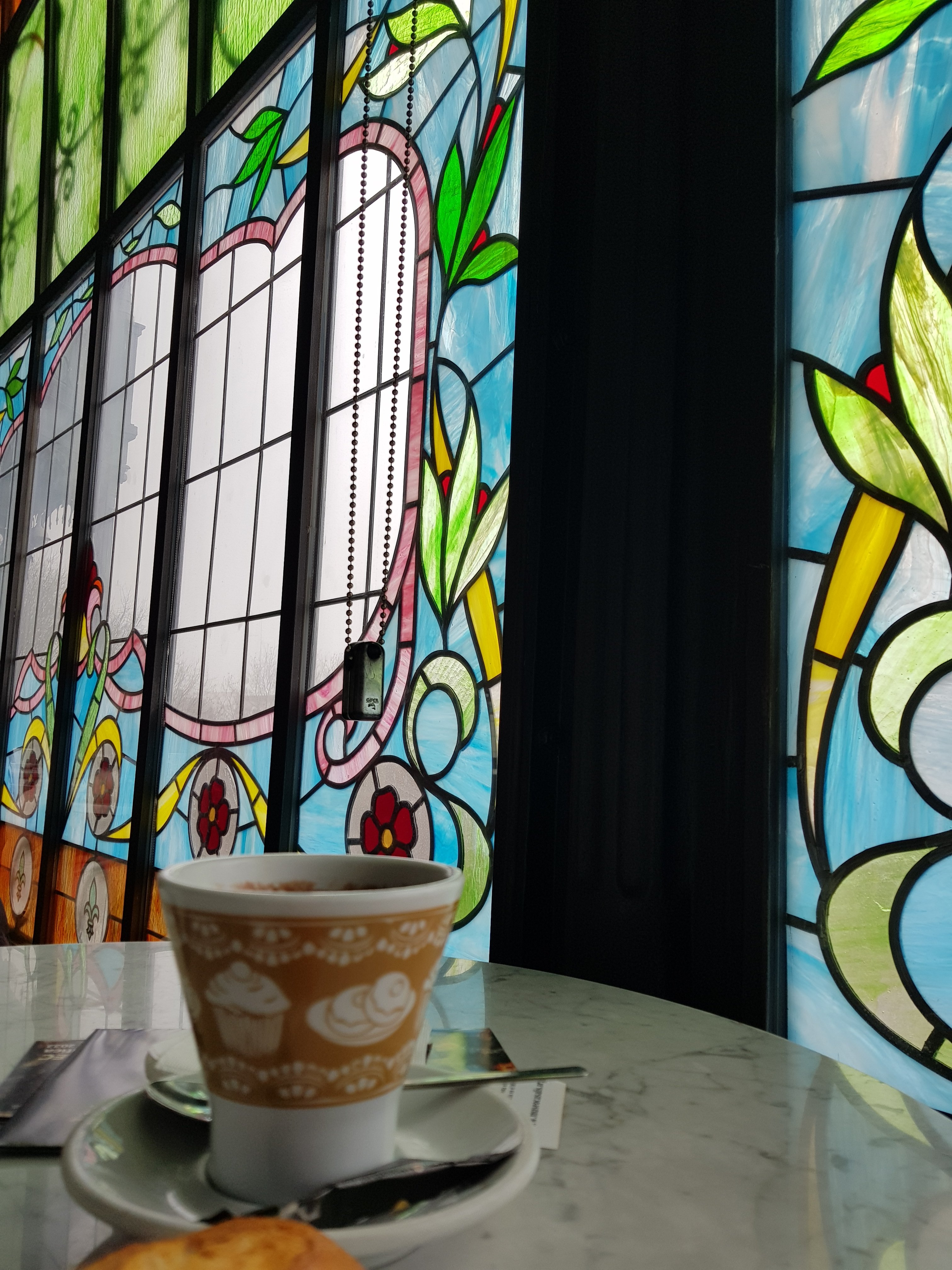
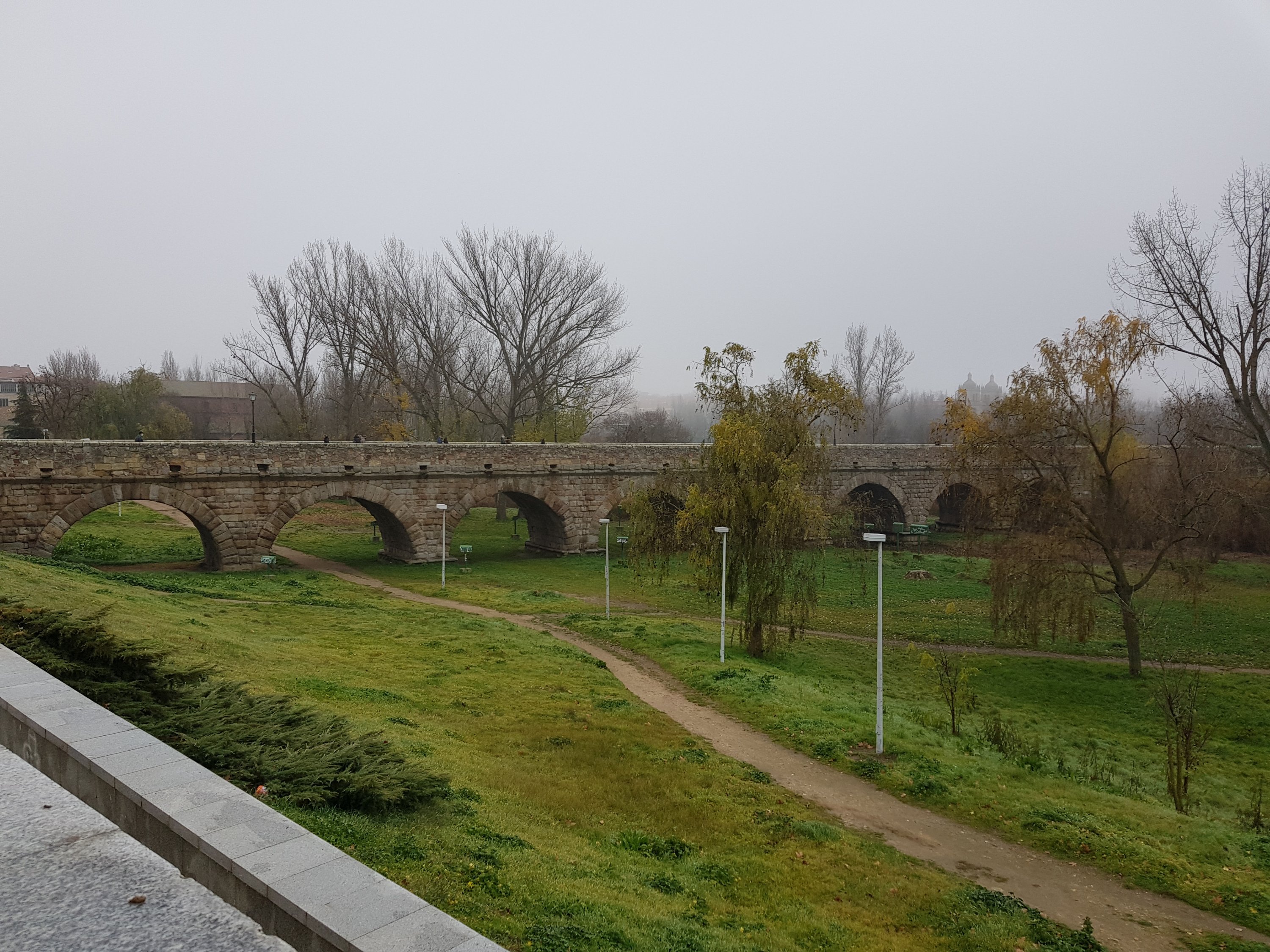
The next morning, I wondered along the riverside, took a look at the roman bridge and visited an art nouveau and art déco museum, within a beautiful building called ‘Casa Lis’. The building has gorgeous stained glass windows and a stained glass roof. Unfortunately, no photos were allowed except for in the cafe, so there is only a photo of my hot chocolate! This was delicious 😉
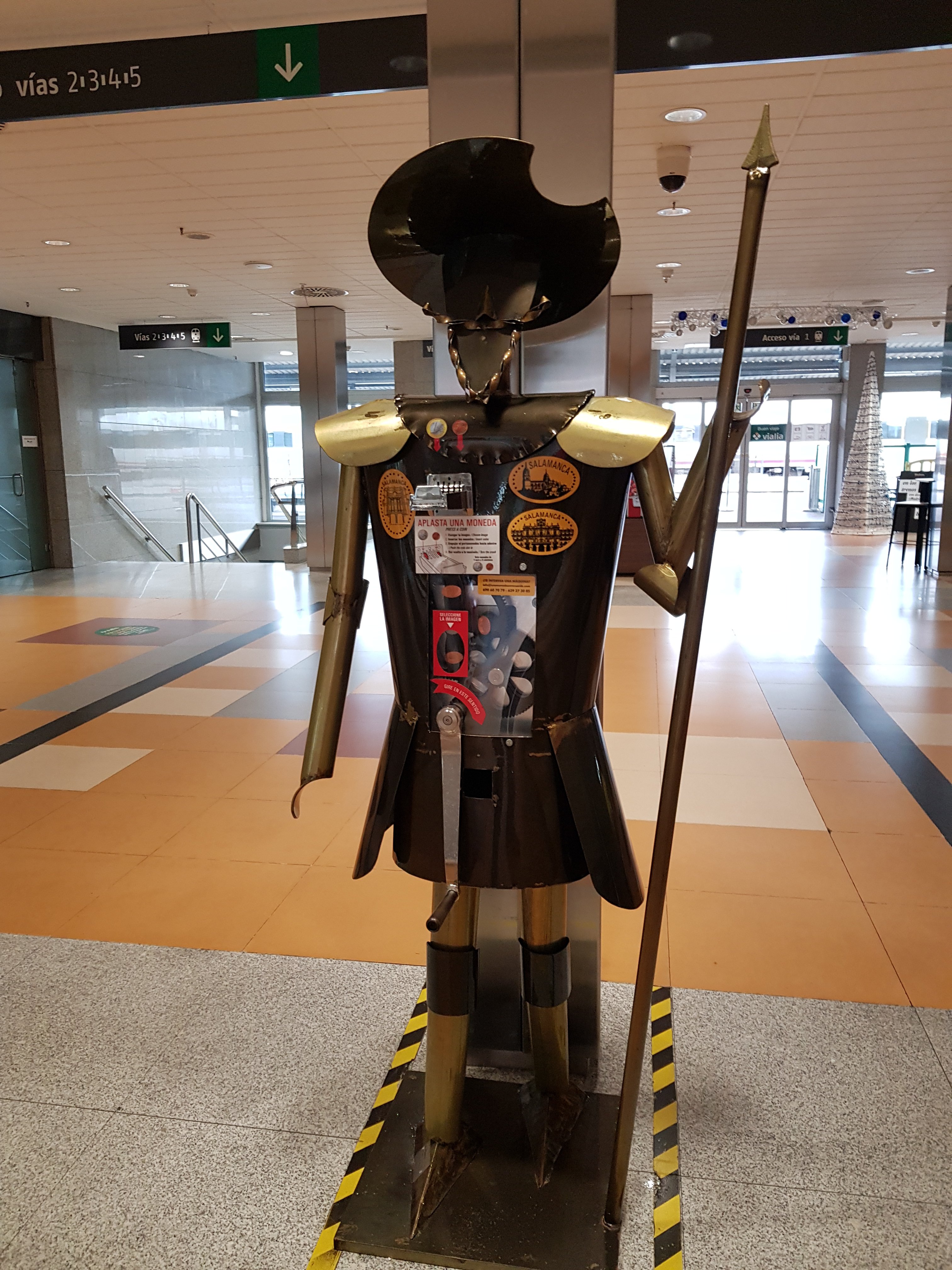
Finally, I made my way to the train station for my next stop. I was delightfully surprised by the train station in Salamanca. It is huge and has many restaurants and a cinema attached within the building.
Overall, Salamanca was a pretty little city, with a good few things to see that are all very close together. I would be happy to return and visit more of the university, noble houses and palaces next time.
Before walking the Camino de Santiago, I had thought that people were being cheesy and over sensitive when they talked about their camino experiences. After 828km of different cultures, landscapes, and physical and emotional challenges, I know better now.
It is hard to explain why I began this great challenge in the first place. I liked walking, I wanted to practice my spanish, and I suppose I wanted to prove something to myself, but the truth is that it goes a lot deeper than that. It has a lot more to do with feeding the soul (I know that sounds corny, but it is true).
‘Normal’ life is so fast paced, and so fixed on superficial goals; making the most money you can, being the best at your job, being popular, educated, prosperous in all things. I found that I had become lost in the noise of it all, unable to relax, nor ever fully able to satisfy the expectations of others. Life was not energizing me, and after suffering the loss of loved ones too, I could not see a way out of the maze I was in.
When I decided to leave everything behind to start travelling and begin walking the camino, many people told me that they envied my courage. The truth is, whilst it is brave to leave your comfort zone, that is not what led me to walk ‘the way’. When you get so desperate to live happily, you will try anything to reconnect.
The Camino de Santiago is not a leisurely walk, or even just a physical endeavour. It is a spiritual journey full of physical anguish, beautiful moments and life changing epiphanies. That is what my life needed.
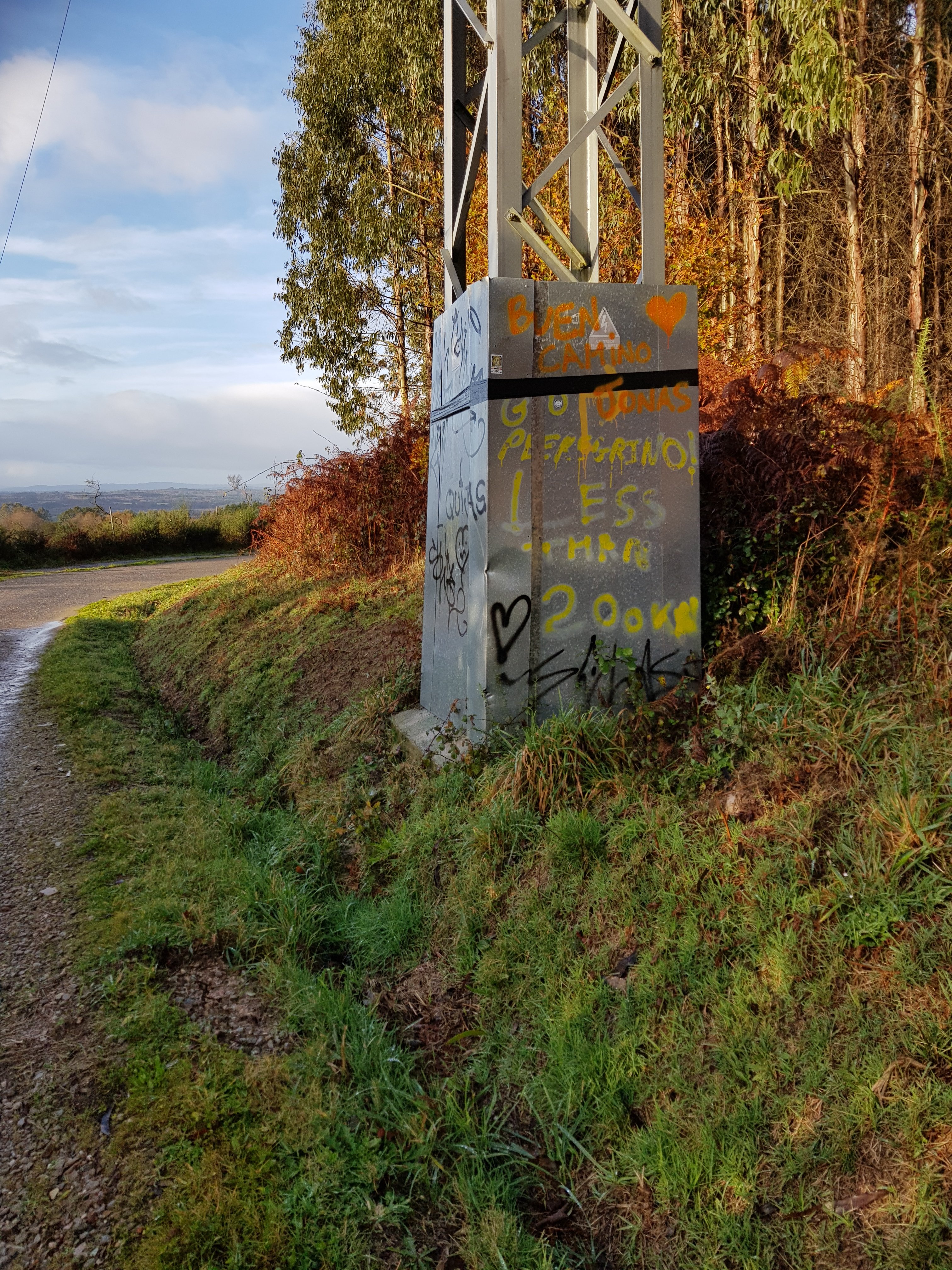
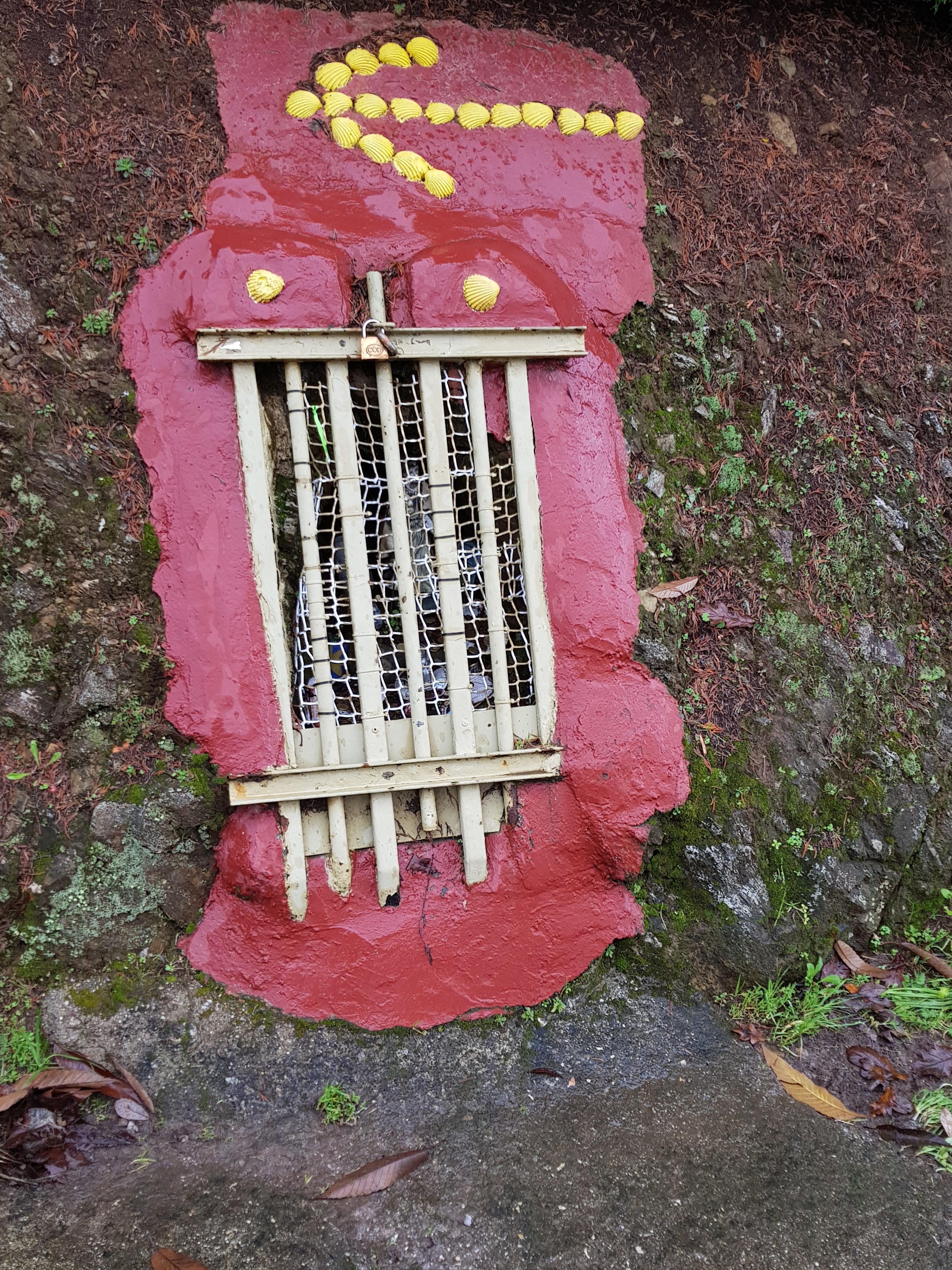
Every day, there was only one goal, to follow the bright yellow arrows, and find the next place of refuge. The only priorities are food, water, shelter and occasionally if I was lucky, heat & hygiene.
There were moments when putting one foot in front of the other was agonising. With blistered feet, tired muscles, sweat streaming down my face, as I carried everything I had on my back. I’d wonder if I made the right choice, if I could carry on. Then, something would happen, something small and natural, and it would change my thoughts. Things like finding an ancient cave, seeing a rare eagle fly just next to me, or a beautiful mountain view.
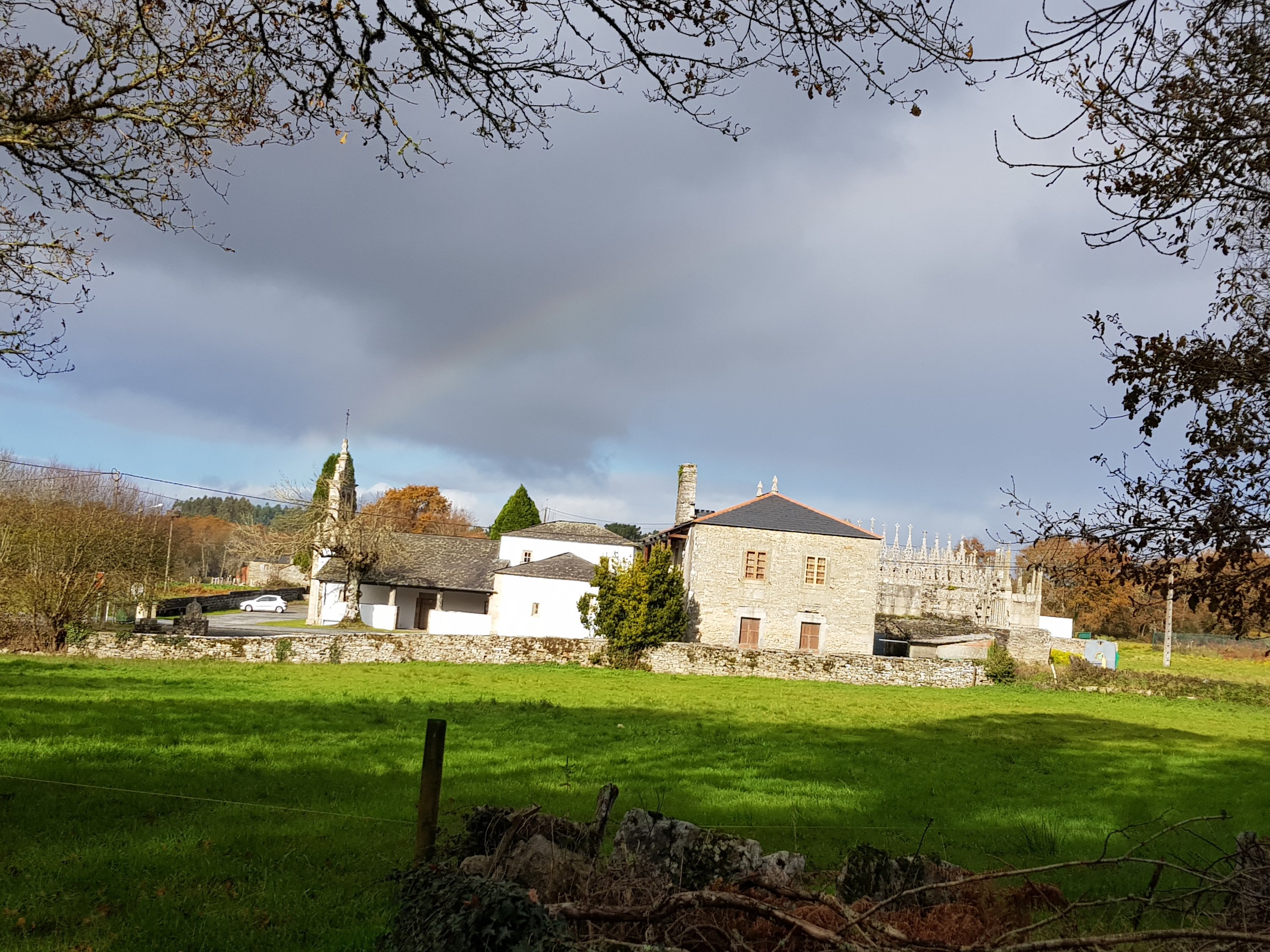
I had one day, when I had been walking for two hours in the rain, uphill, I was in pain and not enjoying myself. Then, suddenly, the rain cleared and I was at a natural park with views of the sea and rivers running past, birds swooping down to the water below… and then above me a rainbow appeared. This almost moved me to tears. It rejuvenated me and reminded me that all storms are followed by beautiful light and life.
But isn’t that what life is about?
Working through the struggle to get to the happier moments. Life is a constant search, not for happiness as a constant state, as this is not possible. It is a search for moments of happiness, contentment and peace. You cannot have moments of happiness without the contrast of pain and struggle.
Quite a few times during the walk, I compared it to what I imagine childbirth is like to some degree. Your feet swell, your back hurts, you have an agonising physical experience, then when it is over, you forget all the pain and can only think about the amazing result.Often, people forget about the pain so easily, that they want to do it again!
What is perhaps more important that this, is that the more pain you have endured, the more happiness you have the capacity to appreciate. I used to wish that the bad things that had happened in my life, hadn’t happened, but if they hadn’t how could I have the strength and search for happy moments that I have. If you never stumble, how can you learn to get up?
Many people already have all they need to live happily. Medieval pilgrims would have seen normal people today as rich in all they have, and expect us to know our blessings. In the western society though, people no longer can appreciate it. I would now argue that we have become too comfortable, too lacking in the struggle to survive. This is why it is harder to feel happy moments when they come, instead you feel nothing at all.
If you lived in nature, and it began to rain, you would need to find or build shelter to escape it. You may also rejoice the rain, because after long drought, your survival depends on it. I cannot count all the times I have cursed the rain, and been angry about it, simply wishing it would stop, meanwhile I effortlessly wonder into my home, that I did not take any risk in acquiring.
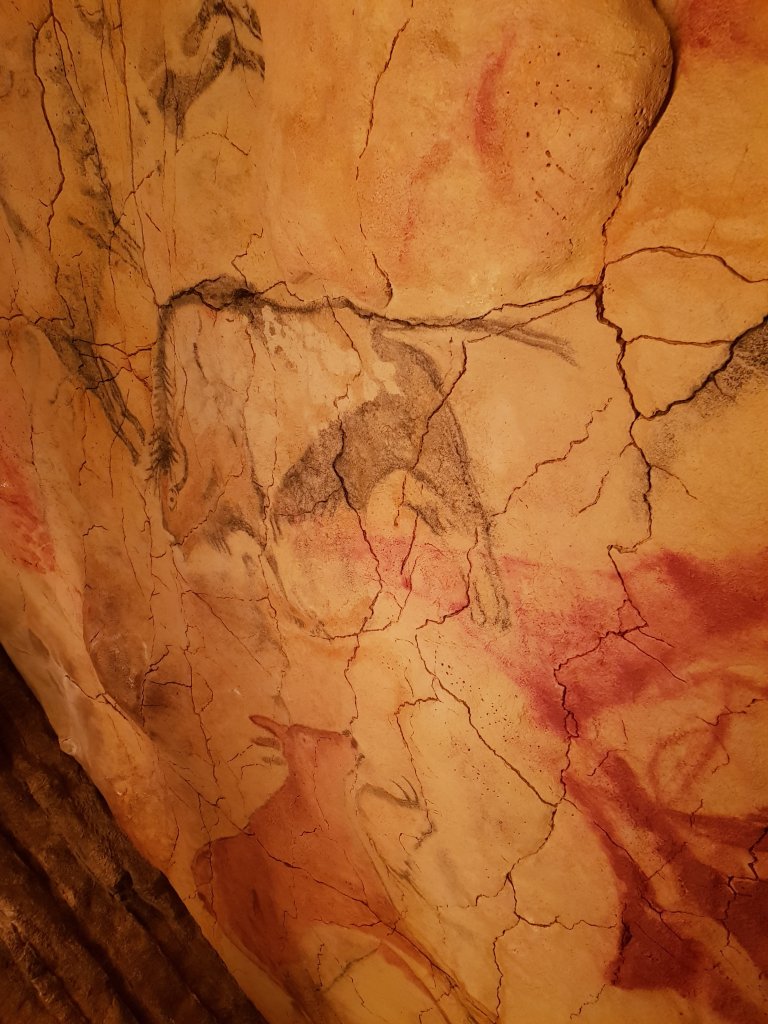
When exploring the ancient lives of paleolithic cave people during my walk, and visiting their shelters, I realised how ungrateful I had been. These people had barely anything, and what they did have, they spent long periods of time making themselves. They lived in damp hard holes in the ground, and had to fight bears and other animals for the right to be there.
This made me reconsider things. I should be grateful for the rain that many others might pray for still today, and the home that I did not have to bleed for.
Once I began to change my mindset, I started to appreciate things. Everything became more special. Whilst the rain may not be may favourite weather, I could now look up and smile in it.
A piece of bread was now vital substance, my socks and shoes were precious gems, and passing animals became welcome friends. I watched the snail slide down the same path as me, and considered his struggle, following the same hard terrain with no tools, and his home on his back. I found a new respect for many creatures that do not possess the aids that we have. I could not match the struggle of the snail, the donkey or the stray cat. I must remember and appreciate this.
It all comes down to perspective, and there is plenty of that around on the camino, from the scenery to the people you meet.
I met so many different people, and had such varied conversations. From simple laughs with local bar tenders, to deep life conversations with diners on the next table to me. Most of the pilgrims I met were searching for the same thing as me. Meaning.
I met a couple that had already been cycling for four months from their home in Germany, wanting to find more joy in their lives. I spoke with an Englishman that wanted to live day to day, and a man from Belgium, who was looking for a new direction.
The nuns, farmers, small business owners and simply just other pedestrians, we were all sharing the same need to slow down. The culture of Spain in general is very relaxed, and people savour their meals and take their time to talk to strangers and neighbours alike. The amount of times I was stopped by a local that wanted to talk with me and ask about my journey, is hard to count! It was so warming, and it just made me feel connected to these people.
Whilst I have met many people, most of my time was spent alone with my thoughts. Friends have asked me if it’s horrible being alone, and don’t I get lonely.. well I did get lonely, and sometimes it made me sad, but more often I was happy.
I could sing as loud as I wanted to songs that I do not know the words, cry about stuff that only mattered to me, and work through my thoughts. I know that it can be scary to face your thoughts and feelings, but it is the only way to move past them.
I don’t believe these are things that someone could have told me and I would have then understood. They needed to be lived. Going back to basics as far as possible, this was the shock I needed, to remember what I have and what life offers us all. To be able to be grateful to just be on this planet and living this moment, and enjoy it!
It truly is a pilgrimage, and a journey to explore yourself, and I would recommend that anyone who feels lost, walks ‘the way’.
During my two months following the Camino del Norte from Irun to Santiago de Compostela, I have stayed in all sorts of places. Some were absolute luxuries and some were absolute horror stories. I have now narrowed down my top ten.
On the Camino de Santiago’s many routes there are lots of accommodation types on offer:
Albergue / Hostel
Very similar to each other, many are pilgrim only. The main differences to remember are that in an albergue you generally have one main hall for everyone, lights out and lock up at 10pm and have to be out by 8am. Many have no heating, and you have to keep your fingers crossed for a bottom bunk, as after a week of walking, you won’t want to be climbing a ladder each time you need to wee.
Pension
This is normally a guesthouse but sometimes a pension might have a bunk room, and extra services. Normally it is owned by a husband and wife team, and they will have a bar/restaurant next door.
Pasada / Country Lodge
These are like luxurious pensions and tend to be in a rural scenic location, in a small village, and possibly the only place to stay.
Hotel
I would say that a hotel is obvious, but it is not. There are many different standards and many hotels have no services at all, and are really pensions. For me, a hotel needs to have a manned reception, this was only common in hotels above three stars.
Top 10
To make it to the top, the accommodation has to have the big three; great location, great price, and a great bed.
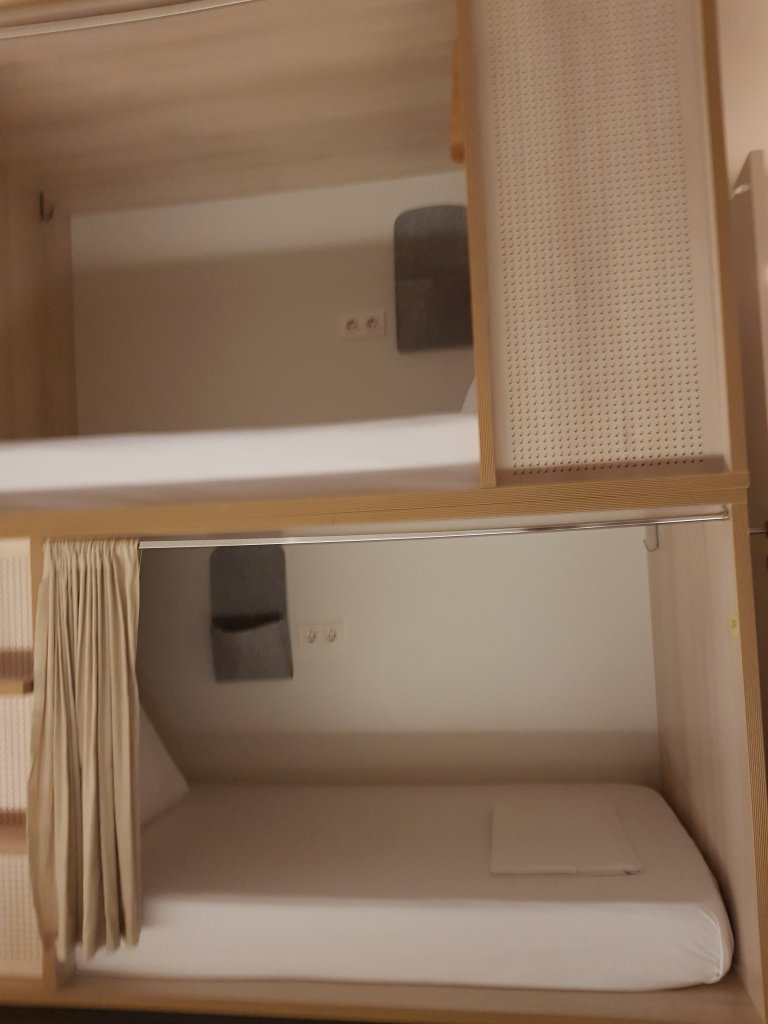
1. Blai Blai Hostel, Zarautz
I had a really comfy stay at the Blai Blai. The hostel is in a popular location for not only pilgrims but also lots of surfers. The woman on reception was very nice and helpful. There is a supermarket above and to the side of the hostel, so very convenient. The rooms are very clean and modern, with all the outlets you need in your own little bunk. The only cons were that there was no oven (not uncommon), and no in house washing machine, I had to go to the laundarette down the street.
2. Albergue Bide-Ona, Portugalete
Unfortunately, I don’t have a photo of this one. The guy managing the albergue is really friendly, and helped a lot with information and route planning. The albergue is clean and organised, and has a really chilled vibe to it. There is also a really reasonably priced cafe down the road where I got a giant bowl of cesar salad that was delicious.
3. Pasada Villa Rural, Guemas
Again, another one with no photo. This is pretty much the only place to stay in Guemas, as it is a tiny village. The lodge is really nice quality though, and the owners have a restaurant next door which is handy. The views from the rooms are really nice and you can enjoy sitting on the terrace too.
4. Canal Hotel, Unquera
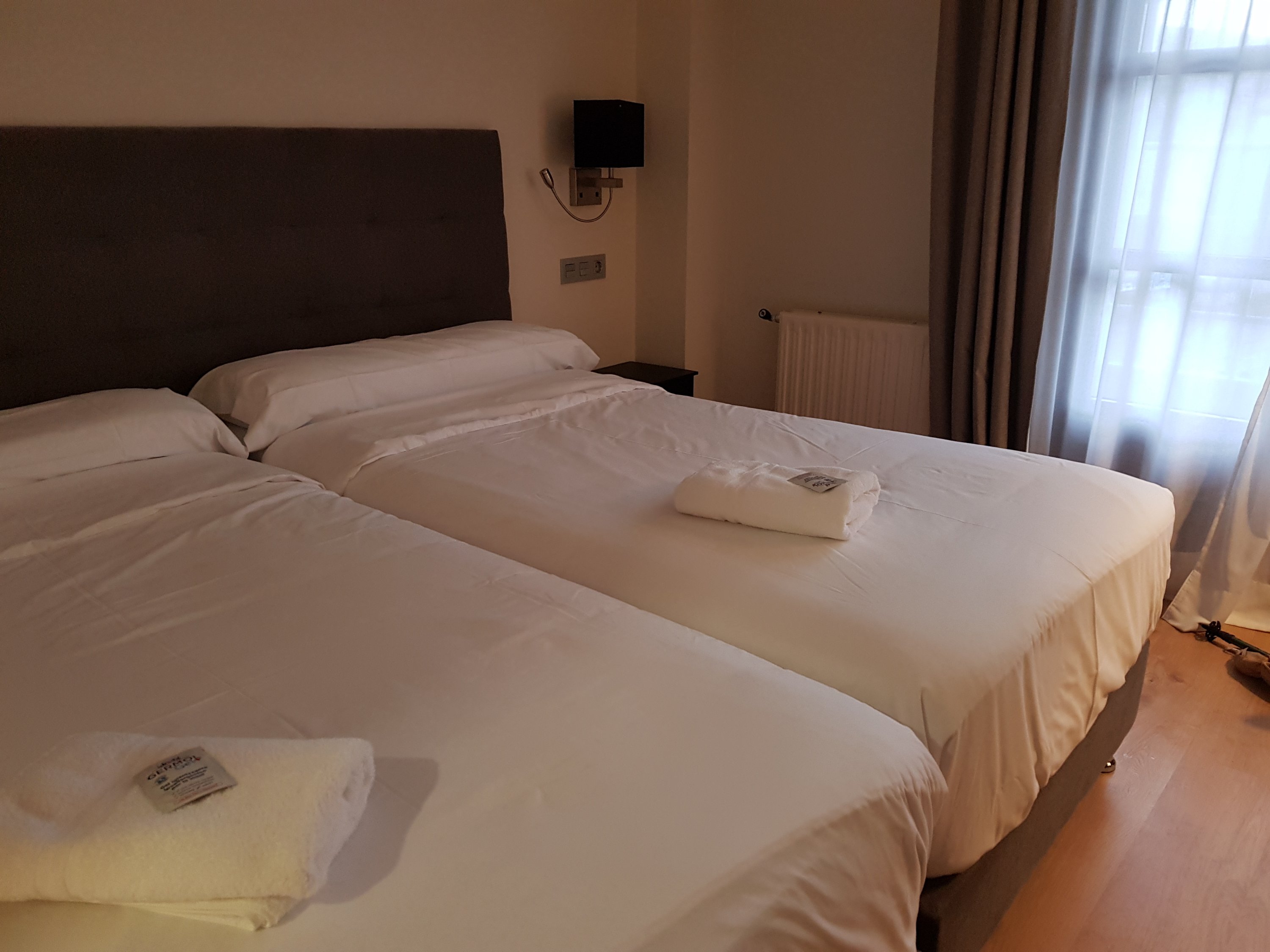
I think the photo below is enough to earn the Canal Hotel a place on the list! In general though, it was a pleasant hotel, with clean rooms, friendly staff, and a free breakfast.
5. Casa de la trinidad (San Francisco Convent), Laredo
This convent had no heating but otherwise it was great! The nuns sign you in, and then buzz you in and out when you go for dinner. The rooms are very clean, and there is a kitchen available. It felt very special to sleep in the convent, and I had the room to myself (there are only two beds to a room).
6. Casa Espana, Villaviciosa
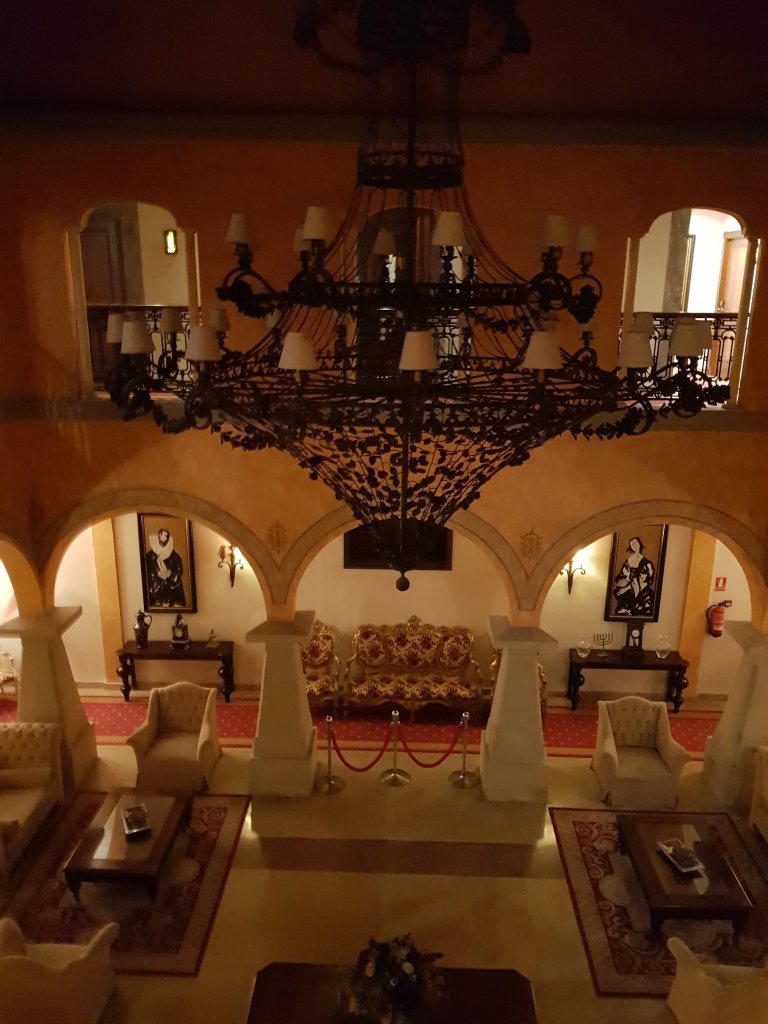
I really thought I had a photo of this hotel but apparently I don’t, and that is very annoying! It is a very pretty hotel! It is a historic building and has a gorgeous appearance outside and inside. In my room was lots of hard wood antique furniture. Everything was very clean. The staff were also very helpful.
7. Boogalow Hostel, Gijon
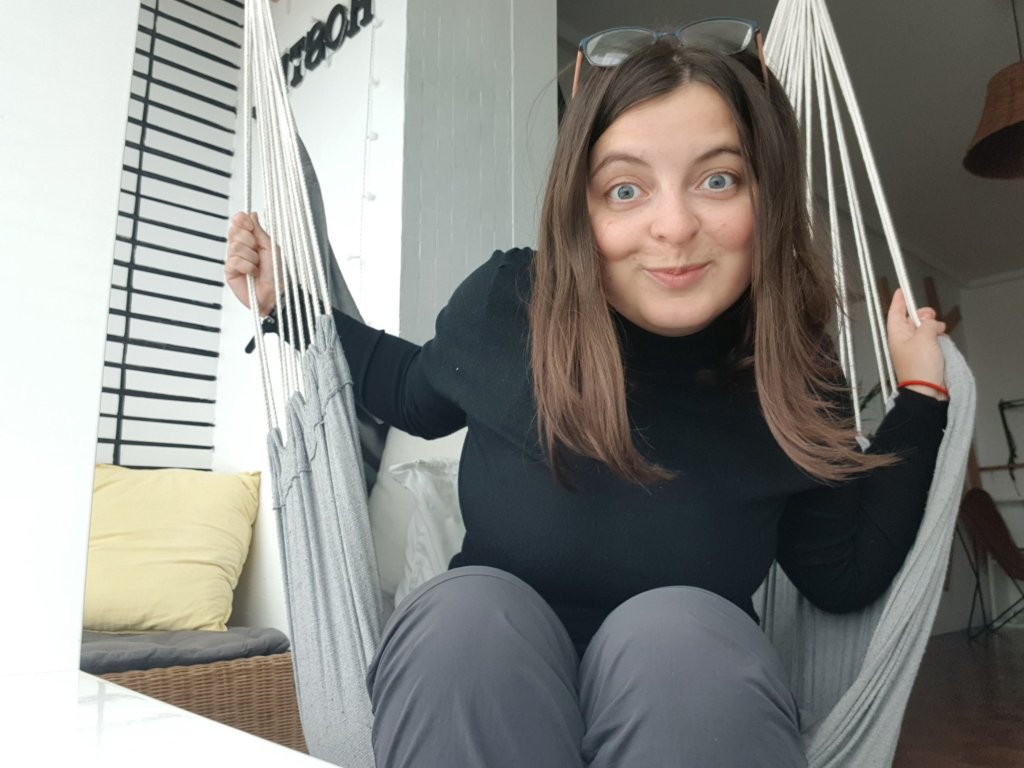
The Boogalow hostel is still fairly new and it is a really comfy stay. A great location, facing the beach and with sea views. There is fun decor including games and best of all, a swing chair! The hostel offer lots of free muffins and snacks etc, the only downside was they needed a few more bits of kitchen equipment, in case there are lots of guests wanting to cook at once.
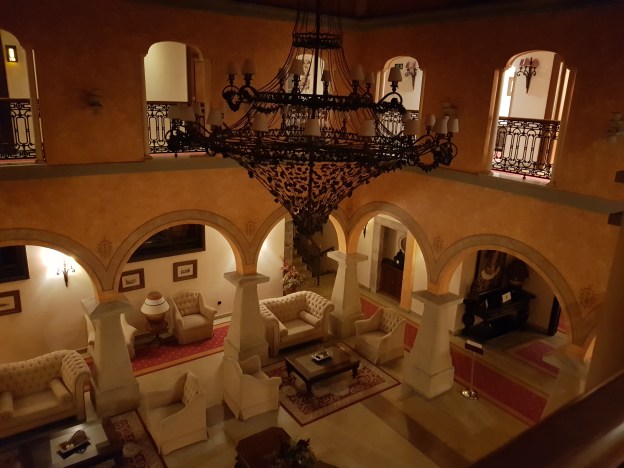
8. Hotel Palacio de la Magdalena, Soto del Barco
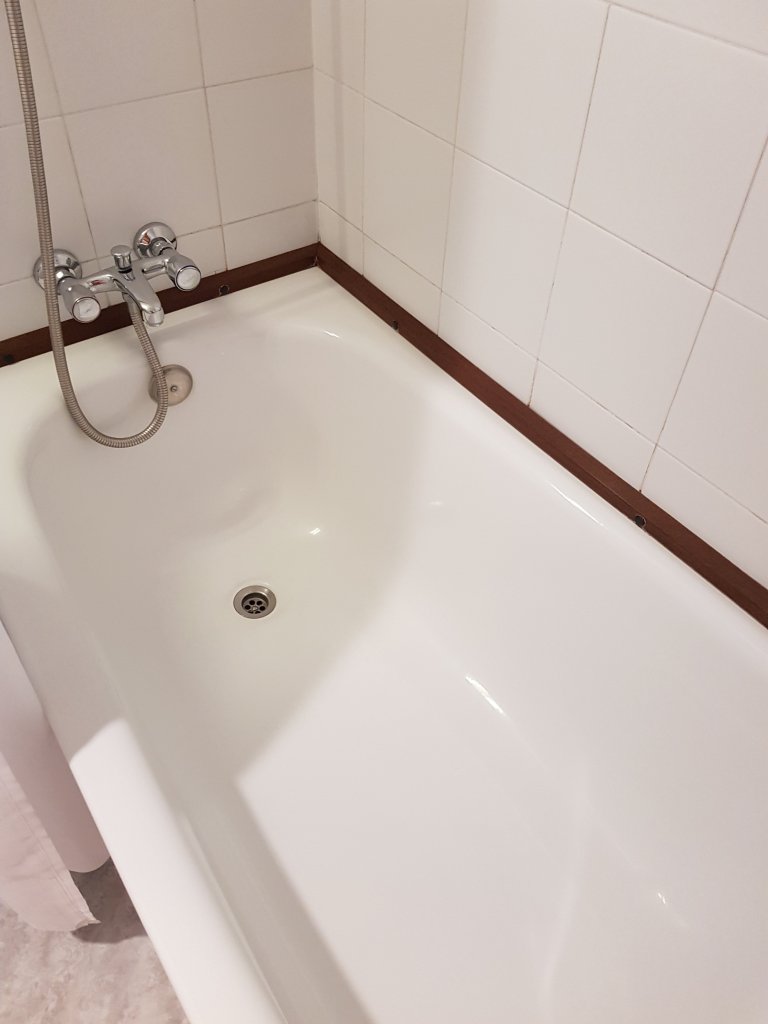
This former palace is beautiful and very luxurious! I had so much time in the bathtub, and laying on the comfy bed. They even gave you your own dressing gown. I realised later that there was also a spa! Unfortunately, I was only there one night and did not have any swim gear so could not take advantage. I did use the hotel restaurant which was very fancy and still reasonable at only €16 for the menu of the day. Plus, they gave me complementary leek cake!
9. Casa de Manas, Grove
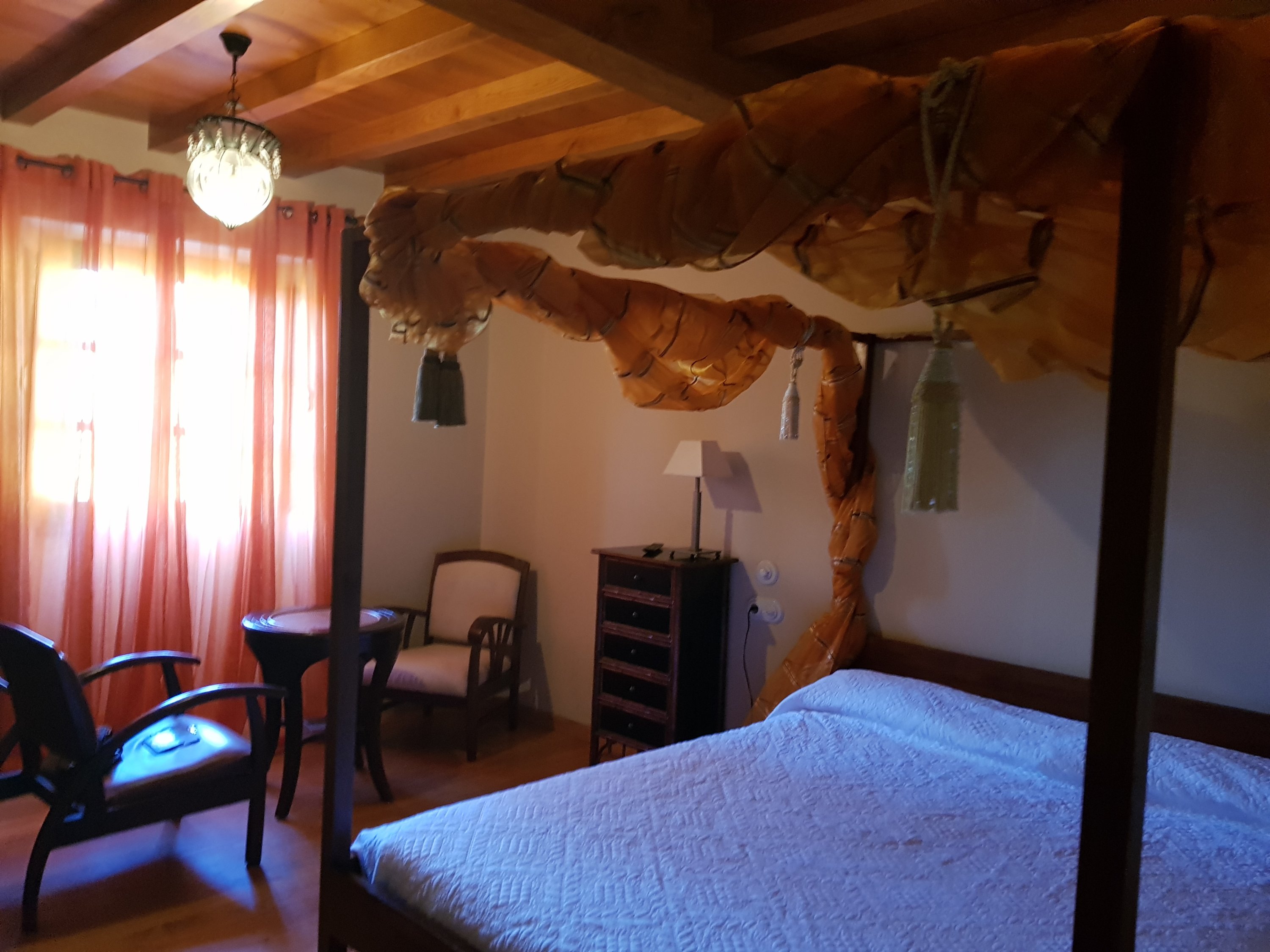
Beautifully finished country lodge, surrounded by a river and cows. The bed was very ‘princess and the pea’ style, the radiators looked like marble, and the bath was a jacuzzi. Very nice! The owners were also very helpful and provided a free breakfast at the restaurant a little up the hill.
10. Hotel San Marcus, Sobrado dos Monxes
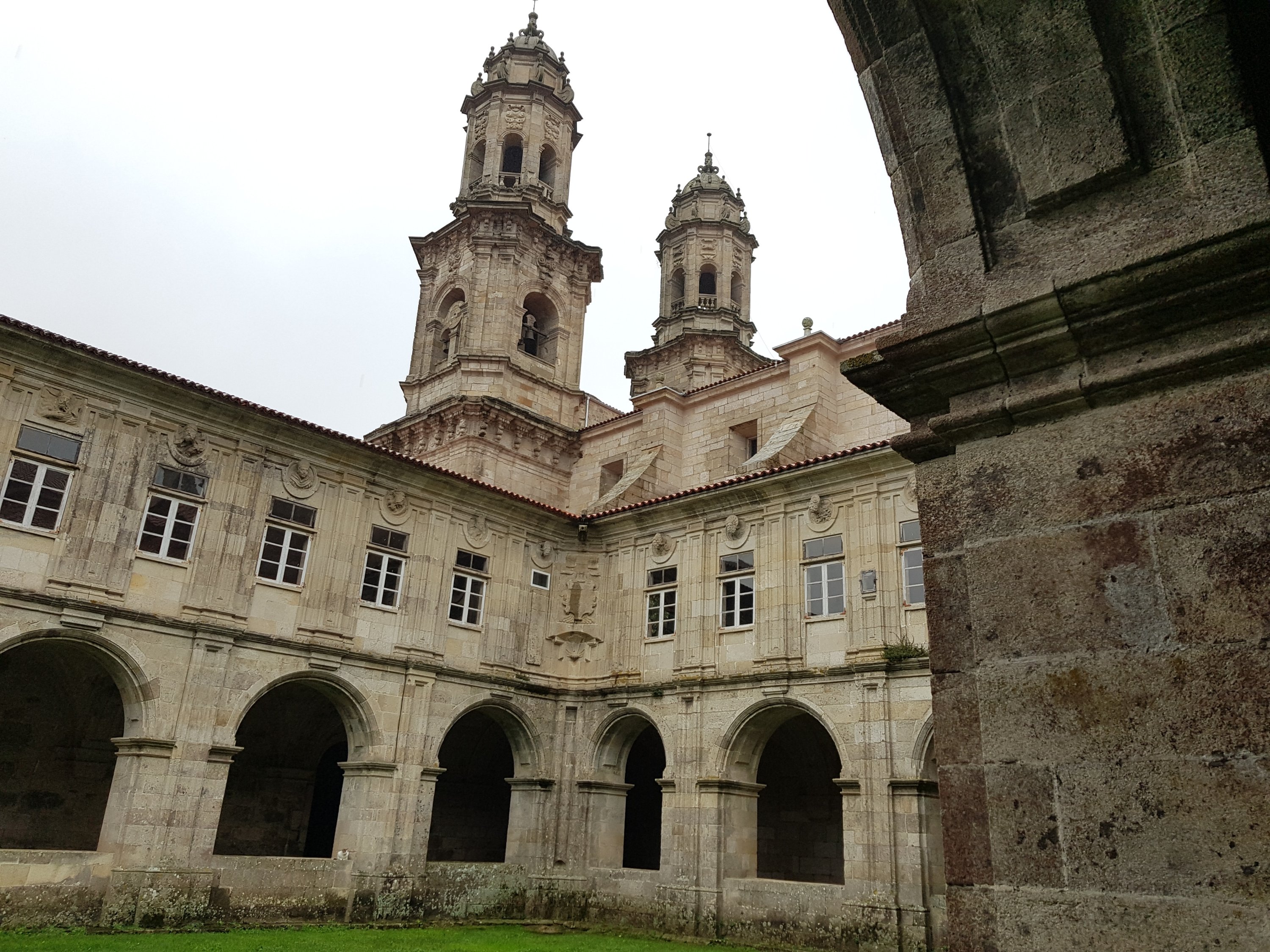
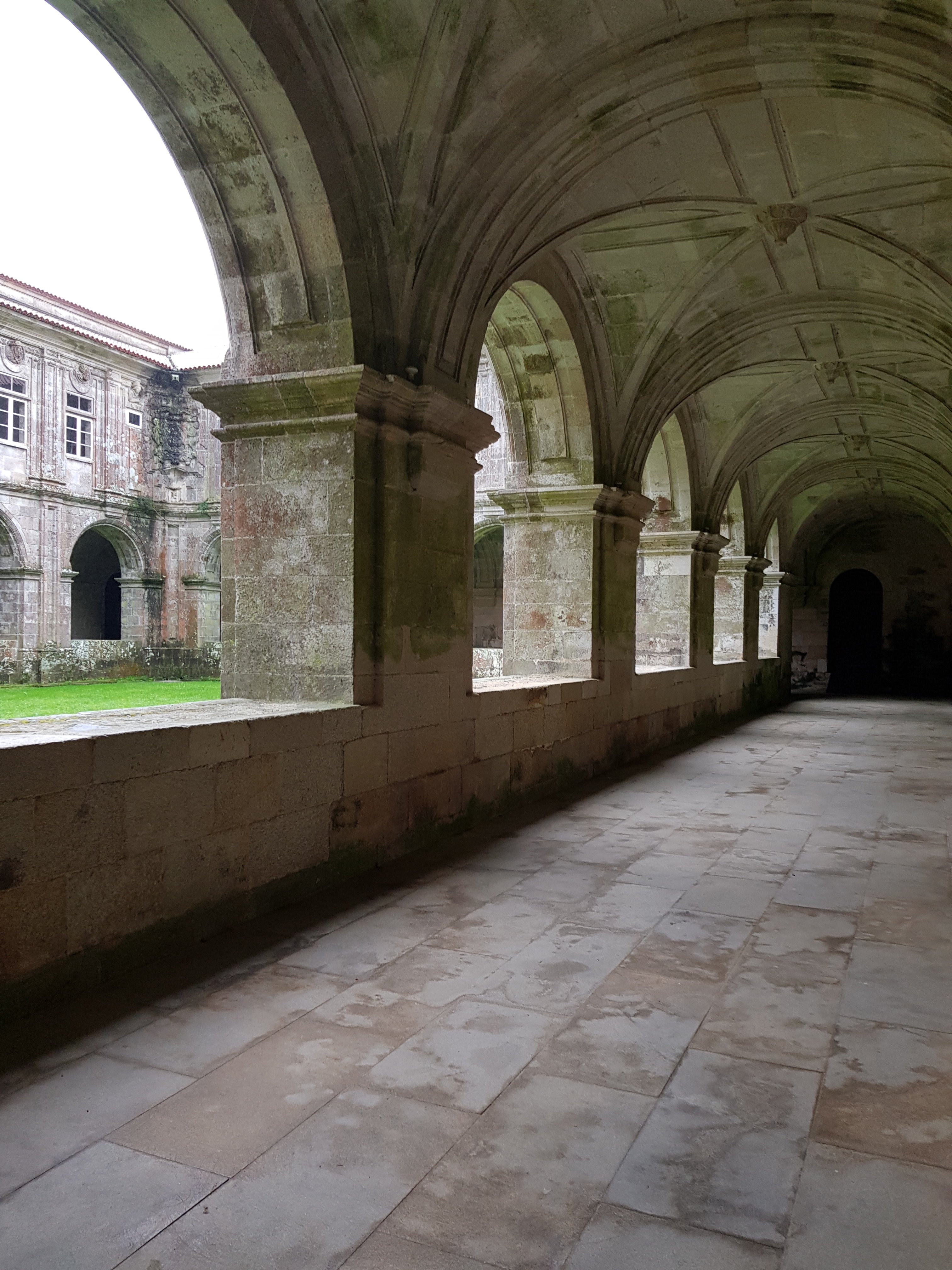
Comfy room, and nice bathroom. Very cosy, with a balcony to sit on and views of the monastery. The lady running the hotel also made free drinks and snacks available 24/7 and breakfast was included.
Doing the camino off season, did leave me with less options to choose from this year, but I am so glad I managed to get a bed at these locations. I would recommend to anyone doing the walk, to mix it up and sprinkle some different types of stay into your trip. You deserve a little luxury after walking for 40km in one day, and the baths really help!
This week was my final 100km to Santiago de Compostela. Many people begin their entire route from here, for me, it was the beginning of the end, of a very long walk.
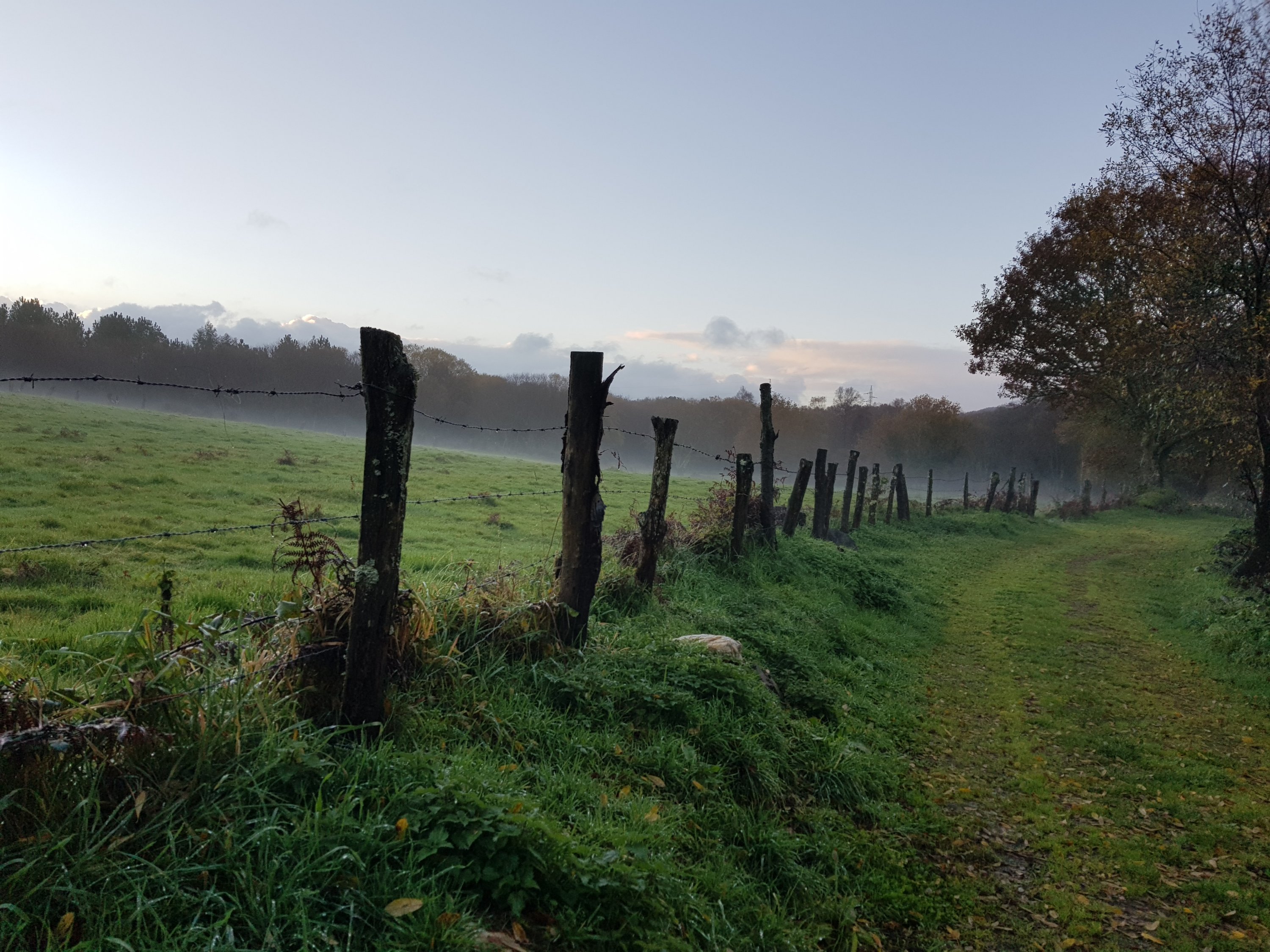
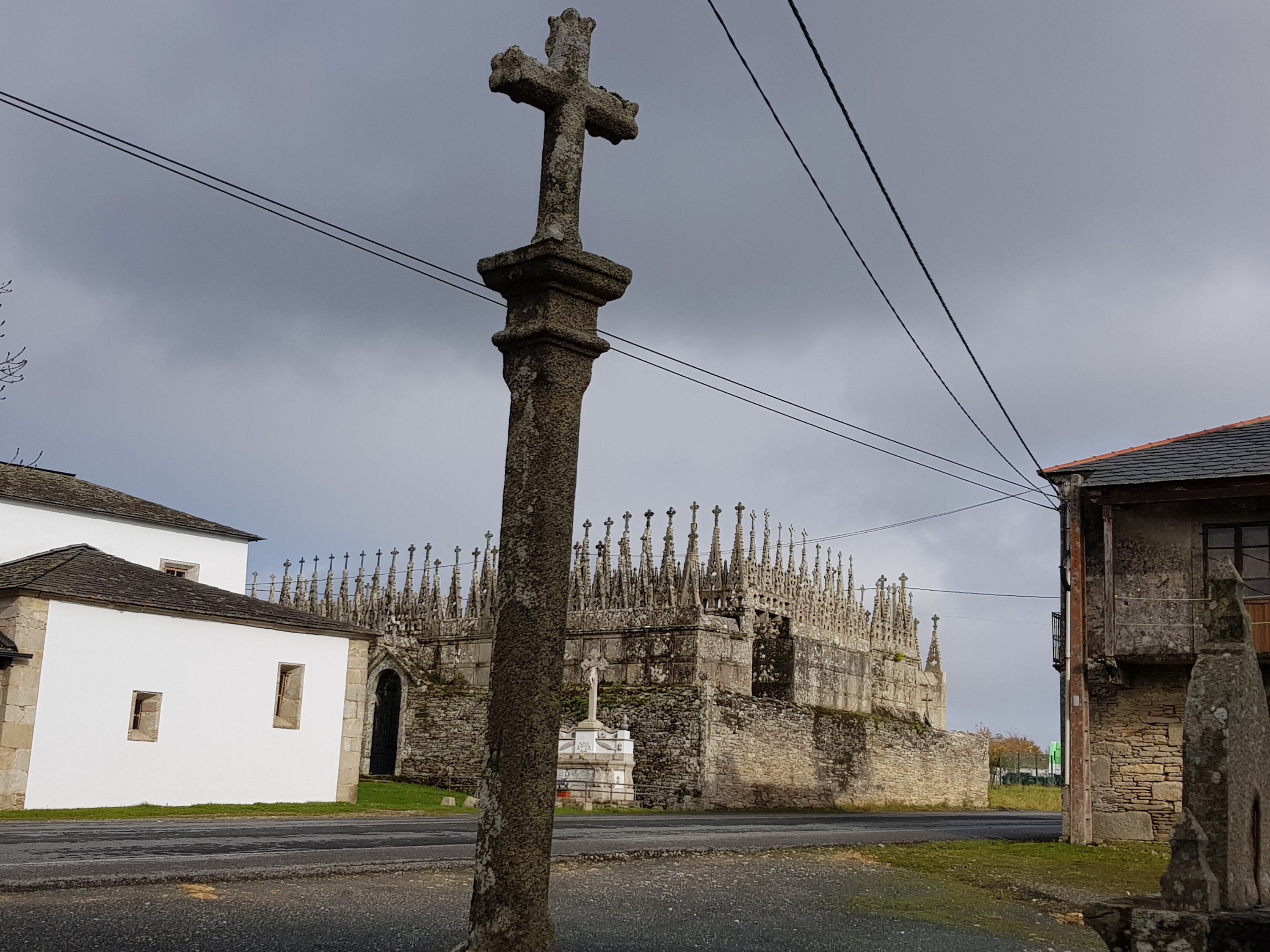
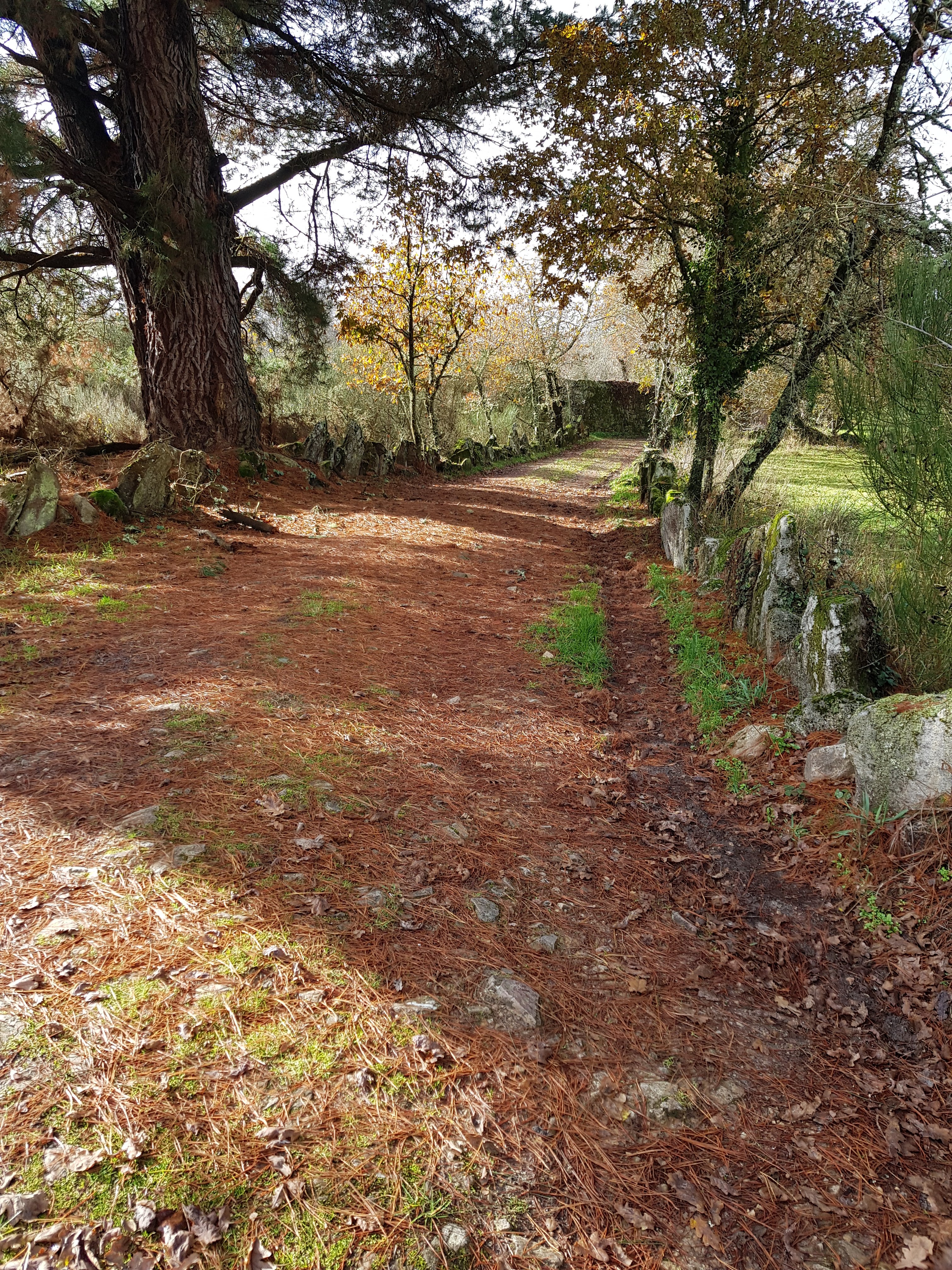
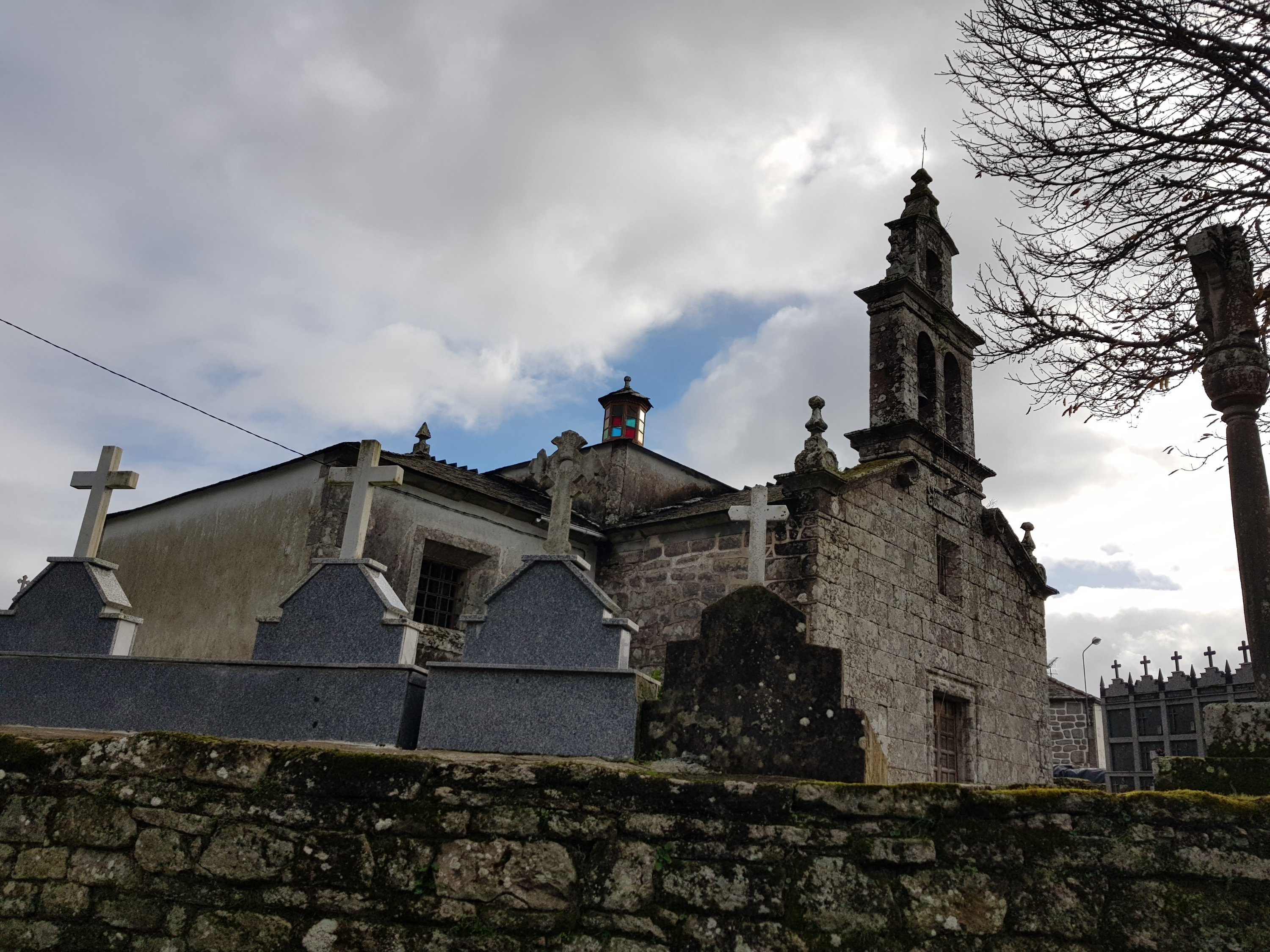
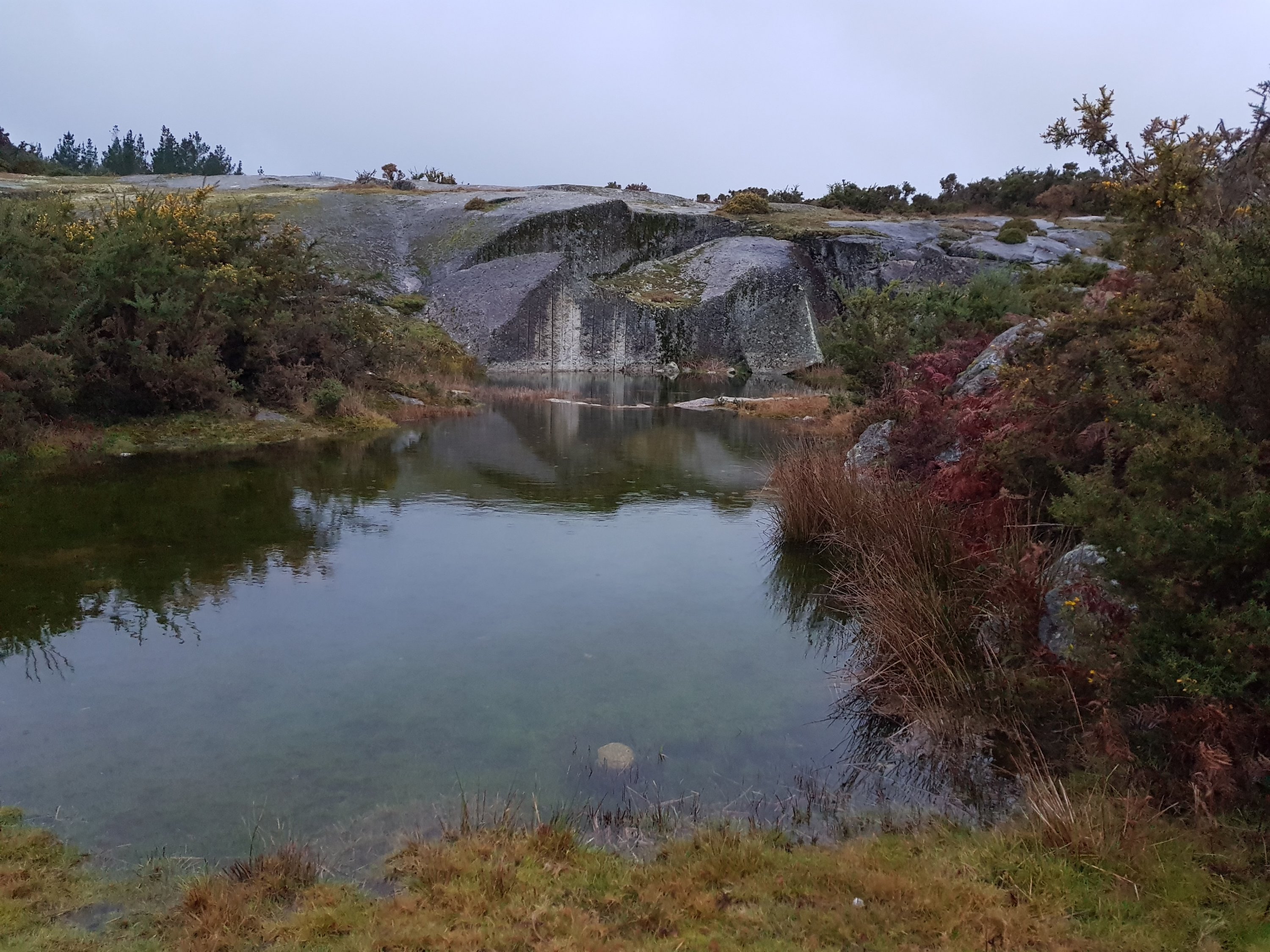
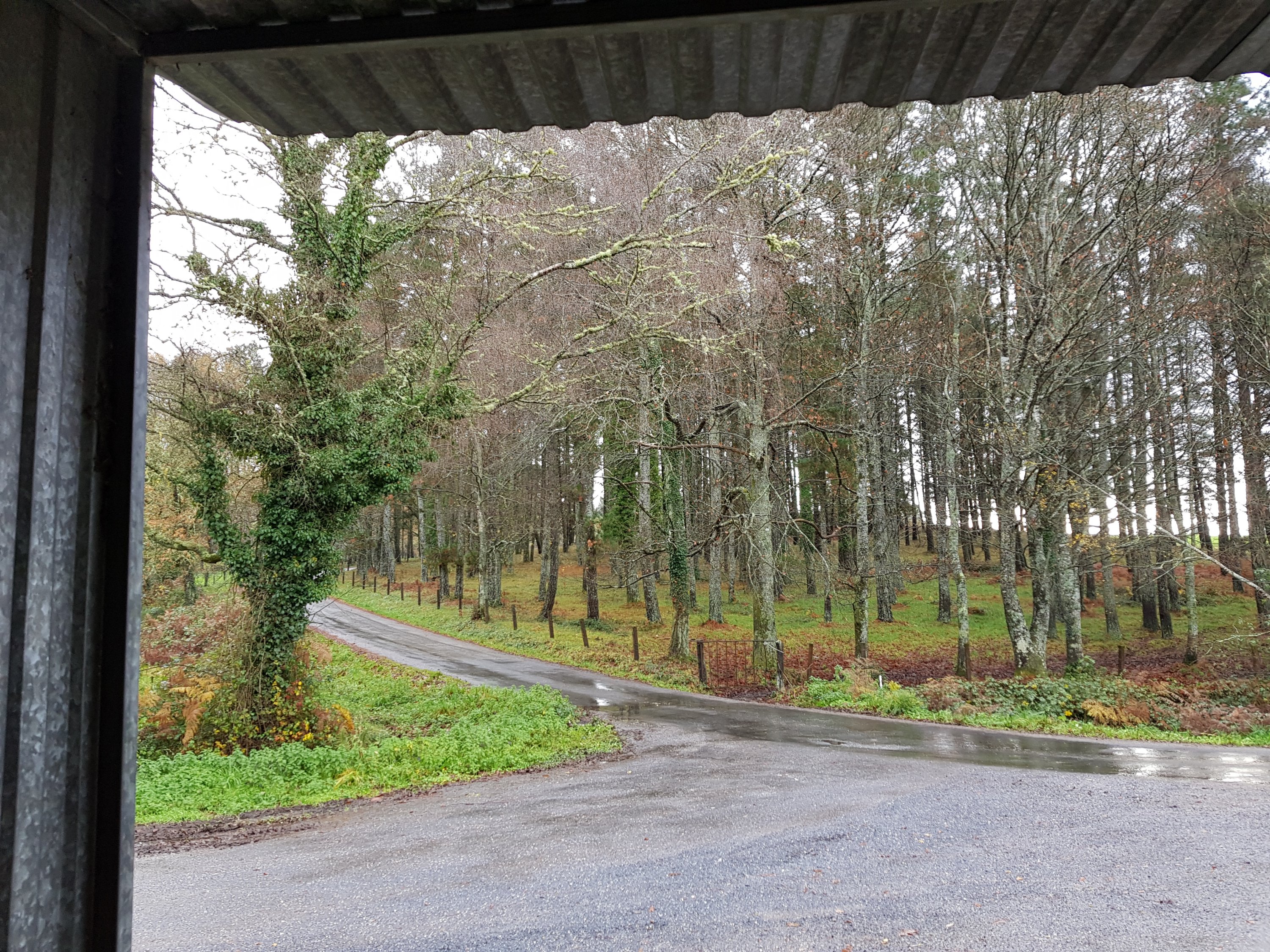
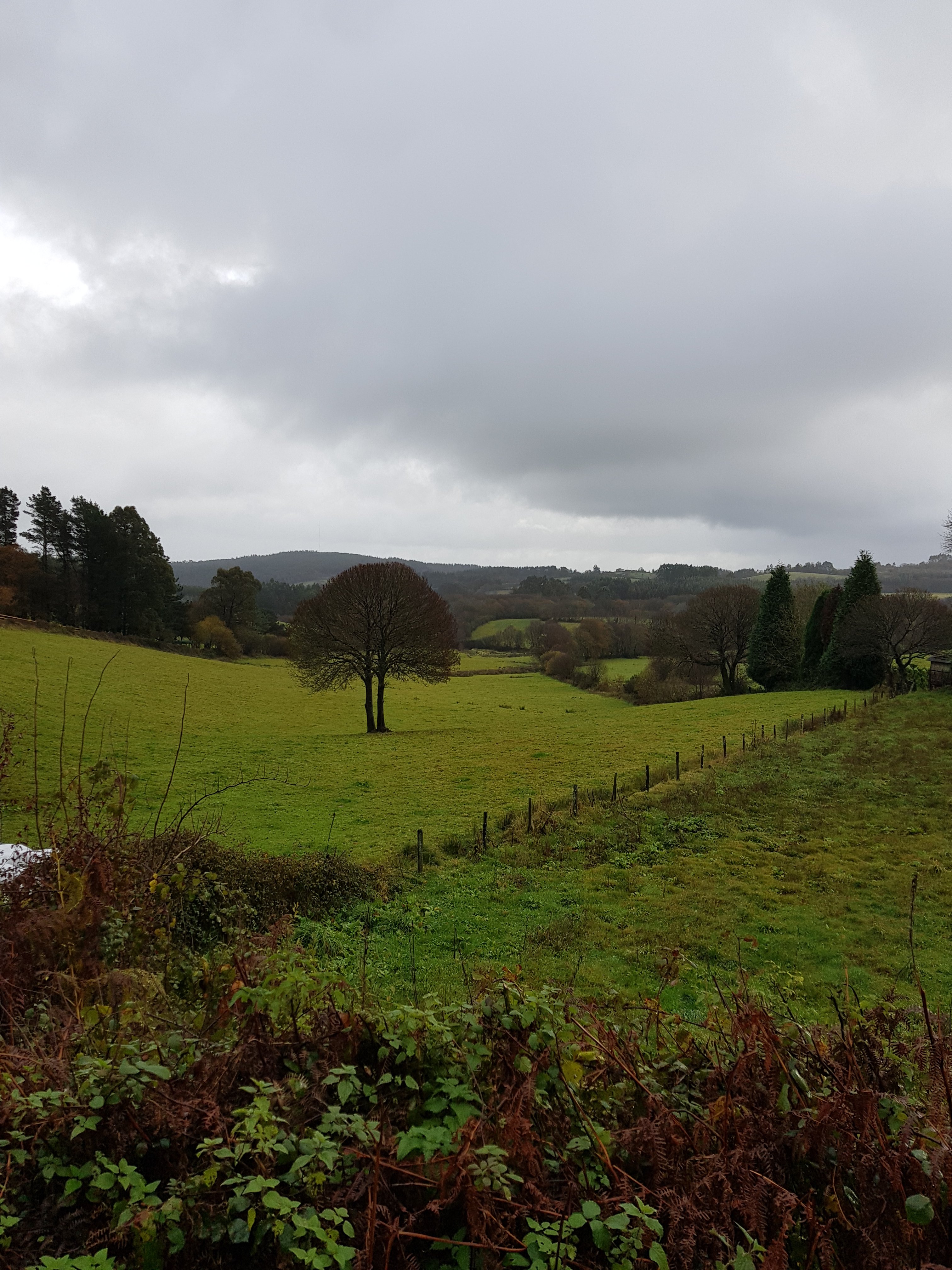
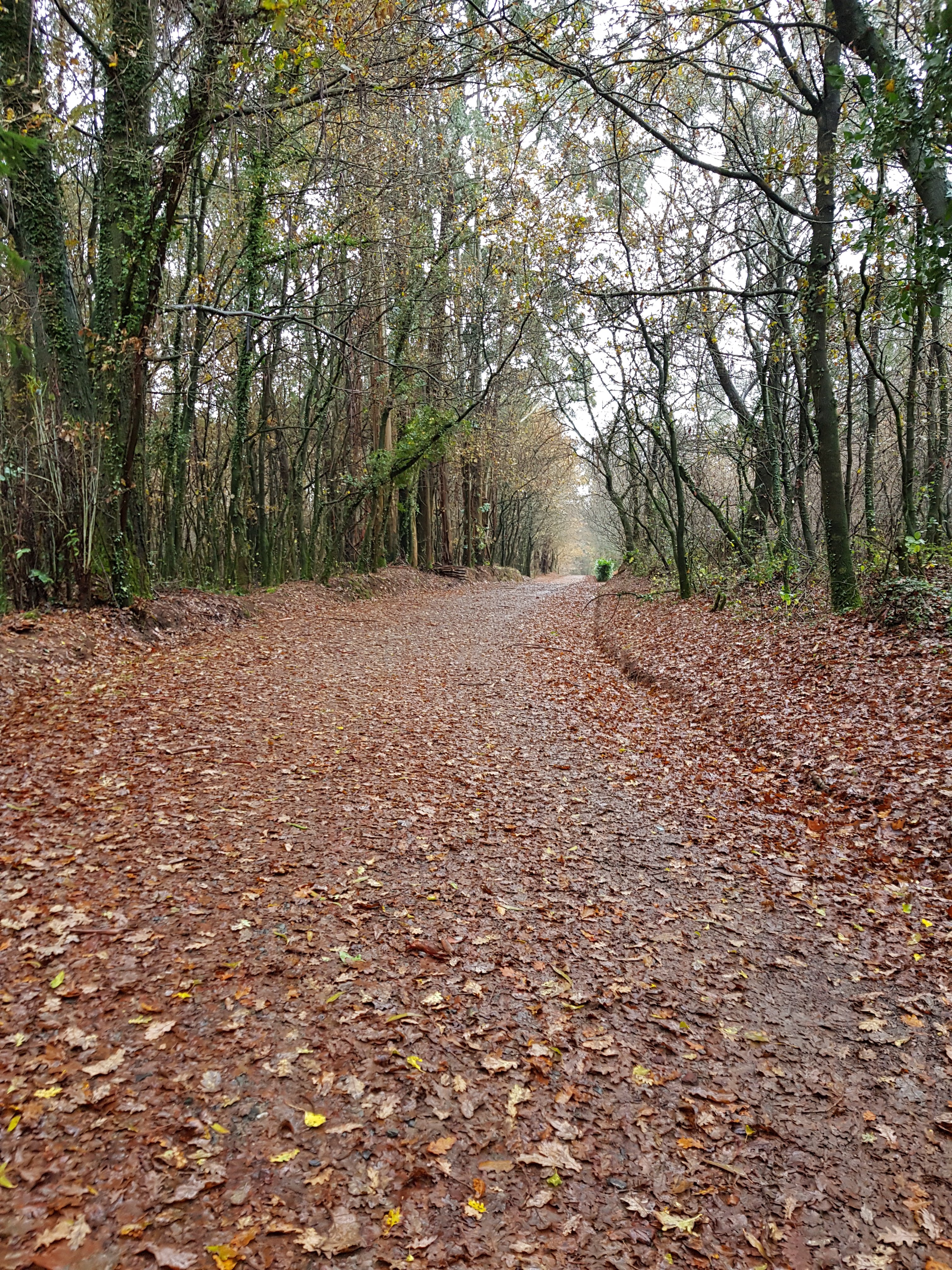
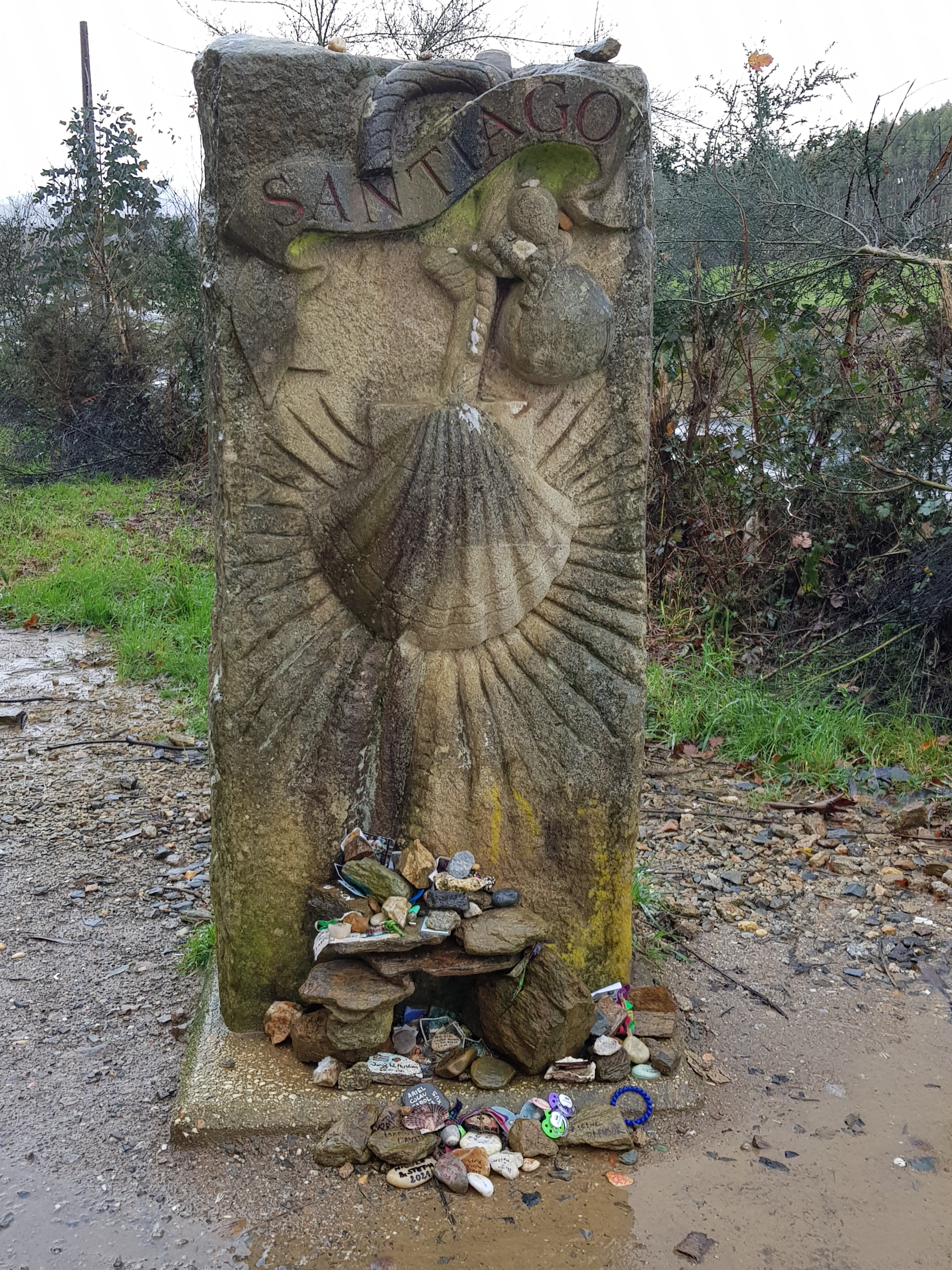
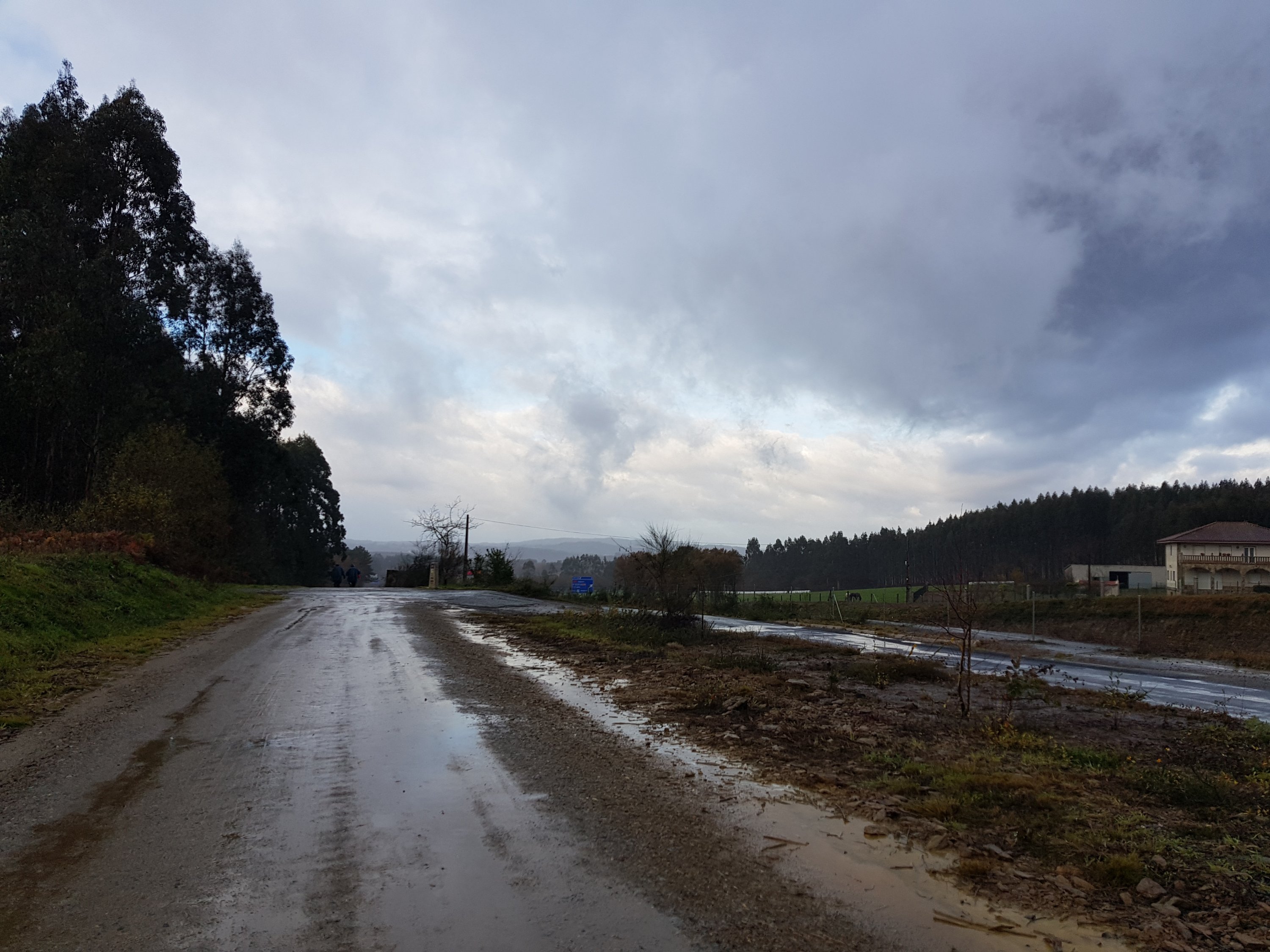
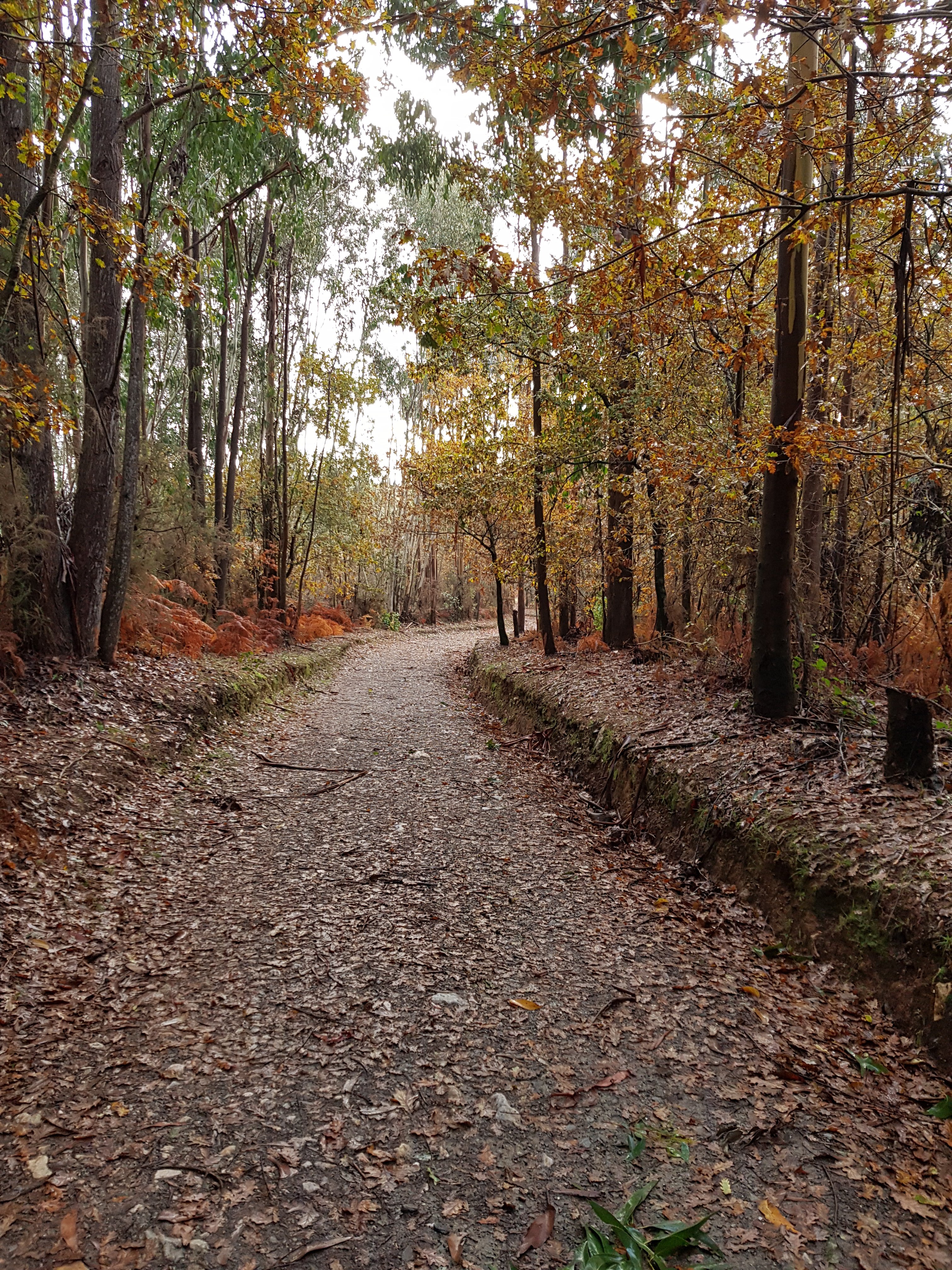
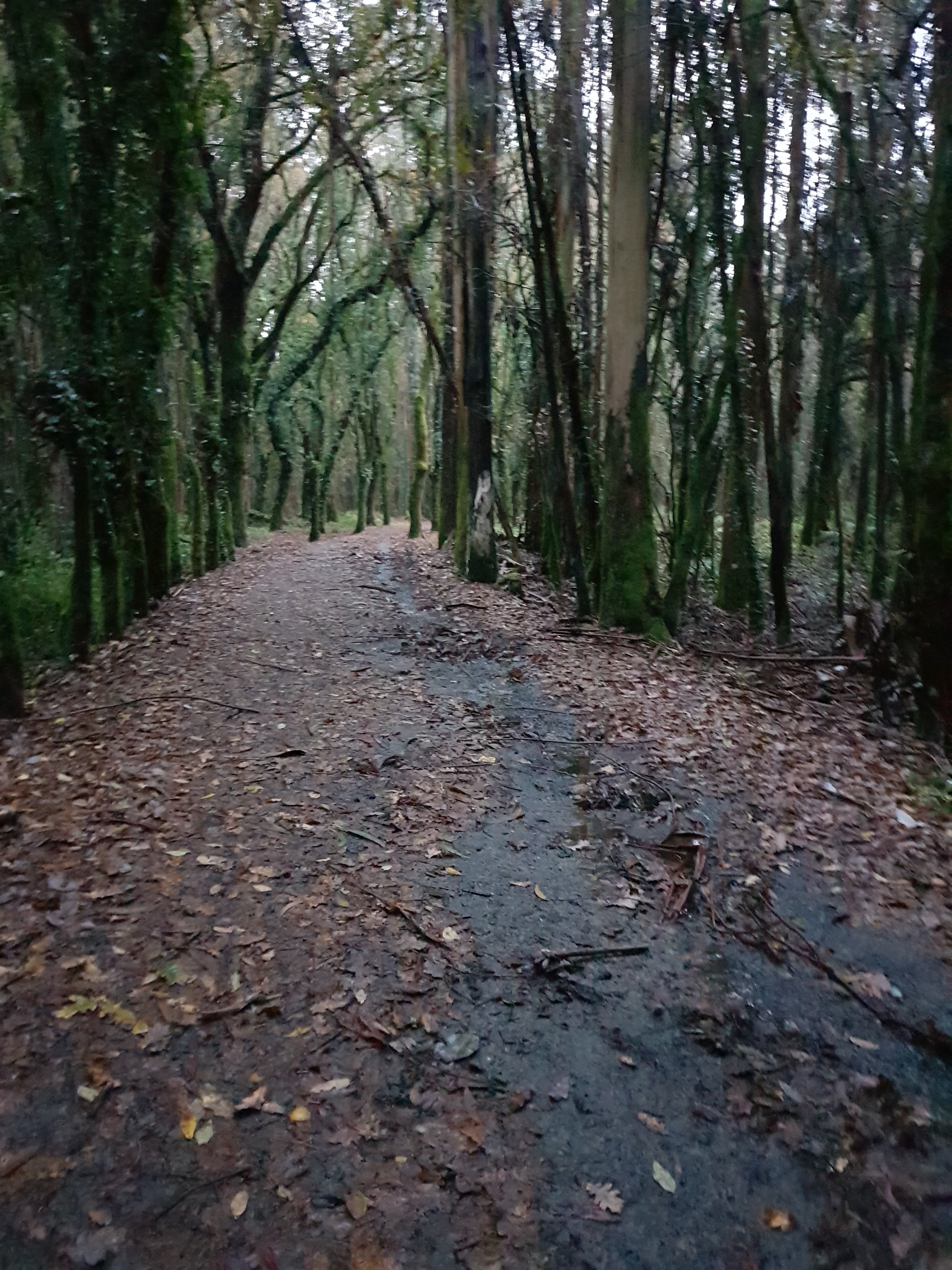
Now that I am in Galicia, a new language has been introduced again, a subtle change in culture and architecture. It is so interesting to see the subtle changes. The terrain is flatter and now includes many forests, and little services.
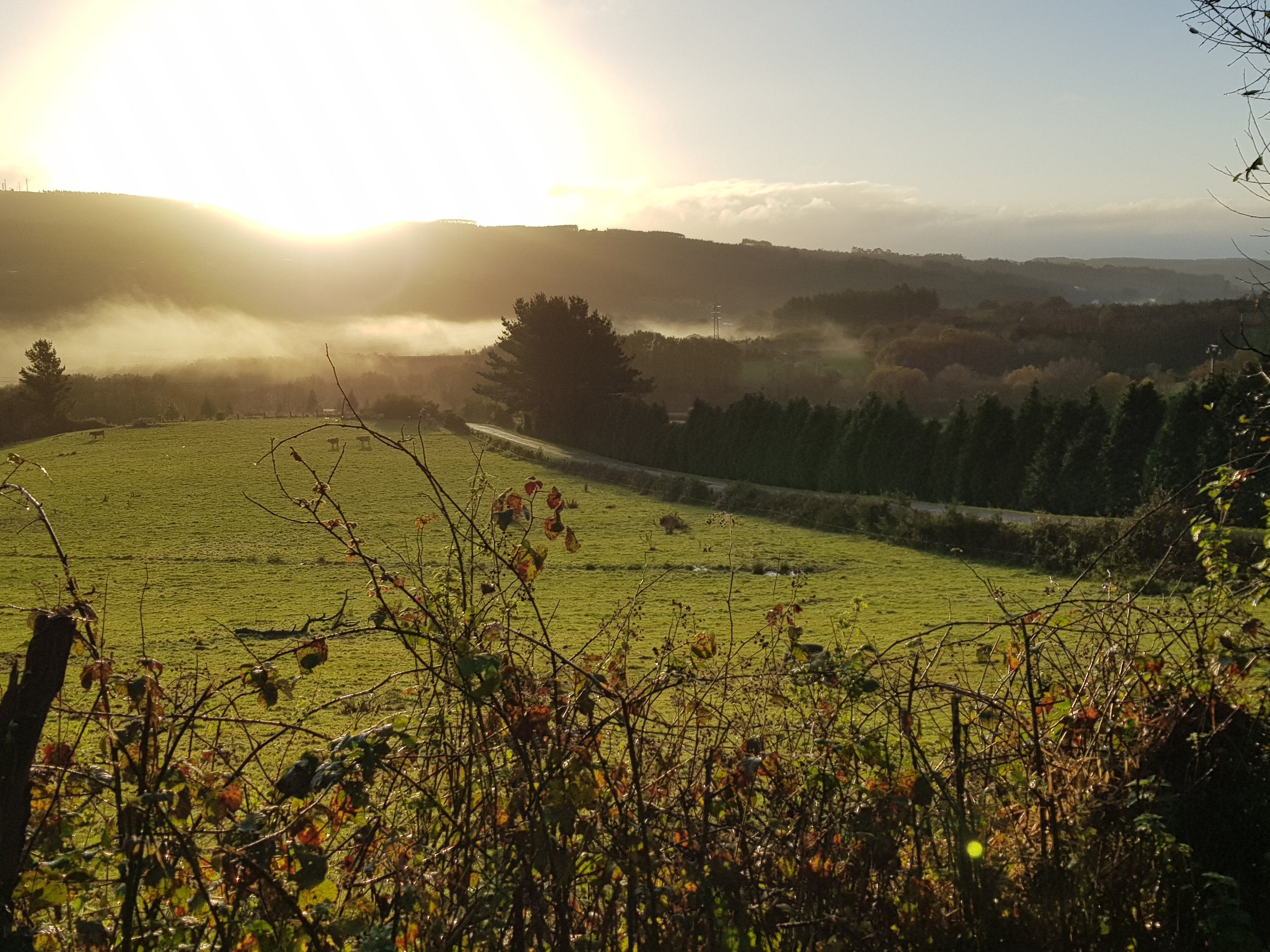
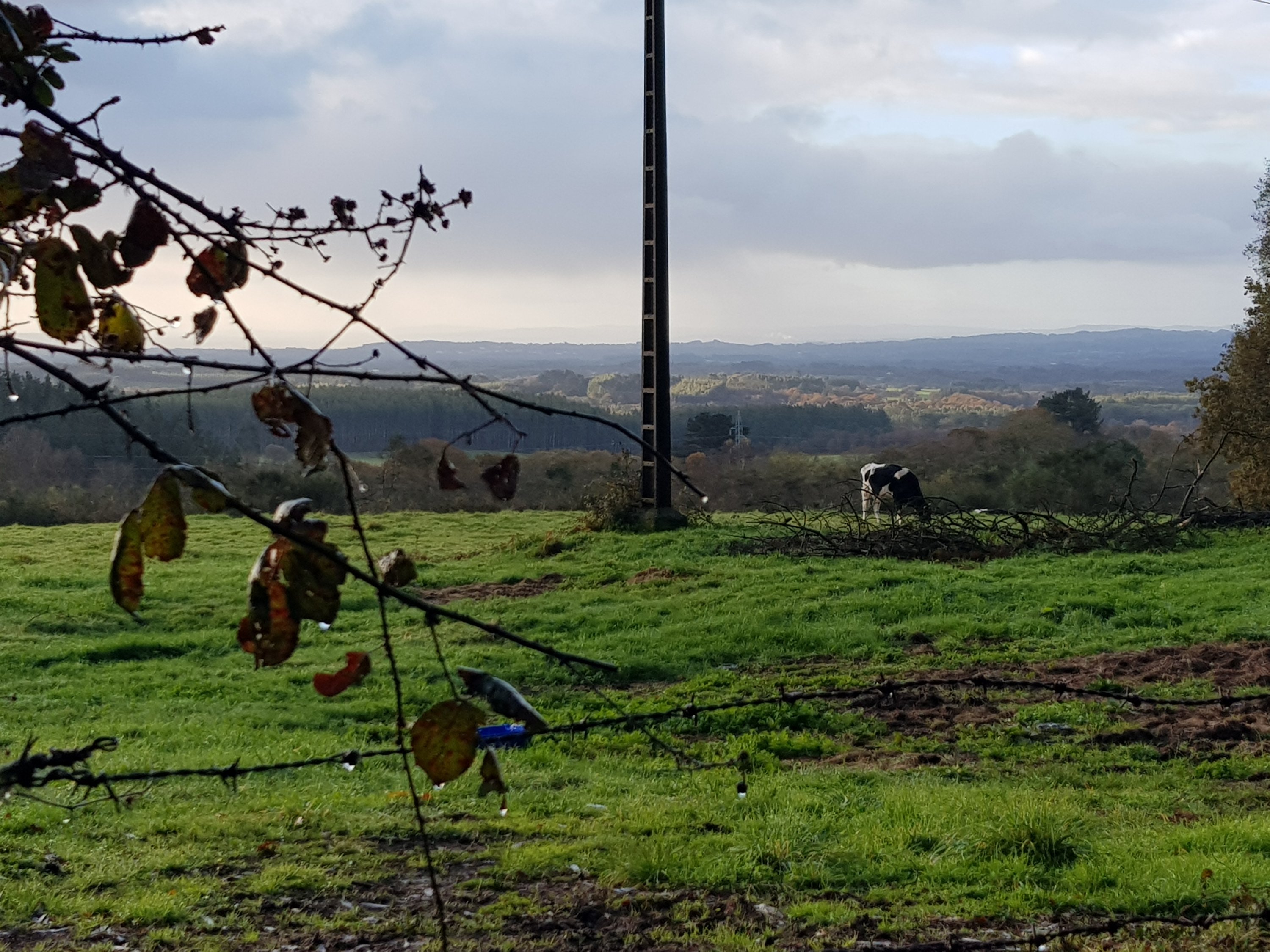
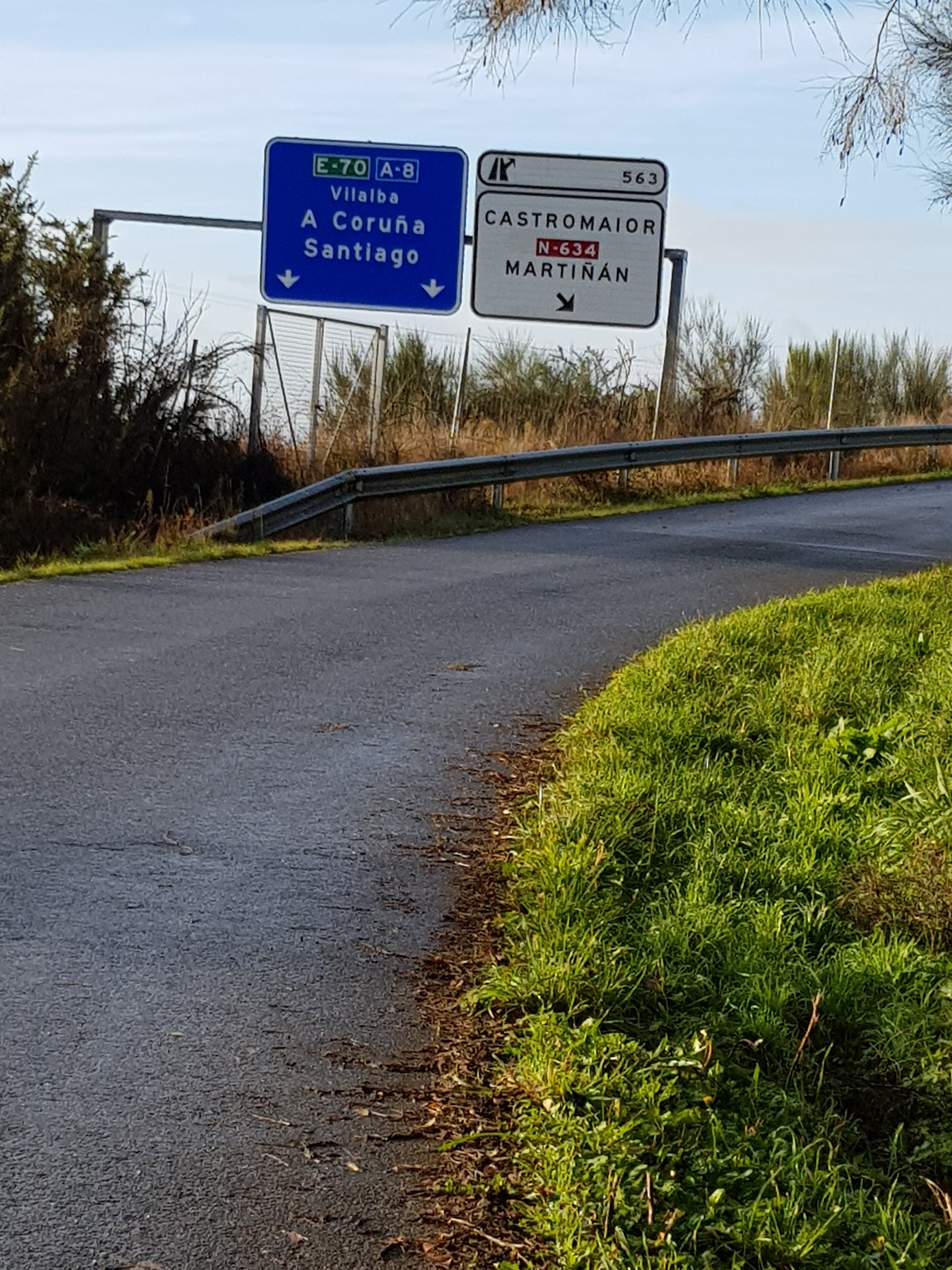
The week began great, leaving before sunrise to walk to Vilalba, I enjoyed my first walk in mostly sunshine for many days. I got some brilliant photos, and whilst my foot was sore, I was full of positivity. Especially once I saw the first road sign to Santiago! It finally felt within reach!
I made my way to a cafe, which I found then to be closed, but hung around outside looking sad until the nice spanish lady let me in! She opened up just for me and I had a hot chocolate, and a long conversation in spanish about politics and Galicia. Very good practice.
Before I knew it, I had made it to the hostel. I was all on my own at the hostel, and it was 1km outside of town, so I had an interesting attempt at ordering a delivery. After a long struggle, I finally had my cheeseburger and chocolate brownie, snuggled up in my sleeping bag.
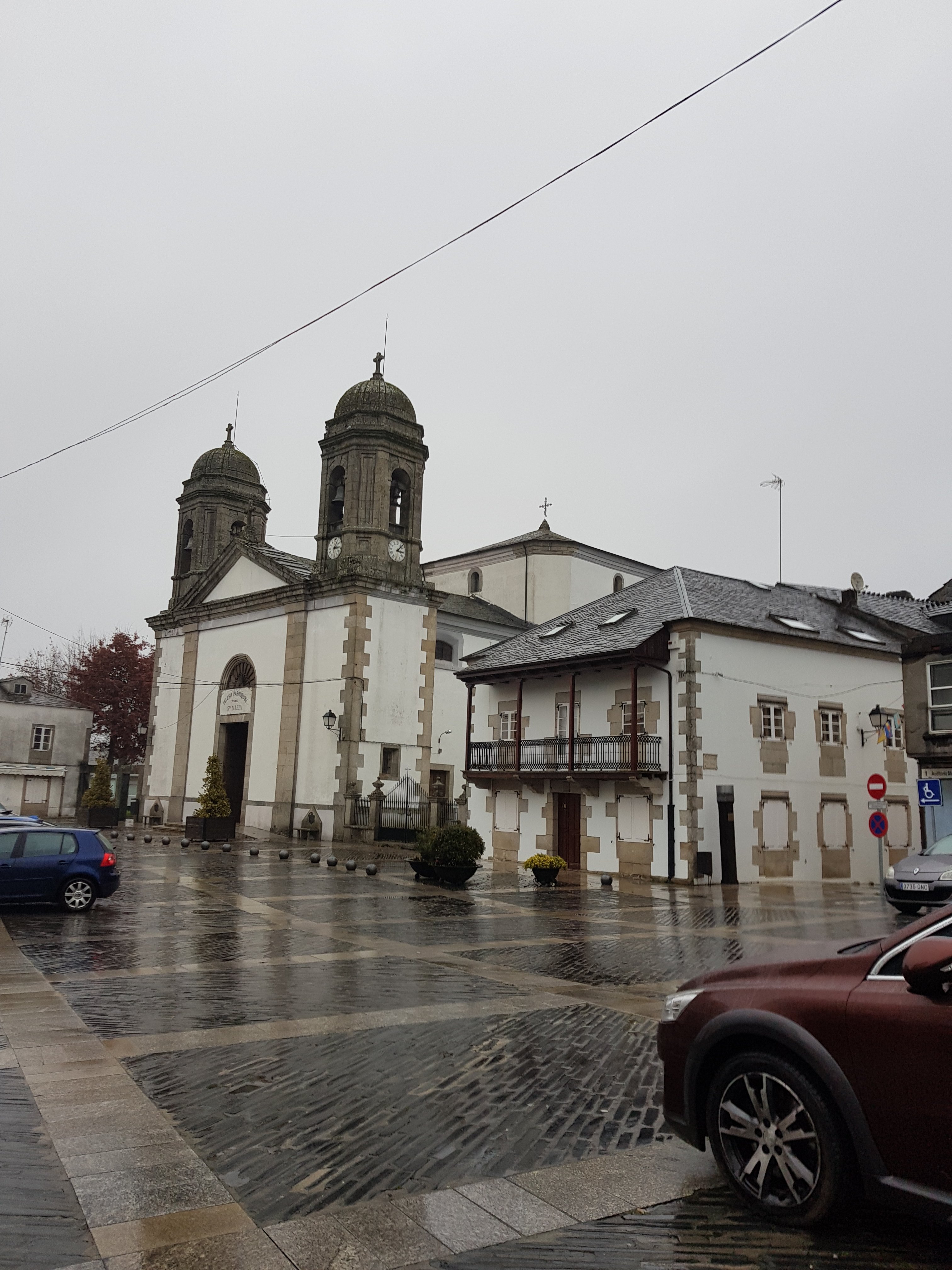
Vilalba is a nice town, with lots of shops and services, a little castle. It would make a good rest day stop, if I had not been so eager to finish!
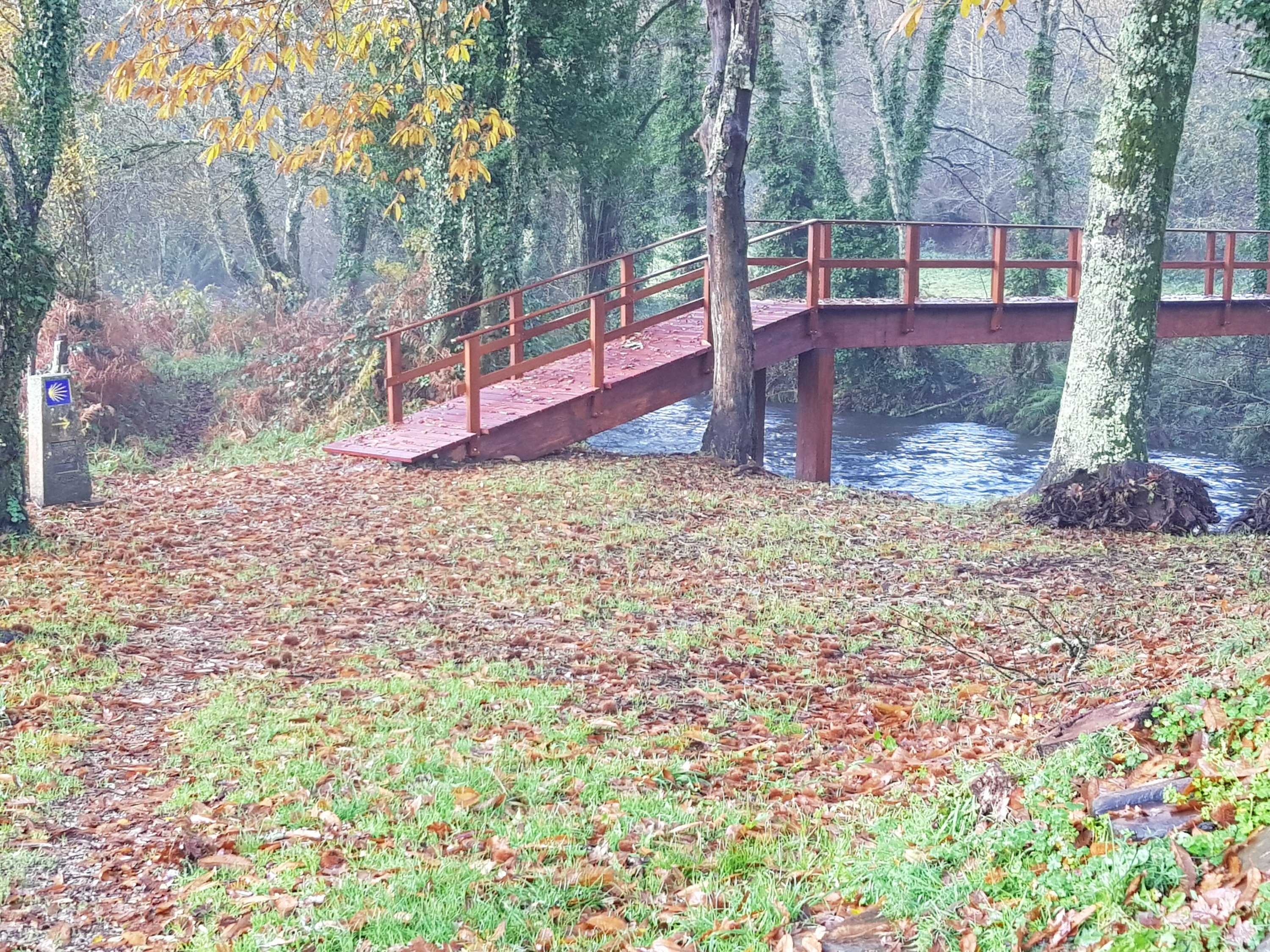
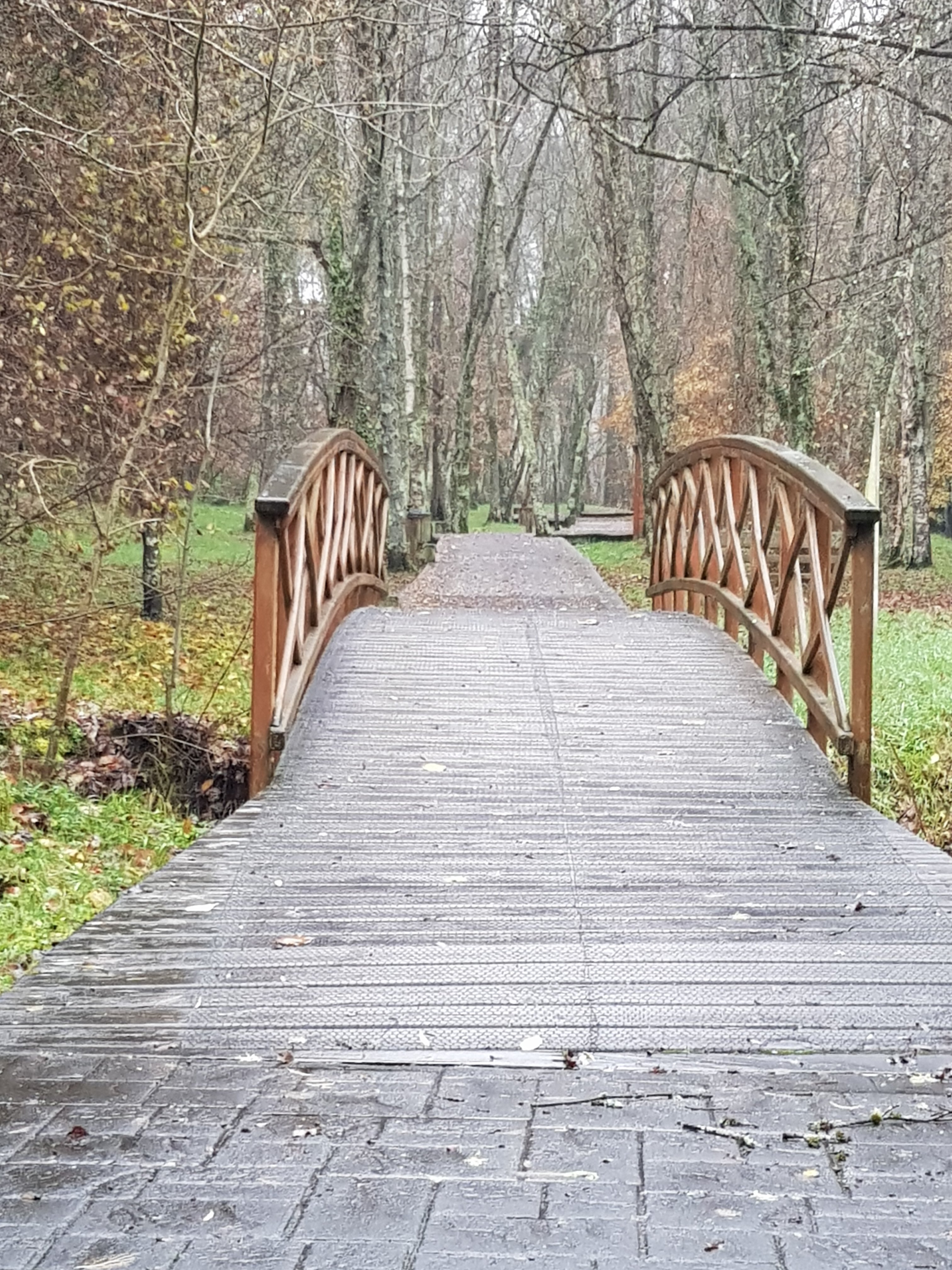
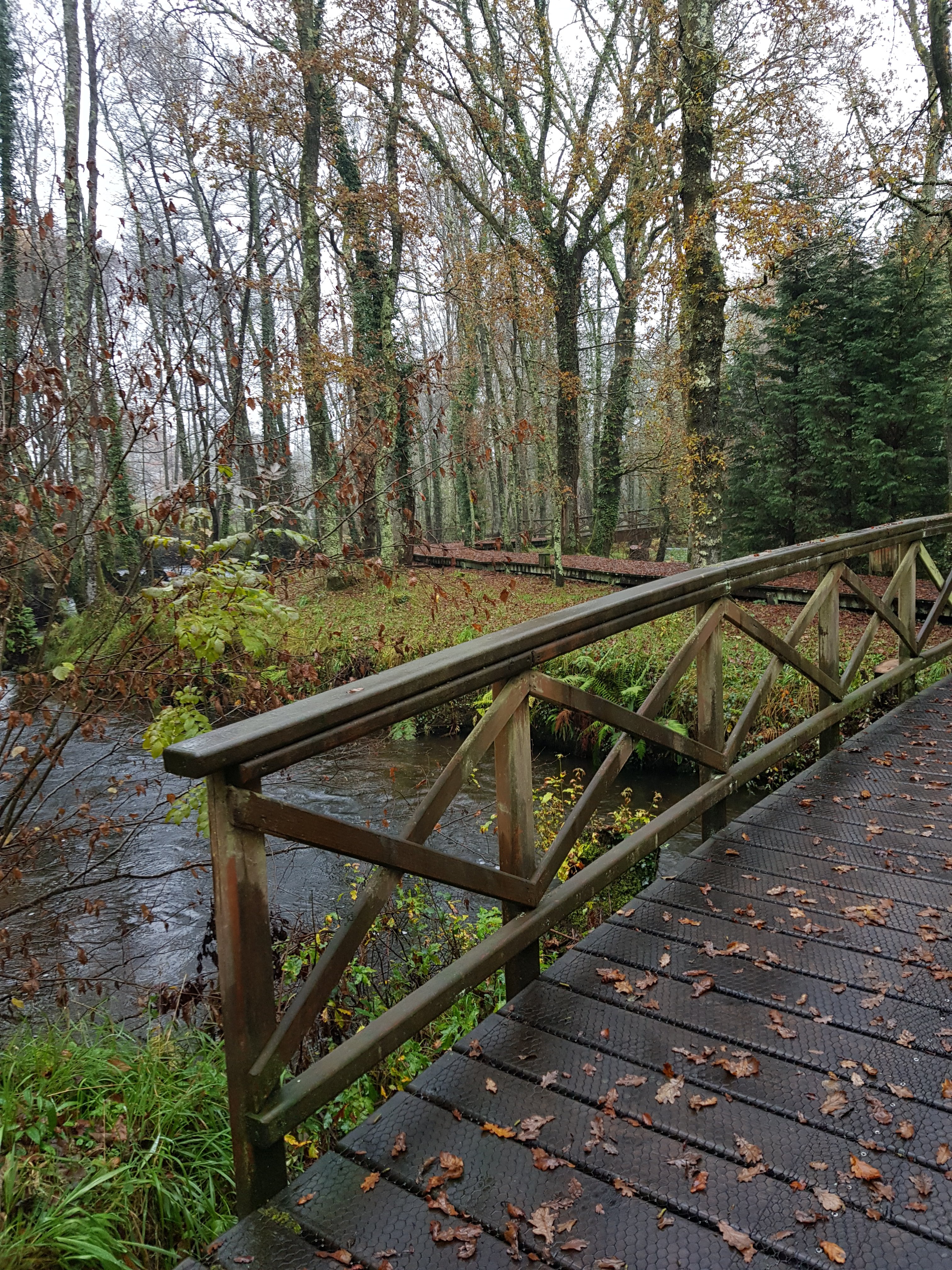
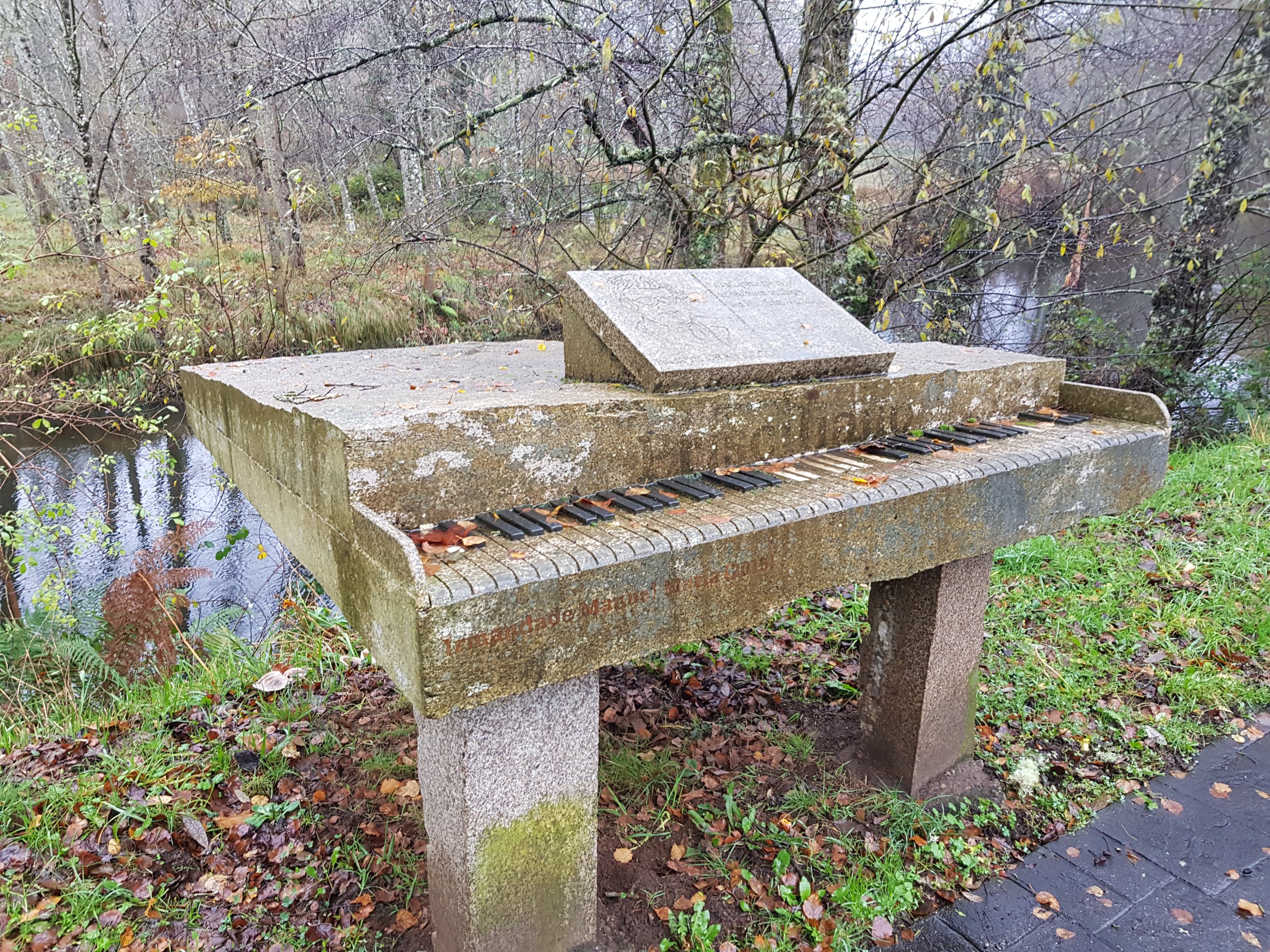
The walk to Baamonde was very rainy and had many roads, except at the beginning where there was a pretty boardwalk route through a park along the river. It was ‘only’ 22km but a big struggle with an already very sore foot and knees. Thankfully, I had some company in the second half, in the form of a lovely pilgrim from Switzerland. He had already walked 2000km, and was already ready to get to Santiago by now. I love walking alone, but it is nice to have someone else to listen to other than your own thoughts sometimes. Eventually, we made it to our hostel, and enjoyed a lovely dinner together of baby squid again, of course.
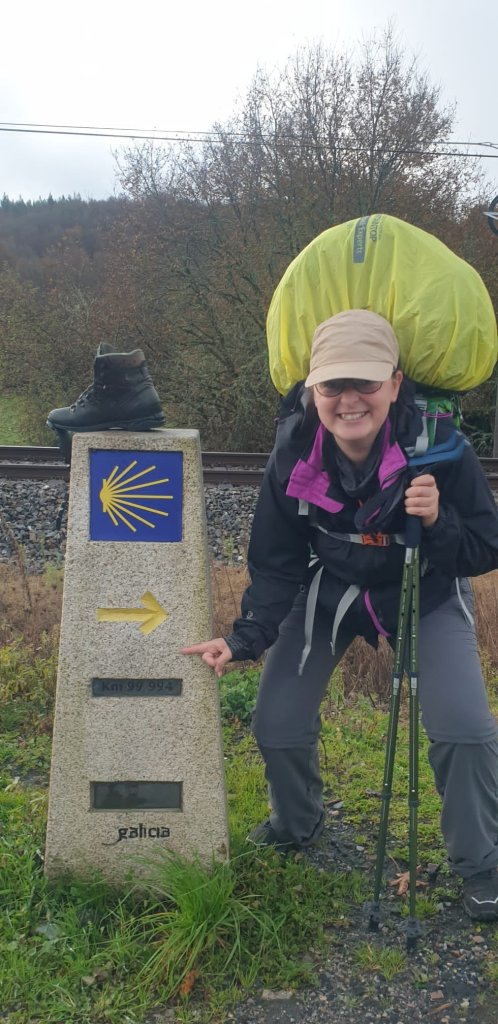
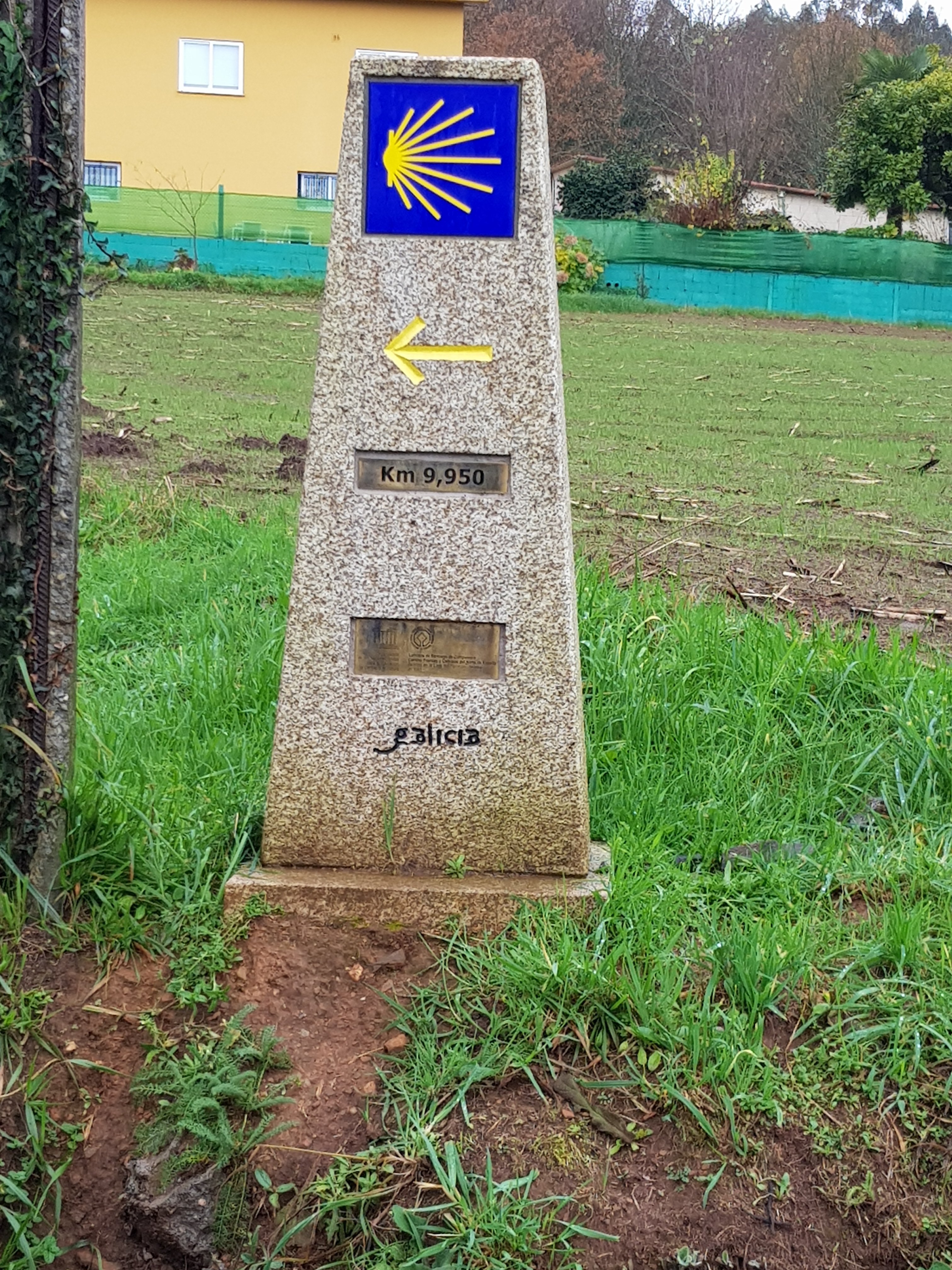
Baamonde is a very small place, but it is also the marker point for being 100km from Santiago de Compostela. This makes it a starting point for many people’s journey. For me, it was a beautiful sign that my journey was almost complete.
The next day I had a choice to make. I could do one long day of at least 32km to the next stage, or take another route over two days (doing 15km, then 25km). The guy from Switzerland wanted me to join him for the big hike, but my foot hurt too much. I decided to stick with my plan of long afternoon rests and went with two days. So we went our separate ways, with an agreement to celebrate together in Santiago.
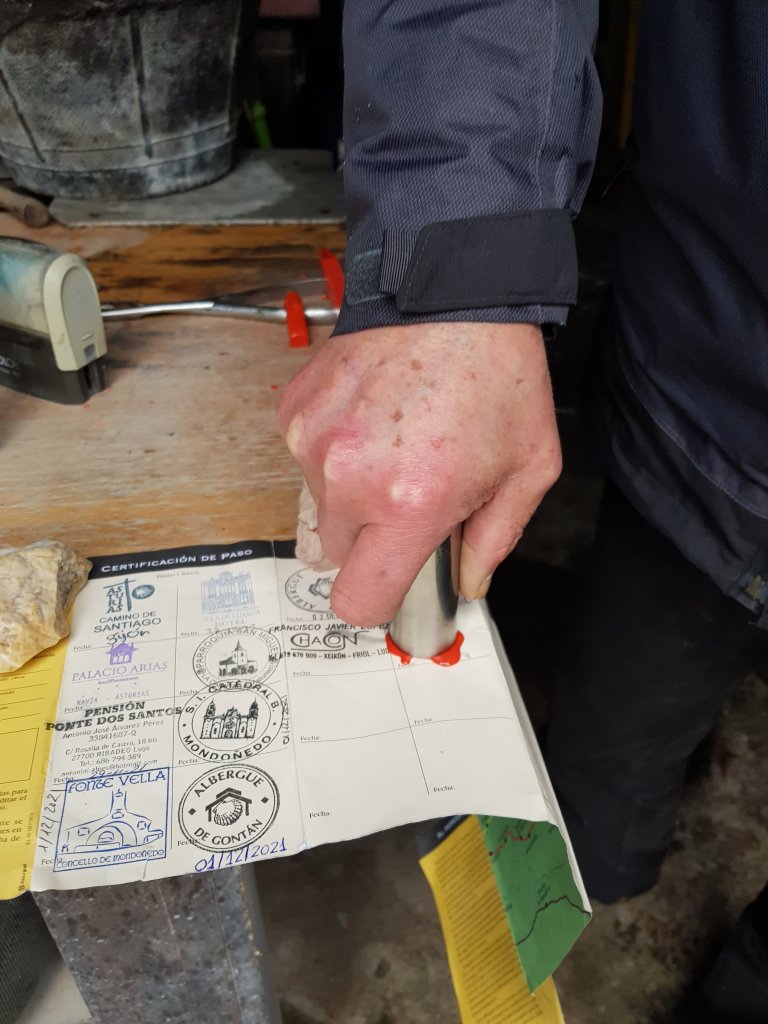
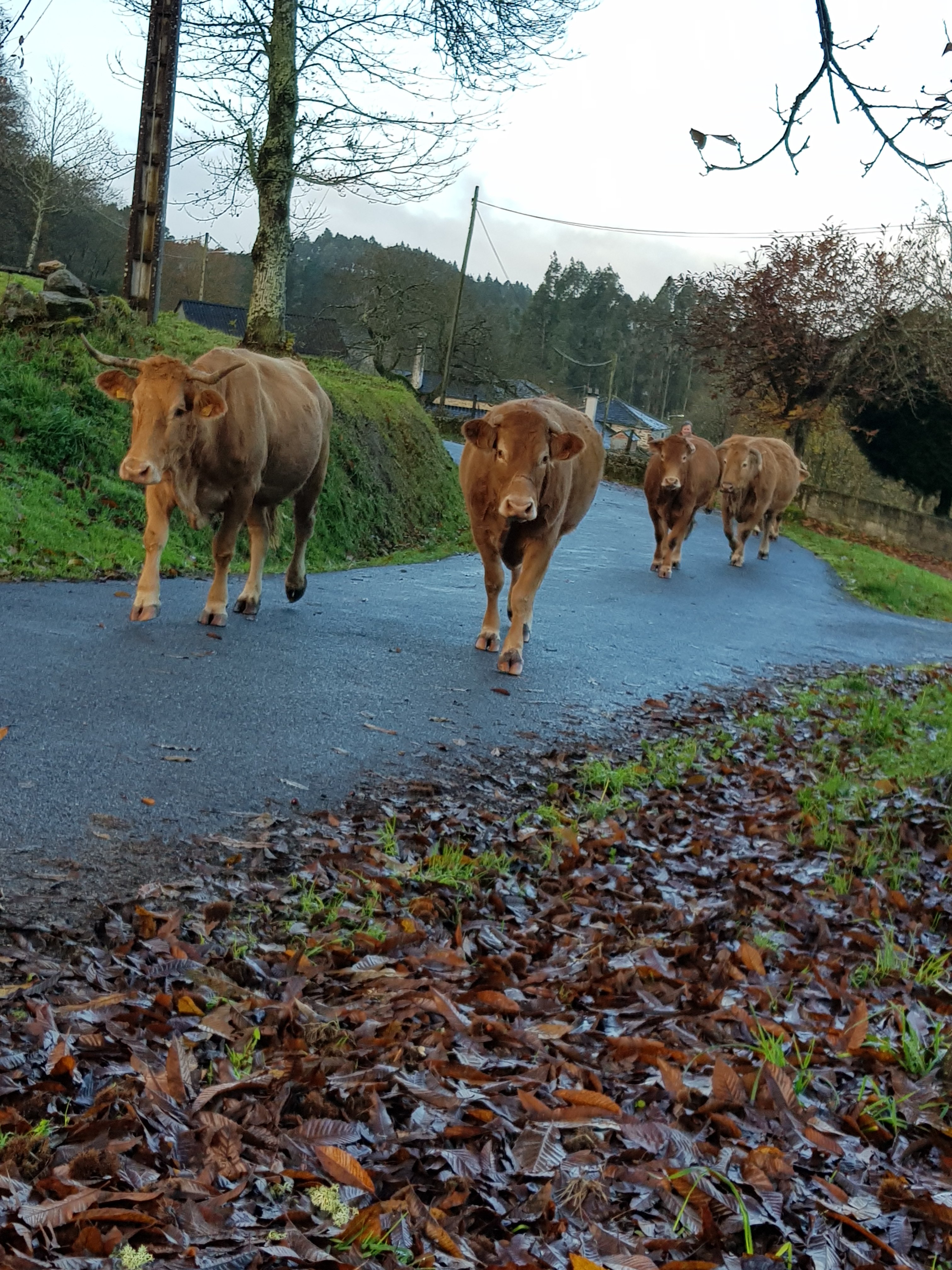
The 15km to the little village of Miraz, turned out to be really enjoyable, despite my pain. The sun came out for me, and I could take lots of breaks as the walk was shorter. I walked with a herd of cows for at least 1km which was a fun experience, and I even came across a house where the owner made his own special pilgrim stamp. I knocked on the door, and he especially came out, lit a fire, melted some wax and stamped my passport.
On arrival to the village, I relaxed, soothed my feet and counted the days to Santiago.
The next day was my last walk over 25km, to Sobrado dos Monxes. The weather was very bad again, and the poncho was on all day. There were very little places to sit and no bars to use as refuge until I was an hour from the end. The landscape was quite different, more boulders and I could sense that I was now very high from sea level, making it much more windy.
I did spend two hours of the walk with three local spanish guys. We chatted in espanol, which was great practice for me. They walk the last 100km of the camino every seven years (on holy years) on the run up to christmas. So, they were fresh to the walk, on their first day, and so much quicker than me, who at this point is limping! I have been limping for about five days now… After a few hours I told them to go ahead of me, so I could take a break. Several hours later I arrived in Sobrado.
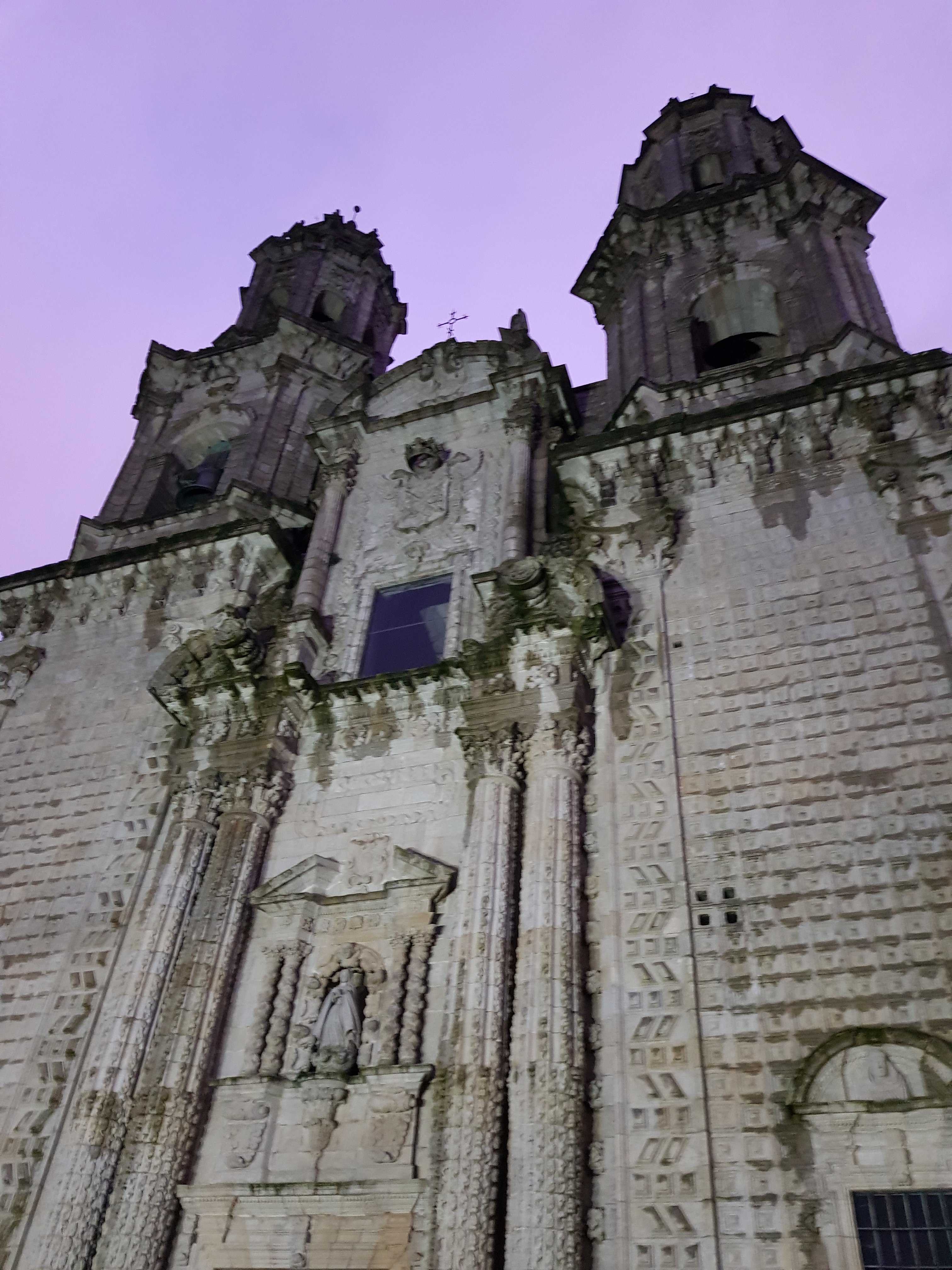
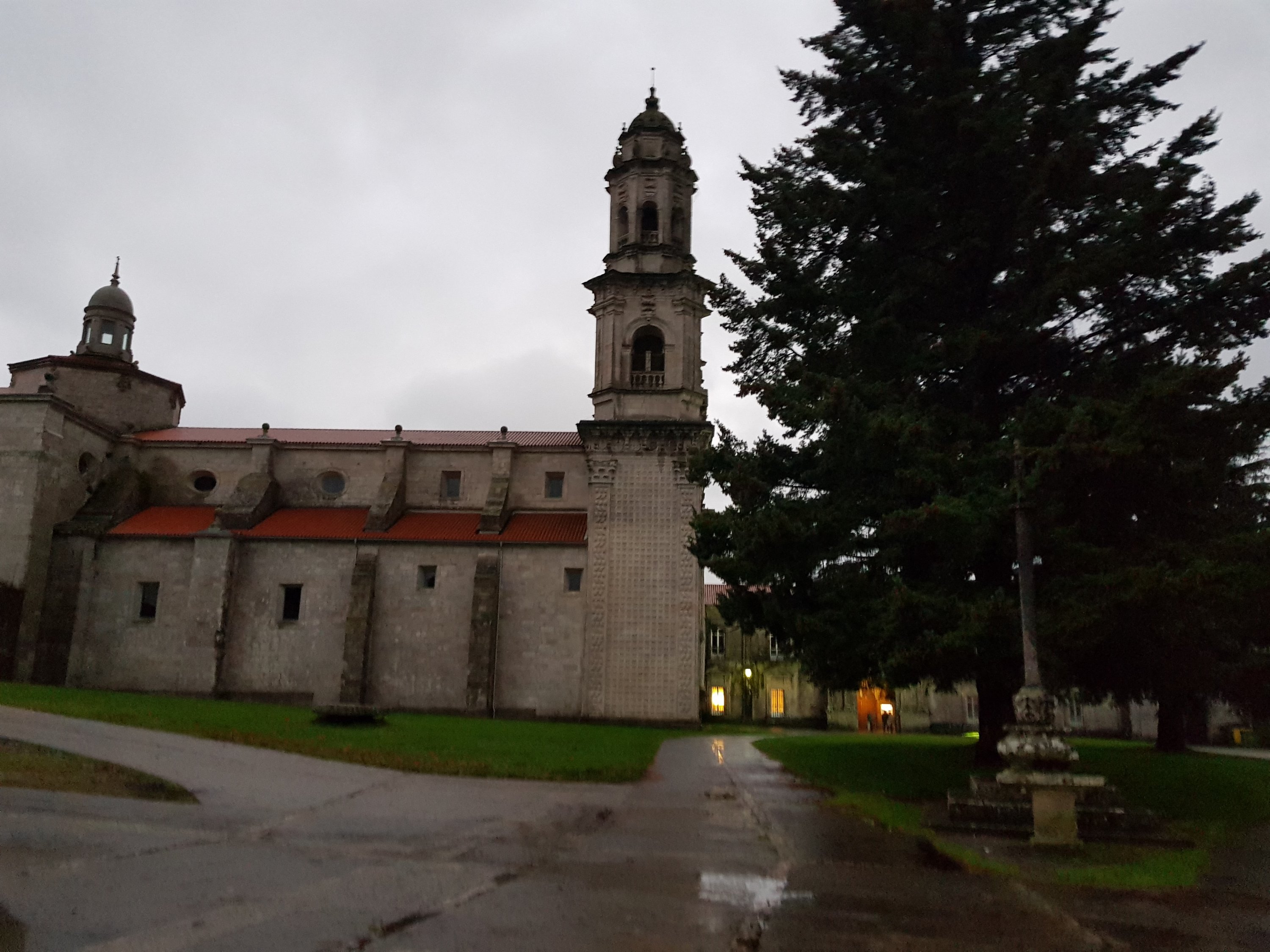
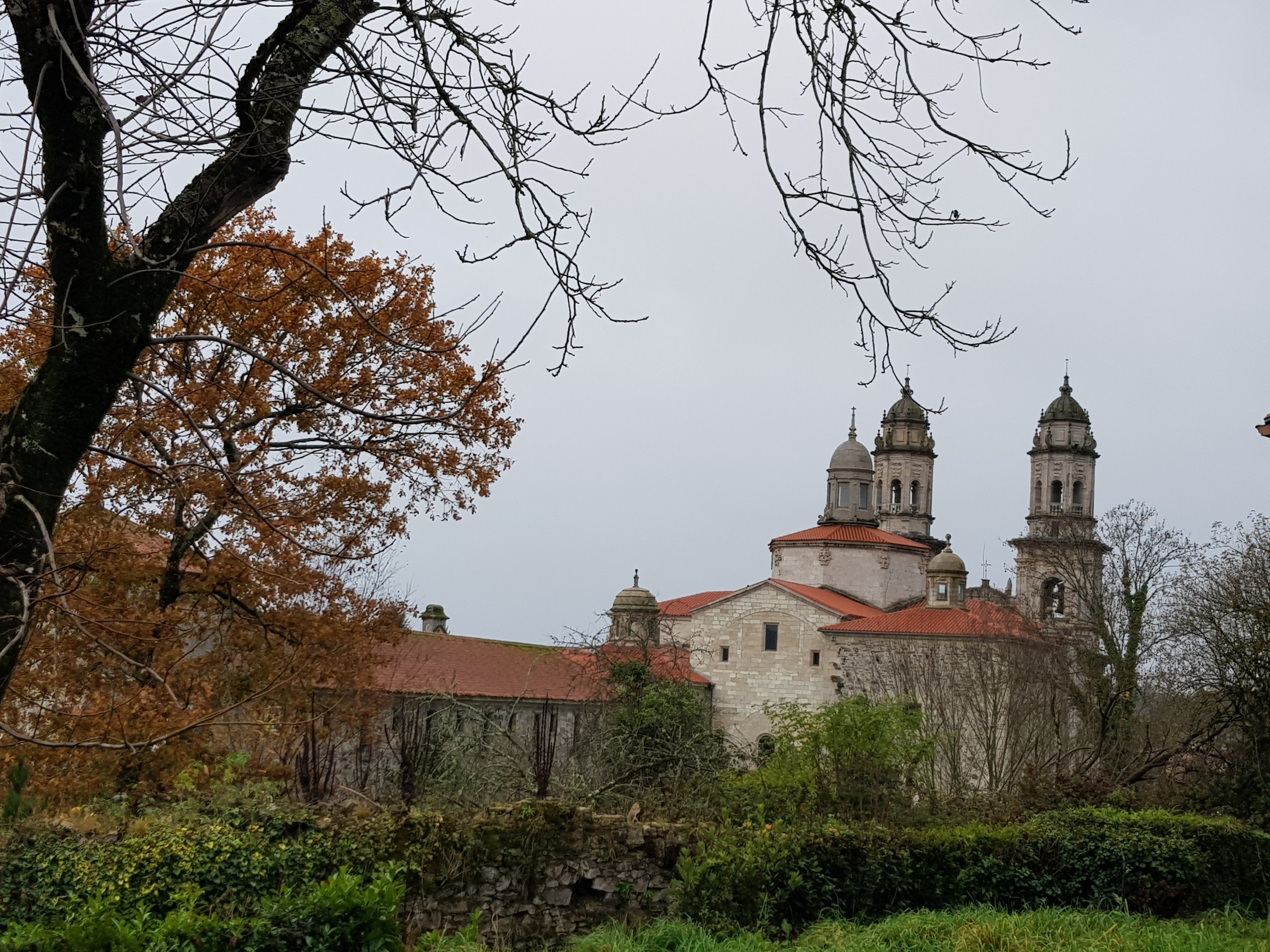
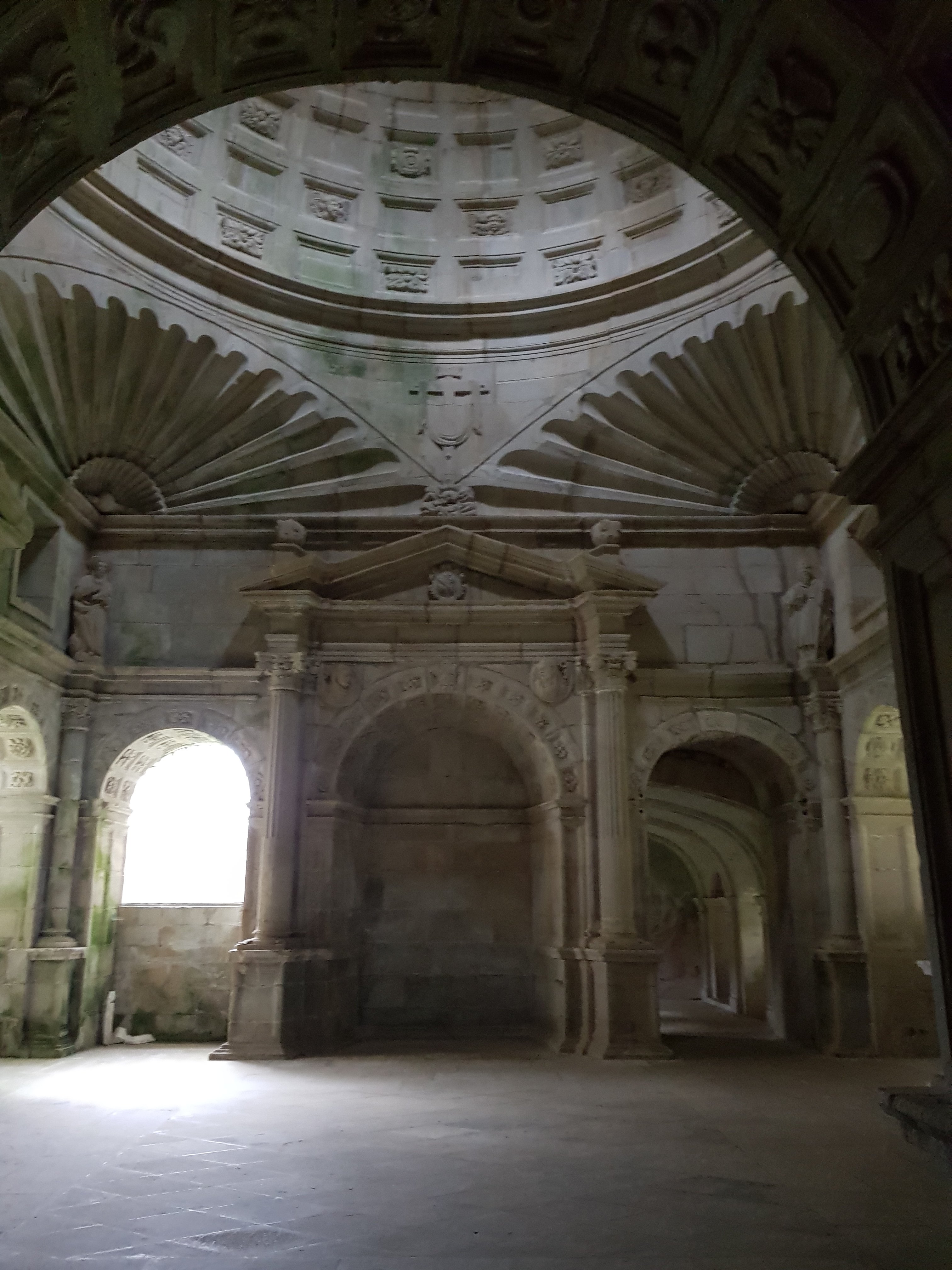
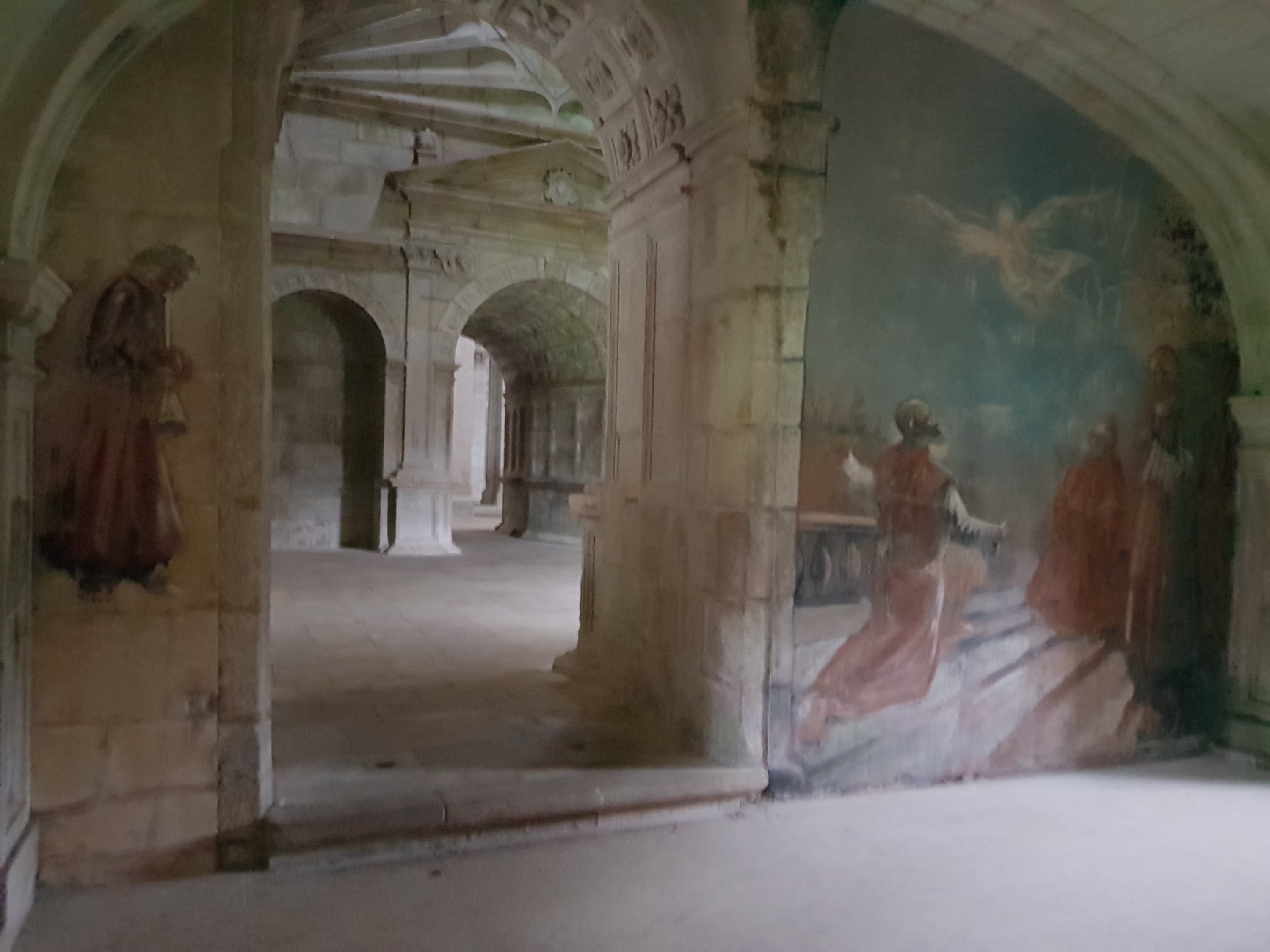
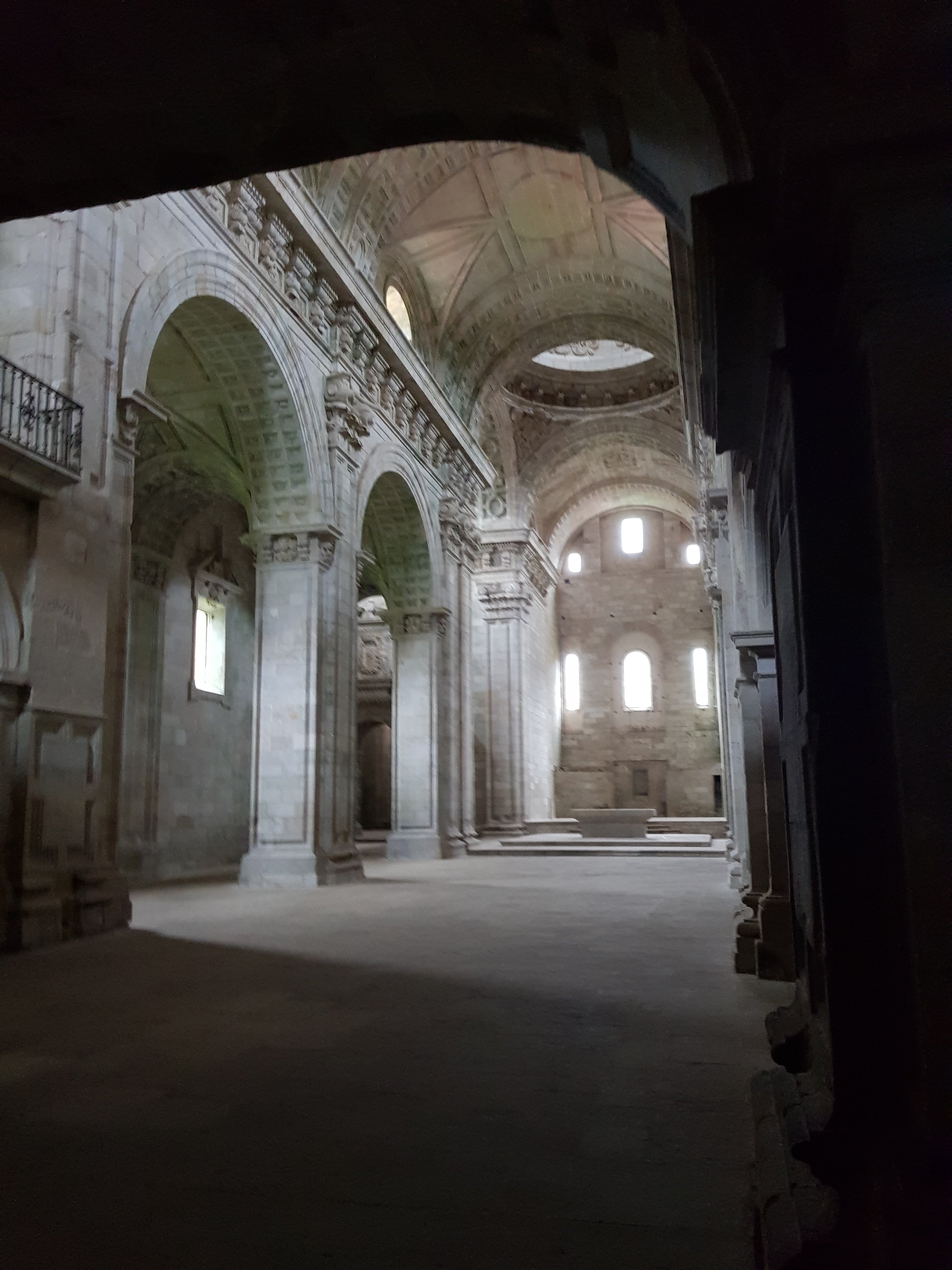
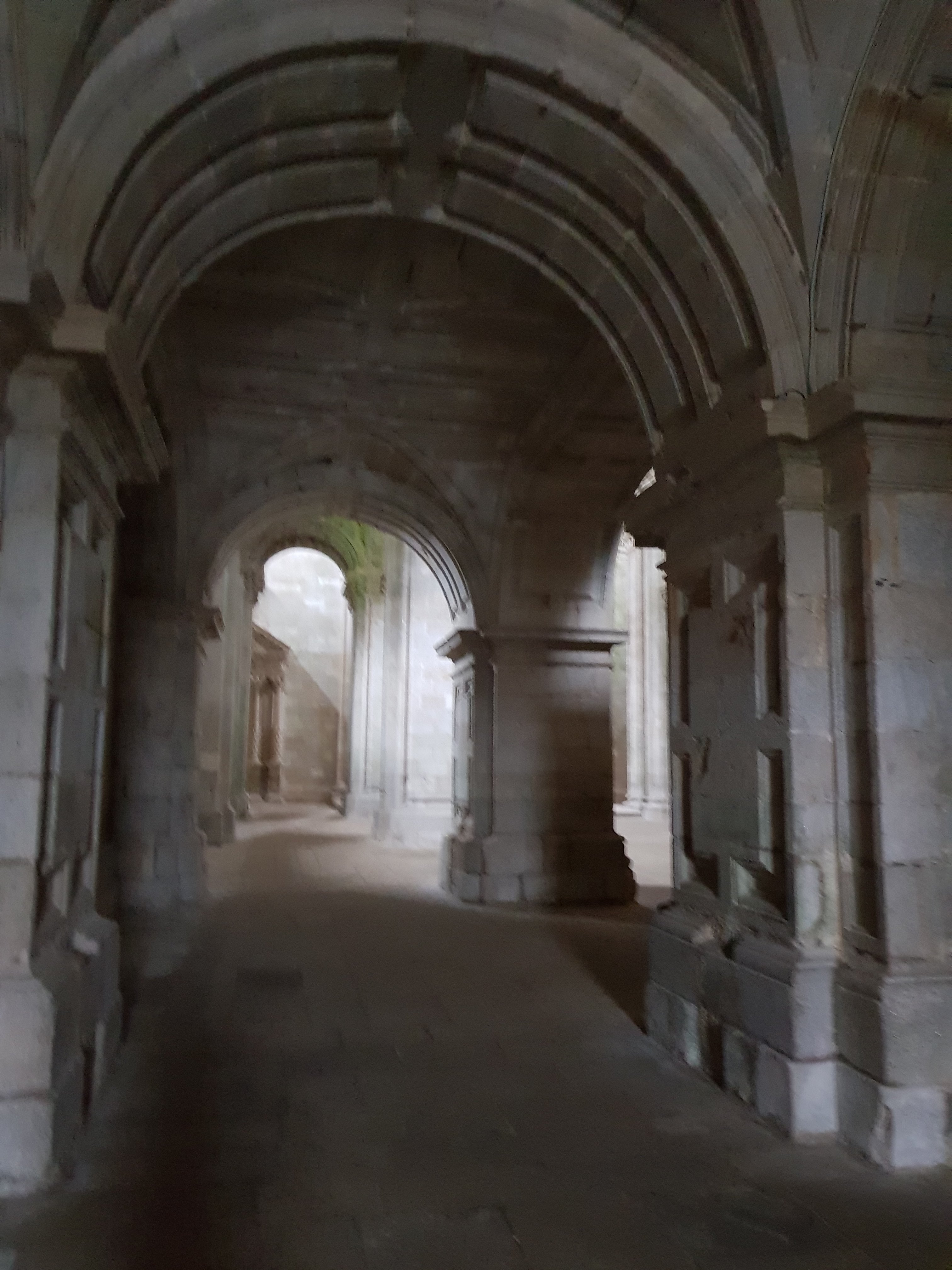
I was in a lovely hotel this night that overlooked the monastery in town. There was an option to sleep in the monastery with the monks, but at this point I just needed comfort and a hot bath. It was amazing to lay in hot water and soothe my muscles. The next day I left a bit later so that I could explore the beautiful monastery. I wanted to take the mass but the timings did not work with my schedule. The monastery is beautiful, and I almost missed a massive section of it where the door was out of sight! Thankfully, a nice monk pointed me in the right direction, and we had a good chat. Apparantly, they don’t use the large part of the church for masses anymore, instead it can be used for weddings. Very fancy!
Then by 11am, I was on my 22km walk to Arzua, and on to the home stretch now!
I cannot say anything good about this stretch of the walk. The rain never stopped, and I was in agony. I actually attempted to change my socks (in wet shoes) at one point, and squeezed about a pint of dirty water from them. There were many roads, and little places to rest. When I made it to Arzua, I was relieved and exhausted.
Arzua is quite a big town, and the joining point for the camino del norte with the more popular camino frances. This meant I would finally be able to send my backpack ahead of me for two days. Now that my entire body is sore, this is great news!
The next day started with irritation to get my backpack sent off, and with trying to fight for a chance to use the one plug outlet to charge my phone, that was shared by 40 people.
The rain this day was the worse there has been throughout, plus strong wind. I did not have my backpack though, so I felt light and quick for the first time in months. It was great. Whilst, I was still in pain and very wet, I found myself feeling very grateful, for life. Grateful to have the opportunity to be alive and here.
I also saw many other pilgrims along the way now, and I was able to get some sick satisfaction that I was not suffering the path alone. I can now identify a pilgrim with ease. The key identifiers are:
Backpack and poncho
Obsession with stamps
Hiking boots and poles
Tortured look in eyes
Broken spanish or use of the phrase ‘tanta lluvia’
Sports wear
Dirty and smelly looking
Walking with a limp, we all have the same one.
This day I spent the afternoon walking with a very lost looking 20 year old girl from China. She had only started a few days before, and was not well prepared. She only had a small puffer jacket, trainers,a little bag, no sleeping bag, and an umbrella that consistently turned inside out. She was struggling to find her way, and so I offered to help. We walked through absolute rivers to get to the next stop in Pedrouzo but whilst I was ankle deep in water, all I could do was accept it, laugh and keep singing along.
After one final night in a pilgrim hostel, a very cold damp night, I finally made my last big walk to just outside Santiago, Monte del Gozo.
The walk was a lot drier, only raining half the day. It was also an even mix of walking through woodland and road, which was good for the feet.
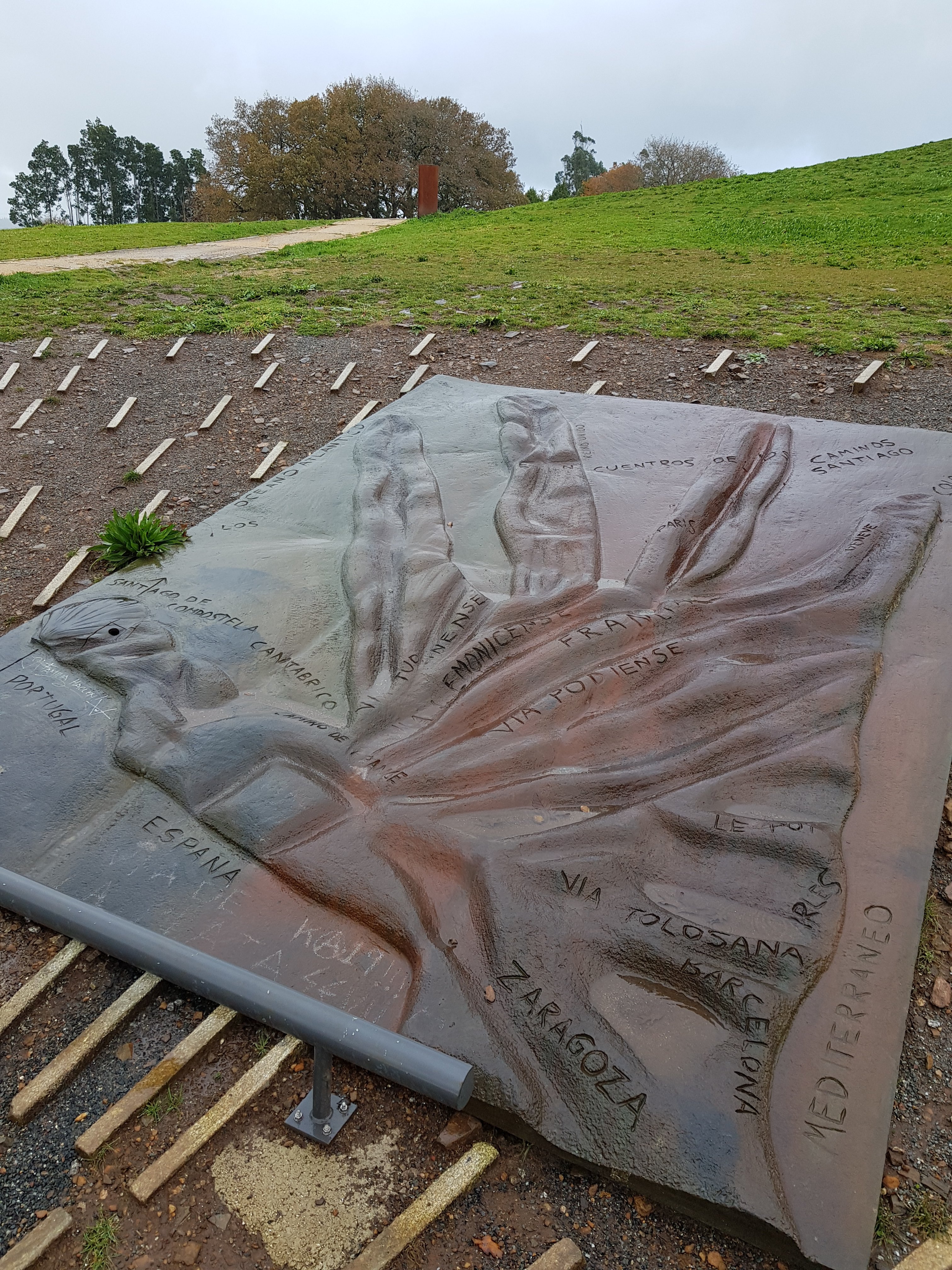
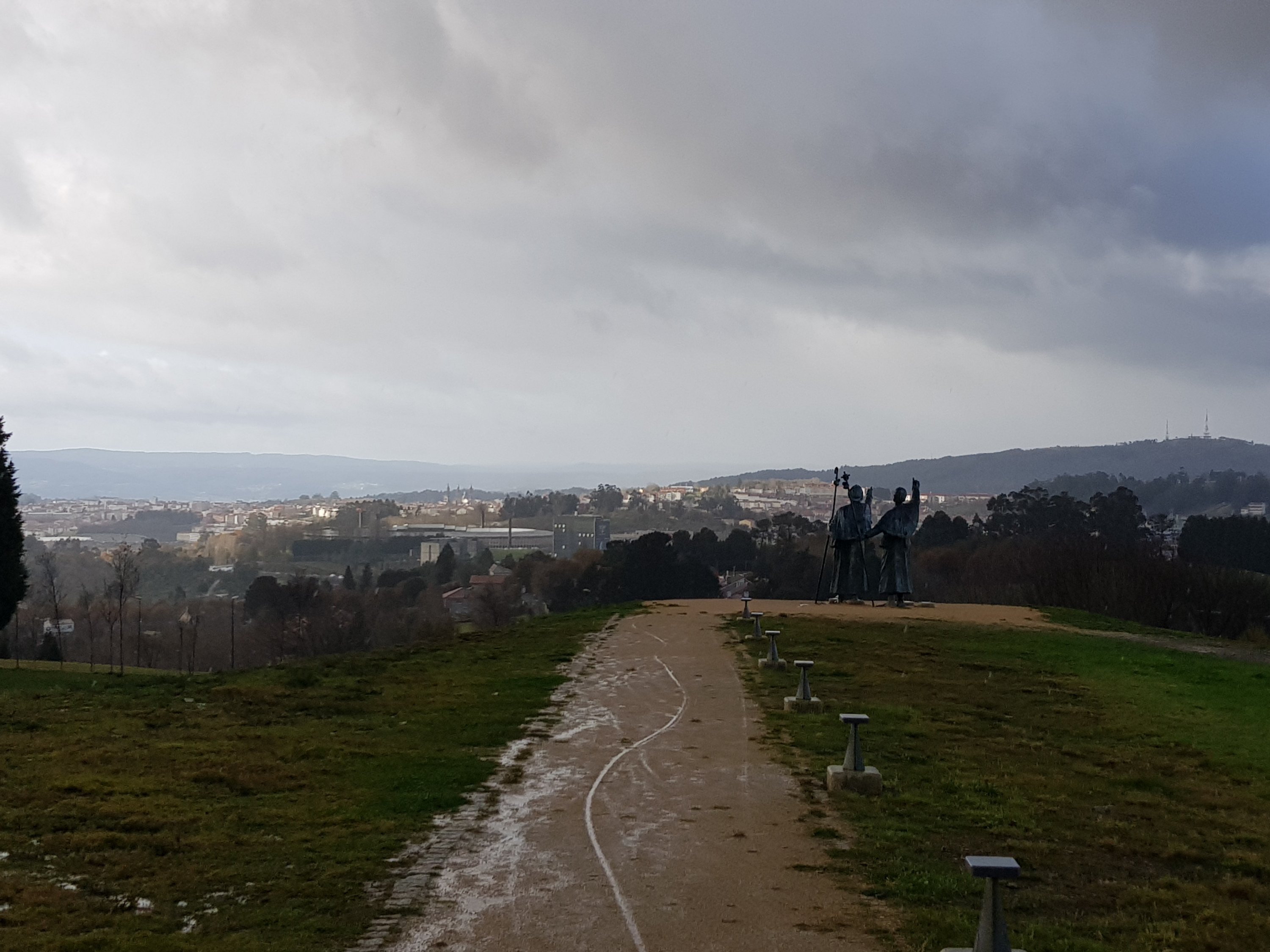
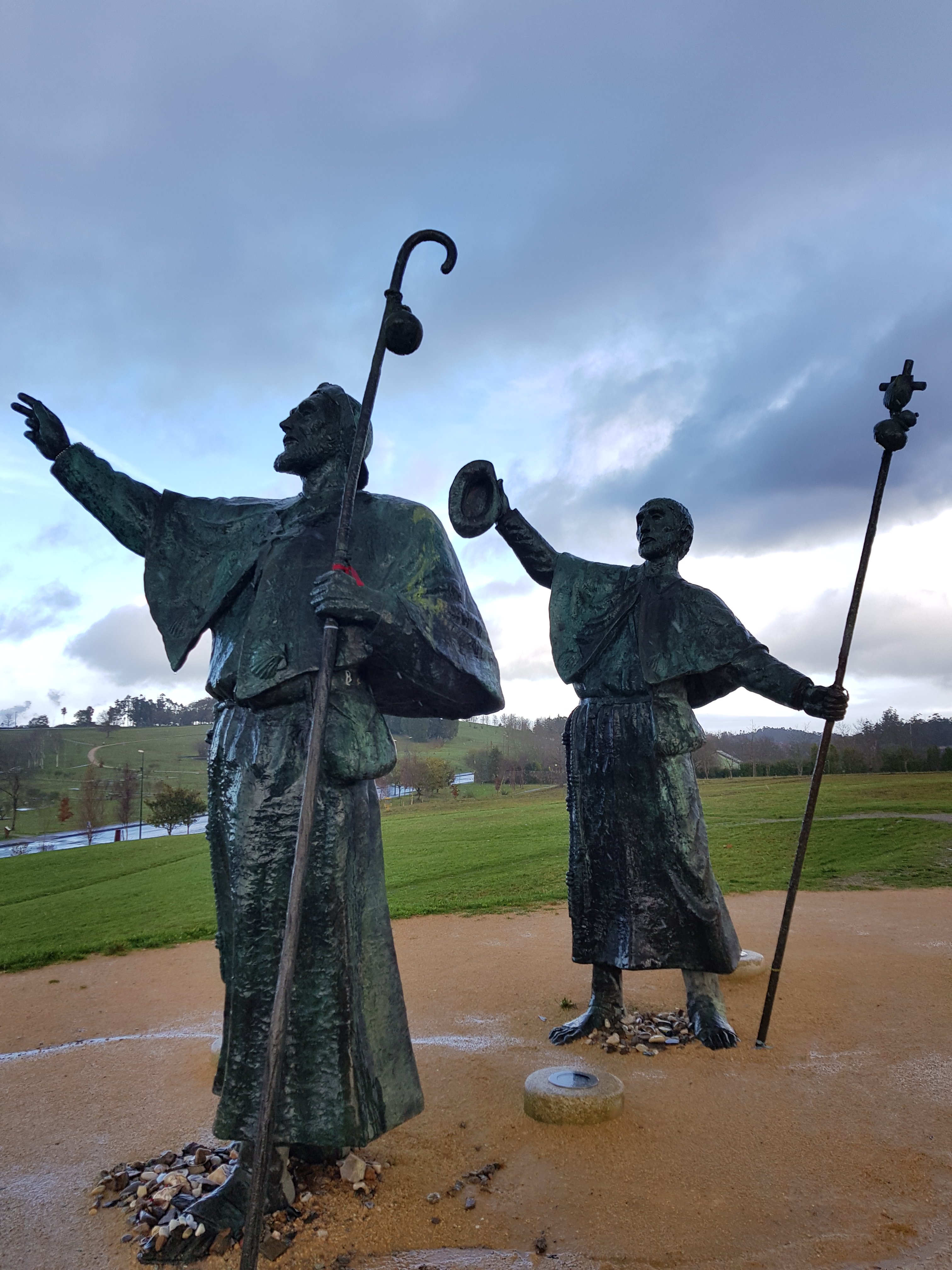
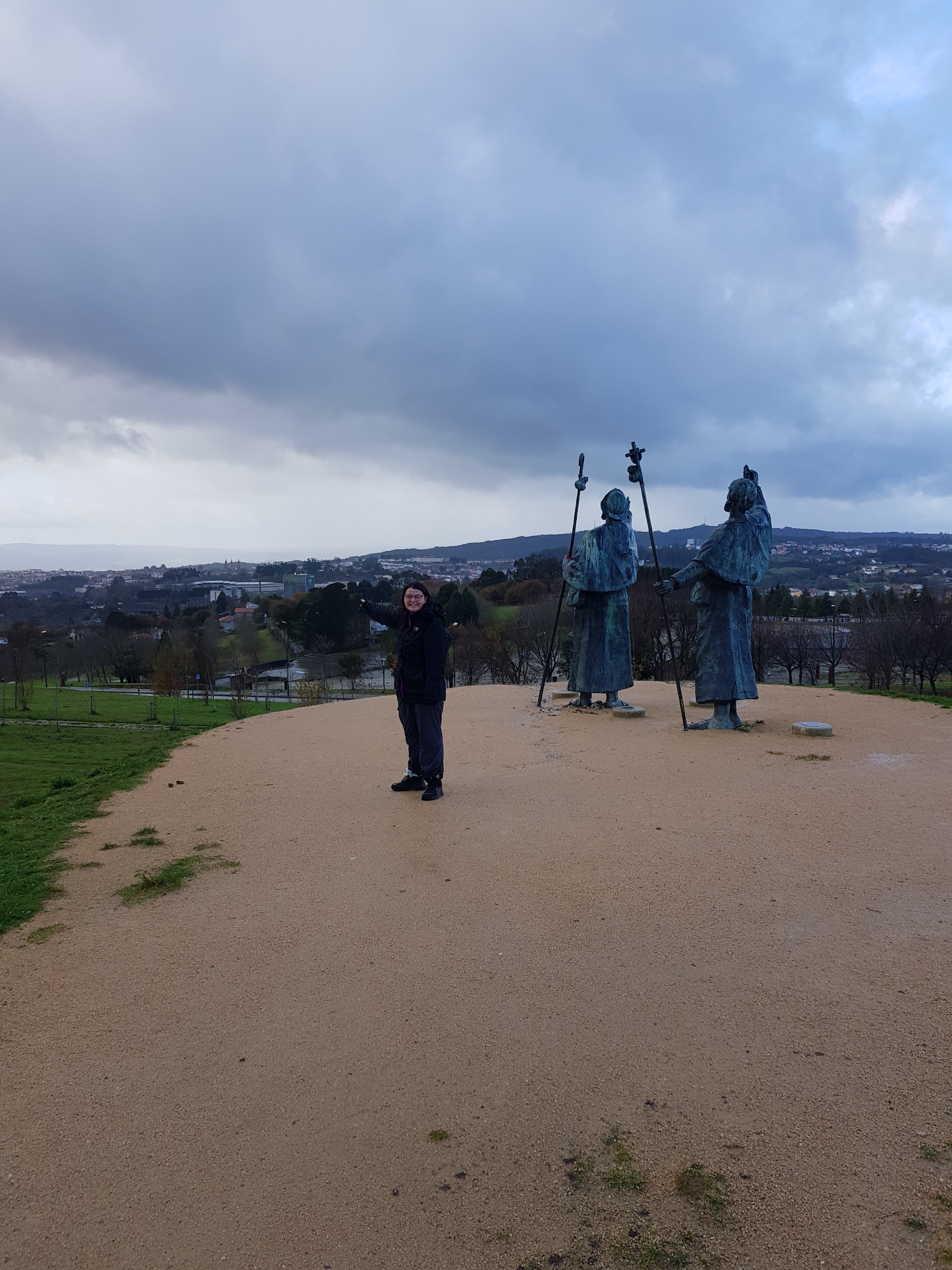
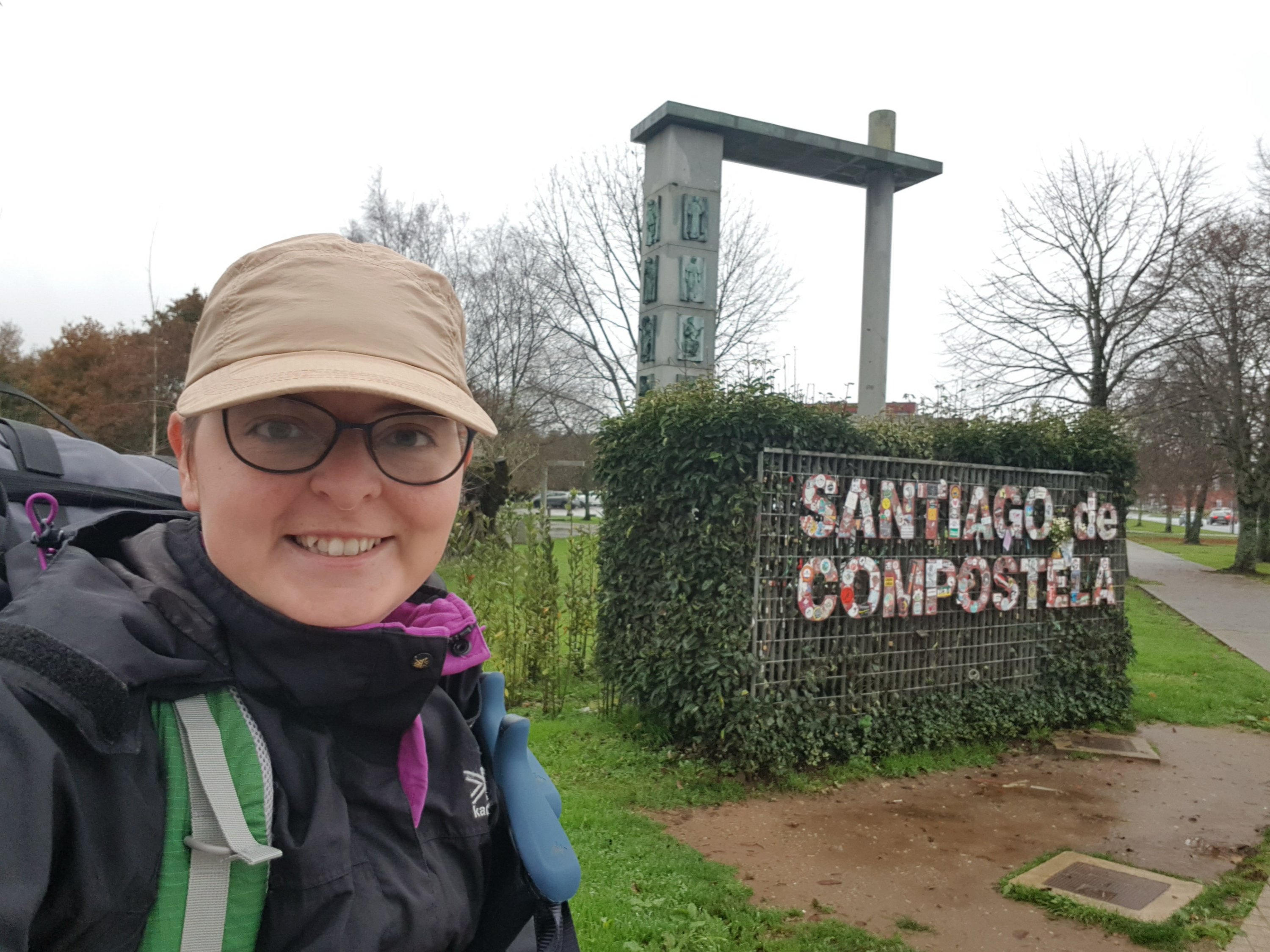
The best part, came at the end, when I visited the pilgrim monument overlooking my final destination, Santiago de Compostela. The monument is 600 metres off route on a hill, but worth the view. After this, I took a well deserved rest at a hotel outside the city, and found some much needed moisturiser for my poor feet.
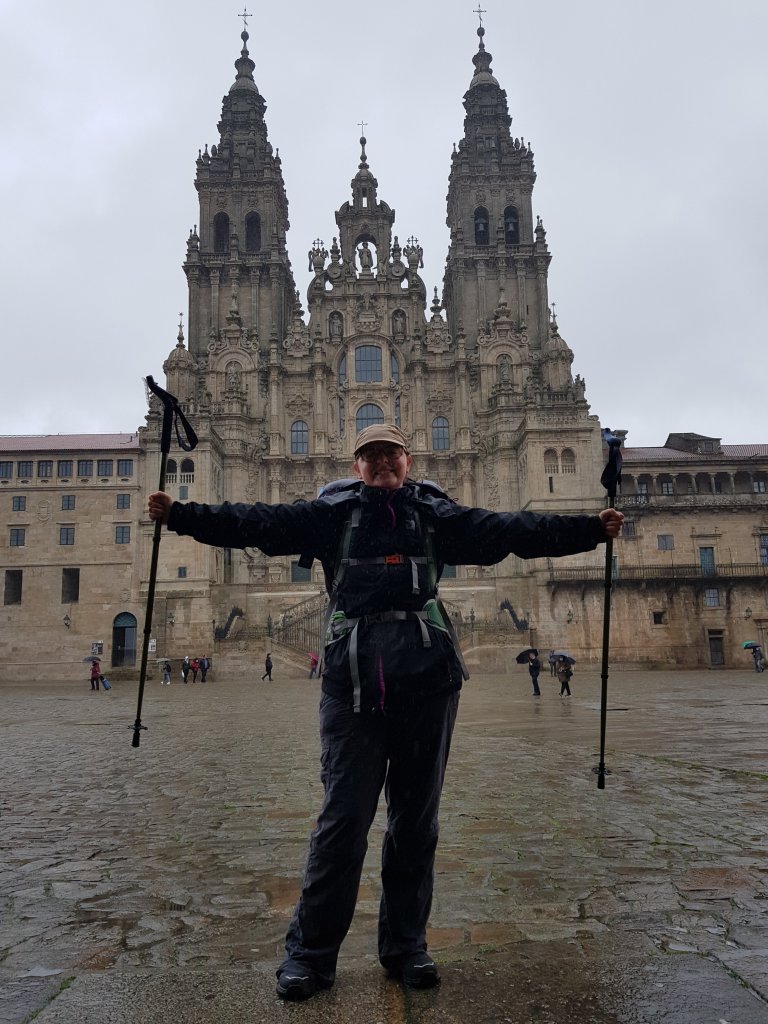
The last part of my pilgrimage came the next morning, with a final 4km walk to the cathedral, and to receive my certificate!
Santiago de Compostela
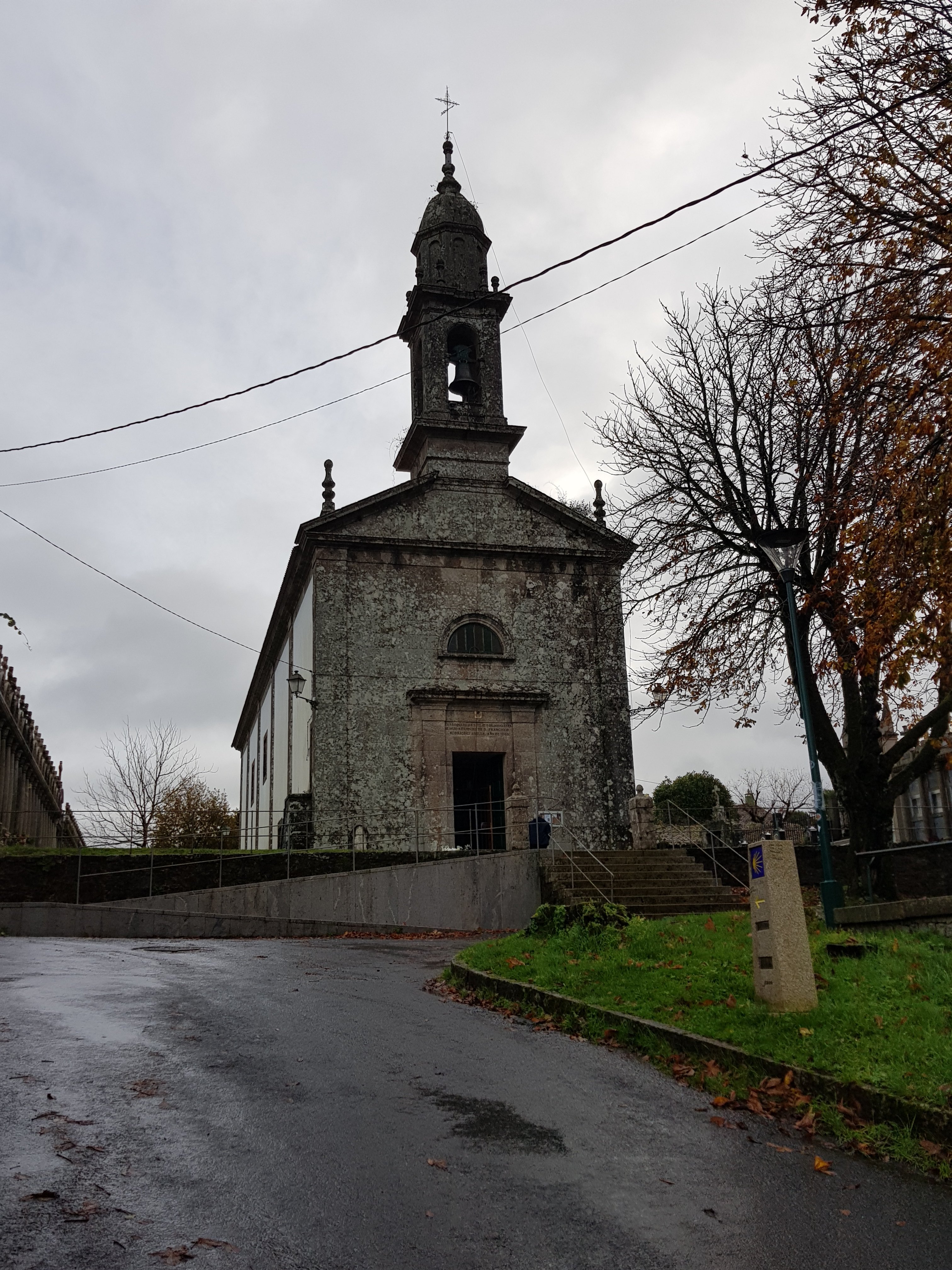
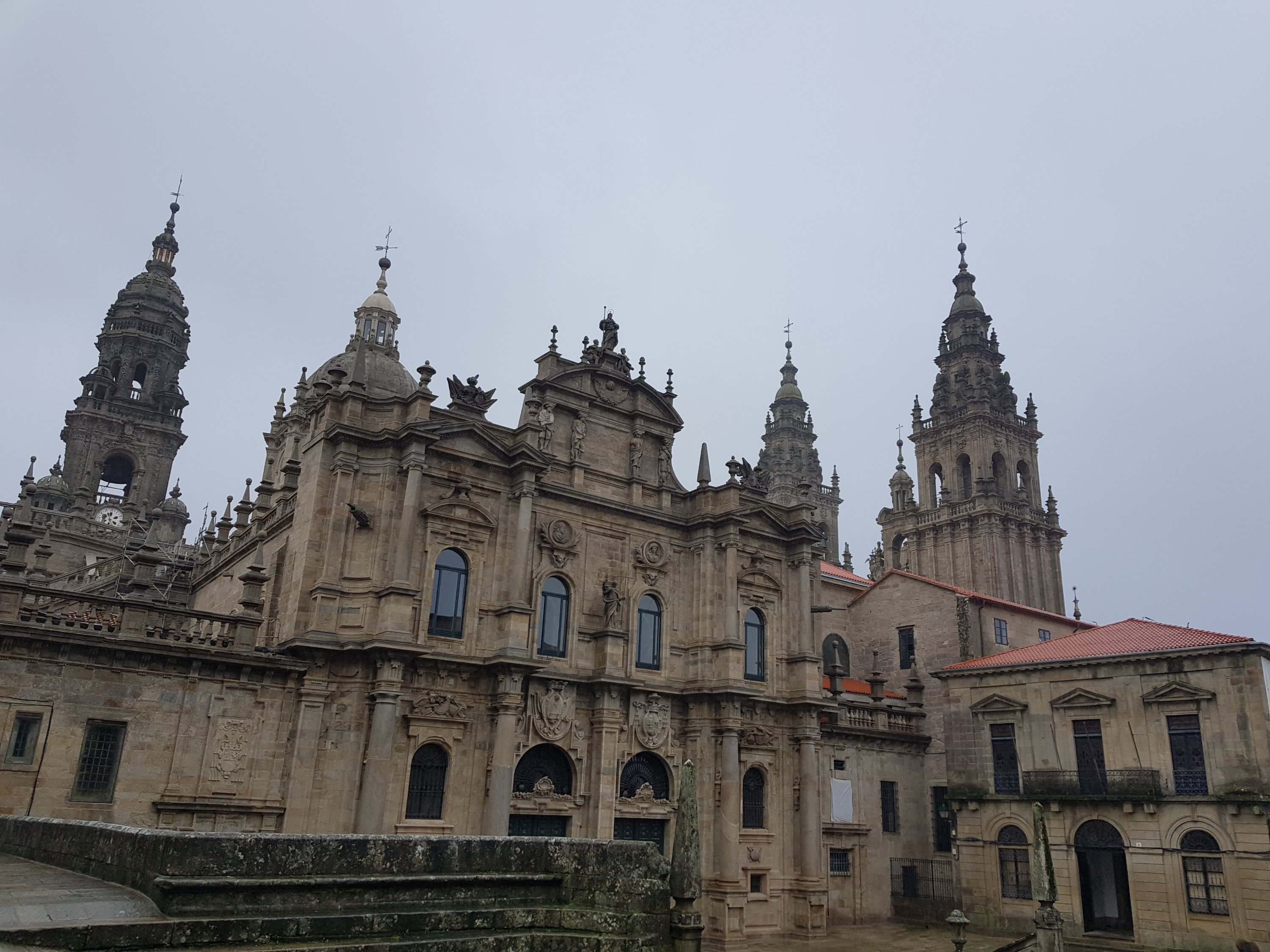
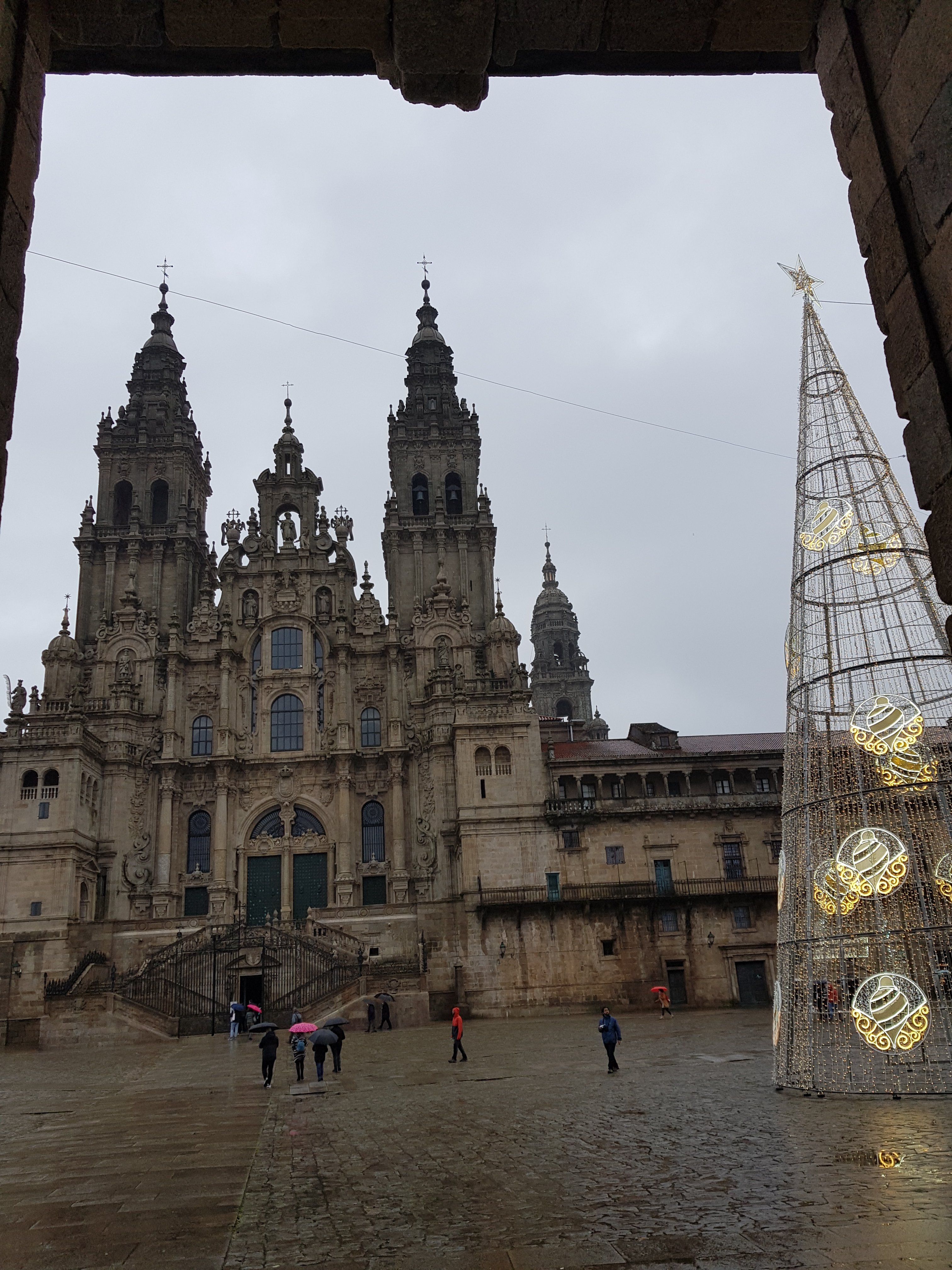
The outside of the city is modern and industrial, with many neighbourhoods as you would expect. The exciting part is when you arrive in the old part of the city. There are many small plazas, arch covered walkways and historic buildings. I began to see the towers of the cathedral from quite far out, and as I approached it, the streets became more winding and maze like. The closer I got to the cathedral, the more pilgrims I saw, from all over the world, and with all the different gear on their backs or bikes. No one arriving on horseback though!
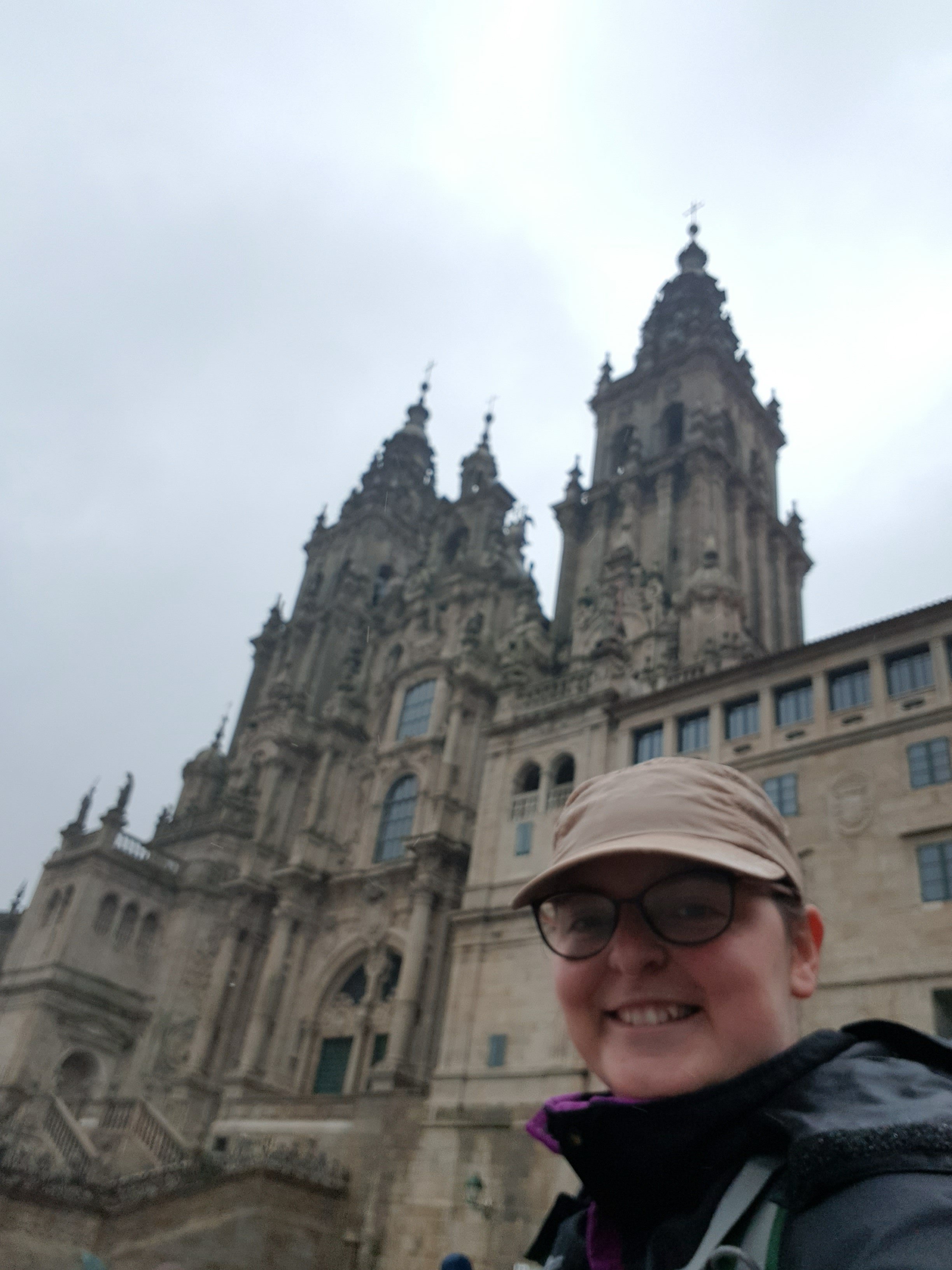
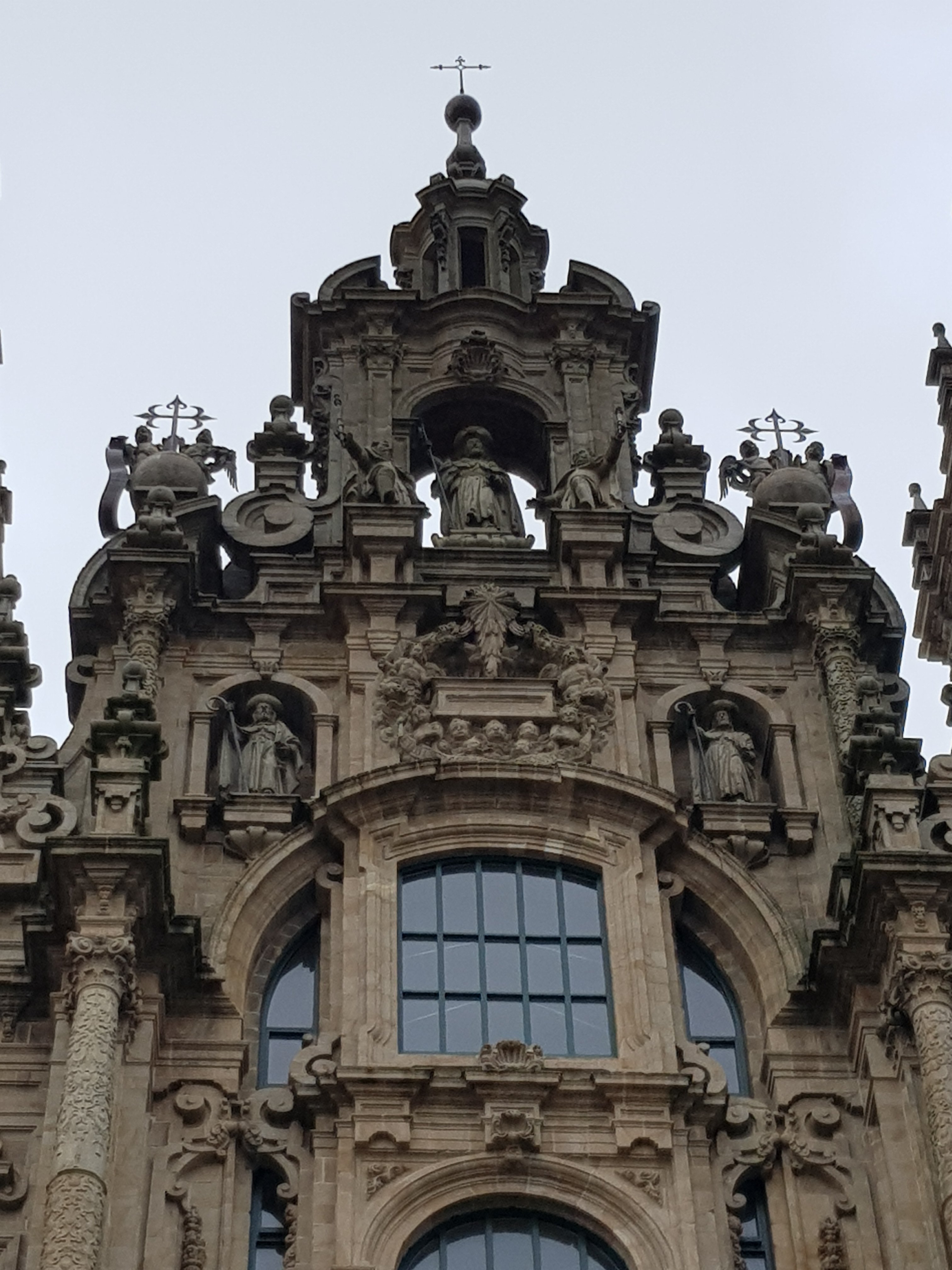
A large plaza faces the breathtaking cathedral, with three other historic buildings, one of which is a very pricey hotel. I was lucky to arrive when it was not raining, and we were all angling for the best shots. After admiring the outside decoration for a while, I made my way to the Pilgrim’s Mass.
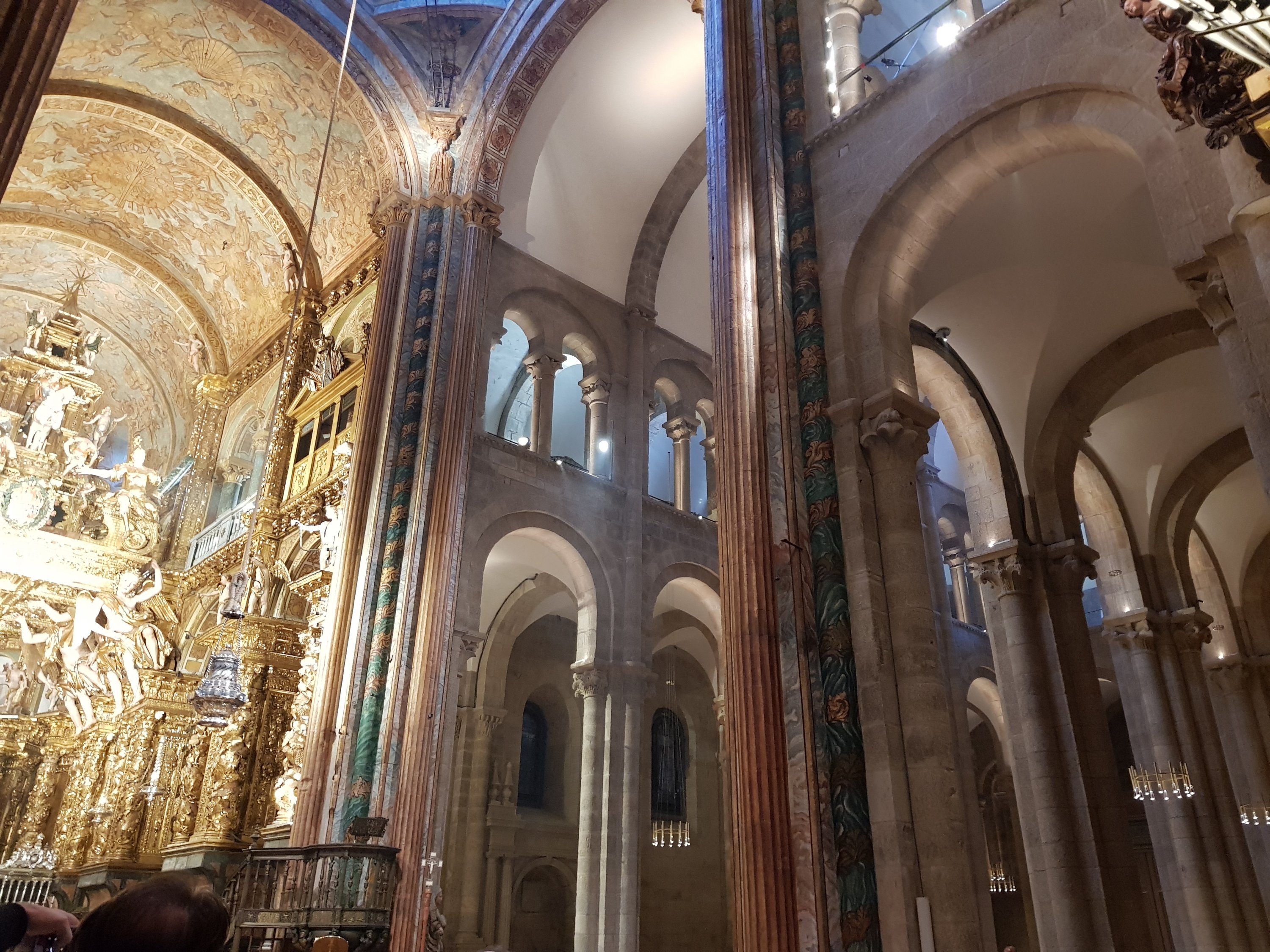
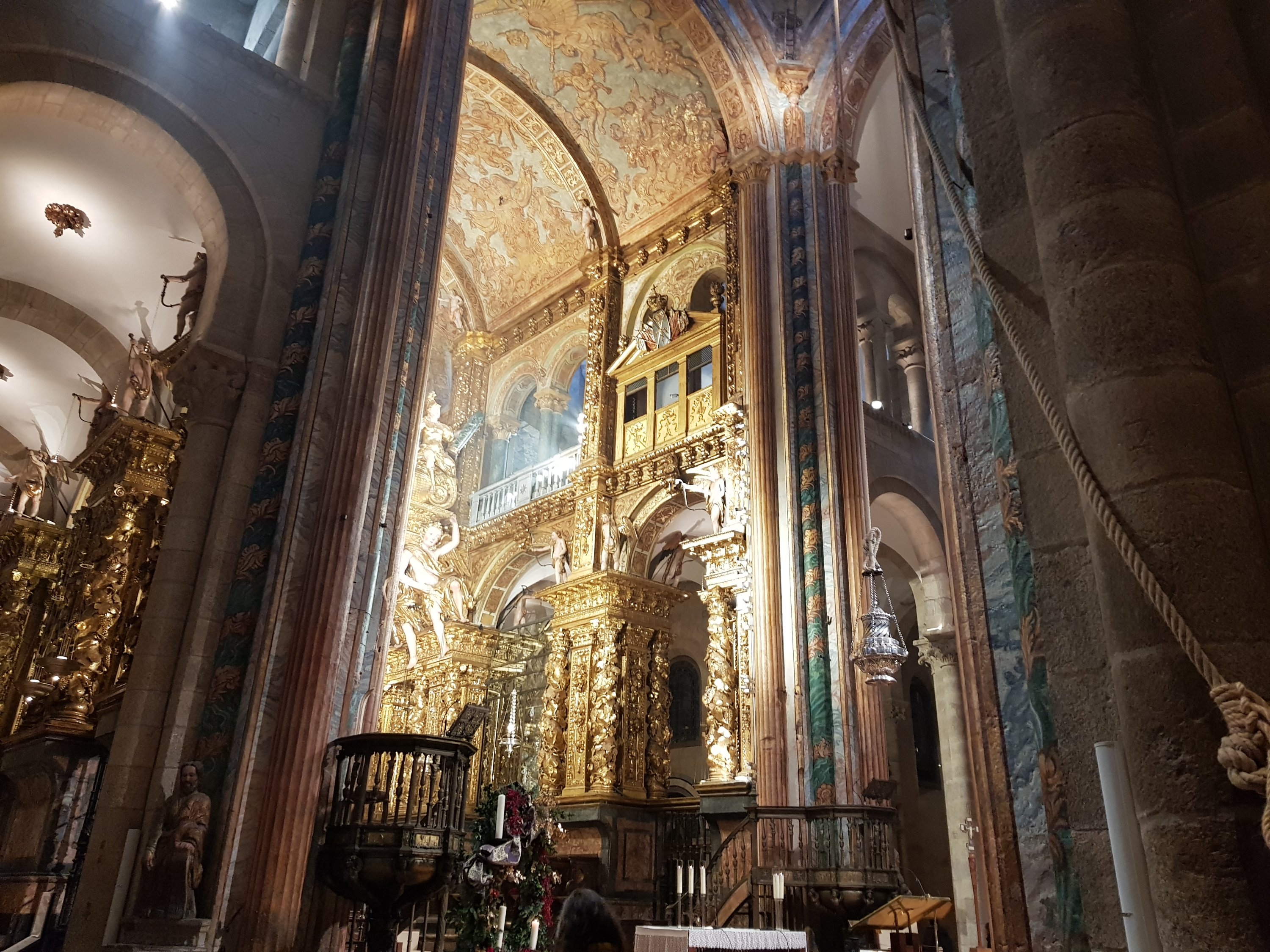
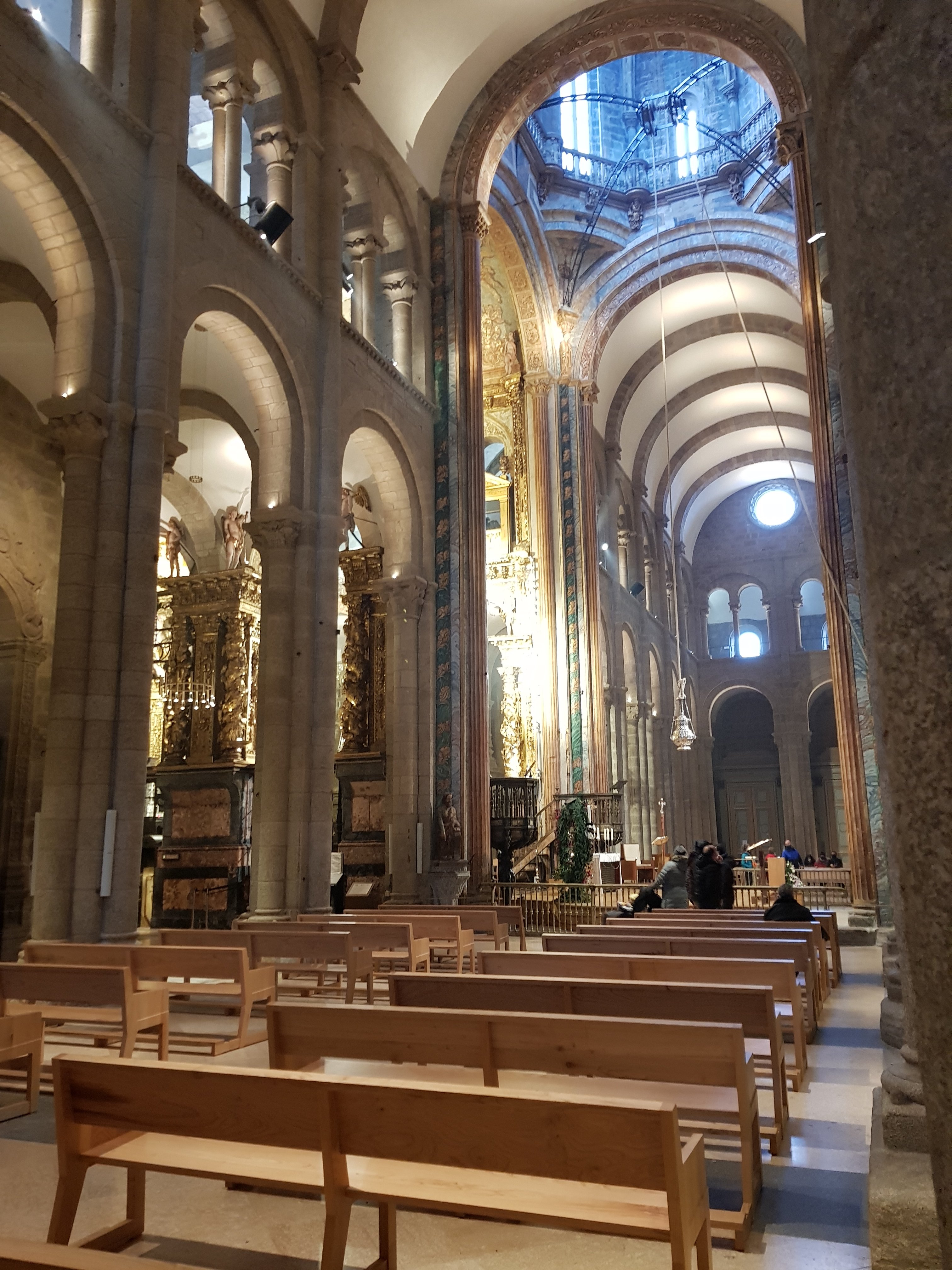
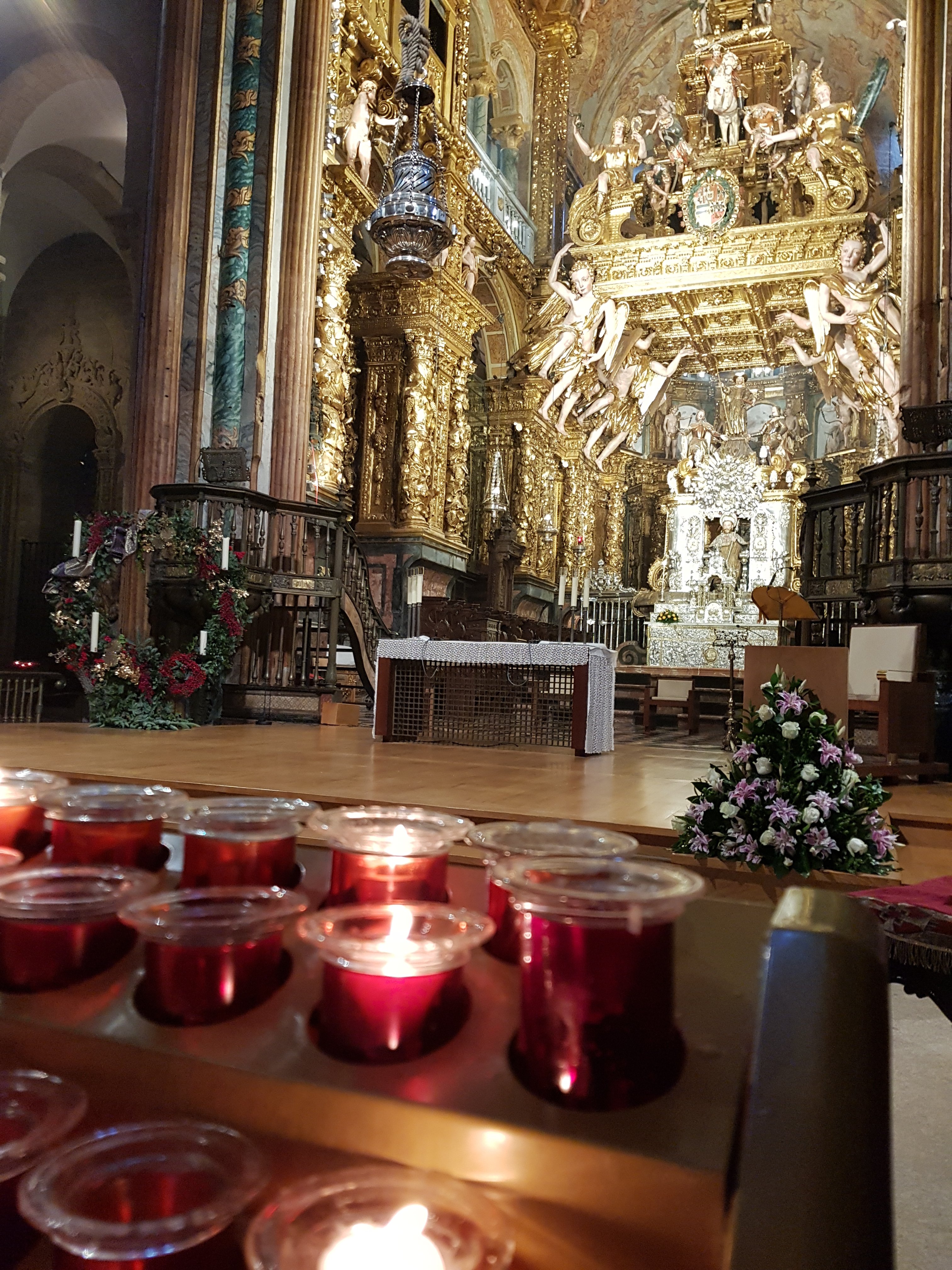
All in spanish, the mass was difficult to follow, but the vibe was still nice, and unexpectedly they swung the Botafumeiro (big incense burner) across the cathedral transcepts, which is a well recognised symbol of the church.
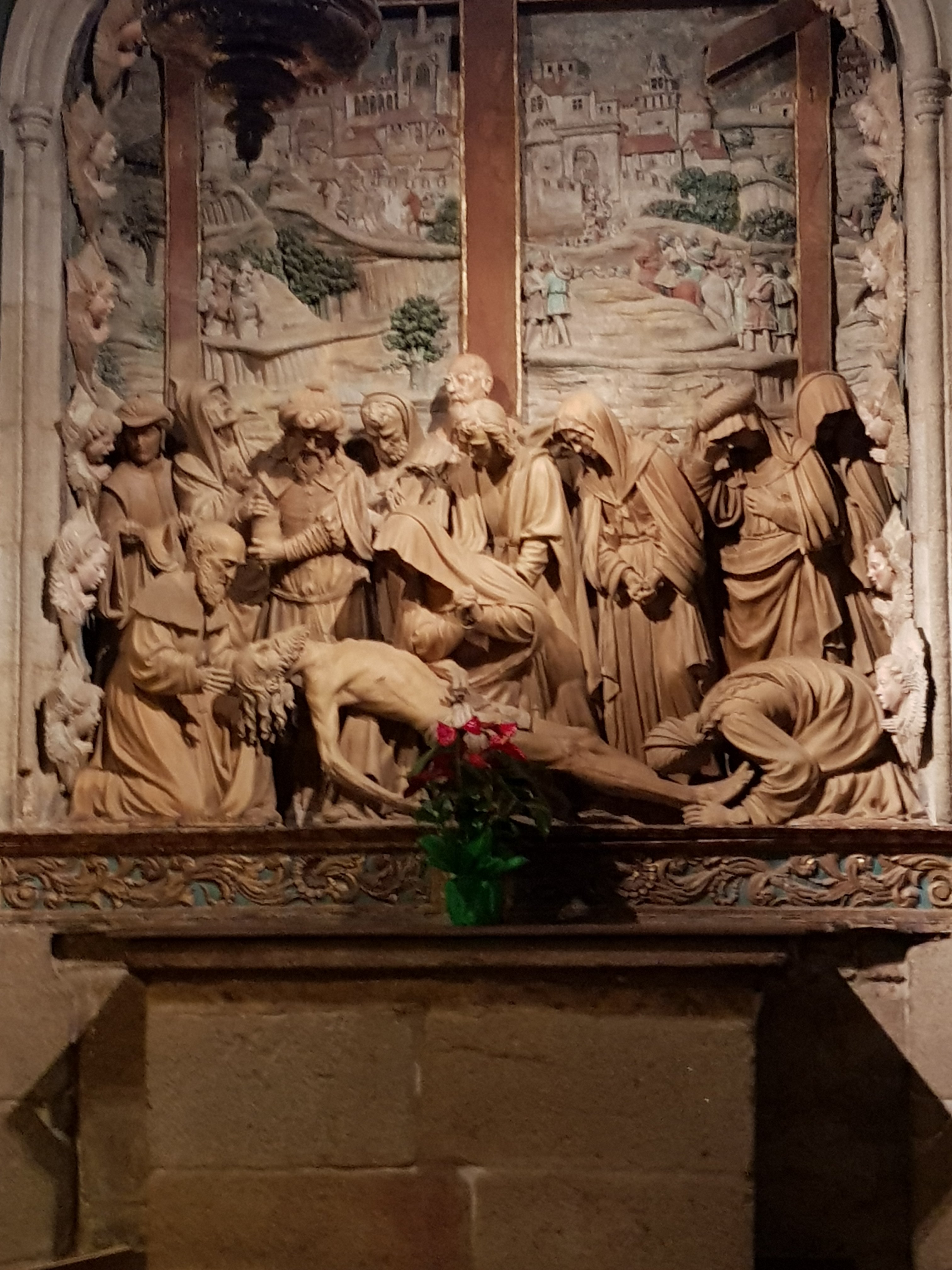
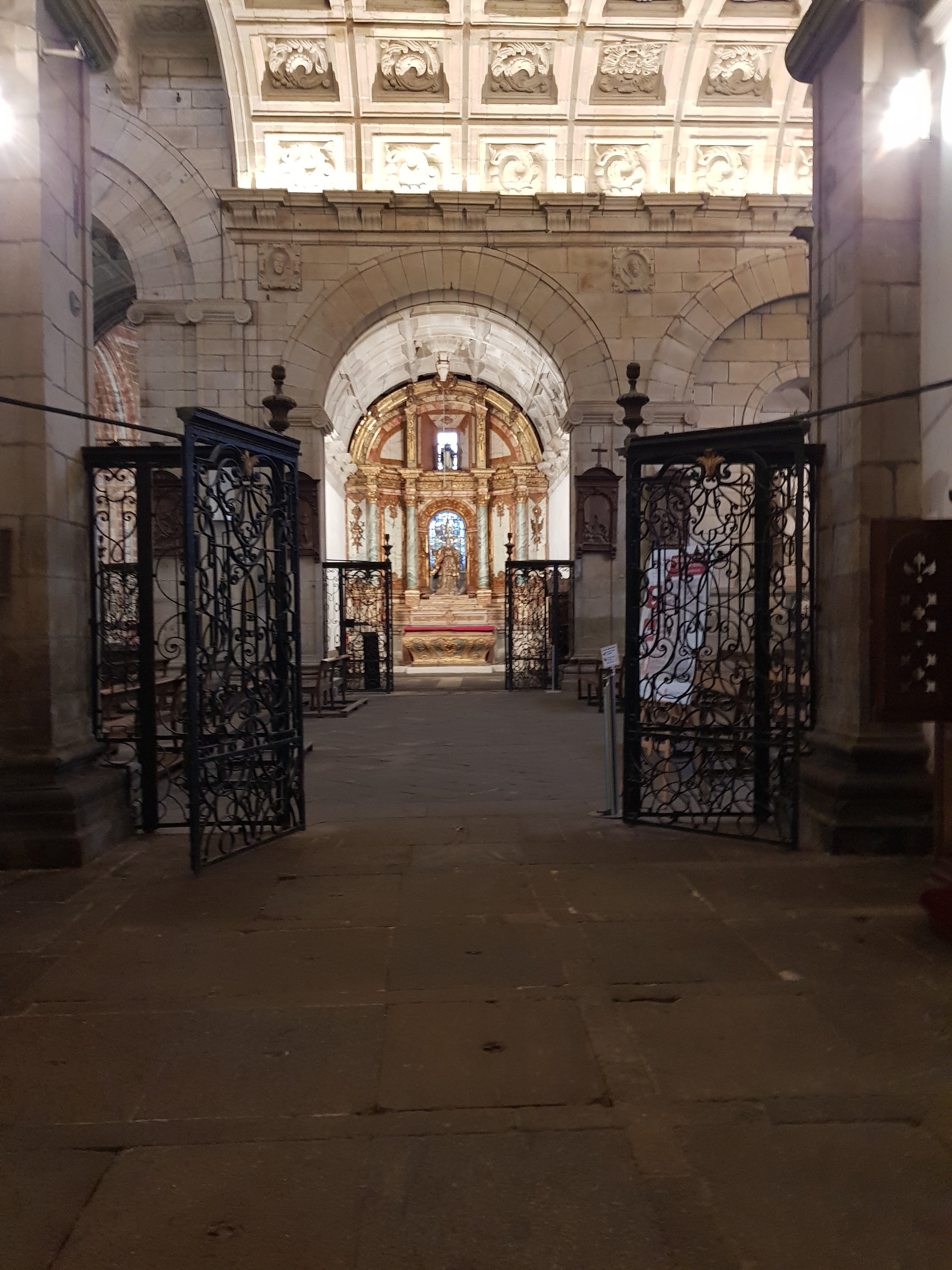
After mass, I spent some time admiring the cathedral, and went a little crazy buying souvenirs. I then wondered around a little and came across another christian building that seemed to be quite intriguing. The monastery of San Martín Pinario, now partially used for a hotel, school, and museum. The main church is actually magnificent! Possibly more impressive in artwork than even the cathedral.
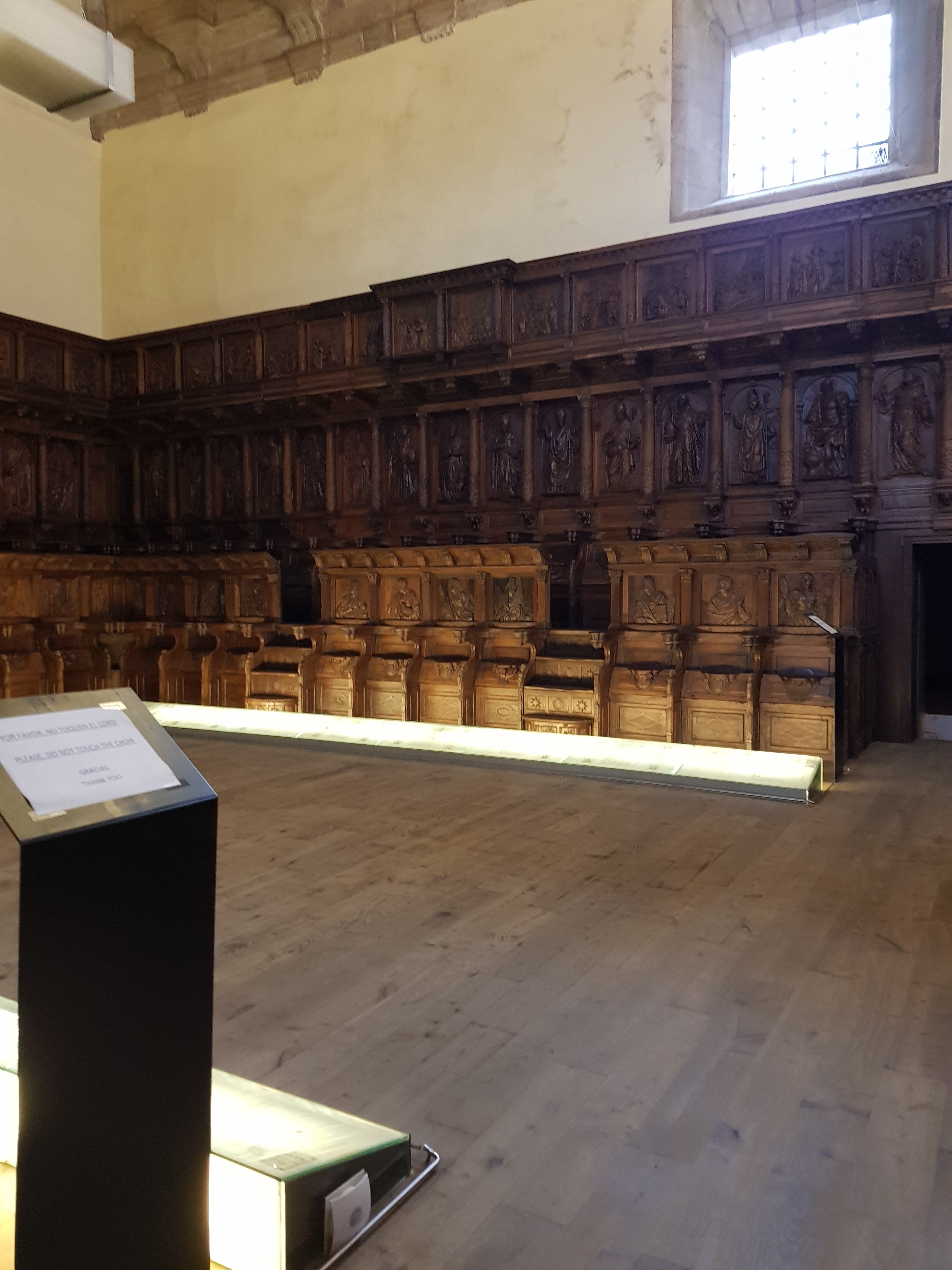
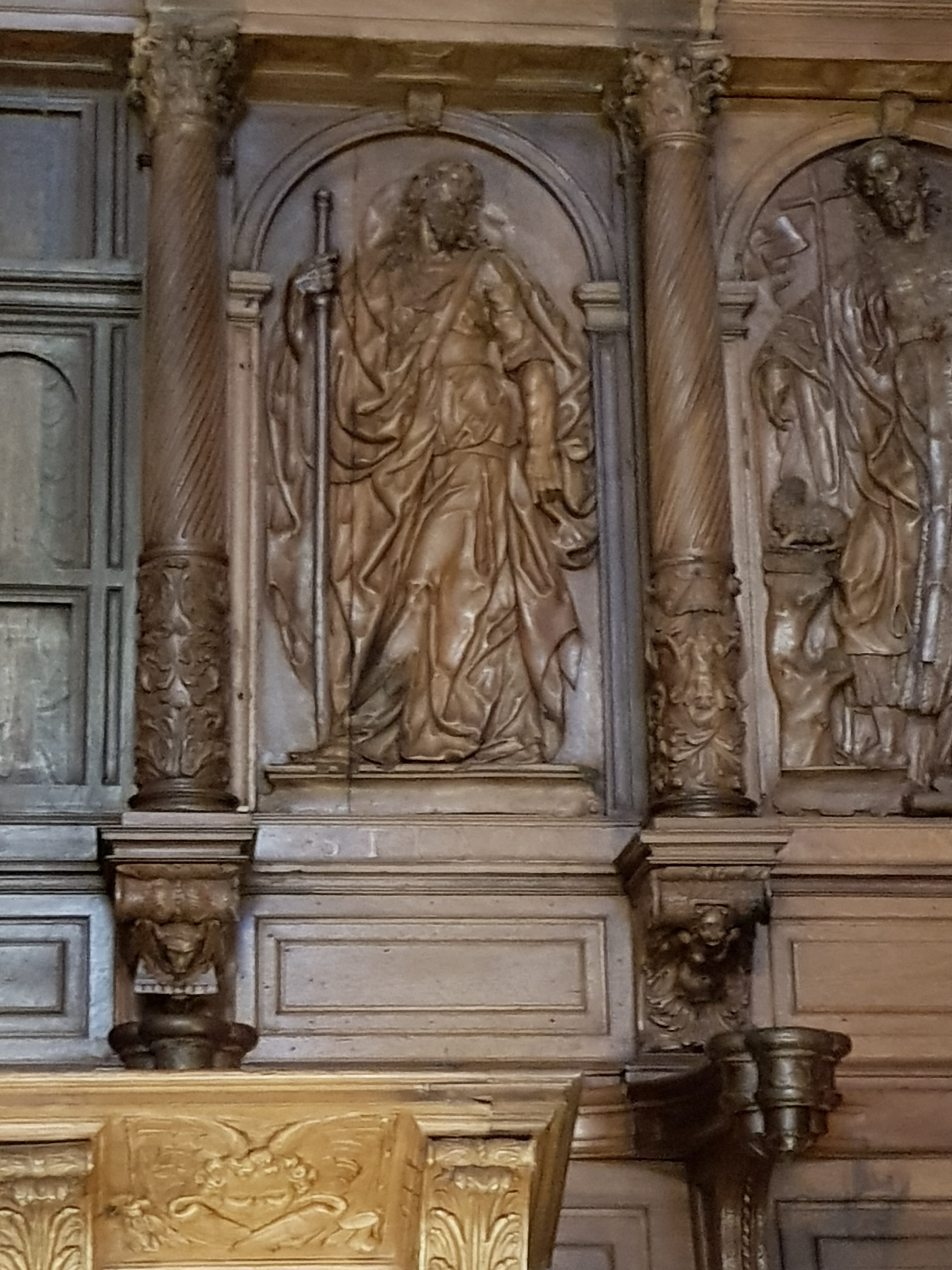
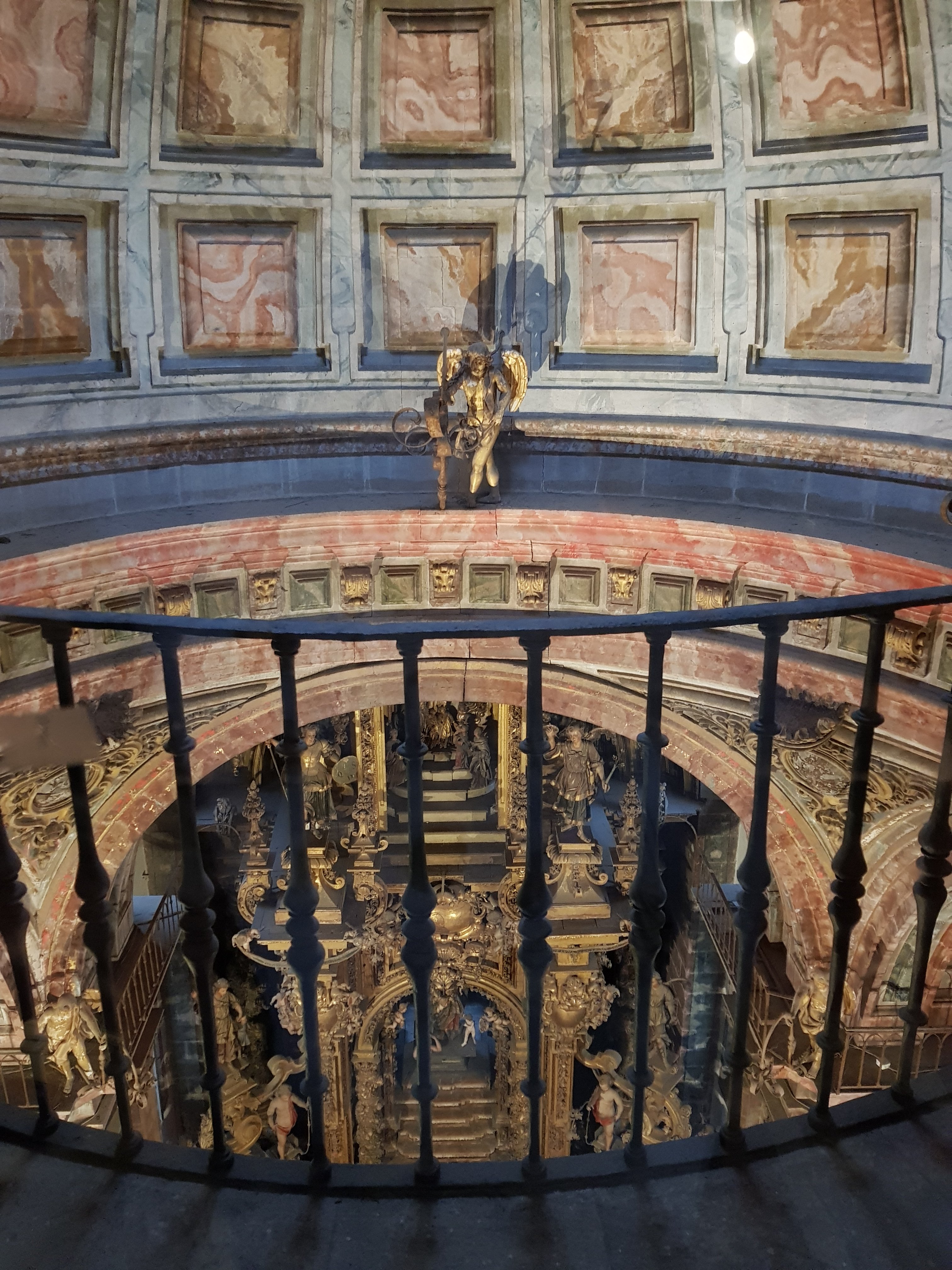
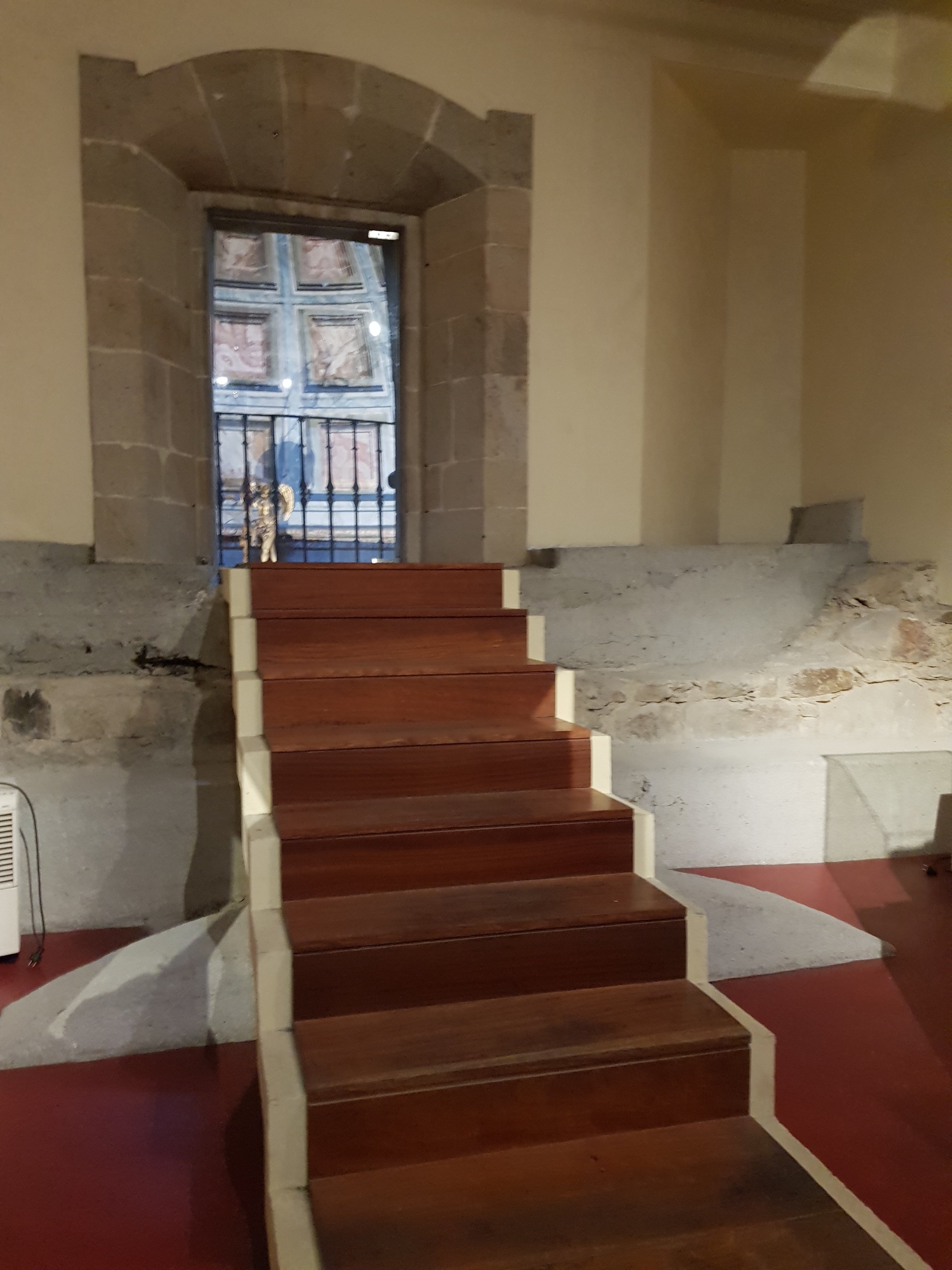
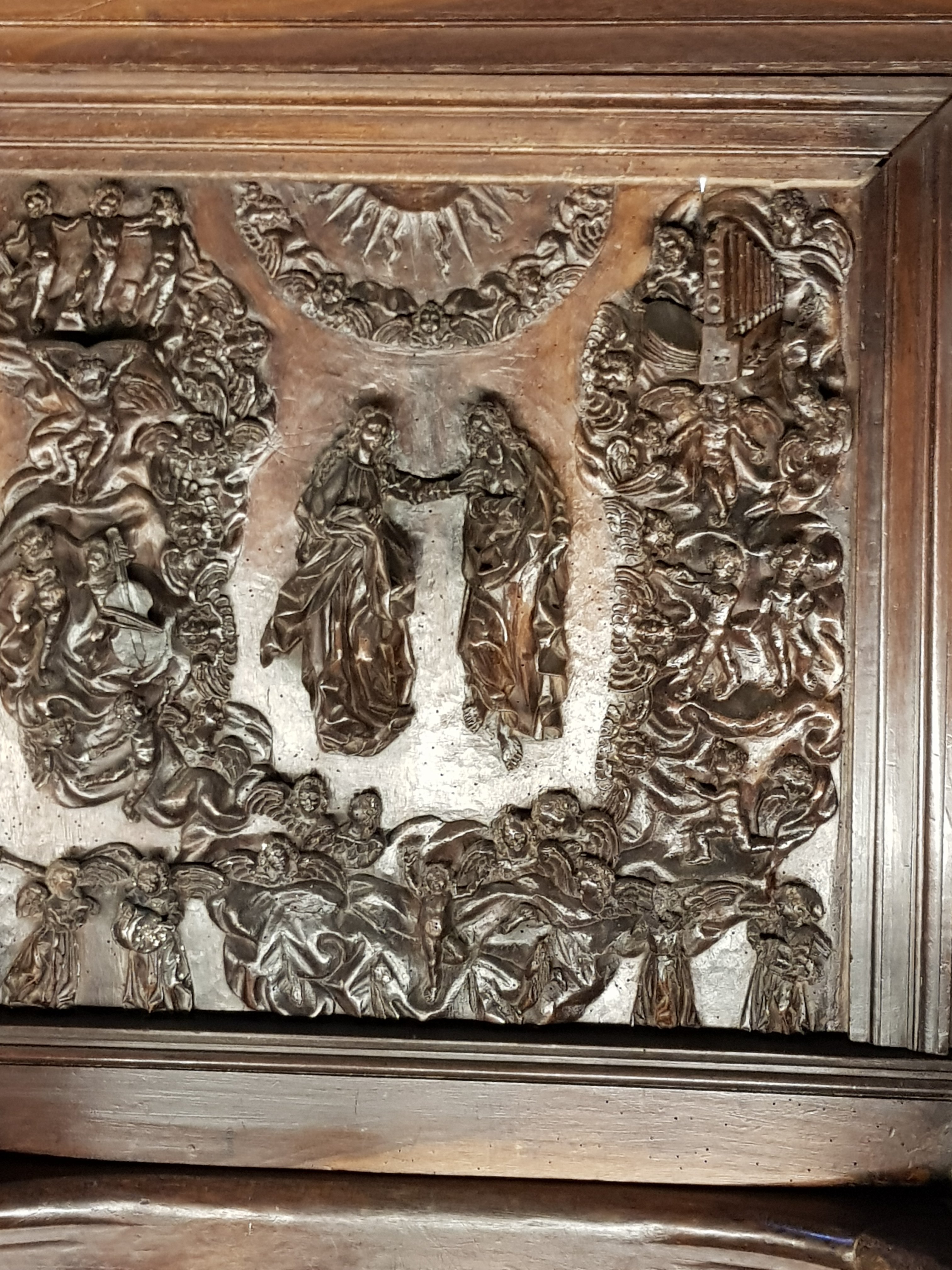
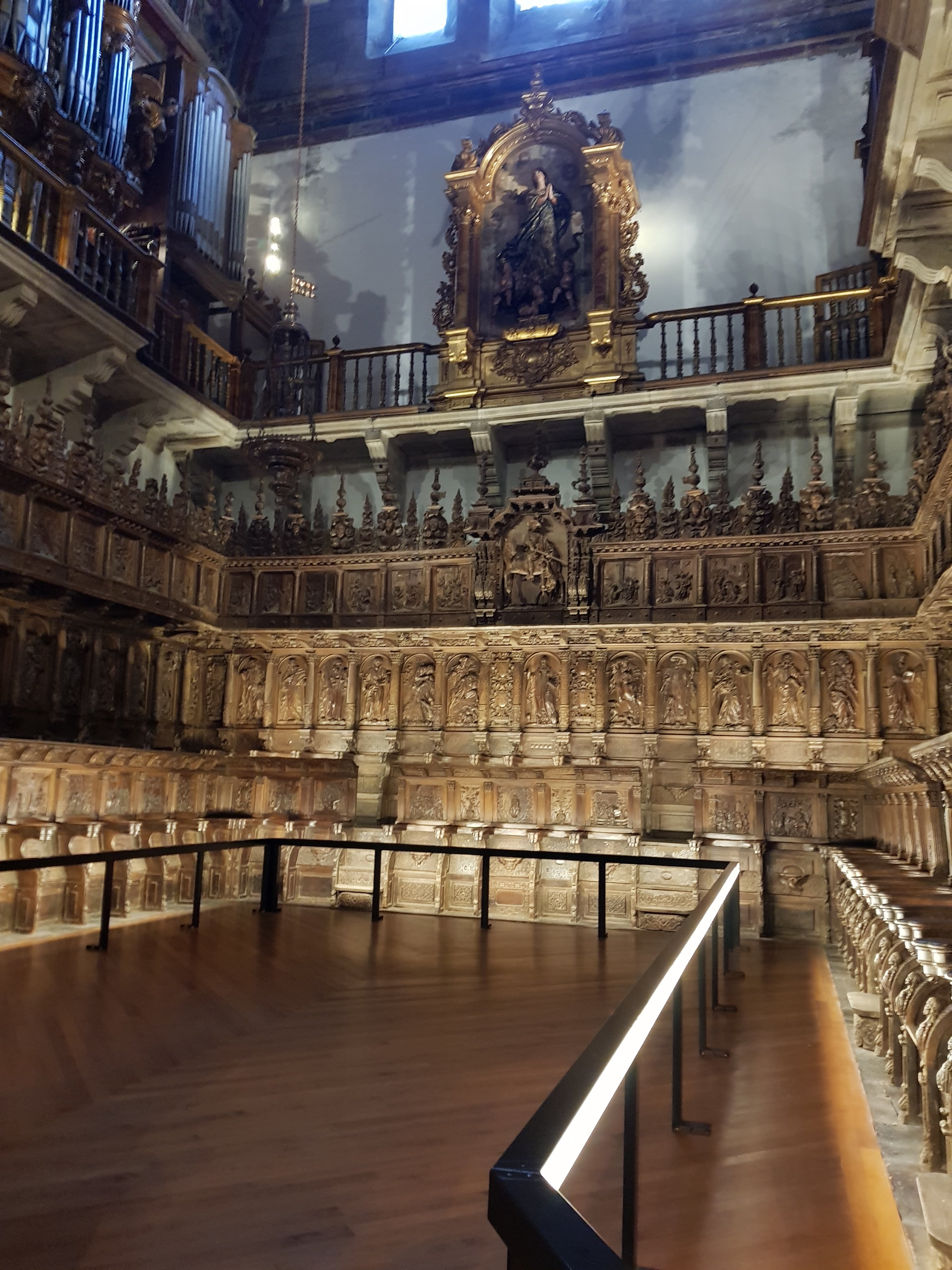
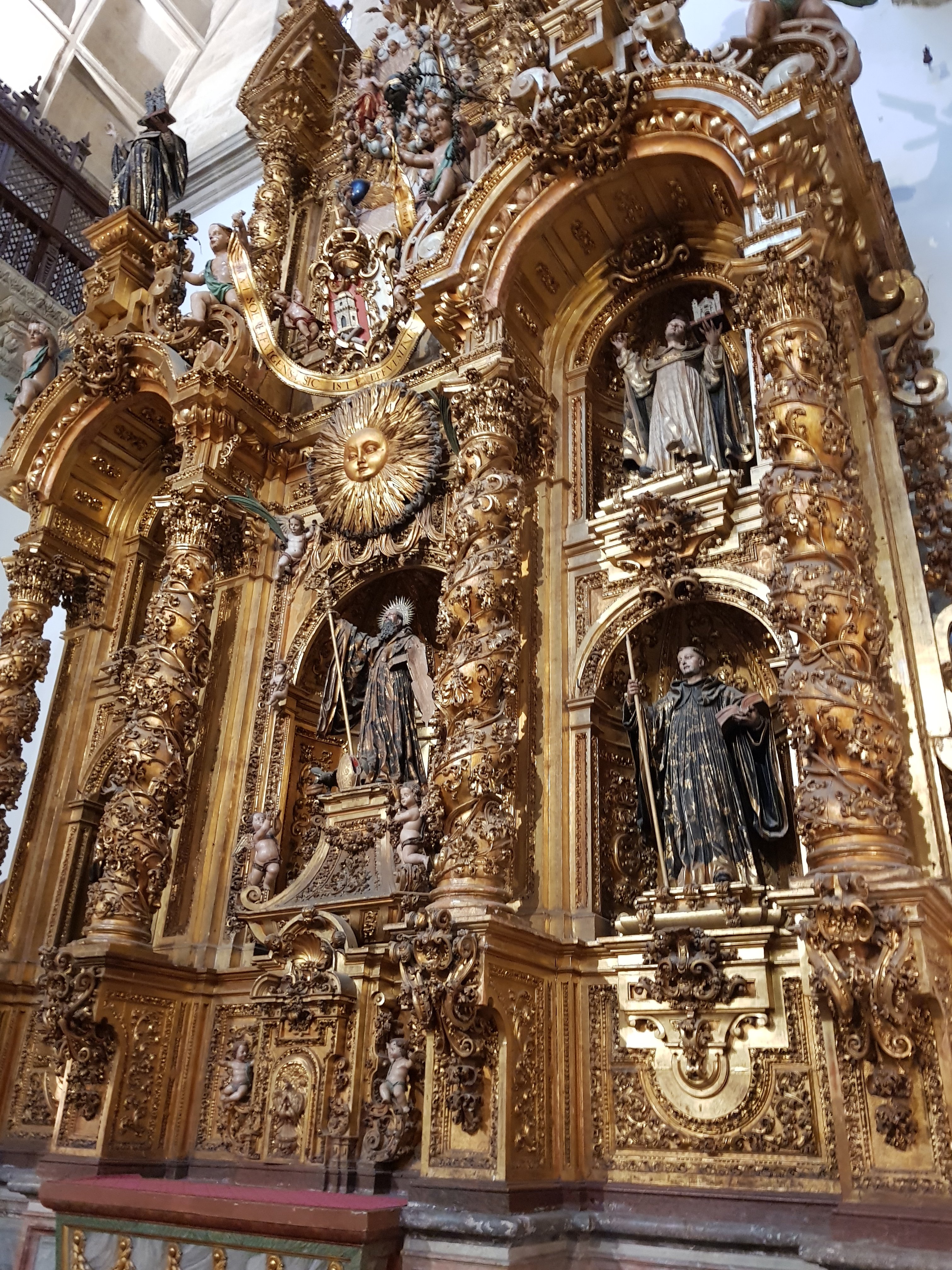
The choir sits behind the main altar, which is unusual, and so you can actually go to the back of the main altarpiece, and admire some amazing fine carpentry. You can also go upstairs and view the church from the galleries where a second choir resides! This was a lovely surprise. There is also an opportunity to look directly at the dome ceiling art. The museum also had some good pieces to admire, and this large attraction was only a few euros.
That night I met up with my new friend from Switzerland for our celebratory dinner, and we toasted to our success in making it to the end. He had arrived a few days before me, and told me where he had been shopping for new clothes. Now that I had walked into the city in literally rags, I decided I needed to prioritise a bit of shopping.
I took a bus from Praza Galicia for only €1 out to a big shopping mall, and spent a long while tracking down the right pair of jeans.. 😍 I don’t know why the Spanish only sell skinny jeans?! I have now walked 828km and these thighs still cannot fit in them! In the end I found some ‘mum style’ ones, a bit embarrassing but oh well. It is good to be back in denim.
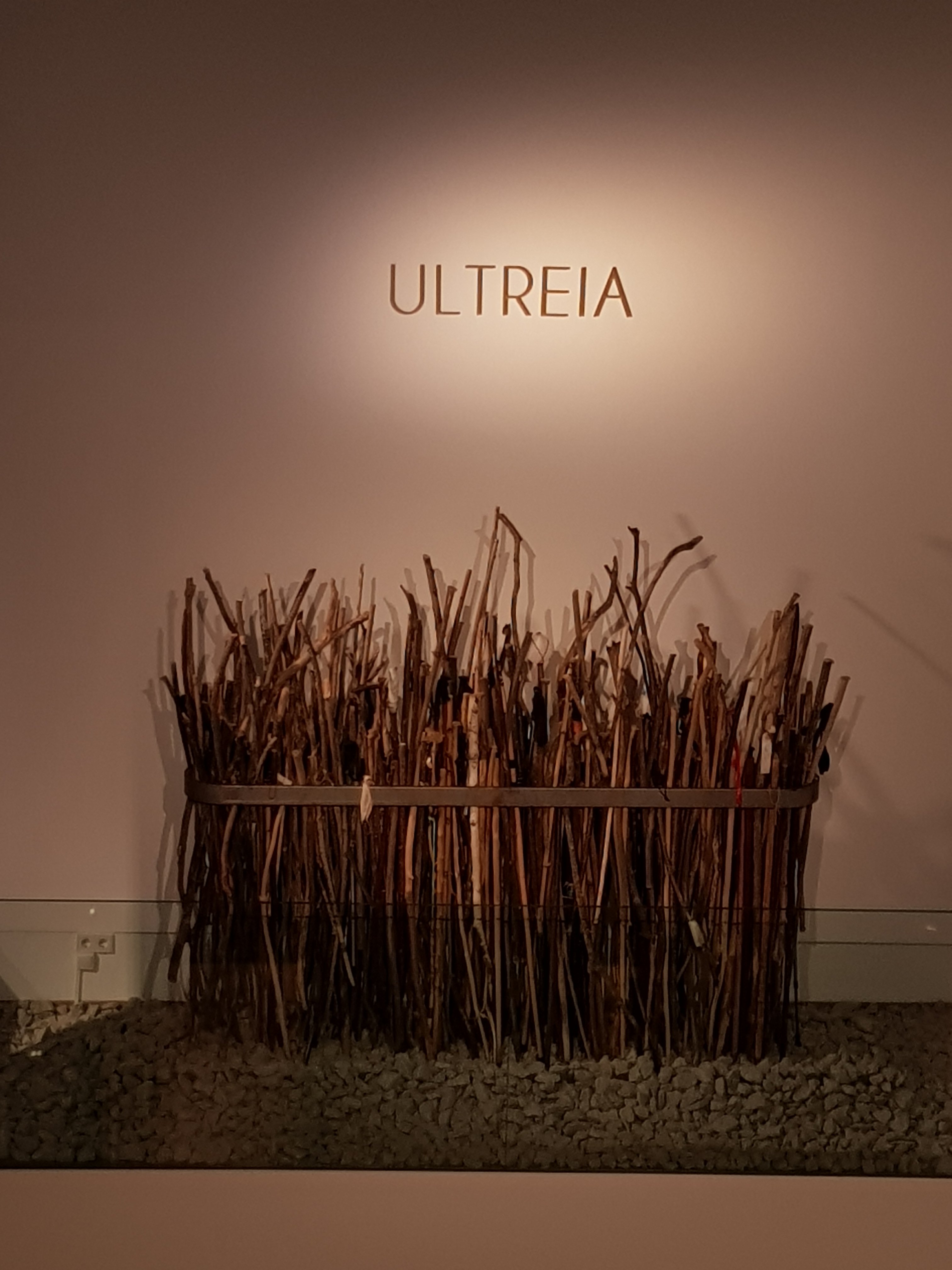
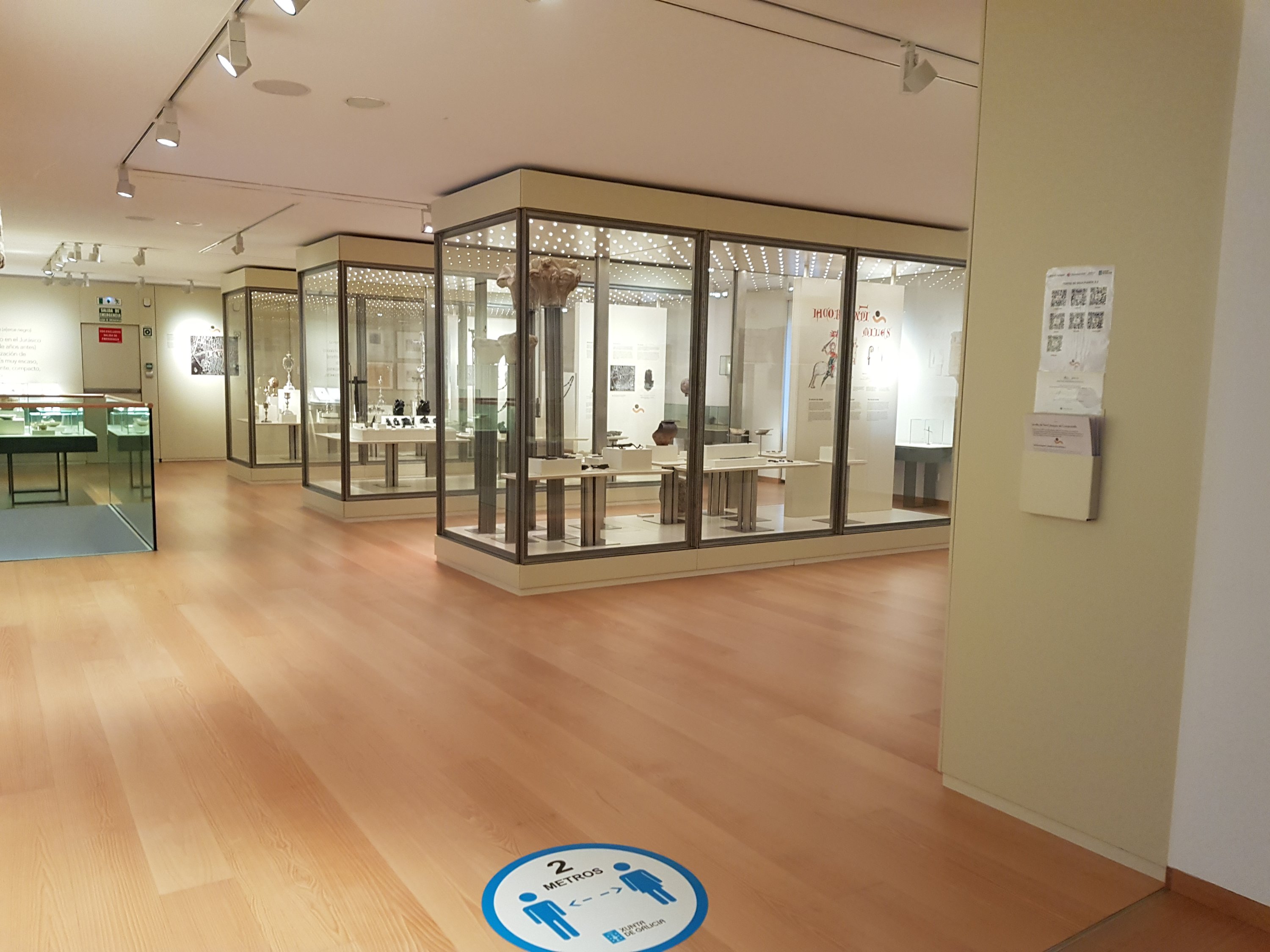
After my shopping spree, I decided to make a visit to the Museum of Pilgrimage. This museum is four floors and pilgrims can enter for free. 👍The museum holds a mix of photographic exhibitions, historic artefacts, and paintings. The collections explain the origin of the Camino de Santiago (way of St James), who James was, and how his tomb was discovered in Santiago. The museum also explains how the pilgrimage route has become more popular over the centuries and many pilgrims’ experiences. The other pilgrimages from around the world and different religions are also discussed.
This was very inspiring to me, and I was glad to see that the reasons I chose to walk the journey were echoed by others.
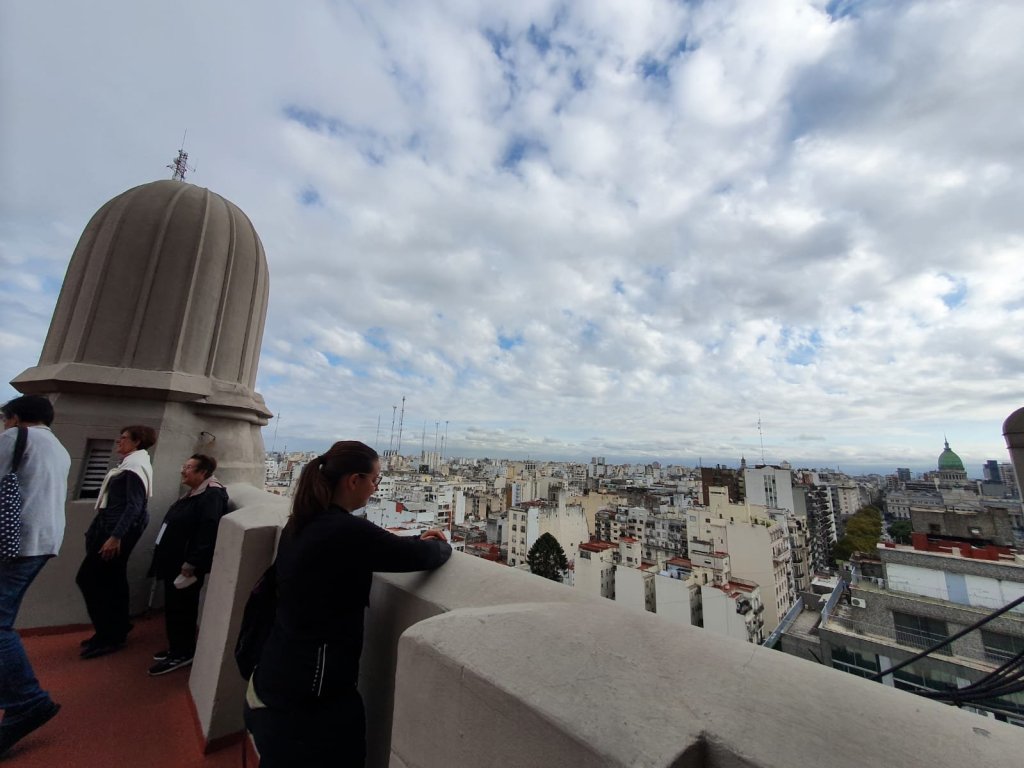
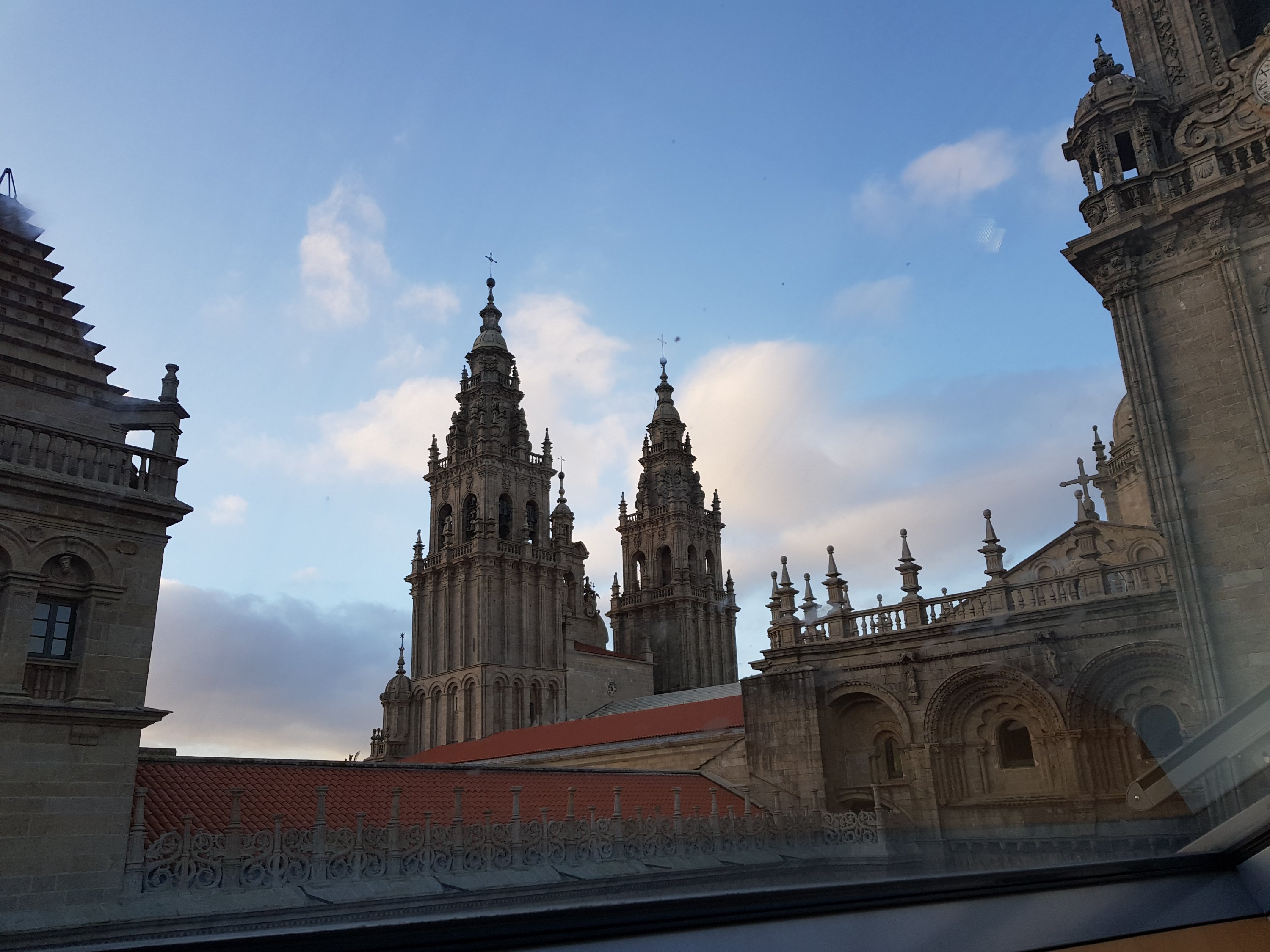
Something else not to be missed at the museum, is going to the top floor. Here, I found up close views of the cathedral towers.
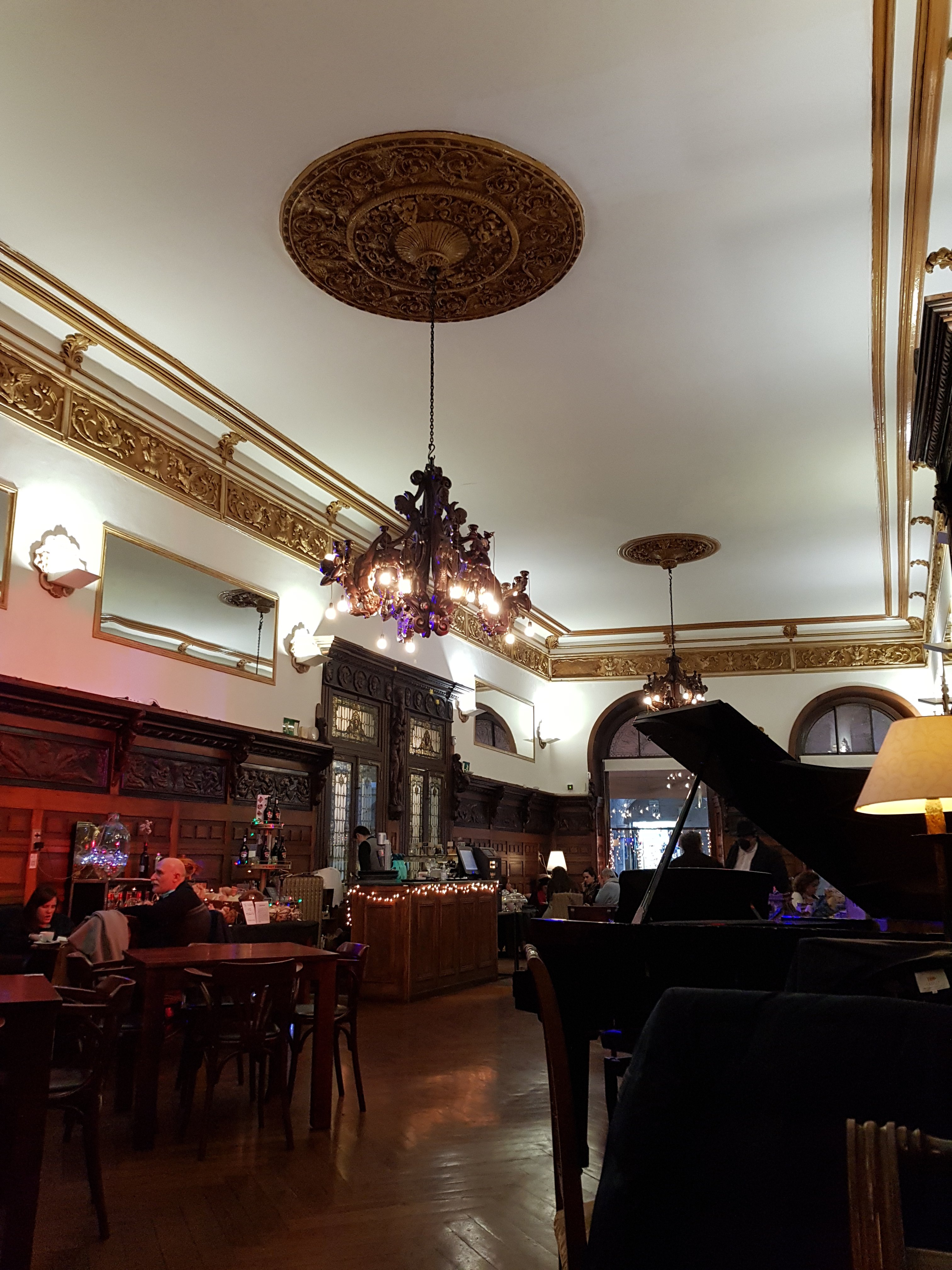
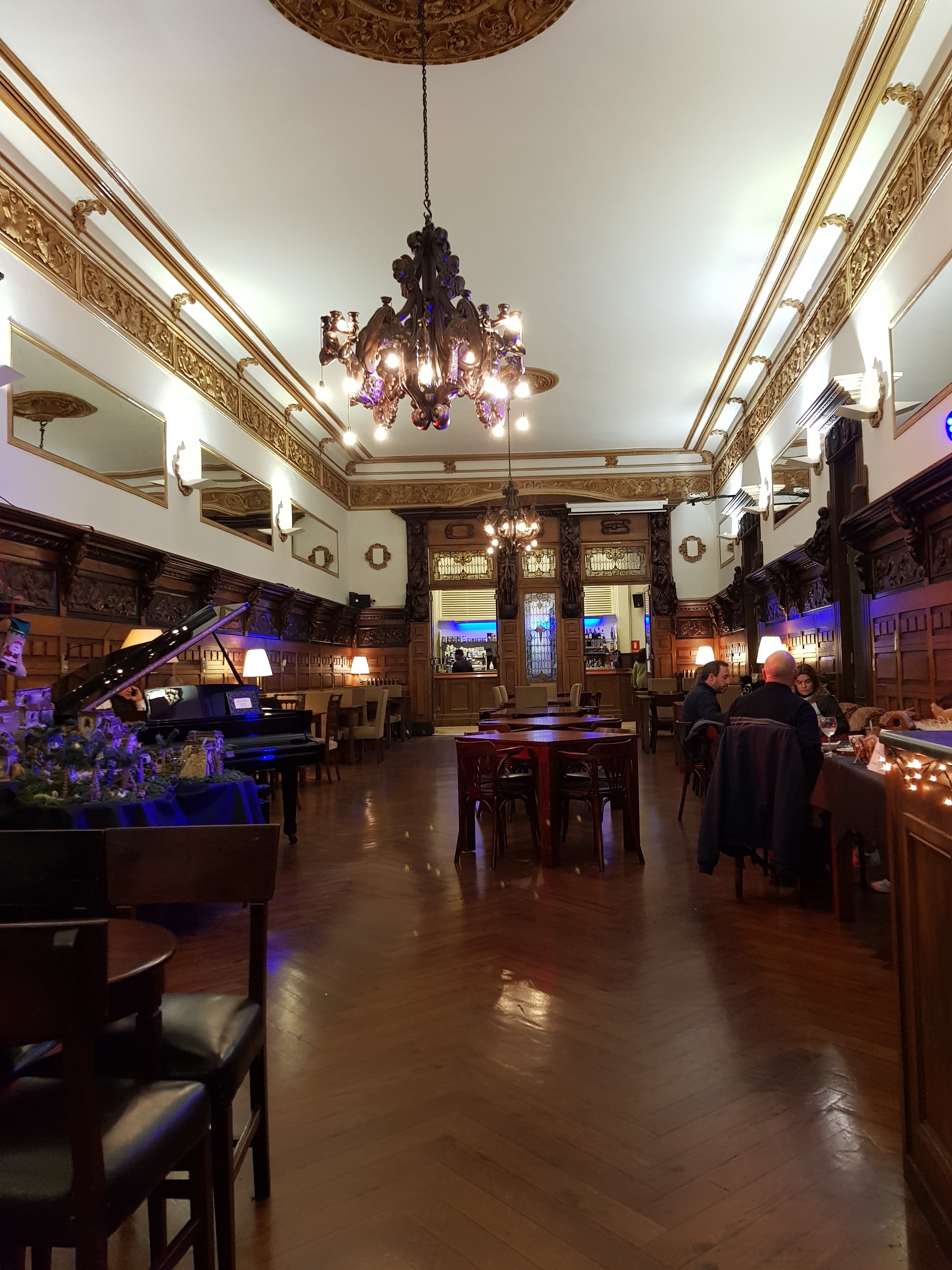
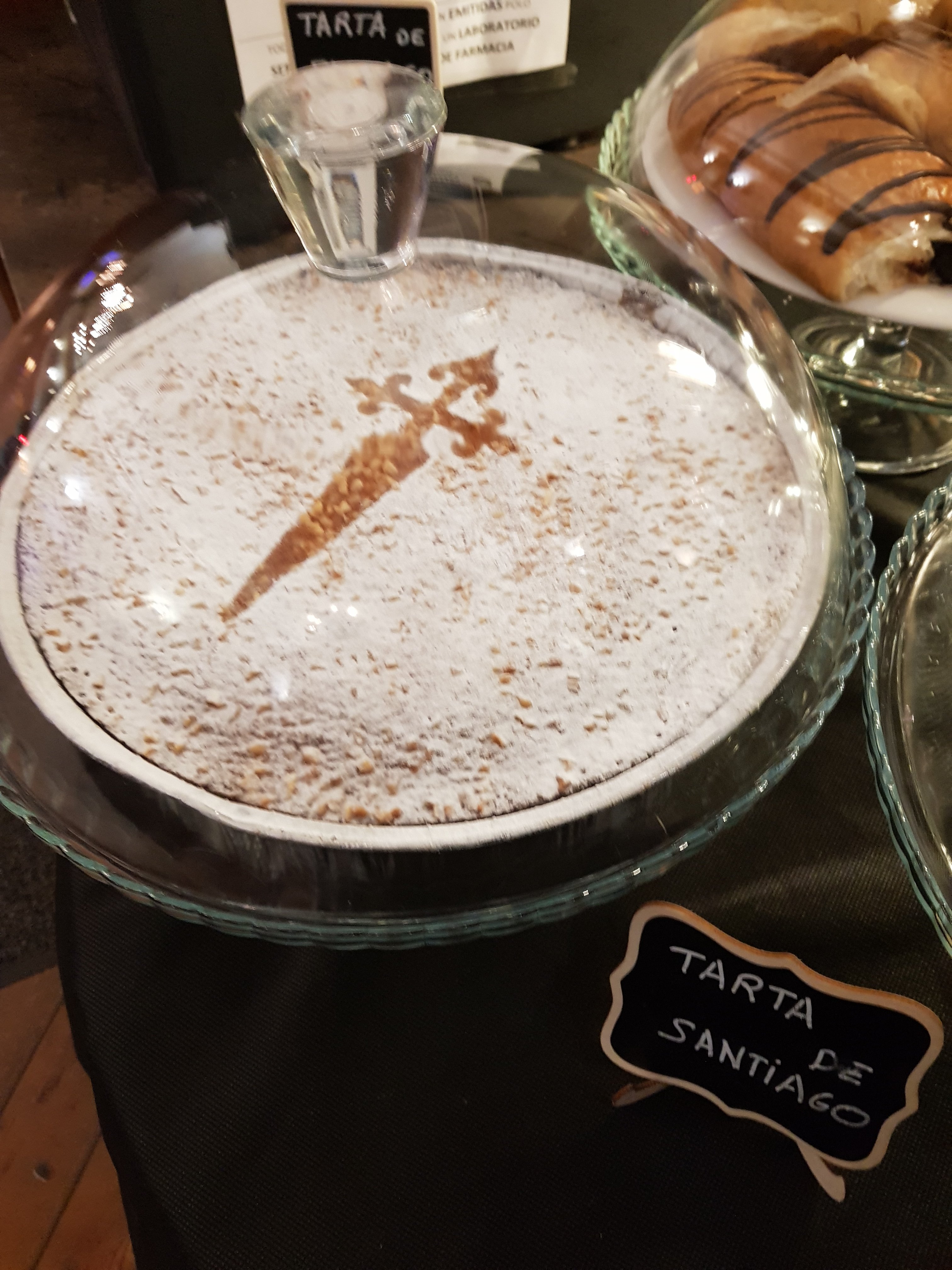
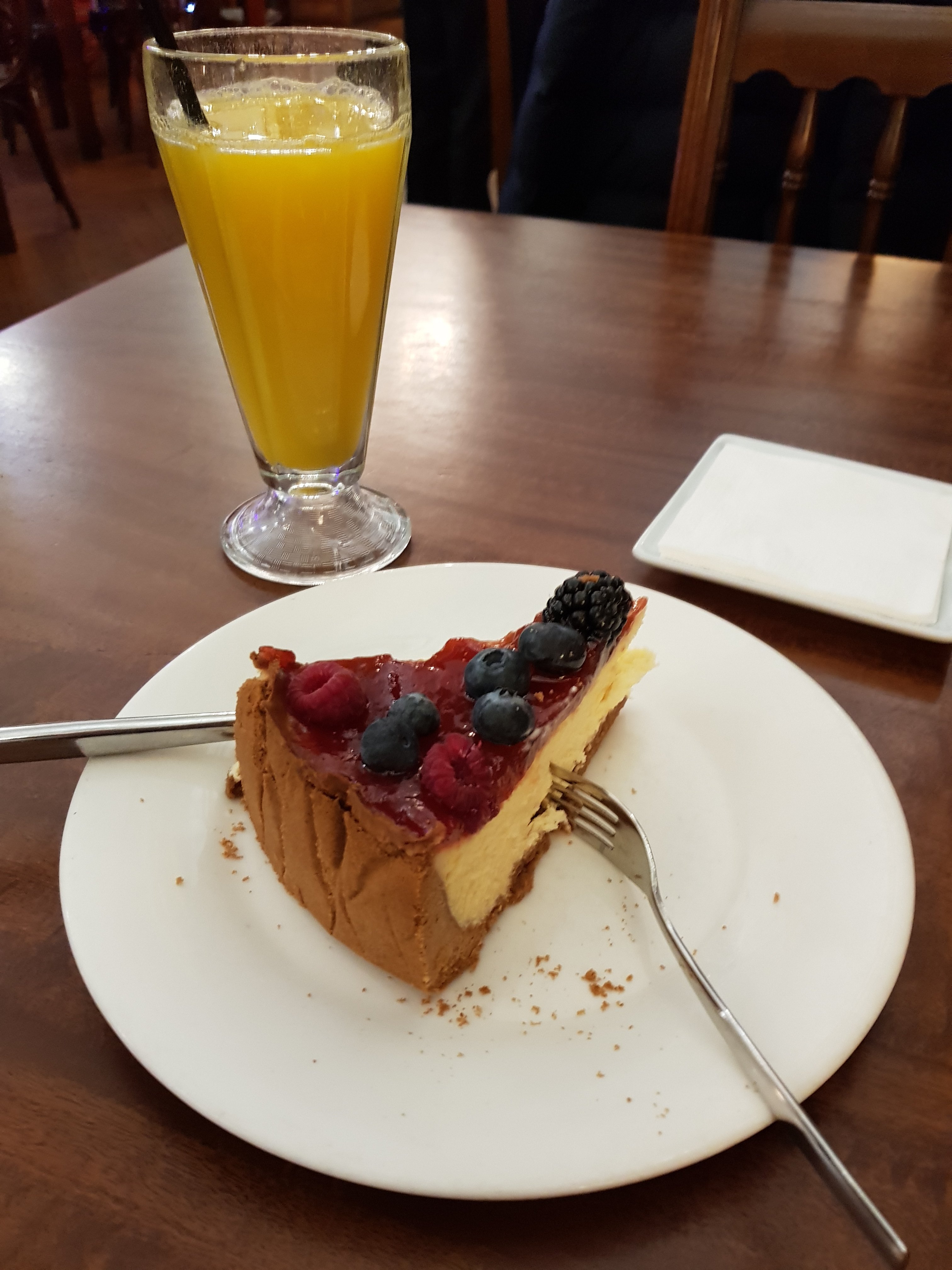
The final thing I did before I went to bed, was visit the cafe casino, opposite my hotel for a little cheesecake. This is a gorgeous building that is now a swanky cafe and even has a grand piano being played, to really make you feel at peace.
Overall, the Camino de Santiago has been a very unique experience. It has been a great opportunity to travel slowly, and see beautiful landscapes, as well as small villages and towns, that you would not likely stop in, if you were travelling to your destination directly. The people I have met, and culture and traditions experienced can never be replaced. I had said that I could never walk so far again, but the more I think about it, the more I think I could be convinced…




































 Go Go Chlo