Tag Archives: UNESCO

A colourful dip into the Baltic

With a few weeks sailing the Baltic sea, I managed to experience an Autumnal viewpoint of a collection of European cities; Helsinki, Tallinn, Visby, Copenhagen and Hamburg. With some glimpses of sunshine and lots of rain, I was able to wonder the highlights of these important places and you will quickly figure out which were my favourite.

Helsinki, Finland

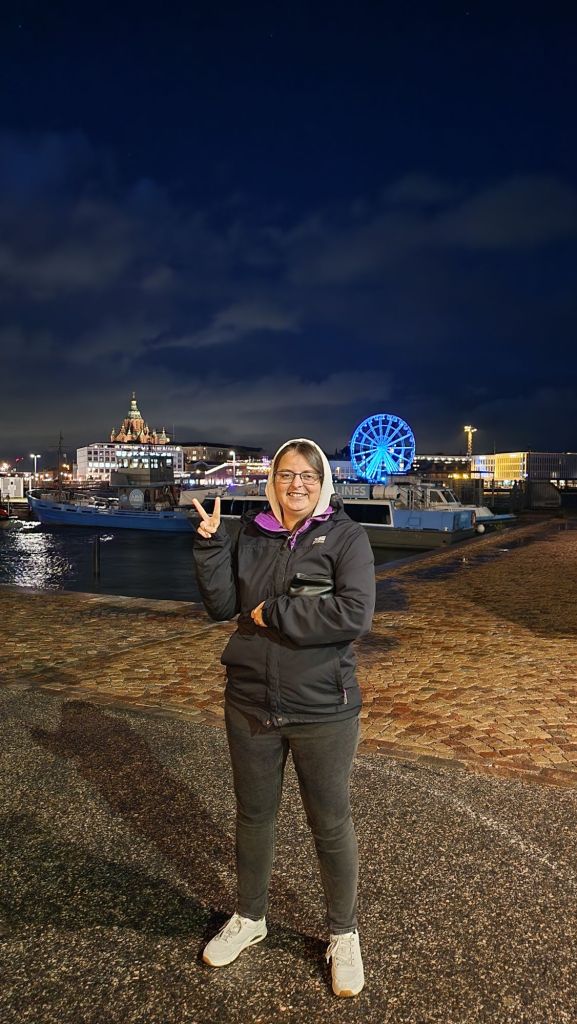
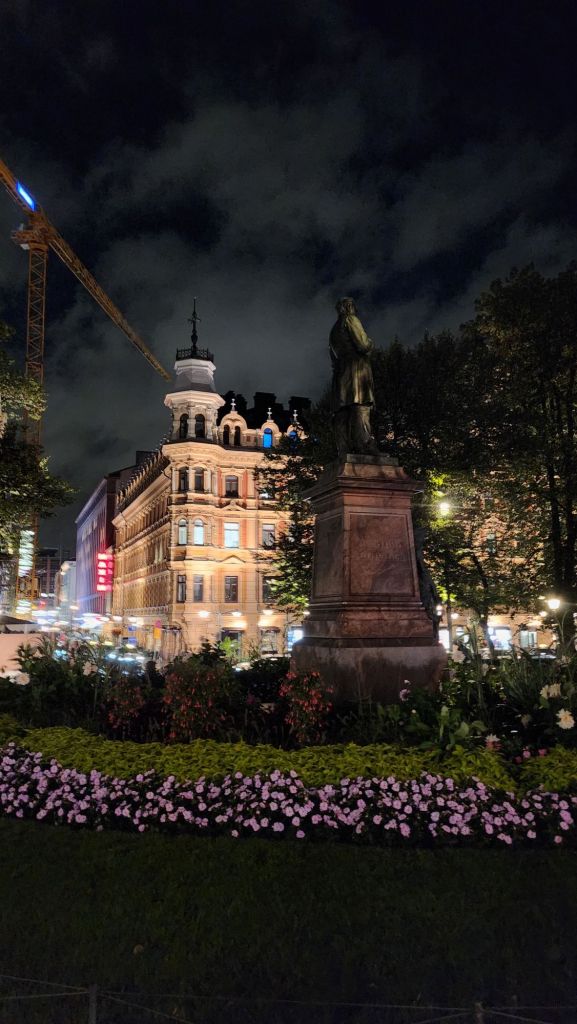
My two day visit to Helsinki was absolutely full of rain, and was very chilly but I still managed to venture out and see some of what was on offer. Just racing around in the back of a Tuk Tuk, I could see that the city was keen on design. There were so many striking buildings of brick and cement, and a clear futuristic feel.
During the day, there seemed to be a reasonable amount of activity, especially in the public saunas where I could see people steaming up and then jumping in the cold waterways that surrounded the city. Sauna culture is huge in Finland, and many people even have saunas in their homes. The Finns are very keen on wellness, which I know first hand from the lovely yoga mad vegan Finnish roommate I once had. She was all about health for the mind, body and soul.

My Finnish friend also loved to be asleep early but now I think she is not uncommon because when I tried to go for dinner out on  a Friday night in Helsinki.. there was not a soul to be seen. There were so little restaurants open, I ended up only going to a Kebab house! And having the wierdest kebab ever, might I add. According to the locals I asked, this is not unusual here. It is definitely the quietest capital city I have ever seen.

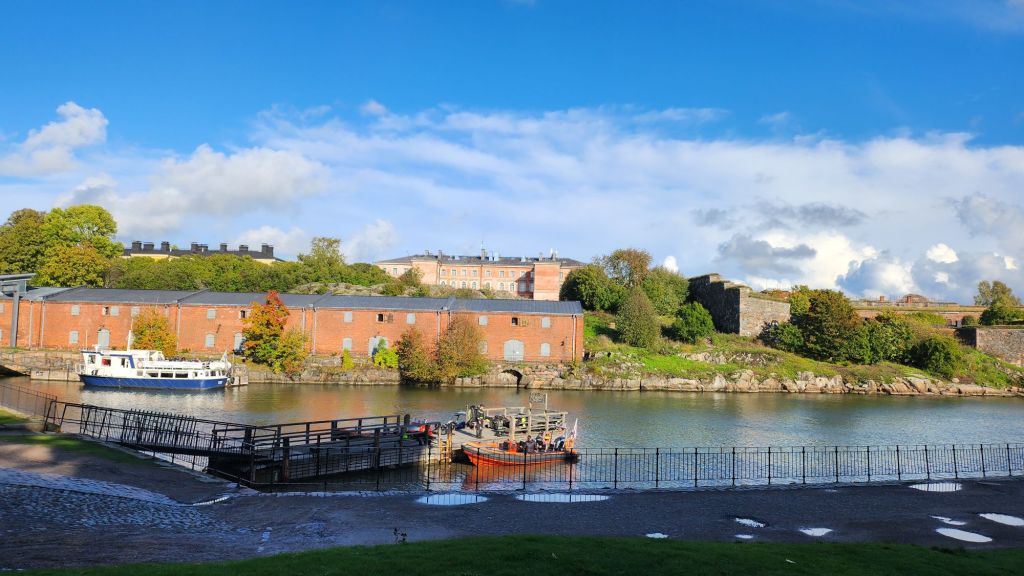
One of the most interesting things about Finland to me, was the history. I learnt a lot more about this country’s past when taking a rib ride to another island in Finland’s huge archipelago of more than 75,818 islands.

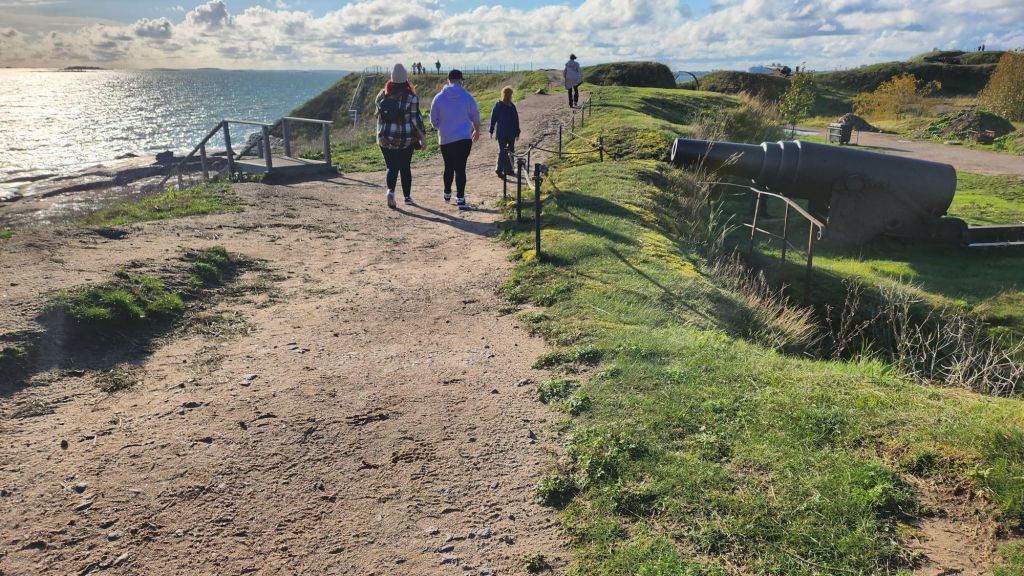
I visited Suomenlinna Island which was once a military base for Sweden, during its rule over Finland.
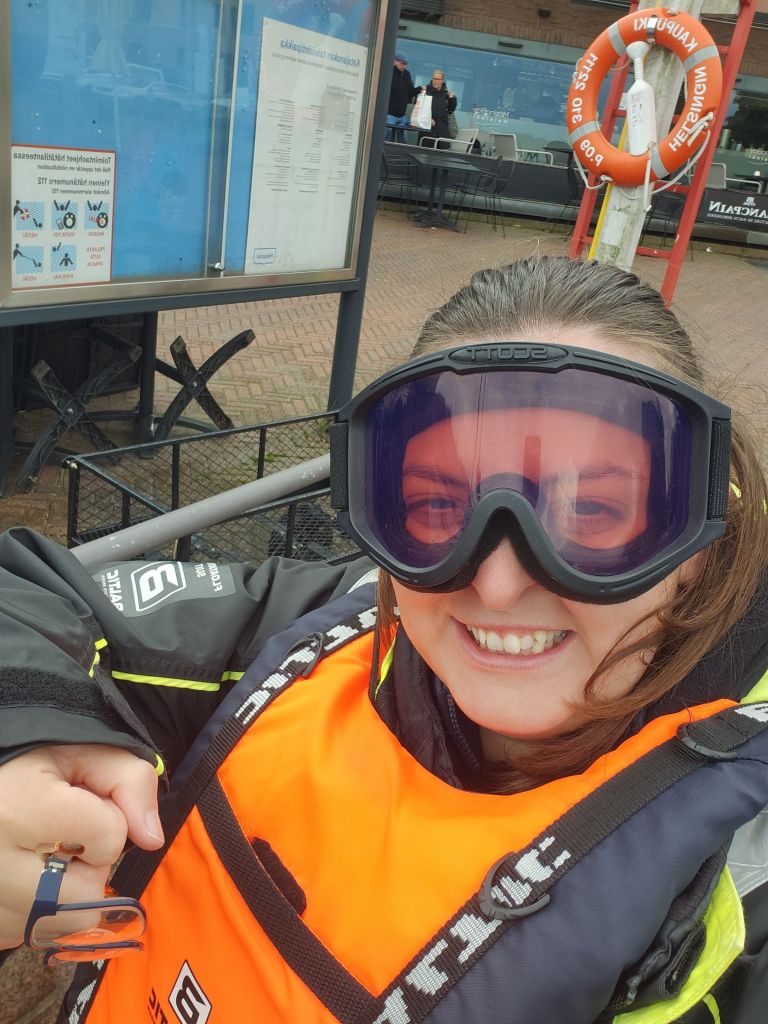
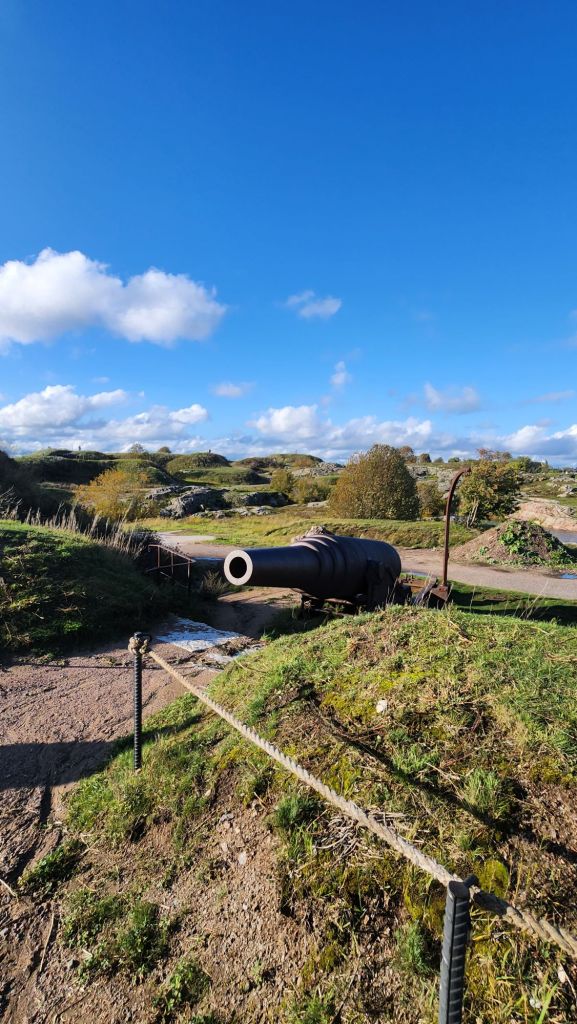
Finland has had a long history of being conquered, with lots of fighting here between Sweden and Russia for territory over Finland. This is one of the reasons why the Finns are now quite multilingual.

The guided walk I took around this island was very enjoyable and had great views  although it was bracingly cold!

Overall, chilly but calm Finland was a good introduction to my Baltics adventure.

Onwards to Tallinn, Estonia...

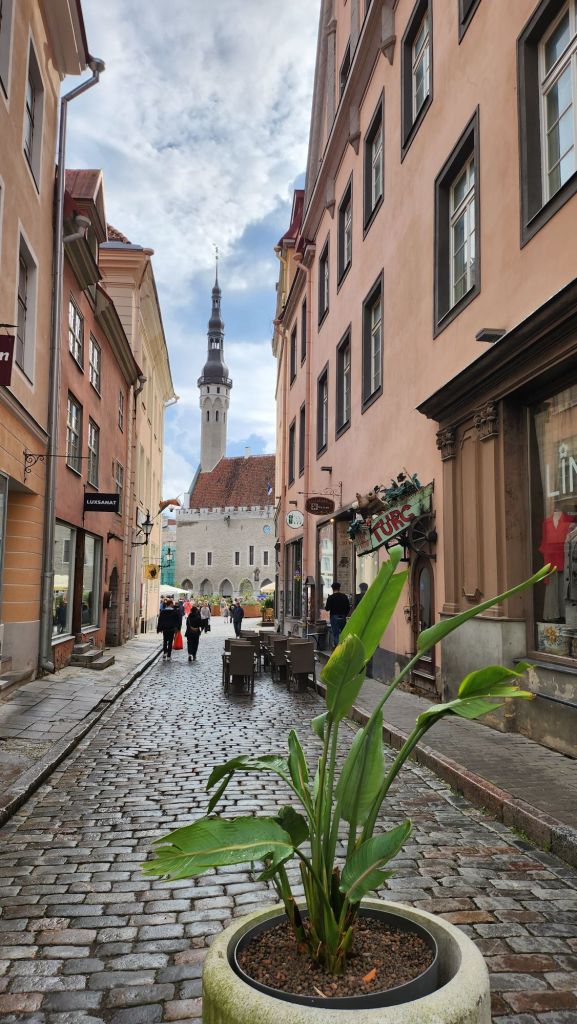
Tallinn’s old medieval town is a UNESCO World Heritage Site, and is a beautiful little place to explore.

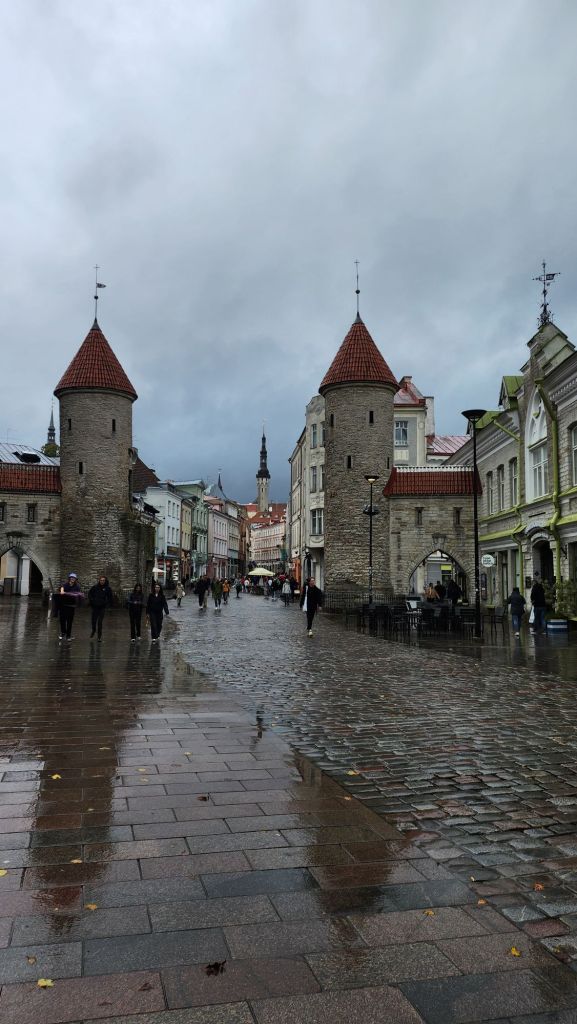
I felt like I had been transported back in time, and into a fairytale book in Tallinn. The city has a beautiful stone gateway with pretty turrets as you enter and then I continued to see more of these Rapunzel type turrets as well as picturesque church steeples and sweet little town squares. There were traditional markets and shops and I found myself a very tasty bakery.
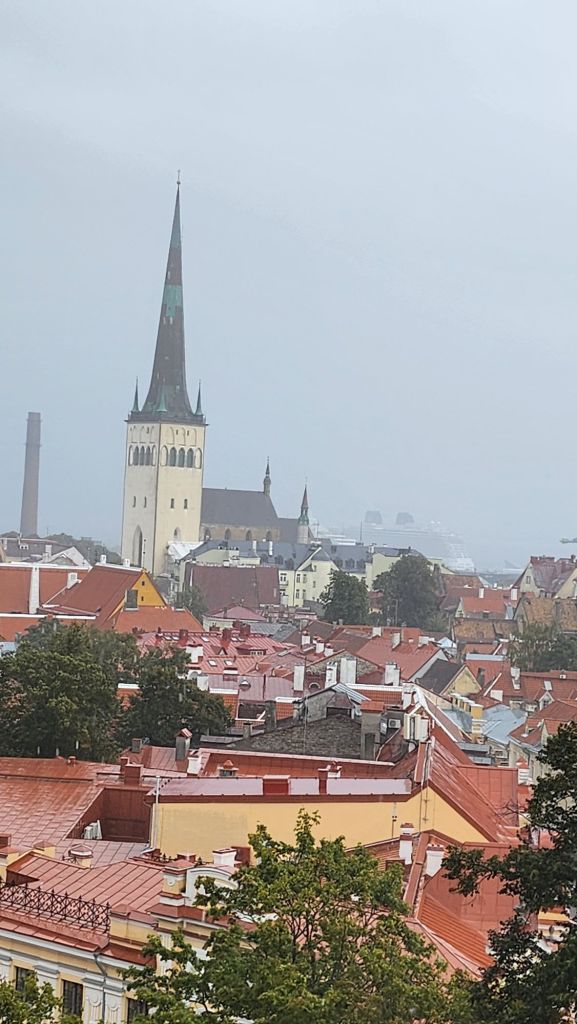
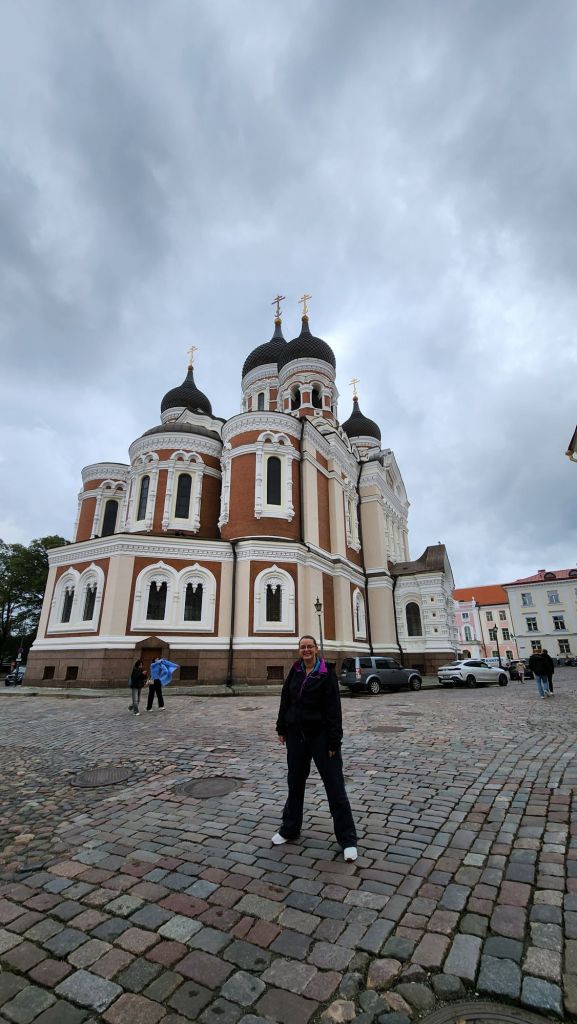
As I walked my way up to a viewpoint on what was becoming a very rainy day, I could also see their Russian built church which whilst beautiful, told the instant story of their conquered history too.

Next stop Visby, Sweden

Now ordinarily, I think Visby must be a very sleepy place. I was lucky enough though to visit when they were having a food festival!

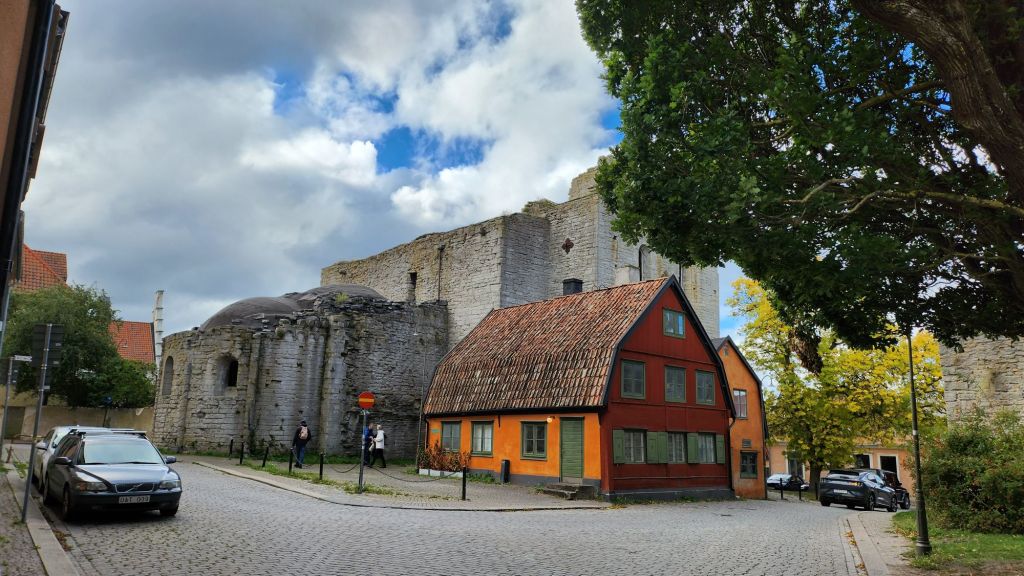
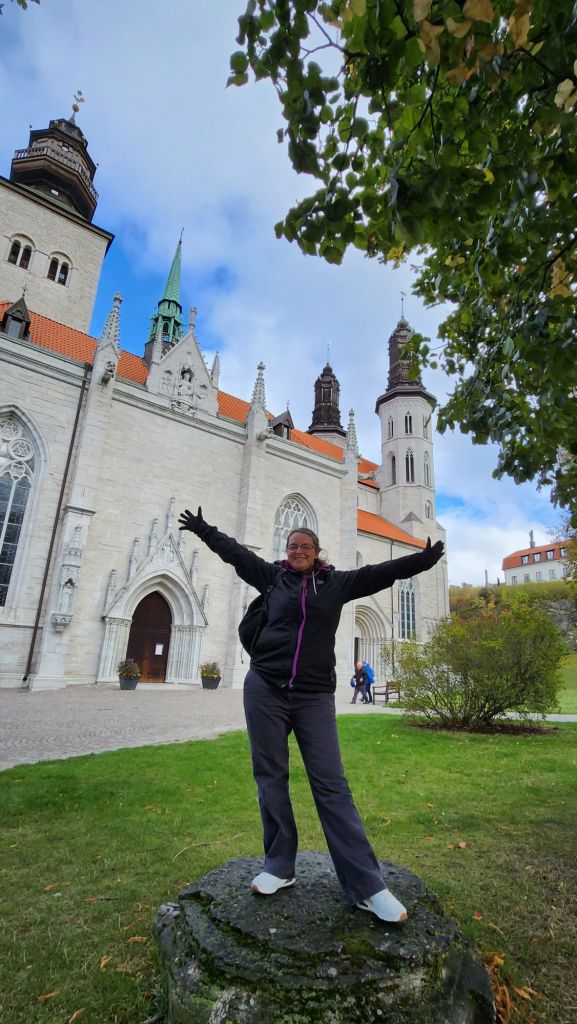
Visby is actually a heritage city on one of Sweden’s islands, named Gotland. This is again a fairytale location but here you get that traditional Viking feel from the design of the place.

The old walls, houses and cathedral are all impressive, but as I mentioned, it was a food festival, so I was taken in by a very tasty and unusual Bison Stroganoff and an amazing selection of cheeses!

After some delicious food and music, I had a wonder around before rejoining my ship to go onwards to Copenhagen.

Copenhagen, Denmark

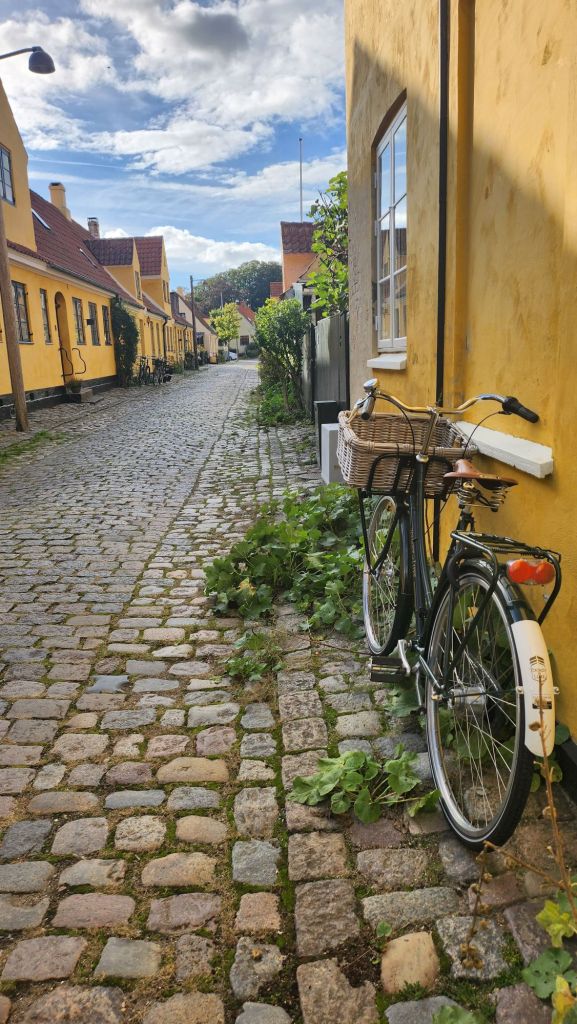
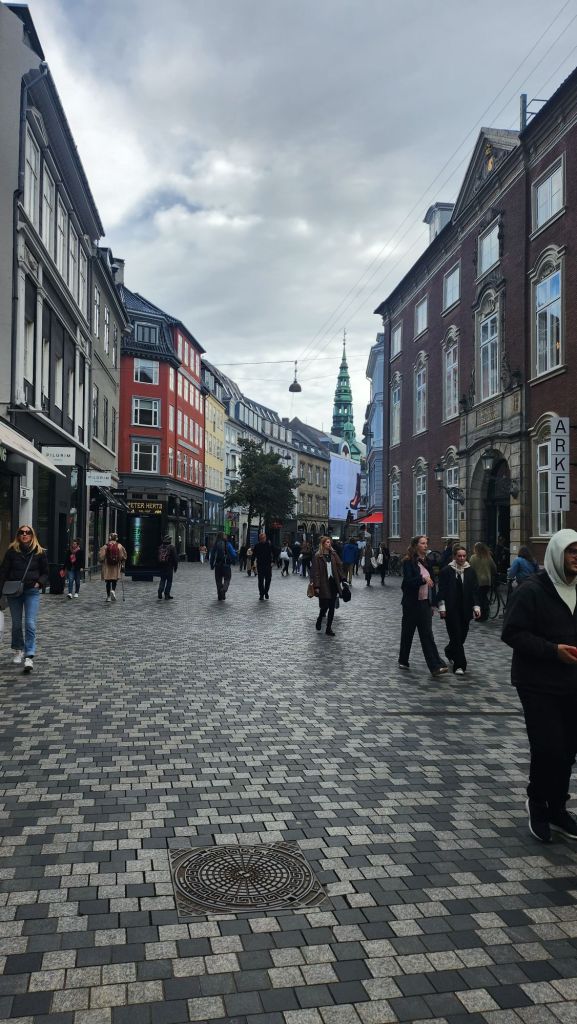
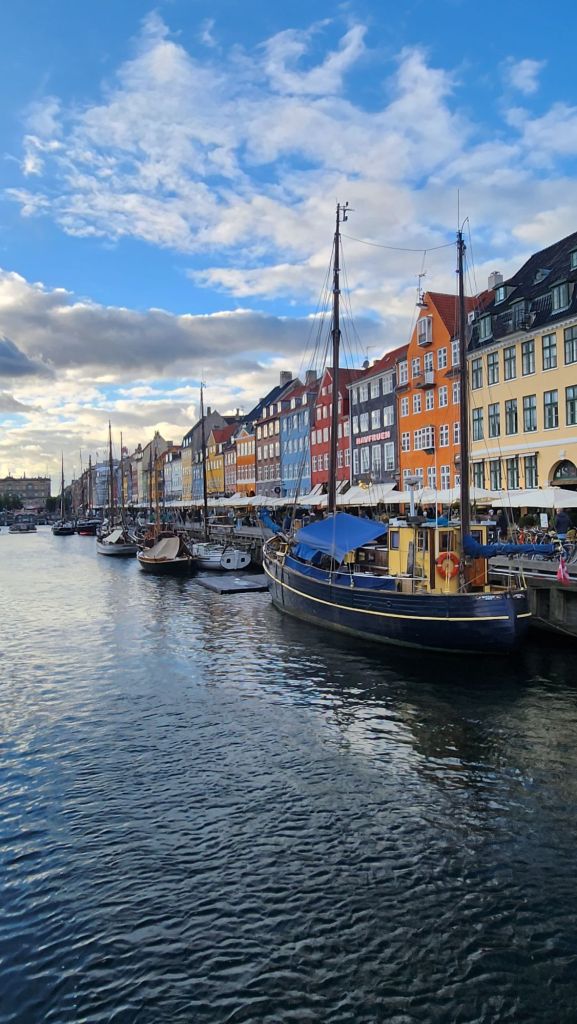
Copenhagen was certainly very colourful in their city vibes and friendly people. The city is full of hustle and bustle, mainly around their famous harbour and in the form of the speedy cyclists that zoom around the city.

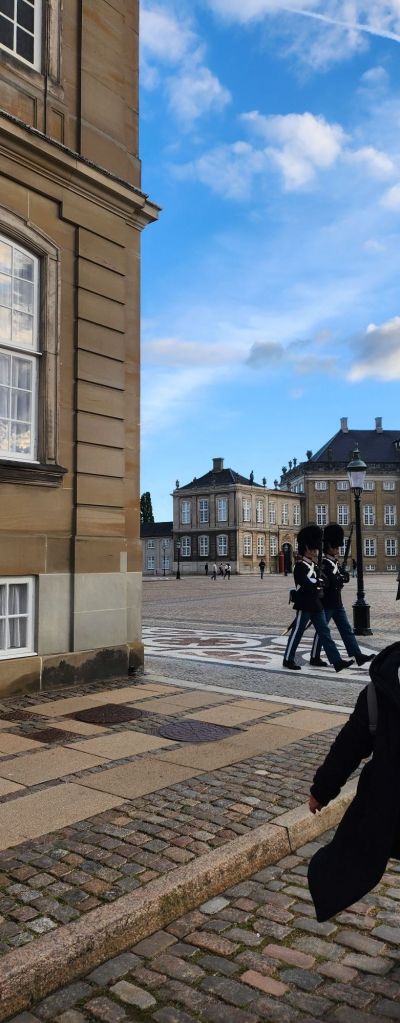
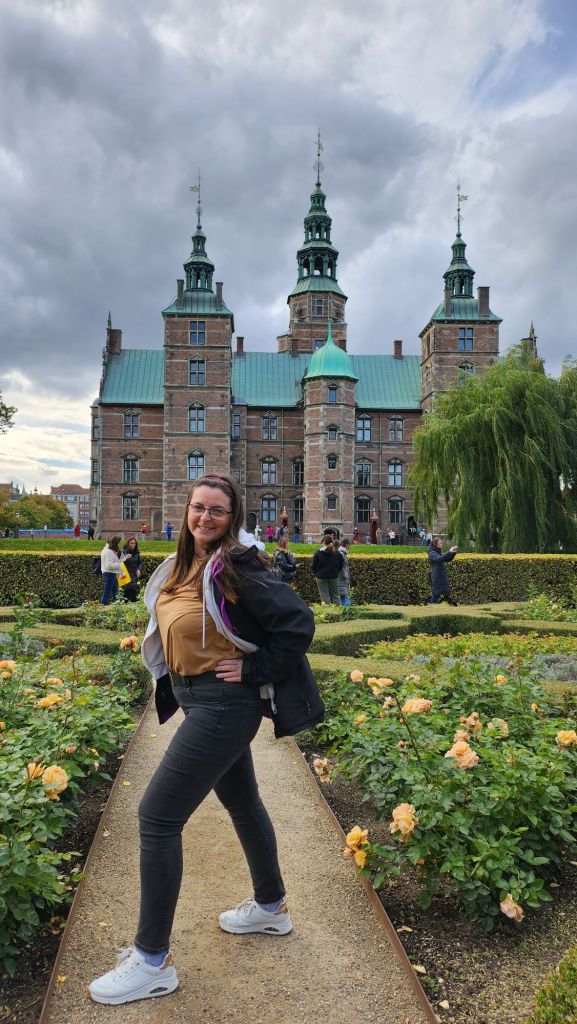
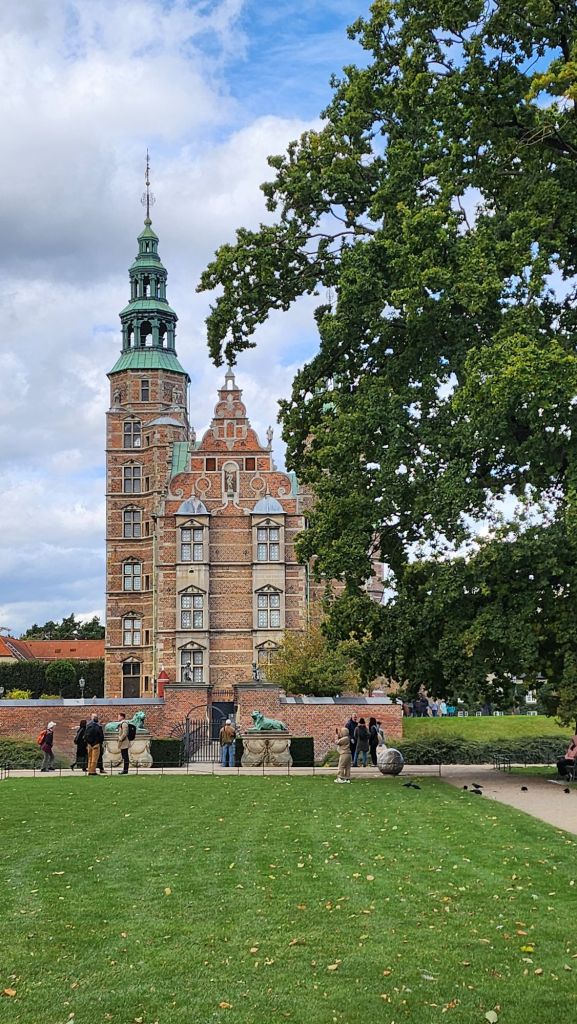
On foot, I explored the impressive palace squares with their palace guards and procession that could easily compete with London’s own. I also ventured further to the gardens of the pretty Rosenborg Castle and tried some very odd plant food from the public food hall which wasn’t half bad. Later, it was time for a relaxing dinner at one of the harbour’s many restaurants where heaters and blankets were much appreciated in the night air.
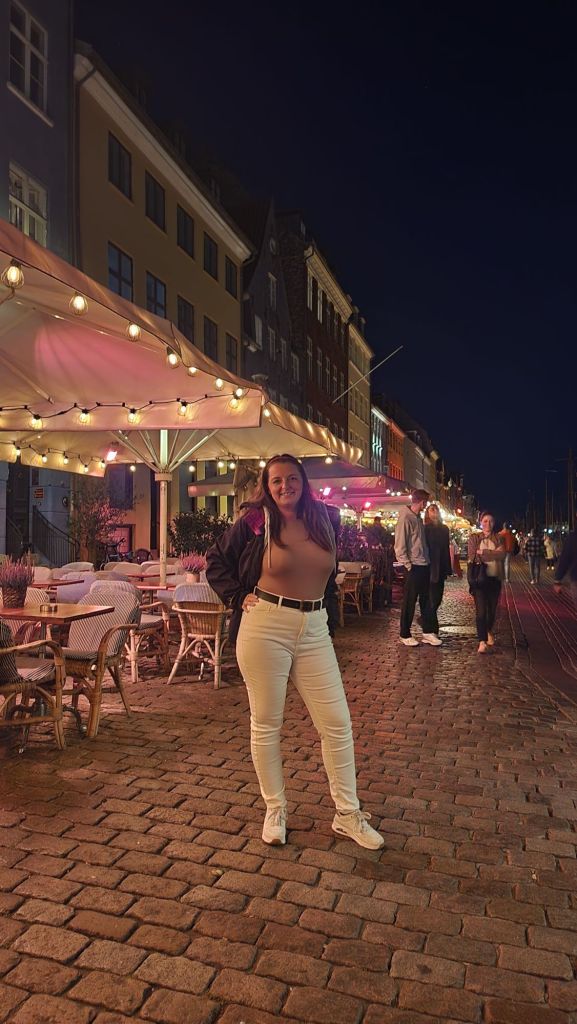
I found myself talking to a guy from Argentina that had moved to Denmark. It seems to be the place for many people wanting to run away to a new country and has a lot of easy visa rules for this. On a visit to a sleepy harbour town outside the city, my guide was also telling me about his move from UK to Denmark, after meeting his danish girlfriend. The girls across all of Scandinavia are known for their beauty.

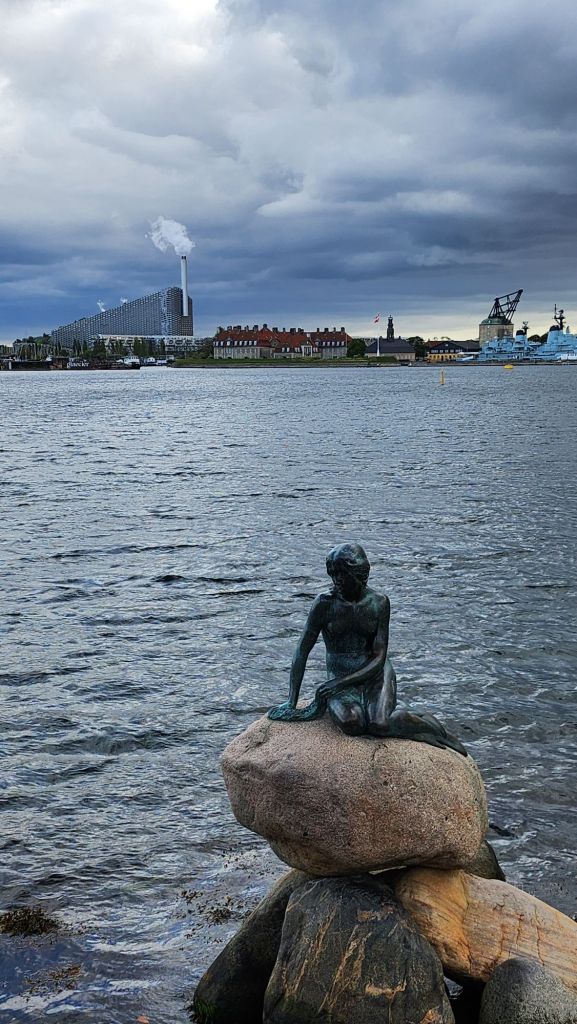
One girl is well known in the city, and that is the little mermaid. A true lurer of men in mythology. The statue sits on the outskirts of the city and is a world famous symbol of Denmark. Whilst well known, for me she was very underwhelming. Sitting alone on the waterside, (except for all the tourists), she didn’t actually look like a mermaid. Apparently, she was actually based on the sculptor’s wife. She was probably the part of the city that was least interesting.
Finally, after all these other places, I can’t forget to mention my afternoon in Hamburg.

Hamburg, Germany

I have been to other parts of Germany and had never thought much about visiting Hamburg. Once there, I was captured by it’s charm.

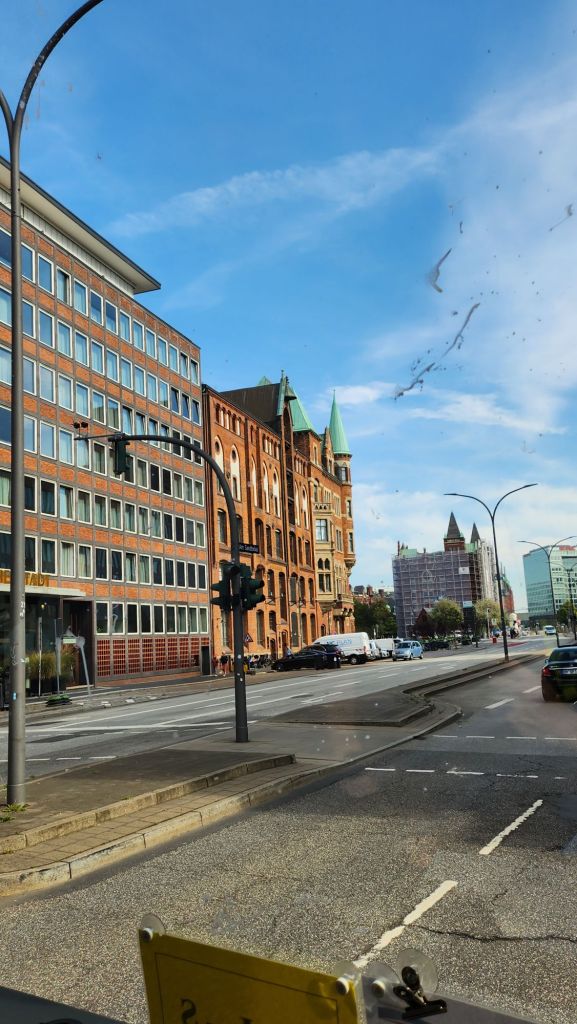
This red brick city has a famous port and historic district called Spiekerstadt, which is full of converted warehouses and factories that gives a post industrial redesign vibe.

Apparently the city has actually grown on land that has been man made over the original marsh areas that were here. Tons of sand is actually brought into the newest HafenCity to raise its level higher, for construction to be done on a more stable foundation. I went to a part of the city that was still being built and could just see masses of sand there. You can get the sense for the different heights of the city just driving around though.
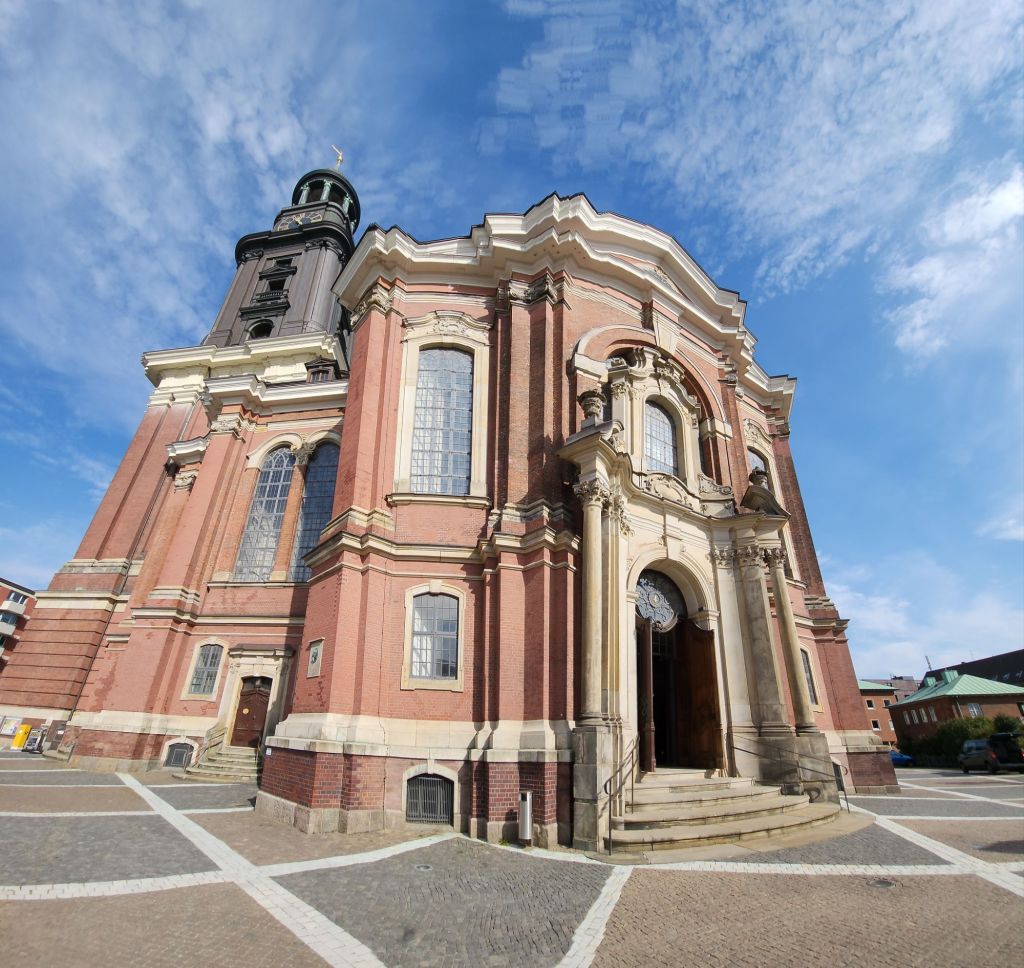
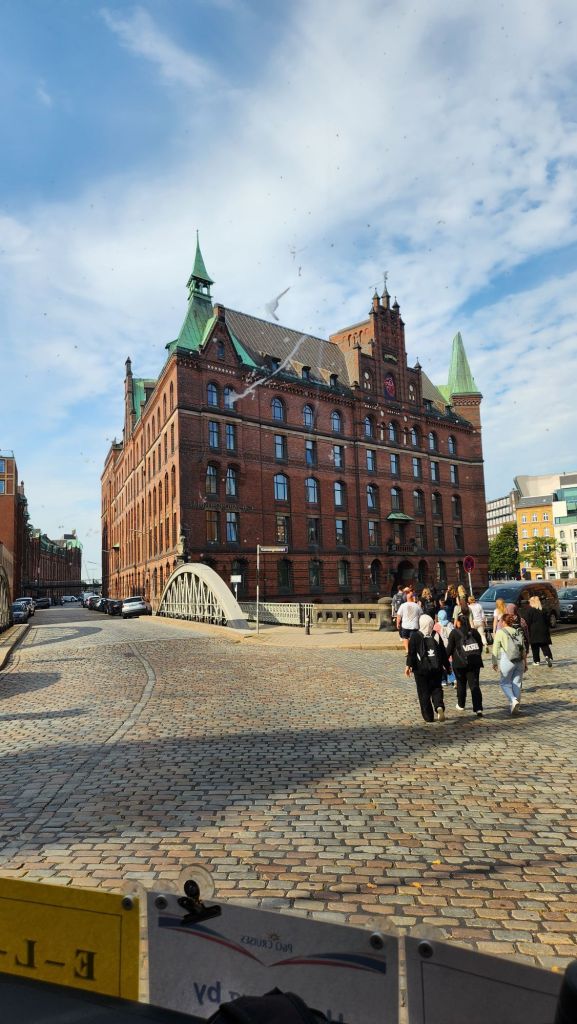
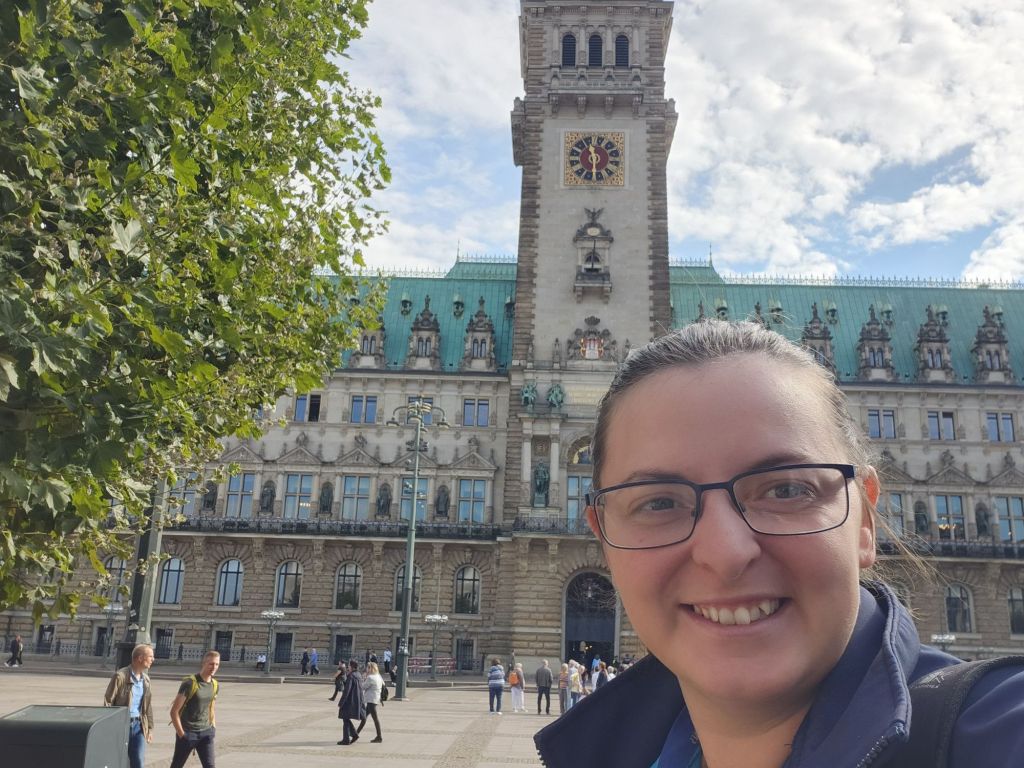
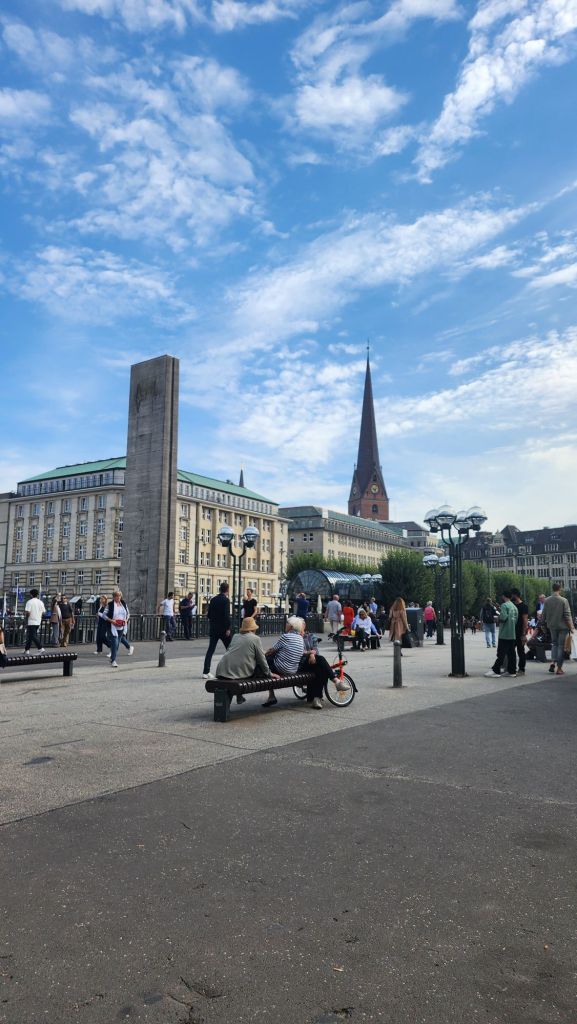
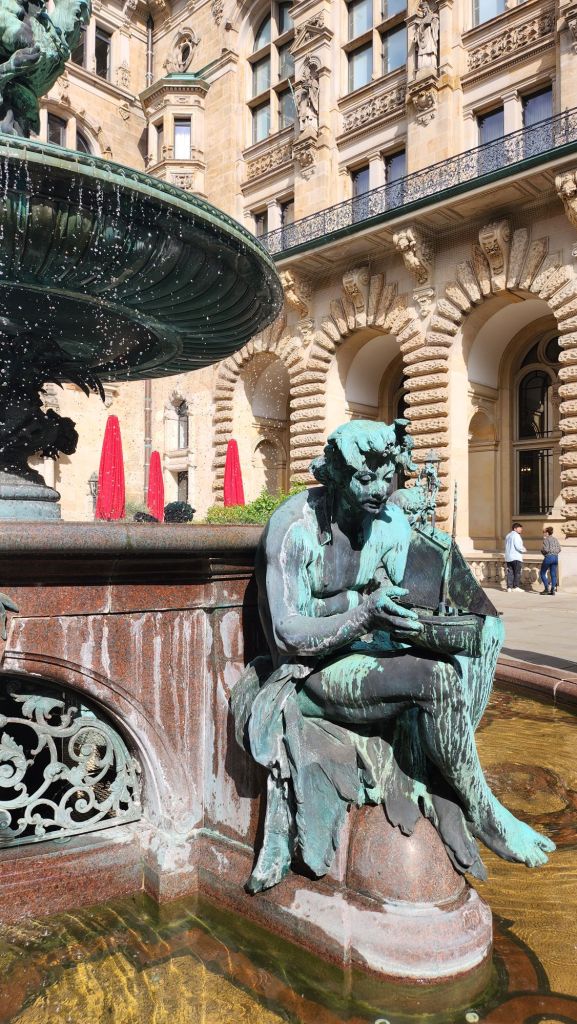
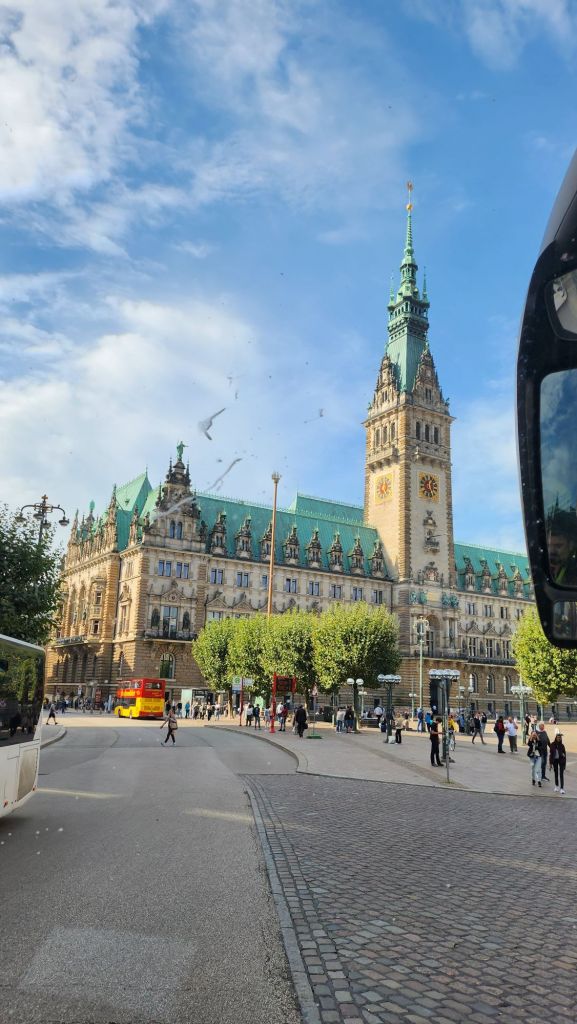
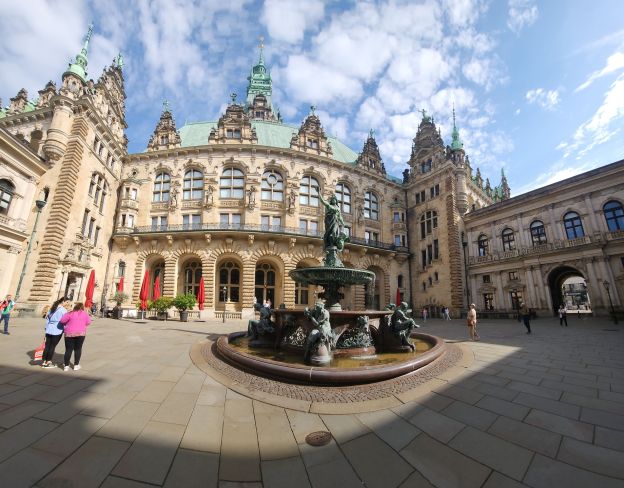
Walking around the city, there is a lot of life in the streets as well as an intricate network of canals and a gorgeous town hall. I really enjoyed my short time here and would love to revisit. I hear that the nightlife is also well worth it!

So overall, my little dip into the Baltic was a great introduction and even though these places are all in the same part of the world, they all definitely had their own unique identity.

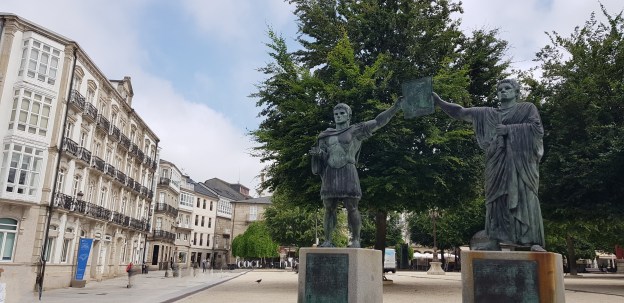
Lovely Lugo

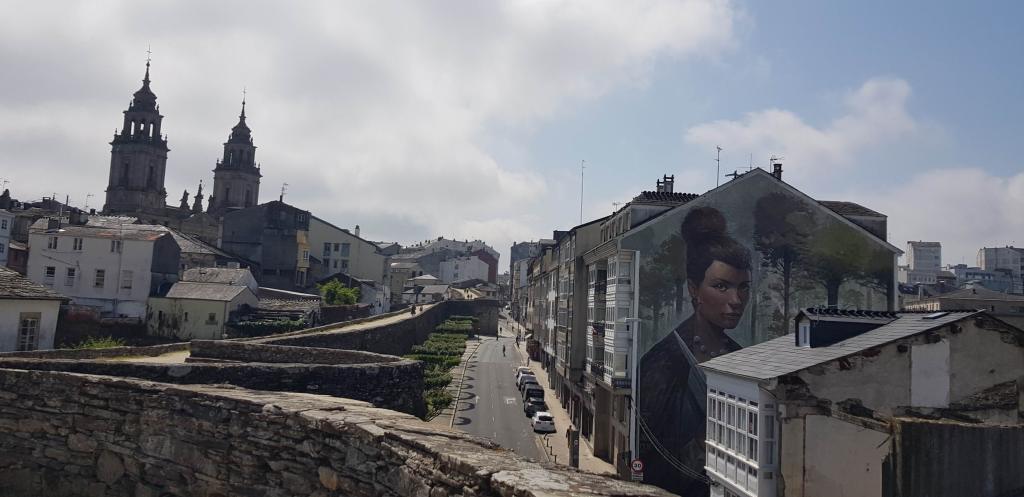
One of the most beautiful cities of Galicia. Lugo offers a historic setting within a surrounding of Roman walls that create an isolated space for wondering and wandering about the stories of this old city.
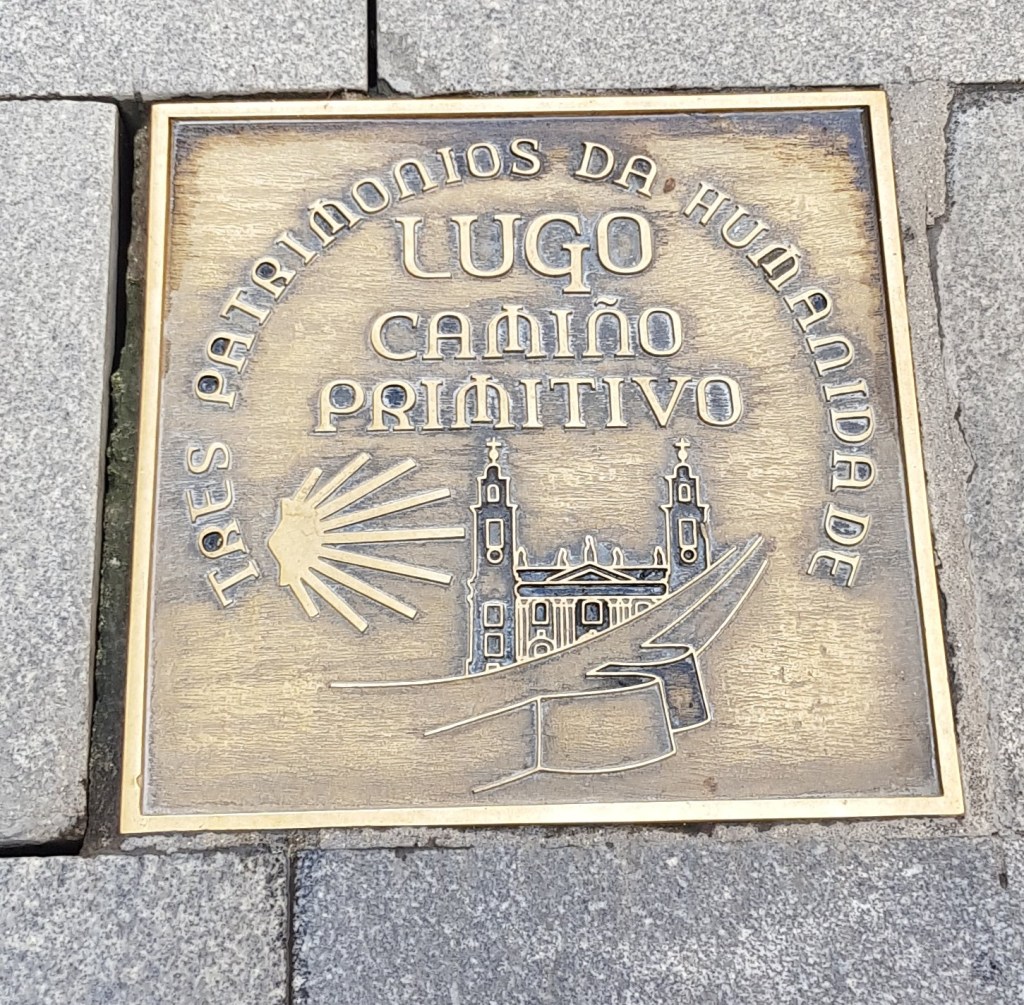
I spent an afternoon visiting Lugo from La Coruña in Galicia. It is the capital of the Lugo province and the fourth most populated city in Galicia. It is a popular location for locals and visitors and is also a stop on Camino de Santiago (The St James Pilgrim’s Way).

The walls

This spanish town is fully shaped by its Roman history. The 3rd century roman walls are 2117m long and create a full circuit to admire and walk on top of. The 85 towers that exist along the walls also create an amazing shape and interest for those interested in history or photography. These roman walls make Lugo a famous location among Galicians and were not suprisingly made a World Heritage Site by UNESCO.

The spaces

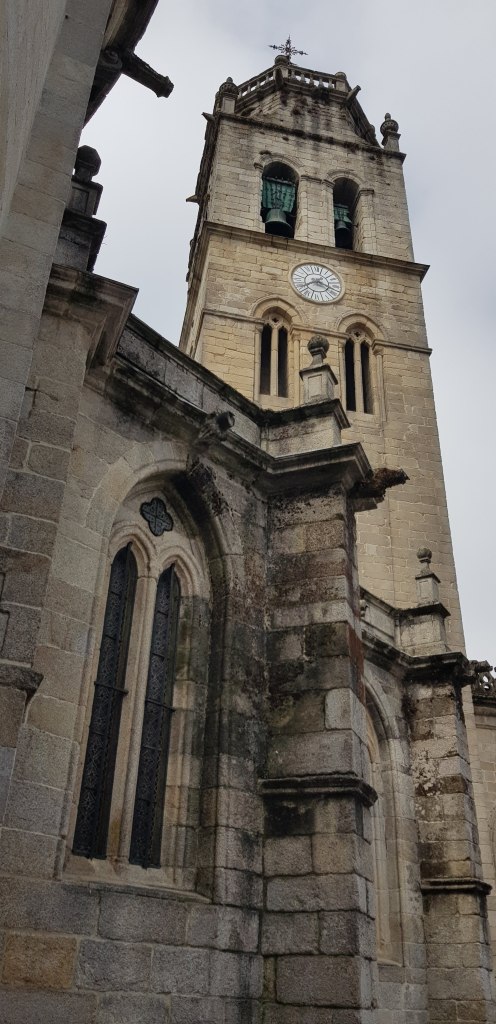
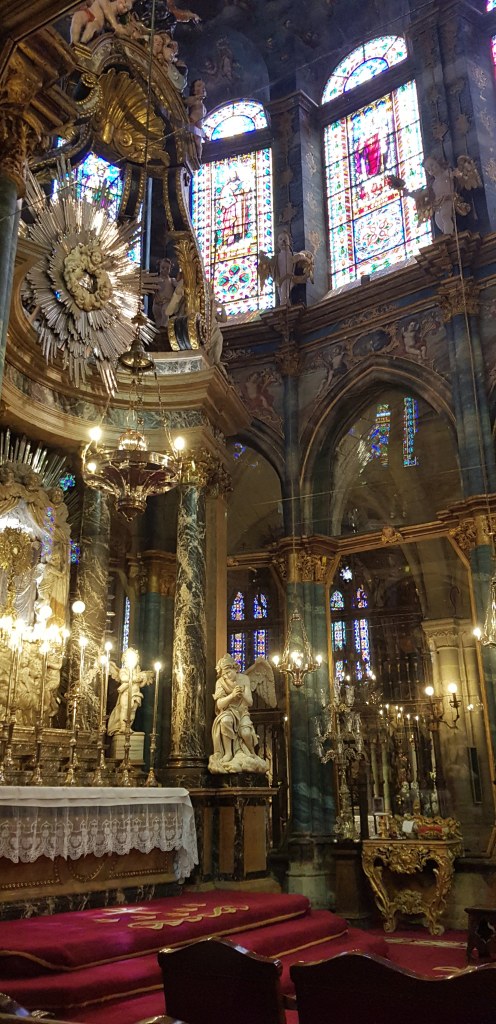
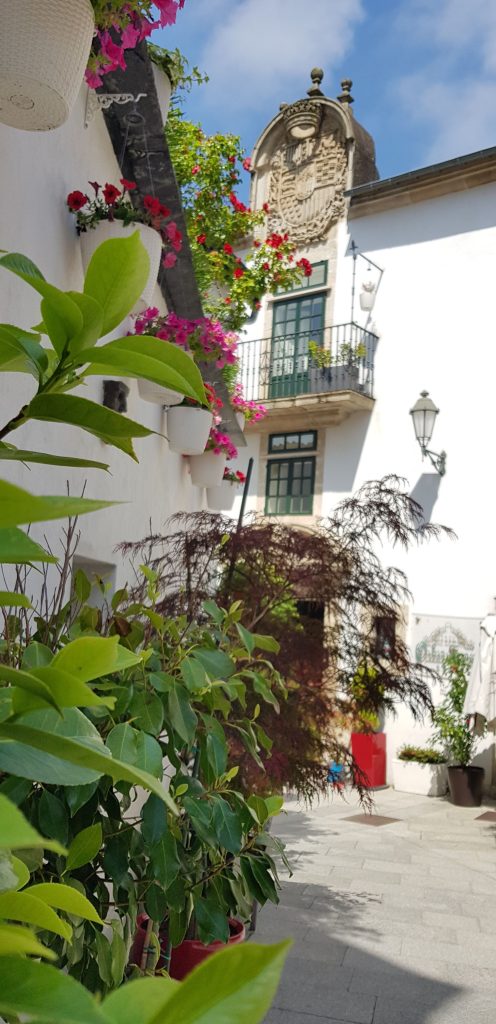
As well as wondering the perimeter of Lugo using the walls, you can also enjoy many public squares, a beautiful cathedral, and quiet lanes filled with gastronomical delights.

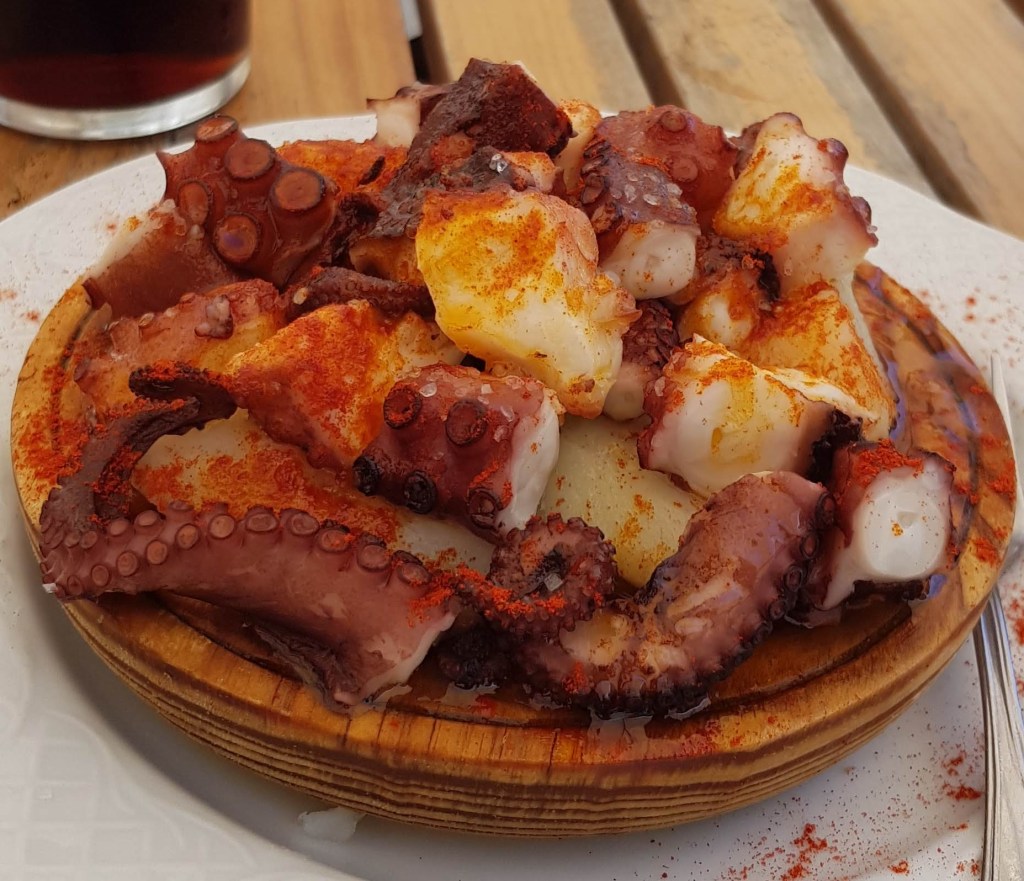
I spent much of my afternoon here eating a delicious traditional Galician Pulpo (octopus). I love it 😀

I would happily revisit Lugo again, its a nice place for a relaxing day out and I can see its easy appeal with locals from the region.

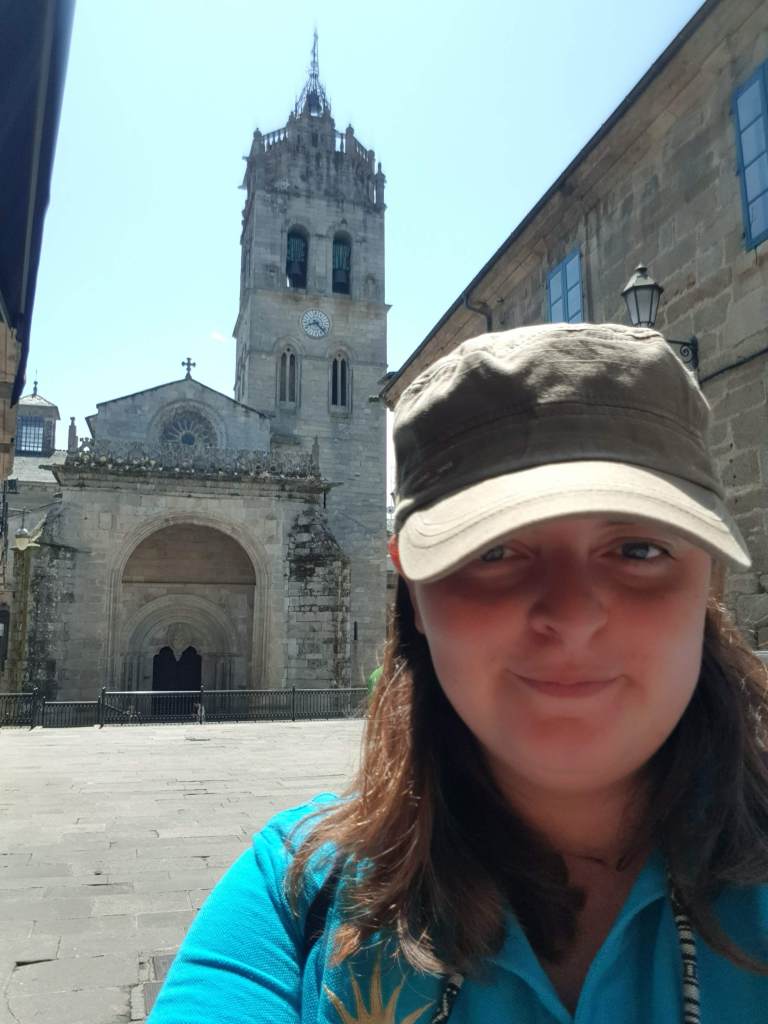
Myself in front of Lugo Cathedral

An introduction to the Azores: Sao Miguel and Terceira

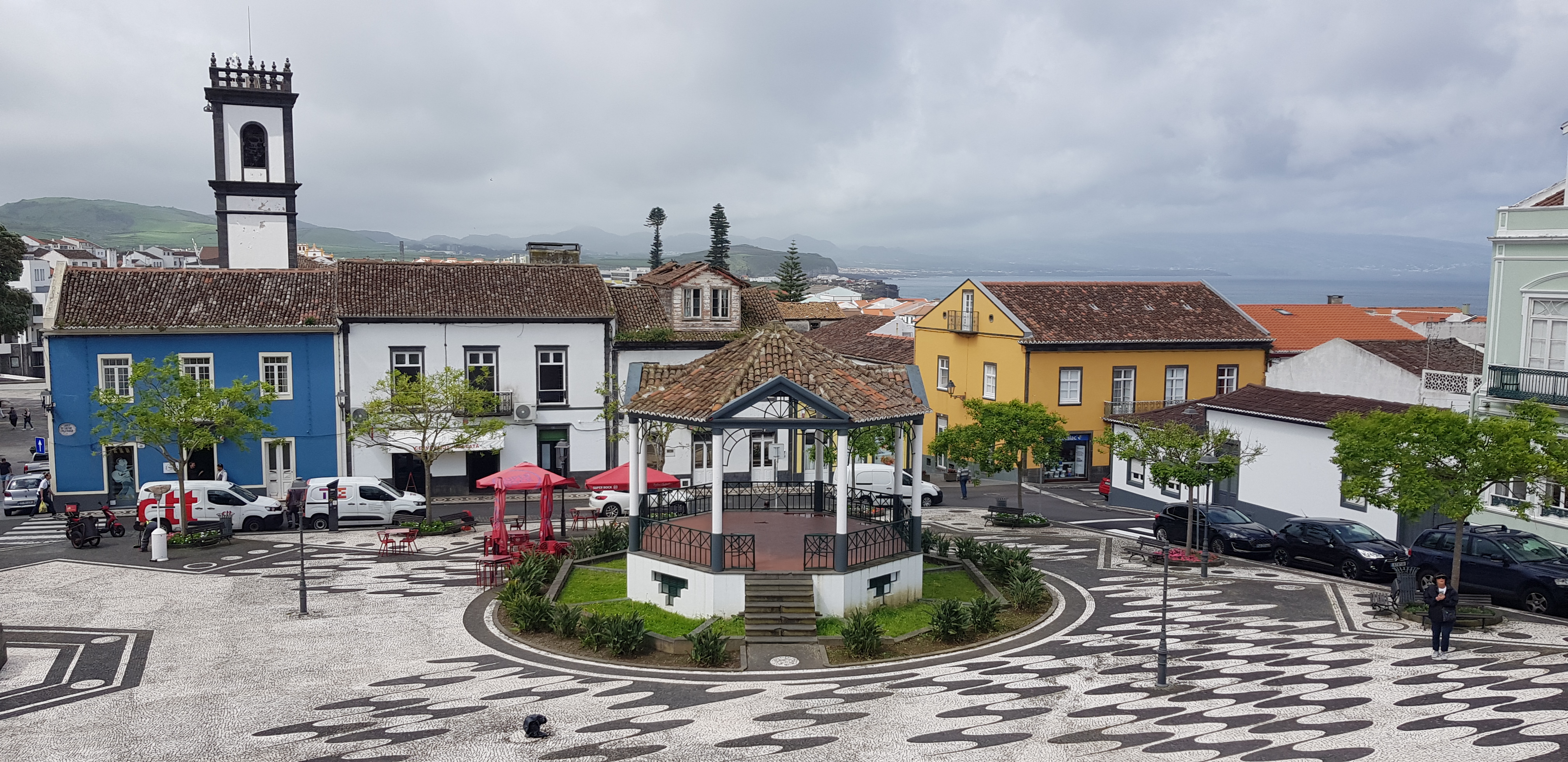
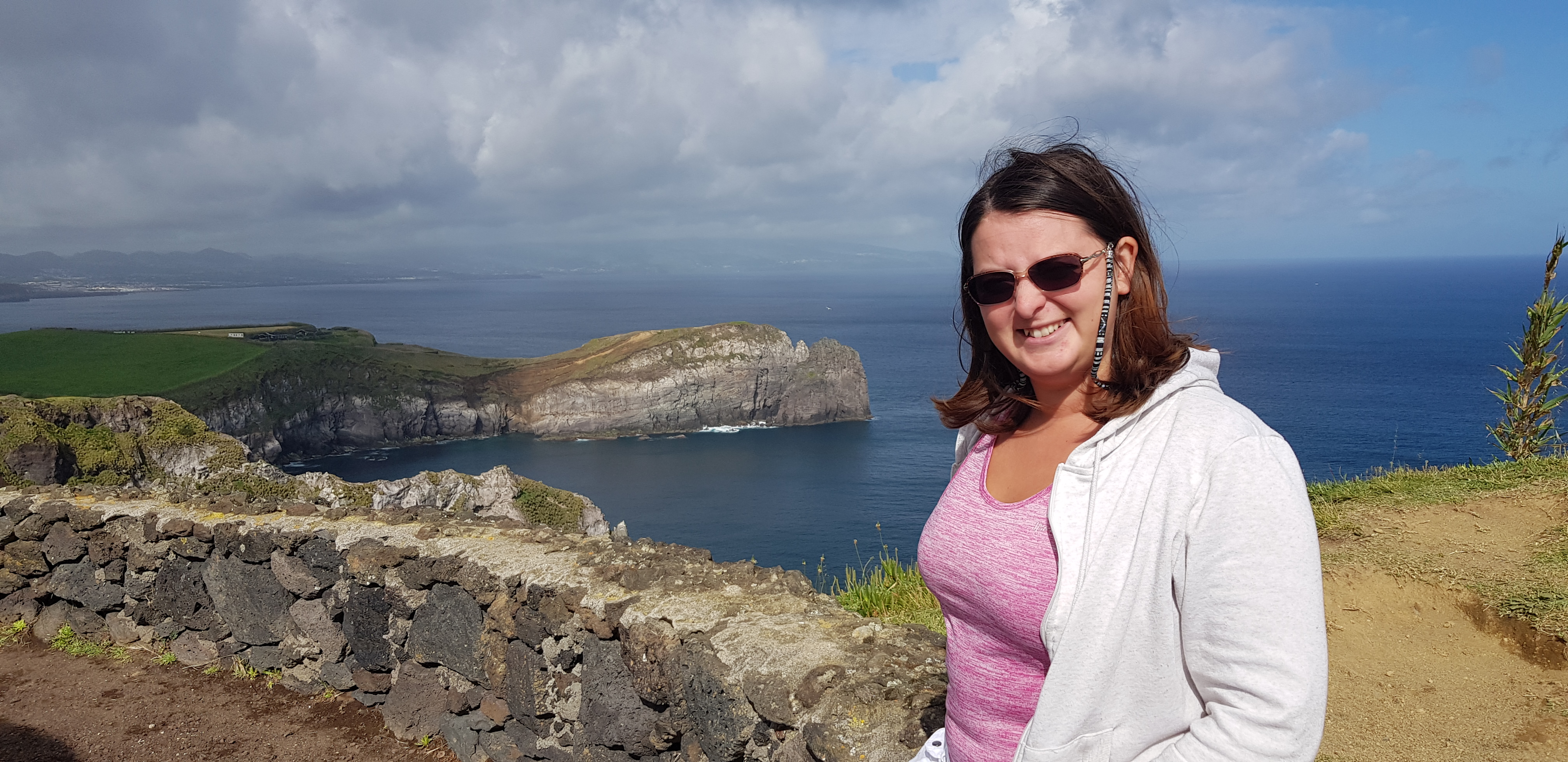
An archipelago of Portuguese islands in the middle of the Atlantic Ocean, I visited two of the nine islands in the Azores, and explored beautiful villages and towns, natural landscapes and learnt about an authentic culture of people.

I had wanted to visit the Azores for over a decade, and hoped that one day I would be able to go for my honeymoon, because it looked so beautiful in all the images I had seen… Well, many years later, and no ring on my hand, I decided I could wait no longer, and I booked myself a trip from Lisbon to Sao Miguel, and a group of tours to enjoy across two of the main islands.

Sao Miguel

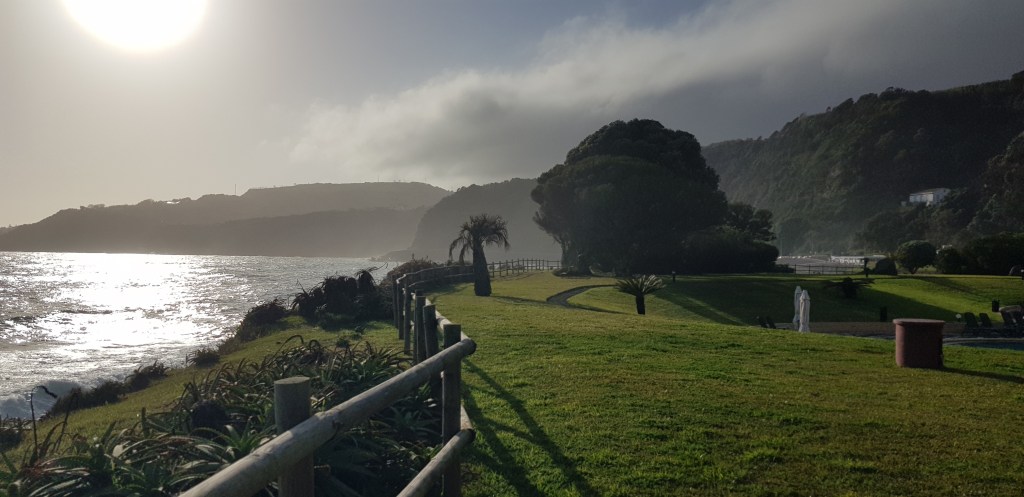
The main island of Sao Miguel is the largest of the group of nine islands, and has the main gateway airport to the other islands. It is also the busiest. The island’s capital, Ponta Delgada, has a vibrant feel with many shops, restaurants and a few hotels. I stayed away from Ponta Delgada in a 5* hotel near a beach, but it was fairly remote. Thankfully, I had two tours booked to see the island, as well as being able to access a local walking trail nearby.

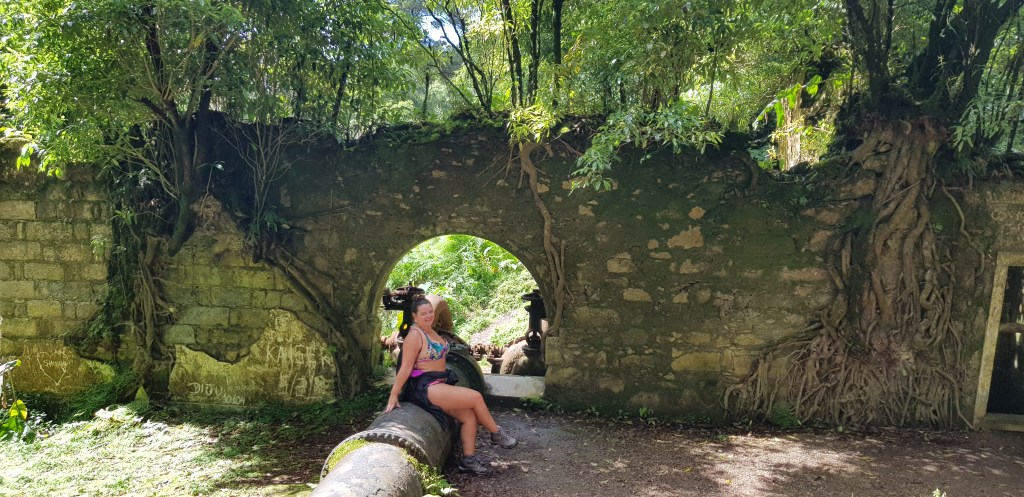
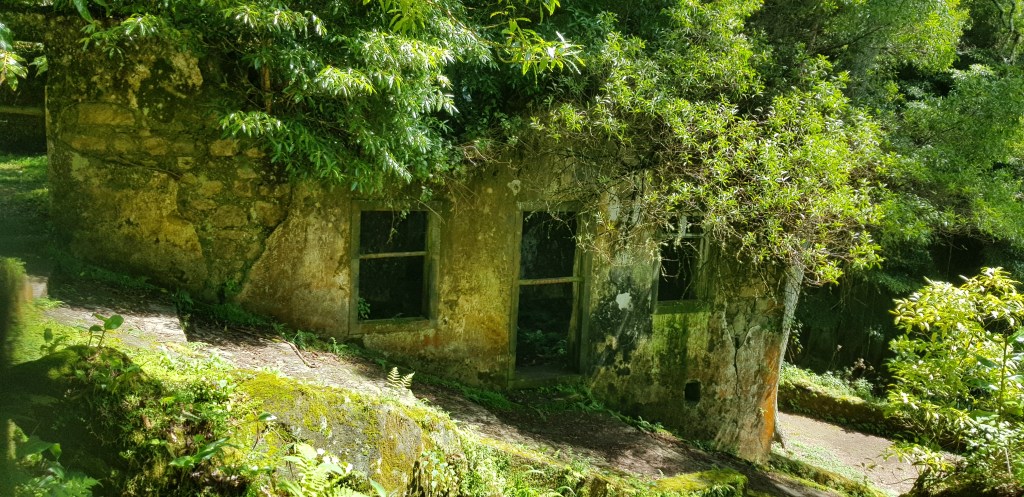
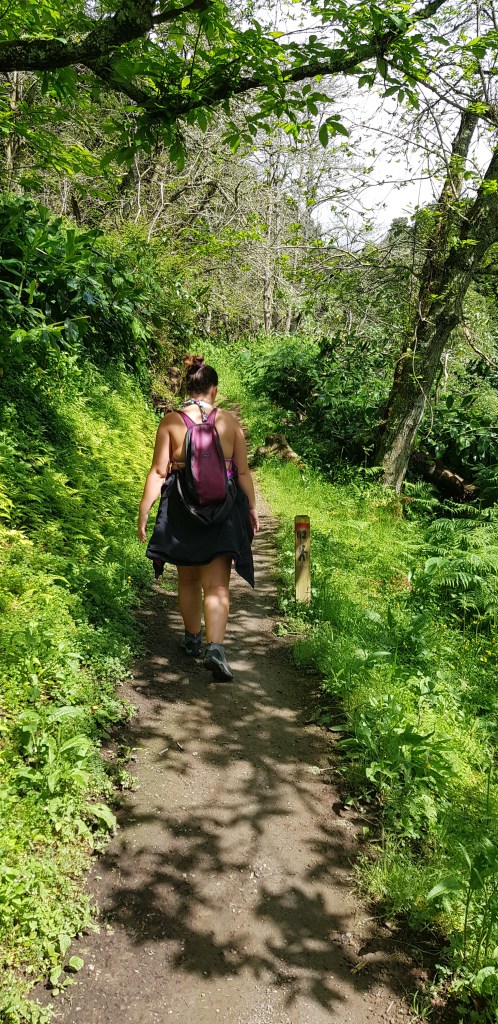
The walk that I decided to do near the hotel was following the river nearby uphill and leading to a set of abandoned hydro-electrical stations in the forest. The Azores islands are known for their efforts in alternative renewable energy, especially hydro electricity and wind farms.

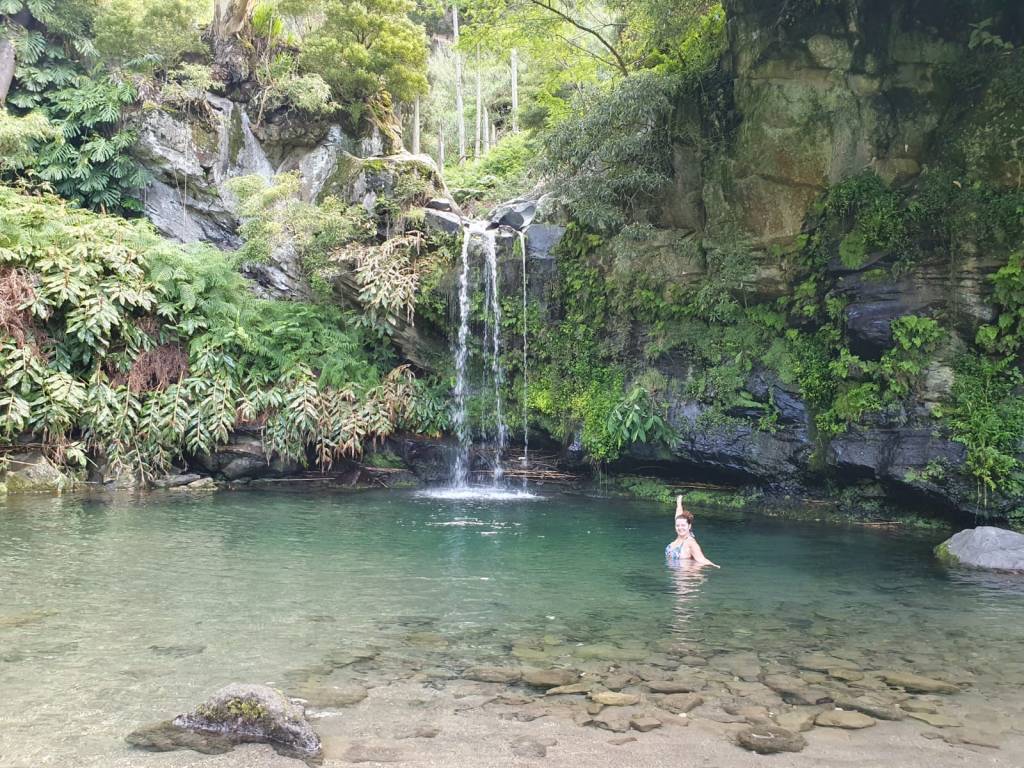
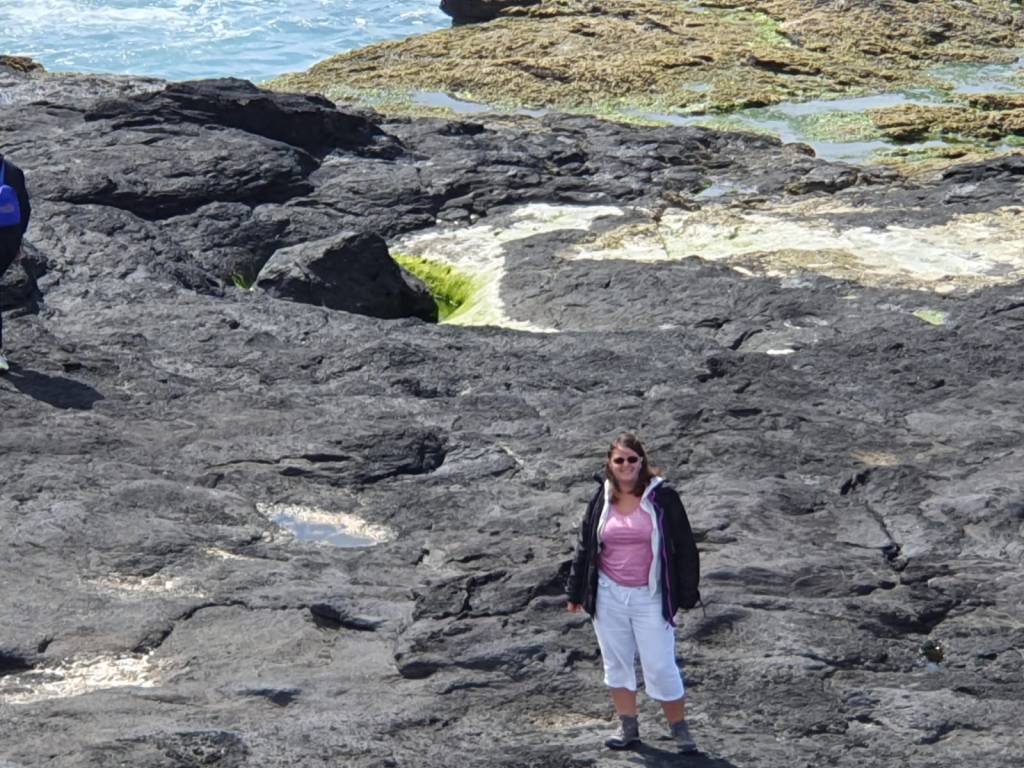
These old stations, combined with a dip in a gorgeous little waterfall, made for an interesting walk with a lot of interest in photo opportunities. I felt like I was in scenery that I remember from the TV series ‘Lost’, with abandoned stations locked between the trees and pipes running through the ground. Like at any moment, I will discover a secret hatch!

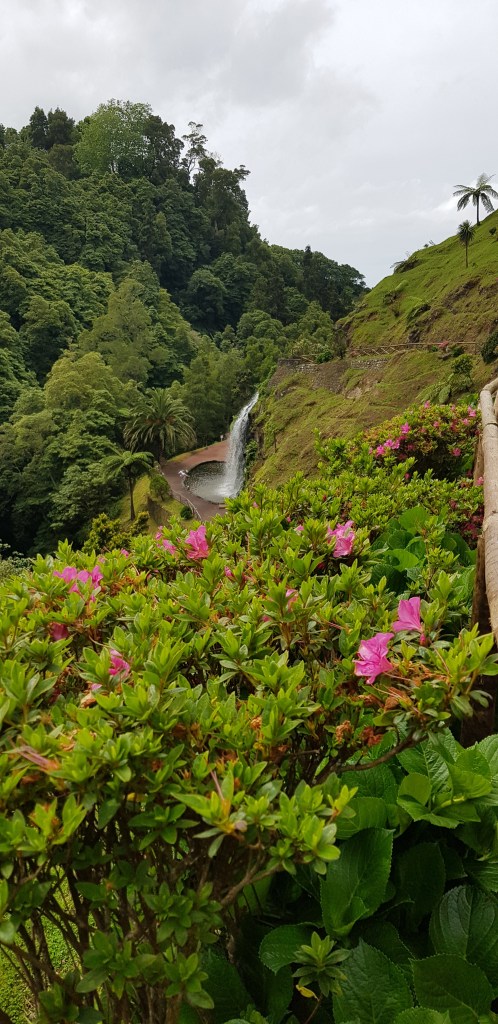
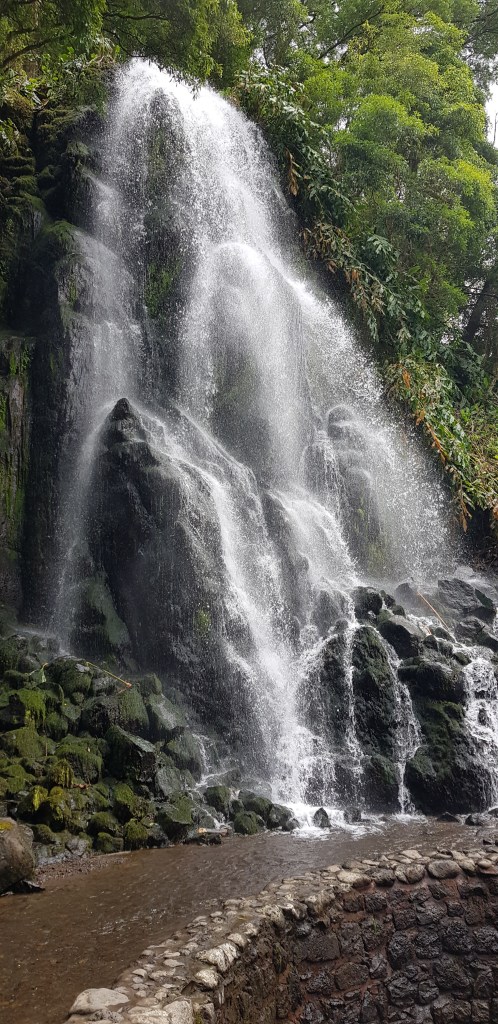
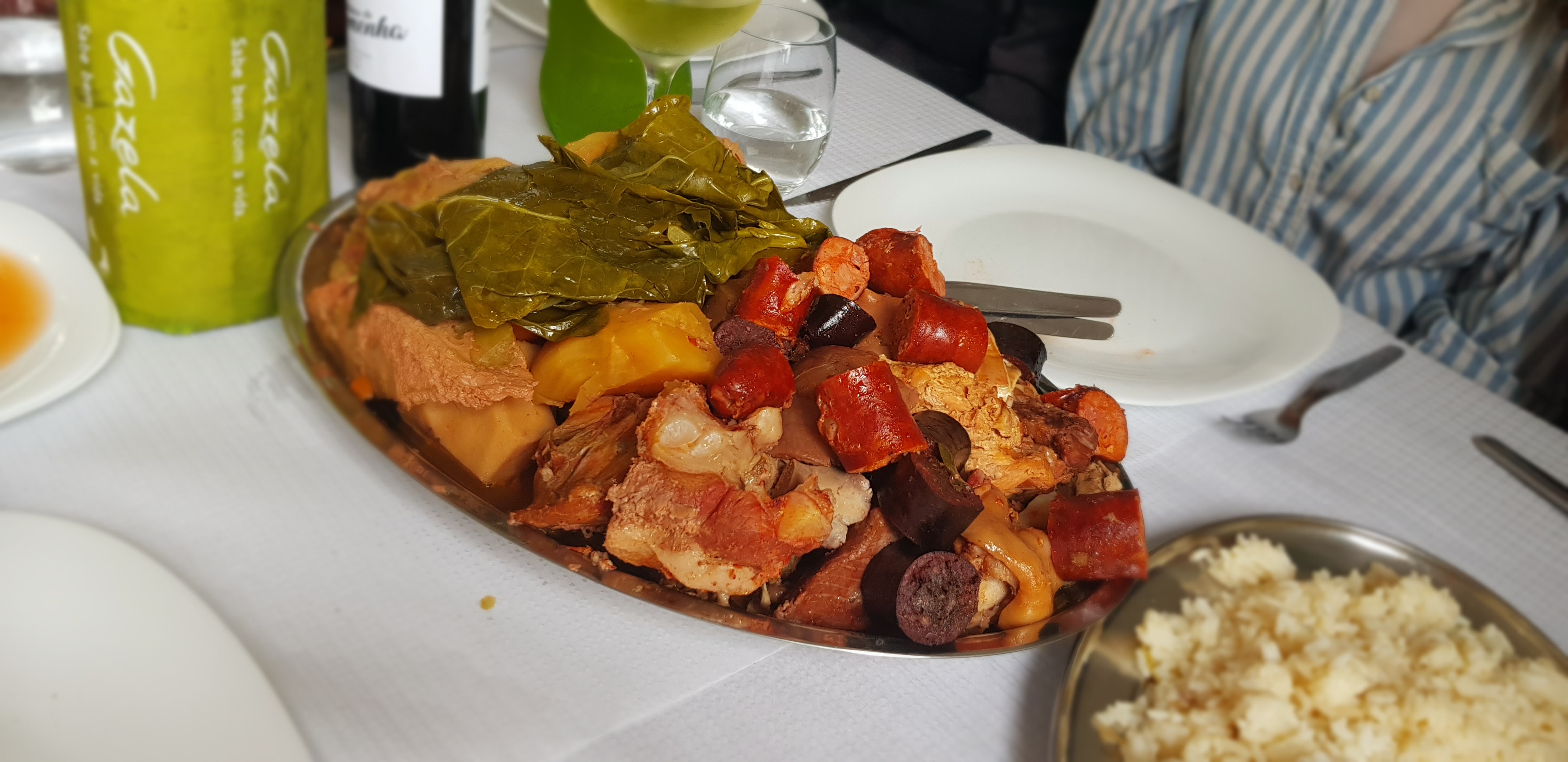
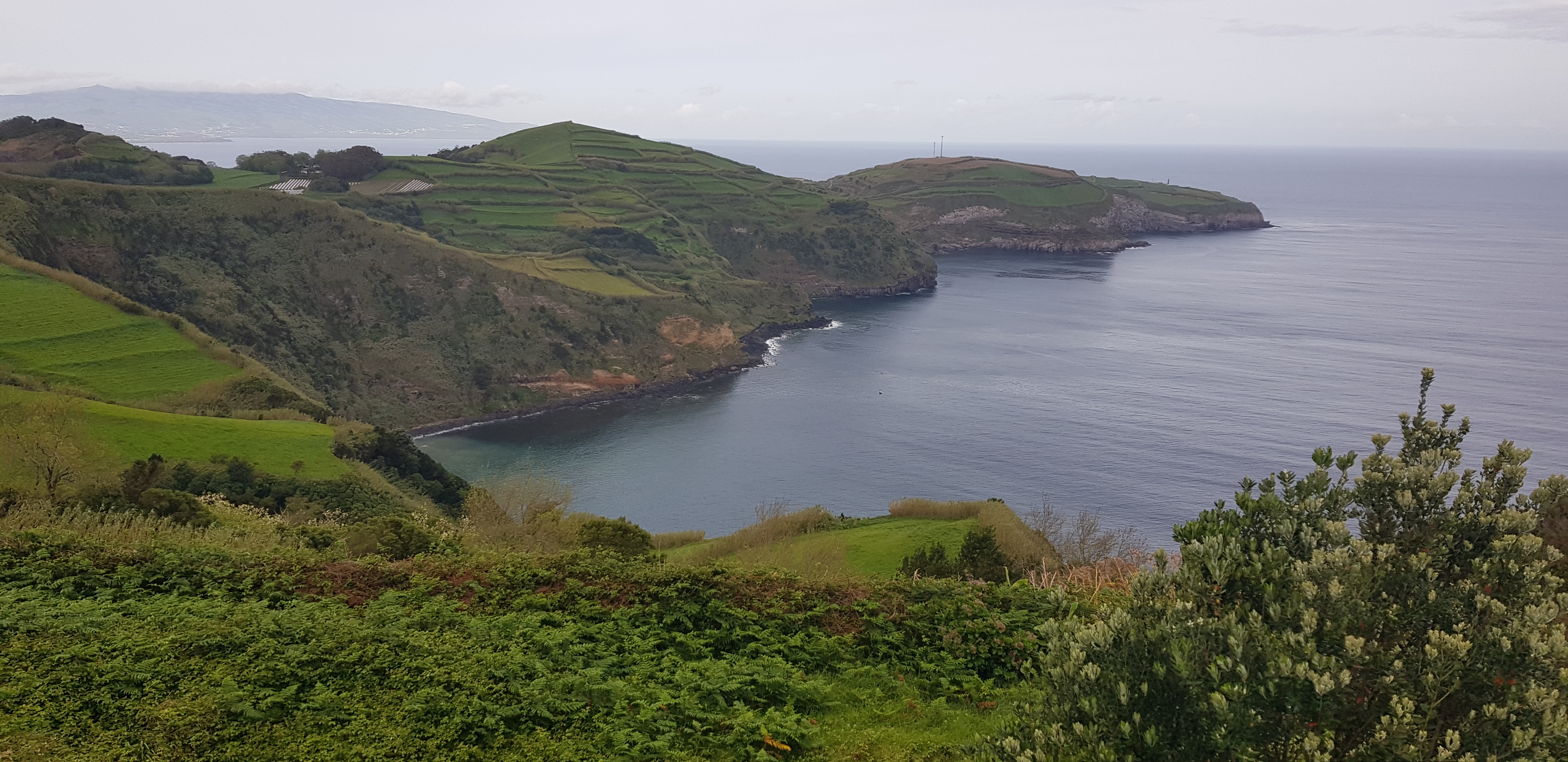
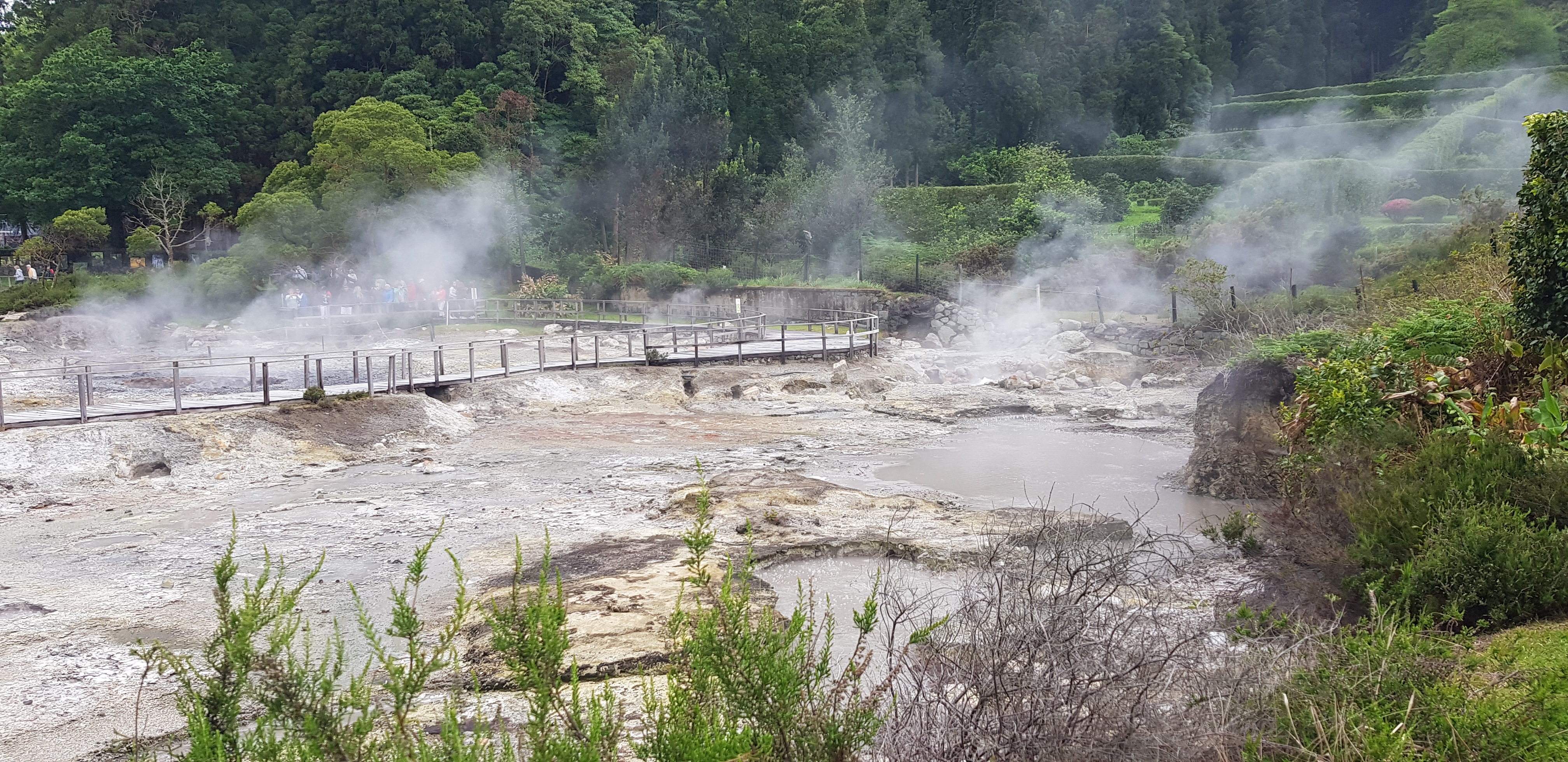
On the tours I’d booked, I was able to visit a variety of lookout points, and some beautiful villages/towns, such as Ribeira Grande (Big Stream) which had lovely scenery. We visited an active volcano area where our lunch (a traditional portuguese recipe) was buried and slow cooked by the warm ground.

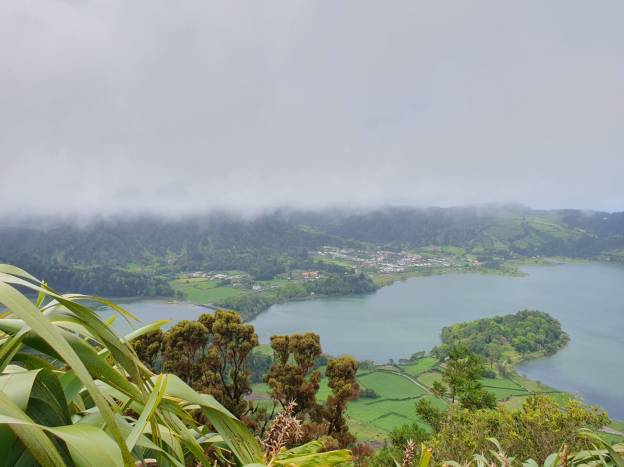
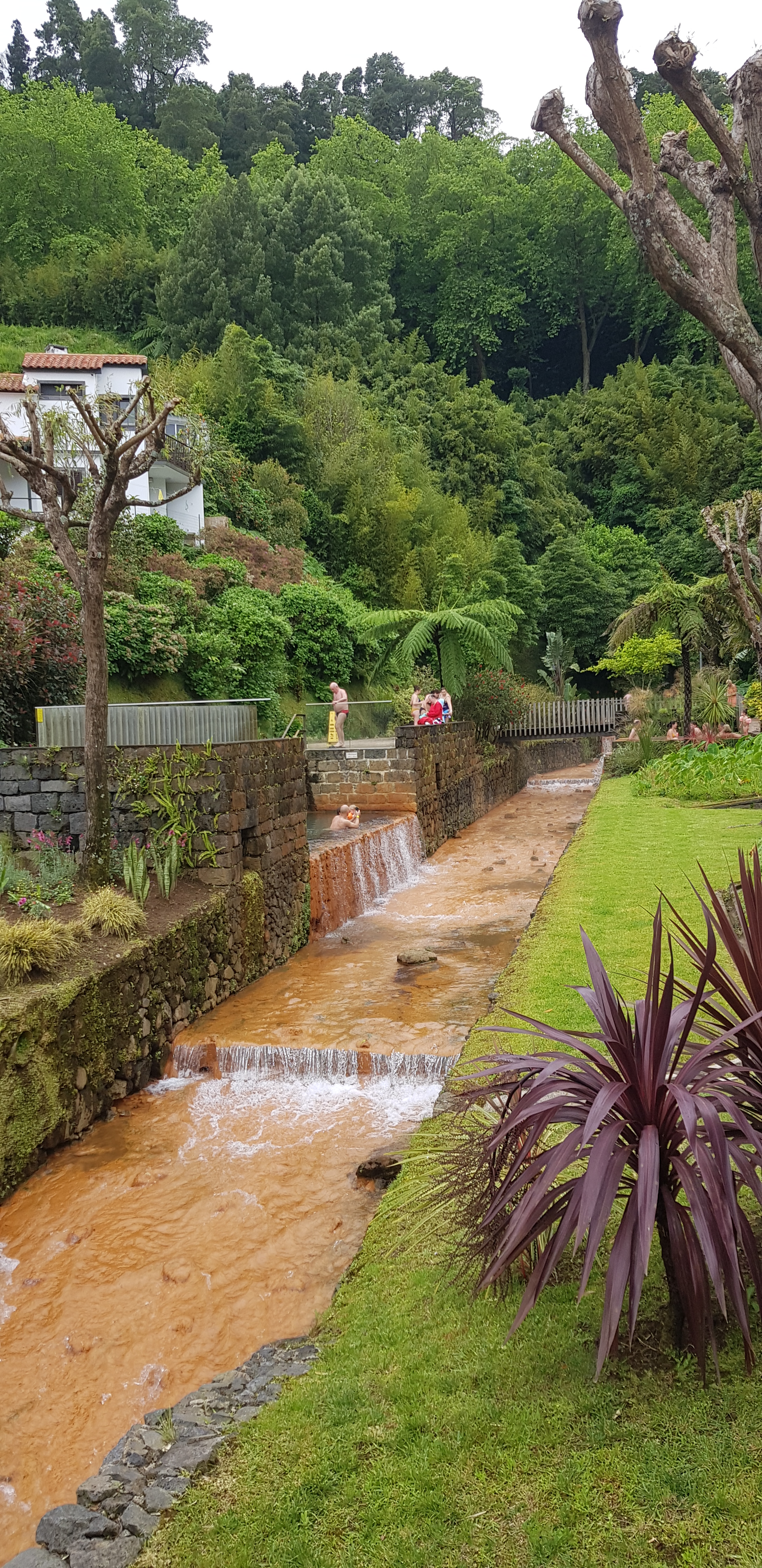
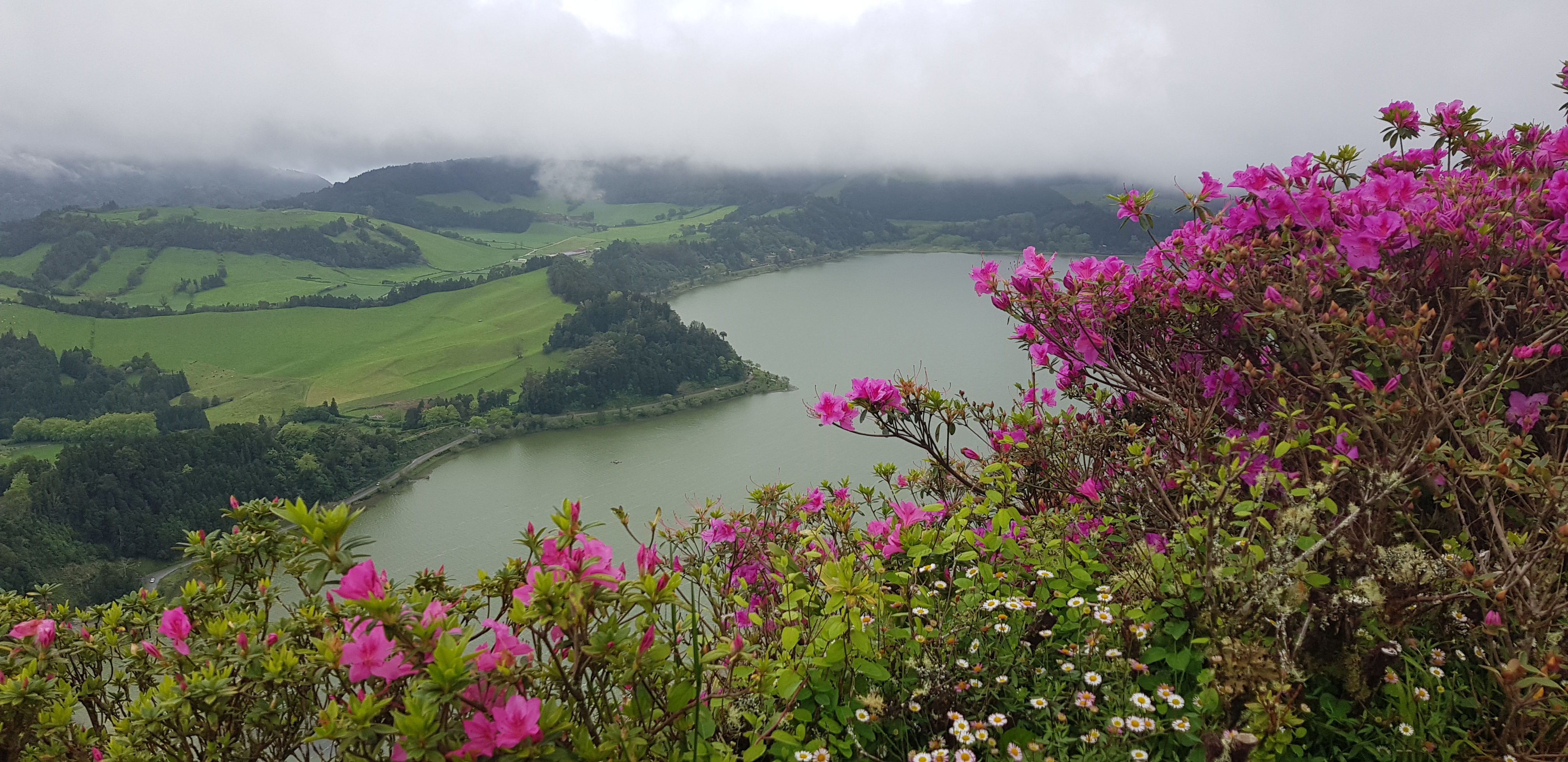
We also visited a geothermal spa, and the well known patchwork viewpoint where you can see thousands of smallholding farms stitched together from above.

Terceira

A few days later, and with a 45 minute flight, I was in the second island of Terceira. This lovely round island, has a lot to offer and is not yet as built up as Sao Miguel. I was in a lovely hotel in a secondary town away from the capital of Angra do Heroismo.

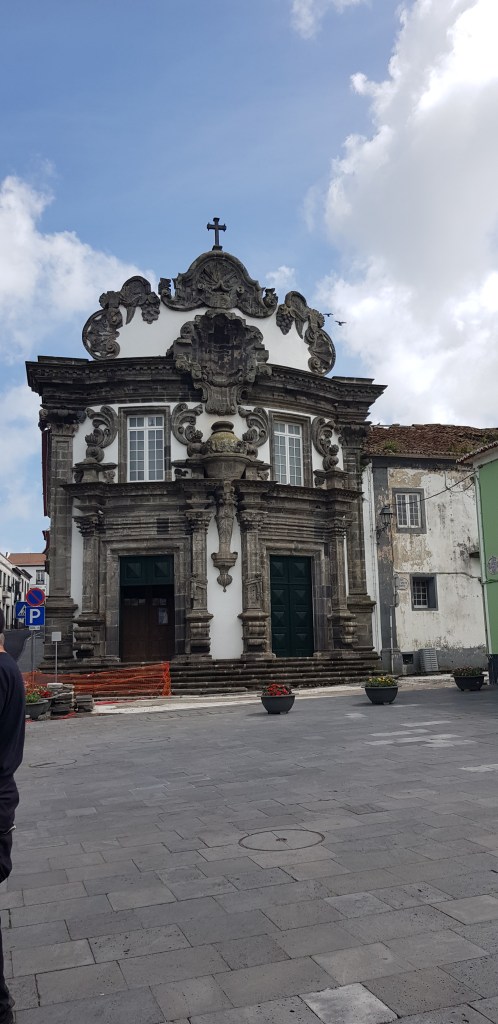
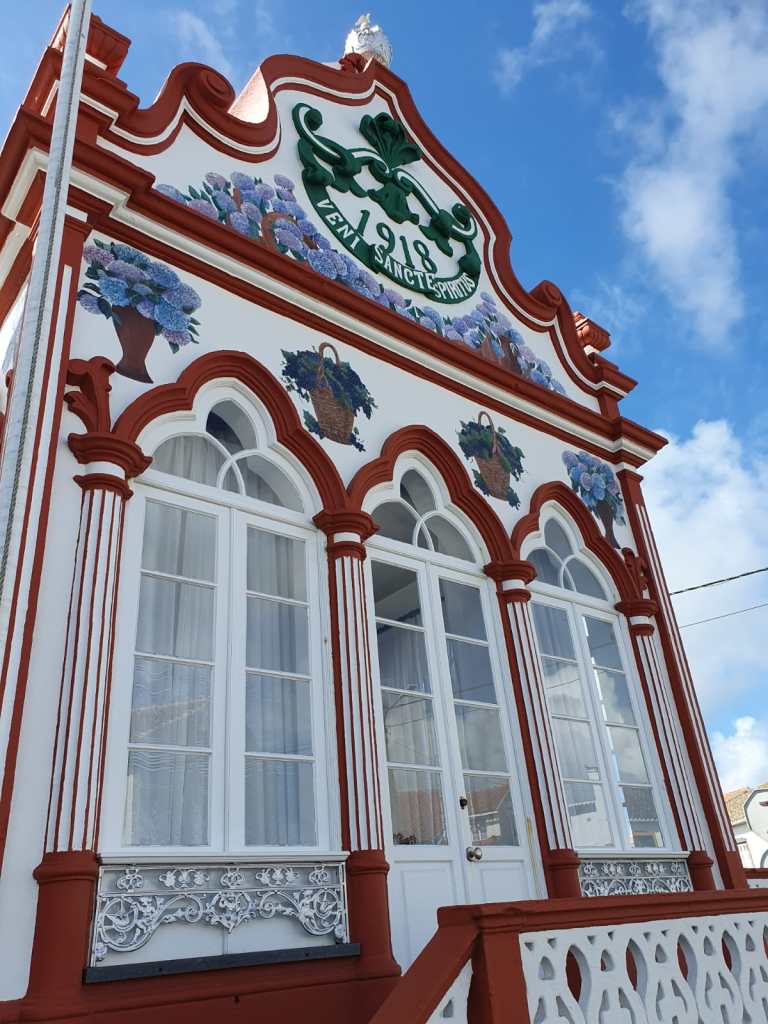
The villages and towns in Terceira are very traditional, and still have many unique customs that they uphold. For example they have a program of events where they have a ‘running of the bulls’ in the streets. This is not to copy the ones in Spain though, it is a unique memorial event to celebrate the farmer and bull heroes that drove the Spanish out of Terceira during a big battle, where the bulls were let loose on the army! Led by a woman villager too! Very cool. You will also find beautiful chapels in every village that are purely for the devotion to the holy spirit, and used at only one time of the year.

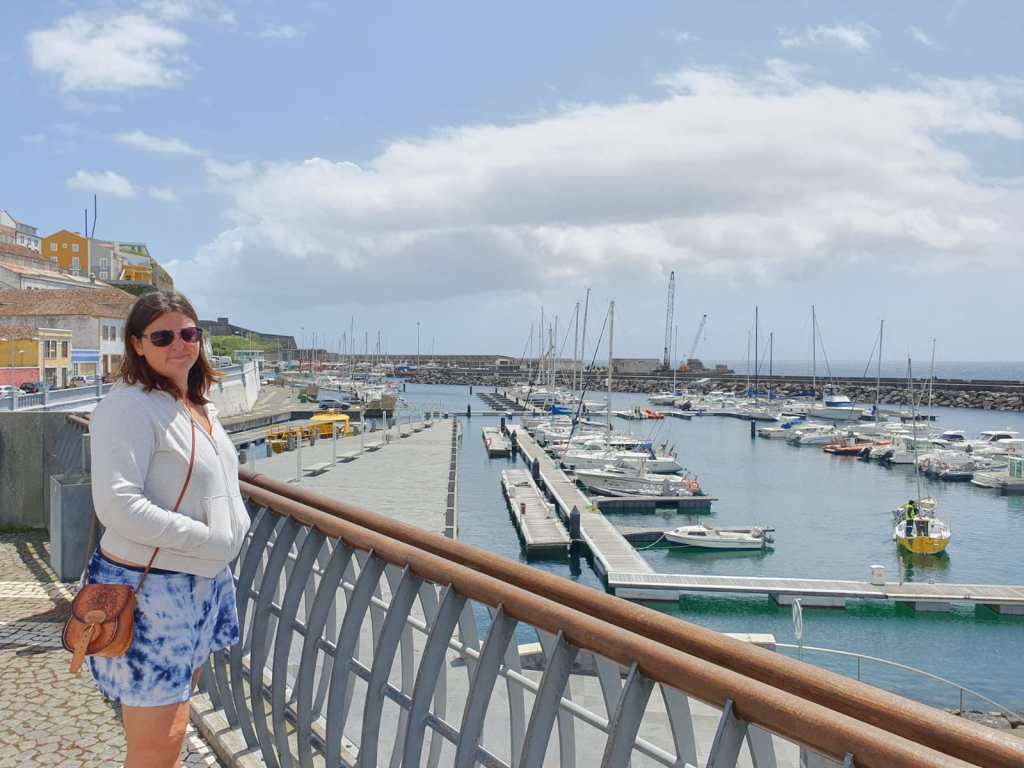
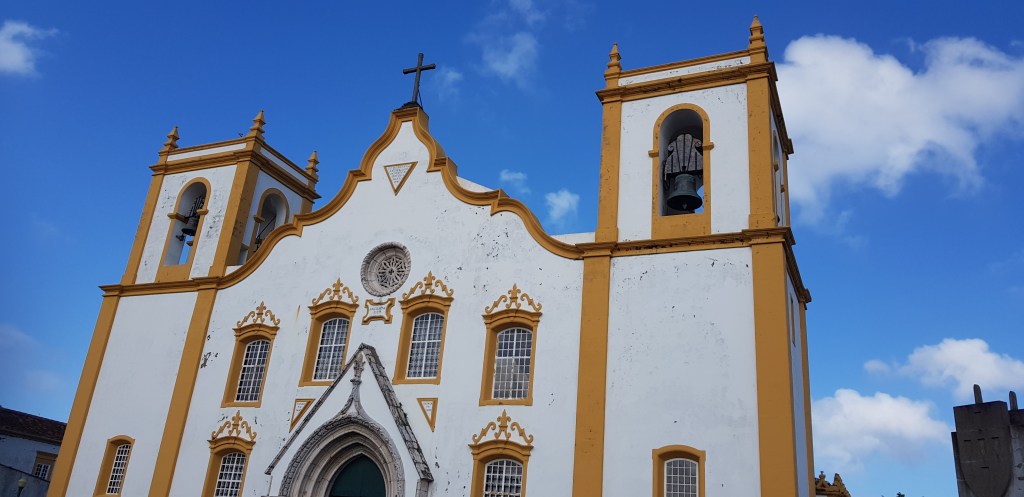
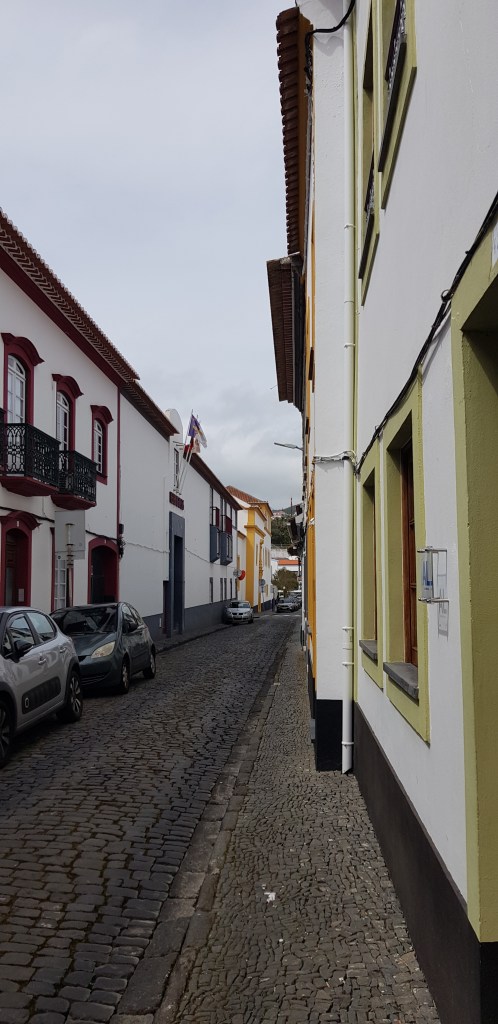
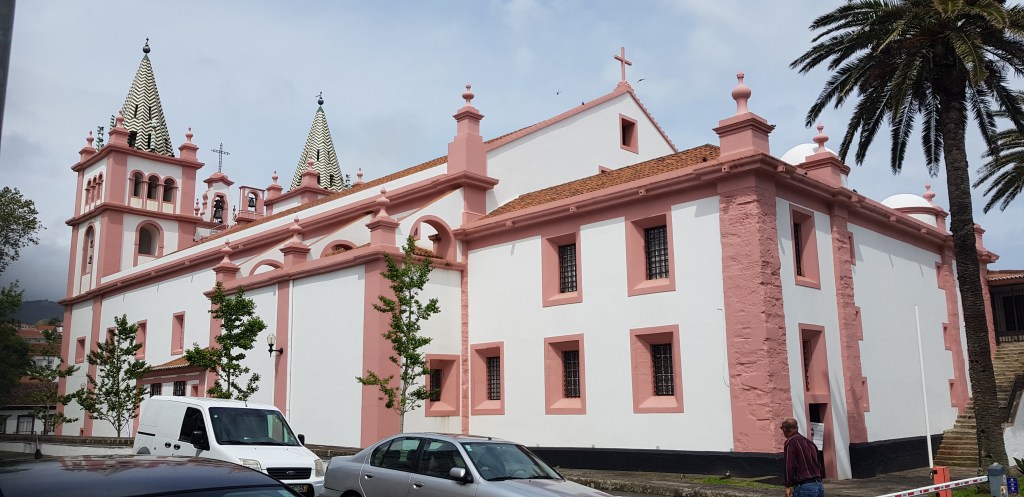
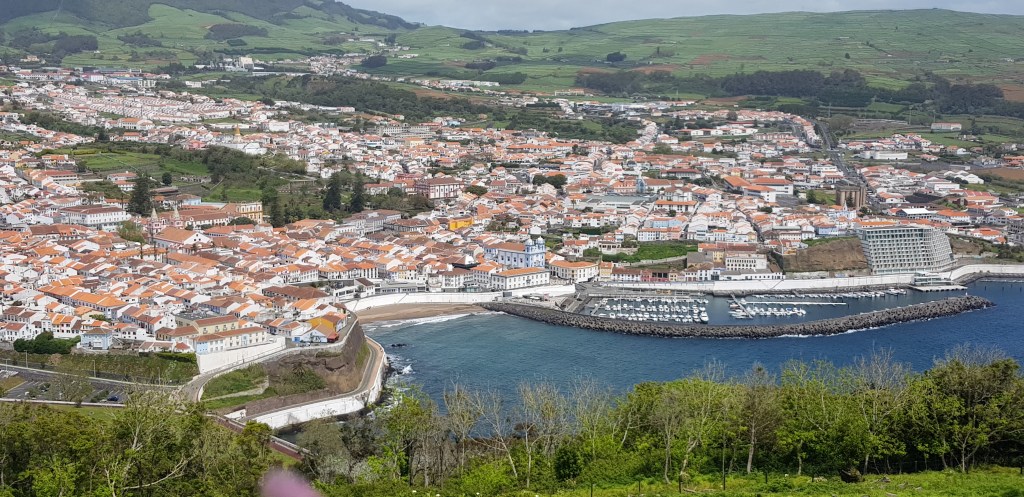
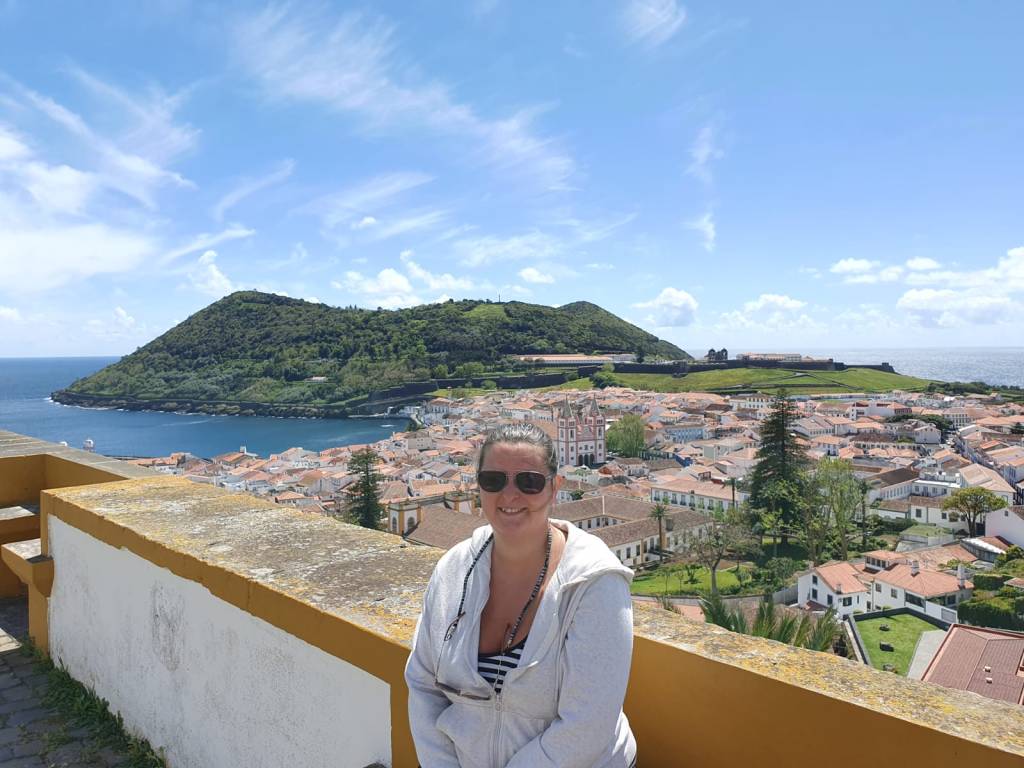
Angra do Heroismo is a beautiful little city with colourful buildings and a pleasant marina area. The colours of the buildings are apparently routed originally in the island’s link to trades with India and the spices and materials that were brought. The island also has been home to an American airfield and base since WW2 and so is rich in an international community. The city is actually a UNESCO Heritage Site due to its historic importance as a transatlantic crossing point, it is head of the diocese of the Azores, and it was actually capital of Portugal twice, replacing Lisbon!
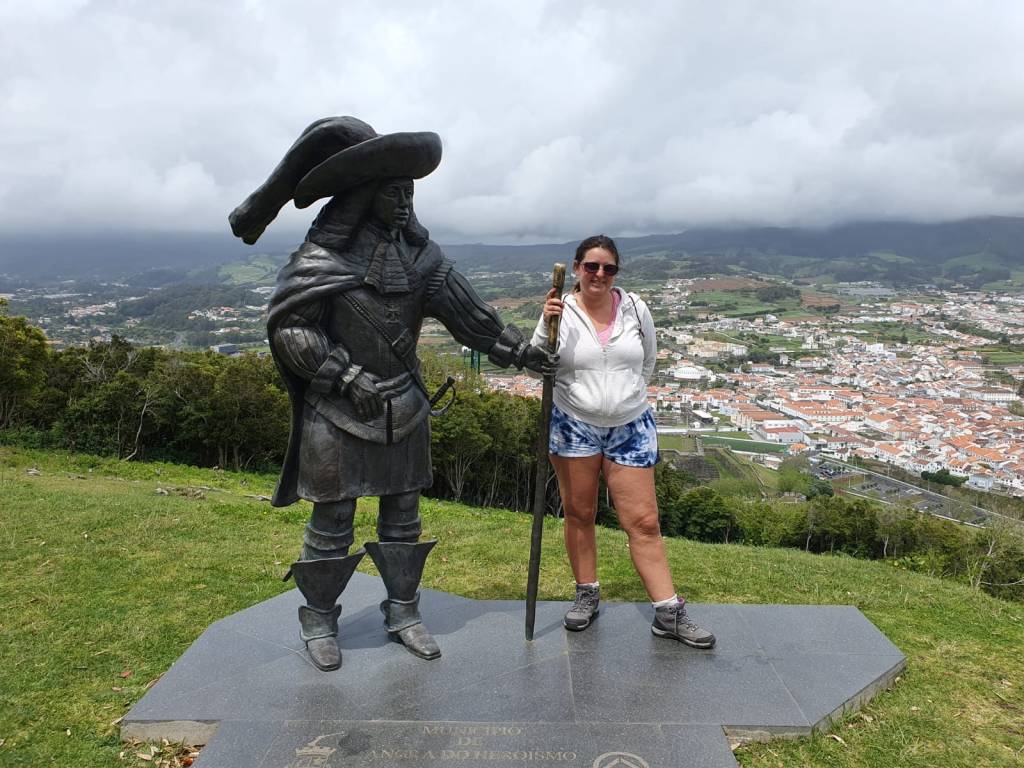
The city also has an active military base for Portugal on their Monte Brazil connected to the main city, it is actually an extinct volcano and now a nature reserve for walkers and family picnics. I spent a morning walking around this mountain where I found there to be a lot of stops to enjoy on the trail, including fort ruins, an old whale watching tower, a viewpoint of the city, and a set of aviaries. When you visit the cross statue viewpoint, you will also find a set of military guns pointing towards the city. I thought this was quite strange, until I discovered that the military base was actually built by the Spanish when they temporarily took over the island, and pointed the guns back on to the city as a way of warning off the very unhappy Portuguese people below!

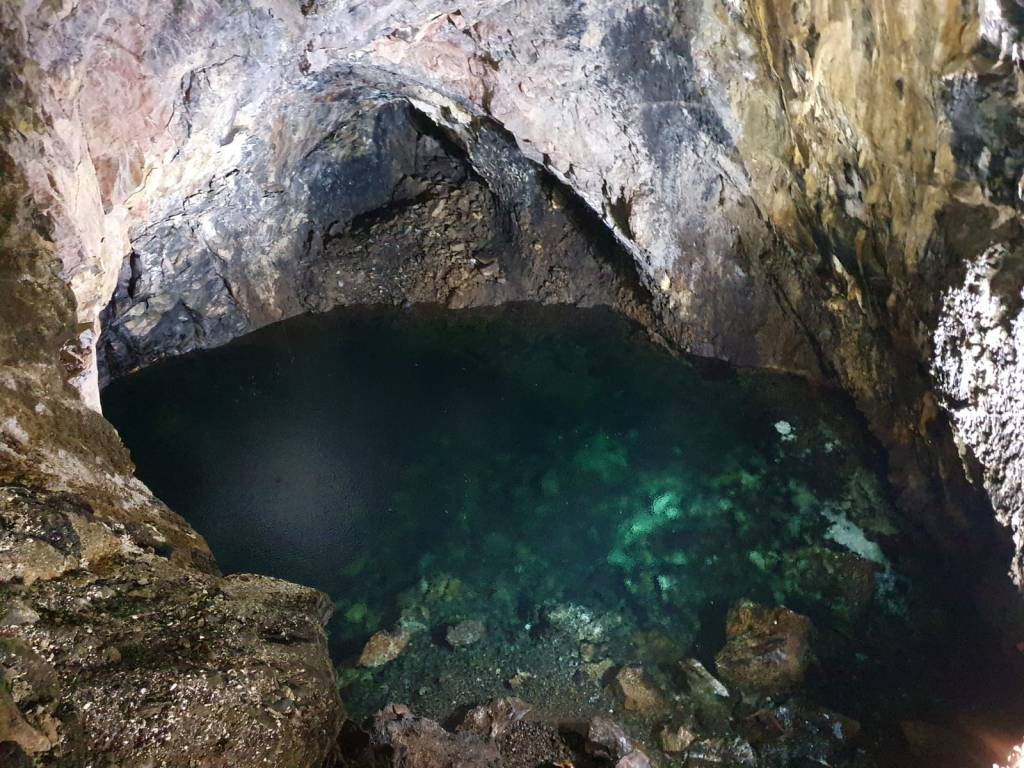
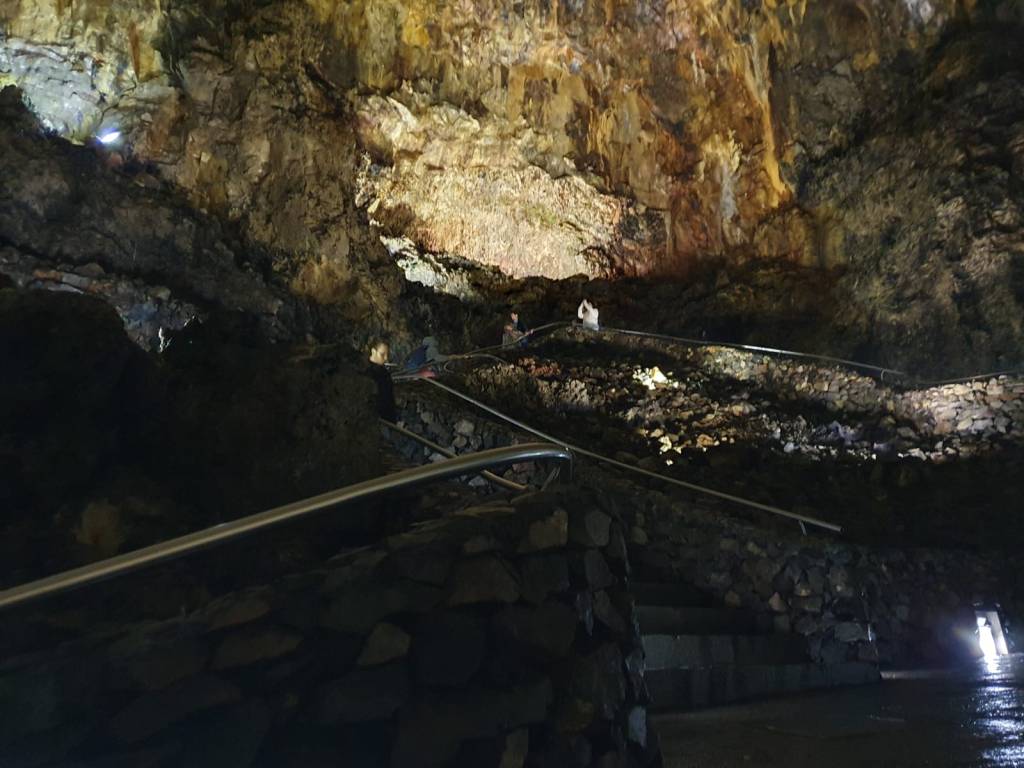
This mountain is just one of many volcanos on the island, the entire Azores group is a collection of volcano eruptions, and have plenty of collapsed, active and also extinct volcanoes. One volcano in Terceira is very special because you can visit the lava canal directly via a tunnel. and walk around over the top of the solidified lava from the last eruption around 2000 years ago. Algar do Cavao is very special and one of the more unique attractions I have been to. It was discovered only in the last century, when a farmer’s cows kept going missing… it turned out that they were falling through the huge crater hole!
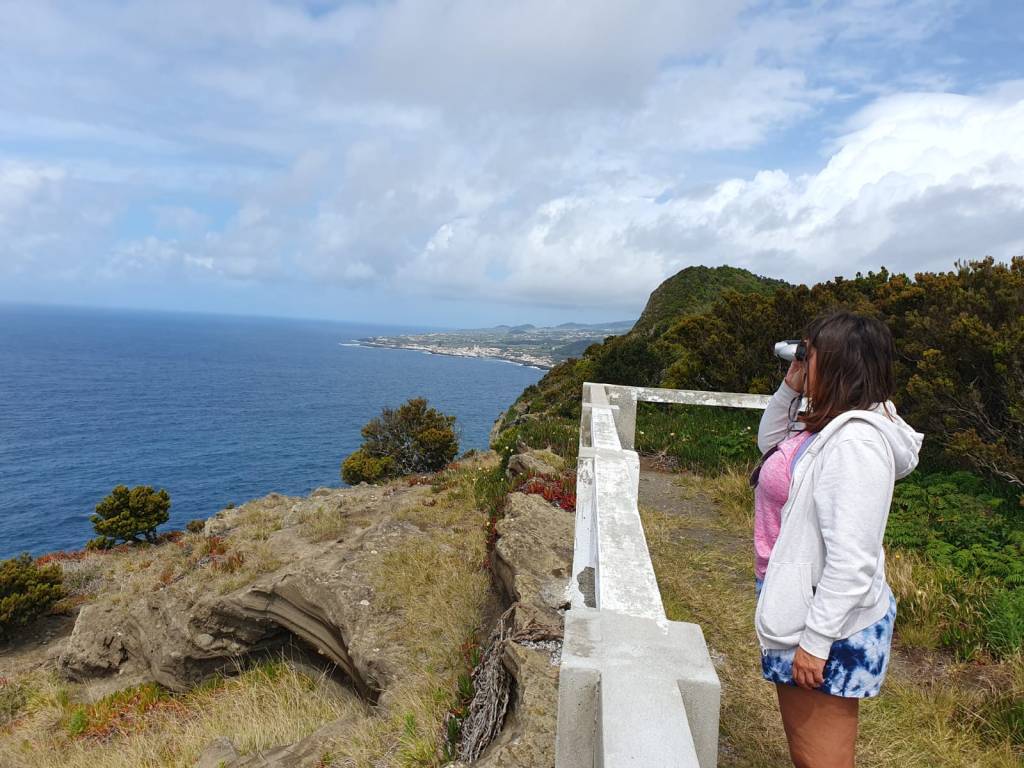
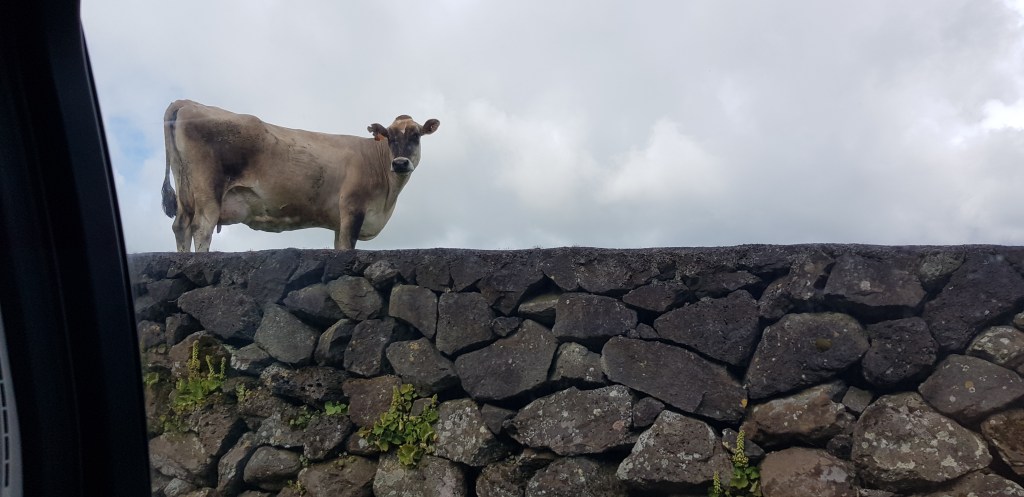
Finally, speaking of cows, there are about 2 cows for every inhabitant on these islands. The biggest industry for these islands is dairy produce, and the amazing thing is that it is all made up of smallholdings and many family ran farms pulling together their resources with other farms across the area to make cheeses, milk, ice cream and more. You are never short of a cow, and someone that knows a lot about them!

Overall, I loved visiting the Azores, and now feel determined to visit all of the nine islands and find my favourite. It is an easy place to visit from Lisbon and I am in Portugal often, so I don’t think it will be long before I am back!