Tag Archives: tourism

Chile’s Torres del Paine National Park – ‘O’ circuit

After a month in Argentina, I made my way on foot through one of the only open borders into Chile. I spent five days in Punta Arenas in Southern Chile and a few nights enjoying the hiking base of Puerto Natales, before heading into the wilderness for my 8 day hike of Torres del Paine’s ‘O’ Circuit.

Crossing the border

The pandemic is still a serious issue in South America, and Chile is probably the most strict country on the continent when it comes to entering and leaving the country. This has caused many borders to be closed, so there are limited places to cross over land from Argentina, and many people are paying extra cash to take multiple flights instead.
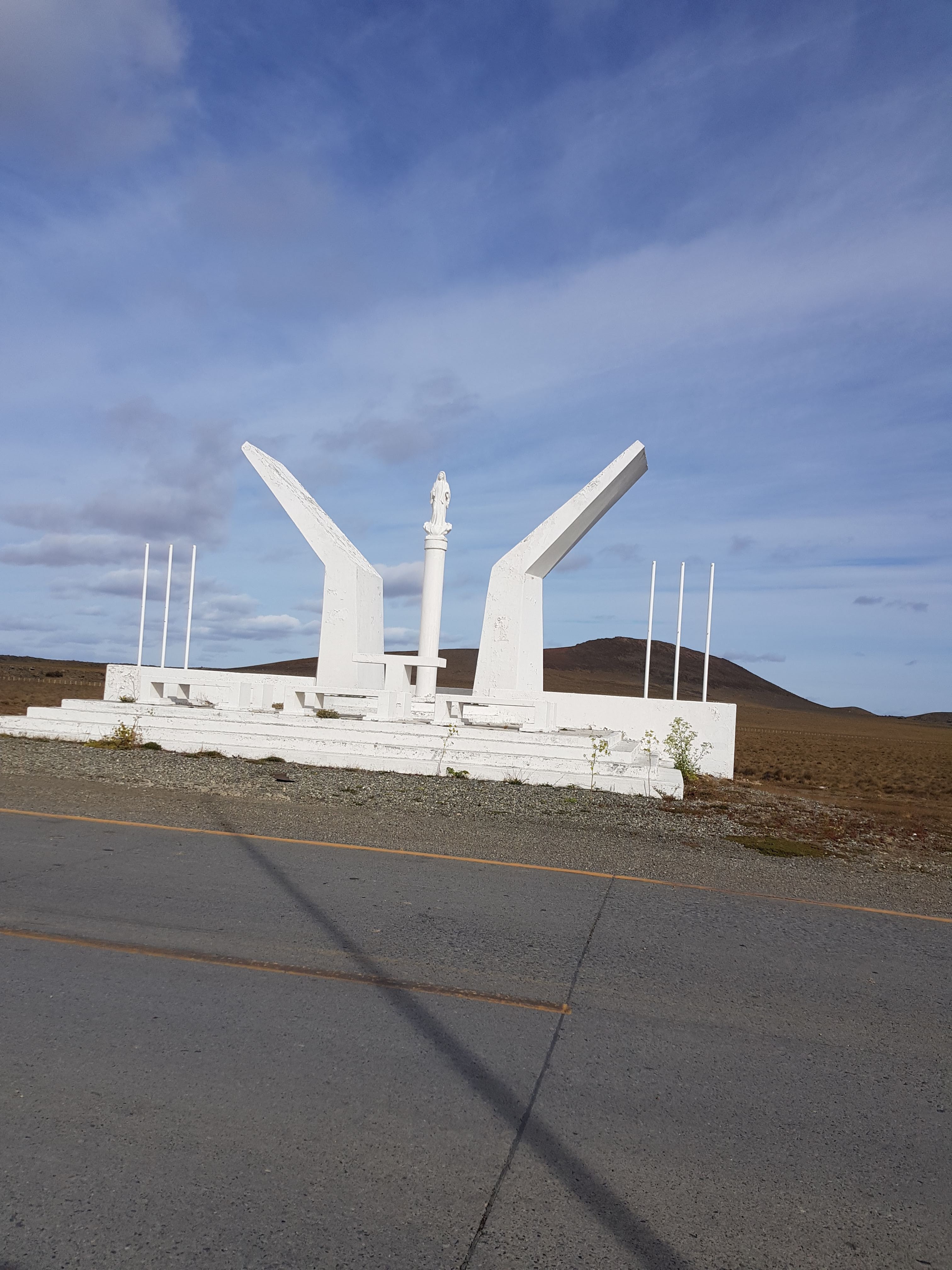
Border crossing at Intergracion Austral

I took two taxis (as buses are currently not allowed through) to get through the border and this was a three hour process on the way in, and a six hour nightmare on the way out. At least I have loads of stamps in my passport now though! The strangest parts of it were that so much of the process still relied on paperwork and physical paper stubs (not ideal when standing outside in high wind). Also, the fact that the crossing at Integral Austral is in the middle of nowhere and has a kilometre of no man land between the two countries.

Punta Arenas
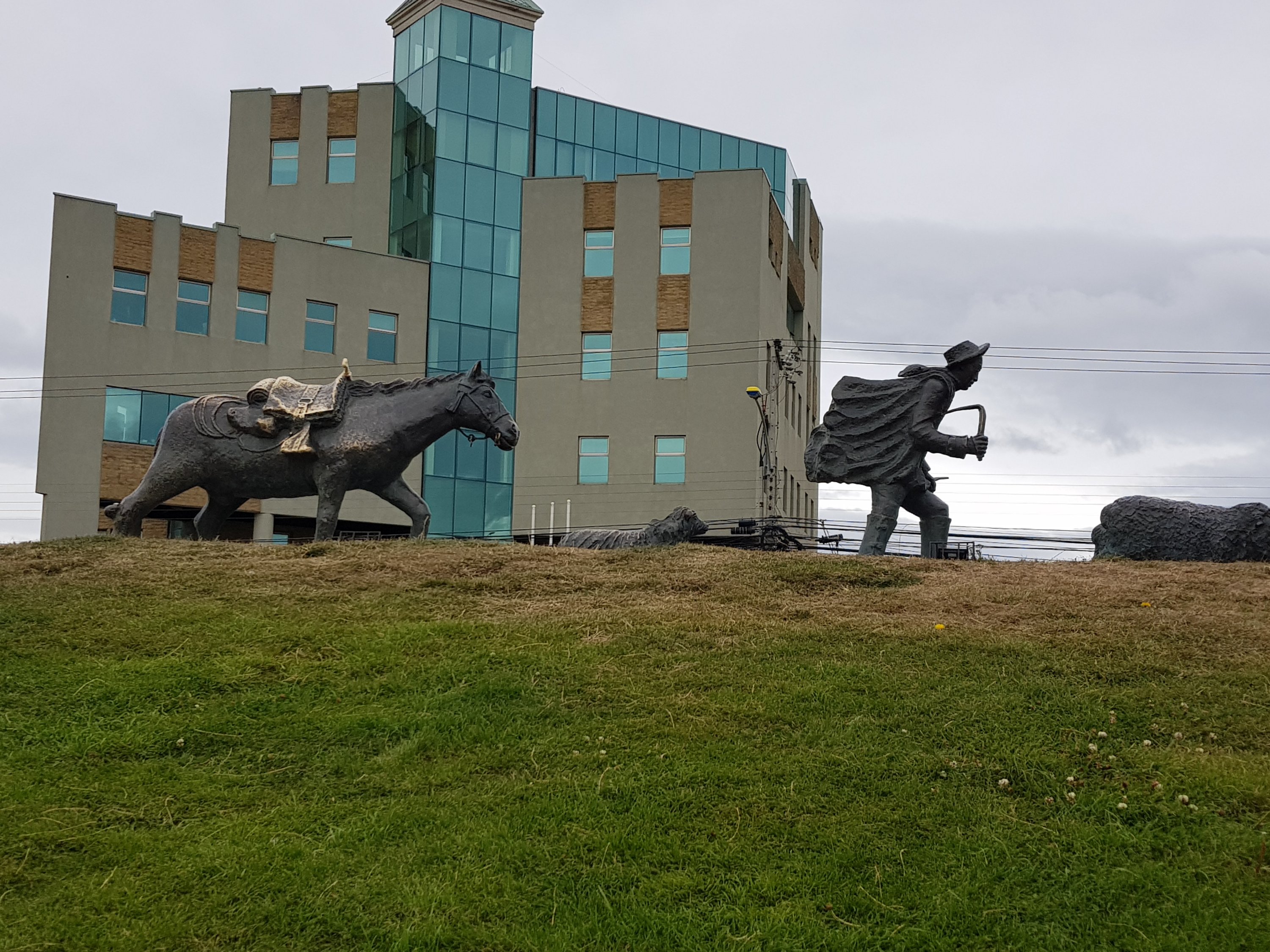
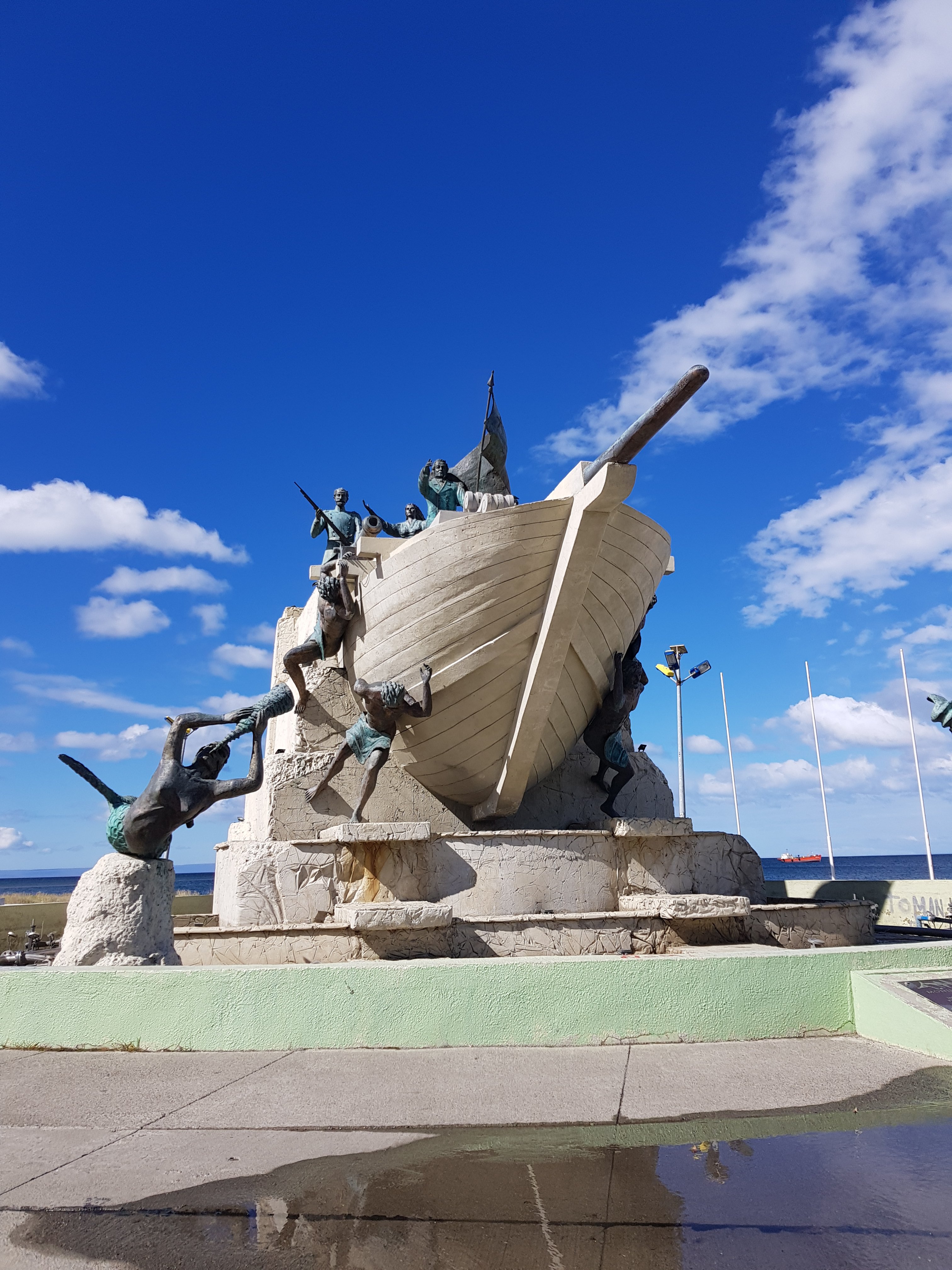
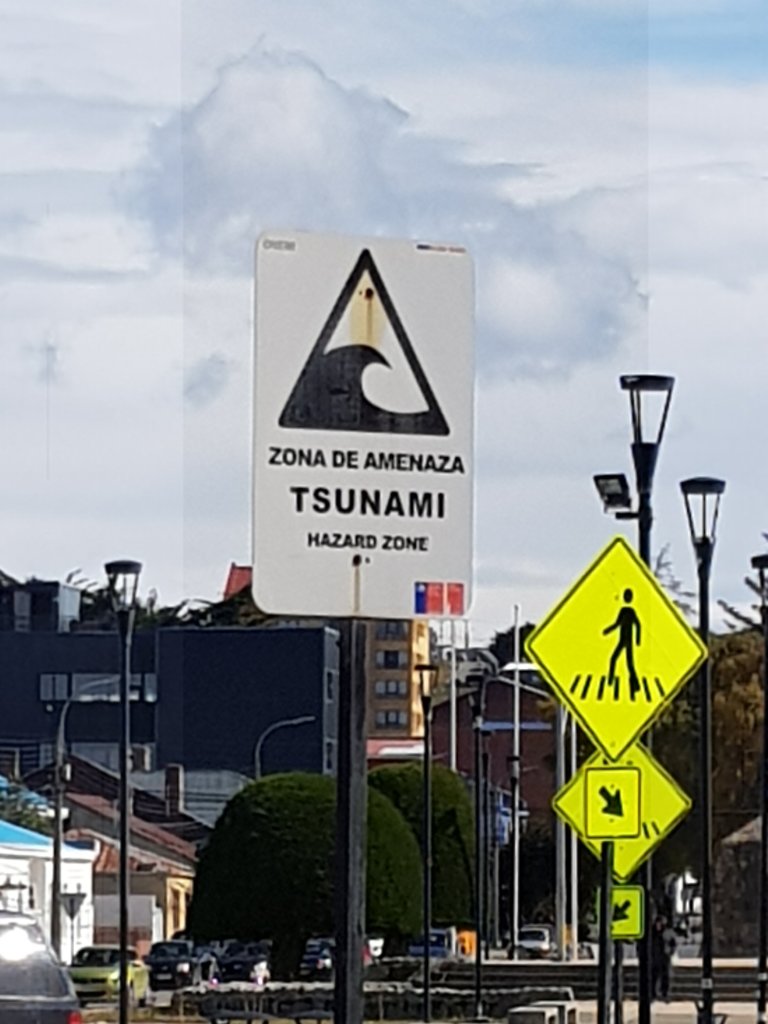
After crossing the border, I made Punta Arenas my base for five days, this large Chilean town is not very touristy but it does offer some good cafes, and stores to gather supplies for the upcoming trek, for better, local prices. There is a promenade of sculptures that runs along the shoreline, and a very strong maritime vibe, but the best local thing I did was visit a nearby national park, for some practice trekking. The Magallanes National Reserve is a twenty minute taxi ride to the top of the town, and as you travel higher you start to see various safety signs, to tell you that this is the place to be if there is a tsunami. A little off putting..
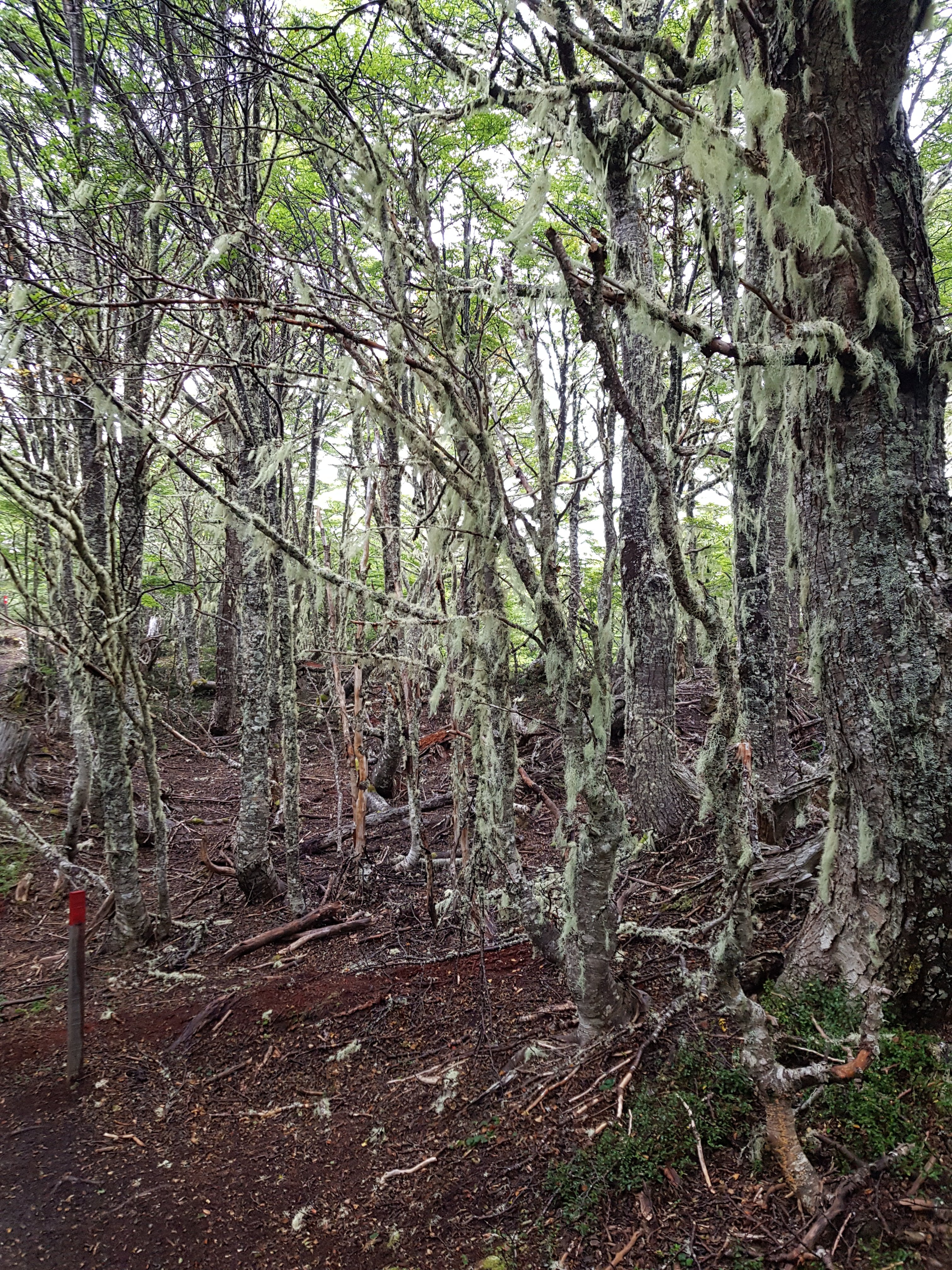
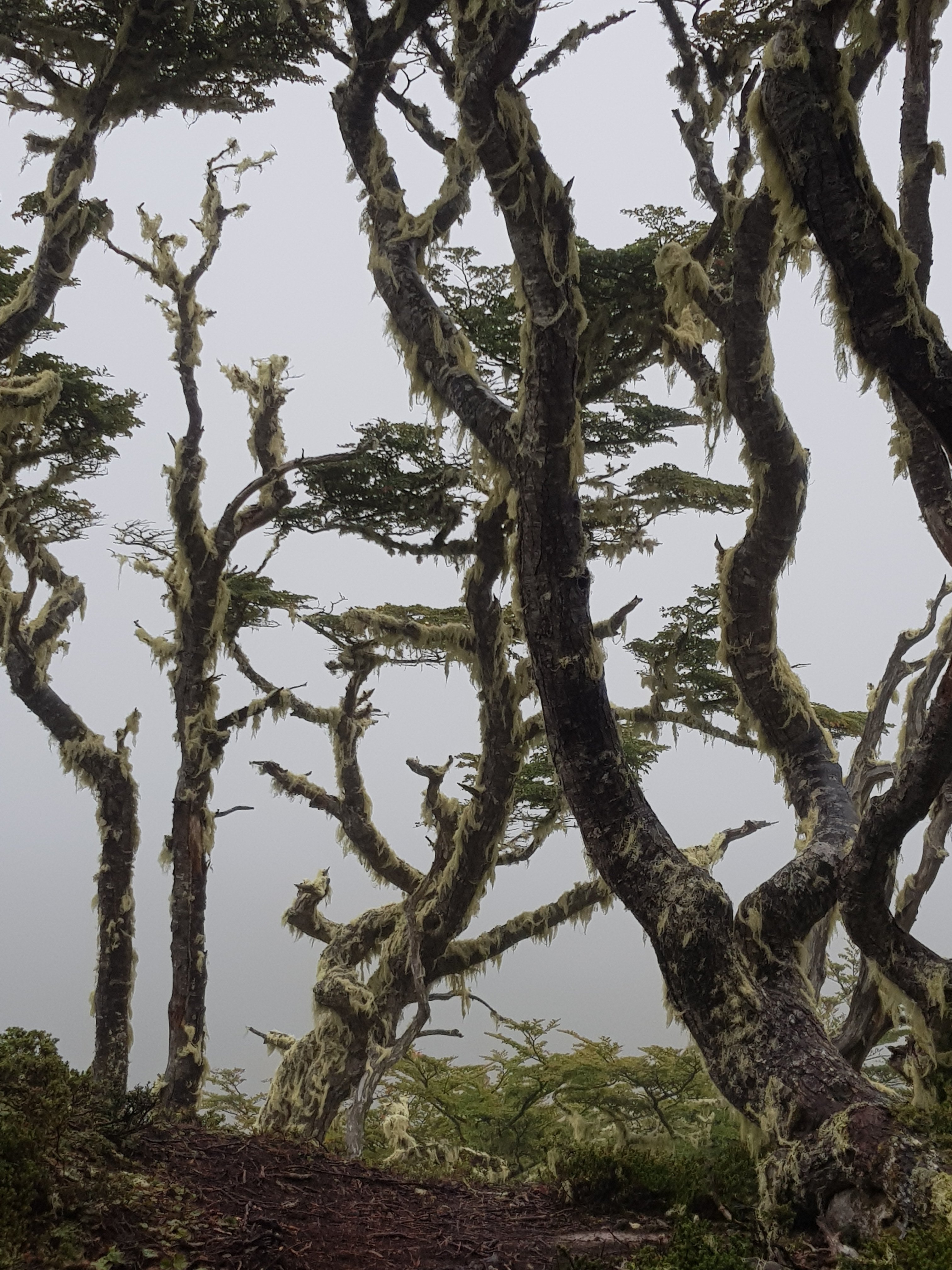
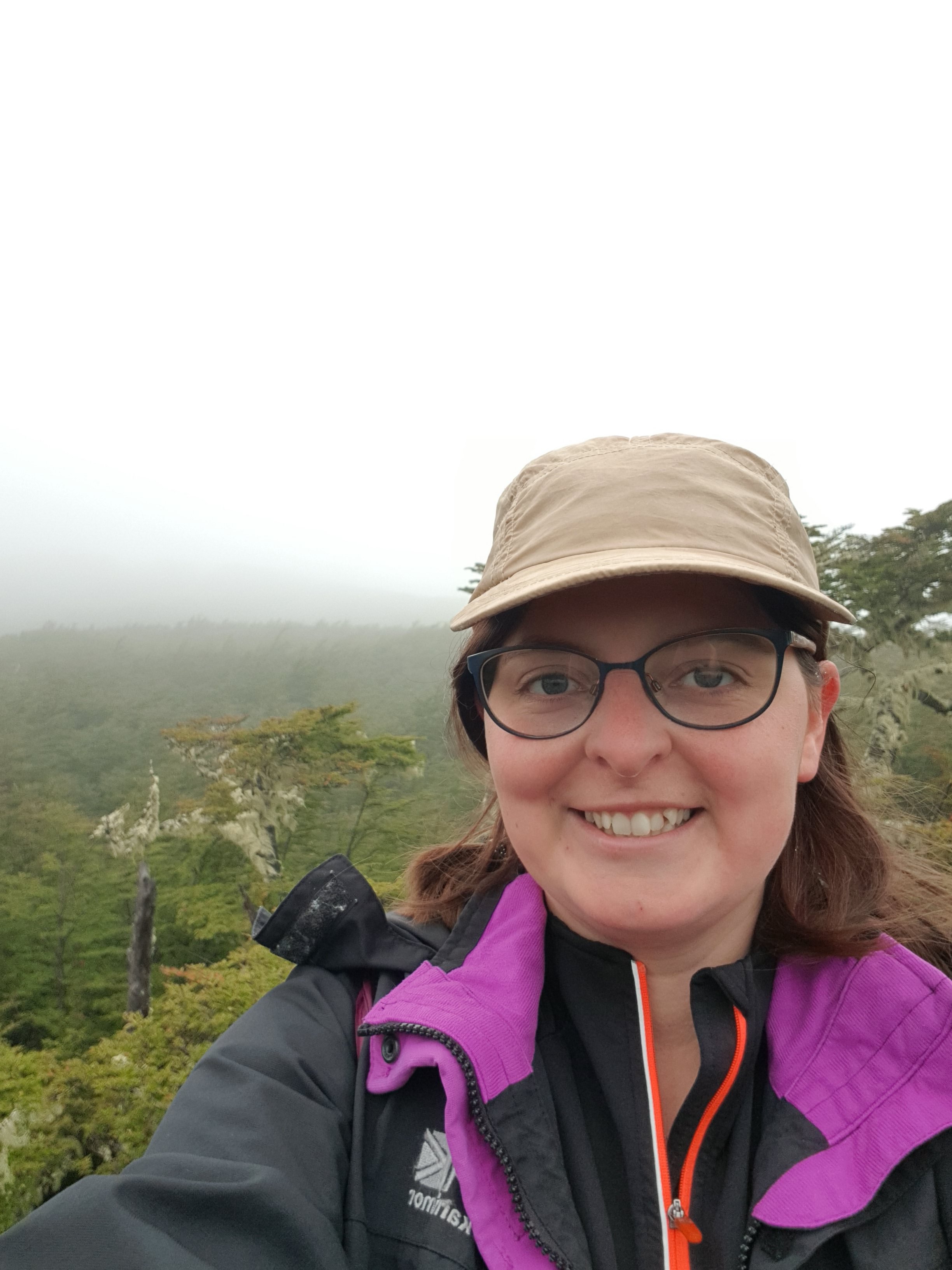
It is about £5 to enter the park, and then there are several trails available with many lookout points that can keep you busy for hours. I went on a very misty day so I did not see many views but the plants and trees especially were cool to see.
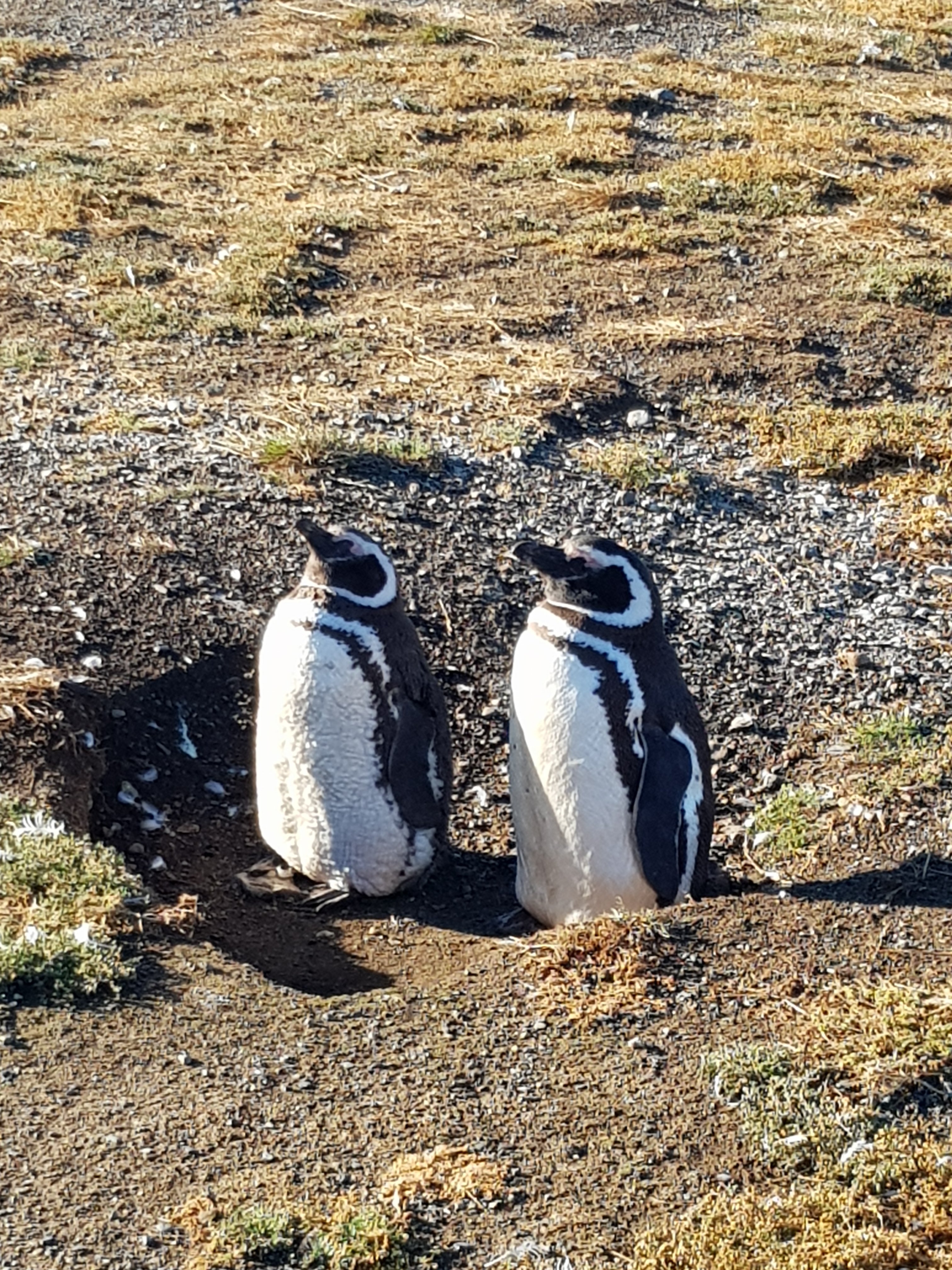
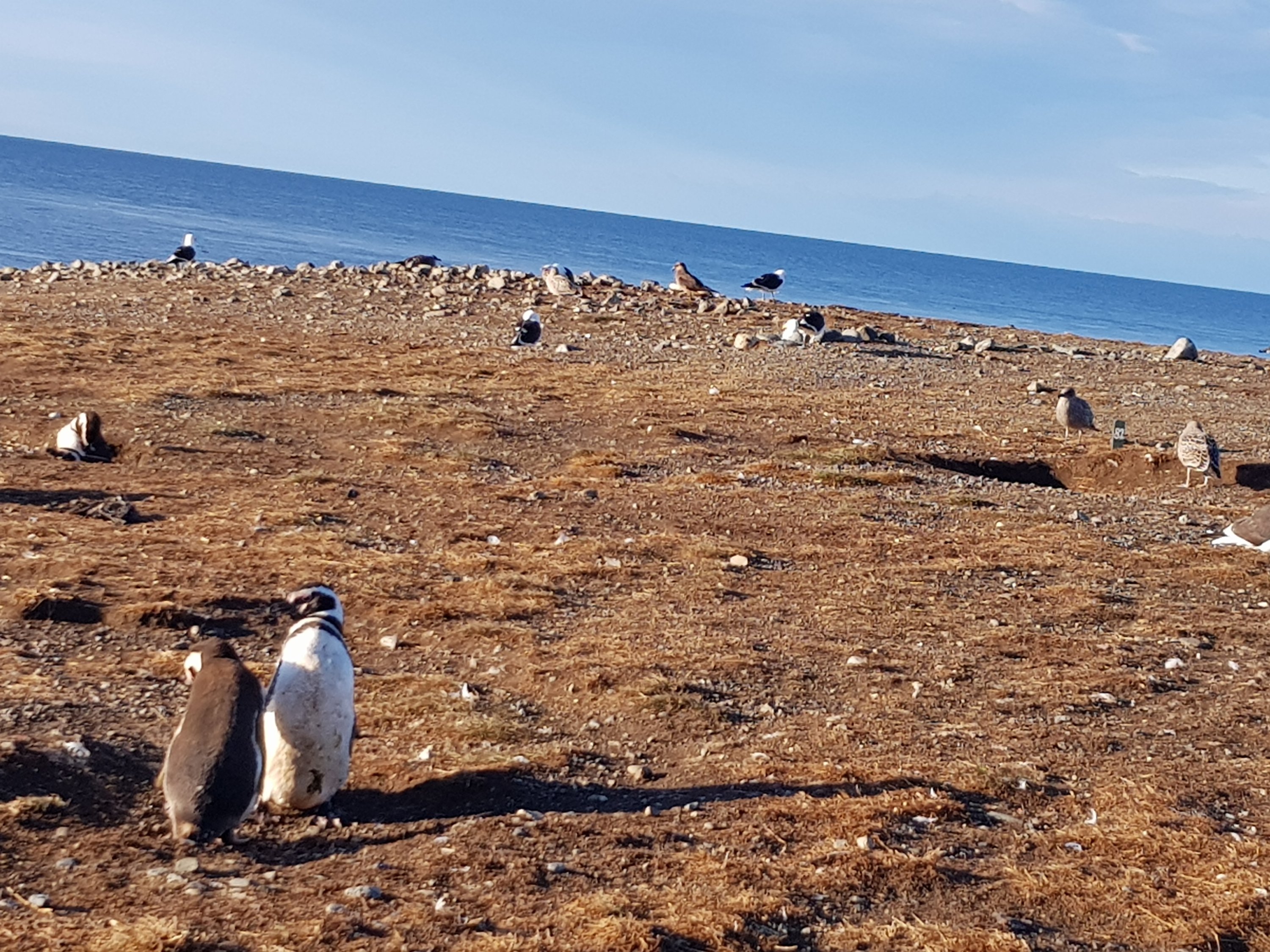
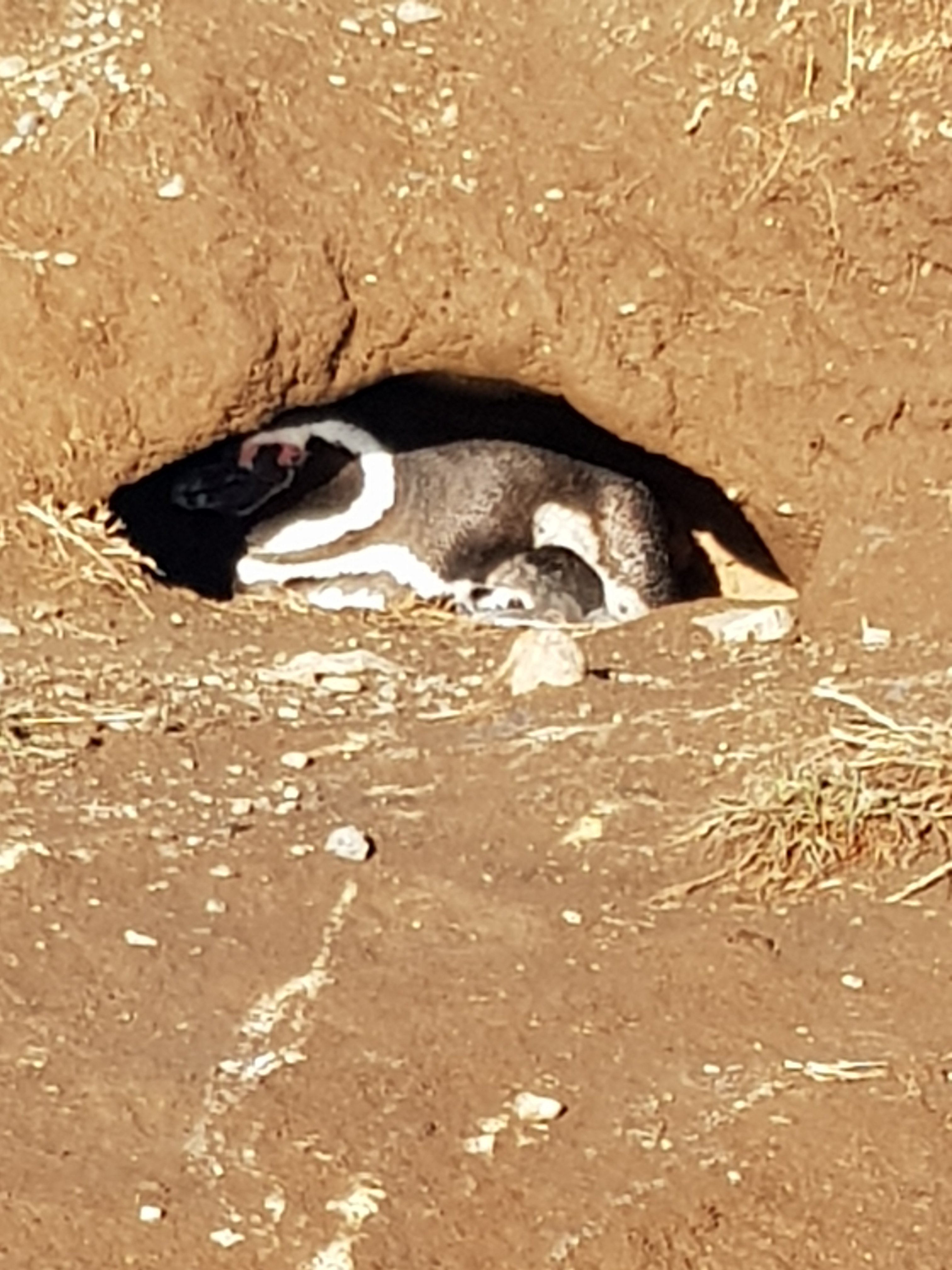
From Punta Arenas you can also take an excursion to see penguins and sea lions. I did this on thankfully the warmest day of the week. It is an early start followed by a few hours on a coach and then an hour journey to the main island by boat. Dotted around this small island are thousands of penguins, meandering within their couples. You can walk very close to the birds and follow a trail around the island to the lighthouse and back to the boat.
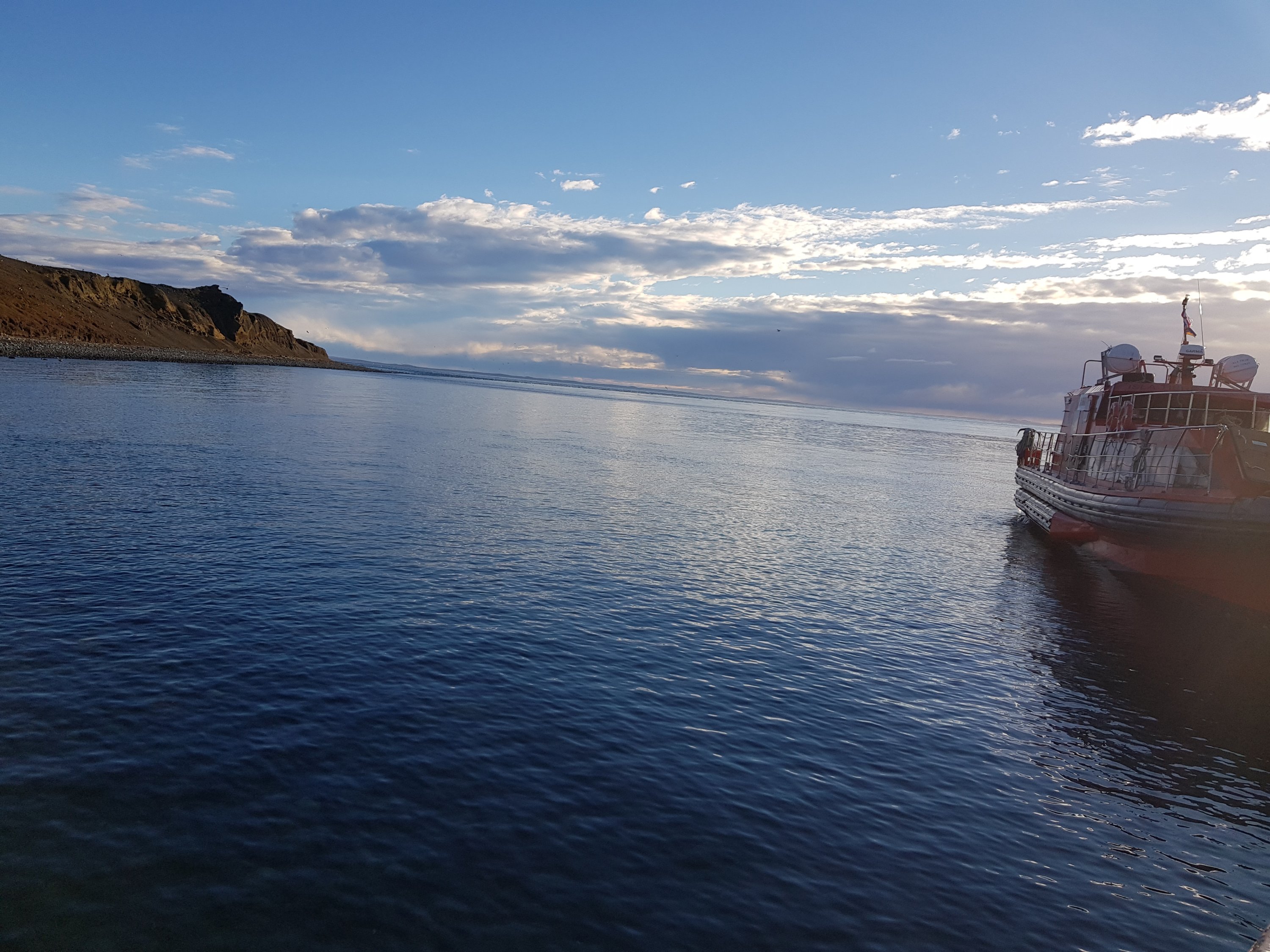
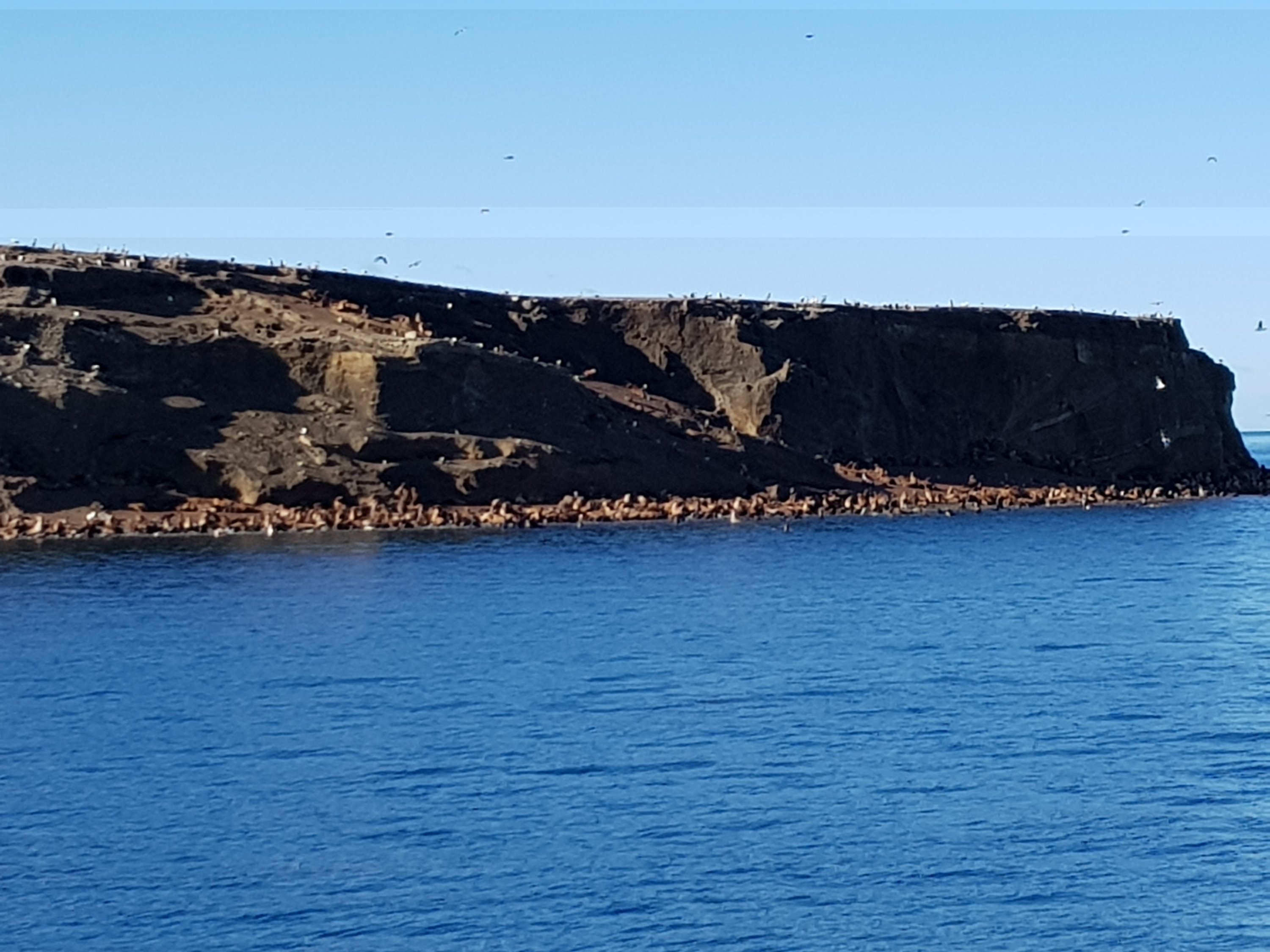
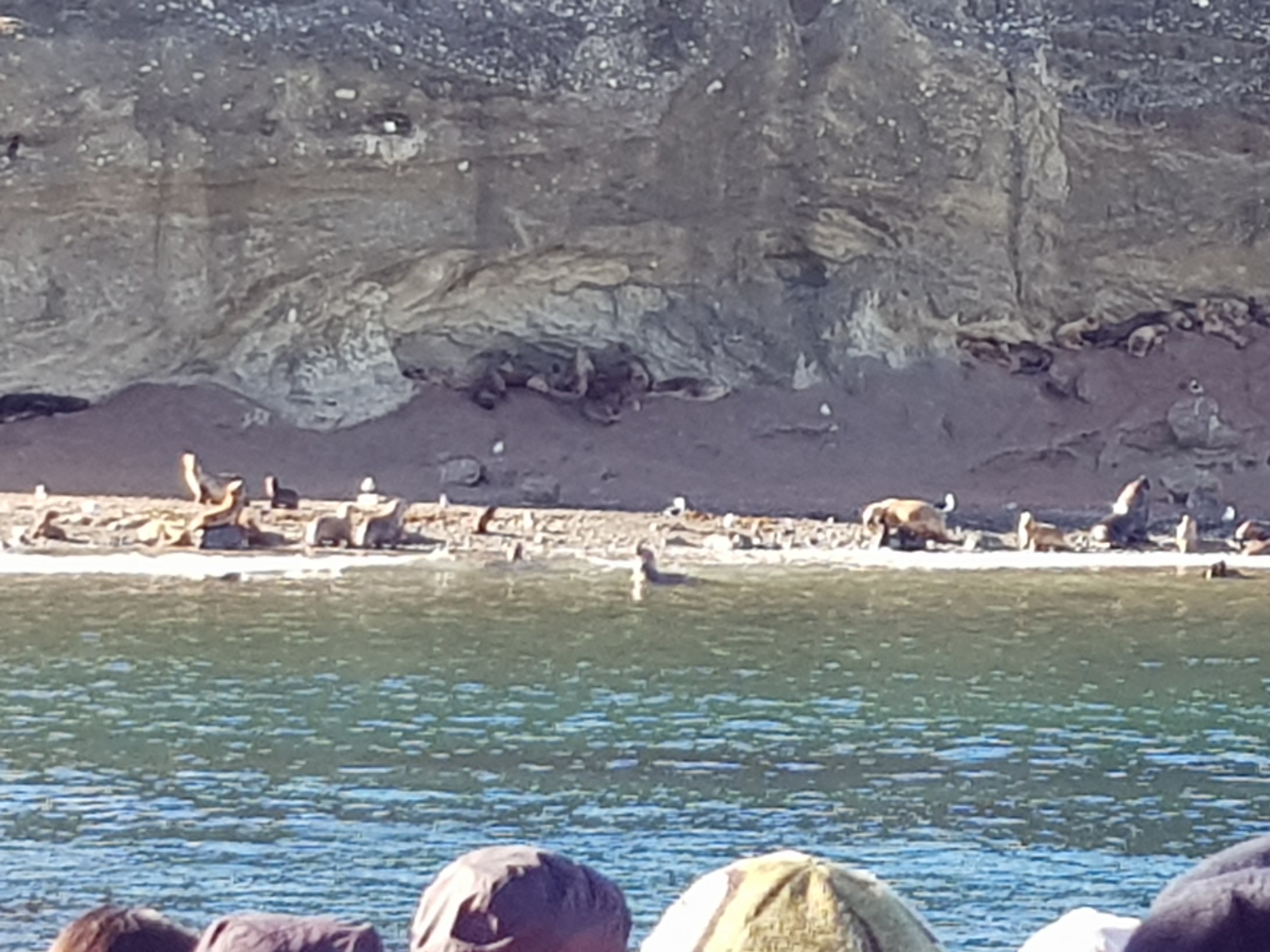
The tour then travelled to an even smaller island that was home to hundreds of roaring sea lions clambered together on a beach and swimming close to our boat. It was very nice to see these animals in their natural habitat as oppose to a zoo, and it was great to get out from the town and be on a boat for a few hours.

Puerto Natales

The next town which is the base for the Torres del Paine National Park, is Puerto Natales. This small town is full of hostels, camping shops and restaurants. I only spent a short time here to sleep and eat at the beginning and end of my trek, but there was little else to do than that as it is just set up to drain tourists of their leftover pesos.
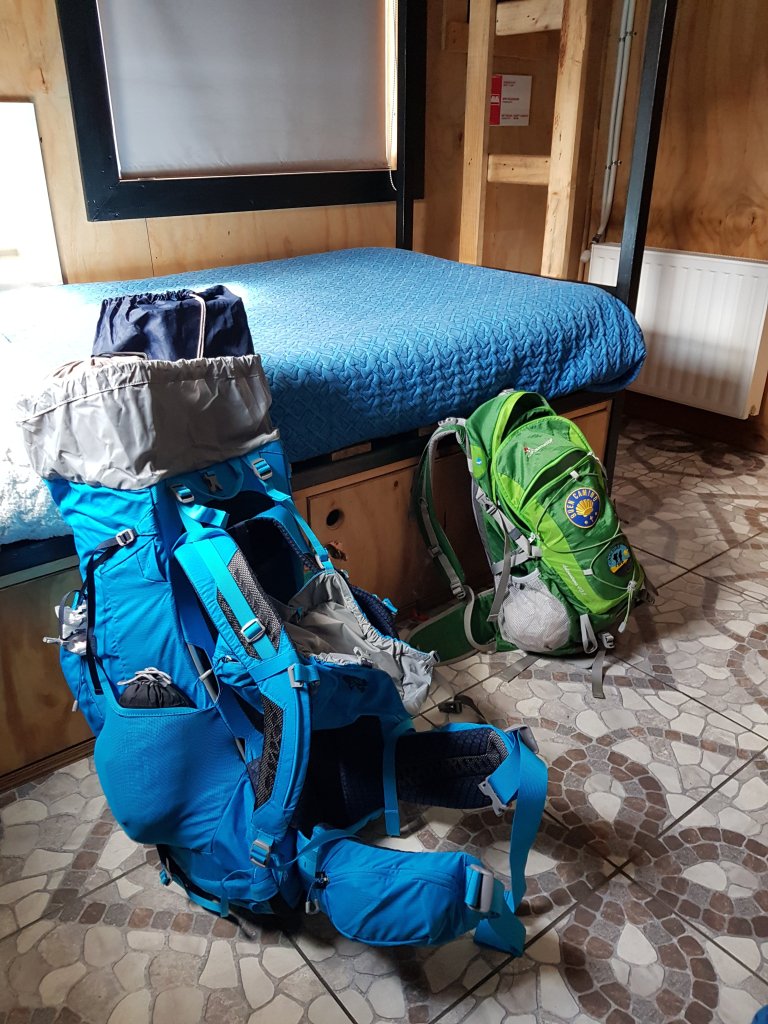
My trek bag vs my regular bag

Prepping for the ‘O’ Circuit trek

There are two main overnight treks that can be done at the Torres del Paine National Park. They are the ‘W’ and the ‘O’, named after the shapes their routes make on the map. The ‘W’ is the most popular and is known around the world for its views, but some people that have longer and want to see more of the park, choose to walk the ‘O’. this is the full circuit. It has several campsites on route and most people do it over 8 days. Each day of the trek varies in landscape, and the walks are between three and twelve hours, more or less.
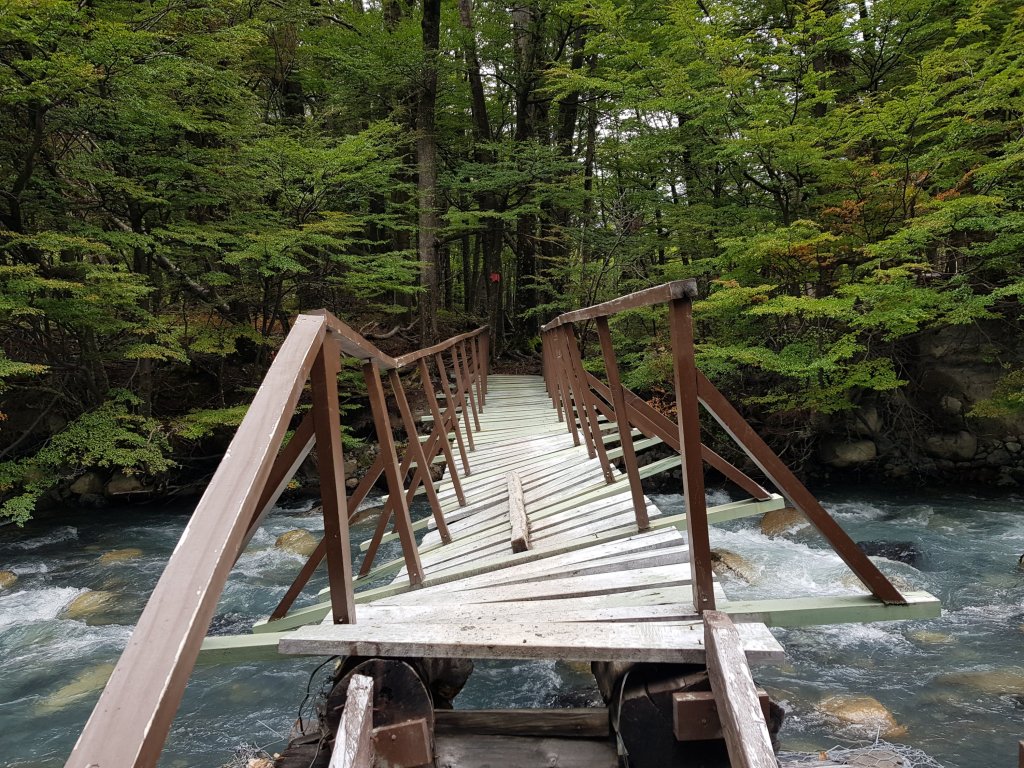
Feeling like an experienced trekker, I decided to push myself to complete the ‘O’. I must say though that I forgot how out of shape I am, again. To prepare for the trek, I had to book my reservation to the campsites about three months in advance. I was able to use a new booking website that pulled it all together easily for me, instead of going to several different suppliers which could be quite complicated.

I decided to pay for my meals to be cooked and provided to me everyday, to avoid carrying a stove and heavy food. There is also an option to pay extra to have a tent provided and set up for you. I didn’t do this but met several people who did, and their tents varied in quality but their walks were obviously much easier than those of us carrying a tent. I rented a tent, sleeping bag, mat, and 65L rucksack from Rental Natales in town, and they were really helpful in getting everything sorted and providing me with advice.
I stocked up on nuts, cereal bars, and a bar of chocolate for some snacks for the first day, and midnight treats. I also took a Swiss army knife (although I never used it), a first aid kit (I did use part of this), and my phone power bank (charging is limited in the parks and signal is non existent, air plane mode was switched on the entire time). There are not any laundry facilities so a decision needed to be made about how many clothes to bring. I went with 4 outfits, and I made the conscious decision to smell rancid after half the week. Unfortunately, I still did not find an open launderette for two days after I had finished. Very gross.

The campsites

The campsites on the ‘O’ varied in quality, but I am happy to say that they all had real toilets. I was very thankful for this. I was scared I would be falling into a poo hole in the ground in the middle of the night. All the campsites had some sort of kiosk which sold snacks and most of the campsites had a bar/restaurant where you could buy drinks or enjoy your prepaid meal. Some of the campsites have refuges or domes as well so that you can sleep in luxury rather than a tent if you have the right reservation, and some of the sites had wooden platforms to pitch your tent on instead of the ground. I would argue that the ground is better though, as you are less likely to trip, and its easier to set up the guidelines, and pegs, and its actually a bit warmer than having a void underneath you.
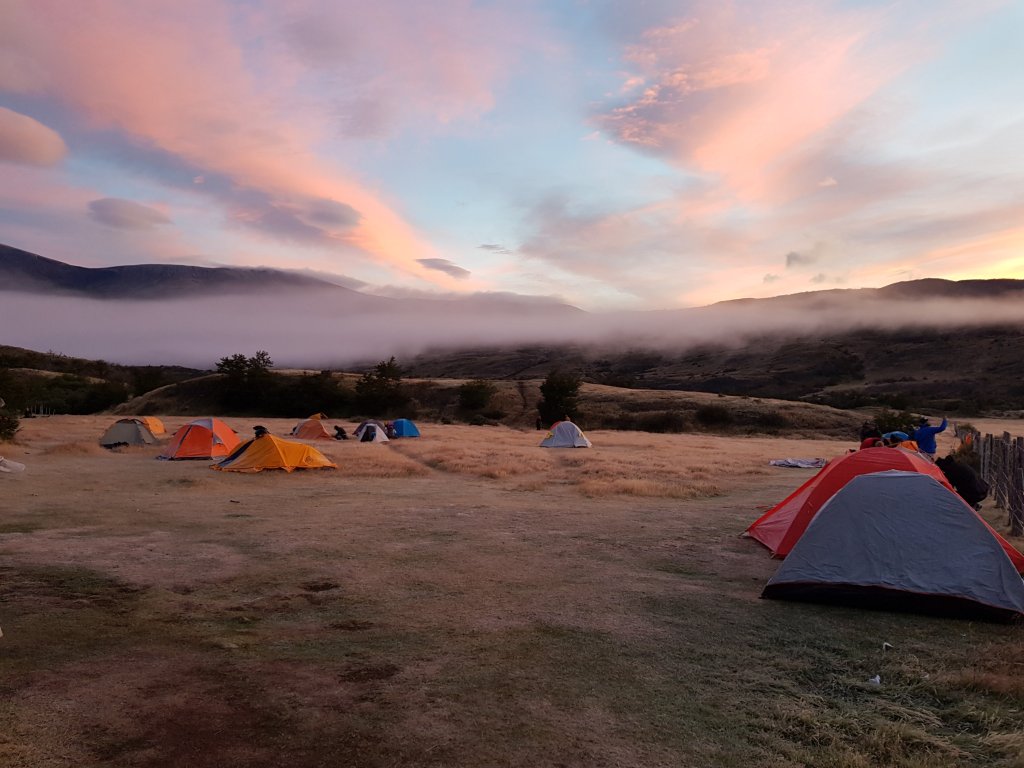
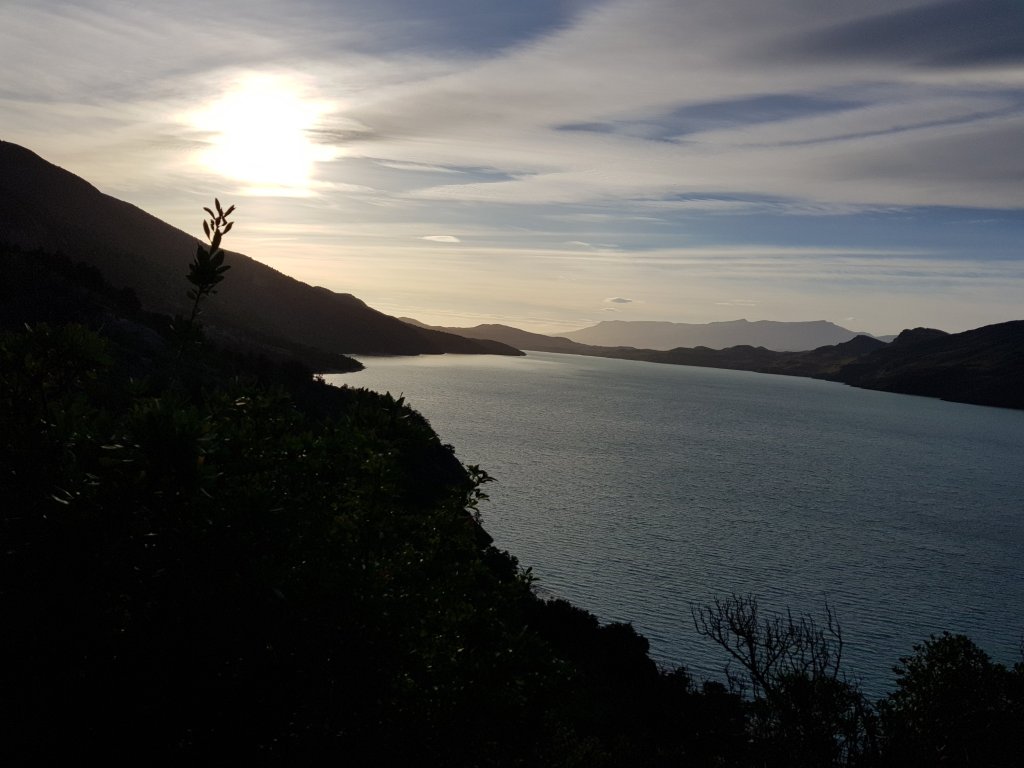
Seron campsite at sunrise

The food I was given during my stay was generally excellent and although it was pricey to do this option, it was well worth it, to not have the hassle. I always had more food than I needed because the portions were very generous. There was always a warm breakfast, a large lunch pack and a four course dinner with different dietary options. The only downside was that hot chocolate was extra and I don’t drink coffee!

I spent time with a great mix of people whilst staying on the ‘O’ circuit campsites. I befriend a group of US visitors, a man from New Zealand and many groups of Chileans. It was great practice for my spanish, especially as in Chile, they have a unique slang. For example the word for egg is what you might call a
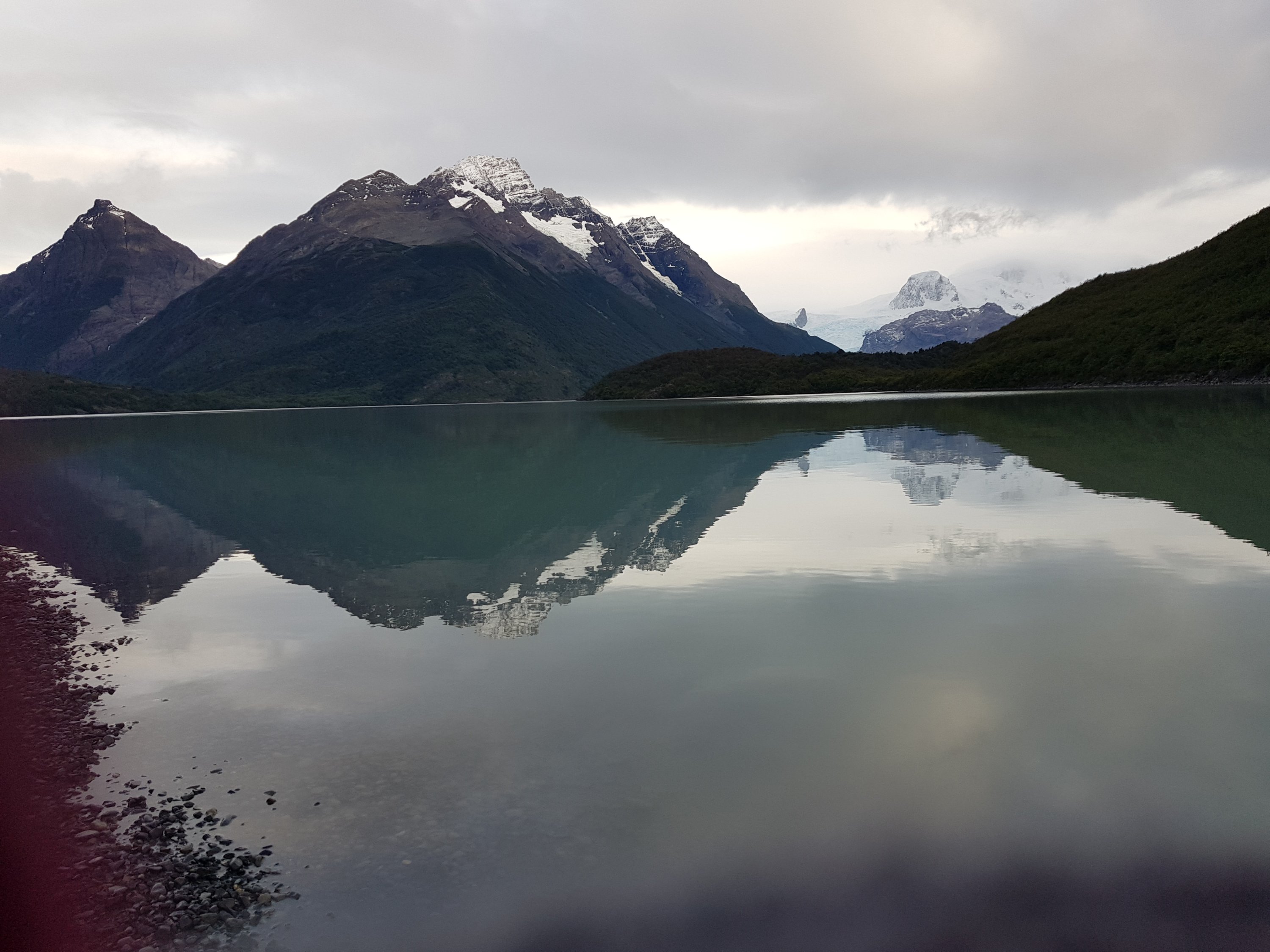
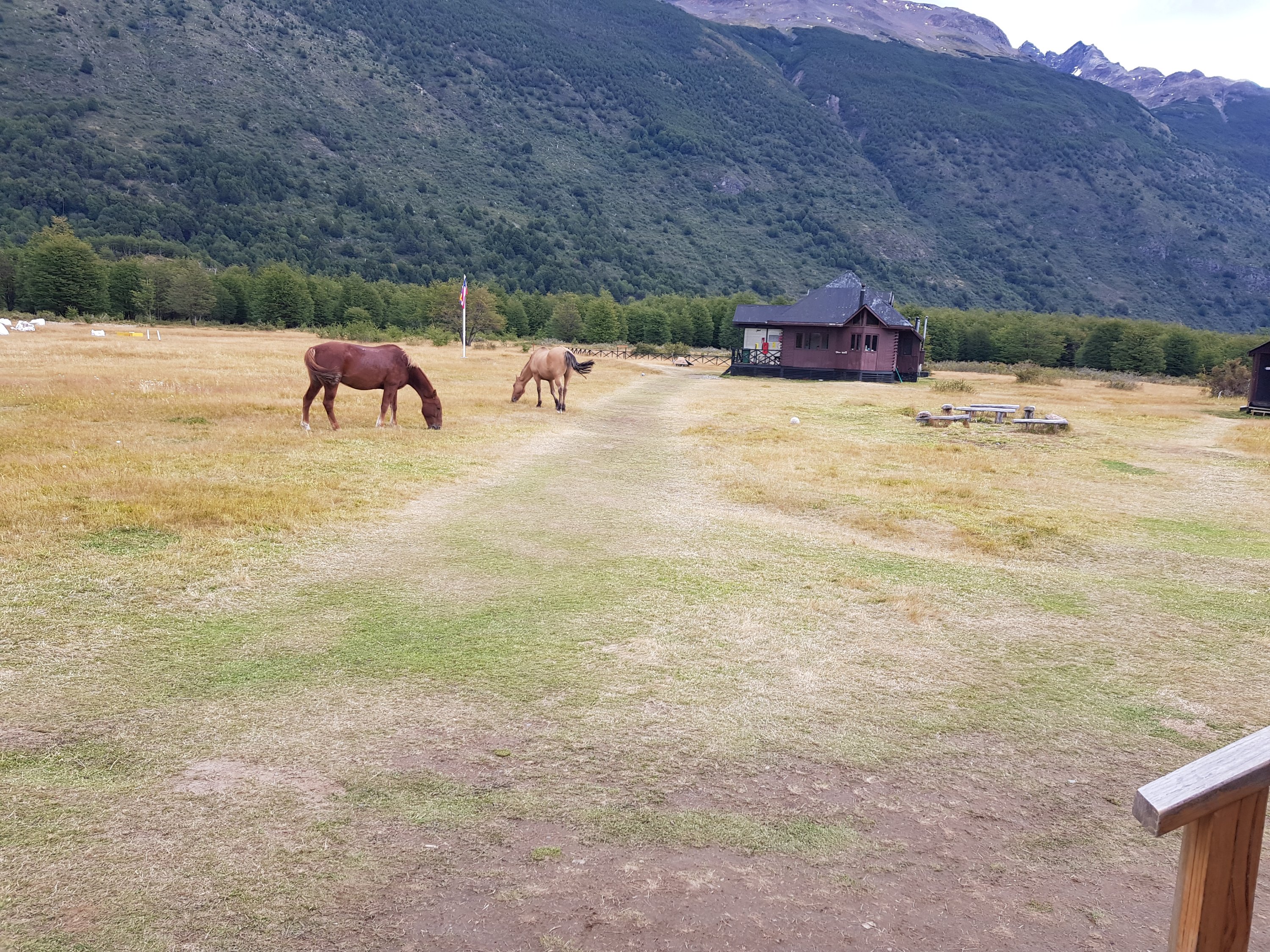
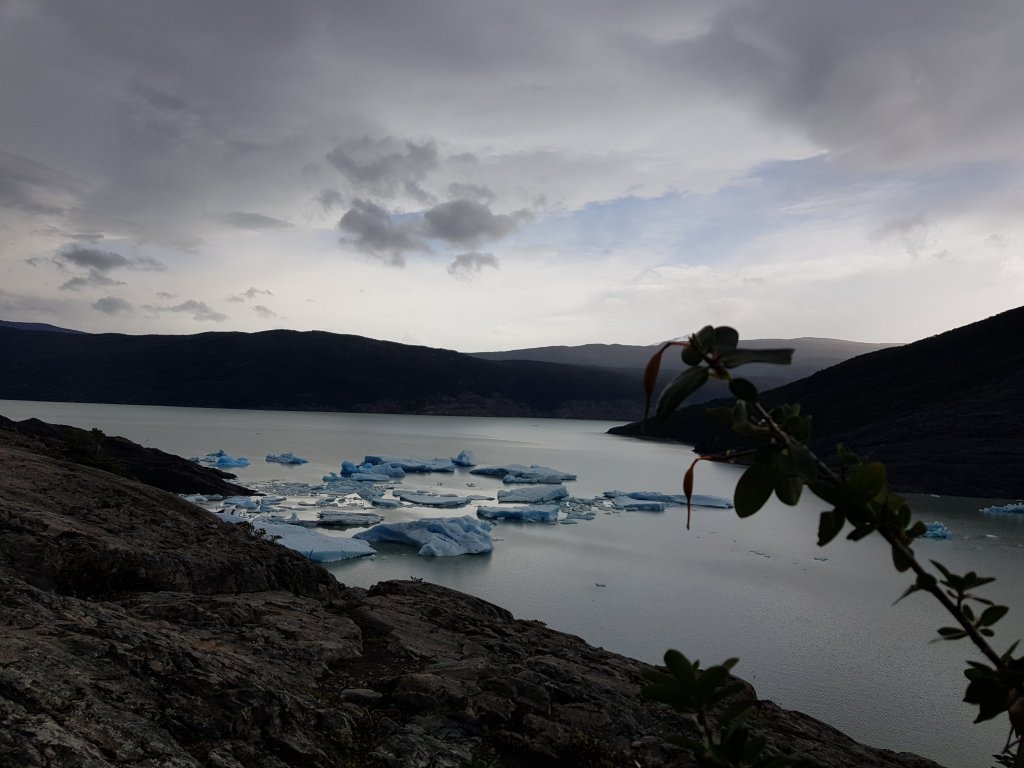
Favourite campsite: Dickson. This campsite was on a piece of land surrounded by lake and glacier, and also had a beautiful ranch feel with horses roaming around amongst the tents.

Least favourite campsite: Frances. Frances had what was needed but it is located in a shady and damp forest, and all the facilities are far away from the tents and down a hill…

The landscape

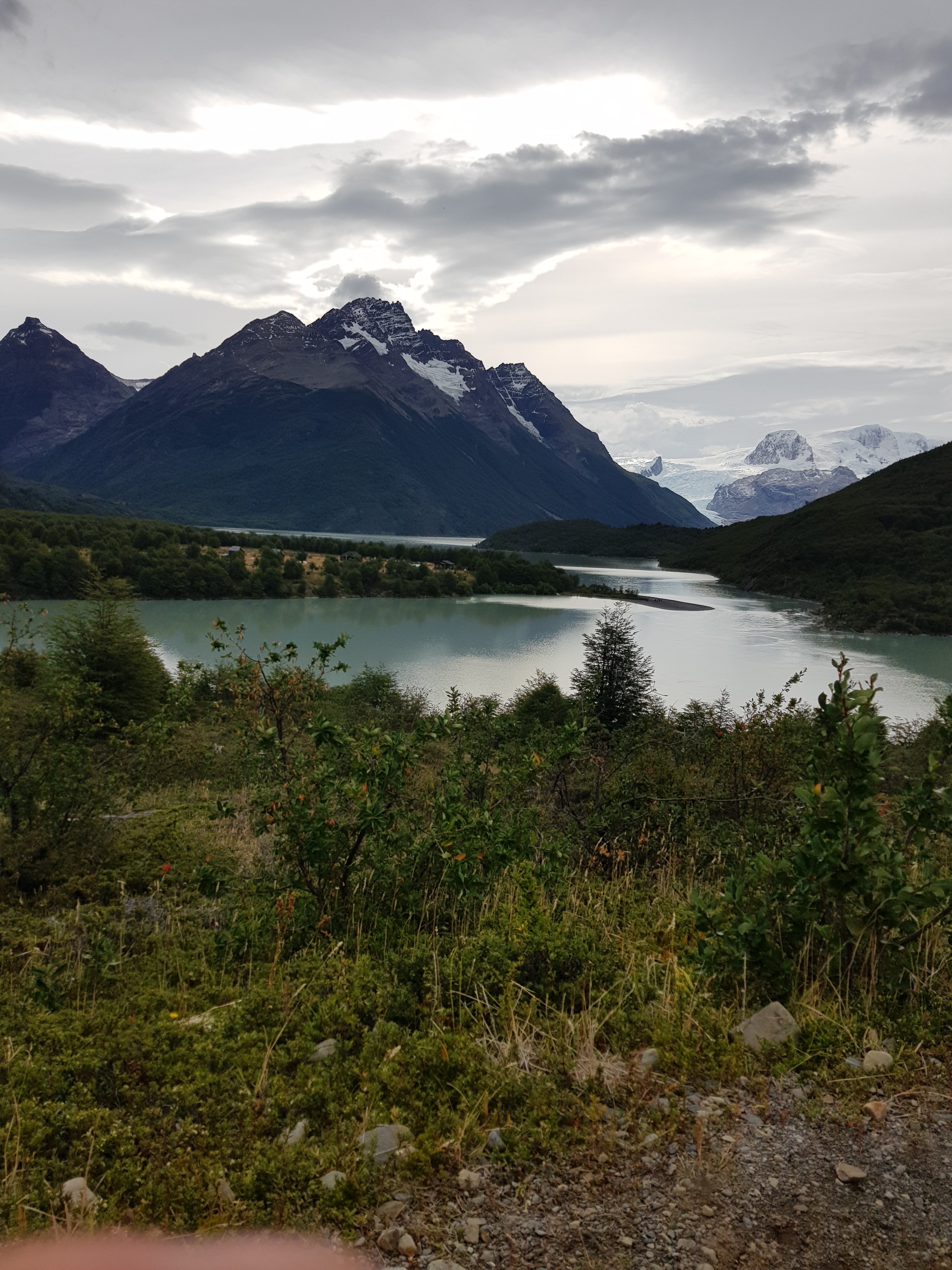
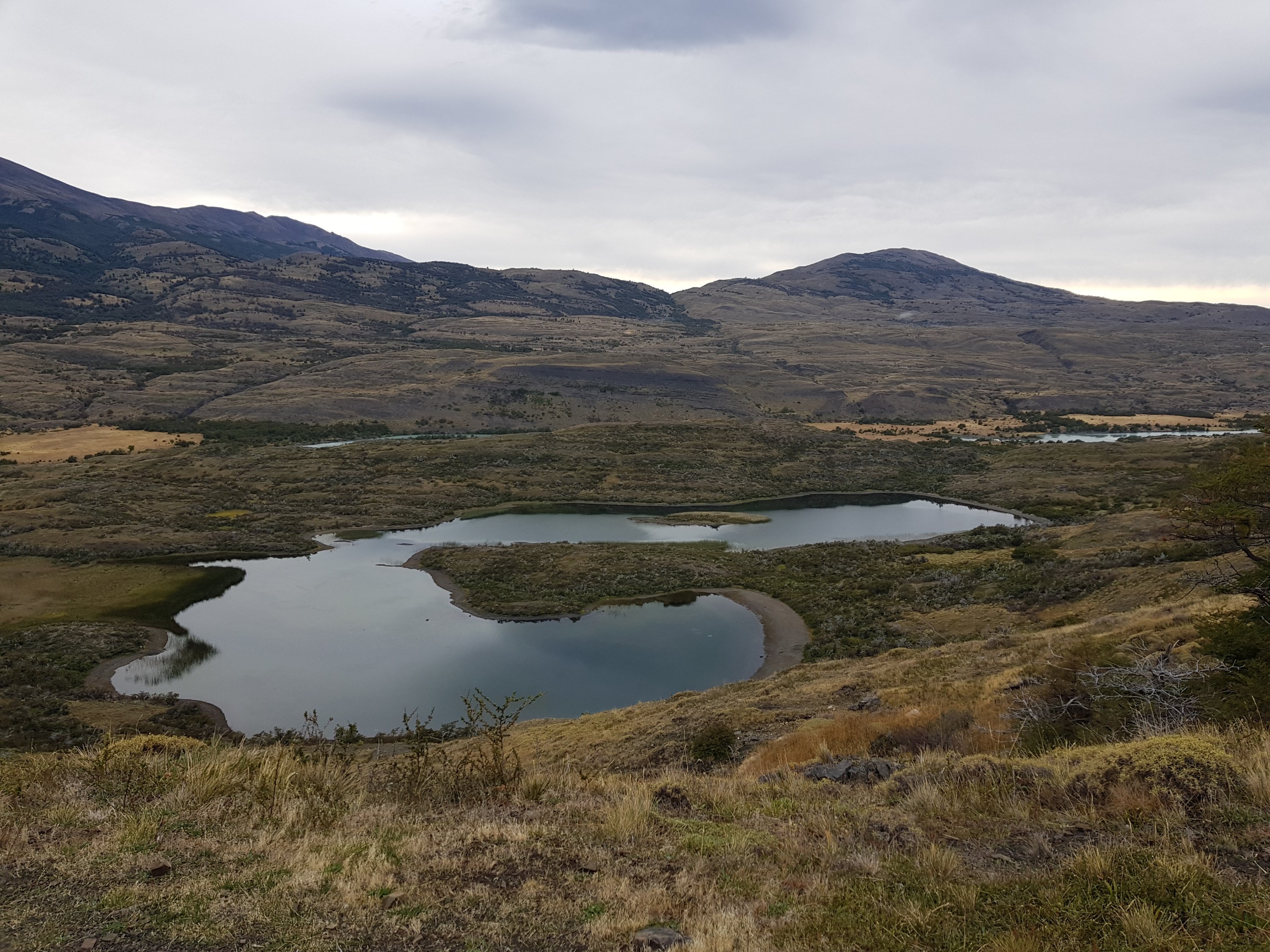
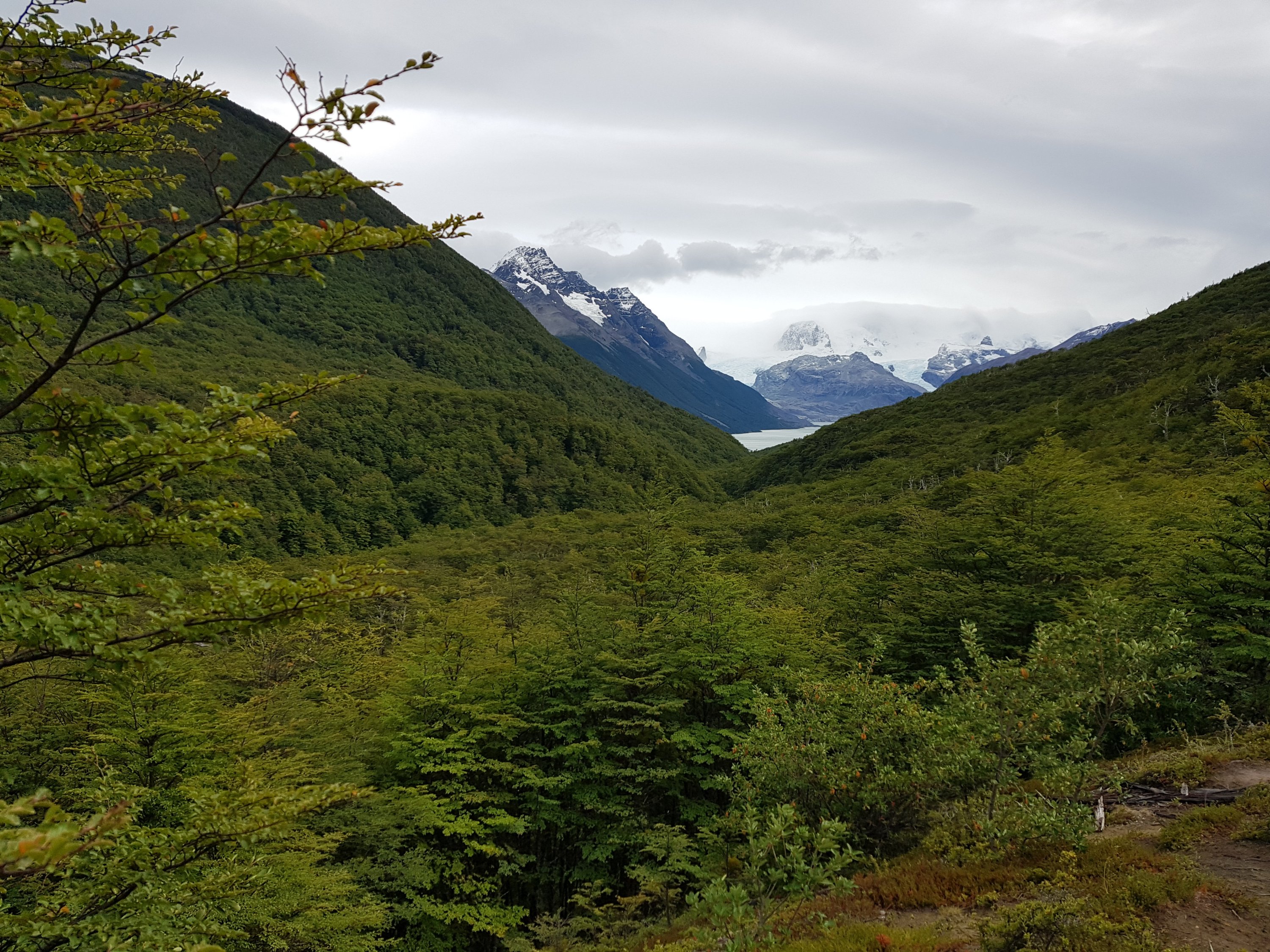
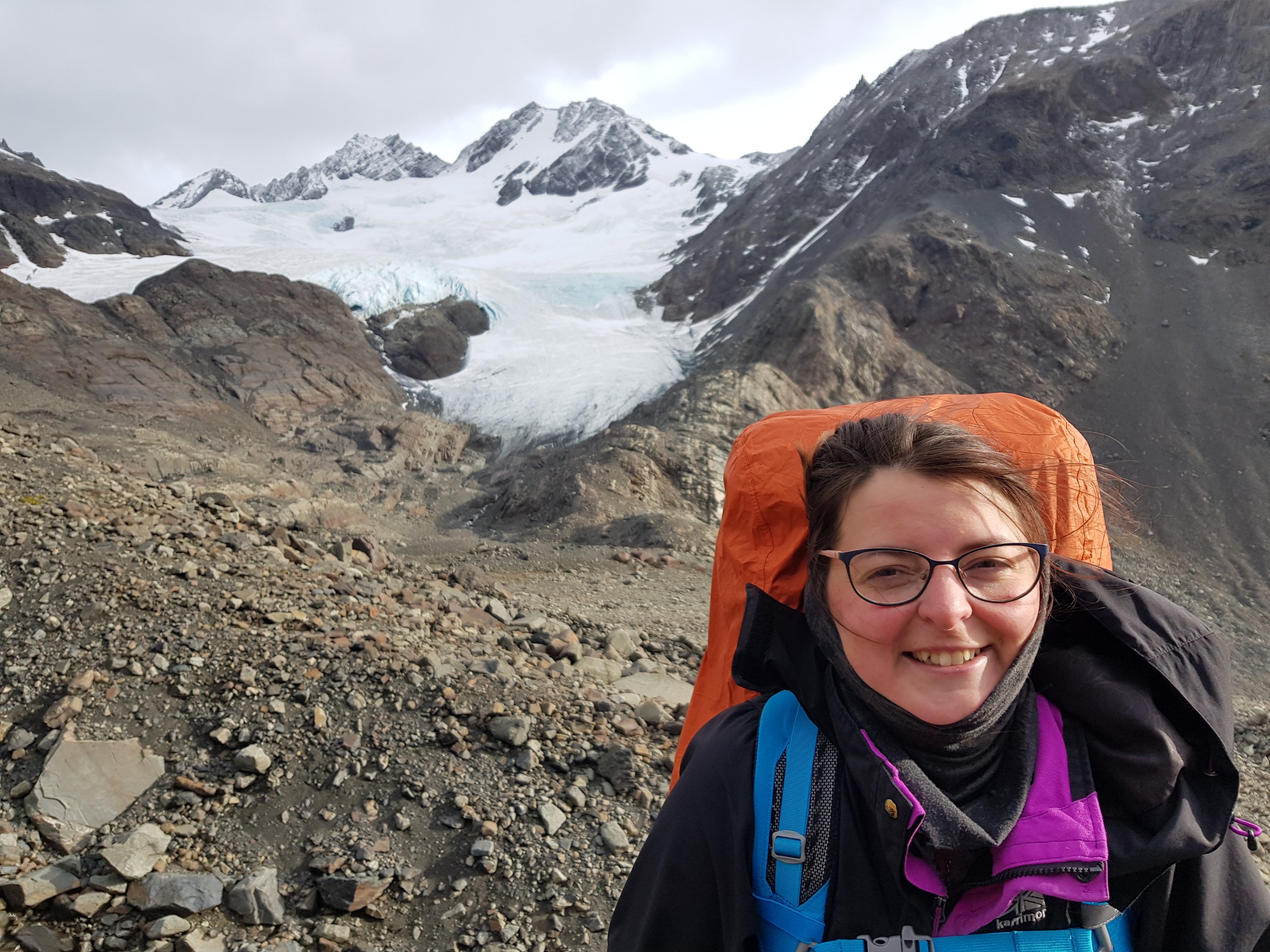
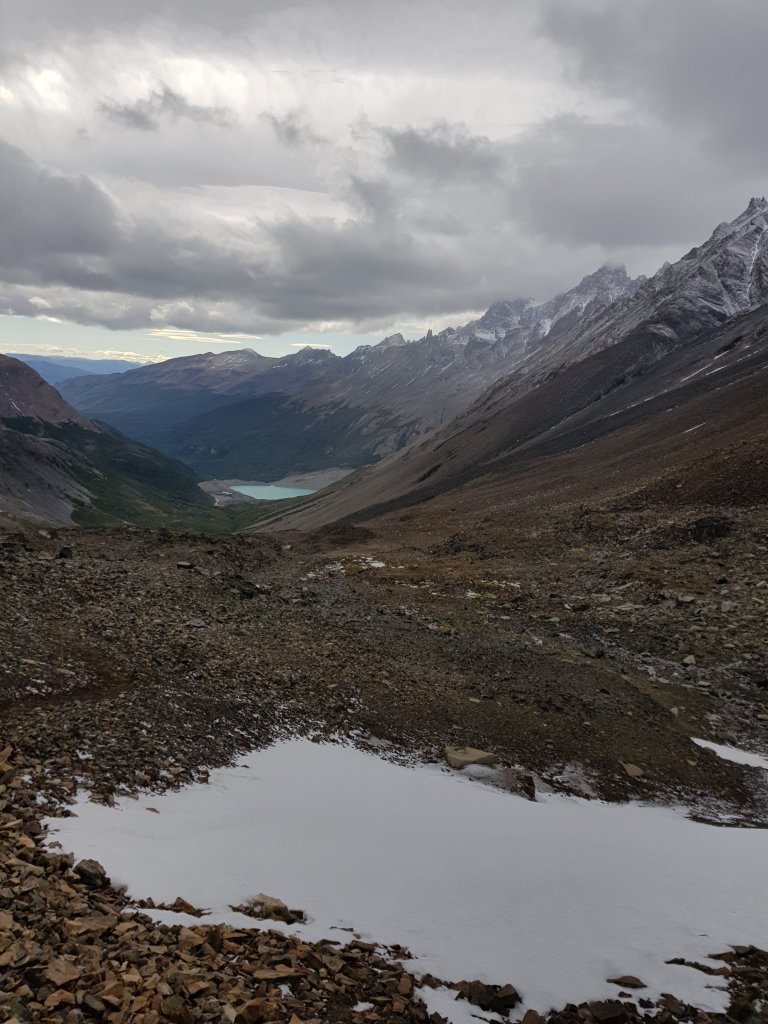
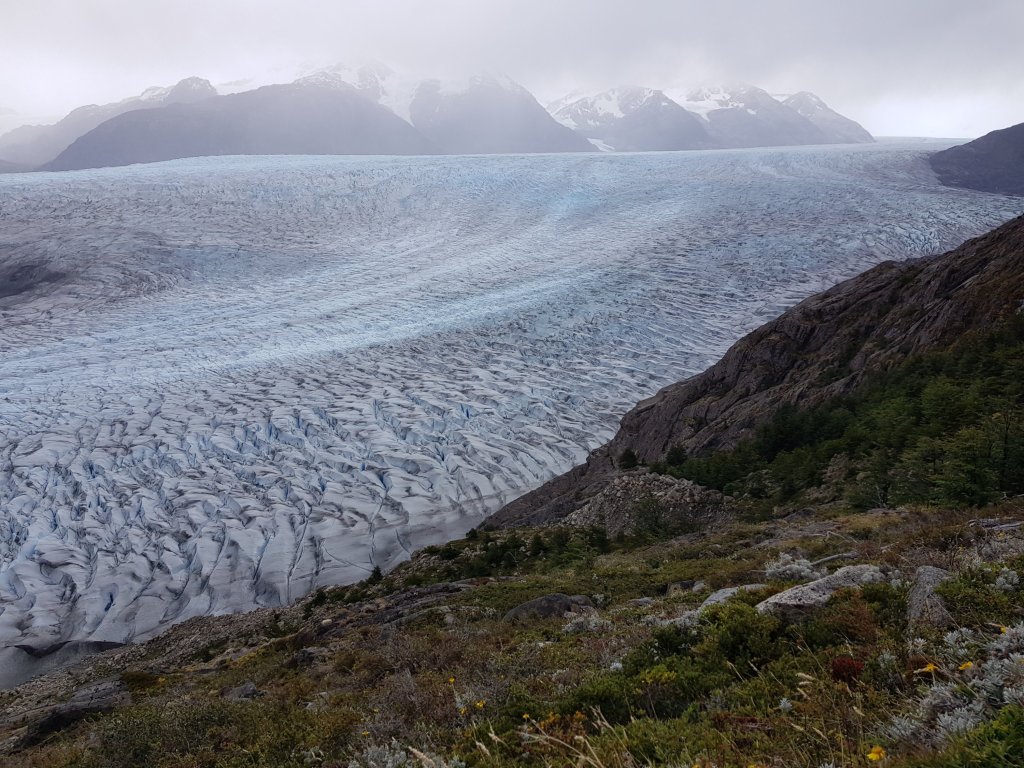
The trek itself is over 100km of varied landscape, and climates! The first day I was walking through long grasslands in hot weather, on the fourth day I was shivering in the snow and wind whlilst gazing over the Patagonian Icefield. Many people will simply do their chosen circuit, whilst others may add in the extra viewpoint trails, or you can even just do a full day walking, sailing or riding excursion through the park.

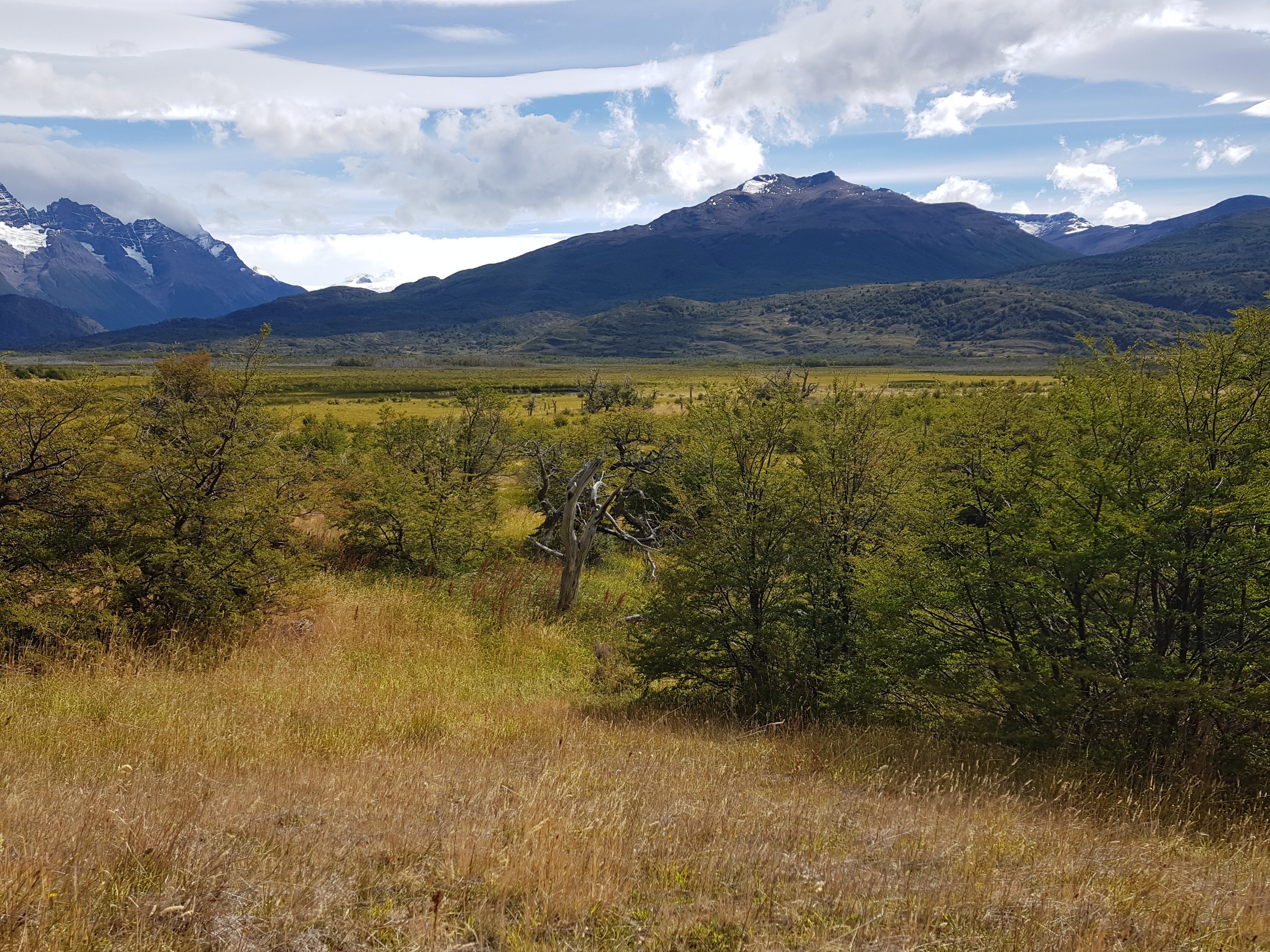
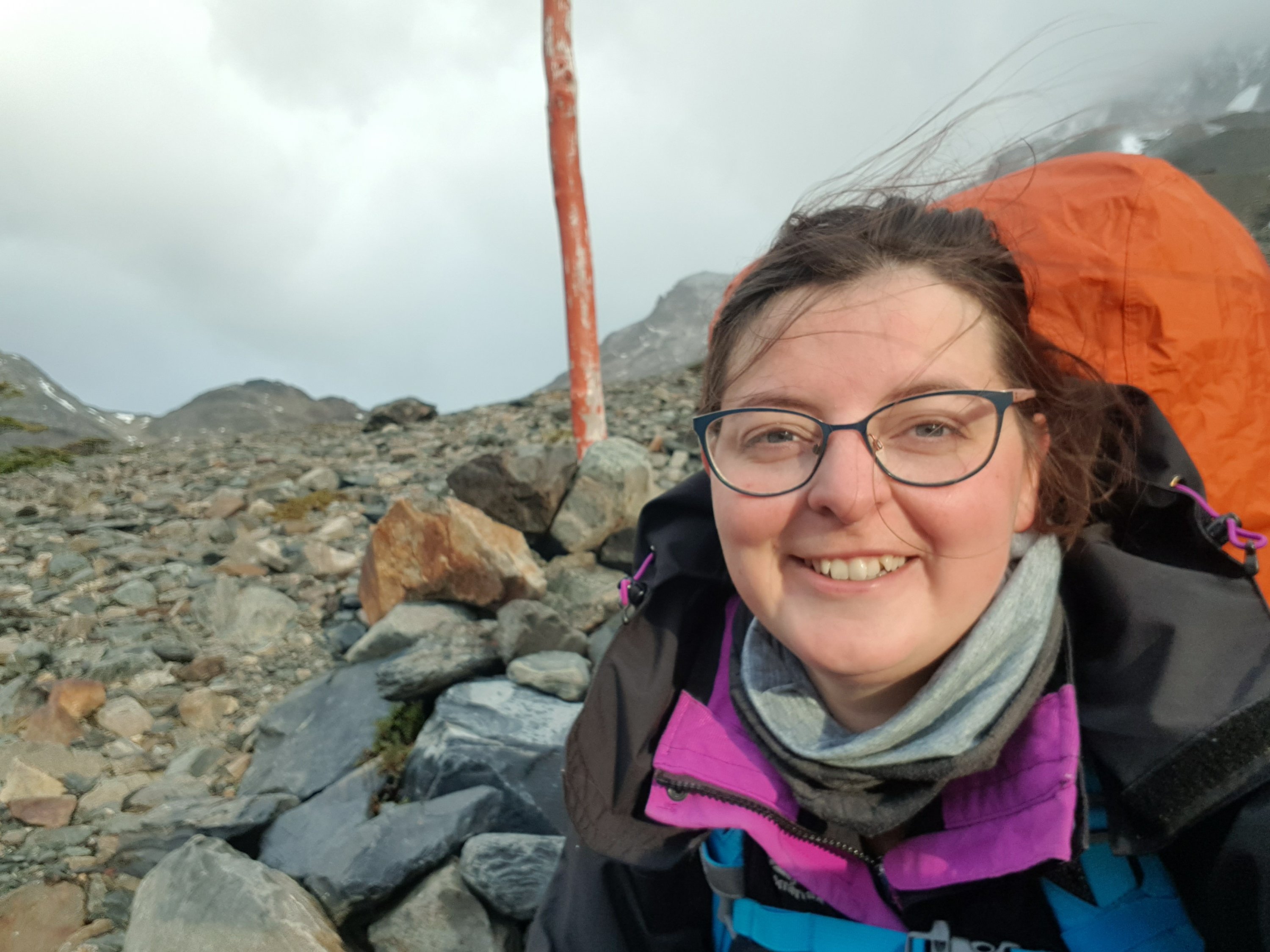
I found the hikes very challenging at times, especially as a solo walker. This was mainly because of some of the heights of the rock faces on the trail. I had to throw my very heavy bag ahead of me and boulder a couple of times which was nerve wracking with no one there. Whilst the paths are very rough, the way markers are very consistent and I was impressed by the placement of some of them.
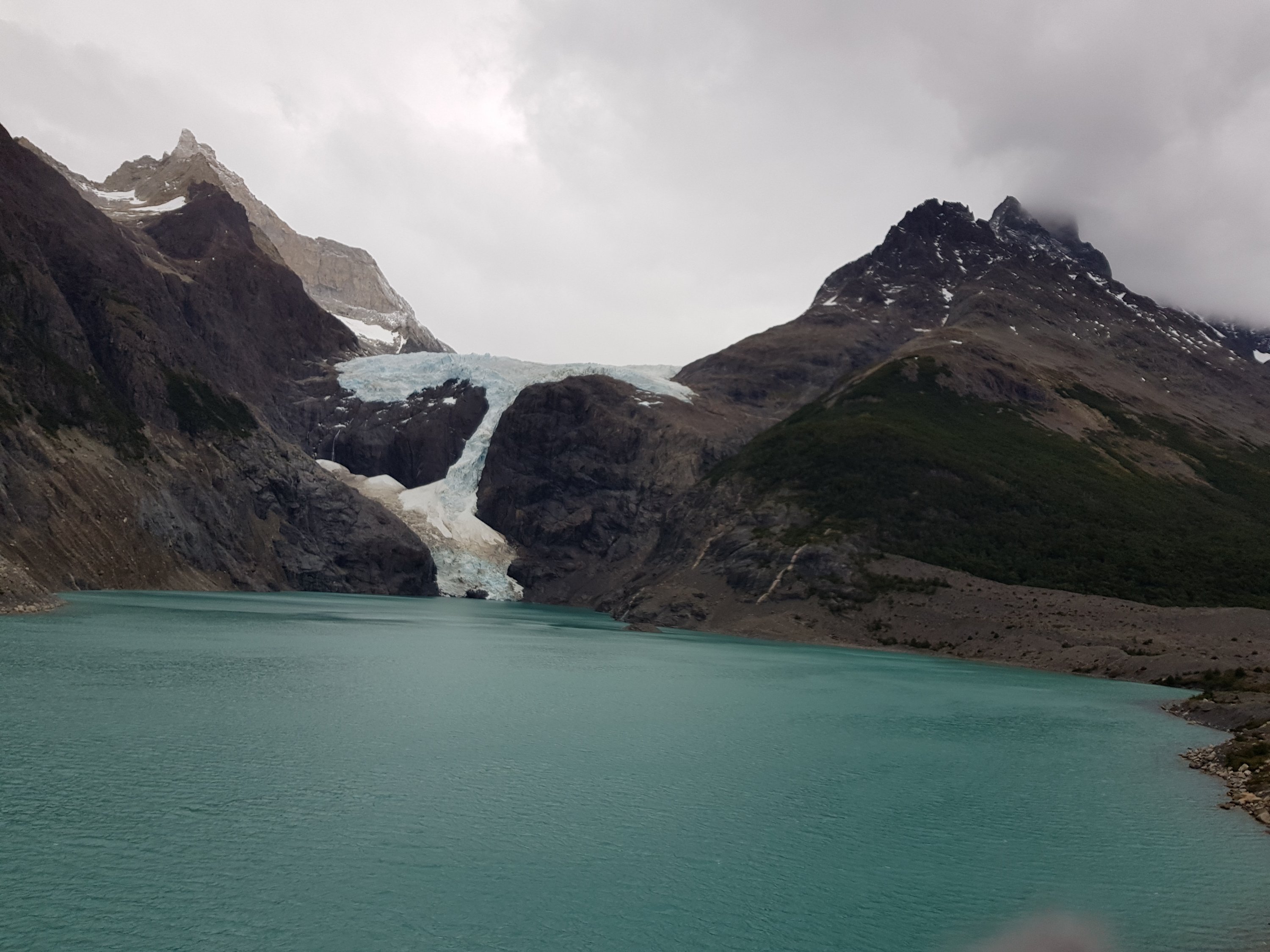
There is a variety of plants and animals to see, I was very nervous about coming face to face with a puma as they live in the park, but in the end my only animal sightings were a noisy woodpecker above my tent and the poo left behind by a fox! If you are determined to see a puma though (I was not) you can join special expert tours to track and watch them.
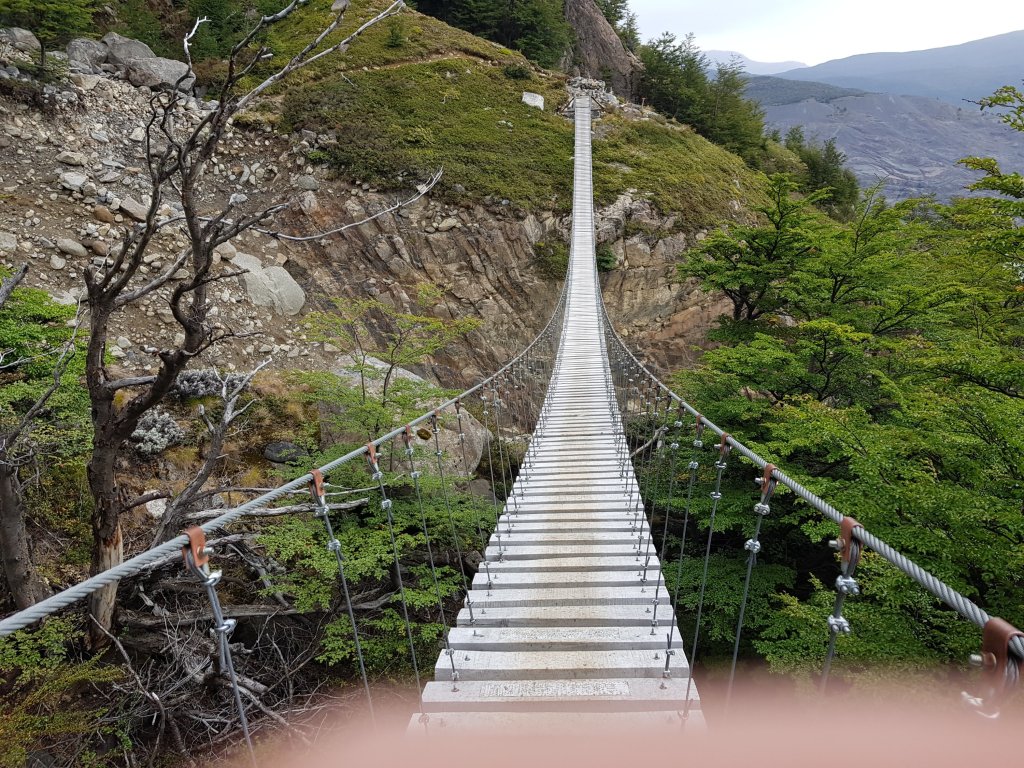
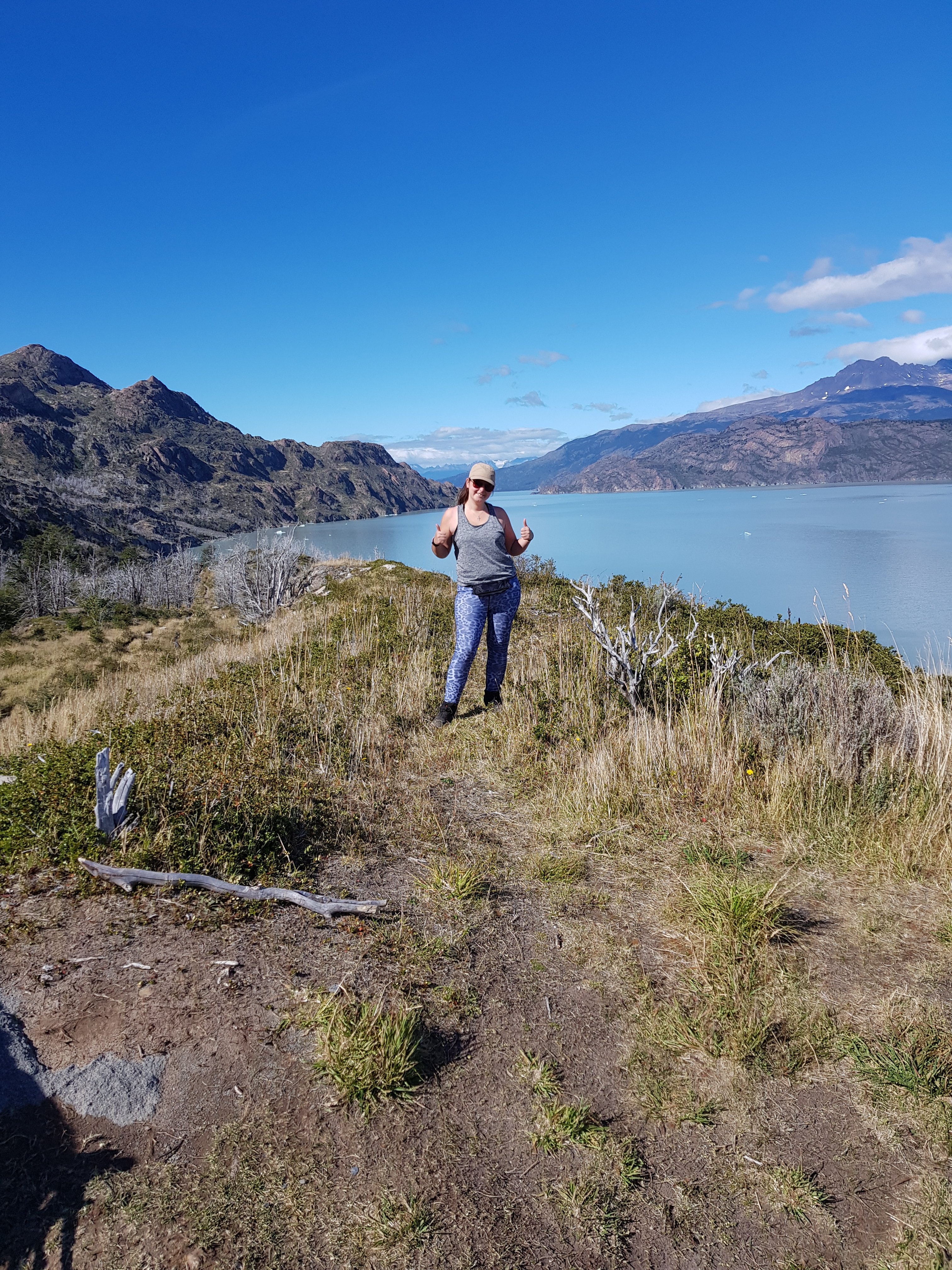
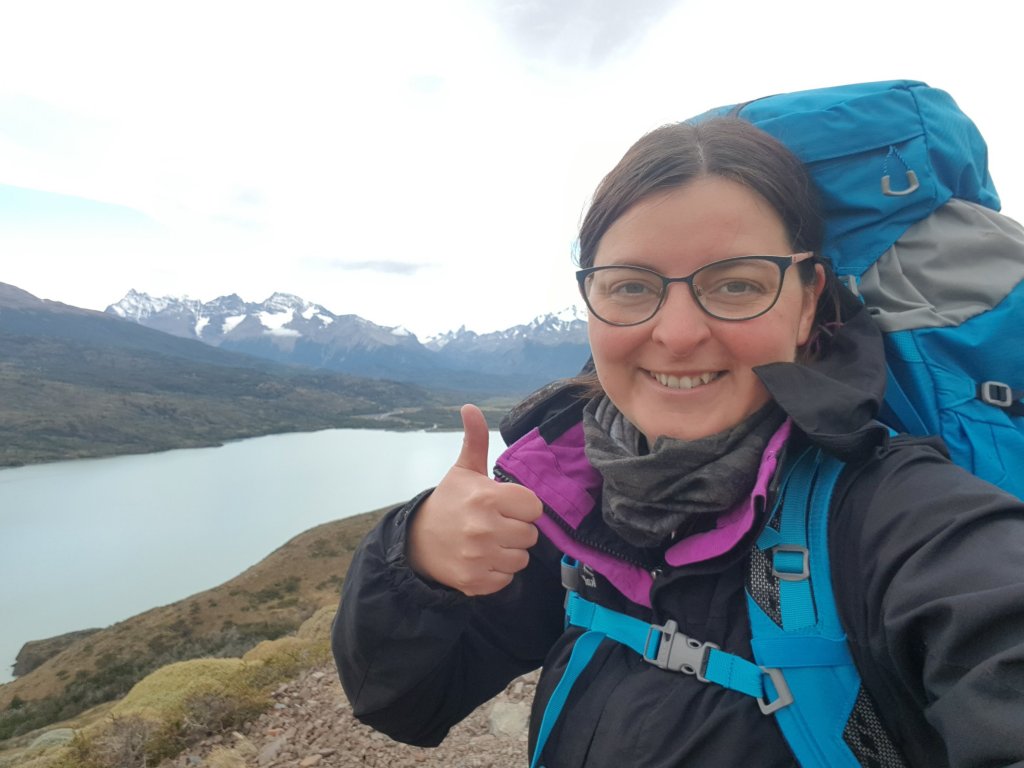
Having done the full circuit now, I would definitely recommend the ‘O’ to anyone that thinks they could manage it. The authenticity, and atmosphere were better than the ‘W’ circuit which is much more commercial. The park is absolutely beautiful and I would love to visit again and do more activities there.
Argentina: Central Patagonia (Santa Cruz Province)

Following my visit to Argentina’s Lake District, I continued my journey South into the center of the Patagonian region and one step closer towards the bottom of the world. This area is full of mountains, and glaciers, and many national parks!

Perito Moreno

After a 13 hour bus journey from El Bolson, I made it to the small town of Perito Moreno. I was the only person to exit the bus at 1am and make my way to my little wooden cabin in the town centre. I had come here for only one reason, to see the Cueva de las Manos, only accessible by car or tour.

Cueva de las Manos (Cave of Hands)

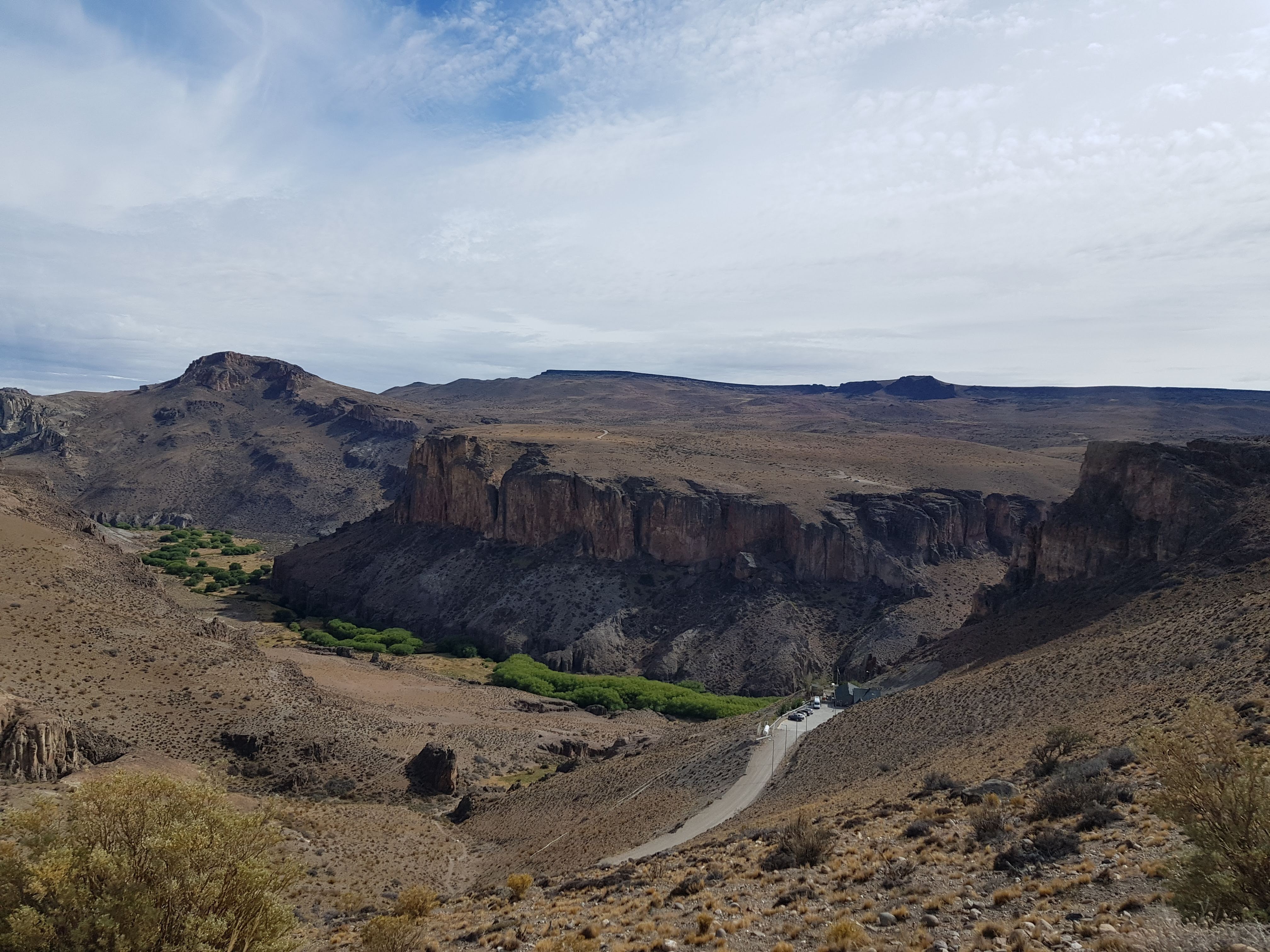
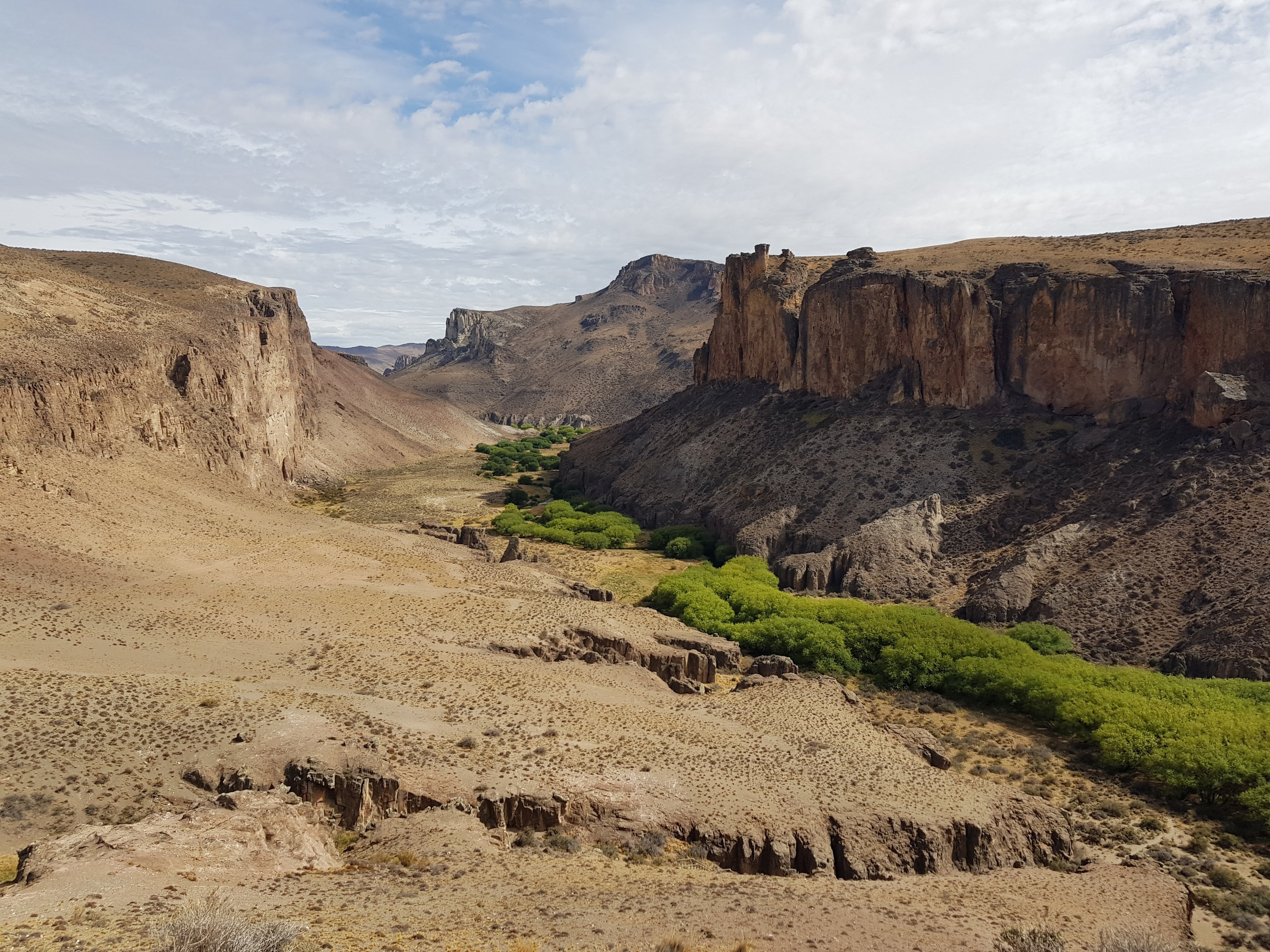
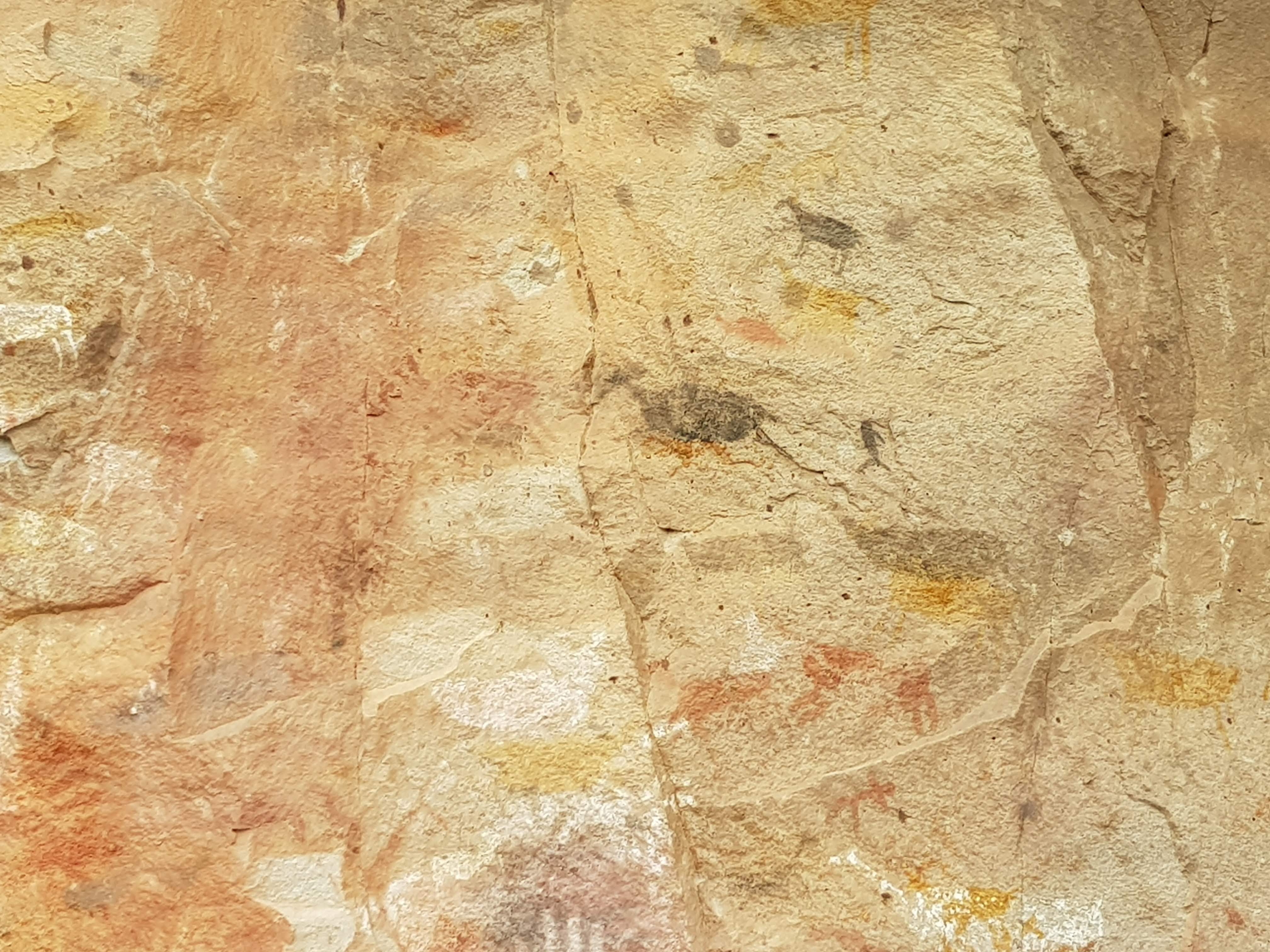
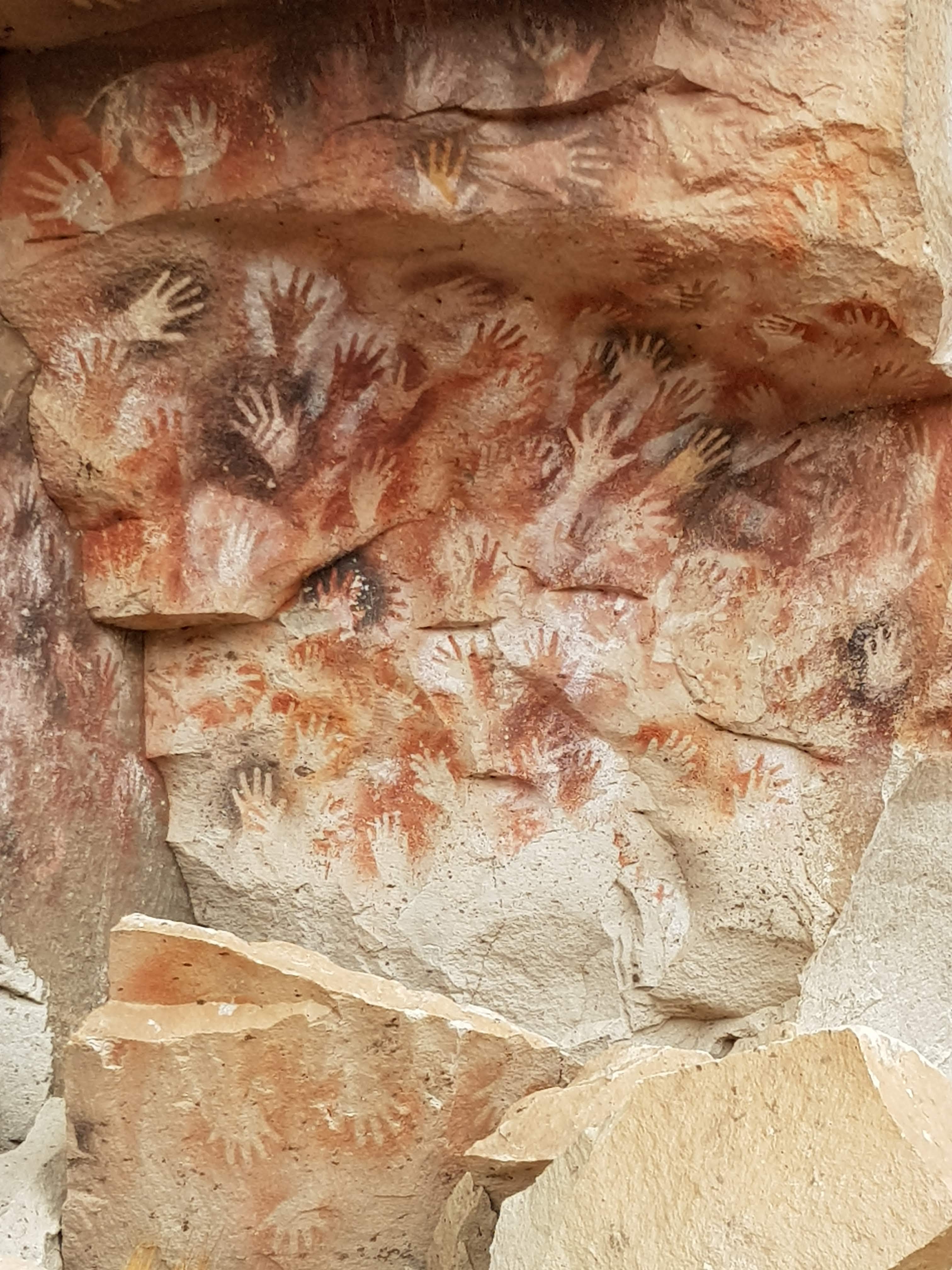
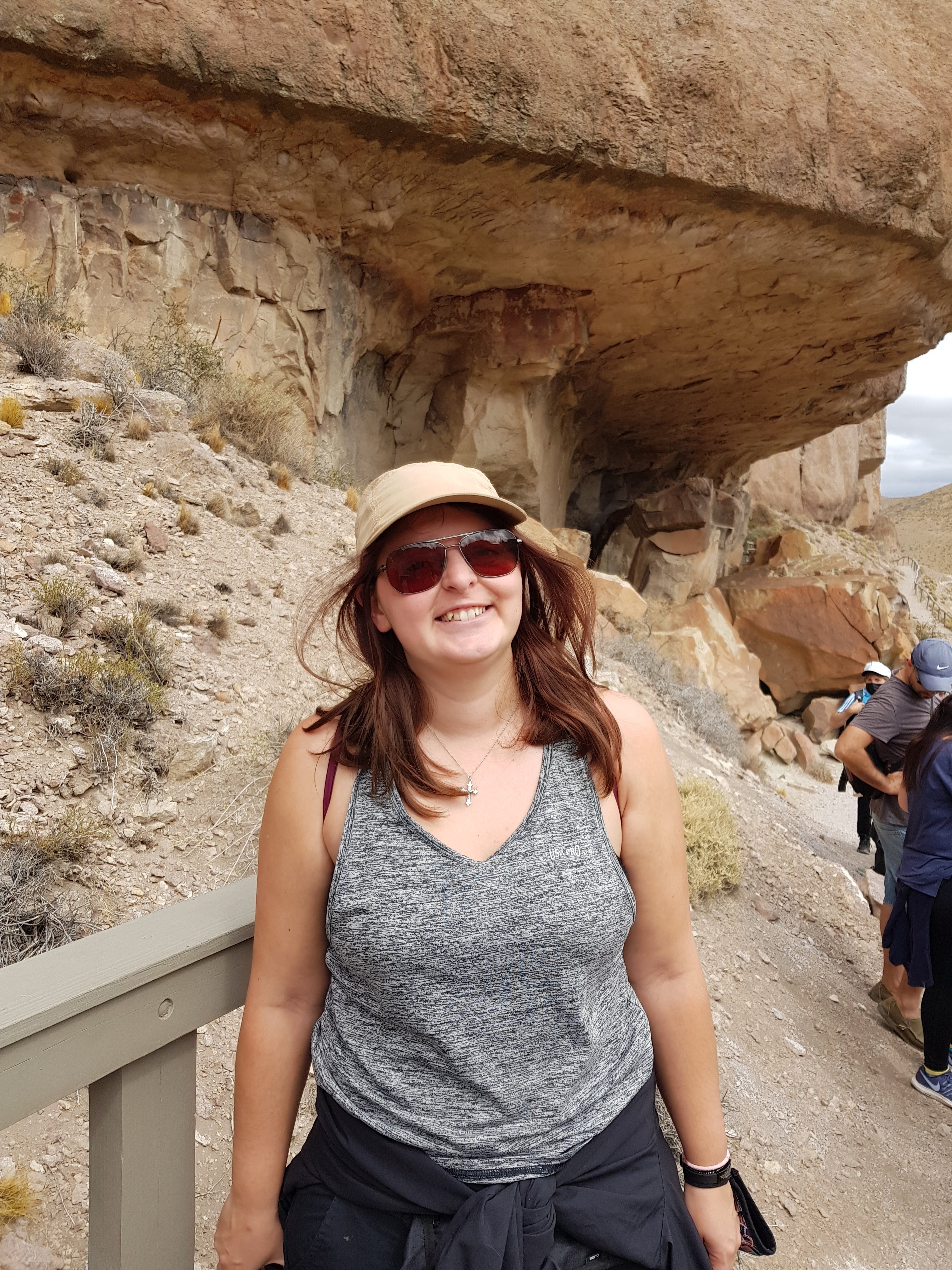
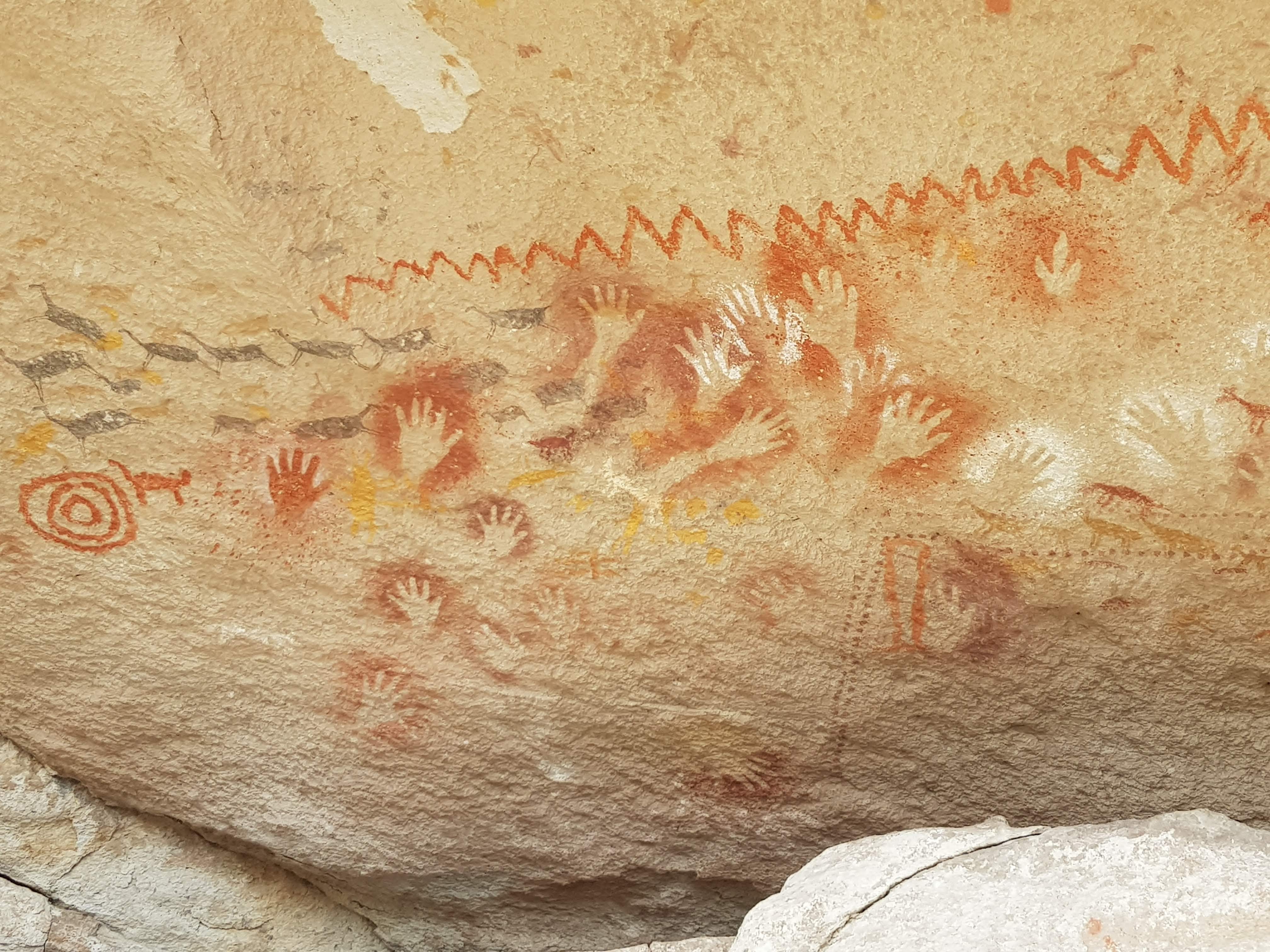
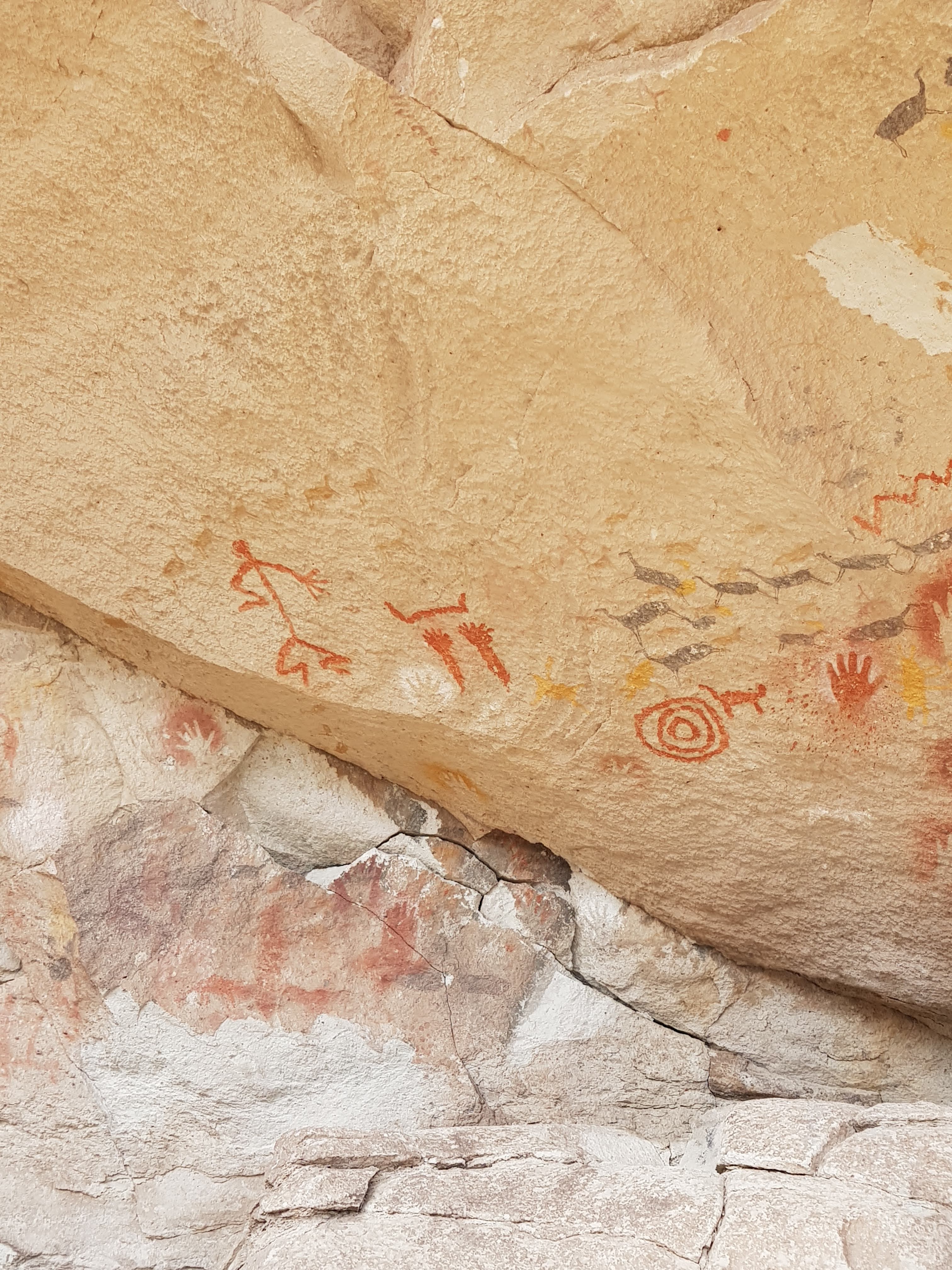
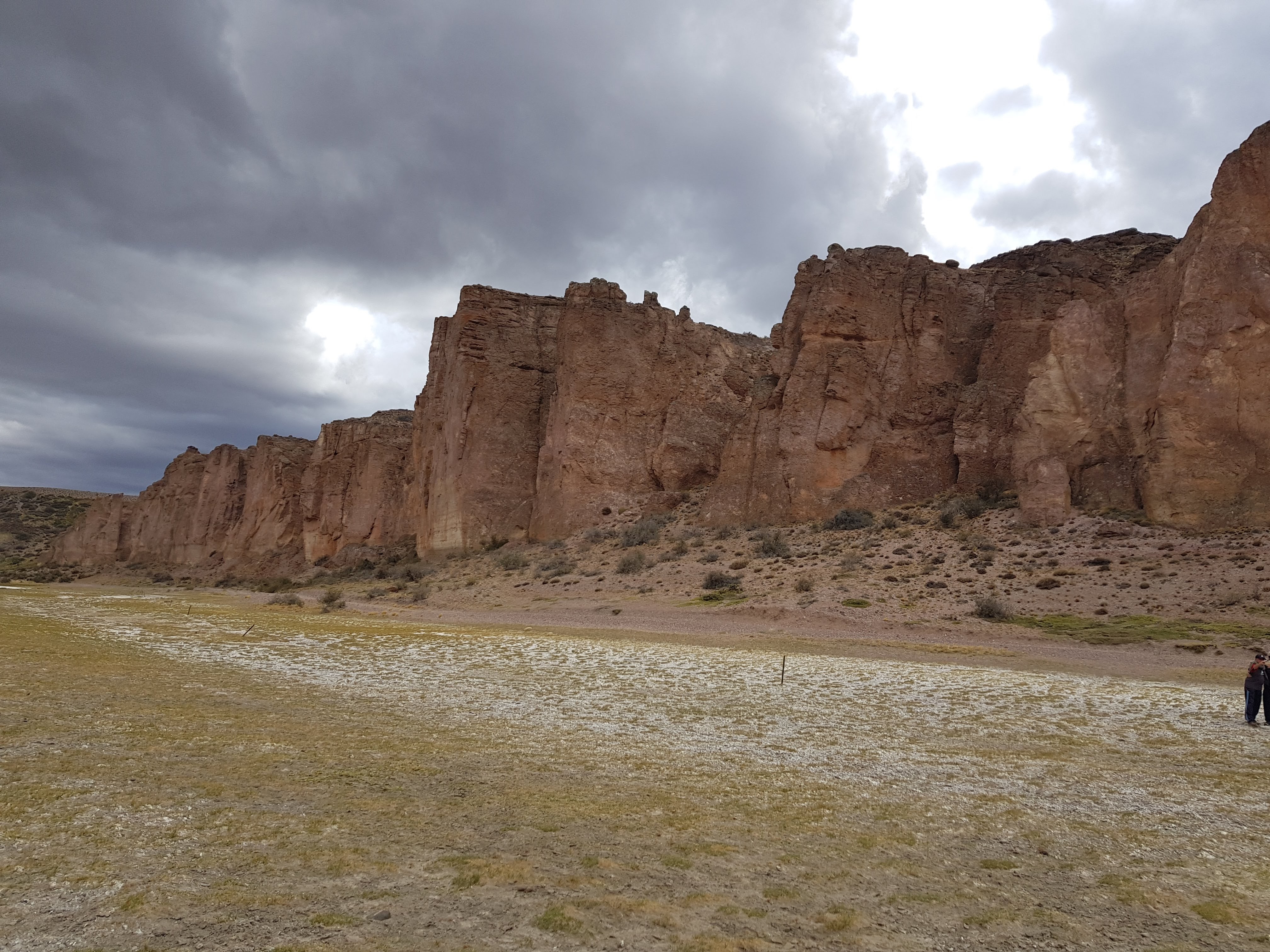
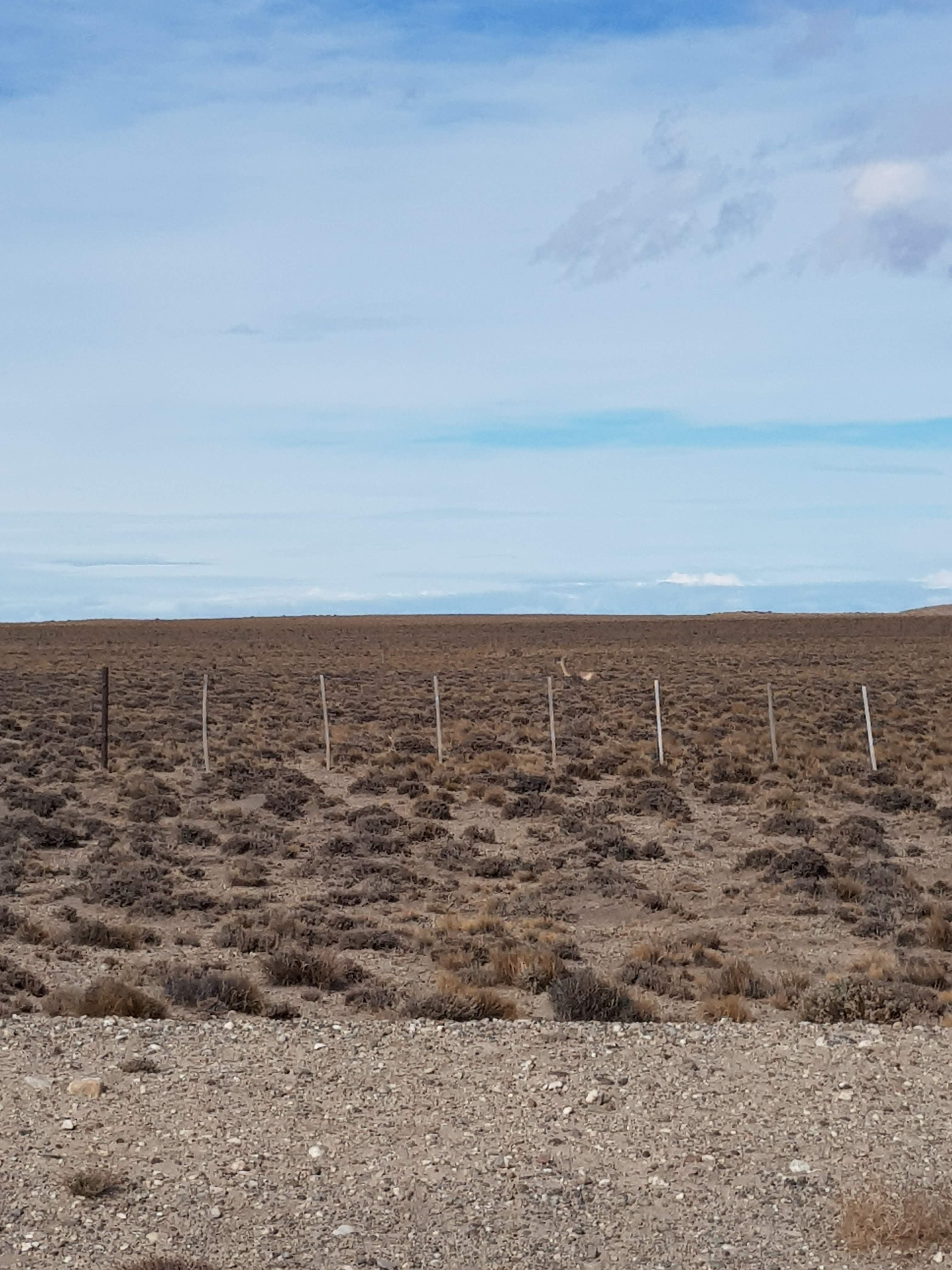
I joined a tour group of Argentine people, and we made our way across some very bumpy roads and past wildlife and huge canyons, before finally arriving at the UNESCO site of Cueva de las Manos. This world famous spot has an amazing collection of ancient cave paintings and hand prints, not inside the cave but across the front of it, along a huge rock face. The guide on the site escorted our group through a long boardwalk running across the side of the paintings and with views of a canyon on the other side.

These amazing paintings crowd the walls and include handprints of adults and children from possibly three different times. You can also see illustrations of animals that they would hunt, geometric shapes, that are suspected to represent a map, and there is even a suspected paw print of a puma! The whole collection is made up of different colours, including yellows and bright blues, and are made from different natural materials. I imagine that the person that discovered this must have been completely astonished by all the haunting raised hands.

Patagonia Park

The tour also included visits to other interesting locations nearby such as the Patagonia Park, which had huge salt flats to see.

The locals prepared a lunch for our group of traditional and locally produced food. It was delicious and in true Argentine style, the portions were huge. I tried to tell the people in the group that I was full, but the little old ladies in the group said they wanted to fatten me up and they are like my ‘abuela’ (grandma) and want to look after me! haha

Coloured mountains

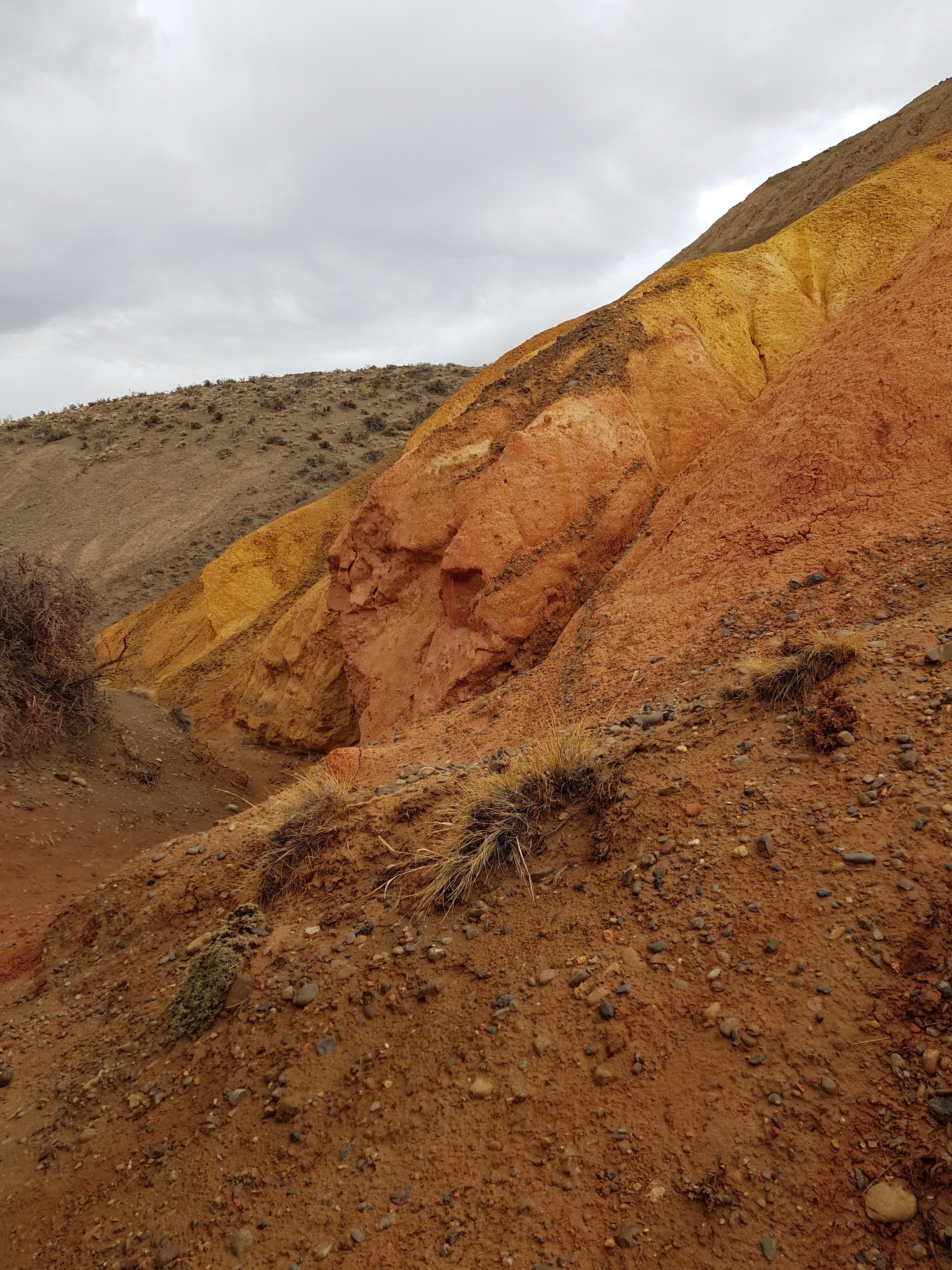
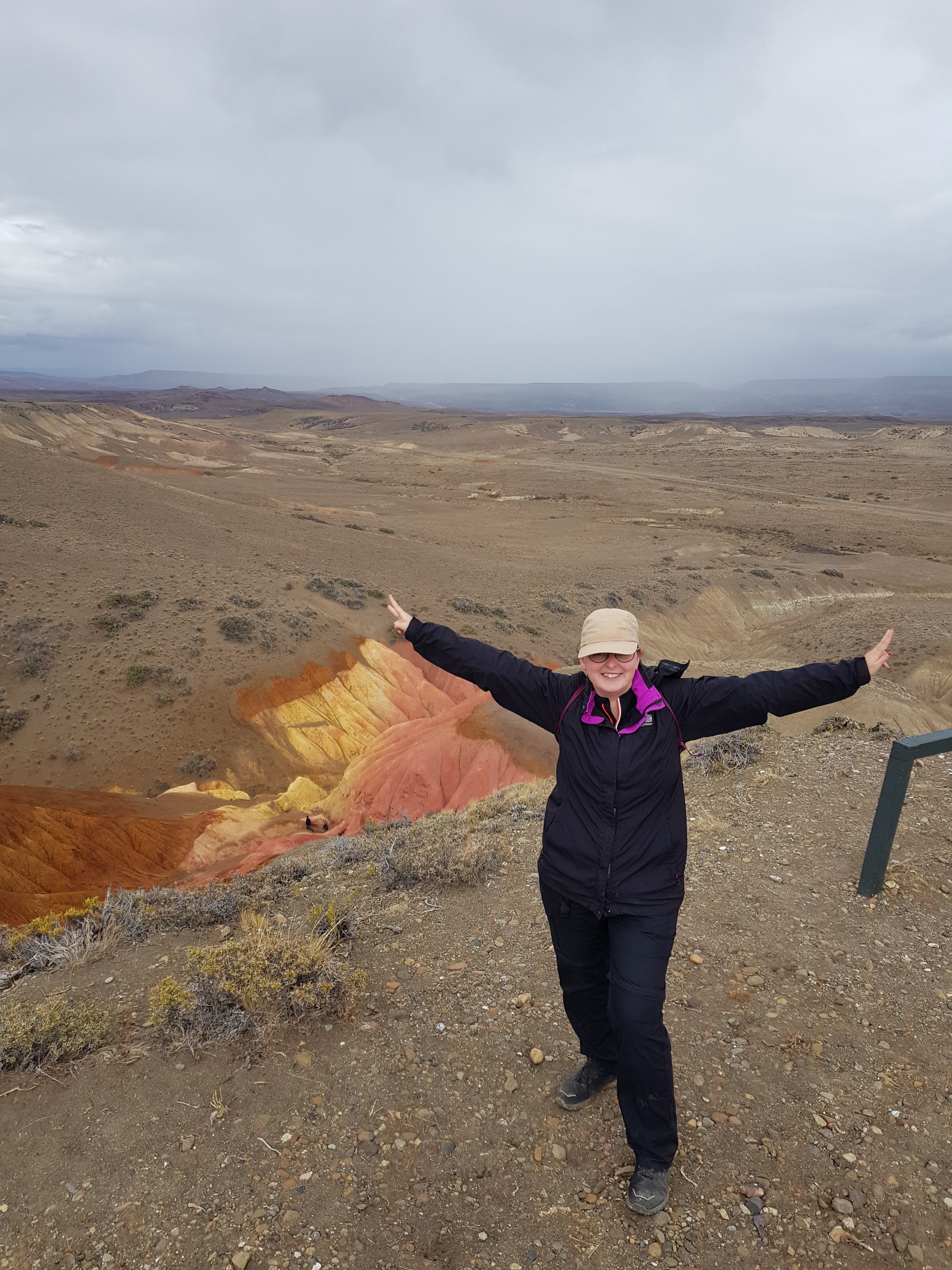
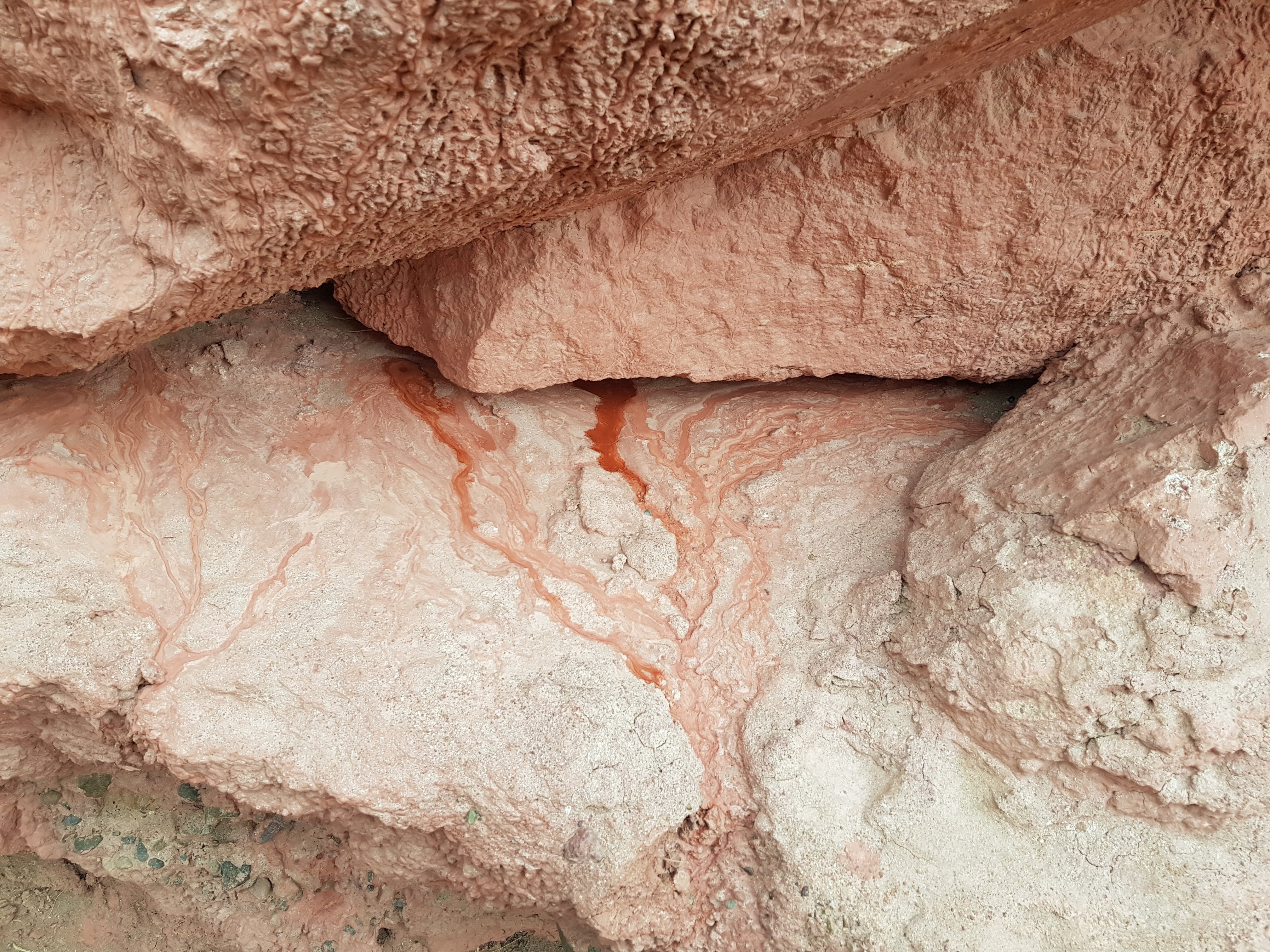
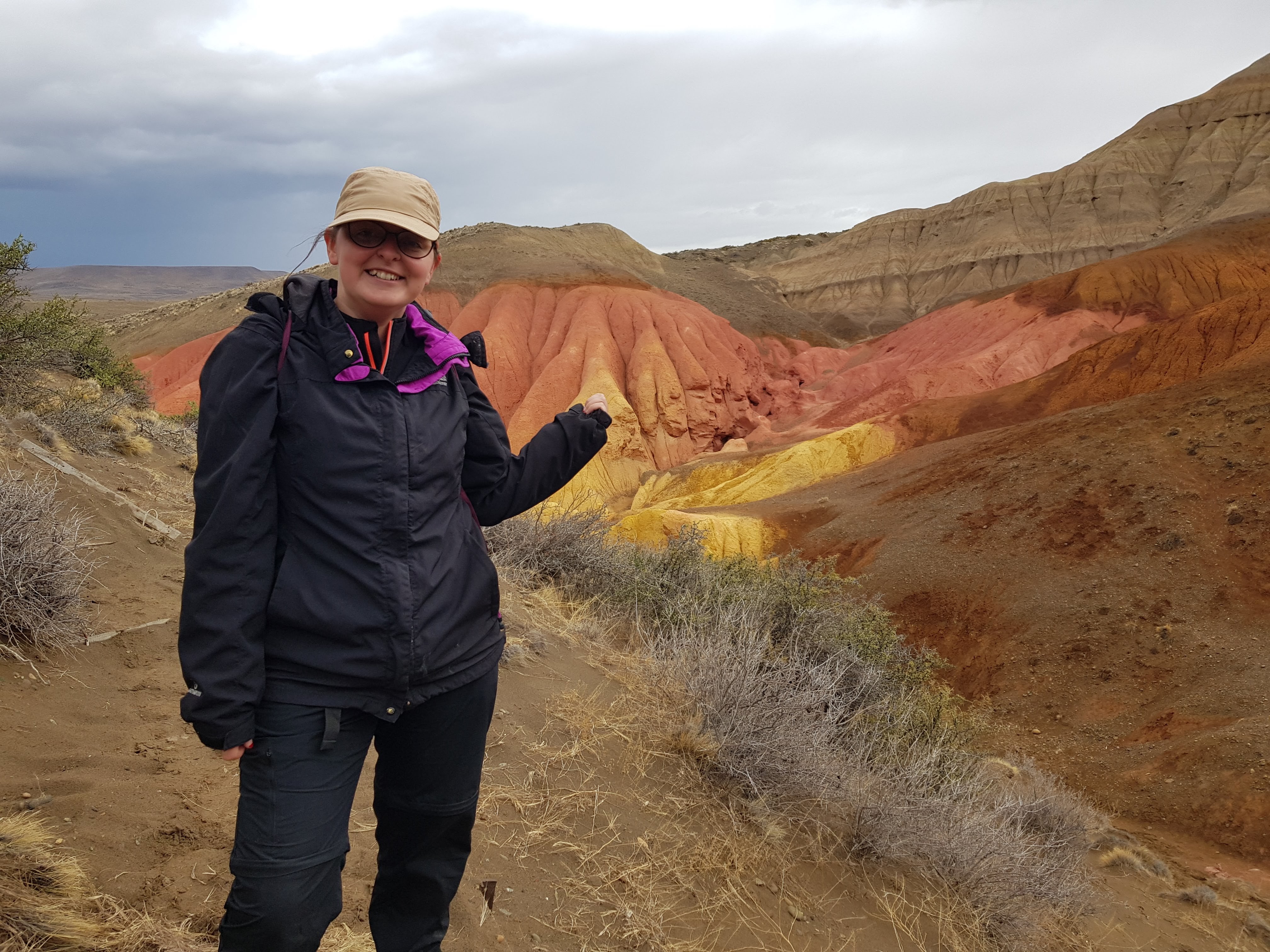
The last stop was an hour hike over some amazing hilltops/mountains that were brightly coloured in oranges, red and yellows. This is due to the properties in the rocks and all the minerals being brought out by rainfall. It was pretty awesome, and the short walk to the top gives you an amazing view!

El Chalten & Fitz Roy

Next stop on my trip was to the little town of El Chalten. Getting there was a struggle. It had been raining the night before, and so they rerouted the bus to the only other motorway that took us to the bottom of the country then we turned back around and went back up… A 10 hour journey took 18 hours… craziness.

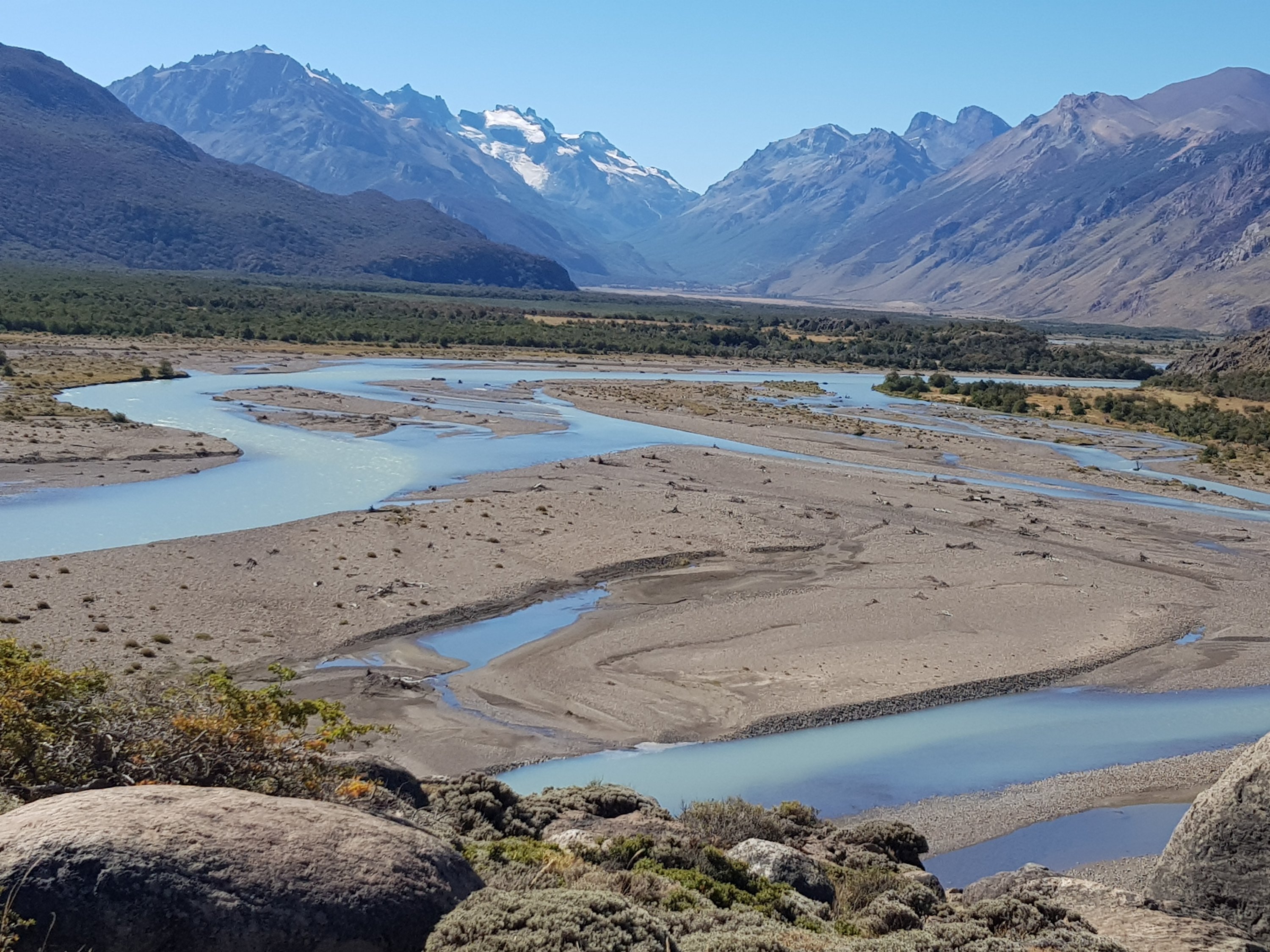
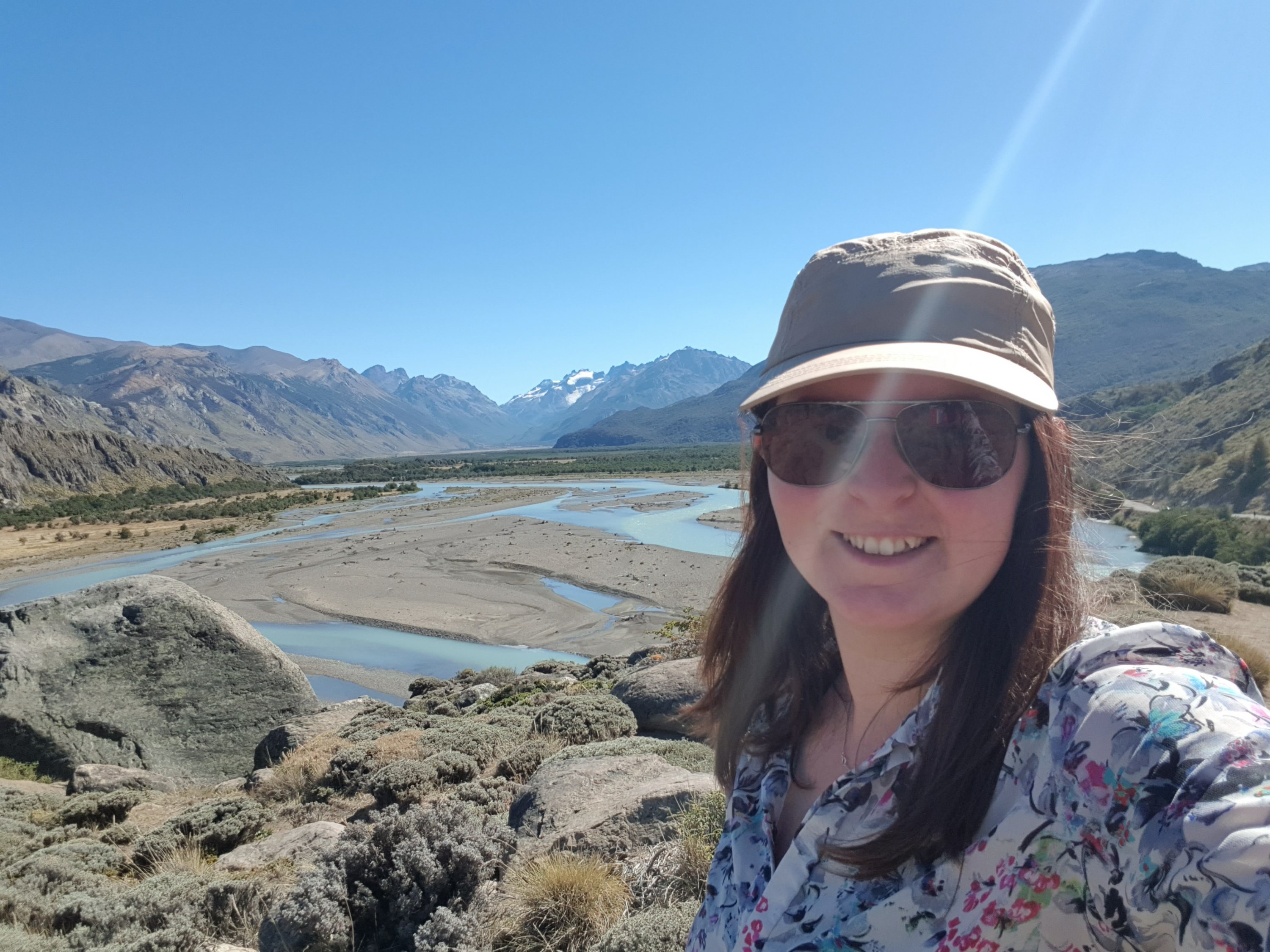
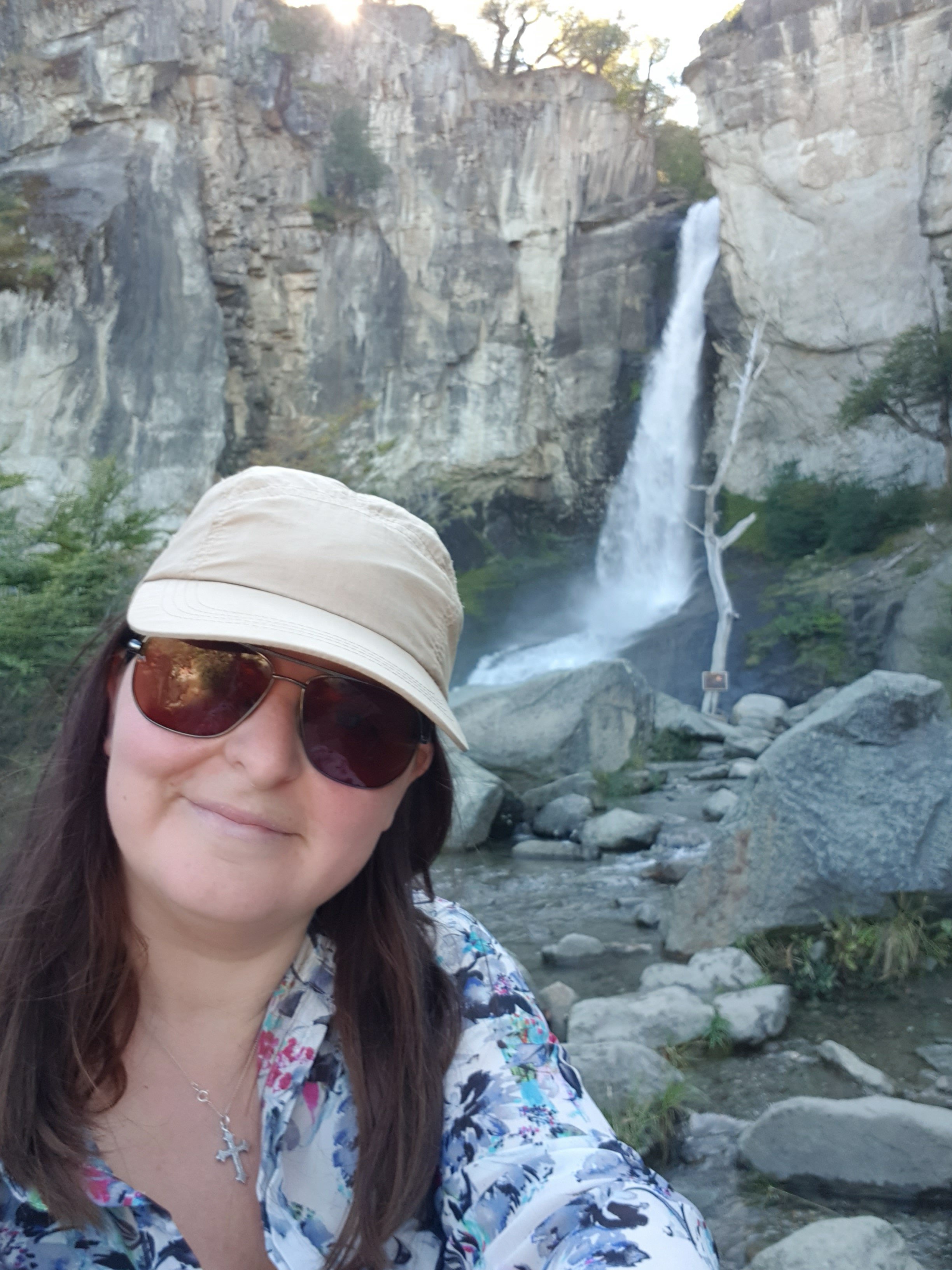
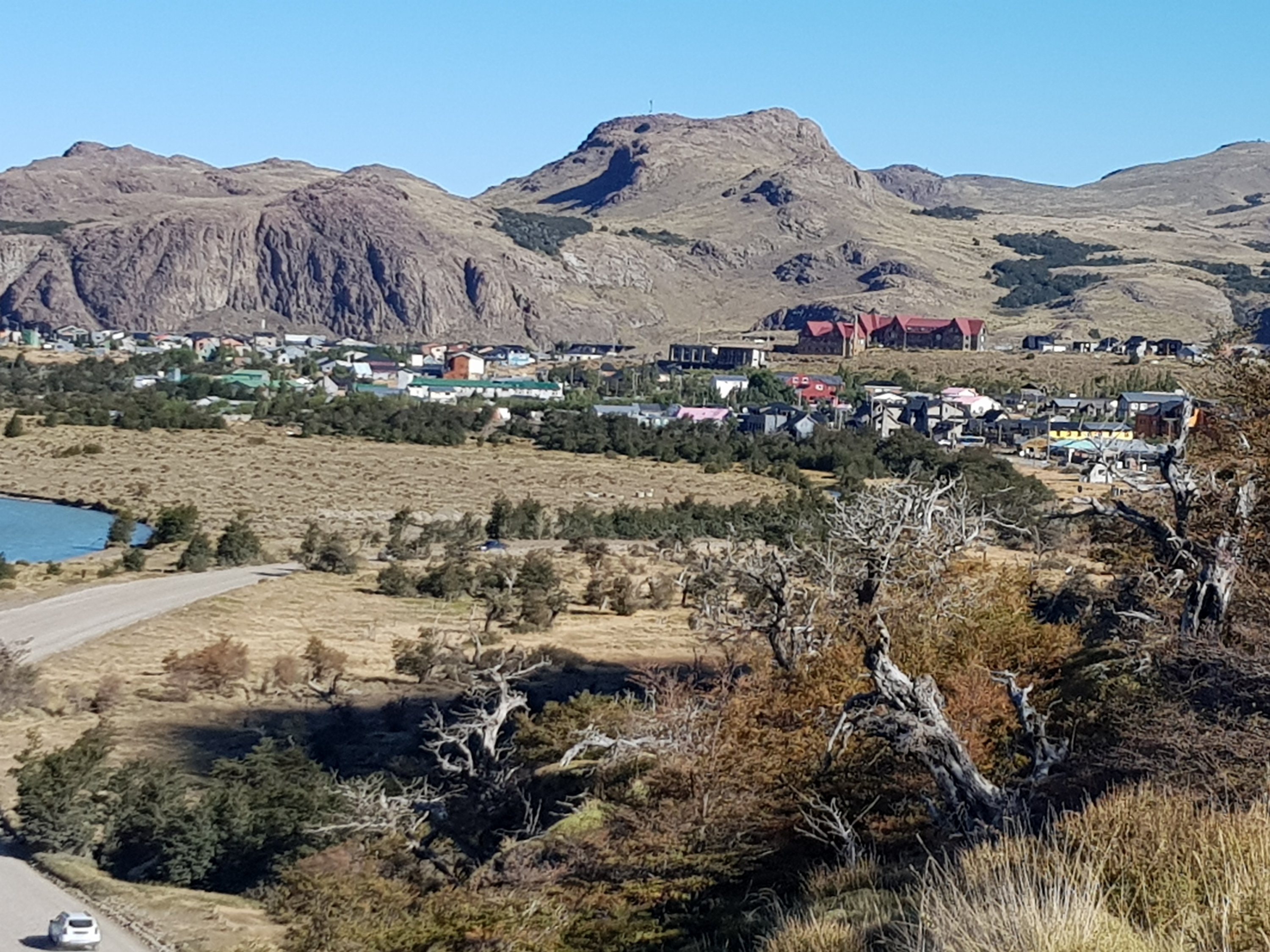
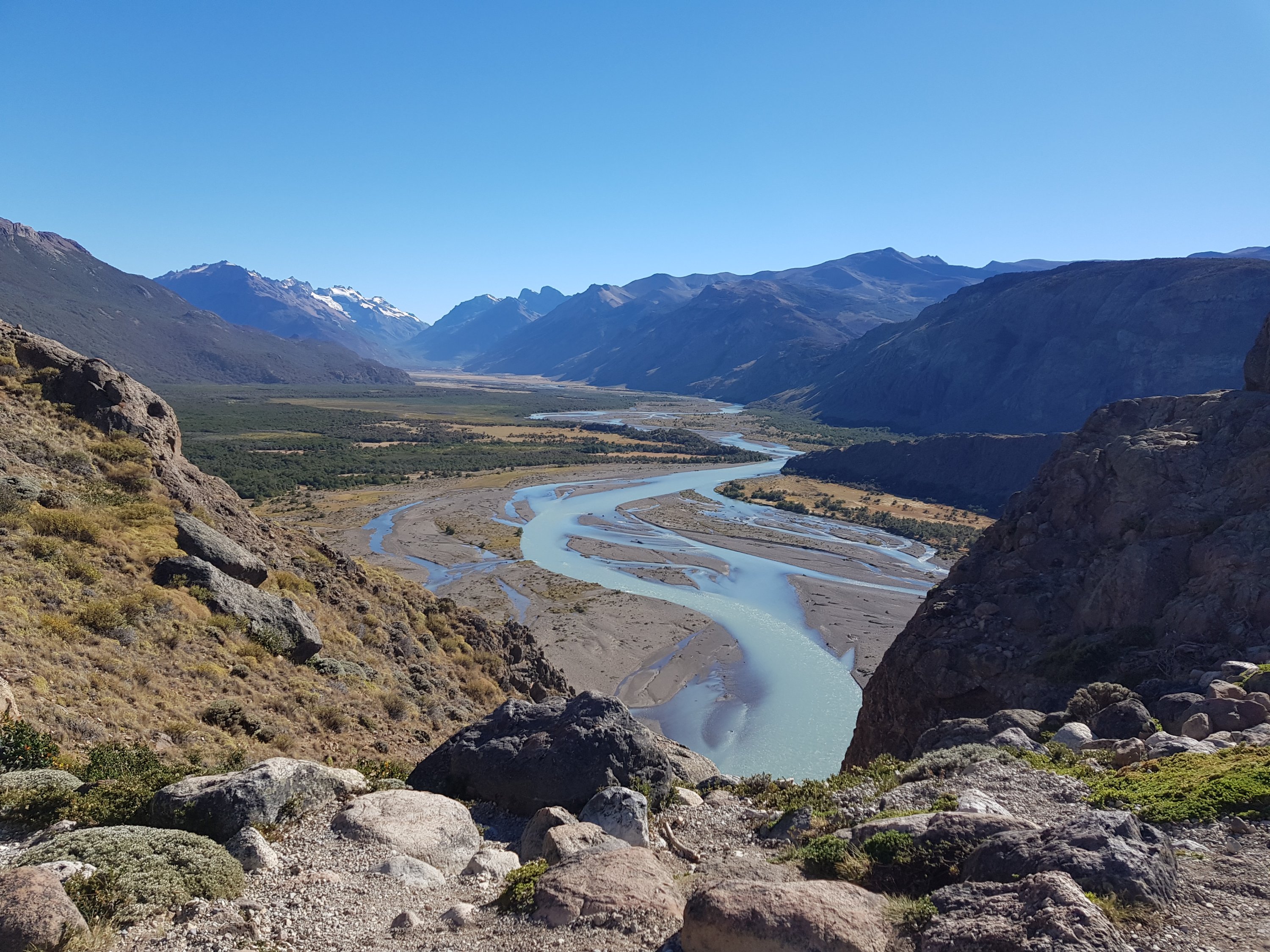
On finally arriving, I headed straight out for a short hike to a nearby waterfall. It was great to get some fresh air and put my head under the flowing glacier water. I also got great views of the landscape and the town. El chalten is a part of this natural landscape and is an absolute haven for hikers and climbers.

Laguna de los tres

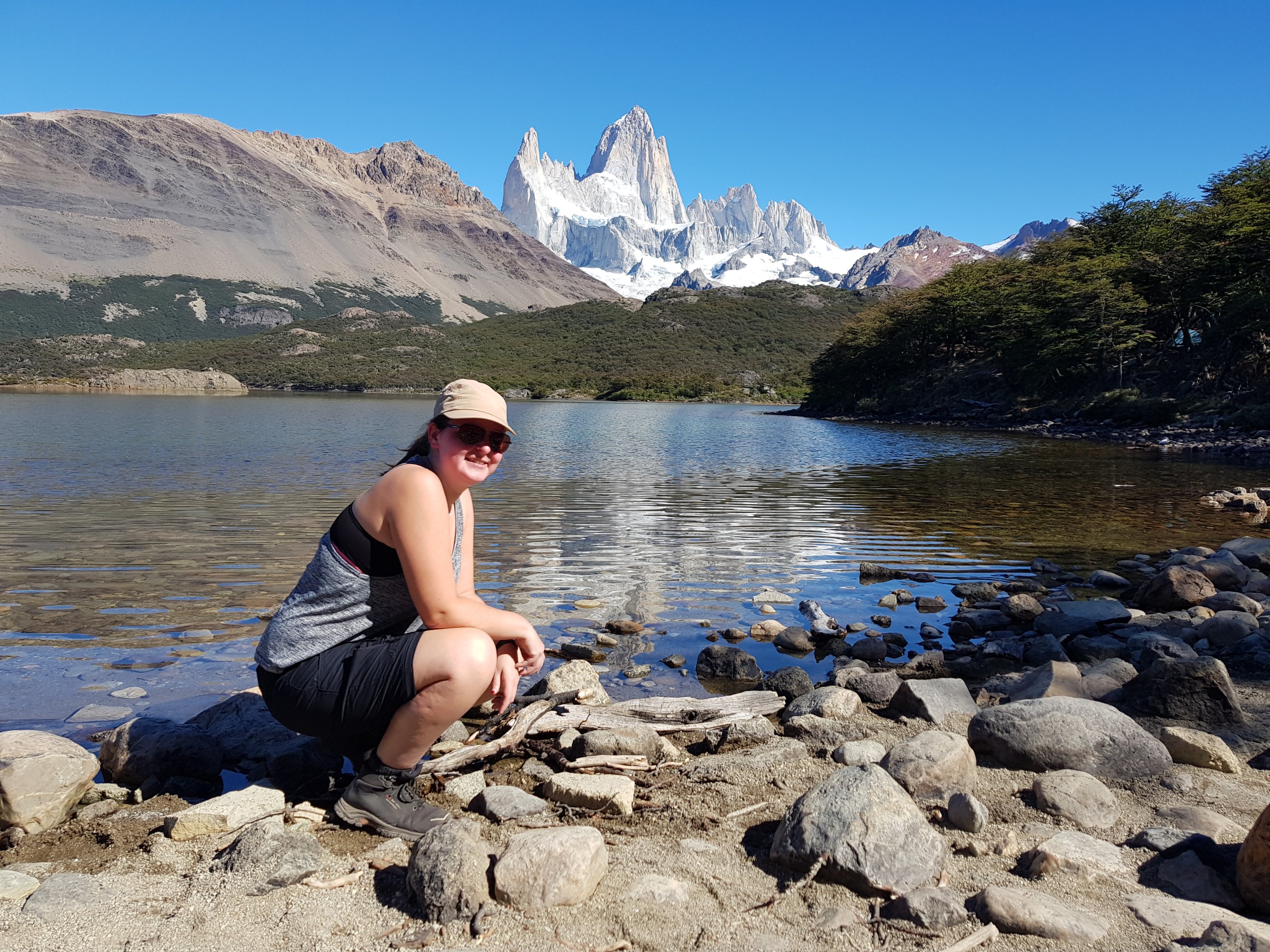
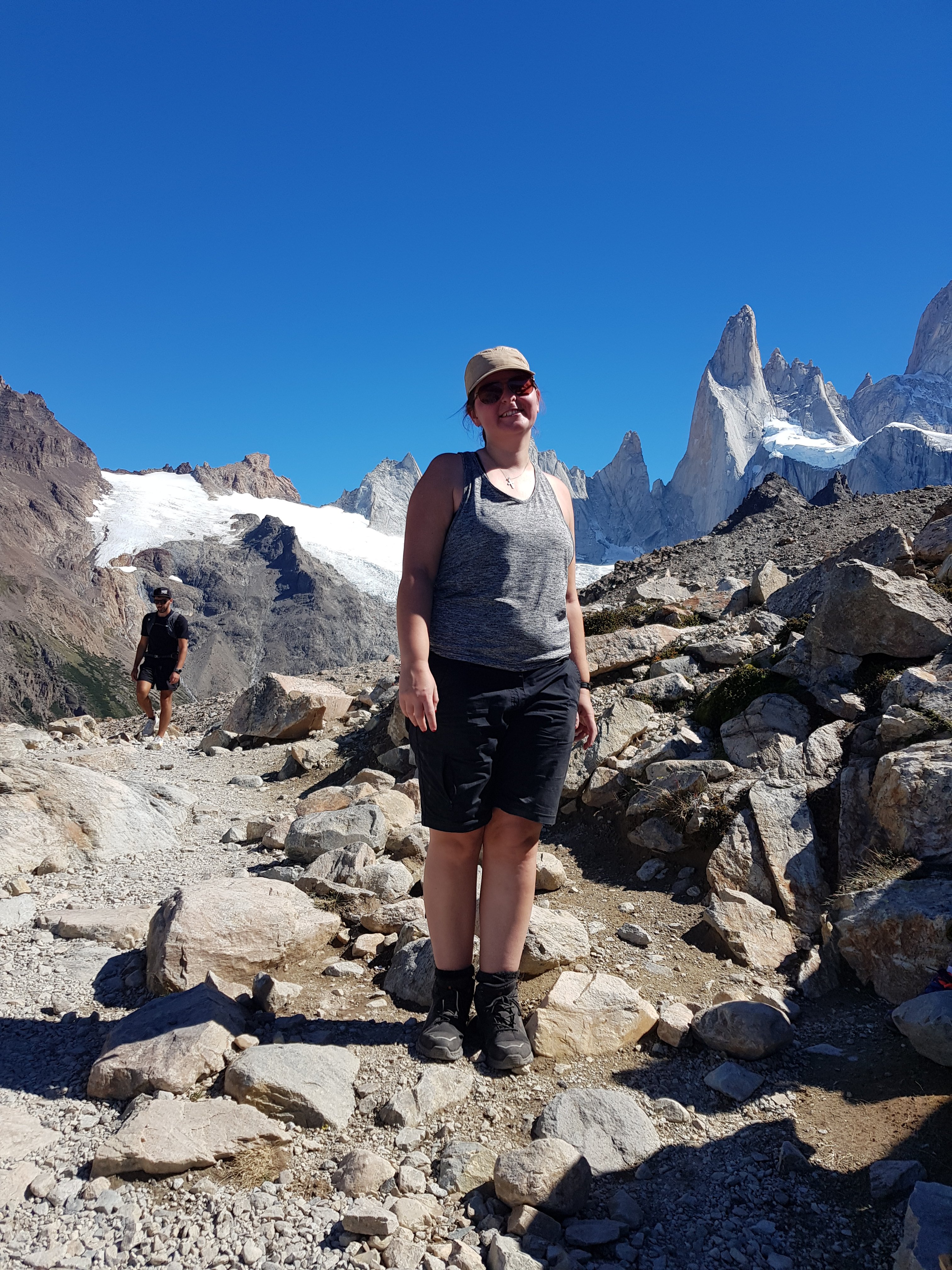
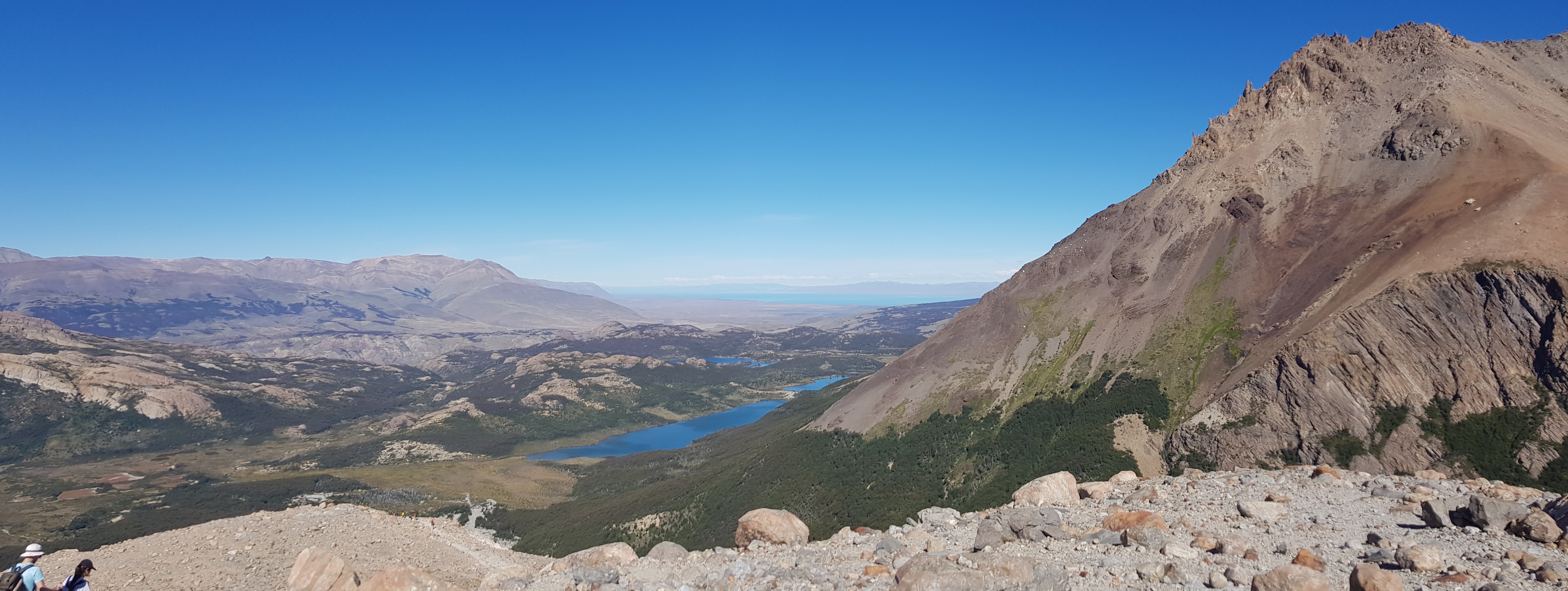
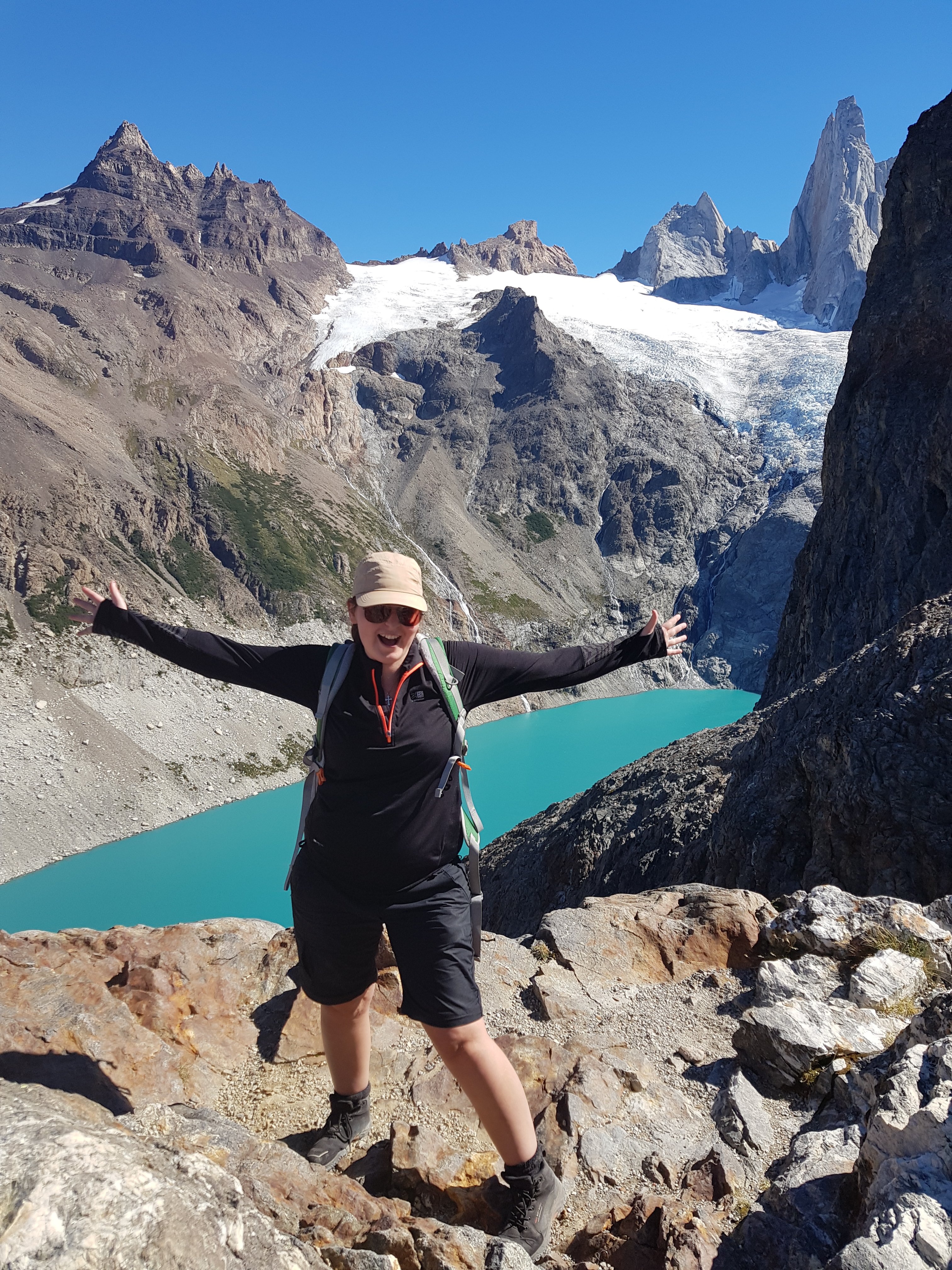
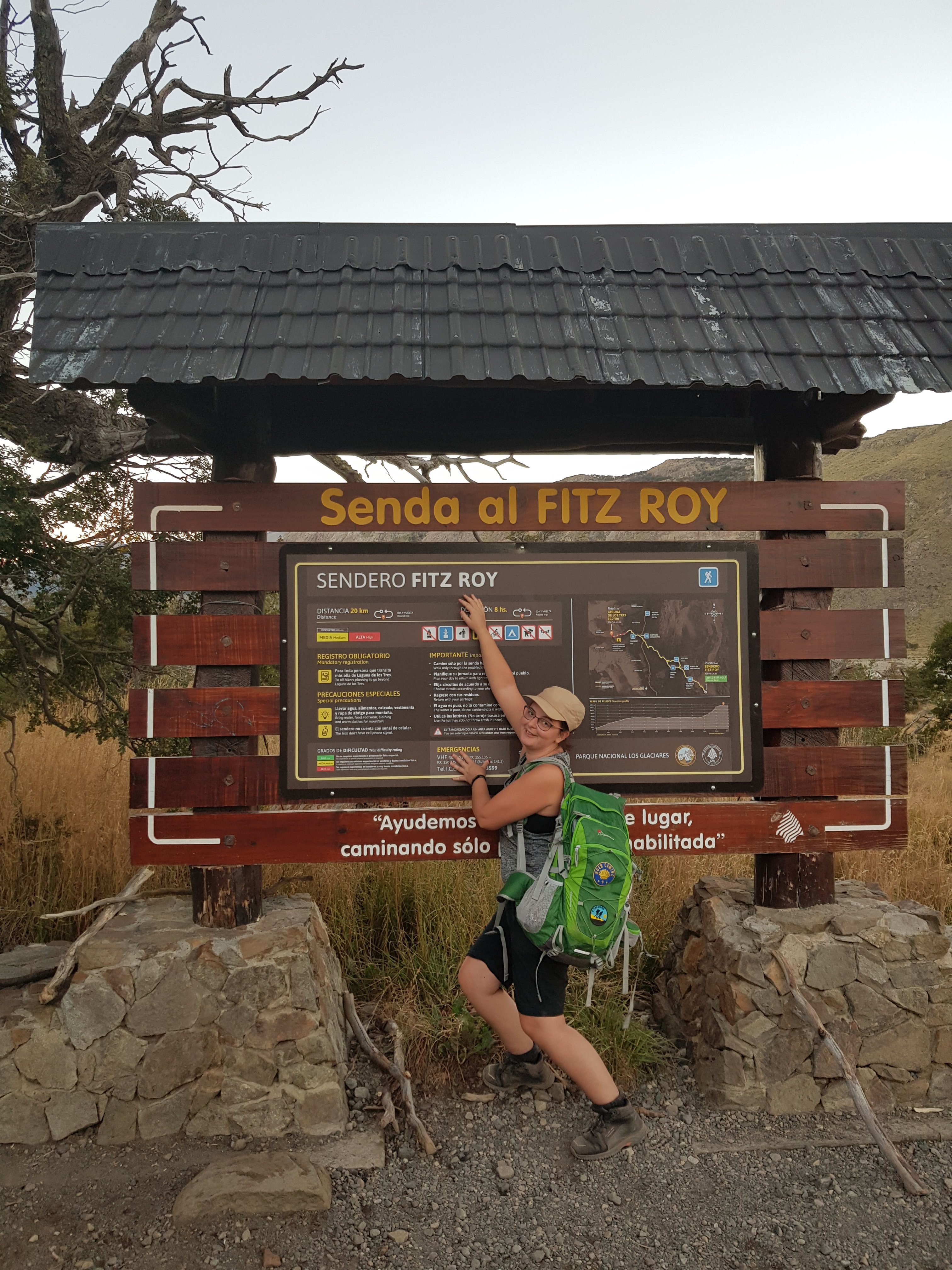
The next day, I started the strenuous hike of Laguna de los tres to Fitz Roy mountain. This hike is only 20 km but it took me about 9 hours. The final km took about two hours as the climb was a directly up ascent on difficult terrain. Normally I walk 4-5 km per hour.

The trail passes through forests, rivers, lakes and grasslands, as well as going through two campsites. It was a very warm and busy day on the trail, but this gave me the opportunity to meet many people. During my day of trekking, I befriended two different groups from Argentina and a girl from Spain. Making conversation with strangers is one of my favourite parts of solo trekking, as I meet so many interesting people from all around the world.

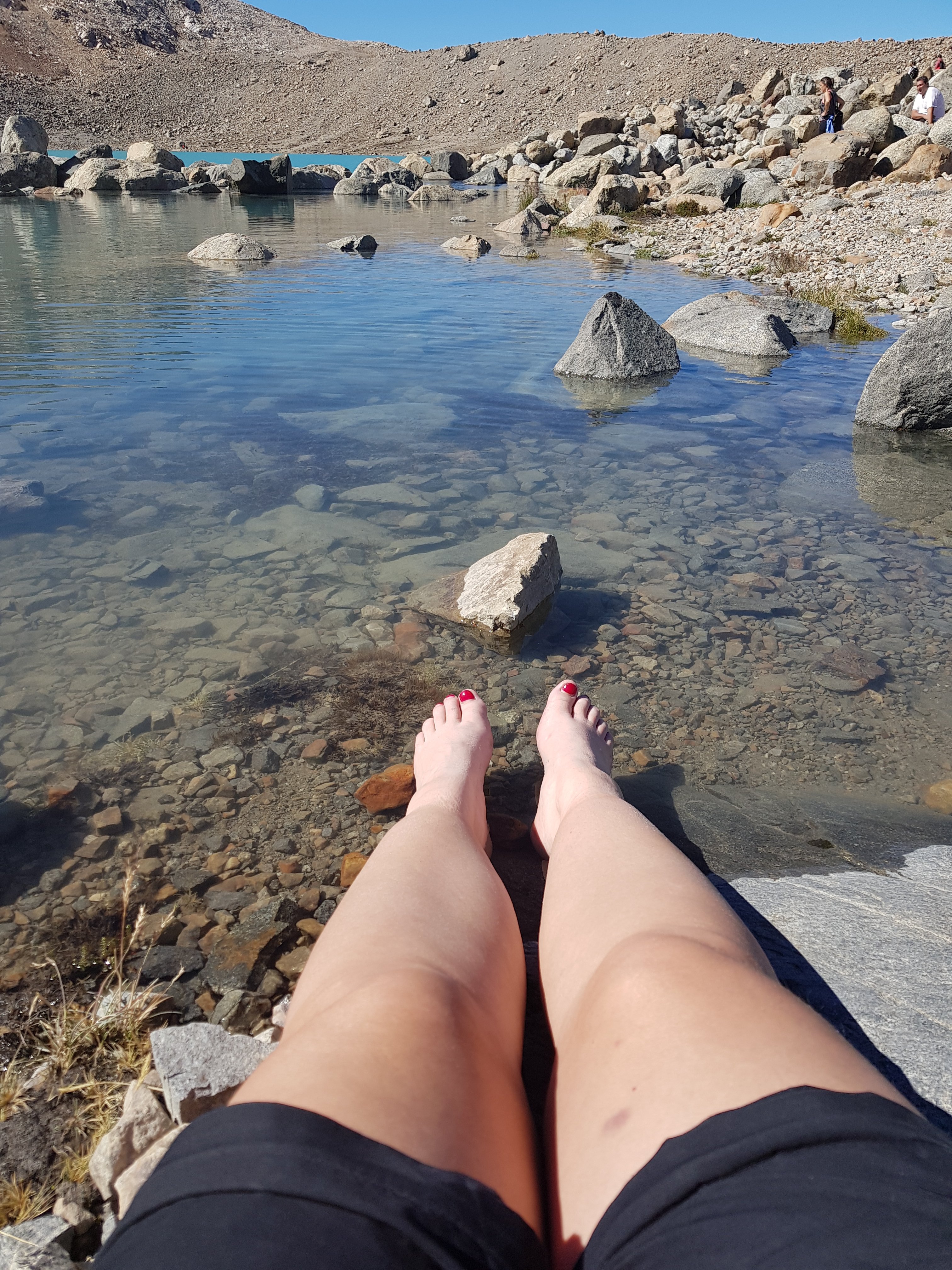
On reaching the top, I collapsed in a pile for a few minutes, then made my way to the lake that was formed by the melting glacier, and took an icy drink, before taking a dip. I spent a few hours here, relaxing and enjoying the sights of the Fitz Roy mountain and the falling water to the drop below.

El Calafate

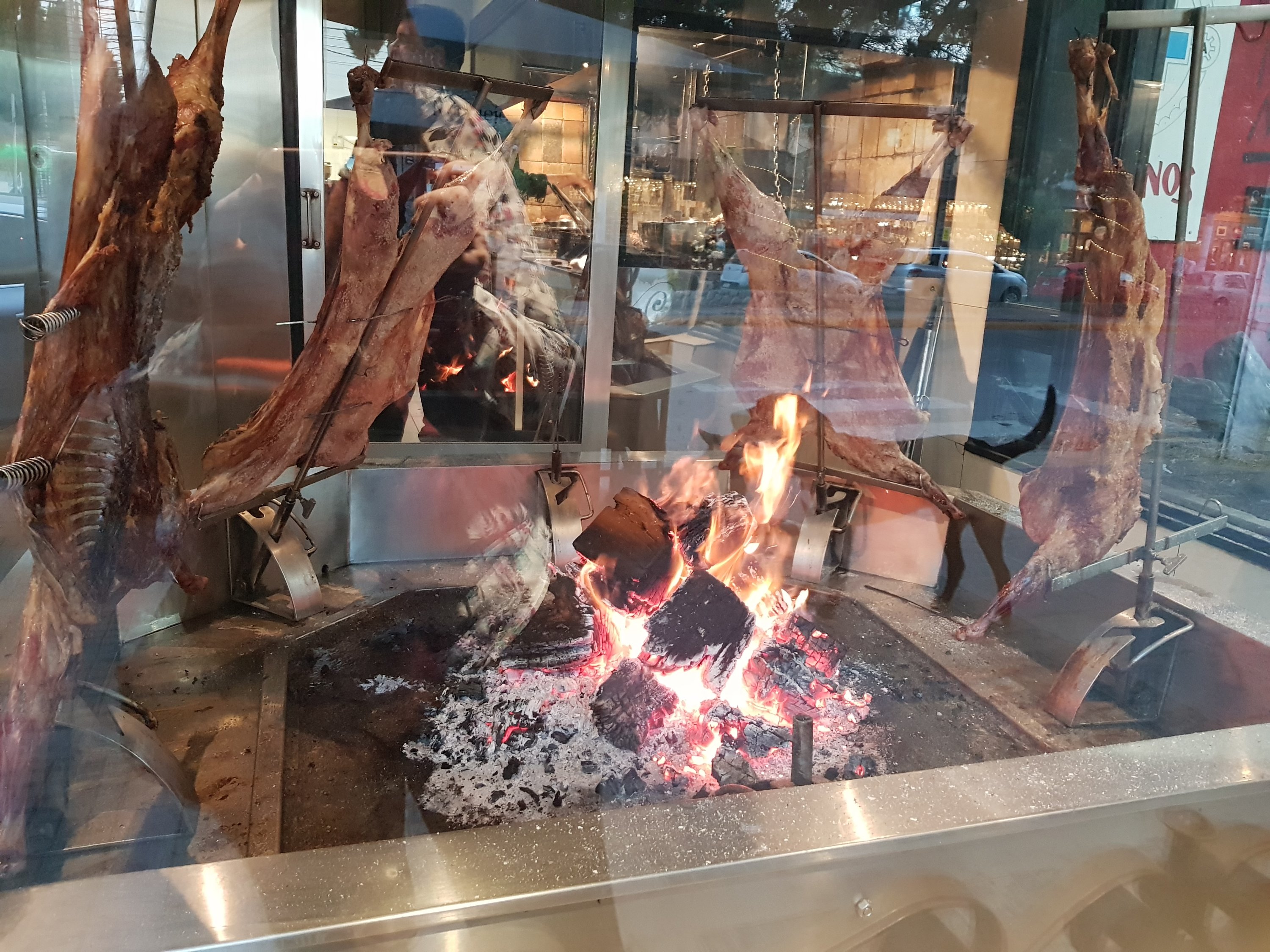
Next day, I was off to Calafate, on the other side of the National Glacier Park from El Chalten. This town is bustling with tourist shops and restaurants. I have a dwindling budget so I cooked whilst I was there, but still managed to admire the Patagonian Lambs being roasted over the fire through the restaurant windows.

Perito Moreno Glacier

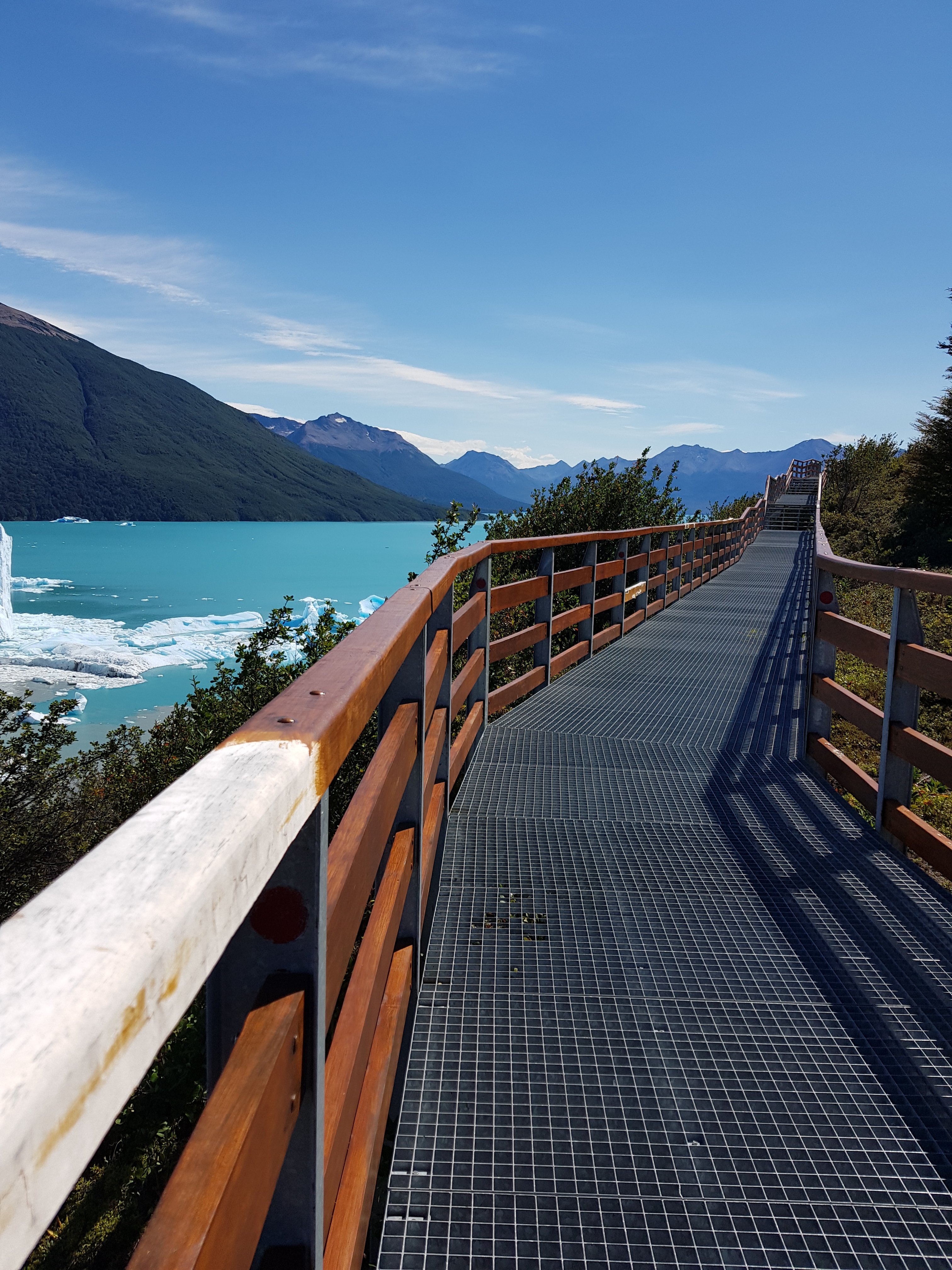
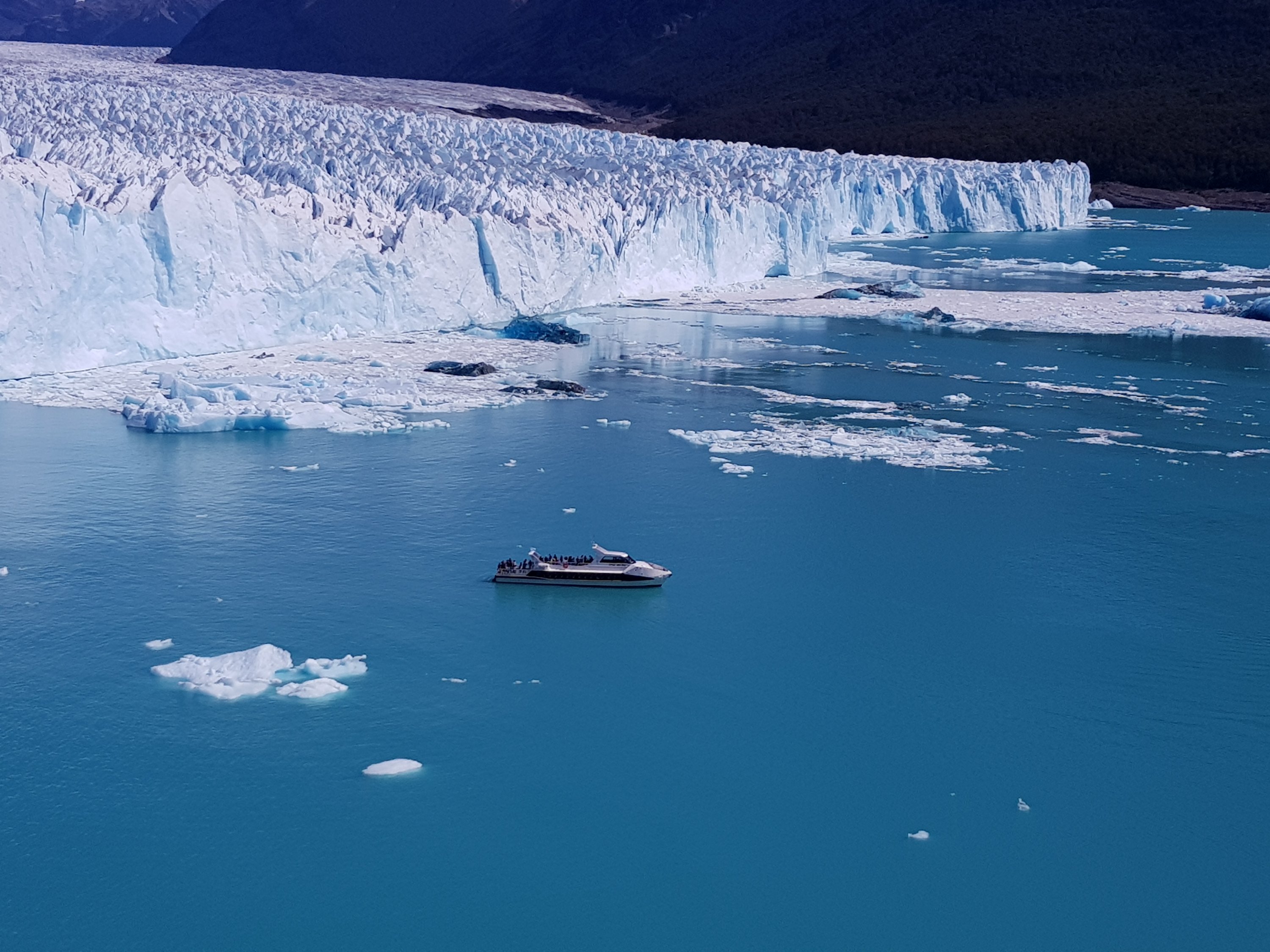
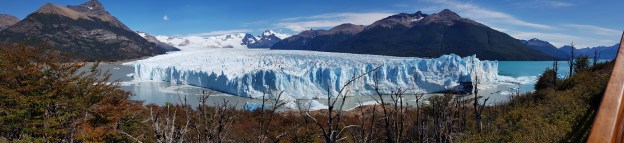
The main excursion to take from El Calafate is to see the huge Perito Moreno Glacier. You have to take a tour which costs about £35 to get to the glacier which is a few hours away. There is then a small charge for the entrance to the park. We were given four hours in the park. I was given a choice to pay extra for a one hour boat ride that takes you closer to the glacier, but I chose not to take this option, and just enjoyed the various boardwalk routes around the front of the glacier.

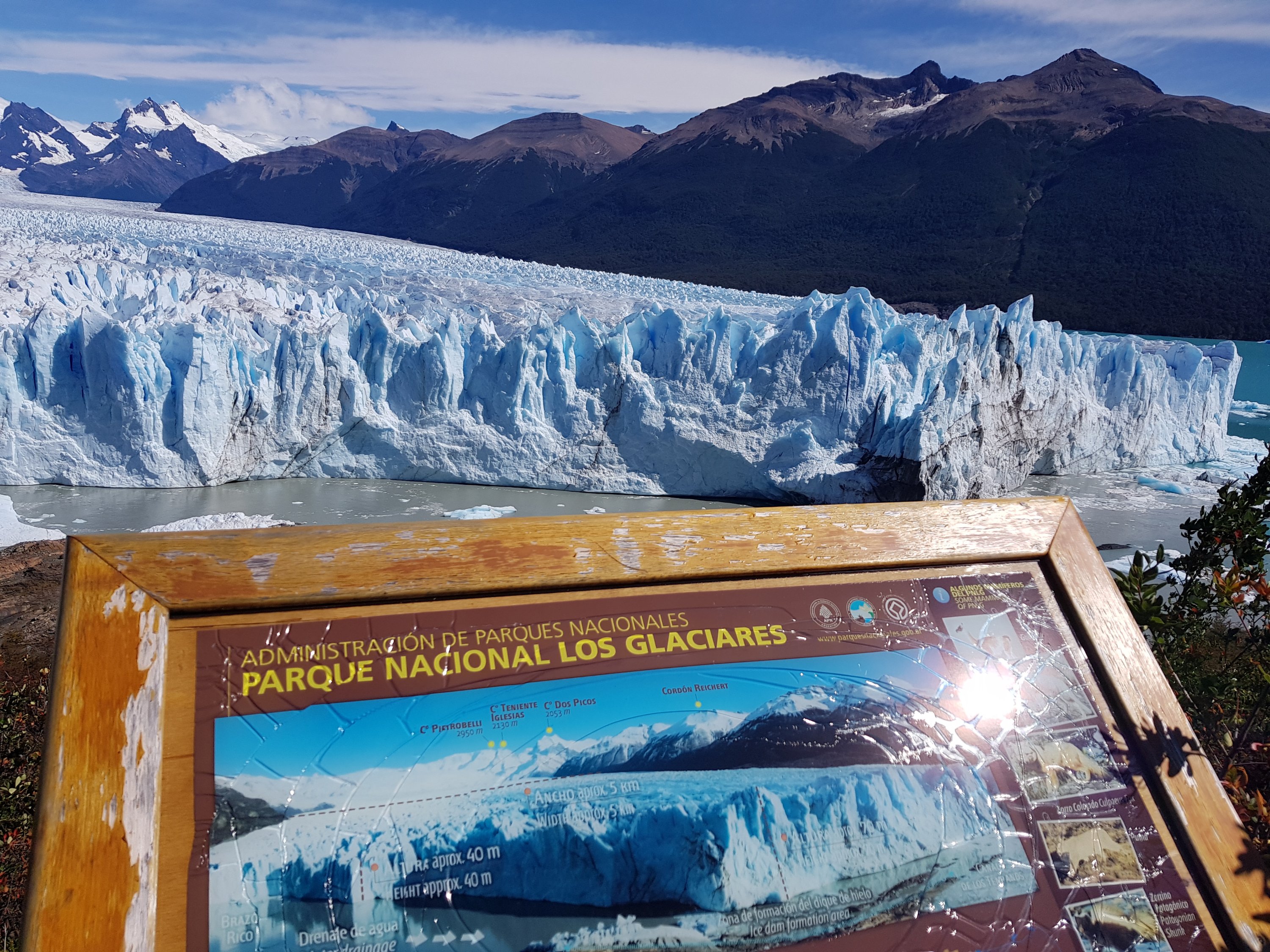
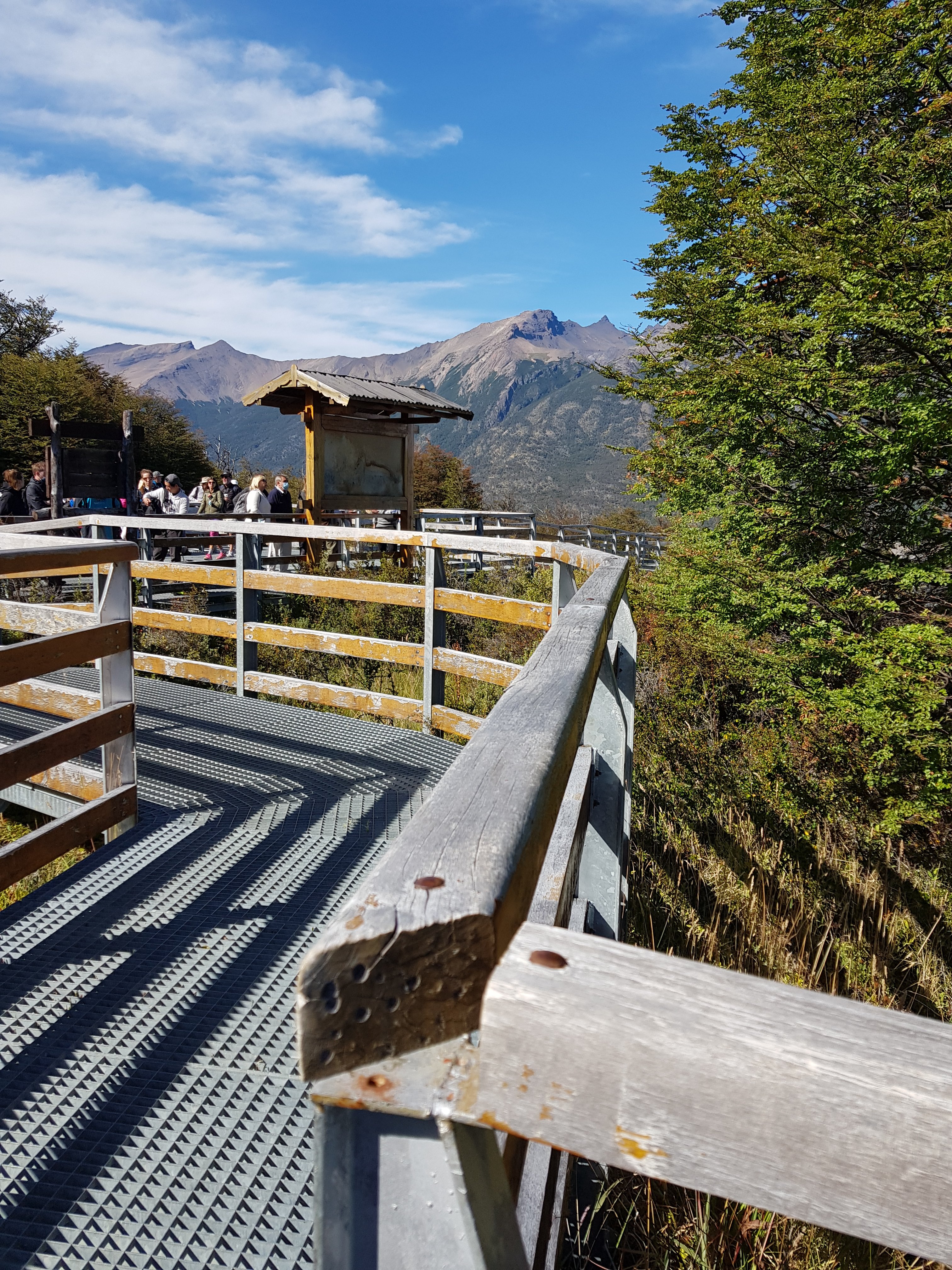
This huge glacier is very unique and larger than the entire city of Buenos Aires (which blew my mind)! The glacier is apparently in balance,meaning that it loses the same amount of ice each day as is returned to it, due to how the water flows around it. There are three different routes you can take around the glacier’s boardwalk, and they vary by height and length. I did all three, and found the boardwalk system to be very efficient and plentiful in relaxing balconies where you could eat your lunch and watch pieces of the glacier fall into the water below. This phenomenon was amazing. I saw not only the ice fall and splash against the lake, but also the lower layer of ice boil up to the surface and spin around in circles. Very cool.

Rio Gallegos

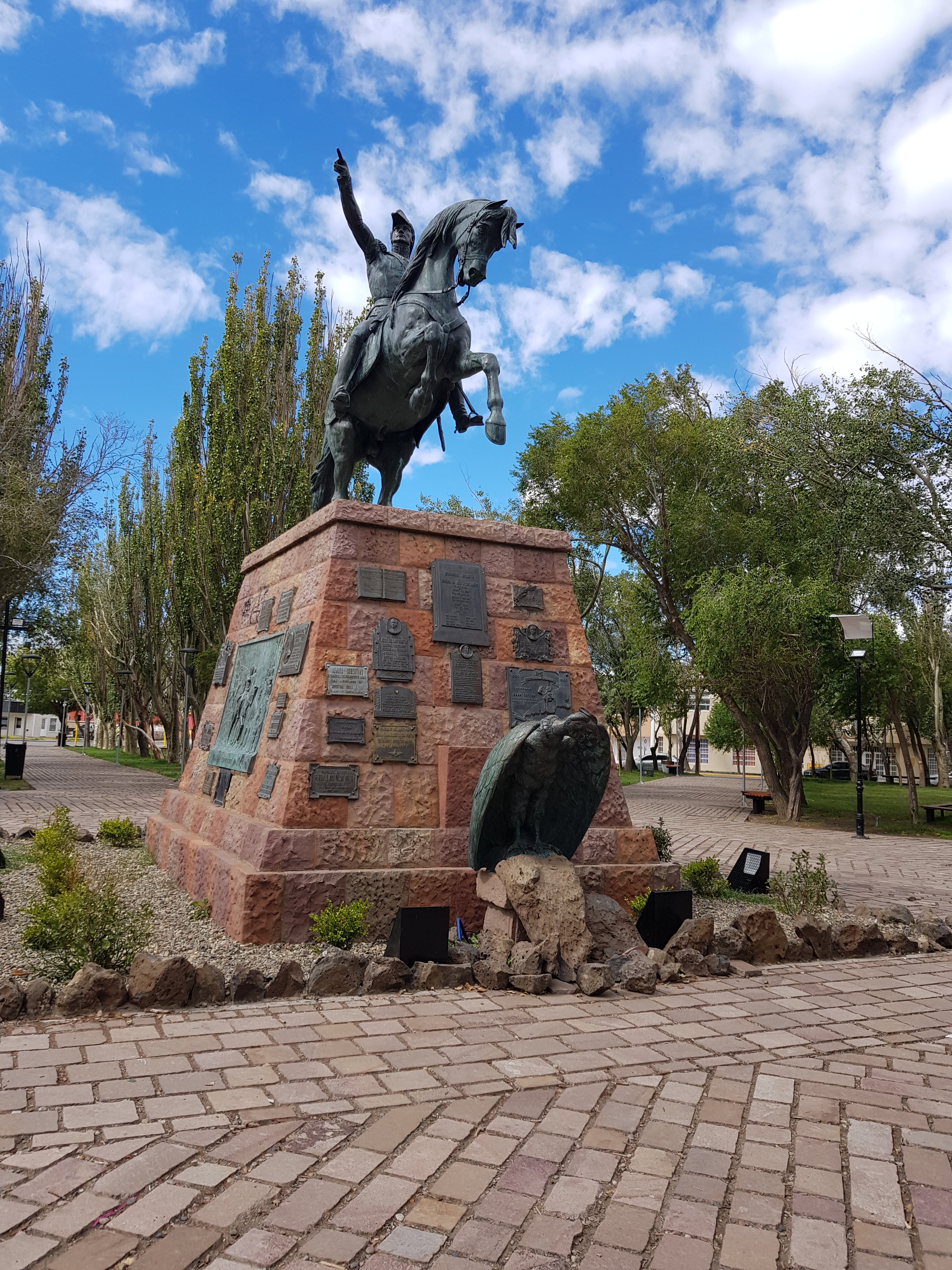
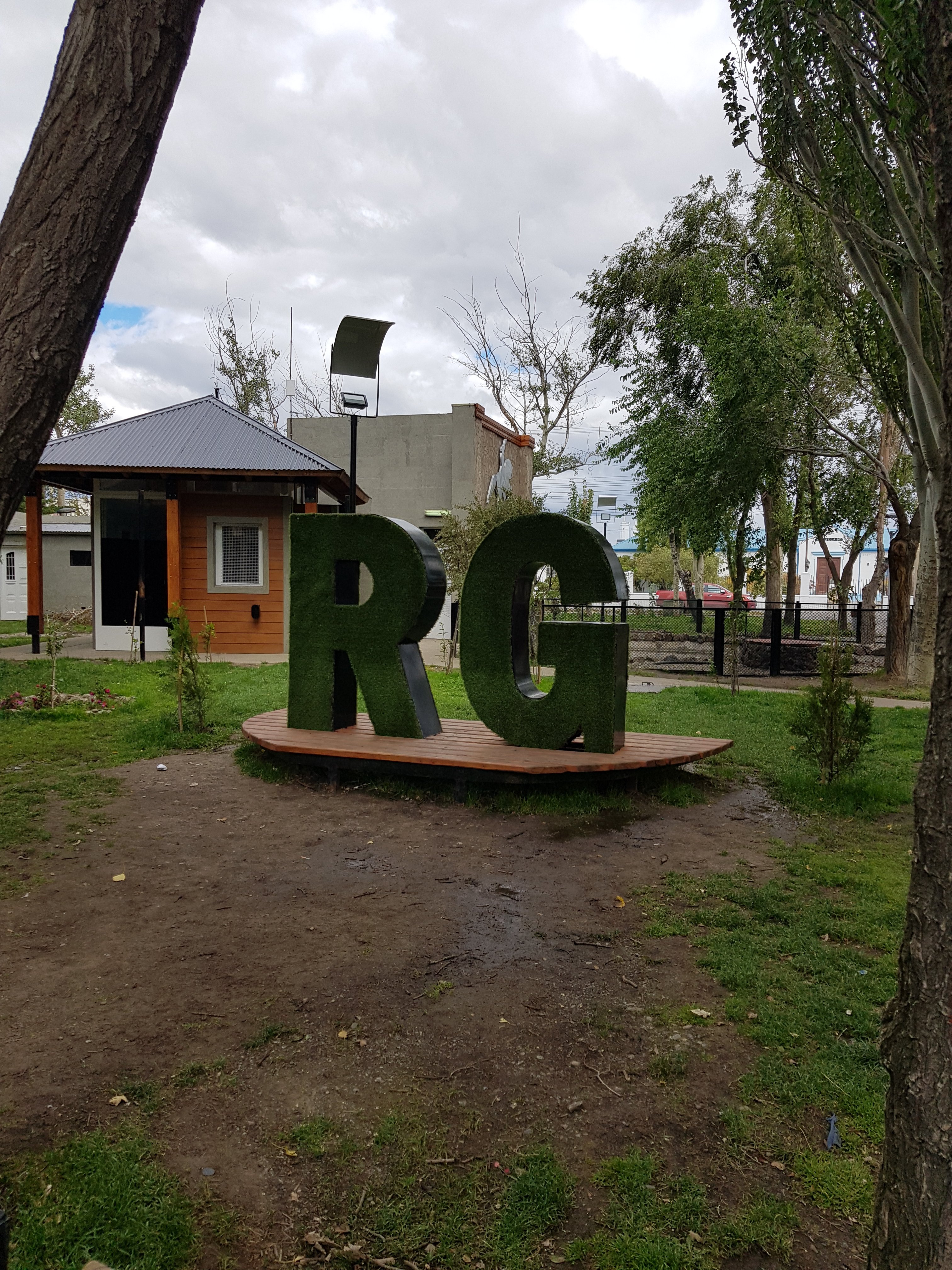
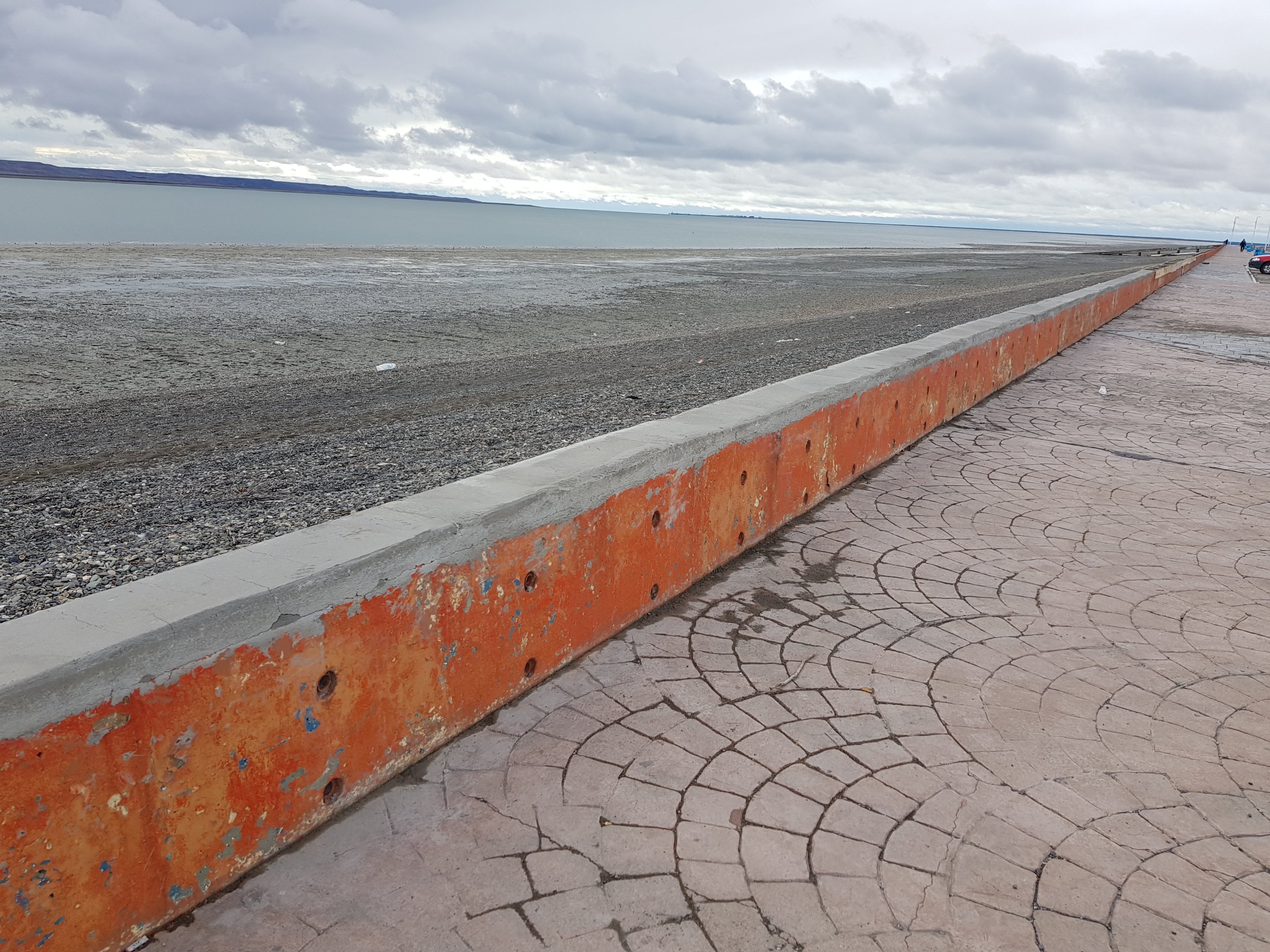
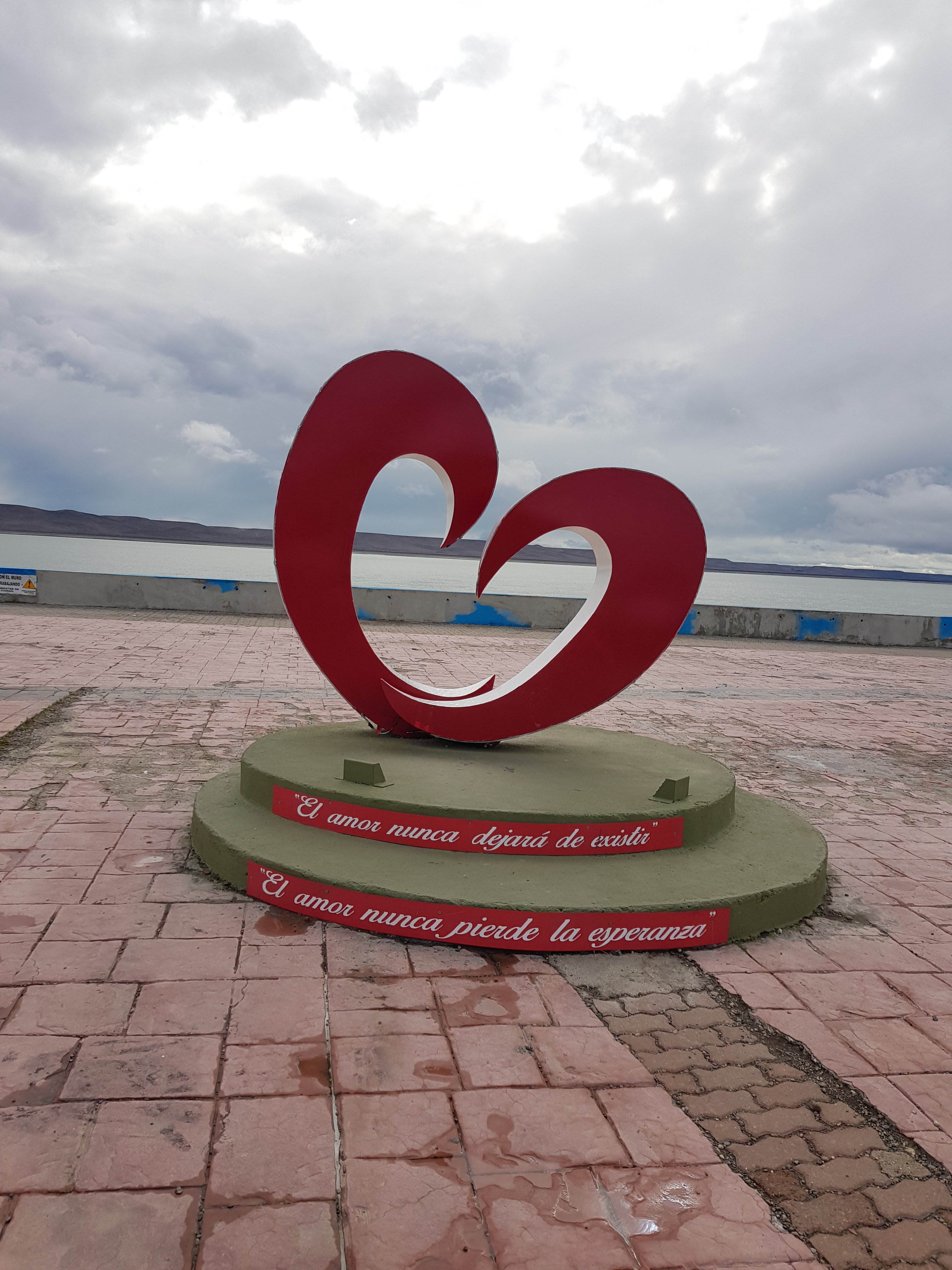
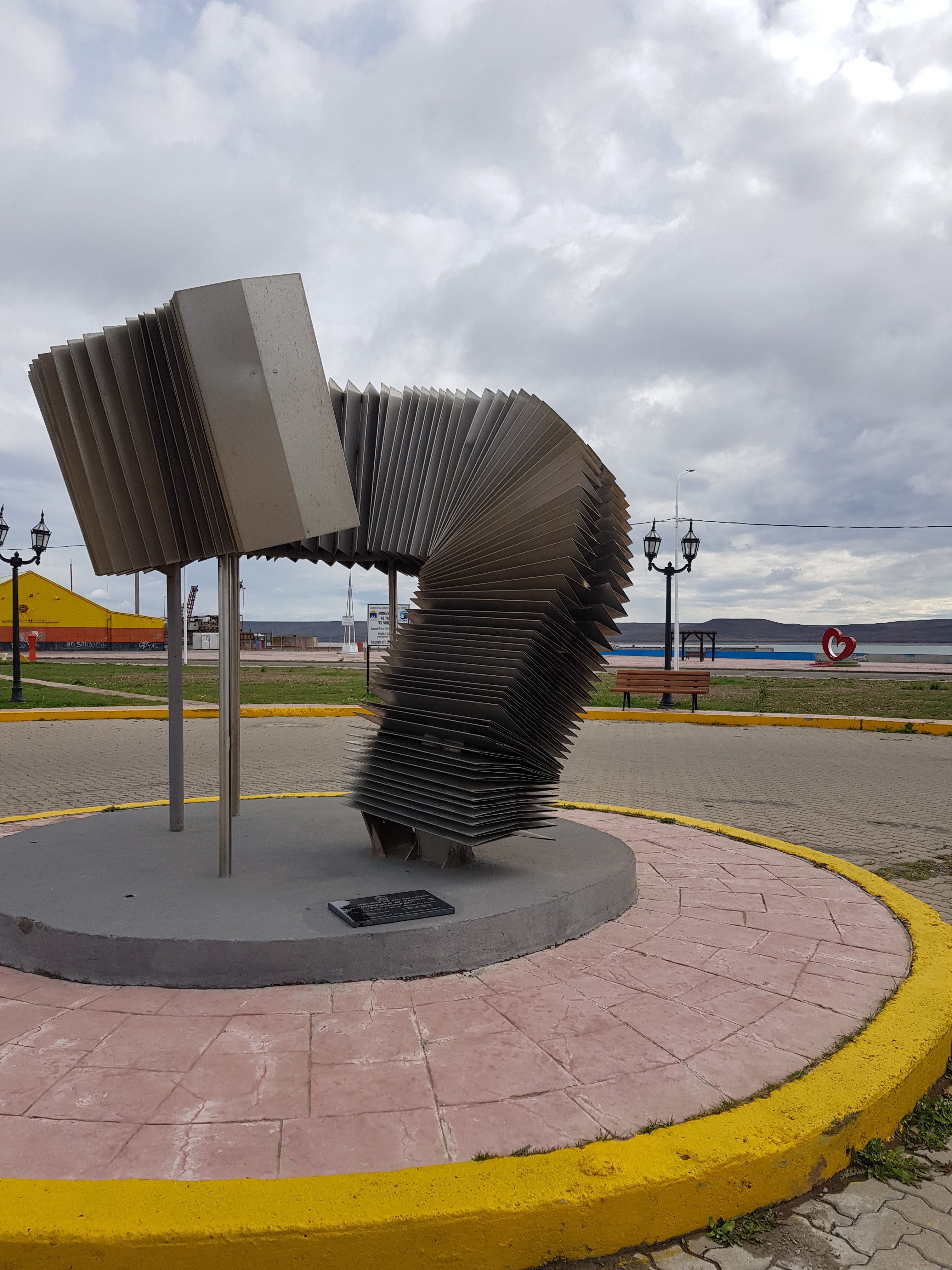
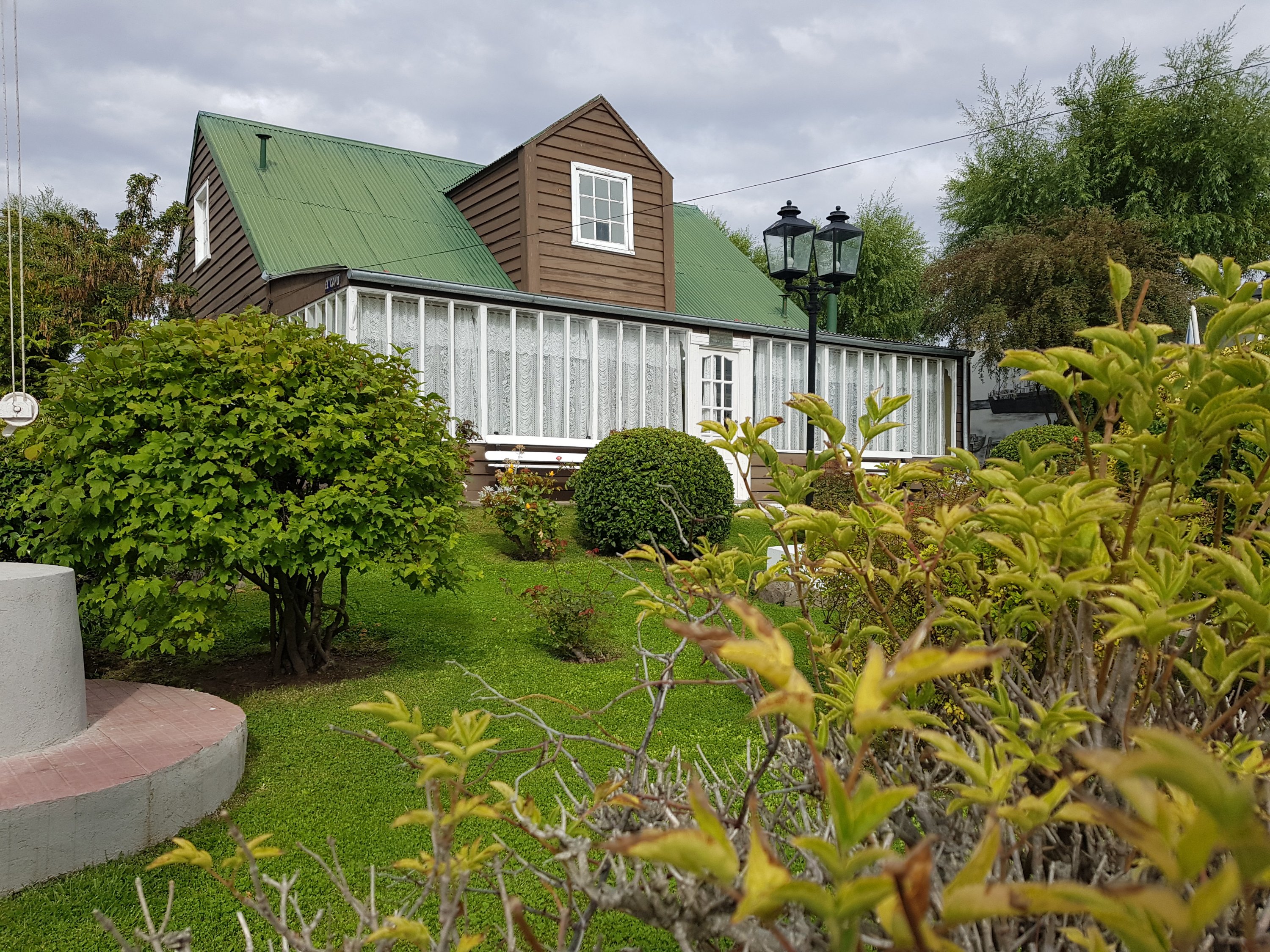
My last stop in Argentina for a while, was Rio Gallegos. I came here to the bottom of mainland Argentina, to cross the border into Chile. There is not much to see here but it is a good supply stop, and there are some sculptures along a promenade walk and a small house that you can visit as a free museum.

For now, I am off to Chile, for some more trekking and to see the other side of Patagonia, before I return to Argentina, to visit the bottom of the world…

Argentina’s Lake District

After a few days of bus journeys via Bahia Blanca and Neuquen, meeting a group of hippies and enjoying a local music festival, I finally made it to Patagonia and the Argentine Lake District. A ‘postcard perfect’ landscape.

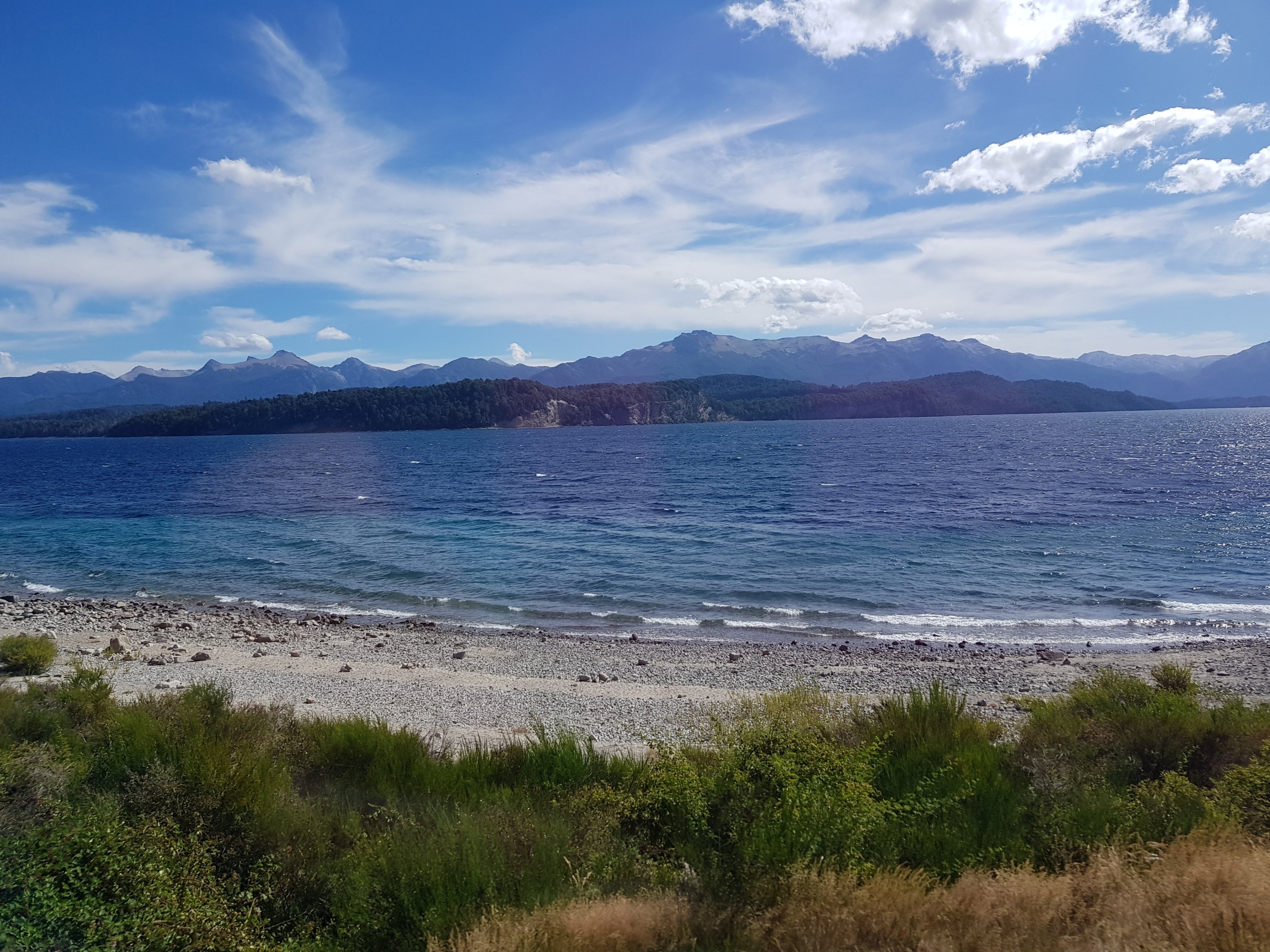
Argentina’s Lake District sits within the Northwest of Patagonia, near the border of Chile. Patagonia is the Southern region of Argentina, world famous for its scenery, and trekking, climbing, and general adventure sport opportunities. The climate and landscape varies throughout the region and within the lake district are obviously several lakes and rivers dotted around the Andes mountains.

I visited three spots within the lake district, as these were major points on the coach route. They were: San Martin de los Andes, San Carlos de Bariloche, and El Bolson. I stayed in each for 1-2 nights.

San Martin de Los Andes

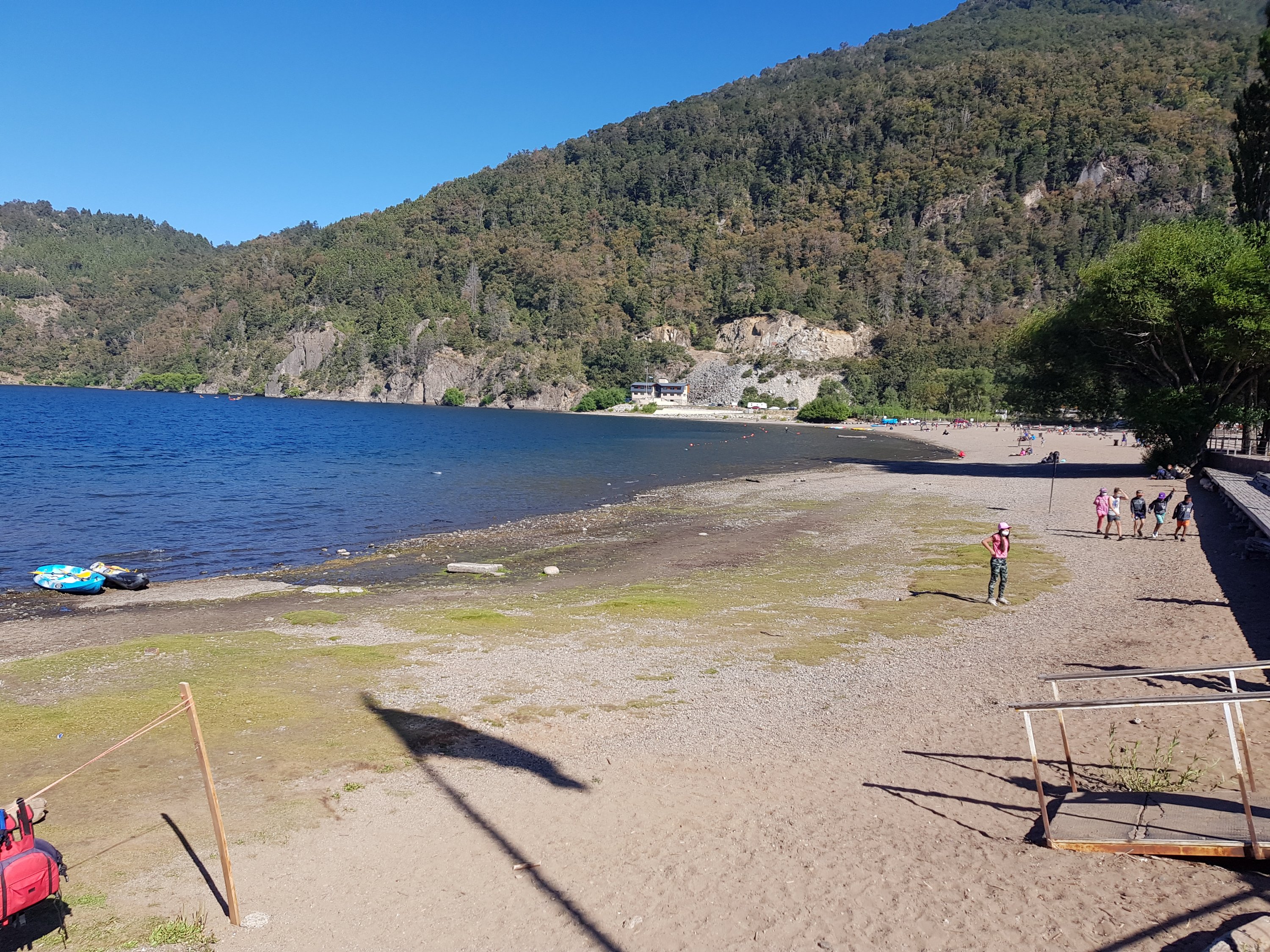
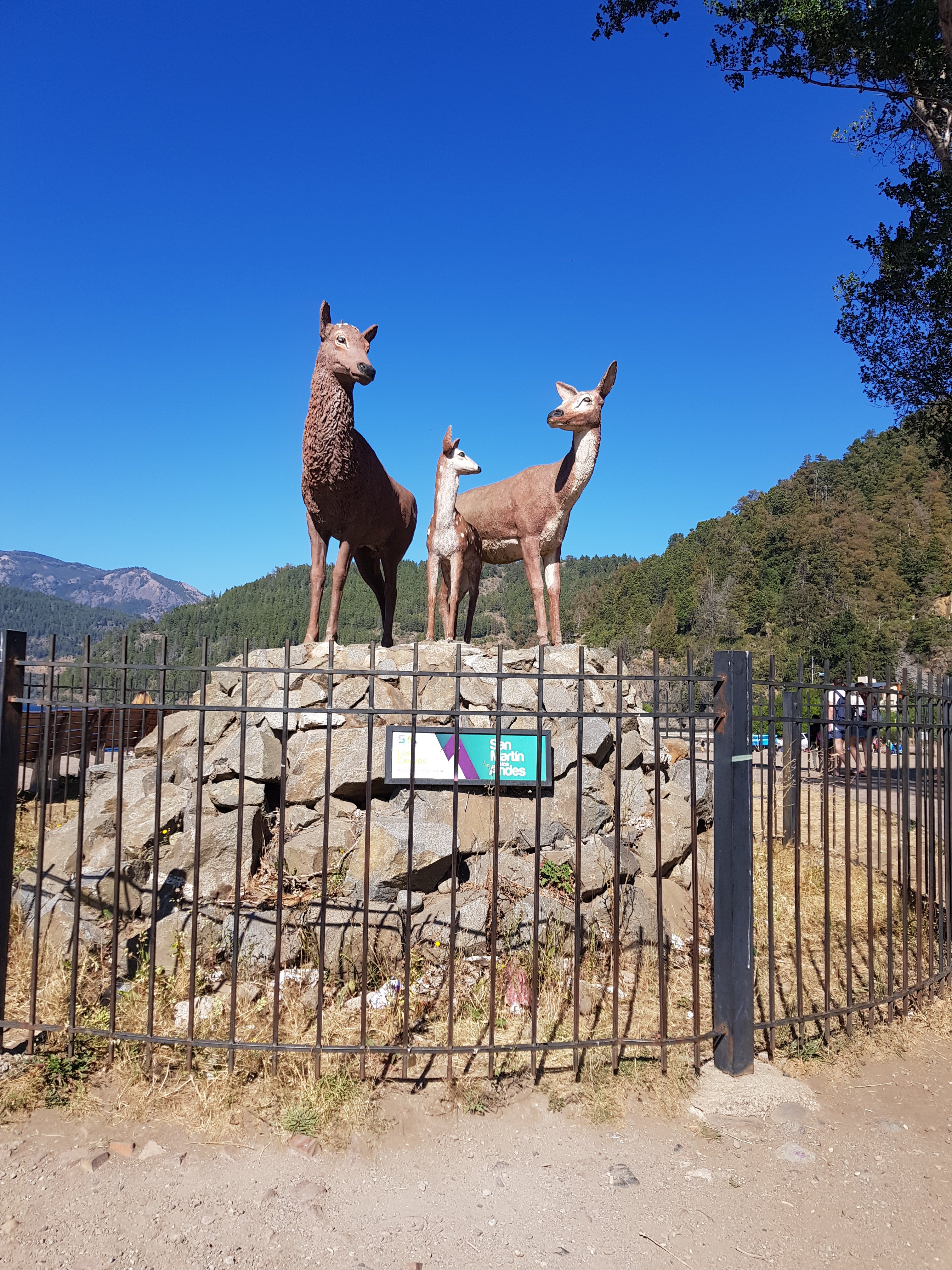
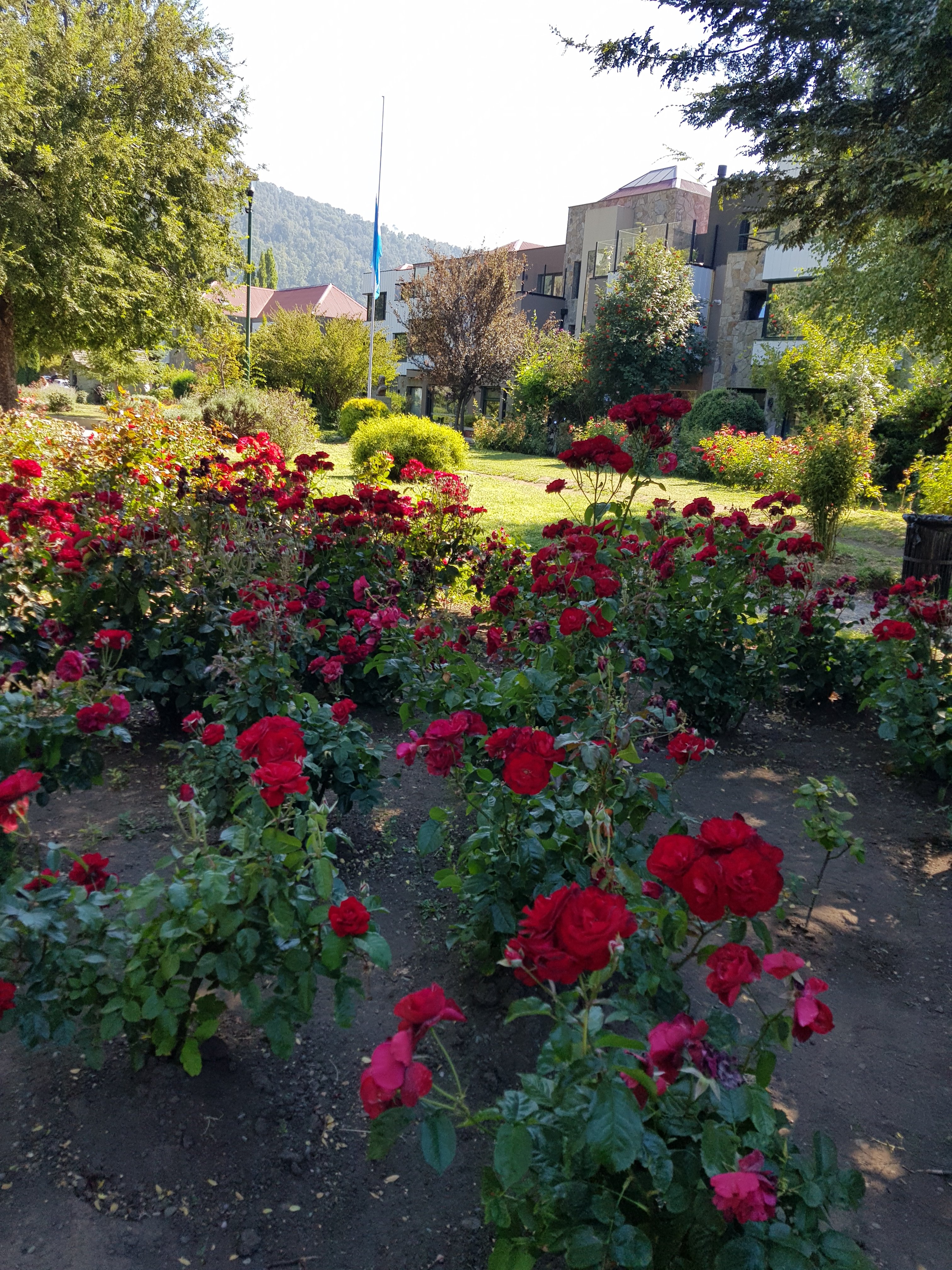
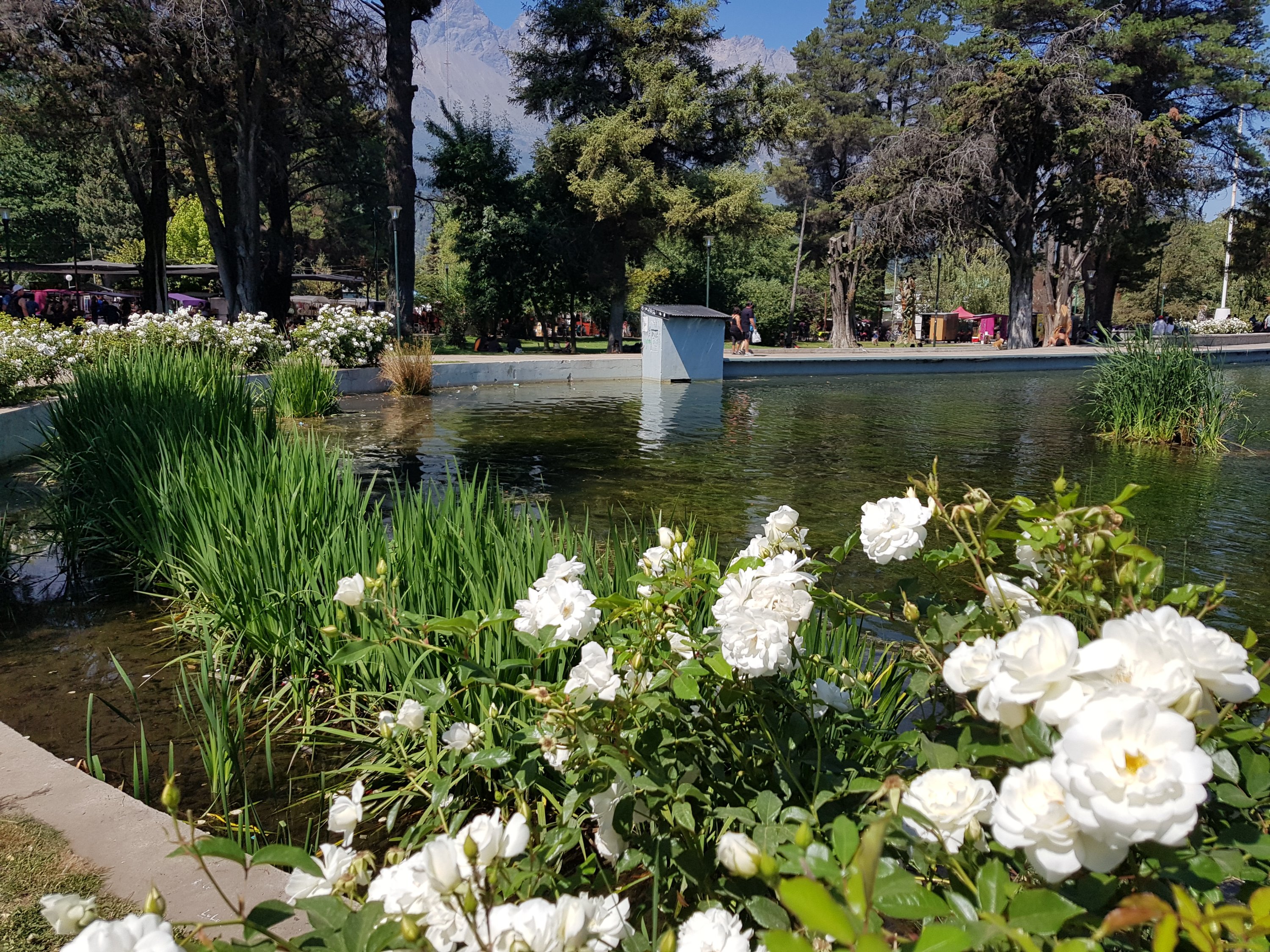
San Martin de Los Andes sits in the Lanin National Park, named after the local volcano. It is the gateway town to Patagonia for many people, and it is very touristy as a result. It is full of cabin style buildings that make you feel that you have somehow arrived in the Swiss Alps. The town is small but has plenty of bars and restaurants, a few rose gardens to sit in, and San Martin sits on a huge lake named Lacar. You can enjoy swimming in the lake or take a boat out to different places along the shoreline.

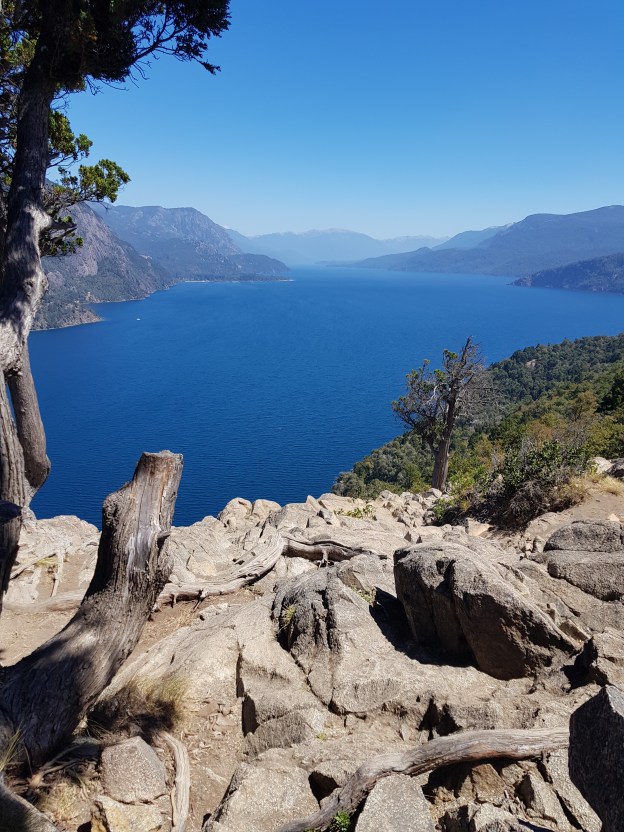
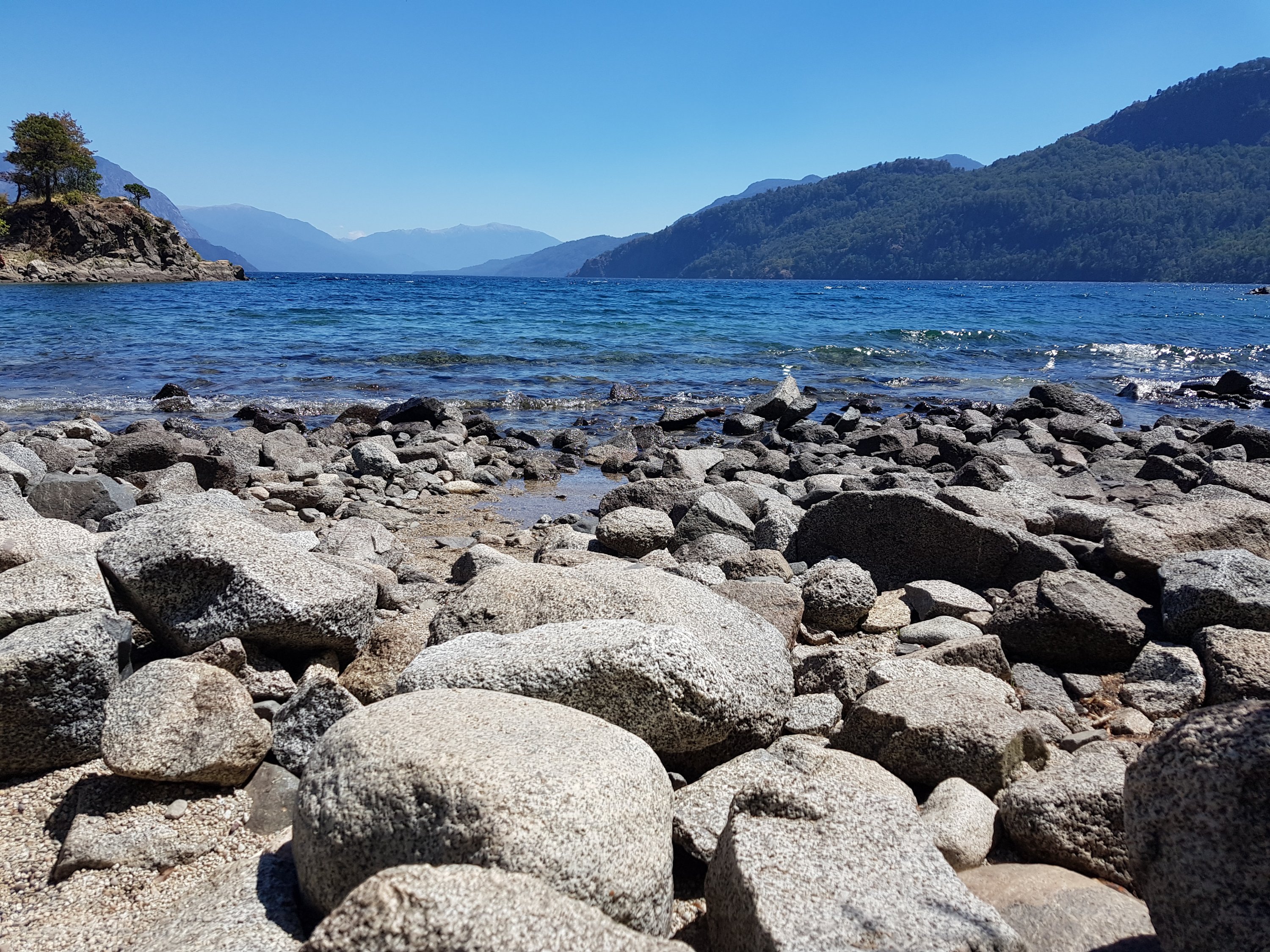
I decided to do a short hike of about 10km (about 3 hours) to a viewpoint and then onto a small beach with a little island. I enjoyed a swim here and basked in the sun, although the beach is very rocky, crocs are advised! I looked like a fool sliding around on the rocks. The water was really lovely and clear though, and everyone was respectful of the environment.

San Carlos de Bariloche

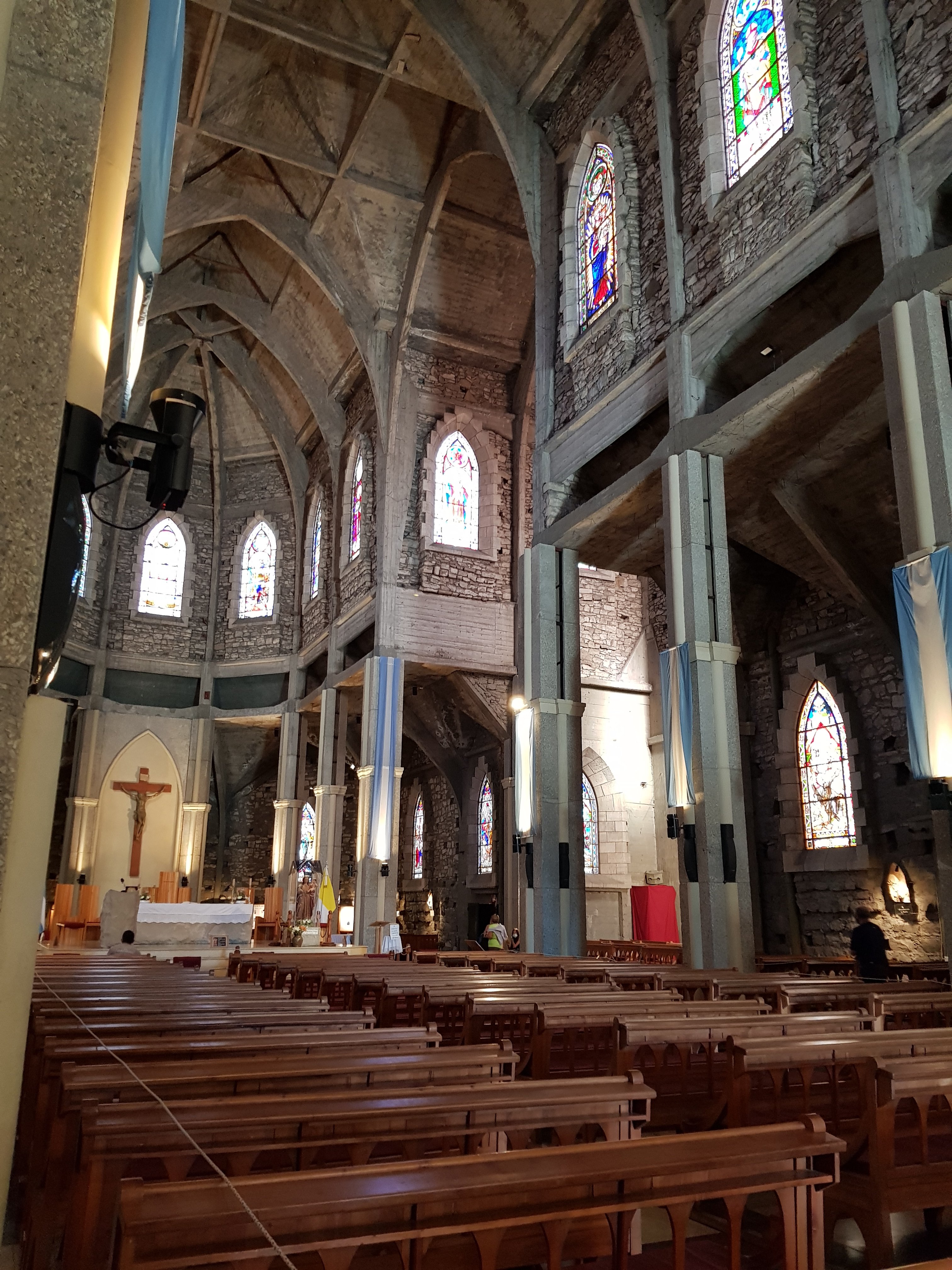
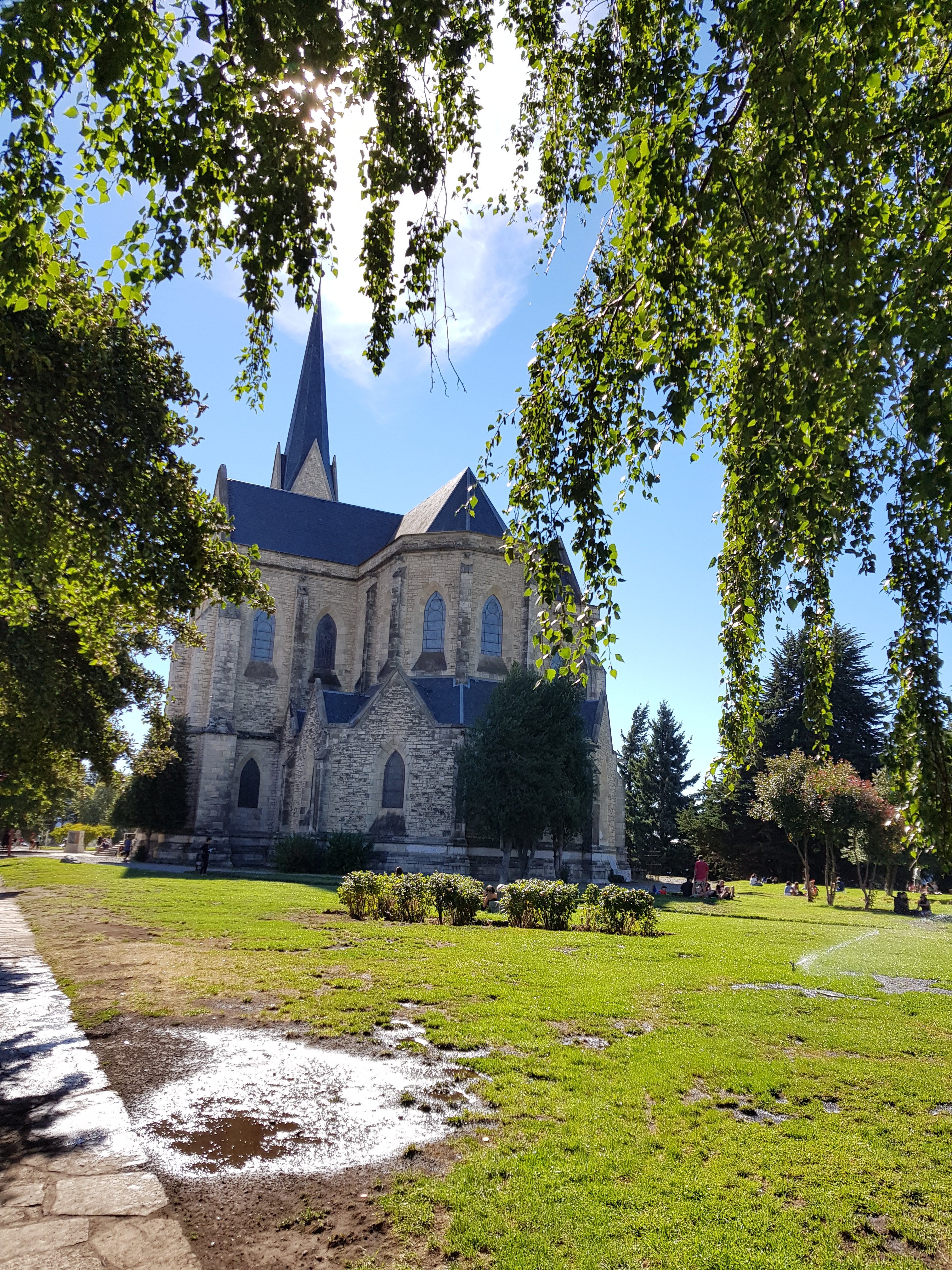
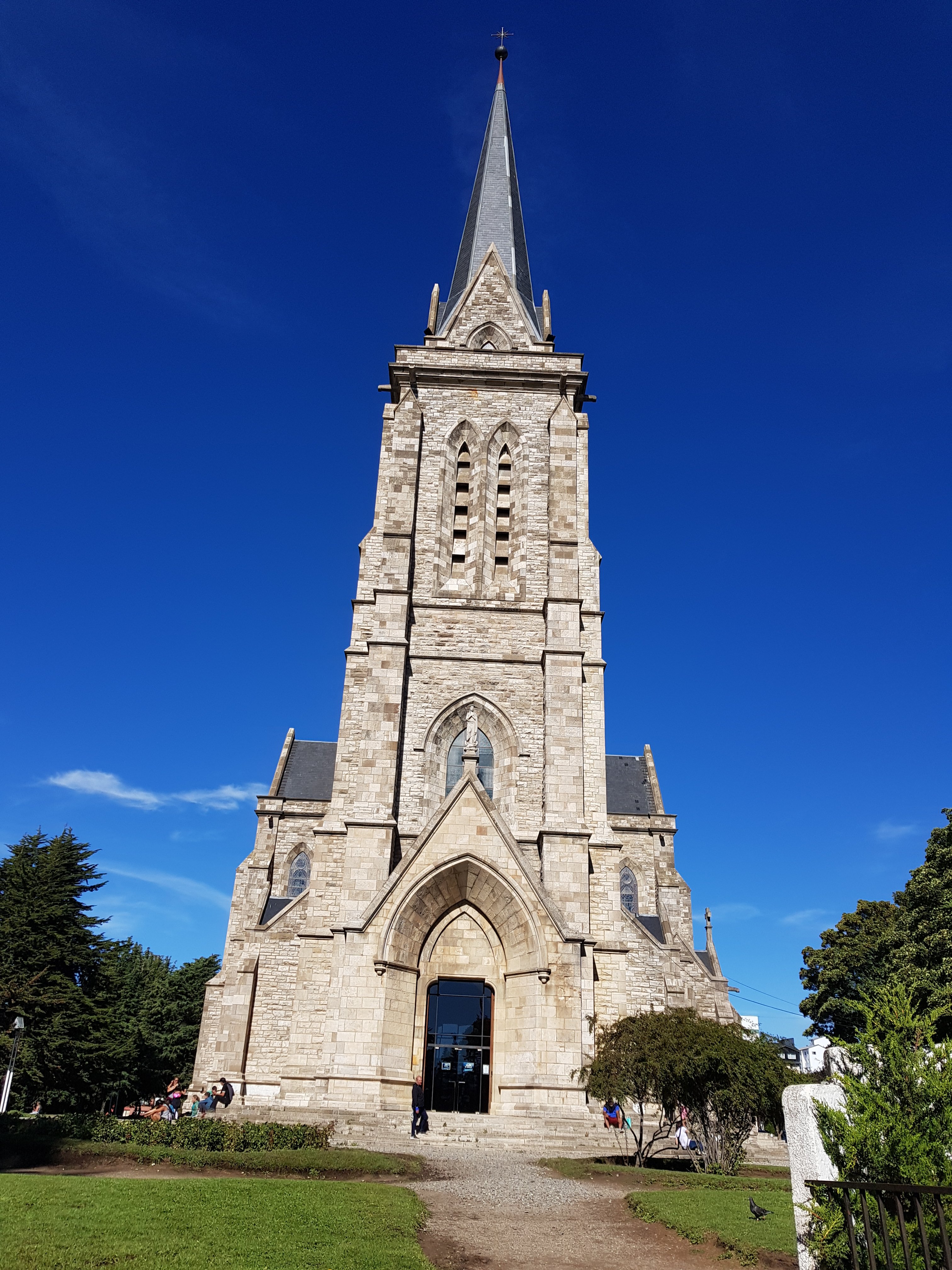
Bariloche is a working city that is less tourist heavy, but it’s scenery is absolutely postcard perfect. The town is surrounded by a huge lake and endless mountain scenes. There are not many attractions in the town, and I really just used this for a rest day and to save a little money by cooking from the supermarket. I did manage to visit the local cathedral though. This was a very pleasant building with lots of stonework. You can also walk right up to the lake and sit on the stony beach if you want to.

El Bolson

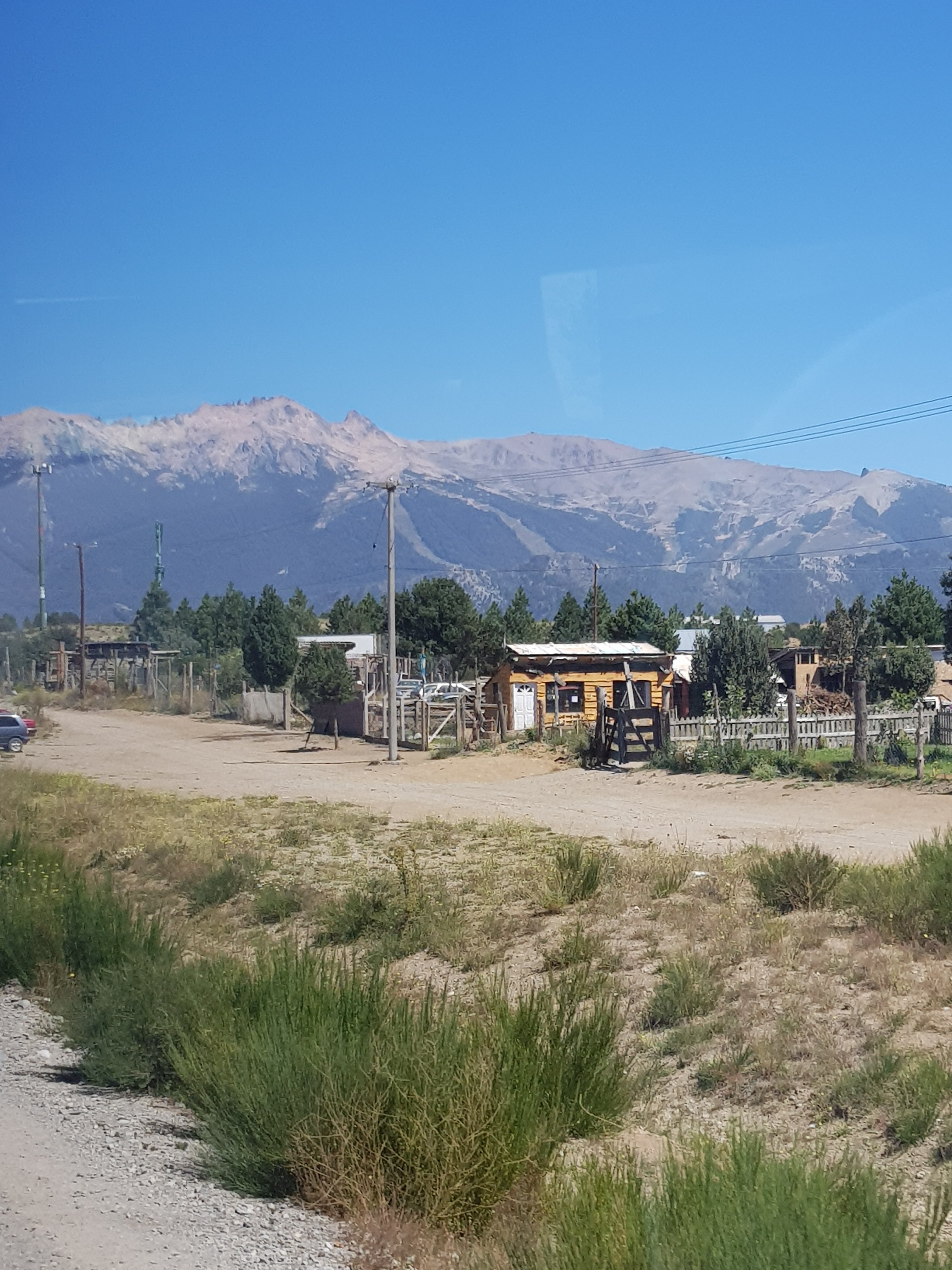
On the bus to my third stop in this region, El Bolson, I continued to travel along the famous route 40. This very long highway, connects all of these beautiful locations from the North to South of the country. It has now become well known for its gorgeous scenery, and thankfully, the buses use this road too!

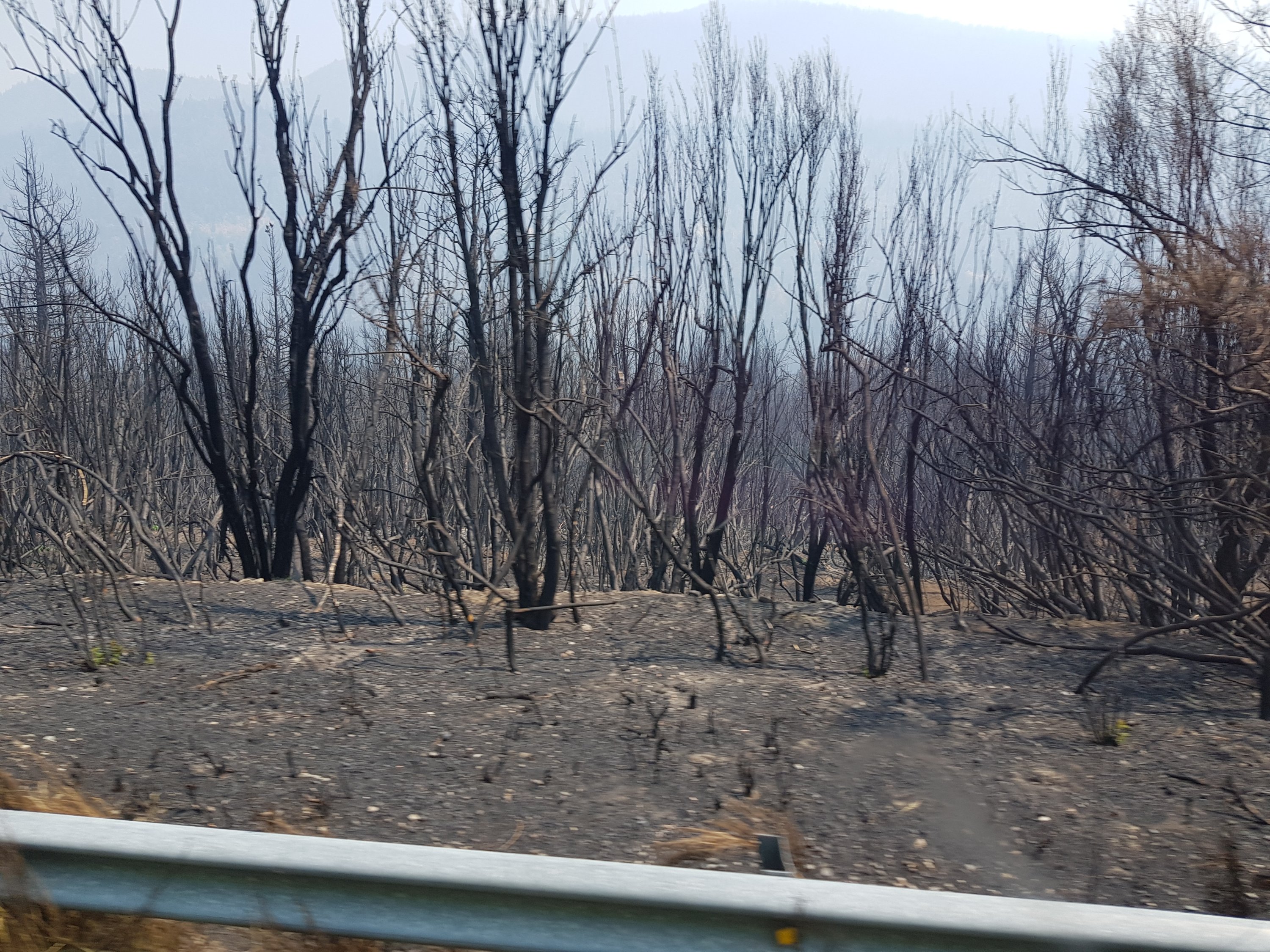
Along the way, I saw the damage of the forest fires in the national park the day before. This was quite shocking to see, It seems that it is a common occurrence here though. It created a foggy atmosphere among the mountain scenes.

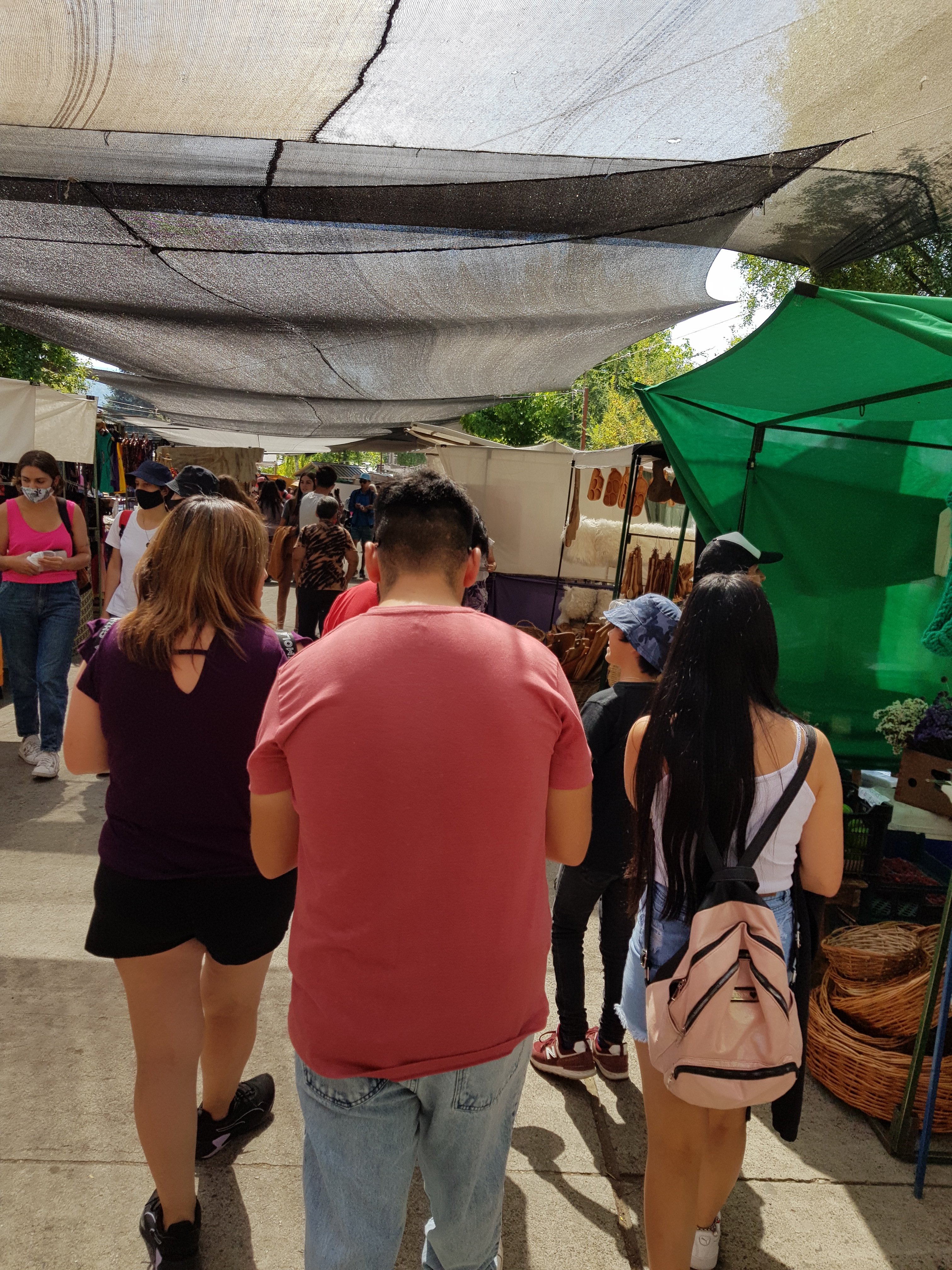
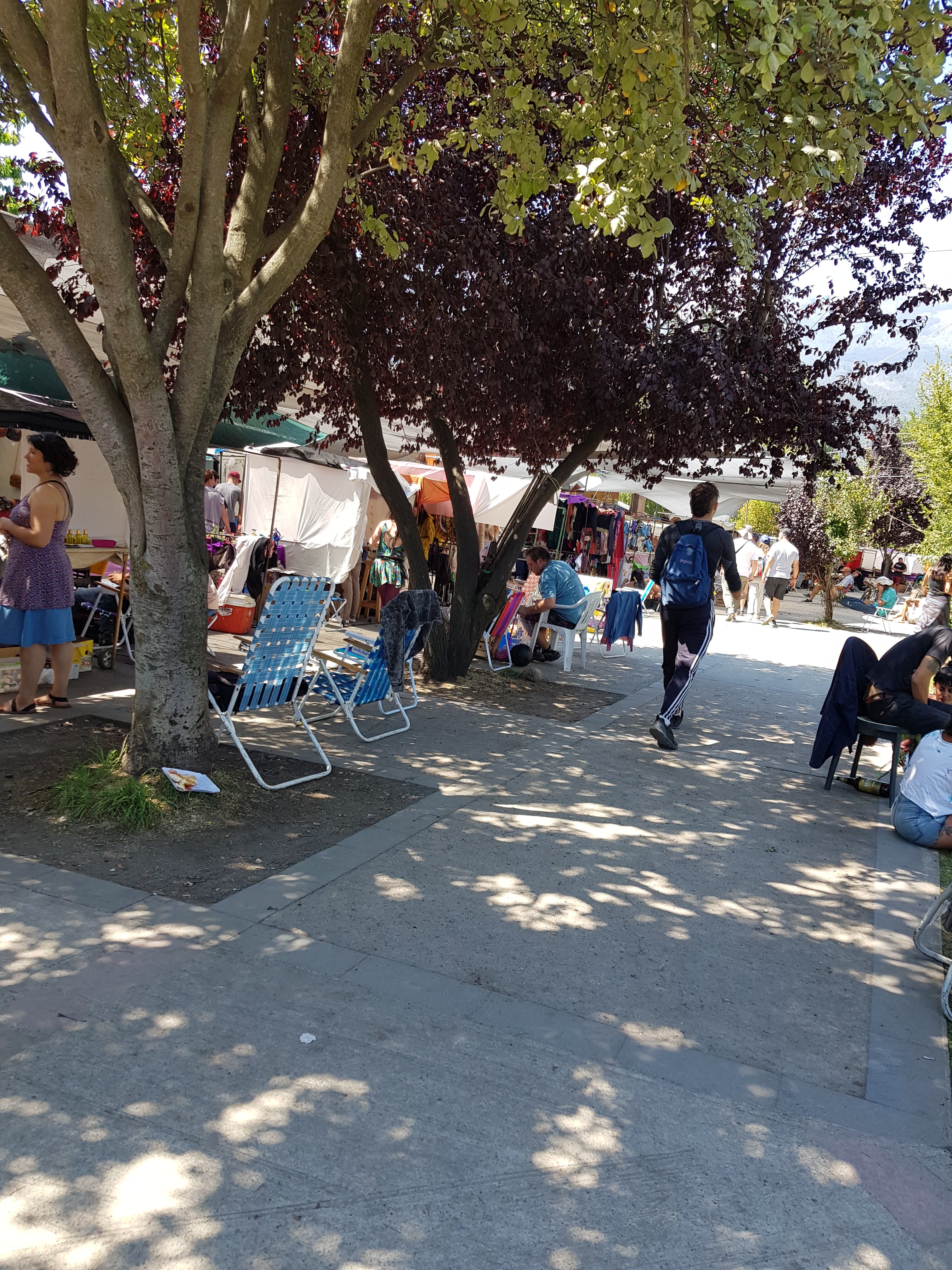
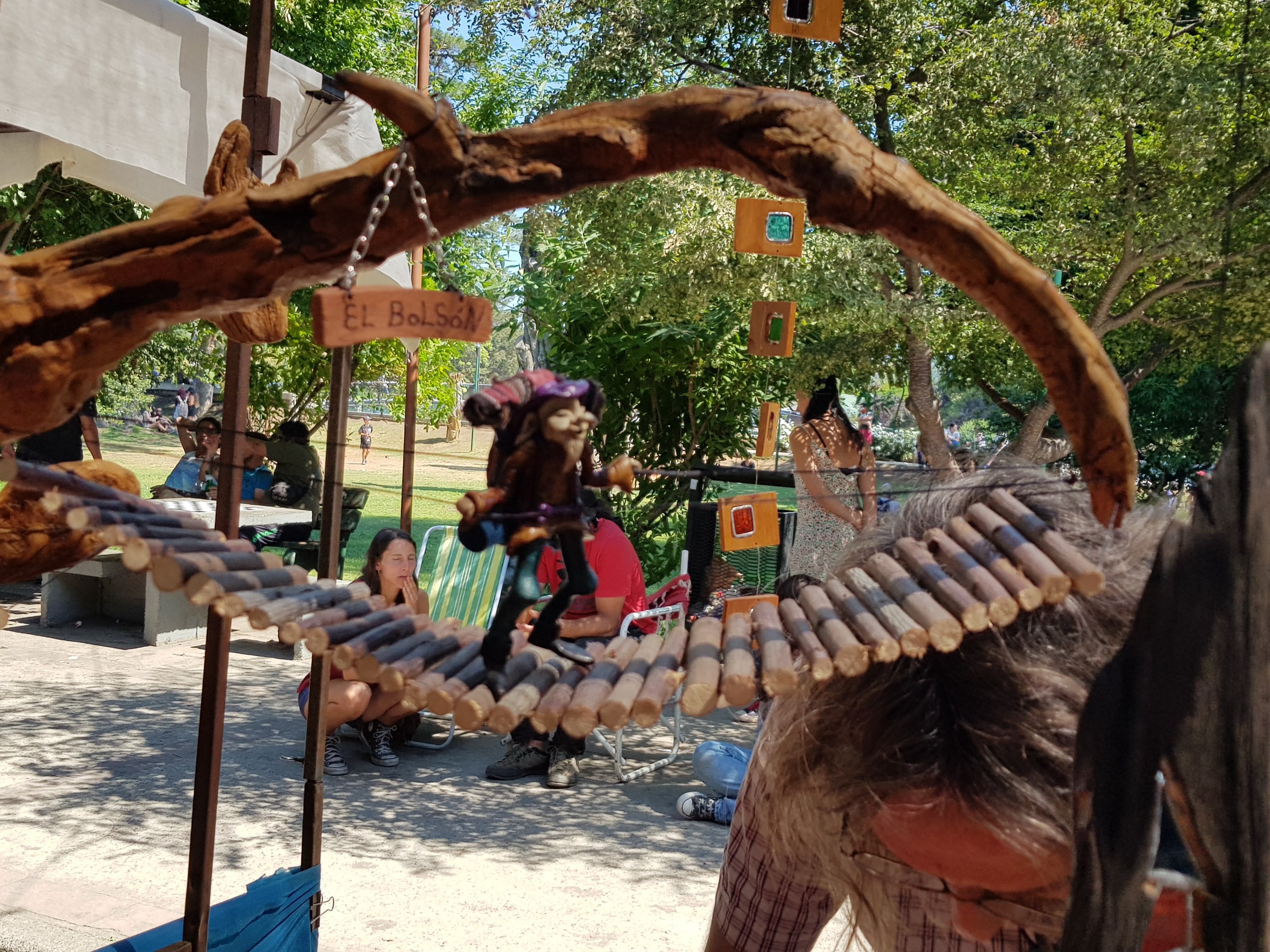
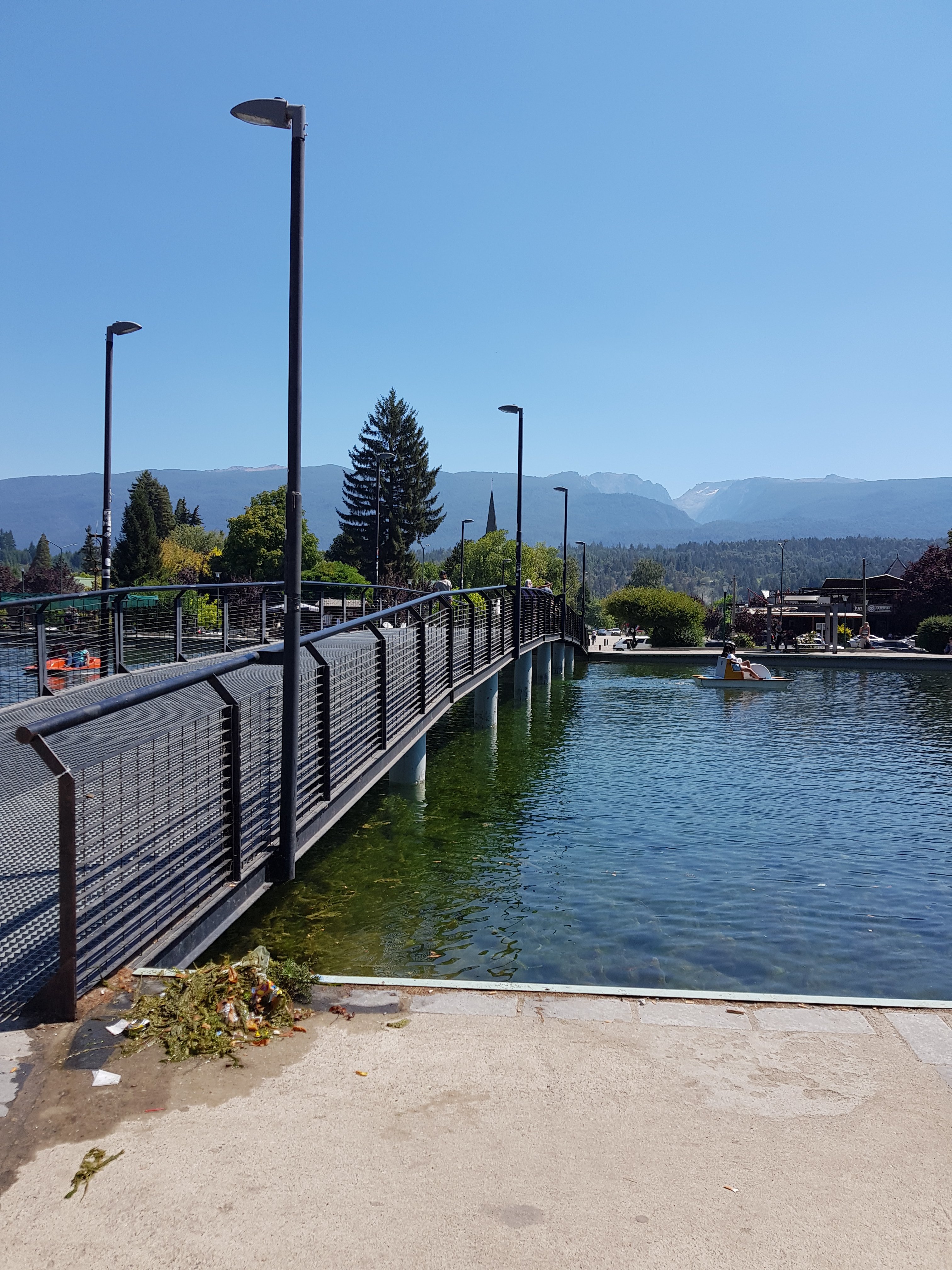
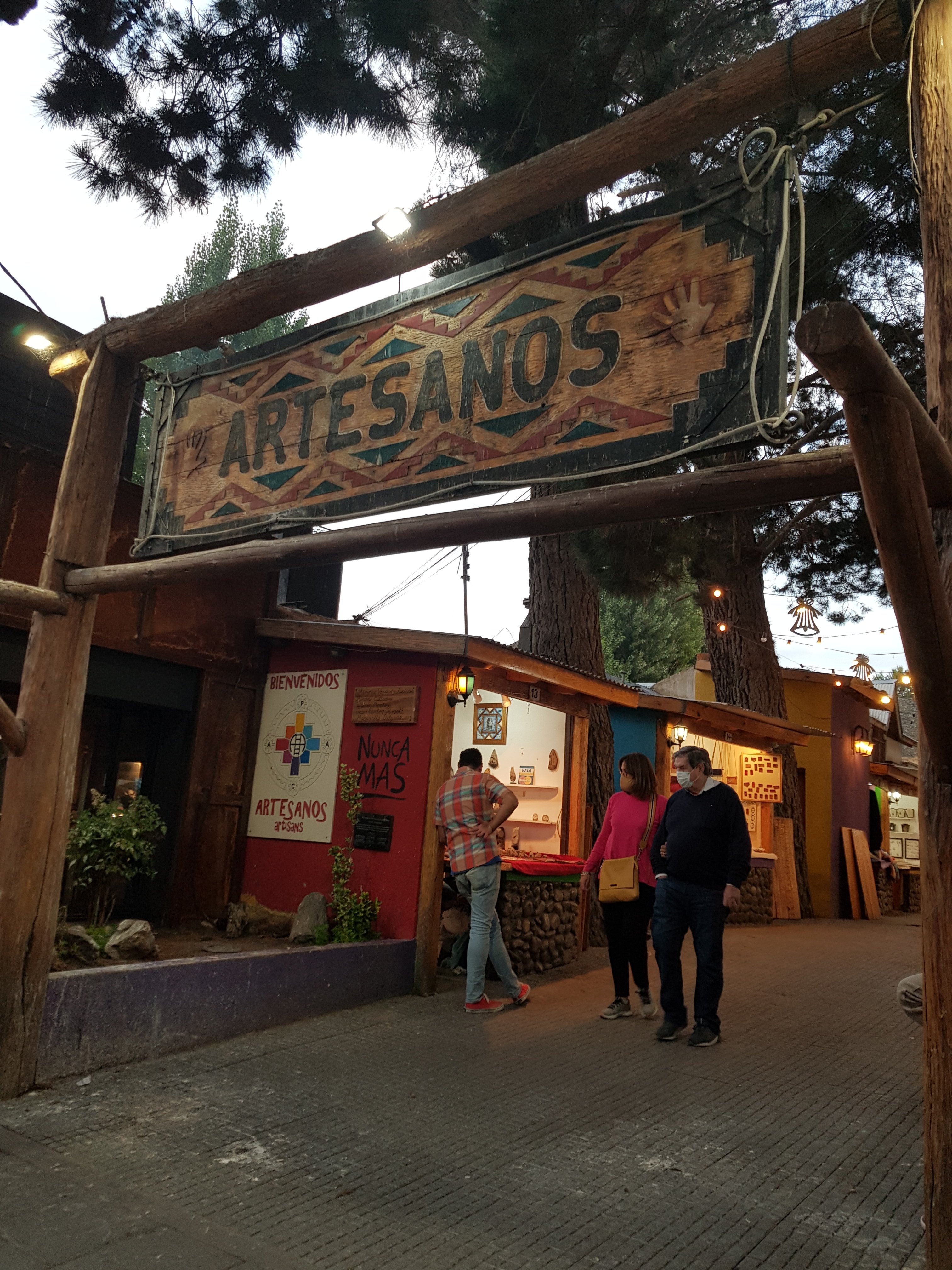
On arrival to El Bolson, I stumbled upon a huge feria (market/fair) with lots of artisan stalls and food vendors, besides a lovely river scene where people were enjoying pedal boats.

I think El Bolson is my favourite stop of the three, as it had a lovely mix of authenticity and fun for tourists. It was clean, and had lots of facilities. A lot of people that stop here do the 1-2 day hike to Cerro Piltriquitrón but I only had a day here and so not enough time. If I could do it again I would stay up to 4 days here. I did manage to make use of some other nearby hikes though.
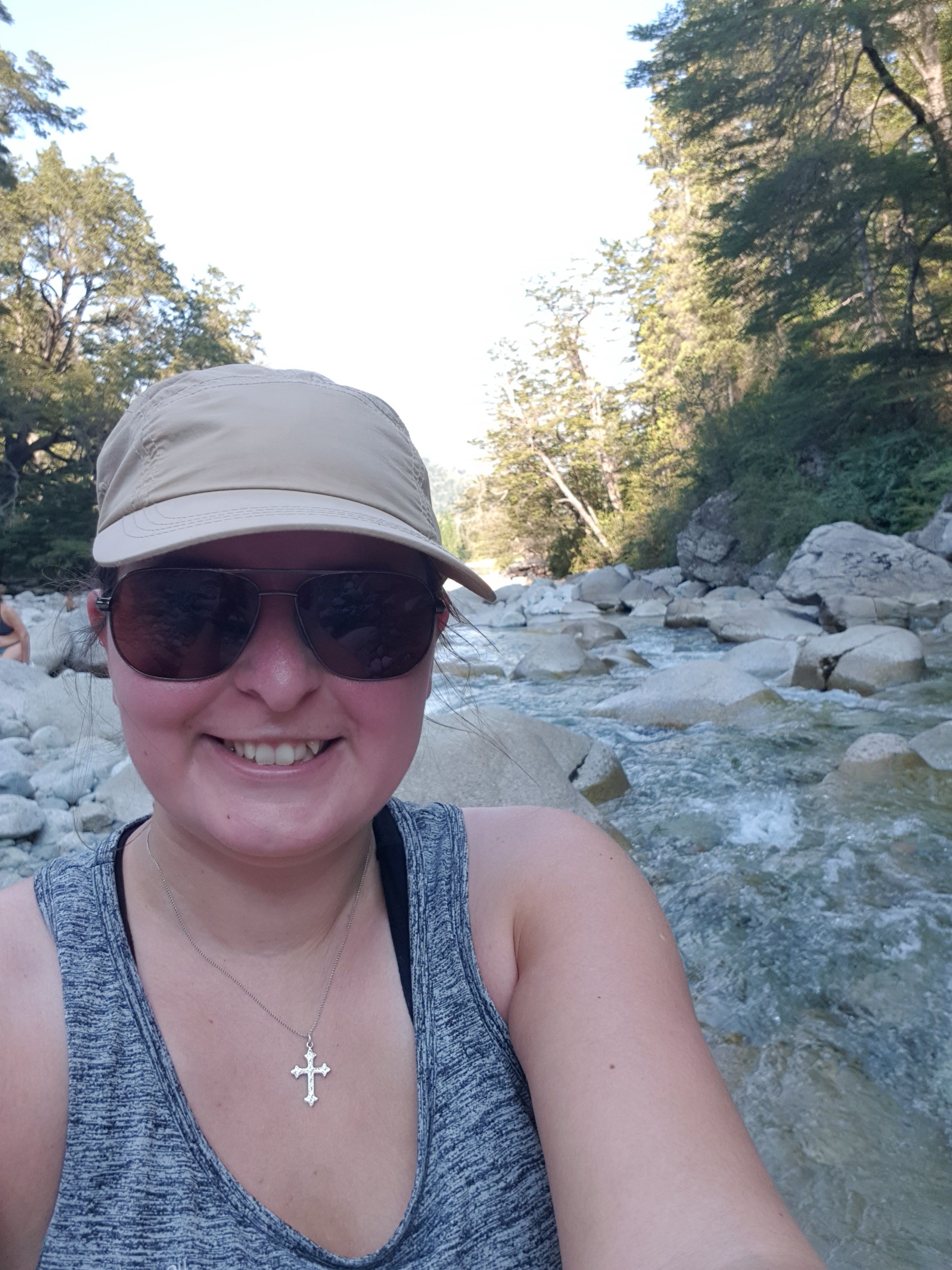
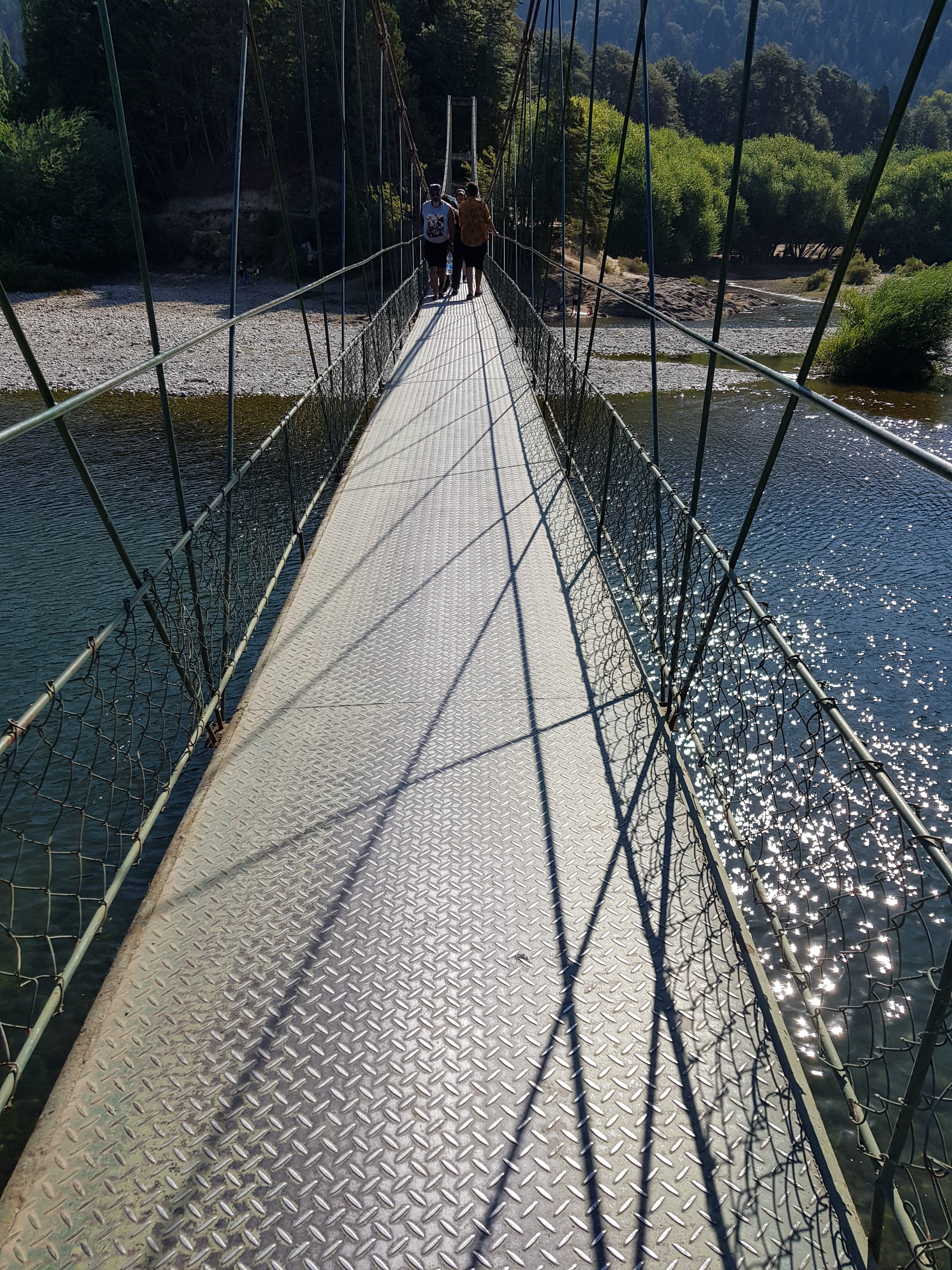
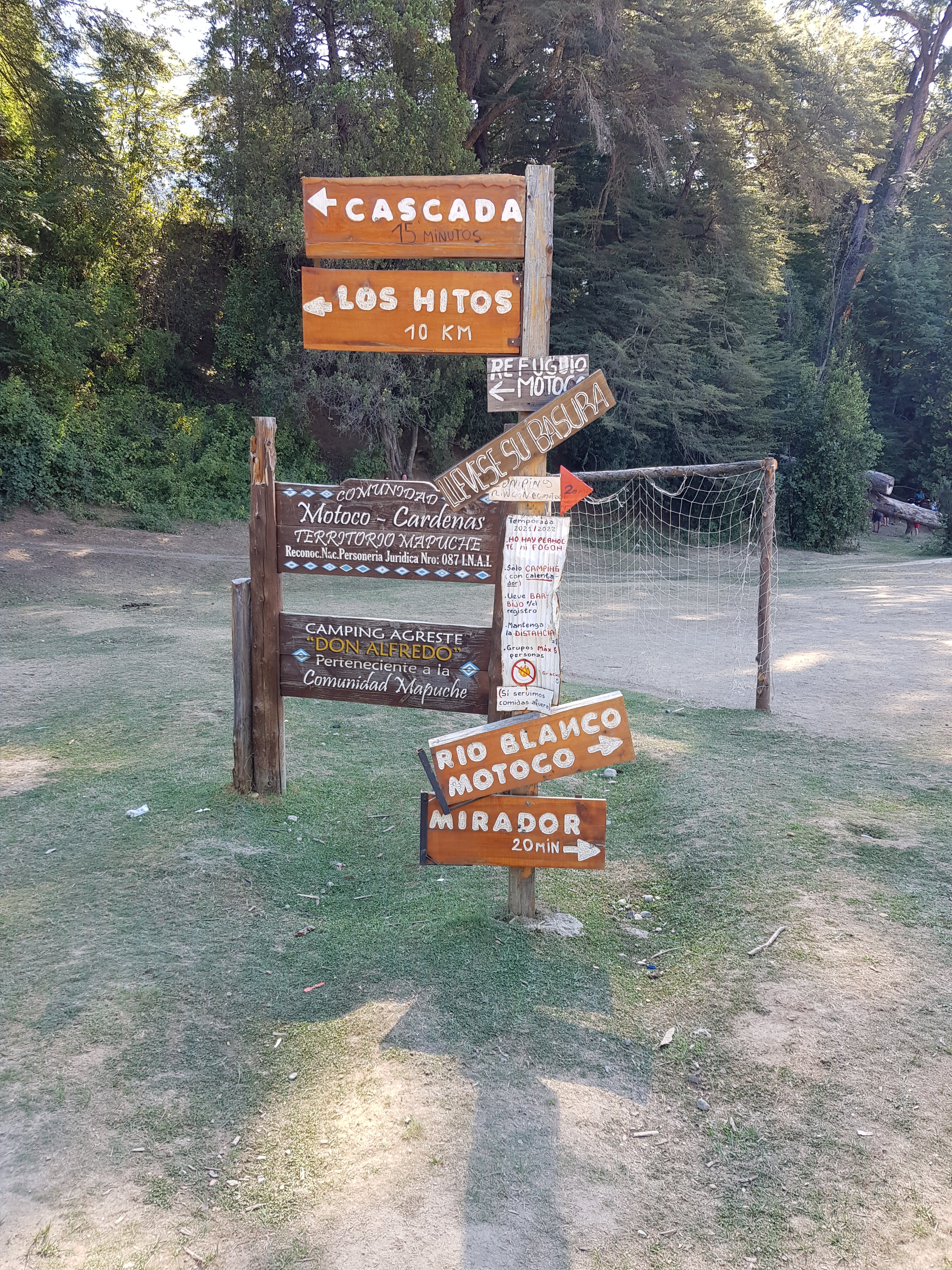
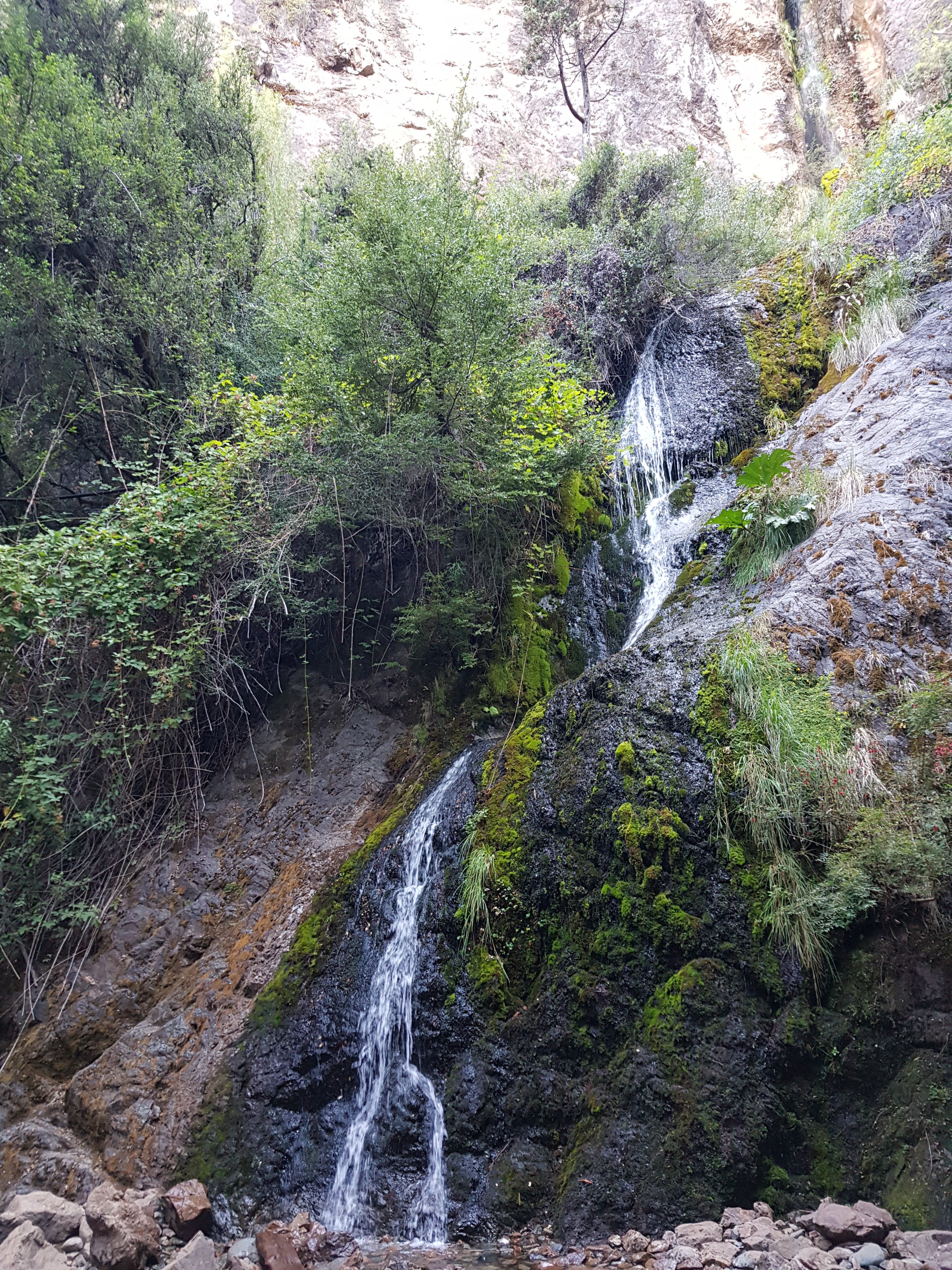
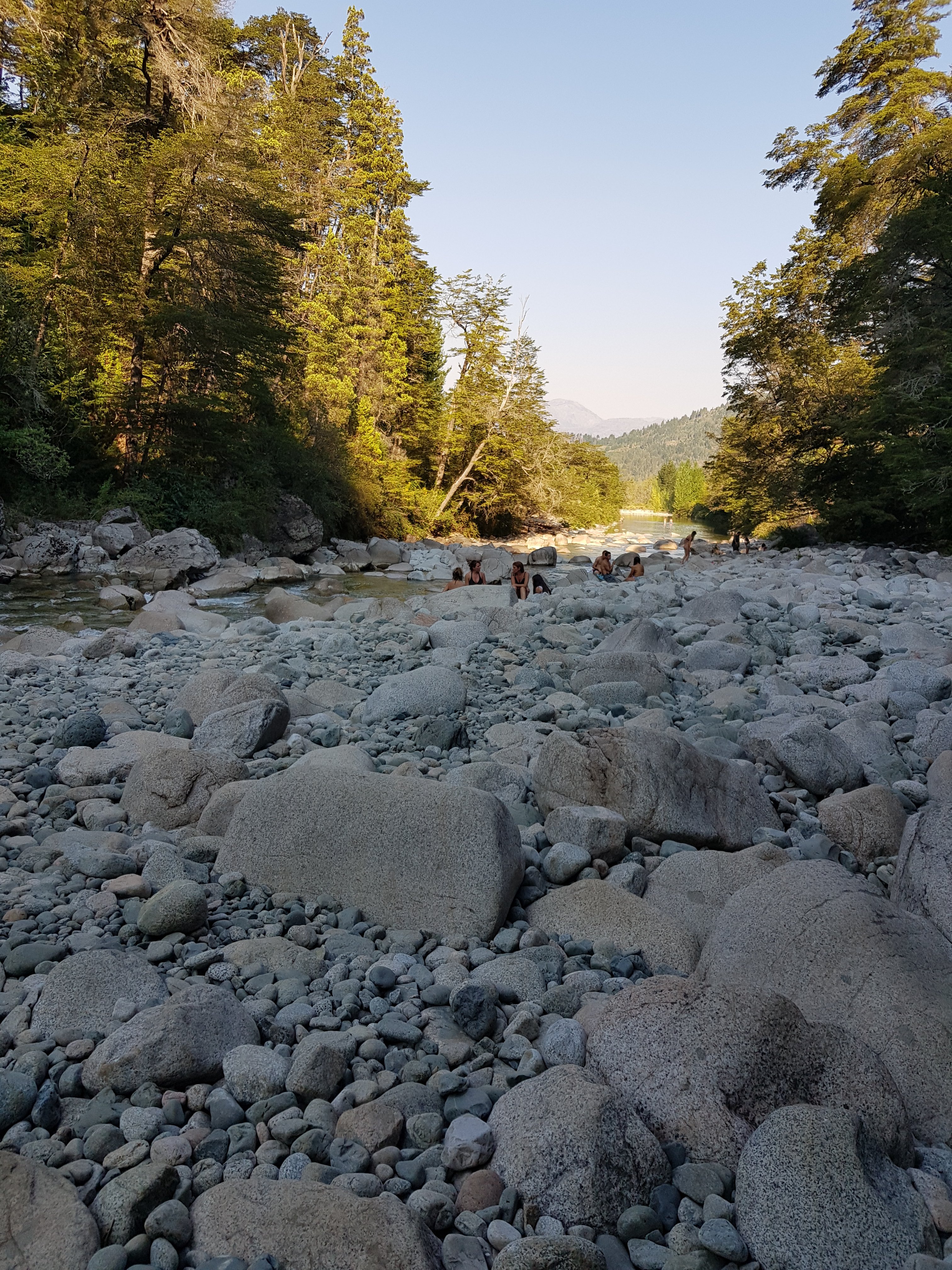
I took a cheap local bus out to a natural site that is part of the aboriginal Mapuche territory called La Pasarela. On arrival, I had no idea where I was. I approached a local aboriginal girl, in my best spanish, and she led me there, explaining that it is hard to find on a map. When I found the right spot there was a river with people swimming, and a little information point. The site is completely free to visit, and has many trails and things to see. I visited a waterfall, and then took a second hike to sit by the River Blanco. It was really refreshing on such a hot day.

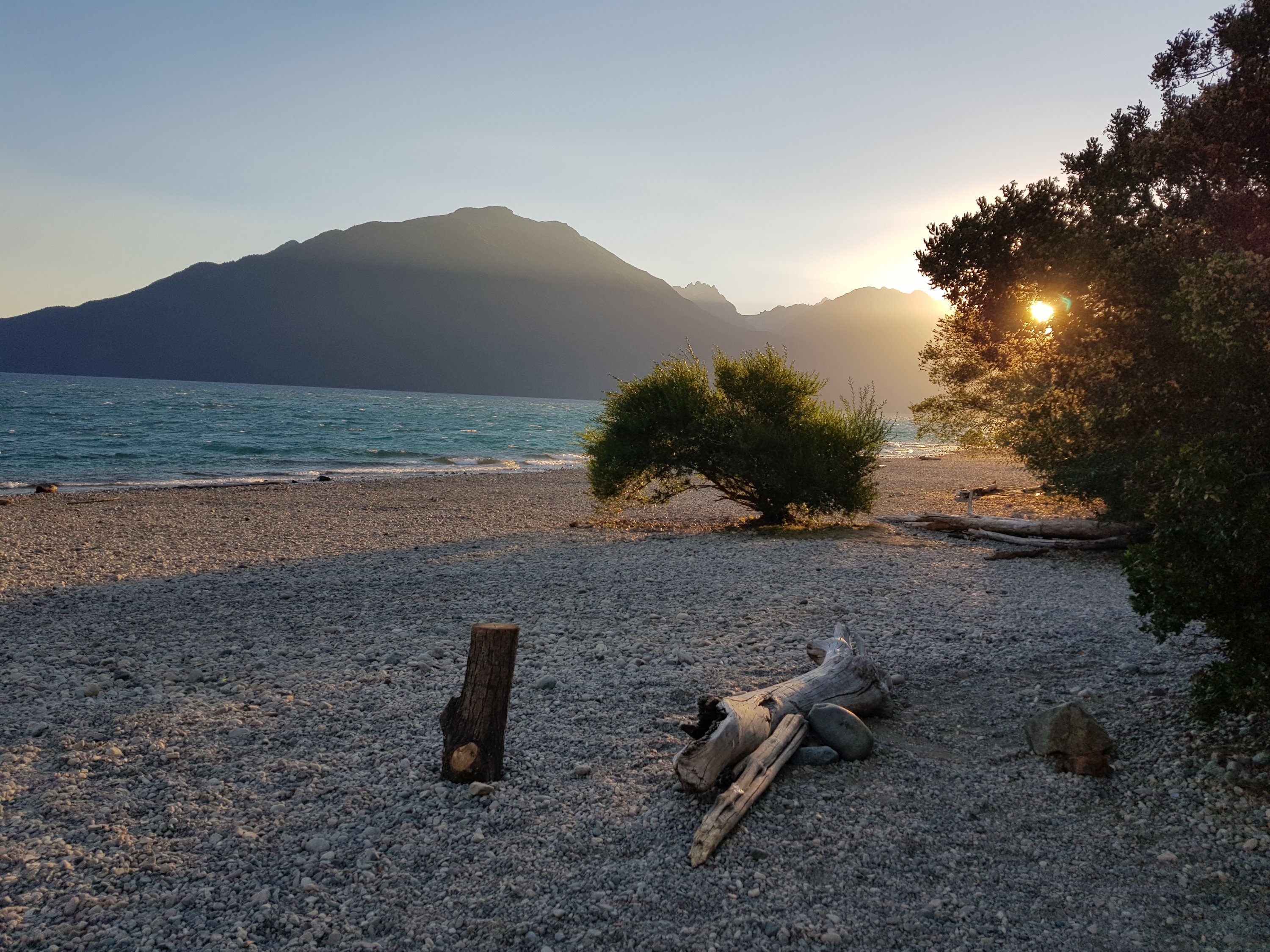
After visiting La Pasarela I hopped back on the bus for another 15 minutes down the road to Lake Puelo and enjoyed the views of this huge lake among the sunset.

Overall, the Lake District in Argentina is absolutely stunning. There is plenty to see as a nature lover. If I had the chance to travel in my own car, then I would definitely visit more smaller communities, and I would perhaps do more camping, as many people were spending long periods of time in each place whilst camping. For now, I travel further South!

What an Airport Lounge is really like

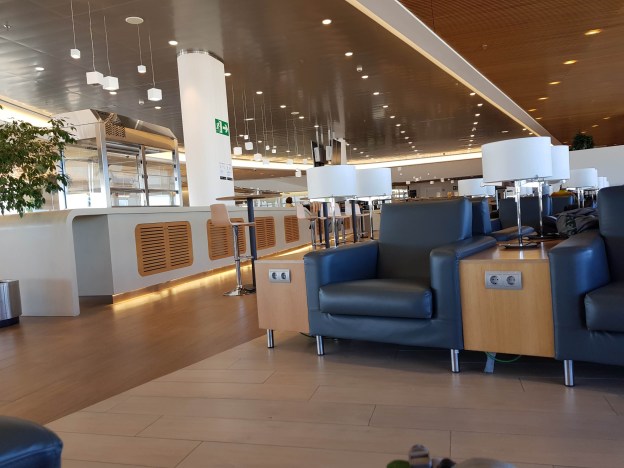
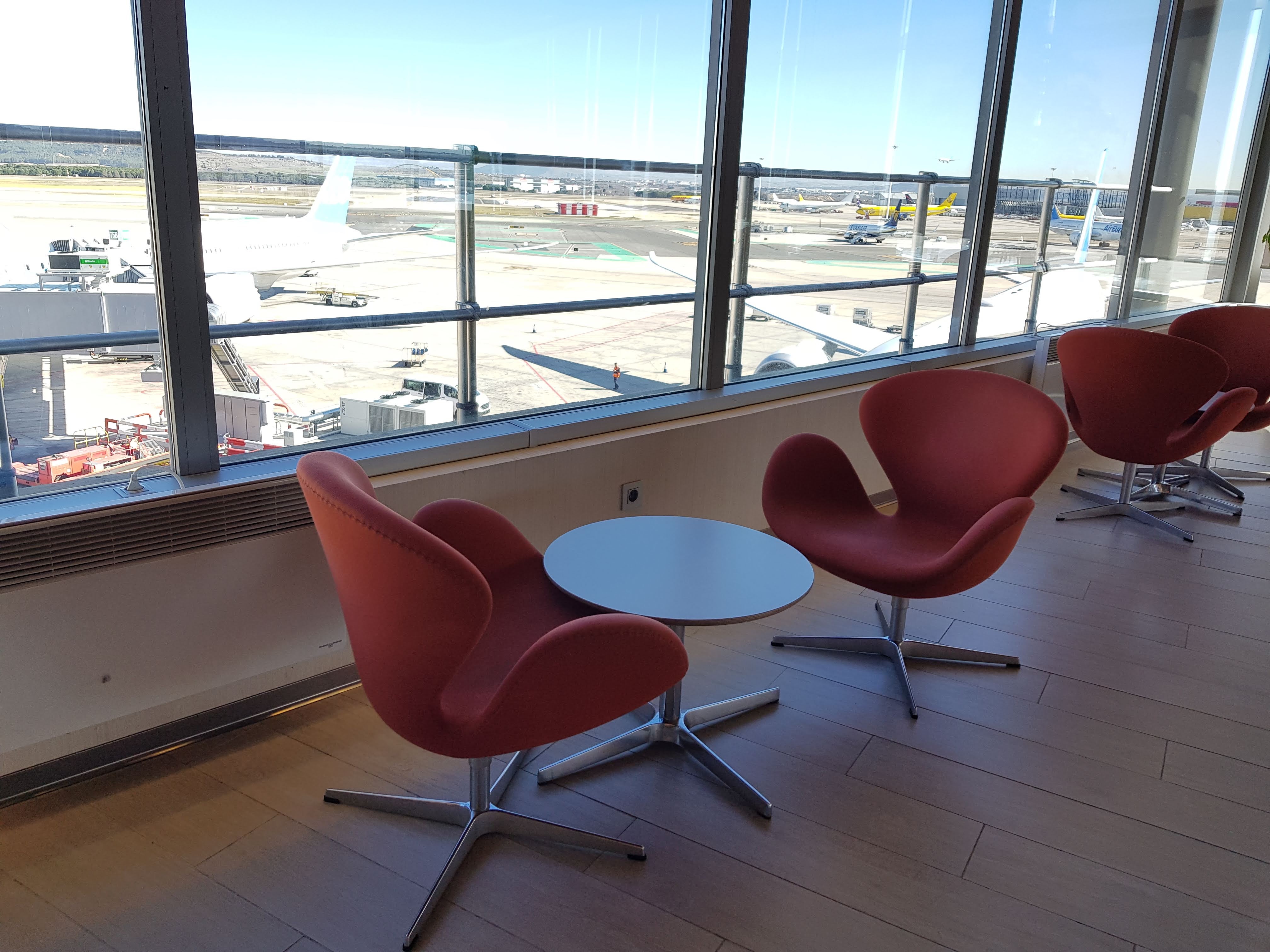
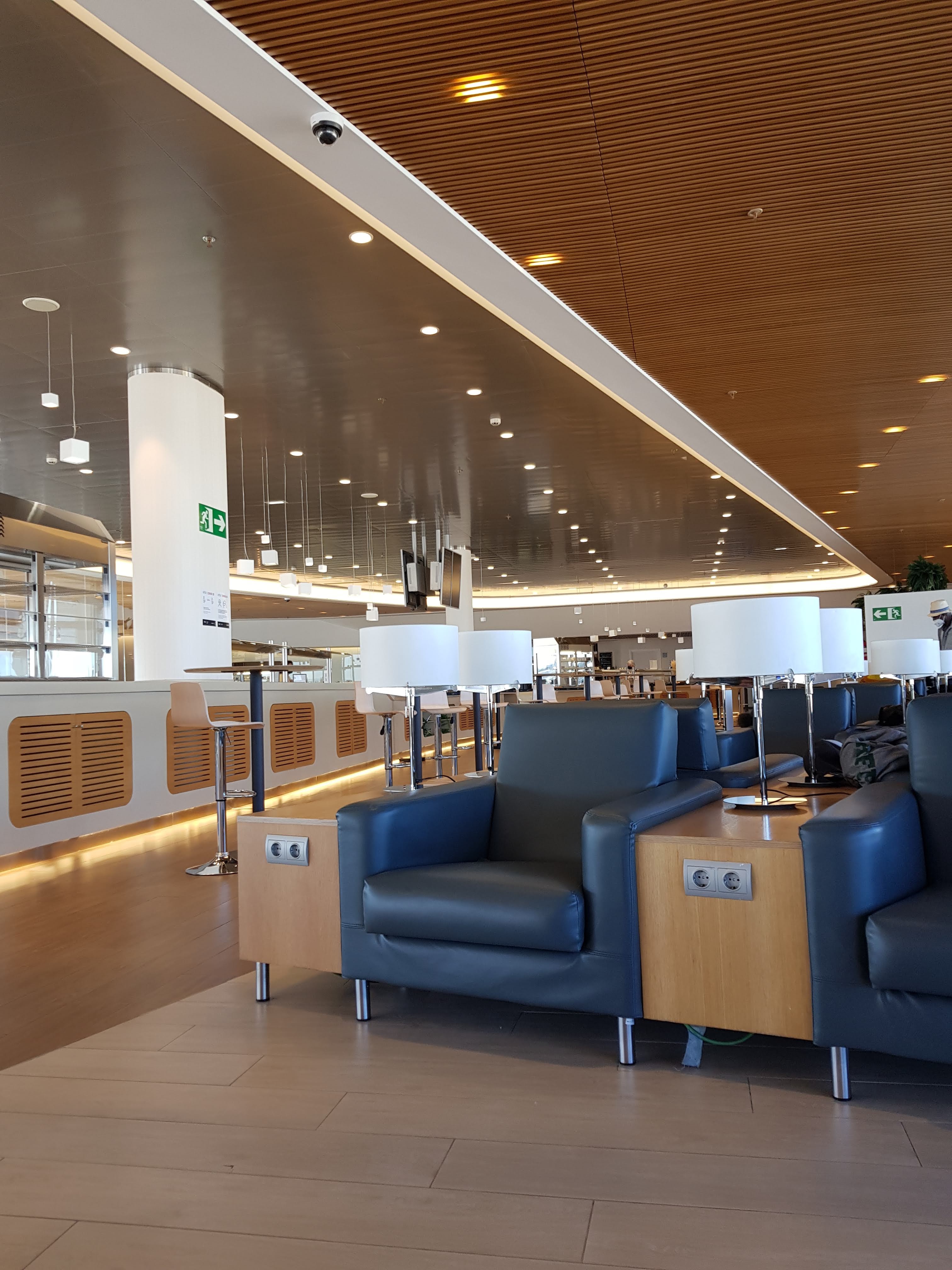
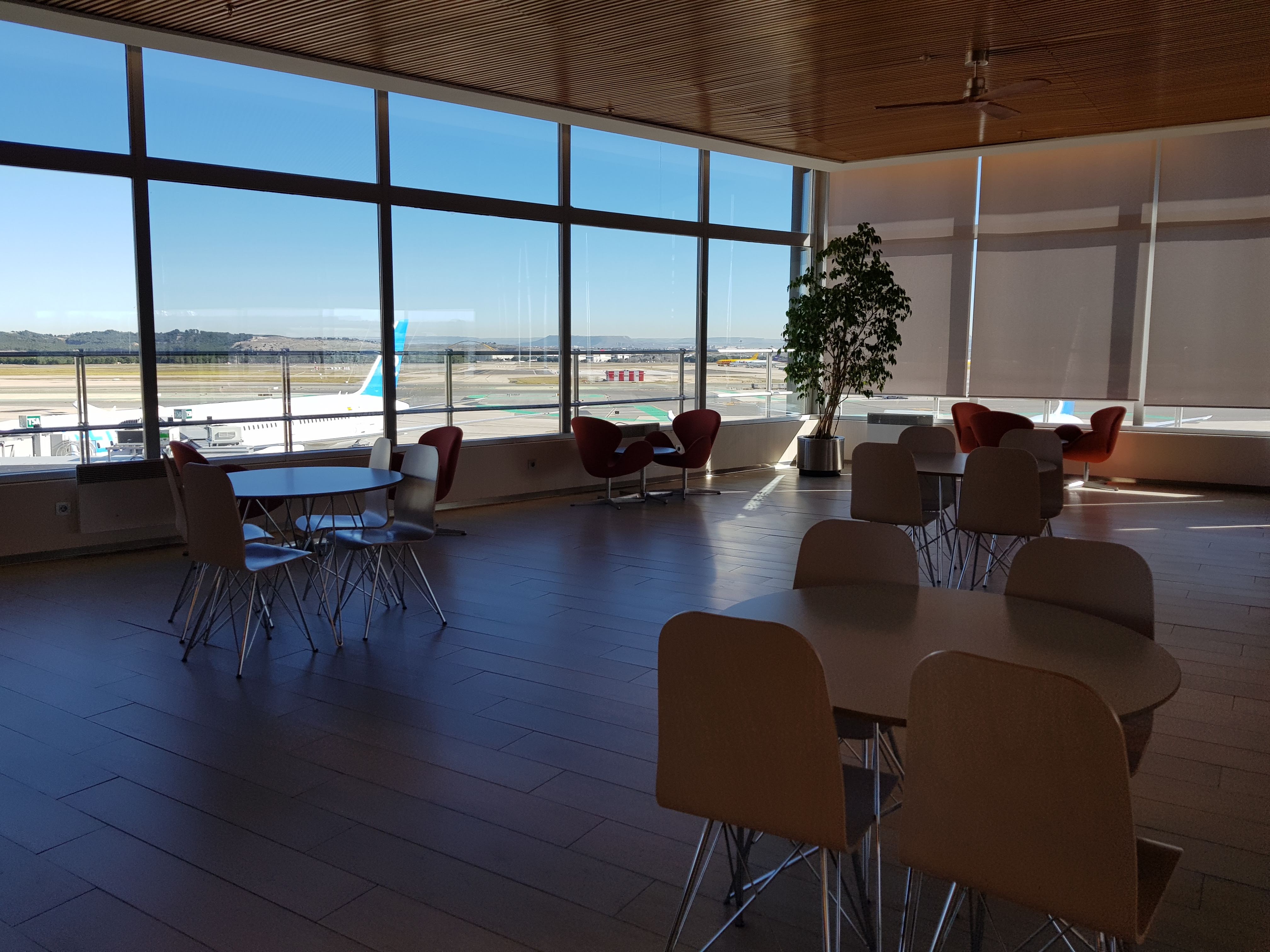
Airport Lounges have long been represented as stylish hang outs for first and business class passengers whilst they wait to board their flight. I have now tried multiple Airport Lounges for myself and from my current seat in Madrid’s Cibeles Lounge have decided to reveal all I have learnt, about these coveted spaces.

It is no surprise that many people choose to escape to an Airport Lounge, when the hustle and bustle of the main dining and seating halls of the departures areas in airports are often so noisy, and uncomfortable. Airport Lounges are more affordable than ever now, and us mere mortals from Economy are finding our way into these spaces, to treat ourselves to pre flight relaxation.

There are different levels of Airport Lounges, with some being specific to frequent or prestigious flyers of specific airlines, and many that are simply ran by the airport and vary by quality. I have spent time in some excellent lounges, as well as ones that did not feel very special at all. The main way to determine if it is worth it, is to find out in advance what is on offer.

What to expect

In all airport lounges, you can expect to have unlimited food and drink (including house wine and beer), comfy seats and WiFi access. The quality of these three things can vary though, so it is always worth looking for reviews and photos before you book.

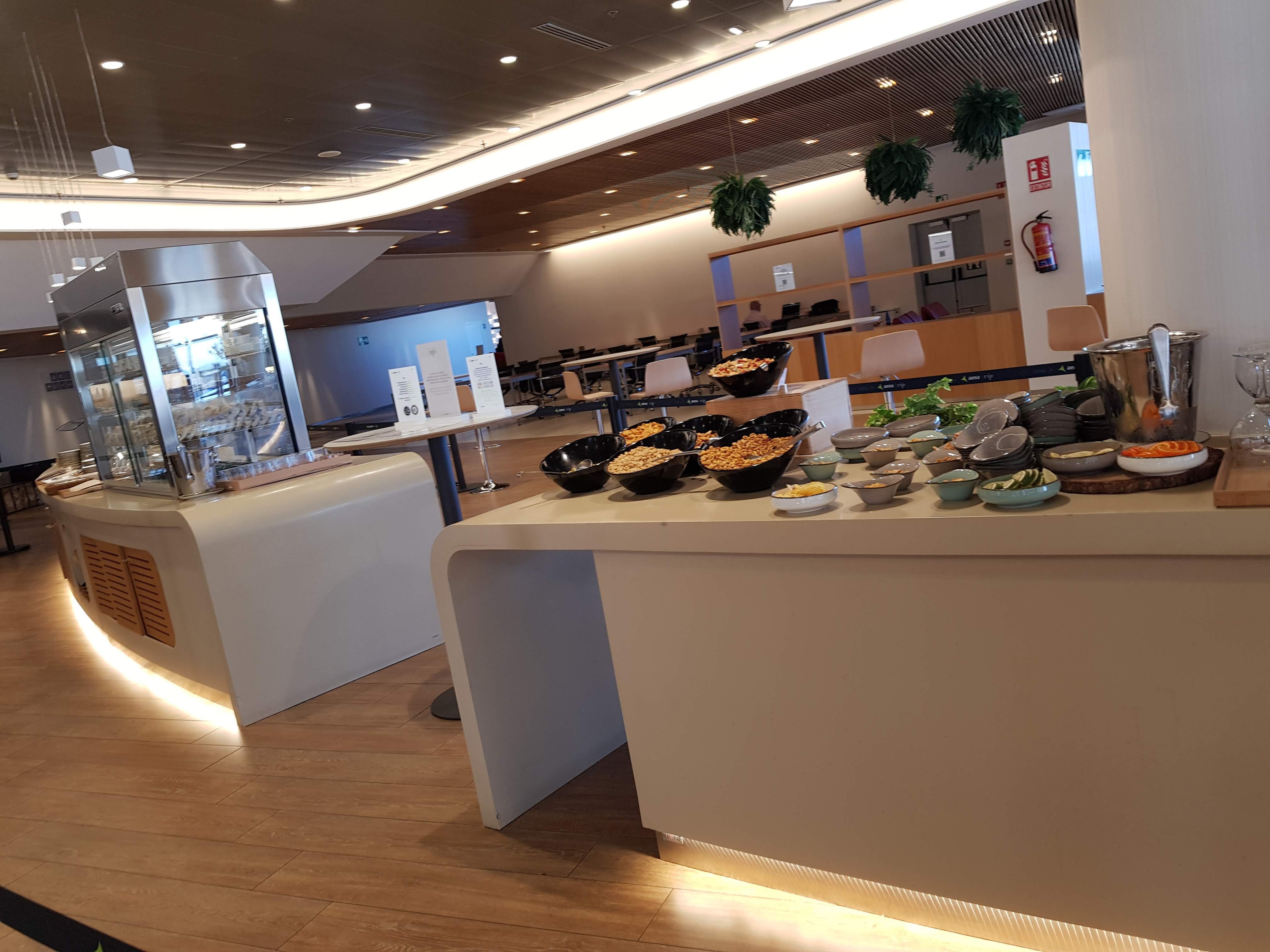
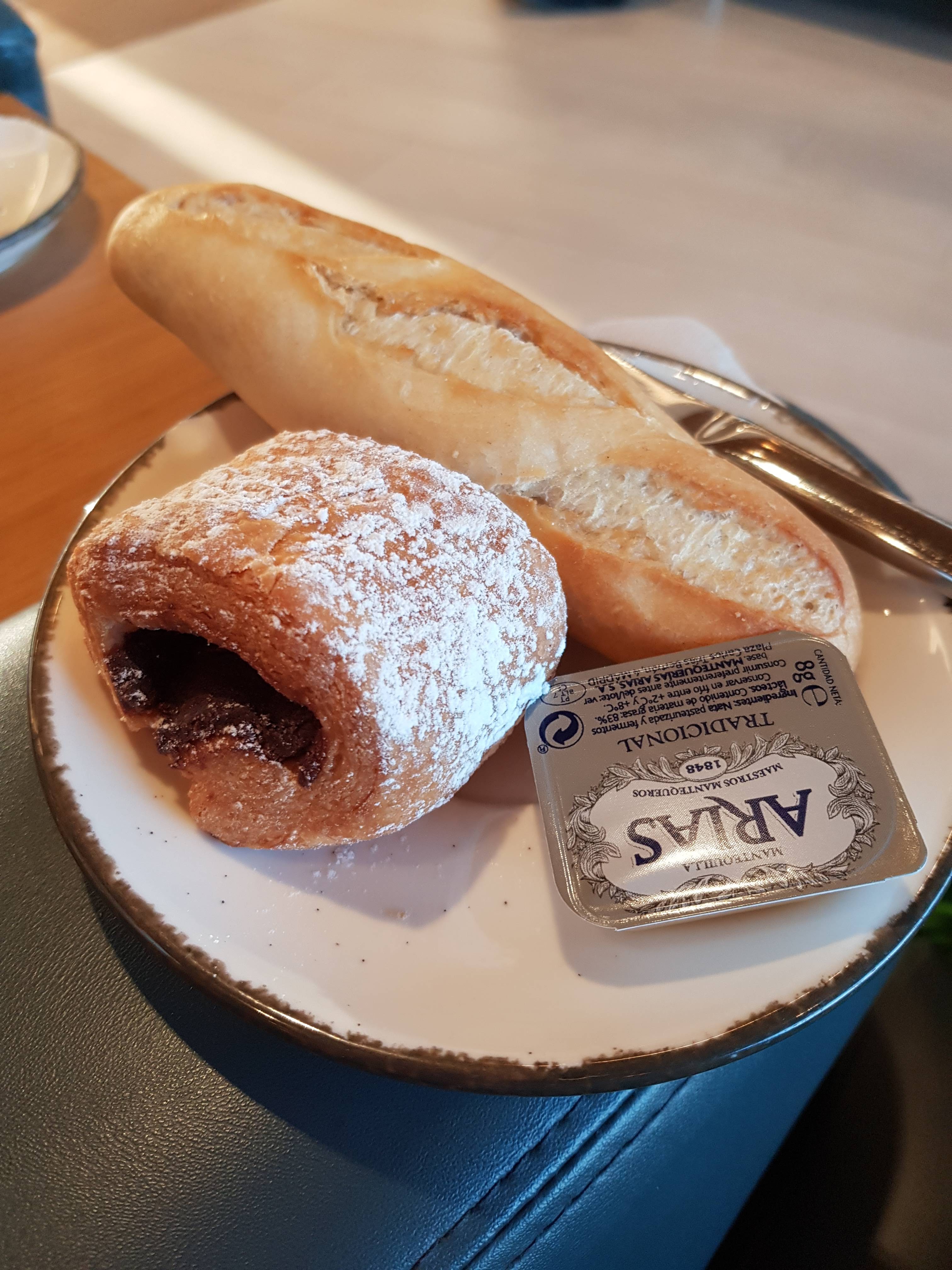
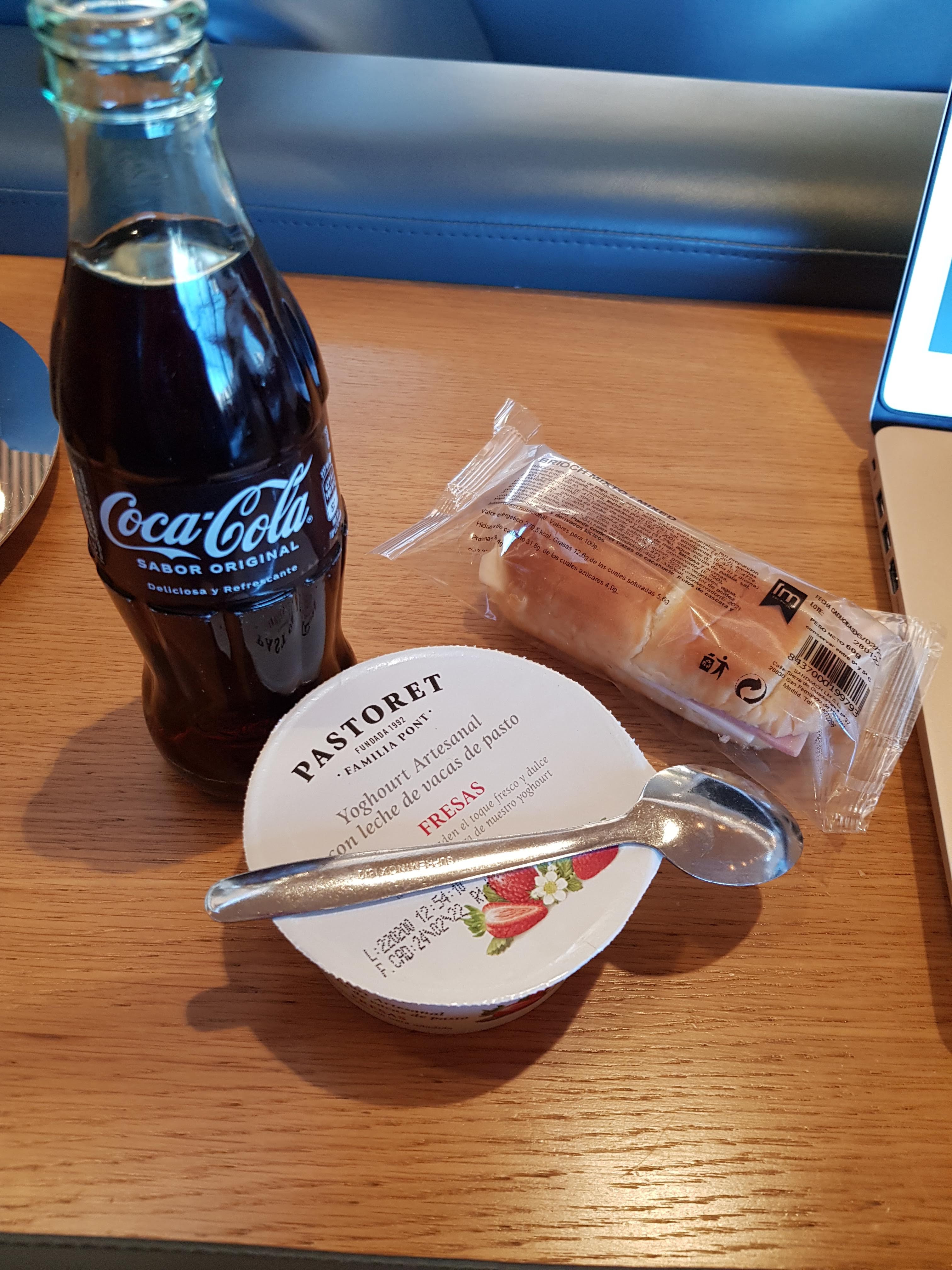
In Madrid’s Cibeles lounge the Wifi is good but you still have to log into it every hour as it is time limited… a little annoying and not really an advantage over the main airport WiFi here. The food is nice, but of course very local and basic, so mainly pastries, breads, and salads. The seats are awesome! There is a mix of seating areas, a desk area for those wishing to work on laptops, a dining table area, and an armchair area. Every seat has individual access to a power outlet so I am enjoying my comfy armchair with my computer.
In some extra special lounges you could access benefits such as a restaurant service, hot food at all times, free alcoholic beverages, a concierge service, a place to shower and even somewhere to take a nap. Some lounges have gone the extra mile to create a relaxing experience with special rooms for playing video games, or in the case of Virgin Atlantic’s Clubhouse Lounge at Heathrow, you can get a complimentary spa treatment with the right pass. That sounds really good to me…

Normally, you can access your lounge for up to three or four hours before your flight. There can be exceptions though. Cibeles were good enough to allow me an extra two additional hours because I was already in the airport as a transit passenger.

How to get in

Some lounges are still reserved for the elite passengers; those with a business or first class ticket, or with membership to an airline. If you are lucky enough to afford a better ticket, then you can enjoy all its benefits for hours before departure.
Many lounges can now be accessed by all classes of passenger thankfully, and there are several ways to access the space.
Depending on the popularity of the lounge, you could purchase access face to face on arrival, but this is risky, as some can become very busy. It is safer to book in advance. You can do this through either an agency or directly with the airport. Many airport websites will have the ability to book a lounge direct.
The other method, is through an agency website. Websites, such as Holiday Extras, Wowcher, and Lounge Buddy are all examples of easy platforms to book a lounge, and receive a printable voucher to take with you. This costs on average about £30 per visit.

If you are a regular flyer (with different airlines) then you could consider investing in an annual pass that gives you access to over 1300 airport lounges across the globe. Priority Pass offers either 10 free lounge visits and then discounted visits for $299 USD or unlimited lounge visits for $429 USD. This includes all the lounge benefits, plus access to customer support, and their app.

Either way, the rules to remember when you are going to book your lounge, (assuming that I have convinced you of the benefits) are:

  • Book in advance where ever possible
  • Book the correct time of arrival, to give you the maximum benefit of the allocated time, so after when you expect to get through security, but before your 45 minute pre departure boarding time.
  • Book the correct lounge in the airport! If it is a big airport, make sure you are booking a lounge in your terminal of departure.
  • Check the reviews and photos of the lounge.
  • Check the serving times for any hot food menu (I was caught out by this in the Cibeles).
  • Print out your voucher if you can.

And enjoy!