Tag Archives: tour

Camino de Santiago: Vilalba to Santiago de Compostela (FINAL 100km)

This week was my final 100km to Santiago de Compostela. Many people begin their entire route from here, for me, it was the beginning of the end, of a very long walk.

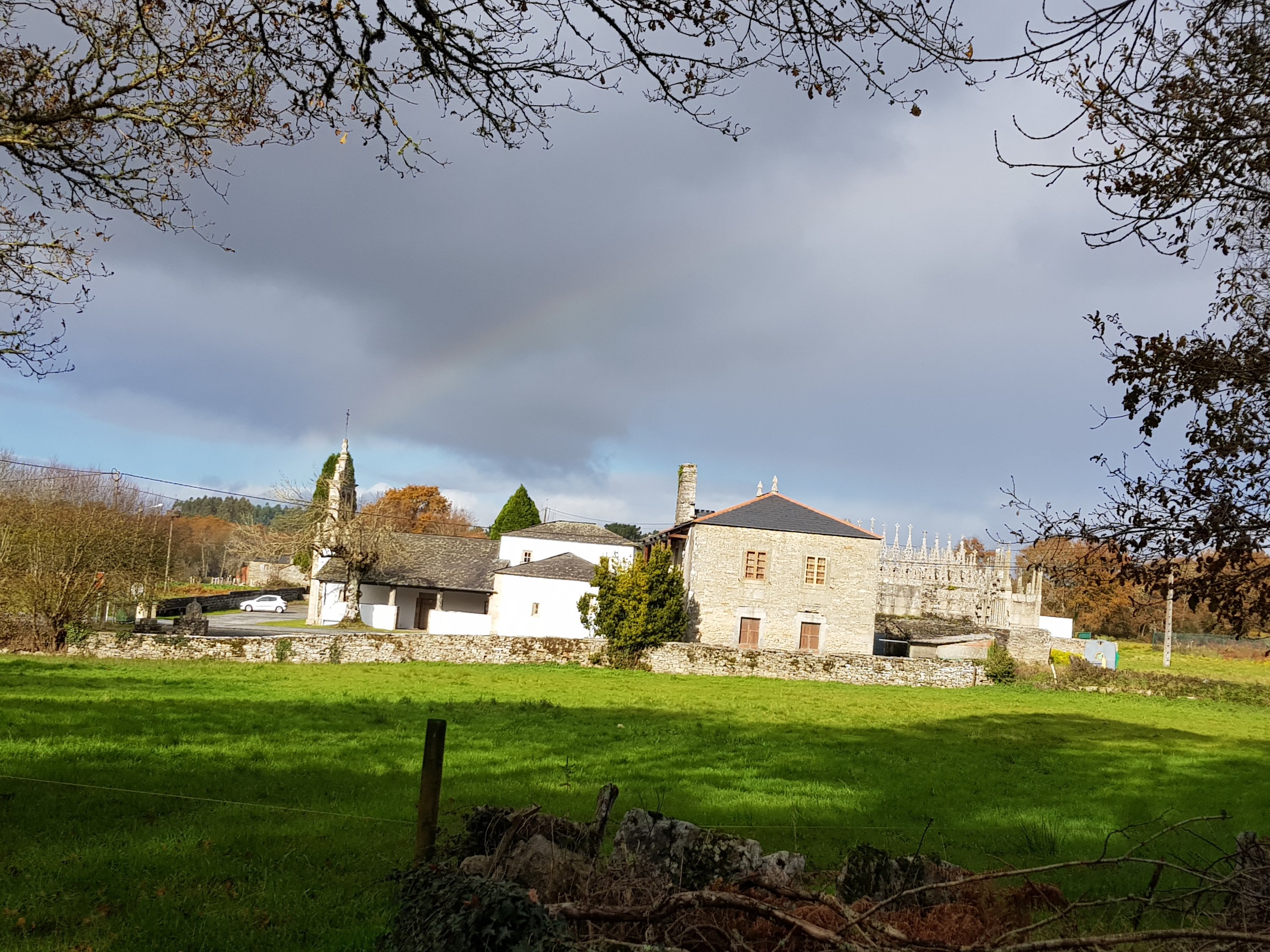
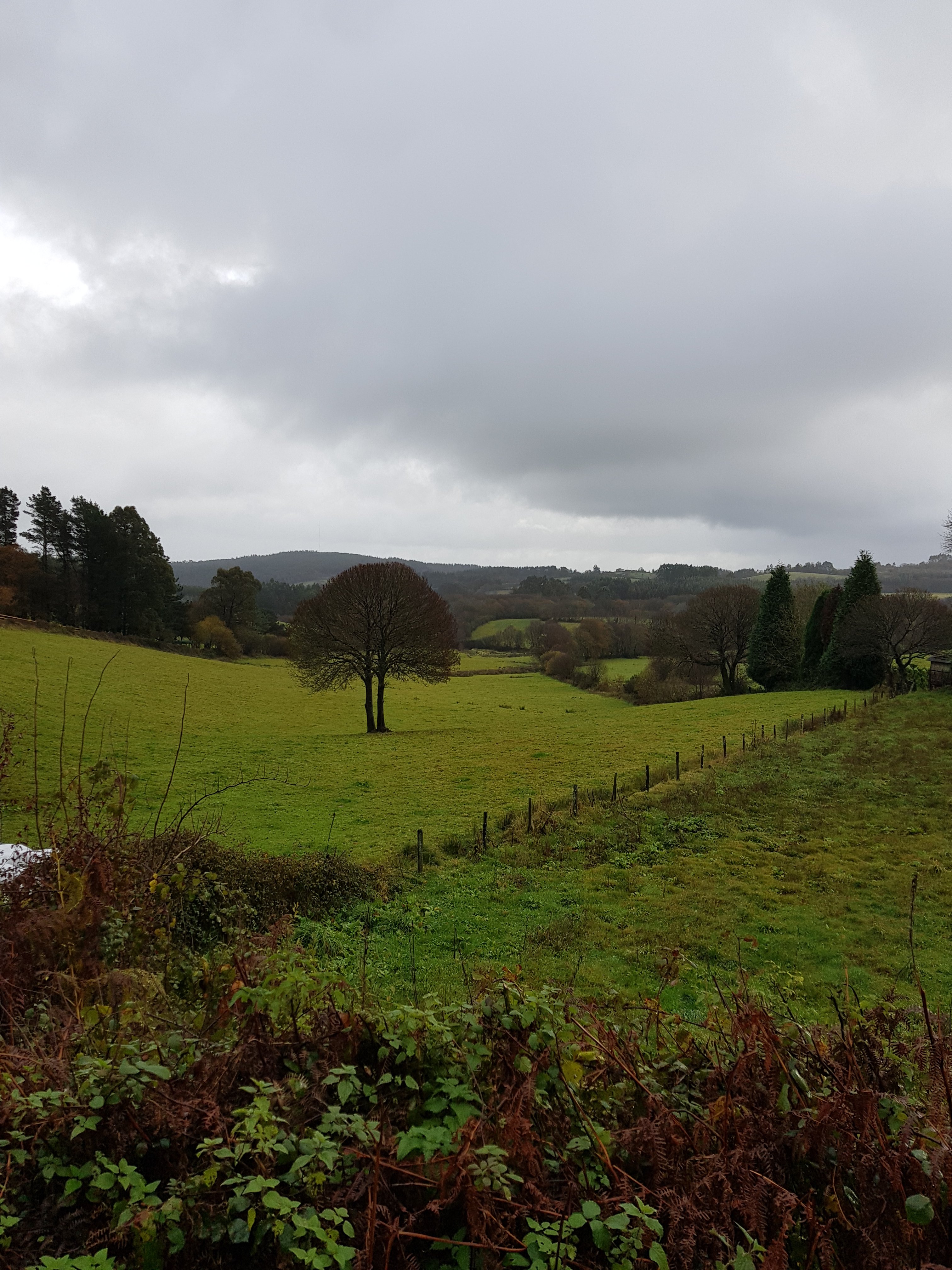
Now that I am in Galicia, a new language has been introduced again, a subtle change in culture and architecture. It is so interesting to see the subtle changes. The terrain is flatter and now includes many forests, and little services.

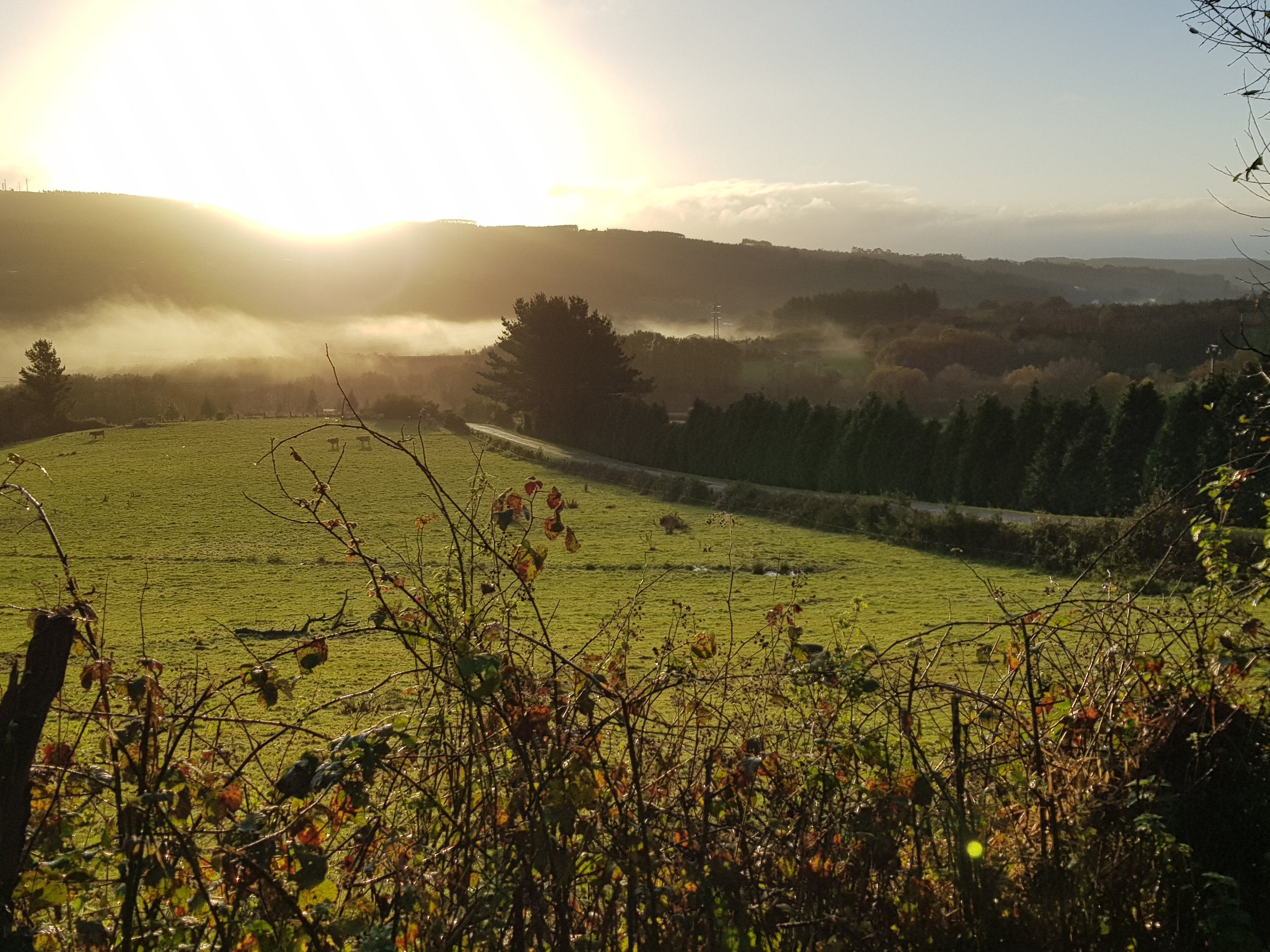
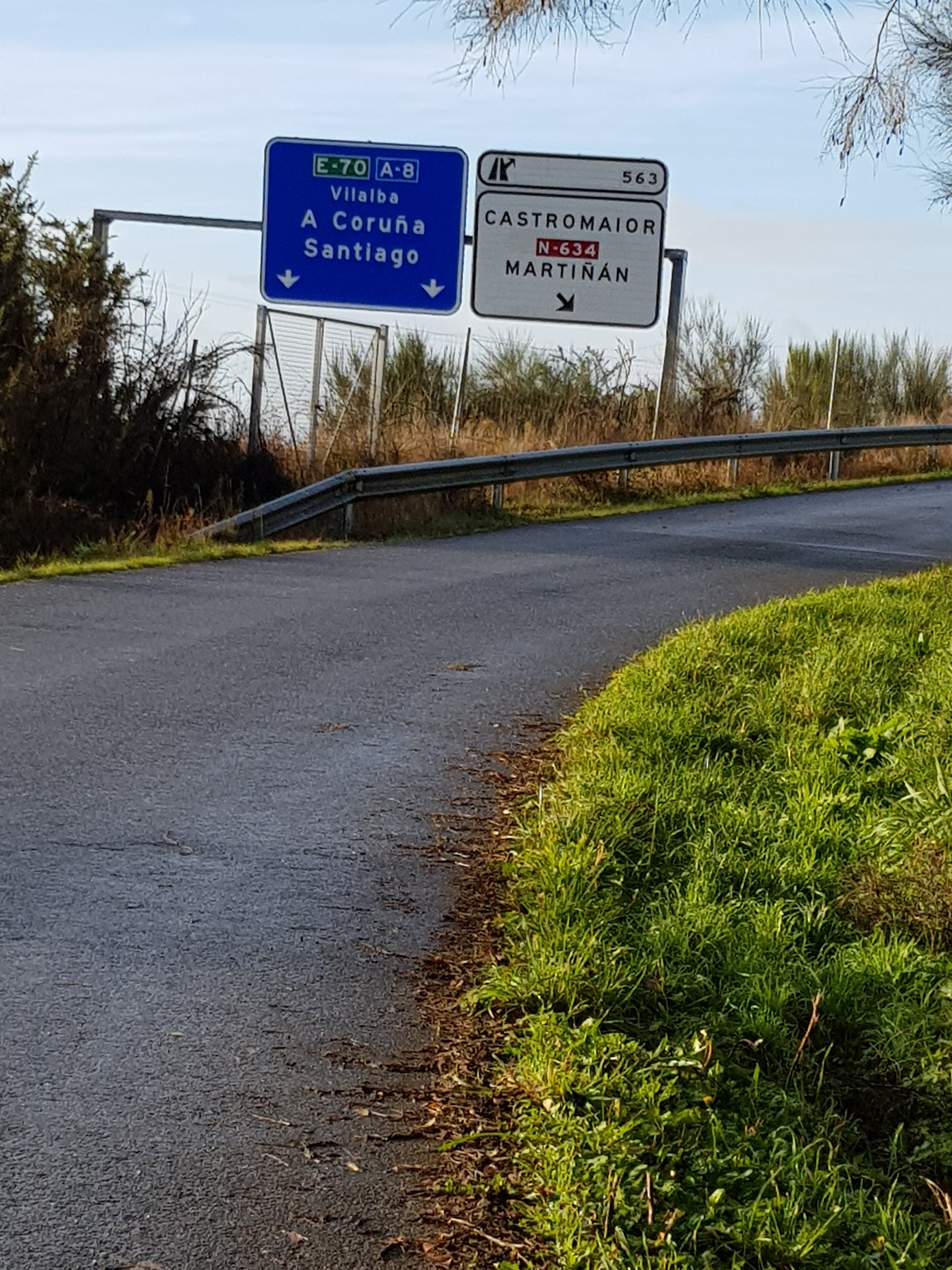
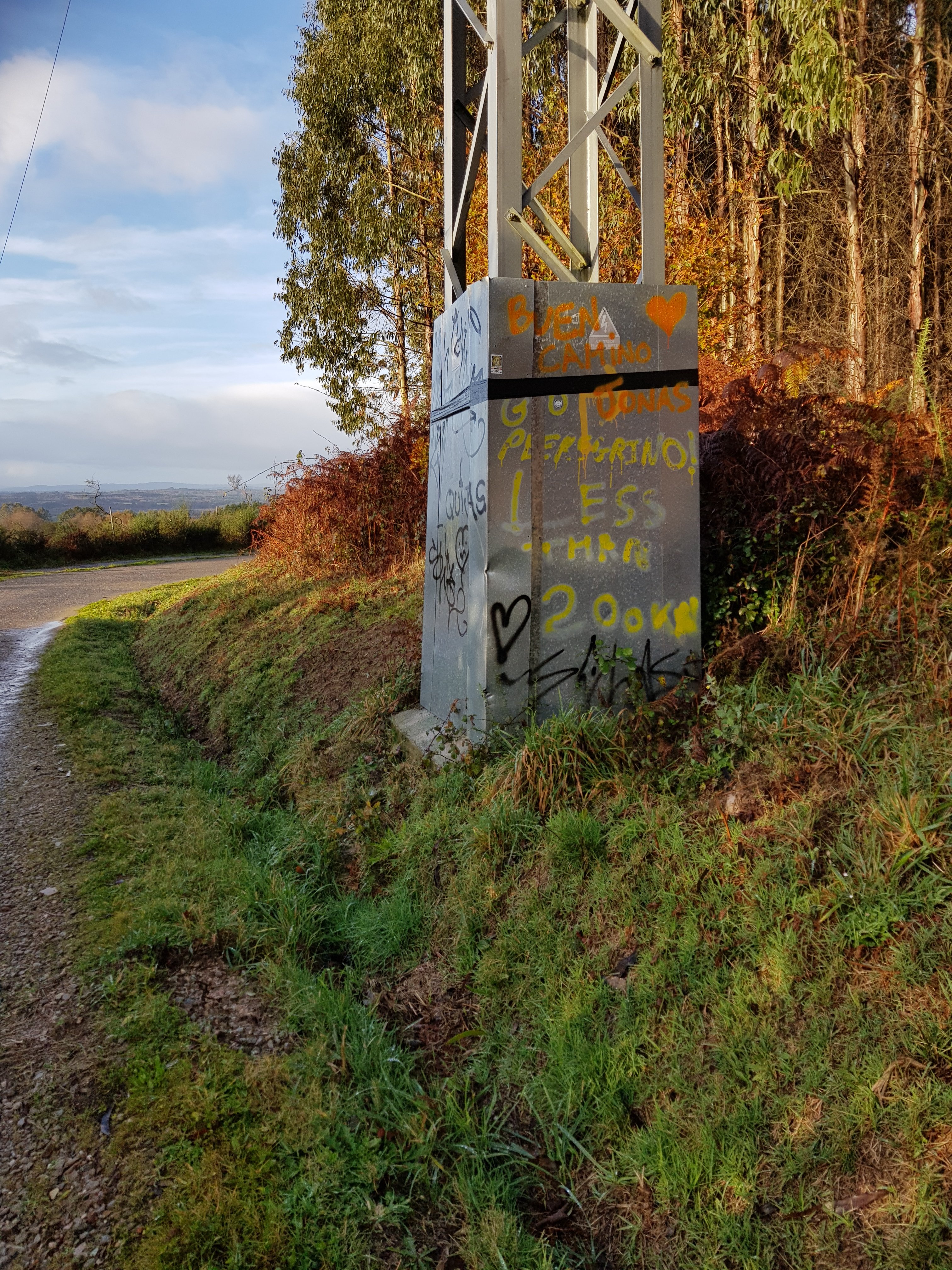
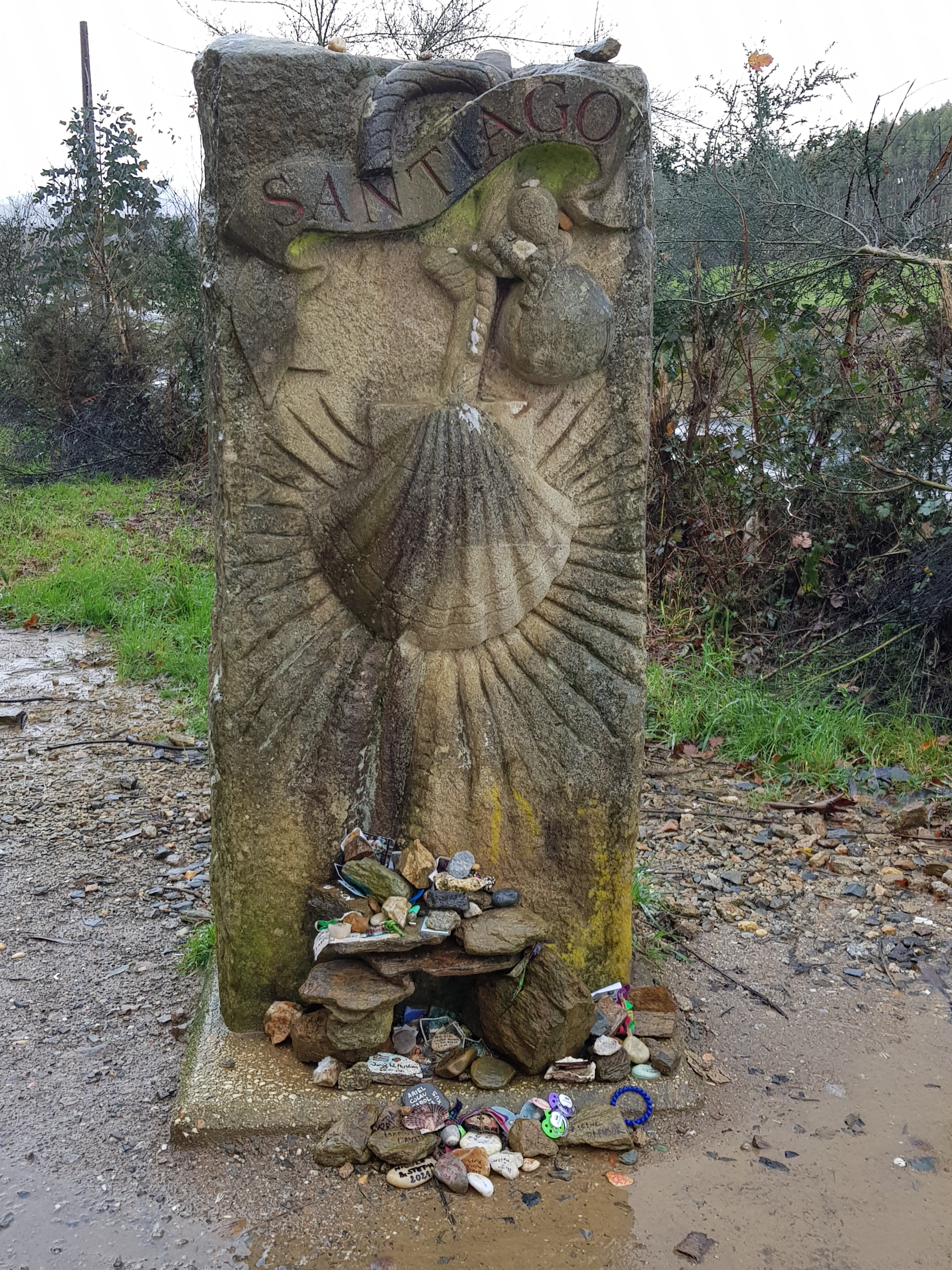
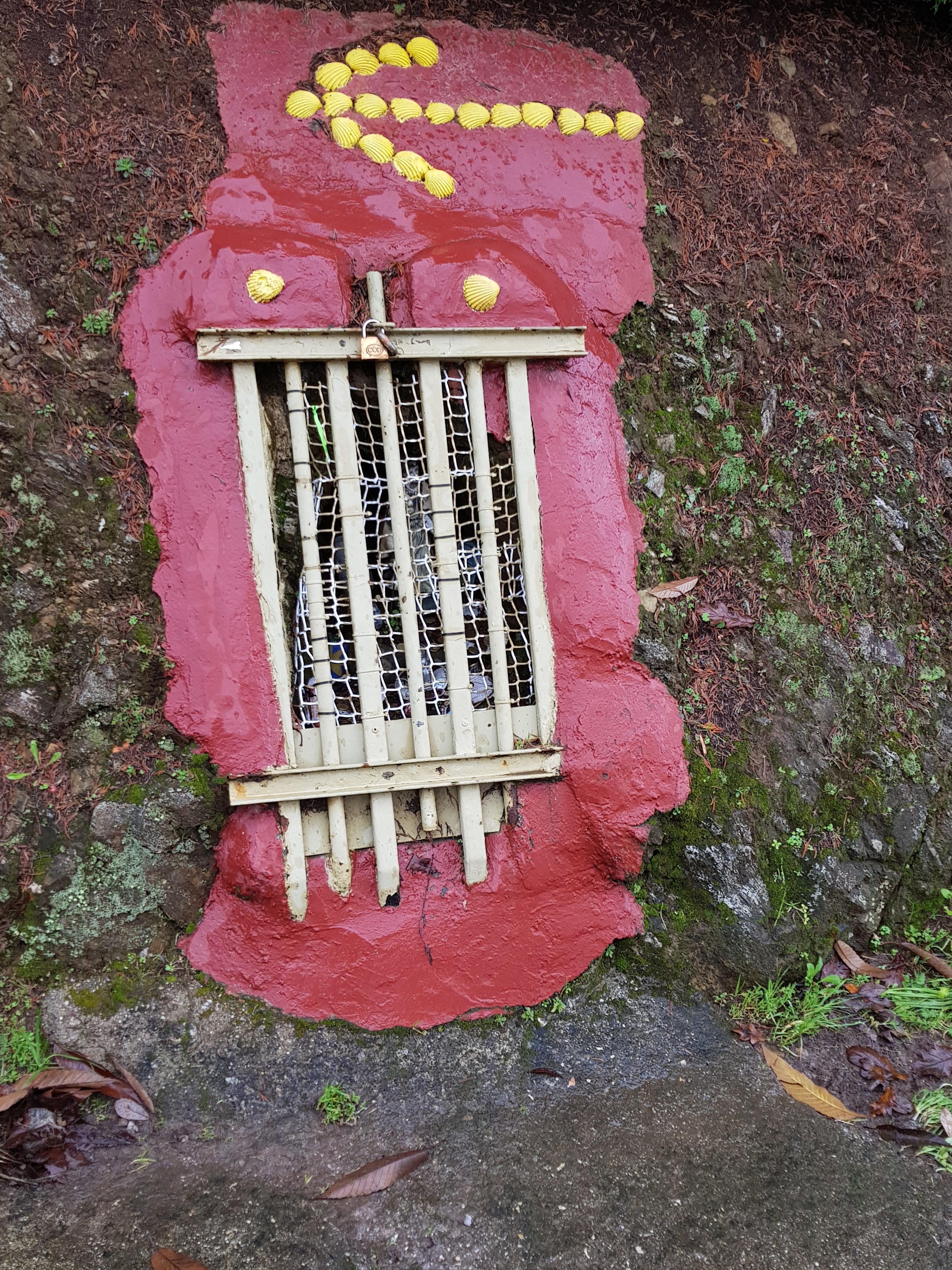
The week began great, leaving before sunrise to walk to Vilalba, I enjoyed my first walk in mostly sunshine for many days. I got some brilliant photos, and whilst my foot was sore, I was full of positivity. Especially once I saw the first road sign to Santiago! It finally felt within reach!

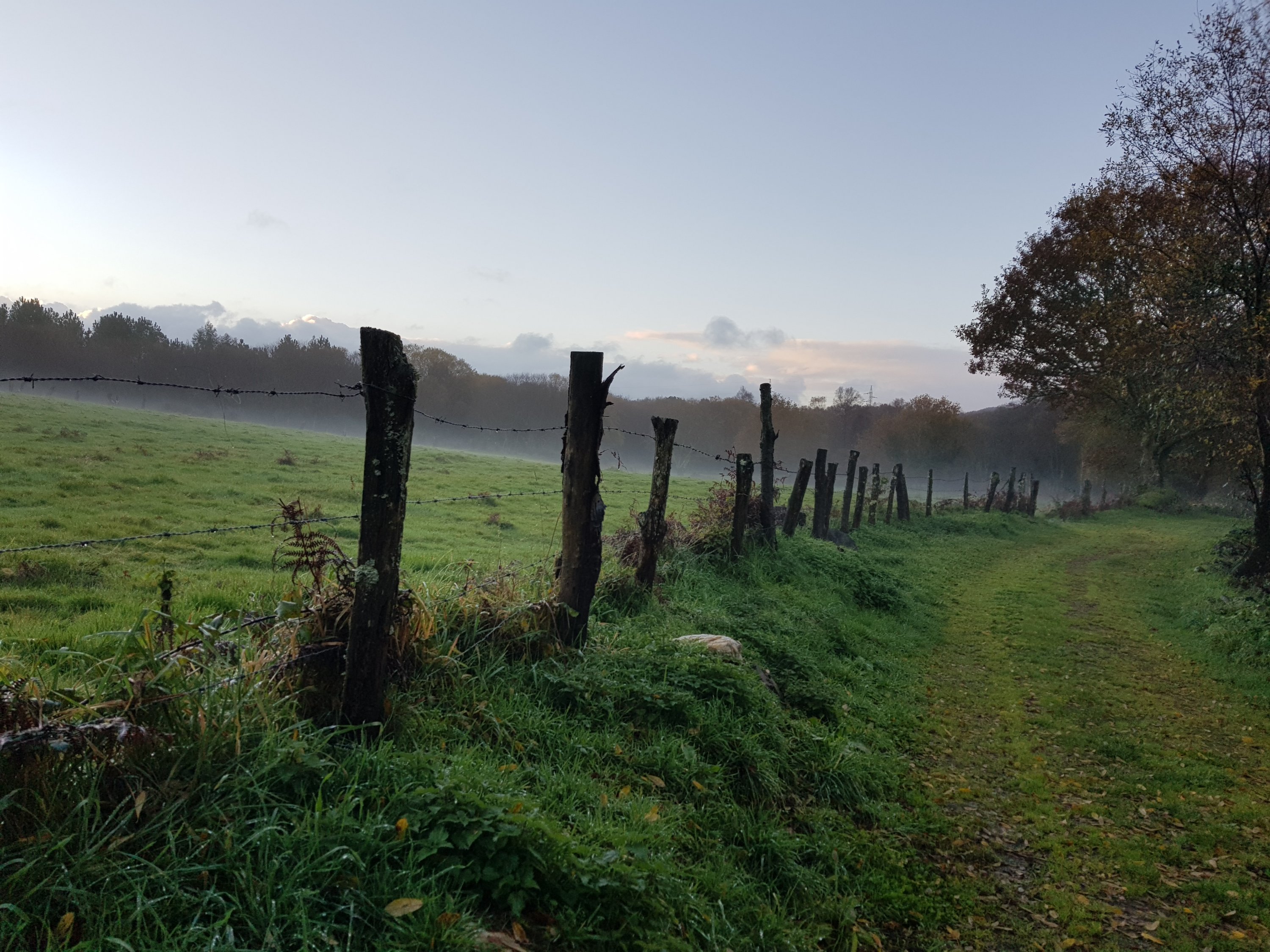
I made my way to a cafe, which I found then to be closed, but hung around outside looking sad until the nice spanish lady let me in! She opened up just for me and I had a hot chocolate, and a long conversation in spanish about politics and Galicia. Very good practice.
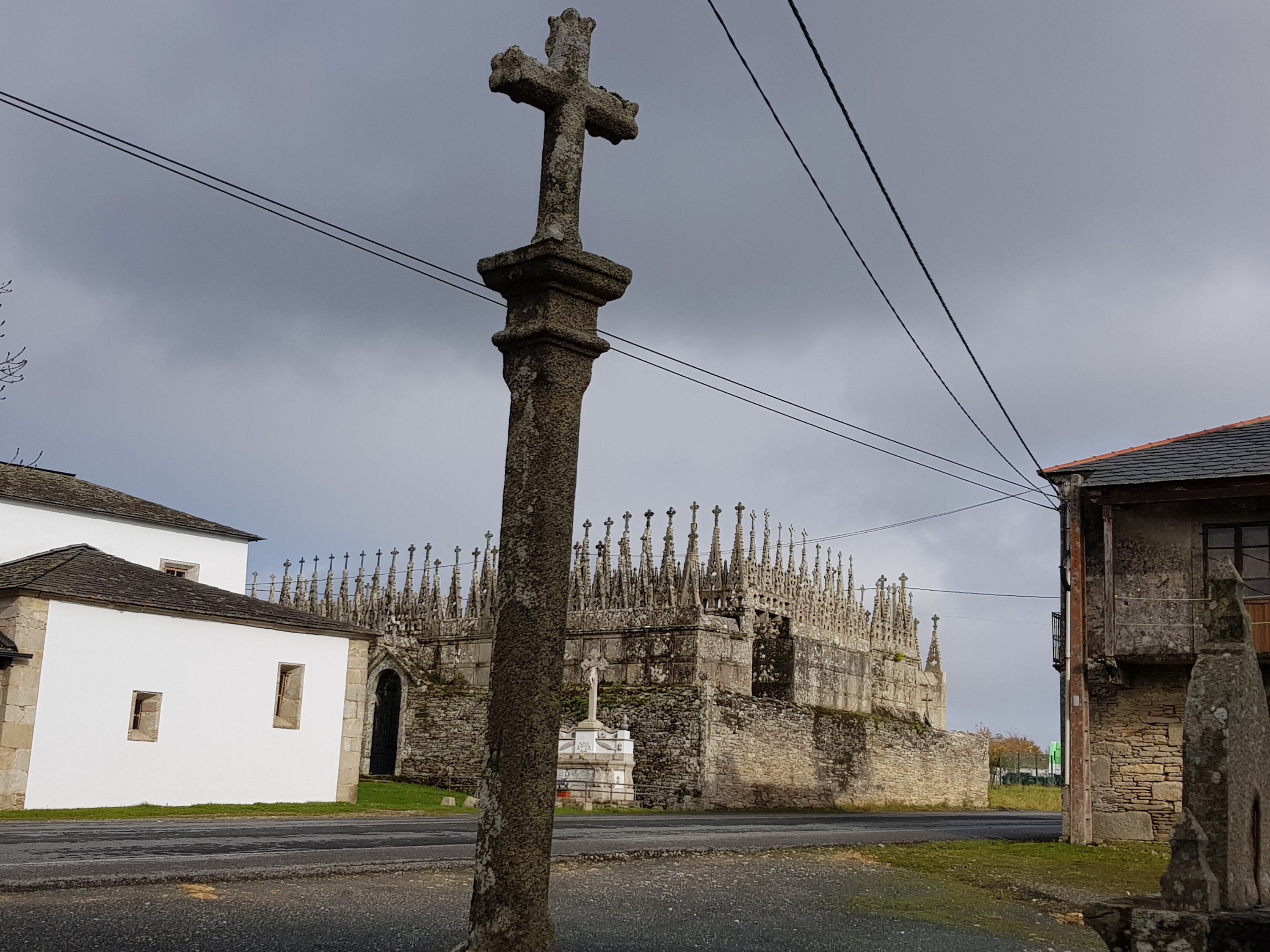
Before I knew it, I had made it to the hostel. I was all on my own at the hostel, and it was 1km outside of town, so I had an interesting attempt at ordering a delivery. After a long struggle, I finally had my cheeseburger and chocolate brownie, snuggled up in my sleeping bag.

Vilalba is a nice town, with lots of shops and services, a little castle. It would make a good rest day stop, if I had not been so eager to finish!

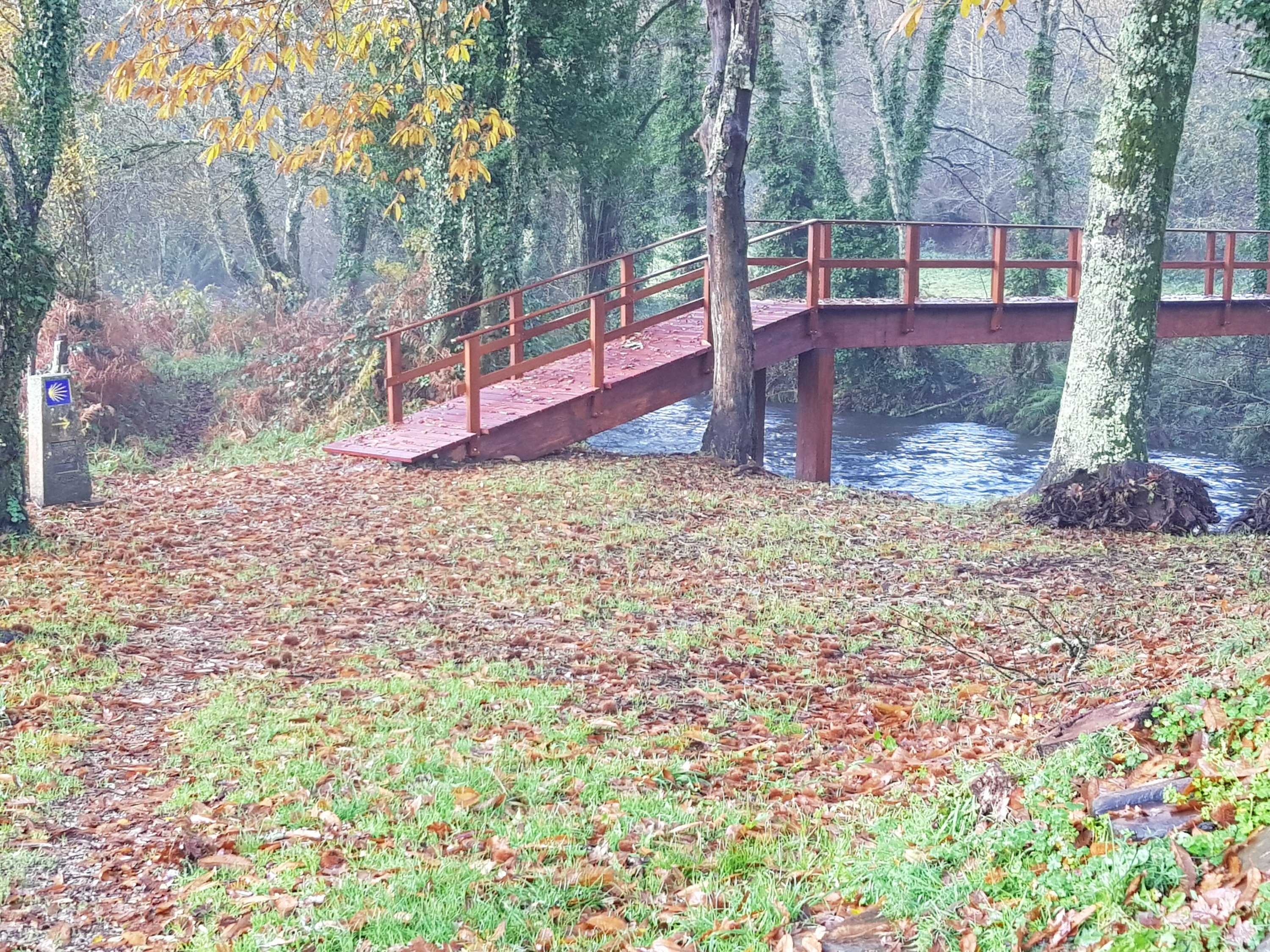
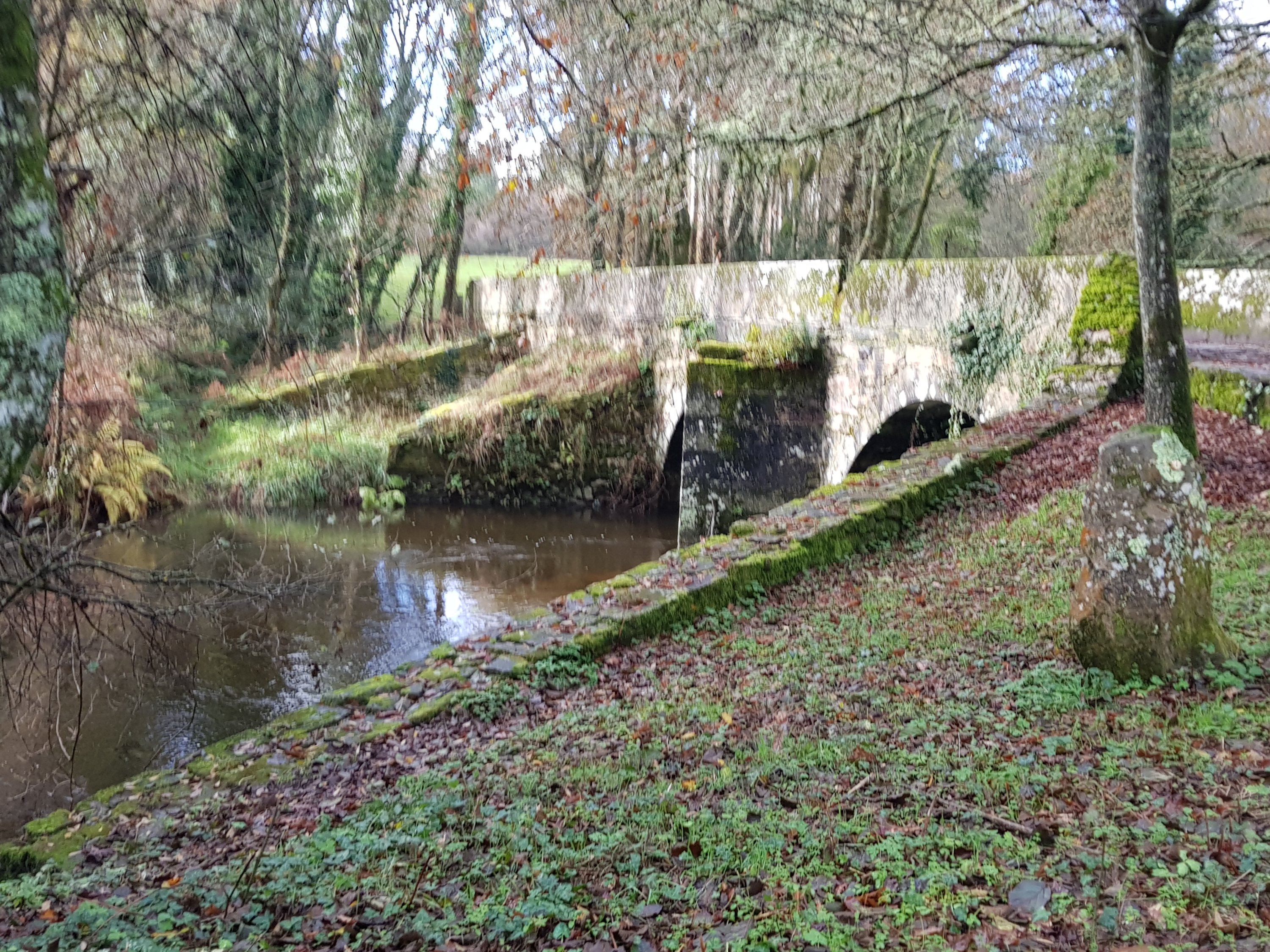
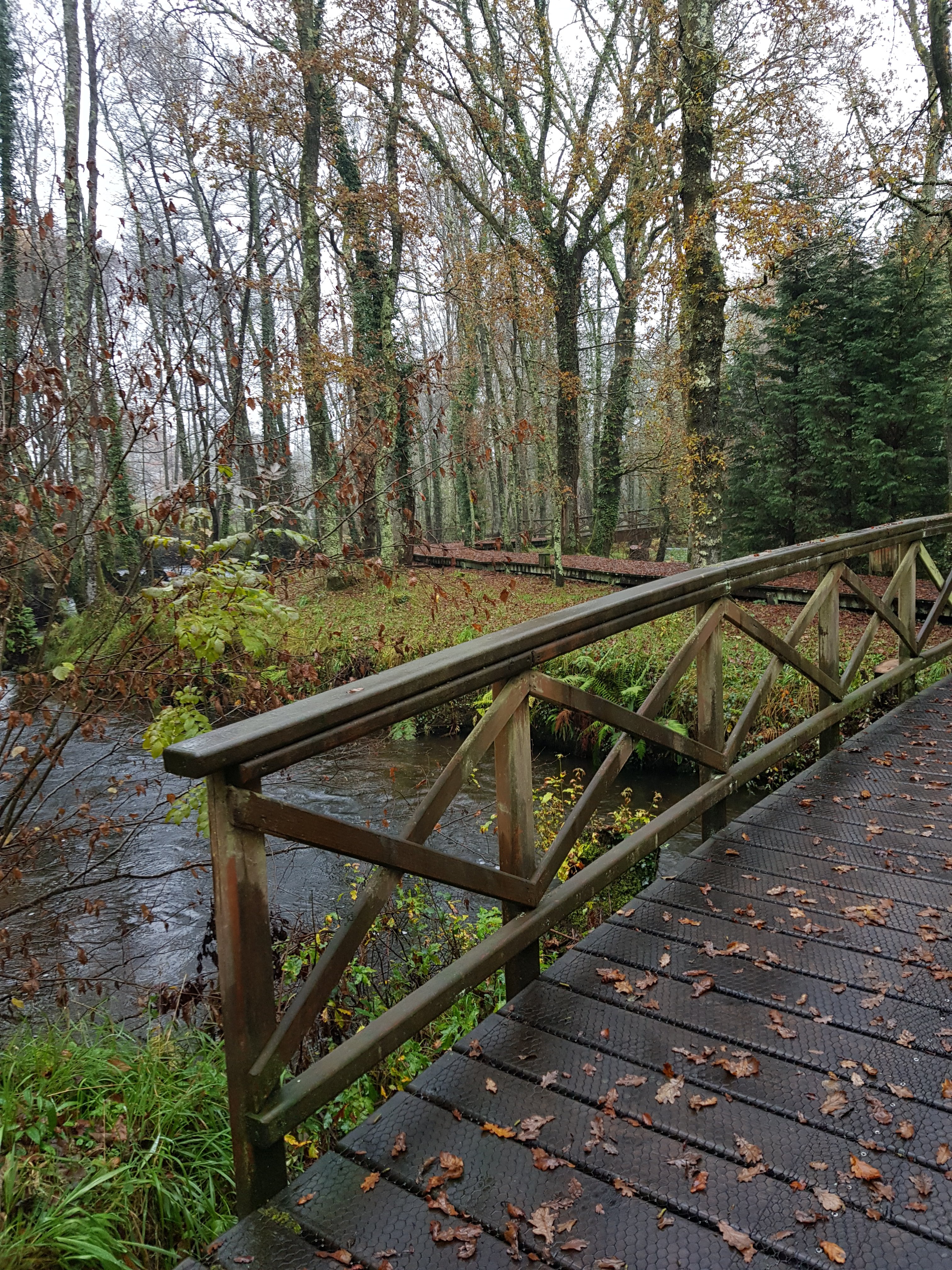
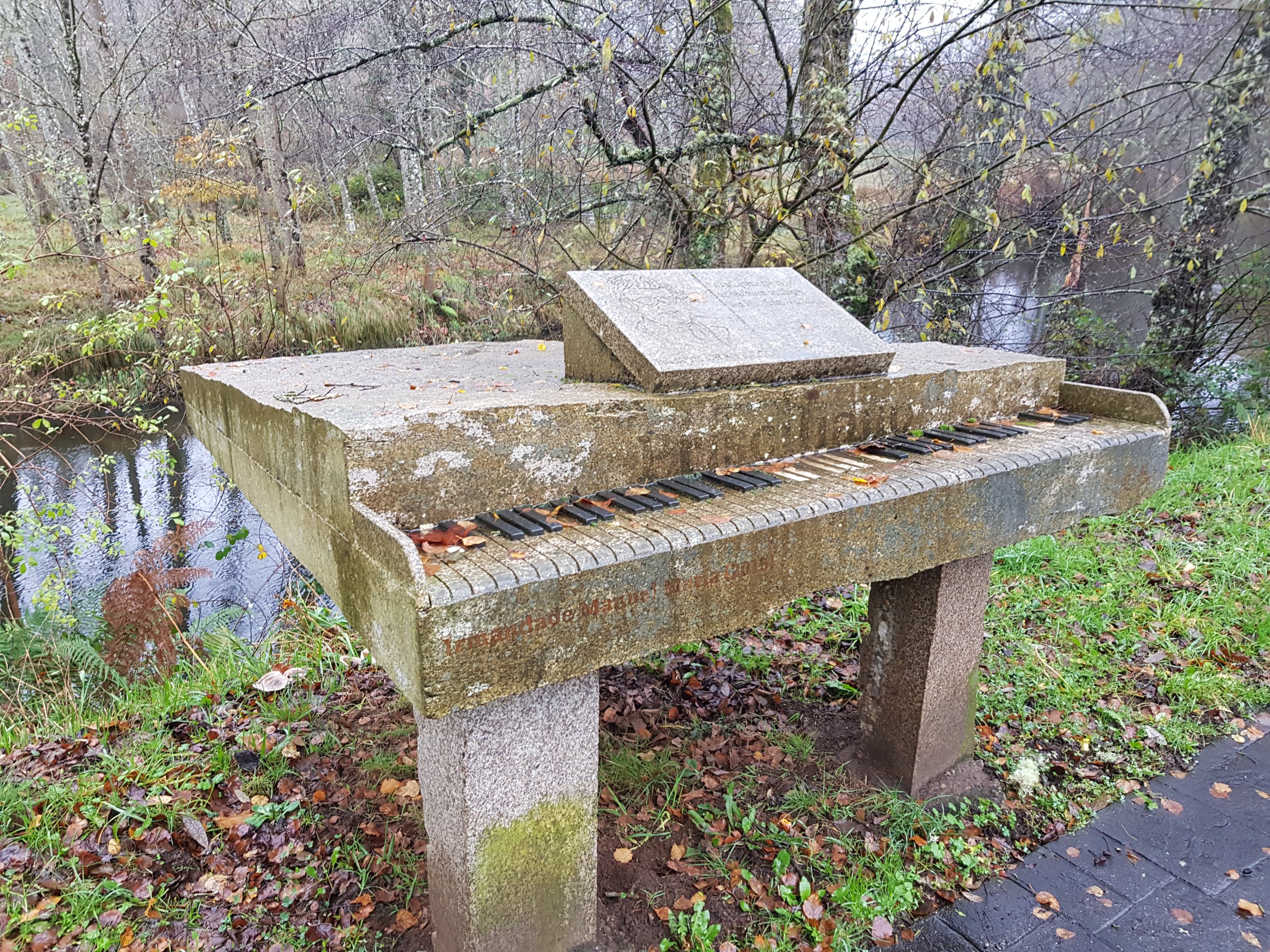
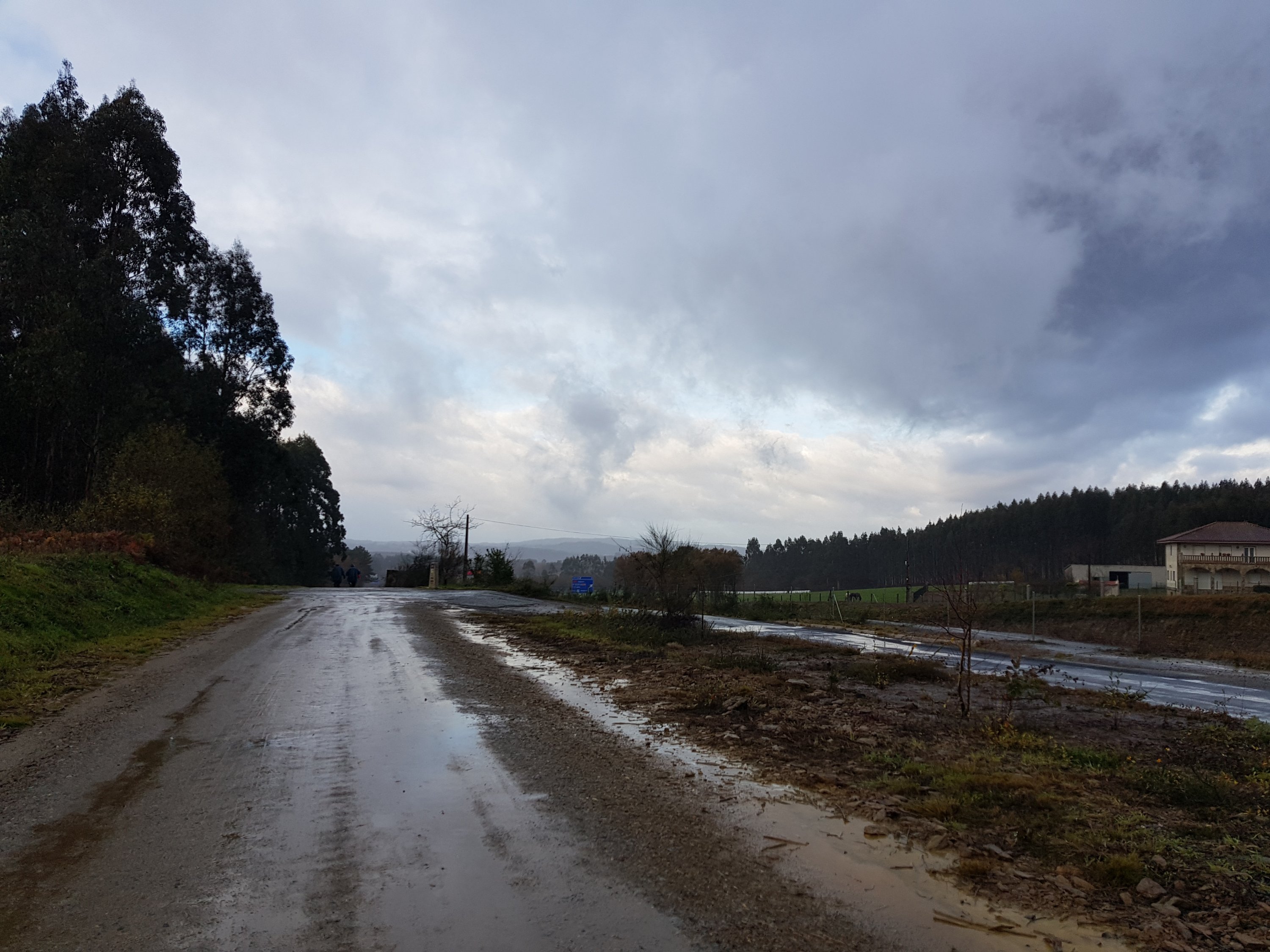
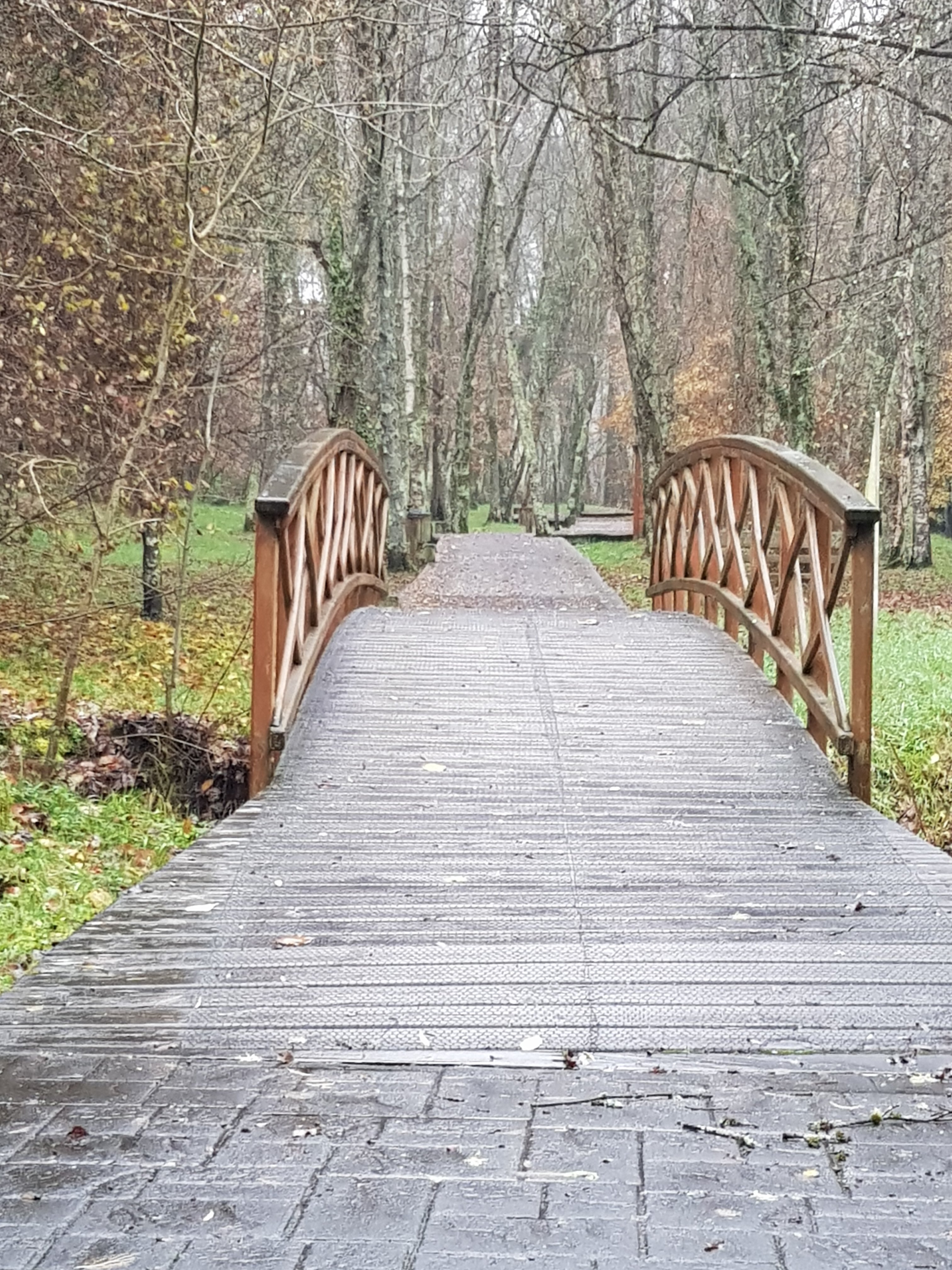
The walk to Baamonde was very rainy and had many roads, except at the beginning where there was a pretty boardwalk route through a park along the river. It was ‘only’ 22km but a big struggle with an already very sore foot and knees. Thankfully, I had some company in the second half, in the form of a lovely pilgrim from Switzerland. He had already walked 2000km, and was already ready to get to Santiago by now. I love walking alone, but it is nice to have someone else to listen to other than your own thoughts sometimes. Eventually, we made it to our hostel, and enjoyed a lovely dinner together of baby squid again, of course.
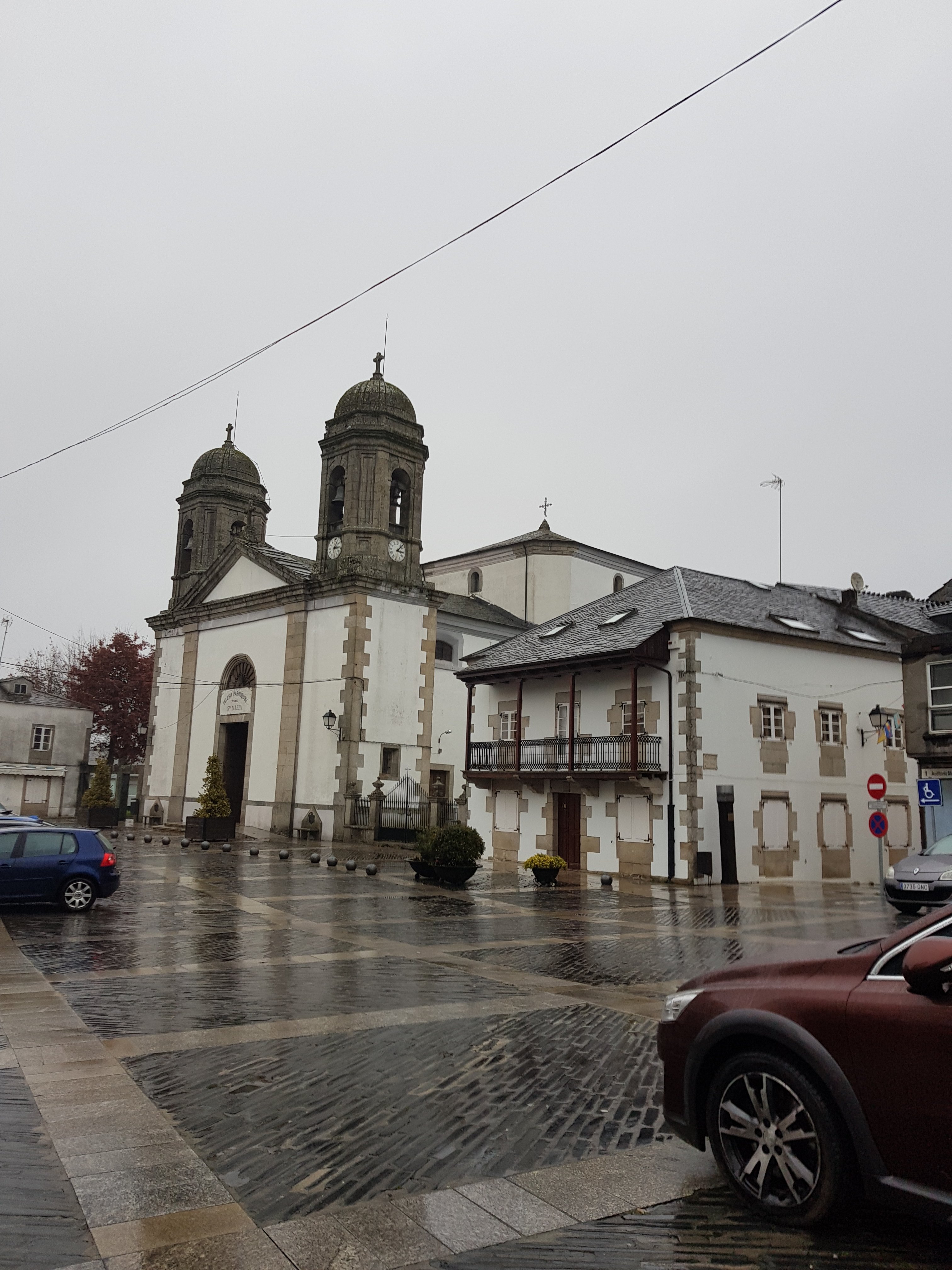
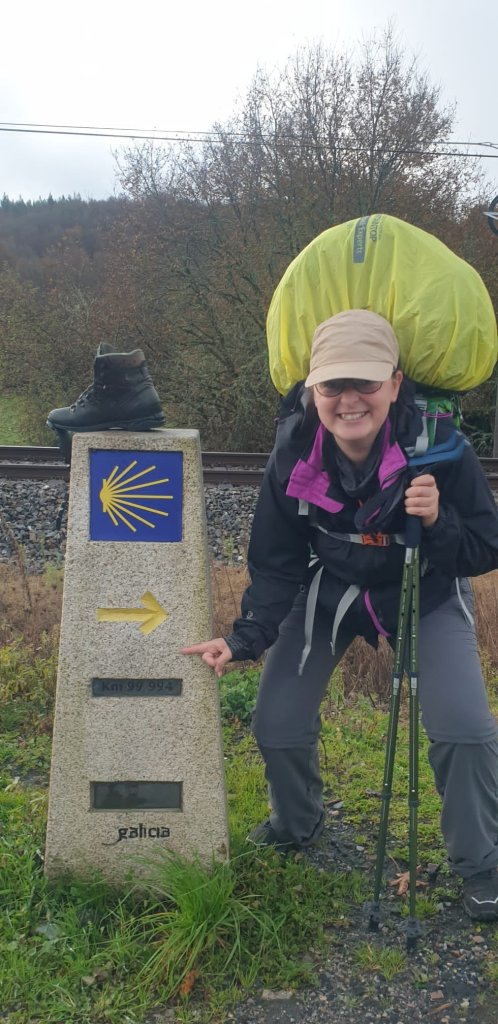
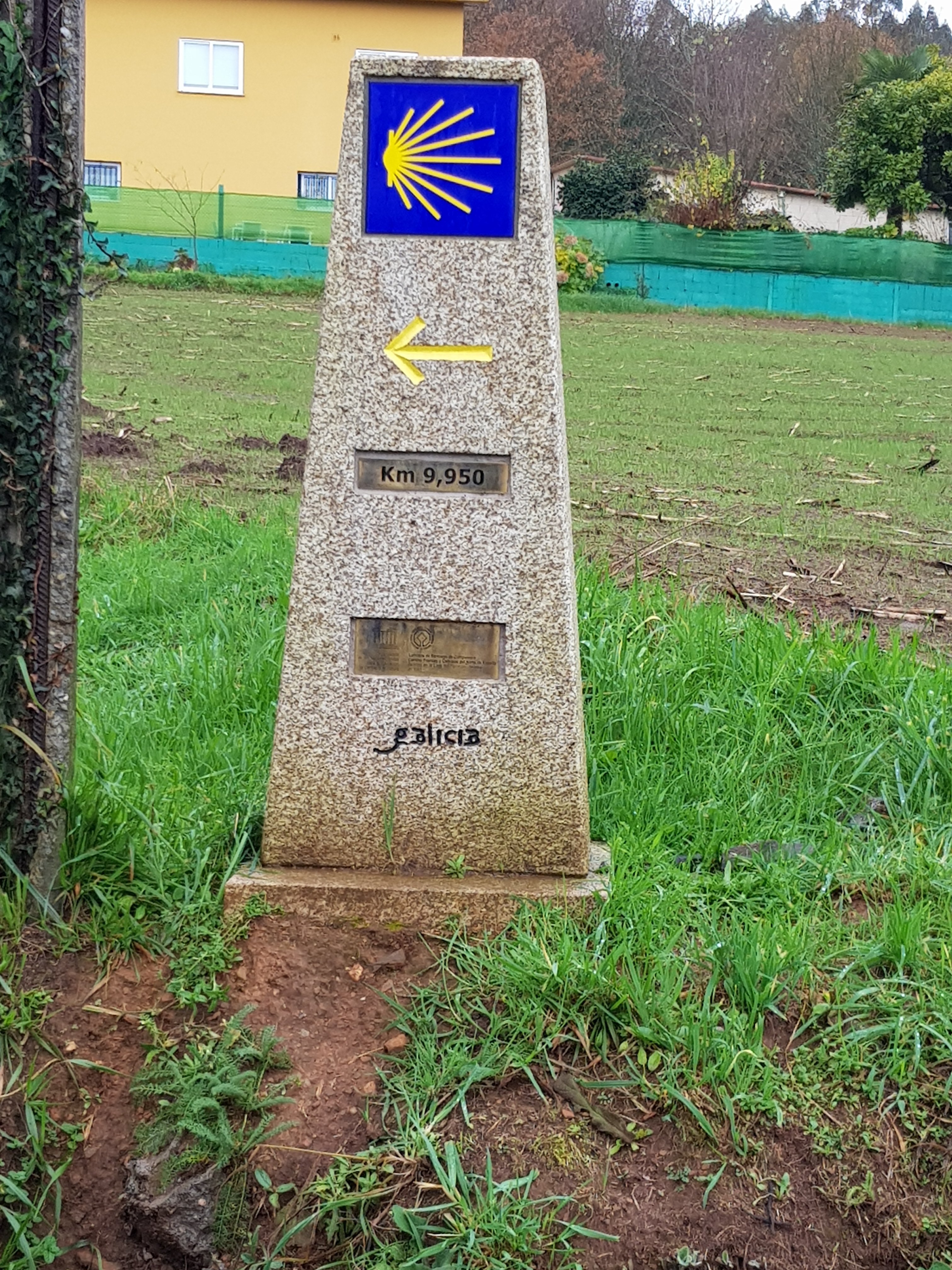
Baamonde is a very small place, but it is also the marker point for being 100km from Santiago de Compostela. This makes it a starting point for many people’s journey. For me, it was a beautiful sign that my journey was almost complete.
The next day I had a choice to make. I could do one long day of at least 32km to the next stage, or take another route over two days (doing 15km, then 25km). The guy from Switzerland wanted me to join him for the big hike, but my foot hurt too much. I decided to stick with my plan of long afternoon rests and went with two days. So we went our separate ways, with an agreement to celebrate together in Santiago.
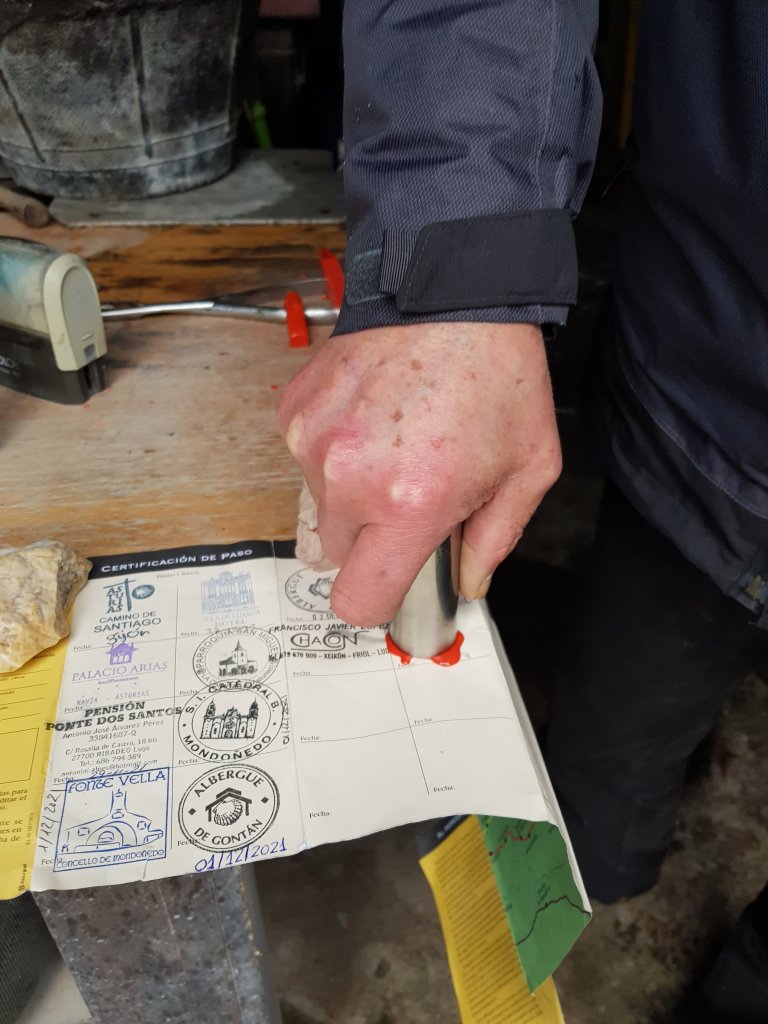
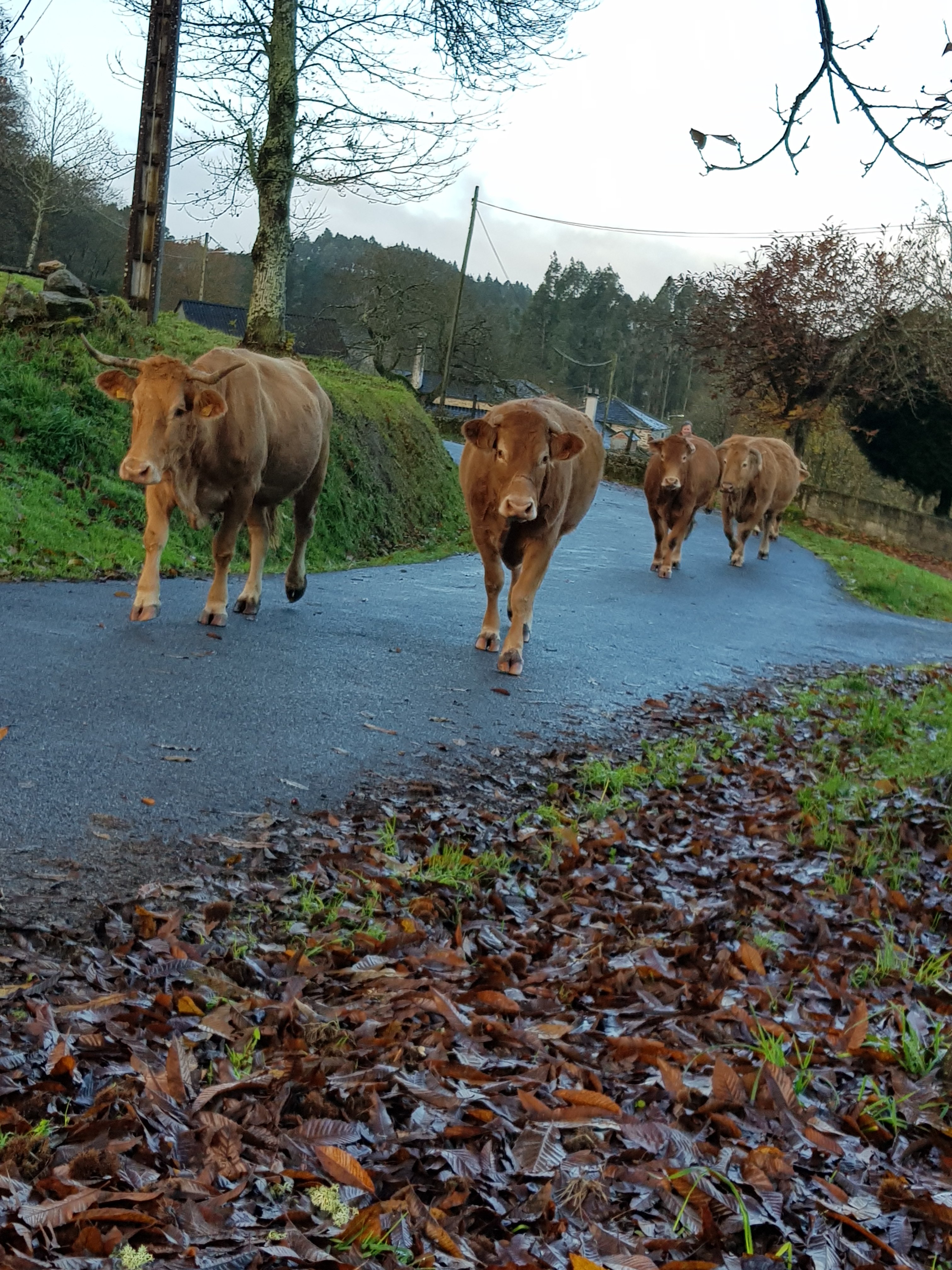
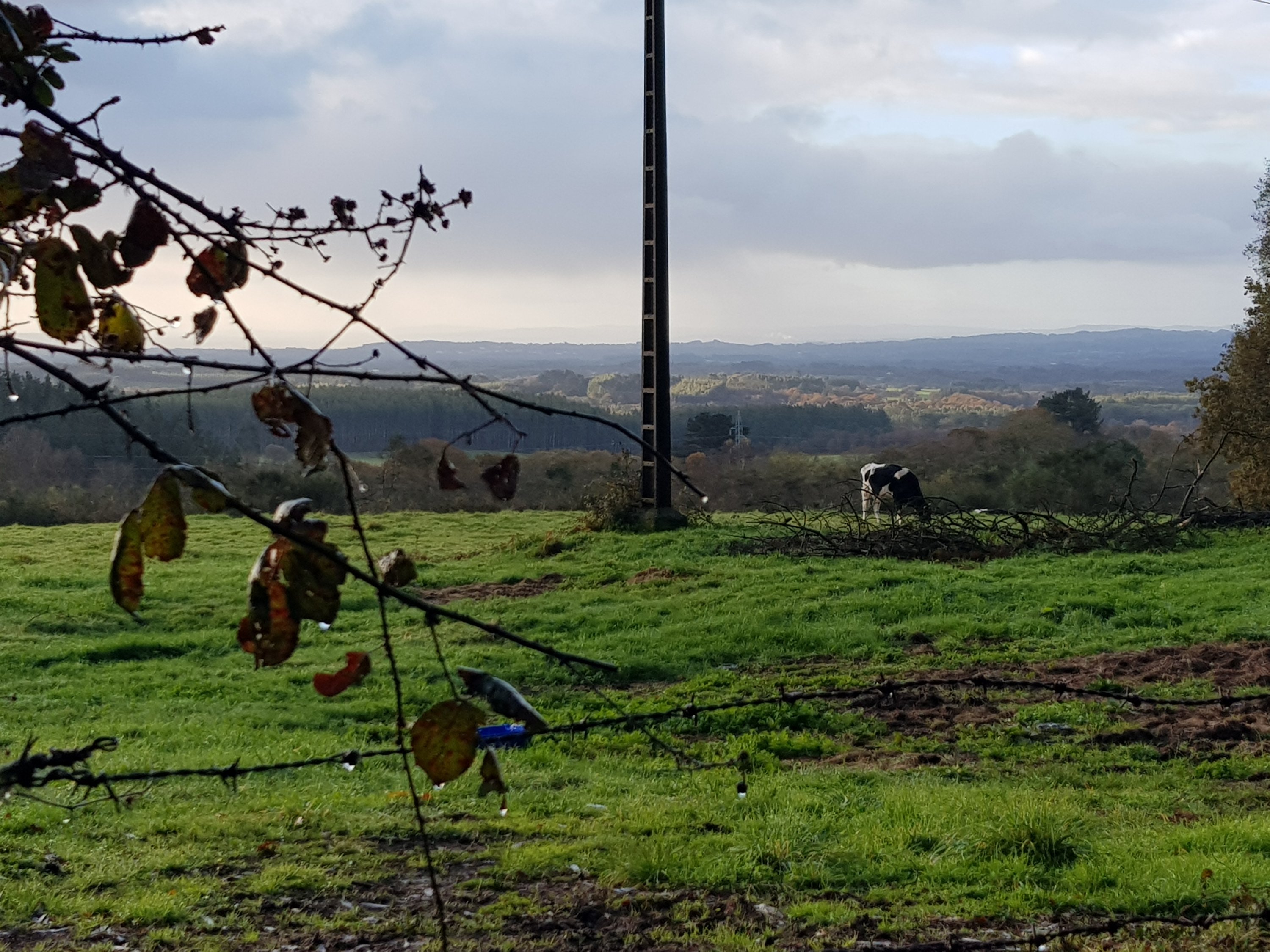
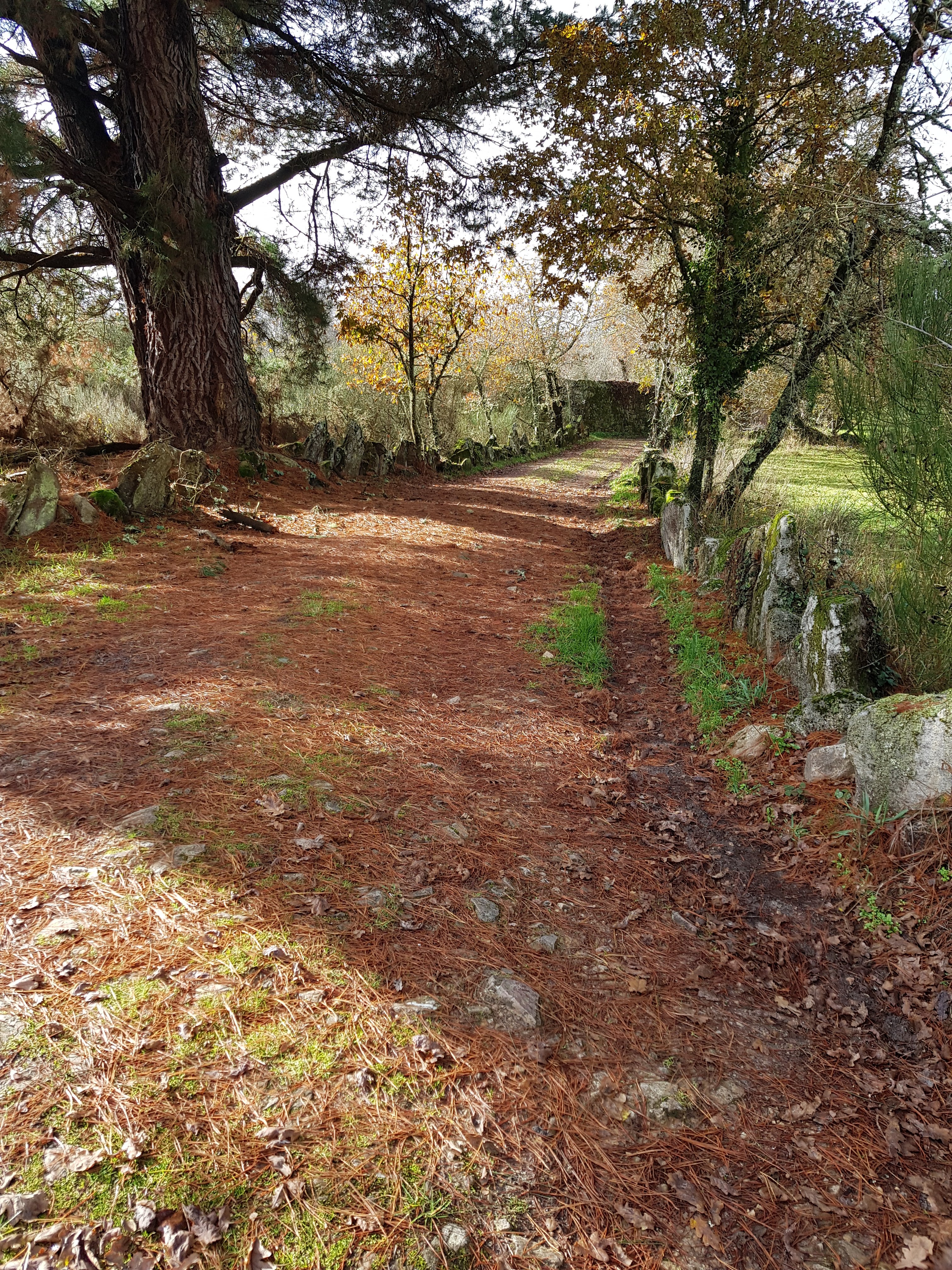
The 15km to the little village of Miraz, turned out to be really enjoyable, despite my pain. The sun came out for me, and I could take lots of breaks as the walk was shorter. I walked with a herd of cows for at least 1km which was a fun experience, and I even came across a house where the owner made his own special pilgrim stamp. I knocked on the door, and he especially came out, lit a fire, melted some wax and stamped my passport.

On arrival to the village, I relaxed, soothed my feet and counted the days to Santiago.

The next day was my last walk over 25km, to Sobrado dos Monxes. The weather was very bad again, and the poncho was on all day. There were very little places to sit and no bars to use as refuge until I was an hour from the end. The landscape was quite different, more boulders and I could sense that I was now very high from sea level, making it much more windy.
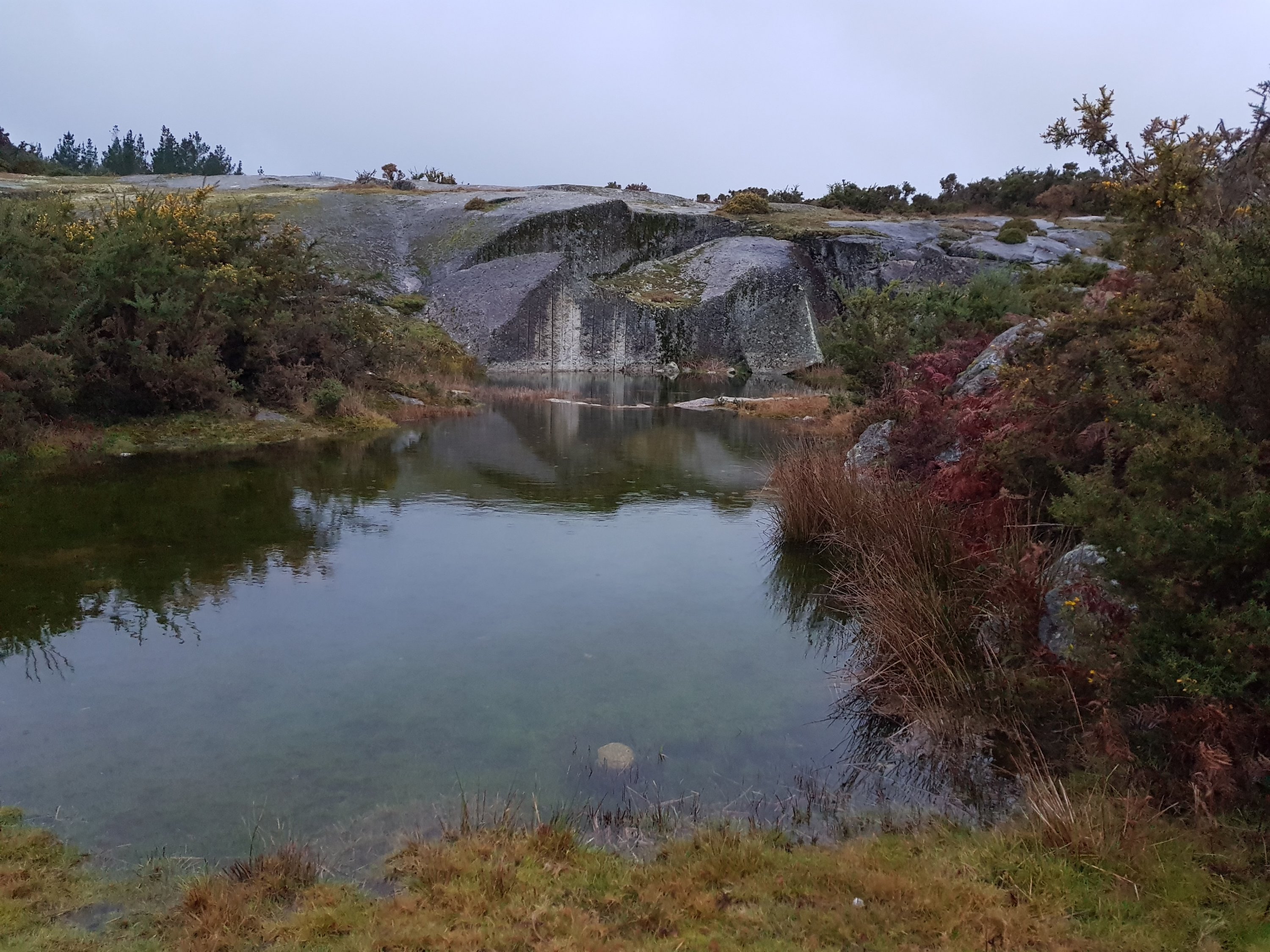
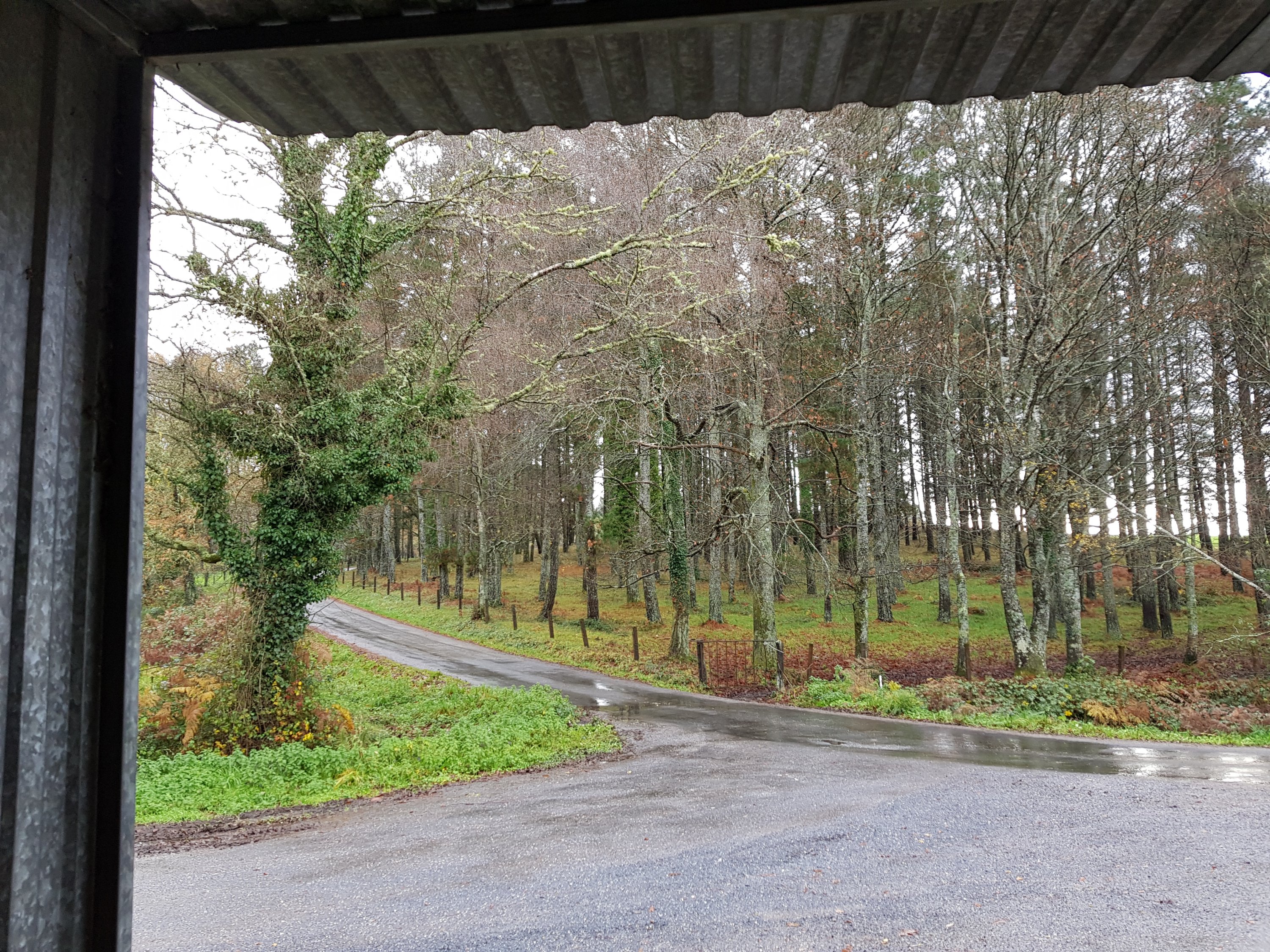
I did spend two hours of the walk with three local spanish guys. We chatted in espanol, which was great practice for me. They walk the last 100km of the camino every seven years (on holy years) on the run up to christmas. So, they were fresh to the walk, on their first day, and so much quicker than me, who at this point is limping! I have been limping for about five days now… After a few hours I told them to go ahead of me, so I could take a break. Several hours later I arrived in Sobrado.
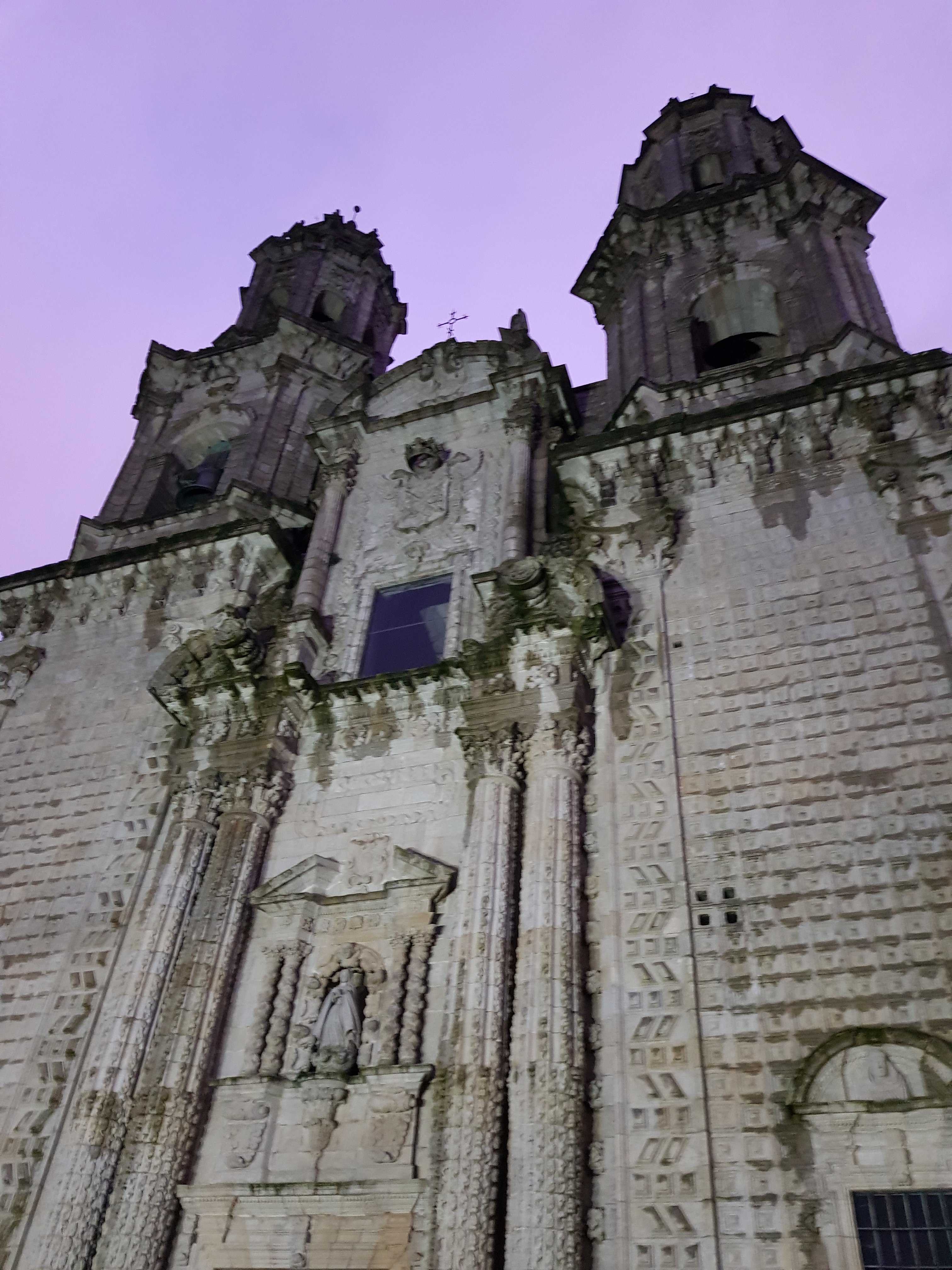
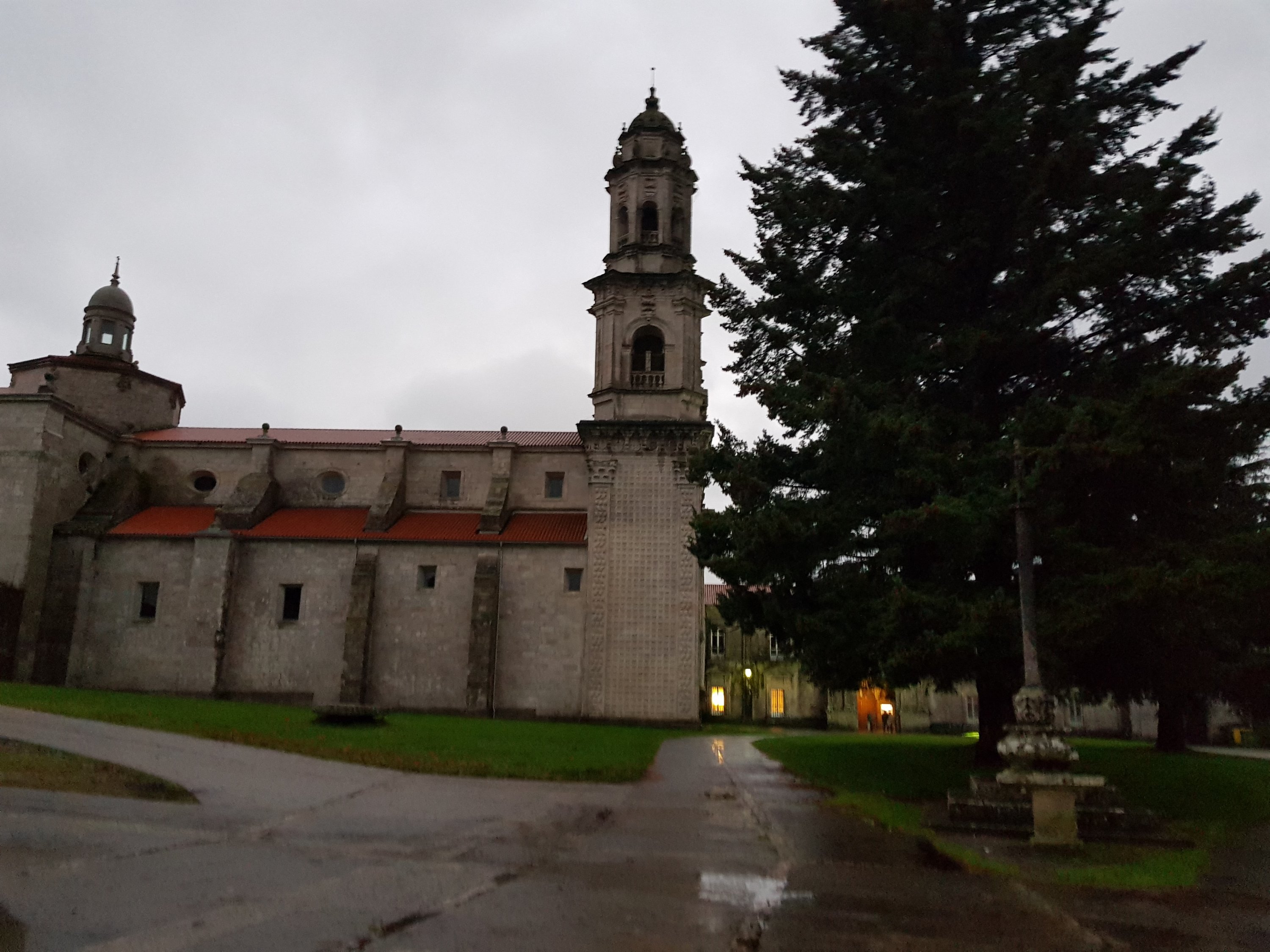
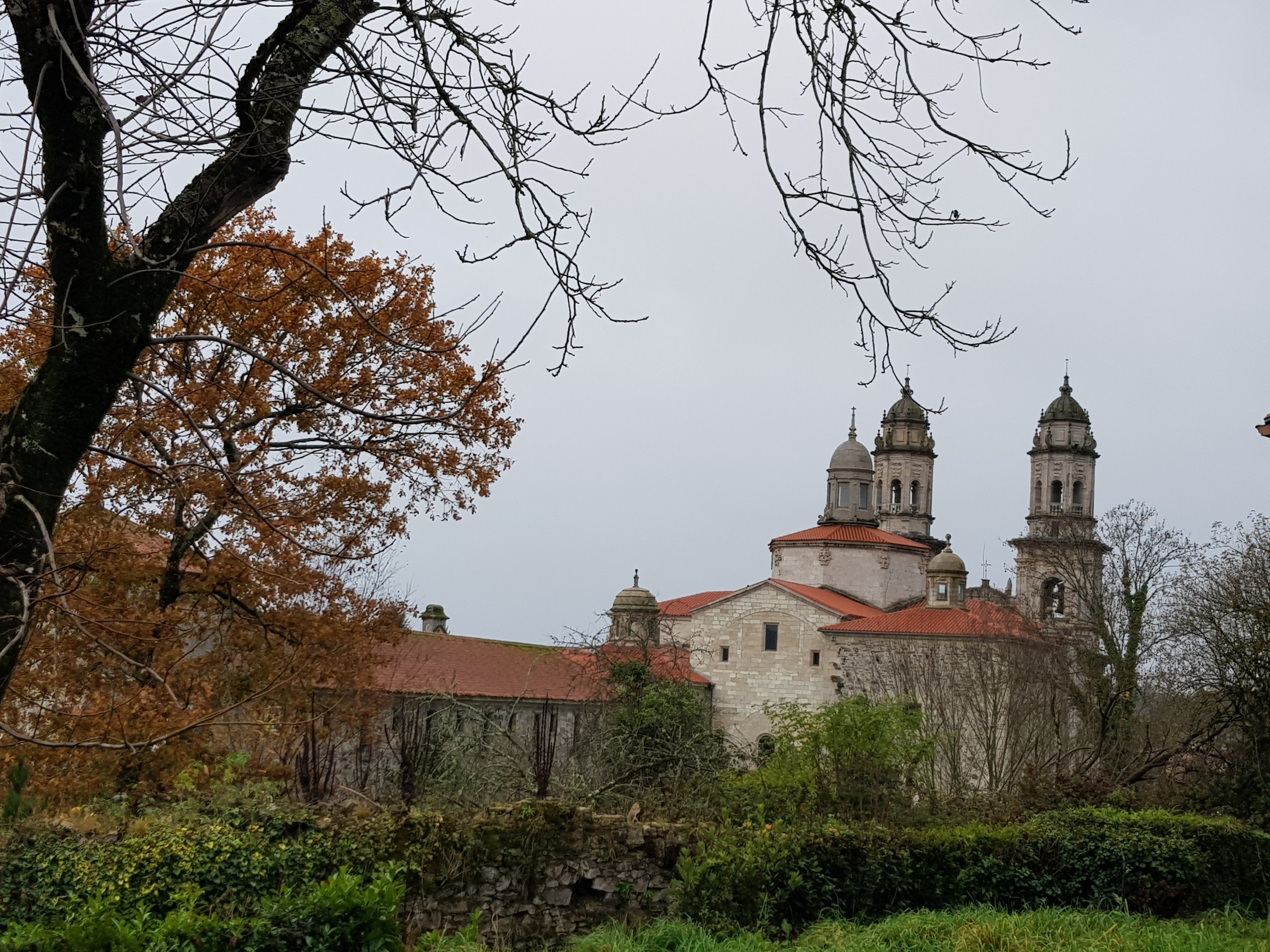
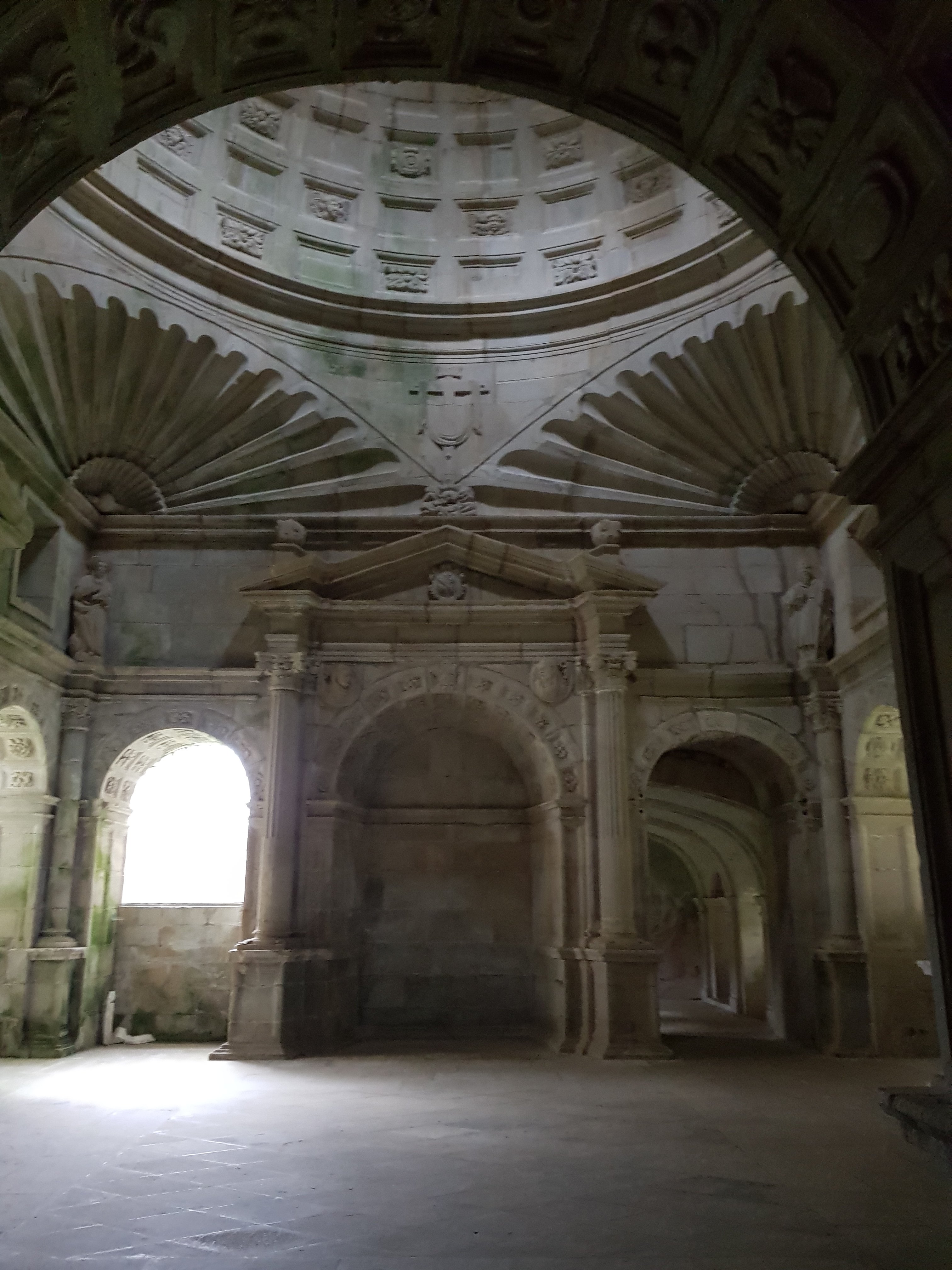
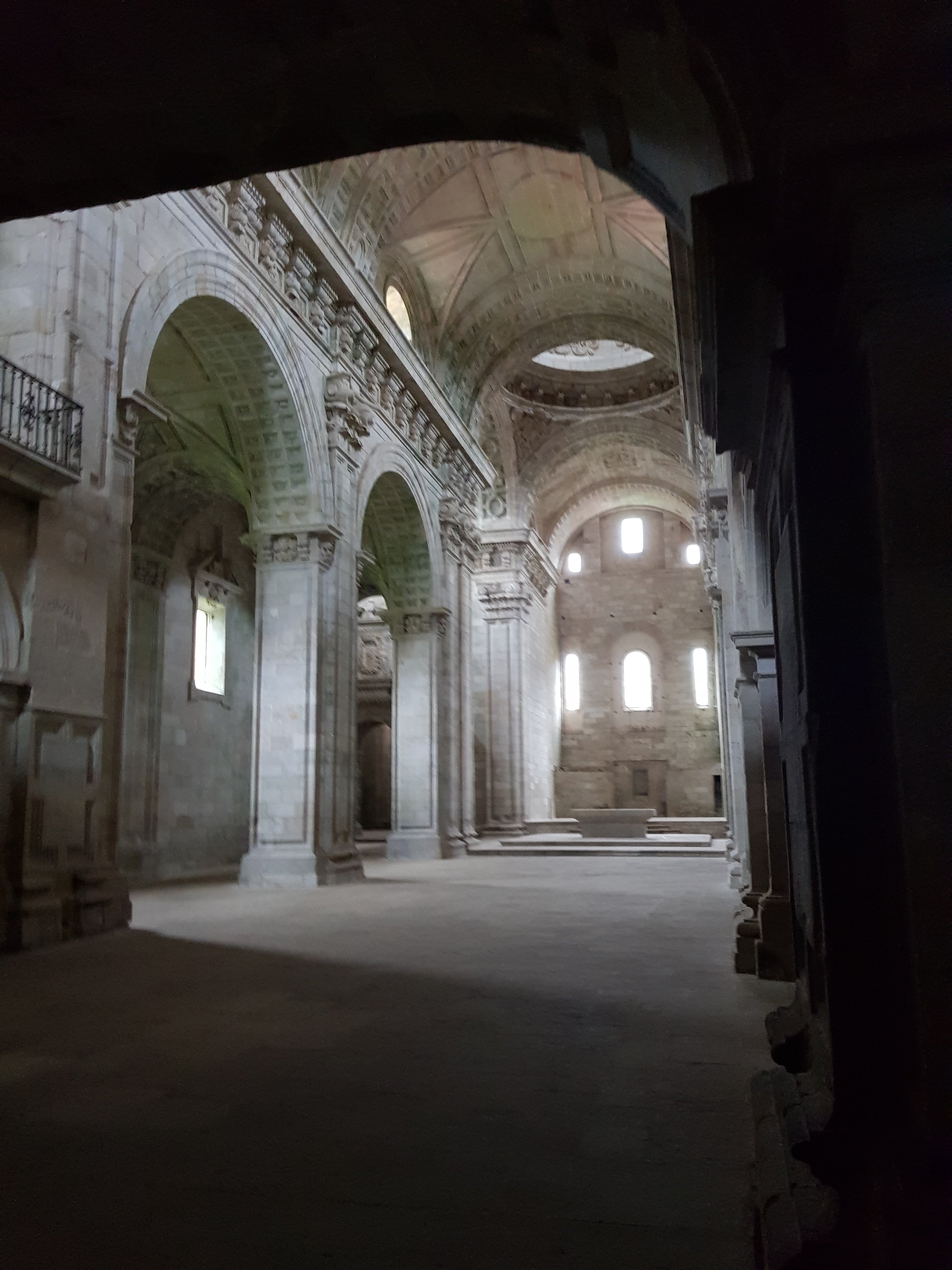
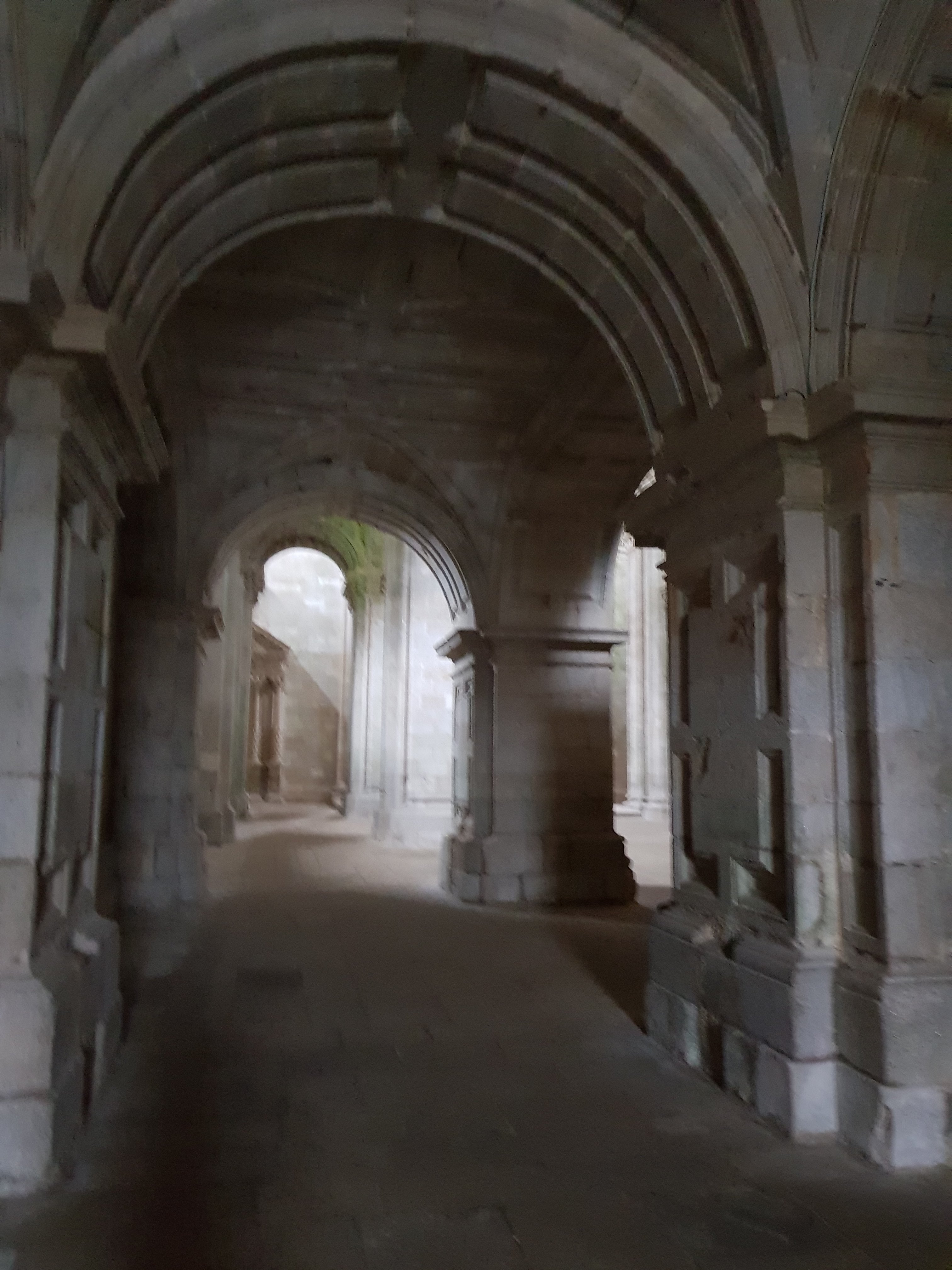
I was in a lovely hotel this night that overlooked the monastery in town. There was an option to sleep in the monastery with the monks, but at this point I just needed comfort and a hot bath. It was amazing to lay in hot water and soothe my muscles. The next day I left a bit later so that I could explore the beautiful monastery. I wanted to take the mass but the timings did not work with my schedule. The monastery is beautiful, and I almost missed a massive section of it where the door was out of sight! Thankfully, a nice monk pointed me in the right direction, and we had a good chat. Apparantly, they don’t use the large part of the church for masses anymore, instead it can be used for weddings. Very fancy!
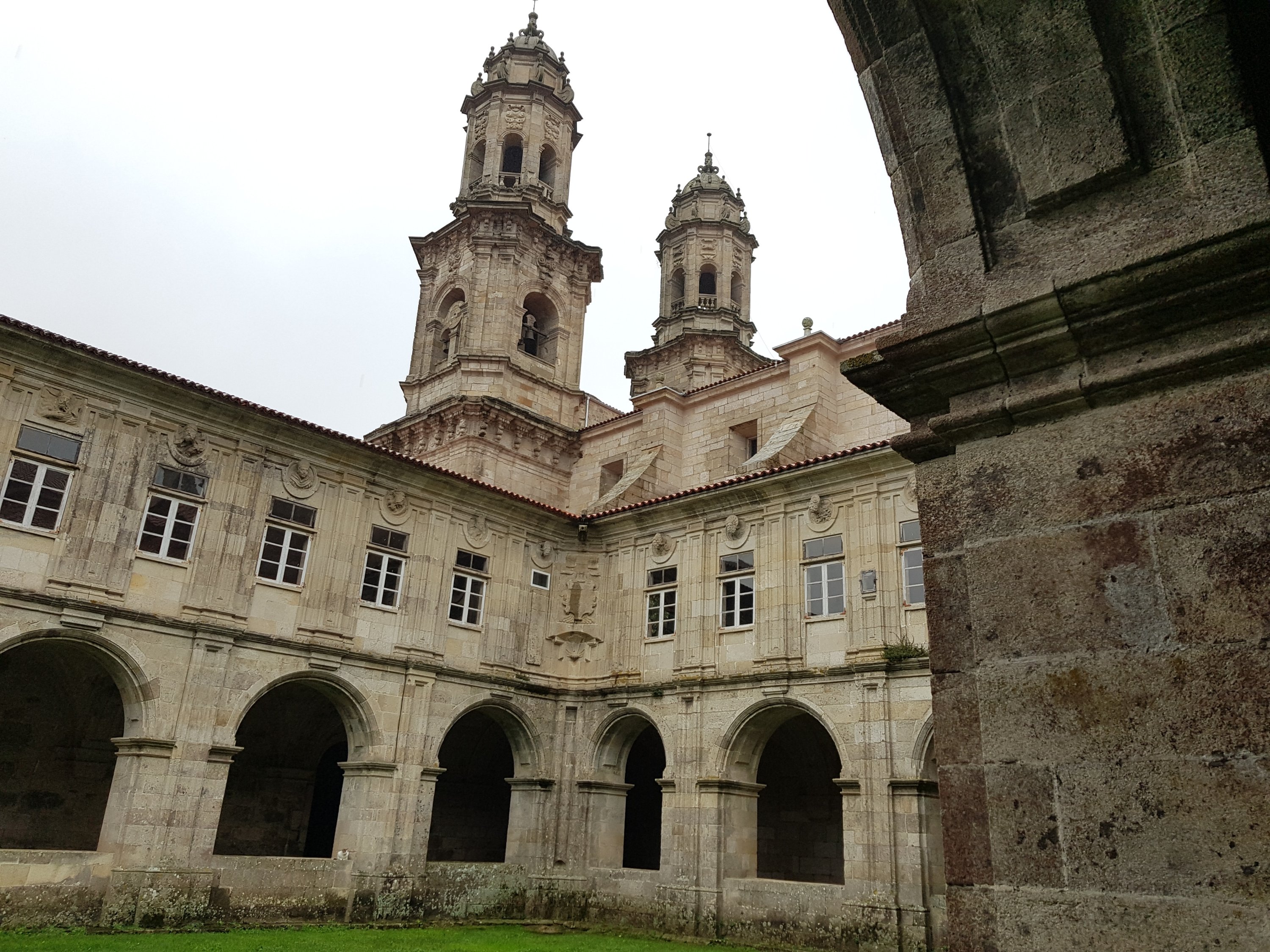
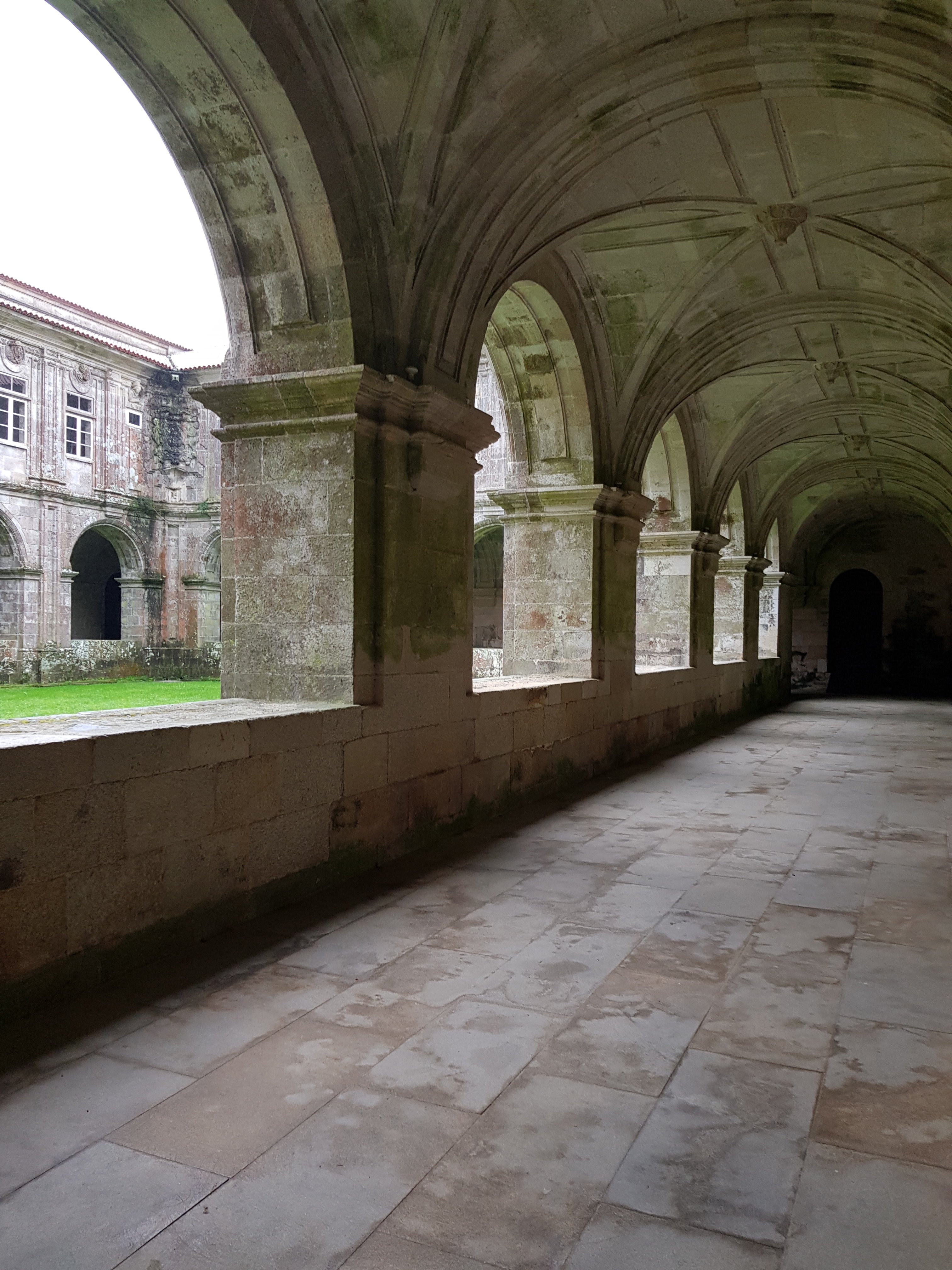
Then by 11am, I was on my 22km walk to Arzua, and on to the home stretch now!

I cannot say anything good about this stretch of the walk. The rain never stopped, and I was in agony. I actually attempted to change my socks (in wet shoes) at one point, and squeezed about a pint of dirty water from them. There were many roads, and little places to rest. When I made it to Arzua, I was relieved and exhausted. 

Arzua is quite a big town, and the joining point for the camino del norte with the more popular camino frances. This meant I would finally be able to send my backpack ahead of me for two days. Now that my entire body is sore, this is great news!

The next day started with irritation to get my backpack sent off, and with trying to fight for a chance to use the one plug outlet to charge my phone, that was shared by 40 people.

The rain this day was the worse there has been throughout, plus strong wind. I did not have my backpack though, so I felt light and quick for the first time in months. It was great. Whilst, I was still in pain and very wet, I found myself feeling very grateful, for life. Grateful to have the opportunity to be alive and here.
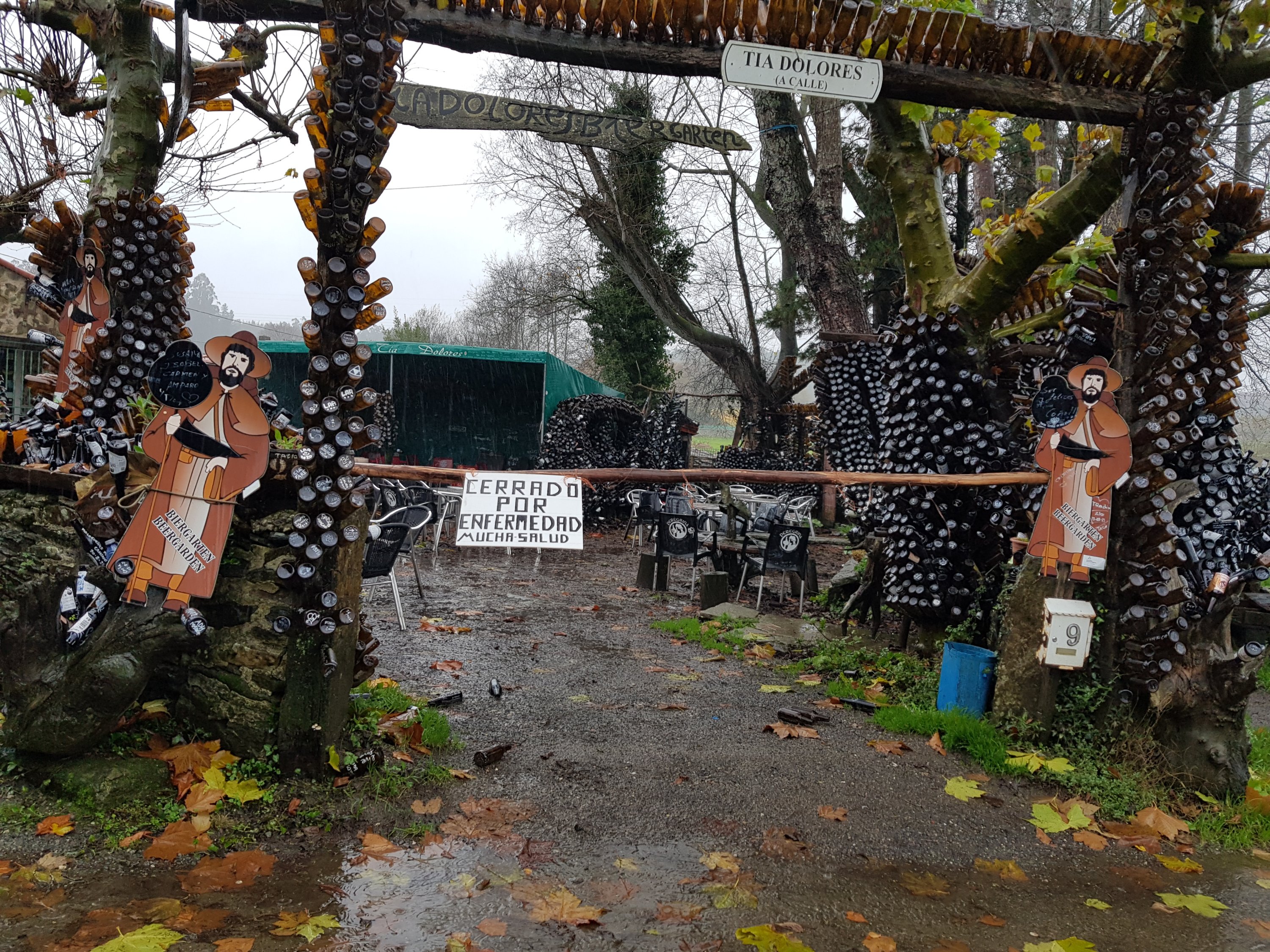
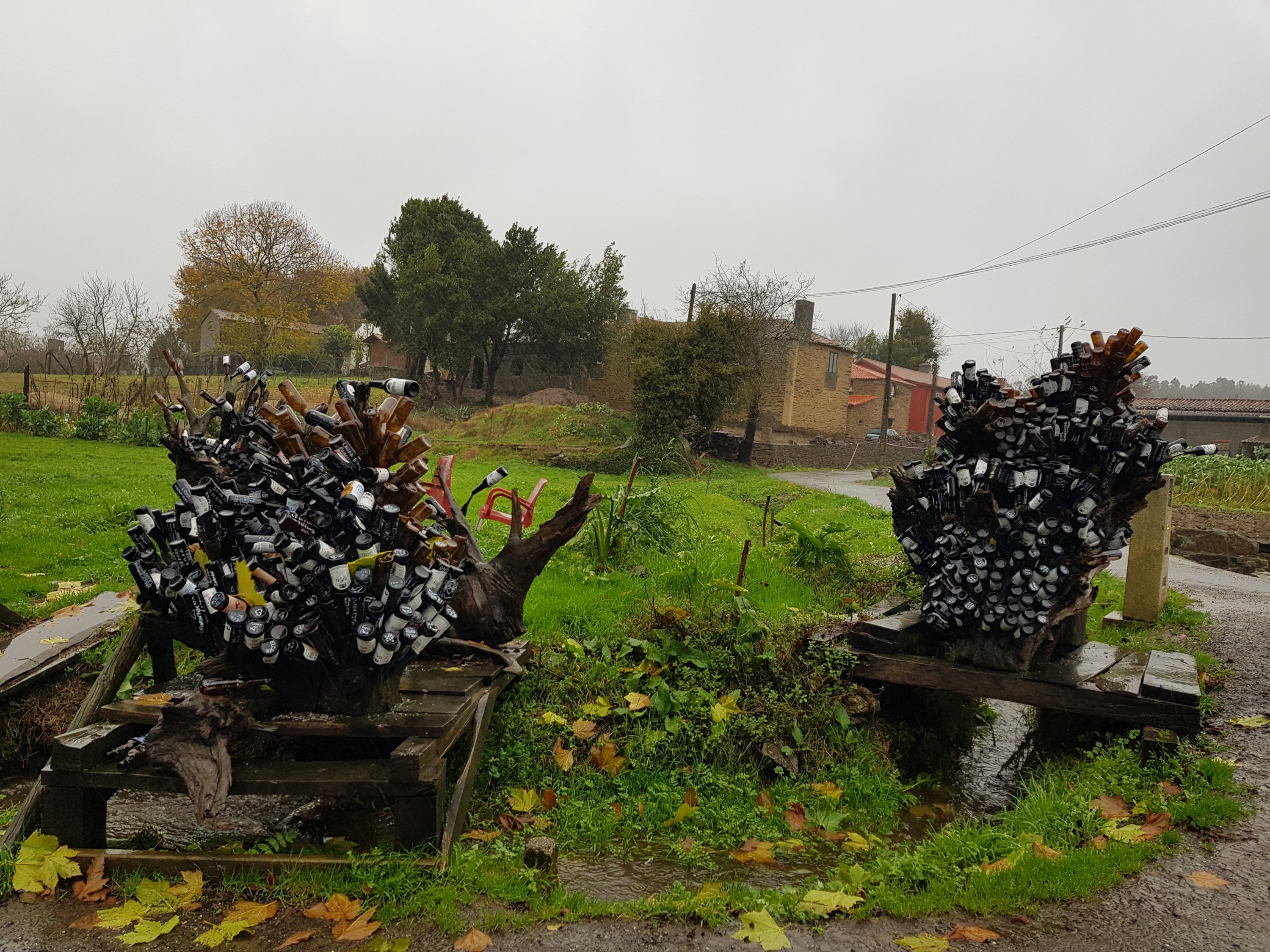
I also saw many other pilgrims along the way now, and I was able to get some sick satisfaction that I was not suffering the path alone. I can now identify a pilgrim with ease. The key identifiers are:

  • Backpack and poncho
  • Obsession with stamps
  • Hiking boots and poles
  • Tortured look in eyes
  • Broken spanish or use of the phrase ‘tanta lluvia’
  • Sports wear
  • Dirty and smelly looking
  • Walking with a limp, we all have the same one.

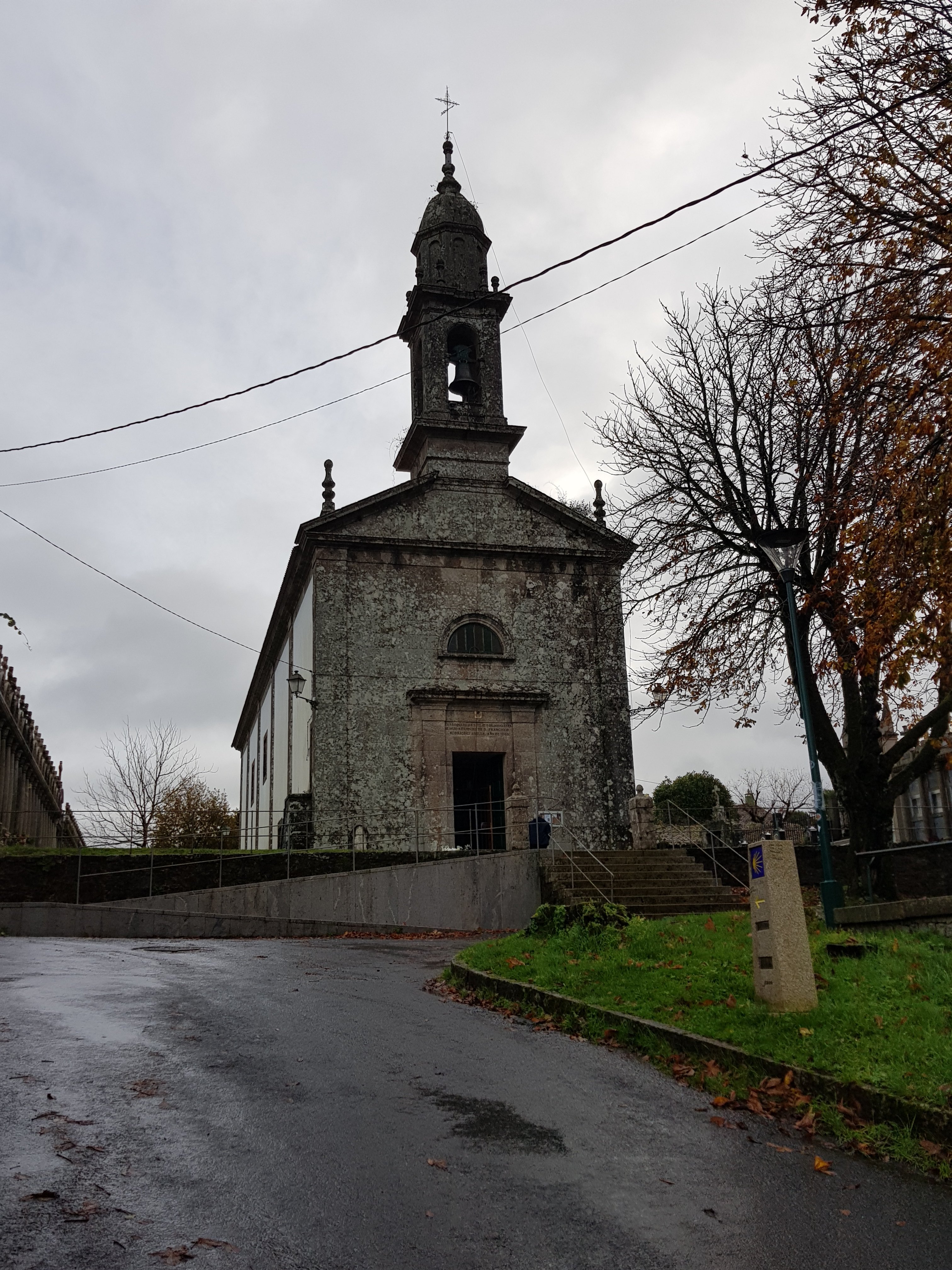
This day I spent the afternoon walking with a very lost looking 20 year old girl from China. She had only started a few days before, and was not well prepared. She only had a small puffer jacket, trainers,a little bag, no sleeping bag, and an umbrella that consistently turned inside out. She was struggling to find her way, and so I offered to help. We walked through absolute rivers to get to the next stop in Pedrouzo but whilst I was ankle deep in water, all I could do was accept it, laugh and keep singing along.

After one final night in a pilgrim hostel, a very cold damp night, I finally made my last big walk to just outside Santiago, Monte del Gozo.

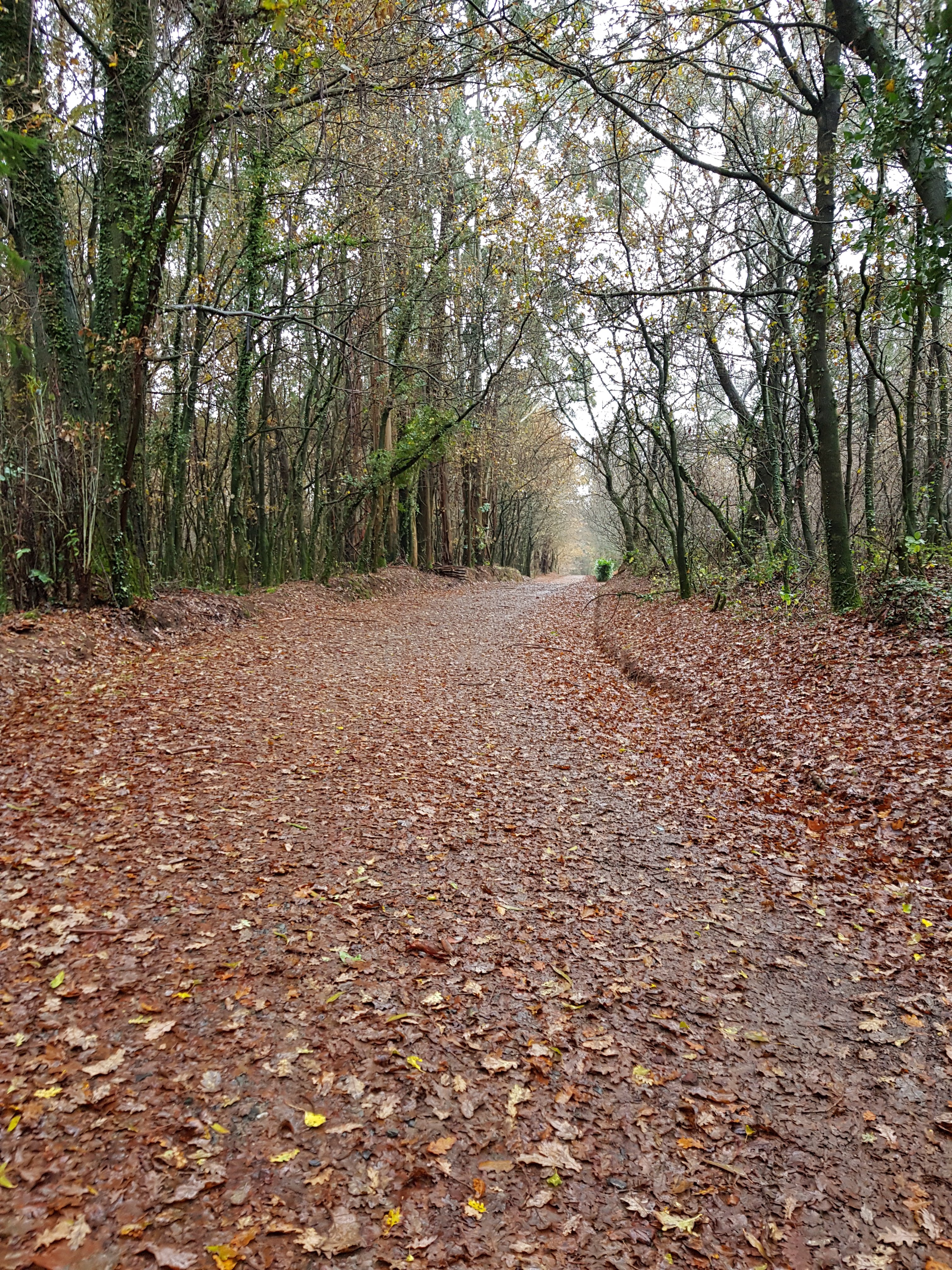
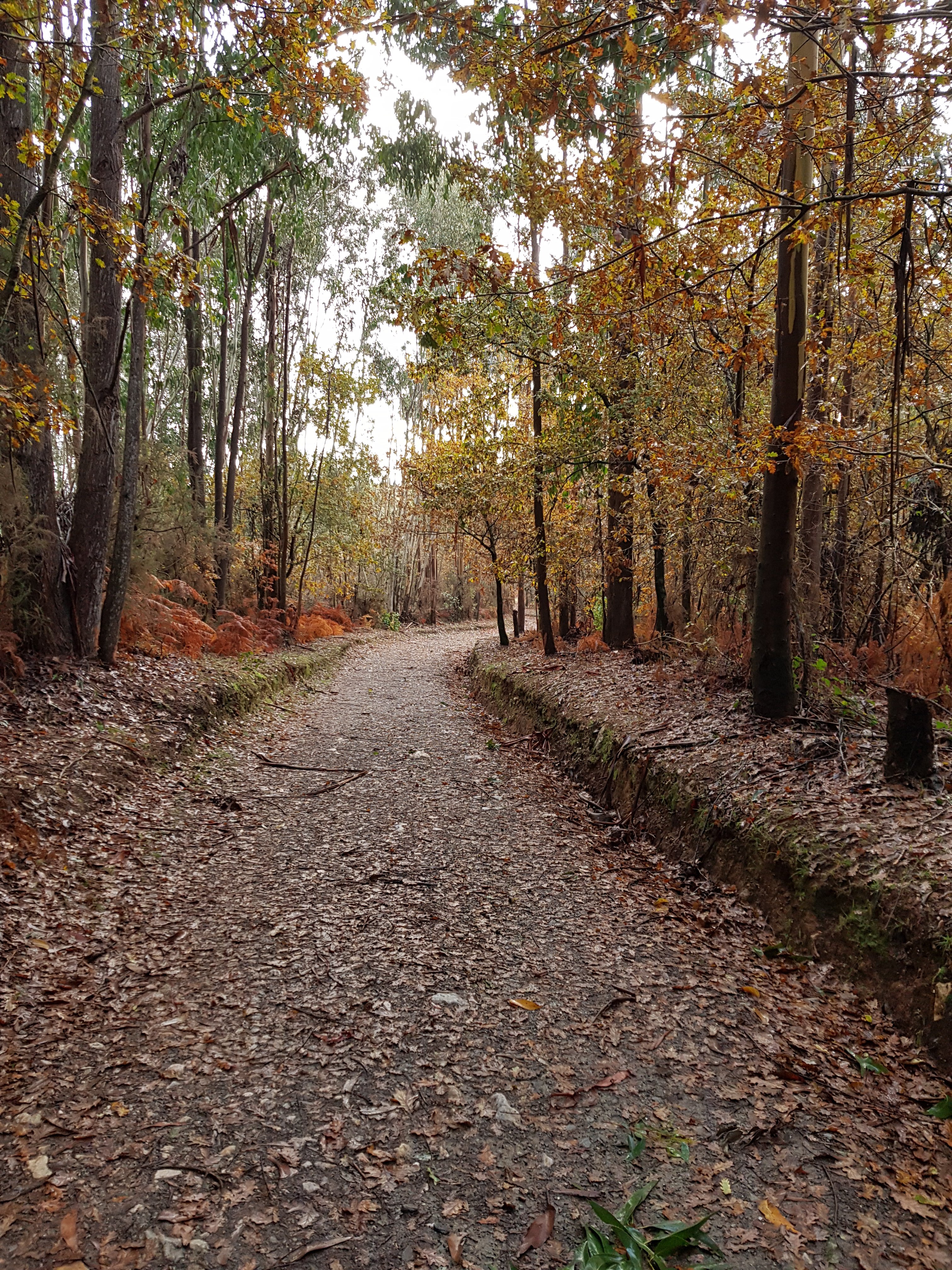
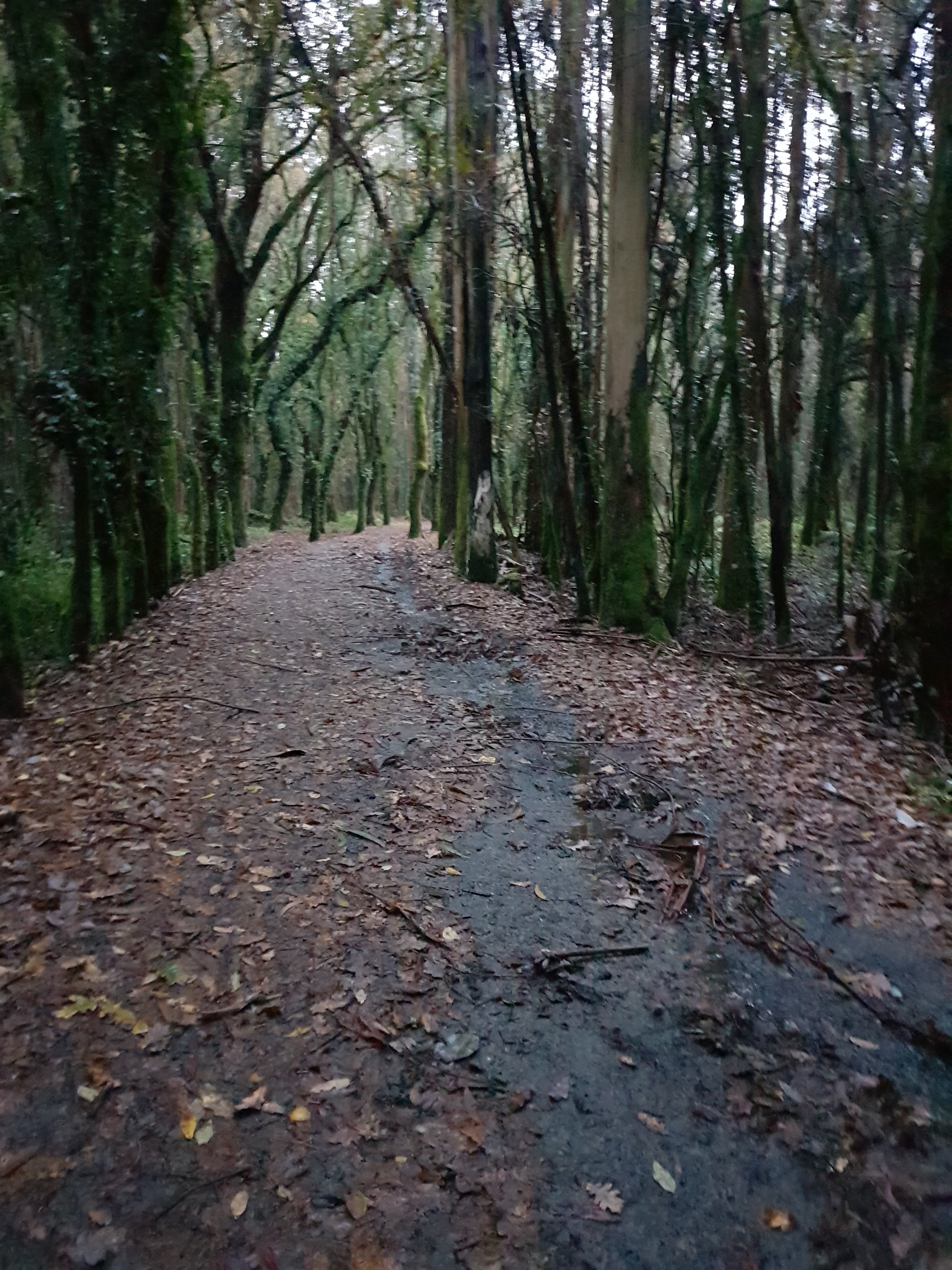
The walk was a lot drier, only raining half the day. It was also an even mix of walking through woodland and road, which was good for the feet.
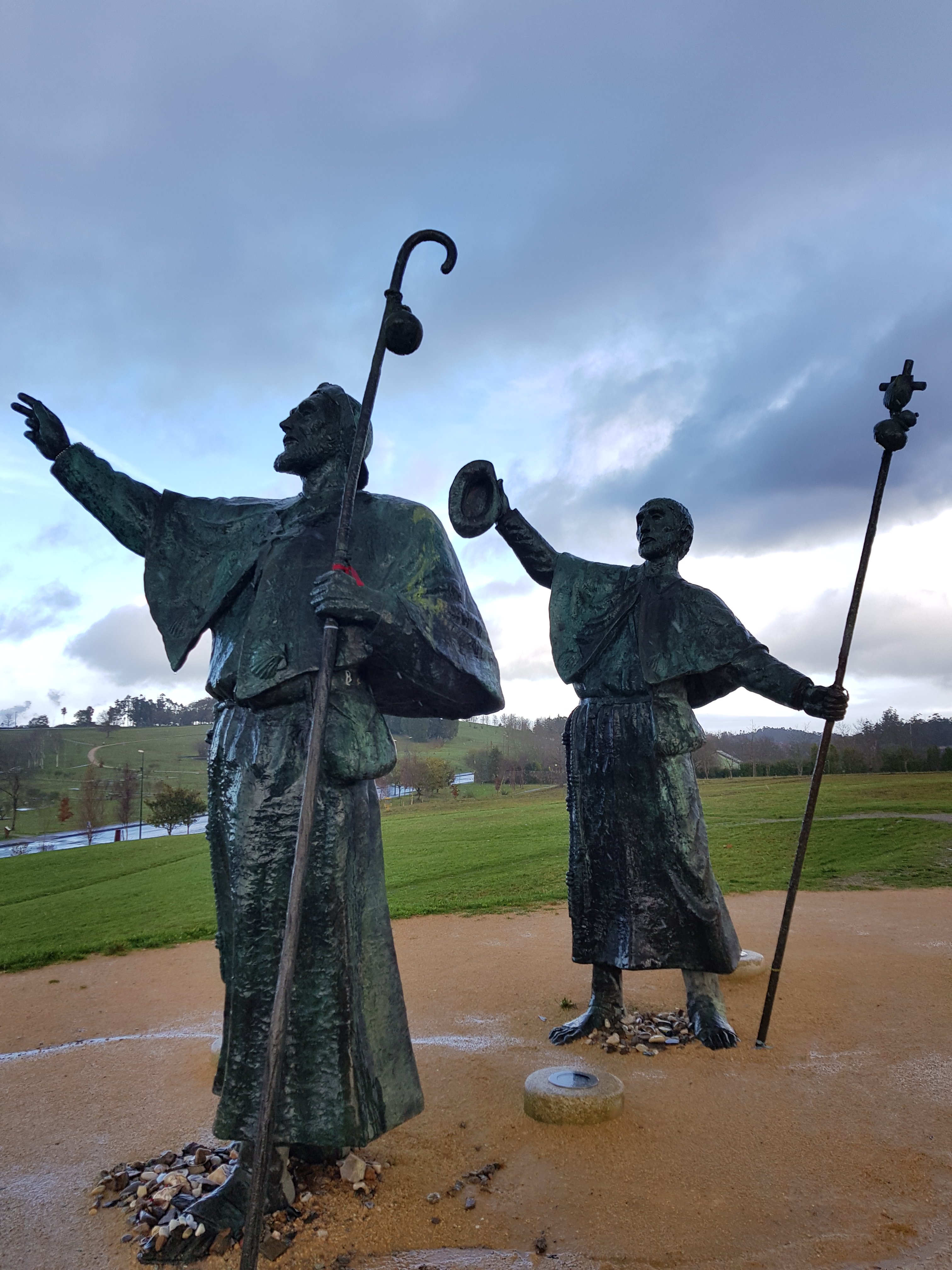
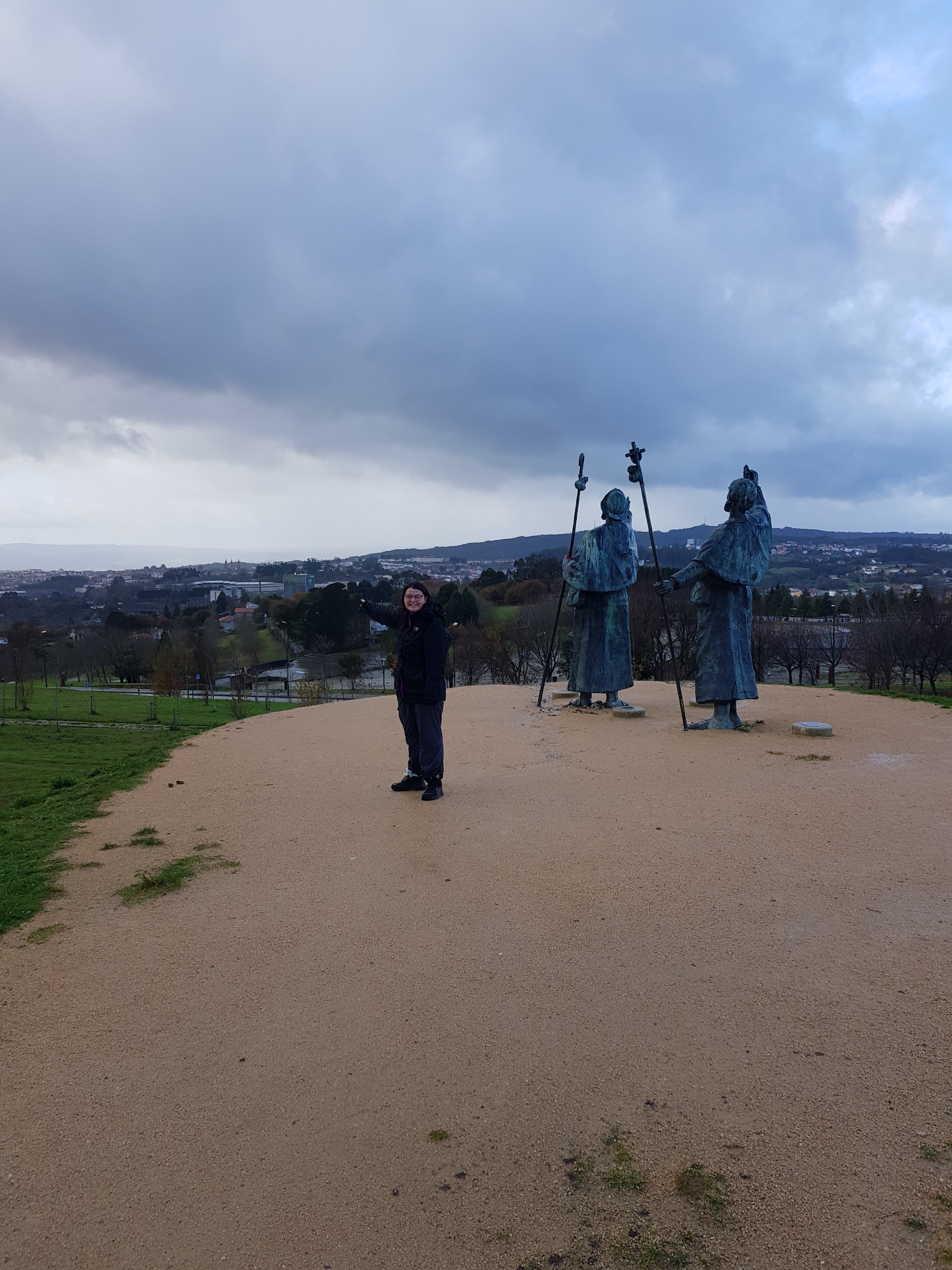
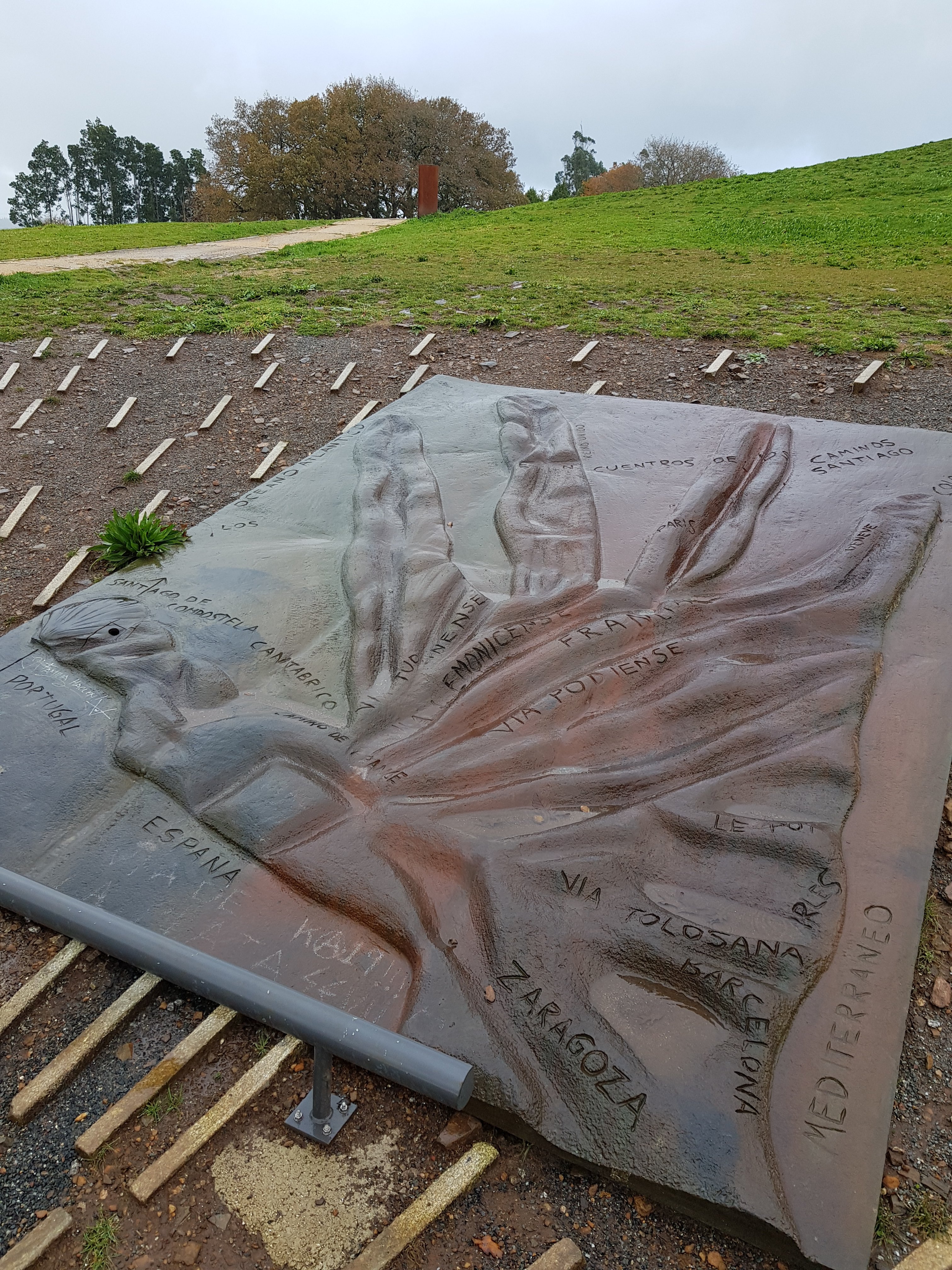
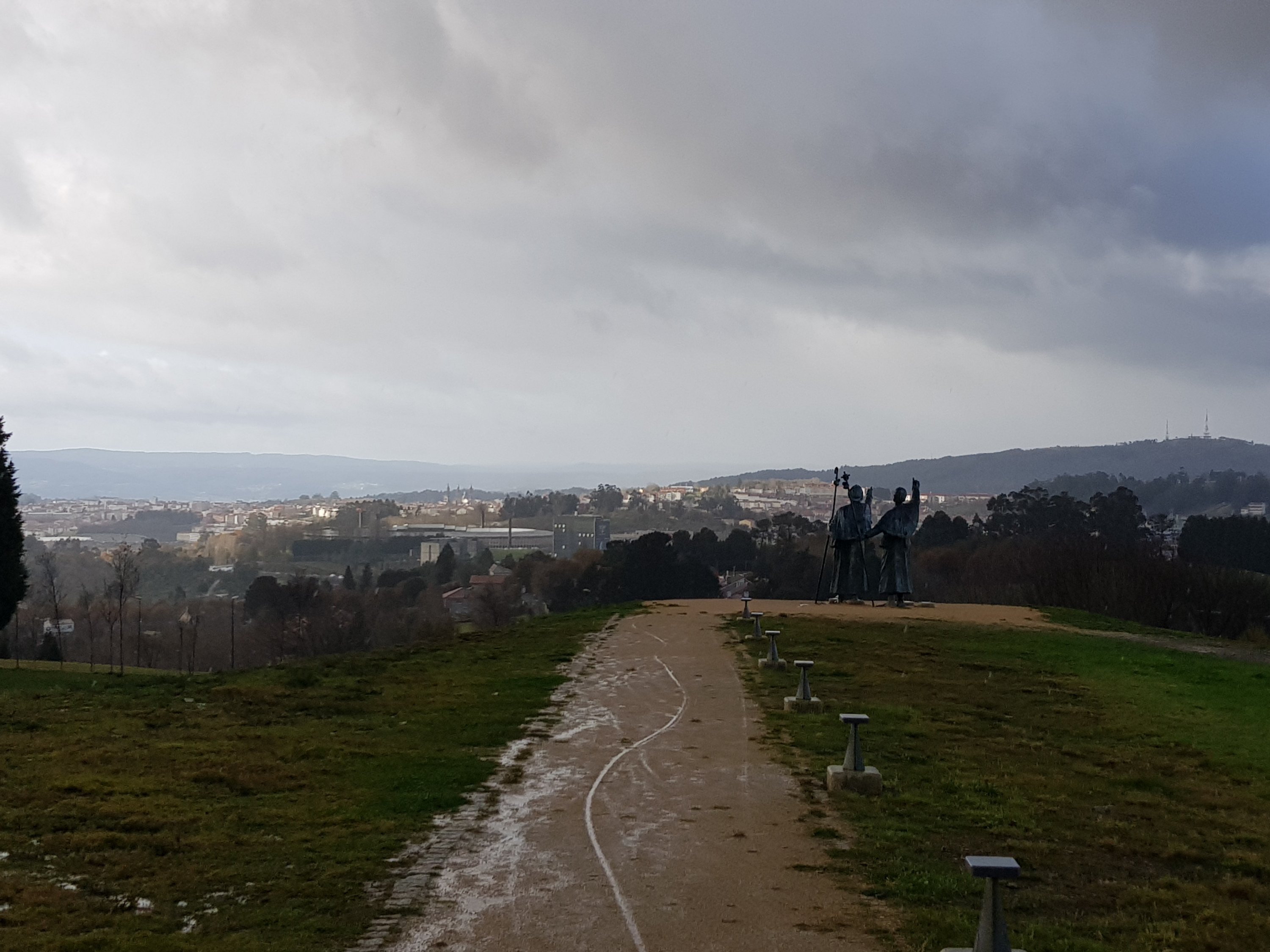
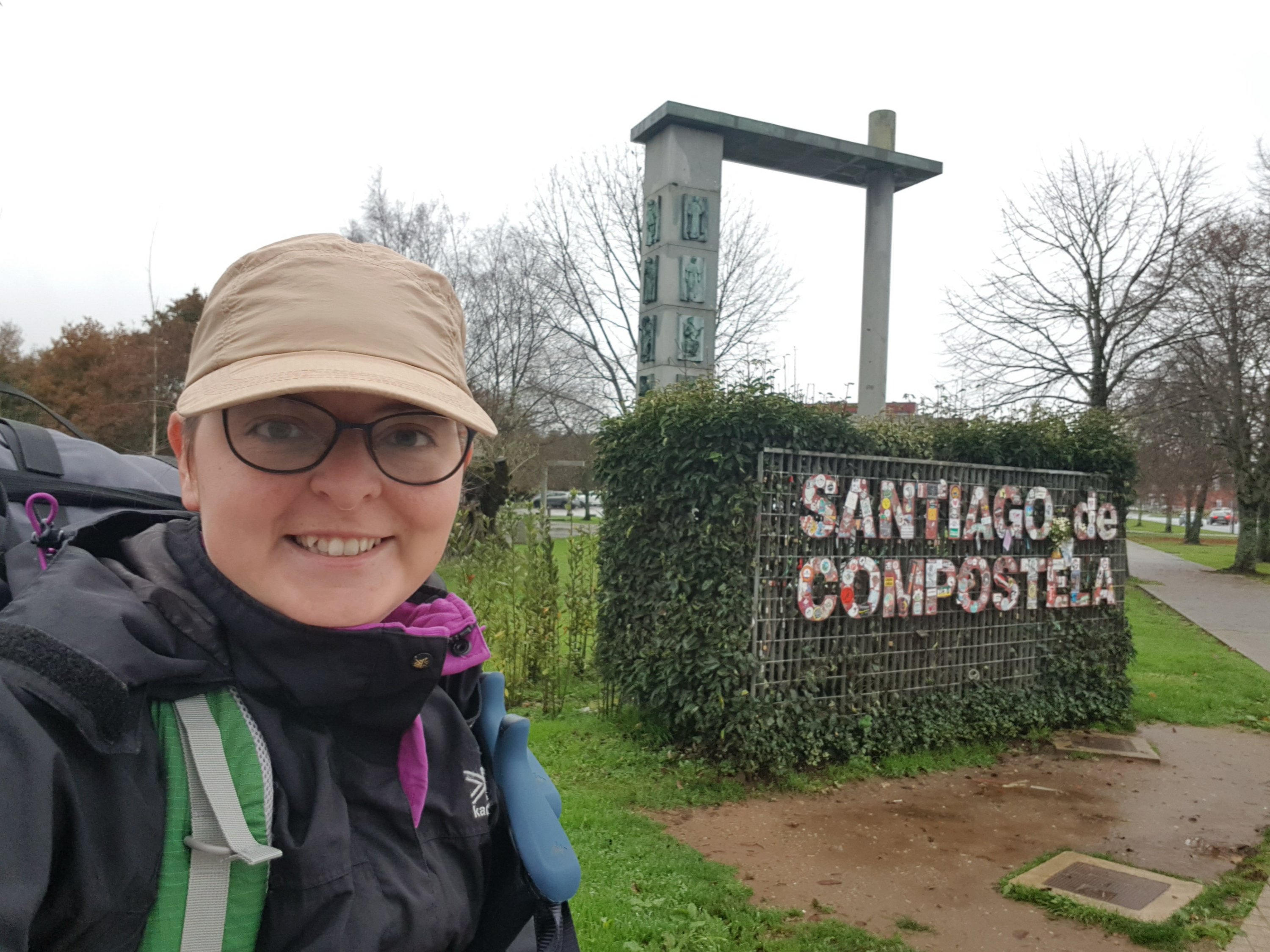
The best part, came at the end, when I visited the pilgrim monument overlooking my final destination, Santiago de Compostela. The monument is 600 metres off route on a hill, but worth the view. After this, I took a well deserved rest at a hotel outside the city, and found some much needed moisturiser for my poor feet.
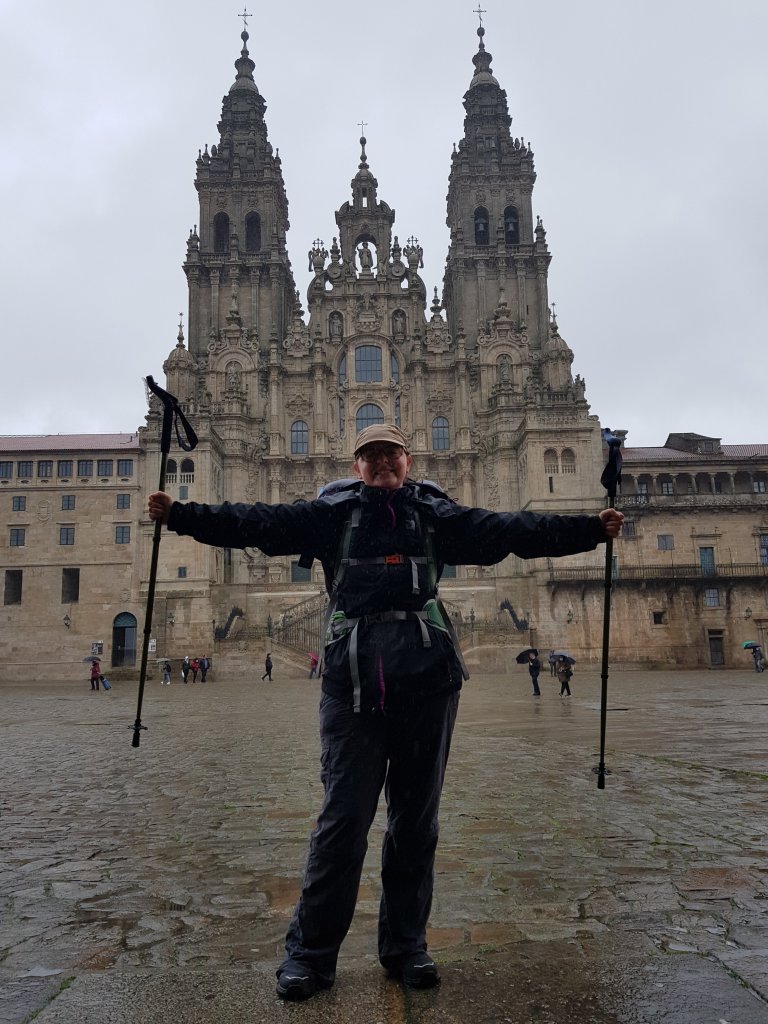
The last part of my pilgrimage came the next morning, with a final 4km walk to the cathedral, and to receive my certificate!

Santiago de Compostela

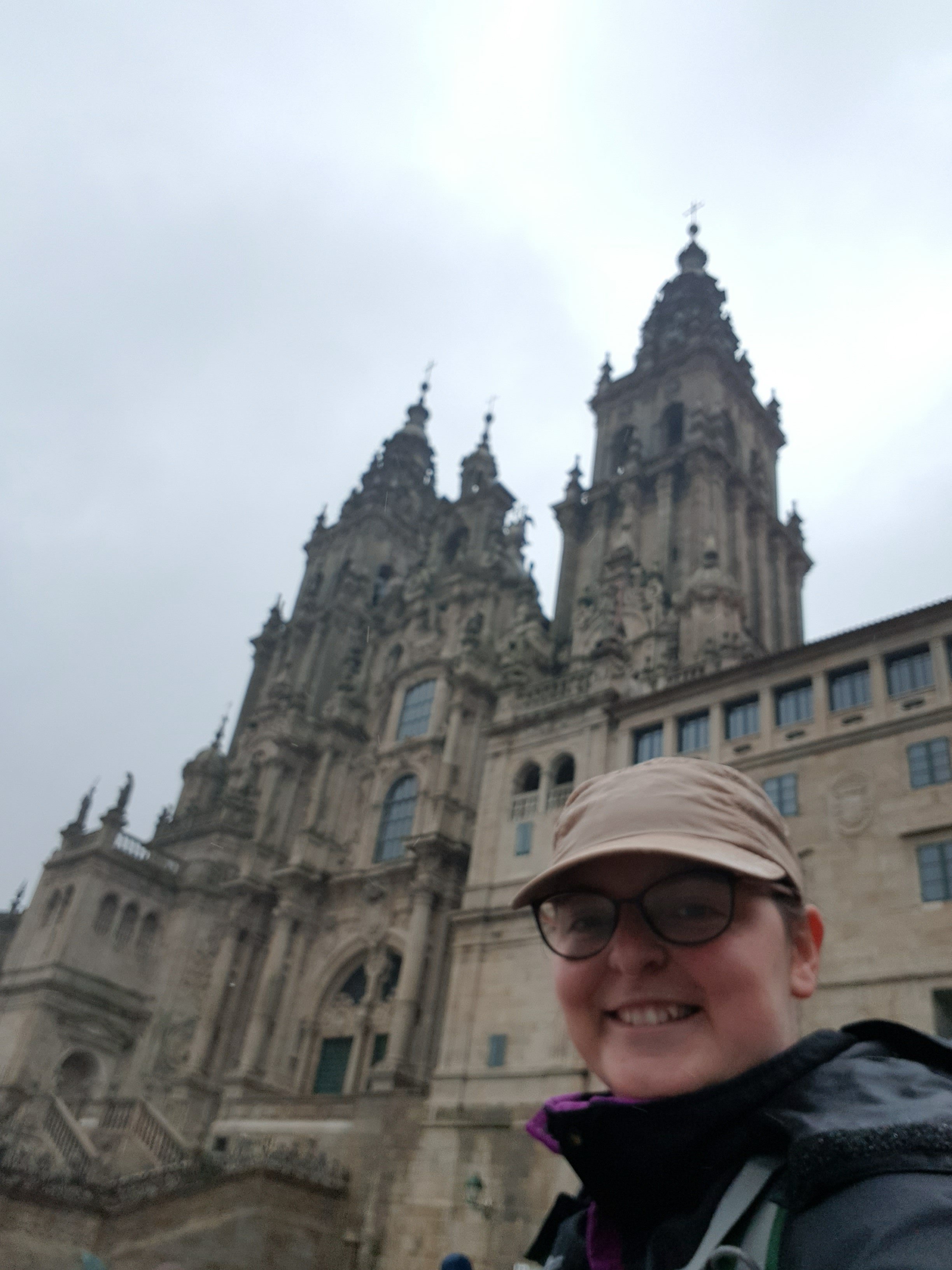
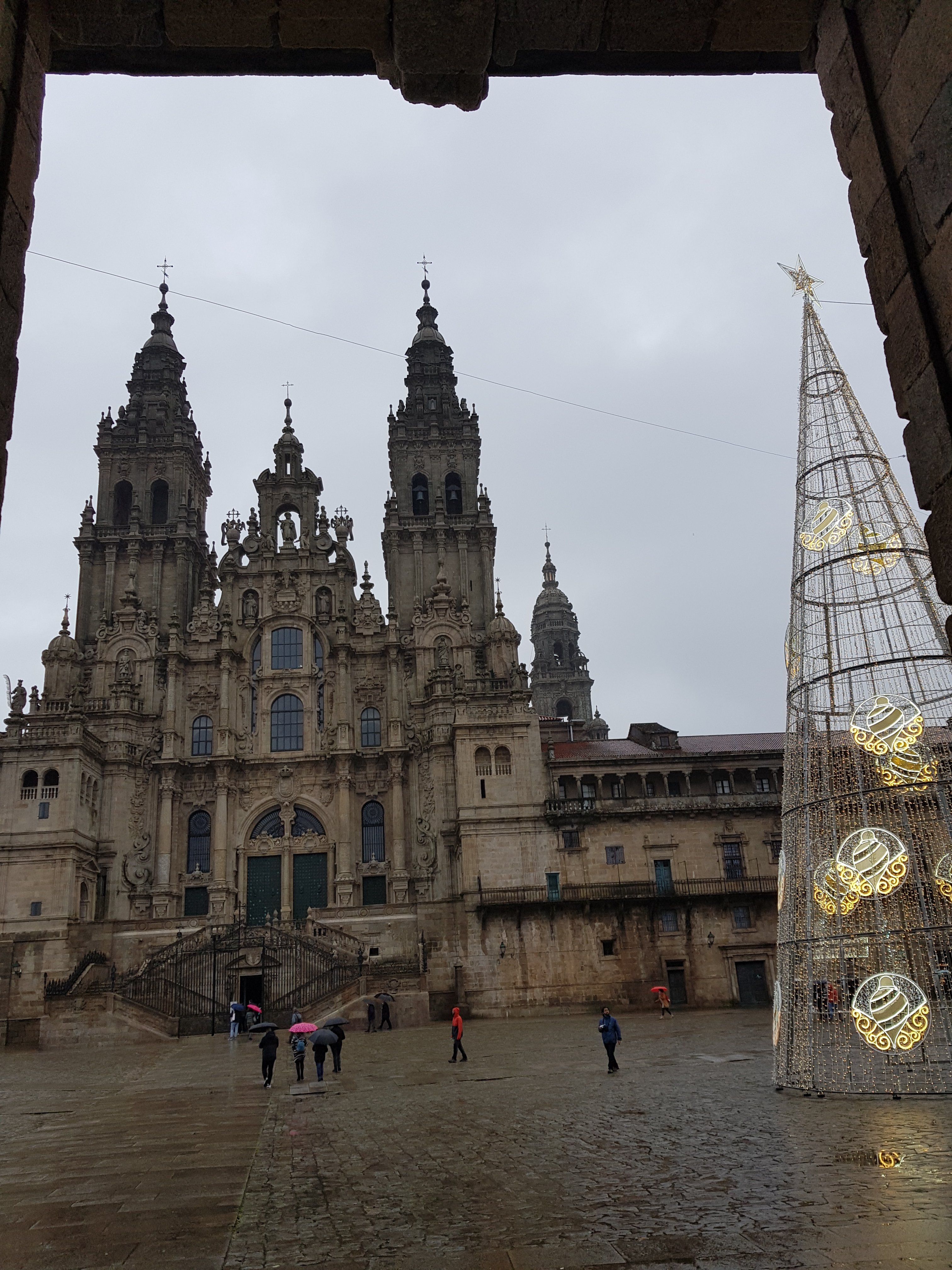
The outside of the city is modern and industrial, with many neighbourhoods as you would expect. The exciting part is when you arrive in the old part of the city. There are many small plazas, arch covered walkways and historic buildings. I began to see the towers of the cathedral from quite far out, and as I approached it, the streets became more winding and maze like. The closer I got to the cathedral, the more pilgrims I saw, from all over the world, and with all the different gear on their backs or bikes. No one arriving on horseback though!
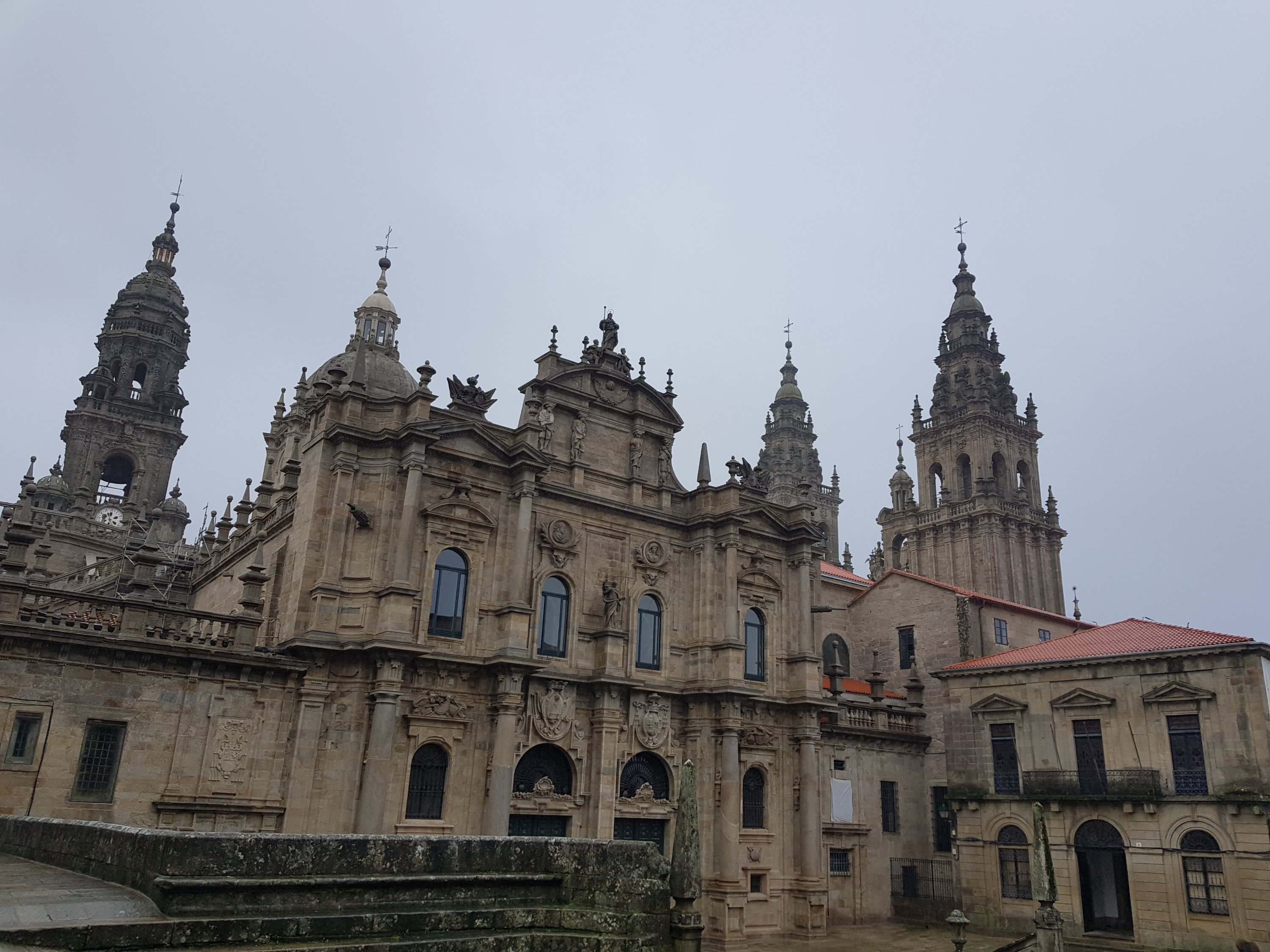
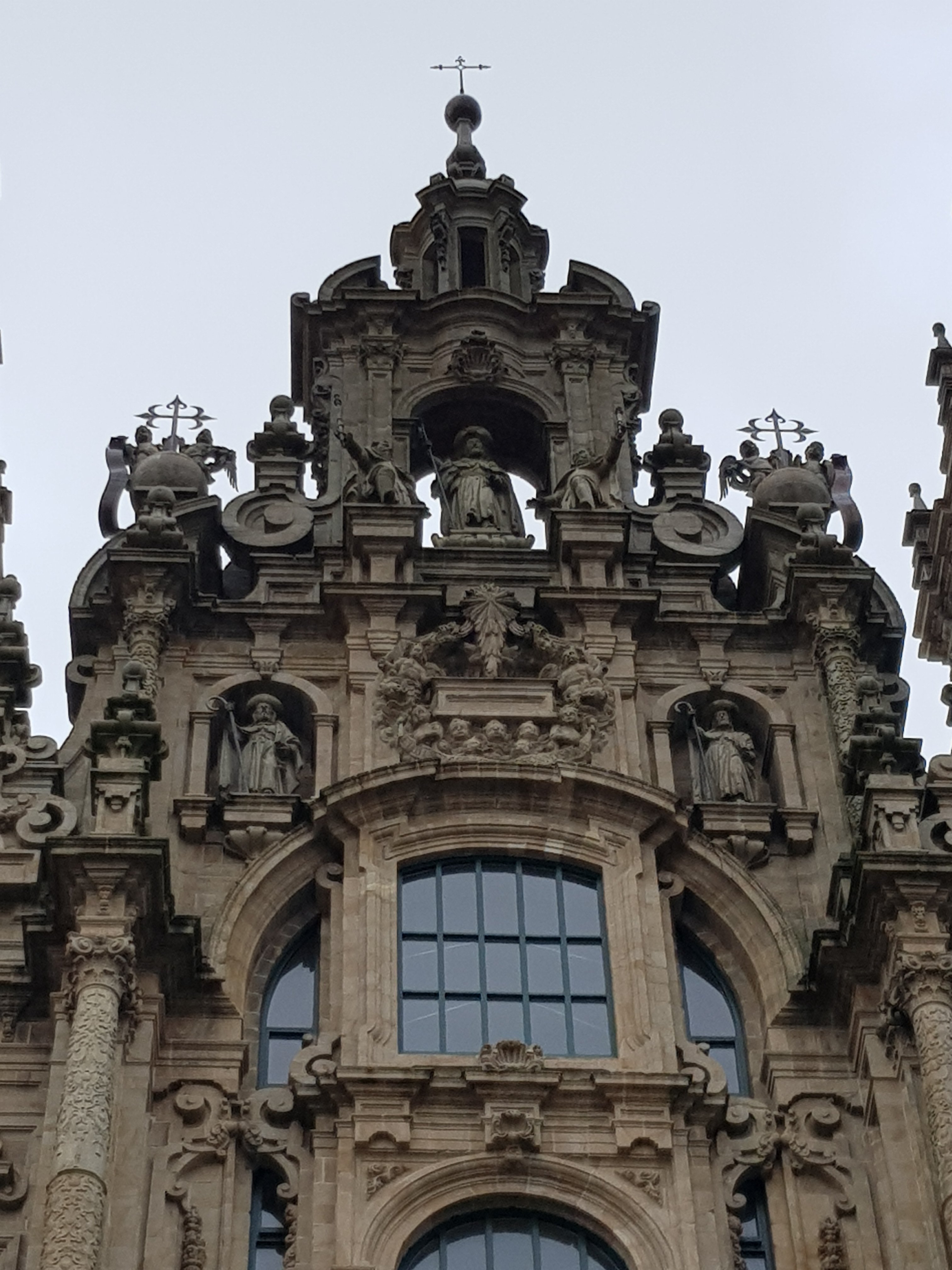
A large plaza faces the breathtaking cathedral, with three other historic buildings, one of which is a very pricey hotel. I was lucky to arrive when it was not raining, and we were all angling for the best shots. After admiring the outside decoration for a while, I made my way to the Pilgrim’s Mass.

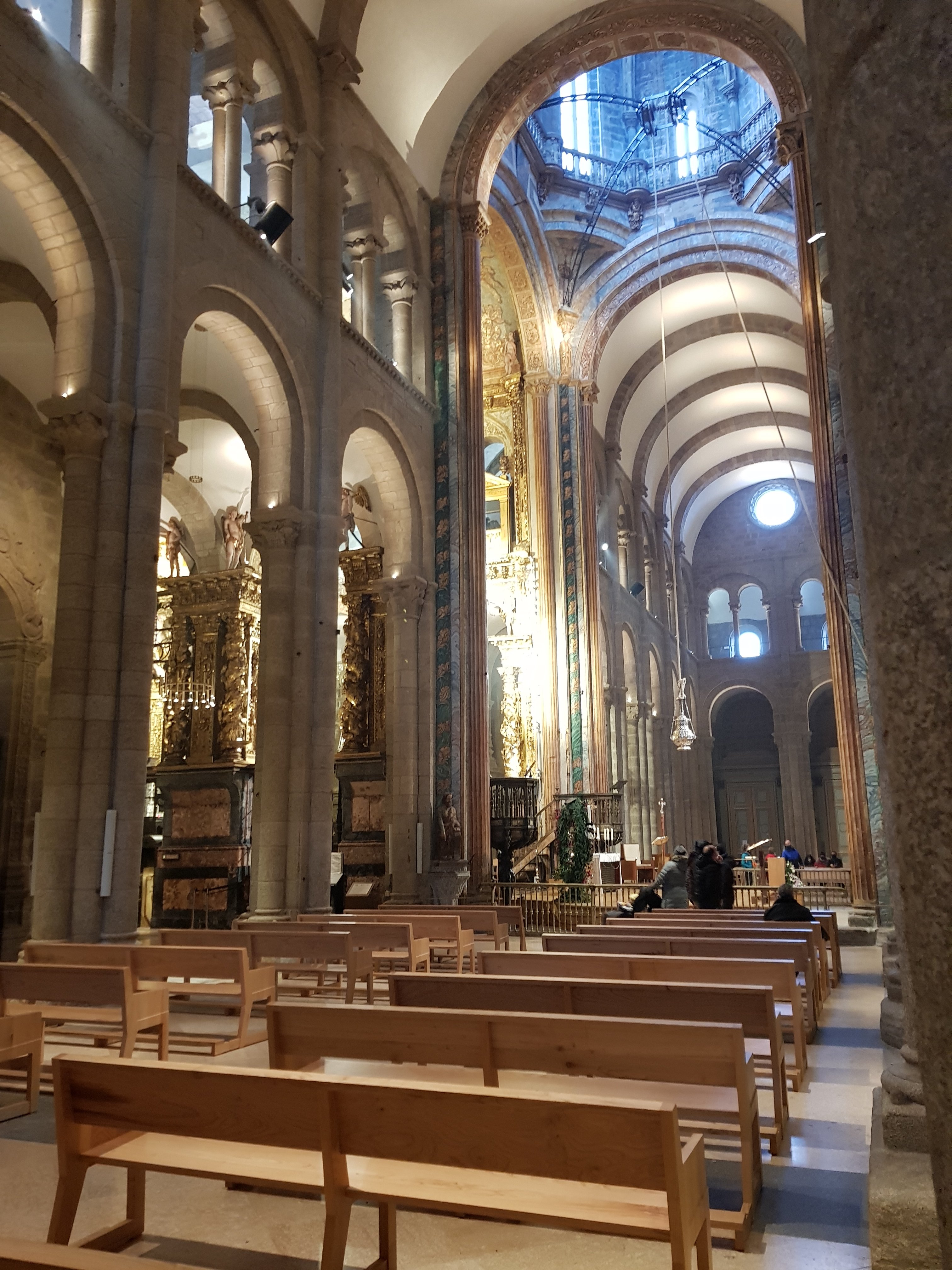
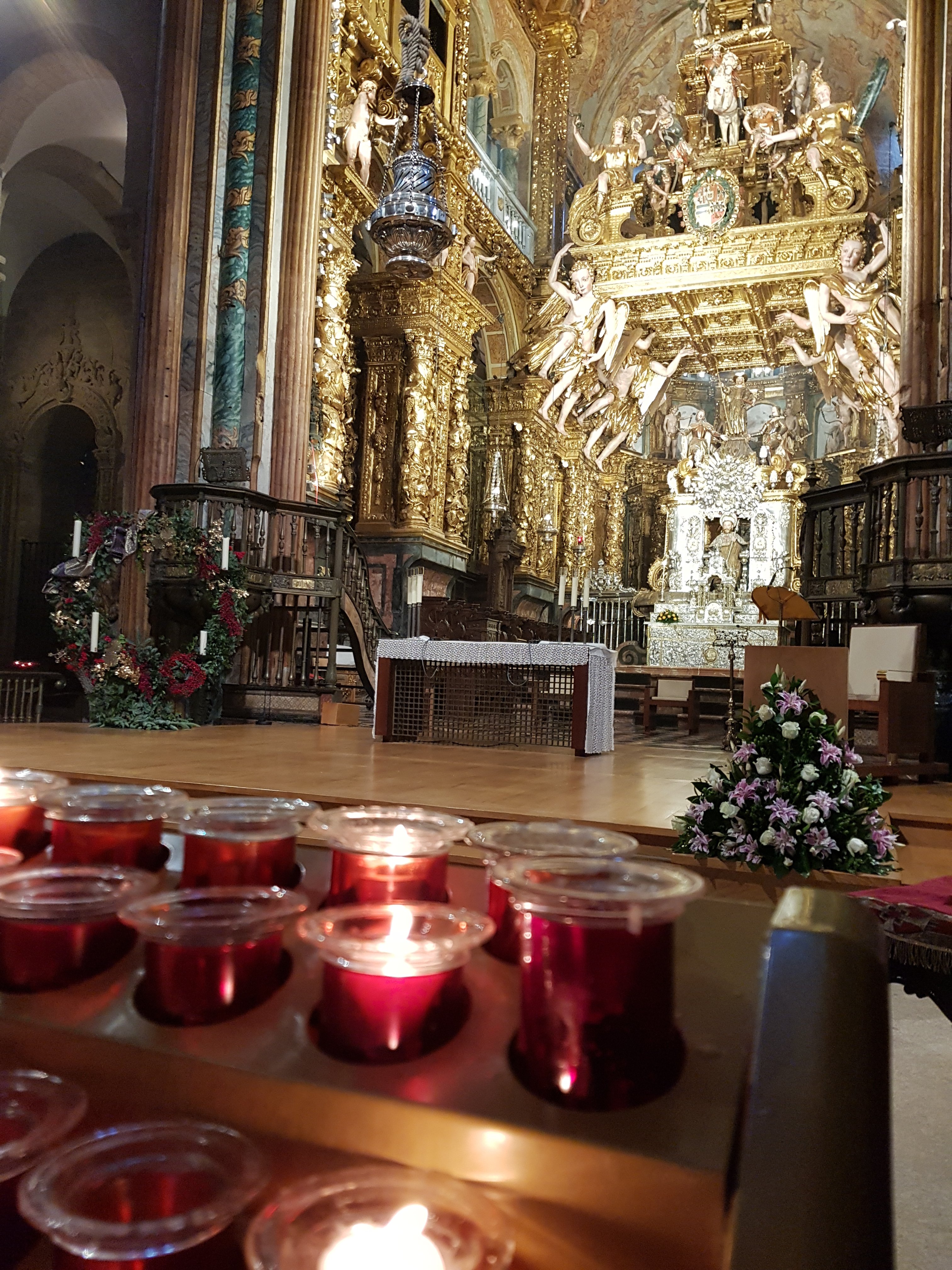
All in spanish, the mass was difficult to follow, but the vibe was still nice, and unexpectedly they swung the Botafumeiro (big incense burner) across the cathedral transcepts, which is a well recognised symbol of the church.
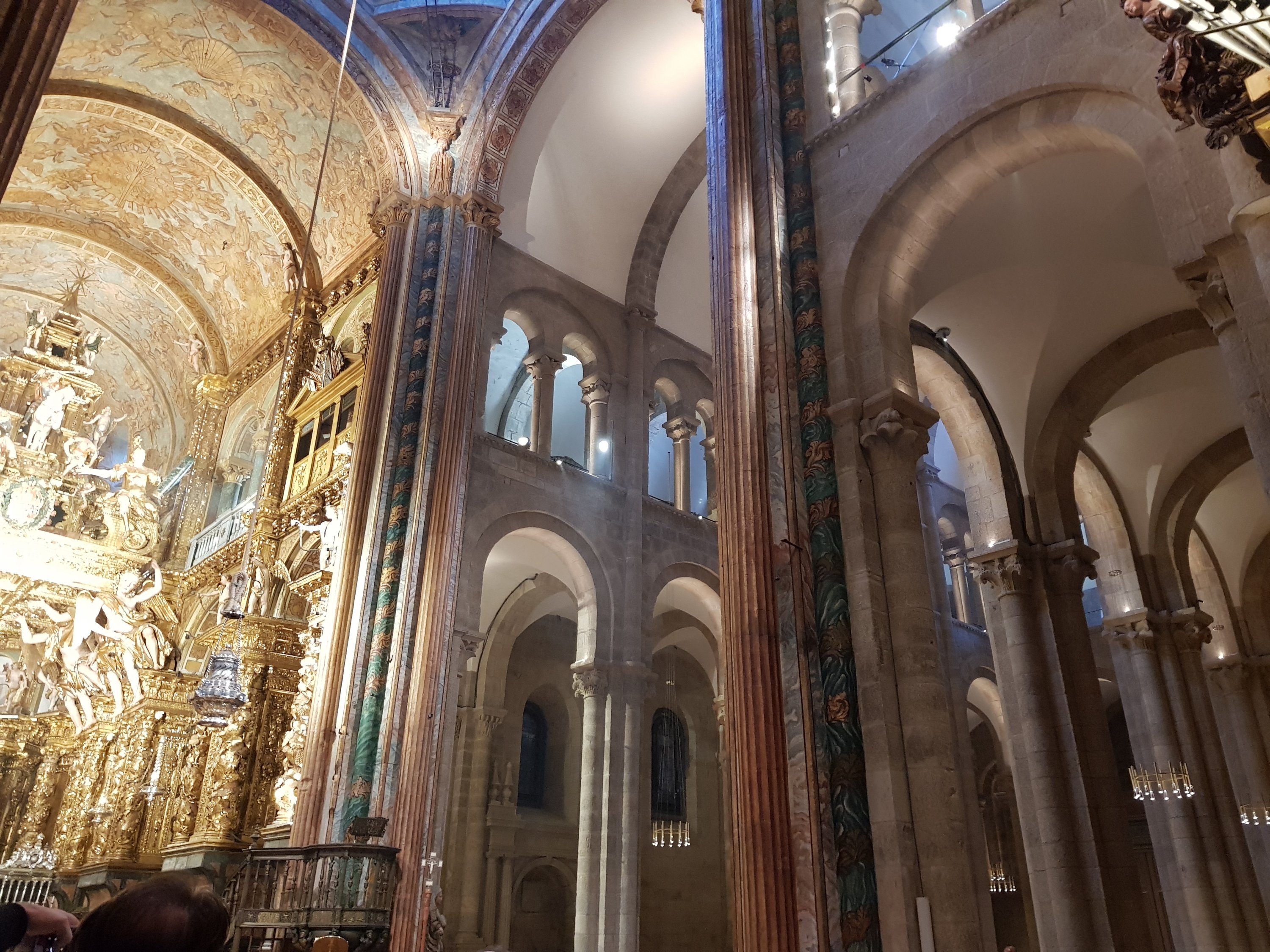
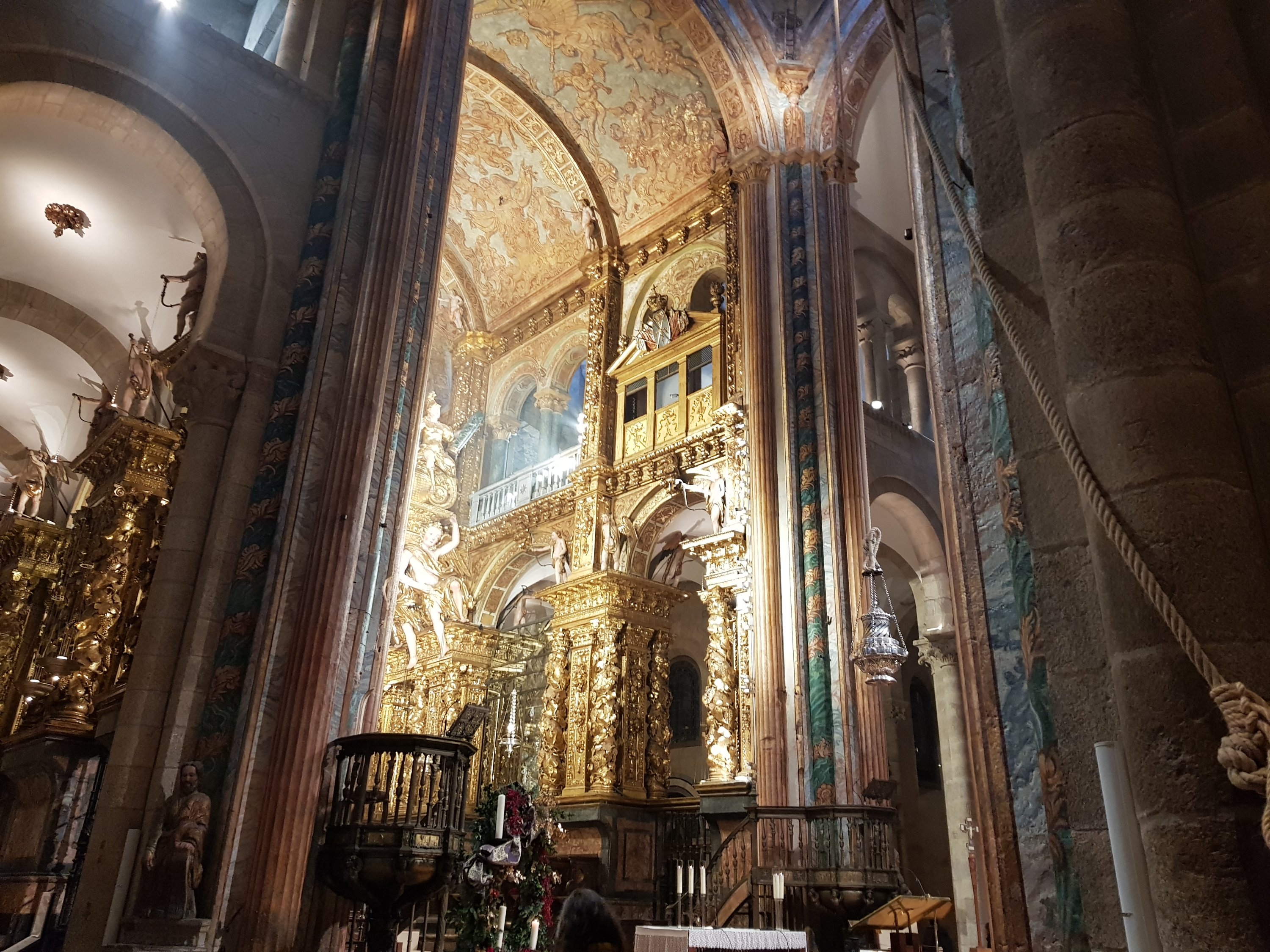
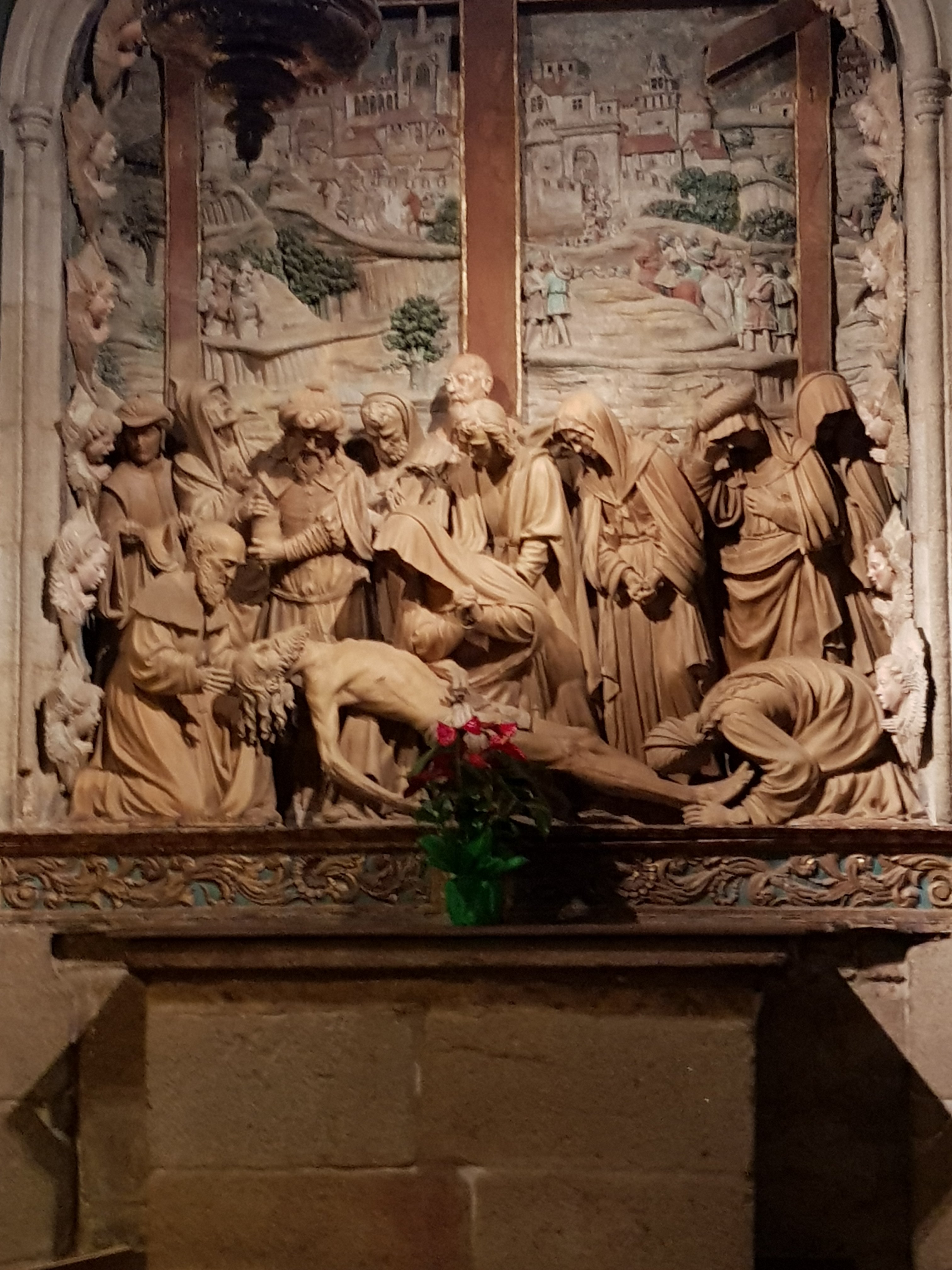
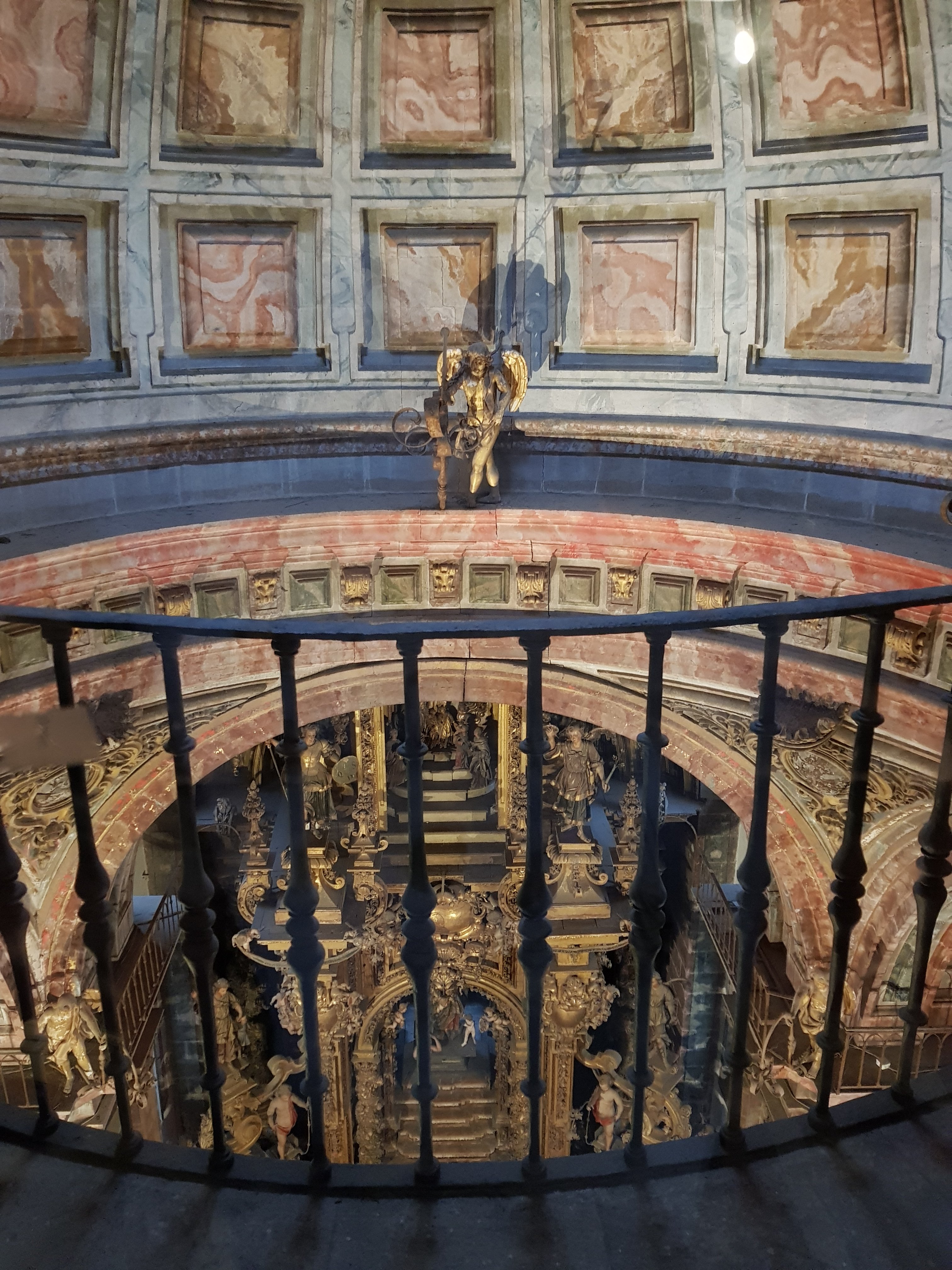
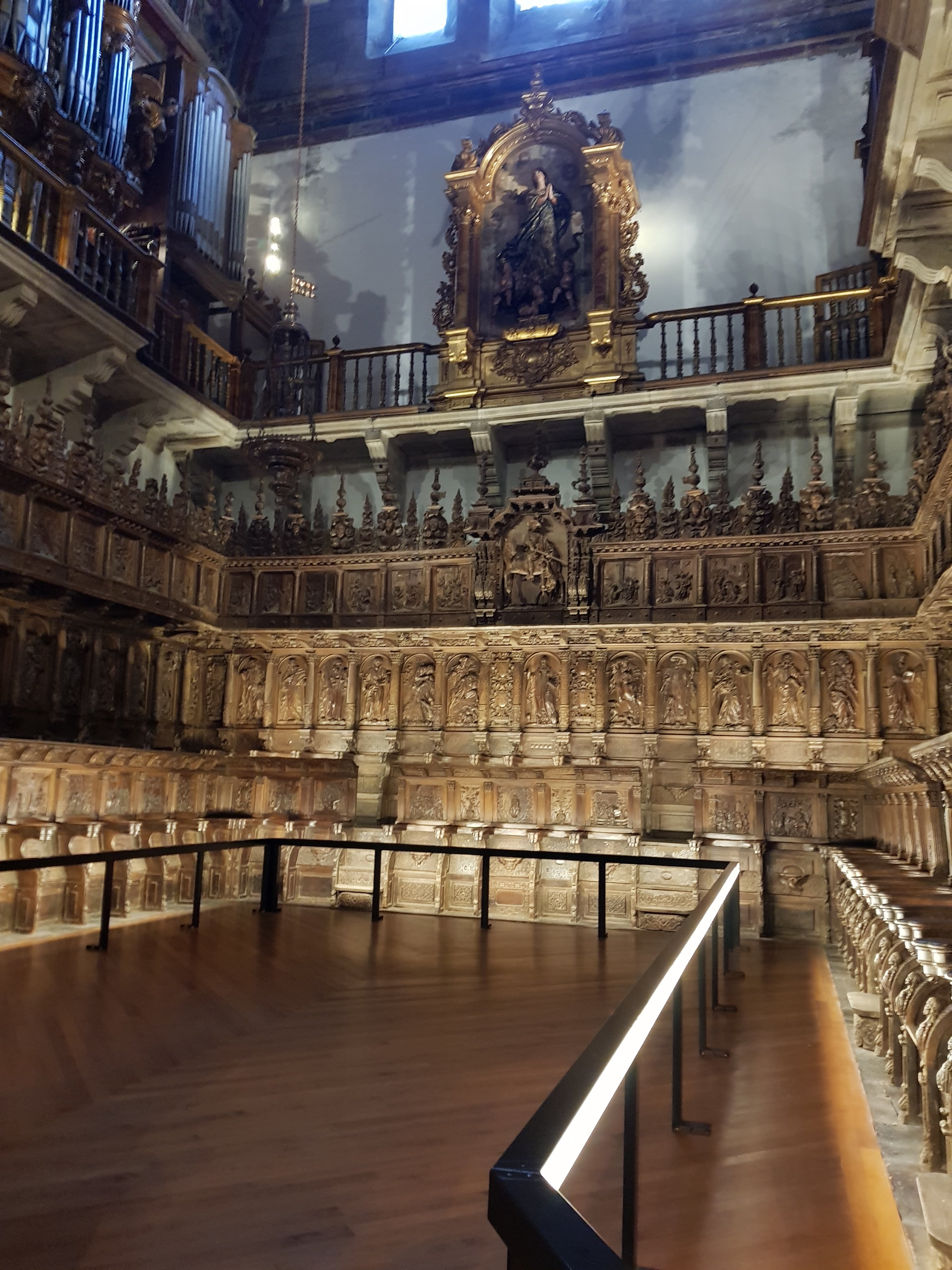
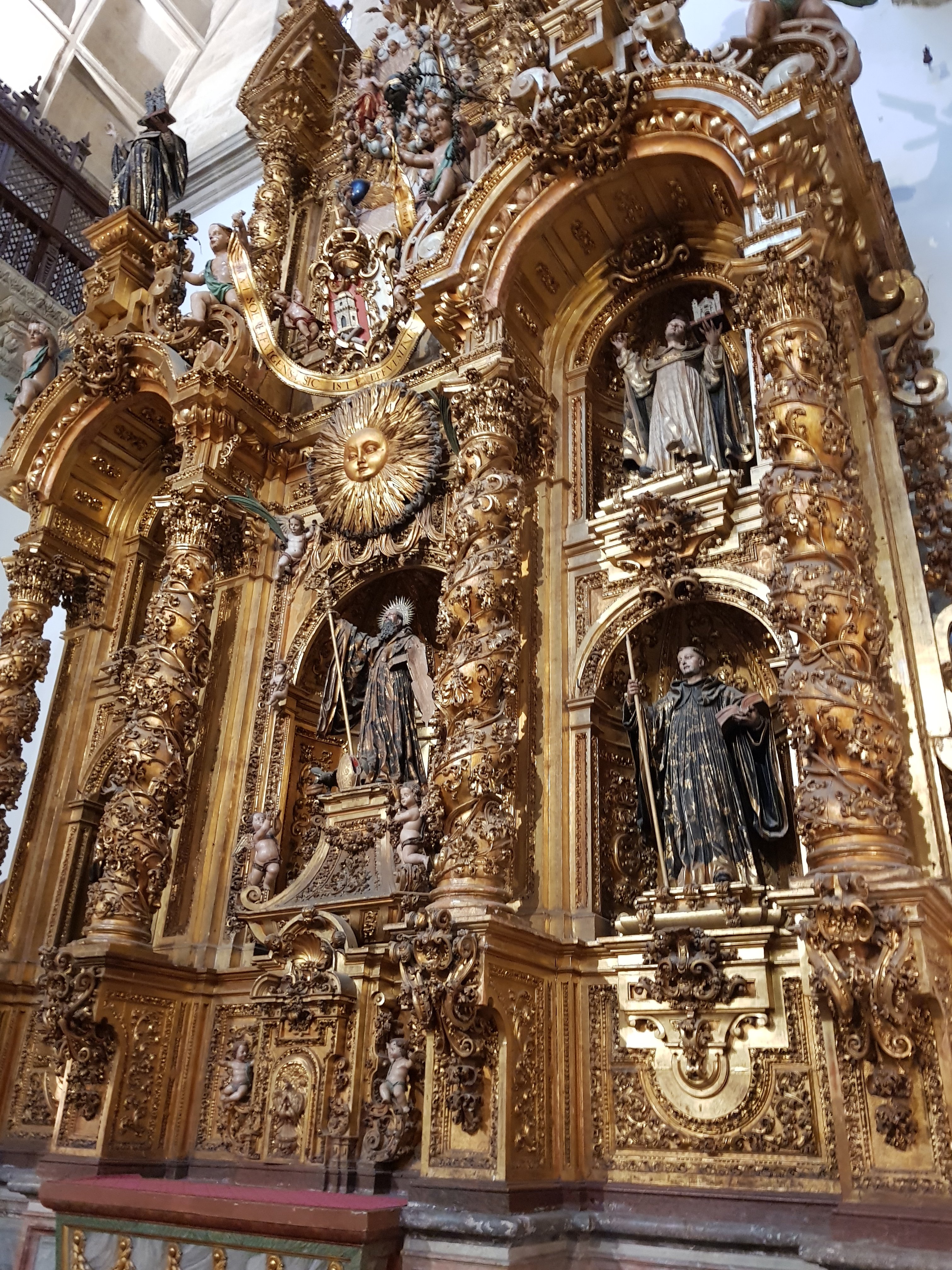
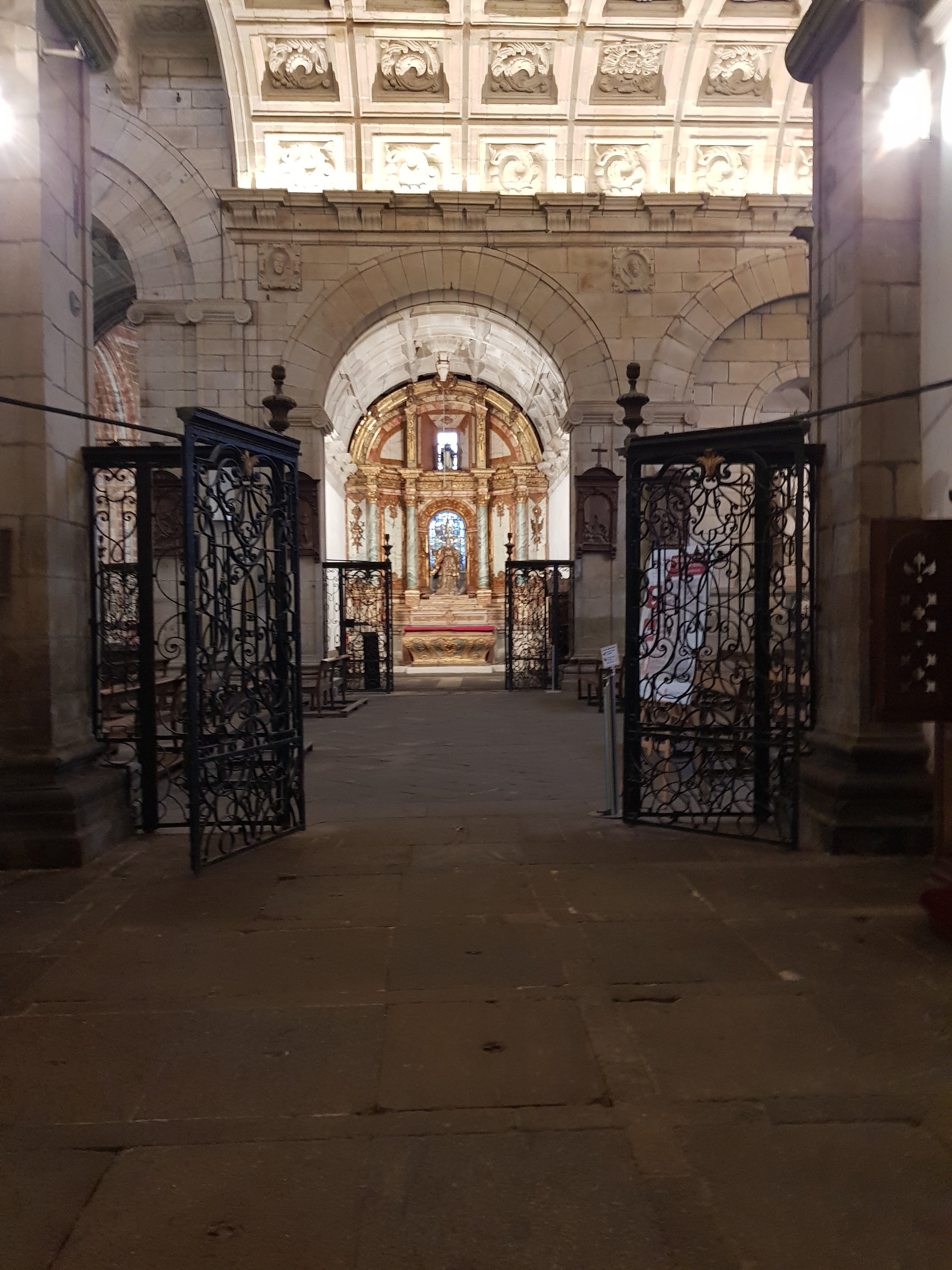
After mass, I spent some time admiring the cathedral, and went a little crazy buying souvenirs. I then wondered around a little and came across another christian building that seemed to be quite intriguing. The monastery of San Martín Pinario, now partially used for a hotel, school, and museum. The main church is actually magnificent! Possibly more impressive in artwork than even the cathedral.
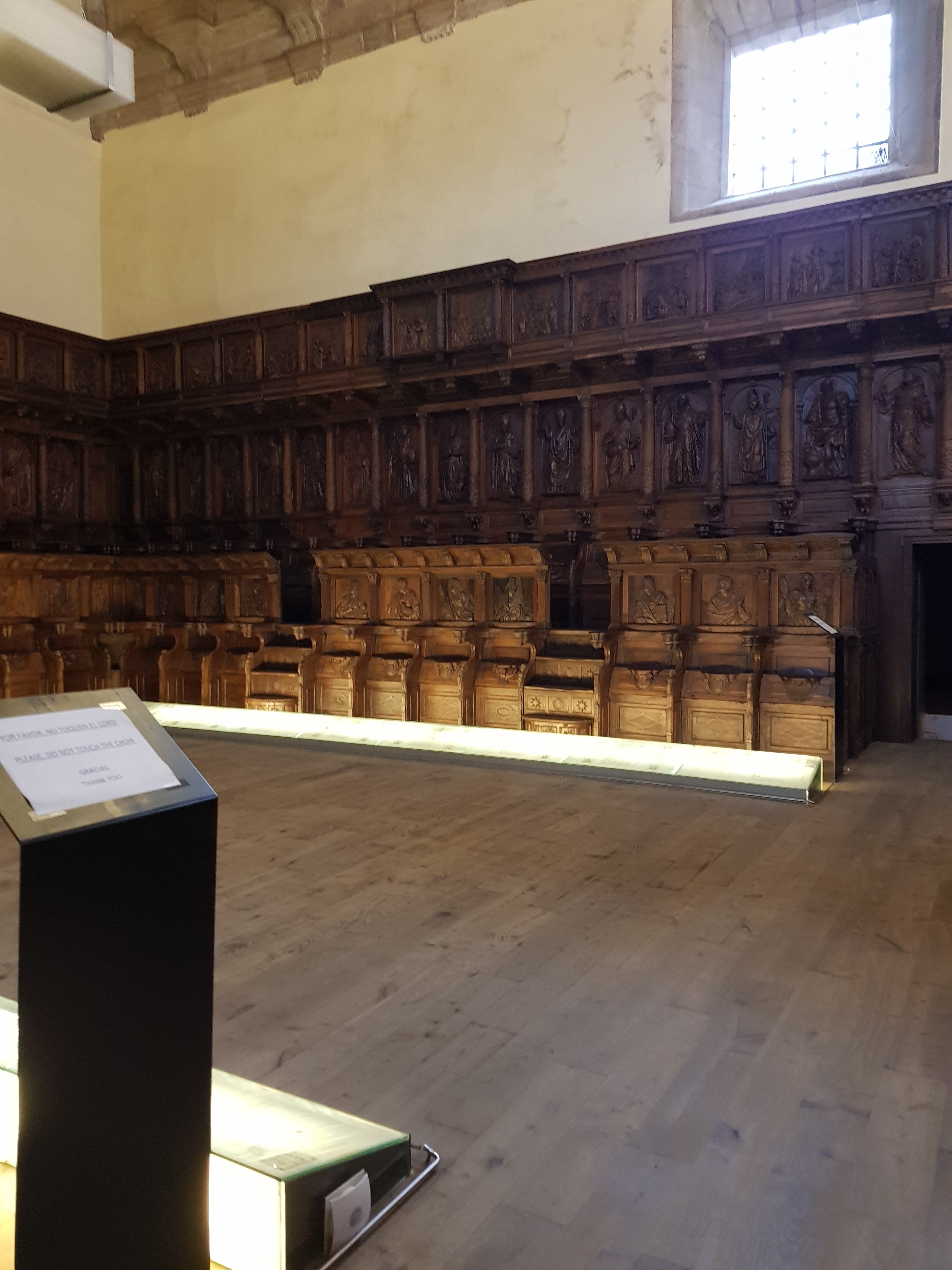
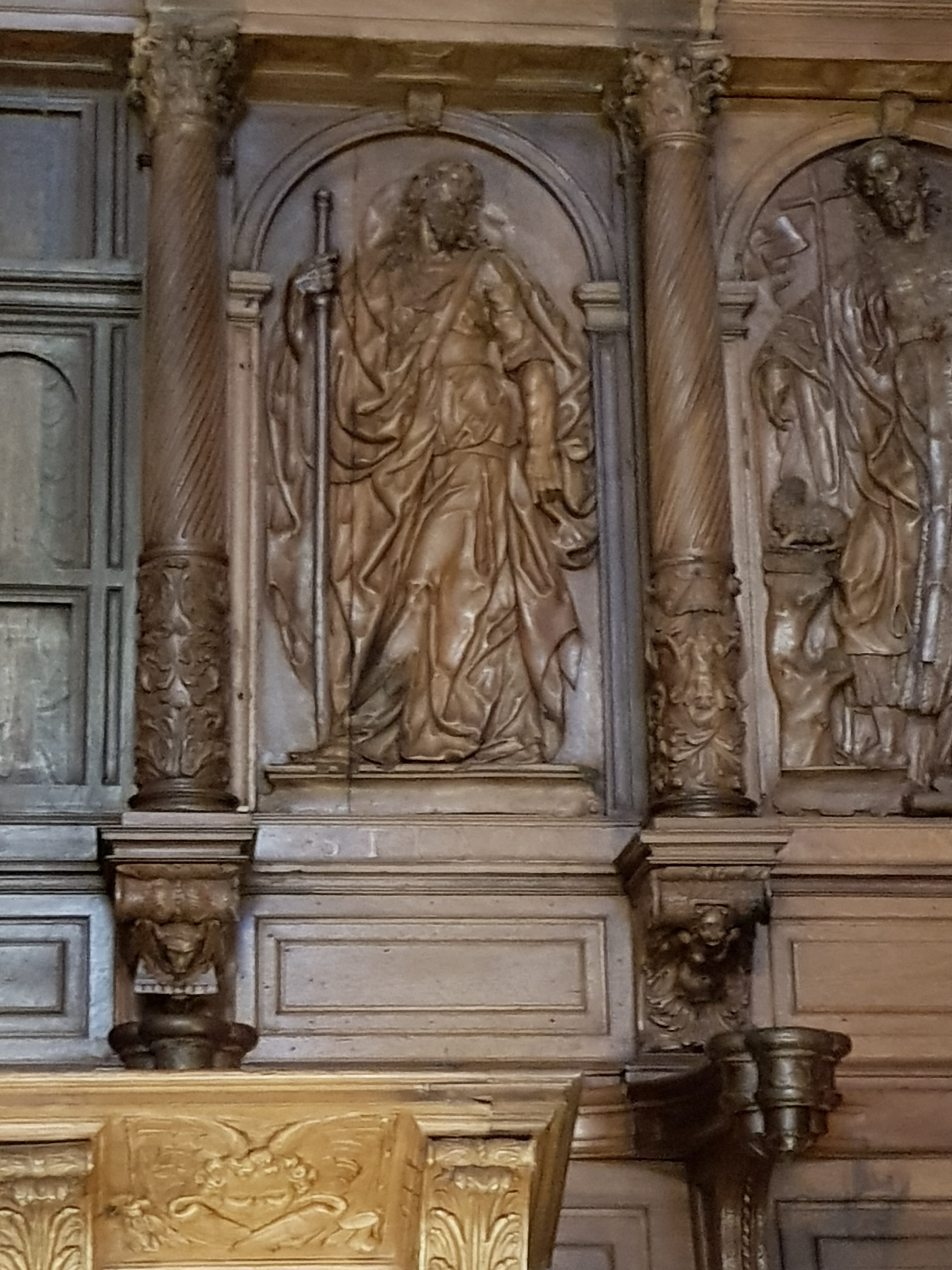
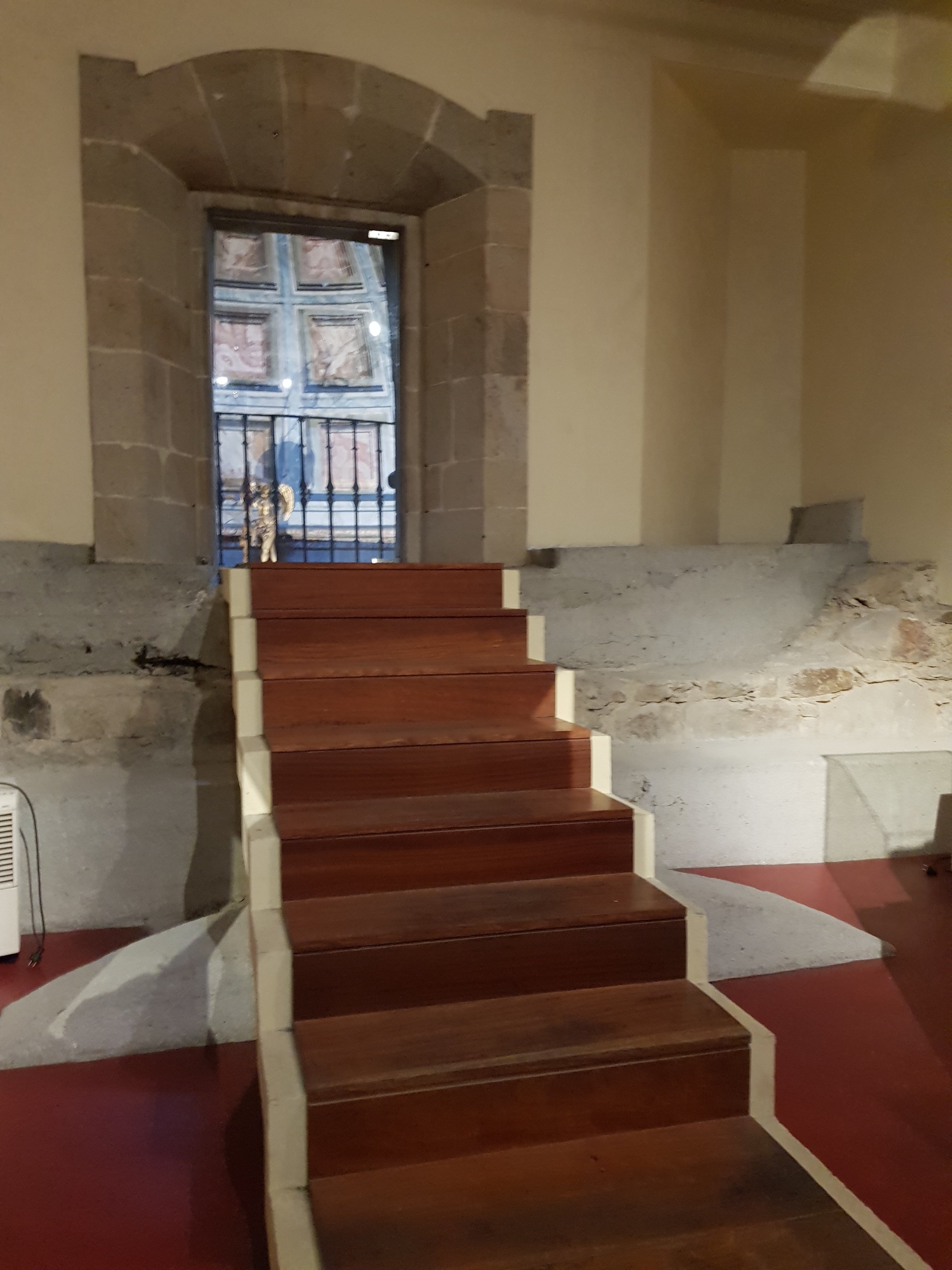
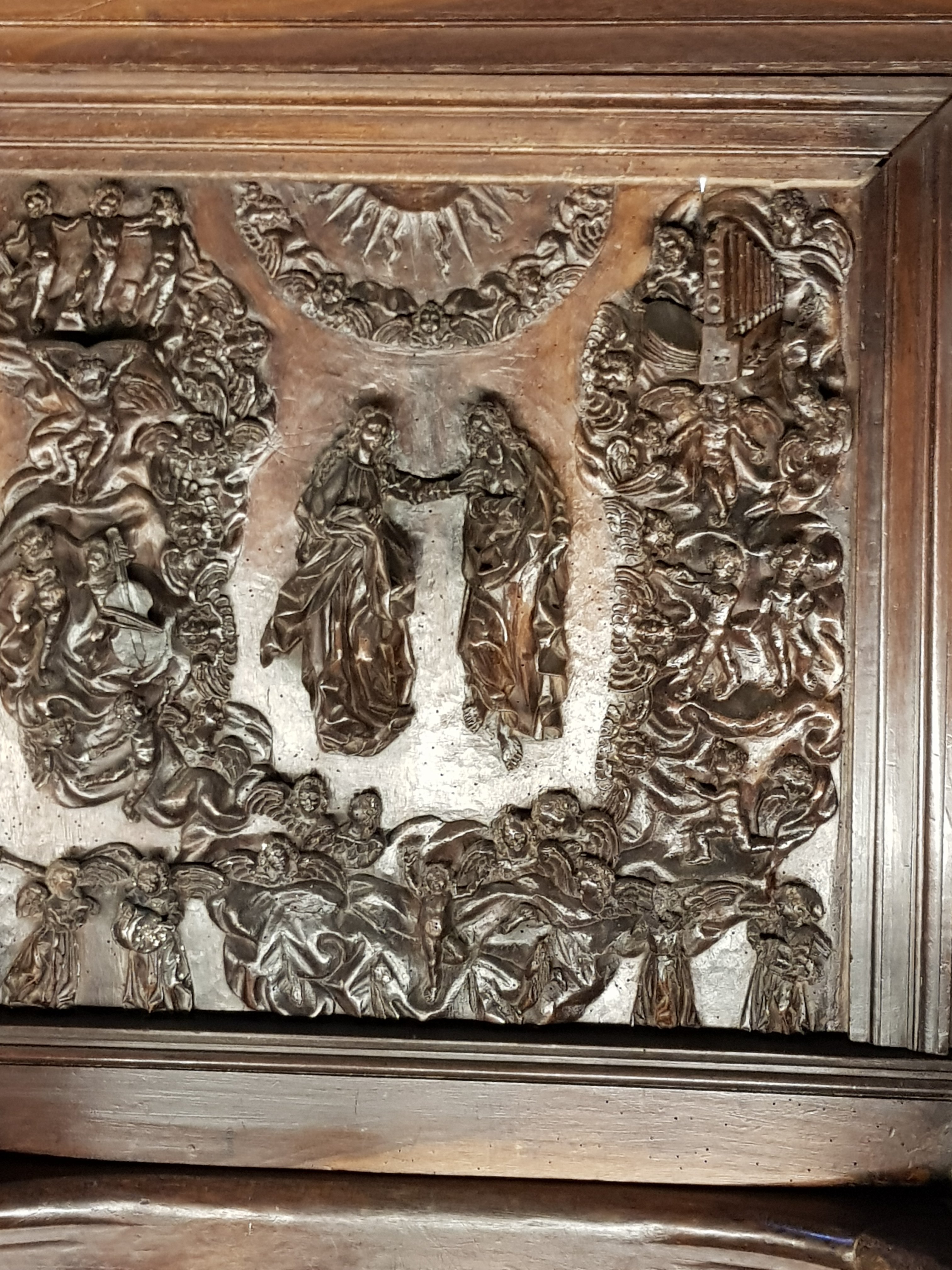
The choir sits behind the main altar, which is unusual, and so you can actually go to the back of the main altarpiece, and admire some amazing fine carpentry. You can also go upstairs and view the church from the galleries where a second choir resides! This was a lovely surprise. There is also an opportunity to look directly at the dome ceiling art. The museum also had some good pieces to admire, and this large attraction was only a few euros.

That night I met up with my new friend from Switzerland for our celebratory dinner, and we toasted to our success in making it to the end. He had arrived a few days before me, and told me where he had been shopping for new clothes. Now that I had walked into the city in literally rags, I decided I needed to prioritise a bit of shopping.

I took a bus from Praza Galicia for only €1 out to a big shopping mall, and spent a long while tracking down the right pair of jeans.. 😍 I don’t know why the Spanish only sell skinny jeans?! I have now walked 828km and these thighs still cannot fit in them! In the end I found some ‘mum style’ ones, a bit embarrassing but oh well. It is good to be back in denim.

After my shopping spree, I decided to make a visit to the Museum of Pilgrimage. This museum is four floors and pilgrims can enter for free. 👍The museum holds a mix of photographic exhibitions, historic artefacts, and paintings. The collections explain the origin of the Camino de Santiago (way of St James), who James was, and how his tomb was discovered in Santiago. The museum also explains how the pilgrimage route has become more popular over the centuries and many pilgrims’ experiences. The other pilgrimages from around the world and different religions are also discussed.
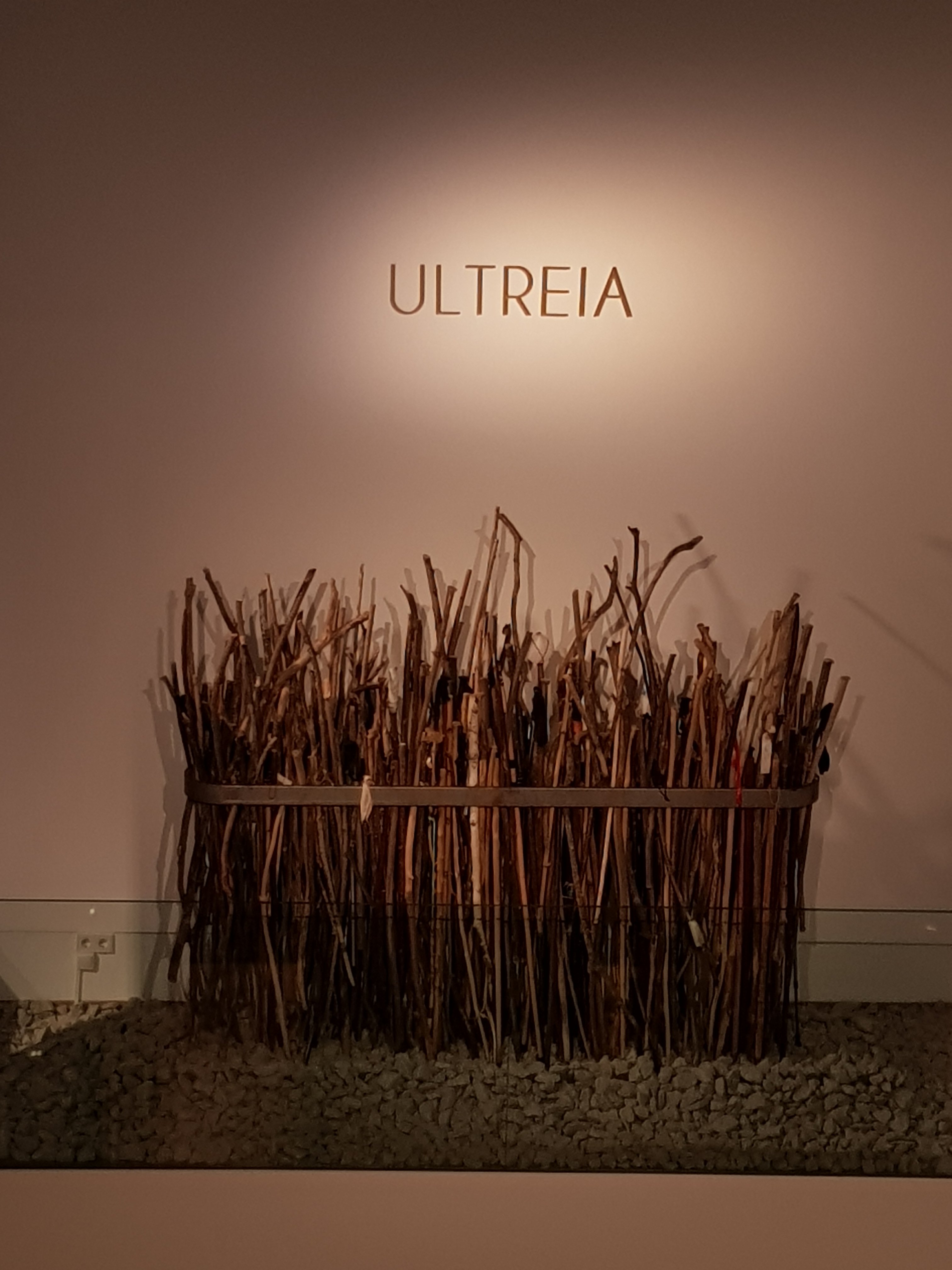
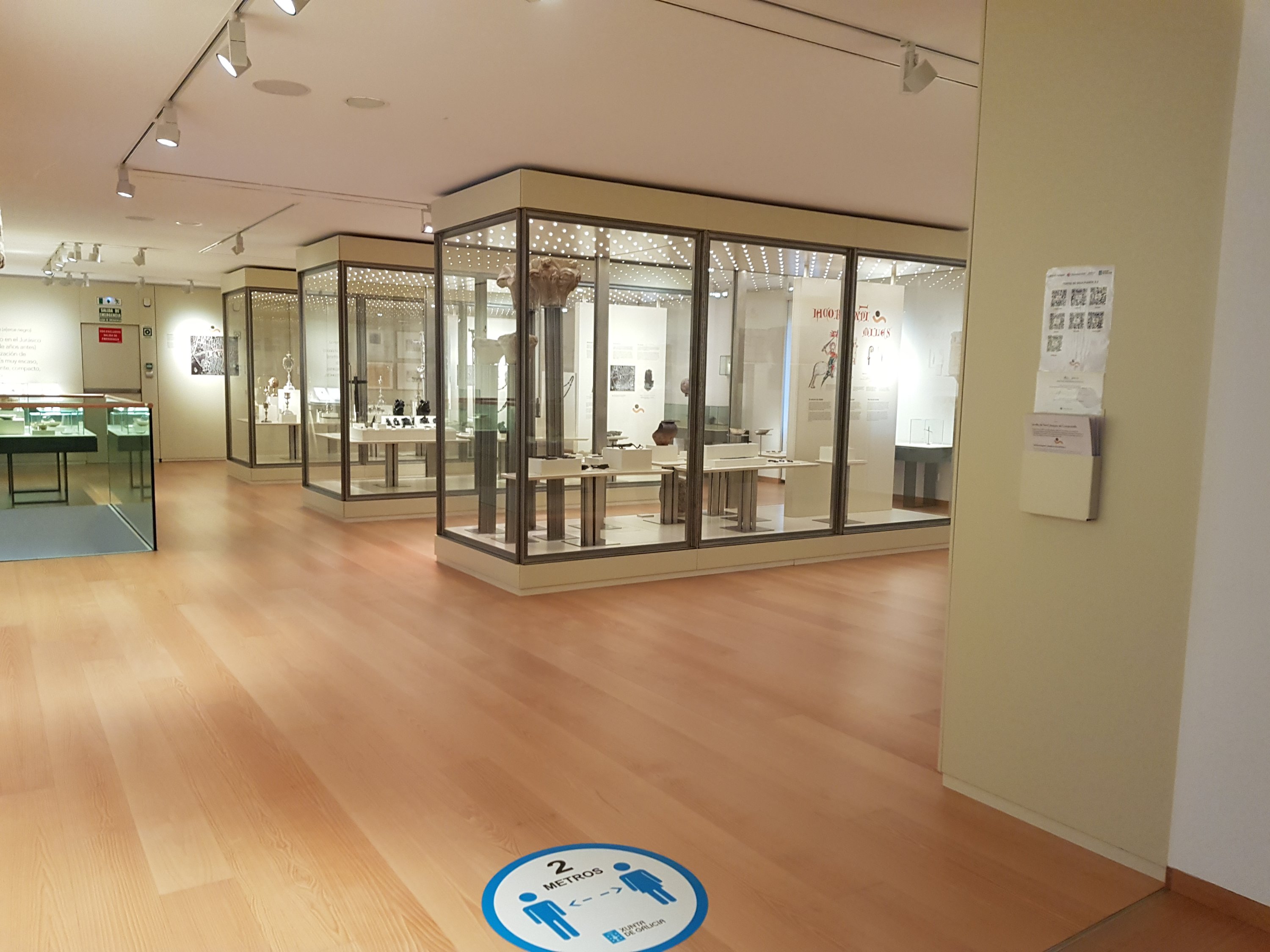
This was very inspiring to me, and I was glad to see that the reasons I chose to walk the journey were echoed by others.
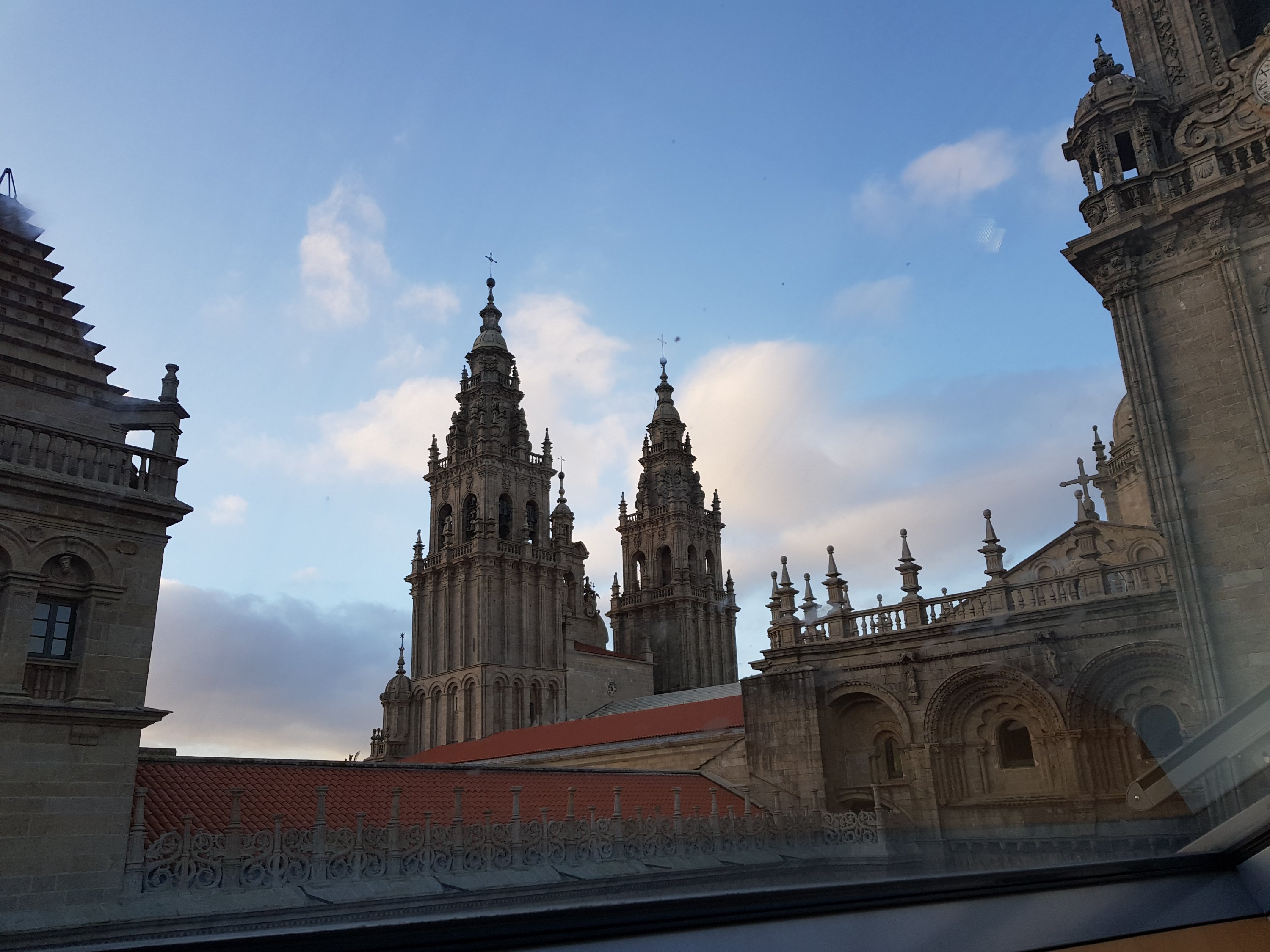
Something else not to be missed at the museum, is going to the top floor. Here, I found up close views of the cathedral towers.

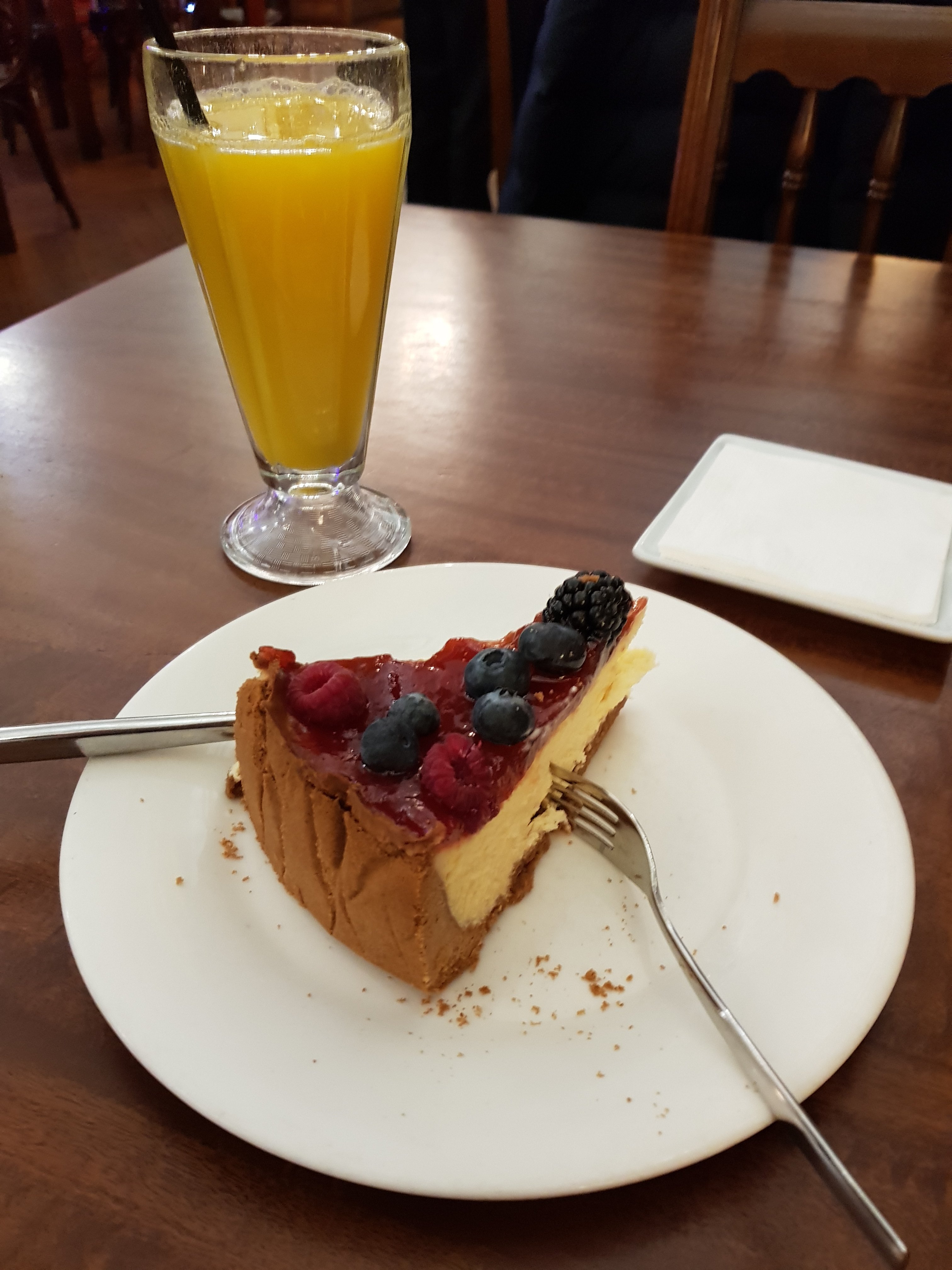
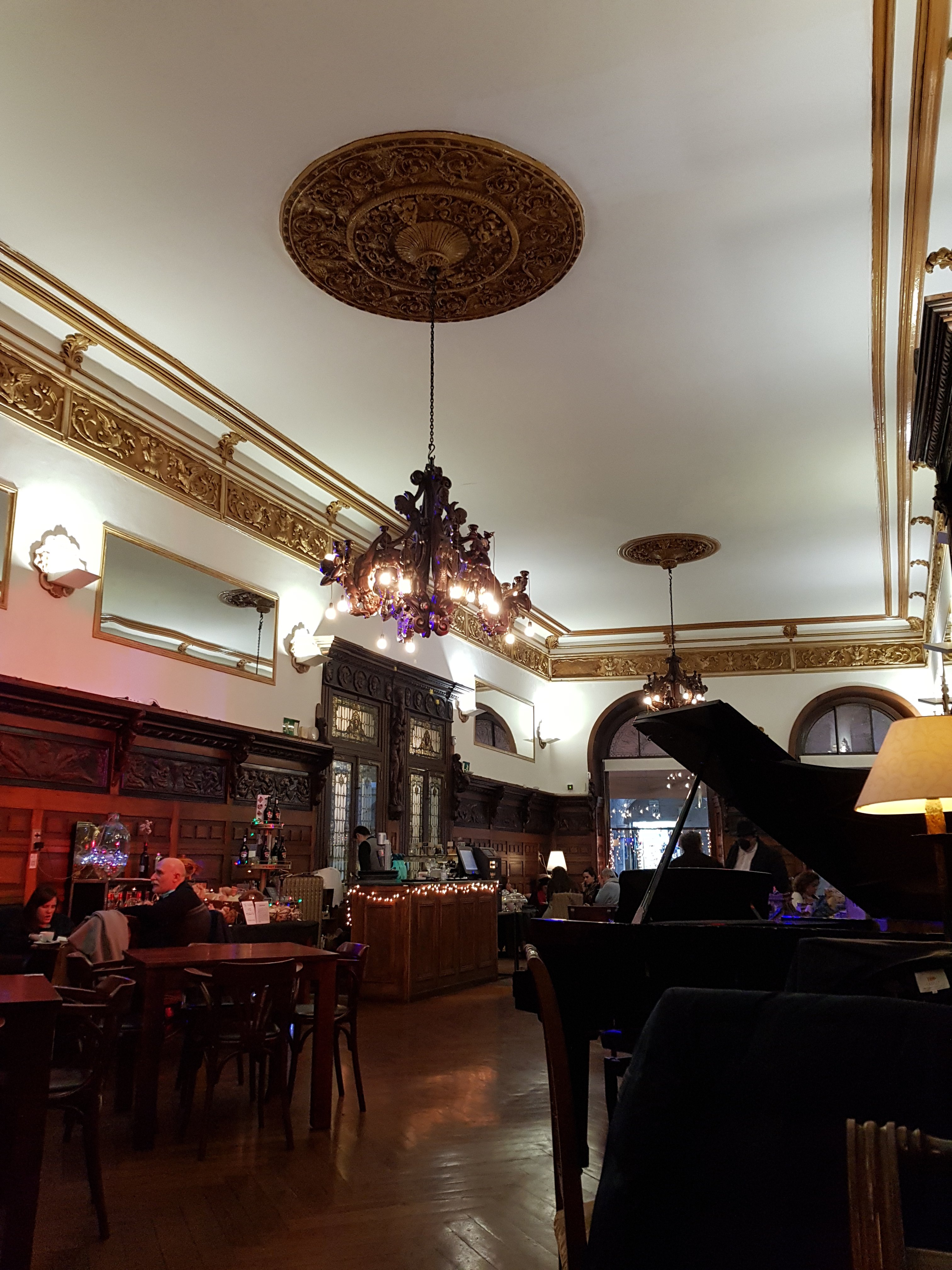
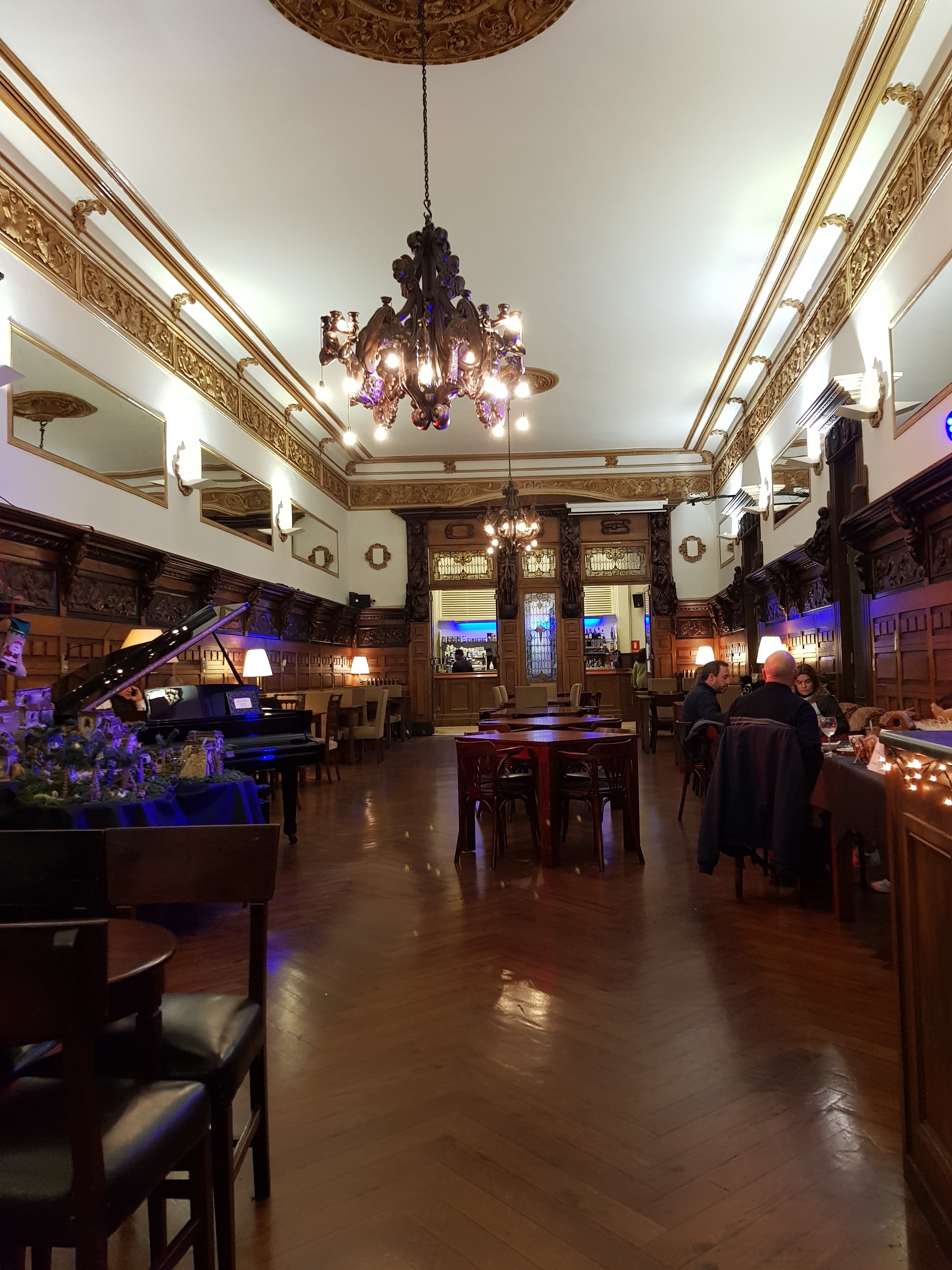
The final thing I did before I went to bed, was visit the cafe casino, opposite my hotel for a little cheesecake. This is a gorgeous building that is now a swanky cafe and even has a grand piano being played, to really make you feel at peace.
Overall, the Camino de Santiago has been a very unique experience. It has been a great opportunity to travel slowly, and see beautiful landscapes, as well as small villages and towns, that you would not likely stop in, if you were travelling to your destination directly. The people I have met, and culture and traditions experienced can never be replaced. I had said that I could never walk so far again, but the more I think about it, the more I think I could be convinced…
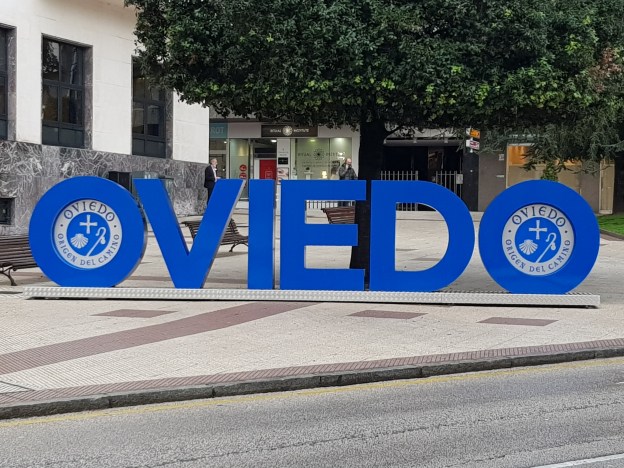
Oviedo: Capital of Asturias

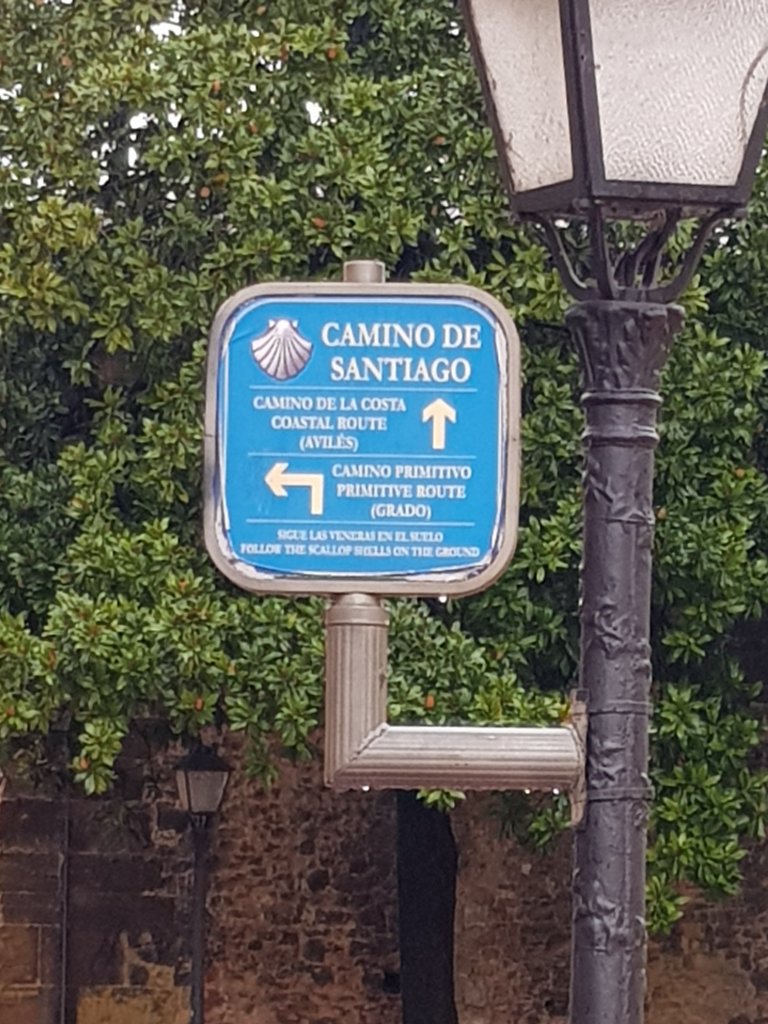
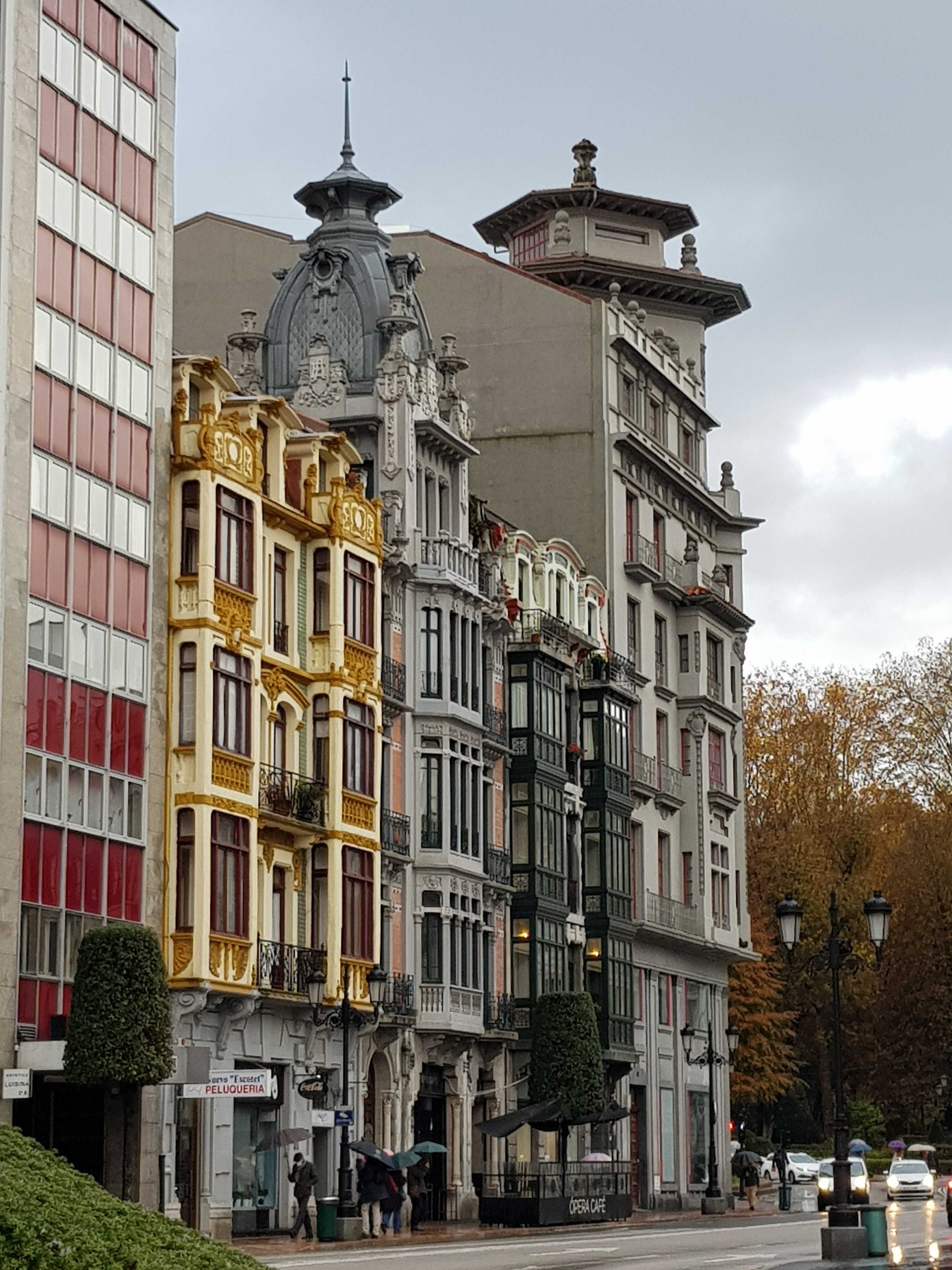
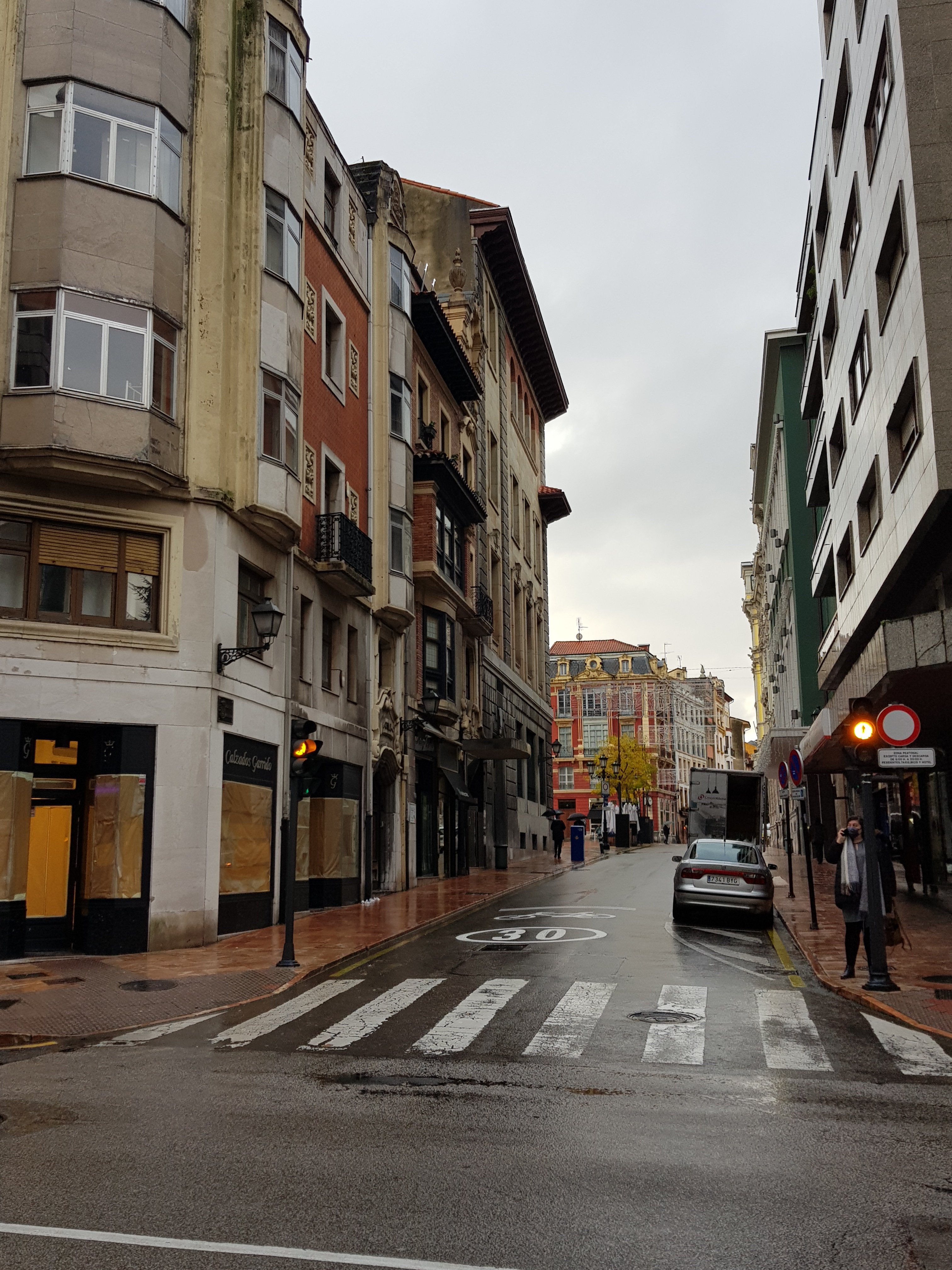
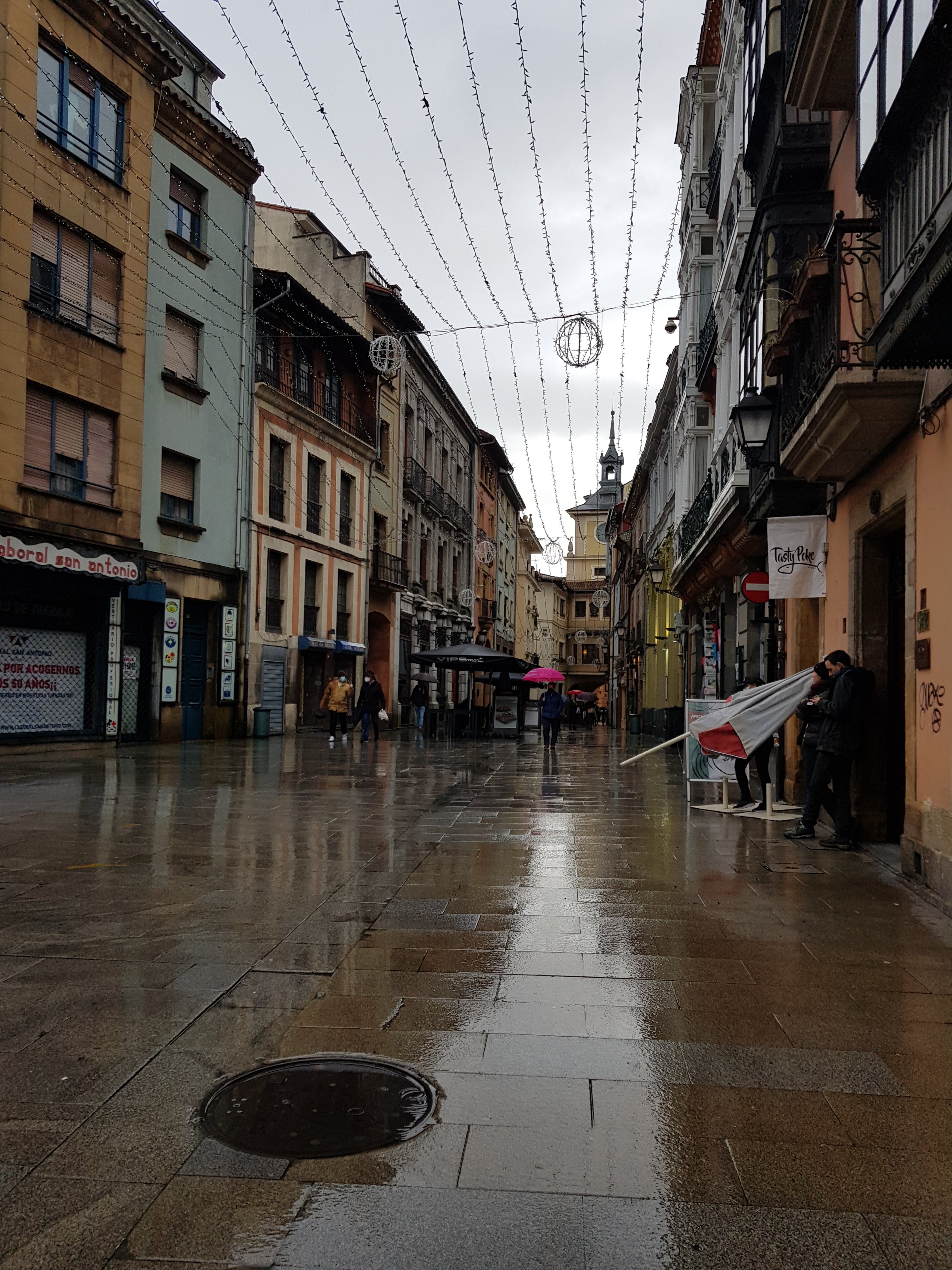
I spent a morning in Oviedo whilst I was travelling the Camino de Santiago. The city is the main city of Asturias and the starting point of Camino Primitivo.

This great city has a romantic charm to it, and boasts of its connections to the origin of the Camino de Santiago. This is because the first pilgrim to make the journey to see St James’ tomb was King Alfonso II ‘the Chaste’, in 834, he set off from Oviedo. This is also why the Primitivo route that begins here is thought to be the original route.

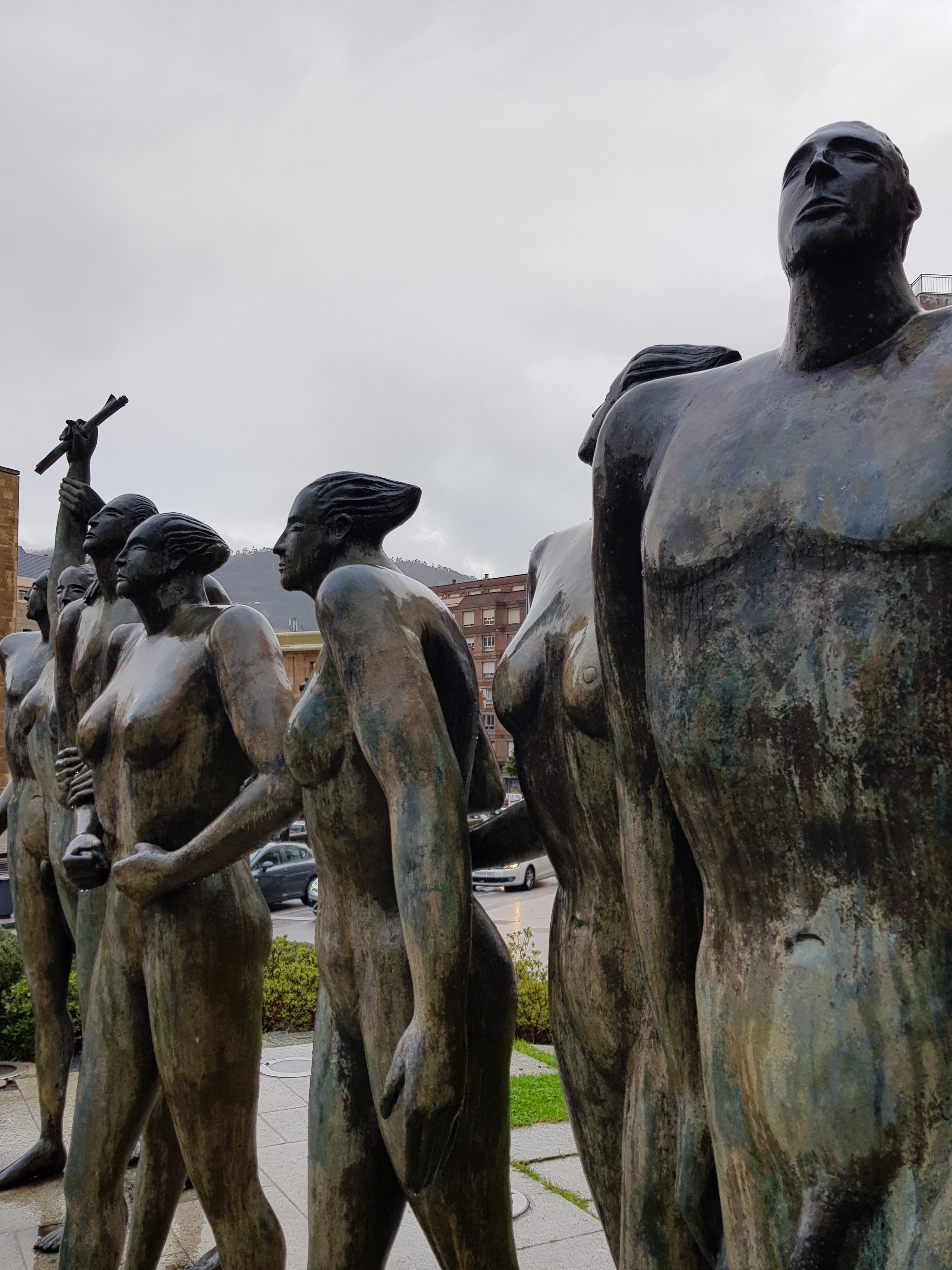
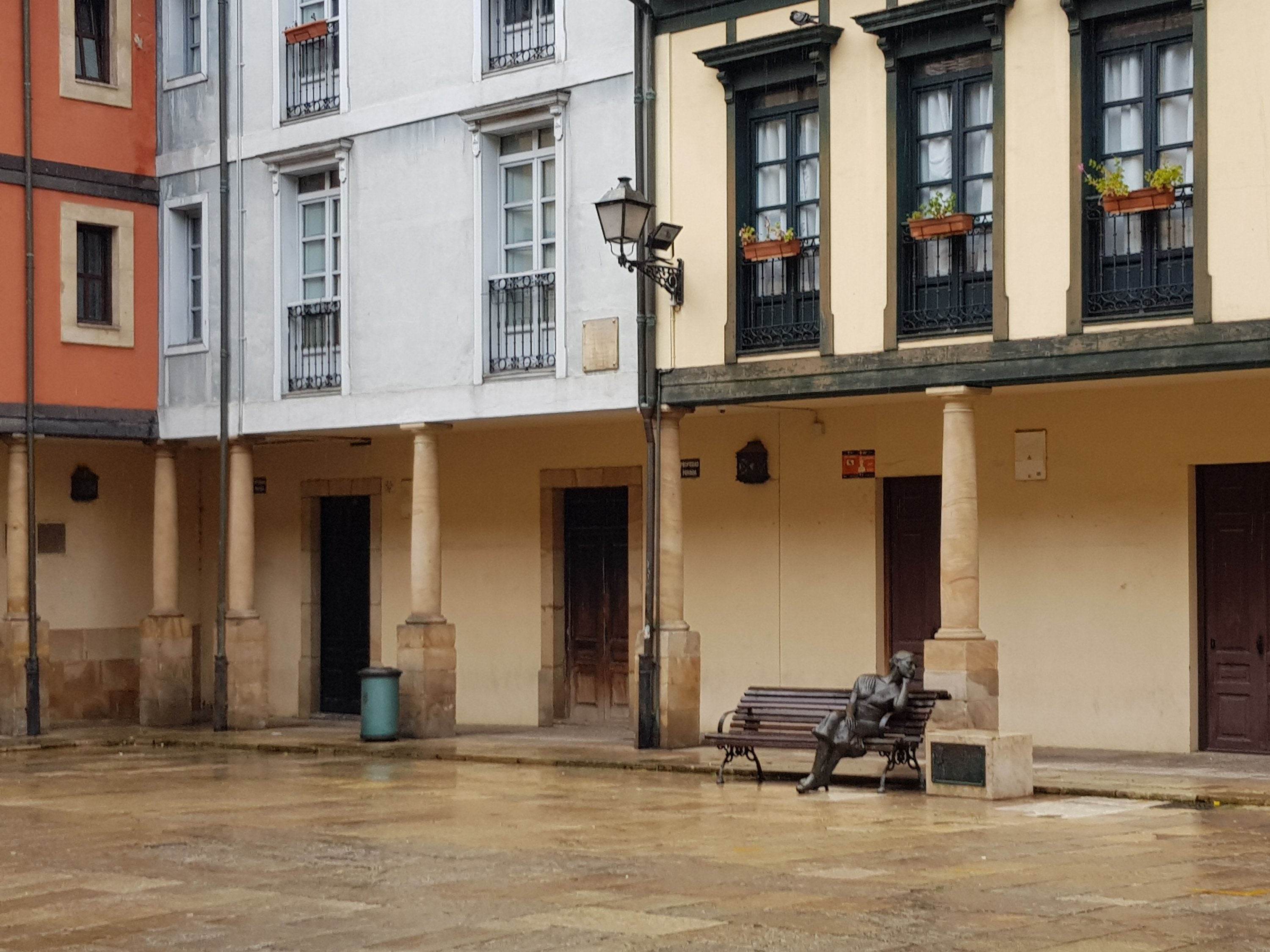
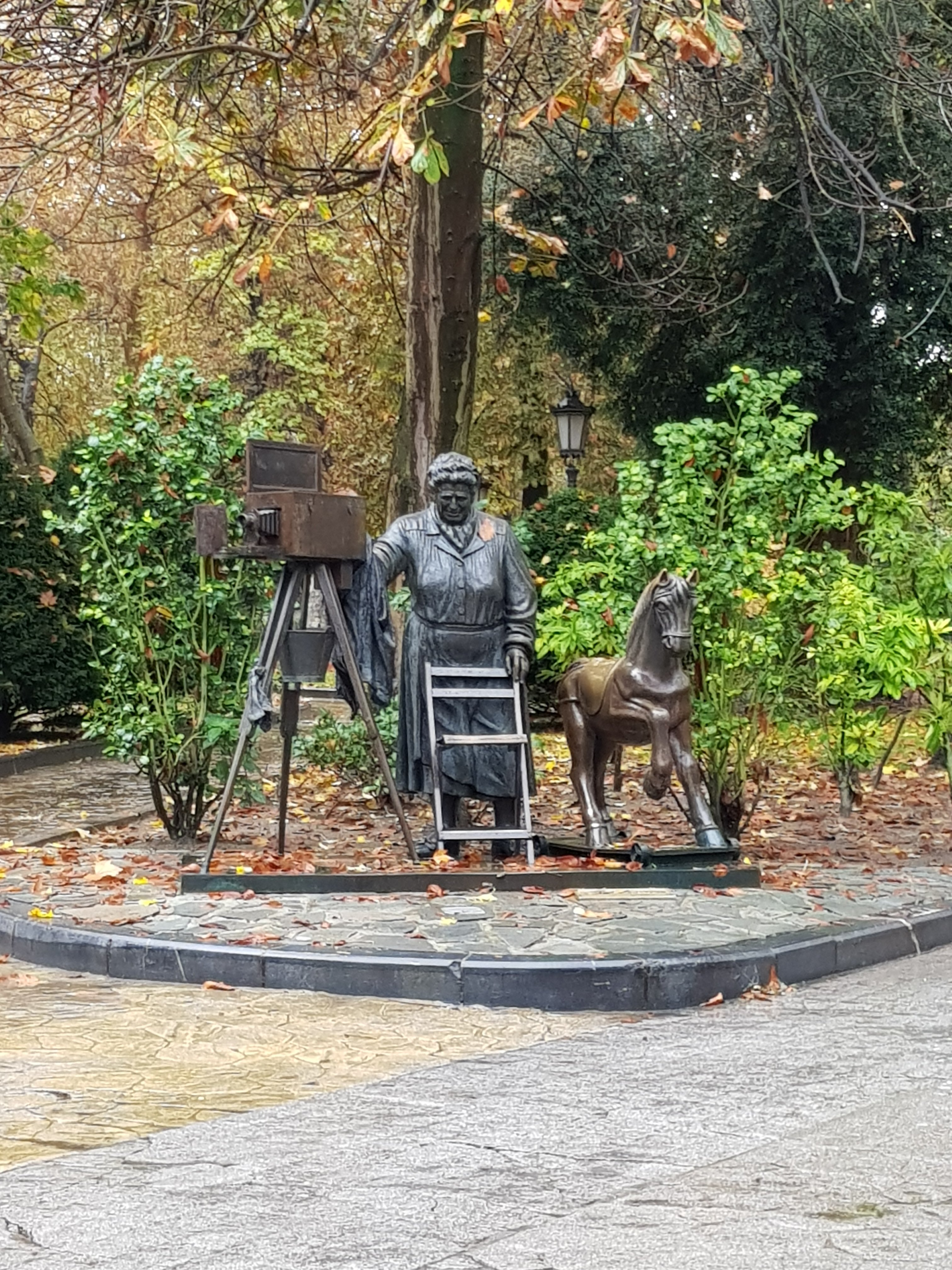
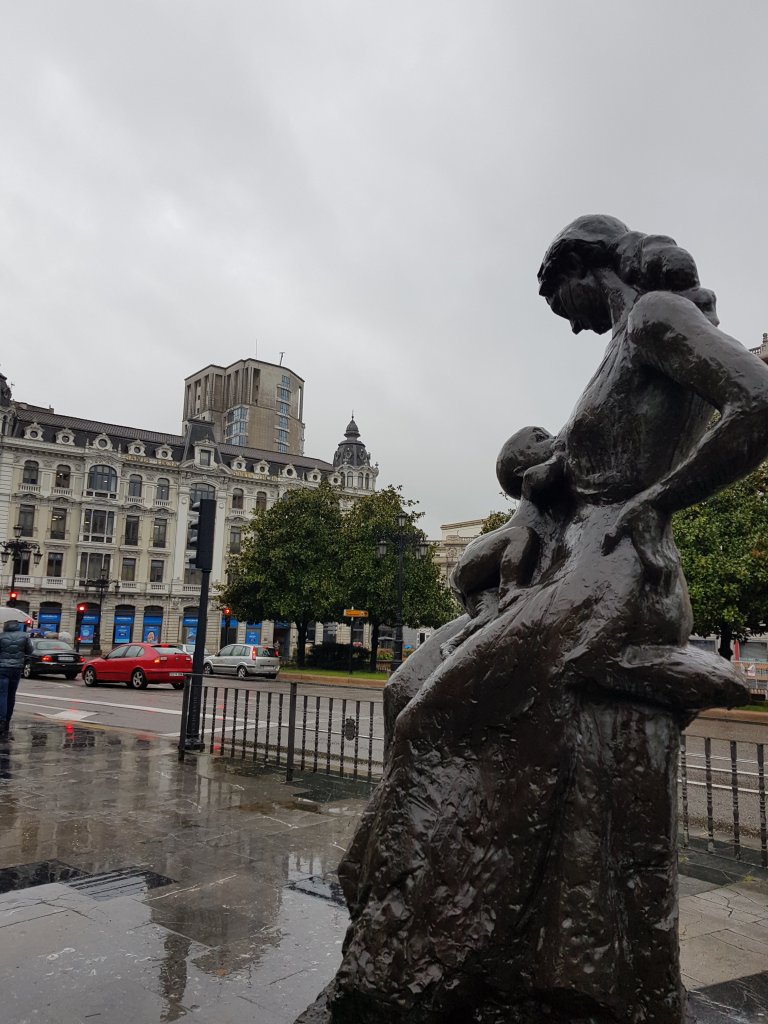
The city has all the shops and restaurants you could need, as well as some very pretty plazas, and hundreds of sculptures and other works of art. I particularly liked one of a lady sitting on a bench in Plaza el Fontán called ‘La bella Lola’. She is just looking out on the plaza and seems to be just letting her mind wonder. It made me think of how I must look so often on this journey.

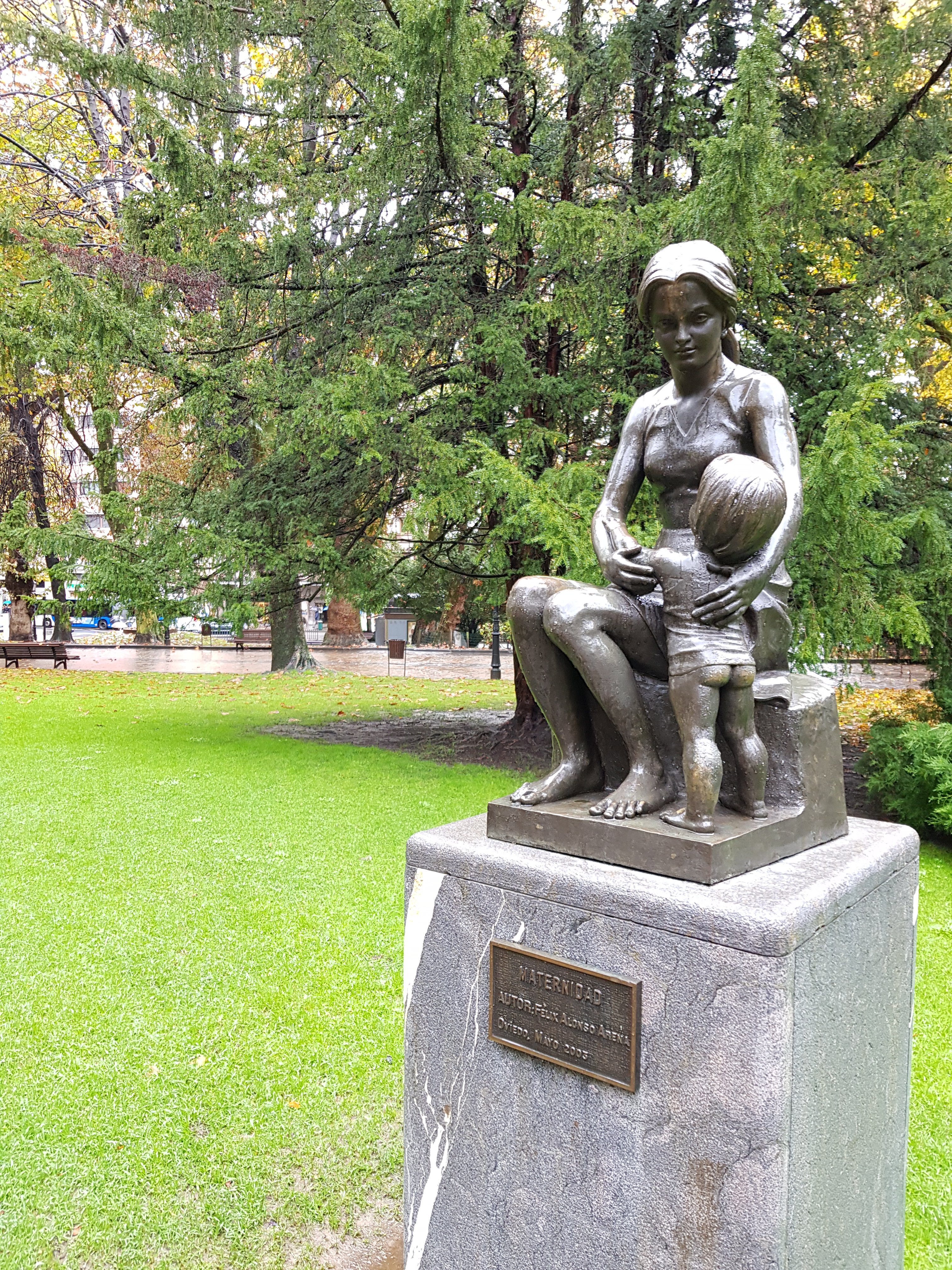
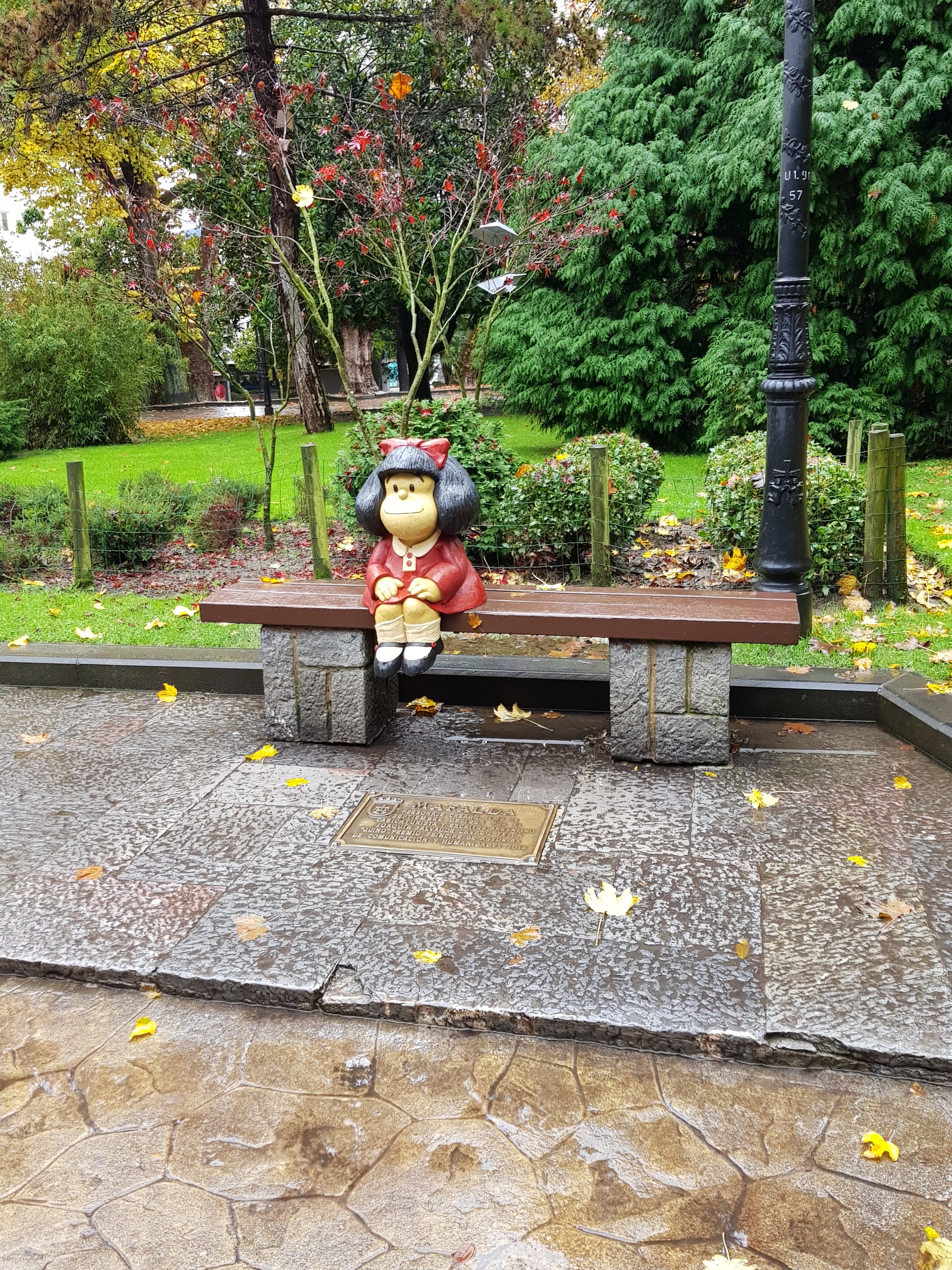
I also visited San Francisco park, which boasted of further sculptures including a famous Argentinian cartoon character called ‘Mufalda’. The park is a former convent garden, and has a number of features to explore. I was most surprised to see the date of my visit cut in grass at the edge of the park, I guess someone must cut the new date and change it every day!

The Pilgrim’s Cathedral

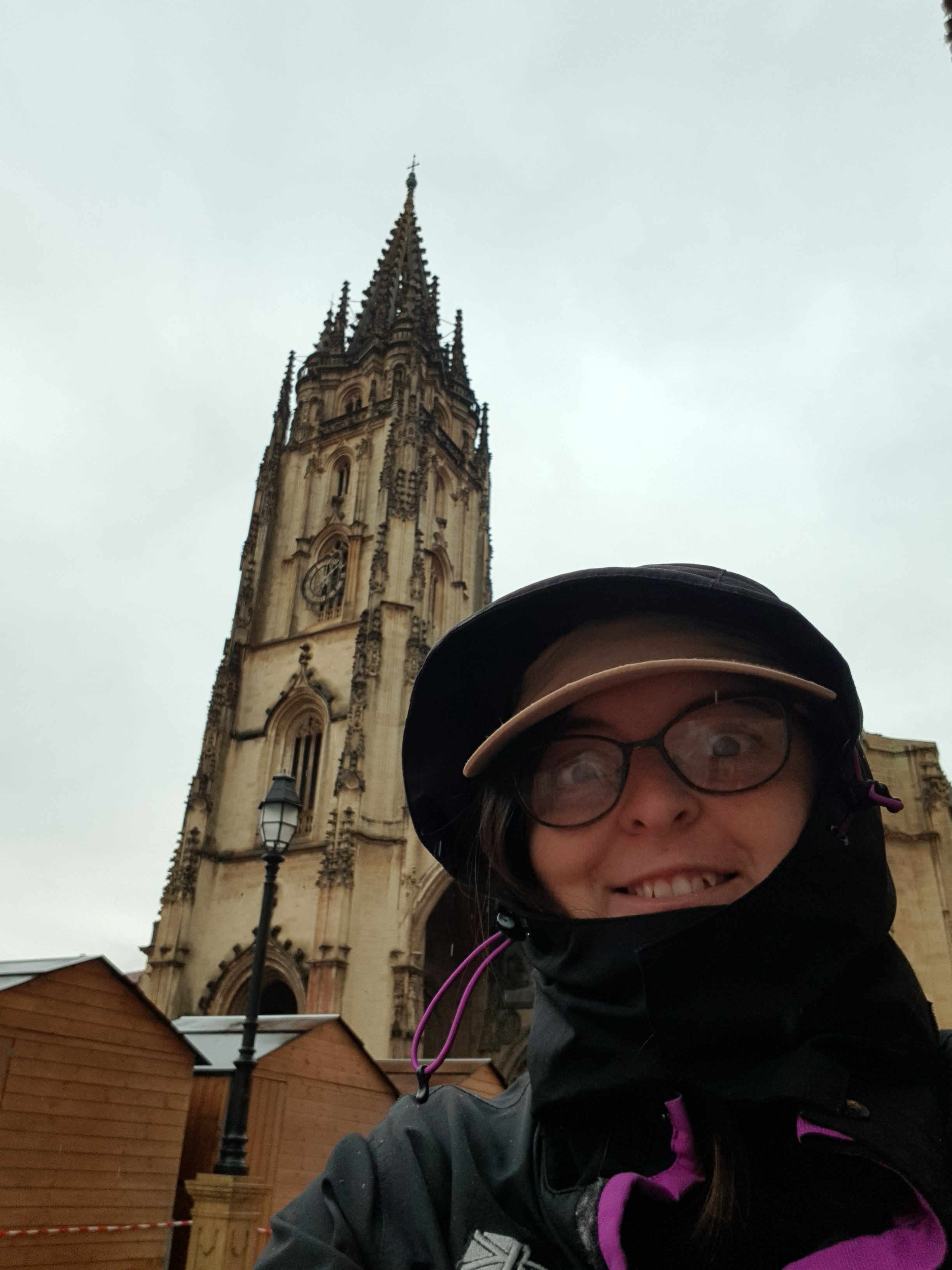
Oviedo’s Cathedral, is also known as the Pilgrim’s Cathedral, as it is a ‘must see’ for all peregrinos. There is a saying related to the connection, which promotes the importance of any pilgrim to visit…
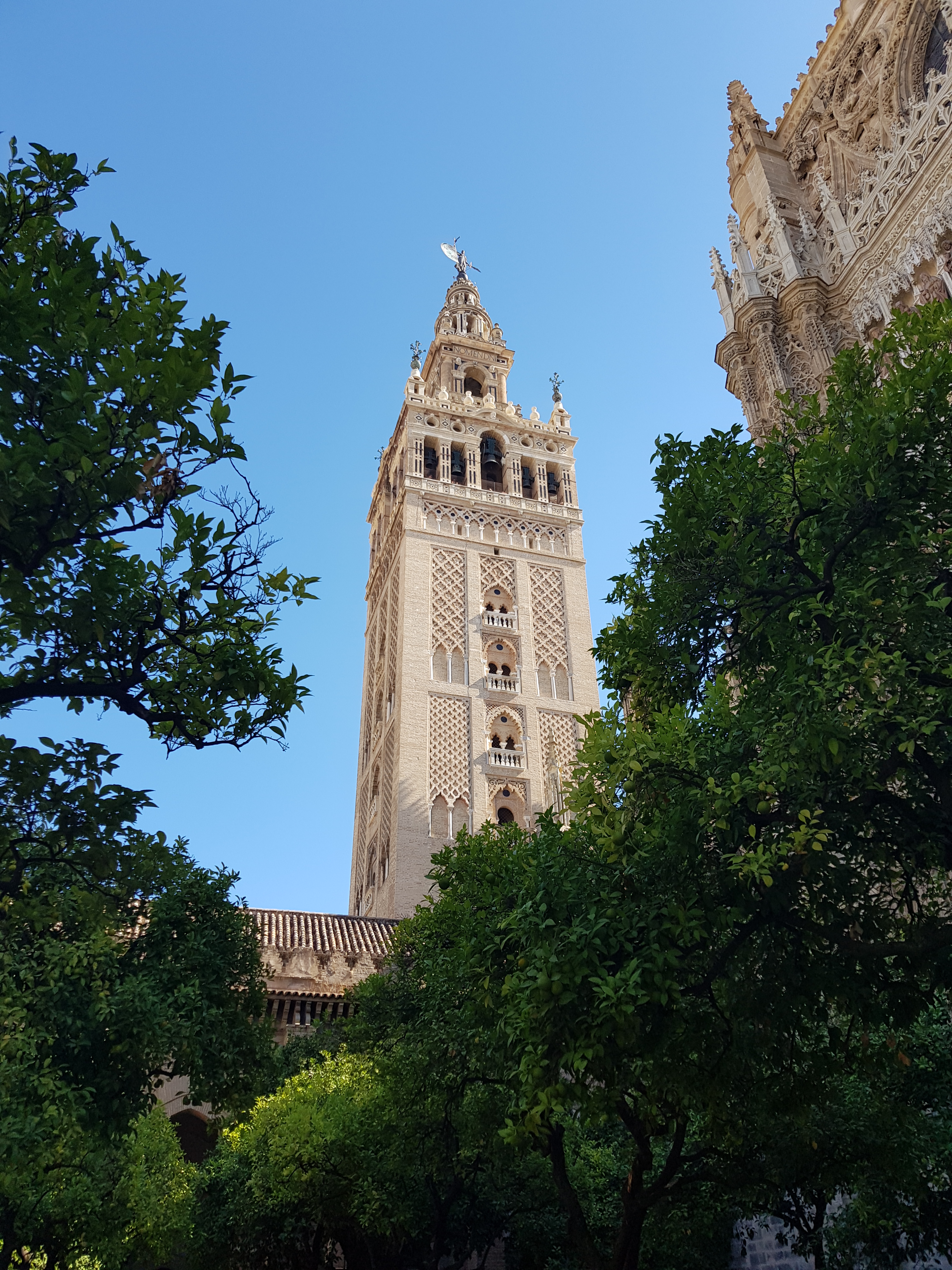
“Whoever comes to Santiago and does not come to San Salvador, the Cathedral of Oviedo, visits the servant, but forgets the Lord.”

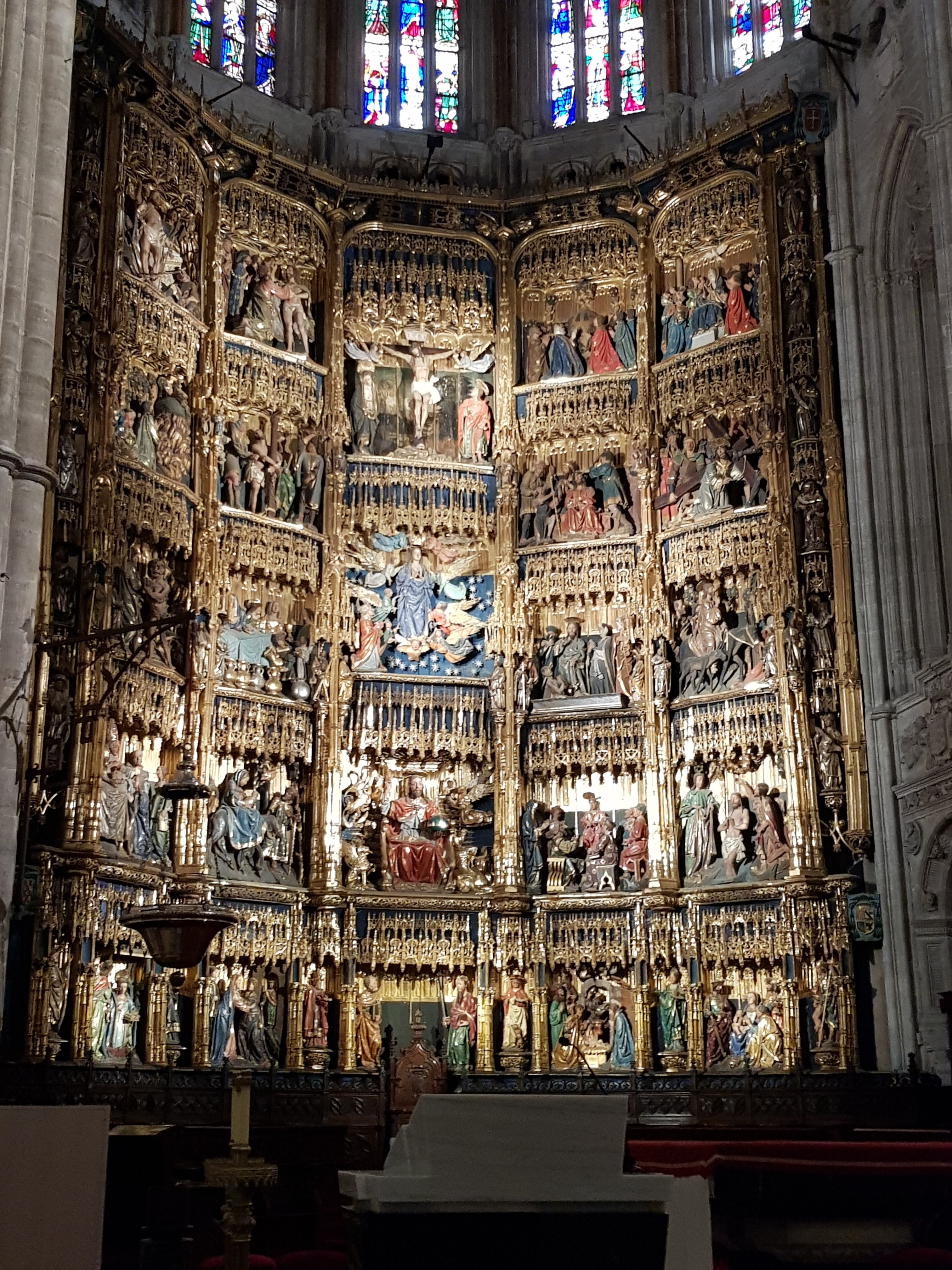
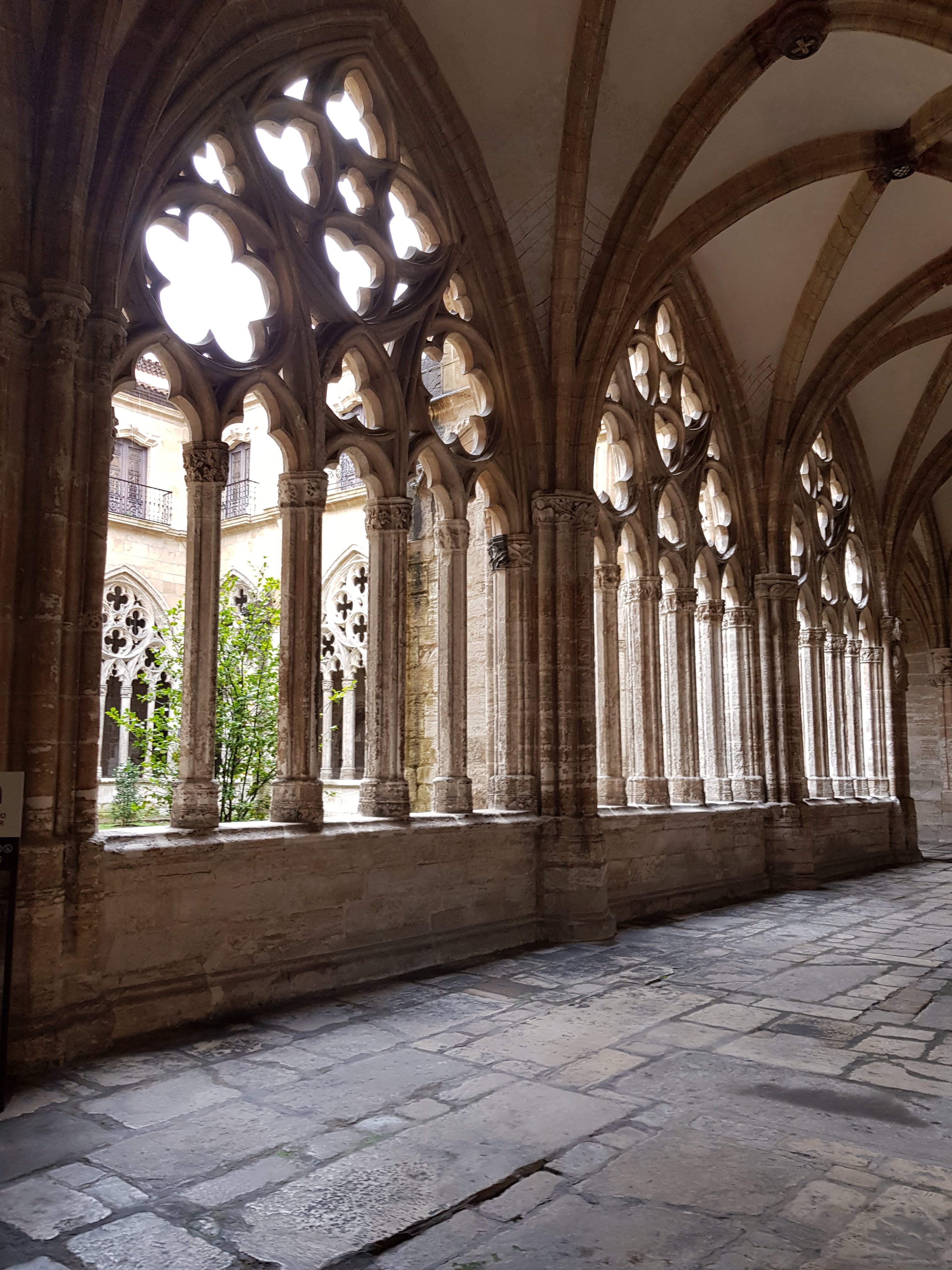
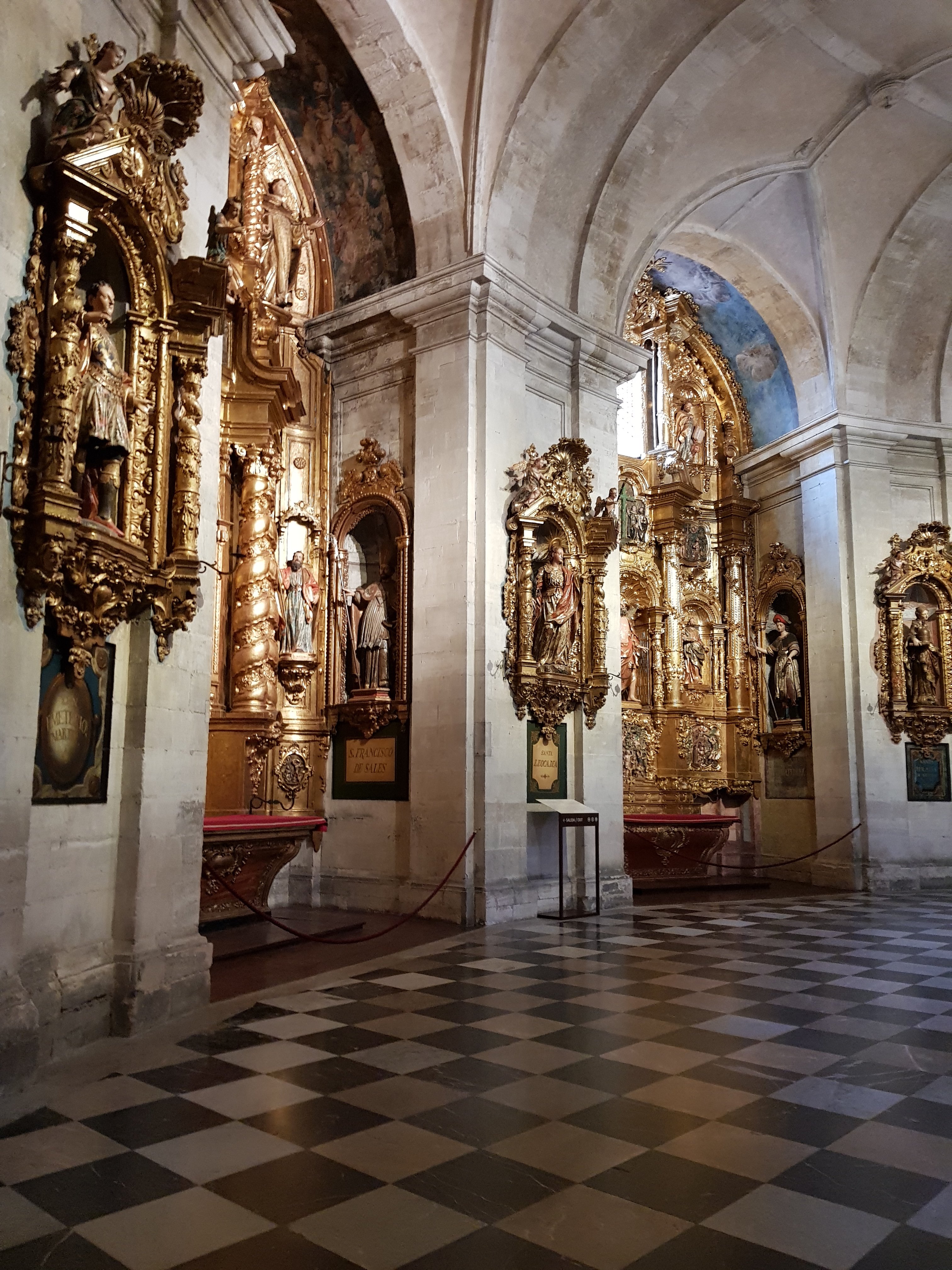
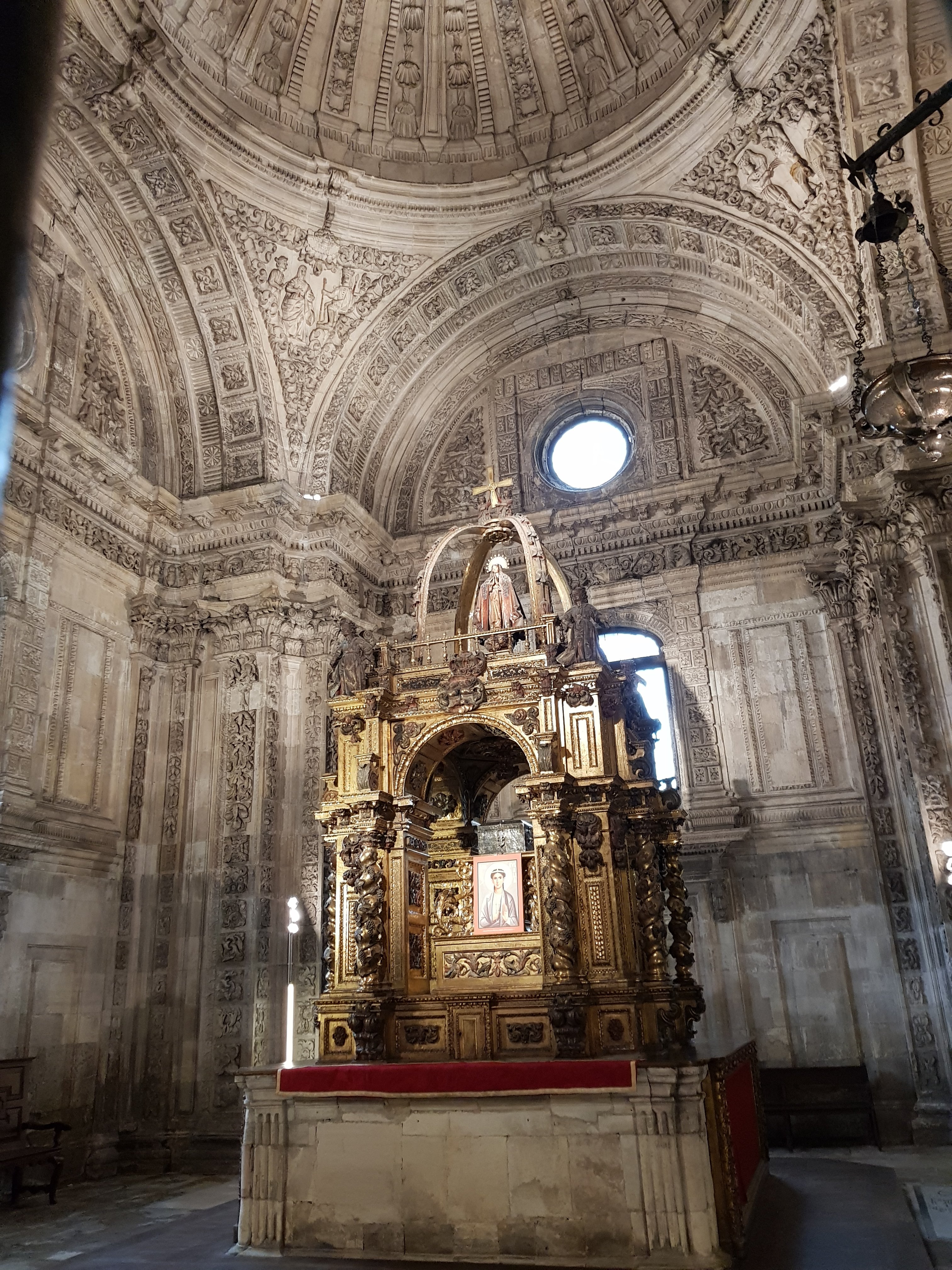
The cathedral is very large, and holds many beautiful chapels. Pilgrims can enter for a discounted price, and an audio guide is given for free, which is definitely worthwhile, as there is so much to explore.

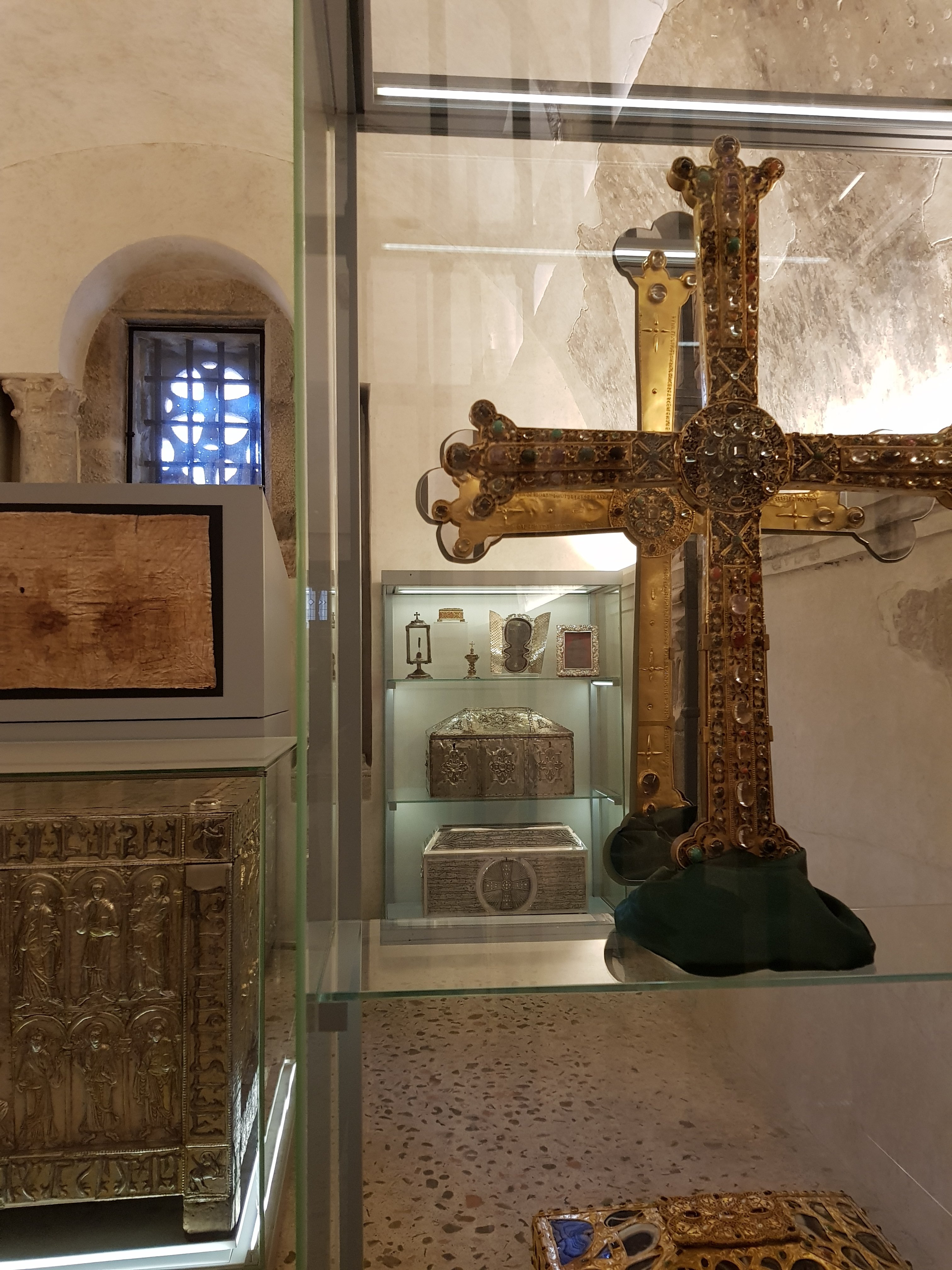
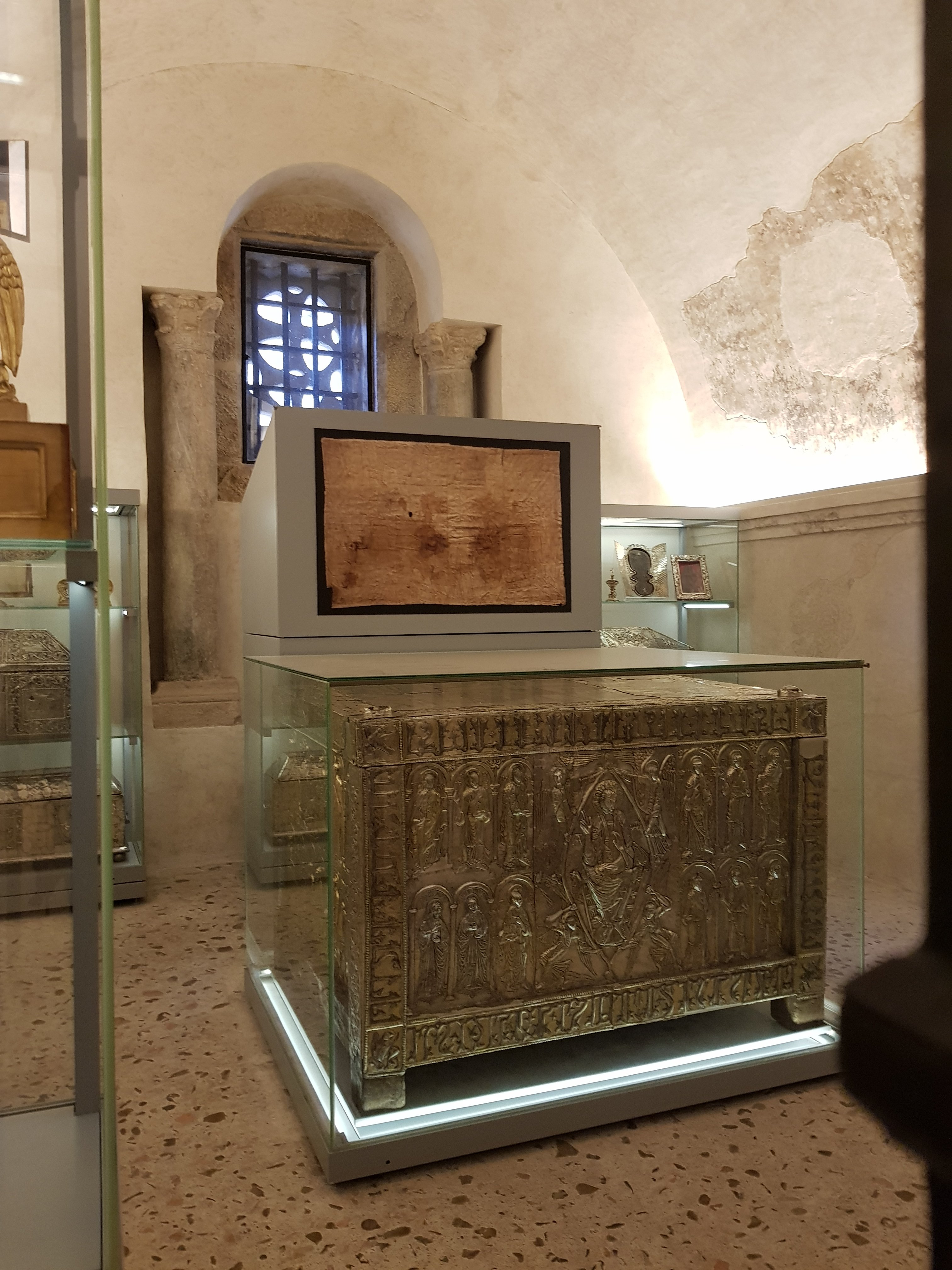
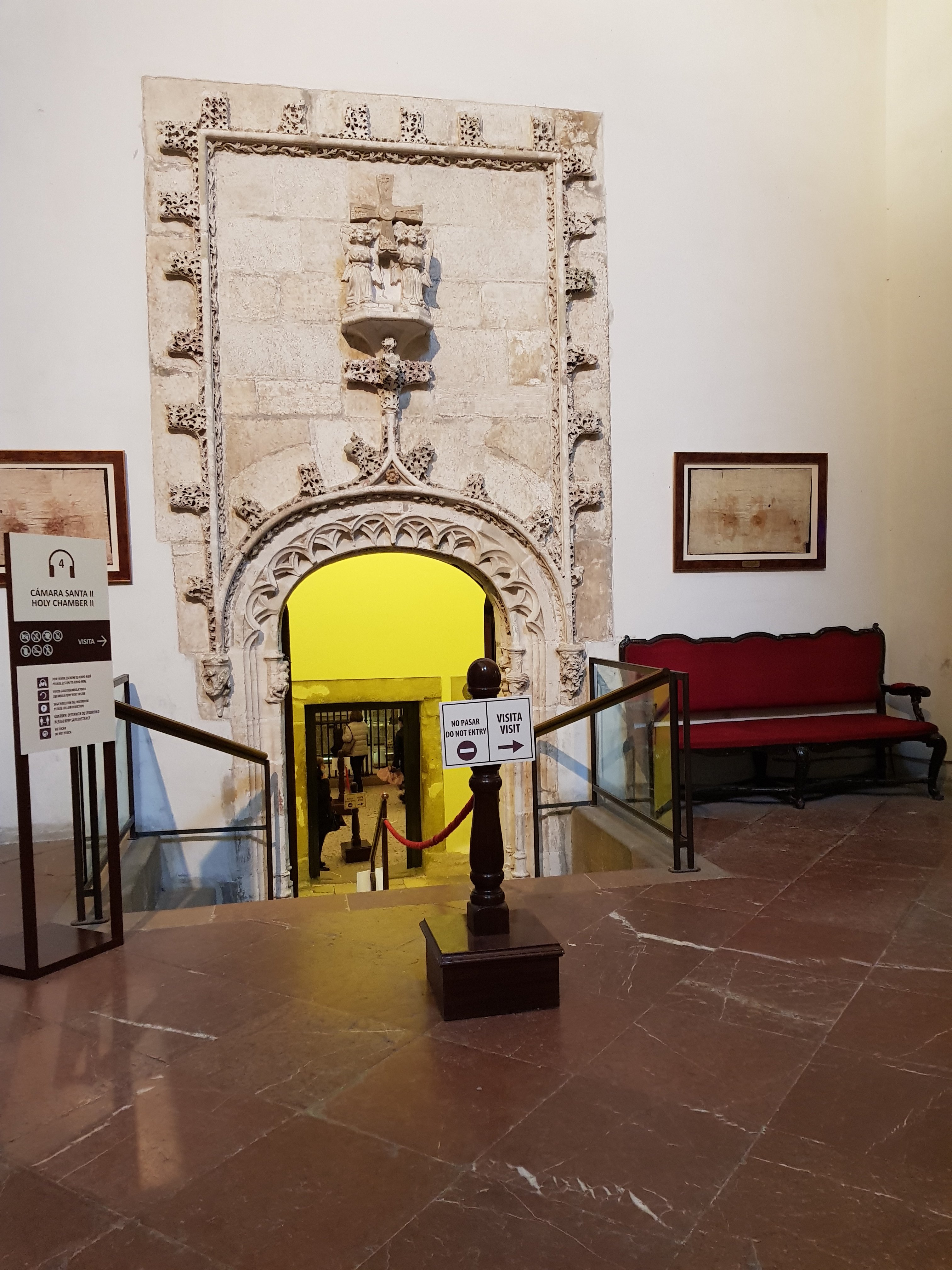
The biggest draw of the cathedral is the holy chamber. This important area of the cathedral is where many relics from Jerusalem and the holy land were placed by King Alfonso II. This includes soil from the home of the Virgin Mary, a cross thought to be made by two angels, a piece of wood from the cross, and the blood stained cloth that was wrapped over Jesus’ head during his burial. This makes the sanctuary very special and a popular place for people all around the world to visit.

I am really glad that I made the trip to Oviedo, and it was only 5 euros on the bus from Gijon, so there would have been no good reason not to!

I would certainly recommend it as a must visit location in Northern Spain, and I hope to return again when I have more time in the area.

Sevilla: Pearl of Andalucia

Following on from a week in Portugal, I decided to travel four hours by bus, to one of Andalucia’s best known cities, Seville (or Sevilla).

The journey to Seville was reasonable by bus, and cost only about €30 from Lagos, Portugal. There was no border restrictions and I didn’t even have to go through a passport check. The only downside was that the bus was very hot! It was 30’c outside and hotter inside the bus. Thankfully, we made plenty of service station stops to get some air and water.. (makes me sound like a car haha).

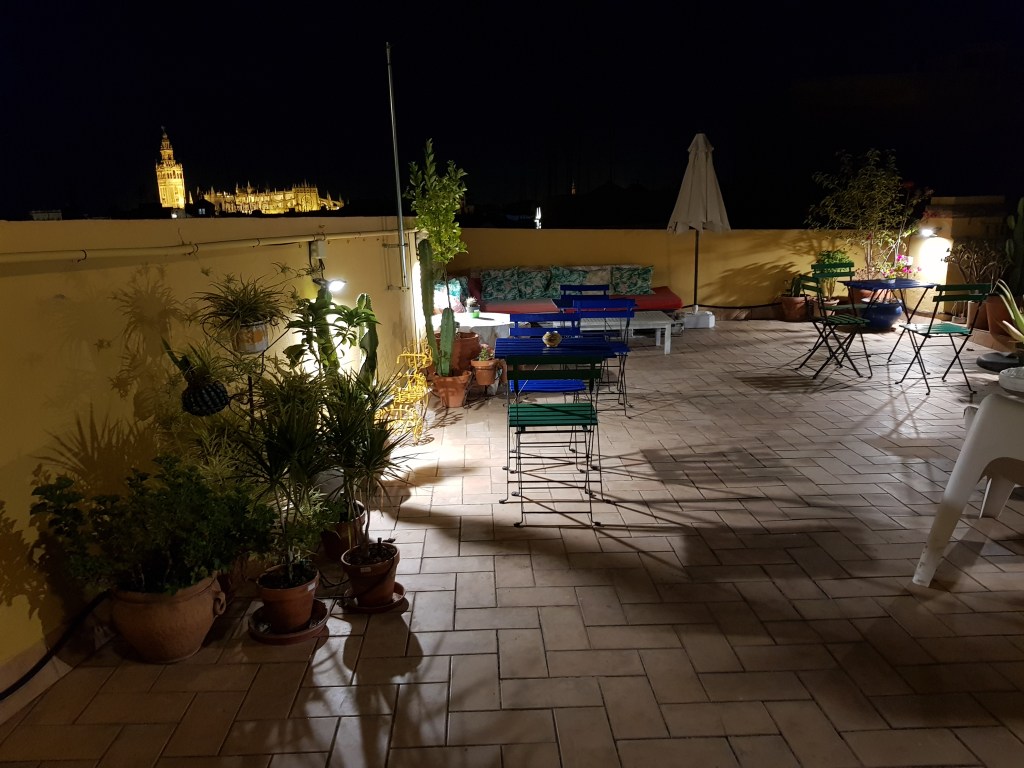
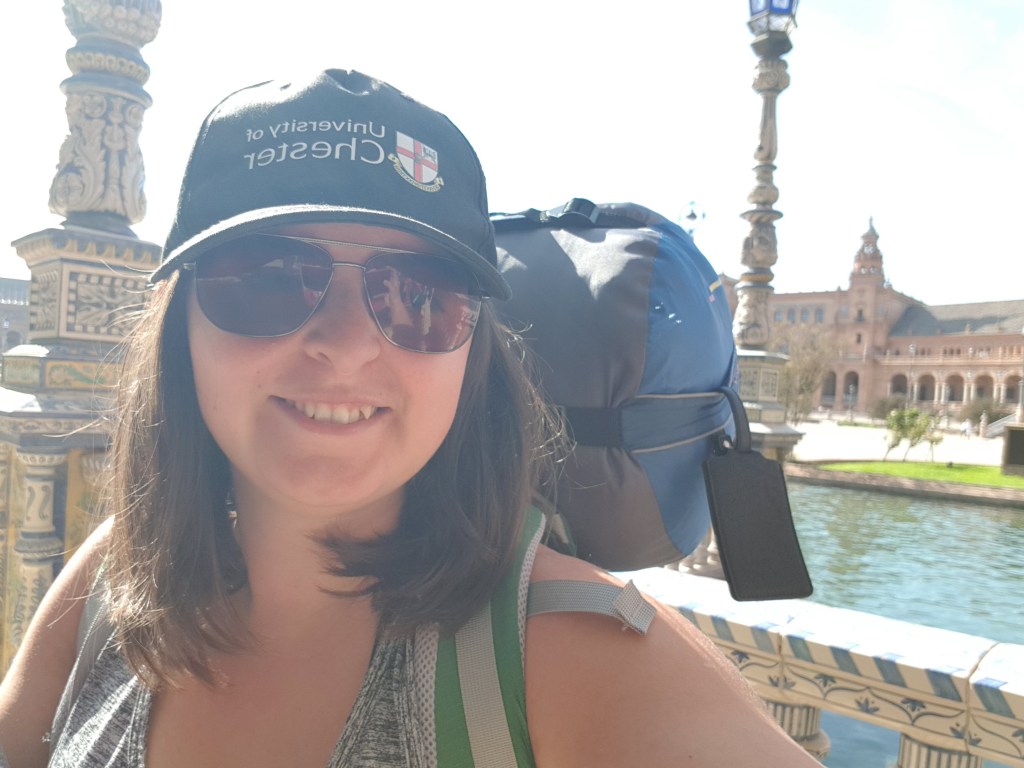
On arriving to Seville, I was able to walk the short route to my hostel. I definitely had lots of strange looks though, carrying a huge backpack and sleeping bag on my bag in 30’c weather. I must have looked mad, in a place where no one even owns a coat, as apparently it hasn’t rained for five years! I stayed at the La Flamenka hostel in the city centre, and this was a lovely place to stay. The staff and volunteers were very friendly and helpful and the environment makes it really sociable. Due to a chilled out kitchen and terrace layout, I was able to strike up conversation and befriend a Brazilian, a Norweigan, an Austrian, and a Barcelonina. Great practice for my language skills! All guests were solo travellers too, so we all had that in common.

La Flamenka hostel terrace at night

Alcazar

On my first day, I had prebooked a visit to Seville’s Alcazar through Viator, which also included a guided walk of Santa Cruz neighbourhood, and a visit to the Cathedral & Giralda.

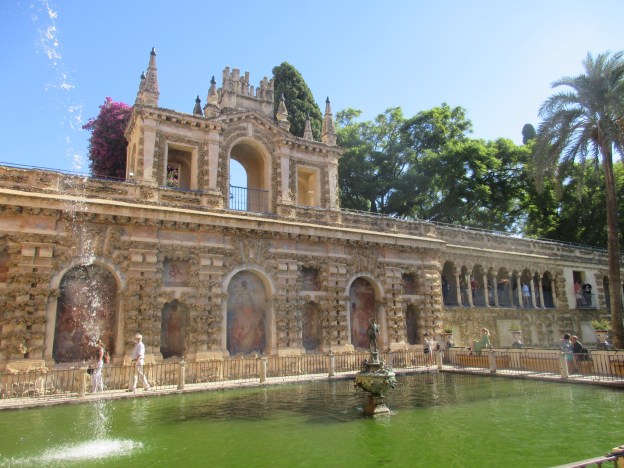
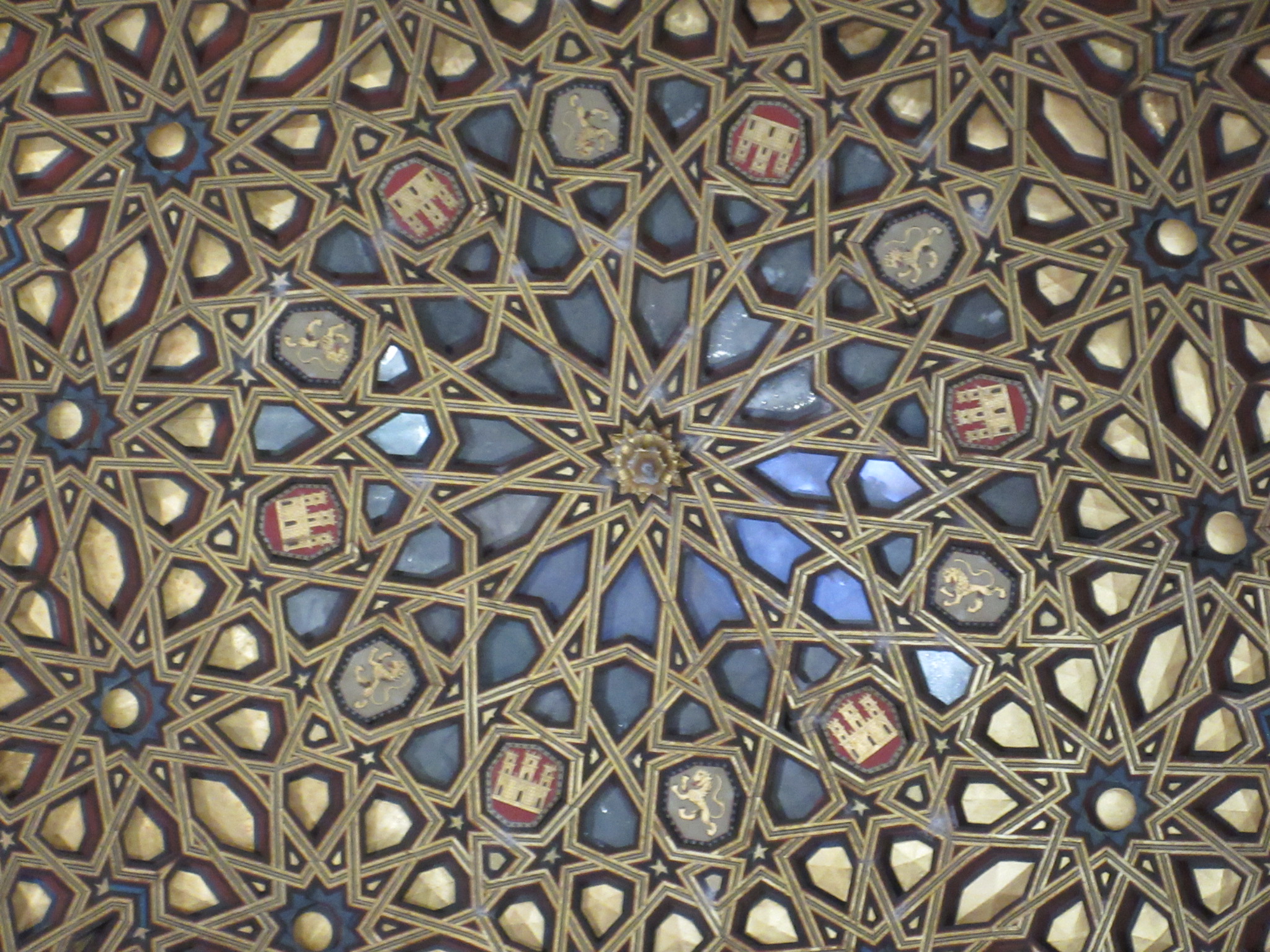
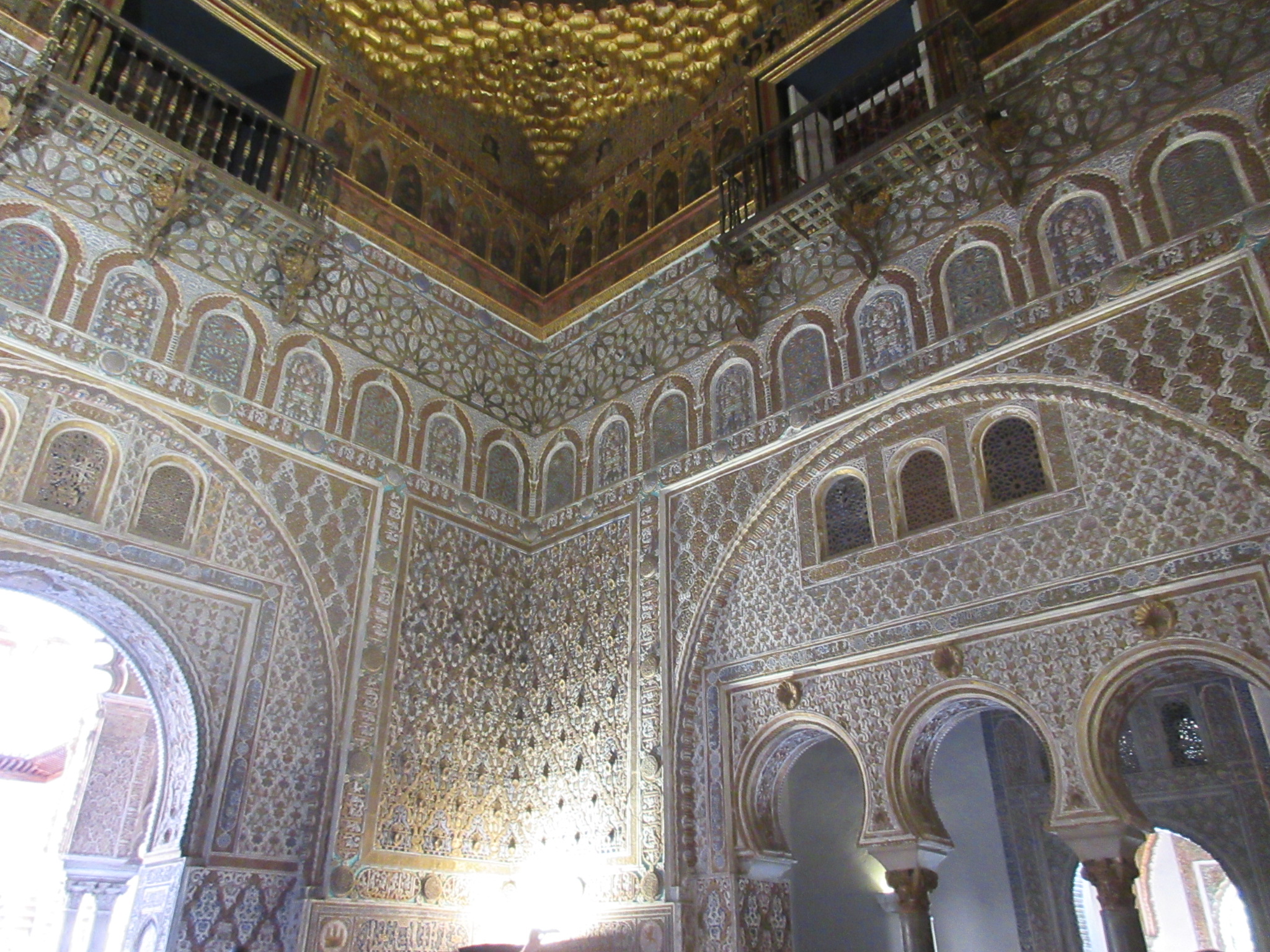
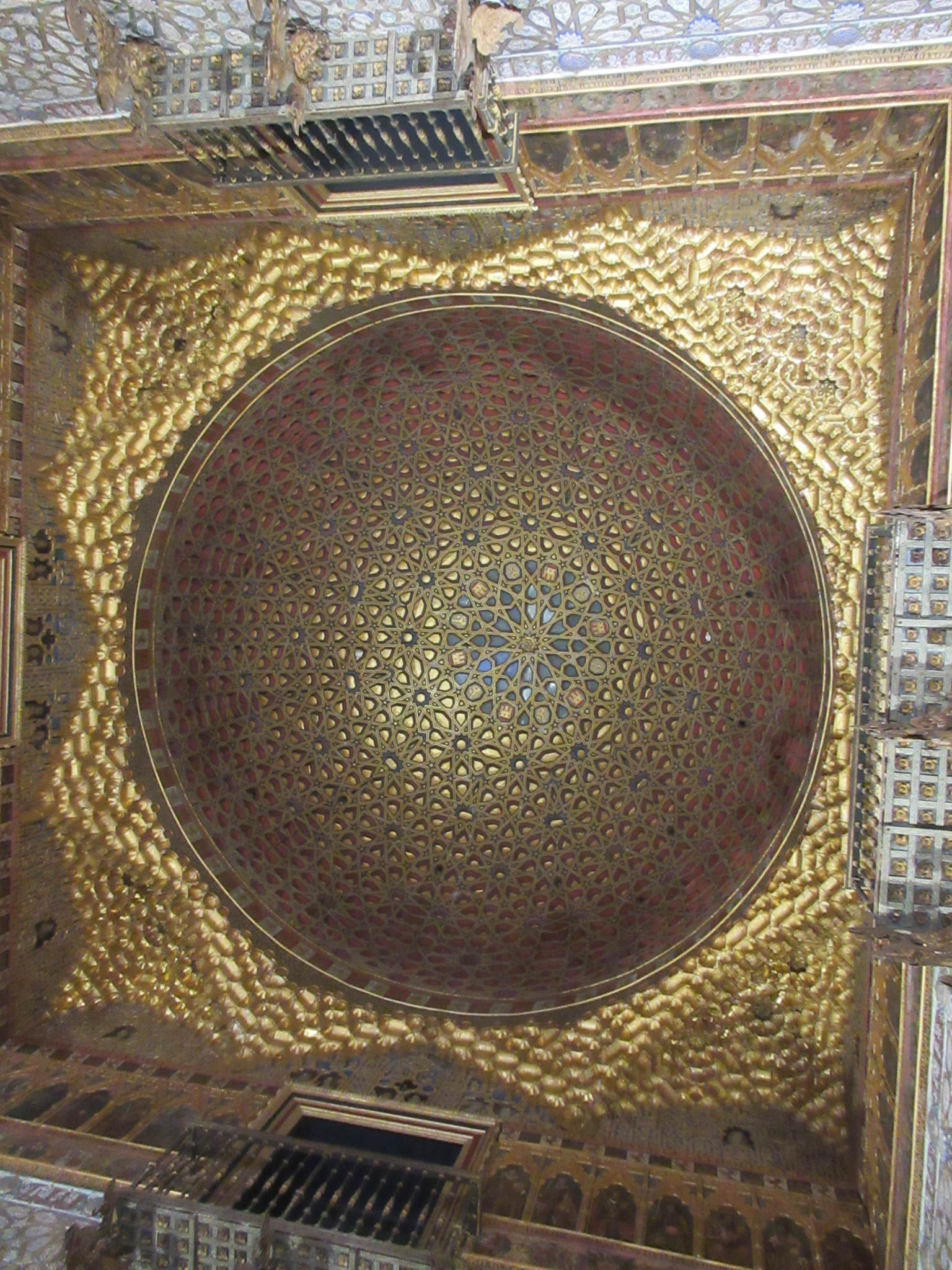
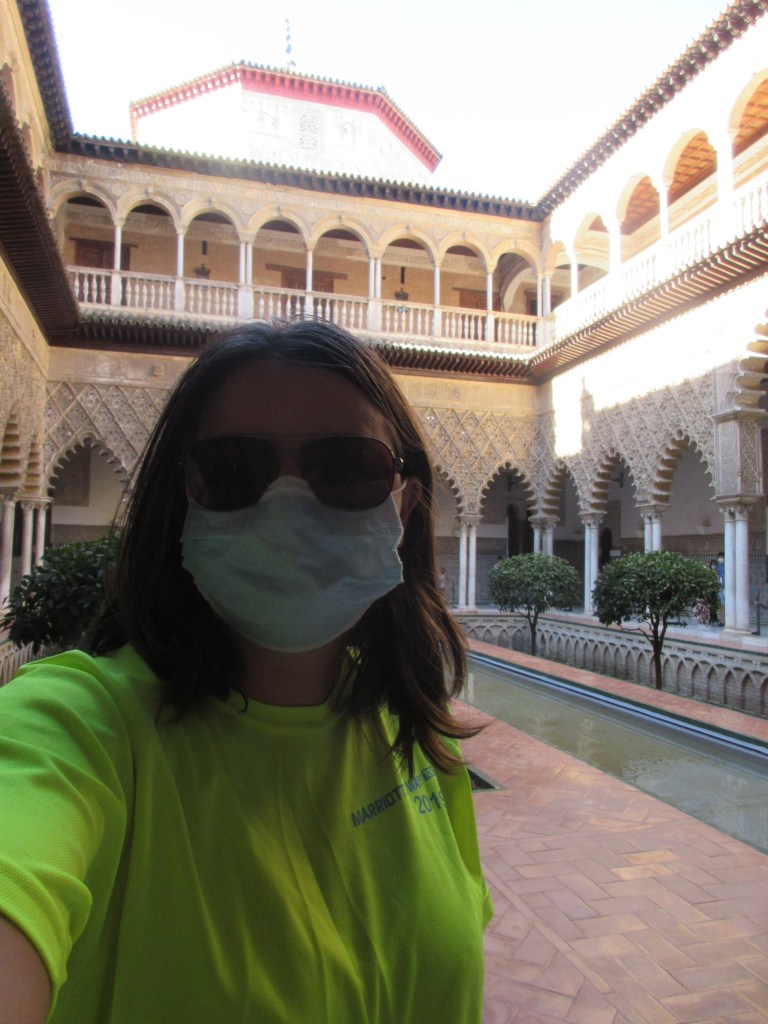
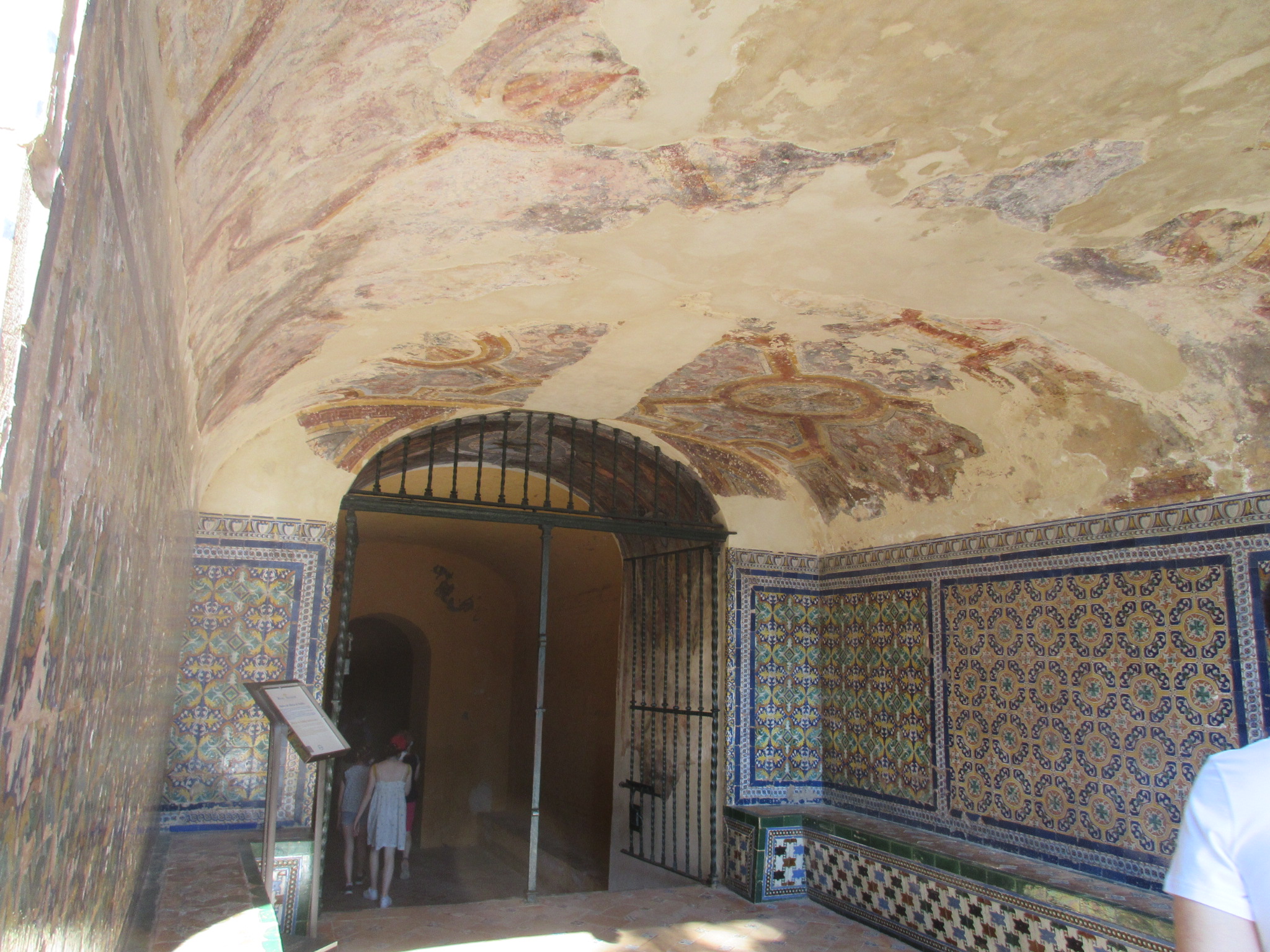
I have visited Granada’s Alhambra on a previous trip, so I knew somewhat of what to expect in this Alcazar visit. The Alcazar in Seville is still beautiful though, and has its own charm. It seemed to have a lot more gold in the decoration and many more tiles and christian influence too.

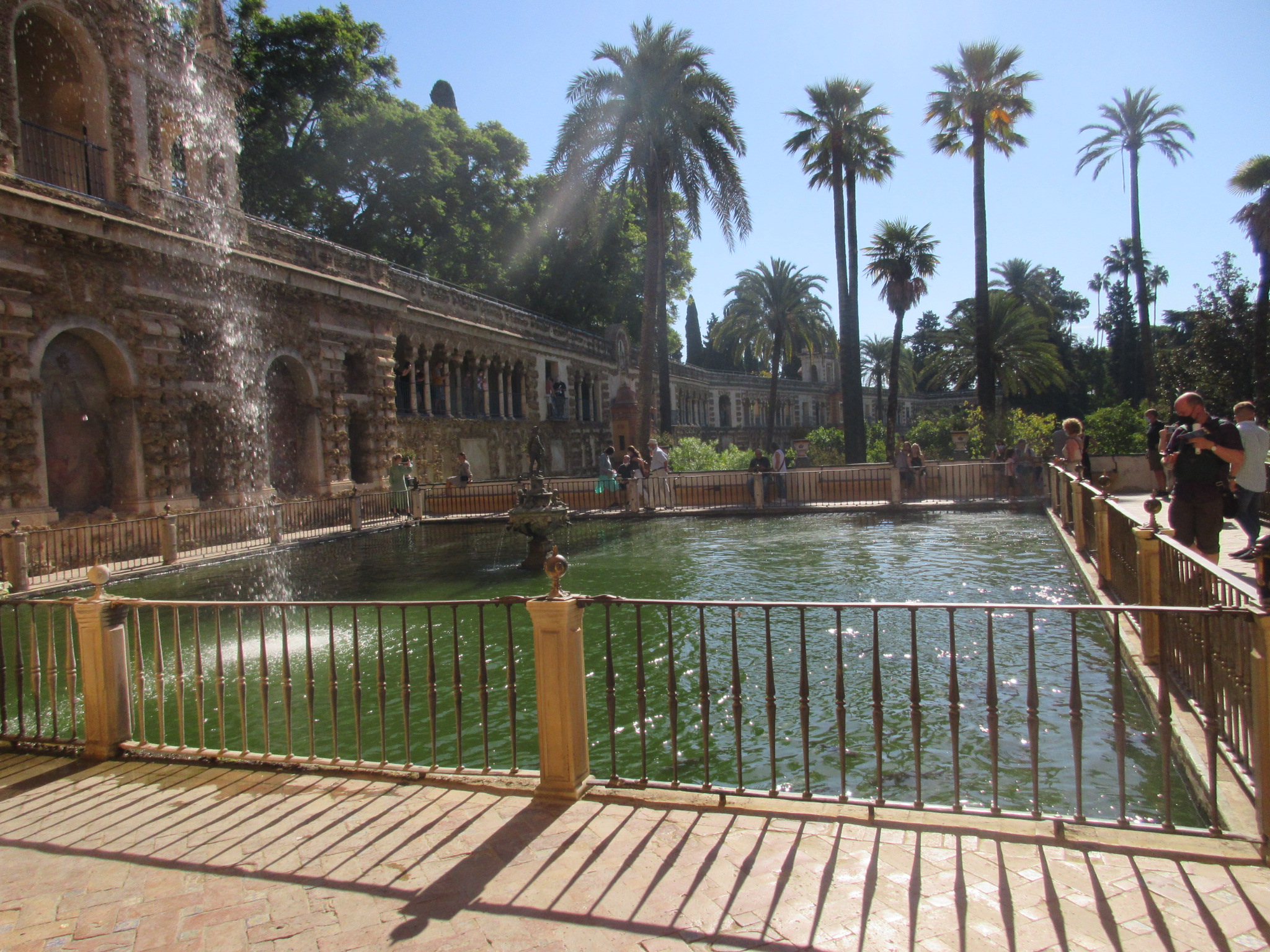
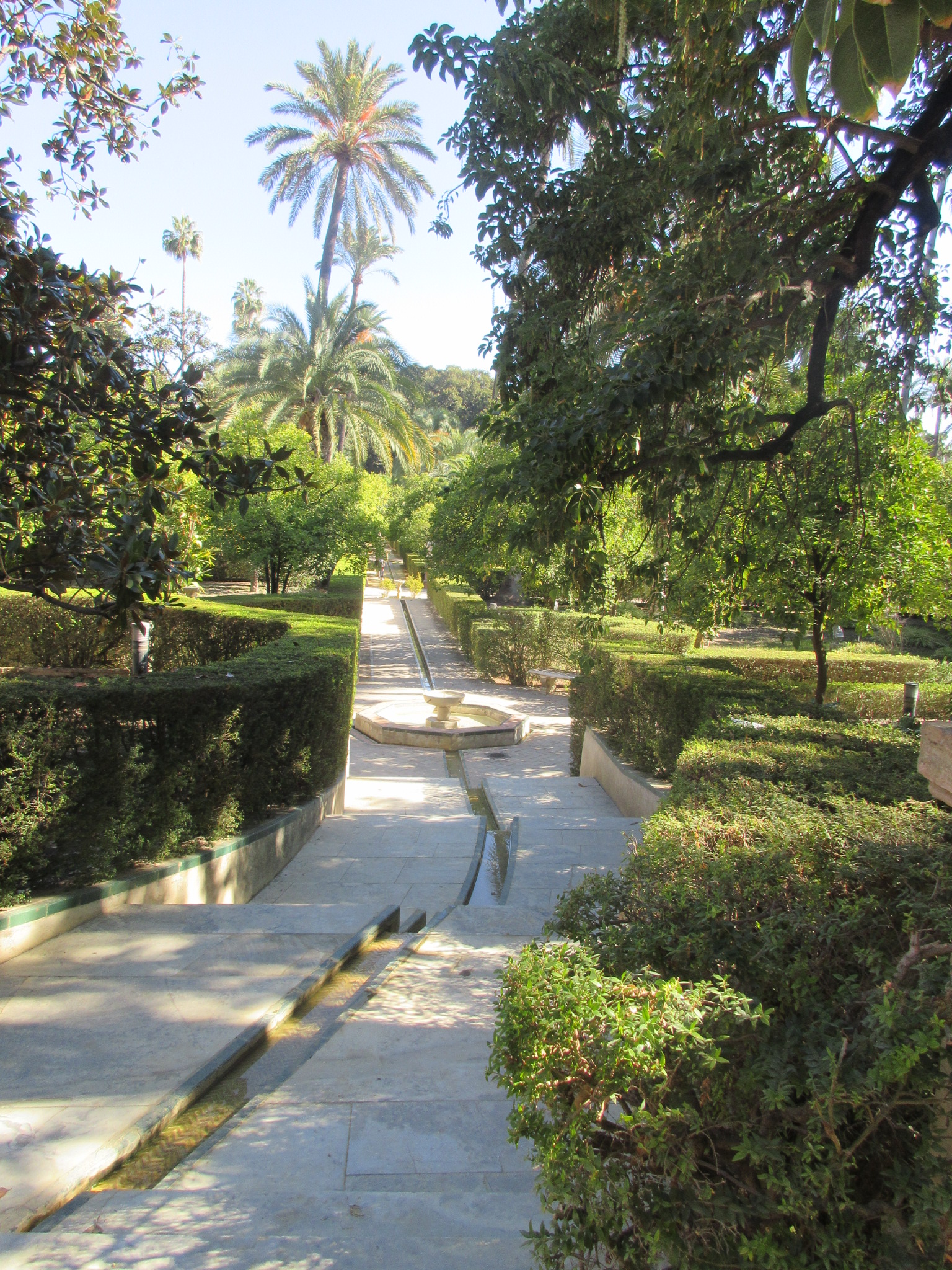
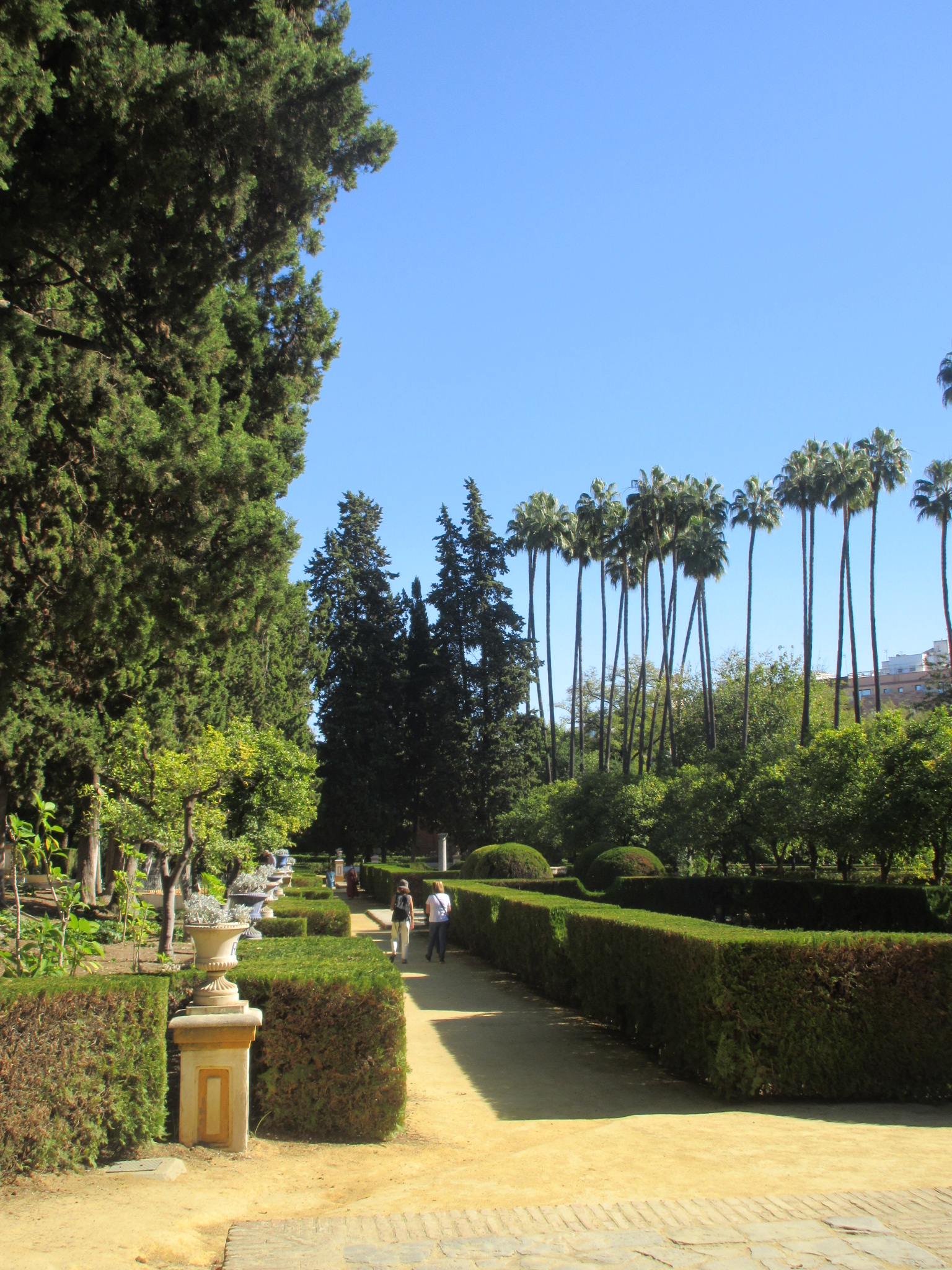
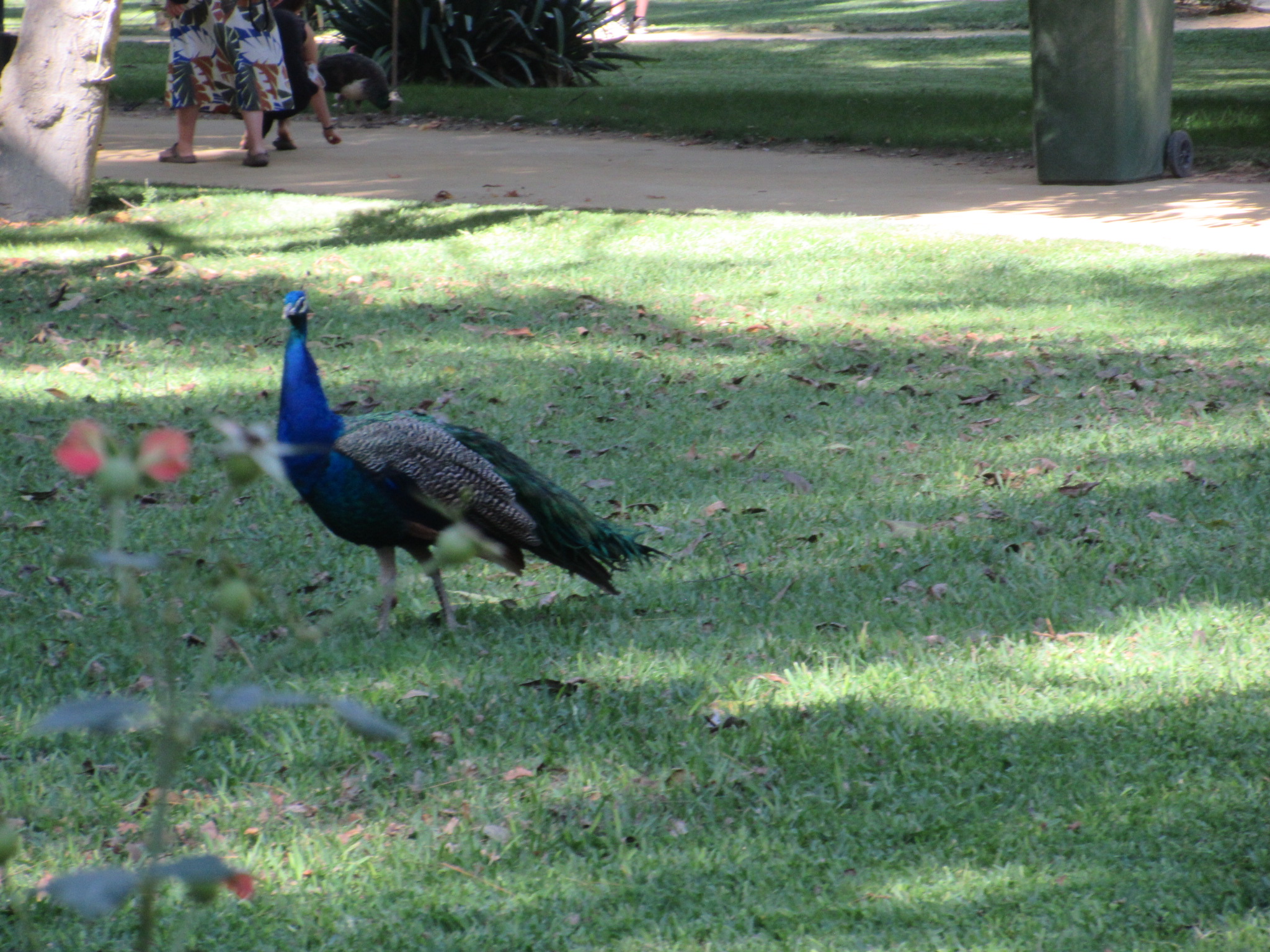
The site also had several lovely gardens which set themselves apart as unique, due to different sections being created based on different styles from around the world. There is a french garden, italian, and even english! The english garden is home to many wondering peacocks, I was wondering if I had missed something in this, are peacocks English…? 🤔

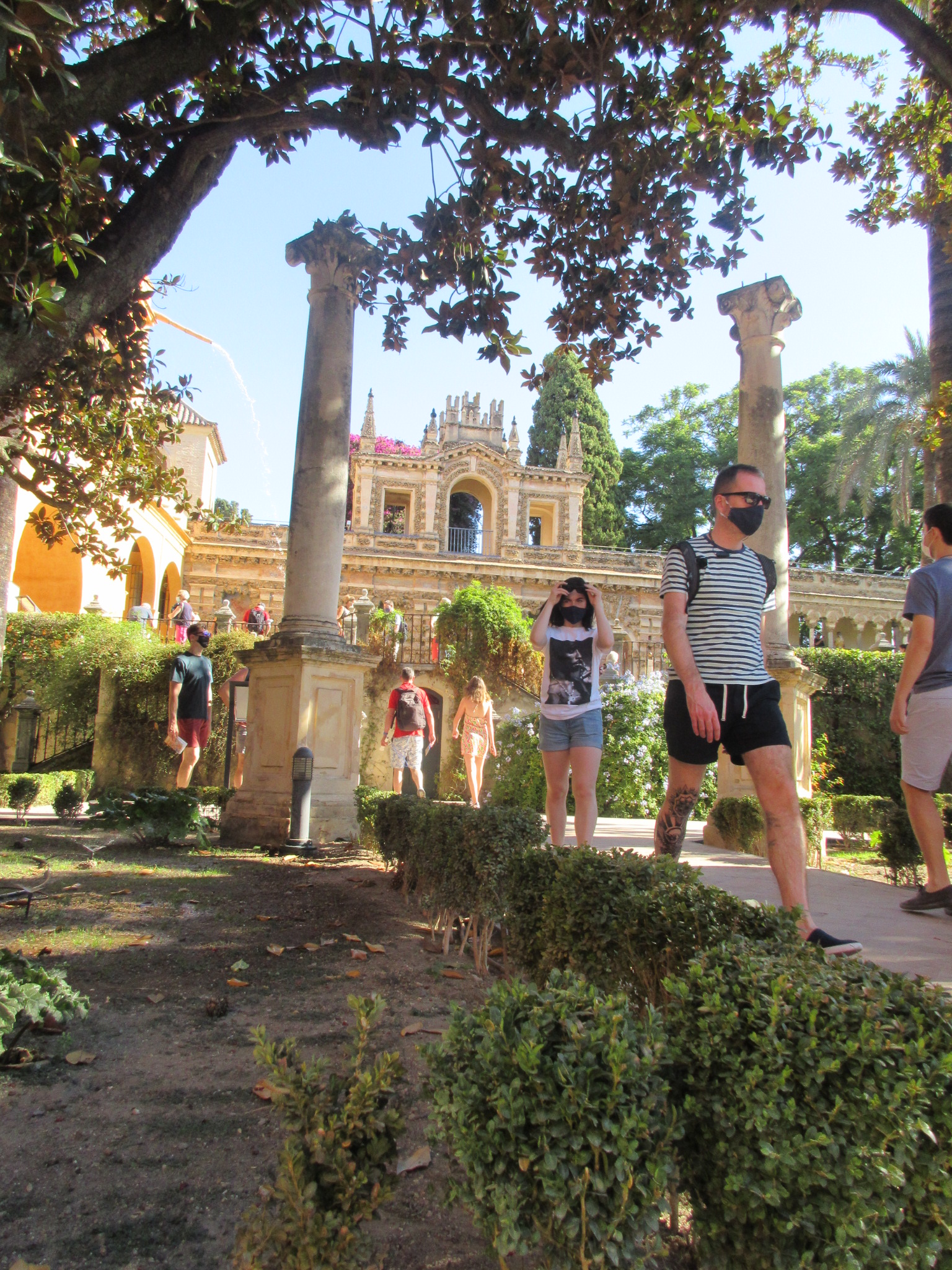
I also ticked off another Game Of Thrones filming location from my list! The site was used as one of the locations for imaginary kingdom of ‘Dorne’. ✅✅✅

GoT location in Seville’s Alcazar

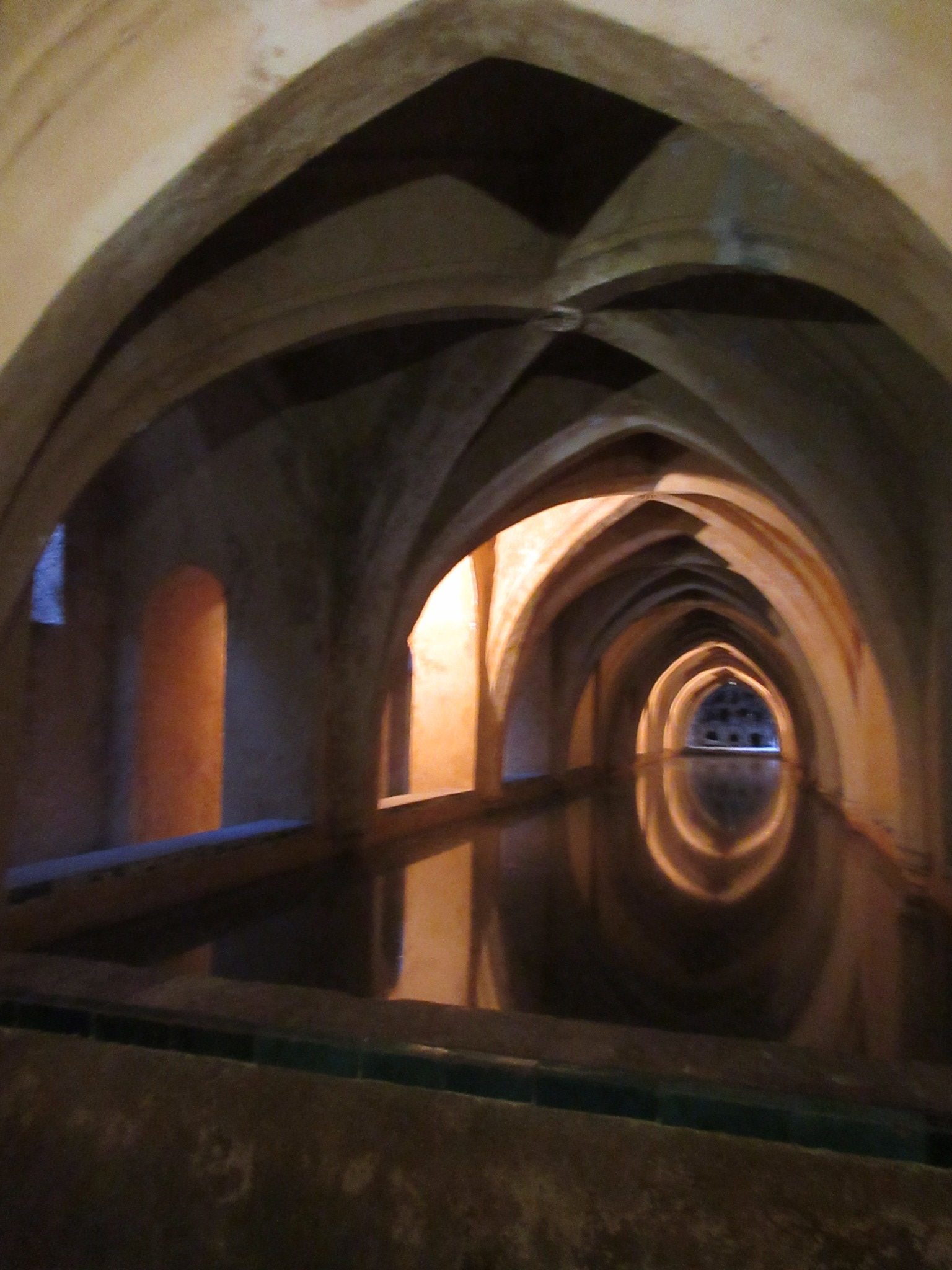
There is also a hidden away area in the garden which is quite cool. That is the mistress’ bath underground. Apparently, the Peter ‘the cruel’ built this bath for the the lady he was wooing, so she would have somewhere refreshing to relax. Considering the heat here, that seems like an act of true love to me! The bath is accessed through a tunnel and is a very pretty space.

Seville Cathedral

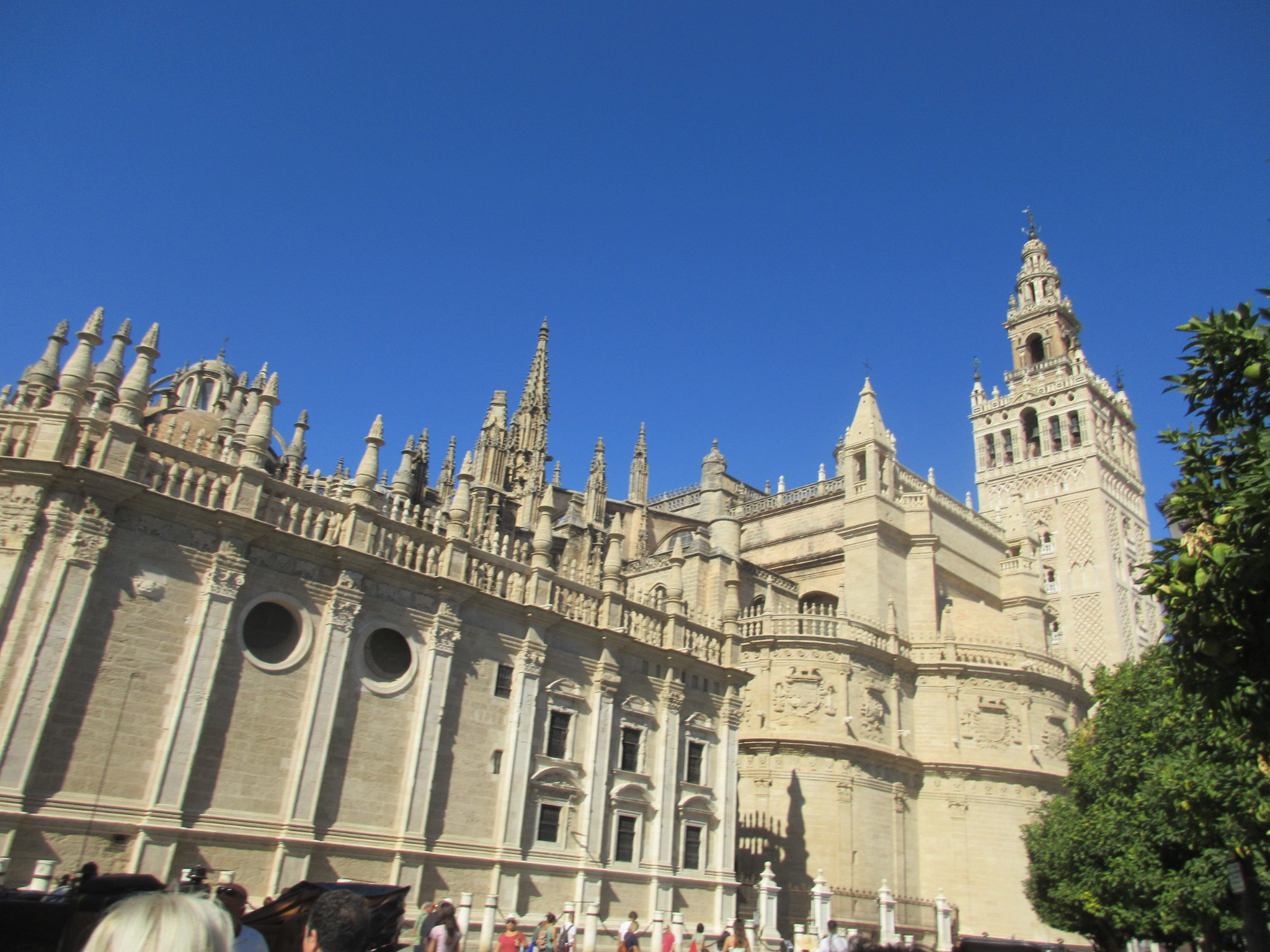
Connected to the Alcazar, is Seville’s Cathedral. The Cathedral is built on the site of the former mosque. The mosque was gradually destroyed after the Christian conquest of 1248, except for the minaret or Giralda that remains today. The cathedral is very grand inside as you would expect from any catholic cathedral, but it does have some additional advantages.

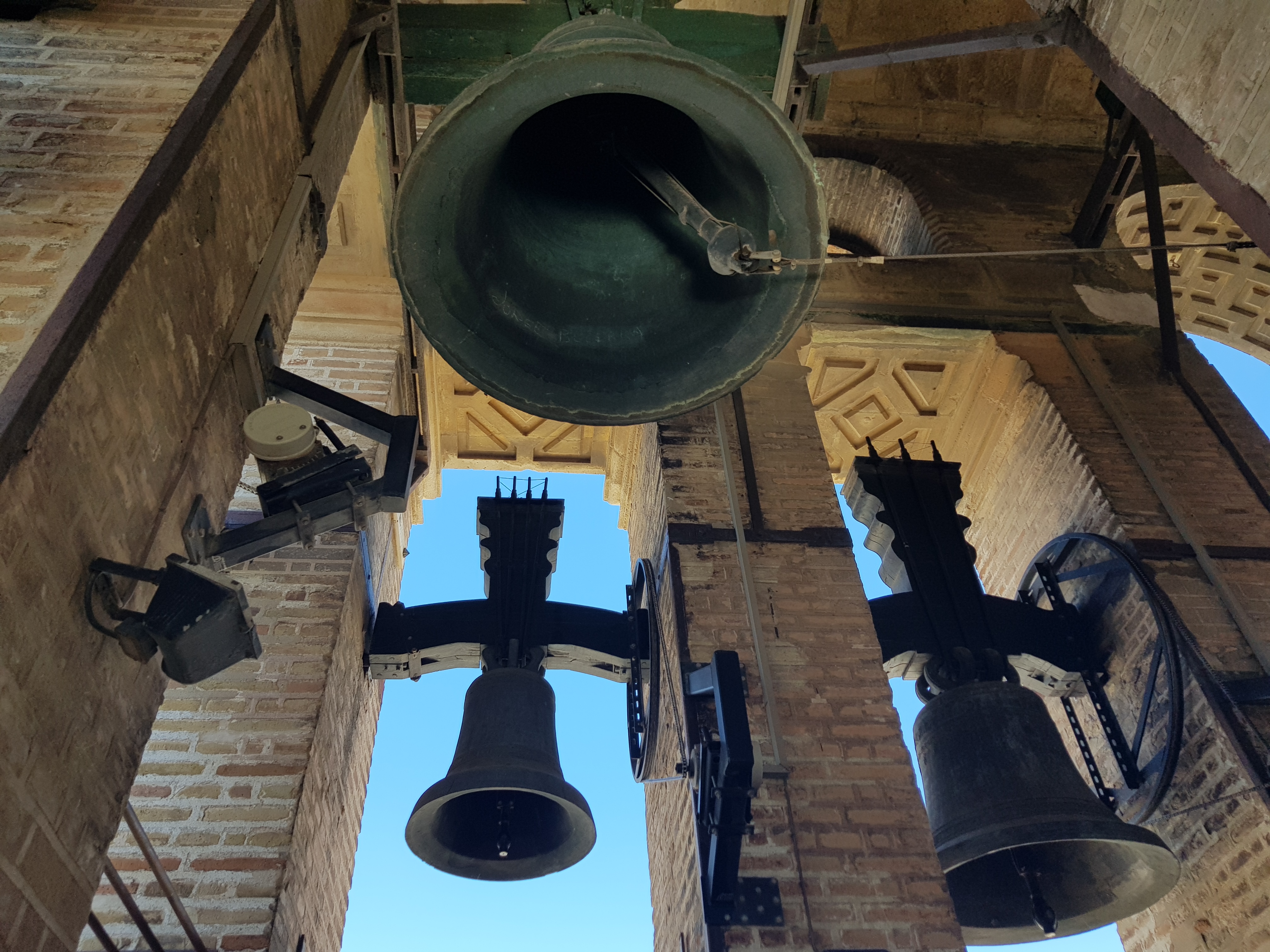
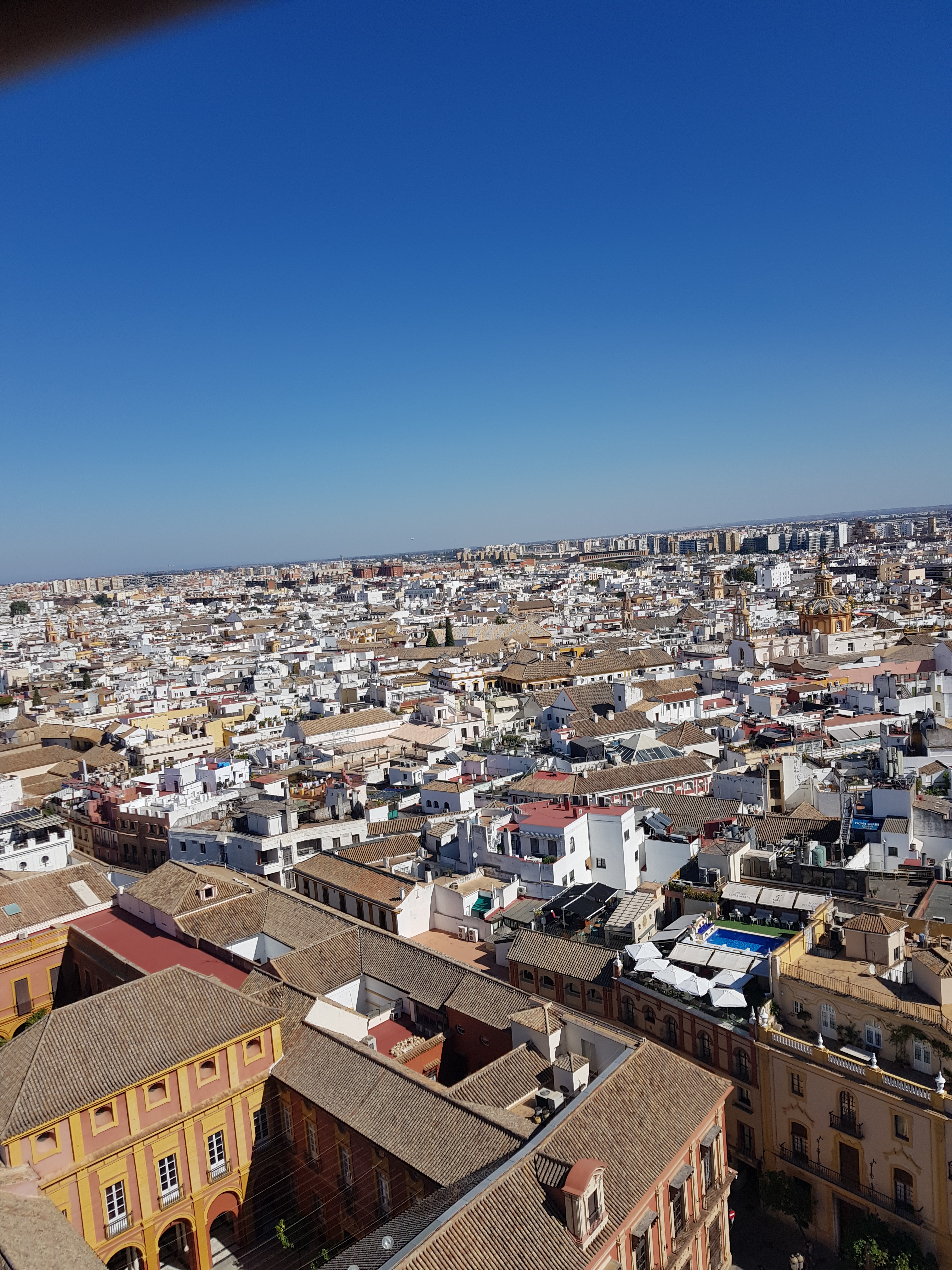
There is the Giralda, which actually means ‘weather vane’, (I had to question the guide about this as I knew tower is ‘torre’.) You can climb this to the belfry area and get a good view of the city. Wierdly, it has 35 ramps rather than staircases, so there really is no excuse!

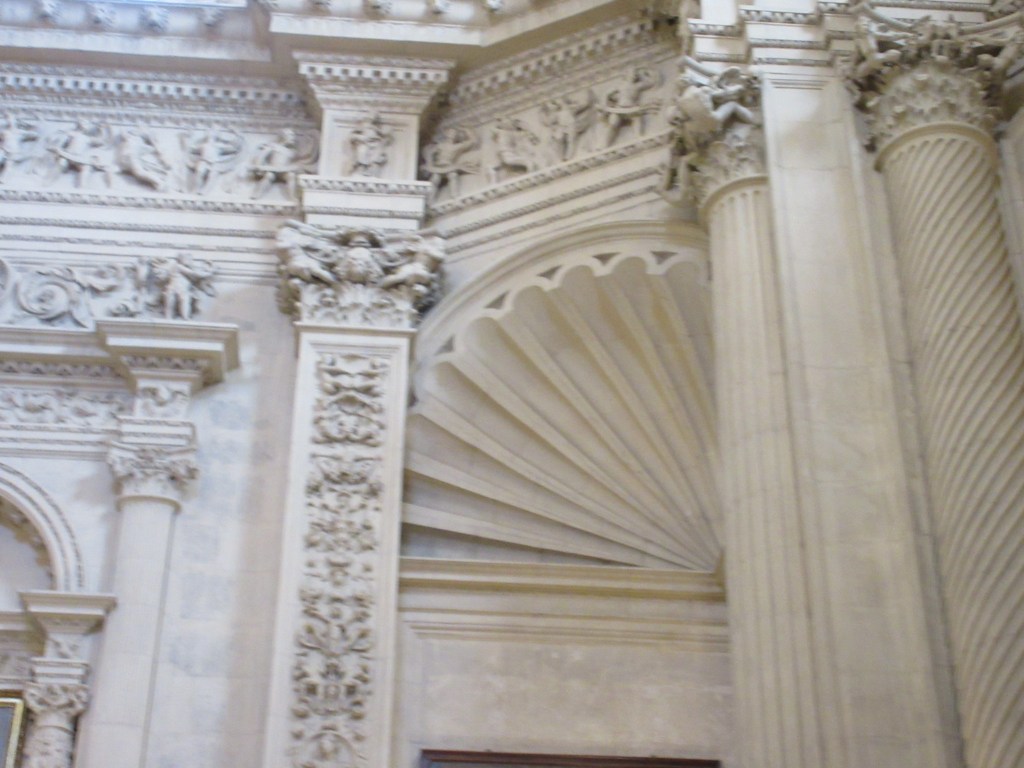
The cathedral also makes links to lots of important figures. I was very excited about the abundance of seashells used as shapes in the decor to symbolise Saint James (Patron Saint of Spain) and the symbol of my upcoming pilgrimage.

Sign of St James

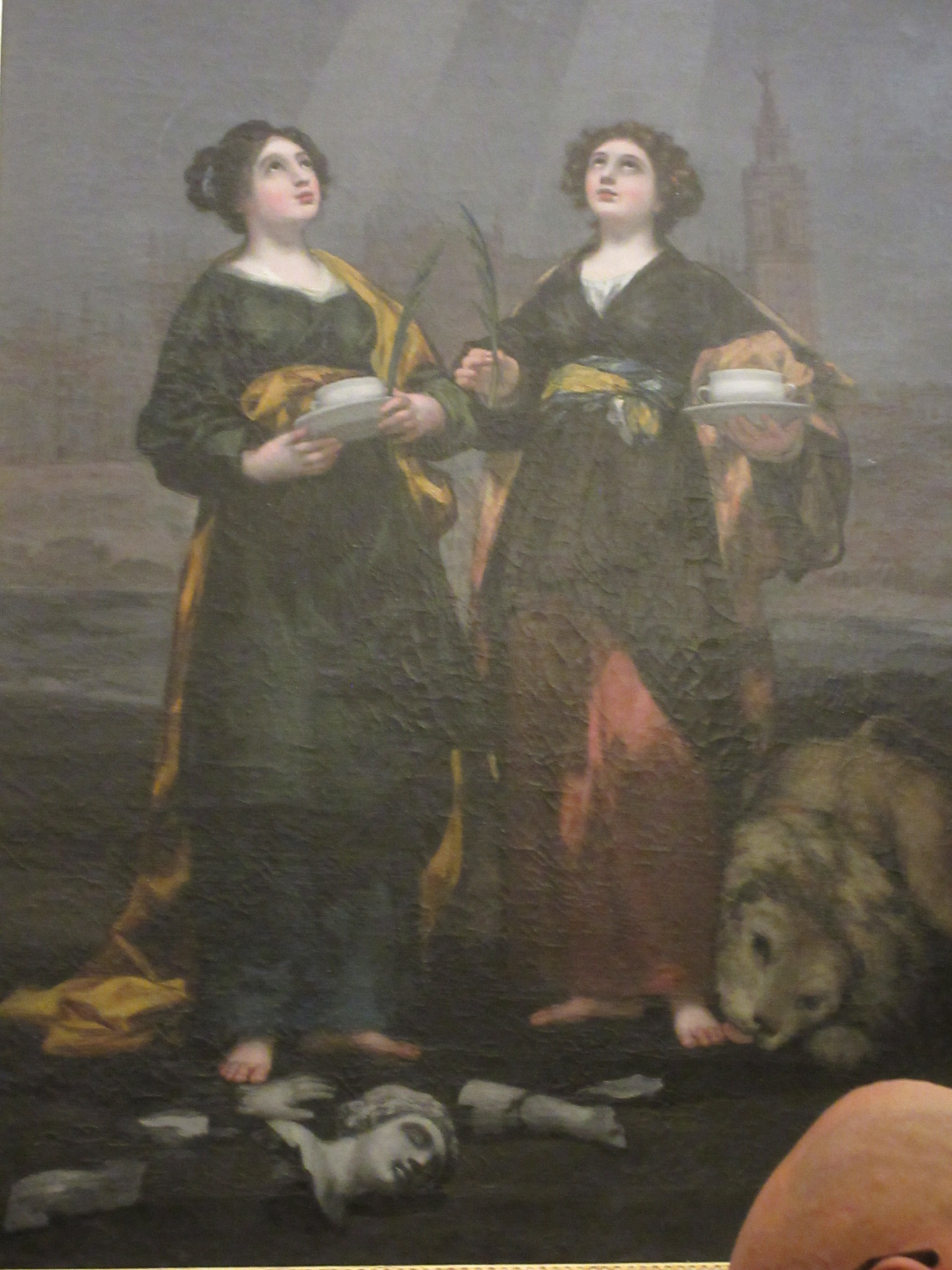
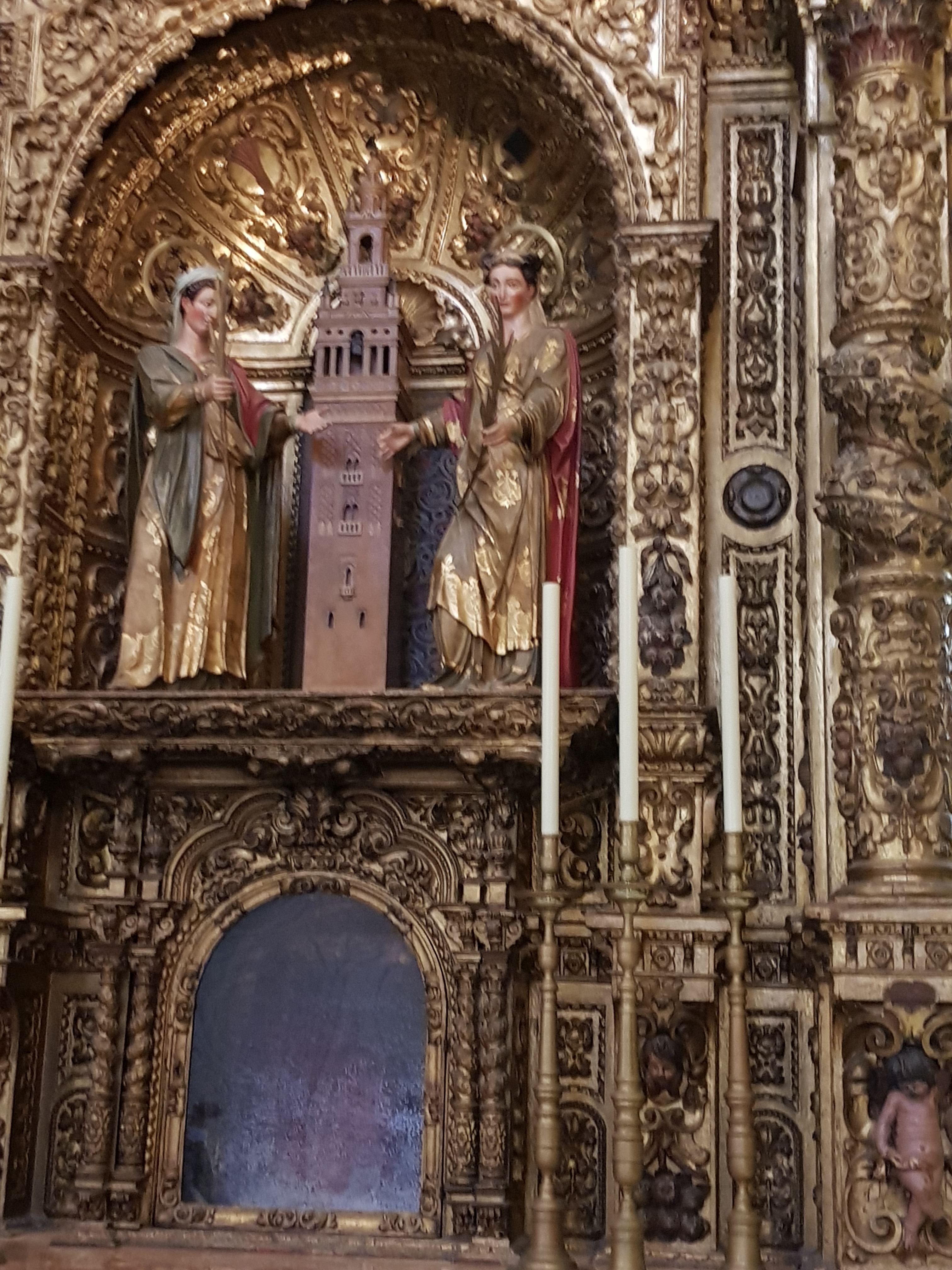
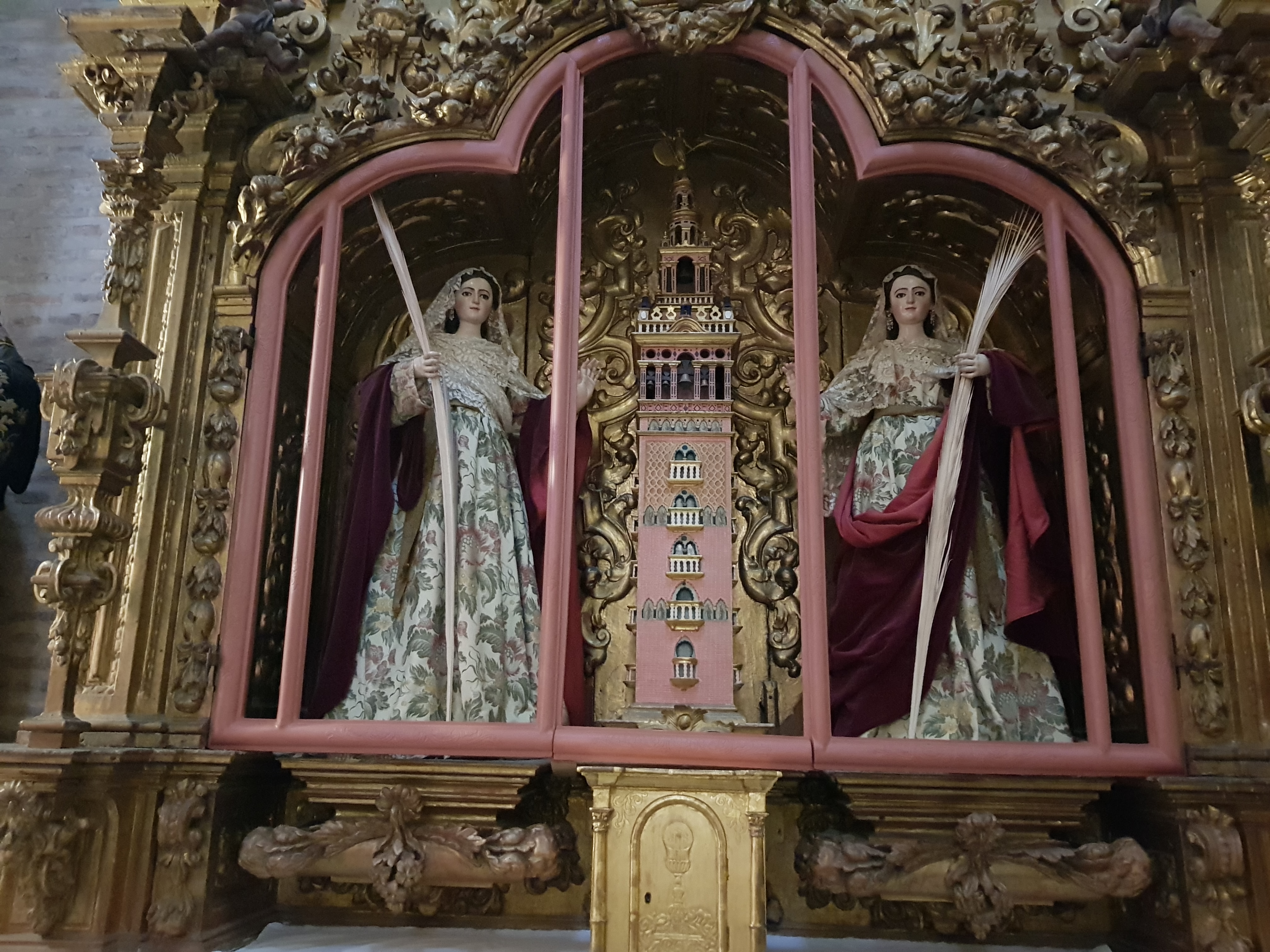
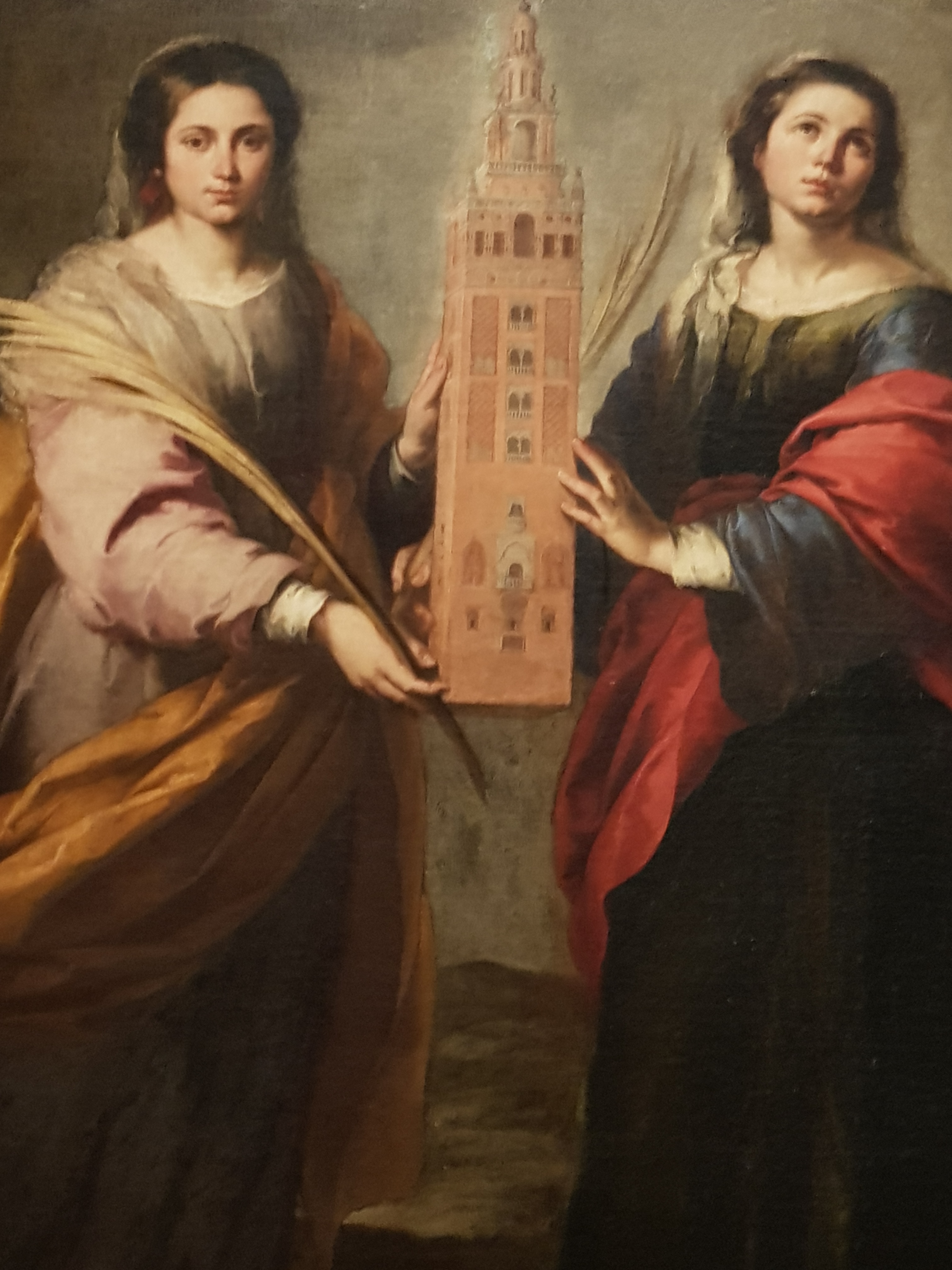
They also pay tribute to Justa & Rufina, in the cathedral and all over the city. These were two sisters who lived as potmakers across the river, in 3rd century. They became martyrs when they refused to take part in a pagan festival due to their faith and broke a statue of Venus. For this, the authorities, imprisoned, tortured, starved and killed them. They are remembered all over the place!

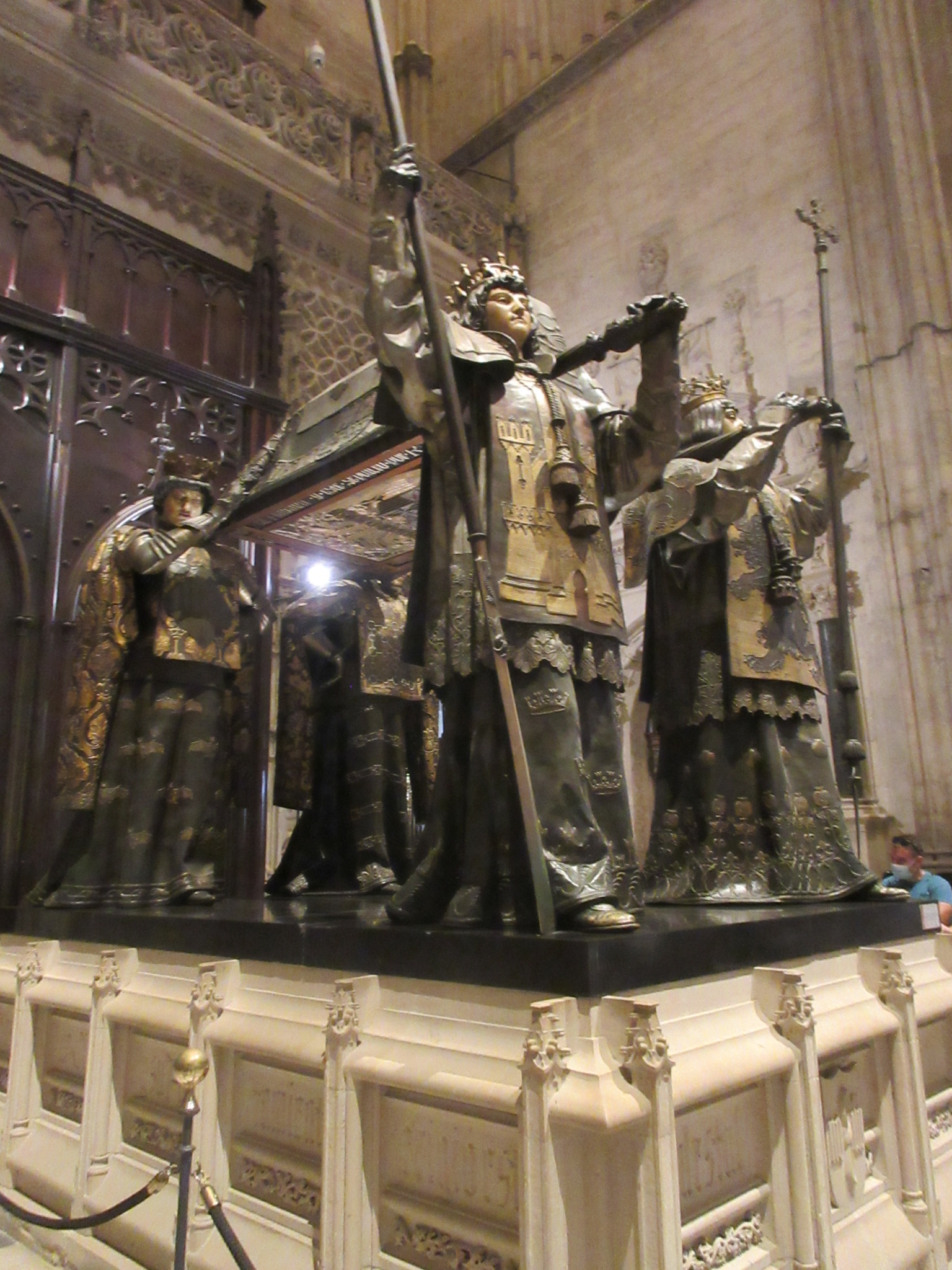
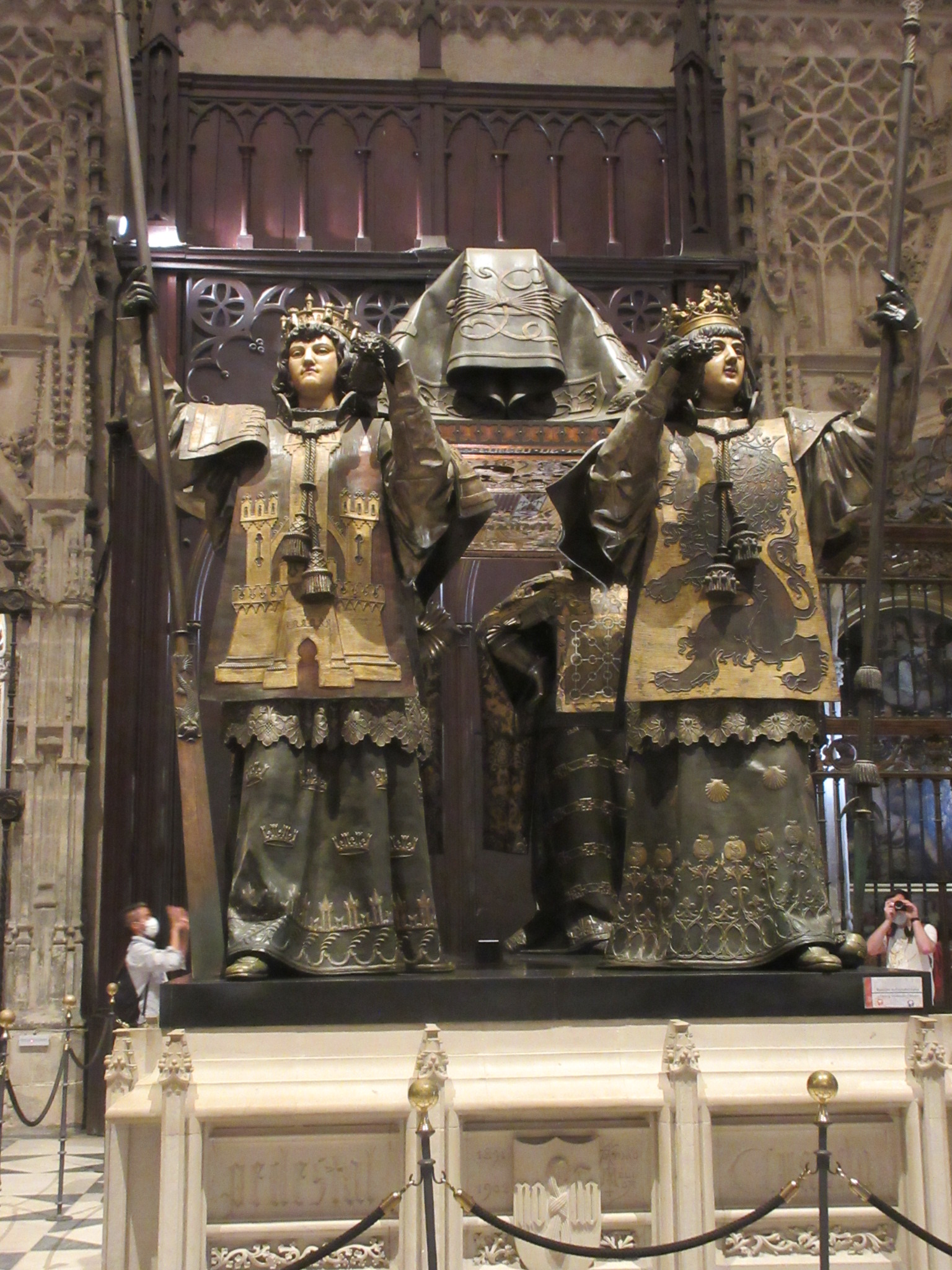
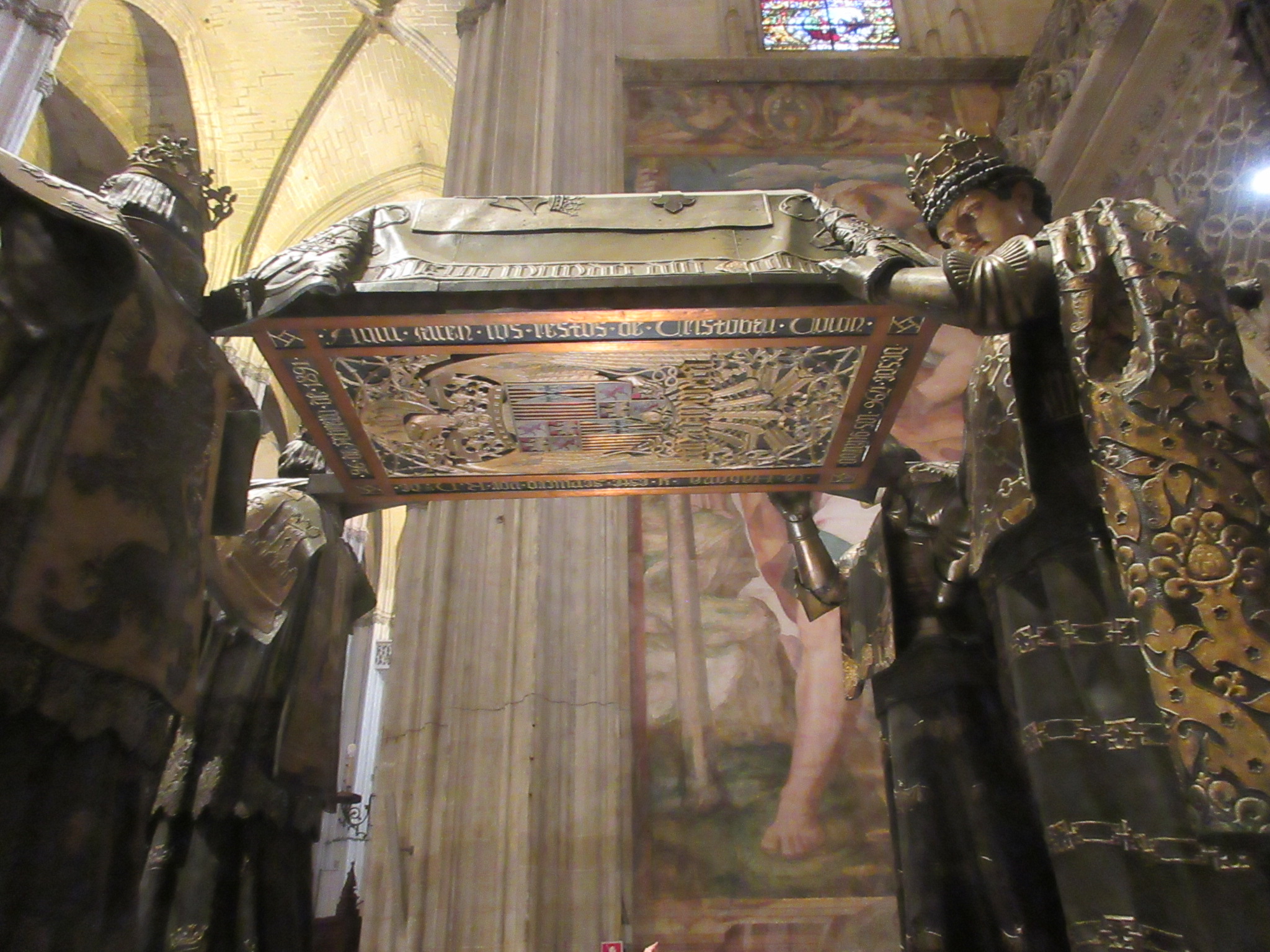
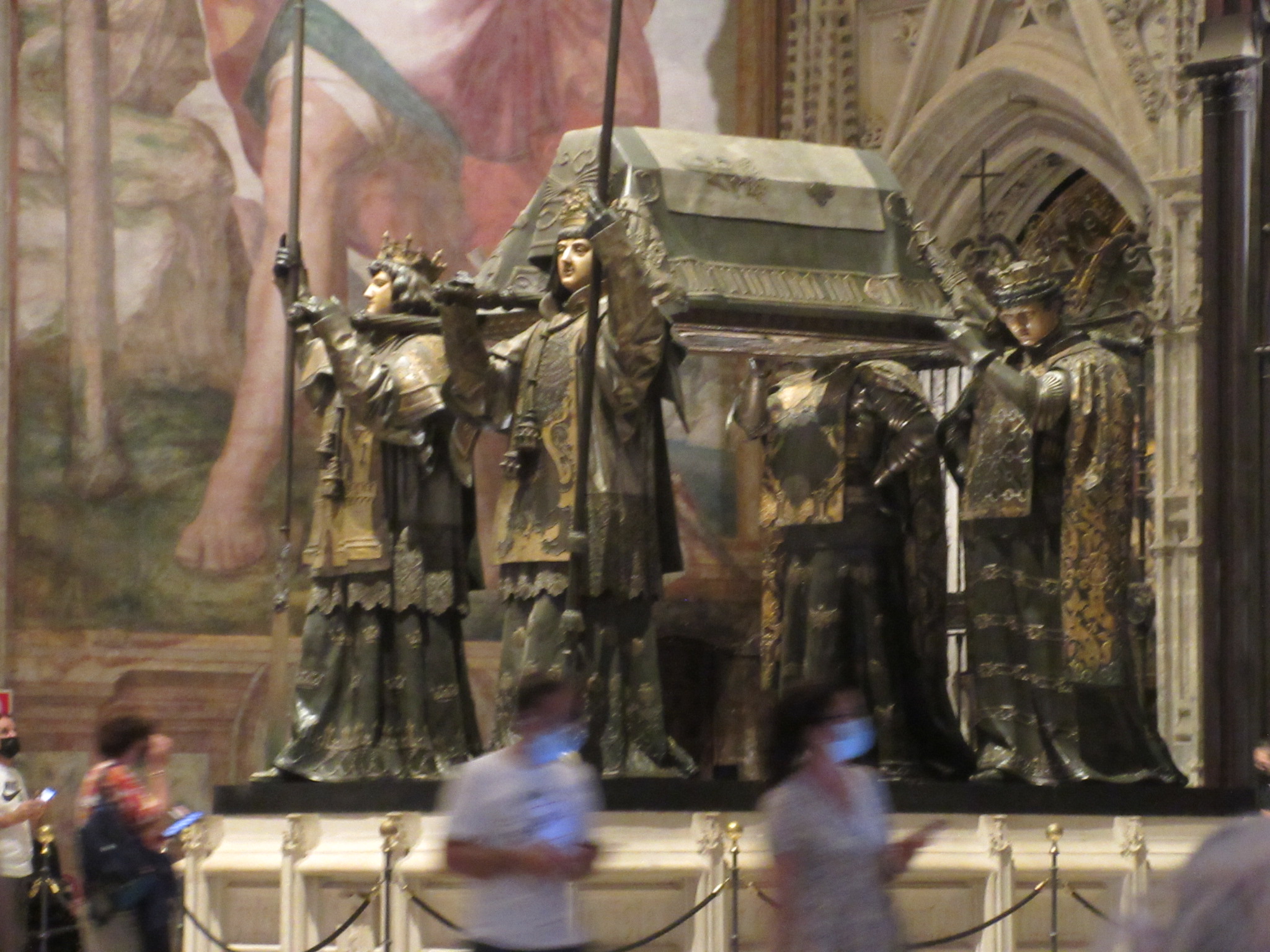
Lastly, the Cathedral is the place that you will find the only DNA certified tomb of Christopher Columbus. His body has moved around the world to different countries before finding its way back to Spain. It makes sense that he is in Seville, as he set sail from nearby town of Huelva, before first discovering America.

Not only is this an interesting figure but the tomb itself is very beautiful and unique. Columbus is not buried underground, but is actually overhead. His tomb rests on the shoulders of four men which represent the different kingdoms of Spain (Castile, Leon, Aragón and Navarre) symbolising that not one kingdom can claim his accomplishments, but they belong to all of Spain as a union.

More art

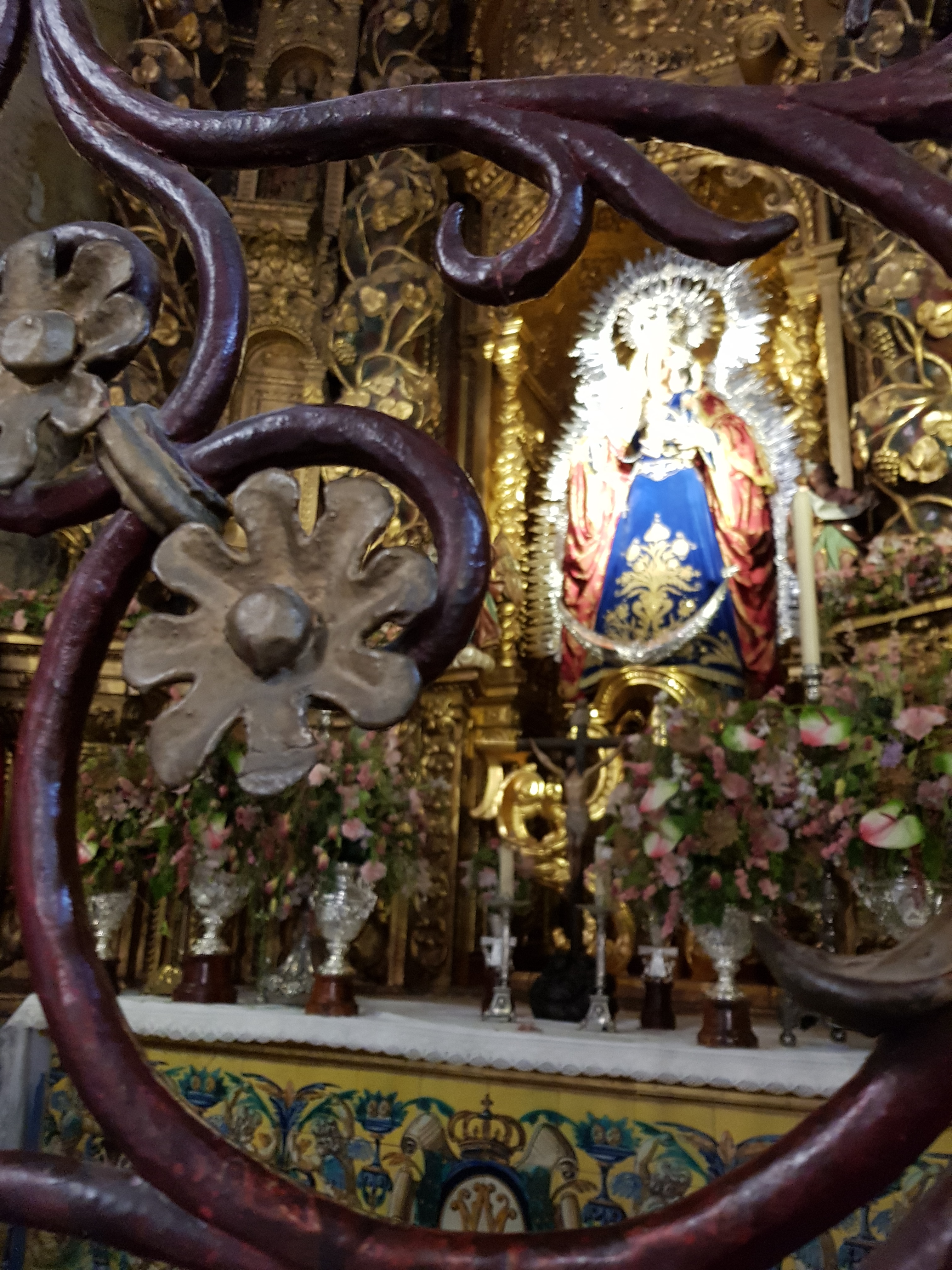
As well as seeing beautiful art and sculptures at the Cathedral and Alcazar, there are many pieces in city plazas, numerous churches and galleries/museums.

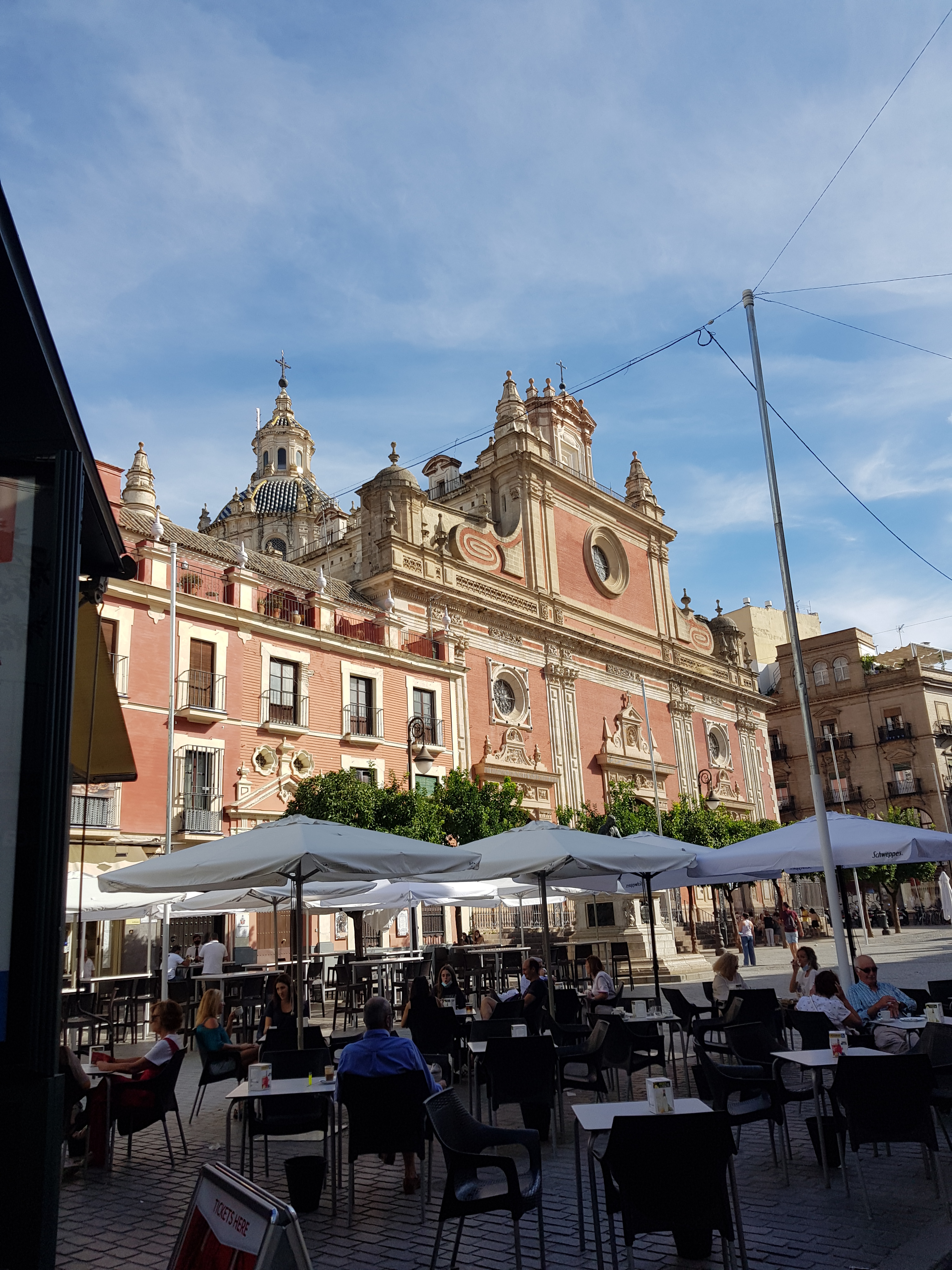
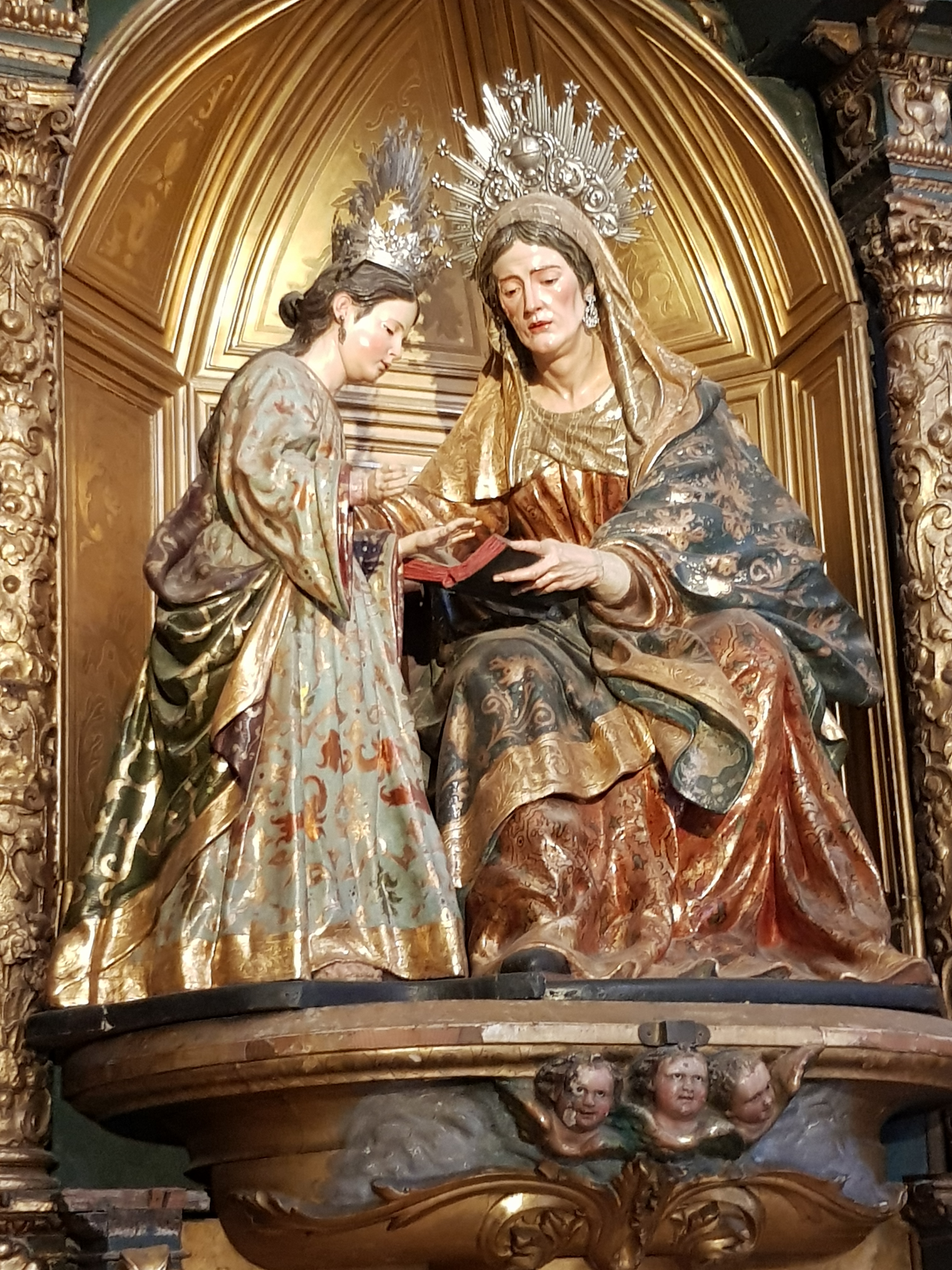
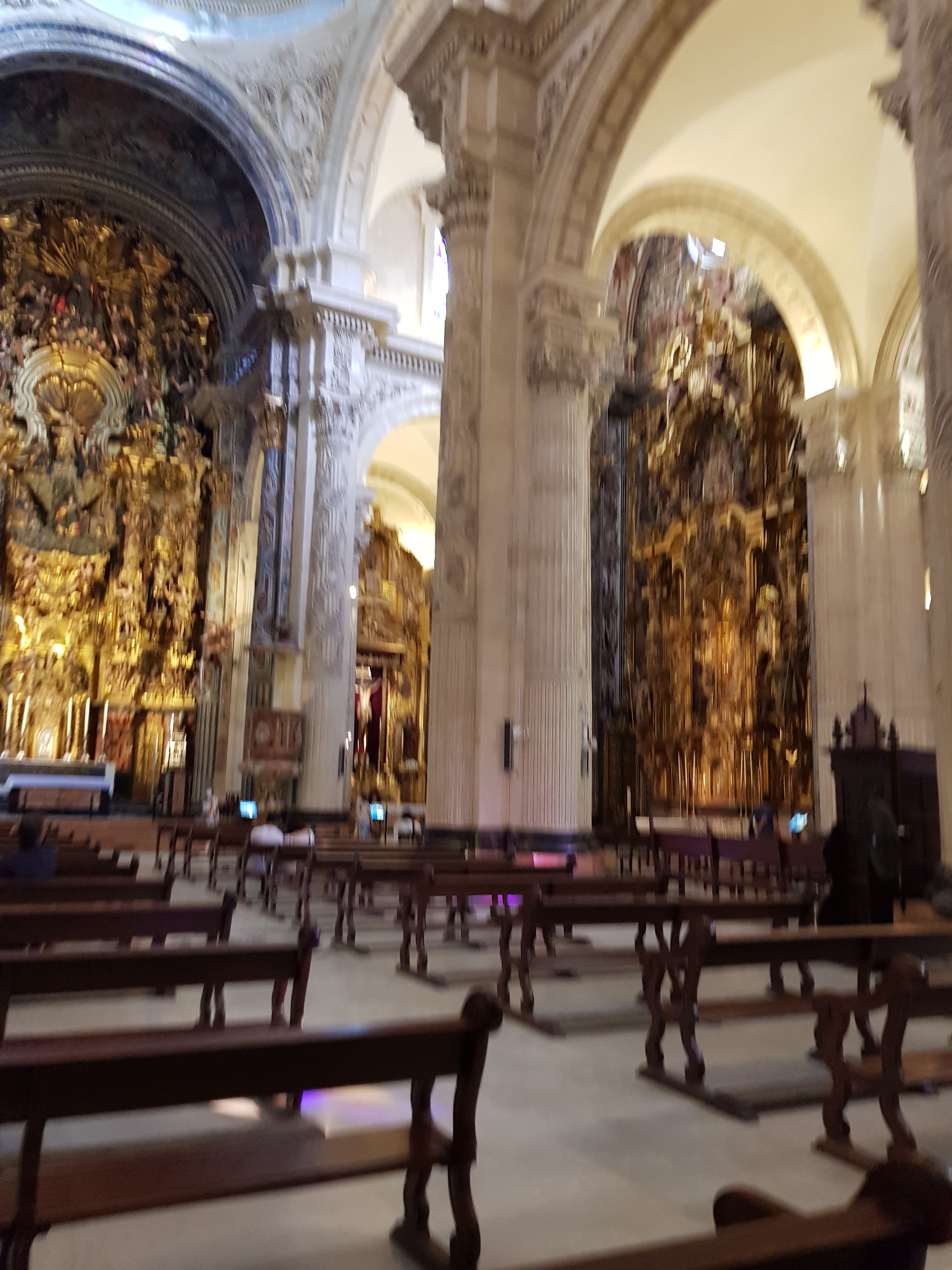
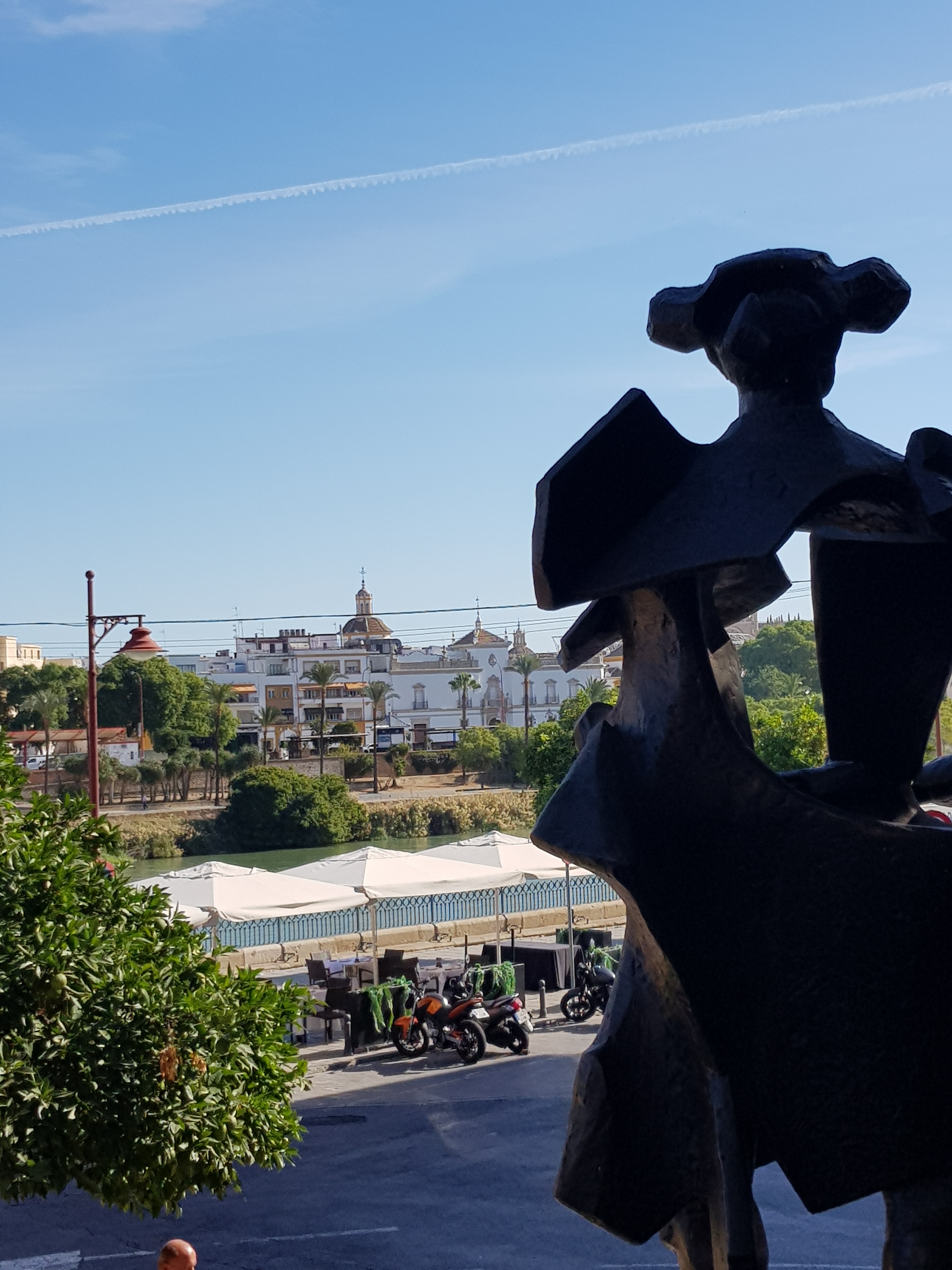
I visited both the church of San Salvador in the centre and Santa Ana church in the neighbourhood across the river, called Triana. I would definitely recommend wondering into Triana, as it has a very sociable vibe and lovely views from across the river. Prices are slightly better too. Both these churches were very cheap to visit, under 5 euros each.

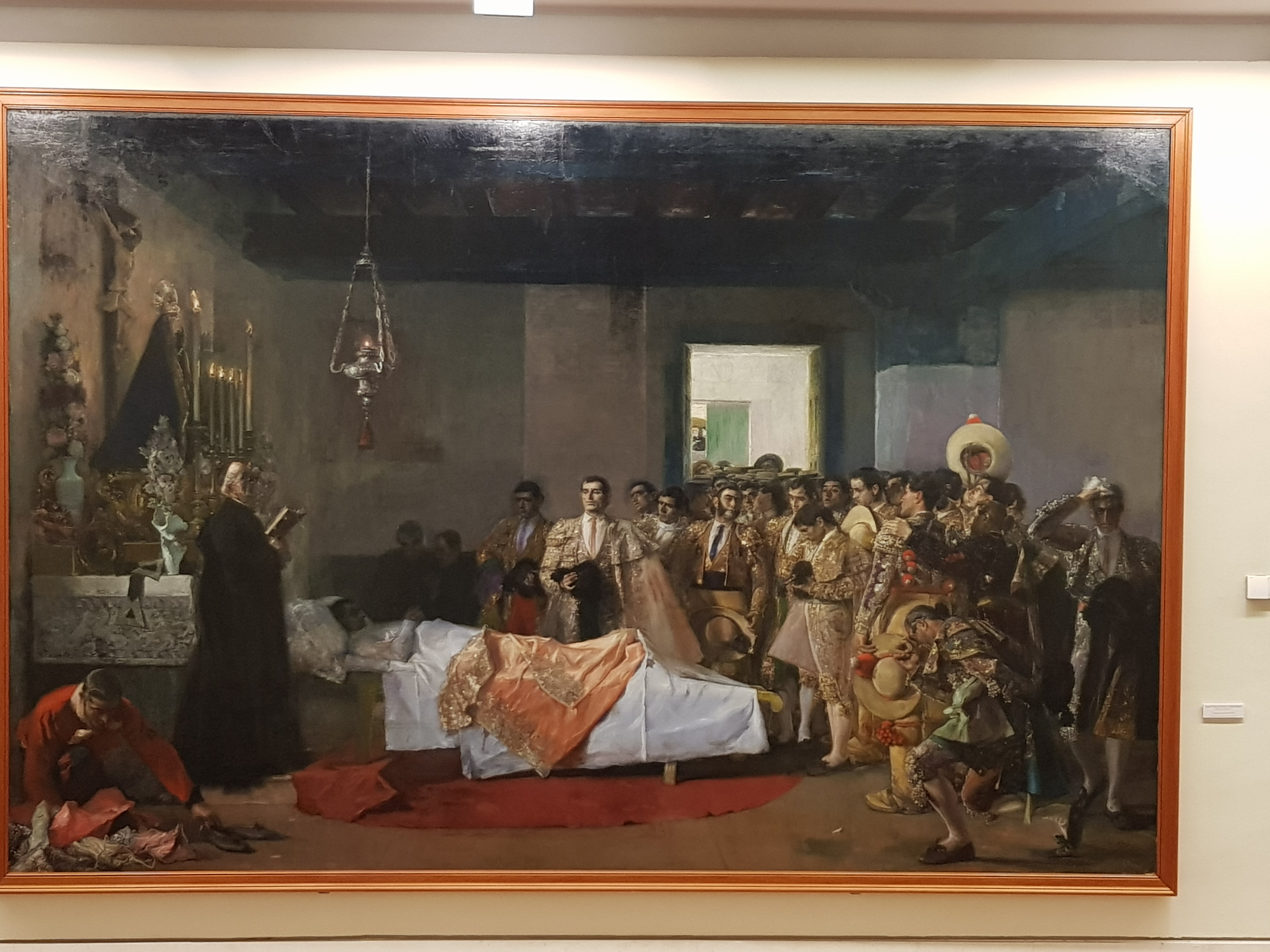
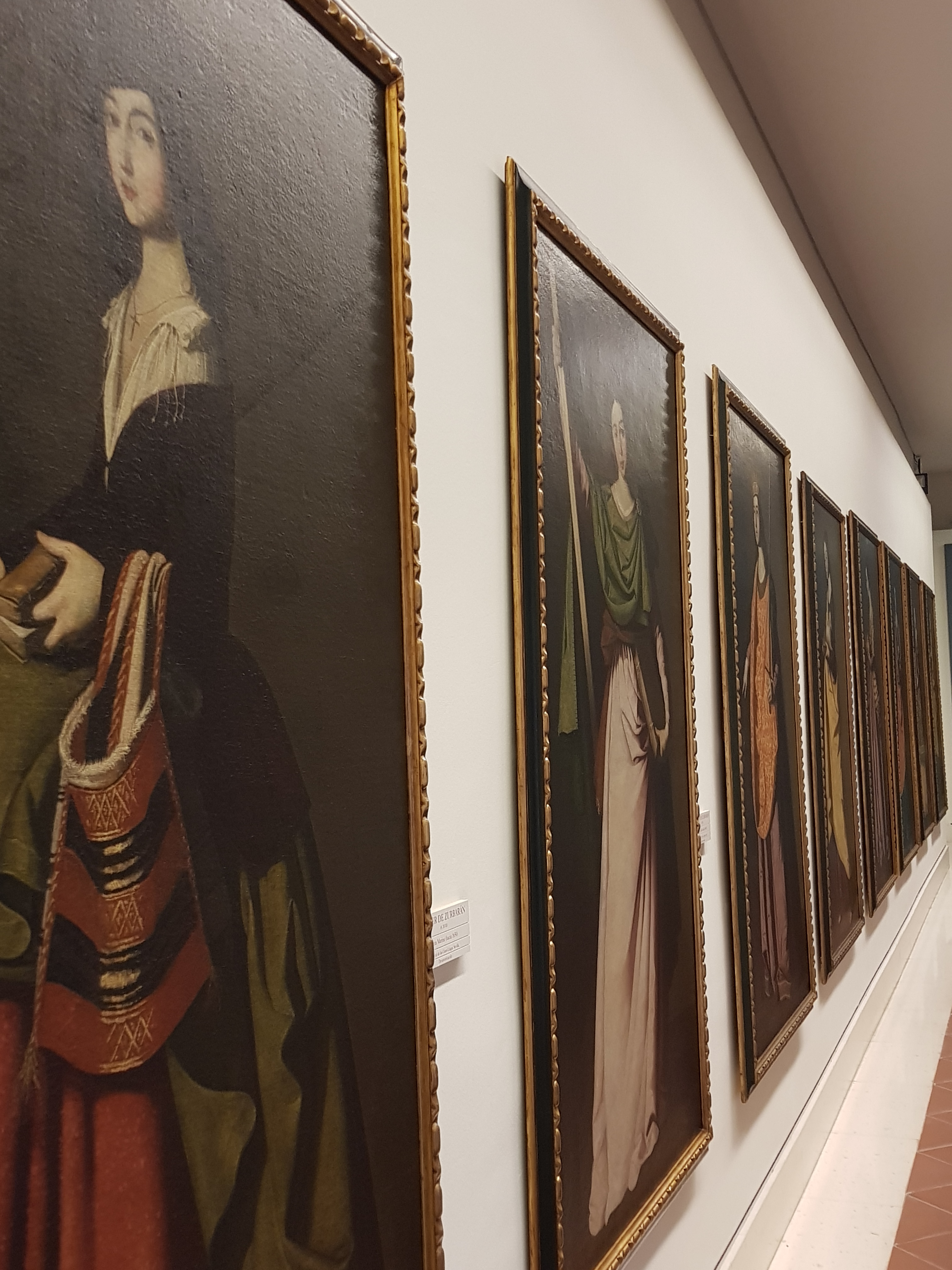
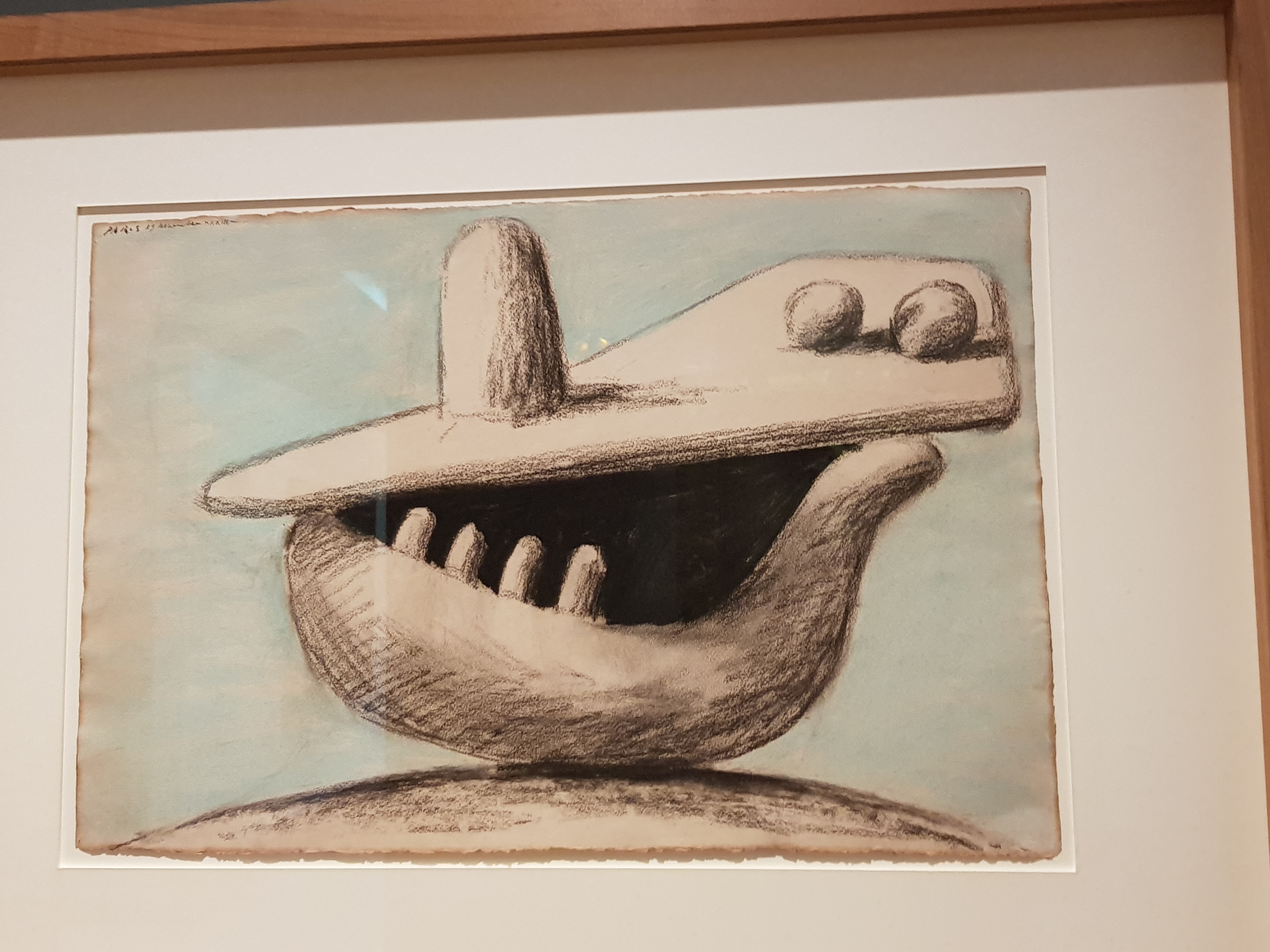
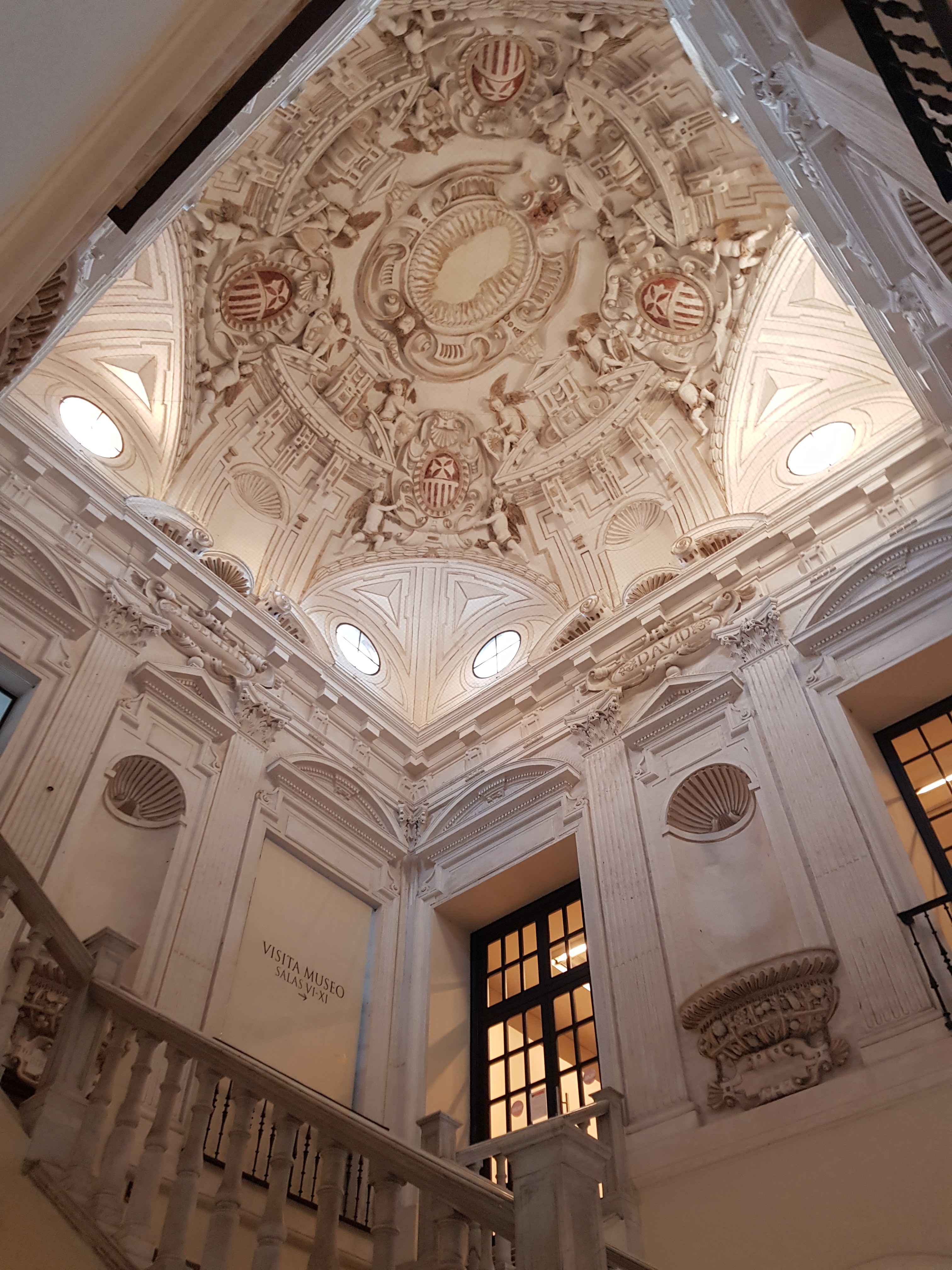
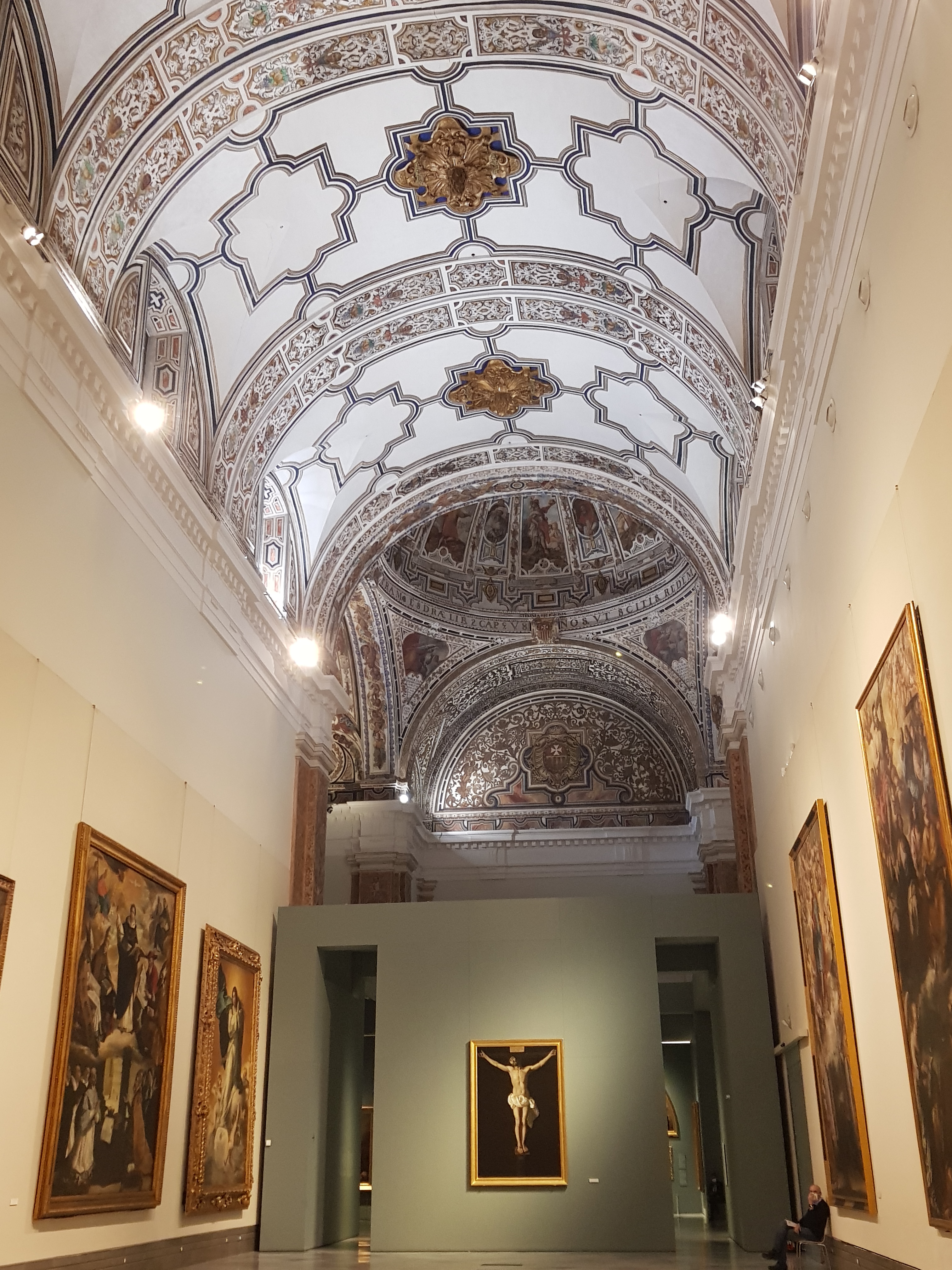
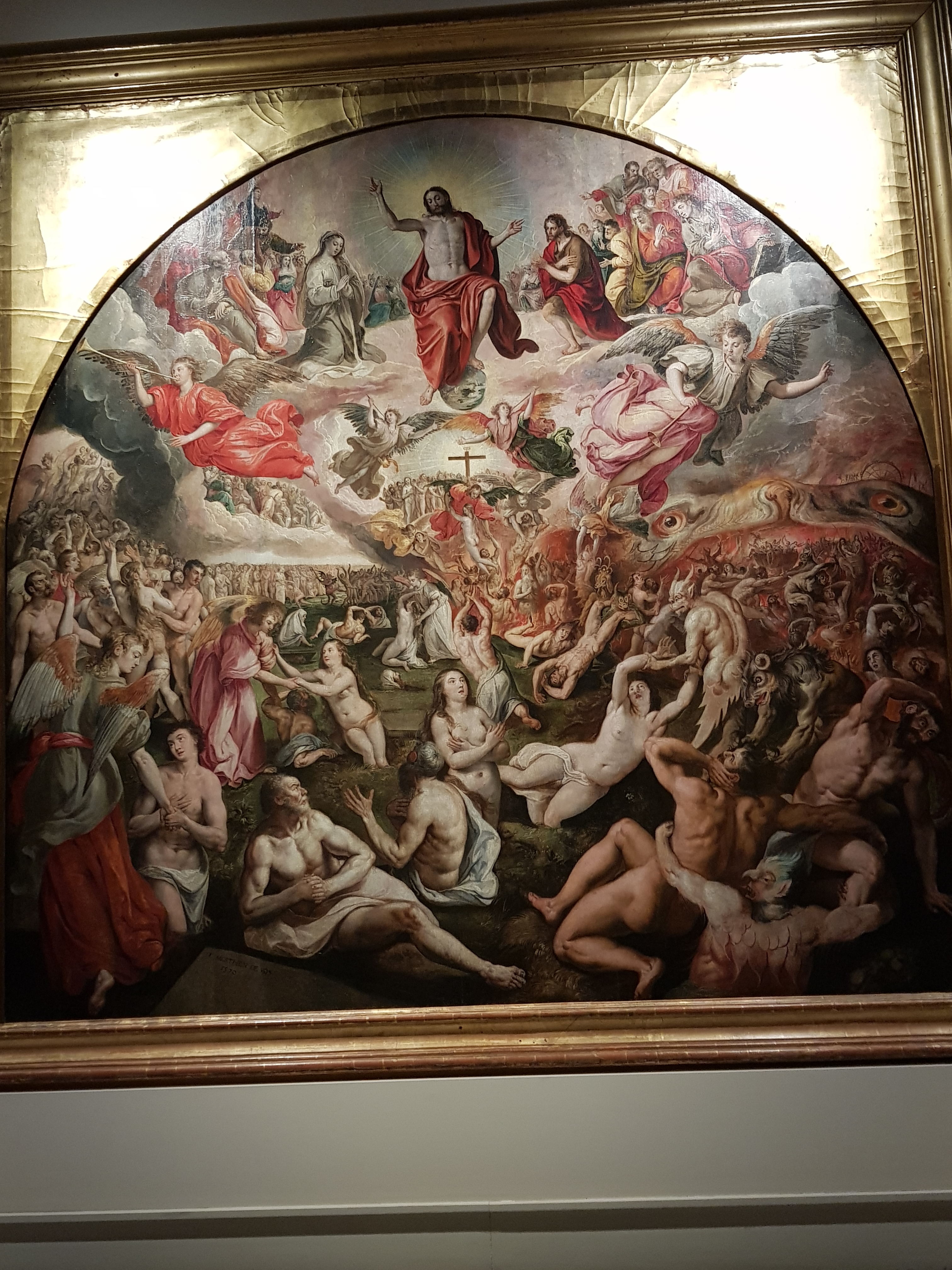
I also enjoyed free admission and air conditioning 😀 from the art museum ‘Museo de bellas artes de Sevilla’. The art displayed in this ex- convent is a mix of very renowned artists such as Murillo and Picasso. I must admit that I was not a fan of all the Picassos as they are so odd. There were many portraits and religious art that I loved though. The building is really beautiful and has many courtyards to sit and relax in. The gallery is only two levels so not too intense which is nice.

Other ideas for a fun time in Sevilla:

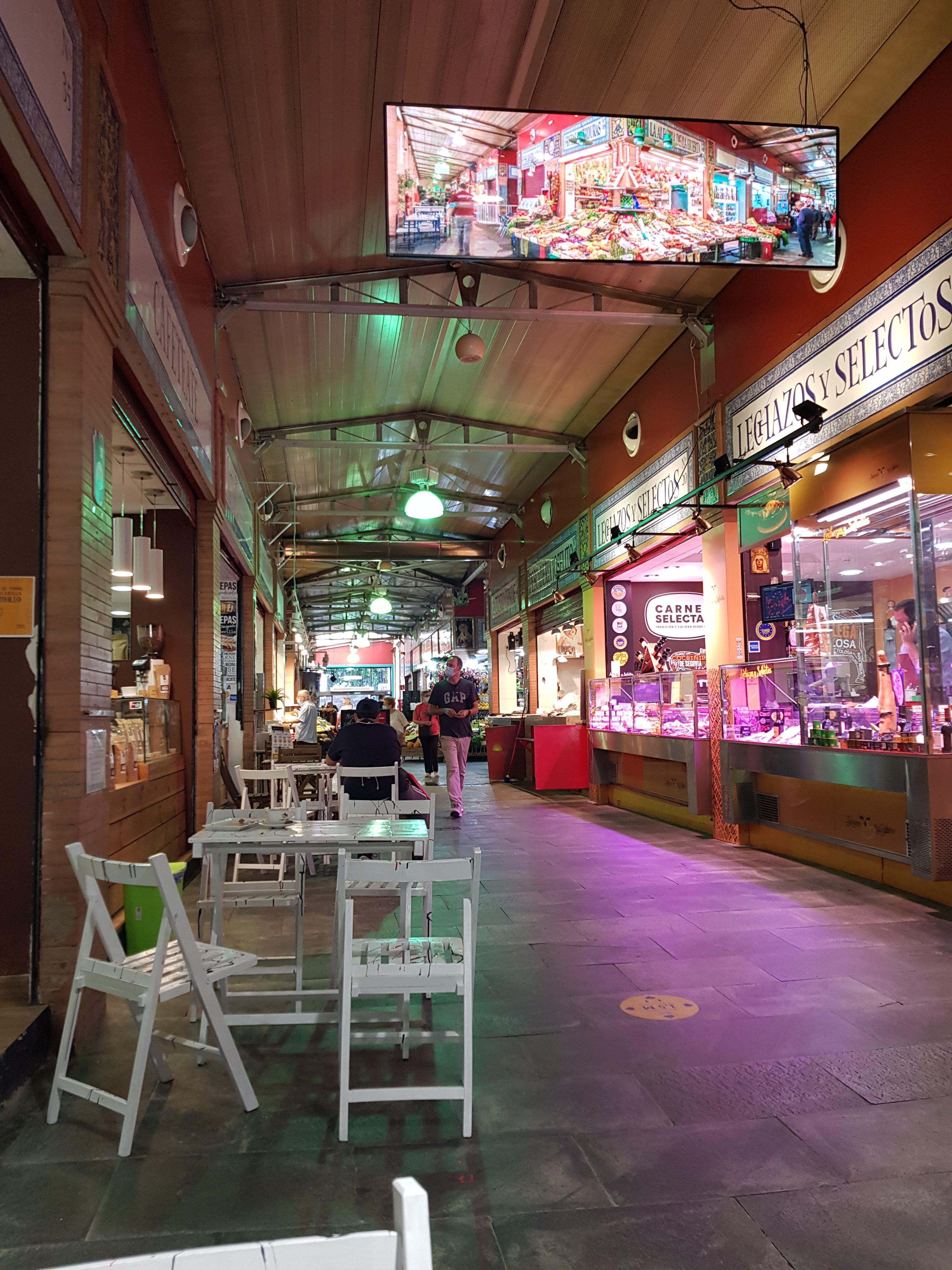
  • Spend some extra time across the river in Triana. The atmosphere is great here and you can also visit the local food market at the bridge for an affordable and fresh lunch.
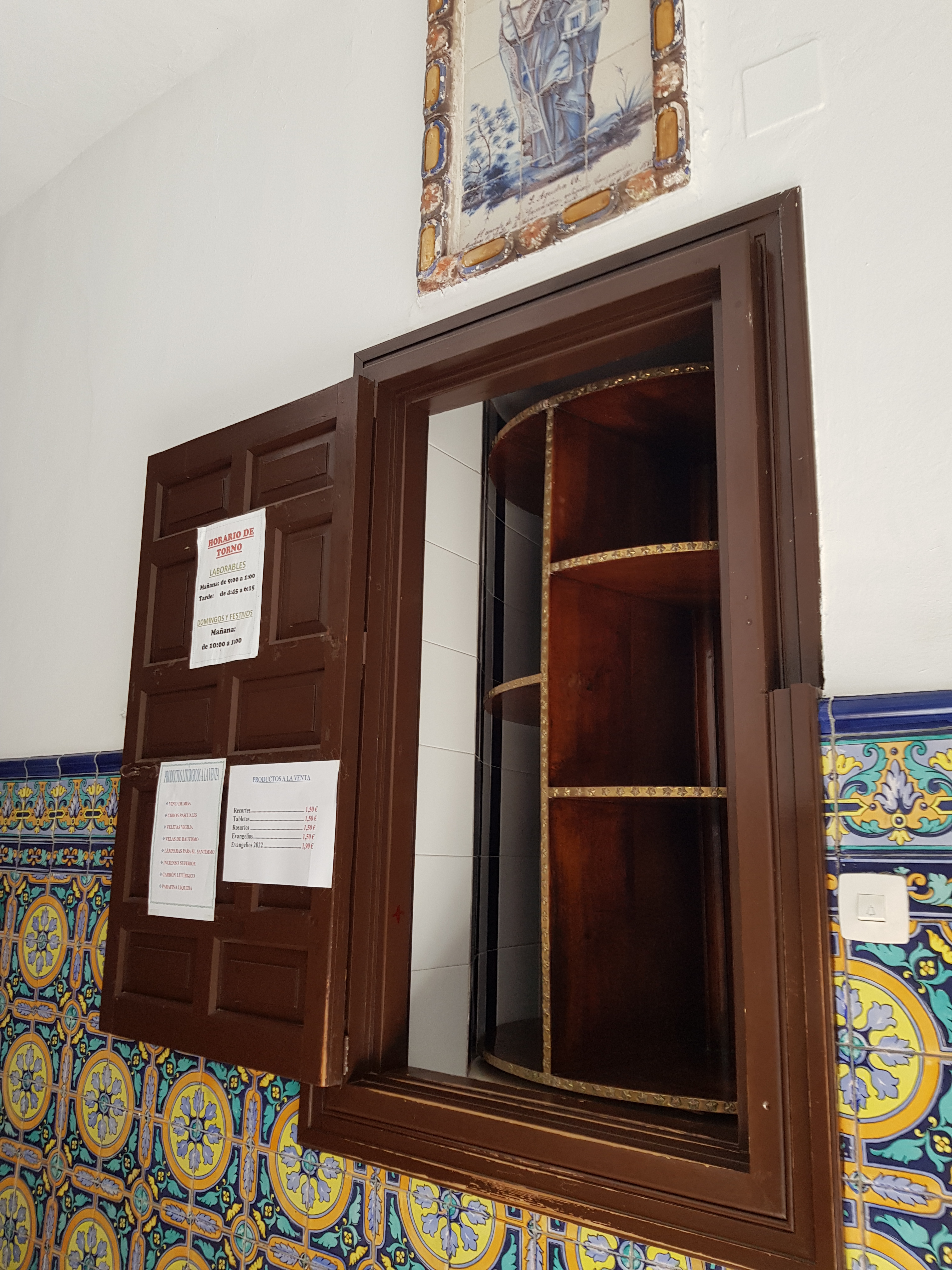
  • Visit one of the many convents in the city and purchase something from a nun. Many convents and monasteries sell goods to sustain themselves, often you can get homemade sweets. I went to one in Sevilla, and bought from a nun though a strange turntable window!
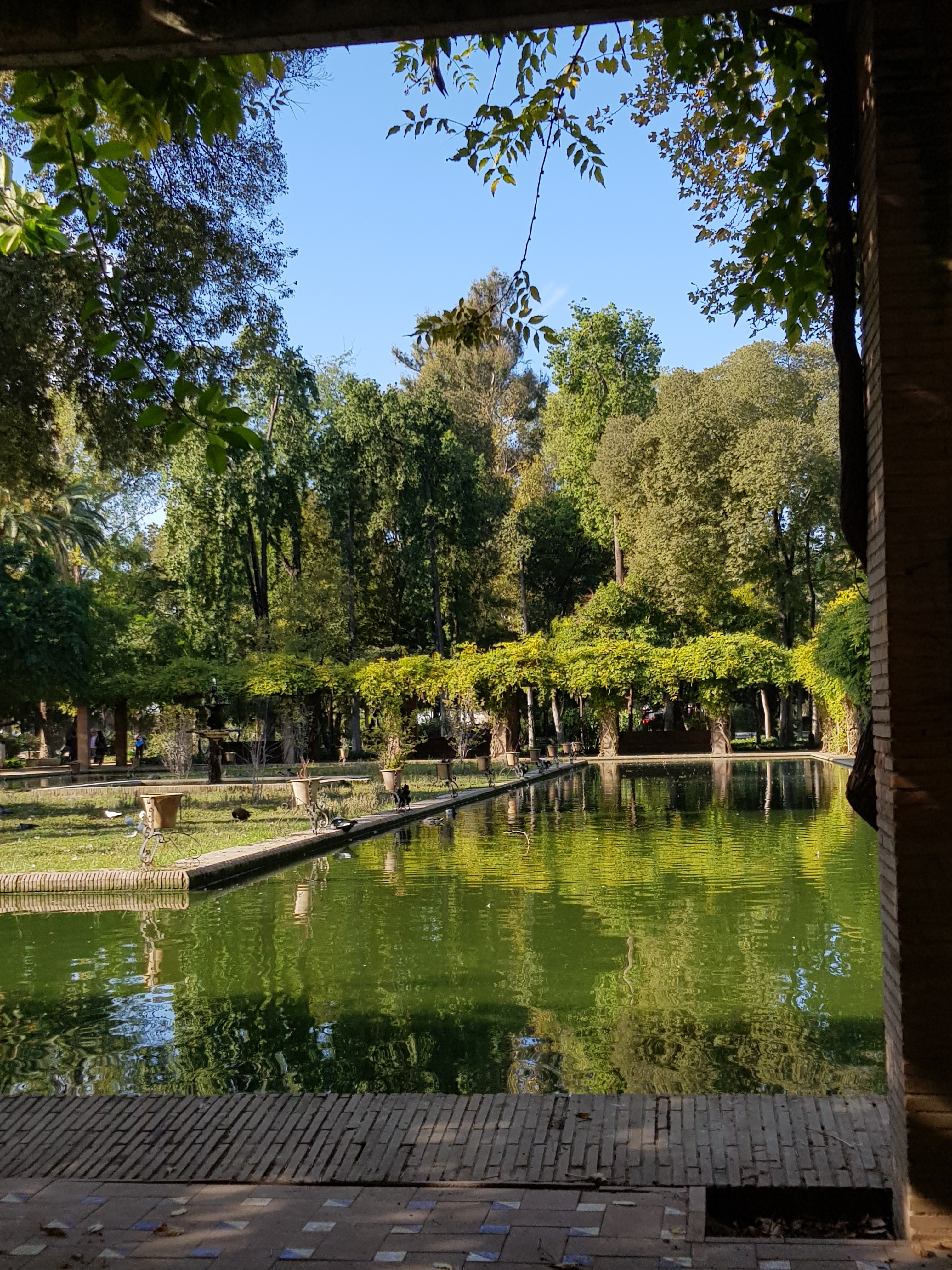
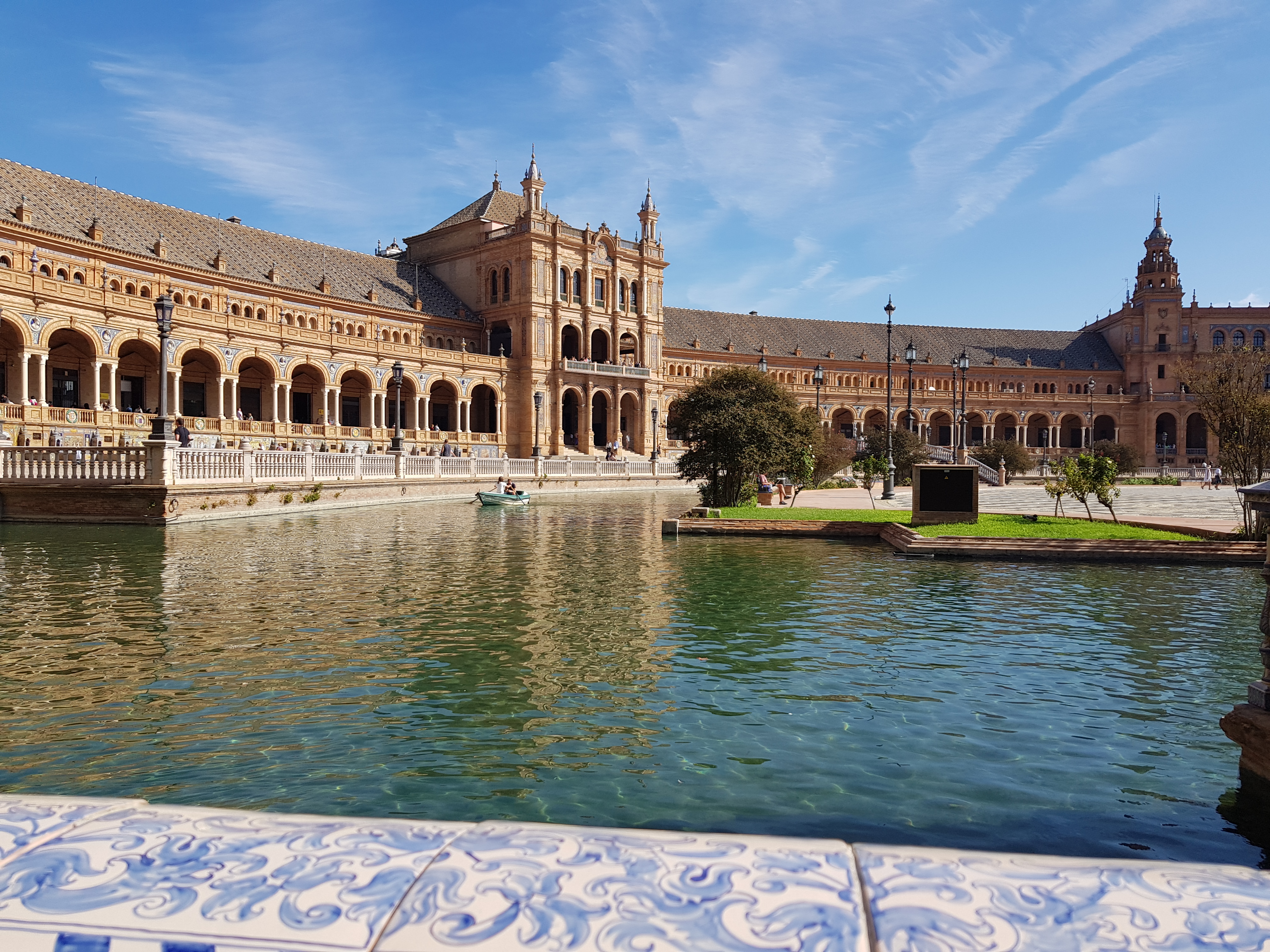
  • Visit the Plaza de Espana and the park. The plaza is an obvious tourist spot, and very pretty, but the adjoining park of Marie Luis, is full of beautiful places to sit and relax in the shade.
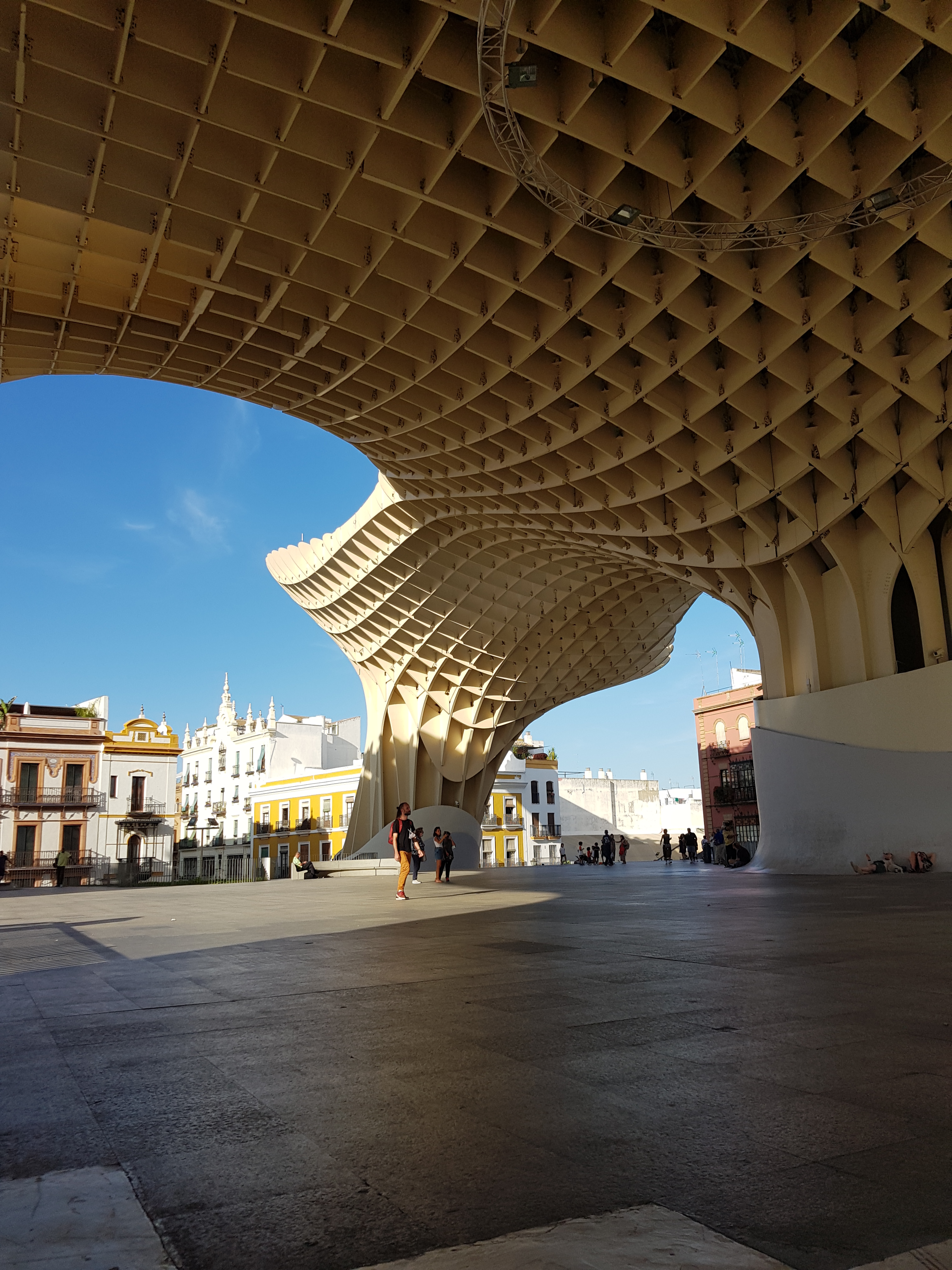
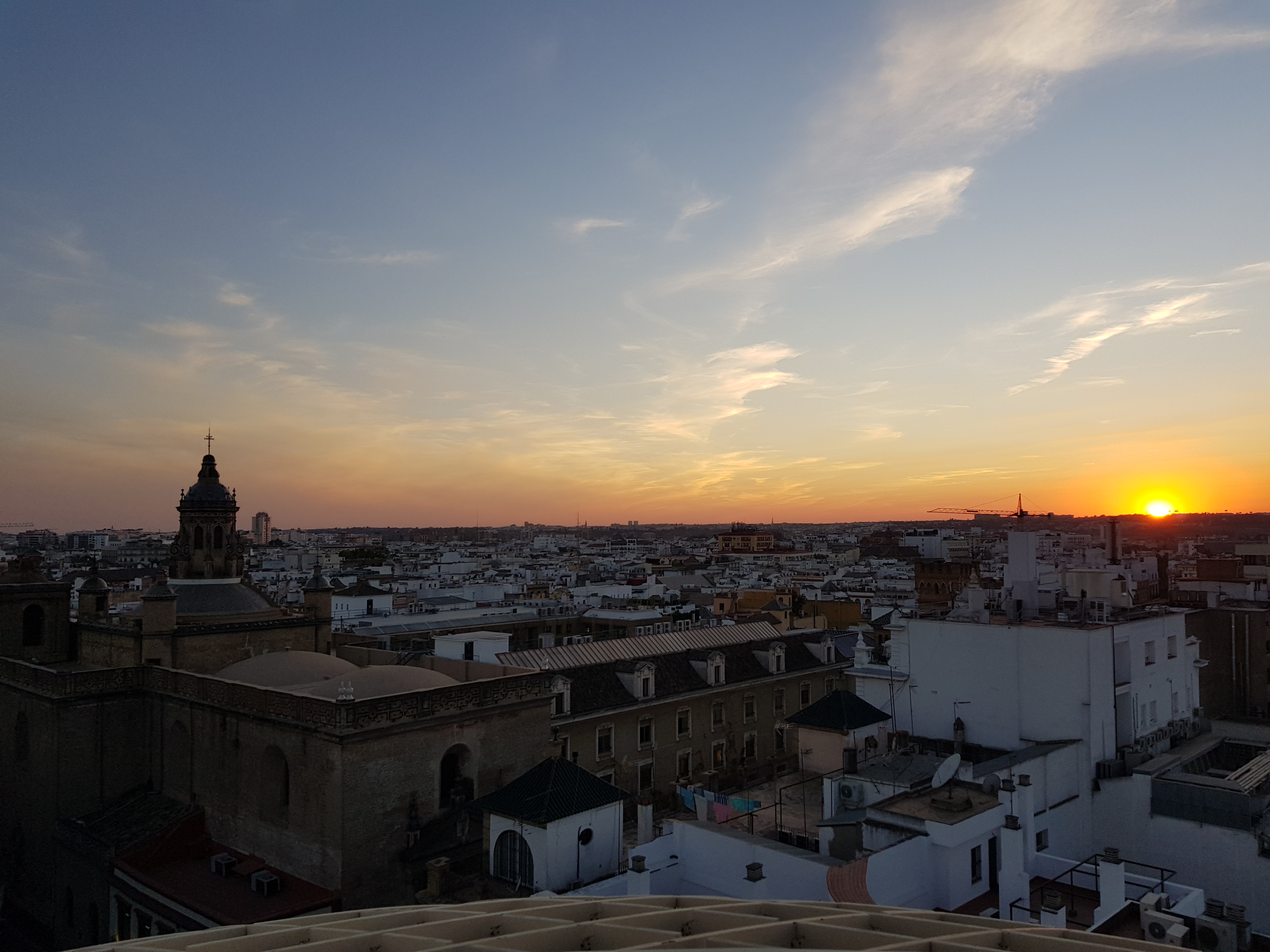
  • Head to the big mushrooms in the sky! The huge ‘setas’ monument is named this because it is the shape of mushrooms. Get there a little before sunset, and you will see wonderful views of the city.

Overall, I thought Sevilla was a very romantic and beautiful destination. It was also easy to walk around and had good transport connections, and of course reliable weather! I would certainly visit again.

Next stop… Cordoba!

Historic Ely and Stained Glass Museum

As I sit in my room, unable to travel due to Covid -19, it seems like a good time to catch up on my draft blogs! So… this short piece is all about a day trip we made to the city of Ely.

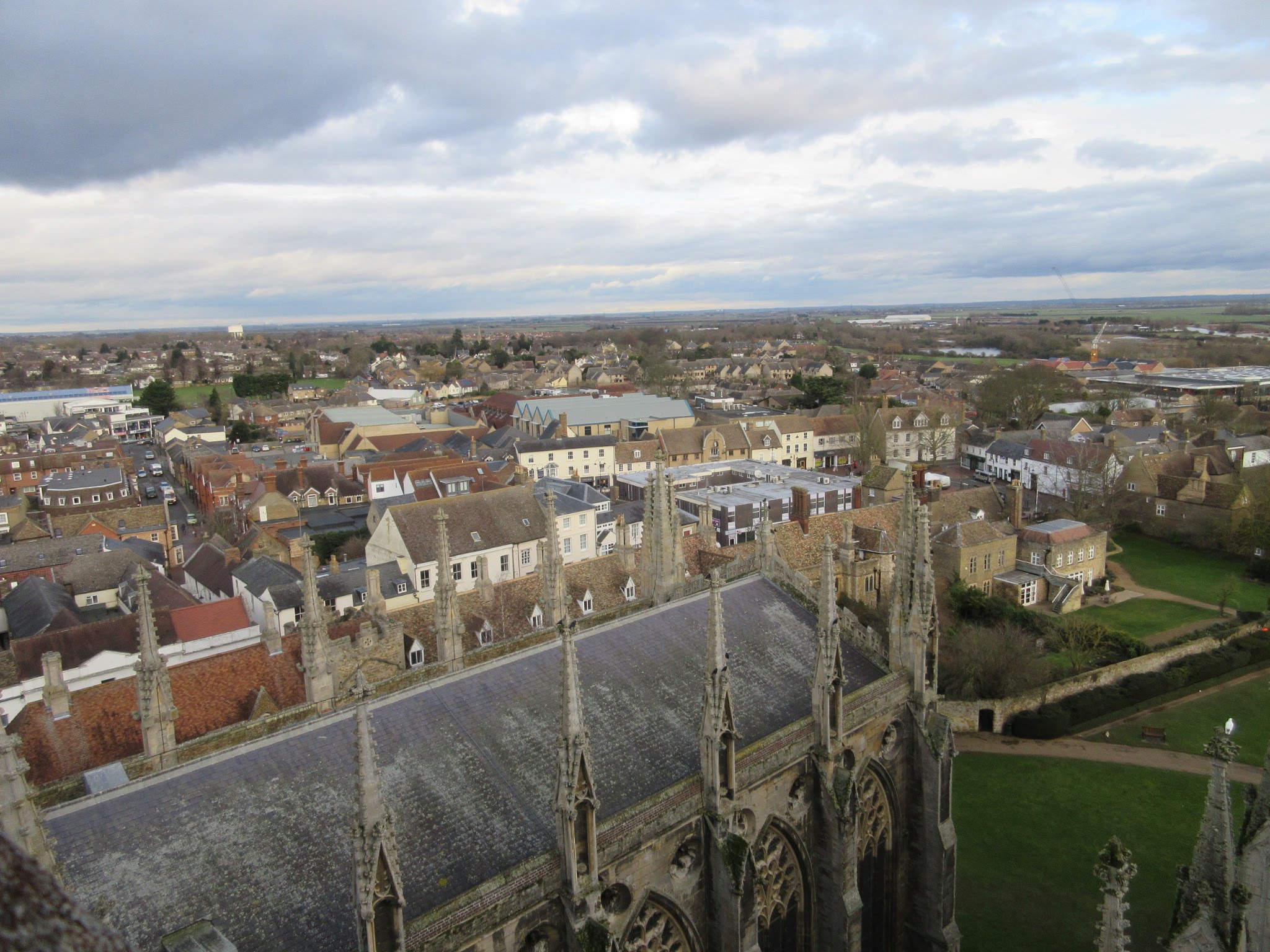
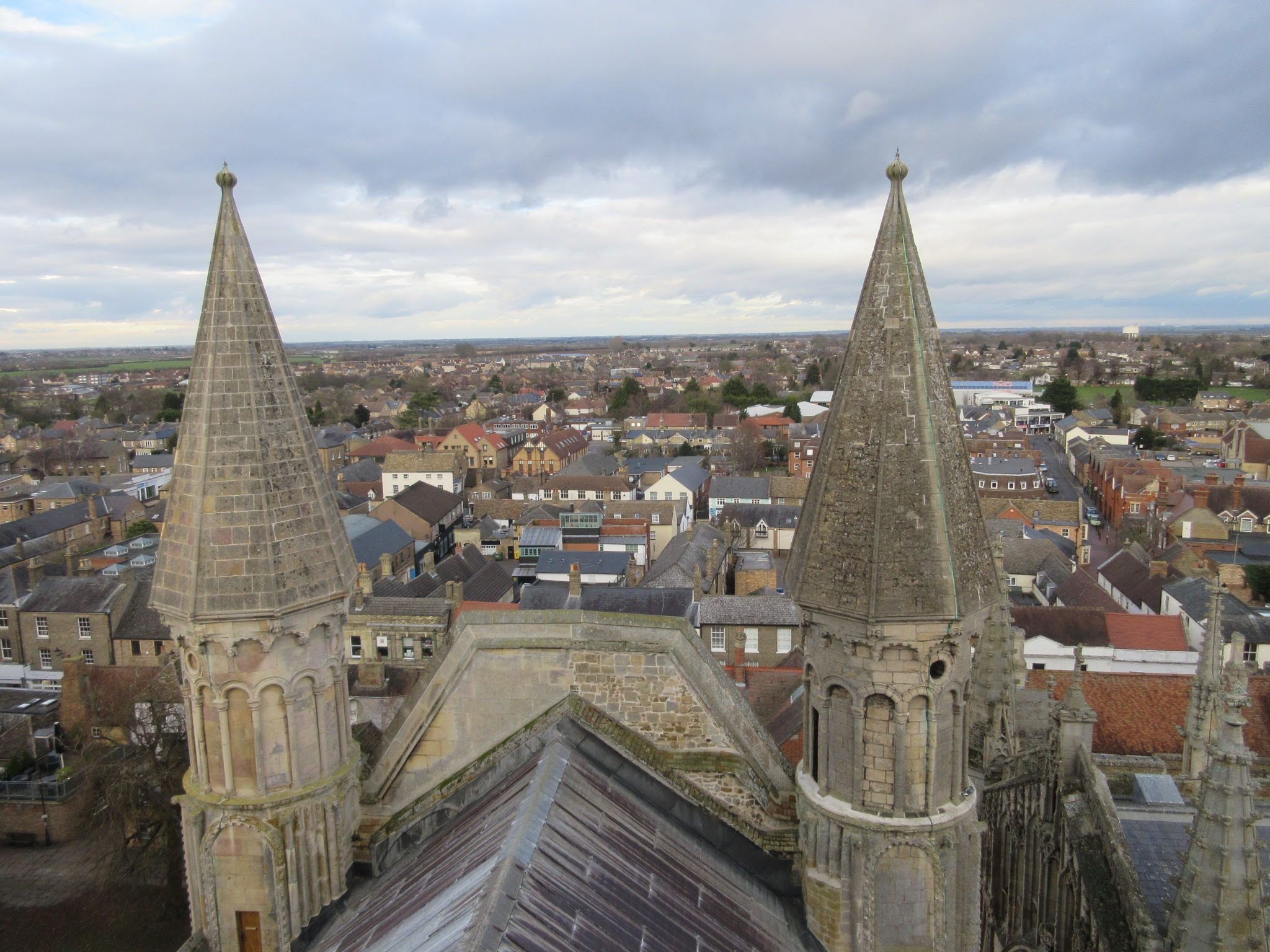
View from Ely Cathedral roof

Ely is a small city (second smallest in England) in Cambridgeshire, less than two hours drive or train journey from where I live. If you have read my previous blogs you will see that I have a strong interest in history, and especially churches. So for my birthday a few years ago, we decided to visit Ely as I heard lots of good things about the cathedral there and the special Stained Glass Museum!

It was really easy to travel to the city and park and the drive was actually quite pleasant as you pass by many long stretching fenlands. The area is actually so clear and flat that you can see the cathedral dominating the landscape as you approach the city.

Ely Cathedral

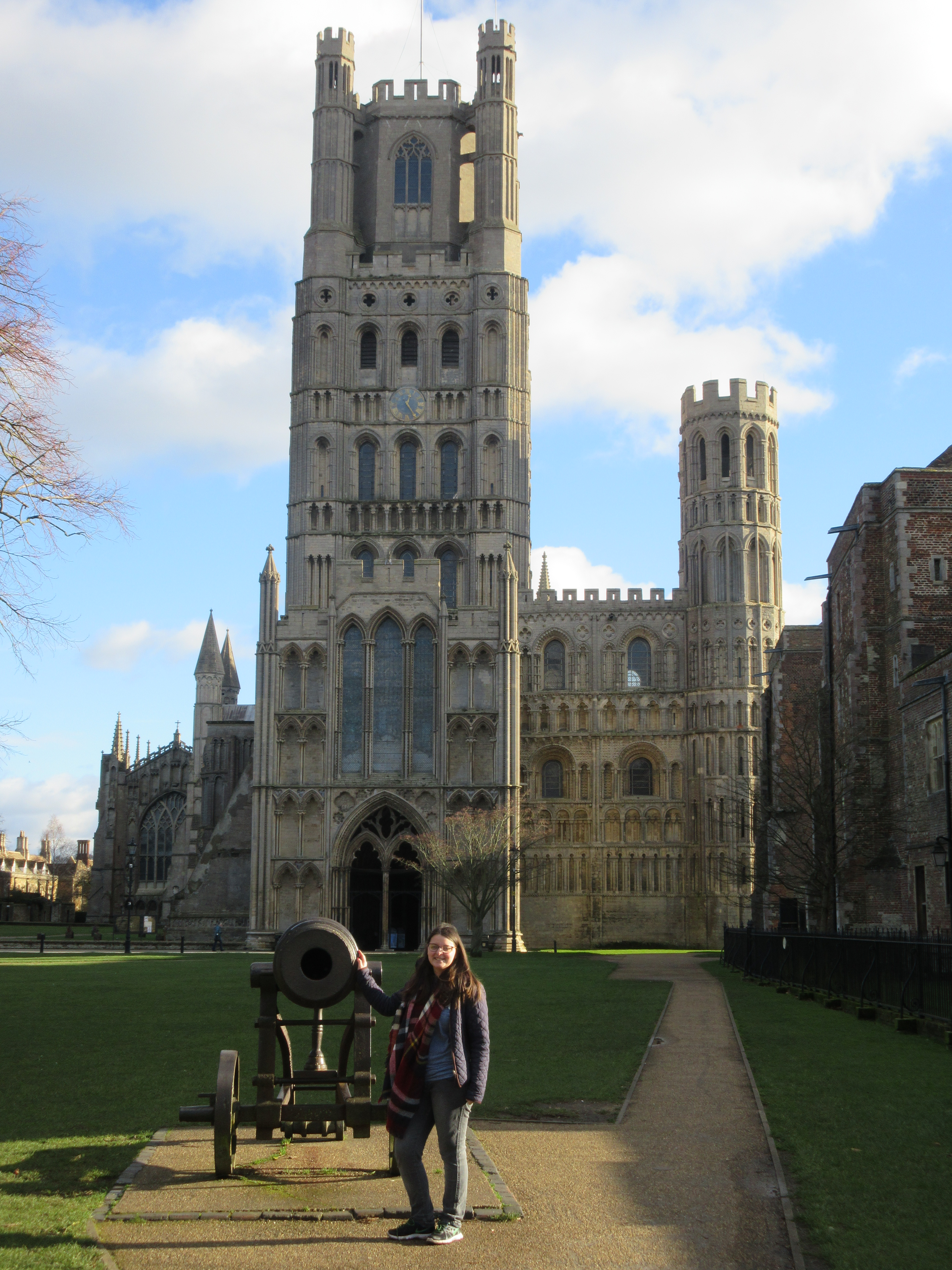
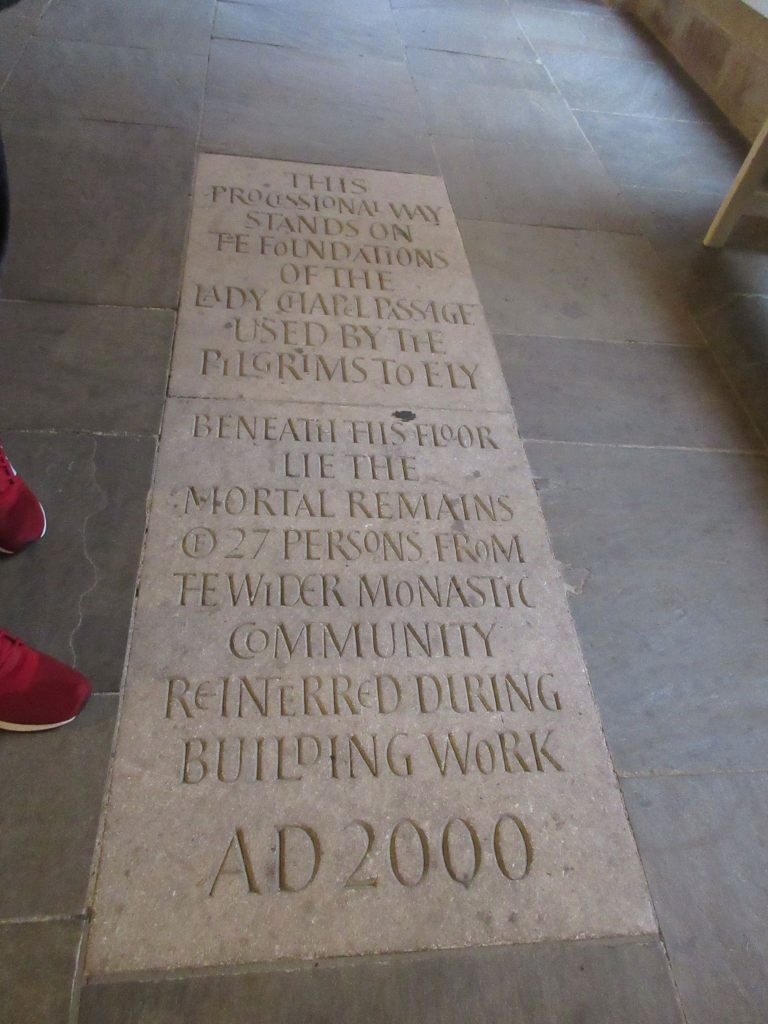
The Ely cathedral site was originally a monastery founded by St Etheldreda, the granddaughter of an East Anglian King. She died of ill health, and later became a saint, and a shrine was built for her at the site, which pilgrims to the area would visit. In 970 it was refounded as an abbey for Benedictine monks (same as the Norwich Cathedral)! The current building was created in the 11th century and the abbey became a cathedral in 1109. It continued to have a monastic purpose until 1539 when Henry VIII dissolved all the monasteries in England. Unfortunately, St Etheldreda’s Shrine was destroyed due to this, but there is a marker within the cathedral, to show visitors where it once stood, and St Etheldreda is still remembered there.

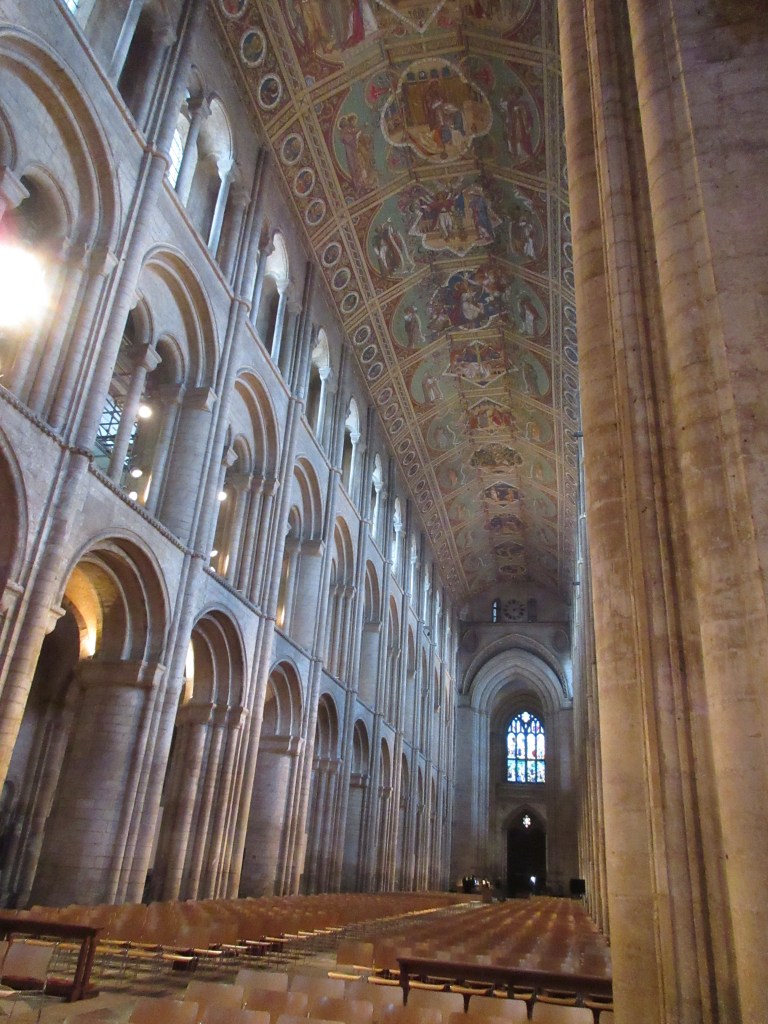
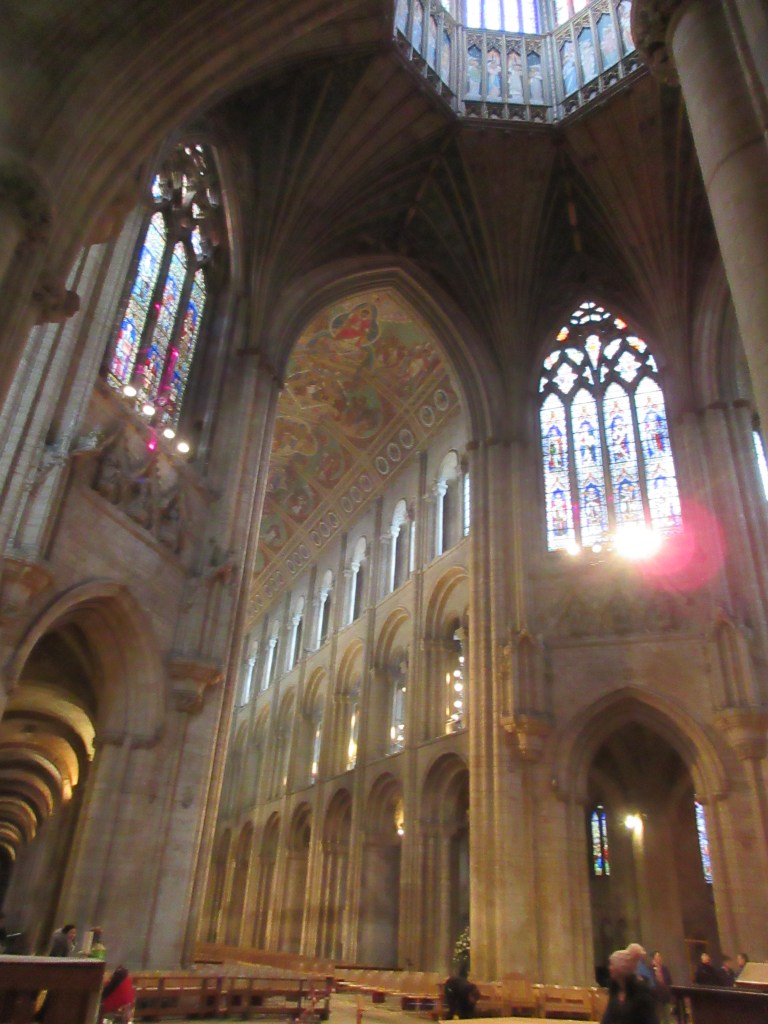
The cathedral itself is famous for its unique Octagon tower and for being a very long cathedral (fourth longest in the country at 537ft). It does seem as if the cathedral goes on forever and it looks quite magnificent against the landscape there. It is actually nicknamed the ‘ship of the fens’. When we went, we found lots of interesting features to discover inside, especially some of the poses of various statues and the grandeur of the lady chapel and art there.

Tower Tour

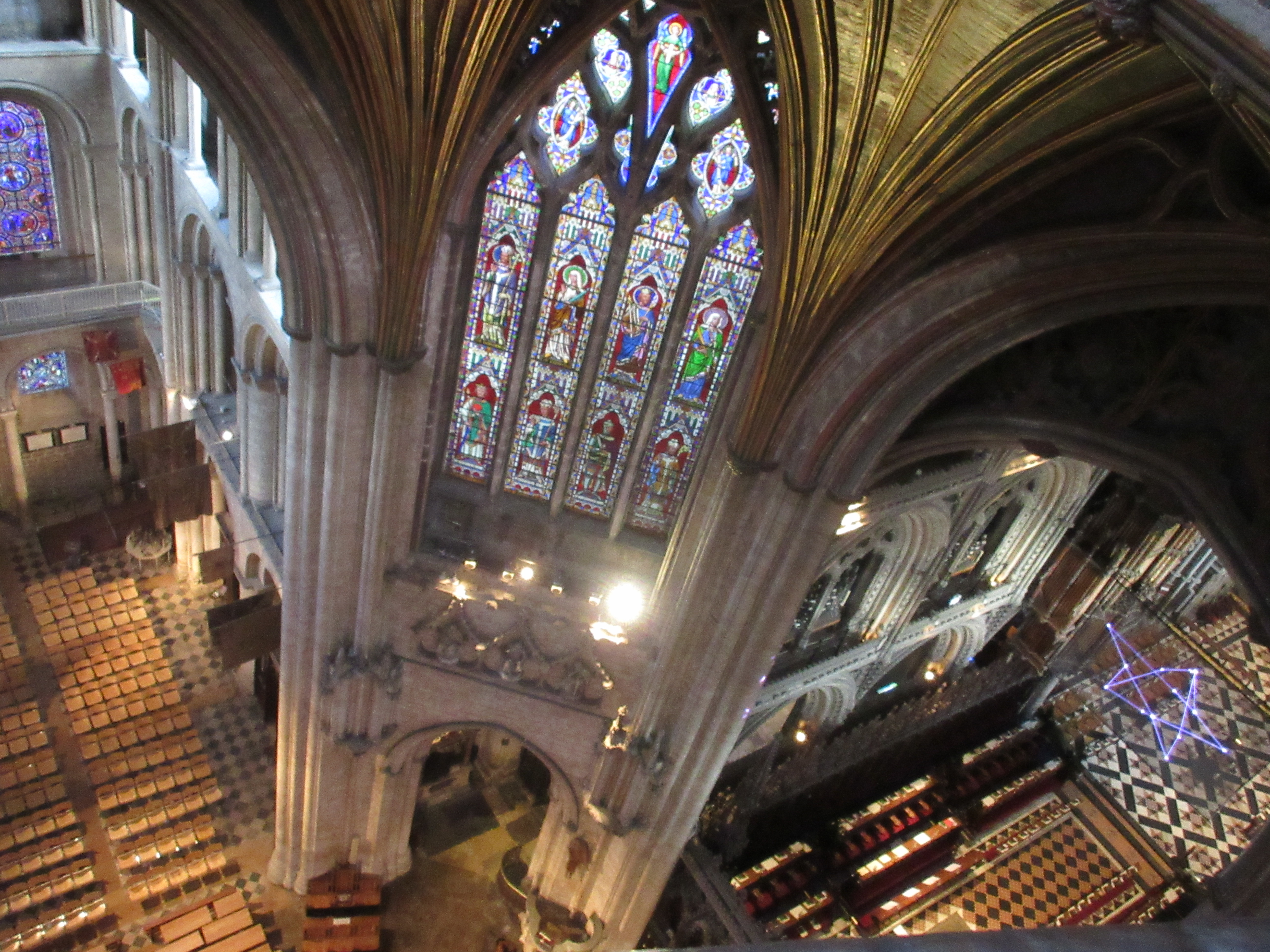
We were welcomed quickly on arrival by volunteers, and decided to book onto a tower tour to climb the various levels of the cathedral, see the lantern area and get up onto the roof! At the time, I think that we paid around £20 each for this, but from looking at the website today, it seems that they are charging more at the moment, due to the extra safety measures in place.

The views throughout the tour were brilliant! It seemed extremely high when climbing the steps, and you had to be a little careful in places. As you’d expect, the higher you get, the more narrow and un-nerving the climb can become. Getting up to the roof is well worth it though, to see the detailed stone work of the roof design up close, and the view of the city and fens stretching out in front of you.

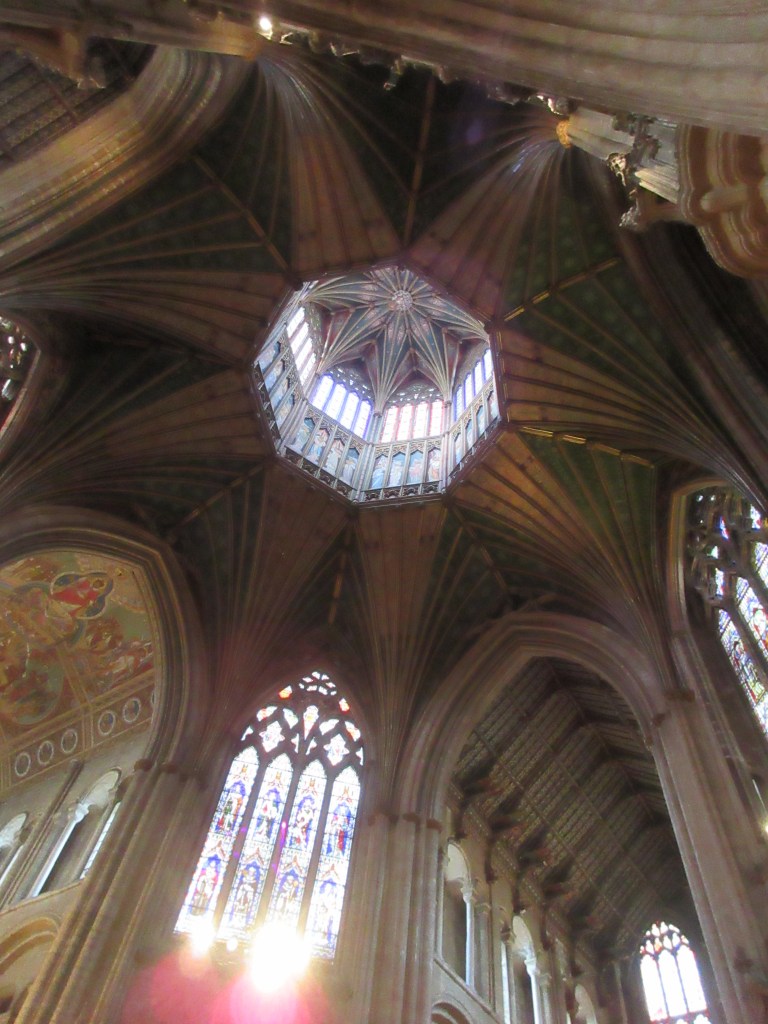
The coolest part of the tour, in my opinion… was the lantern area. The octagonal shape came about following a rethink of the tower when the original Norman one was replaced. It took eighteen years to build and apparently the shape is a symbol that relates to the link between earth and heaven, and time/ eternity. The whole cathedral is centred around the octagon.

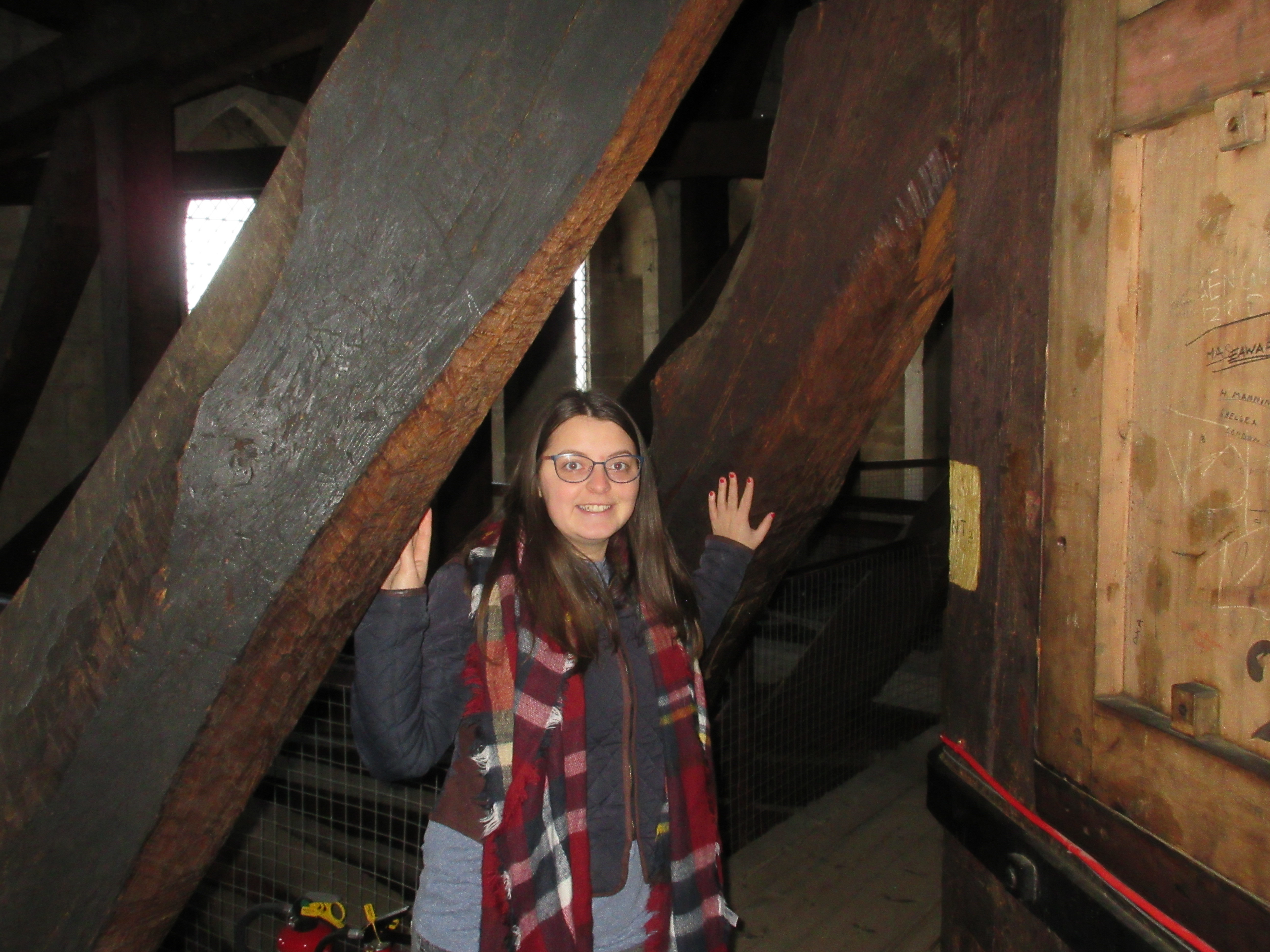
The lantern (an internal open space within the tower structure), really blew me away. Mostly, because of the materials used. The lantern area is constructed by hundreds of tons of wood and lead. You can see how raw this wood is up close though, the giant (60ft long) oak beams are pretty much entire trees diagonally stretching the space. Each one is around 1000 years old and still extremely strong. When we went on the tour, you could look up close and touch the wood, and it feels like you are actually able to visualise the ancient forests that these would have travelled from. The oak beams also have a number of graffiti markings carved in from key times in history, which adds to how special it is!

Amazing lantern area

Stained Glass Museum

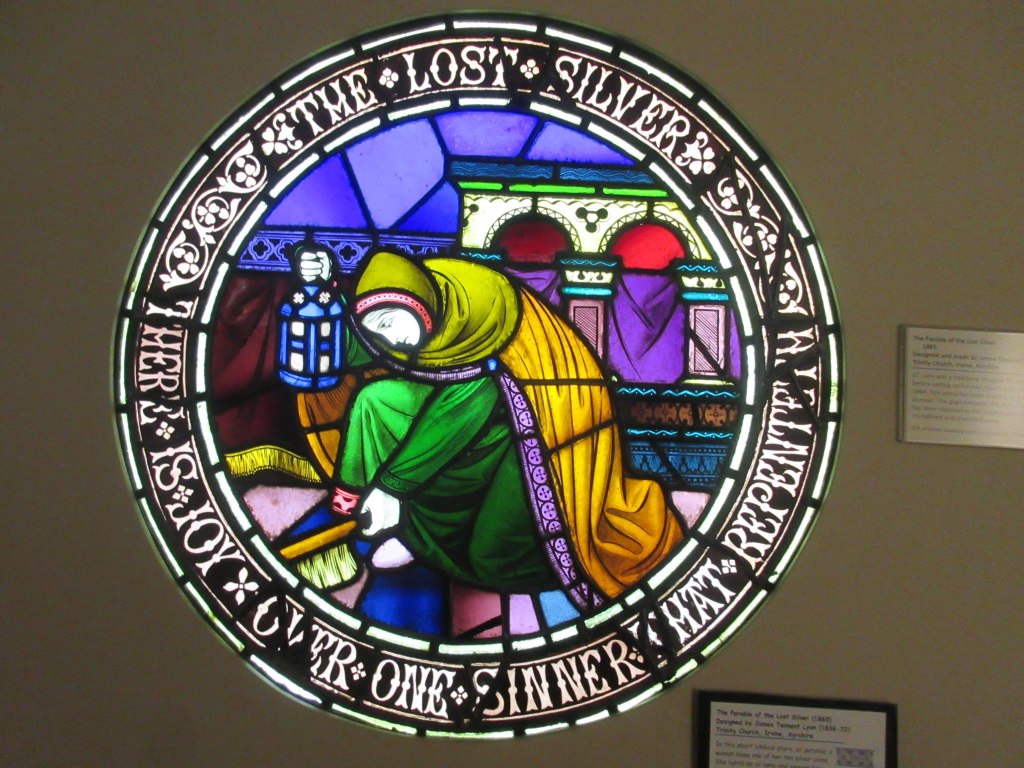
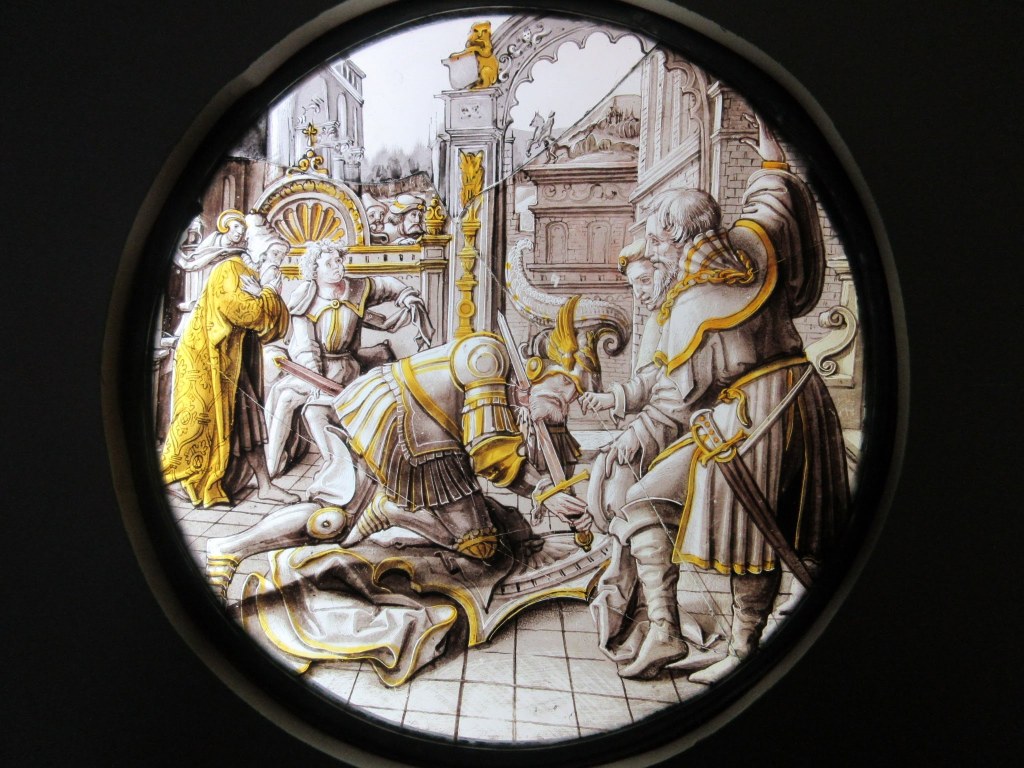
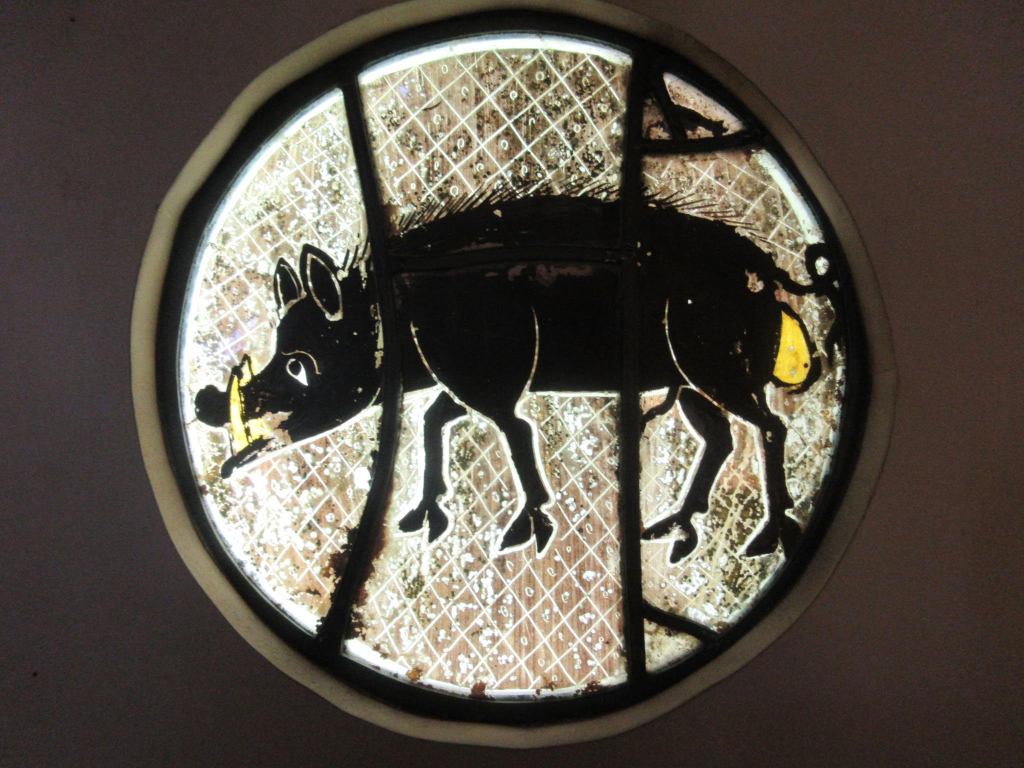
Of course, the other amazing thing to see in the cathedral is the Stained Glass Museum! I love stained glass, and had been hearing about the museum for a while. I believe there is only the Ely museum and a museum in central London that specialises in the history of stained glass. In Ely, you can pay a little more for your cathedral ticket, so that it includes the museum entry too.

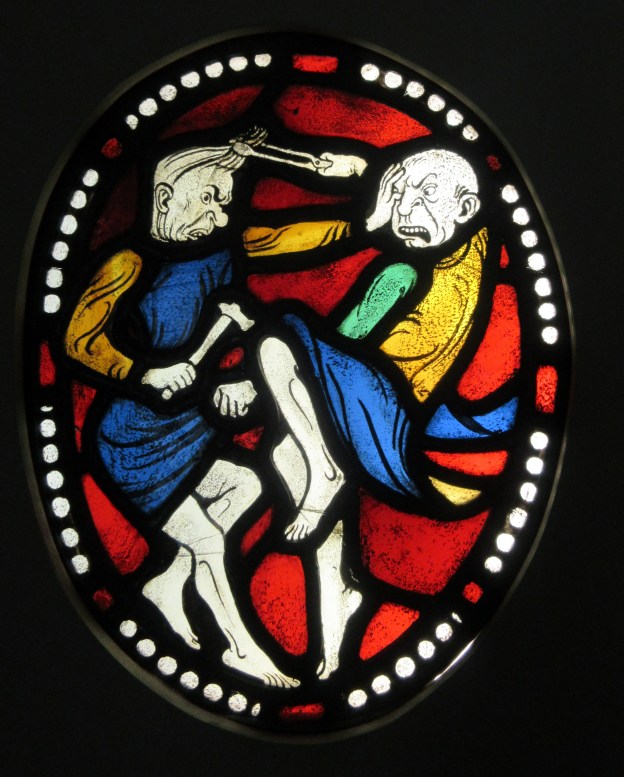
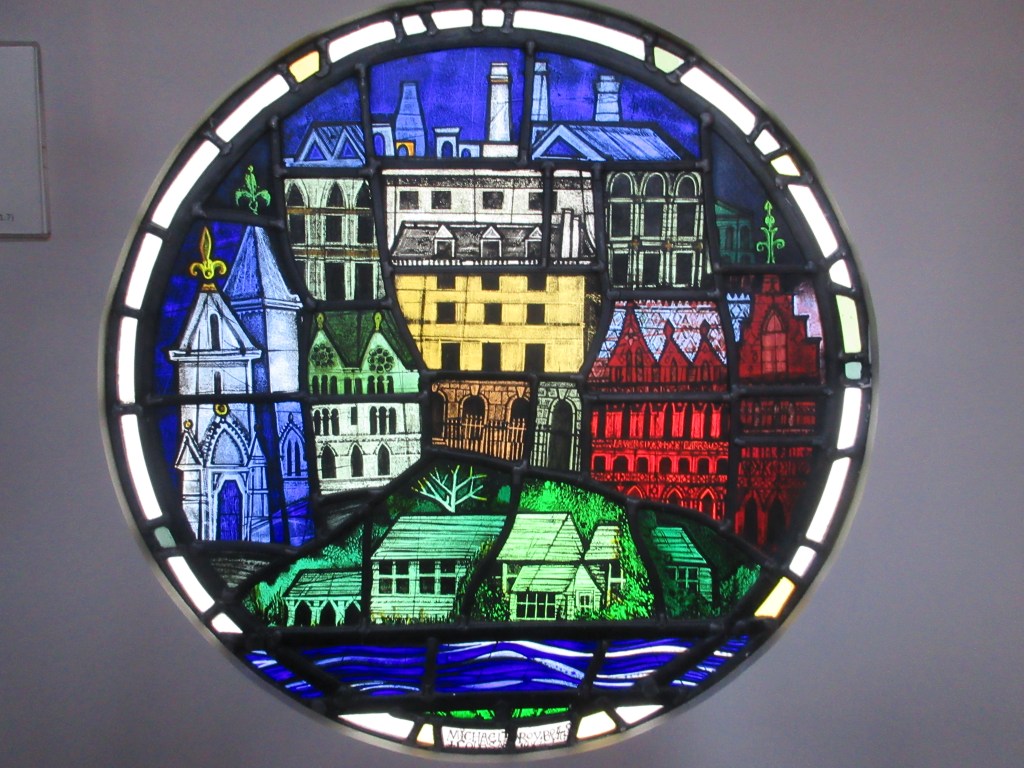
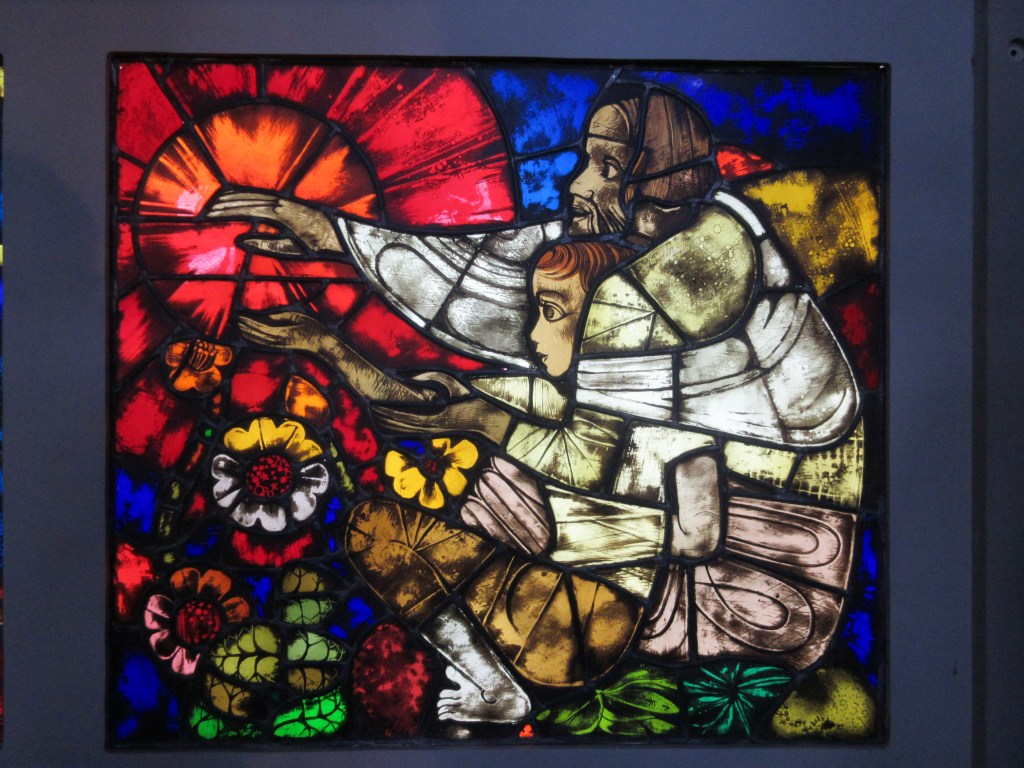
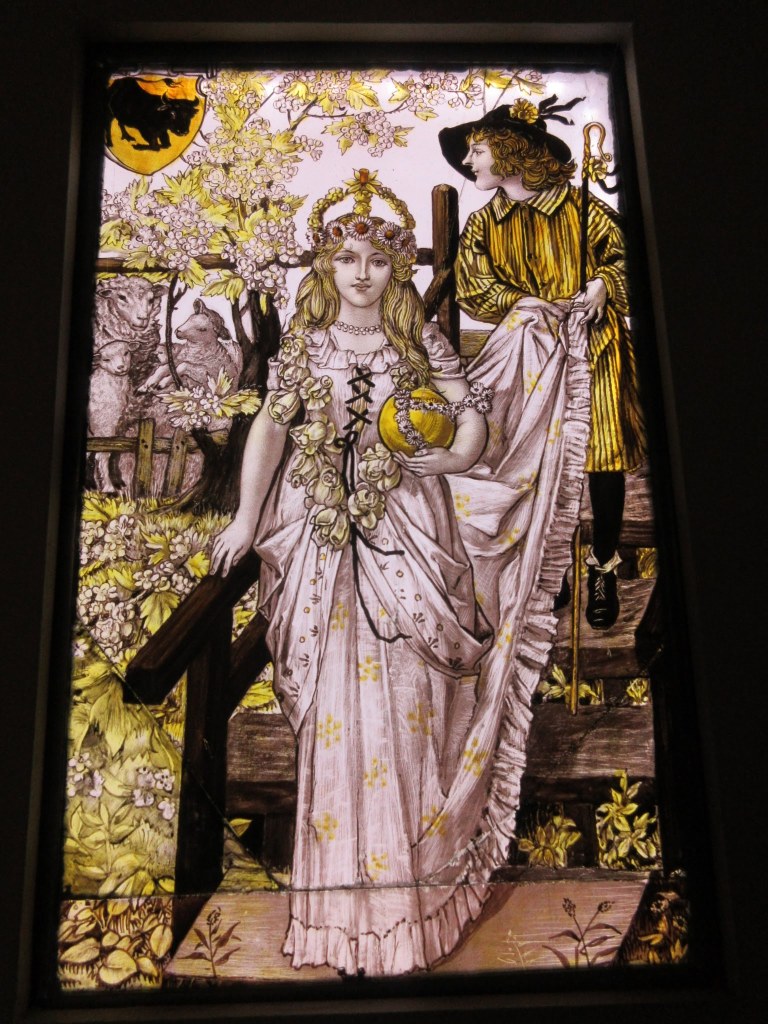
When we visited, the museum was under some refurbishment, but we were still fully able to enjoy our visit. There was an introductory video explaining to visitors how stained glass was originally made, and some of the history. They then have a full gallery of stained glass over time from different locations. The varying images and stories within the stained glass was really interesting and the craftmanship is so professional that you can really respect this ancient art. Something that I picked up from the visit which I have found useful since, was the fact that you can tell the older glass from the later glass, from the colour pallette used. Originally the artists only had use of a very limited number of colours and methods to place them on the glass. Artists used yellow frequently, so if it is heavy in yellow and little else, it is probably quite old!

Loved all the below windows!

We spent a lot of time enjoying the cathedral, our tower tour and the stained glass museum, and with the addition of lunch, the day was almost gone. We did have time for a final short walk around the city and lovely waterside before heading home, though. This is when we realised that Ely was also the home of Oliver Cromwell!

Oliver Cromwell was an English General who took over the ruling of the British Isles in 1653 under the name of Lord Protector. This was after he led armies against King Charles I during the English Civil War. He ruled the country as a dictator until his death, five years later.

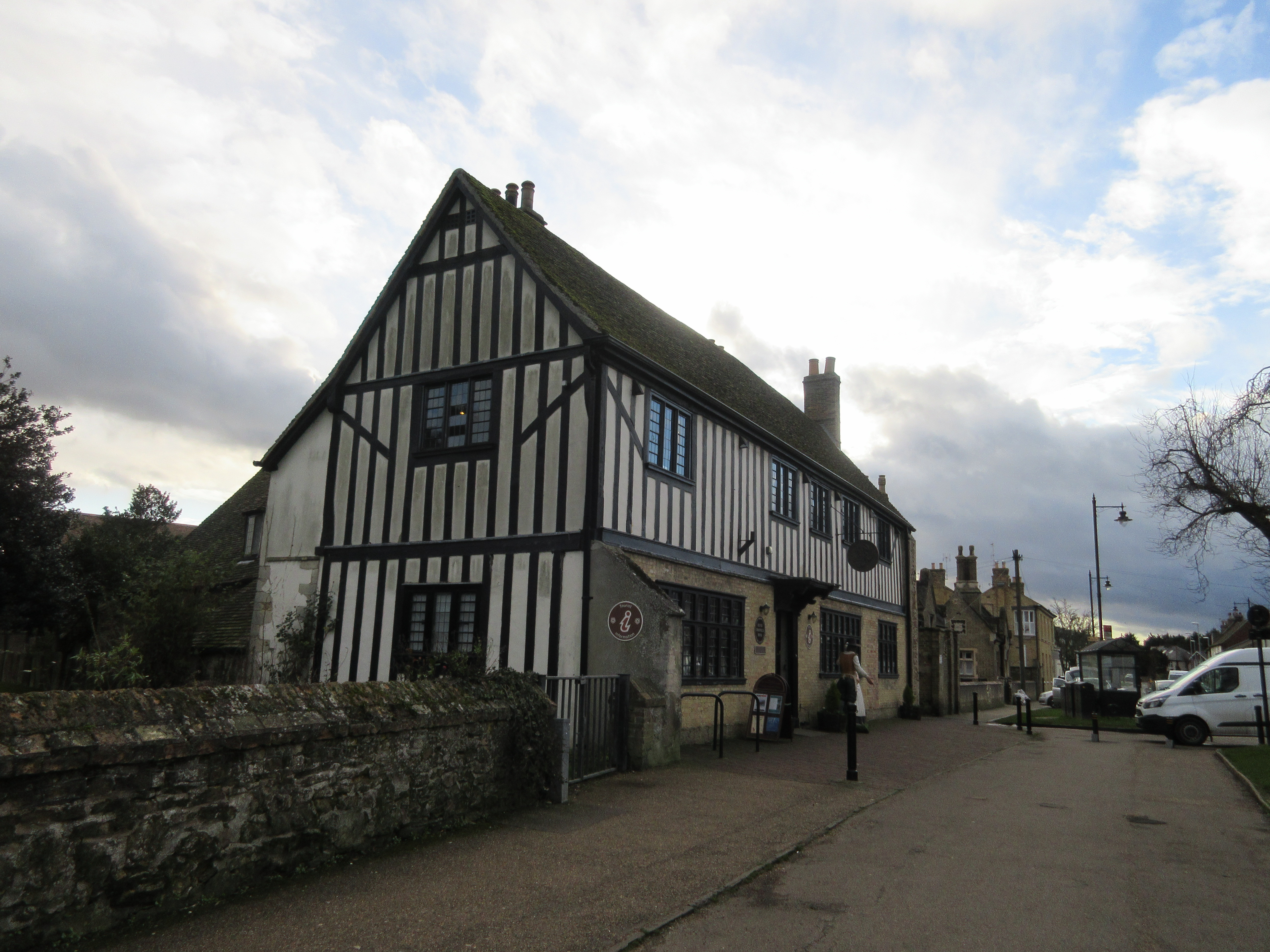
Oliver Cromwell’s parents were from Ely and he lived here with his own family for about ten years. You can visit their former house which also houses information about the civil war and doubles as the Tourist Information Centre. Unfortunately, we didn’t have enough time left to visit, but I certainly would like to come back and visit this as the English Civil War seems really intriguing to learn about, when the Parliamentarians (Roundheads) and Royalists (Cavaliers) fought for power over the way Britain was governed.

Cromwell’s house

Overall, I thought Ely was very pretty, and the history is fascinating. I will definitely return as it is so close to Norwich, and perhaps spend the weekend there, next time.