Tag Archives: tour

A colourful dip into the Baltic

With a few weeks sailing the Baltic sea, I managed to experience an Autumnal viewpoint of a collection of European cities; Helsinki, Tallinn, Visby, Copenhagen and Hamburg. With some glimpses of sunshine and lots of rain, I was able to wonder the highlights of these important places and you will quickly figure out which were my favourite.

Helsinki, Finland

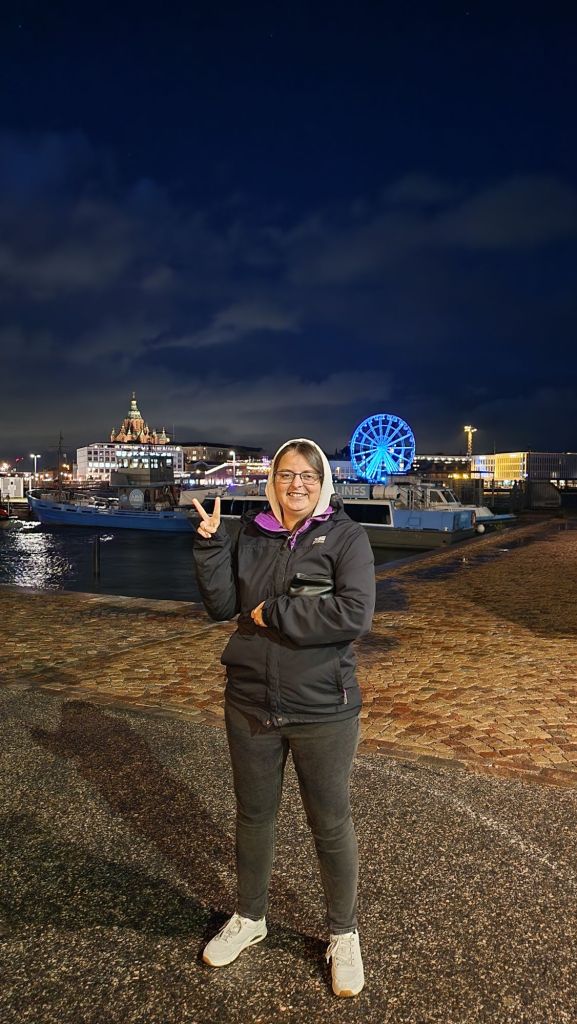
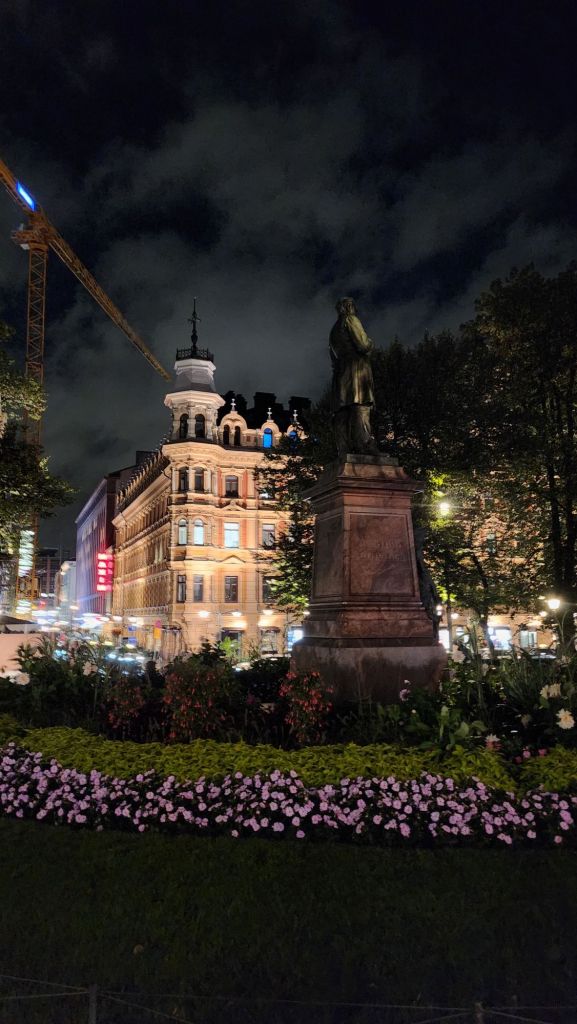
My two day visit to Helsinki was absolutely full of rain, and was very chilly but I still managed to venture out and see some of what was on offer. Just racing around in the back of a Tuk Tuk, I could see that the city was keen on design. There were so many striking buildings of brick and cement, and a clear futuristic feel.
During the day, there seemed to be a reasonable amount of activity, especially in the public saunas where I could see people steaming up and then jumping in the cold waterways that surrounded the city. Sauna culture is huge in Finland, and many people even have saunas in their homes. The Finns are very keen on wellness, which I know first hand from the lovely yoga mad vegan Finnish roommate I once had. She was all about health for the mind, body and soul.

My Finnish friend also loved to be asleep early but now I think she is not uncommon because when I tried to go for dinner out on  a Friday night in Helsinki.. there was not a soul to be seen. There were so little restaurants open, I ended up only going to a Kebab house! And having the wierdest kebab ever, might I add. According to the locals I asked, this is not unusual here. It is definitely the quietest capital city I have ever seen.

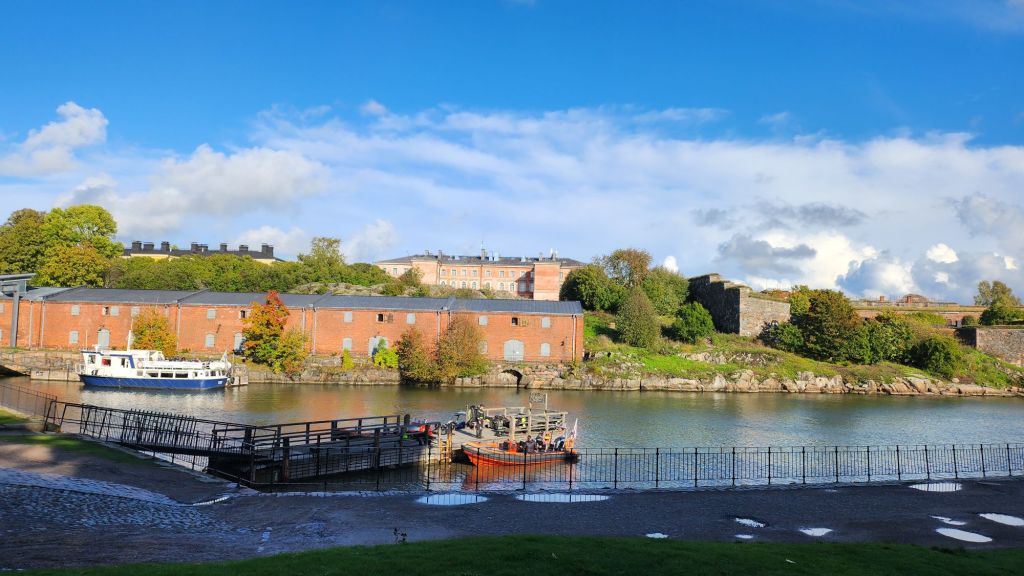
One of the most interesting things about Finland to me, was the history. I learnt a lot more about this country’s past when taking a rib ride to another island in Finland’s huge archipelago of more than 75,818 islands.

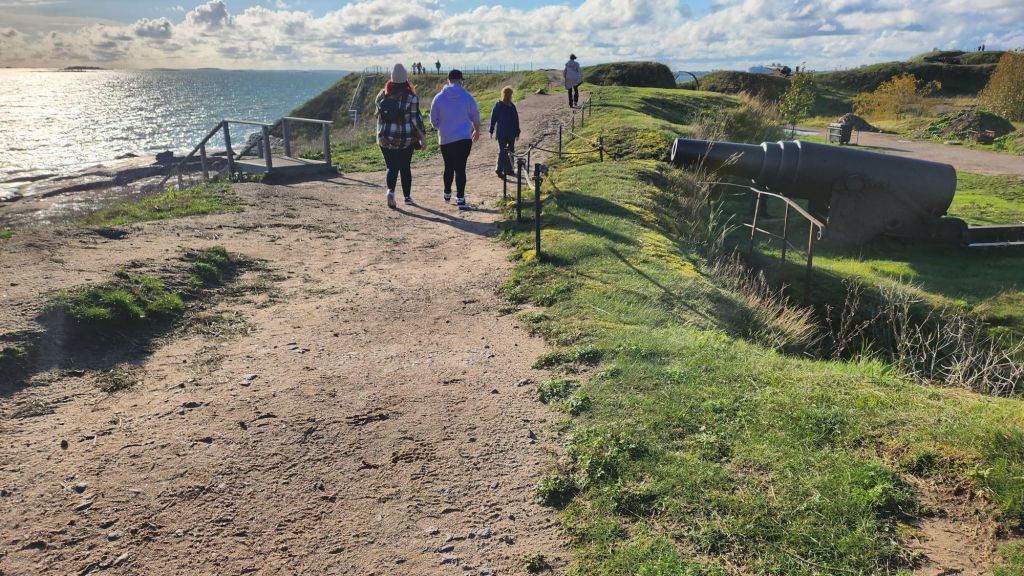
I visited Suomenlinna Island which was once a military base for Sweden, during its rule over Finland.
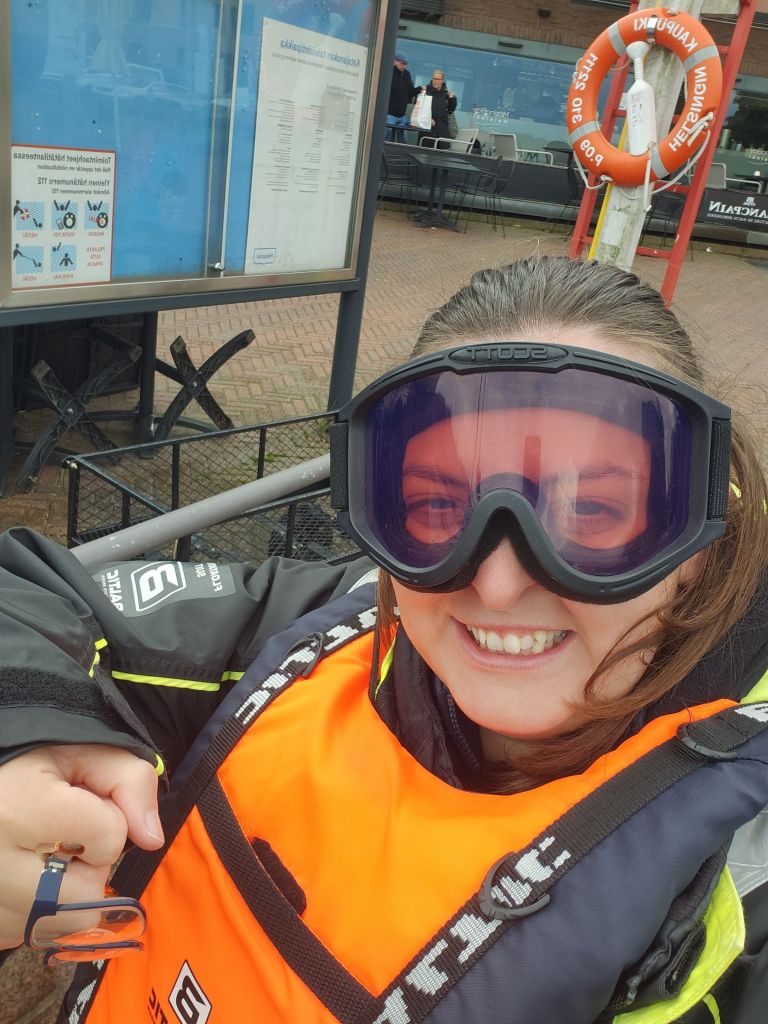
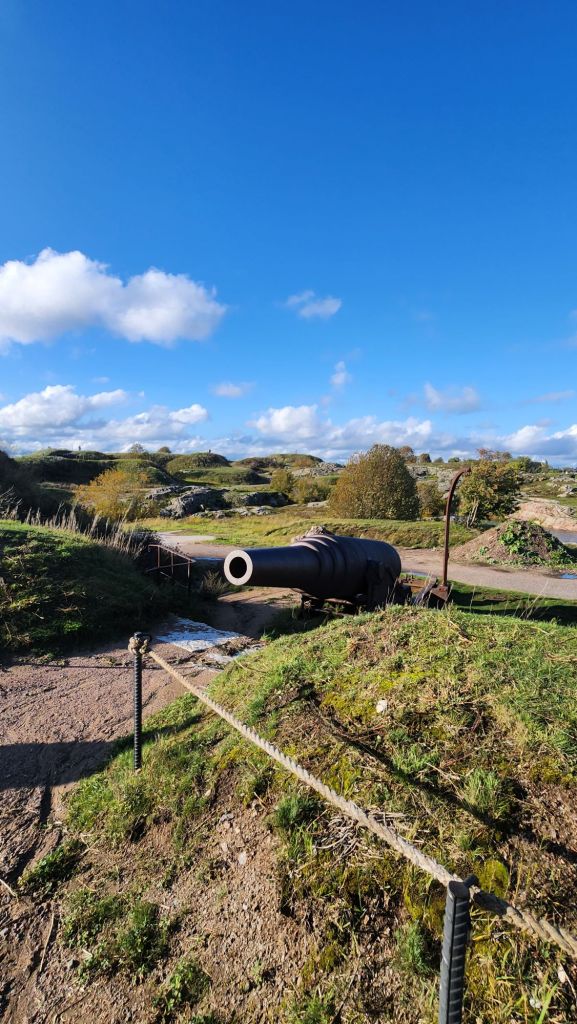
Finland has had a long history of being conquered, with lots of fighting here between Sweden and Russia for territory over Finland. This is one of the reasons why the Finns are now quite multilingual.

The guided walk I took around this island was very enjoyable and had great views  although it was bracingly cold!

Overall, chilly but calm Finland was a good introduction to my Baltics adventure.

Onwards to Tallinn, Estonia...

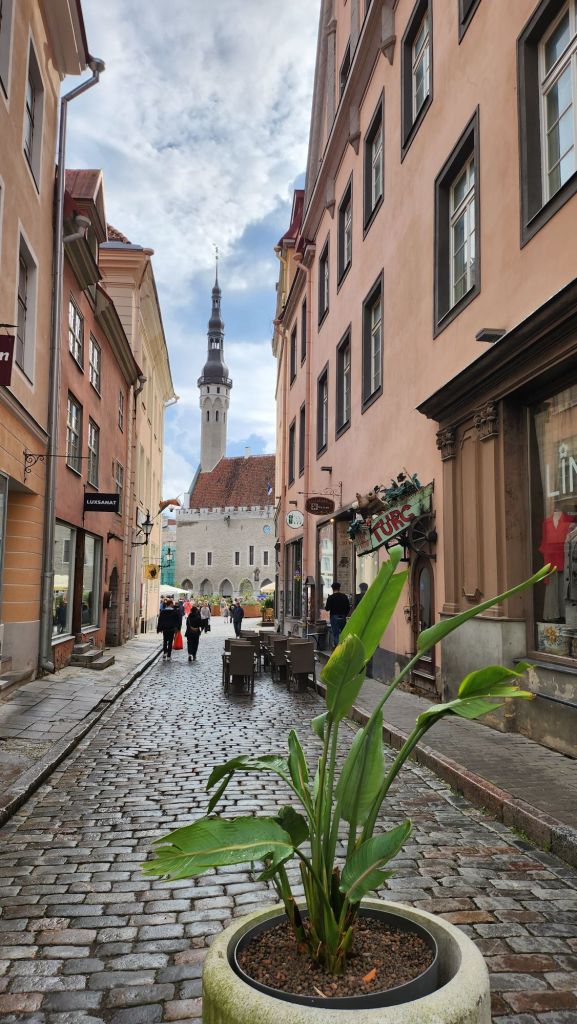
Tallinn’s old medieval town is a UNESCO World Heritage Site, and is a beautiful little place to explore.

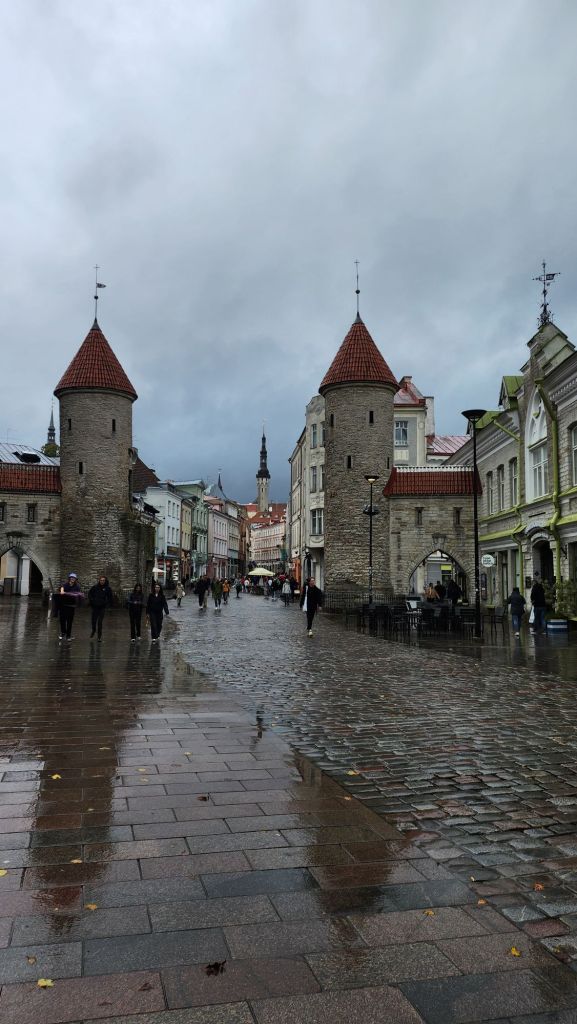
I felt like I had been transported back in time, and into a fairytale book in Tallinn. The city has a beautiful stone gateway with pretty turrets as you enter and then I continued to see more of these Rapunzel type turrets as well as picturesque church steeples and sweet little town squares. There were traditional markets and shops and I found myself a very tasty bakery.
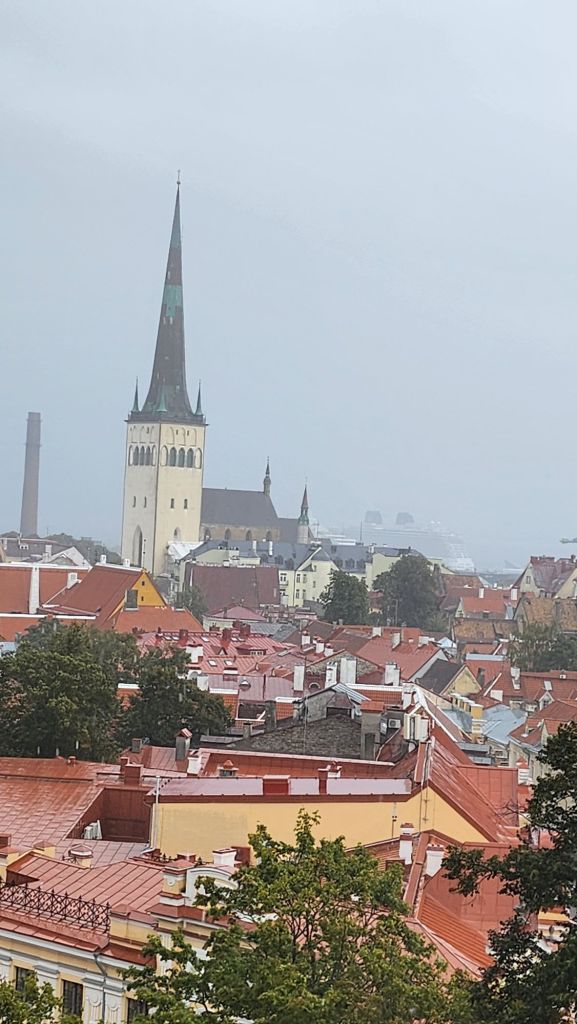
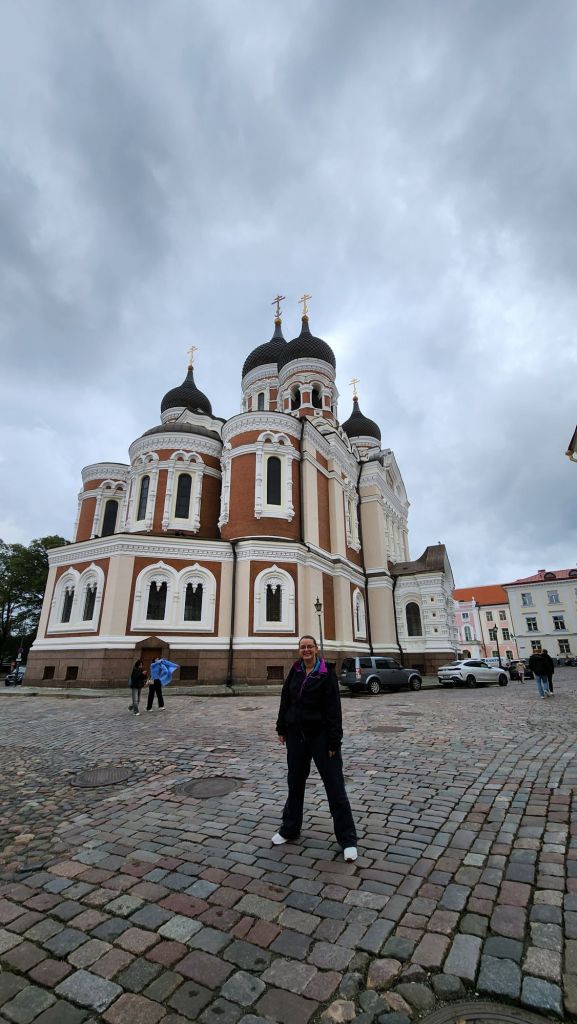
As I walked my way up to a viewpoint on what was becoming a very rainy day, I could also see their Russian built church which whilst beautiful, told the instant story of their conquered history too.

Next stop Visby, Sweden

Now ordinarily, I think Visby must be a very sleepy place. I was lucky enough though to visit when they were having a food festival!

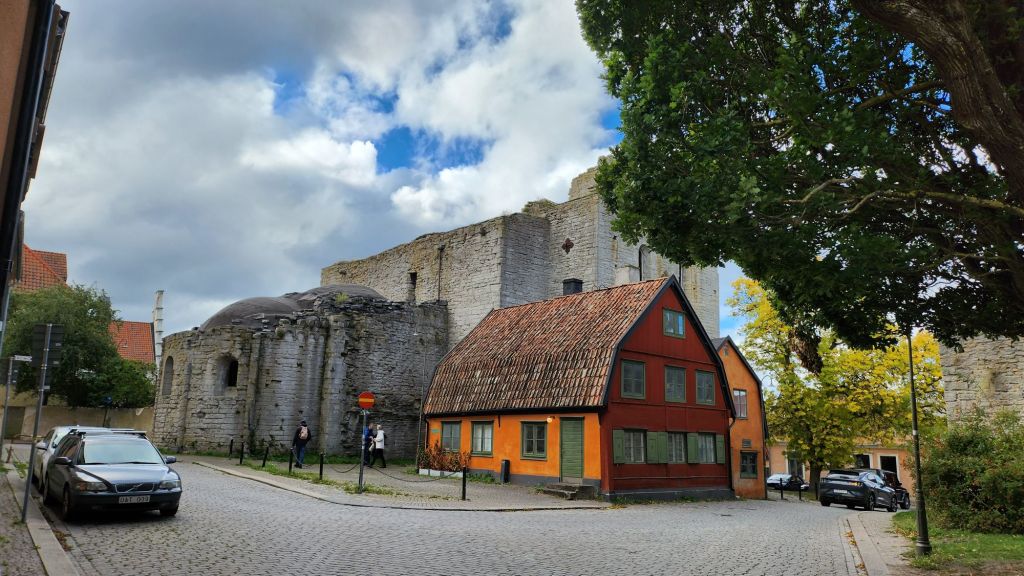
Visby is actually a heritage city on one of Sweden’s islands, named Gotland. This is again a fairytale location but here you get that traditional Viking feel from the design of the place.

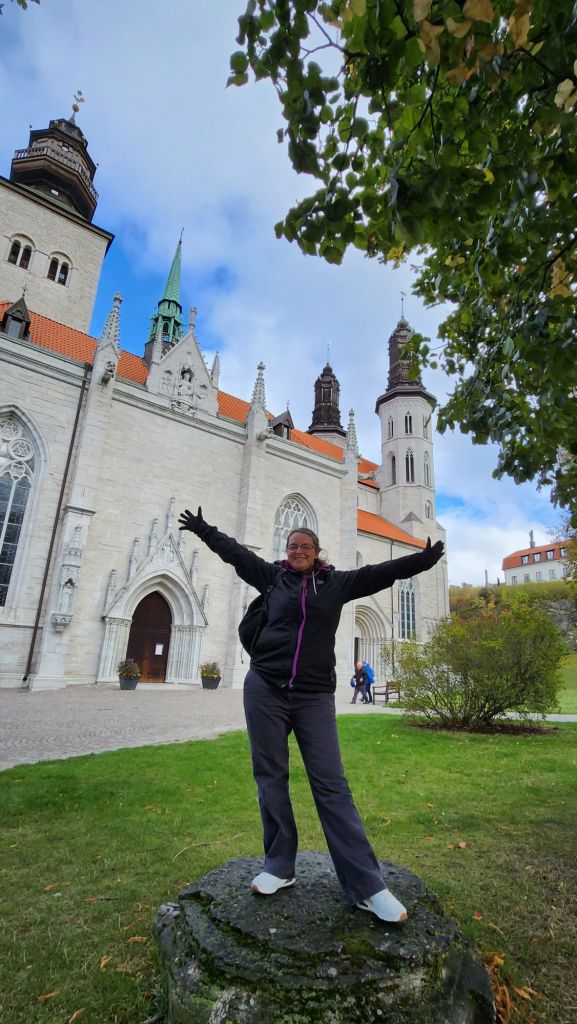
The old walls, houses and cathedral are all impressive, but as I mentioned, it was a food festival, so I was taken in by a very tasty and unusual Bison Stroganoff and an amazing selection of cheeses!

After some delicious food and music, I had a wonder around before rejoining my ship to go onwards to Copenhagen.

Copenhagen, Denmark

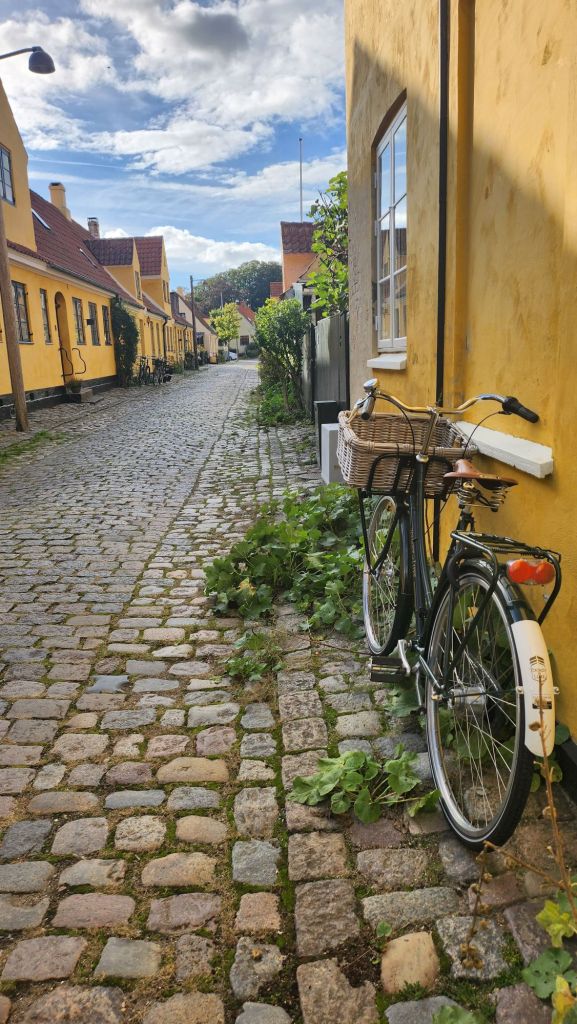
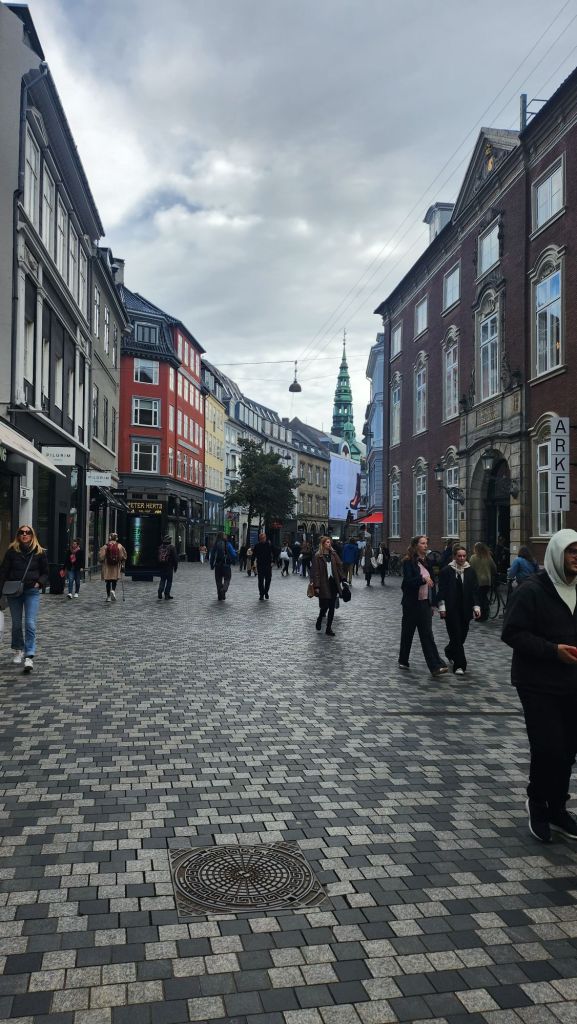
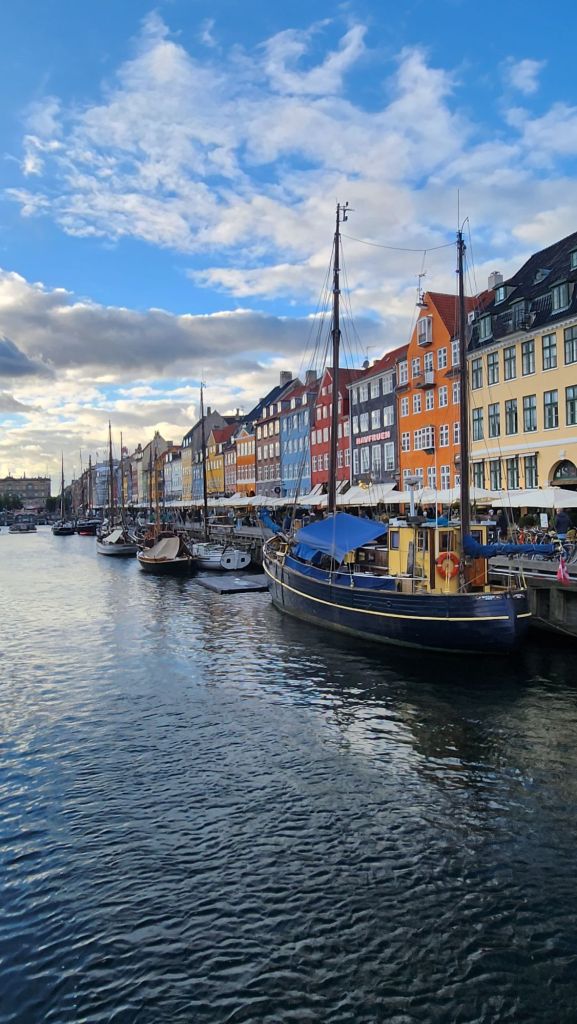
Copenhagen was certainly very colourful in their city vibes and friendly people. The city is full of hustle and bustle, mainly around their famous harbour and in the form of the speedy cyclists that zoom around the city.

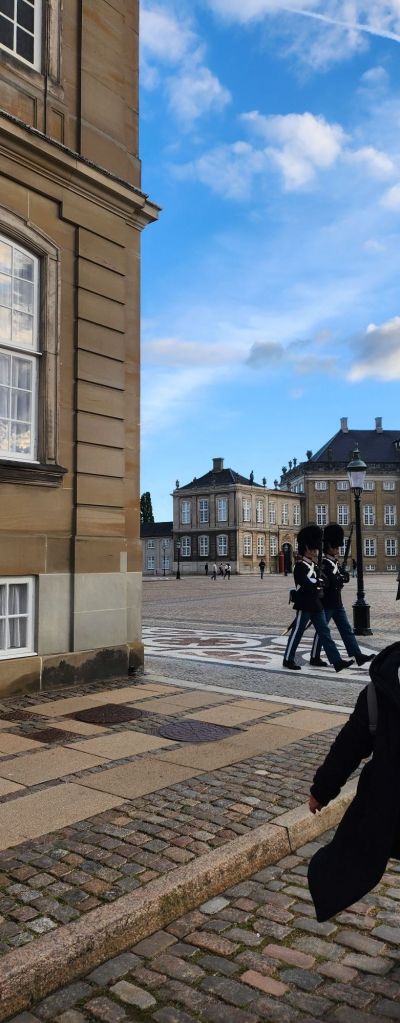
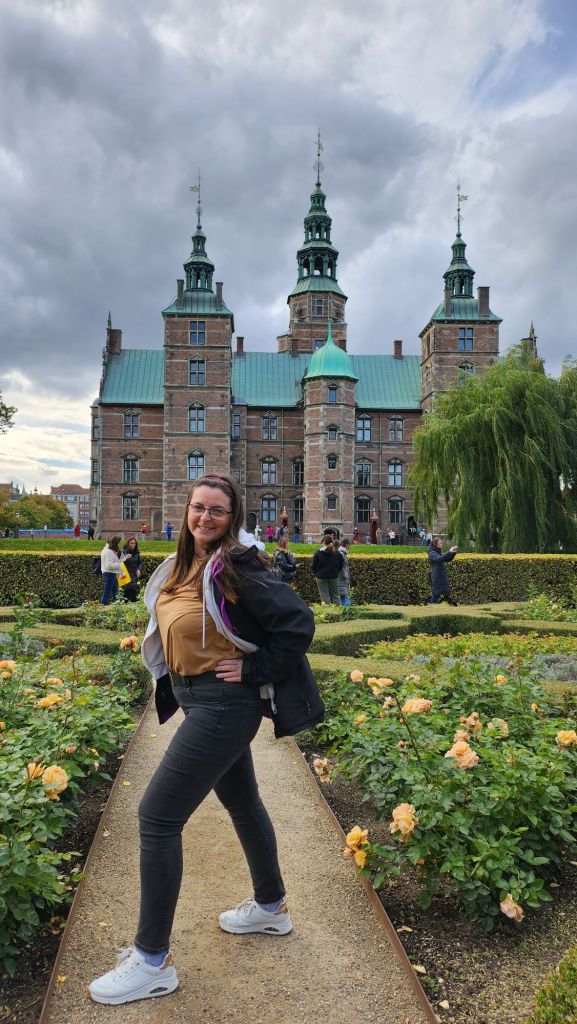
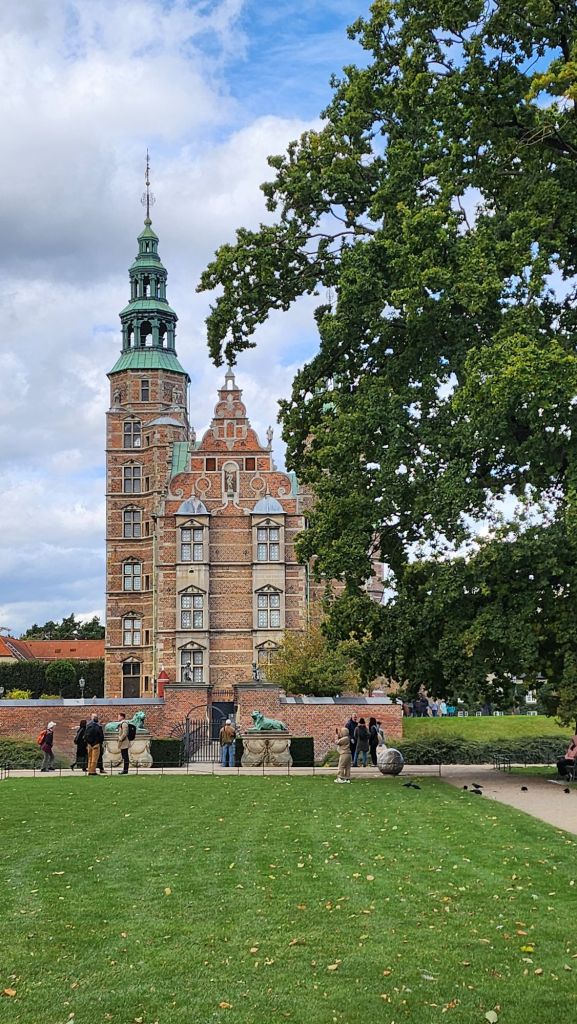
On foot, I explored the impressive palace squares with their palace guards and procession that could easily compete with London’s own. I also ventured further to the gardens of the pretty Rosenborg Castle and tried some very odd plant food from the public food hall which wasn’t half bad. Later, it was time for a relaxing dinner at one of the harbour’s many restaurants where heaters and blankets were much appreciated in the night air.
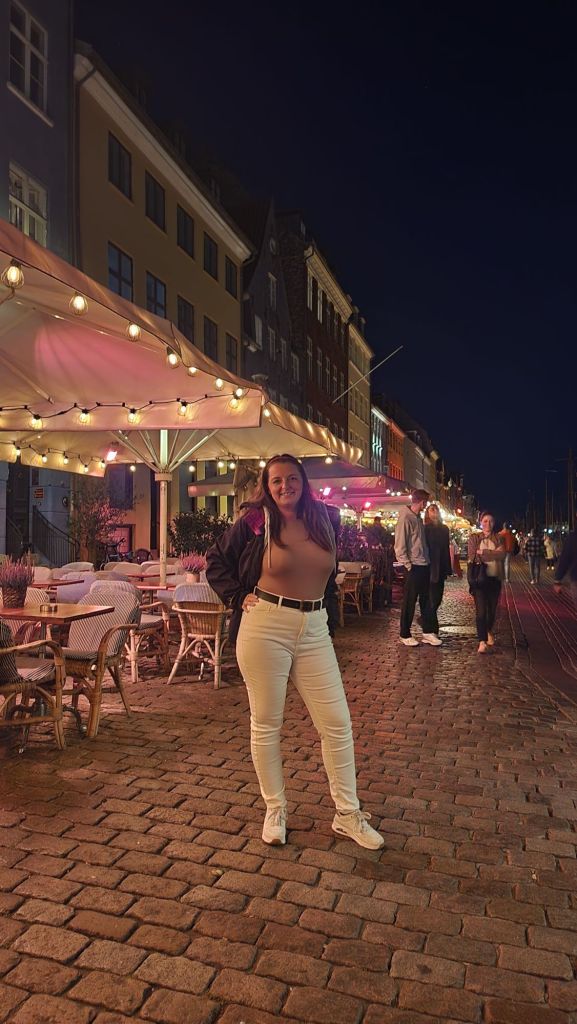
I found myself talking to a guy from Argentina that had moved to Denmark. It seems to be the place for many people wanting to run away to a new country and has a lot of easy visa rules for this. On a visit to a sleepy harbour town outside the city, my guide was also telling me about his move from UK to Denmark, after meeting his danish girlfriend. The girls across all of Scandinavia are known for their beauty.

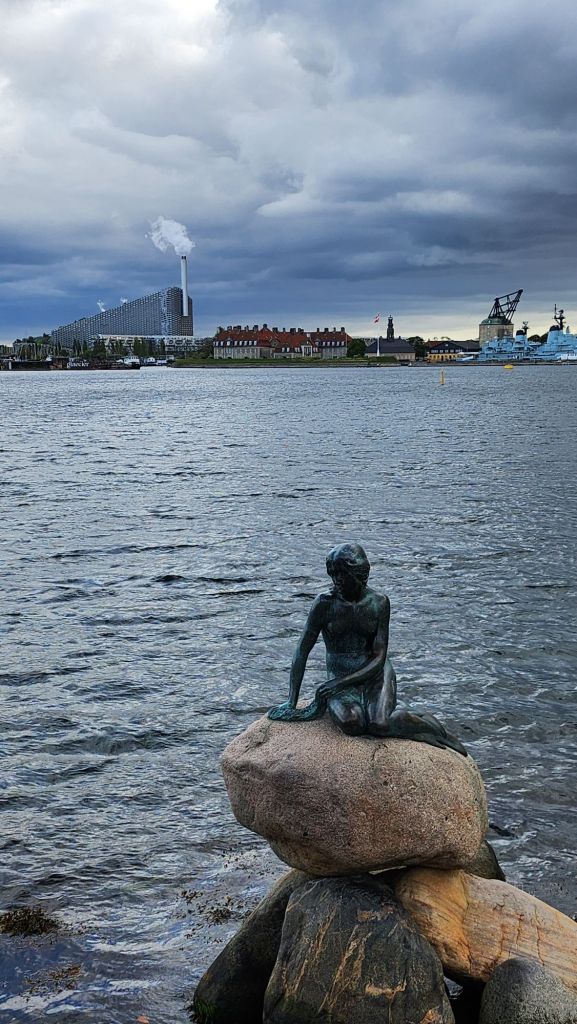
One girl is well known in the city, and that is the little mermaid. A true lurer of men in mythology. The statue sits on the outskirts of the city and is a world famous symbol of Denmark. Whilst well known, for me she was very underwhelming. Sitting alone on the waterside, (except for all the tourists), she didn’t actually look like a mermaid. Apparently, she was actually based on the sculptor’s wife. She was probably the part of the city that was least interesting.
Finally, after all these other places, I can’t forget to mention my afternoon in Hamburg.

Hamburg, Germany

I have been to other parts of Germany and had never thought much about visiting Hamburg. Once there, I was captured by it’s charm.

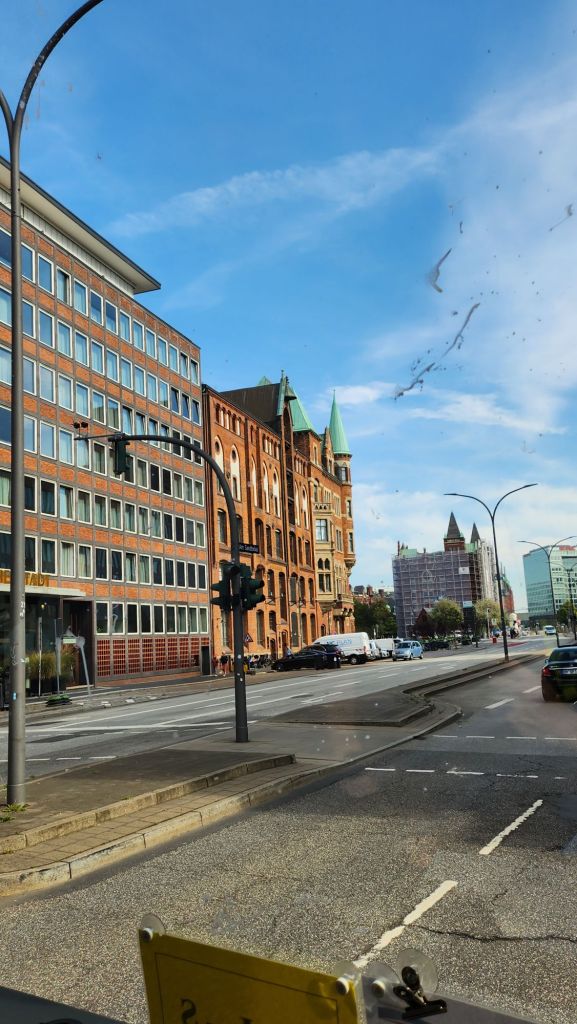
This red brick city has a famous port and historic district called Spiekerstadt, which is full of converted warehouses and factories that gives a post industrial redesign vibe.

Apparently the city has actually grown on land that has been man made over the original marsh areas that were here. Tons of sand is actually brought into the newest HafenCity to raise its level higher, for construction to be done on a more stable foundation. I went to a part of the city that was still being built and could just see masses of sand there. You can get the sense for the different heights of the city just driving around though.
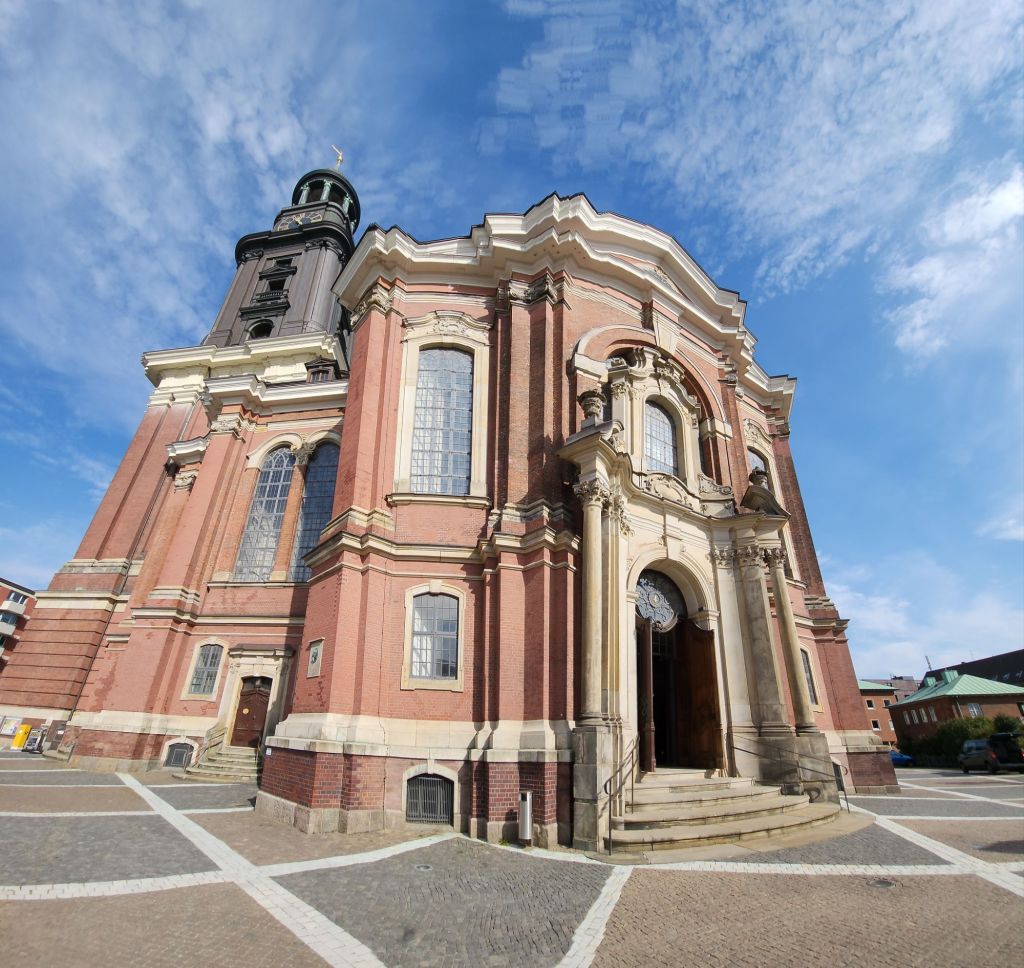
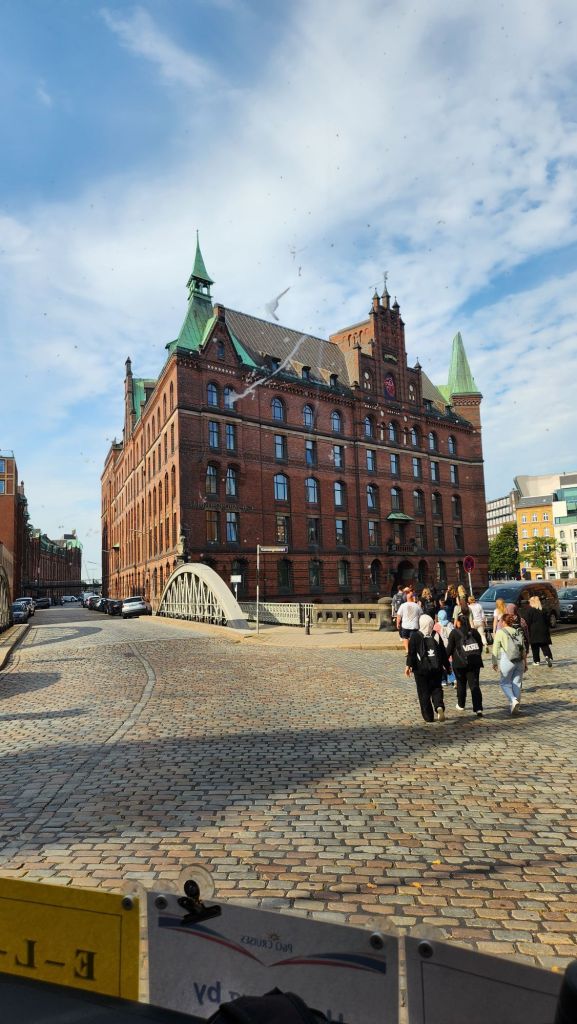
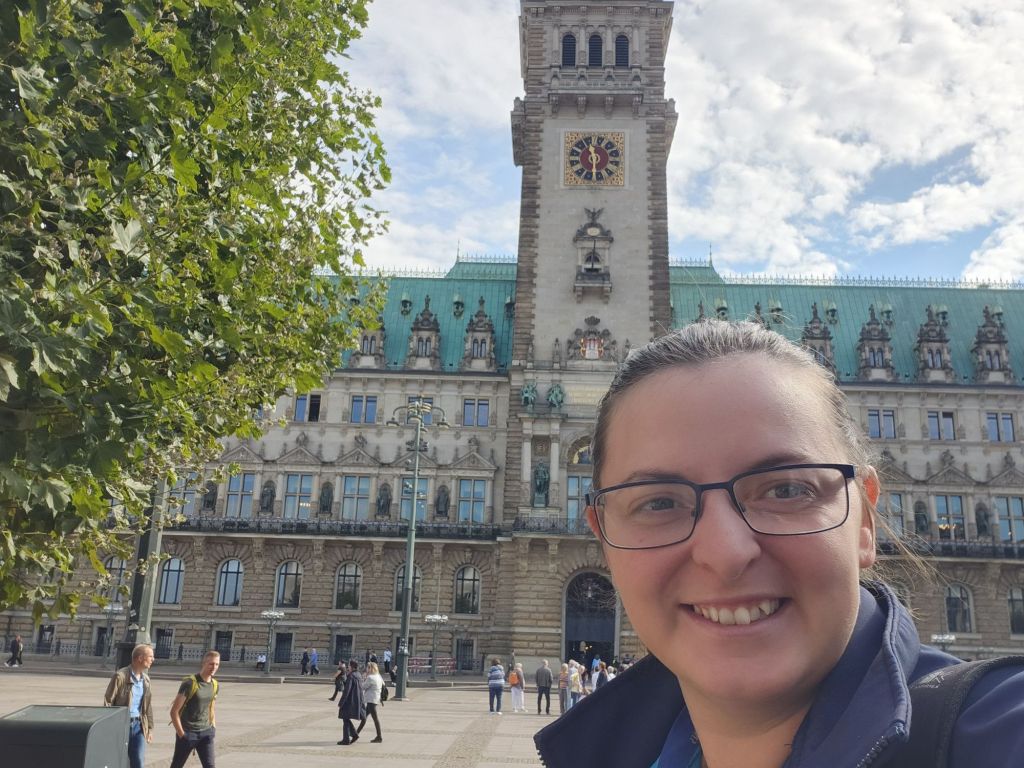
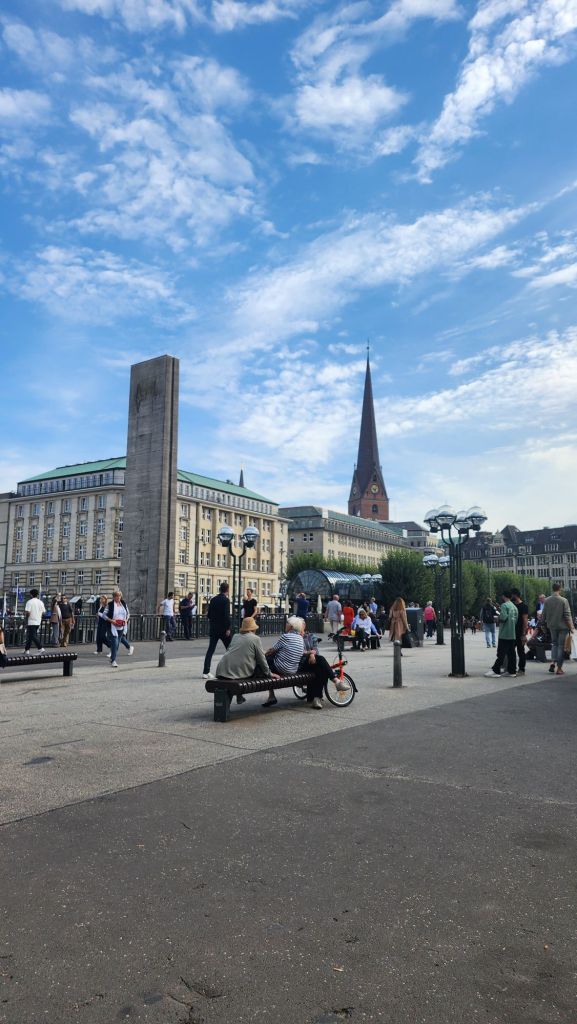
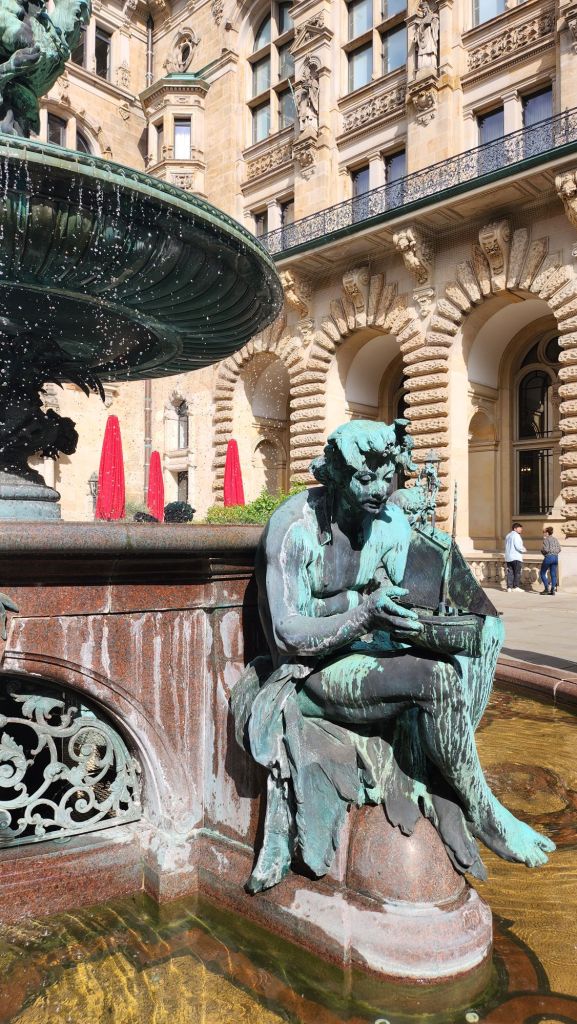
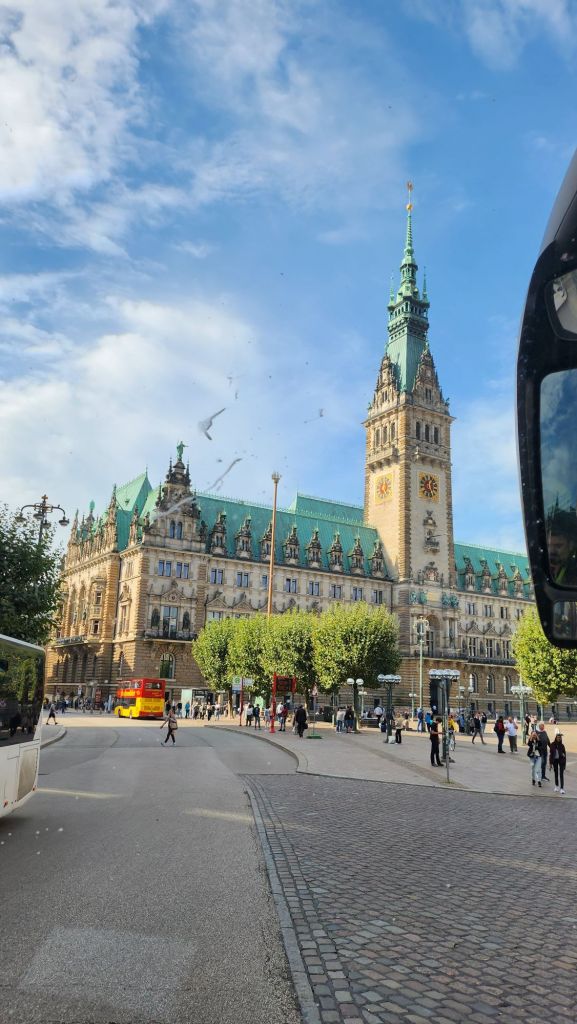
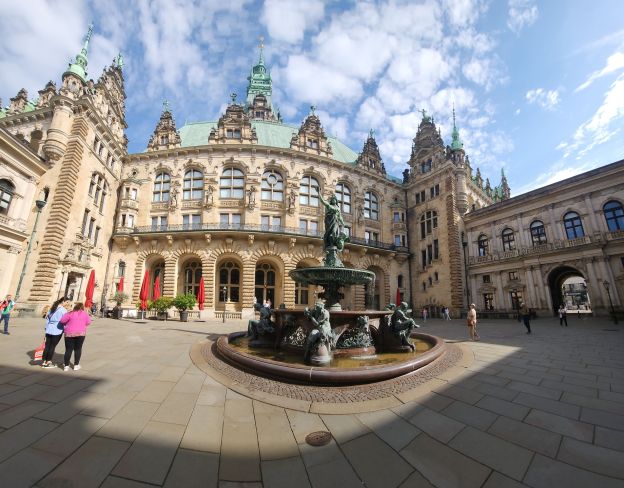
Walking around the city, there is a lot of life in the streets as well as an intricate network of canals and a gorgeous town hall. I really enjoyed my short time here and would love to revisit. I hear that the nightlife is also well worth it!

So overall, my little dip into the Baltic was a great introduction and even though these places are all in the same part of the world, they all definitely had their own unique identity.

Vietnam: North to South – Part Two

Continuing my journey South from my previous days in North and Central Vietnam, I explored Hoi An, the Meekong Delta and Ho Chi Minh City.
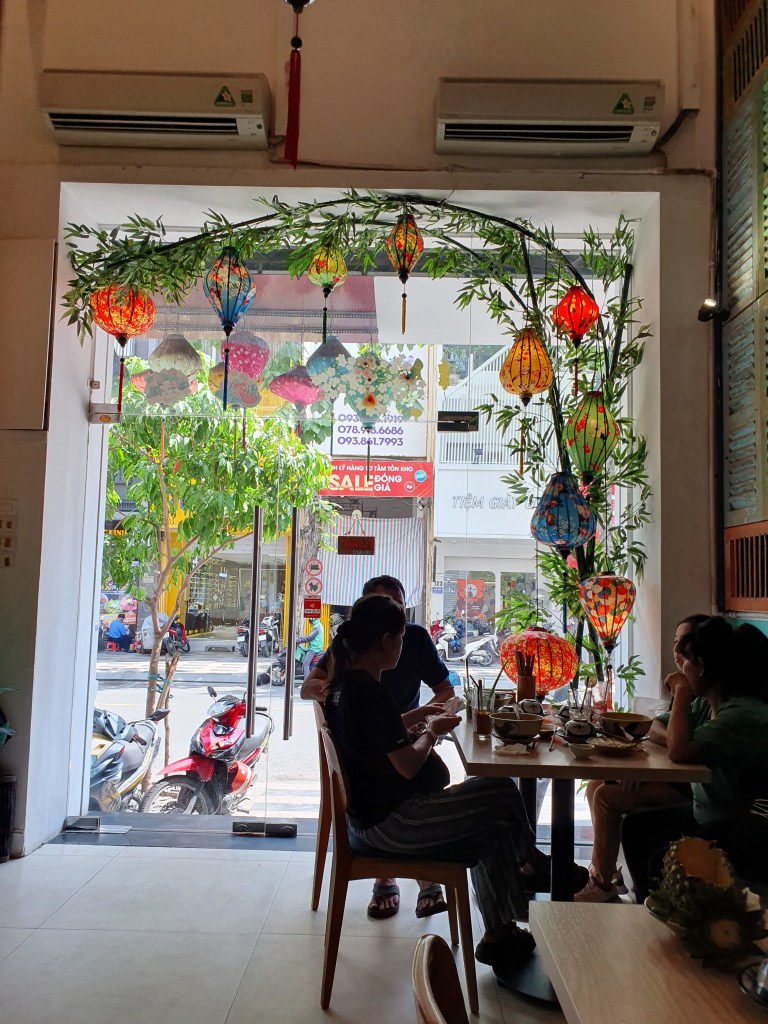
Hoi An

A shopping mecca, this city is well known for its markets, historic trading houses, and modern day fashion boutique stores. The best value shopping you can do is on tailor made clothing.

There are many tailors offering good prices on any design you would like made with a huge selection of fabrics and can make it in under 24 hours! Very impressive. They will also keep your measurements in file for three years in case you want more made and shipped home.

I could not resist the chance to purchase a new formal ball gown, and the price was a bargain. I gave them a photo of what l wanted and came back the next afternoon to find it all done, and looking beautiful.

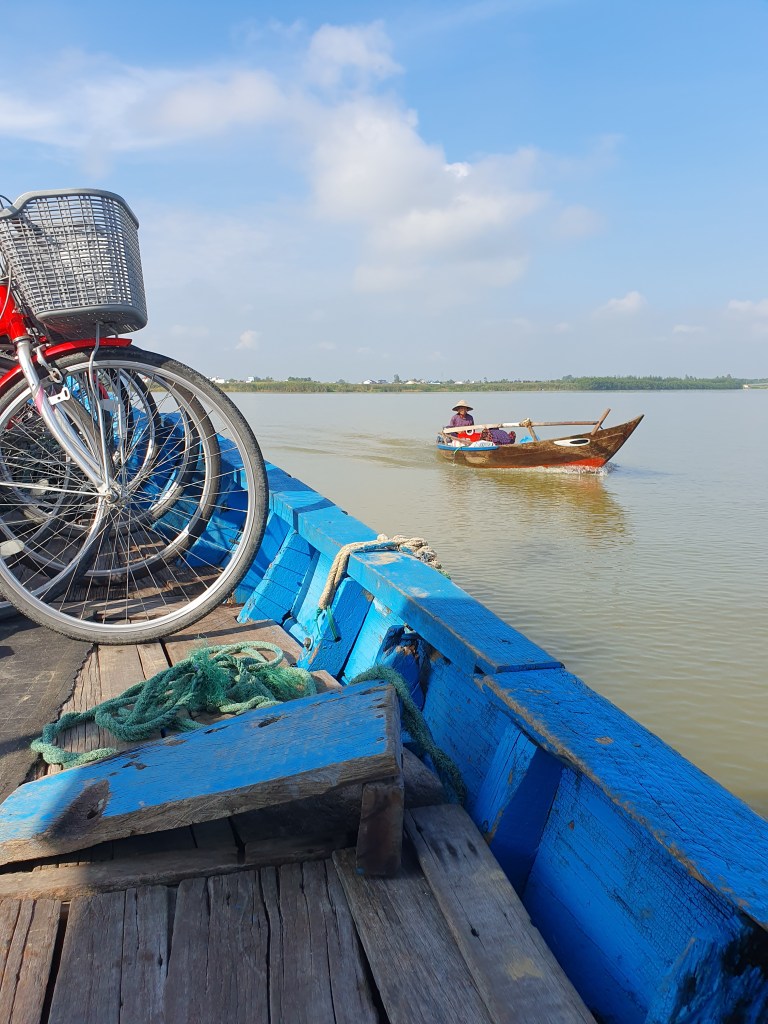
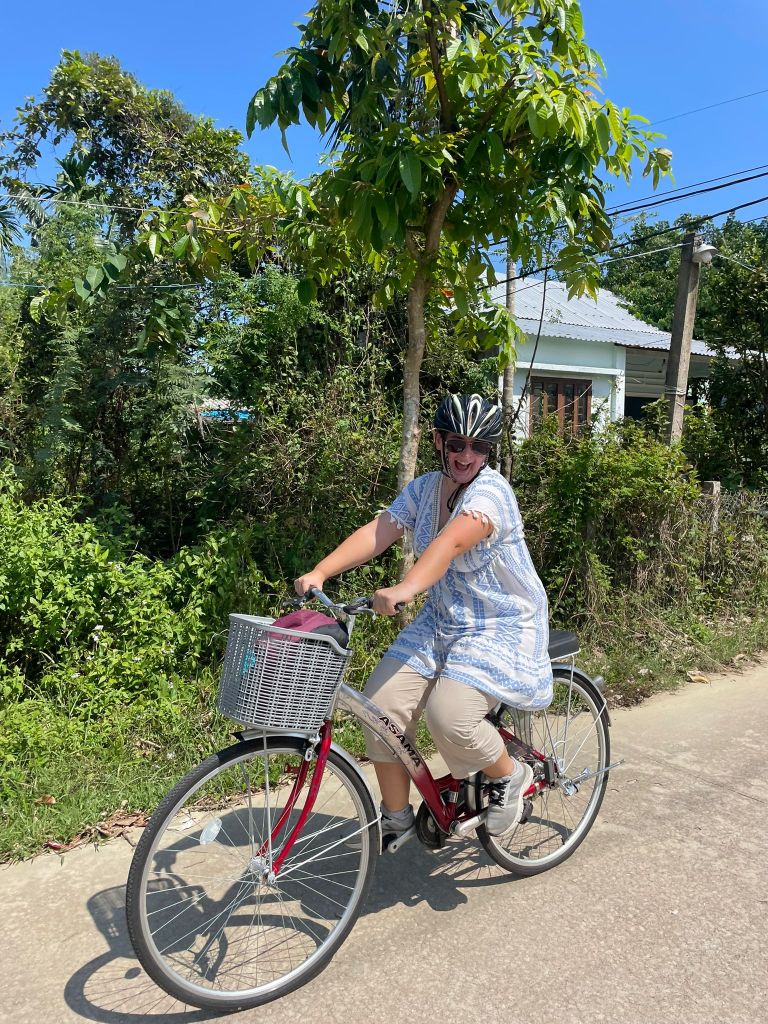
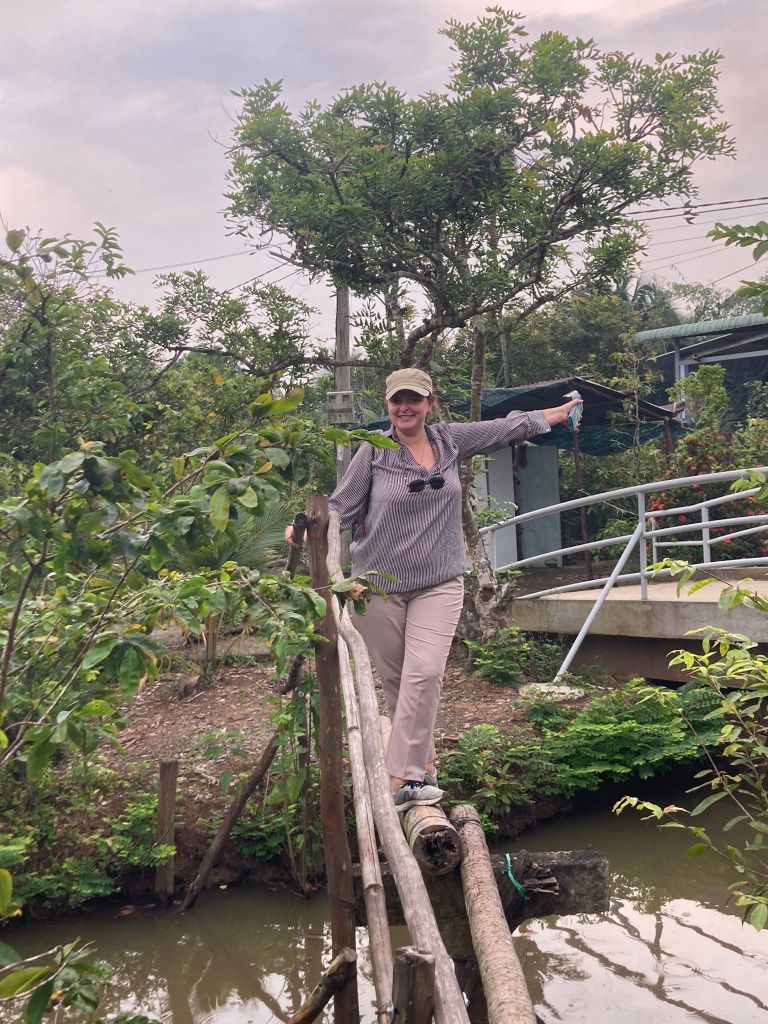
On another day in Hoi An, I secured my bike helmet once again and headed onto a ferry to two main islands for a cycle tour. I had the chance to visit three local families and see how they made their living from the land around them.

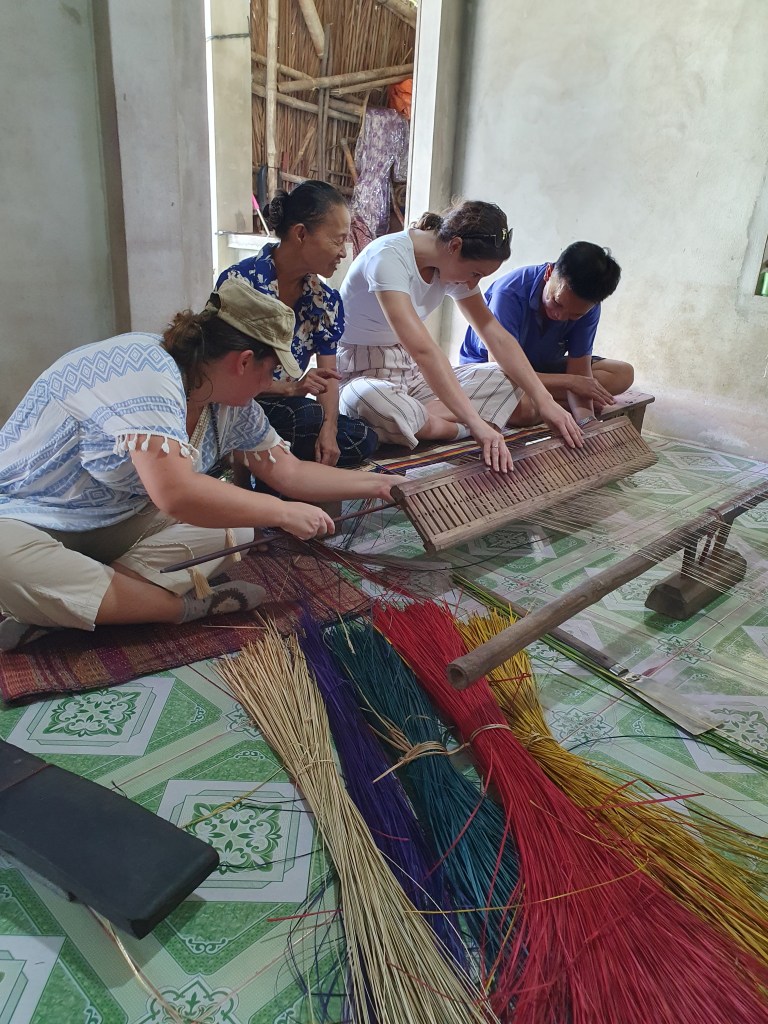
One family showed us how they spent from 4am to 9pm using dried and dyed reeds from the garden to make floor, bed and table mats. I had a try at it and it was not as easy as it looked!

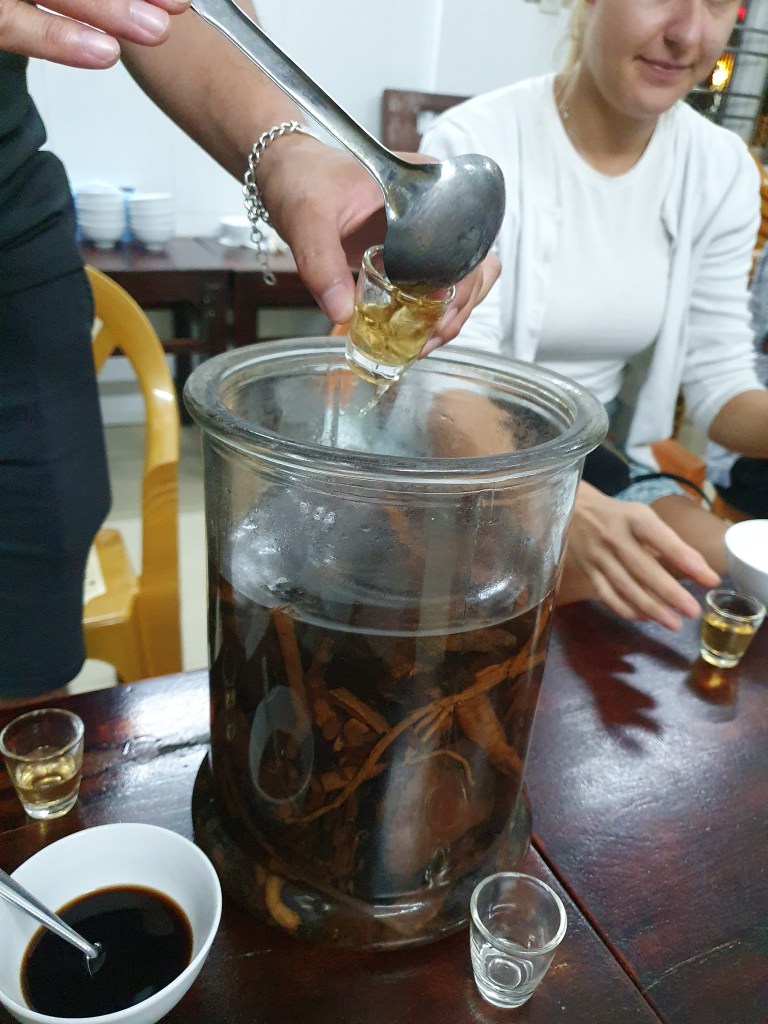
Another family invited us to sing together after showing us their in home process of making rice wine to sell to the people in their community. This was very impressive in its sustainability. For example the man (who was a one legged veteran – making it more impressive) kept pigs and he used the ‘pigshit gas’ as its locally known to fuel the fires that are used to run his operation!
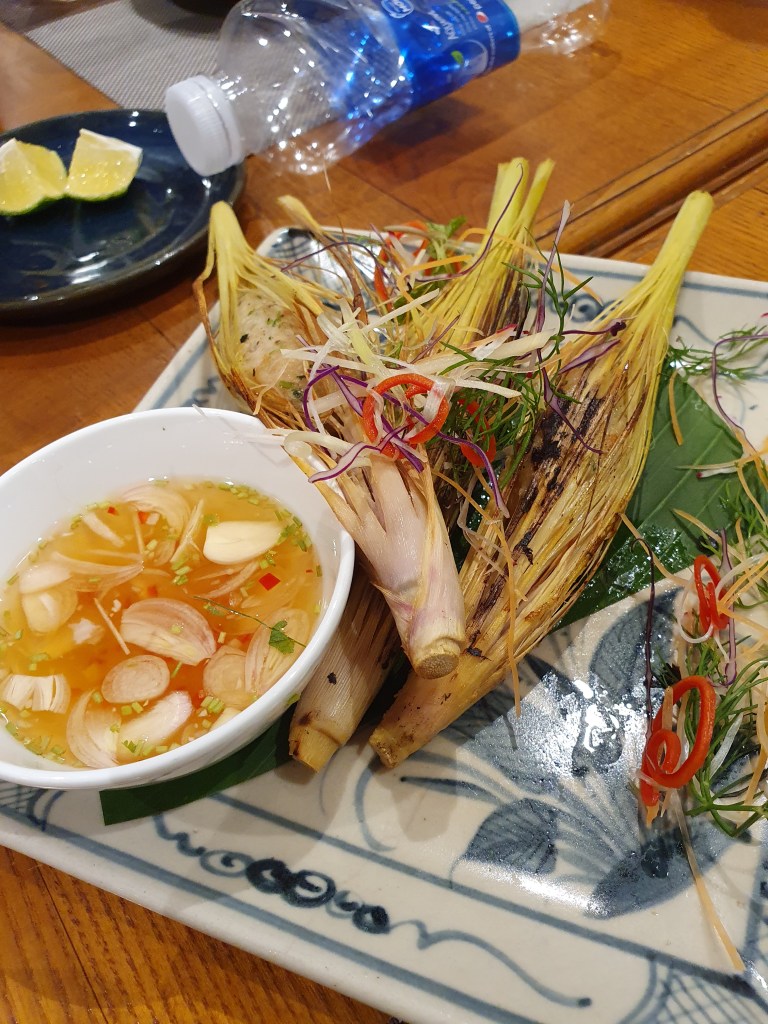
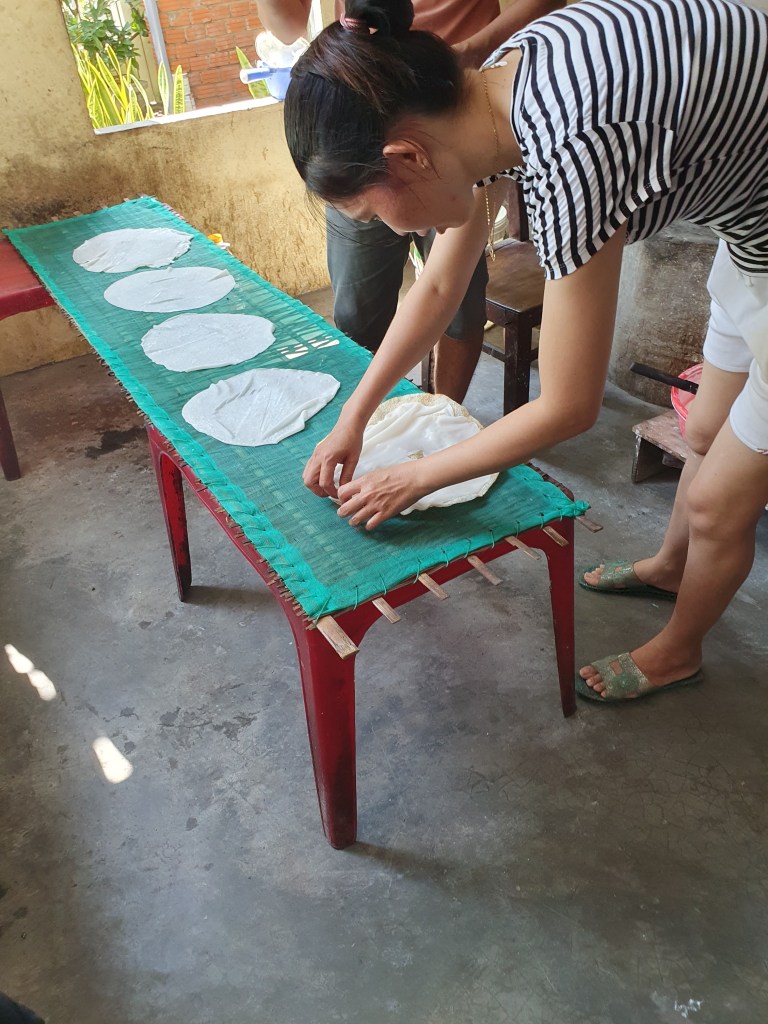
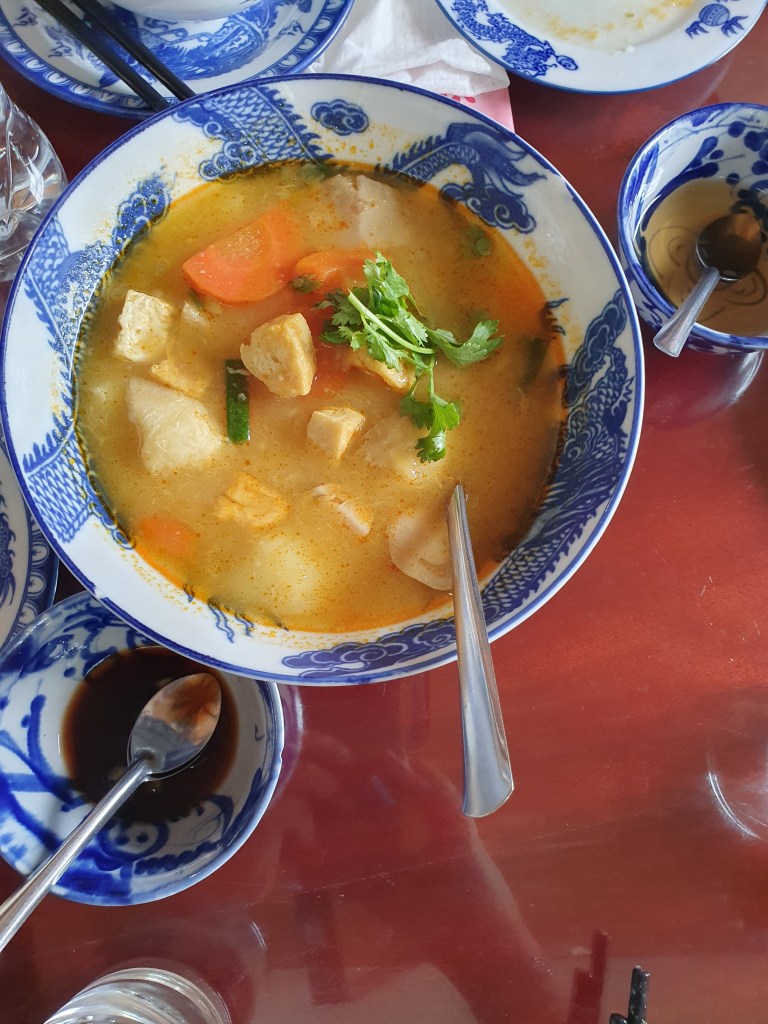
Lastly, we got a chance to hand make our own rice noodles and enjoy a delicious lunch full of local ingredients.
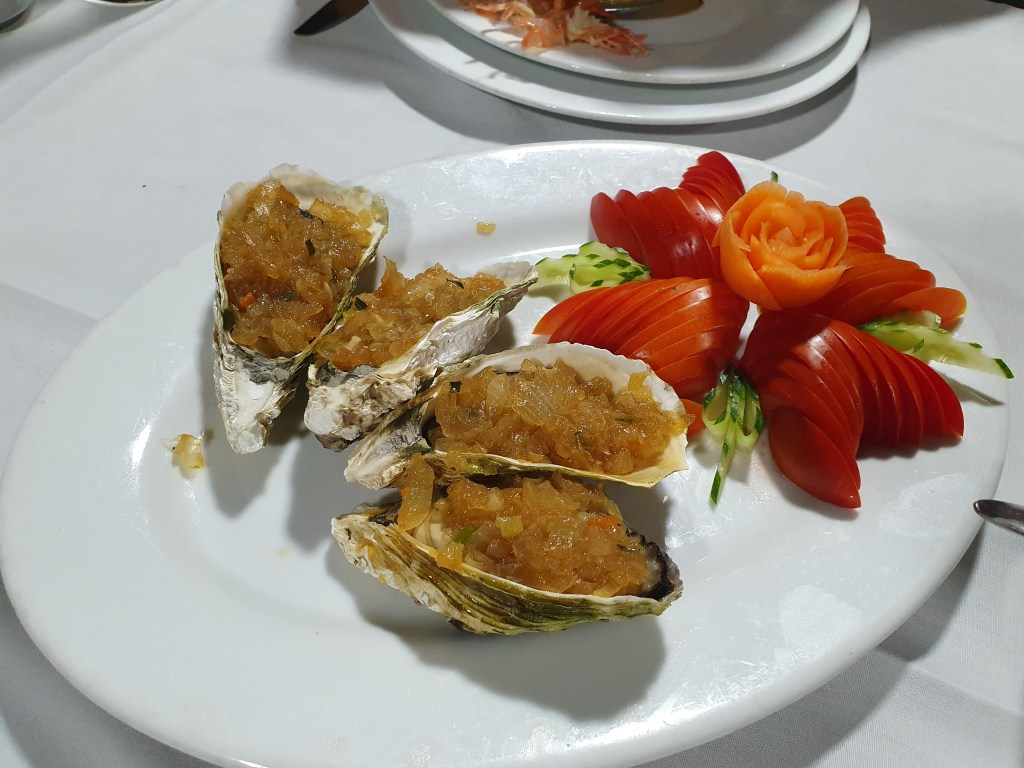
The best thing was, in all of this, I never fell off the bike! Even when I thought I could pass out from the heat!

Ho Chi Minh City / Saigon

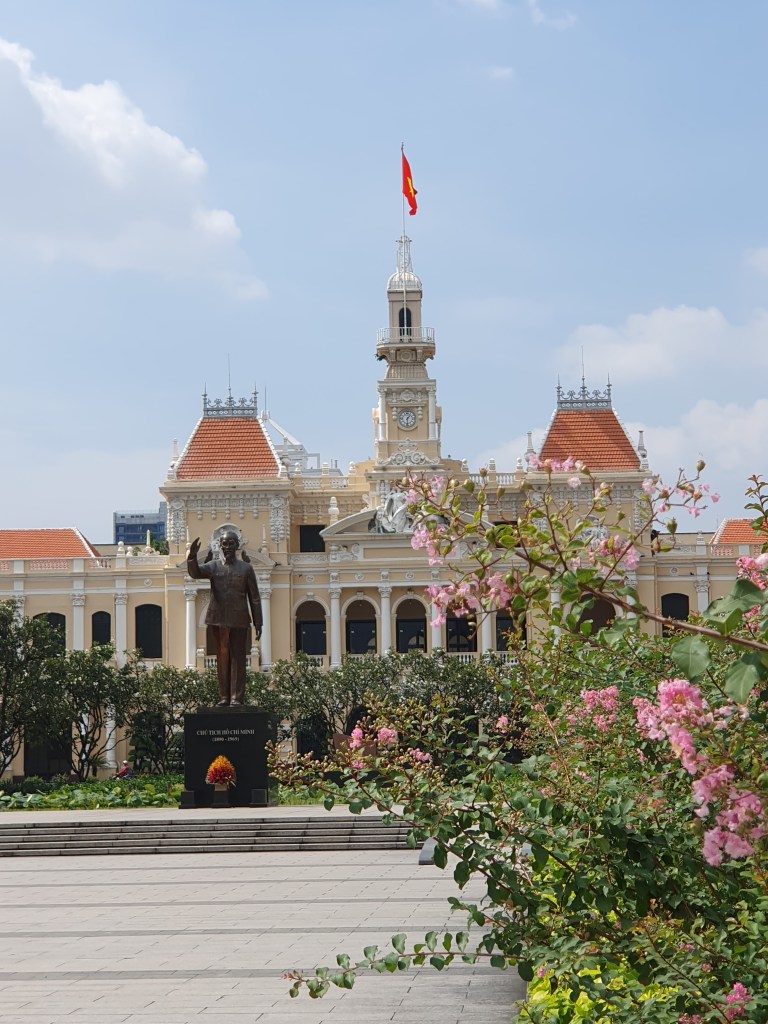
In the early hours of the morning we took a short flight with Vietnam Airlines to Ho Chi Minh City. The city is referred to by many as Saigon, as this is its former name. Since the end of the Vietnam War, the city was renamed after its victorious communist leader, Ho Chi Minh. There are many monuments and images of him throughout Vietnam, as his party still stands in place today.
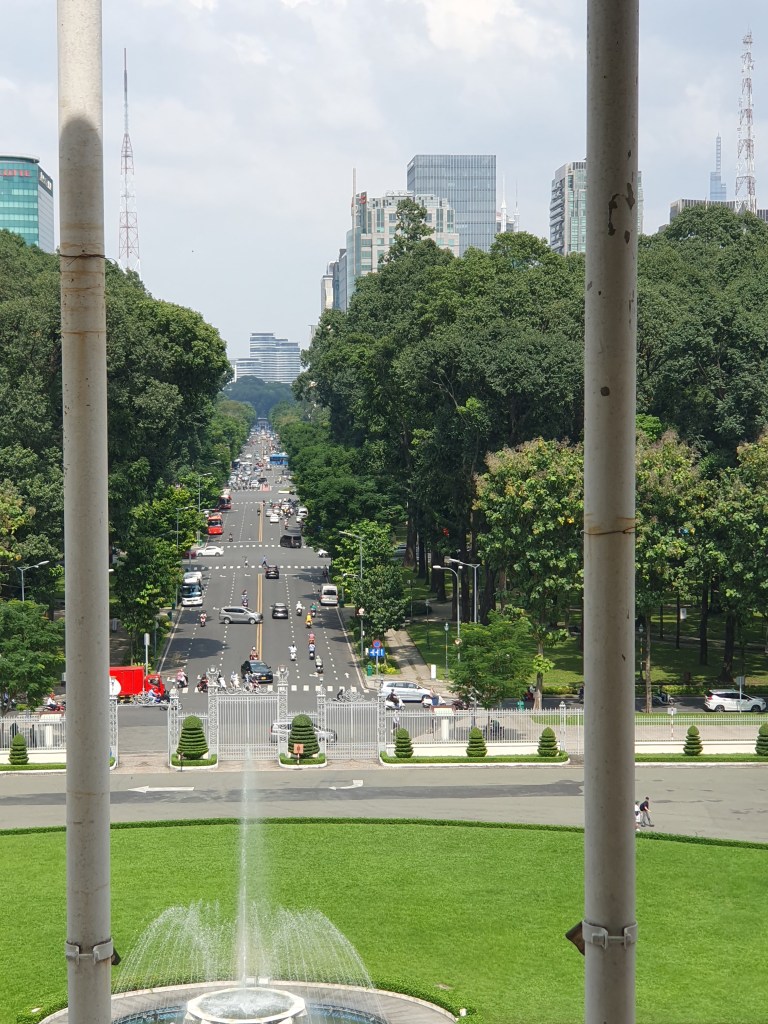
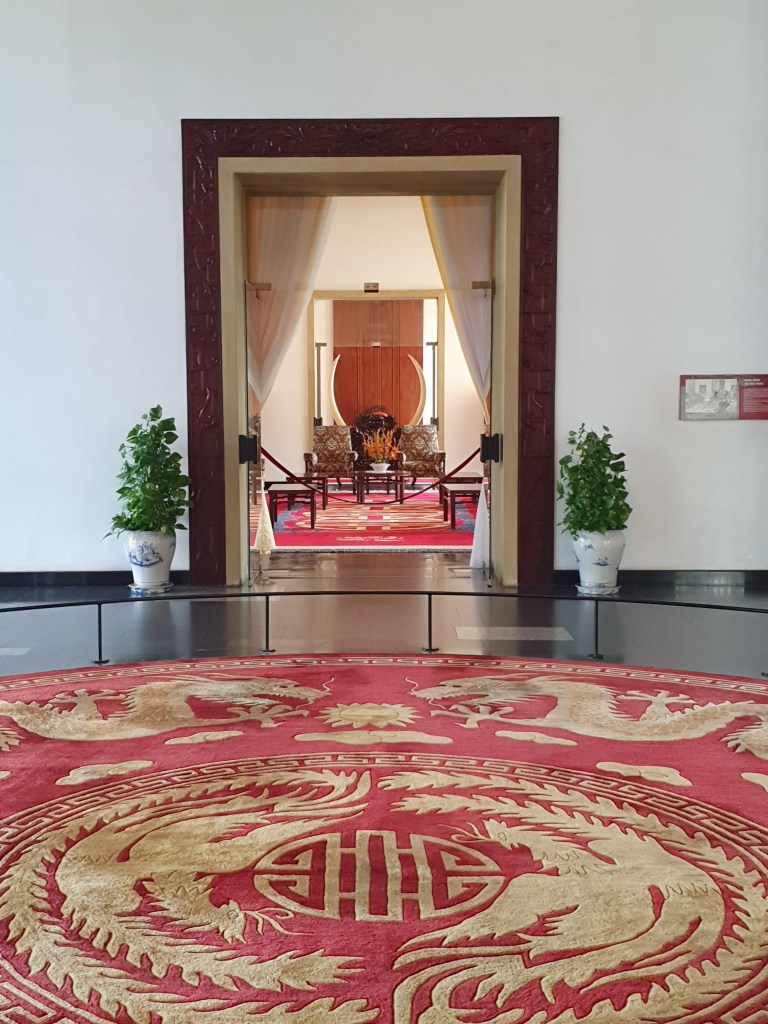
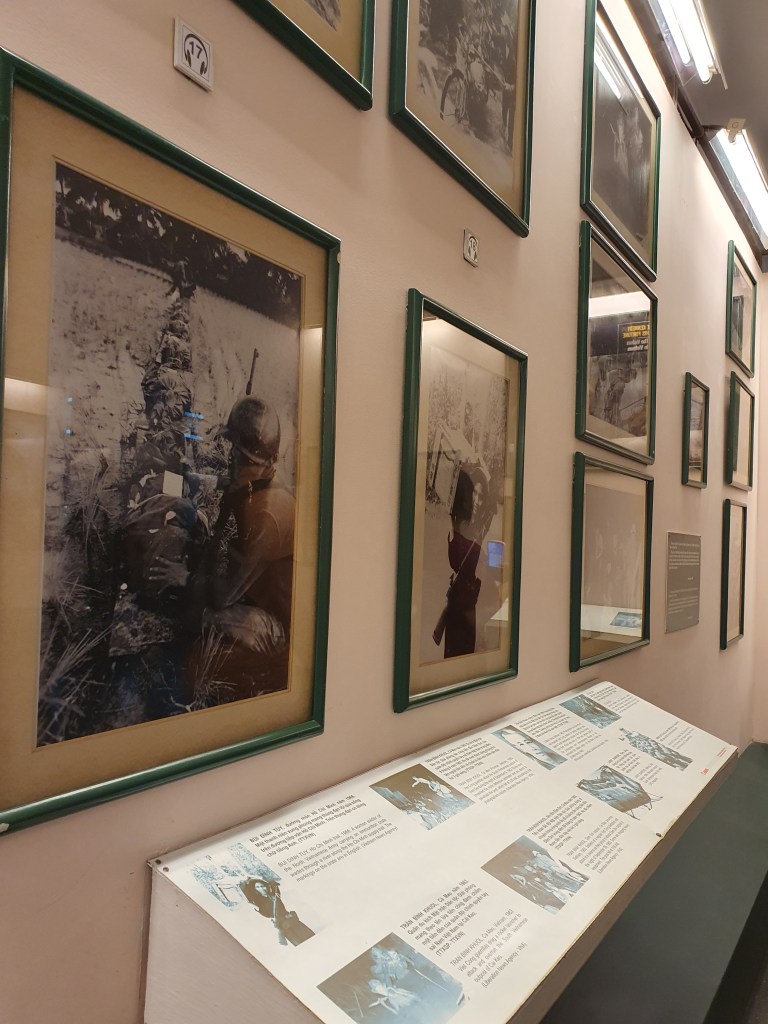
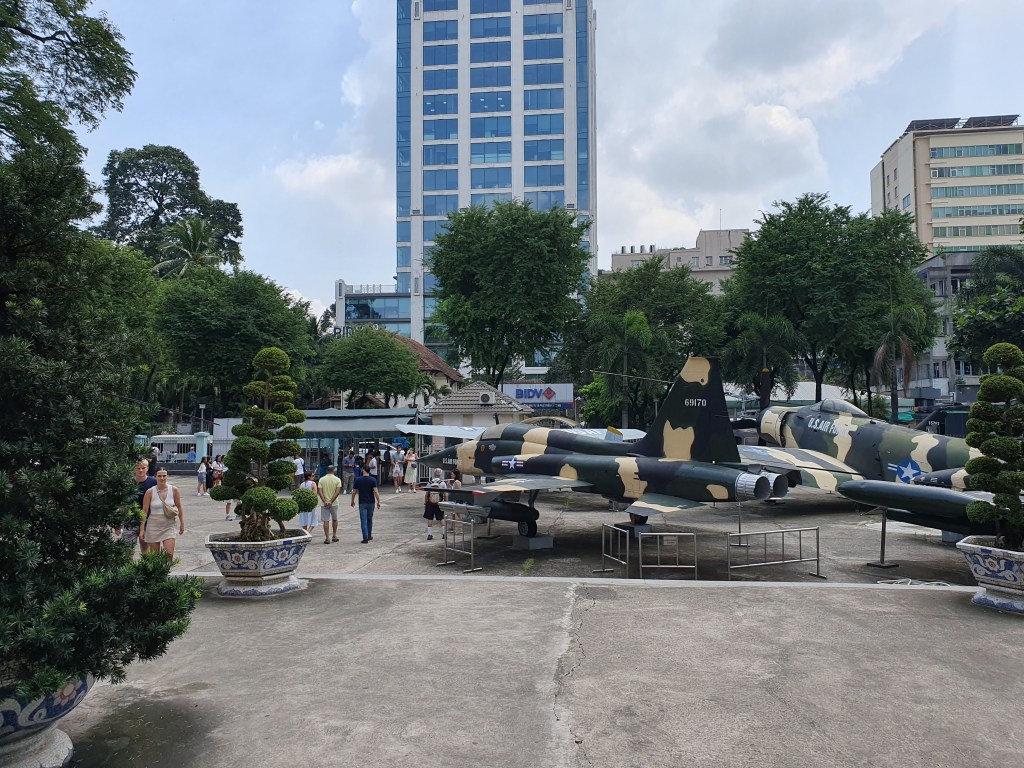
In HCM City you can visit only a few attractions like the Independence Palace, former state home of the president, and the War Remnants Museum, which is an impressive and informative space to learn about the war history in Vietnam. It is really complex as many other countries have been involved in commanding the country and has left a lot of wounds behind.

I found the museum to be a little one sided but this makes sense as it will have been censored by the government, before publishing. The most striking elements of the museum was the information about the ‘agent orange’ chemical that had been used. It is now considered a war crime and has left many generations of people, severely deformed. I could see this on the street when some people may be passing or begging, and I suspected that they were victims of this.

Aside from these visitor attractions, HCM offers plenty of places to eat and shop, but it is very modern and definitely, for me, not the highlight of the trip.

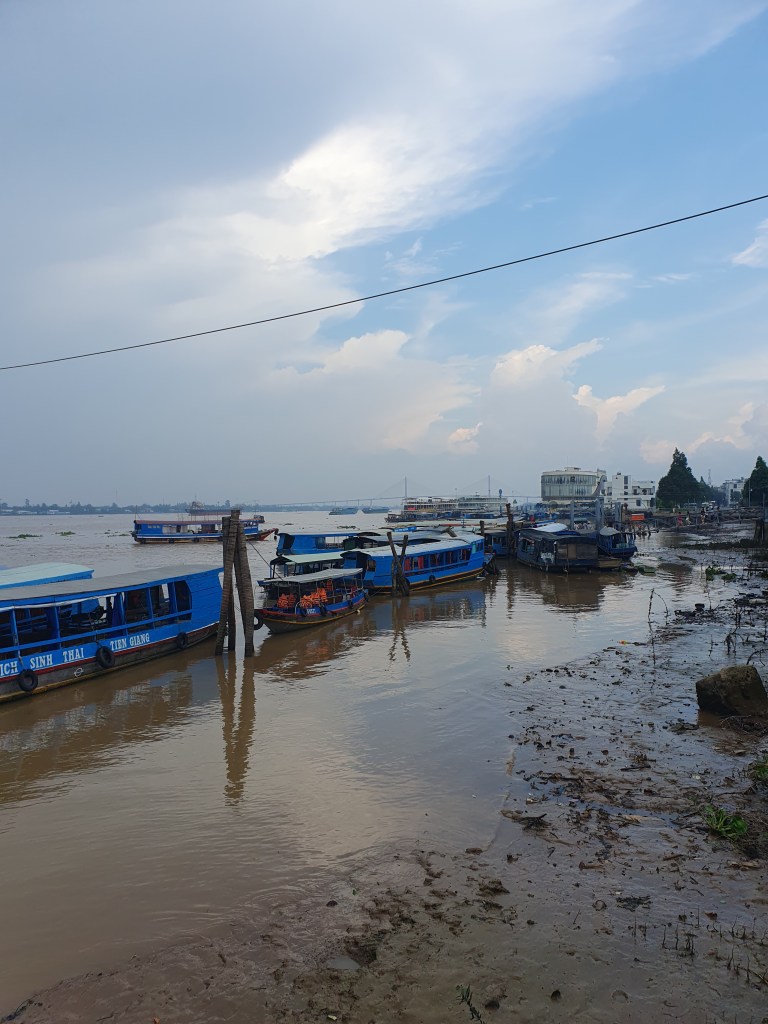
In about two hours drive from the city you can visit the Meekong Delta. The most South I went, this wetland area offers plenty of boat rides to different islands where you can see different markets, temples and localised farming.

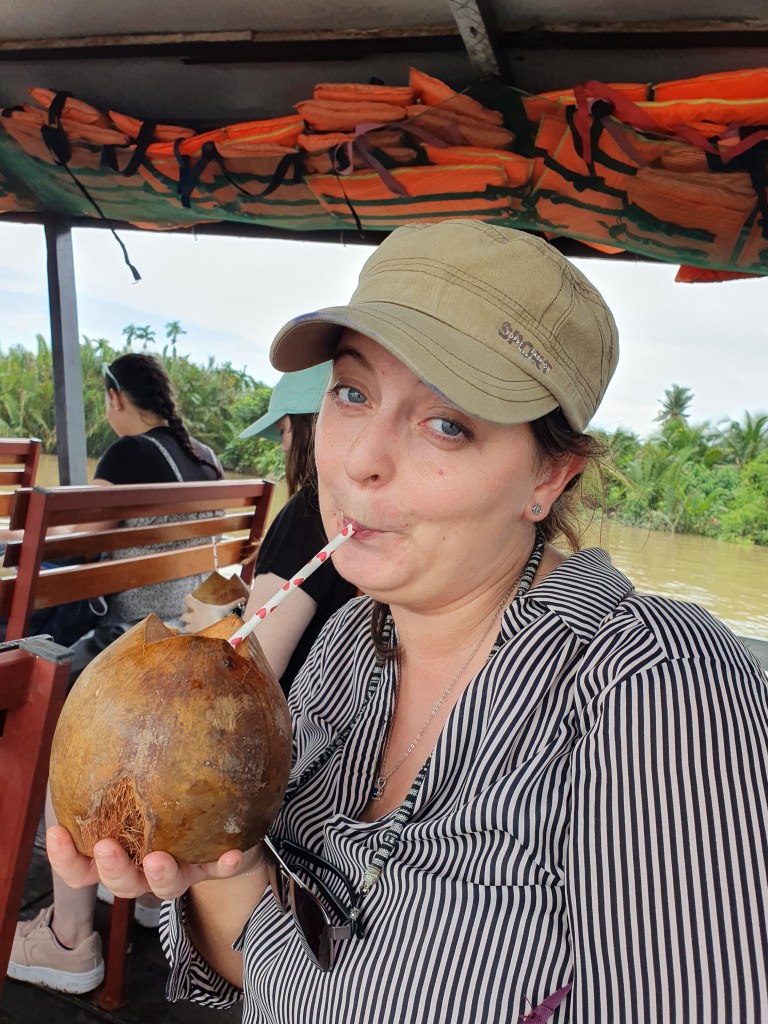
I spent the day visiting a few different islands by boat, and had the opportunity to see local coconuts being shredded up into coconut milk and turned into sweets and wrapped by hand. I did actually get carried away and bought 6 packets for the price of 5! I think I got a bit silly.

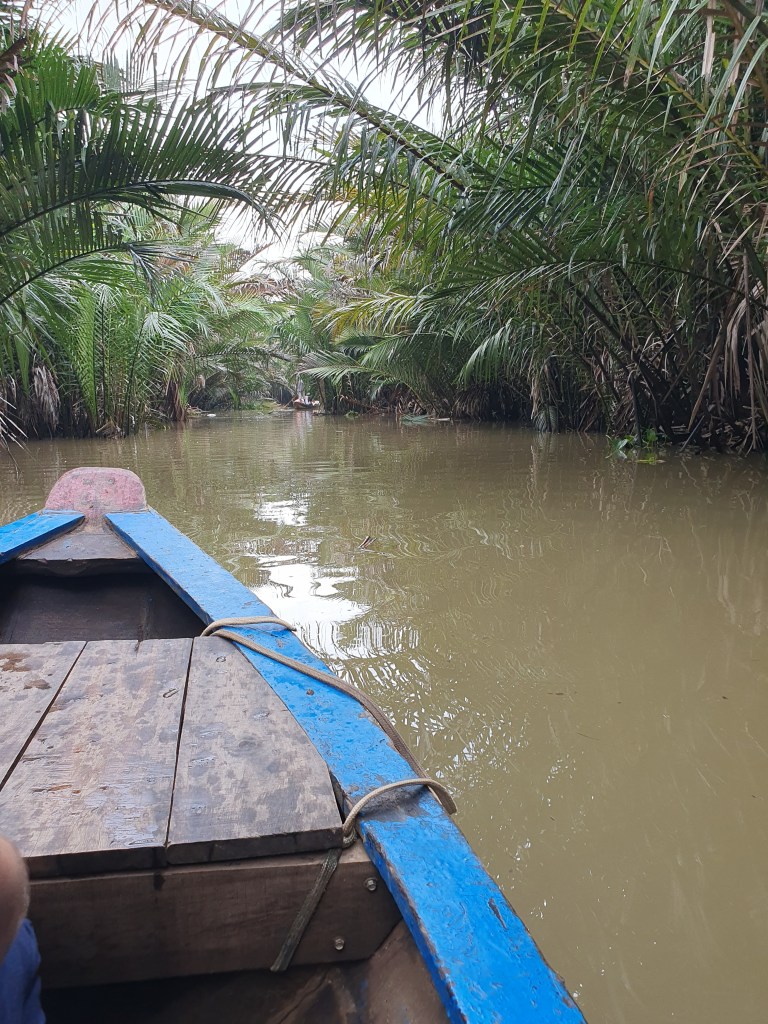
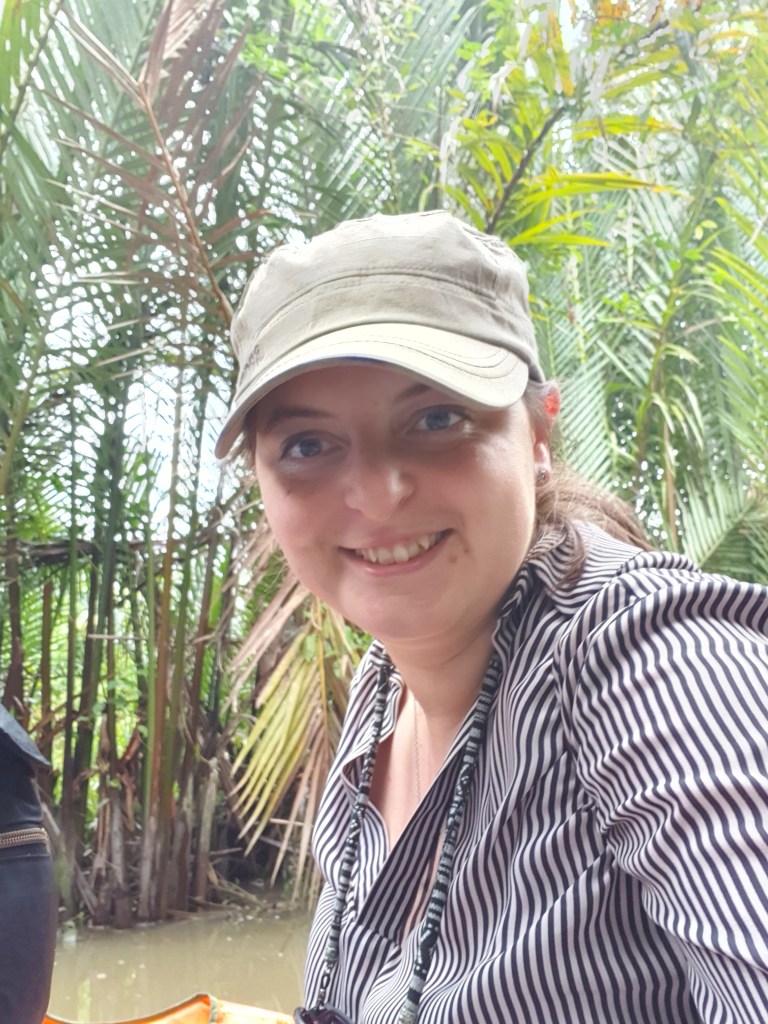
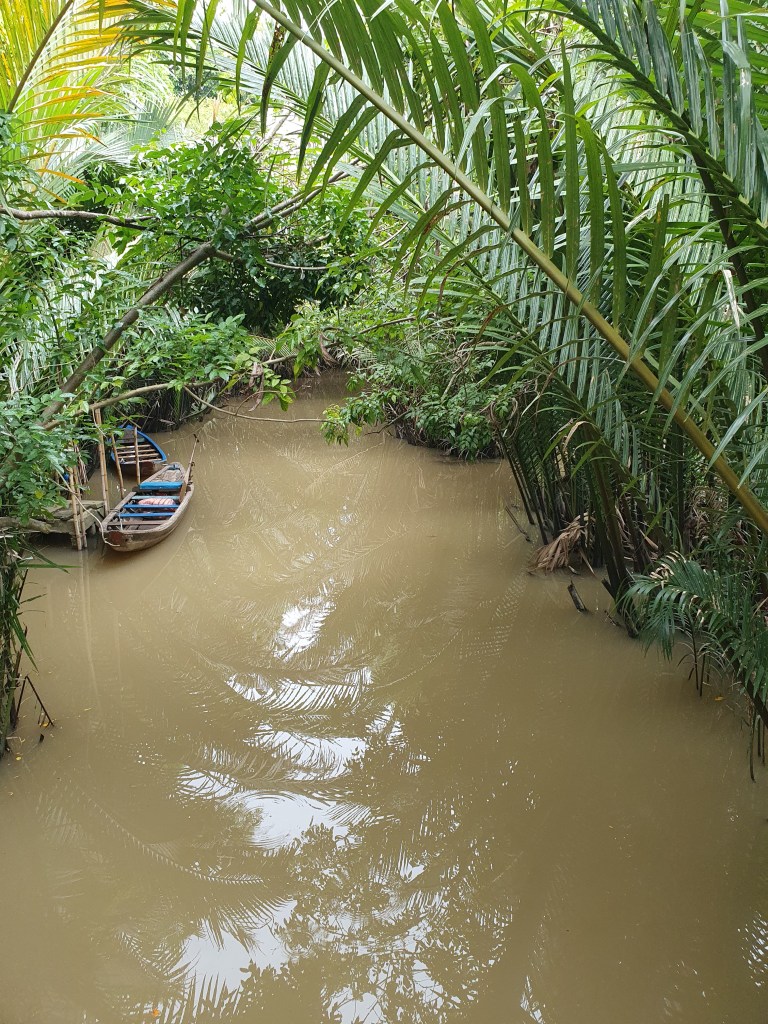
I also visited some local people’s garden and tried some of their homegrown fruits, including a Vietnamese Kiwi, that is a local delicacy, and tastes nothing like Kiwi from home! I also had a chance to play a monostring instrument that is traditional there, and much harder to do well then it looks! To finish off, I had a chance to enjoy a traditional wooden row boat ride through the bush before heading back to the city.
Overall, Vietnam was a great chance to dip my toe into Asia. The people have been super friendly; I always felt safe, and appreciated. The holiday was great value and I would happily revisit. In the Meekong Delta you can even take a boat cruise out there onto Cambodia, Laos and Thailand. This could be a lot of fun!

Smells and tastes of Vietnam

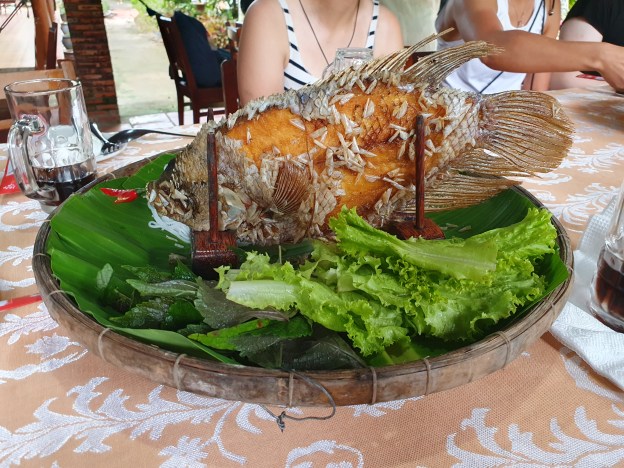
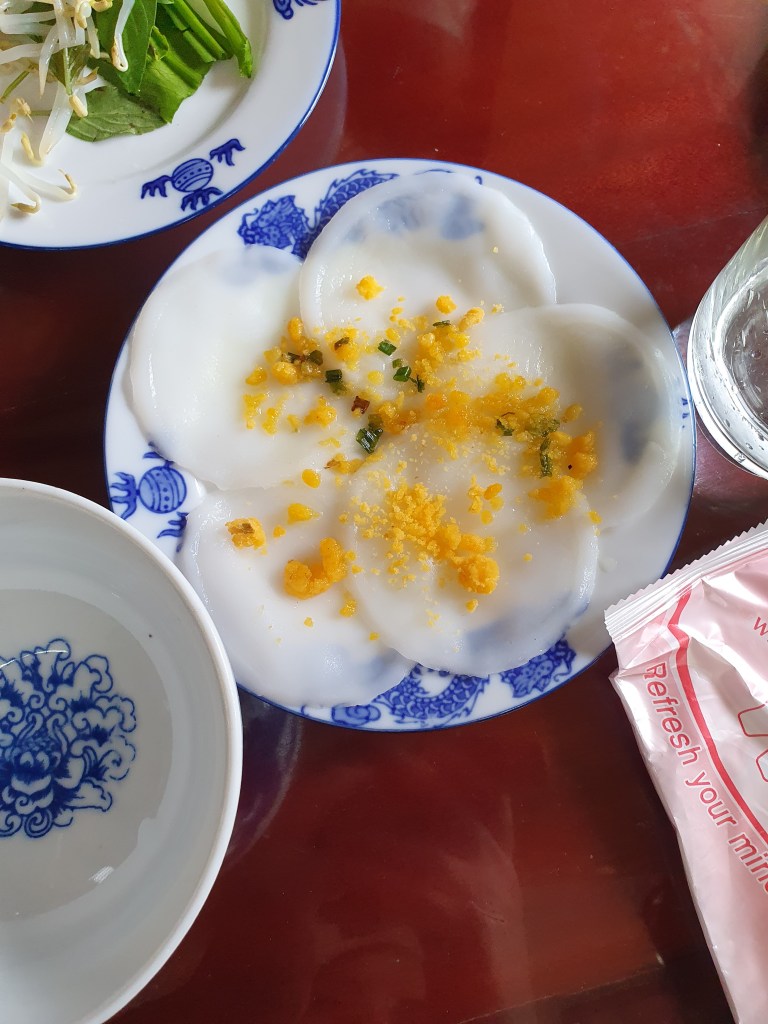
During my time in Vietnam I had many opportunities to sample the local dishes and have been potentially converted to this refreshing diet.

From Garden to Plate

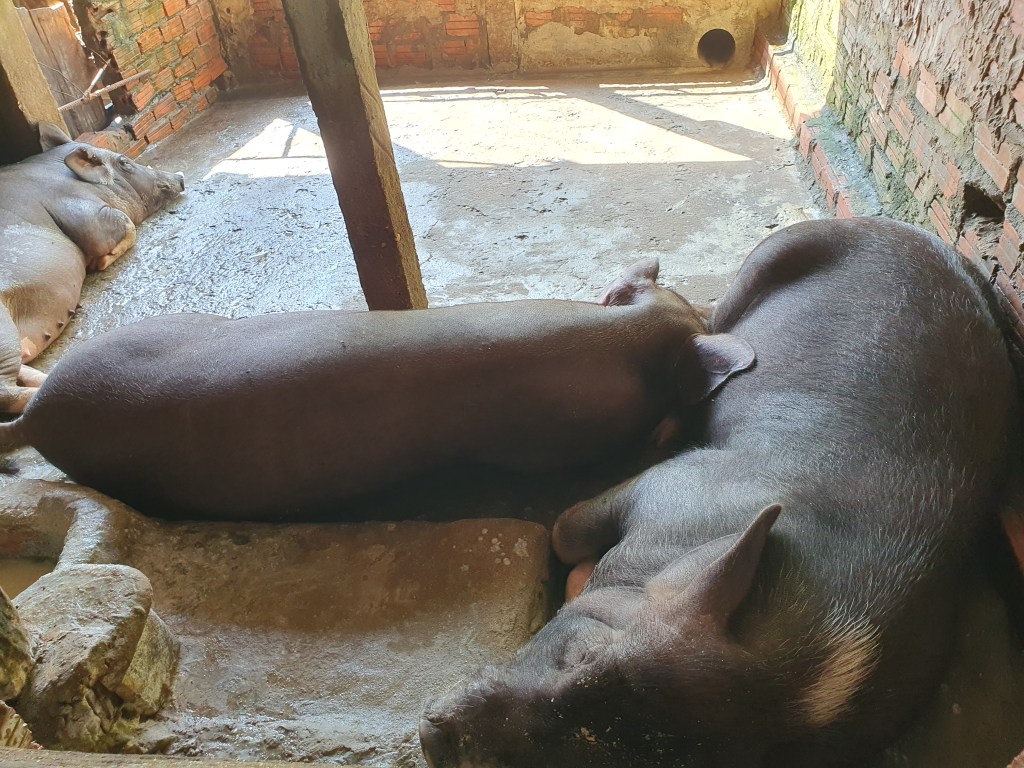
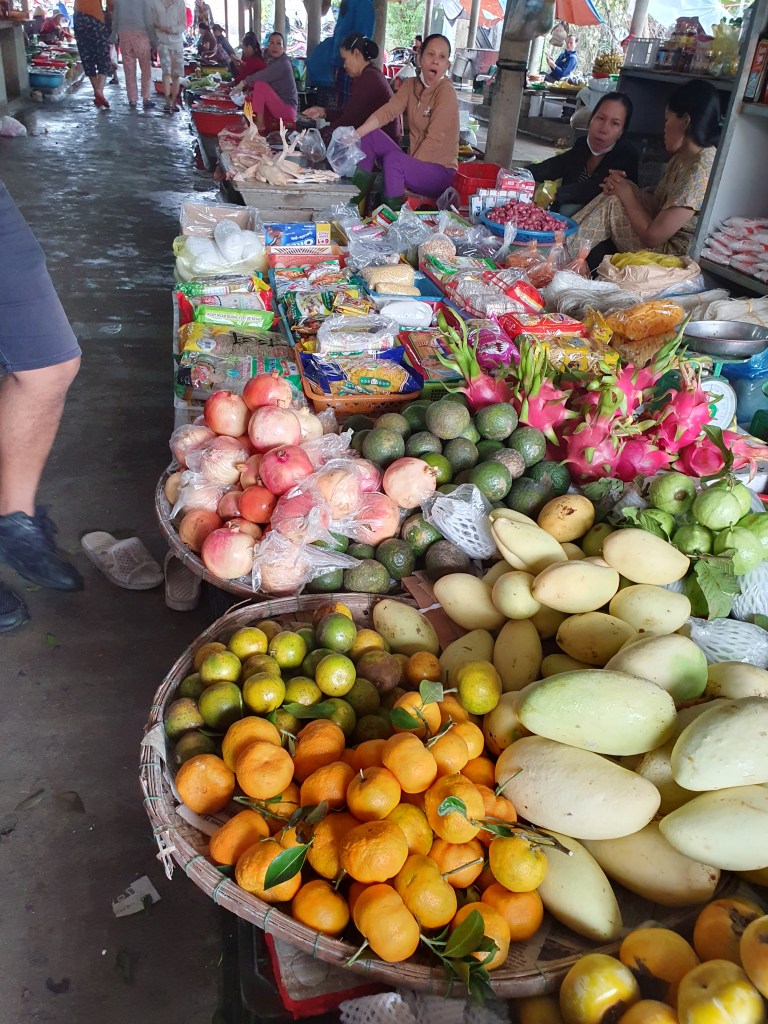
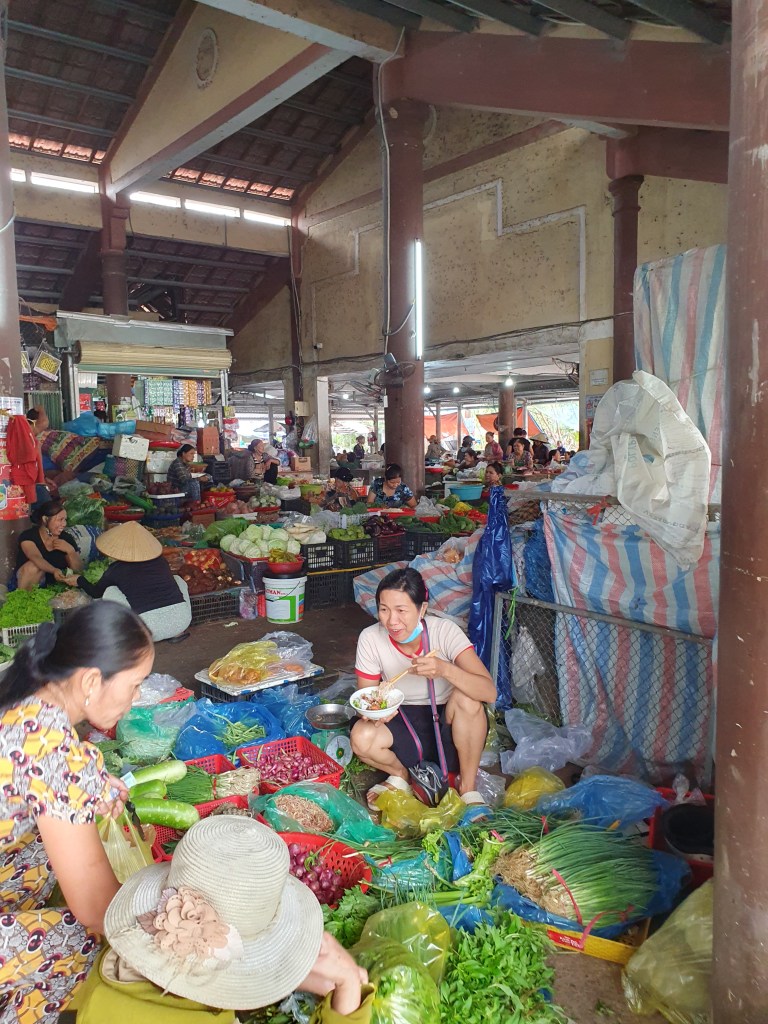
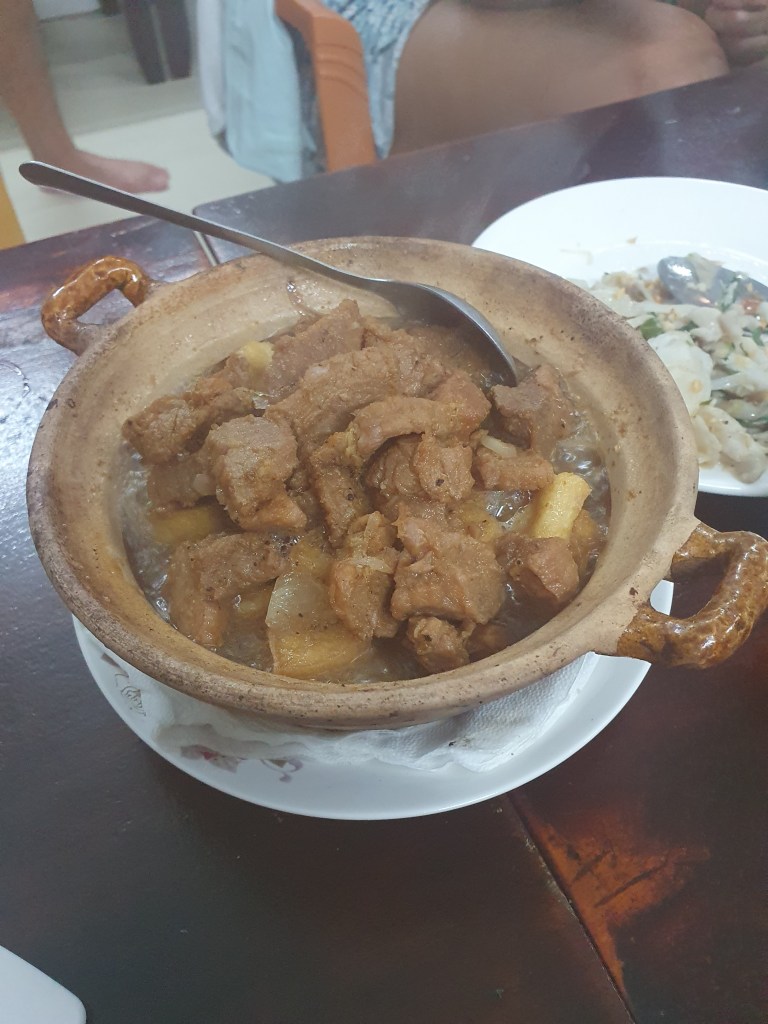
If I could describe the food in Vietnam in one word, it would be ‘fresh’! Vegetables are grown in the small farms and gardens of the local people around the country. It’s also a normal scene to see chickens and even pigs kept at the back of someone’s house outside of the large cities.
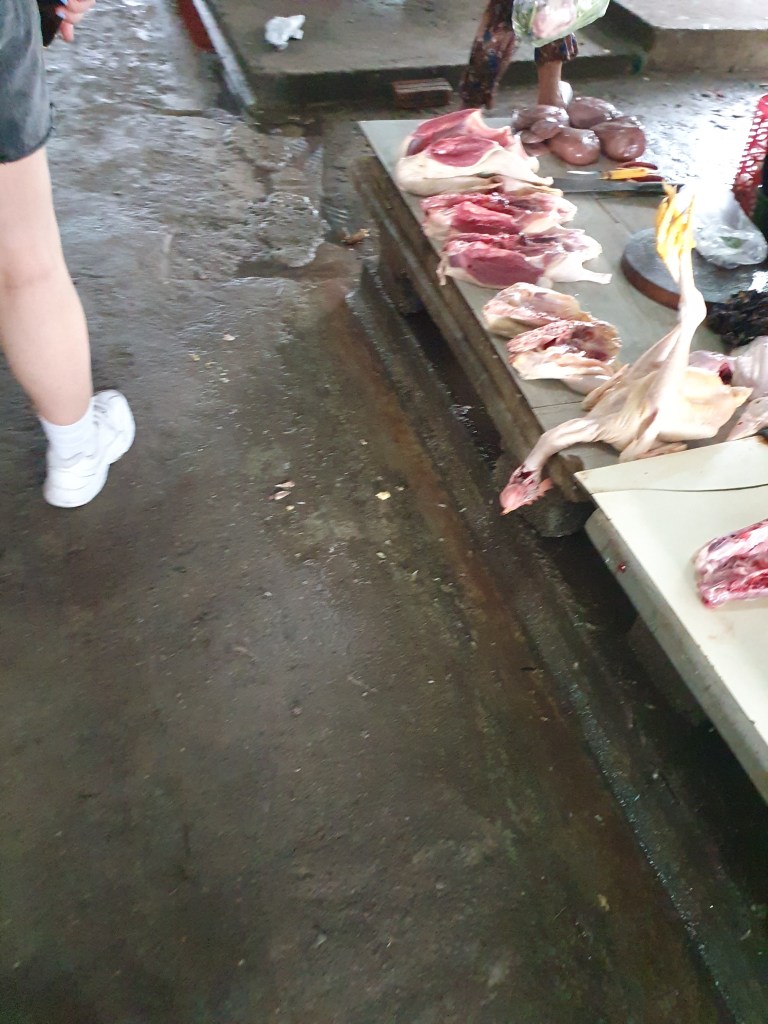
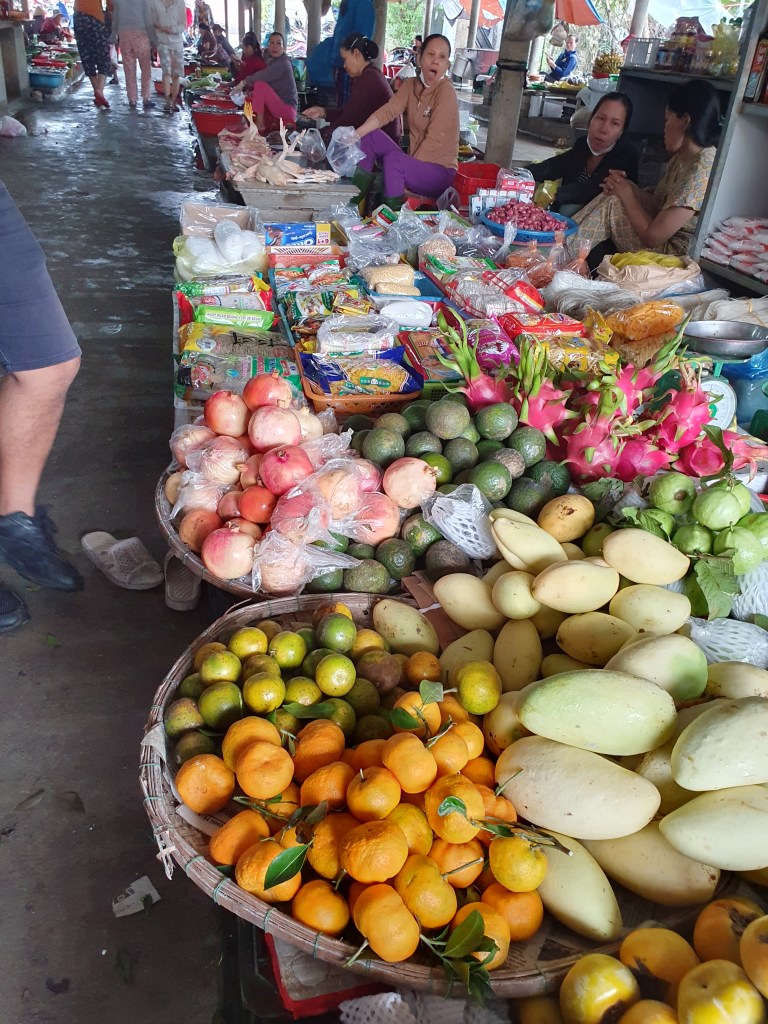
People then cook from their own supply or these products are taken every morning to the wet markets that seem to be in each large village and town. These markets are a shock to the more delicate western senses. The smells are strong…

Every trader rents a space and generally lay out close to or straight on the floor. Some traders are selling vegetables, some are selling dried goods, but the most fresh is the meat and fish. Tin baths full of fish still swimming, and if you order one it will be pulled out of the water and laid out to suffocate, and sold whole. With meat, it is a little less miserable, the chickens running around just have their necks snapped straight away. More straightforward. What was most sad was when i saw the tiny, fluffy ducklings for sale. They were being sold to grow up into big ducks to eat.

It was actually useful to see this as I think in the UK we have become too far removed from the food on our plate. When we buy a frozen chicken it does not look much like a bird. When you buy one in Vietnam it still has its head, neck and claws.

By the time I left, I understood that when you see a motorbike with a cage full of live chickens on the back (quite strange to see), you can bet they are heading to the market to sell them.

At one point whilst shopping in town, I saw a small cage full of beautiful puppies, I hope they were for petting not eating though. Apparently cats and dogs are still eaten there but it is now unusual and you have to seek out specialist locations to get some ‘hotdog’.

Rice

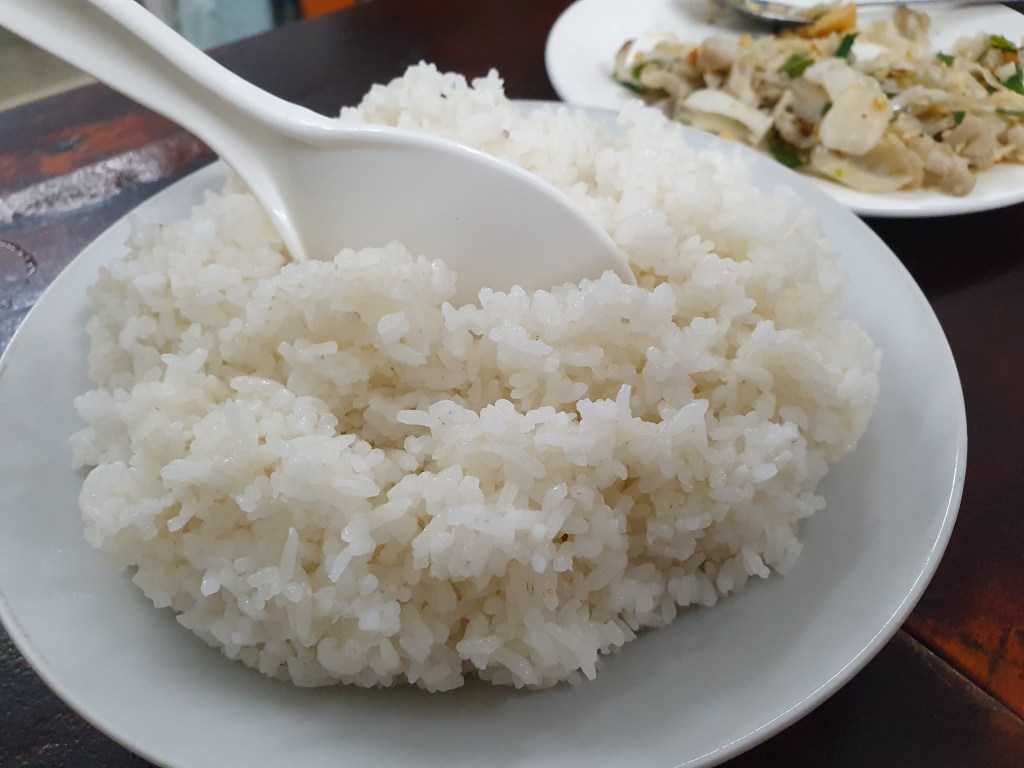
I felt rice deserved its own paragraph as its so important to the Vietnamese way of life.   The people of Vietnam rely on the growing of rice for their local economy, as a staple for most of their recipes, as a fuel for fire, and even as a key ingredient in their liquor. The effort that goes into production of rice is massive, and Vietnam is one of the world’s biggest suppliers.

The Flavours

The flavours of the Vietnam diet are really exciting. I always felt like I was filling up on light, fresh and interesting recipes. Herbs are used frequently in dishes, especially coriander and garlic. Some of my favourites!

Nuts are used quite a lot, especially peanuts. I don’t normally like peanuts but the way that they used them in meals was really complimenting the food. I started thinking that maybe I had been using them wrong this whole time…

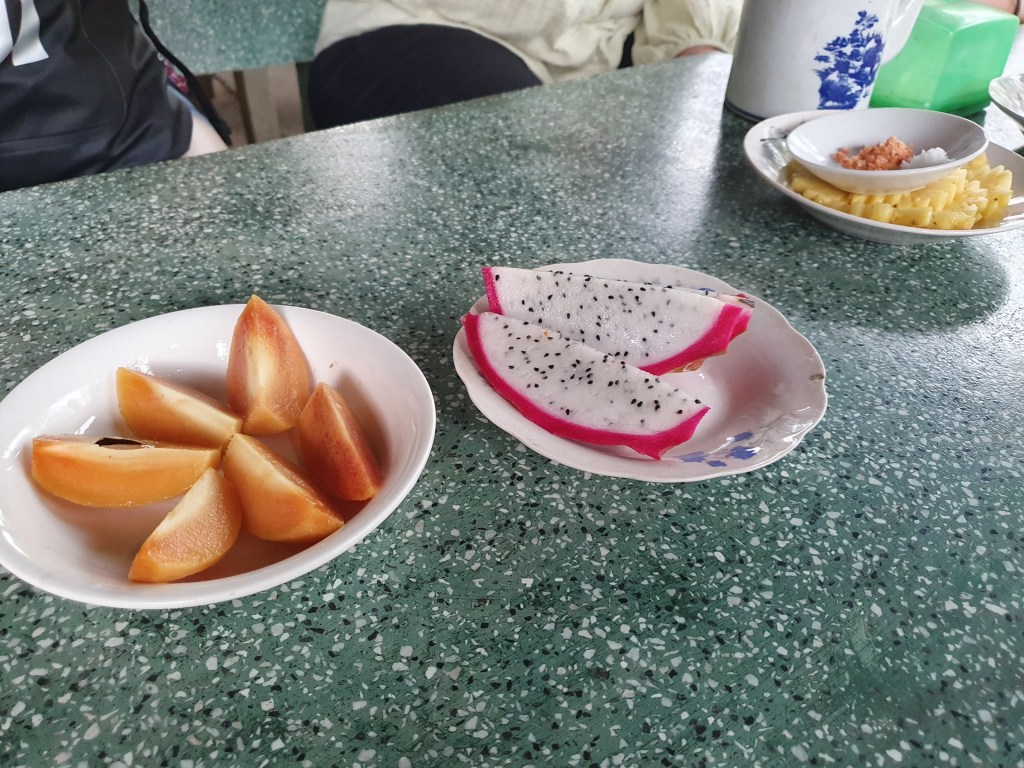
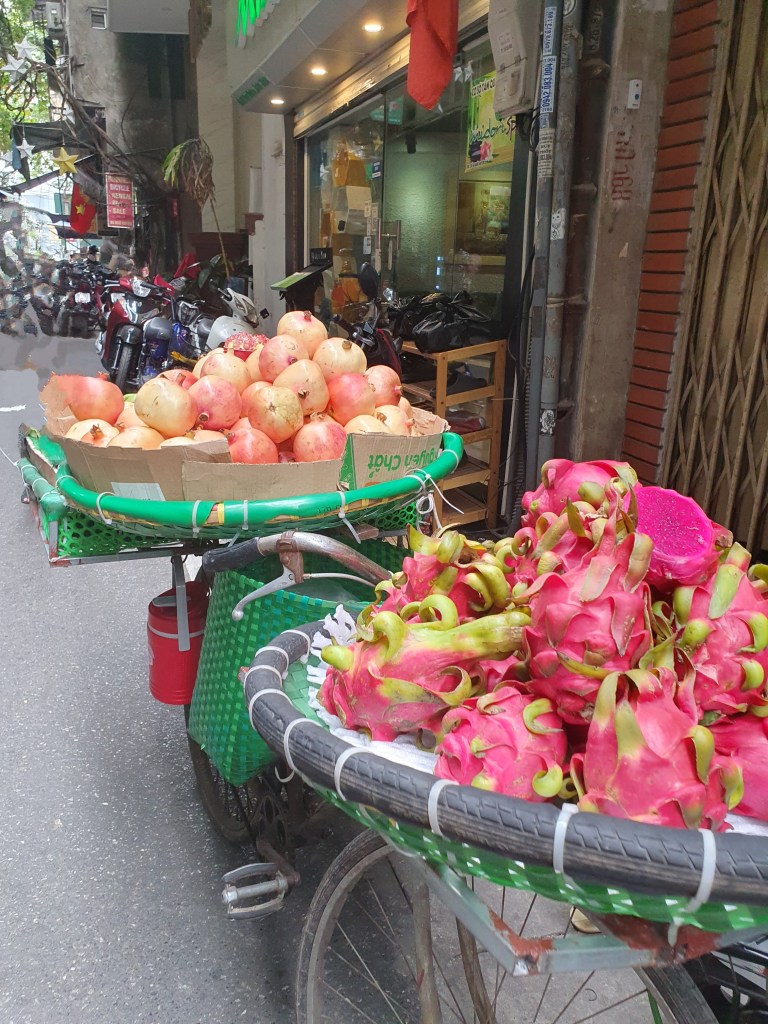
Fruit is also used abundantly, which is not a suprise when it is grown so easily and with such a great variety. Traditionally the vietnamese don’t eat sweet desserts, just fruits. They also use fruits with their mains, the best example I had of this was sliced pork marinated in passionfruit. Actually so suprisingly delicious!

The Dining Experience

There were different ways you could enjoy food in Vietnam. Especially in the main cities.

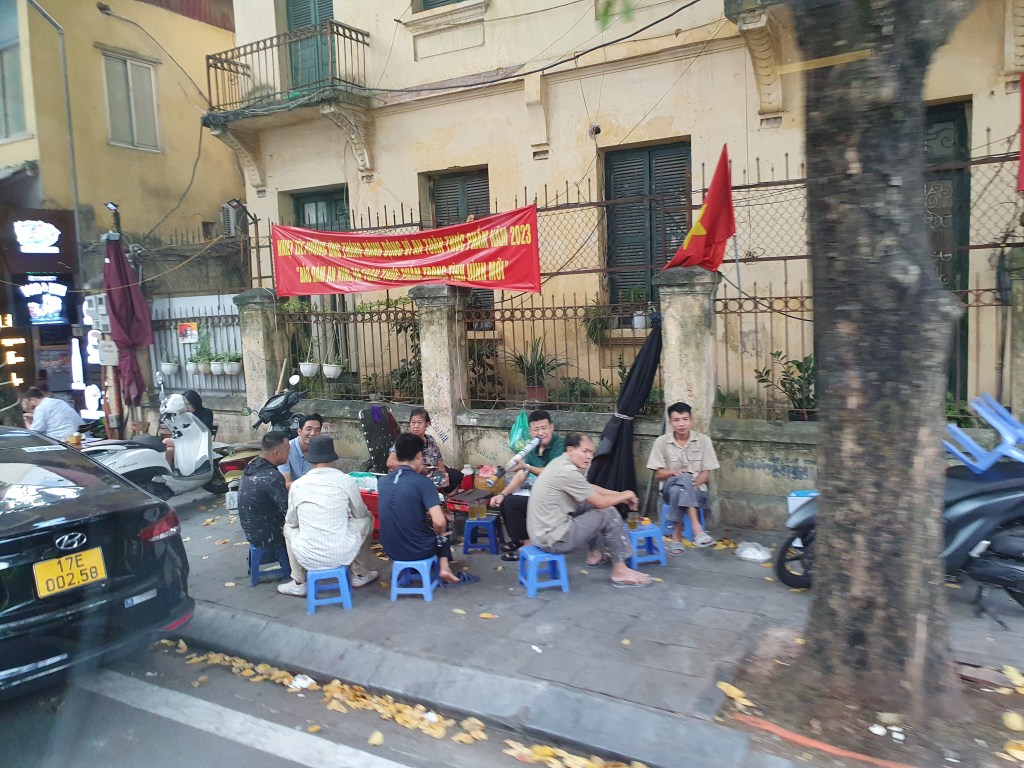
Street food is probably the most famous and you could buy this to take away or to sit on the street. In the tiny gaps on the pavement between the hundreds of motorbikes parked up over the pedestrian space, you would find someone with a little fire pit on the ground and groups of people sitting on little plastic stools. I felt certain that I would snap these chairs in half if I tried to sit on them as well as not feeling confident in the hygiene of the food. Even my guide said to be weary of the street food because the kitchen space is far from the cooking and eating area.

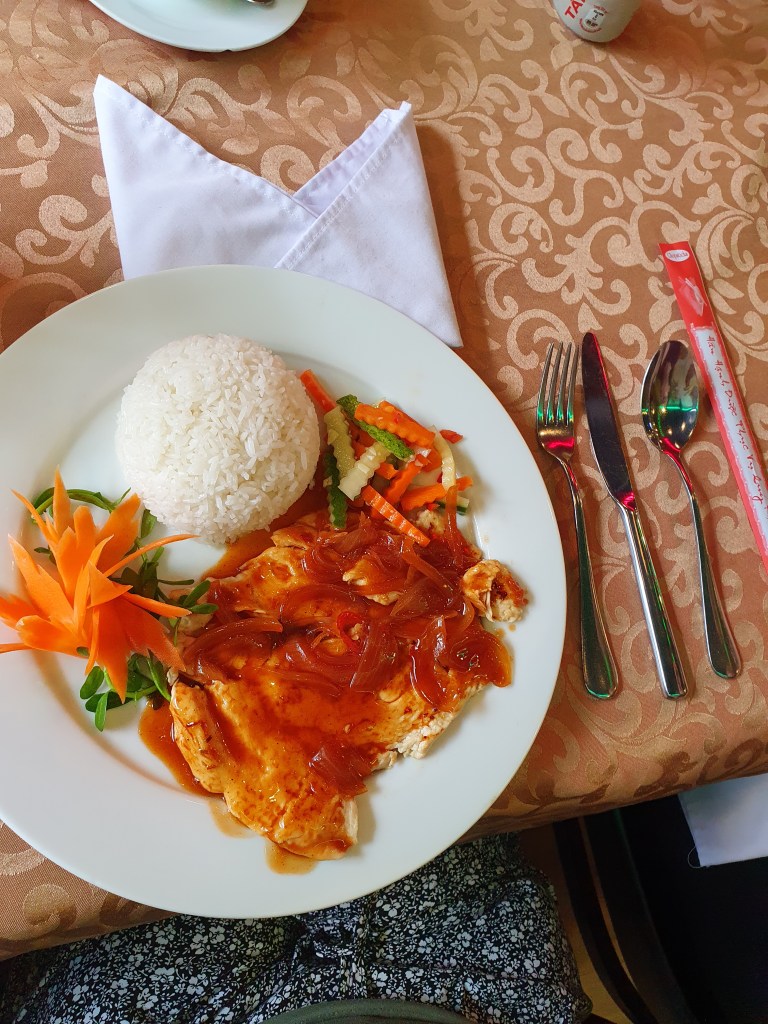
Good quality restaurants are plentiful and much more comfortable. I much preferred this, and the food is still extremely cheap. I spent on average about £6 for a 2 course meal and drink.

When choosing from the menu, choosing local dishes is always going to serve you well as these are the dishes they make regularly and do well. Don’t expect the local vietnamese small time chef to make an awesome italian pizza, it is just unrealistic as well as a waste.

I think my favourite choice of dining had to be eating in the homes of local families. If you get the chance, it is well worth it. You can have good conversation, see inside a local home and get fresh food that you are likely to see cooked and learn to eat the ‘right way’.

Overall, dining in Vietnam has opened my taste buds to some new dishes that I would not have considered before, and reminded me the importance of fresh herbs!

Vietnam: North to South – Part One

Booked only a week before, after my trip to Israel was cancelled last minute, I decided to have my first go at Asia this month. Vietnam was on offer so I went for it and discovered a crazy and unique way of life with amazing food and very friendly people.

Getting there

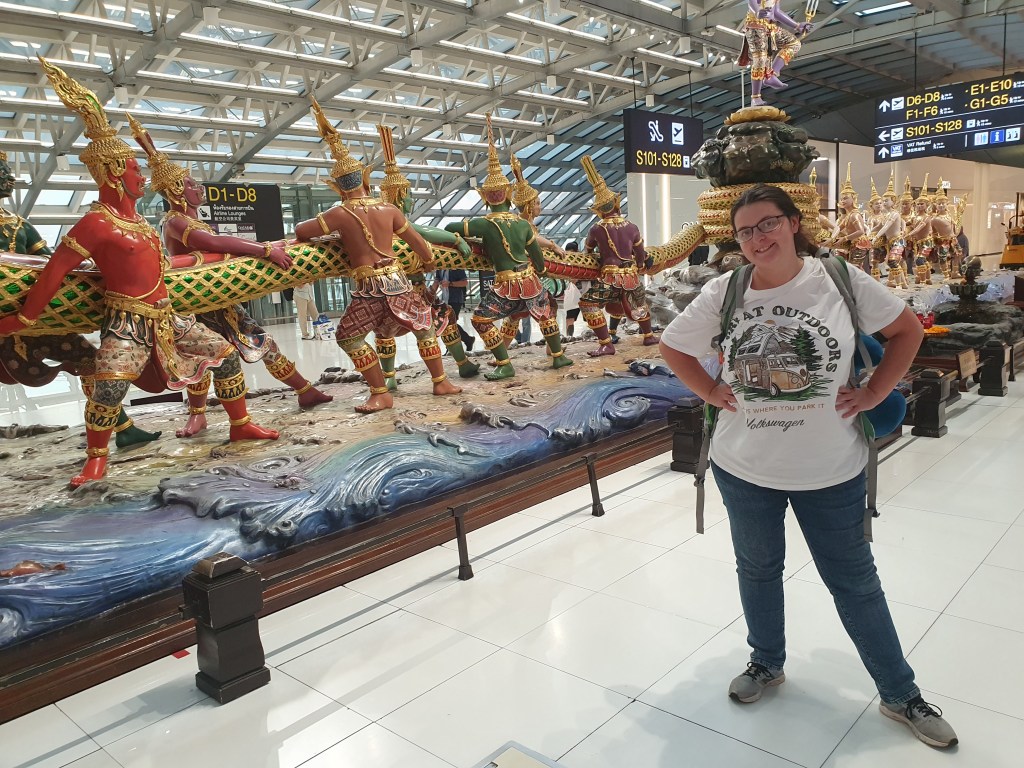
The travel to Vietnam was very very long, whilst the flight duration may say 16hrs by the time we had travelled to Heathrow, and waited around in Bangkok and then traveled to the hotel we had stacked up over 24 hrs of travel. I had thought I’d planned out to miss my jetlag but it actually took 3 days of waking up at 3am to get over it.

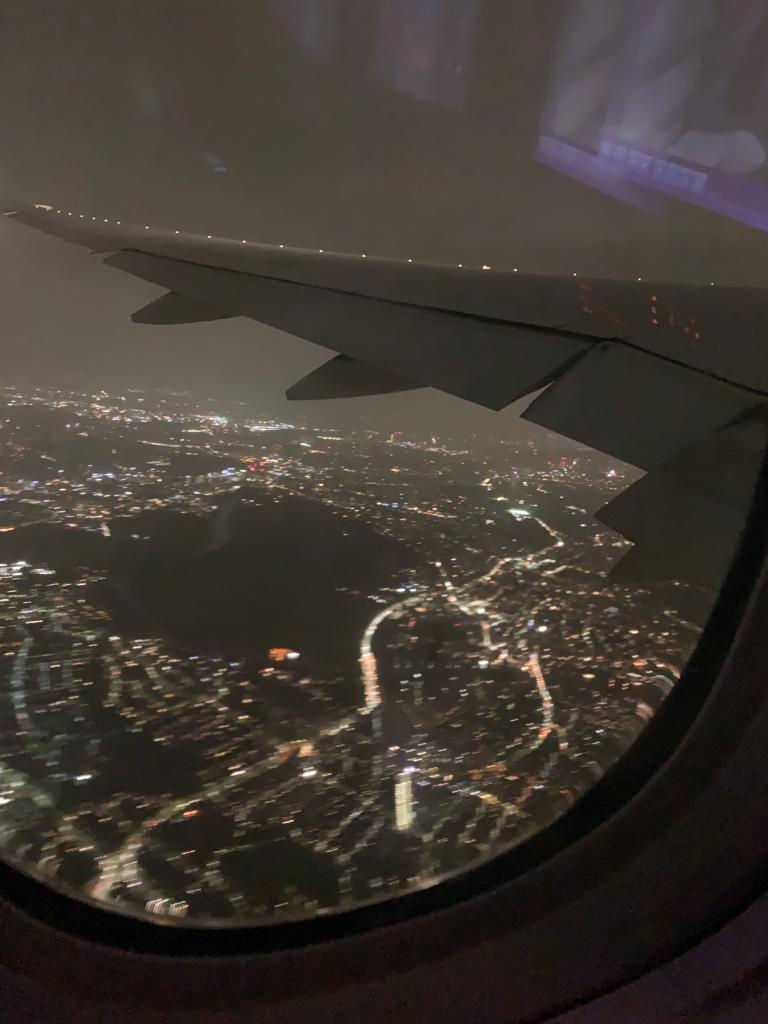
We flew with Thai Airways which had tight seating but plenty of hospitality from the crew and the aeroplane food was some of the best I have had. On arrival to Hanoi airport, our taxi driver was waiting for us and we got to our hotel in about half an hour, after seeing some of the cityscape lit up at night.

Hanoi

We stayed in a hotel for our first few nights in Hanoi city. The hotel was immediately a relief with a welcome drink on arrival, a porter to carry our bags and a free upgrade to a very nice room. It was all going well, until my 3am visit to the bathroom…

That is when I discovered scuttling across the floor, the biggest cockroach I have ever seen. When you are already sat on the toilet half way through a wee too, the only choice is to throw your legs in the air! I found myself doing toilet balances at 3am to avoid it. Unsure what to do I spent the rest of the night with a light on unsure what to do and worried if I fell asleep I would wake up with a cockroach on my face. It took me a few days to get past this fear and just accept the potential for creepy crawlies around me.

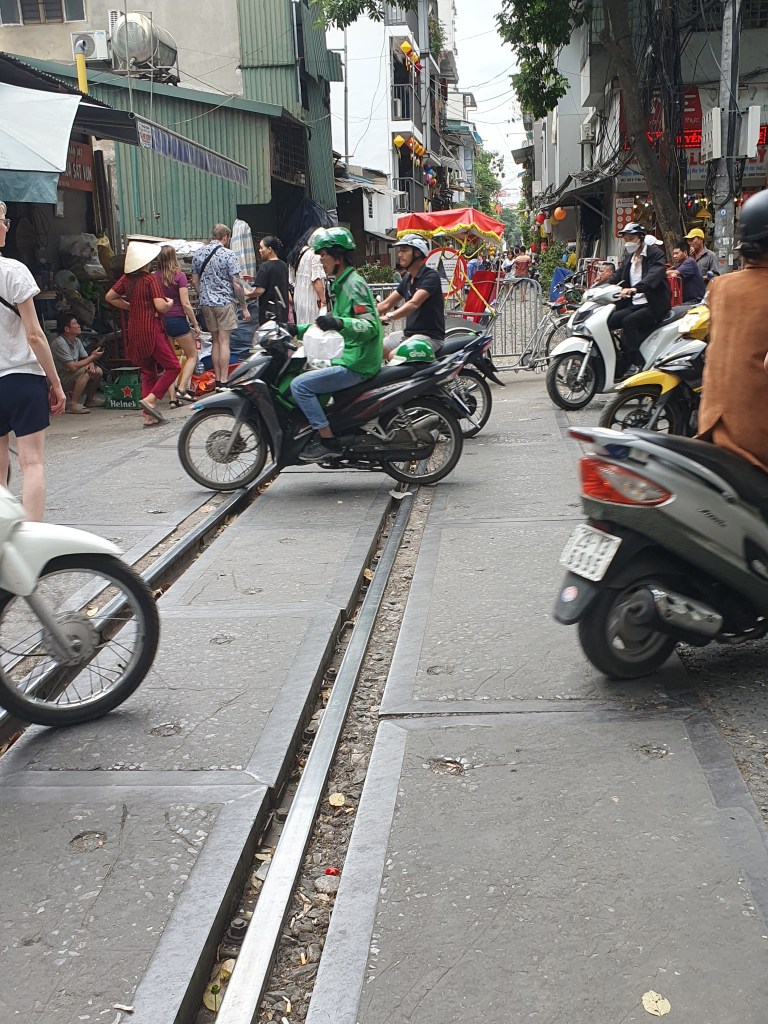
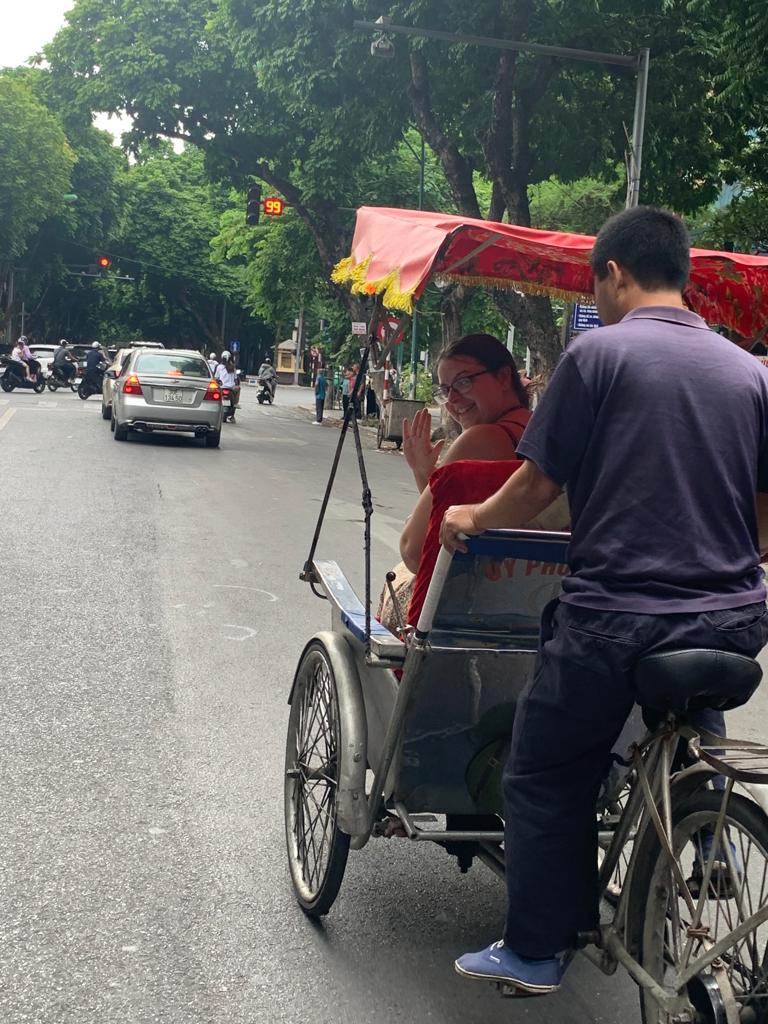
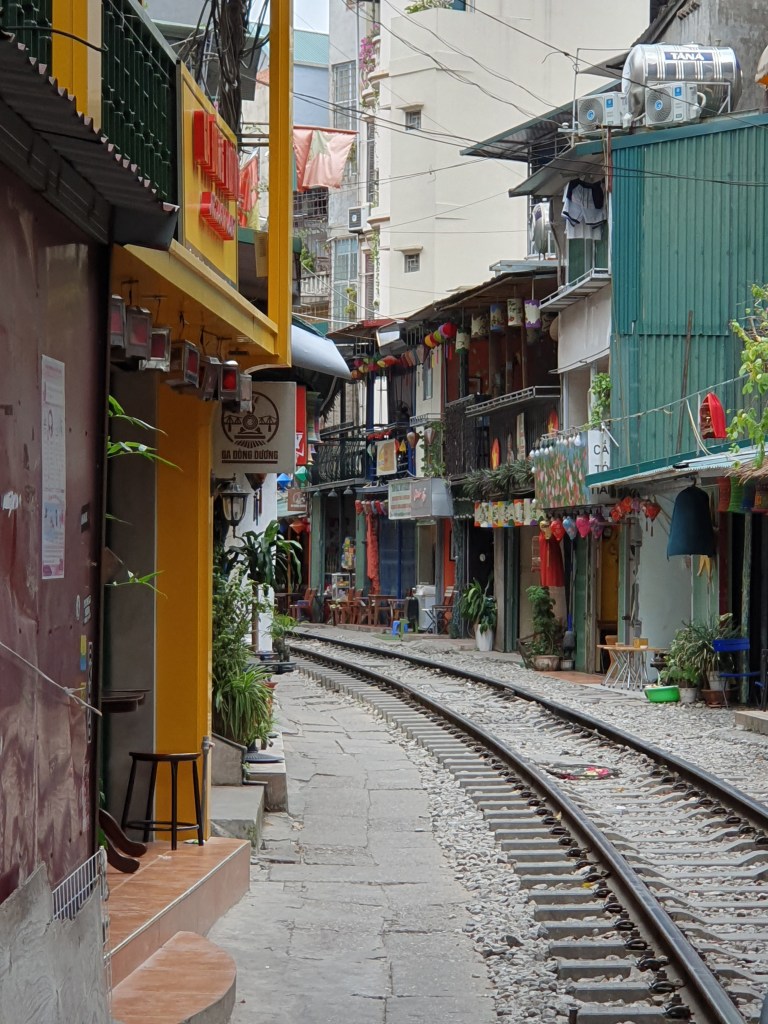
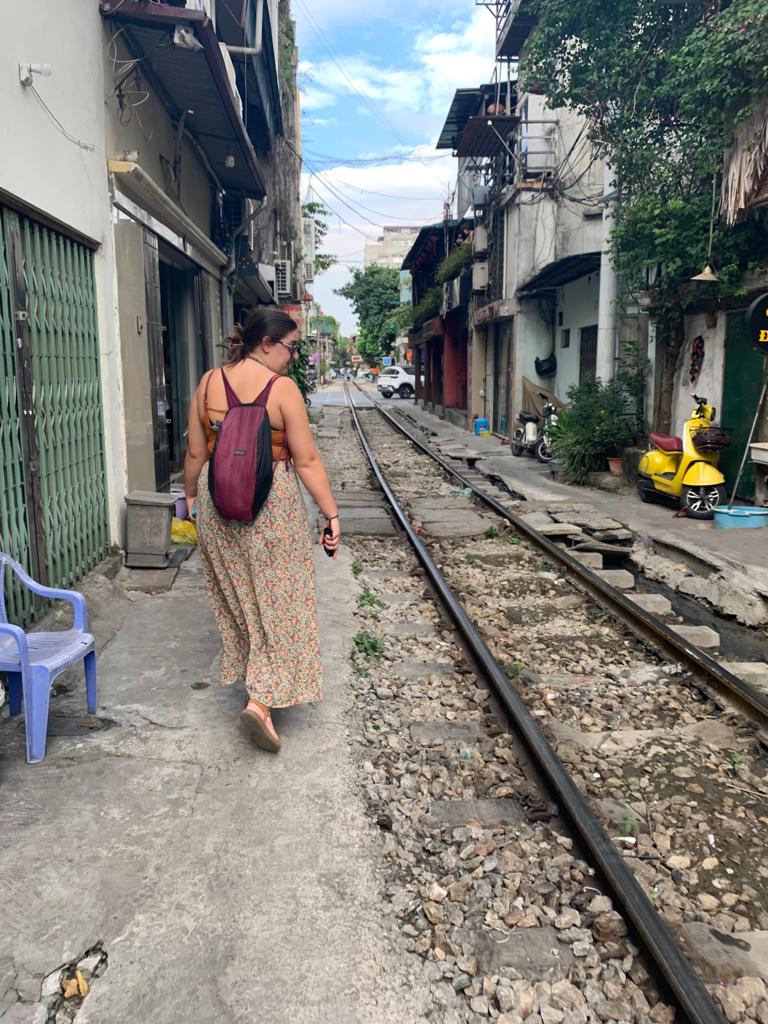
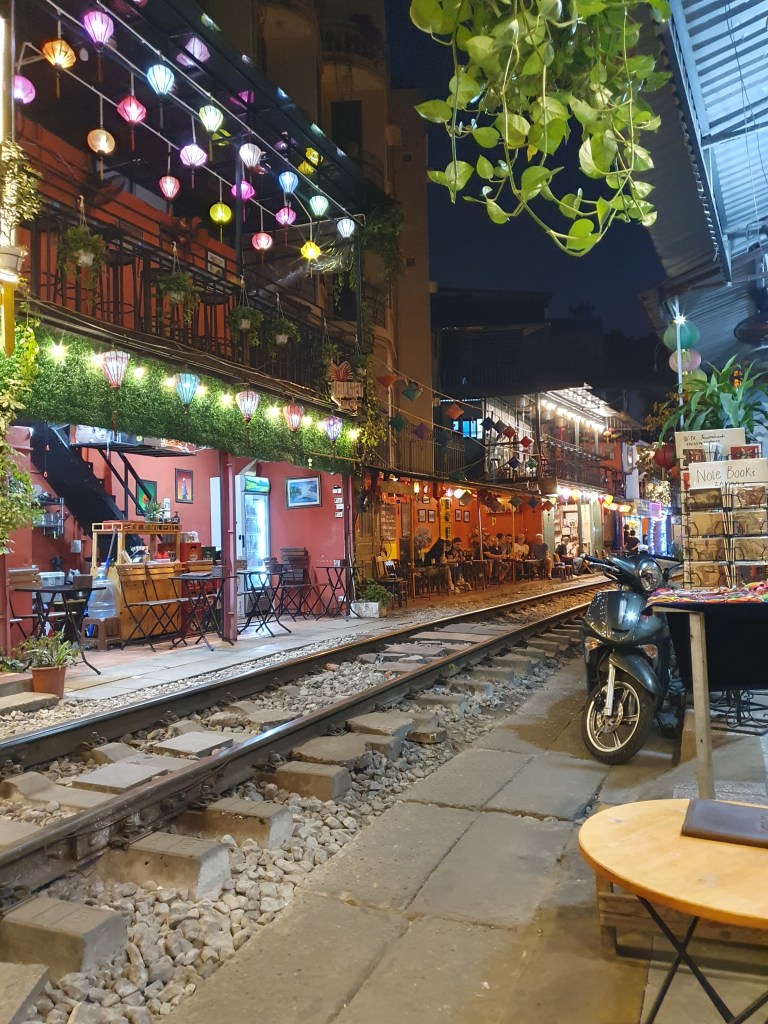
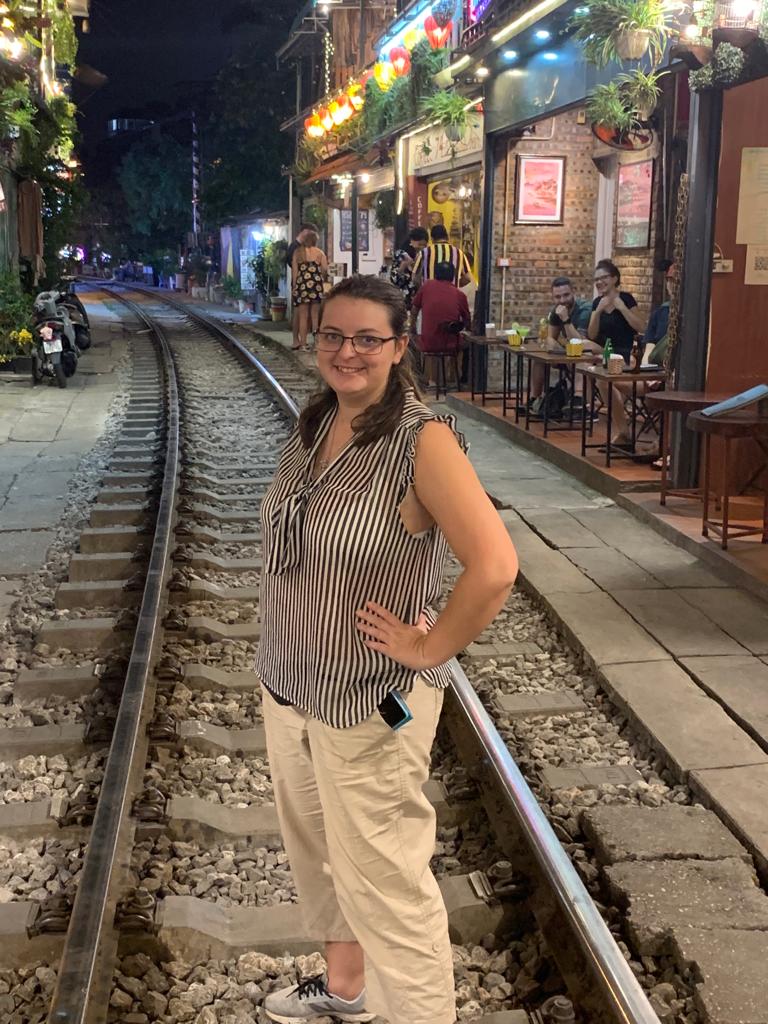
Venturing out of the hotel into the city was another experience of taking your life in your hands. The traffic is some of the craziest I have ever seen. There is no pavement due to mopeds being parked all over it and to cross the road you must do what the locals do and just walk slowly and confidently over (like you’re sleepwalking) and hope nothing hits you! The roads here are so congested that they even have a street that is famous for a train that comes through as well as all the pedestrians and bikes and ends up about an inch from your face!

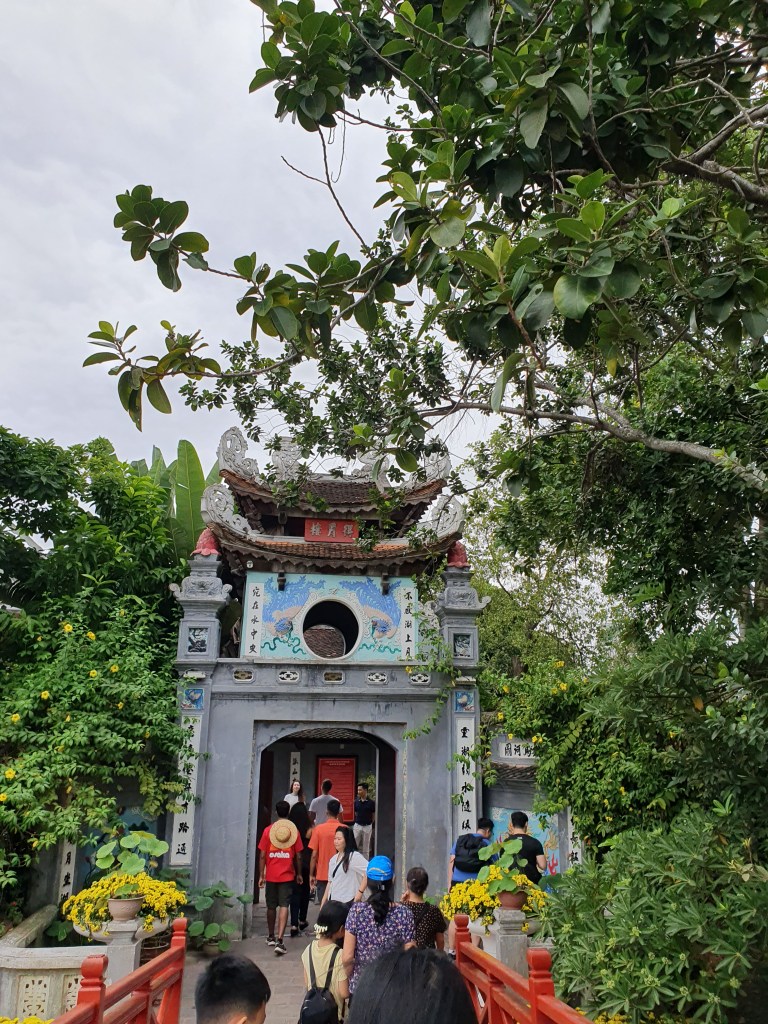
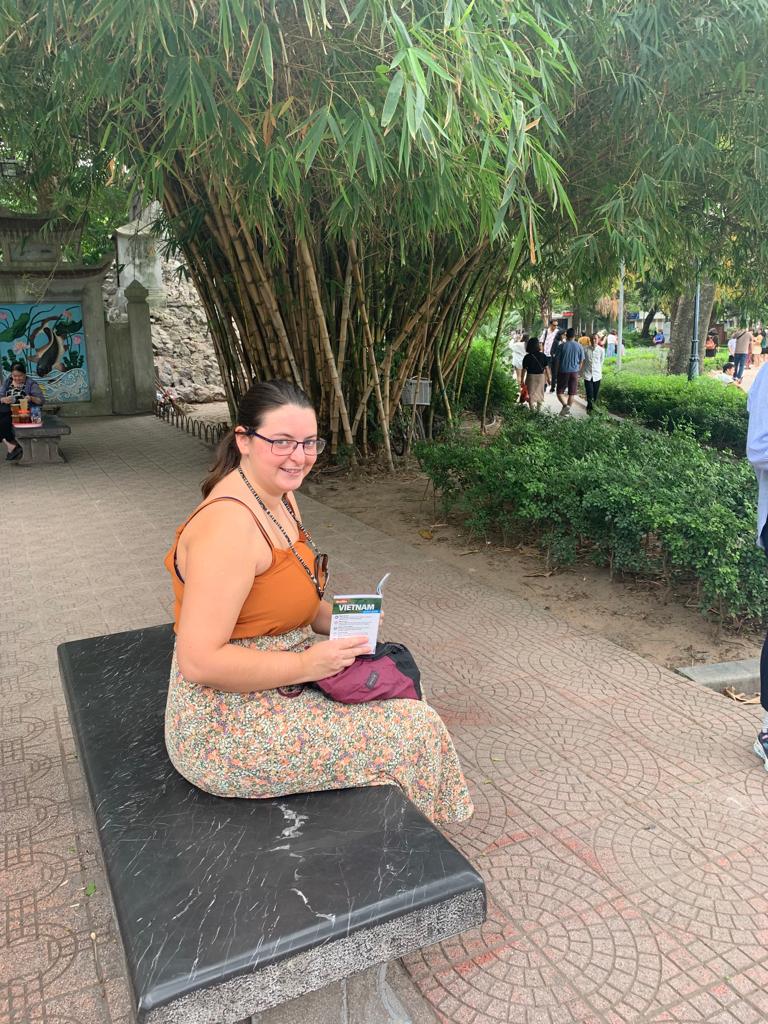
We cautiously took the steps from our hotel down to the famous lake which thankfully is pedestrianised around the edge and began to explore our first attractions.

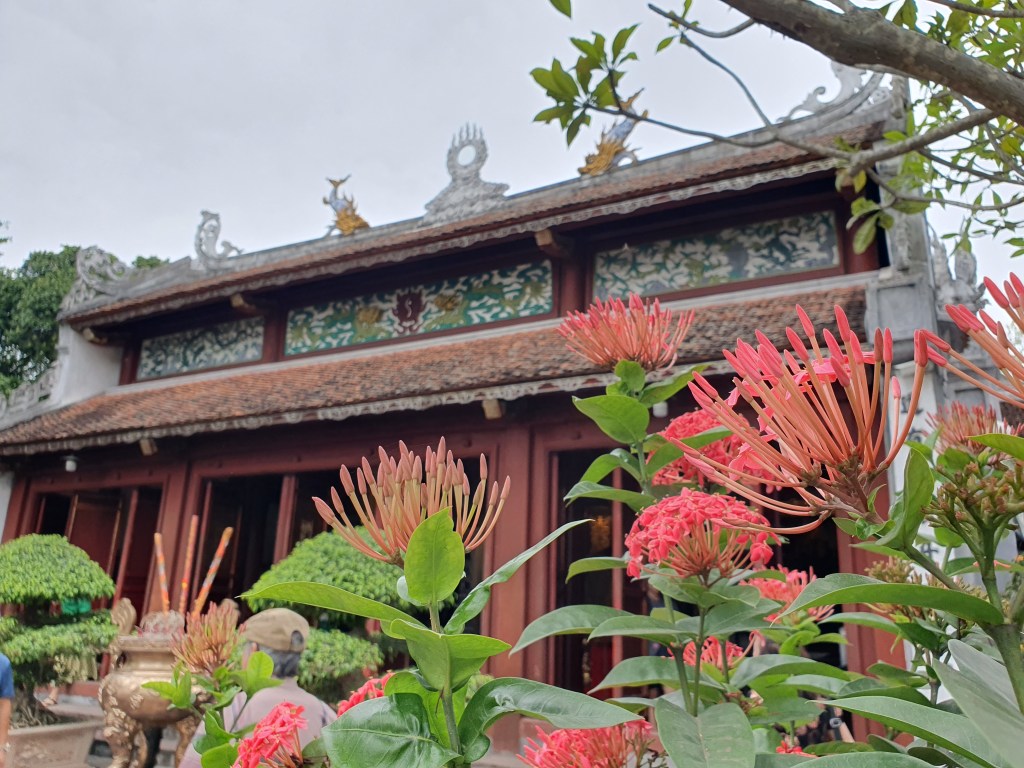
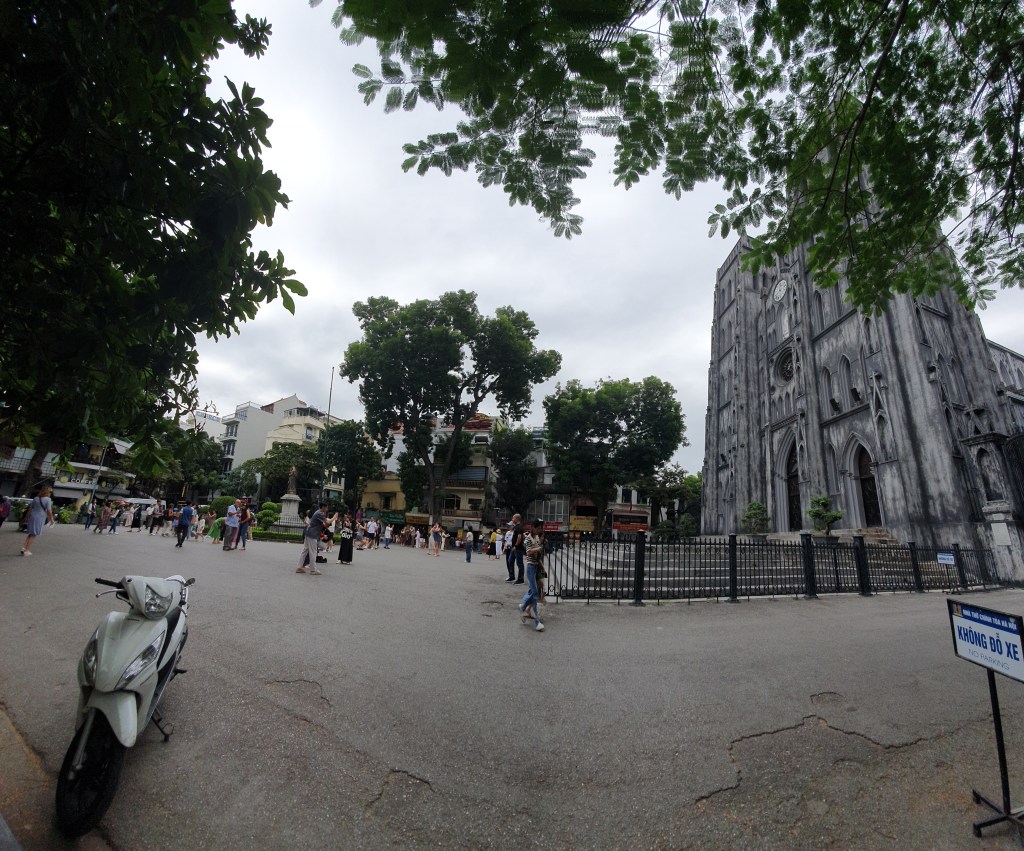
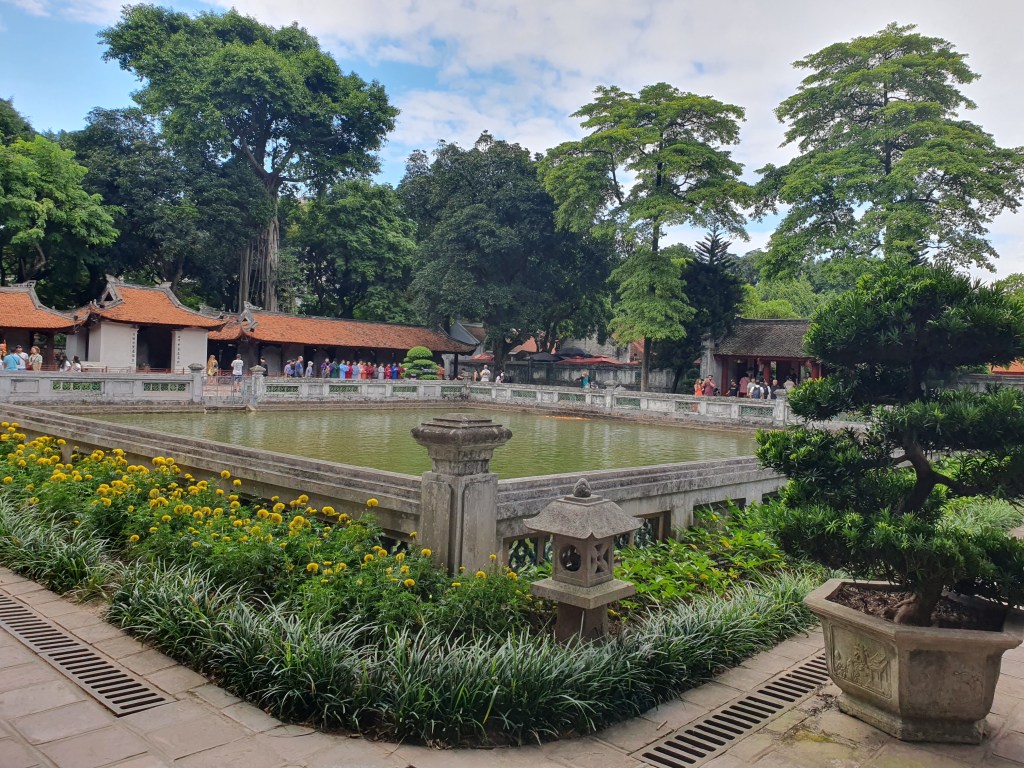
First on the agenda was a few impressive buddhist temples, and also the St Joseph Cathedral. This gothic cathedral looks so strange with all the little asian shacks around it and motorbikes everywhere. I couldn’t go in unfortunately but I imagined it was similar to other catholic ones I have seen. A little bit of Europe in the middle of this crazy South East Asia whirlwind. I later found out from my guide that the french actually governed Vietnam for centuries and is the reason for some catholism here and that they now use alphabetic letters instead of chinese characters. Something to be grateful for as a tourist!

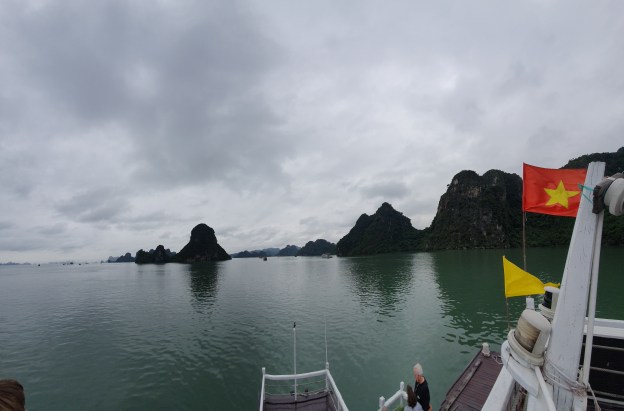
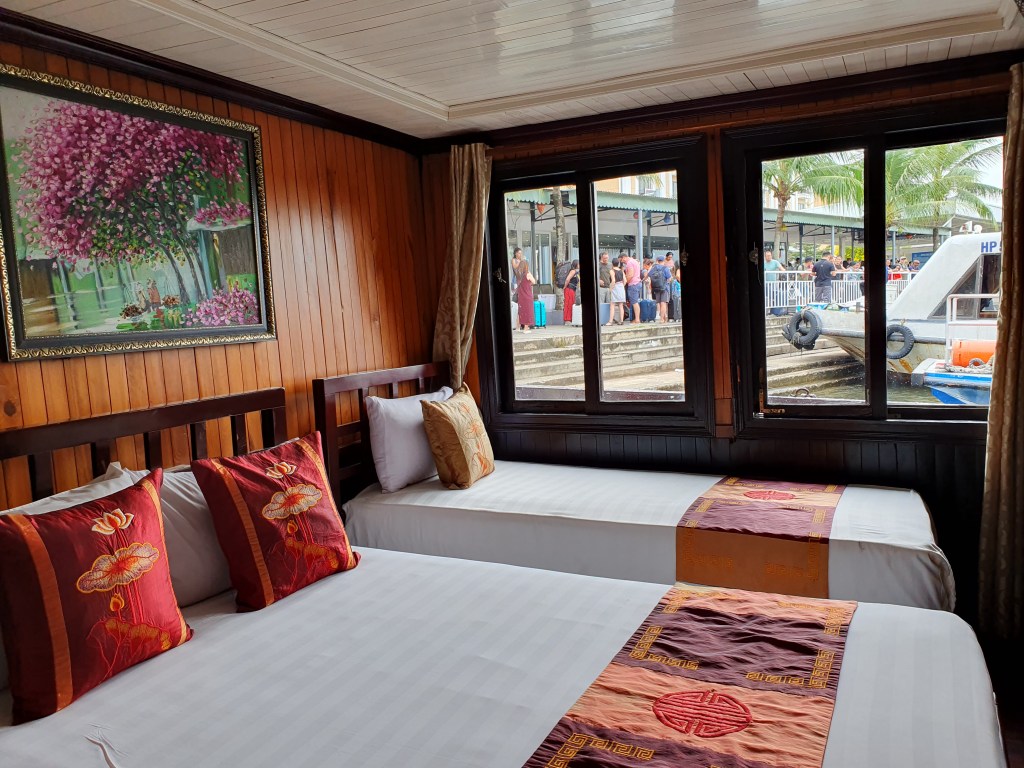
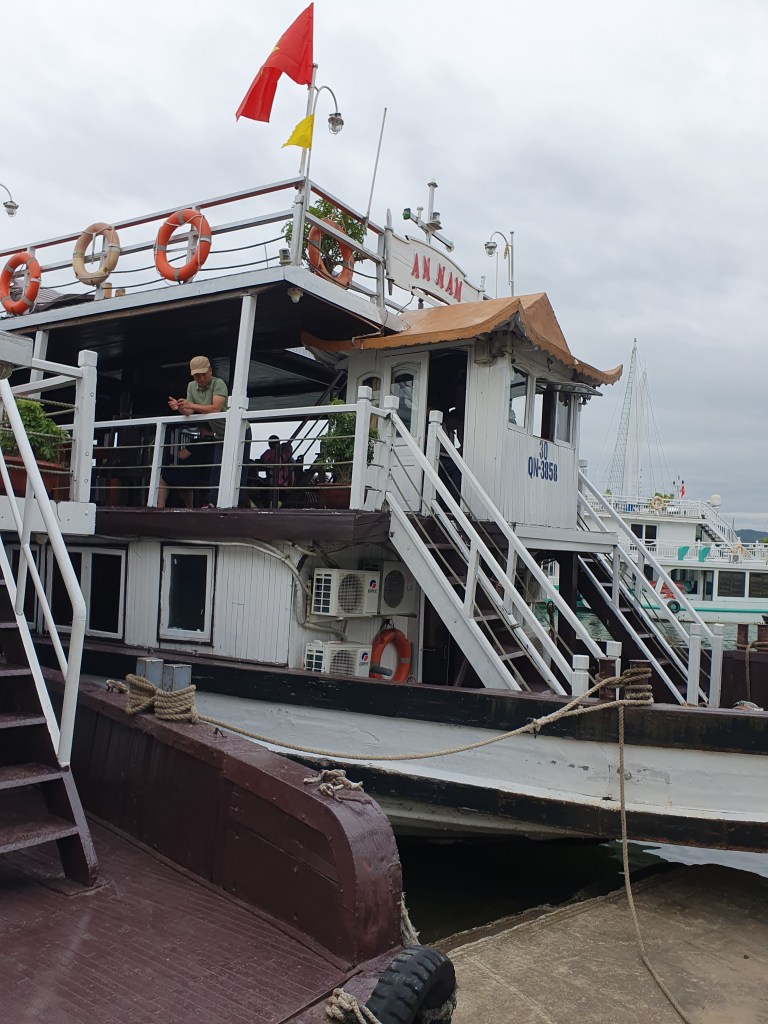
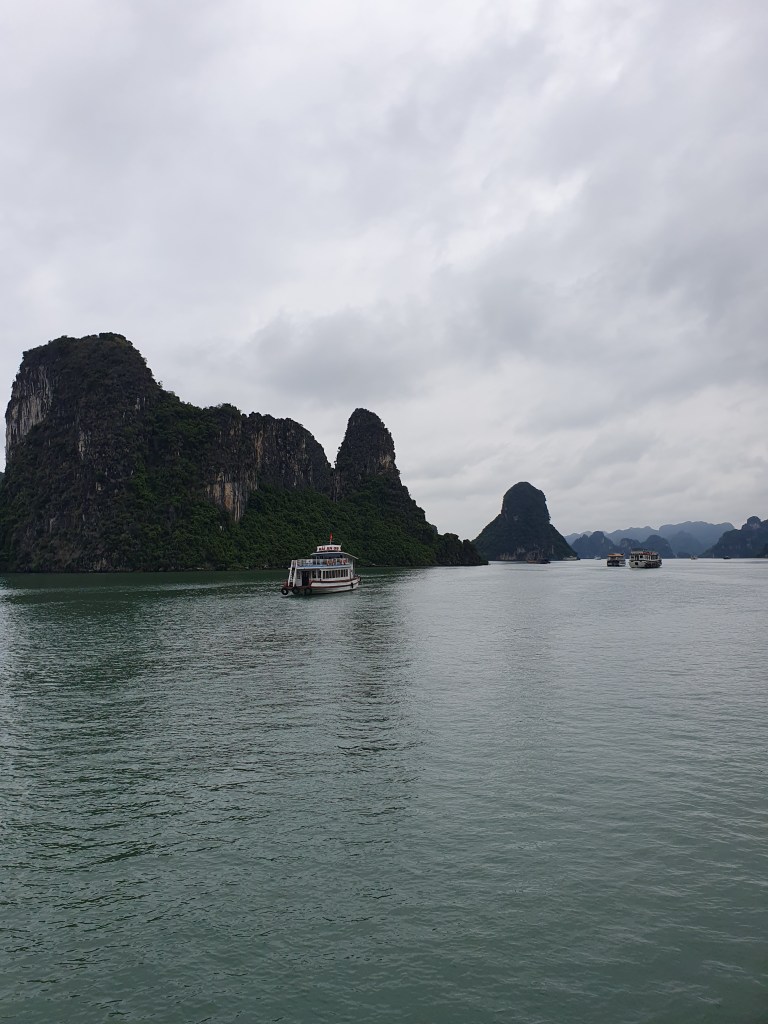
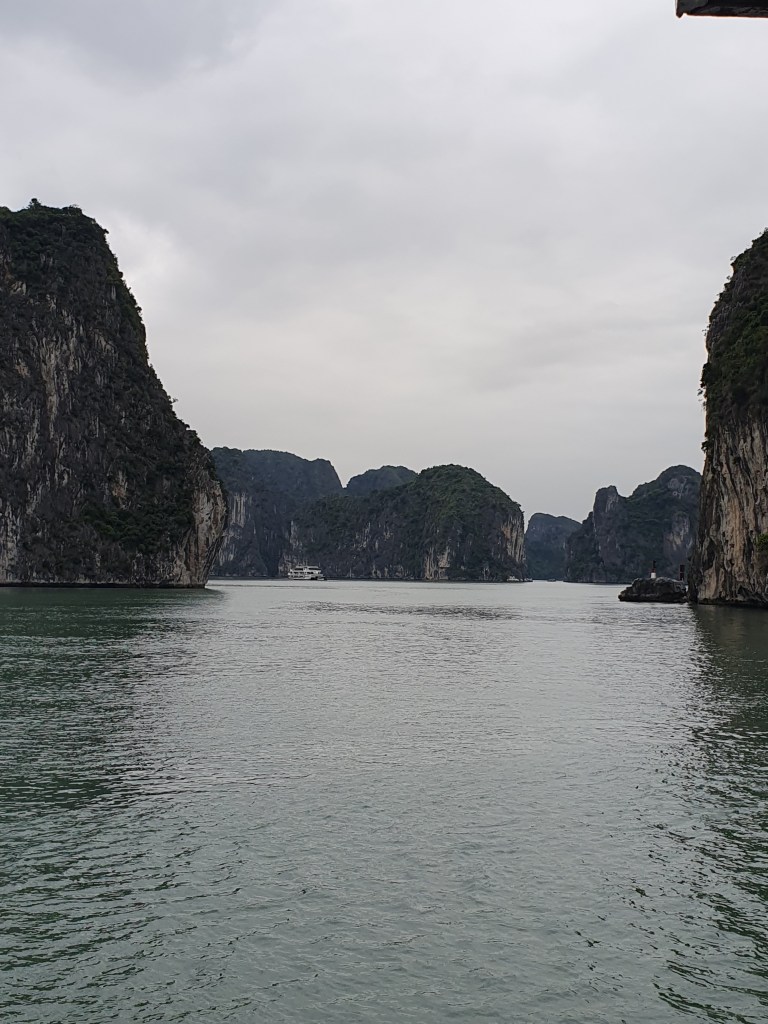
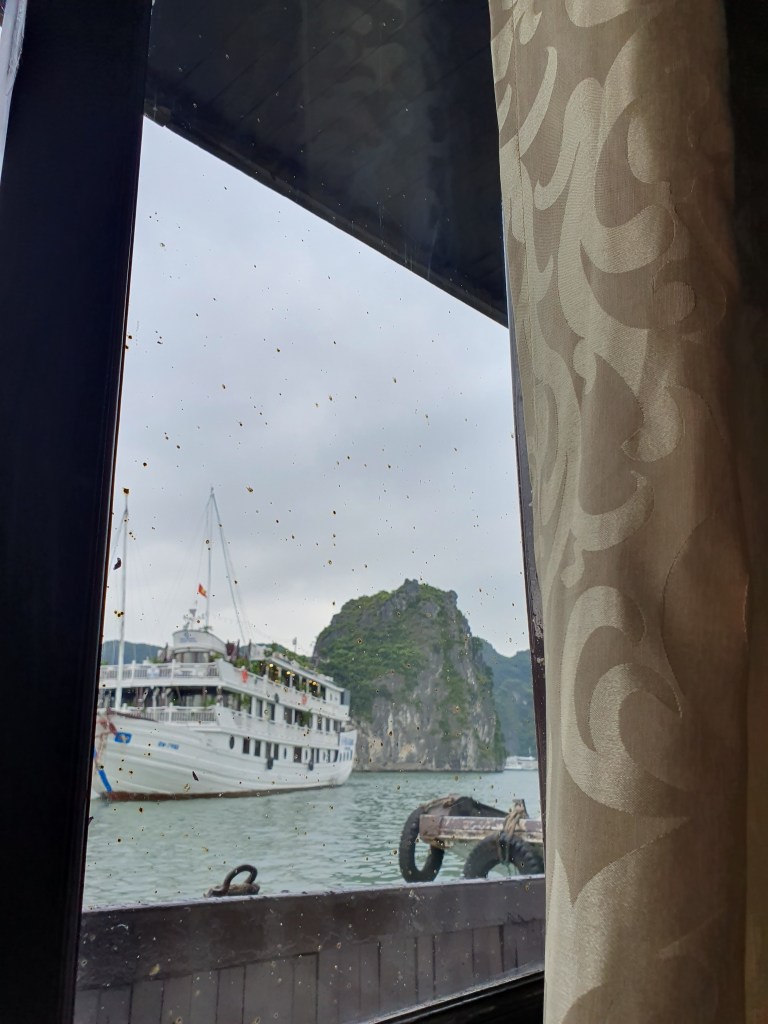
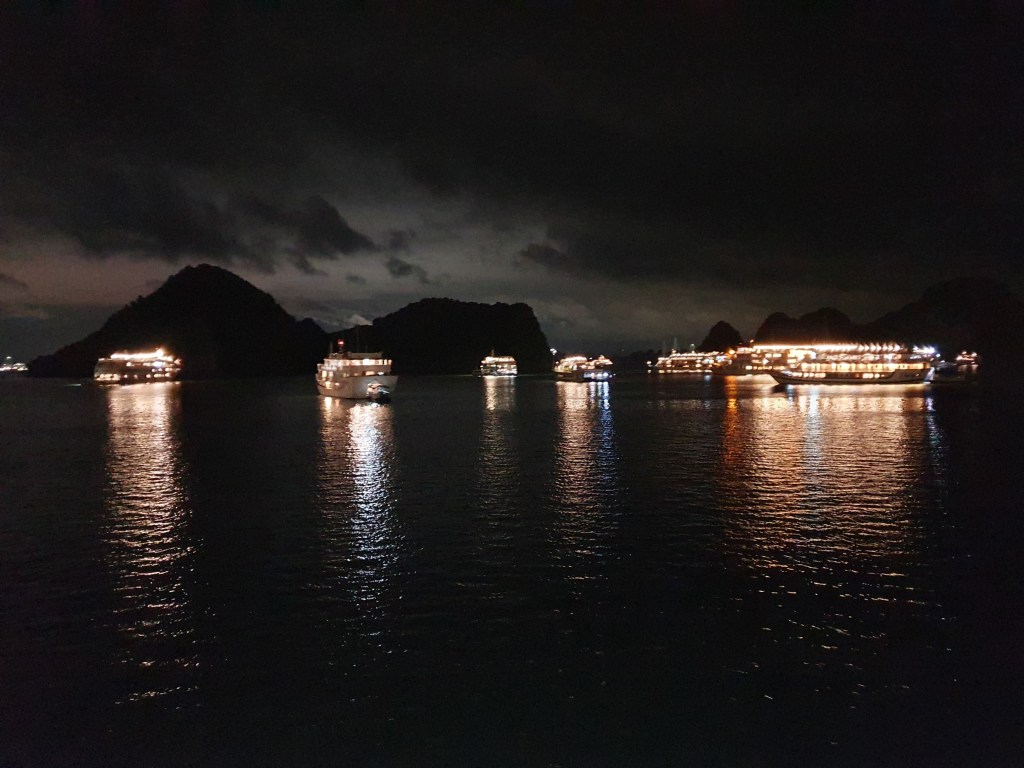
Another day in Hanoi took us on our four hour bus ride to Halong Bay, the famous world wonder that is an absolutely huge bay and once a very important port full of huge bouldering islands. We had a relaxing overnight boat cruise here where the service was amazing and we enjoyed an impressive selection of seafood and bar service on a boat all to ourselves in our small group of nine.

There are many local caves on the islands to explore and we ventured into one, and then towards dusk I had the pleasure of exploring an empty and calm section of the bay by kayak. The only thing that was man made around me was a small floating pearl farm where oysters were floating below growing pearls for fine jewellrey.

At night all the boats have to gather in one part of the bay so you can enjoy the sounds of distant karaokes and good times from your neighbours all around you.

We also got the opportunity to see some amazing charitable organisations on our route from Halong Bay. Two groups of crafters that were helping their community by making things to sell, one was doing it for the environment and the other for the disabled. I will touch more on this in a later blog.

Back in Hanoi, we had one more opportunity to look around. We tried for a third time to see the train on train street, but this time at night. The train schedules on the internet were all wrong, so we got there badly timed and when we tried to wait the police made us leave, even though we were half way through a paid meal. Overall, I would say only go to train street if you are happy to waste a lot of time and maybe only see the tracks.

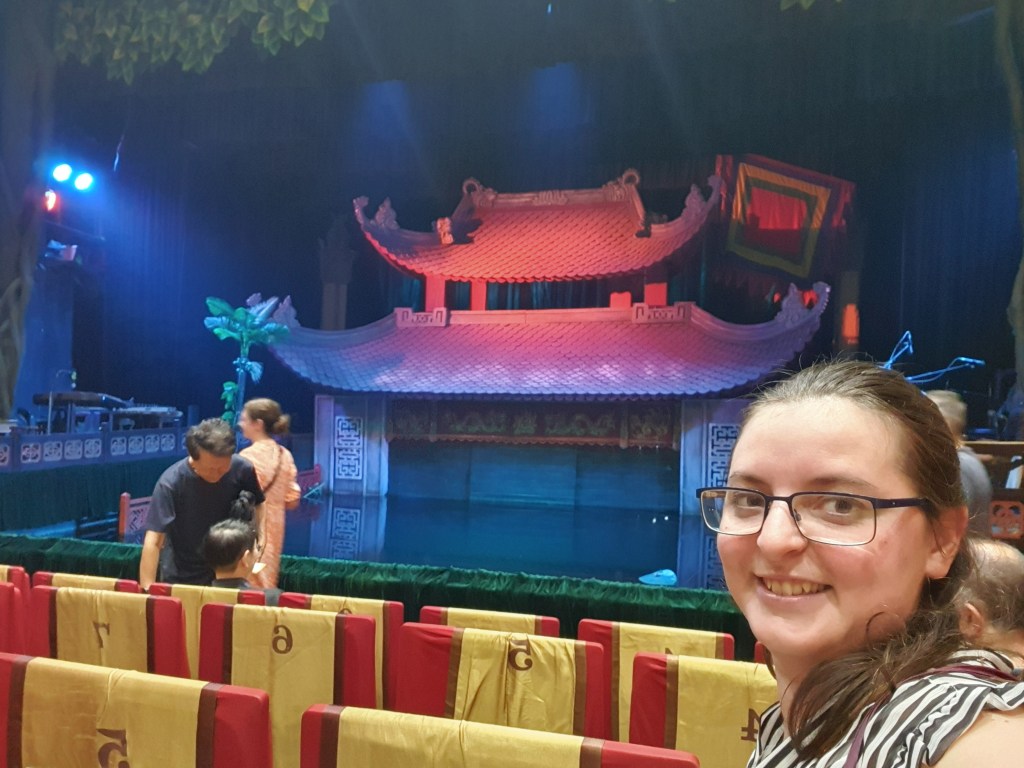
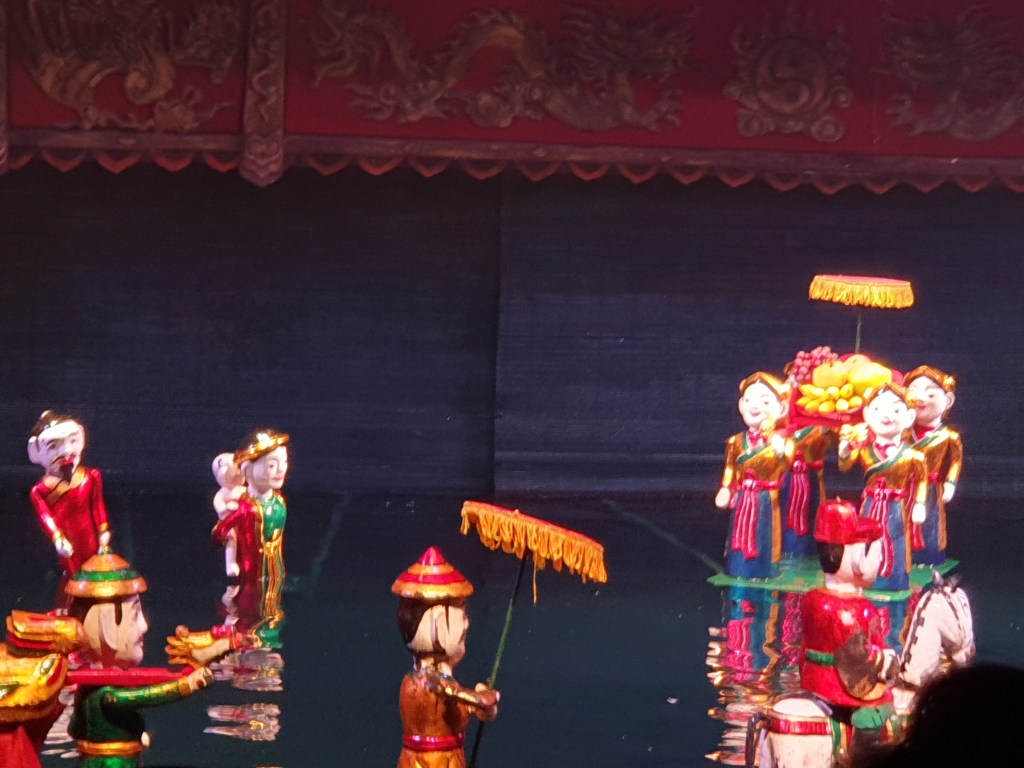
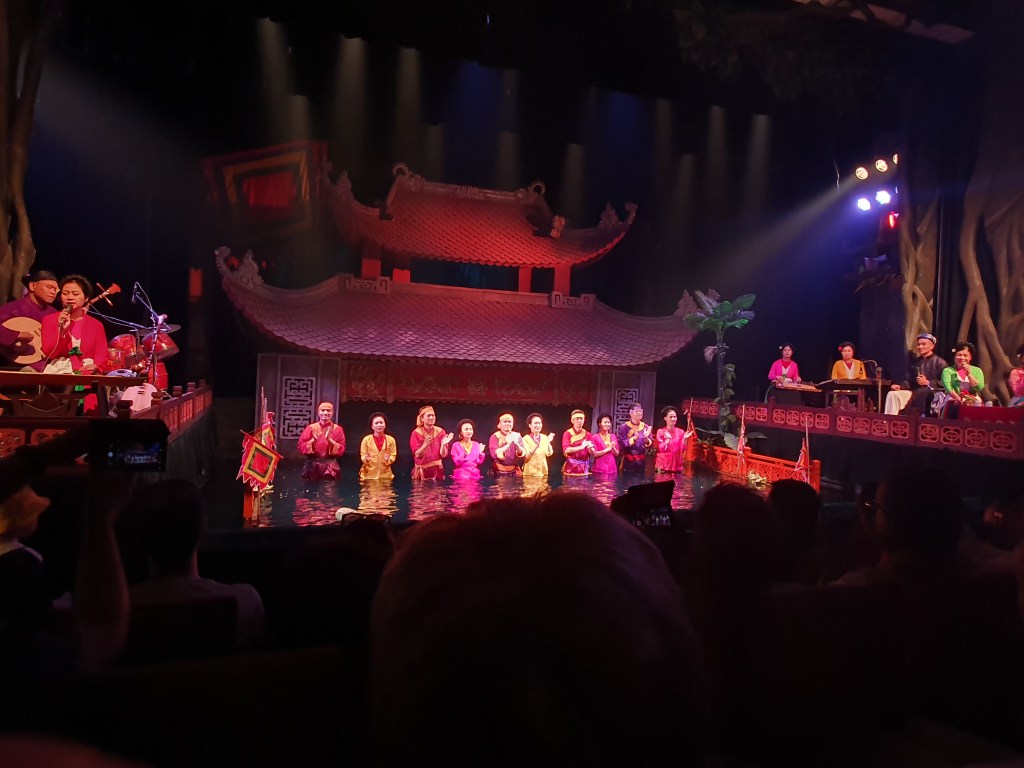
Something that was well worth it for only about £6 and 1 hour was the Thang Long water puppet show by the lake. This show was a traditional artform telling folk stories of Vietnam in their language and with singing, using puppets within a big pool of water.

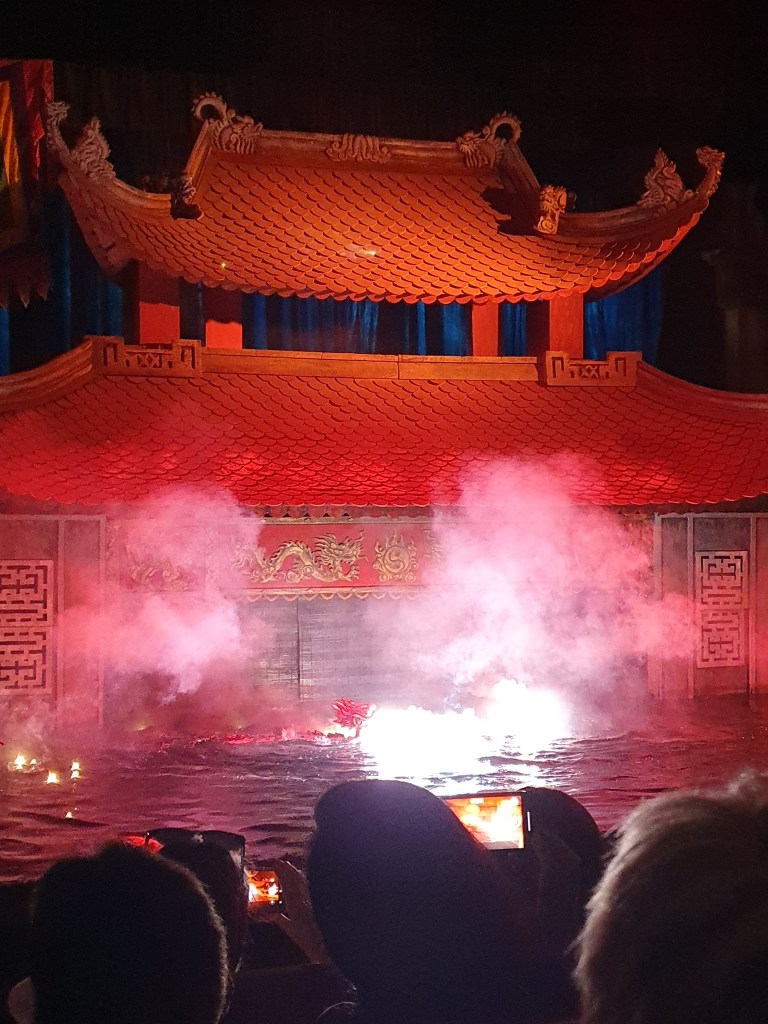
I wasn’t sure if it would be entertaining enough, but it was actually very funny at times and the show somehow managed to use smoke and fireworks on the water aswell which I dont even understand how. The best part may have been the music though. There was an orchestra of local folk musicians playing traditional and strange instruments and all in vietnamese formal wear. Overall it was super impressive!

Hue

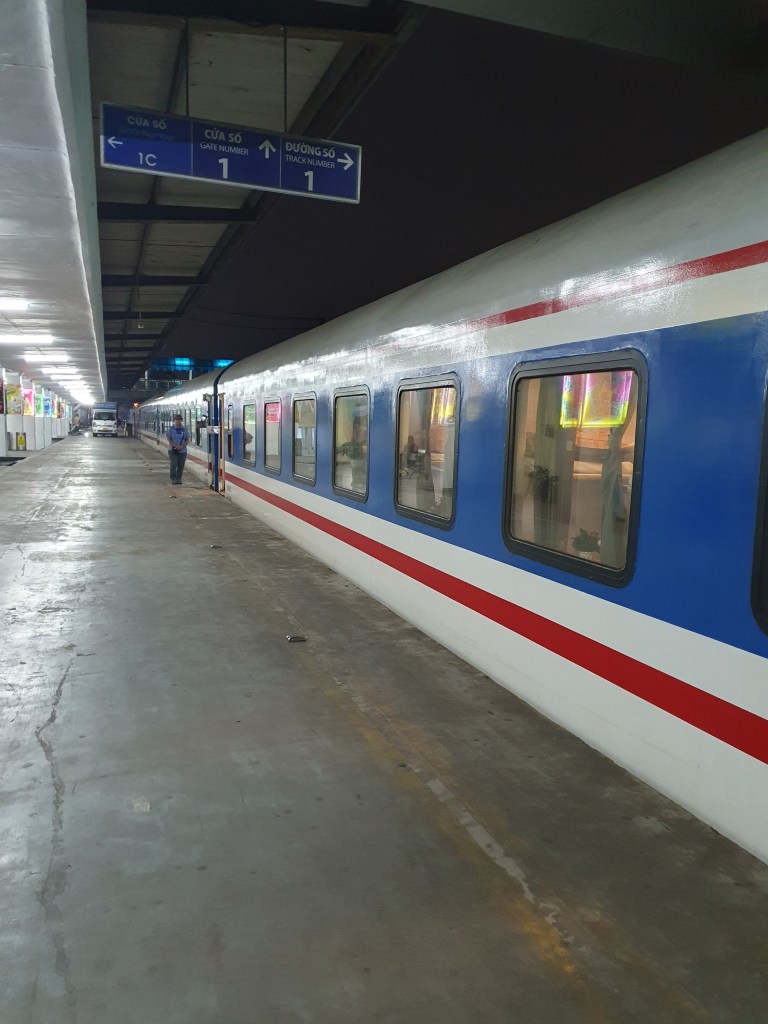
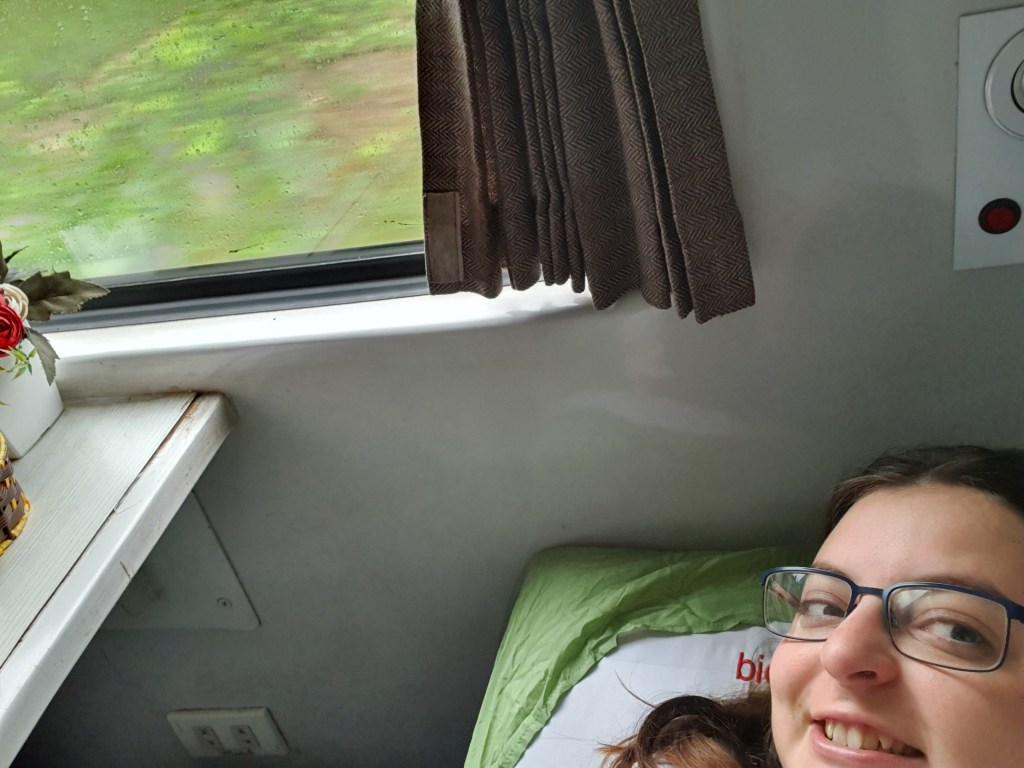
Writing this section of the blog at 4am from a twelve hour sleeper train from Hanoi to Hue. Sharing a bunkbed in a room with three other travellers, I feel quite at home and I am enjoying the bumpy swaying of the carriage more than expected.

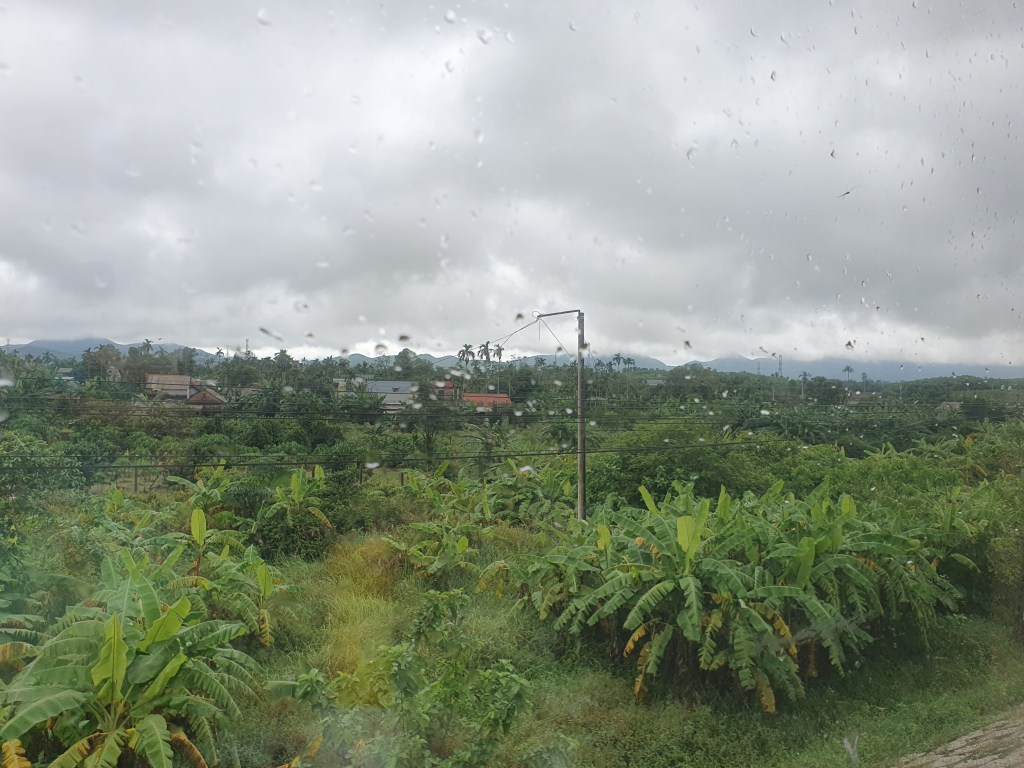
At night I can see the reflections of the train in nearby waters and marshlands and the odd distant light of a farmer or two working in the fields and by day the scenery becomes many small villages and plenty of rain!

The train has different classes, we are in a 4 berth, but there are 6 berth and then soft reclining seats and hard seats (for those true hardasses – literally). My room is quite good with a little mattress, space under the bed and a table with a selection of sweets.

The only thing that has been a horror is as expected, the bathroom situation. There is either a squat room for guess what.. squatting, or there is a western style toilet. The toilet started off okay but now I can tell you that by 4am it is not okay. Its a horror show. I am trying to figure out how I can not pee now until 11am. Note to self, must purchase a she-wee for travels!

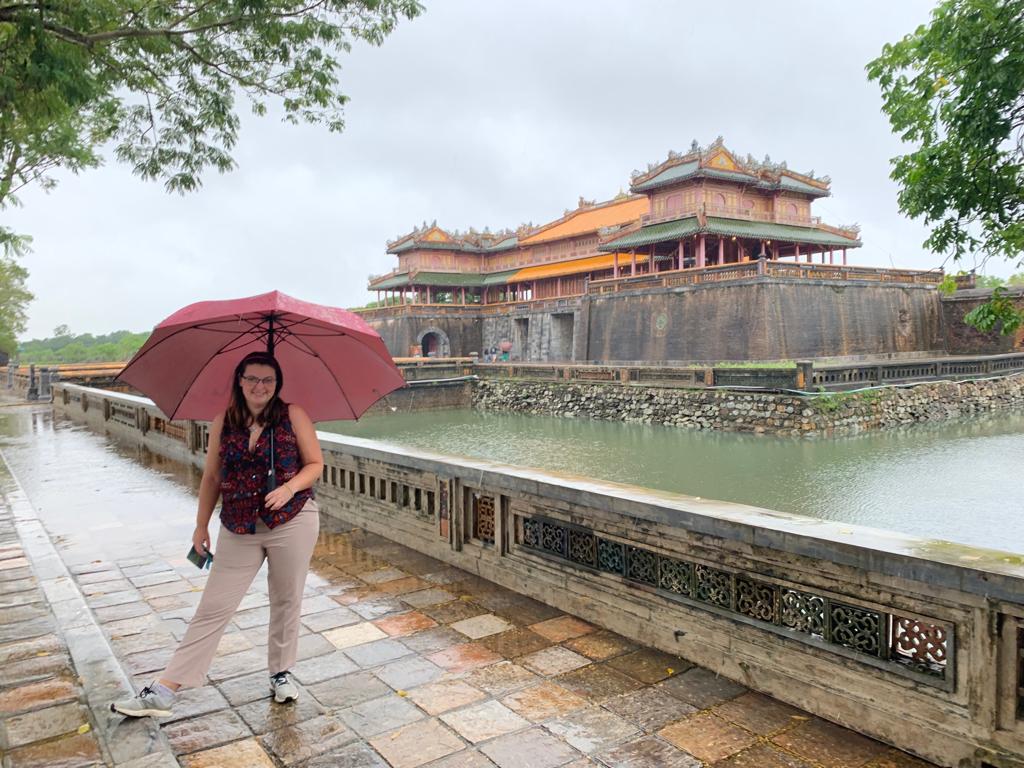
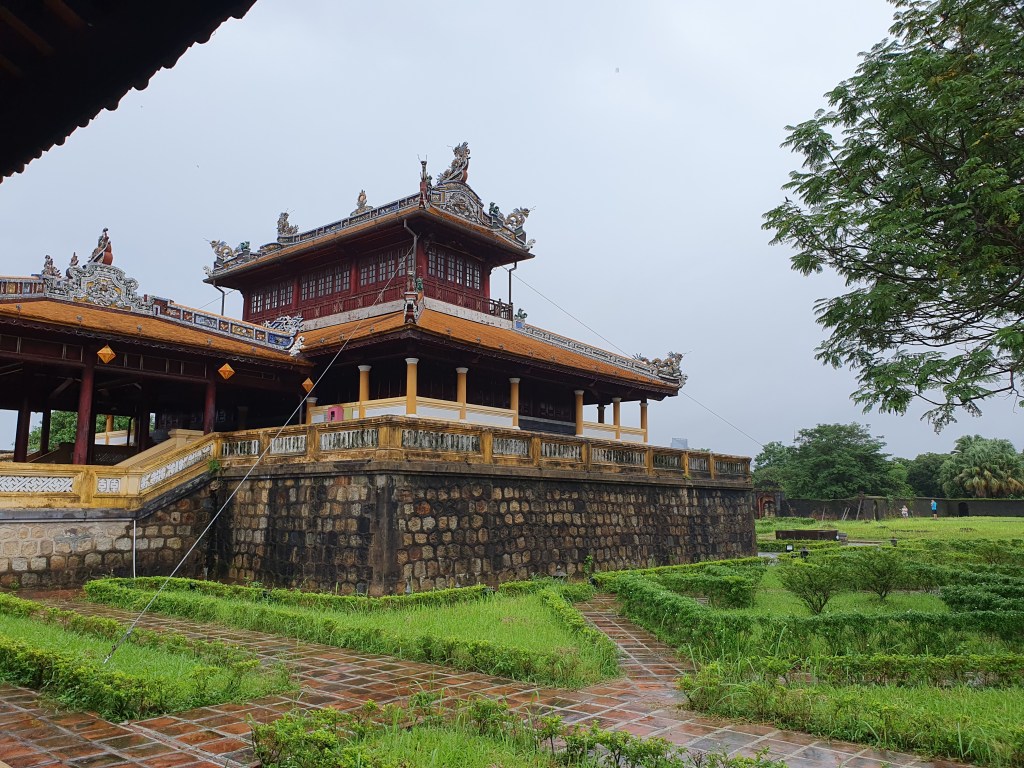
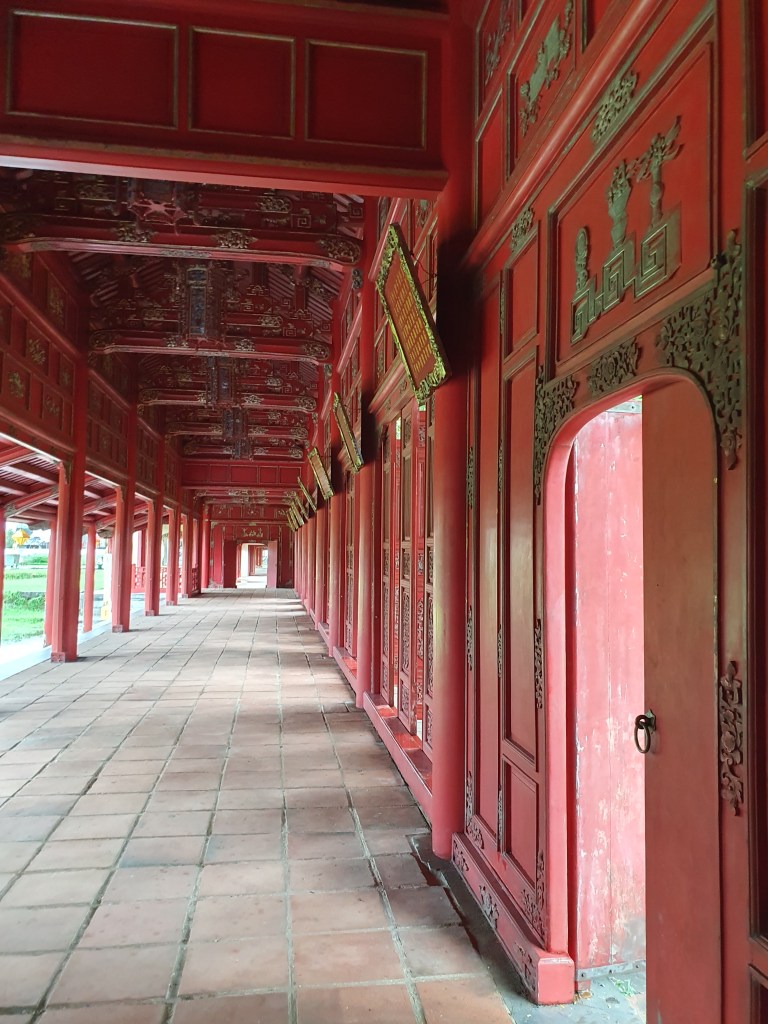
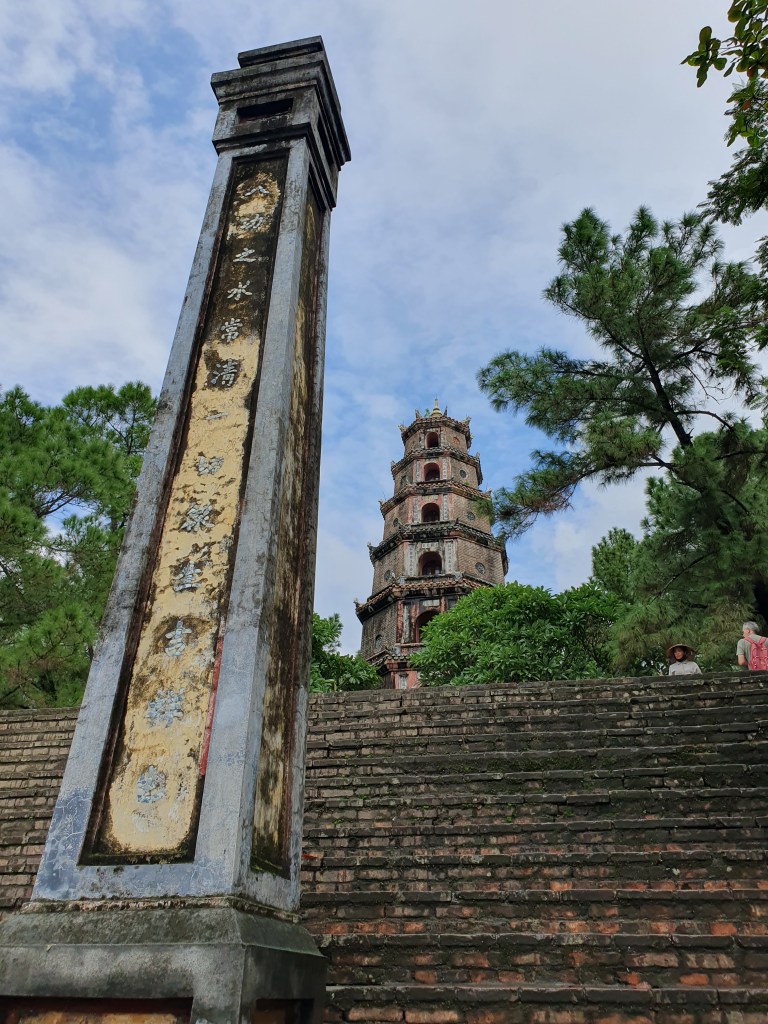
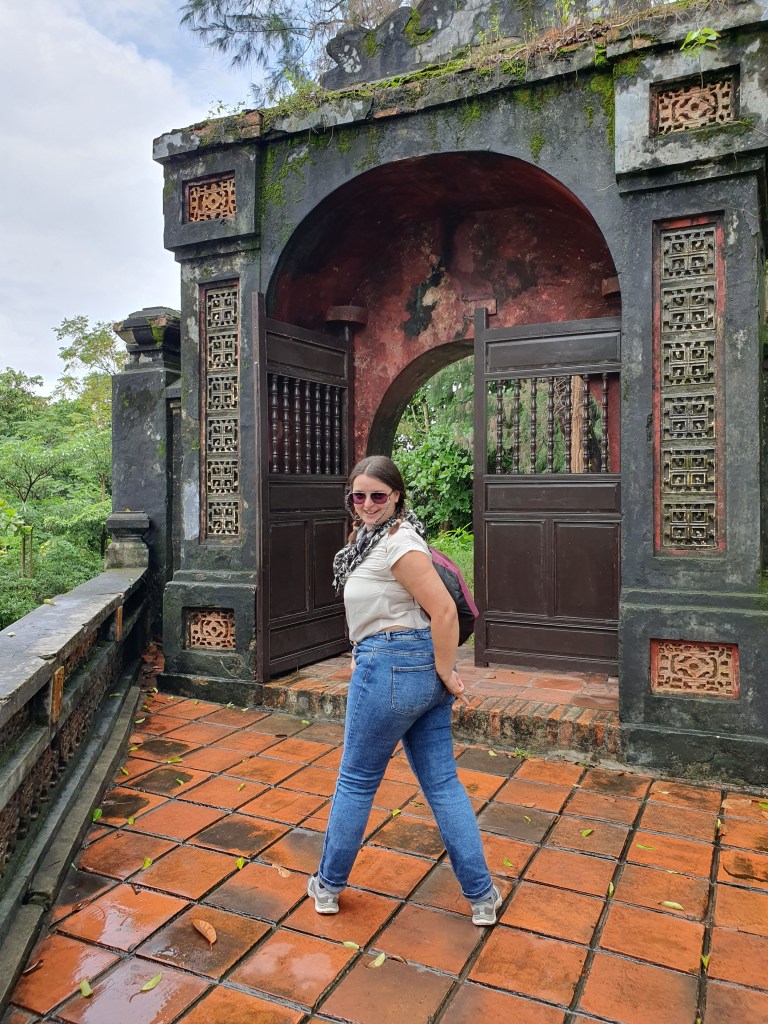
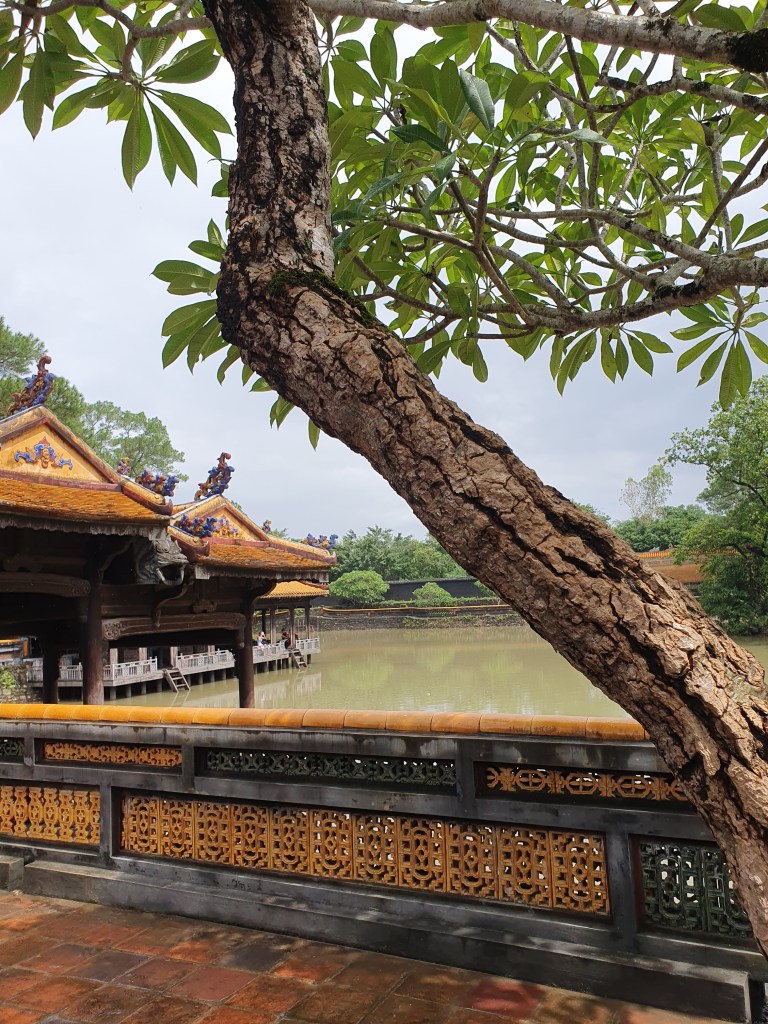
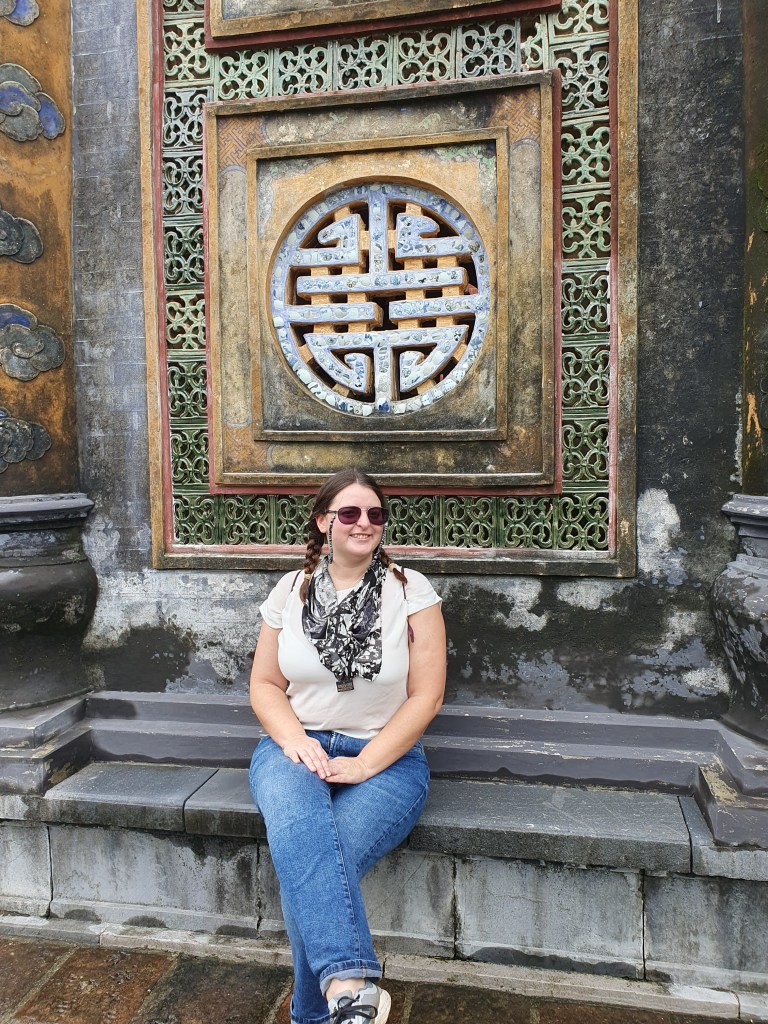
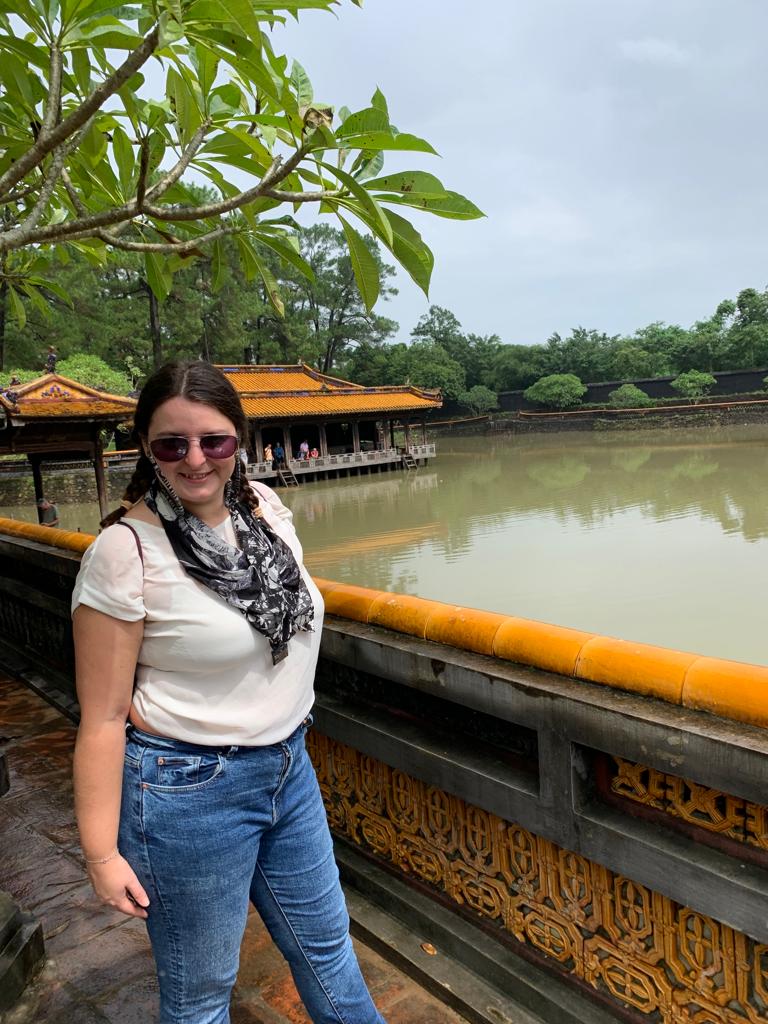
Once we got to Hue and freshened up at our hotel, with an umbrella in hand, we were guided to the ancient citadel. Hue was historically the imperial capital and home of the kings of Vietnam. It still has the 21 metre thick walls surrounding it and many of the original buildings either still exist or have been rebuilt or are in the process of being rebuilt after collapsing from weather or war bomb damage.

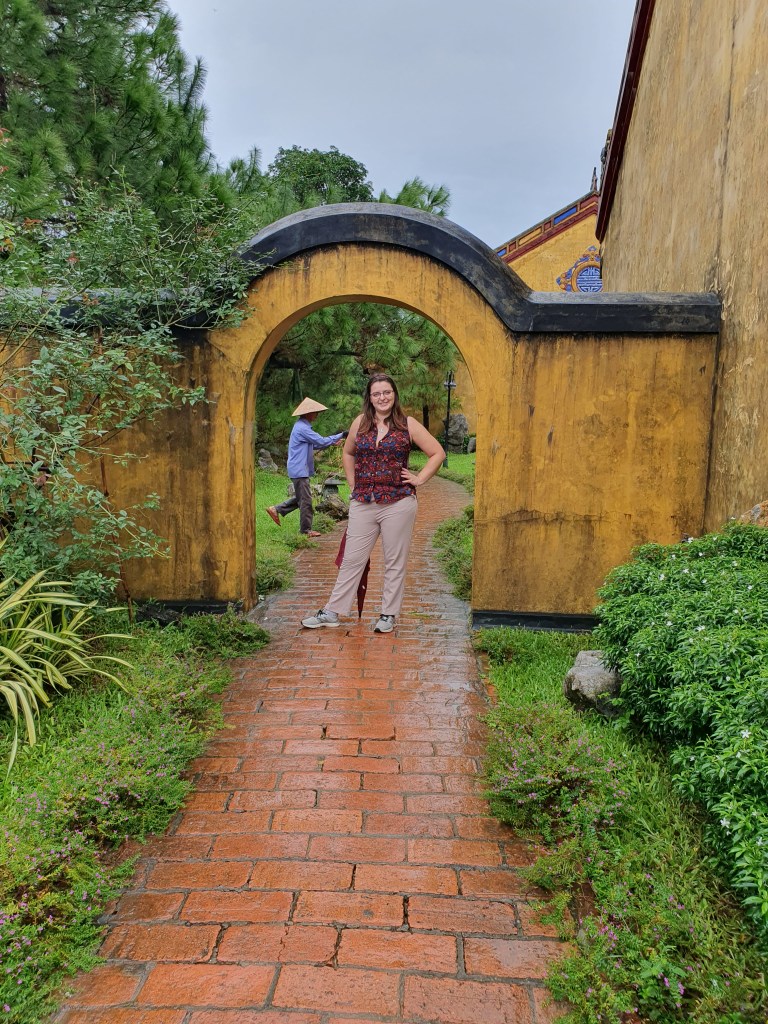
The site is very pretty and a bit of a maze to walk around if you do not have a guide. It is mostly an outside visit except for a few locations where you can visit inside after slipping off your travelling shoes. I Particularly enjoyed the king’s gardens with many bonsai trees and bright green foliage. Obviously, due to all the rain, but green is my favourite colour so I’m okay with that!

The stories about the kings were interesting too. Kings were seen as Gods by the people, but for many centuries the kings were actually puppets for the french to put their influence over Vietnam. The kings ranged from 7 year old boys to a man that went from being a king to a french pilot. So random!

Later in the evening I had dinner with a local family that had been there for generations and the lady’s grandfather had been a direct servant of the king. The family now are well off in the area but still cannot afford to travel much and still work very hard. It is becoming apparent how hard people in Vietnam work to make a minimal living.

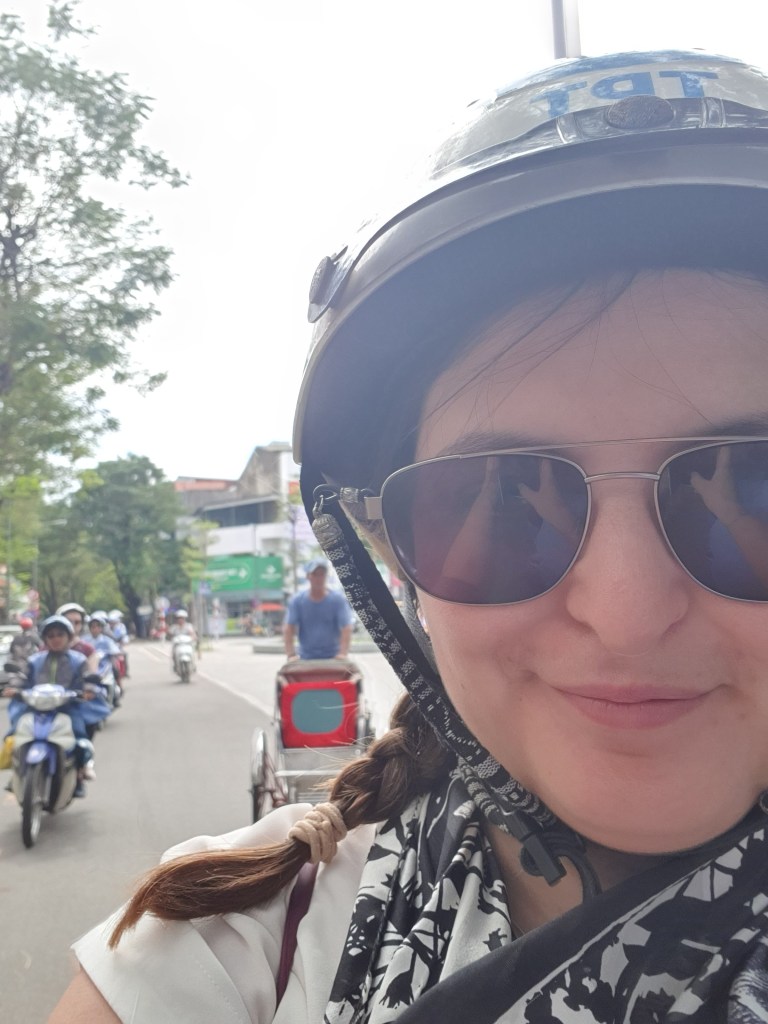
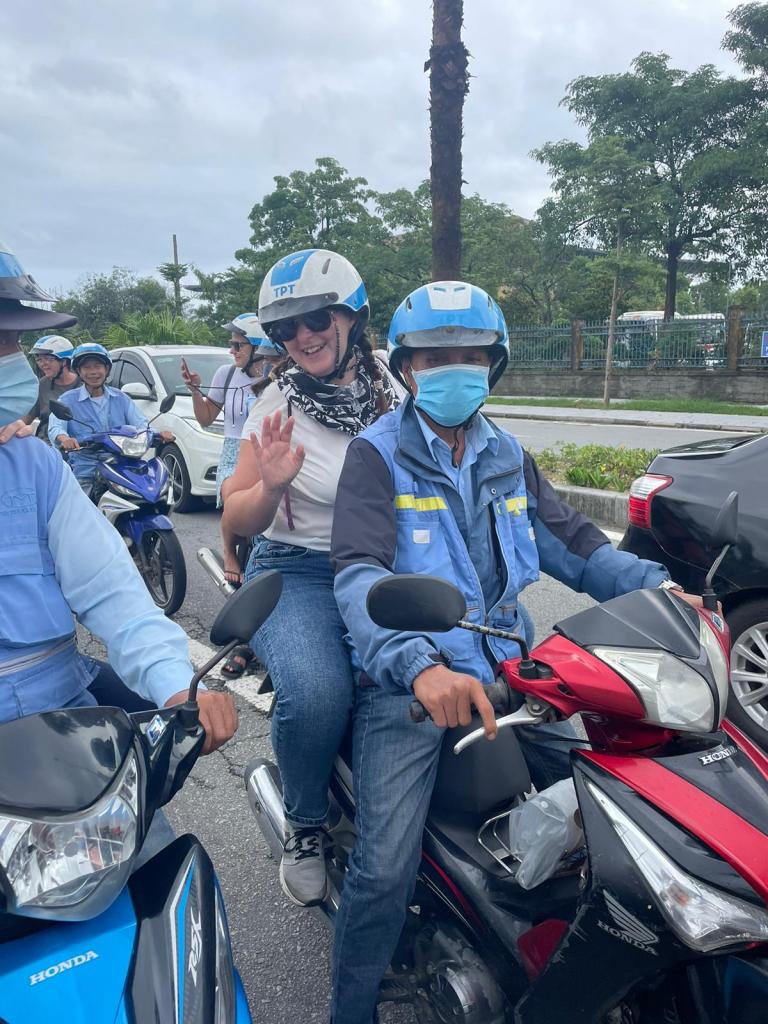
The next day in Hue, we ventured around the surrounding countryside and the town centre by motorbike. This thrilling experience was one I will never forget I imagine, it was an adreline rush full of beauty and culture. As I rode pillion to a Vietnamese man named (‘kern’) I explored a king’s final resting place, a local fresh market (where it is so fresh that the animals are still alive), and a local monk community. What a thrill!

Next day we move on to the South to Hoi An… in my part 2 blog.

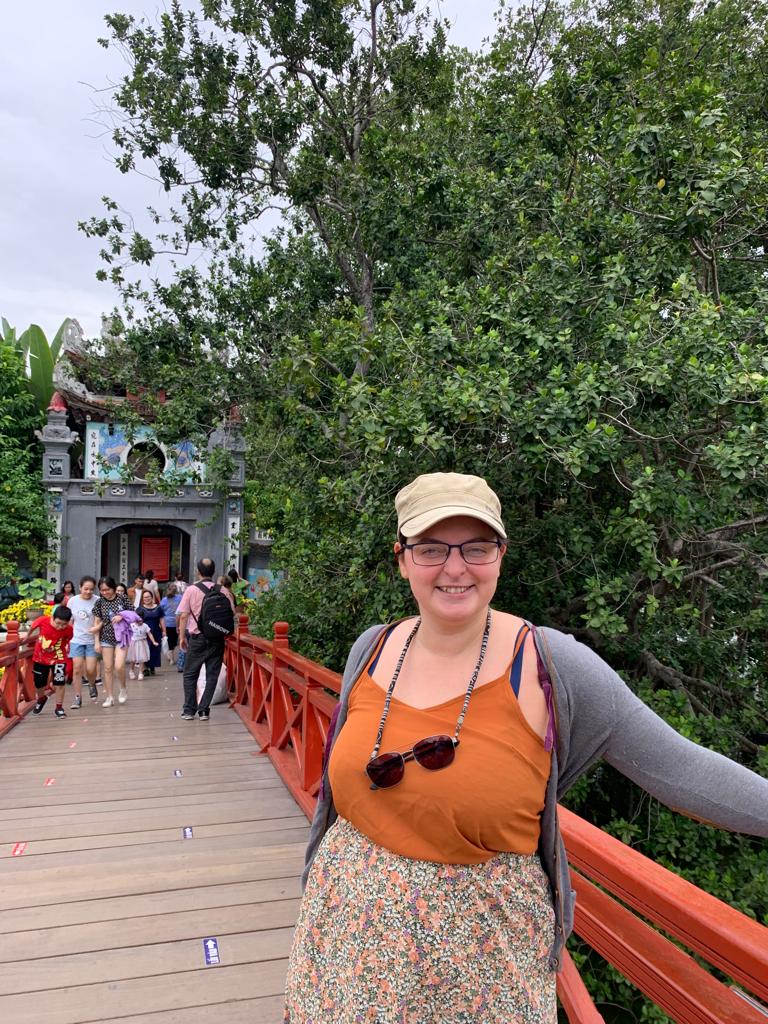
Me at Halong Bay

Lovely Lugo

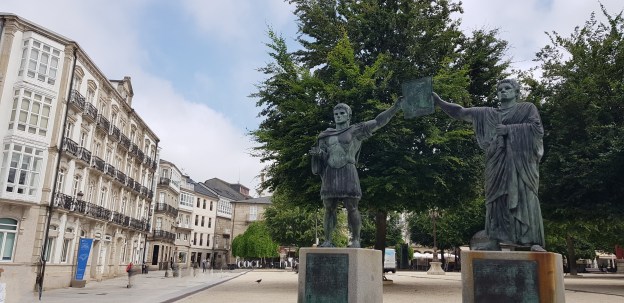
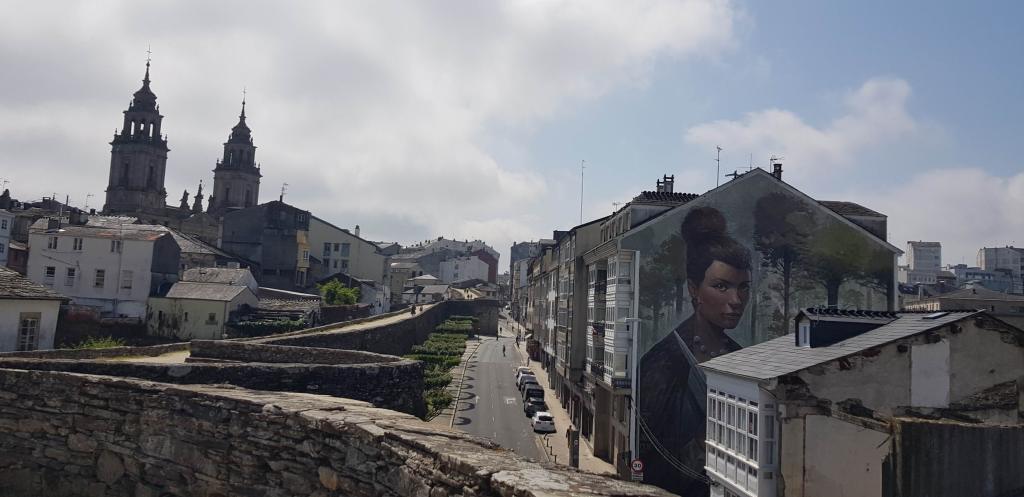
One of the most beautiful cities of Galicia. Lugo offers a historic setting within a surrounding of Roman walls that create an isolated space for wondering and wandering about the stories of this old city.

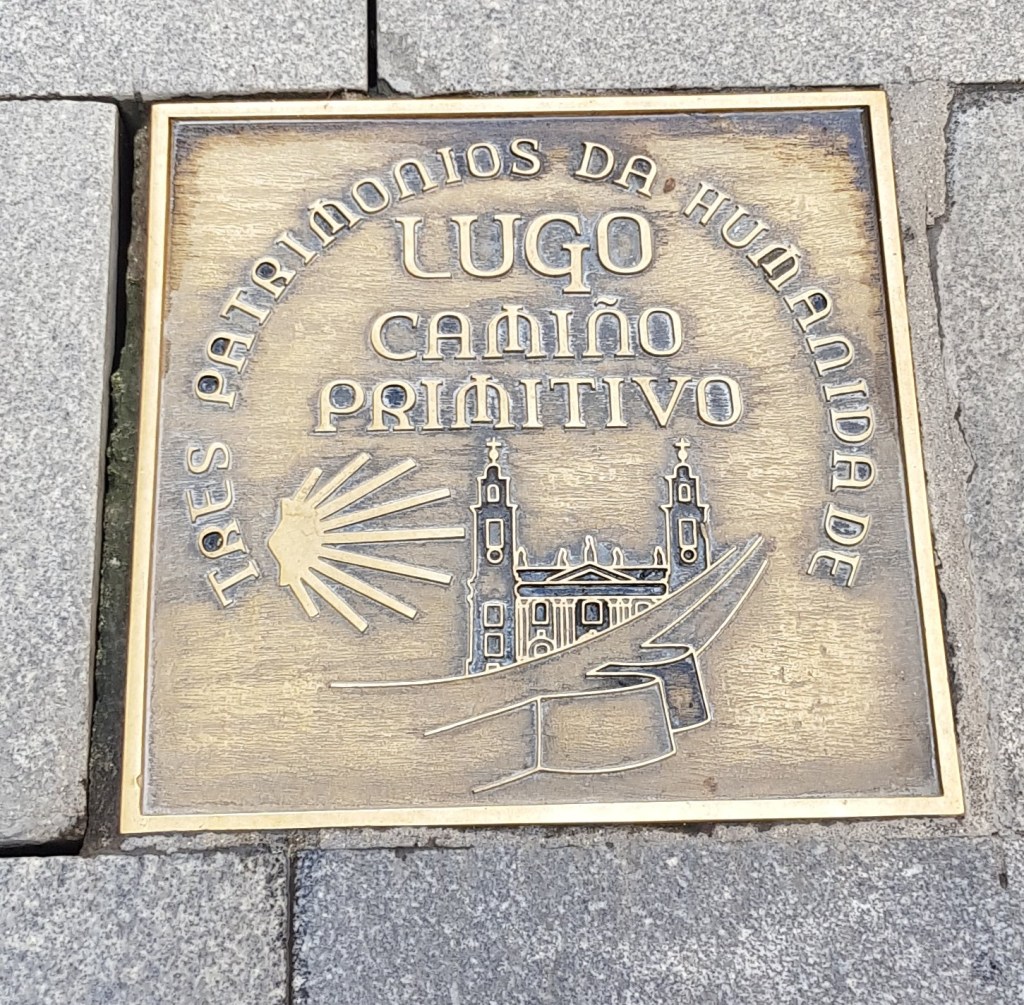
I spent an afternoon visiting Lugo from La Coruña in Galicia. It is the capital of the Lugo province and the fourth most populated city in Galicia. It is a popular location for locals and visitors and is also a stop on Camino de Santiago (The St James Pilgrim’s Way).

The walls

This spanish town is fully shaped by its Roman history. The 3rd century roman walls are 2117m long and create a full circuit to admire and walk on top of. The 85 towers that exist along the walls also create an amazing shape and interest for those interested in history or photography. These roman walls make Lugo a famous location among Galicians and were not suprisingly made a World Heritage Site by UNESCO.

The spaces

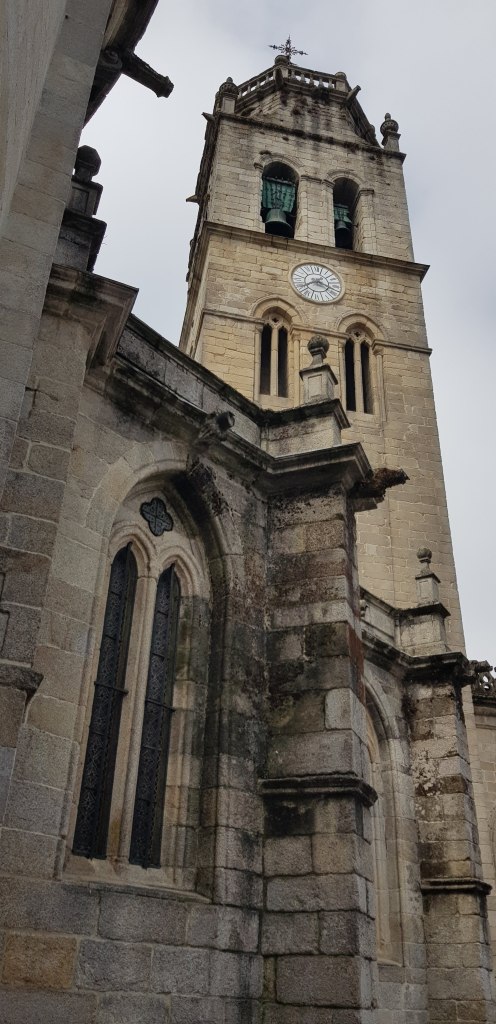
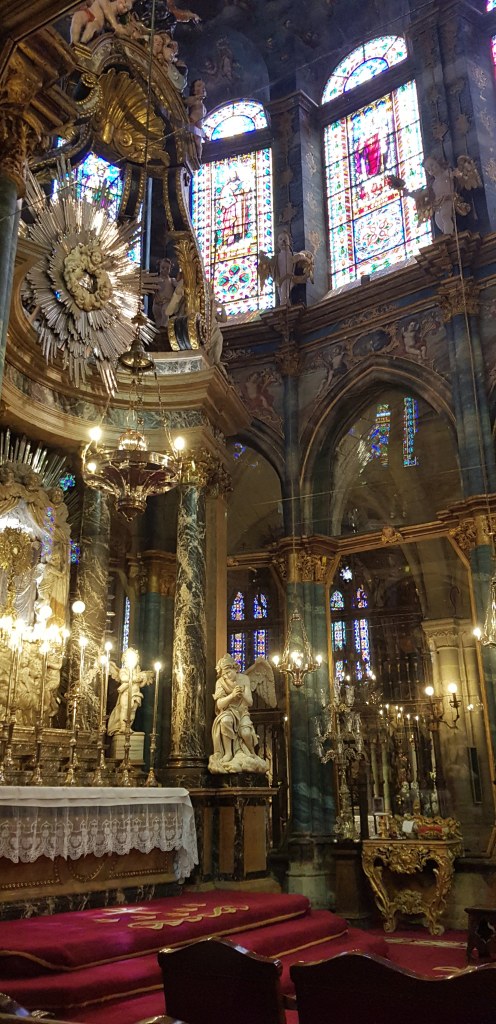
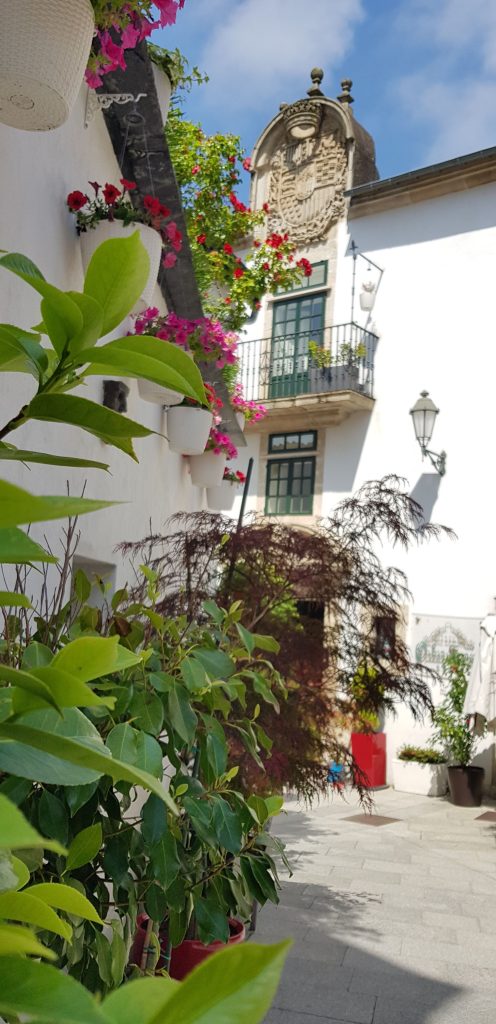
As well as wondering the perimeter of Lugo using the walls, you can also enjoy many public squares, a beautiful cathedral, and quiet lanes filled with gastronomical delights.

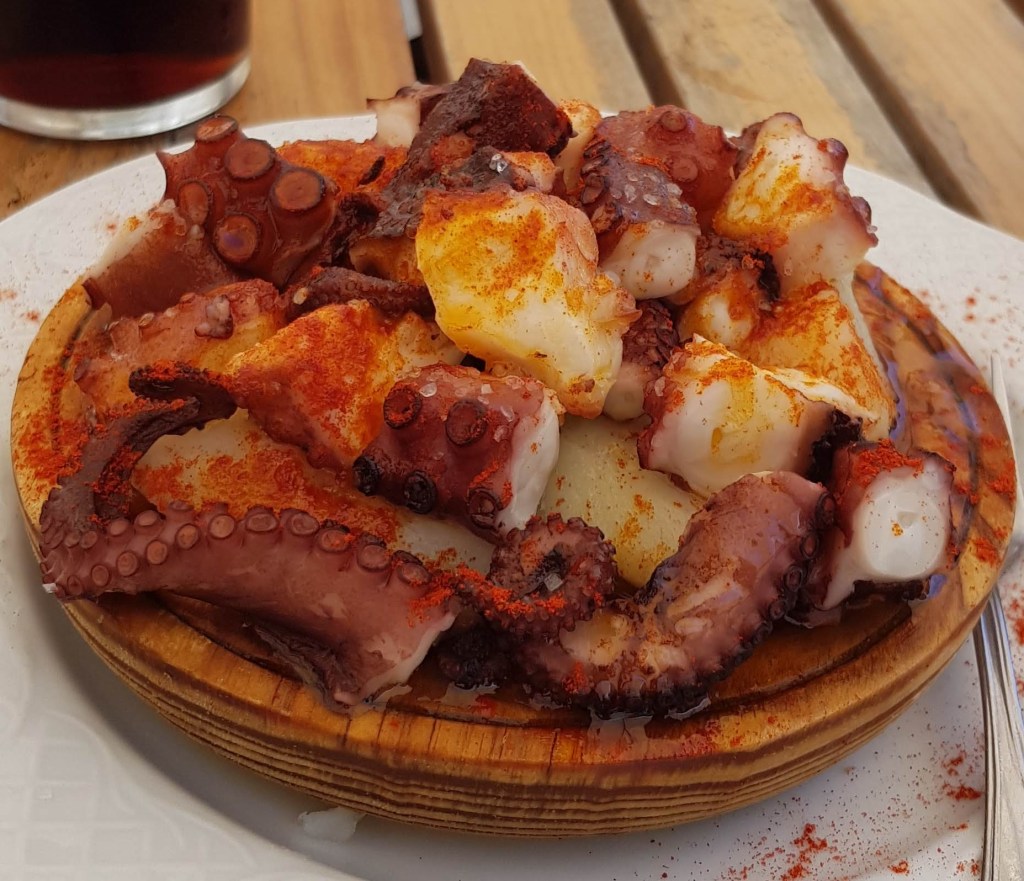
I spent much of my afternoon here eating a delicious traditional Galician Pulpo (octopus). I love it 😀

I would happily revisit Lugo again, its a nice place for a relaxing day out and I can see its easy appeal with locals from the region.

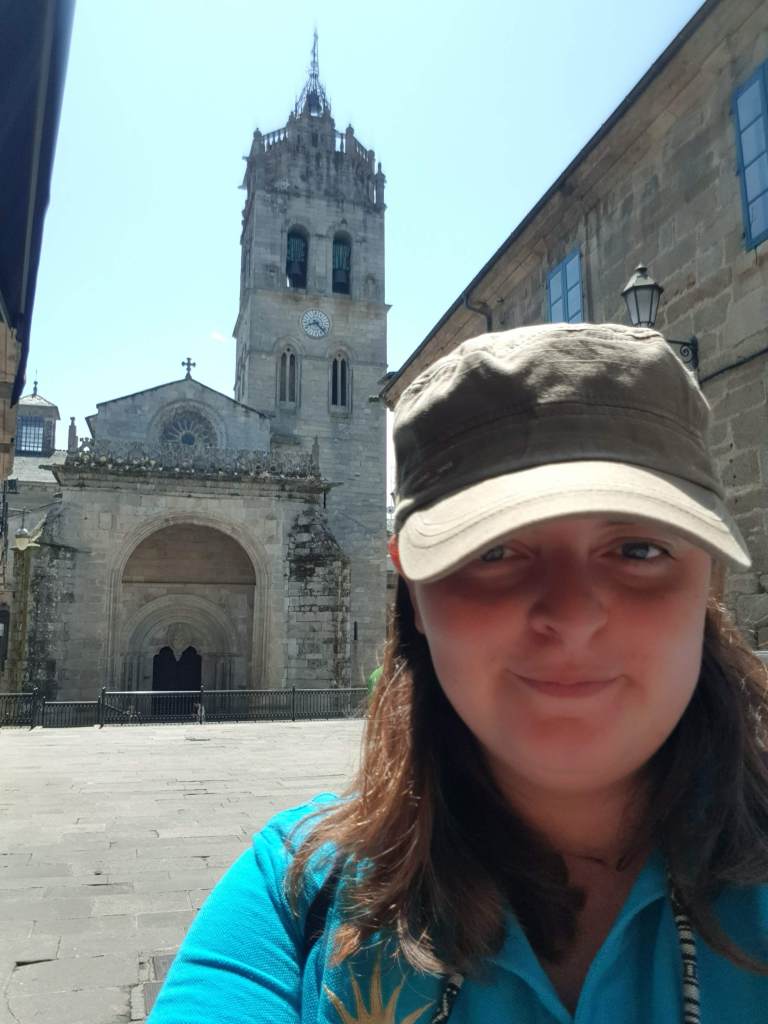
Myself in front of Lugo Cathedral

Doñana Natural Park: An Exclusive Paradise…

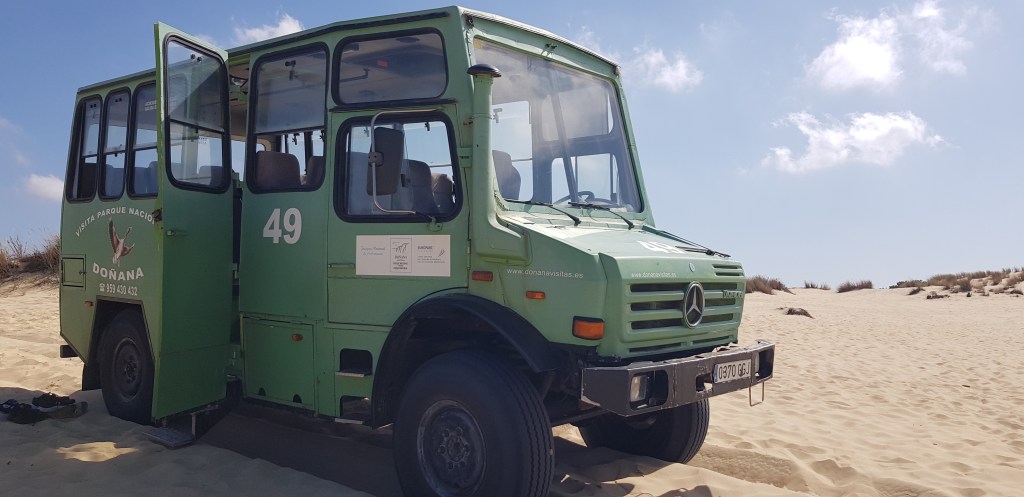
During one of my many days in beautiful Cadiz, Andalusia, I had the opportunity to take a tour to Doñana, a part natural park and part national park, where the inside of the park is only accessible by exclusive tour. I was blown away with the landscapes here in one of the most important natural areas in Europe.

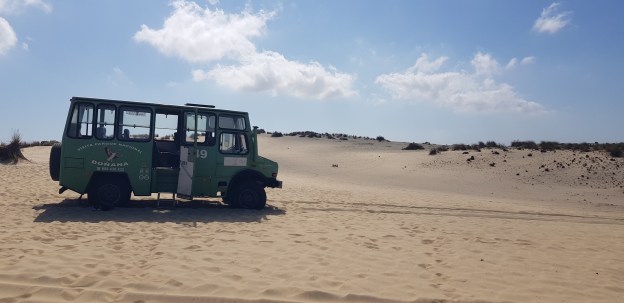
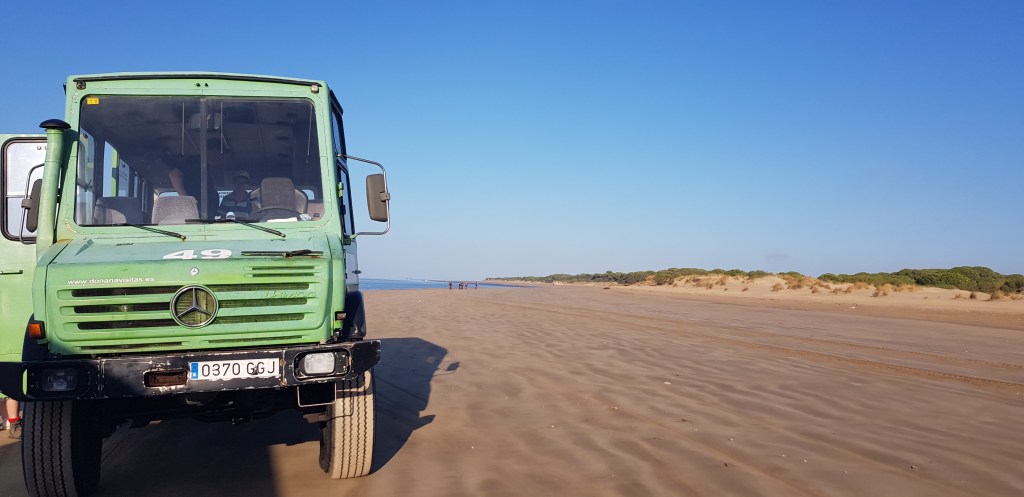
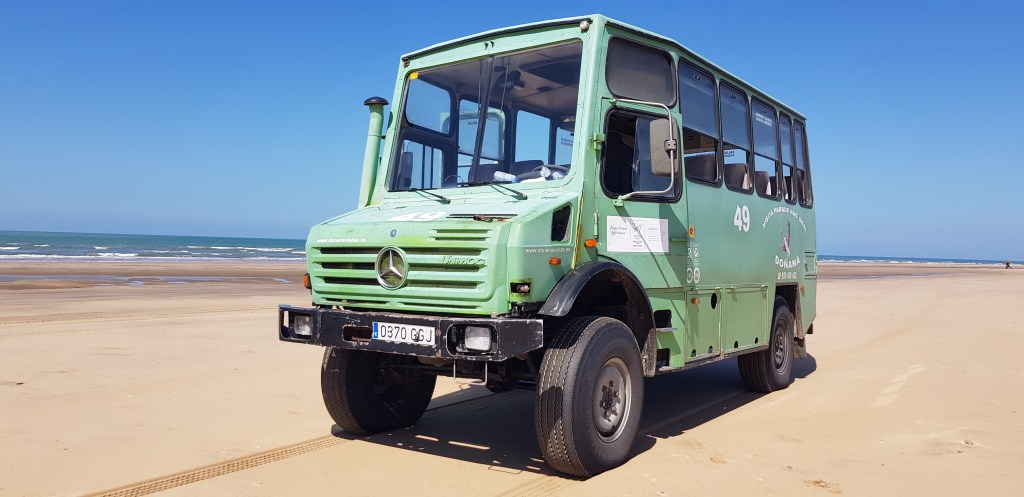
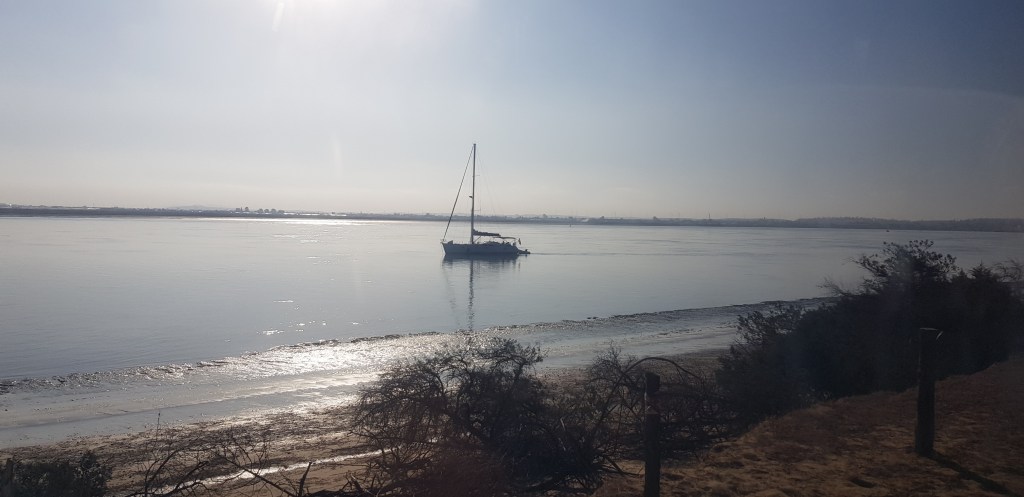
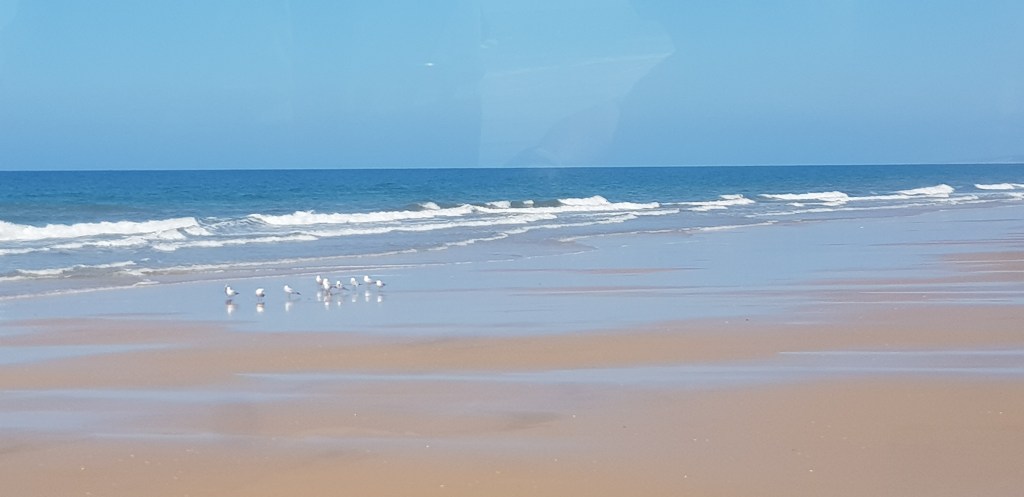
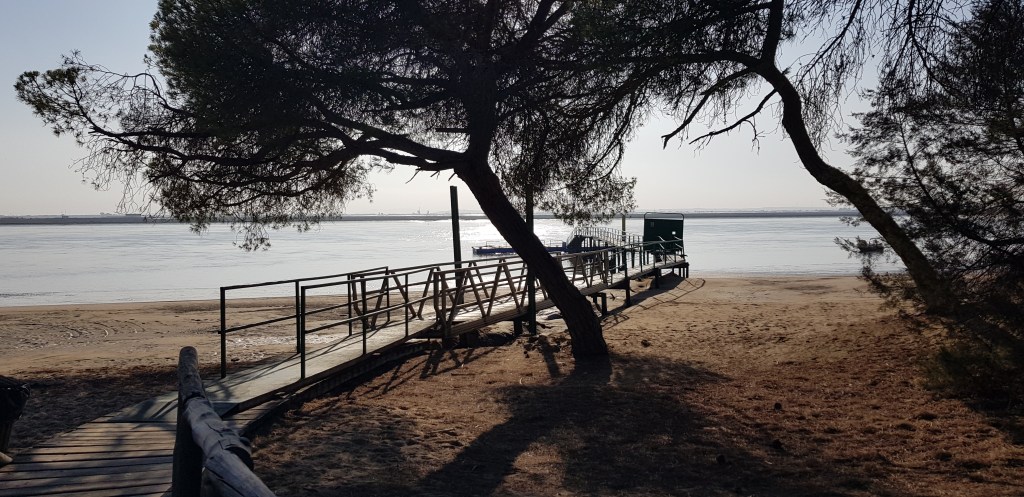
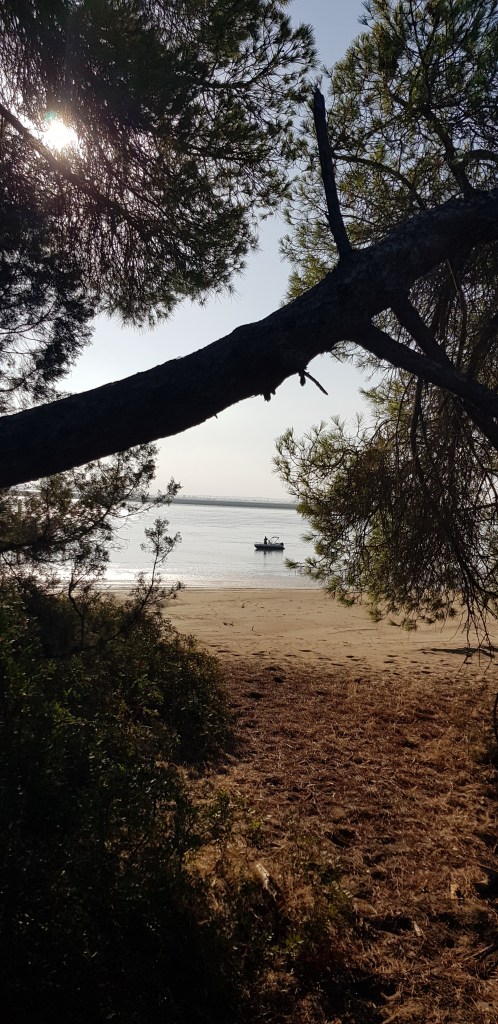
My small group of less than ten with our guide took the long drive to Doñana’s water edge where La Rábida village was and a small ferry was available to take visitors back and forth to Doñana’s beach and natural park. The 30km of white beach is a public space that can be accessed but parked up on the beach waiting for our small group was our exclusive monster jeep that would take us deeper into the park.

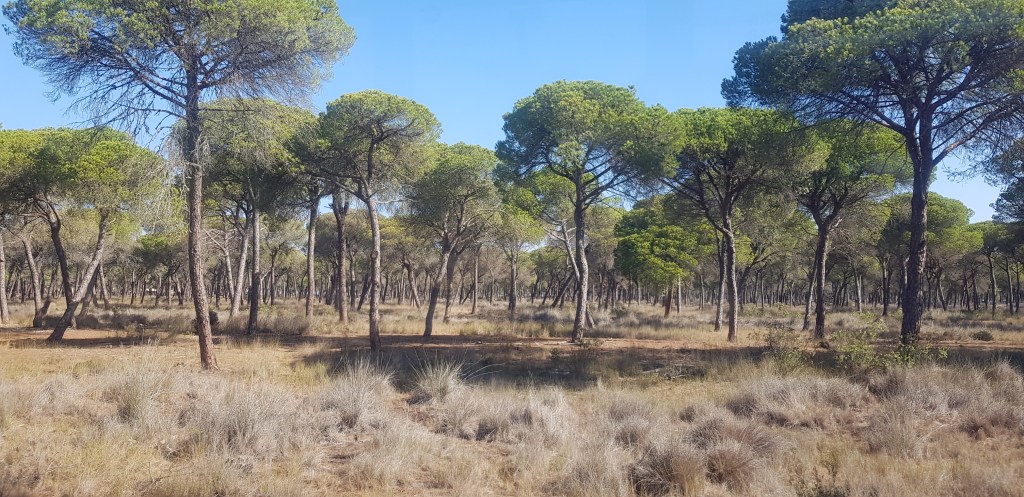
The bumpy ride took us through a mix of ecosystems that were strange to find all in one place. Forest was first on the list and as we pushed our way between the trees over our muddy makeshift road, we spotted deers and wild horses.

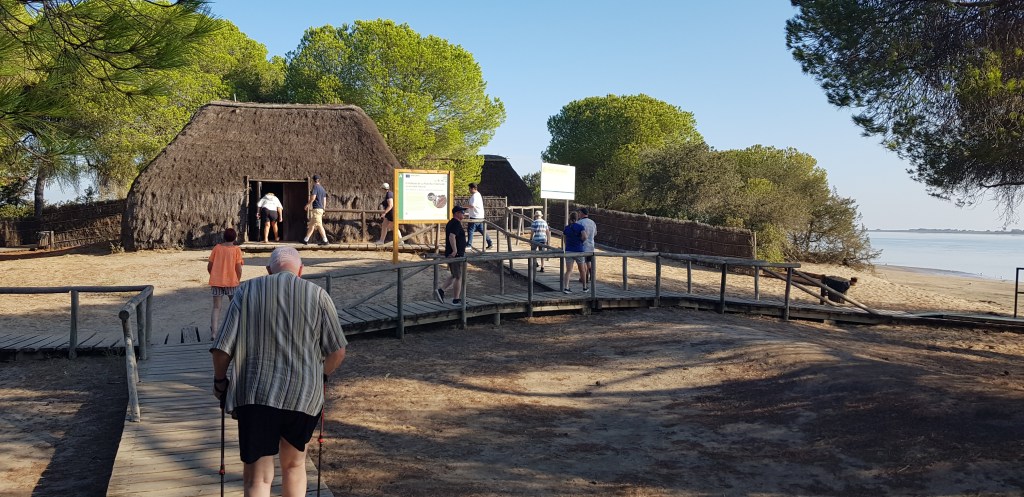
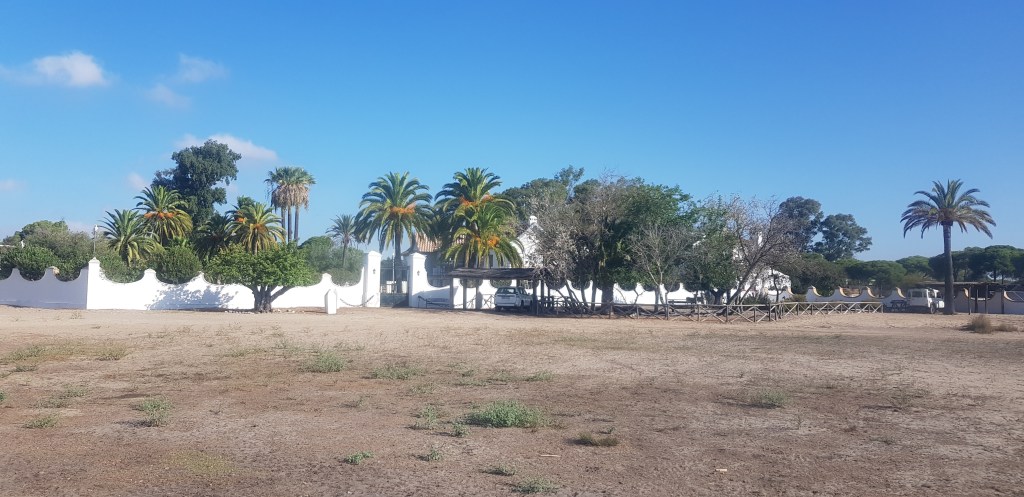
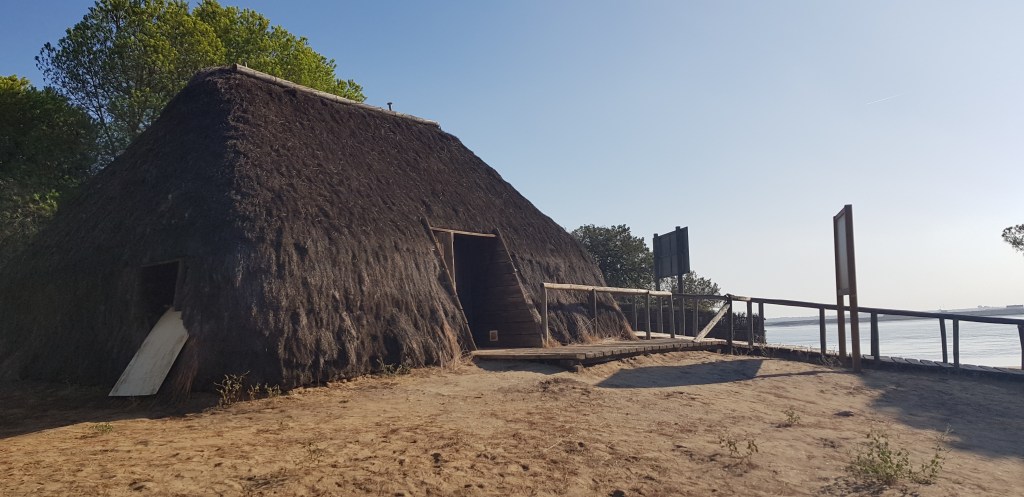
We also visited some traditional thatched huts that once made up a small village of people that lived in this oasis, but are now government owned as the families have now passed on. The only person with a residence there now is the king that has a palace set in the middle of paradise.

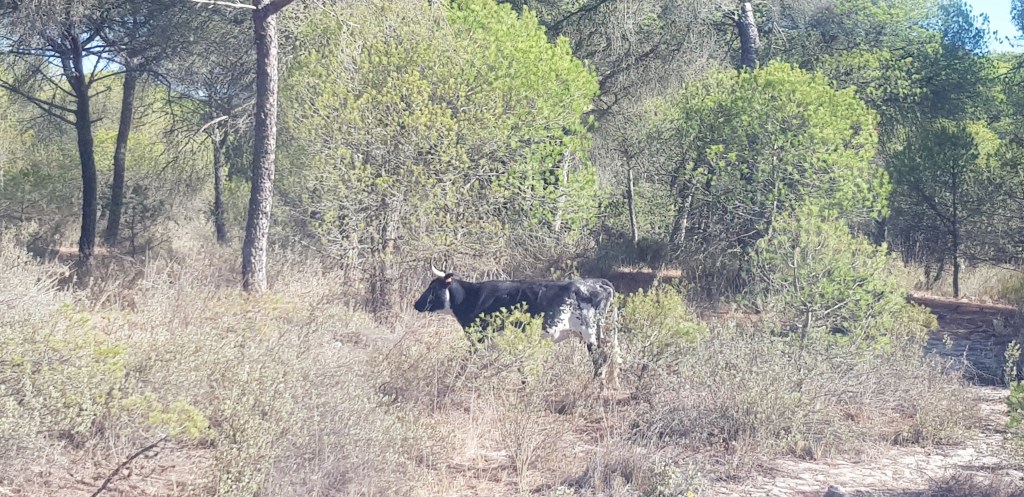
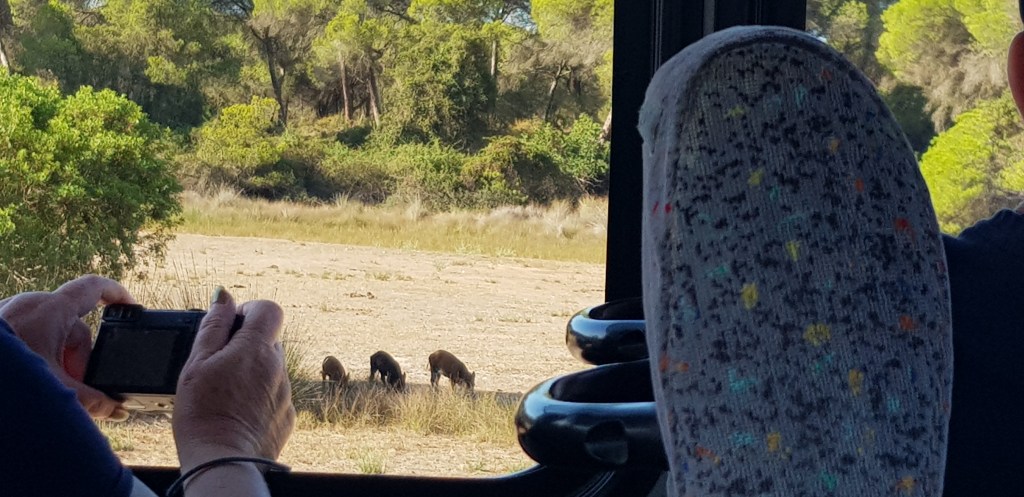
Next was meadows and wetlands with wild free roaming cattles and wild pigs. I even got to spot a mama with three little piglets running around. I asked how the cattle access food and water because this is the driest region of spain, and the ranger explained that ditches have been dug out for the cattle to drink ground water that is underneath, but that is the only thing they do to intervene with their nature. I was very impressed with the animals’ resillience.

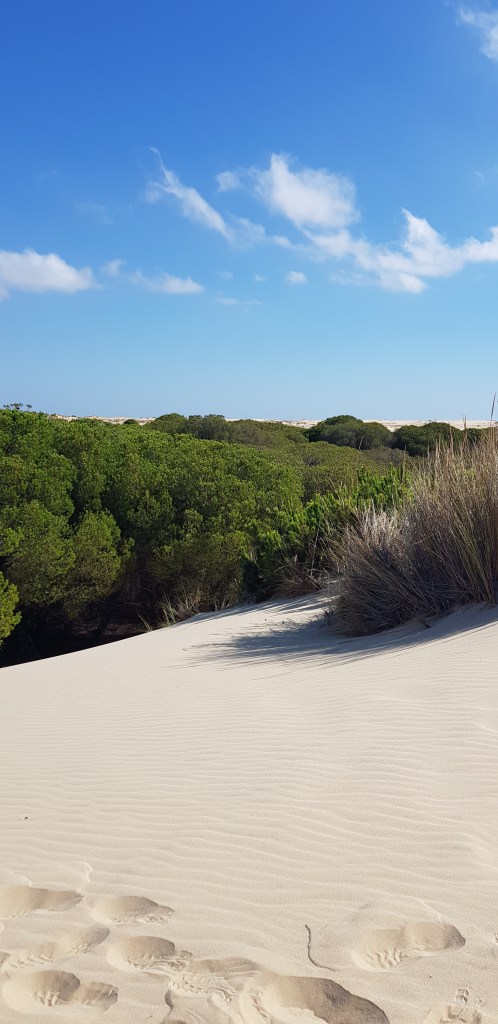
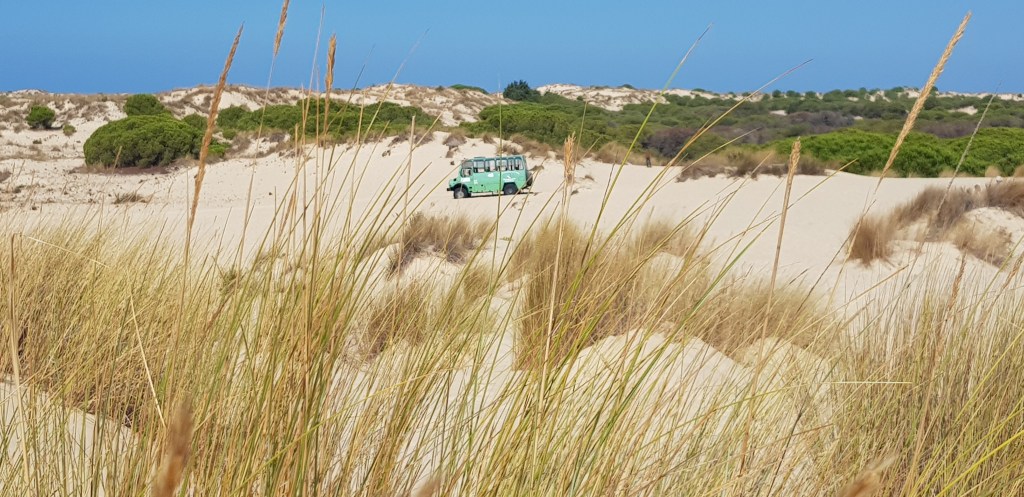
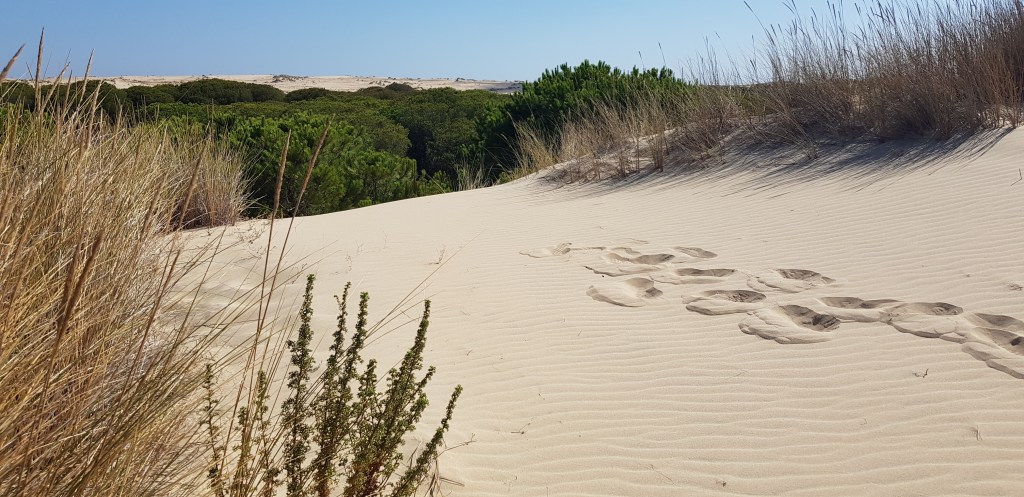
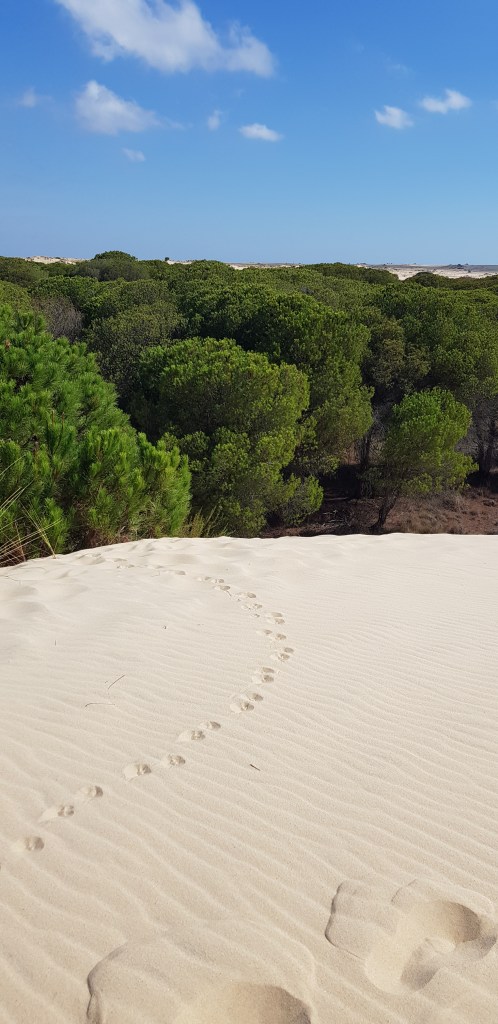
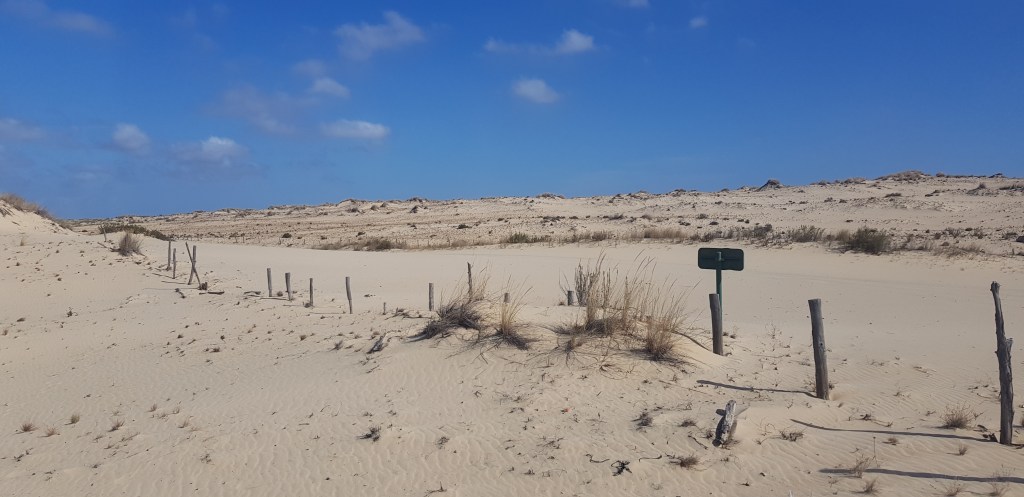
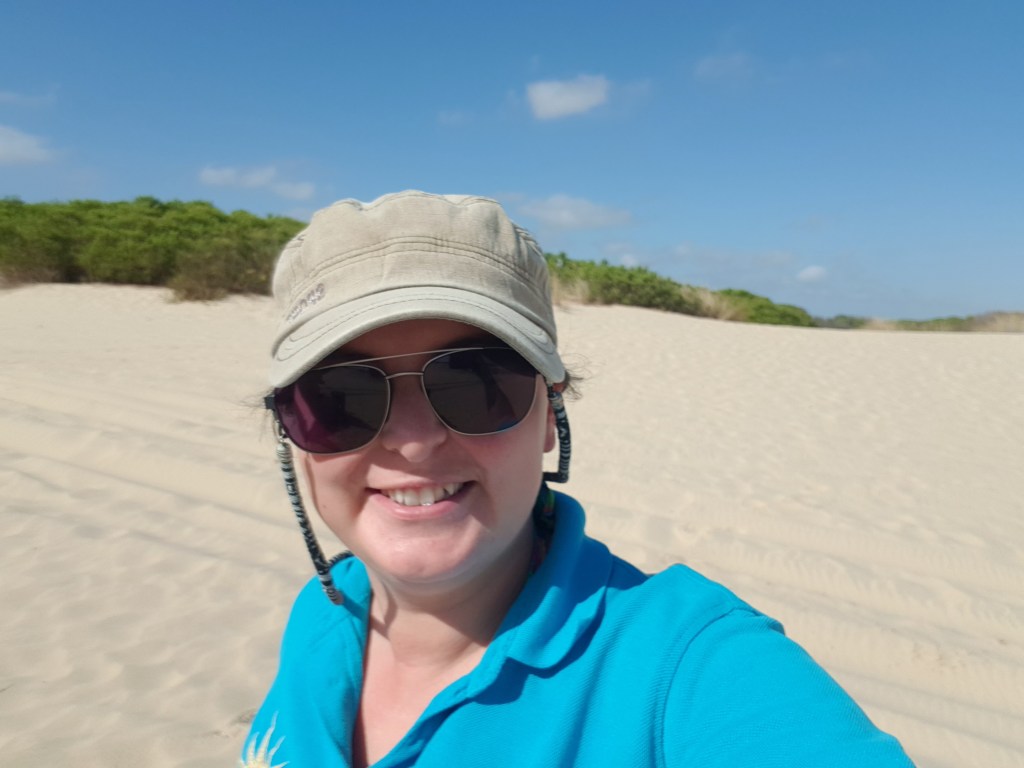
After this we ventured into a land of sand dunes that were up to 30 metres tall and vast! We stopped to have a walk around and the dunes that had been windswept there made you confused to think that you were just stepping outside of forests and meadows into this wasteland environment.

Our guide showed us some viewpoints here high up on the dunes as well as insects that were living in the sand and it made me curious to try to identify the animal tracks I was finding in the sand. The park is home to many endangered species including Spanish imperial eagles (which we thought we saw) and the Iberian lynx, which mostly keeps to itself.

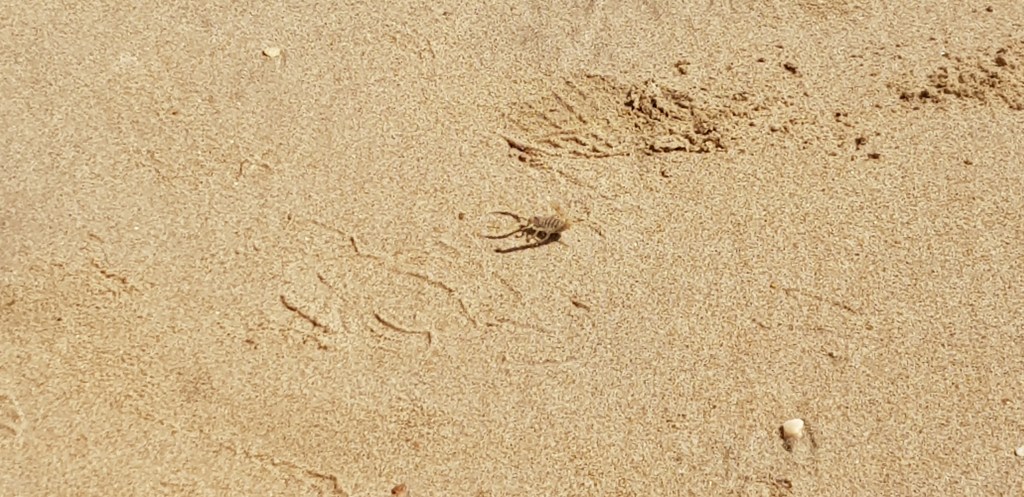
Finally we returned to the beach for a drive amongst this long stretch of sand, crabs and driftwood before stopping our jeep so that the guide could show us a scorpion he found sitting under the wood.

I was totally blown away by this absolute eden of a park and considered how I would love to revisit as I sat down for a nice meal back on the other side of the water. I realise though that this exclusive park would not allow me back again unless it was on a tour so that they can properly protect this truly beautiful space. I feel very lucky to have had the chance to visit.

Lisbon: The City of Seven Hills

I have visited Lisbon several times for short day trips, but this Spring, I stayed over for a two night break between destinations. This city with what feels like many more than just seven hills, is full of life and culture throughout.

Travelling to Lisbon

I travelled to Lisbon by Train on this occasion from the Algarve’s Lagos, in the South. This was about a four hour journey with one change, and then once in Lisbon there are several main stations you can arrive in. From there, buses, trams and metro are possible.

Neighbourhoods: Alfama and Barrio Alta

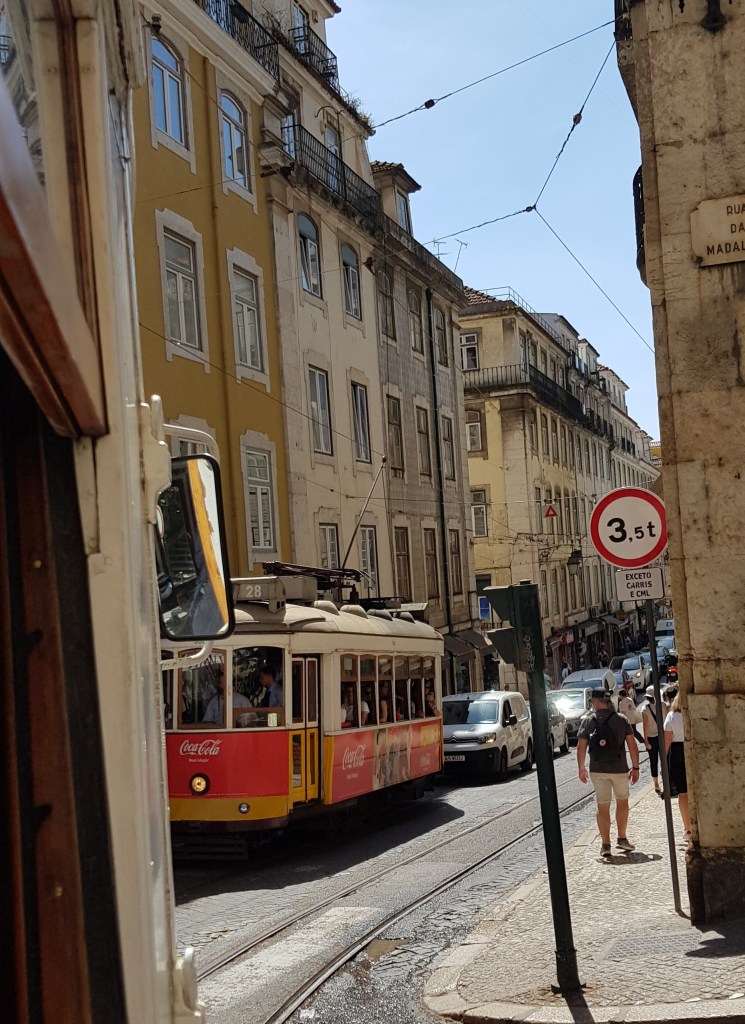
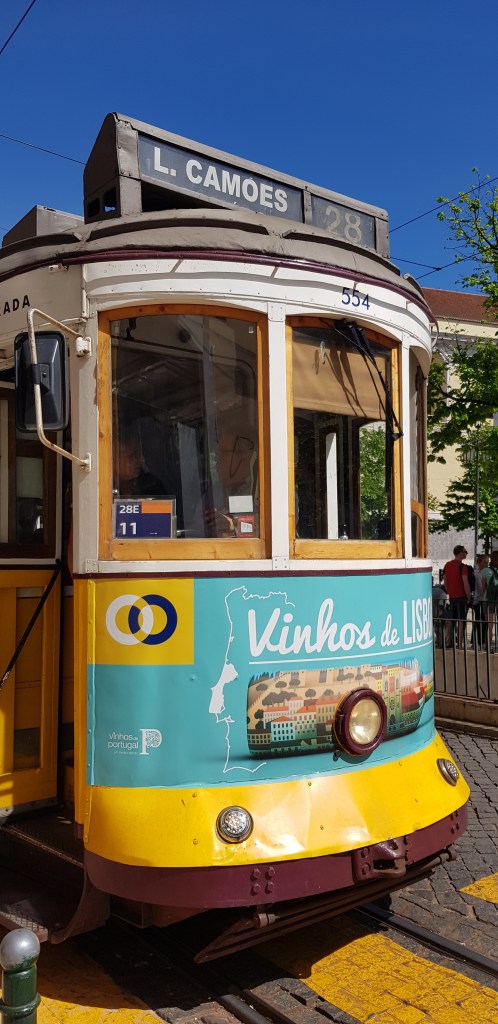
I stayed in the neighbourhood of Alfama which is one of the oldest parts of the city near to the river. I selected this area of the city because it is rich in culture, close to tram 28 which is the main tram to run through the touristic areas, and its an area with many fado houses.

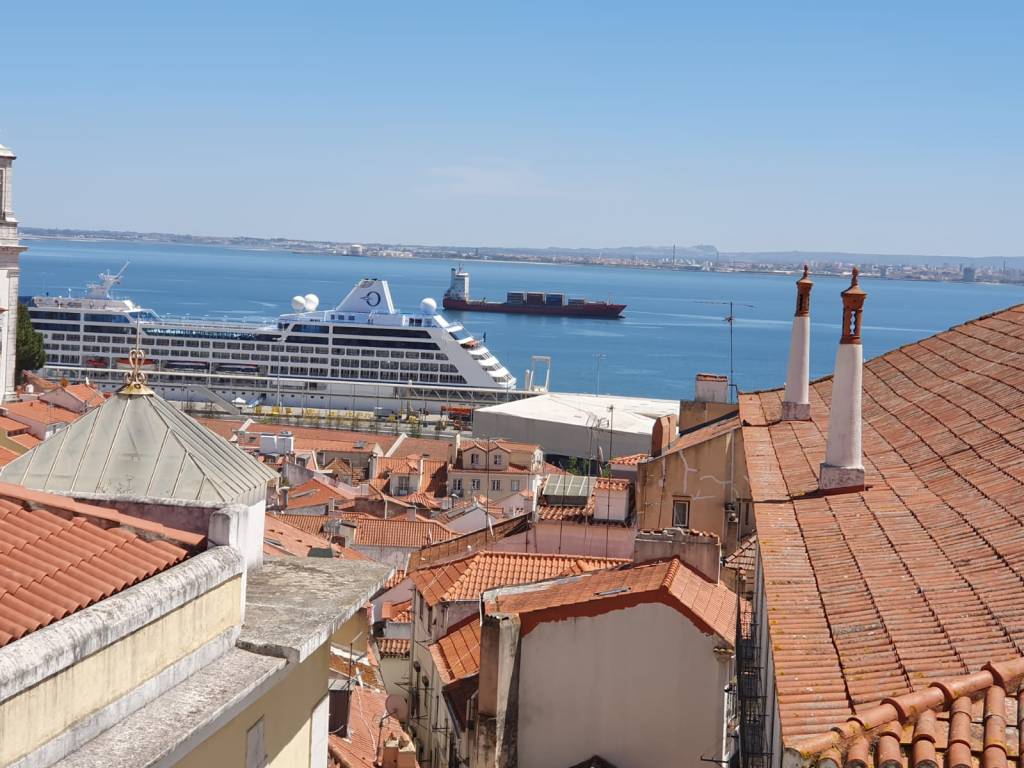
I chose to stay in Convento de Salvador, which is a beautifully refurbished convent on the hill. It was very clean and minimal and still had the old layout and foundations of the convent. Our view of the river and downhill street was wonderful aswell.

It is easy to follow the river from Alfama along the promenade towards the Belem tower, or you can jump on the tram to head either towards the castle in one direction or towards Barrio Alto.

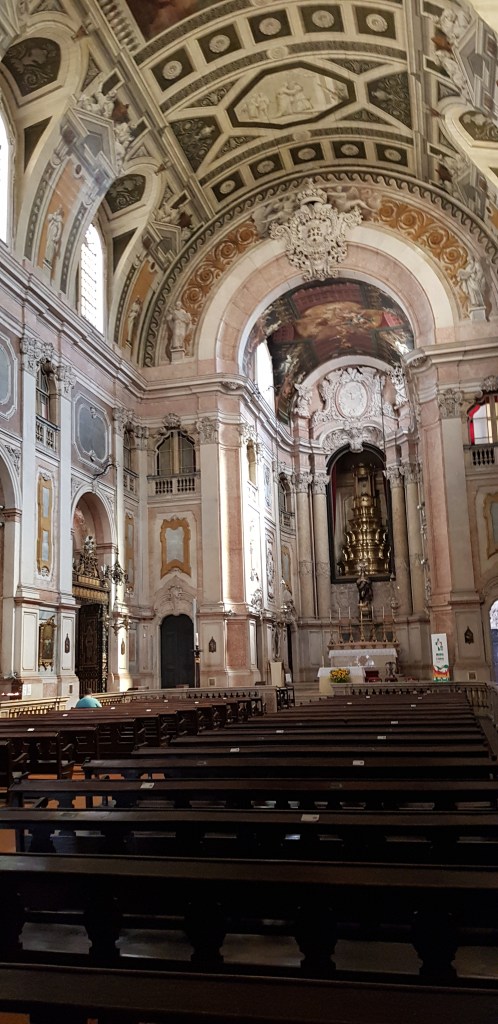
Barrio Alto is a bustling area full of shops, restaurants and squares with street performances at night. Wondering the squares to listen to music, enjoying a pastel de Nata and venturing to some of the local gardens can all be enjoyed within walking distance from here. There are also some wonderful churches, I visited two churches from the italian community that were very beautiful.

The must see monuments / attractions

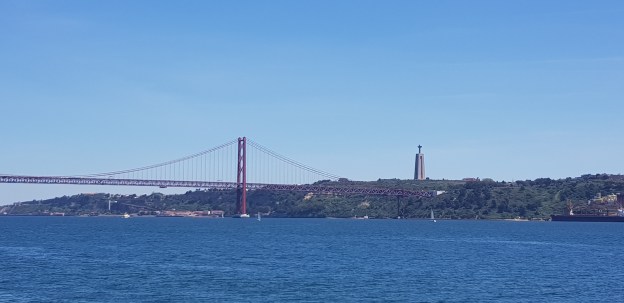
  • Belem Tower – A monument to remember the power and colonisation by Portugal, it sits at the riverside and you can also see the bridge and christ statue from here.
  • Jeronimos Monastery – A huge monastery facing large public squares and standing to the front of the botanical gardens and presidential palaces.
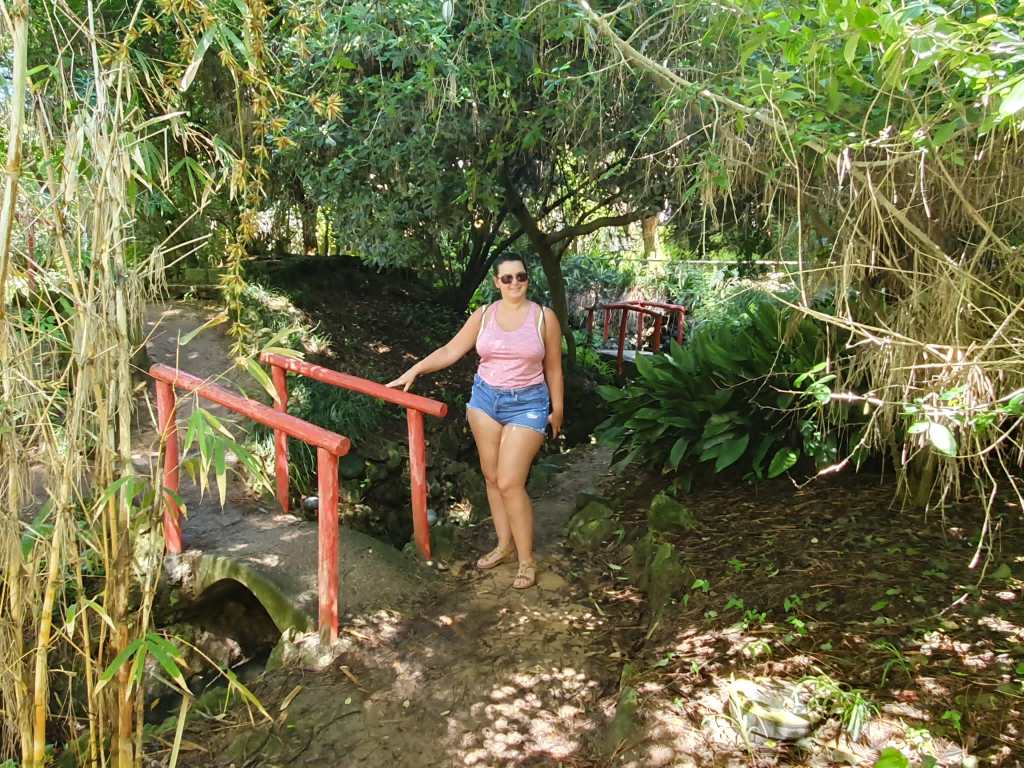
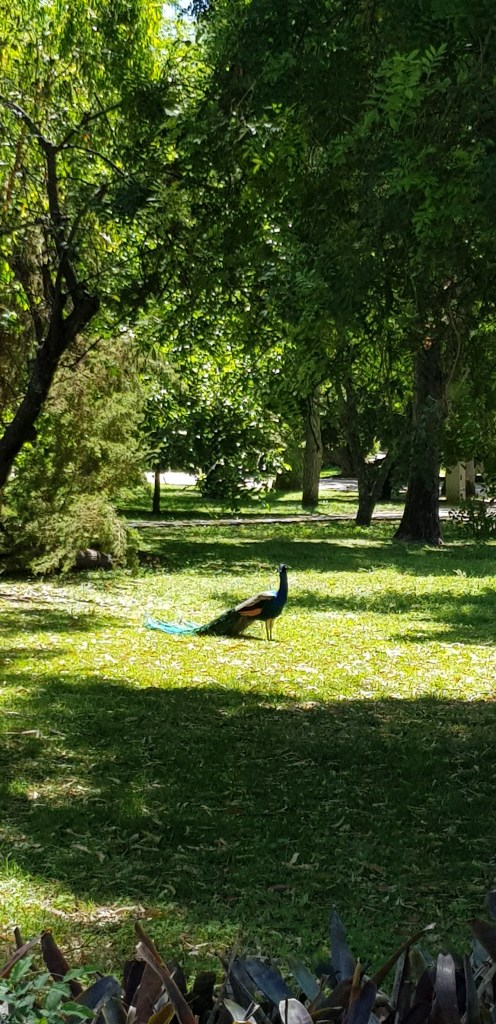
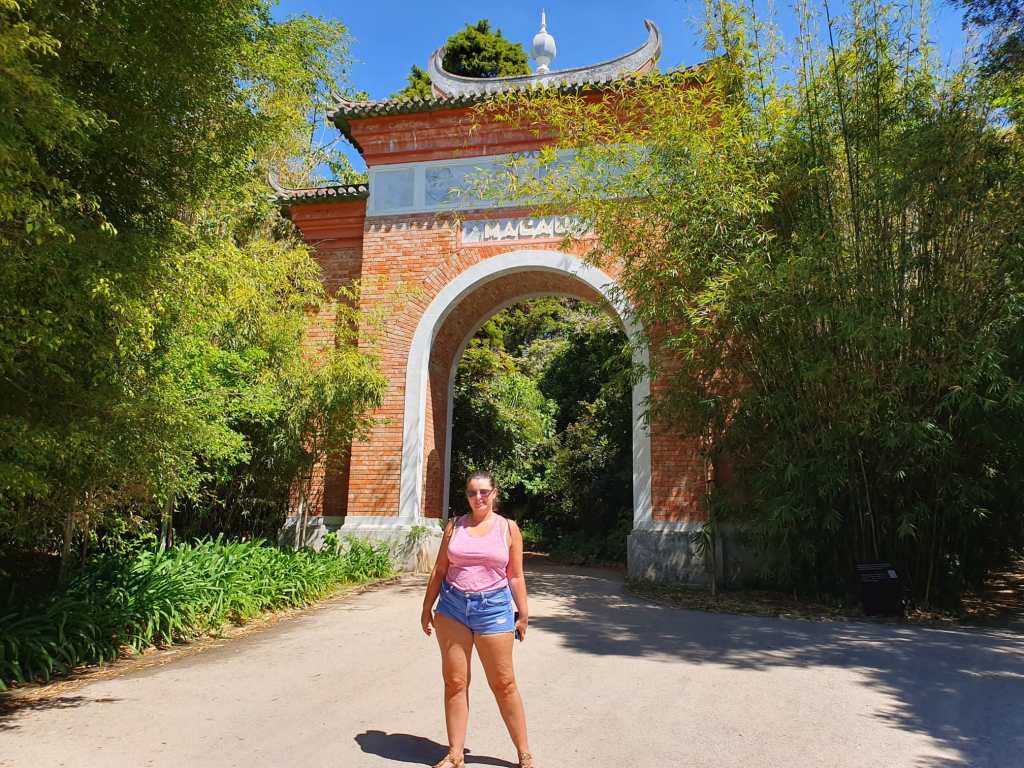
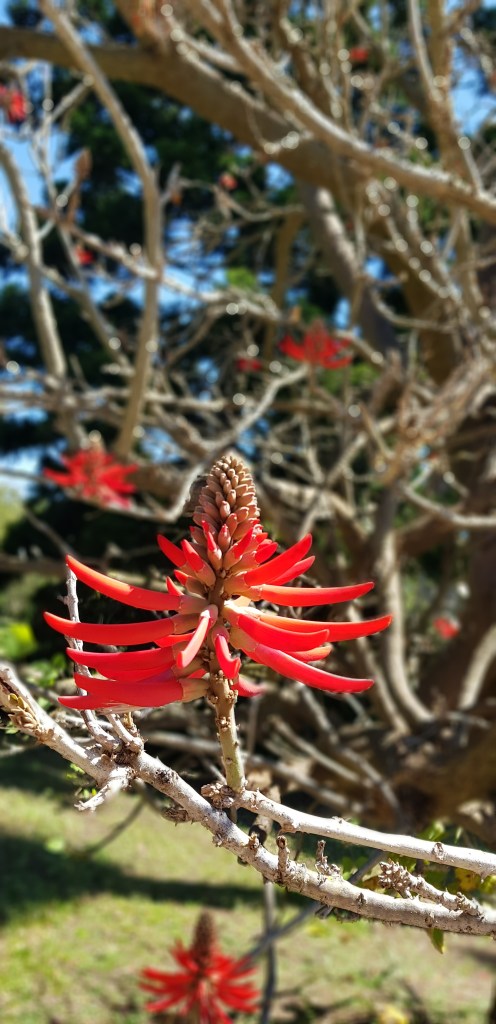
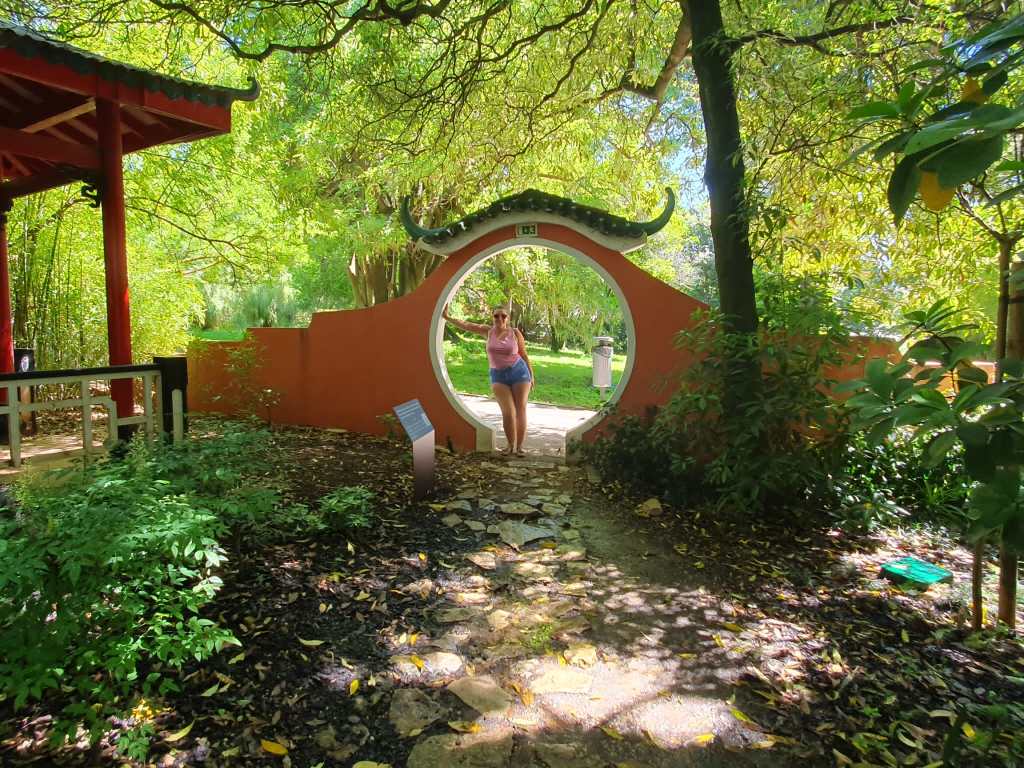
  • Botanical Gardens – A beatiful setting to spend some hours in the afternoon seeing a variety of interesting trees and flowers, an oriental garden, old buildings, african sculptures and many peacocks.
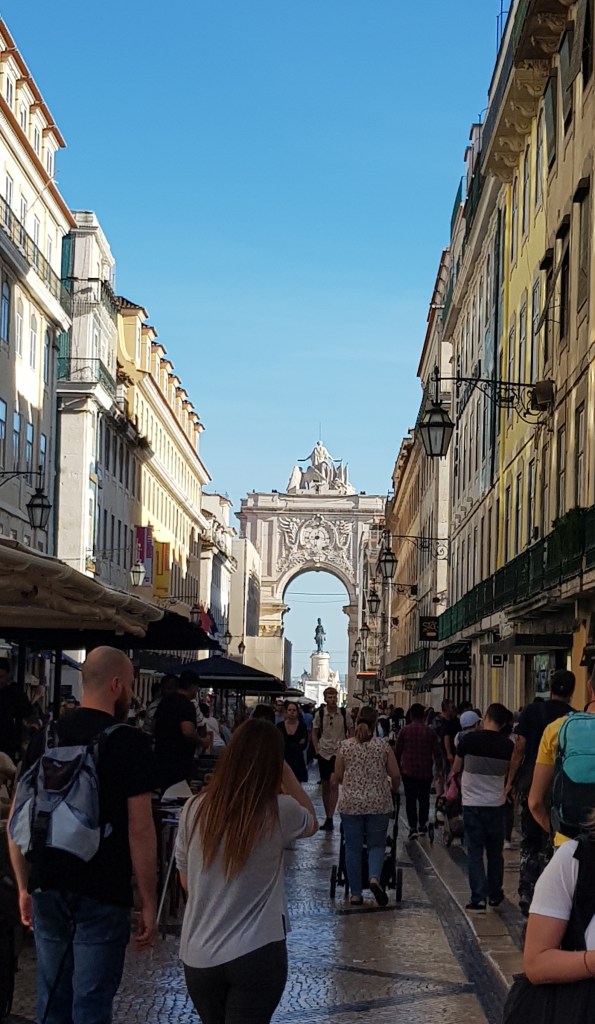
  • Commercial Plaza – The location of a huge statue, the tourist information offices and a great gathering place for events.

Fado

Near my hotel were several Fado houses. These are traditional houses which have evening shows (normally with dinner) of traditional portuguese fado music. This is deep, very sad singing and guitar, supposedly derived from the soul.

The music is very relaxing to listen to, and when visiting the fado house, it was of the utmost importance that guests did not talk and food was not served out by staff during the music out of respect. So, several breaks were needed to dish out food and for conversation. This was good for me as it meant I actually slowed down and savored my food.

There is also a Fado museum downhill in Alfama. It has a lot of information about Fado but it is difficult to navigate and understand the information at hand, and I felt a lot more could be done to improve its guest experience.

To conclude…

I like Lisbon a lot, it is one of my favourite cities. It is vibrant and proud of its heritage. Next stop is another portuguese area, the Azores…

Mendoza: Argentina’s Culinary Capital

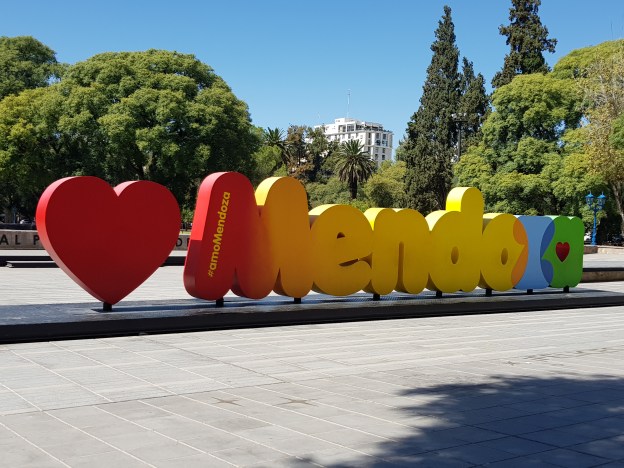
Mendoza is located in the North of Argentina, close to the border of Chile and it’s capital city of Santiago. It is well known for being Argentina’s key wine making region, as well as being a small city with several suburb neighbourhoods. I visited Mendoza for a few days on my way across the North of Argentina.

I travelled to Mendoza from Ushuaia over several days, mainly by bus. My main overnight stop being in Bariloche again, where I enjoyed an unexpected hostel party before my final bus. On arrival to Mendoza, I checked into my hostel, (which was not very desirable), and relaxed quite a bit on my first day, but the humidity of the city did mean that I was eaten alive by mosquitos.

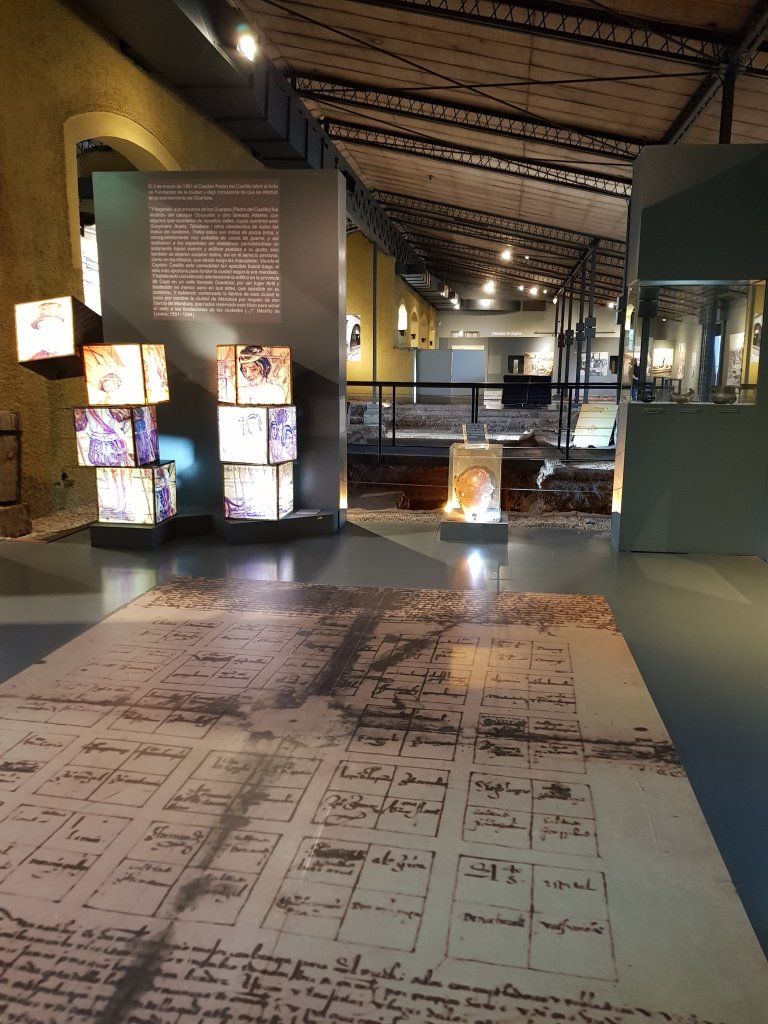
Following my rest, I began to explore. Mendoza is a reasonably small city with many small suburbs and hills surrounding it. The city has plenty of restaurants and shops, and of course several opportunities to taste wine along side Argentina’s famous asado dish. Unfortunately, the city is lacking in other things to do and see. There is a museum dedicated to the city’s foundations, which was somewhat interesting, but it is quite small and with little information in english. Next door, are the ruins of the original church, but the entire experience takes less than an hour.

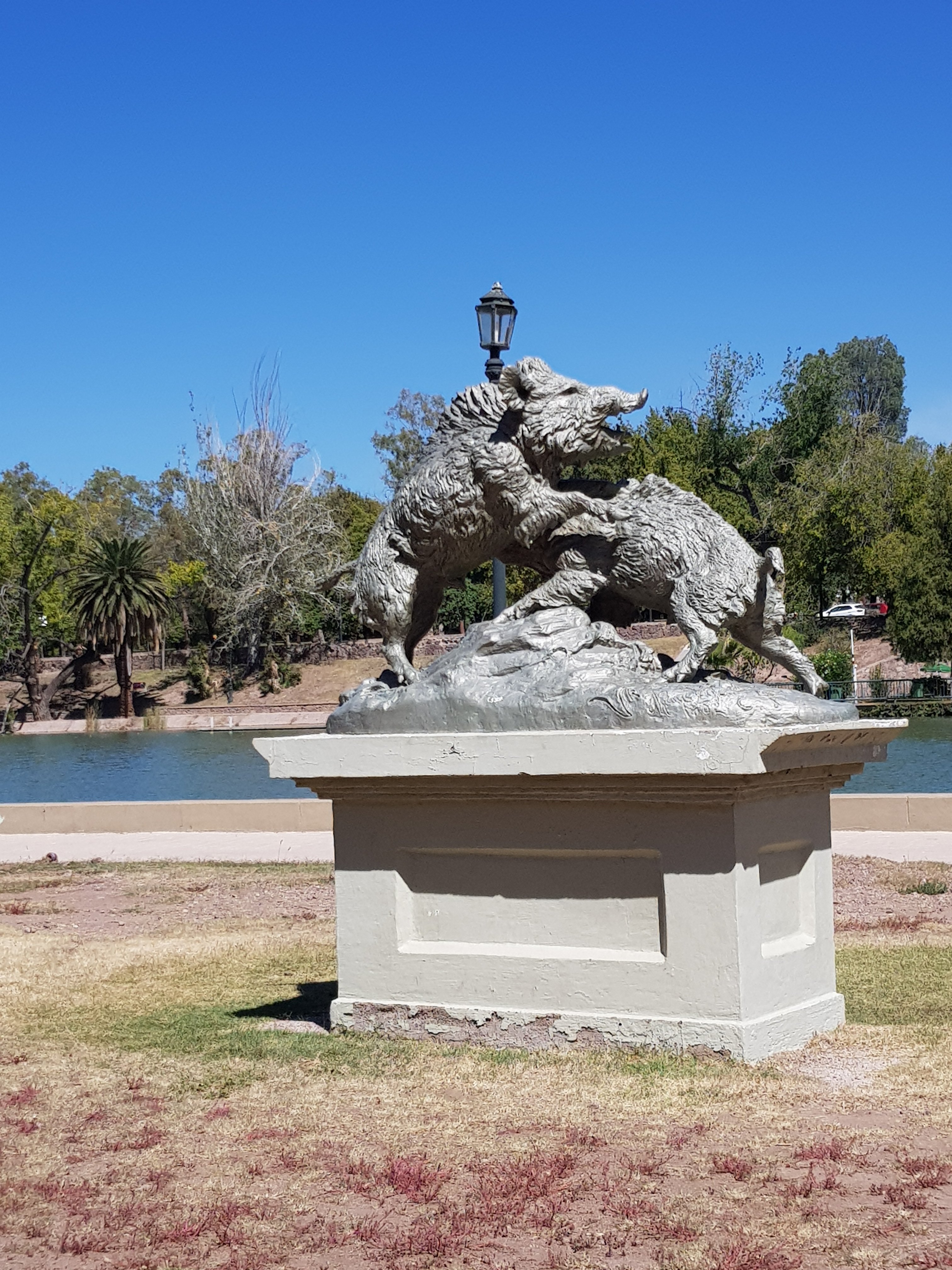
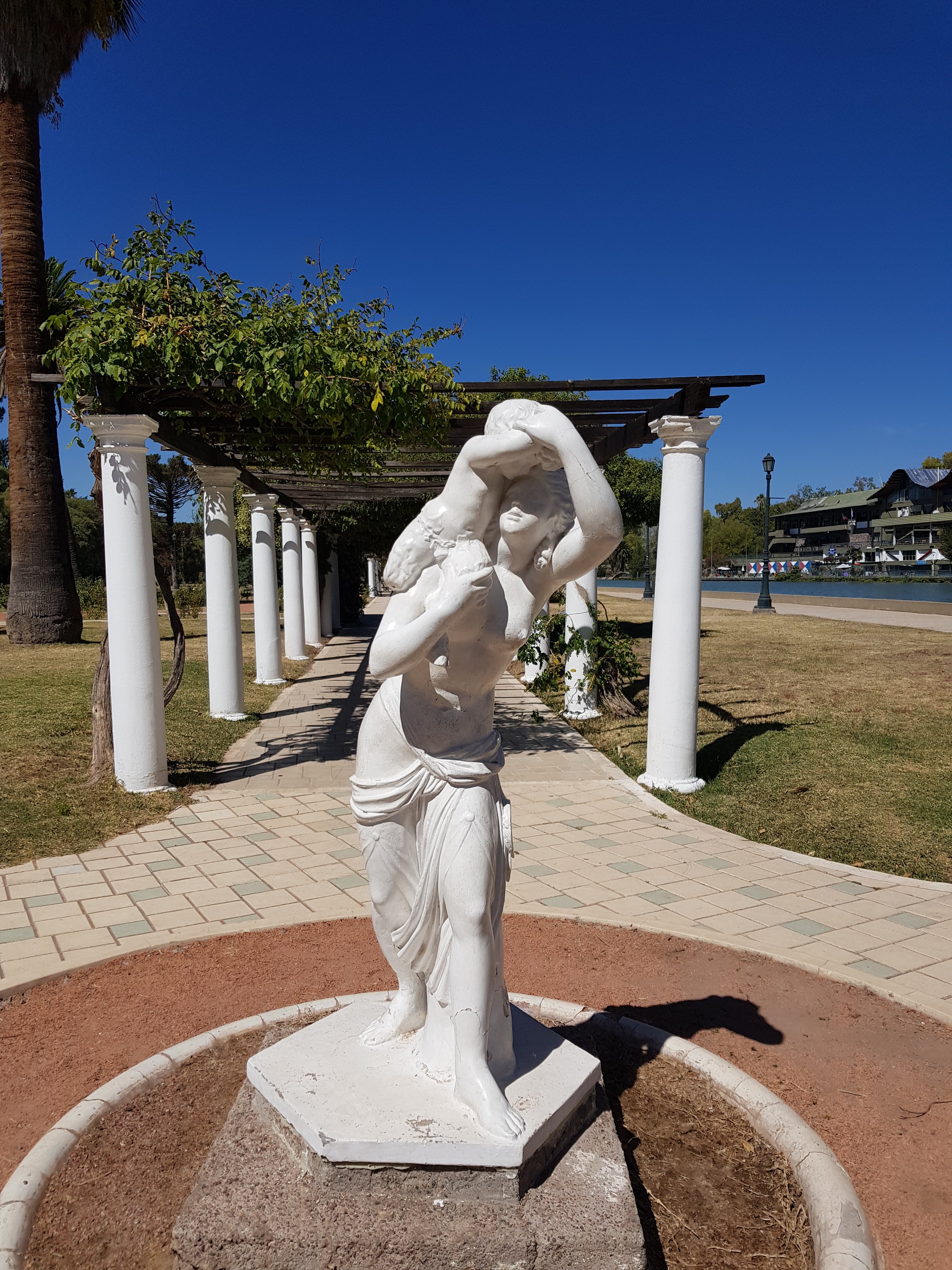
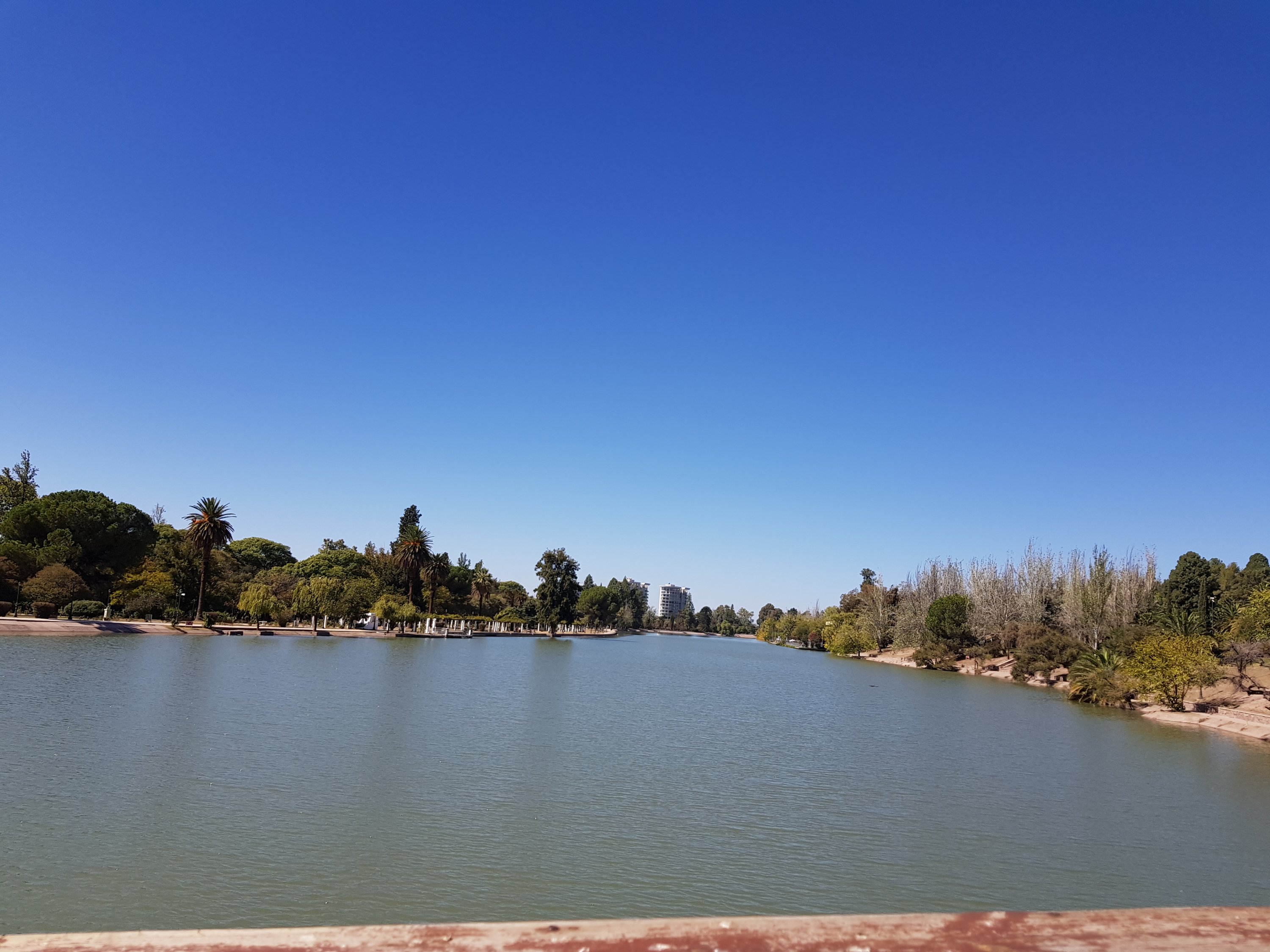
The other thing to see is the Parque San Martin. This is a huge park which you can relax within, it has a huge lake, and a museum of natural sciences. I did enjoy a pleasant lunch in front of the lake following the one exciting thing there is to do in this city… paragliding!

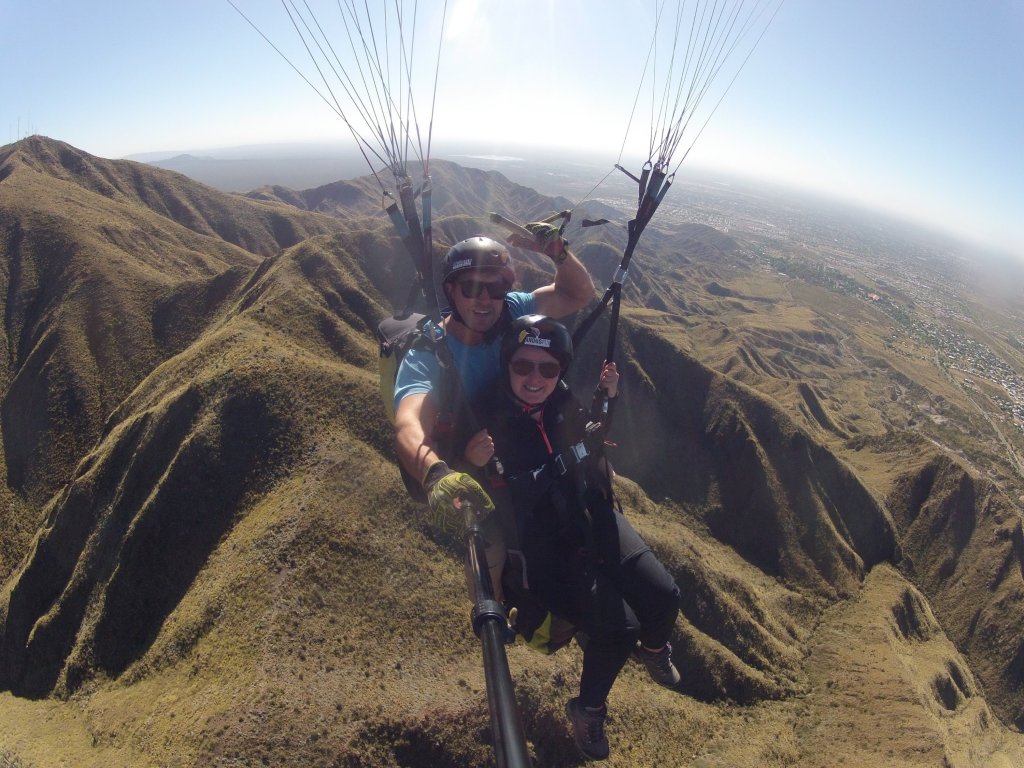
I decided to ‘tale the leap’ and enjoy a short paragliding experience from the 100 metre cerro (mountain). I thought it would be more scary, but you did not have the chance to get scared, you are simply strapped in and pushed off! Then you can float over the city for 15 minutes, and enjoy some complimentary acrobatics from the pilot, which were fun but almost made me vomit!

As well as paragliding, there are other adventure sports available around Mendoza, for those that do not want to spend their time just drinking and eating. Rapid rafting, repellling, climbing and hiking are all available, and Mendoza provides accessible trips to the tallest mountain in the Americas, Mount Aconcagua. I was happy with the paragliding as my bit of adventure for that time, as I was only there a few days.

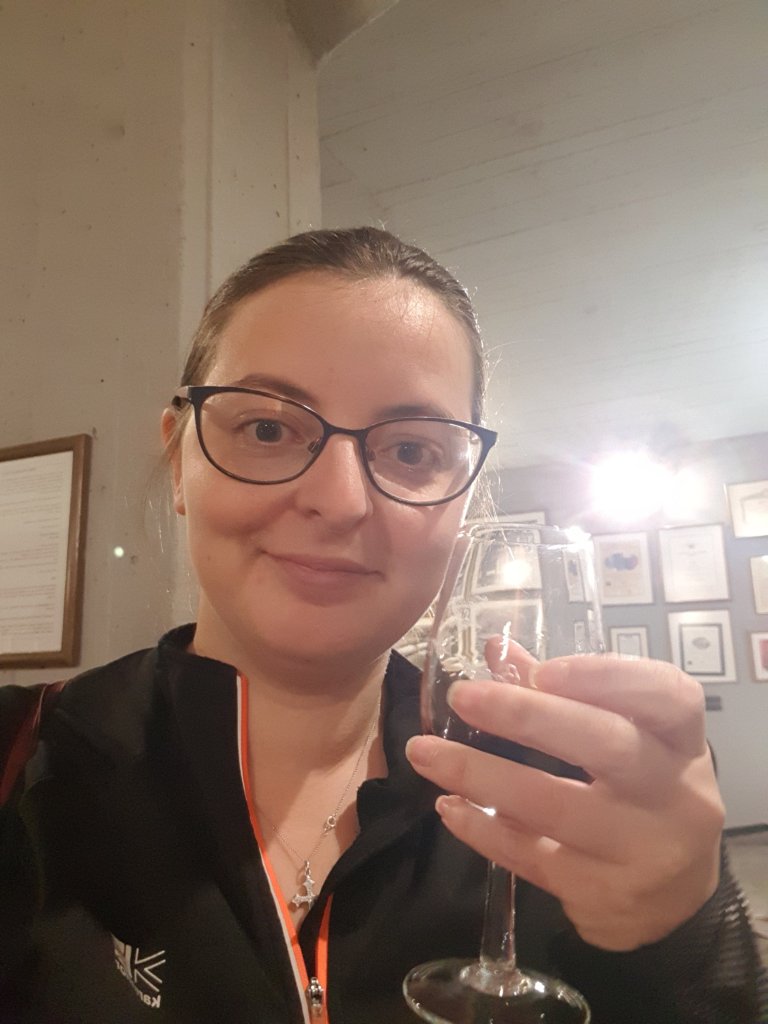
I realized that I could not come to Mendoza without visiting the wineries, even though I do not drink much wine normally. There are countless tours selling full day and half day guided tours to the ‘bodegas’ which are the wineries. These were quite pricey, and as I knew this was not very important to me personally, I decided to find a cheaper way to do it. I found out that some of the bodegas offer tours for free, so I made a reservation directly with one of them.

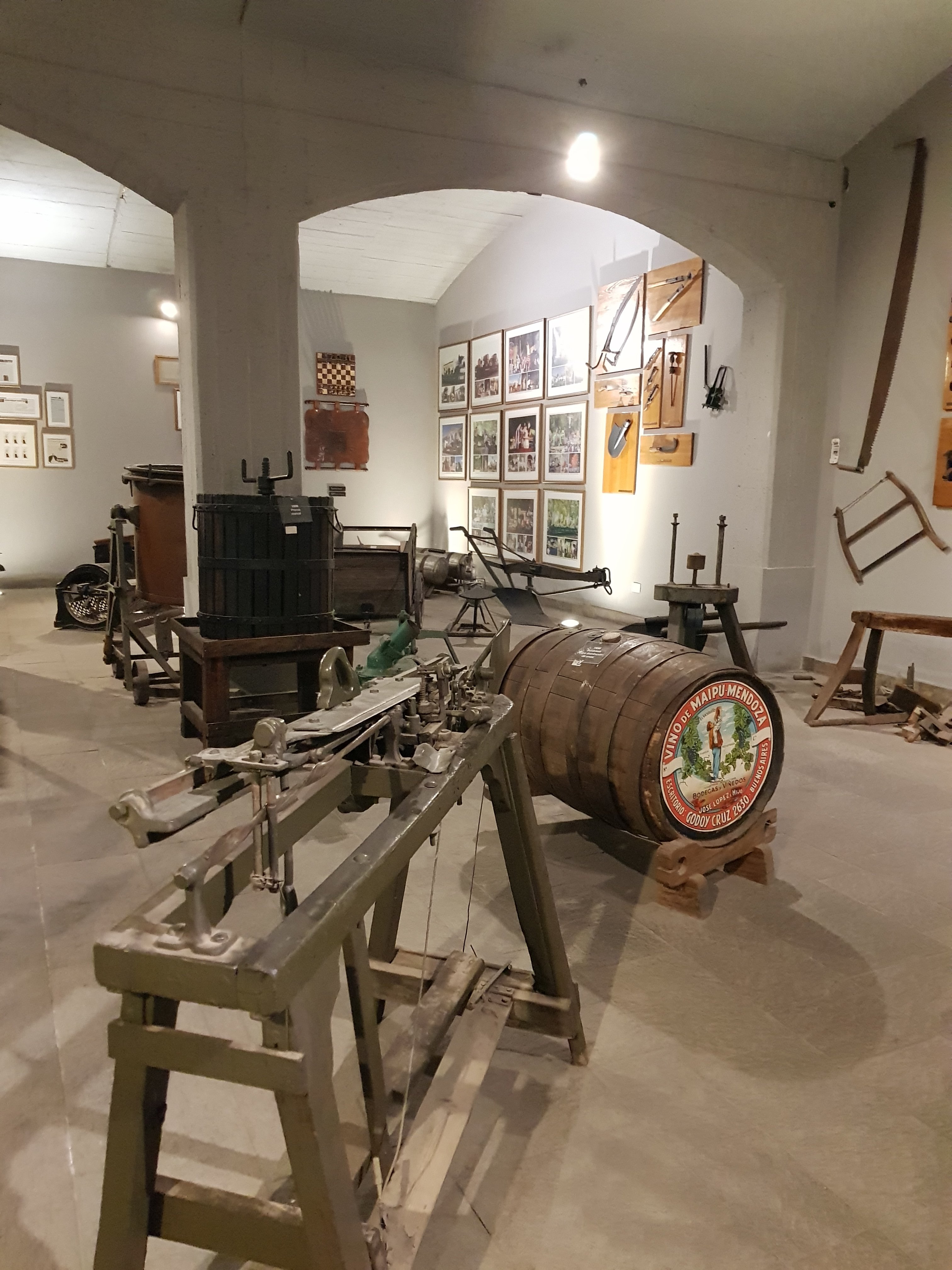
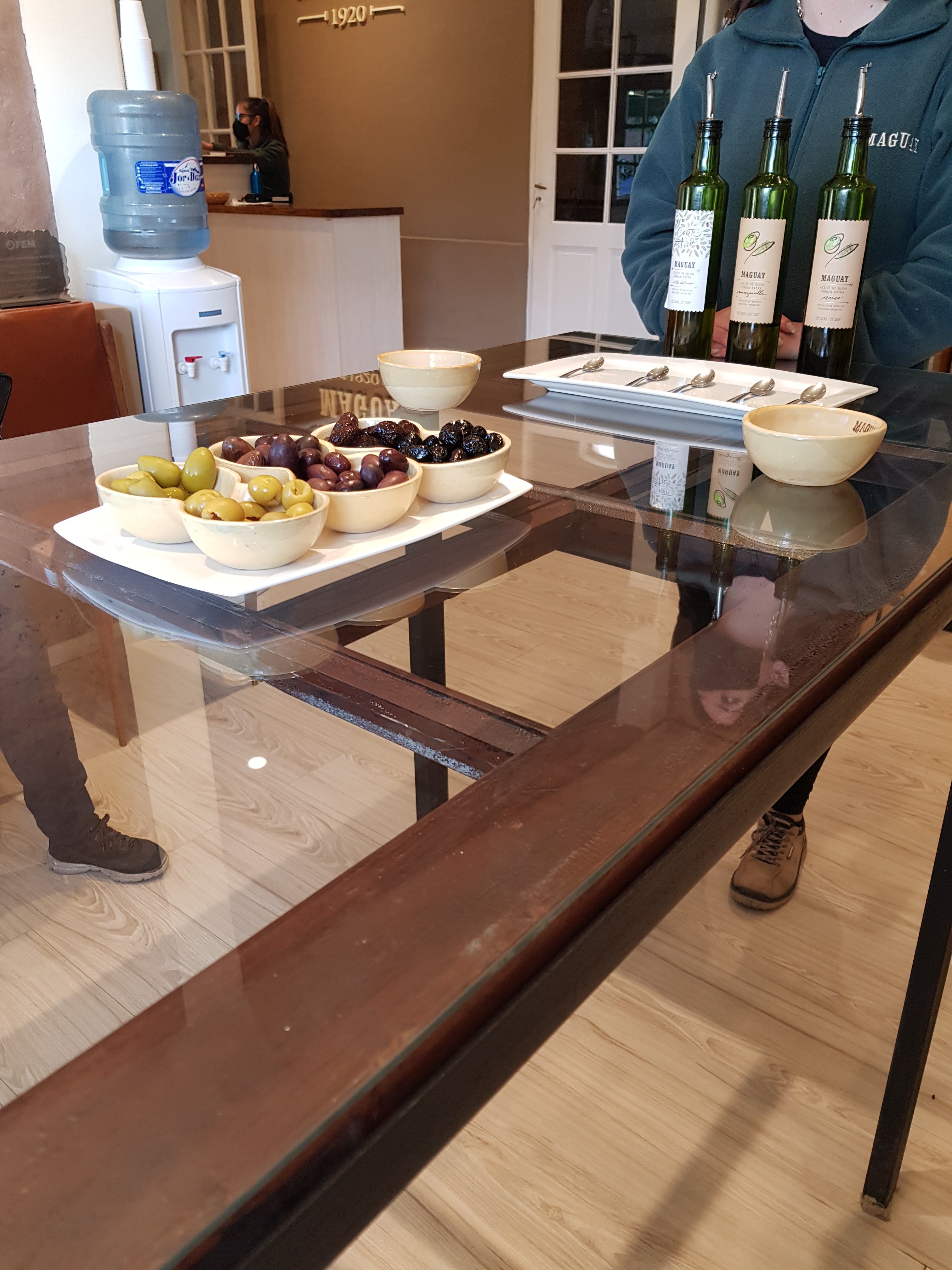
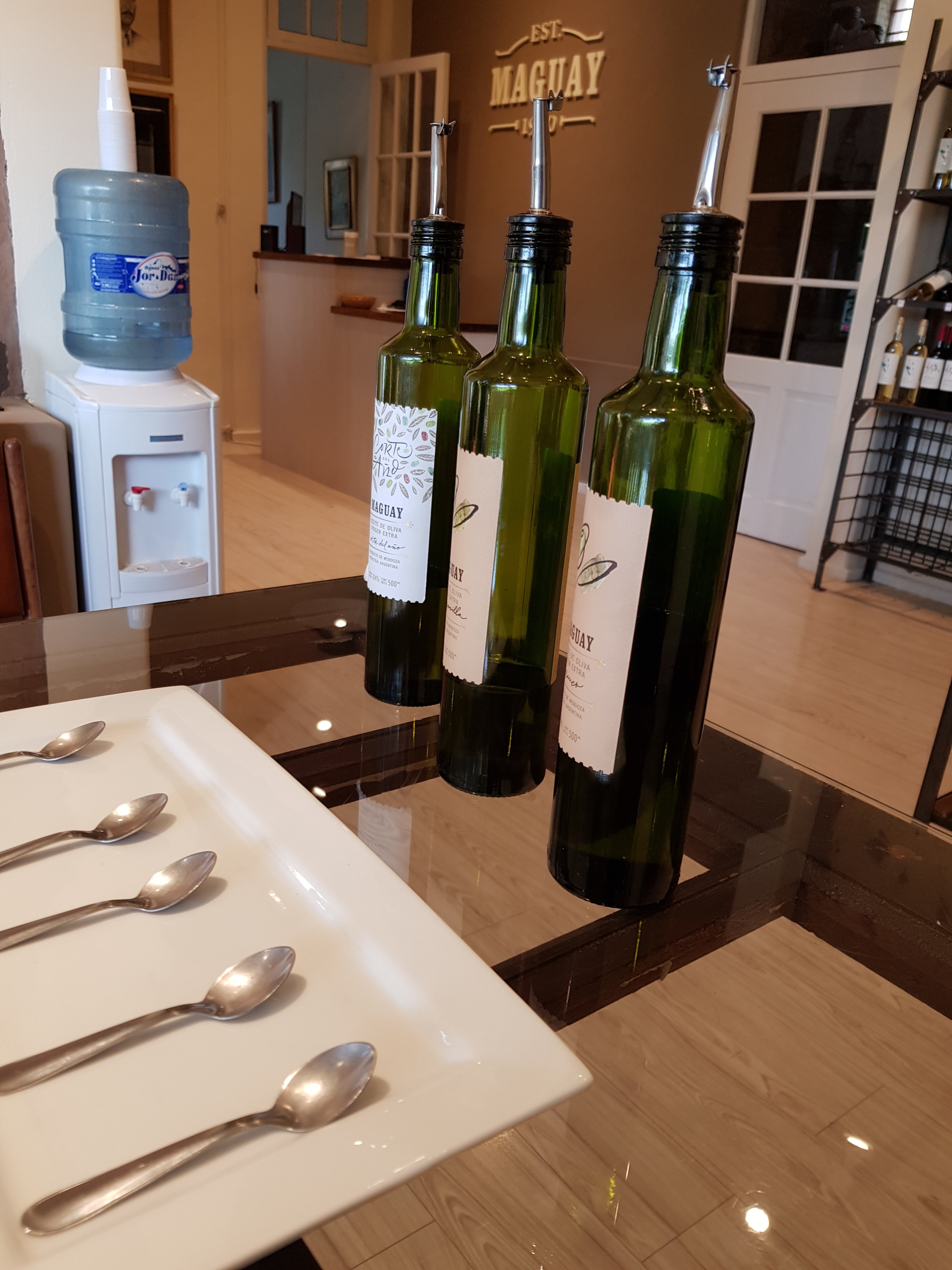
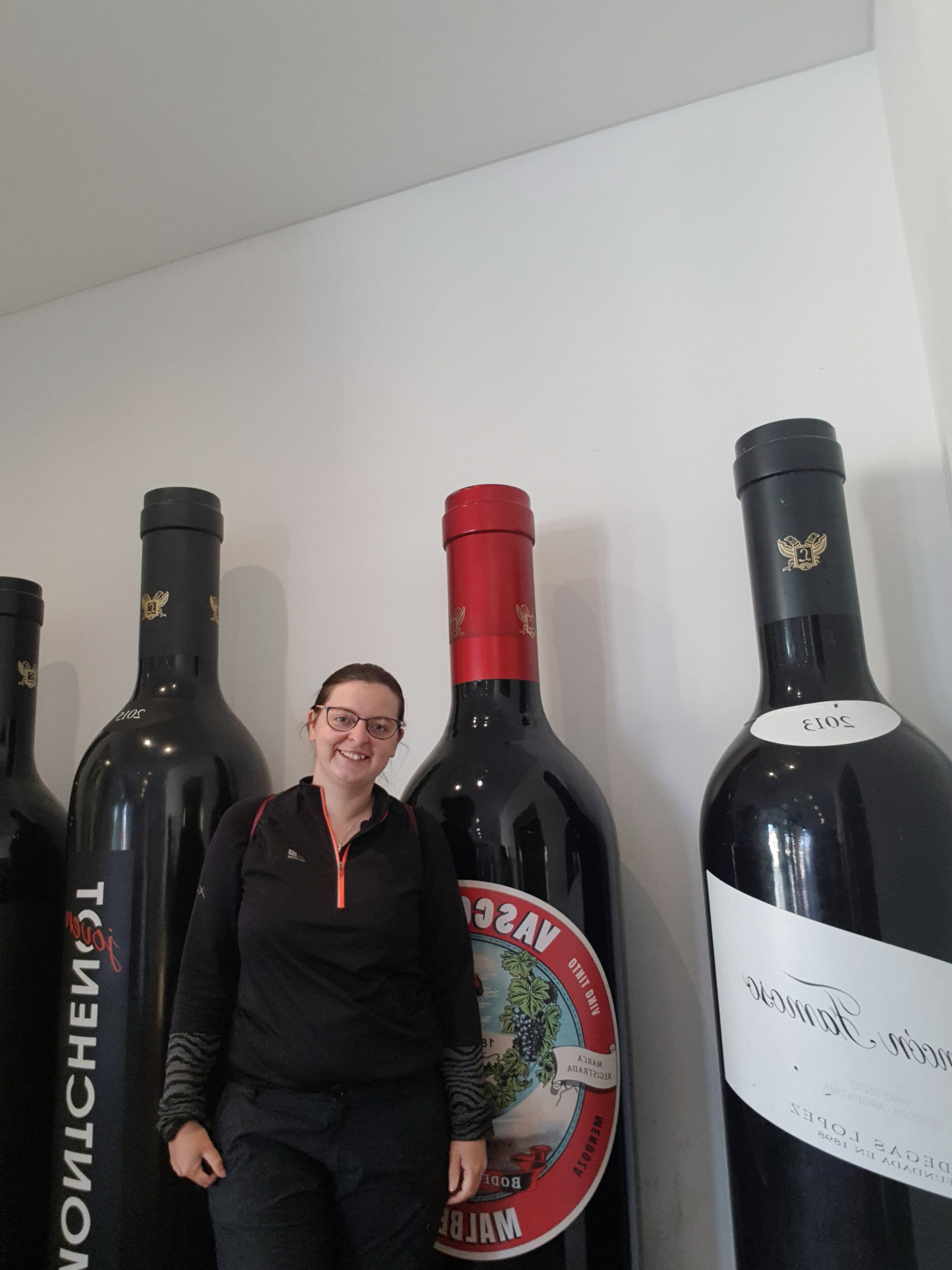
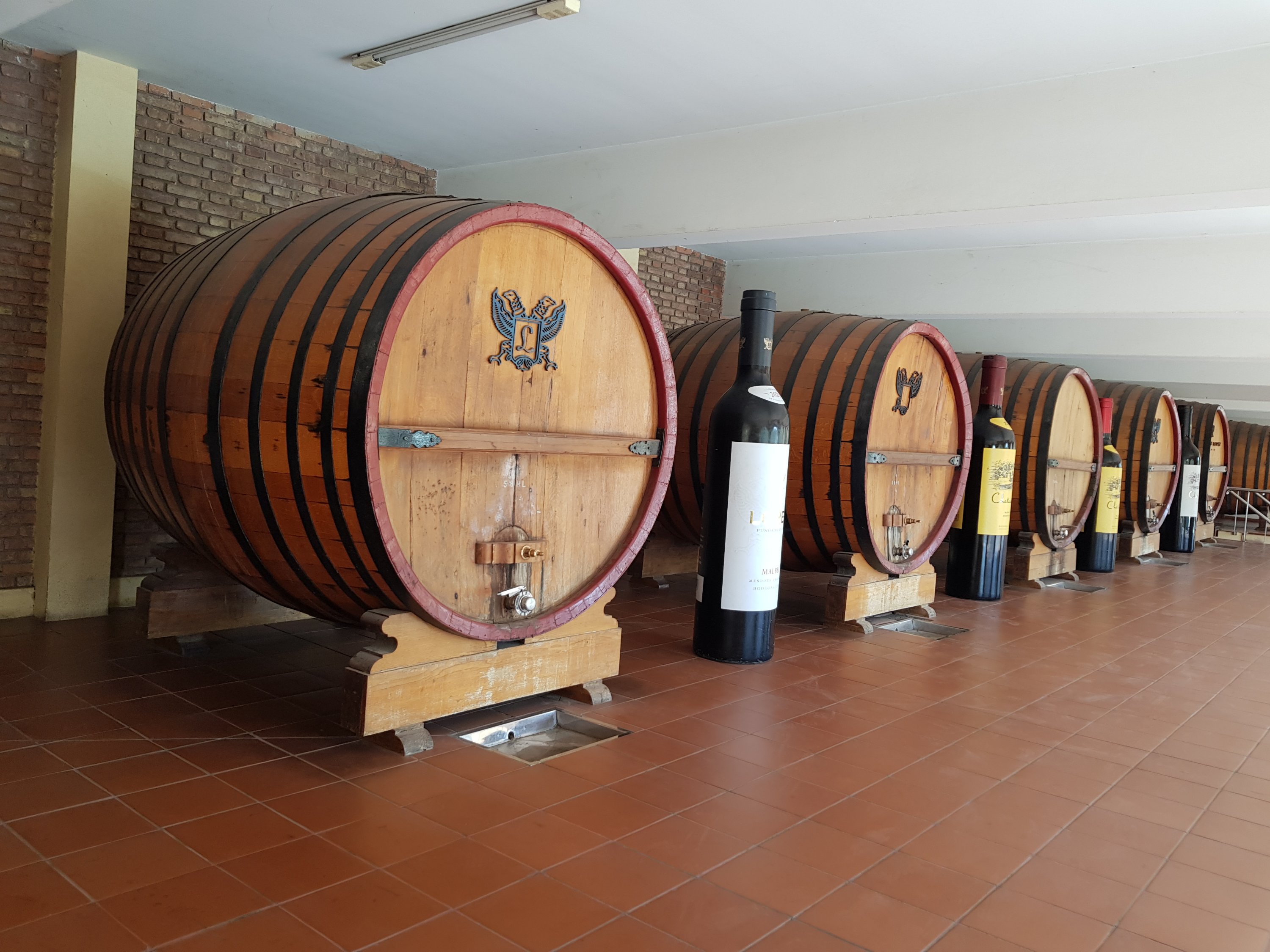
I booked a one hour tour with the Lopez family Bodega in Maipu which is only a 25 minute bus ride from the centre. Down the road from there is also an olive growing farm where you can also access tours directly. So my day became sorted for very little money at all, saving me around £100, and I still got to have the tastings. The winery had giant wooden barrels storing their oldest wines, and a small museum about the history of the bodega, and it was quite interesting to learn a little about the process. Equally, the olive farm was very pleasant, and I learnt that to have a mature olive tree that produces enough olives to be commercial it takes several decades, so they have to be quite dedicated.

Overall, I think Mendoza is a pleasant city and especially well suited to those visitors that like a little luxury and love their wine and grilled meat, but if you are a little more of a commoner like myself, it is best not to visit unless you are prepared to part with a good bit of your cash and have some adventurous activities!

Onwards and upwards. Next I visit Salta!

Argentina: Central Patagonia (Santa Cruz Province)

Following my visit to Argentina’s Lake District, I continued my journey South into the center of the Patagonian region and one step closer towards the bottom of the world. This area is full of mountains, and glaciers, and many national parks!

Perito Moreno

After a 13 hour bus journey from El Bolson, I made it to the small town of Perito Moreno. I was the only person to exit the bus at 1am and make my way to my little wooden cabin in the town centre. I had come here for only one reason, to see the Cueva de las Manos, only accessible by car or tour.

Cueva de las Manos (Cave of Hands)

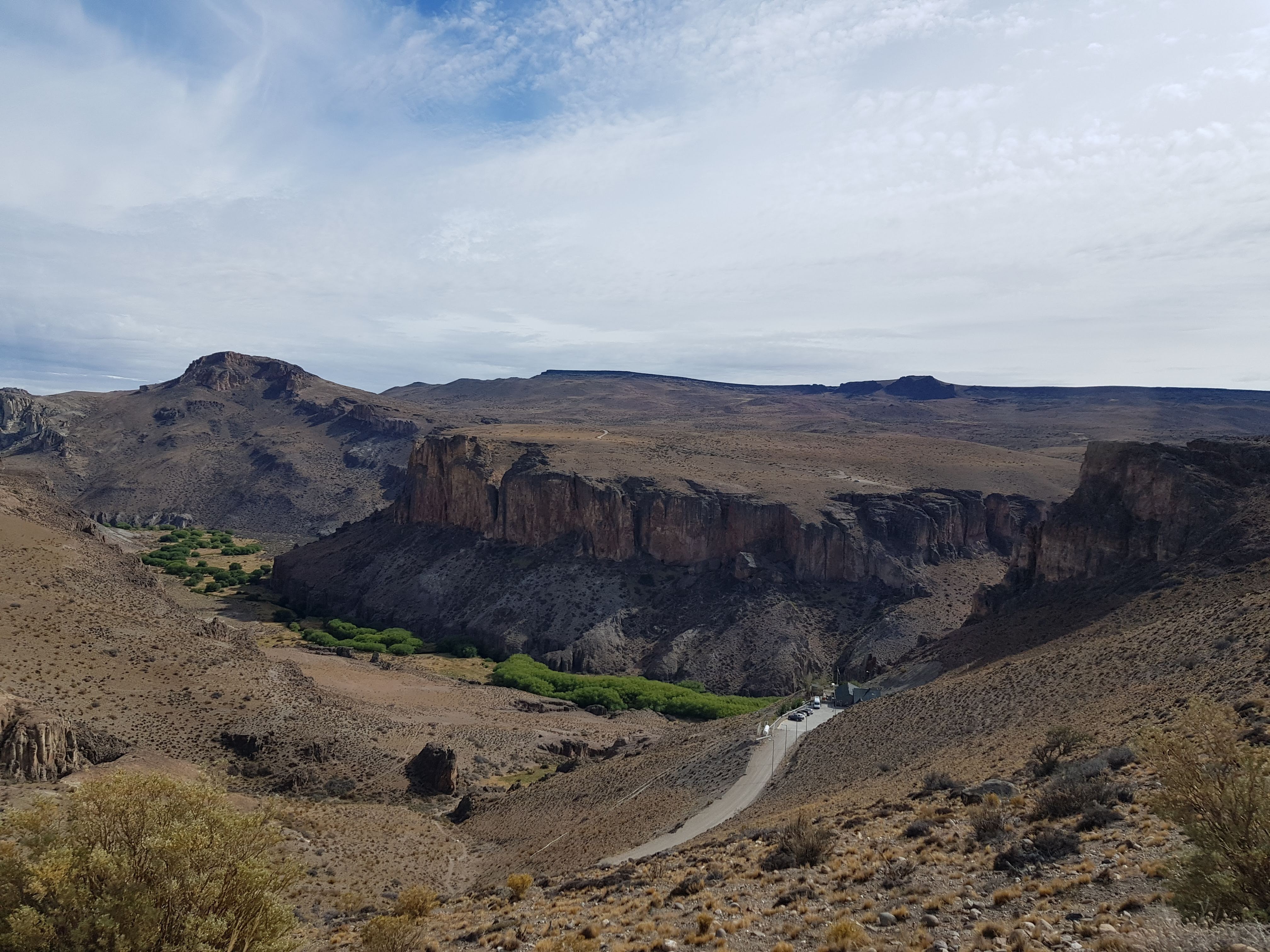
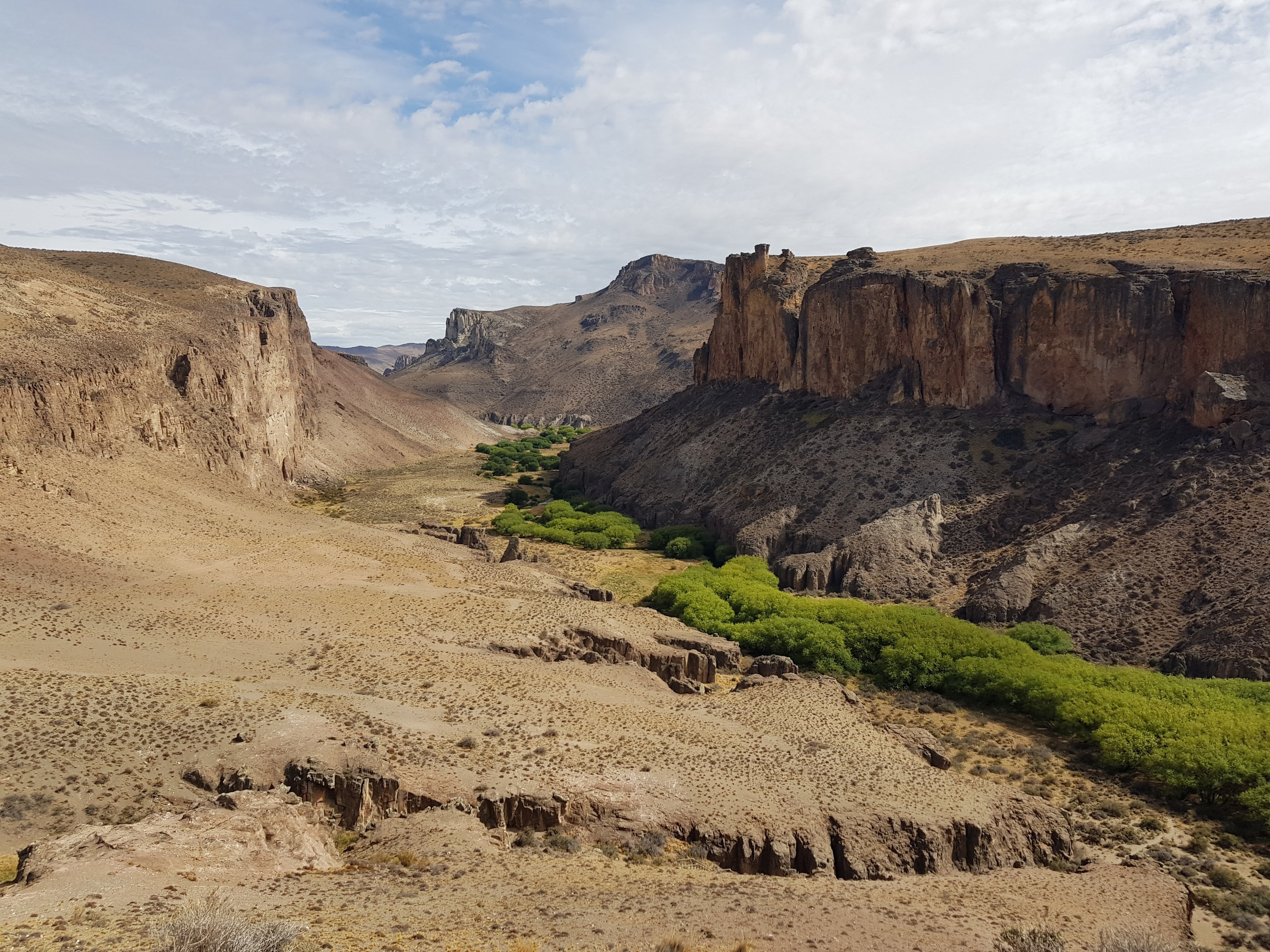
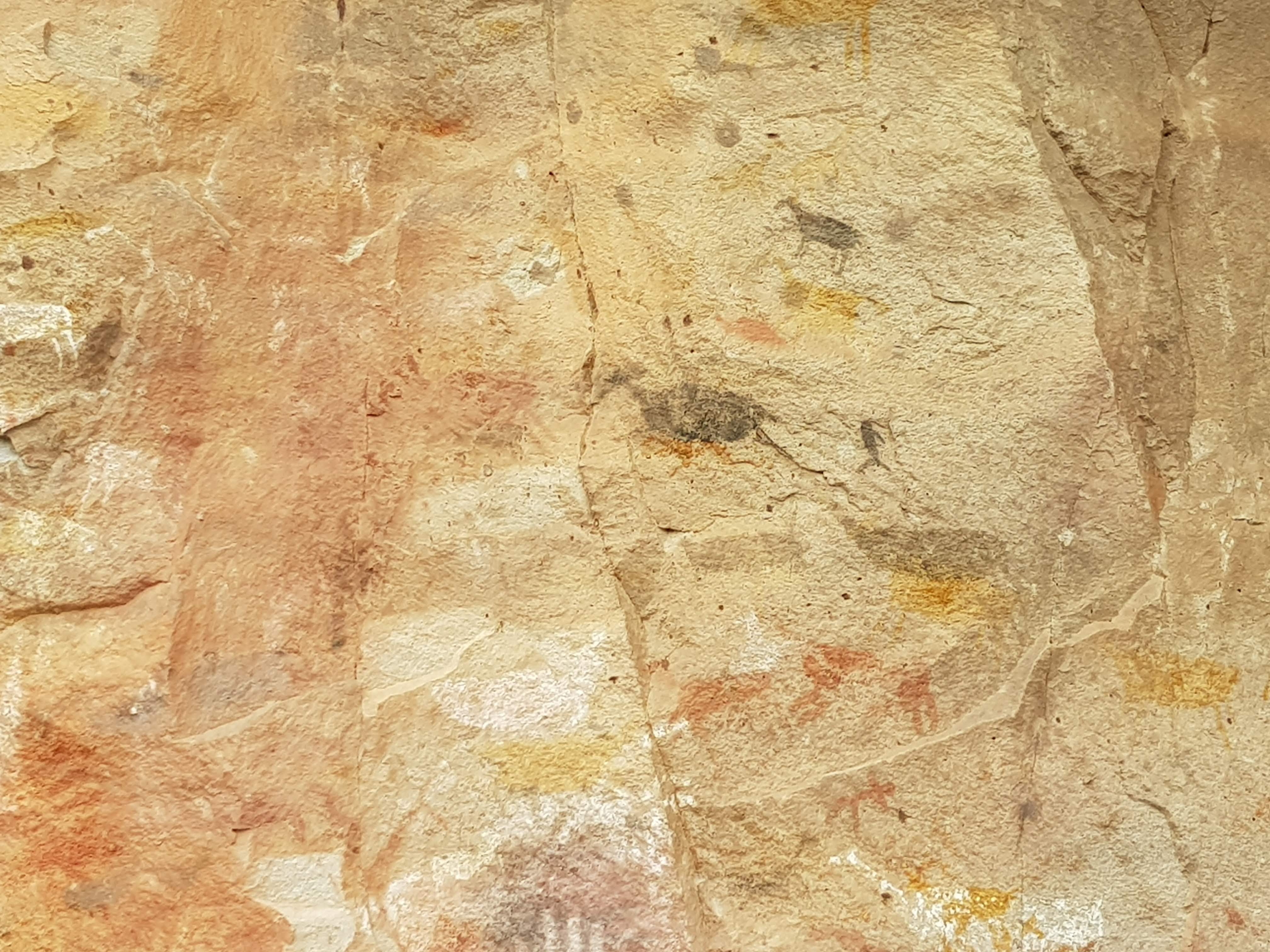
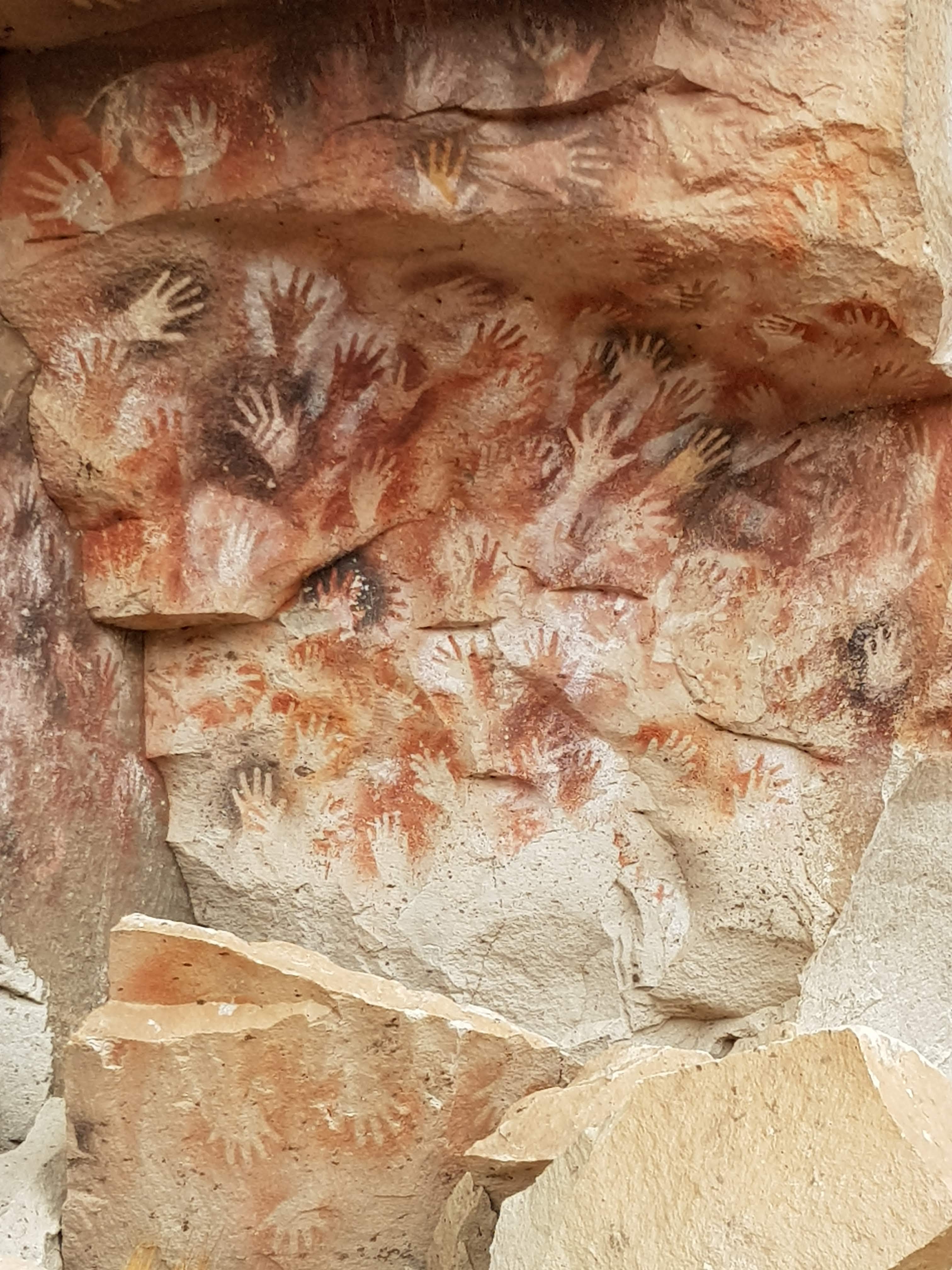
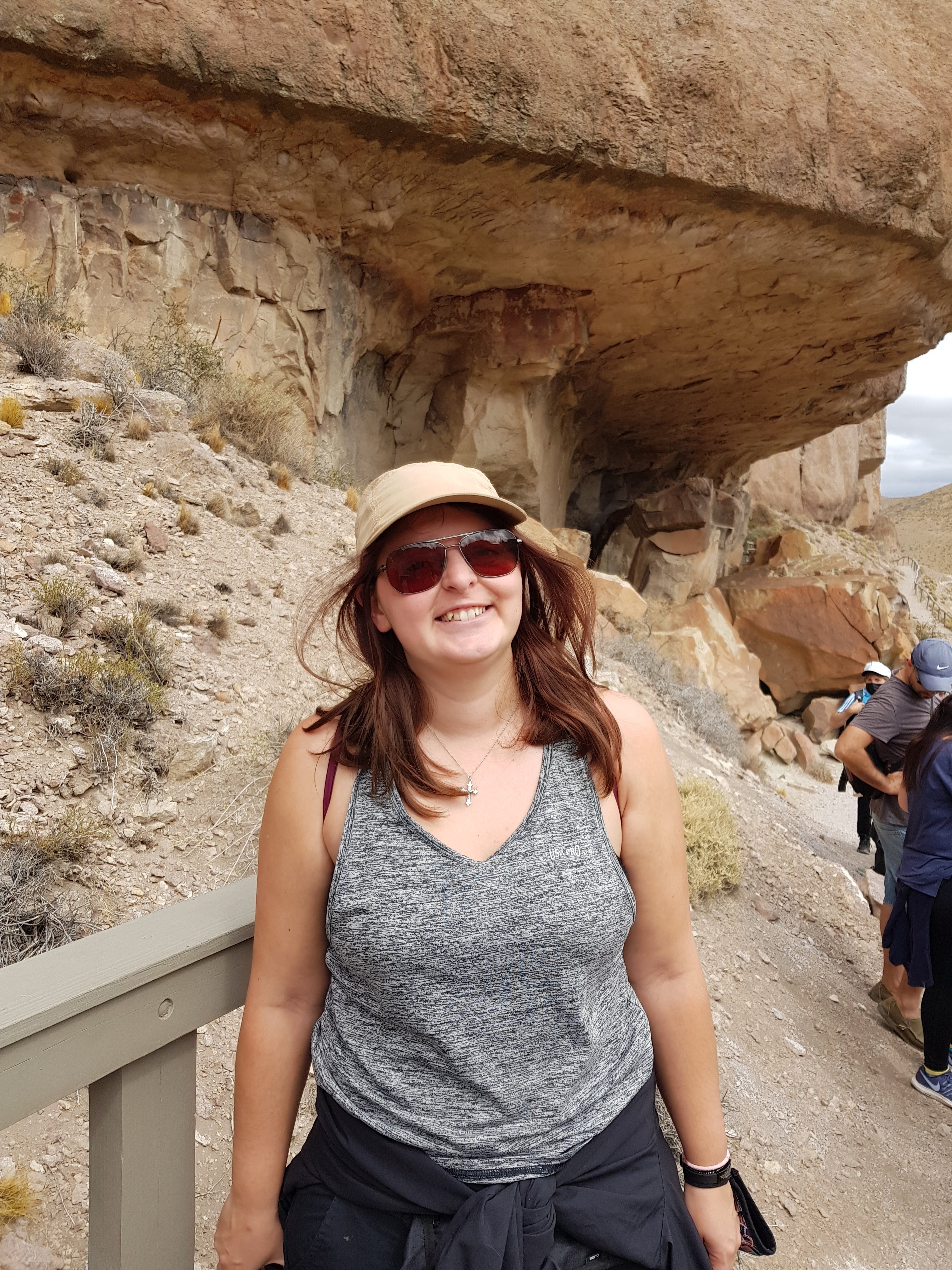
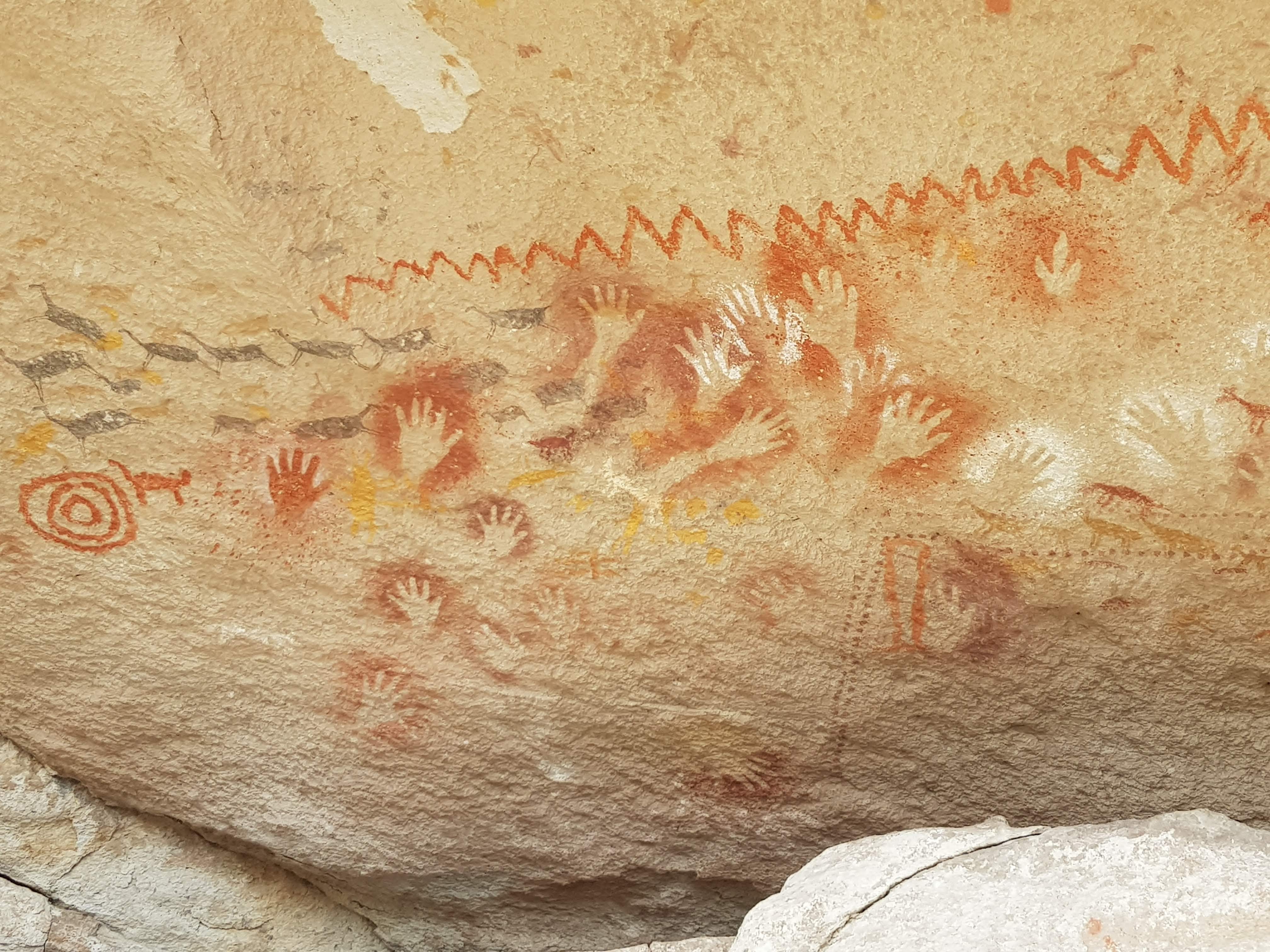
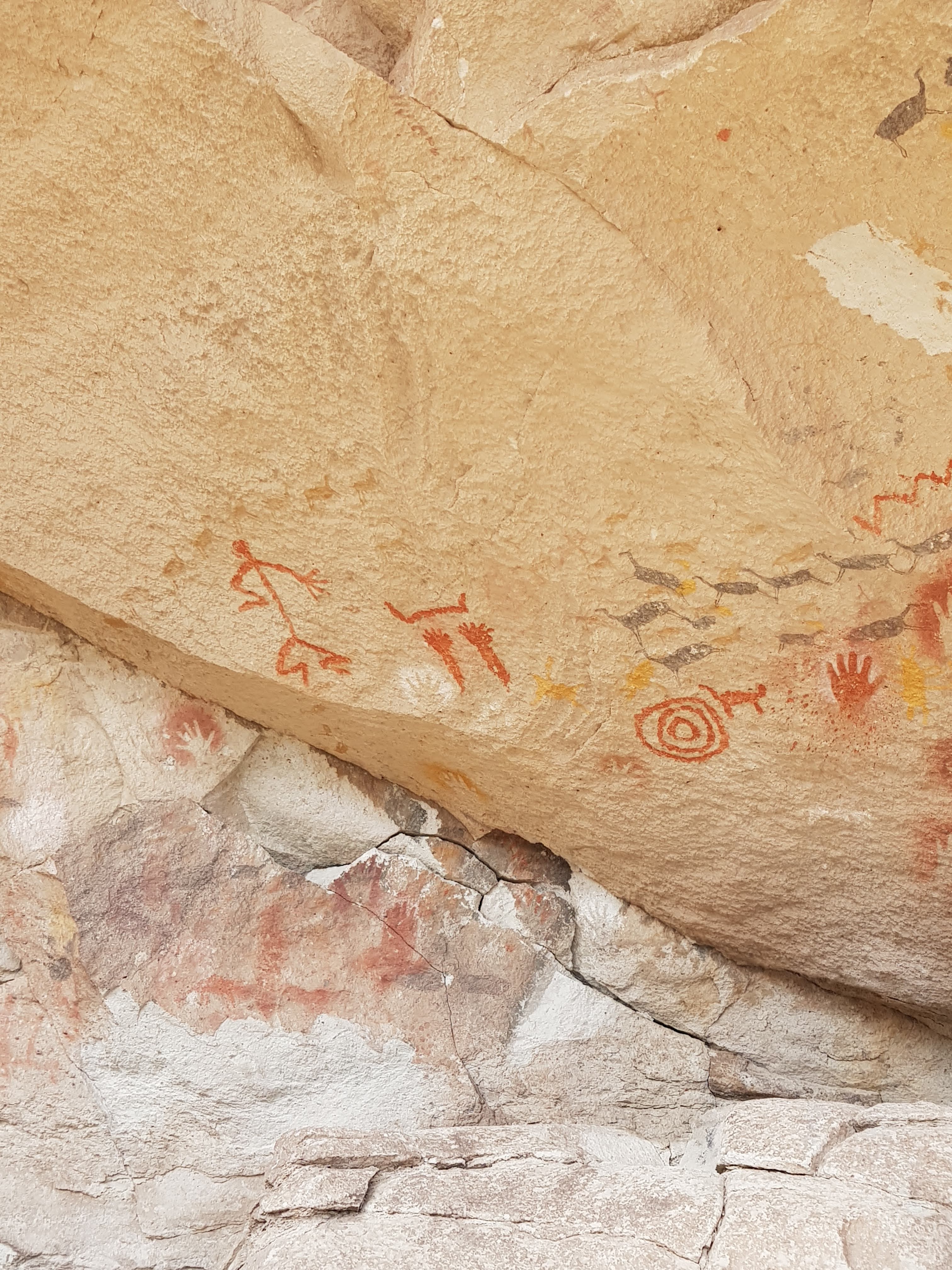
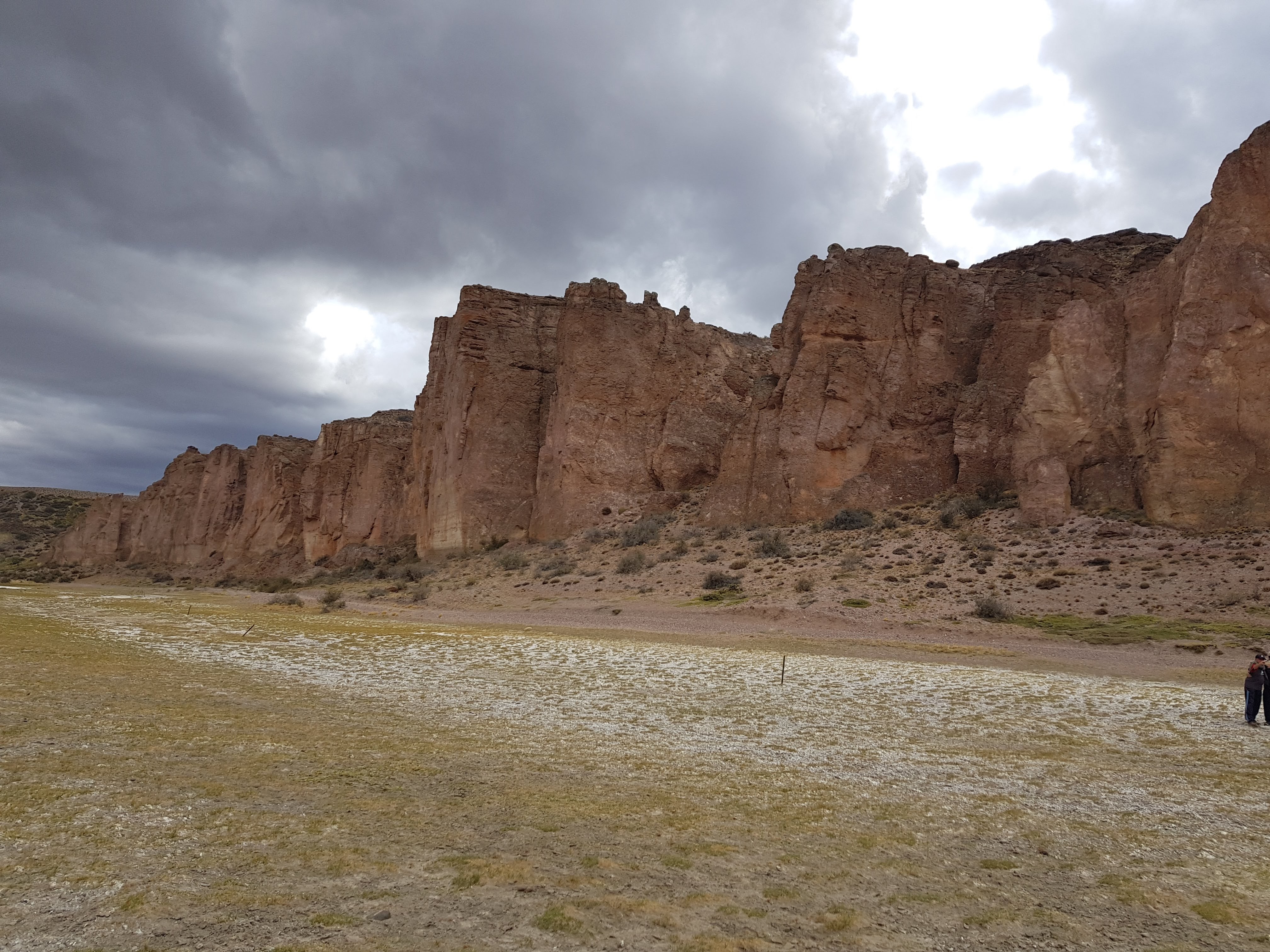
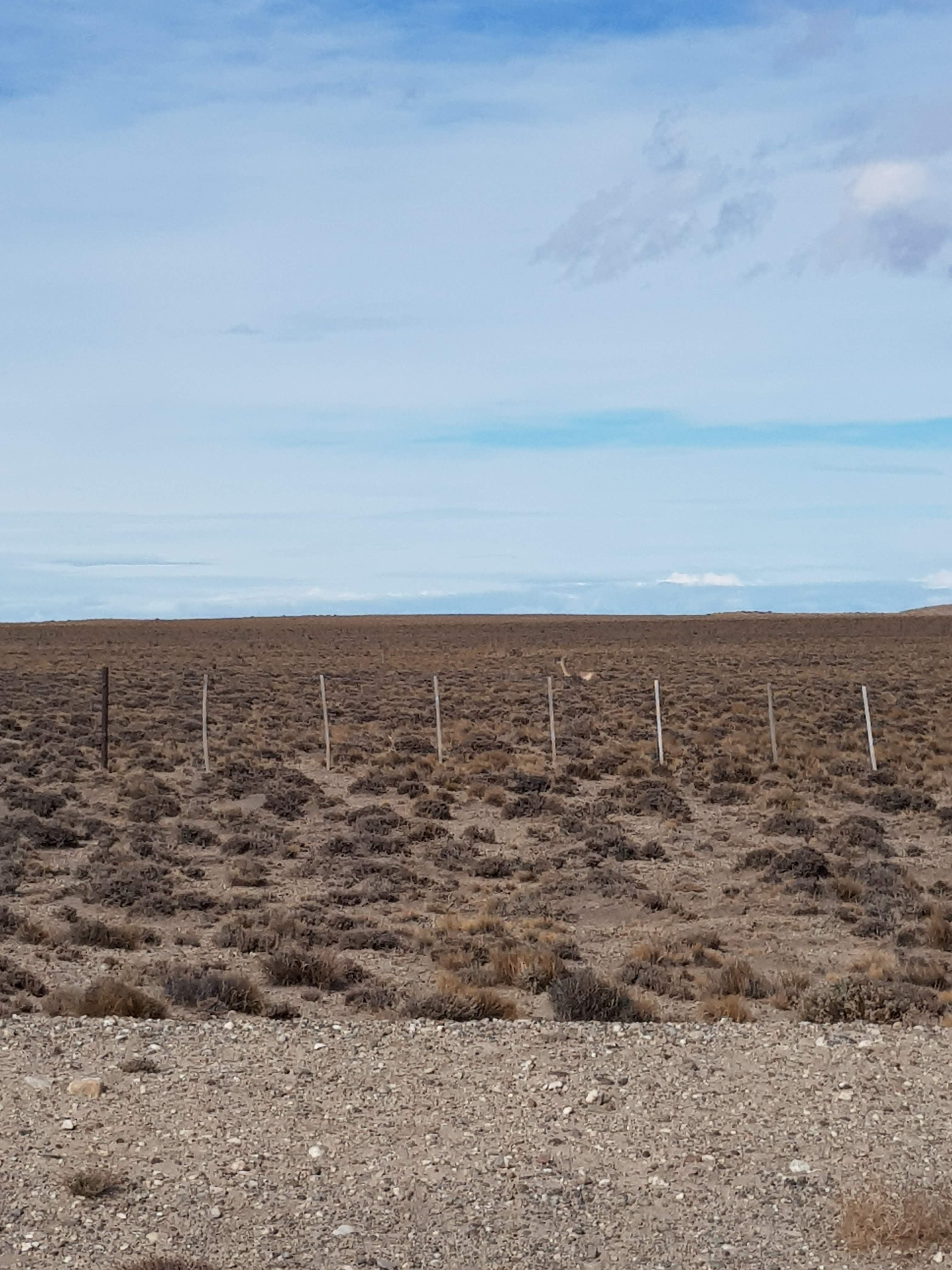
I joined a tour group of Argentine people, and we made our way across some very bumpy roads and past wildlife and huge canyons, before finally arriving at the UNESCO site of Cueva de las Manos. This world famous spot has an amazing collection of ancient cave paintings and hand prints, not inside the cave but across the front of it, along a huge rock face. The guide on the site escorted our group through a long boardwalk running across the side of the paintings and with views of a canyon on the other side.

These amazing paintings crowd the walls and include handprints of adults and children from possibly three different times. You can also see illustrations of animals that they would hunt, geometric shapes, that are suspected to represent a map, and there is even a suspected paw print of a puma! The whole collection is made up of different colours, including yellows and bright blues, and are made from different natural materials. I imagine that the person that discovered this must have been completely astonished by all the haunting raised hands.

Patagonia Park

The tour also included visits to other interesting locations nearby such as the Patagonia Park, which had huge salt flats to see.

The locals prepared a lunch for our group of traditional and locally produced food. It was delicious and in true Argentine style, the portions were huge. I tried to tell the people in the group that I was full, but the little old ladies in the group said they wanted to fatten me up and they are like my ‘abuela’ (grandma) and want to look after me! haha

Coloured mountains

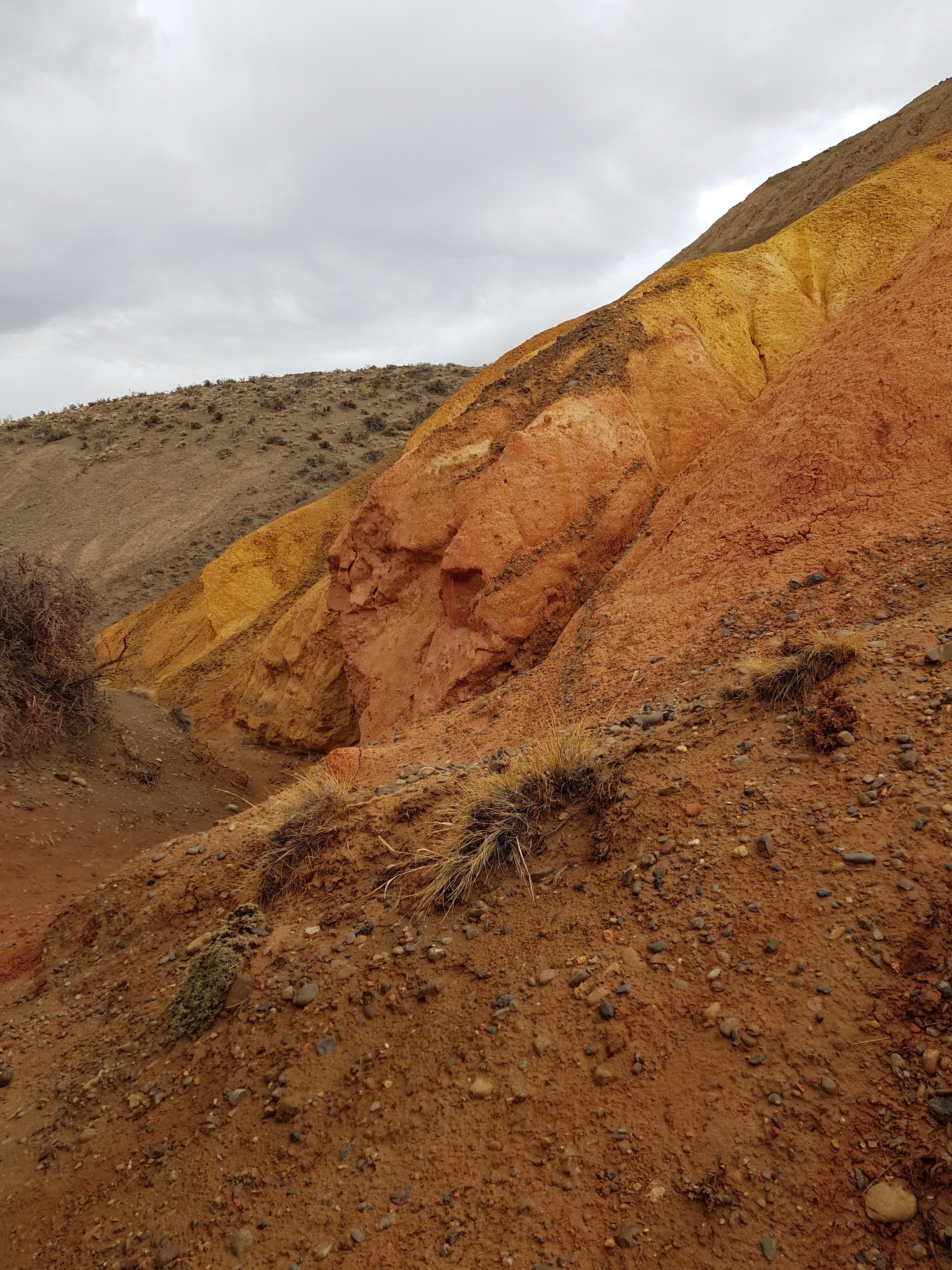
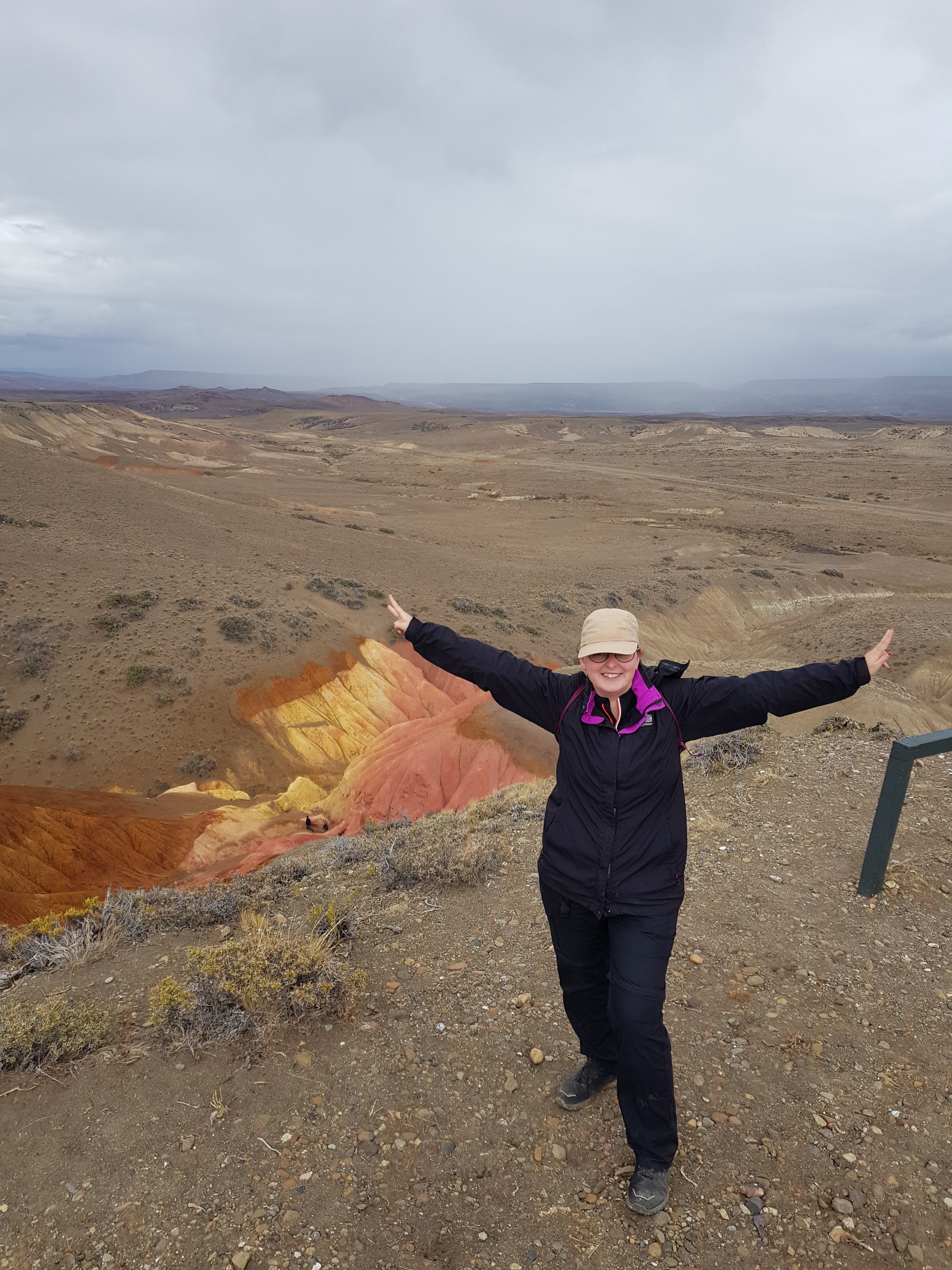
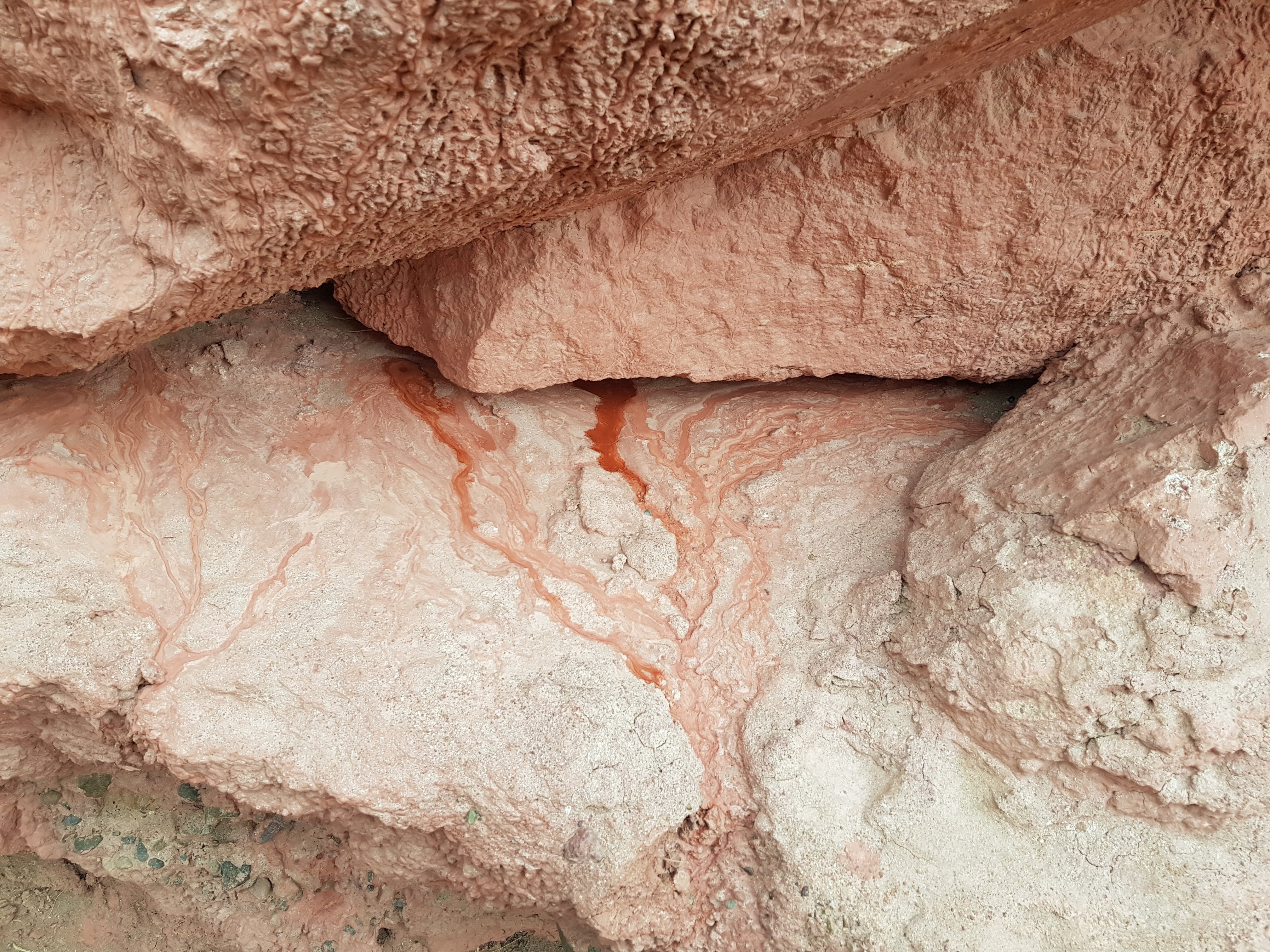
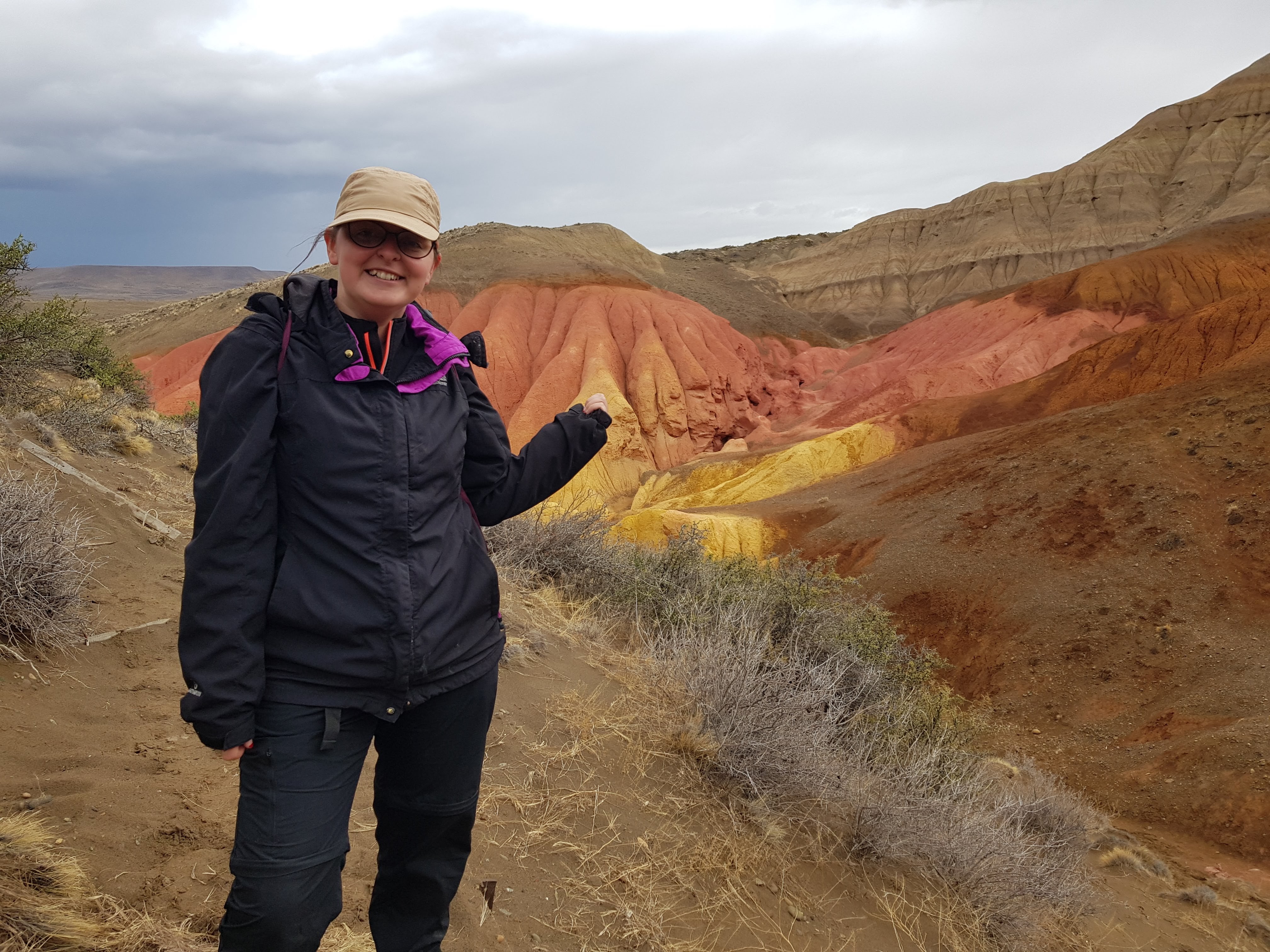
The last stop was an hour hike over some amazing hilltops/mountains that were brightly coloured in oranges, red and yellows. This is due to the properties in the rocks and all the minerals being brought out by rainfall. It was pretty awesome, and the short walk to the top gives you an amazing view!

El Chalten & Fitz Roy

Next stop on my trip was to the little town of El Chalten. Getting there was a struggle. It had been raining the night before, and so they rerouted the bus to the only other motorway that took us to the bottom of the country then we turned back around and went back up… A 10 hour journey took 18 hours… craziness.

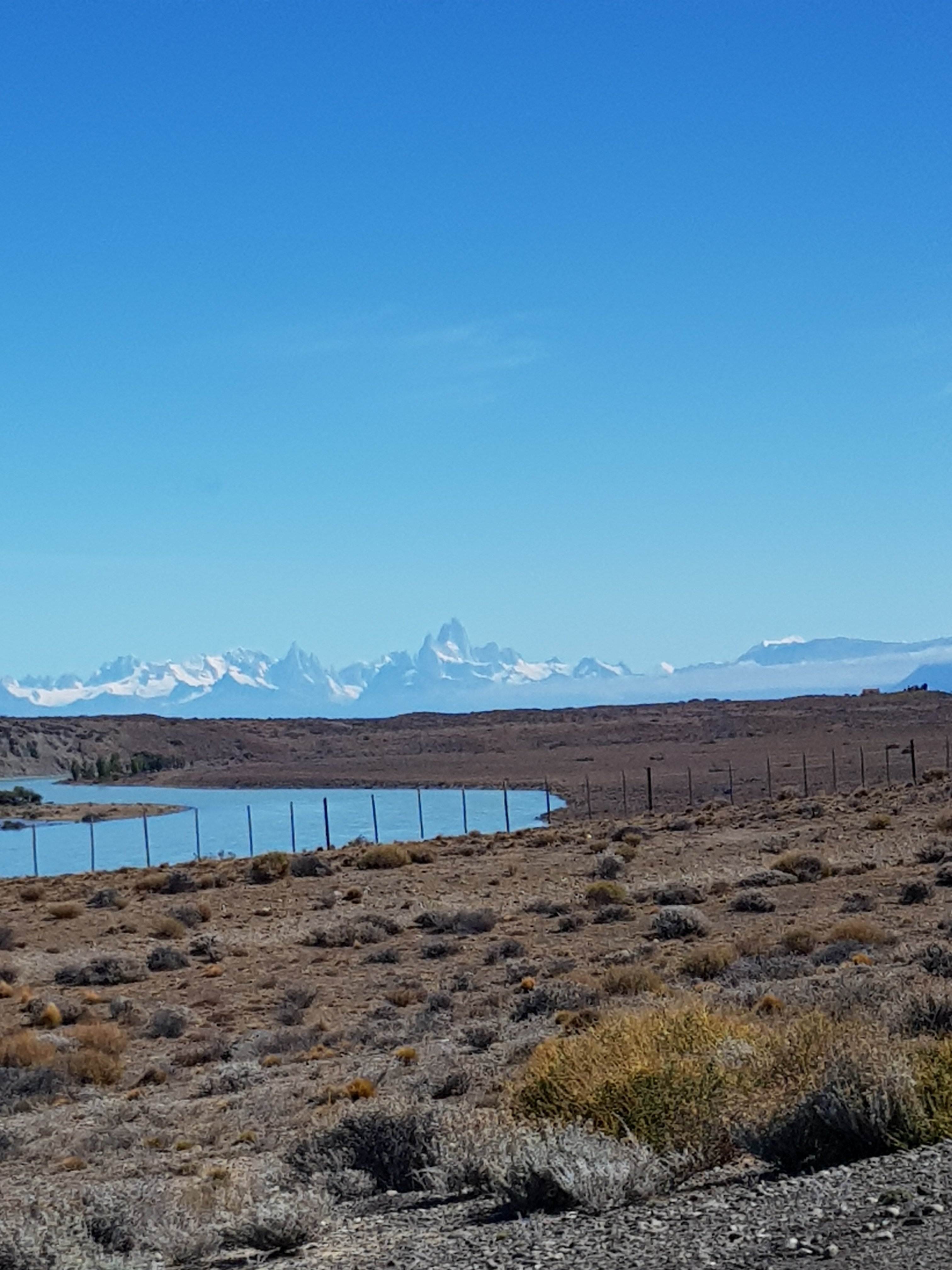
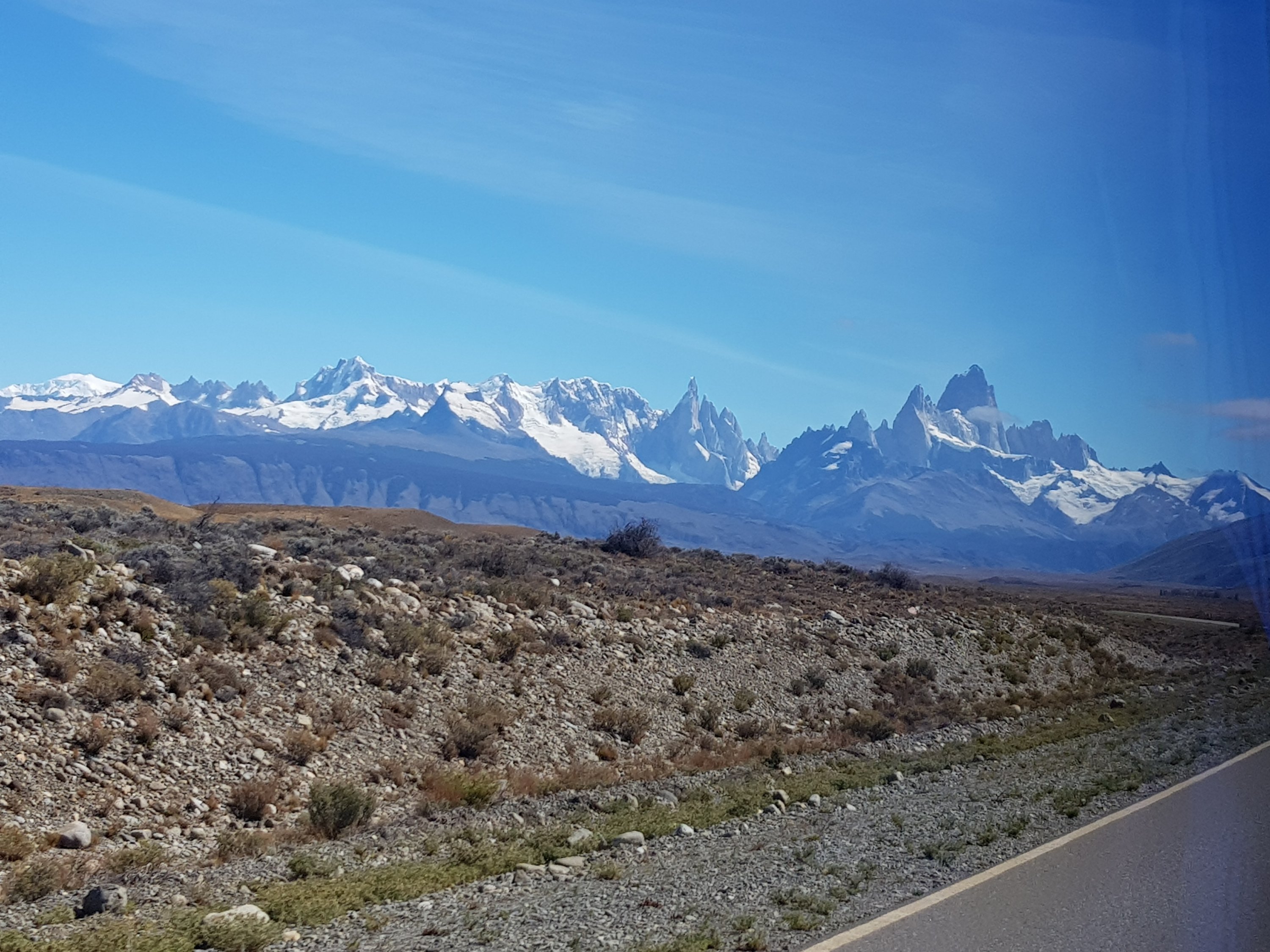
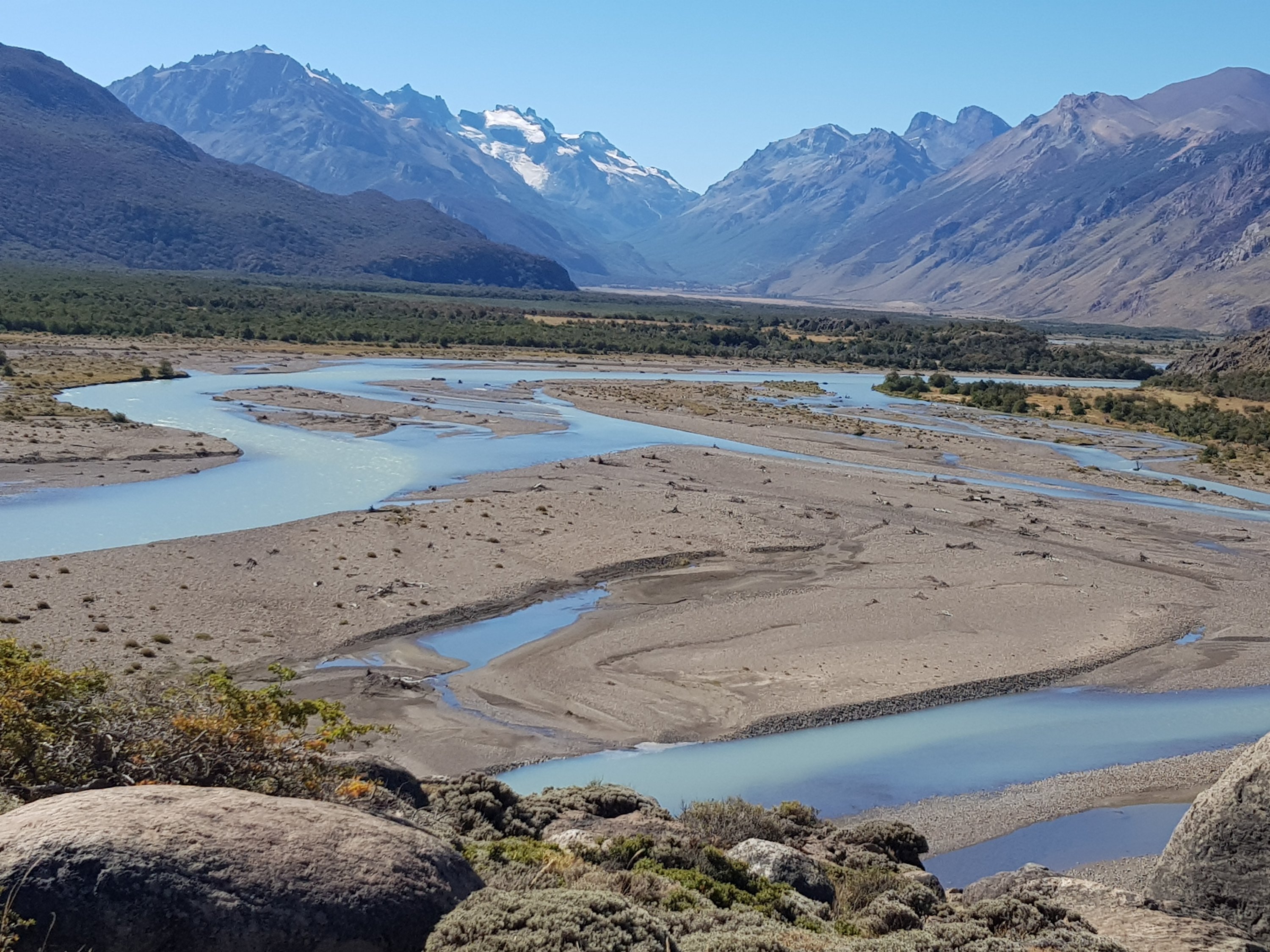
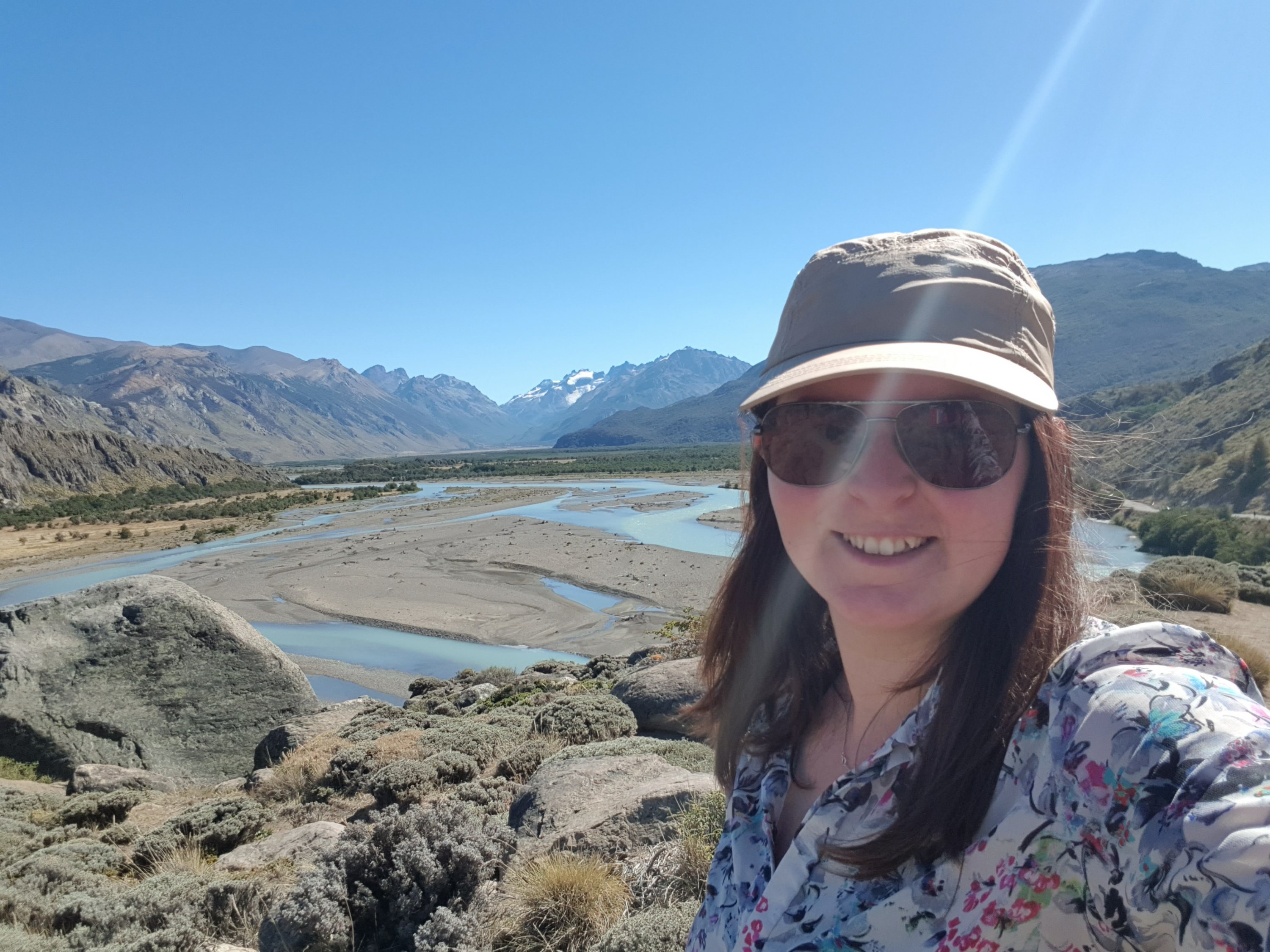
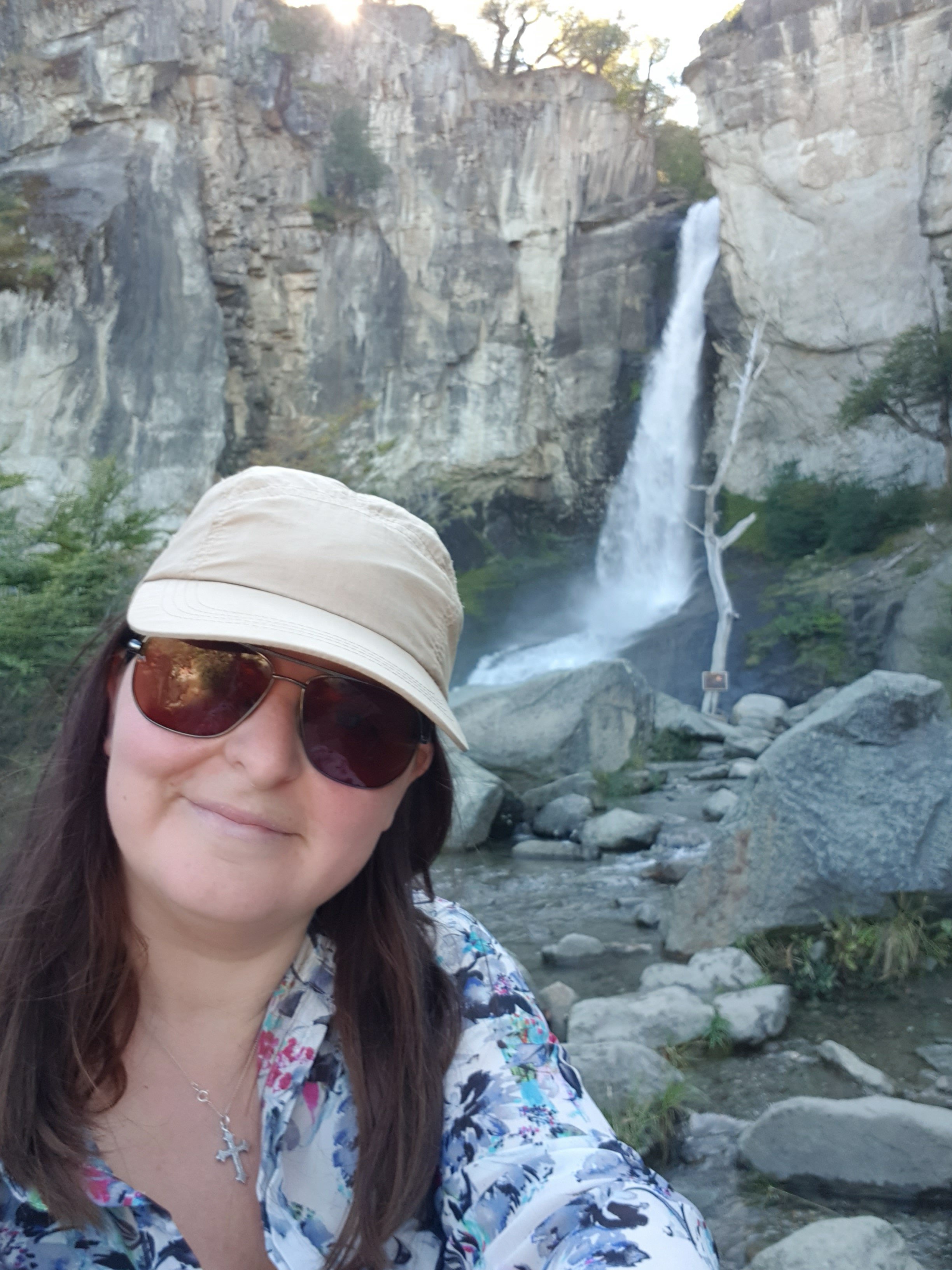
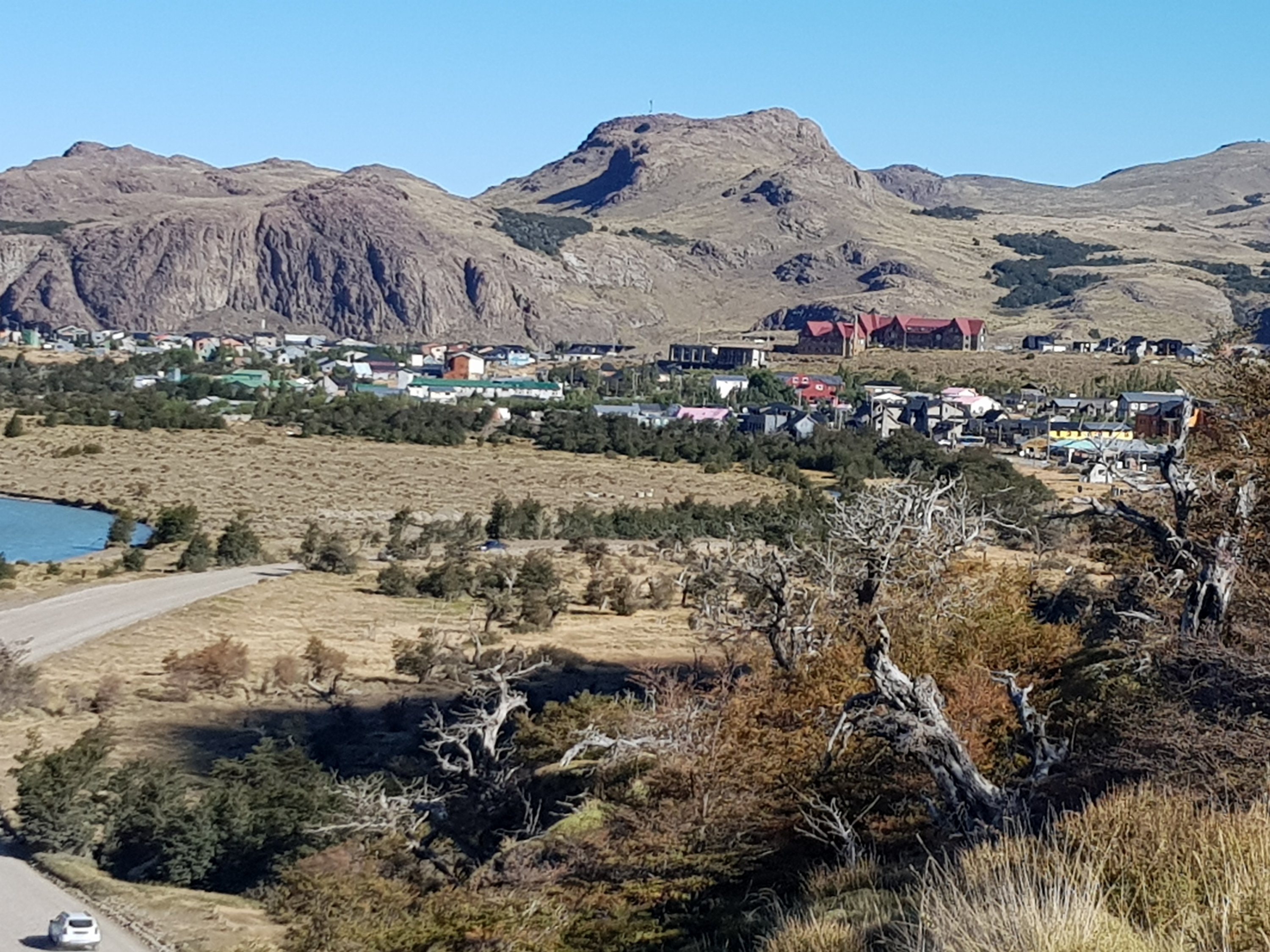
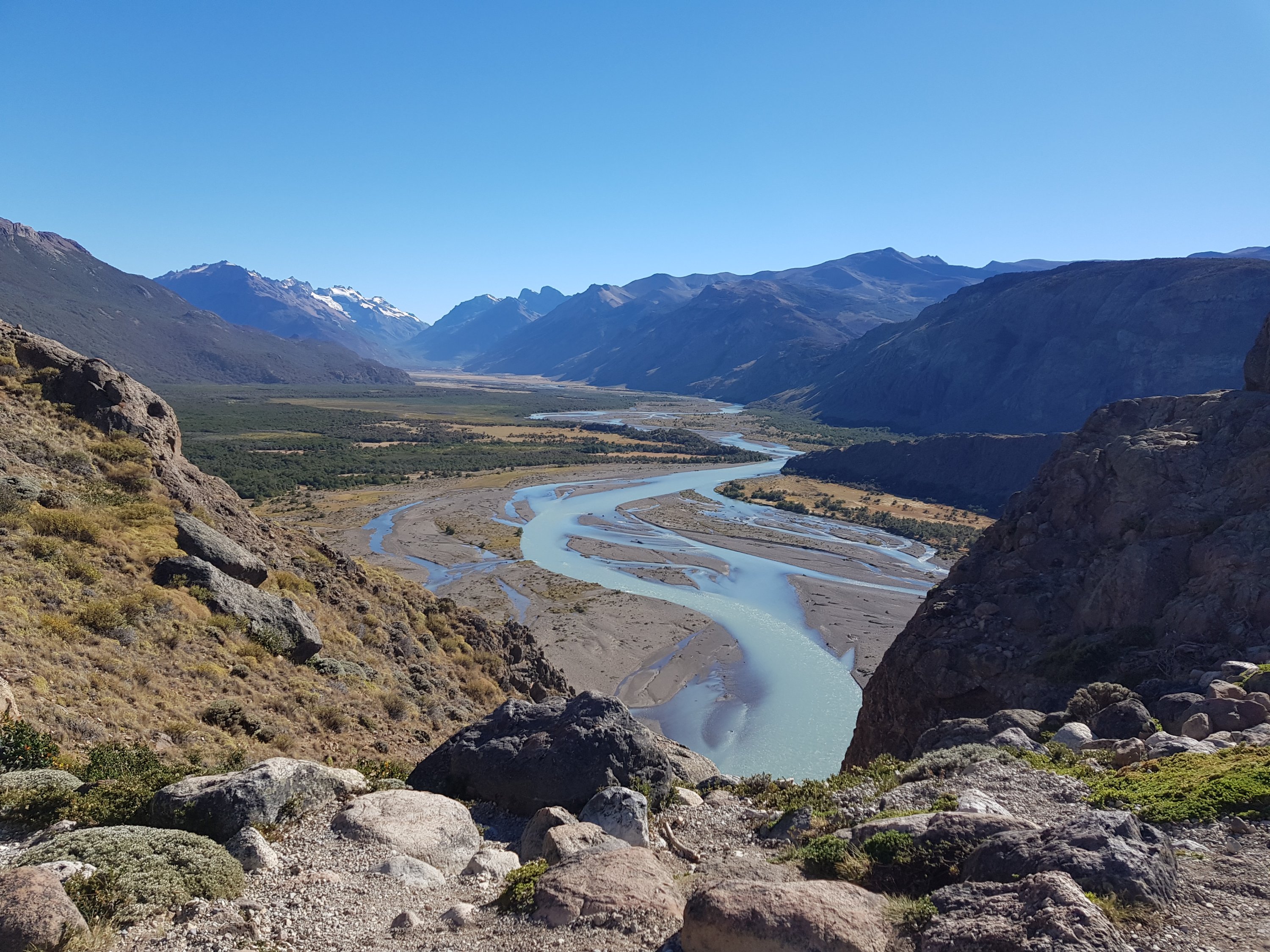
On finally arriving, I headed straight out for a short hike to a nearby waterfall. It was great to get some fresh air and put my head under the flowing glacier water. I also got great views of the landscape and the town. El chalten is a part of this natural landscape and is an absolute haven for hikers and climbers.

Laguna de los tres

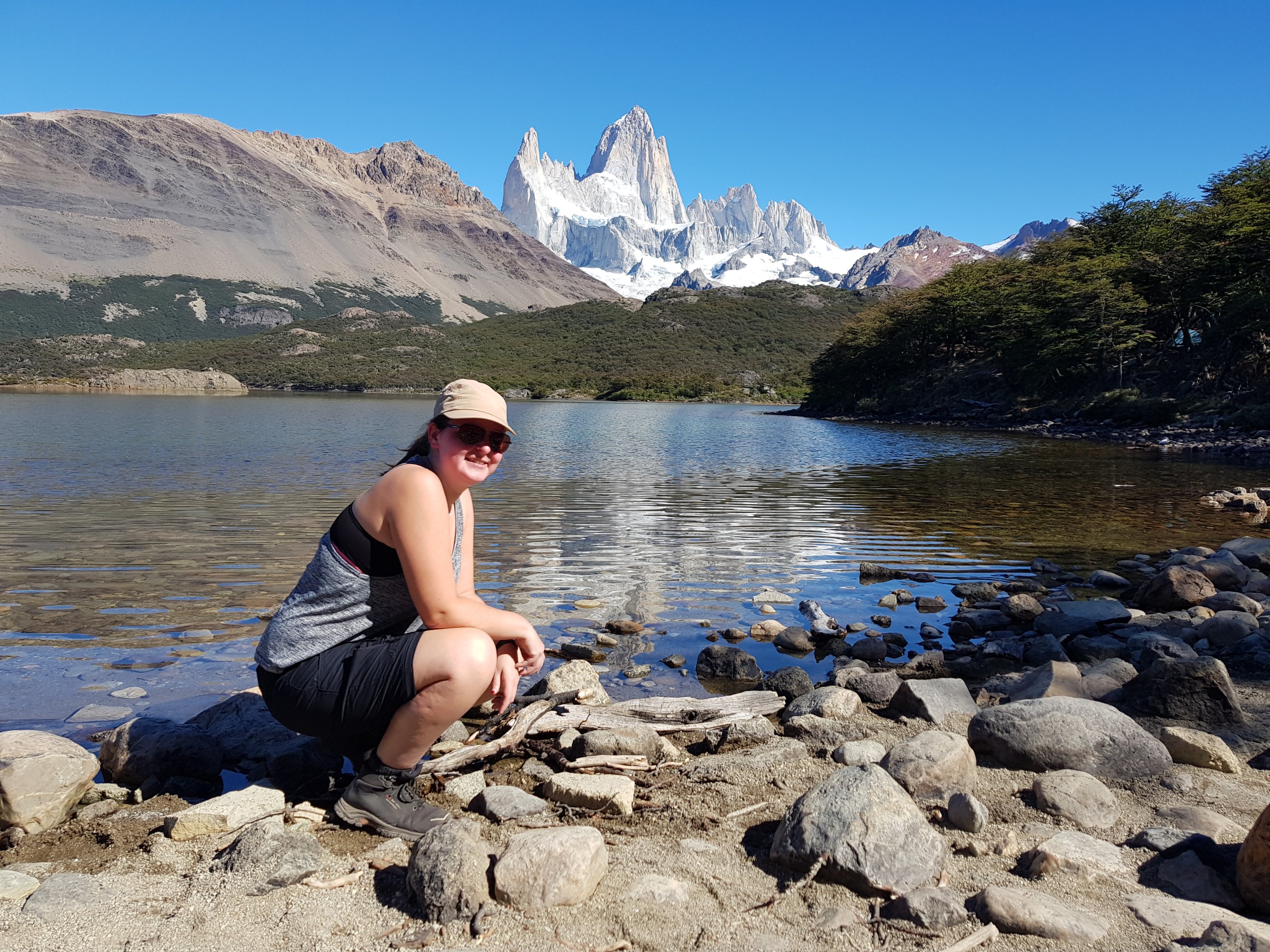
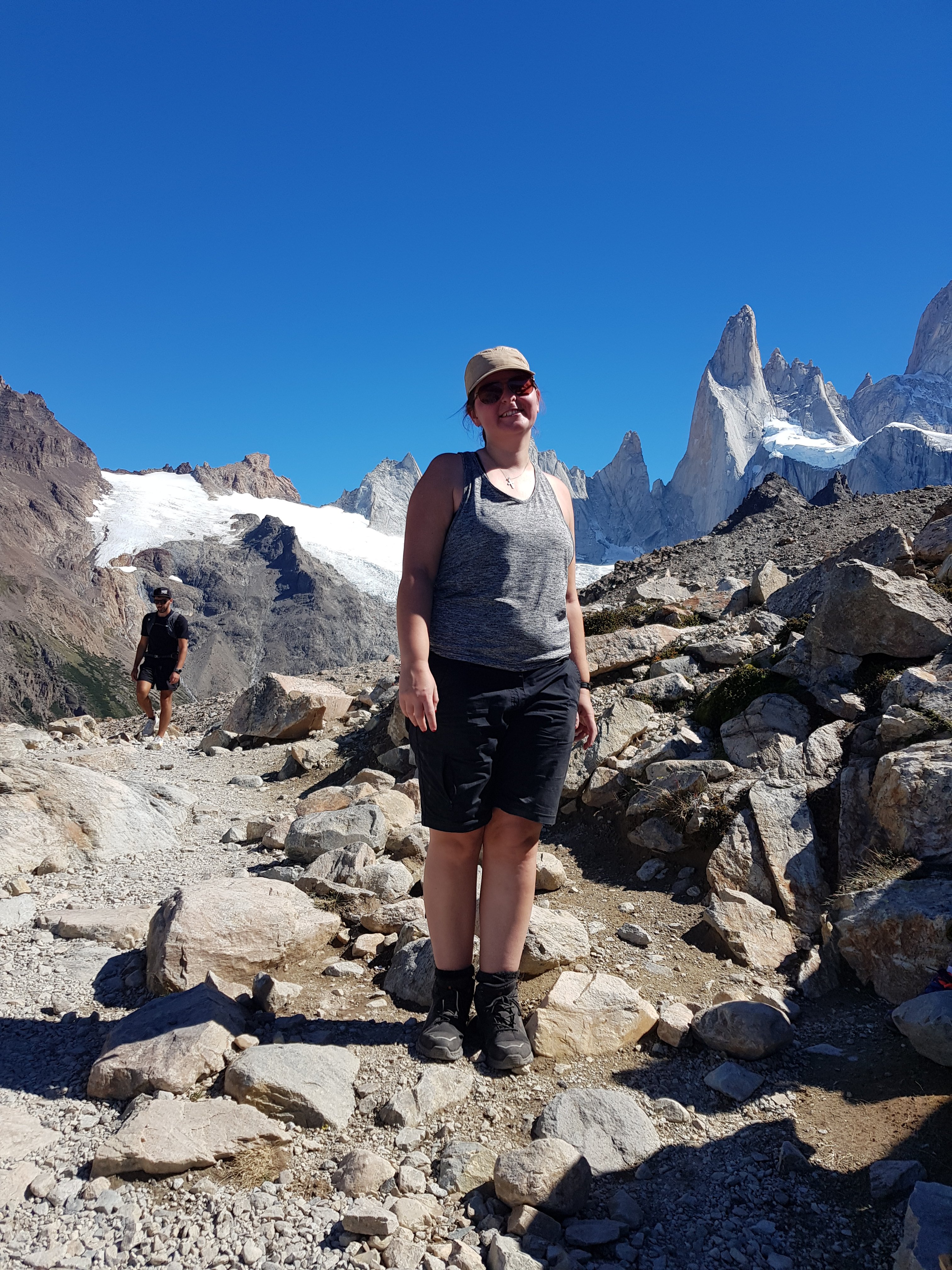
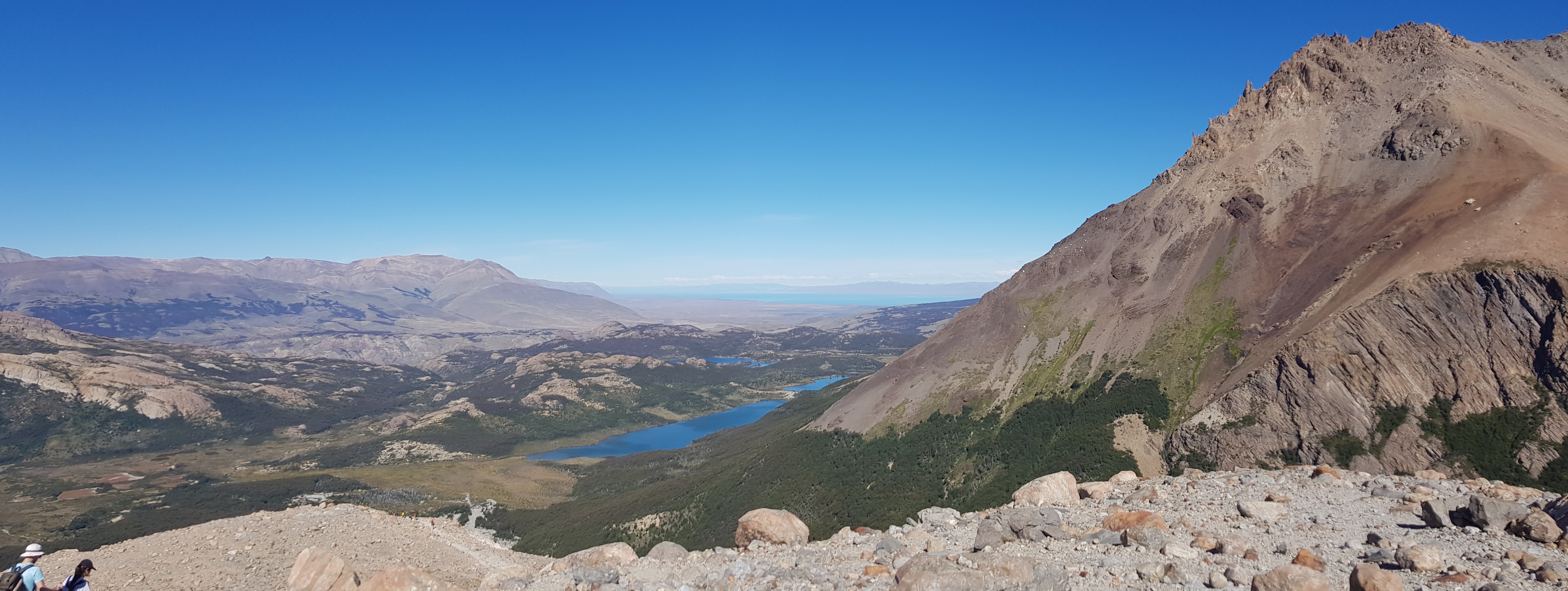
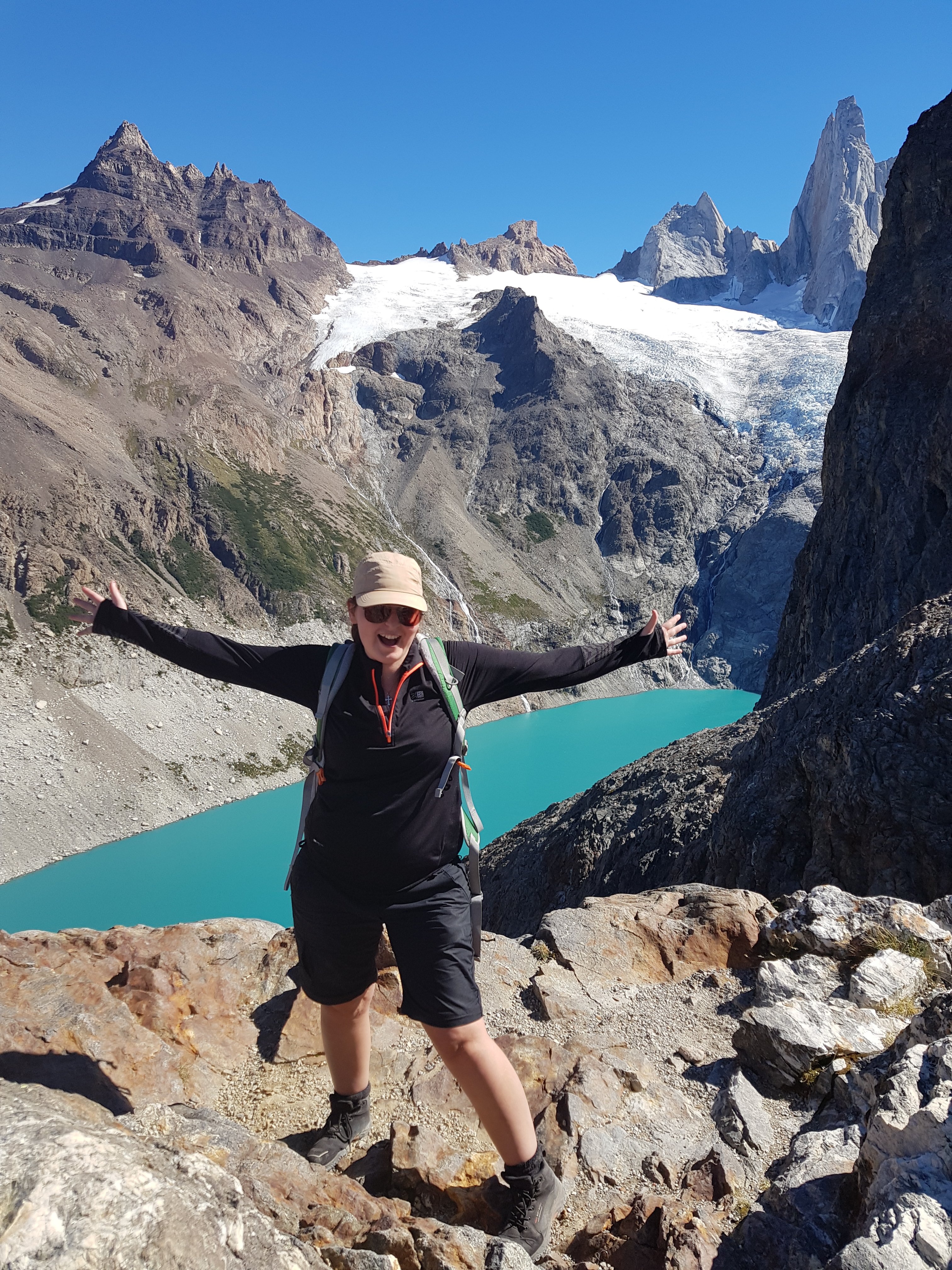
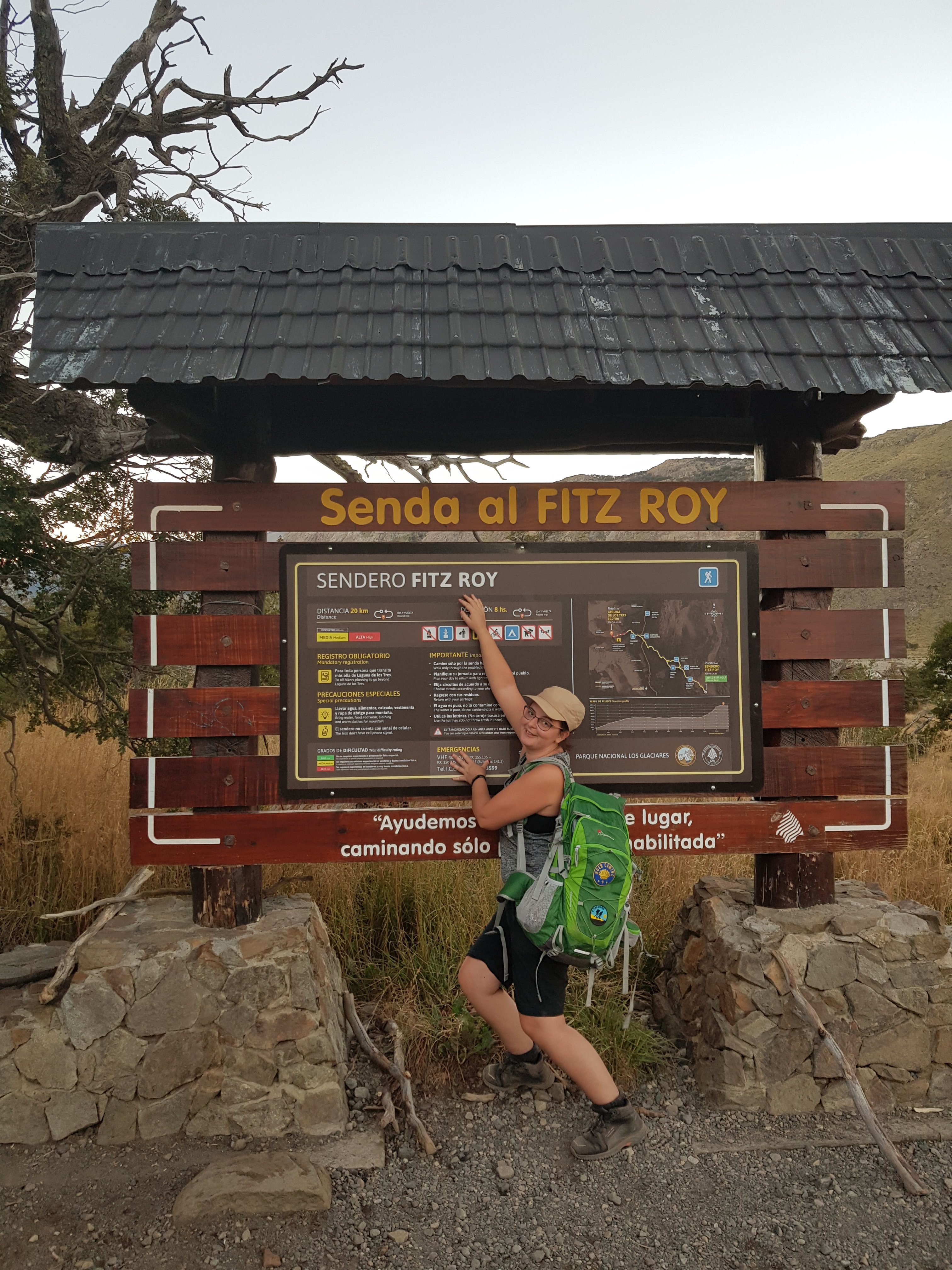
The next day, I started the strenuous hike of Laguna de los tres to Fitz Roy mountain. This hike is only 20 km but it took me about 9 hours. The final km took about two hours as the climb was a directly up ascent on difficult terrain. Normally I walk 4-5 km per hour.

The trail passes through forests, rivers, lakes and grasslands, as well as going through two campsites. It was a very warm and busy day on the trail, but this gave me the opportunity to meet many people. During my day of trekking, I befriended two different groups from Argentina and a girl from Spain. Making conversation with strangers is one of my favourite parts of solo trekking, as I meet so many interesting people from all around the world.

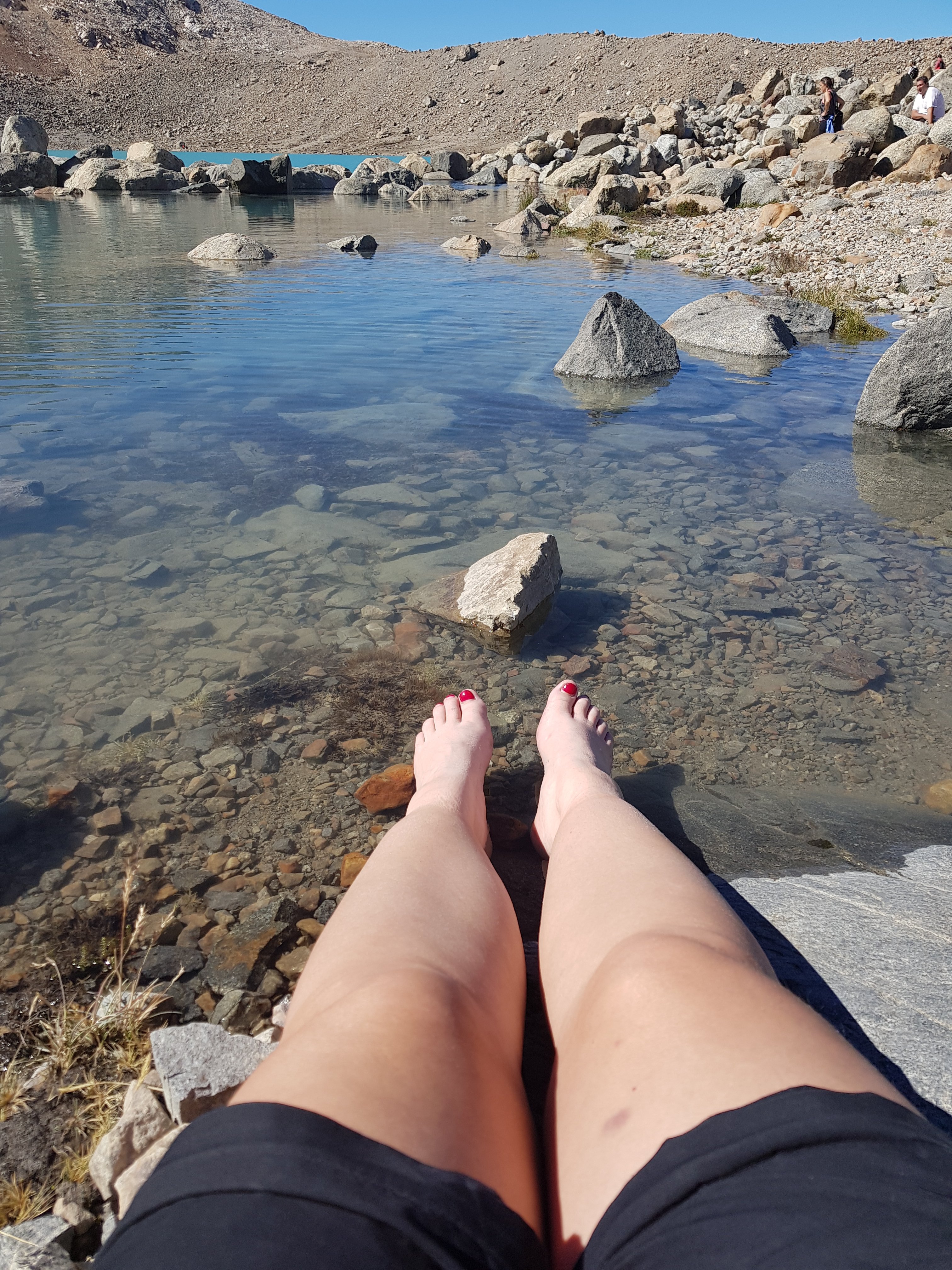
On reaching the top, I collapsed in a pile for a few minutes, then made my way to the lake that was formed by the melting glacier, and took an icy drink, before taking a dip. I spent a few hours here, relaxing and enjoying the sights of the Fitz Roy mountain and the falling water to the drop below.

El Calafate

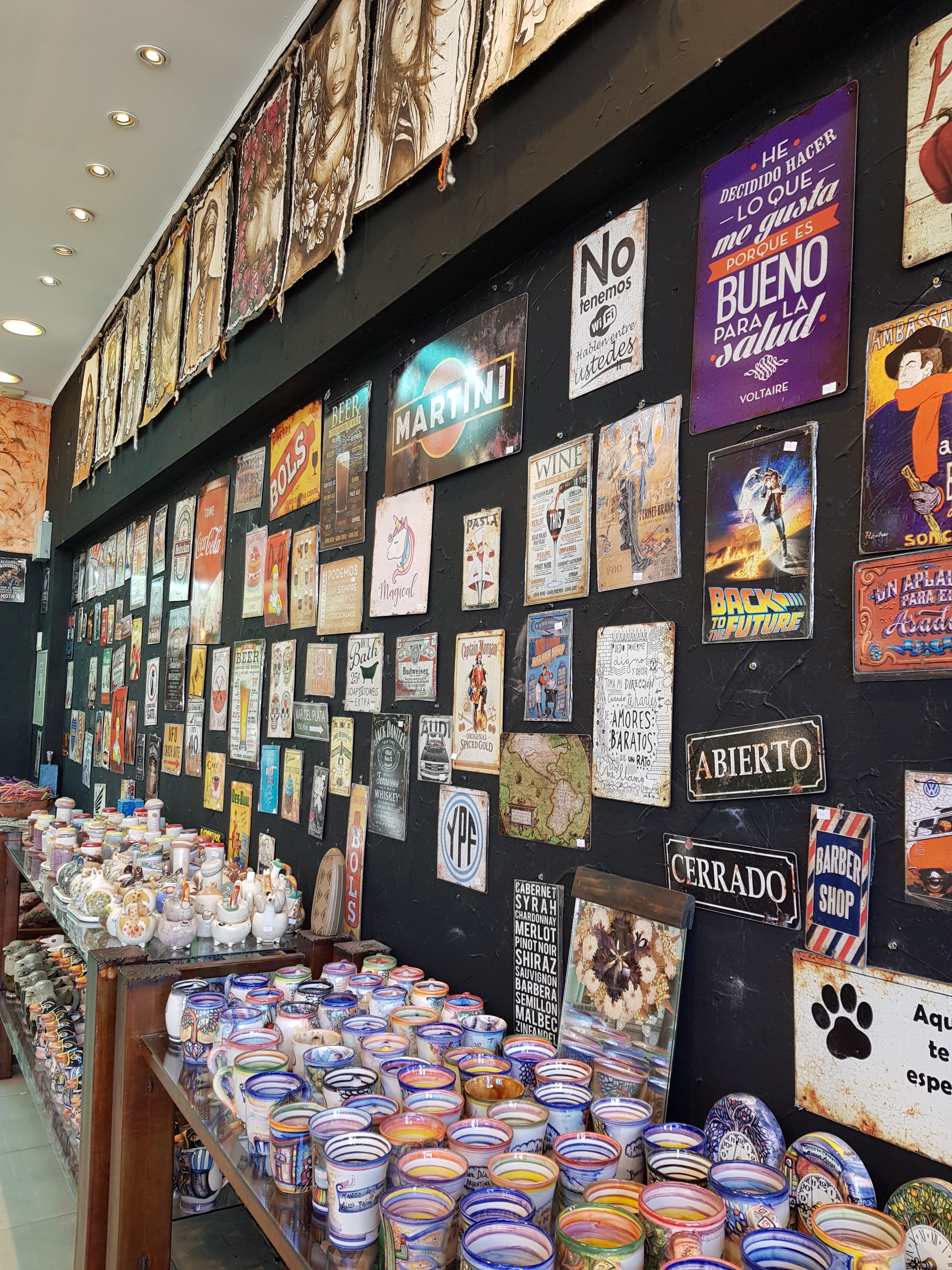
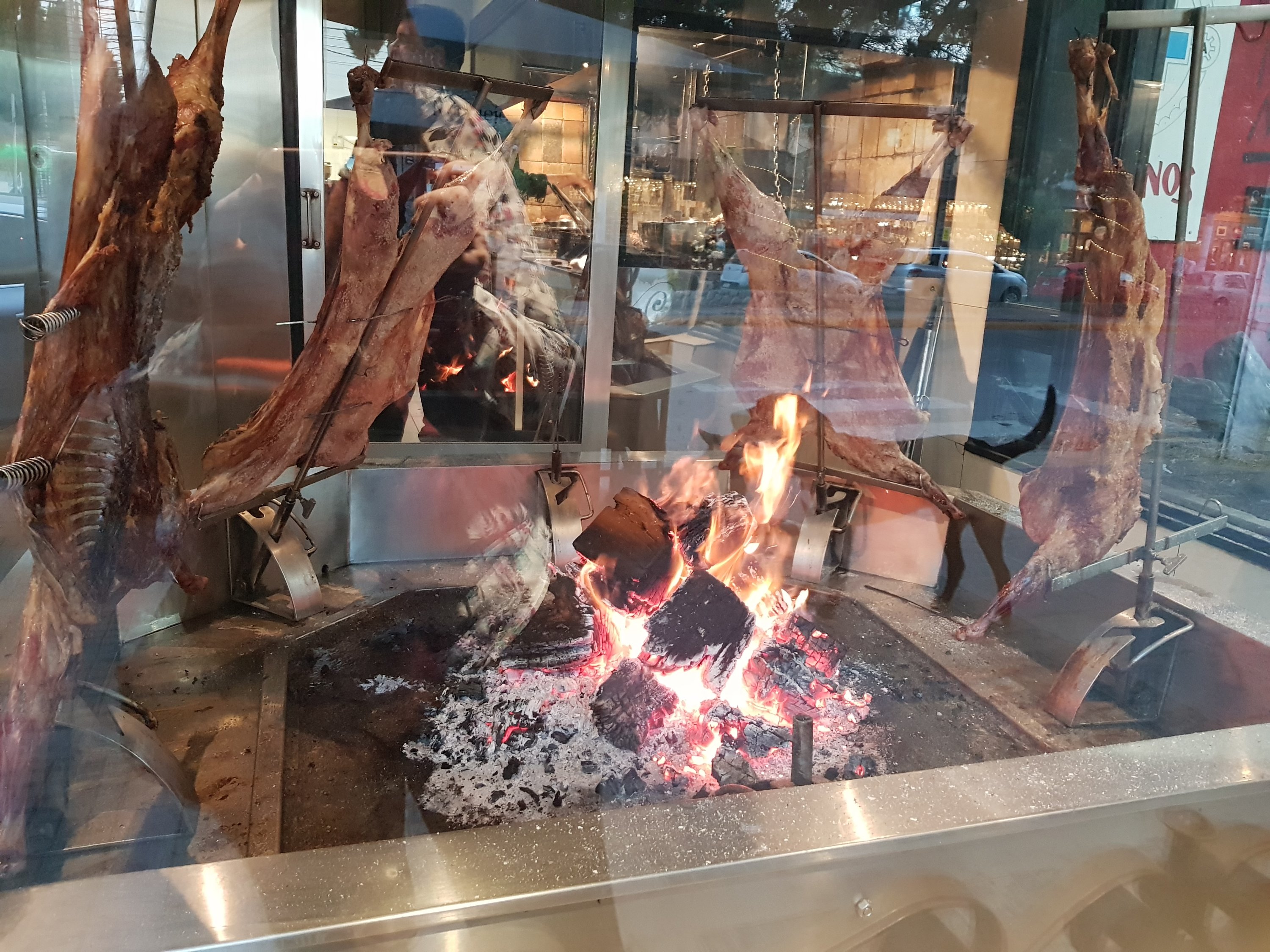
Next day, I was off to Calafate, on the other side of the National Glacier Park from El Chalten. This town is bustling with tourist shops and restaurants. I have a dwindling budget so I cooked whilst I was there, but still managed to admire the Patagonian Lambs being roasted over the fire through the restaurant windows.

Perito Moreno Glacier

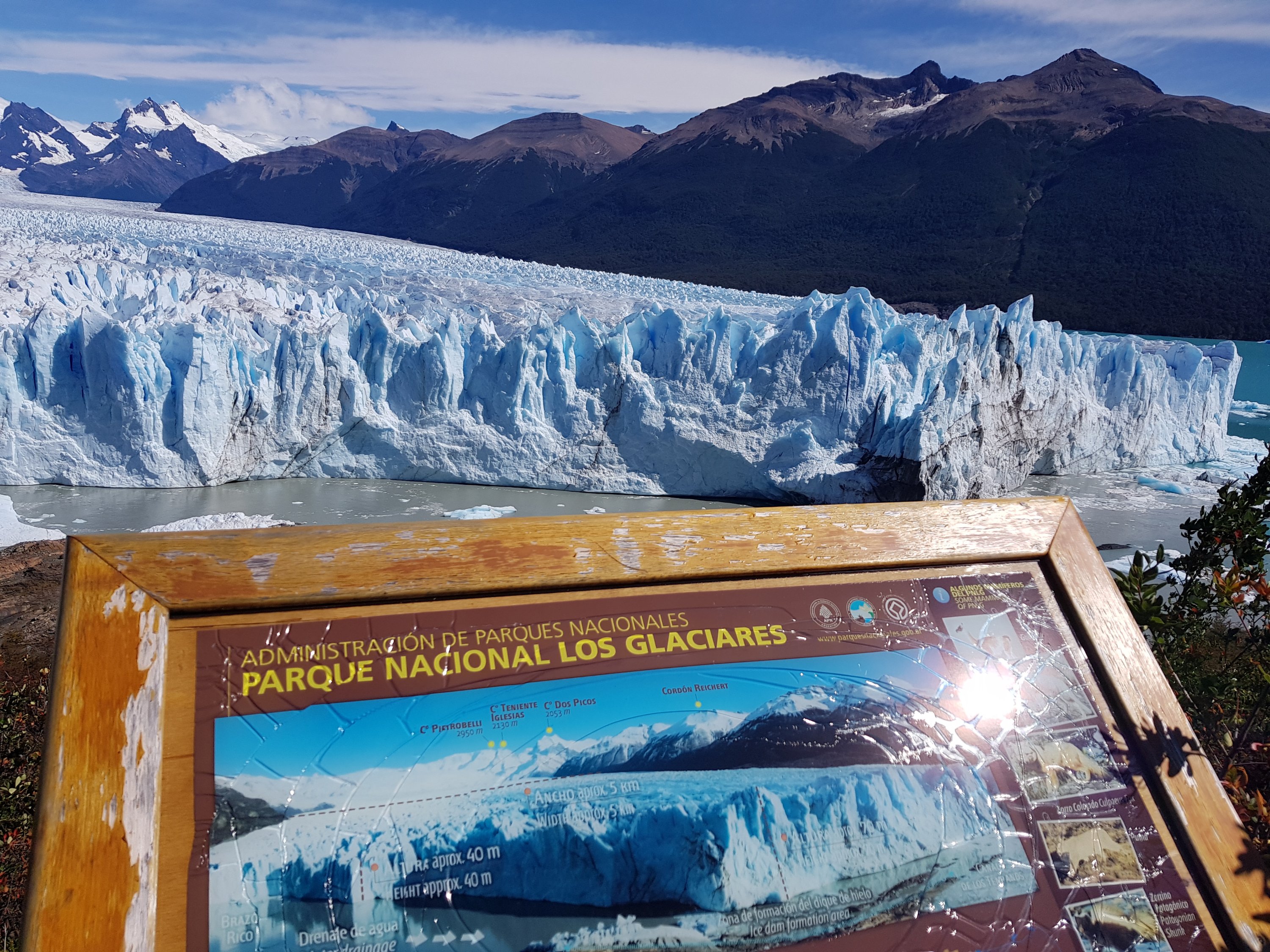
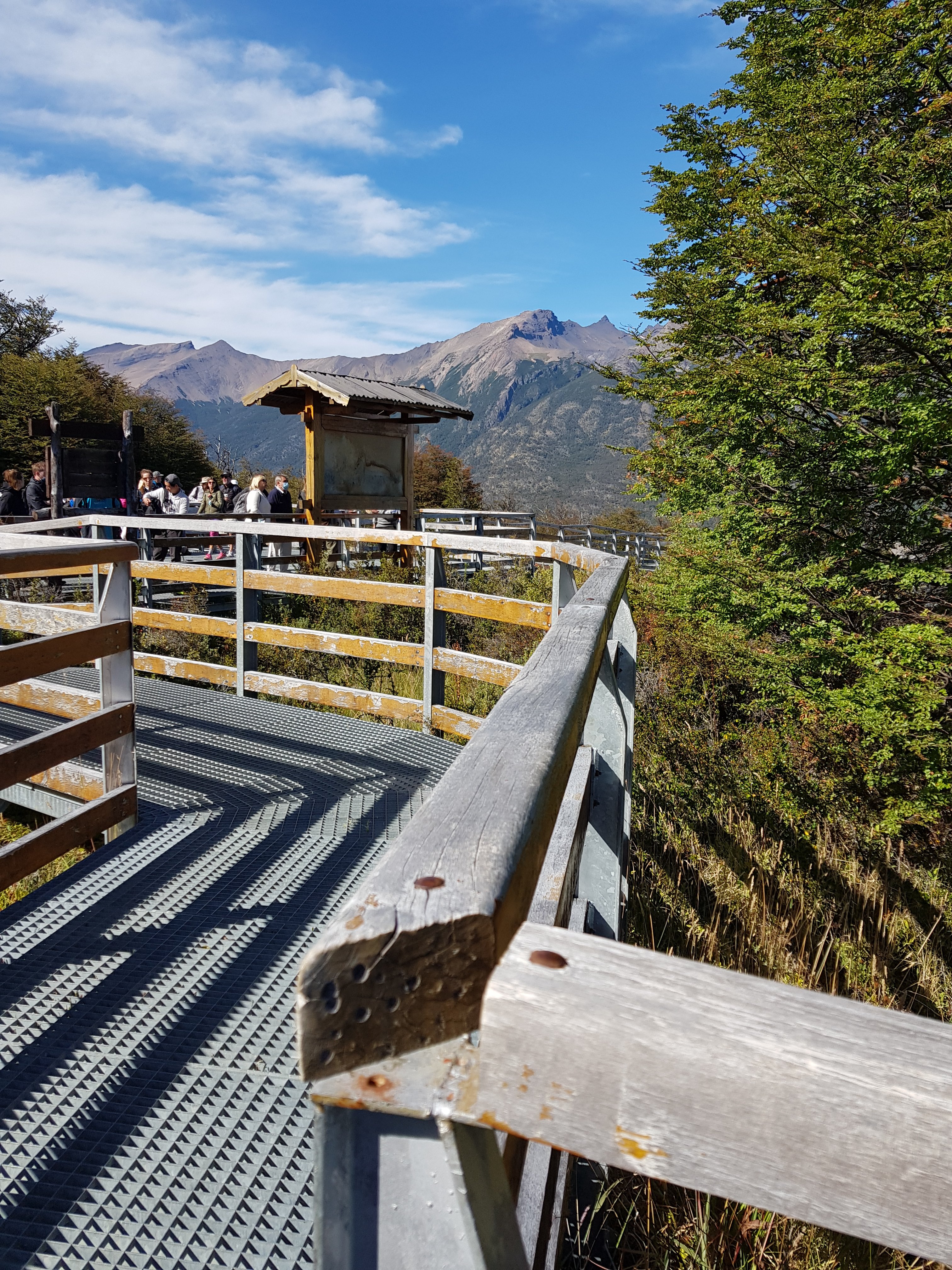
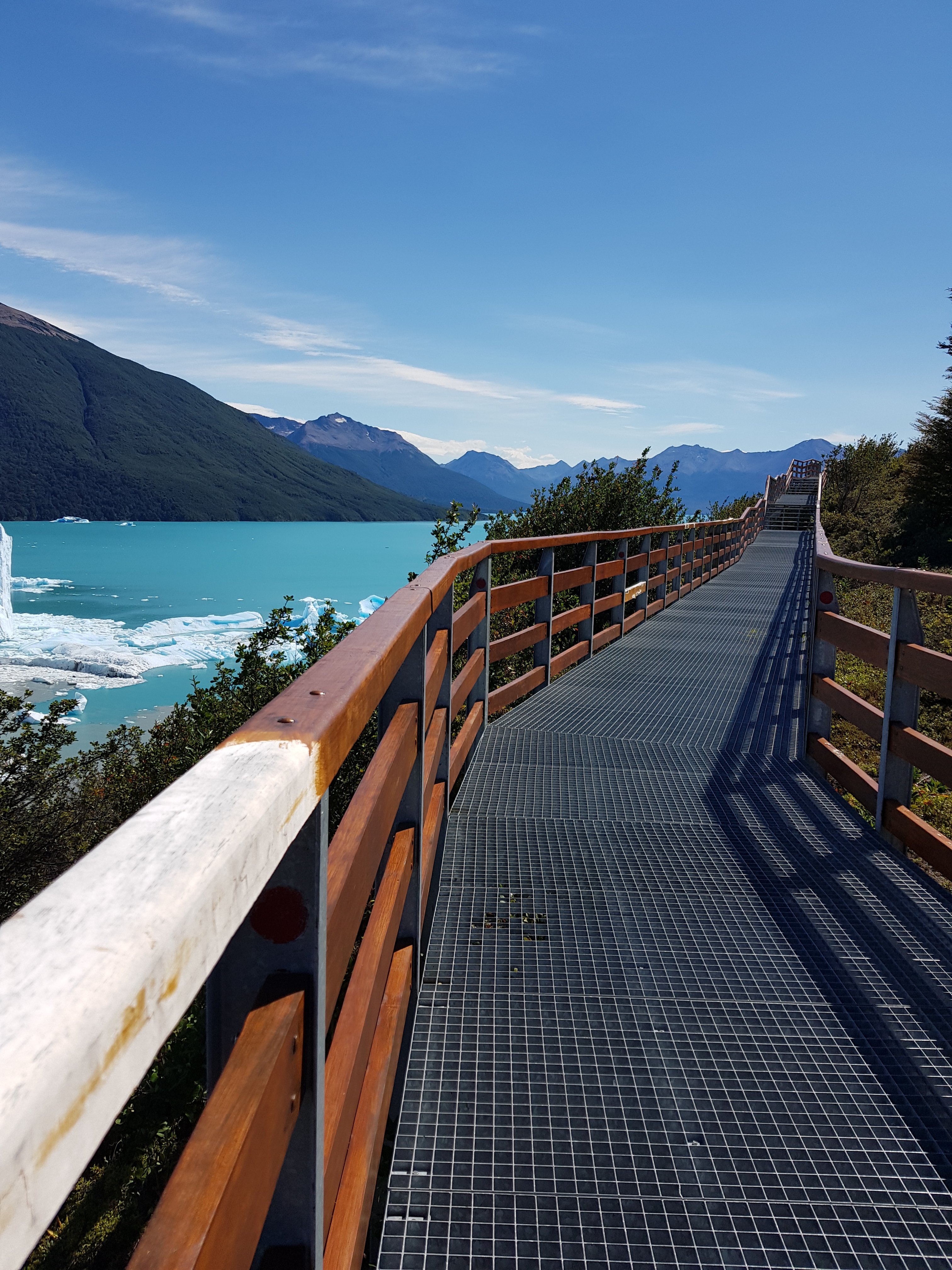
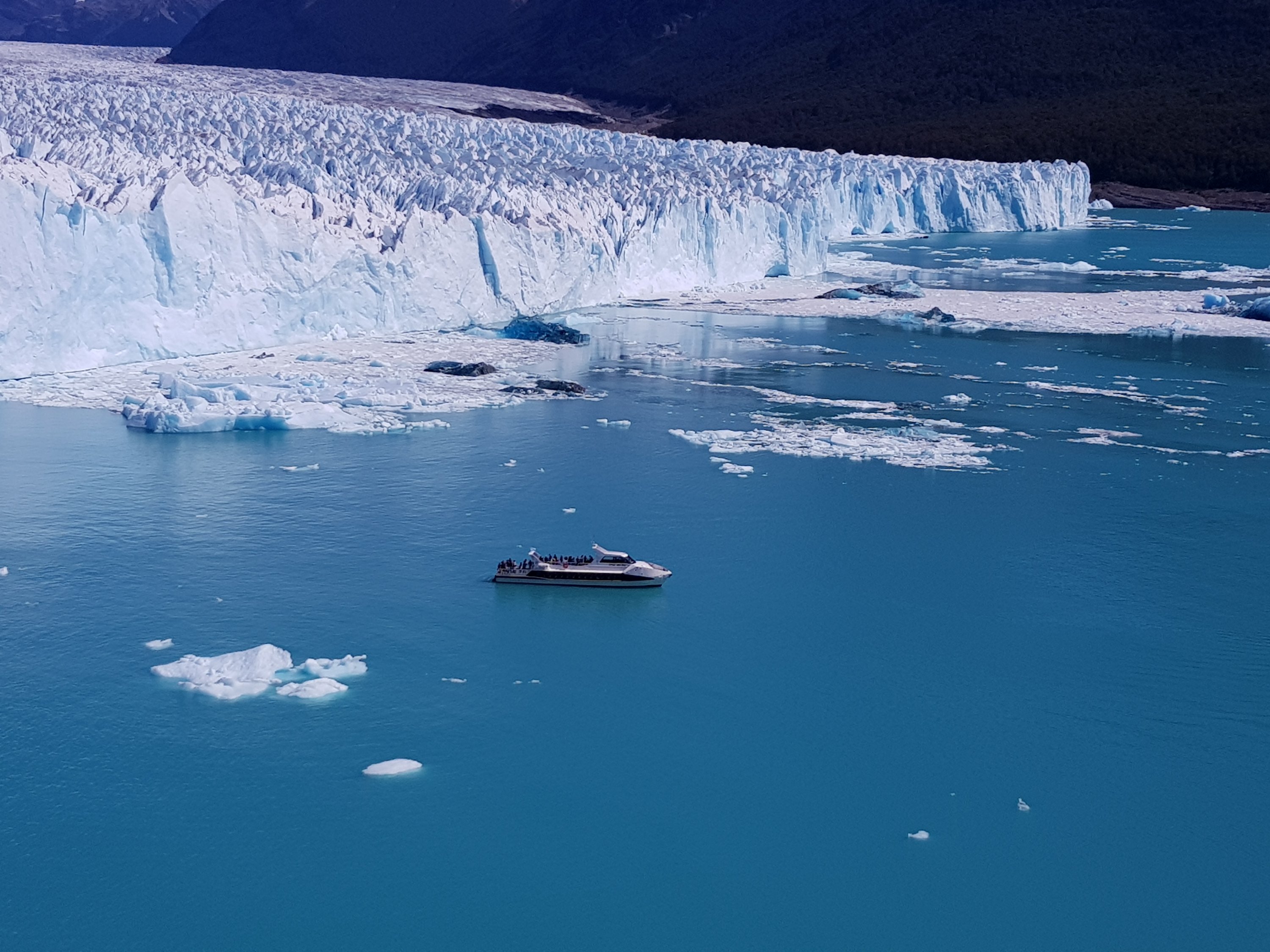
The main excursion to take from El Calafate is to see the huge Perito Moreno Glacier. You have to take a tour which costs about £35 to get to the glacier which is a few hours away. There is then a small charge for the entrance to the park. We were given four hours in the park. I was given a choice to pay extra for a one hour boat ride that takes you closer to the glacier, but I chose not to take this option, and just enjoyed the various boardwalk routes around the front of the glacier.

This huge glacier is very unique and larger than the entire city of Buenos Aires (which blew my mind)! The glacier is apparently in balance,meaning that it loses the same amount of ice each day as is returned to it, due to how the water flows around it. There are three different routes you can take around the glacier’s boardwalk, and they vary by height and length. I did all three, and found the boardwalk system to be very efficient and plentiful in relaxing balconies where you could eat your lunch and watch pieces of the glacier fall into the water below. This phenomenon was amazing. I saw not only the ice fall and splash against the lake, but also the lower layer of ice boil up to the surface and spin around in circles. Very cool.

Rio Gallegos

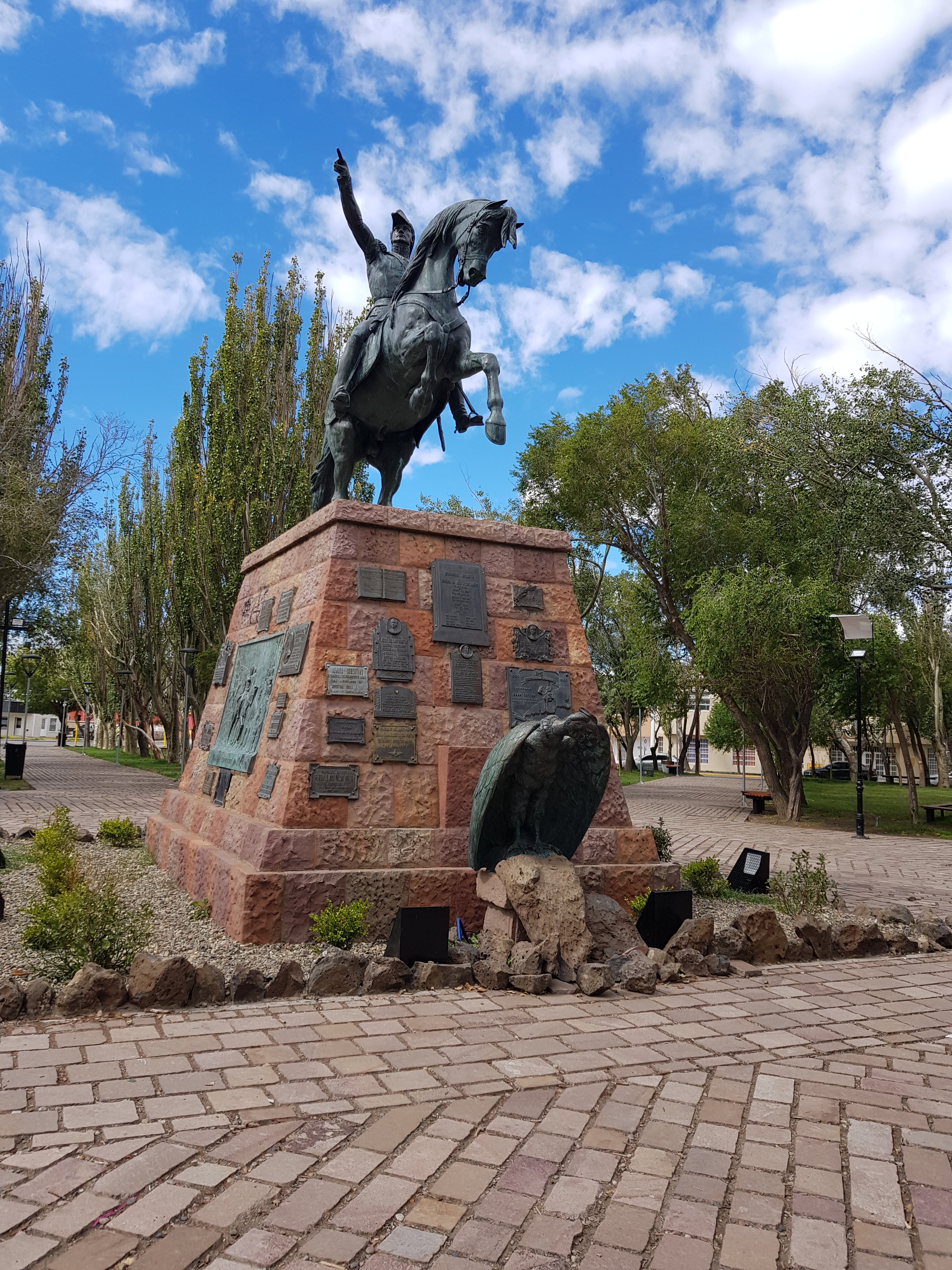
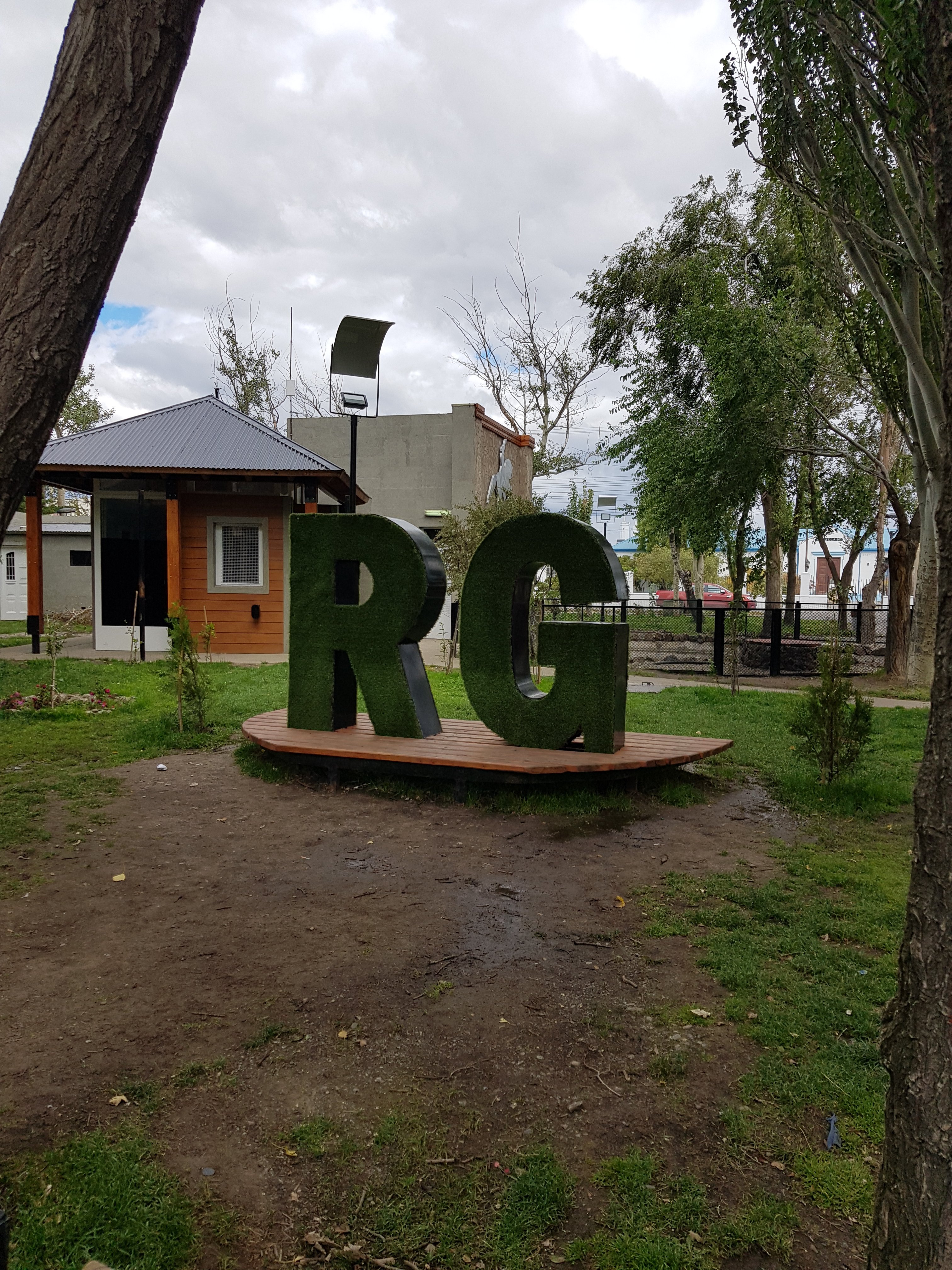
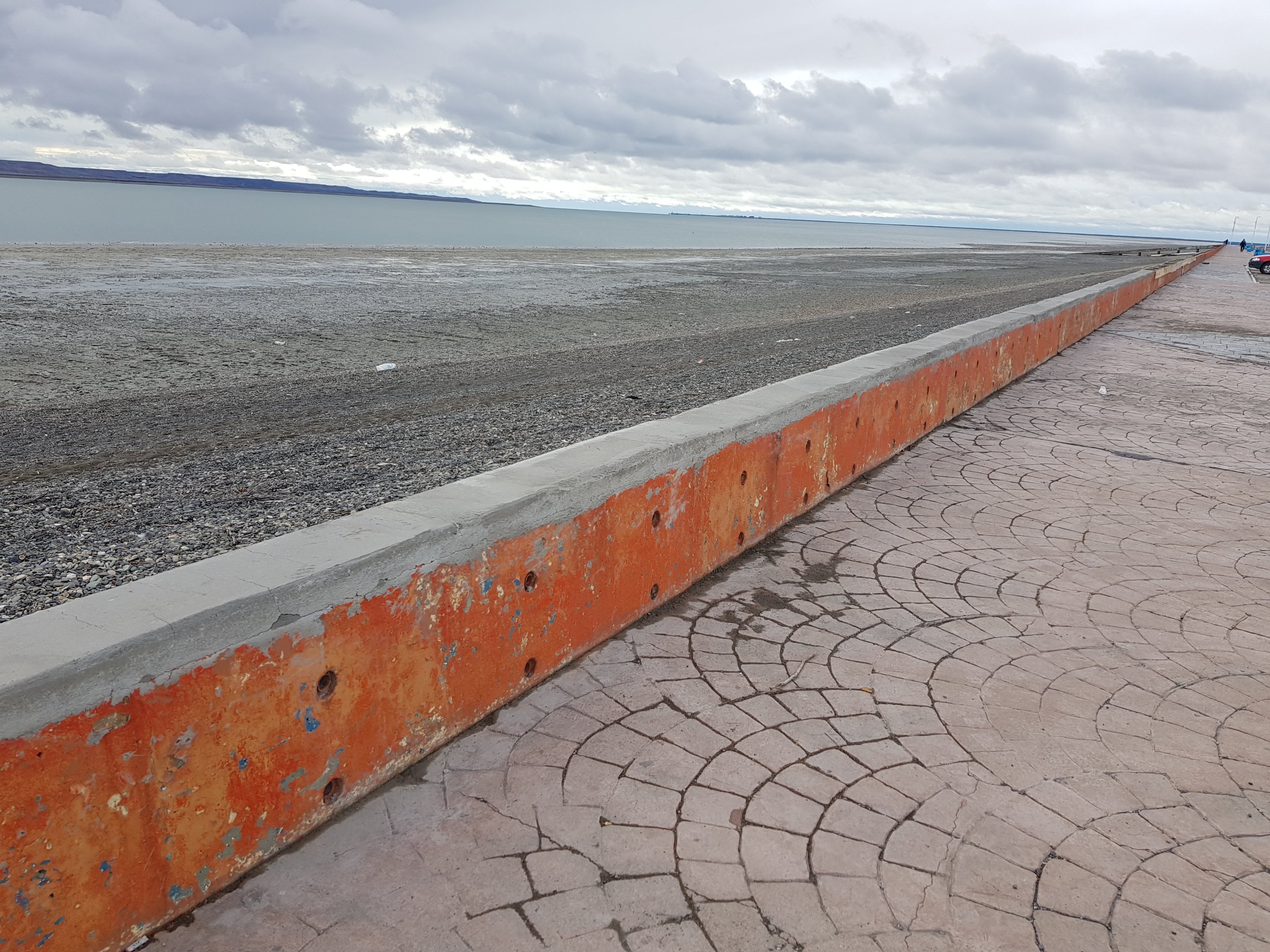
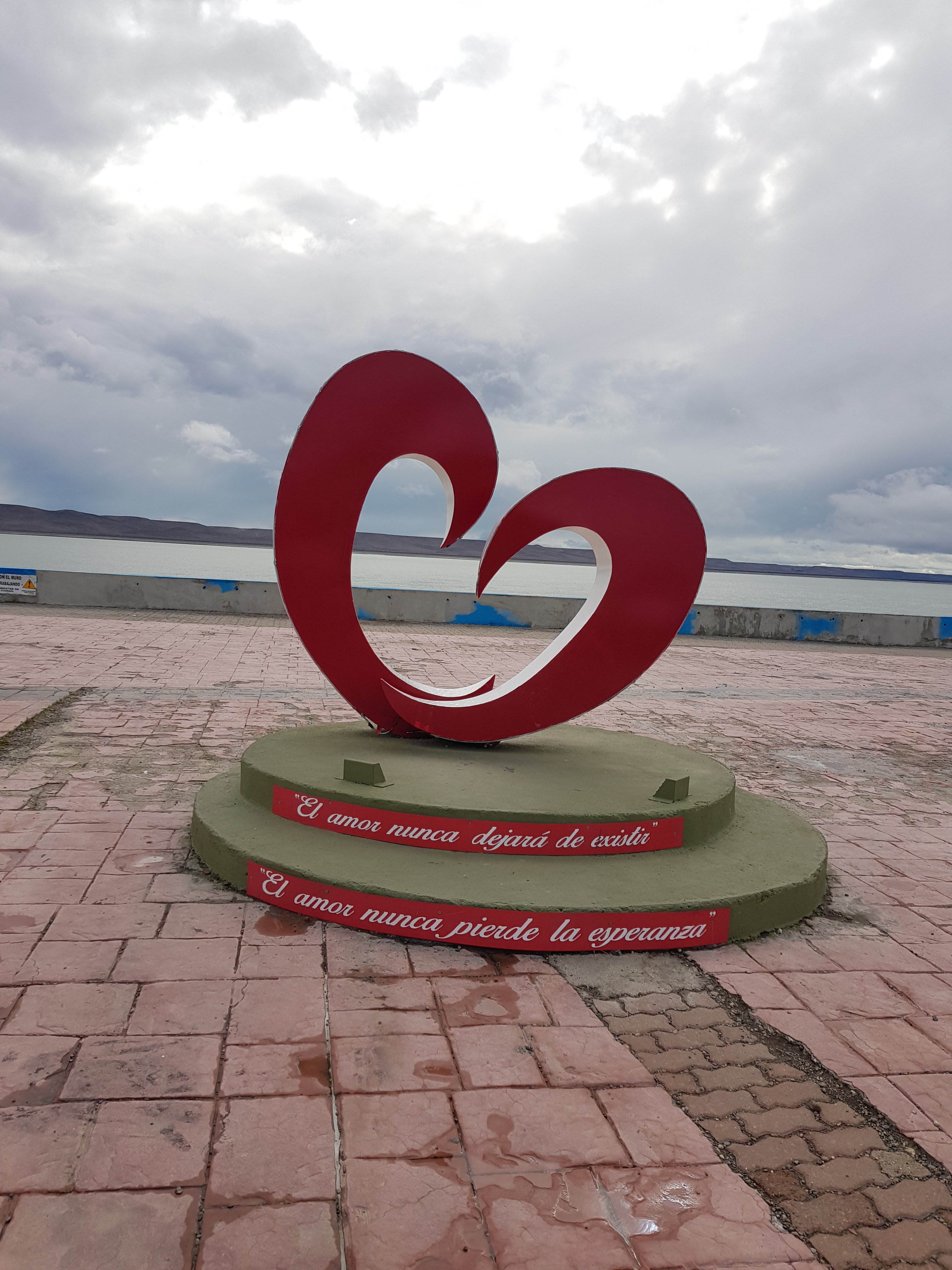
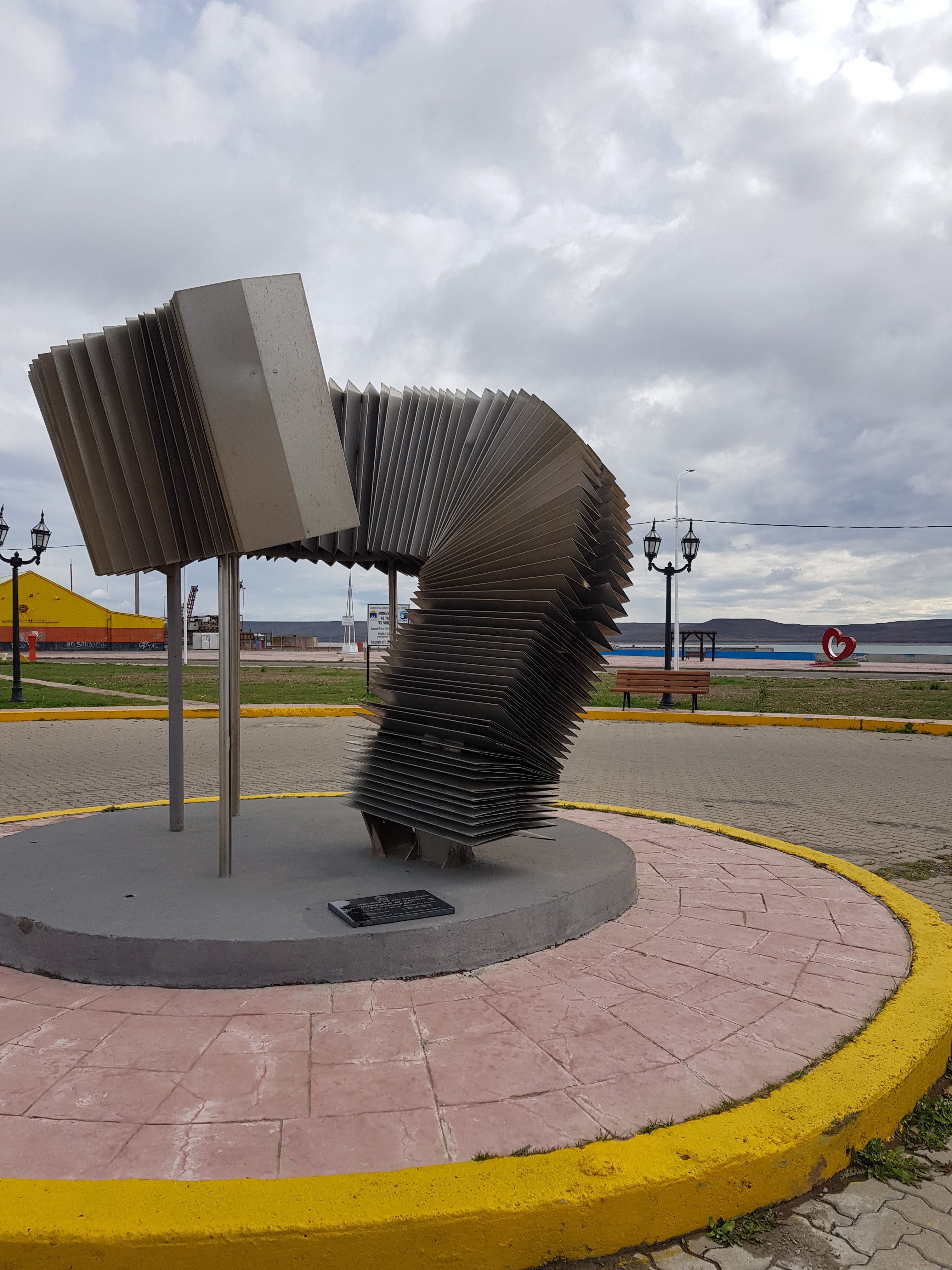
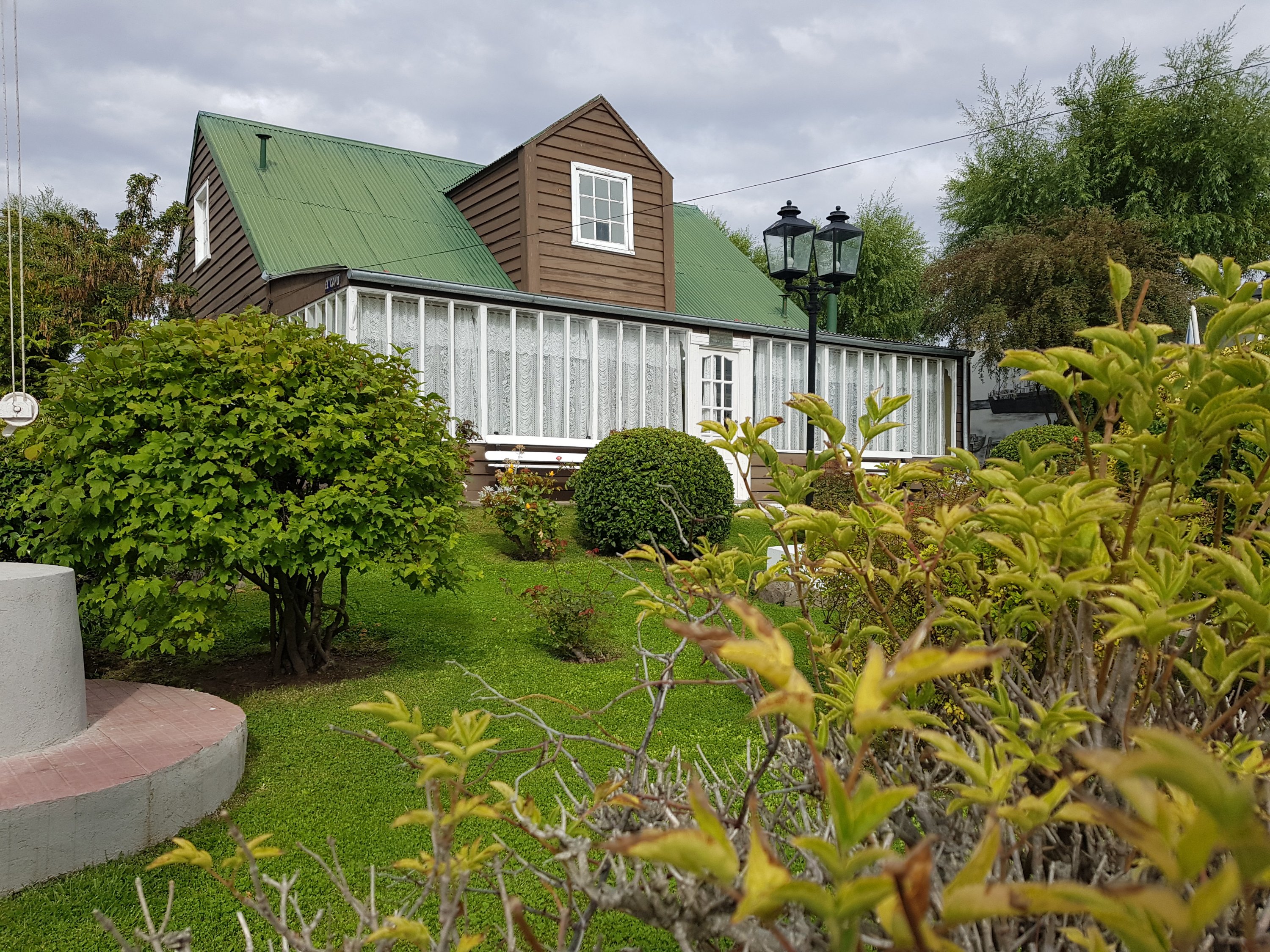
My last stop in Argentina for a while, was Rio Gallegos. I came here to the bottom of mainland Argentina, to cross the border into Chile. There is not much to see here but it is a good supply stop, and there are some sculptures along a promenade walk and a small house that you can visit as a free museum.

For now, I am off to Chile, for some more trekking and to see the other side of Patagonia, before I return to Argentina, to visit the bottom of the world…

Argentina’s Lake District

After a few days of bus journeys via Bahia Blanca and Neuquen, meeting a group of hippies and enjoying a local music festival, I finally made it to Patagonia and the Argentine Lake District. A ‘postcard perfect’ landscape.

Argentina’s Lake District sits within the Northwest of Patagonia, near the border of Chile. Patagonia is the Southern region of Argentina, world famous for its scenery, and trekking, climbing, and general adventure sport opportunities. The climate and landscape varies throughout the region and within the lake district are obviously several lakes and rivers dotted around the Andes mountains.

I visited three spots within the lake district, as these were major points on the coach route. They were: San Martin de los Andes, San Carlos de Bariloche, and El Bolson. I stayed in each for 1-2 nights.

San Martin de Los Andes

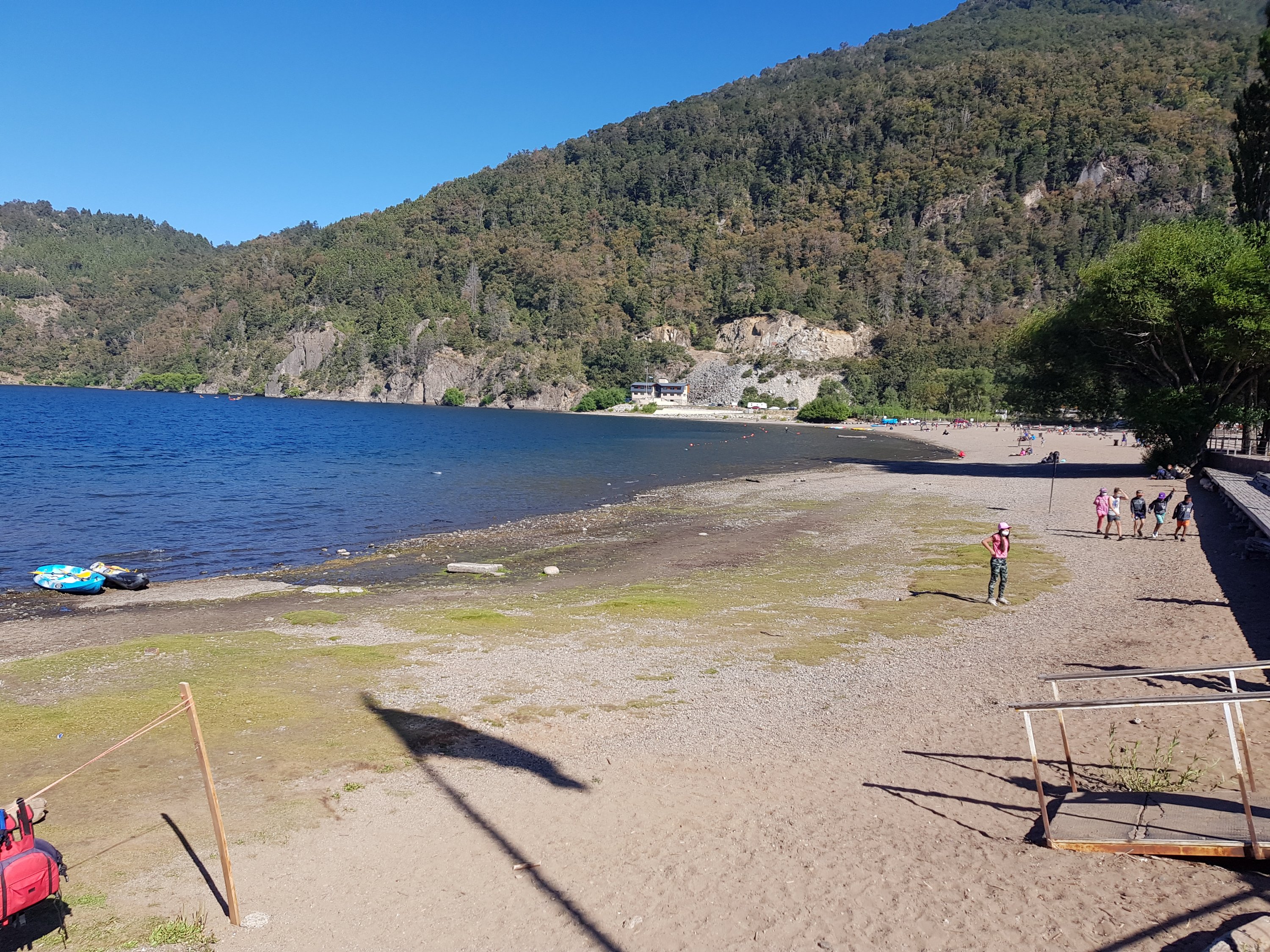
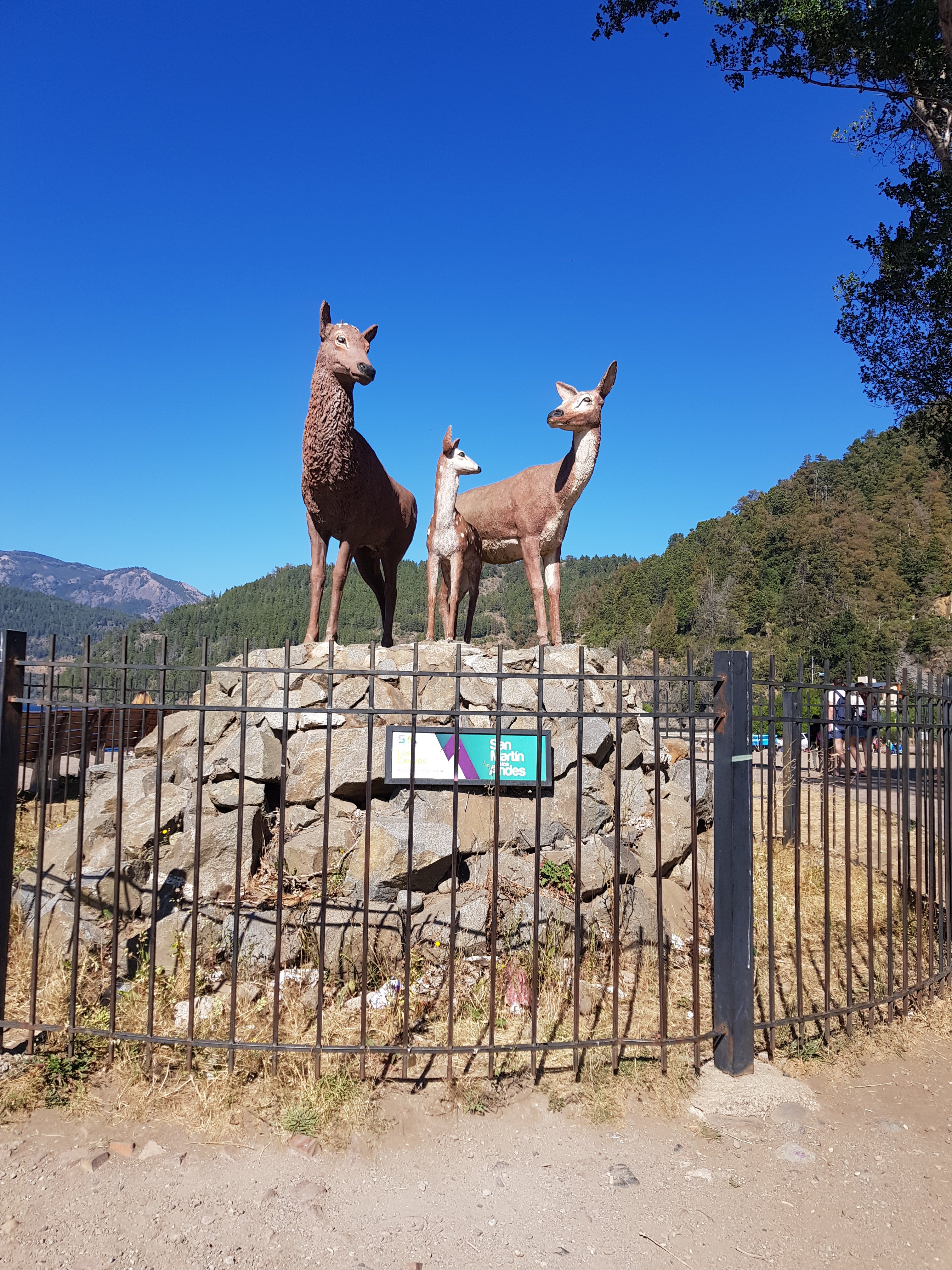
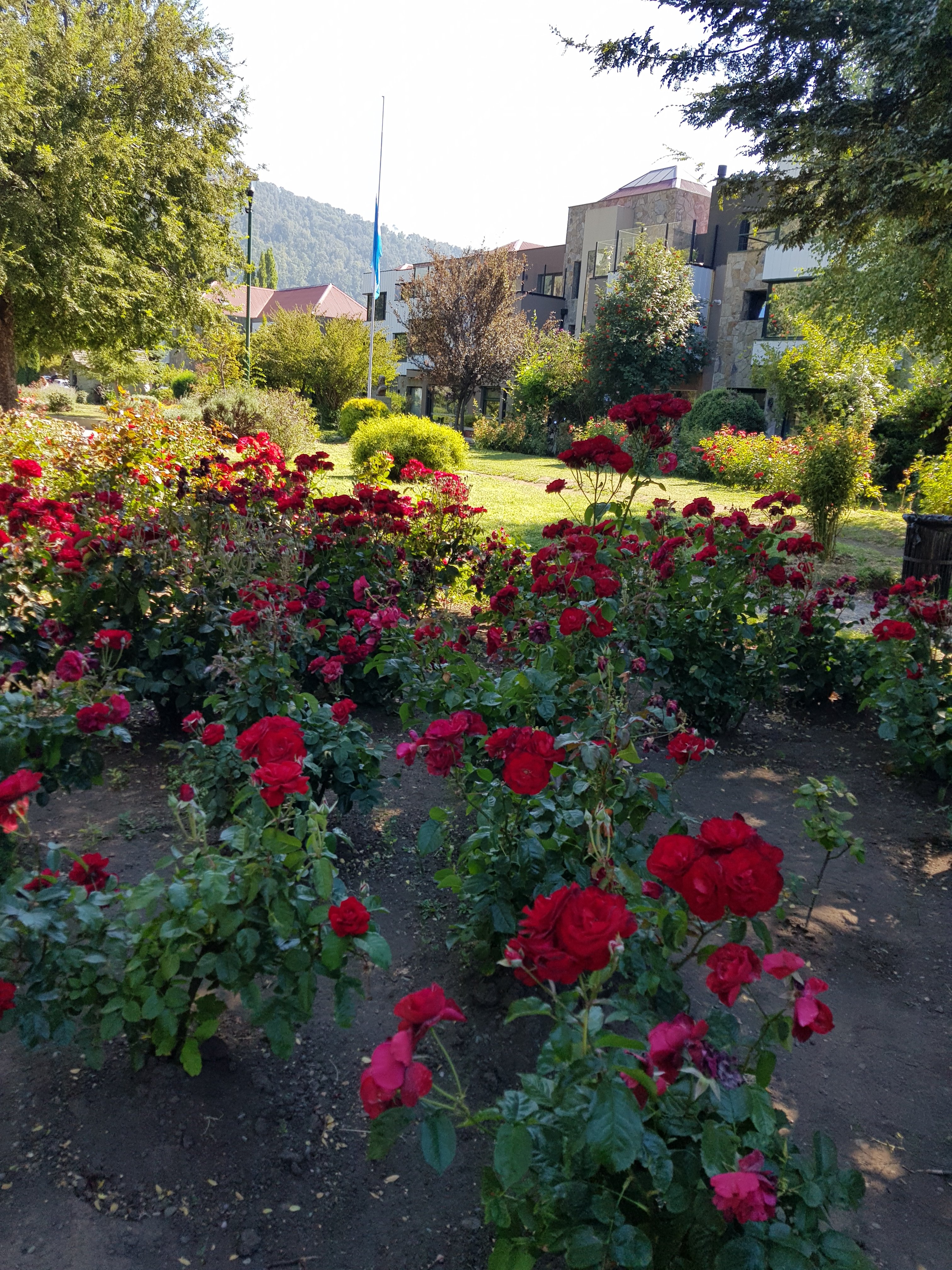
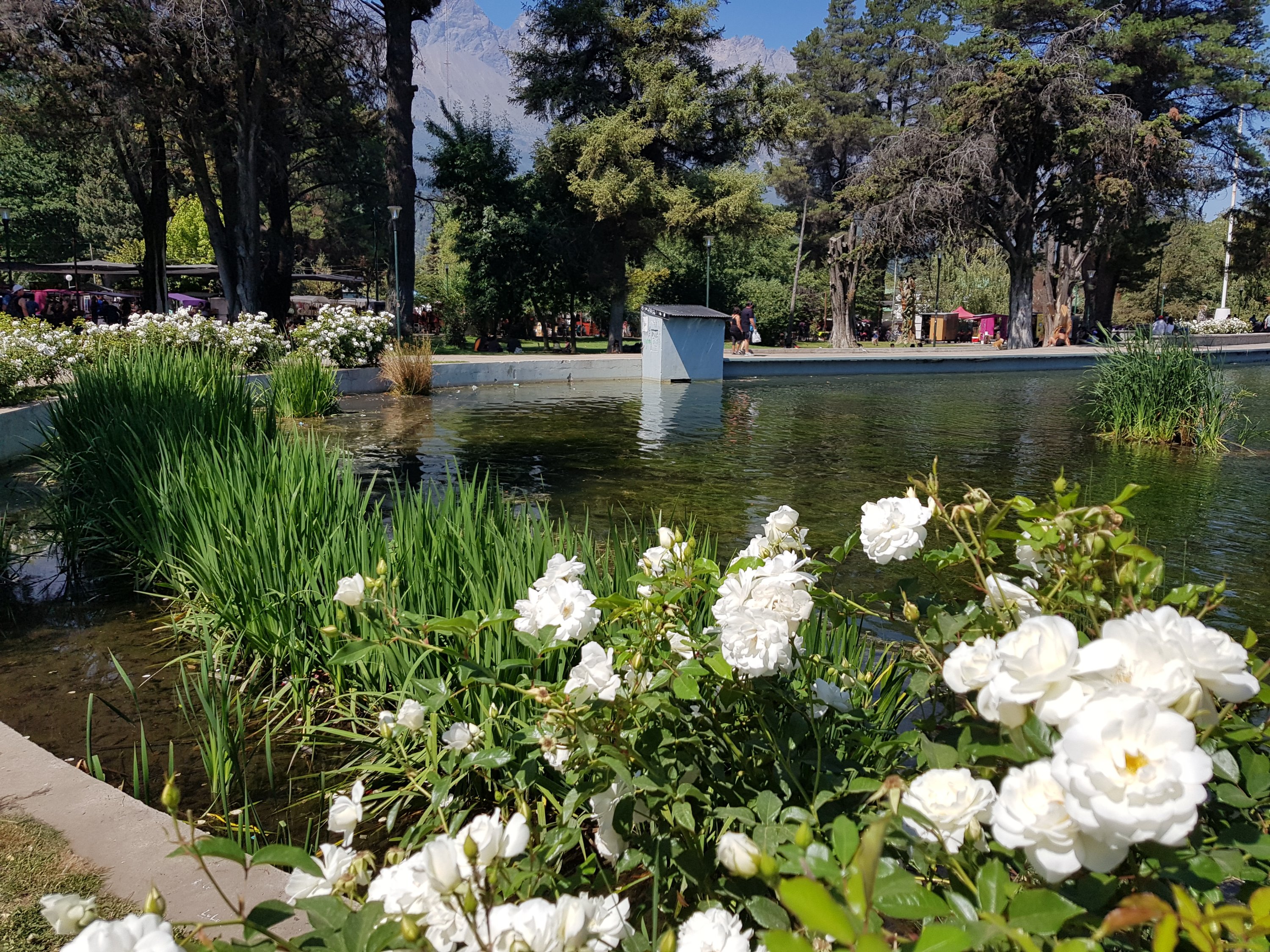
San Martin de Los Andes sits in the Lanin National Park, named after the local volcano. It is the gateway town to Patagonia for many people, and it is very touristy as a result. It is full of cabin style buildings that make you feel that you have somehow arrived in the Swiss Alps. The town is small but has plenty of bars and restaurants, a few rose gardens to sit in, and San Martin sits on a huge lake named Lacar. You can enjoy swimming in the lake or take a boat out to different places along the shoreline.

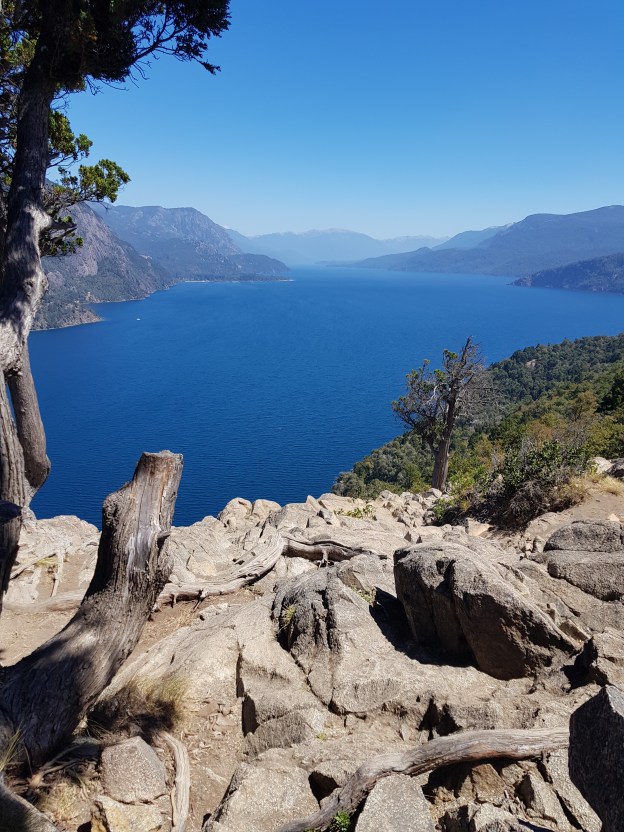
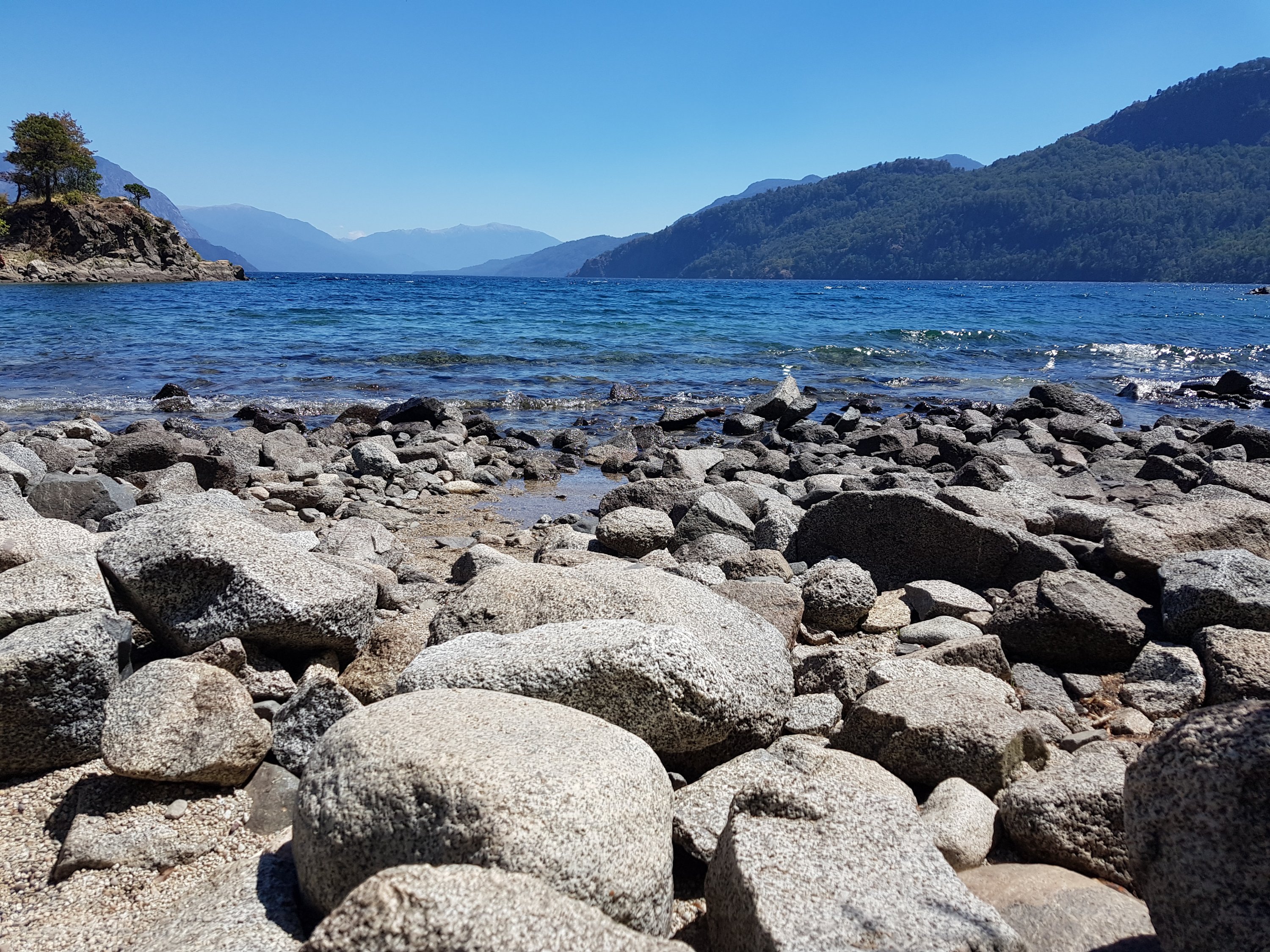
I decided to do a short hike of about 10km (about 3 hours) to a viewpoint and then onto a small beach with a little island. I enjoyed a swim here and basked in the sun, although the beach is very rocky, crocs are advised! I looked like a fool sliding around on the rocks. The water was really lovely and clear though, and everyone was respectful of the environment.

San Carlos de Bariloche

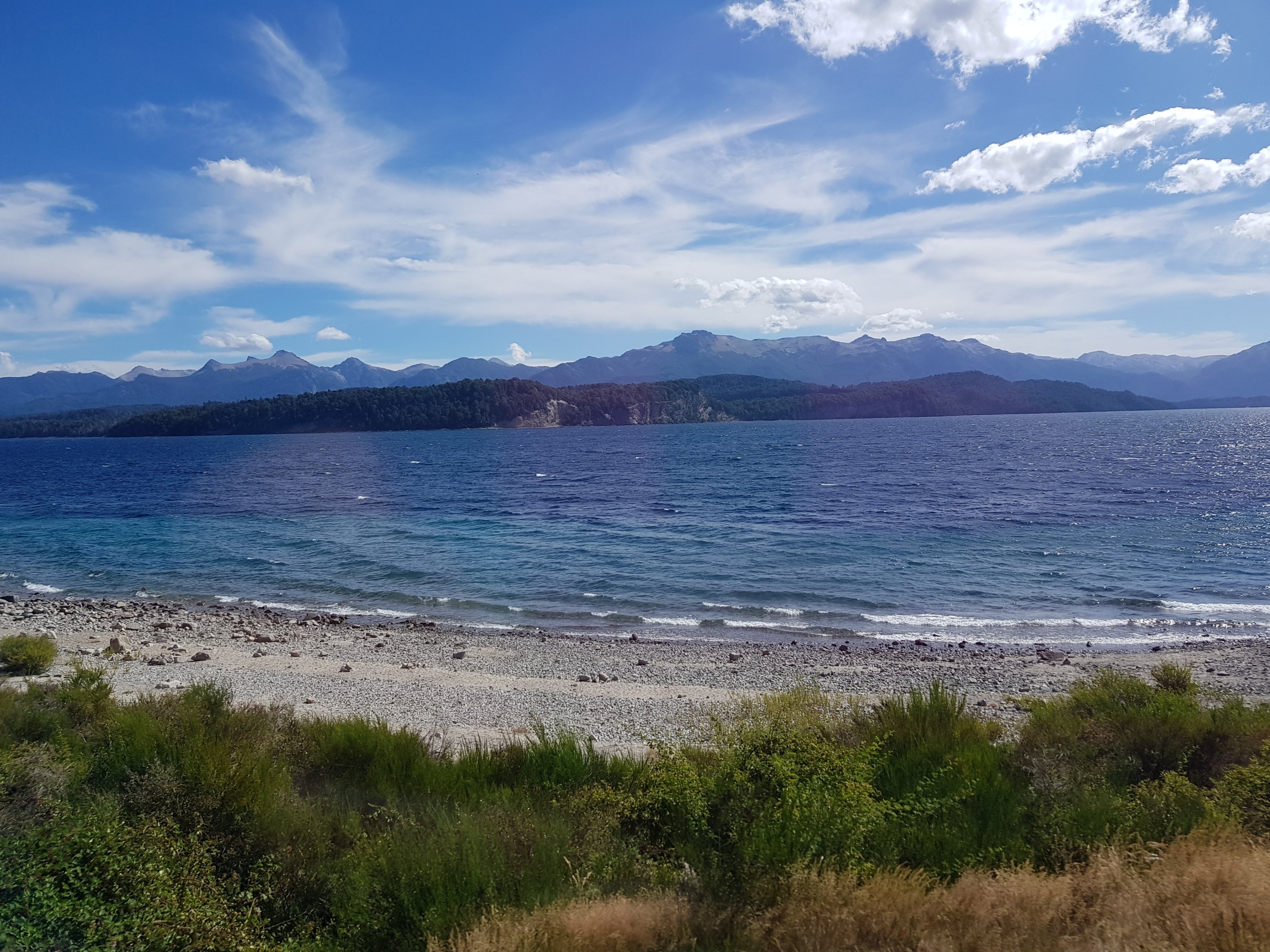
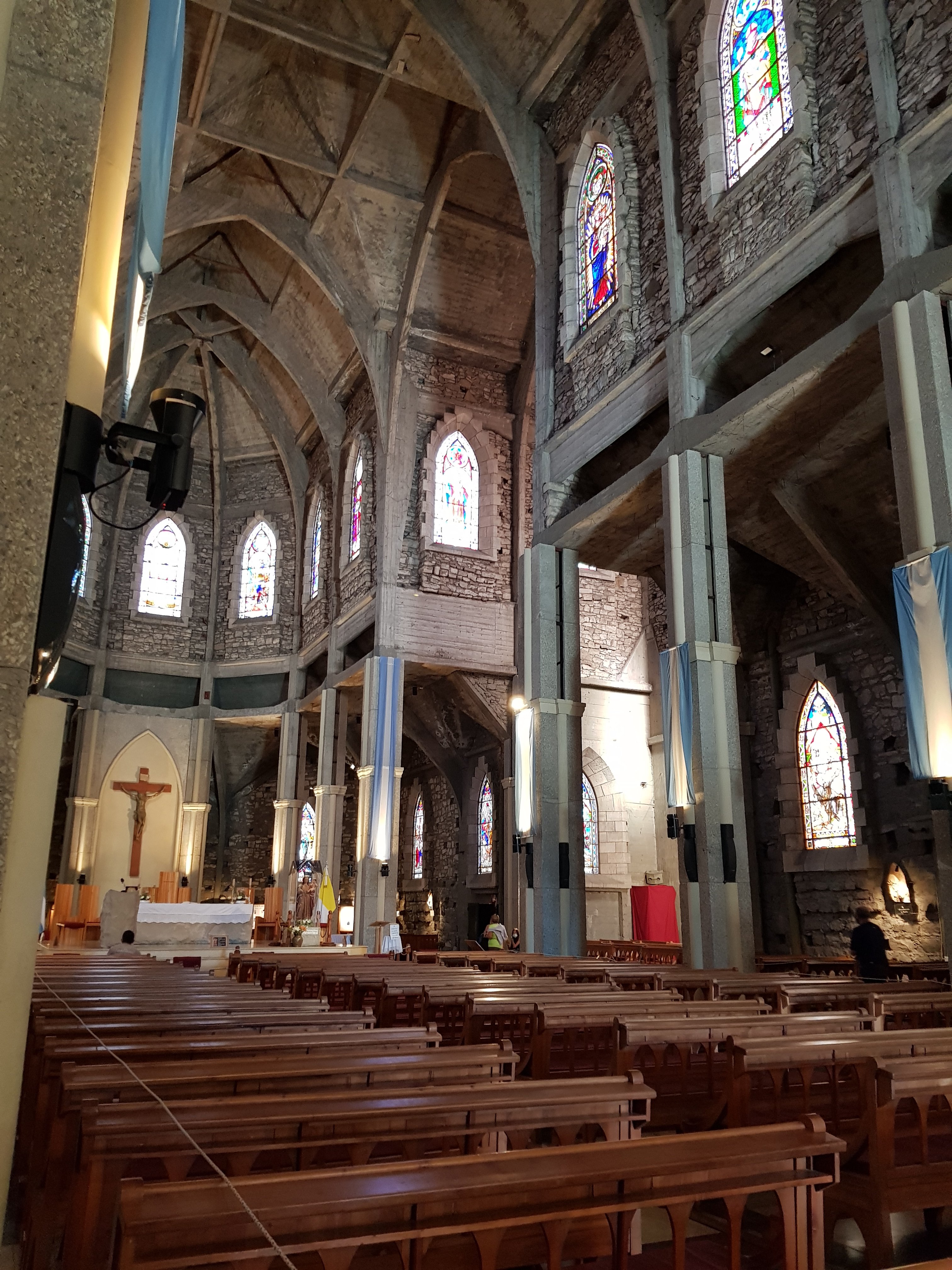
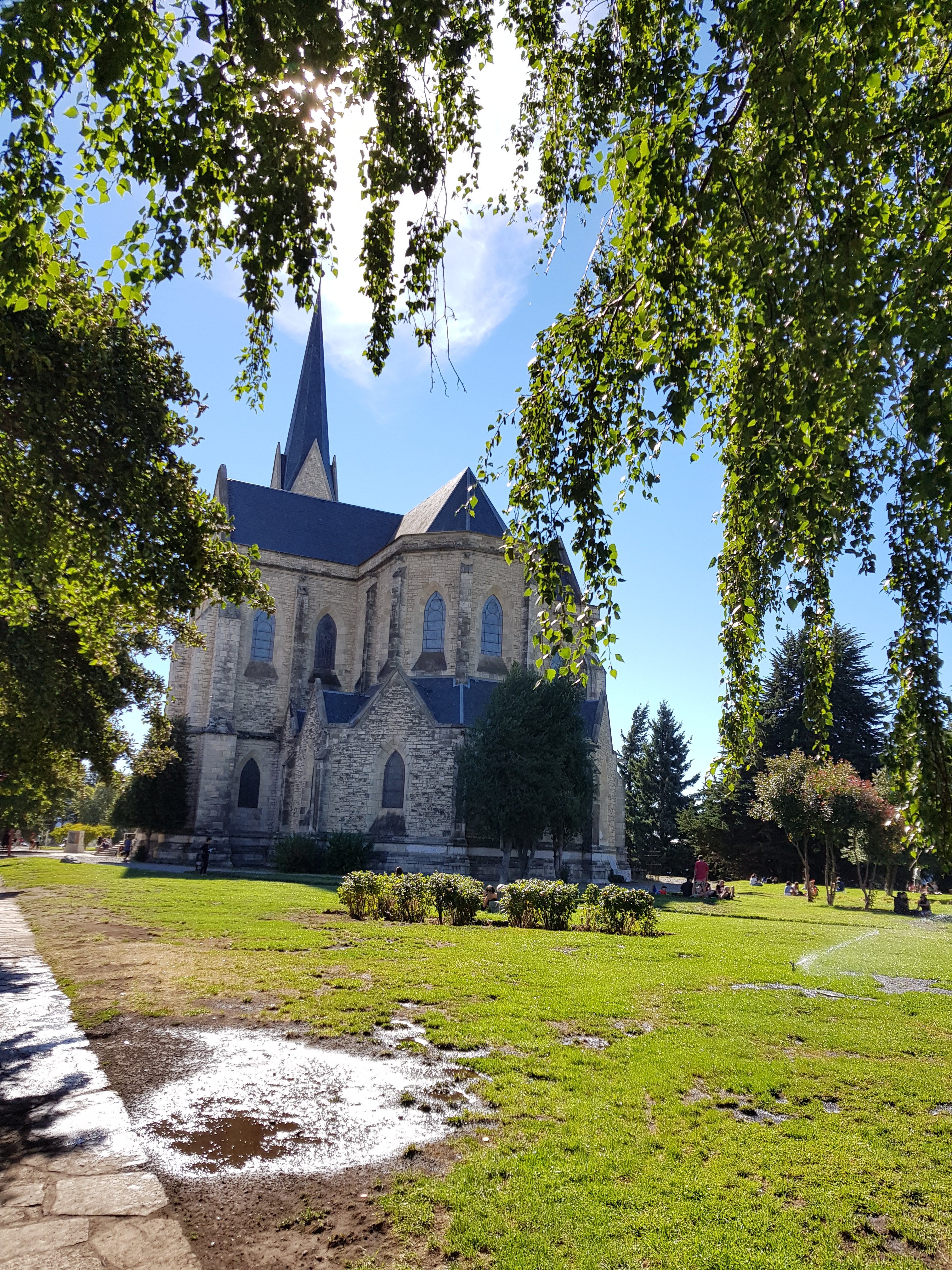
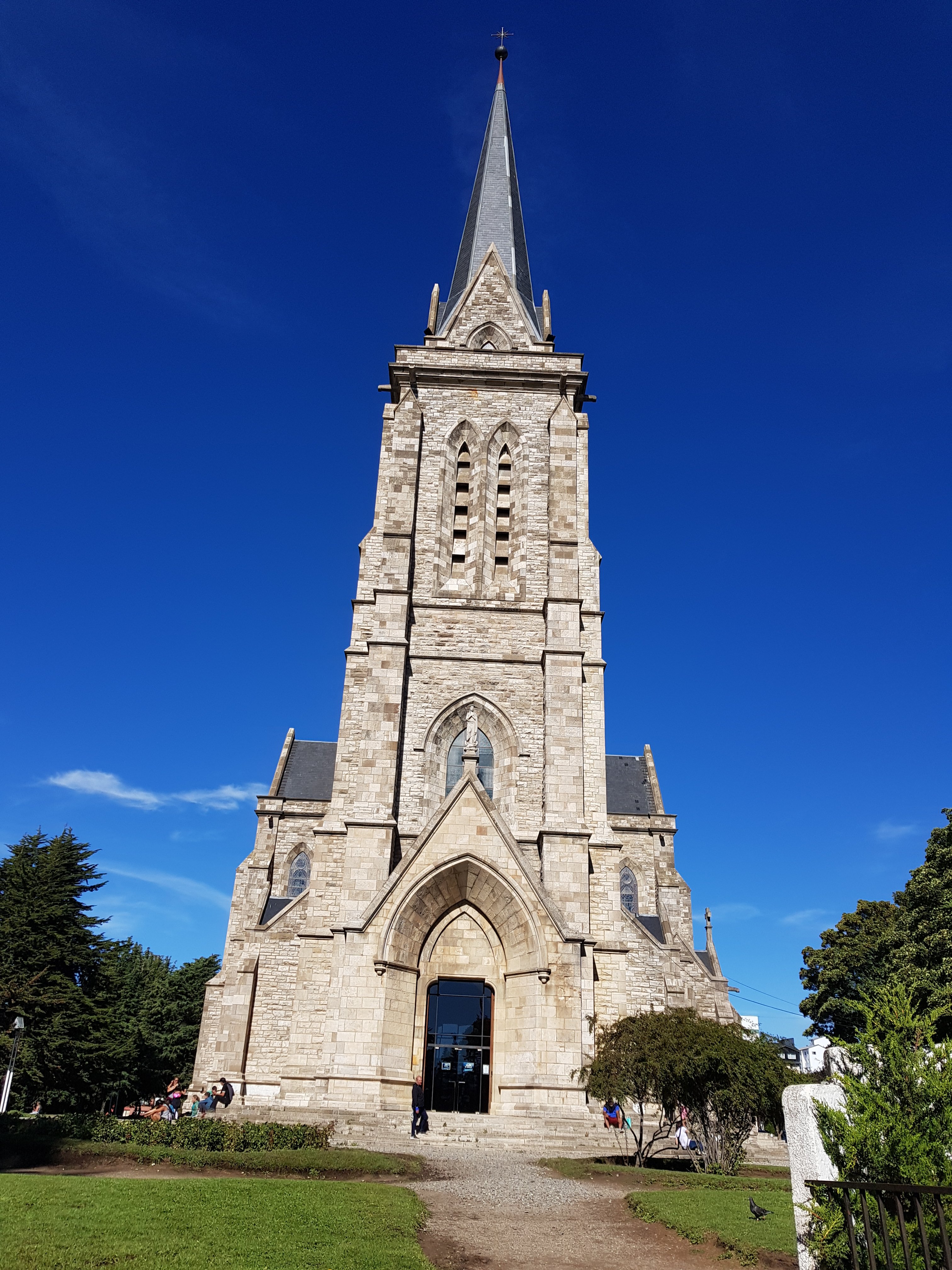
Bariloche is a working city that is less tourist heavy, but it’s scenery is absolutely postcard perfect. The town is surrounded by a huge lake and endless mountain scenes. There are not many attractions in the town, and I really just used this for a rest day and to save a little money by cooking from the supermarket. I did manage to visit the local cathedral though. This was a very pleasant building with lots of stonework. You can also walk right up to the lake and sit on the stony beach if you want to.

El Bolson

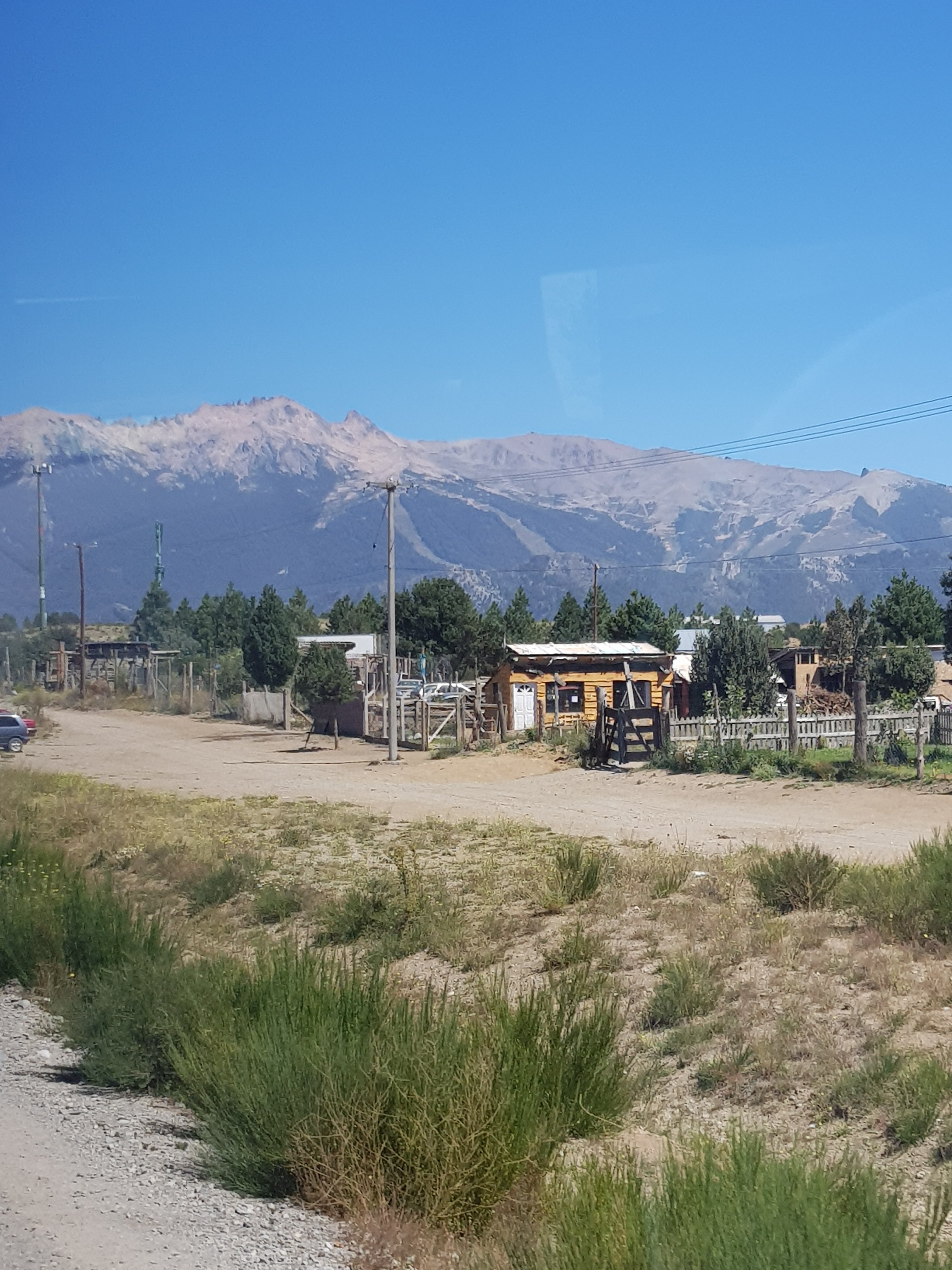
On the bus to my third stop in this region, El Bolson, I continued to travel along the famous route 40. This very long highway, connects all of these beautiful locations from the North to South of the country. It has now become well known for its gorgeous scenery, and thankfully, the buses use this road too!

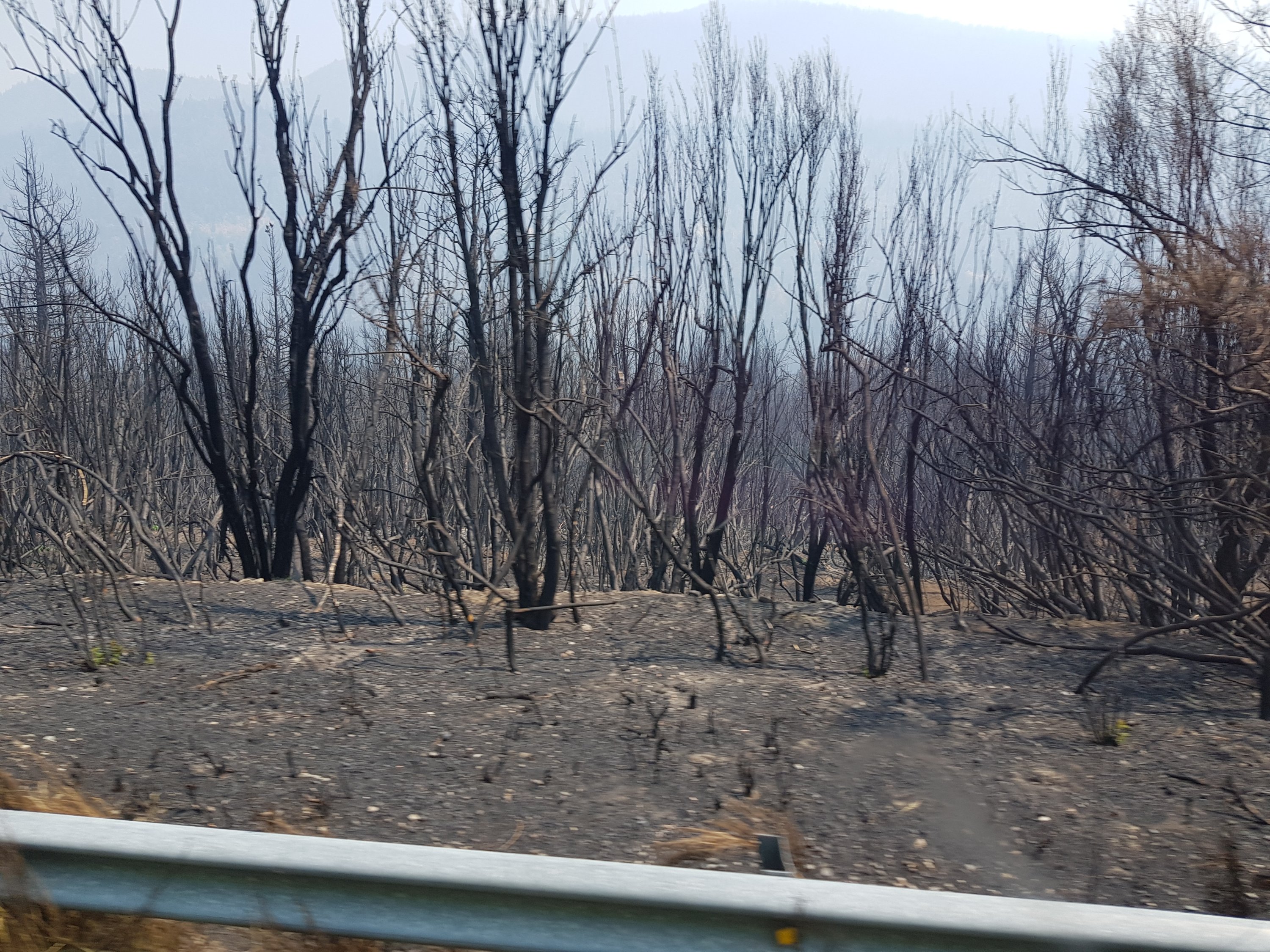
Along the way, I saw the damage of the forest fires in the national park the day before. This was quite shocking to see, It seems that it is a common occurrence here though. It created a foggy atmosphere among the mountain scenes.

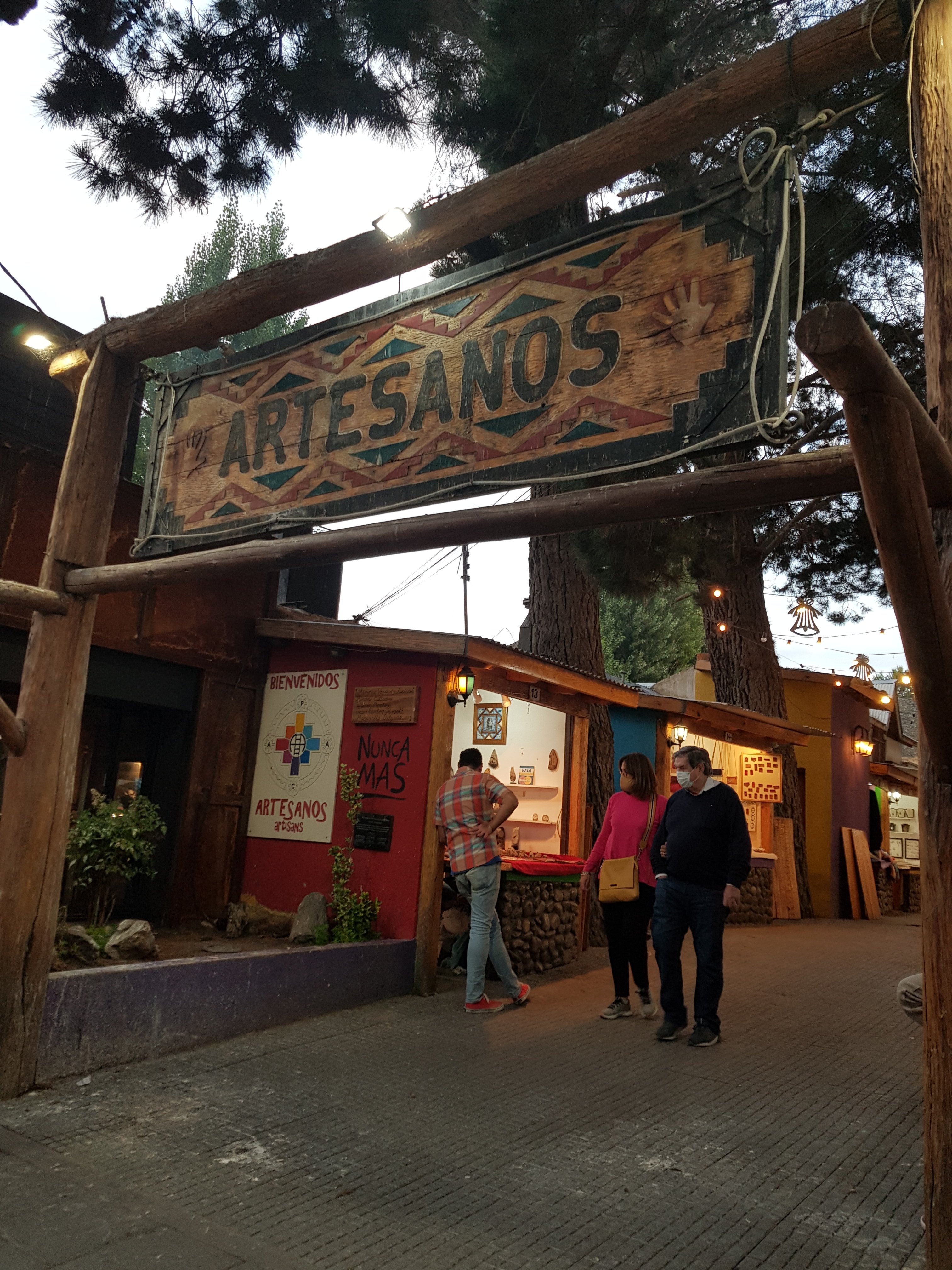
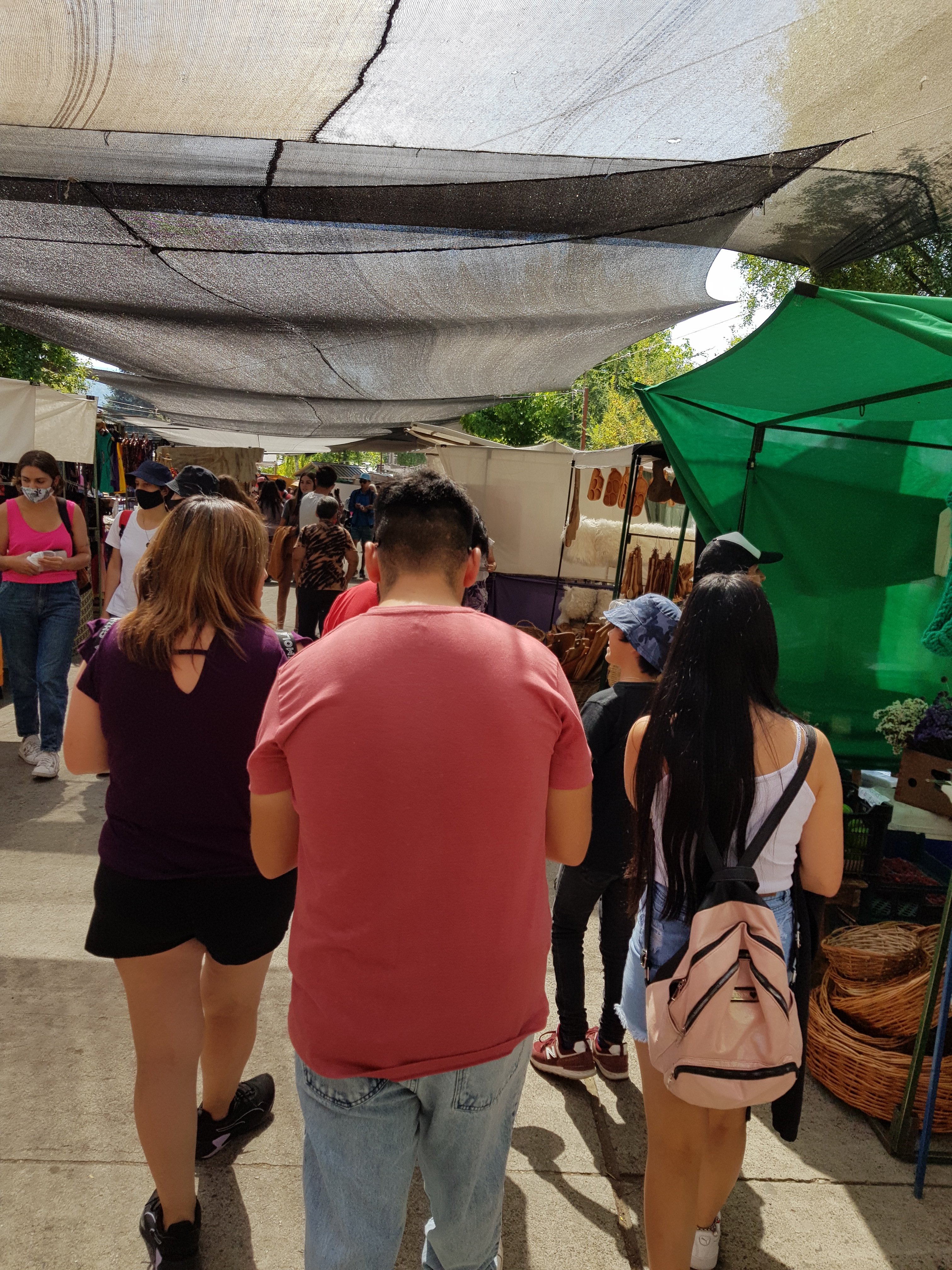
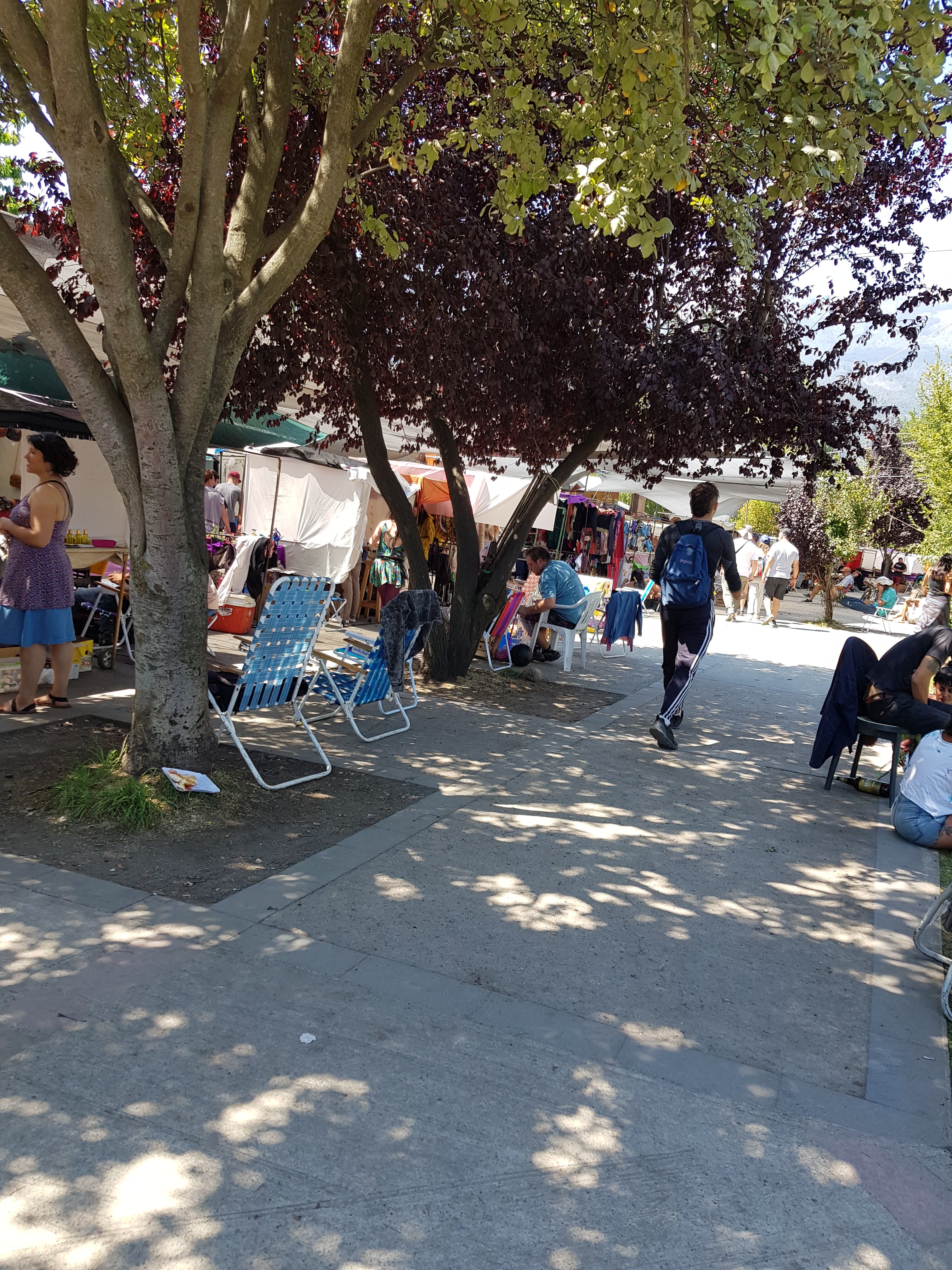
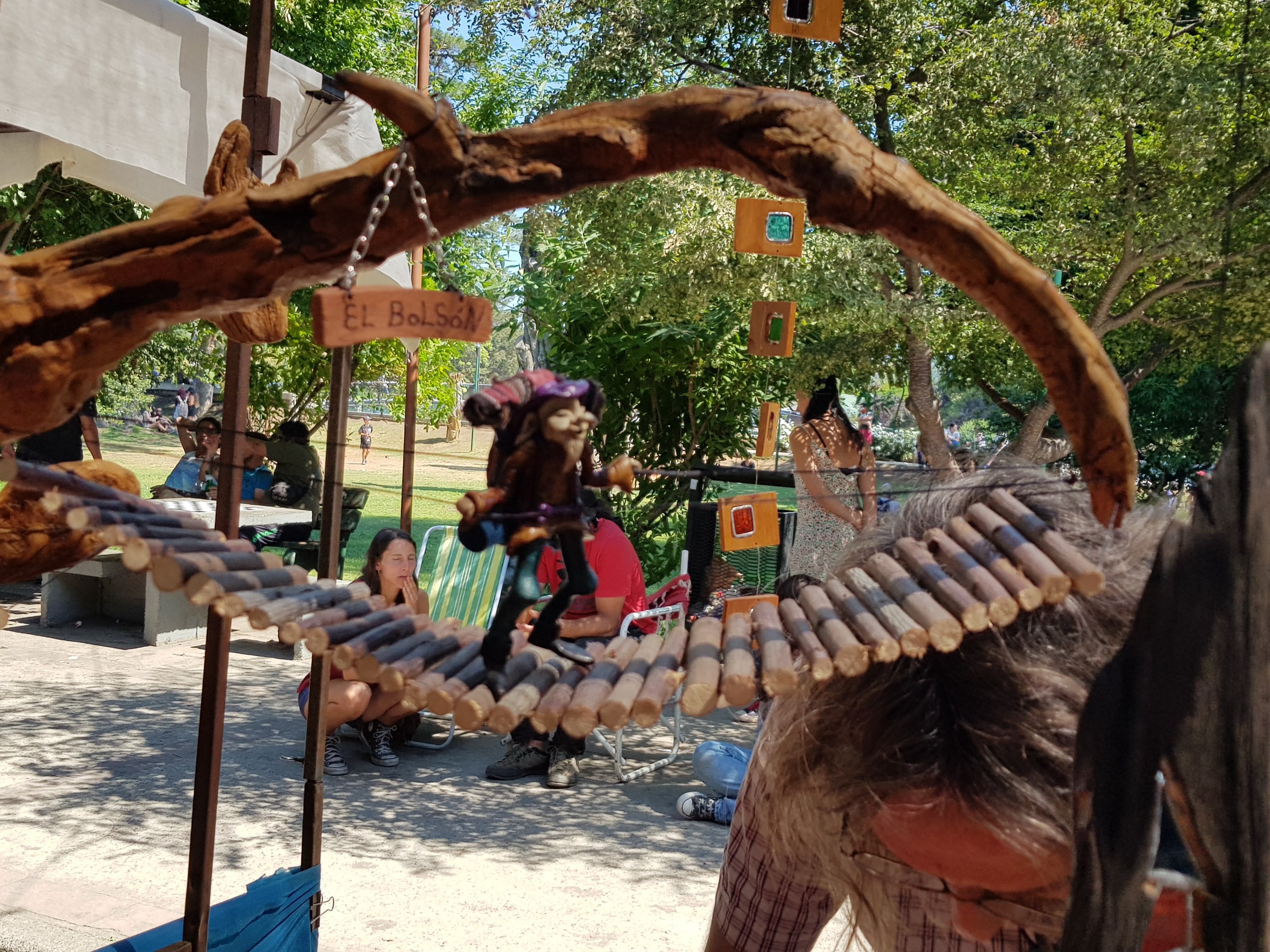
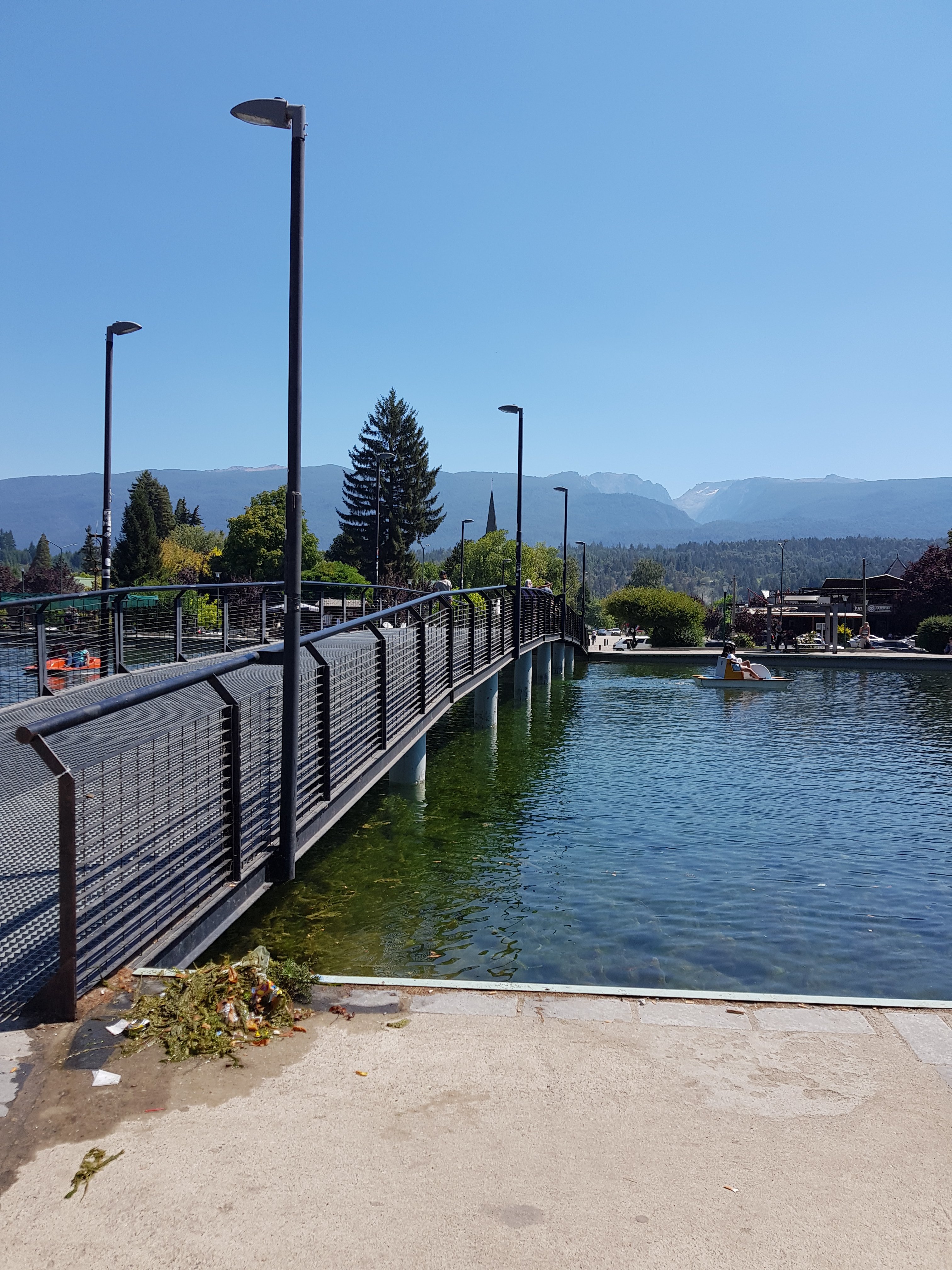
On arrival to El Bolson, I stumbled upon a huge feria (market/fair) with lots of artisan stalls and food vendors, besides a lovely river scene where people were enjoying pedal boats.

I think El Bolson is my favourite stop of the three, as it had a lovely mix of authenticity and fun for tourists. It was clean, and had lots of facilities. A lot of people that stop here do the 1-2 day hike to Cerro Piltriquitrón but I only had a day here and so not enough time. If I could do it again I would stay up to 4 days here. I did manage to make use of some other nearby hikes though.

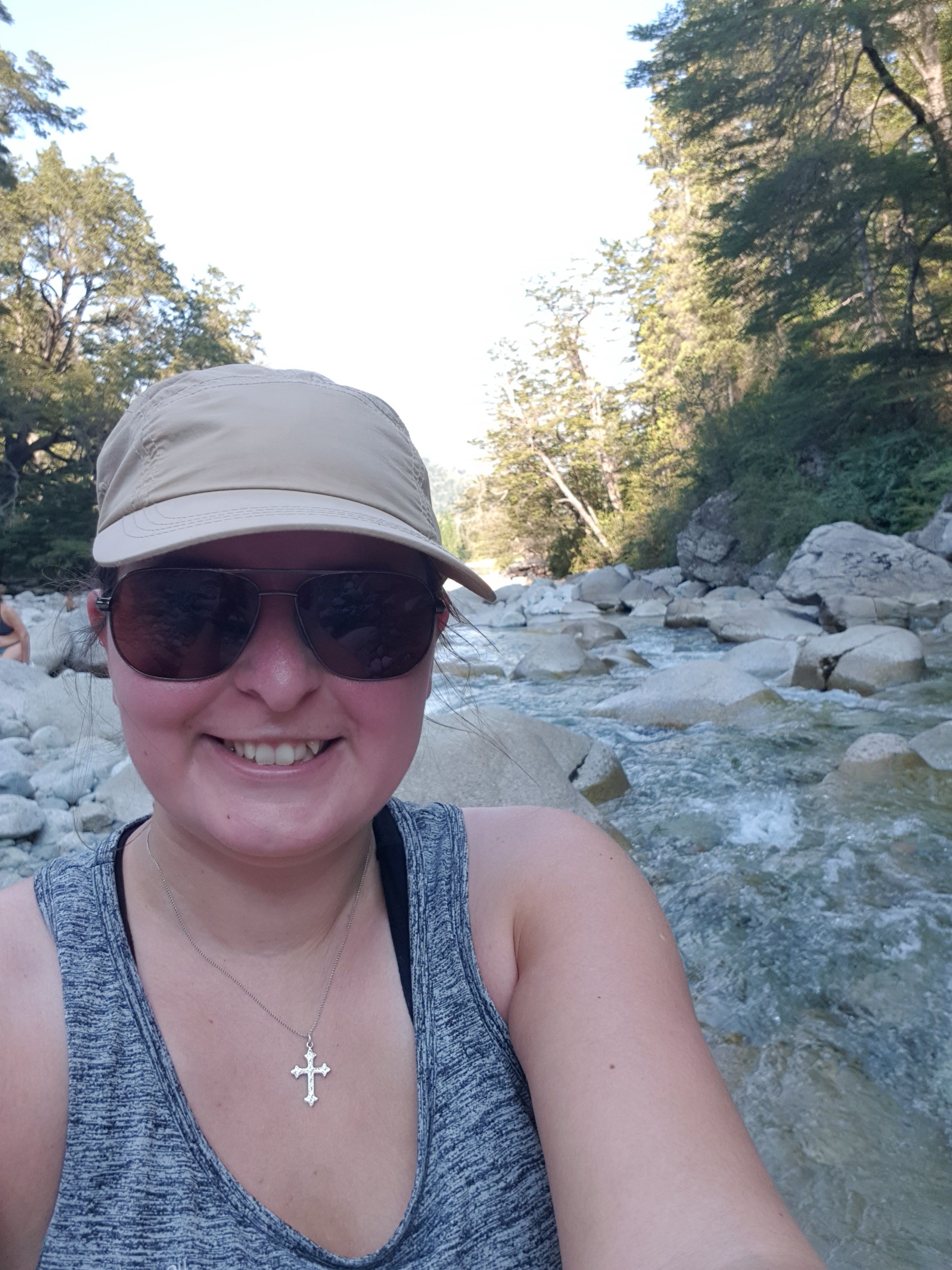
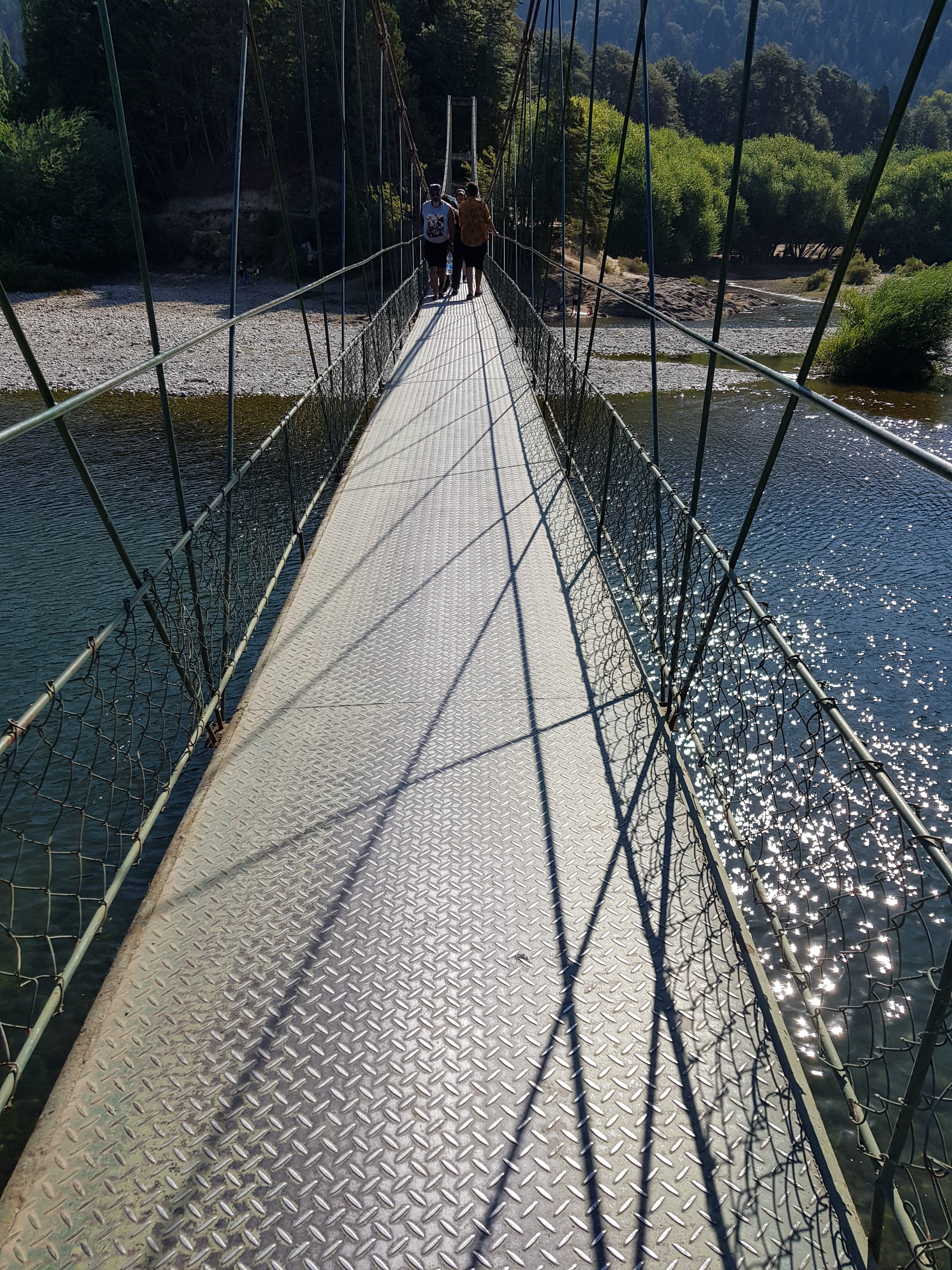
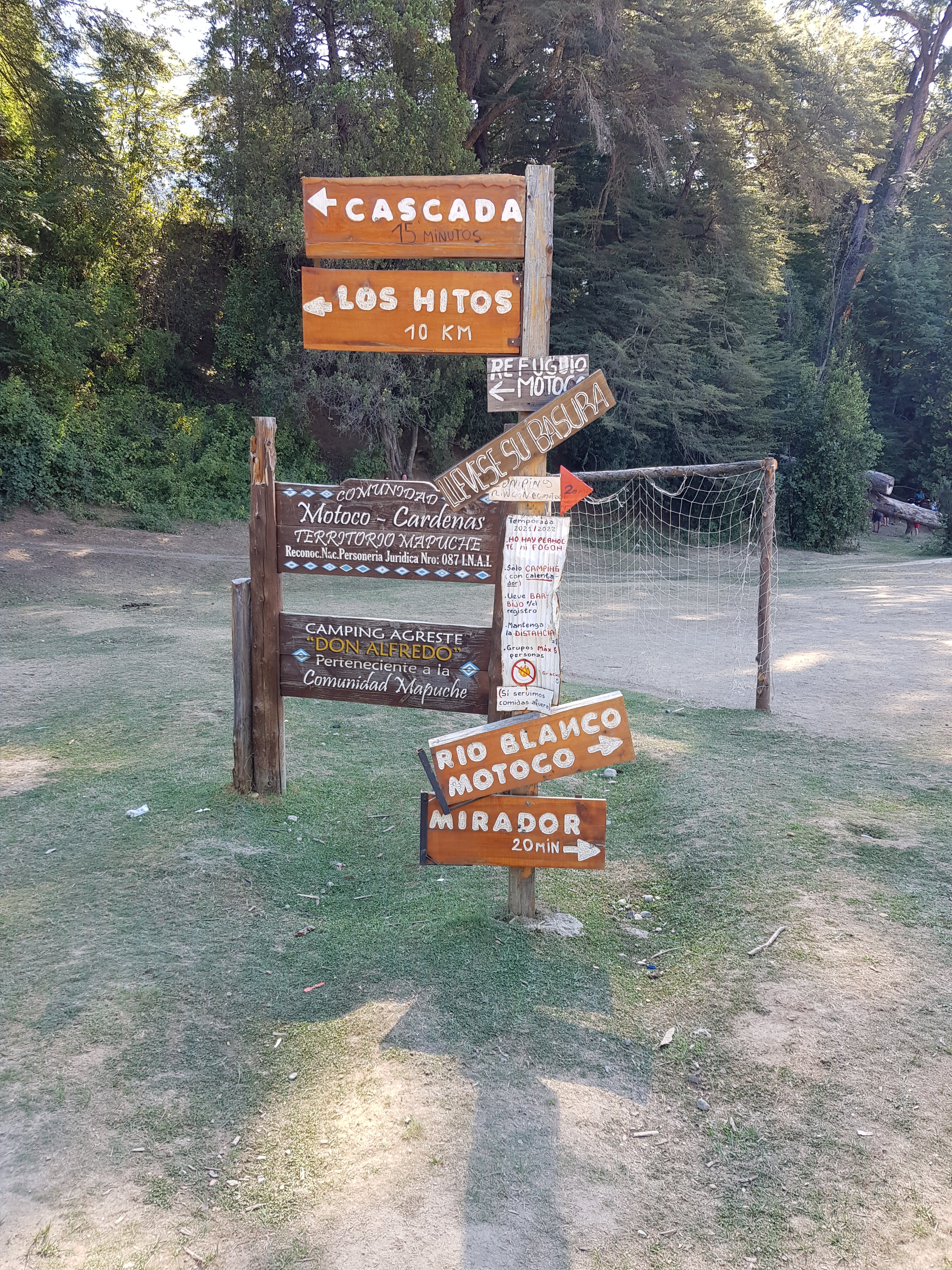
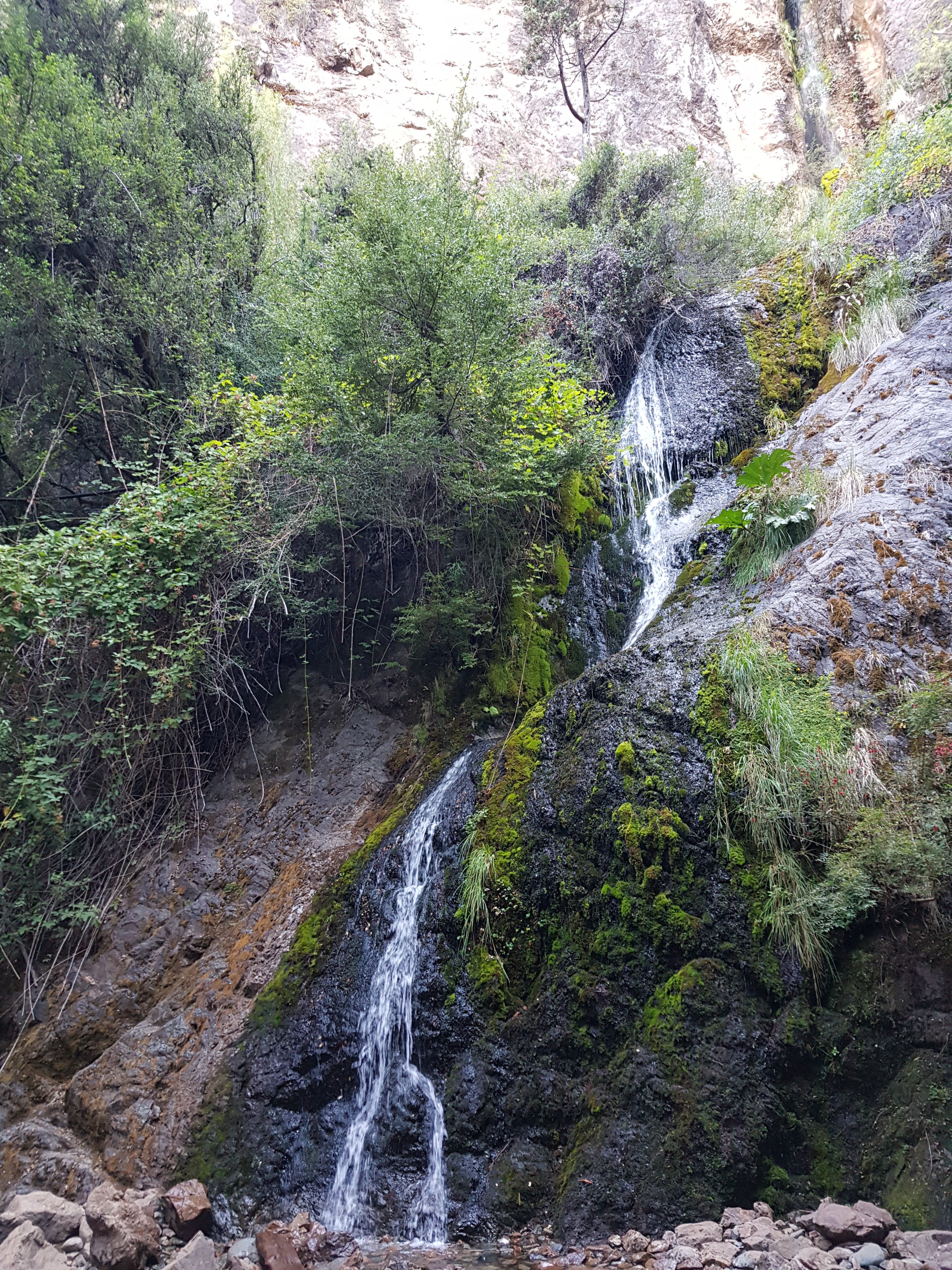
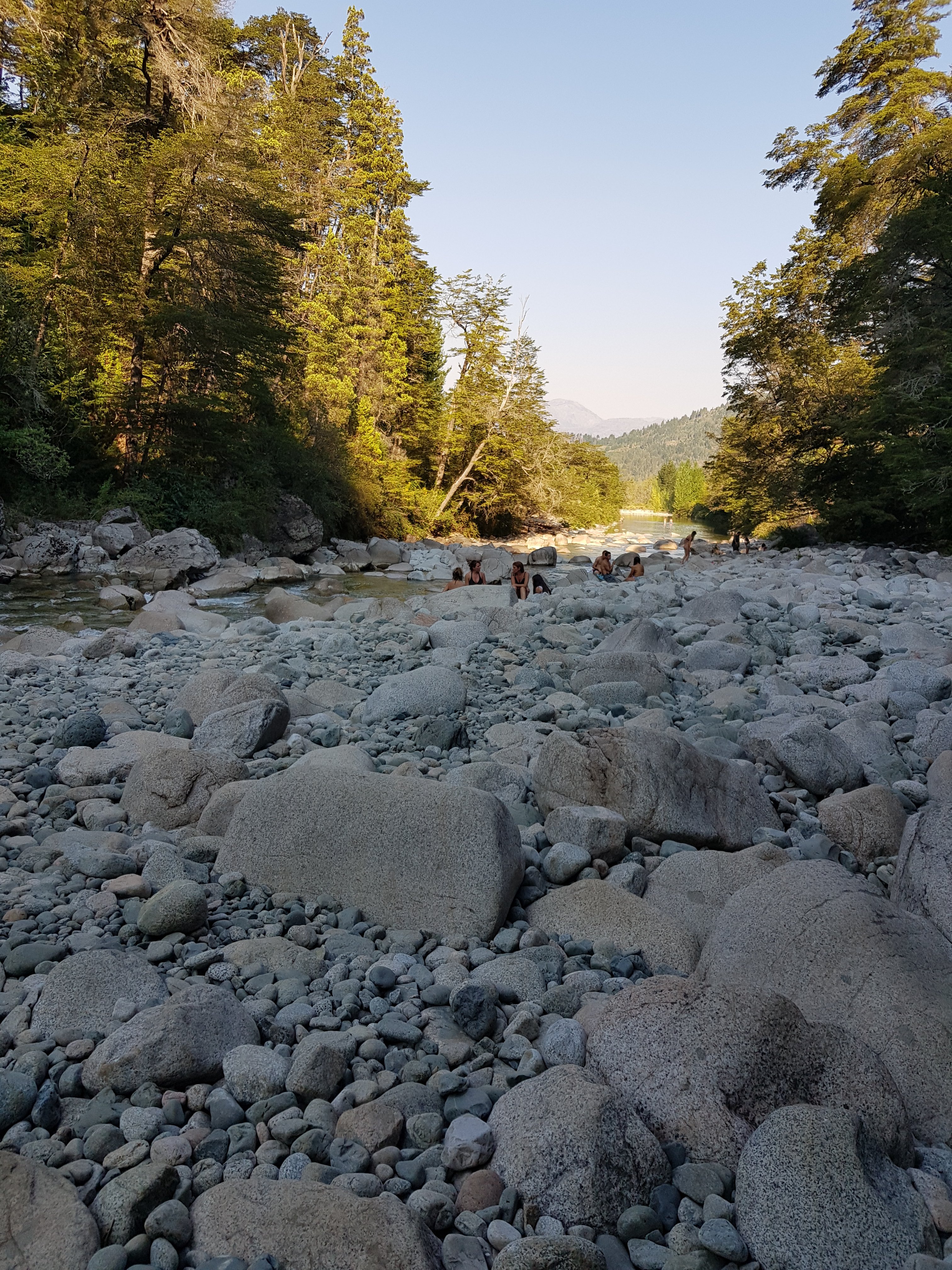
I took a cheap local bus out to a natural site that is part of the aboriginal Mapuche territory called La Pasarela. On arrival, I had no idea where I was. I approached a local aboriginal girl, in my best spanish, and she led me there, explaining that it is hard to find on a map. When I found the right spot there was a river with people swimming, and a little information point. The site is completely free to visit, and has many trails and things to see. I visited a waterfall, and then took a second hike to sit by the River Blanco. It was really refreshing on such a hot day.

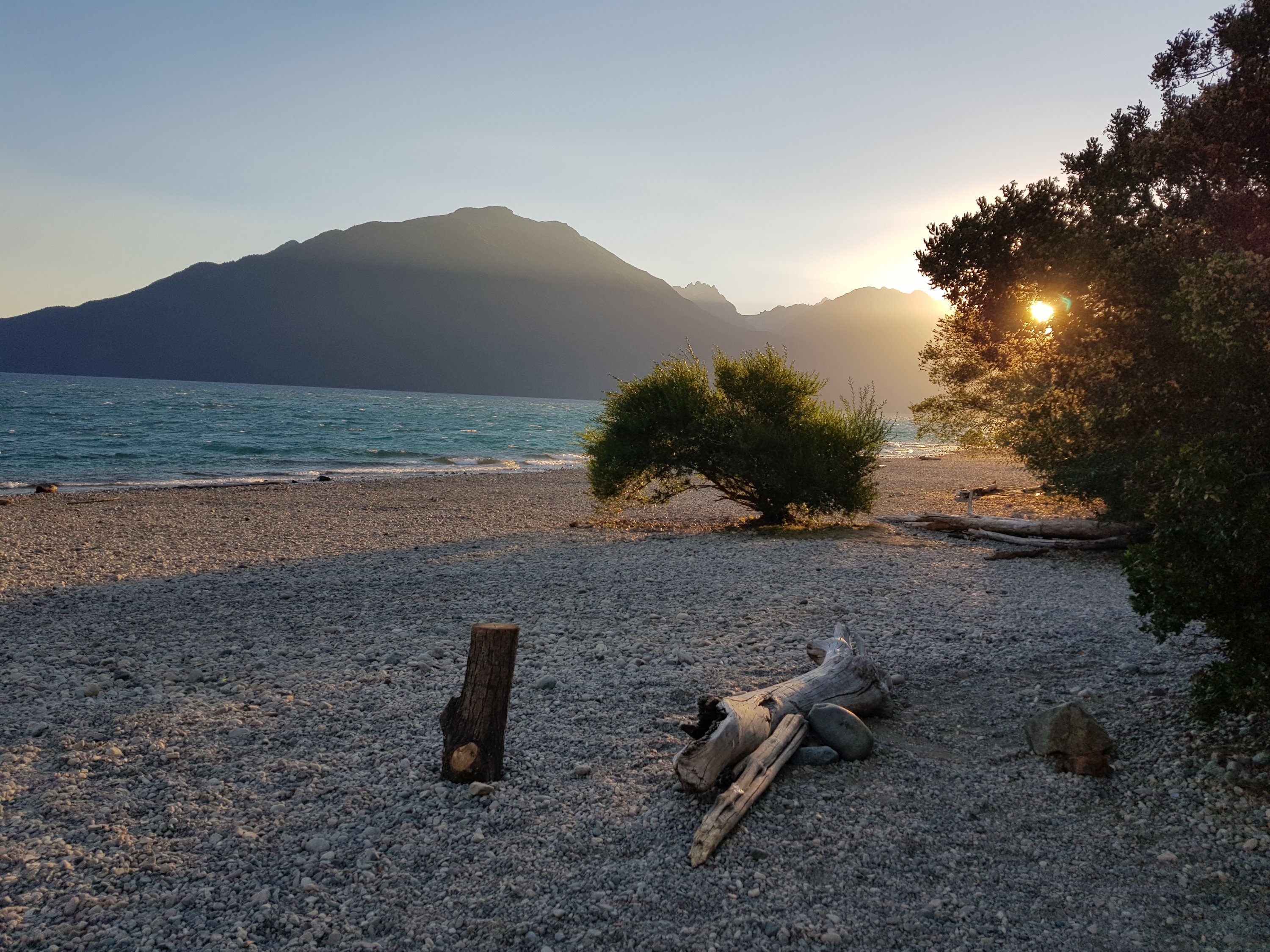
After visiting La Pasarela I hopped back on the bus for another 15 minutes down the road to Lake Puelo and enjoyed the views of this huge lake among the sunset.

Overall, the Lake District in Argentina is absolutely stunning. There is plenty to see as a nature lover. If I had the chance to travel in my own car, then I would definitely visit more smaller communities, and I would perhaps do more camping, as many people were spending long periods of time in each place whilst camping. For now, I travel further South!