Tag Archives: self guided tours

Vietnam: North to South – Part One

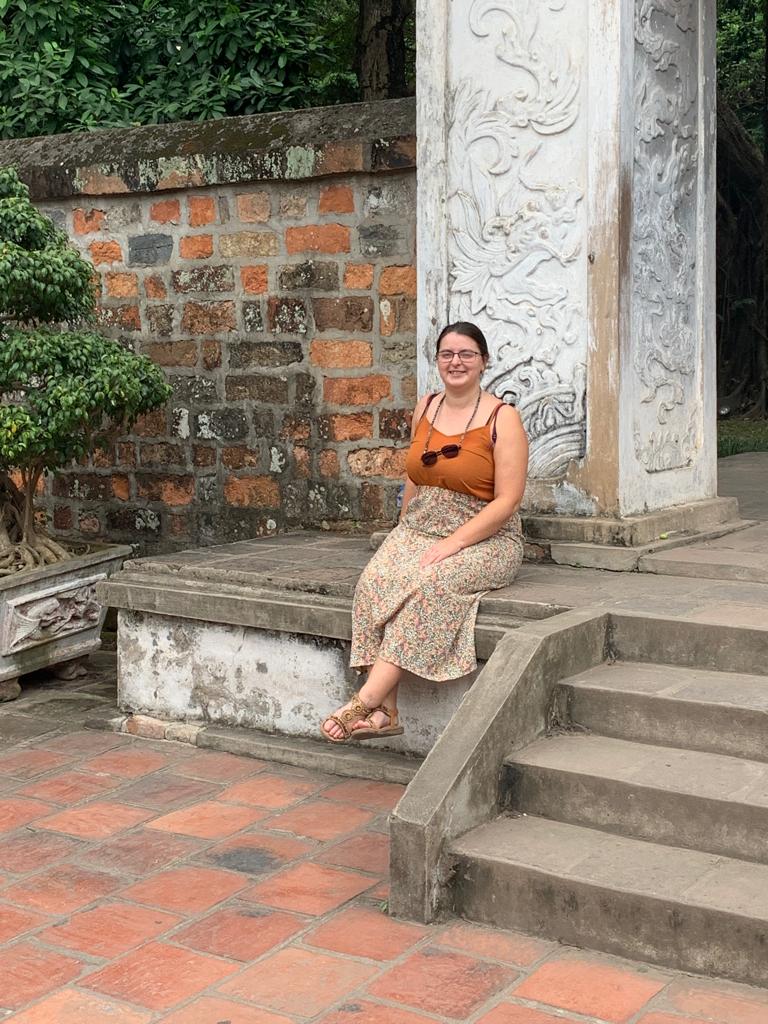
Booked only a week before, after my trip to Israel was cancelled last minute, I decided to have my first go at Asia this month. Vietnam was on offer so I went for it and discovered a crazy and unique way of life with amazing food and very friendly people.

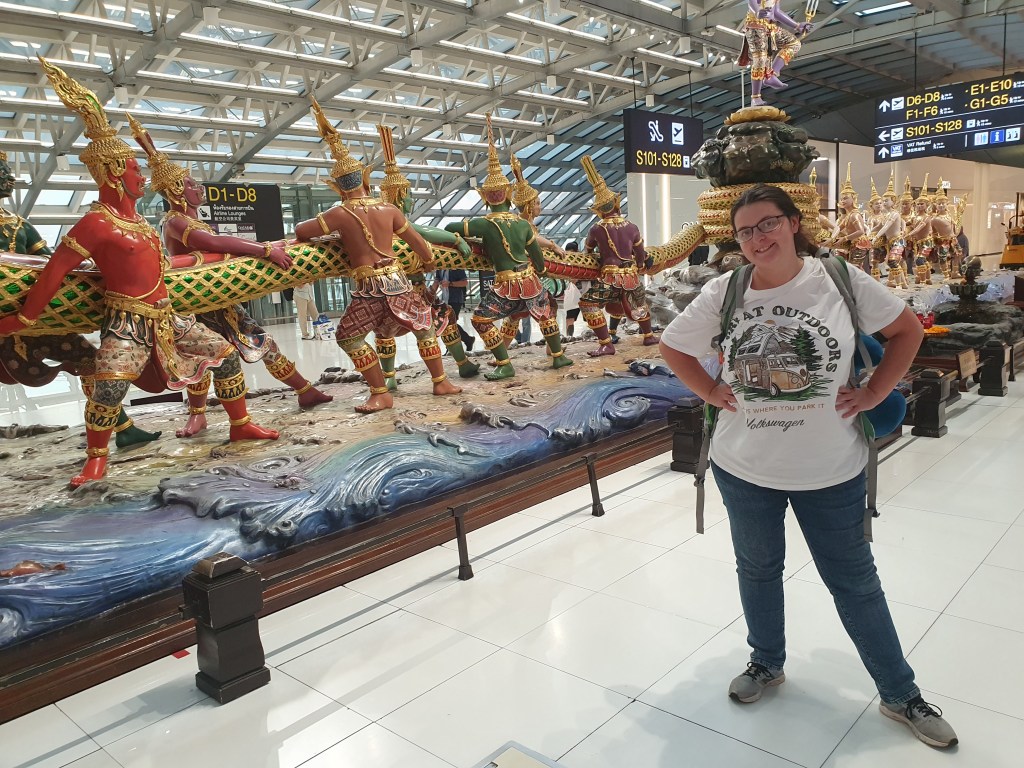
Getting there

The travel to Vietnam was very very long, whilst the flight duration may say 16hrs by the time we had travelled to Heathrow, and waited around in Bangkok and then traveled to the hotel we had stacked up over 24 hrs of travel. I had thought I’d planned out to miss my jetlag but it actually took 3 days of waking up at 3am to get over it.

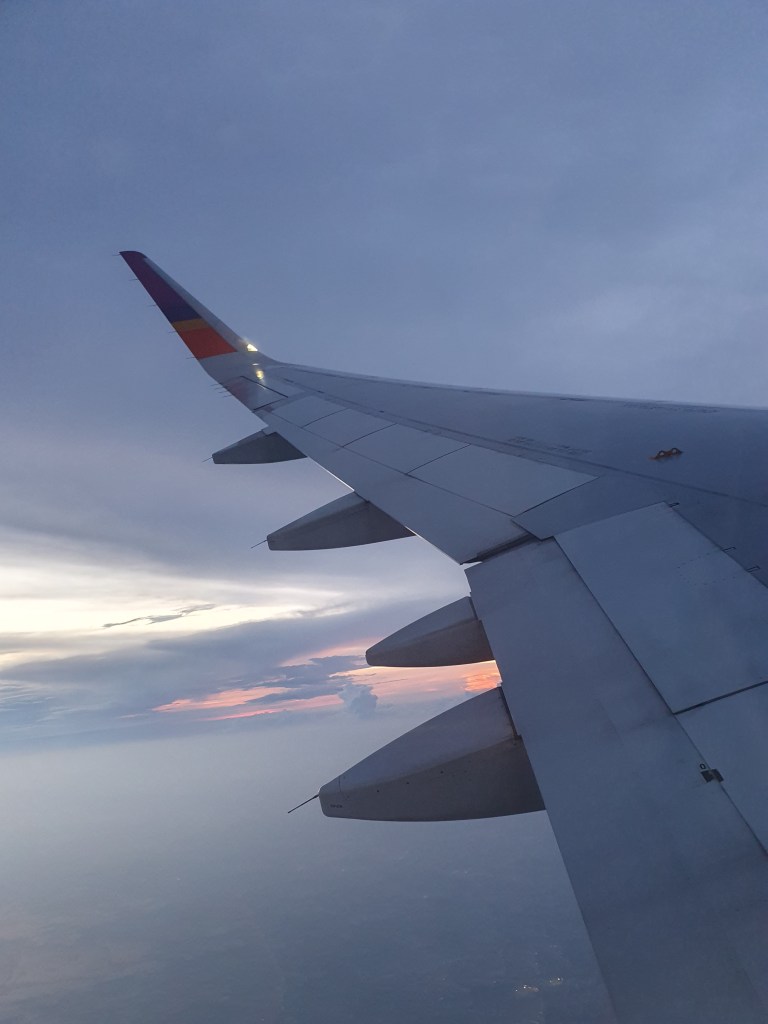
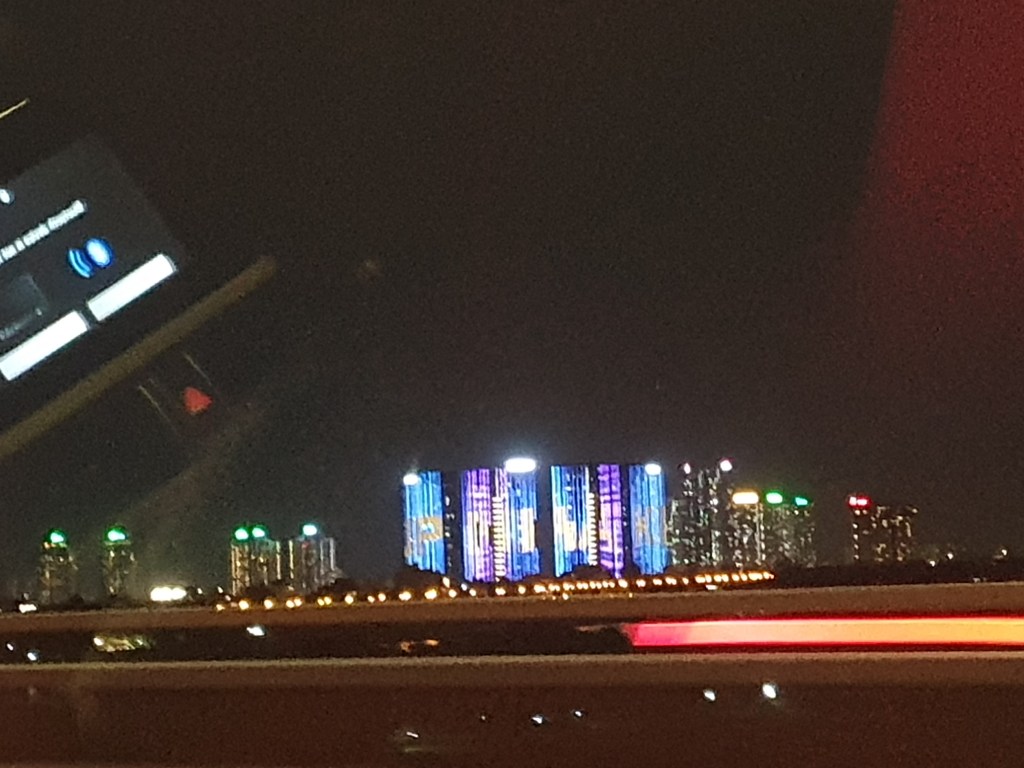
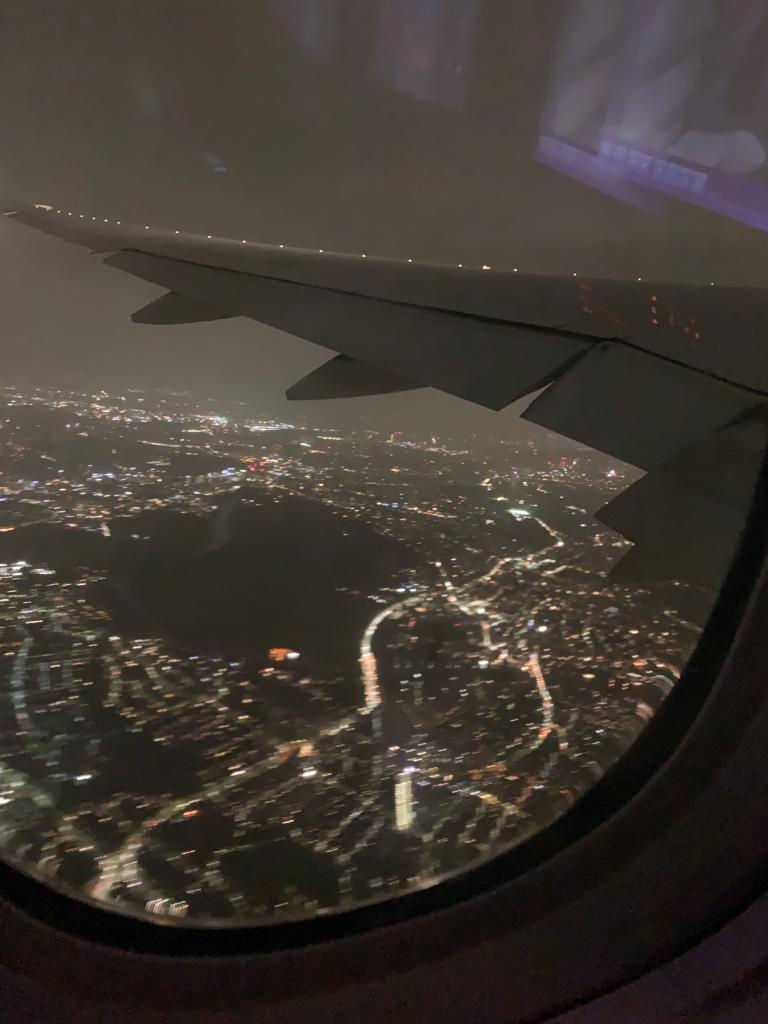
We flew with Thai Airways which had tight seating but plenty of hospitality from the crew and the aeroplane food was some of the best I have had. On arrival to Hanoi airport, our taxi driver was waiting for us and we got to our hotel in about half an hour, after seeing some of the cityscape lit up at night.
Hanoi

We stayed in a hotel for our first few nights in Hanoi city. The hotel was immediately a relief with a welcome drink on arrival, a porter to carry our bags and a free upgrade to a very nice room. It was all going well, until my 3am visit to the bathroom…

That is when I discovered scuttling across the floor, the biggest cockroach I have ever seen. When you are already sat on the toilet half way through a wee too, the only choice is to throw your legs in the air! I found myself doing toilet balances at 3am to avoid it. Unsure what to do I spent the rest of the night with a light on unsure what to do and worried if I fell asleep I would wake up with a cockroach on my face. It took me a few days to get past this fear and just accept the potential for creepy crawlies around me.

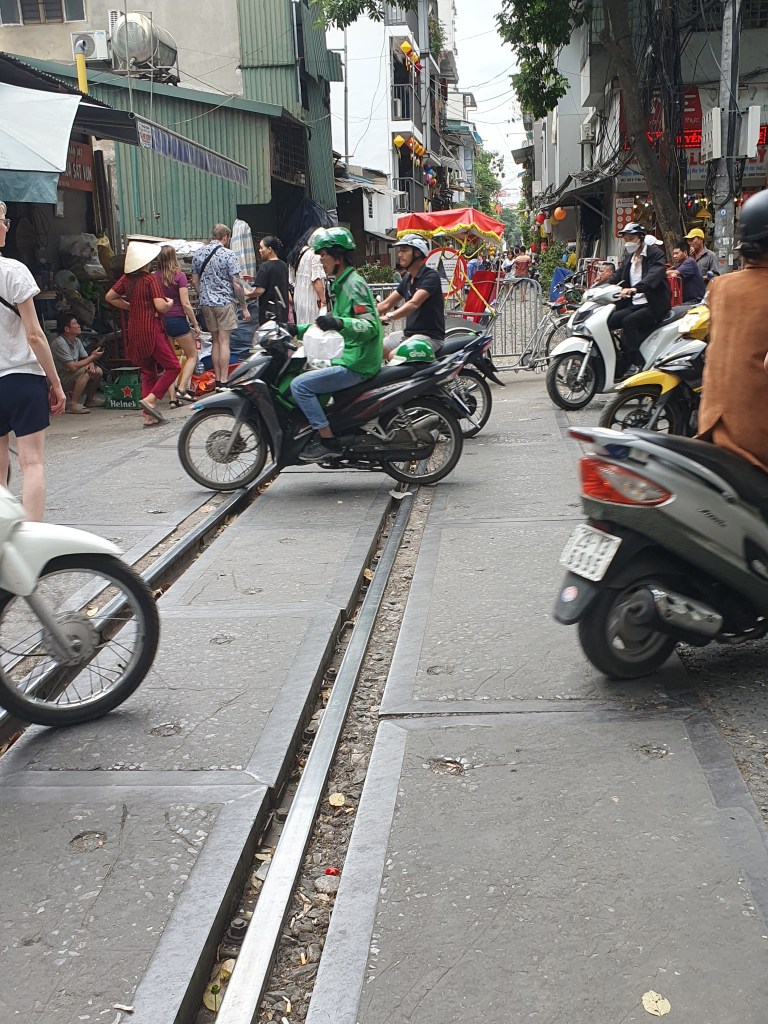
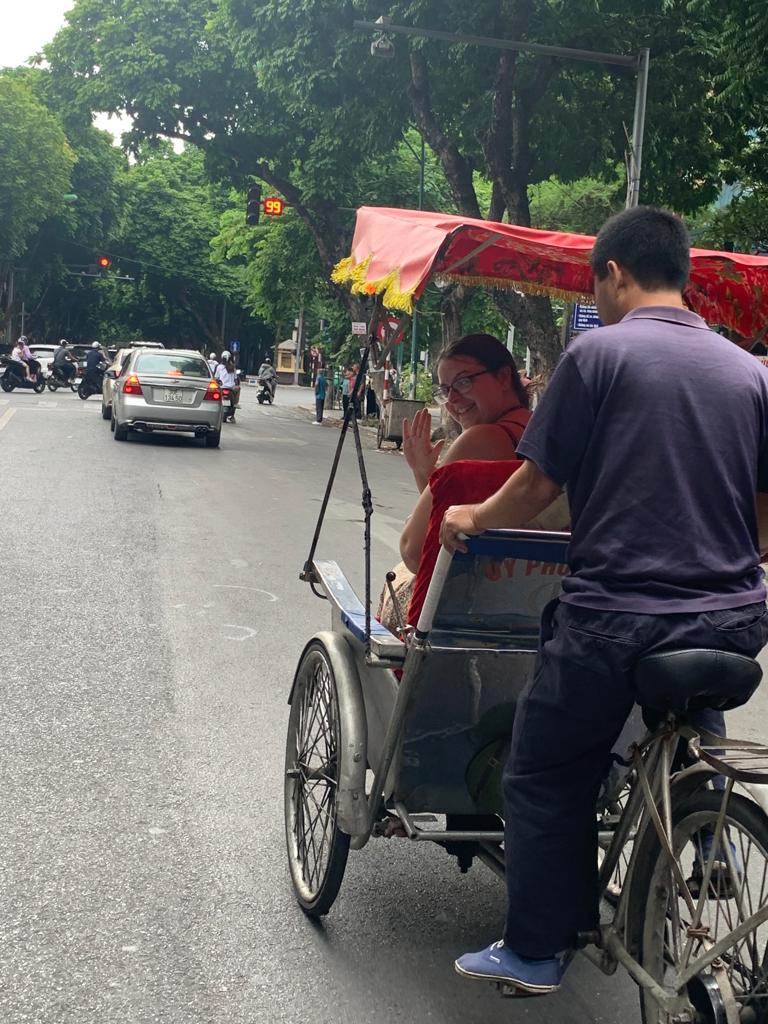
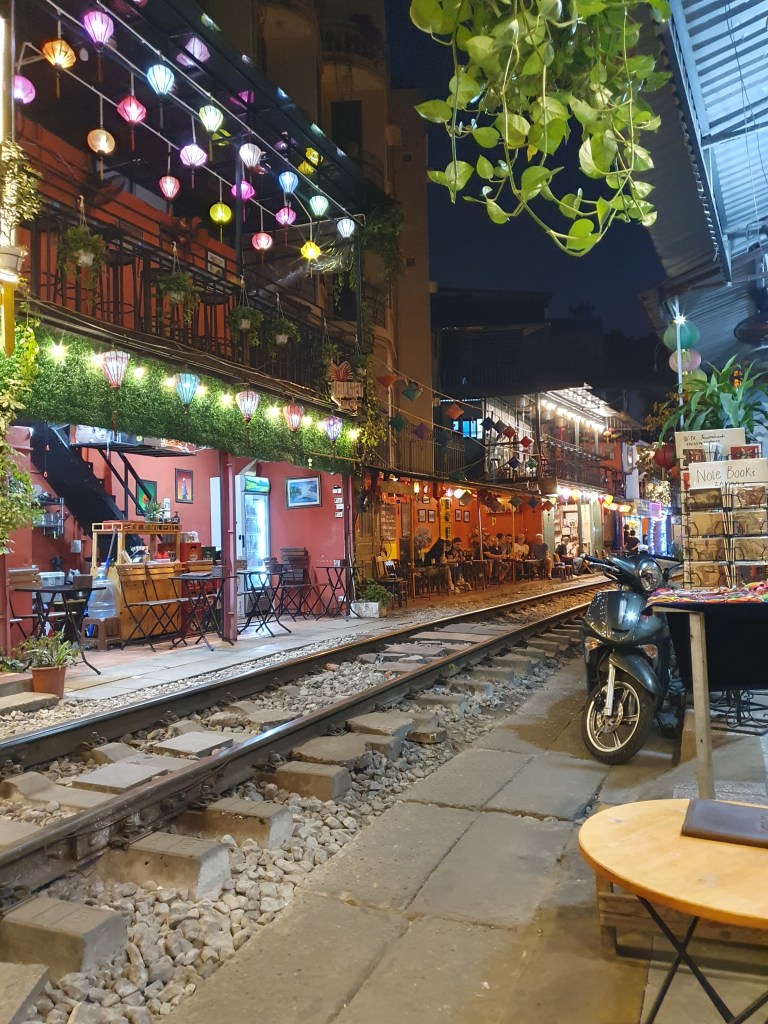
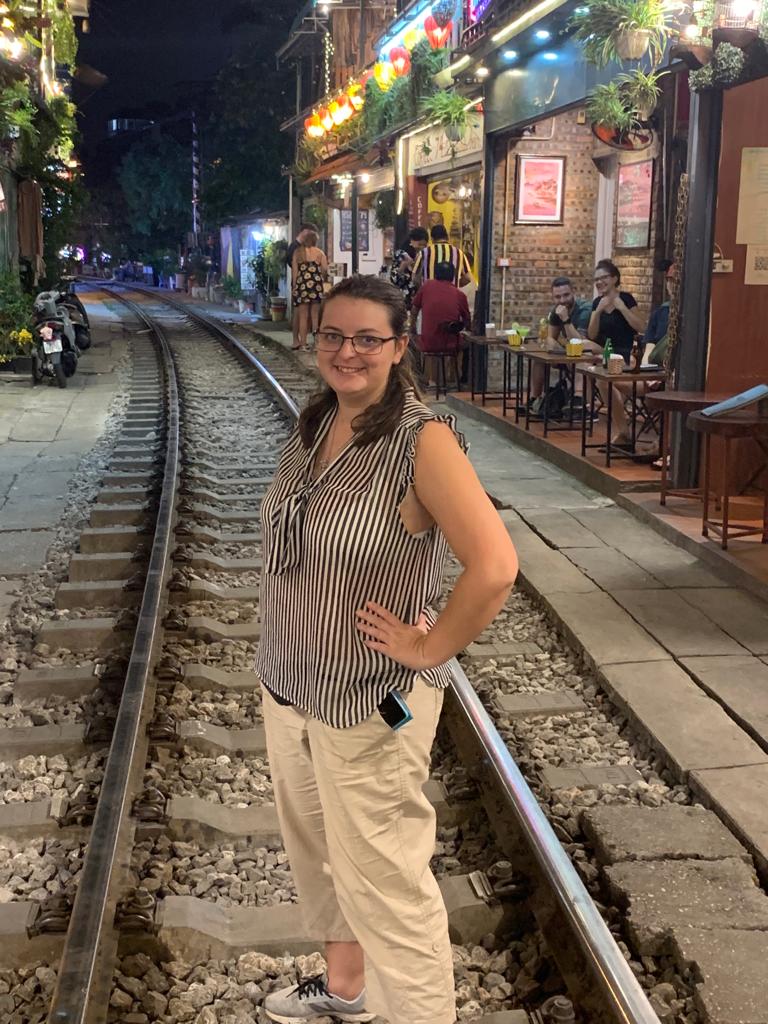
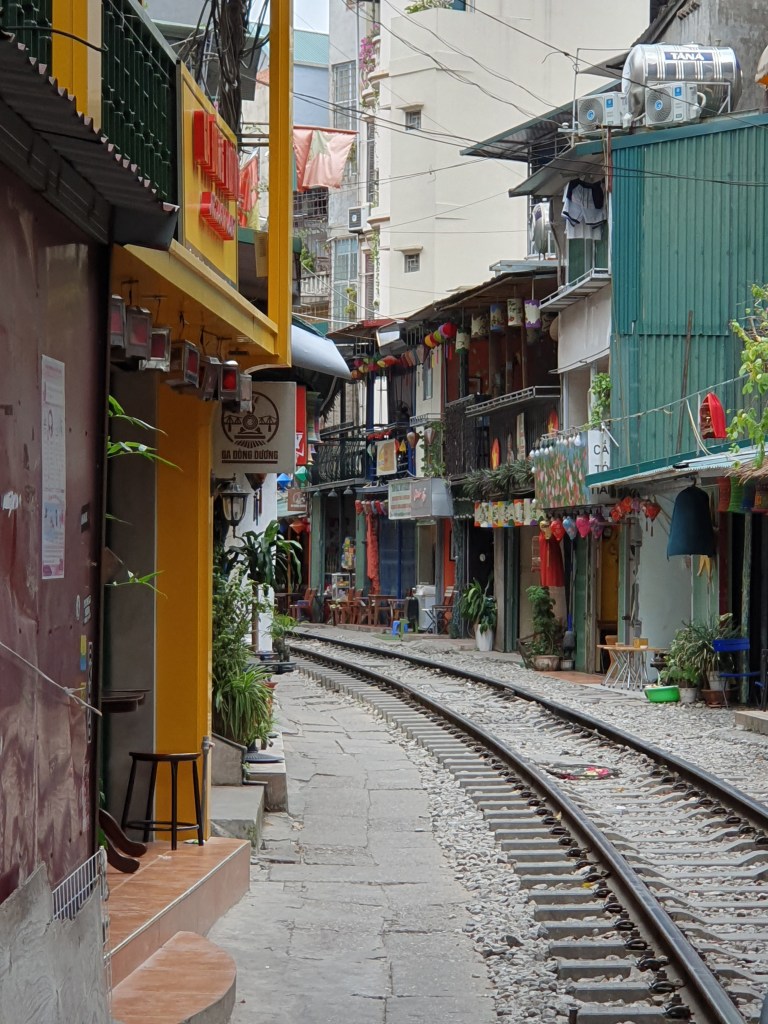
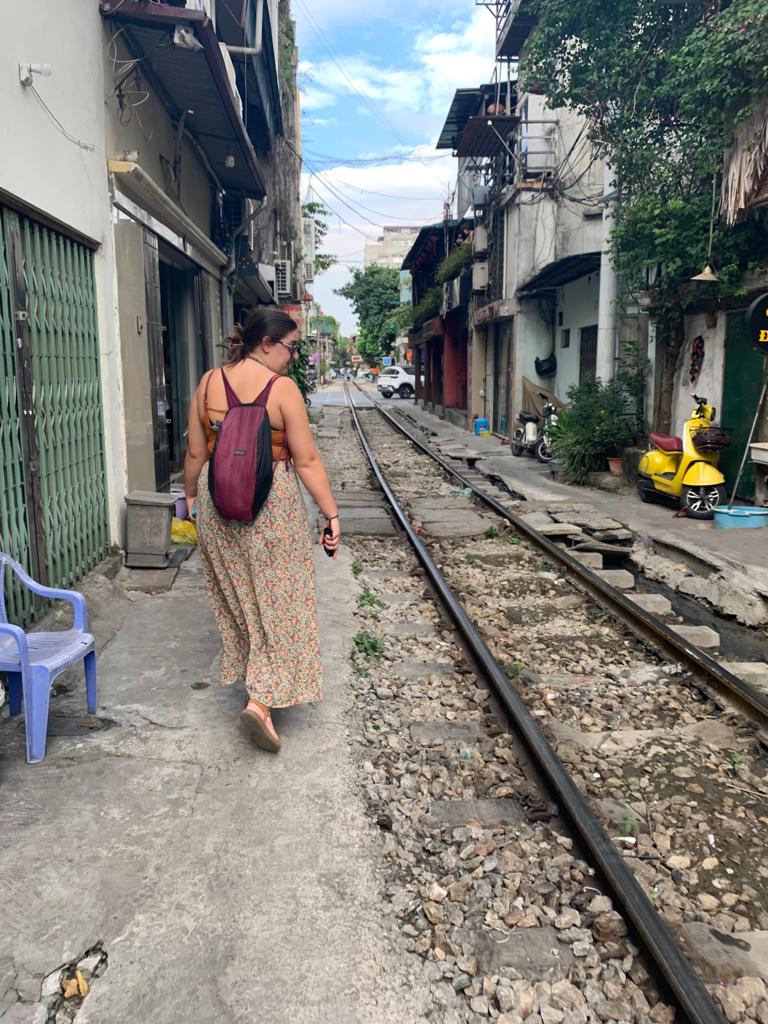
Venturing out of the hotel into the city was another experience of taking your life in your hands. The traffic is some of the craziest I have ever seen. There is no pavement due to mopeds being parked all over it and to cross the road you must do what the locals do and just walk slowly and confidently over (like you’re sleepwalking) and hope nothing hits you! The roads here are so congested that they even have a street that is famous for a train that comes through as well as all the pedestrians and bikes and ends up about an inch from your face!

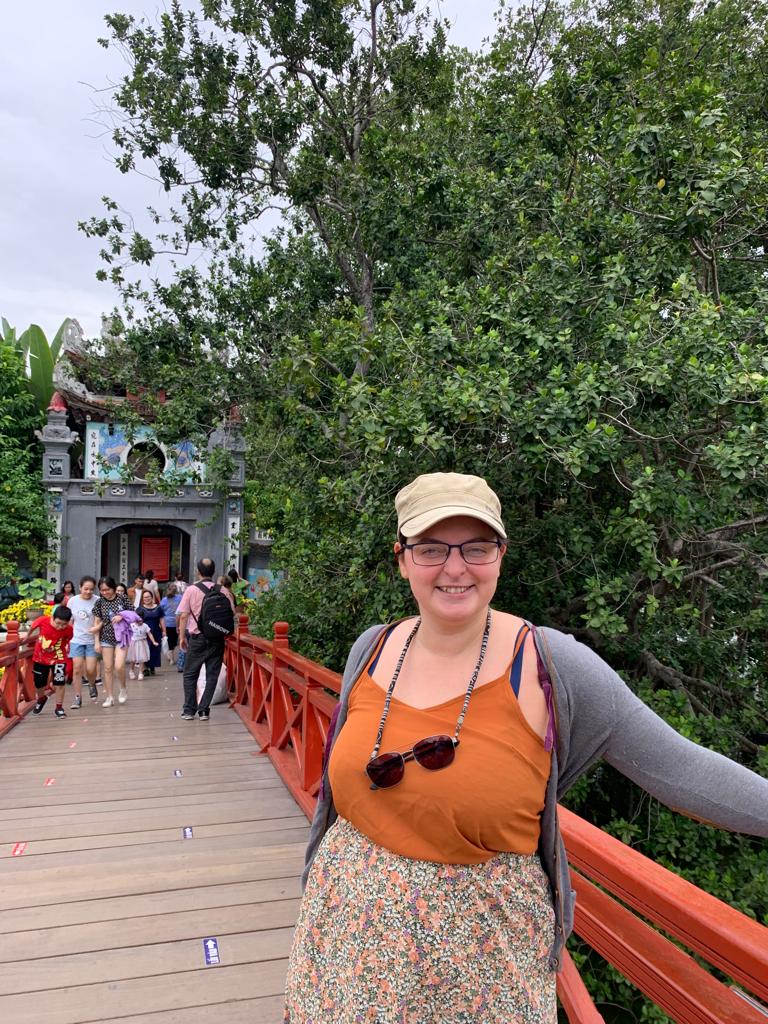
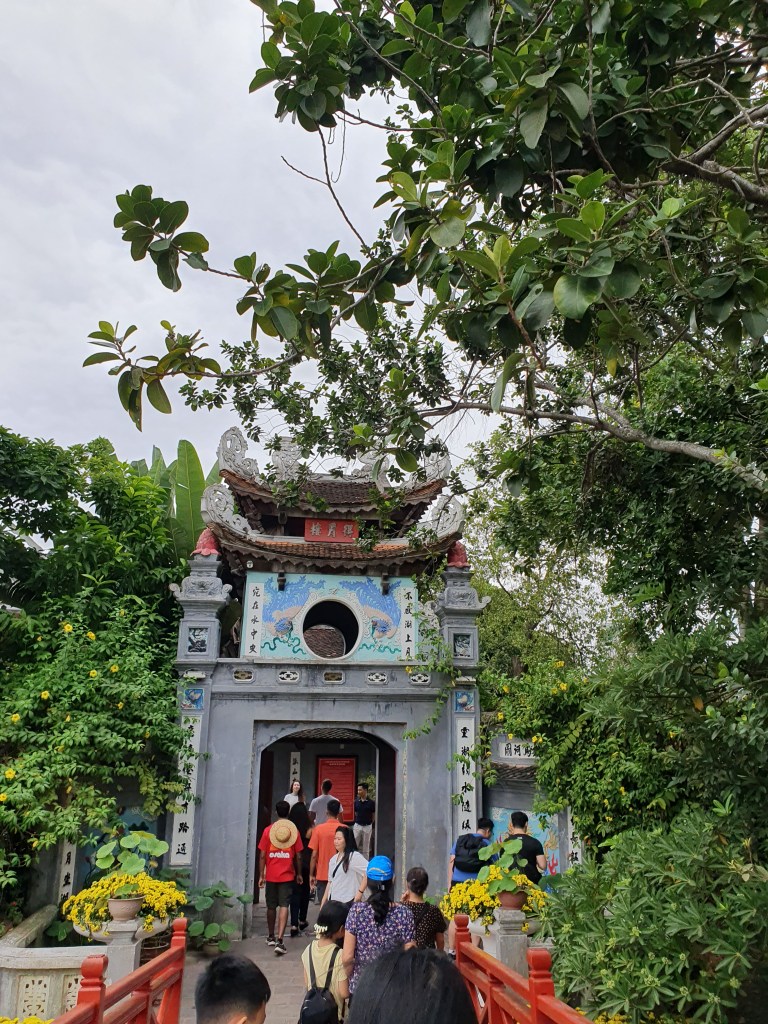
We cautiously took the steps from our hotel down to the famous lake which thankfully is pedestrianised around the edge and began to explore our first attractions.
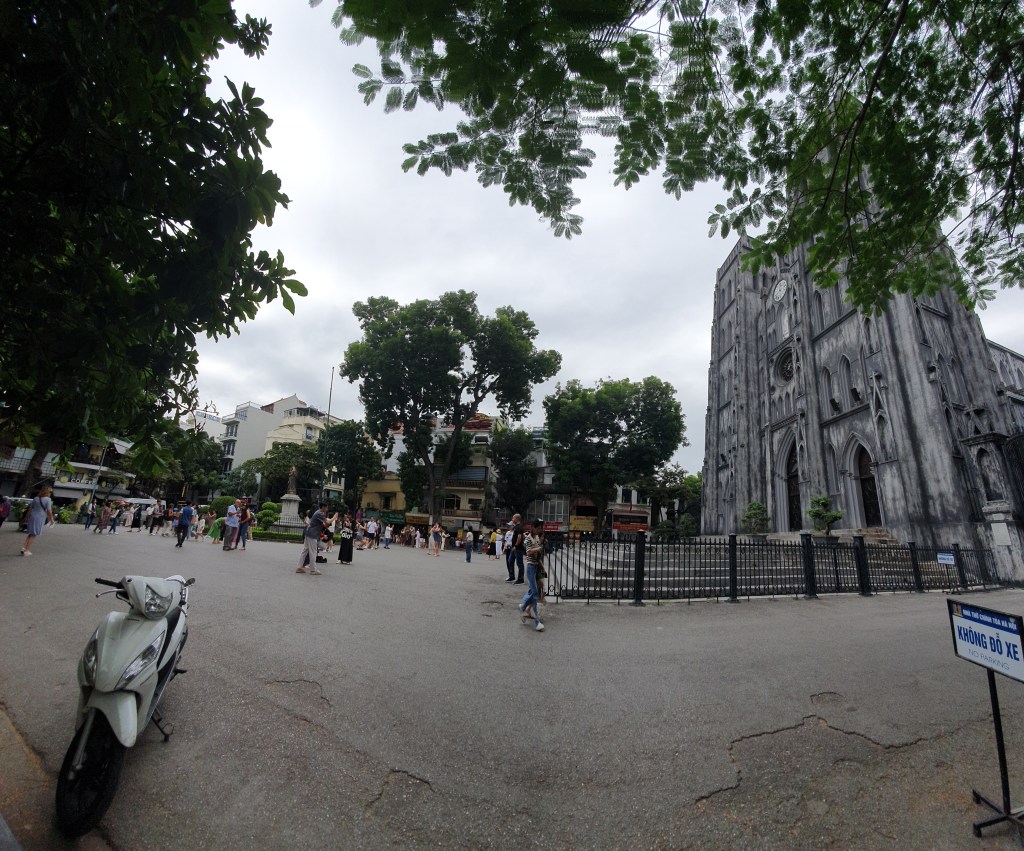
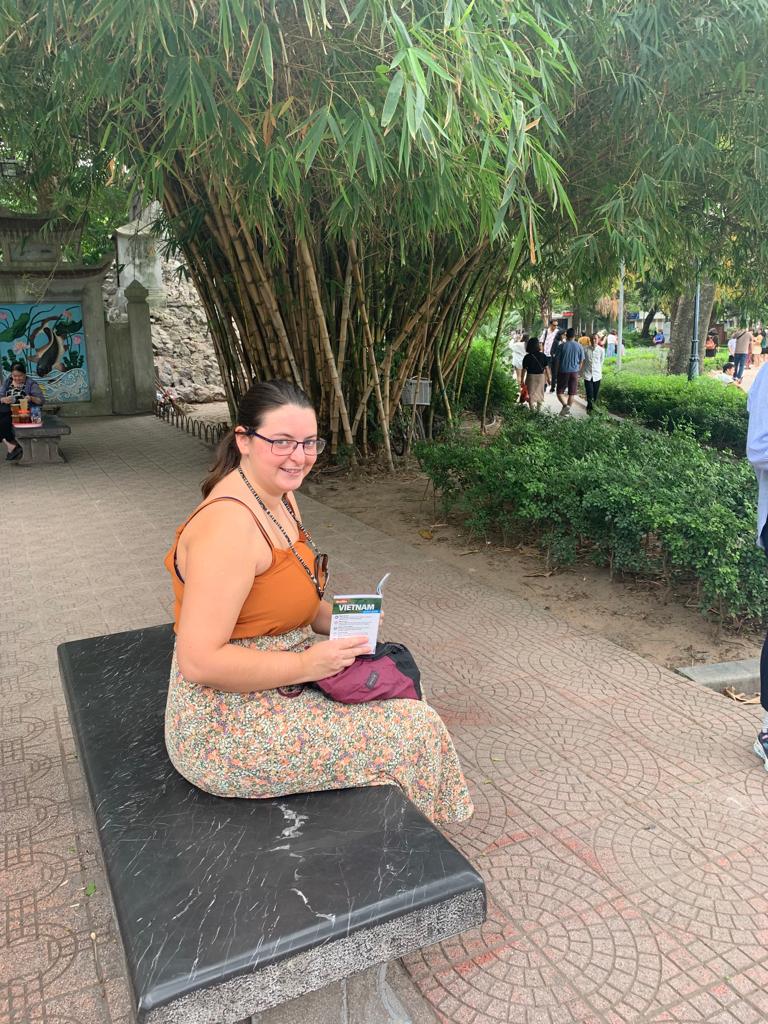
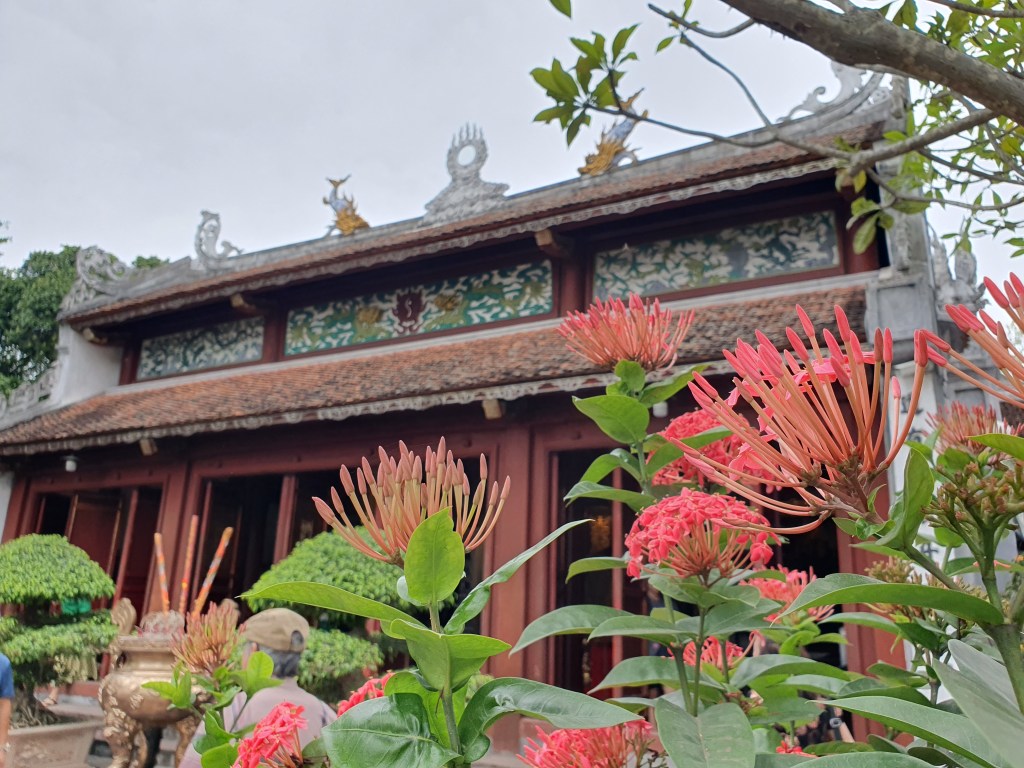
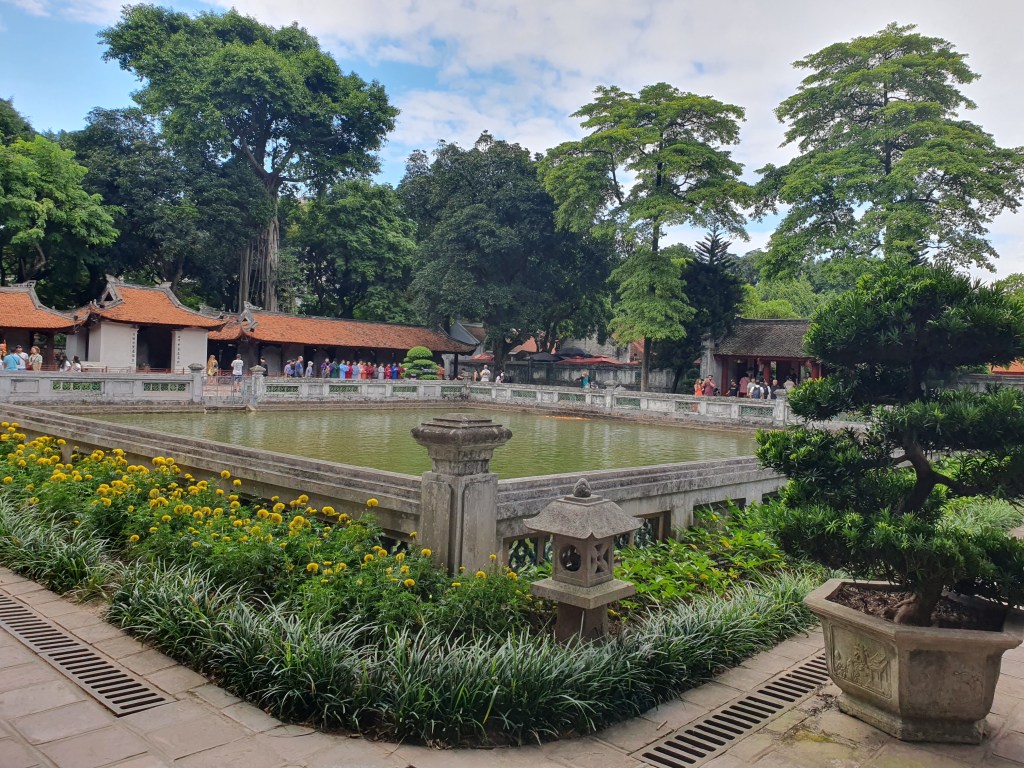
First on the agenda was a few impressive buddhist temples, and also the St Joseph Cathedral. This gothic cathedral looks so strange with all the little asian shacks around it and motorbikes everywhere. I couldn’t go in unfortunately but I imagined it was similar to other catholic ones I have seen. A little bit of Europe in the middle of this crazy South East Asia whirlwind. I later found out from my guide that the french actually governed Vietnam for centuries and is the reason for some catholism here and that they now use alphabetic letters instead of chinese characters. Something to be grateful for as a tourist!

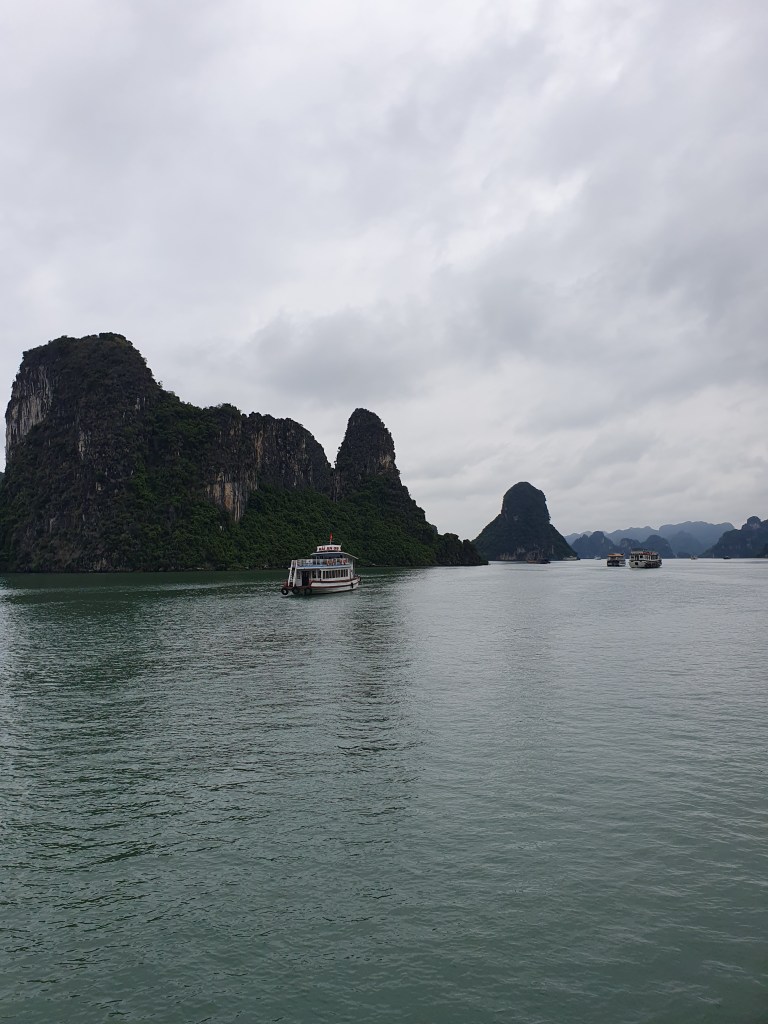
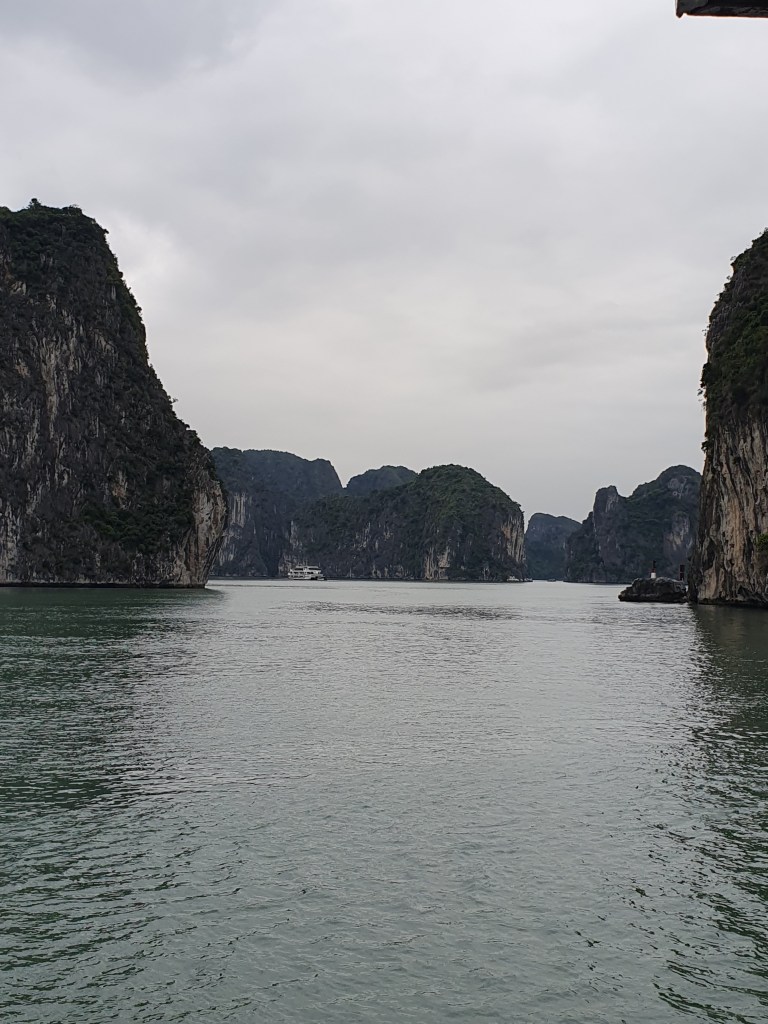
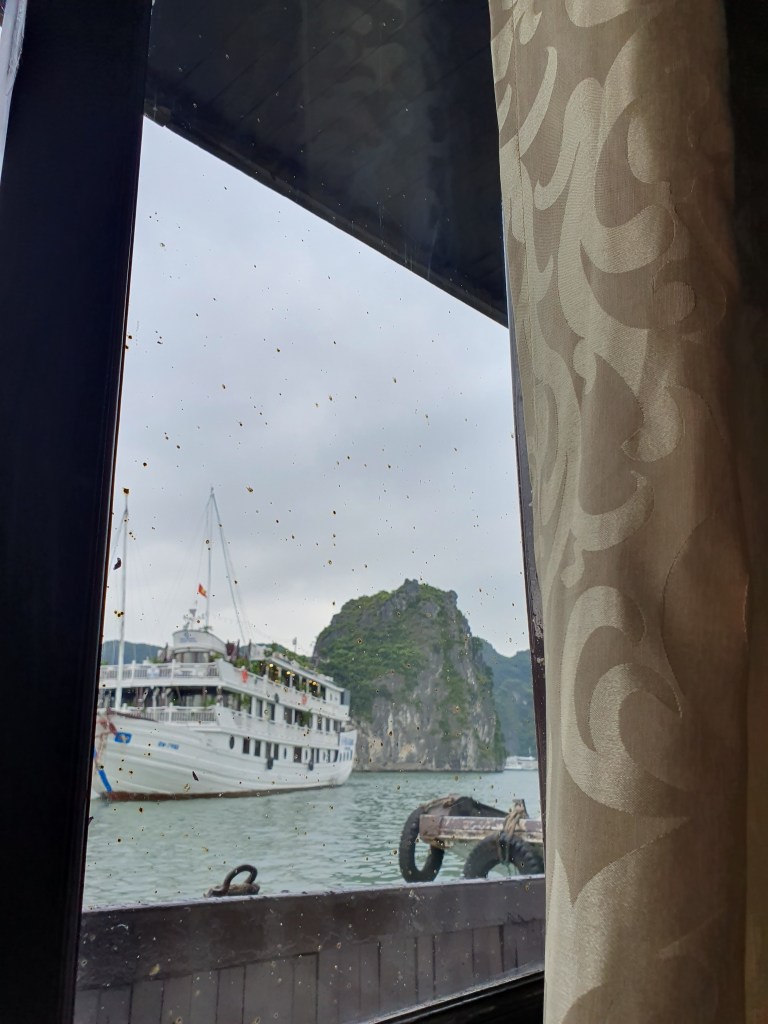
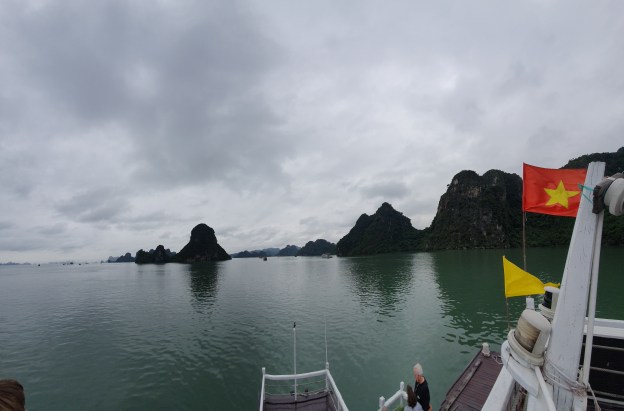
Another day in Hanoi took us on our four hour bus ride to Halong Bay, the famous world wonder that is an absolutely huge bay and once a very important port full of huge bouldering islands. We had a relaxing overnight boat cruise here where the service was amazing and we enjoyed an impressive selection of seafood and bar service on a boat all to ourselves in our small group of nine.
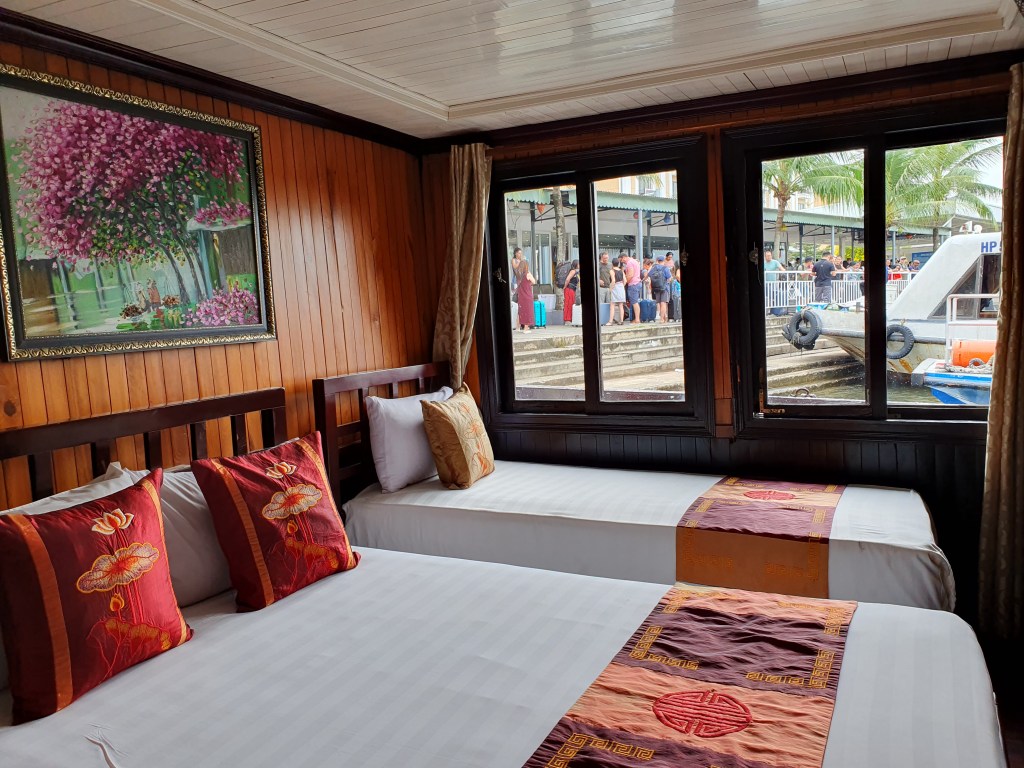
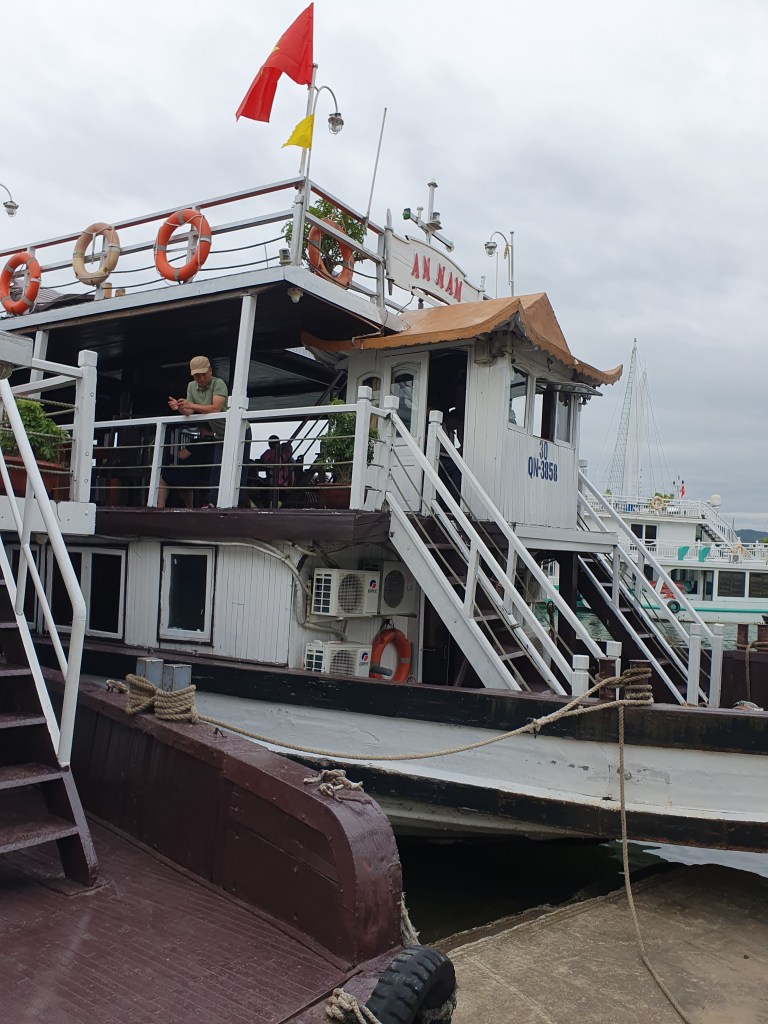
There are many local caves on the islands to explore and we ventured into one, and then towards dusk I had the pleasure of exploring an empty and calm section of the bay by kayak. The only thing that was man made around me was a small floating pearl farm where oysters were floating below growing pearls for fine jewellrey.

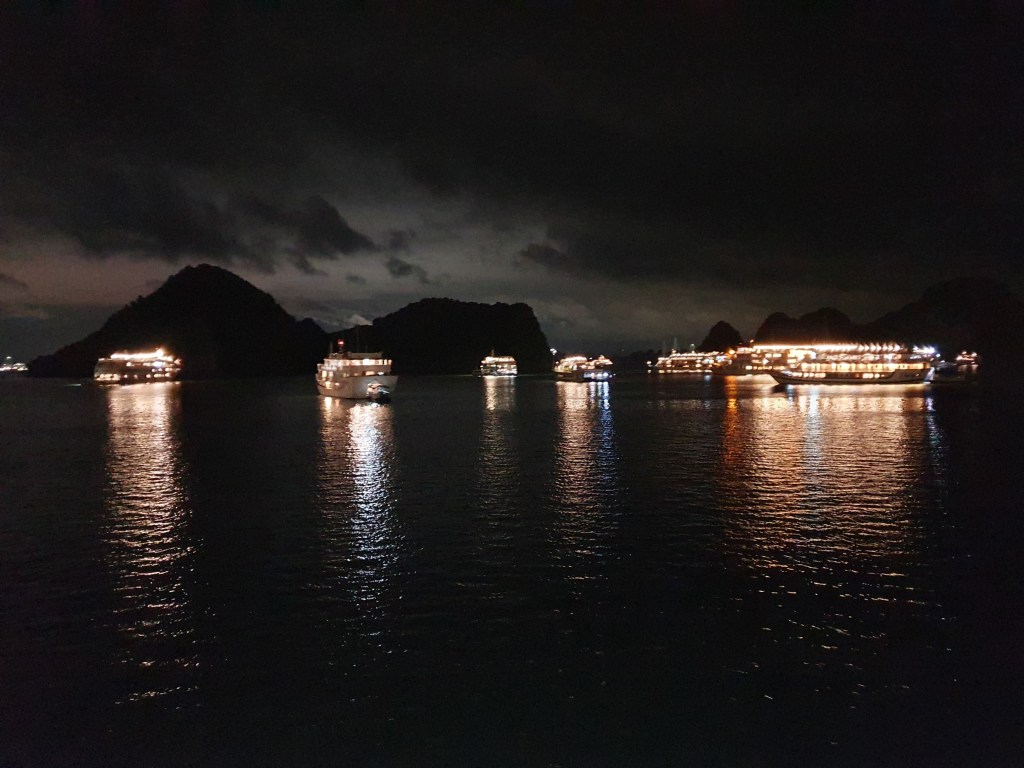
At night all the boats have to gather in one part of the bay so you can enjoy the sounds of distant karaokes and good times from your neighbours all around you.

We also got the opportunity to see some amazing charitable organisations on our route from Halong Bay. Two groups of crafters that were helping their community by making things to sell, one was doing it for the environment and the other for the disabled. I will touch more on this in a later blog.

Back in Hanoi, we had one more opportunity to look around. We tried for a third time to see the train on train street, but this time at night. The train schedules on the internet were all wrong, so we got there badly timed and when we tried to wait the police made us leave, even though we were half way through a paid meal. Overall, I would say only go to train street if you are happy to waste a lot of time and maybe only see the tracks.
Something that was well worth it for only about £6 and 1 hour was the Thang Long water puppet show by the lake. This show was a traditional artform telling folk stories of Vietnam in their language and with singing, using puppets within a big pool of water.
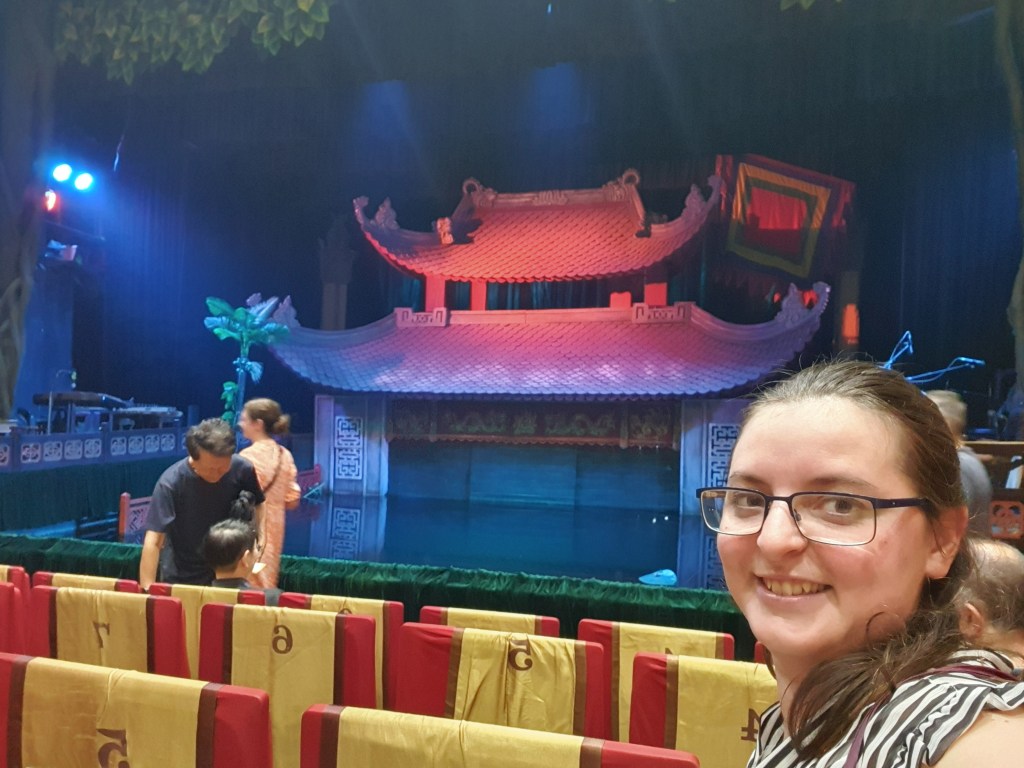
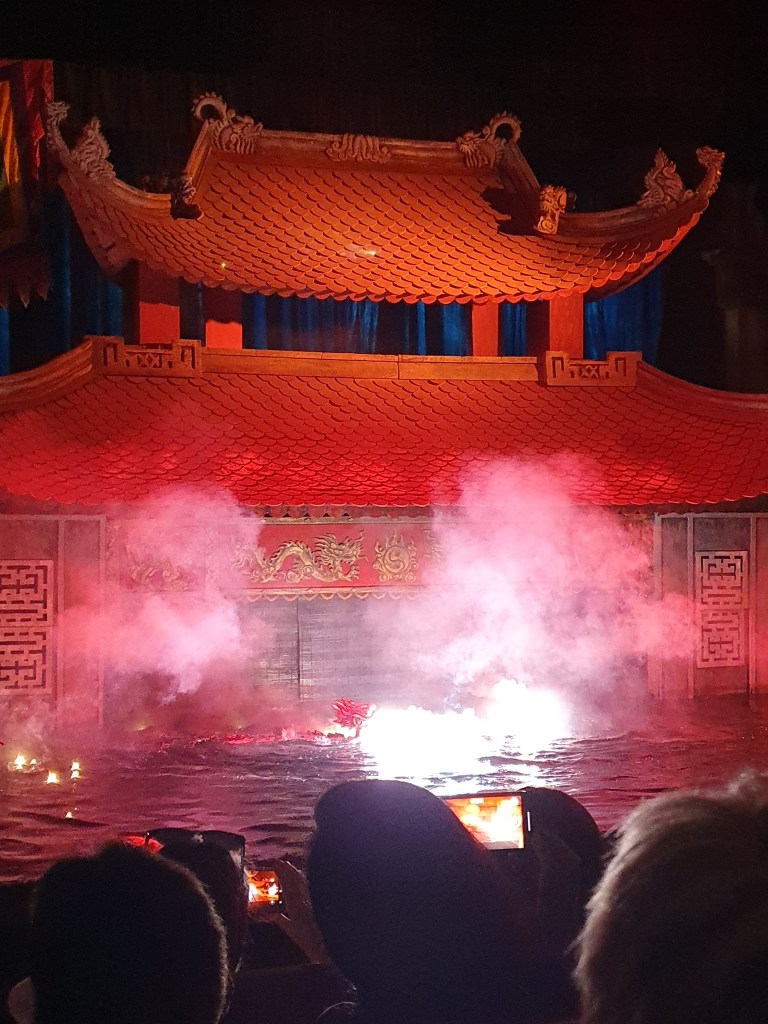
I wasn’t sure if it would be entertaining enough, but it was actually very funny at times and the show somehow managed to use smoke and fireworks on the water aswell which I dont even understand how. The best part may have been the music though. There was an orchestra of local folk musicians playing traditional and strange instruments and all in vietnamese formal wear. Overall it was super impressive!

Hue

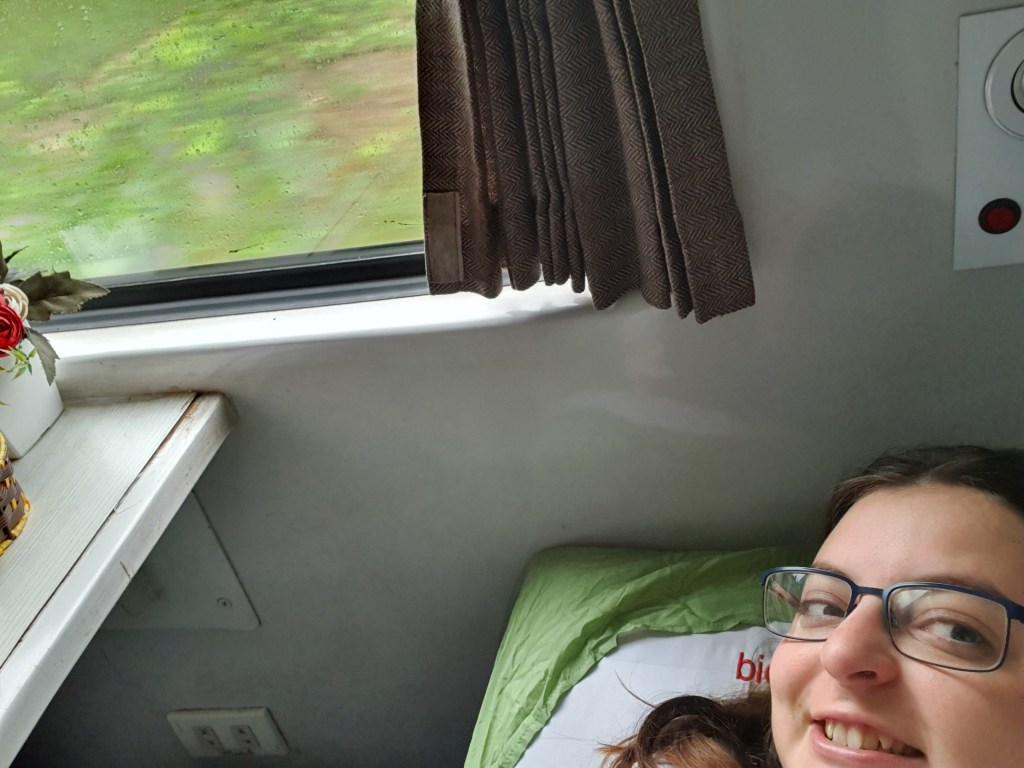
Writing this section of the blog at 4am from a twelve hour sleeper train from Hanoi to Hue. Sharing a bunkbed in a room with three other travellers, I feel quite at home and I am enjoying the bumpy swaying of the carriage more than expected.

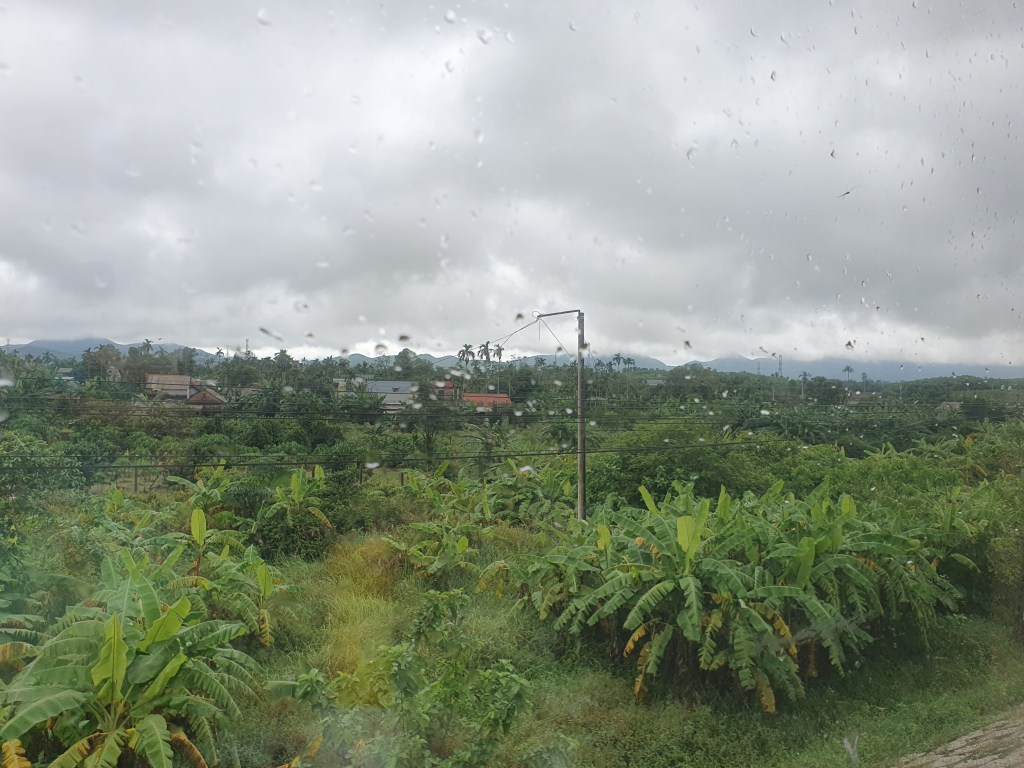
At night I can see the reflections of the train in nearby waters and marshlands and the odd distant light of a farmer or two working in the fields and by day the scenery becomes many small villages and plenty of rain!
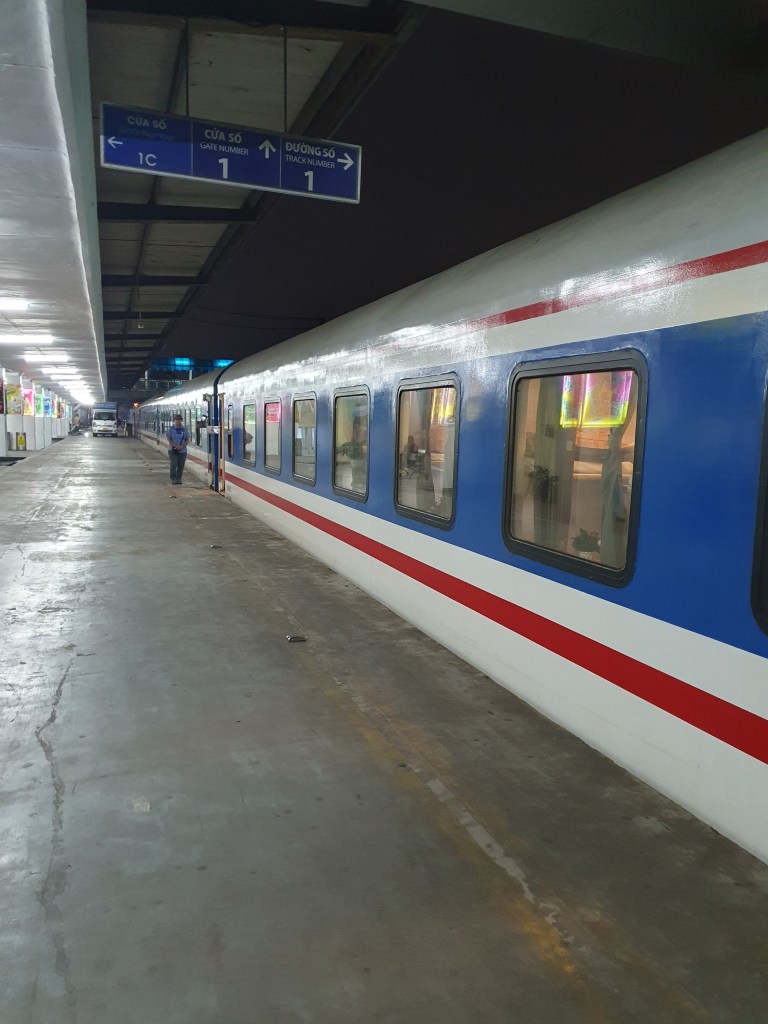
The train has different classes, we are in a 4 berth, but there are 6 berth and then soft reclining seats and hard seats (for those true hardasses – literally). My room is quite good with a little mattress, space under the bed and a table with a selection of sweets.

The only thing that has been a horror is as expected, the bathroom situation. There is either a squat room for guess what.. squatting, or there is a western style toilet. The toilet started off okay but now I can tell you that by 4am it is not okay. Its a horror show. I am trying to figure out how I can not pee now until 11am. Note to self, must purchase a she-wee for travels!

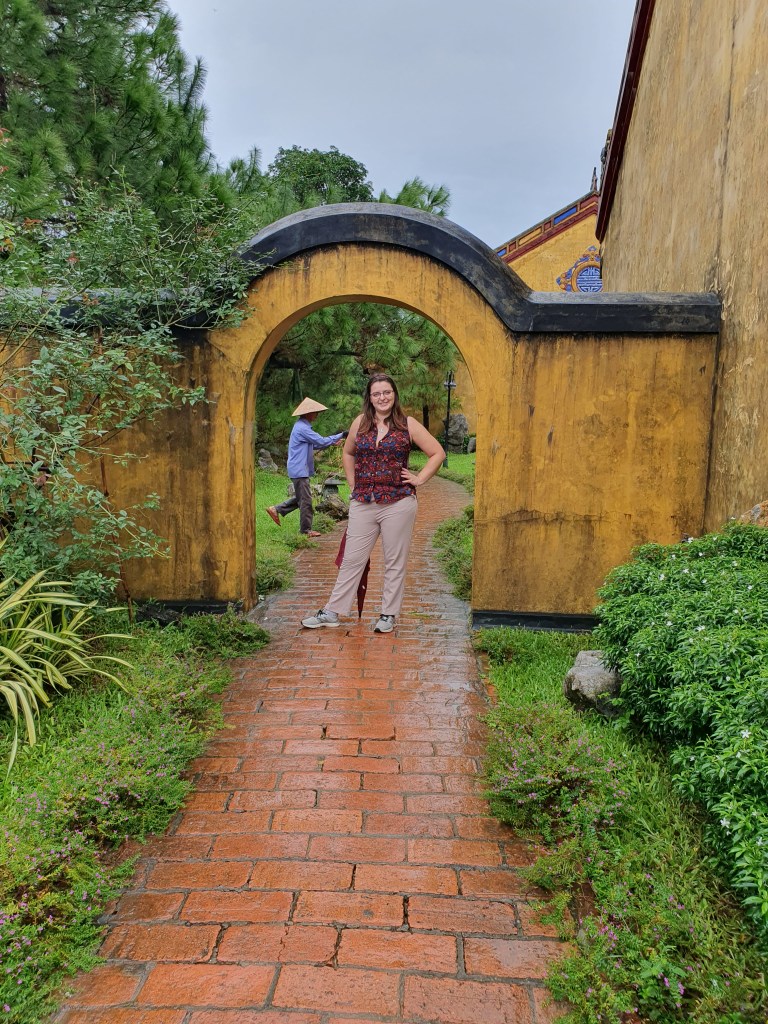
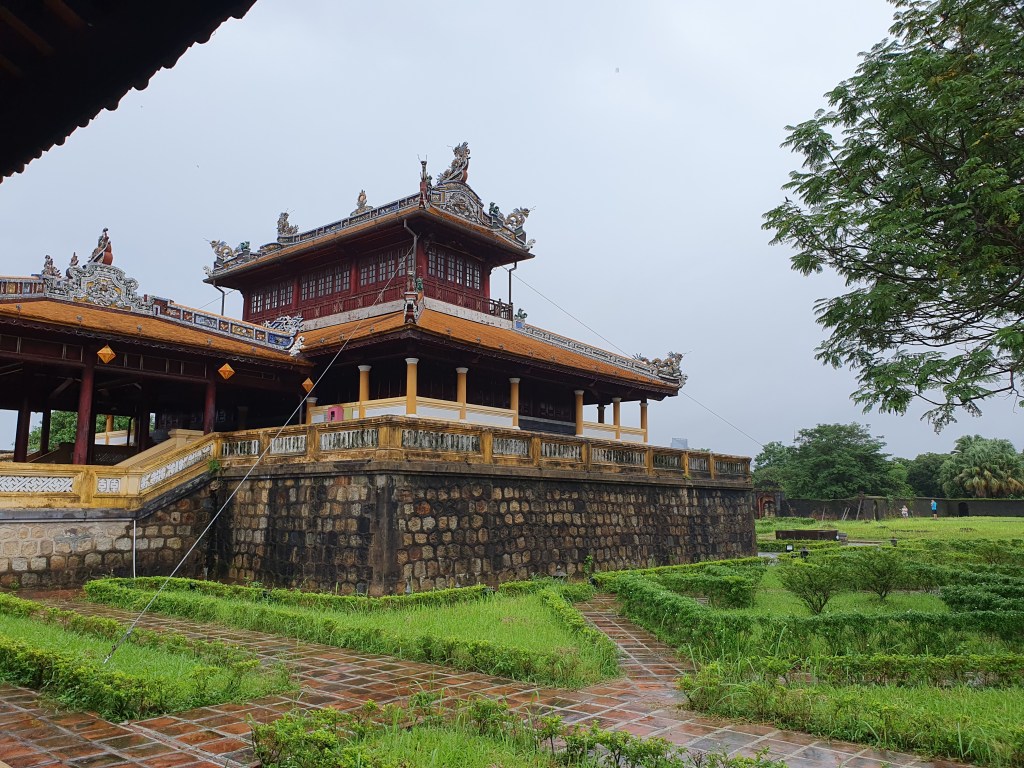
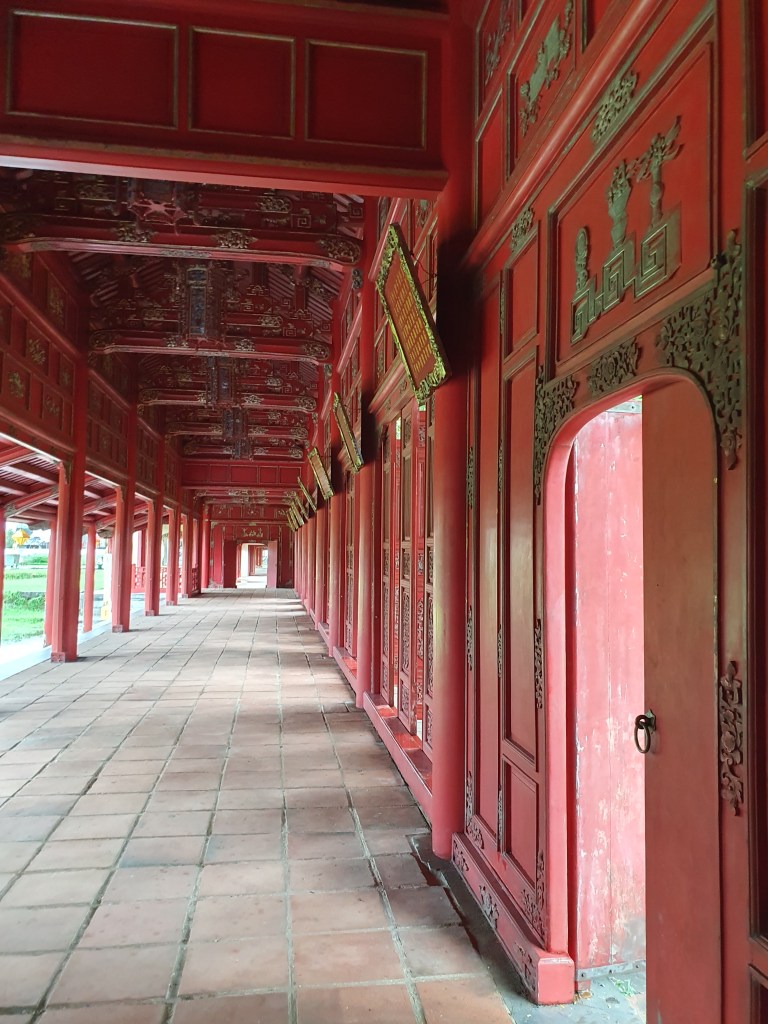
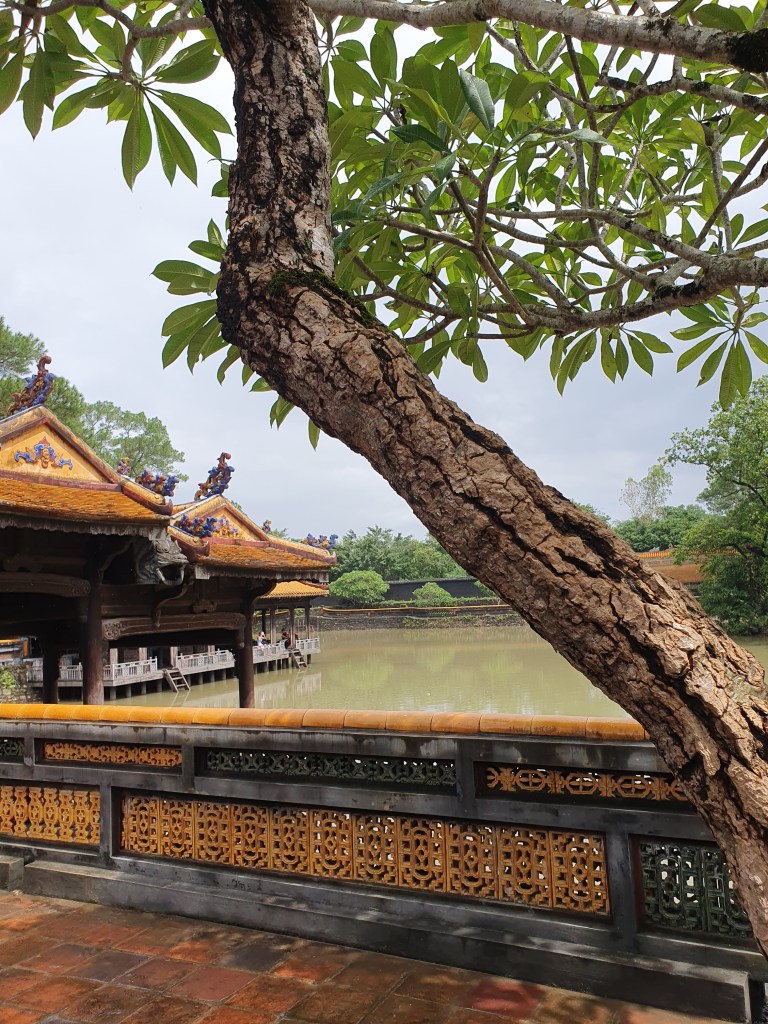
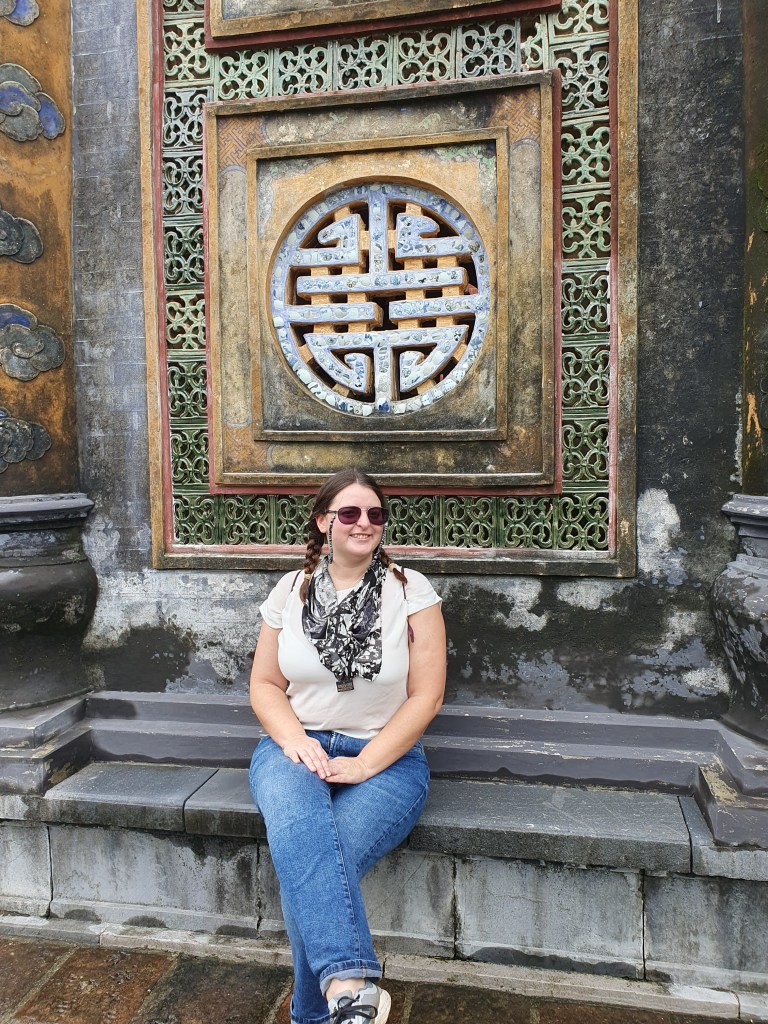
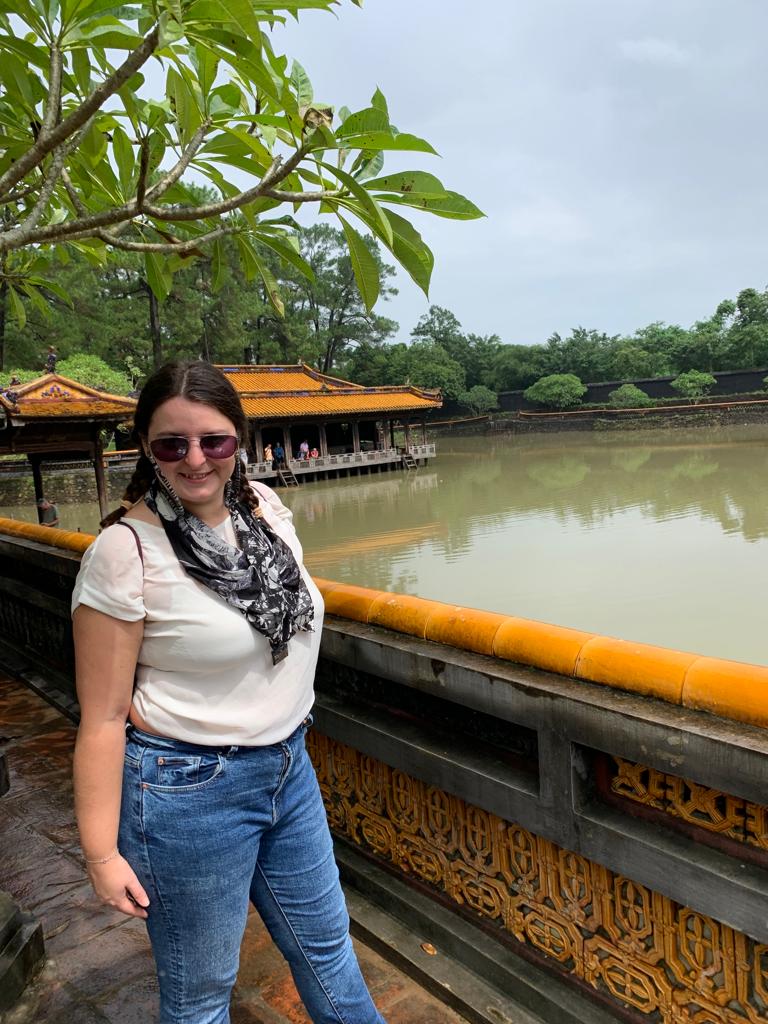
Once we got to Hue and freshened up at our hotel, with an umbrella in hand, we were guided to the ancient citadel. Hue was historically the imperial capital and home of the kings of Vietnam. It still has the 21 metre thick walls surrounding it and many of the original buildings either still exist or have been rebuilt or are in the process of being rebuilt after collapsing from weather or war bomb damage.
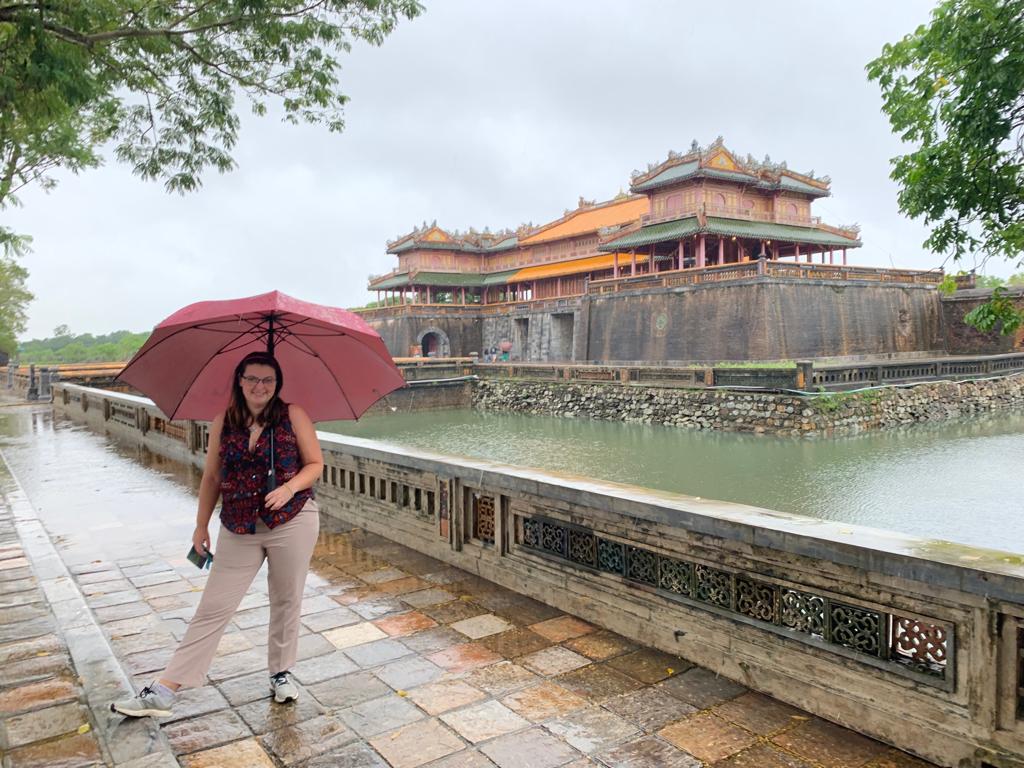
The site is very pretty and a bit of a maze to walk around if you do not have a guide. It is mostly an outside visit except for a few locations where you can visit inside after slipping off your travelling shoes. I Particularly enjoyed the king’s gardens with many bonsai trees and bright green foliage. Obviously, due to all the rain, but green is my favourite colour so I’m okay with that!

The stories about the kings were interesting too. Kings were seen as Gods by the people, but for many centuries the kings were actually puppets for the french to put their influence over Vietnam. The kings ranged from 7 year old boys to a man that went from being a king to a french pilot. So random!

Later in the evening I had dinner with a local family that had been there for generations and the lady’s grandfather had been a direct servant of the king. The family now are well off in the area but still cannot afford to travel much and still work very hard. It is becoming apparent how hard people in Vietnam work to make a minimal living.
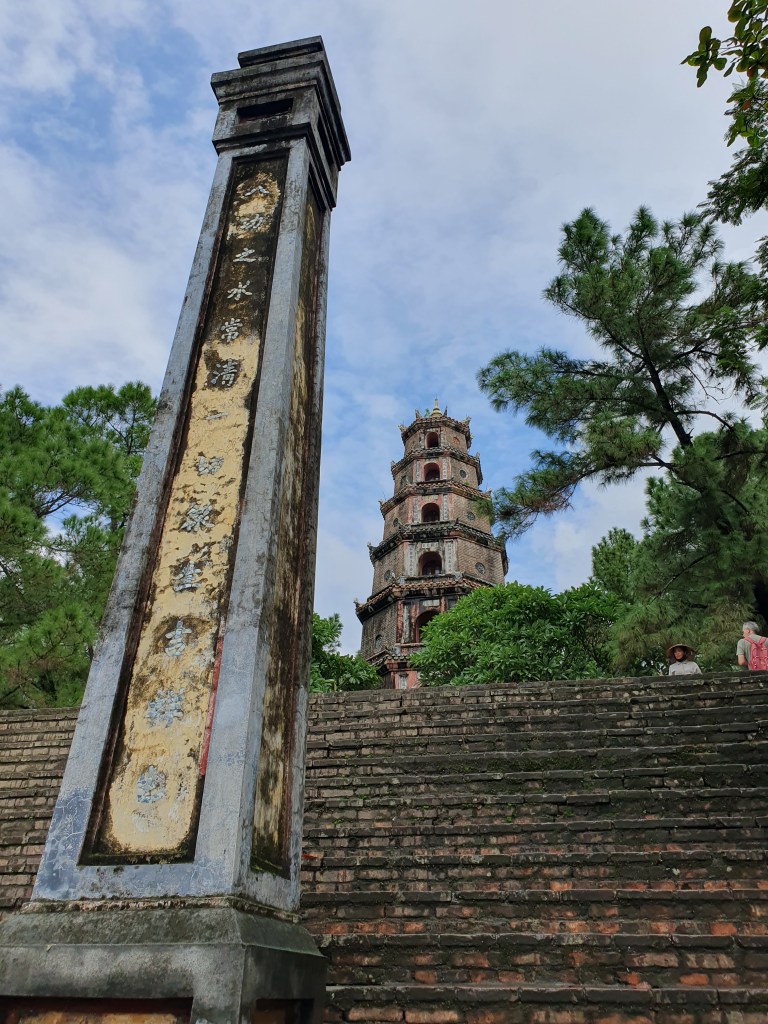
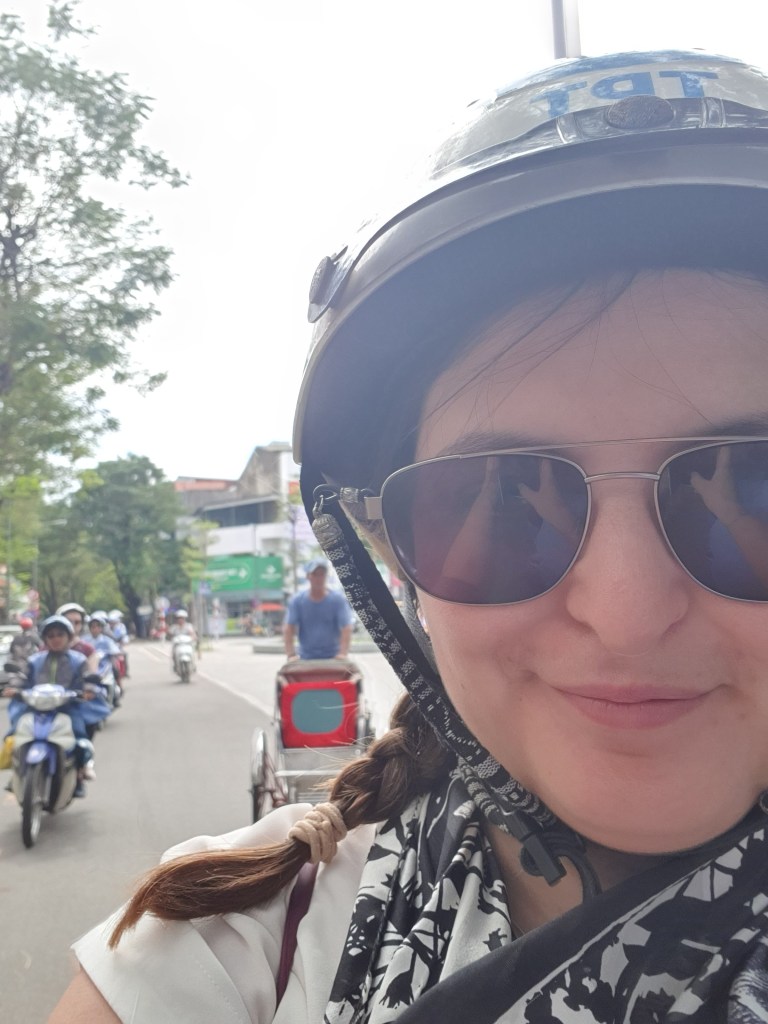
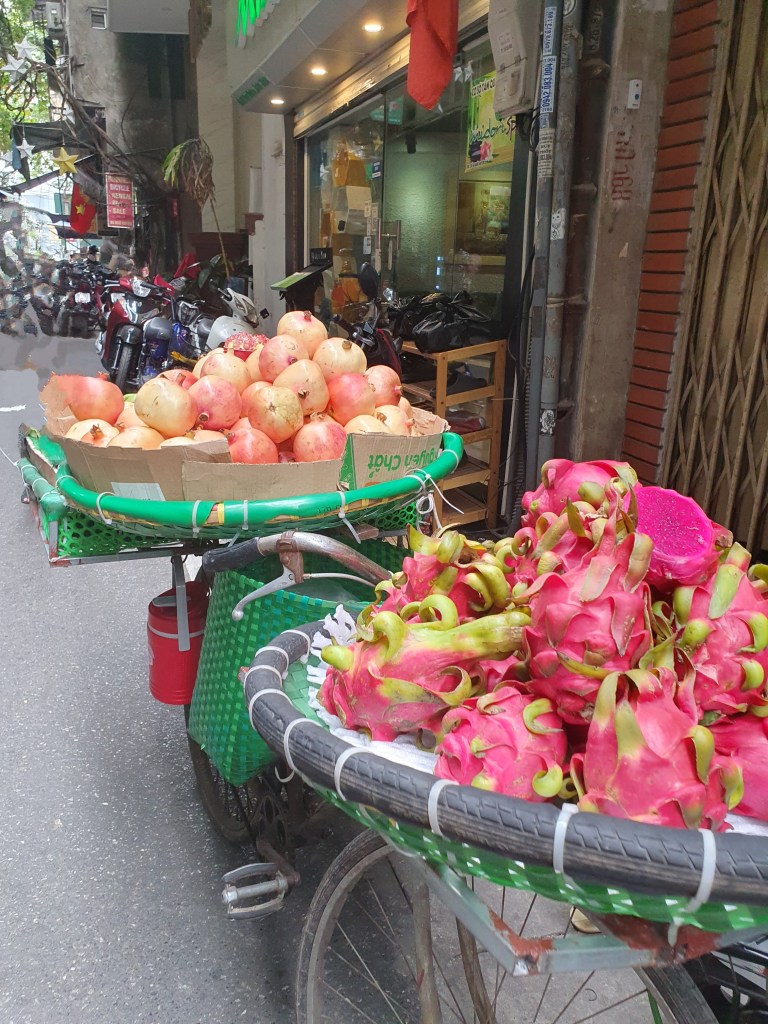
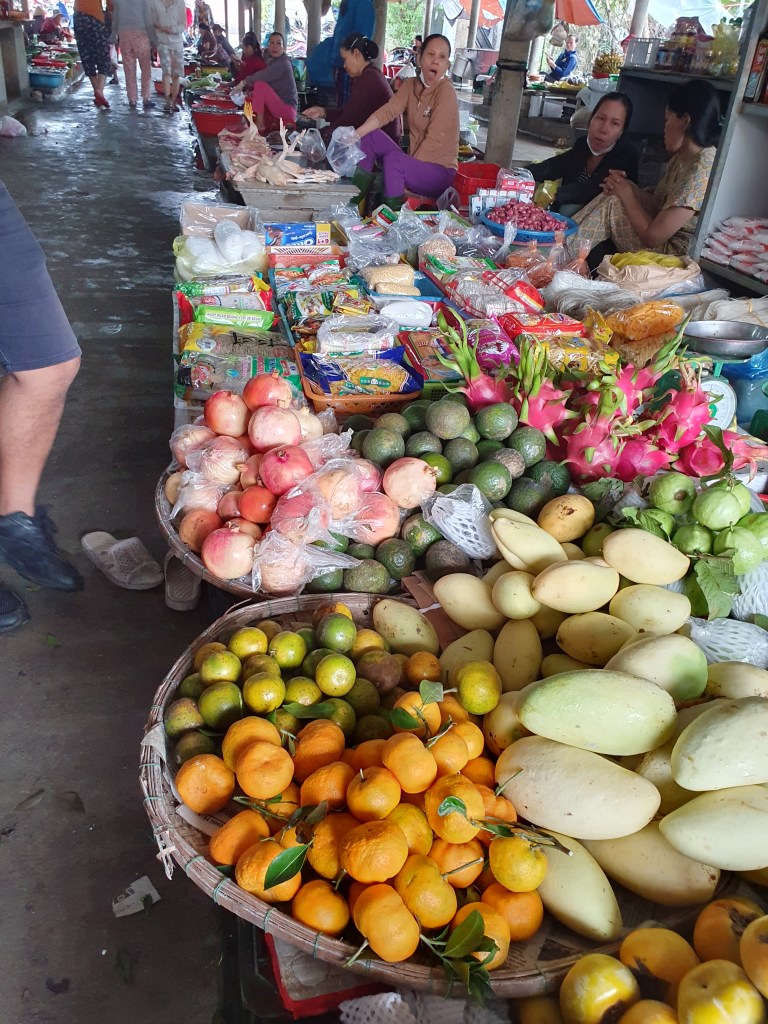
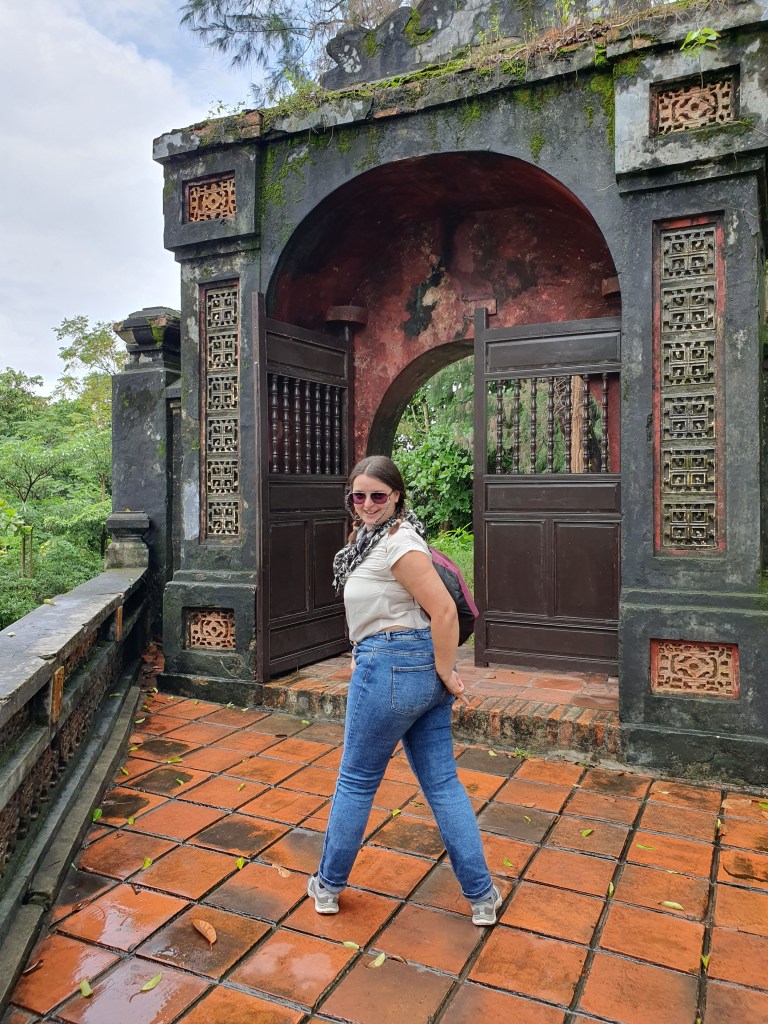
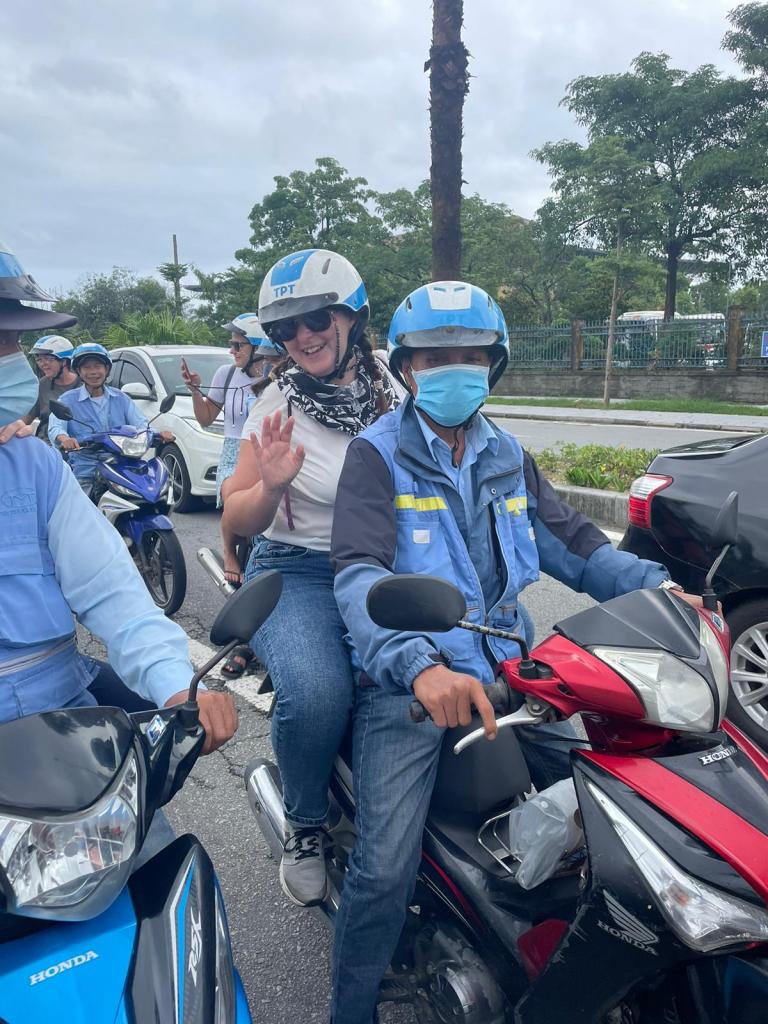
The next day in Hue, we ventured around the surrounding countryside and the town centre by motorbike. This thrilling experience was one I will never forget I imagine, it was an adreline rush full of beauty and culture. As I rode pillion to a Vietnamese man named (‘kern’) I explored a king’s final resting place, a local fresh market (where it is so fresh that the animals are still alive), and a local monk community. What a thrill!

Next day we move on to the South to Hoi An… in my part 2 blog.

Me at Halong Bay

Argentina: Central Patagonia (Santa Cruz Province)

Following my visit to Argentina’s Lake District, I continued my journey South into the center of the Patagonian region and one step closer towards the bottom of the world. This area is full of mountains, and glaciers, and many national parks!

Perito Moreno

After a 13 hour bus journey from El Bolson, I made it to the small town of Perito Moreno. I was the only person to exit the bus at 1am and make my way to my little wooden cabin in the town centre. I had come here for only one reason, to see the Cueva de las Manos, only accessible by car or tour.

Cueva de las Manos (Cave of Hands)

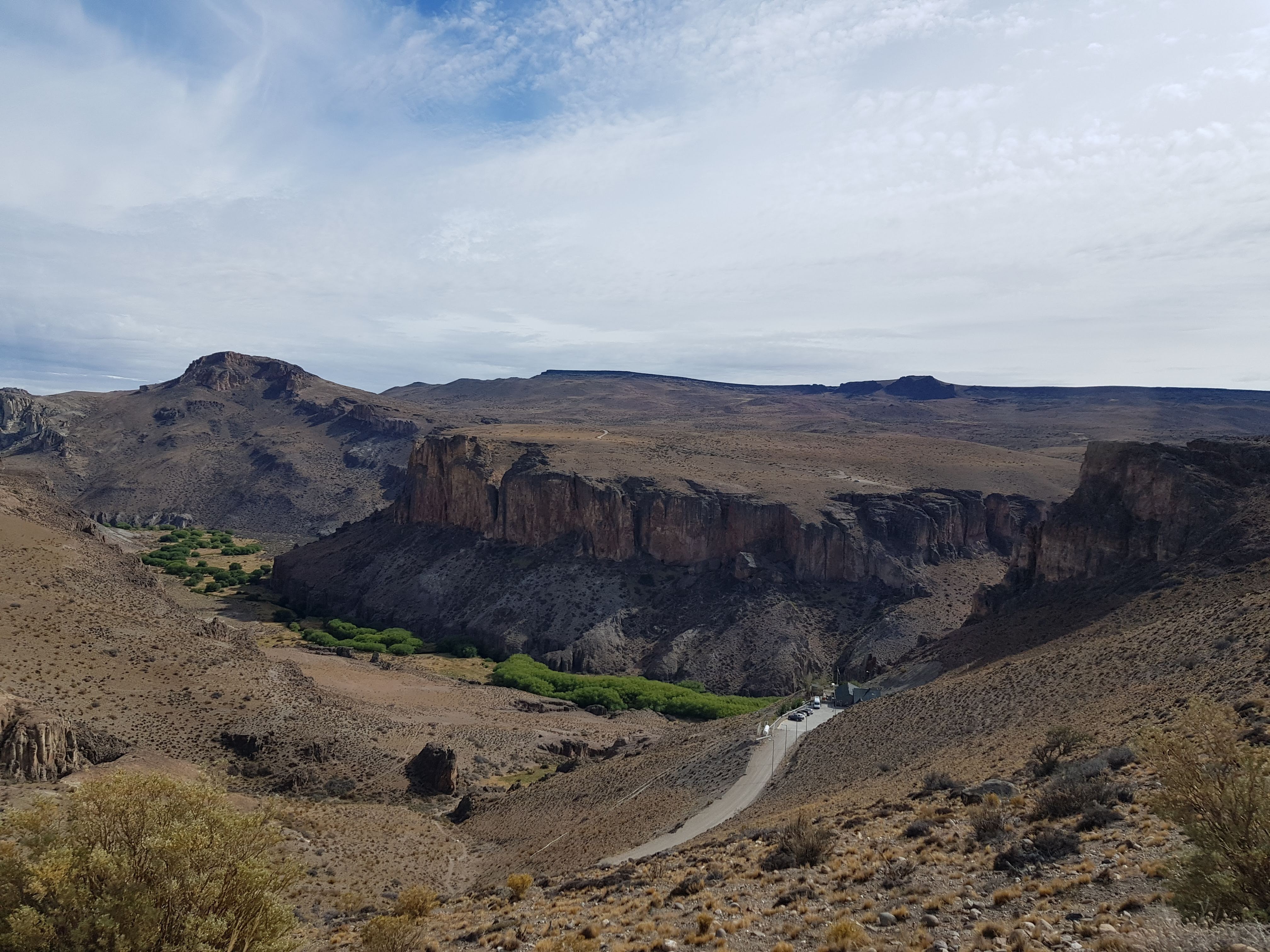
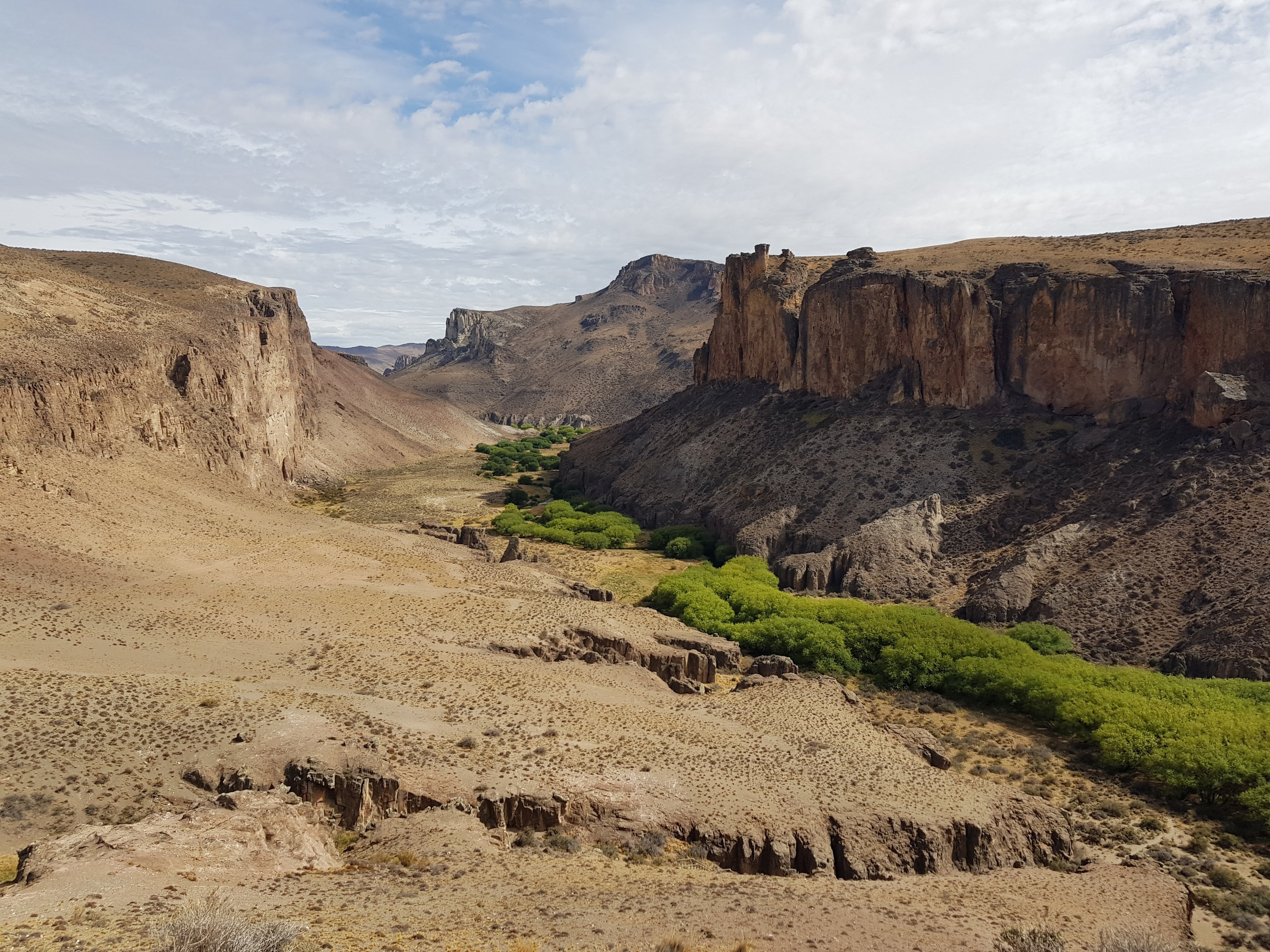
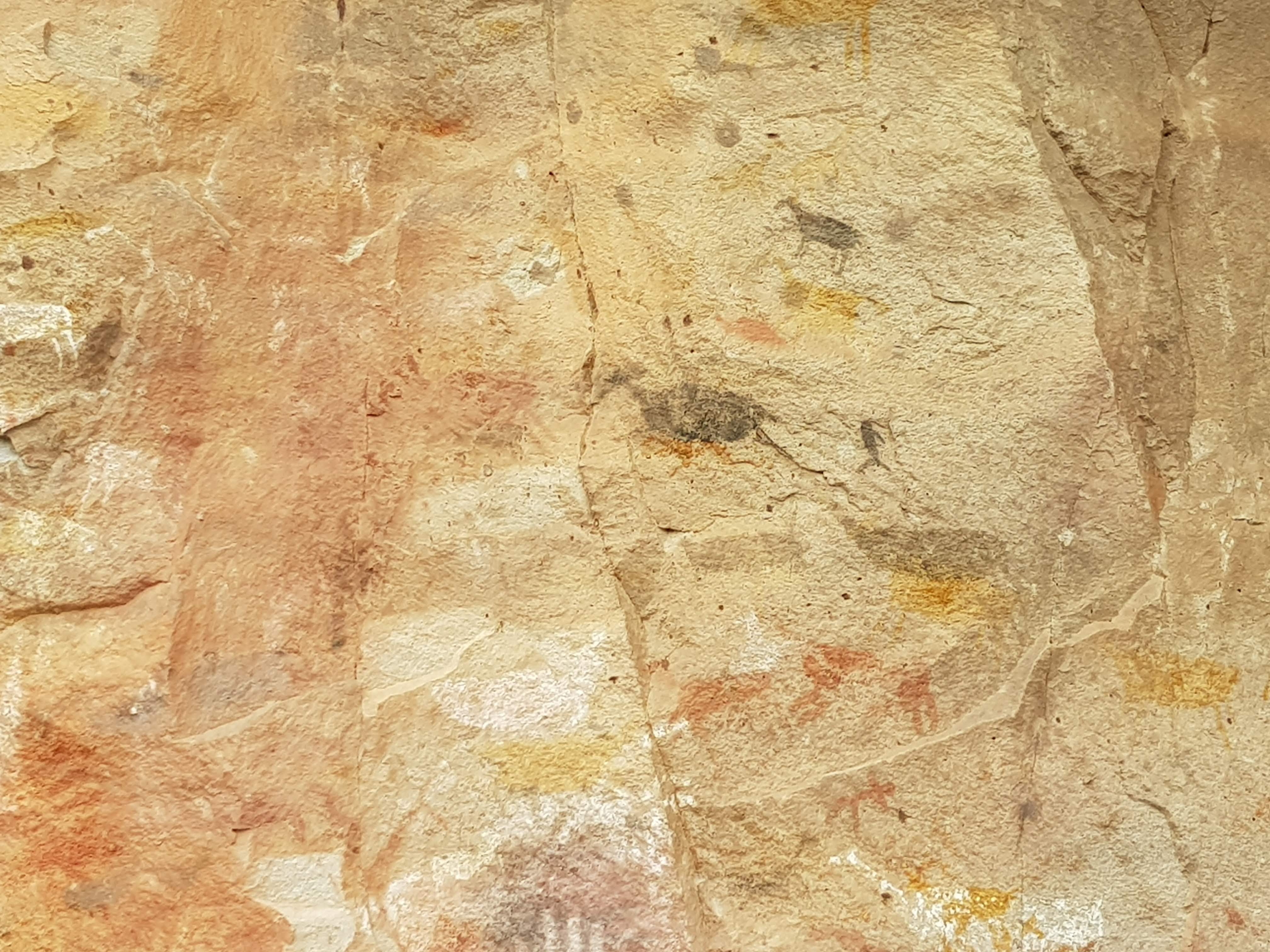
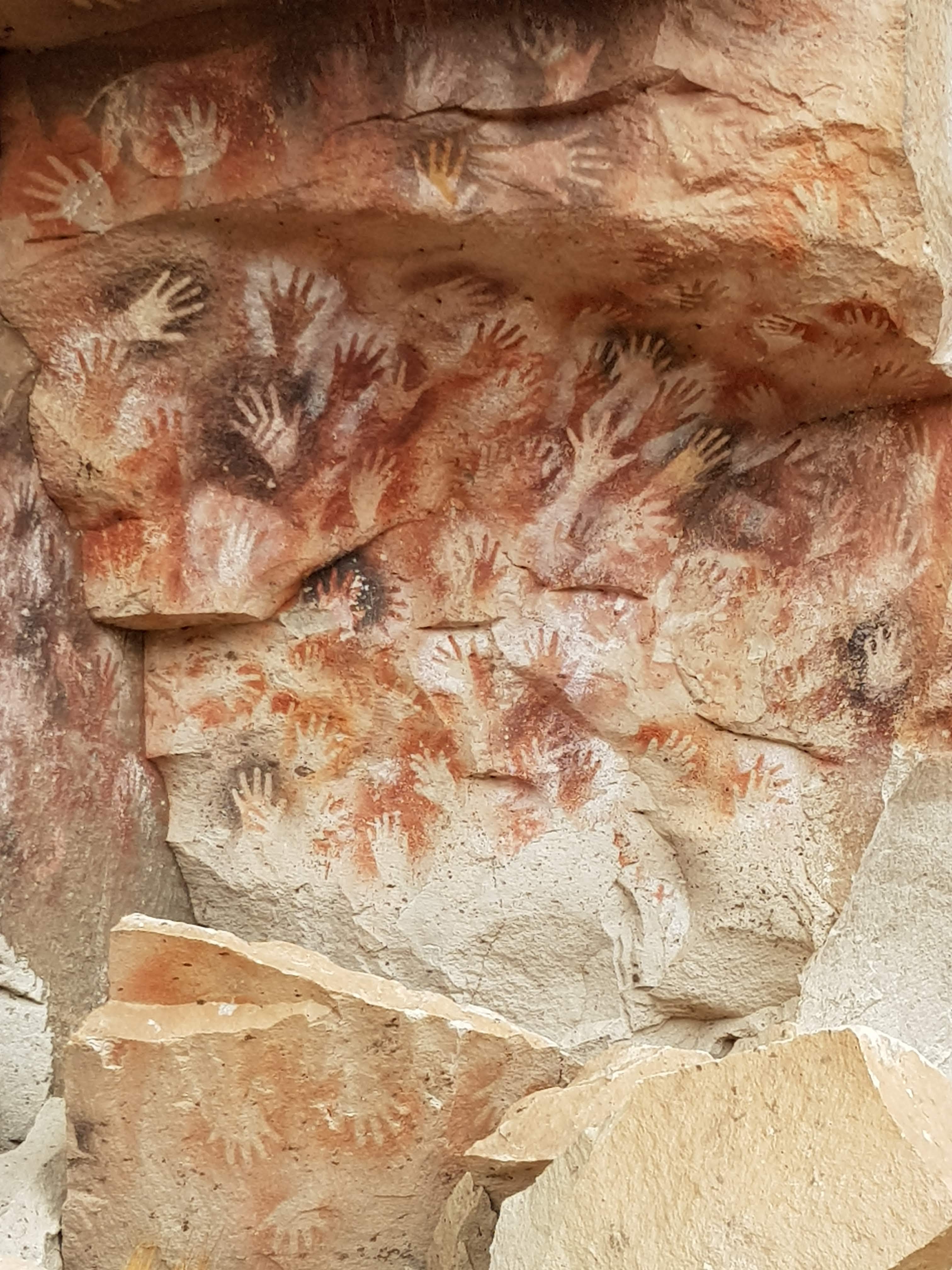
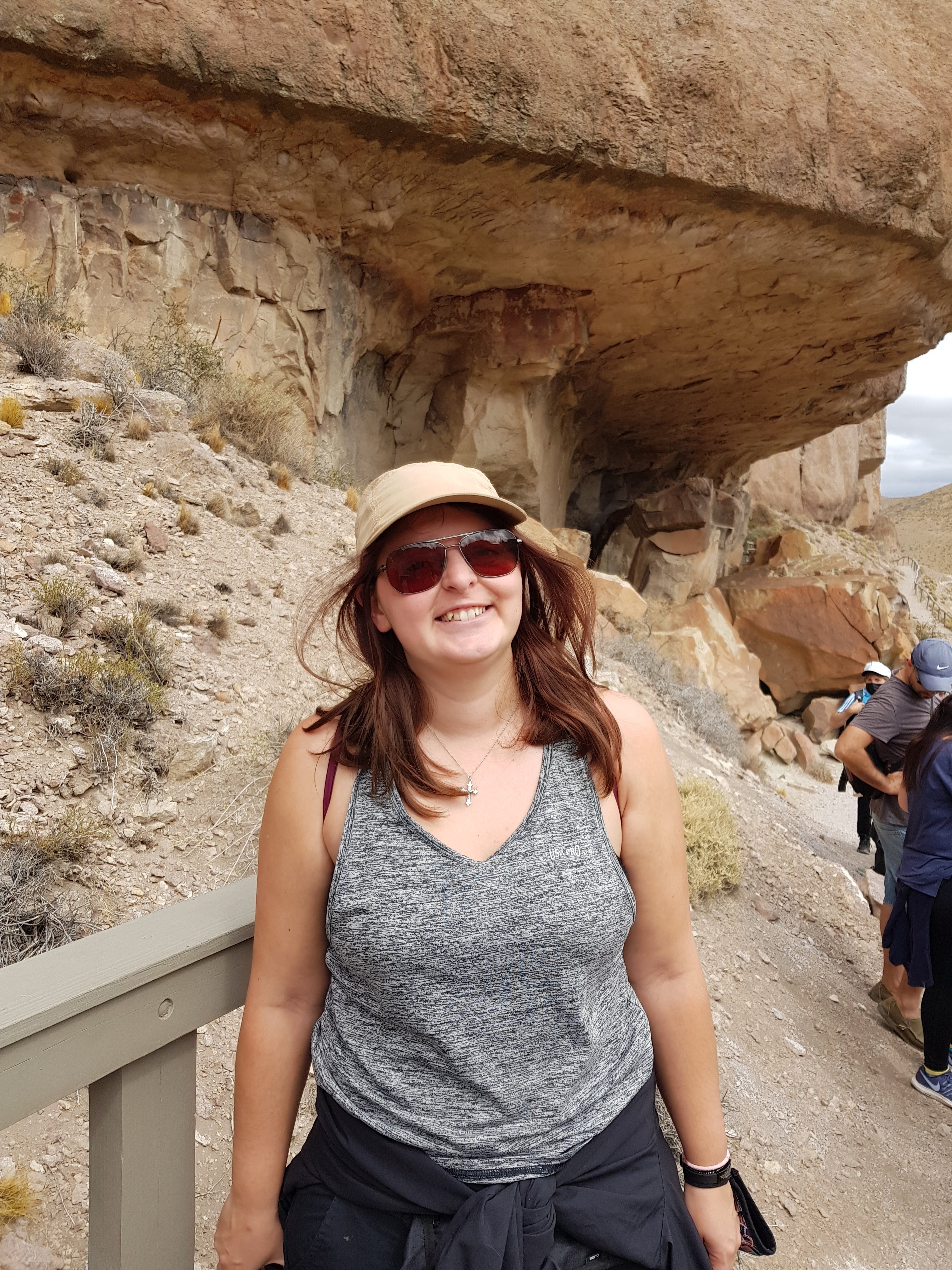
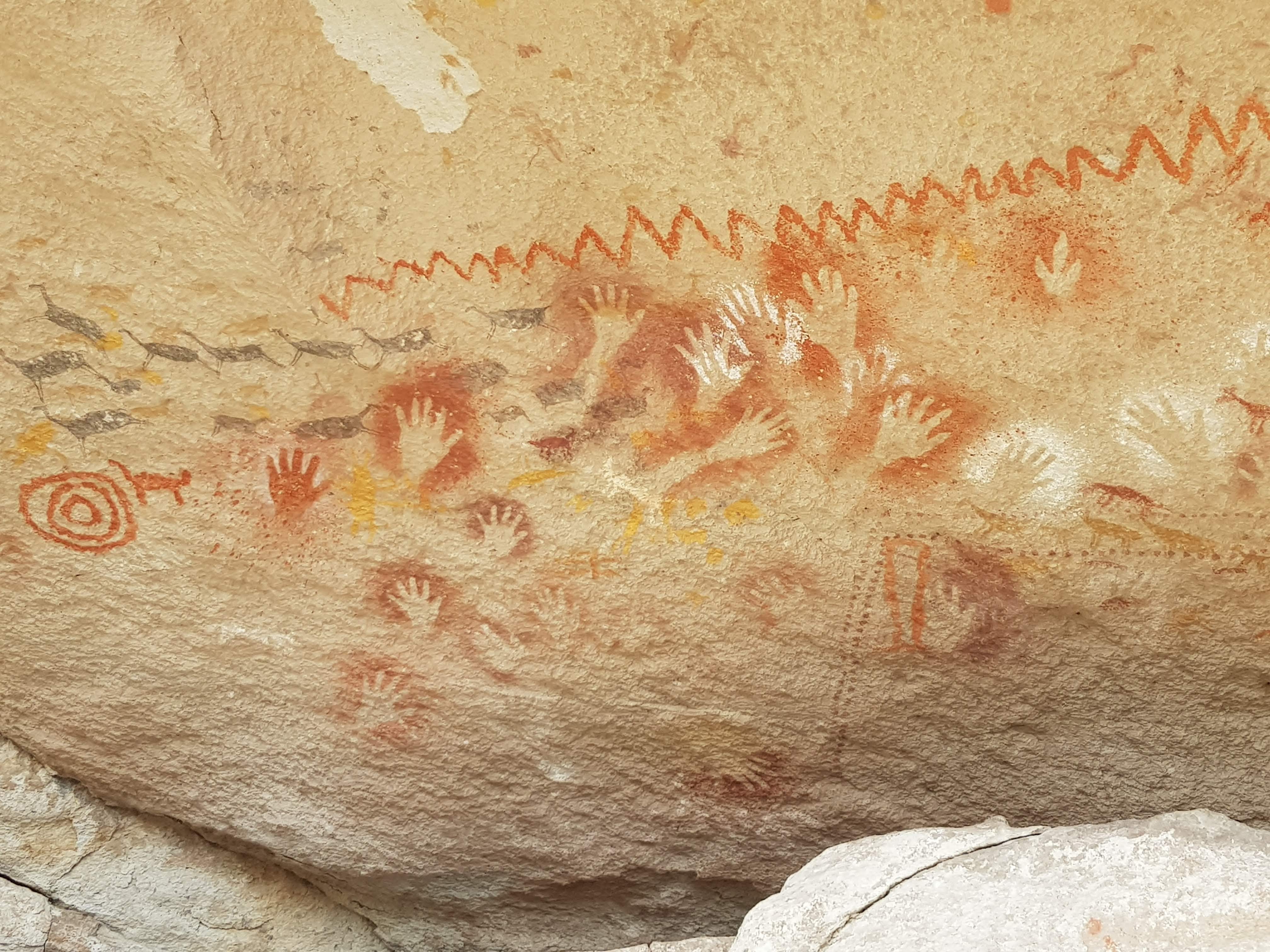
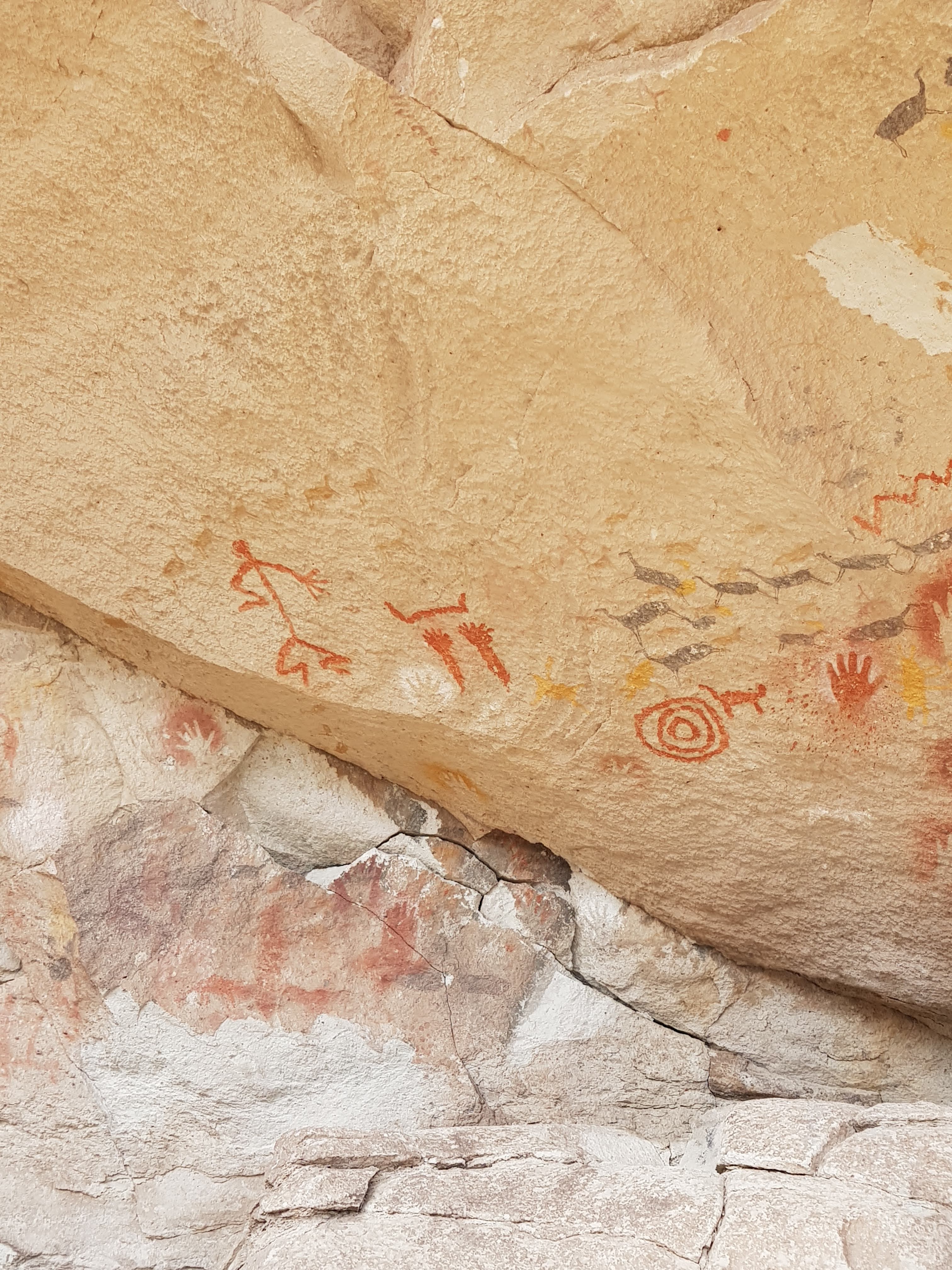
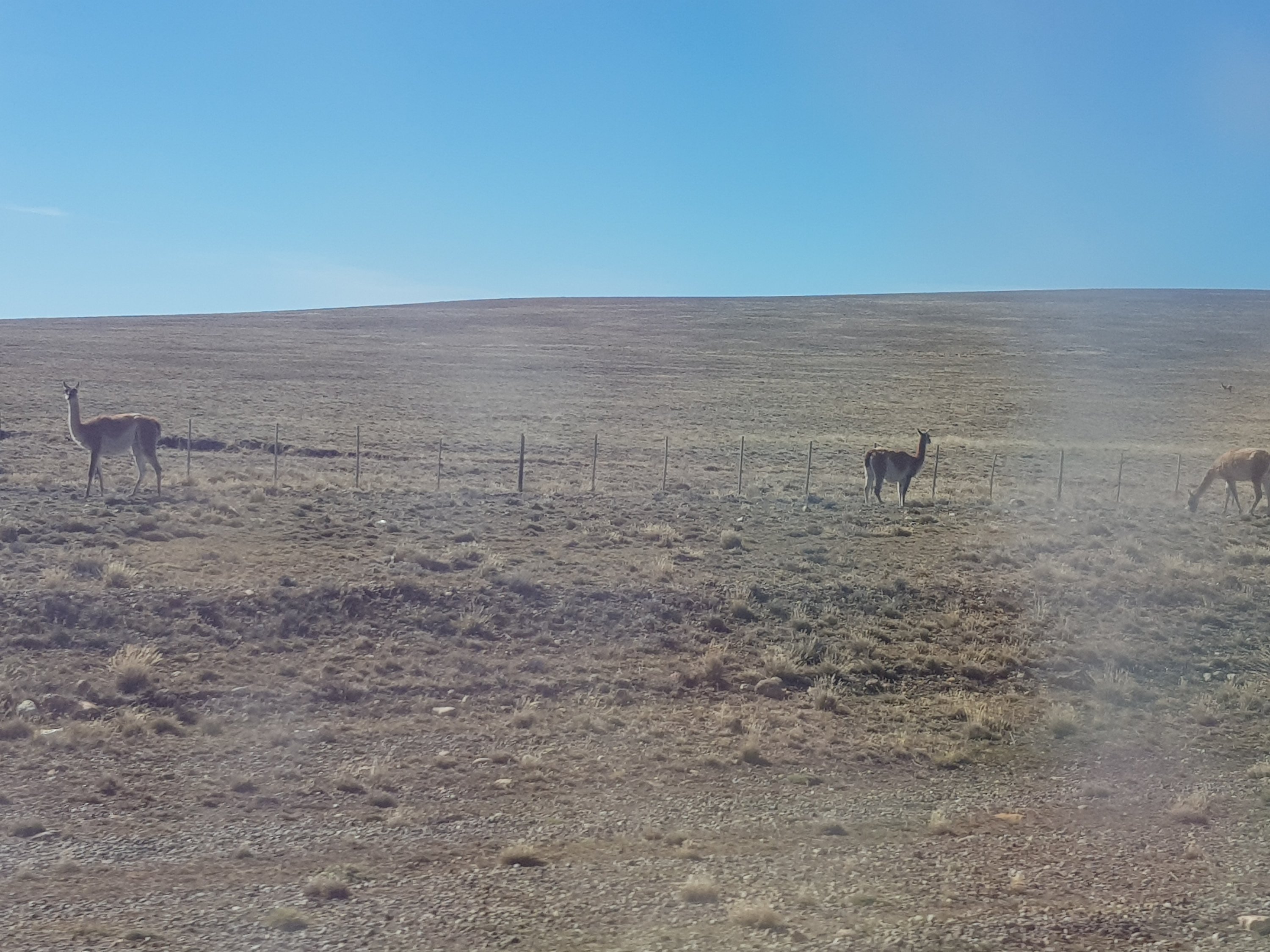
I joined a tour group of Argentine people, and we made our way across some very bumpy roads and past wildlife and huge canyons, before finally arriving at the UNESCO site of Cueva de las Manos. This world famous spot has an amazing collection of ancient cave paintings and hand prints, not inside the cave but across the front of it, along a huge rock face. The guide on the site escorted our group through a long boardwalk running across the side of the paintings and with views of a canyon on the other side.

These amazing paintings crowd the walls and include handprints of adults and children from possibly three different times. You can also see illustrations of animals that they would hunt, geometric shapes, that are suspected to represent a map, and there is even a suspected paw print of a puma! The whole collection is made up of different colours, including yellows and bright blues, and are made from different natural materials. I imagine that the person that discovered this must have been completely astonished by all the haunting raised hands.

Patagonia Park

The tour also included visits to other interesting locations nearby such as the Patagonia Park, which had huge salt flats to see.

The locals prepared a lunch for our group of traditional and locally produced food. It was delicious and in true Argentine style, the portions were huge. I tried to tell the people in the group that I was full, but the little old ladies in the group said they wanted to fatten me up and they are like my ‘abuela’ (grandma) and want to look after me! haha

Coloured mountains

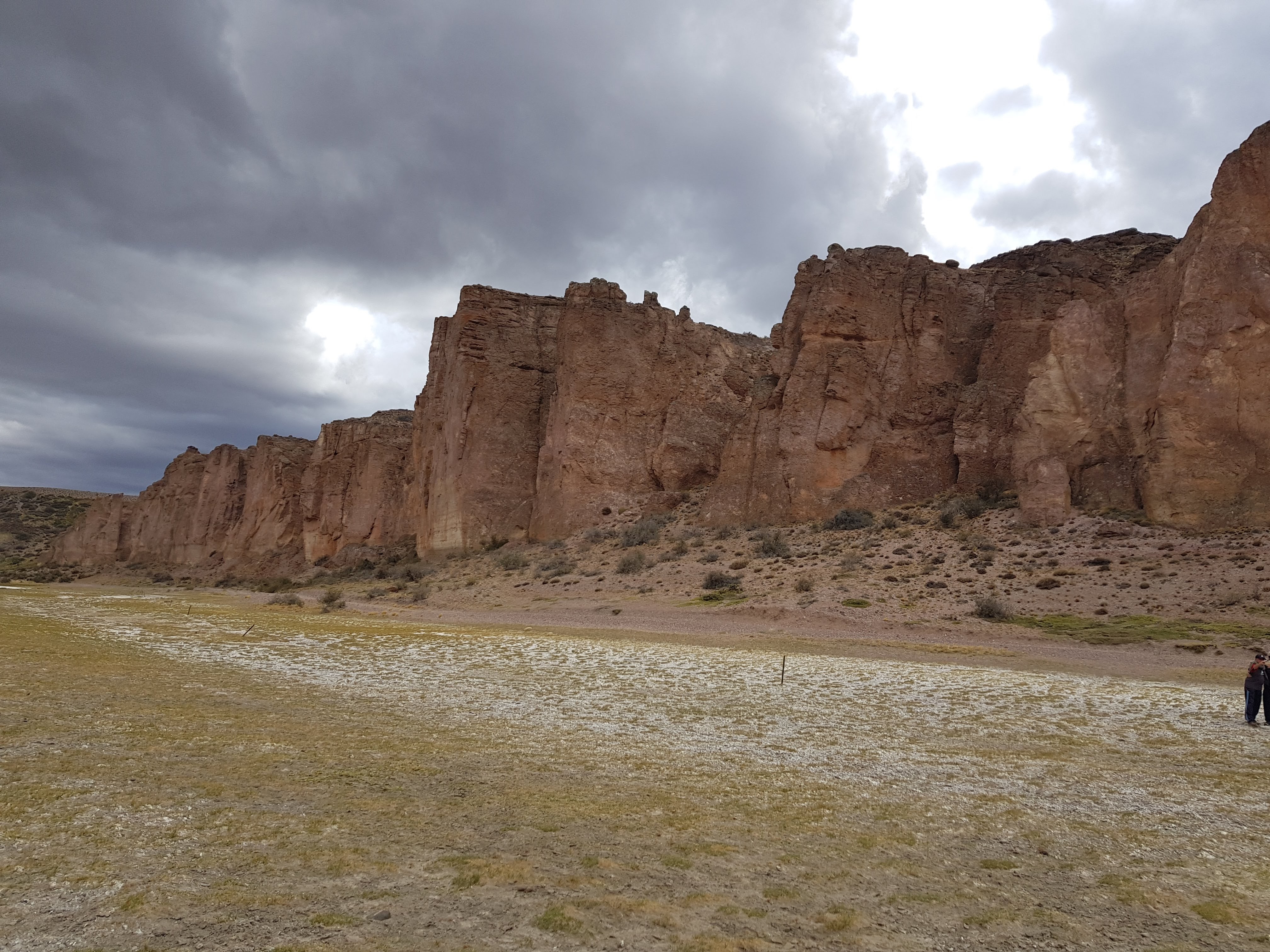
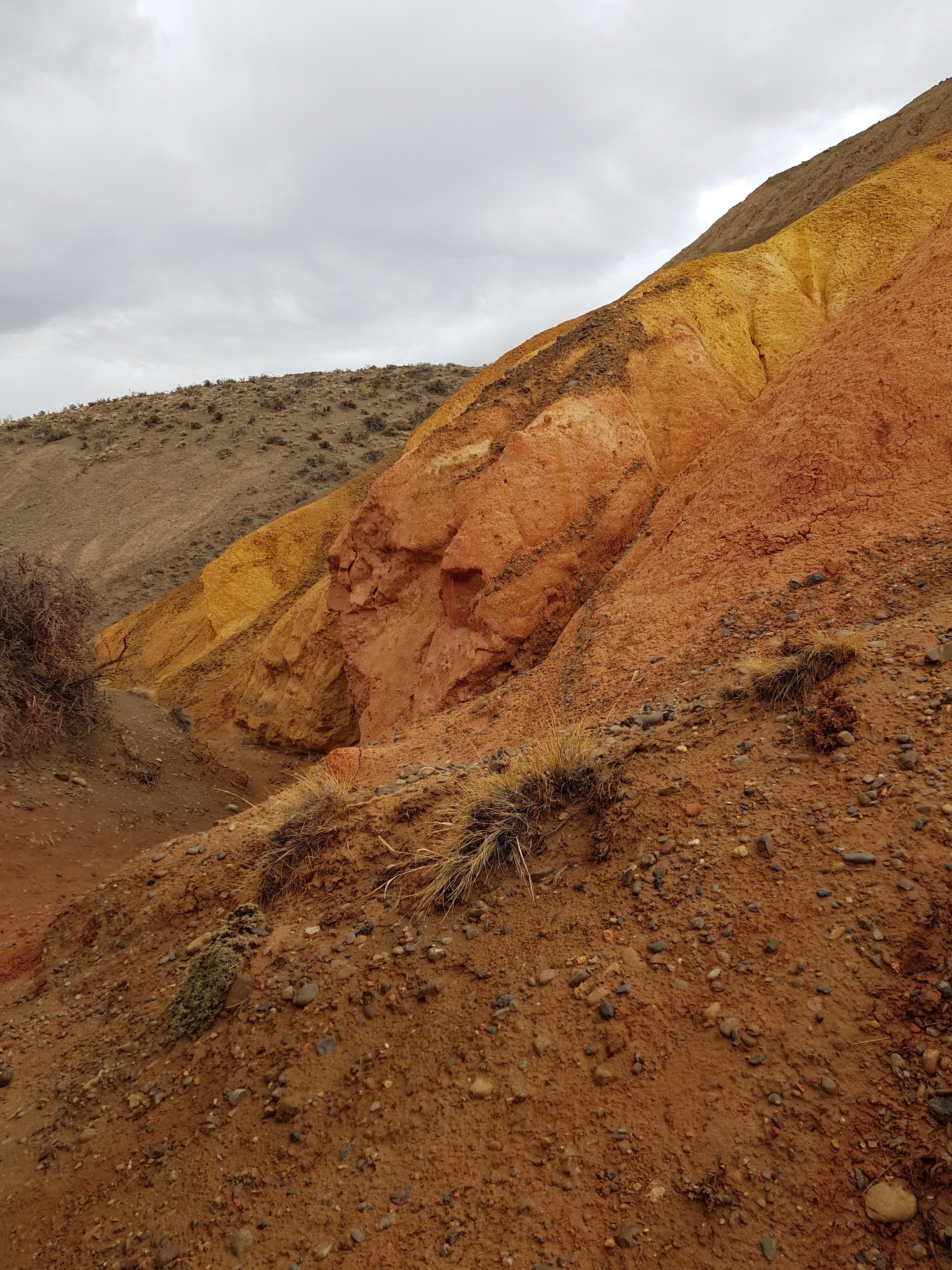
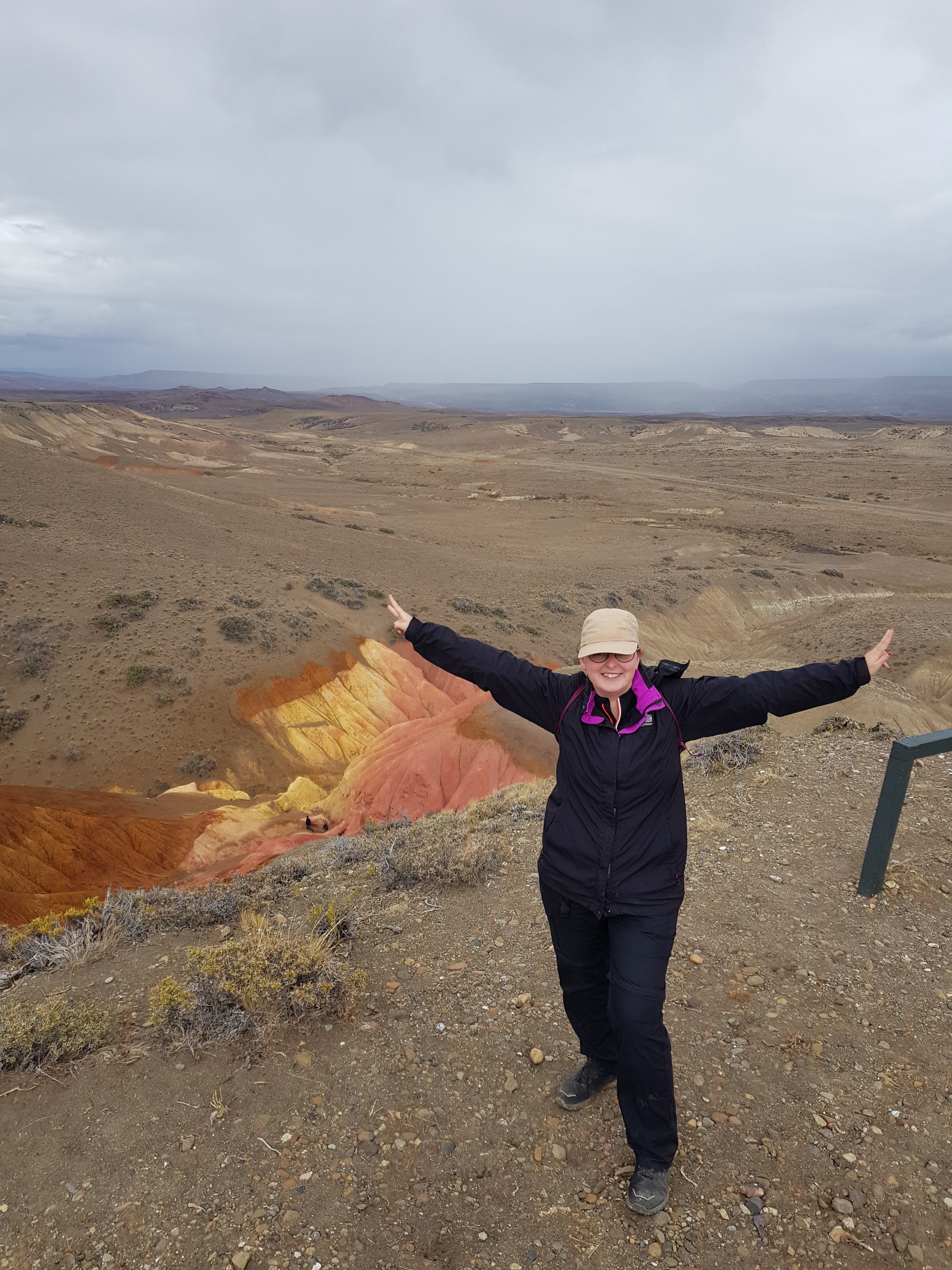
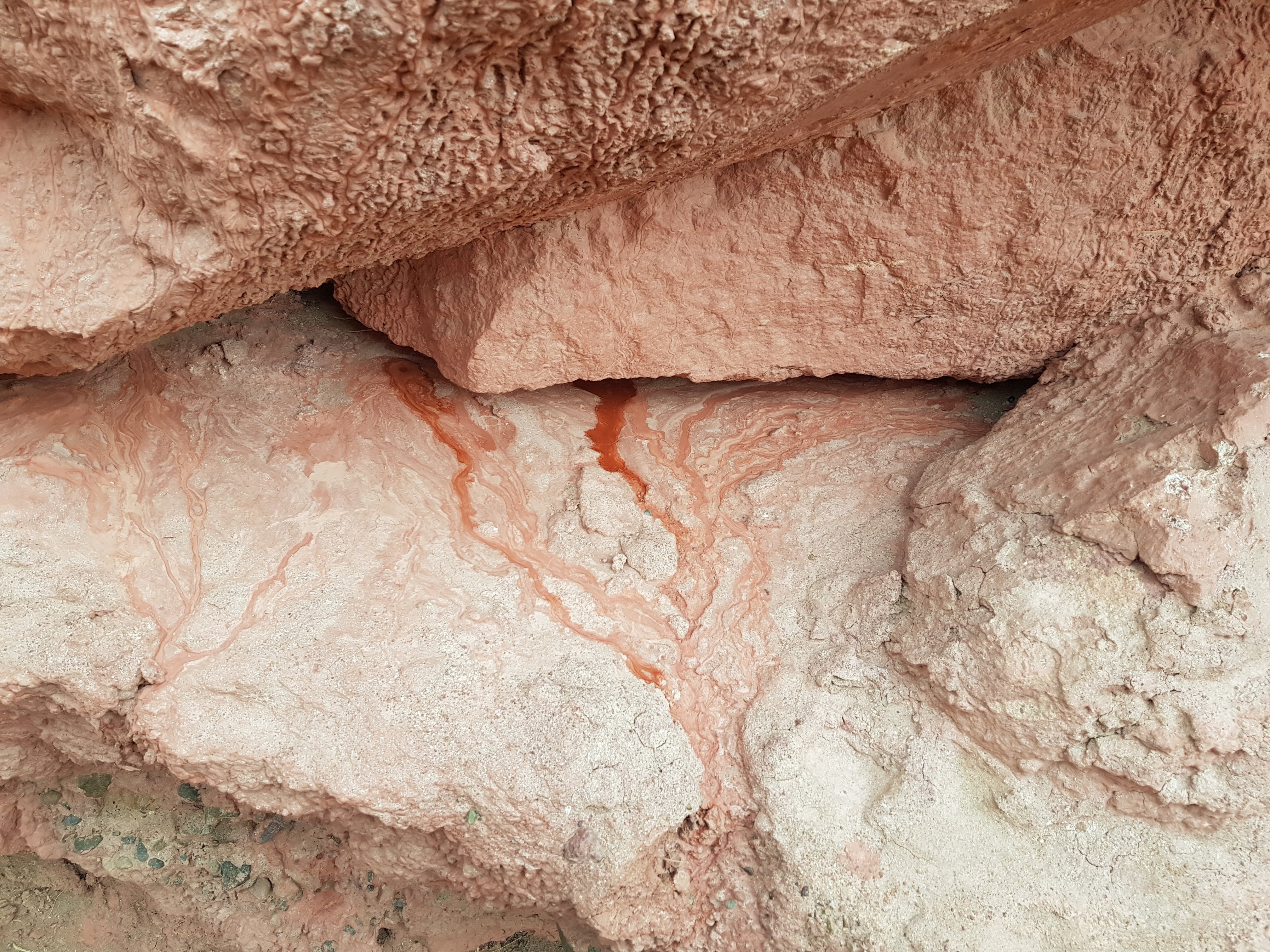
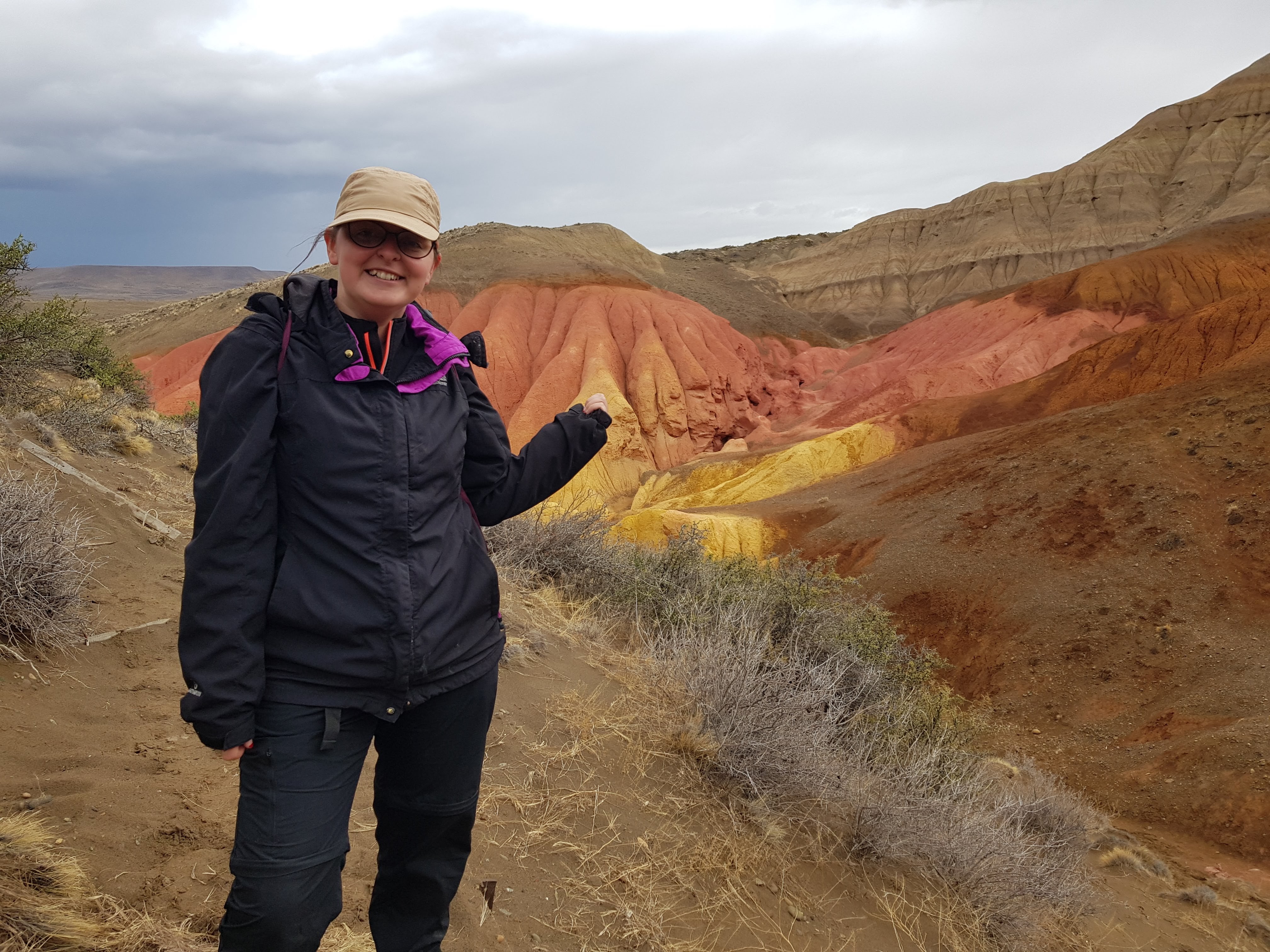
The last stop was an hour hike over some amazing hilltops/mountains that were brightly coloured in oranges, red and yellows. This is due to the properties in the rocks and all the minerals being brought out by rainfall. It was pretty awesome, and the short walk to the top gives you an amazing view!

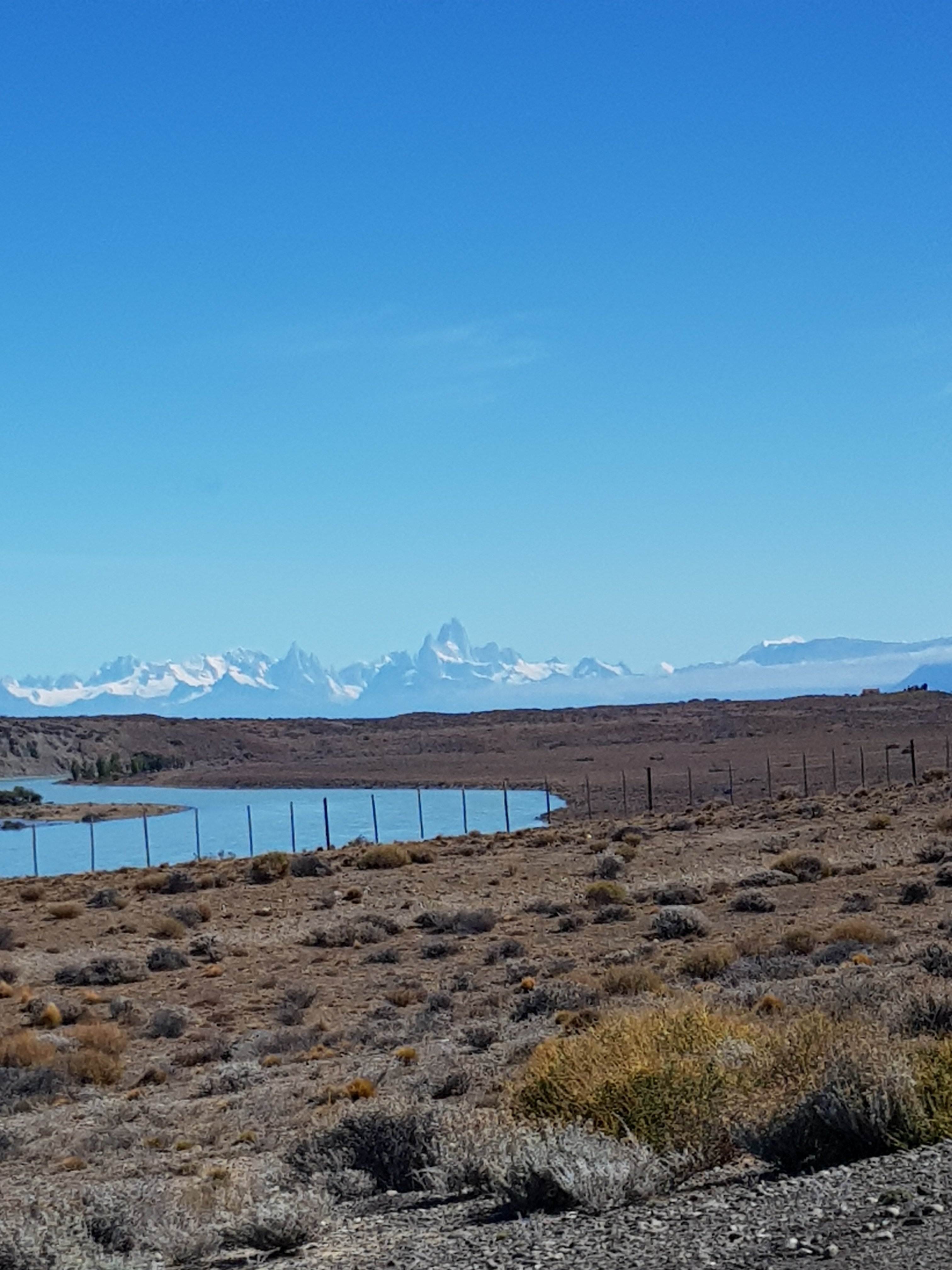
El Chalten & Fitz Roy

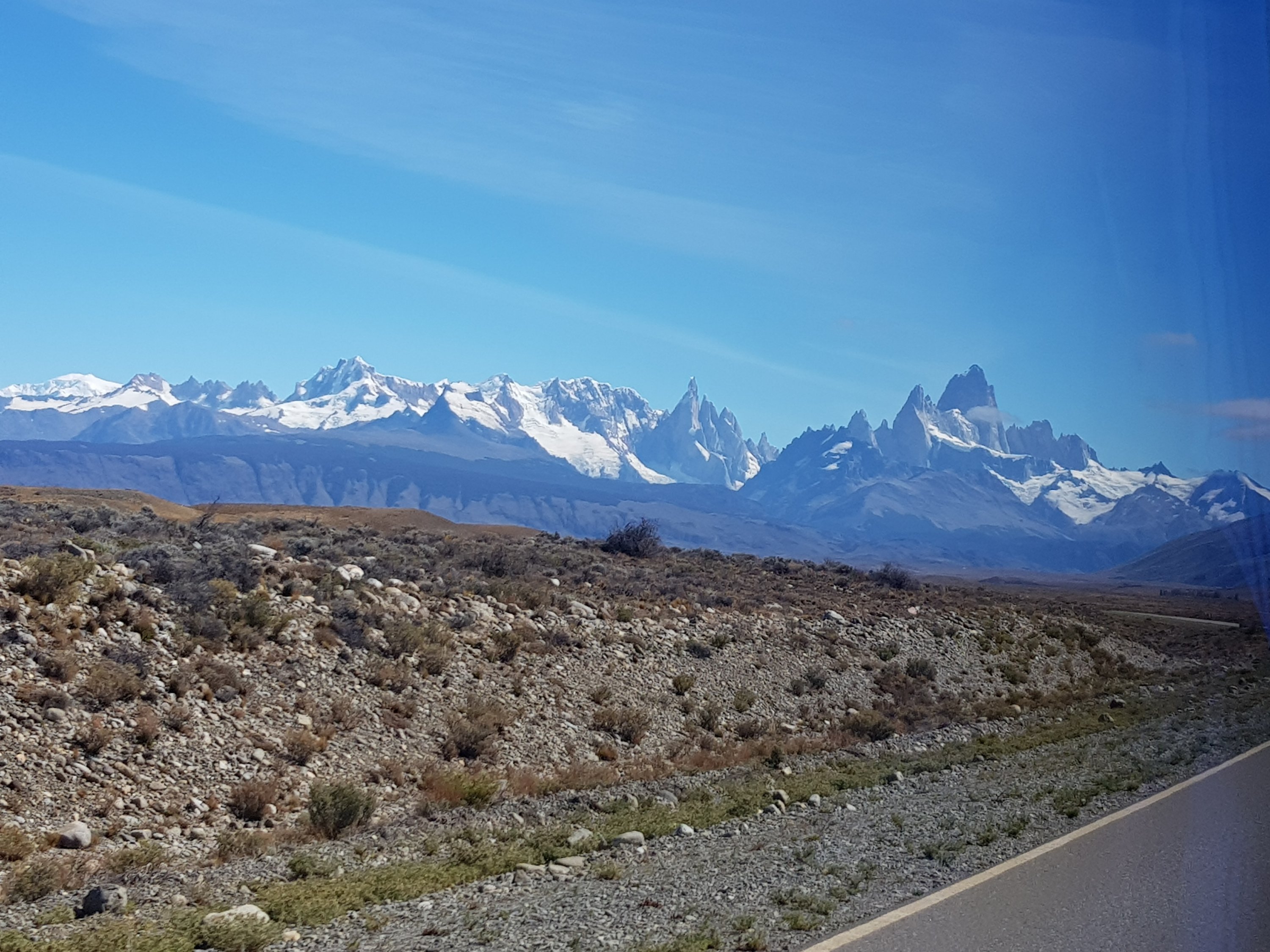
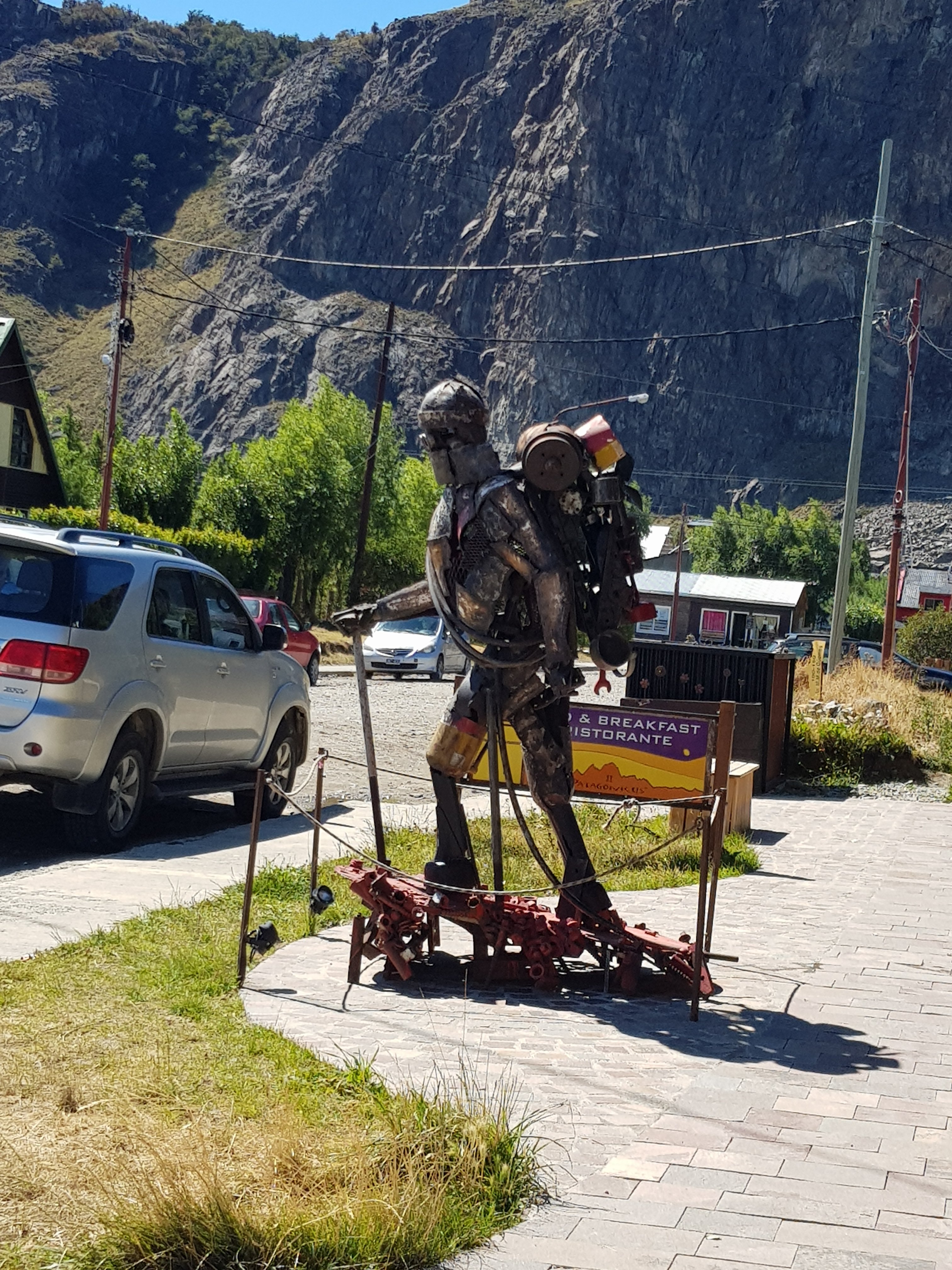
Next stop on my trip was to the little town of El Chalten. Getting there was a struggle. It had been raining the night before, and so they rerouted the bus to the only other motorway that took us to the bottom of the country then we turned back around and went back up… A 10 hour journey took 18 hours… craziness.

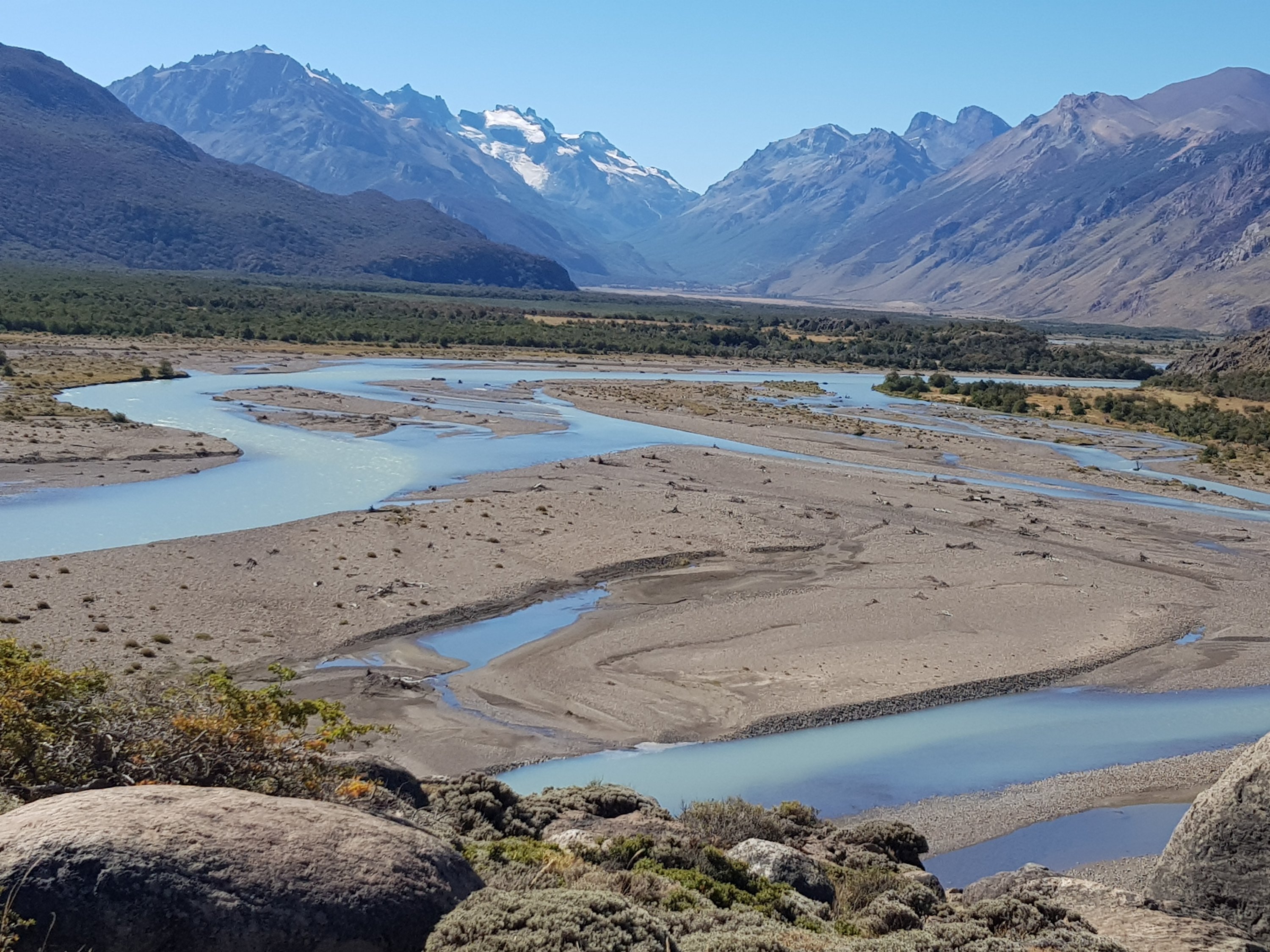
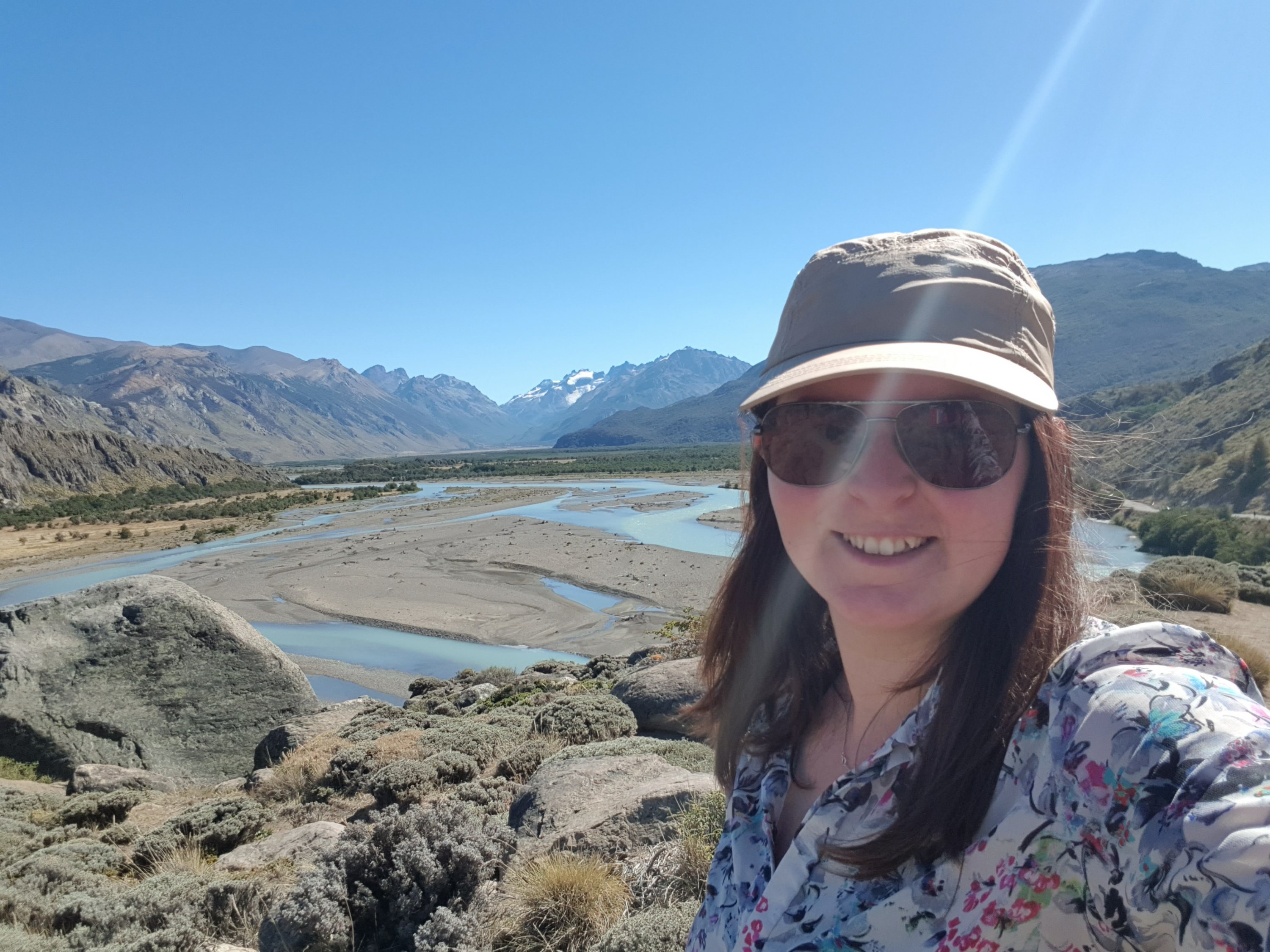
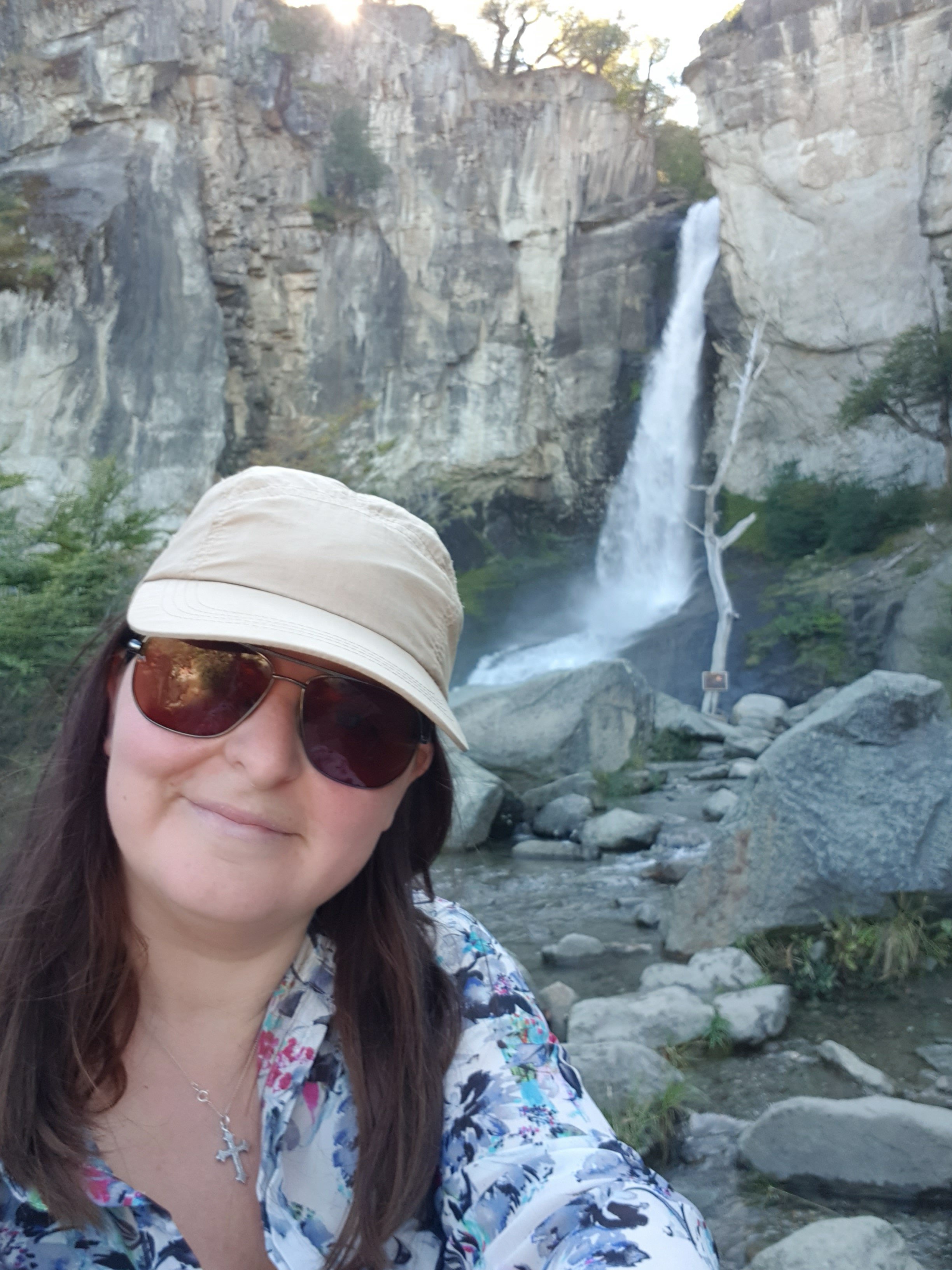
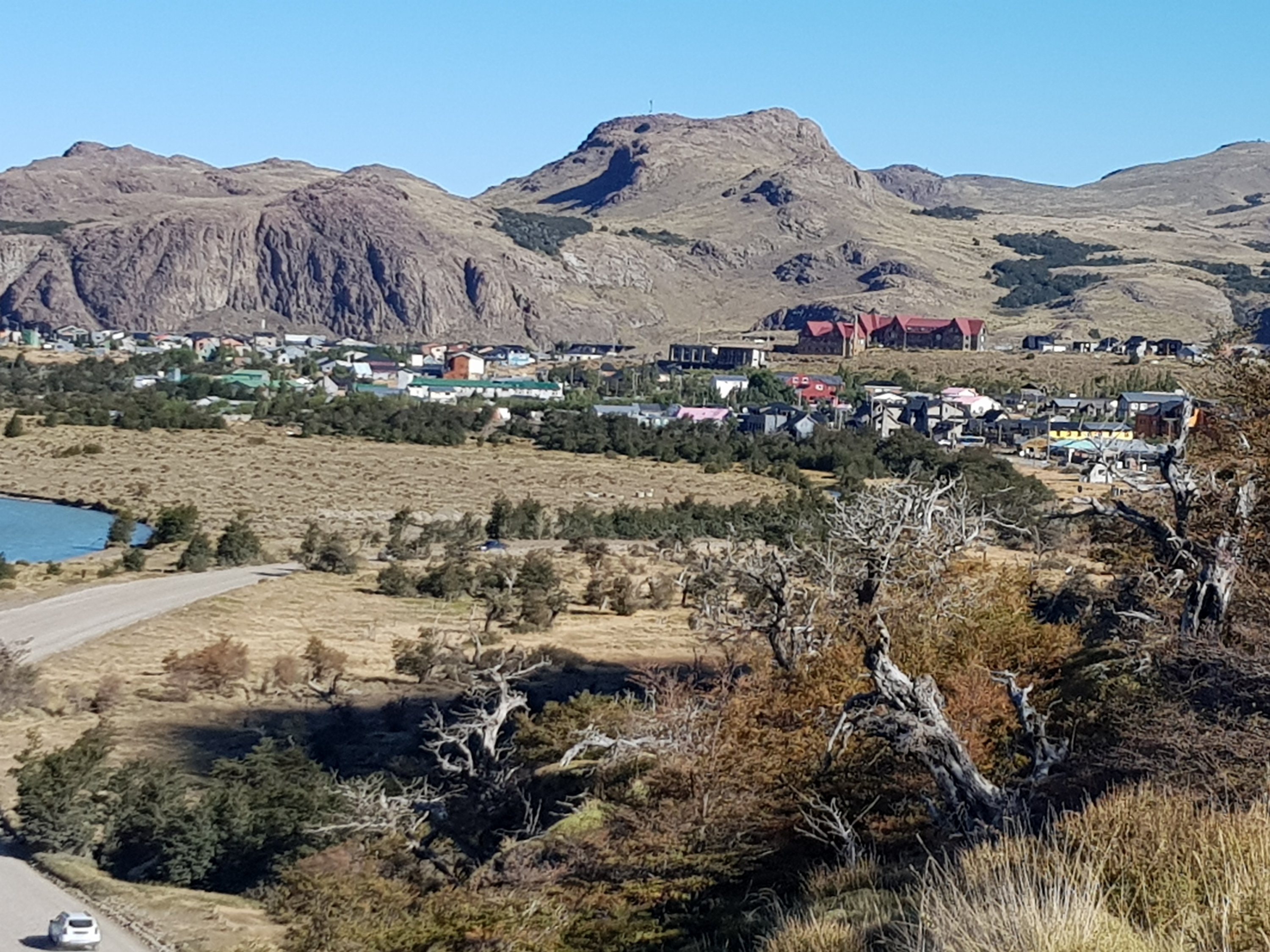
On finally arriving, I headed straight out for a short hike to a nearby waterfall. It was great to get some fresh air and put my head under the flowing glacier water. I also got great views of the landscape and the town. El chalten is a part of this natural landscape and is an absolute haven for hikers and climbers.

Laguna de los tres

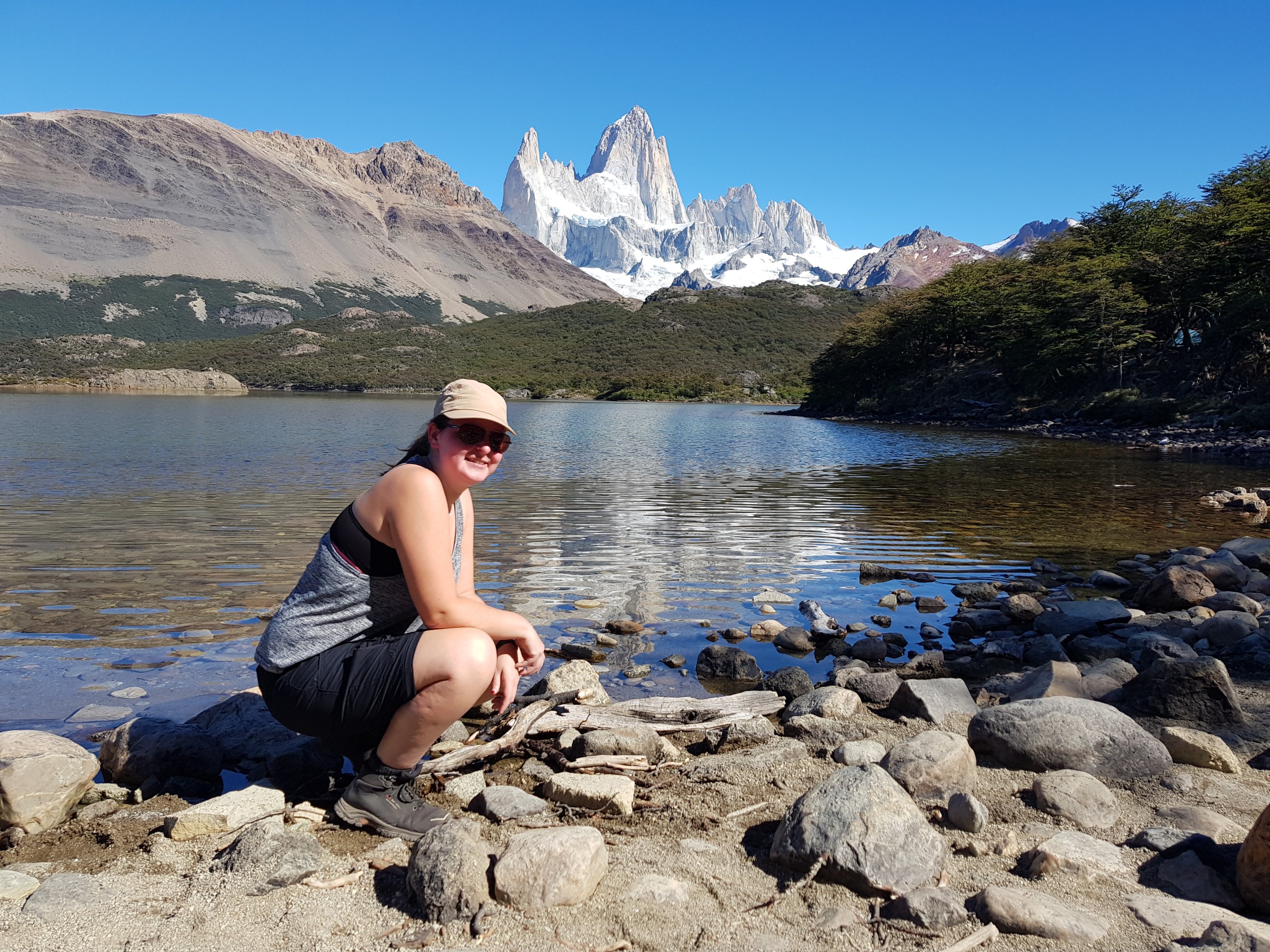
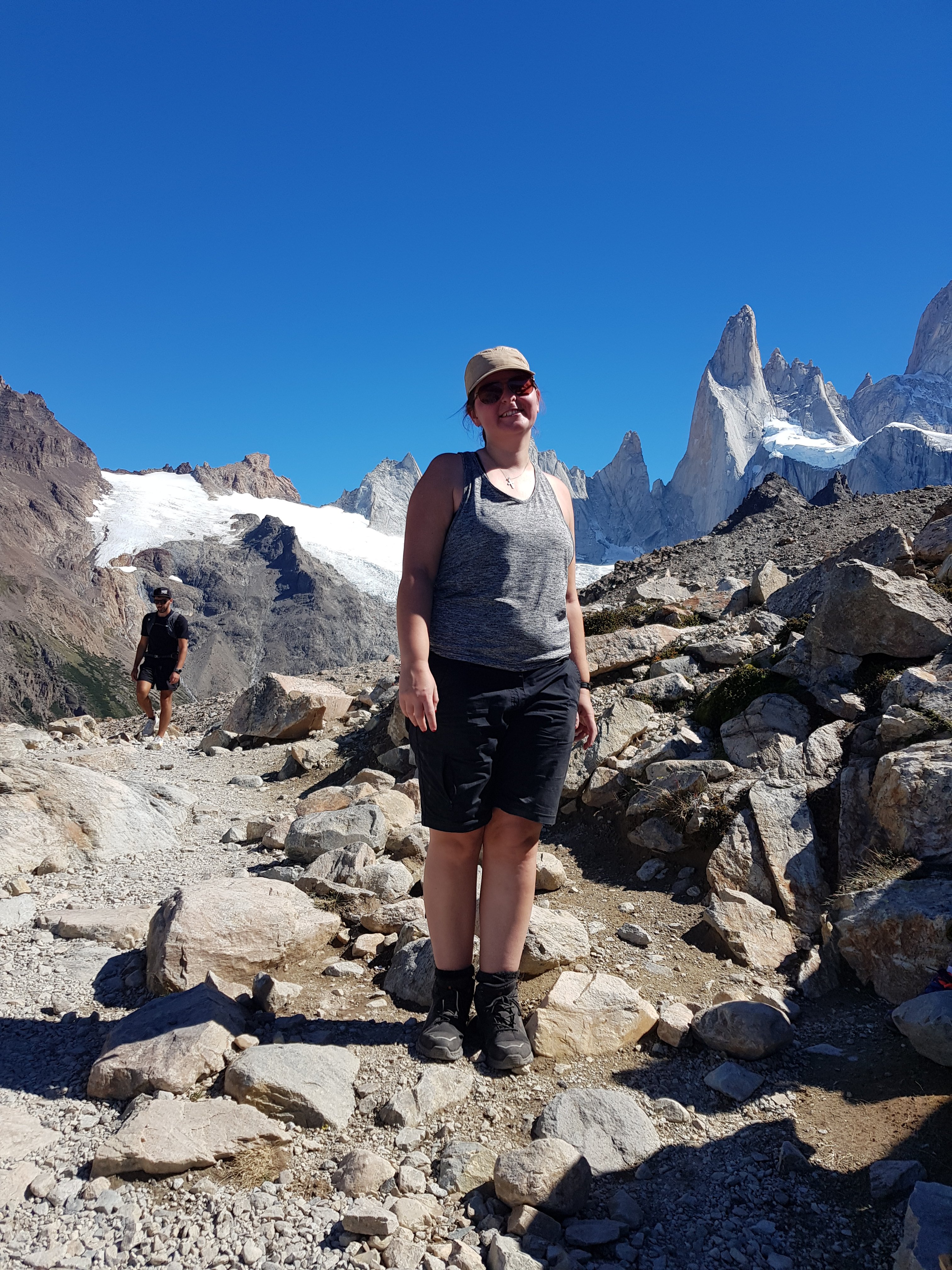
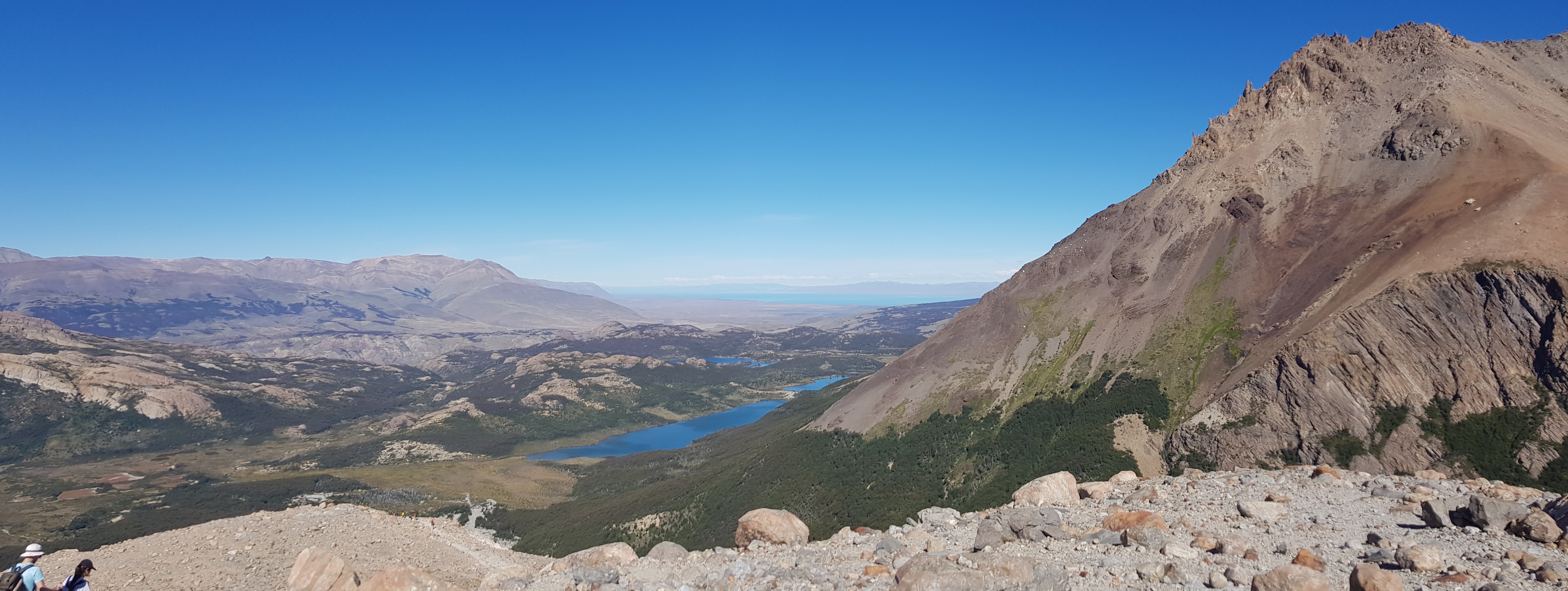
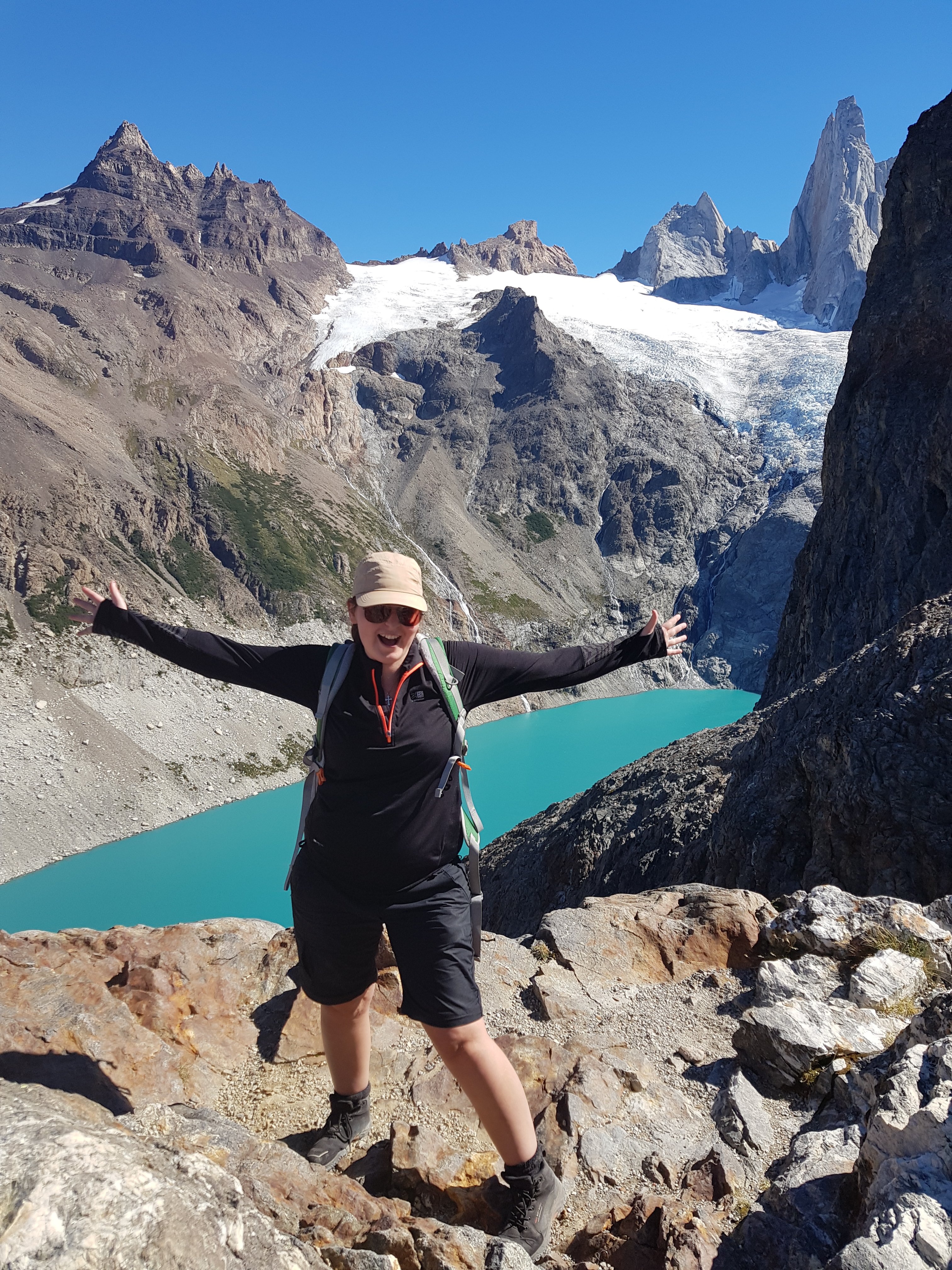
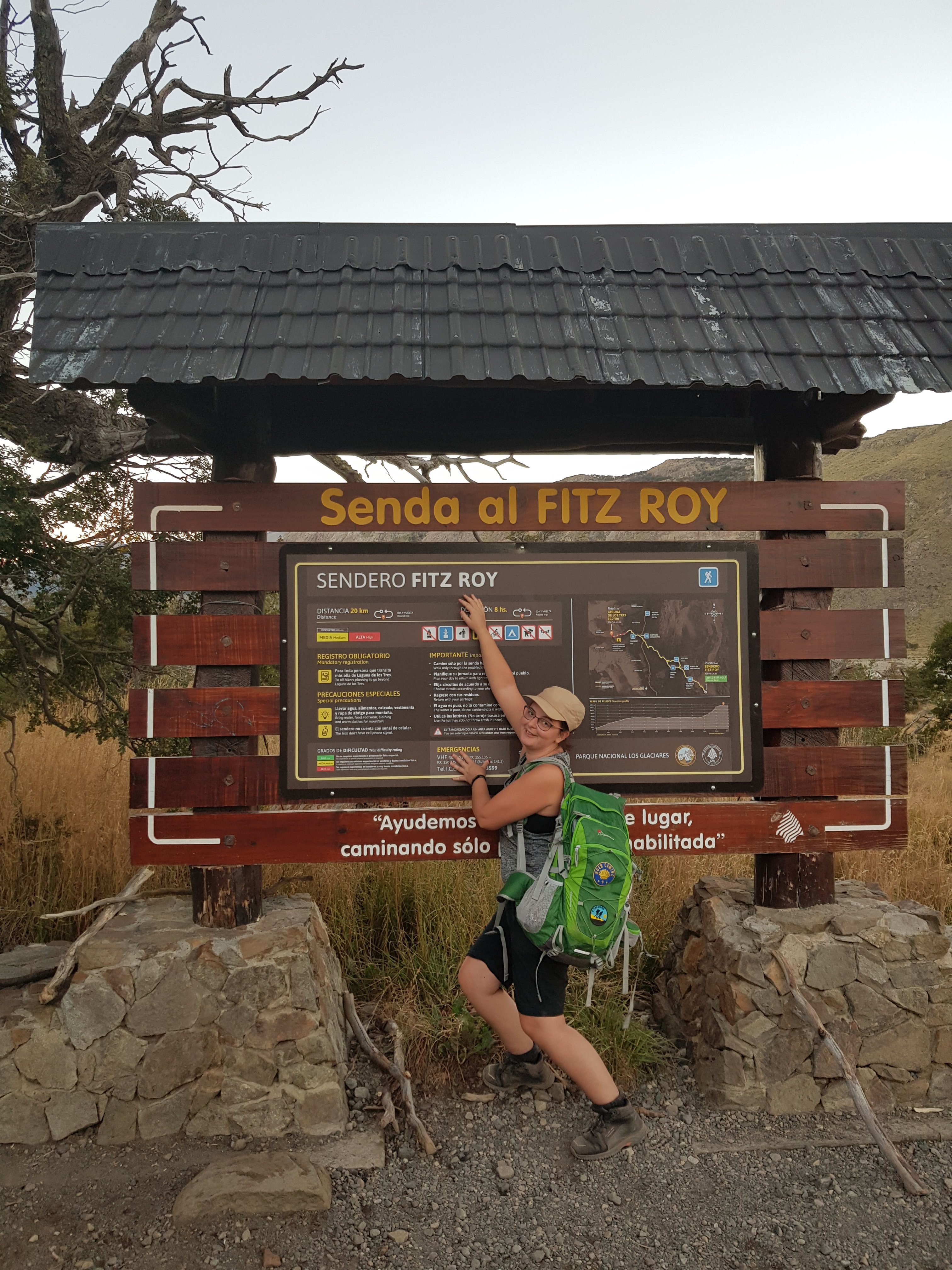
The next day, I started the strenuous hike of Laguna de los tres to Fitz Roy mountain. This hike is only 20 km but it took me about 9 hours. The final km took about two hours as the climb was a directly up ascent on difficult terrain. Normally I walk 4-5 km per hour.

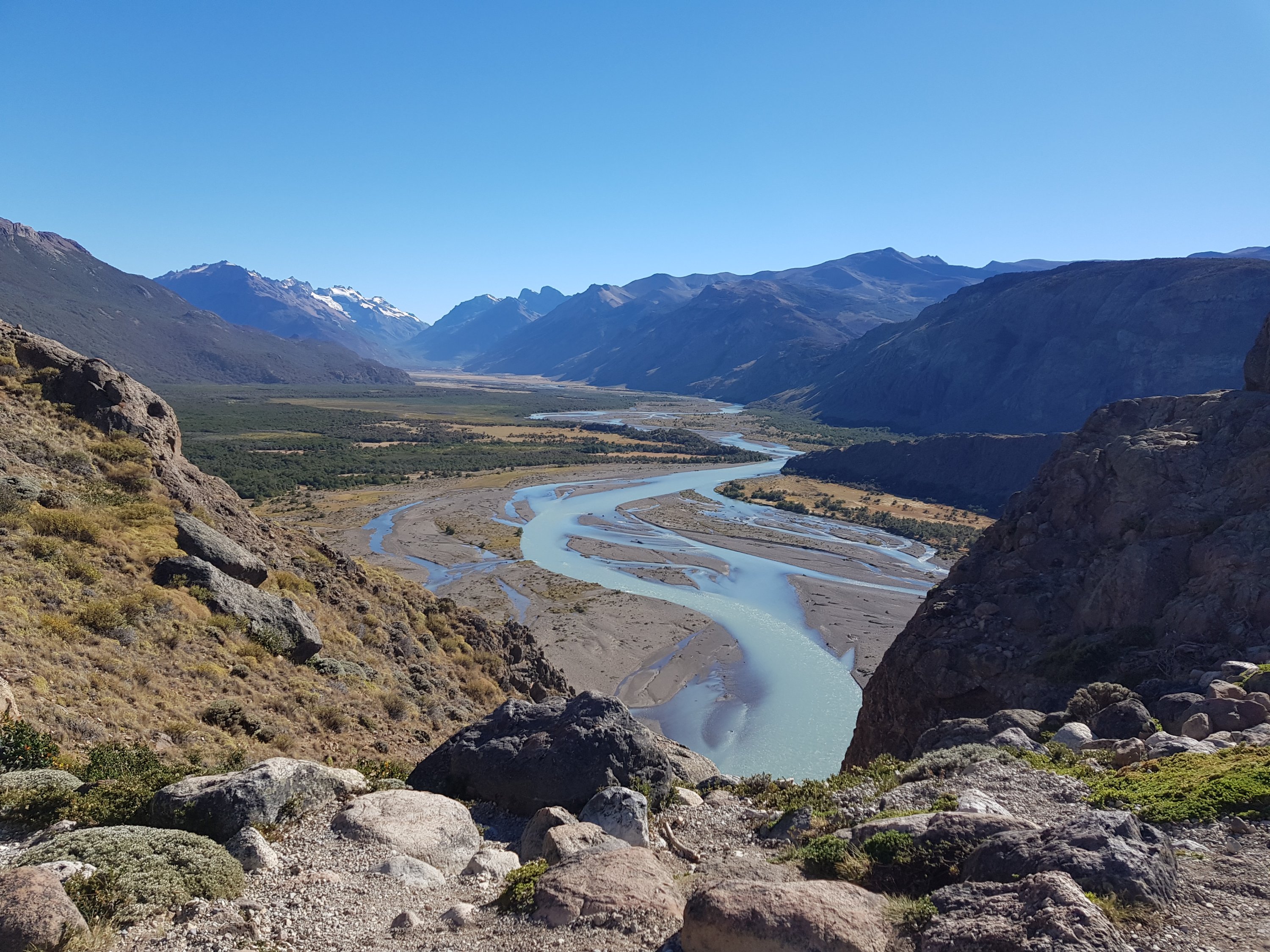
The trail passes through forests, rivers, lakes and grasslands, as well as going through two campsites. It was a very warm and busy day on the trail, but this gave me the opportunity to meet many people. During my day of trekking, I befriended two different groups from Argentina and a girl from Spain. Making conversation with strangers is one of my favourite parts of solo trekking, as I meet so many interesting people from all around the world.

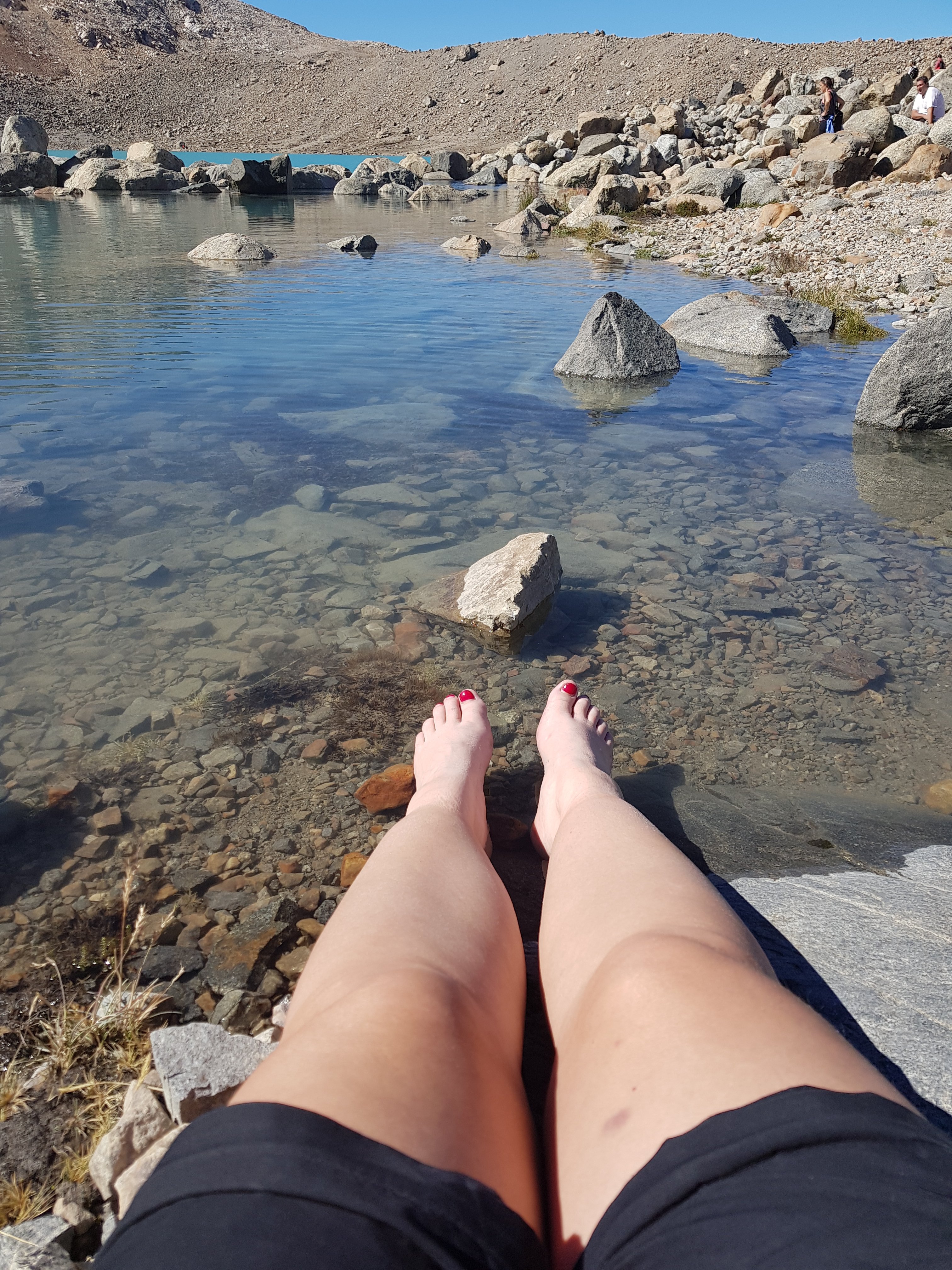
On reaching the top, I collapsed in a pile for a few minutes, then made my way to the lake that was formed by the melting glacier, and took an icy drink, before taking a dip. I spent a few hours here, relaxing and enjoying the sights of the Fitz Roy mountain and the falling water to the drop below.

El Calafate

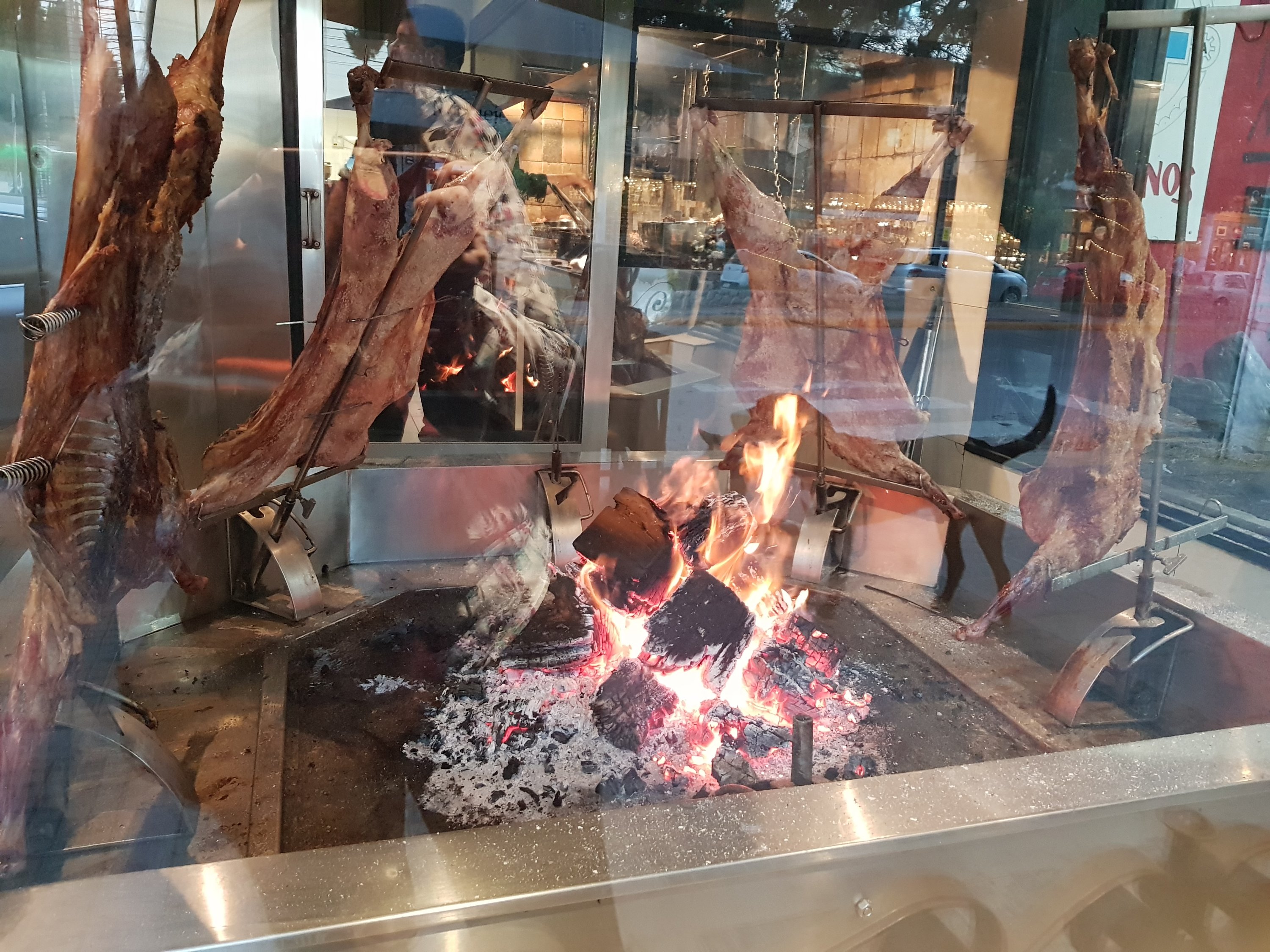
Next day, I was off to Calafate, on the other side of the National Glacier Park from El Chalten. This town is bustling with tourist shops and restaurants. I have a dwindling budget so I cooked whilst I was there, but still managed to admire the Patagonian Lambs being roasted over the fire through the restaurant windows.

Perito Moreno Glacier

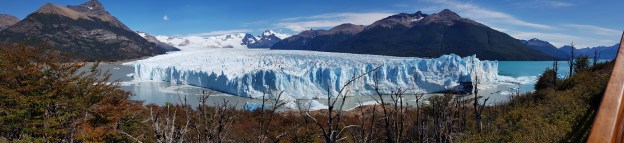
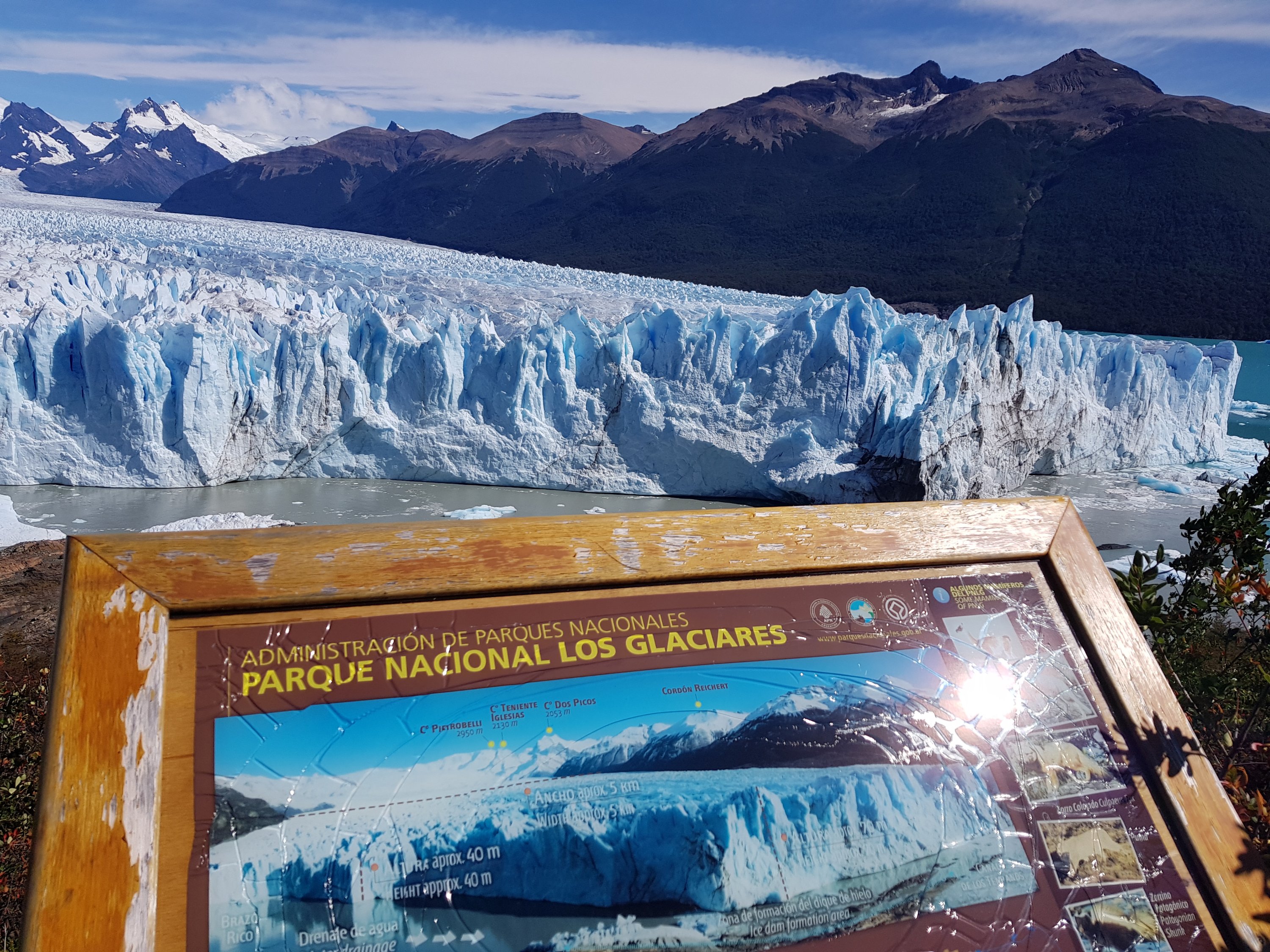
The main excursion to take from El Calafate is to see the huge Perito Moreno Glacier. You have to take a tour which costs about £35 to get to the glacier which is a few hours away. There is then a small charge for the entrance to the park. We were given four hours in the park. I was given a choice to pay extra for a one hour boat ride that takes you closer to the glacier, but I chose not to take this option, and just enjoyed the various boardwalk routes around the front of the glacier.

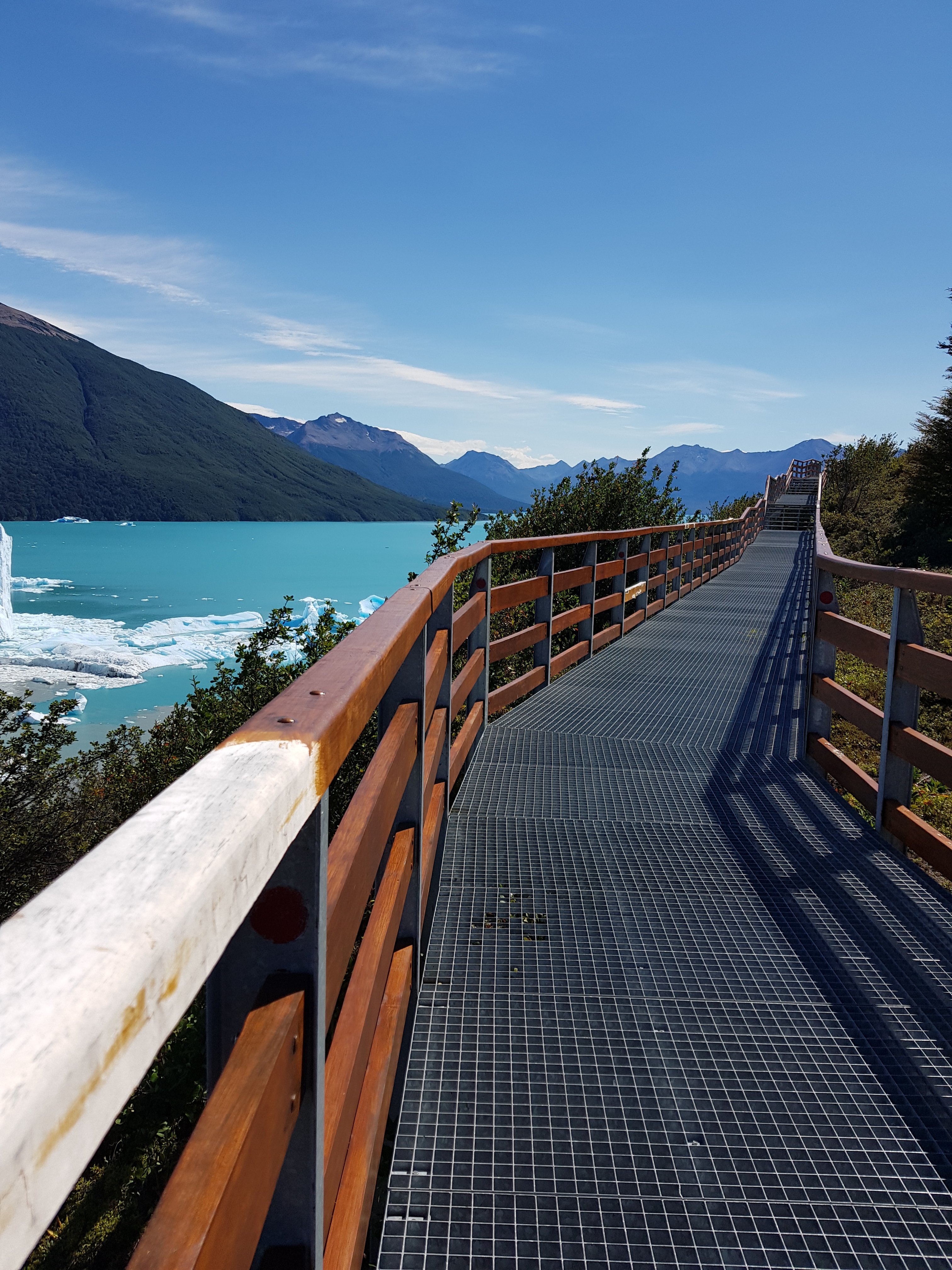
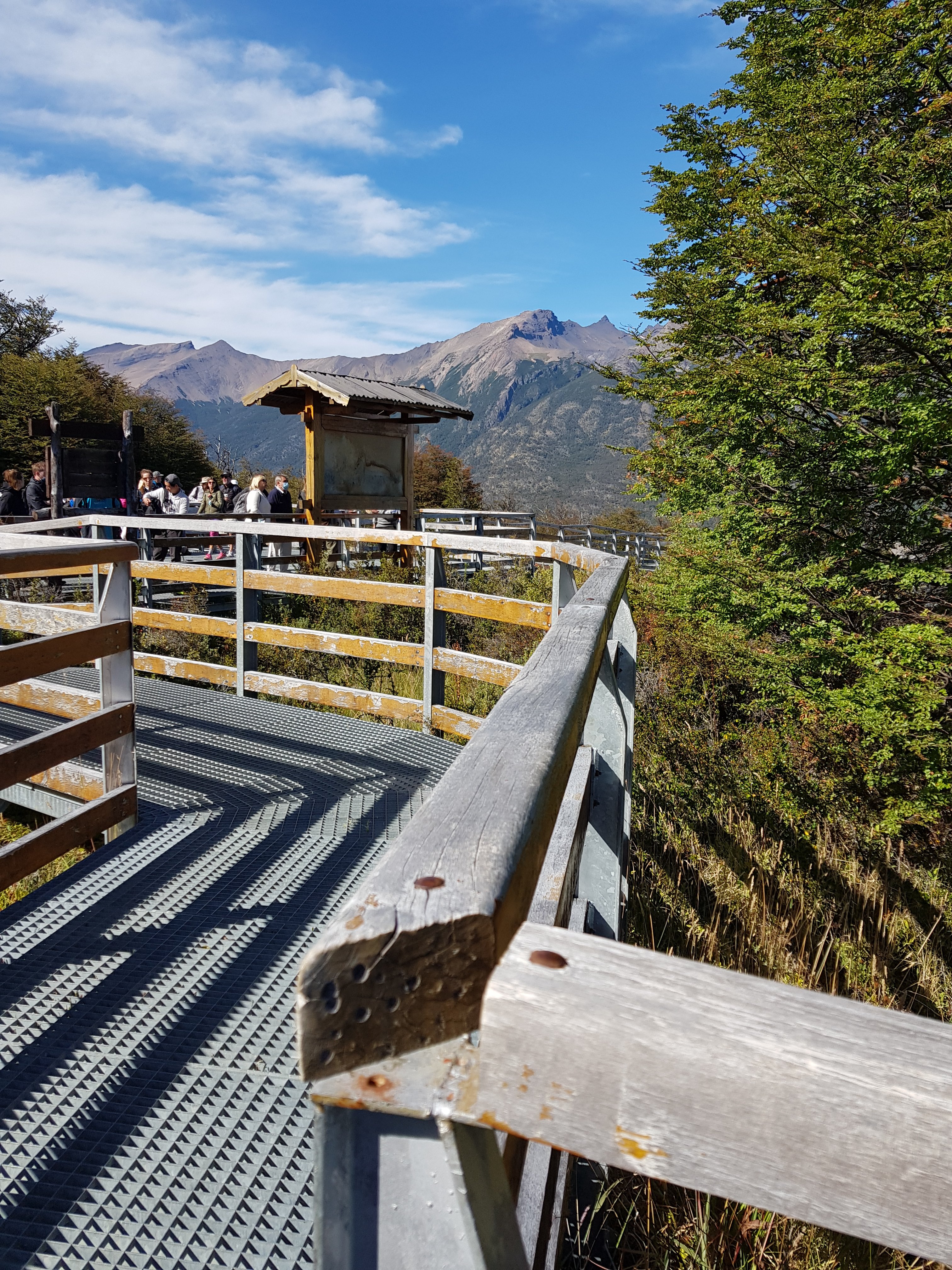
This huge glacier is very unique and larger than the entire city of Buenos Aires (which blew my mind)! The glacier is apparently in balance,meaning that it loses the same amount of ice each day as is returned to it, due to how the water flows around it. There are three different routes you can take around the glacier’s boardwalk, and they vary by height and length. I did all three, and found the boardwalk system to be very efficient and plentiful in relaxing balconies where you could eat your lunch and watch pieces of the glacier fall into the water below. This phenomenon was amazing. I saw not only the ice fall and splash against the lake, but also the lower layer of ice boil up to the surface and spin around in circles. Very cool.
Rio Gallegos

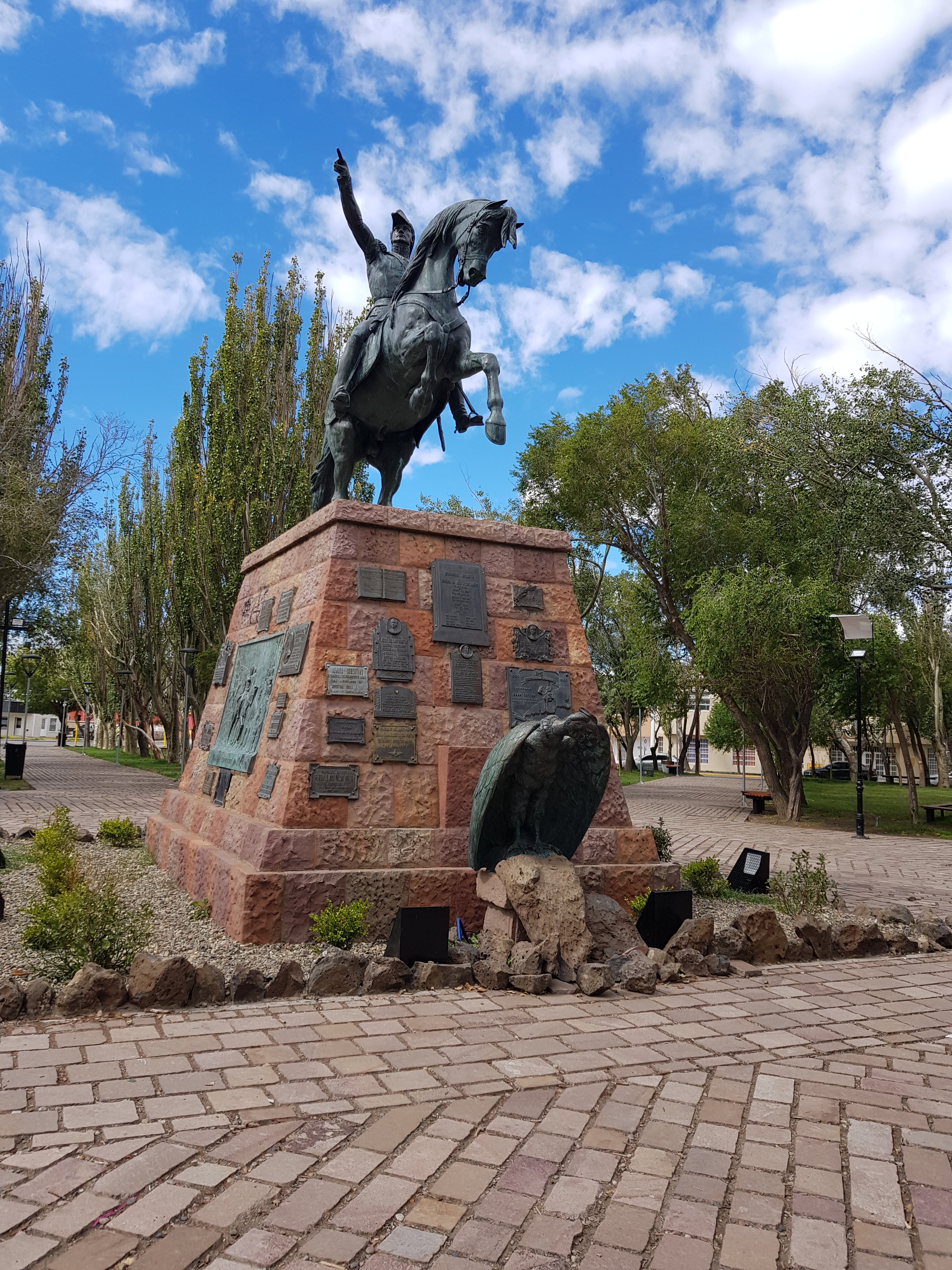
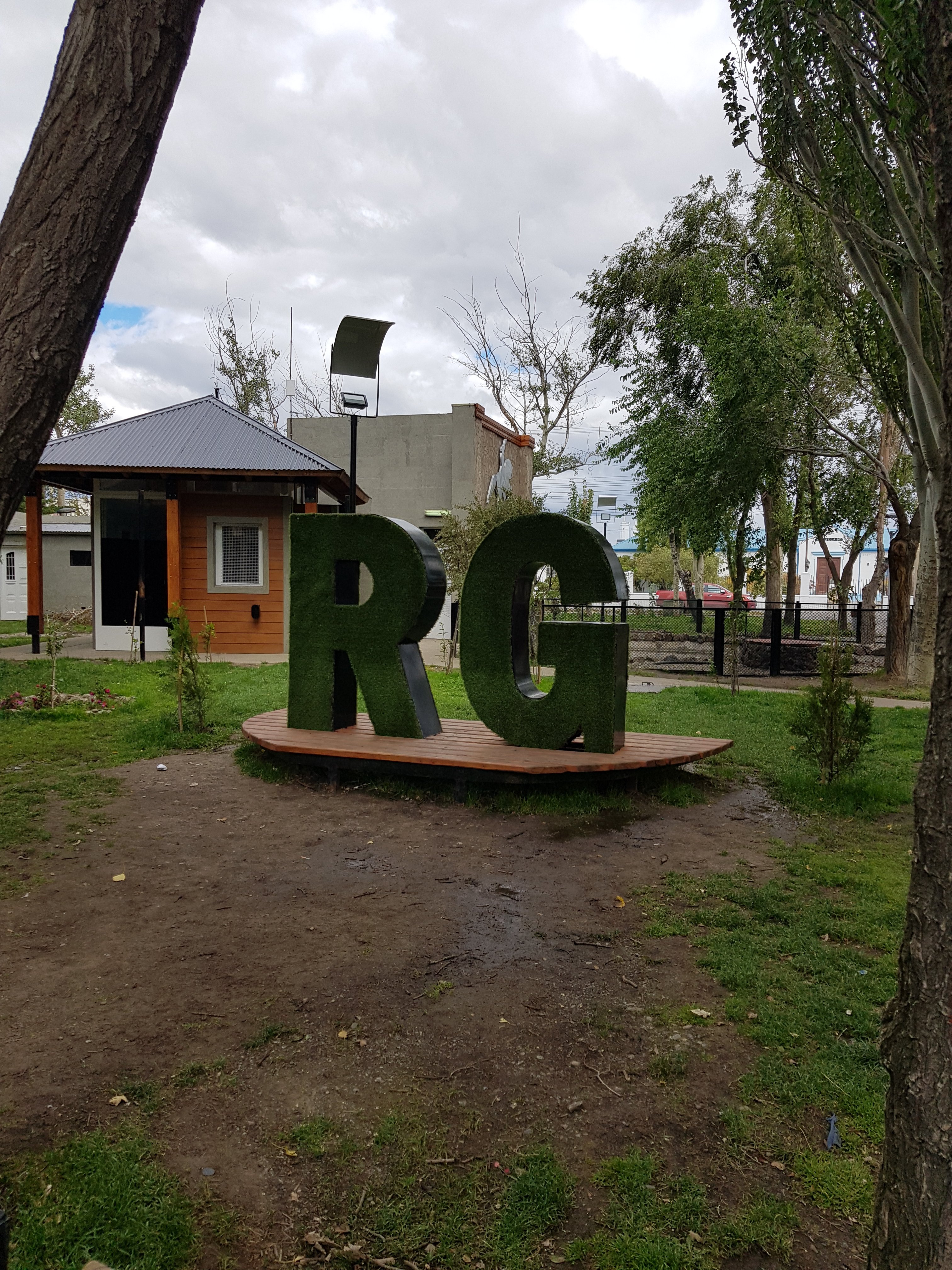
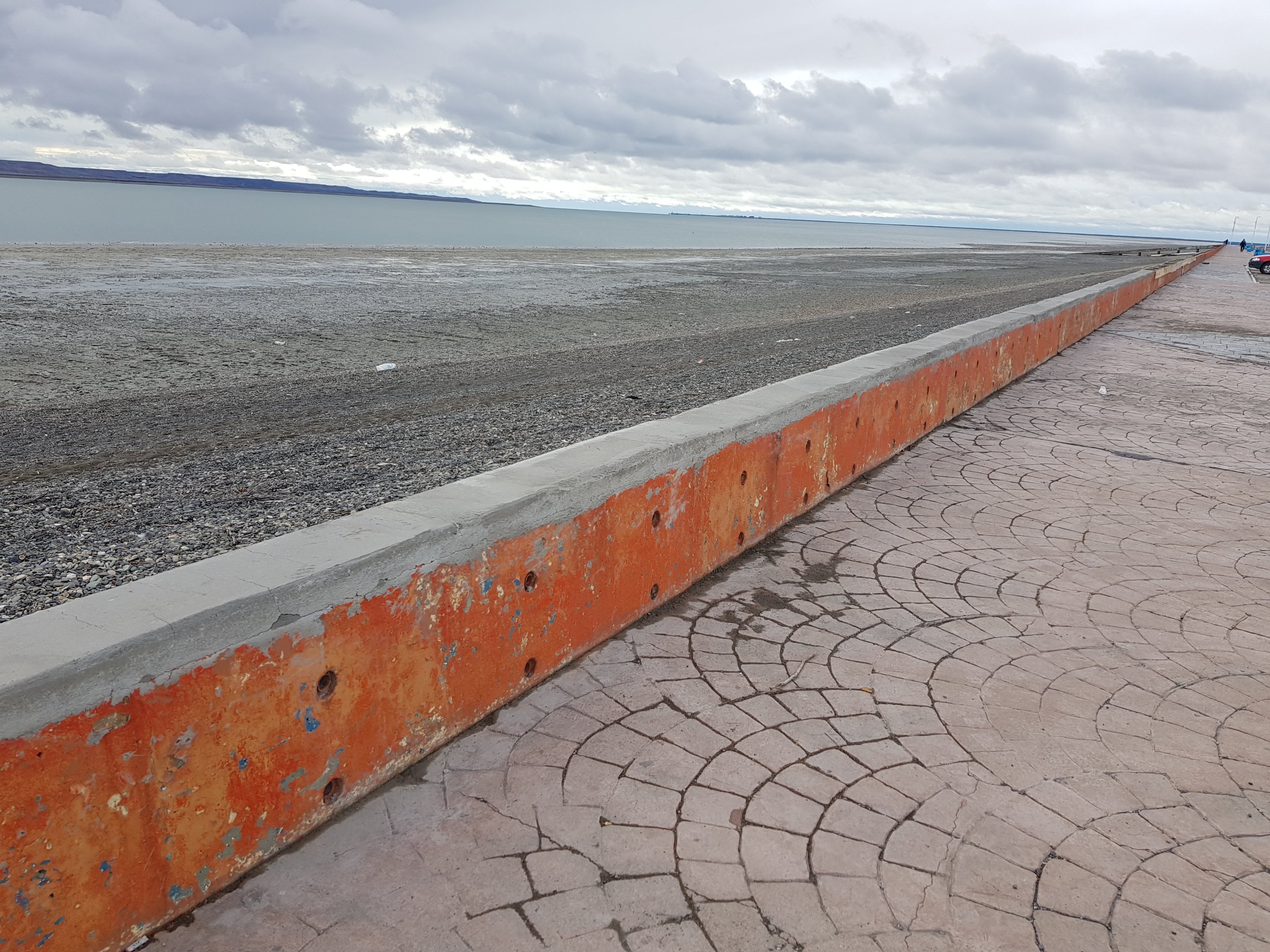
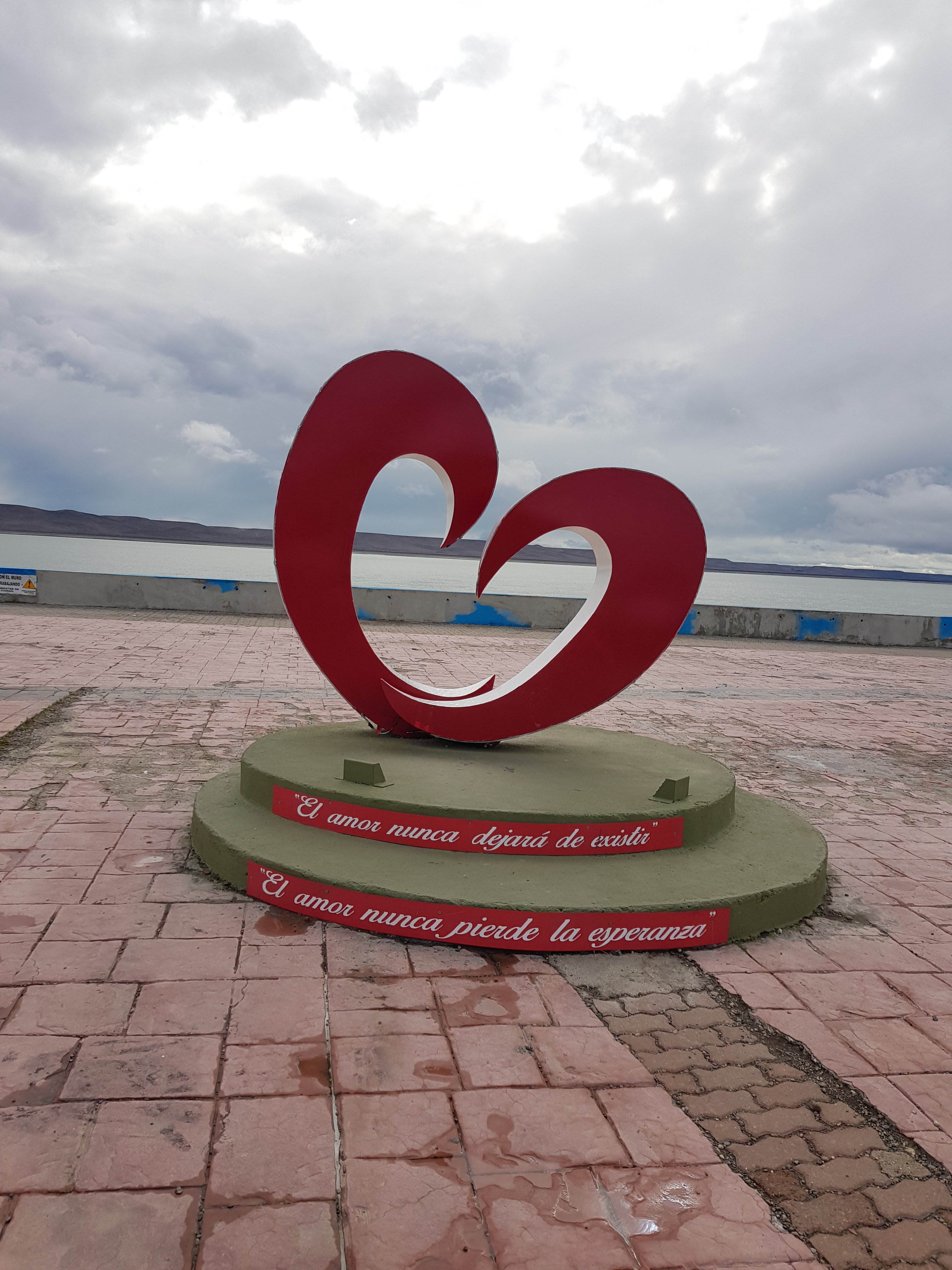
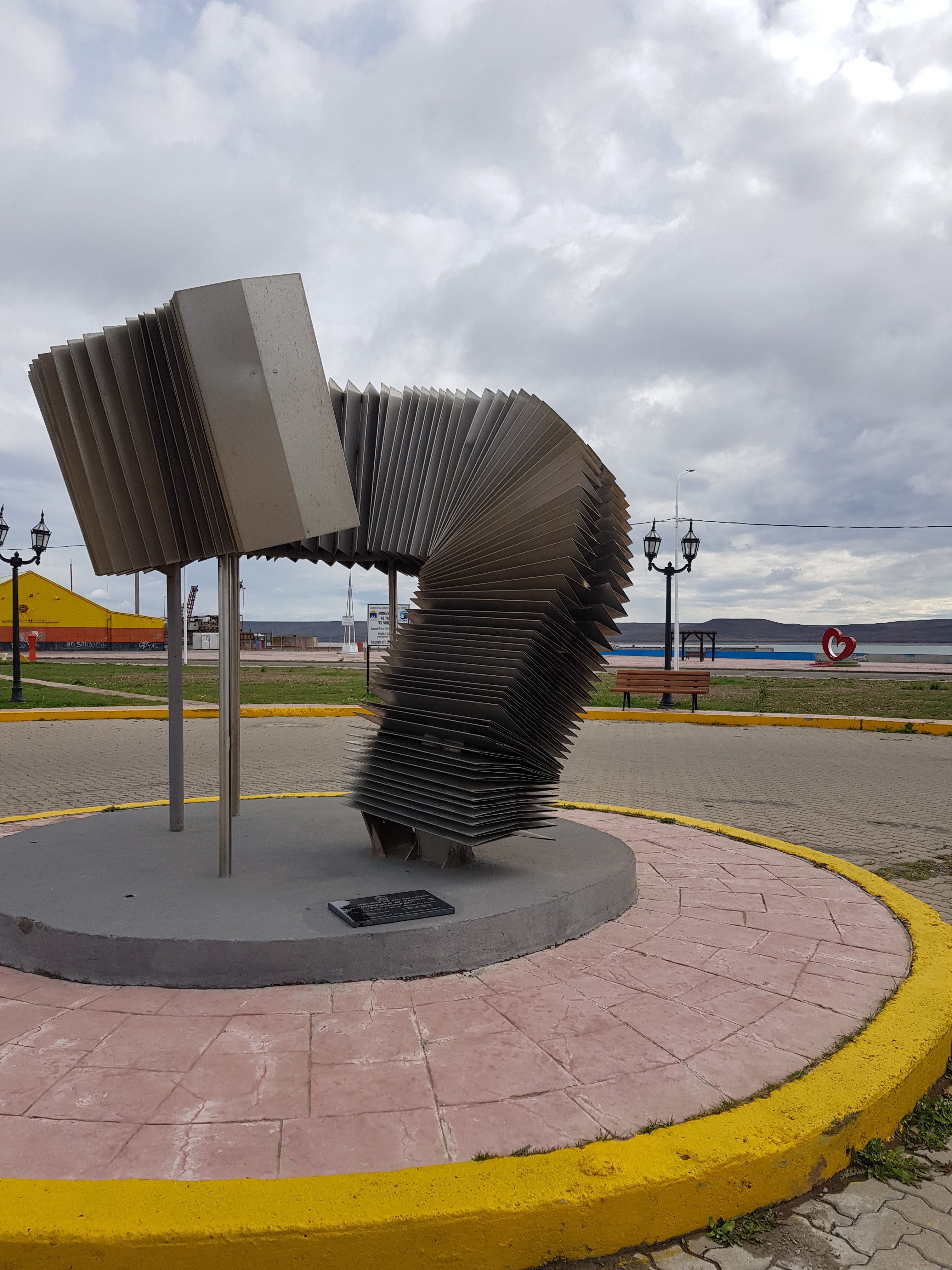
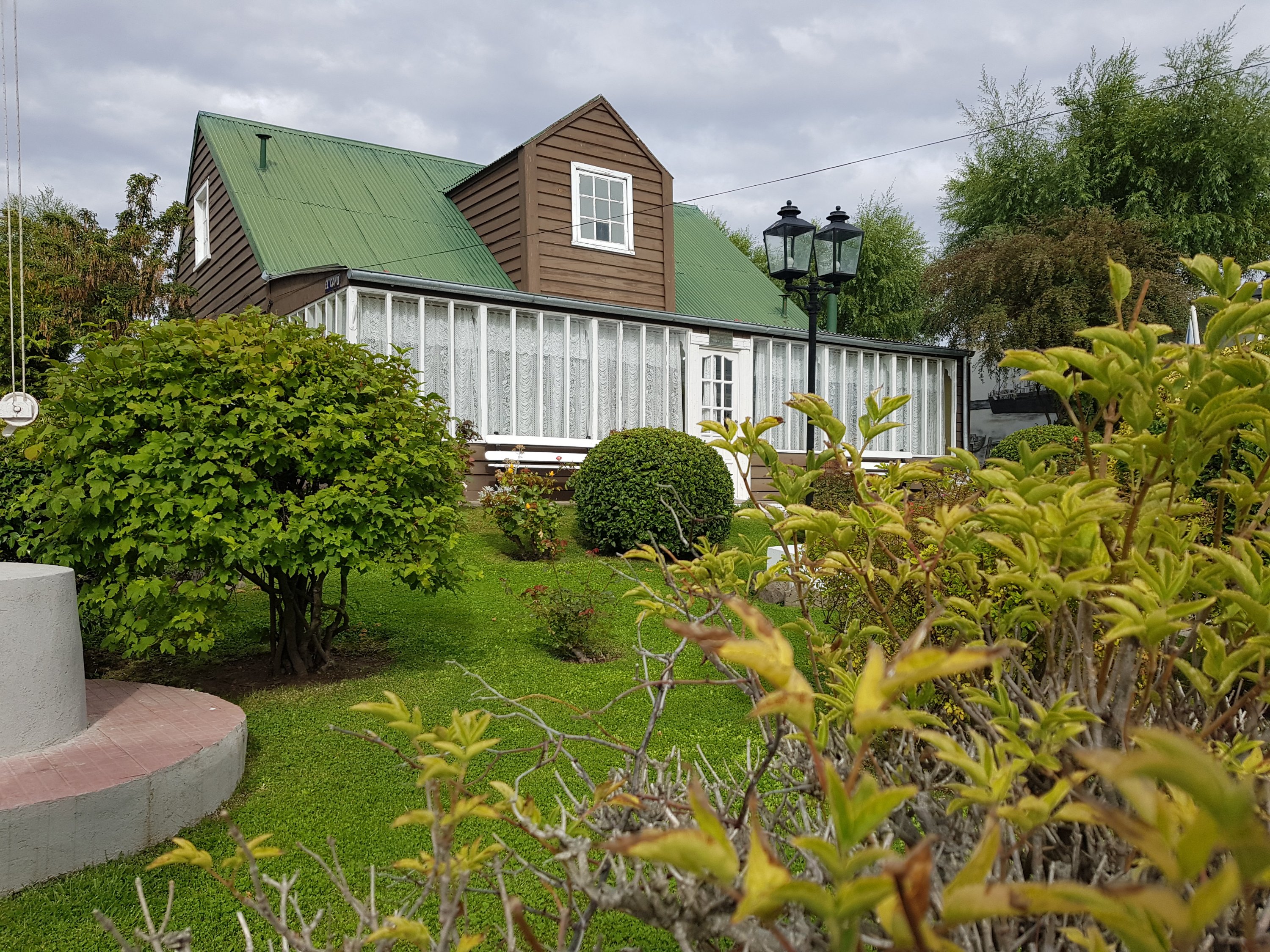
My last stop in Argentina for a while, was Rio Gallegos. I came here to the bottom of mainland Argentina, to cross the border into Chile. There is not much to see here but it is a good supply stop, and there are some sculptures along a promenade walk and a small house that you can visit as a free museum.

For now, I am off to Chile, for some more trekking and to see the other side of Patagonia, before I return to Argentina, to visit the bottom of the world…

Argentina’s Lake District

After a few days of bus journeys via Bahia Blanca and Neuquen, meeting a group of hippies and enjoying a local music festival, I finally made it to Patagonia and the Argentine Lake District. A ‘postcard perfect’ landscape.

Argentina’s Lake District sits within the Northwest of Patagonia, near the border of Chile. Patagonia is the Southern region of Argentina, world famous for its scenery, and trekking, climbing, and general adventure sport opportunities. The climate and landscape varies throughout the region and within the lake district are obviously several lakes and rivers dotted around the Andes mountains.

I visited three spots within the lake district, as these were major points on the coach route. They were: San Martin de los Andes, San Carlos de Bariloche, and El Bolson. I stayed in each for 1-2 nights.

San Martin de Los Andes

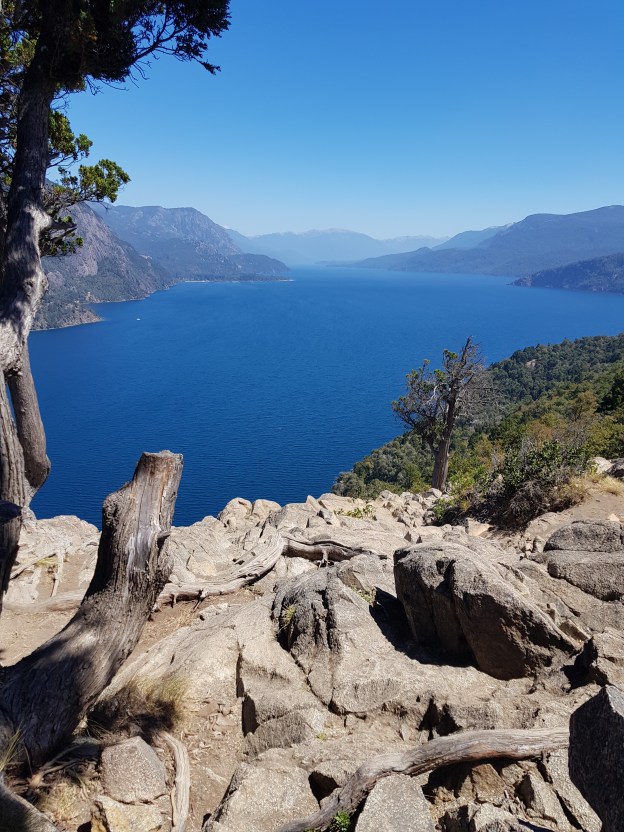
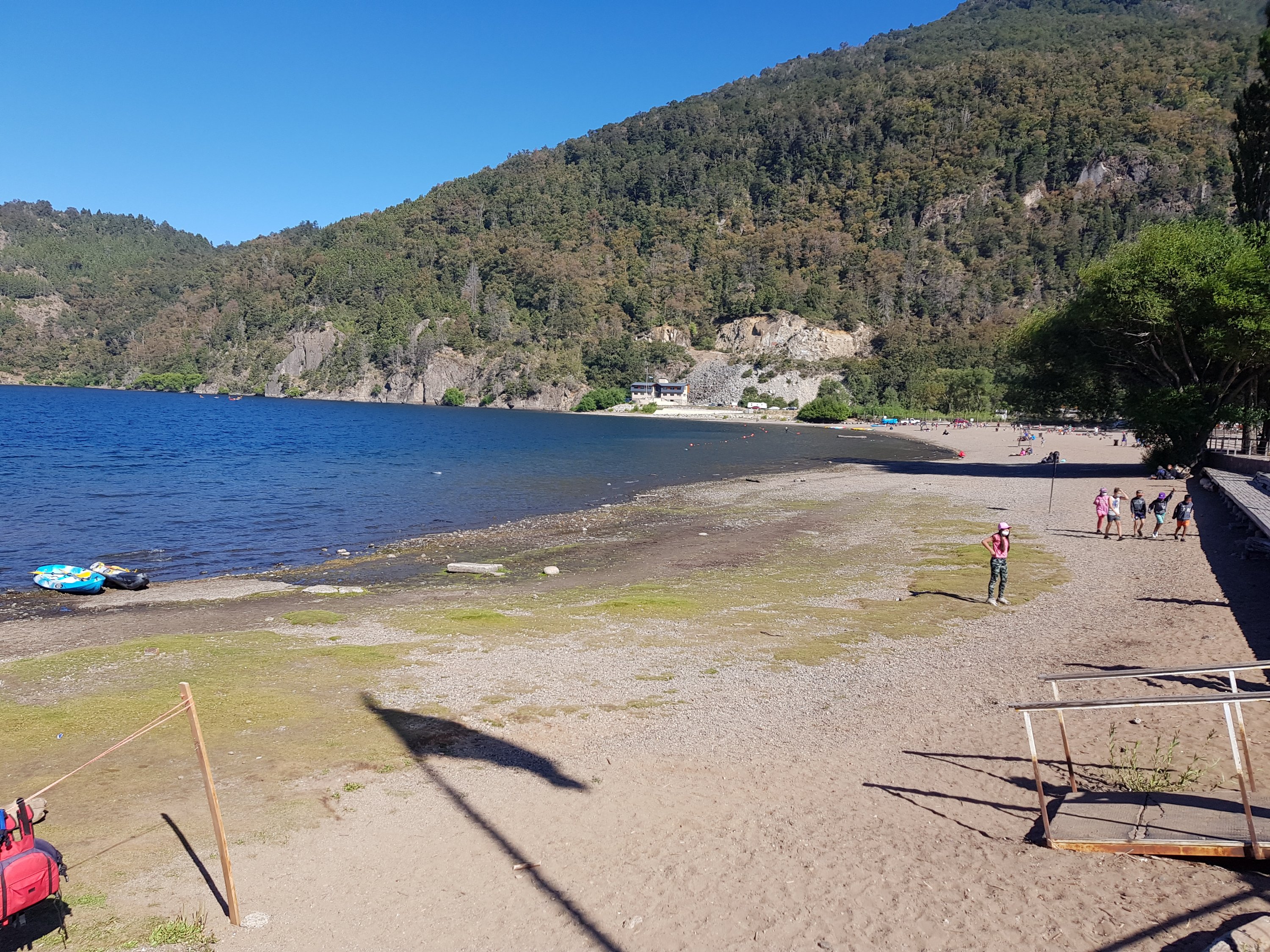
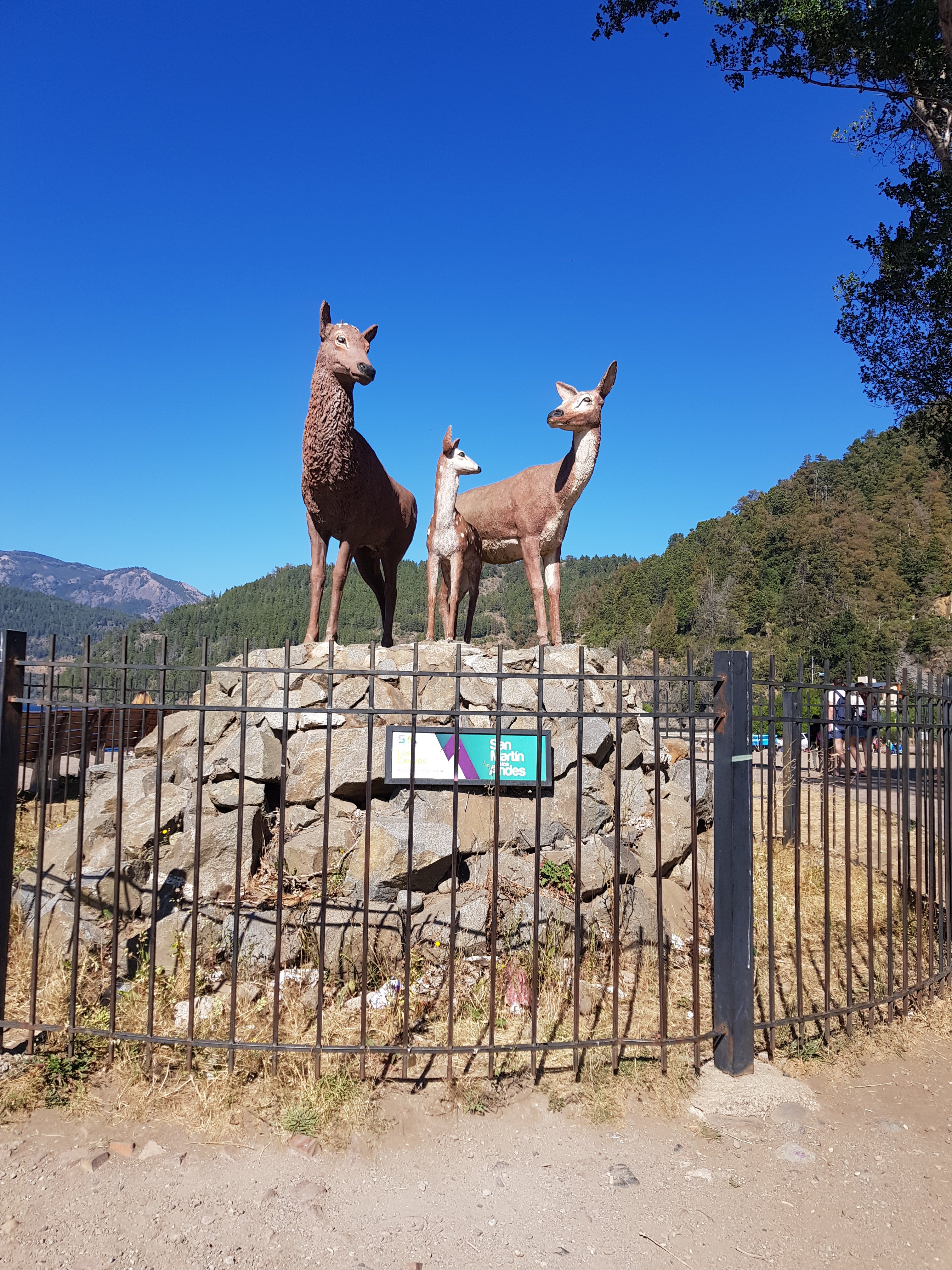
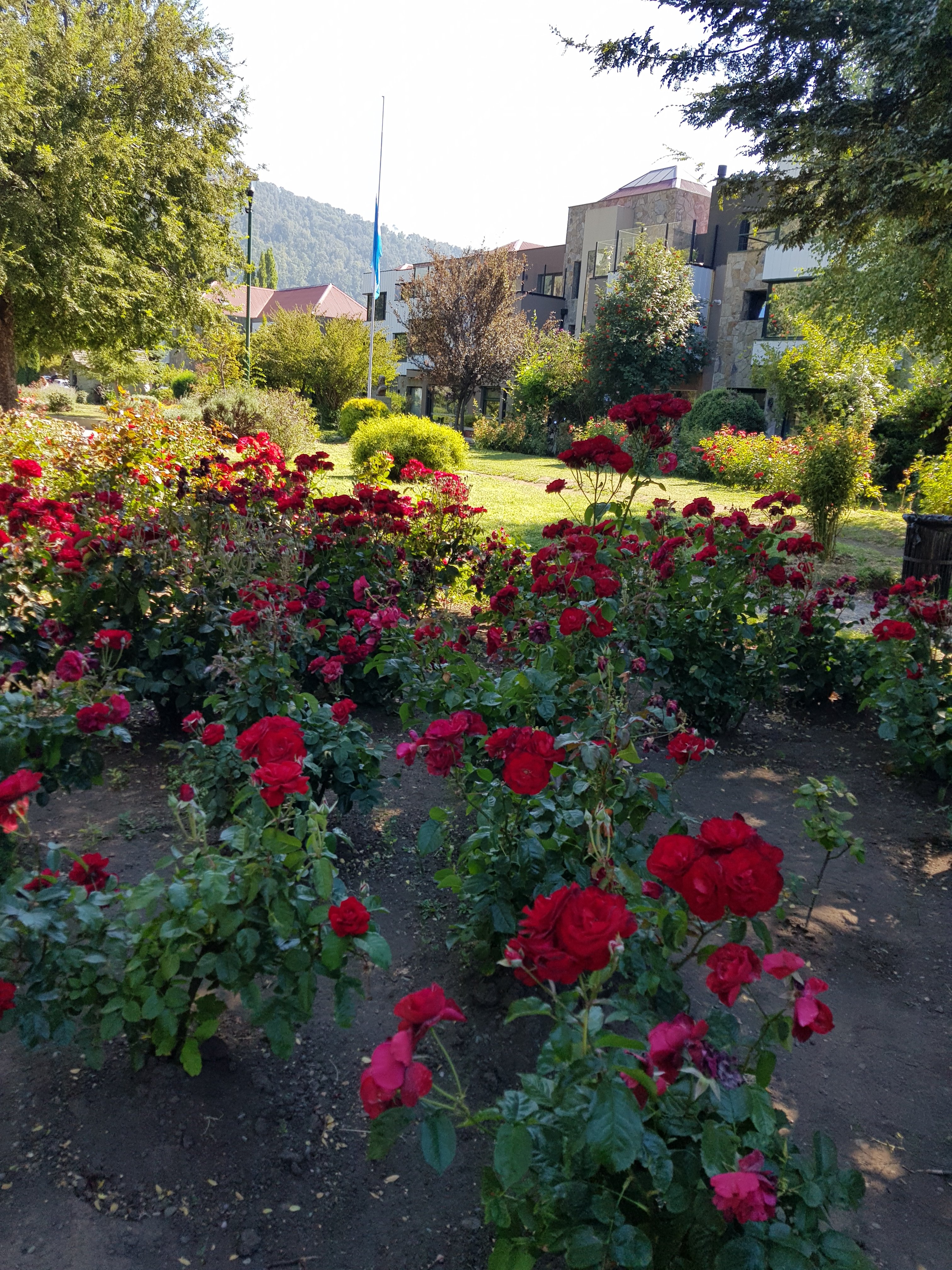
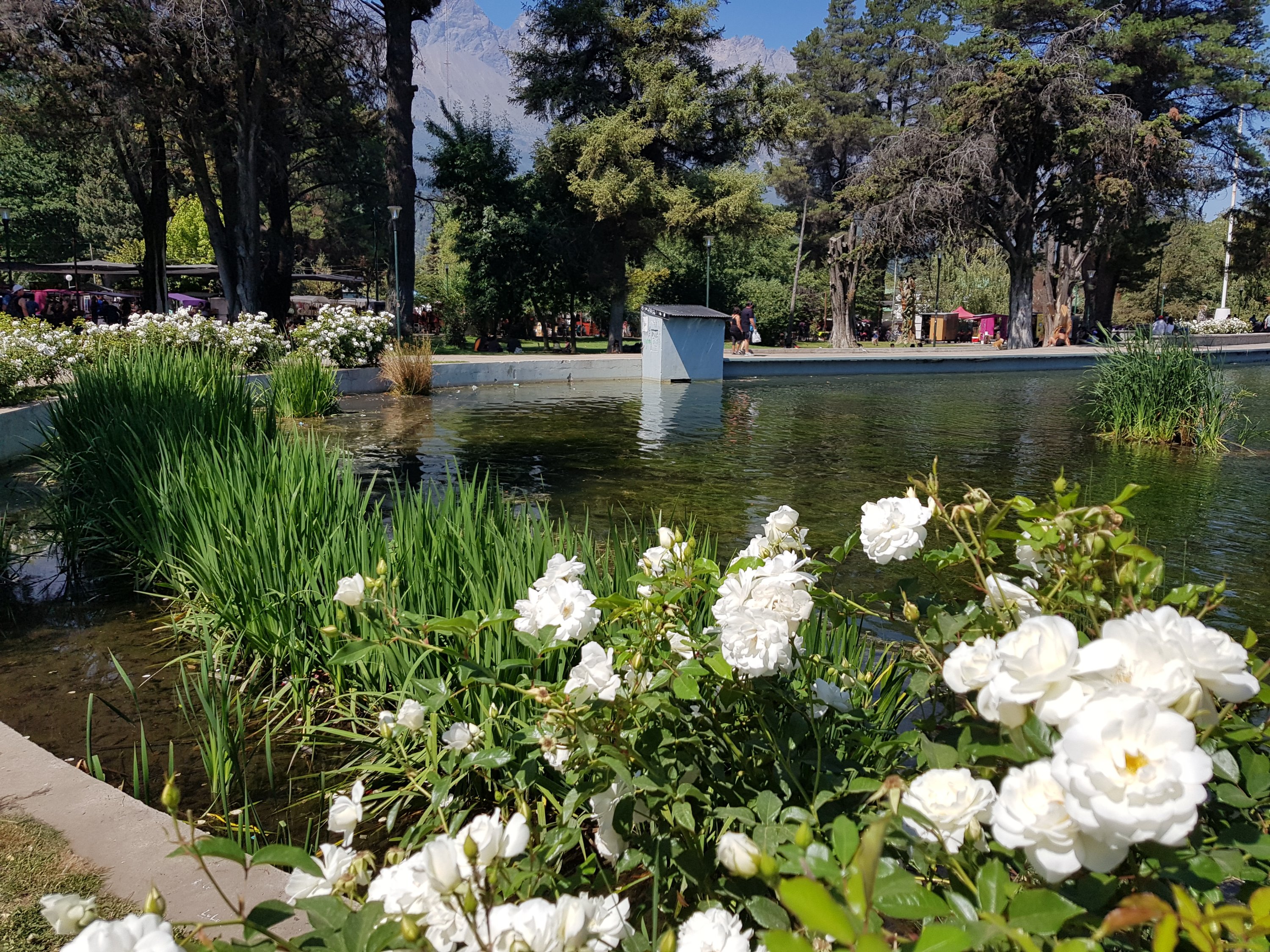
San Martin de Los Andes sits in the Lanin National Park, named after the local volcano. It is the gateway town to Patagonia for many people, and it is very touristy as a result. It is full of cabin style buildings that make you feel that you have somehow arrived in the Swiss Alps. The town is small but has plenty of bars and restaurants, a few rose gardens to sit in, and San Martin sits on a huge lake named Lacar. You can enjoy swimming in the lake or take a boat out to different places along the shoreline.

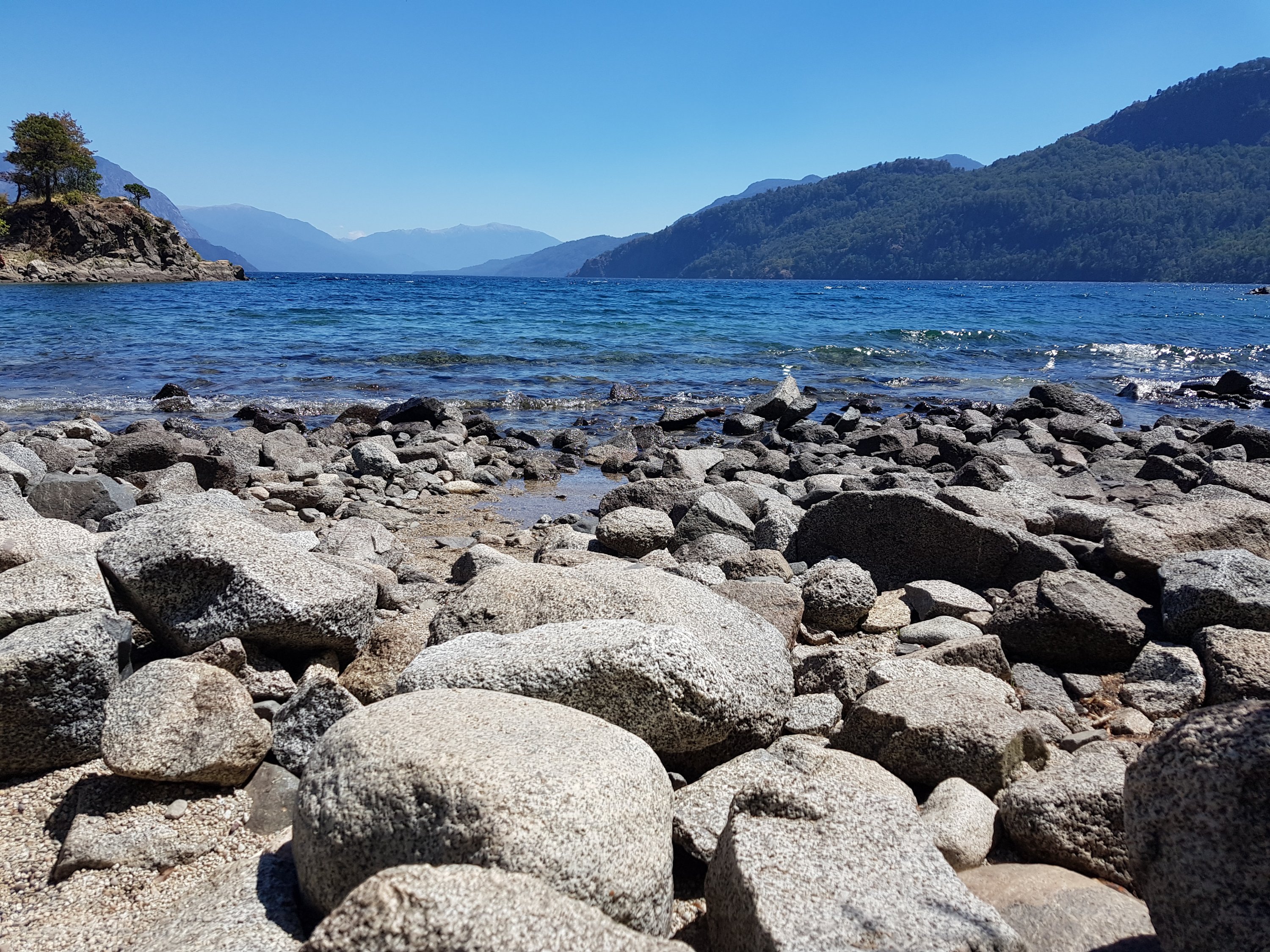
I decided to do a short hike of about 10km (about 3 hours) to a viewpoint and then onto a small beach with a little island. I enjoyed a swim here and basked in the sun, although the beach is very rocky, crocs are advised! I looked like a fool sliding around on the rocks. The water was really lovely and clear though, and everyone was respectful of the environment.

San Carlos de Bariloche

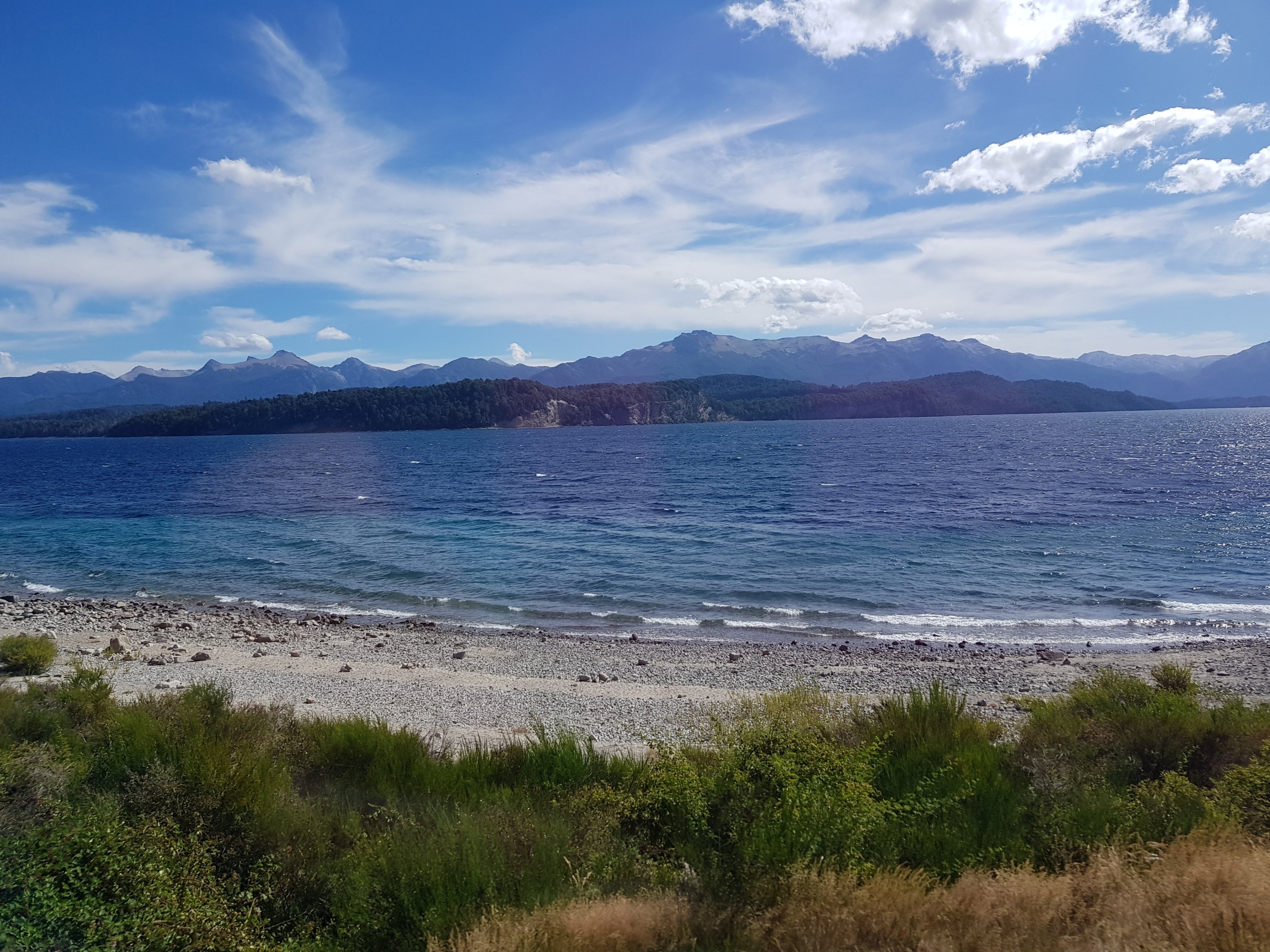
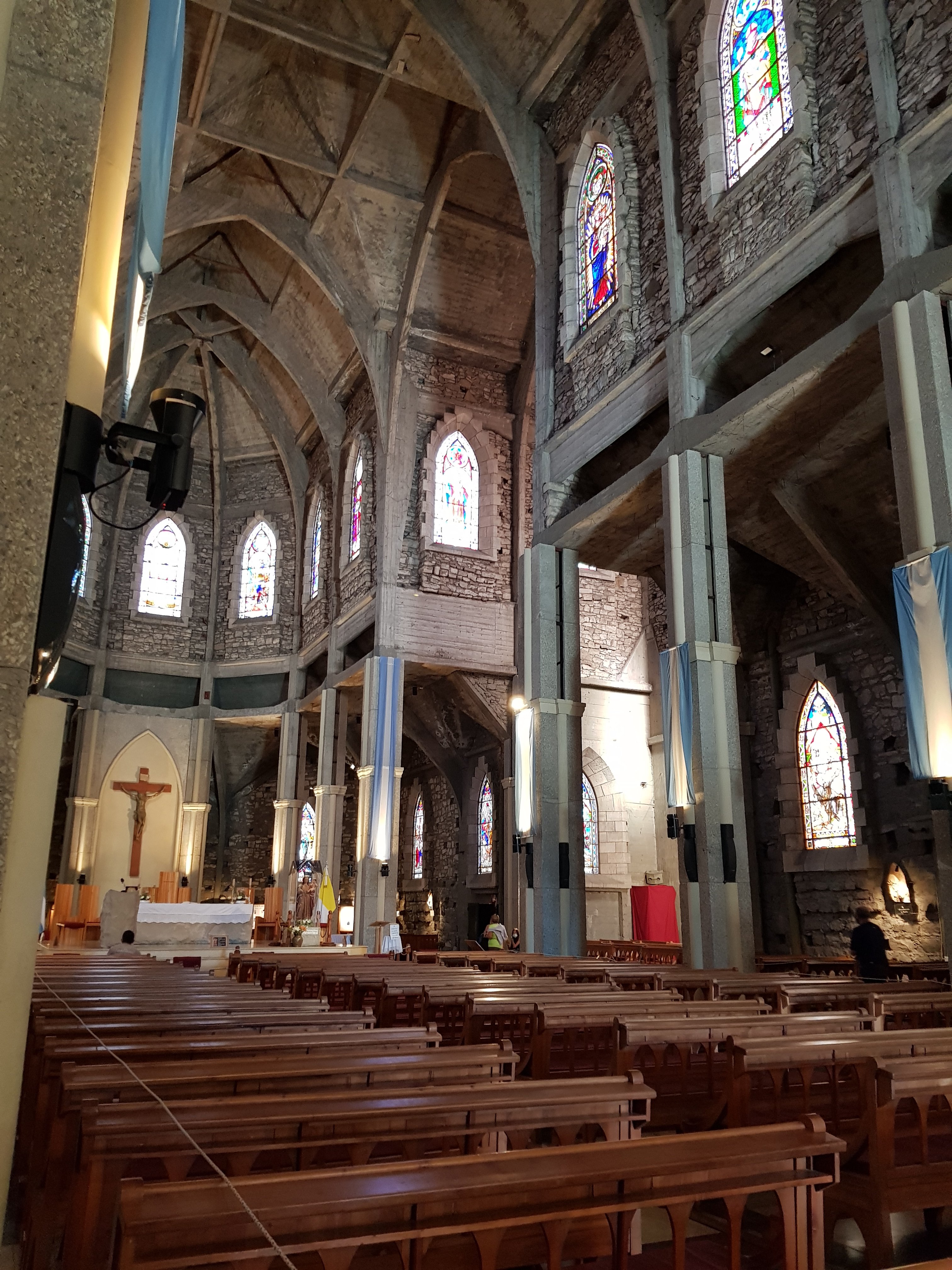
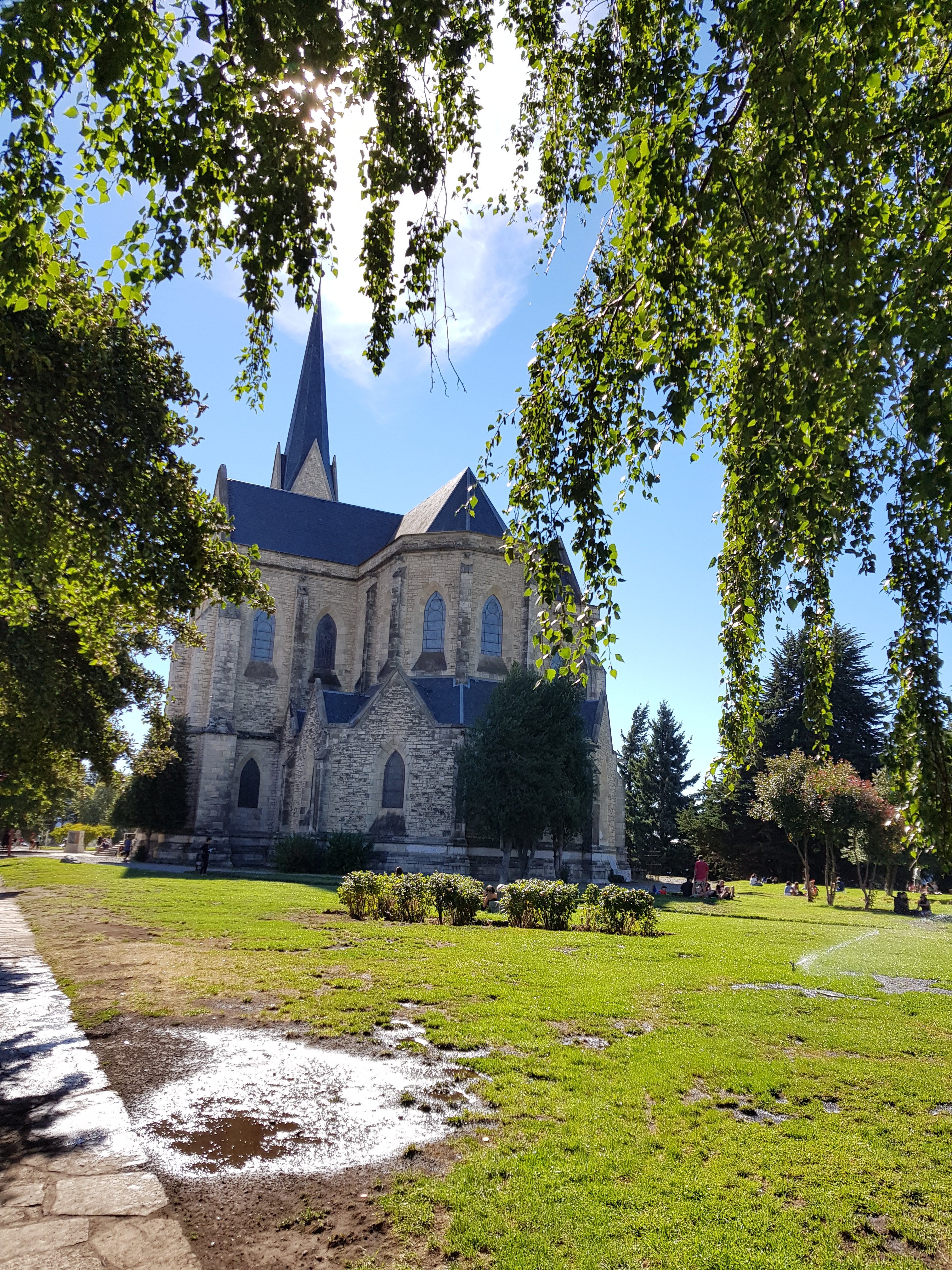
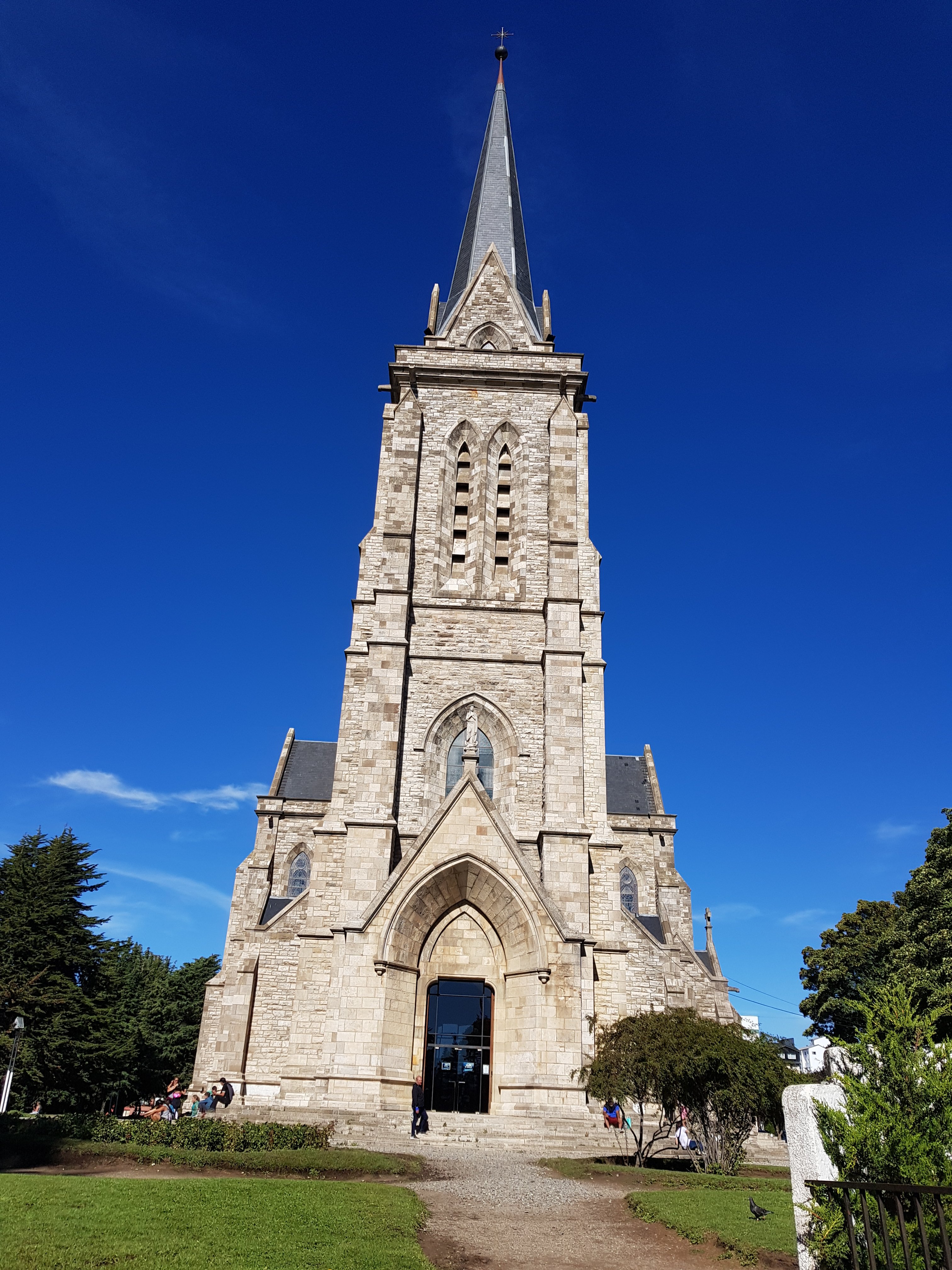
Bariloche is a working city that is less tourist heavy, but it’s scenery is absolutely postcard perfect. The town is surrounded by a huge lake and endless mountain scenes. There are not many attractions in the town, and I really just used this for a rest day and to save a little money by cooking from the supermarket. I did manage to visit the local cathedral though. This was a very pleasant building with lots of stonework. You can also walk right up to the lake and sit on the stony beach if you want to.

El Bolson

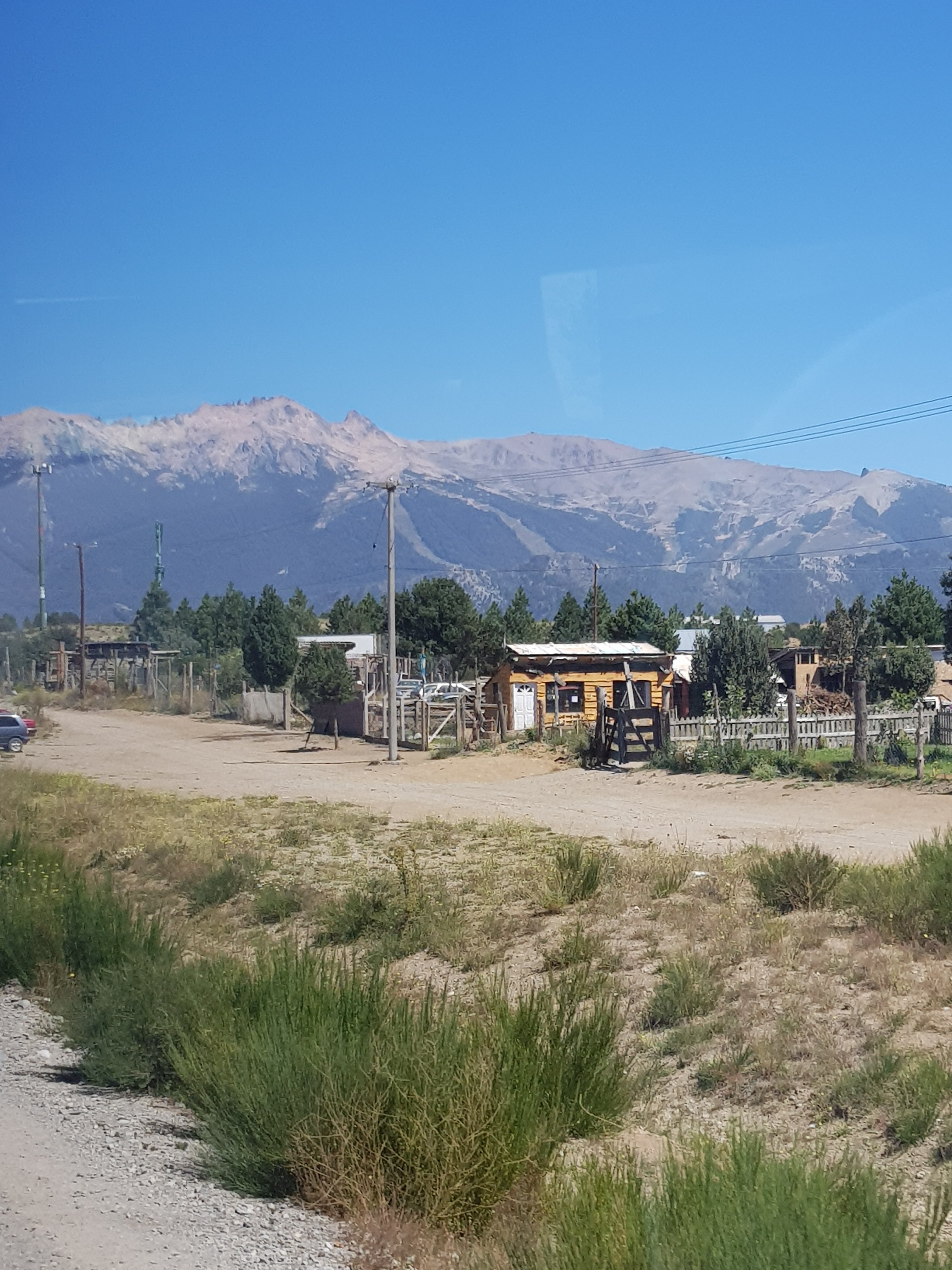
On the bus to my third stop in this region, El Bolson, I continued to travel along the famous route 40. This very long highway, connects all of these beautiful locations from the North to South of the country. It has now become well known for its gorgeous scenery, and thankfully, the buses use this road too!

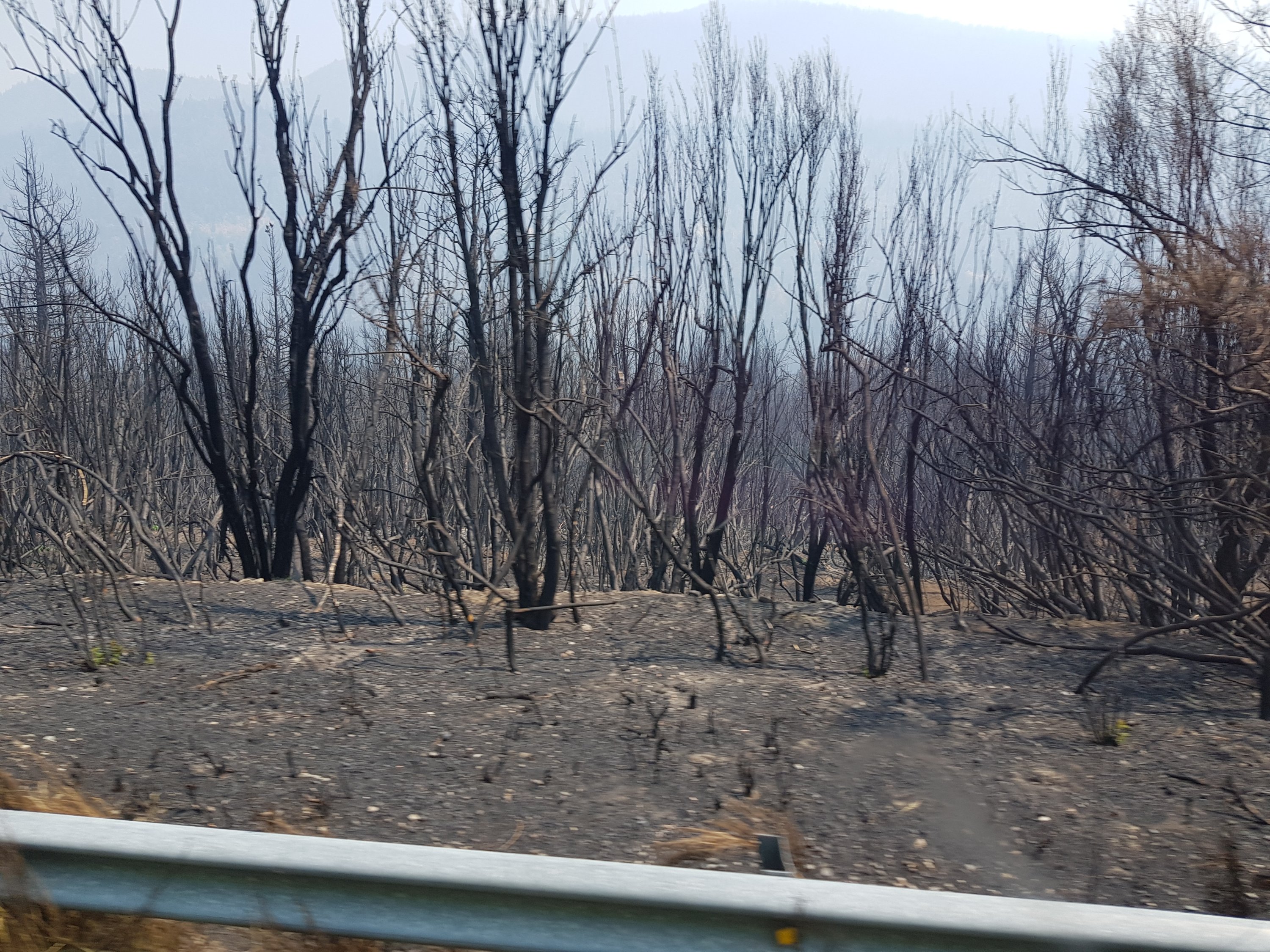
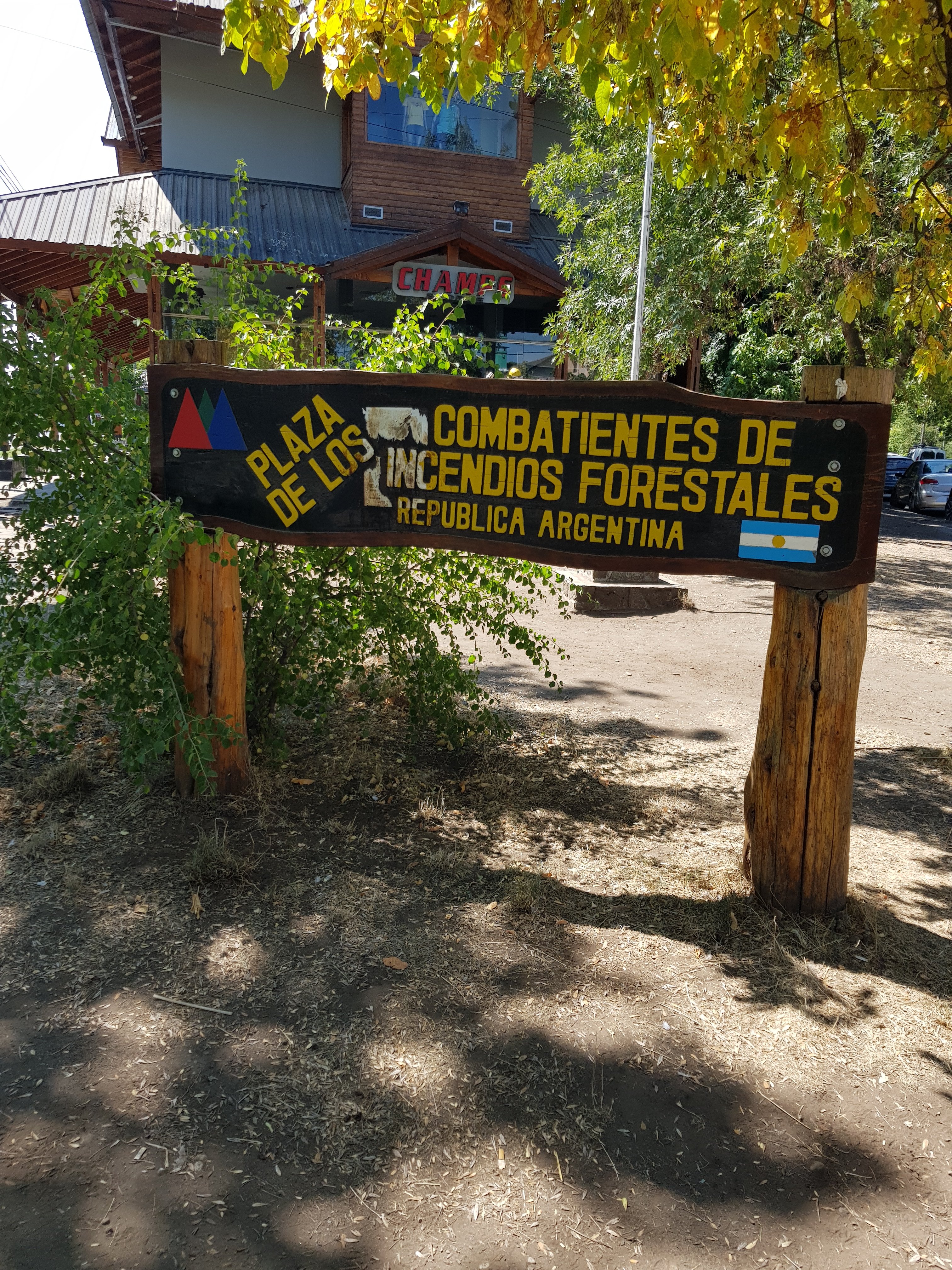
Along the way, I saw the damage of the forest fires in the national park the day before. This was quite shocking to see, It seems that it is a common occurrence here though. It created a foggy atmosphere among the mountain scenes.

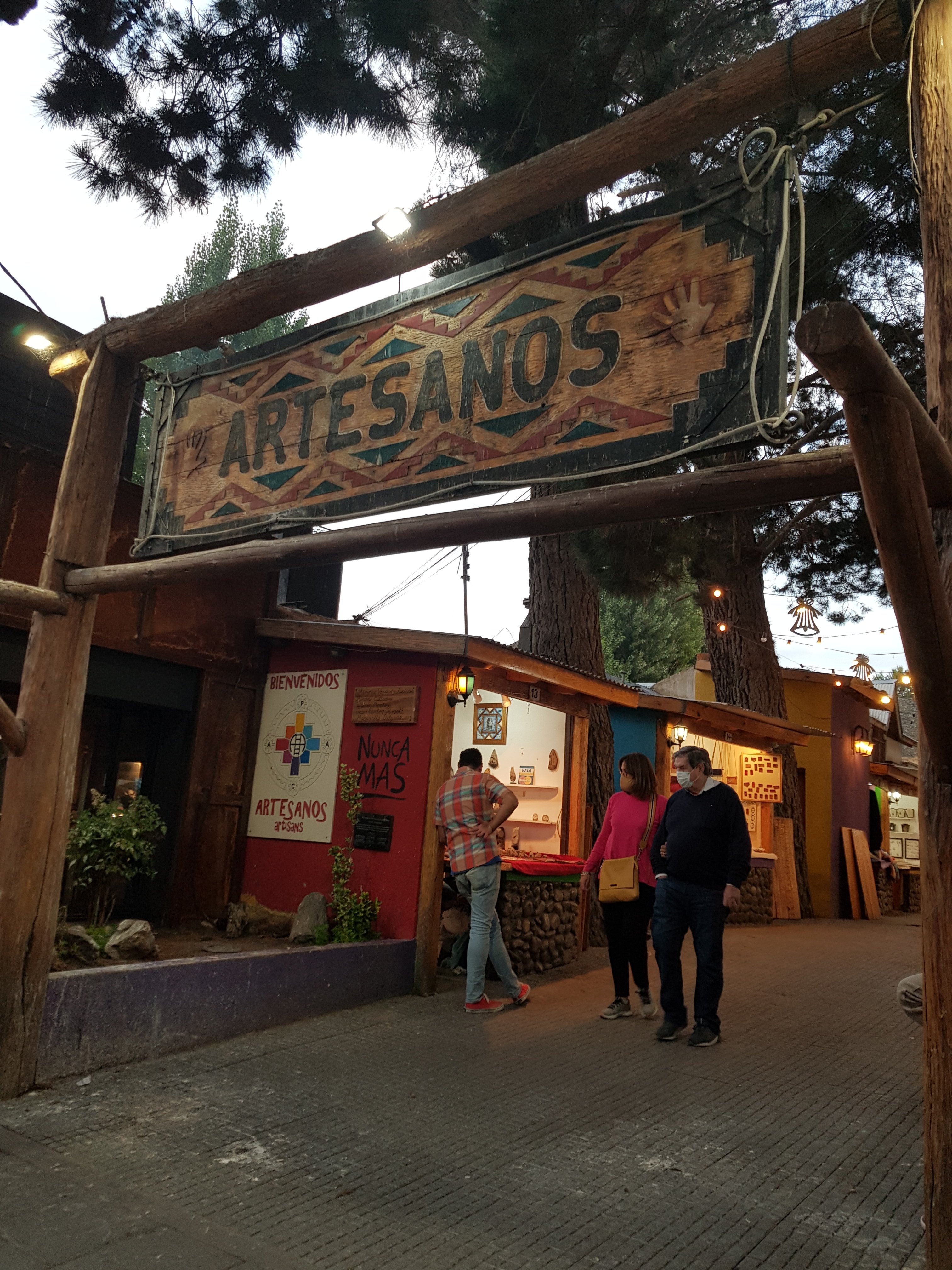
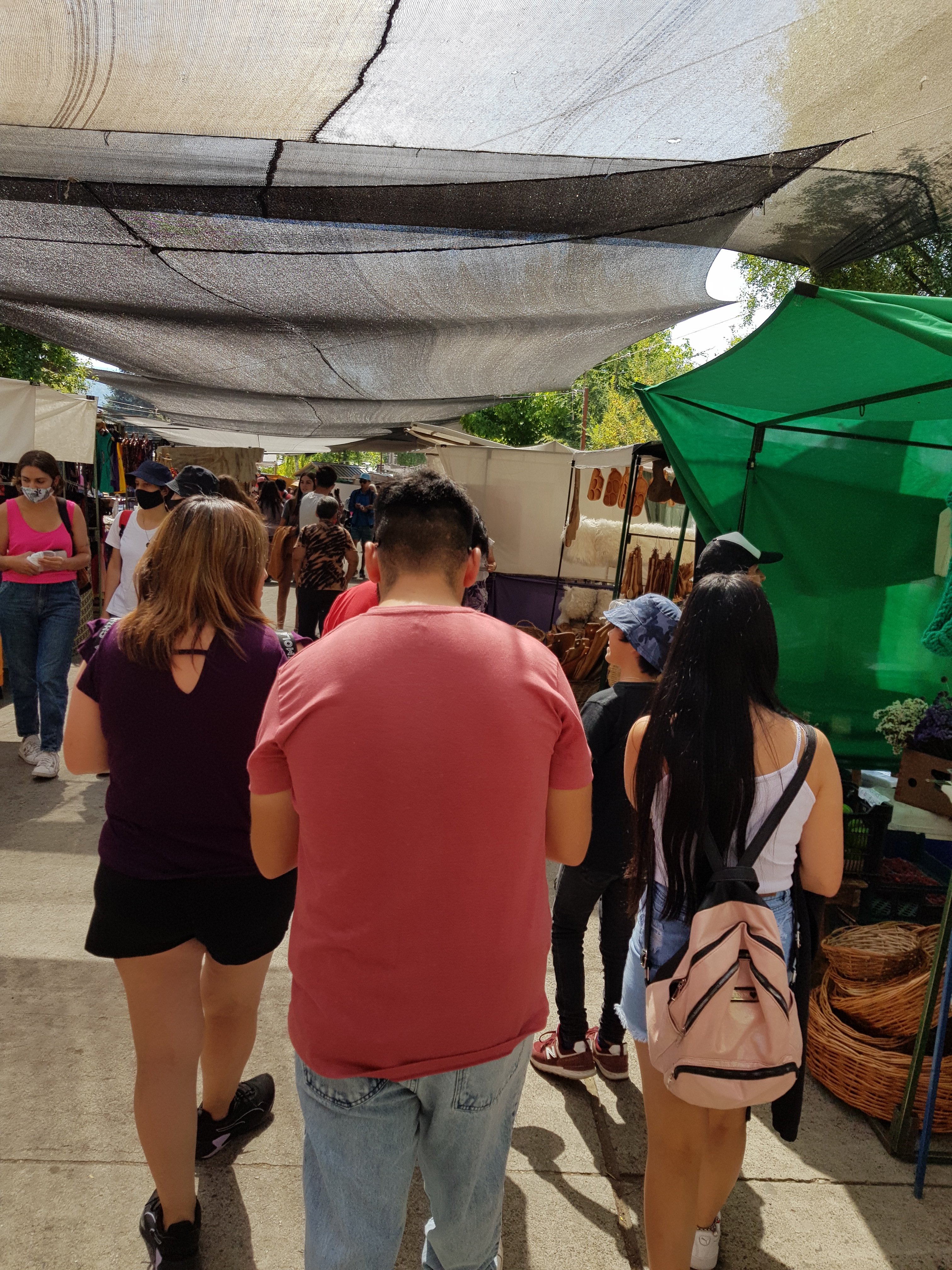
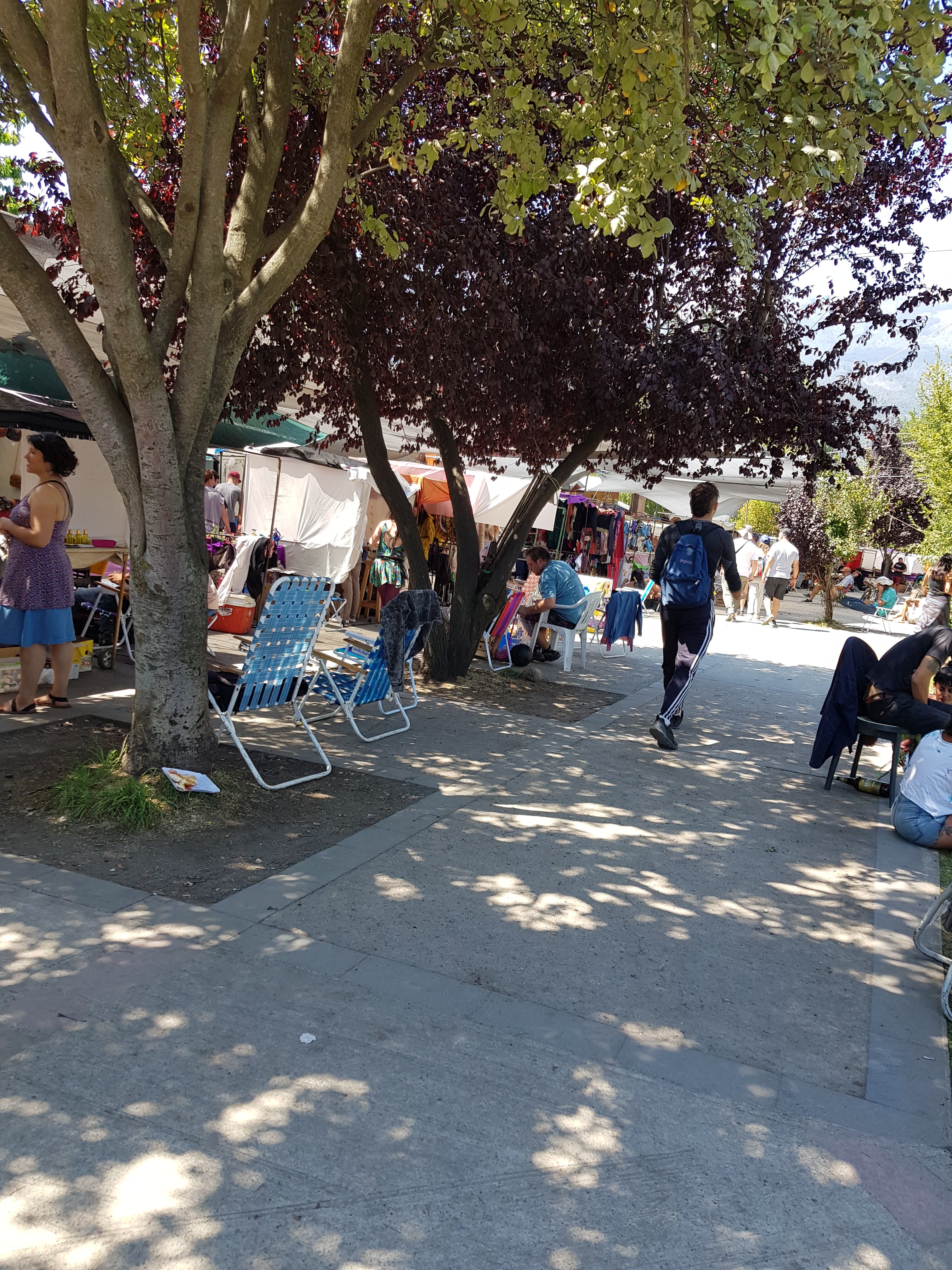
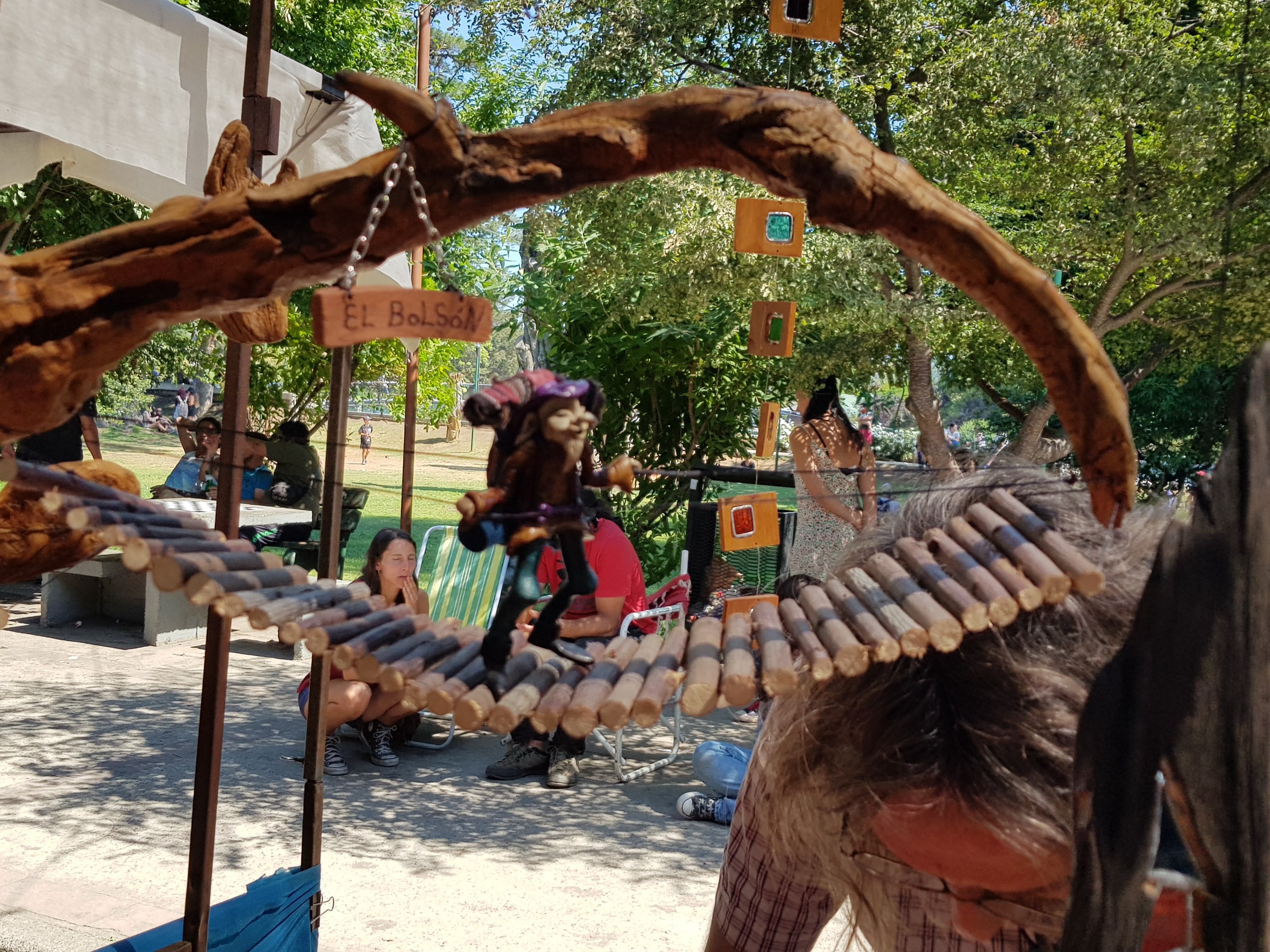
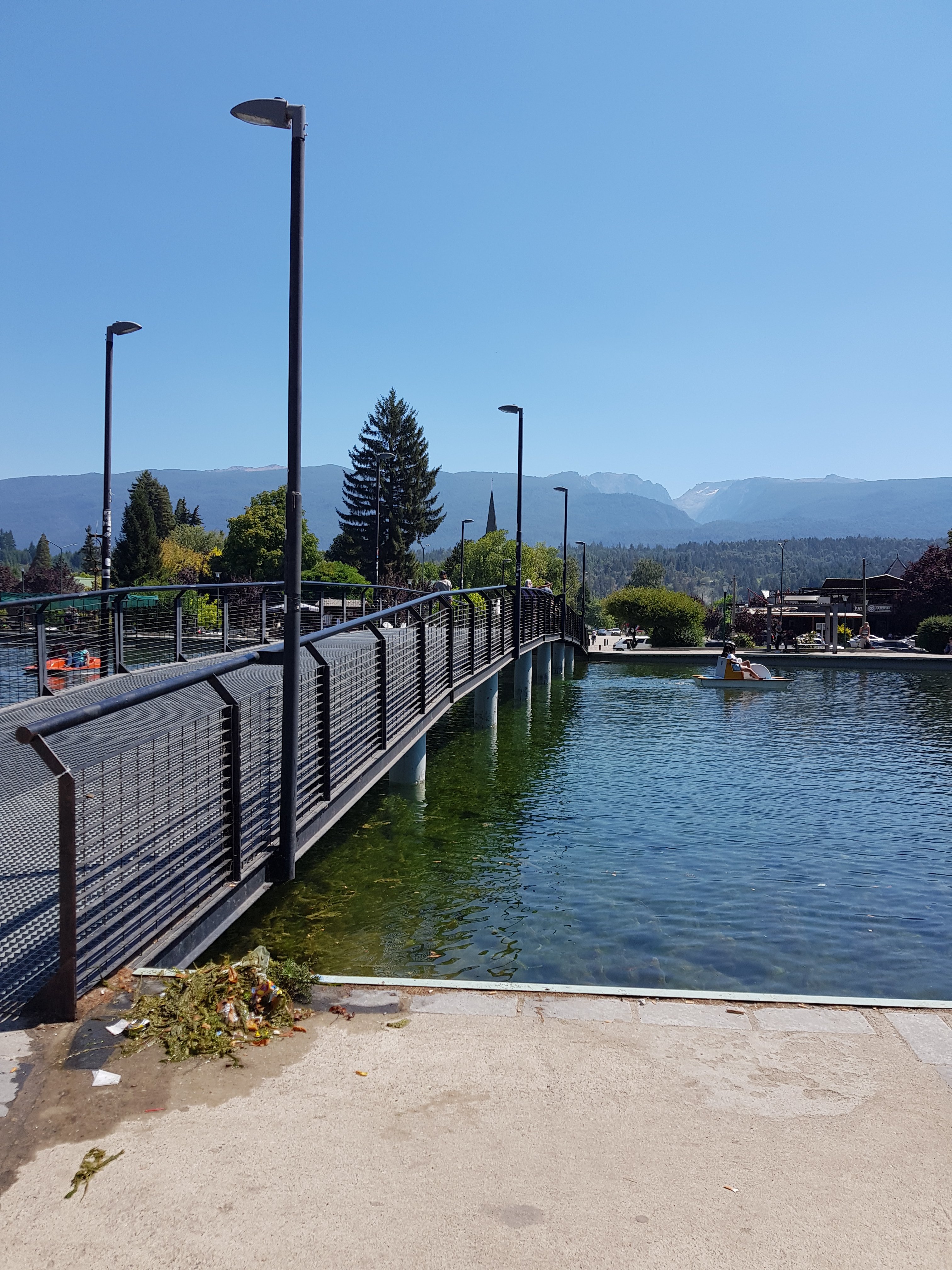
On arrival to El Bolson, I stumbled upon a huge feria (market/fair) with lots of artisan stalls and food vendors, besides a lovely river scene where people were enjoying pedal boats.

I think El Bolson is my favourite stop of the three, as it had a lovely mix of authenticity and fun for tourists. It was clean, and had lots of facilities. A lot of people that stop here do the 1-2 day hike to Cerro Piltriquitrón but I only had a day here and so not enough time. If I could do it again I would stay up to 4 days here. I did manage to make use of some other nearby hikes though.

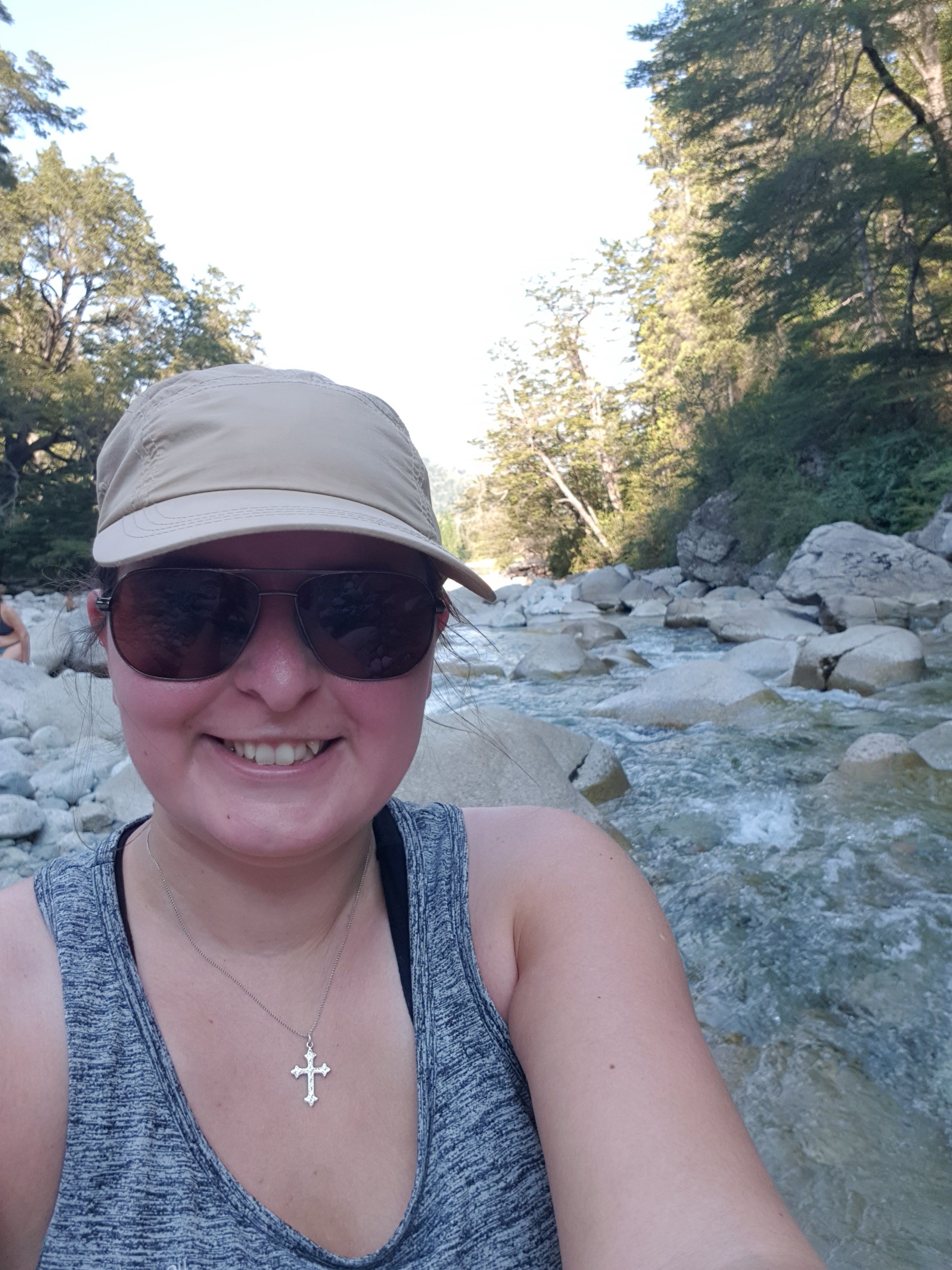
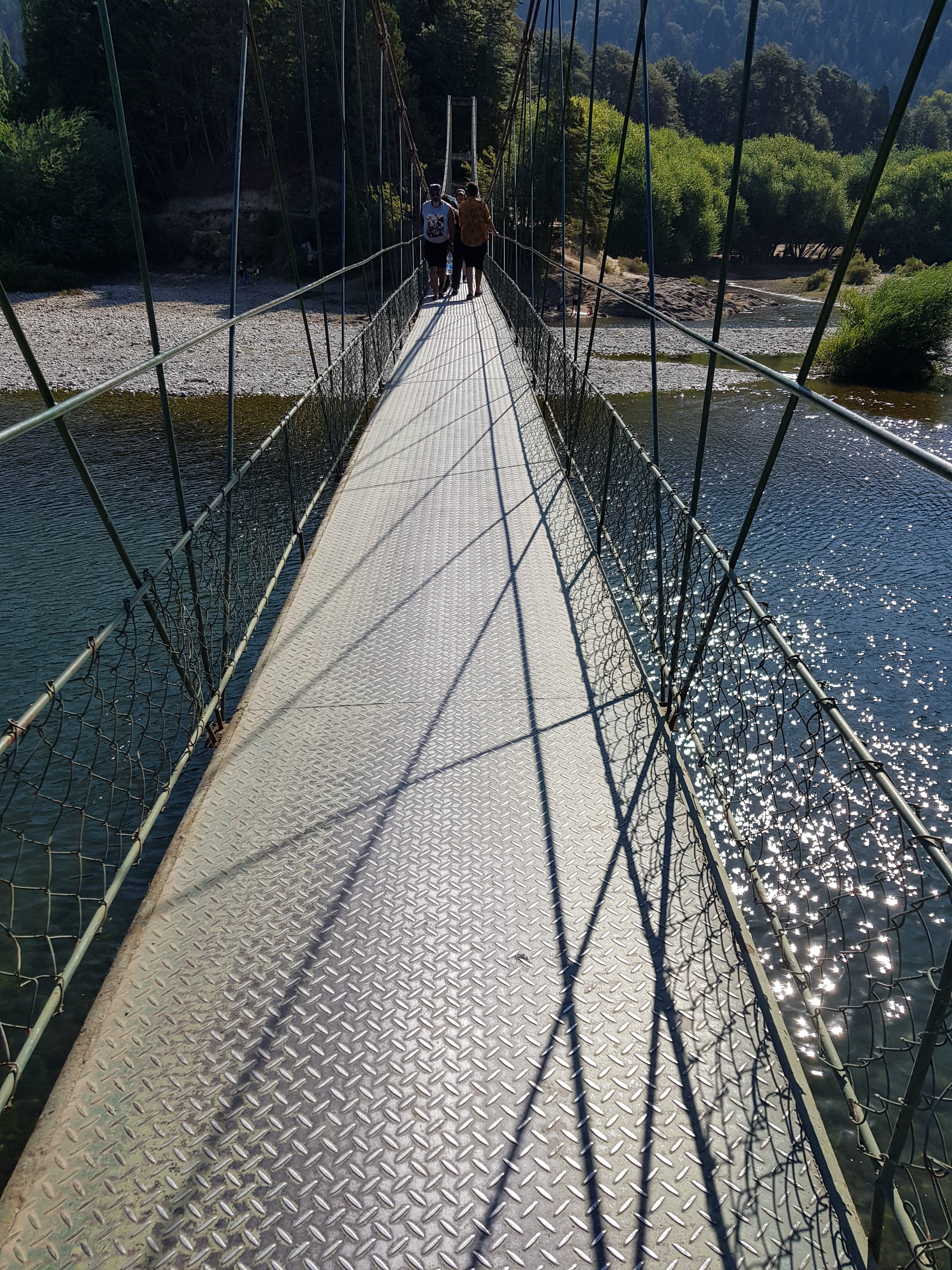
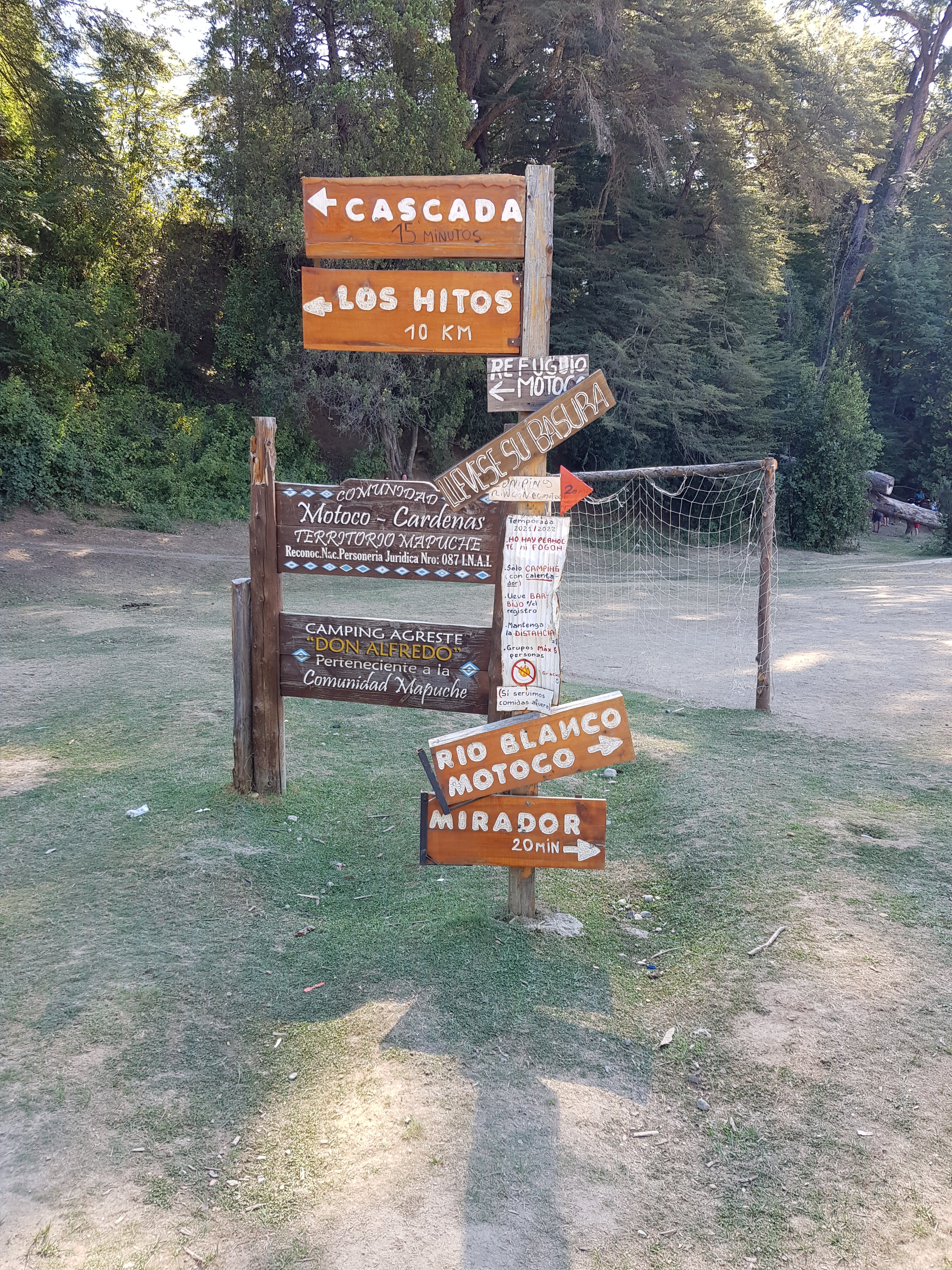
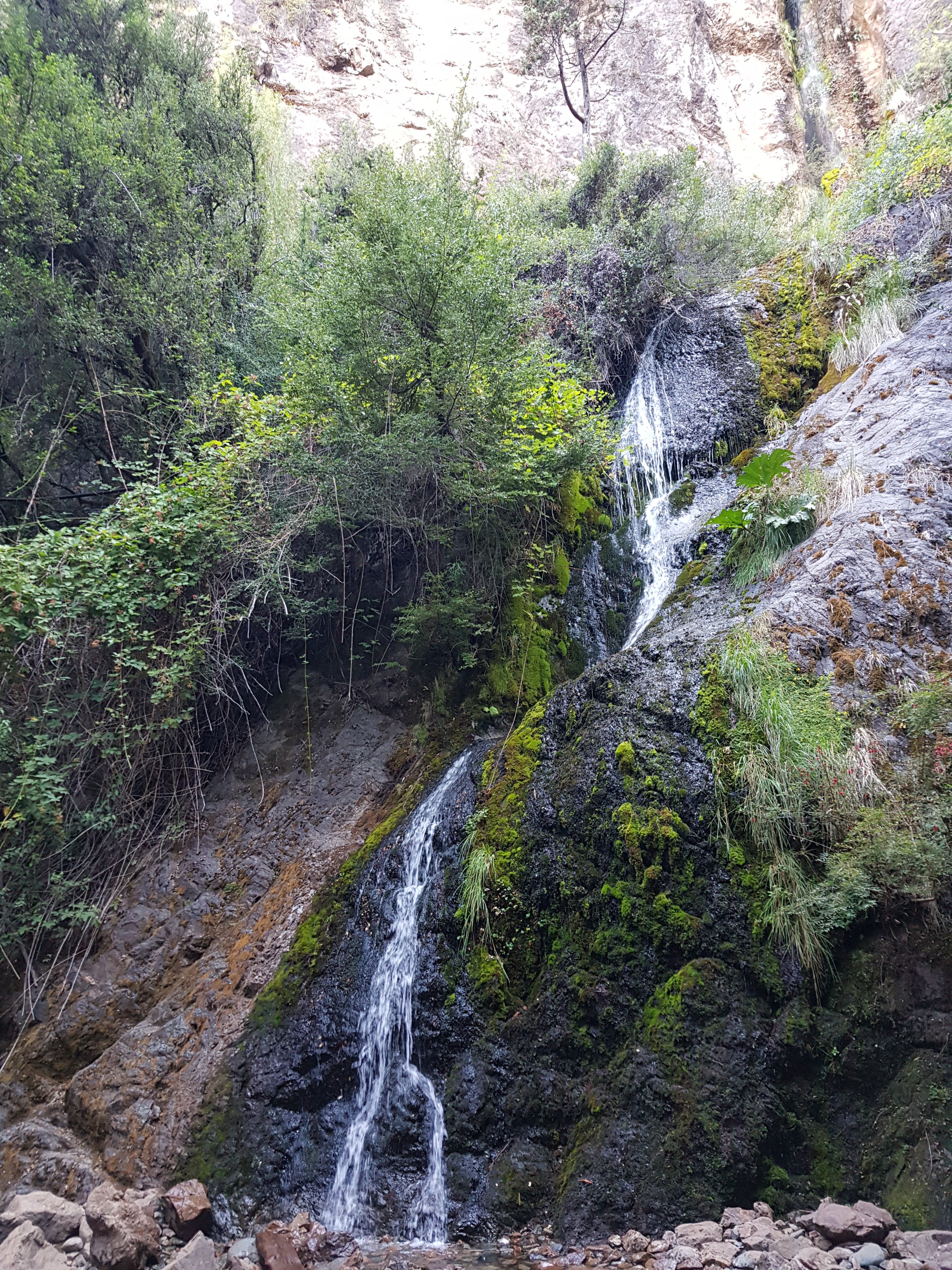
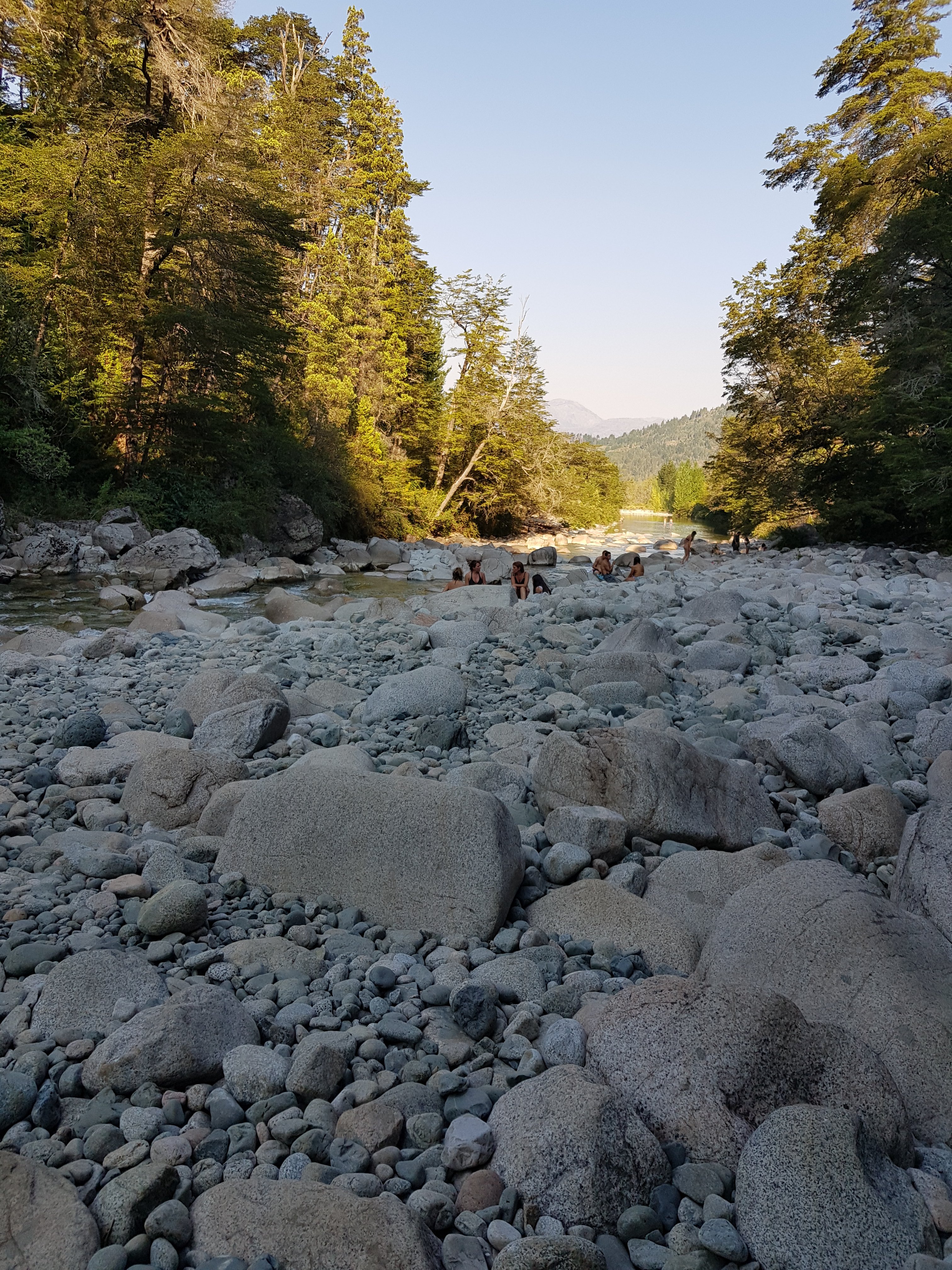
I took a cheap local bus out to a natural site that is part of the aboriginal Mapuche territory called La Pasarela. On arrival, I had no idea where I was. I approached a local aboriginal girl, in my best spanish, and she led me there, explaining that it is hard to find on a map. When I found the right spot there was a river with people swimming, and a little information point. The site is completely free to visit, and has many trails and things to see. I visited a waterfall, and then took a second hike to sit by the River Blanco. It was really refreshing on such a hot day.

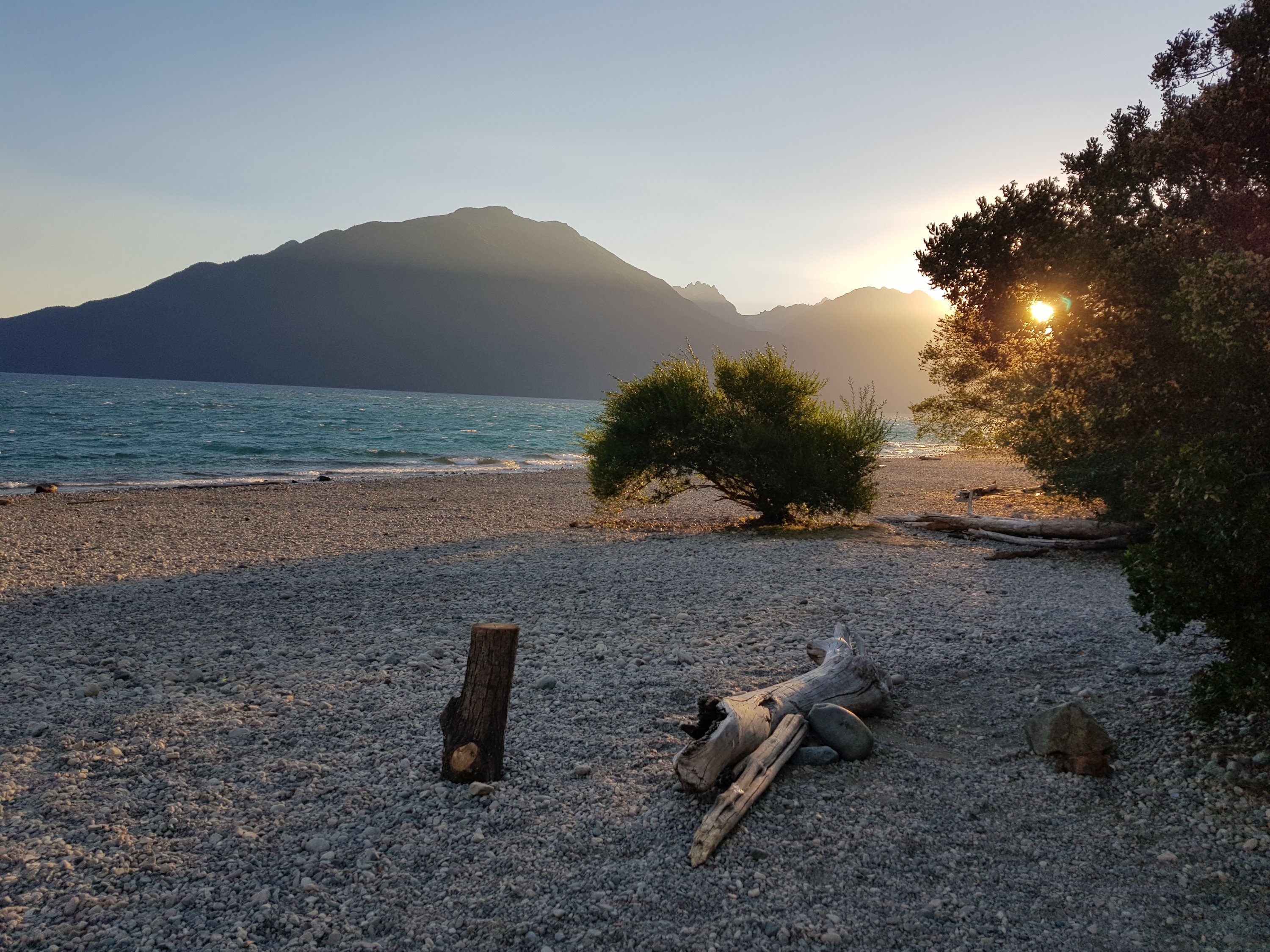
After visiting La Pasarela I hopped back on the bus for another 15 minutes down the road to Lake Puelo and enjoyed the views of this huge lake among the sunset.

Overall, the Lake District in Argentina is absolutely stunning. There is plenty to see as a nature lover. If I had the chance to travel in my own car, then I would definitely visit more smaller communities, and I would perhaps do more camping, as many people were spending long periods of time in each place whilst camping. For now, I travel further South!
Salamanca: The Golden City

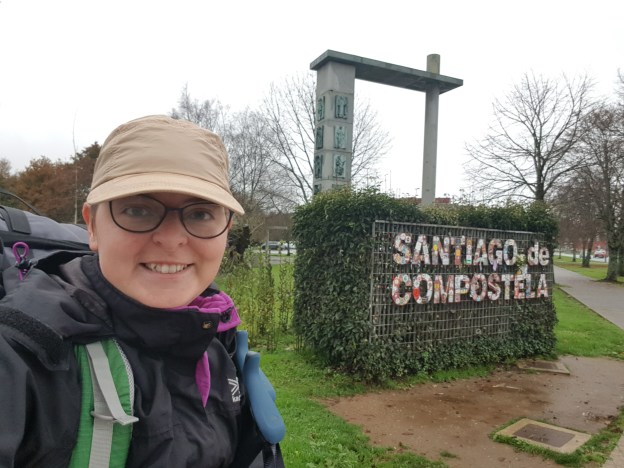
After completing my journey to Santiago de Compostela, I hit the road again, and made my way to the beautiful city of Salamanca for an overnight stay.

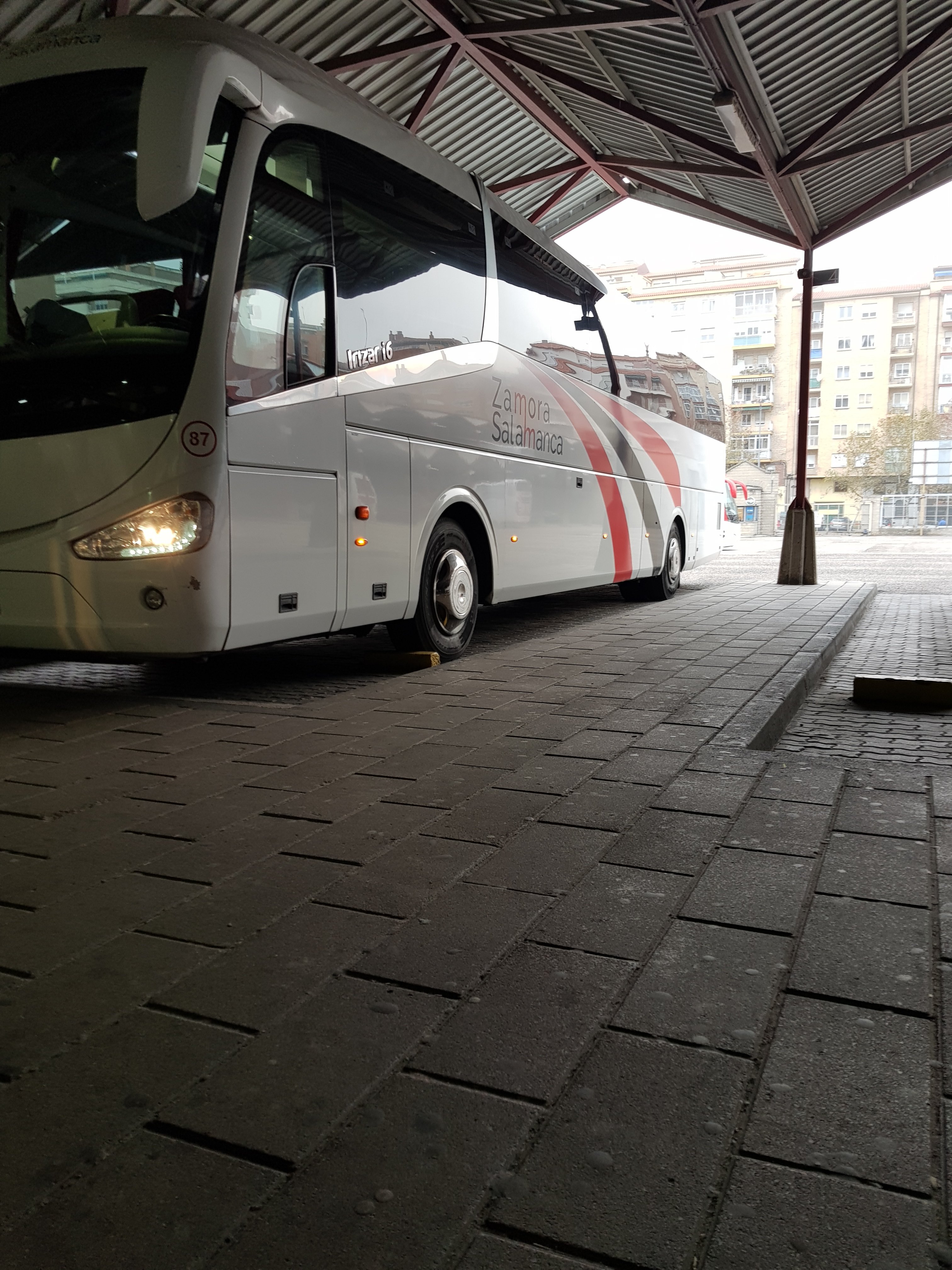
Salamanca is a small city in the North West of Spain. Whilst it is not dramatically far from Santiago de Compostela, it was not the simplest to get to. I had to take a train to another town, and then a local bus to Salamanca. After this long journey, I was too early for check in, and decided to start on the sightseeing straight away.

I knew nothing about Salamanca before visiting. Only that it was a city that looked nice in pictures, and had a name that I enjoyed saying out loud… SAL – A – MANCA 😄

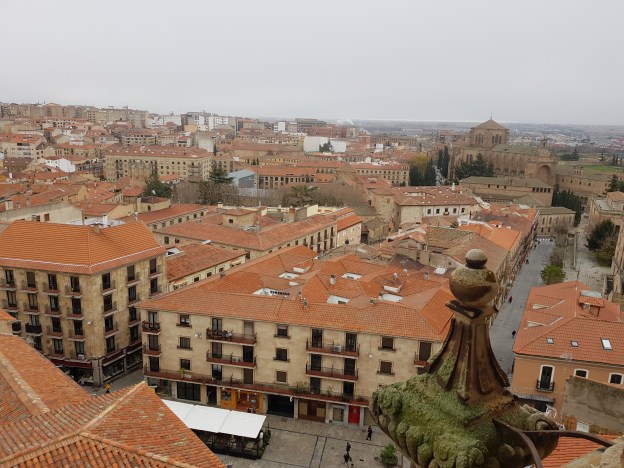
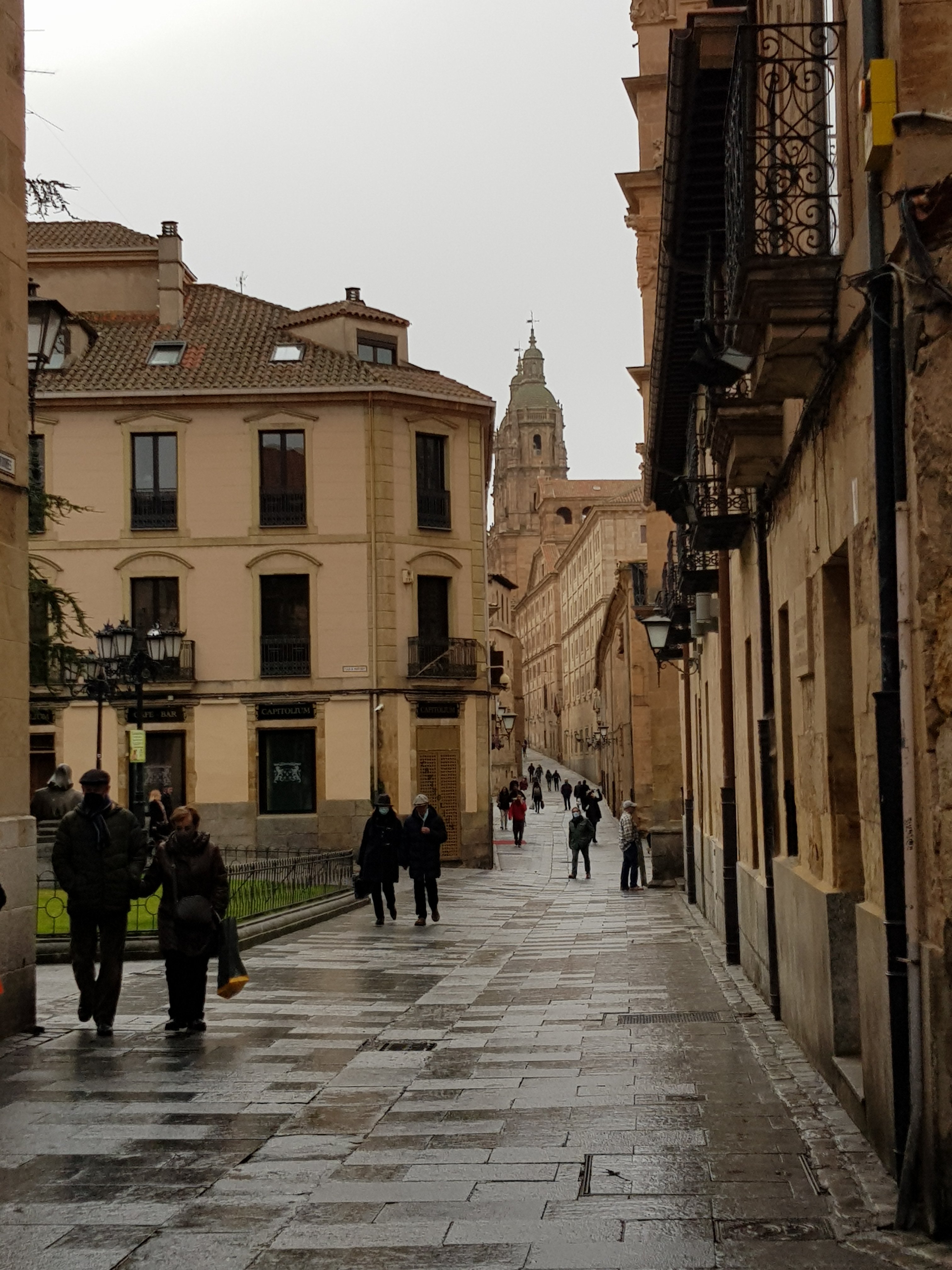
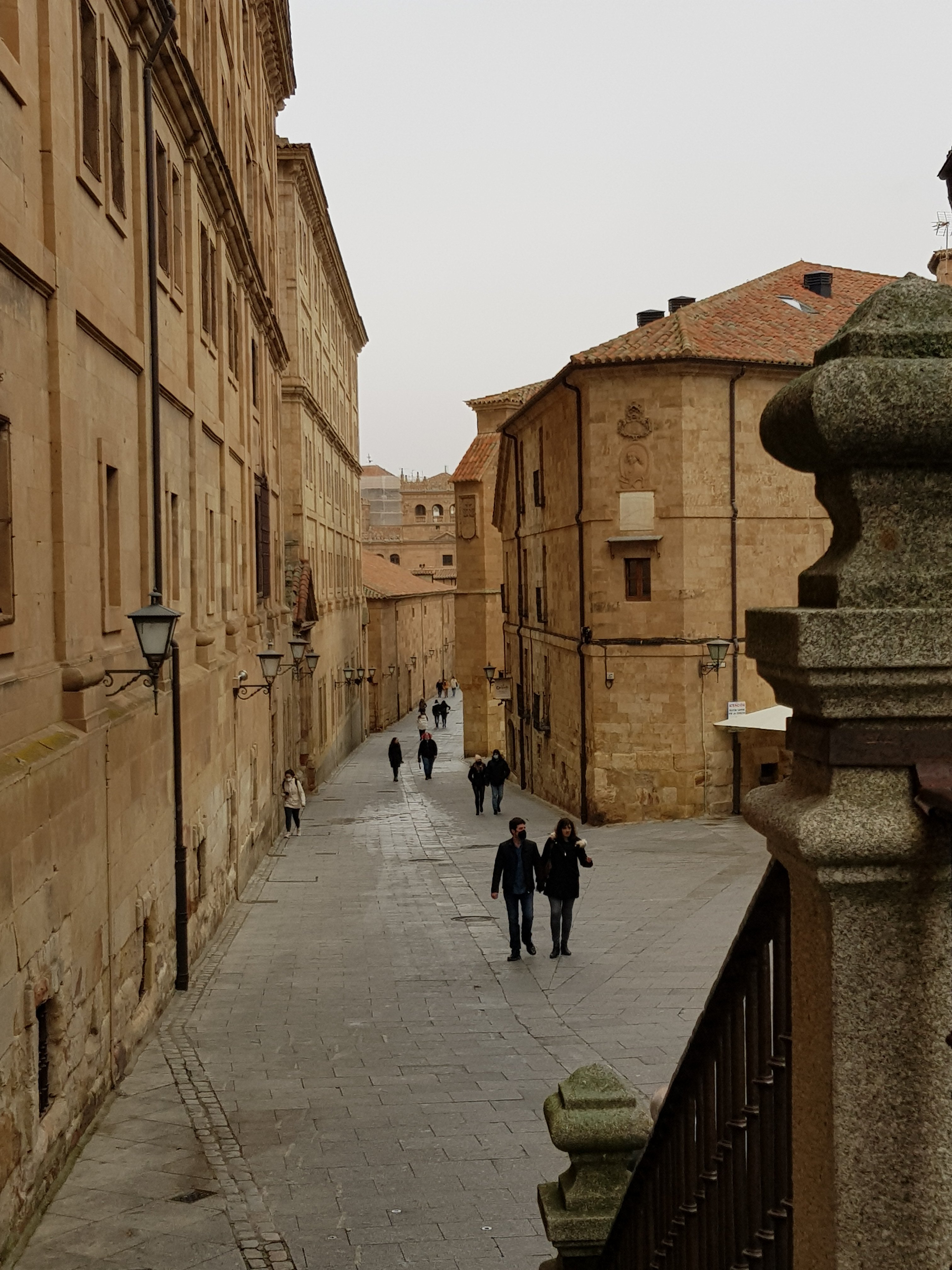
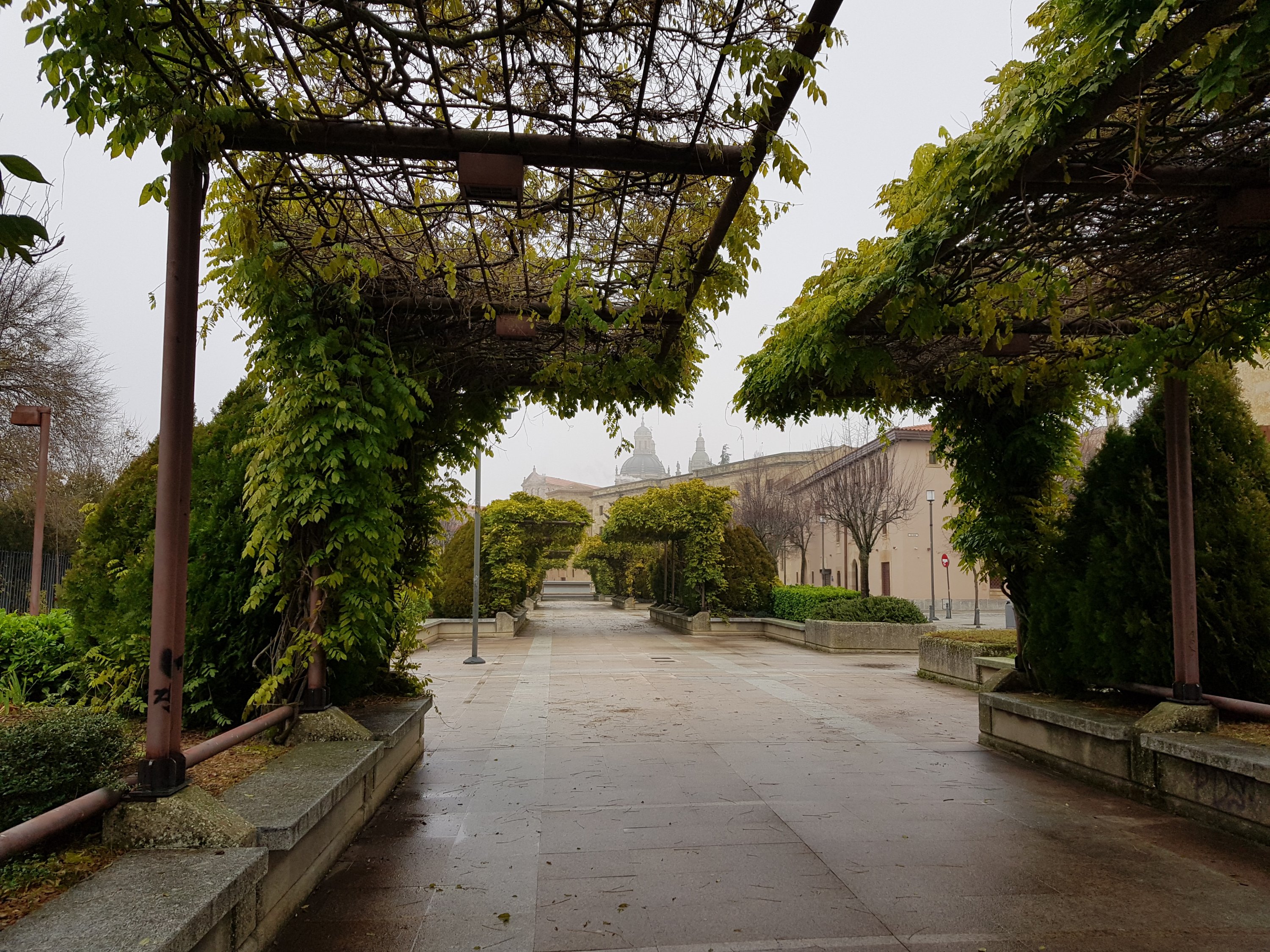
It turns out that Salamanca is also known as the ‘Golden City’ because of the golden orange colour of the buildings throughout the old town. The colour definitely does make you feel as if you were in an arabian paradise, but Northern Spain really doesn’t fit that profile! 😄 The city’s old town has a mix of palaces, religious buildings, and university buildings.

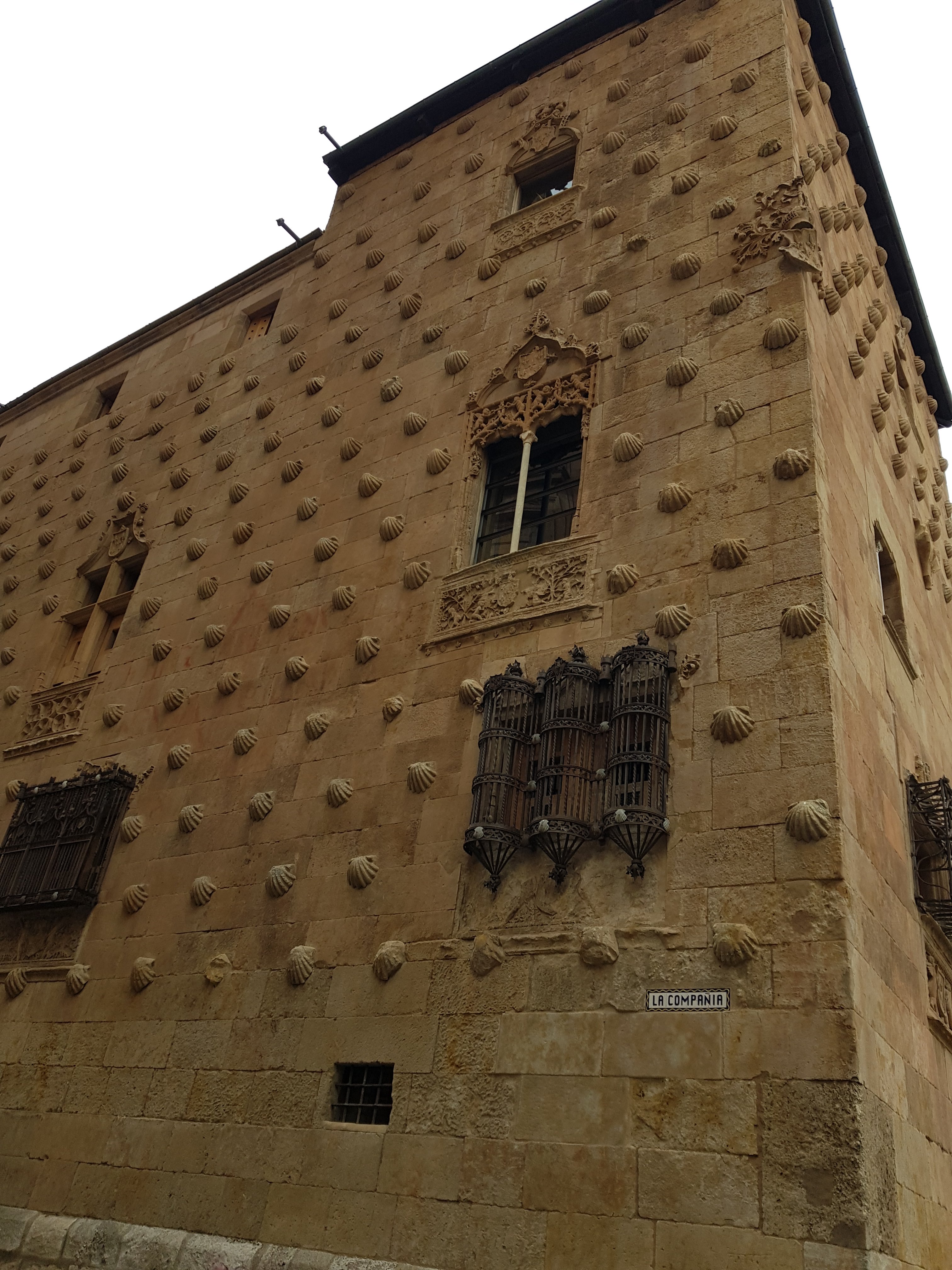
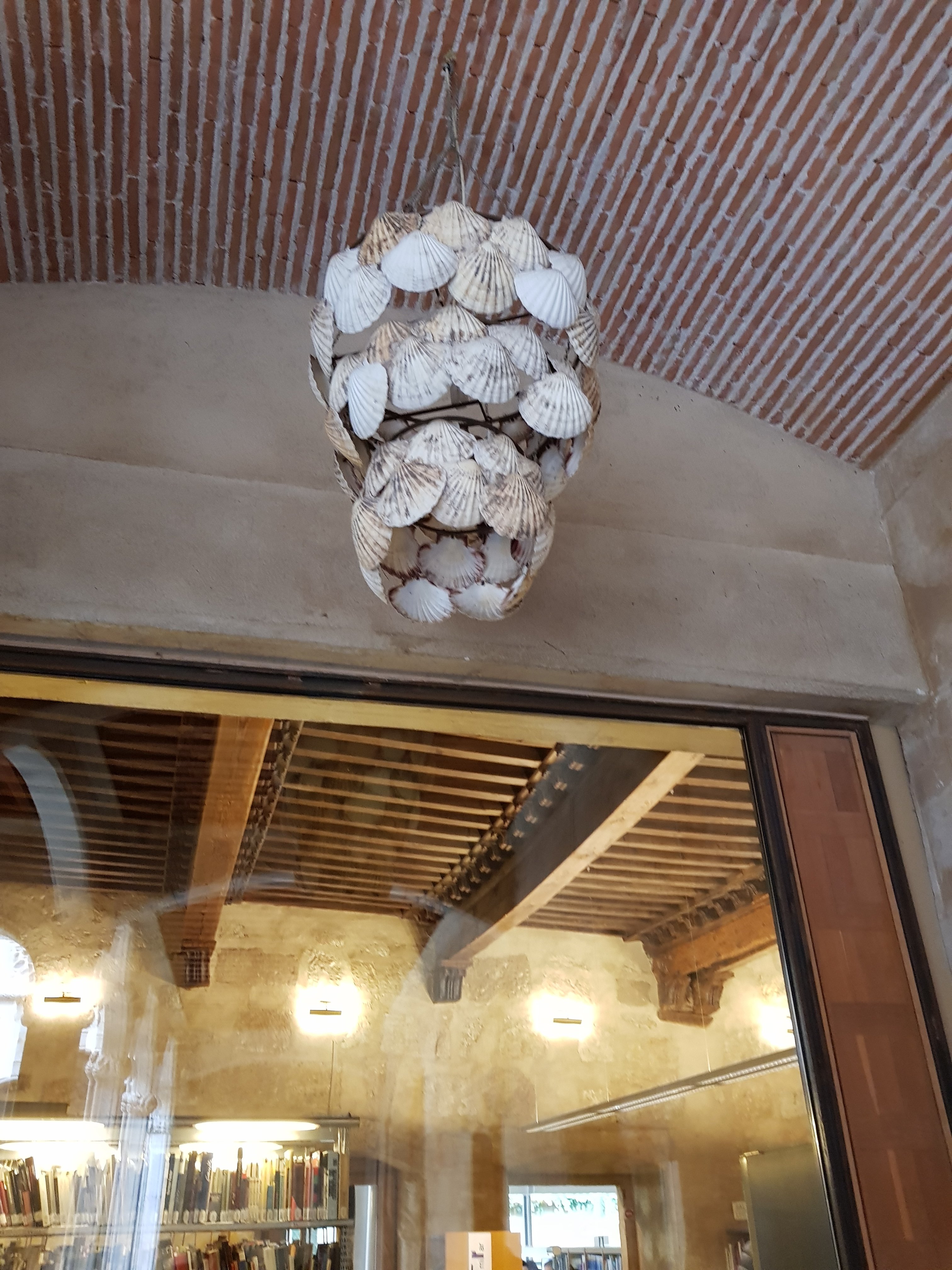
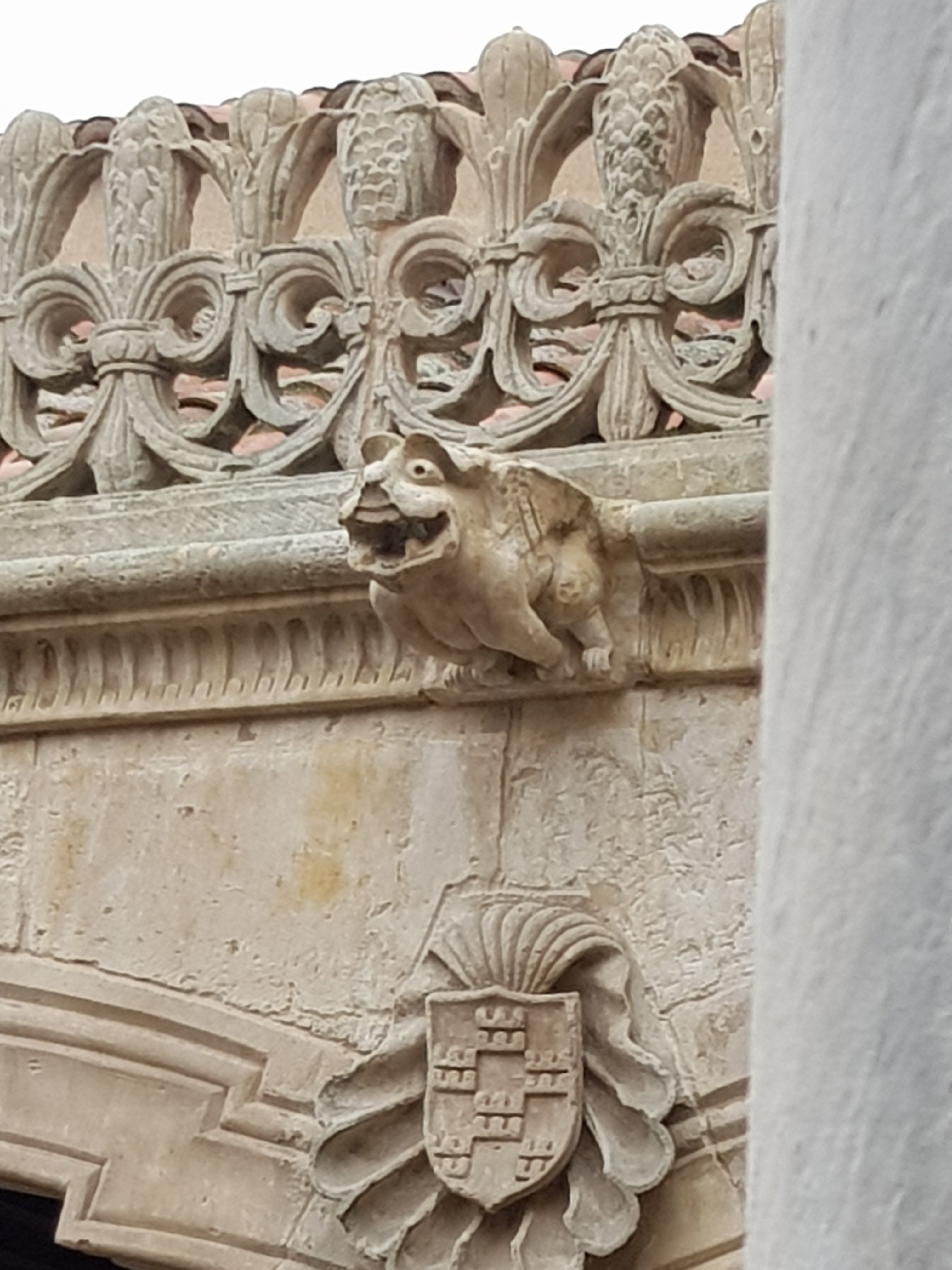
It seems that the University of Salamanca is very well renowned in Spain, as the first university that existed in the country. Many of the oldest buildings in the city are under use of the students still today. The public library can be visited for free, and is particularly unique as a building completely covered in the image of shells, giving it the name ‘Casa de las Conchas’. This was interesting to me, as shells are the symbol of the Camino de Santiago that I have just completed. On this occasion, they are related to the marriage between two noble families.

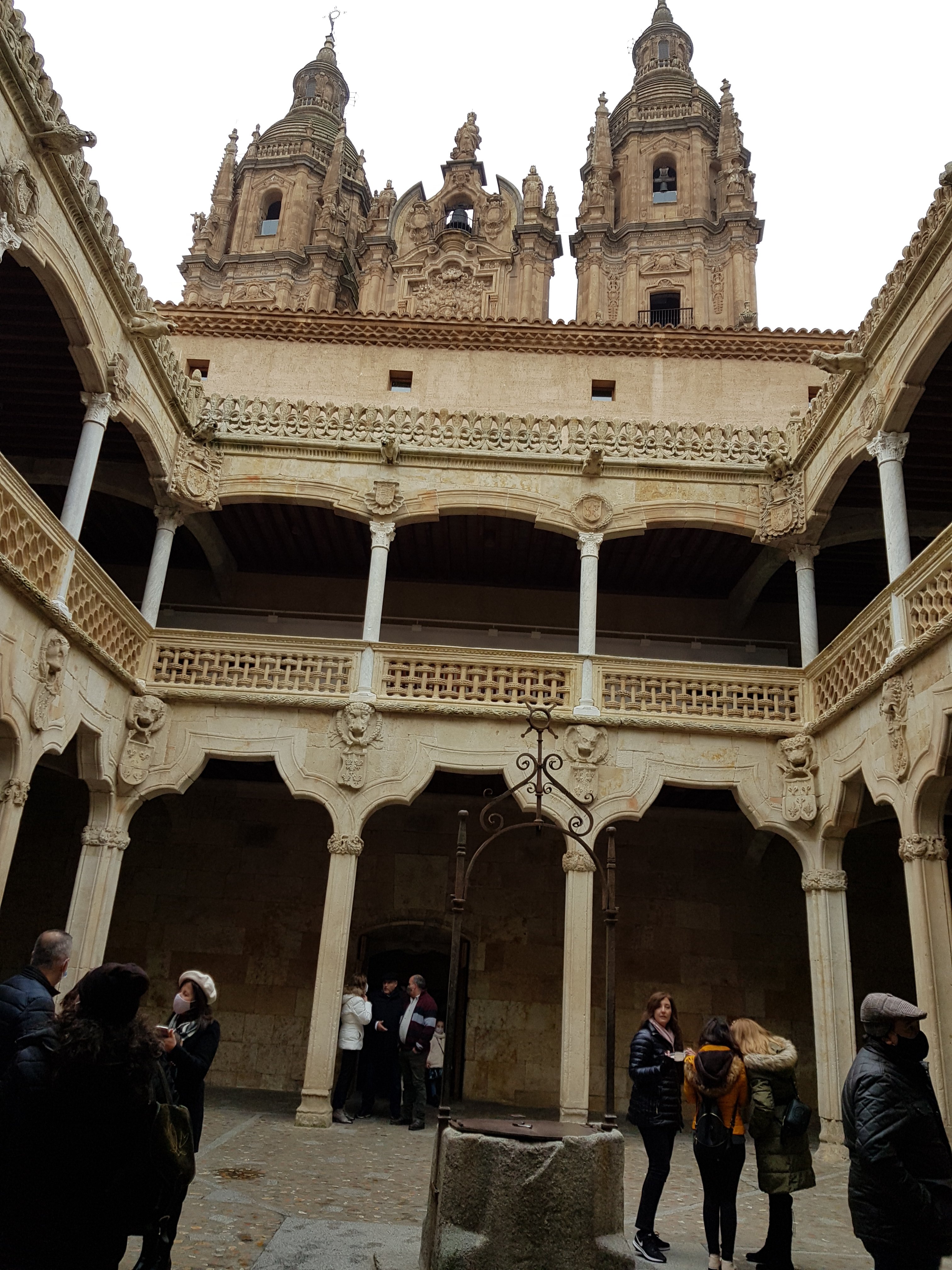
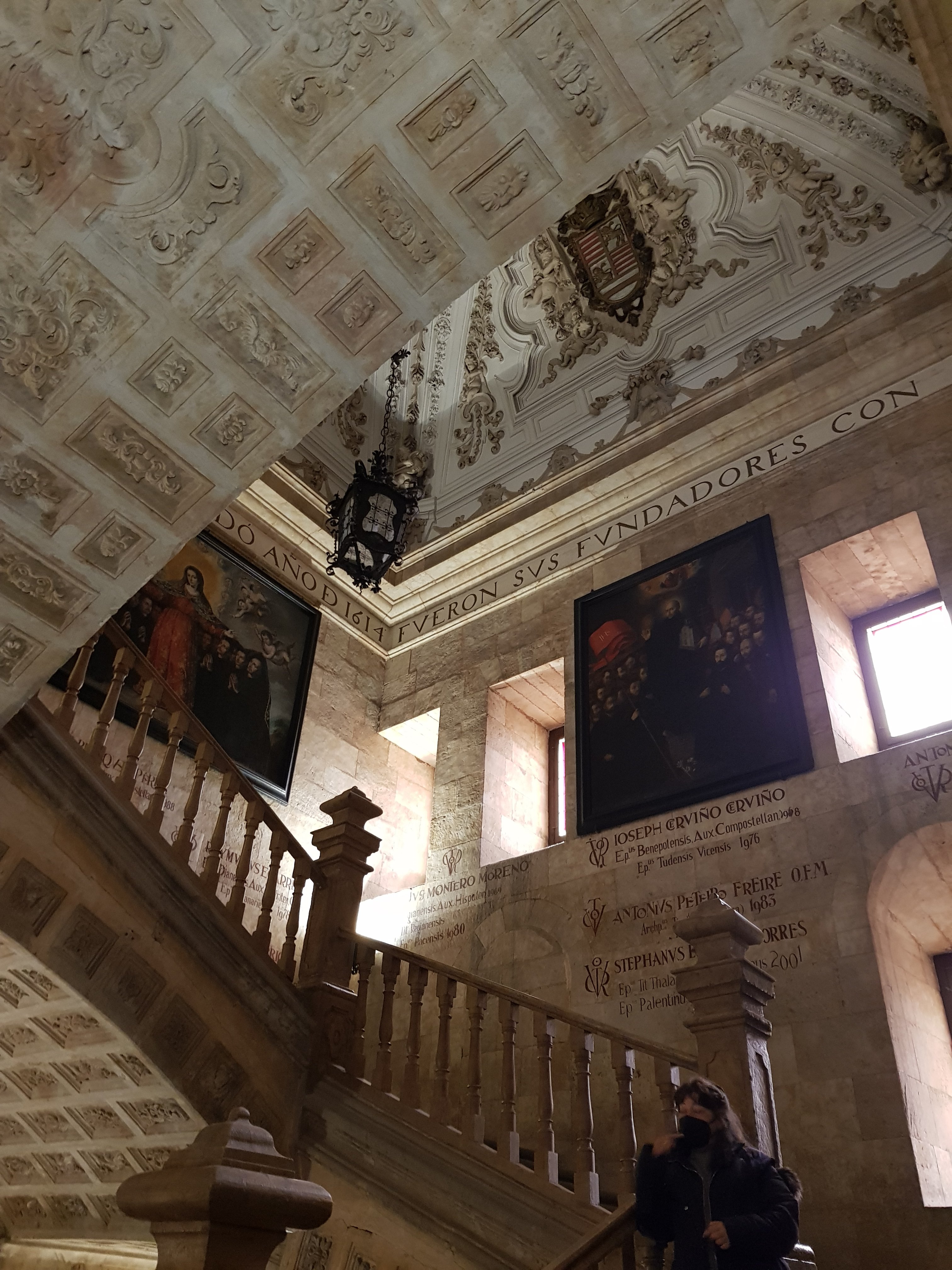
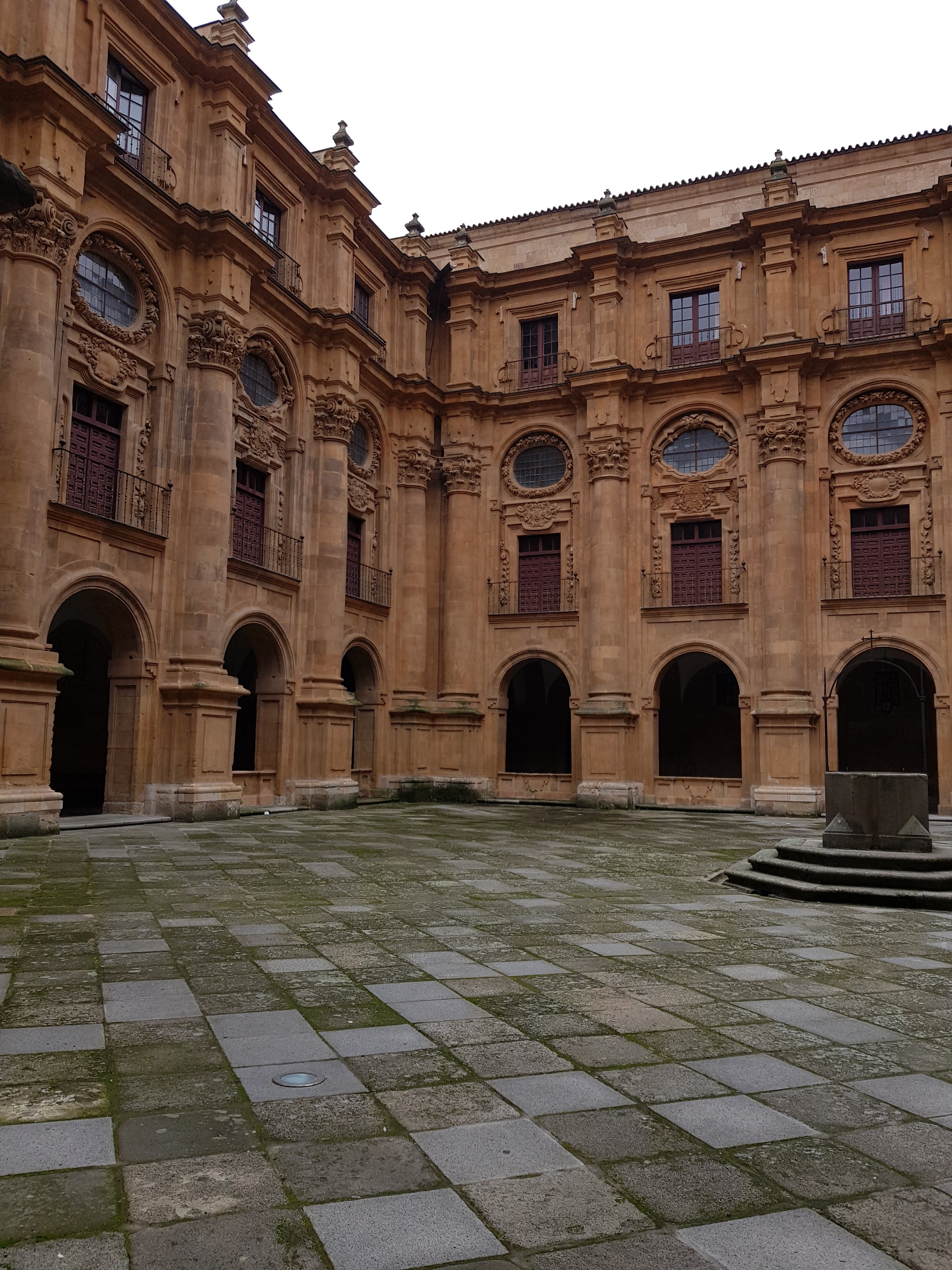
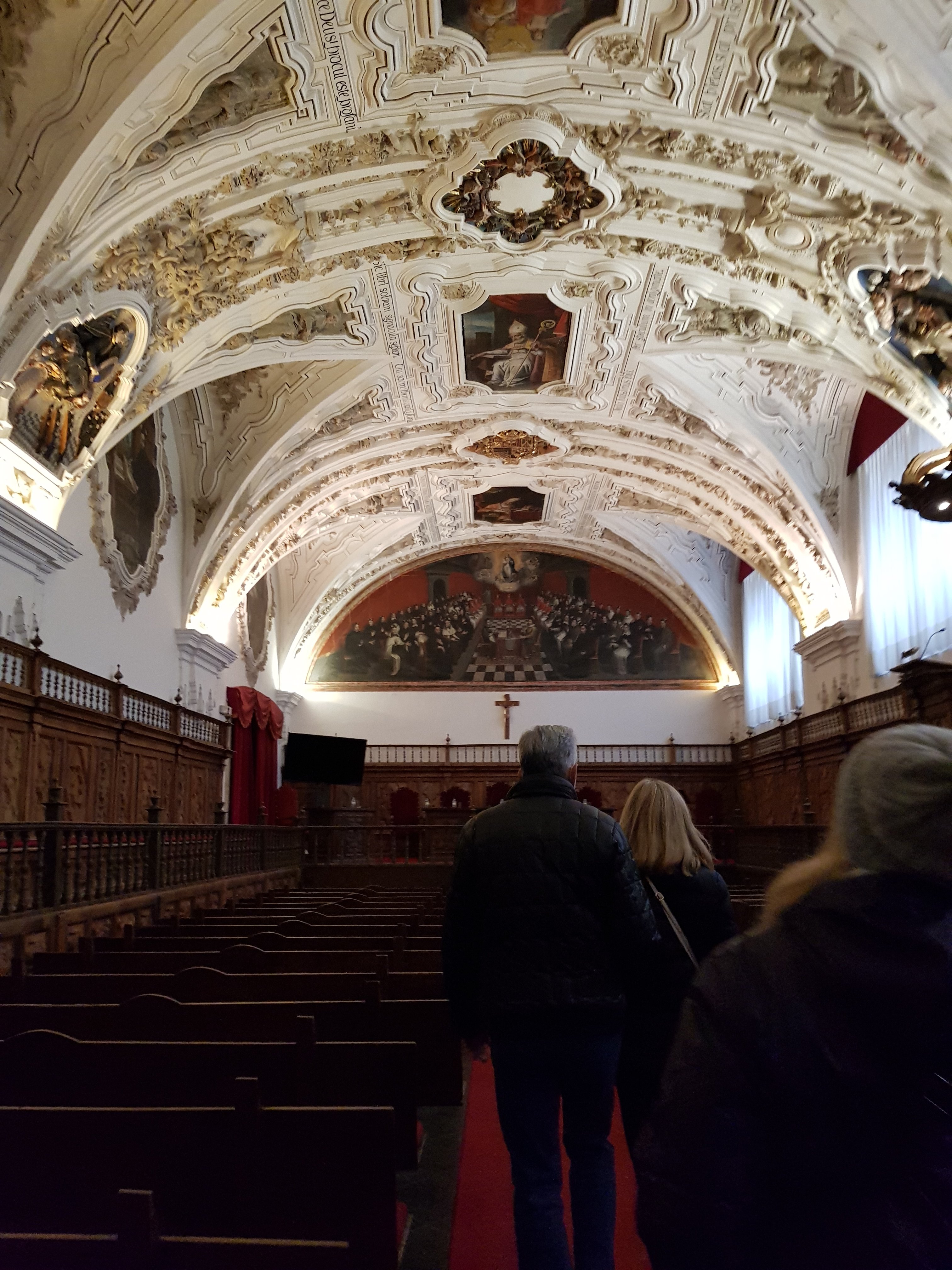
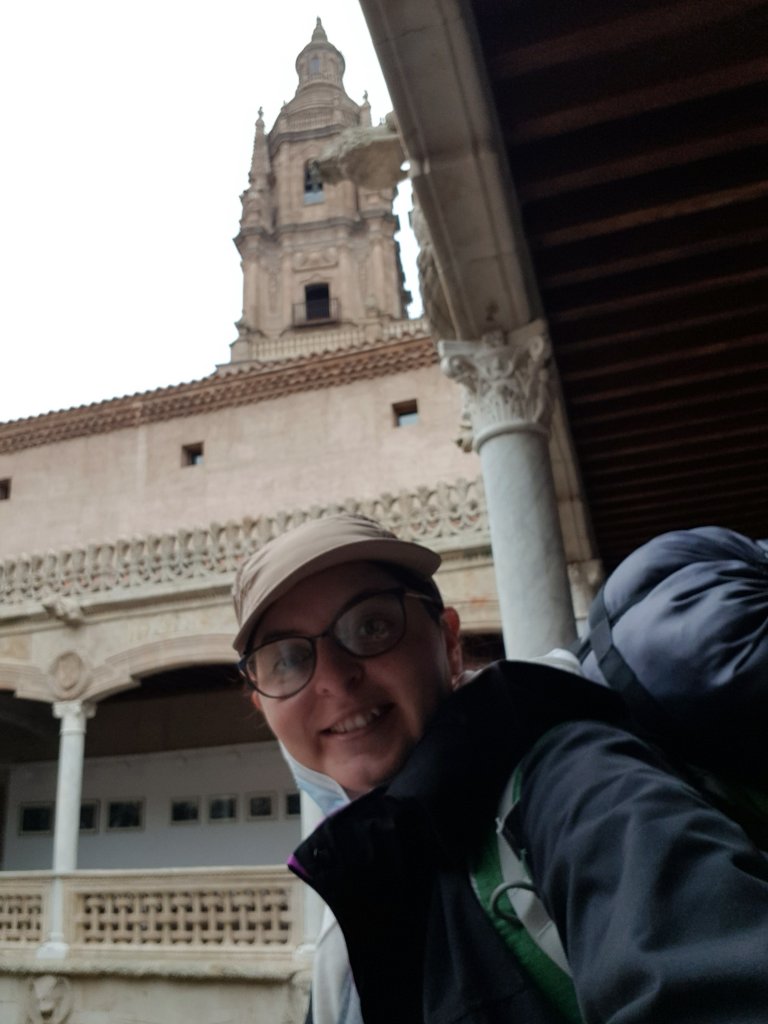
I also paid for the guided tour of the Pontificia university building, which is a separately owned catholic part of the university for theology and law schools, and has an adjoining church. This tour was in Spanish so there was a lot of me trying to follow what was being said, but the general jist of it consisted of a very fancy staircase, cloister and some sort of debate room.

The building was very fancy, and there were many references to important figures from Christianity, the history of the university, and the monarchy. I think you would be very lucky to study in these surroundings.

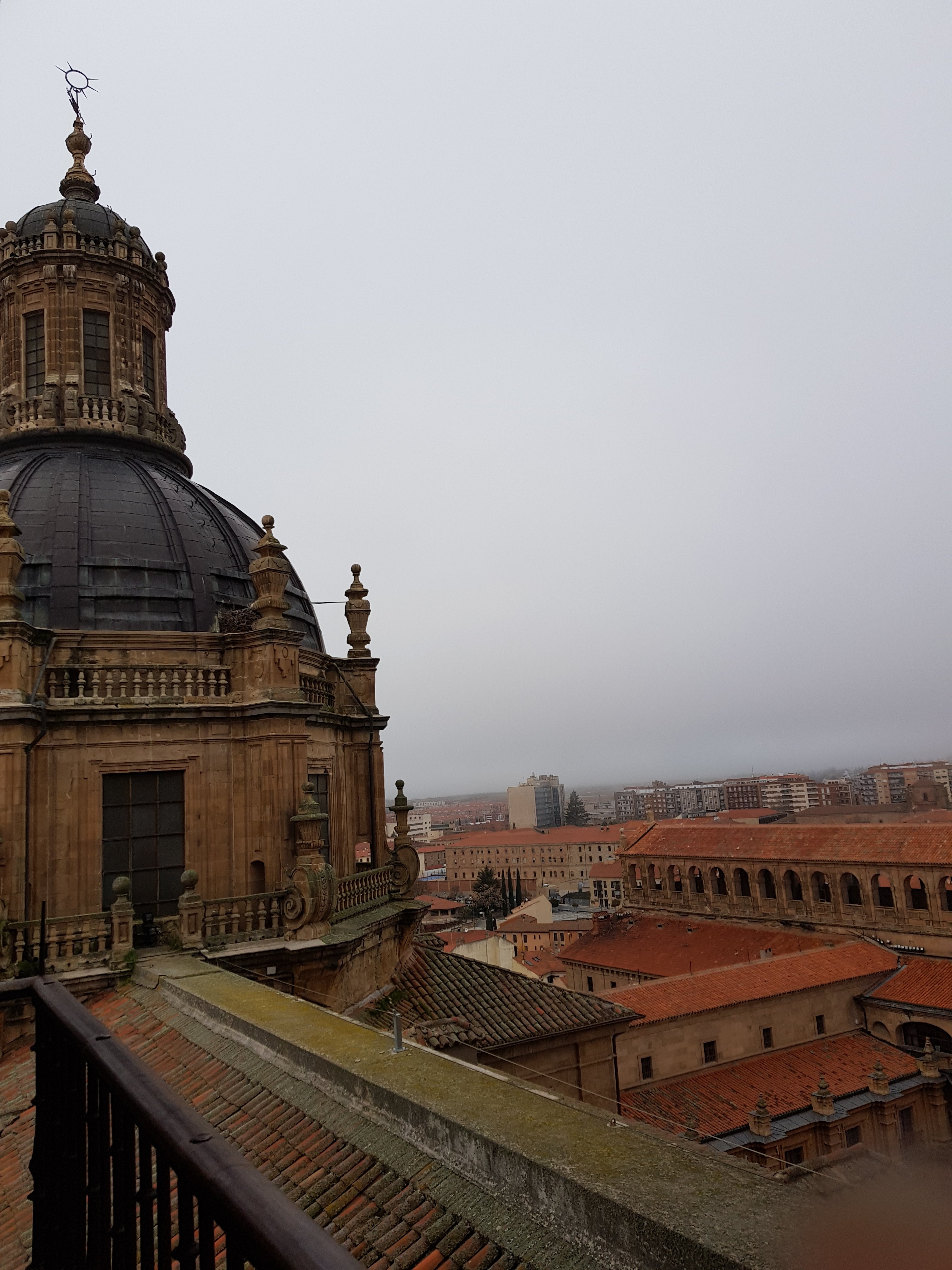
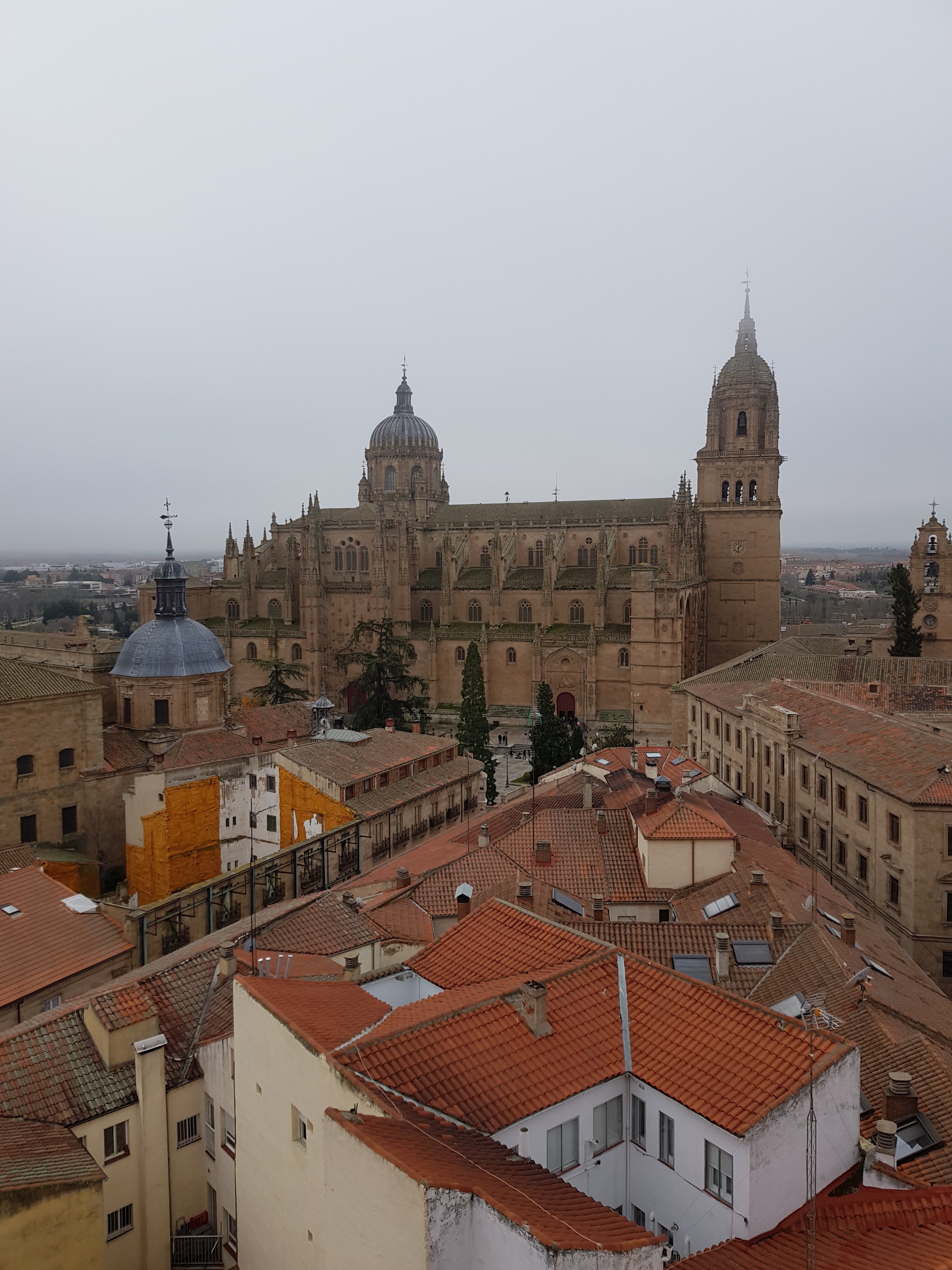
You can also climb the towers of the buildings and walk around the outside of them. The views of the city are great here, and I enjoyed seeing the bells. The only downside was that it was a foggy day!

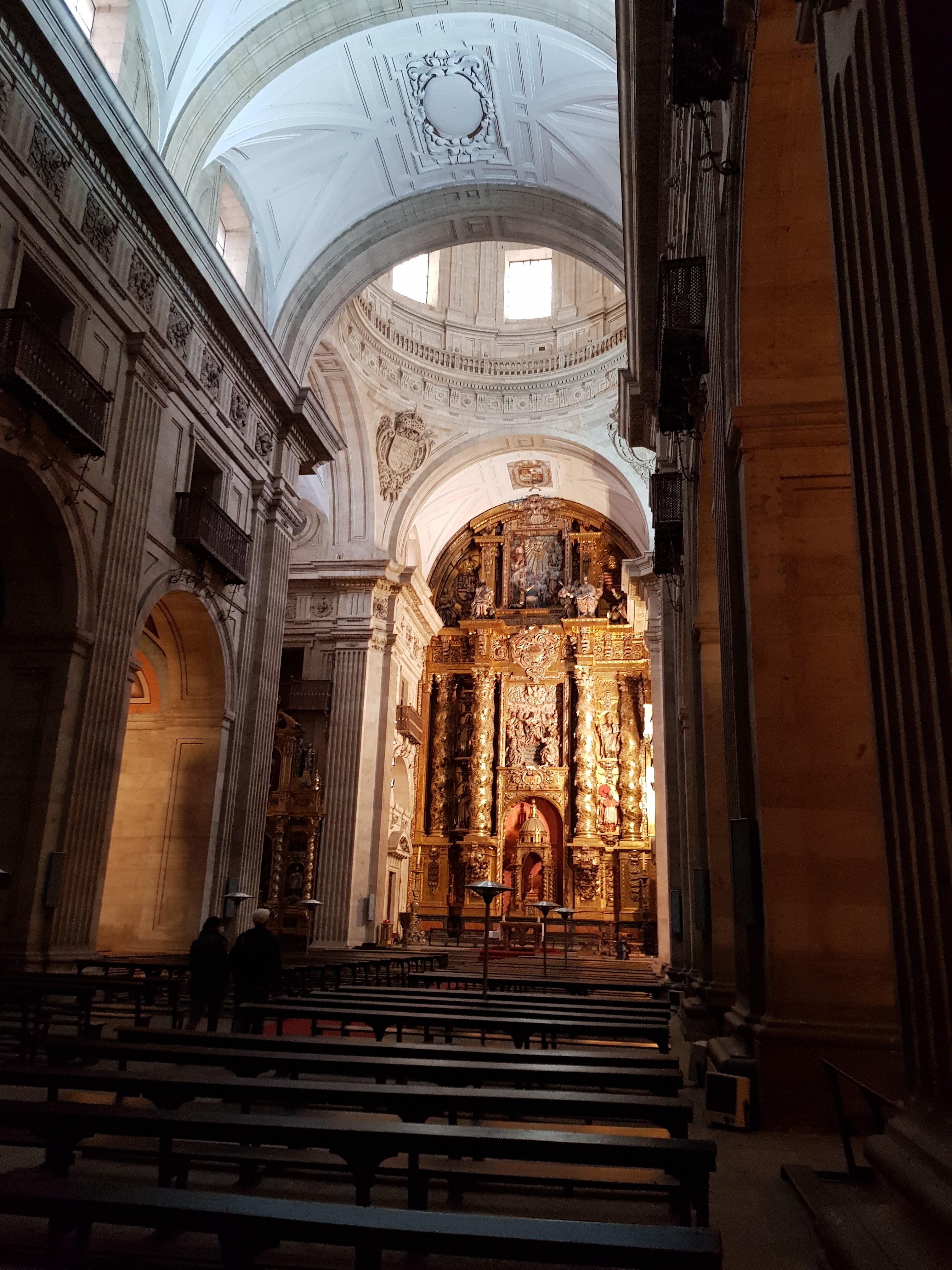
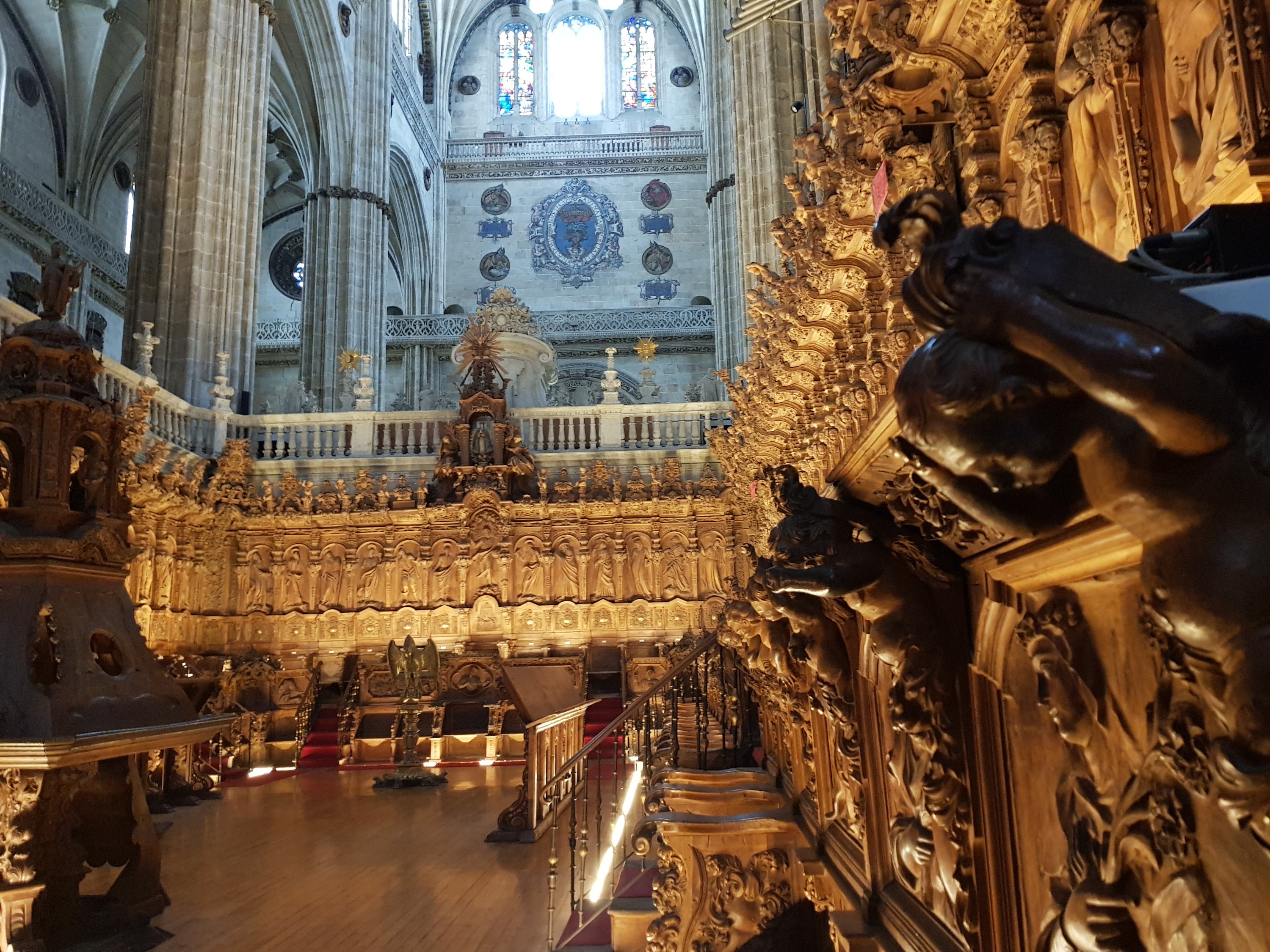
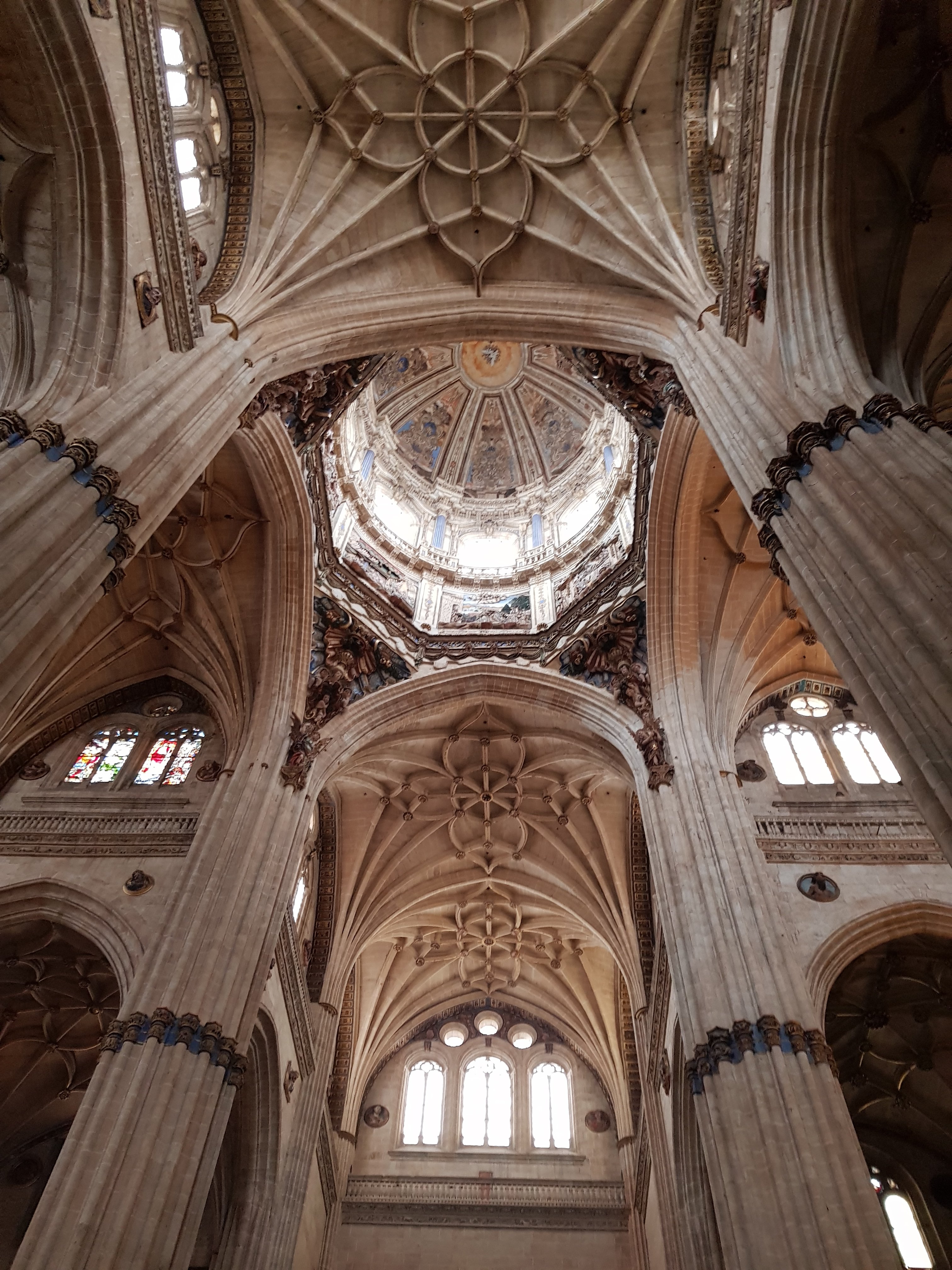
Of course, I also visited Salamanca’s Cathedral. You actually get two for the price of one when you visit, as the old cathedral resides inside the new cathedral. When the new one was built, the city decided not to tear the old one down but instead incorporate it. They are very different and make it a very large space to visit. A useful audio guide is included in the visit and pilgrims receive a discount.

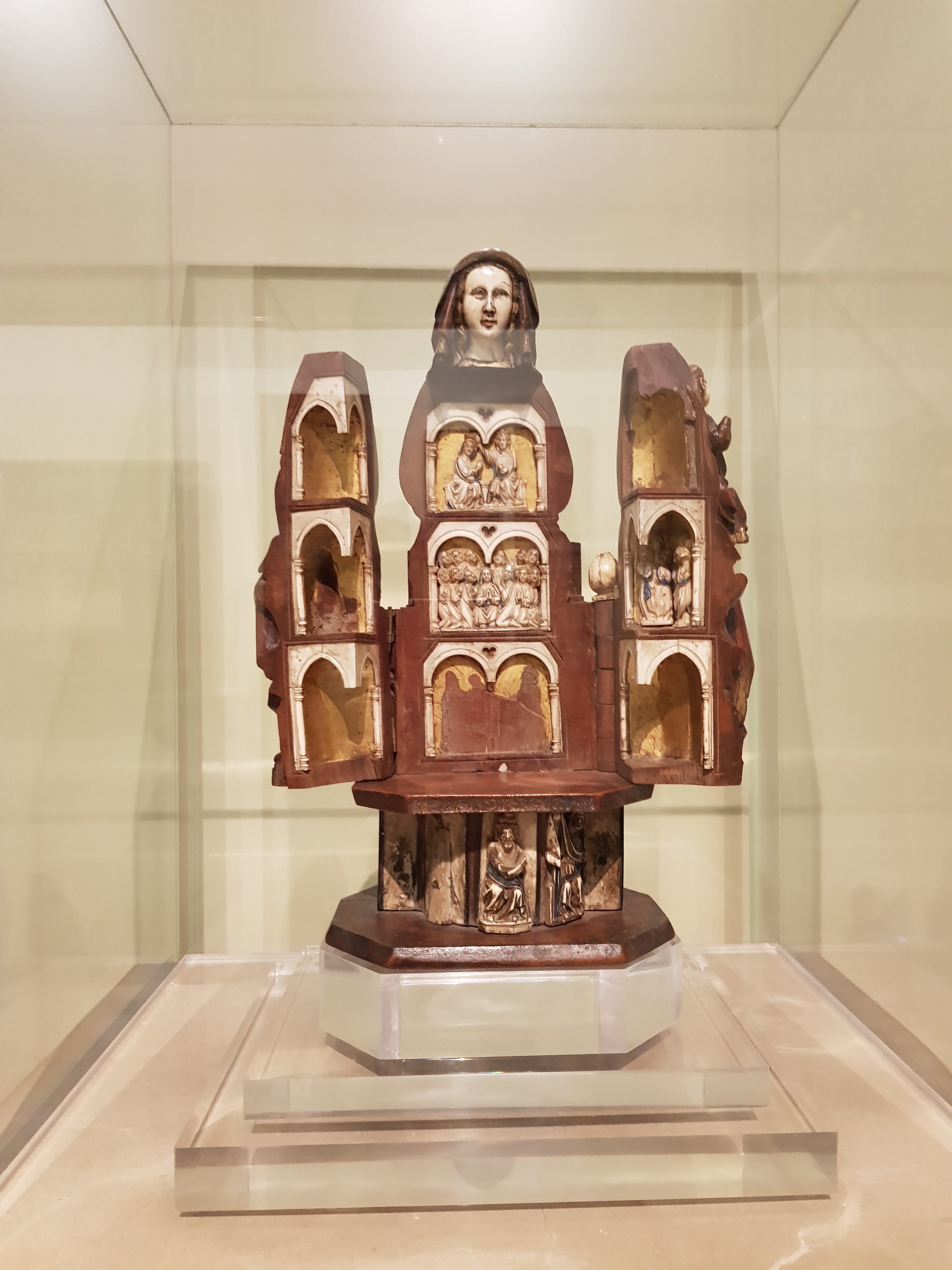
The new cathedral has many chapels and lots of detail, as well as two beautiful organs that can be admired from the front and back. The choir carvings are also exquisite. It is a brilliant place to take photographs. Later, on the self guided tour, I entered the old cathedral, which has a much more plain and simple feel to it. Though the architecture is simple, it does still have many chapels as well, and many more ancient wall paintings to admire. The cathedral also has a small museum space to enjoy.

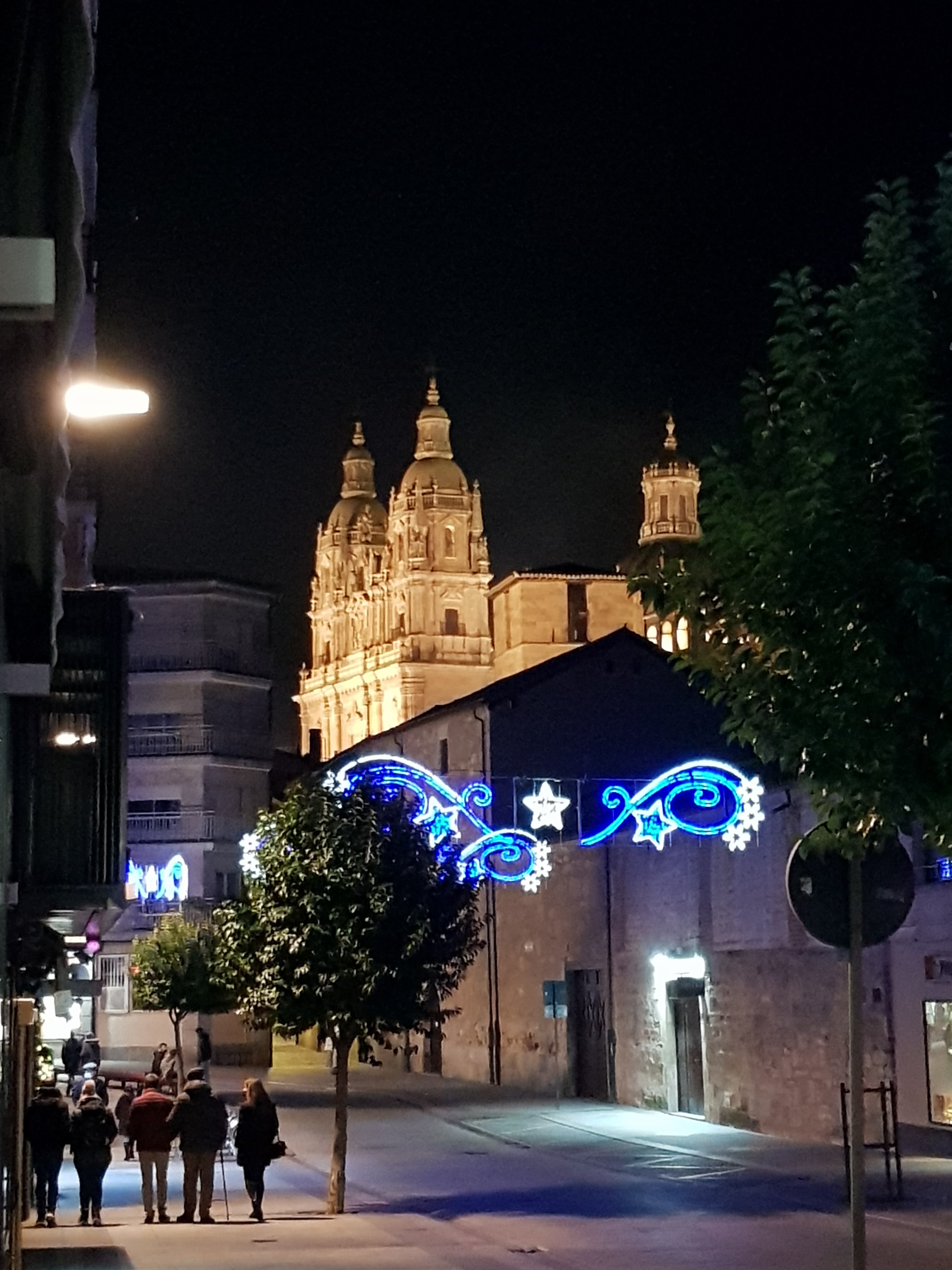
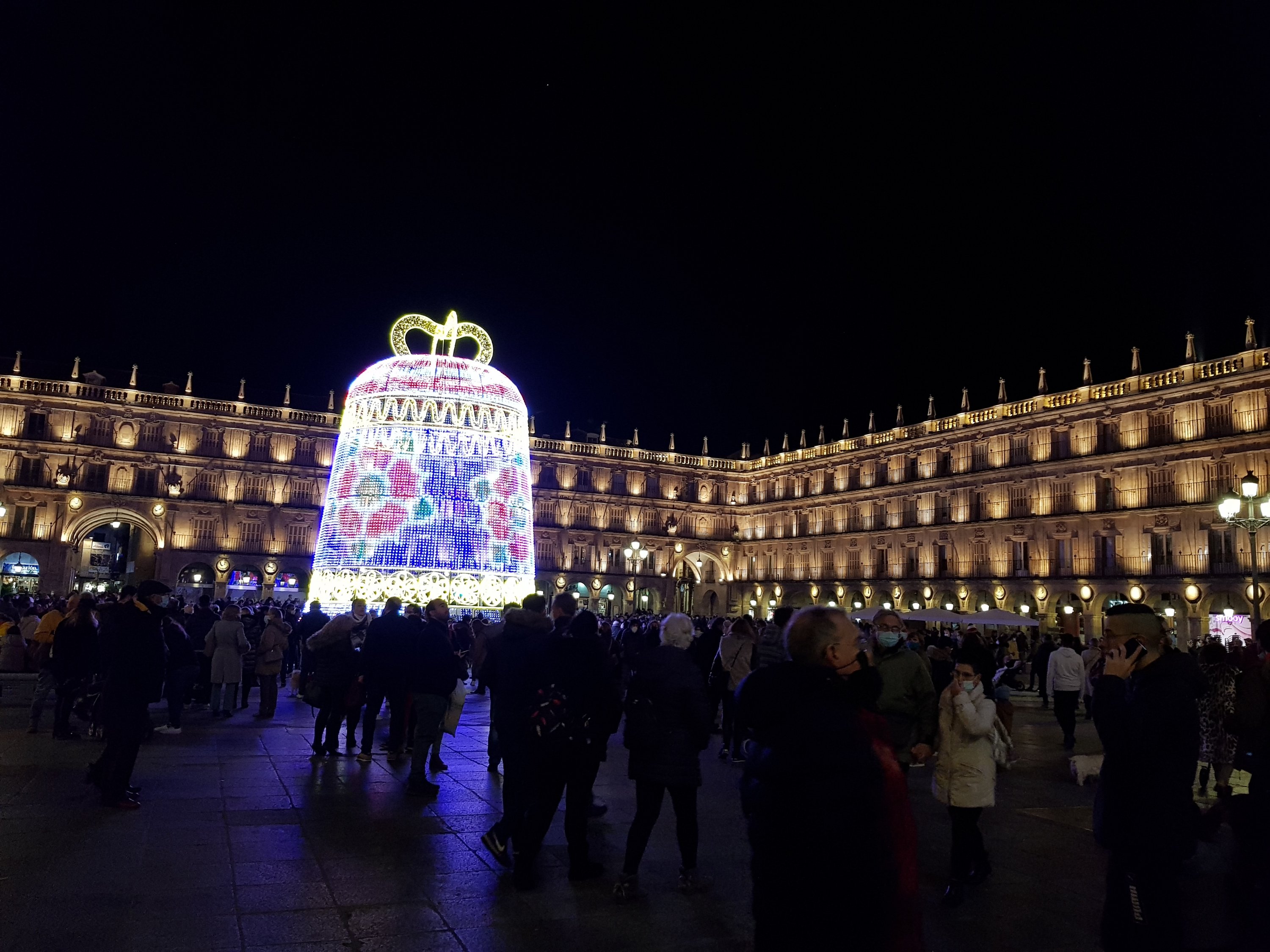
In the evening, Salamanca’s golden stonework, lights up the streets and the shopping areas and main plaza is bustling after 8pm. I happened to be here after the christmas decorations were up, so I was able to dine outside in the plaza with a lovely meal and a heater, and watch the christmas display with hundreds of local people.

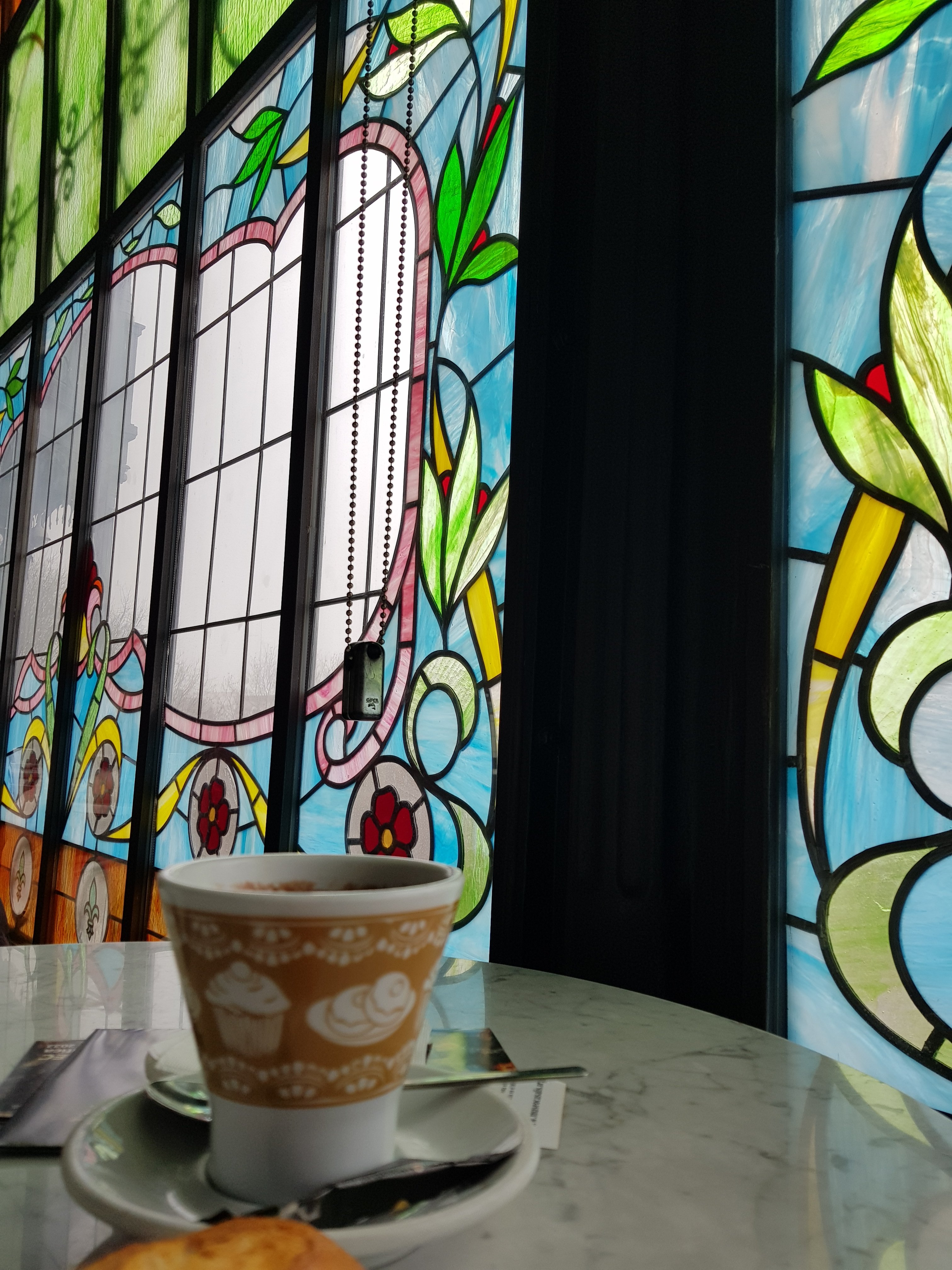
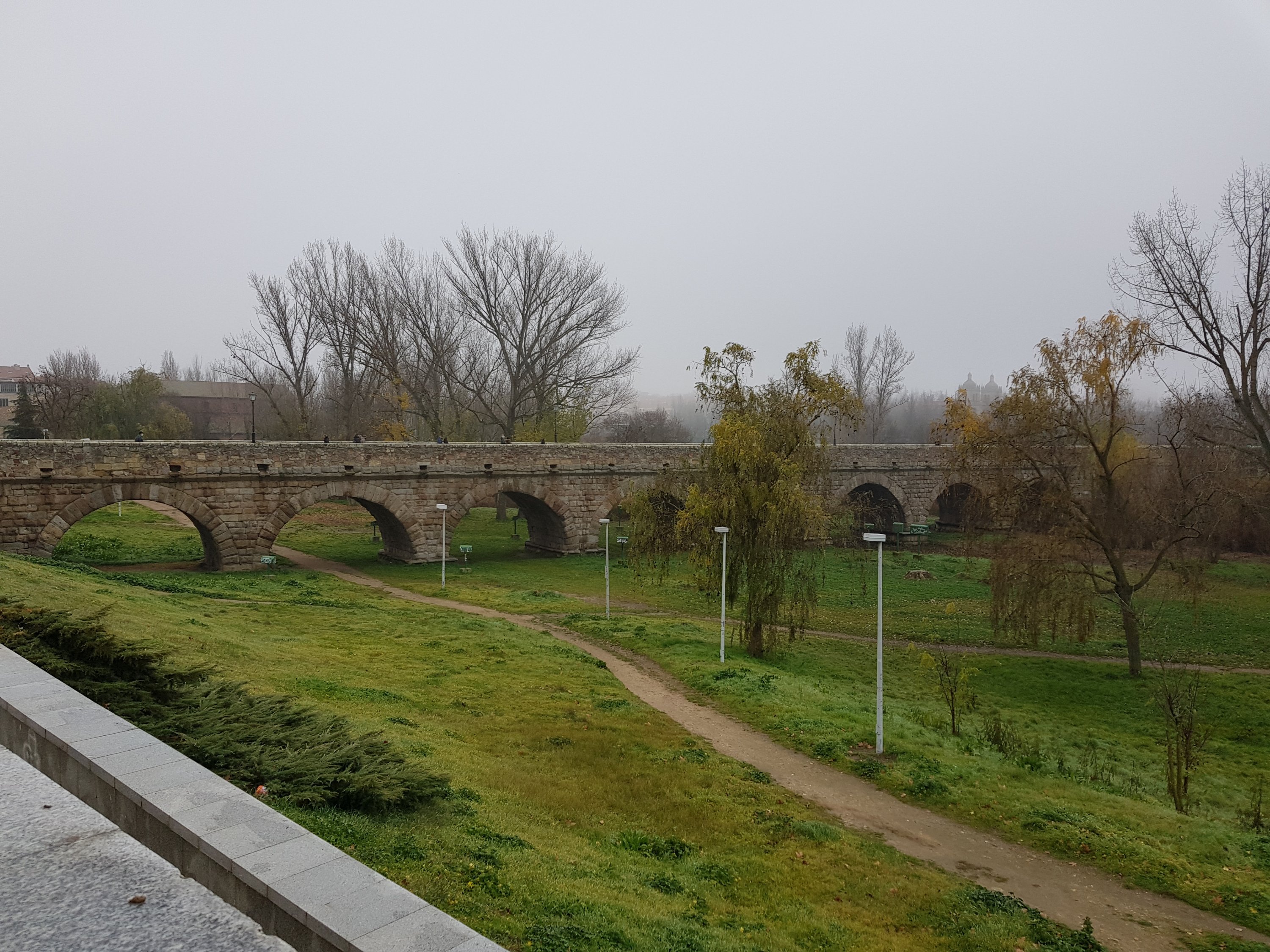
The next morning, I wondered along the riverside, took a look at the roman bridge and visited an art nouveau and art déco museum, within a beautiful building called ‘Casa Lis’. The building has gorgeous stained glass windows and a stained glass roof. Unfortunately, no photos were allowed except for in the cafe, so there is only a photo of my hot chocolate! This was delicious 😉

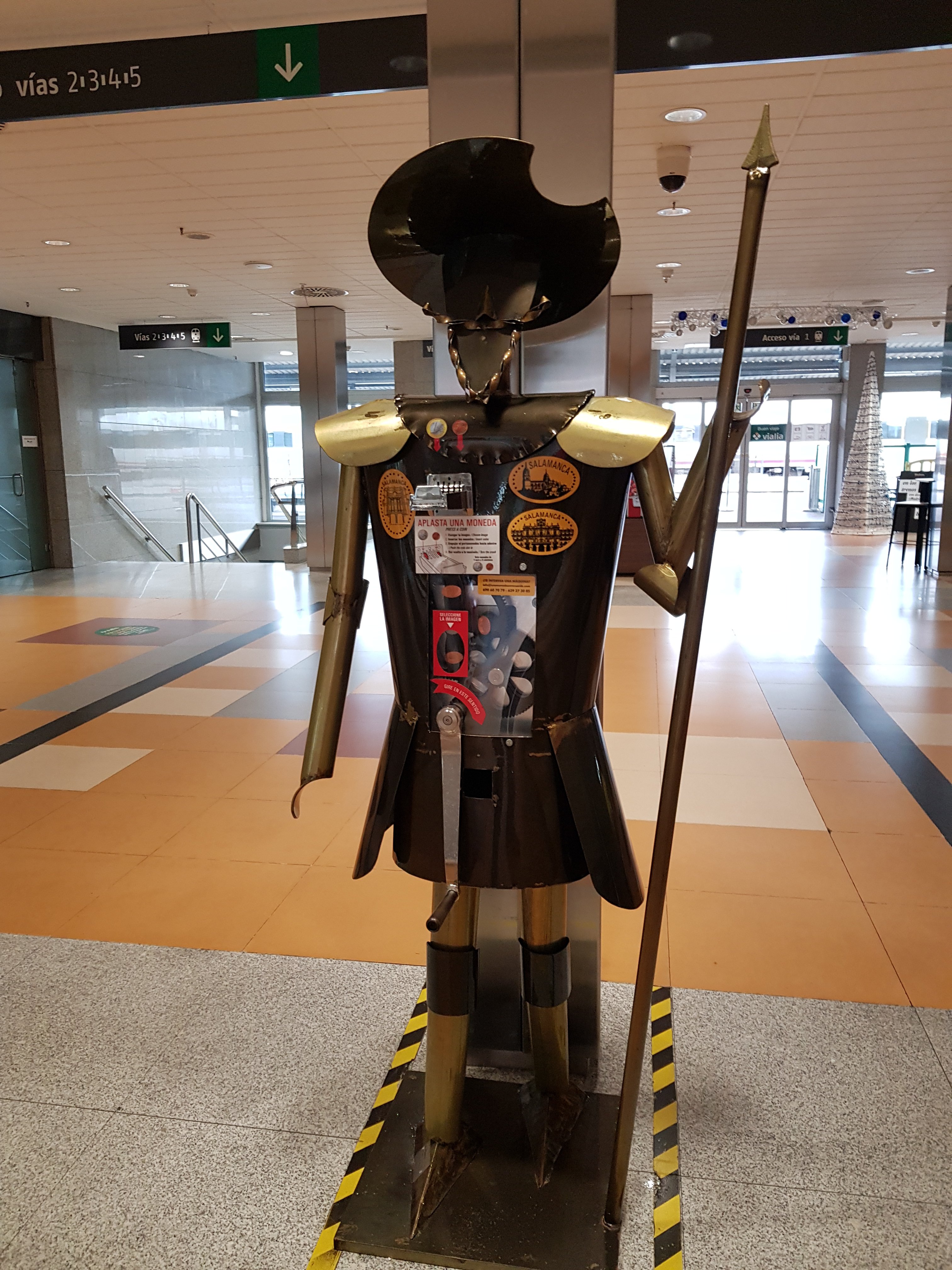
Finally, I made my way to the train station for my next stop. I was delightfully surprised by the train station in Salamanca. It is huge and has many restaurants and a cinema attached within the building.

Overall, Salamanca was a pretty little city, with a good few things to see that are all very close together. I would be happy to return and visit more of the university, noble houses and palaces next time.

Camino de Santiago: My top tips

After two months walking Camino del Norte through all sorts of weather and terrain, these are my top tips.

1. Walking poles

Lots of people walk without trekking poles, and it is a personal preference. For me, after so many consistent days of walking, I don’t think I could have finished without them. They take the pressure off your legs, offer you something to lean on when there is no dry seat, allow you to test the depth of mud, catch you when you fall, and make good weapons if you need them!

2. Getting used to bread and ham

Always keep a little bread and some snacks in your backpack. There are many stretches without services, and the walking schedule does not match the spanish eating schedule. Supermarkets close on Sundays and many restaurants are shut on mondays. Restaurants will not serve meals until their meal times (3pm and 8pm). The only thing you will get is a ham sandwich. Get ready to get sick of ham real fast!

3. Energy drink powder

I never used to use energy drinks or add anything to my water before the camino. I decided to buy some on the way and start using some strawberry flavoured powder. I ended up really being able to tell the difference between days I had it, and when I didn’t. It also helps to supplement the lack of access to meals as I mentioned above.

4. Sending your backpack on

Correos, Spain’s postal service, offer a backpack transport service for pilgrims. This runs all year on the french way but only up to the end of October on other routes. I used it for my first three days and final two days. If you can do it, I would recommend doing it for the beginning at least, so you can gradually get used to the trek. Especially, if doing the North route, with lots of mountain climbing at the start! The service is really good, and cheap!

5. Download the Buen Camino app

I used the Buen Camino app every few hours. It was really a great tool. The app has an up to date map, with the official route and alternative paths and shortcuts. Also, up to date information about issues on the route, attractions and accommodation. I cannot recommend it enough.

6. Bring a portable charger

My phone is a little on the old side, but regardless, bringing a portable charger is a really good idea. You are likely to be without a plug outlet for up to 10 hours at a time on some days, whilst draining your phone with music, photos and apps. This helped me out a bunch of times.

7. K-Tape

I used K-tape on my sore muscles for the first few weeks. It really helped me to feel better, and prevent hiker’s knee. There are plenty of YouTube videos on how to apply it.

8. Paper tourist map

When in a city or large town for more than a day, it can be a good idea to get a paper map from the tourist office. This is a prevention method like the portable charger. When all your devices fail you after a long day out sightseeing, you will still be able to find your way back to your bed. Plus they are fun!

9. Plastic bags and newspaper

If you are walking during a wet time of the year, although you can still expect rain at some point, have plastic bags and newspaper handy. I have now learnt that there is no such thing as a waterproof shoe. No shoe can stand up against the rain of the autumn/winter camino. Putting plastic bags around your feet is a temporary prevention that helps. To dry your shoes overnight, stuff them with newspaper balls, this sucks out the water.

10. Have small change

Spain has not yet become a cashless society. Do not kid yourself that you will be able to wonder around with only ‘contactless’. Many shops, cafes and albergues will not accept card payments, and will be moody if you give them big notes. Many of the washing machines and dryers are also coin operated, so you will need to keep some coins handy if you want to wash your two outfits!

11. Check your check in times and leave early in the morning

Many accommodation providers have random check in and check out times, and if you turn up late they will not let you in! There is also likely to be situations where you have to phone the reception from a locked door outside, as many do not man the receptions full time. Additionally, I would recommend leaving early in the morning. You never know how long a walk is really going to take, and you want to maximise daylight hours, and rest time in the evening.

12. Take lots of short breaks and dont sit for long

I tried to sit for about five minutes roughly every two hours and up to 30 minutes for lunch half way through. If you sit too often or for too long, it will just keep getting harder to get up and going again!

13. Don’t think too far ahead

Don’t think about how far away it is to Santiago, or even the town you are trying to get to at the end of each day. It is too overwhelming, and frankly discouraging. It is better to think of lots of short distances whilst walking, for example the next town or landmark. Then when you have done that, you look at how far to the next one. It makes each one, a little win.

14. Accept that there is a good chance that you will need to take public transport sometimes.

You may well do the camino entirely walking, but don’t beat yourself up if one day you just have to take the bus. There will be days when you just have nothing in the tank, or the weather is too dangerous to walk, or you might have an injury.

15. Don’t forget to stretch and take your ibuprofen!

Pretty self explanatory, but I forgot to stretch often, and it makes a difference. I also really needed ibuprofen by the end!

Buen camino!

Quirky day trip ideas!

Many of us have been unable to travel lately due to the pandemic. This means that we have needed to get a little creative with how we spend our spare time to keep it interesting. Day trips out are a big part of this, and in this blog I will give you some tried and tested quirky day trip ideas for you to explore!

With most of our leisure time being spent nearer to home this year, why not try something a bit unusual in your area.

Metal detecting

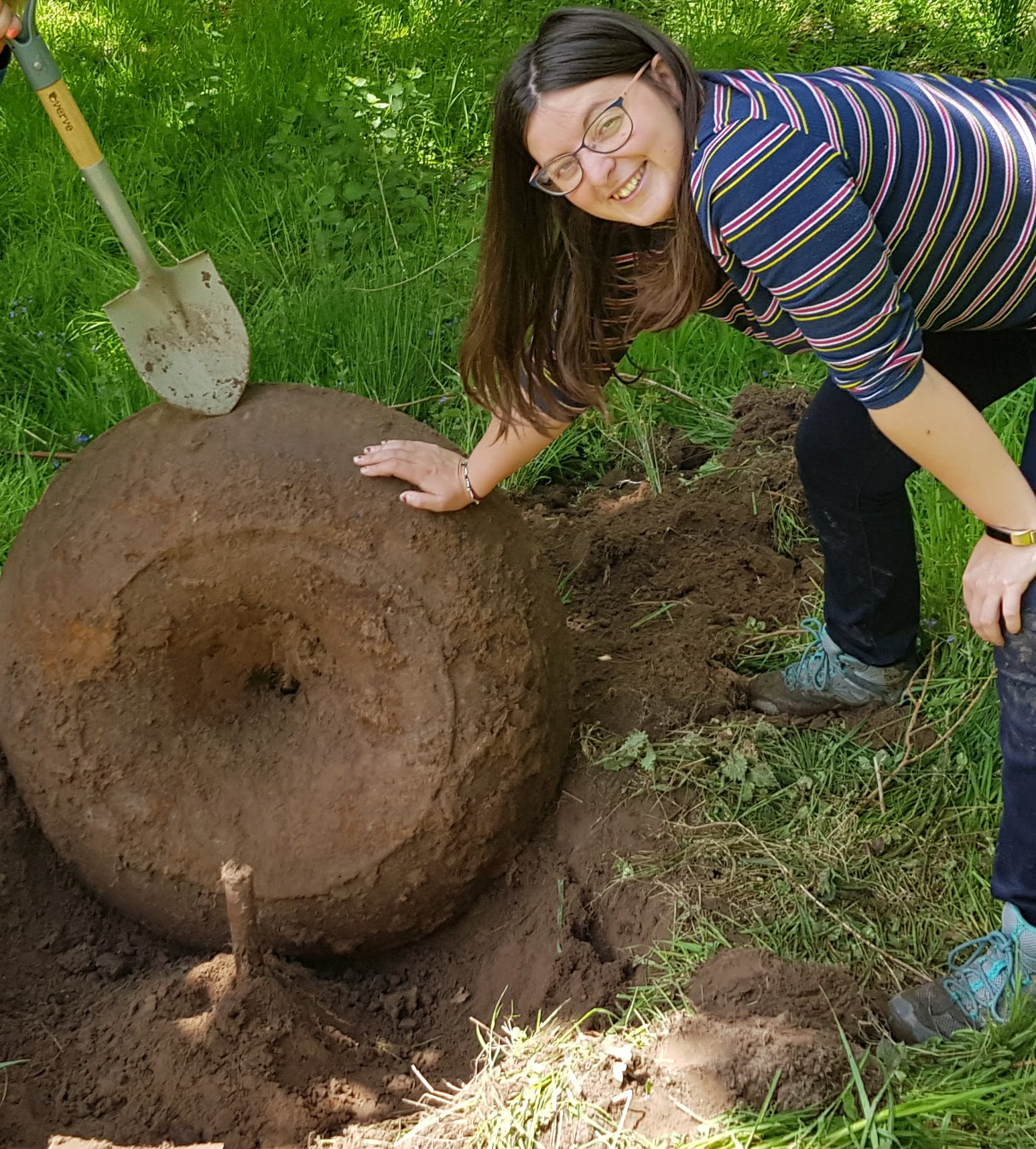
Metal detecting dig find

Many people have an interest in metal detecting with so many TV programmes about discoveries and salvages. I decided to have a go, and see if I could find some long lost treasure. A lot of people head to beaches, and back gardens with their metal detectors, and you do have to consider permissions from landowners when you do this. You might also need to agree the split you will get from any profit you make!

I wanted to try some fields, and my dad happens to have some land that I could investigate. The fields have been used for a few centuries by nurseries, farmers, scrap yard owners, and for other unknown purposes. This makes it a very mysterious place under the earth.

In the first two hours around 20 items were found, including several door handles, a light switch and a pig feeder, which could be recycled into a lovely bird bath.I didn’t find my fortune on that occasion, but I will keep looking. Either way, the experience is a fun one, and you do get a thrill from digging something out and trying to figure out what it is!

If you get really into this activity, you can apparently upgrade to a smarter metal detector which will tell you exactly what the metal is, so you can narrow your searches. This is a fun way to spend half a day with a friend or as a family, just bring your metal detector, a spade for everyone involved, and be prepared for everyone to get filthy!

Beach cleaning/litter picking

I like to keep the planet clean, and so naturally I hate litter! Of course, within waterways and oceans, the pollution, especially plastics, is extremely harmful for animals and us. If you want to do your part, or teach your kids about giving back, and the harm of littering, then a clean up event is great fun!

Photo by Catherine Sheila on Pexels.com

Many local groups and national charities such as the Marine Conservation Society, will organise beach and river clean ups, and other litter pick events regularly. These tend to be with a group of differently aged volunteers, and the group leader will provide you with a high viz, litter picker, gloves and bin bags. These events are especially popular during the off season when less people are visiting the beaches and riversides. ‘Keep Britain Tidy‘ creates several campaigns throughout the year in Britain, to encourage people to take pride in their open spaces and keep them litter free, such as the ‘Great British Spring Clean’ event.

I have done several litter picks before, and I always feel good afterwards, it is also a great way to get some exercise, and enjoy outdoor spaces that you may have not visited before. It can be quite addictive, and you can become quite competitive about how much you pick up. I got so into it, at one event, that I was climbing the sea barriers to retrieve a discarded shoe and fishing nets!

Foraging

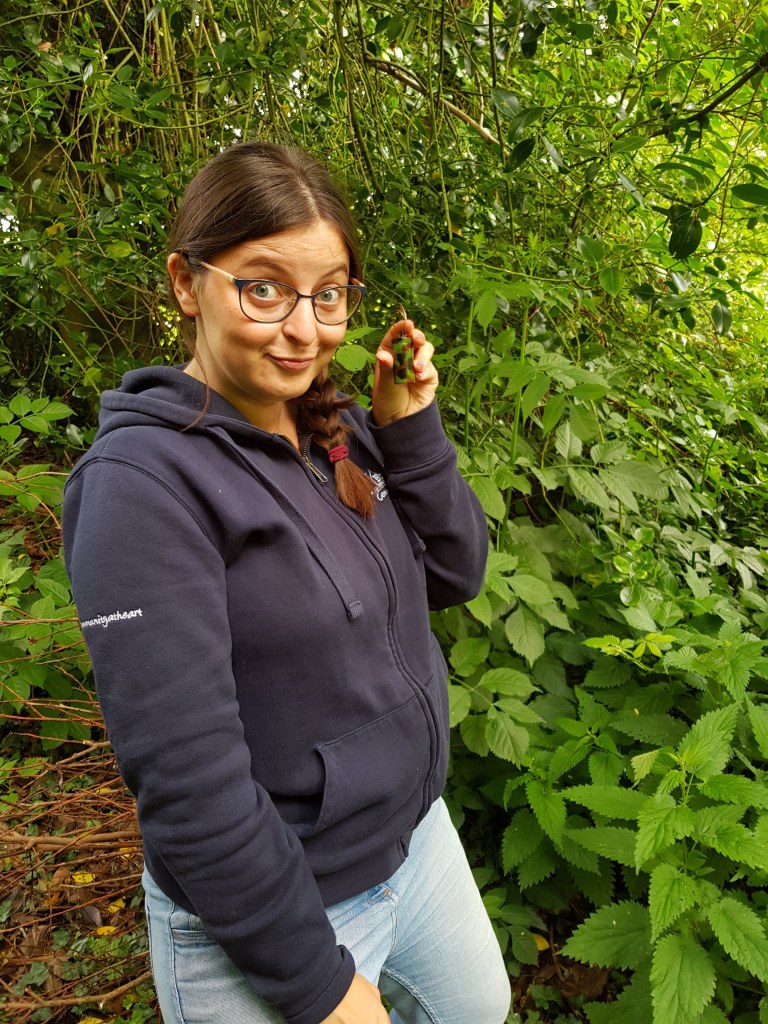
Ever wondered if you could survive an apocolyptic event? Well, a day out foraging, might give you some idea. You may have tried the odd herb, or picked blackberries before, but you can go much further!

Foraging is becoming more popular as people become more interested in their green spaces, and lots of people are providing information on how to do this, and what greens to look out for in your area. You can even go on foraging tours and events to learn all about it. The Woodland Trust provide a great monthly calendar on what to look out for when you are out and about. The organisation will also allow you to forage in several of their woodlands, as you must ask permission before foraging in an area. You should also be sure of what you are picking, no poison berries! Lastly, you should minimise your impact, by only picking the fruit (not the plant) and only take what you need.

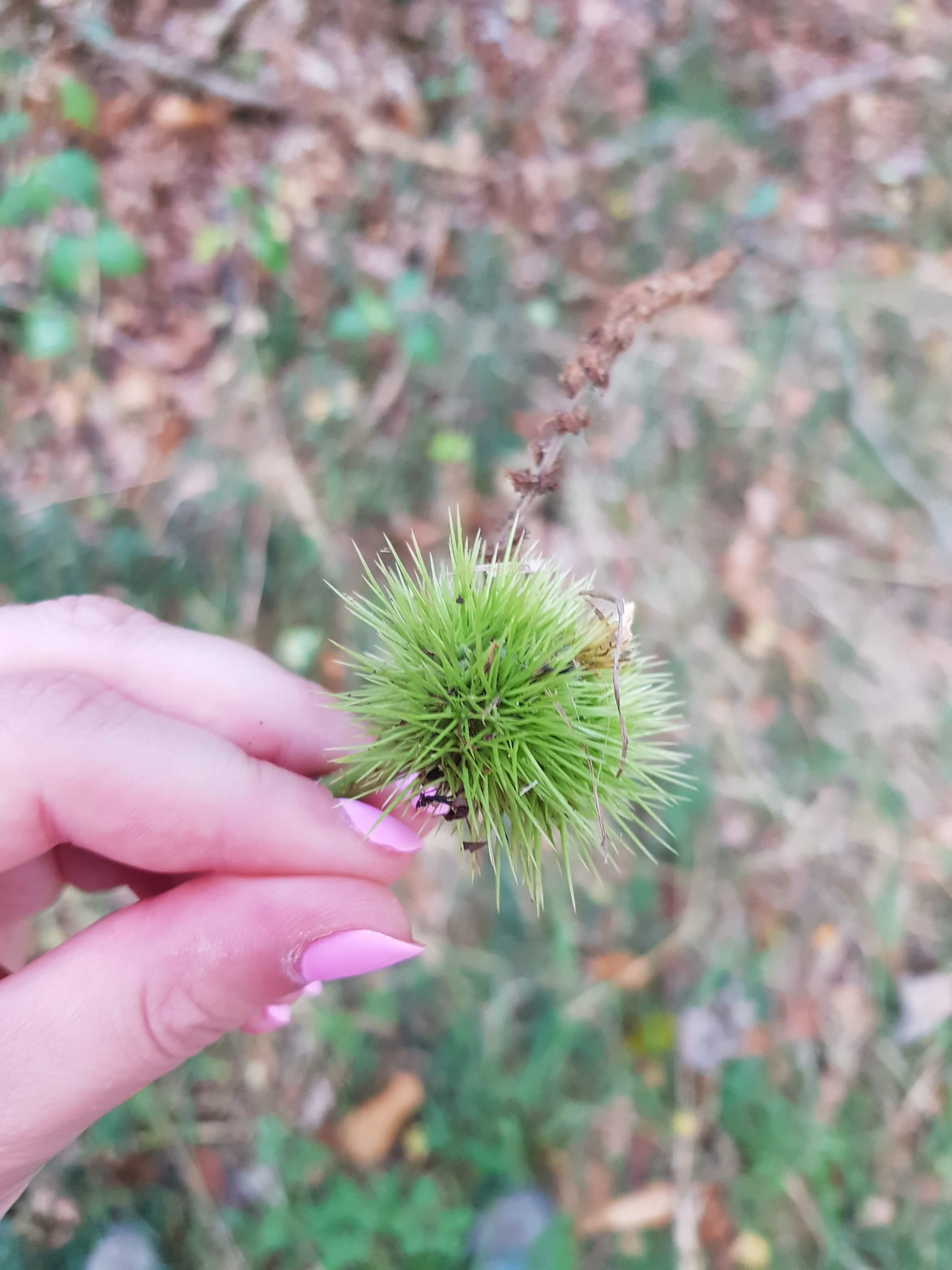
chestnut husk

On my visit to the woods, I downloaded two apps on my phone to identify edible plants and see how they were to be consumed. Woodland Trust also has an app for identifying trees. I have previously collected blackberries, nettles, dandelions and chestnuts. I have been able to use these items to make teas, desserts, and soups, but I know there are lots of recipes available to try. Autumn is certainly the best time for this activity, I would like to try to find more varieties of nuts in the woods… if I can beat the squirrels to them! I would also be really interested in spending a day with an experienced forager, to learn about some of the more unheard of plants.

Exploring community gardens

If you live in an urban area, you may be unaware of a network of community gardens that are taken care of by locals. There is more and more demand for green spaces within towns and cities, and locations that locals could grow their own food & cutting flowers. There are a few national schemes that you can use to look up gardens and social farms in your area, some are open all the time, and some have set open days. Some examples are Social Farms & Gardens, Community Supported Agriculture, and National Garden Scheme. You can also speak to your local parish council about what is nearby to you.

I love to explore local community gardens and allotment areas when I am out walking. You can see the individual styles that have been incorporated across the plots and garden spaces, and get some really quirky ideas for your own gardening. It is a lovely contrast to a formal garden at a stately home, and it is also free, so lots of reasons to visit! If you explore enough that you like, you might even find that you want to volunteer to get involved with one local to you.

Geocaching

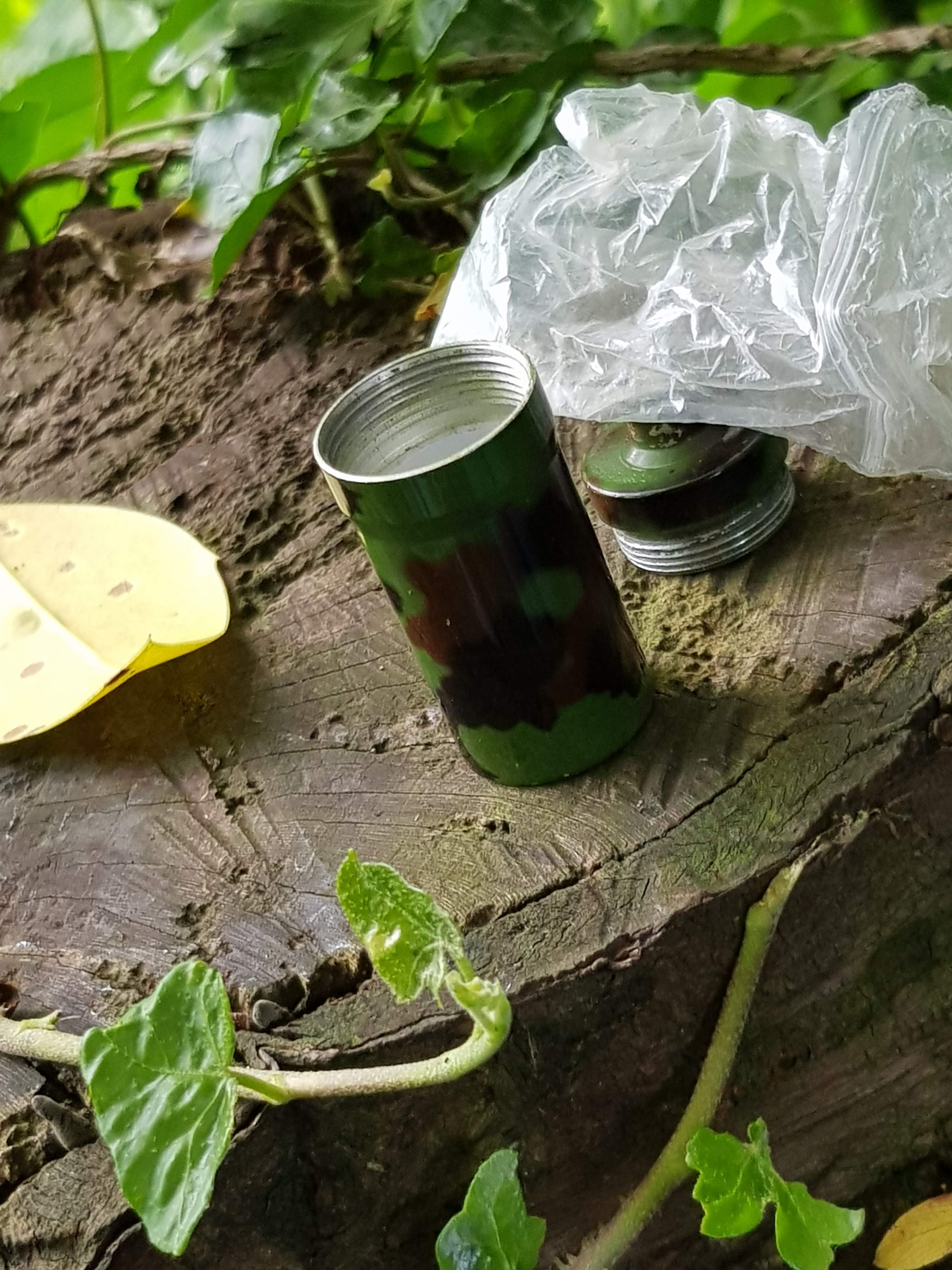
Geocaching is an activity of following GPS co-ordinates to find hidden containers that others have placed. Often these are hidden in very creative hiding spots, and when you find the container, you can add your name to a list of finders inside. Geocaching has a huge following, and is a great way to make your next walk a bit more interesting. Geocaching.com calls the activity ‘the world’s largest treasure hunt’ and invites you to download the application onto your phone for free and get started!

I have done this with quite a few different friends, and some containers are easier to find than others. A friend of mine once had me looking around all of Covent Garden for a specific geocache, for over an hour. We found it though! The buzz of finding it is quite satisfying, and I can see why people get really into doing this on their days out. Geocaching is so popular, you are very likely to have some in your area, so why not give it a go?!

Bird watching

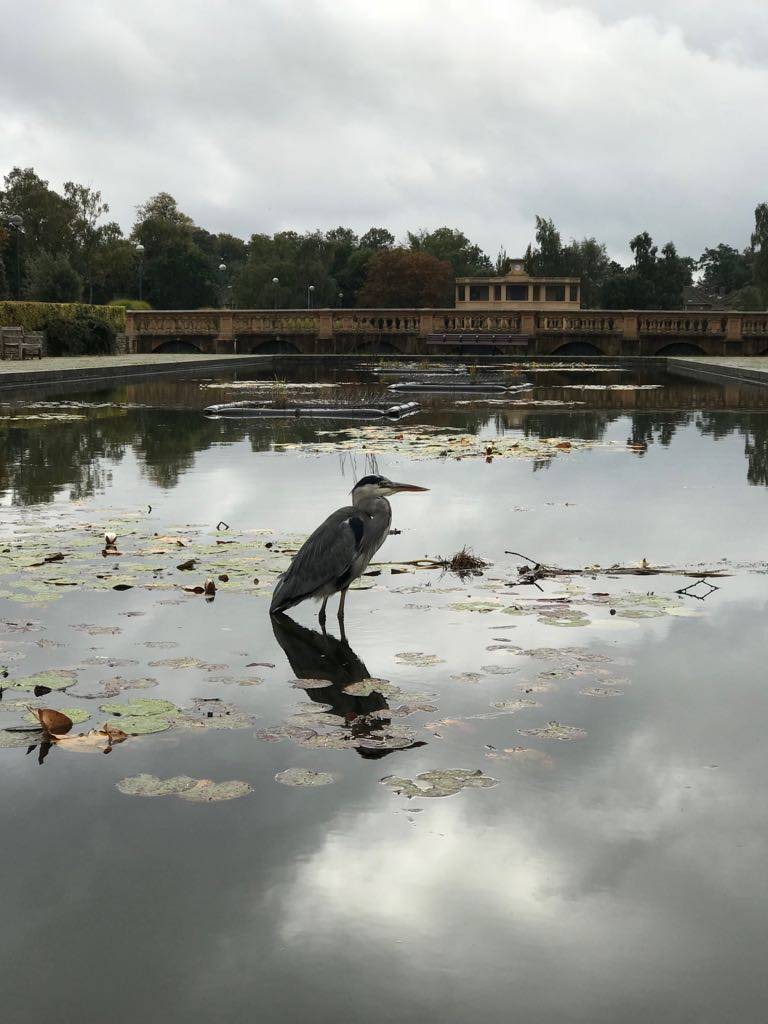
If you love getting outside and experiencing nature then birdwatching is a popular hobby to take up. There are so many nature reserves dedicated to wildlife conservation, and offering brilliant facilities for ‘twitchers’ to enjoy. I have enjoyed visiting various RSPB nature reserves in my time, and have my own pair of binoculars! You can take it as seriously as you want to, but the more dedicated you are, the more likely you are to spot a rarer bird.

Heron at Eaton Park

I am happy with whatever bird I see, as long as it surpasses the status of a pigeon… It is quite interesting to learn the different bird names though, and actually try to identify what you are looking at. You can equally do the same thing with creepy crawlies, if you are more that way inclined!

Crabbing & Rockpooling

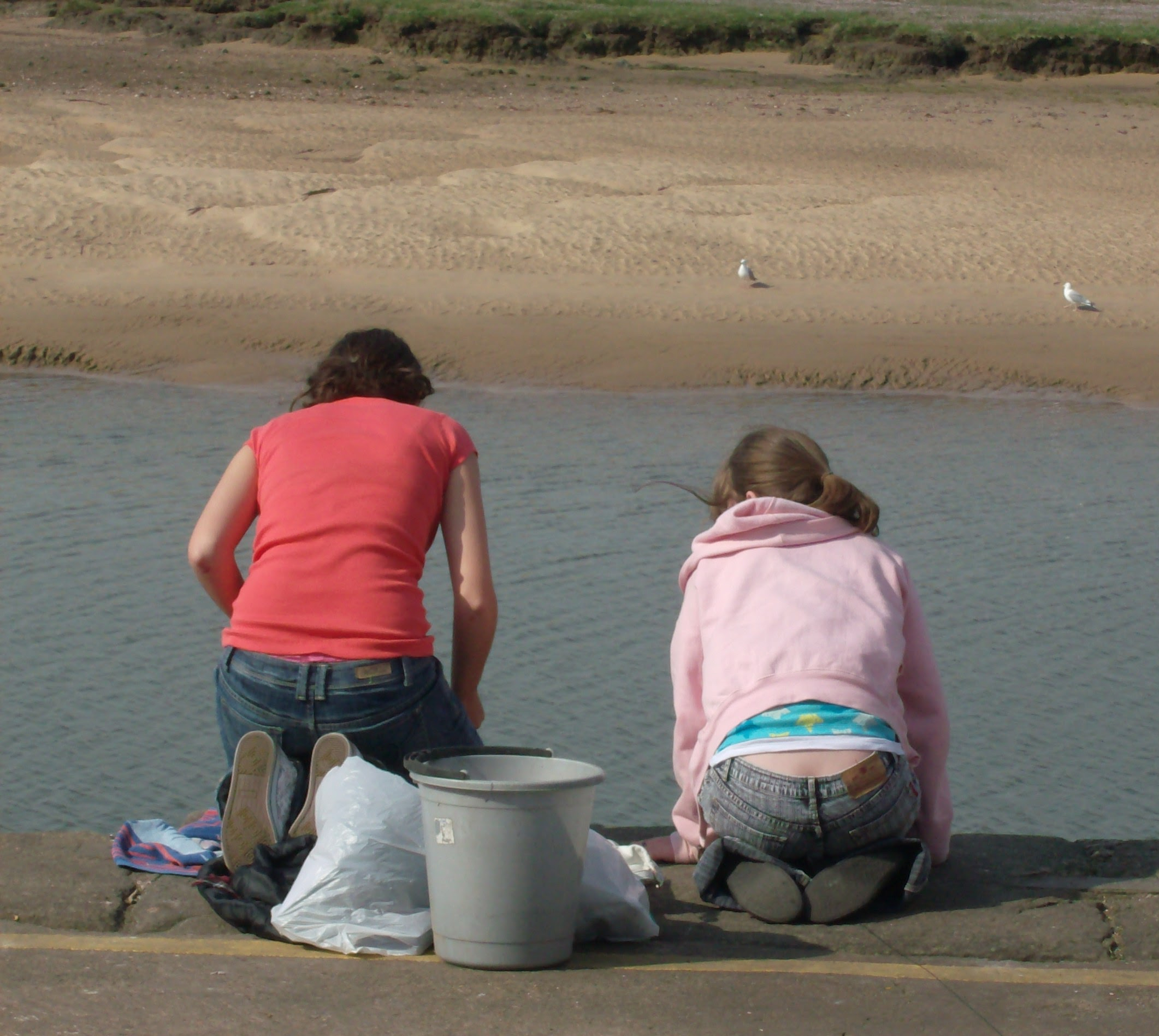
Just a ‘ponds throw’ from bird watching… (see what i did there..) looking for crabs can be quite a fun way to spend a few hours, especially for kids. This is a really popular activity where I am from, in Norfolk. Every day that the sun is shining, there are people sitting at the edge of a beach pier, hanging bacon from a string, in the hope of catching a crab. Equally, you will see kids jumping over rocks to dig for crabs in the shallow pools of the beach.

Norfolk crabbing
Norfolk crabbing

I have done this with my family, although with little success (my fishing skills are lacking). My sisters were normally the ones to find the crabs, and then we would enjoy looking at the little fellow for half an hour, before gently releasing him back into the sea.

Church / Cemetery crawling

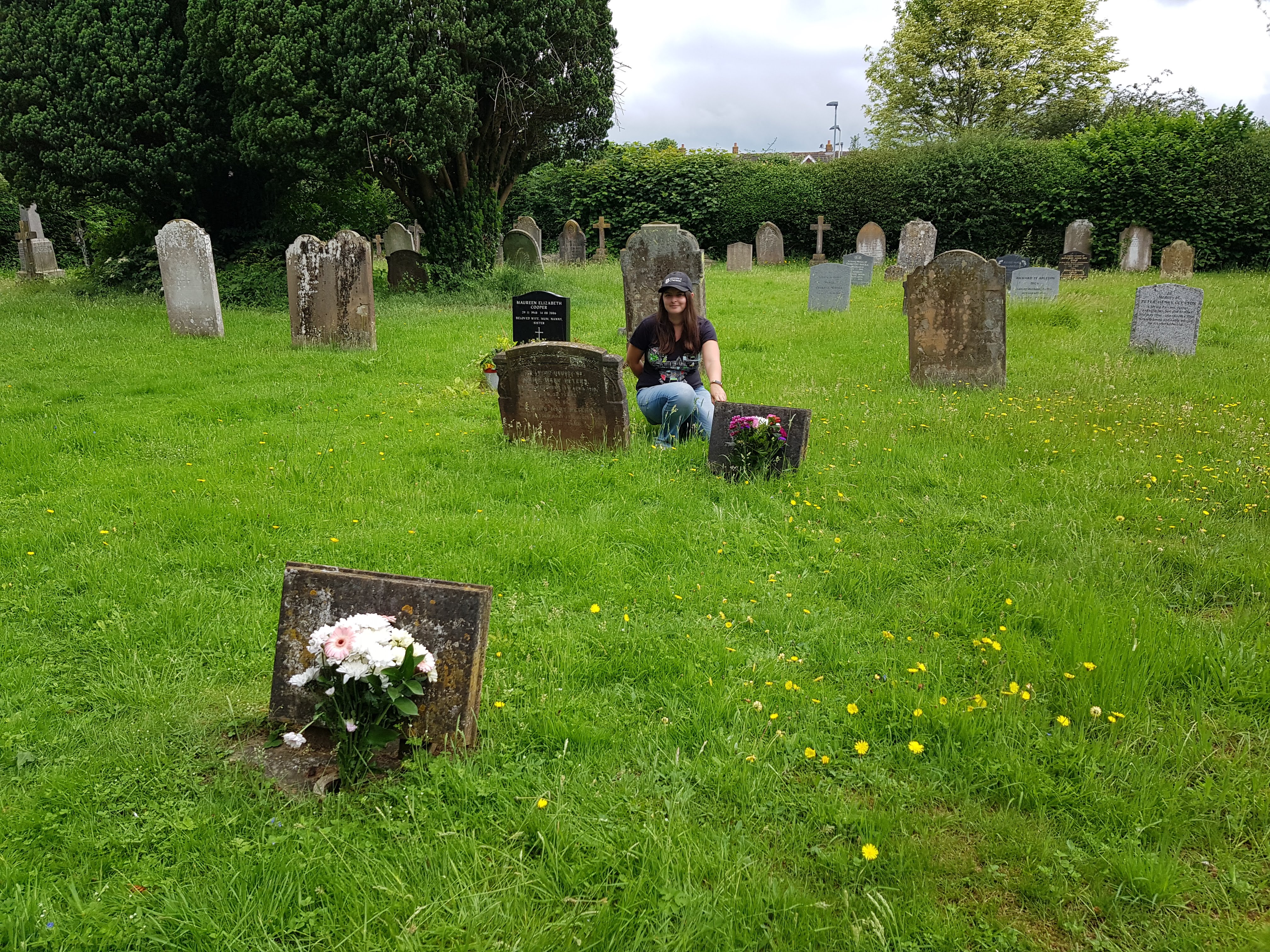
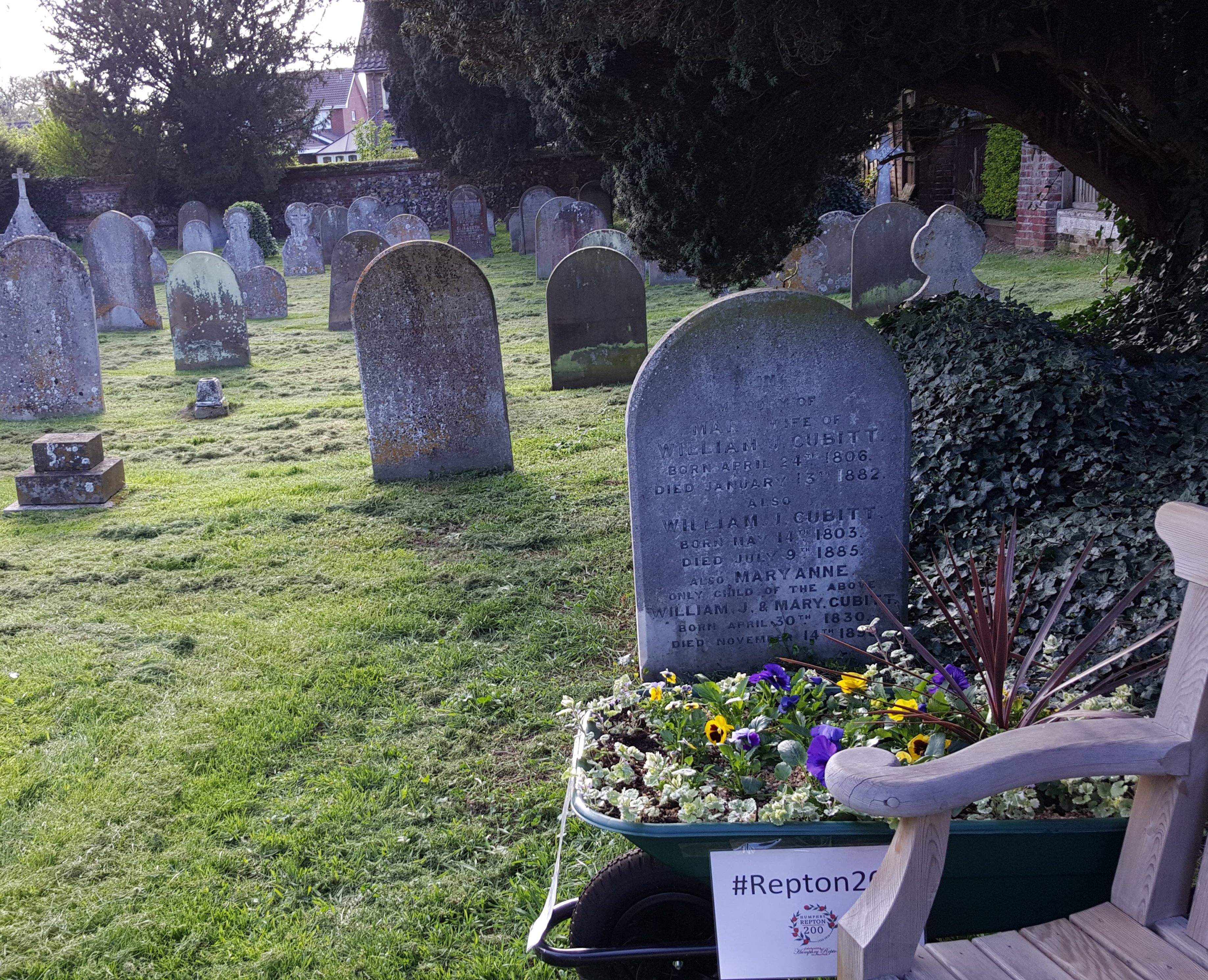
Those of you that like history, and specifically ancestry, may find this to be a particularly wonderful day out, especially in the days where you want to be indoors or in the shade. There is so much history to a parish church, and most are open all the time for visitors to walk in and explore. Equally cemeteries have become an attraction in themselves…

I started to take an interest in walking around cemeteries so that I could find specific graves of ancestors, and discovered Ancestry.co.uk and a website where you can find and record grave stones in local cemeteries to keep records up to date, and digital for all researchers. Once I then started visiting the cemeteries more, I began to appreciate the artwork, verses and style of the various tombstones. A lot of people also like to visit cemeteries as part of tours, or on their own, to pay respect to well known public figures that are buried there.

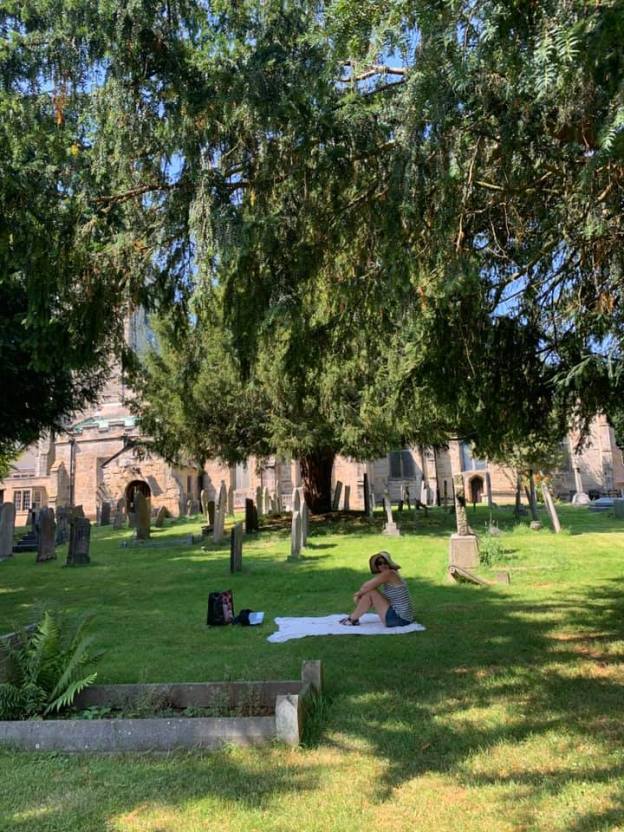
A final reason that they are nice to visit, is that they are generally beautiful, peaceful and often wild places to relax in. Many UK cemeteries have become accredited as mini nature reserves, for their wildlife credentials. I have even had a picnic in a cemetery before, as it was a pretty spot and also pleasantly shady on a warm day!

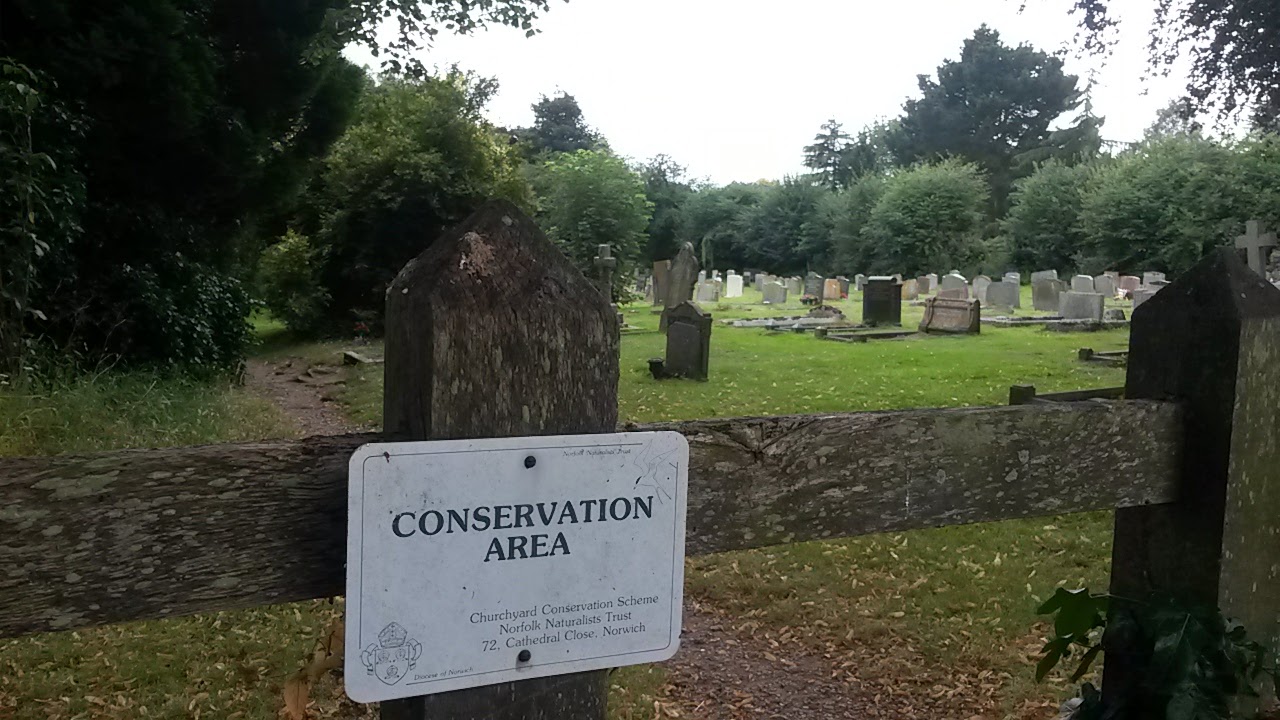
Cemetery conservation area

Fossil hunting and Flint knapping

If you want to do something that is really unique and one to write home about, then consider the world of geology! There are several locations across the UK where you can get permission to go fossil hunting, or join an organised event. The UK Fossils Network seems to be a great source of information about locations within the UK, and also guidance on how to do this activity safely. I have so far been unsuccessful in my lone wonderings to find fossils, but I may try one of the group events as it seems that they provide the equipment and safety bits you need to get more serious about it.

If you want to do something even more niche, then you may want to consider learning about flint knapping! I haven’t tried this myself, but I understand that you can take workshops in this, in my home county. Flint knapping is the act of finding flints, and then hitting them into the shape of weapons, that you would have used in prehistoric times!

Self guided tours/ trails

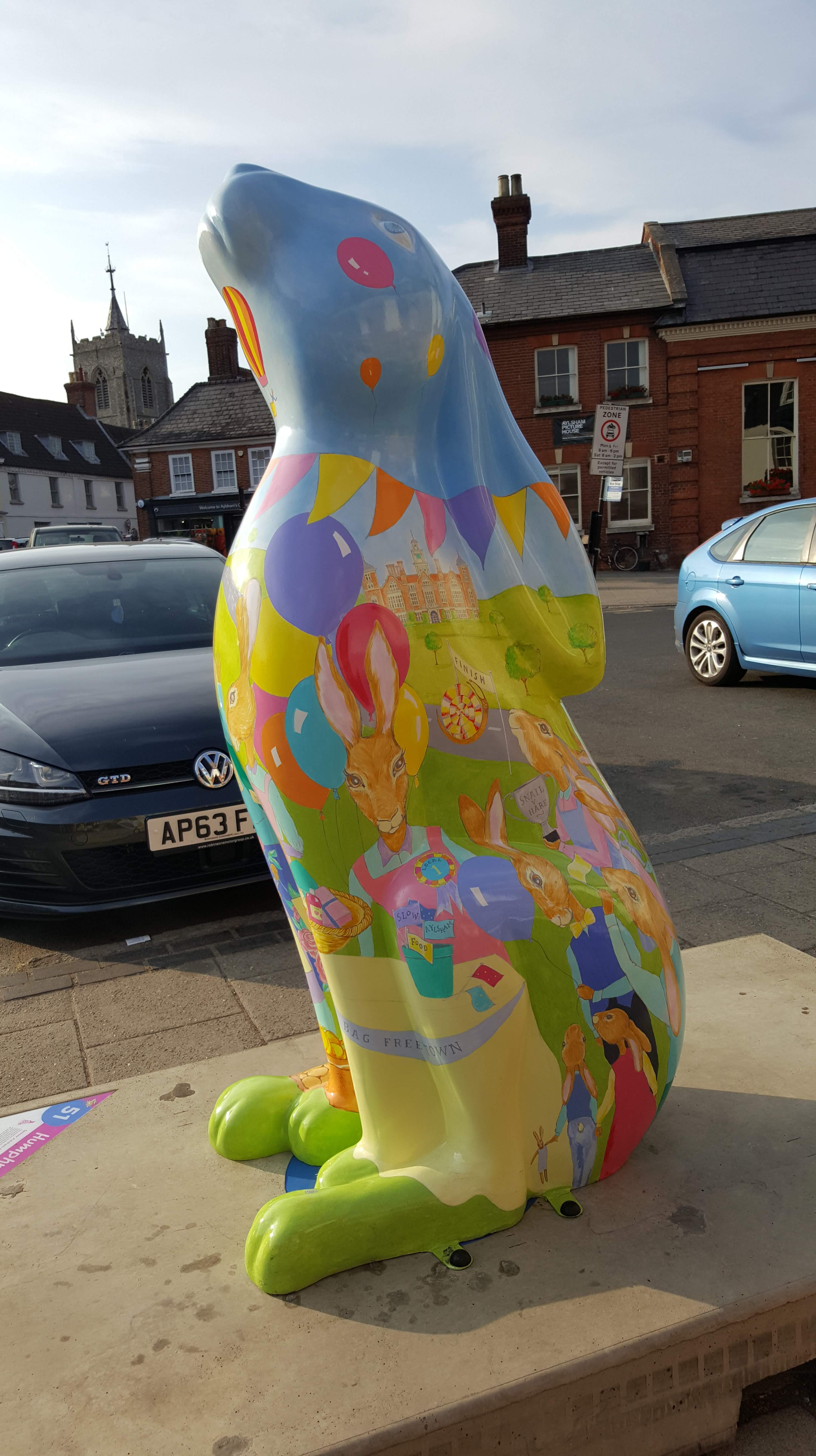
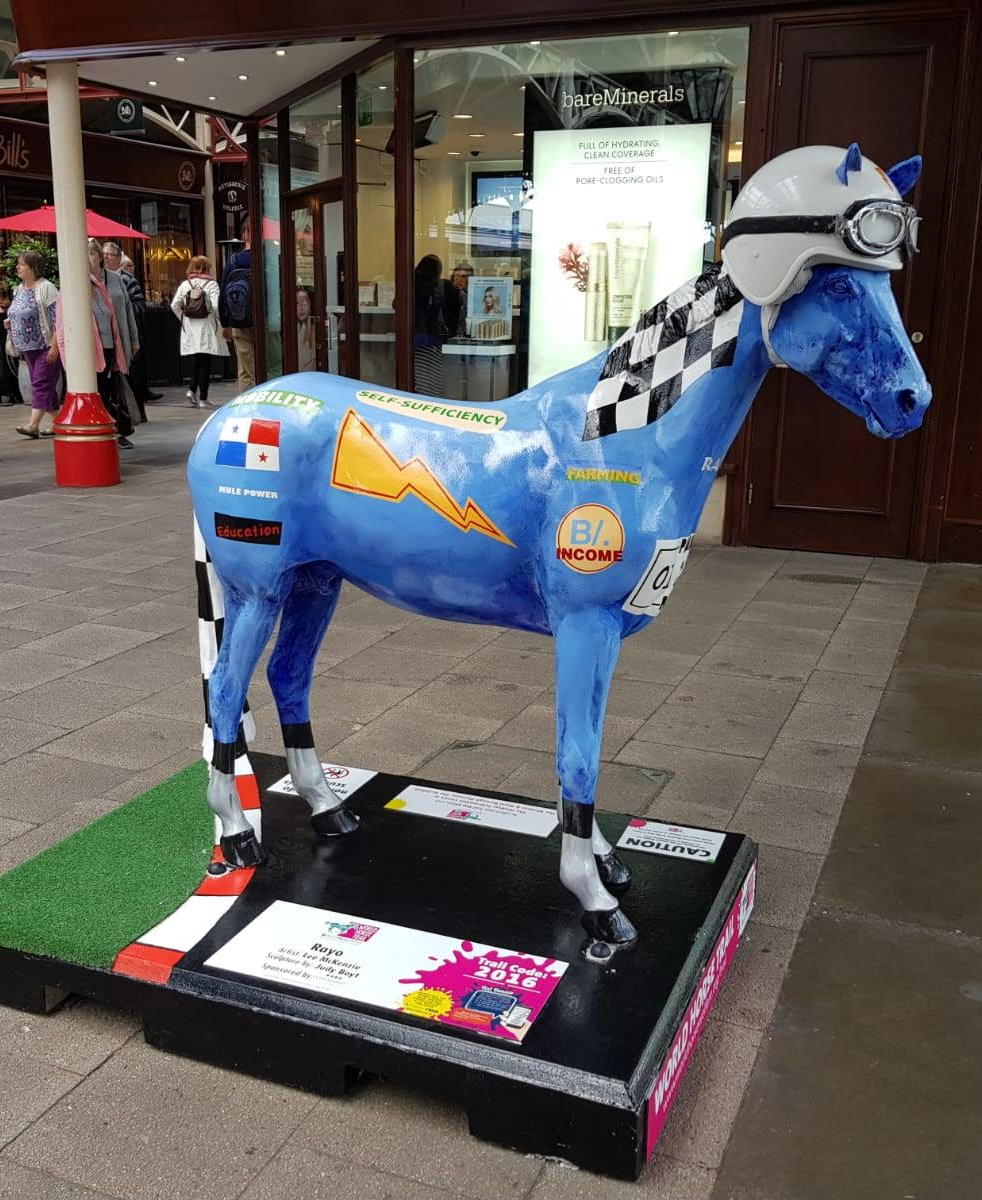
Taking yourself on a self guided tour of a city or town is a really traditional and easy way to spend a day out. Lots of locations will provide you with a map or app for following a trail of blue plaques, or local murals. In some locations, you can even walk up to a local statue and listen on your phone to a recording about who the figure was. This is part of the ‘talking statues‘ scheme.

I have walked several self guided trails in different cities, and have found that the more interactive, and unusual, the better. I especially like to do trails where you have to follow clues, as i find this more challenging. ‘Treasure Trails‘ is a great scheme that offers trails with clues to solve at different levels, across the UK.

To summarise…

If you are heading out for the day, why not make a proper day of it, and try an experience you won’t forget! I hope the above ideas may have tickled your imagination, and made you think about what is nearby to where you live.

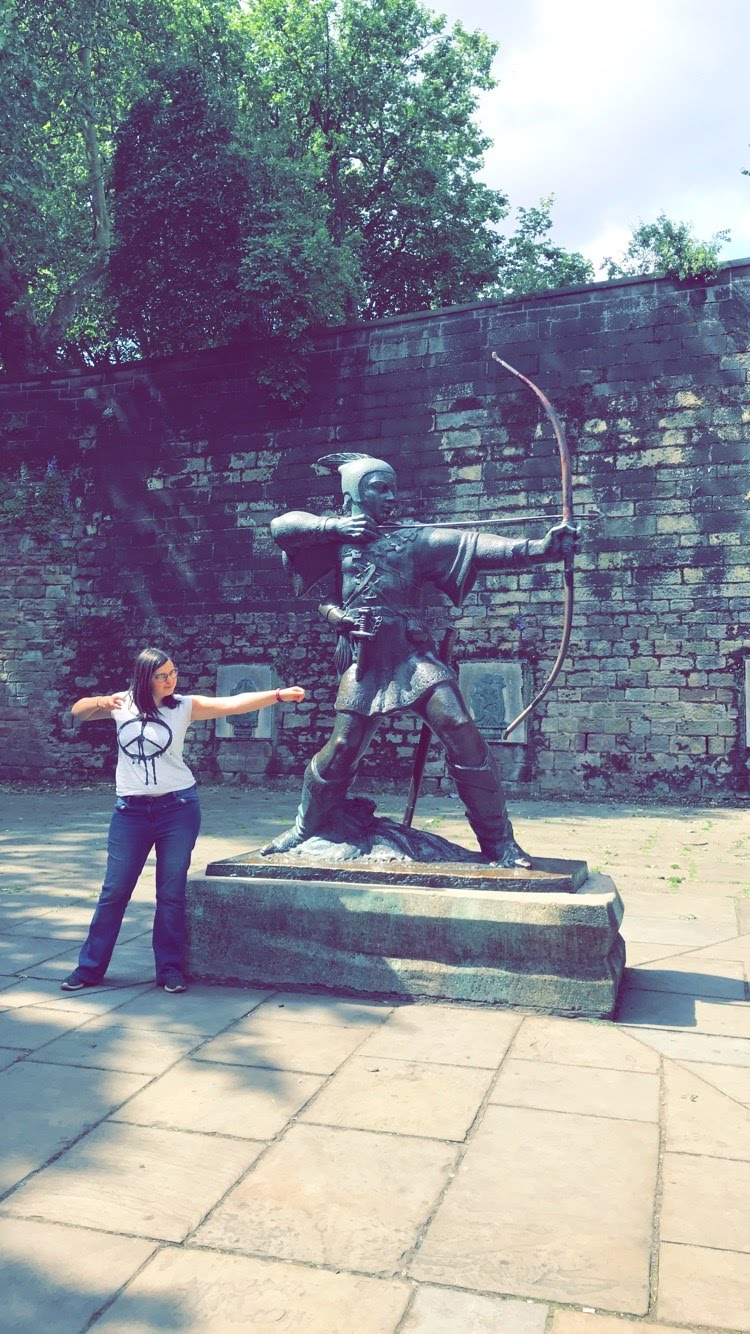
me and robin hood nottingham