Tag Archives: Seaside

Camino de Santiago: Aviles to Gontan

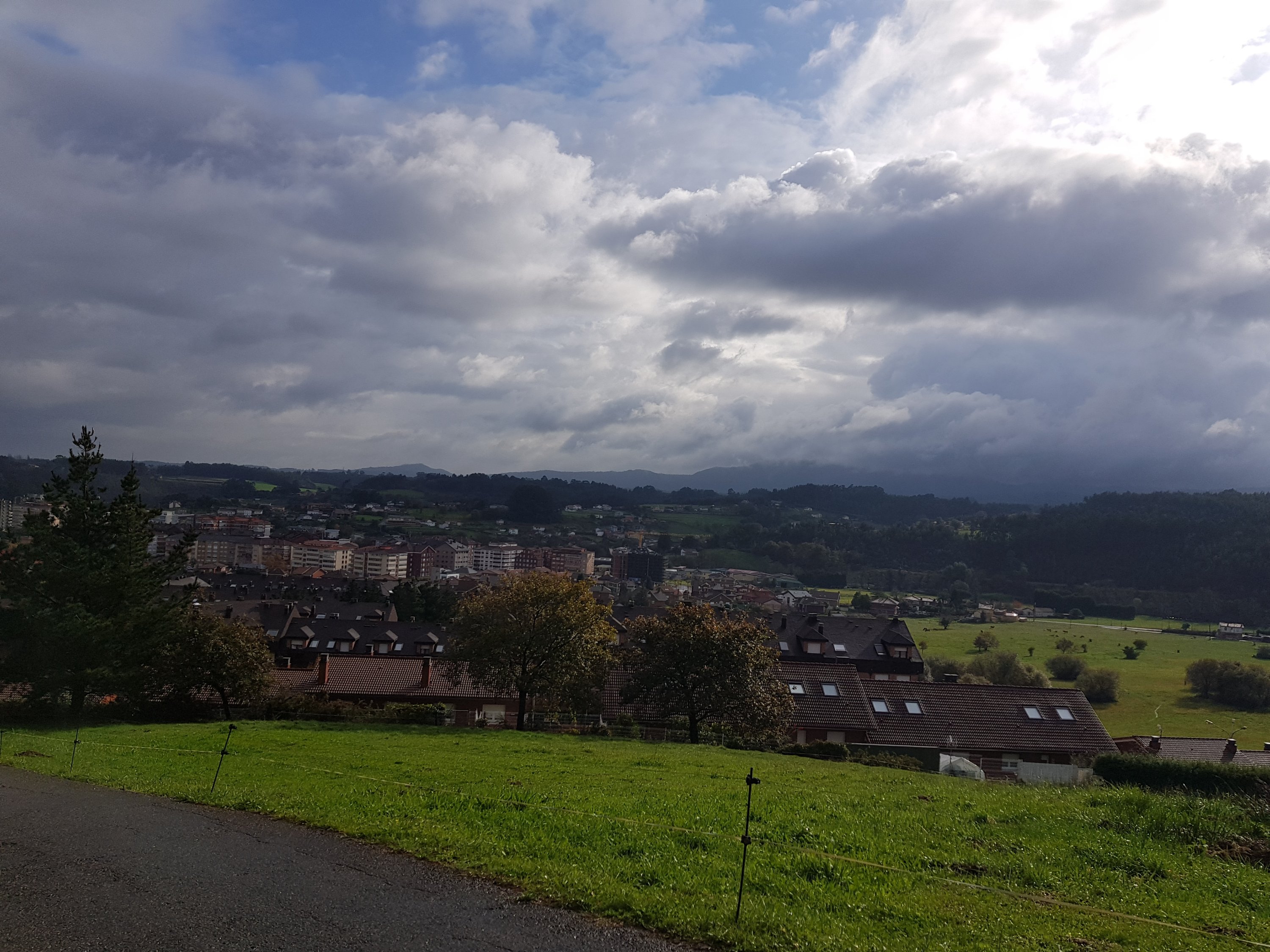
This week I entered my final third of the walk, and as the rain poured down, the paths became rivers, but I powered on!

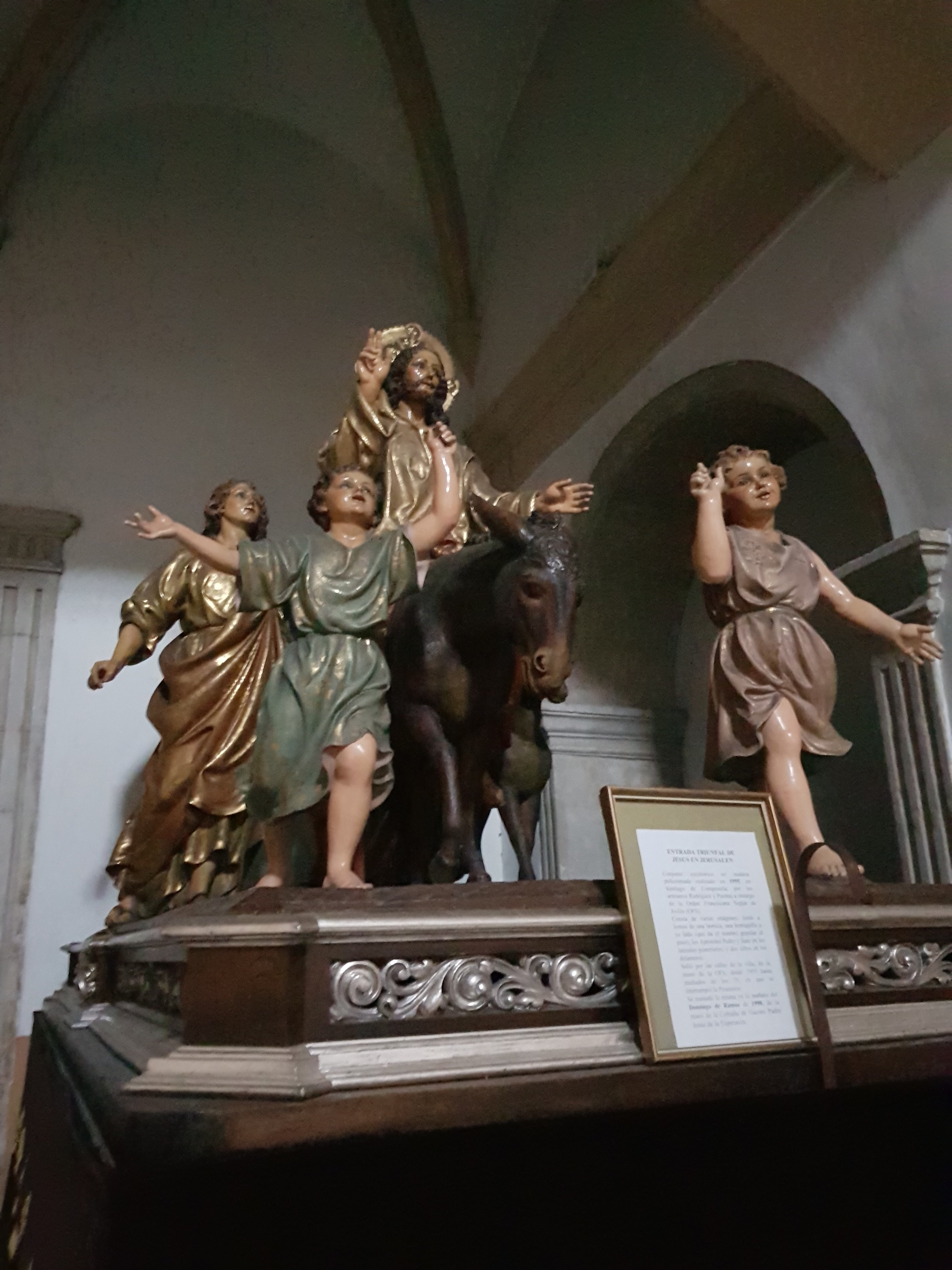
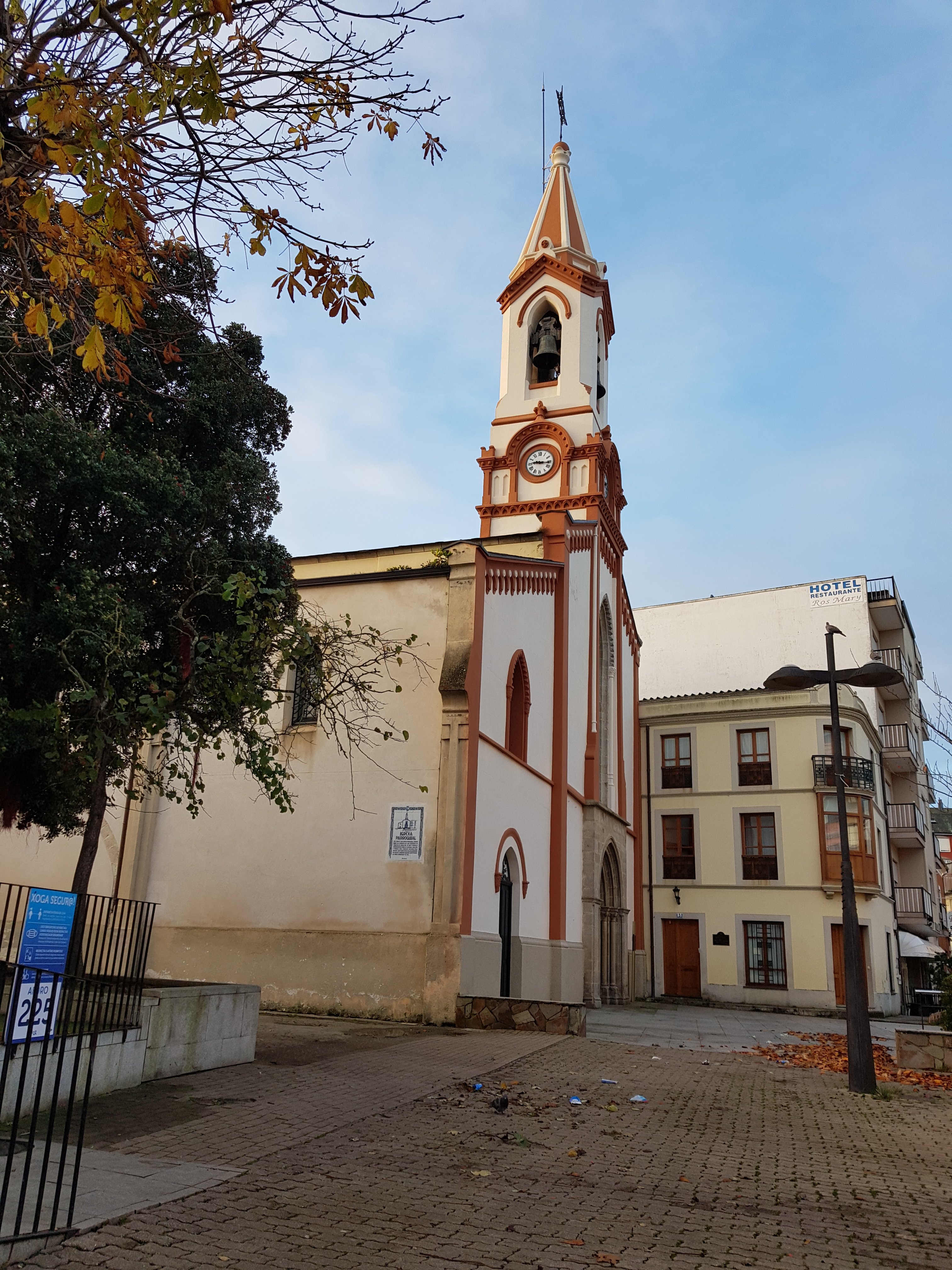
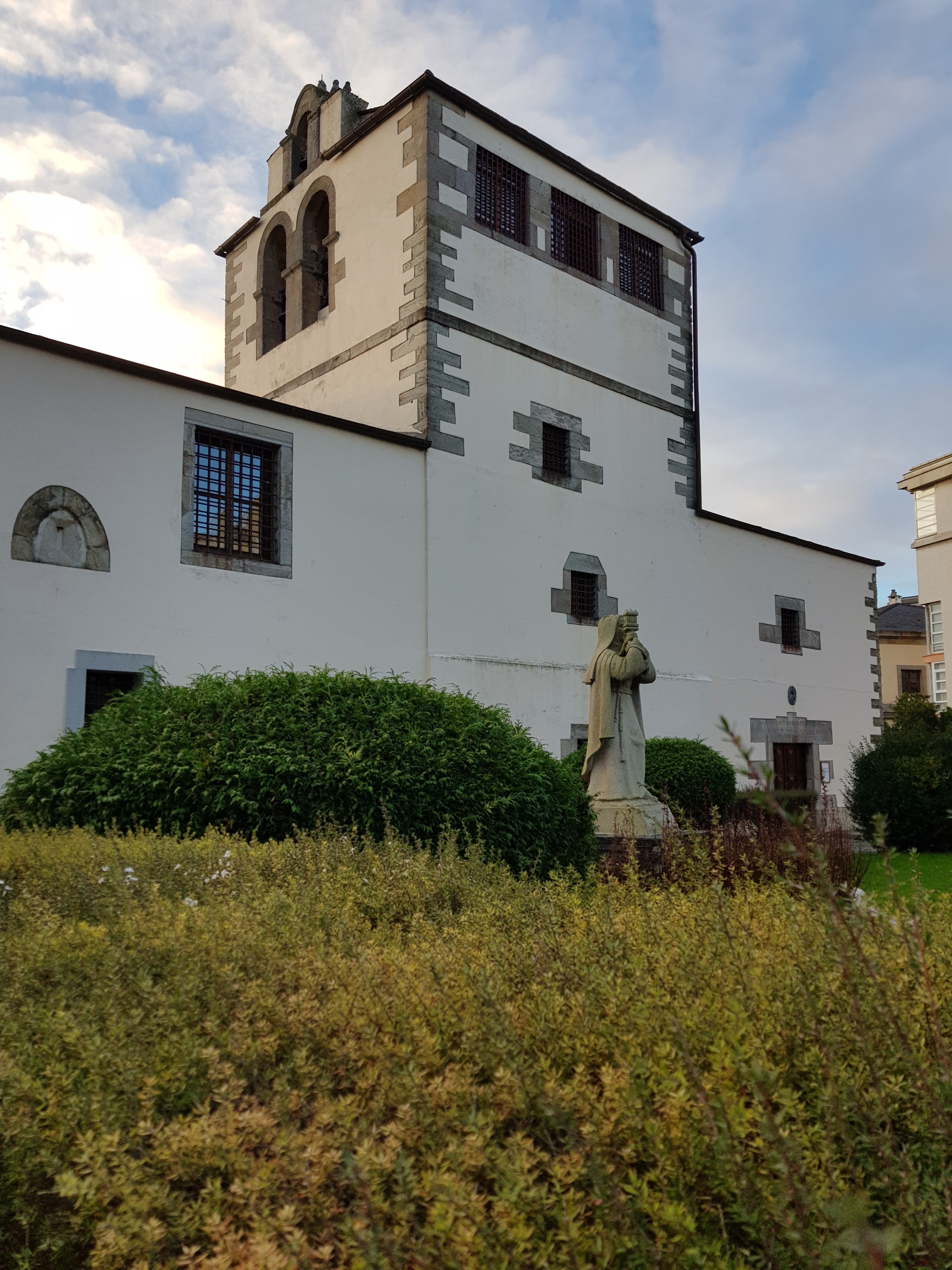
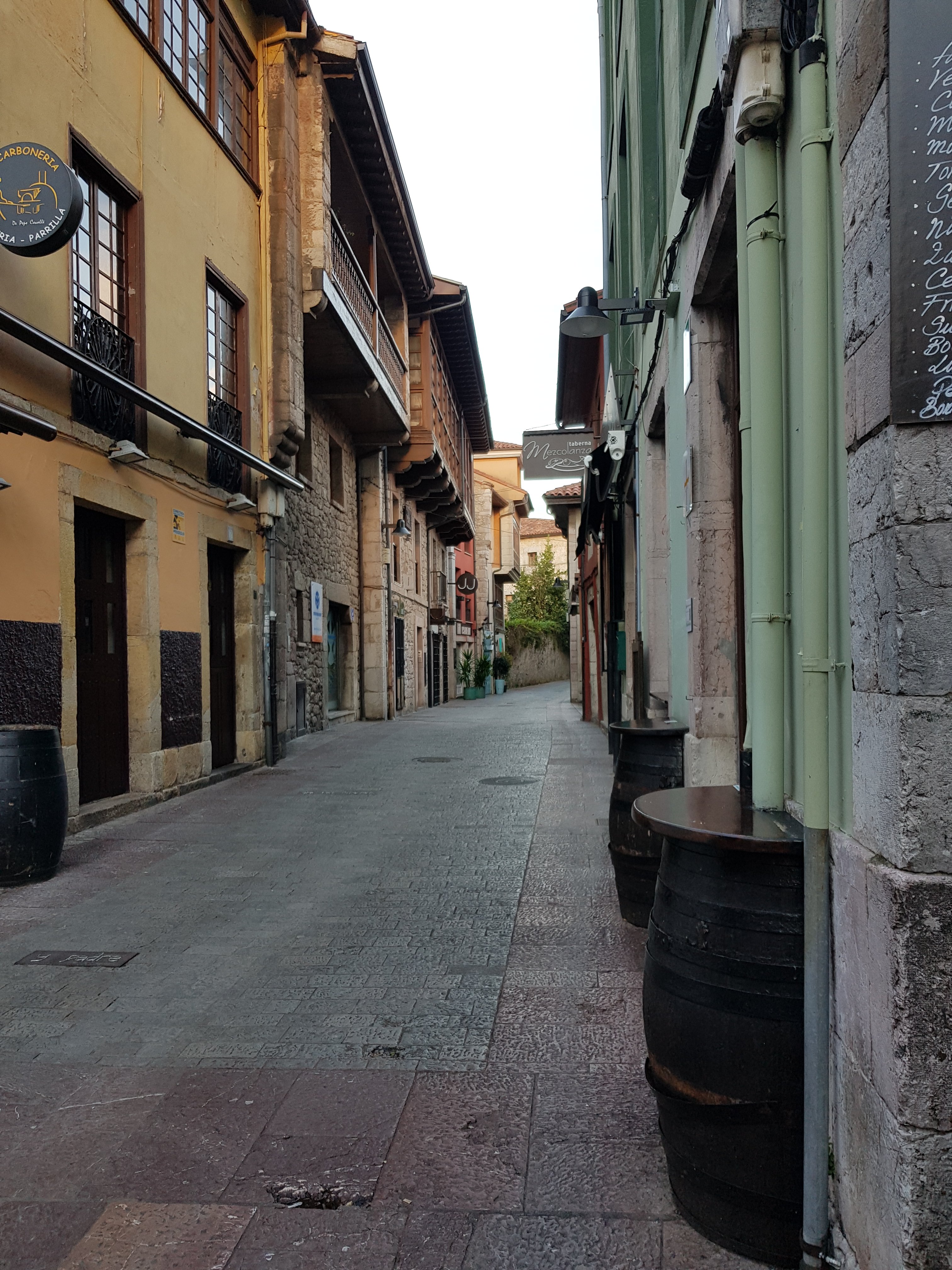
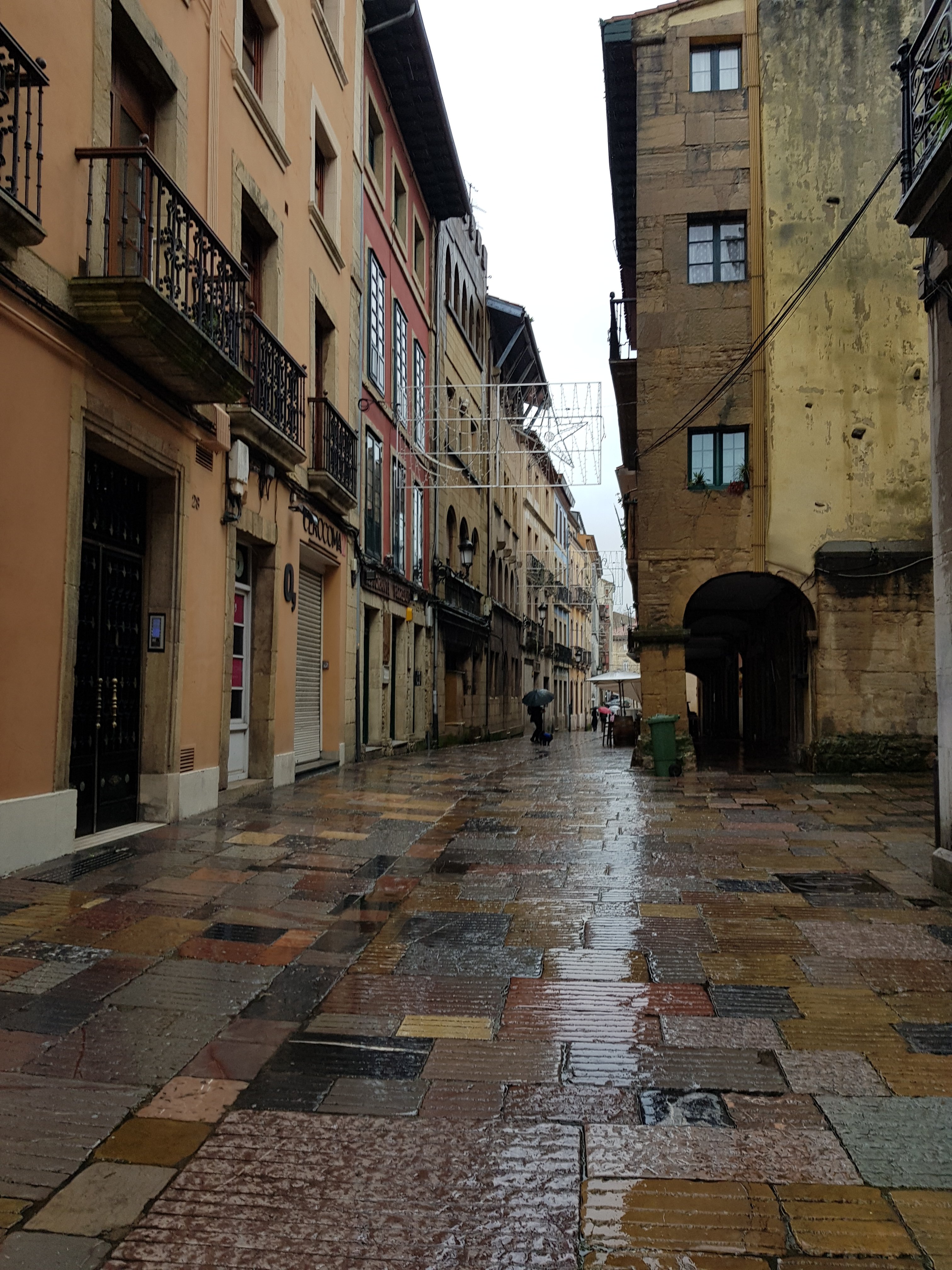
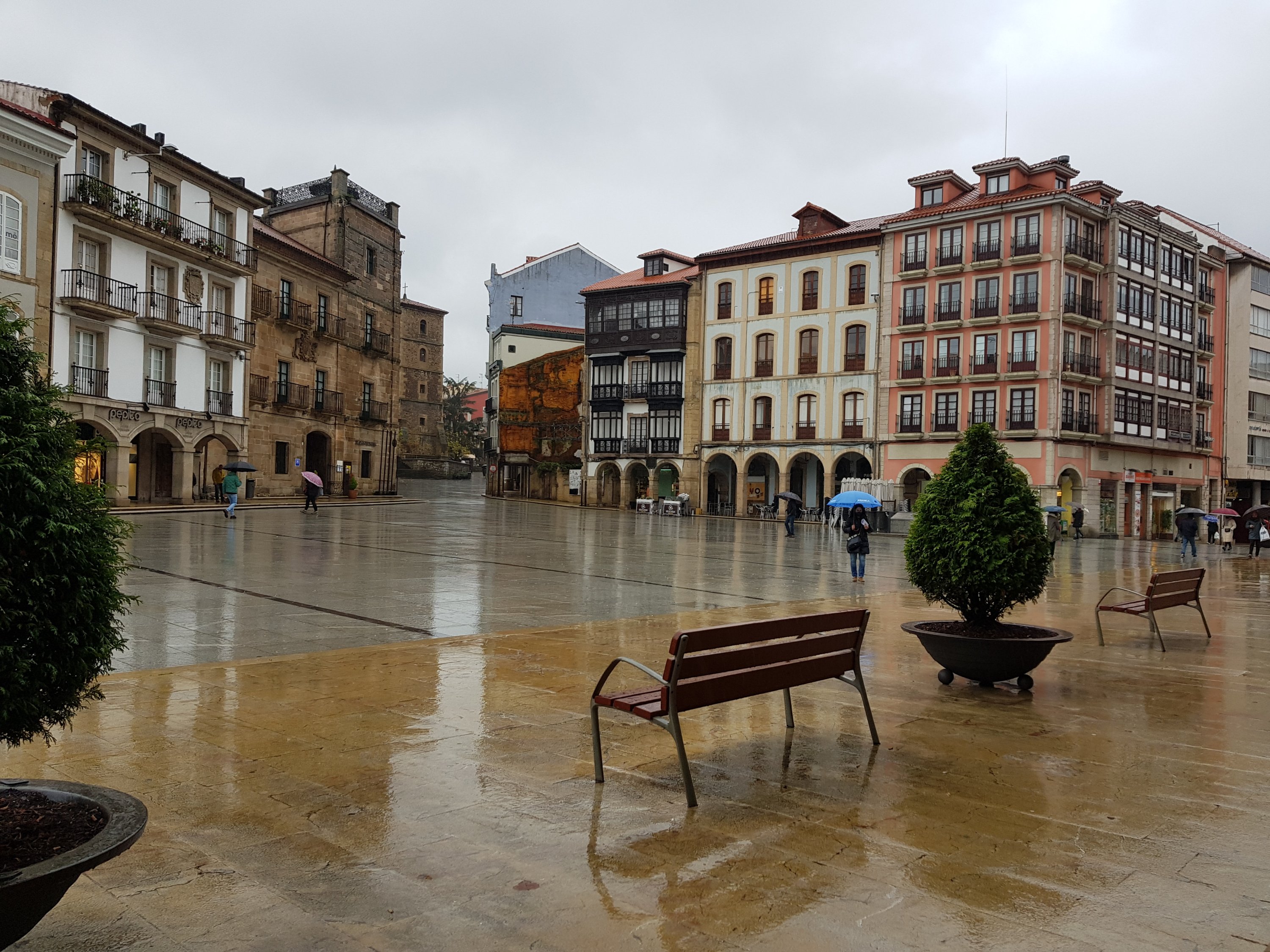
The week kicked off with a stop in Aviles, which is a large town. It has charming streets full of arches, old chapels and former monasteries, and a fountain of dribbling monks!

I stayed all alone in a large pilgrims albergue for the cheap fee of 8 euros and prepared for the week ahead.
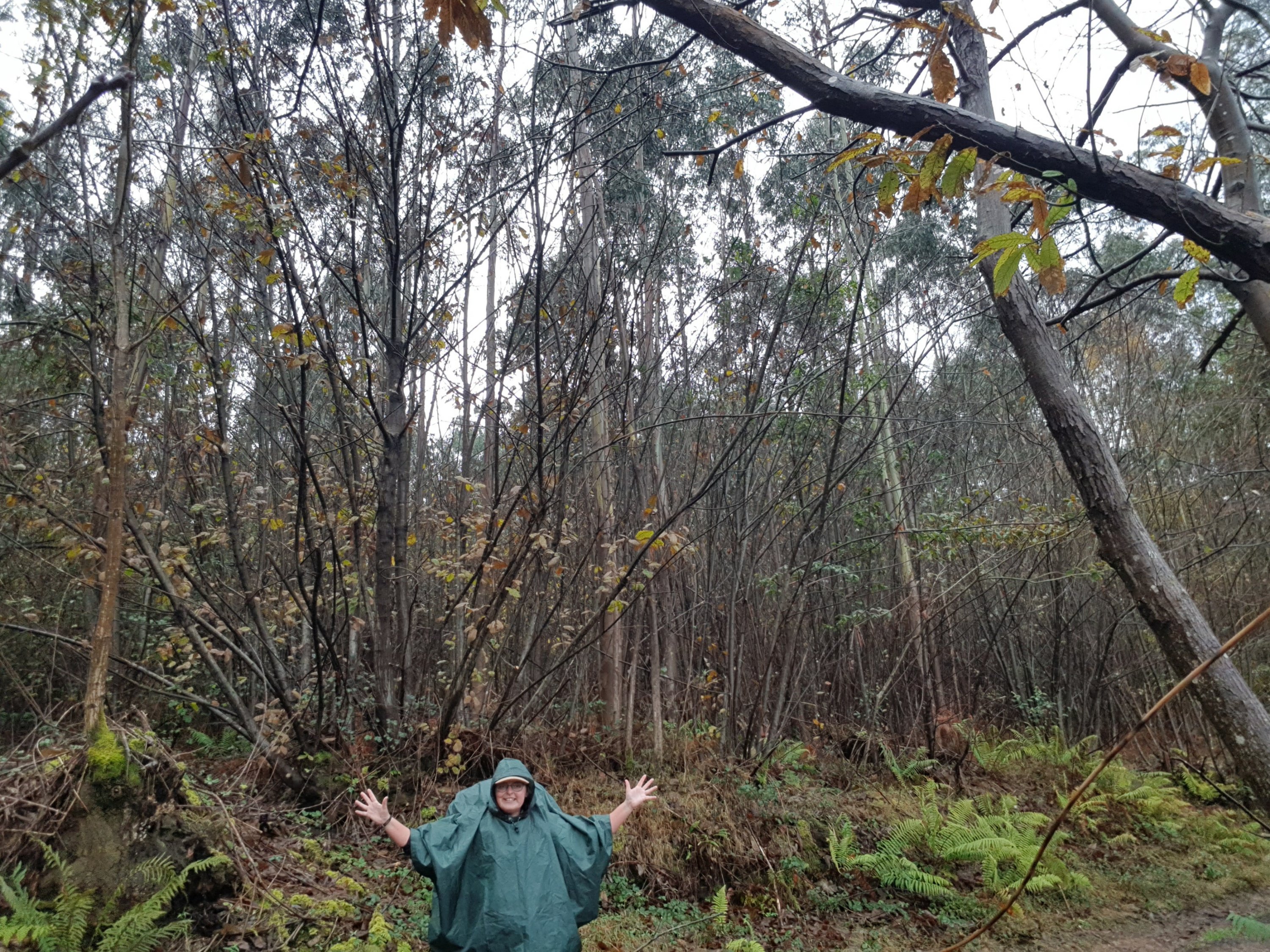
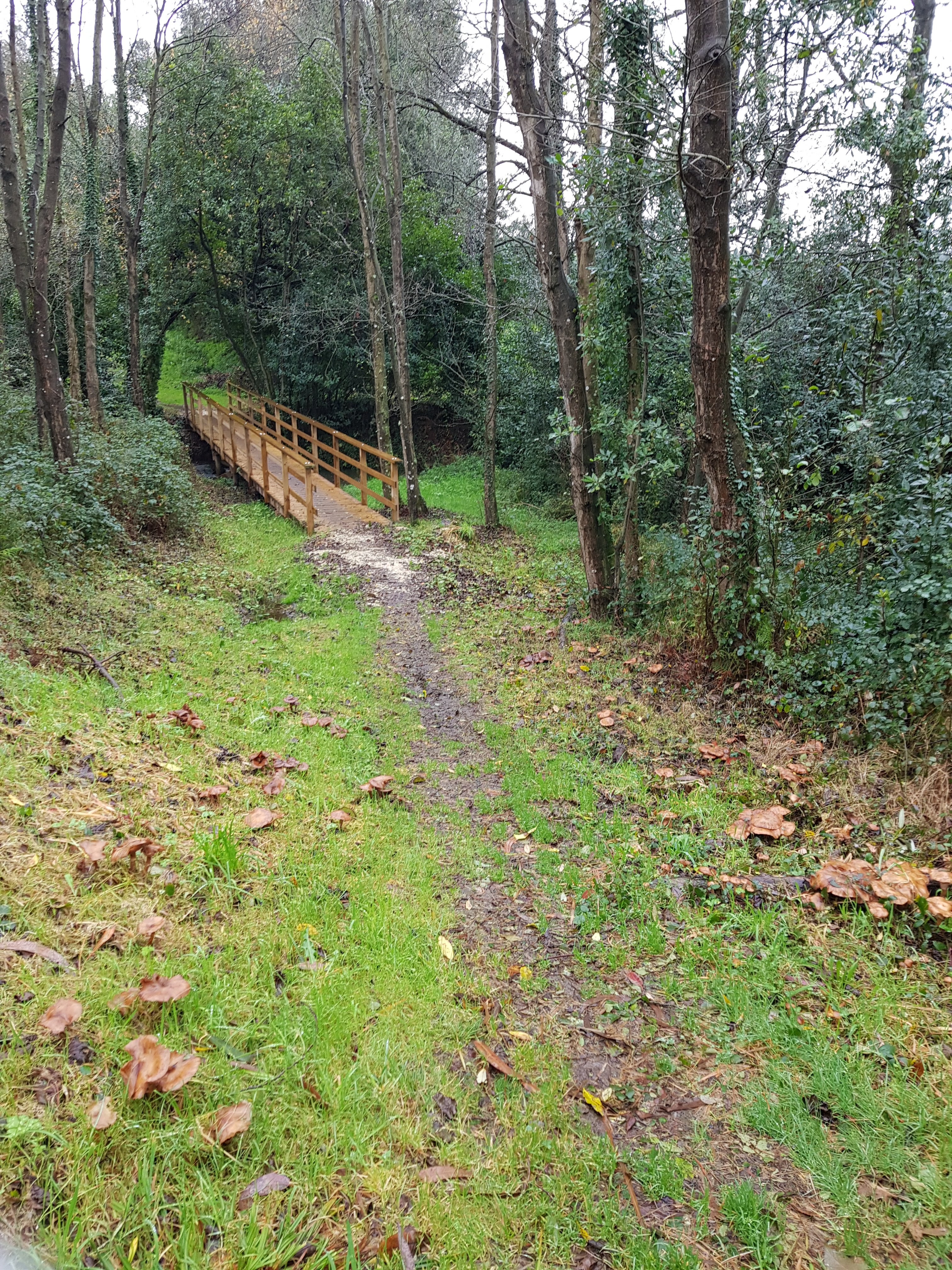
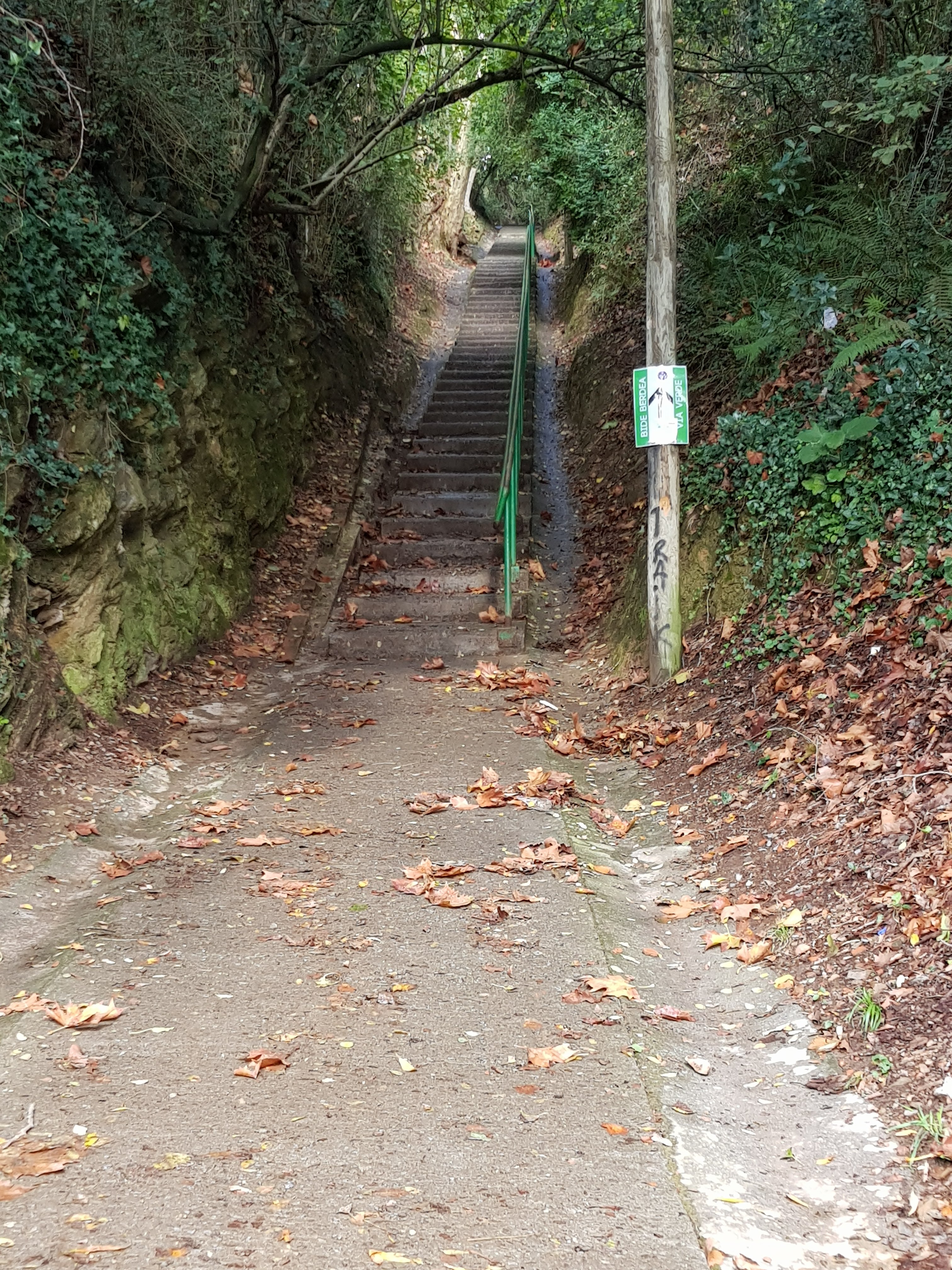
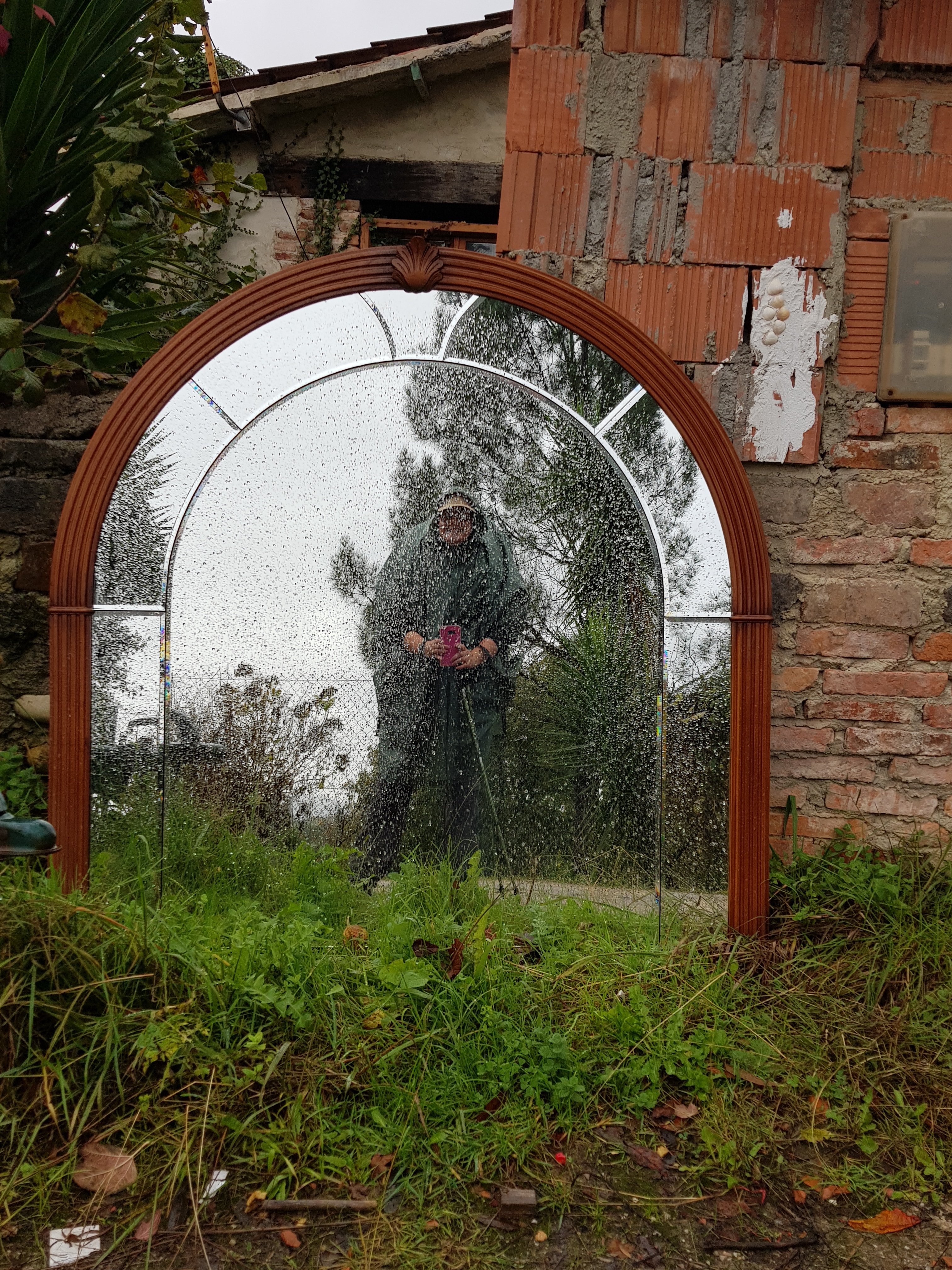
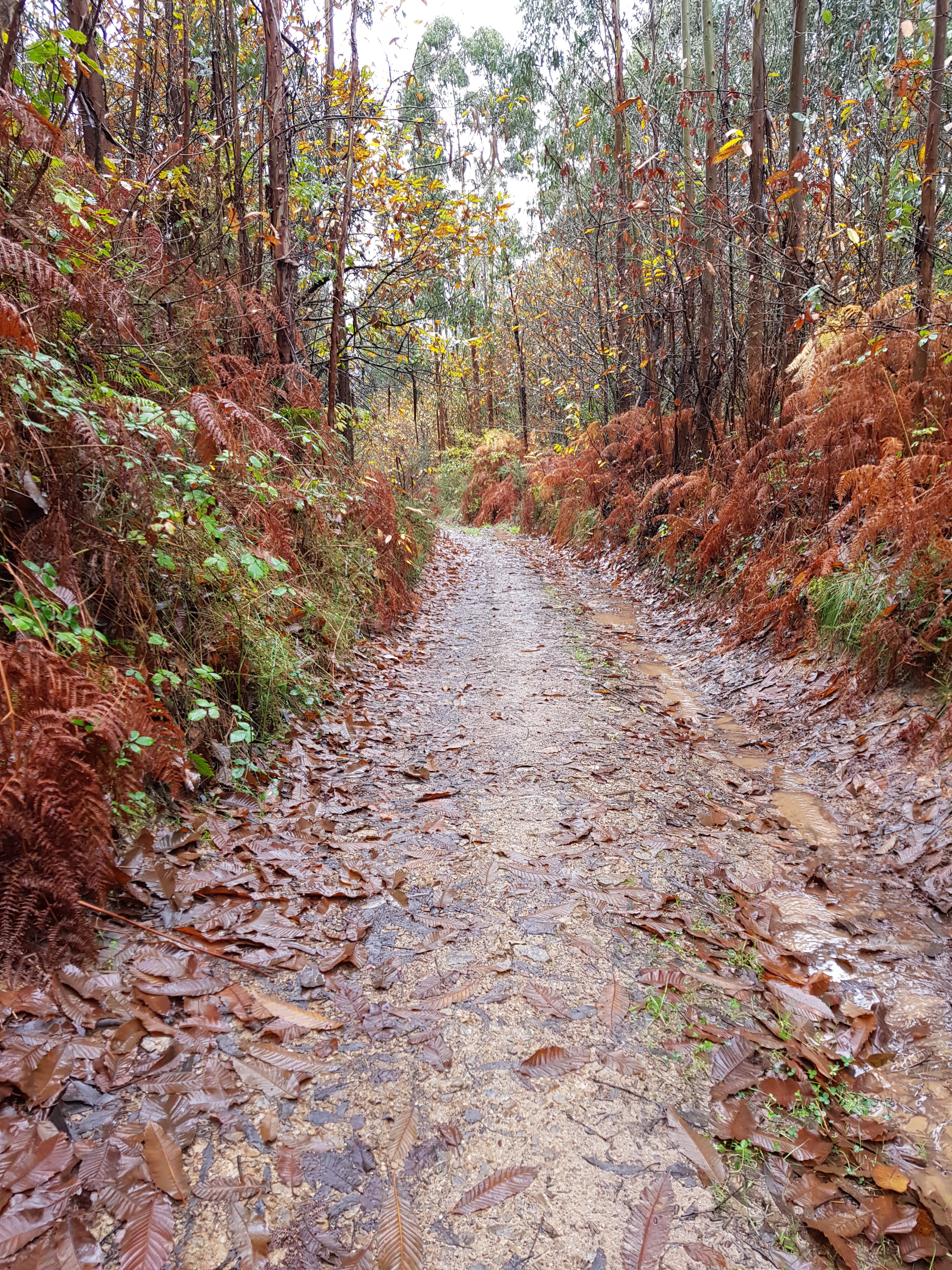
Next was my soggy 20km to Soto del Barco. Most of the walk was through forests with deep red ferns and overflowing rivers.
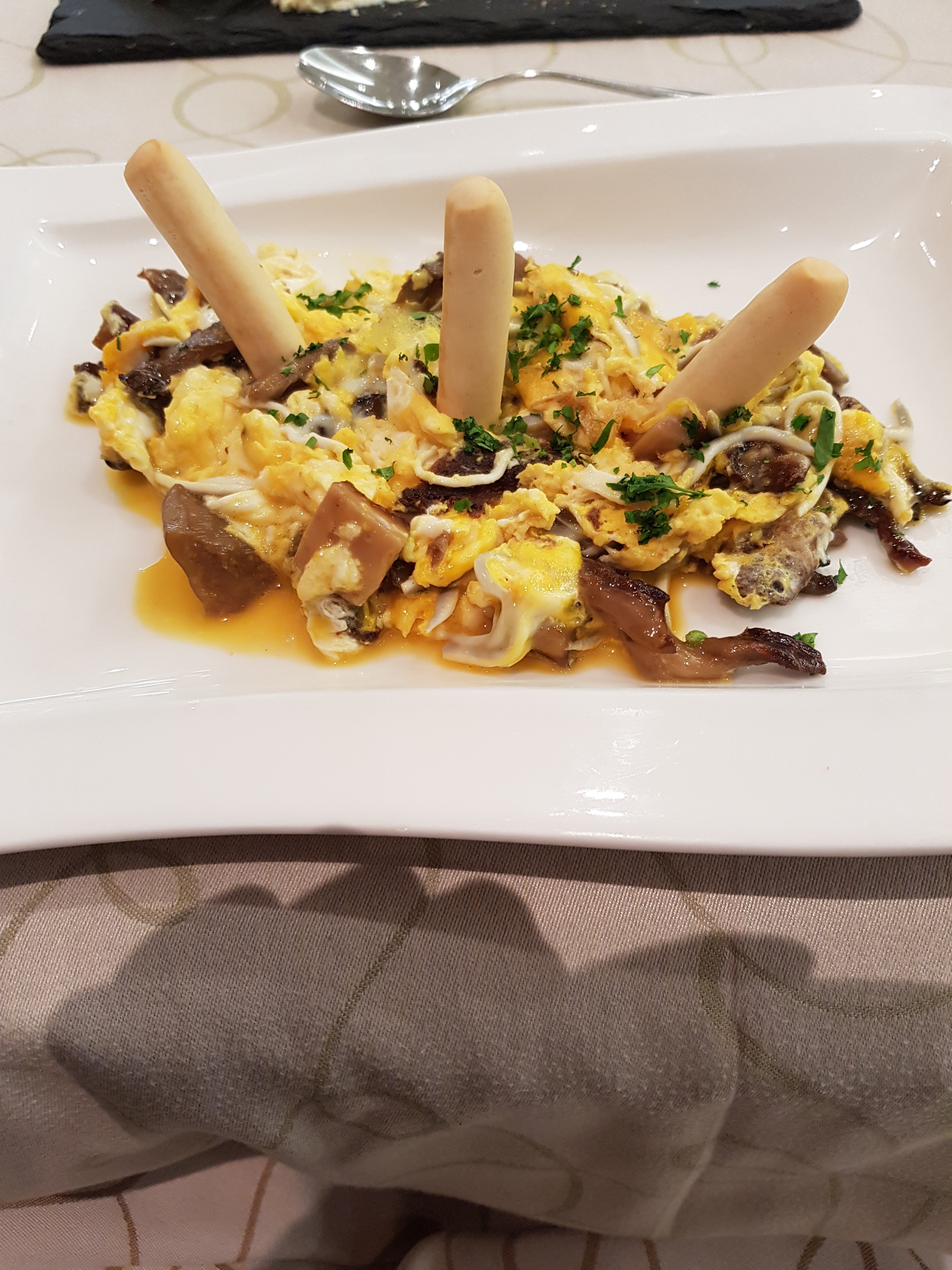
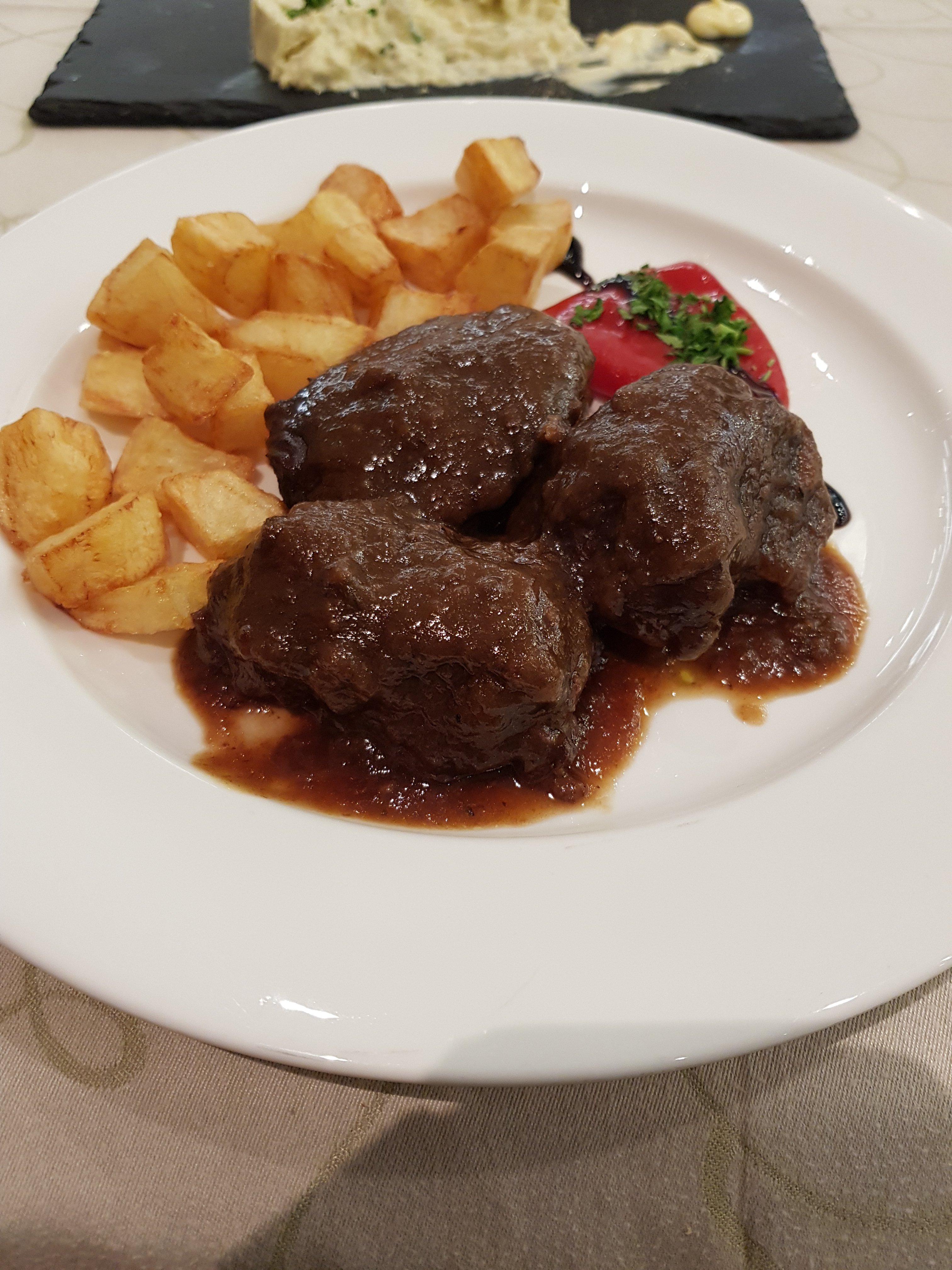
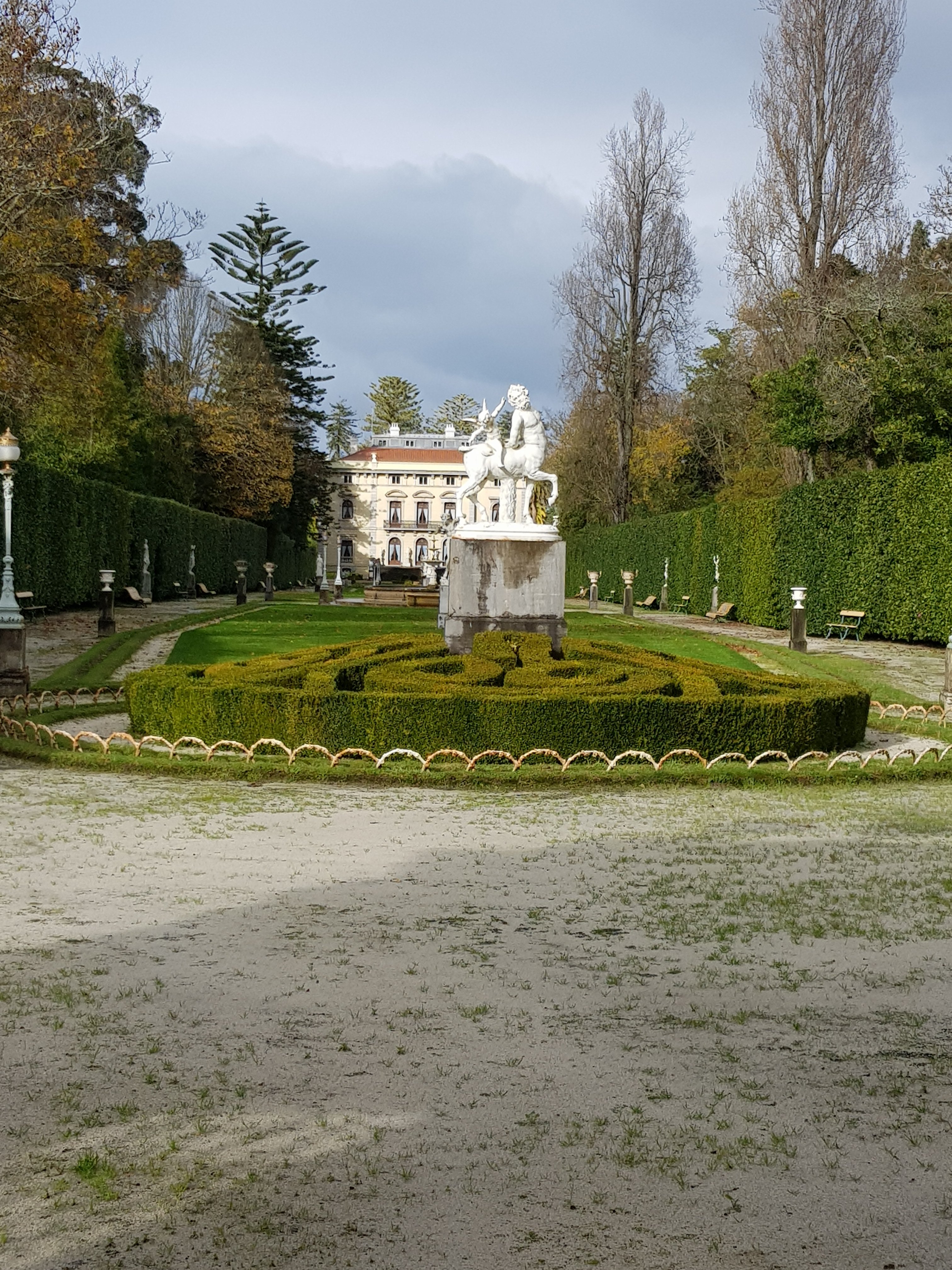
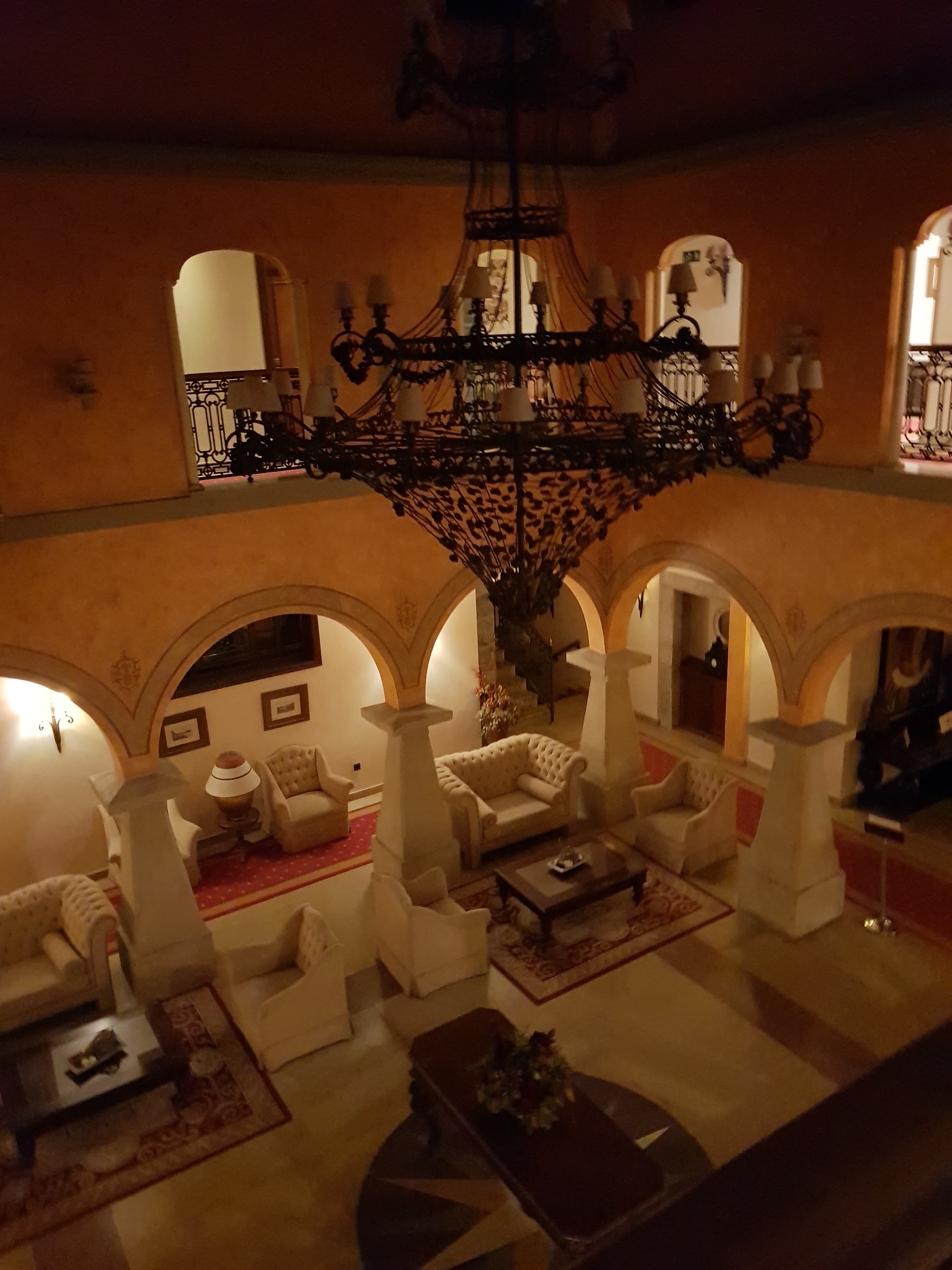
I had hoped to find a cheap place to stay, but it was all pricey in this village at the bottom of the valley, so I decided to stay in a hotel. The hotel was beautiful as it was a former 18th century palace, and so enjoyed a little luxury and a slap up meal, of food that I could not identify!
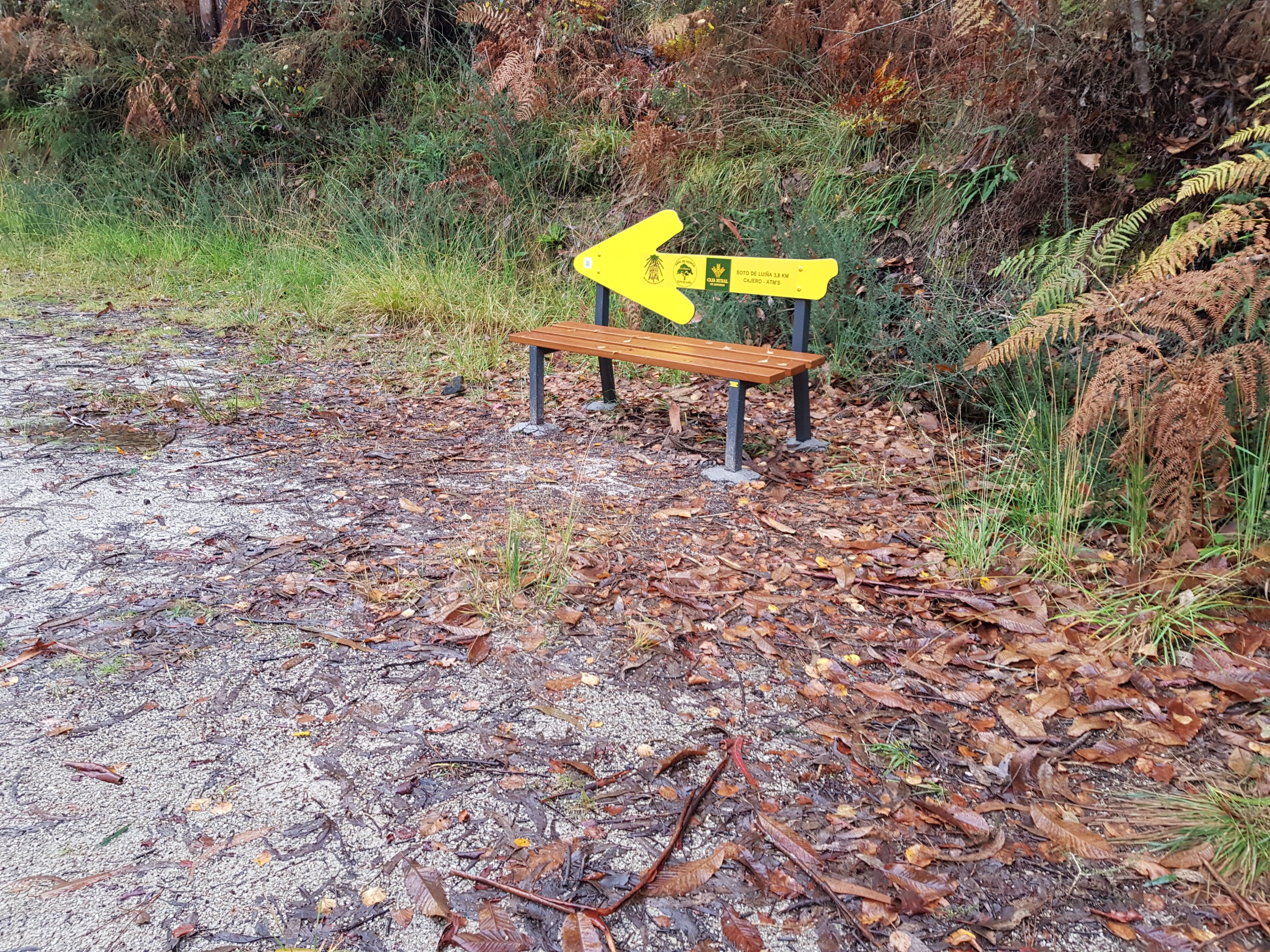
The next day I walked to Soto de Luina. The rain continued and I had only been able to have a few small pastries and a piece of fruit for breakfast. I’d thought I would pass a cafe but all day I didn’t. The day was spent walking through forests.
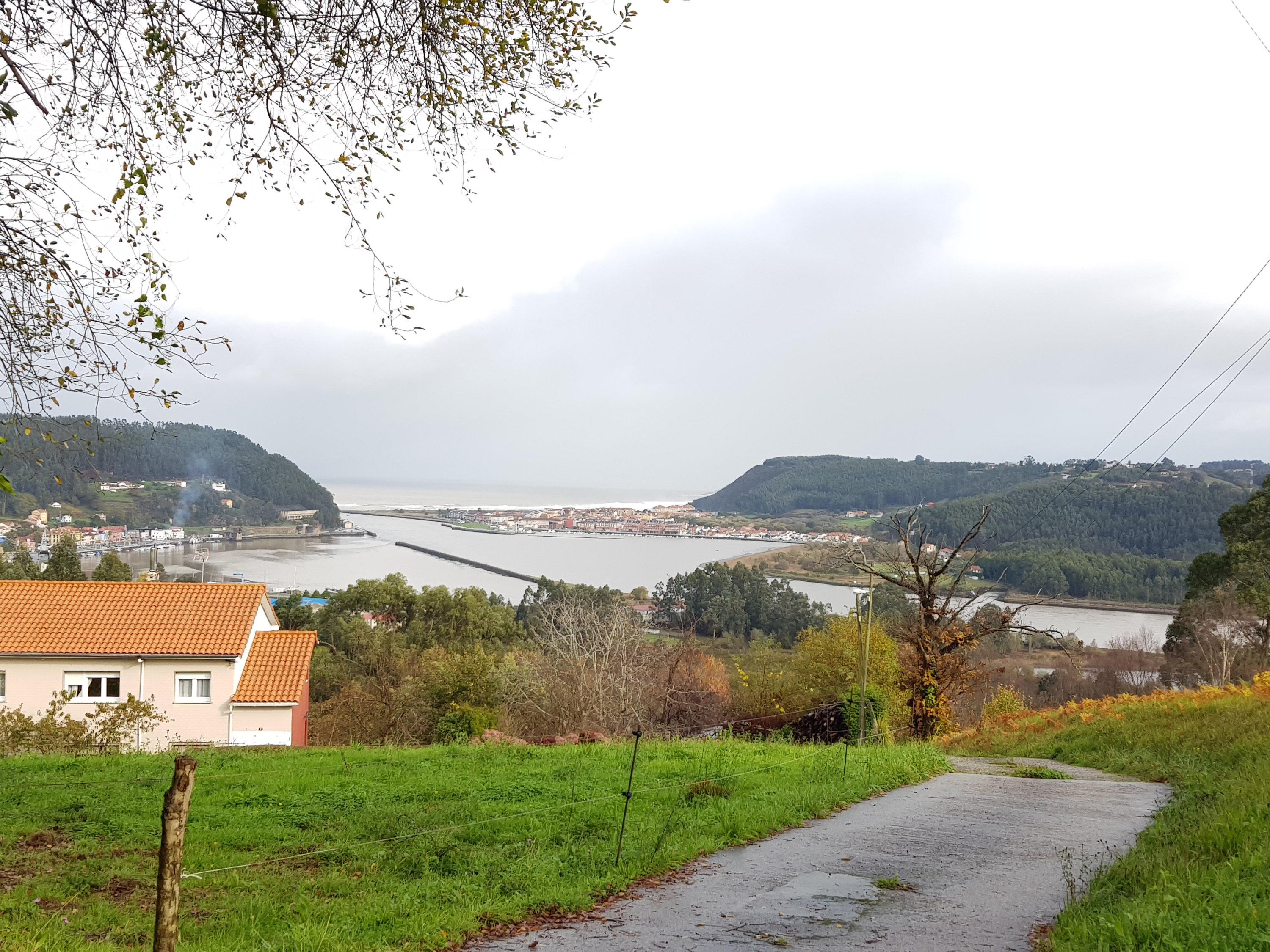
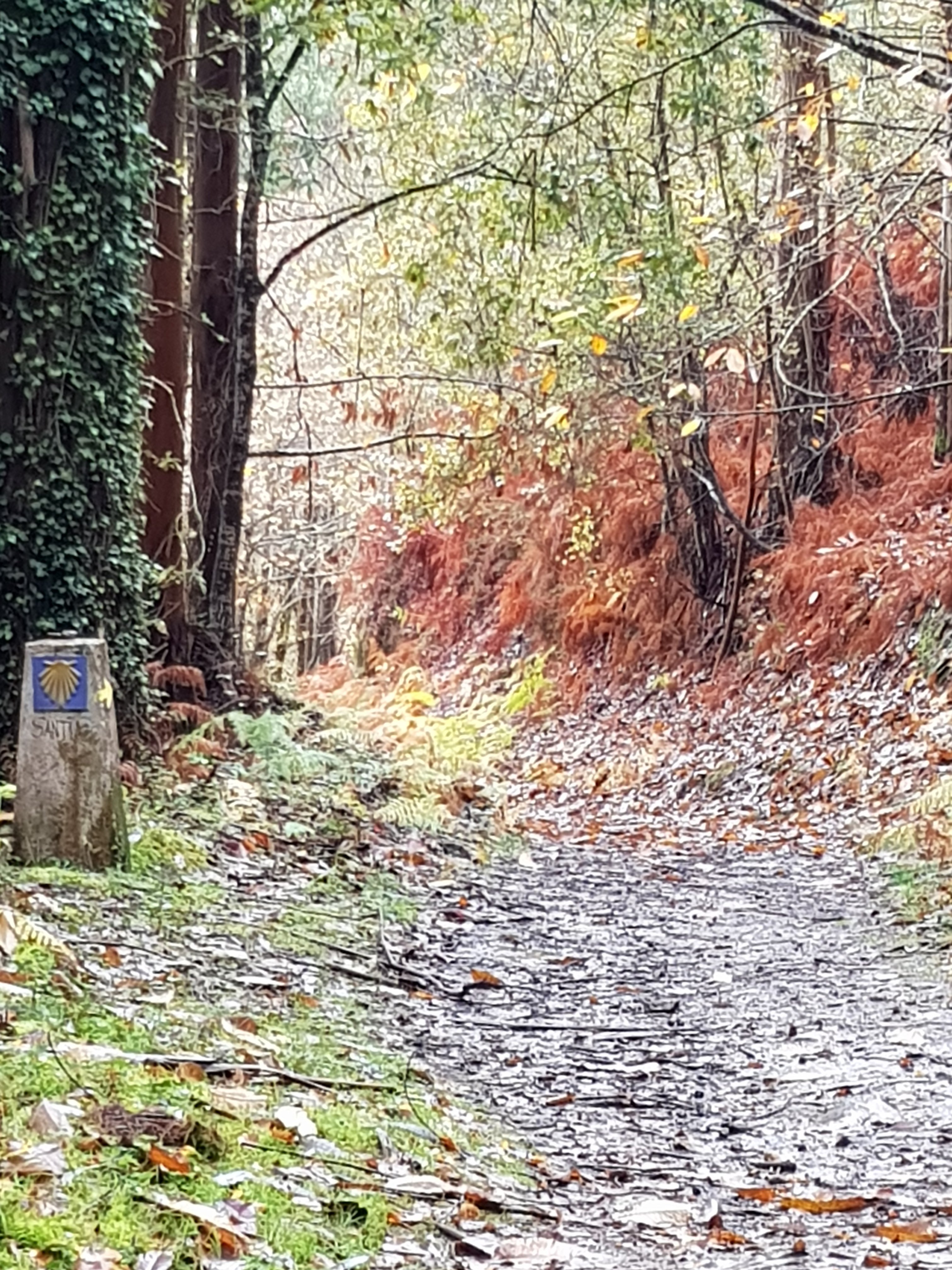
Thankfully, forests and woodland are in my opinion, the easiest terrain on the joints, as the ground is so bouncy. I grew up in the woods (in a house not in the trees), and feel in my element within them.
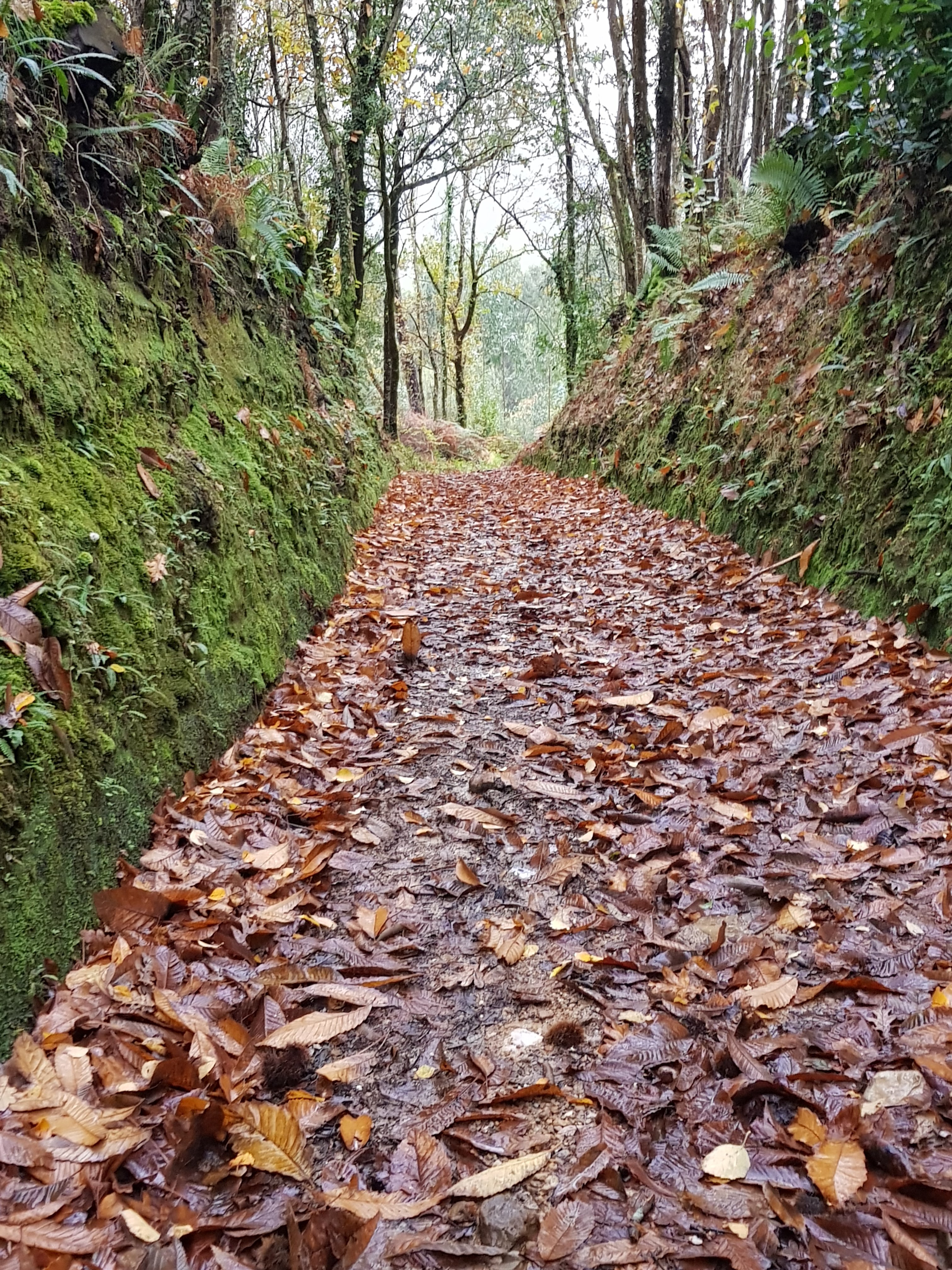
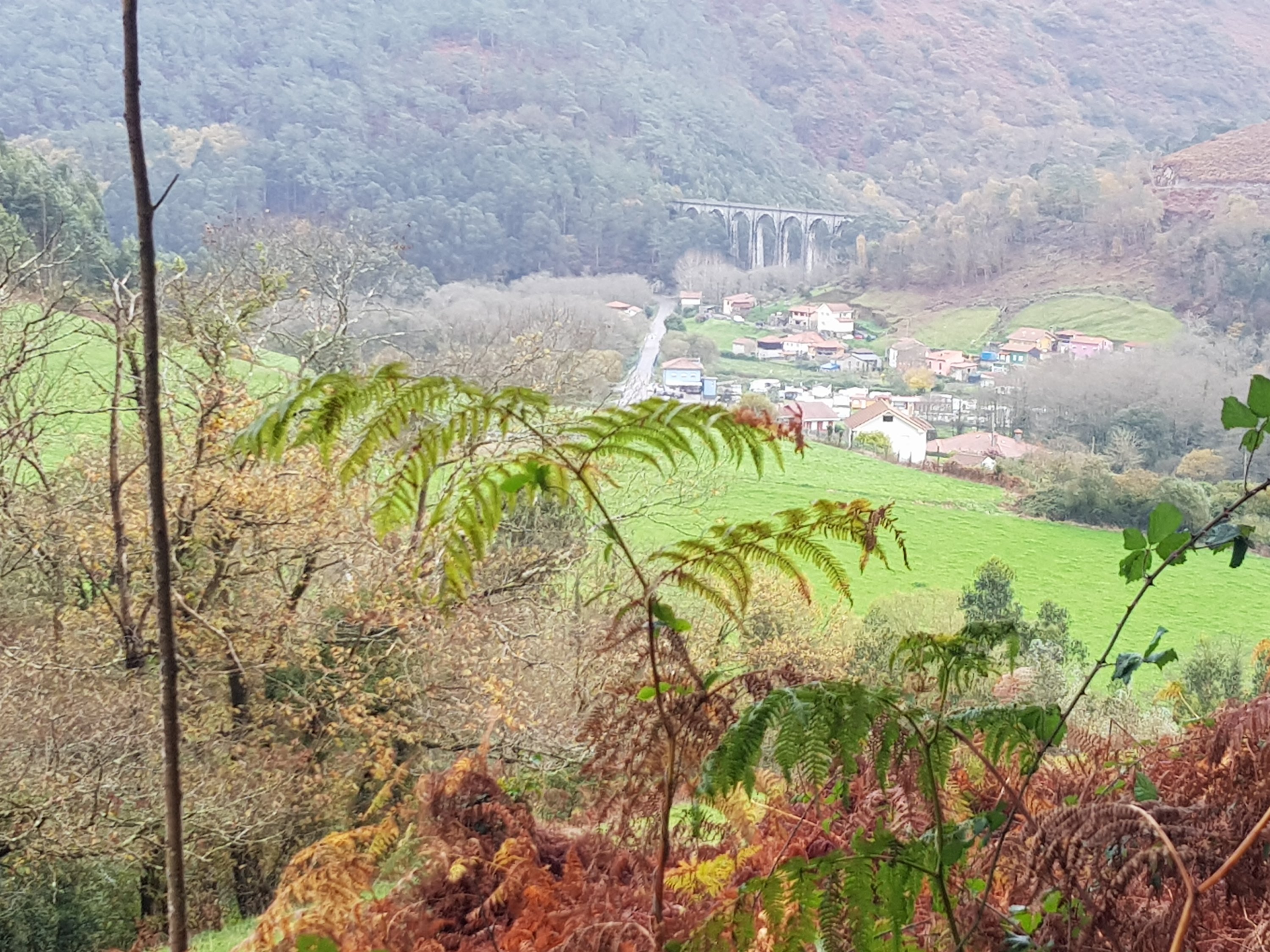
The overflowing rivers and lack of food was making this very hard for ‘only’ a 22km walk. The day was full of ups and downs, and I had to stop frequently. A few times I thought I might pass out.

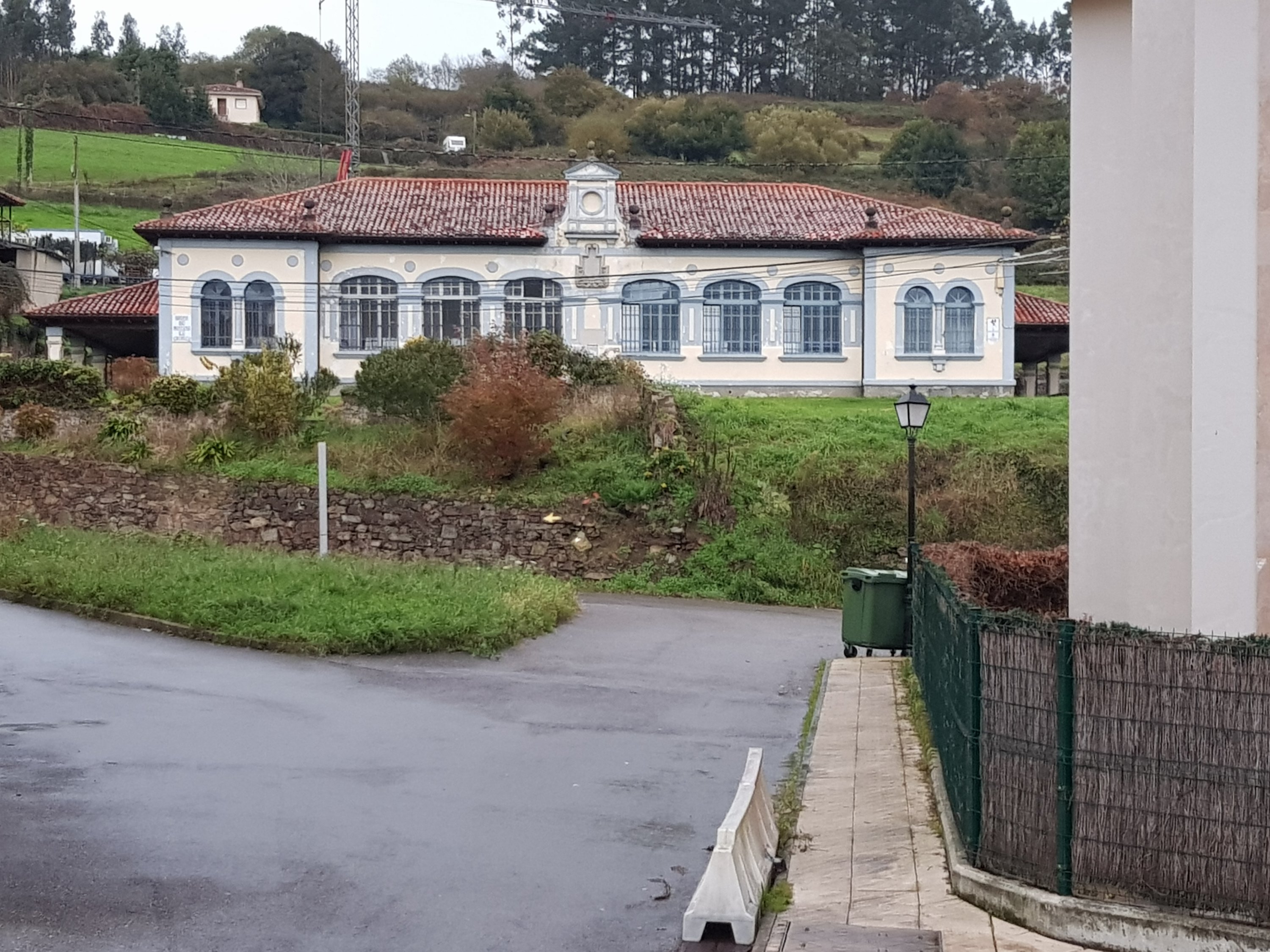
When I finally arrived in Soto de Luina, I made my way to my bed for the night, in an old abandoned school building. No heating, and no kitchen, but its all part of the experience… right? 😣
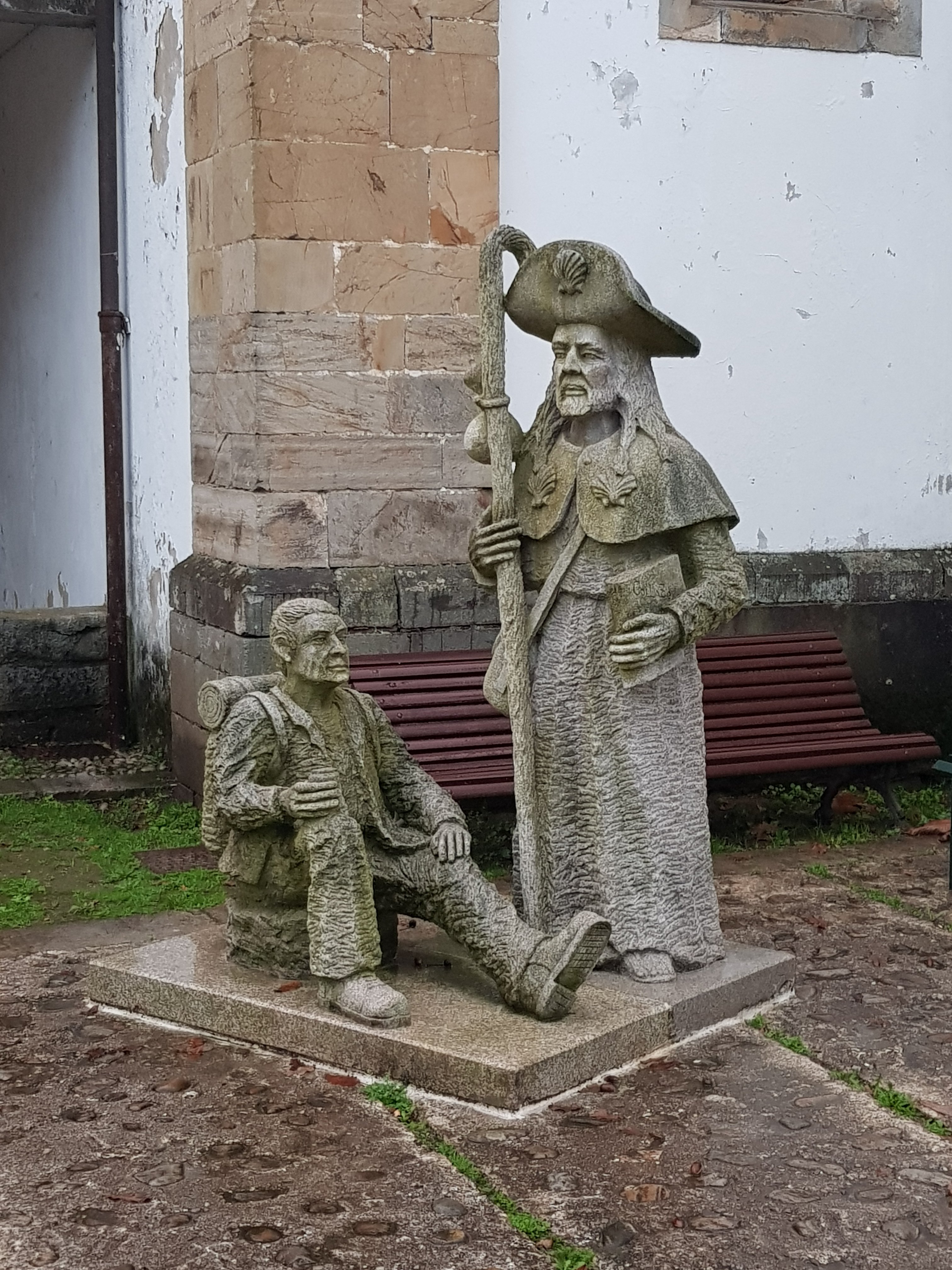
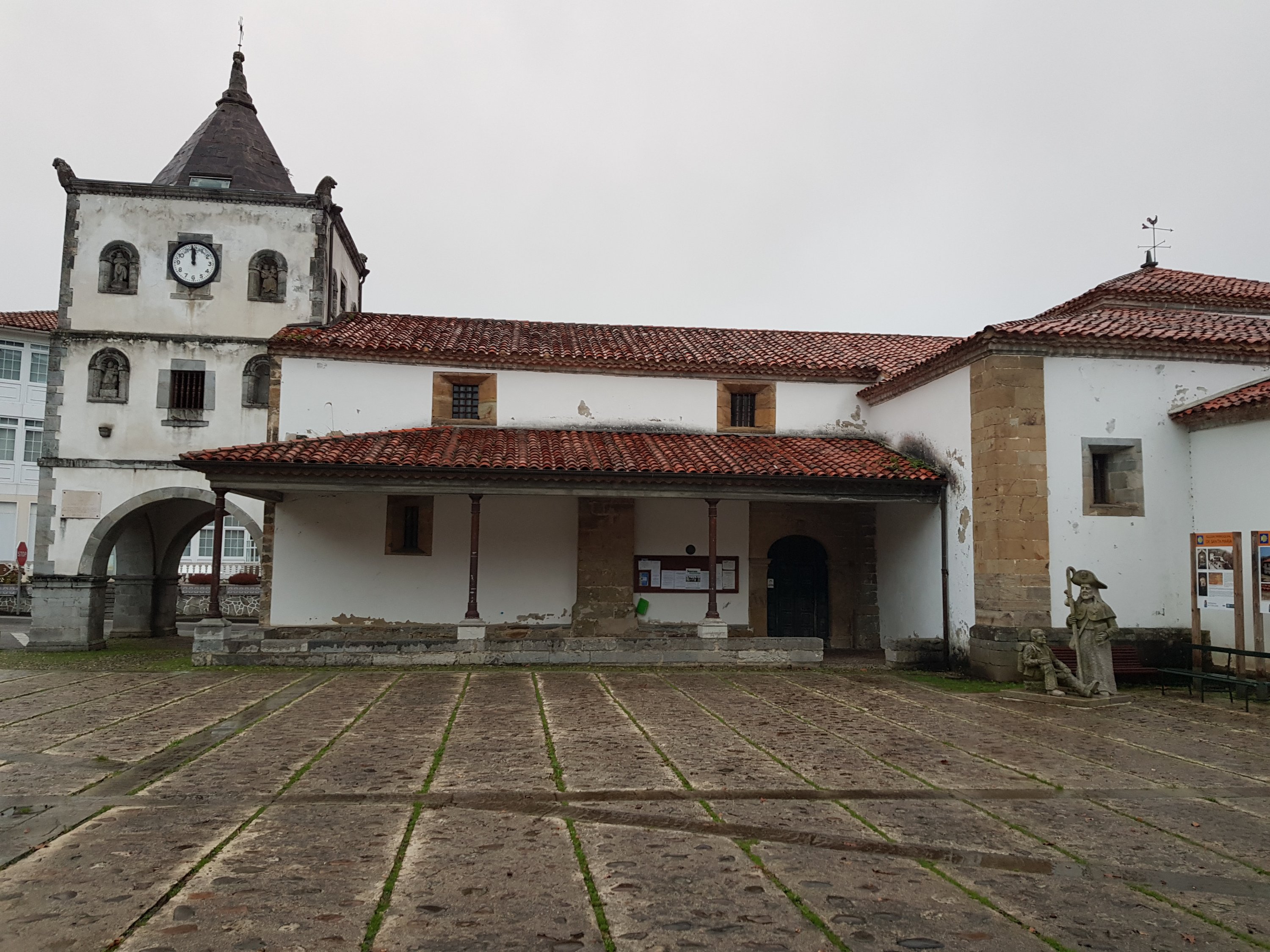
When I looked at my map, I found that my next stop in Luarca was up to 40km away (that is maybe 12 hours walk), and the morning came and my shoes were still wet, and my body still weak. So I decided to journey by train this day. I felt a bit guilty, but sometimes you have to know when to give yourself a break.

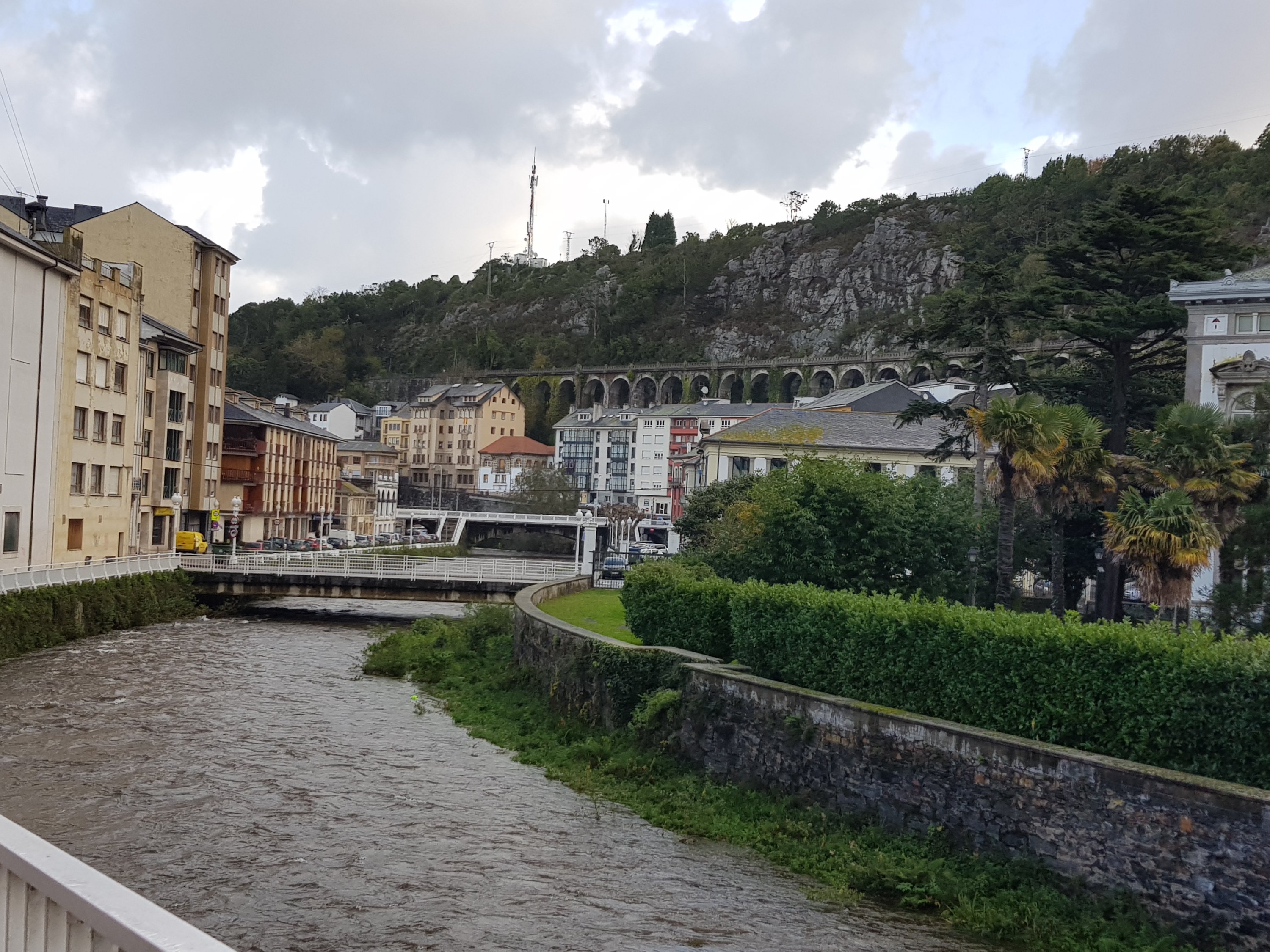
It was also a great place to do the train, as the track rides over the town of Luarca, and provides great views. The train driver was really nice too. We chatted in spanish, he showed me when to take photos, gave me some paper for my shoes, and showed me the control room! It also gave me a chance to nose around the town for longer, and just recover a little.
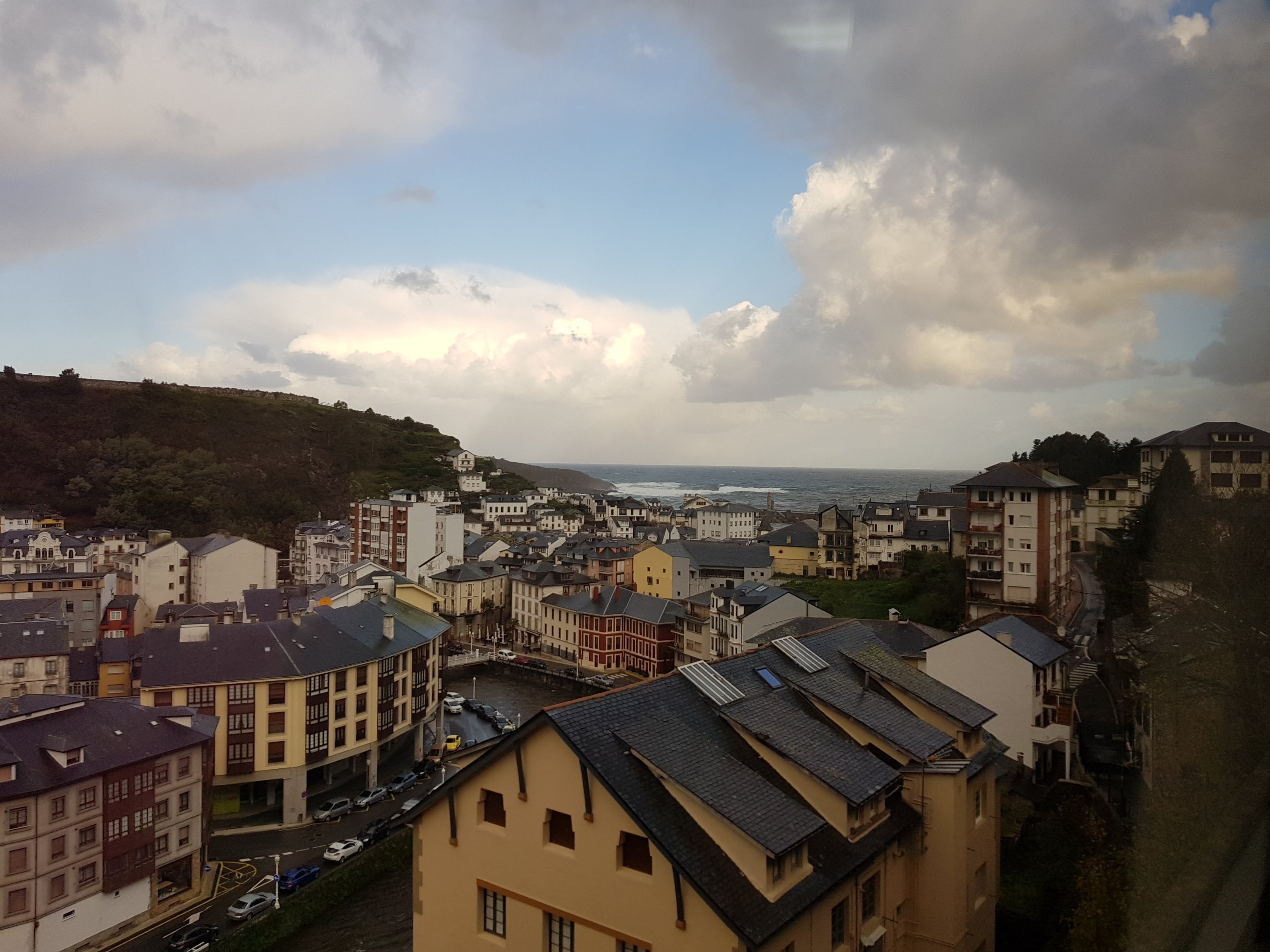
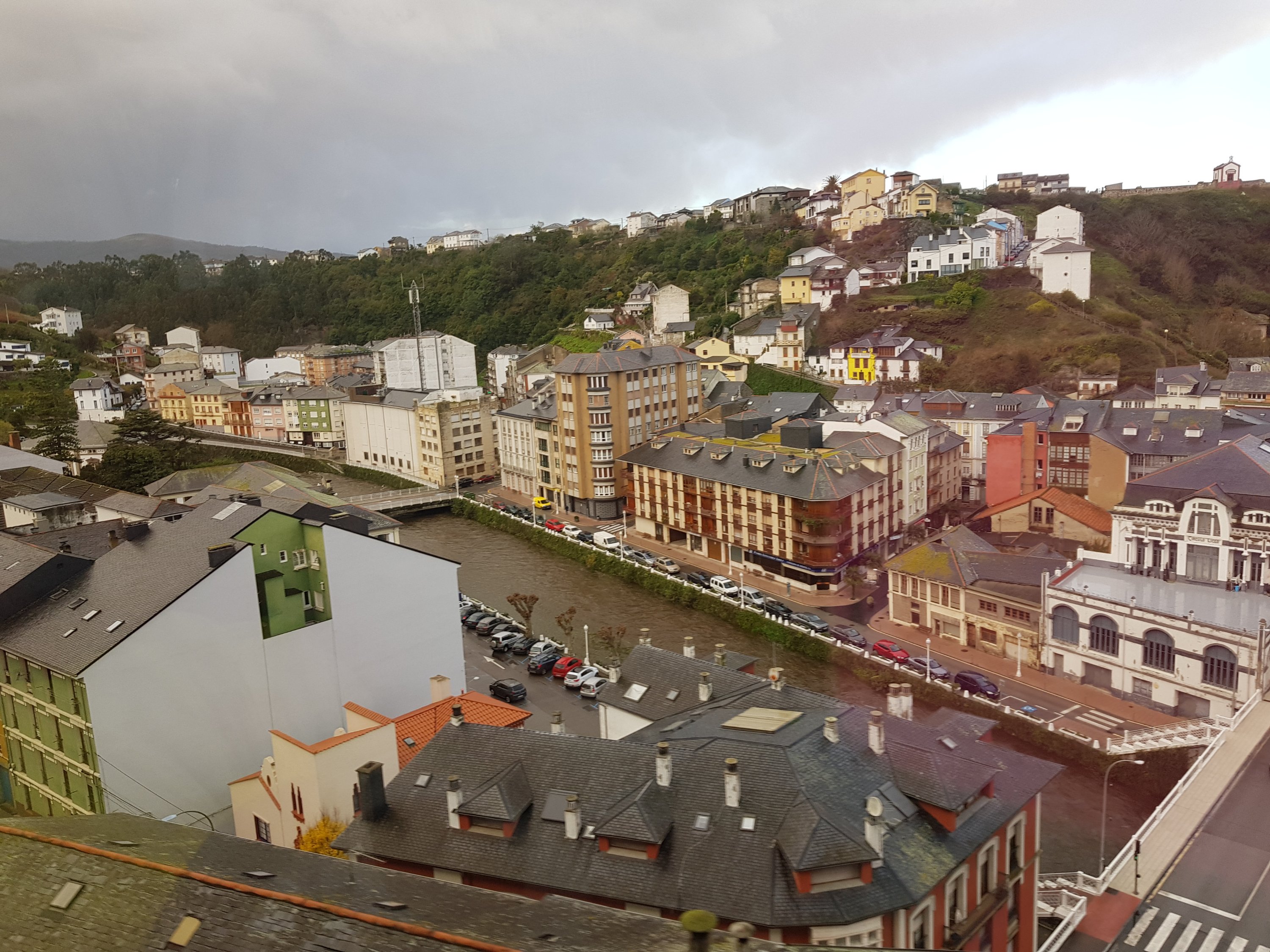
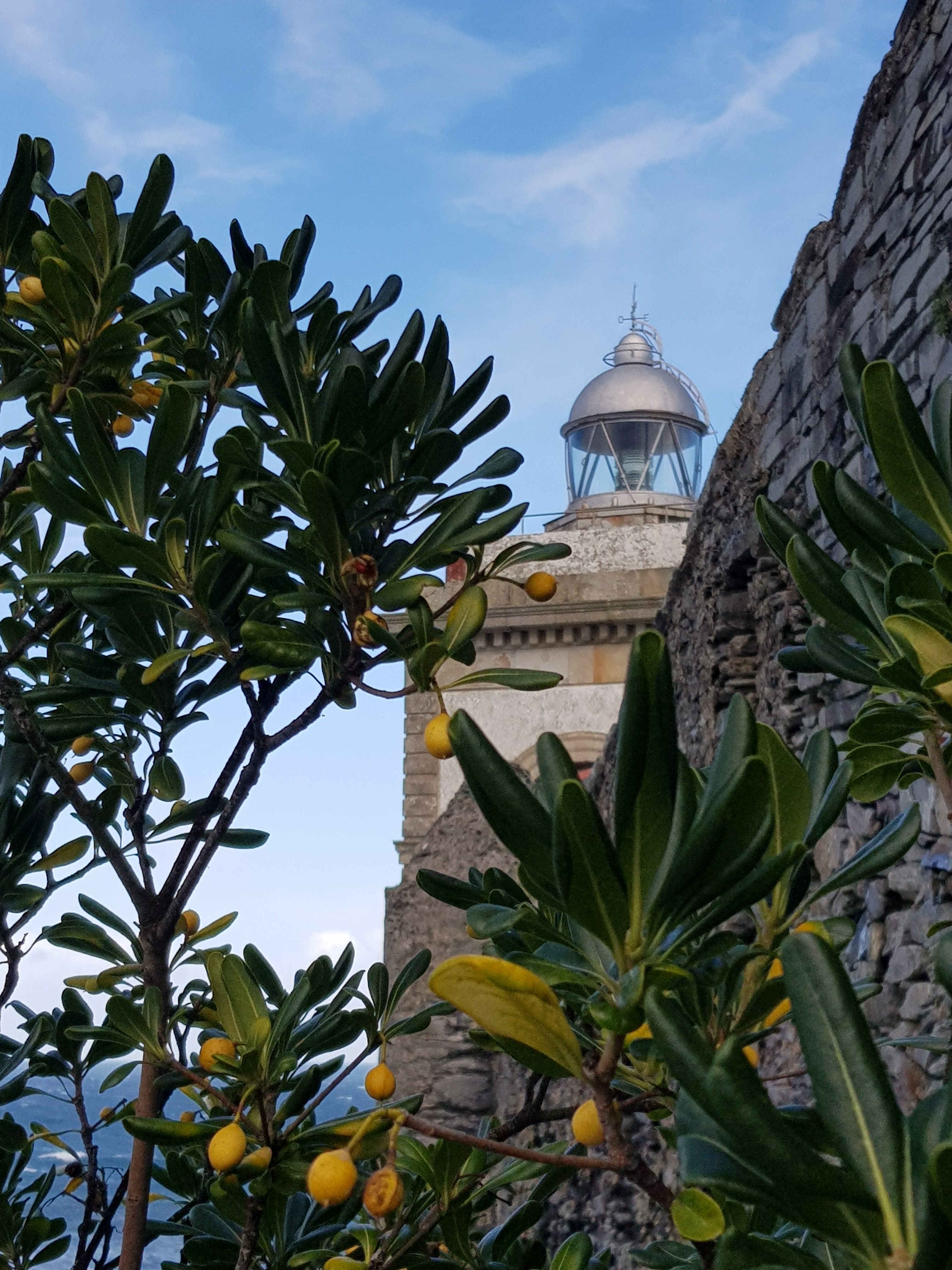
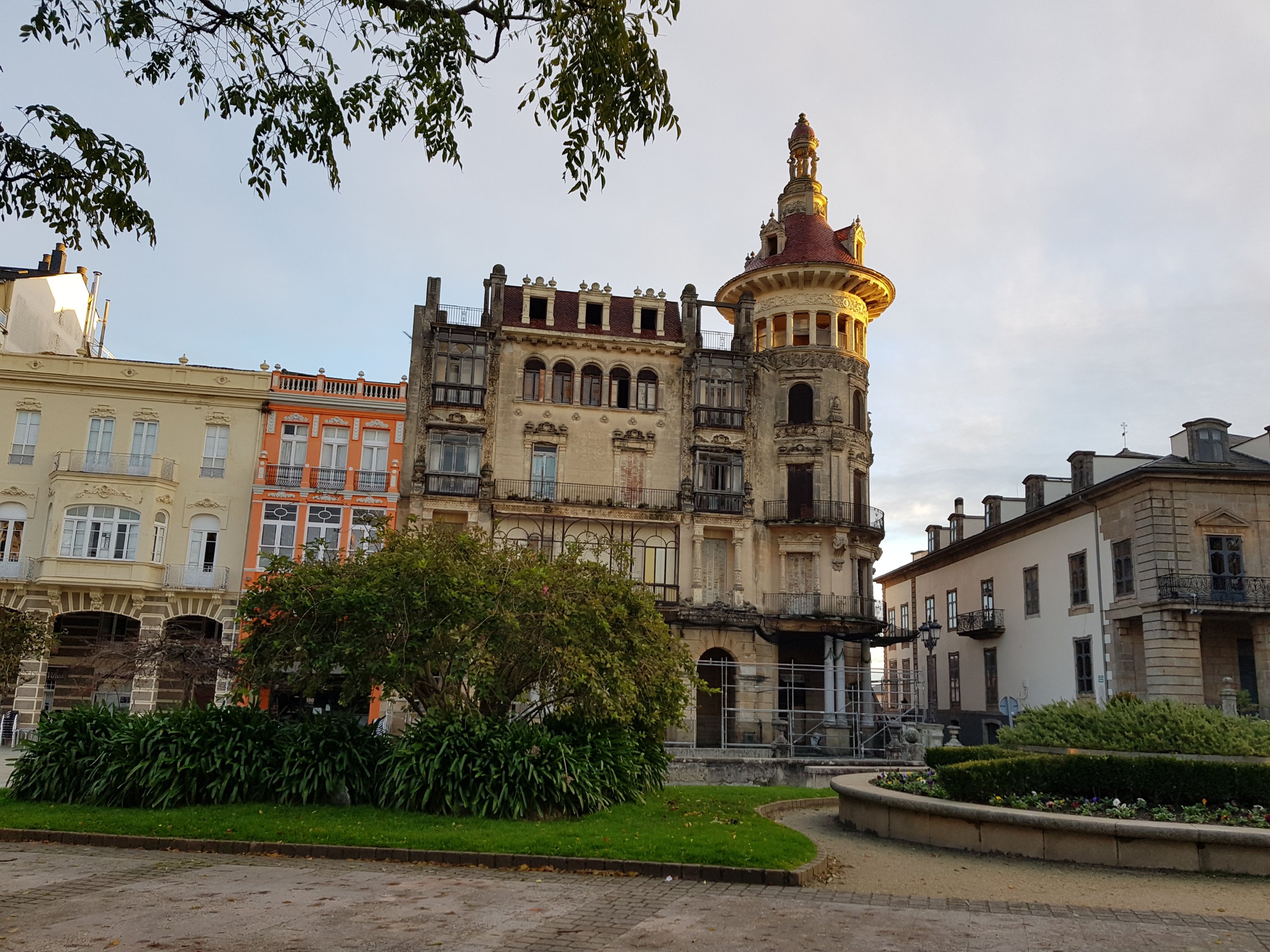
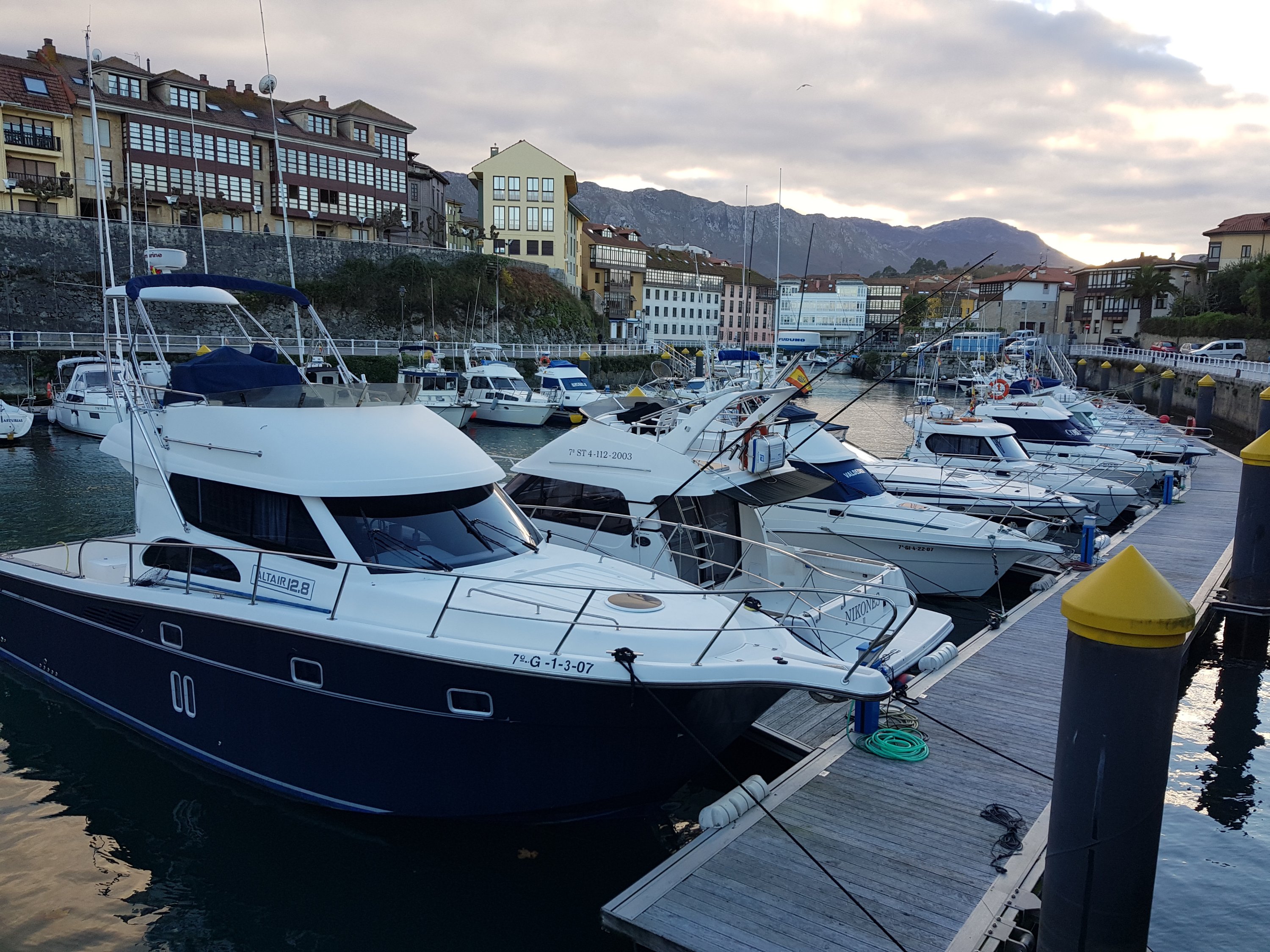
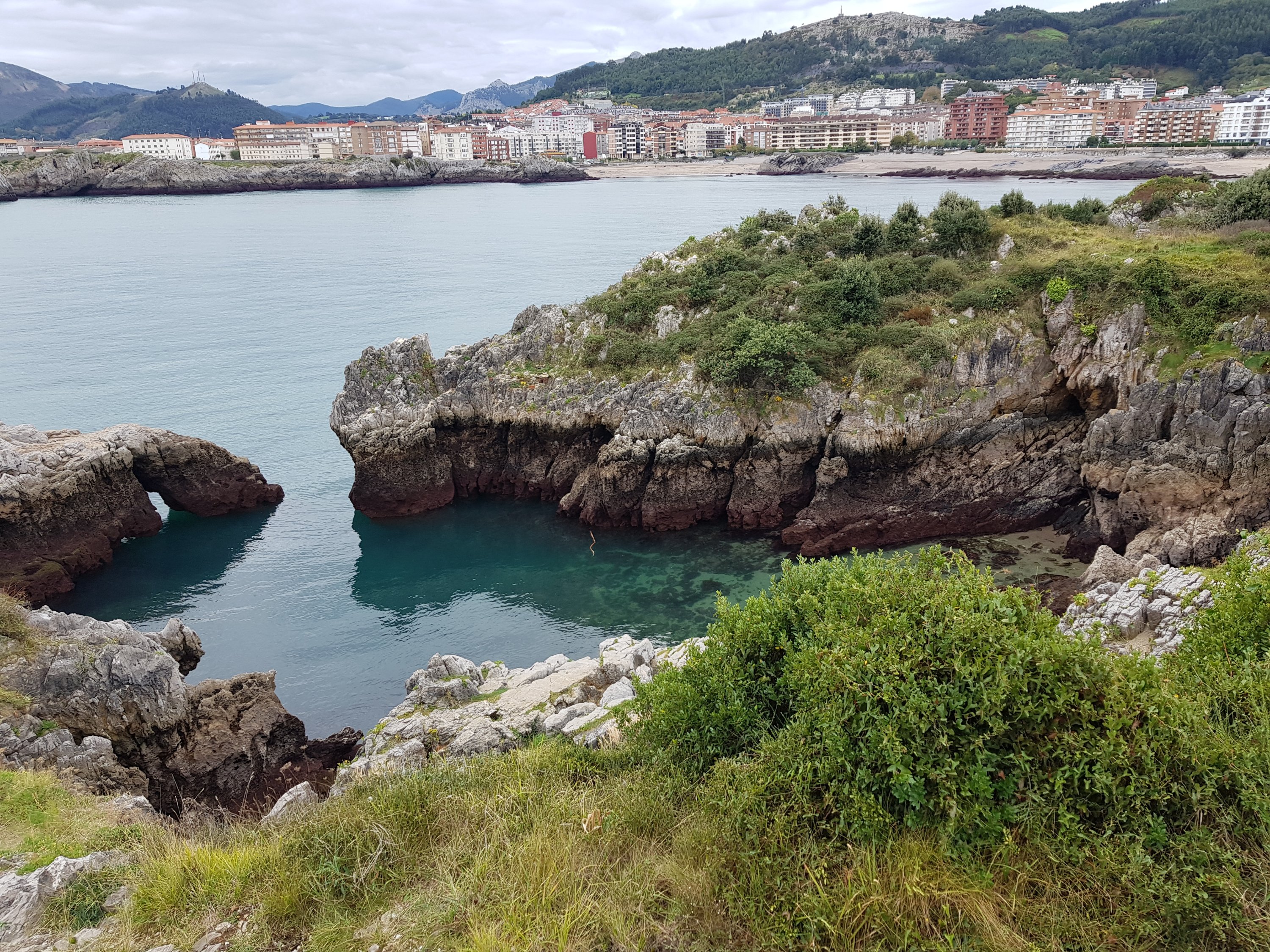
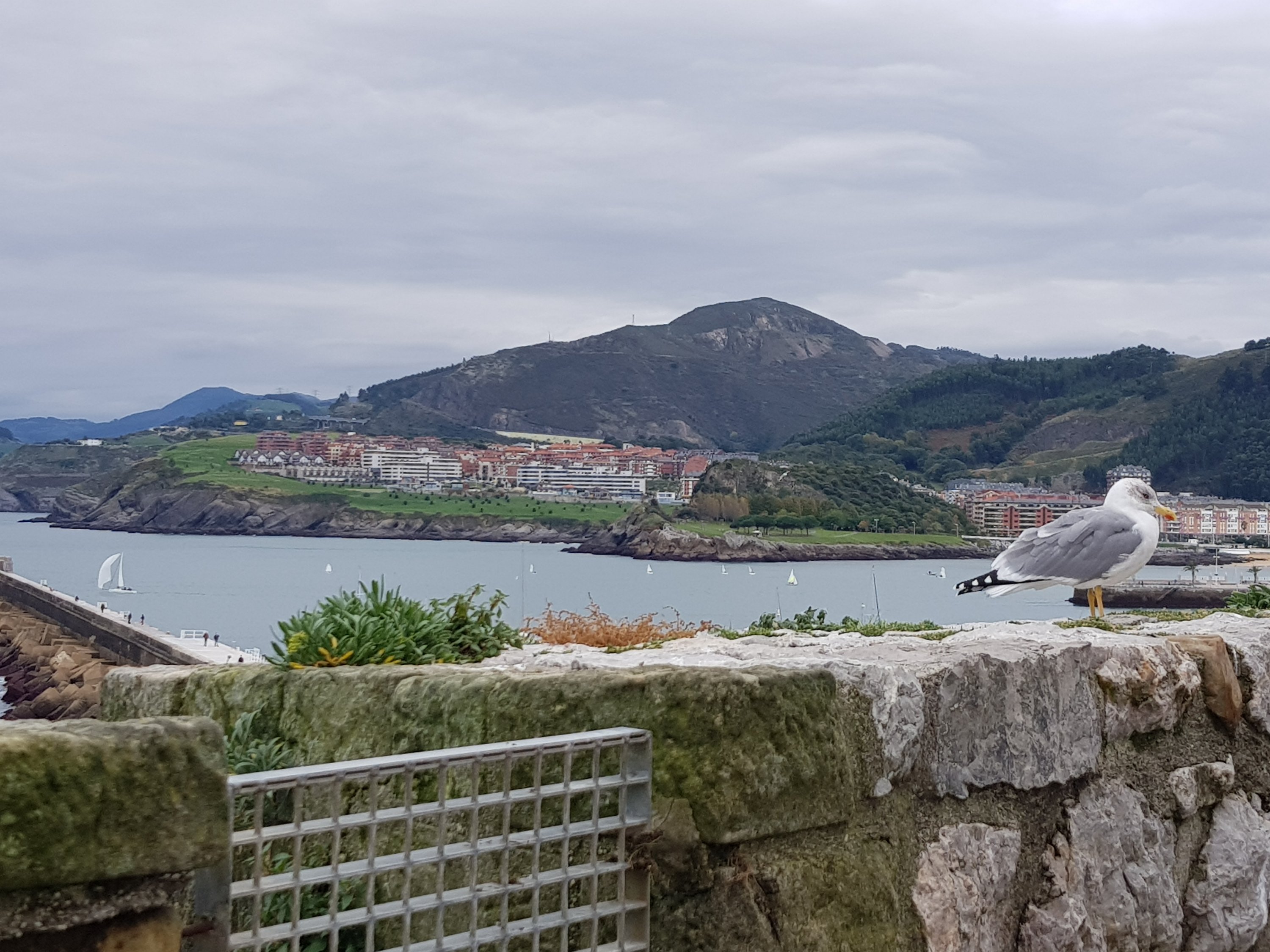
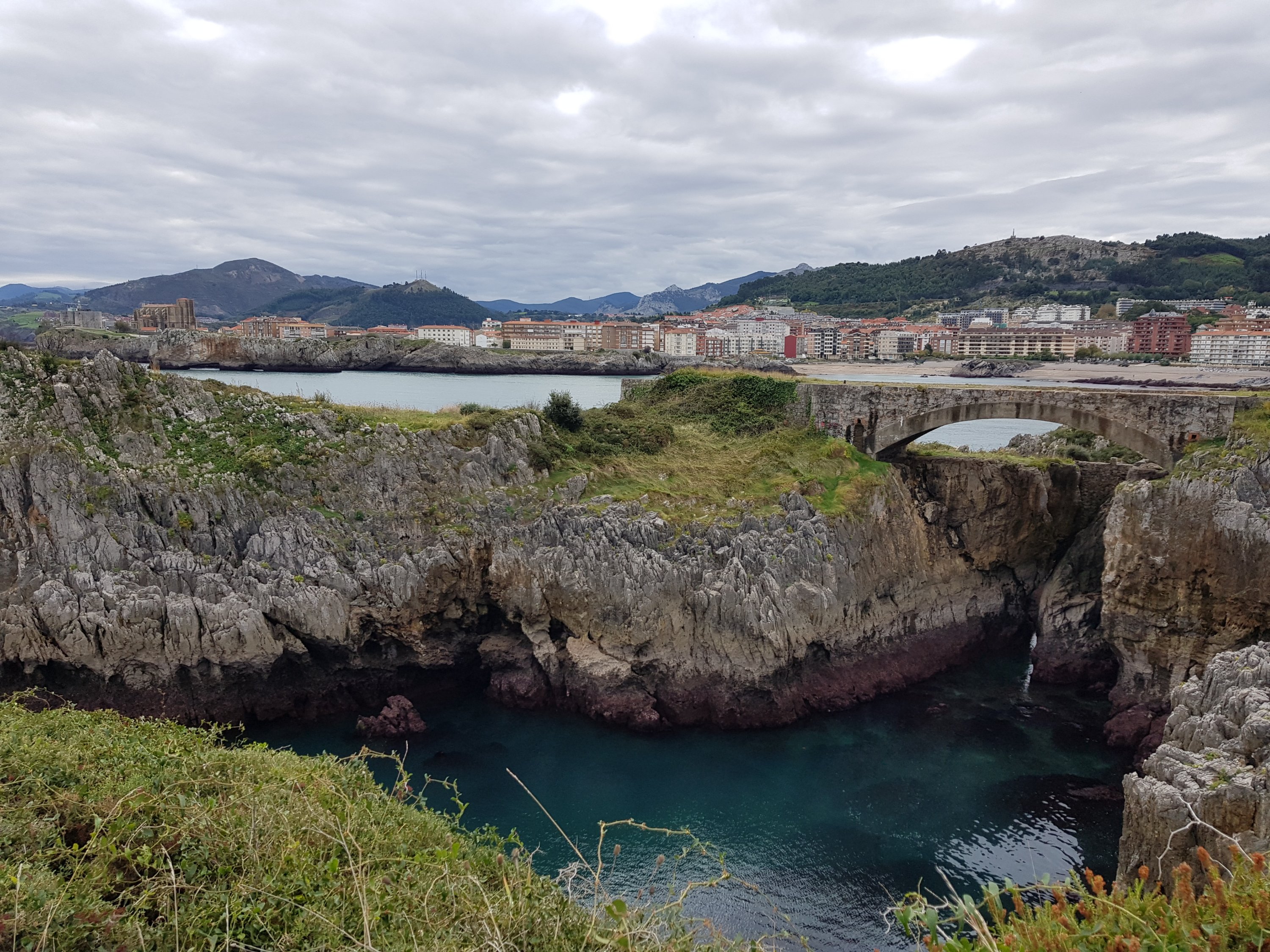
Luarca is a small town which was founded on fishing, especially for whales. The town has a winding river running through its centre and a reasonable amount of bars, restaurants and shops. As you walk through the town, which is full of grand indiano buildings, you are led to the harbour, two beaches and a climb to the lighthouse, cemetery and hermitage.
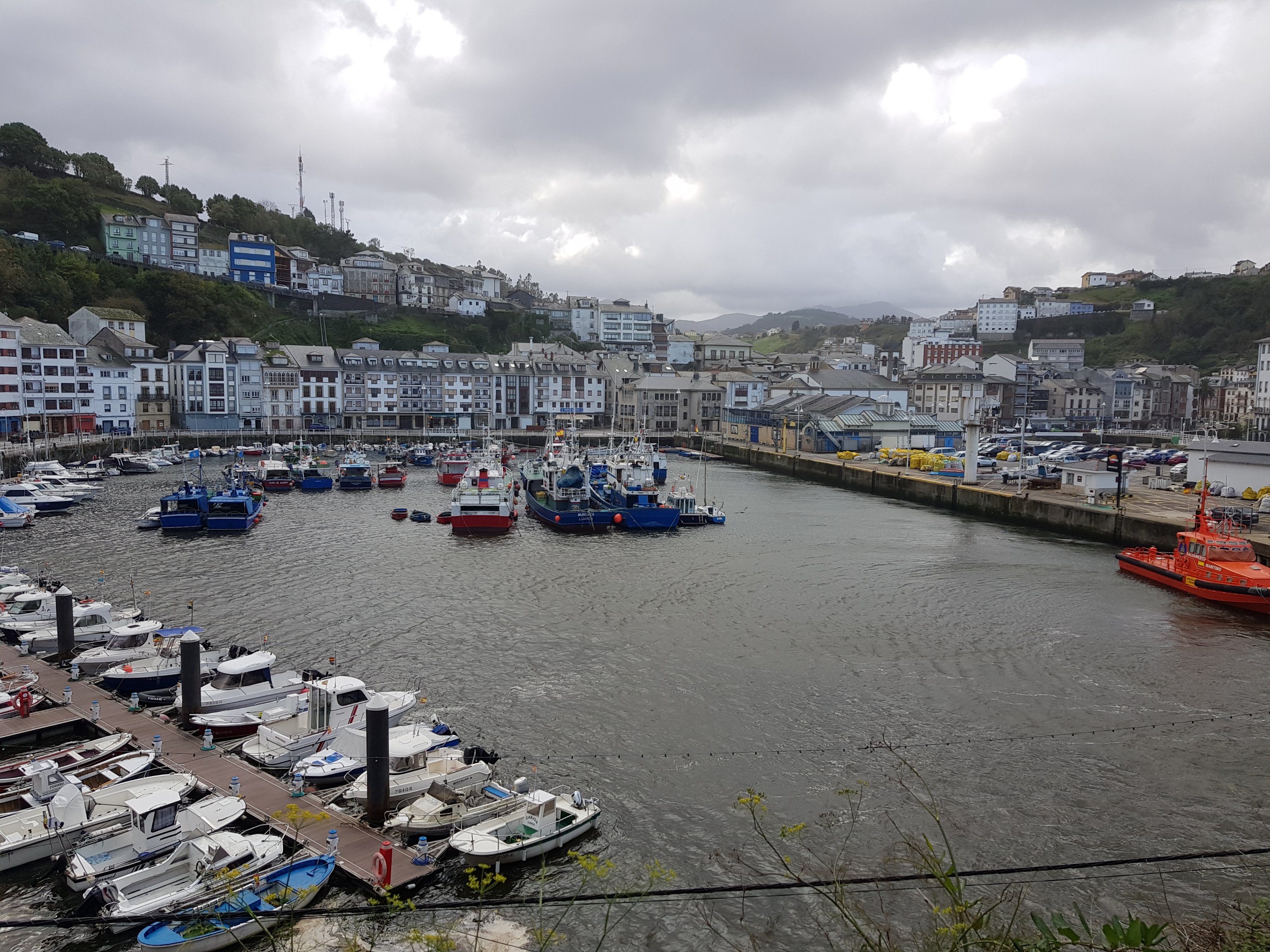
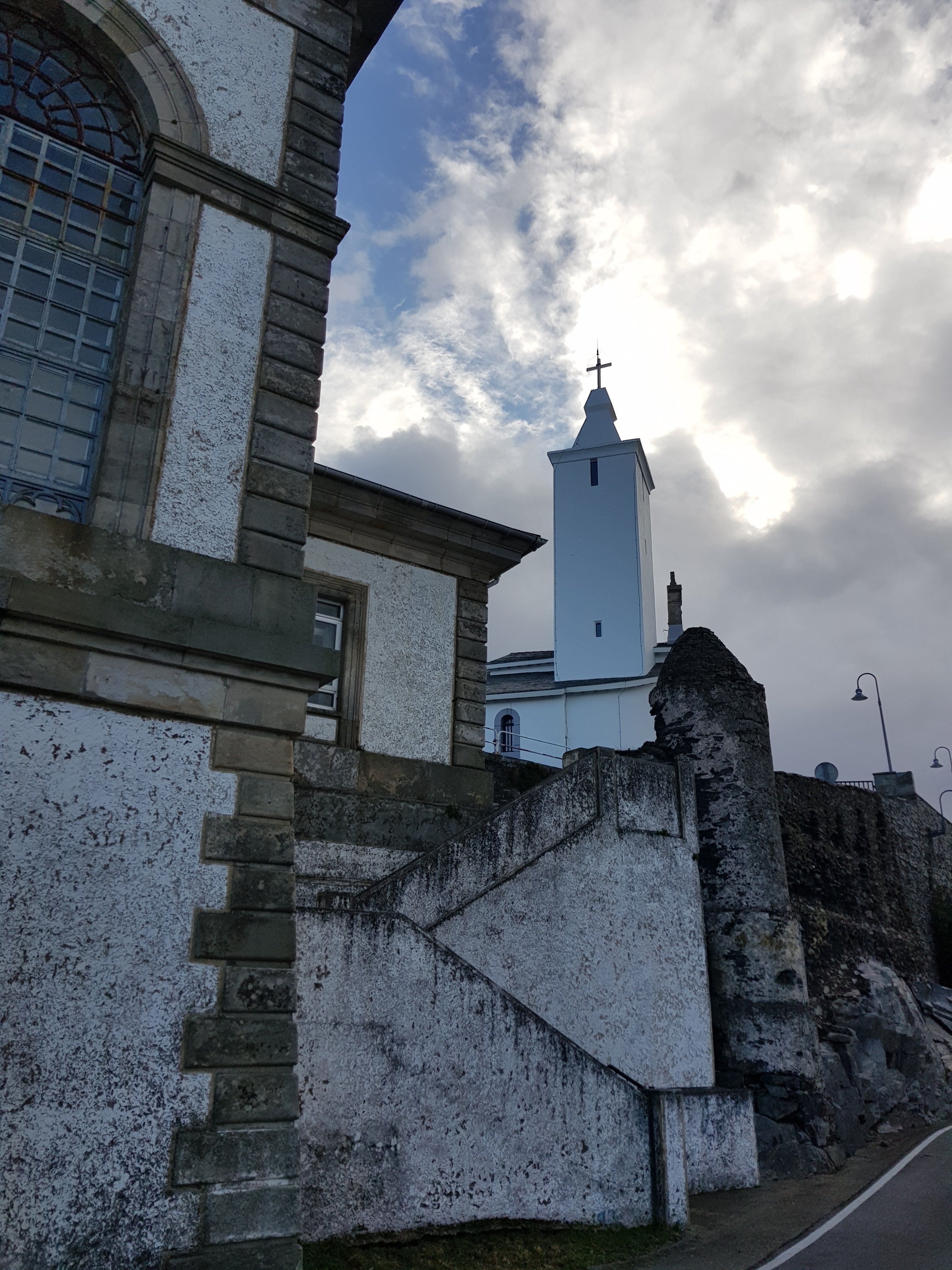
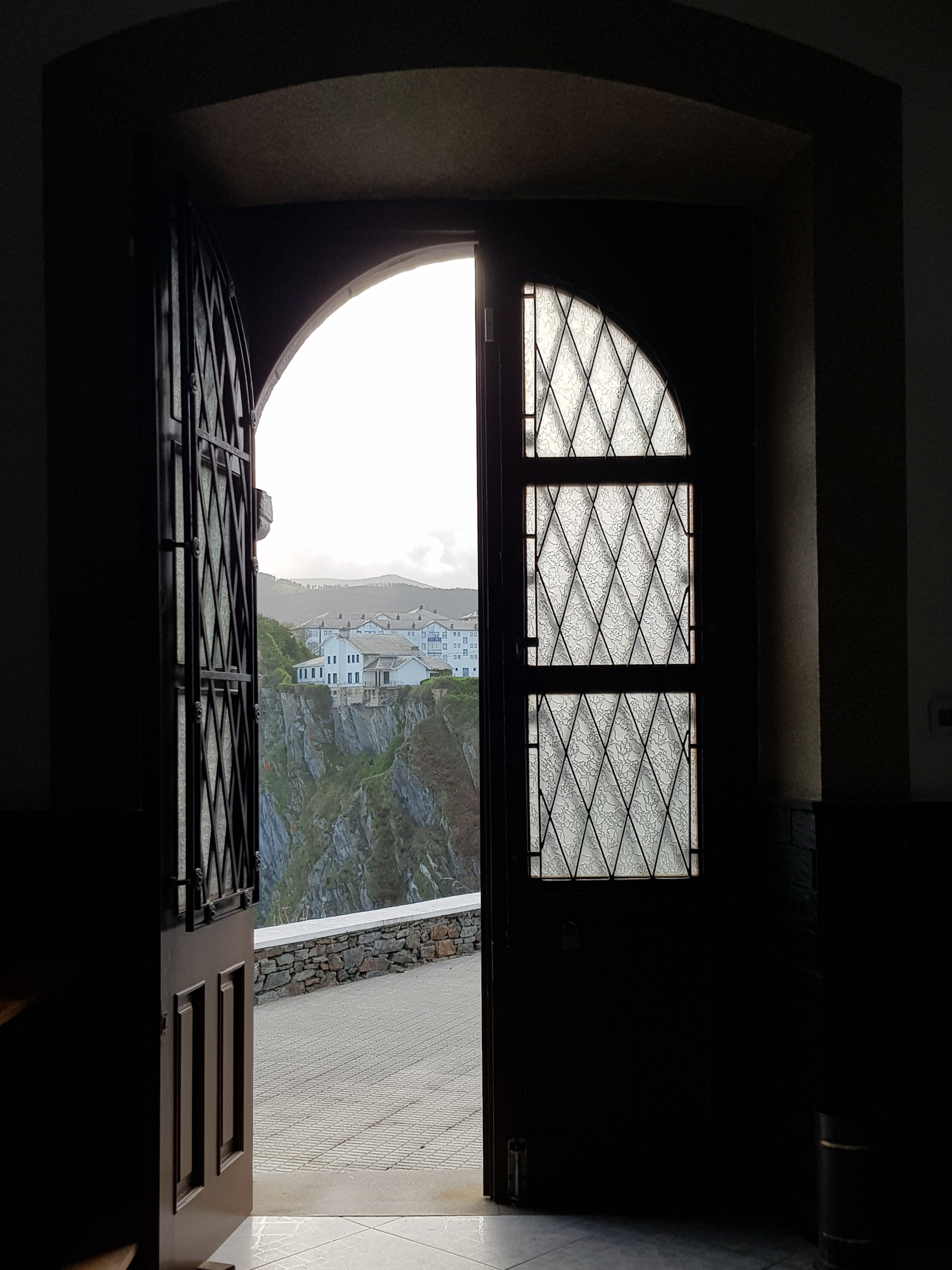
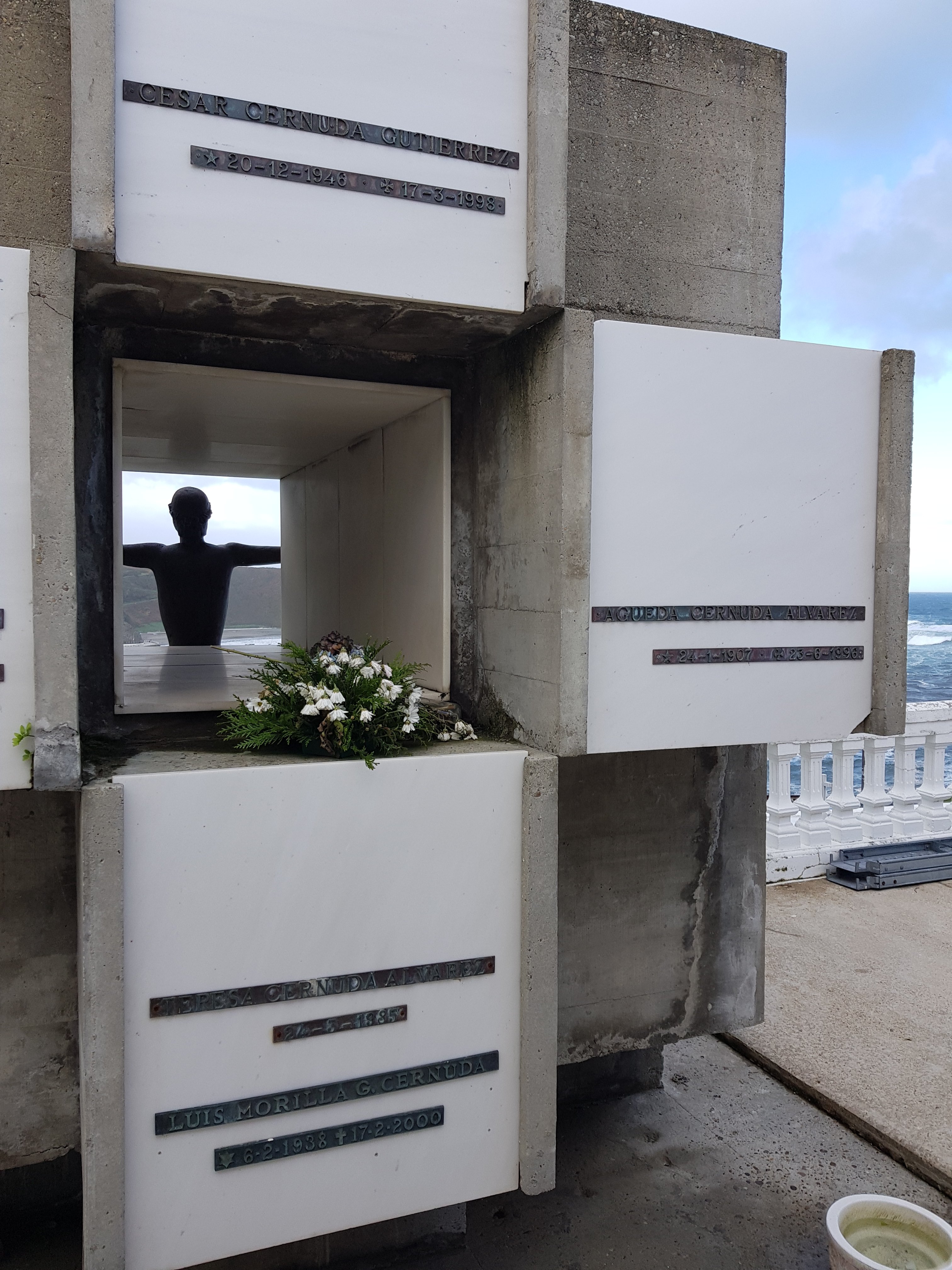
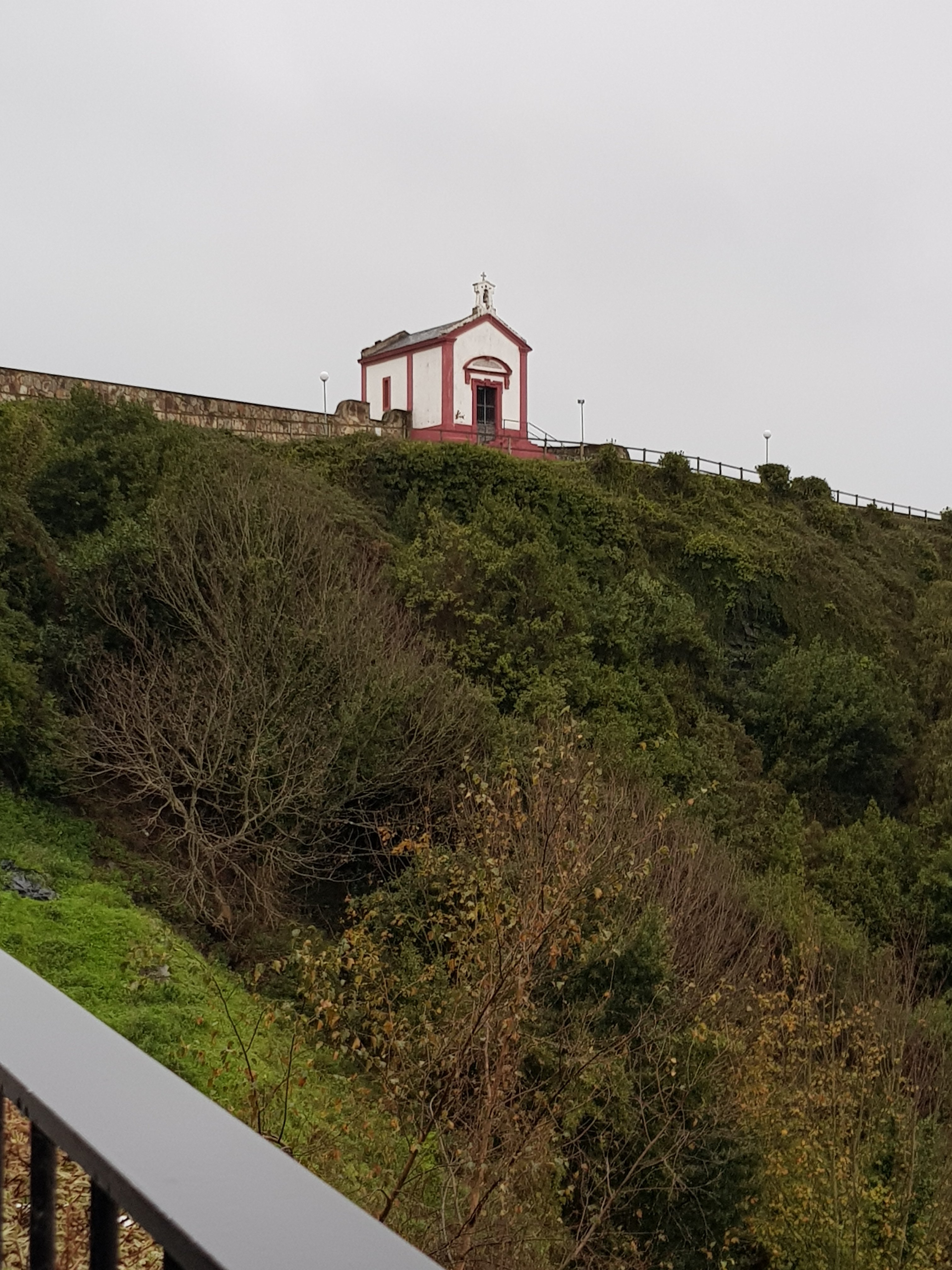
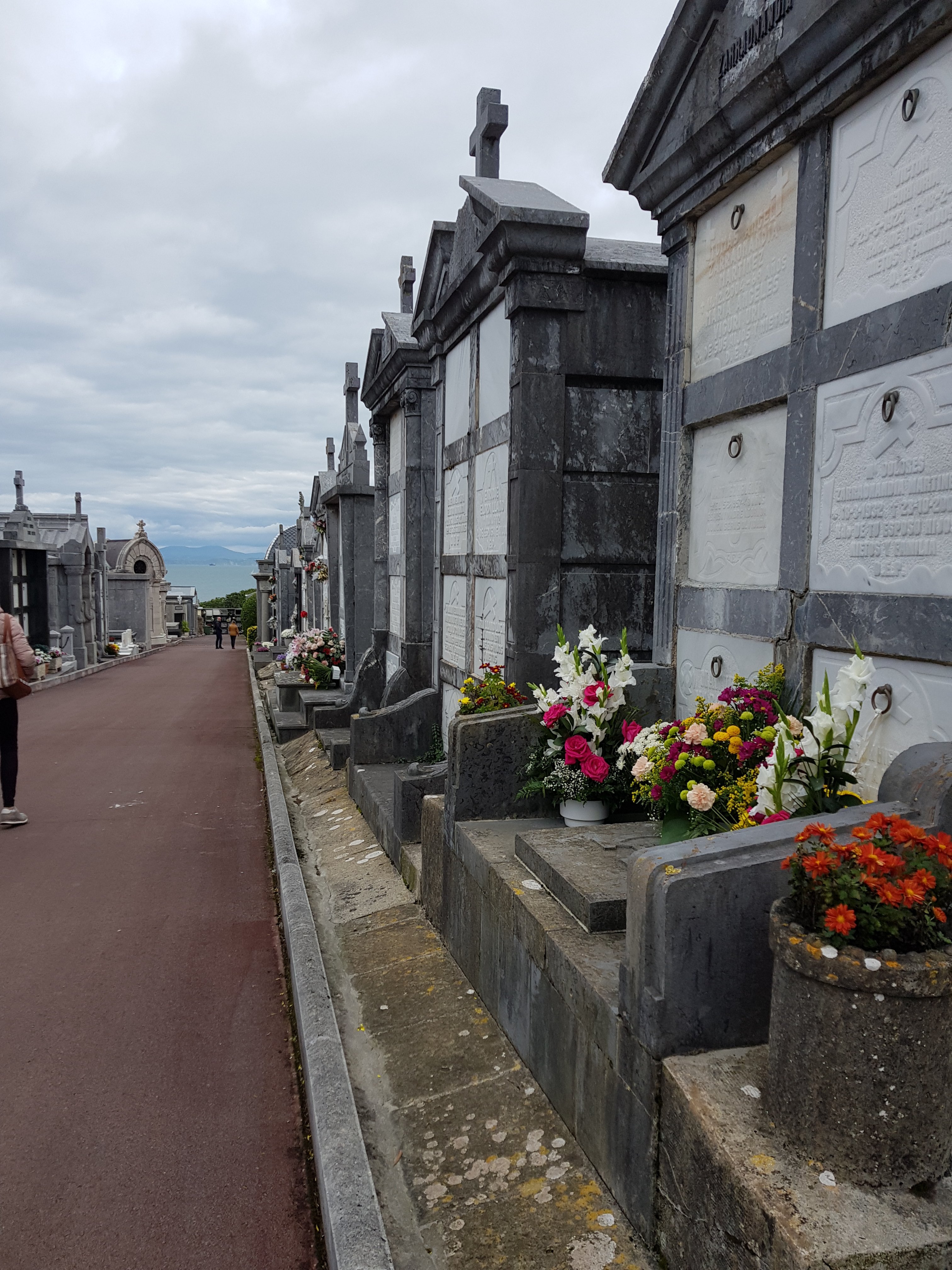
The hermitage is open to explore, and the cemetery can also be visited, and has some local famous figures within it.
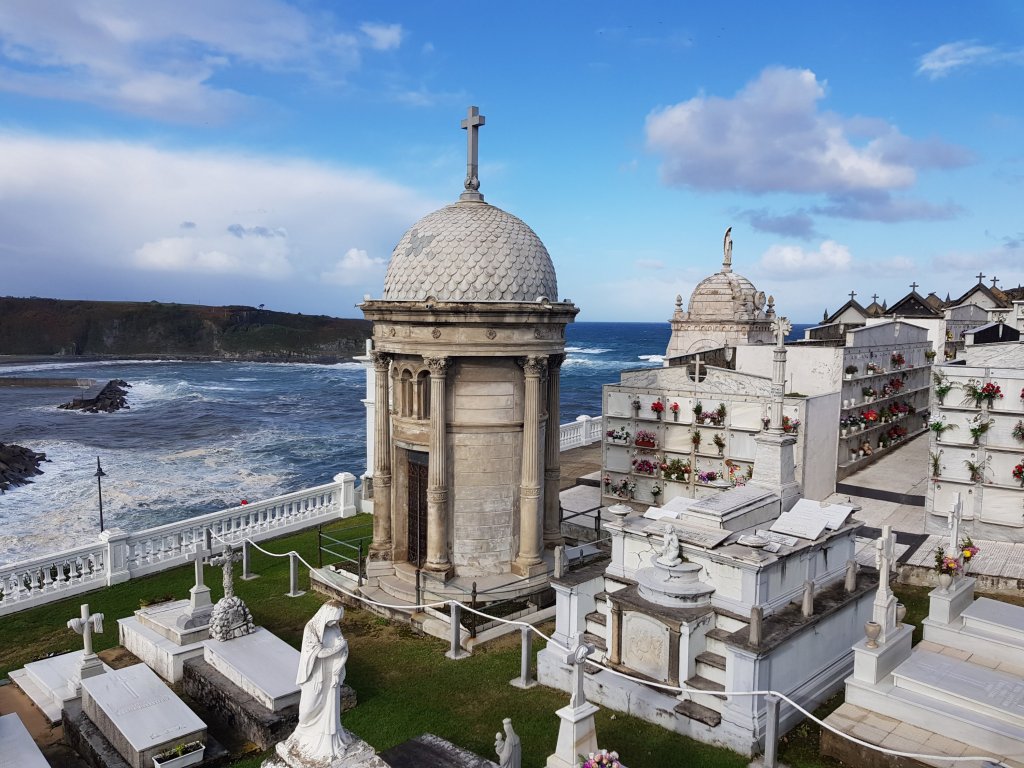
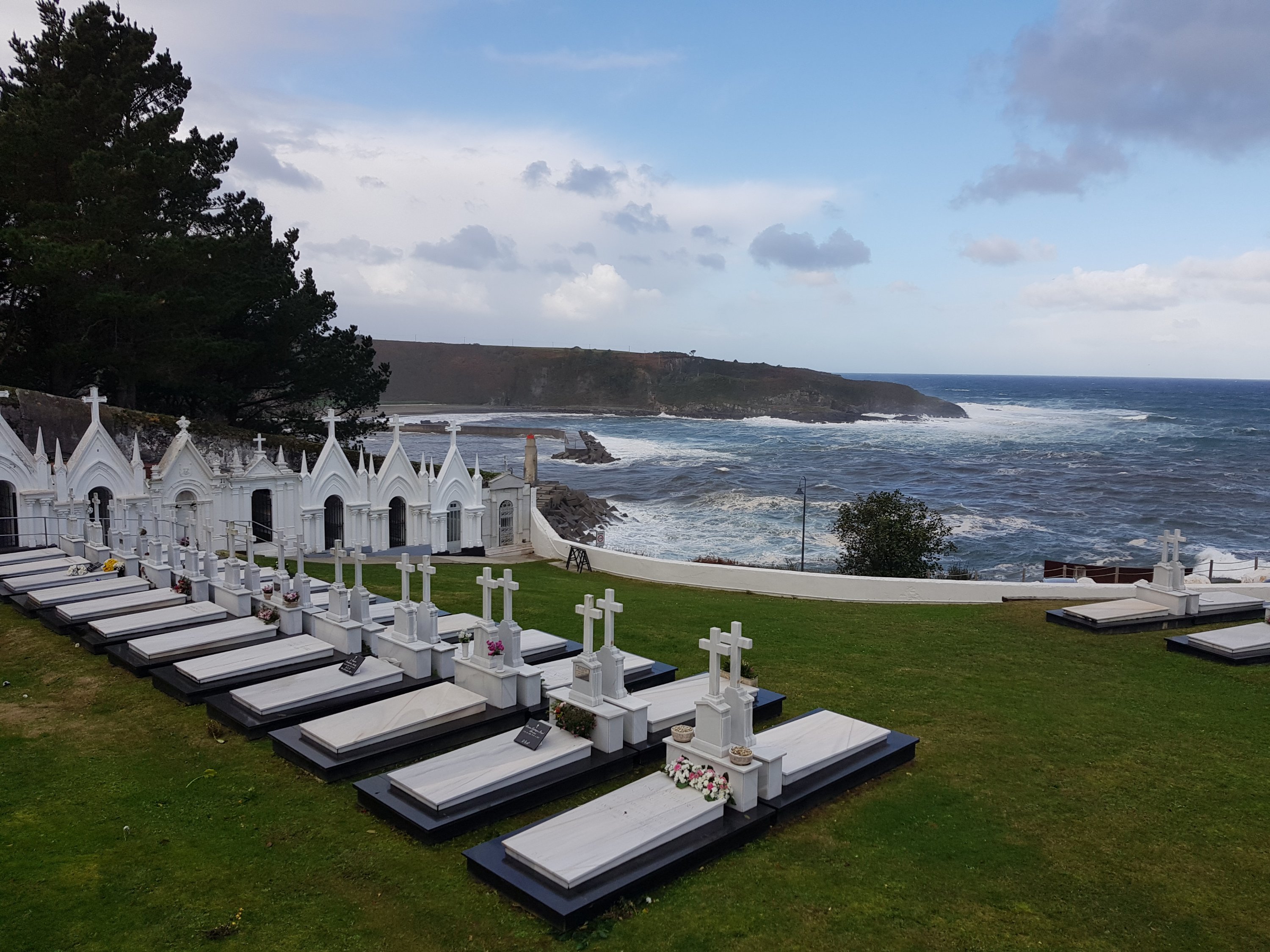
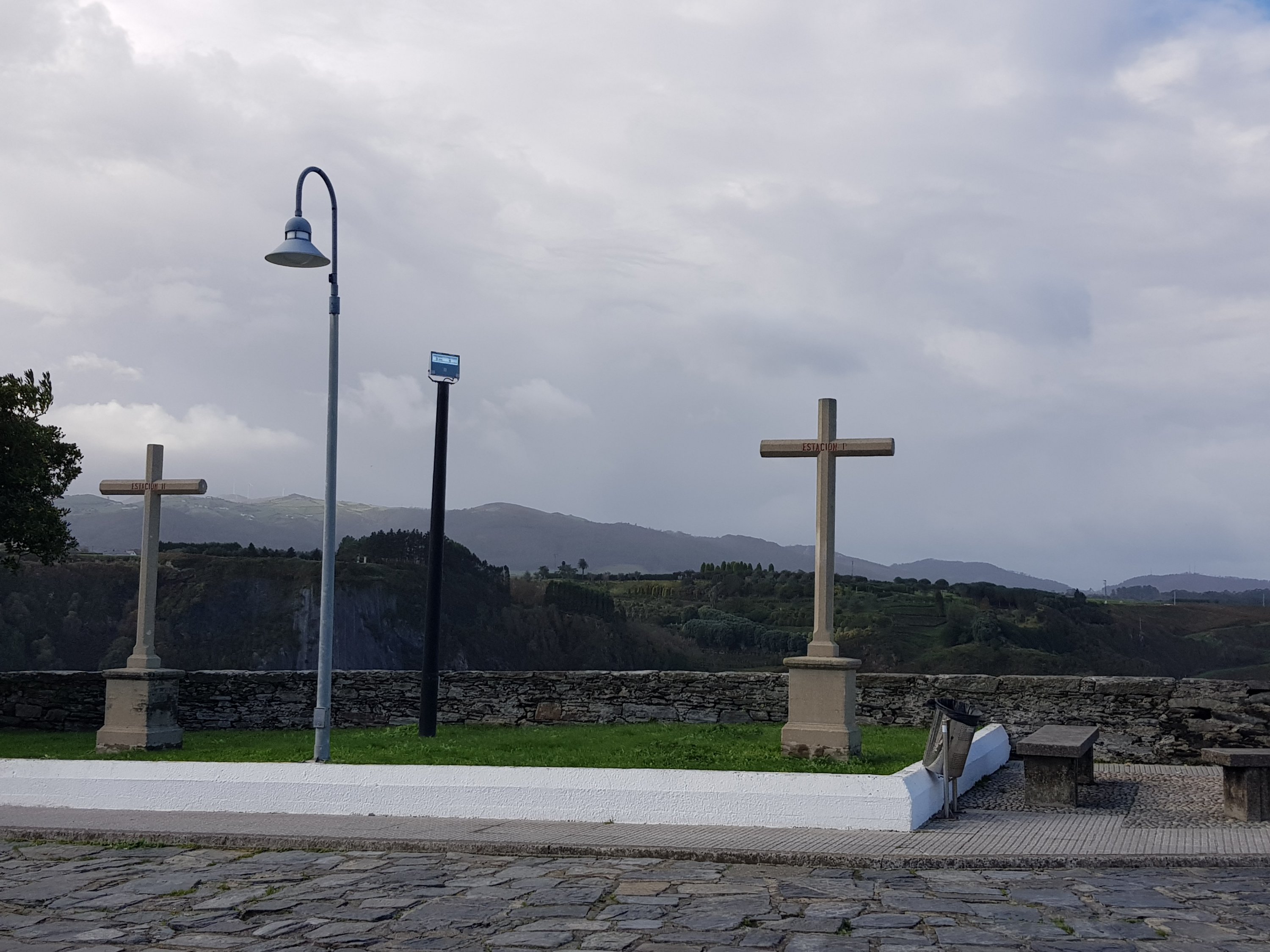
The scenery is lovely, and whilst I was up against strong winds, I did manage to wonder around and look at the sites before the big storm hit! When I could hear thunder, and see snow, I knew the train had been the right decision this day..

The next morning, I headed to Navia. The rain started early and kept on coming, changing from small drops to monsoons without a second to react. I kept myself motivated by singing along to myself ‘hit me with your best shot!’ And it definitely did, when it began to thunder, I started to freak out that I was in the middle of nowhere holding metal sticks!
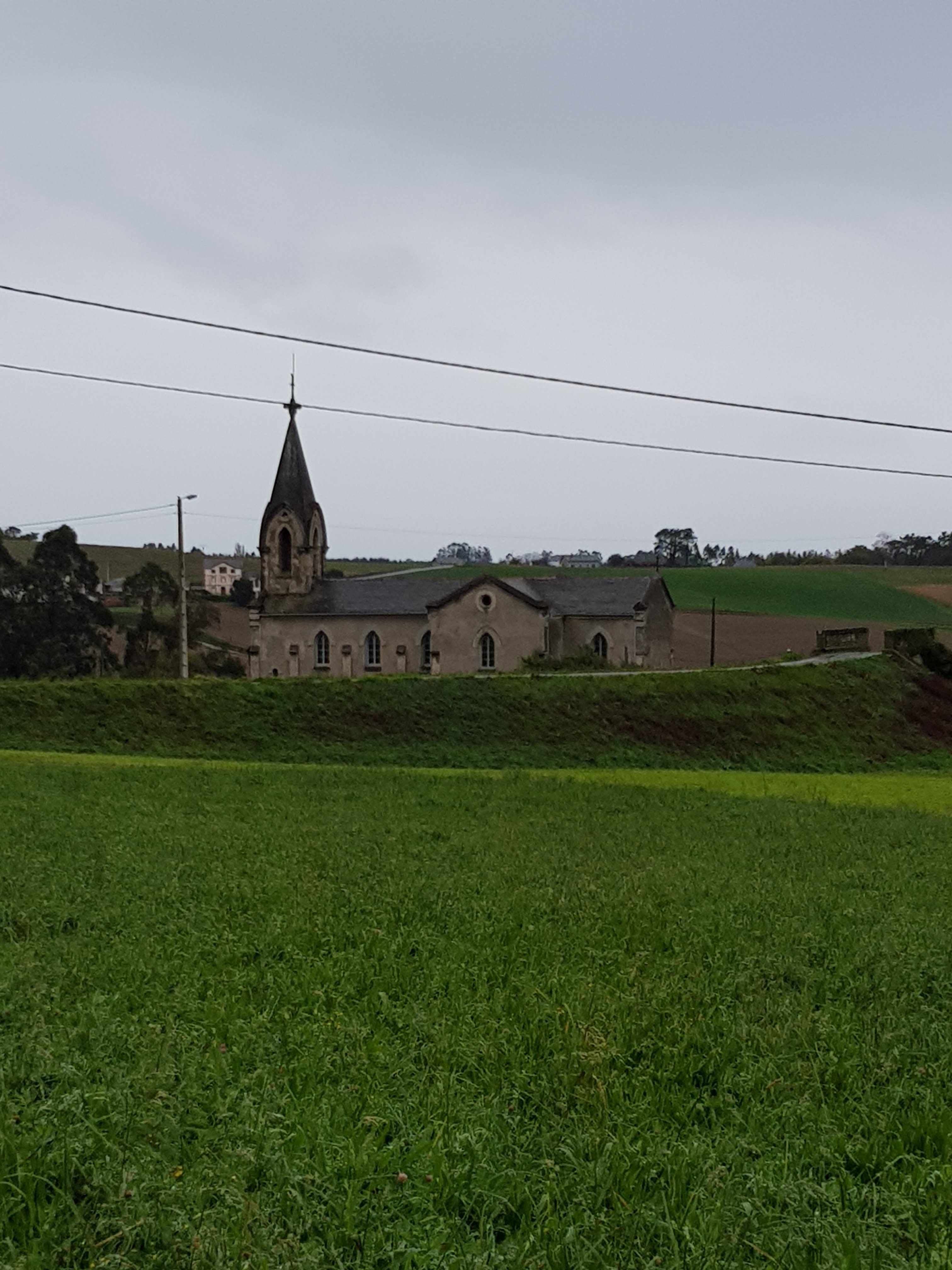
I pulled myself together and carried on, assuming that I was the only person mad enough to be out here, when another pilgrim appeared behind me.

This peregrino from down under, had managed to leave from Irun a week after me and was now overtaking me! Bit embarrassing… After walking together for an hour though I realised he had been doubling up trail lengths each day, not taken any rest days and was not stopping to look at things. Whilst I may end up being the last pilgrim of 2021, I still think slow and steady is a better experience. I do hope I’m home for Christmas though…

The arrival in Navia was met with a big smile from me, and in the pouring rain, and frozen to the core, I arrived at my hotel. Navia is a reasonable sized town and the hotel I stayed in was pleasant. One cheeseburger, and a warm bath later, and all was restored.

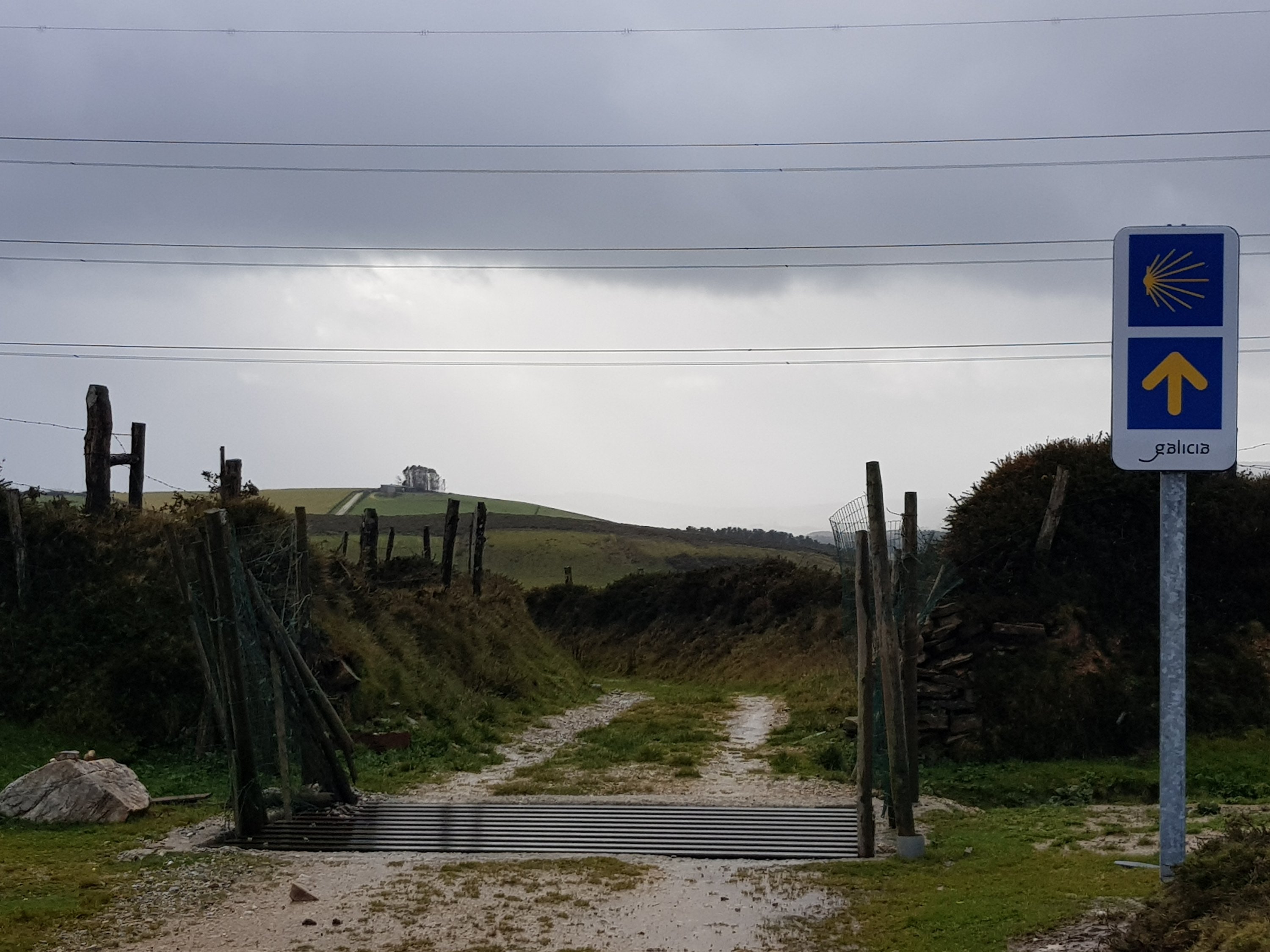
The next day was a big one, about 33km to Ribadeo, and into the final region of my camino, Galicia. It feels like forever that I have dreamed of standing in front of that beautiful Galicia sign. A sign that I have travelled over 600km and I am almost there!
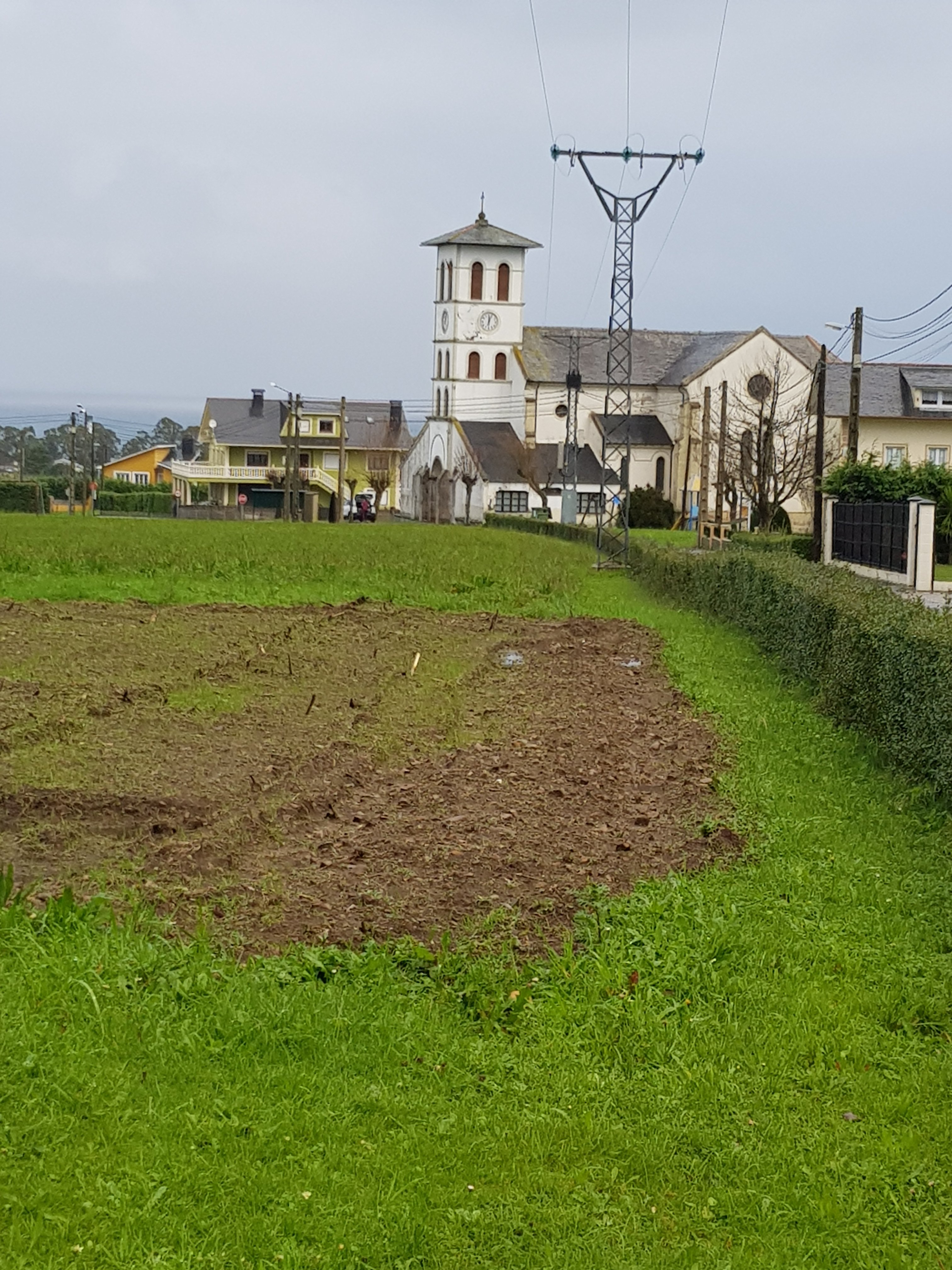
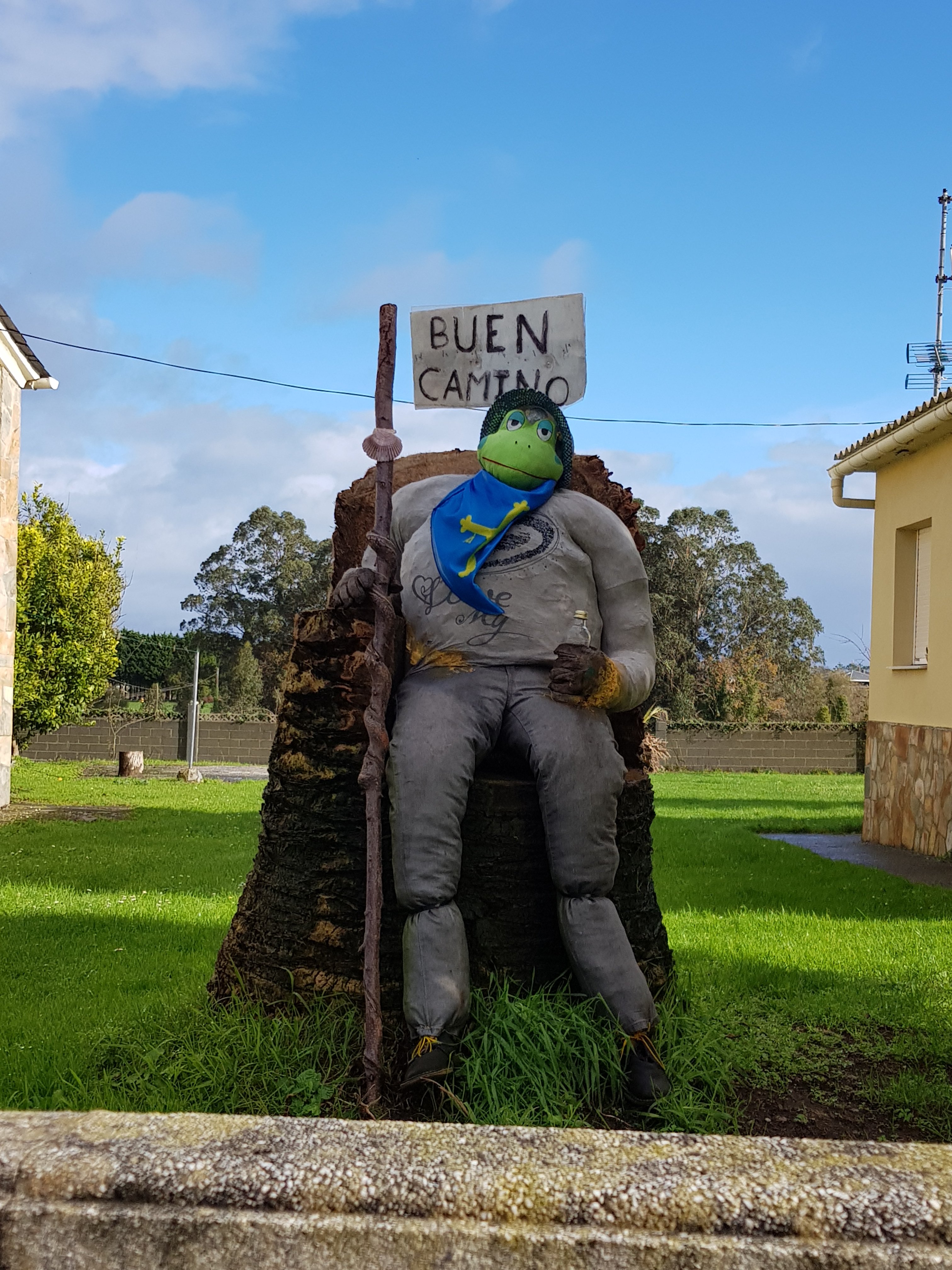
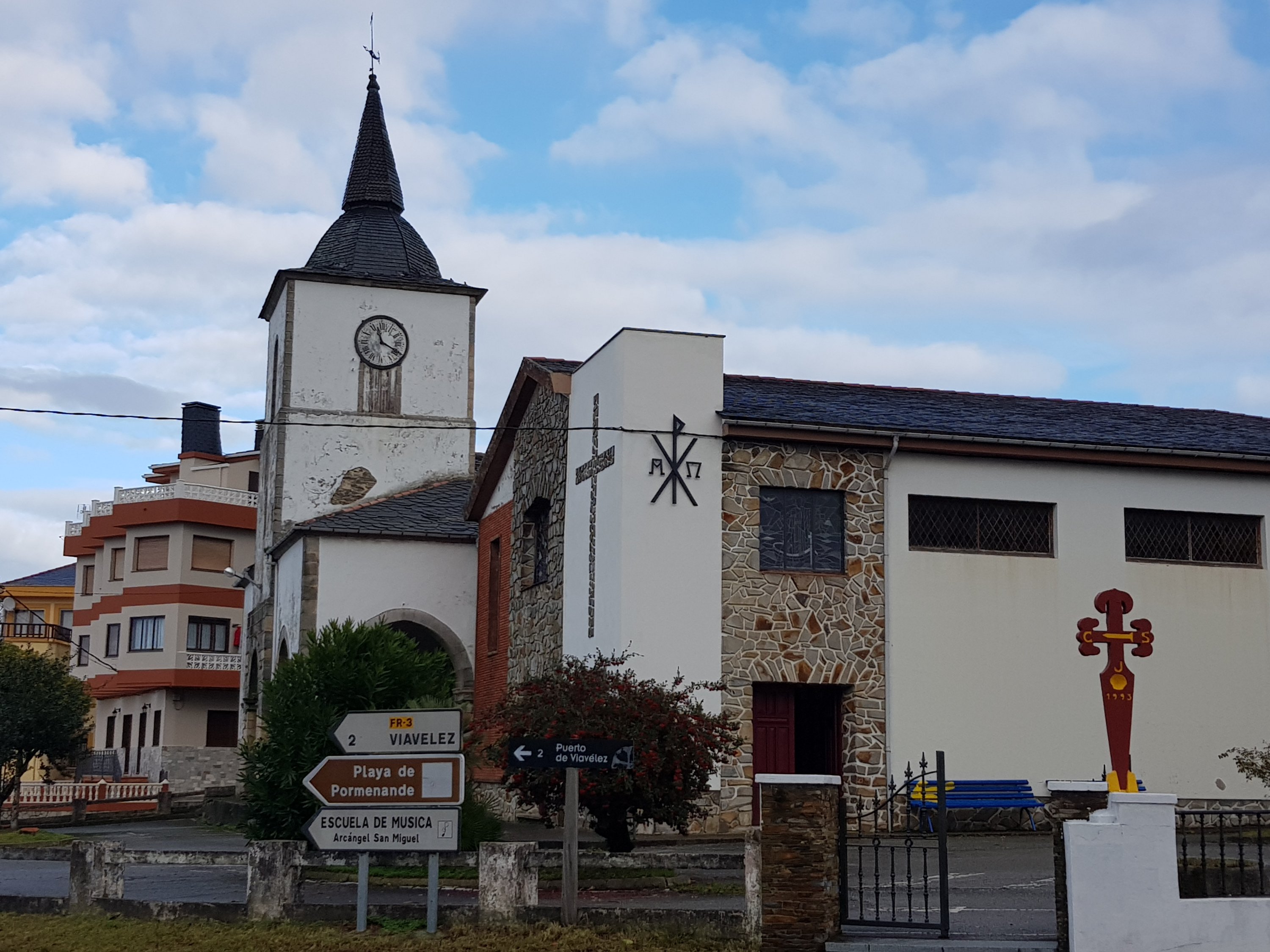
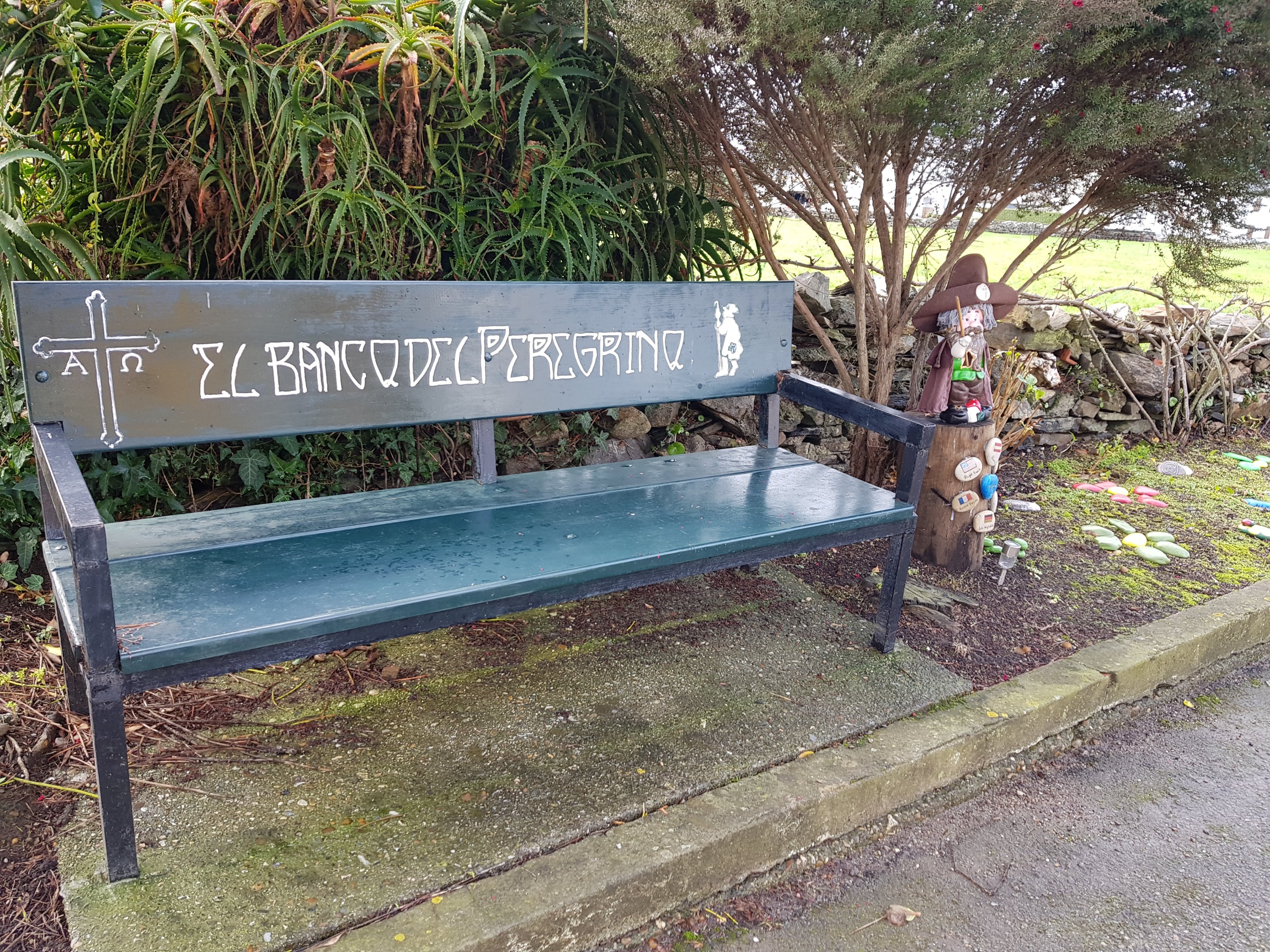
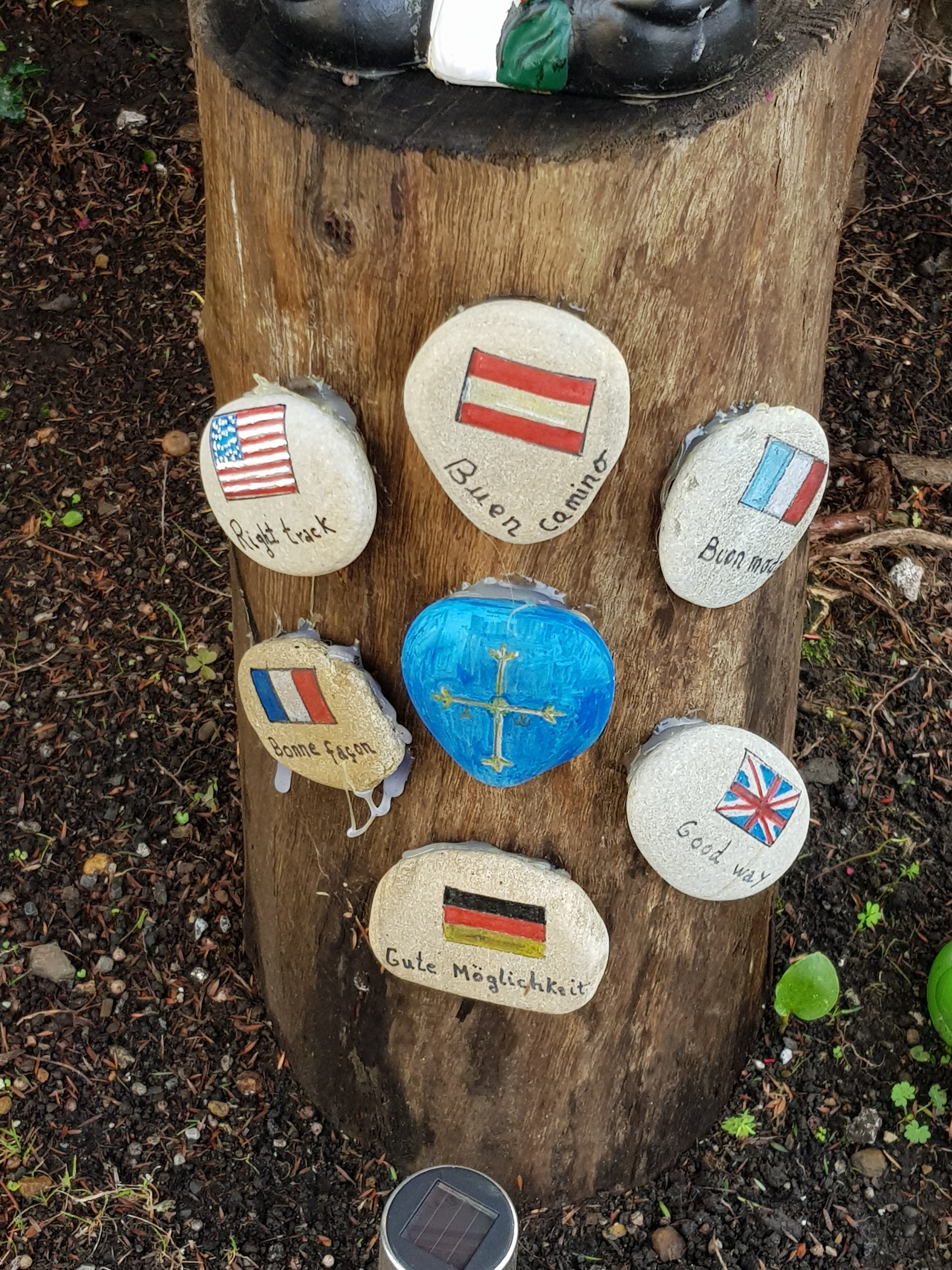
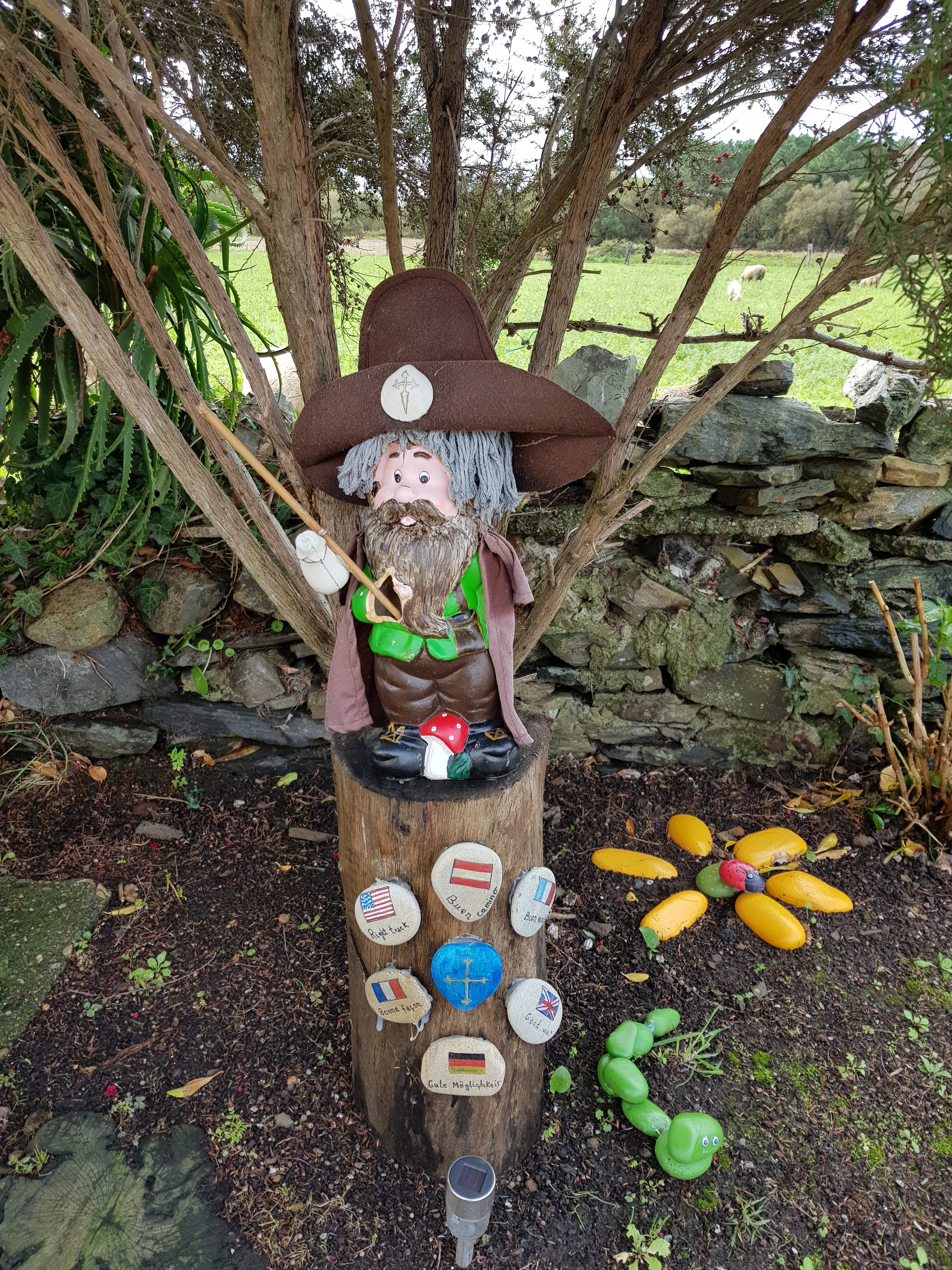
I walked from sunrise to sunset, and the day started with the rain but by the afternoon there was some sunshine. There was also plenty of uplifting camino related signs, statues, and artworks. The day covered a mix of landscape; some forest but mostly road.
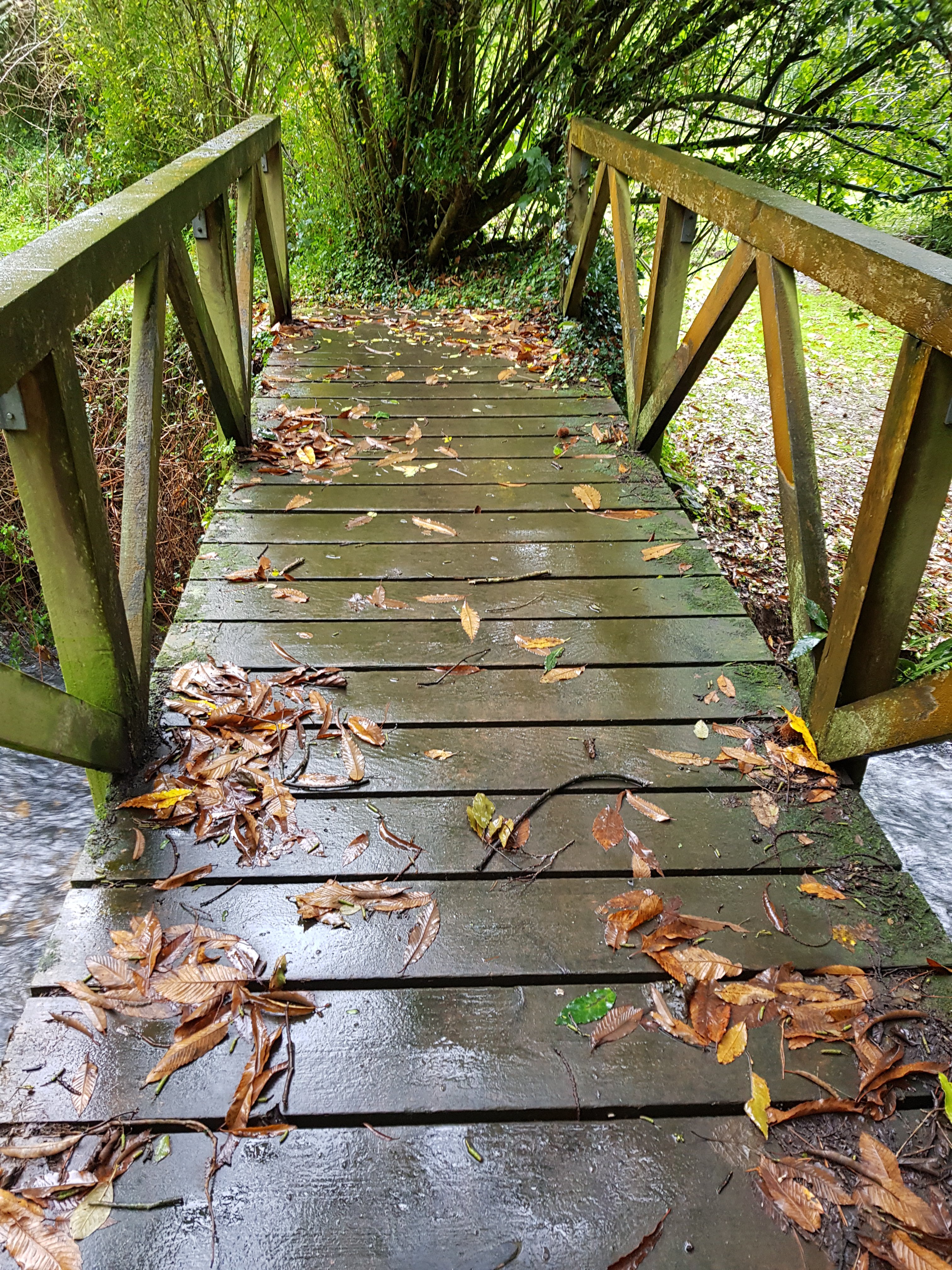
I did have a very natural river experience, when the river had overflowed the footbridge. I had to take my shoes off and cross bare footed. It was freezing, but fun!

At one point, I was given a choice of two routes, an inland one, and a coastal route. I chose the coast, so I had something to distract me from my ongoing pains, and because now I spend a lot of time trying to read the sky for clues of what direction the clouds will blow. It looked clear that way.

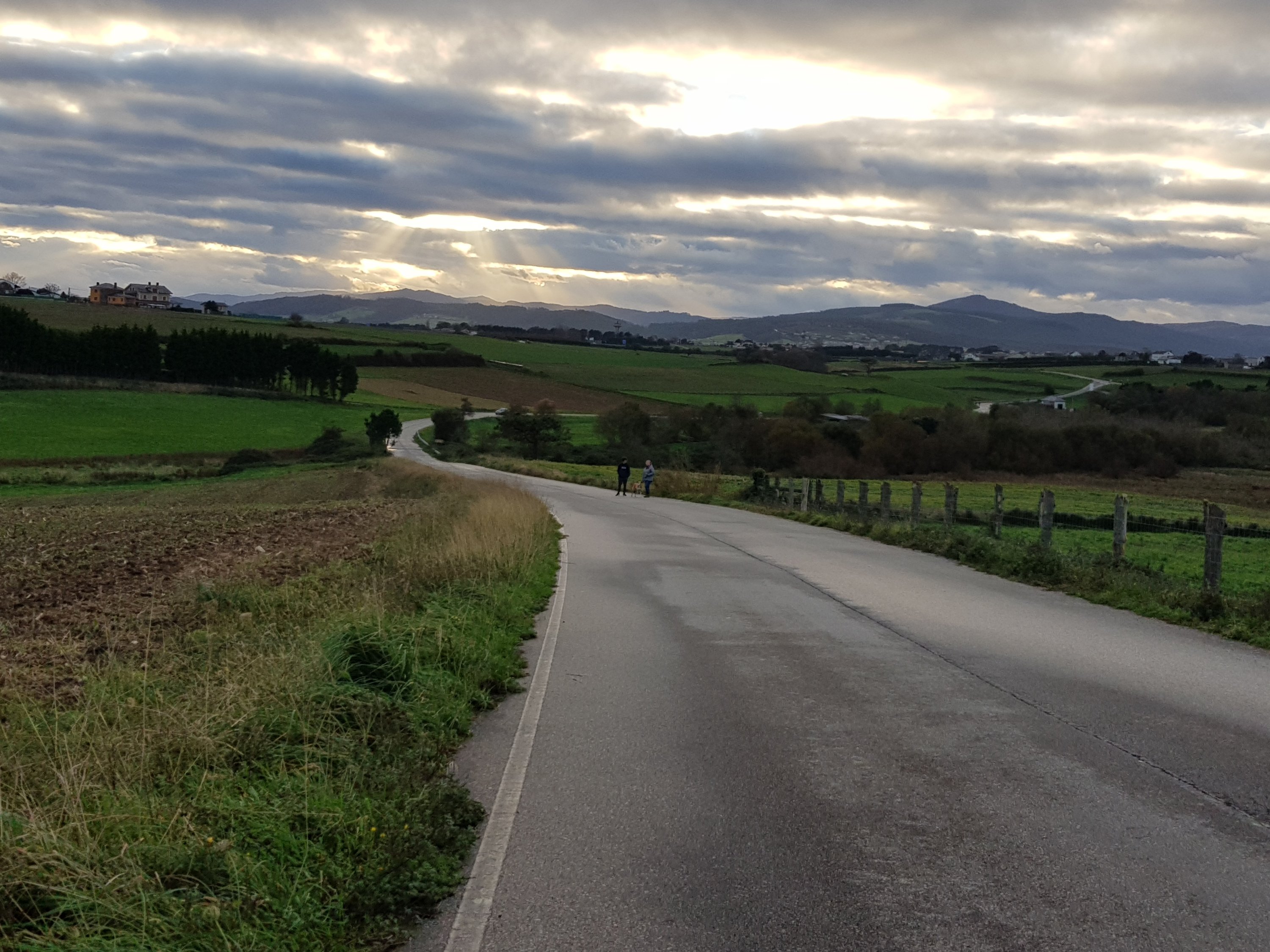
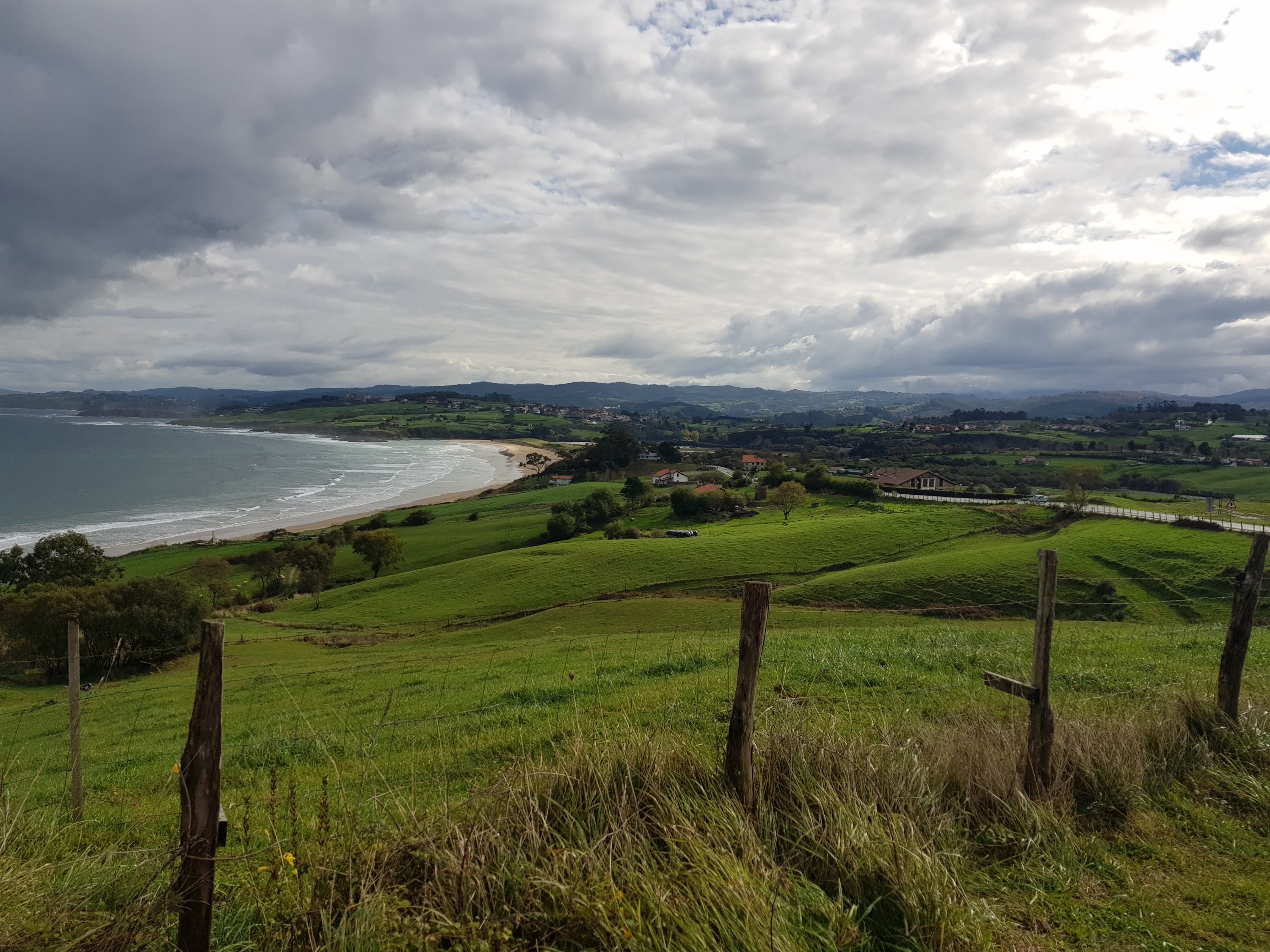
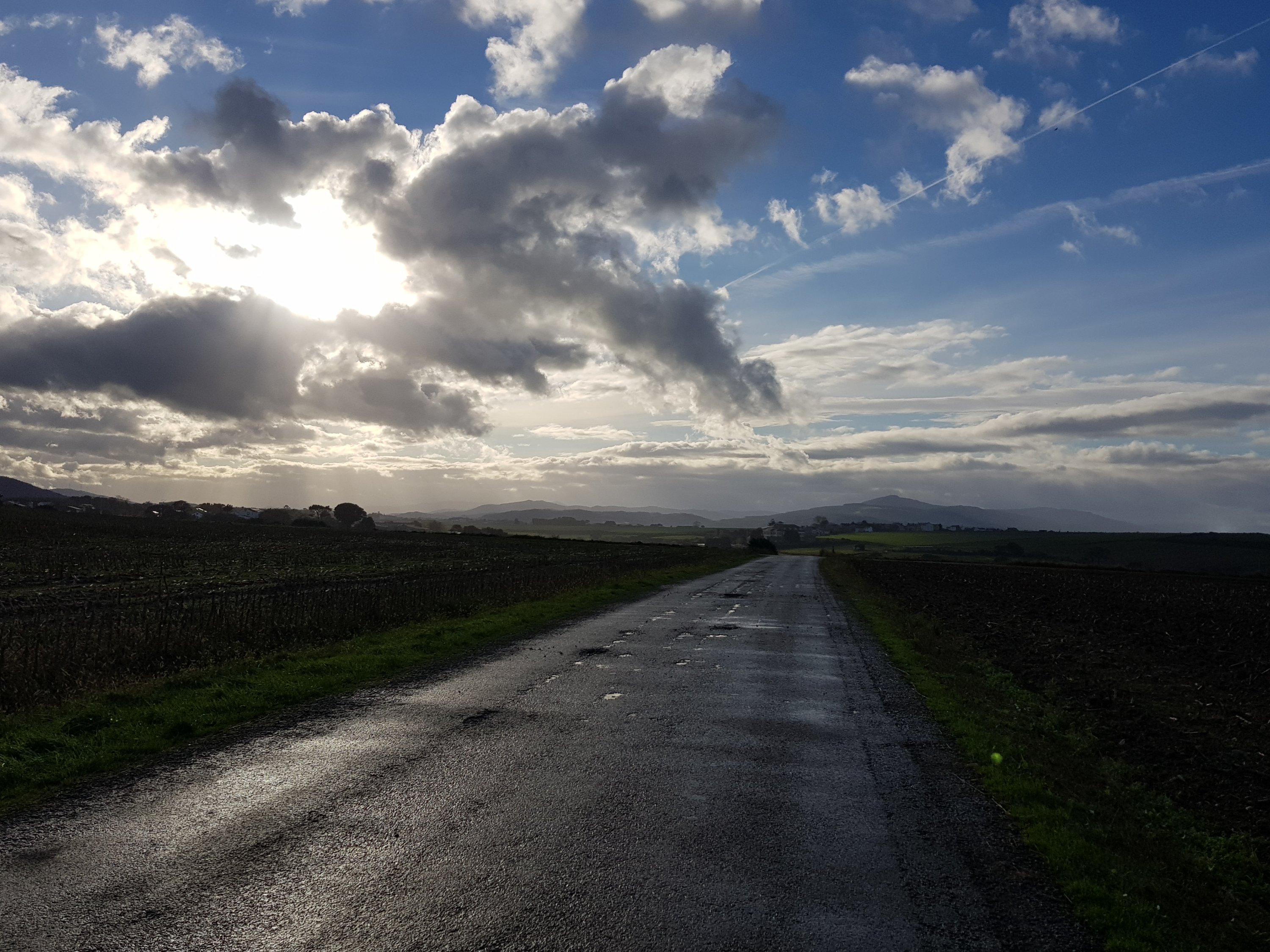
I made the right choice! I had 360′ views of nearly clear skies, with the ocean on one side and mountains on the other. This really was a nice surprise.
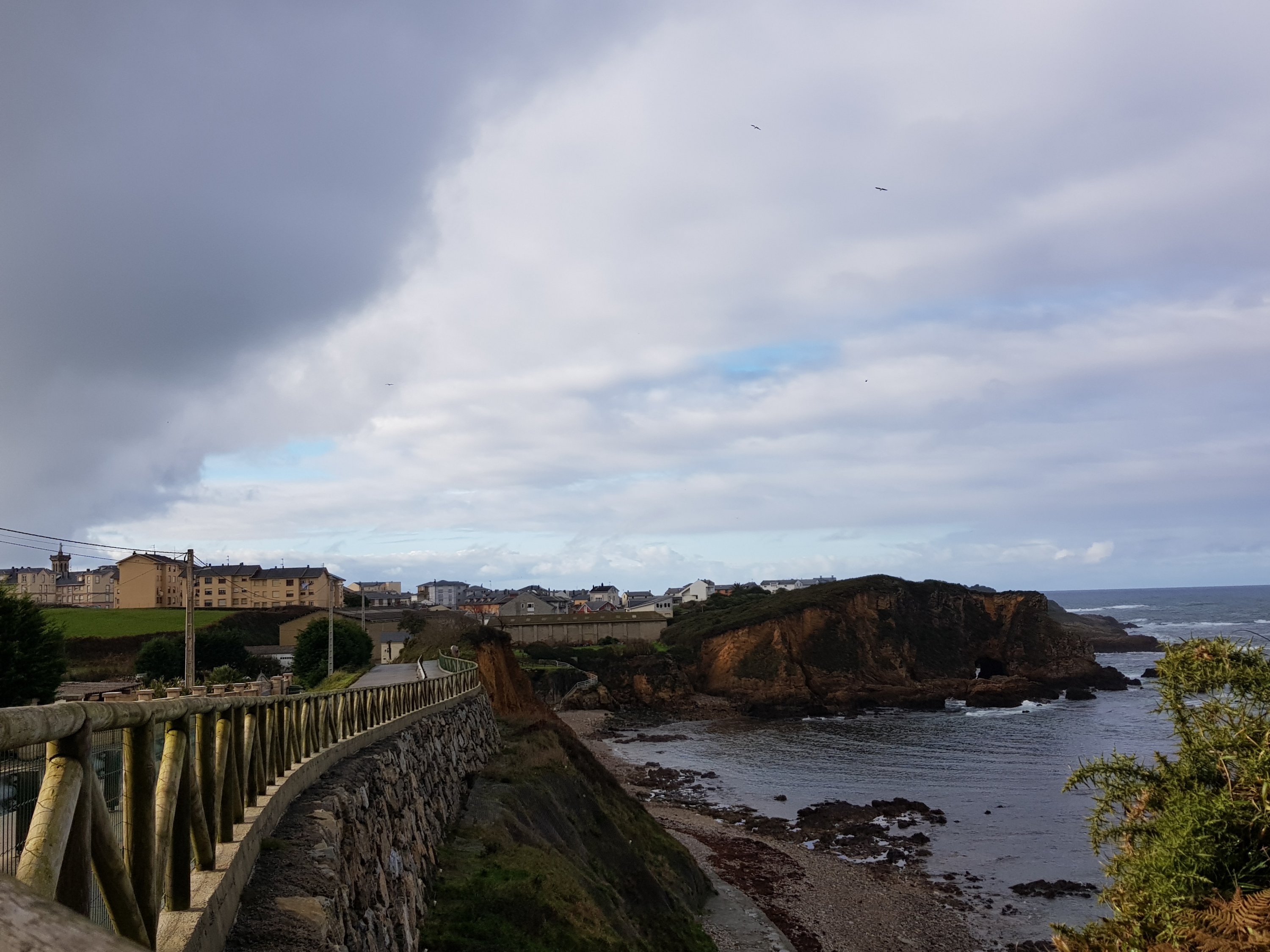
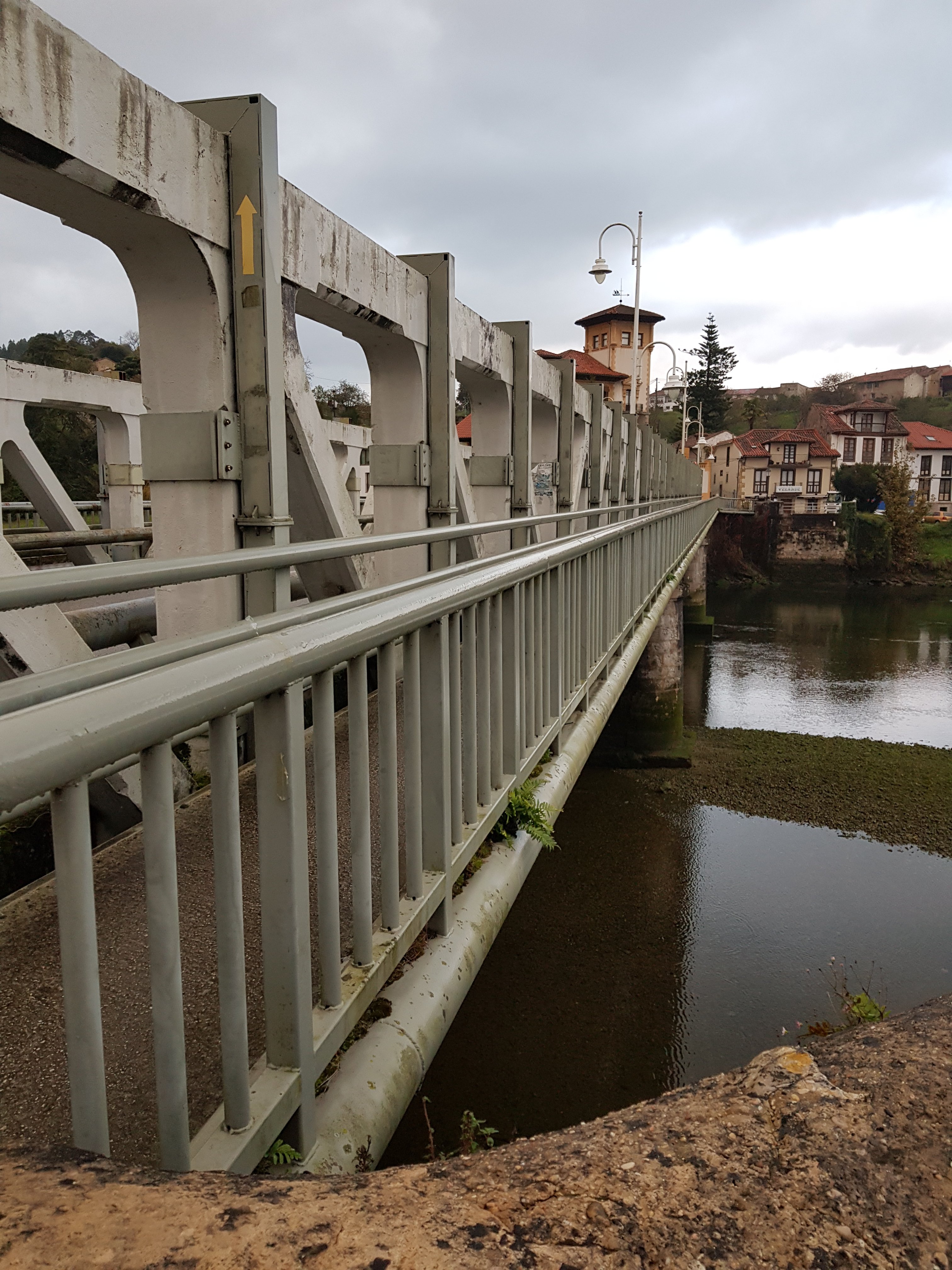
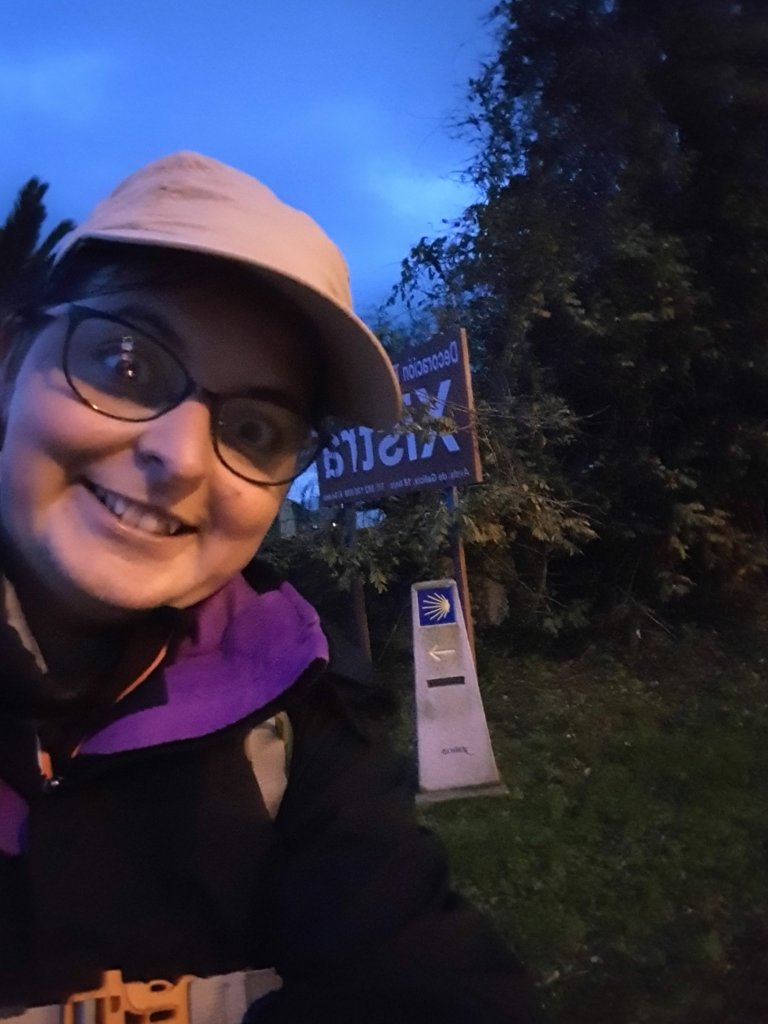
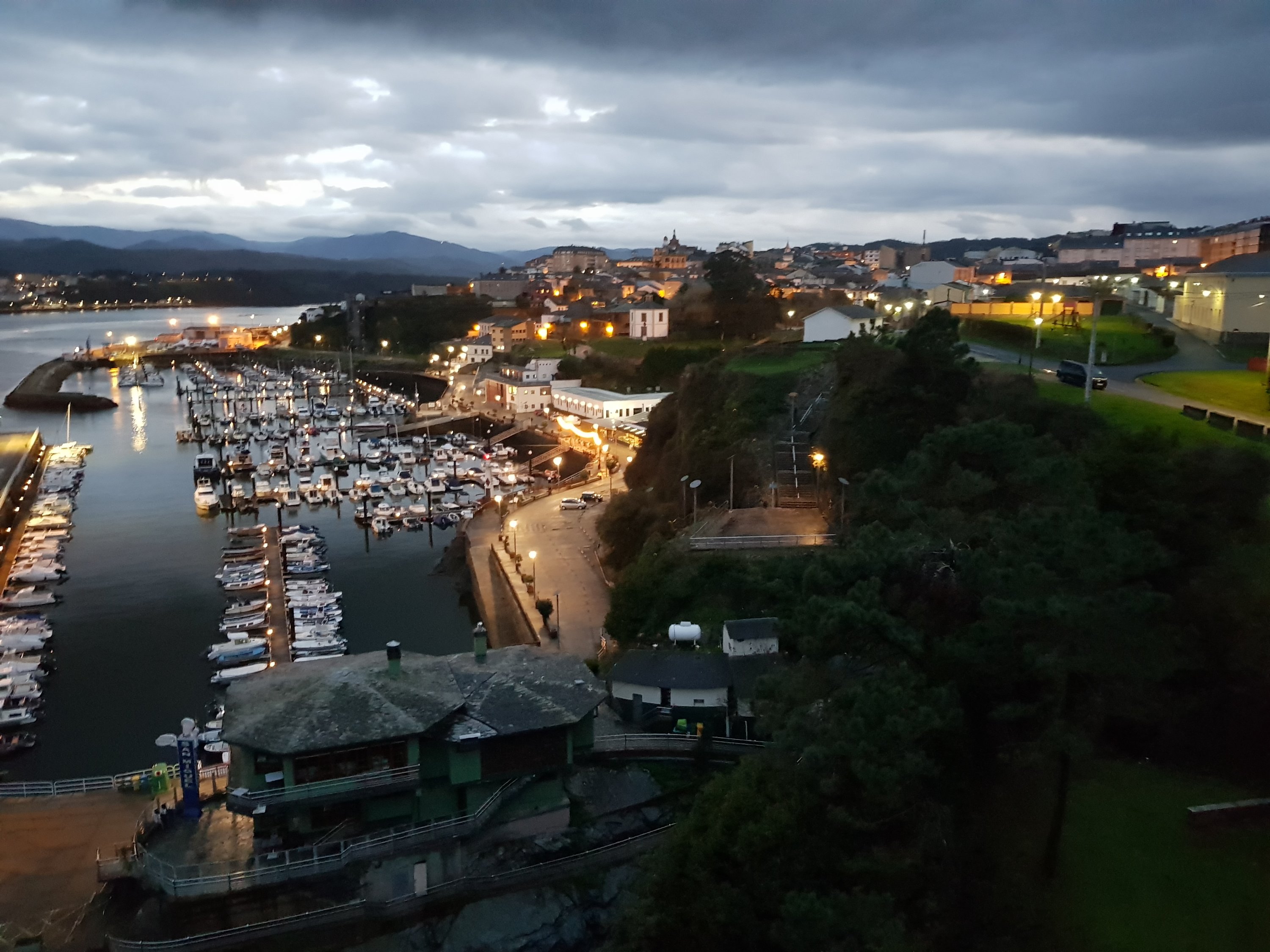
After 10 hours on the road I had to really push myself to make it over the bridge into Ribadeo as the night sky rolled in, and it began to rain again. The bridge is massive, and the views of the city are stunning, especially lit up at night. Then I got to the other side and finally saw the Galicia sign… and gave myself a big pat on the back.
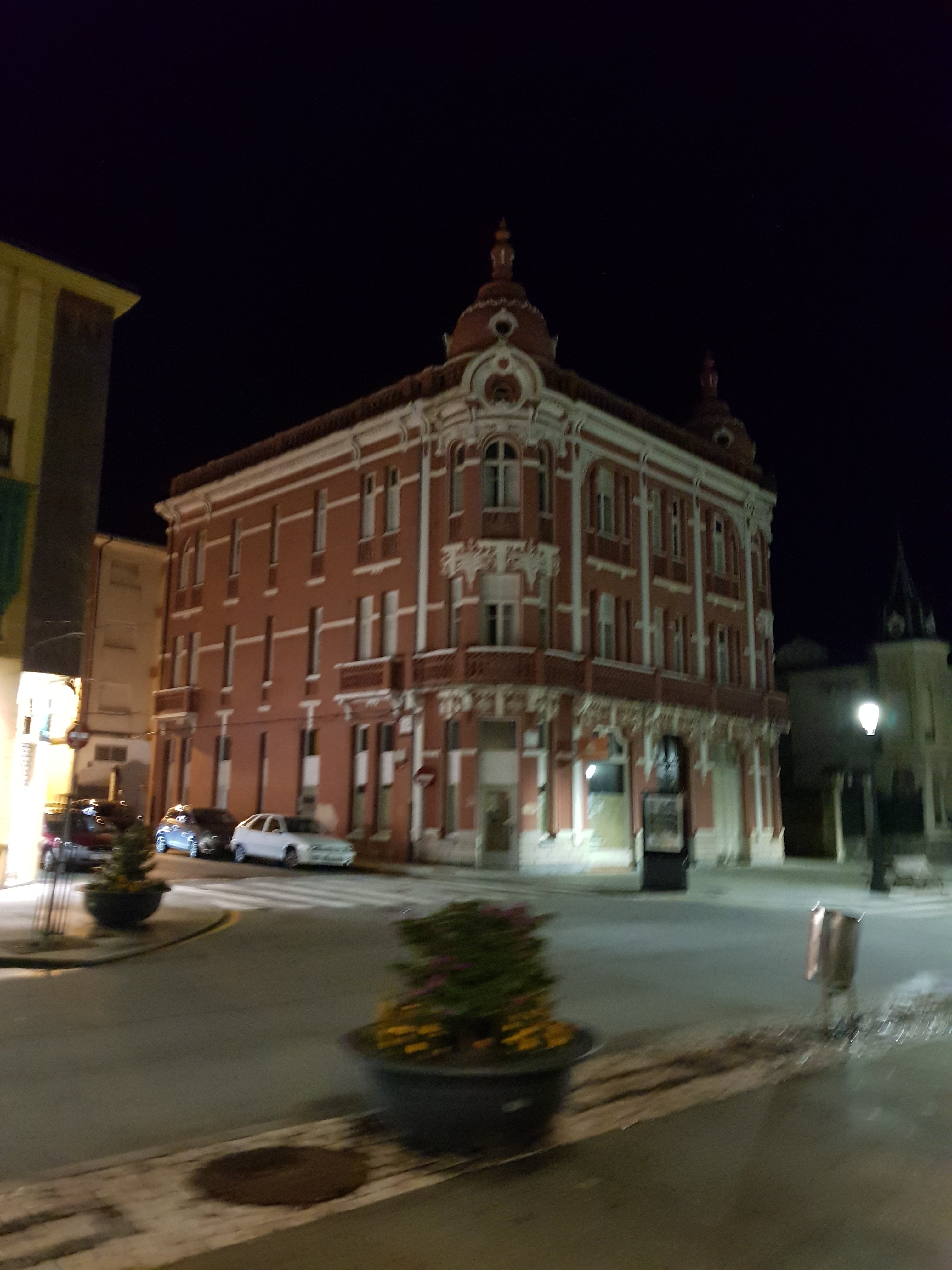
Ribadeo is a must see stop, as it has lots of services and shops, and some gorgeous buildings.
The next morning, my body felt ruined, everything hurt and my foot was inflamed. I was facing another 10 hour walk, and there was no way I could do it. It was a sunny day, and I did not want to waste it or fall more behind. I spent some time in the nun’s convent praying for strength, visited the pharmacy for more ibuprofen, and took the one daily bus part of the way to Lourenzá.
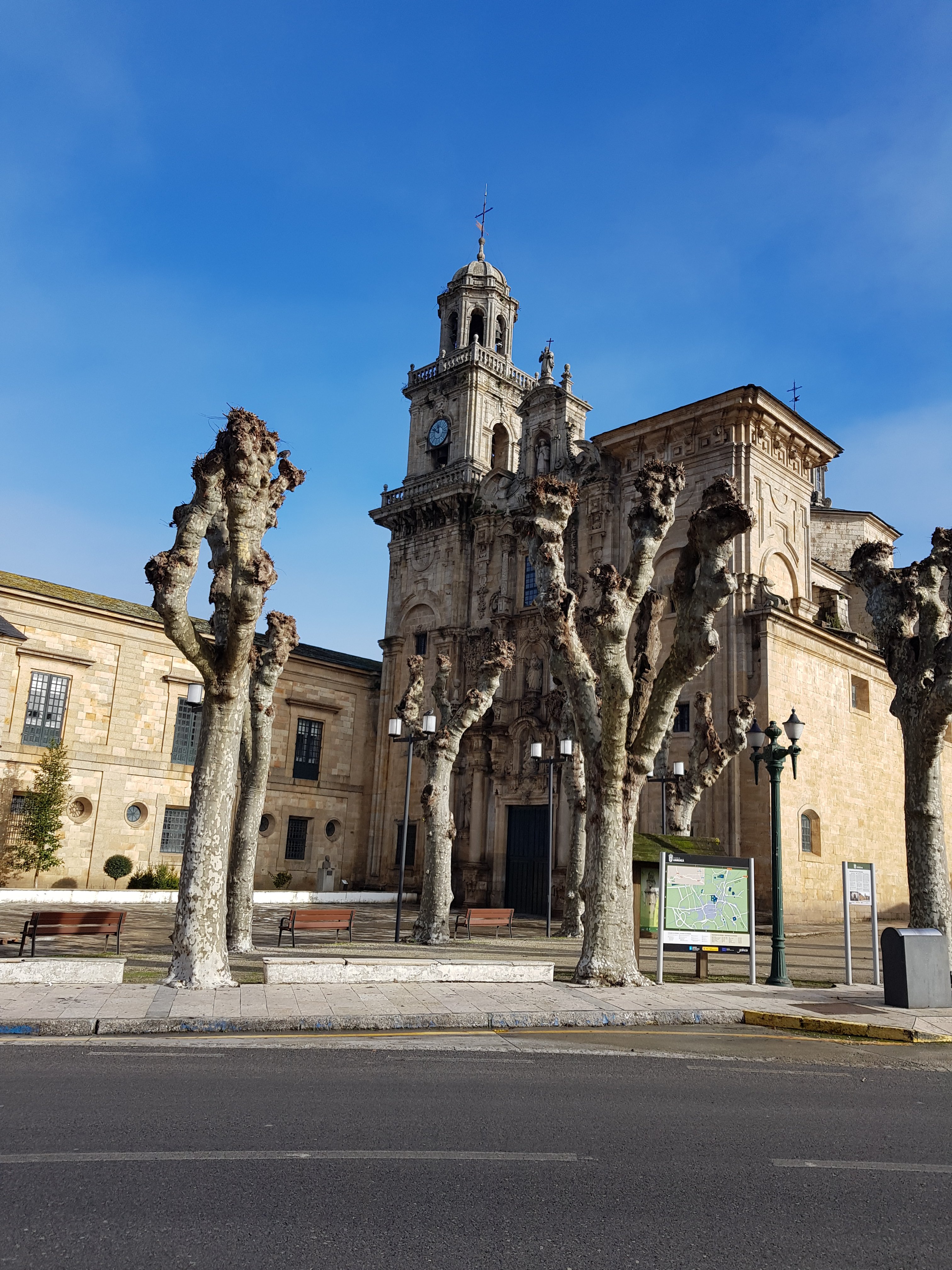
I stopped here for a few hours and took a look around the outside of the gorgeous monastery which unfortunately was closed. I had some octopus and bread, and I walked a short 4km through forest to a nearby country lodge to rest my injuries. A while later that day, the Aussie stumbled in, and I was shocked to see that he wasn’t days ahead. It turned out, he had worked too hard, and was suffering with an injury now as well. There is no getting out of this walk unscathed!

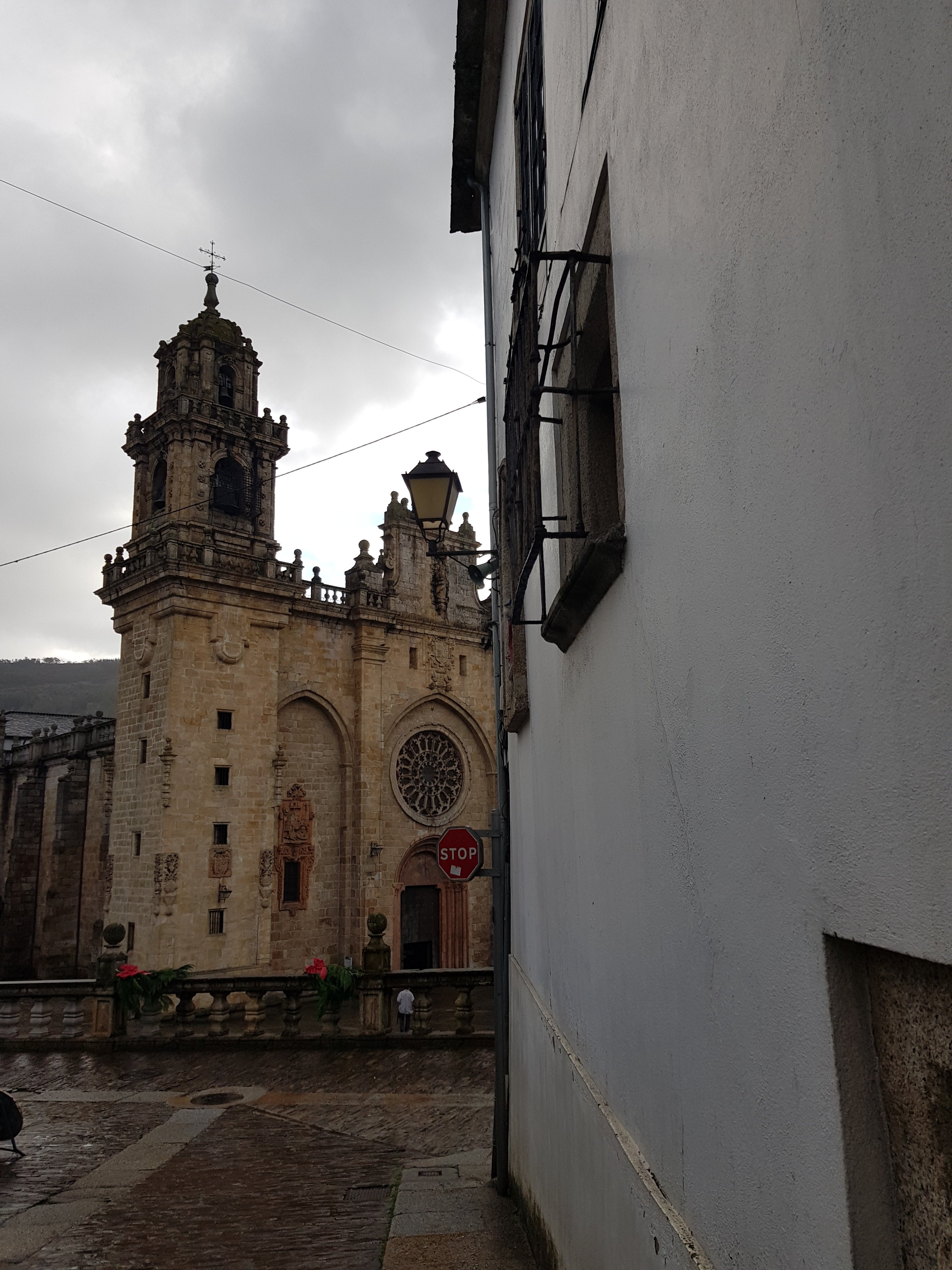
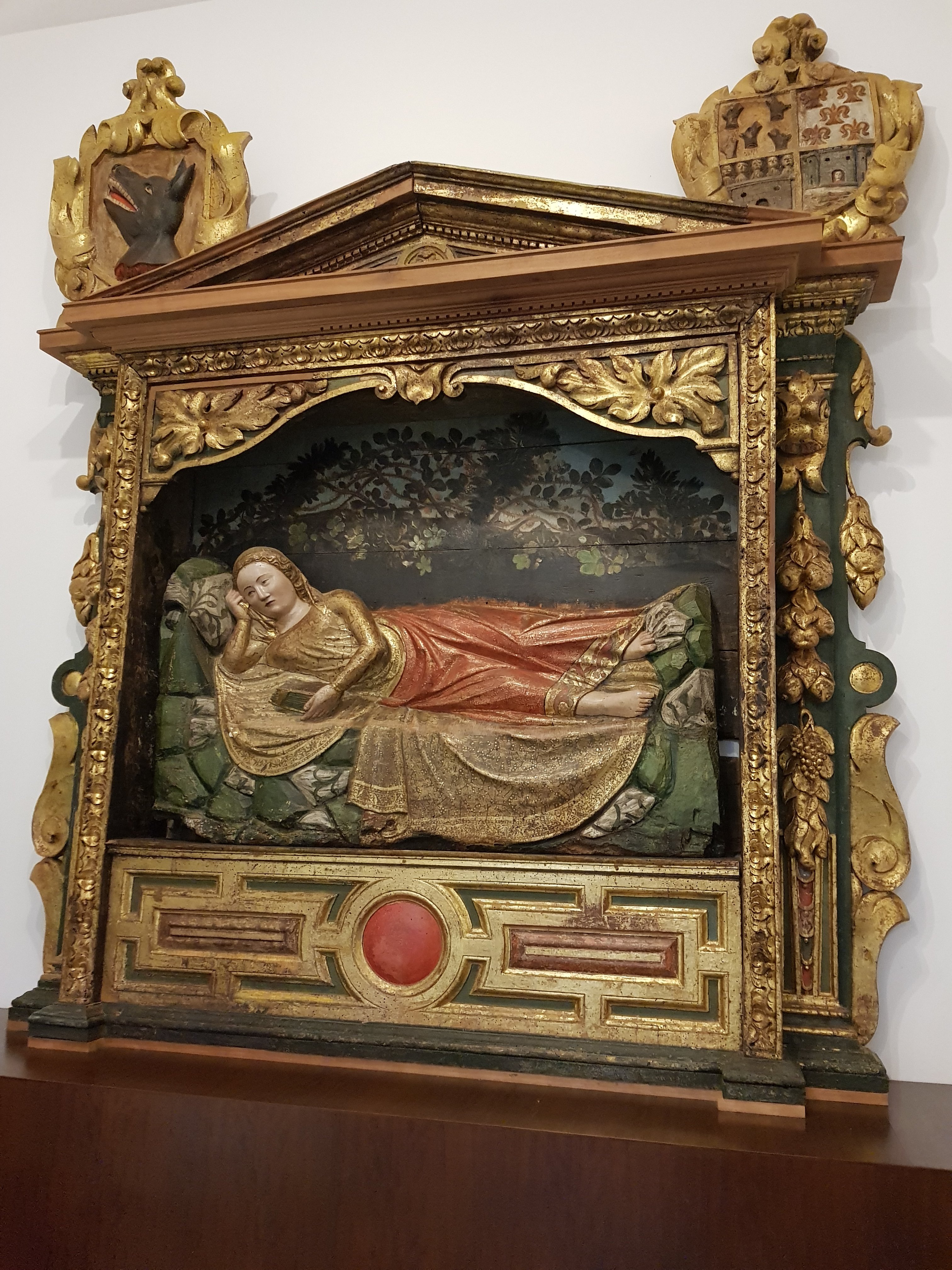
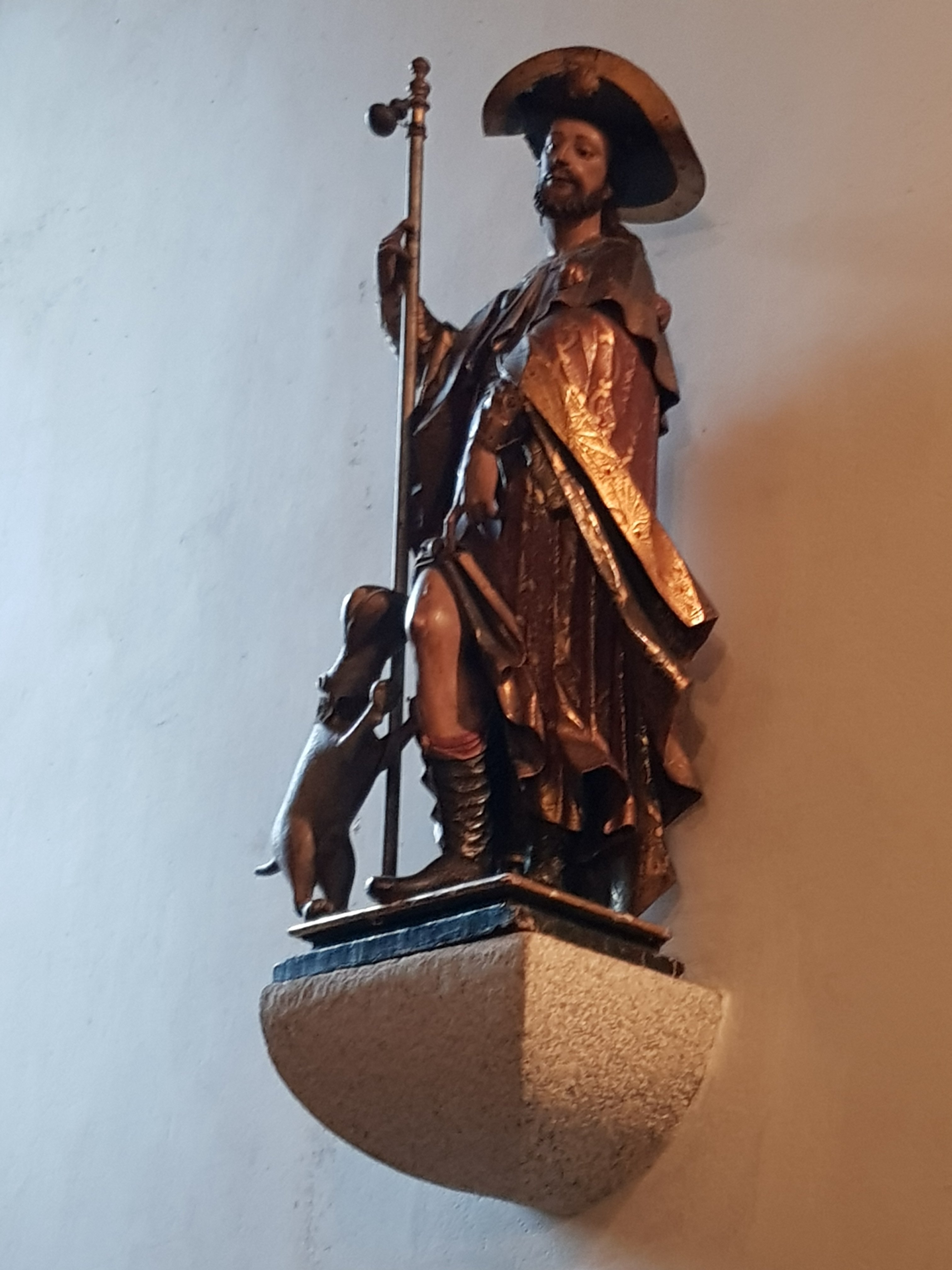
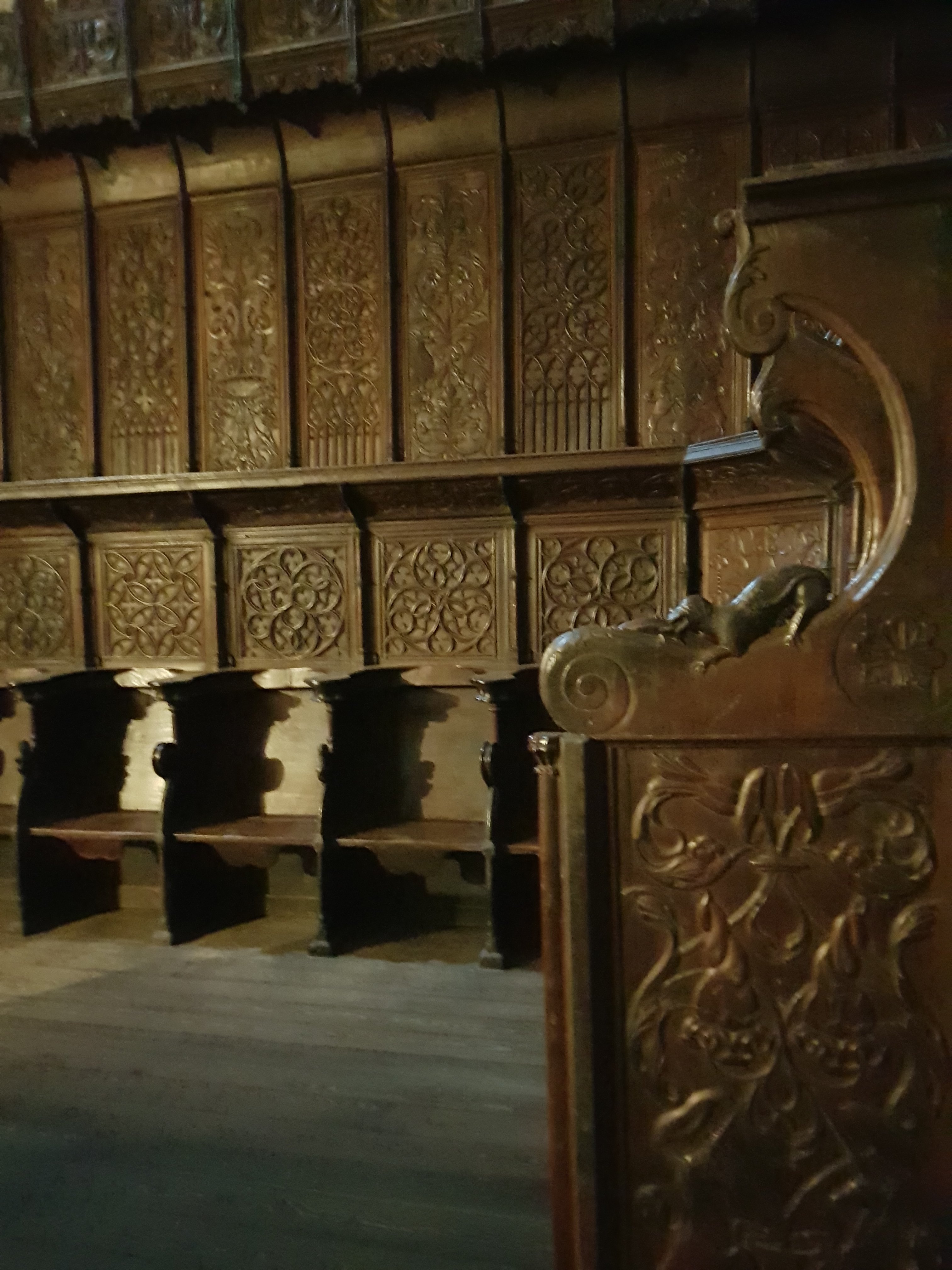
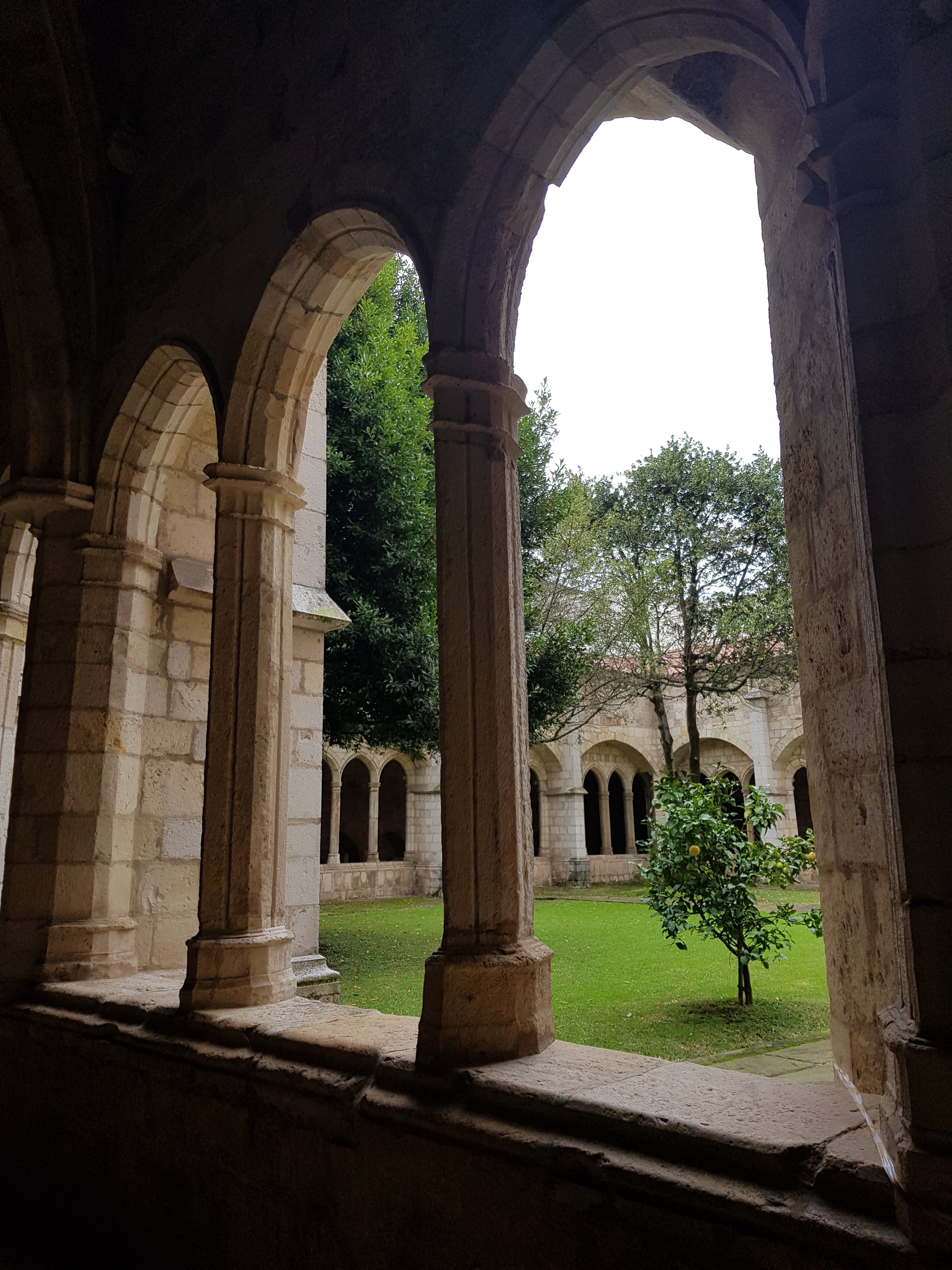
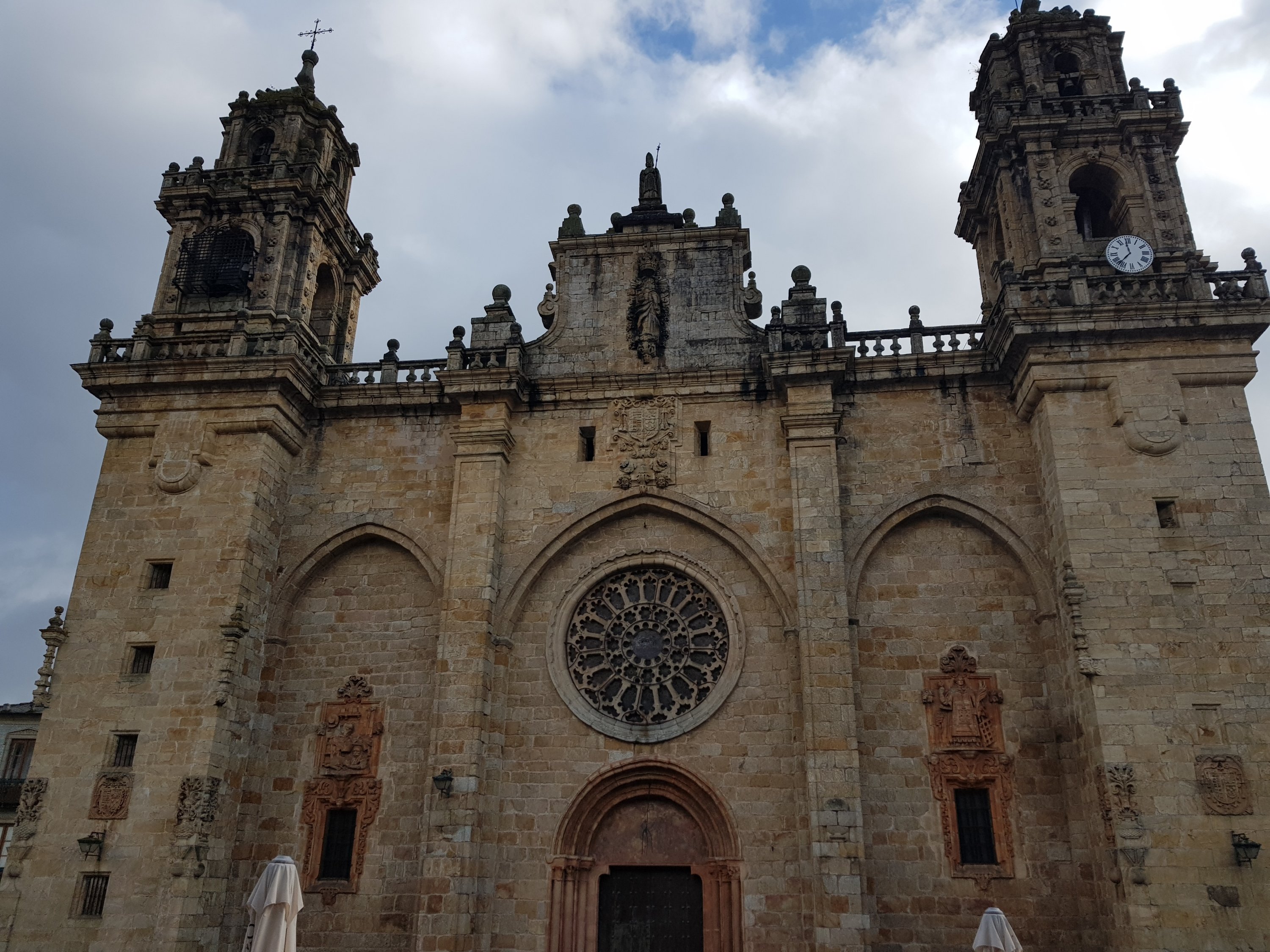
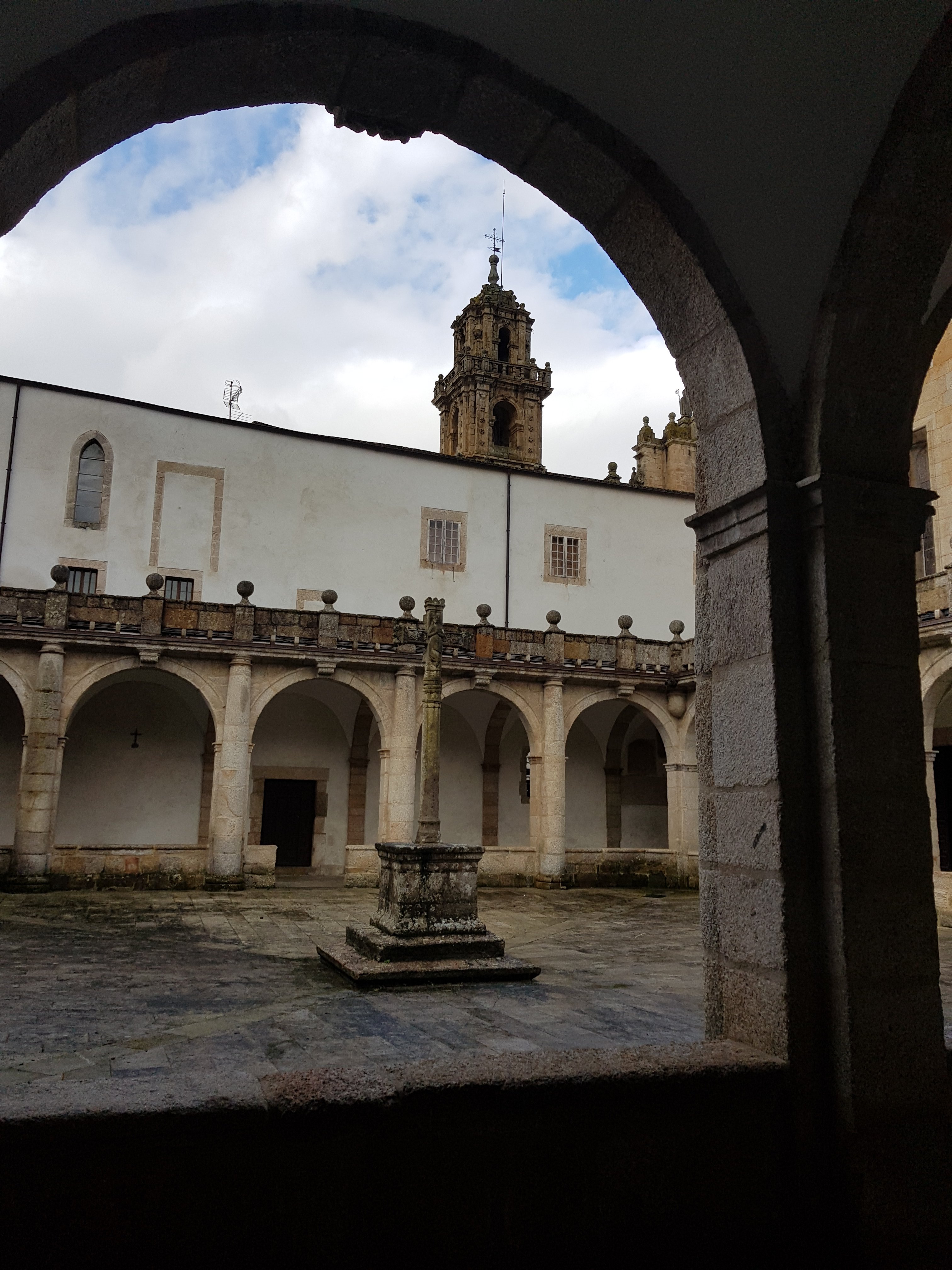
The next day was supposed to be an easy 18km. The rain kept coming but I made it to my first stop in Mondenedo, this little city has a cathedral, that I was keen to visit. It was 3 euros to enter but did include an audio guide. The cathedral has a strange layout following many extensions, it has three naves, a chapel in the center, a small cloisters and a small museum inside. It is worth a visit, as the art work and choir in particular are lovely.
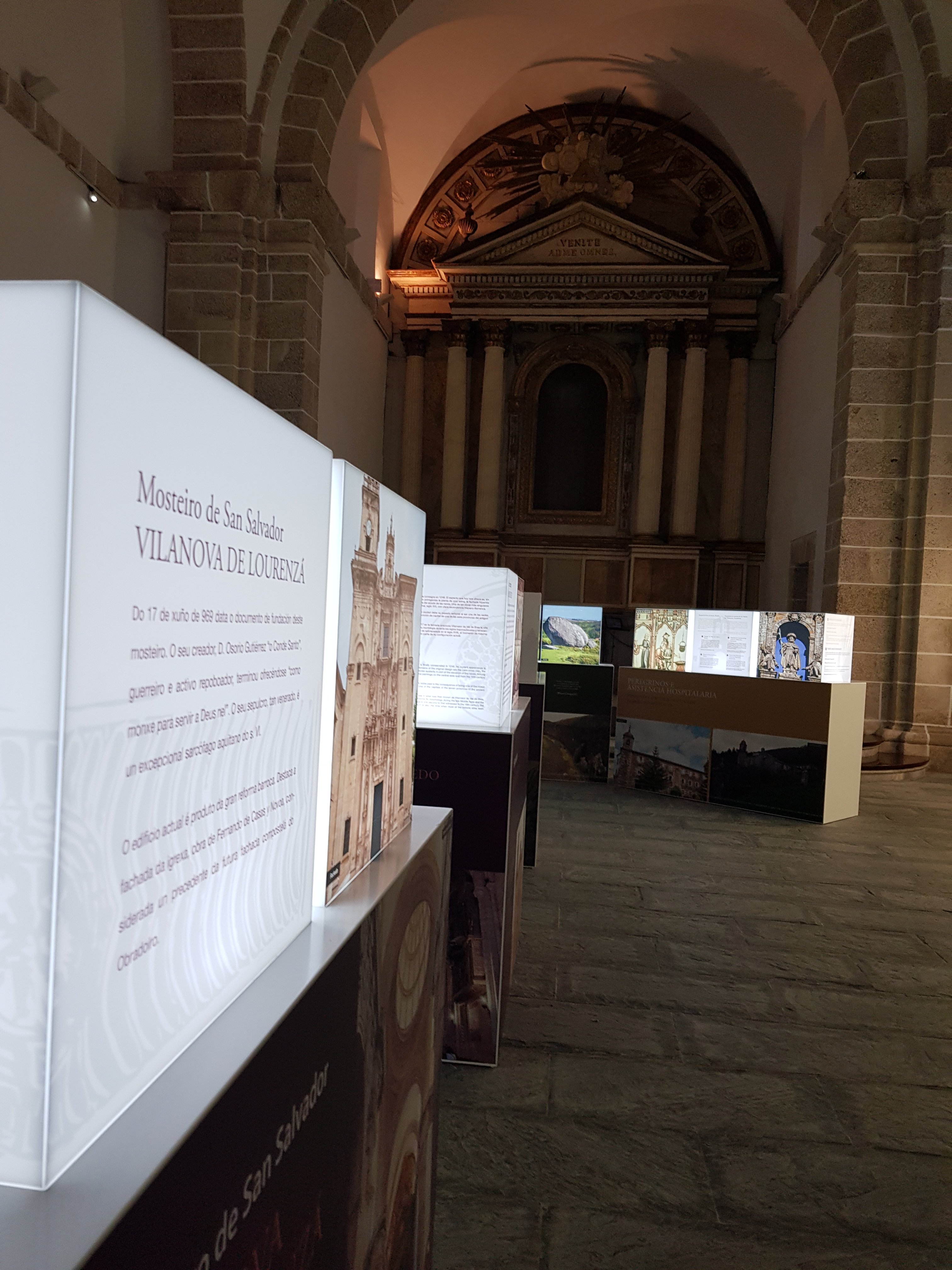
The city has a few other historical buildings, and an exhibition about Camino del Norte inside an old church. The man looking after it was very chatty and helped me to consider my next stages of the walk. He also warned me of an upcoming bank holiday when all the shops will be shut. The exhibition itself was quite interesting focused on the upcoming locations on the walk, within Galicia.
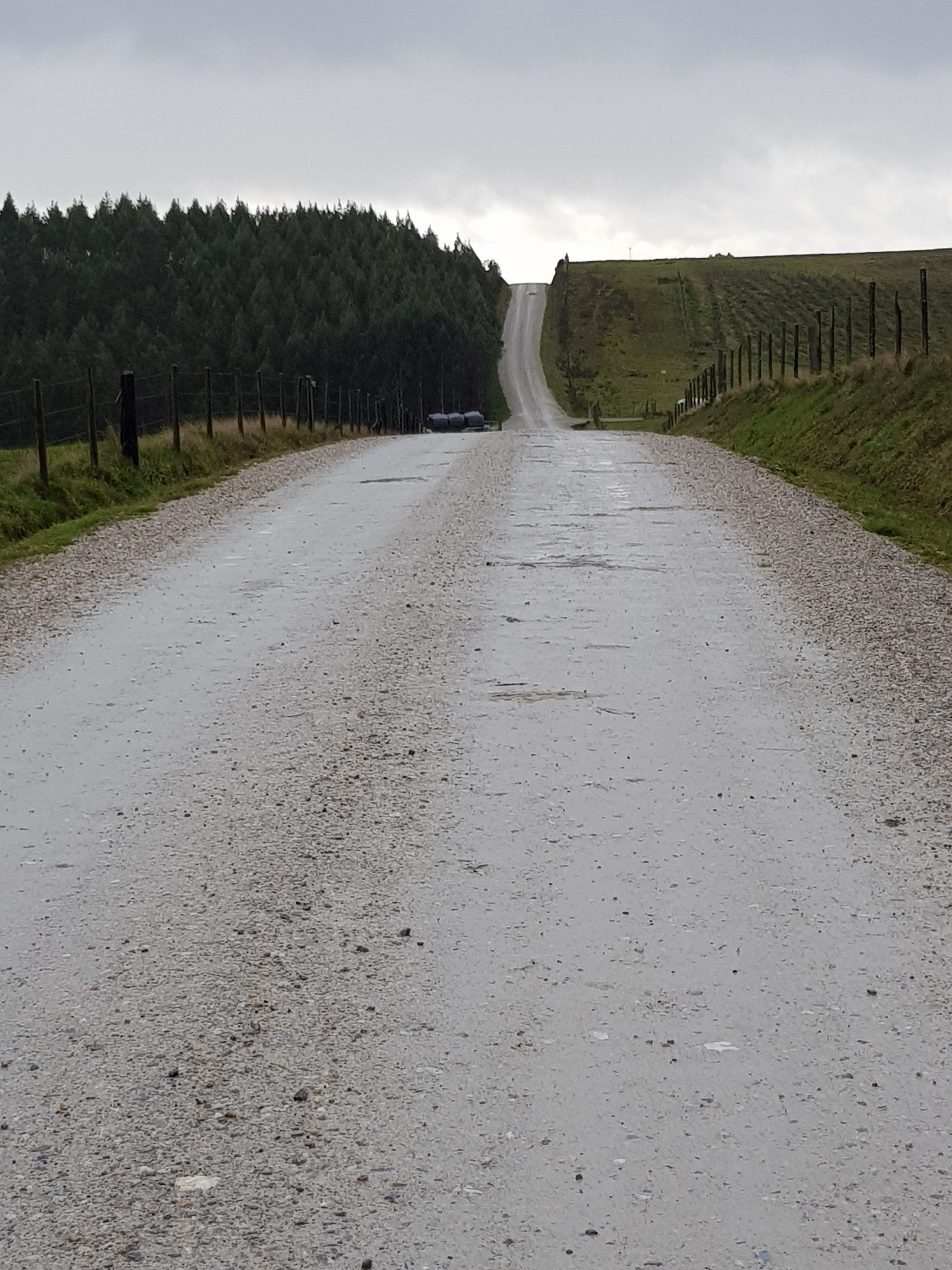
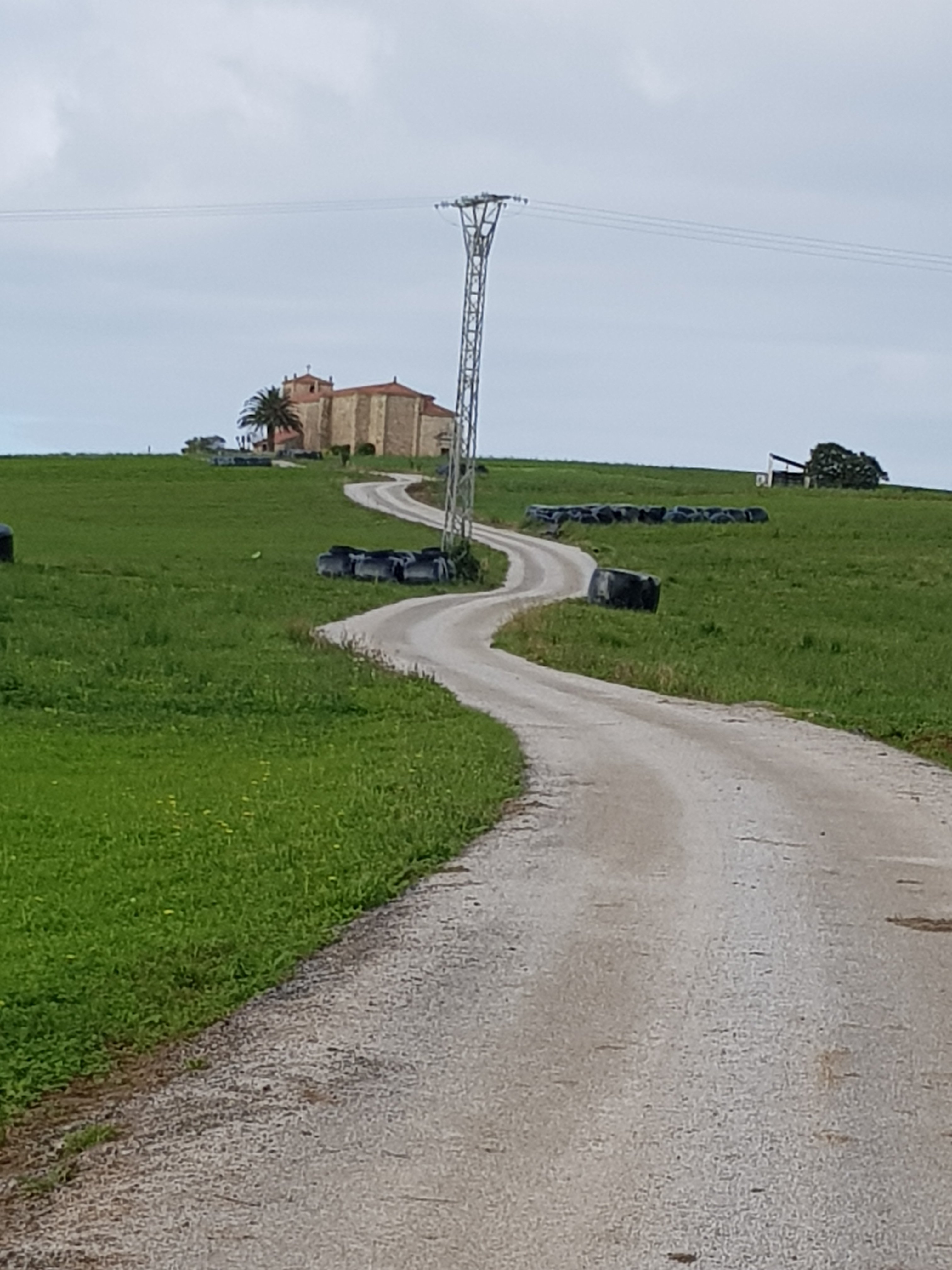
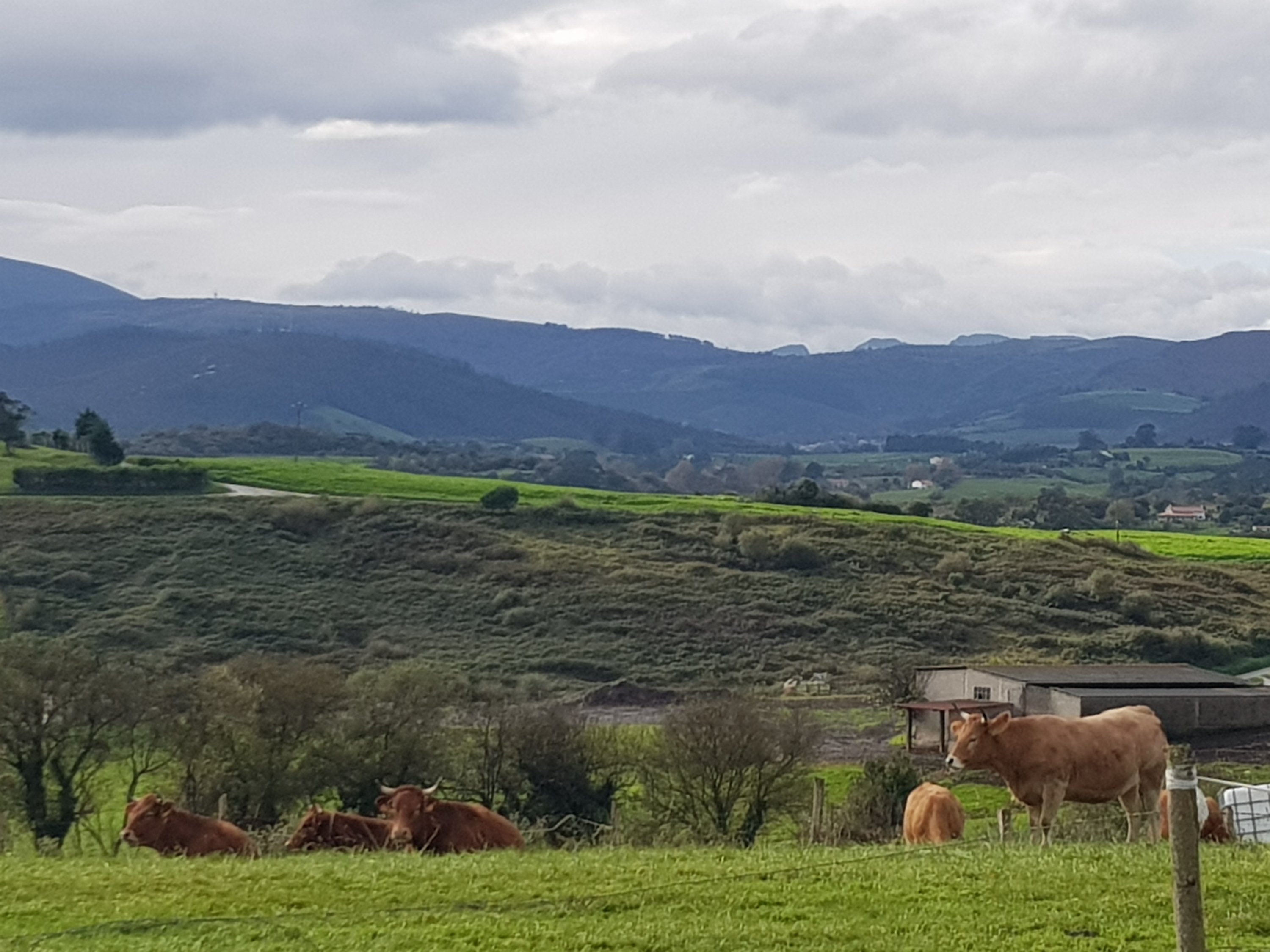
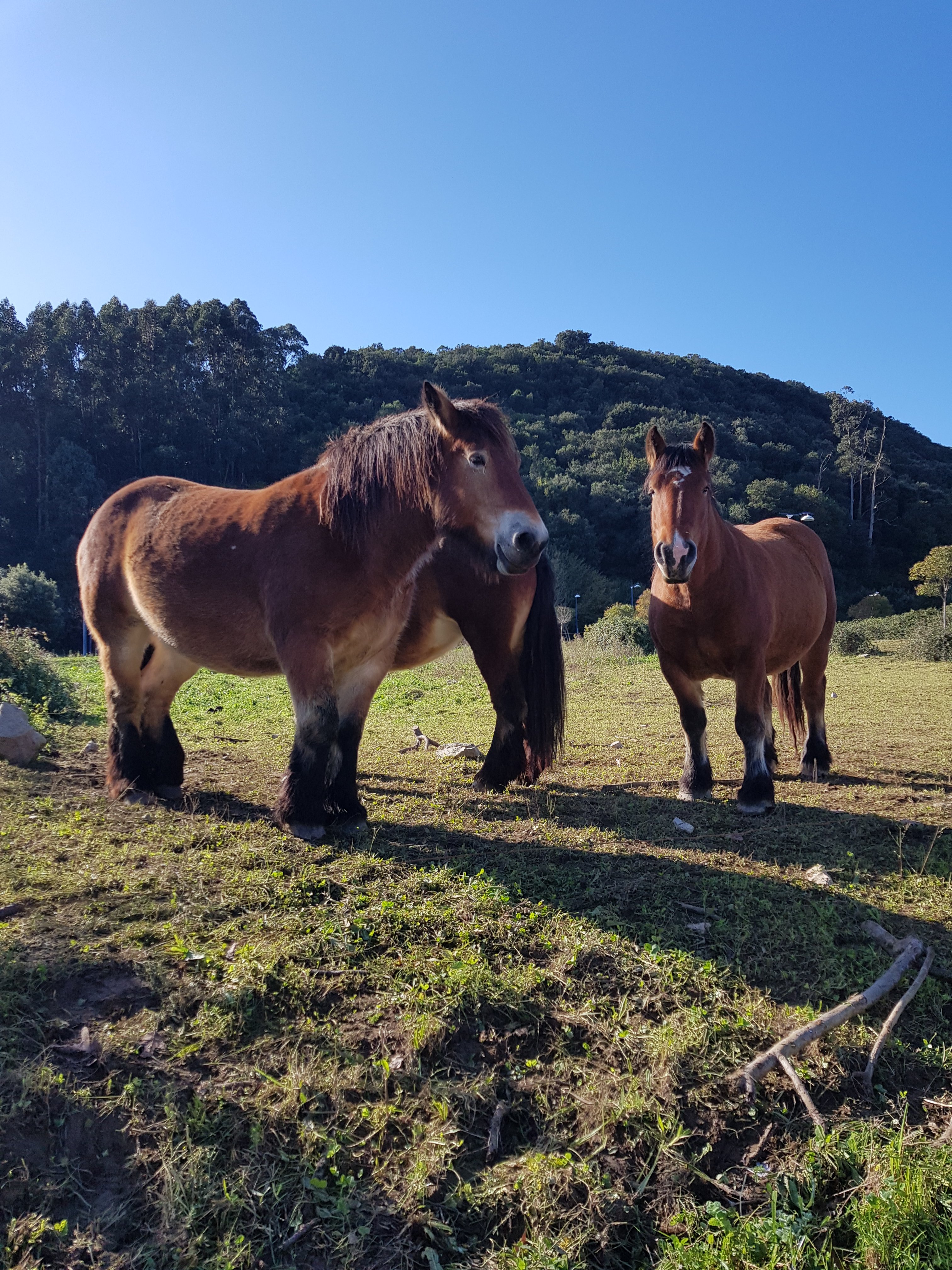
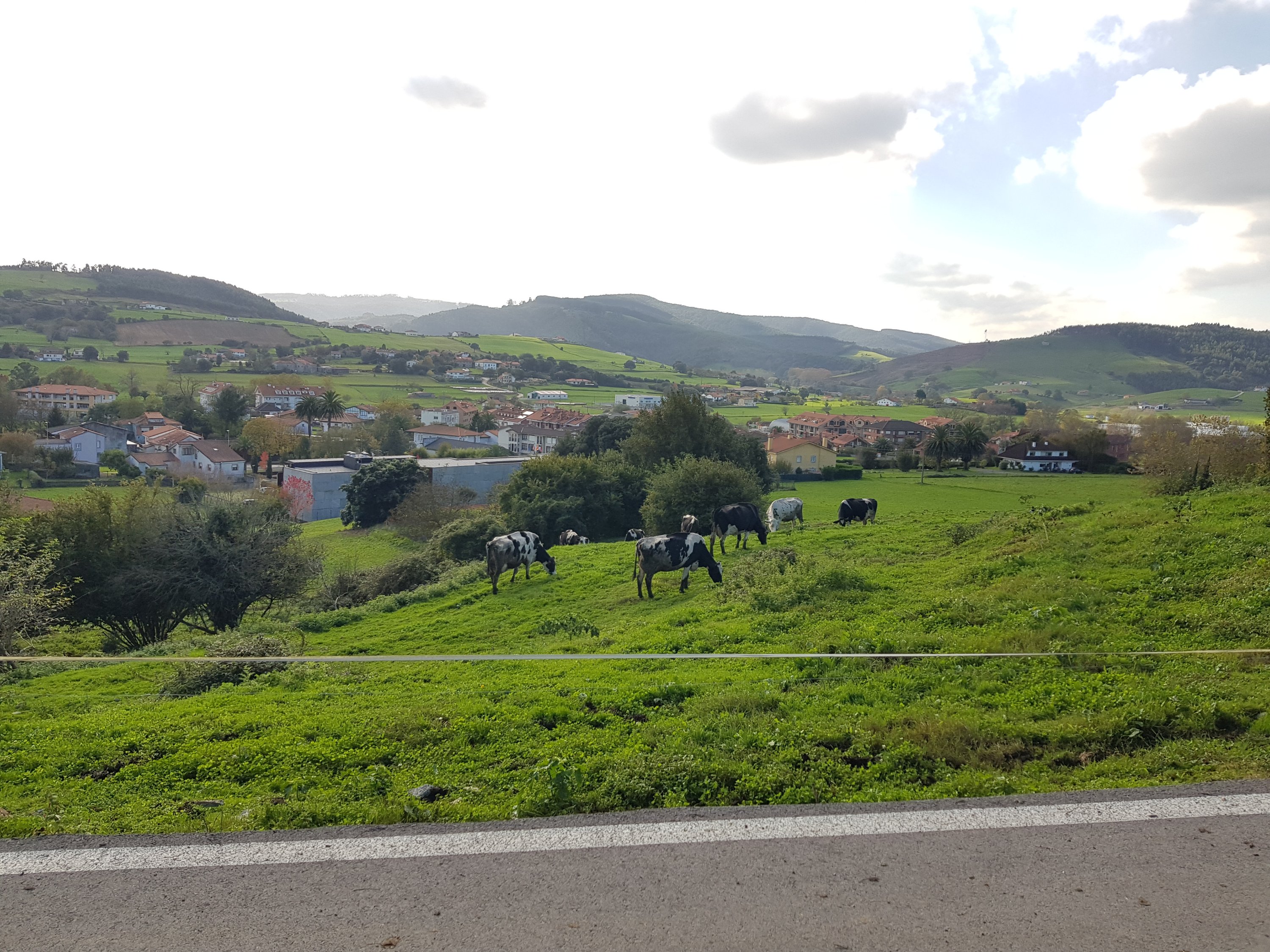
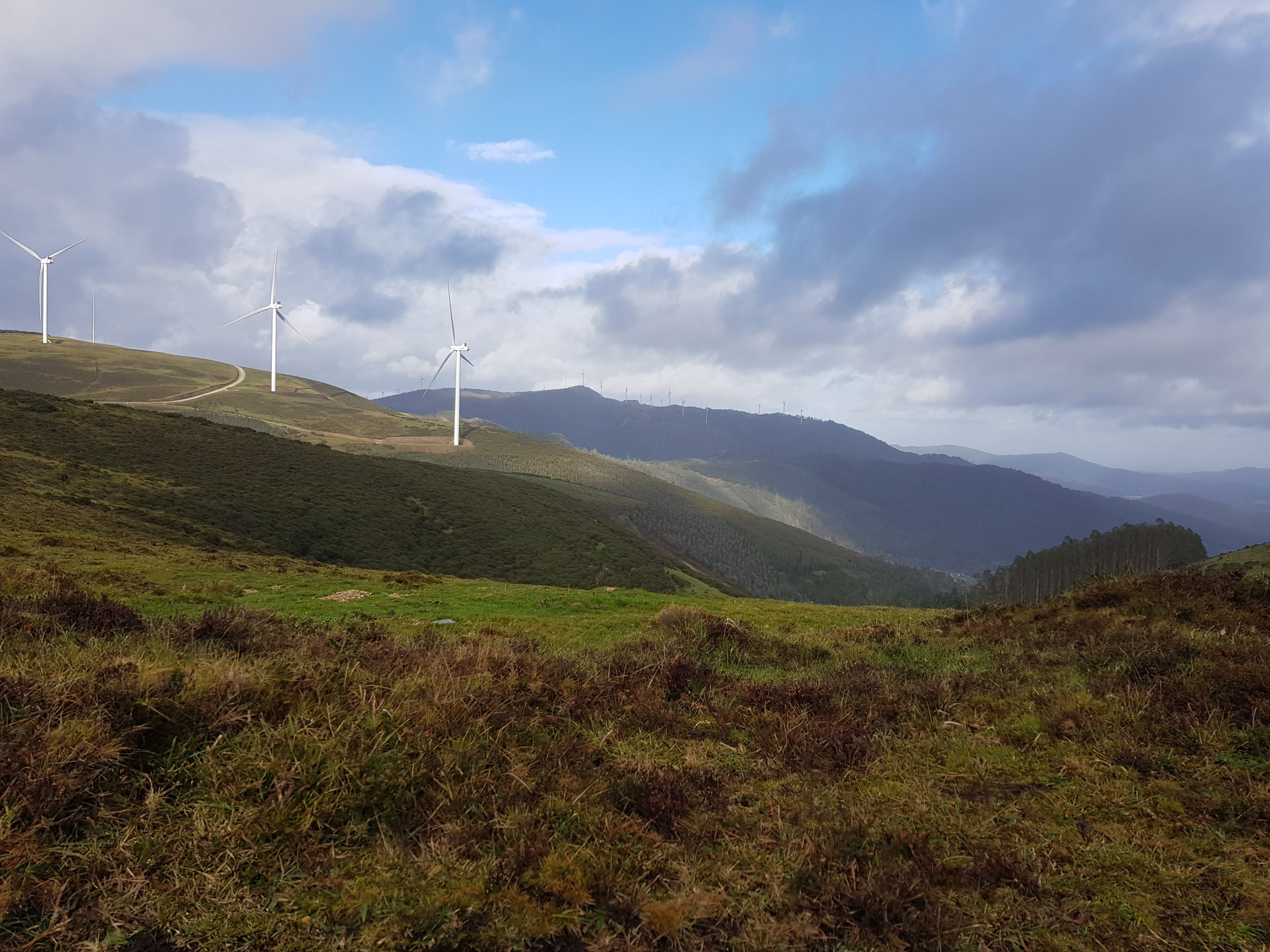
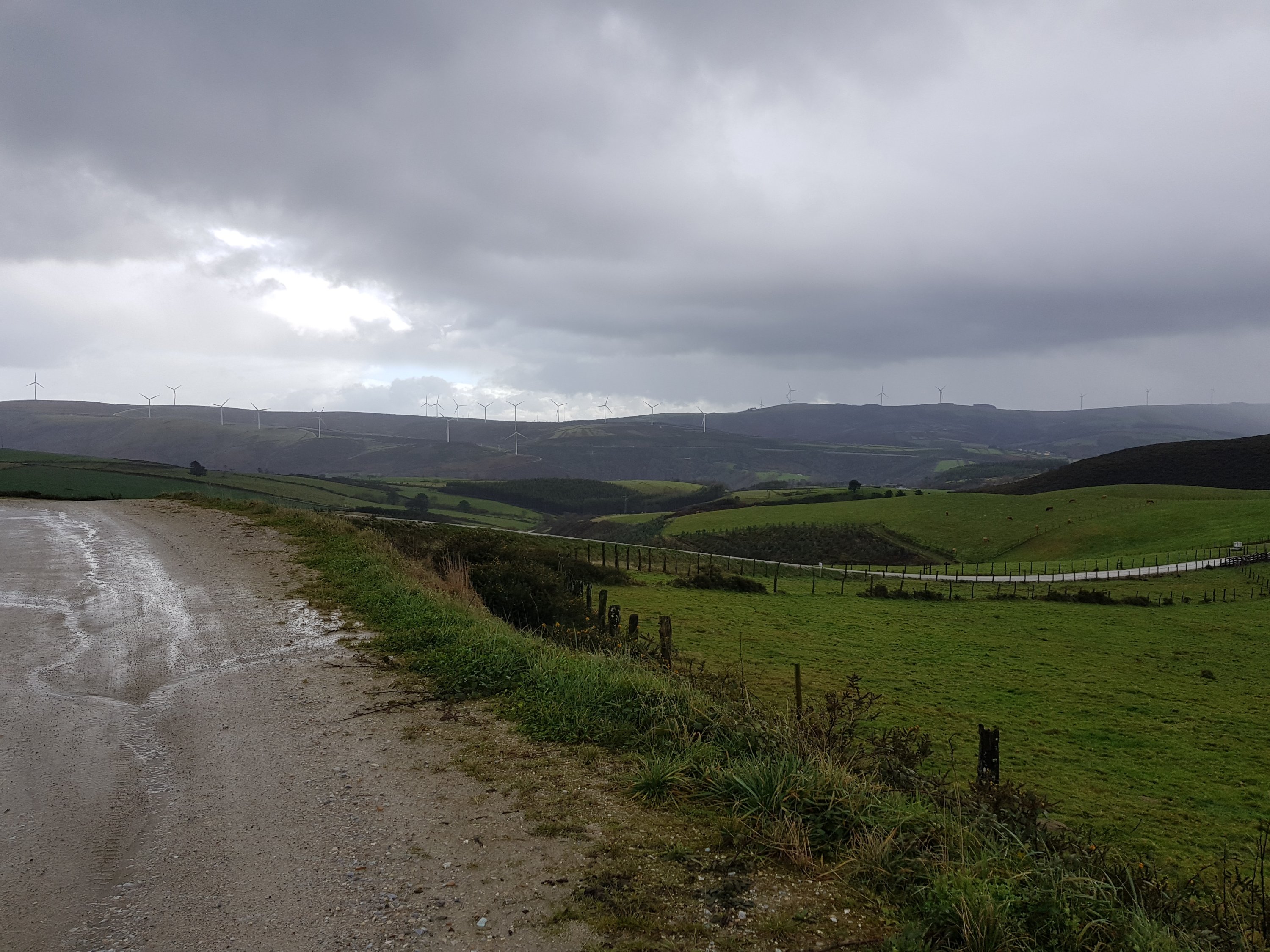
Once I had walked out of Mondenedo, I began a very long and vertical ascent. This eventually took me to the other side of forest, and I then walked about 10km through farmland. There are no services here, just me, the cows and two horses that took a run at me! I was entirely soaked, but singing along to my motivational playlist, which helped.
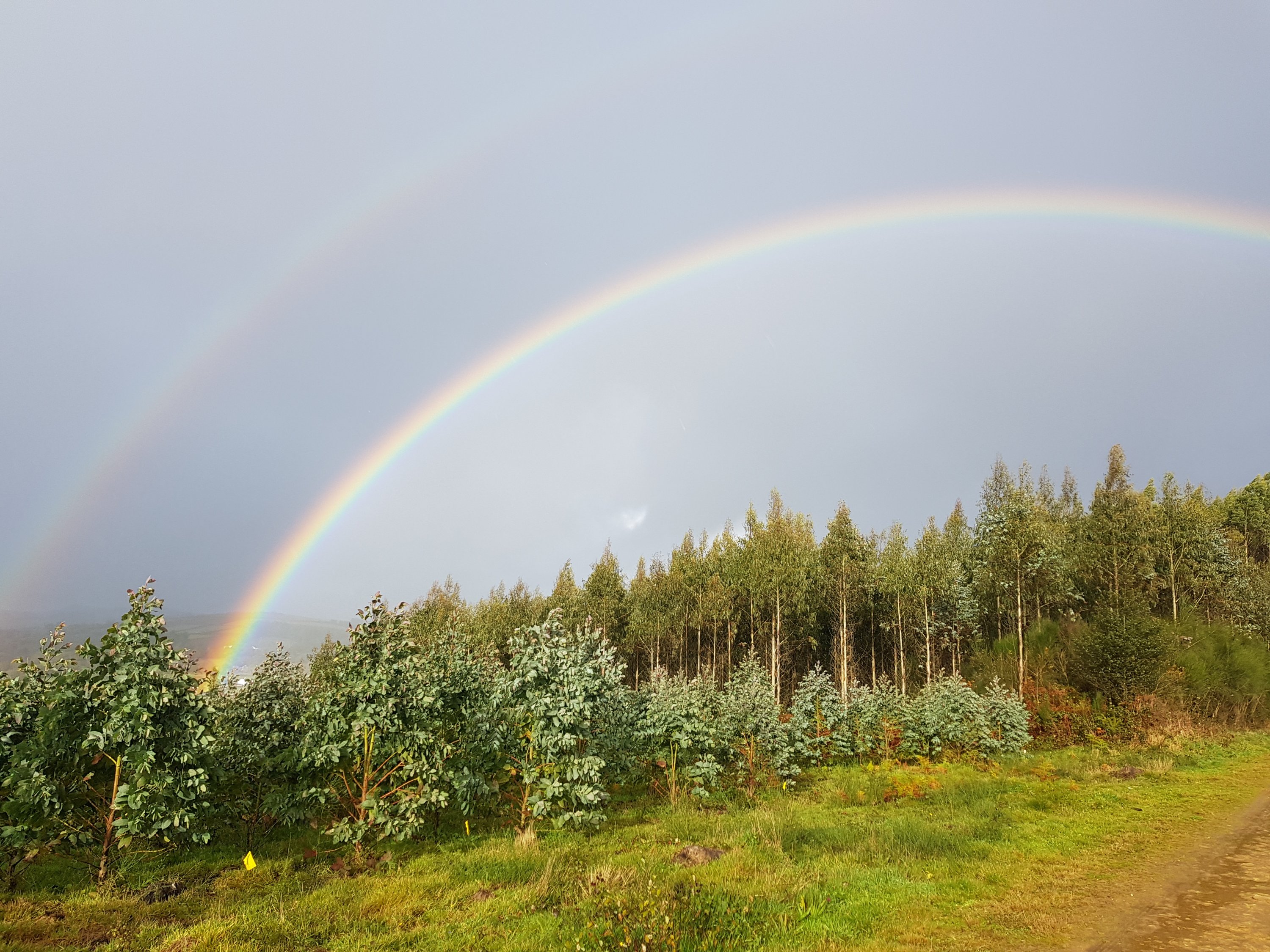
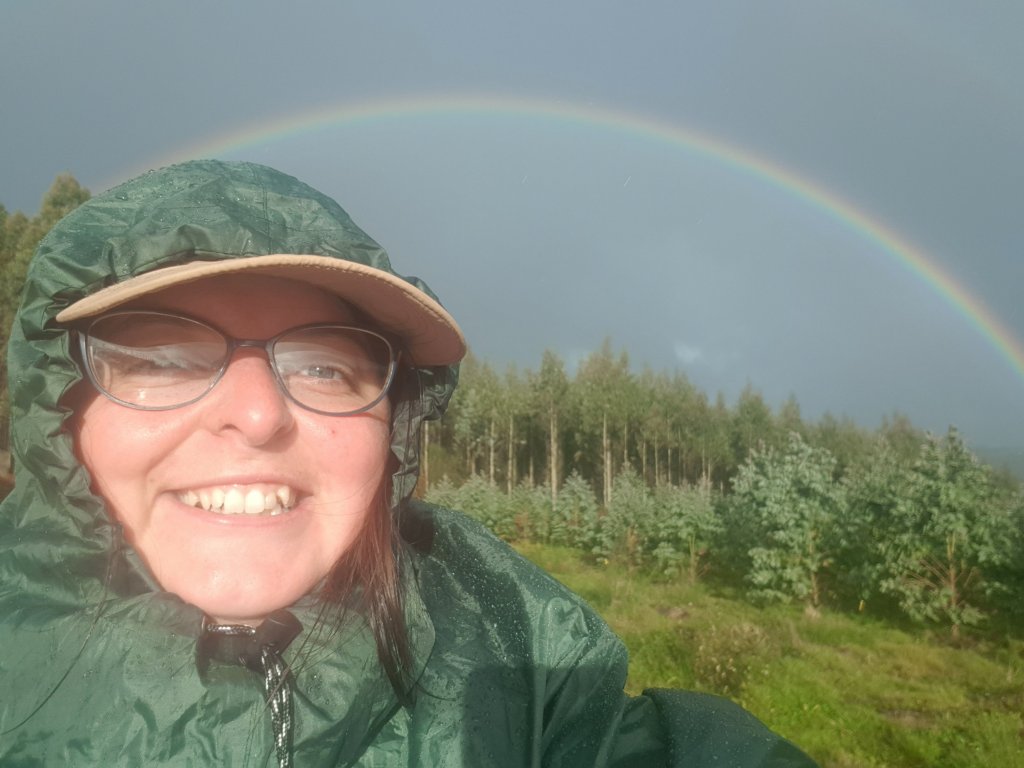
Then I decided to look back, and there was a double rainbow! Just the pick me up I needed, and lucky that I saw it. A minute later it was gone. An hour later, I finally arrived at Gontan’s pilgrim hostel. My clothes (2 outfits) were washed and dried for the first time in a week, and I fell into a coma.

The week has brought me a mix of emotions. There have been a lot of times when I have considered abandoning the camino, but I am still here, and still persevering. Pilgrimages are never meant to be easy, and with Santiago de Compostela so close now, I cannot turn back! Fingers crossed I can keep my body going until then…
Camino de Santiago: Barreda to Gijon

Another week of walking has gone by, and this time the distances were much longer, and the terrain was more varied.

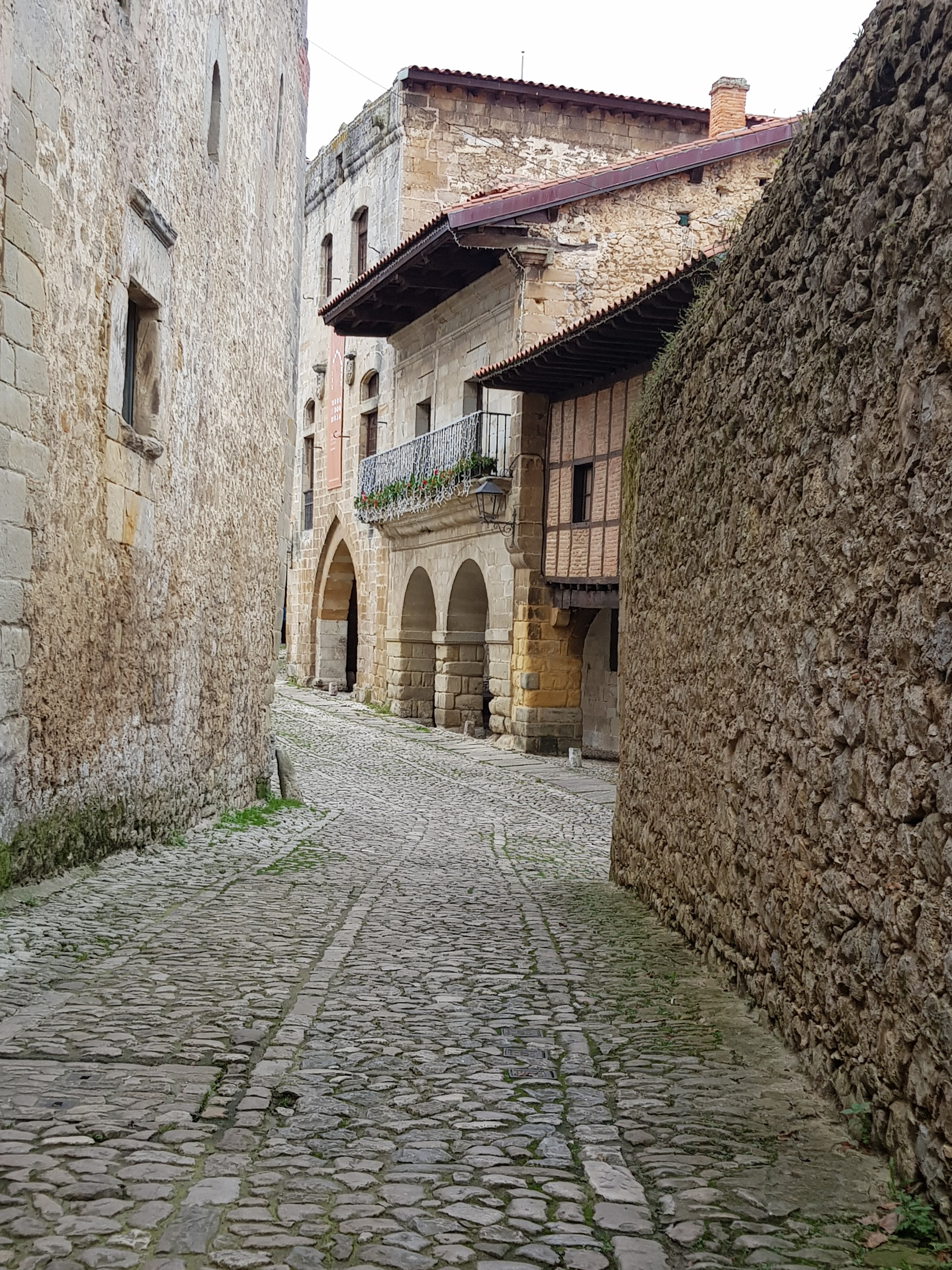
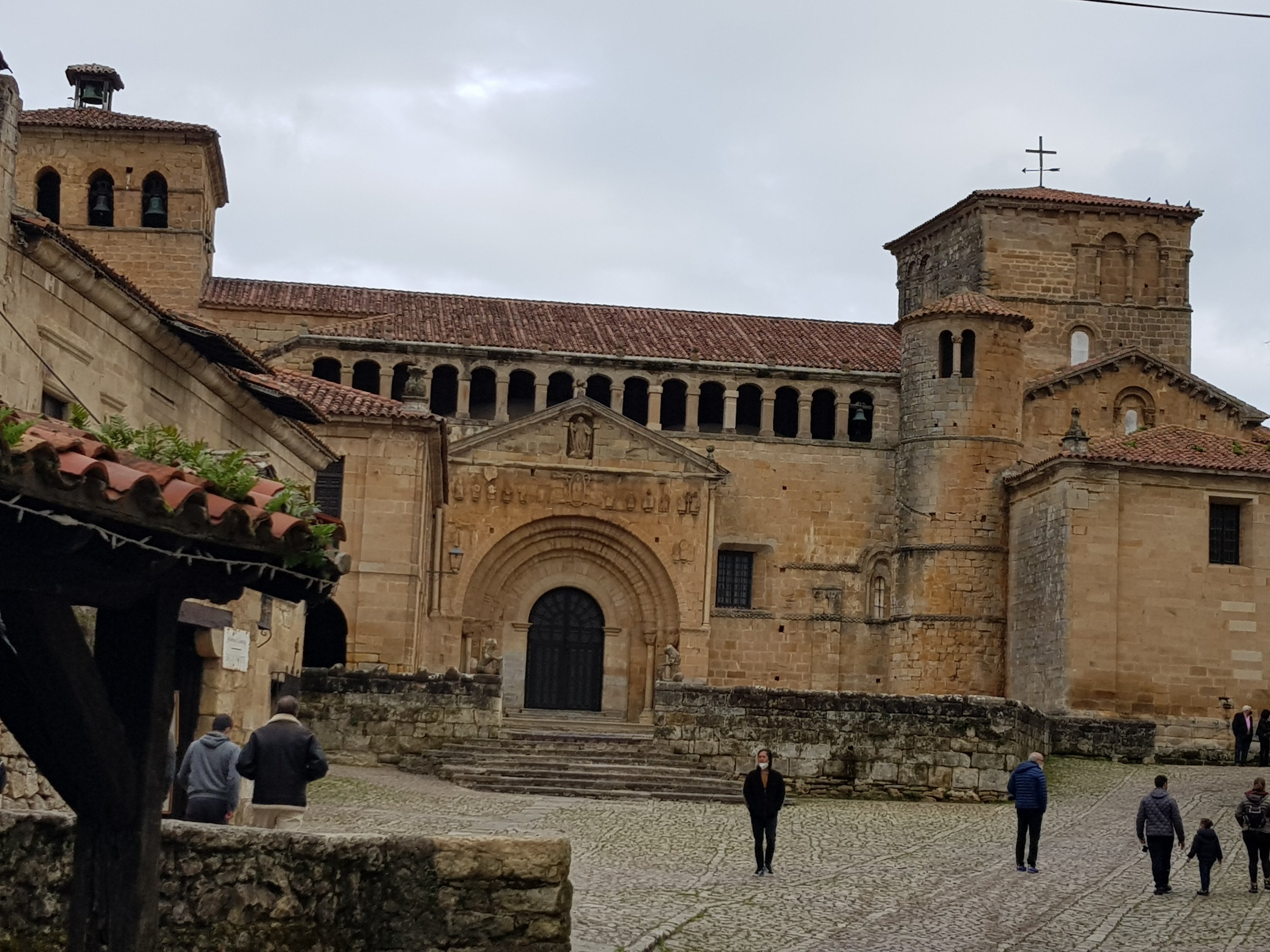
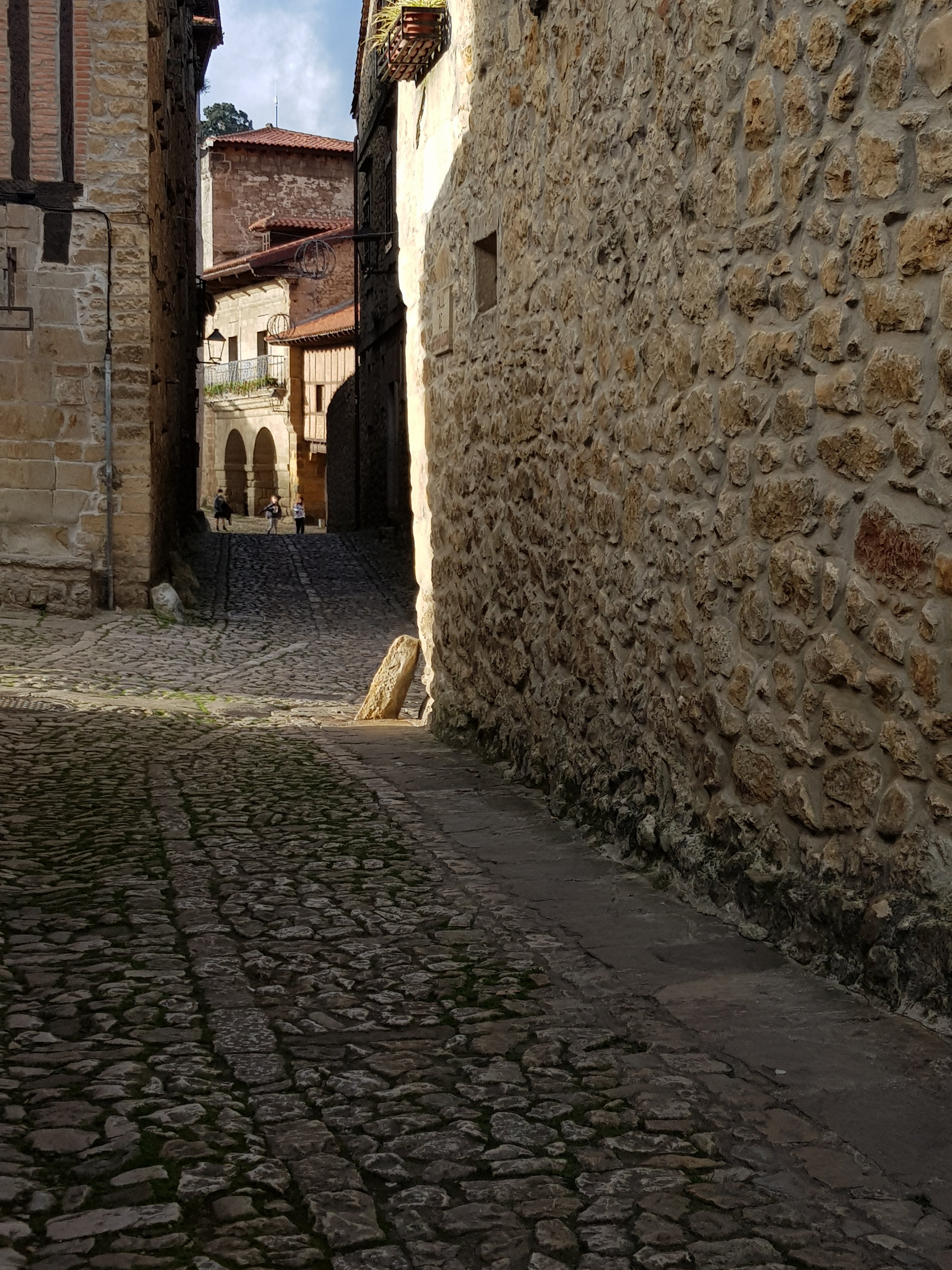
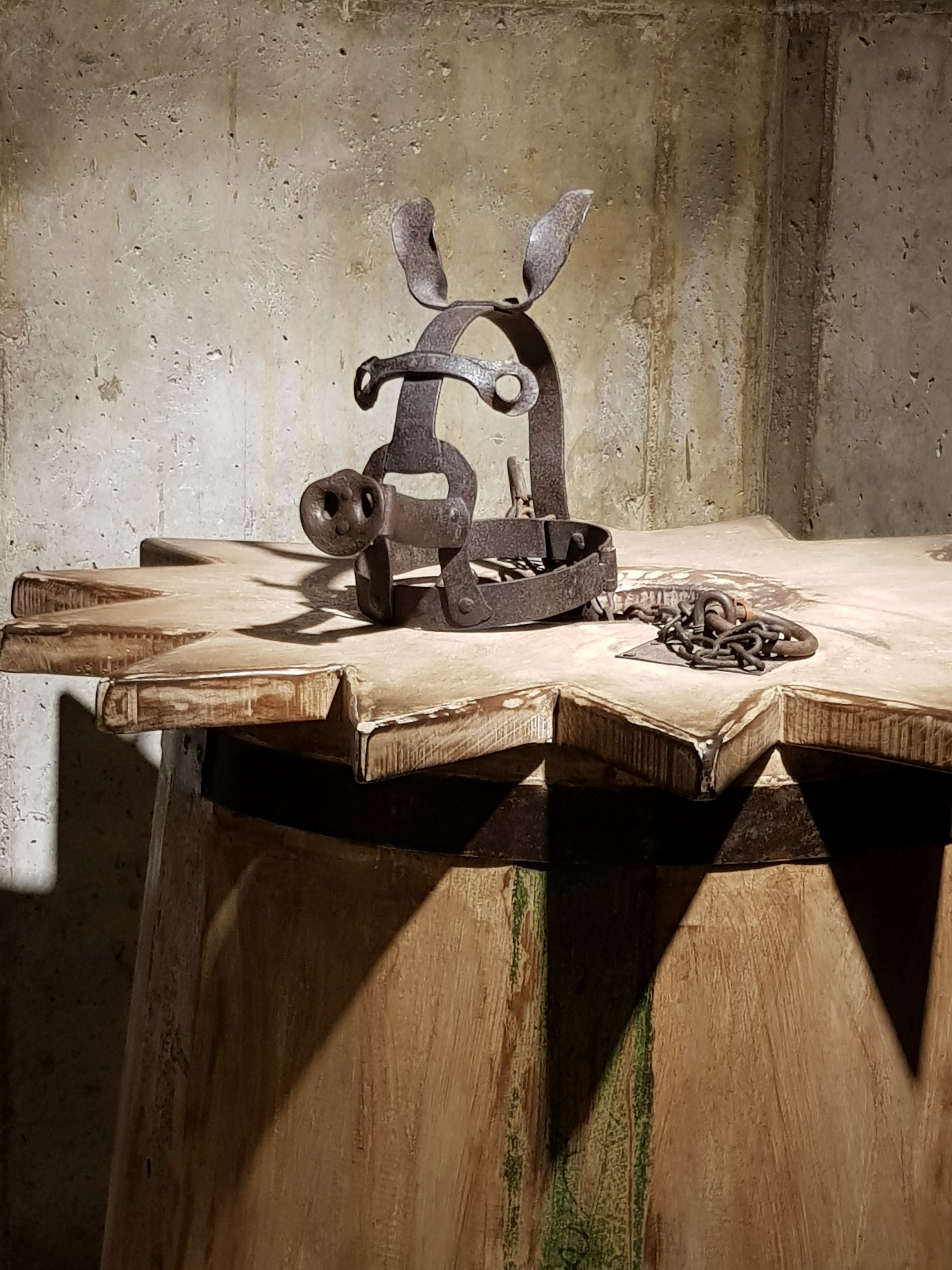
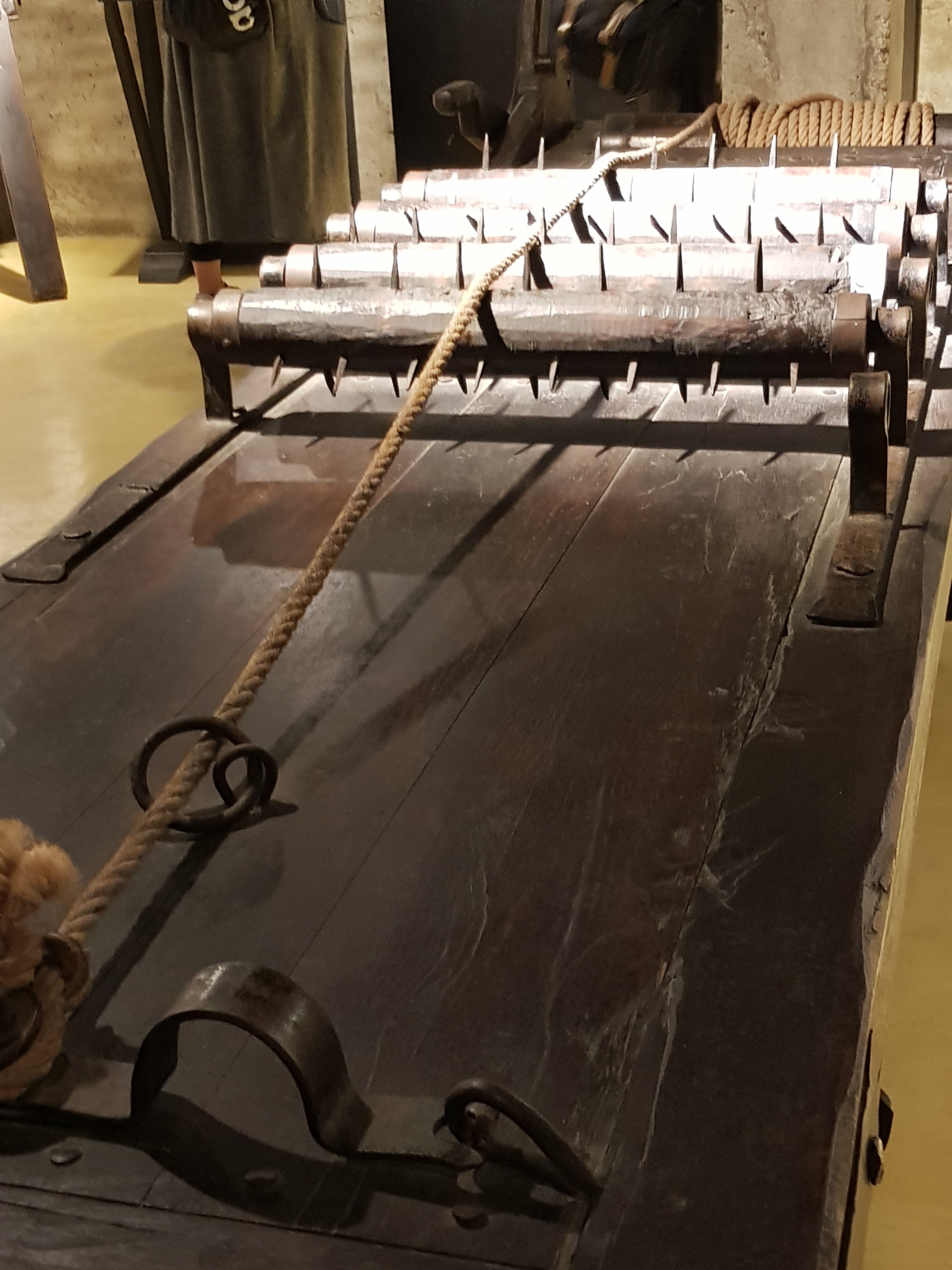
First stop was a stay in Barreda, and a visit to Santillana de Mar. A beautiful town that makes you feel as if you have gone back in time. The streets are cobbled and old stone is all around, they have lots of bars and restaurants, and a tourist information point. Also some museums. I visited the Torture Museum!

The museum was quite interesting but also very gruesome. It also made me wonder what sort of person would acquire a collection like this… The animal masks were particulary weird, apparently it was to silence the speech of women and other lowly folk at the time, and also a symbol of public humiliation.

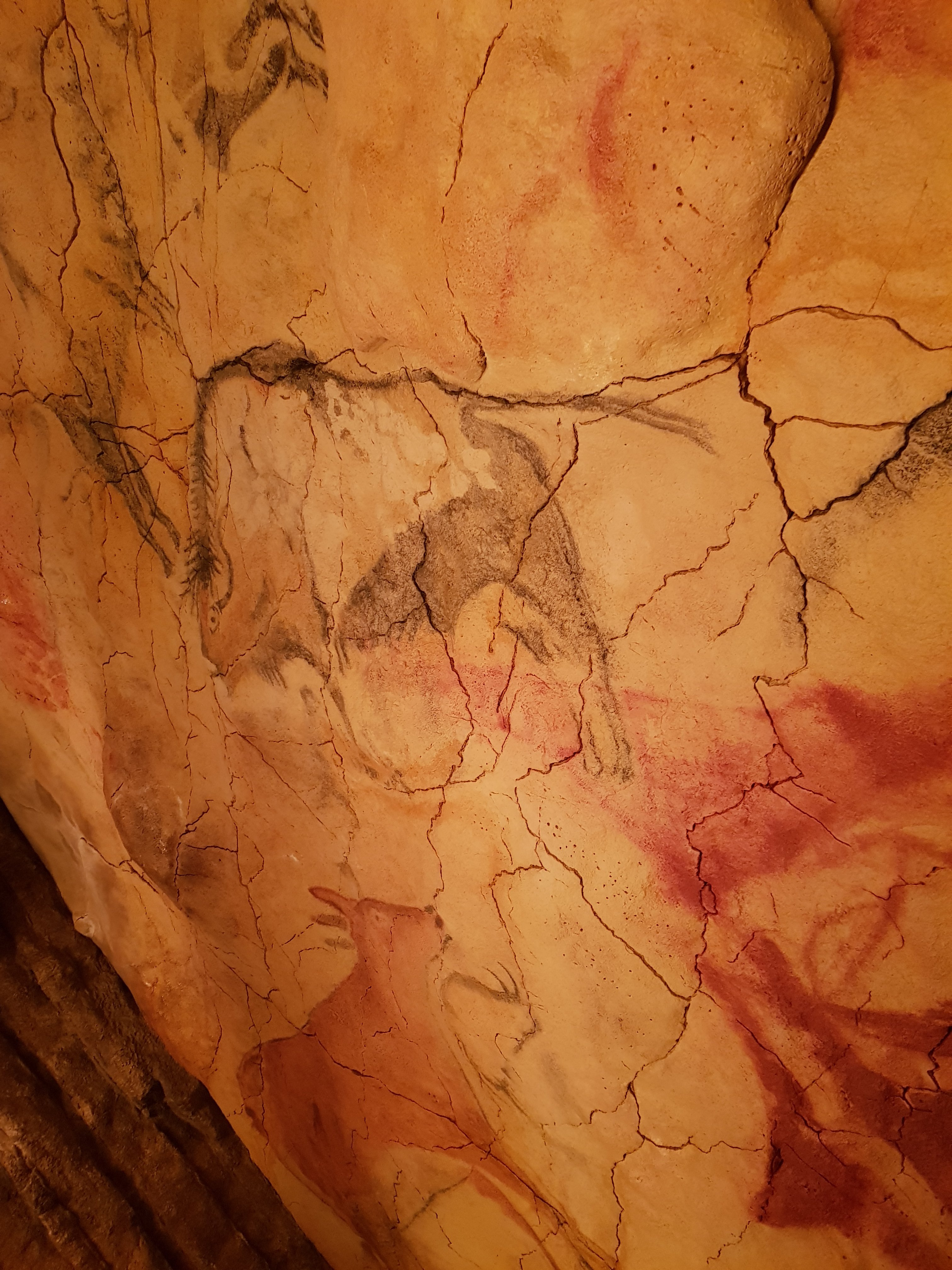
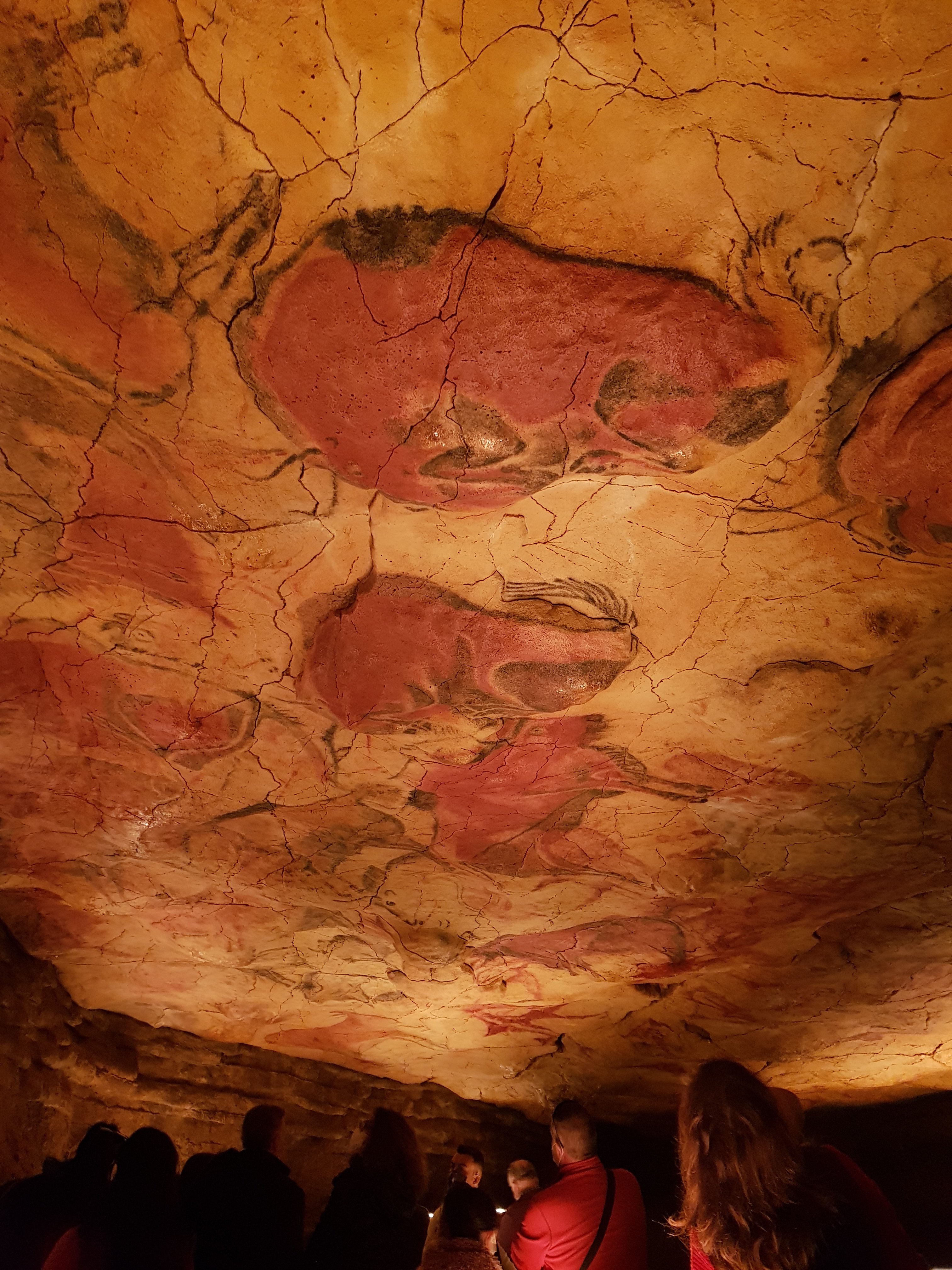
2km down the road is also the world heritage site, the Caves of Altamira. The caves were discovered in the 1800s and have a collection of pretholific paintings inside, and a system of spaces for different uses. The caves were so popular to visit that they began to become damaged, and had to be closed to the public. Now, only five people per week are selected to visit the original cave. The museum has painstakingly created an exact replica for the general public though.

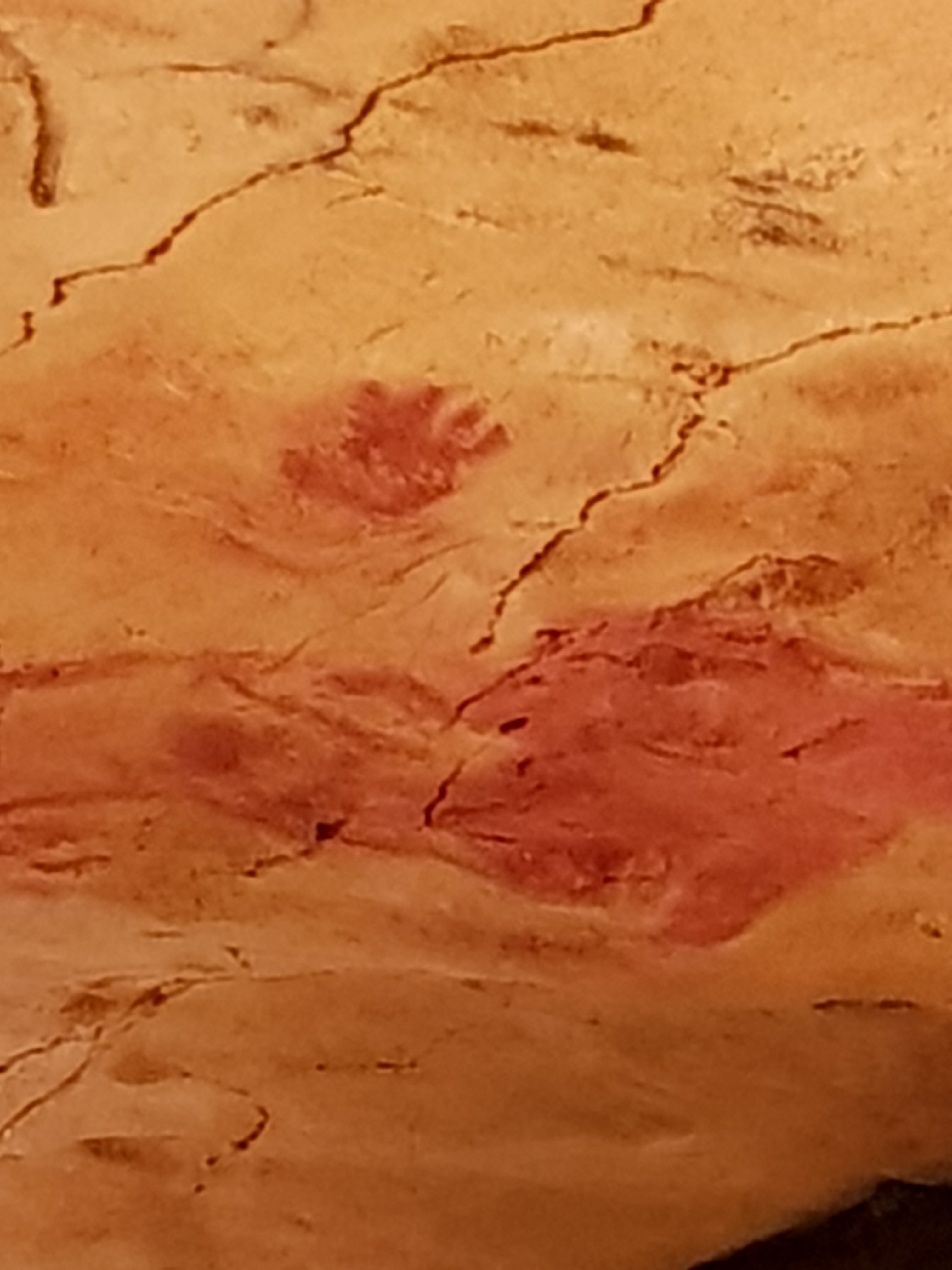
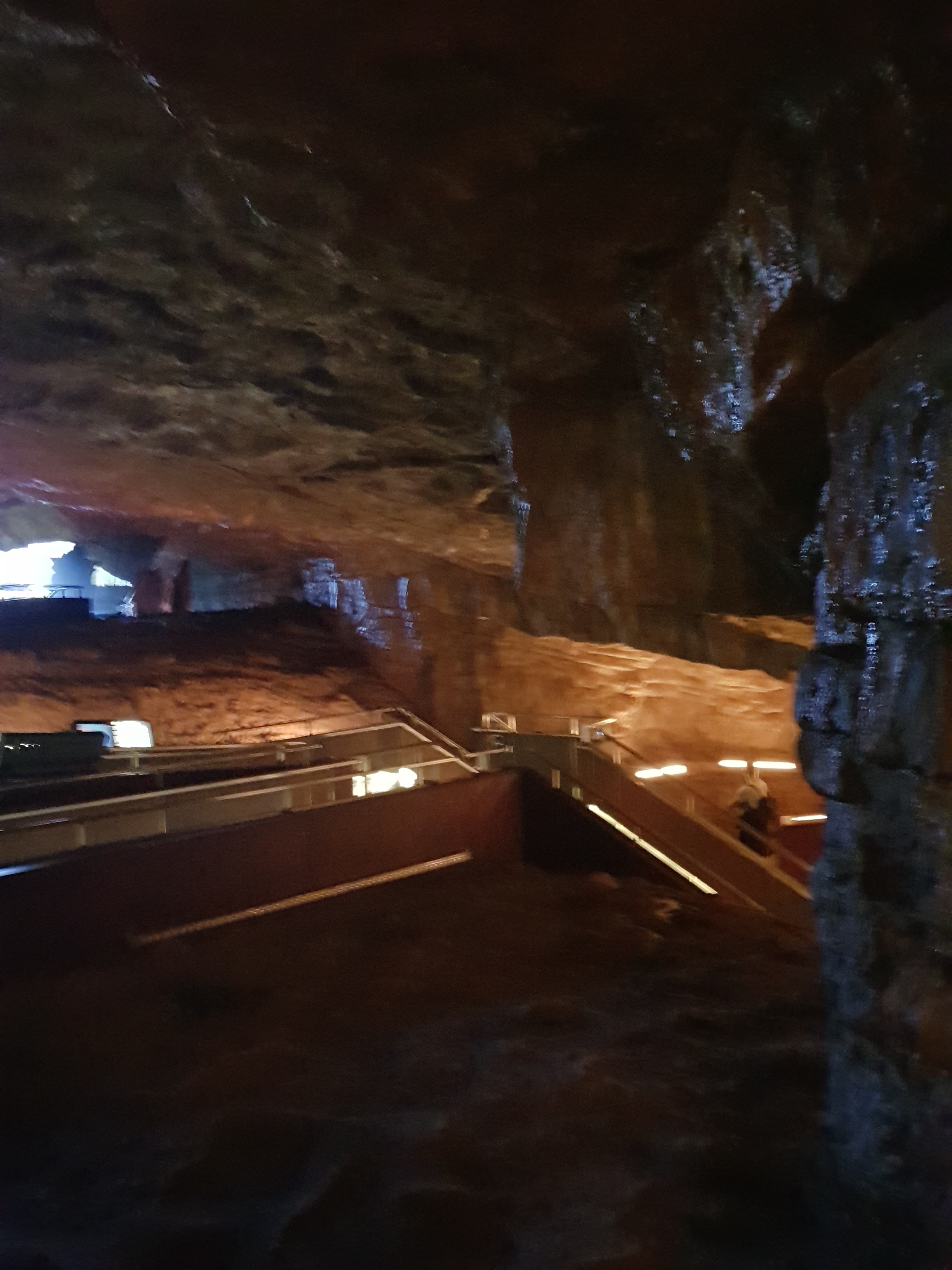
I visited the replica, it was still underground and very dark but certain areas of importance were highlighted. There were many paintings of animals, that were surprisingly detailed, and a pressed in hand print. This whole experience was a lot better than expected and only cost €4! I was also able to wonder down to the outside of the original caves.

Whilst walking the camino to the next stop in Comillas, the seaside views and sites of farms became very familiar, and I also went hunting for more caves!

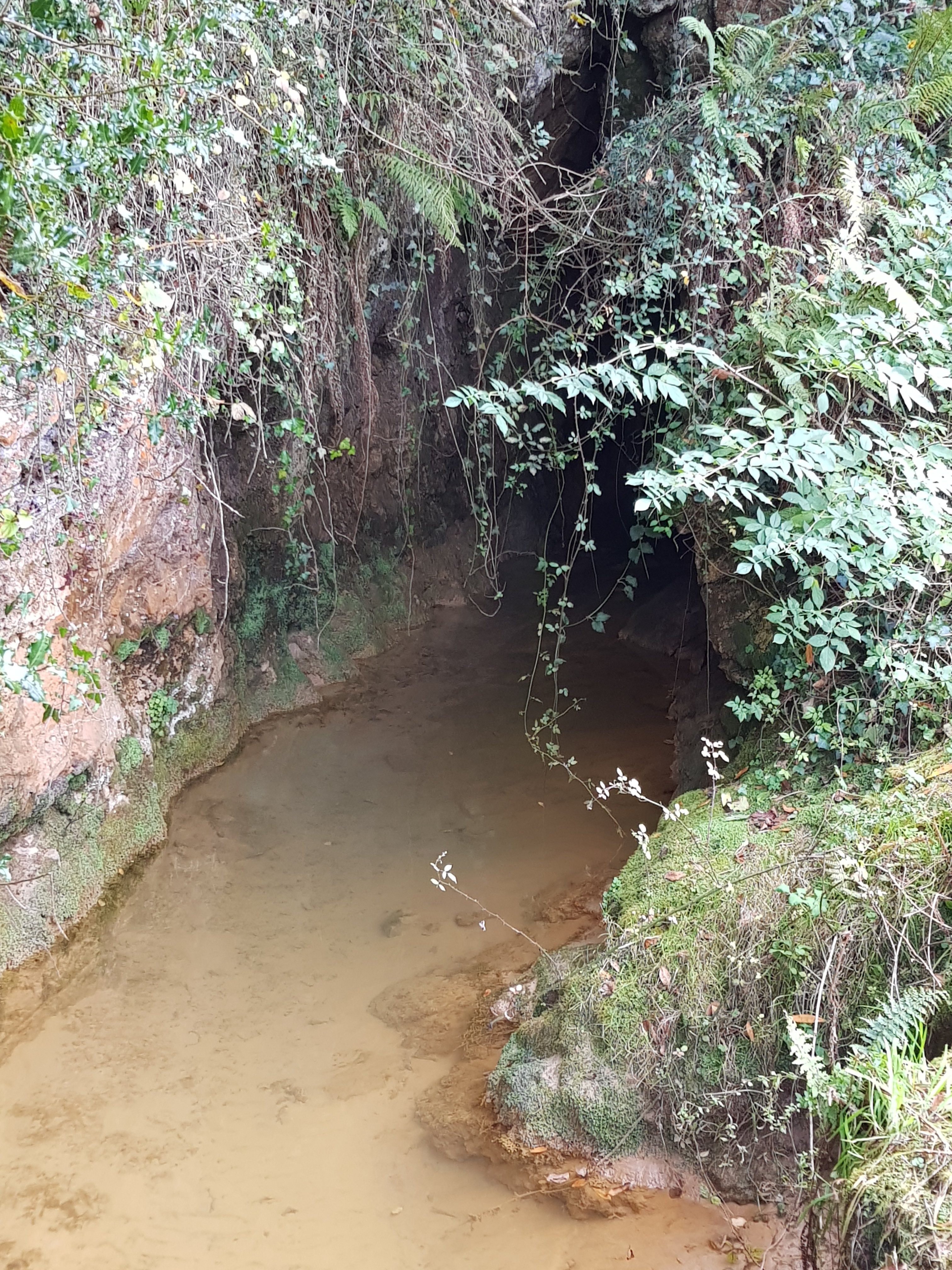
Nearby to the path, I had seen on the map that there was a cave in a woodland that had been discovered to have ancient paintings again, and you could have this one all to yourself. La cueva de aguas was about 20-30 minutes off the track, and was very exciting!

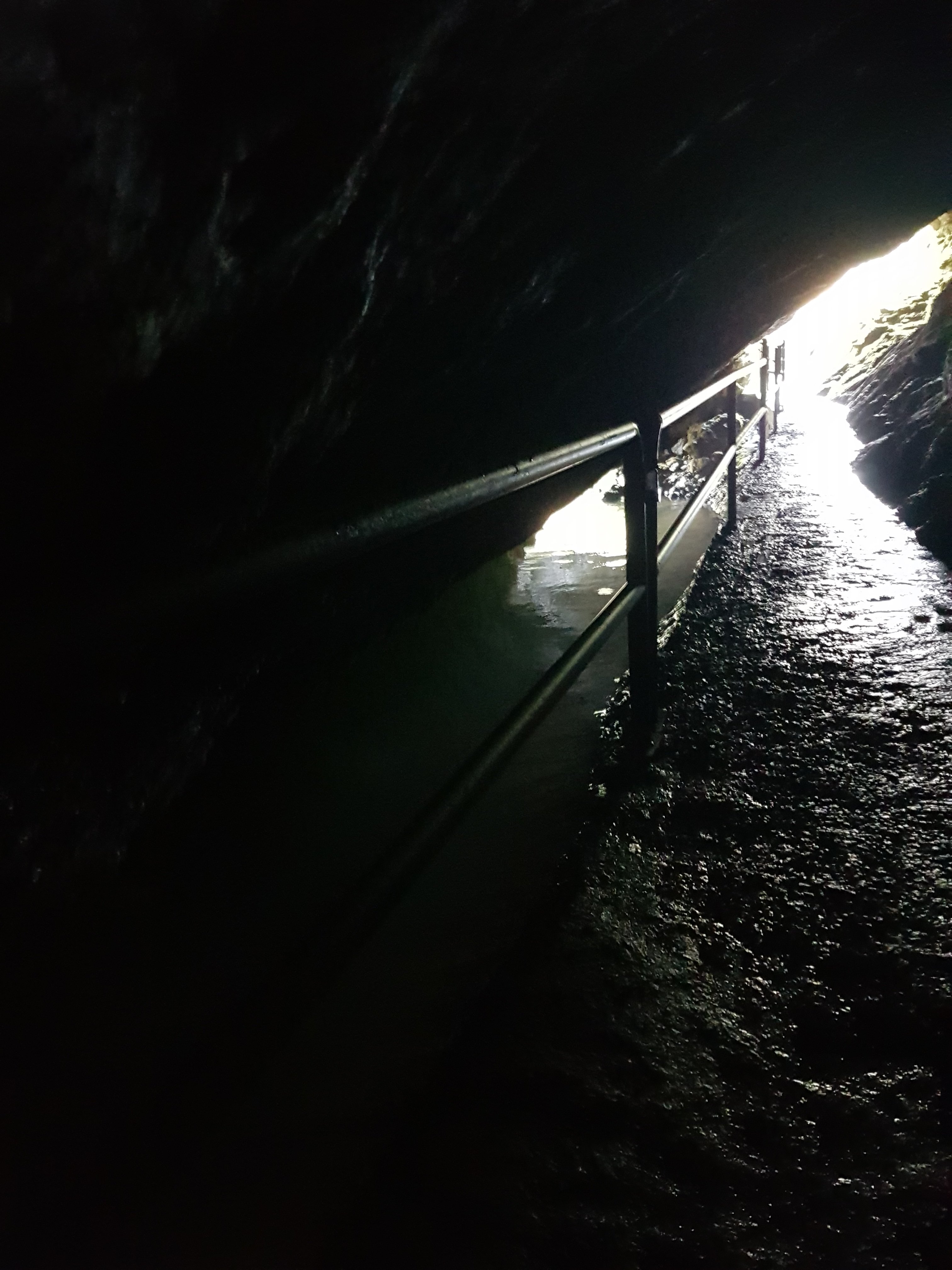
In this small cave, deep in the woods, I had to ditch my backpack outside, and crouch to get in. It is completely pitch black, and I could hear the loud sound of water. When i finally got my torch going (I had resisted, as I was afraid of bats), I realised there was water gushing around my feet, and a waterfall running through the cave!

It was really amazing to find, and I could just make out the higher level in the cave, where the cave people would have made home. This cave was on the route of the miners, and another small cave can also be seen on the path, but is inaccessible.

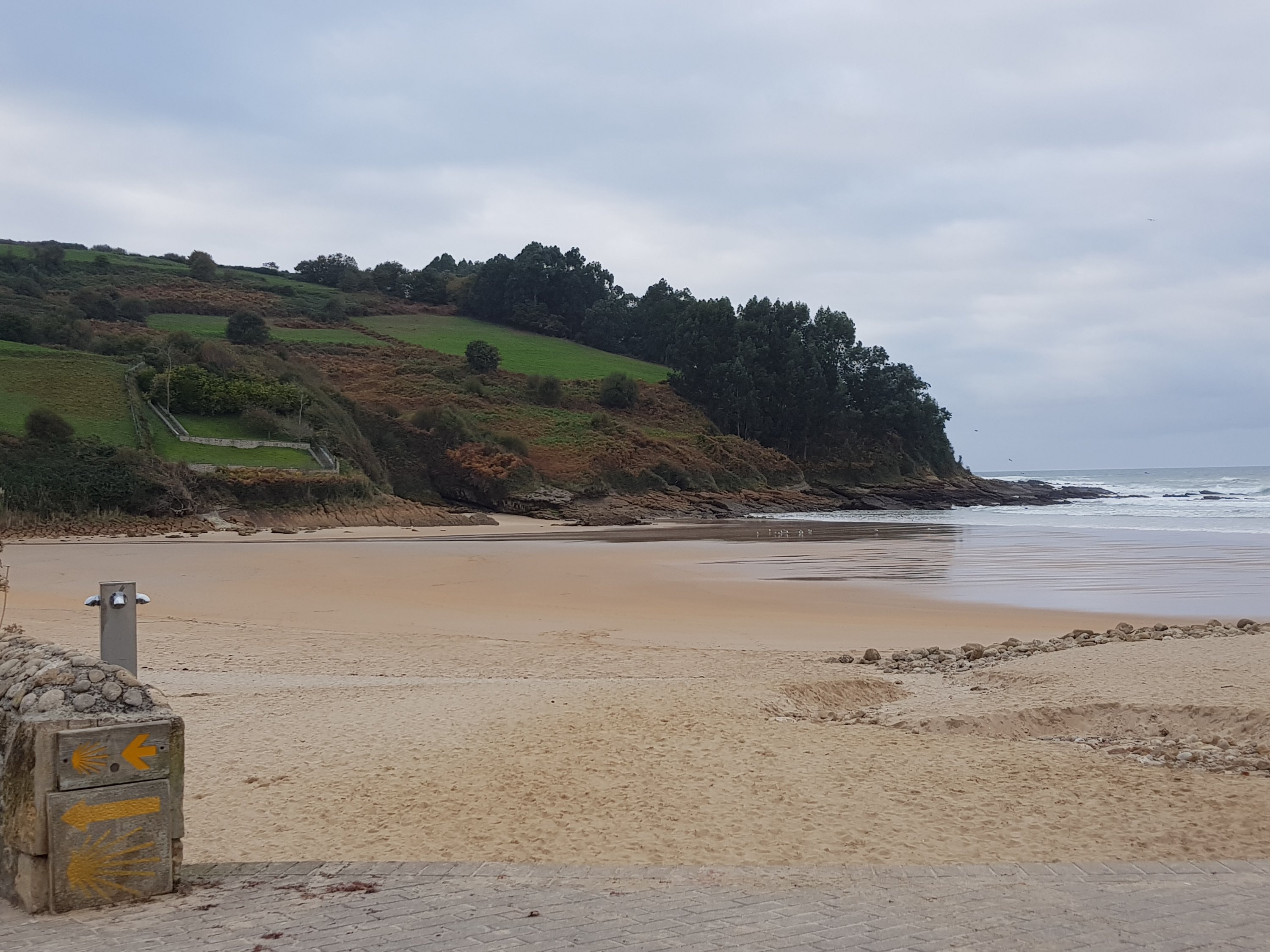
After the excitement of the cave, I had fallen behind schedule, on this very long stretch. I walked as quickly as I could through more roads, woodland, and past a gorgeous beach, trying to get to town before sunset.

I spent the last few hours frantically calling pensions and hotels in town to try to find a room. I kept coming up against the same response, ‘we are closed for winter’. Forty minutes walk away, and already night time by now, I sat in a bus shelter, and seriously considered sleeping there. It looked like quite a well built shelter, but I didn’t like the idea of being 40 minutes behind on tomorrow’s walk. In a final attempt, I phoned a golf club in the town, and managed to rent a 3 bedroom apartment for one night, for 85 euros. So with no food, and sore feet, I dragged myself there and managed to get a bed for the night. Bright side – it had a washing machine!

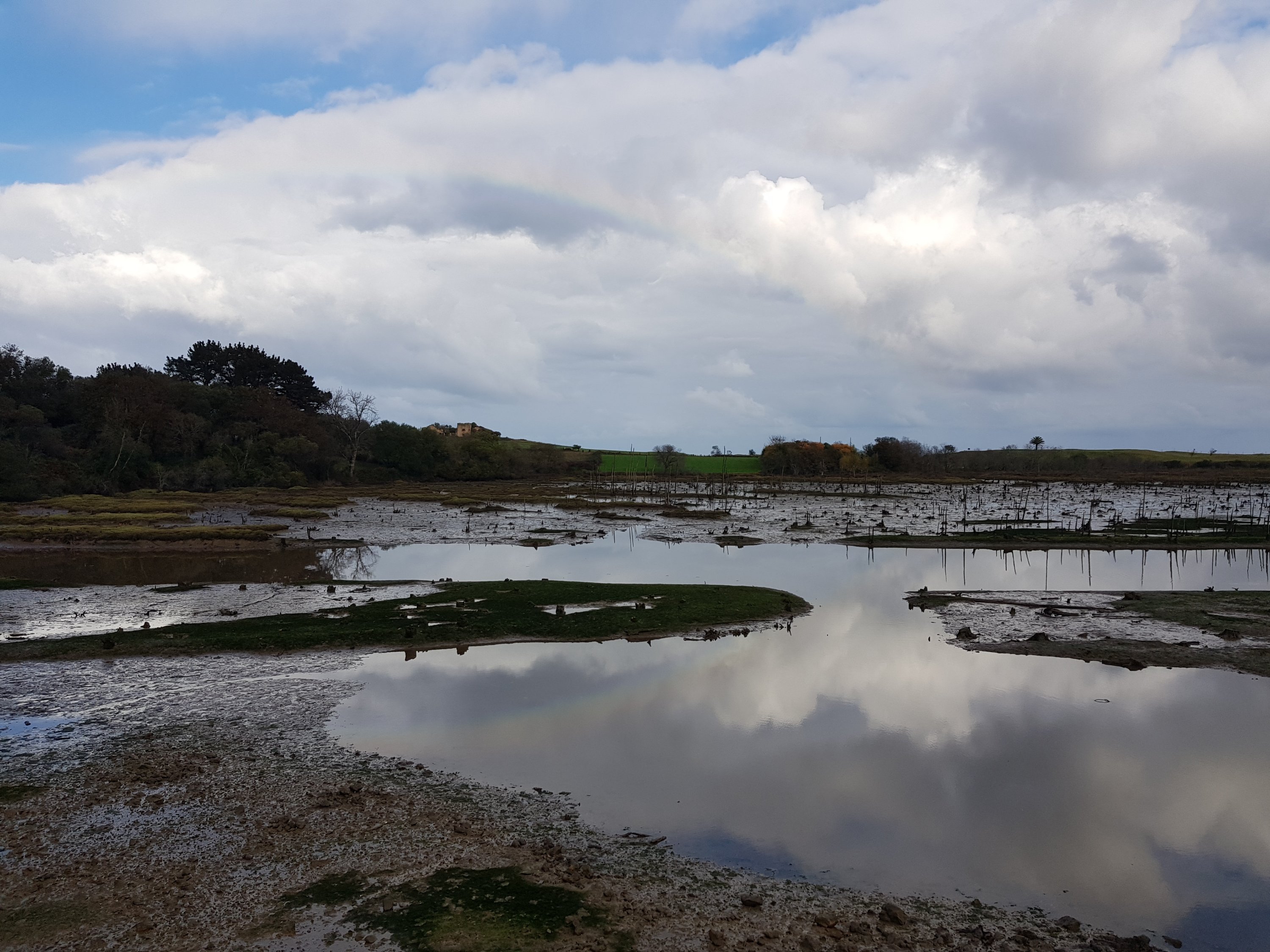
The next day, I left late, got my stamp from the tourism office, and headed out for a shorter walk to San Vincente. The day began with a lot of rain, and going uphill. After the stressful night before, and being hammered by rain, my will power was running low. Then all of a sudden, I was at a beautiful nature reserve, the sky cleared, and a rainbow appeared, and everything was better again.

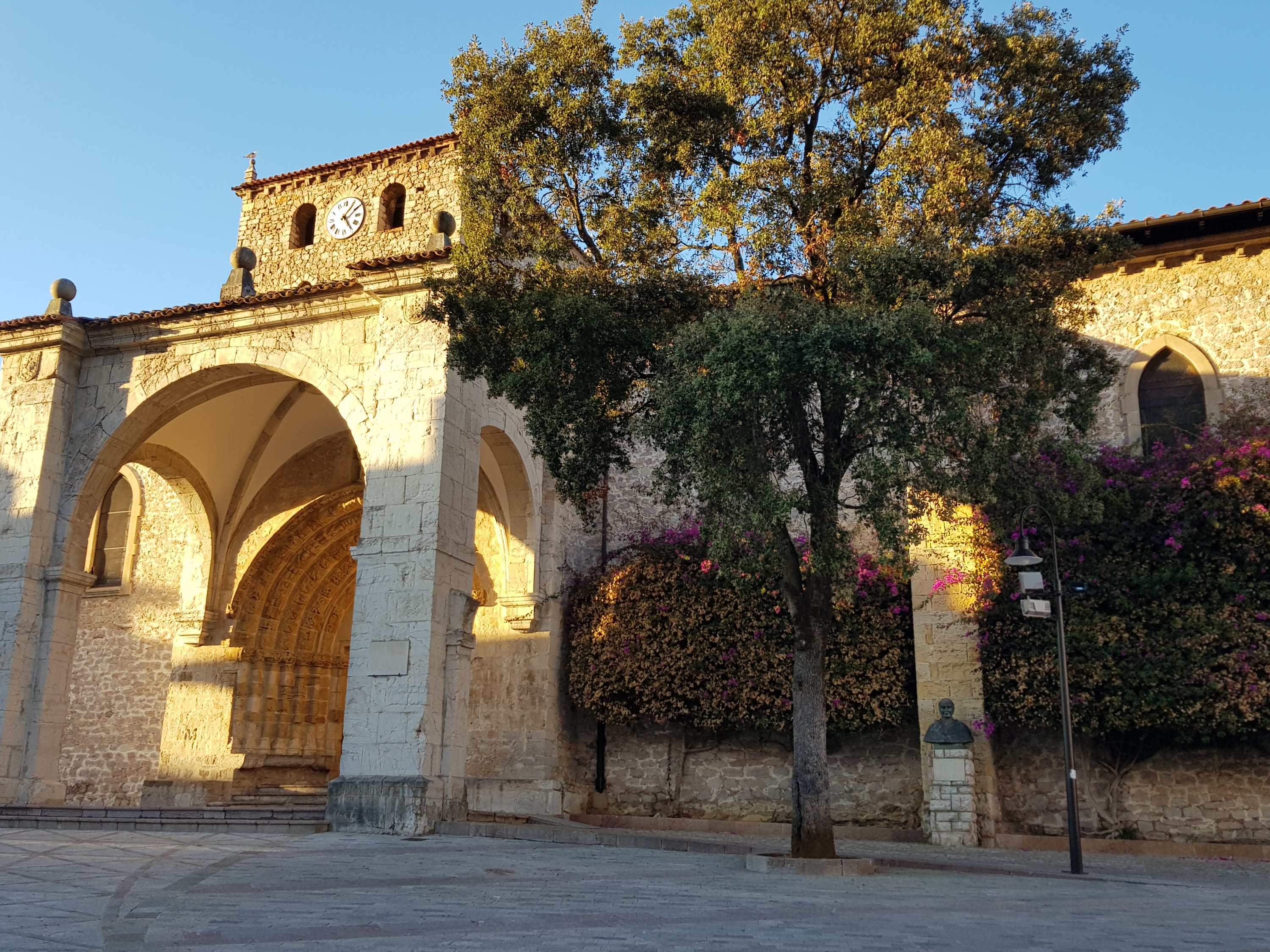
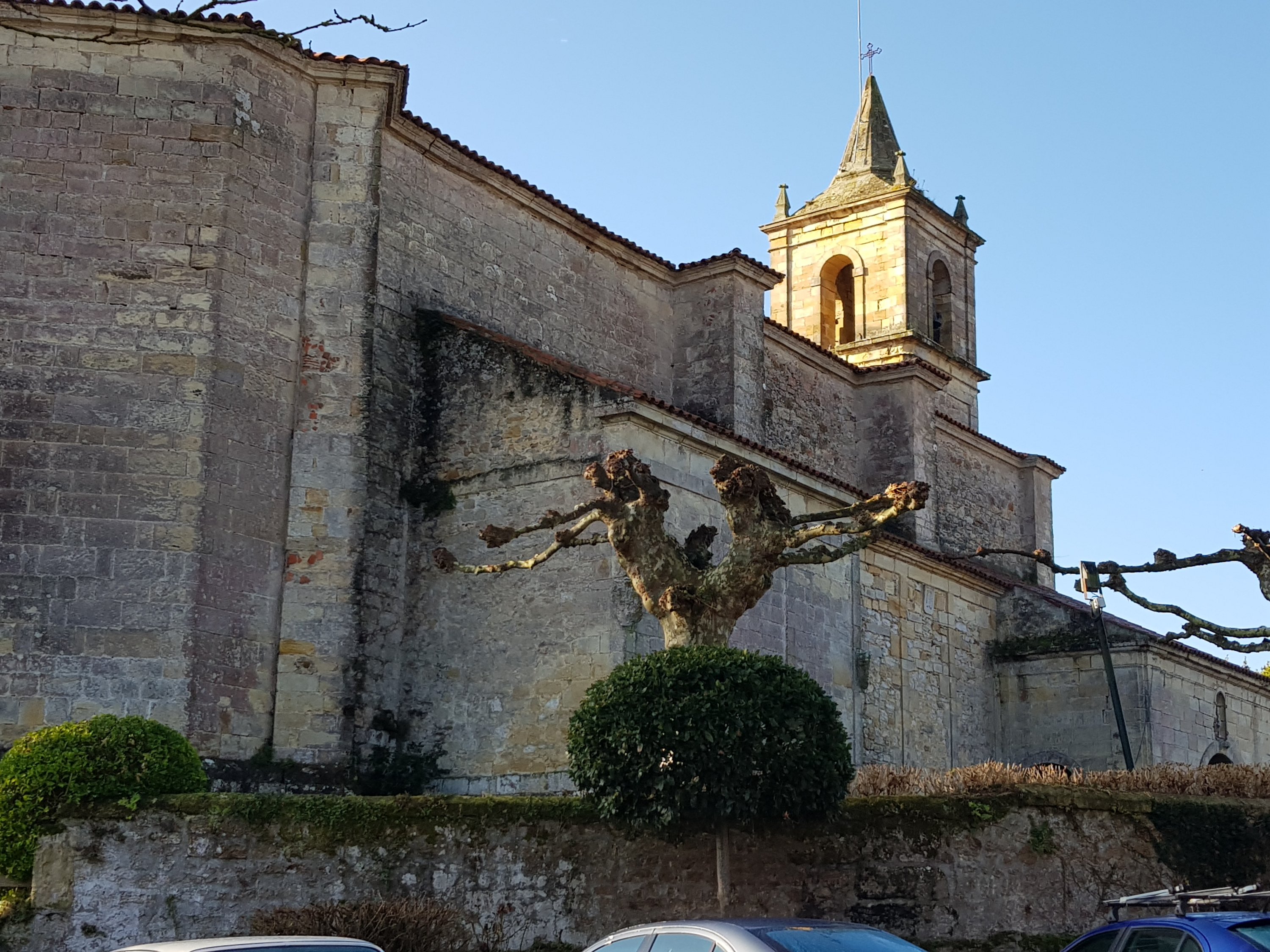
San Vincente was a big town with a beautiful old church on the hill, (that used to serve as a hospital for pilgrims), a castle, and then a pleasant restaurant and bar scene below. I met a fellow traveller over dinner, and we talked about our trips and exchanged stories. It was great to have a good conversation, it had been a few days, since I had spoken to anyone.

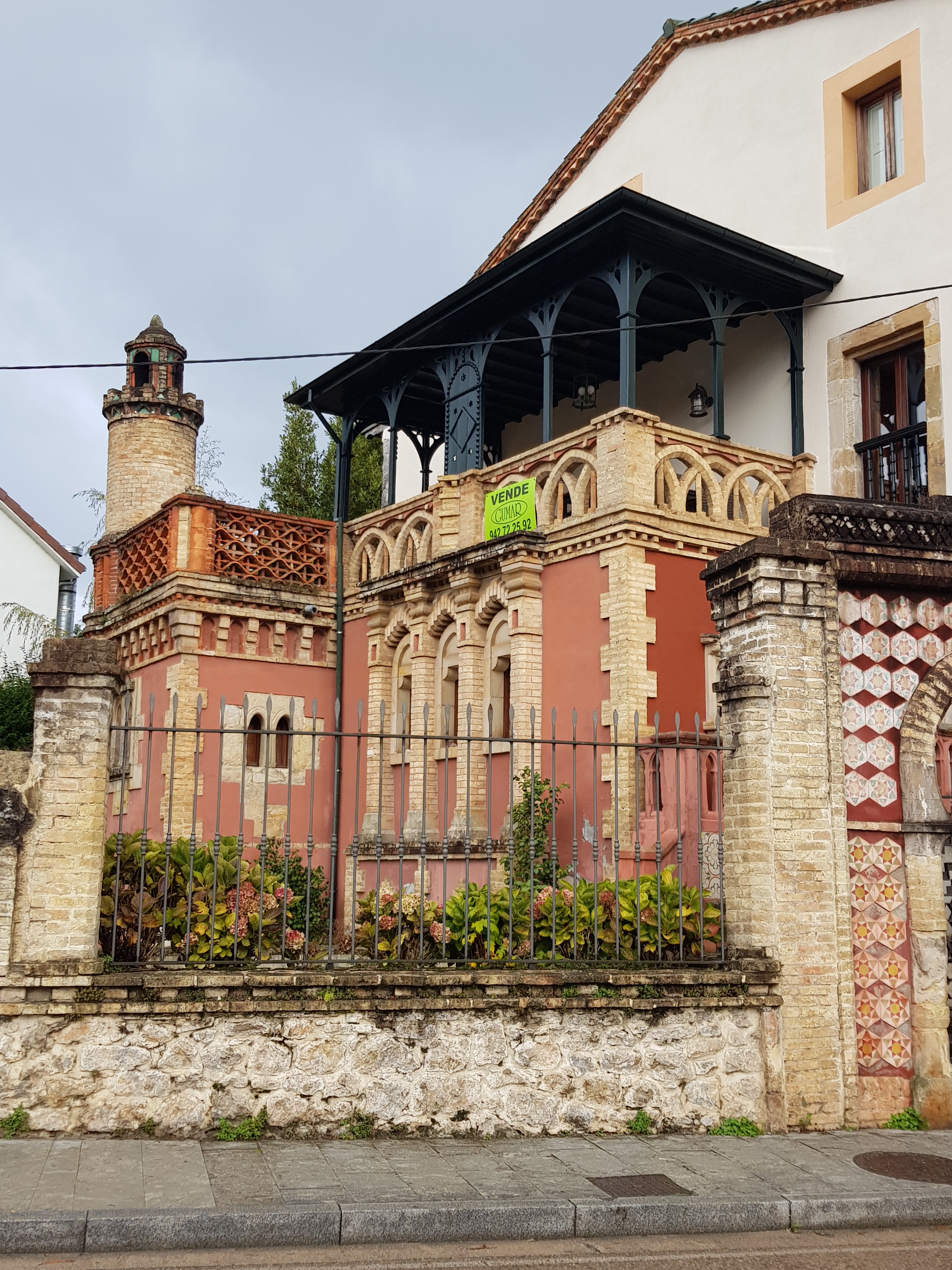
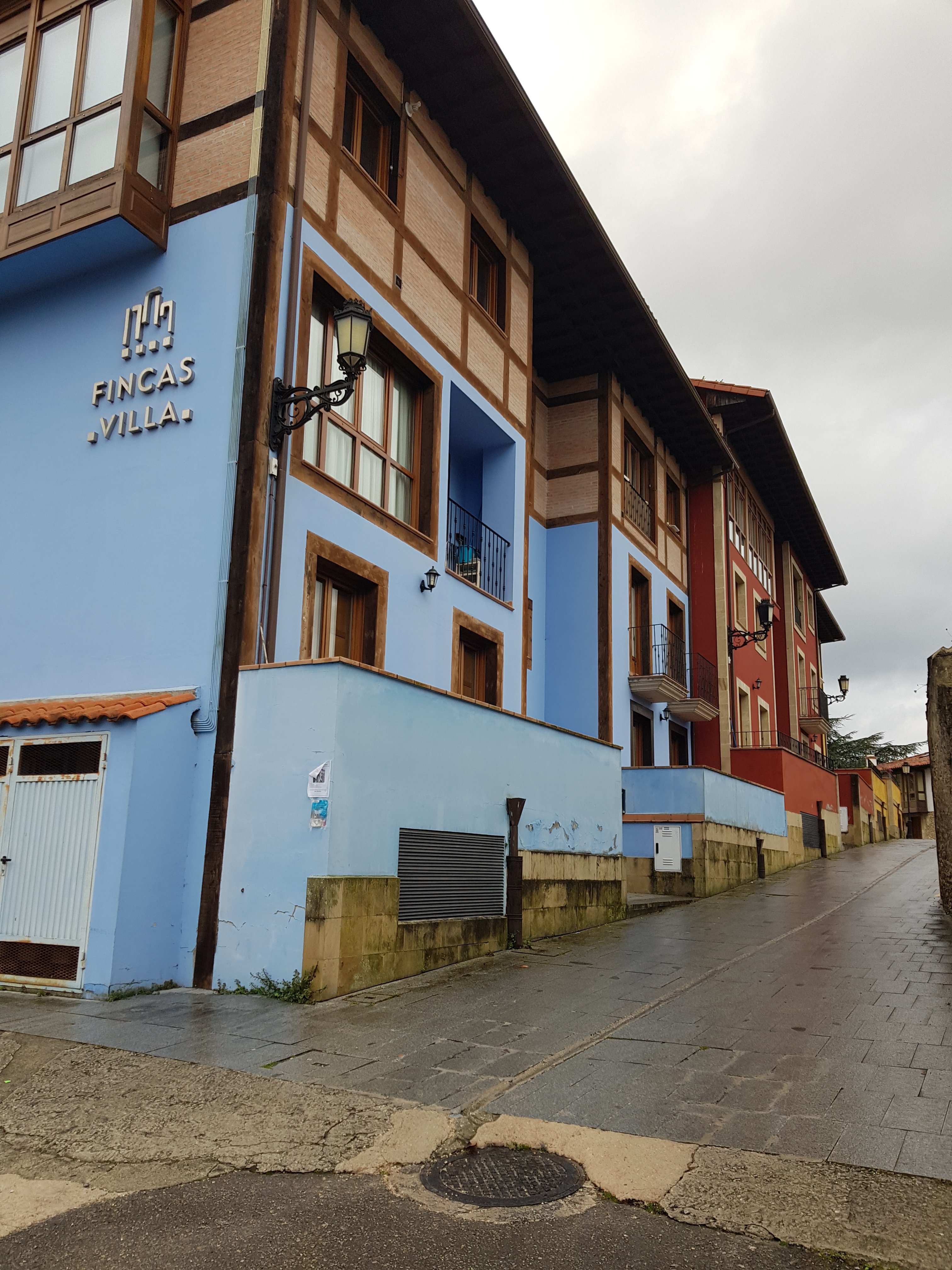
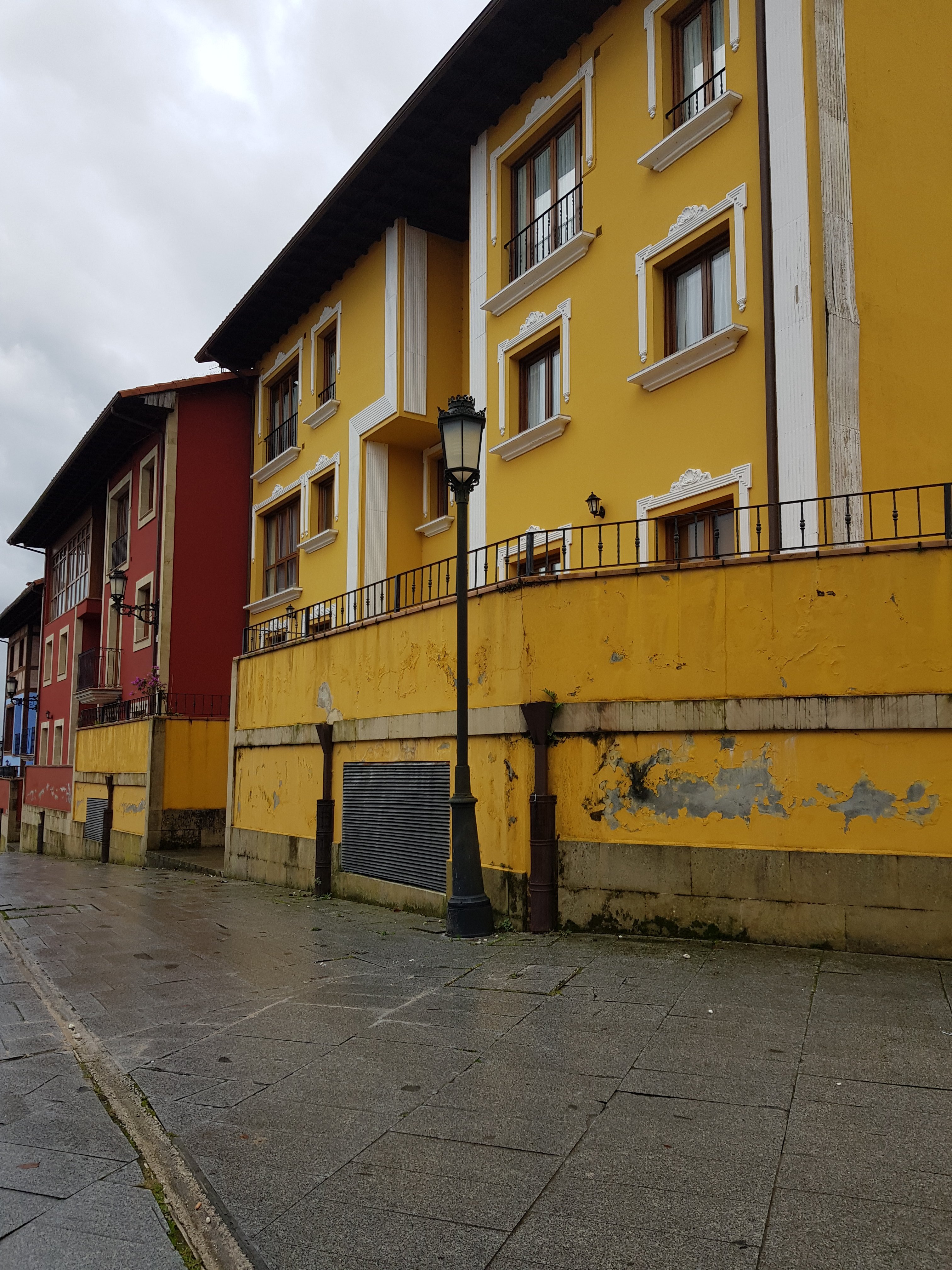
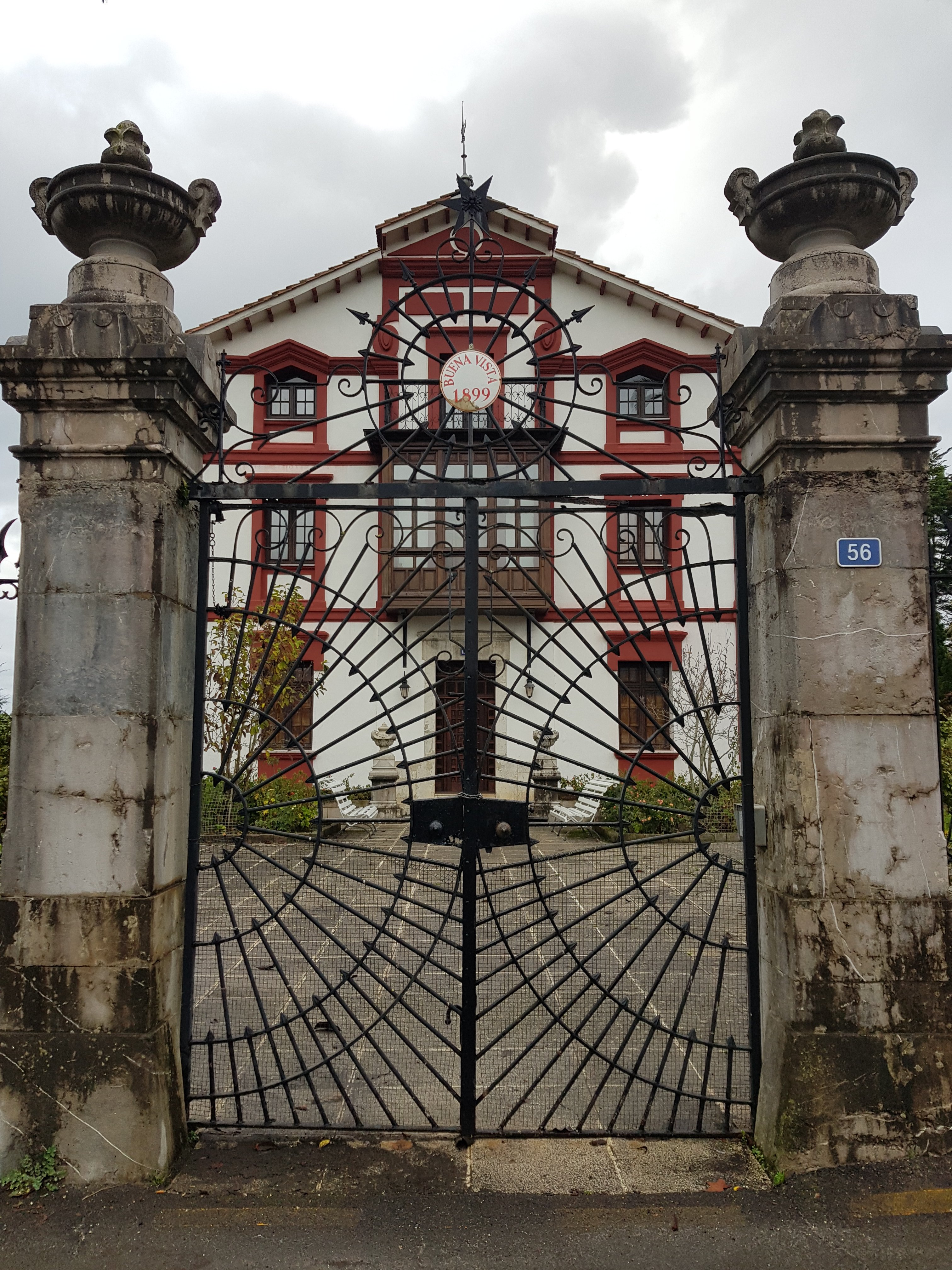
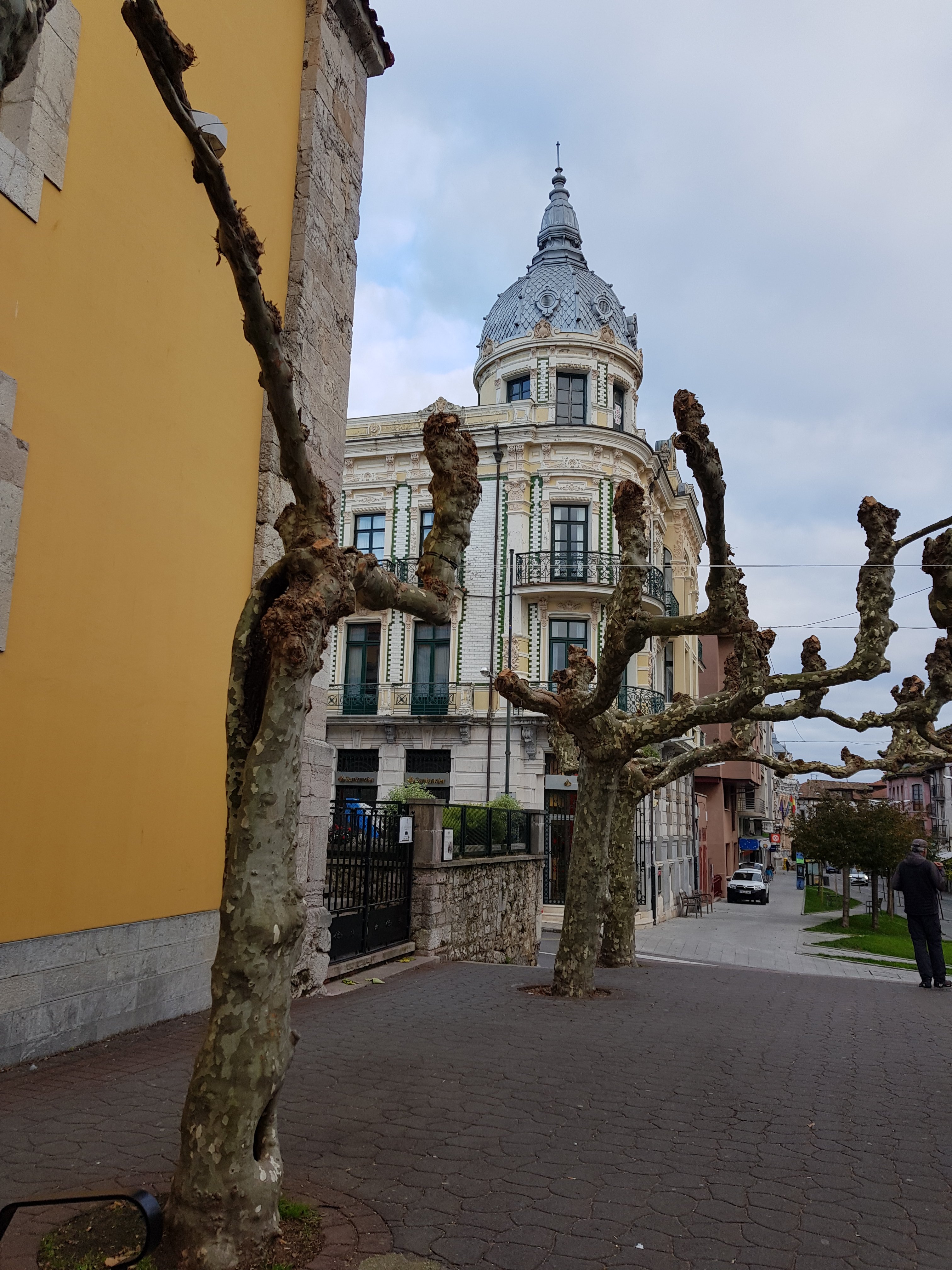
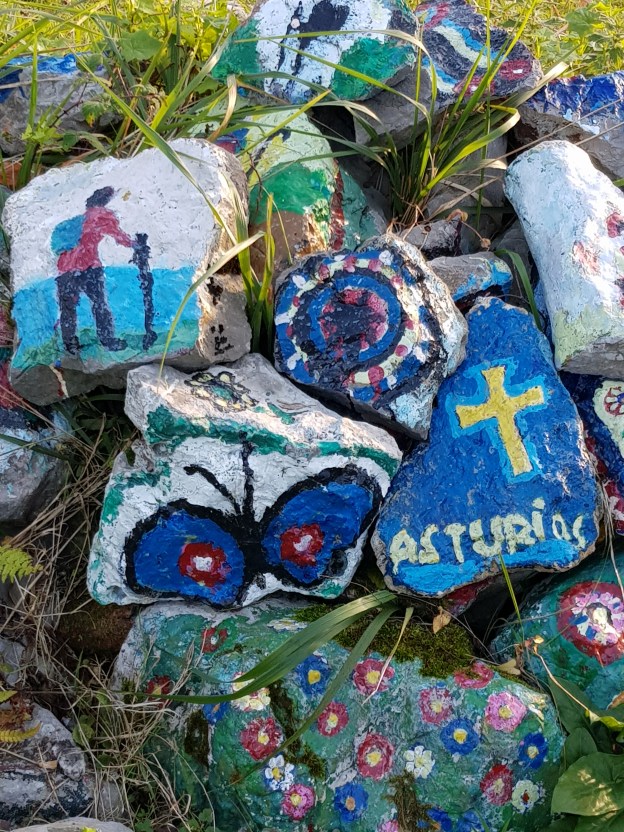
Next, I crossed the river into Asturias region, the third of four in the walk. I could immediately see the differences in the area from Cantabria. Many of the buildings were brightly coloured and beatifully built in the 1800s. They were built by ‘indianos’, spanish people that went to South America, made their fortune, then returned and built beautiful lavish homes for themselves.

I stayed in Llanes for the night, in the train station albergue, and the influence was clear here. It also had a gorgeous ancient quarter of the town, as well as a port once famous for whaling. There are quite a few shops here but it is on the pricey side.

Next day, was the 20 mile hike to Ribadesella. The day before I had to cut my walk short, as my foot was so sore it had started bleeding. I was worried about making the hike but feeling determined.

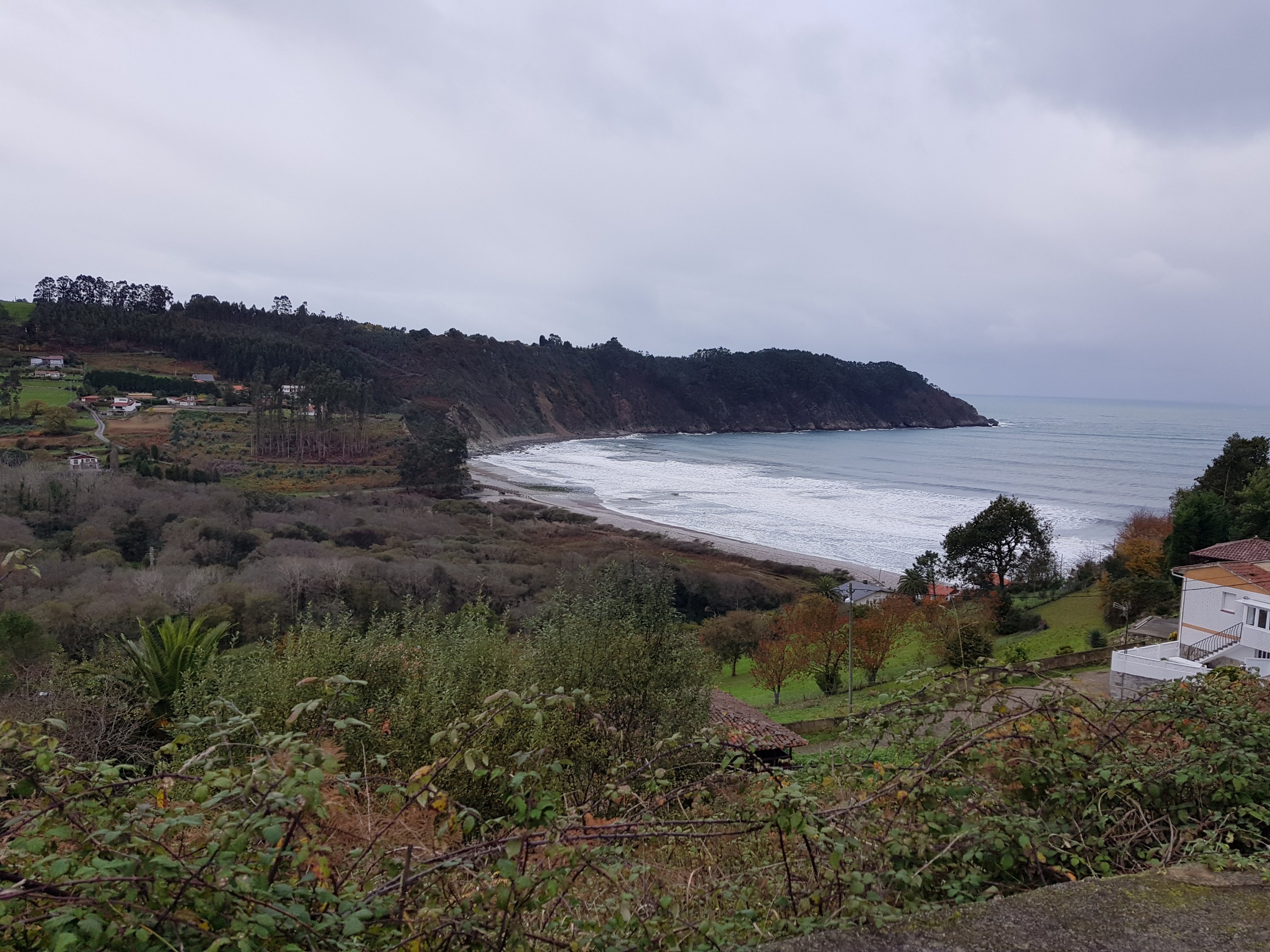
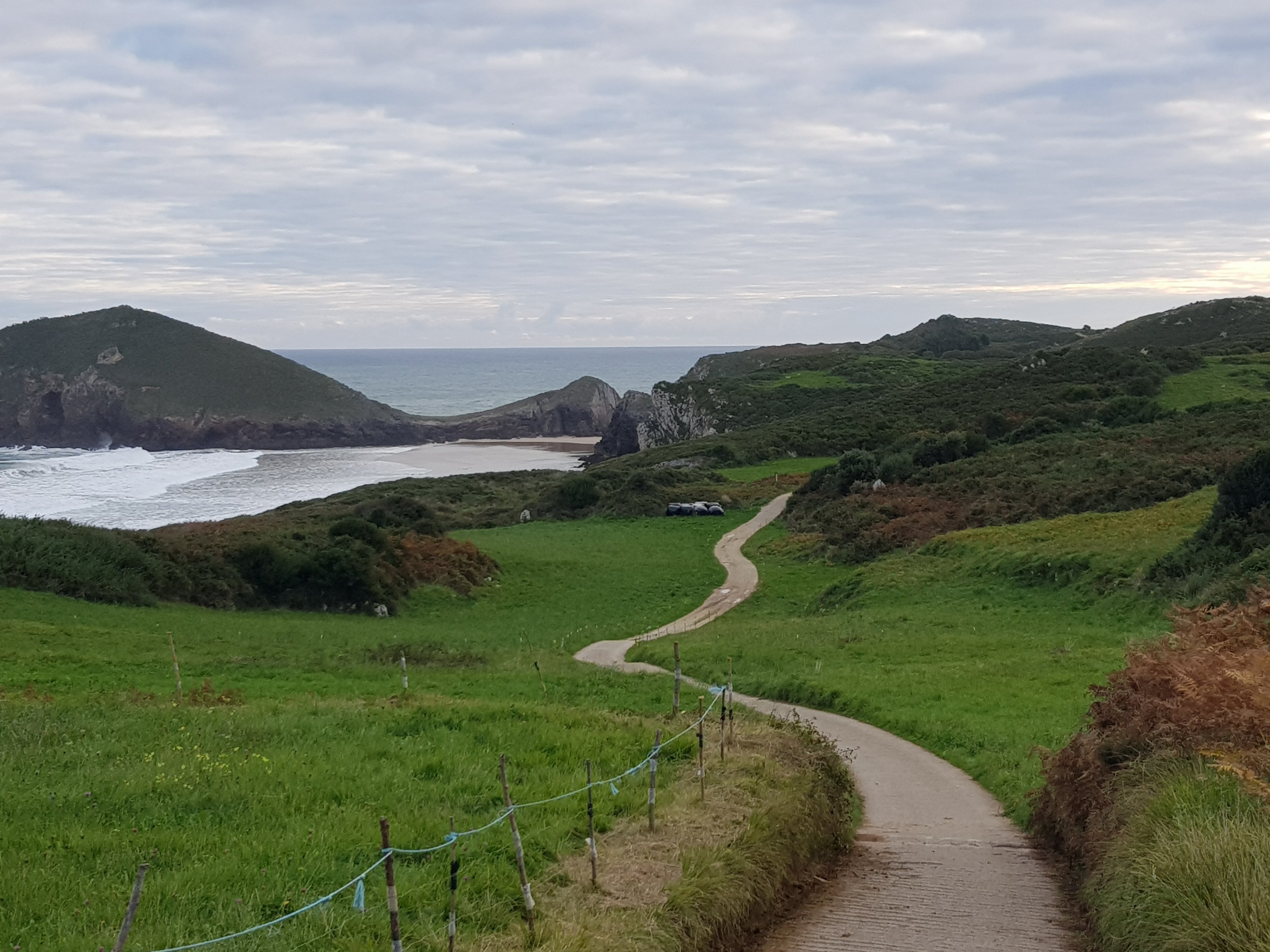
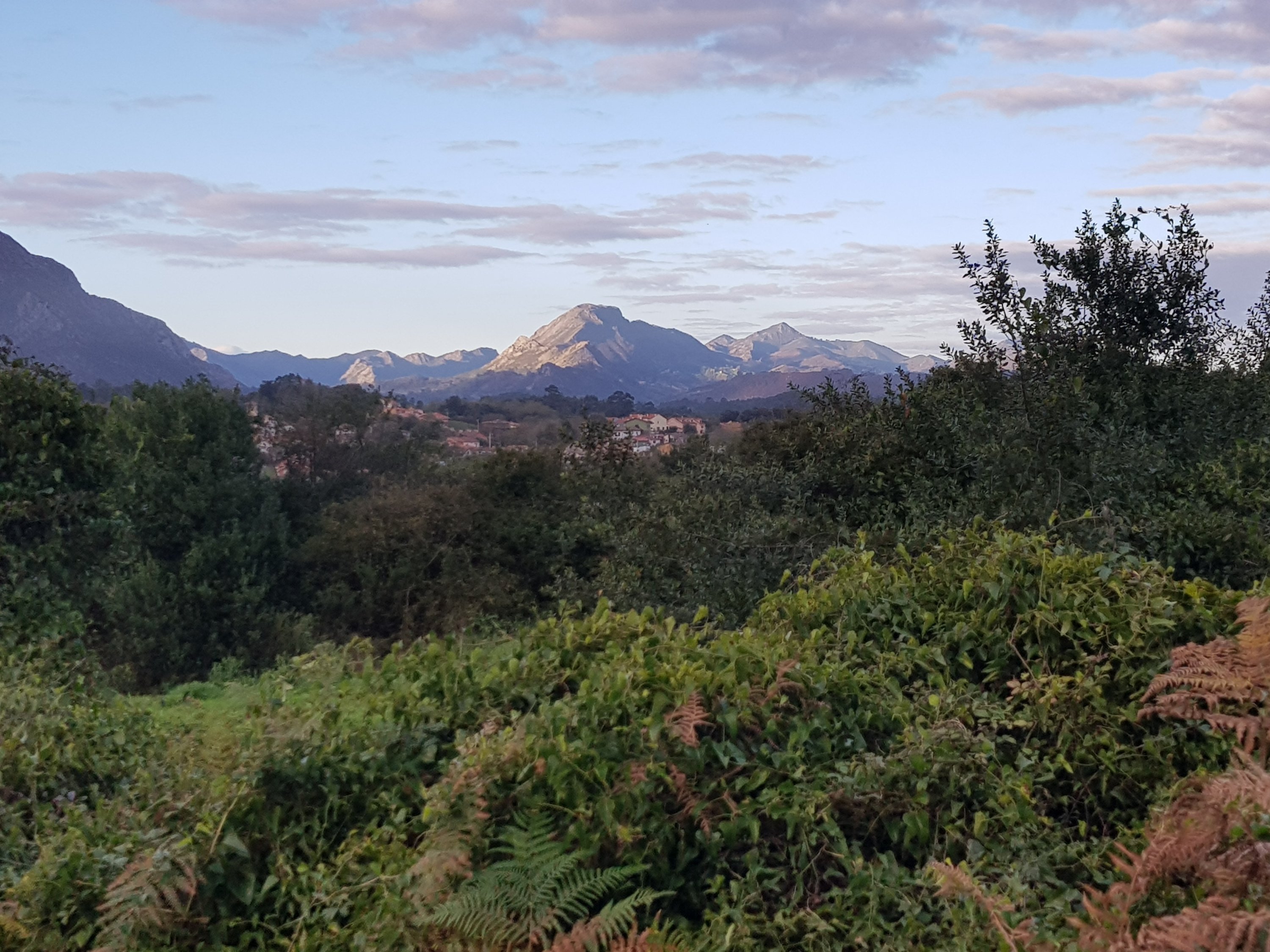
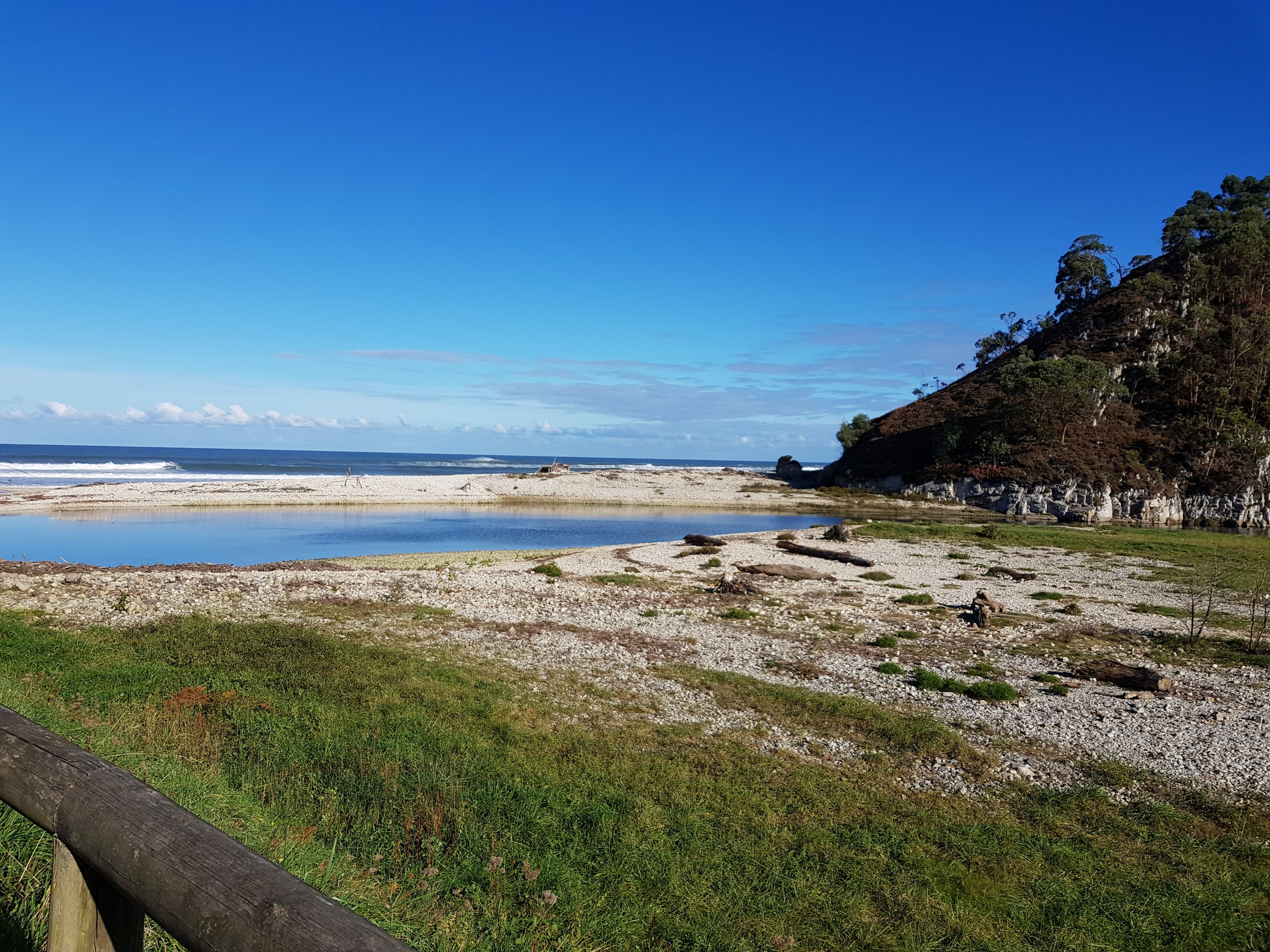
The walk was very varied, with the Picos de Europa mountain range on the left and beaches to the right, woodlands and farmland. It was really enjoyable and had amazing scenery. It was only in the final two of eight hours I began to be just dragging myself along to the end!

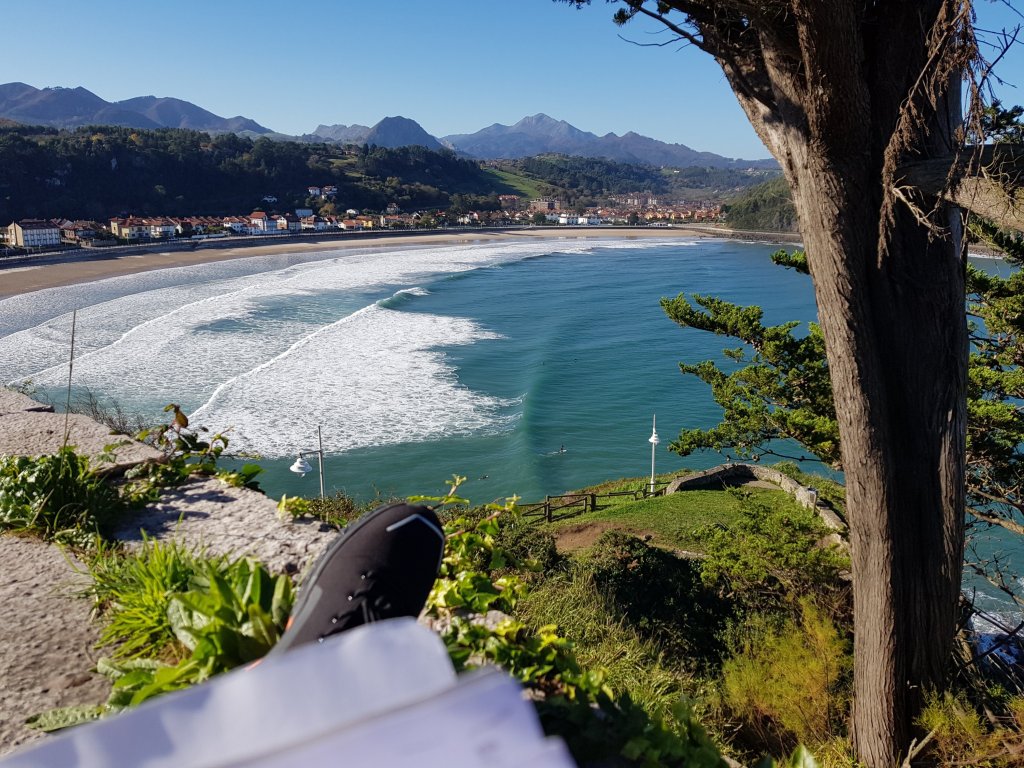
Ribadesella is another coastal town, with a harbour, and another gorgeous beach. I hiked to the viewpoint and did some sketching, and just chilled. There are some more caves near this area, but on this day I decided to keep them as a mystery. It always gives me a reason to return!

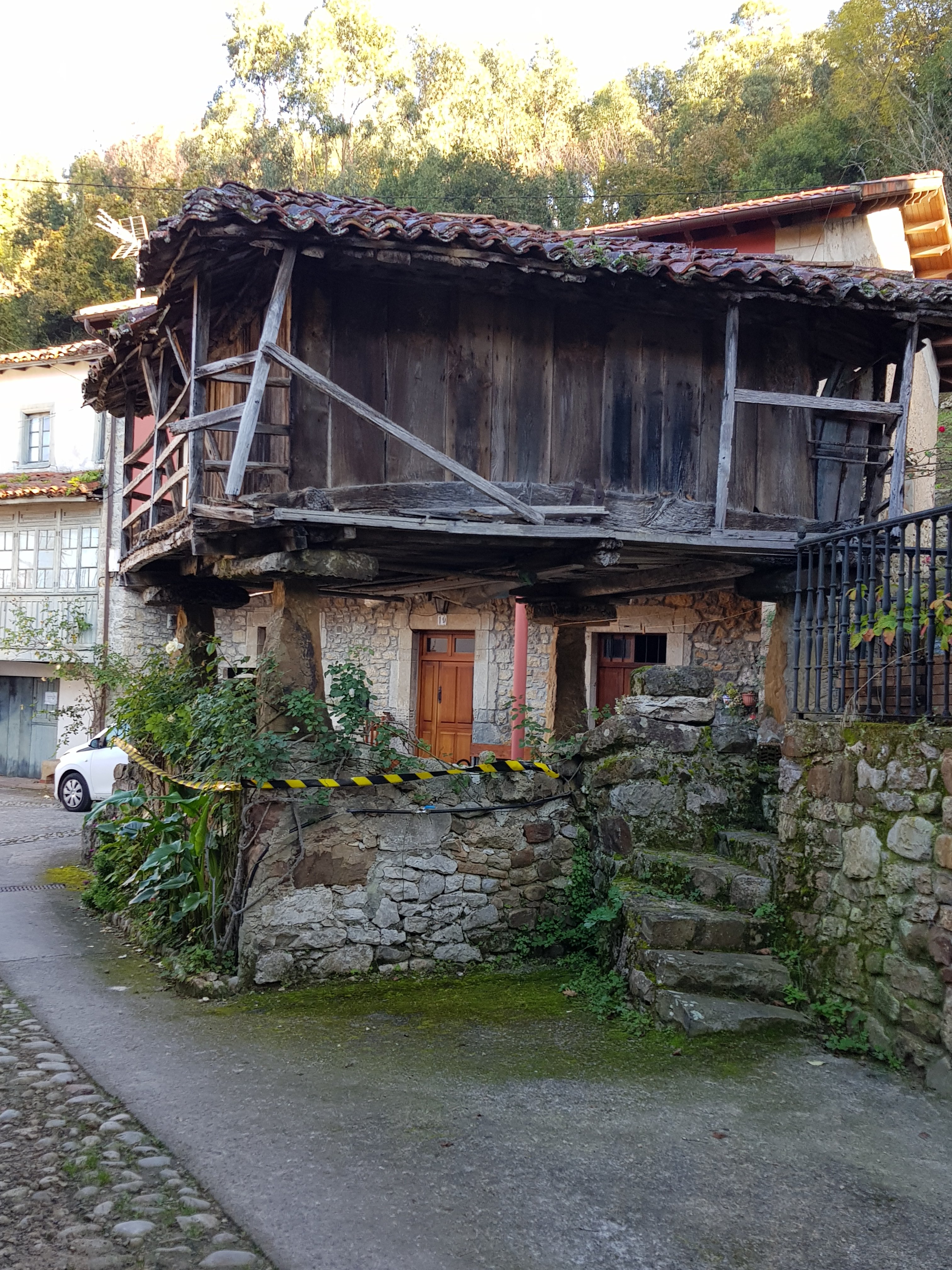
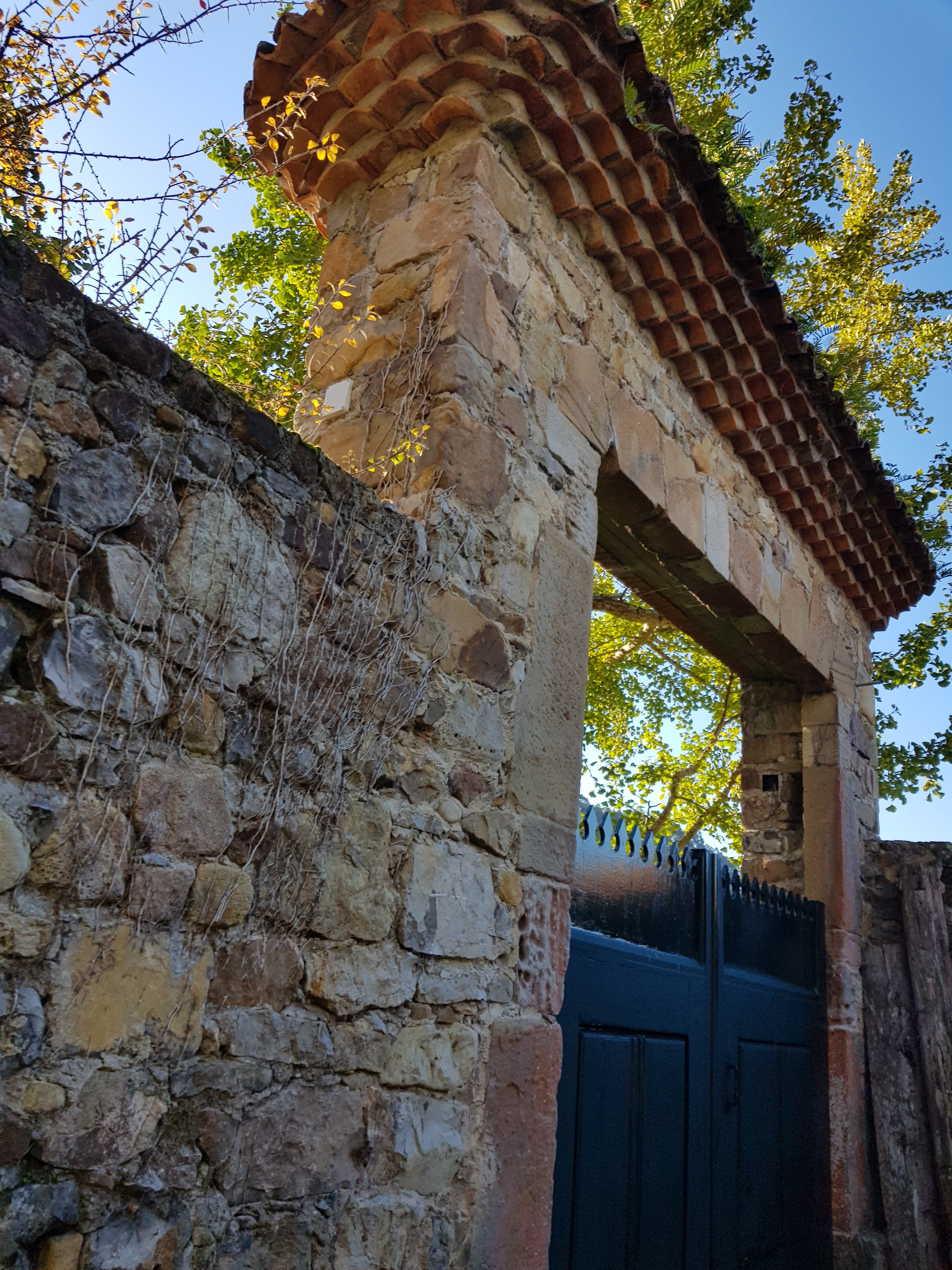
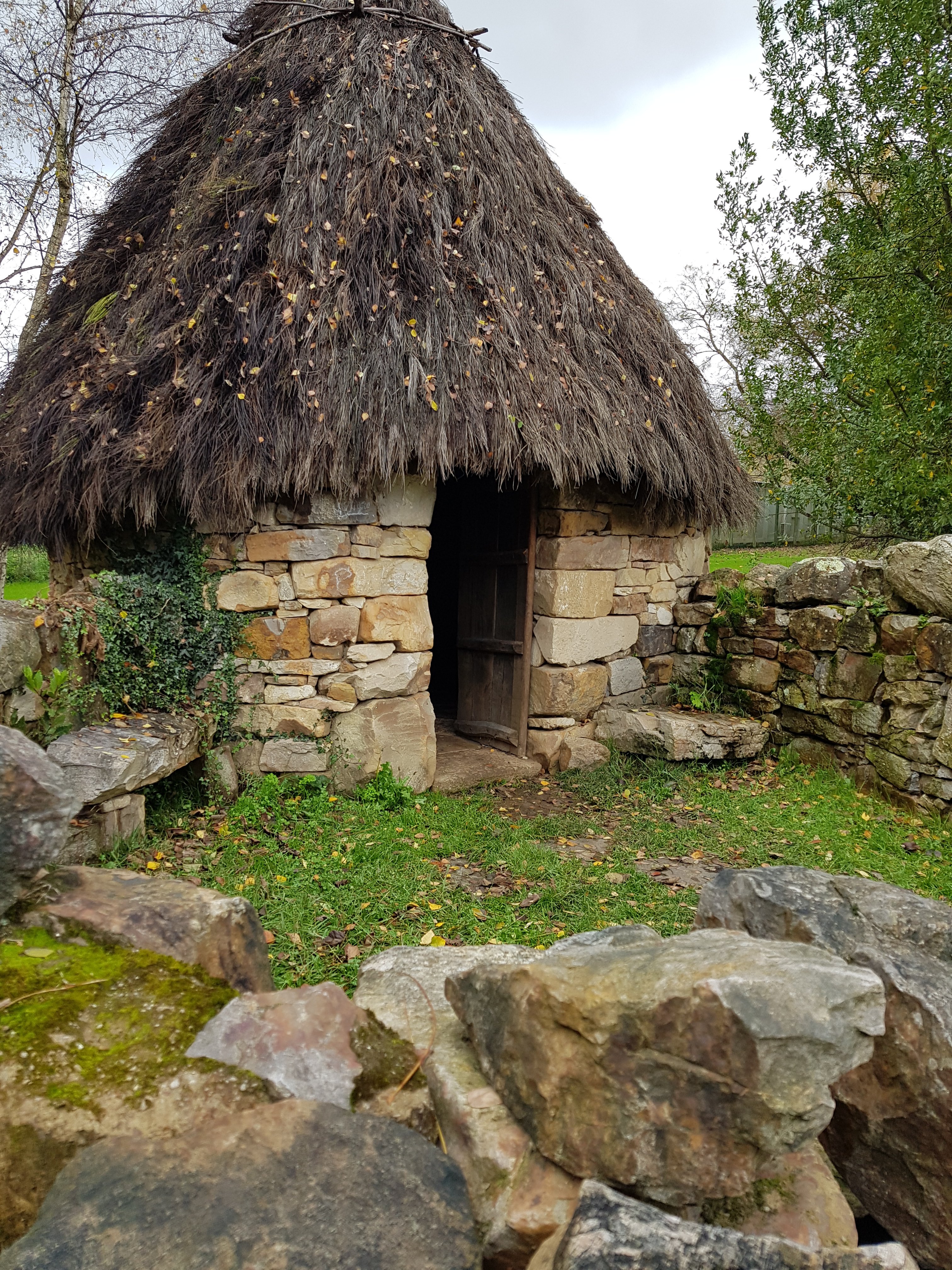
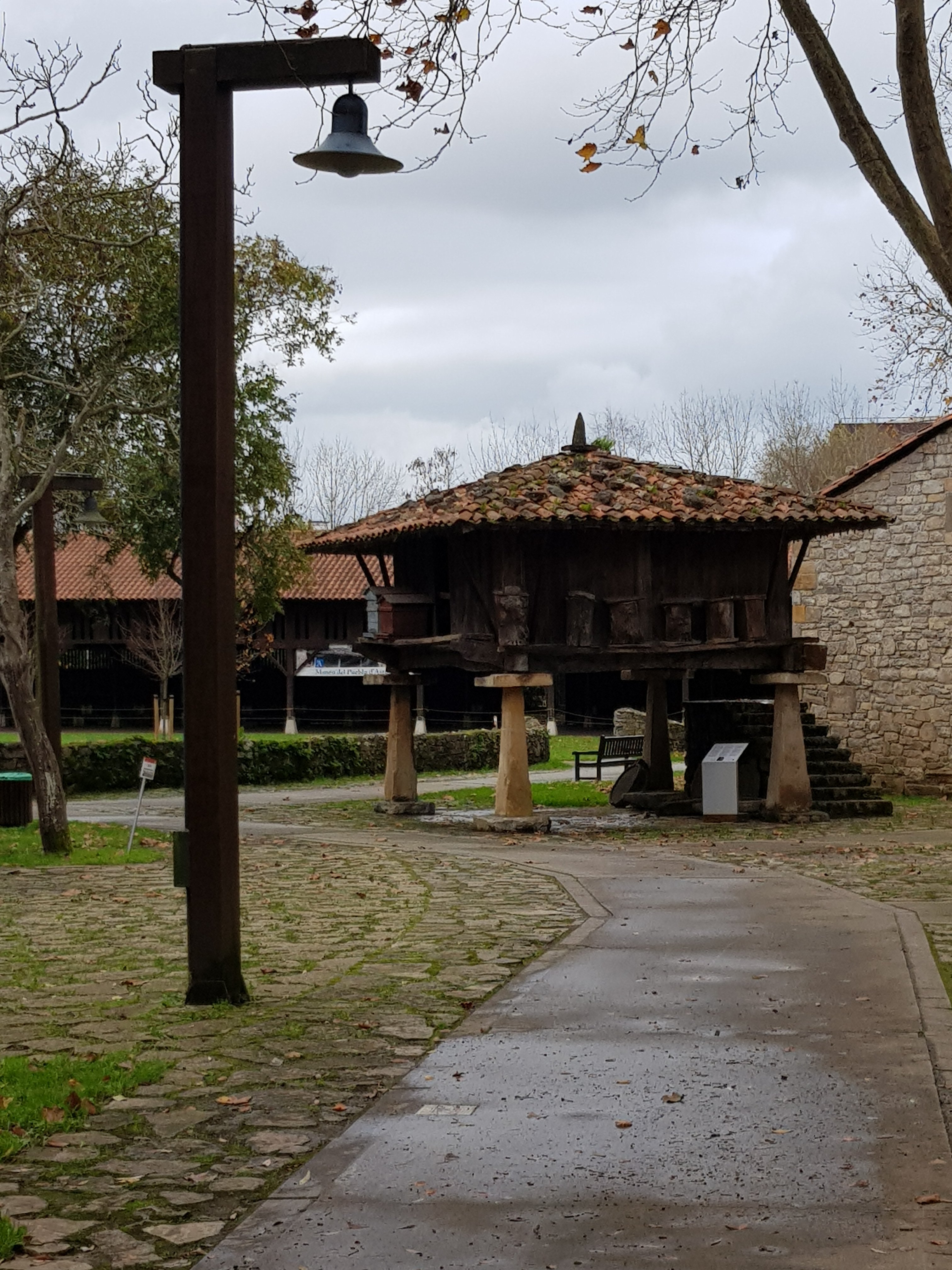
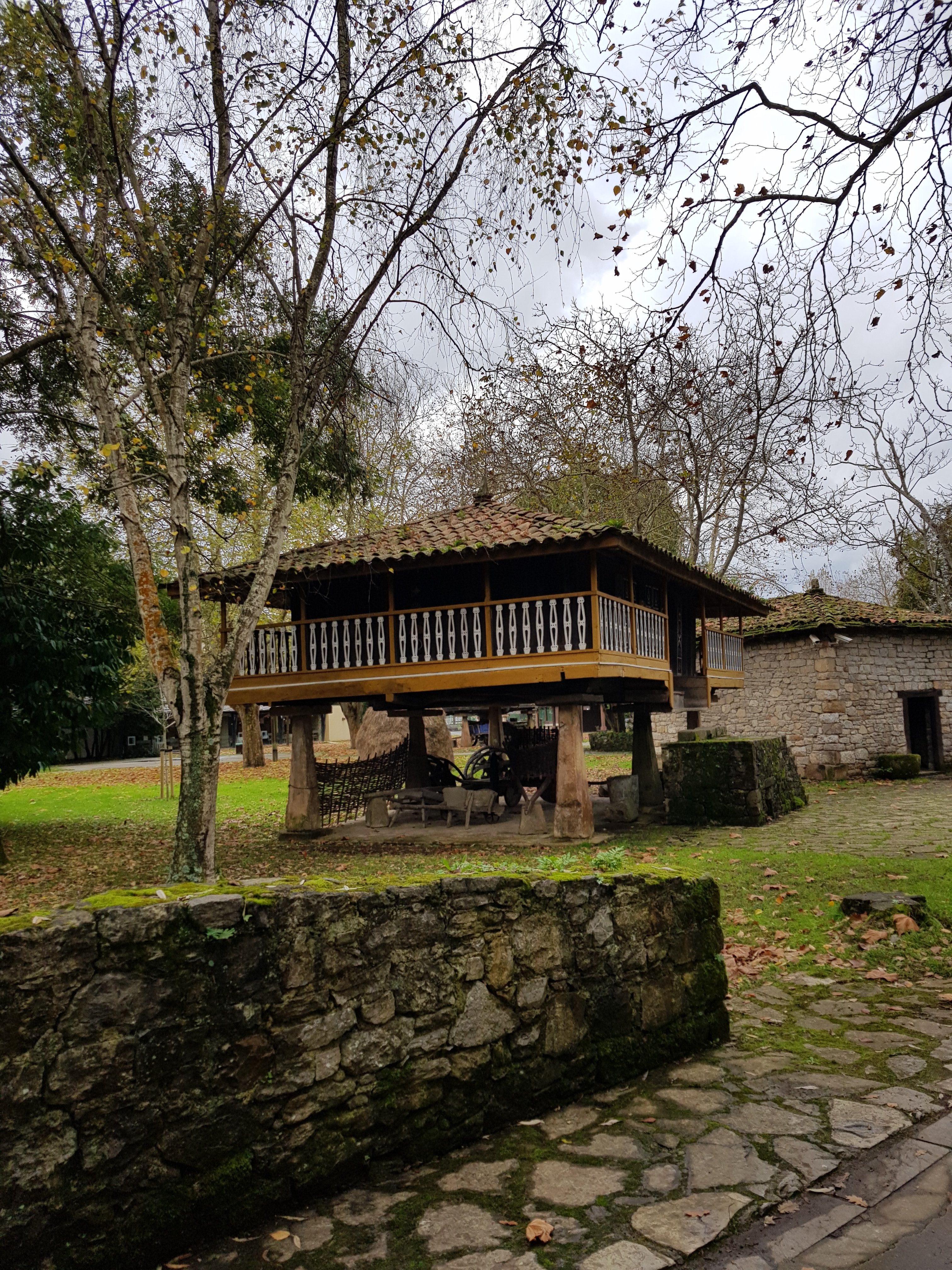
The next walk to Colunga, was still full of beautiful beaches, but also some other things that I have noticed only in Asturias. Gateways with a weird style of layered tiles that I can only assume is decorative, a unique way of pouring cider that has maximum splash impact, (it turns out Asturias is famous for its cider)… and these unstable looking sheds… called horreos or paneras.

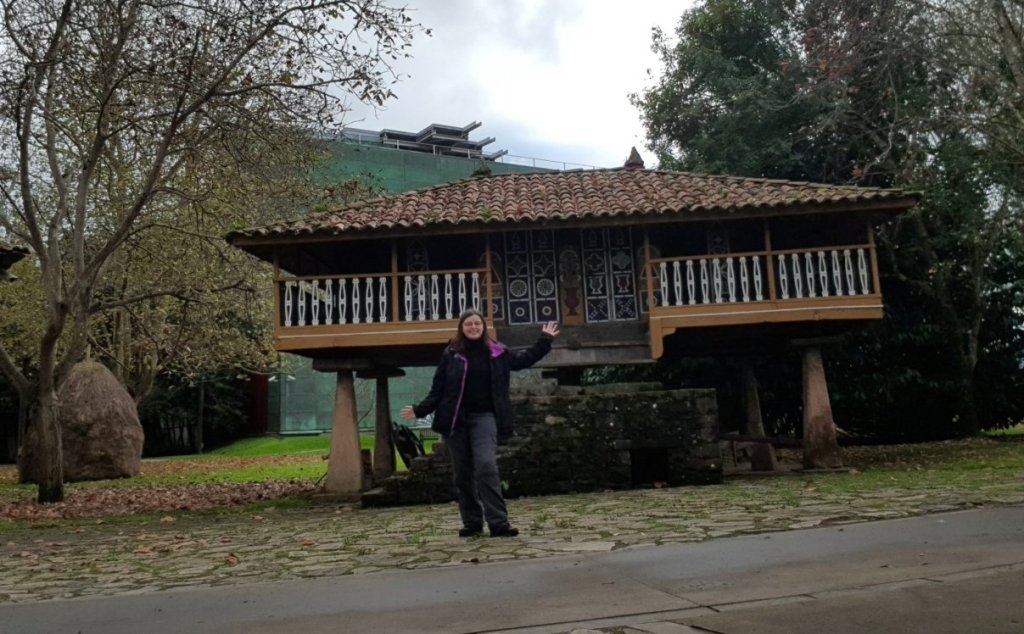
They seem to be dotted all along the rural villages. They are all wooden huts, sitting on top of stacked stones. I would be very nervous to go inside these, as they look so wobbly. Traditionally they were used to stock dry grains away from rodents (I have seen rats climb though…) Now, people continue to use them to store firewood, hay, and I even saw some people living in them! Planning permission must be a breeze here… they are everywhere!

Gijon

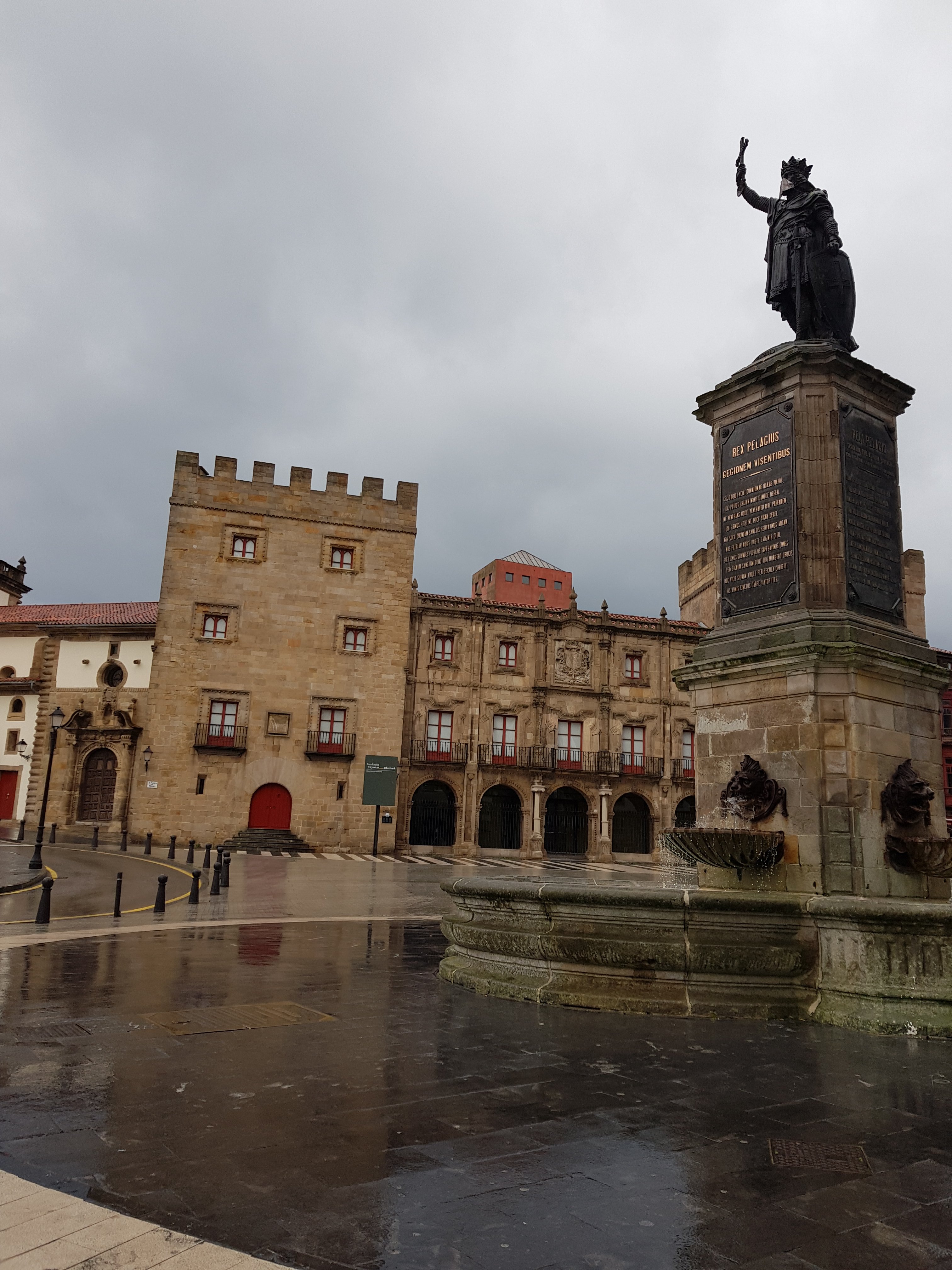
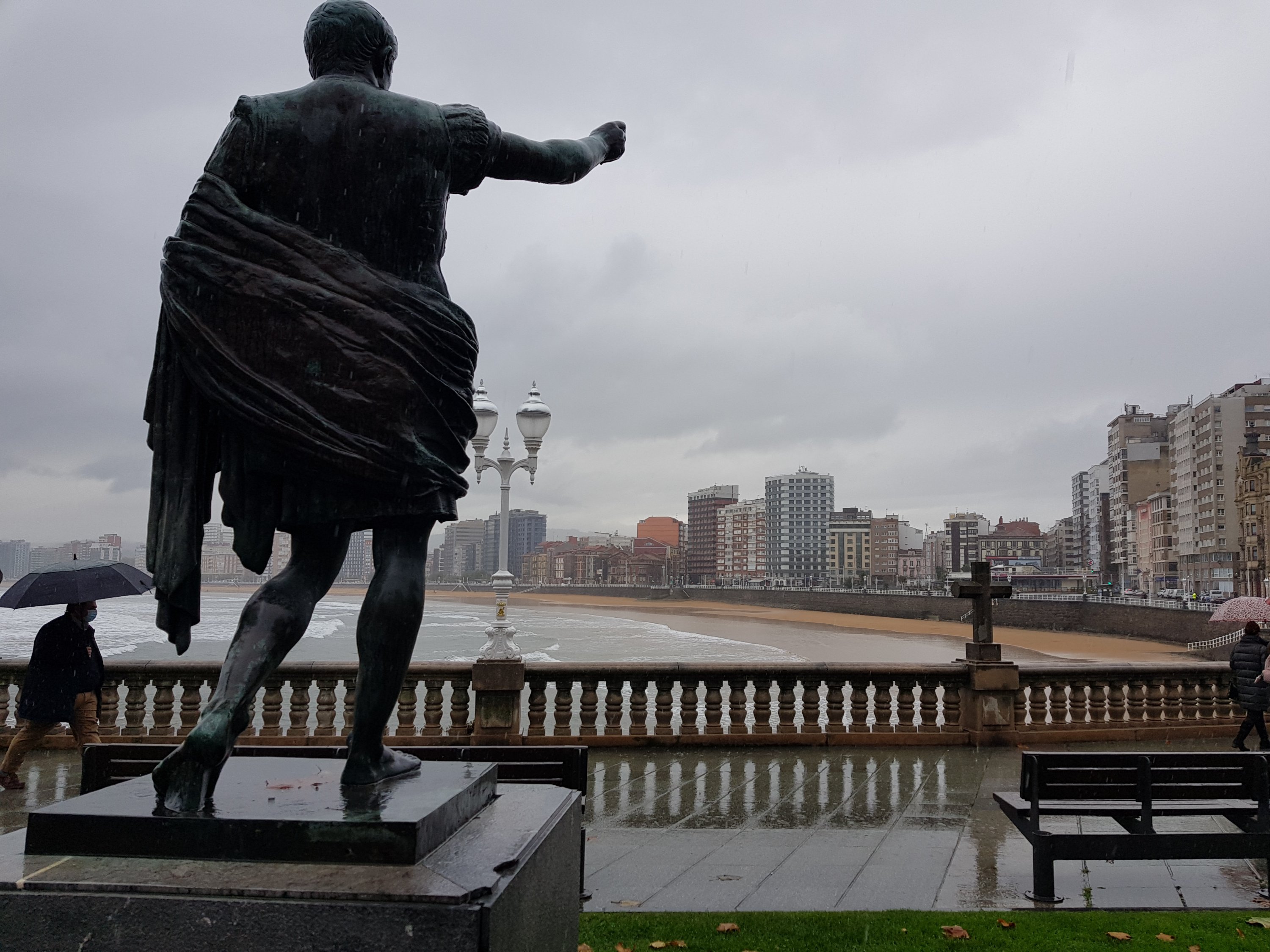
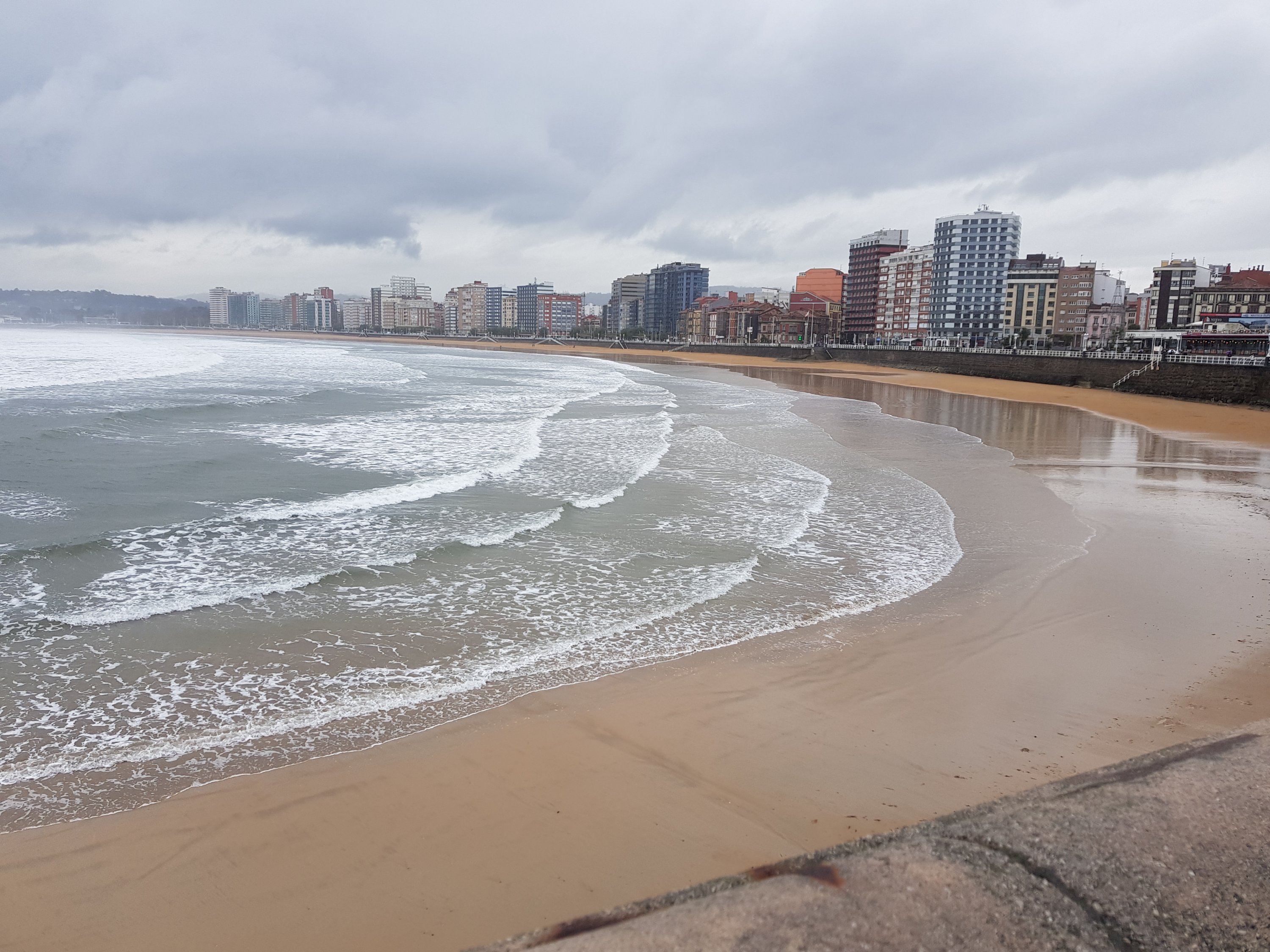
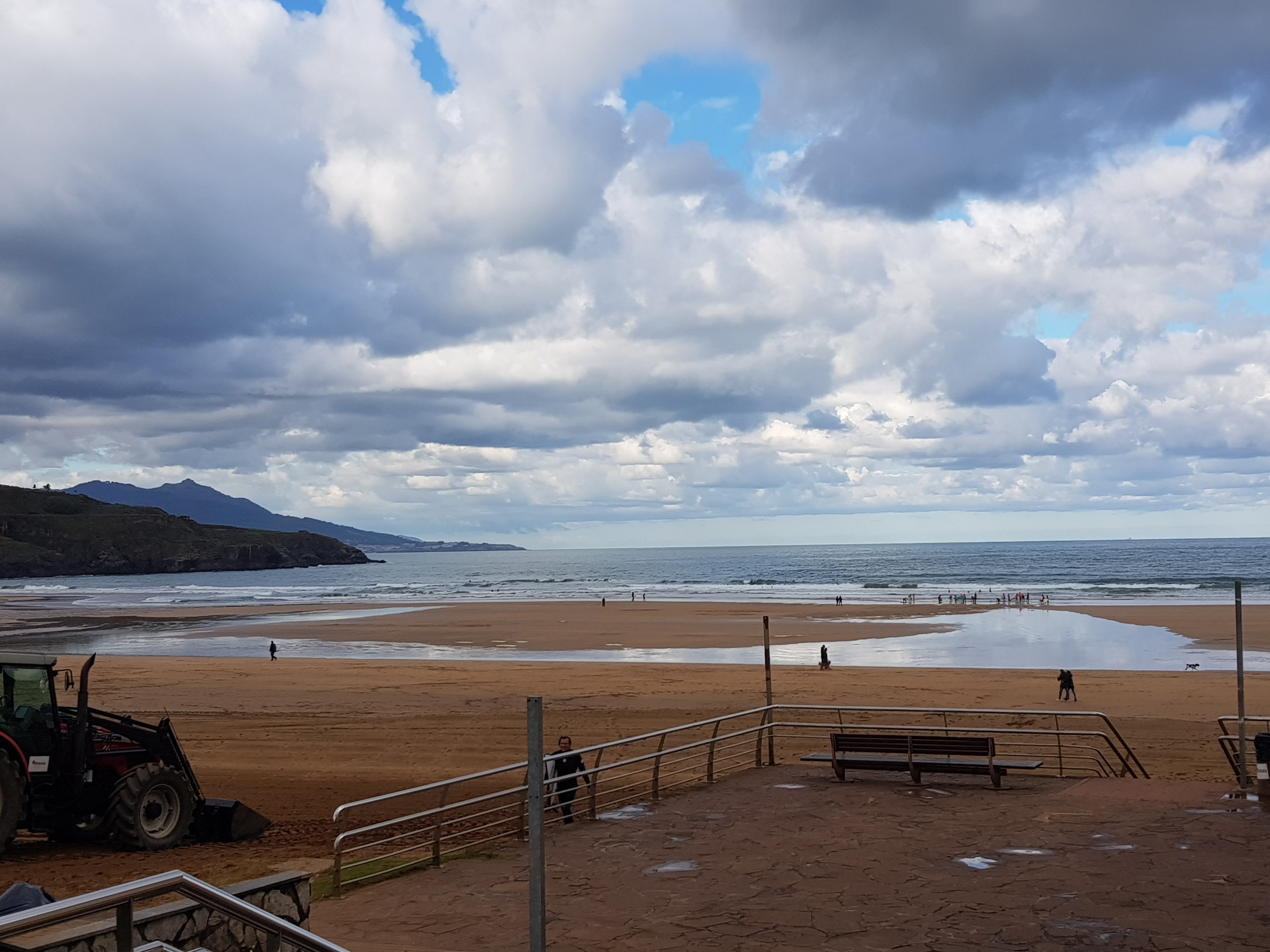
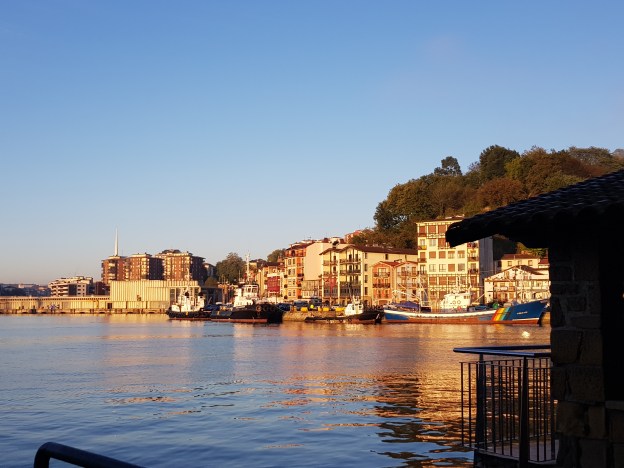
After a rainy day and night in the pretty town of Villaviciosa, I finally arrived in the city of Gijon. I stayed in a hostel right on the beach.

The city has countless cider houses, and whilst I did not spot a cathedral, it has several churches and a basilica. This was my last opportunity to stock up on supplies before I arrive in Santiago de Compostela in another two weeks or so. I hit the supermarket for more plasters, high protein snacks etc. Hopefully, I will be okay!

With only a day in Gijon, I had to be picky about what to see. Gijon has a set of roman ruins that I was tempted by, but the pull to find out more about those wooden sheds I had seen, was much stronger. So, I walked to the edge of the city, to the Museum of the people of Asturias.

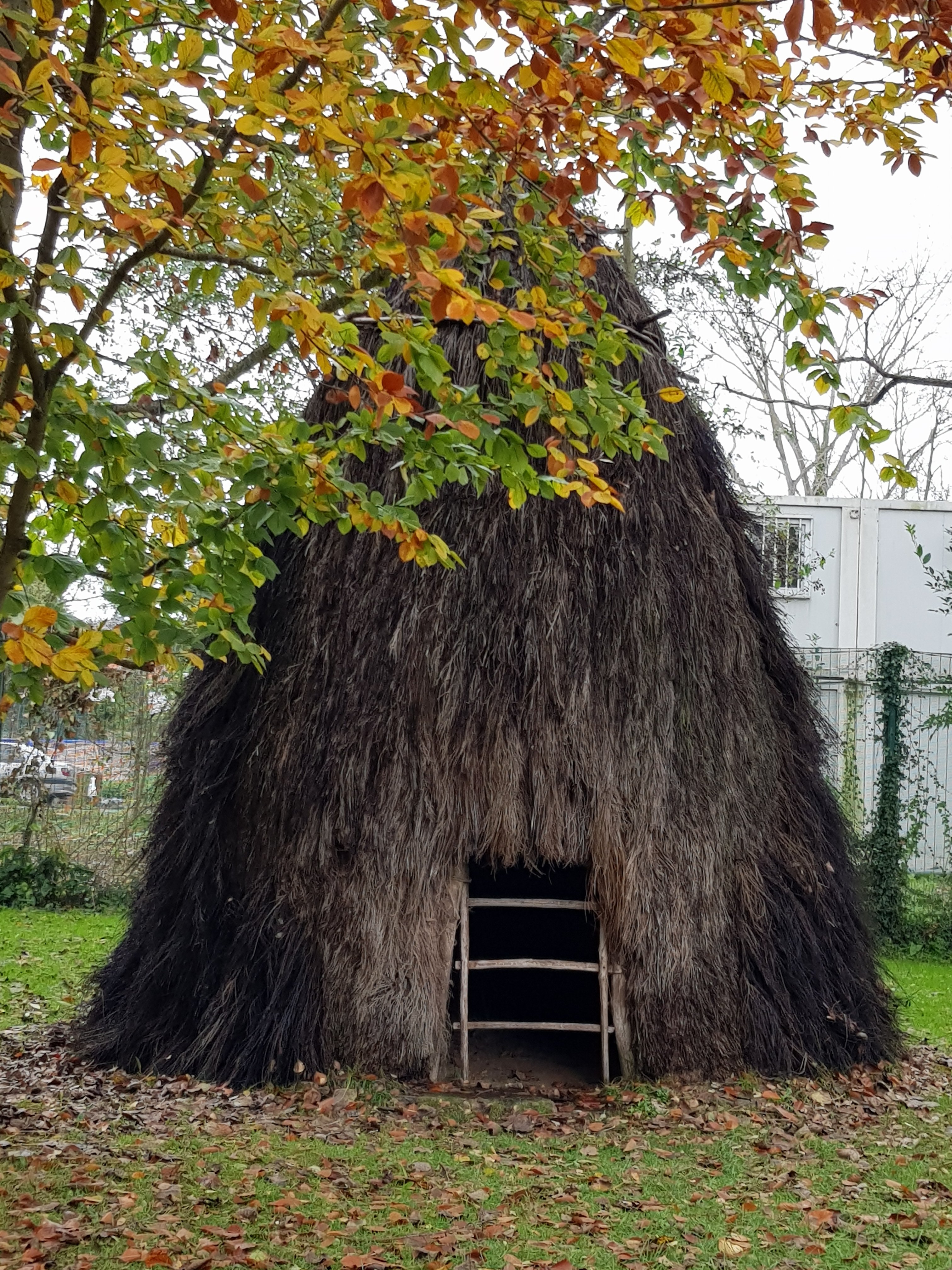
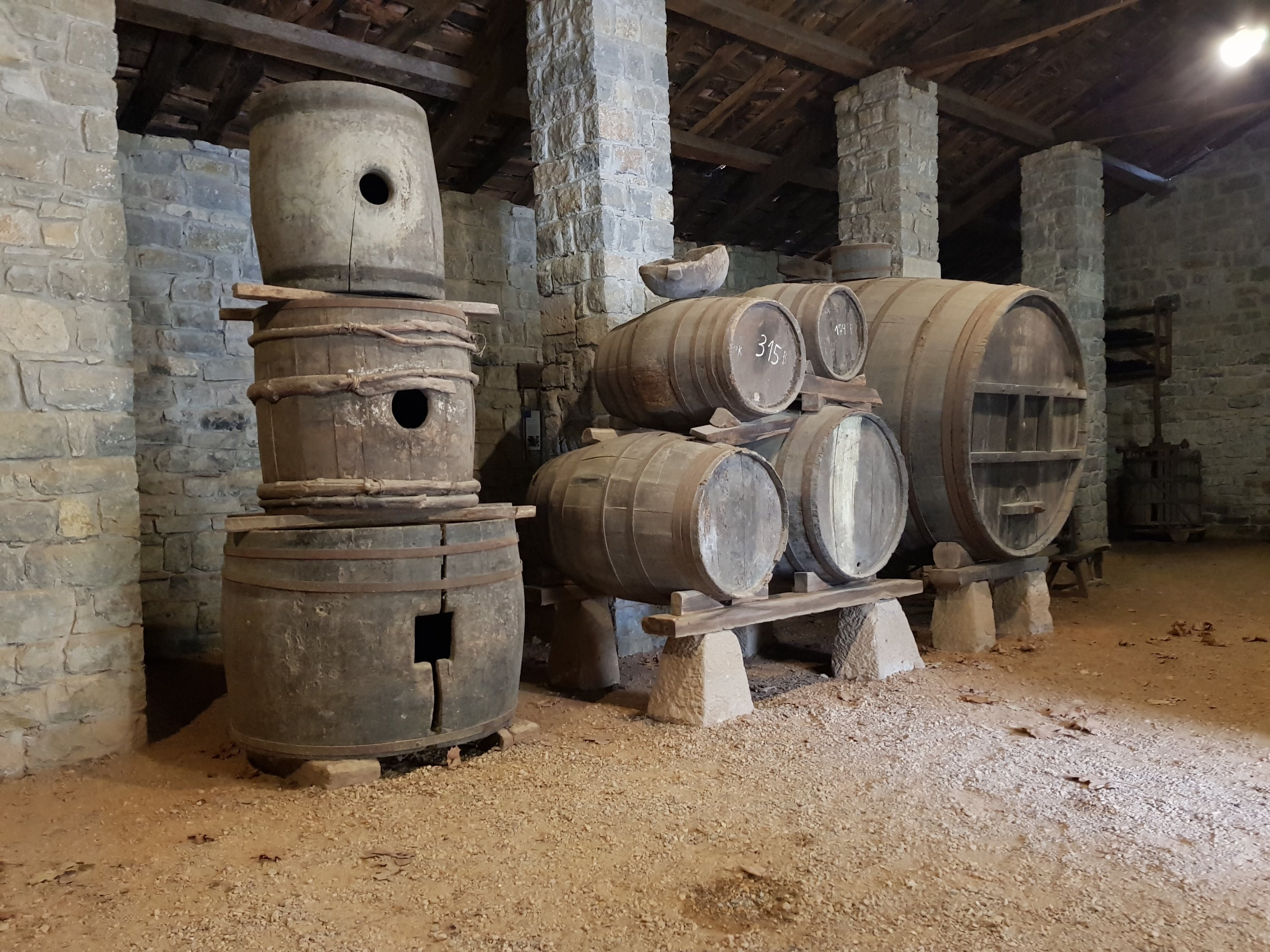
The museum was way better than I expected. For a start, it was free! YAY! I thought that it would be just a few boards with photos and objects, but the museum was actually mostly outside. The biggest part of the site is devoted to the actual traditional buildings of the region. These buildings such as horreos, shepherd refuges, and country houses, have all been actually dismantled from their original location and reassembled at the site. Pretty impressive. You can enter many of the buildings and see how it would have looked. For example, the peasant house has the rooms and fireplace set out as it would have looked, and there is a cider press with huge equipment and barrels in place.

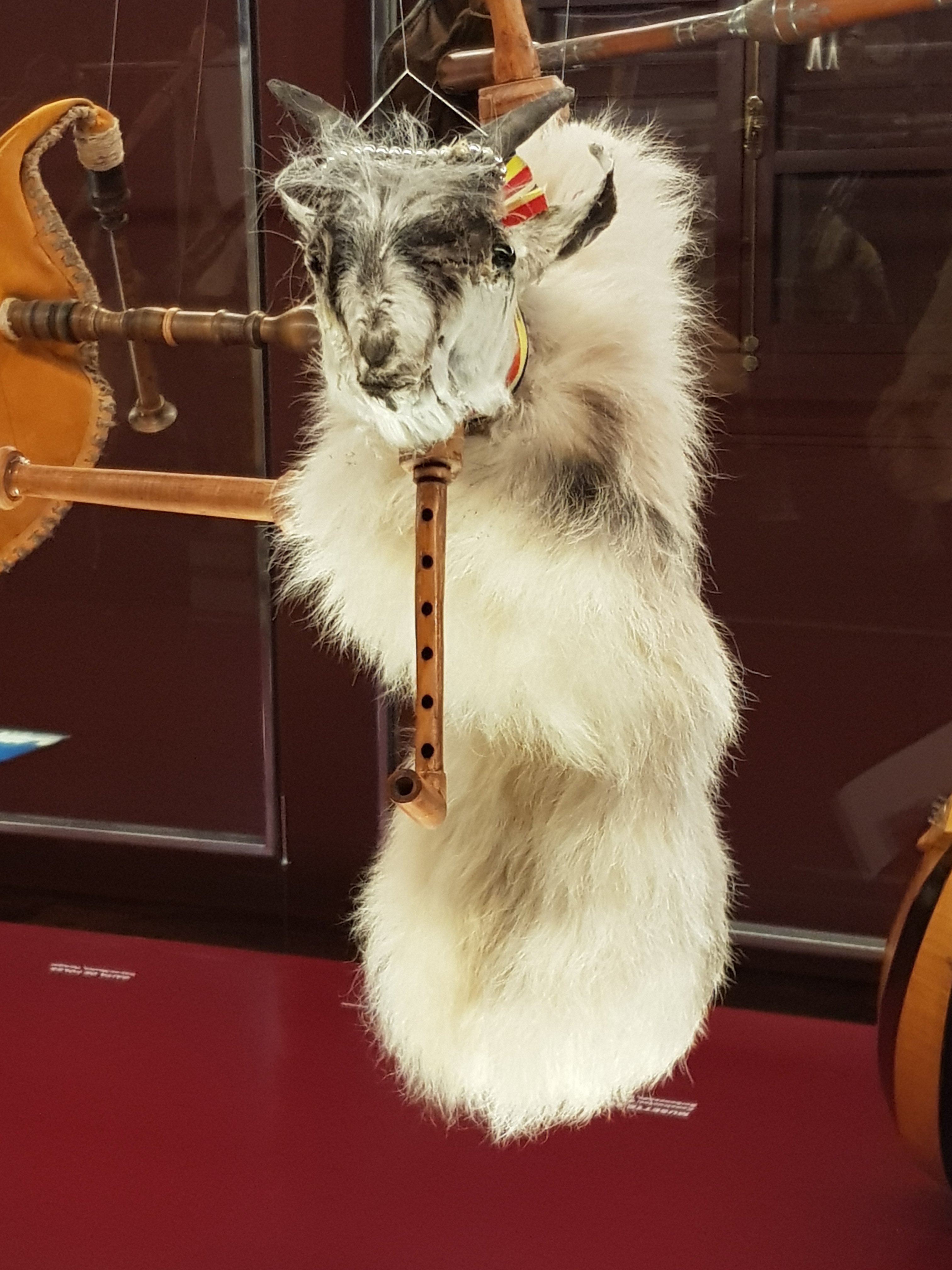
The museum also had temporary exhibitions, and a bagpipes museum! Apparently bagpipes are big in Asturias tradition! As well, as some very odd looking bagpipes, there are a variety of other traditional instruments on show, and details about how they are made.

If you want to make the walk extra worthwhile, the museum is also next to another museum, the football stadium, sports centre and a lovely park.

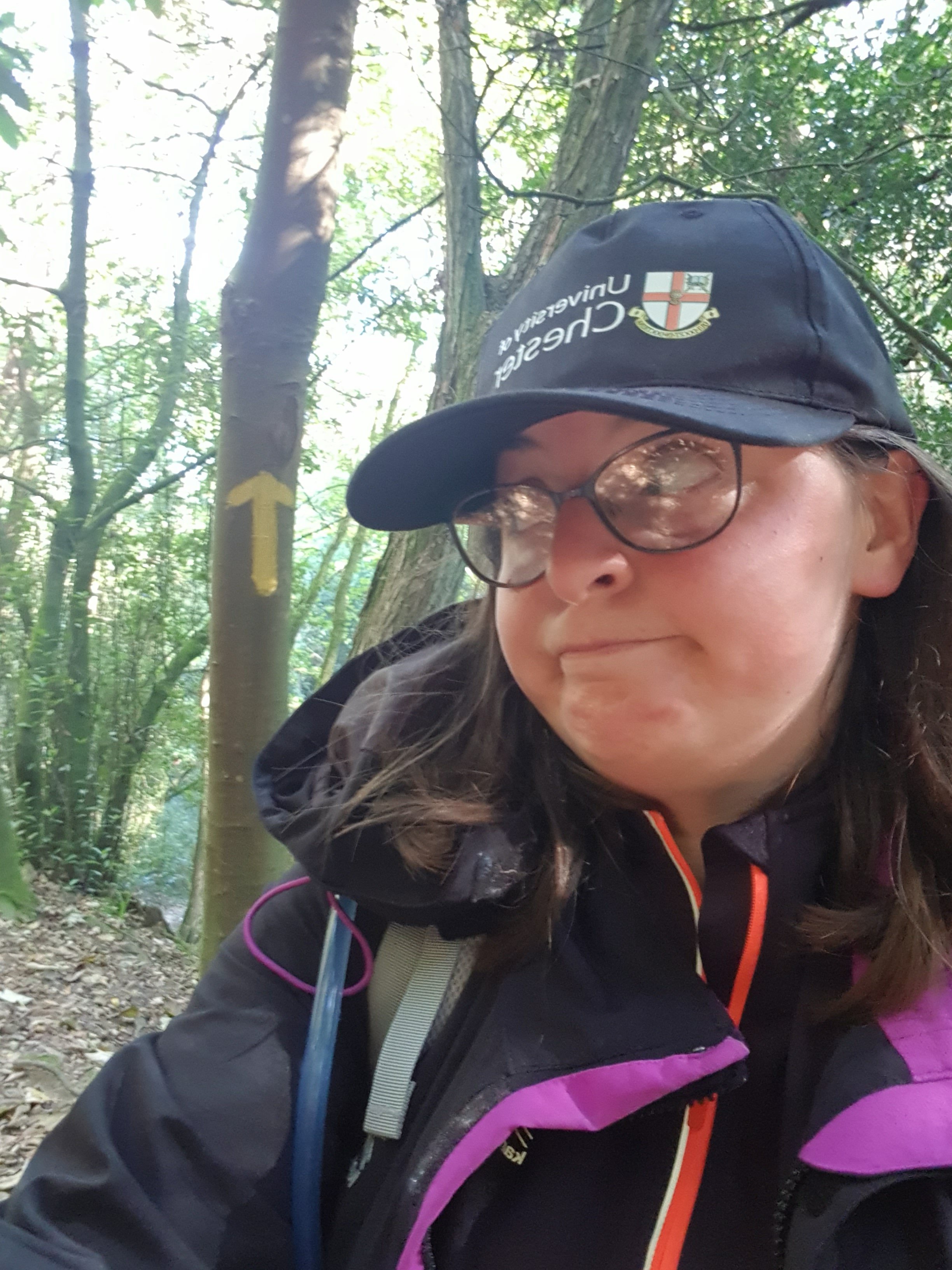
Overall, I think whilst I am now becoming physically exhausted from all the walking, the Camino continues to prove itself as totally worth it. The walk this past week was colourful and varied, and I really liked Gijon. Time to follow those yellow arrows… see

To mark the end of the first half of the walk, I have made a little video..

Camino de Santiago: Portugalete to Santander

In my second week of walking, I have done some of the largest distances so far and had some more rest days. The journey has had more flat terrain than the first week, and lots of walking on roads. It has been closer to the sea though, and very beautiful.

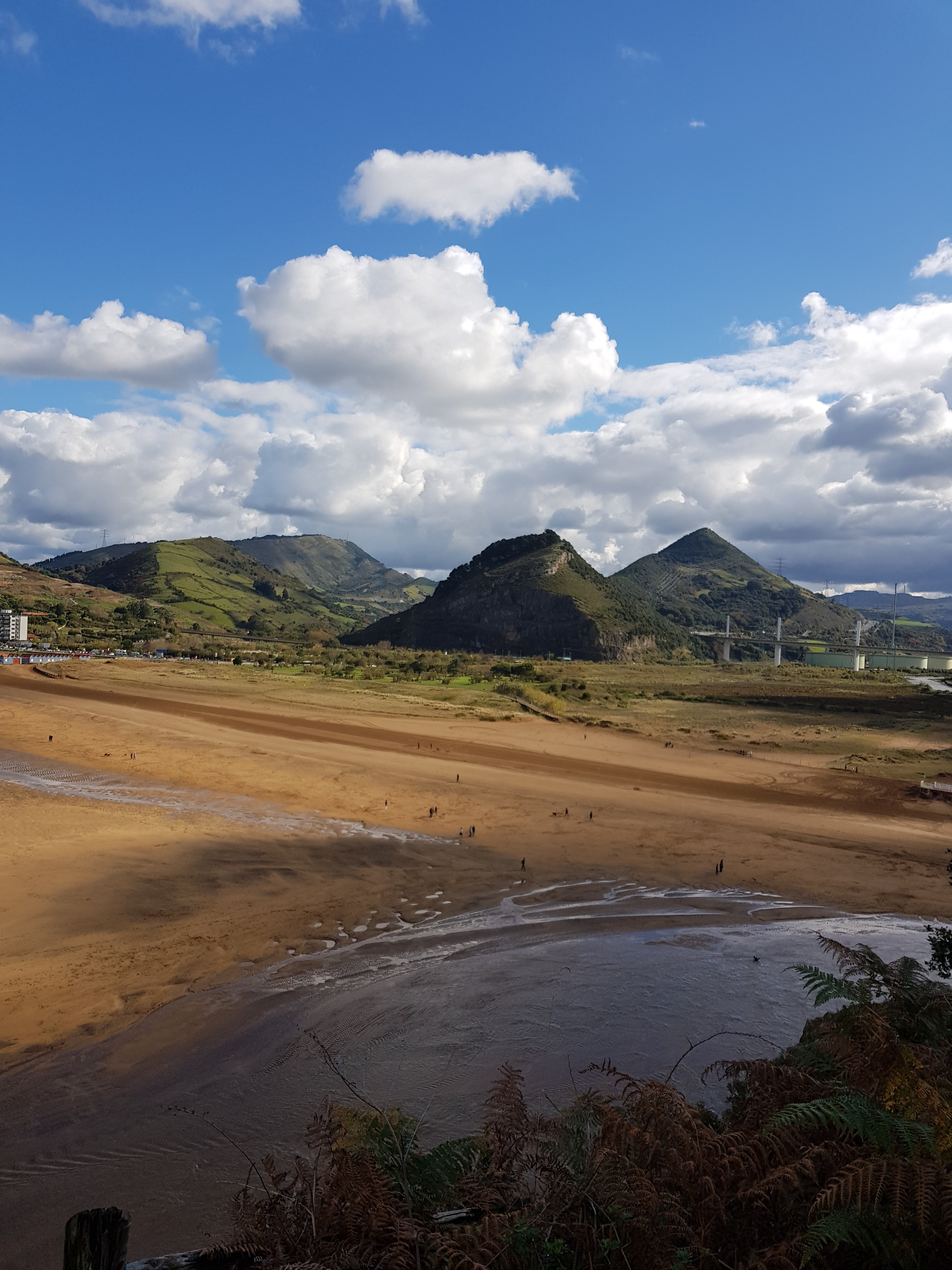
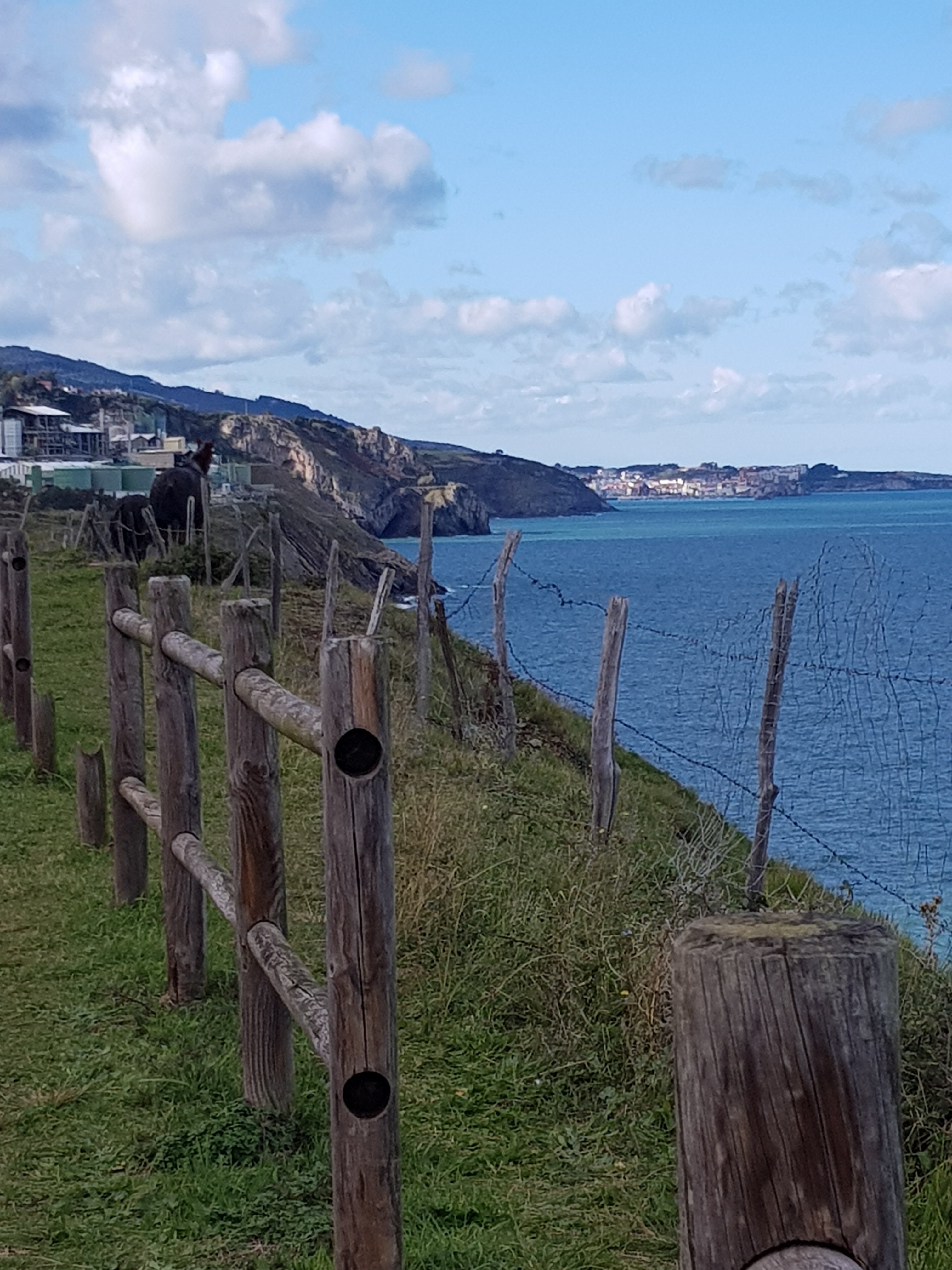
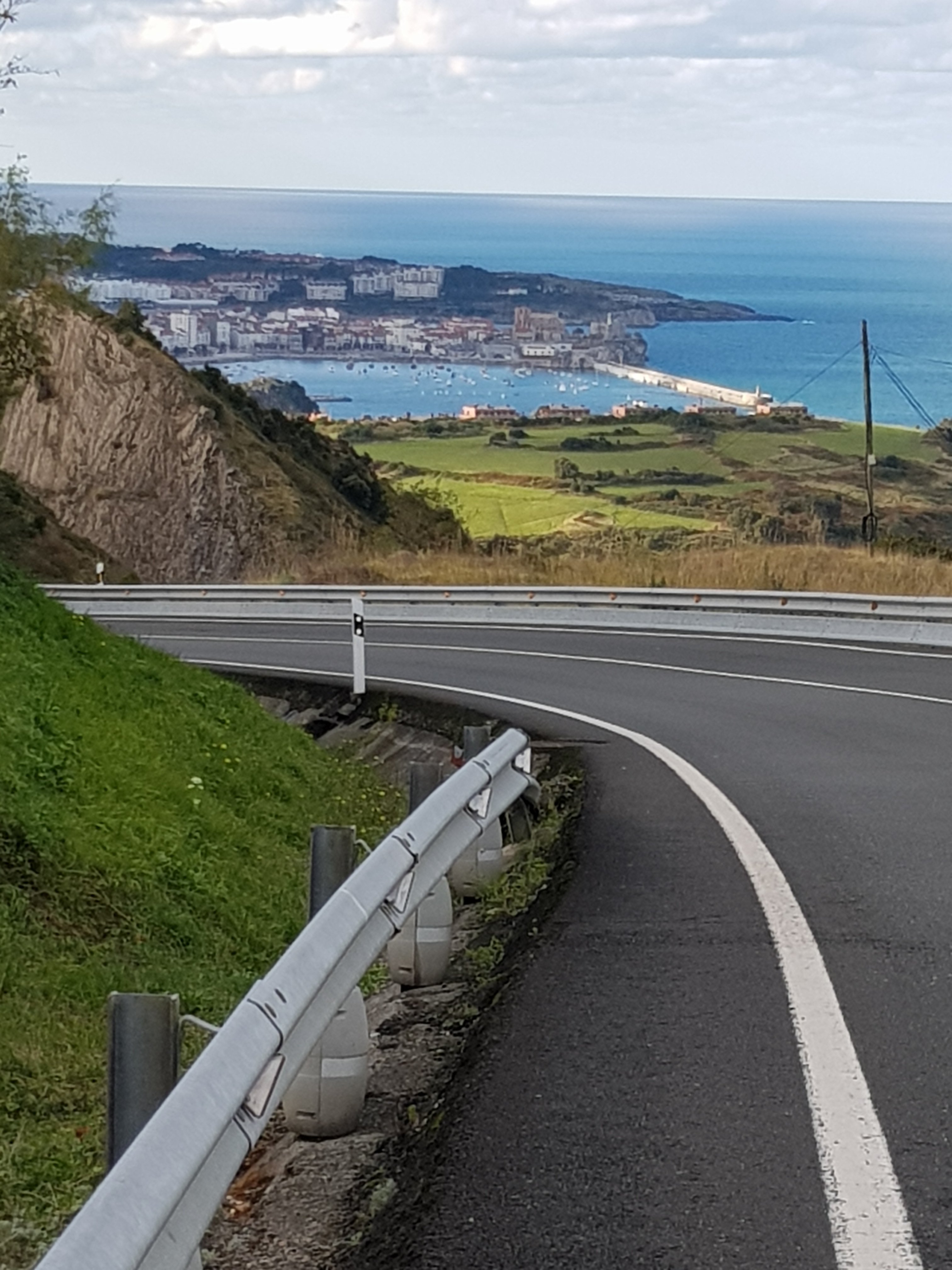
Starting in Portugalete, which is just on the outskirts of Bilbao, I walked along highways and resurfaced walkways along the coastline. There was an option to add an extra 14km to the journey by going into the mountain. I decided against that, as I was still recovering from the previous week’s mountains, and the road had great views. There was pedestrian access on the roads (lines painted on the floor) but I did have to take care, and it is not an option I would have been happy with if it had been a darker day.

Whilst walking the route, I left the Basque Country behind, and entered Cantabria. I kept looking behind me at the scenery, and thinking, I cannot believe I walked all this way so far!

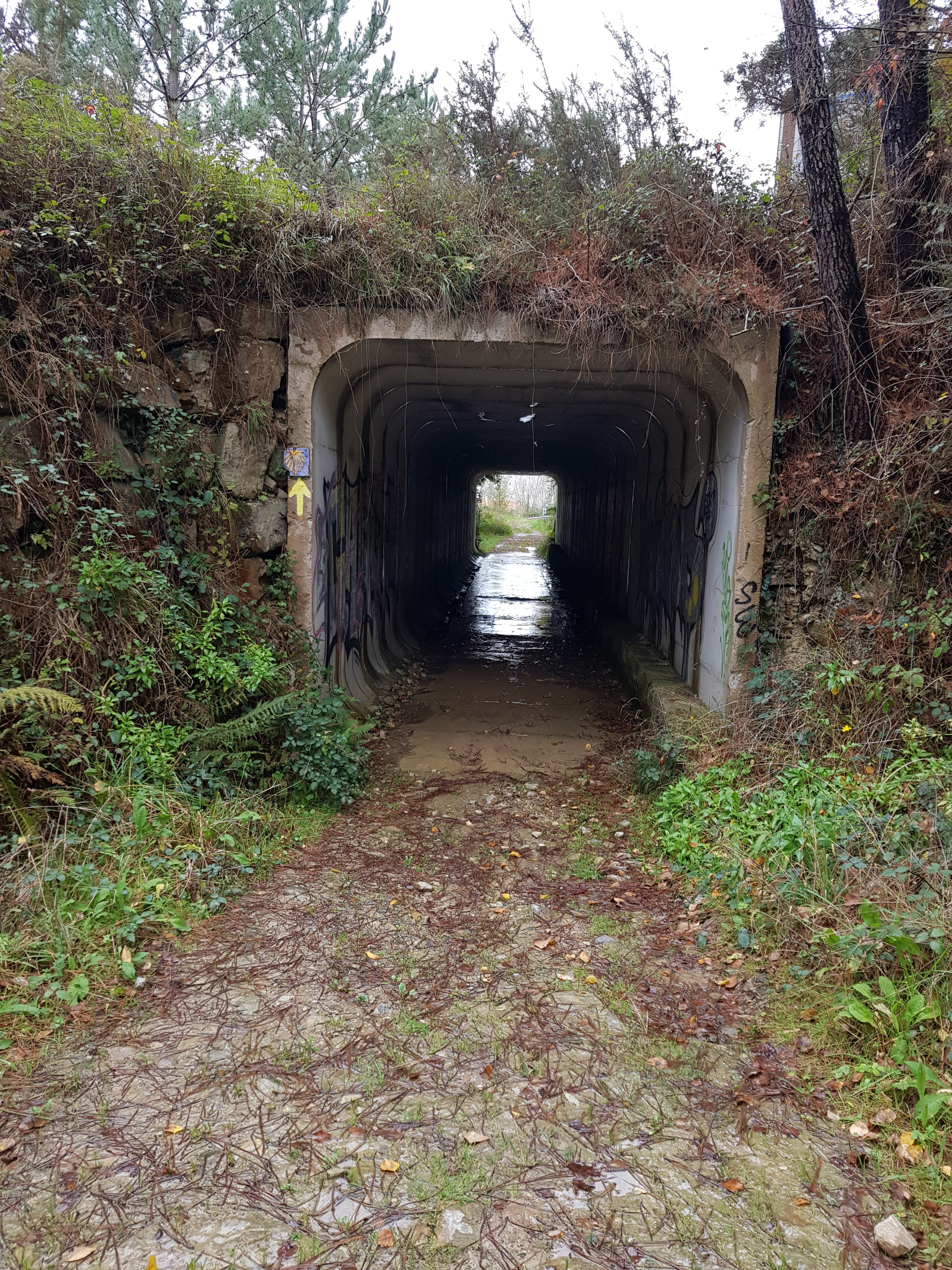
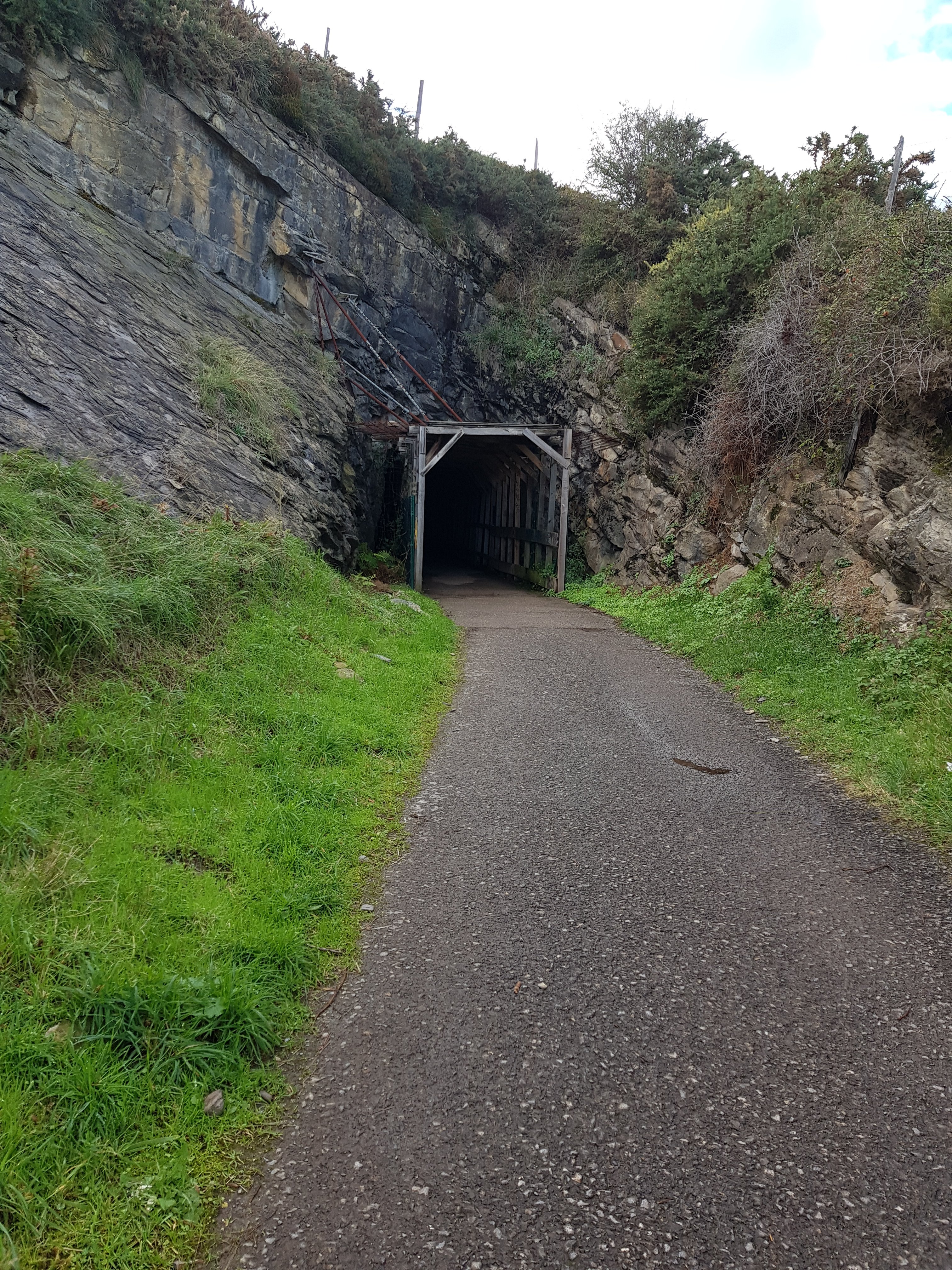
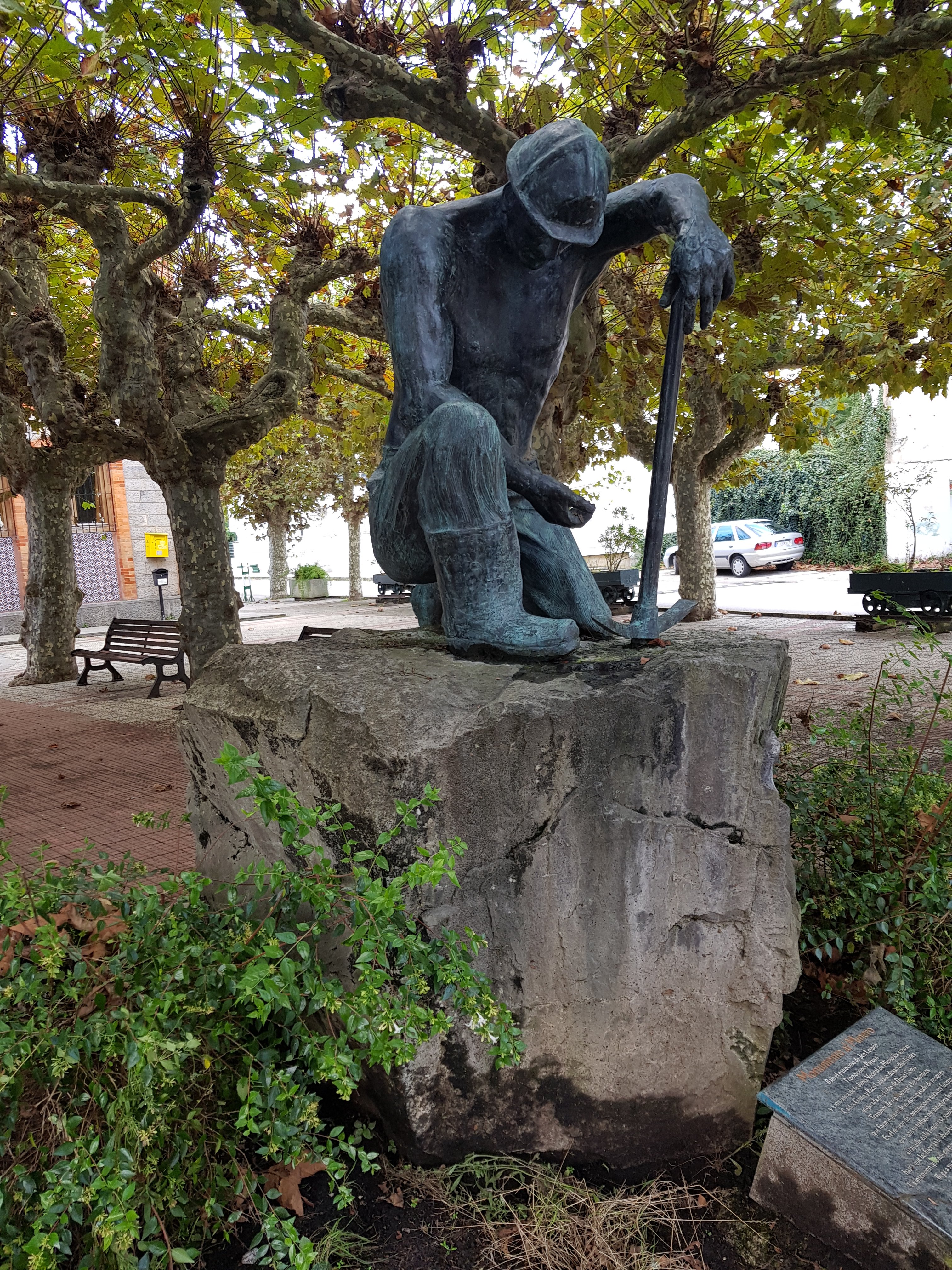
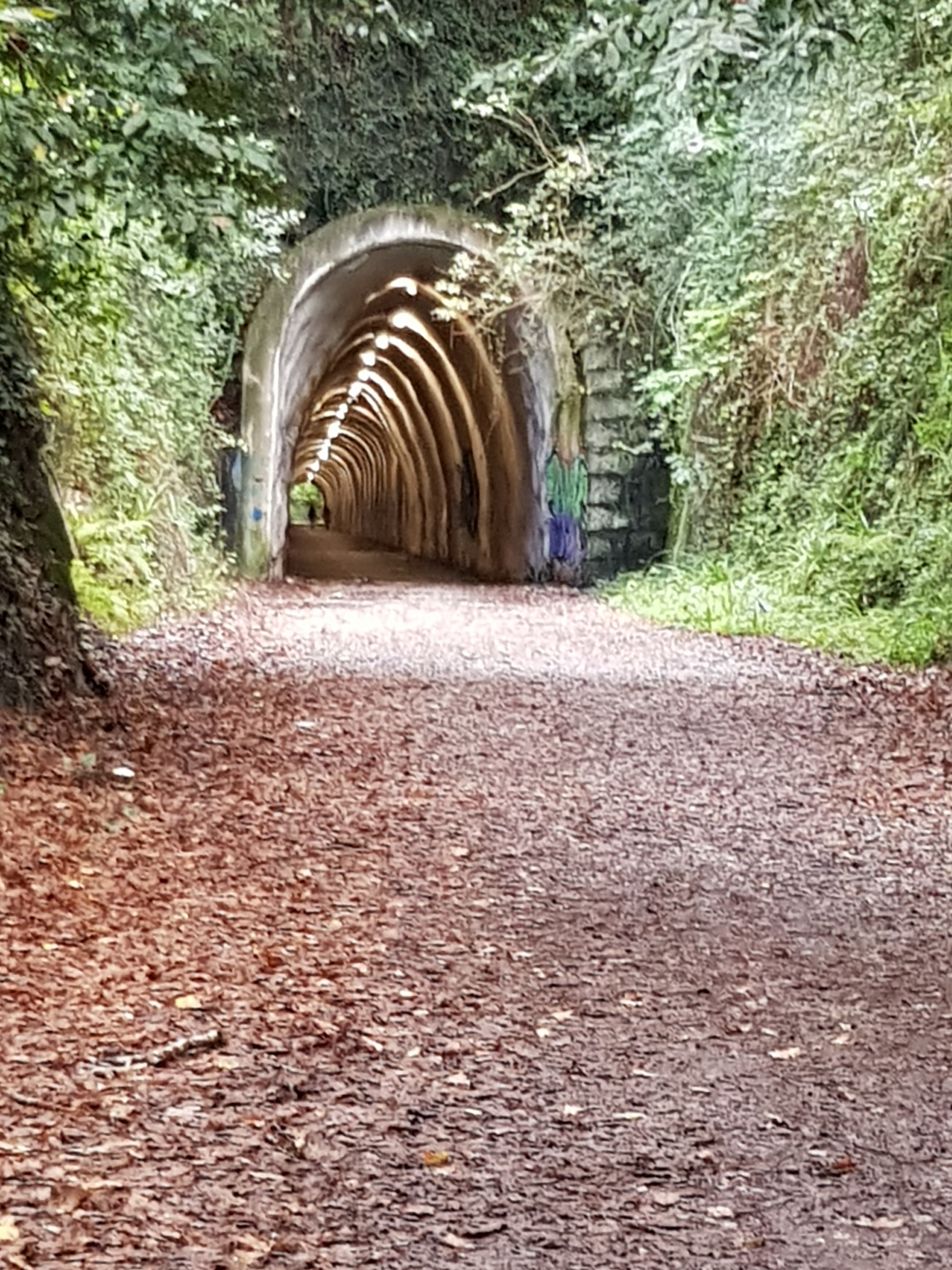
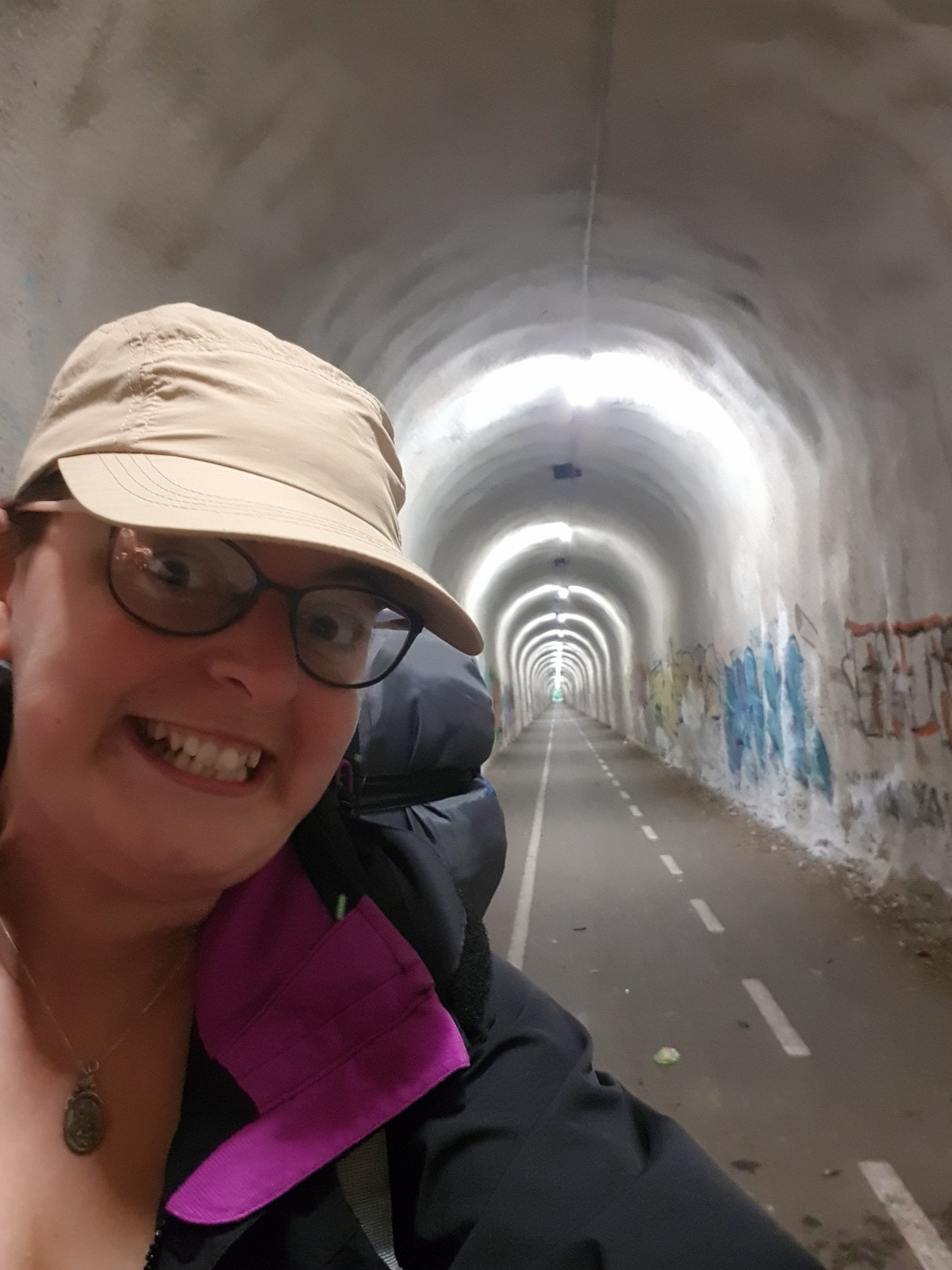
On approach to Castro Urdiales, I went through an old mining area. This offered the very cool experience of being able to walk the old mining track, and go through the tunnels! This cut off loads of extra walking, that google maps would have tried to make me do, as it goes through the mountain rather than over or round. Buen Camino app is awesome!

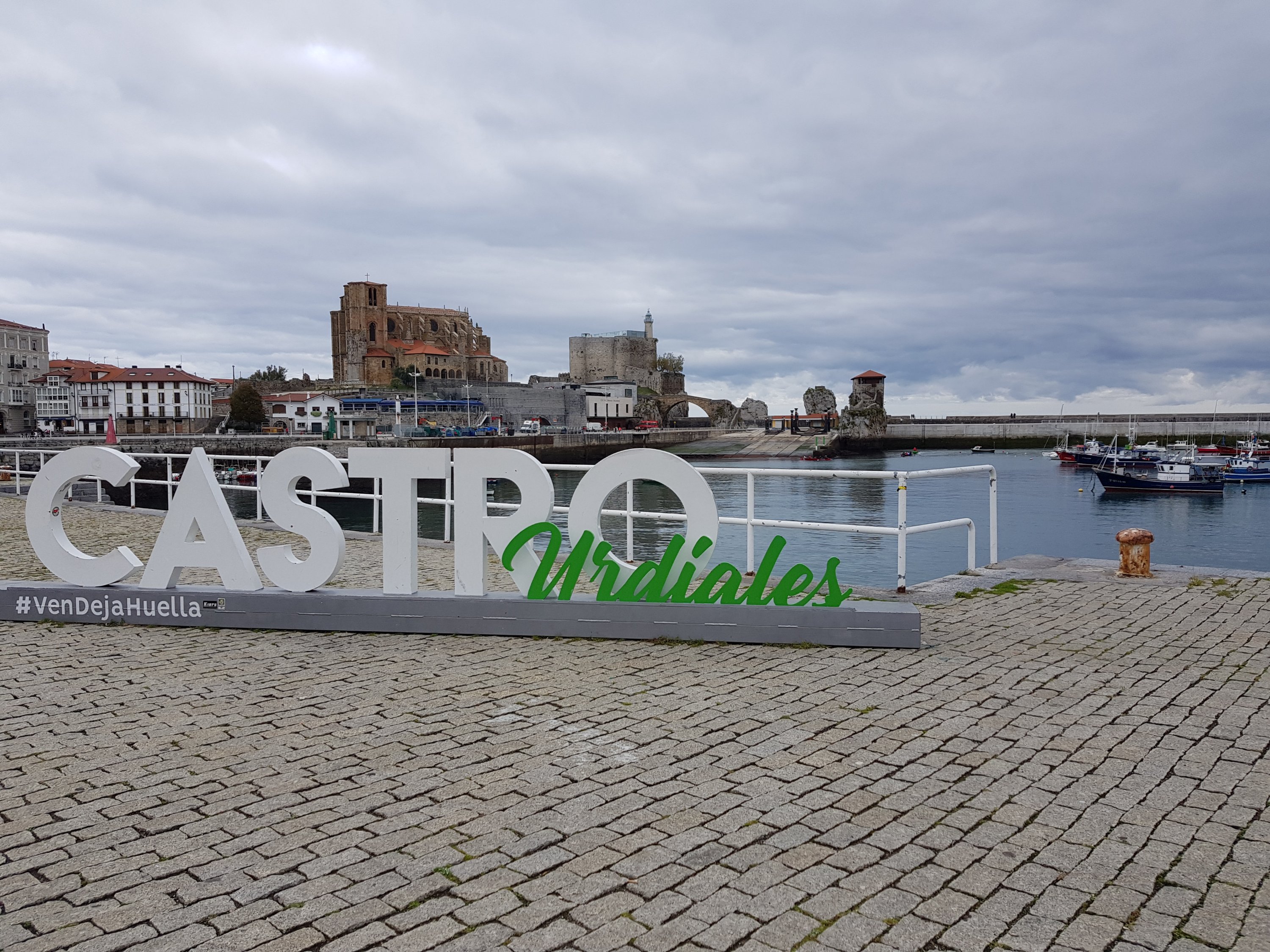
On the other side of a five minute tunnel was Castro Urdiales. It was beautiful! Apparently, this is where the wealthy people that live in Bilbao, come at the weekends. I can see why!

Cantabria’s first official coastal town, Castro Urdiales has a gorgeous harbour area, two beaches, an impressive church, castle, many lookout points, a spectacular cemetery and a natural swimming pool! I wanted to take a dip, but I was too scared of getting in and slipping over or not being able to get out without a travel buddy. Plus it was about 11’c, and I have no swimming costume…

After leaving Castro Urdiales, I walked for about seven hours to Laredo. The walk had a lot of lovely views of the sea, but was mostly road walking. I met a lovely belgium man that was also walking along my way, so we trekked most of the way together, and split the jug of sangria at the end!

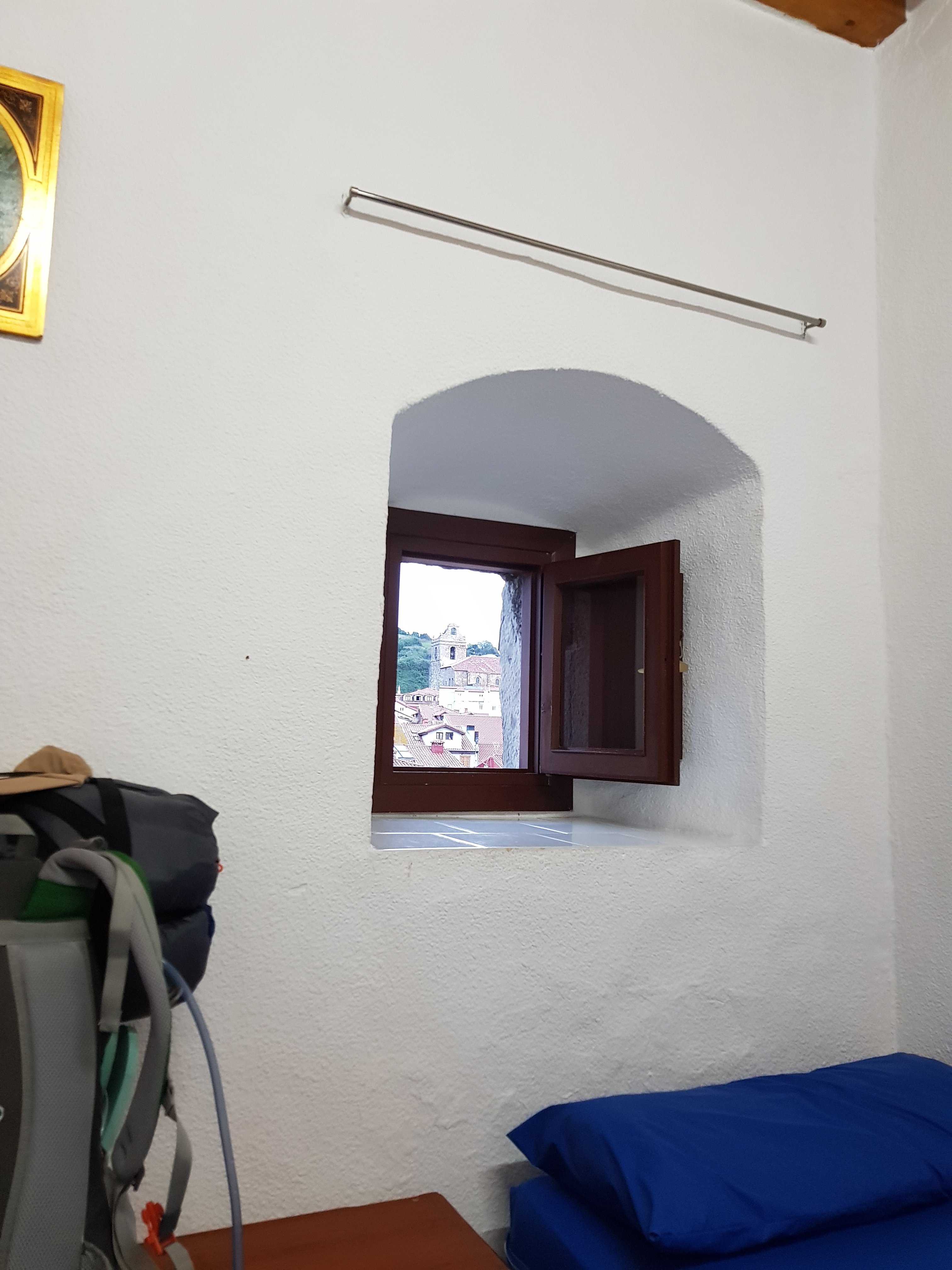
Whilst I was in Laredo, I stayed at the convent of Trinitarian nuns. Whilst it was a very cold stay with no radiators and little hot water, my room was very cute, and I had a lovely view over the town. I also had the room to myself, and was invited to join the mass. The nuns played guitar and sang beautifully during the service! The only thing that was disappointing, was that I didn’t get much one to one time with the nuns. I wanted to ask them about it all, as I have often wondered if I would like to be a nun… 🙂 perhaps I could do interpretive dancing in the band?
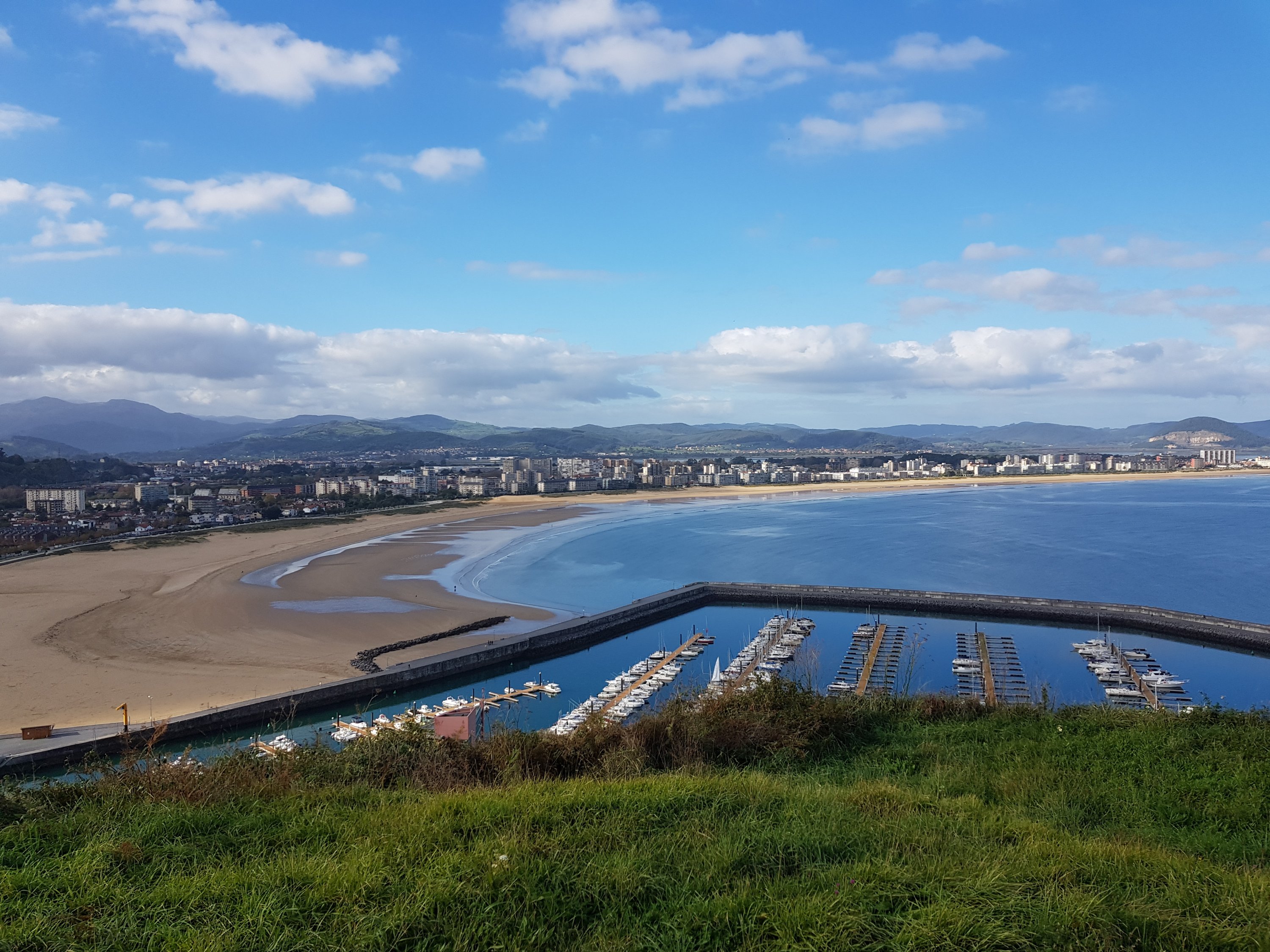
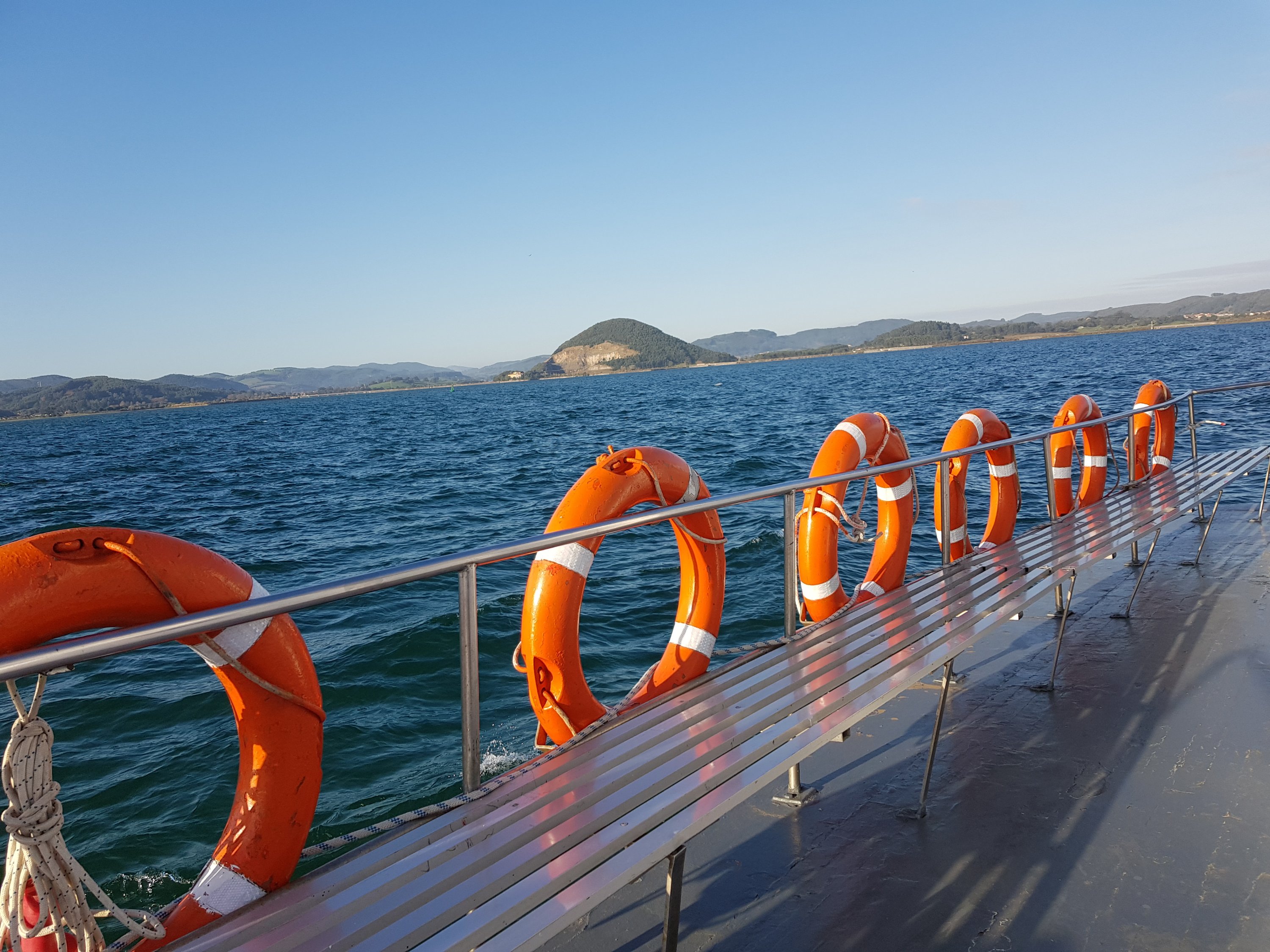
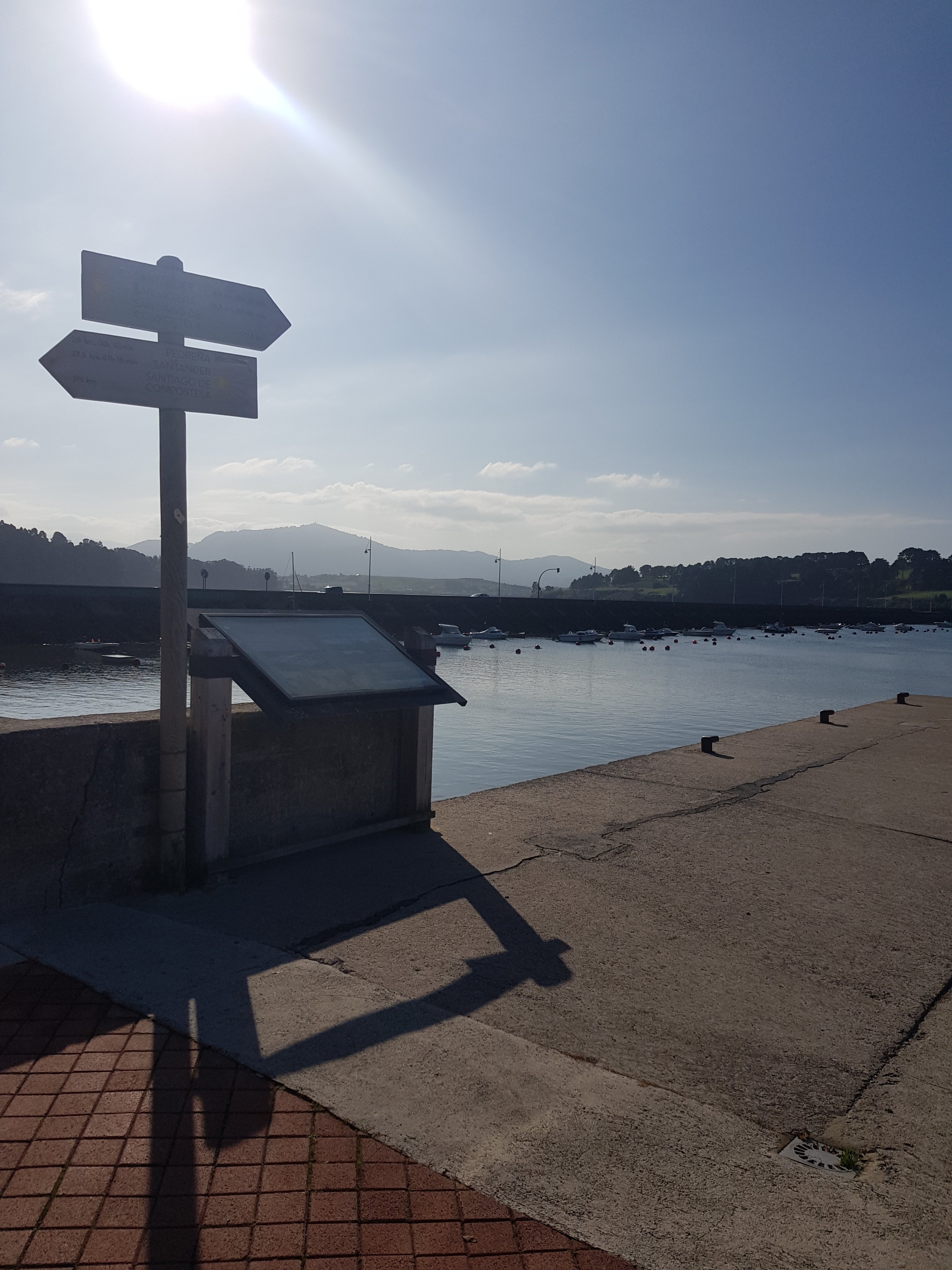
Laredo is another gorgeous town, and very big. It takes an hour to walk from one end of the beach, to the other! The old town where the convent is, is picturesque, and I even hiked over it to a viewpoint. (I couldn’t stop hiking!) There is also a harbour here and you can take boat excursions, and I took the water taxi across the bay to Santona to keep walking!

The next day, the walk from Laredo was pretty gruelling. After a five minute boat ride, it was 30km of hard road. There were many villages to move through, and lots of rolling hills with farms.

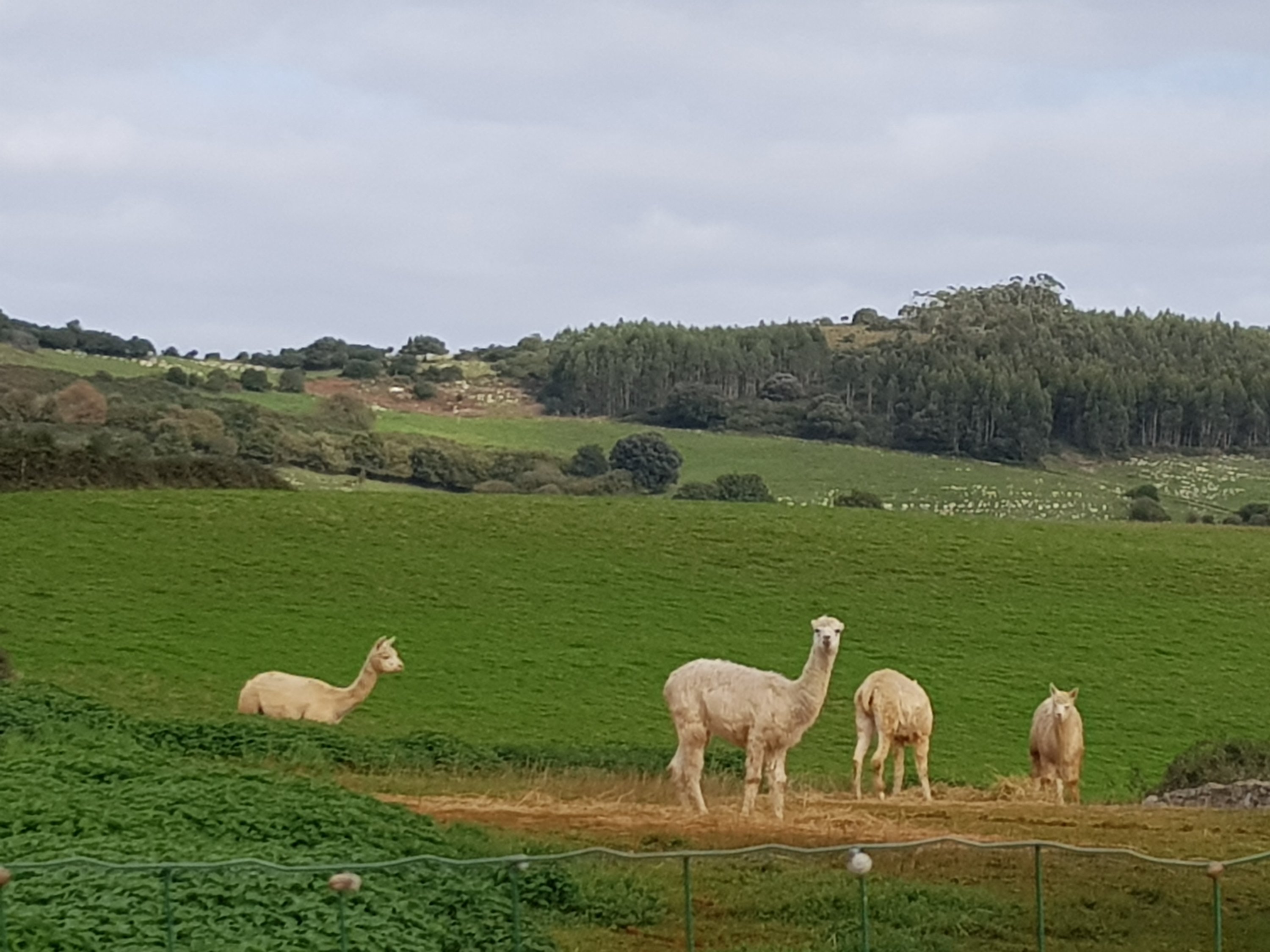
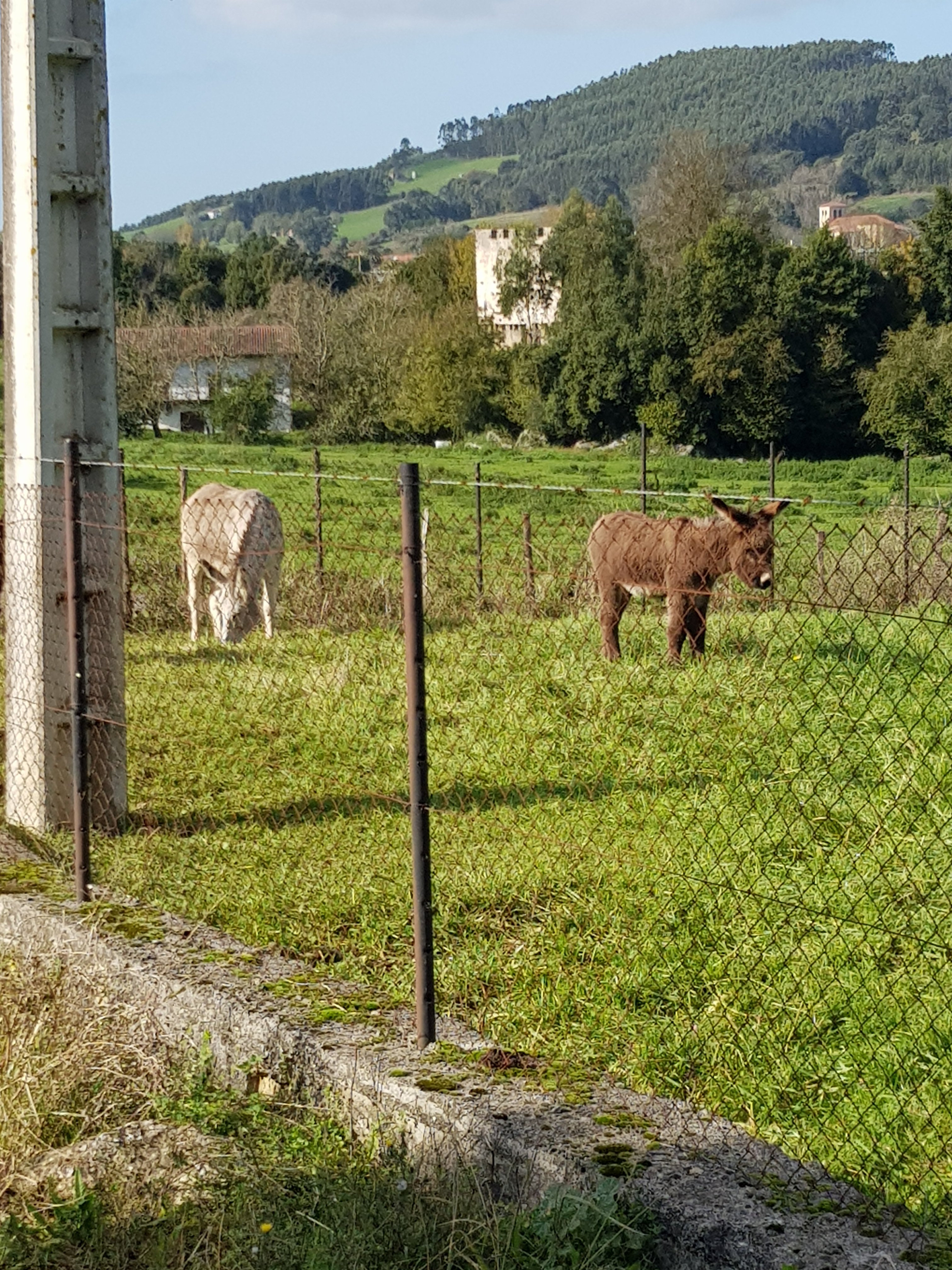
It was all about me and the animals that day. I saw baby donkeys, goats, horses, cows, chickens, a group of kittens, a very angry little dog, and best of all, a Spanish Imperial Eagle! It started following me for a bit. It was the second bird of prey that has circled above me on this journey. I am starting to think that I might be the prey….

In the final hour of the day, my good knee started hurting, and I had to hobble to my pension in Guemas. A very pretty but small village.

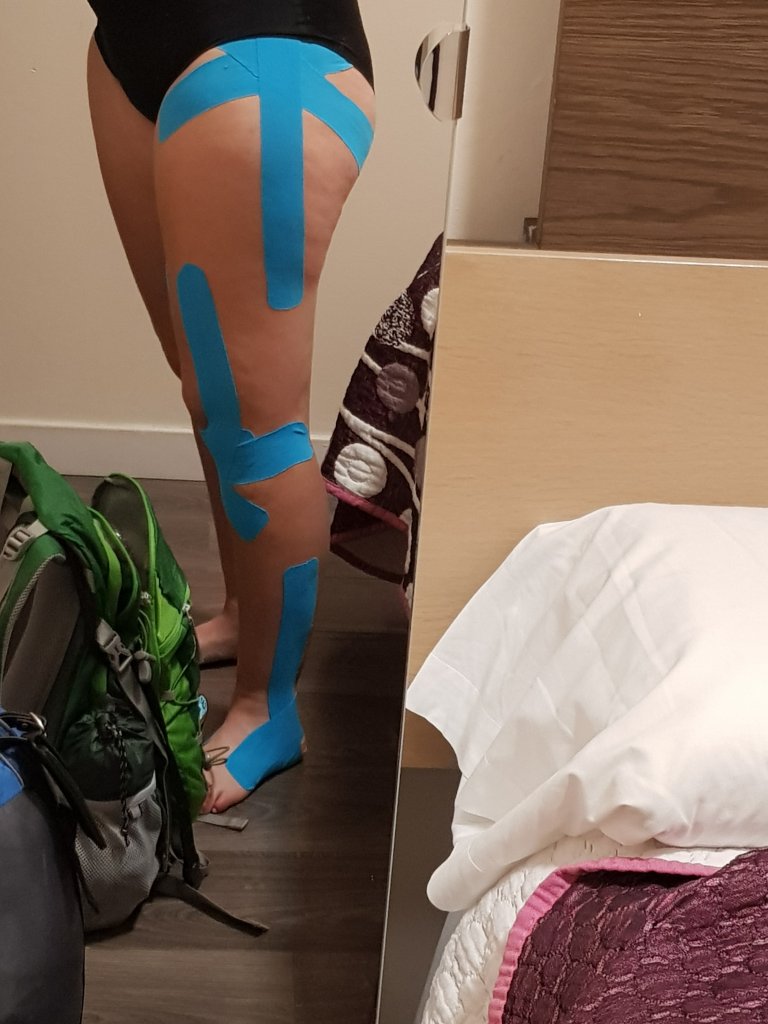
The journey has certainly been taking its toll on my joints, and I am trying to be more clever about my walks and preparation. I have problems with my right leg so have fully strapped up this week. The K tape is really helpful at keeping me balanced.

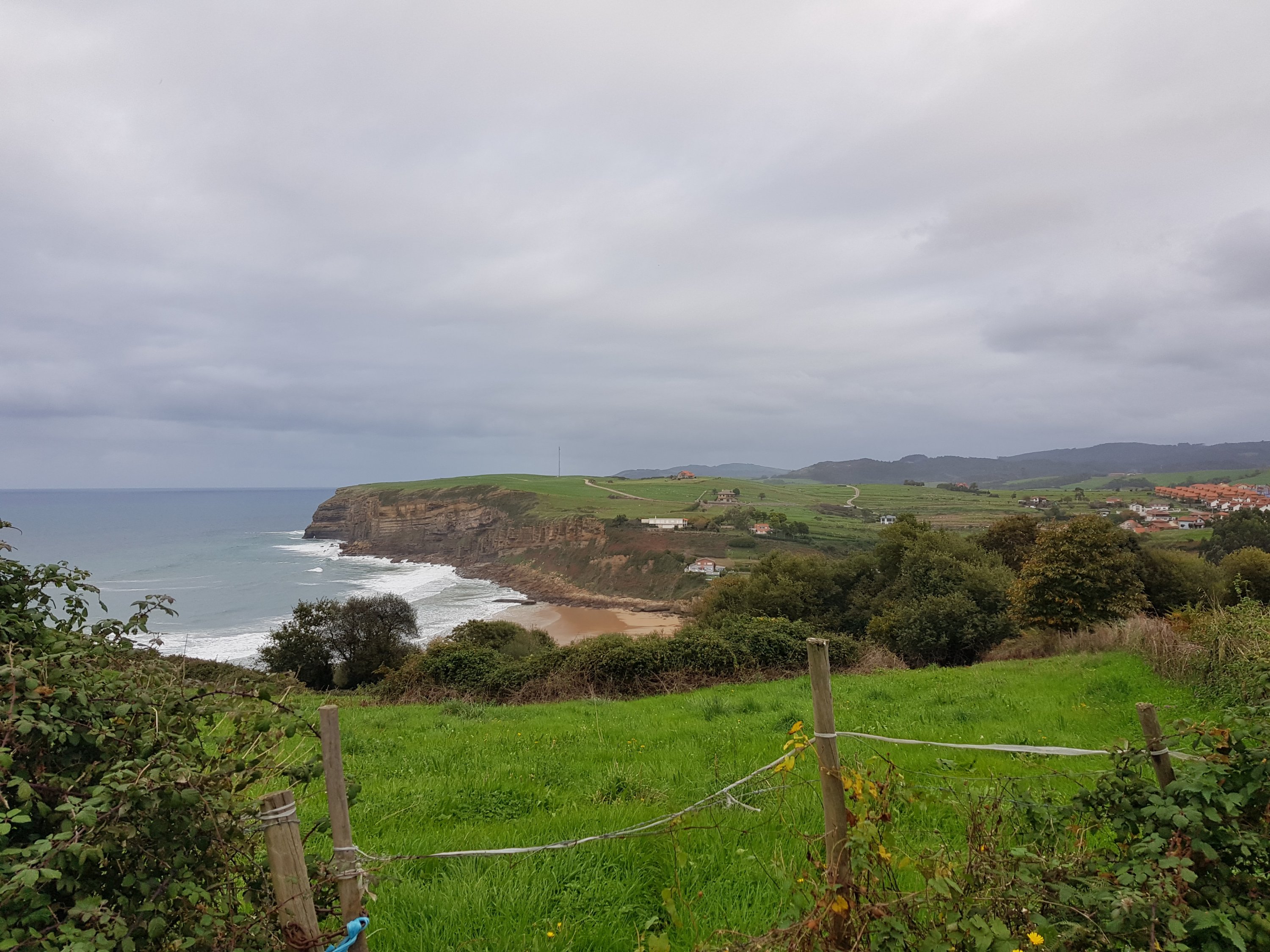
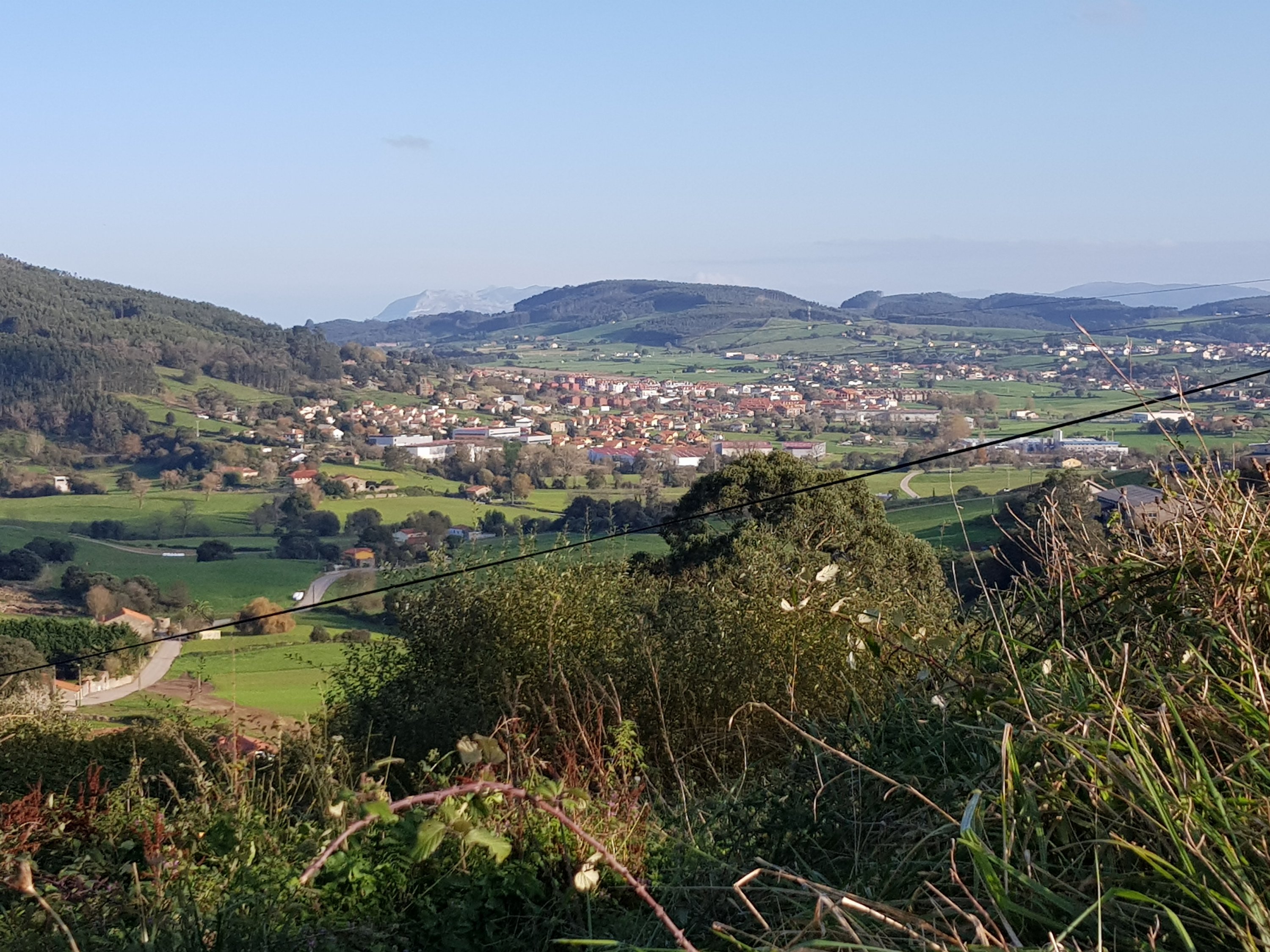
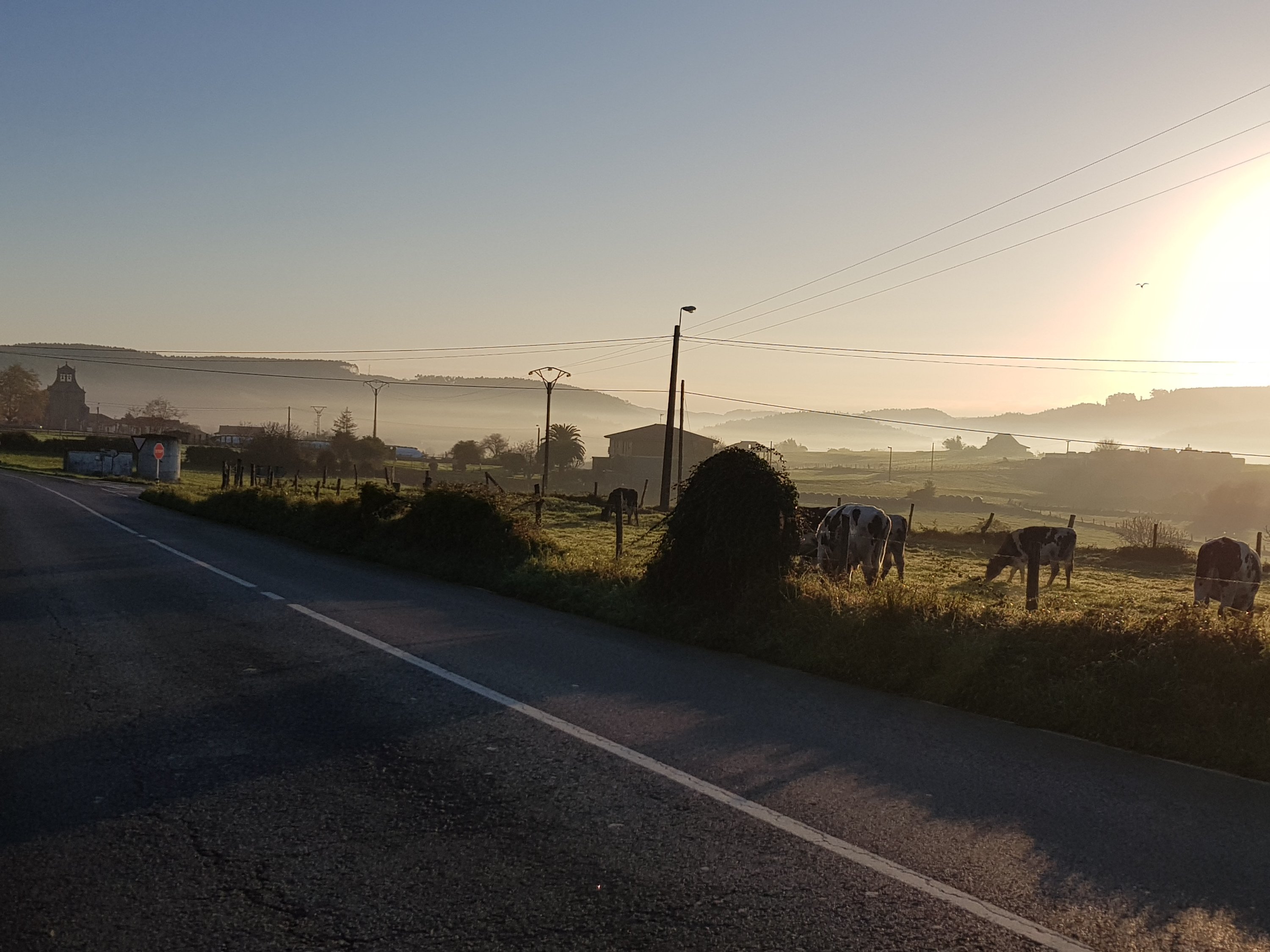
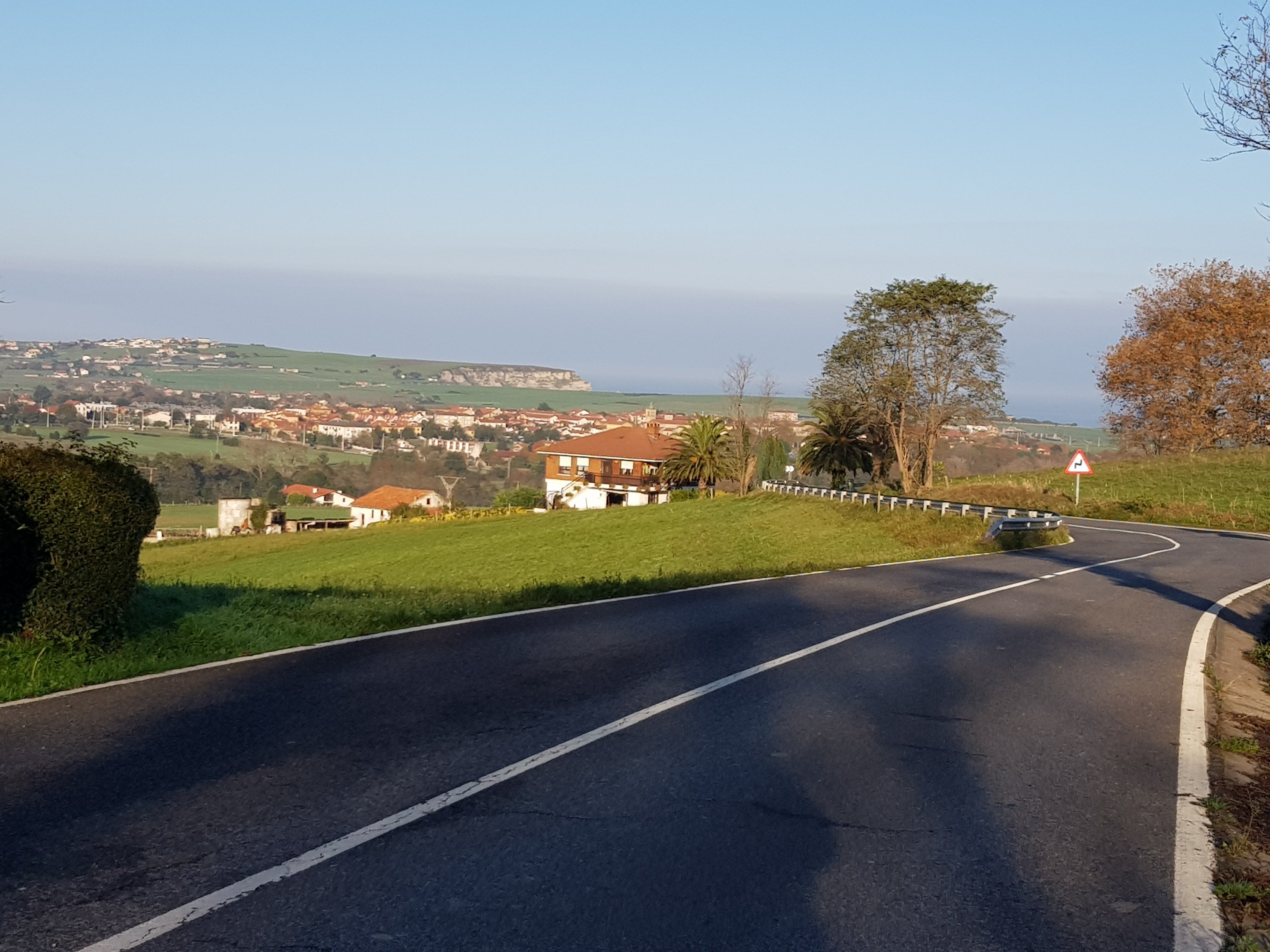
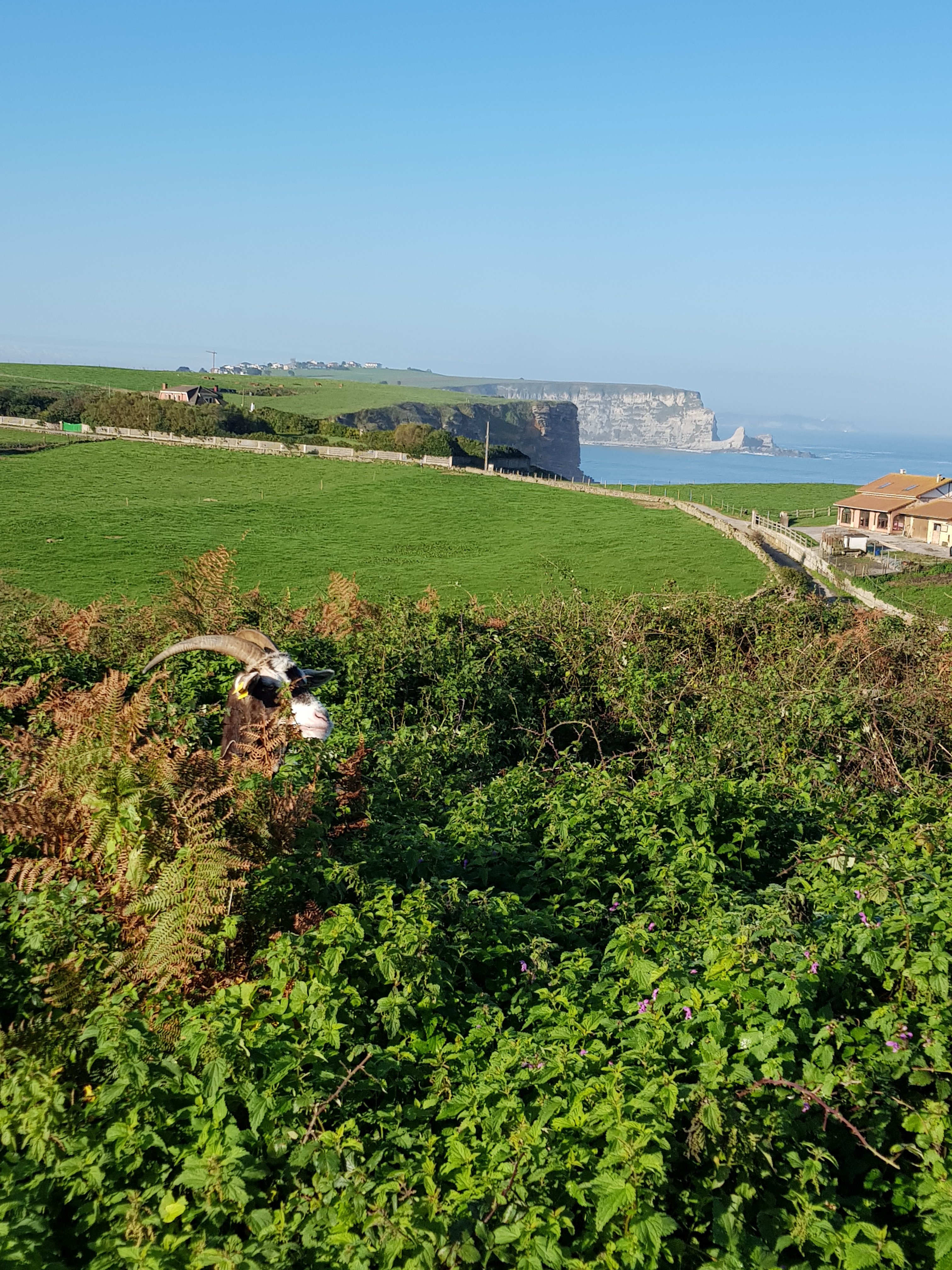
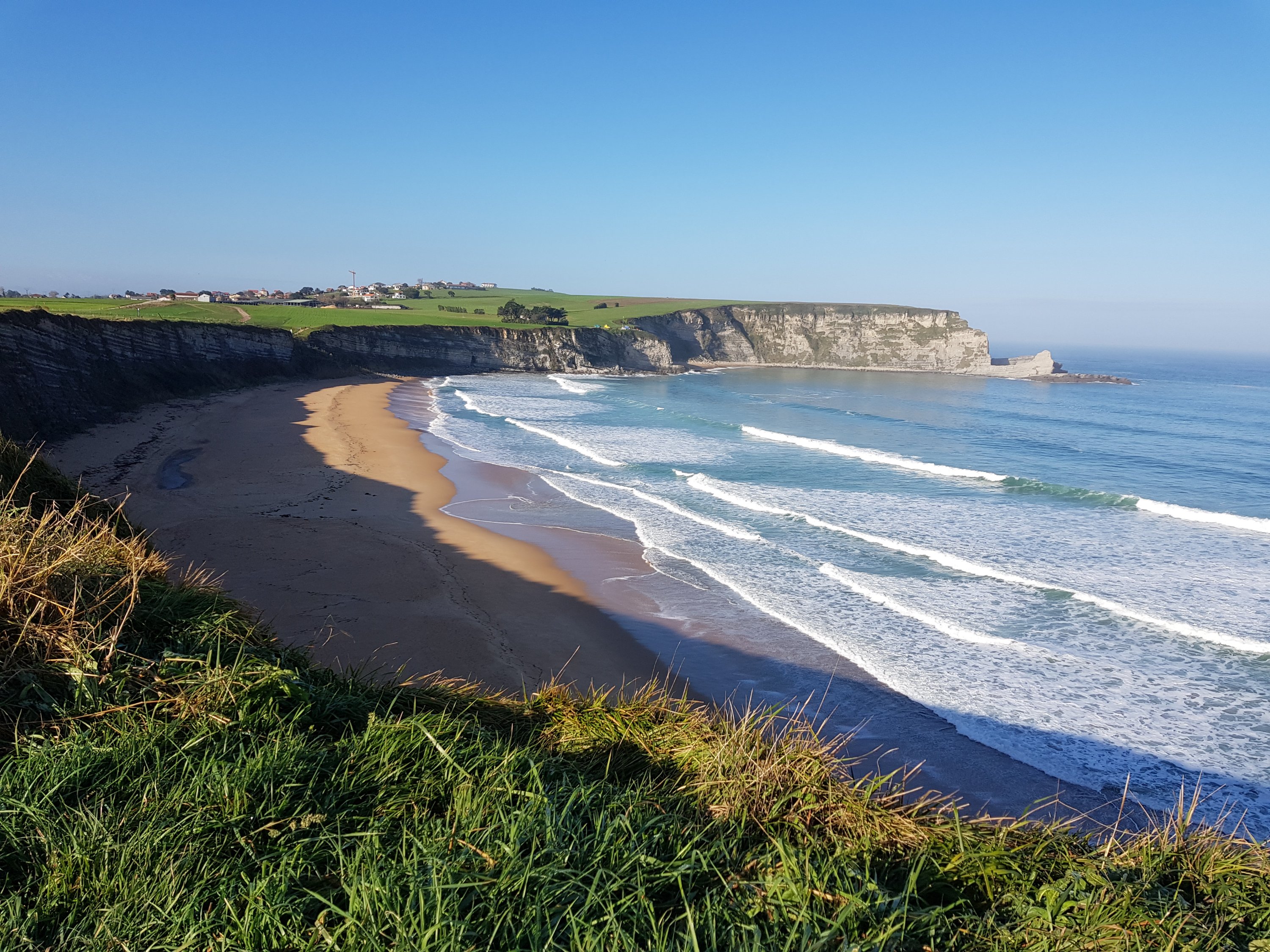
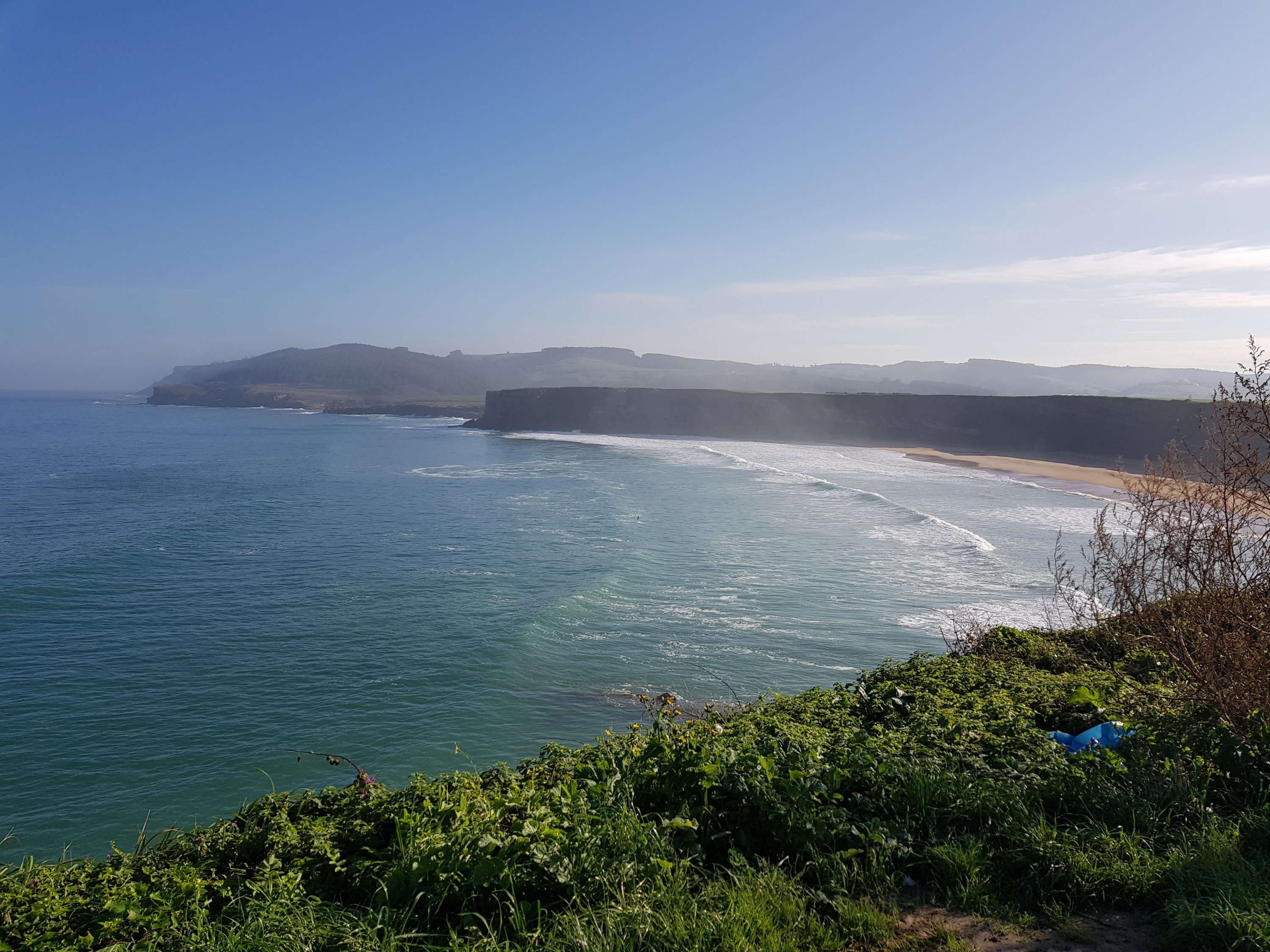
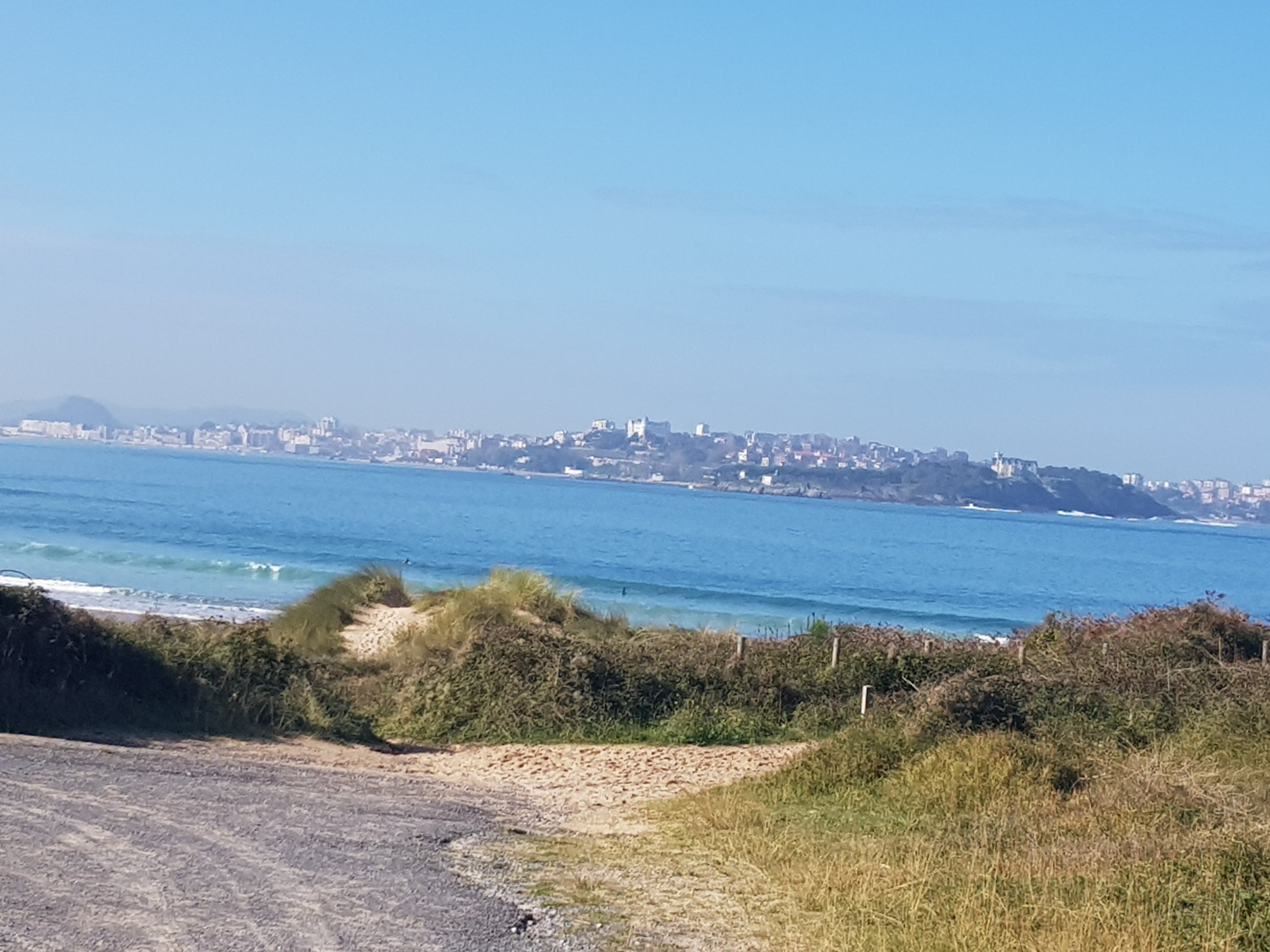
The last 16km to Santander, I got up early and benefited from some crisp morning views of the village. I then walked to the next village, with my knee still hurting from the day before. I had to make a decision, to stay on the road and shortcut through for a shorter journey, or add 4km and walk up to the cliffs and along the ocean. I was sick of the asphalt by now and everyone has said the views of the sea are great, so I went for the long path.

The path was hilly, but also muddy, which was actually a welcomed relief. I walked past farms, and saw beaches and rocky cliff sides. I also met a man who has walked all the way to Rome on pilgrimage. Very impressive! Eventually, the path led to the town and I wondered onto Somo and caught the twenty minute boat ride to Santander.

Santander

I stayed in the pilgrim hostel whilst in Santander for only 12 euros per night. My experience of the hostel is a story of its own!

I arrived at the hostel which is ran by volunteers, and no one was there. I phoned the number and spoke to a man in broken spanish about how to get in. He said no one would be there until later, but I could pick up the keys at the bar down the street. I went to the bar and explained to the bartender I was looking for keys (in spanish). She understood, (I must be improving). I then let myself in, chose my own bed and went to sleep. Later the volunteer came, checked me in, and told me two more guests should be coming that night. He was leaving though, and I was now in charge of the hostel!

All alone at the hostel

He asked me (in spanish) to check them in on arrival, take their passport details and give them their keys! I couldn’t believe it! And then I was alone again. And there laid an opportunity… I finally had a washing machine and dryer all to myself. First order of business, was to check for cameras, then strip down to naked, and wash everything I have! I sat there in a blanket for two hours, and then I finally had all clean clothes for the first time in a month. Wonderful! 😍
Later, when I was dressed again, the man called and said the guests weren’t coming anymore, and I had the whole hostel of 50 bed spaces, to myself! Crazy!

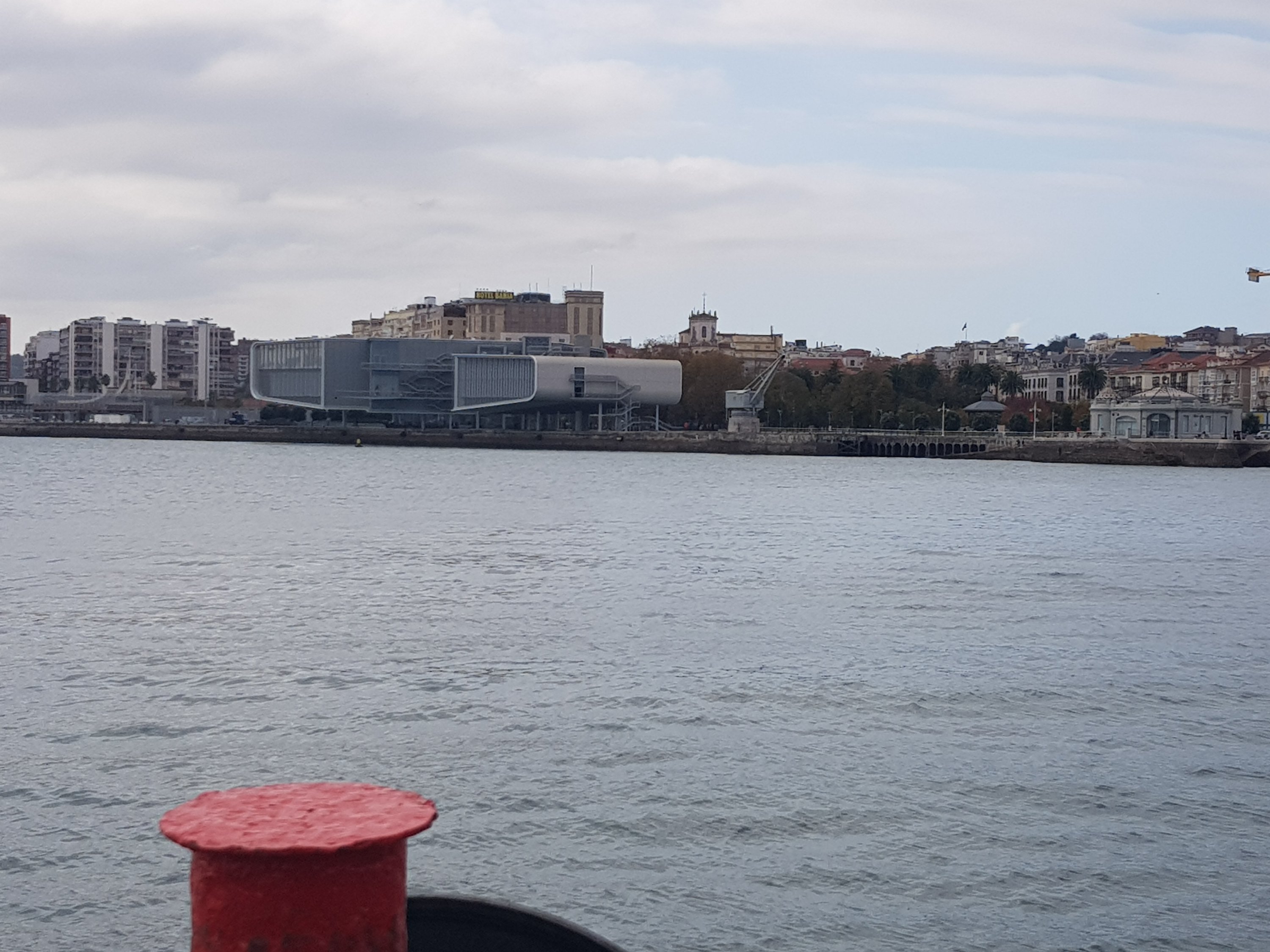
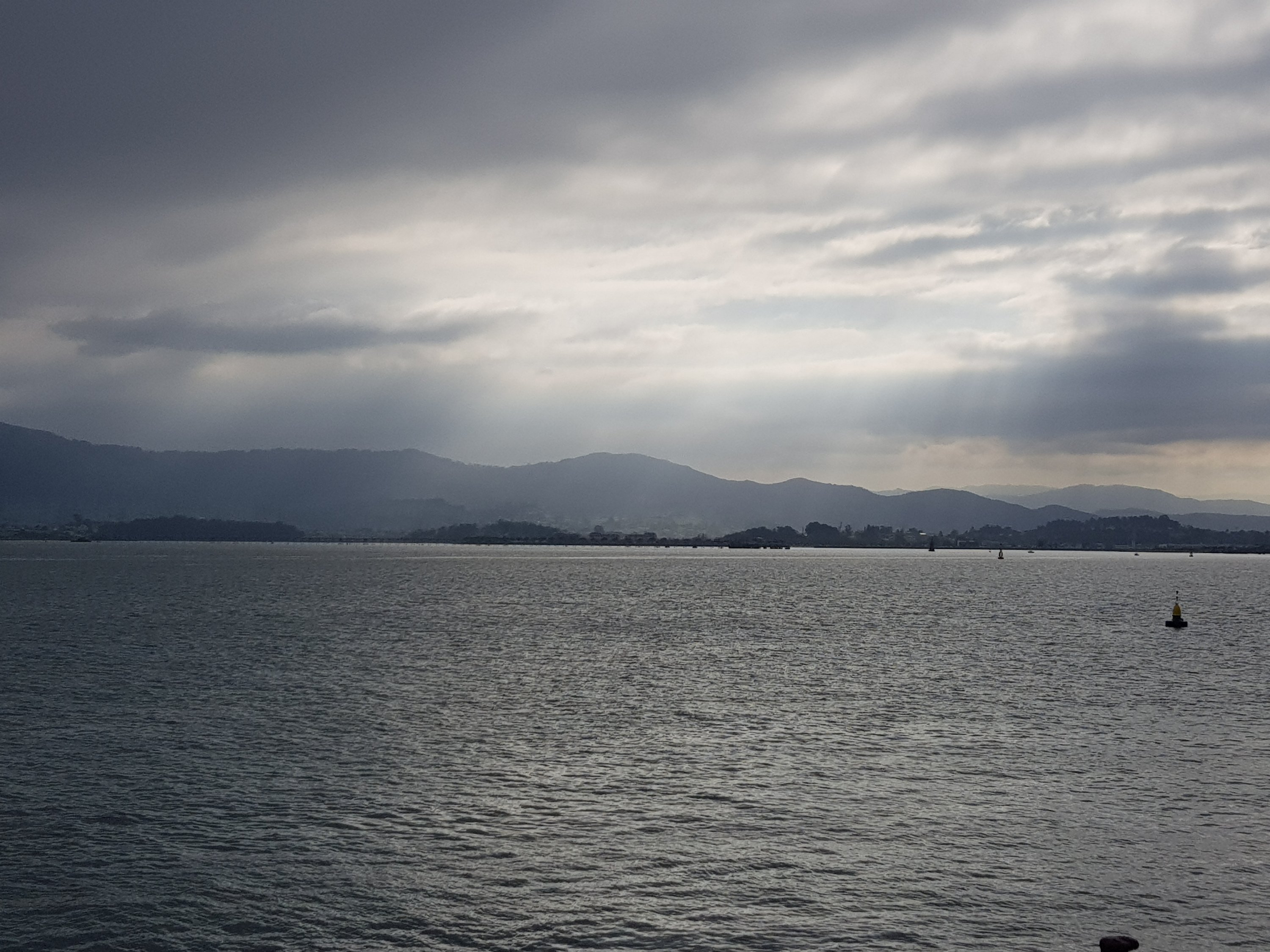
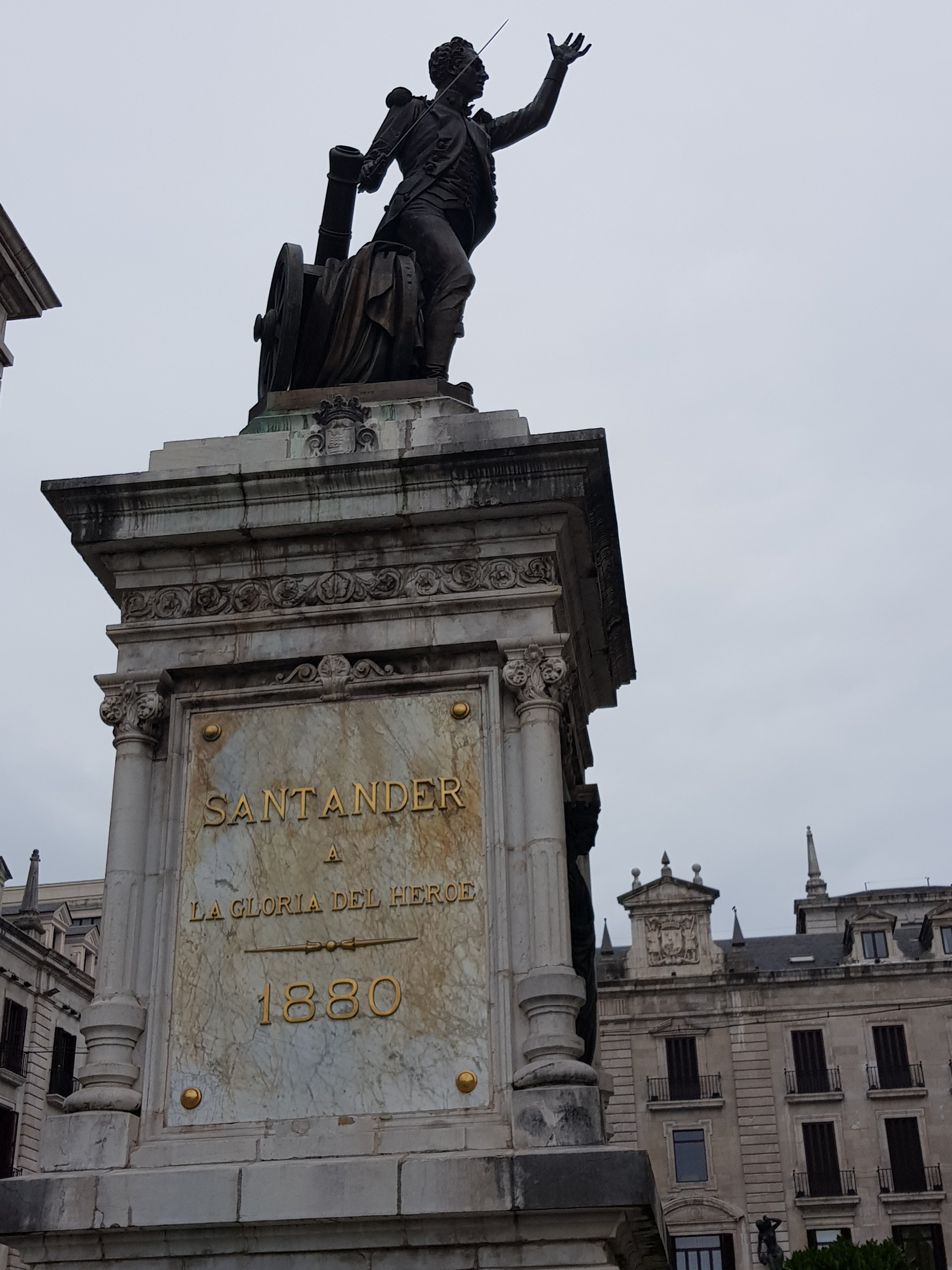
Anyway… back to the actual city. Santander is the capital of Cantabria, and is a coastal city. It has a port which includes bringing visitors over on ferry from Plymouth, it also has a few beaches, a palace, and lots of hills covered in shops, plazas and restaurants.

My rest day in Santander was a rainy one so I decided to stay in the busiest part of the city, close to the hostel. I stocked up more supplies, mainly medical ones, but also some nuts and fruit from the Mercado de Esperanza (market of hope). I got quite a lot of nuts and dried fruit for two euros. I always love to visit the local markets. It seems there are a few different ones in Santander. Another is the Mercado de Este (east market), this has a tourist information point, and lots of little artisan stalls and bars.

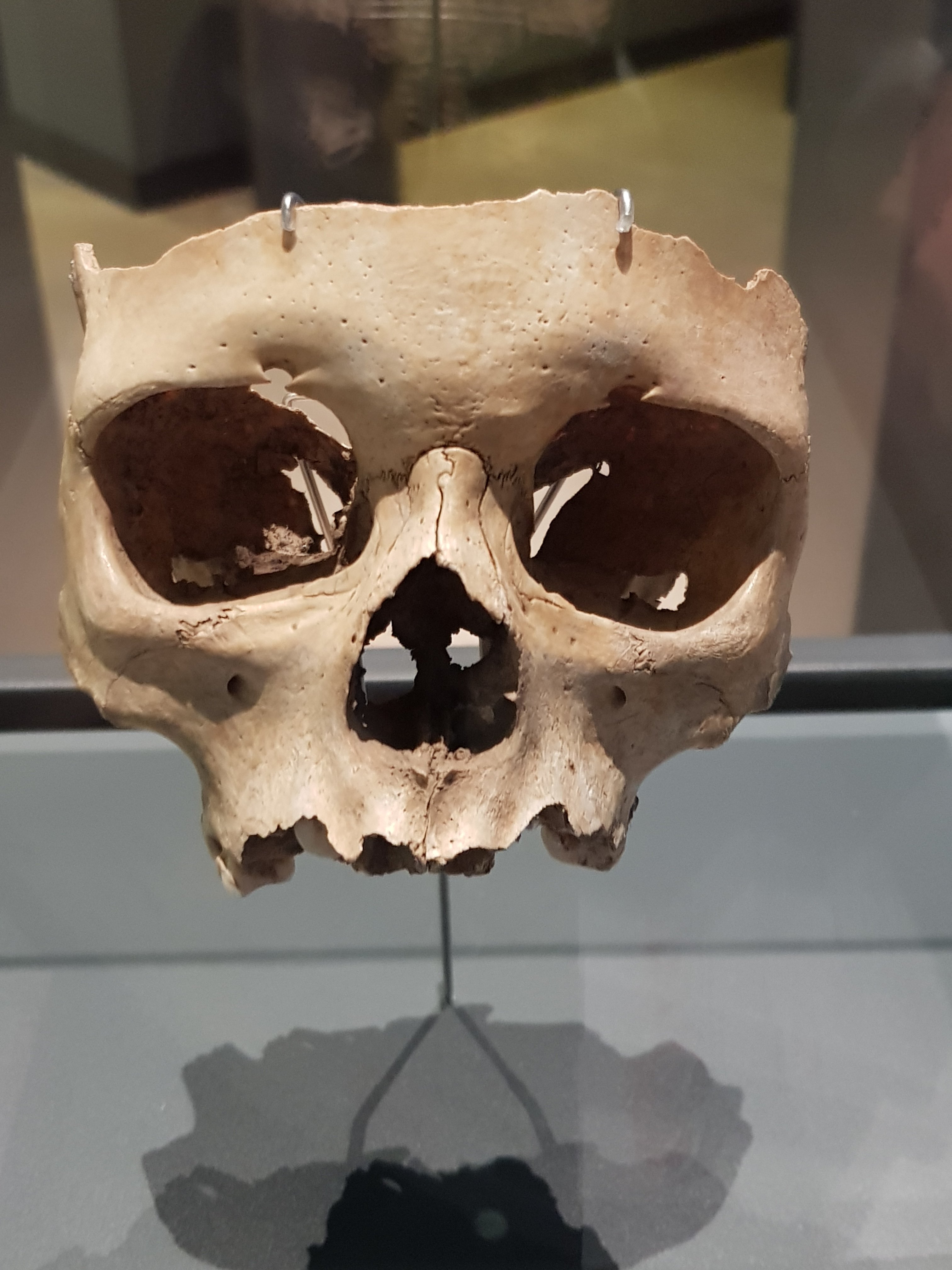
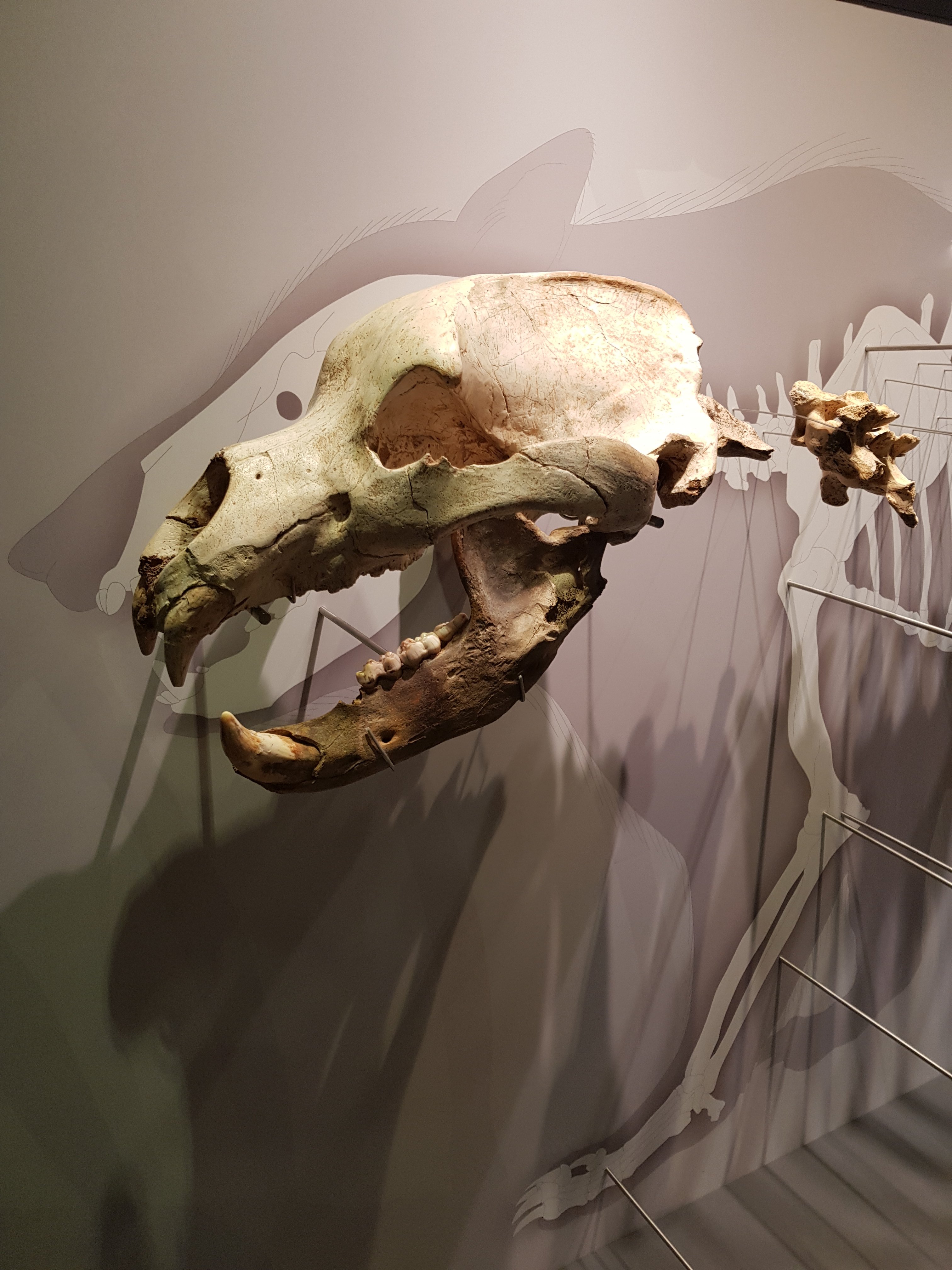
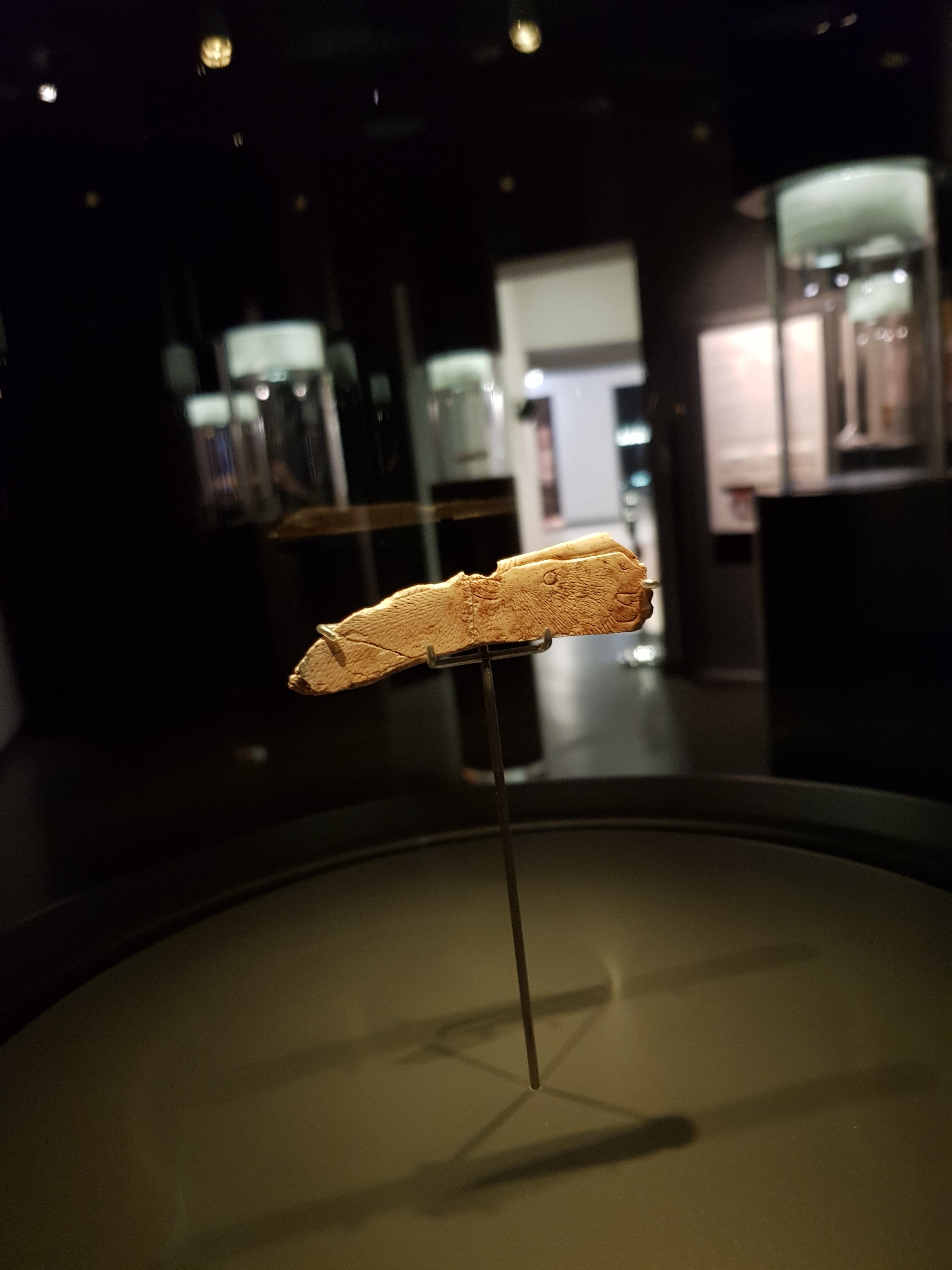
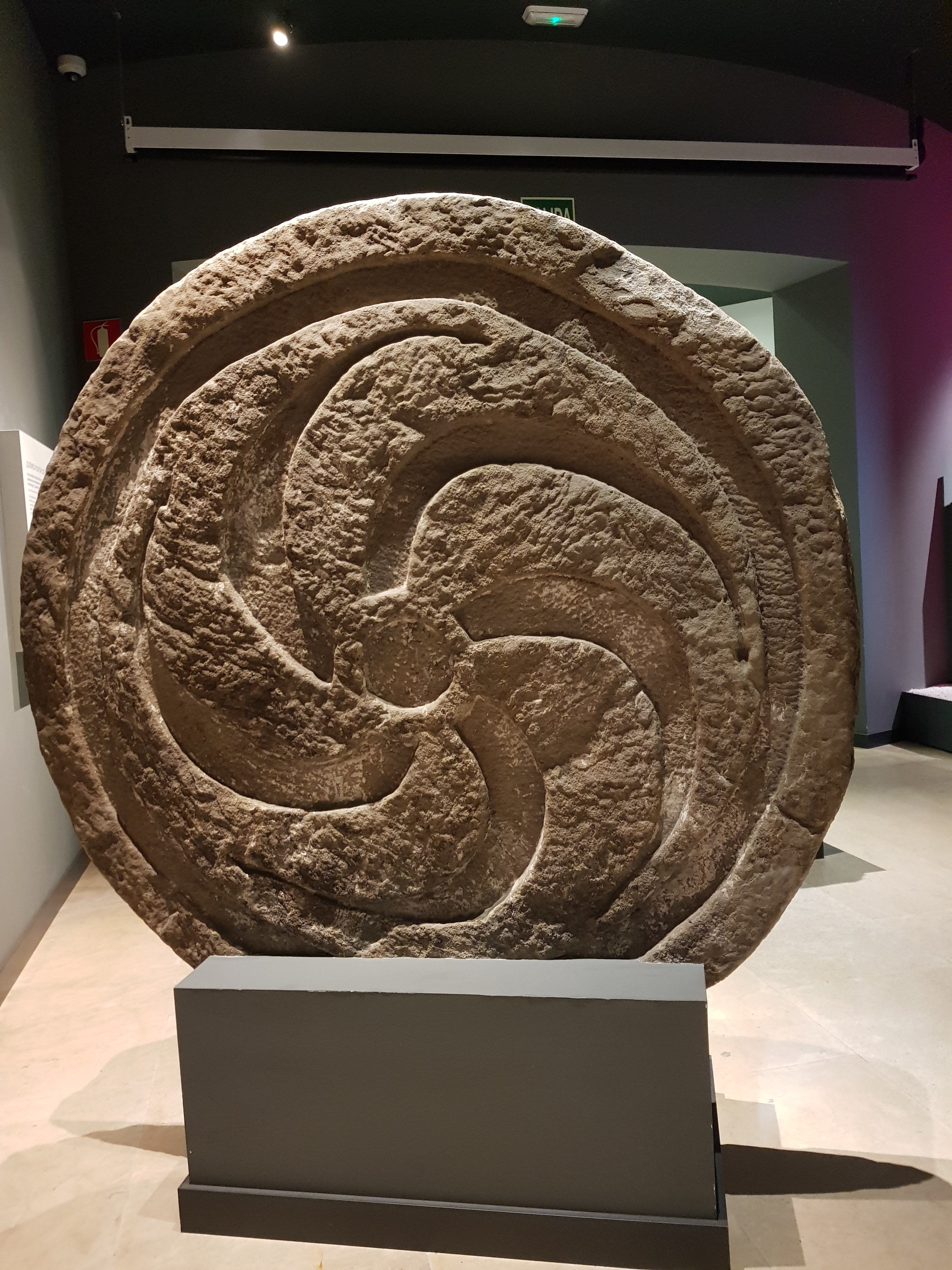
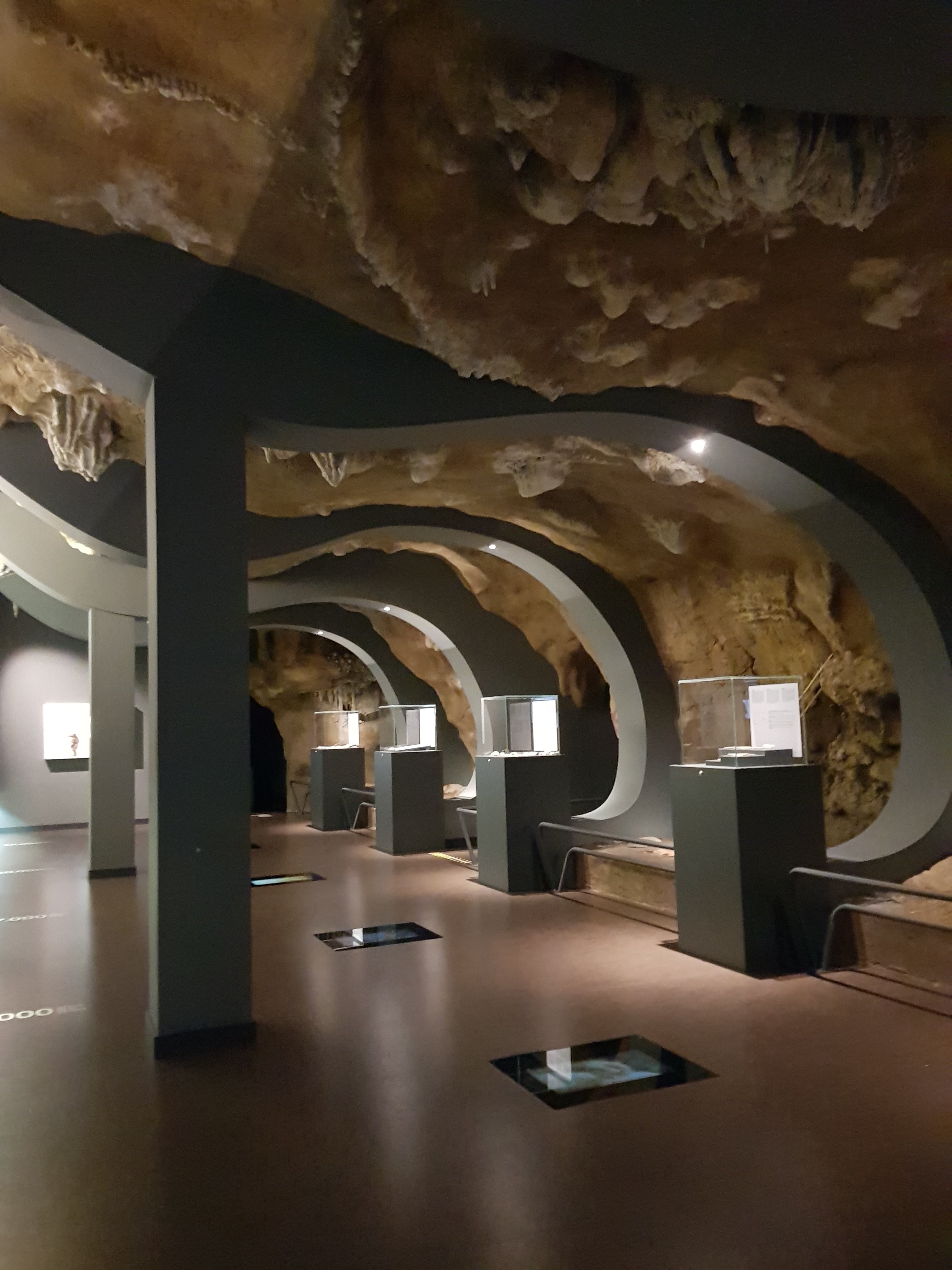
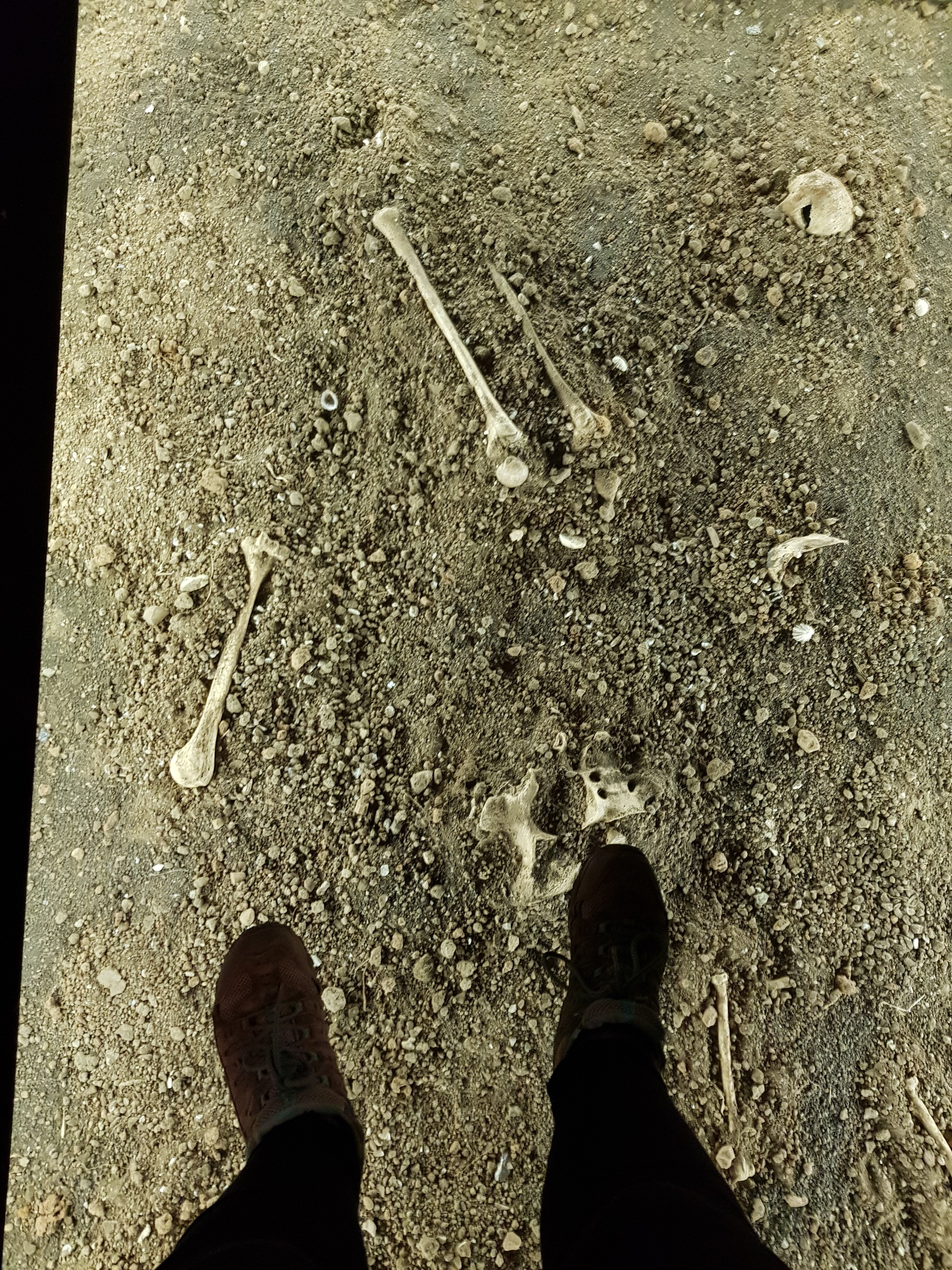
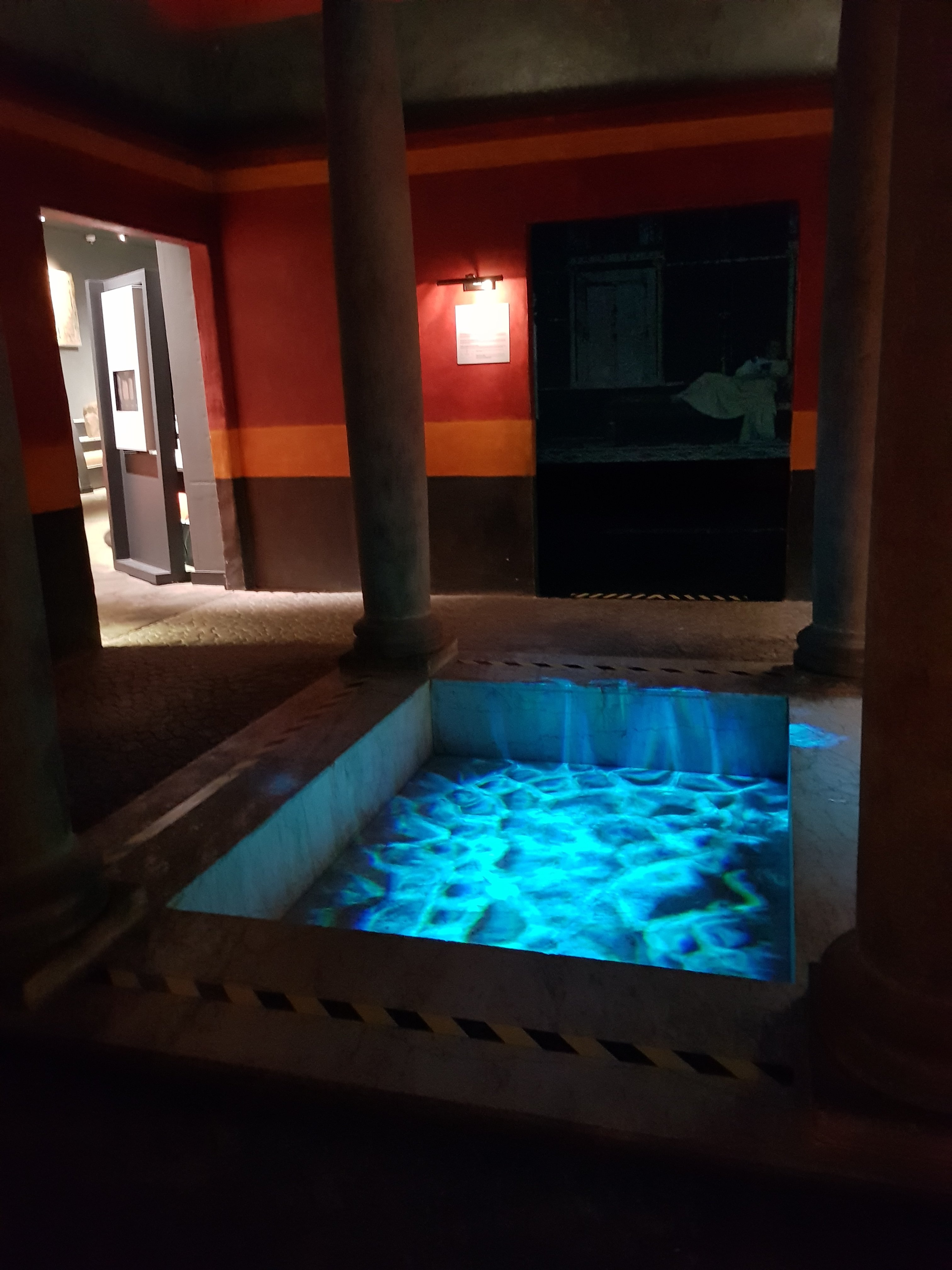
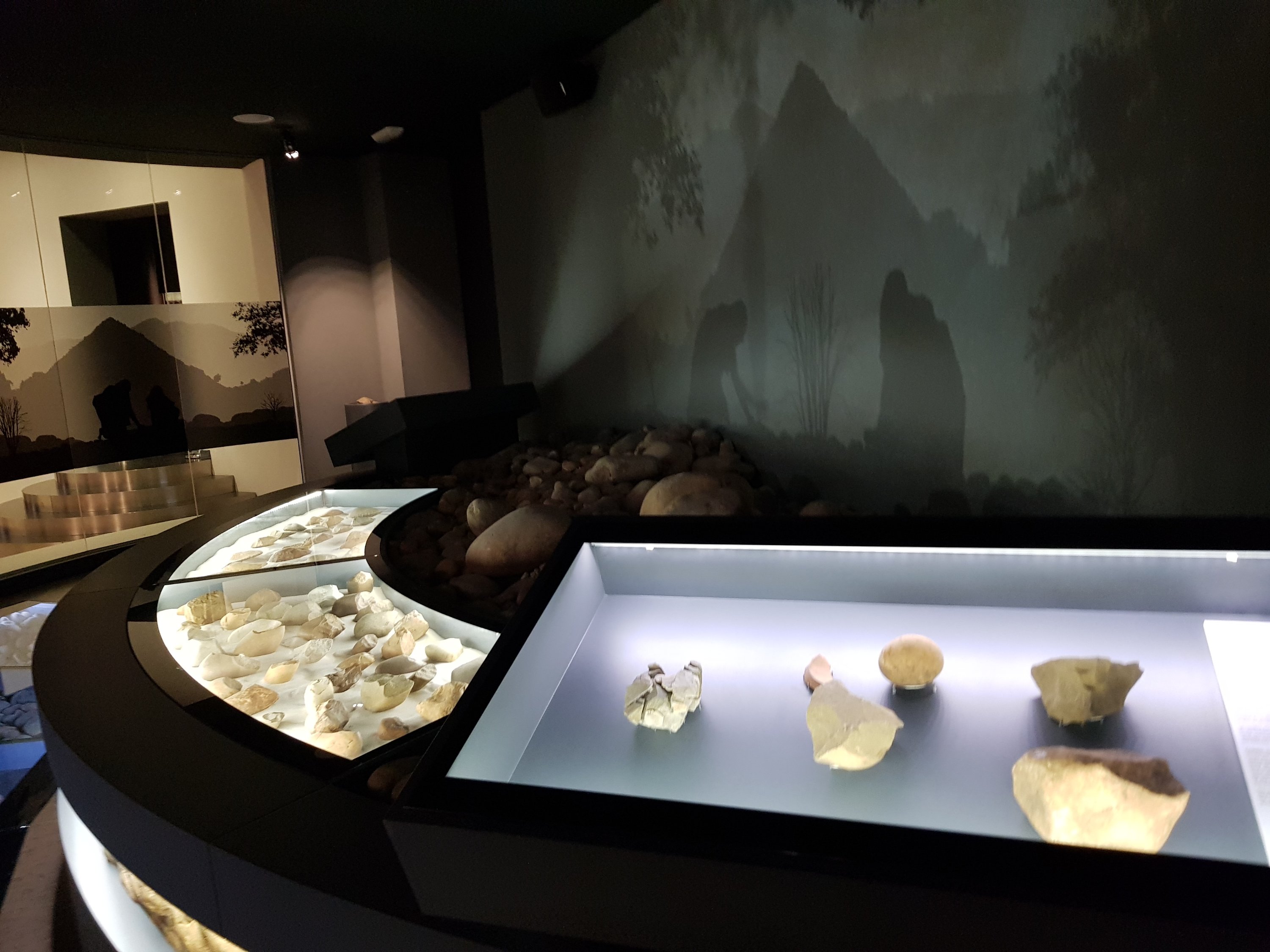
Interestingly, below the market is probably one of the best museums that I have ever visited, the Musuem of prehistoric and archeology of Cantabria. This underground museum is reasonably small, but packed with archeological finds from the region. Including human and animal skulls, ancient tools, artwork, and pottery.

I know that can all sound a little boring on its own, but this museum absolutely brings it to life. They have structured the rooms to make you feel as if you are in a cave network, created visual, audible, and touch displays. They have lots of information in different languages, and really make you interact with the exhibits, I thought it was brilliant! And only €4! 😀

My personal favourite was the museum’s use of tech to turn actual skulls into real faces!

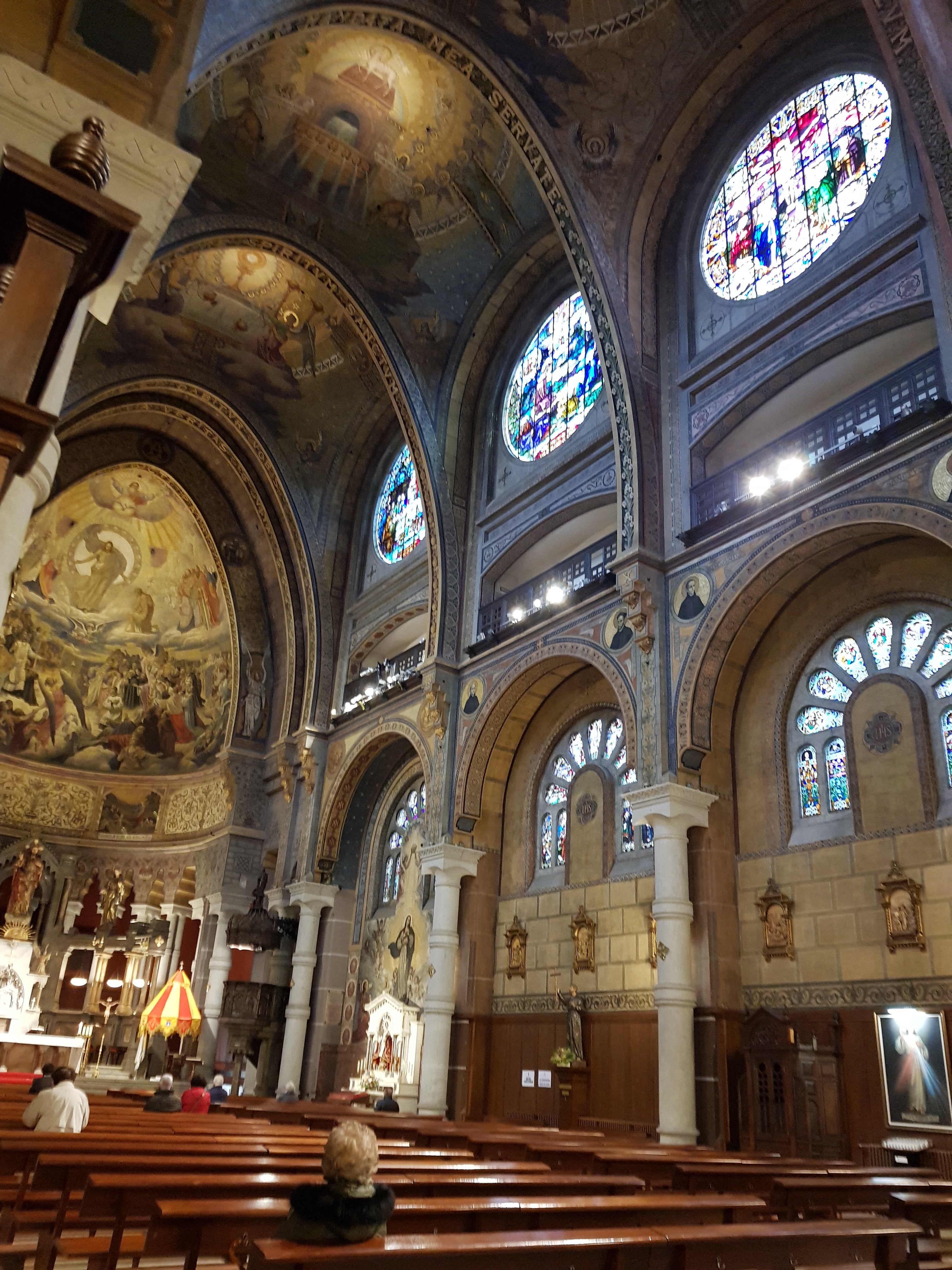
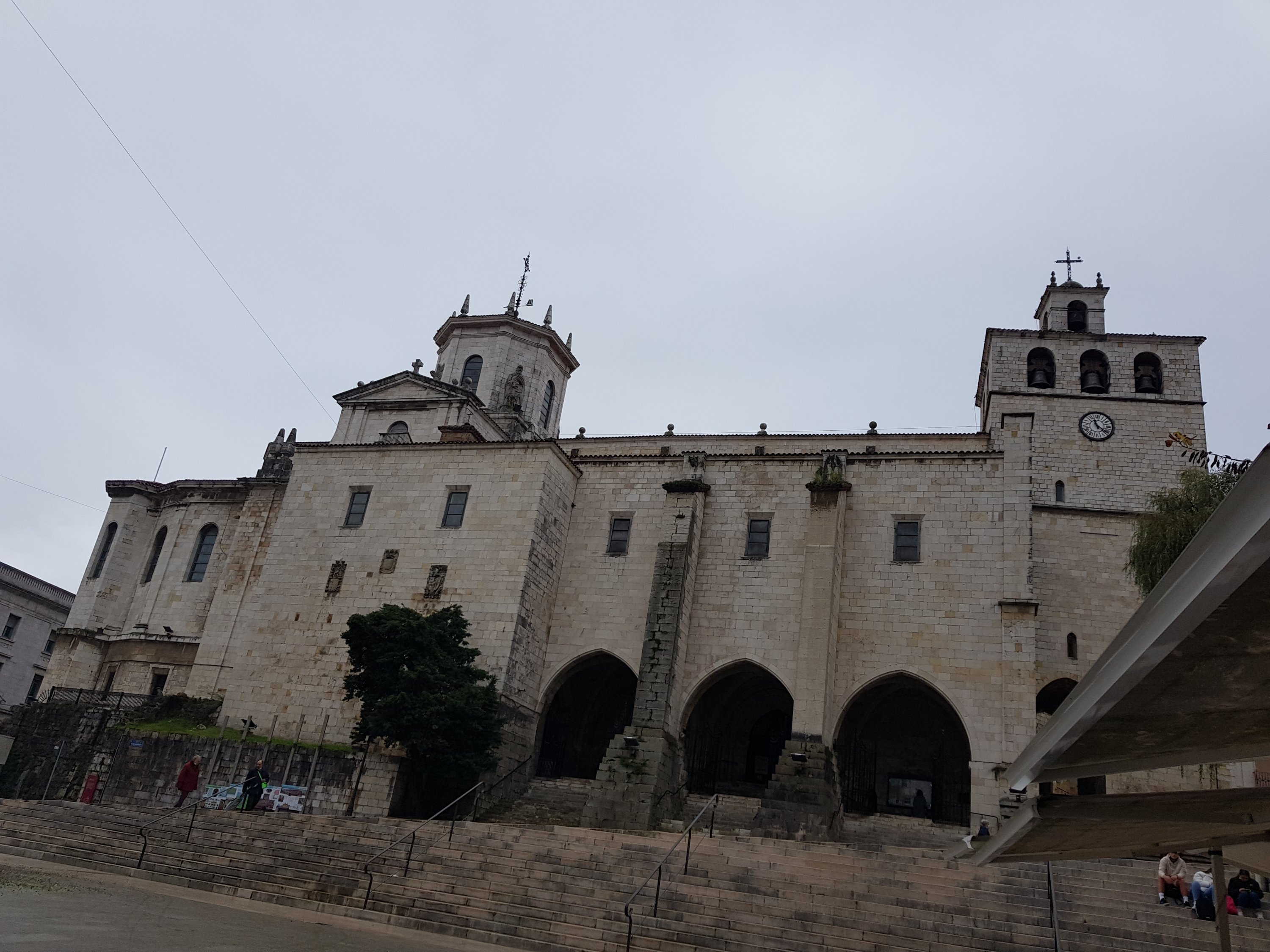
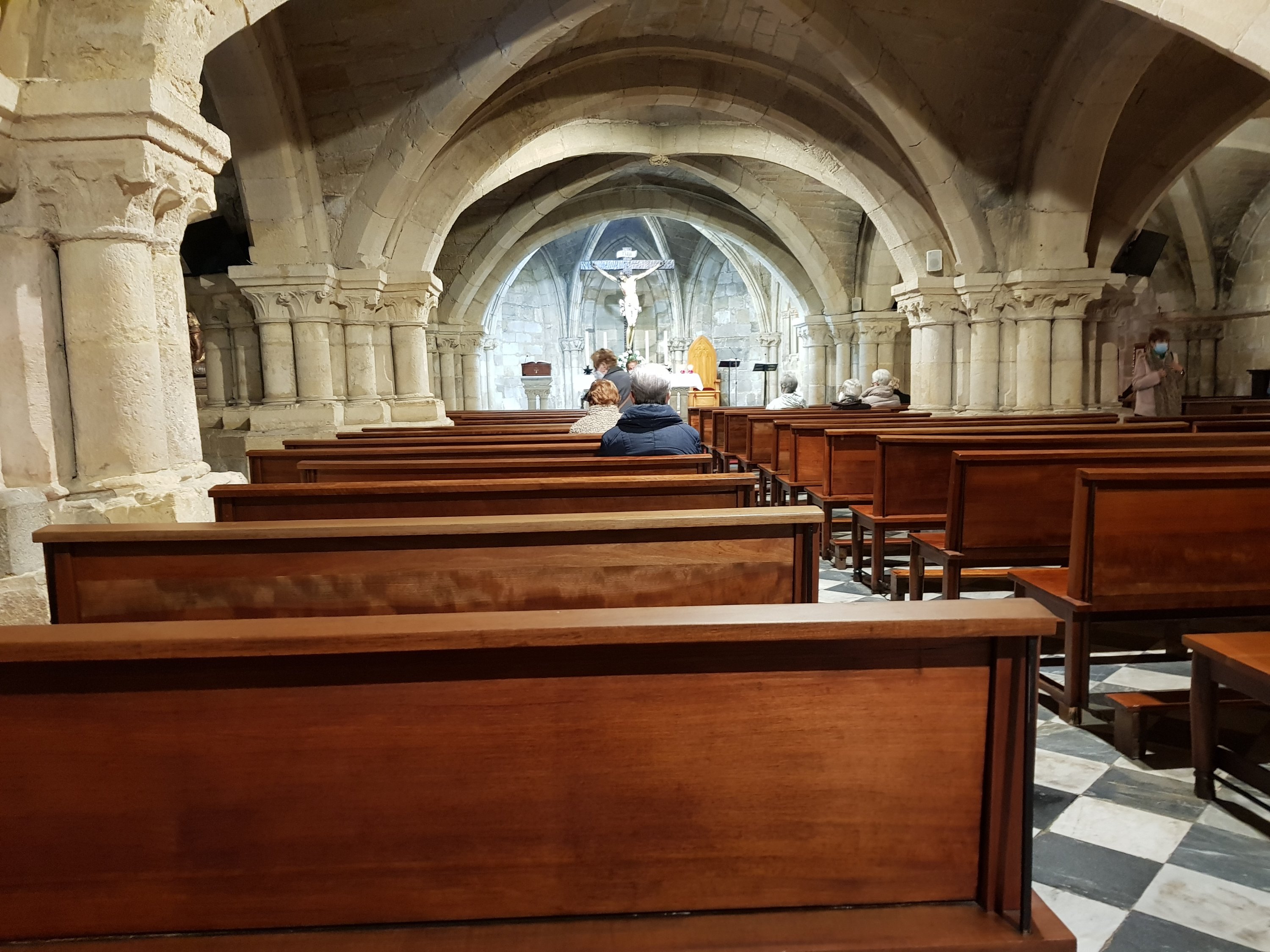
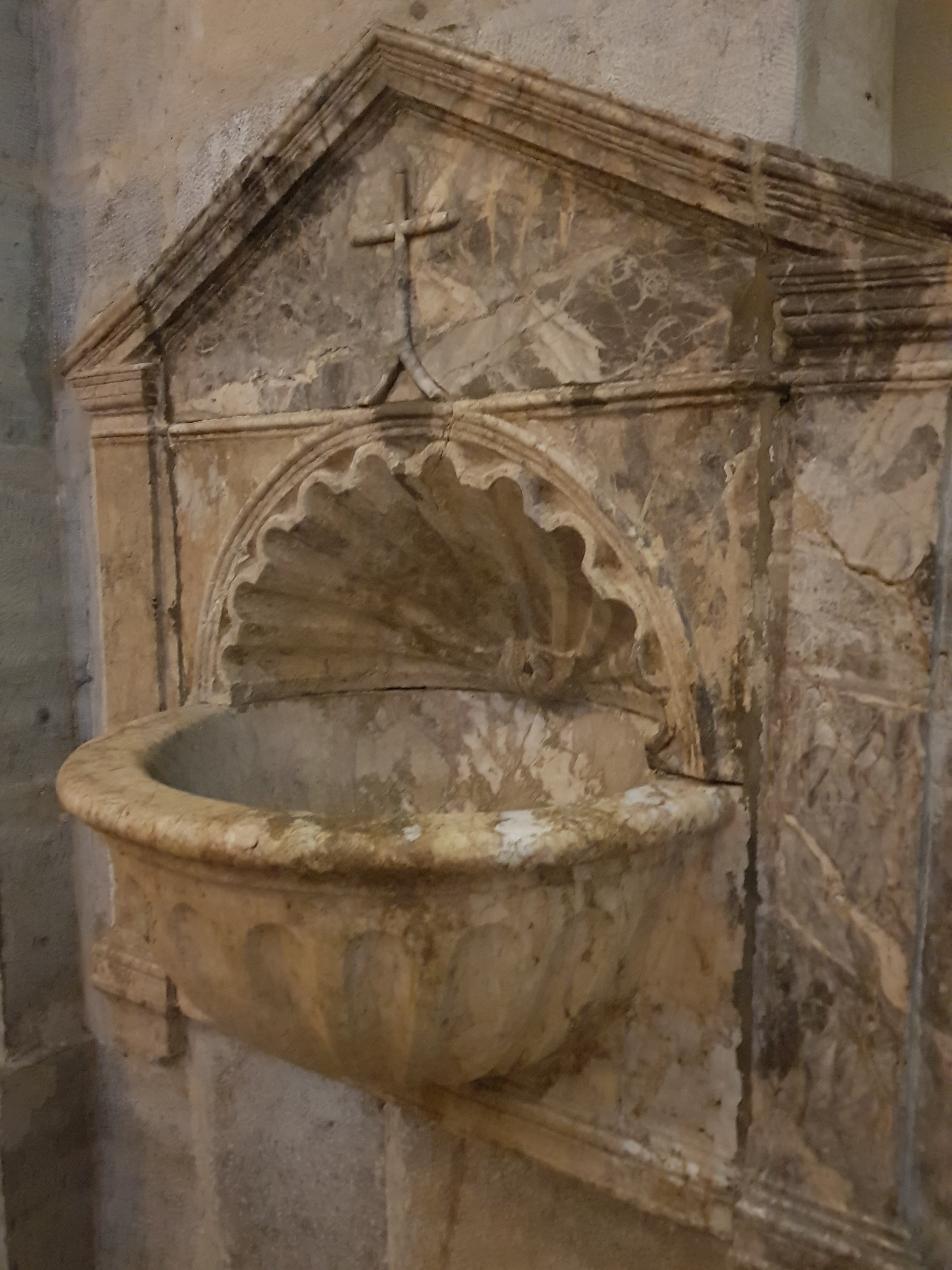
After this, I wondered over to the cathedral. It seemed that I had arrived, and I went through a door, but I was in a smaller church. It turned out that I had wondered into the Iglesia del Santismo Cristo. This church is actually underneath the cathedral itself. It has a warm atmosphere, beautiful arches, and two severed heads! These are relics of roman soldiers that were martyrs. Before I knew it, the door was shut behind me and I was in the mass. I just sat down and enjoyed it.

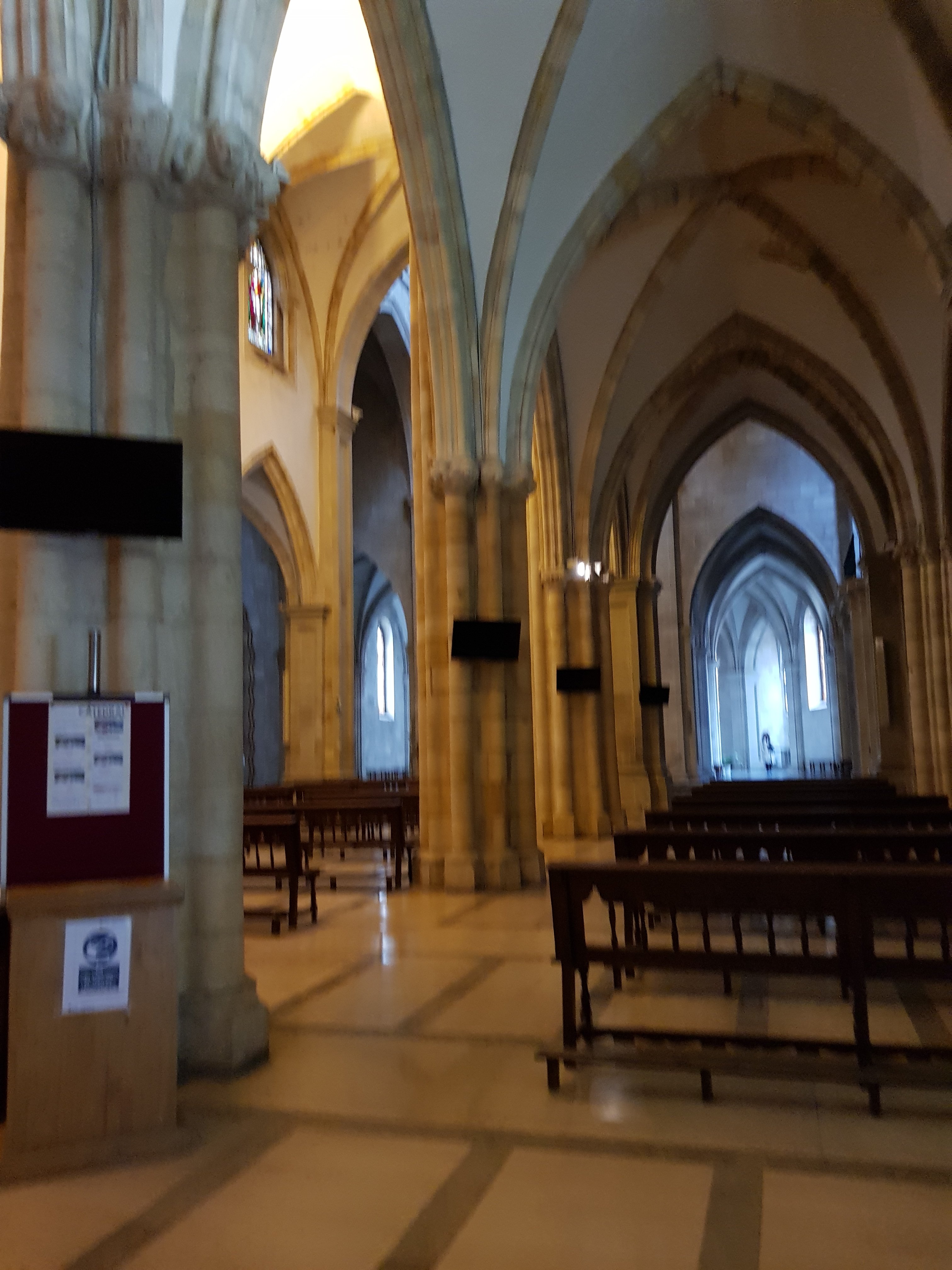
When it was over, I exited the church, climbed further up and found the official cathedral above where I had been. The cathedral interior is quite simple in comparison, and full of charming, light gothic architecture.

After all that, I returned to my lonely hostel, had a sandwich and took a nice long siesta, before heading out for dinner, and to enjoy some live music.

Overall, I think the jury is still out for me on Santander, because I wasn’t able to explore the beaches and palace, and I think the city probably has more of a rounded package in Summer. I did like the city though, and the museum really was a highlight.

I have walked a third of the Camino del Norte now, and my next and last city before Santiago de Conpostela is one week away. I hope my body can keep going! 🤞

Camino de Santiago: Irun to San Sebastian

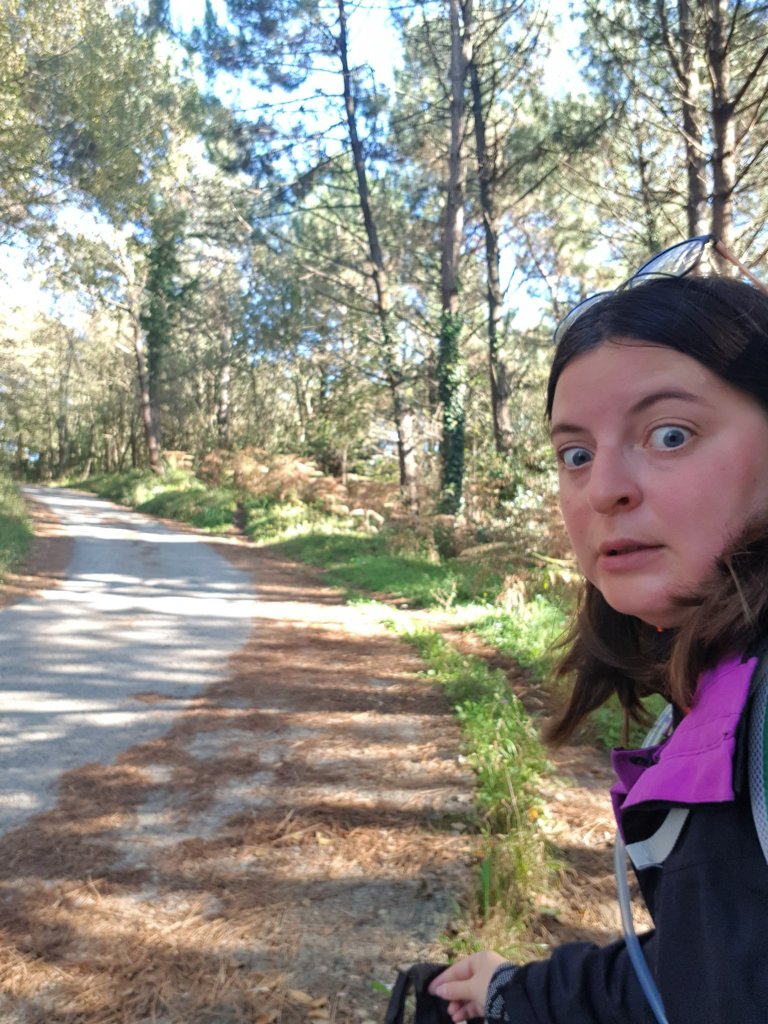
So, this week, I started my long journey to Santiago de Compostela (over 800km) from Irun. I will be walking for as many days as I physically can, and enjoying rest days in cities and some towns a long the way.

The journey to Irun from Zaragoza took a few hours on the train with a change in a town that I could not even pronounce. Most people go to Pamplona for a day first, as it is an easier transport connection and I think in hindsight, perhaps I should have. I had already booked my accommodation and train though, so I didn’t want to alter it.  I also just wanted to get started on the walk before the weather turned, and I think it was the right decision, as I had three days of sunshine.

Most people attempt to do the journey from Irun to San Sebastian in one day, but this is about 25km and includes a mountain hike. I decided to start gradually, and split my first stage over two days, with an overnight stay just outside of Lezo.

This was definitely the right decision. The hike was very steep and a shock to the system, after several days sightseeing on flat terrain.

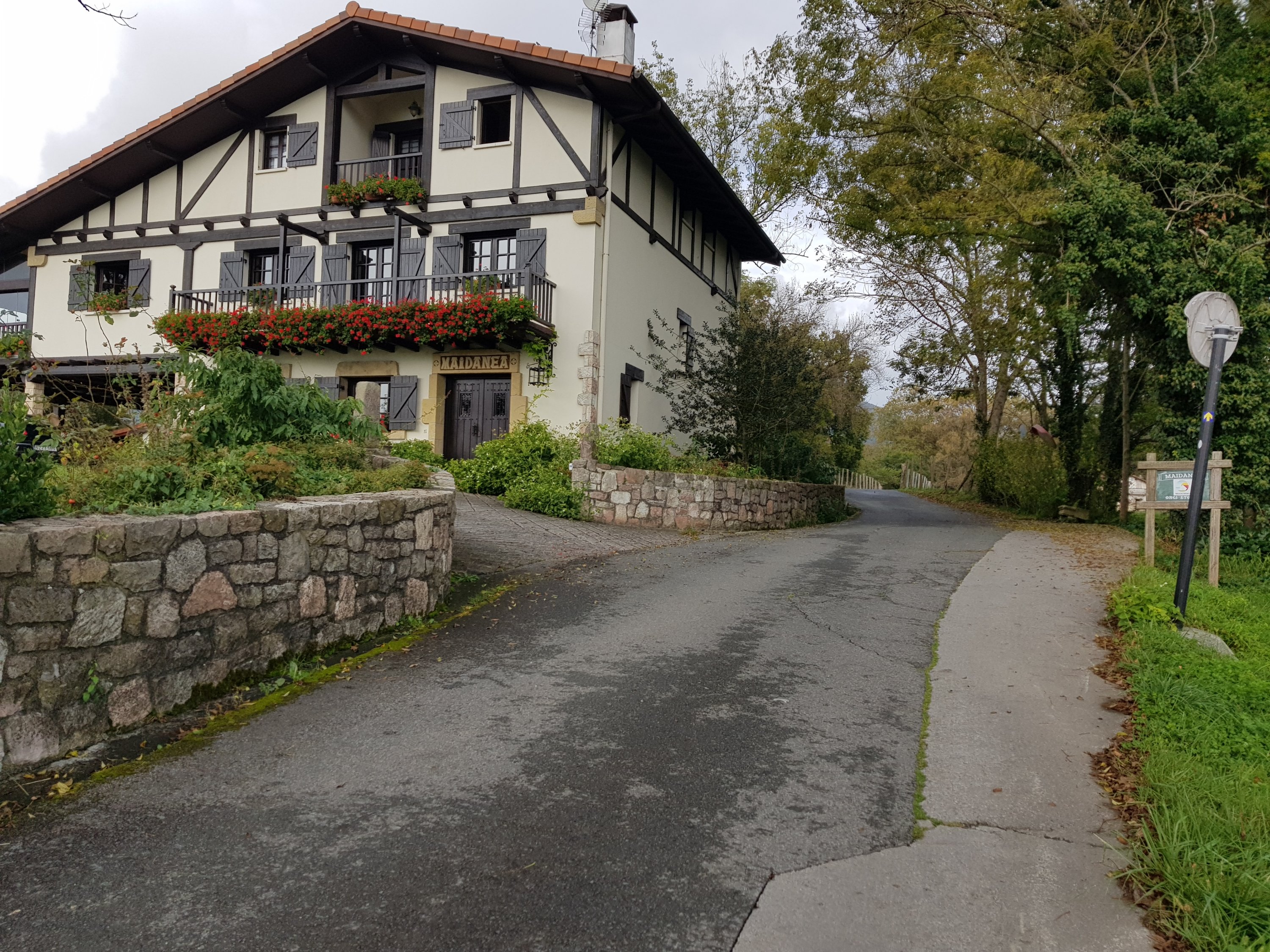
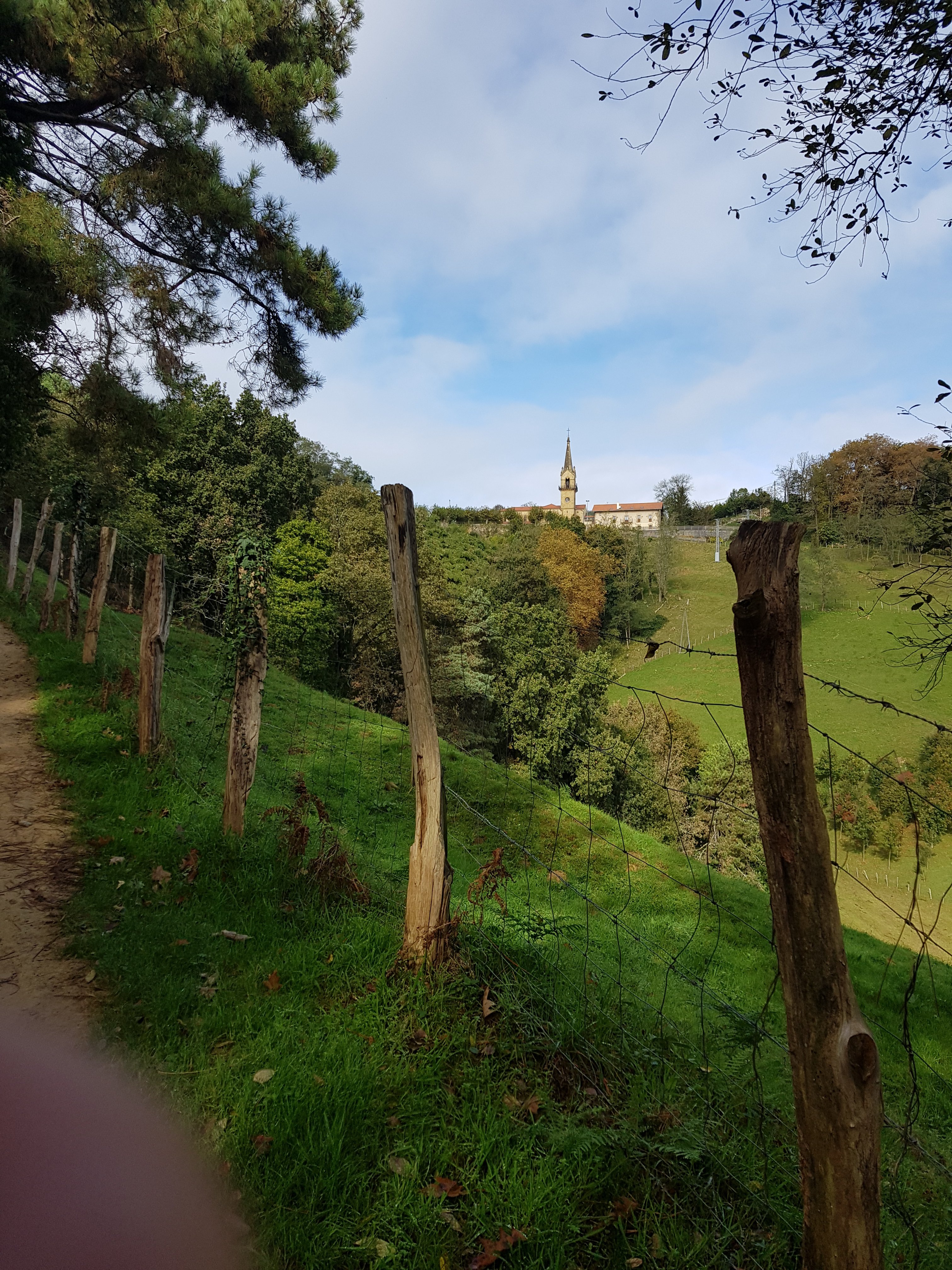
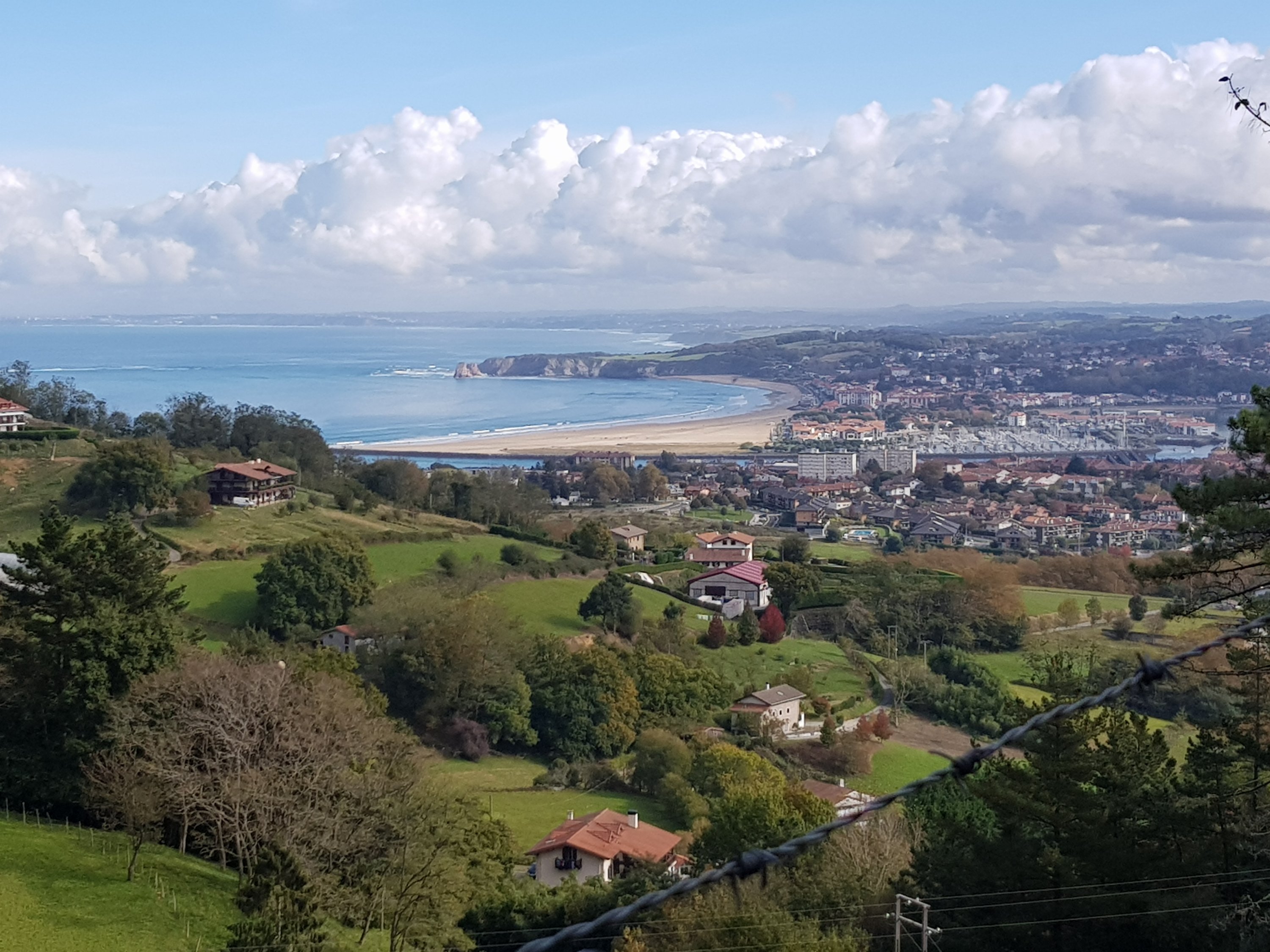
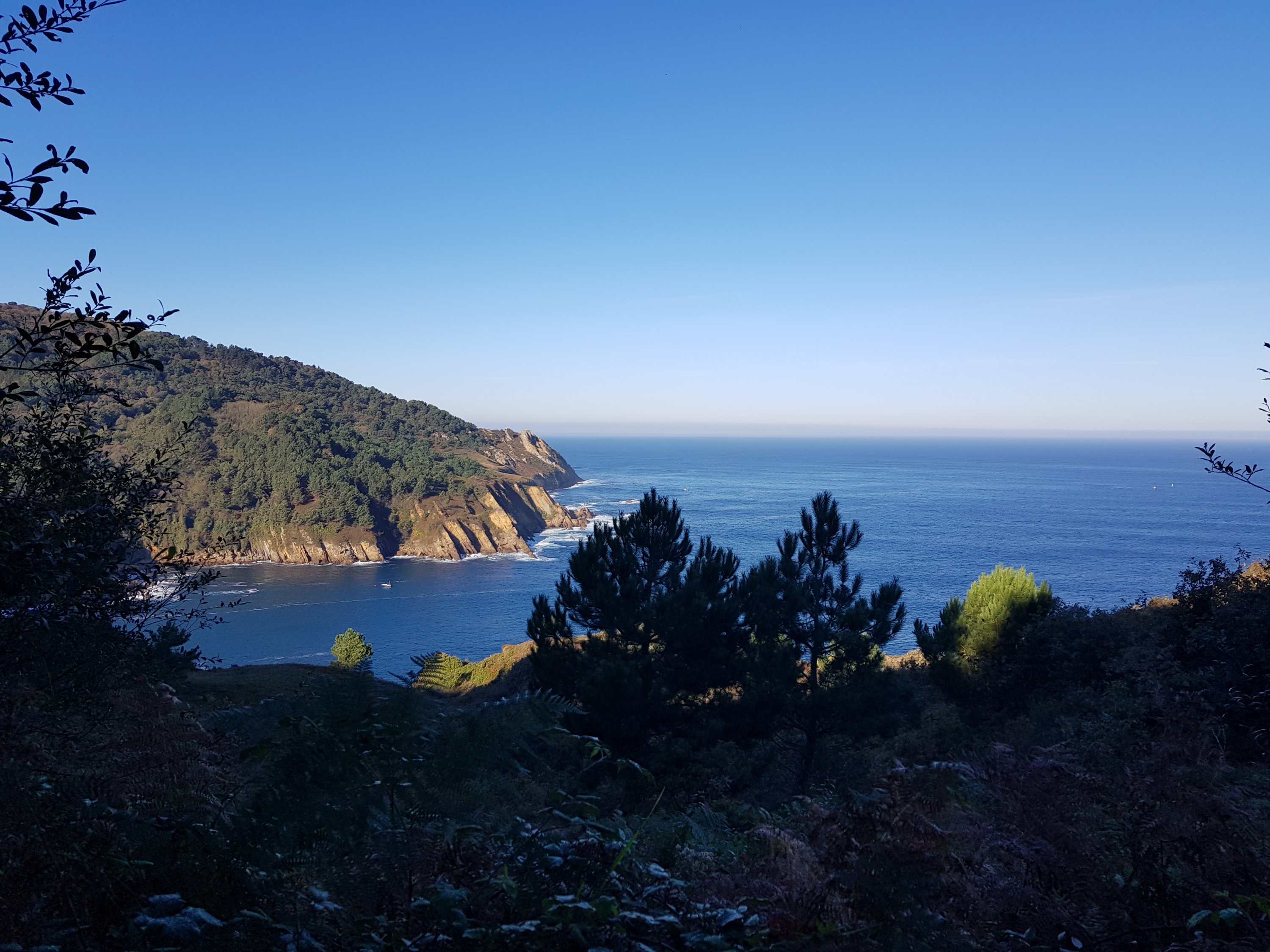
The walk took me up the mountain, with views of the sea and nearby beaches, coupled with traditional small farms, and picturesque houses.

After the lovely views of the mountain and the gruelling walk down, I realised something unfortunate.. The hostel that I booked on the outside of Lezo, was on a major highway. I came to a busy roundabout with no crossing, and was perplexed at what to do. My options were few:

  • To climb back up the mountain and find another path to town, and then doubleback on myself..
  • To attempt to cross the highway and potentially be hit by a car at 80kmph.
  • Hitch-hike and hope someone took pity on me.

I considered my options carefully, and decided the best thing to do was wave someone down, and beg for a lift in my broken spanish.

I waited about 40 minutes and asked three drivers before I found someone that would take me across the motorway.  A lady with her teenage daughter and a horse trailer on the back of her truck felt sorry for me and agreed. This was a blessing. I ended up talking in Spanish with them the whole journey to the hostel, and they were very chatty. I also felt like this was a great opportunity to get over any ‘stranger danger’ fears I had.

Once I was at the hostel, I met several men that I was sharing a room with, including many Spaniards and a frenchman that spoke great English too. They were very friendly and the frenchman offered to drive me into the town the next morning, which again was super useful as the motorway was too dangerous to walk. I must make it clear that the motorway is not part of the route, and was a poorly planned detour by me.

So the walk continued on! I had some beautiful towns to wonder through as well as a cute little boat taxi crossing for 90 cents.

On the other side, there was a steep climb through a town when I came across the most craziest and beautiful thing… a set of escalators in the street! I felt a pang of guilt and then I got over it… this took me up three streets and I just thought it was part of the fun really! I have now discovered that many of the large towns and cities in this mountainous area have escalators and elevators to take you up to other streets higher up. There are even elevators that go underground to take you to disguised car parking and public toilets areas. The mountain people know how to live! 😀

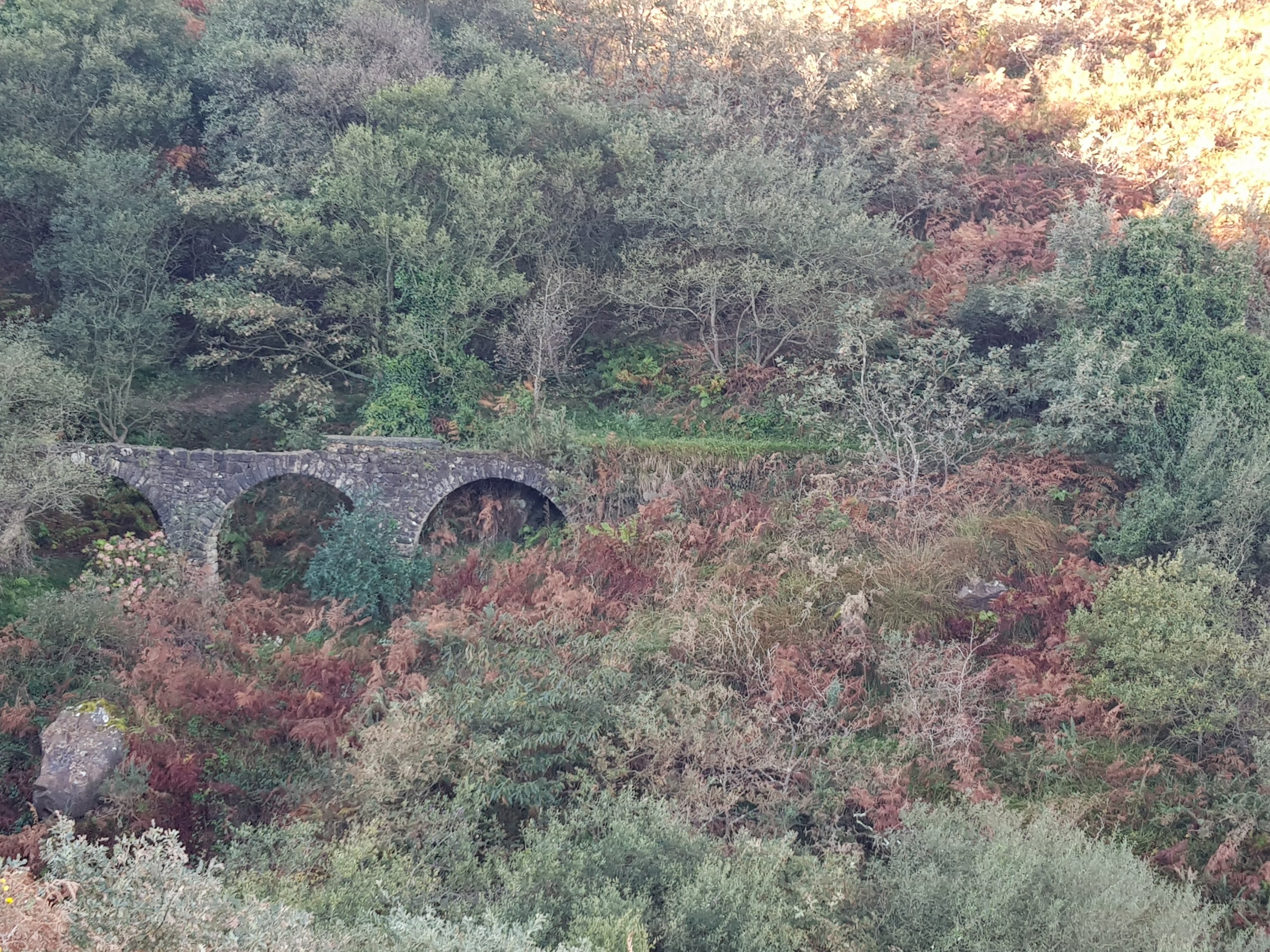
More hills, and mountains, and what felt like never ending ascents, and I began to come out through forests. The Autumn colours are in full swing now (late October), and this was really beautiful. There were even historic bridges, and forts hidden in the woods, between the foliage.

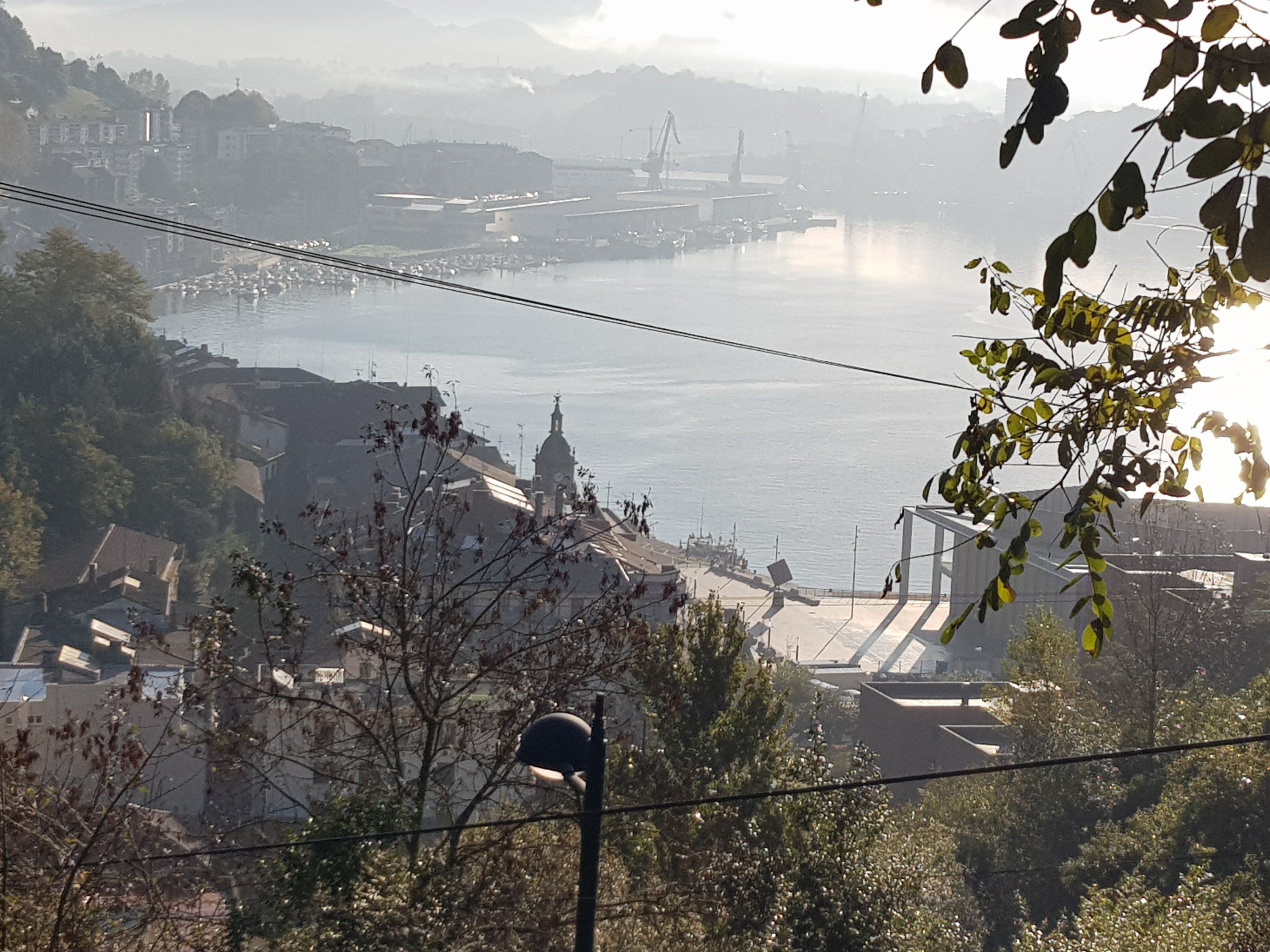
By the time I got to the bottom, I really wanted to be there by now. It had been over six hours and my legs hurt. The views could no longer take the pain away… and then I saw it. SAN SEBASTIAN! HALLELUJAH!

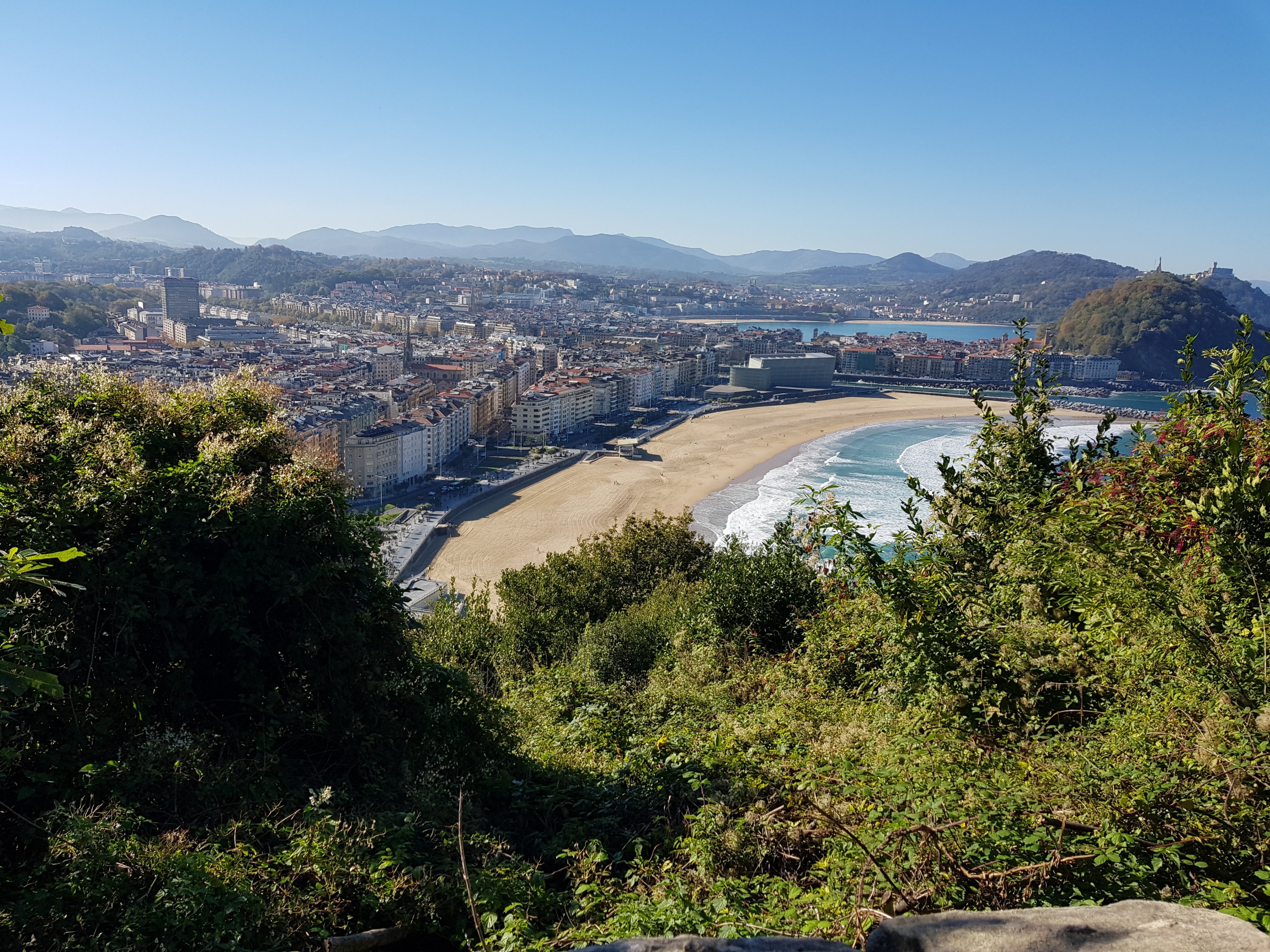
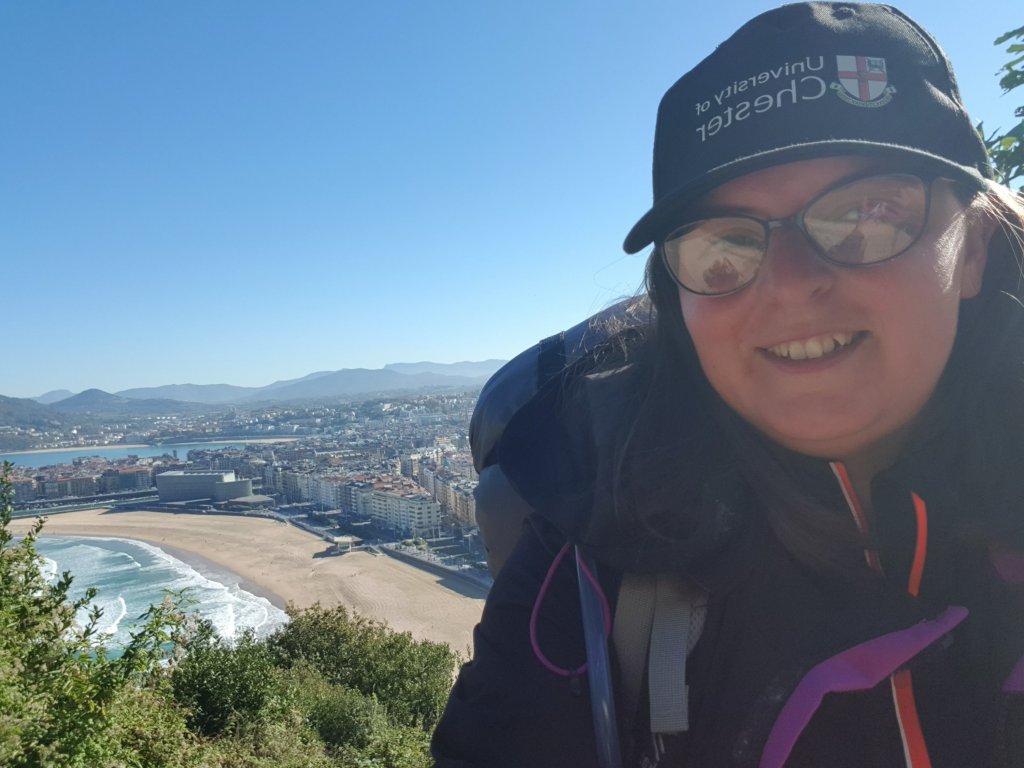
I had two nights in San Sebastion, so that I could rest after my first stage. This city is gorgeous, I think this with each new city that I go to, they just get better!

San Sebastian / Donastia

This city on the water, is really huge, and my hostel turned out to be 30 minutes from the seafront 😢 but the atmosphere at the accommodation was good so I got over it.

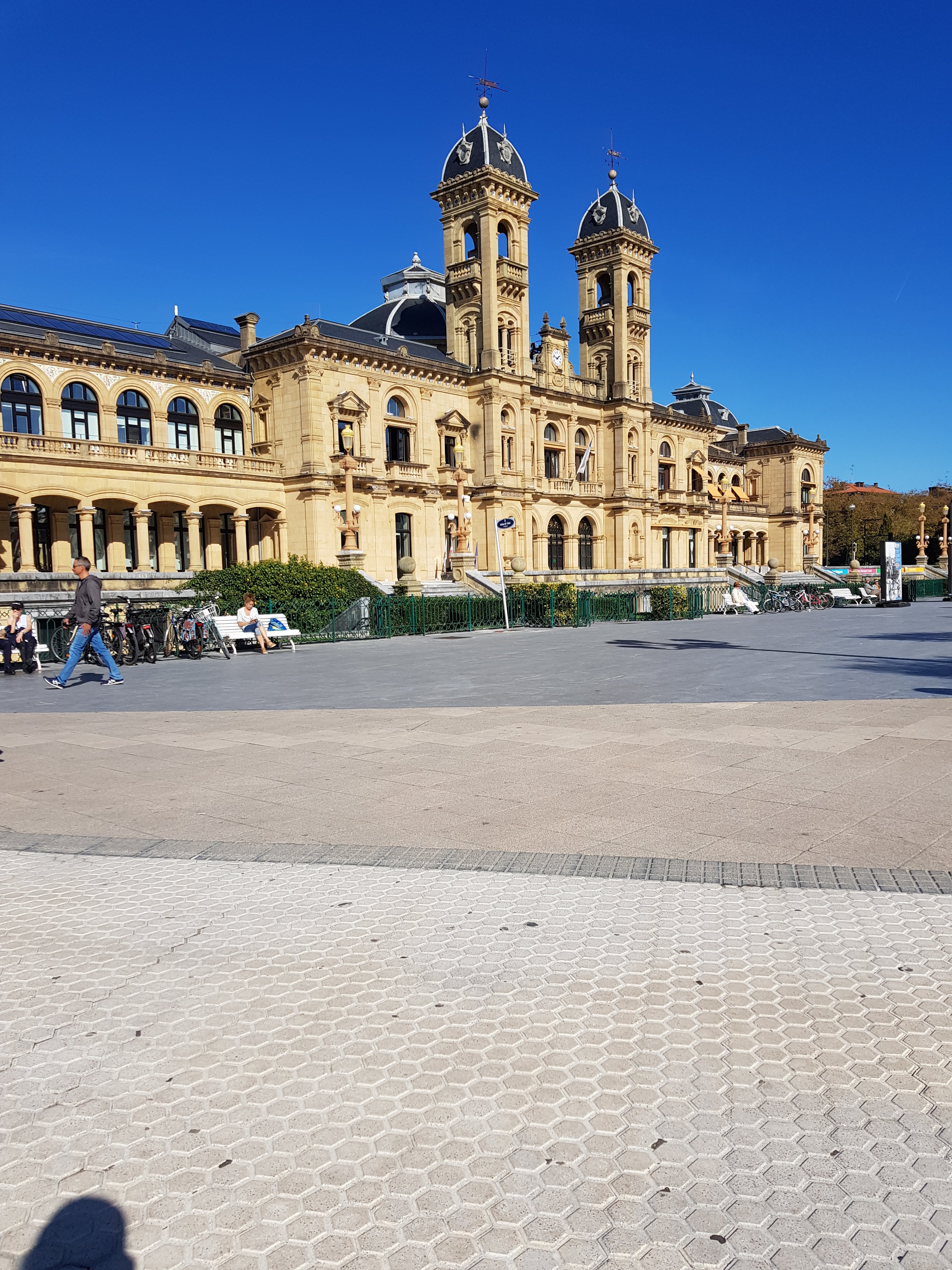
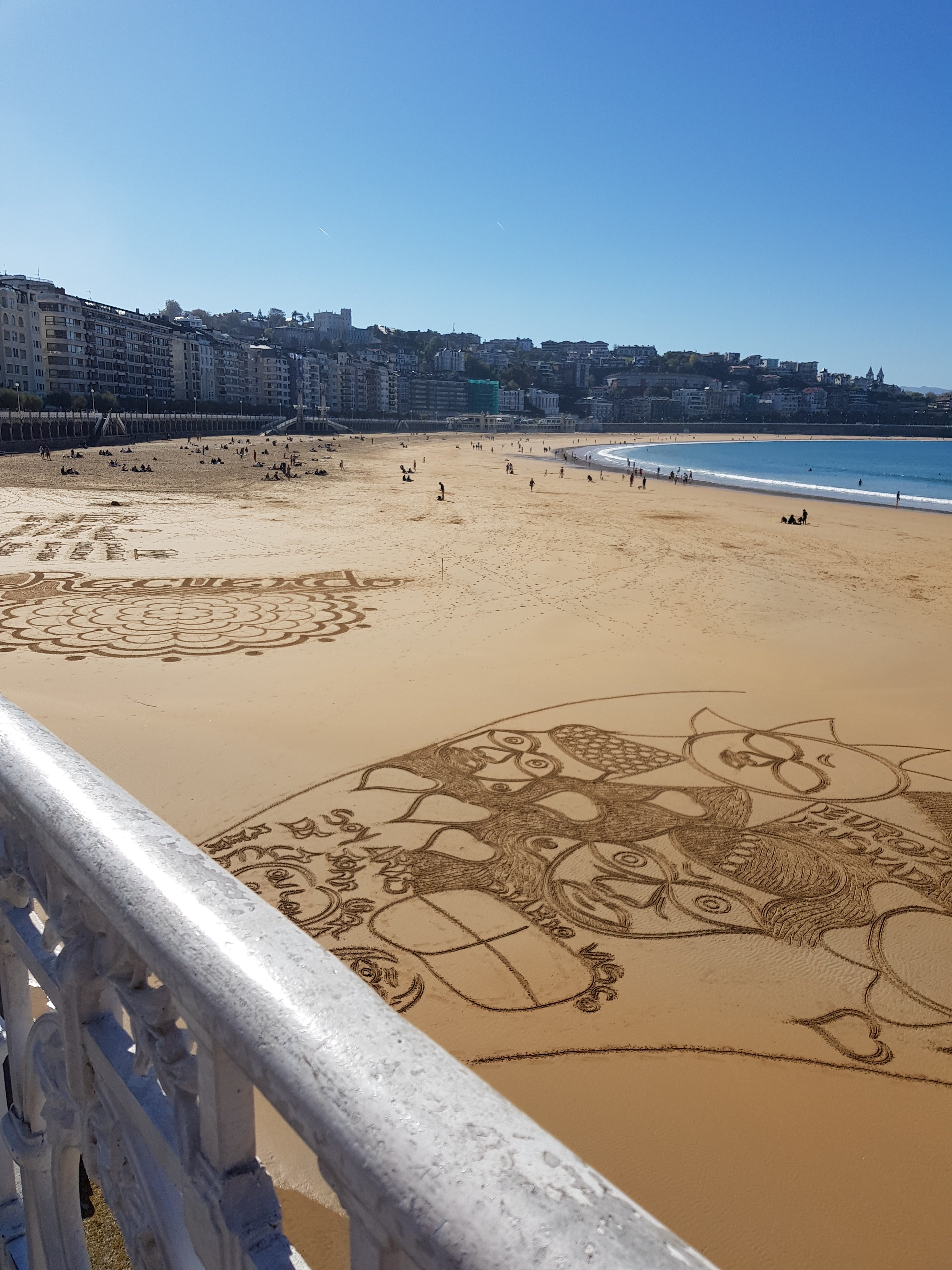
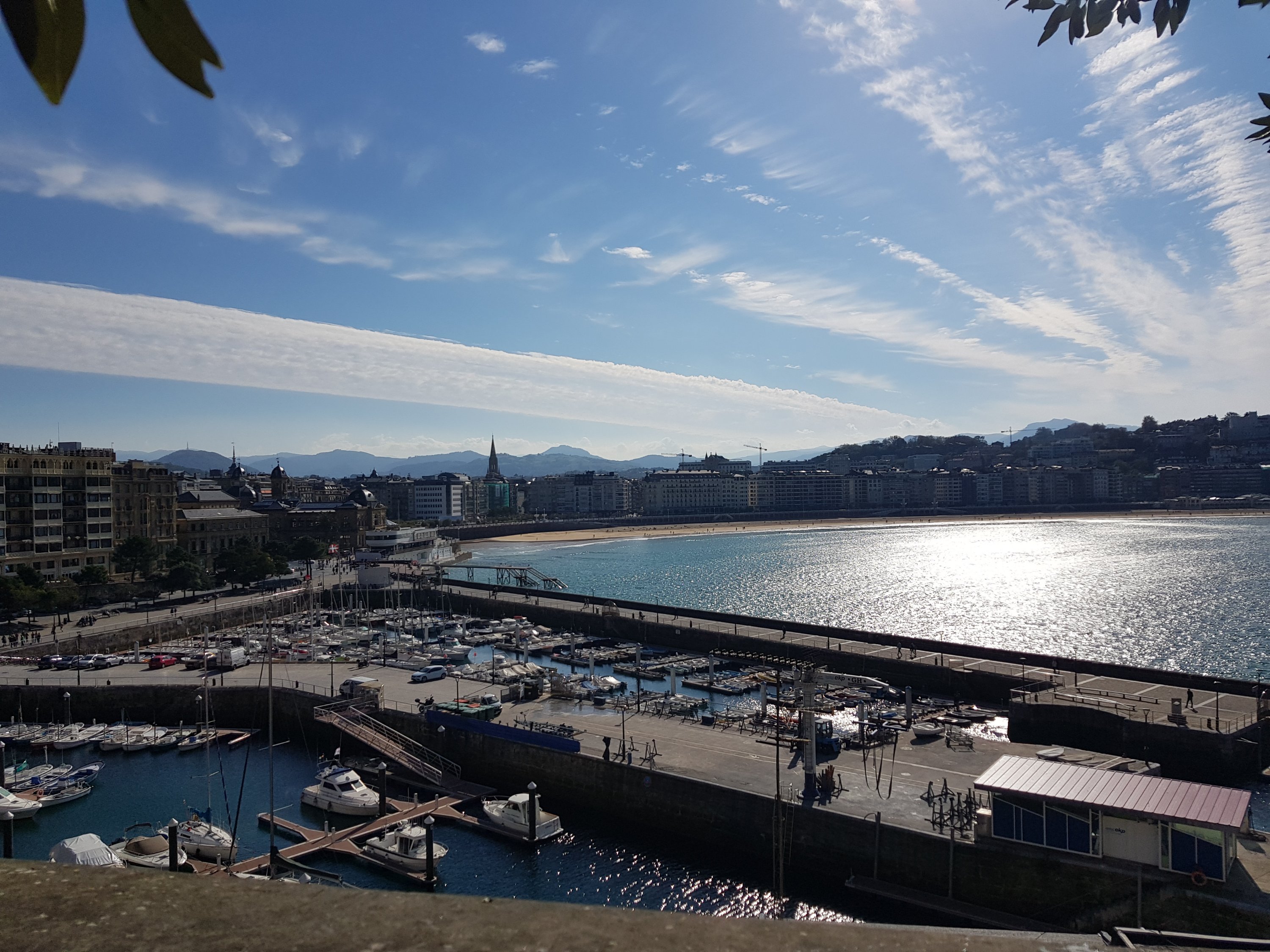
The city seems to have several elements; a beachfront and promenade, a harbour, busy centre, old town, a castle on a hill, and then outskirts of communities and work places.

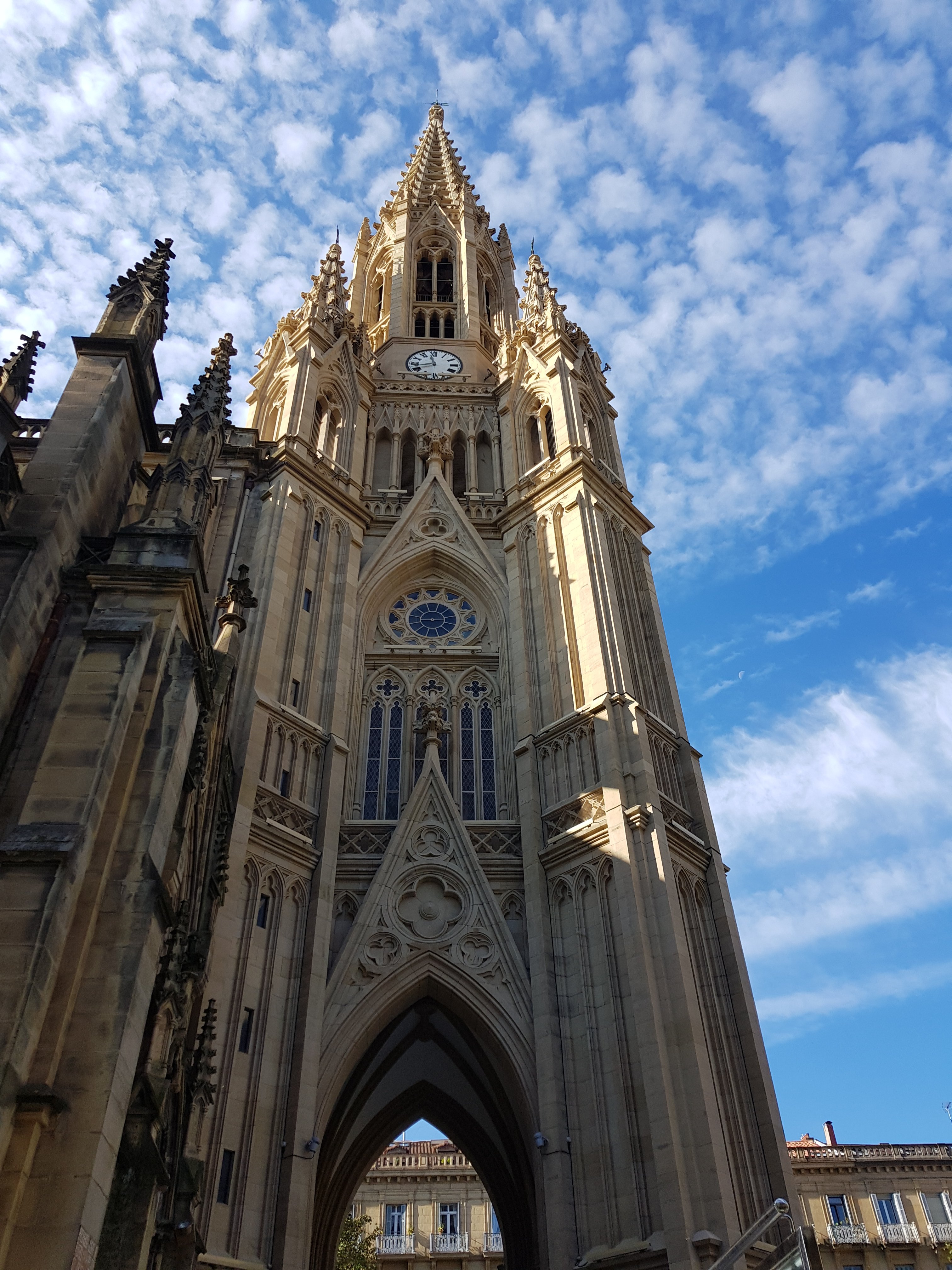
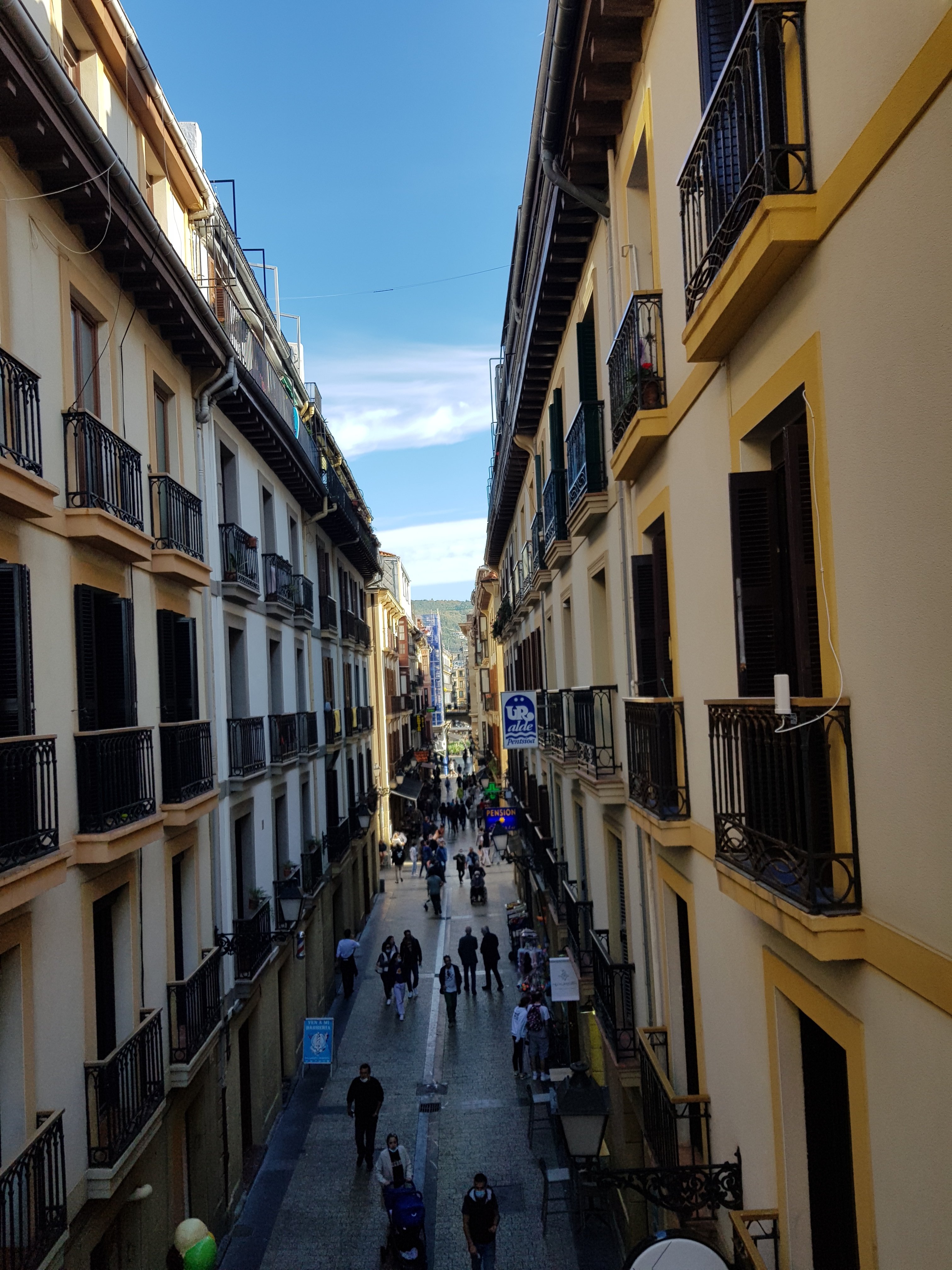
I visited the Cathedral and collected my stamp in my special pilgrim passport, and wondered around the city’s edge and old town. The old town is very pretty but quite touristy, and if you venture a little further along to where the market is, it is a little nicer. You can also walk all around the sea walls and what seems to be the old city walls. I would really recommend doing this walk, there are plenty of nice views and benches to sit and just enjoy it.

I had to remind myself that I was supposed to be resting, so after my little stroll, I sat down.. I ate a lovely chocolate brownie, definitely breaking my set budget, and then laid for several hours on the beach. It was the last day of 22’c and sunny, so I am so glad I did this.. even if I had to sit on my laid out trousers as I had nothing else.

In the evening, I decided to become part of the local scenery and continue sitting. So, I took myself to the local cinema, and I watched the new James Bond movie in Spanish. It was an excellent evening.

I really loved San Sebastian, and the pretty towns I went through to get there. It is nice to start slowing down for once, and just enjoy my surroundings.

Brighton: the “London-by-the-Sea”

Now the lockdown has been lifted, I decided to make a visit to the seaside location of Brighton, to spend time with my mum and visit my sister whom lives in the area. The city is certainly a busy location for visitors with a wonderful mix of urban appeal, coastal scenes and a national park close by.

Brighton is a colourful, and quirky area on the coast, within the city of Brighton and Hove. It is only 47 miles or about an hour on the train from London. I drove to the area from Norwich, and stayed in a lovely AirBnB place just 20 minutes away in Hassocks. In order to truly appreciate the town, it seems important to wonder through the entire breadth of the area there.

Brighton has great public transport links with multiple train and bus connections into the town. Whilst car parking is available in the town, it is very expensive in general. You can access much of the on street parking after 8pm and if you use websites such as ‘JustPark’, you can find cheaper parking spaces that are privately rented out. We took the train on one day, which was great quality and cheap, and we also found free car parking via ‘JustPark’ in a bingo hall car park.

On first arriving, the coastal promenade and pier seemed quite similar to many other UK seaside towns, and my first impression was not good. It seemed quite dirty, and ran down, with a horrible mix of 1960s buildings, letting down the setting of neighbouring Victorian architecture.

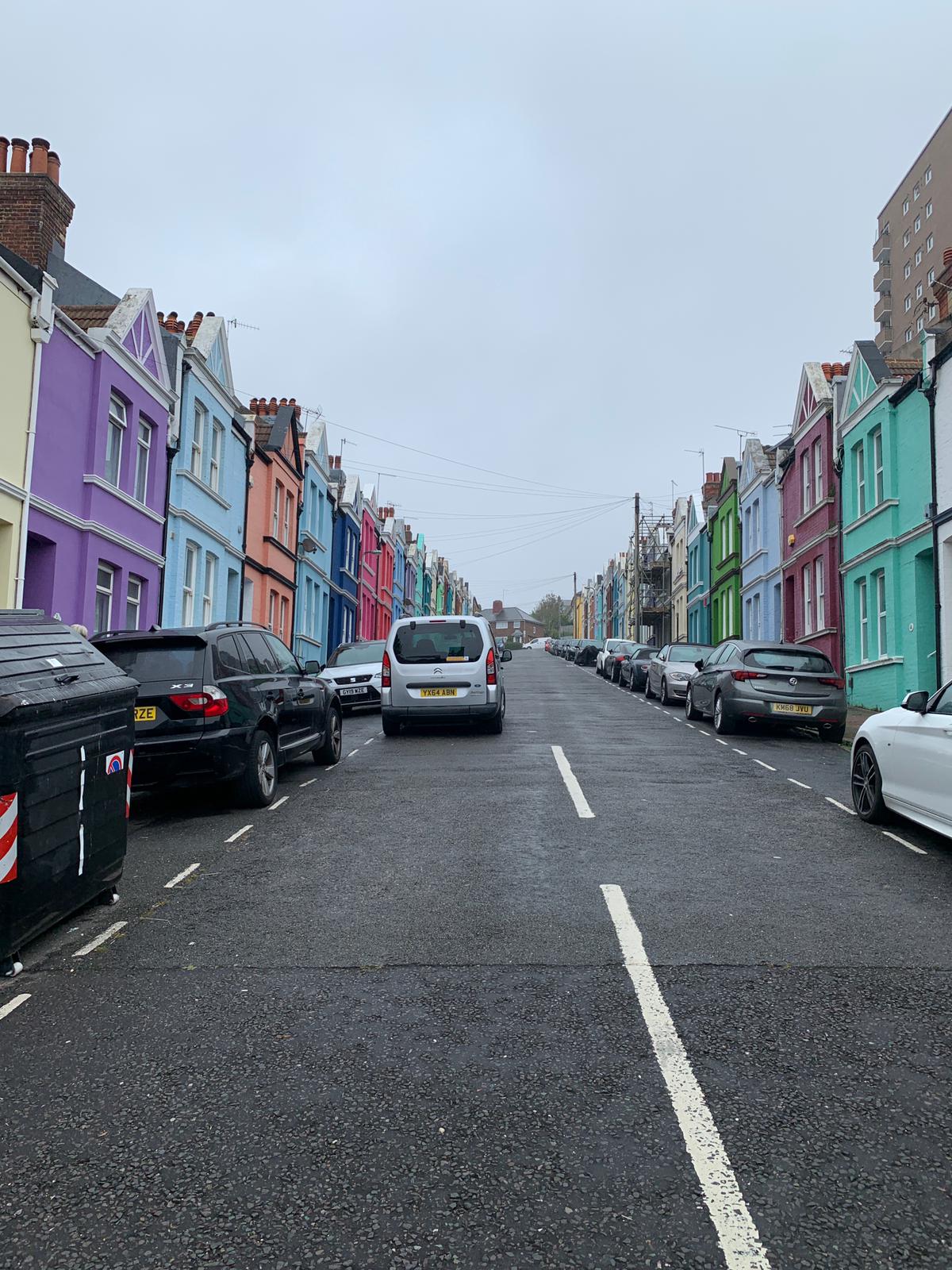
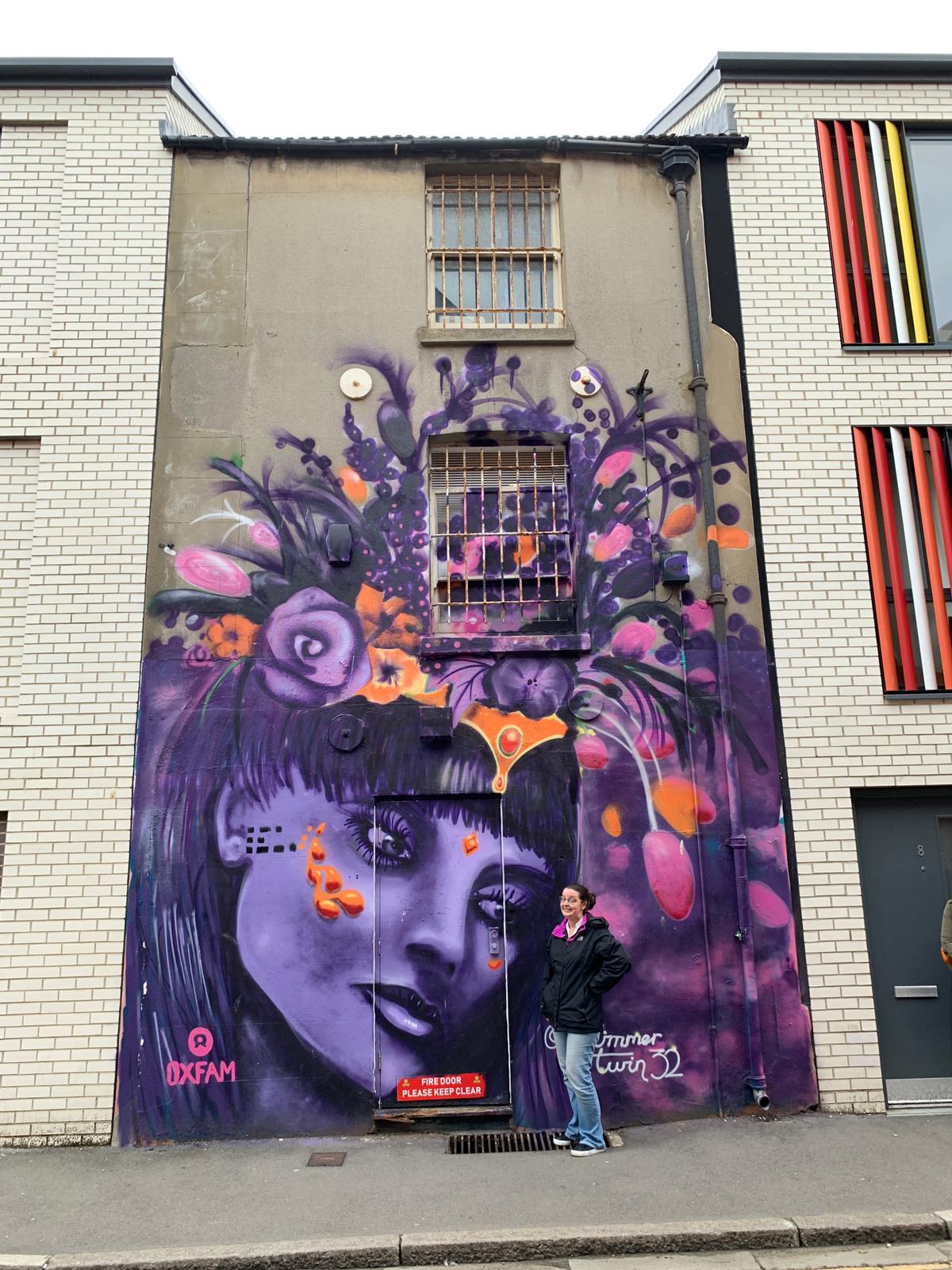
As I explored other roads though, it became clear that different elements of the town have their own feel, and have been transformed to meet the leisure demands of visitors and residents. The town has several hills running up from the coast, and as you wonder around, you will find streets that have been painted different colours and other buildings linking to the rainbow icon that is linked to Brighton’s LGBTQIA+ scene.

LGBTQIA+ (Lesbian, Gay, Bisexual, Transgender, Queer, Intersex, Asexual) scene

Brighton has historically become a sanctuary for those in the LGBTQIA+ community to express themselves, thrive, and a base for challenging prejudice behaviour. Many key locations such as the Marlborough pub & theatre or ‘the marly’ and Kemp town have been created as landmark locations.

Photo by 42 North on Pexels.com

There is also a collection of landmark events such as ‘Brighton Pride‘ and ‘Trans Pride‘, and famous names that have made the town their haven and home, including key figure Oscar Wilde. In recent years, the community have struggled to keep hold of these statement locations, due to increased demand for development of housing, gentrification and the use of the LGBTQIA+ identity becoming an attraction itself, perhaps unethically, through the promotion of tourism. This has led to political friction between economics of the town, and the community identity. Currently, a large part of the LGBTQIA+ community are protesting against Brighton Pride, and other activities that create the feel of LGBTQIA+ people becoming a circus attraction. This phenomenon is known as pink washing.

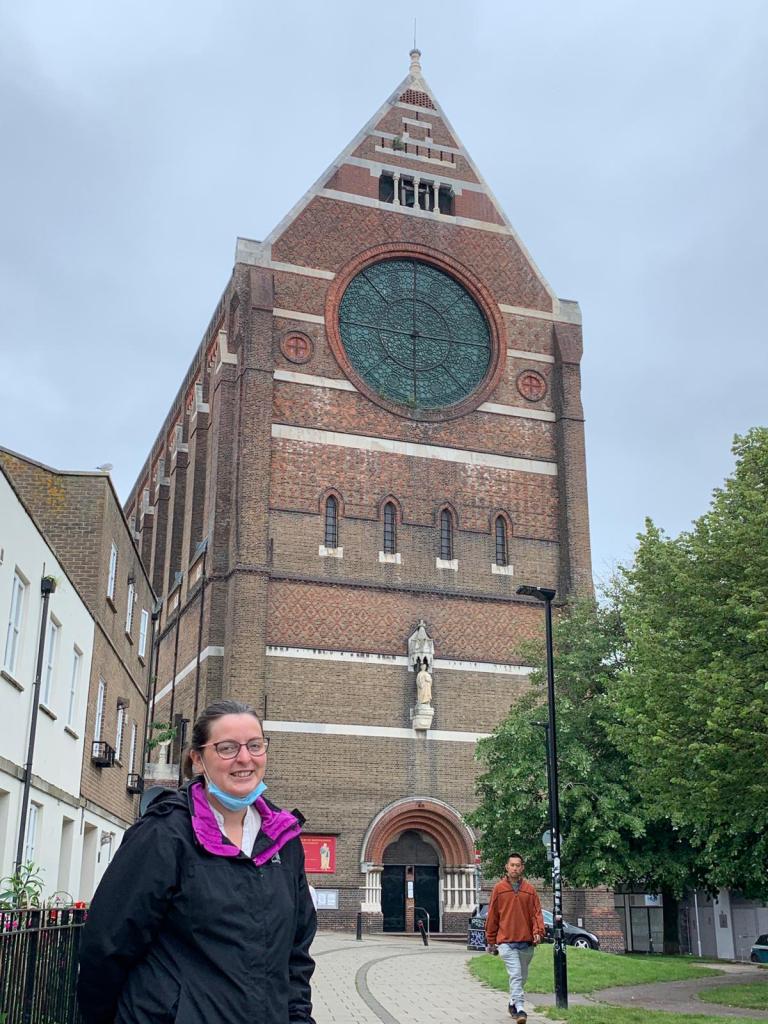
Throughout the town, there is lots of street art expressing different social issues, topics and just generally impressive art. There is no cathedral in the city but a church that is considered to be the area’s nearest best thing, is St Bartholomew’s church, which is very large. The reason for this, is that the Victorian building was created to be approximately the size of Noah’s Ark, upside down. There is also an upside down house in Brighton… what a strange place!

The Lanes & other popular spots

When it comes to spending your pennies, and enjoying food/drink as well as shopping, it seems that there are three main spots that are popular.

There are several chain stores and restaurants in the cheaper ‘marina’ area down the coast from the centre. This is accessible on foot by walking along the coast, a 20 minute bus ride, or by car.

When walking along the beach promenade below the road, you will see a number of restaurants, shops and attractions in what is known as the ‘seafront arches’. We visited the queer friendly ‘Loading Brighton’, a gaming café linked to ‘the marly’, and spent a few hours there enjoying milkshakes and board games in a few comfy sofas. You will also find the Brighton fishing museum in this stretch of bricked arches.

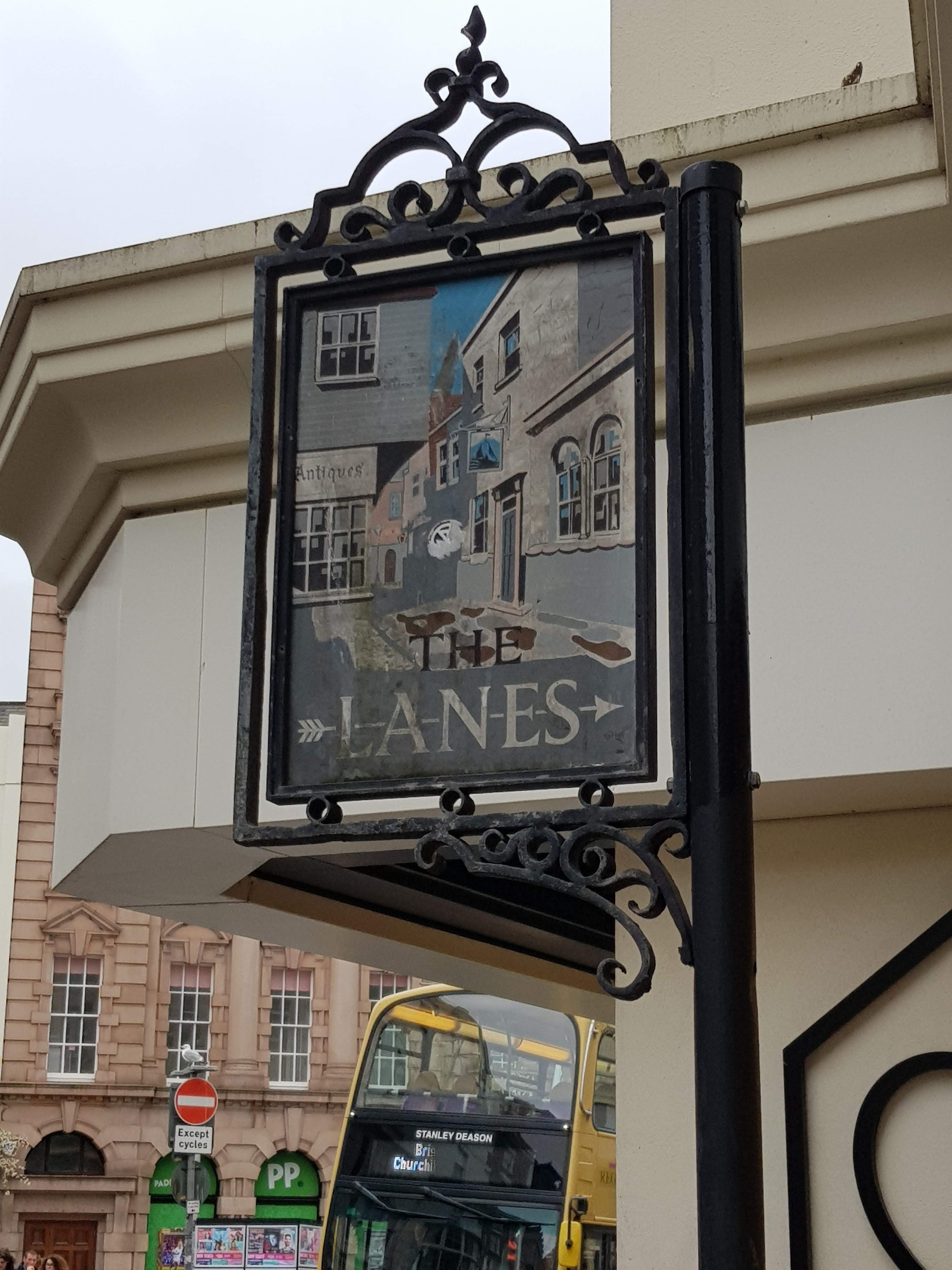
The most well known location for shopping and eating is an area further within the town, named ‘the lanes’. I had a feeling of what to expect here, as Norwich also has ‘the lanes’ as a concept. In Brighton, it is a network of small streets and alleys, that are bustling with independent shops and eateries. We also went down one road that was temporarily closed, which I can only assume was a Covid related innovation by the council. The retailers and restaurant owners were using this an opportunity to spill out into the street, and create a great market vibe. It was very busy, and full of bargains!

the lanes
The Lanes

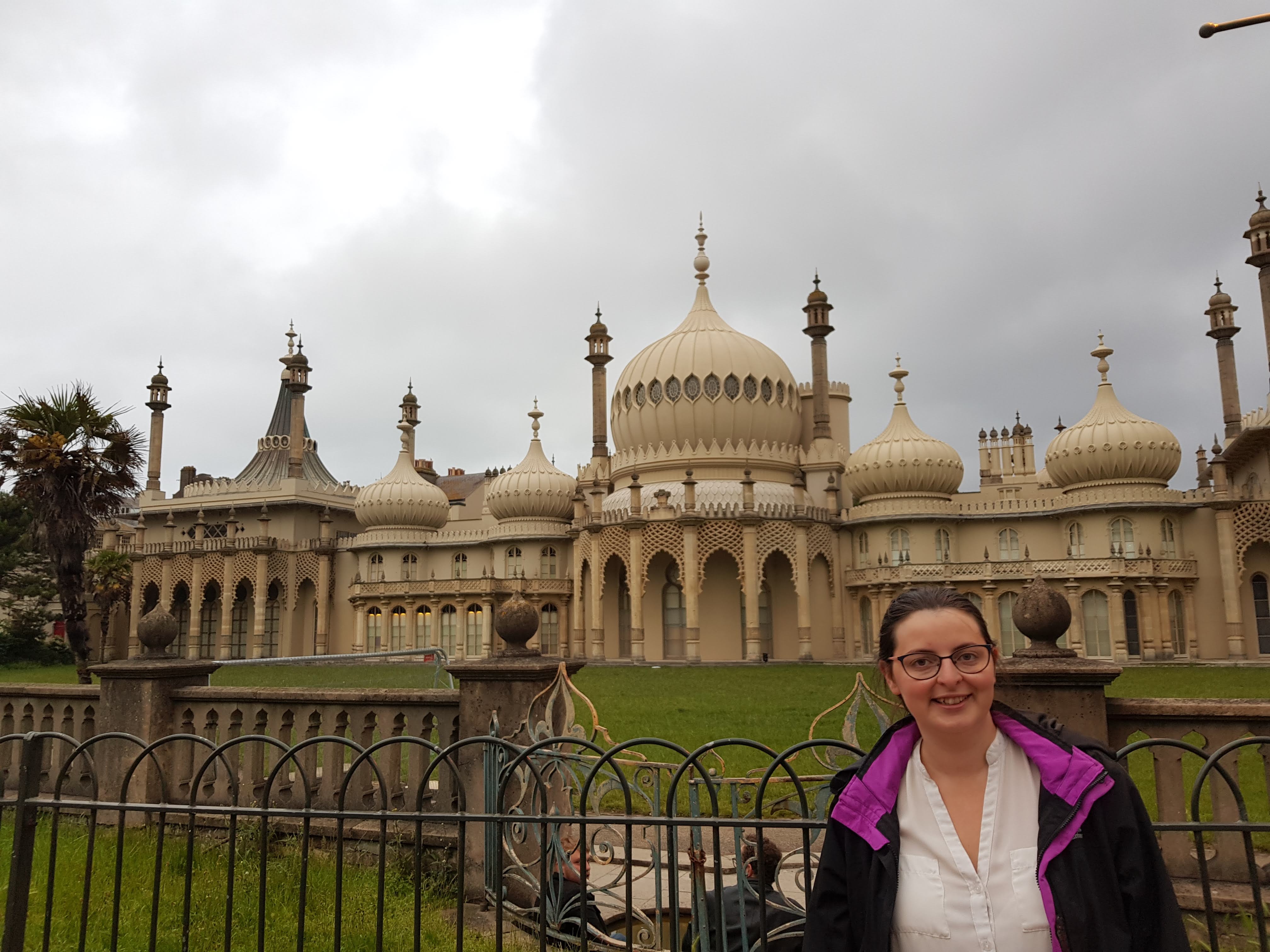
Royal Pavilion

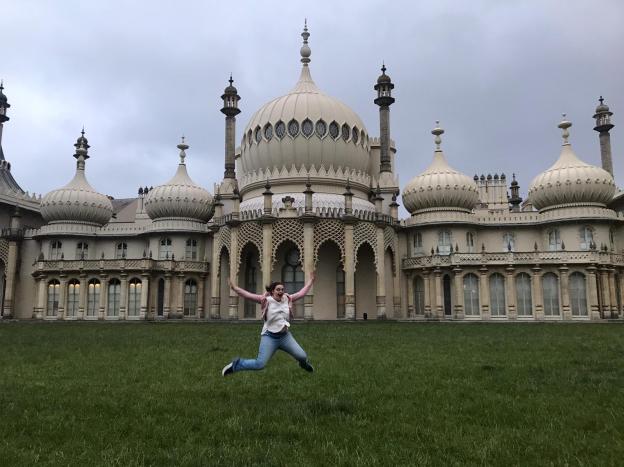
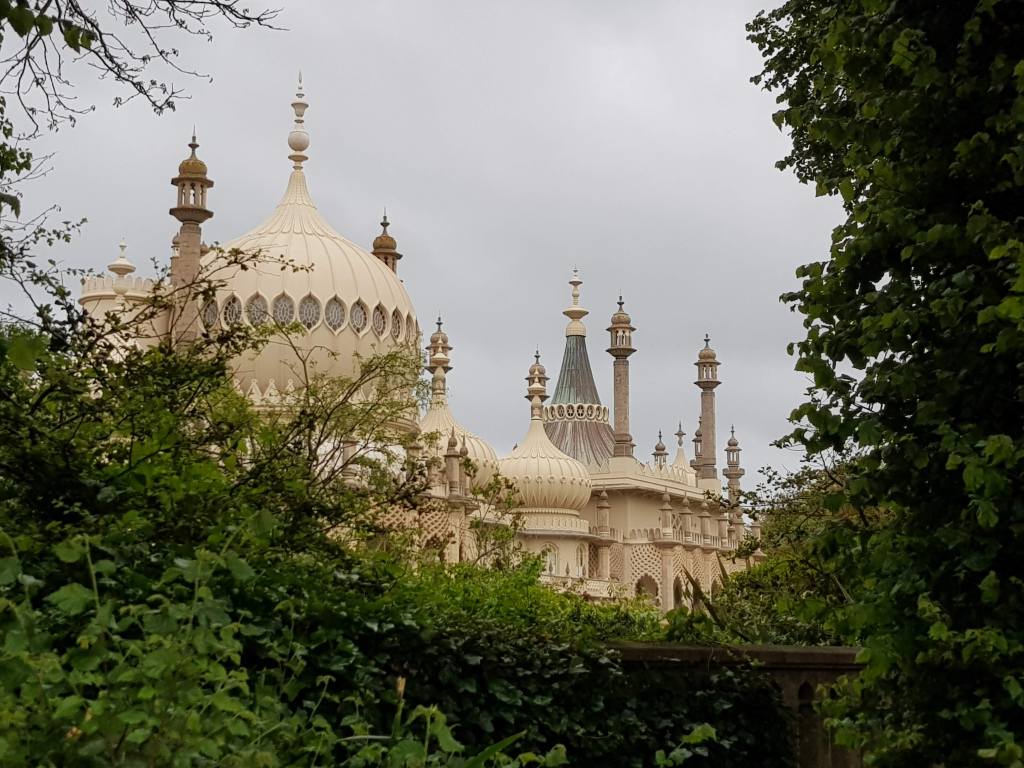
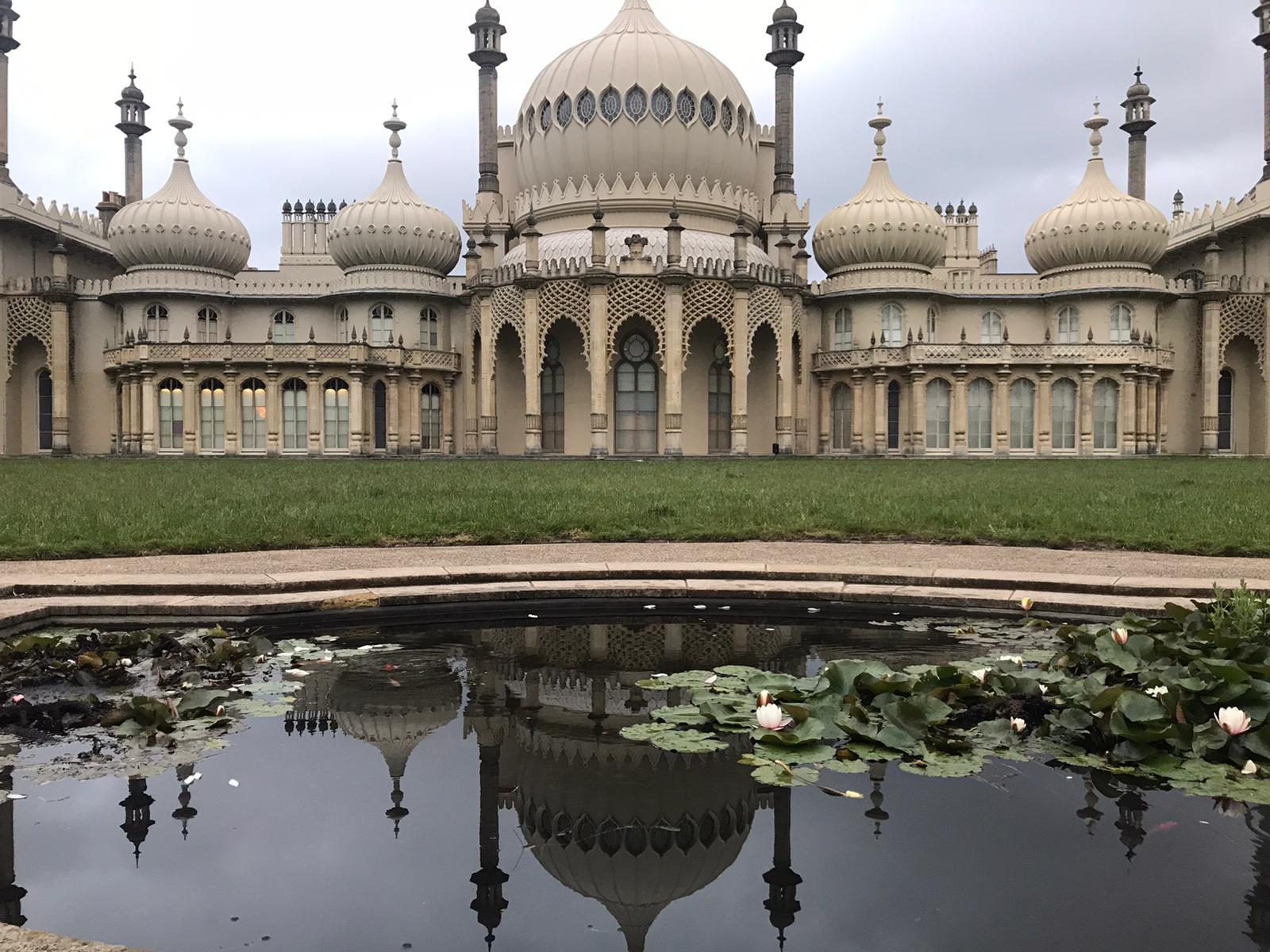
Just beyond the lanes, you will enter into the cultural quarter, this is the home of the world famous Royal Pavilion and Brighton Dome. This estate in the centre of the city is a Grade I listed former royal residence. Building work began in 1787, and acted as a seaside retreat for King George IV. George had an interest in Asian stylings and wanted to design the building and its interior to reflect his interest in Indian & Chinese design, although he never visited these countries himself. John Nash is the architect responsible for the current design, which was interesting to me as I am familiar with this well known Georgian designer. John Nash has also done a lot of work within Norfolk (my home county), in partnership with landscape designer, Humphry Repton, who also influenced the pavilion’s design.

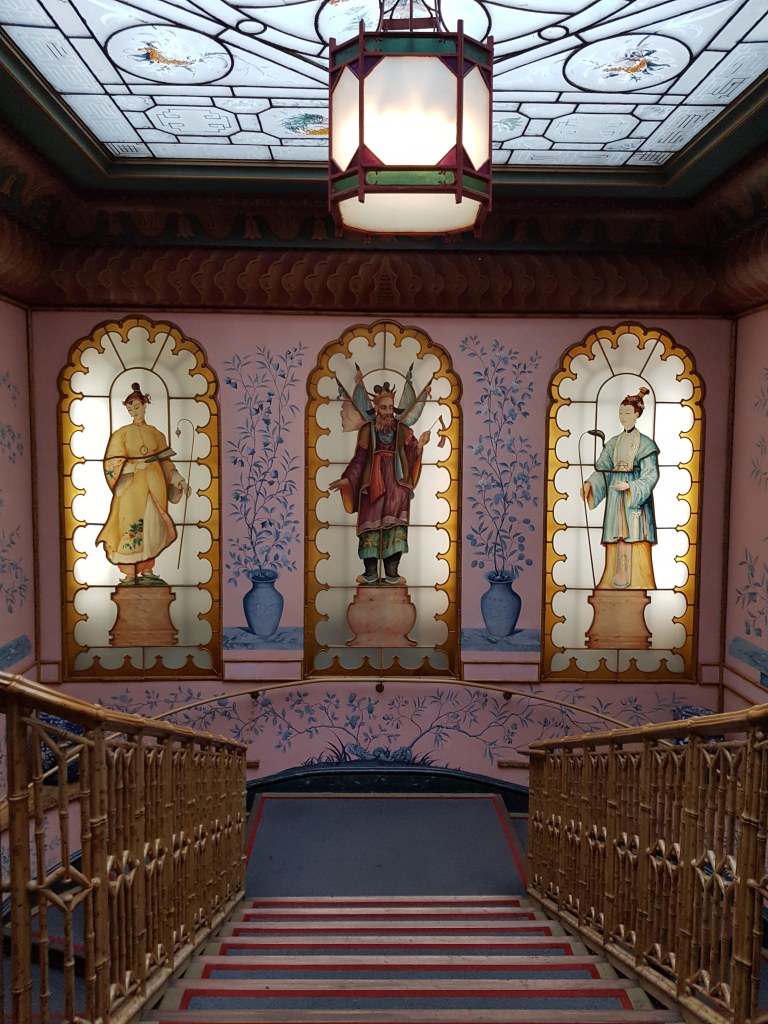
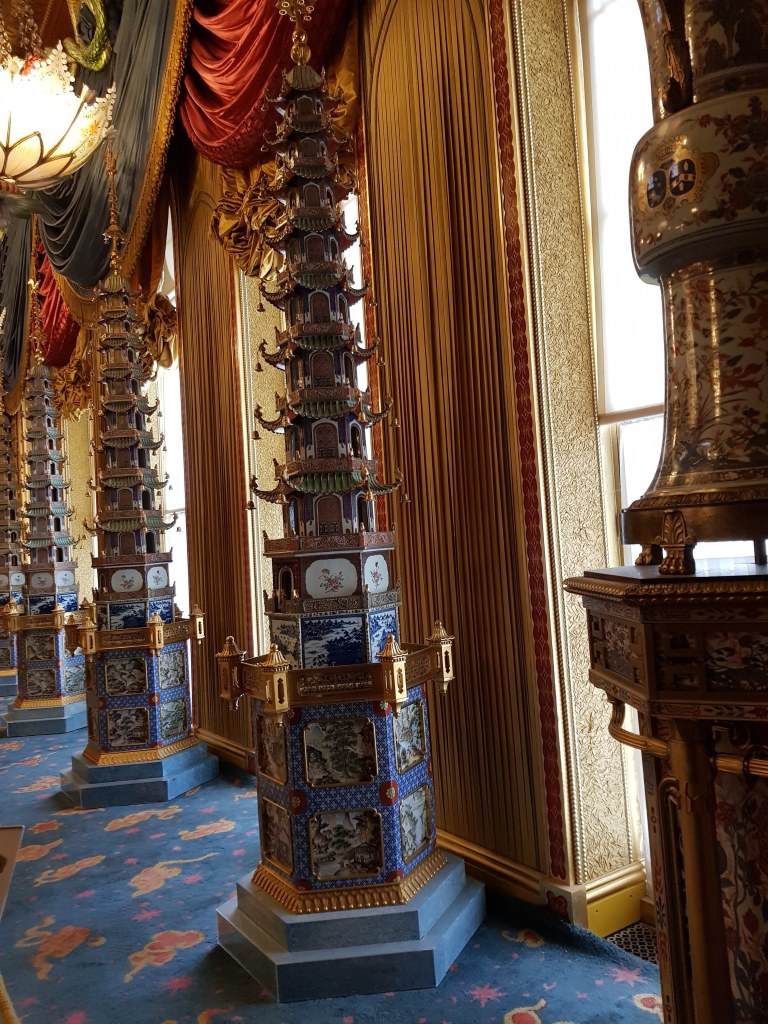
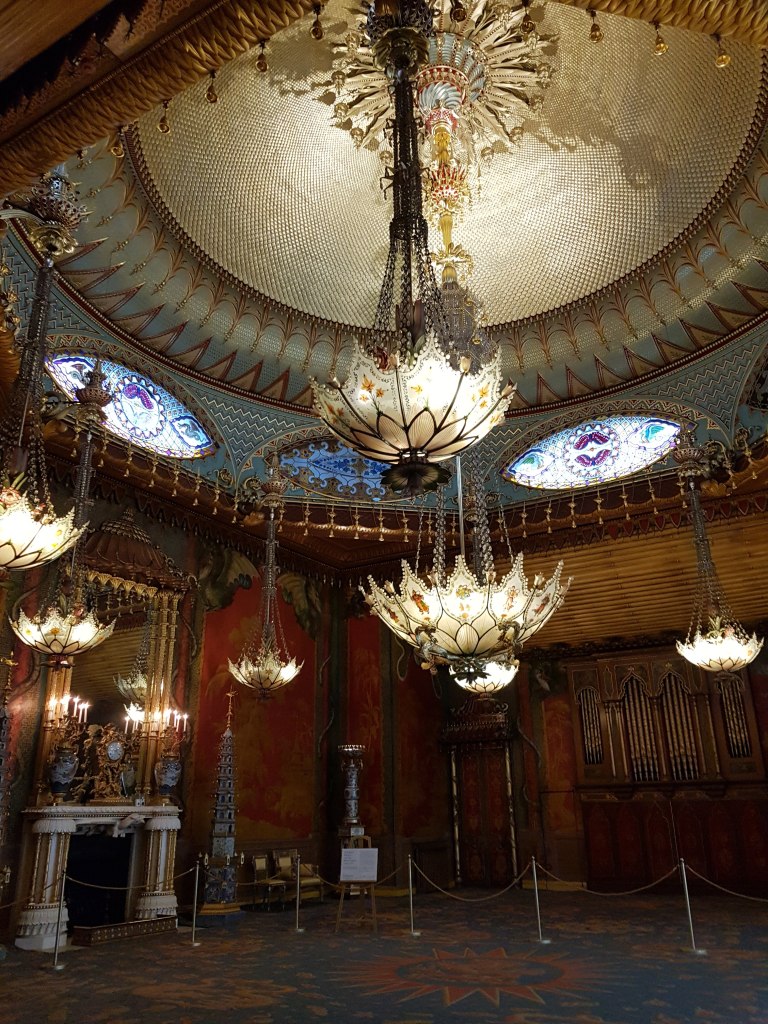
The detail of the decorations within the many rooms is very inspiring to see. Visitors are constantly coming face to face with images of dragons, fish and snakes. Giant chandeliers and beautiful stained glass also hangs overhead. The palace buildings are also surrounded by charming gardens full of roses and shrubberies, the gardens are open to the public at all times.

Once built, this extravagant building was used as a pleasure palace for the King, and later, was a retreat for Queen Victoria, and her family. The building has a room dedicated to information about Queen Victoria’s visits, based on historic records including her own diary entries. She wrote in her first visit “The Pavilion is a strange, odd Chinese looking thing, both inside and outside; most rooms low, and I only see a little morsel of the sea from one of my sitting-room windows, which is strange, when one considers that one is quite close to the sea.” She visited several times with her family, and enjoyed the easy rail connection between London and Brighton. Eventually, she decided to sell the building, as she felt too much amongst the public in the centre of town. It was later sold to the town council, and is the only royal palace in the country that is currently not owned by the crown.

During the First World War, it was transformed into a hospital for Indian soldiers. This was partially as a political move, to provide propaganda to India as an important country within the British empire. This element of the pavilion history is also exhibited within your visit to the attraction.

I truly expected to enter a shell of a building, and was hoping that at £16 per ticket, it would not be a waste of money. I was pleasantly surprised! The pavilions exterior and interior are amazing, and the information available for visitors is widely ranging. The attraction offers an audio tour that you can use on your phone, regular signs, and volunteer guides on duty. We were also told that our tickets would act as an annual pass, which is brilliant, and meant I could come back the following day for a second look!

Surrounding Brighton

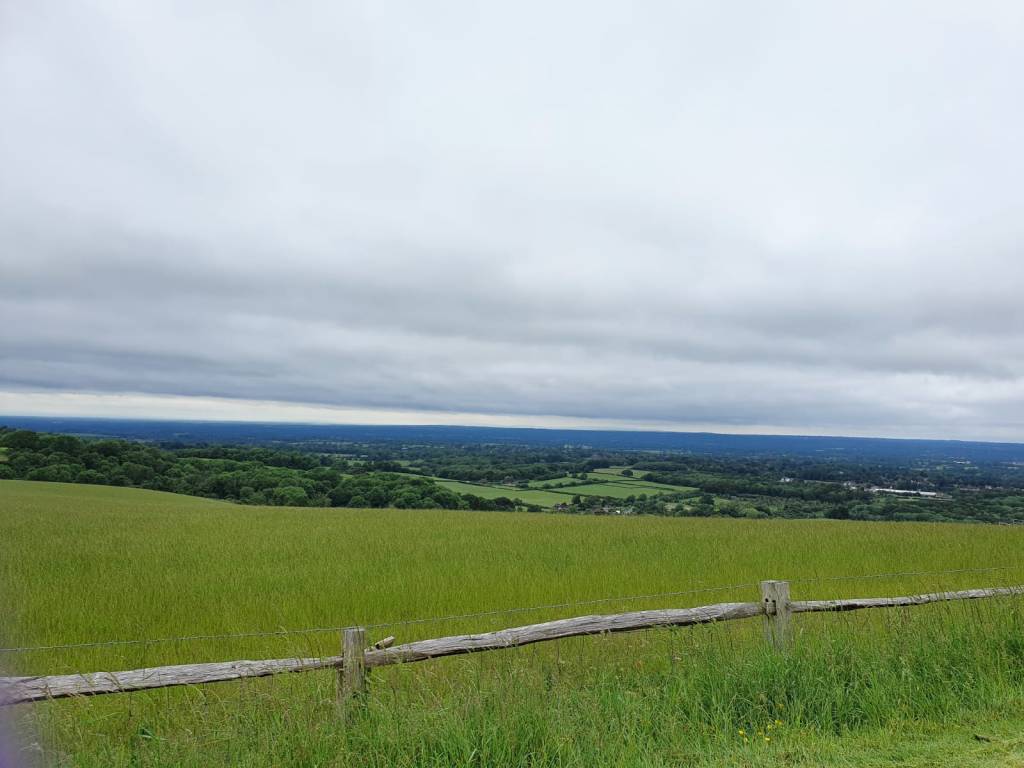
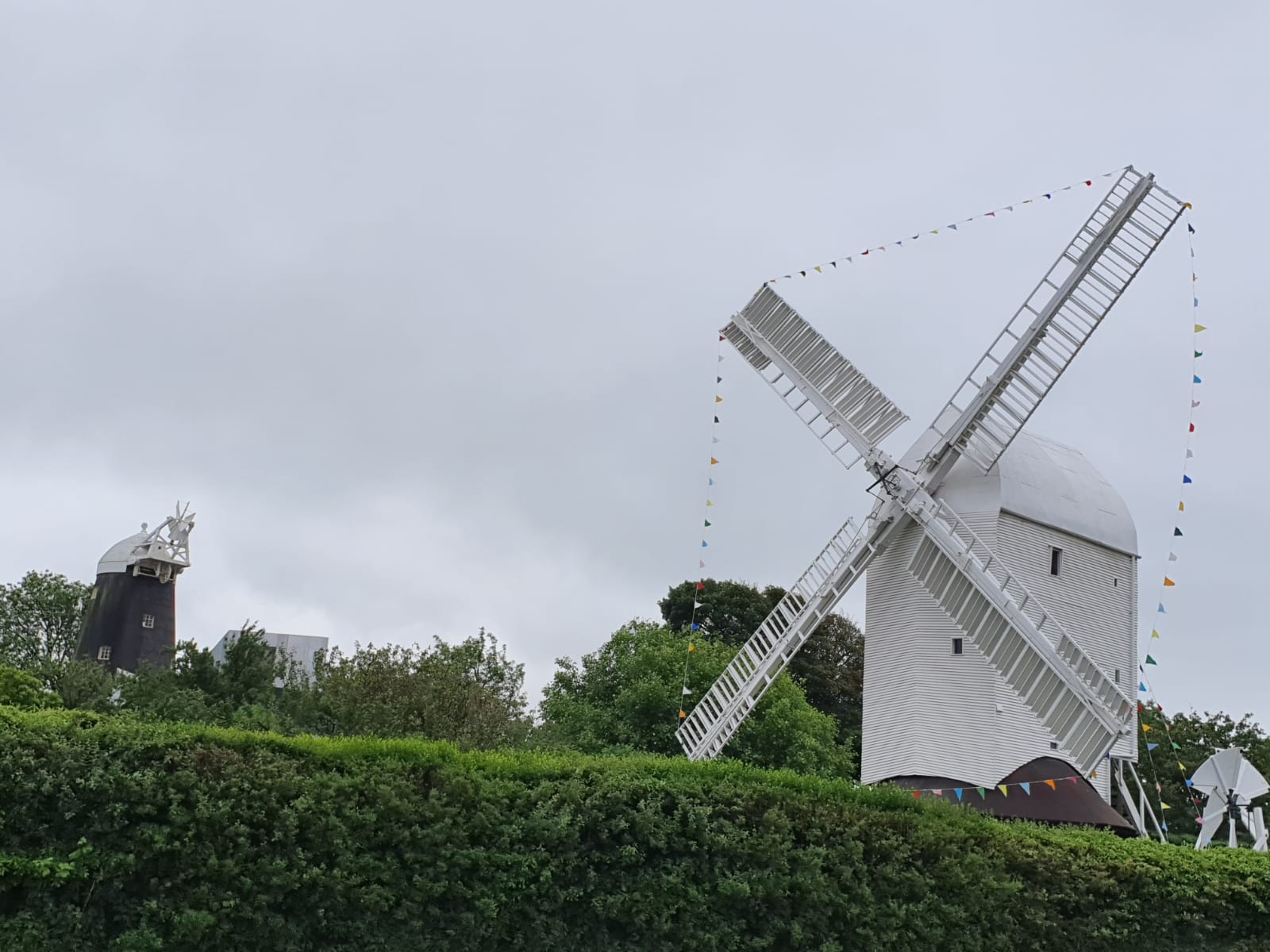
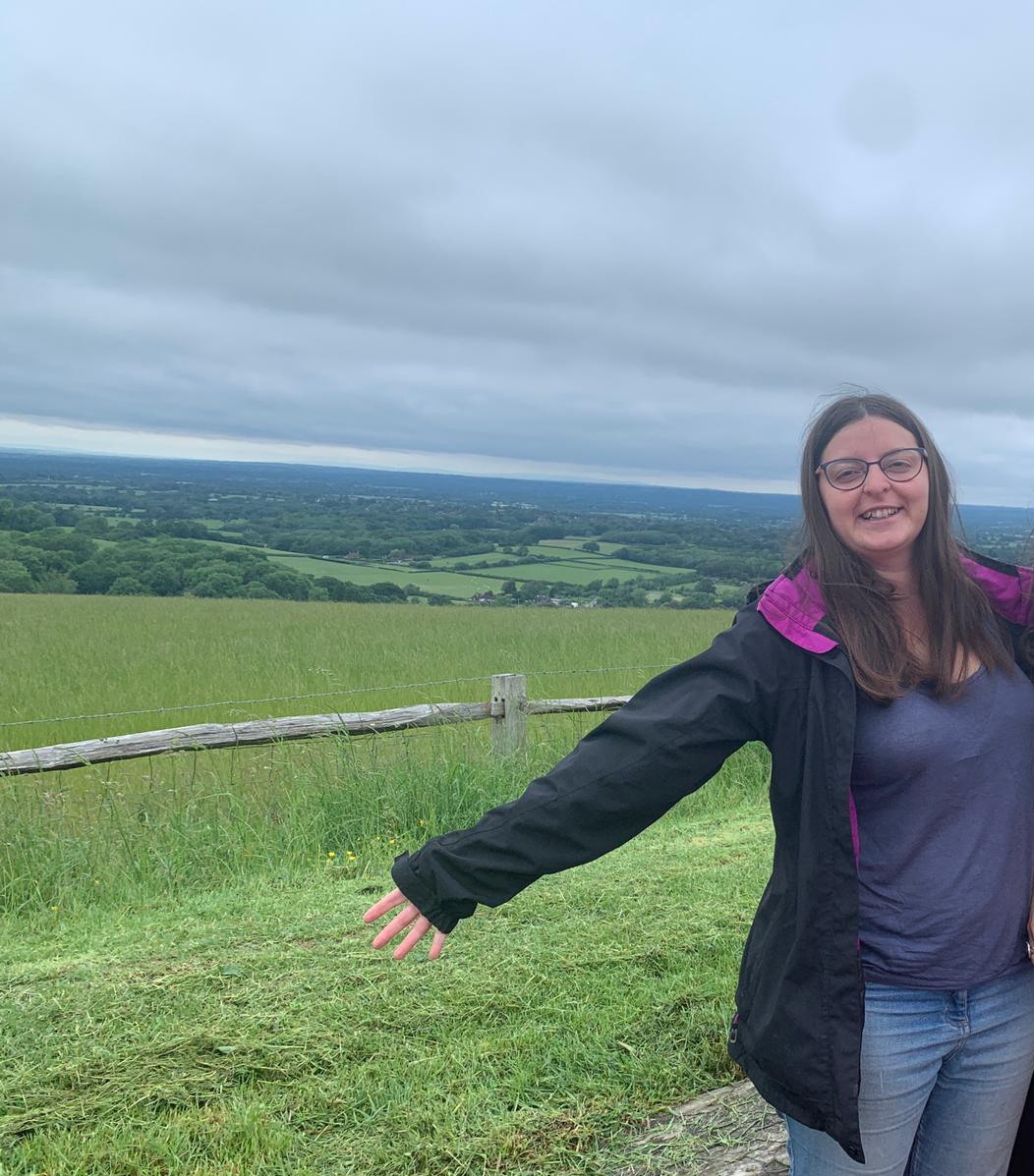
We were staying slightly outside Brighton and had access to a car, meaning it was easy to discover surrounding areas. We decided to visit the Jack & Jill Windmill which provided a beautiful view of the South Downs National Park, and we also visited the lovely town of Lewes.

Lewes is built on the hills of the Ouse Valley, and is a delightful country town, with plenty of historic buildings and pleasant green surroundings to enjoy.

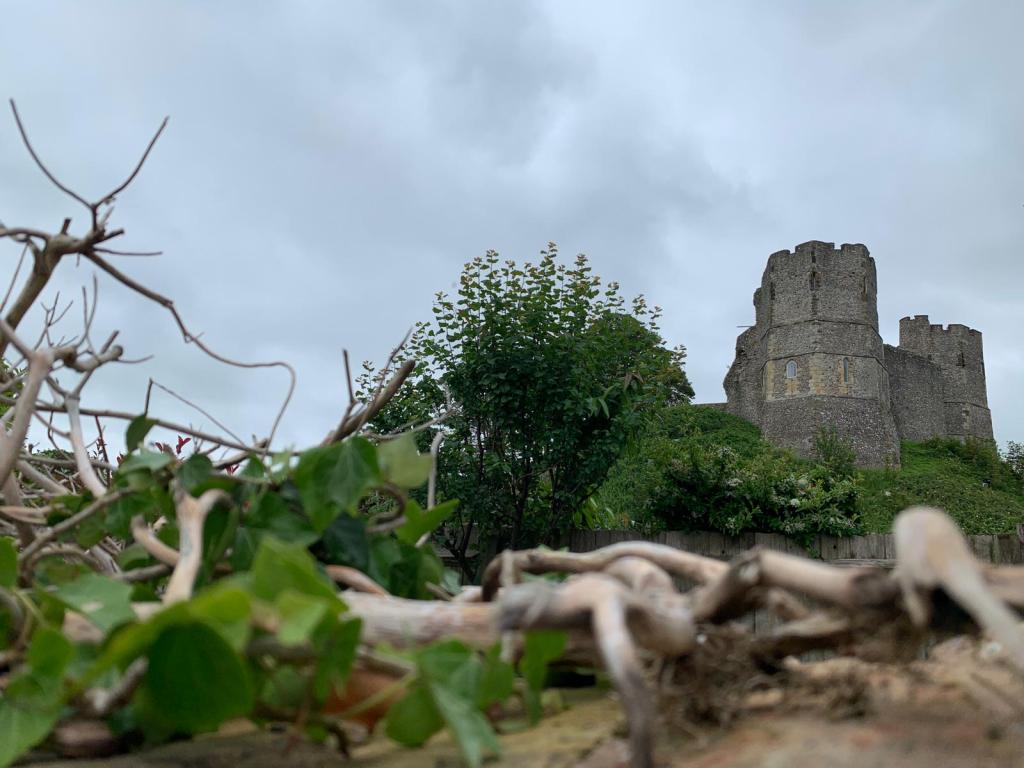
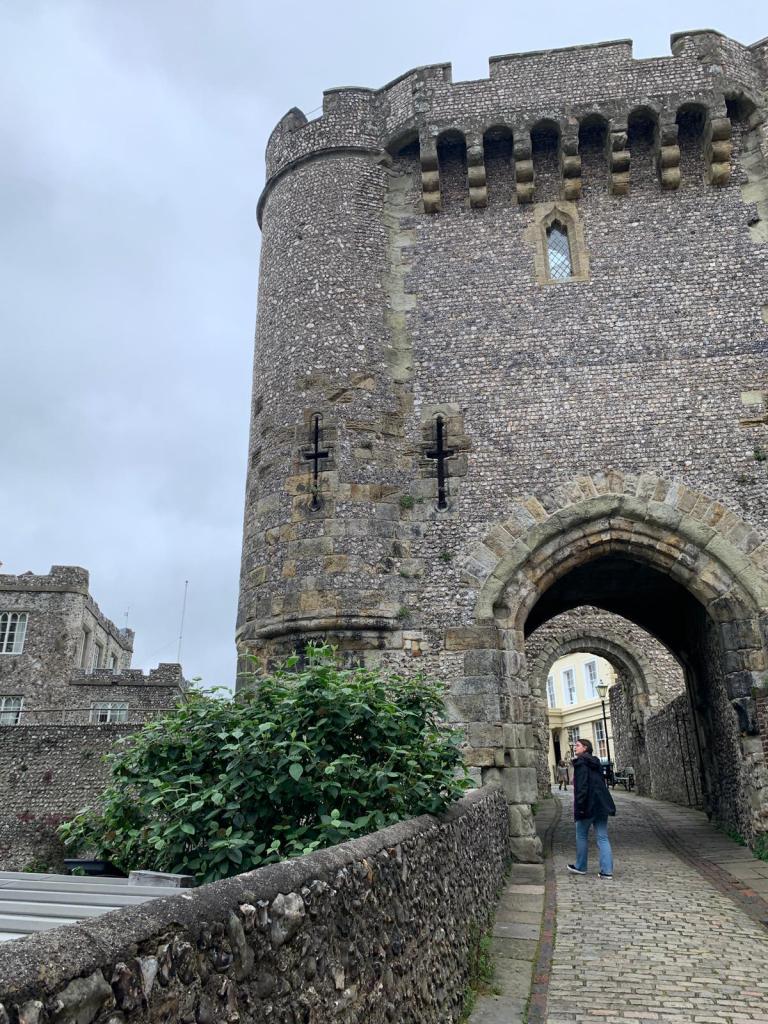
At the top of the hill is the castle which was built shortly after the Norman invasion in 1066. The battle of Lewes took place here and was one of two important battles within the Second Barons’ War. King Henry III was staying within the safety of the castle and nearby priory before heading into battle against the 6th Earl of Leicester, Simon de Montfort. The king was defeated in this battle. There are several pieces of interpretation around the site that you can access for free, that provide information about the battle and key locations. You can buy a ticket to enter the castle enclosure and museum, or walk around the castle walls and through the castle gate for free, as it is part of the public walkways.

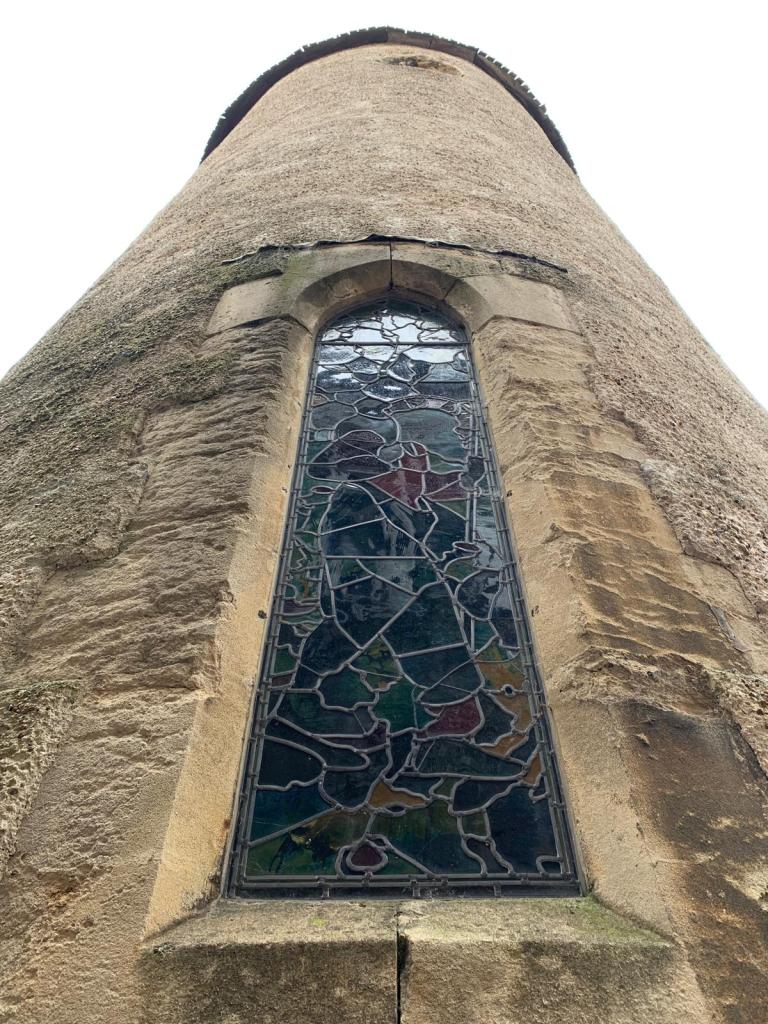
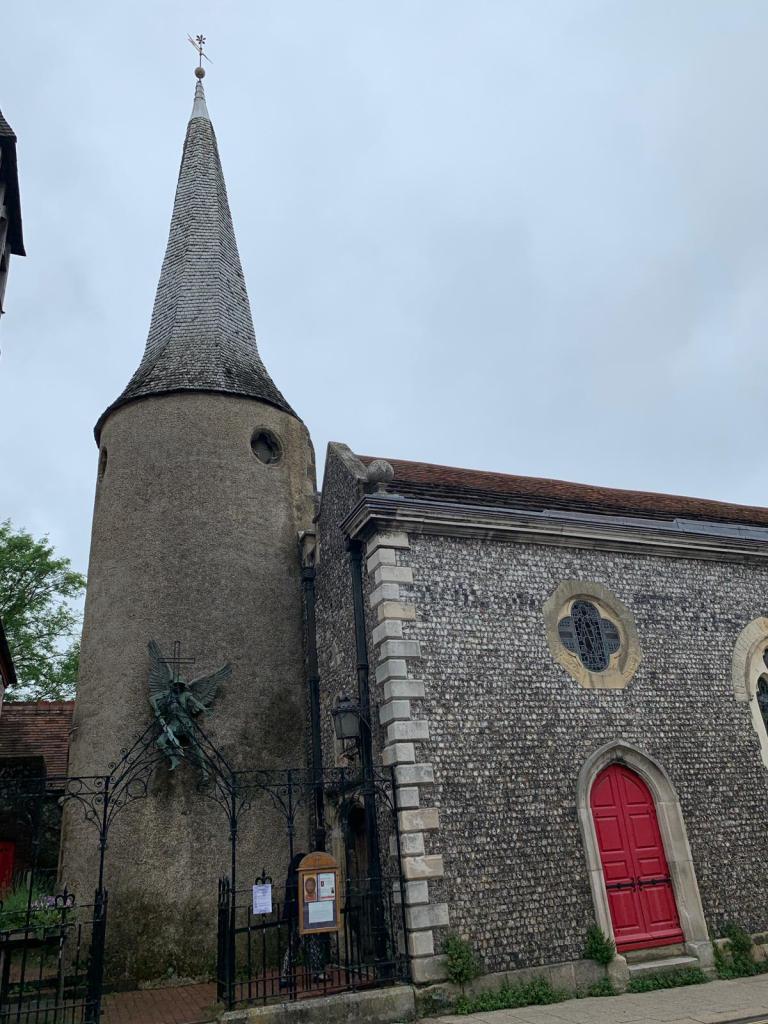
Within the town, you will also find several other buildings varying in age, from Norman, to the Tudor period and beyond. Some key locations include the priory, Ann of Cleves house, and also the pretty St Michael’s church which has a round tower dating from around 1200.

The town has many of the normal shops and chain cafes, but also hosts many independent retailers with unique goods to trade, and lots of information on the walls to tell you the significance of the street you are on.

Overall, I was very happy with my weekend in Brighton and the surrounding area. It definitely offers a diverse range of activities depending on your interest. I know that I have only scratched the surface though, so I look forward to going deeper into the area’s offering in the future.

Pembrokeshire coastal walk

Pembrokeshire Coast, Wales

This Summer I took a family trip to the Pembrokeshire coast in Wales. This was a fabulous trip full of activity and fun, and one I would definitely be keen to repeat.

We stayed in a small seaside village called Amroth which was a lovely area with a sandy beach and a few nice bars. It was also close to the National Trust property of Colby Woodland, which was a nice natural attraction to explore nearby to our cottage. The village was also perfectly connected along the coastal path.

Getting active

There are tons of walking opportunities in the area with the coastal path providing plenty of connections to local sights, views and seaside towns. We did two main walks whilst staying there for the week.

Our first long distance walk was from Newgale to Solva. Newgale is a popular surfing spot, full of campers and water sport shops. The walk from here starts with a steep hike to the top of the cliffs, and took us up and down among the hills before flattening to a more pleasant stroll. The walk took us through views of the sea, beaches and Oystercatchers, and ended with us walking through fields of cattle and one last walk over a shingle beach before reaching Solva. This was a pleasant little seaside town where we could enjoy a well deserved lunch. This five mile walk took us around three hours to do and was very rewarding to complete.

The next walk we decided to go for was much more flat and so for me more leisurely. It also had a lot of different terrain to keep it interesting. This was the walk of Stackpole Quay around the coast and turning back through Bosherston and the Eight Arch Bridge.

Much of this area was covered by the National Trust, meaning there was plenty of very good car parking and cafe facilities. The first part of the walk is only a short inclining trail towards Barafundle Bay, which is one of the UK’s most beautiful beaches. We stopped here for a first break and enjoyed the sunshine before continuing on.

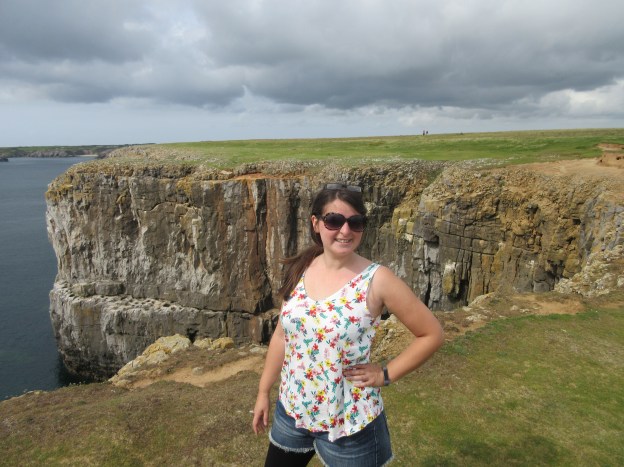
Next we found ourselves going through some foliage before coming to the cliff side of Stackpole Head. From here, the next section of the walk was an exploration of the cliffs, where you could see many people taking advantage of the great rock climbing opportunities. As the cliffs end, we found ourselves at Broad Haven beach, a huge sandy beach with plenty of visitors and more opportunity to get some food.

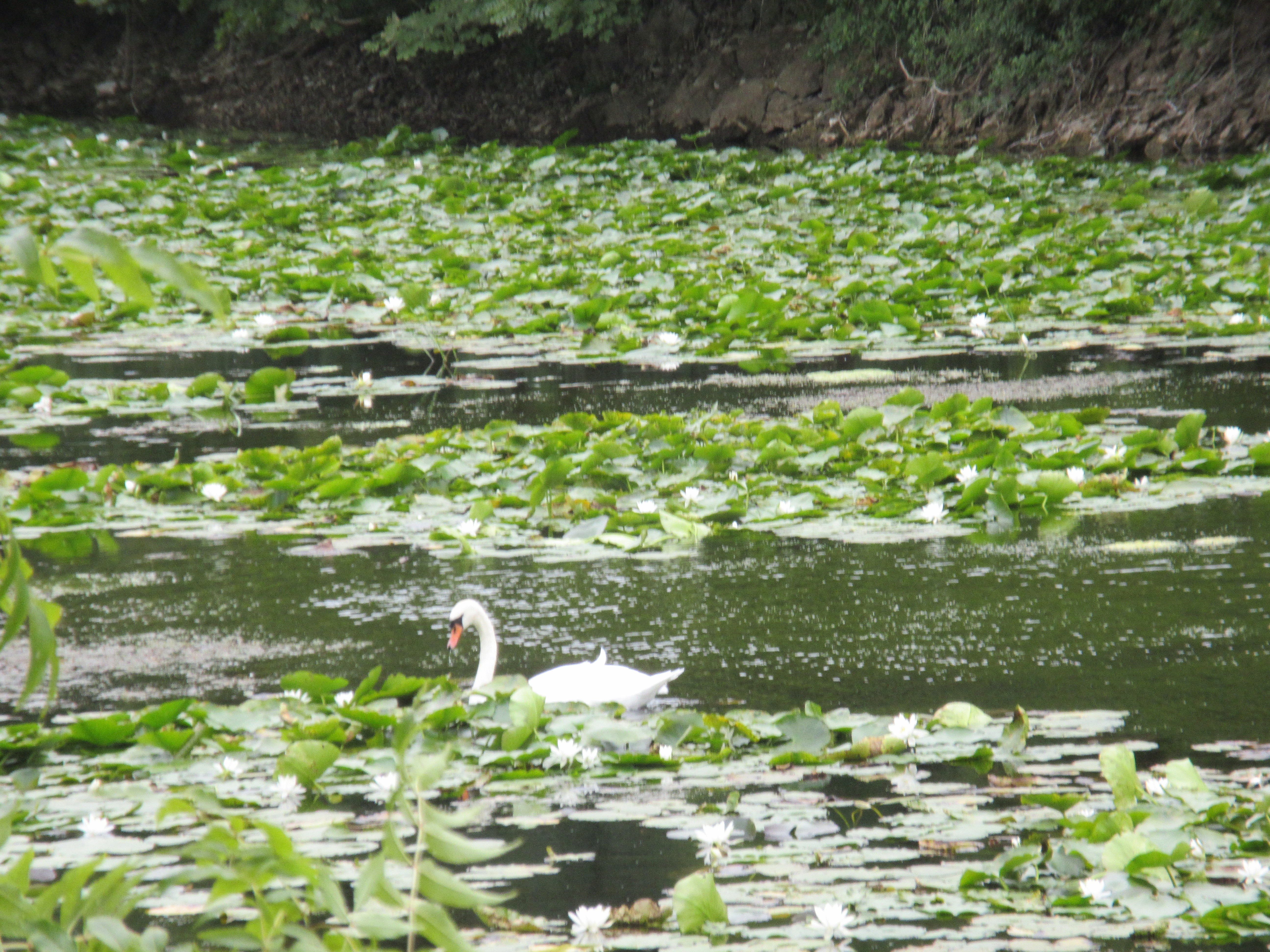
Bosherston Lily Ponds

Bosherston Lily Ponds

From here there is the option to continue walking along the coast towards St Govan’s Head and Chapel or inwards to Bosherston Lily Ponds. Unfortunately, St Govan’s Chapel sits within a military training ground which means it is closed to walkers during certain times when training takes place. This conflicted with our walk which meant we couldn’t visit during our walk. Instead we went inland to the Bosherston Lily Ponds. This was a beautiful area with millions of lilies jam packing the water and plenty of wildlife. It was a truly unique outdoor area, unlike anything I have seen before.

After seeing the vast large ponds, the walk continues on wards to the Eight Arch Bridge, which is very picturesque. Apparently, otters can be regularly seen from this spot, although I didn’t manage to see any! Did see a Heron though! Another thirty minutes or so through farmlands will take you back to Stackpole Quay. This was a gorgeous six mile walk, and I would thoroughly recommend it!

With Pembrokeshire also being a coastal area there is also plenty of opportunity to get active on the water. There are plenty of spots to do this, but we decided to head to Tenby, which is a very popular seaside town and a good place to get out on the water. We decided to hire a couple of kayaks for a few hours and explore the sea. We found a number of small beaches only accessible by water, and we even had a huge jellyfish pass under our boats. I saw a number of massive jellyfish whilst exploring the water in Wales, apparently they had a particularly high number of them over this Summer due to the warm climate.

IMG_4893.JPG

Someone we saw coasteering!

We saw a number of people coasteering in Pembrokeshire whilst there, meaning they were jumping off the cliffs into the ocean… but I wasn’t quite brave enough for this!
Caldey Island

Caldey Island is a peculiar island off the coast of Tenby that we decided to visit. It is inhabited entirely by a community of monks. This was a particularly interesting attraction for me as a lover of religious tourism. Regular trips can be taken to the island from the dock in Tenby over to the island. Once on the island, visitors can explore the various landmarks, including; the old priory, the lighthouse area, various monastic ruins, the island’s churches and even the monastery’s very own chocolate factory! We did indulge in some delicious monk made fudge! There is also a few shops on the island for visitors and trails to explore.

This was a brilliant experience and very unusual!

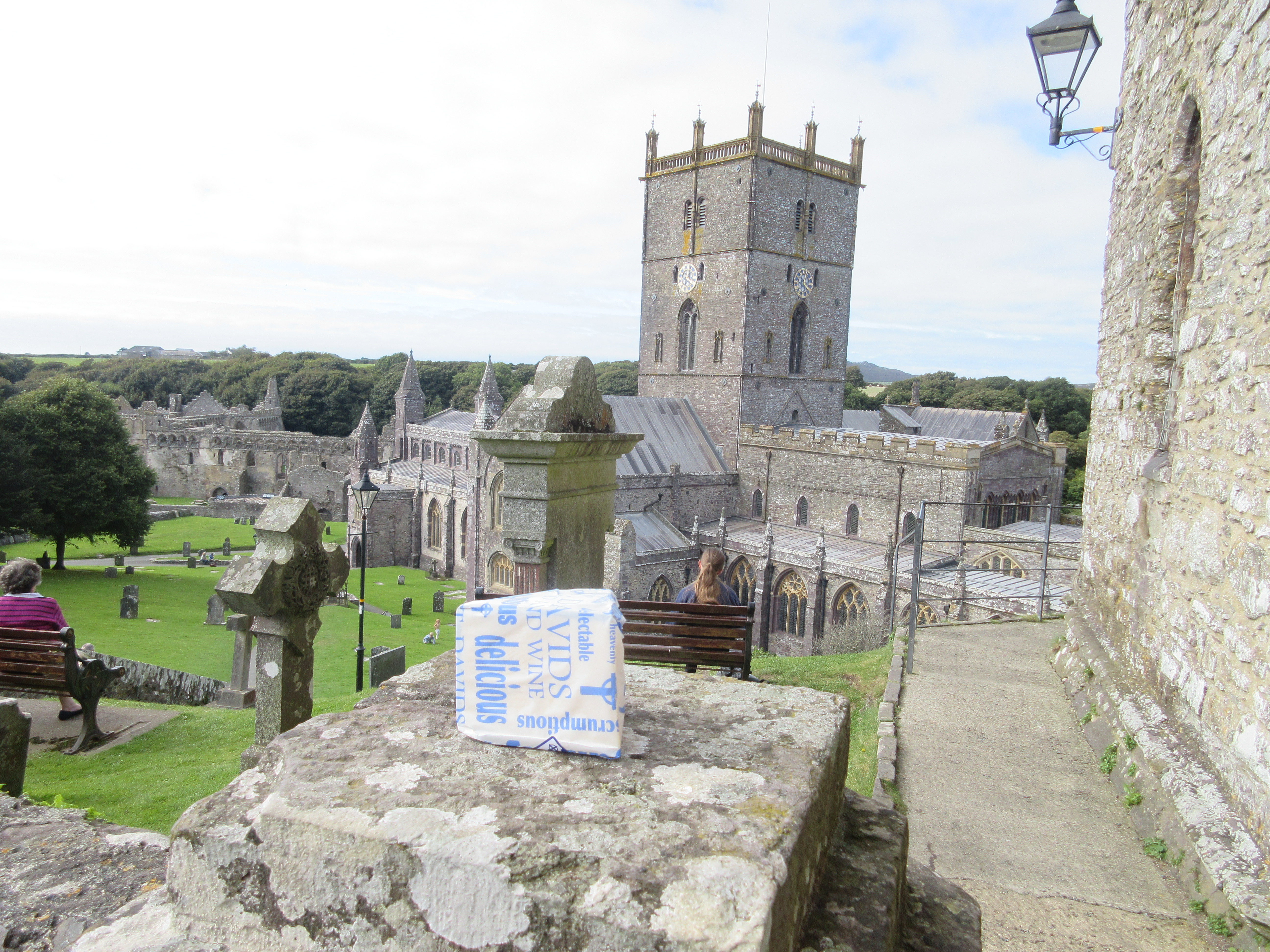
We also visited St Davids whilst in Pembrokeshire, which is a well known town and famous for it’s St Davids Cathedral. Unfortunately, I was not allowed to take any photos of inside the cathedral, but I must tell you that this was one of the most beautiful cathedrals I have ever visited. I can see why they need the town after it!


IMG_4802

St David’s Cathedral… plus cheese


St Govan’s Head & Chapel

Whilst we didn’t manage to see the chapel during our walk we luckily managed to reattempt a visit later in the week. We were successful in finding the hidden away chapel, which was another unusual site in Pembrokeshire, tucked away in the rocky cliffs. The steep walk down to the little chapel is well worth it, and does make you wonder why they chose to build a chapel in such a strange place. Head to the chapel to discover the legends surrounding its history, which involves Irish pirates and a mystery bell.

Heatherton World of Activities

We did decide to take a break from all the walking one morning and visited Heatherton World of Activities. This was an interesting attraction which included all sorts of activities for kids and adults, from Mini – Golf to Go Karting and Tree Top Climbing. On arrival you buy a number of tokens which you can use for various activities. I got extremely excited to be victorious in Mini- Golf, and Archery, however I did find that I need a lot more practice on the Pistol Shooting.

Castles!

Wales is the place to be when you want to find a castle! We were on castle overload this holiday, but I loved it! We went to visit Pembroke, Corfe, Carew, and Manorbier Castles, as well as Lamphey Bishop’s Palace which is another set of ruins. Many of the castles offered free tours, guidance, and activities such as falconry experiences. This was a great way to enjoy a few hours and learn a little history whilst you’re at it.

Generally, Pembrokeshire was a lovely place and I would really like to revisit and explore the towns I didn’t manage to make it out to. We had a week there, but I would happily go there for two weeks and spend more time relaxing on the beach as well as getting active. I just need to hope for another week of perfect weather like we were lucky enough to get!

IMG_5117

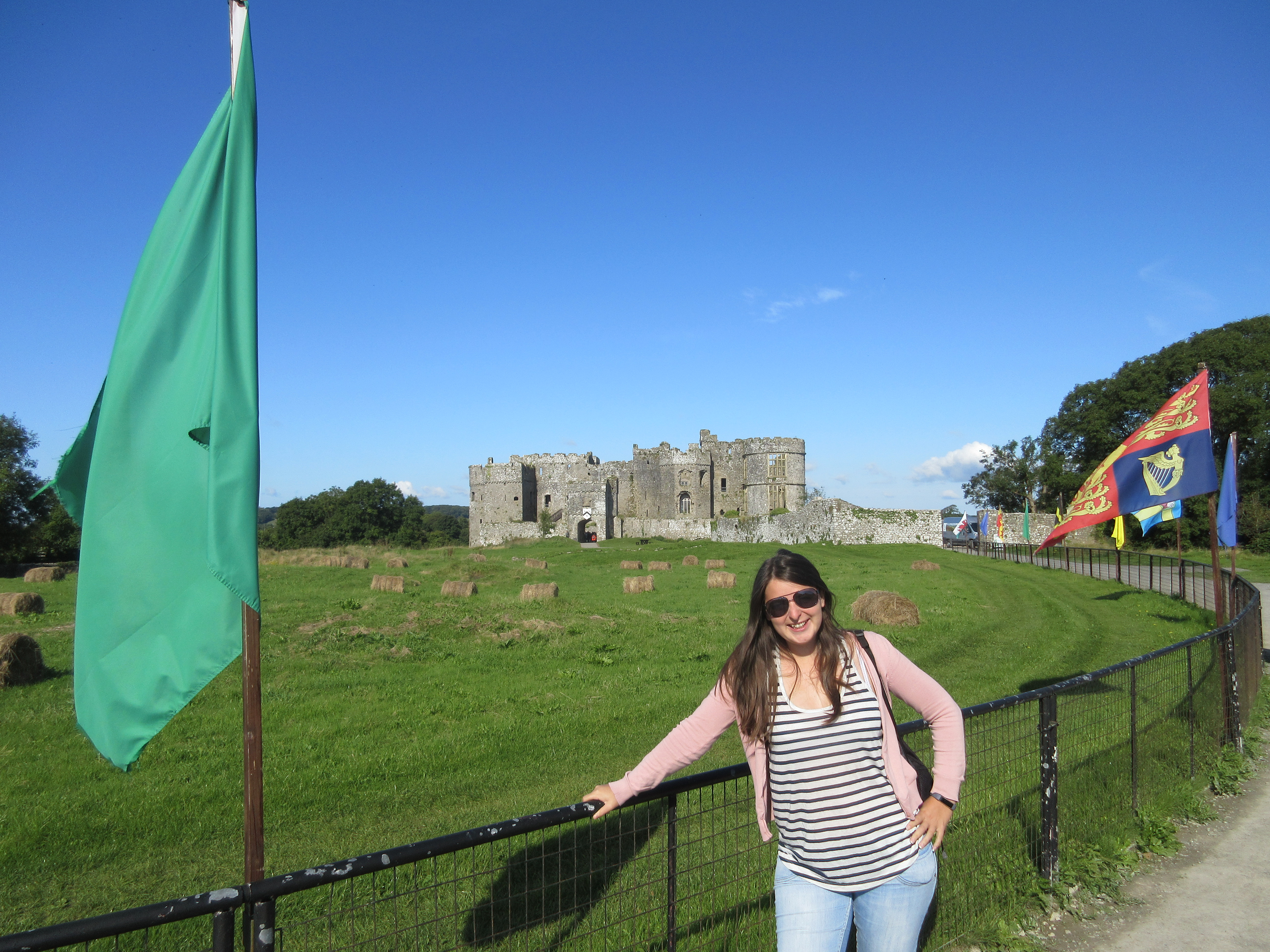
Me at Carew Castle