Tag Archives: pilgrimage

Camino de Santiago: Irun to San Sebastian

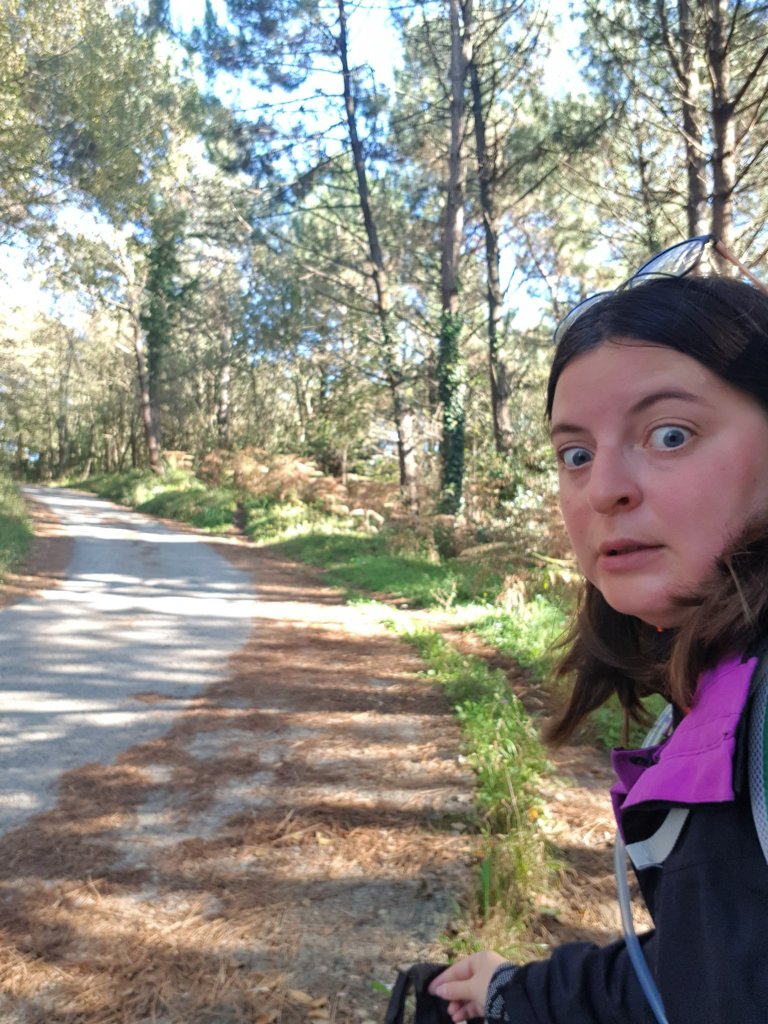
So, this week, I started my long journey to Santiago de Compostela (over 800km) from Irun. I will be walking for as many days as I physically can, and enjoying rest days in cities and some towns a long the way.

The journey to Irun from Zaragoza took a few hours on the train with a change in a town that I could not even pronounce. Most people go to Pamplona for a day first, as it is an easier transport connection and I think in hindsight, perhaps I should have. I had already booked my accommodation and train though, so I didn’t want to alter it.  I also just wanted to get started on the walk before the weather turned, and I think it was the right decision, as I had three days of sunshine.

Most people attempt to do the journey from Irun to San Sebastian in one day, but this is about 25km and includes a mountain hike. I decided to start gradually, and split my first stage over two days, with an overnight stay just outside of Lezo.

This was definitely the right decision. The hike was very steep and a shock to the system, after several days sightseeing on flat terrain.
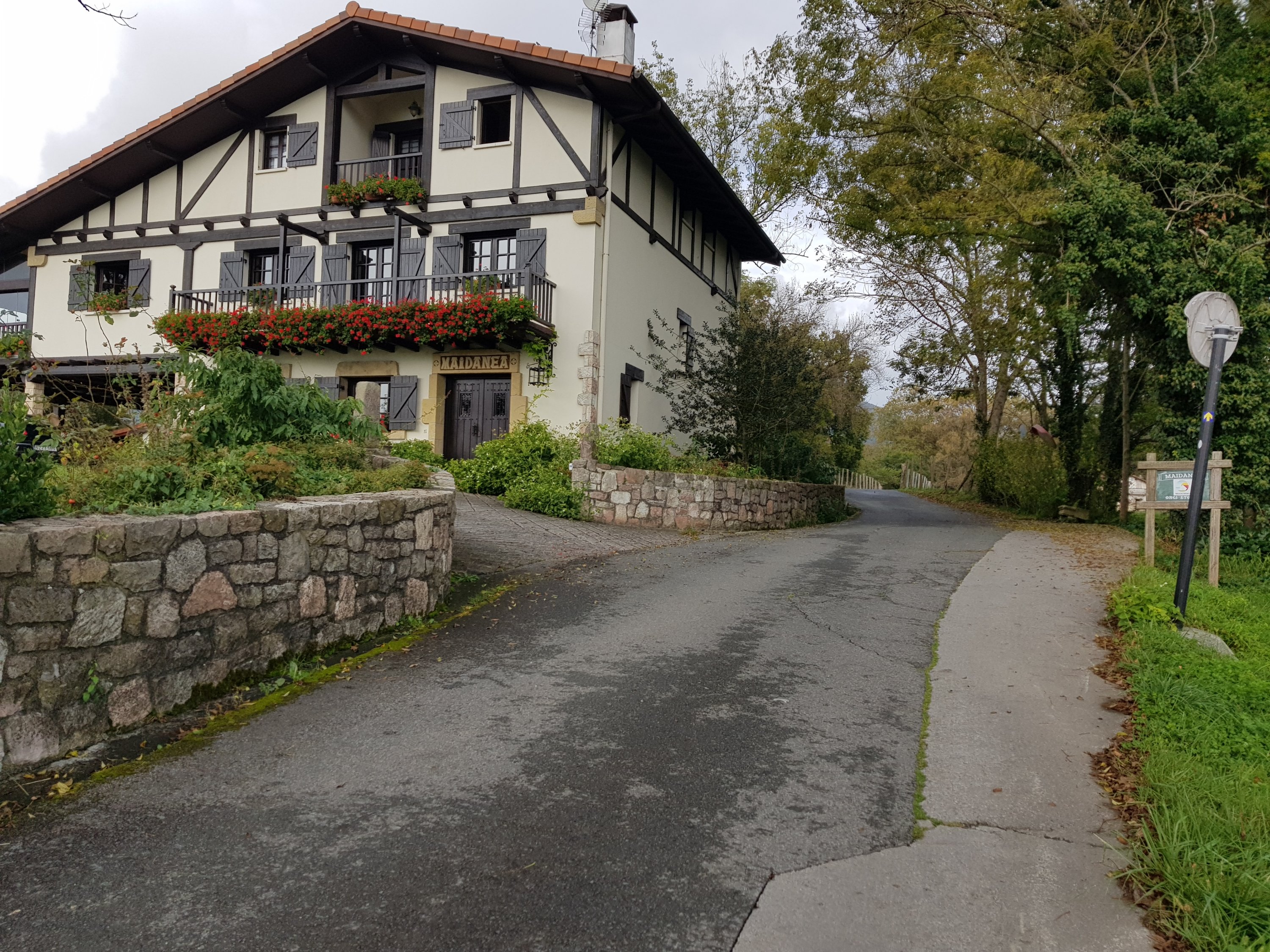
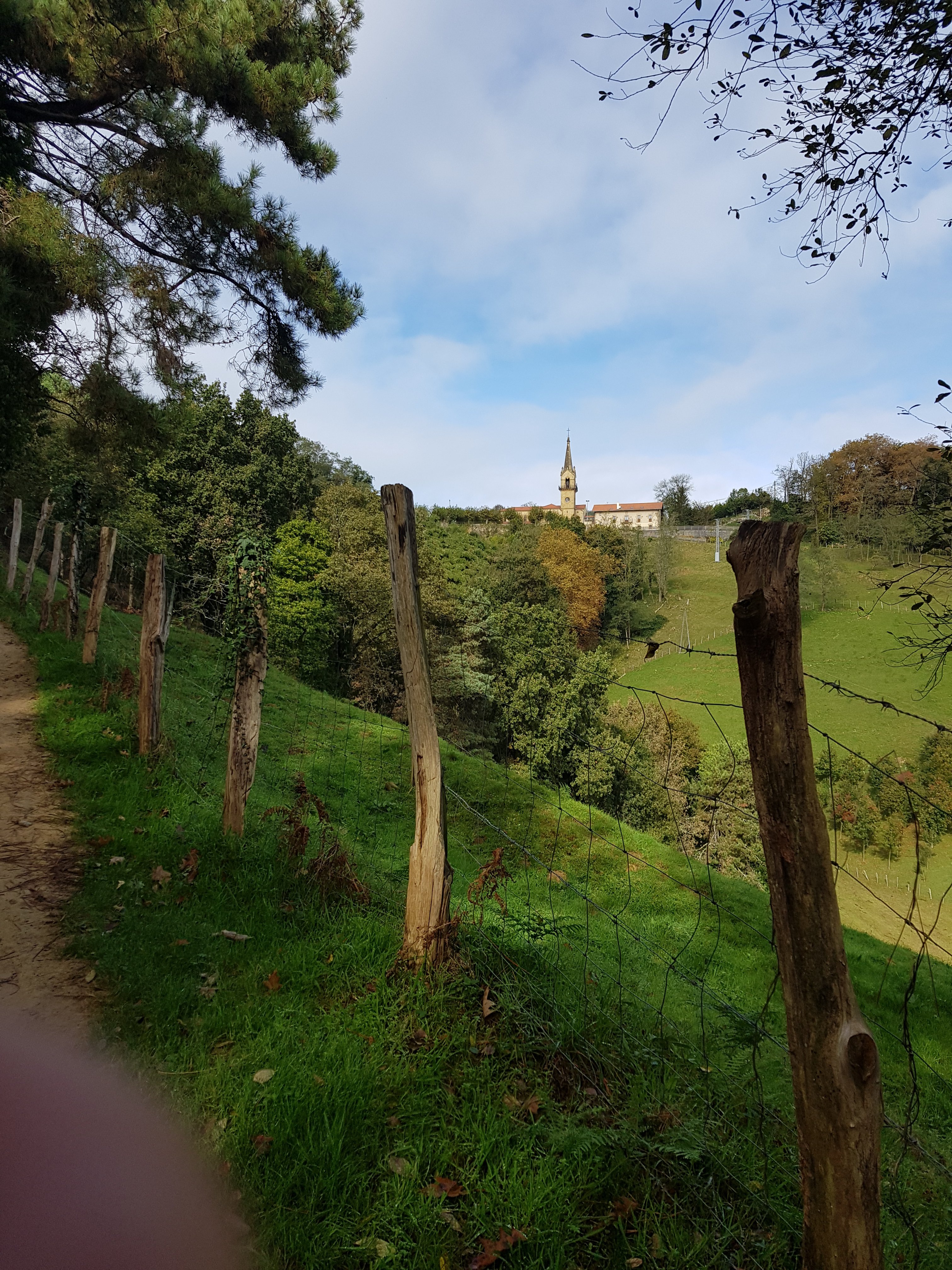
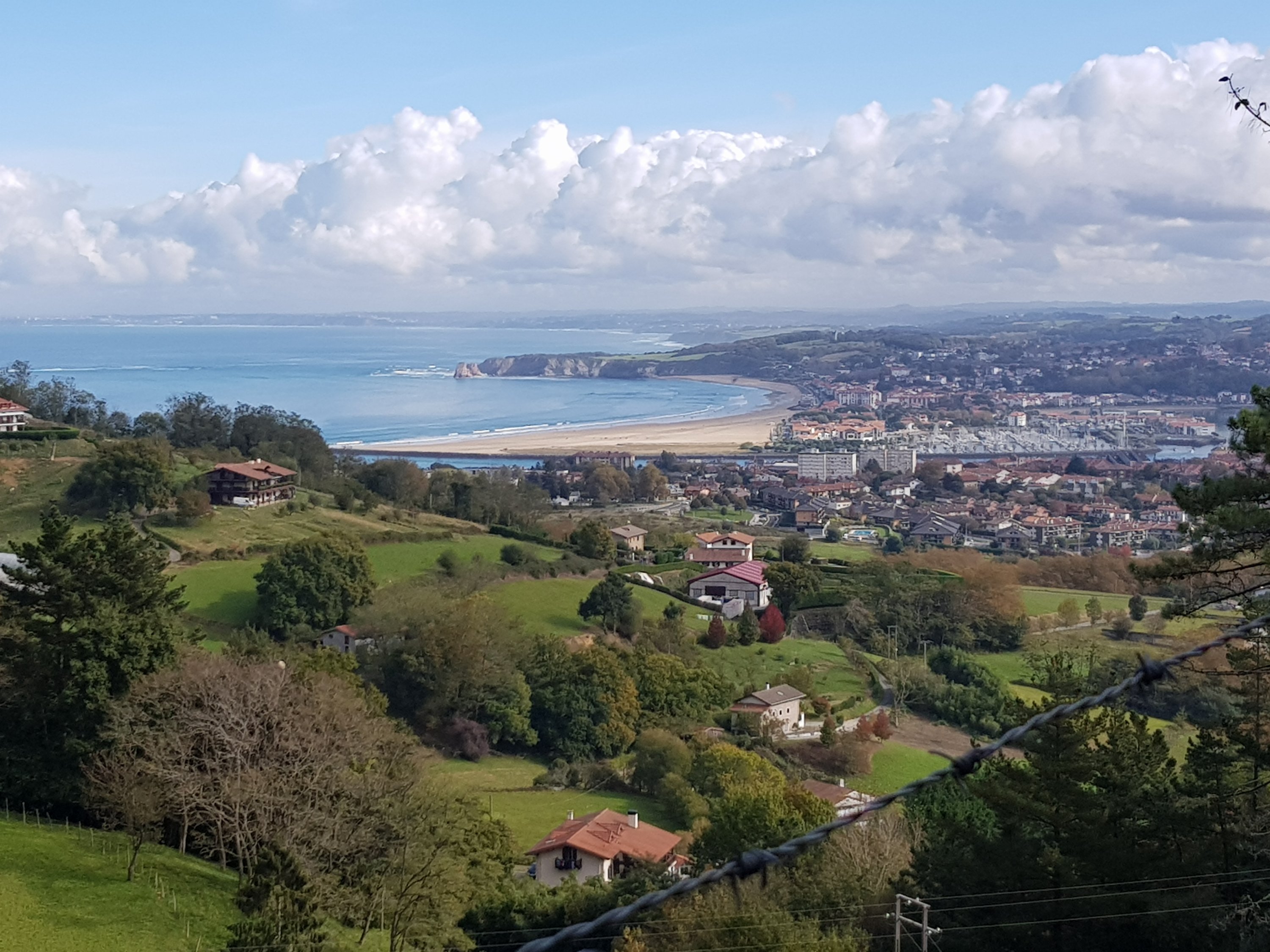
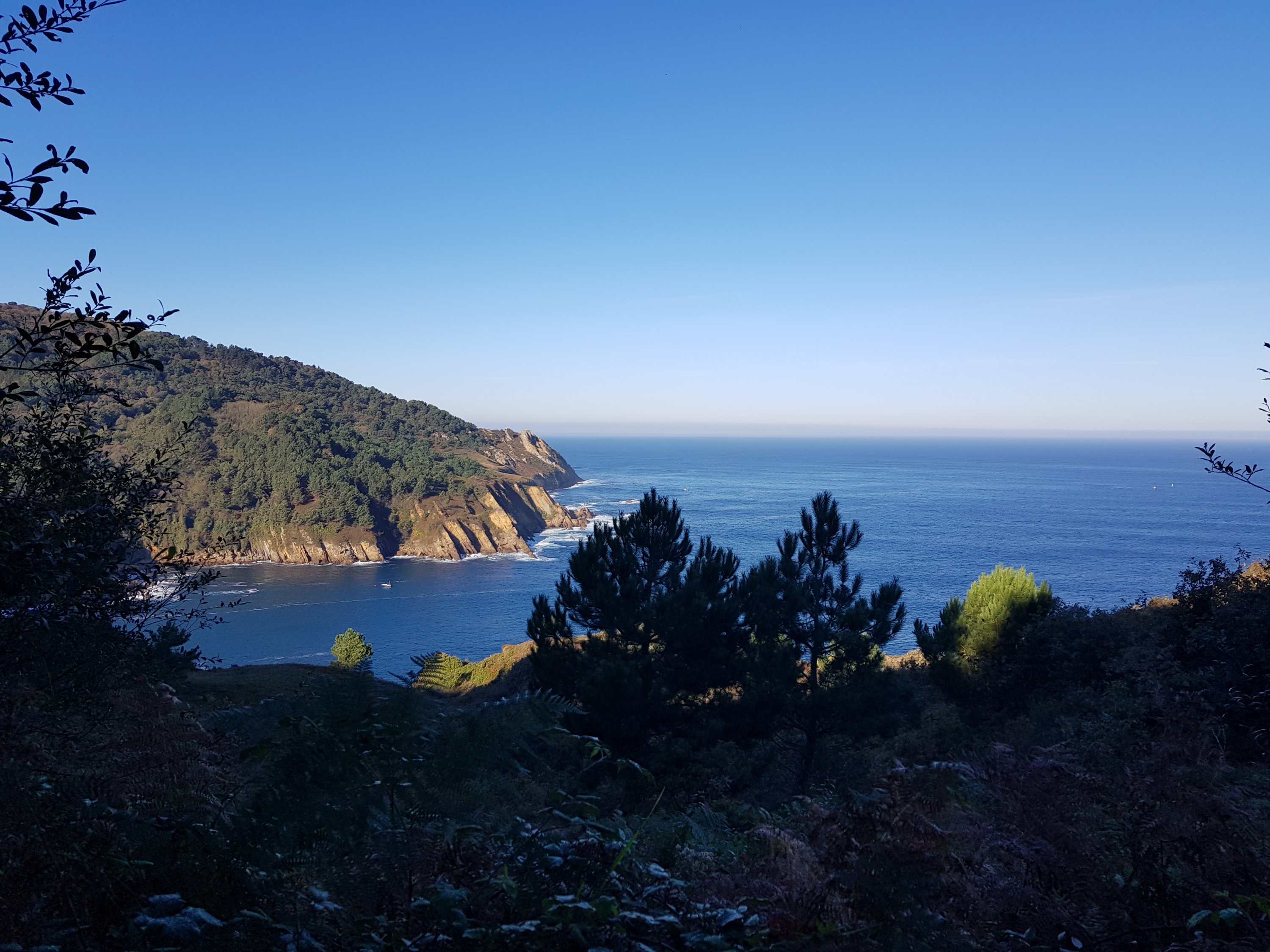
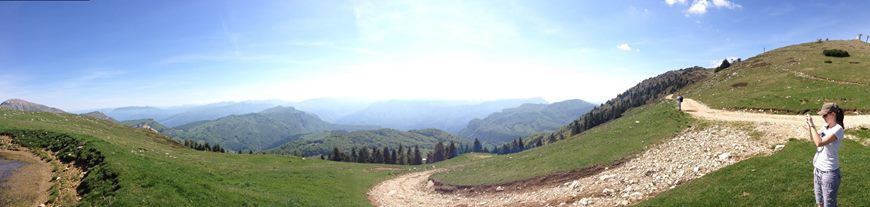
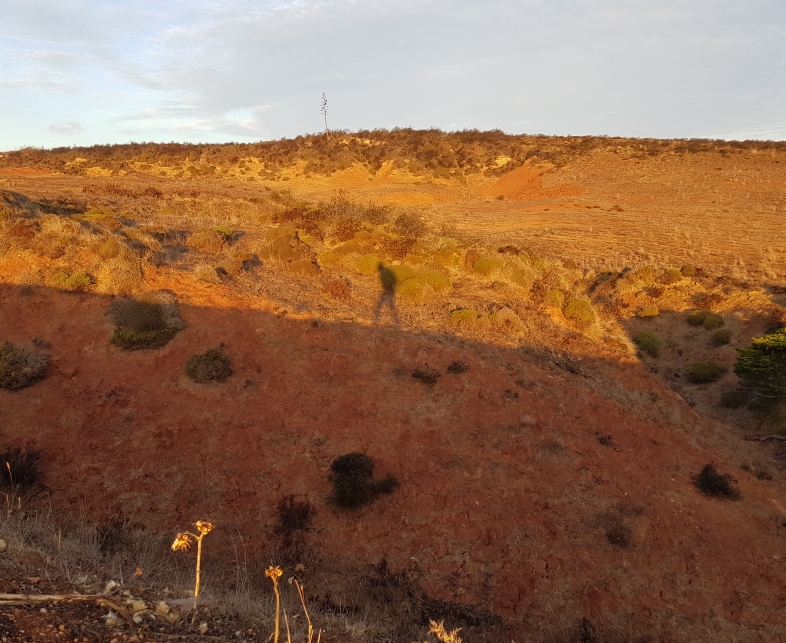
The walk took me up the mountain, with views of the sea and nearby beaches, coupled with traditional small farms, and picturesque houses.

After the lovely views of the mountain and the gruelling walk down, I realised something unfortunate.. The hostel that I booked on the outside of Lezo, was on a major highway. I came to a busy roundabout with no crossing, and was perplexed at what to do. My options were few:

  • To climb back up the mountain and find another path to town, and then doubleback on myself..
  • To attempt to cross the highway and potentially be hit by a car at 80kmph.
  • Hitch-hike and hope someone took pity on me.

I considered my options carefully, and decided the best thing to do was wave someone down, and beg for a lift in my broken spanish.

I waited about 40 minutes and asked three drivers before I found someone that would take me across the motorway.  A lady with her teenage daughter and a horse trailer on the back of her truck felt sorry for me and agreed. This was a blessing. I ended up talking in Spanish with them the whole journey to the hostel, and they were very chatty. I also felt like this was a great opportunity to get over any ‘stranger danger’ fears I had.

Once I was at the hostel, I met several men that I was sharing a room with, including many Spaniards and a frenchman that spoke great English too. They were very friendly and the frenchman offered to drive me into the town the next morning, which again was super useful as the motorway was too dangerous to walk. I must make it clear that the motorway is not part of the route, and was a poorly planned detour by me.
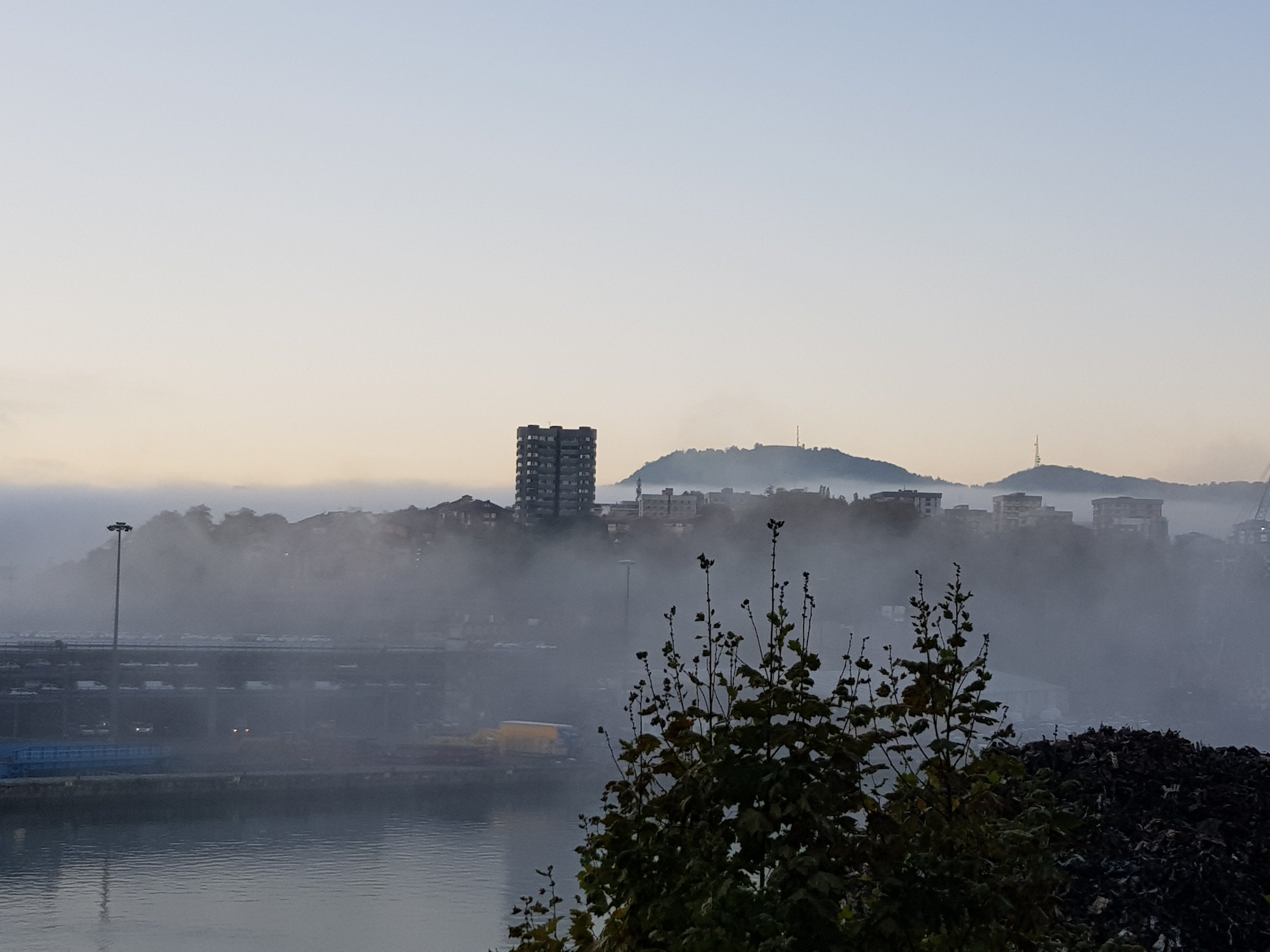
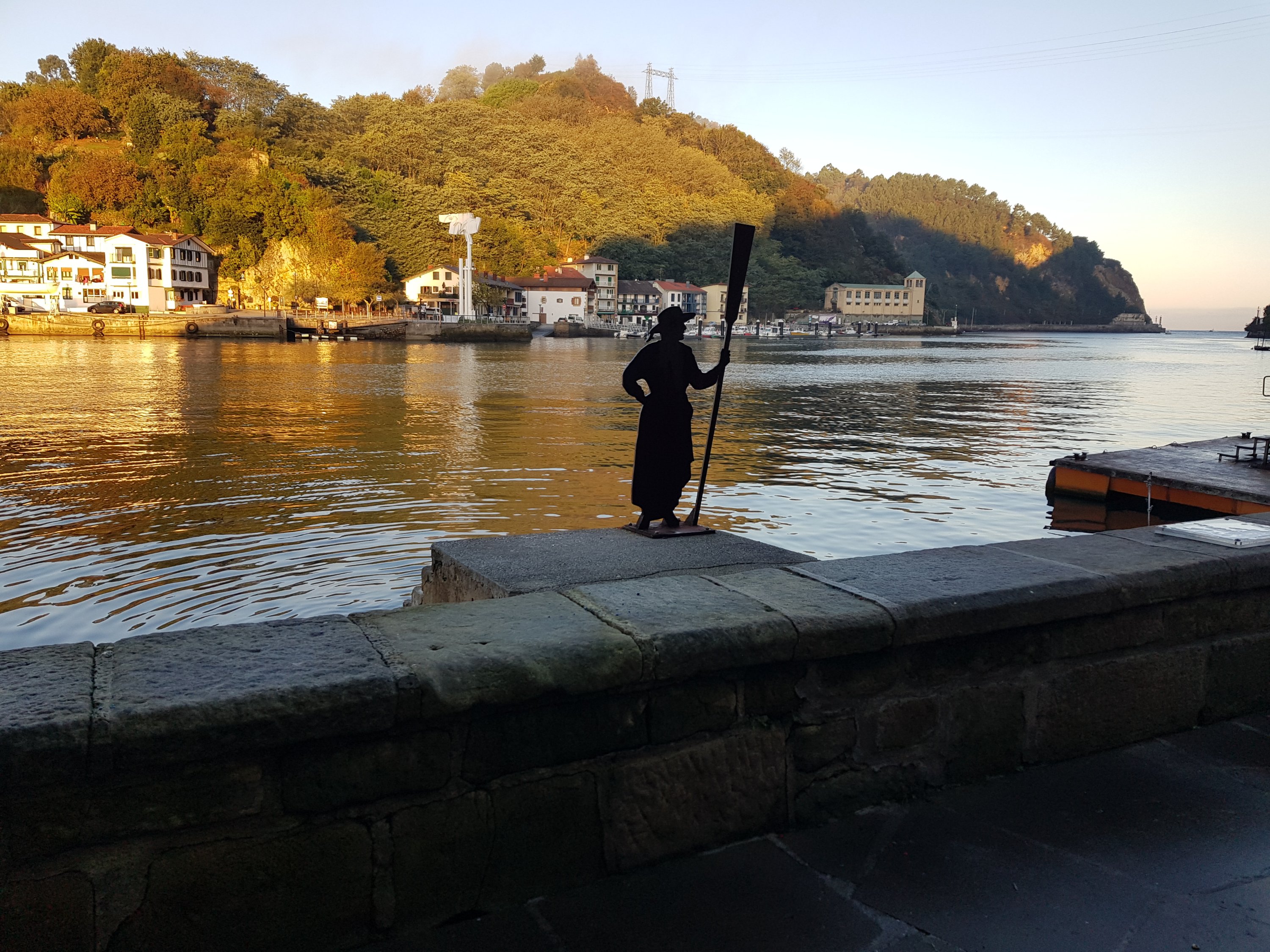
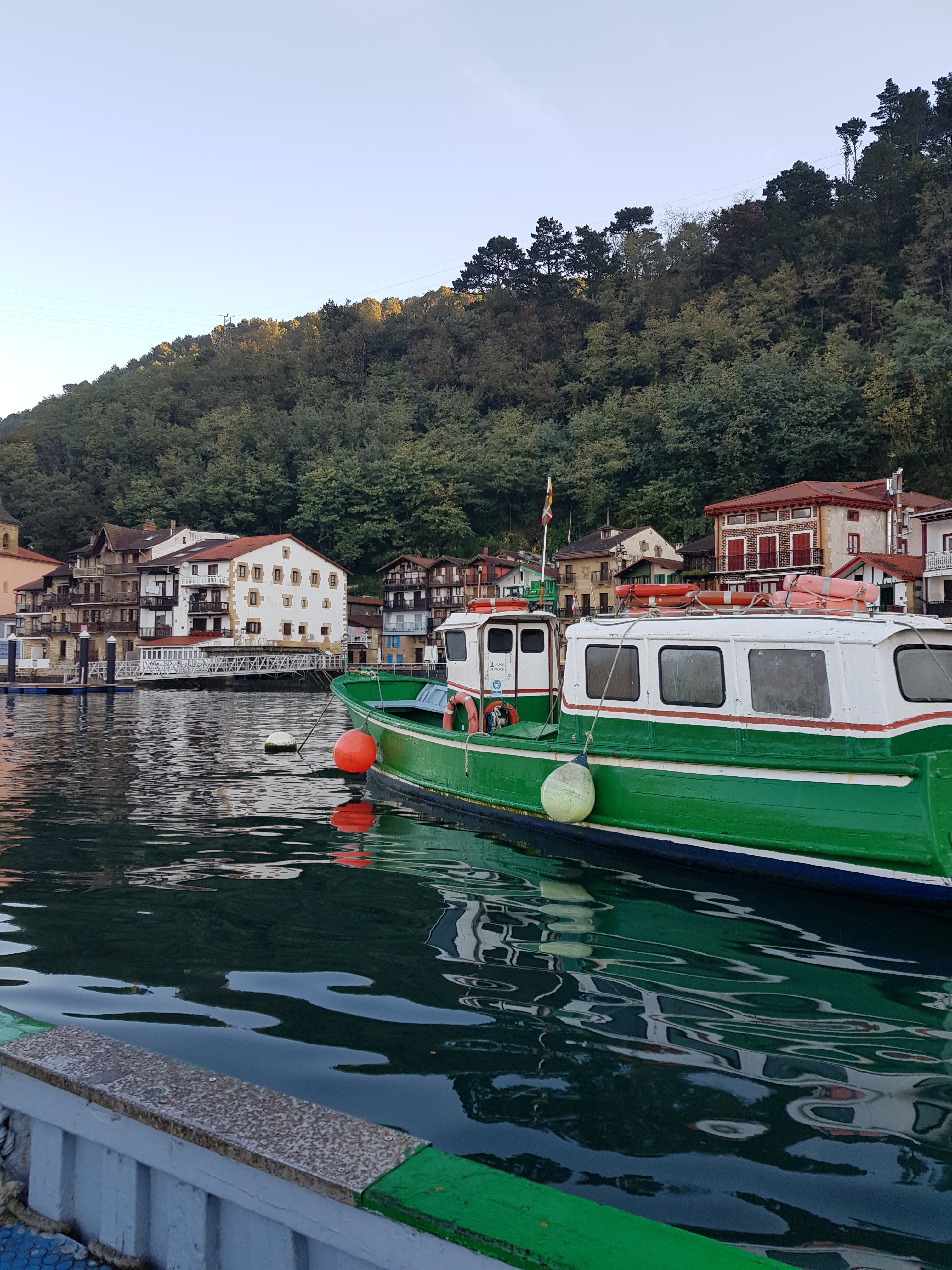
So the walk continued on! I had some beautiful towns to wonder through as well as a cute little boat taxi crossing for 90 cents.

On the other side, there was a steep climb through a town when I came across the most craziest and beautiful thing… a set of escalators in the street! I felt a pang of guilt and then I got over it… this took me up three streets and I just thought it was part of the fun really! I have now discovered that many of the large towns and cities in this mountainous area have escalators and elevators to take you up to other streets higher up. There are even elevators that go underground to take you to disguised car parking and public toilets areas. The mountain people know how to live! 😀

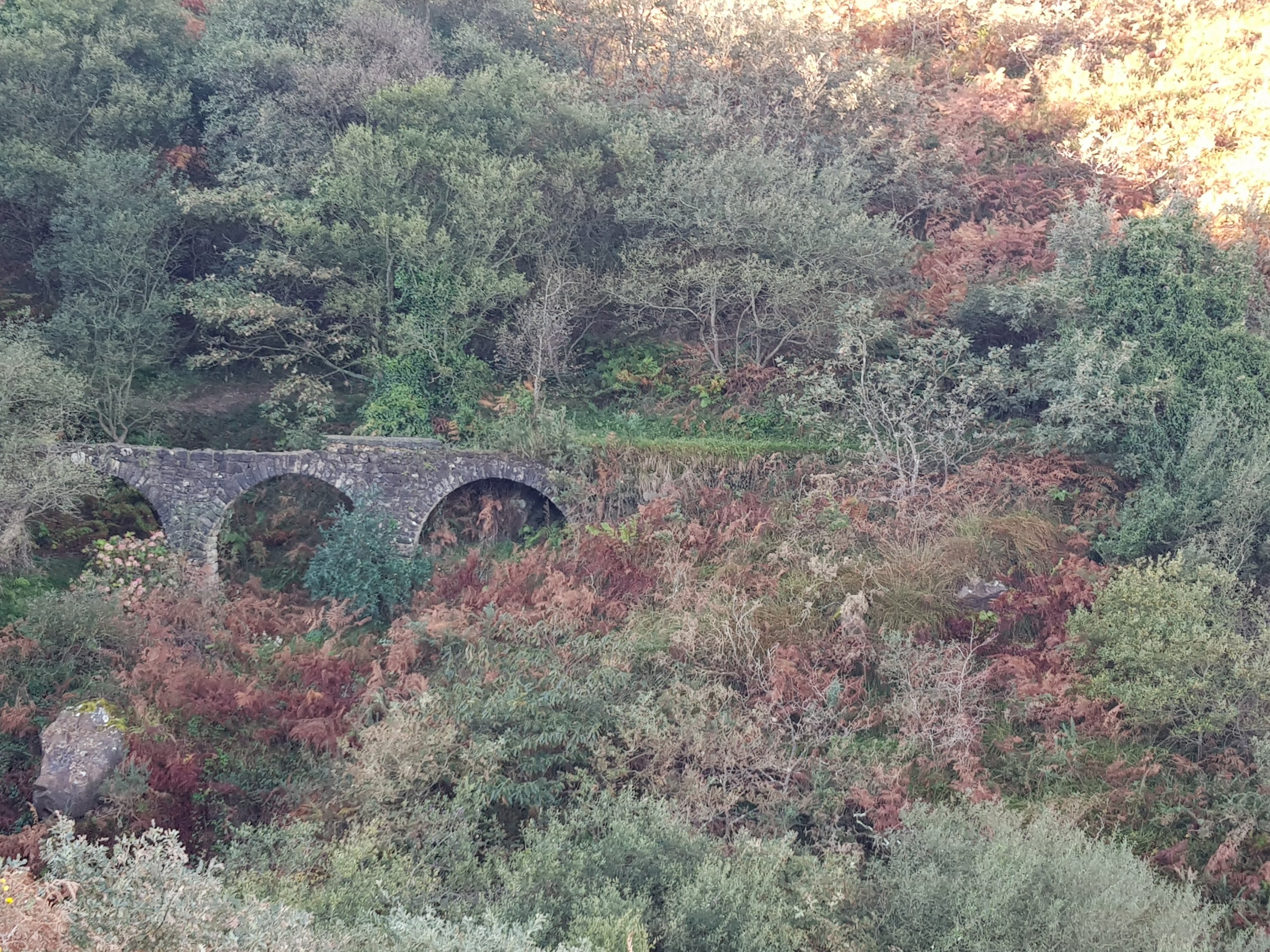
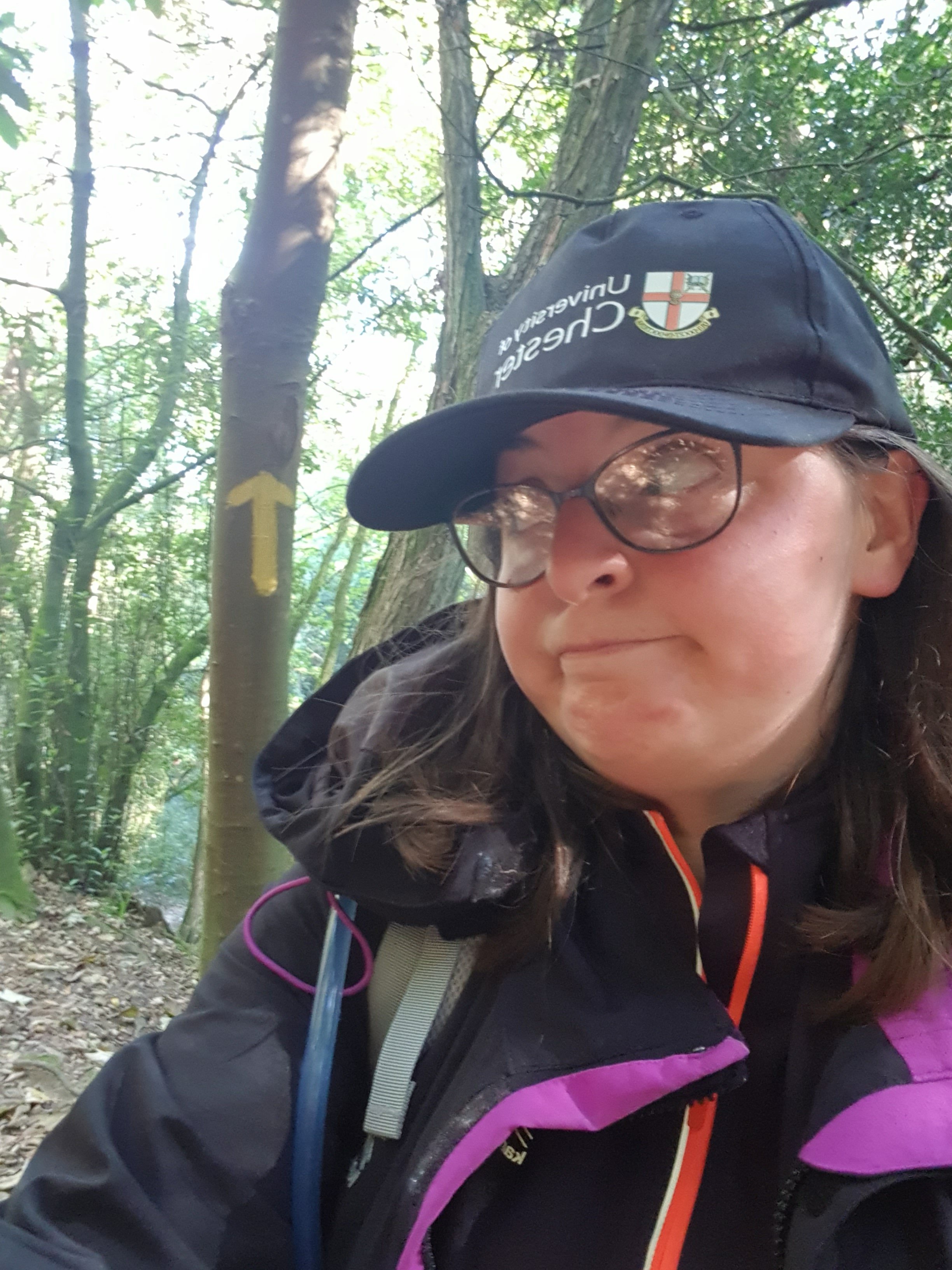
More hills, and mountains, and what felt like never ending ascents, and I began to come out through forests. The Autumn colours are in full swing now (late October), and this was really beautiful. There were even historic bridges, and forts hidden in the woods, between the foliage.
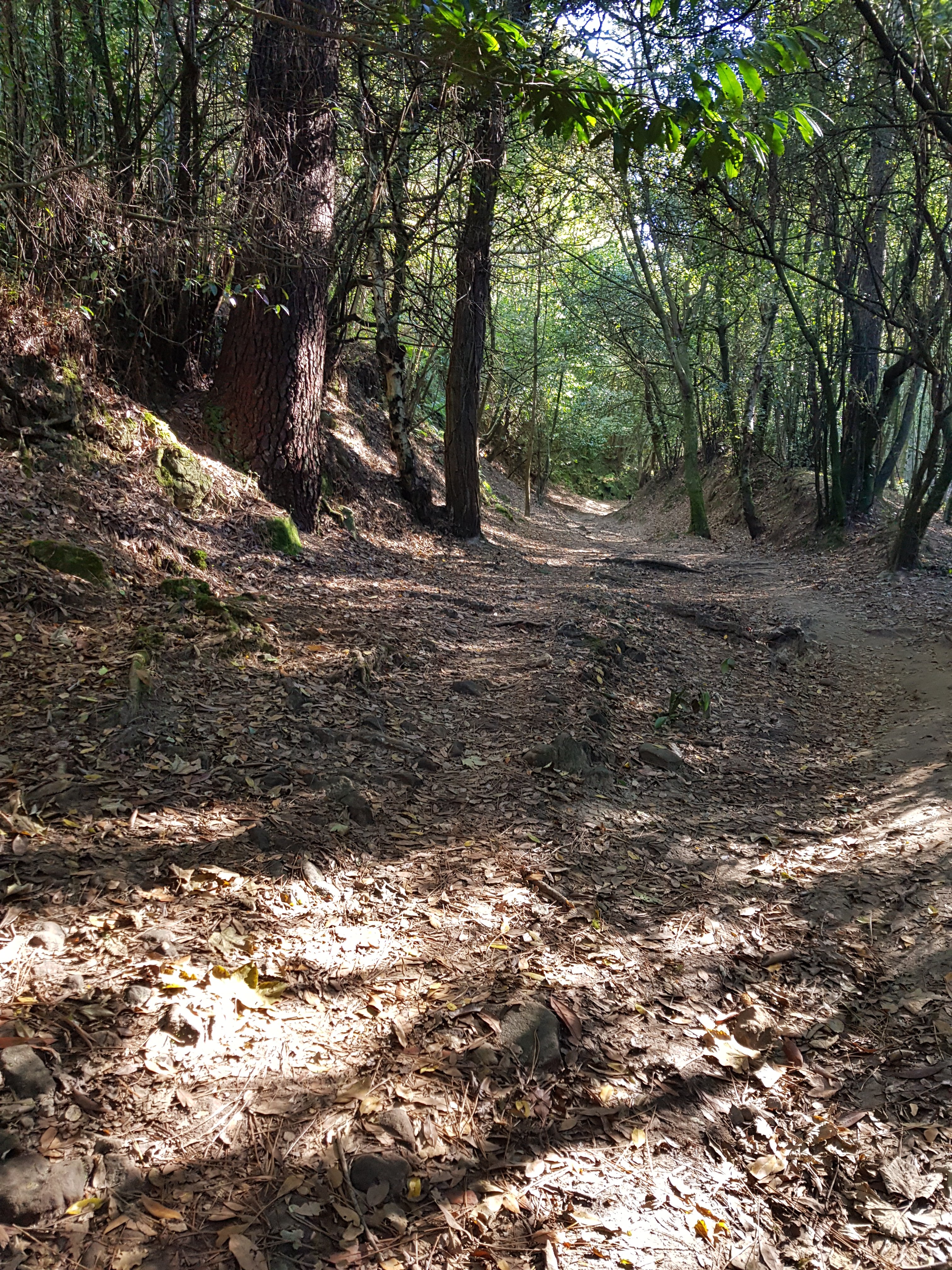
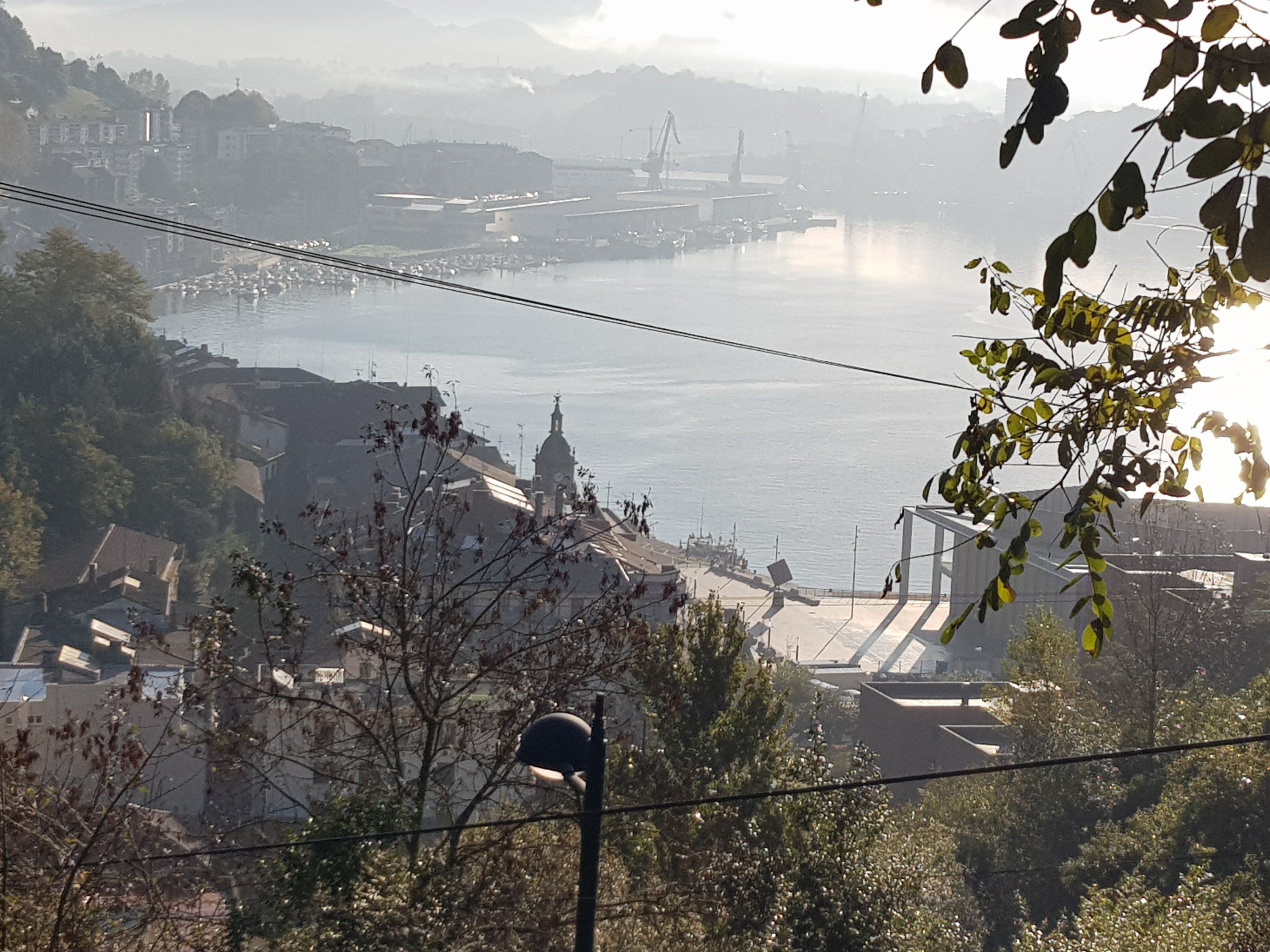
By the time I got to the bottom, I really wanted to be there by now. It had been over six hours and my legs hurt. The views could no longer take the pain away… and then I saw it. SAN SEBASTIAN! HALLELUJAH!
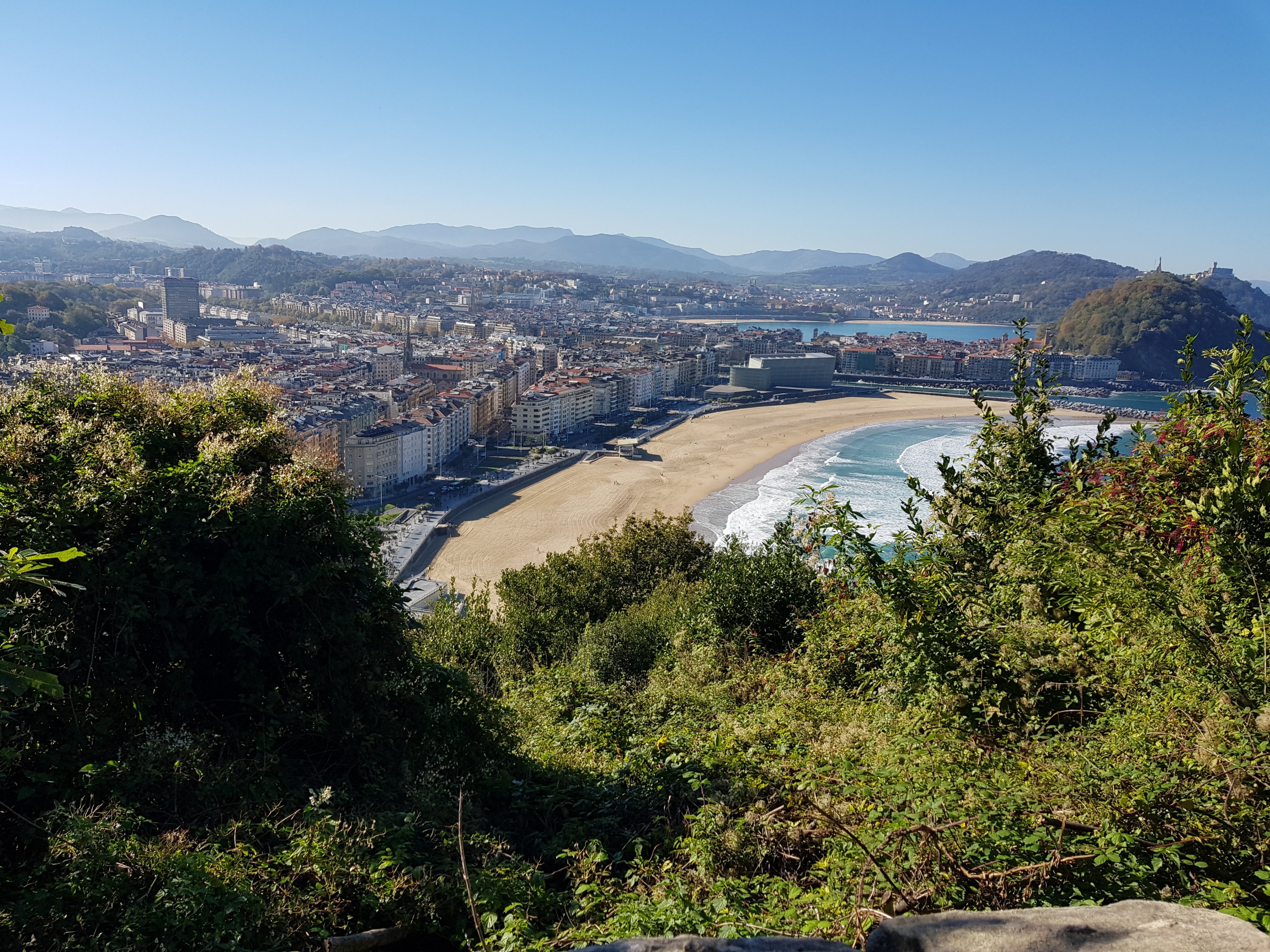
I had two nights in San Sebastion, so that I could rest after my first stage. This city is gorgeous, I think this with each new city that I go to, they just get better!
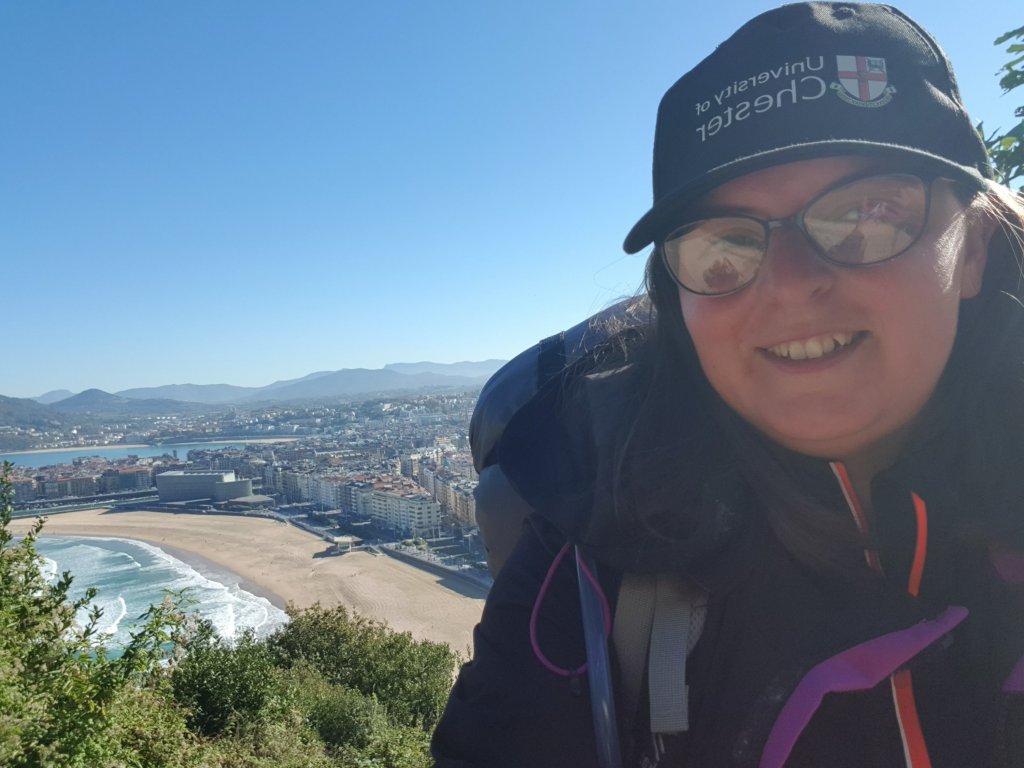
San Sebastian / Donastia

This city on the water, is really huge, and my hostel turned out to be 30 minutes from the seafront 😢 but the atmosphere at the accommodation was good so I got over it.

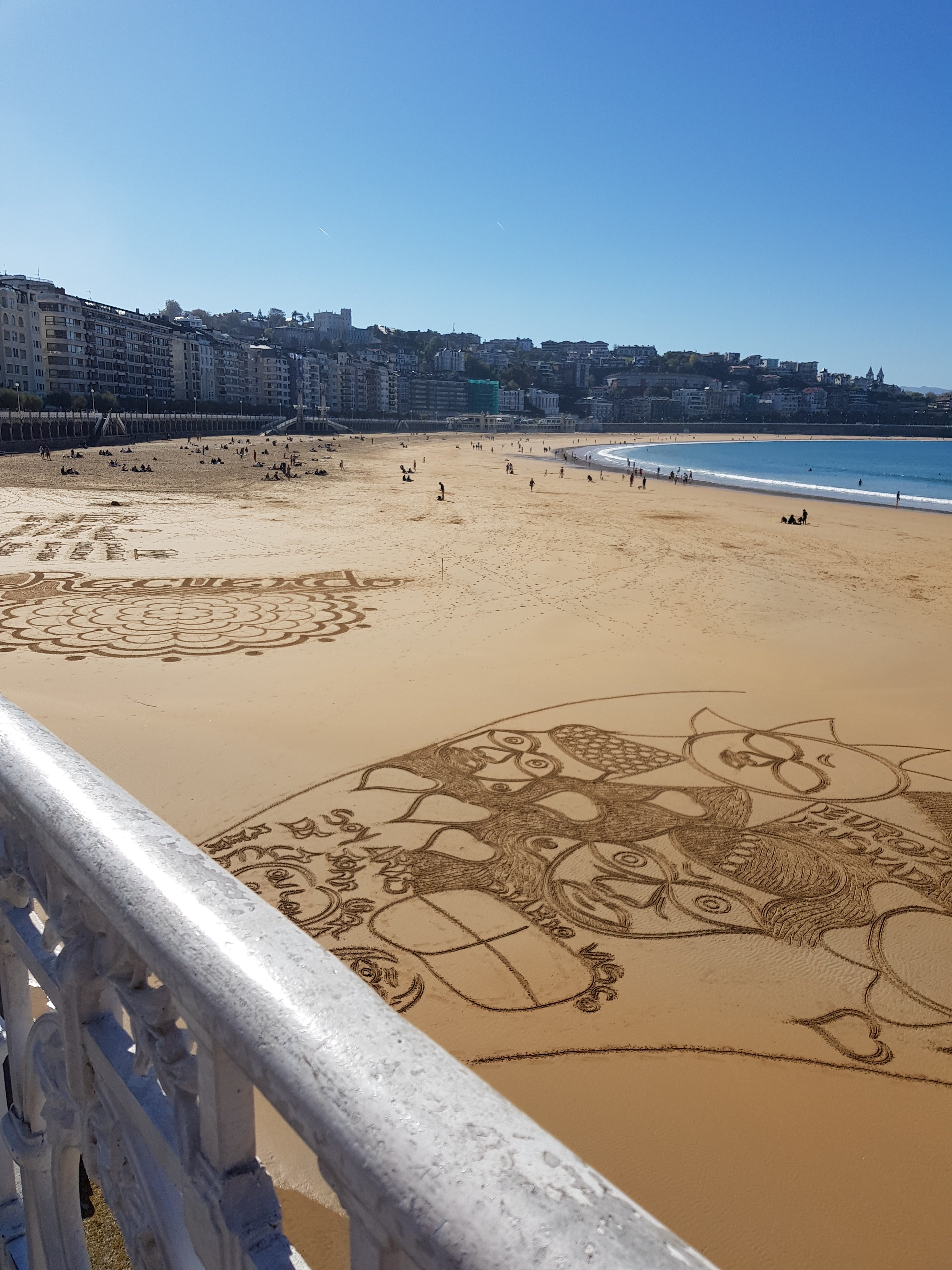
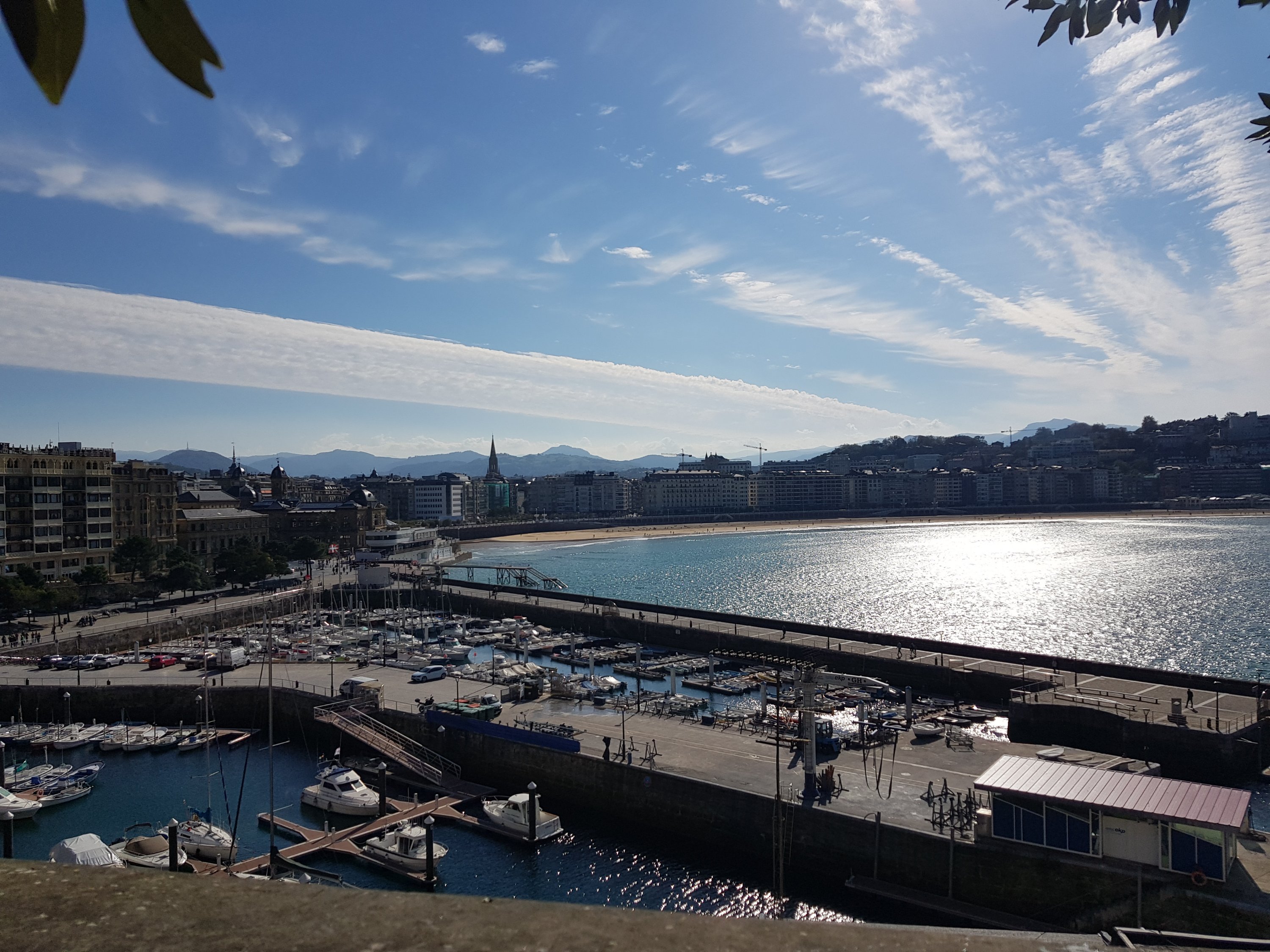
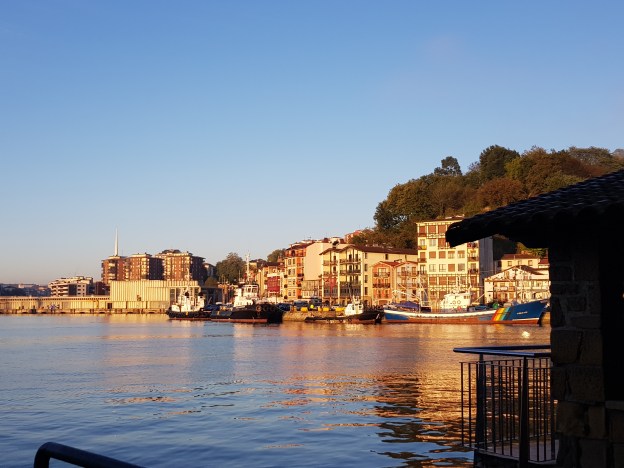
The city seems to have several elements; a beachfront and promenade, a harbour, busy centre, old town, a castle on a hill, and then outskirts of communities and work places.
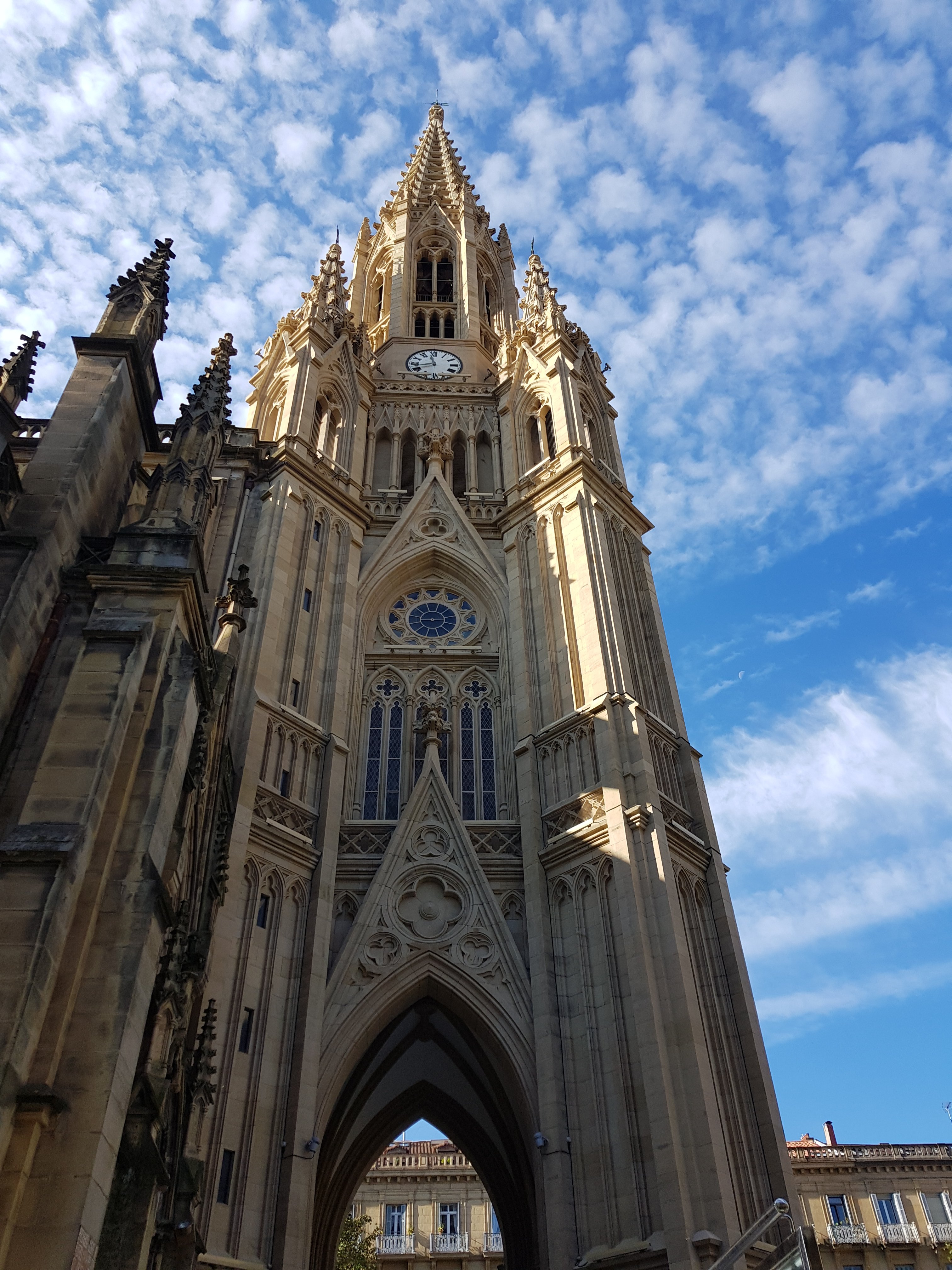
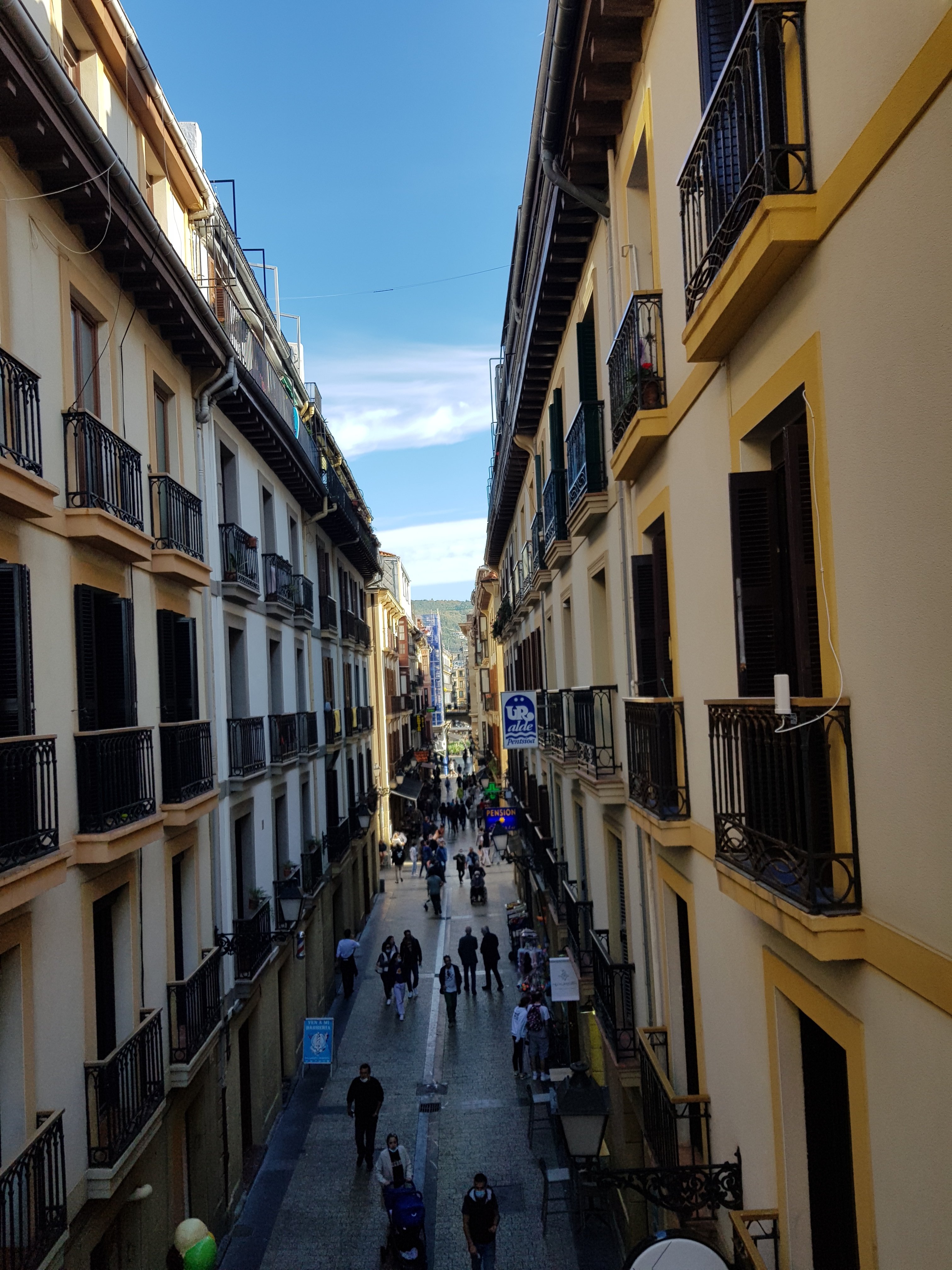
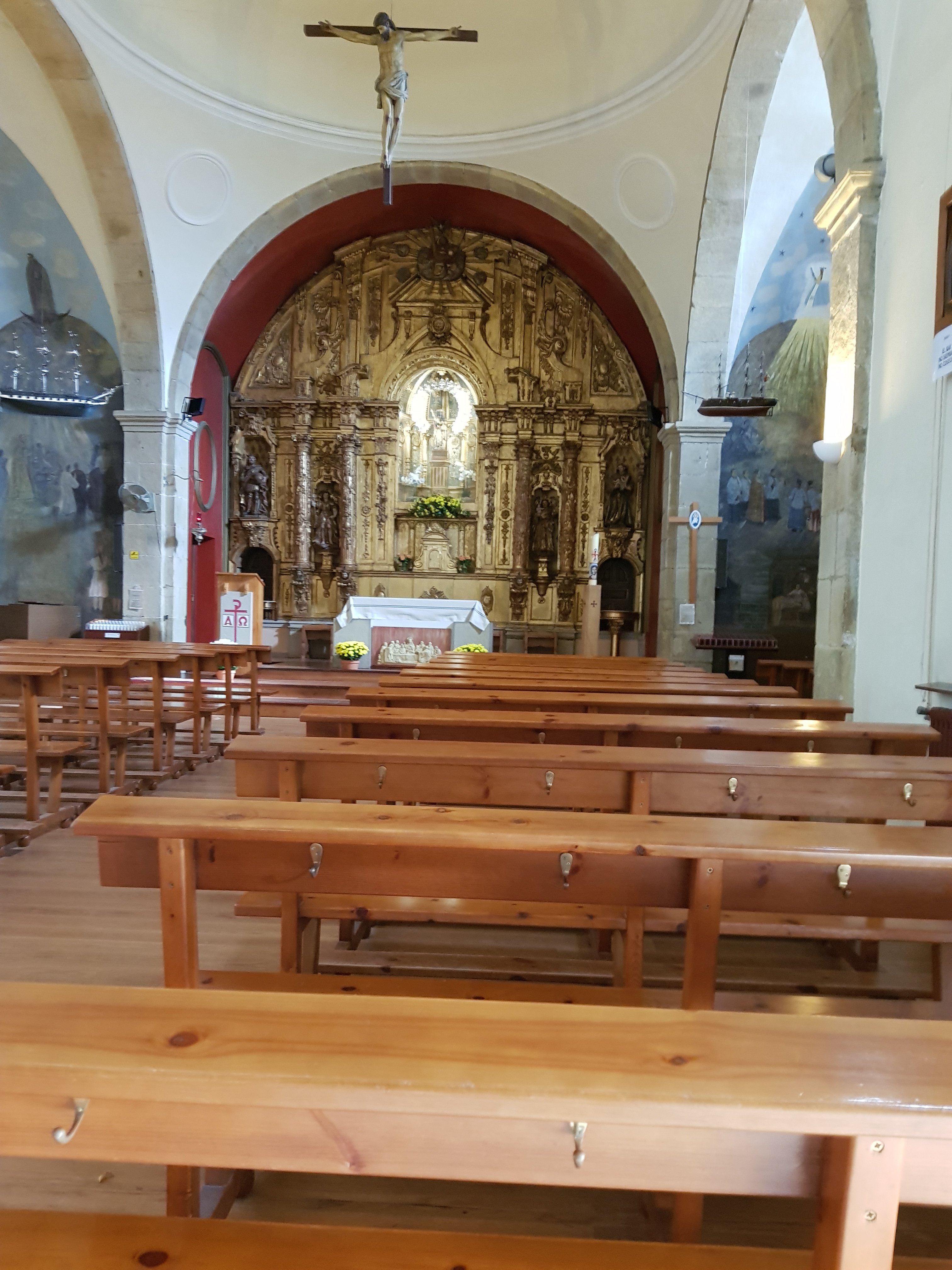
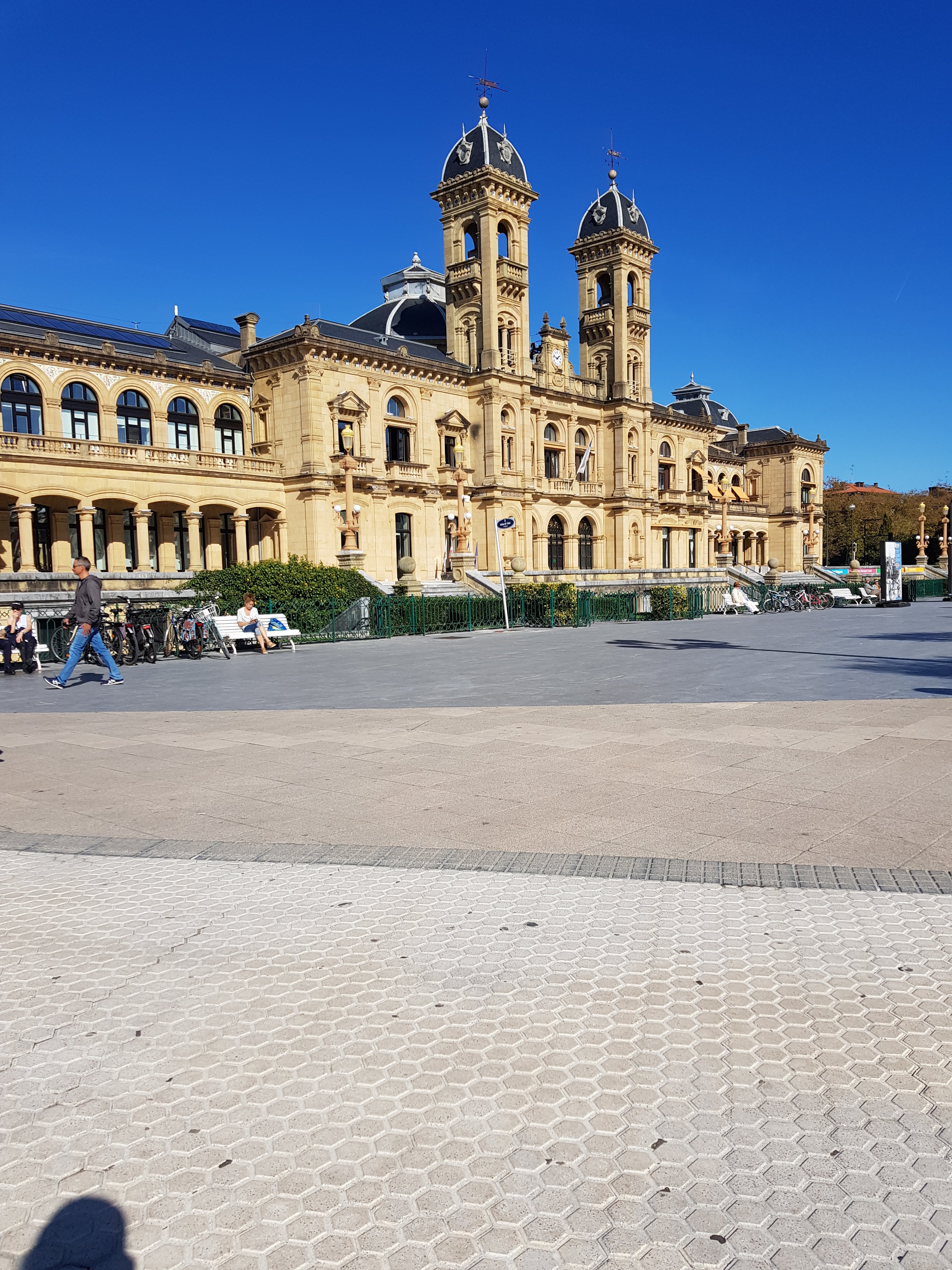
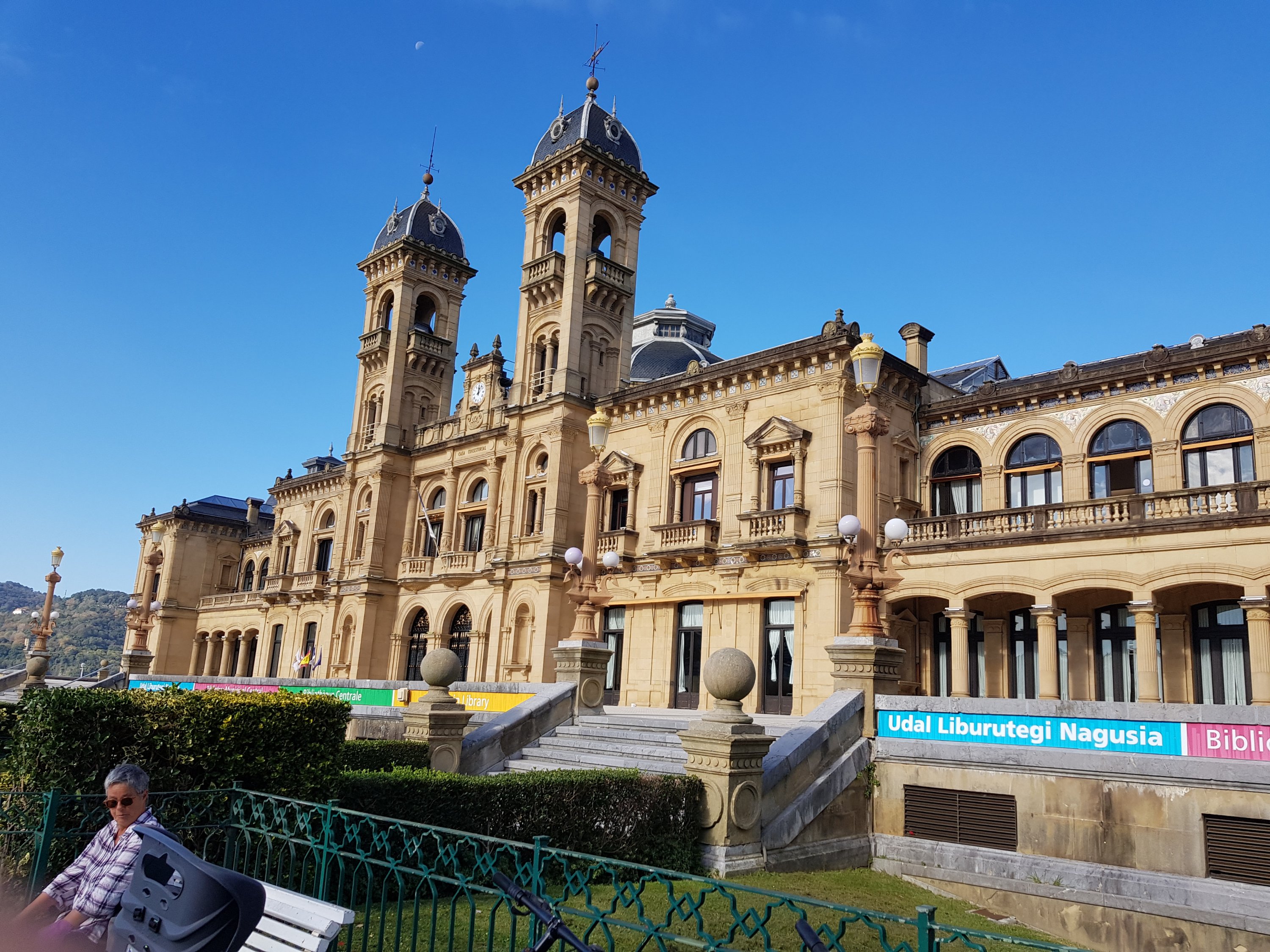
I visited the Cathedral and collected my stamp in my special pilgrim passport, and wondered around the city’s edge and old town. The old town is very pretty but quite touristy, and if you venture a little further along to where the market is, it is a little nicer. You can also walk all around the sea walls and what seems to be the old city walls. I would really recommend doing this walk, there are plenty of nice views and benches to sit and just enjoy it.

I had to remind myself that I was supposed to be resting, so after my little stroll, I sat down.. I ate a lovely chocolate brownie, definitely breaking my set budget, and then laid for several hours on the beach. It was the last day of 22’c and sunny, so I am so glad I did this.. even if I had to sit on my laid out trousers as I had nothing else.

In the evening, I decided to become part of the local scenery and continue sitting. So, I took myself to the local cinema, and I watched the new James Bond movie in Spanish. It was an excellent evening.
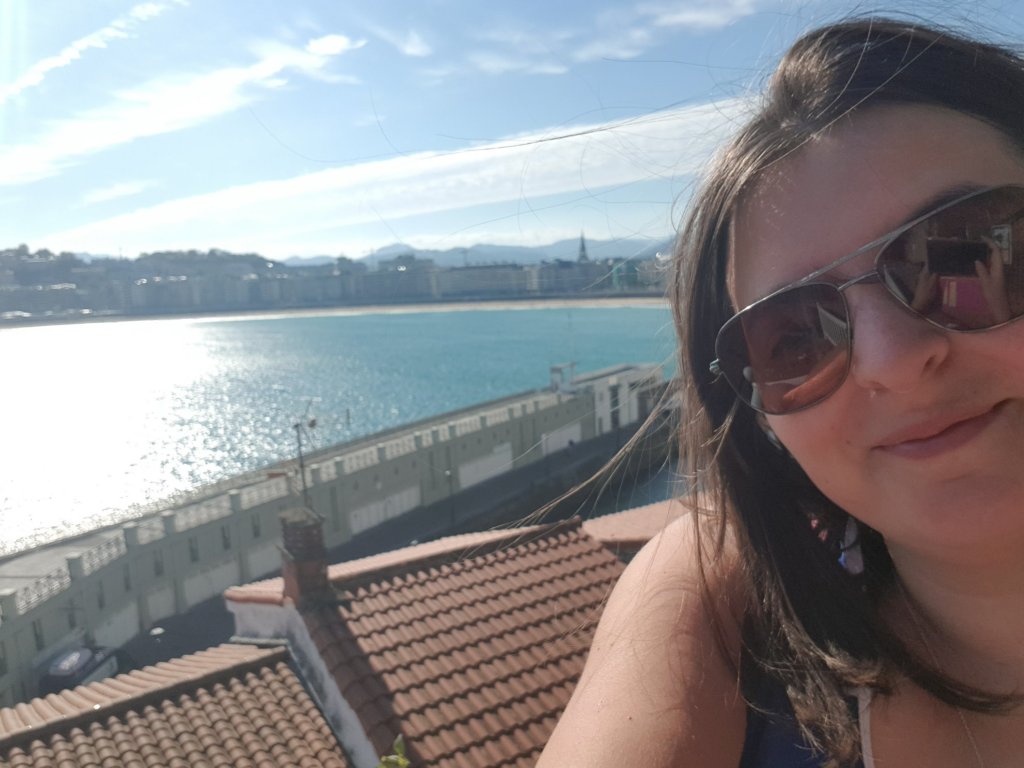
I really loved San Sebastian, and the pretty towns I went through to get there. It is nice to start slowing down for once, and just enjoy my surroundings.
Preparation for the Camino del Norte

Getting ready to travel 824 kilometres on foot.

This year, after being trapped at home, I decided to pack up my life, and start my wanderings across the globe. The beginning of this journey starts with a physical and mental challenge.

I am travelling by train to Irun, Spain, and walking West across the Northern Spain coastline, along an ancient path to Santiago de Compostela. This path or ‘camino’ has been travelled on for hundreds of years, ever since the remains of St James was discovered in Santiago de Compostela in 9th century, and pilgrims made their way to see his tomb.

If you have seen my other posts, you may have picked up on the fact that I love churches, and with this being traditionally a religious route, it really appeals to me, because of all the churches I will see. I also love walking, and have been learning Spanish for four years, so it seemed like the perfect way to start the year ahead.

Wow though! There has been a lot of preparation to get ready for the trip! The pilgrimage involves carrying everything you need on your back, and staying every night in a different location, as well as lots of training.

Training

I am not the fittest person, and whilst I enjoy walking, I have never done such a consistent walking itinerary. I have done mountain climbing, but never walked over them over several days. Most people recommend 12 weeks of training to prepare for the challenge (especially as the Northern route is one of the most rugged).

I had less than eight weeks…

Practice walking in Portugal

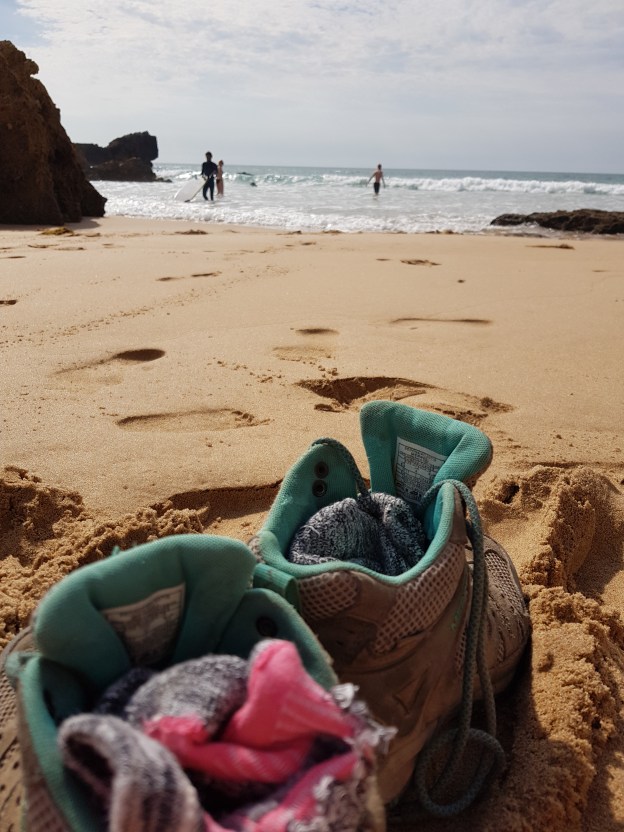
On average, pilgrims must be able to walk approximately 21-25km (13-15 miles) per day, and one of the longest stretches goes as high as 39 kilometres. Since deciding to do this challenge, I have been slowly increasing my walking distances from walking 7 miles every other day and having a big walk at the weekend, and slowly getting up to regular 21km walks. I was also mixing this in with using an exercise bike, swimming and a better diet. It was all going well until two weeks into training, I sprained my ankle. I then had to start again from scratch. I now feel confident that I can walk the distance, but my speed is very dependant on the weather (which is likely to be rainy), the terrain (which is likely to be uneven), my ankle (which is going to be strapped up), and my backpack (likely to be very heavy)!

Accommodation and Covid-19

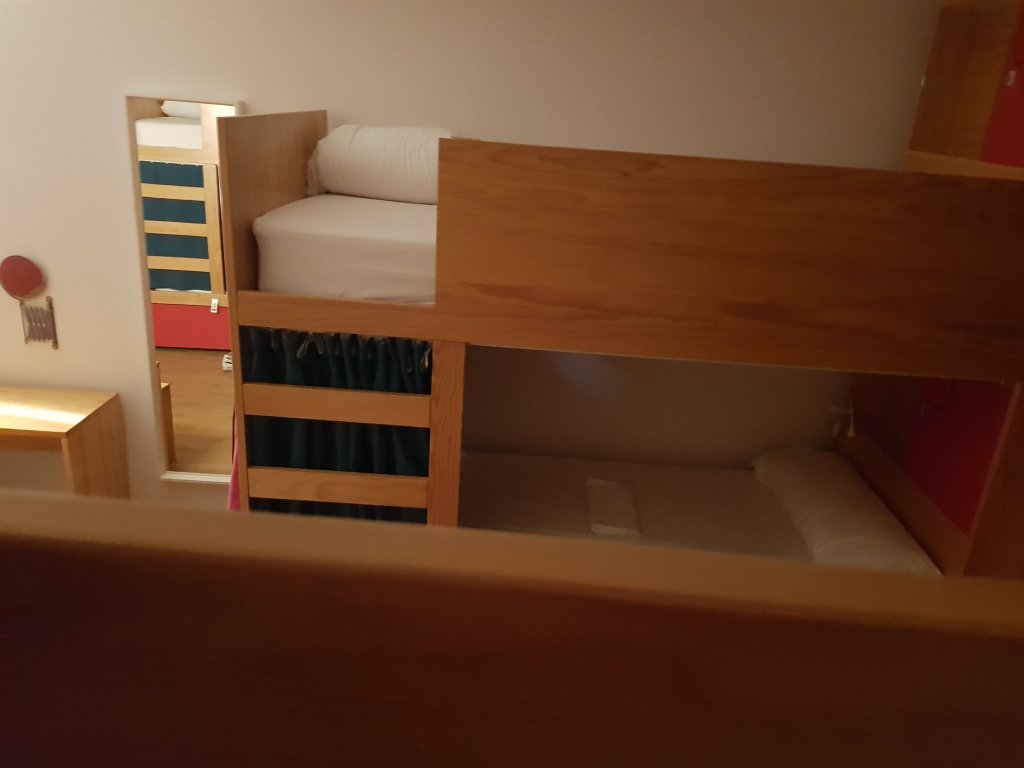
The route normally has traditional accommodation for pilgrims to stay in, called ‘albergues’. These are generally public buildings such as monasteries, halls, or train stations, that have bunks for pilgrims to sleep in for very little money. Unfortunately, Covid-19 has meant that many albergues did not open this year, and even some that did, will be shutting for the end of the high season when I arrive. So, booking the accommodation has been a little trickier than expected, and in some places I will need to walk further each day to make it to my bed. I now have my first week of accommodation booked, this is made up of a mix of albergues, hostels, pensions (guesthouses), and hotels. If I ever get caught out though, I do have a poncho that doubles as a rain shelter, so it’s all good!

Hostel bunks

Booking the accommodation, I used regular booking platforms, and also directly contacted albergues and tourist information centres by email in spanish. This has been very successful so far. I would recommend using a cashback platform when making bookings, to earn back some of your money. I have used TopCashback for almost all my accommodation so far, and made over £30 back in cash so far (for about 10 days of hostels). It is completely free to benefit from this scheme, so it is an obvious win.

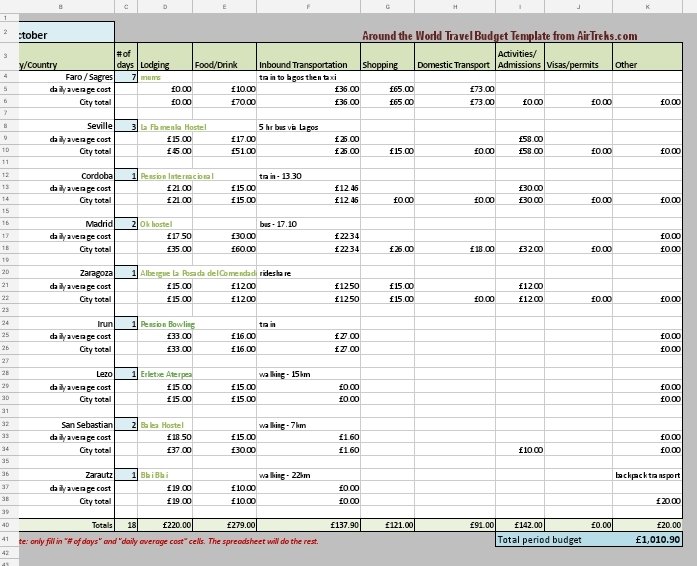
I have put all these extra earnings into a giant spreadsheet, along with all my expected expenses for the trip. The three months total I will be spending in Spain, should hopefully total under £4000.

Covid-19 has also meant that I have had to be more cautious with my documentation and vigilant of checking the .gov website. For example, I am travelling into Portugal before I go into Spain over land. Portugal were previously accepting the NHS vaccination pass, but has since changed their advice to say that you must have an EU vaccine card, you can only get this if you are an EU citizen. Thanks a lot BREXIT! Very frustrating. So I will now need to test before entering Portugal, but thankfully the over land travel between Spain and Portugal, does not require testing..

Technology

The ancient pilgrims never had to worry about what tech they would need, because they just followed the sun and the other travellers, West to their final destination. In our modern world, I have been encouraged to use apps and tech available to me to make sure I am as safe as possible. It does feel a little like cheating though!

I have available to me:

  • 2 Portable chargers
  • Digital camera
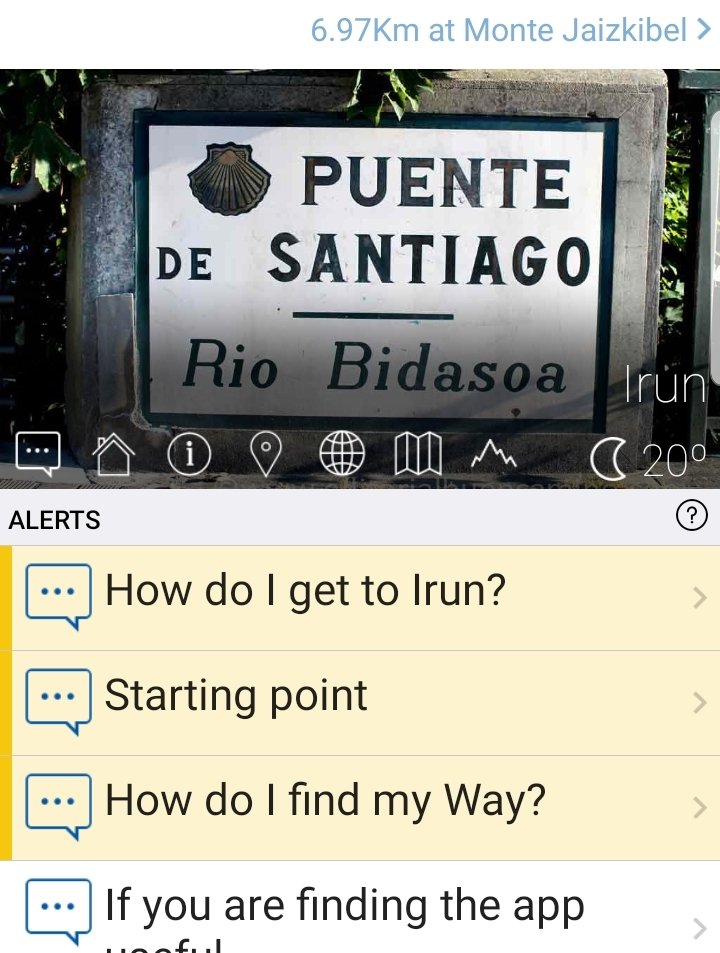
  • Two apps about the pilgrimage, with maps, updates, photos, and resources
  • A panic alarm app, SOS emergency app, and emergency services app.
  • My Strava and Fitbit accounts
  • NHS digital covid pass
  • And of course, good old, Google Maps.
Screenshot of Buen Camino app

I do have a traditional map and compass, just in case I still want/need to use traditional methods of orienteering. I will still be using my torch rather than moonlight though.

Packing

Packing has been a real challenge of distinguishing the absolute must have items from the luxuries. For example, I now consider the following items as ‘luxuries’; shampoo and conditioner, a third evening shirt, a wired bra, and a razor. That’s right… I am going to be a stinky, hairy mess of a woman for a few months! I am quite excited to let loose! Haha

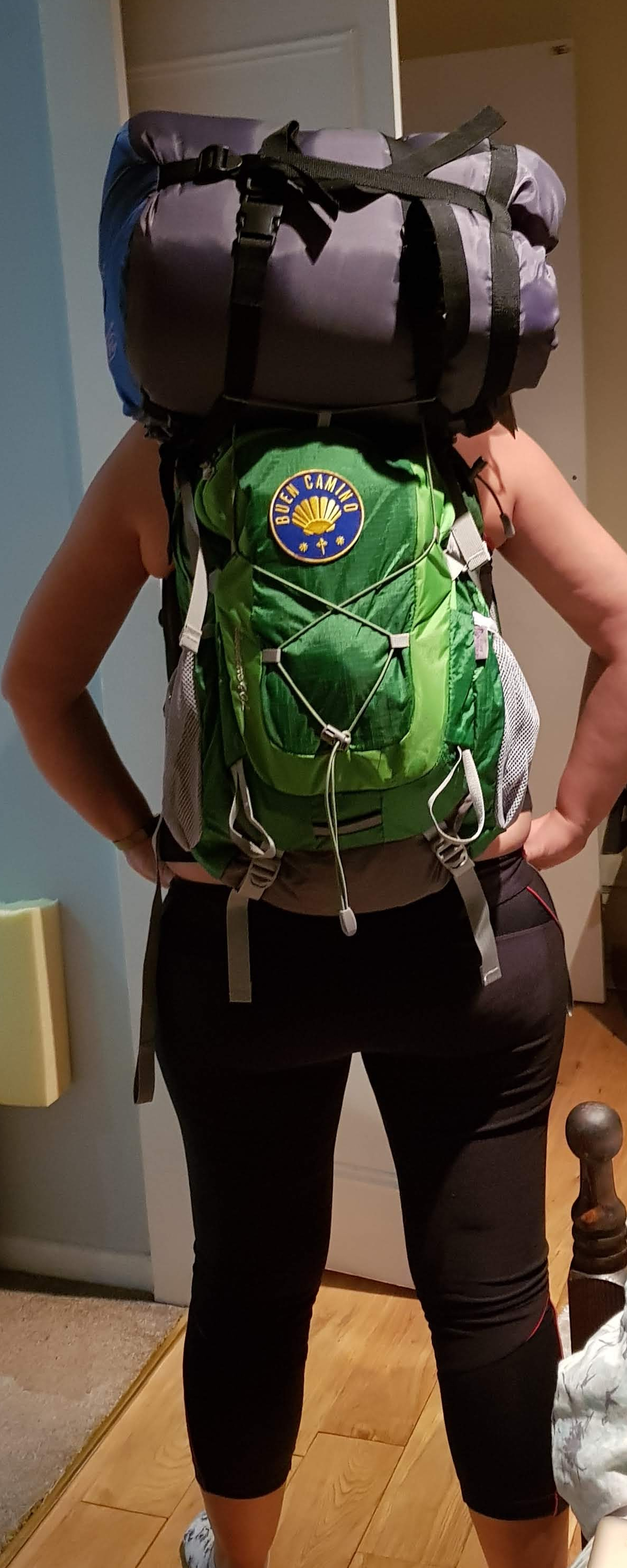
The advice is to not carry more than 10% of your body weight on your back. I already invested in a heavy sleeping bag, as I will be travelling during a cold season, so sacrifices had to be made. The weight of my backpack now consists of the following proportions:

  • 20% – map, compass, documents, torches
  • 25% – walking clothes and one pair of flip flops
  • 40% – foot care items and first aid kit
  • 10% – rain protection
  • 5% – personal items/money/phone

I hope I am prepared physically now. I just need to prepare my emotions for the challenge ahead of me, and remember to enjoy every second of it!!!

I will be posting regularly about my adventure on this platform, as well as on my JustGiving page, set up to raise funds for Mind.

Buen Camino!

Zaragoza: hidden gem of Aragon

Last week, I made it into Aragon, (which until now, I had thought was a made up place…), and into the pretty city of Zaragoza!

I left Madrid with a full blown hangover, and met up with a local, Alejandro, who was driving to Zaragoza for work. I used the rideshare app ‘Bla Bla Car’ to link up with him, and this saved me over a hundred euros in train fare. It also made his car journey more efficient!

I had hoped that it would be a good opportunity for me to practice my spanish… Unfortunately, I had been having too much fun the night before in Madrid, and had to make my entire focus of the journey, not being ill…

Anyway… back to Zaragoza! I had been told by a man in Madrid ‘why are you going to Zaragoza, its really small, and nothing there’. This worried me, as I already had my stay booked. I am happy to report that he was quite wrong though!

Zaragoza is actually the fifth largest city in Spain. As someone, that personally walked 22km around the centre exploring, I can confirm that there is a fair bit there..

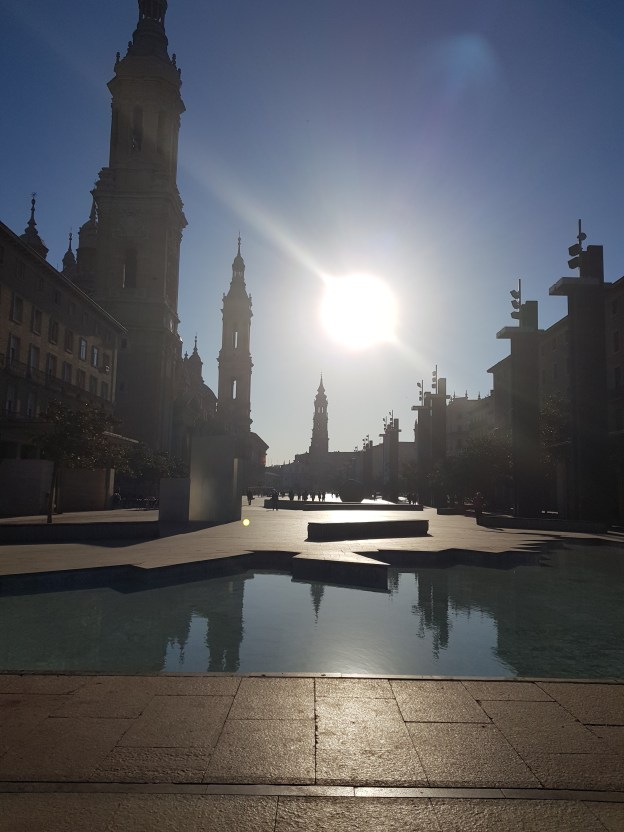
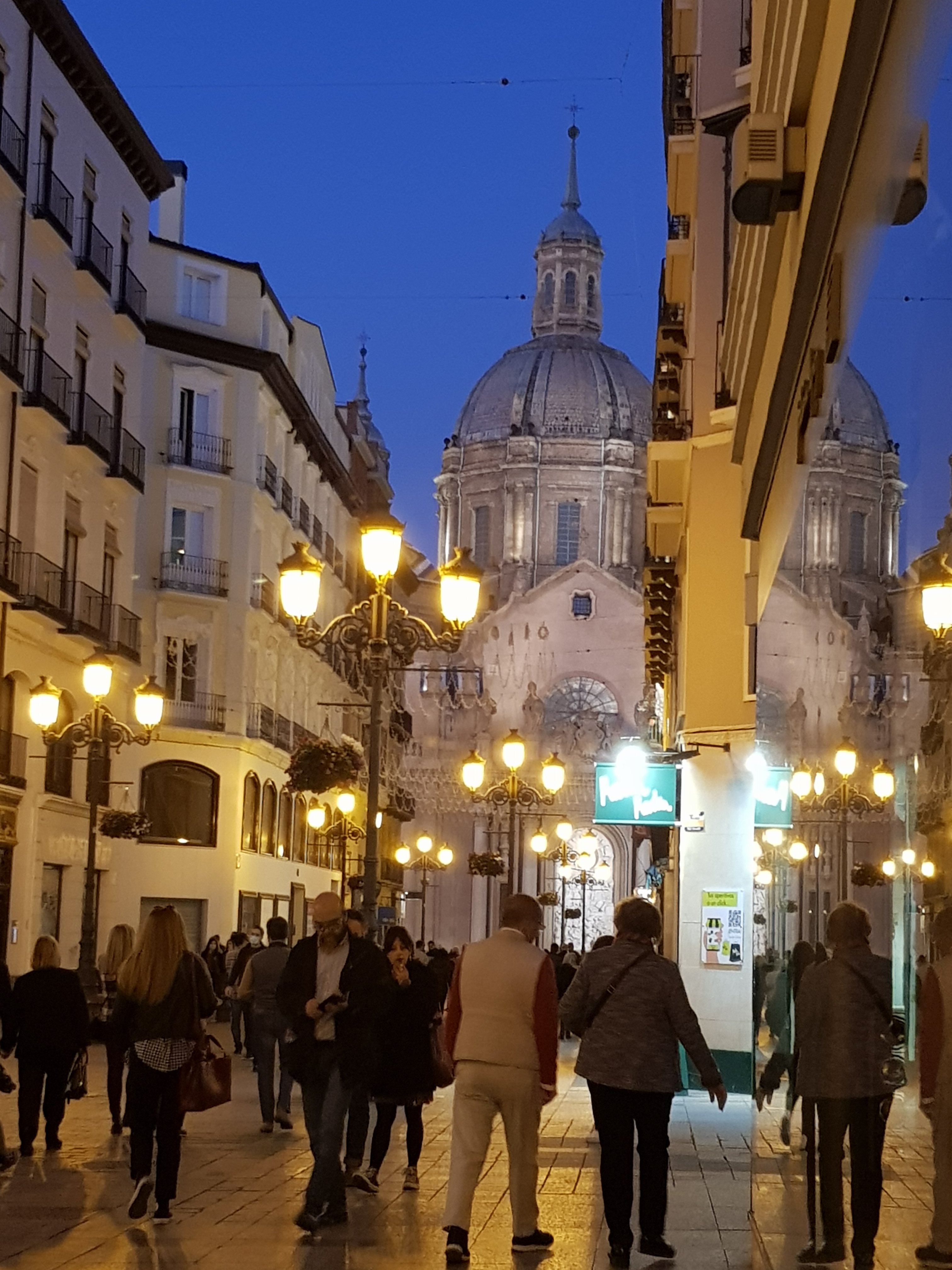
As soon as I ventured into the ‘old town’, I was greeted with beautiful architecture and a pleasant and huge plaza to enjoy.

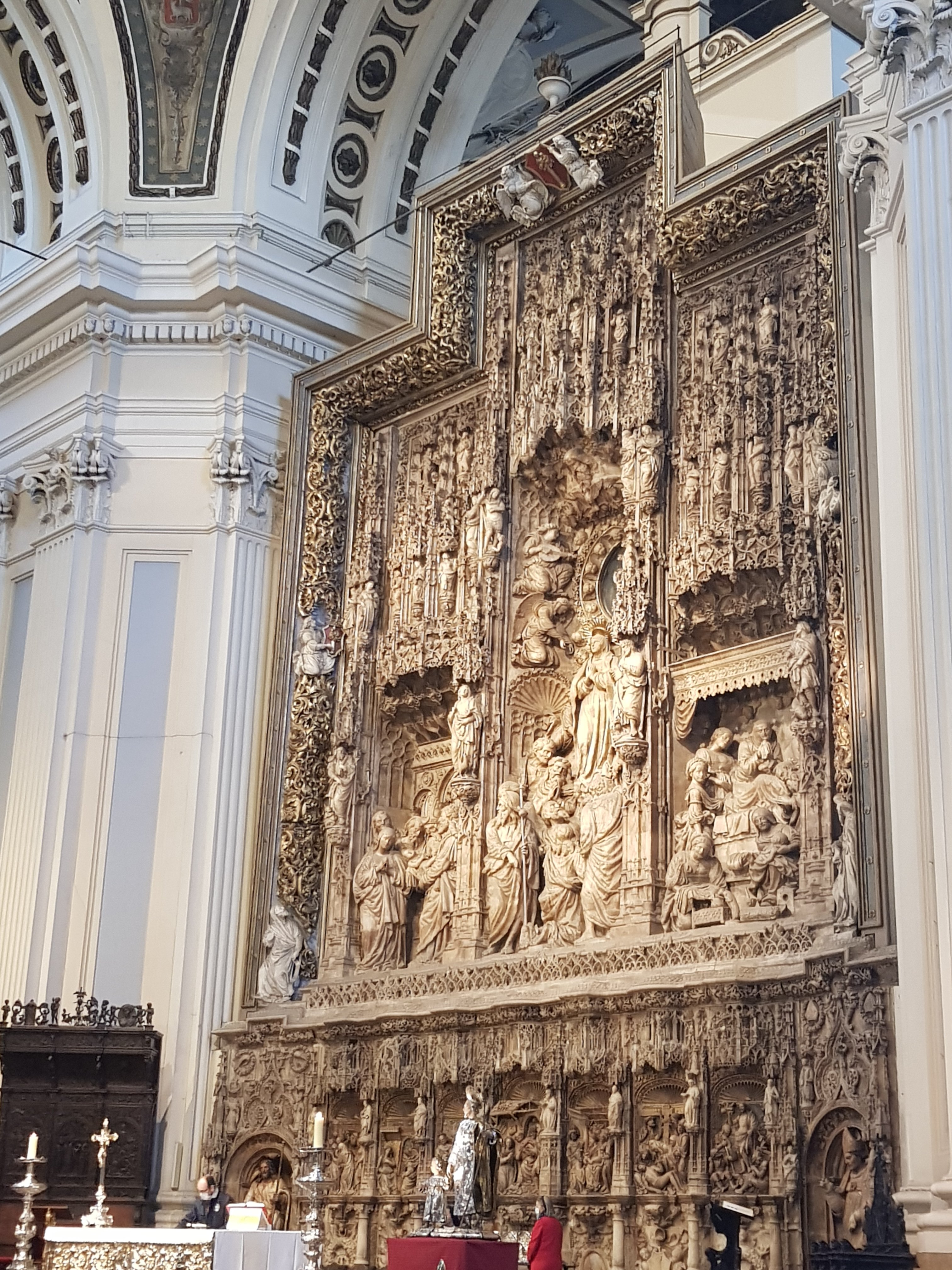
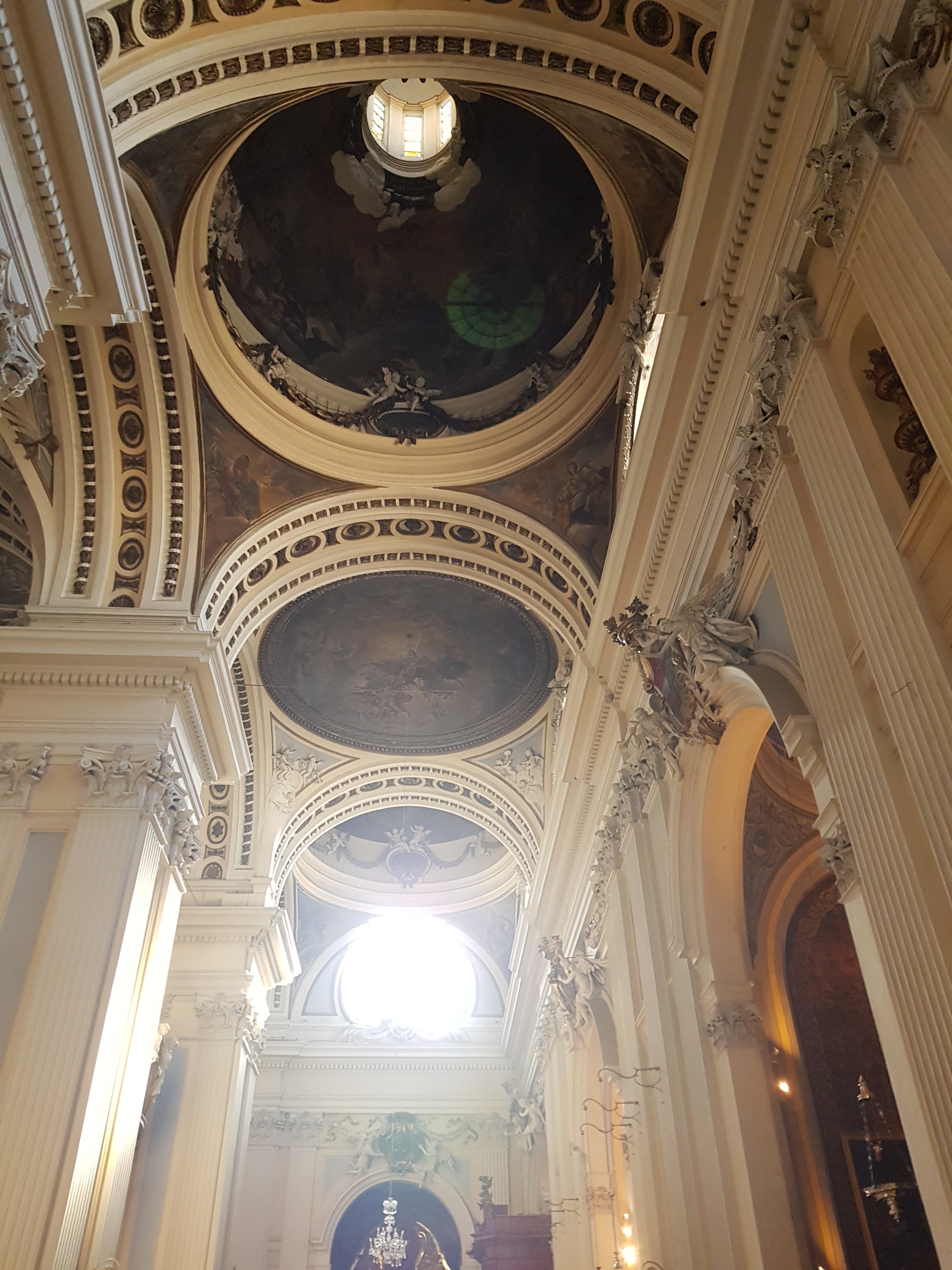
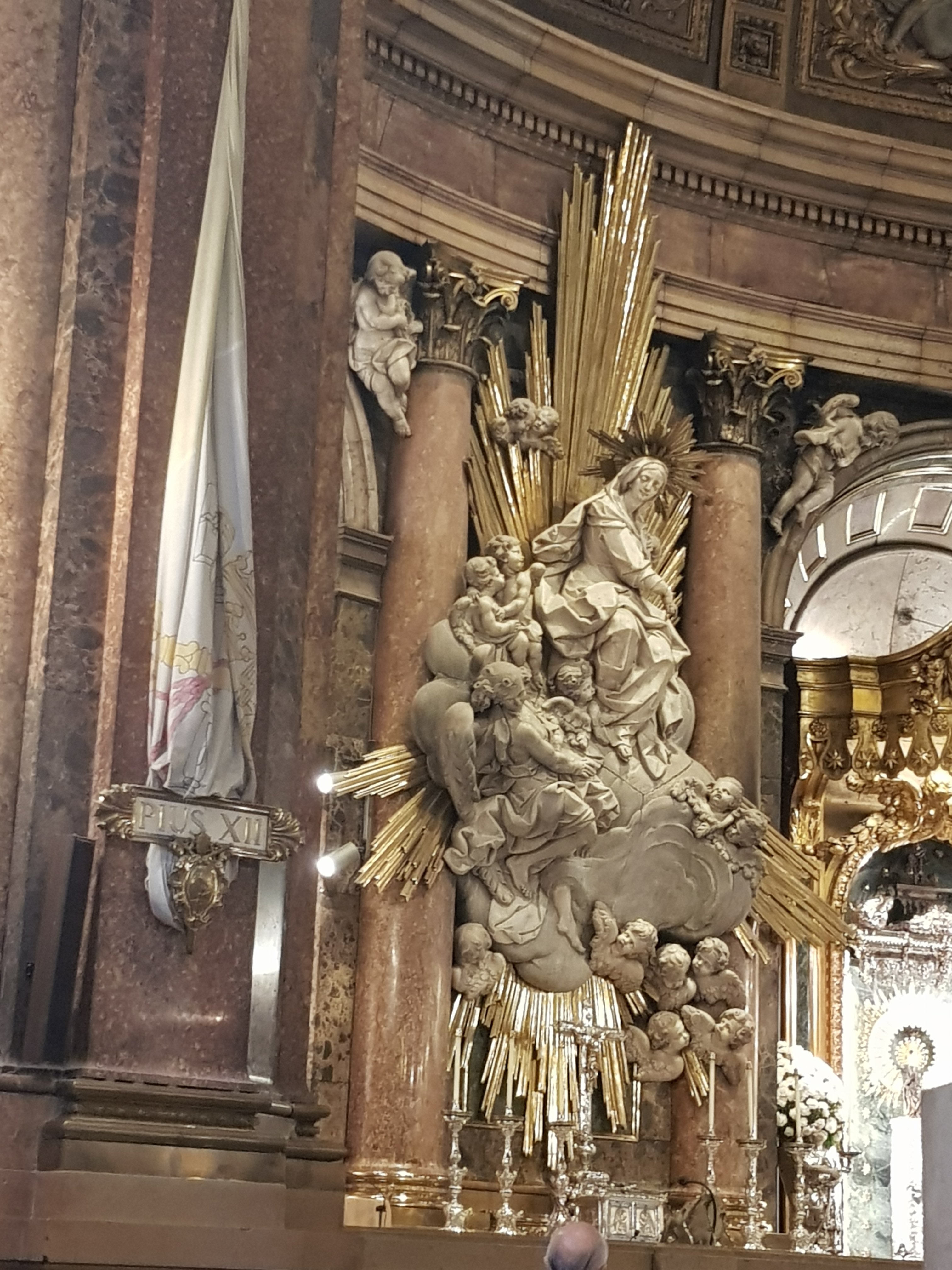
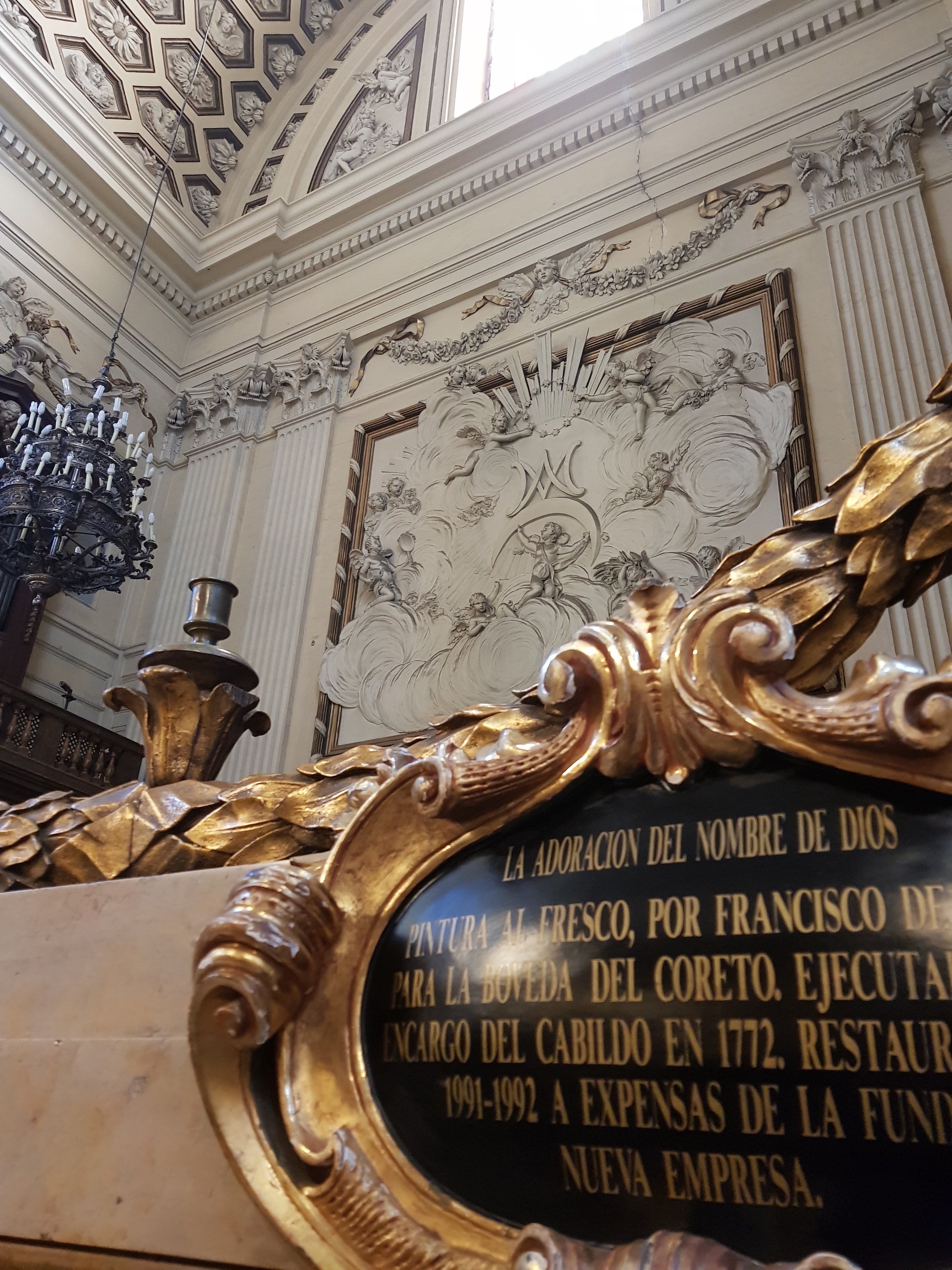
Seo Cathedral & Pilar

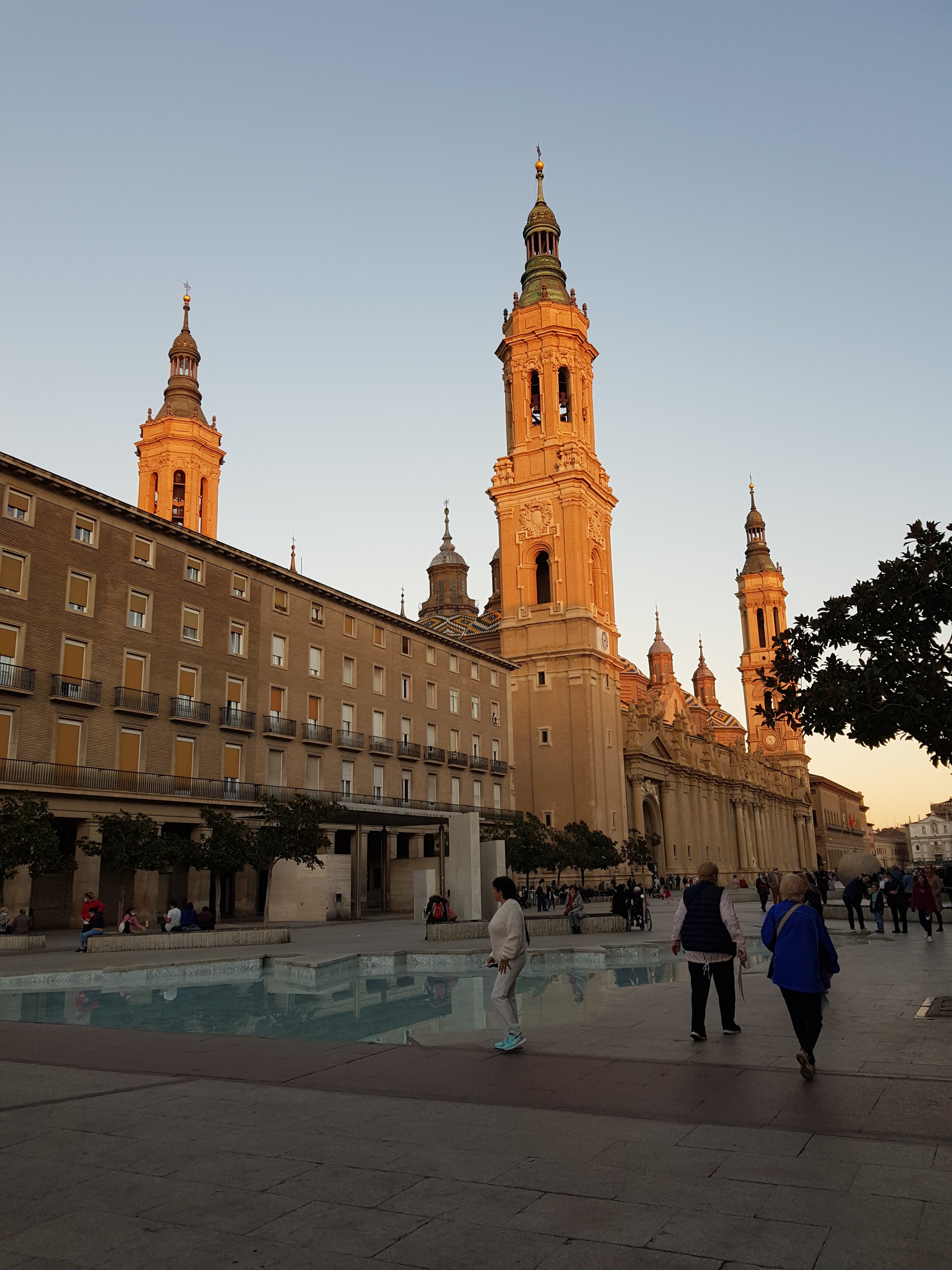
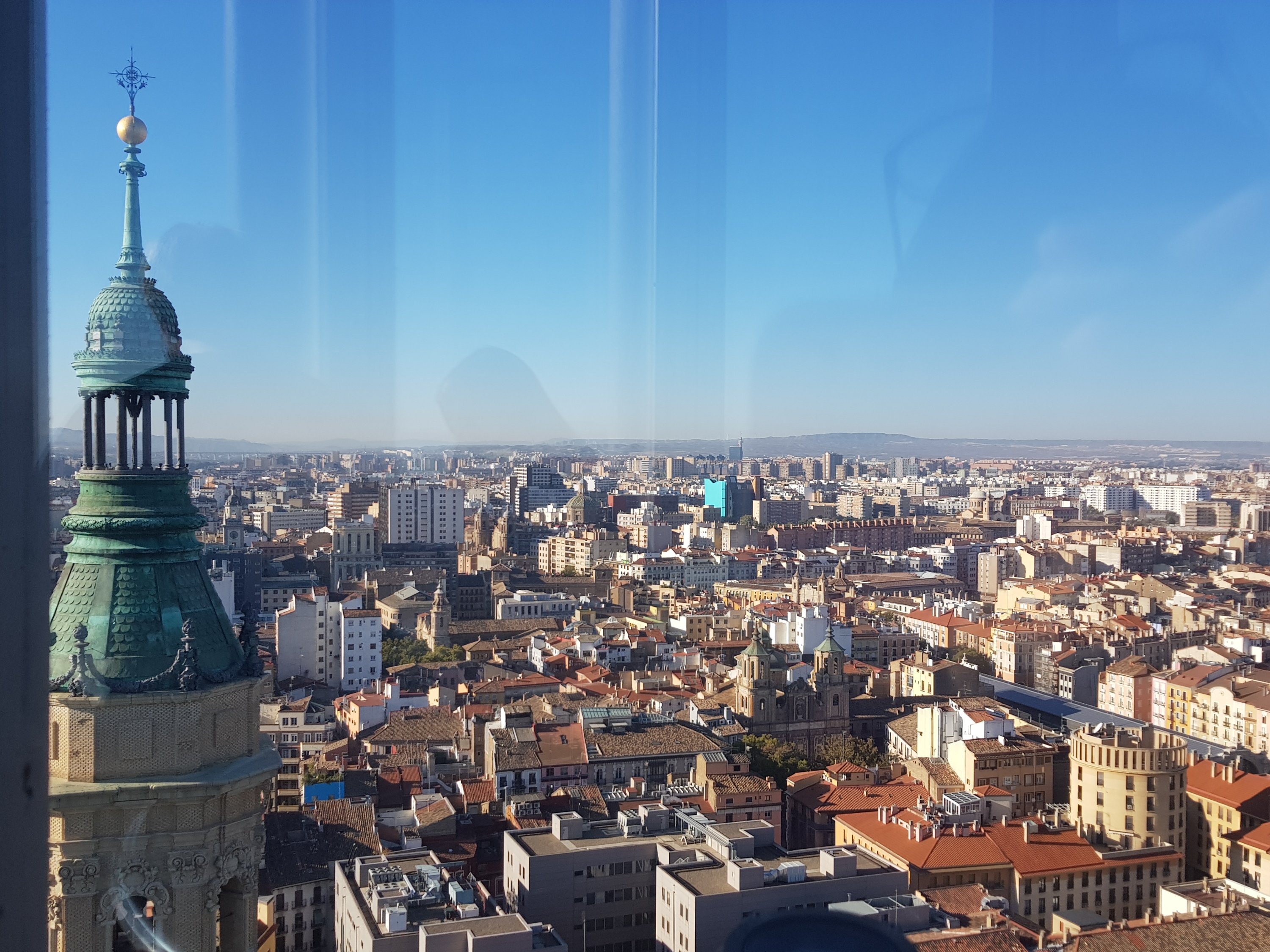
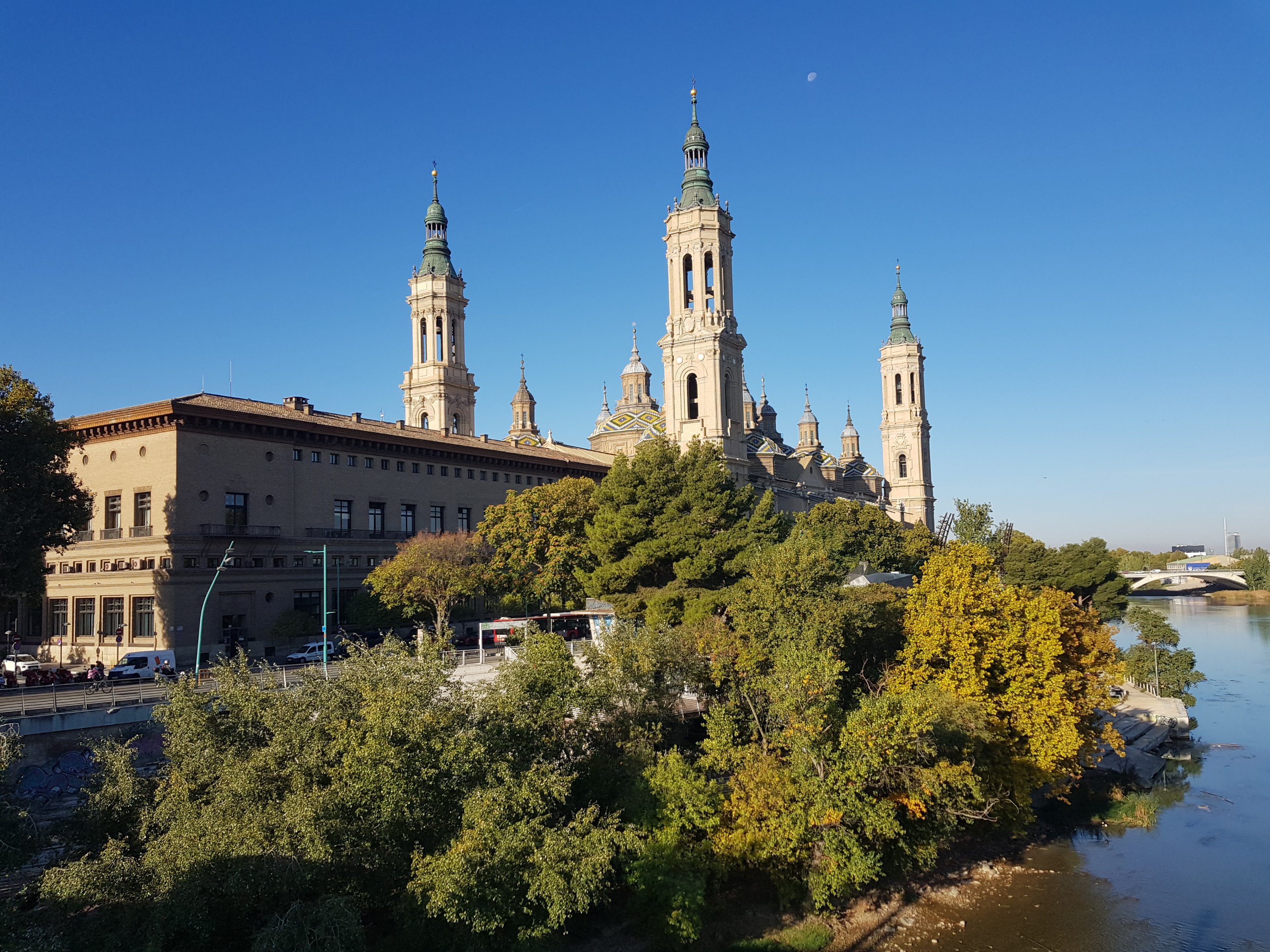
There are two cathedrals to see, and helpfully, they are next door to each other! That is the Basilica de Nuestra Señora del Pila and the La Seo: Catedral del Salvador. They also share one joint ticket (although you don’t need a ticket for the Pilar, but this way you are supporting them). It also gives you access to other attractions in the city, and for one euro more you can access the top of the tower for a panoramic view. I did opt for this, and was pleased to see an elevator. 😍

The views are quite pleasant and for only a euro it is worth it!

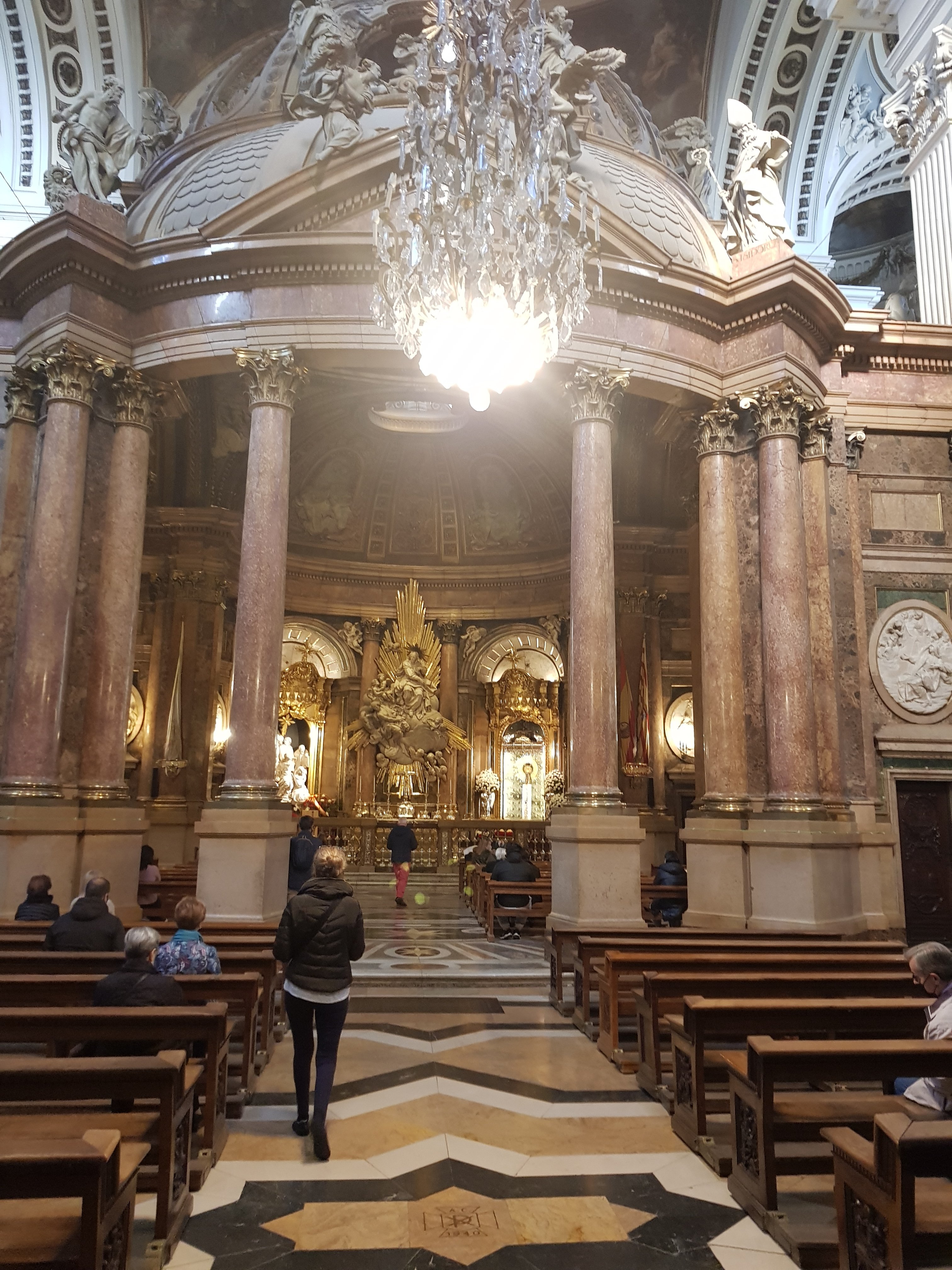
Both the Pilar and the Seo Cathedral are beautiful, but the weird thing I found was that both looked one way on the outside and was the opposite on the inside. For example, the Seo Cathedral looked fairly ordinary from the outside, but inside, it was stunning. Sadly, they do not allow photos, so I only have my memories… I can tell you that the ceilings and alters were beautifully designed though.

The only frustrating limitation to these two sites, and in general with religious buildings in Spain, is that they all shut during midday. I had a train at 5pm, so I had to squeeze both buildings into the morning. The receptionist told me that I should spend an hour in the Cathedral. I only had 20 minutes… I managed it though! Even managed to sit on a pew for a minute. I am very church efficient!

With the Pilar, it was impressive outside, but generally traditional inside. I think I am just spoilt at this point to be honest! The special thing in El Pilar and why it is called this, is because this is supposed to be the location that Santiago (St James- Patron Saint of Spain) was approached by the Virgin Mary when he was feeling discouraged. Mary gave him a jasper pillar and told him to build a temple to her in that place. James did this, and supposedly it became the first church dedicated to Mary. There is a huge chapel dedicated to it inside, and many people make pilgrimage to see the spot where the pilar is thought to be.

Courts of Aragon / Palace of Alajaferia

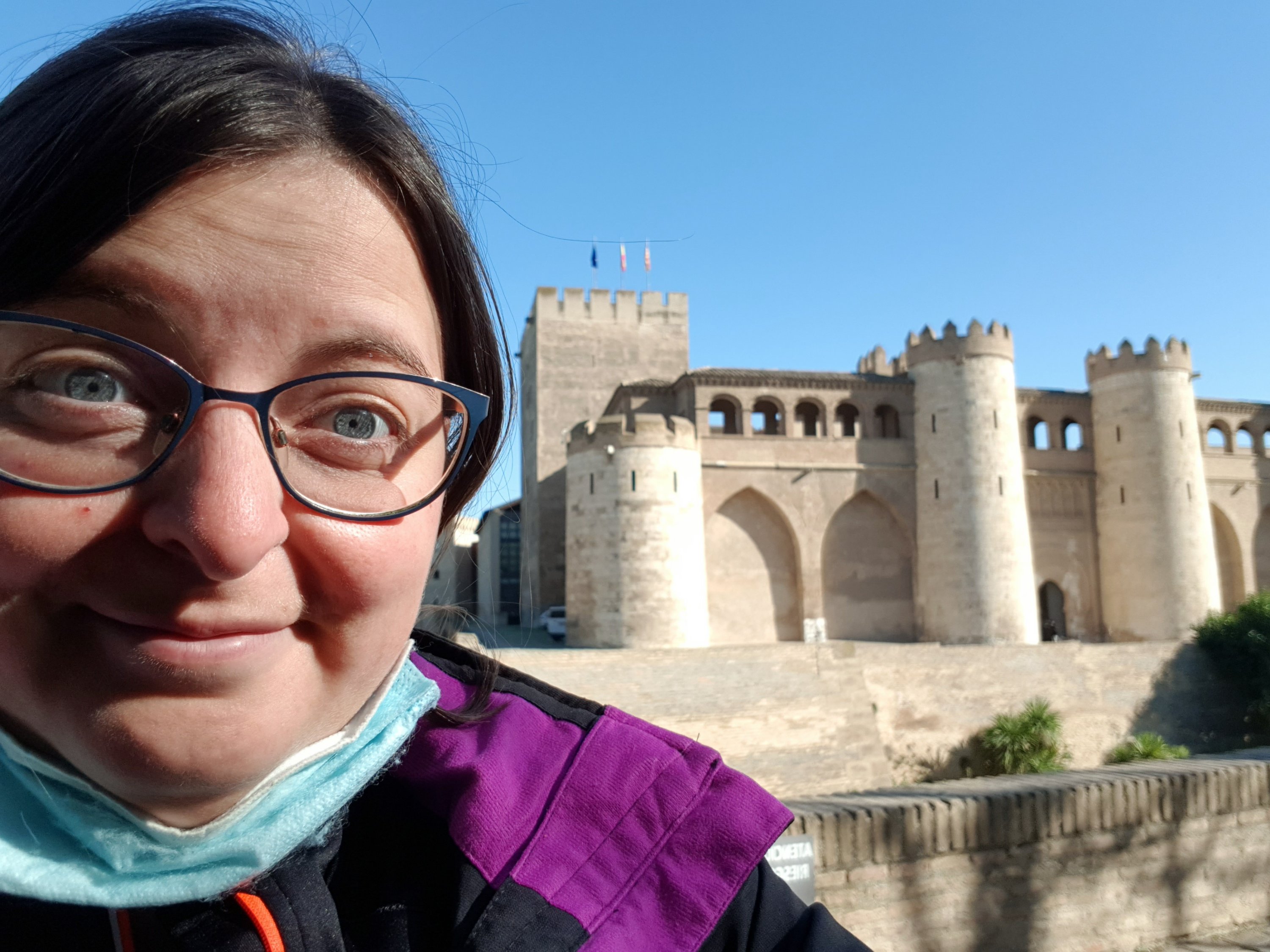
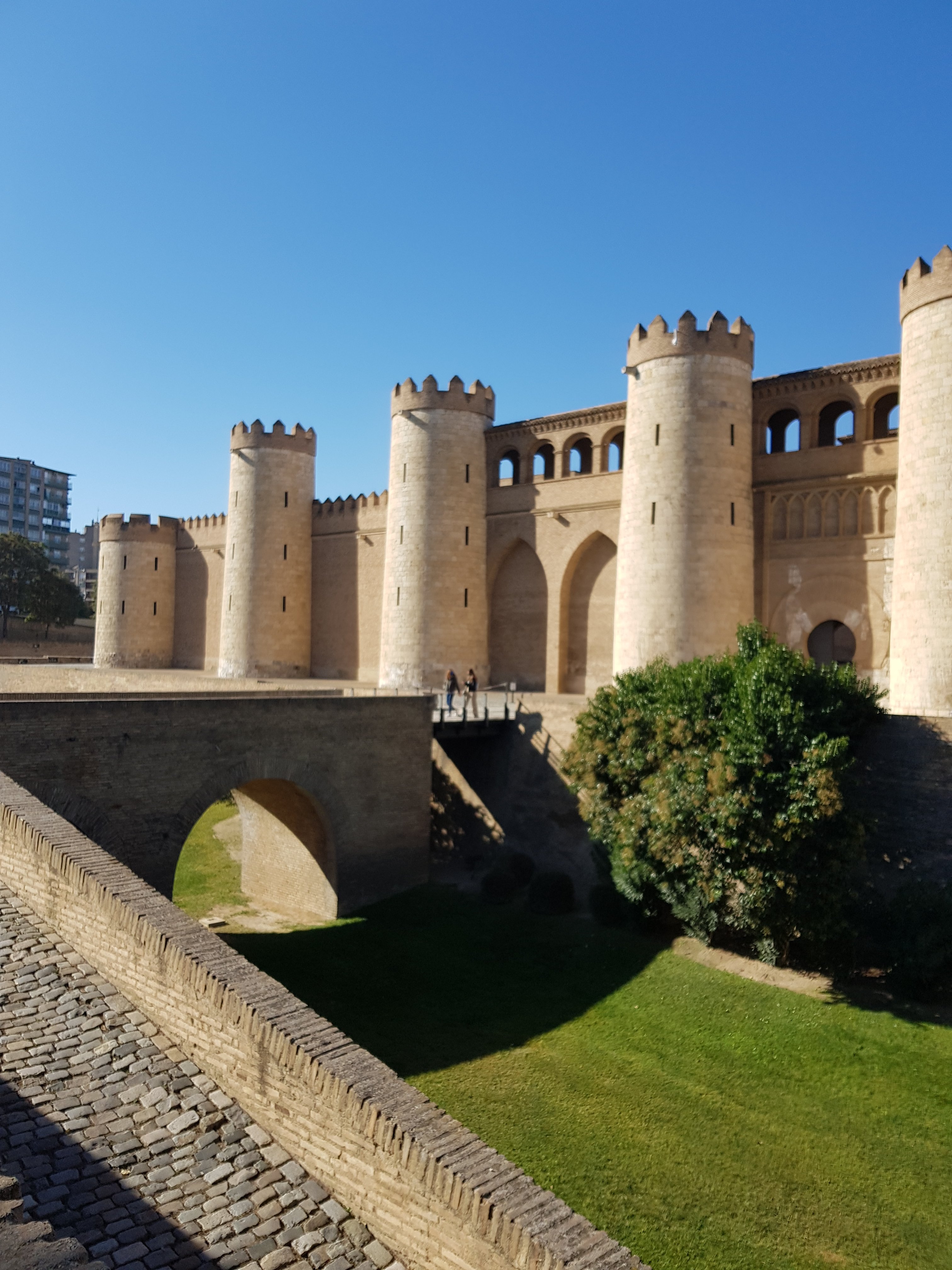
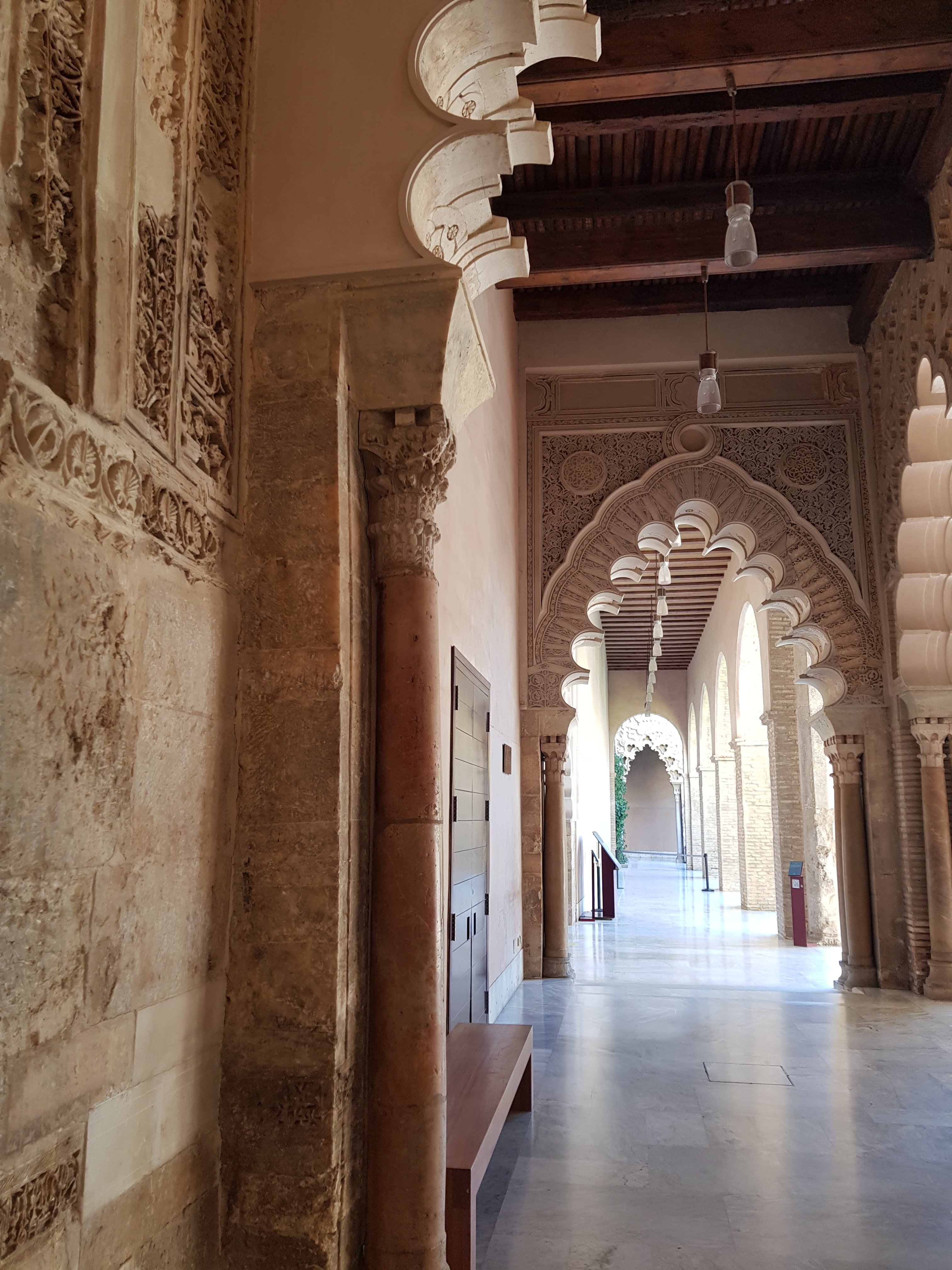
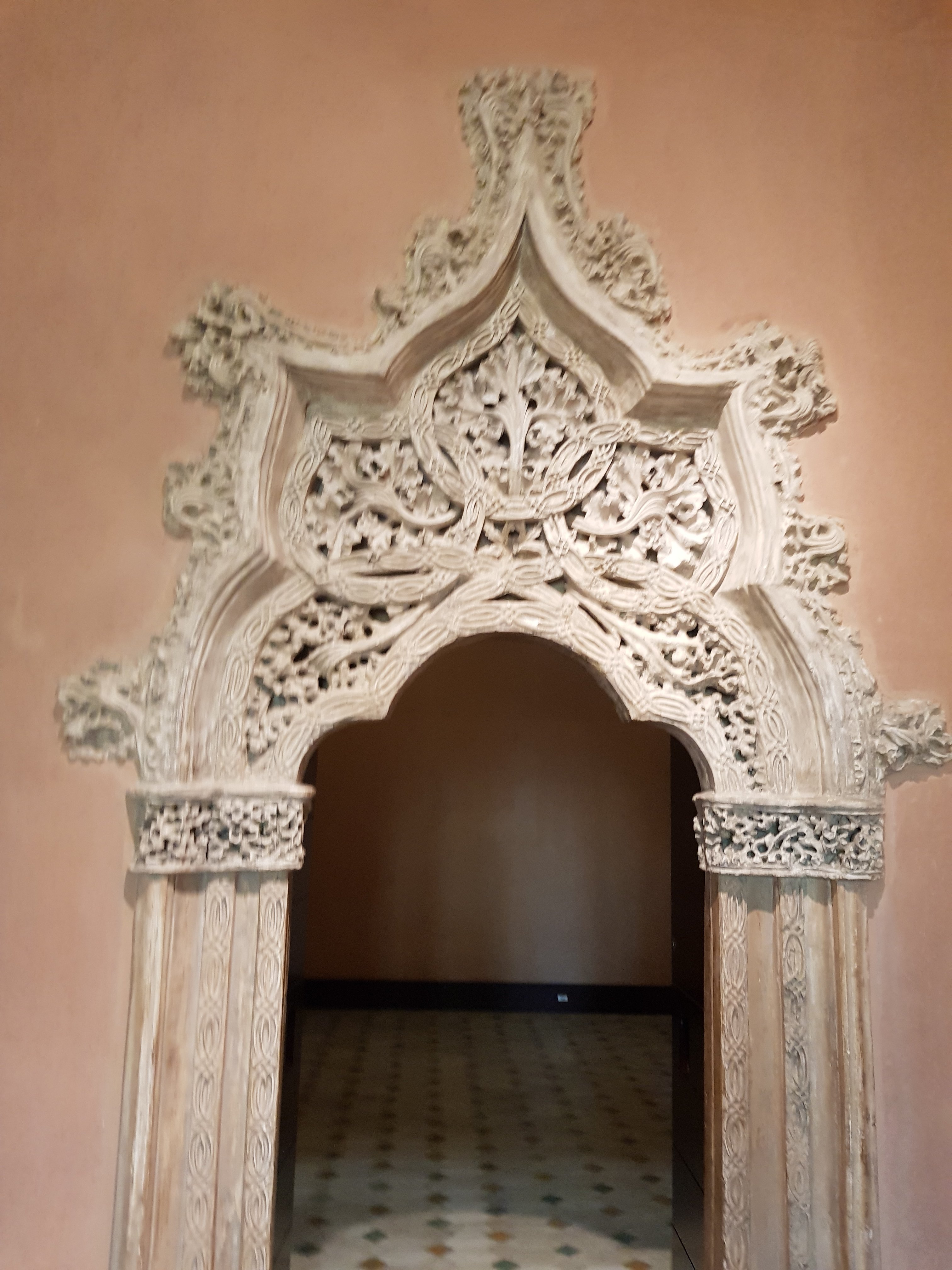
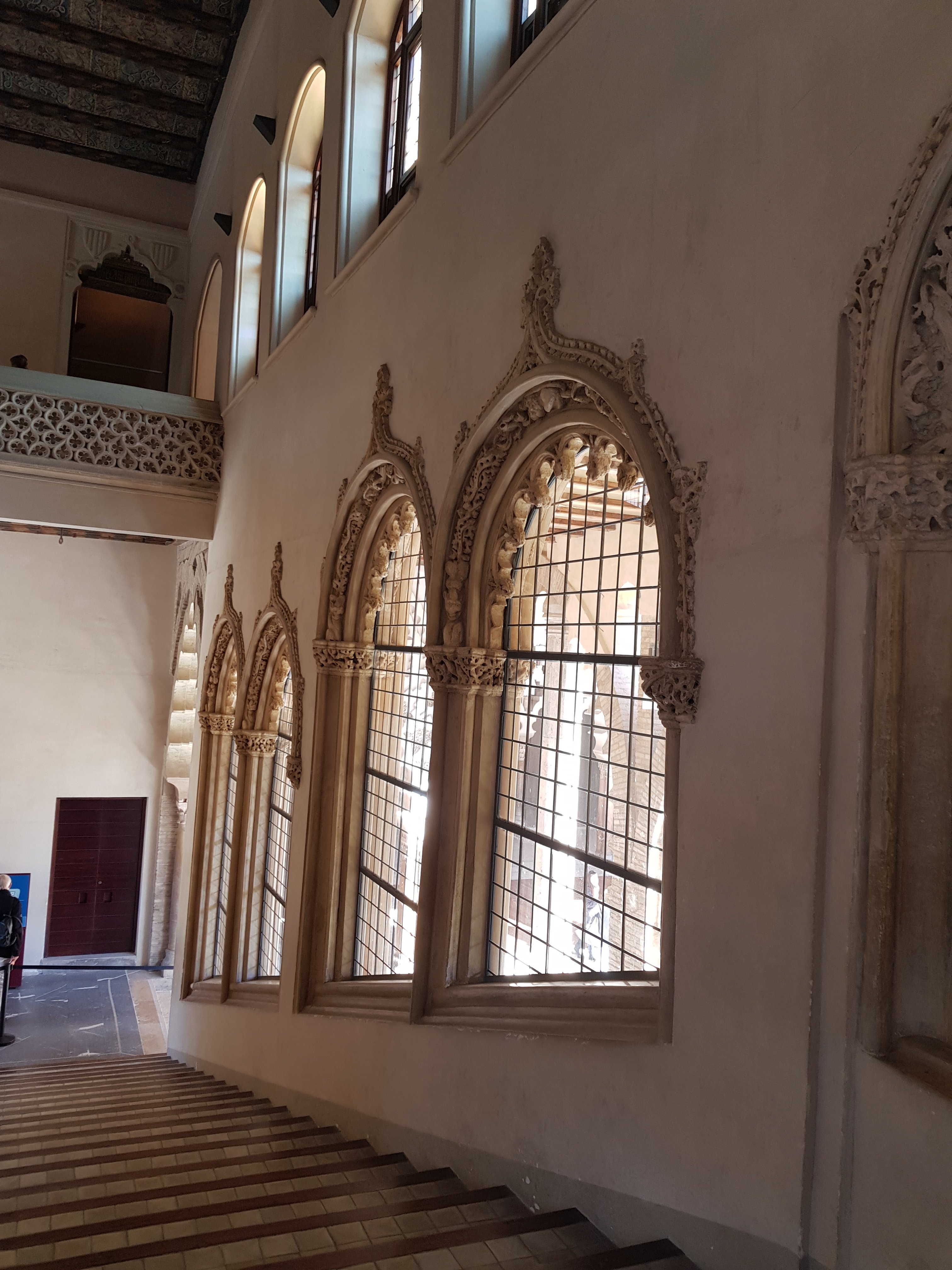
I made a special effort to reserve a visit to the former palace (now courts building) whilst I was visiting. This was very cheap (€5), and you just needed about an hour. The palace still retains lots of muslim designed decor, which I thought was unique to see outside of Andalucia.

The really great thing about the visit was that the tickets are limited to small numbers of visitors. So this is a great opportunity for taking photos and looking at the detail in this sort of architecture, without crowds. Once you go through security, you can make your way round the one way route of the site, unsupervised, very special.

Parque Grande José Antonio Labordeta

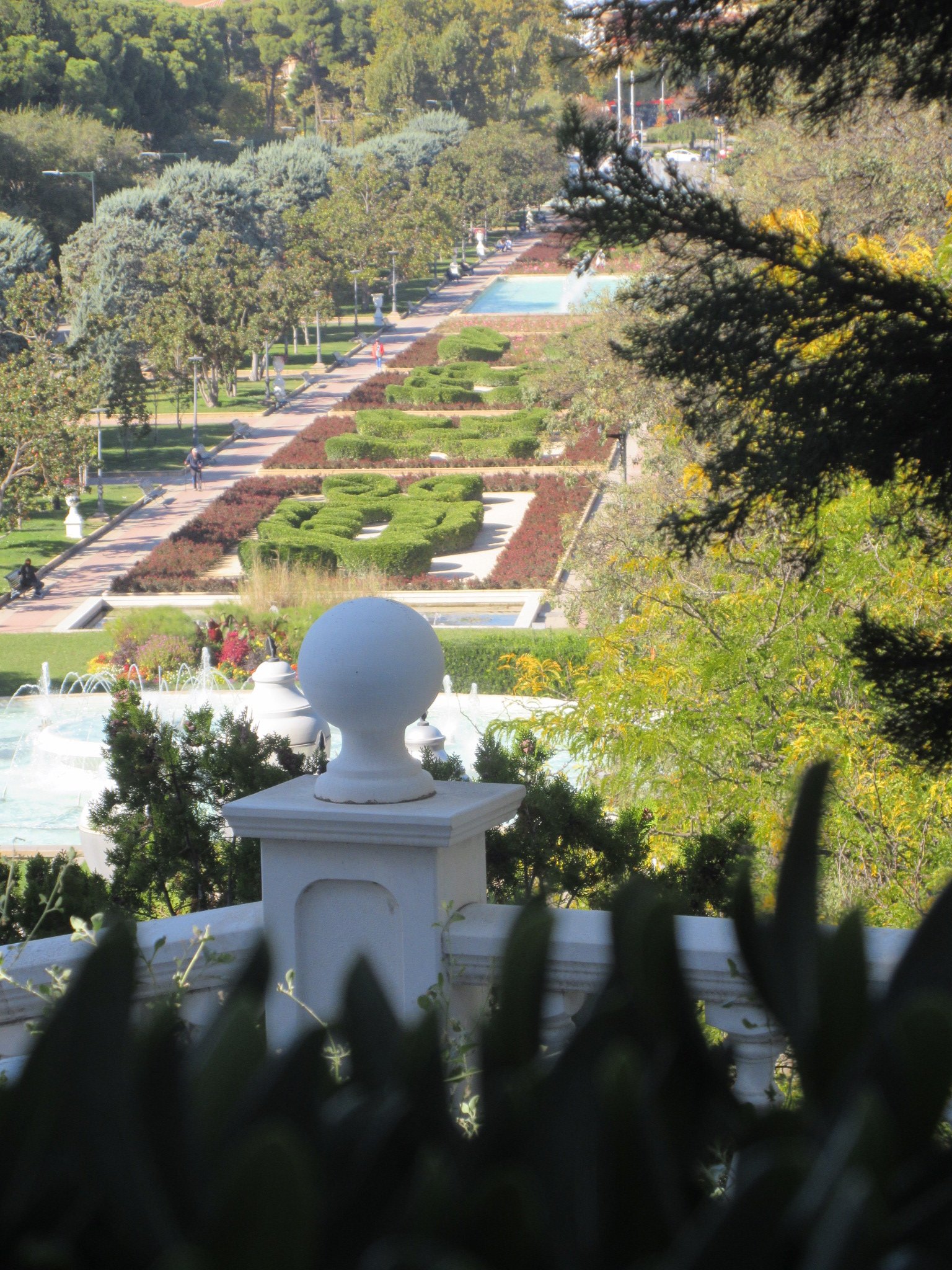
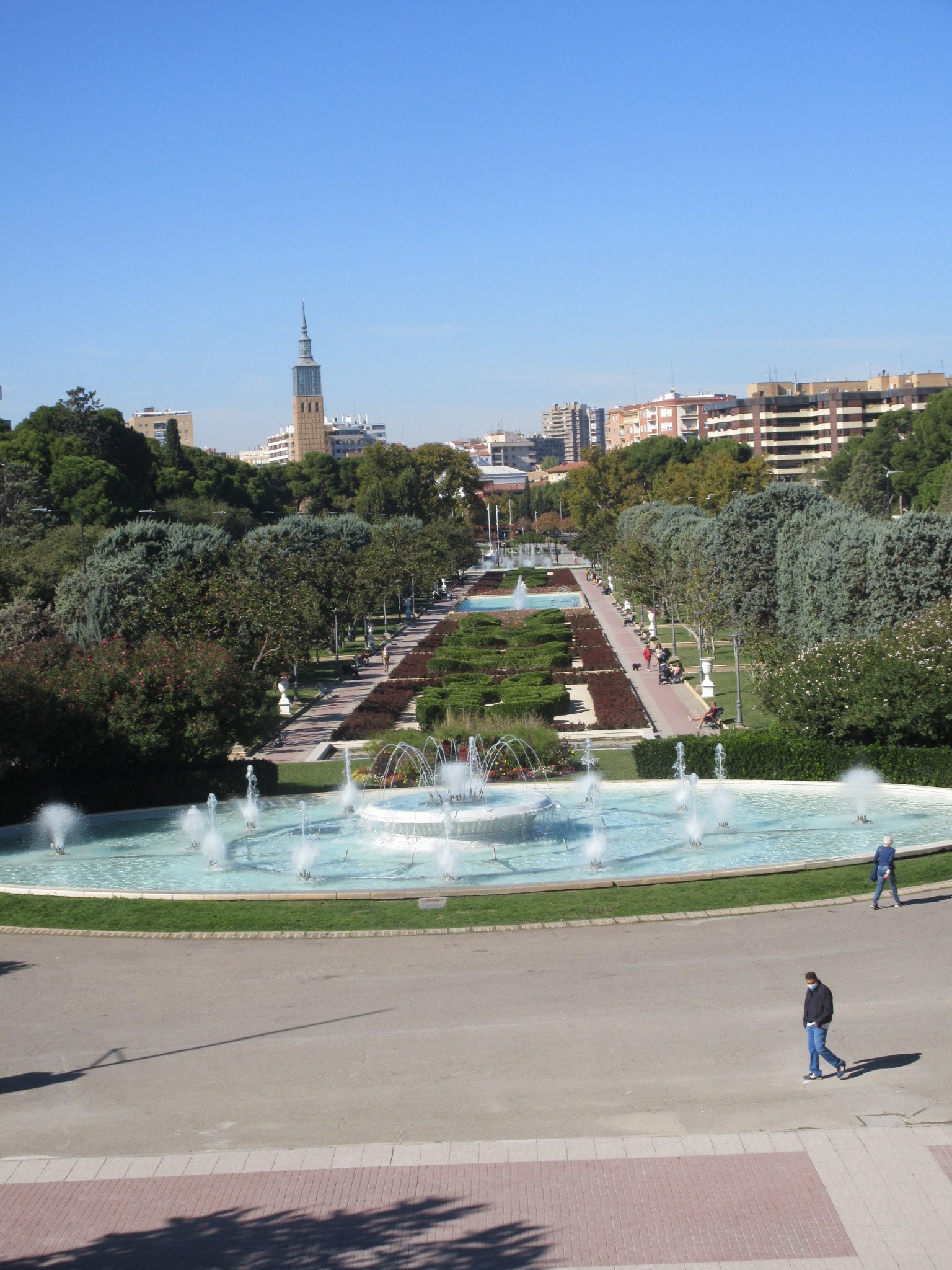
After a long walk across the city, whilst everyone was taking their siesta, I managed to make it to the park that I wanted to explore. The city’s biggest green space, Parque Grande Jose Antonio Labordeta.

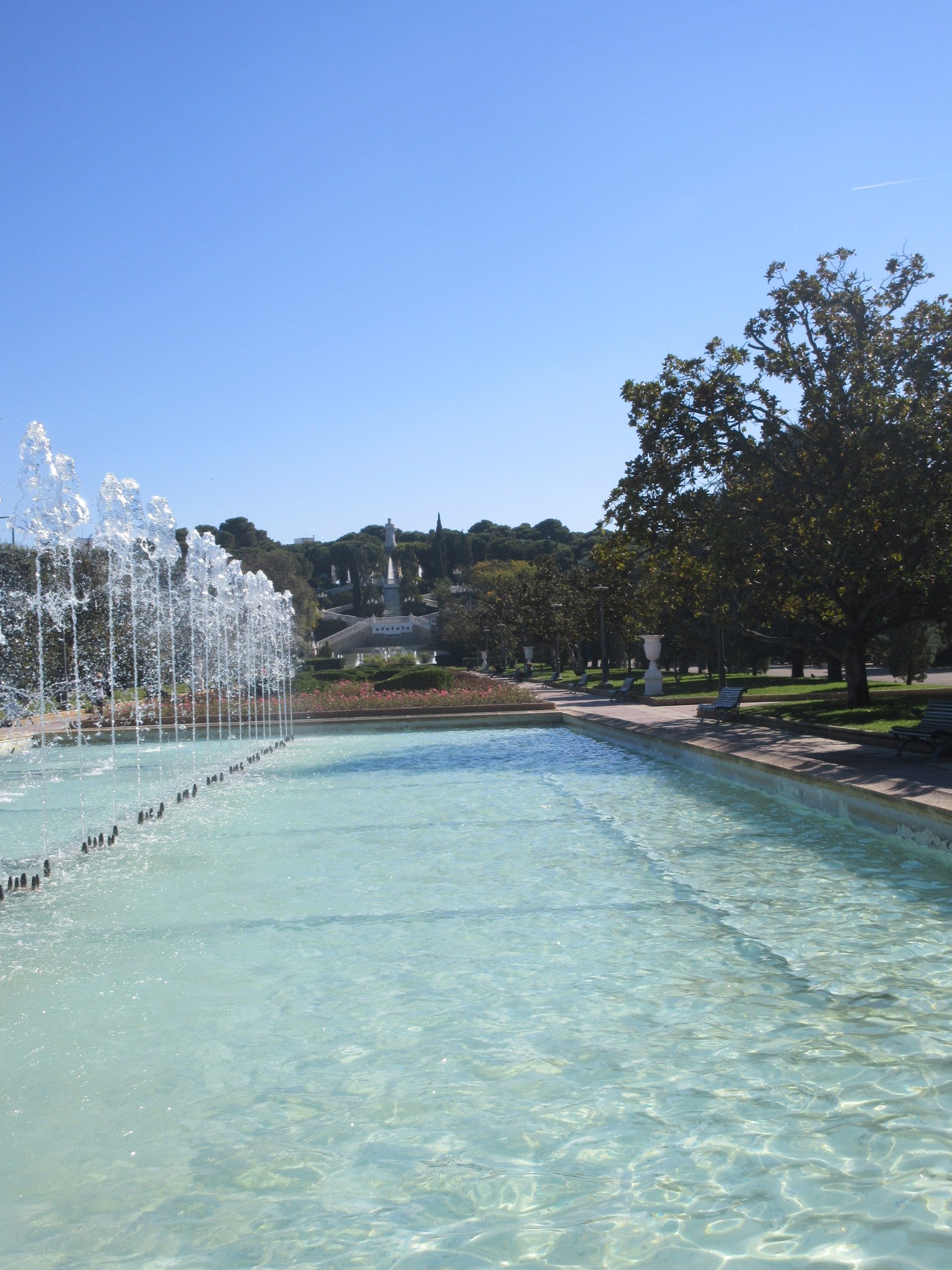
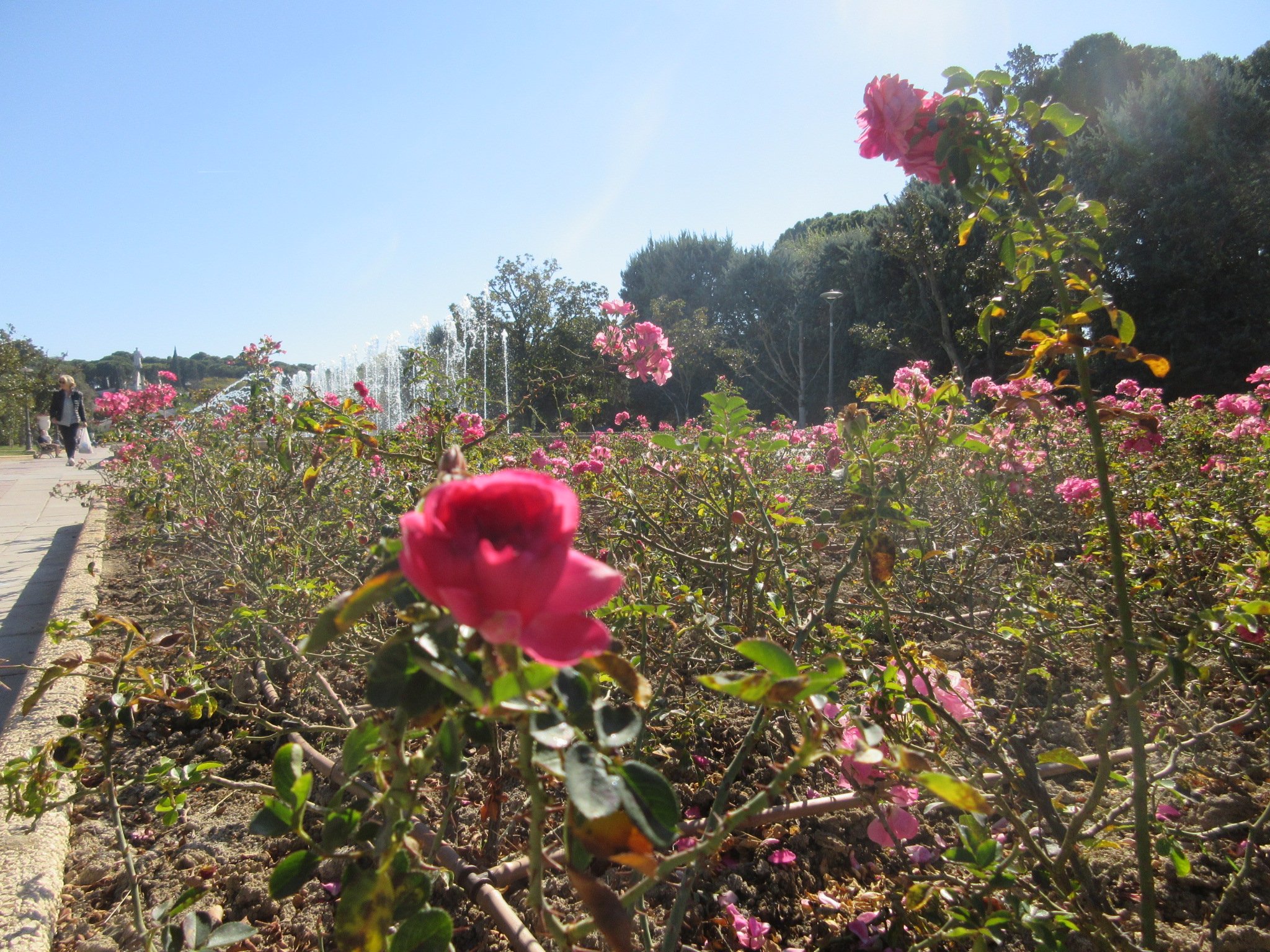
Public parks in Spain are generally gorgeous, with sculptures, fountains, and roses. This one in particular has one very good first impression. On entering the park, you are greeted with a line of fountains in a row, and overshadowed by a grand white staircase with a waterfall. Very fancy!

It was quite a big walk to get to the park, and in hindsight, it would have been better if I was there for more than one day, as I was rushing through it too much. It deserved a good lounge around with a sketch book in hand.

So overall, Zaragoza definitely has some great things to shout about. Most of all, I just thought it was a very relaxing place to be.

Next stop… Irun, for the beginning of my Camino!