In the Autumn of last year we made a day trip to Bury St Edmunds & National Trust property, Ickworth House. The autumn colours were lovely, and I ticked another cathedral off the list!
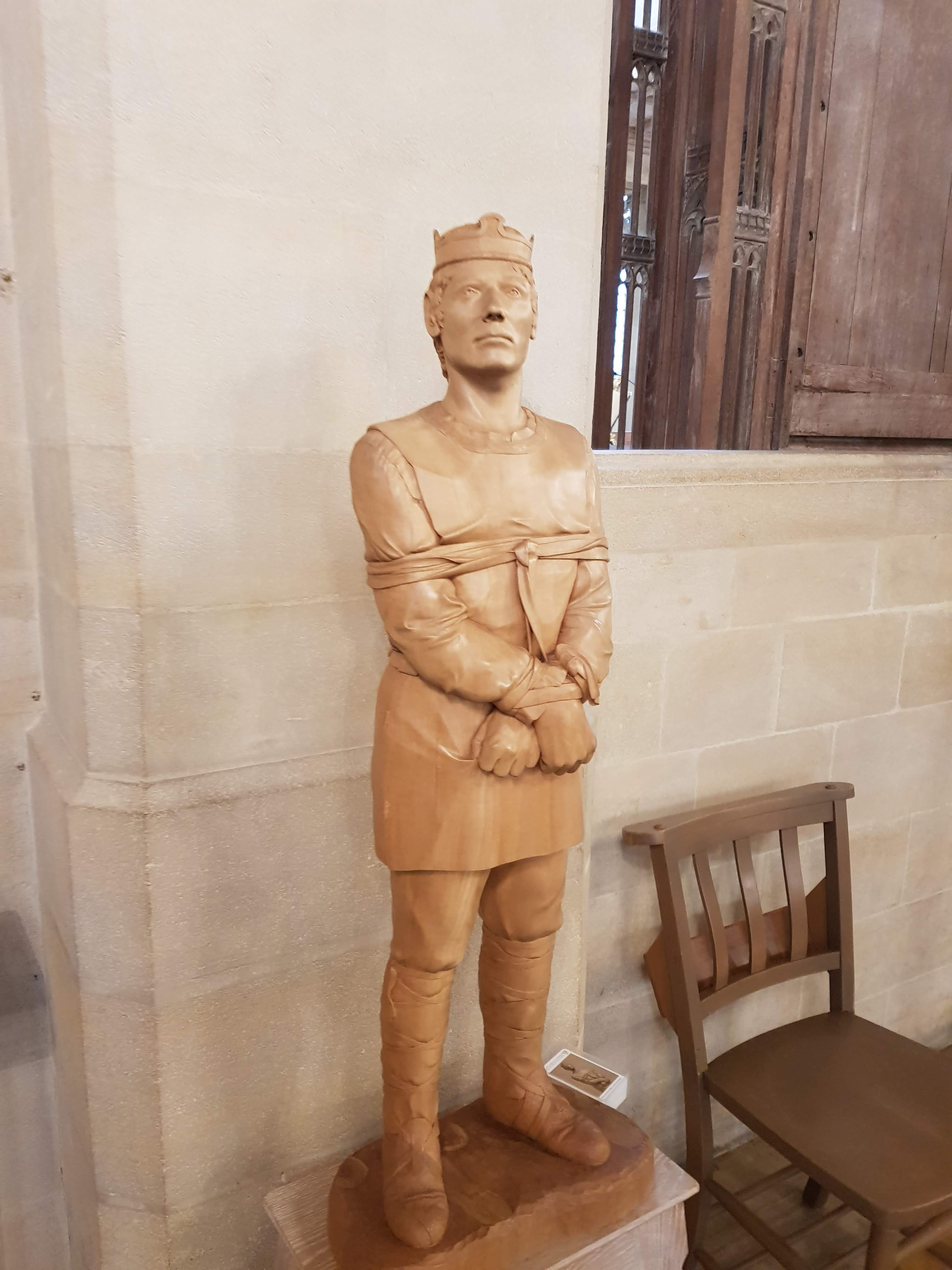
Bury St Edmunds is a short distance from where I live, so it is a great choice for a day trip. The town is named after St Edmund. Edmund was the King of East Anglia, and was killed by the Vikings in 869, (the detail of which is depicted in art at the Cathedral). He became a saint and a martyr, and was buried at the town. His shrine made Bury St Edmunds popular with pilgrims. Today, the town is a great location for visitors to enjoy, with lots of opportunity for shopping, events and great dining experiences, as well as the below attractions.
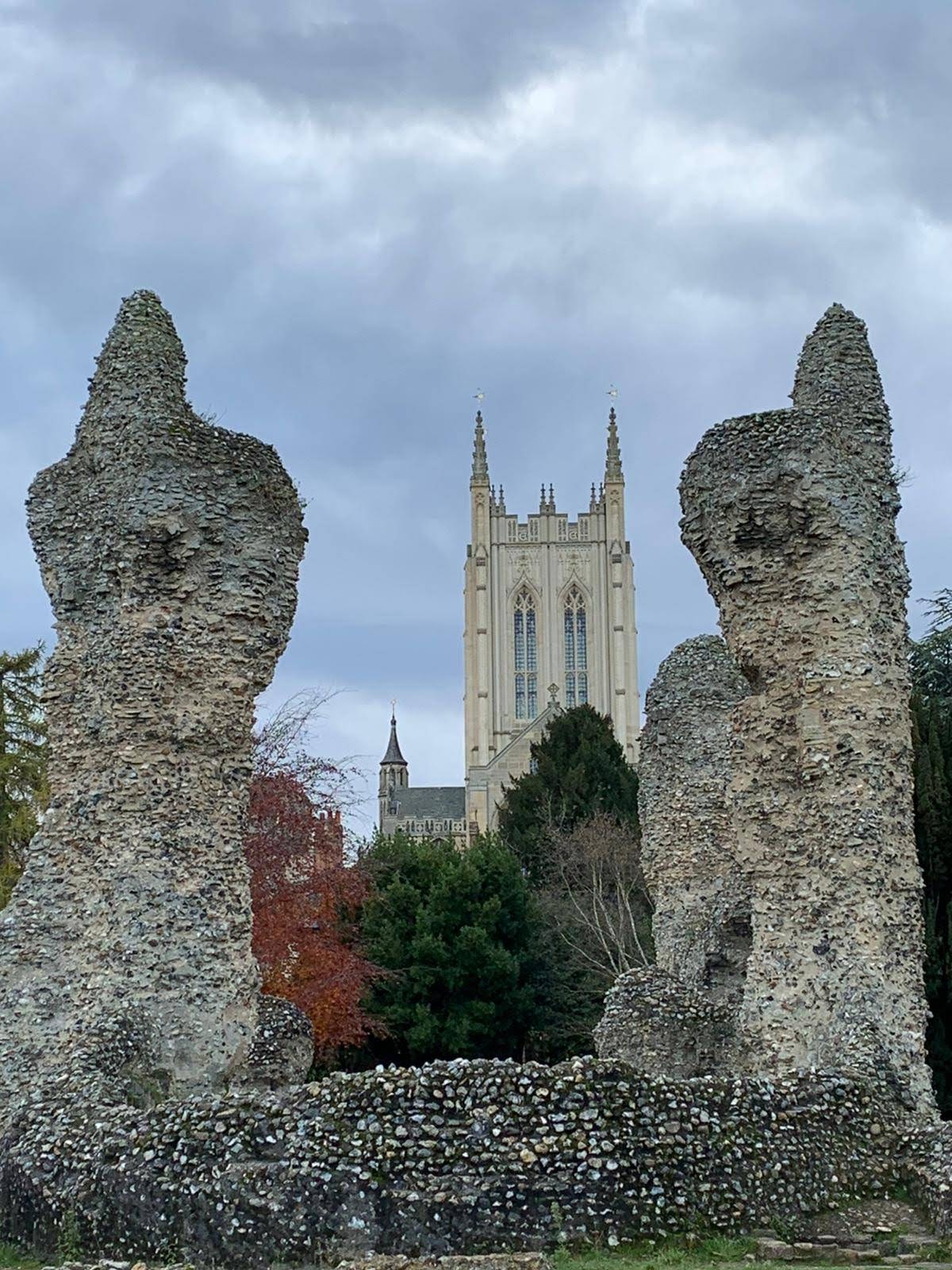
St Edmundsbury Cathedral & Abbey
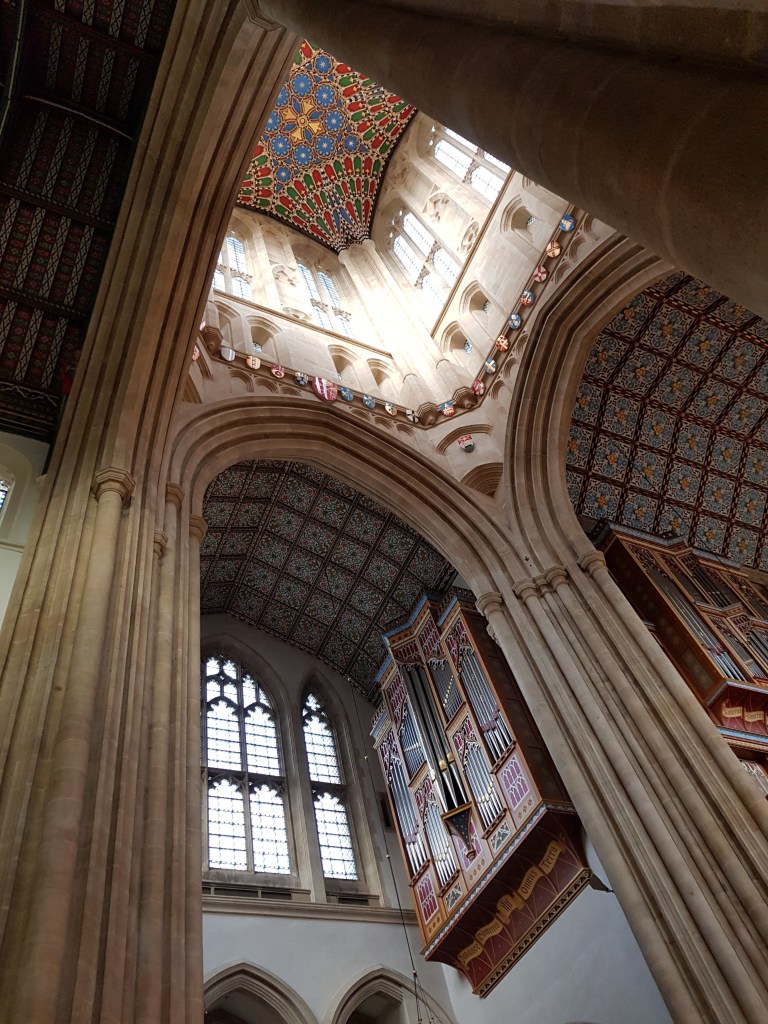
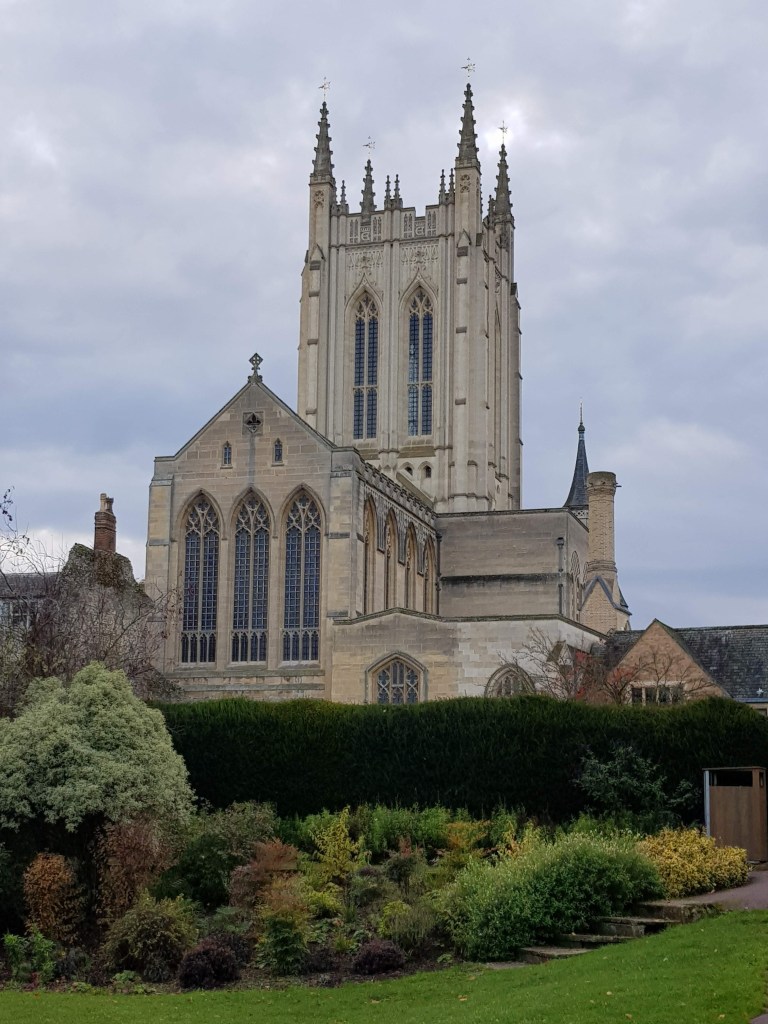
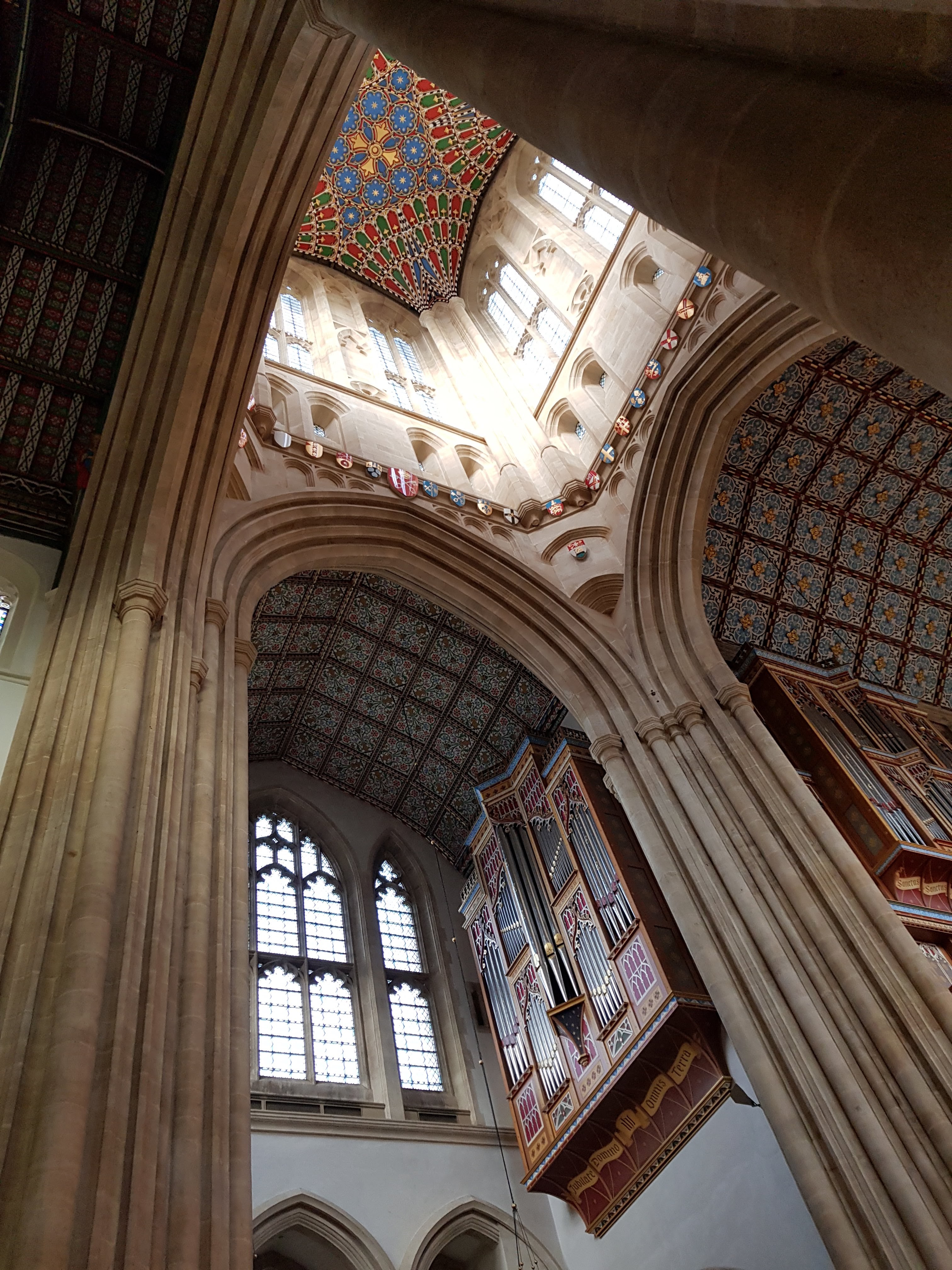
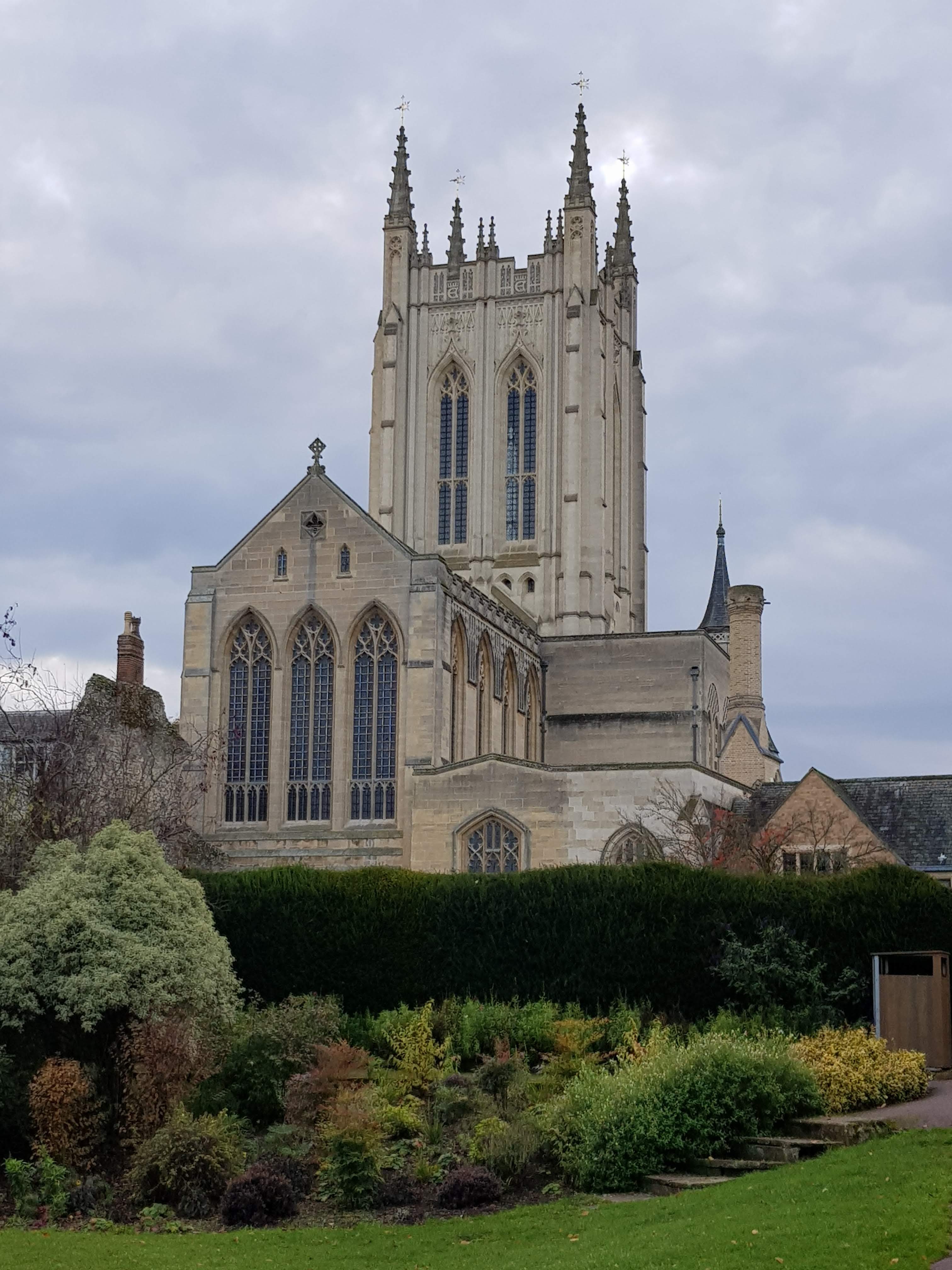
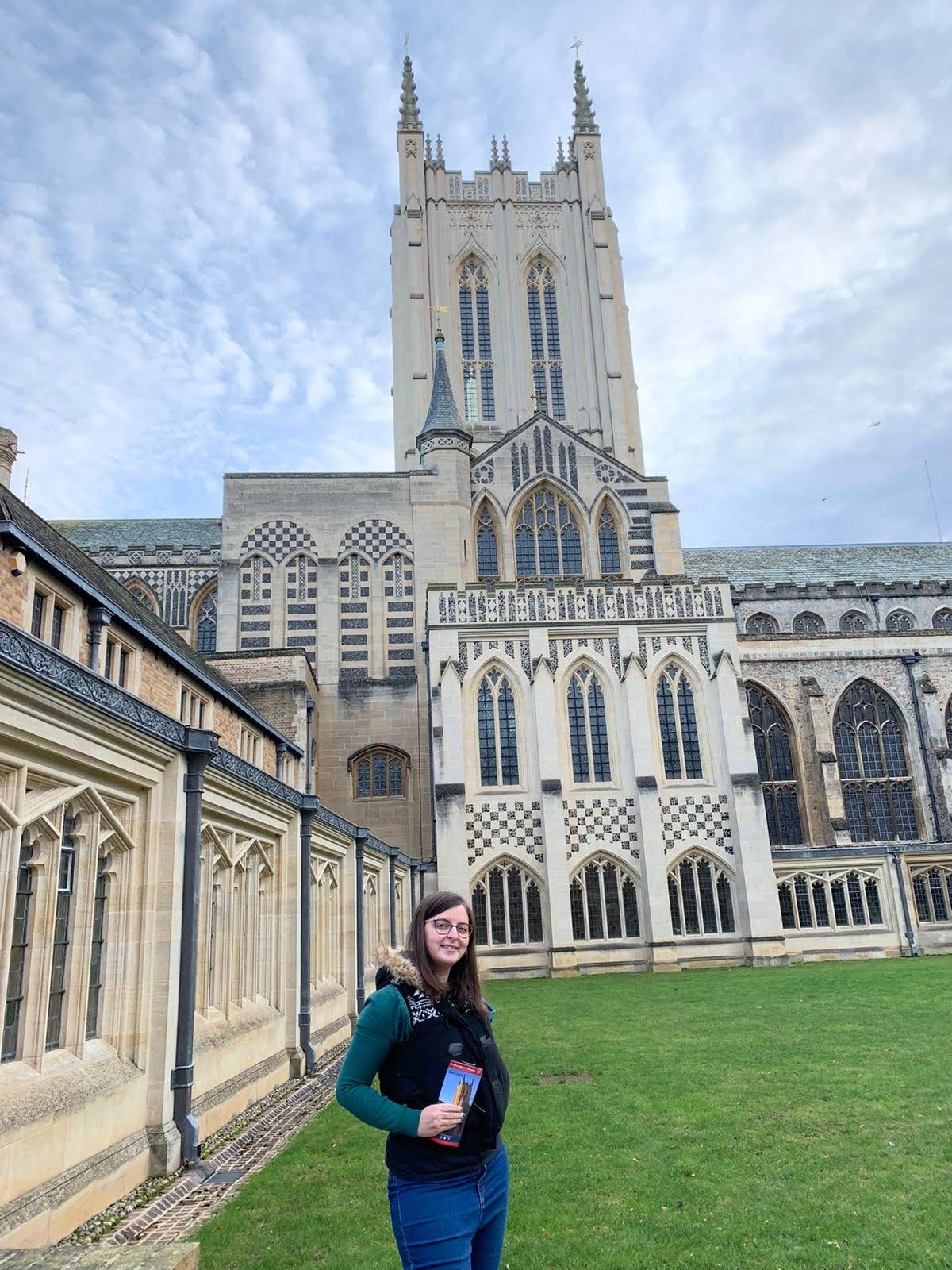
Originally built as a church as part of the wider abbey complex in Bury St Edmunds, the previously called ‘St James’ church didn’t become a cathedral until 1914. It certainly deserves to be a cathedral, from the sheer size of it! You can see the scale of it as it dominates over the rest of the town centre.
On entering the cathedral, you are welcomed by a volunteer (like all quality cathedrals…) and can pick up one of their useful information leaflets which will allow you to have a self guided tour. The cathedral also offers tower tours, I wish that I had done this on the day, and I think I will need to return in order to take advantage of this experience and hopefully see great views.
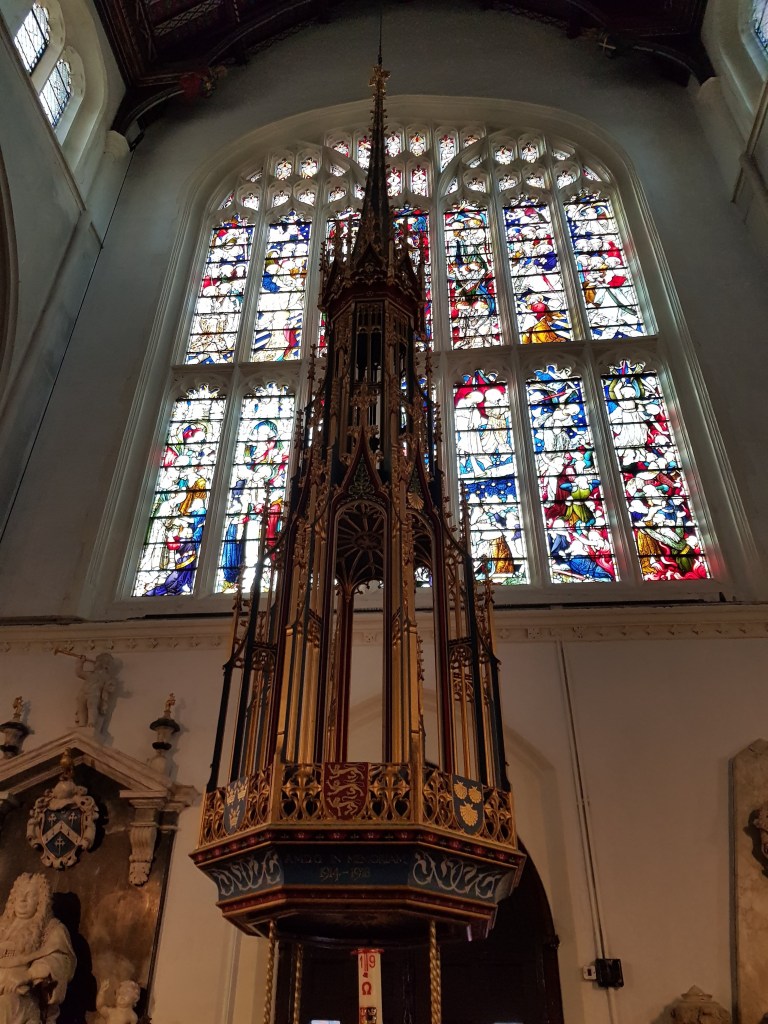
The cathedral has lots of information and imagery regarding St Edmund, and other big names from local history. There is also a large lego model of the cathedral which you can donate £1 to add a brick. This was quite impressive, and I don’t really like lego, so that means a lot! They have paused the “building work” during the pandemic but you can still put a donation forward online for your brick to be added, and see some photos. Check it out on the cathedral website here.
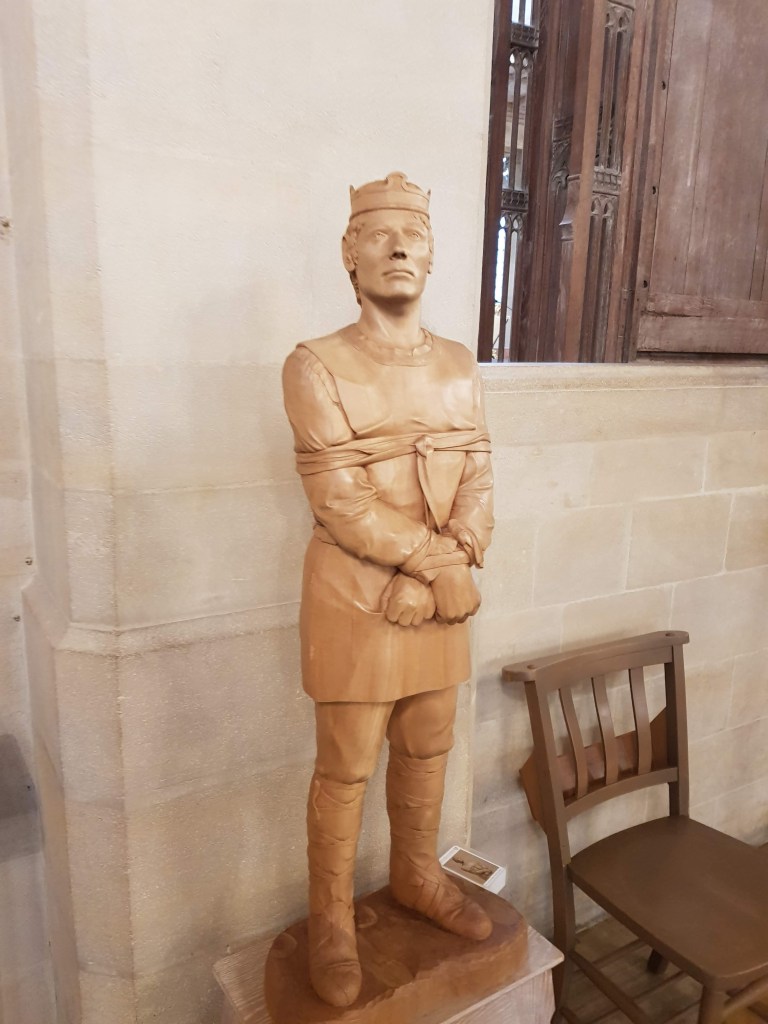
St Edmund

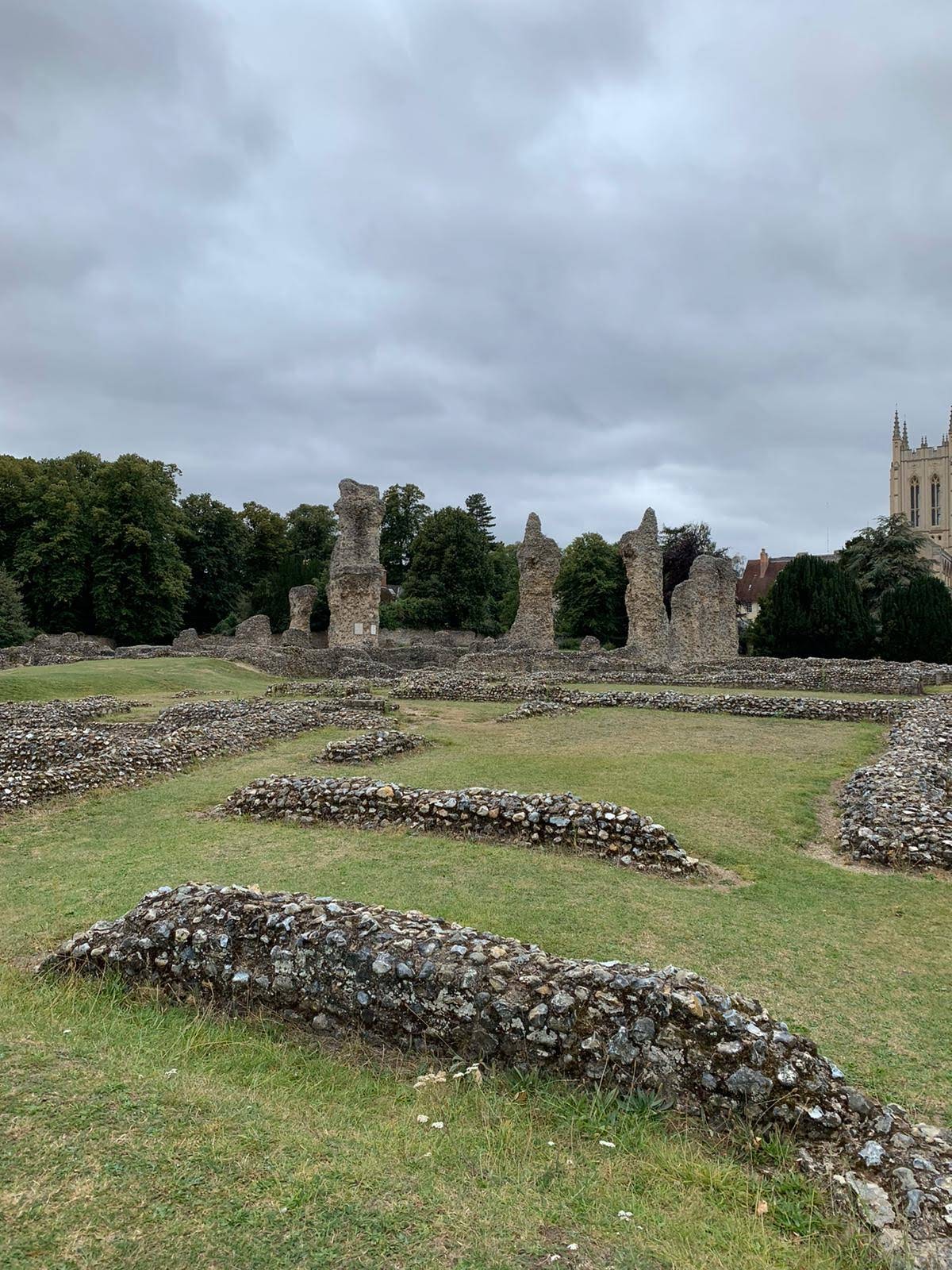
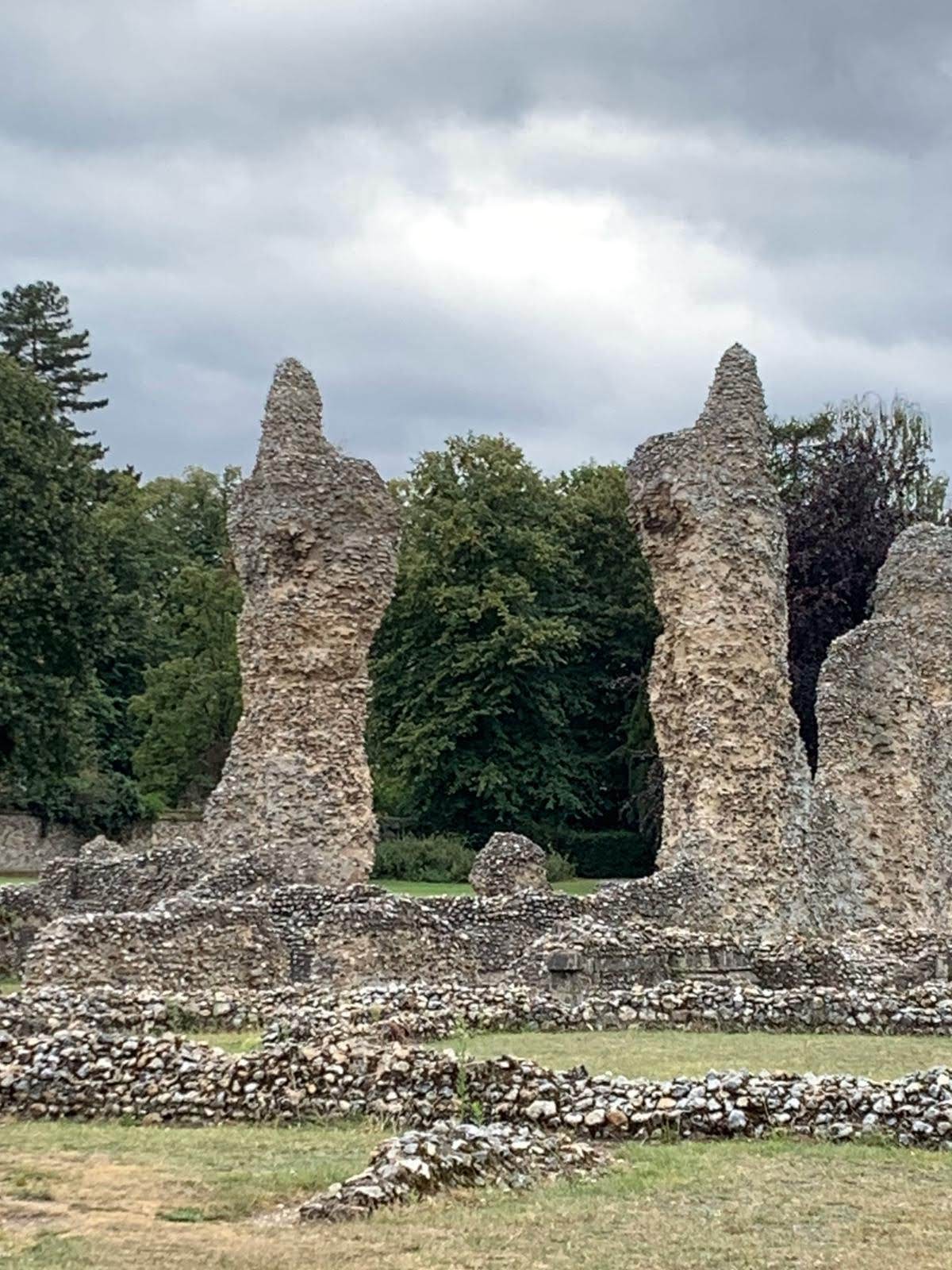
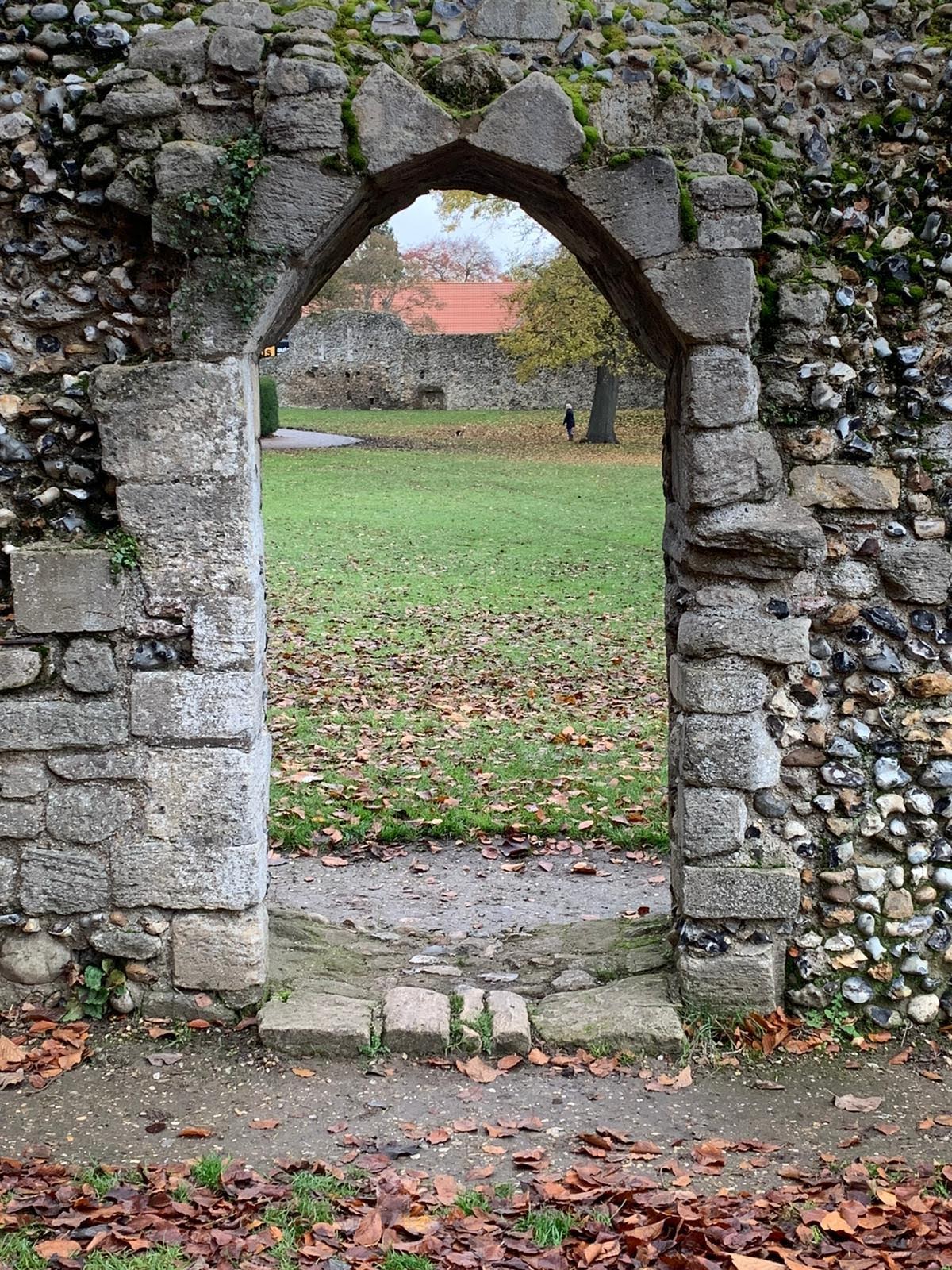
Next door to the cathedral, are the ruins of the original abbey complex. You can also see the old abbey gates still in tact in front of the road. The abbey was actually in existence before the town, and was used by Benedictine monks. The monks actually designed the town to be in a grid formation to benefit them economically, and the abbey did prove to be one of the richest in the country for some time. The abbey has a history of good and bad fortune over the centuries until eventually in 1539 is was stripped bare during the Dissolution of the Monasteries.
I enjoyed wondering the large area and trying to work out which rooms the different foundations might have belonged to. My partner and I also enjoyed trying to improve our photography skills, as there are so many different shapes and shadows to photograph. The abbey ruins are part of the abbey gardens which is a public park which everyone can enjoy. I thought that it was very nice that the park and ruins were settled into each other, as it means that the community engages with the site regularly. Whilst we were exploring the ruins, we actually came across a community gathering for a Remembrance Day memorial service which was very moving.
Ickworth House
After enjoying the town centre, we made our way to Ickworth House. This National Trust property is on the outskirts of the town, and is a great place for a walk! It is a country house shaped like an observatory (formally it is called a ‘rotunda’), which is quite cool and was originally built in the 18th century. The entire place has an Italian theme to it, and you can really tell this in the look of the building and gardens.
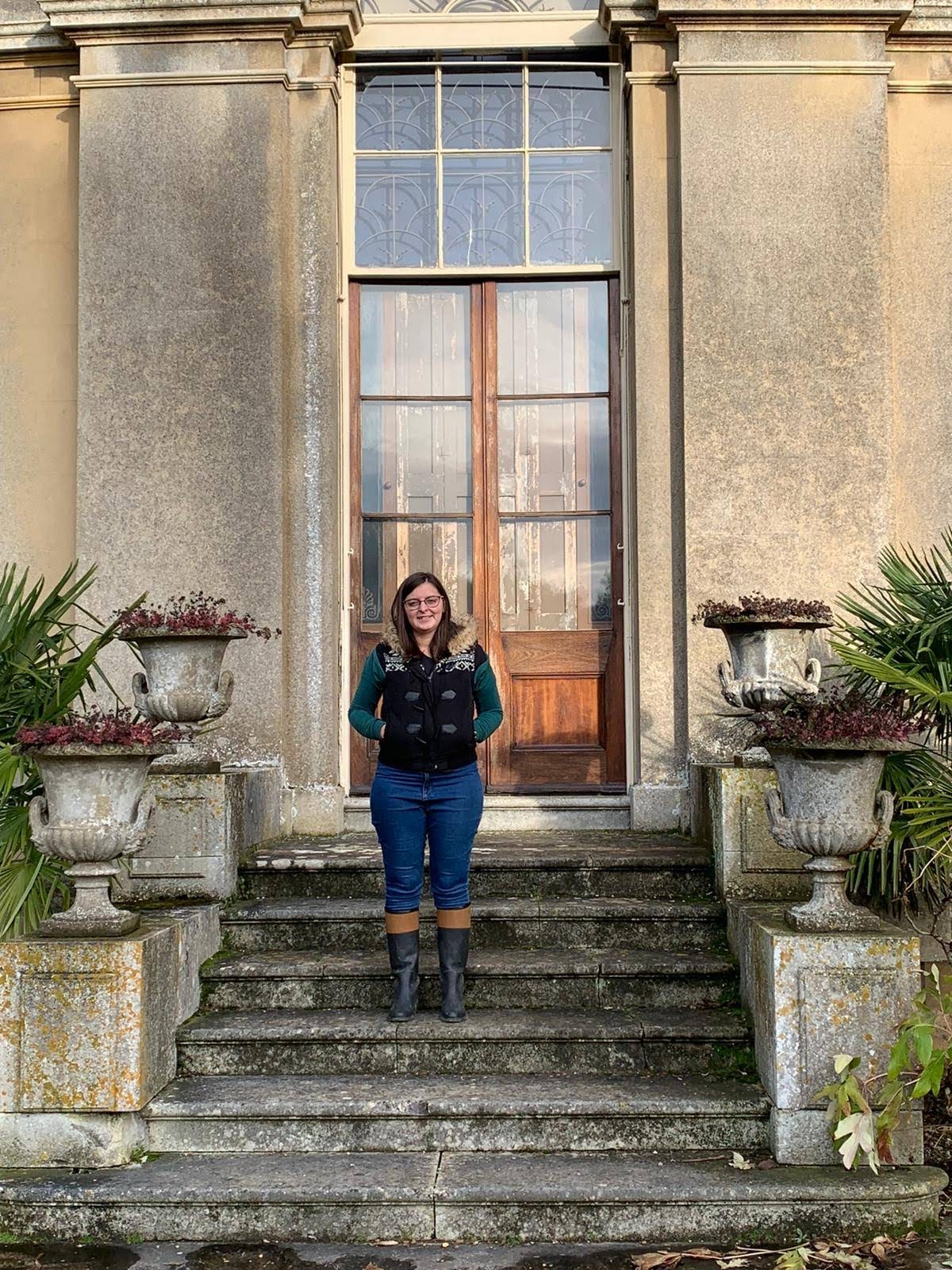
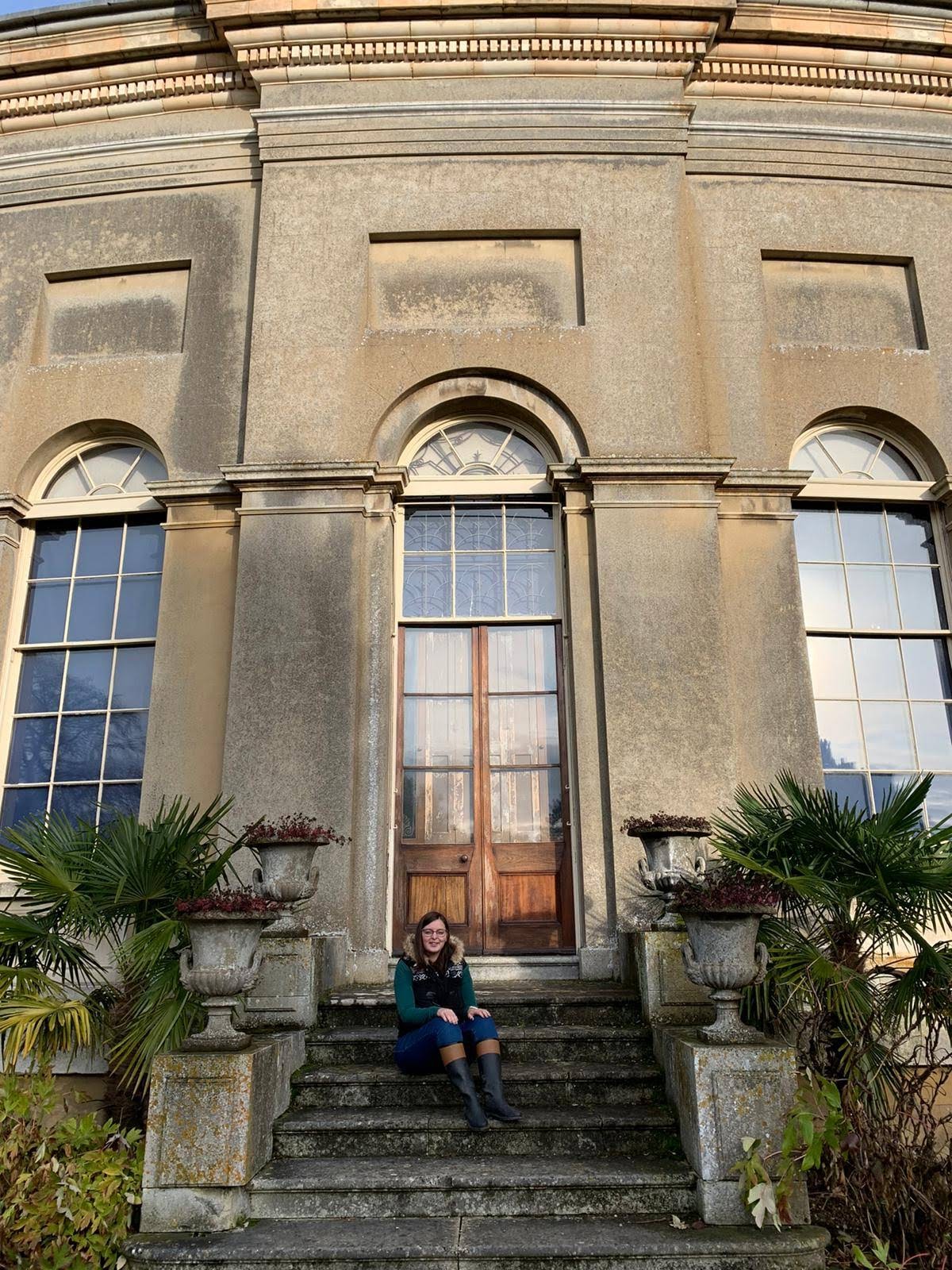
When we visited, the outside of the front of the house was covered in scaffolding which was a shame, but it still looked great at the back, and we could still go inside and see what was once the servant’s quarters and kitchens.
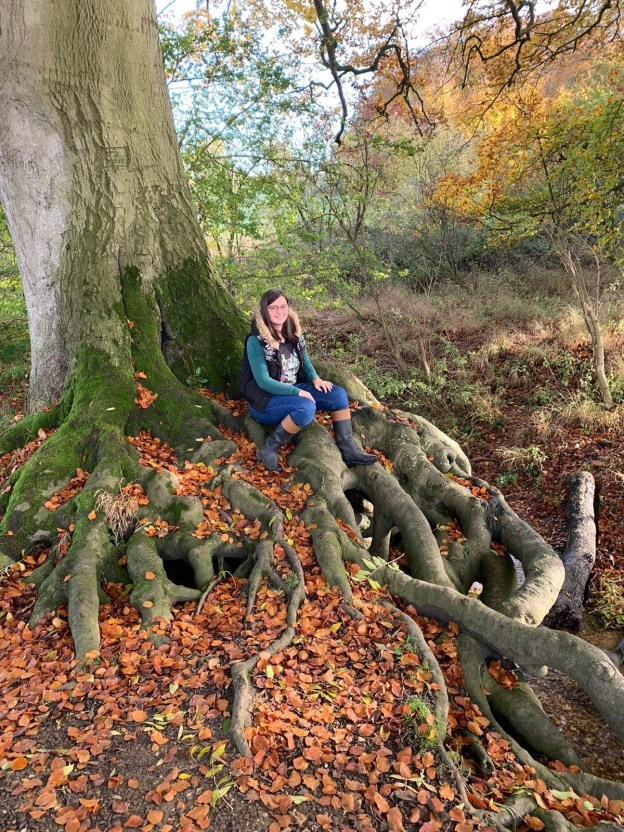
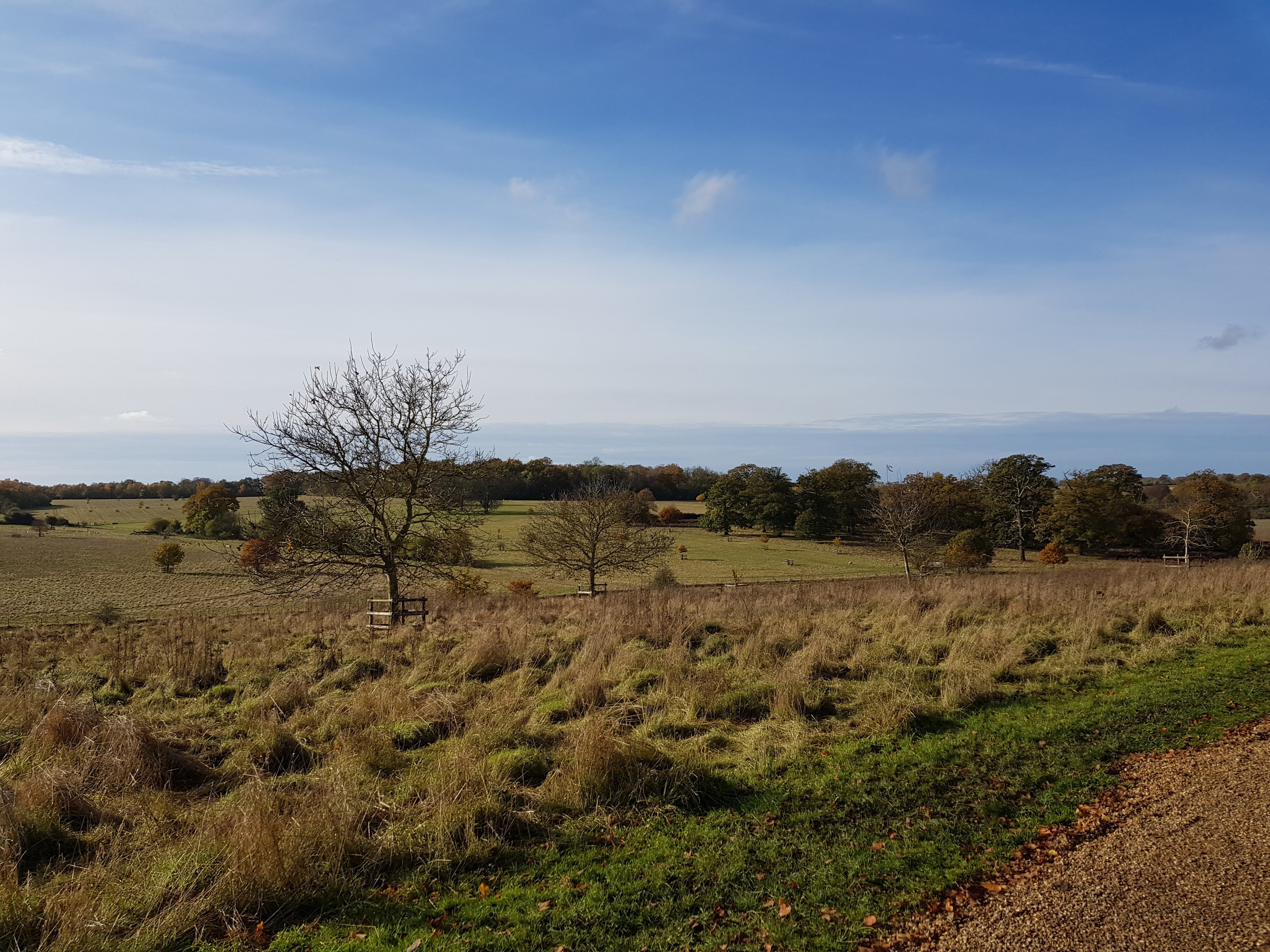
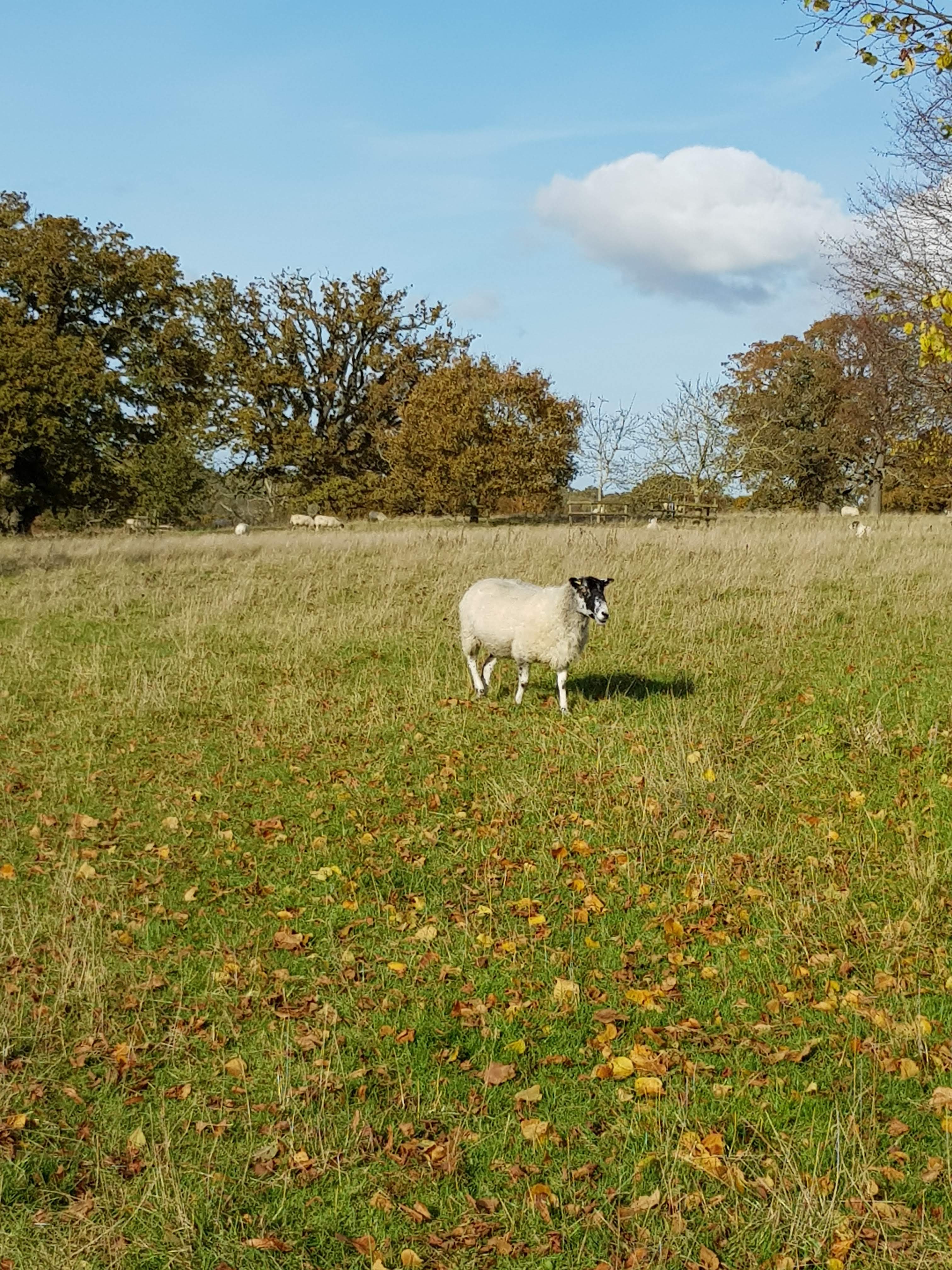
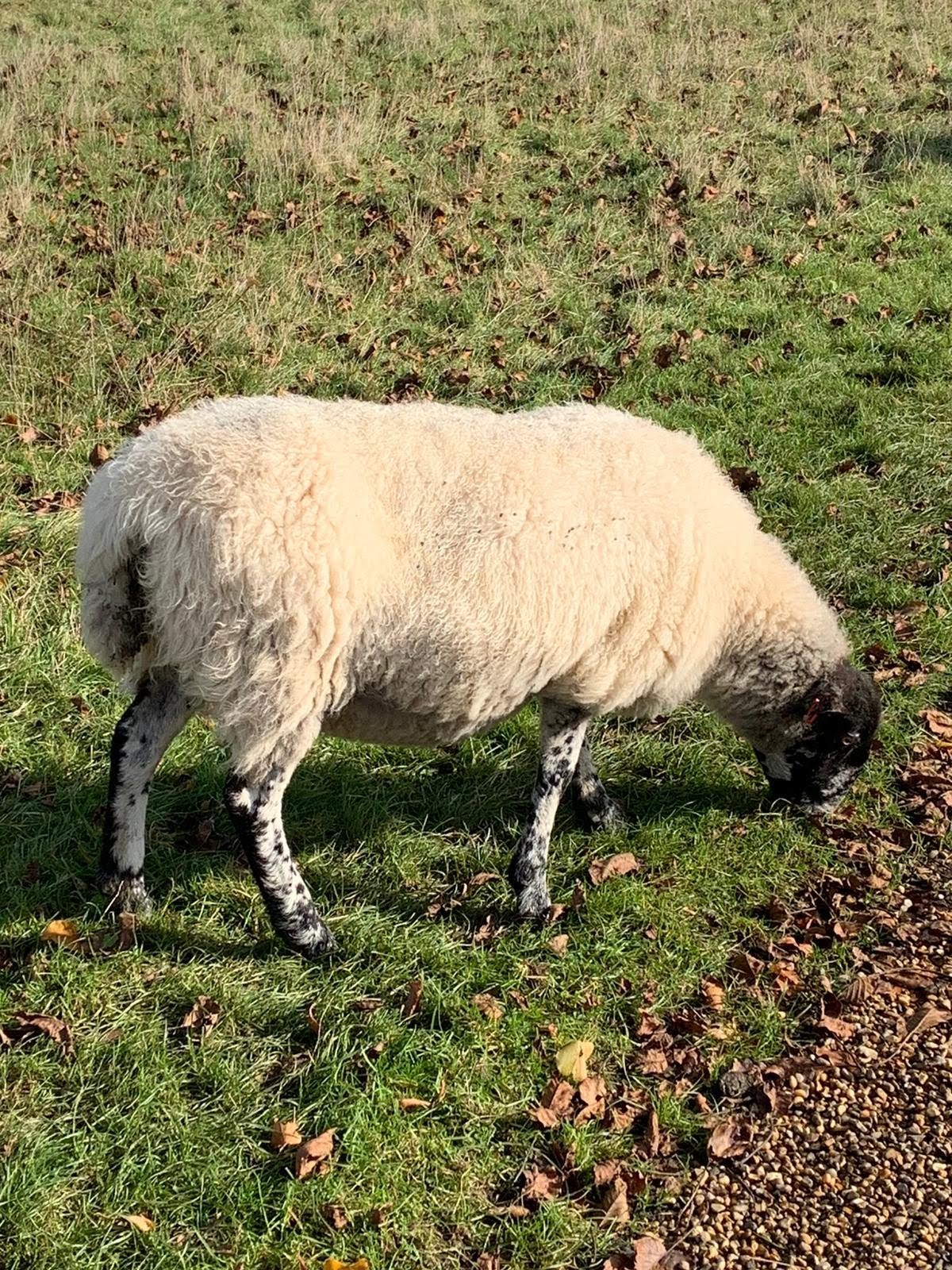
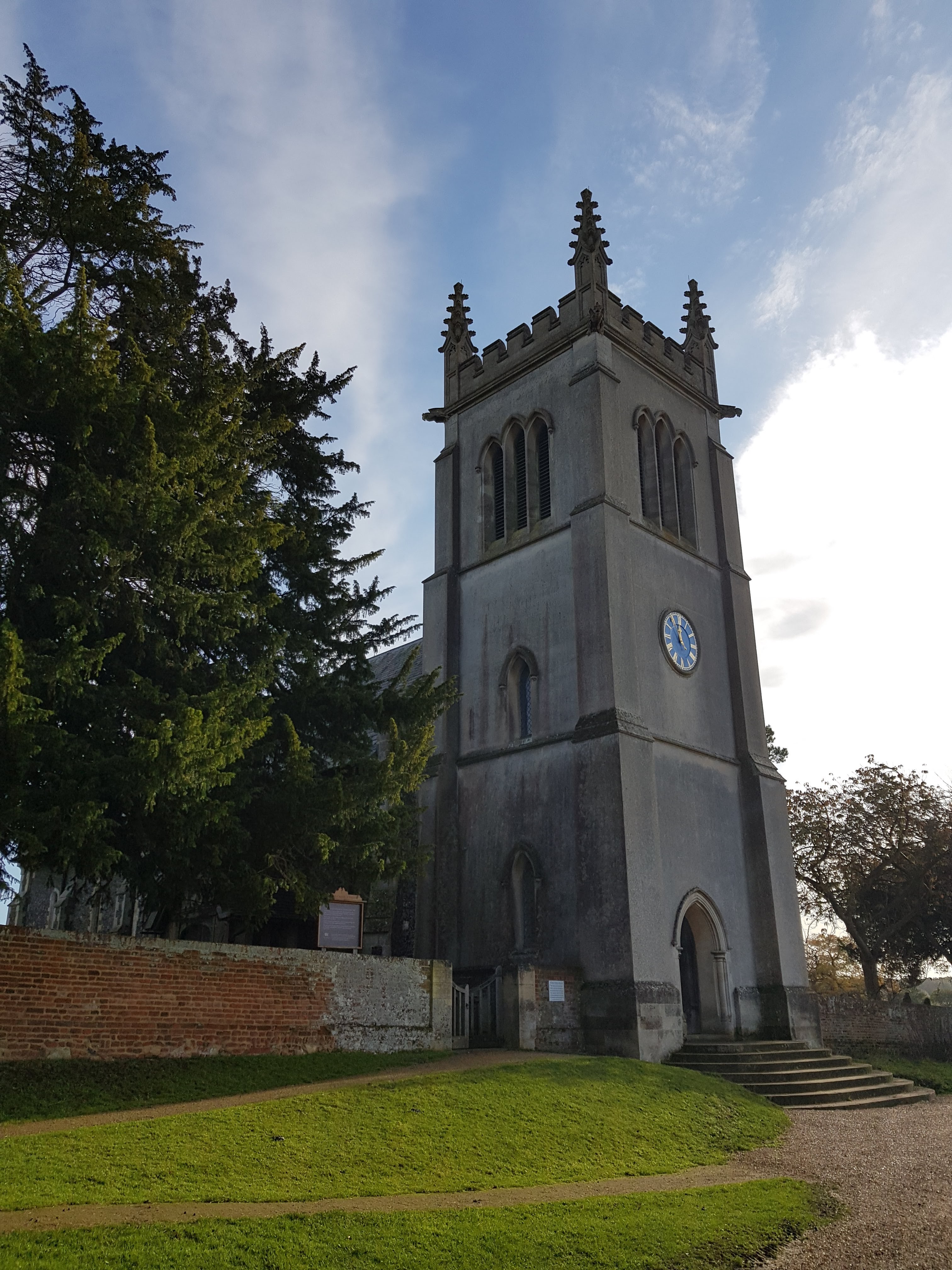
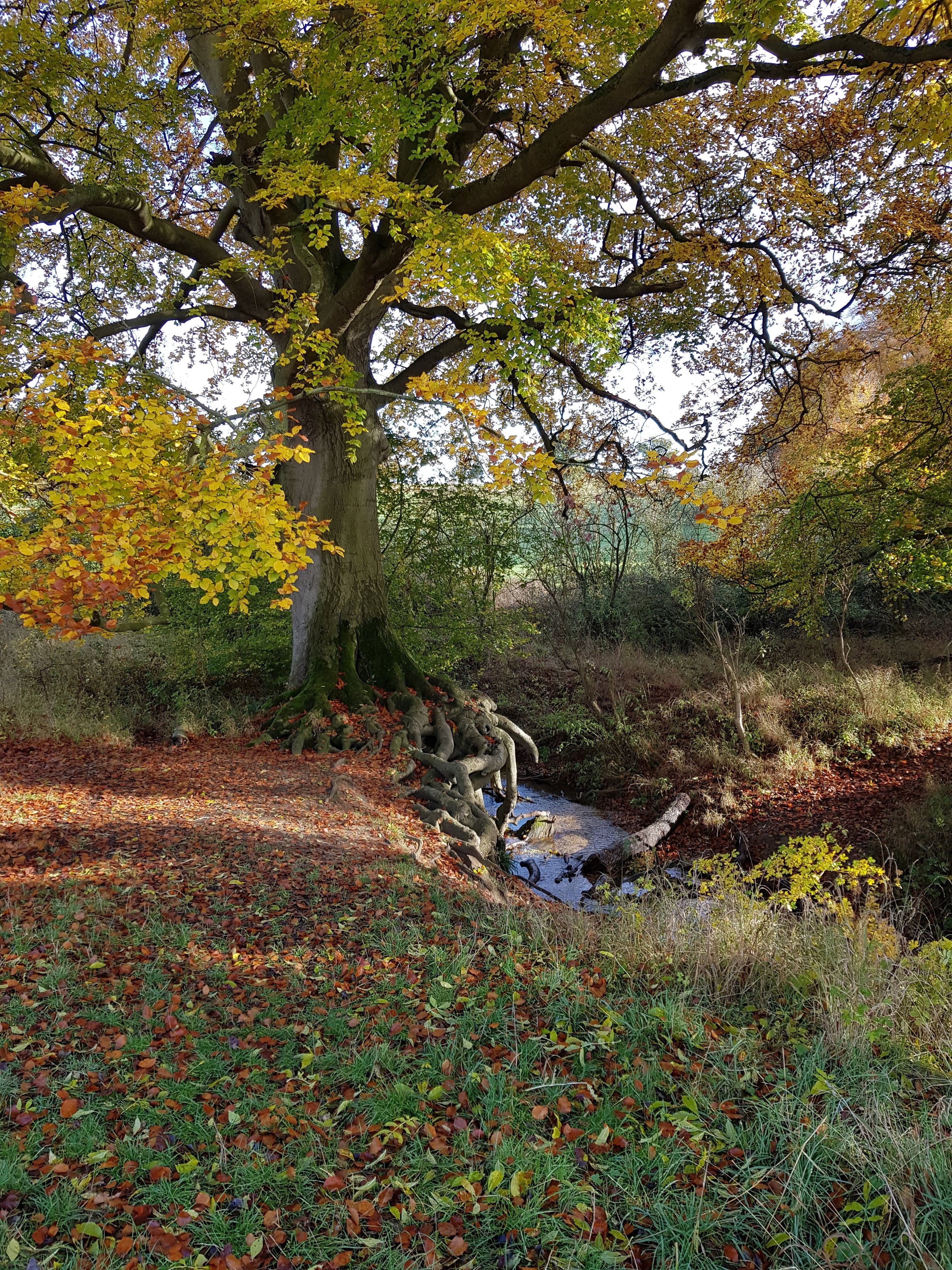
We mainly enjoyed going on a long walk across the parklands, where you can see great views and lots of sheep! We really enjoyed seeing all the autumn colours, and it made some great photographs. This was especially the case when we found a tree that had dramatic roots that were over spilling into the stream (photo below). There are multiple different walking routes available within the huge parkland area, and many of them will take you past key monuments/structures/views, such as St Mary’s church that lies within the estate, and is the oldest part of the grounds.
I think I will definitely make more visits to both the town and Ickworth House in the future, as I really enjoyed myself and it was great to stretch my legs on the walk! If possible, I think I will also try to check out the West Stow Anglo-Saxon Village & Country Park. It is a totally reconstructed early Anglo-Saxon village, and looks like a lot of fun to explore and maybe attend a re-enactment event. They do archery there… I am AWESOME at archery! Obviously I was born in the wrong era.




 Go Go Chlo