Tag Archives: National Park

Magic City: Miami, USA

This Spring I travelled to the ‘Magic City’, Miami, before taking a trip around parts of South US and slowly North to the ‘Capitol of the Midwest’, Chicago.

All Aboard for Miami

I boarded a flight from Heathrow to Miami International Airport and after 9 hours of squeezing into American Airline’s Economy seating, we arrived. My first impression in Miami Airport was all confusion.

All the staff were greeting me in Spanish. I wondered if there was another flight coming in from South America… why was everyone talking Spanish?!

Next, I was given a fright by the Immigration Officer. He told me I had lied and made false statements in my Visa Waiver application. I protested I hadn’t, but apparently I had already been approved entry before so shouldn’t have applied again. So I was double approved! That doesn’t seem like a bad thing to me… but they do get quite sensitive over these things round there. Well, after making me afraid he was going to turn me back around, he eventually let me in…

After then proceeding to get ripped off by the taxi driver, it wasn’t turning out to be a great first impression, and I was a little frazzled!
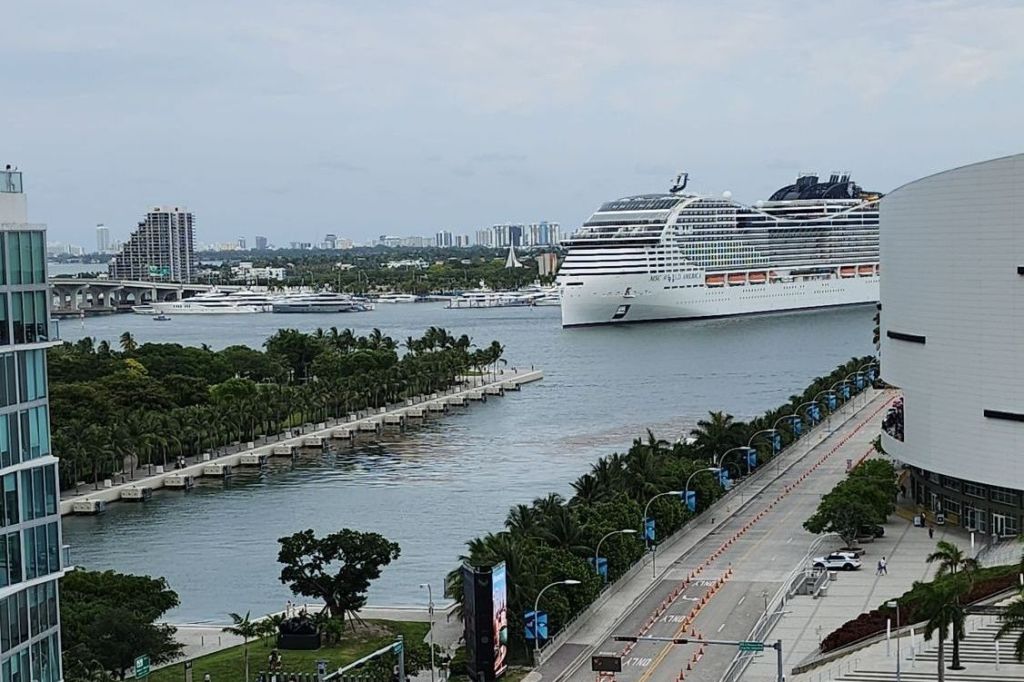
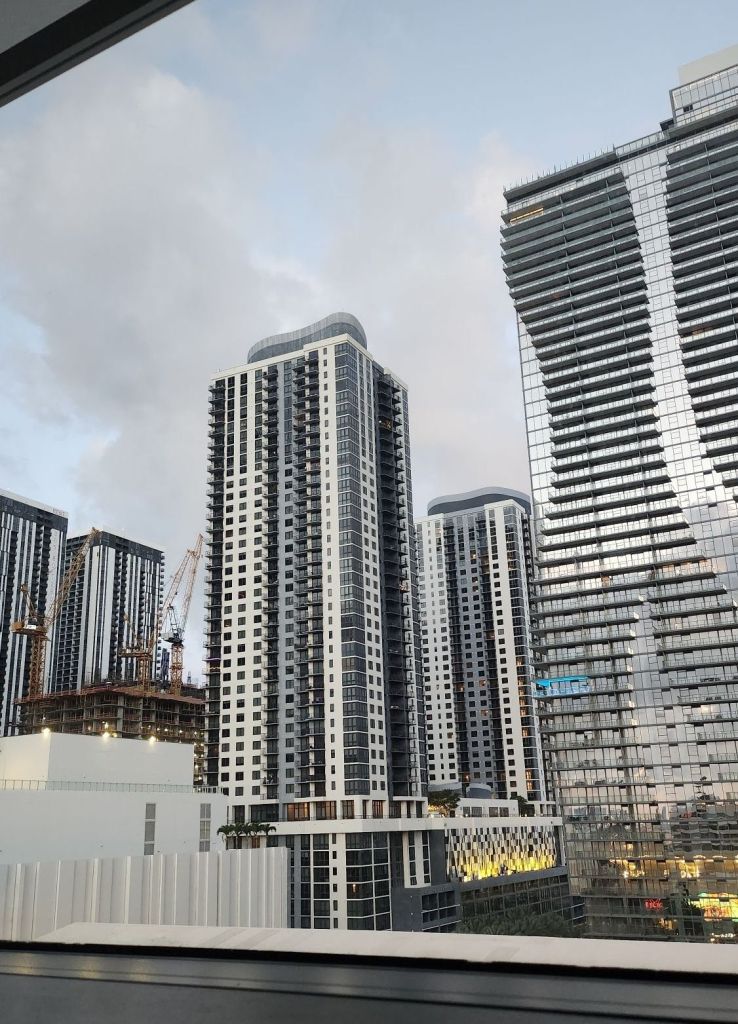
Once, I reached the hotel, I decided to reset and headed out for dinner… My modern hotel was located in downtown Miami and very close to the action. Miami has two key areas; downtown and Miami Beach. Miami Beach is on an island and accessible by bridge. In downtown, the harbour area is super lively and this is where we found Bayside Market, which is loaded with lines of restaurants, shops and excursion stands to satisfy the many tourists that visit. This is also the site of Pier 5, a famous fishing pier, that is now the dock for various sightseeing boats, yachts and a lively cocktail and music venue.
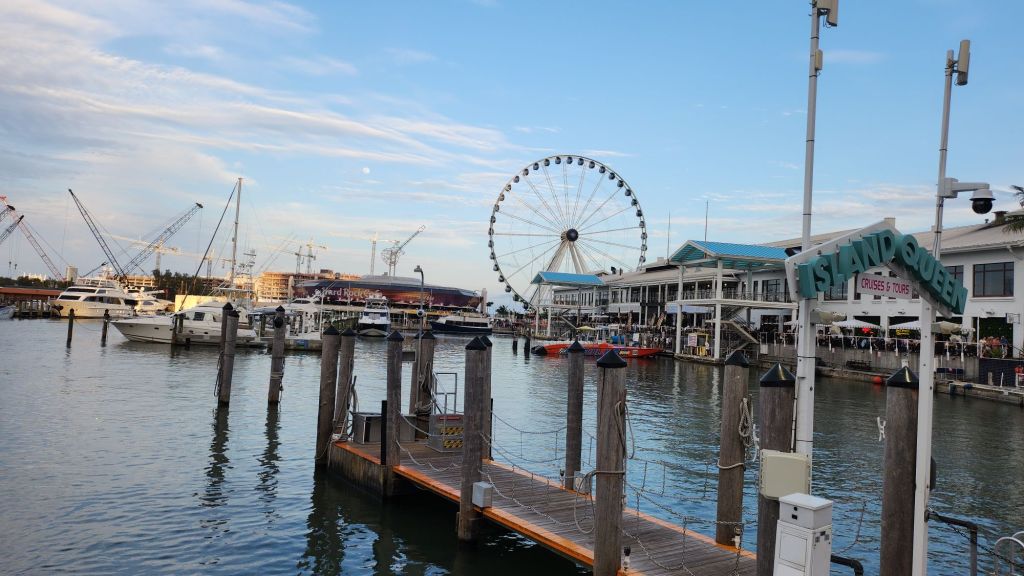
The drinks were flowing and many people were salsa dancing around, so the vibes were good. As we sat down in one of the many Latin restaurants for the well known Cuban sandwich that Miami offers, with so many spanish speakers around me, I decided it was time to investigate, what was up with all the spanish?

So it turns out, that Miami is actually the Latin capital of the United States, due to its close proximity to Cuba and Latin American countries. A huge immigration of Cubans to Miami began in 1959 after the Cuban Revolution, and over several decades, large groups of people from Columbia, Nicaragua and Guatemala continued to arrive in the city as conflicts rose within their own nations. There’s actually a lovely old building in the centre of downtown (and in front of my hotel) that was originally the arrivals location for immigrants as they arrived for processing into USA. So that is how Miami became the vibrant Latin hub that it is now. I was not expecting it at all, but it was a really pleasant surprise!

I only had a few days in Miami, and so time efficiency was very important. In order to see as much as possible, I decided to opt for the city sighteeing bus pass. There are several ‘Big Bus’ tours that work their way around the city, and a 24 hour pass worked well for me to see the main highlights. I did notice though that Miami did offer a lot of options for public transport, if you are doing one area at a time, there are free public trams, as well as a free metro line and some other low priced metros. It seems like a lot of investment has gone into public transport here which is brilliant. For me, I wanted to get the tour information too, so the bus tour gave me a chance to stick my headphones in and find out all I needed to know.

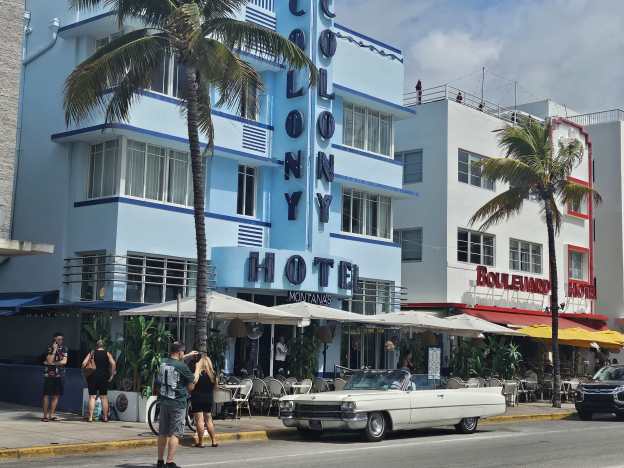
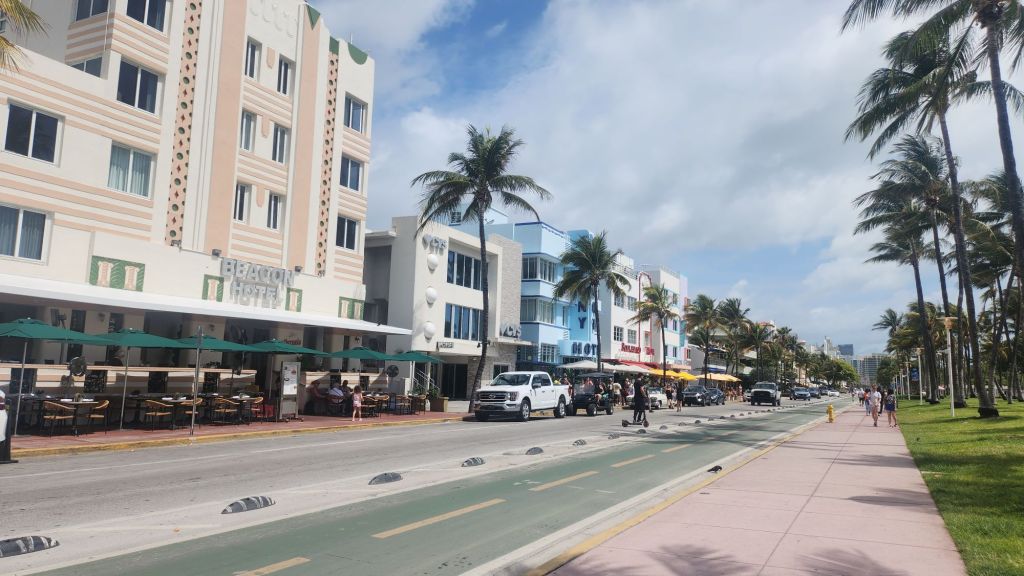
So with my bus ticket in hand, I hopped on board and made my way across a very windy bridge, with views of the harbour and over to Miami Beach. This is where I stopped off at the famous Ocean Drive and South Beach. Ocean Drive is a mile long strip of palm trees and art deco cafes and hotels. It has been used in many different TV shows and movies and does feel like you are being taken back in time, having just left the glitsy skyscapers of downtown. I walked along the street before detouring off to the side to check out the beach.
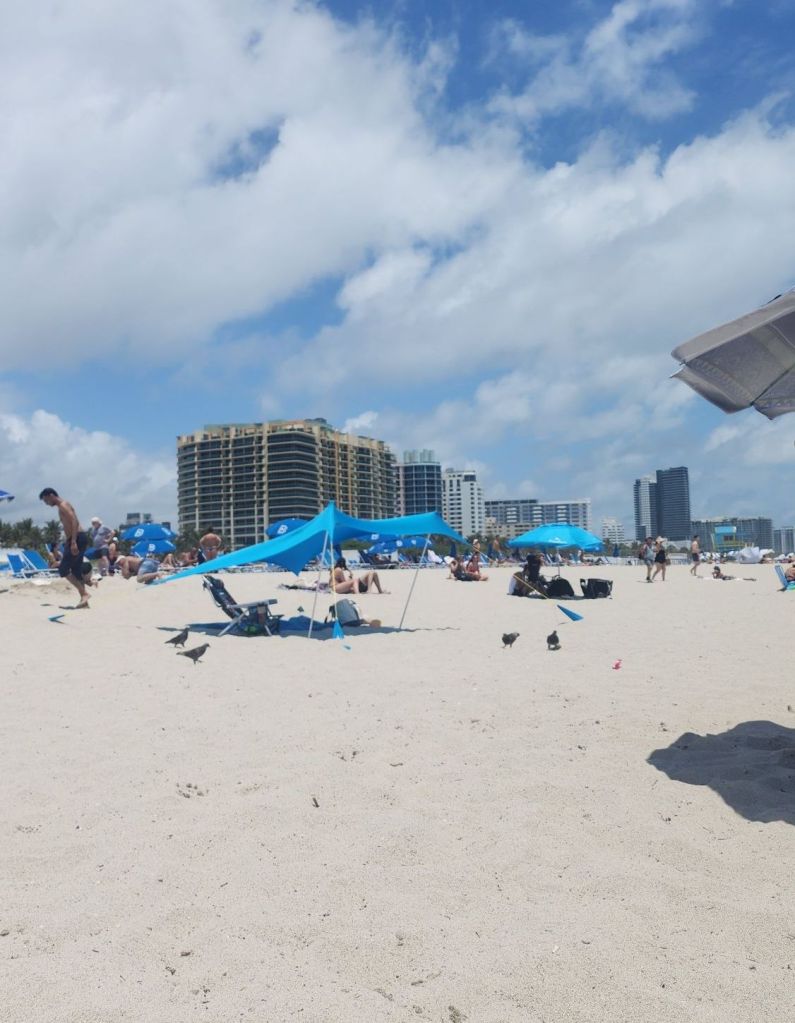
Strangely, I always imagined that the beach would be right in front of the pavement but there is actually a large area of park and bushes to the side before you can reach the beach, and then once on the beach its very wide, so unlike what I thought, its actually a little bit of hard work to get onto the beach. Naturally, in May, the day was very hot and I was looking forward to a good swim. Whilst it was refreshing to have a swim, the beach was rammed with people and there are no facilities to buy a drink or food actually on the beach. I was thankful for the leftover sandwich I had in my bag. The water was nice but honestly I think I am spoilt by beaches, as there is so much hype for Miami beach, but genuinely, I have had better beaches across the Caribbean and also in parts of Portugal and Spain.
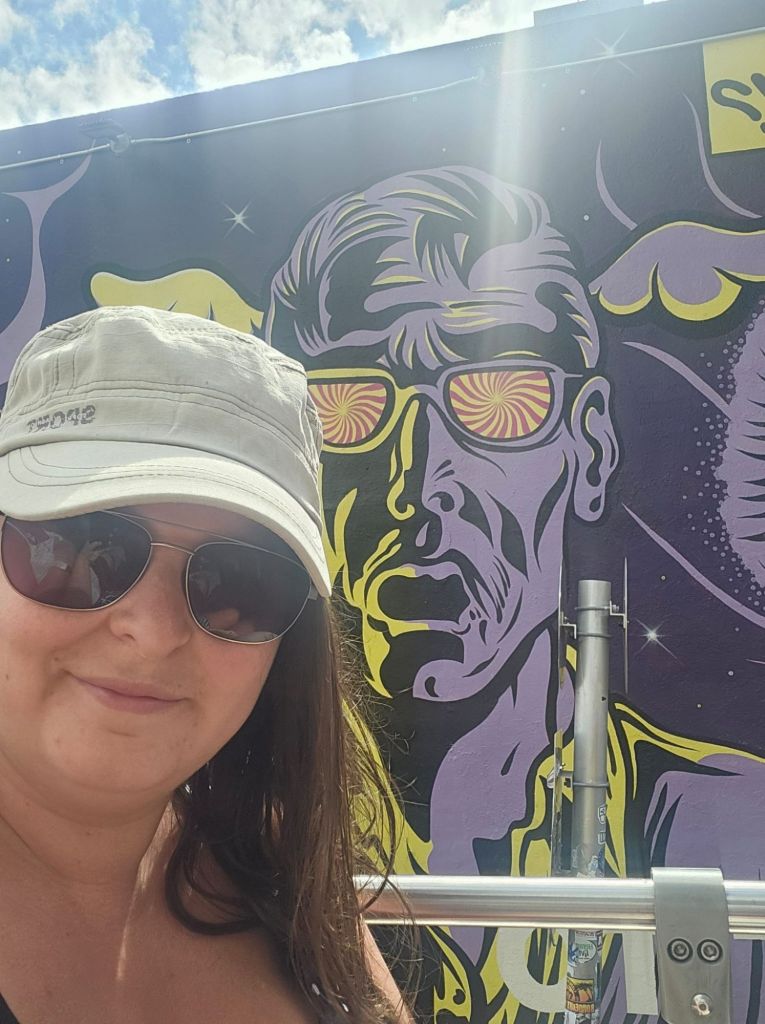
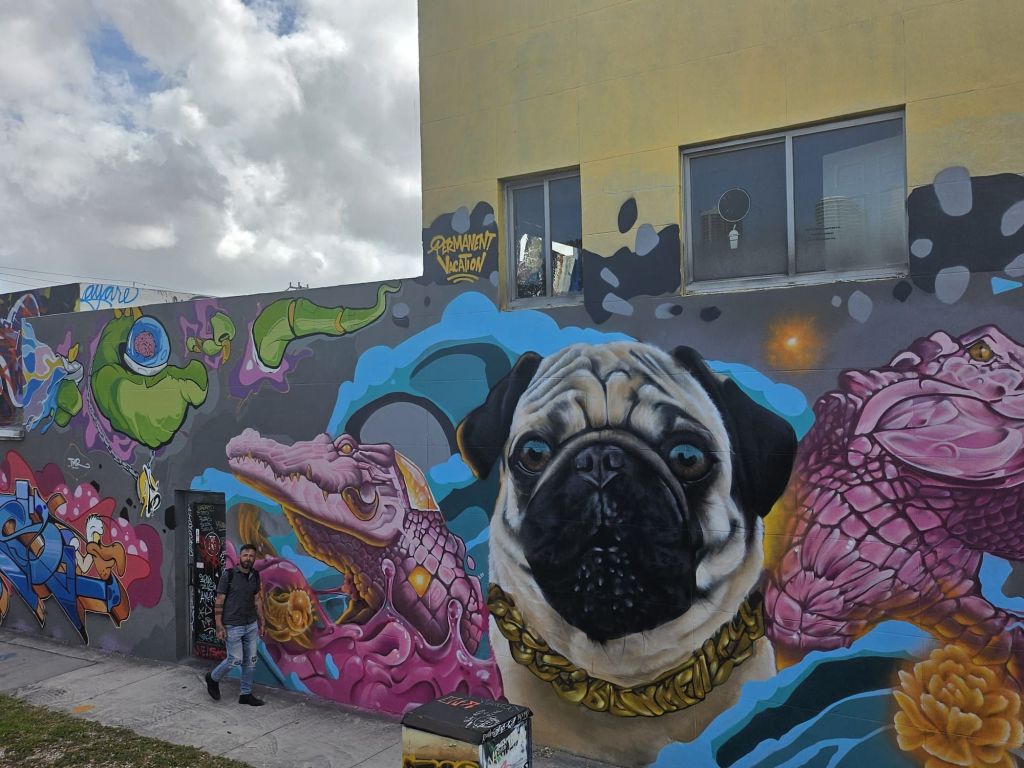
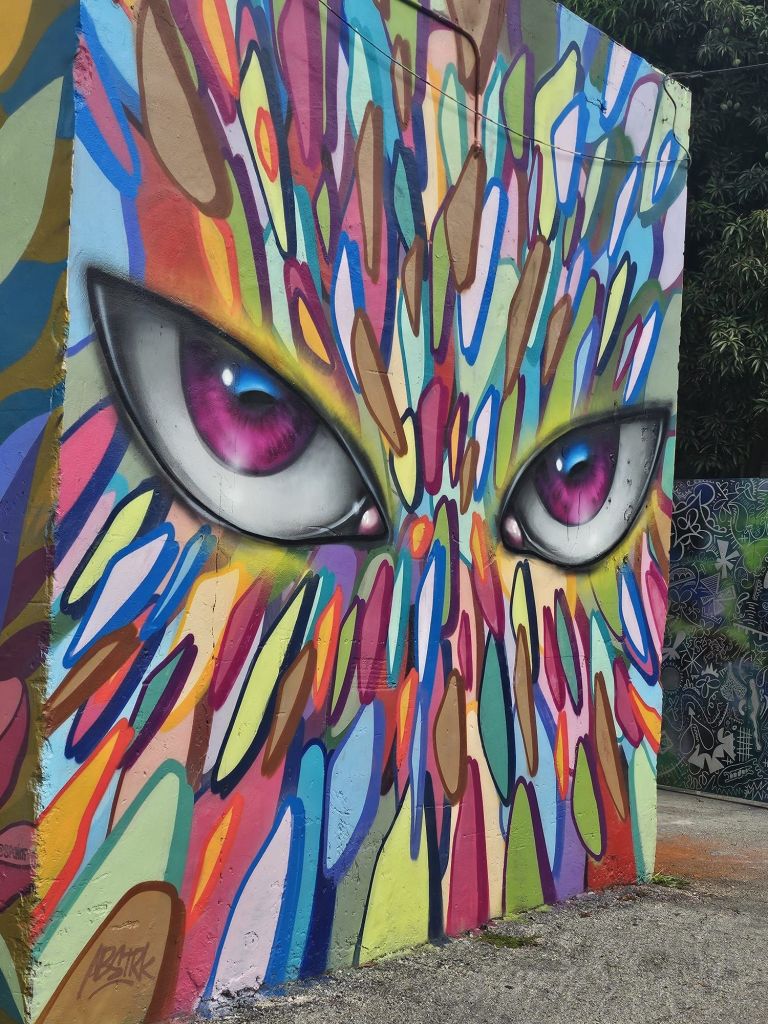
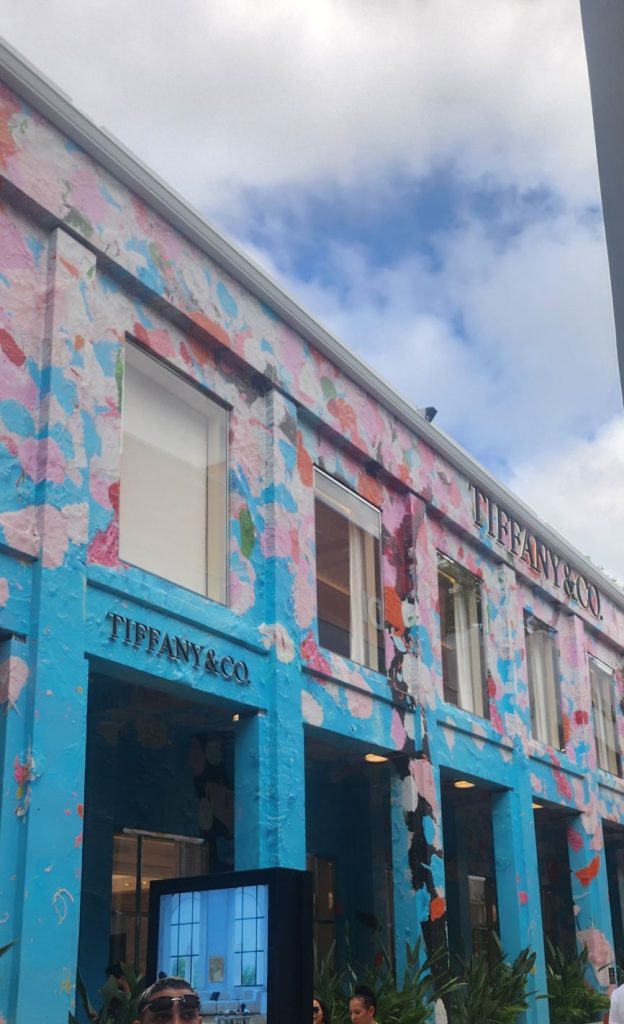
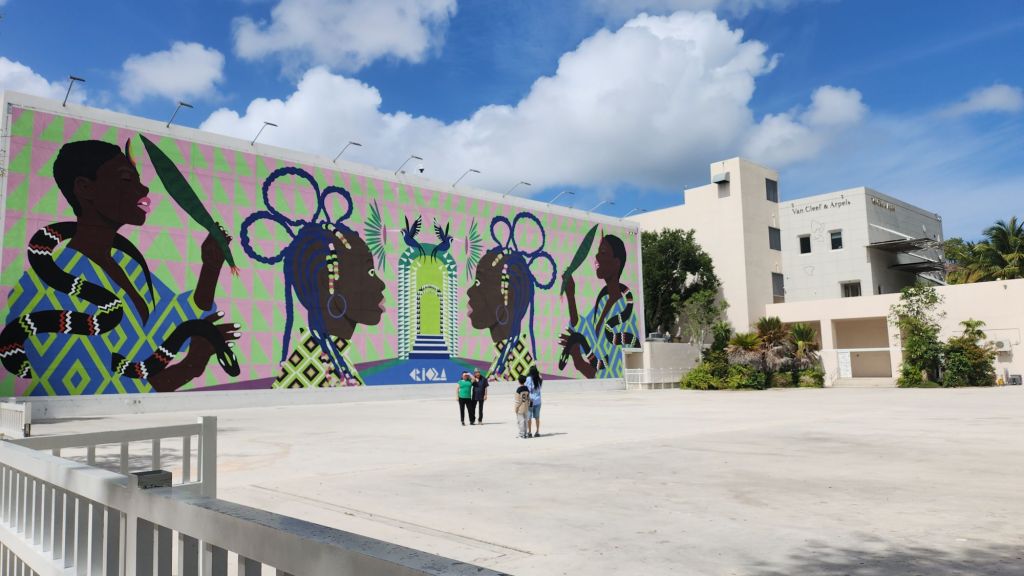
After my little time on the sand, I made my way back onto the bus and headed over to Miami’s Design District and onwards to Wynwood Walls. Both of these locations demonstrate Miami’s lively art scene. The Design District uses modern art and architecture to create a flashy shopping district whereas Wynwood Walls is a fairly empty area except for a maze of street murals, that has given it the title of the world’s biggest outdoor art museum. It was easy to just enjoy cruising around on the bus to see these huge murals, as by this time my feet were hurting and I just wanted to relax and look out at the art.
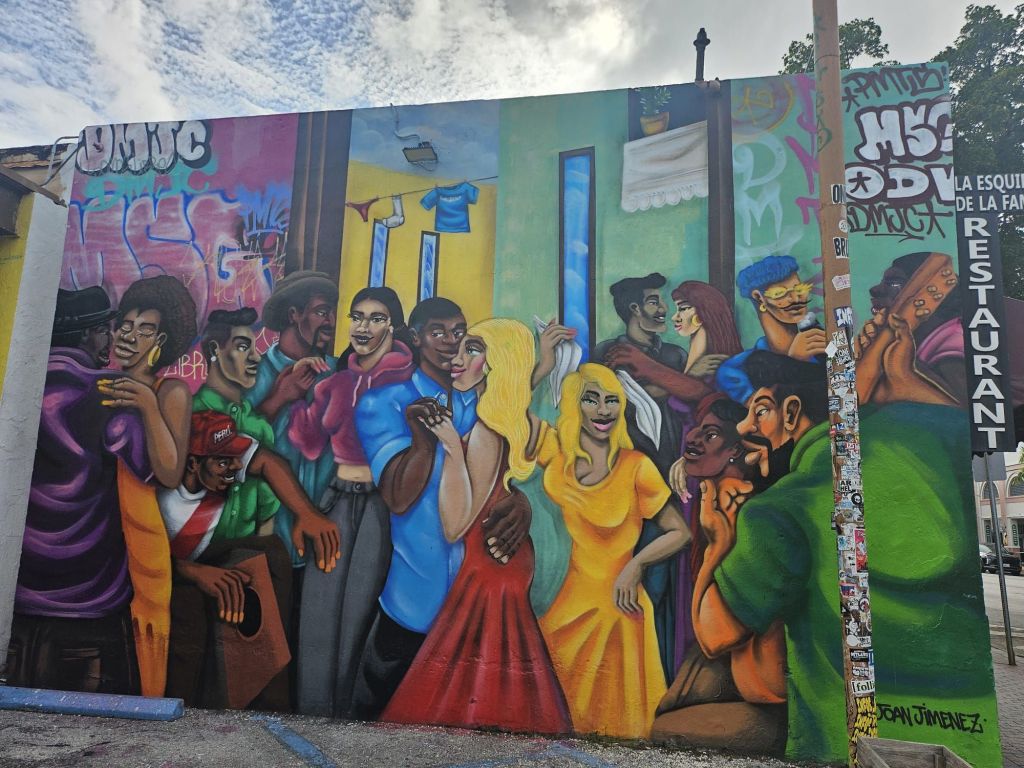
Probably my favourite spot in the city was ‘Little Havana’, a small Cuban neighbourhood with lots of eateries and bars, and plenty of live Cuban music. This was a really lovely place to relax and soak up the Latin vibes. It was a great way to enjoy the rest of the afternoon and I definitely felt happy to have found this really unique part of Miami.
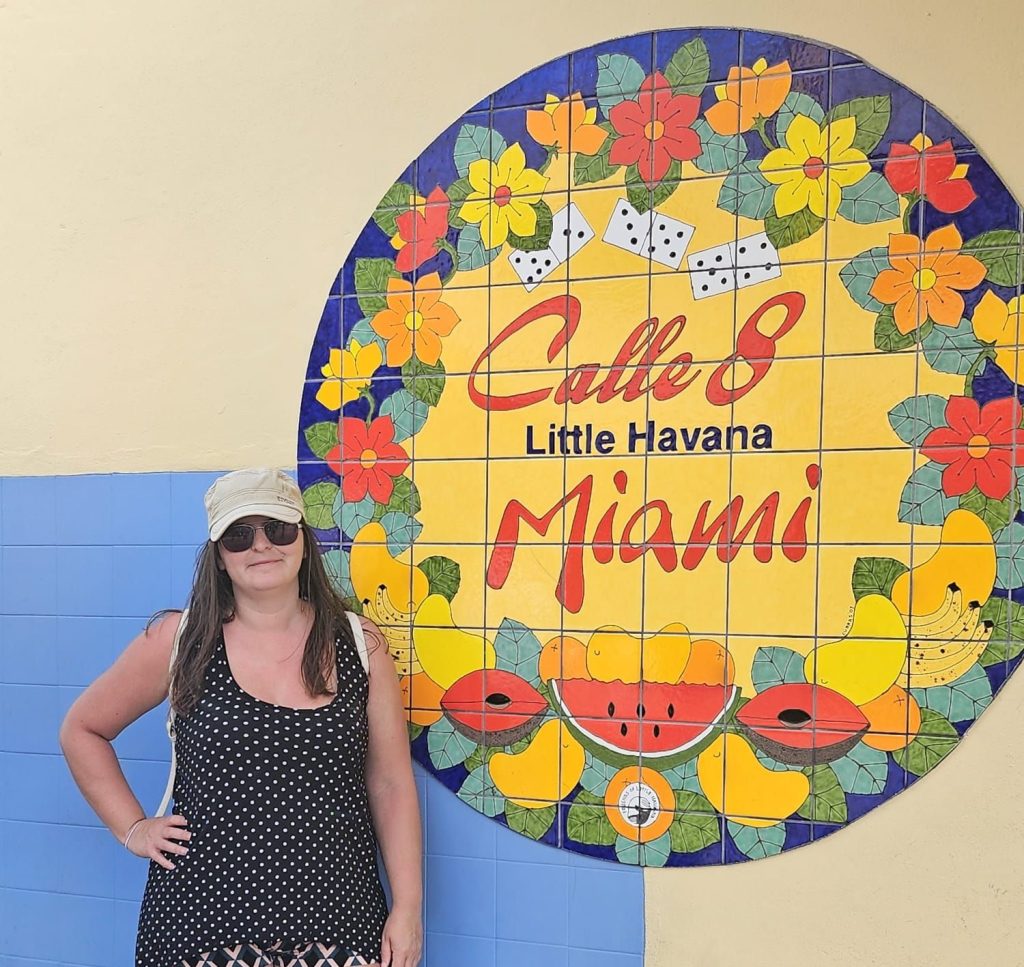
Little Havana Miami

So with one more day in Florida, I decided to take an excursion to Everglades National Park. I had been once before on a previous visit to the state but that was for a night tour and I hadn’t had much luck seeing the alligators, so I decided to have a try during the day. Only about an hour from Miami, it was easy to access the Everglades which is a wetland area covering around 2 million acres of Florida.
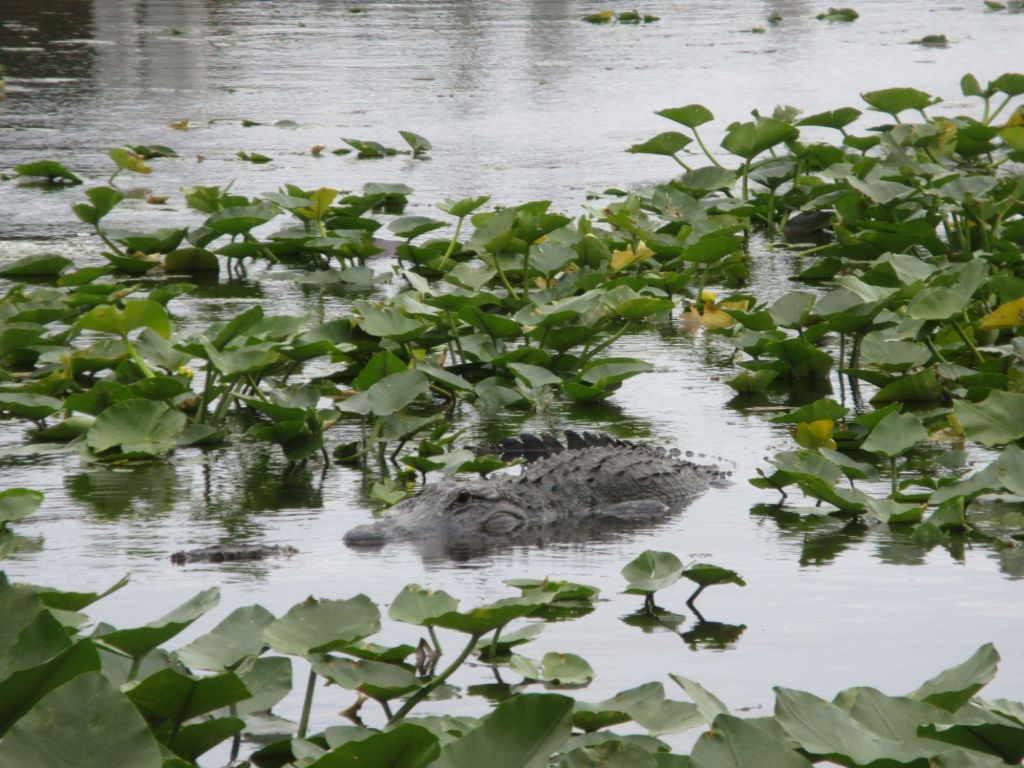
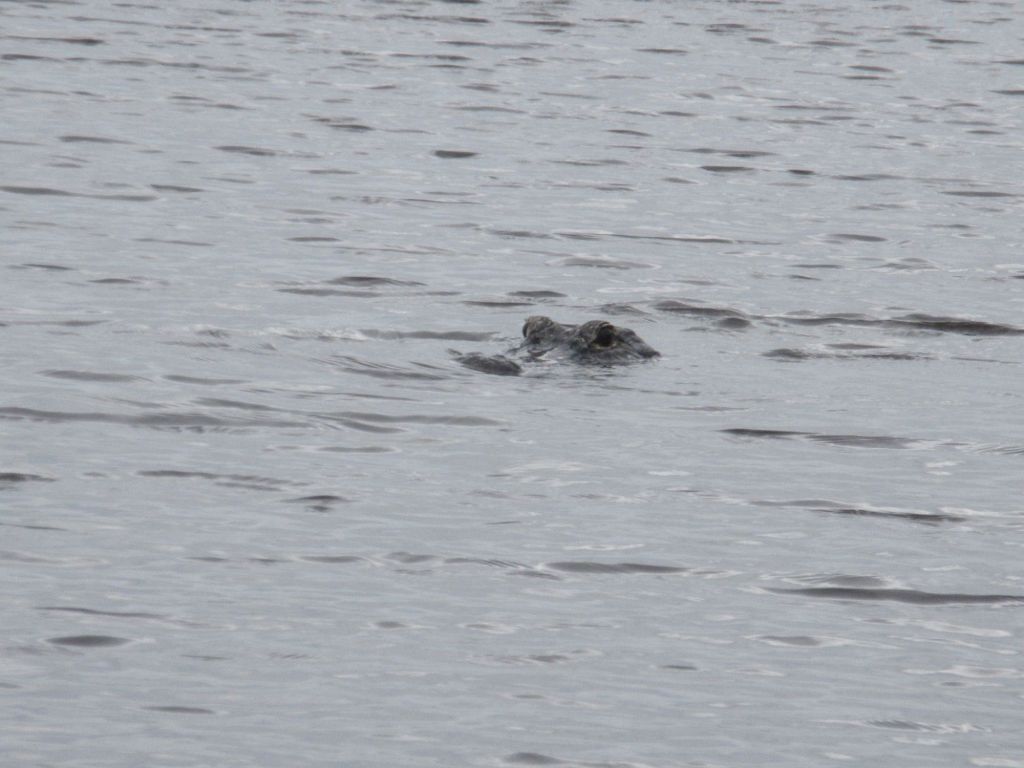
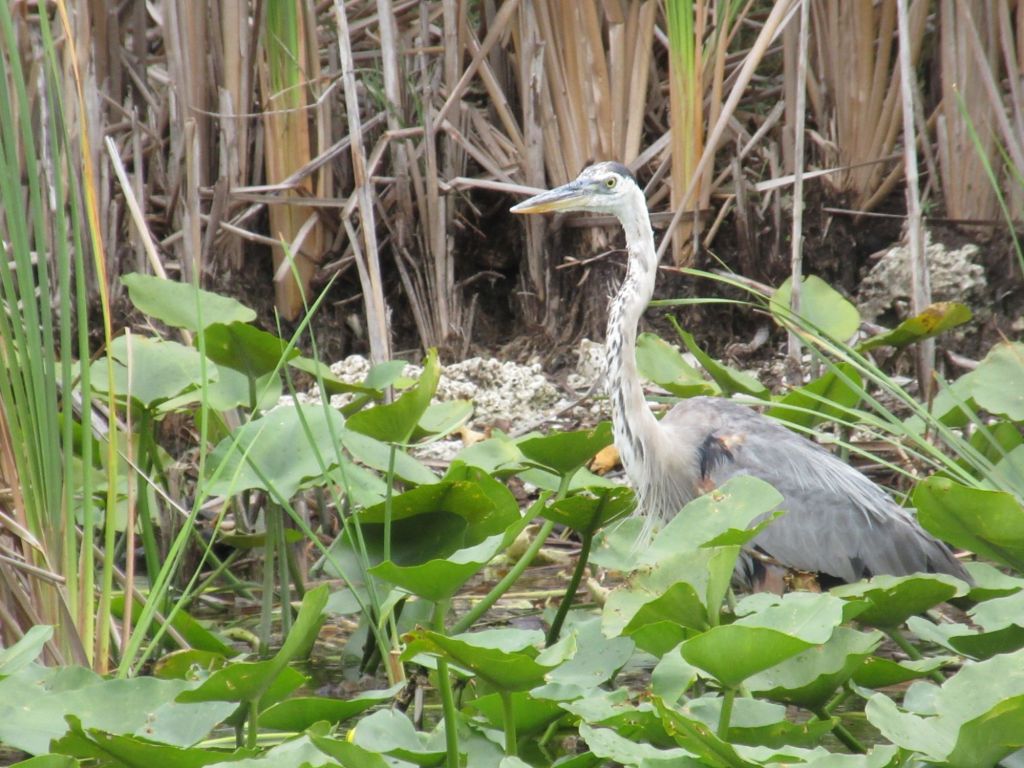
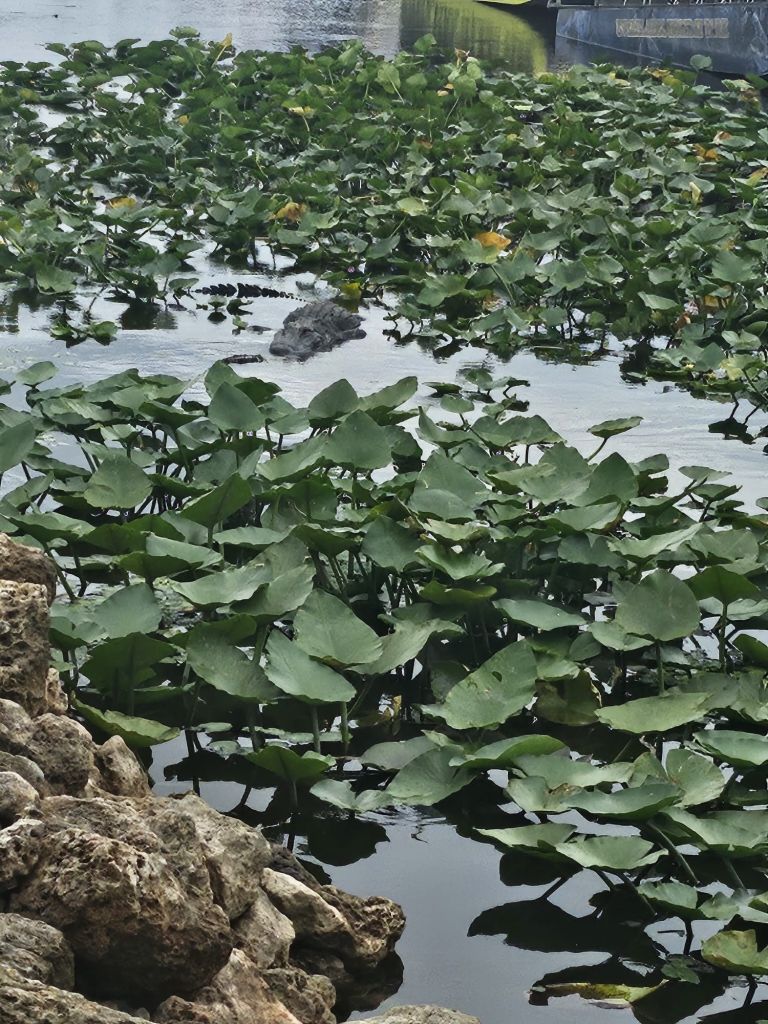
Alligators, Crocodiles, Turtles, and a variety of birds can all be found here, as well as many visitors travelling the water by Airboat. Travelling around on an Airboat is quite the experience in itself, as the loud fan on the back blows you around the water, until a ‘gator is spotted and all of a sudden you are spinning in circles to see one. It is good fun and depending on the time of the year, you might see quite abit. I saw a number of alligators and definitely enjoyed the experience. I think if I had more time to spend there though it would be nice to go a little more into the national park rather than just the typical day excursion.

For my final night in Miami, I enjoyed a dinner at Bubba Gump. Even though, its a chain and we even have one in London now, it is delicious! I love the shrimp and the movie props for ‘Forrest Gump’ are a lot of fun. As well, it is worth saying that this was the most affordable meal in Miami. Miami is not for those of us with shallow pockets!
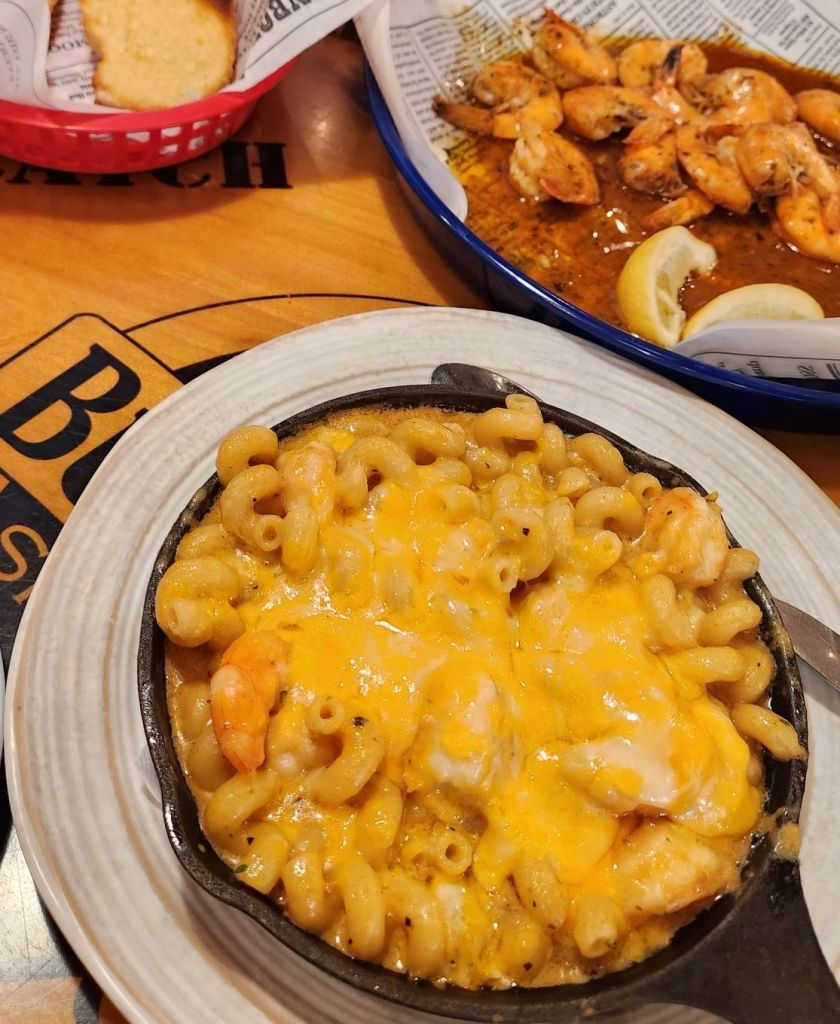
Overall, Miami gave me a nice few days. It’s a nice location for some fun and glamour and I really enjoyed the Latin feeling but it will probably be a one off location for me.. though I do imagine I will be there again one day, probably joining a cruise ship!

Me at Bubba Gump

Doñana Natural Park: An Exclusive Paradise…

During one of my many days in beautiful Cadiz, Andalusia, I had the opportunity to take a tour to Doñana, a part natural park and part national park, where the inside of the park is only accessible by exclusive tour. I was blown away with the landscapes here in one of the most important natural areas in Europe.

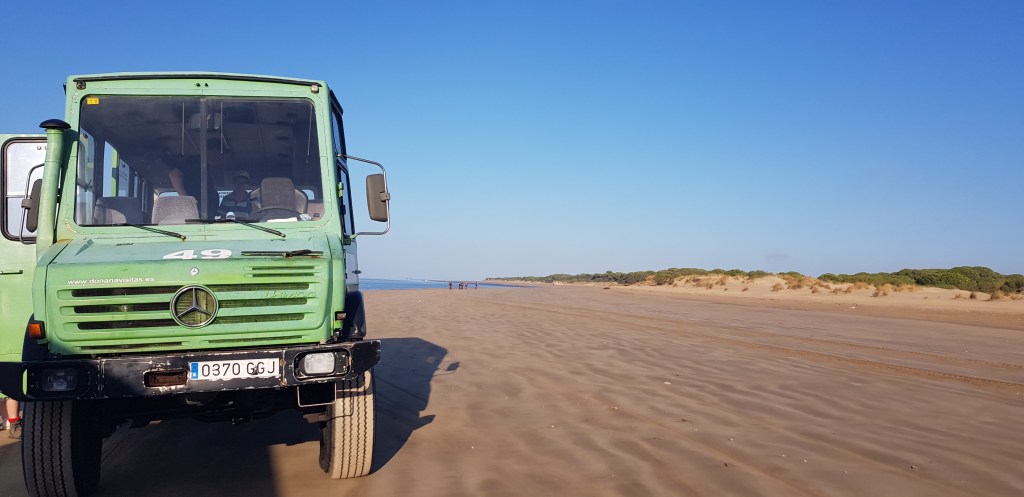
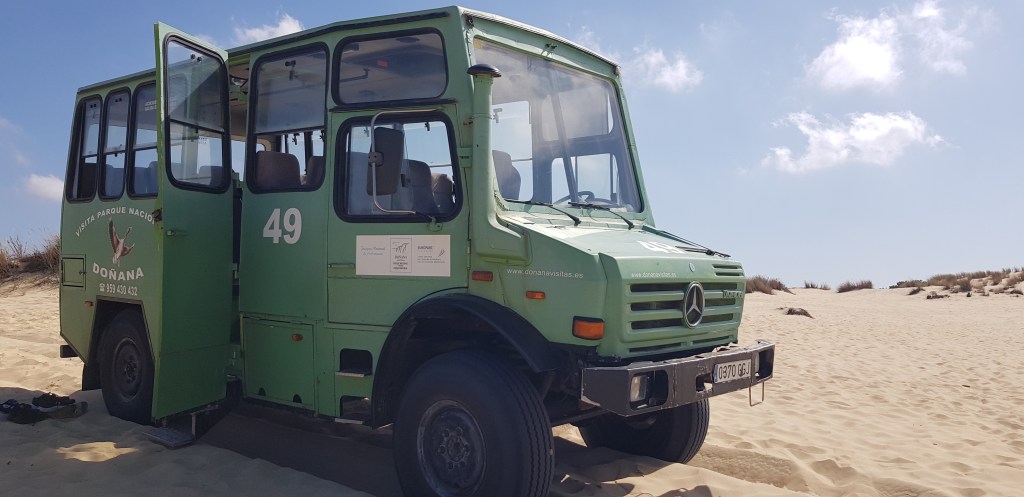
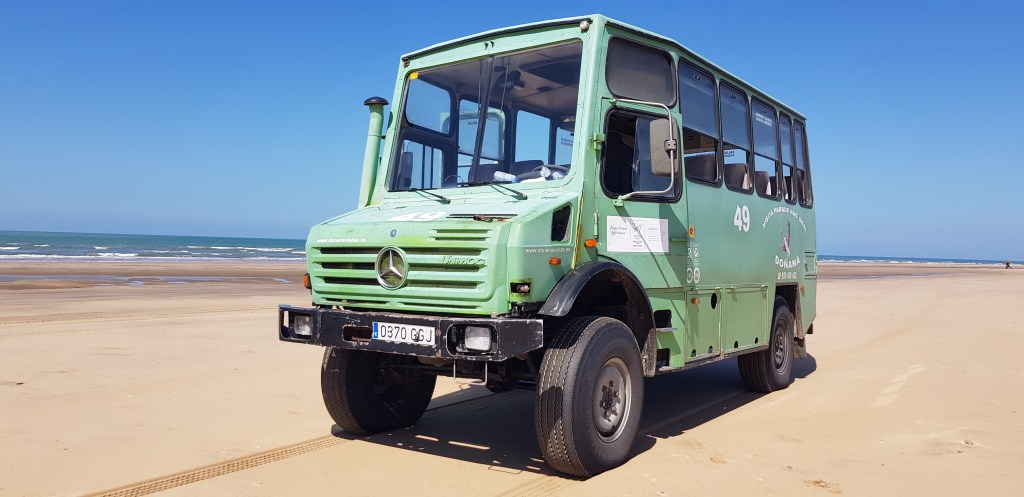
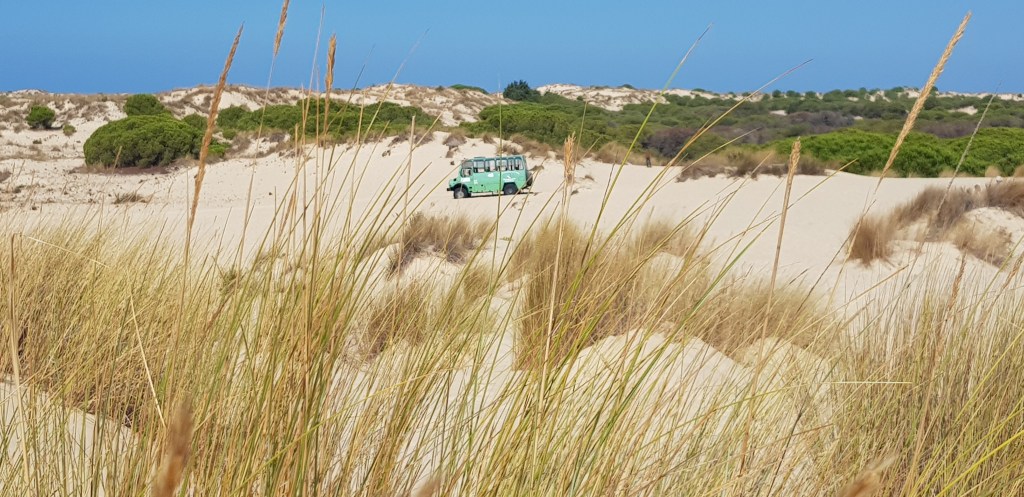
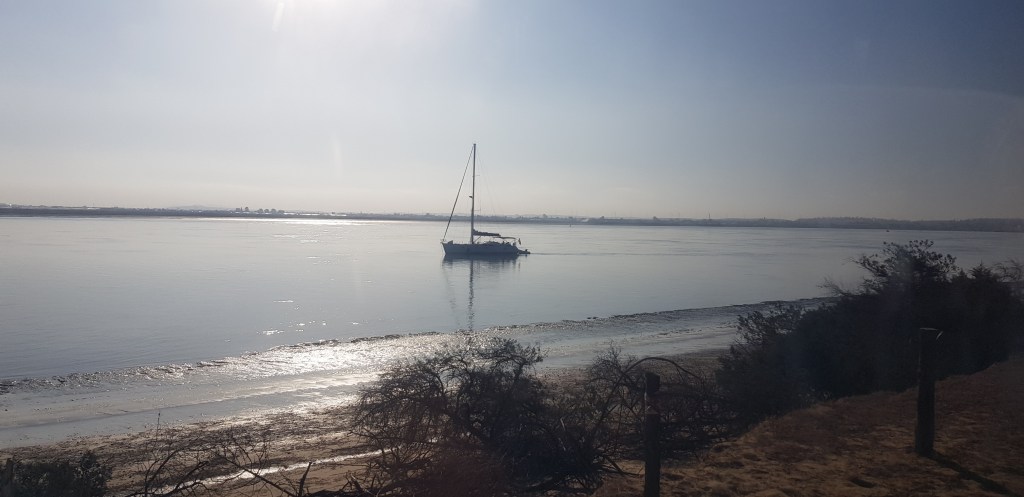
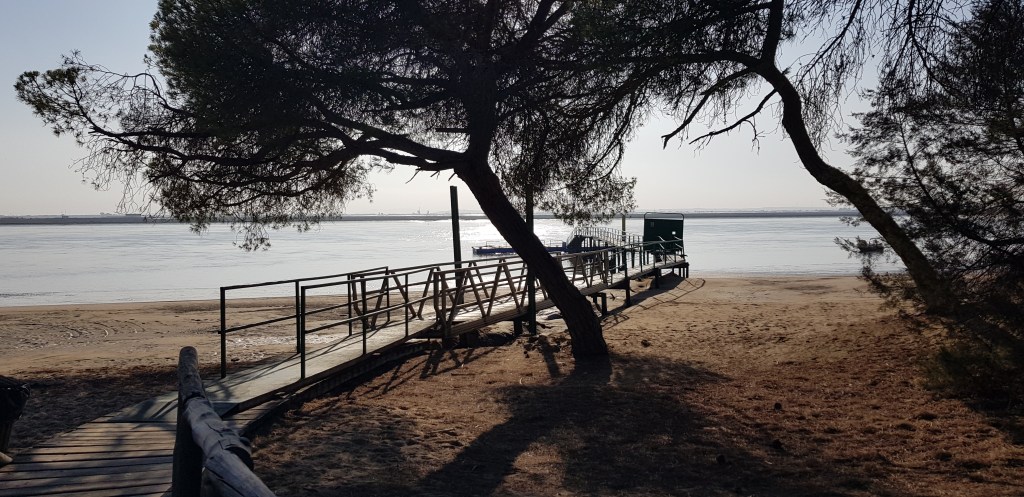
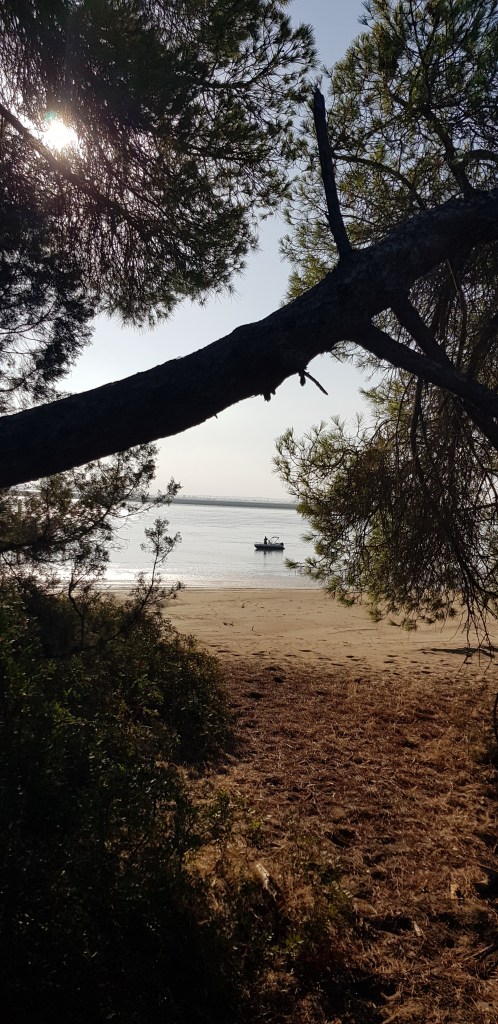
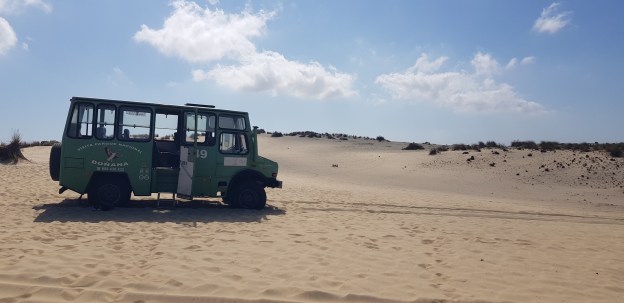
My small group of less than ten with our guide took the long drive to Doñana’s water edge where La Rábida village was and a small ferry was available to take visitors back and forth to Doñana’s beach and natural park. The 30km of white beach is a public space that can be accessed but parked up on the beach waiting for our small group was our exclusive monster jeep that would take us deeper into the park.

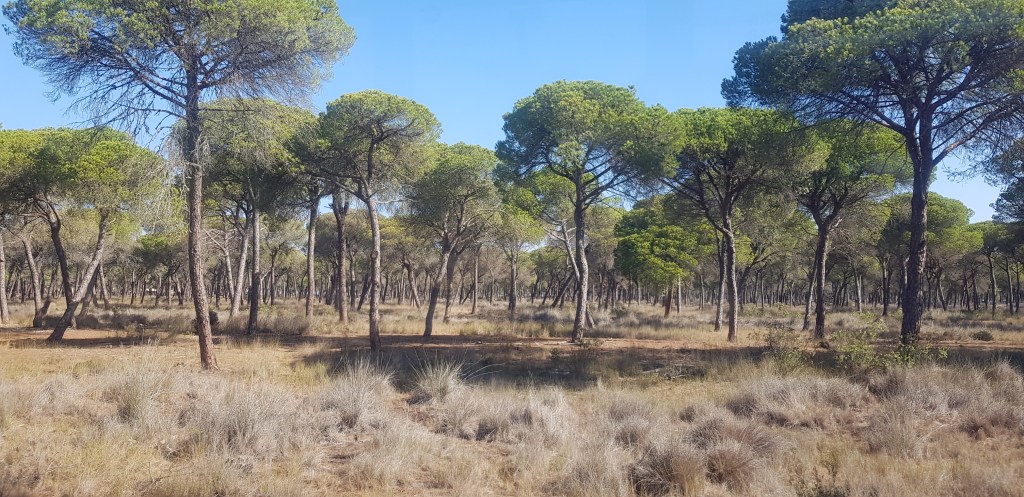
The bumpy ride took us through a mix of ecosystems that were strange to find all in one place. Forest was first on the list and as we pushed our way between the trees over our muddy makeshift road, we spotted deers and wild horses.

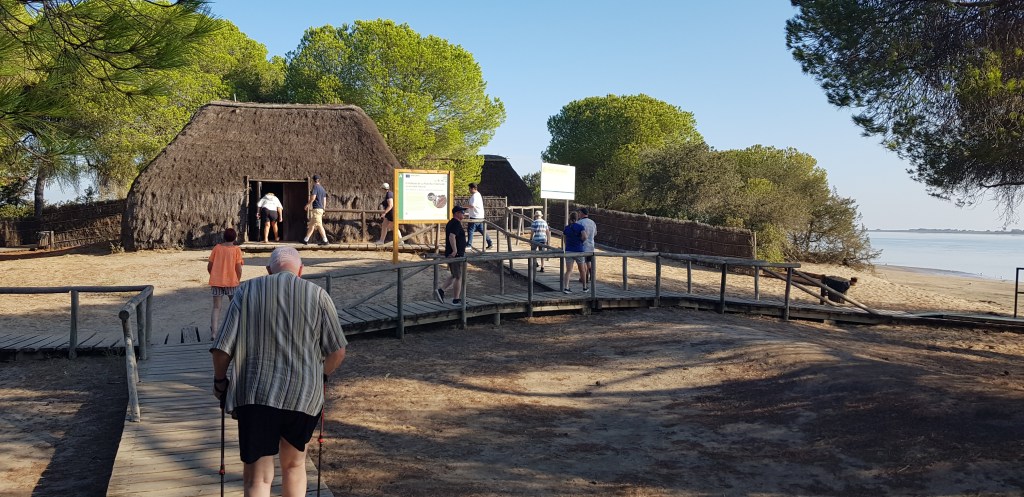
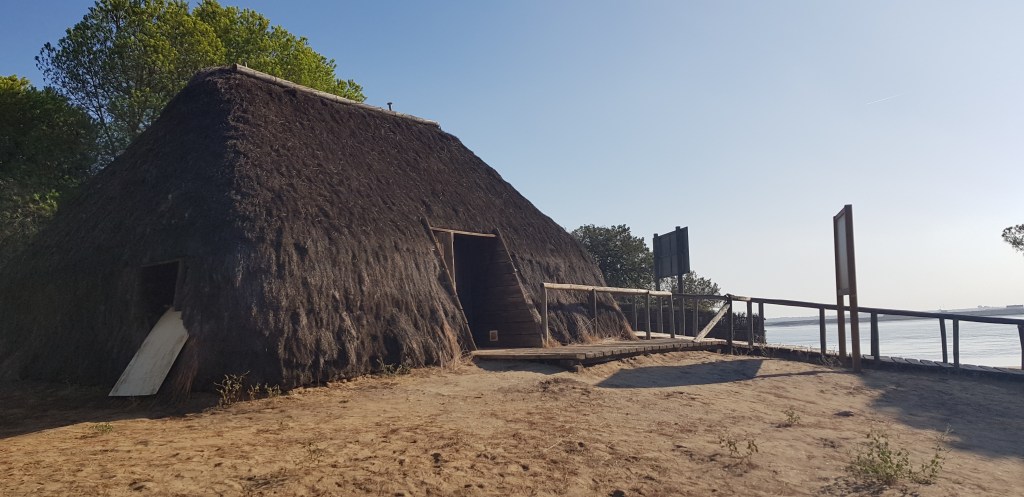
We also visited some traditional thatched huts that once made up a small village of people that lived in this oasis, but are now government owned as the families have now passed on. The only person with a residence there now is the king that has a palace set in the middle of paradise.

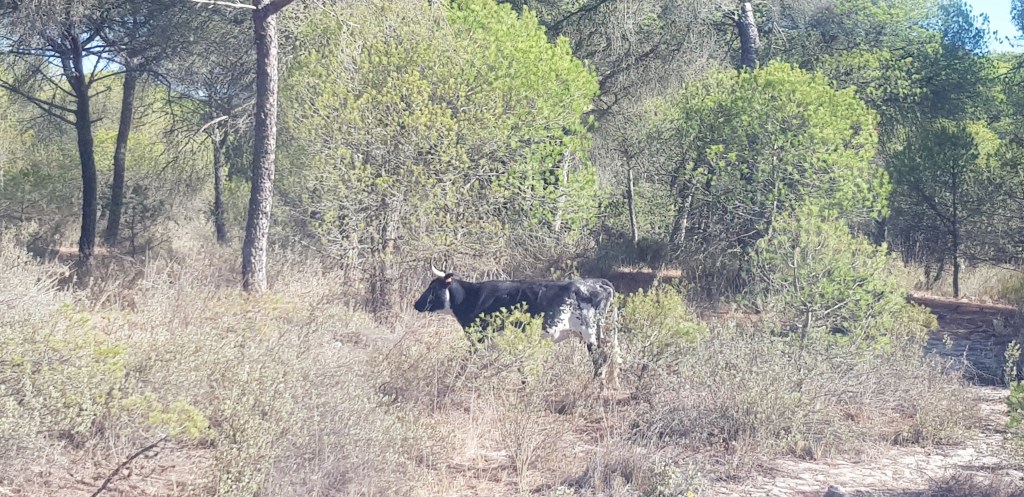
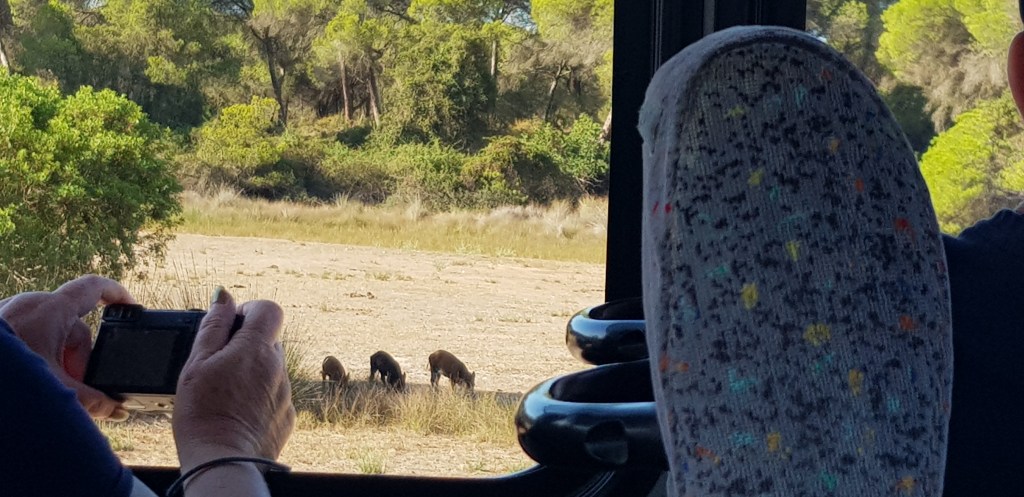
Next was meadows and wetlands with wild free roaming cattles and wild pigs. I even got to spot a mama with three little piglets running around. I asked how the cattle access food and water because this is the driest region of spain, and the ranger explained that ditches have been dug out for the cattle to drink ground water that is underneath, but that is the only thing they do to intervene with their nature. I was very impressed with the animals’ resillience.

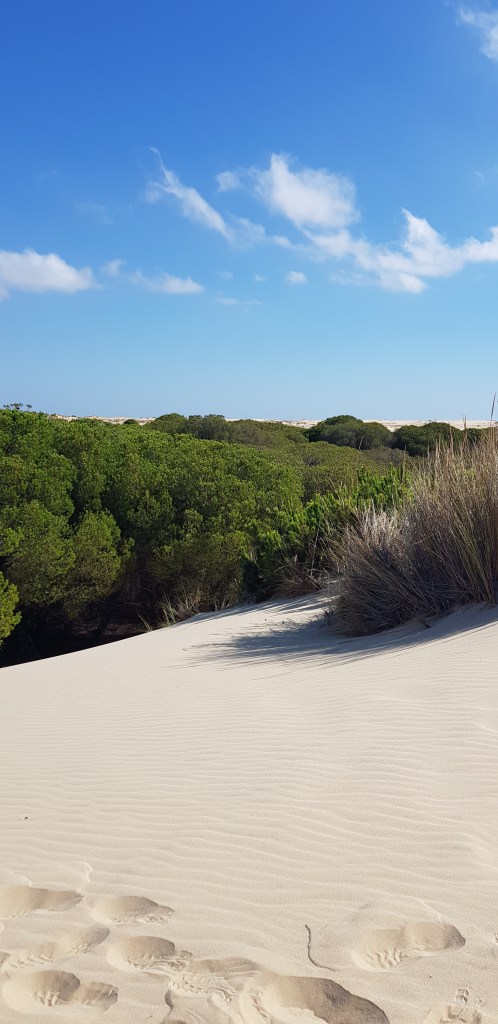
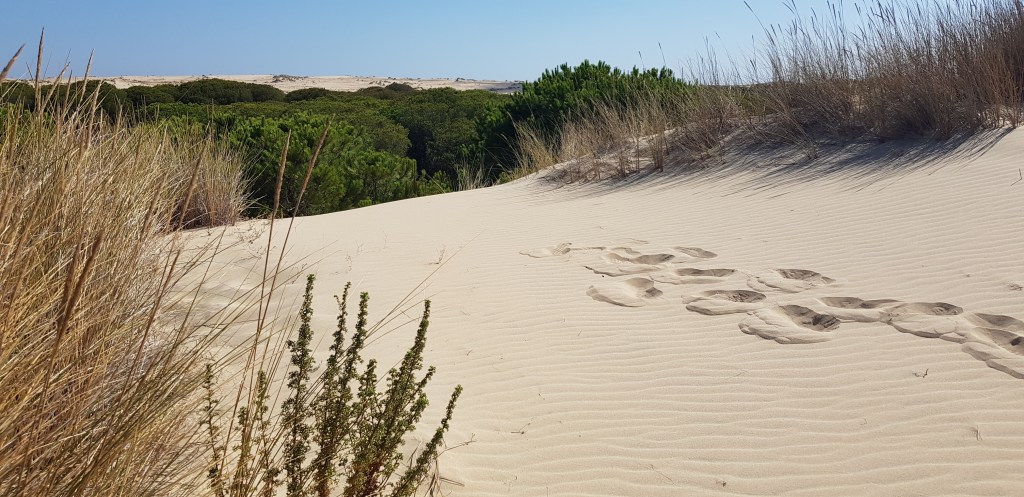
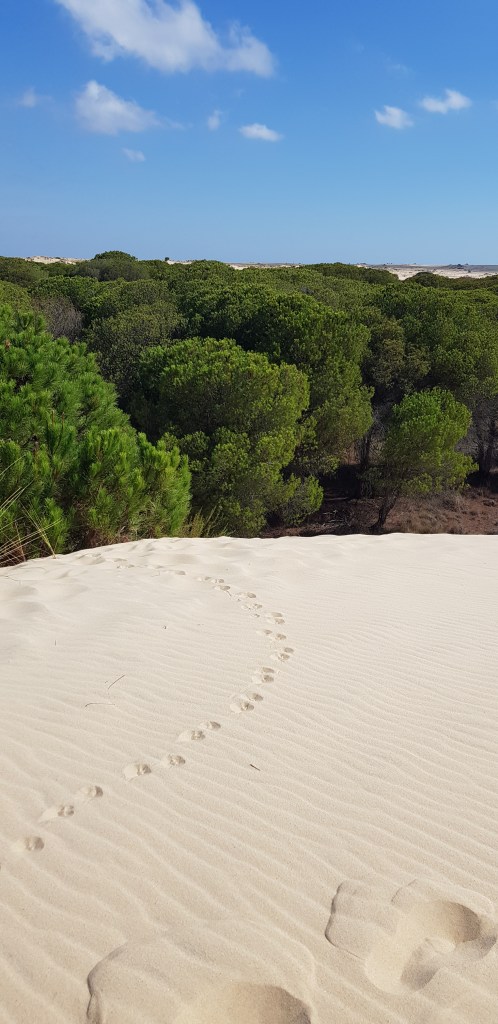
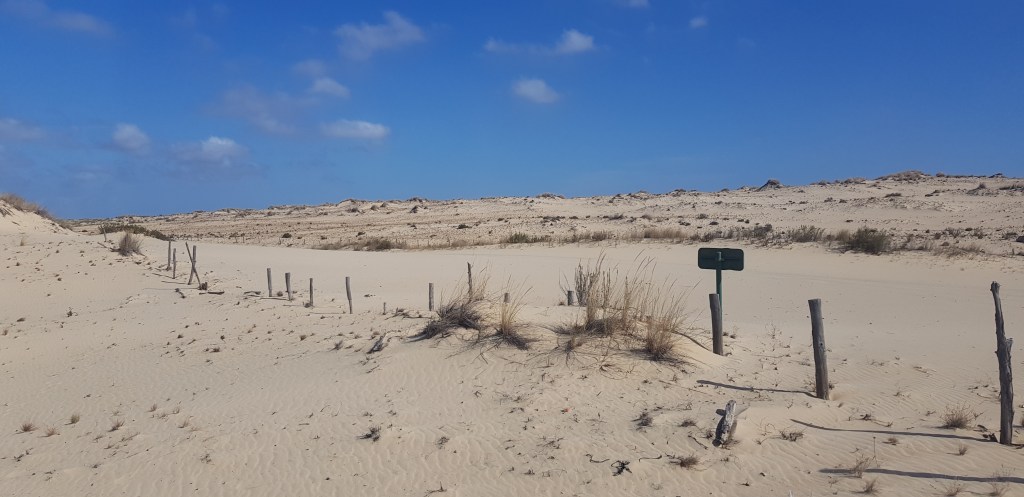
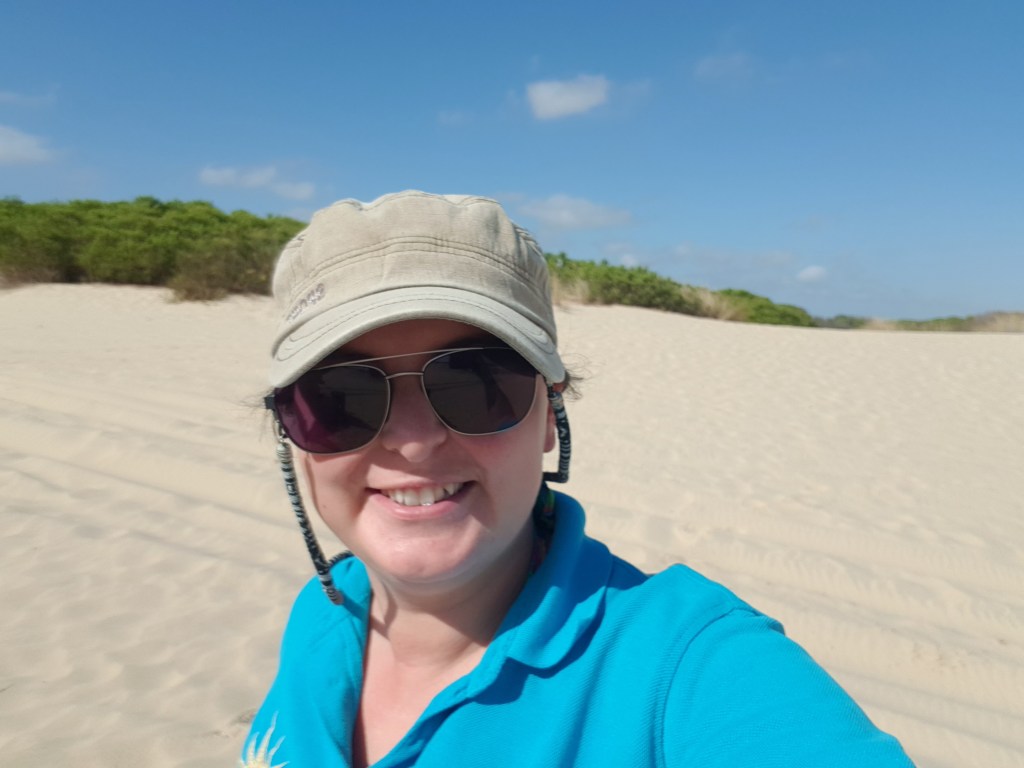
After this we ventured into a land of sand dunes that were up to 30 metres tall and vast! We stopped to have a walk around and the dunes that had been windswept there made you confused to think that you were just stepping outside of forests and meadows into this wasteland environment.
Our guide showed us some viewpoints here high up on the dunes as well as insects that were living in the sand and it made me curious to try to identify the animal tracks I was finding in the sand. The park is home to many endangered species including Spanish imperial eagles (which we thought we saw) and the Iberian lynx, which mostly keeps to itself.

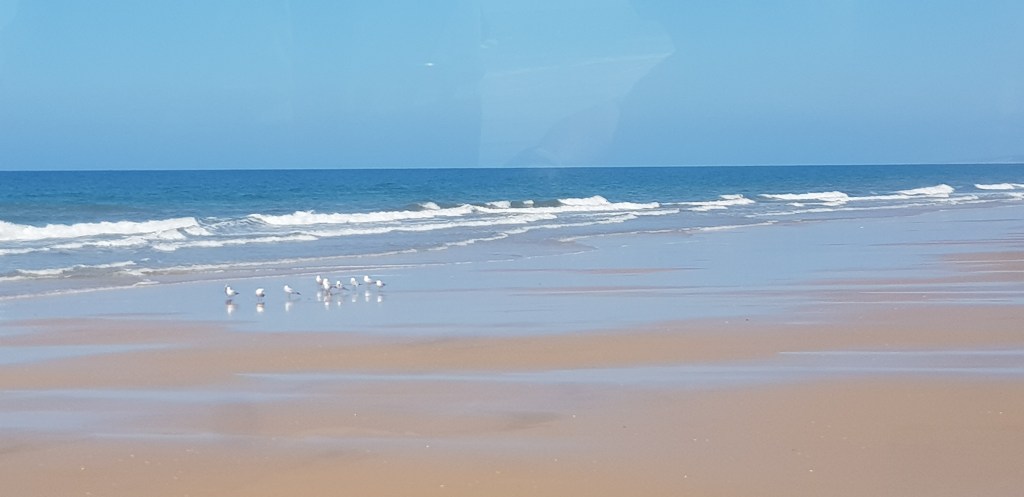
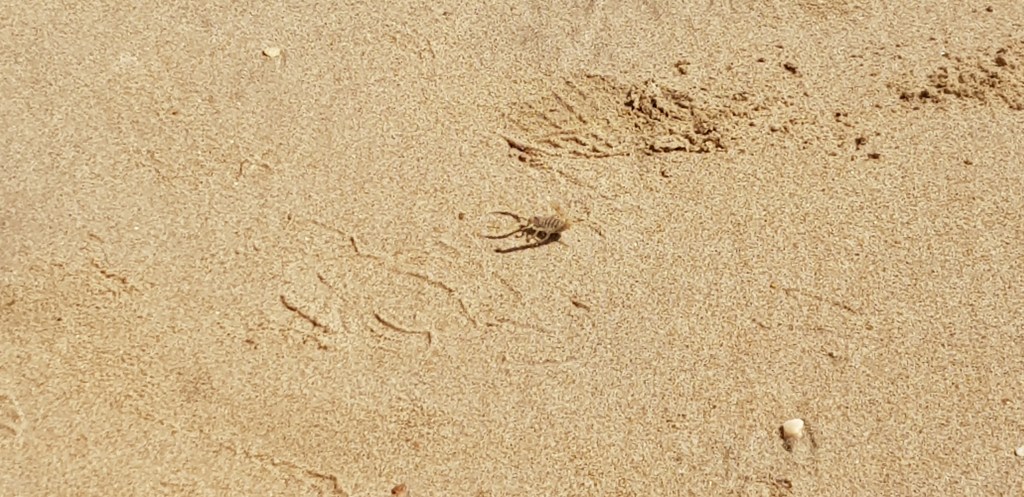
Finally we returned to the beach for a drive amongst this long stretch of sand, crabs and driftwood before stopping our jeep so that the guide could show us a scorpion he found sitting under the wood.

I was totally blown away by this absolute eden of a park and considered how I would love to revisit as I sat down for a nice meal back on the other side of the water. I realise though that this exclusive park would not allow me back again unless it was on a tour so that they can properly protect this truly beautiful space. I feel very lucky to have had the chance to visit.

Corrientes, Argentina & Ibera National Park

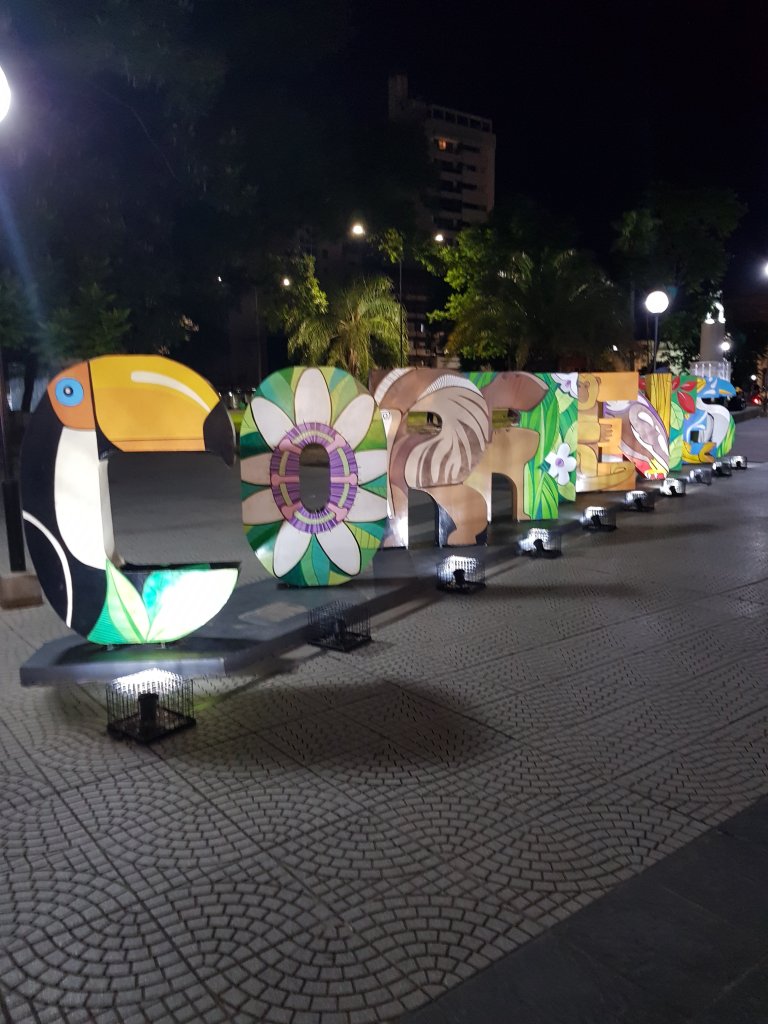
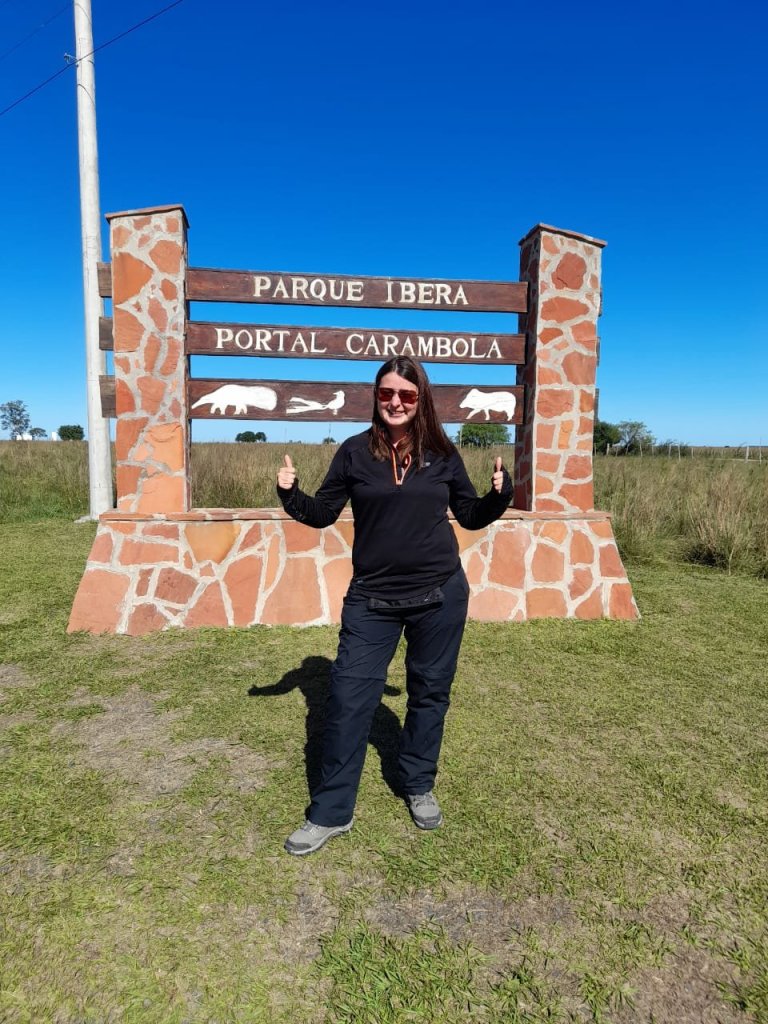
Corrientes city was supposed to just be a stopover on my way to Iguazu National Park, but due to the bus schedules, I had to stay for almost three nights. This ended up being a stroke of luck as not only could I enjoy the city, but especially because I was able to visit Argentina’s biggest National Park, and the world’s second largest wetland, Ibera National Park.

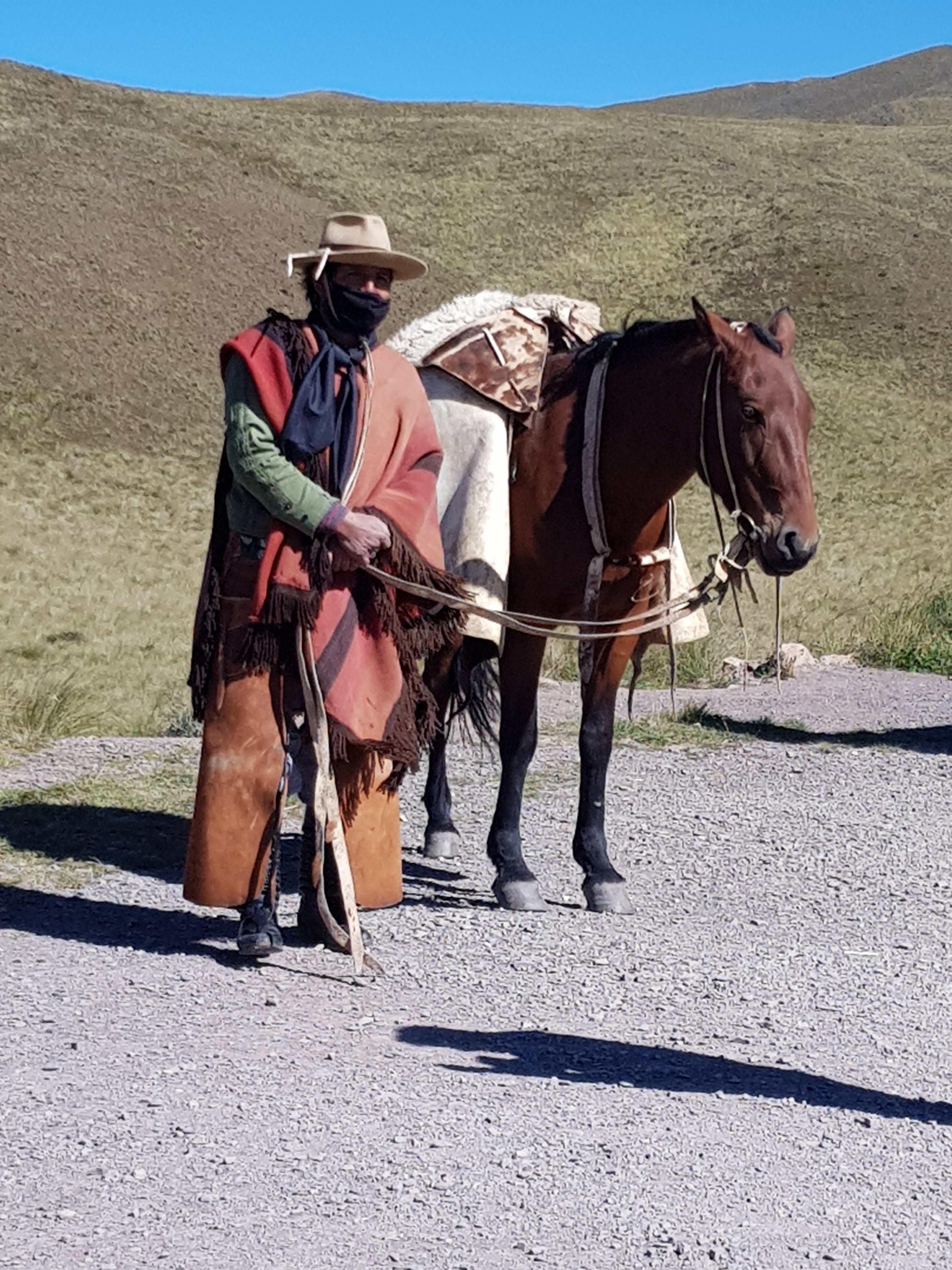
Corrientes city is the capital of the Corrientes province in the North of Argentina. I wasn’t sure what to expect as many people asked me ‘why are you going there?’. There is little publicised about this city or the nearby national park to visitors. It is still one of the world’s less explored locations. I am very happy about this. The city has a mix of some modern amenities but also a lot of old school traditions. Ever seen a road sign that says that pulling your horse and wagon through is prohibited? Now, I can say that I have. There are plenty of people still using horses to get around, and it is brilliant to see. Made me feel that maybe I could get picked up and trotted away by a local cowboy!
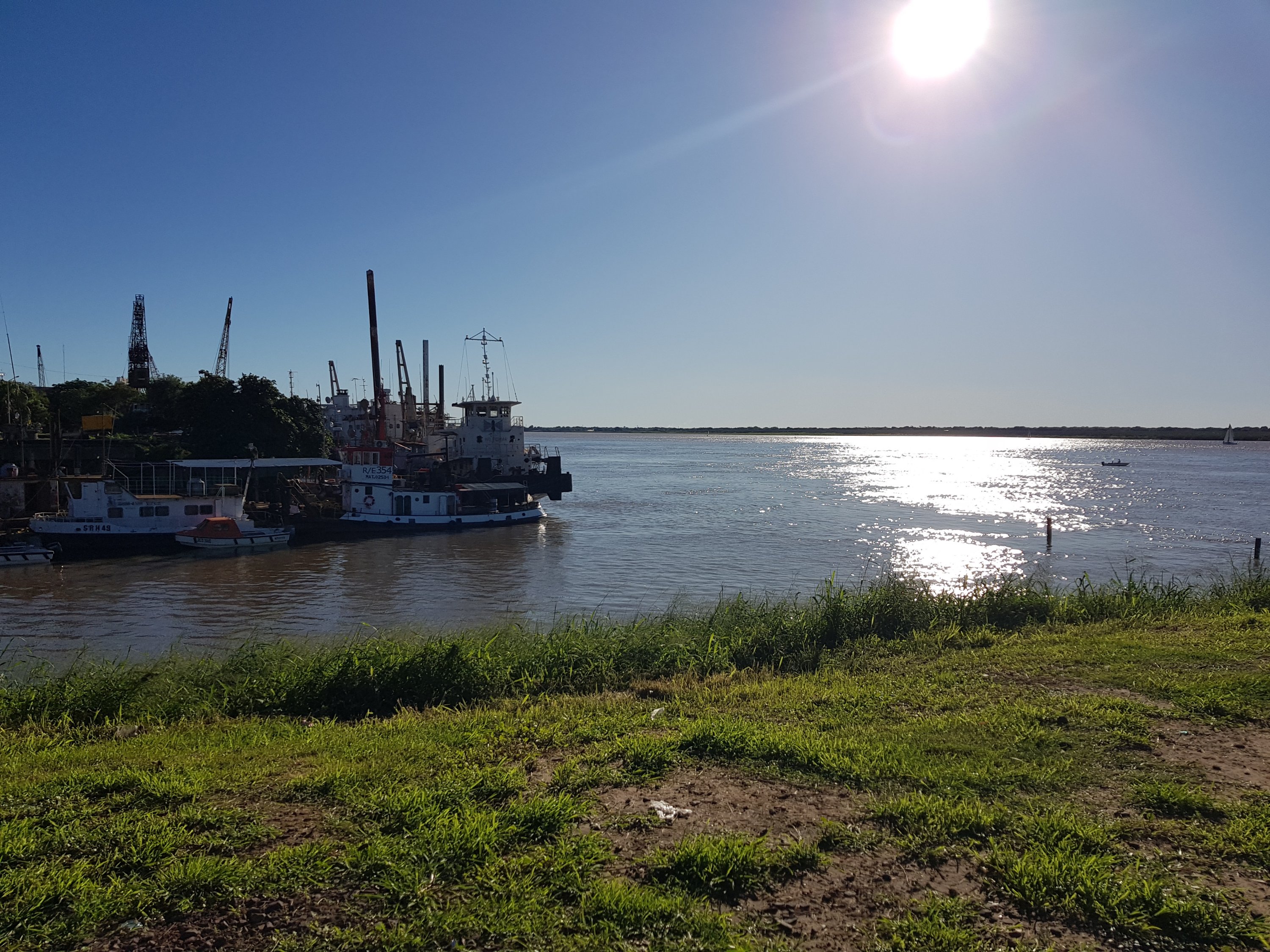
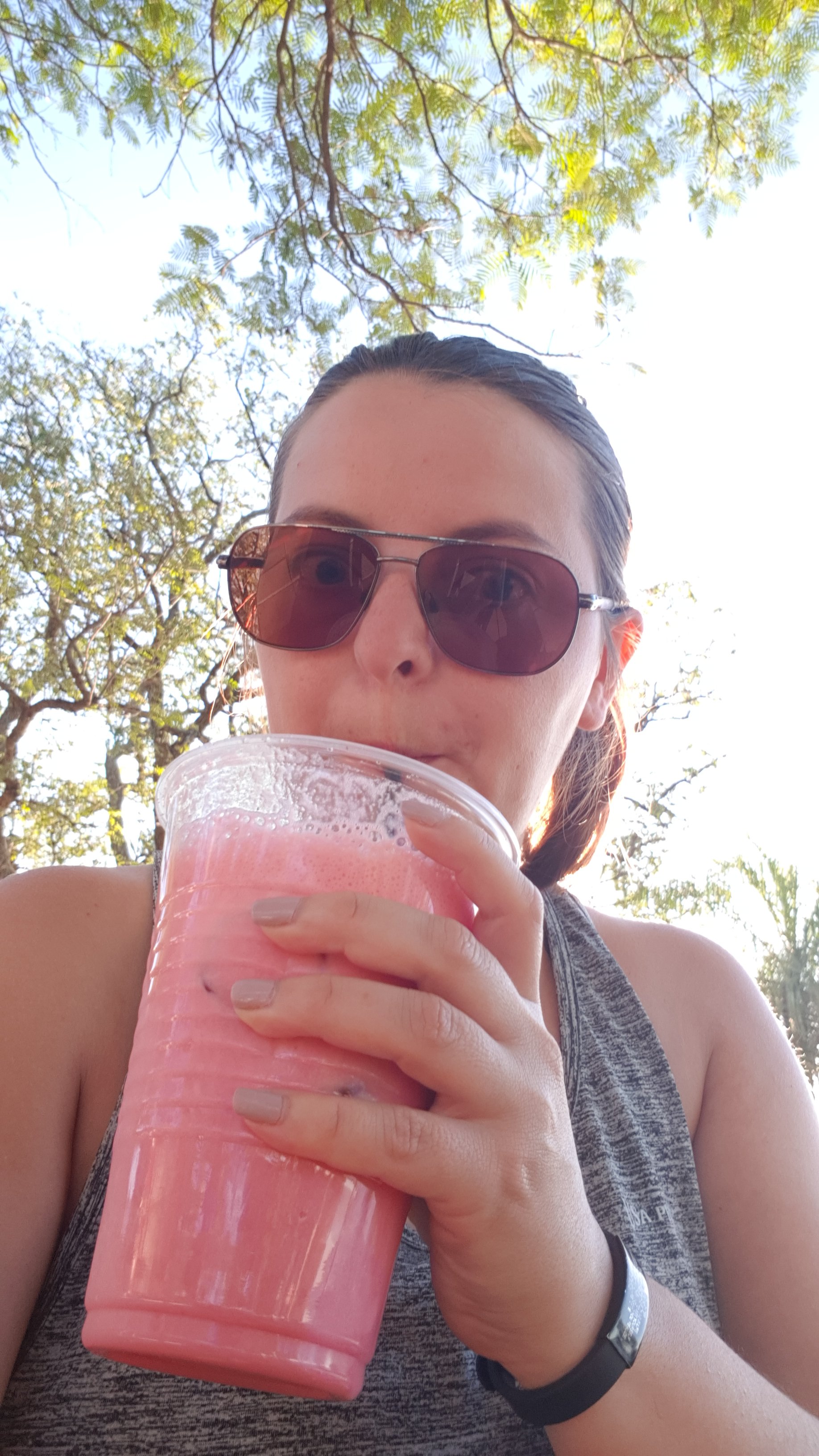
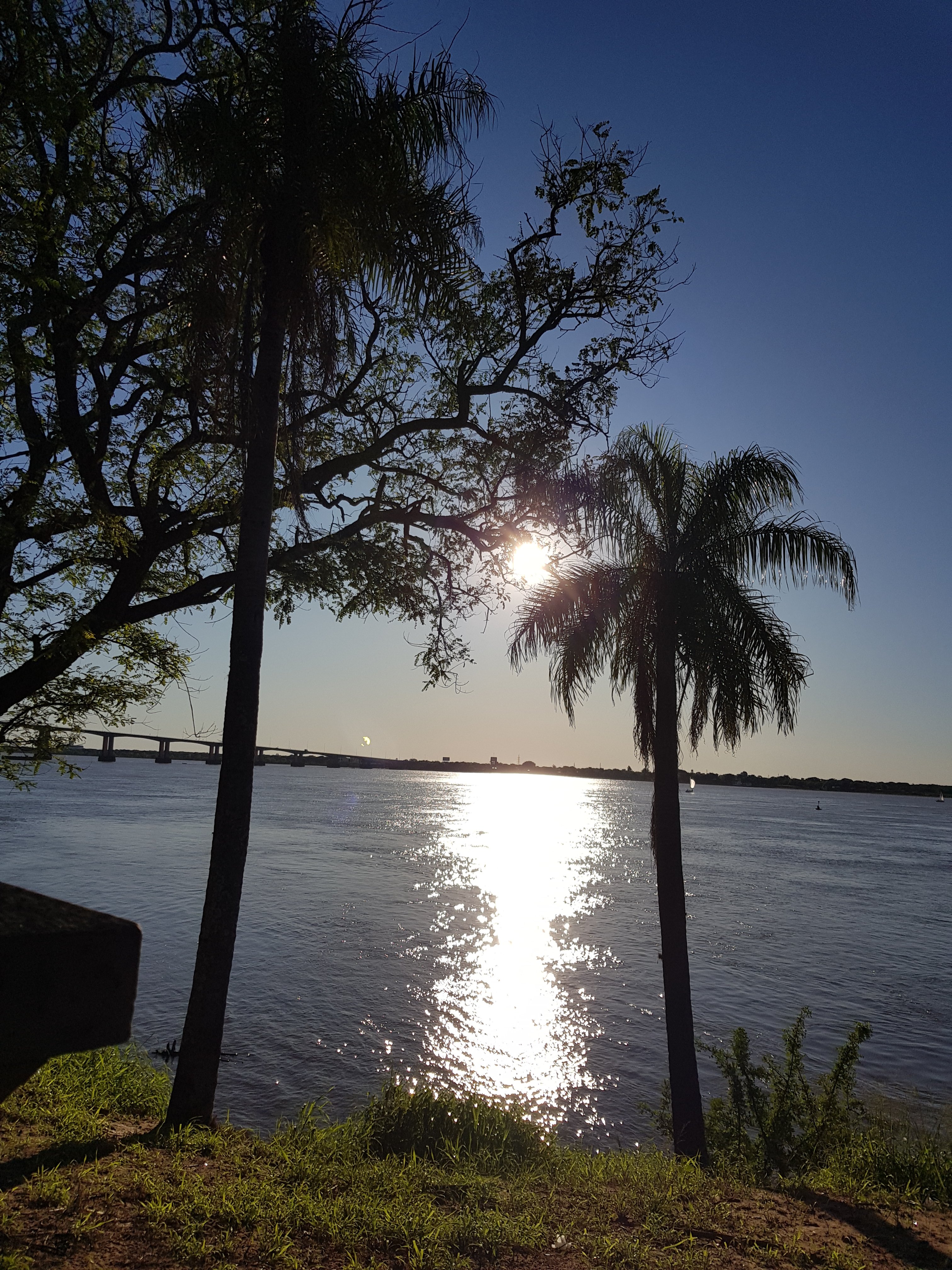
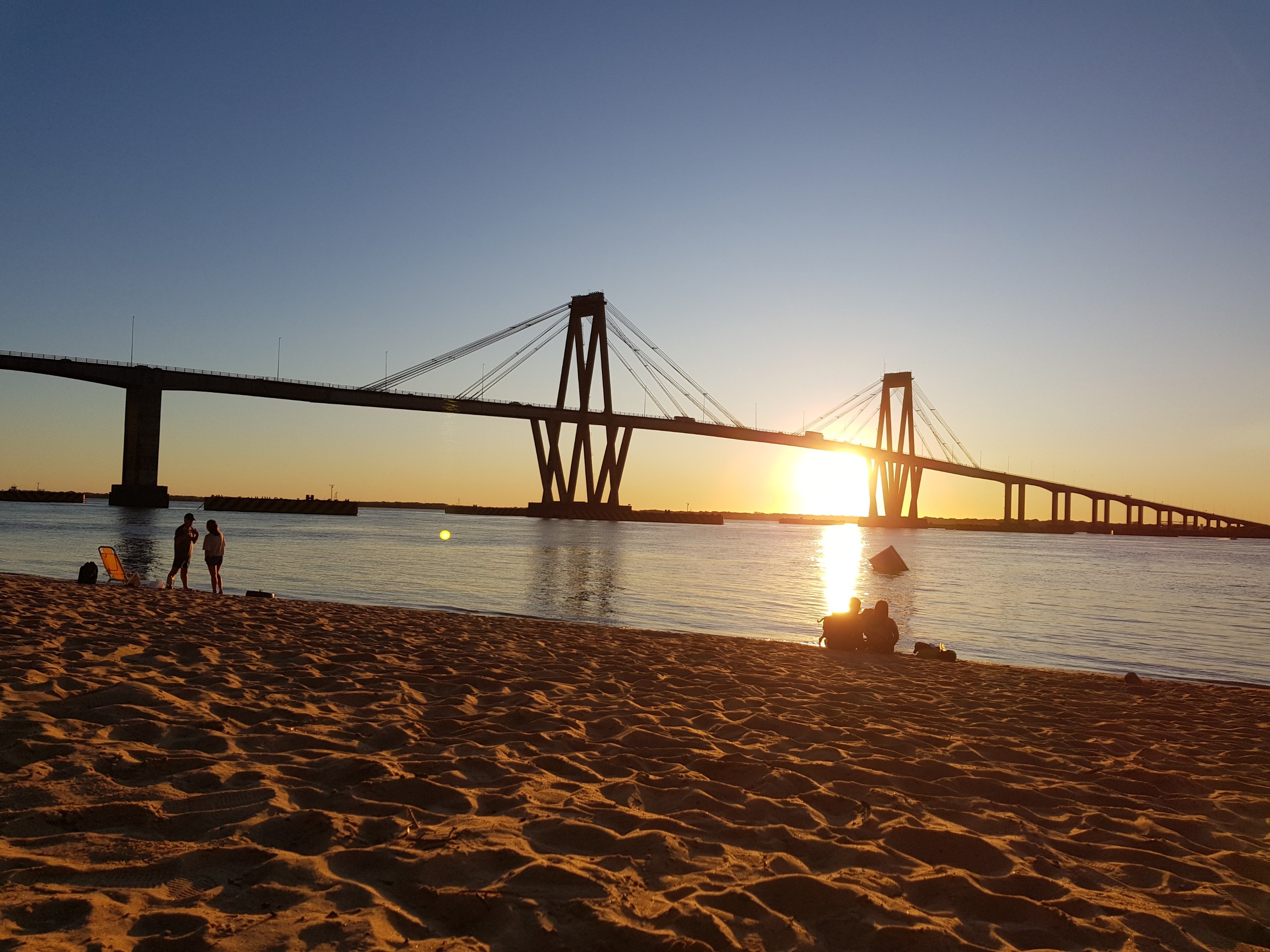
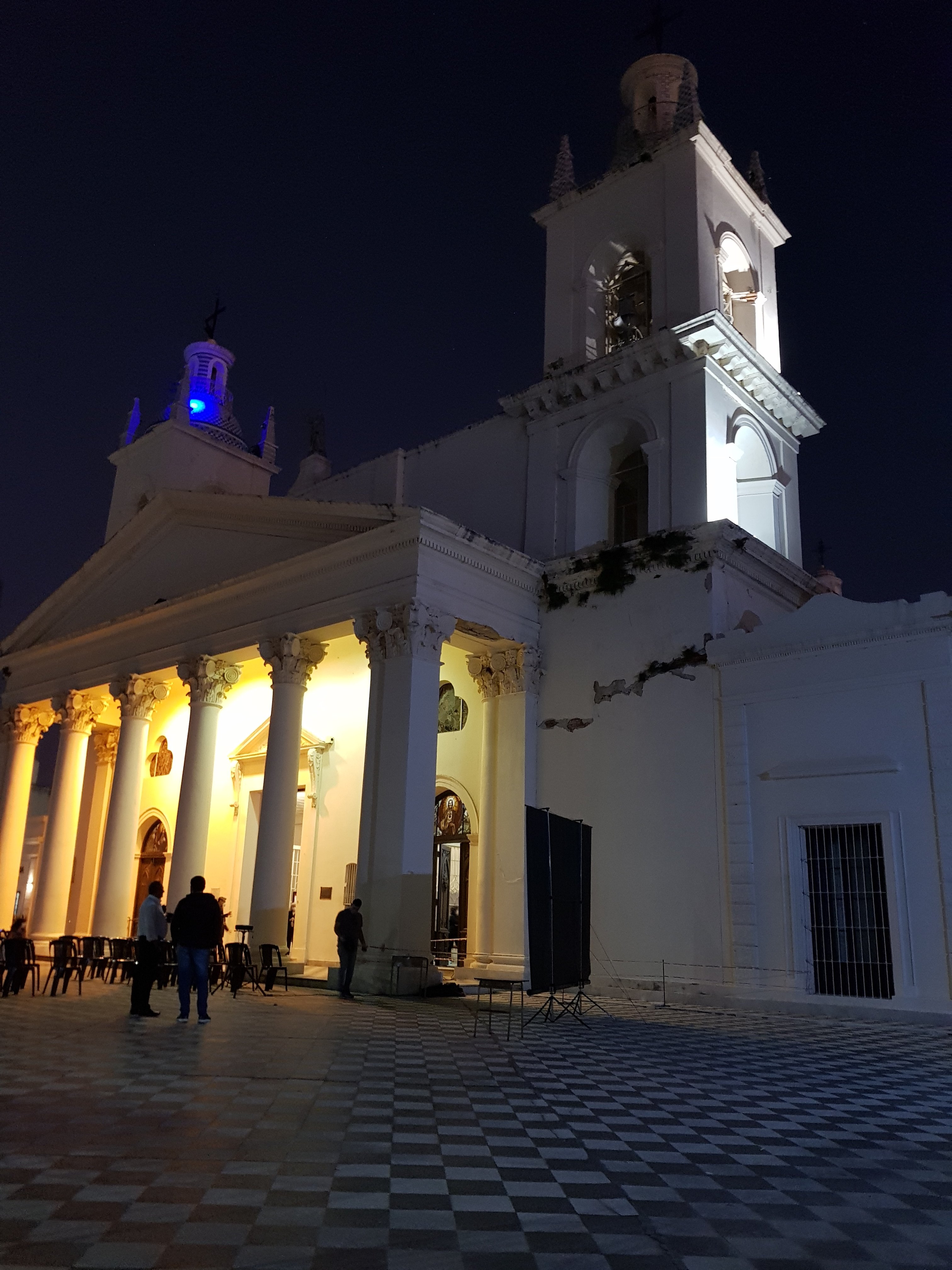
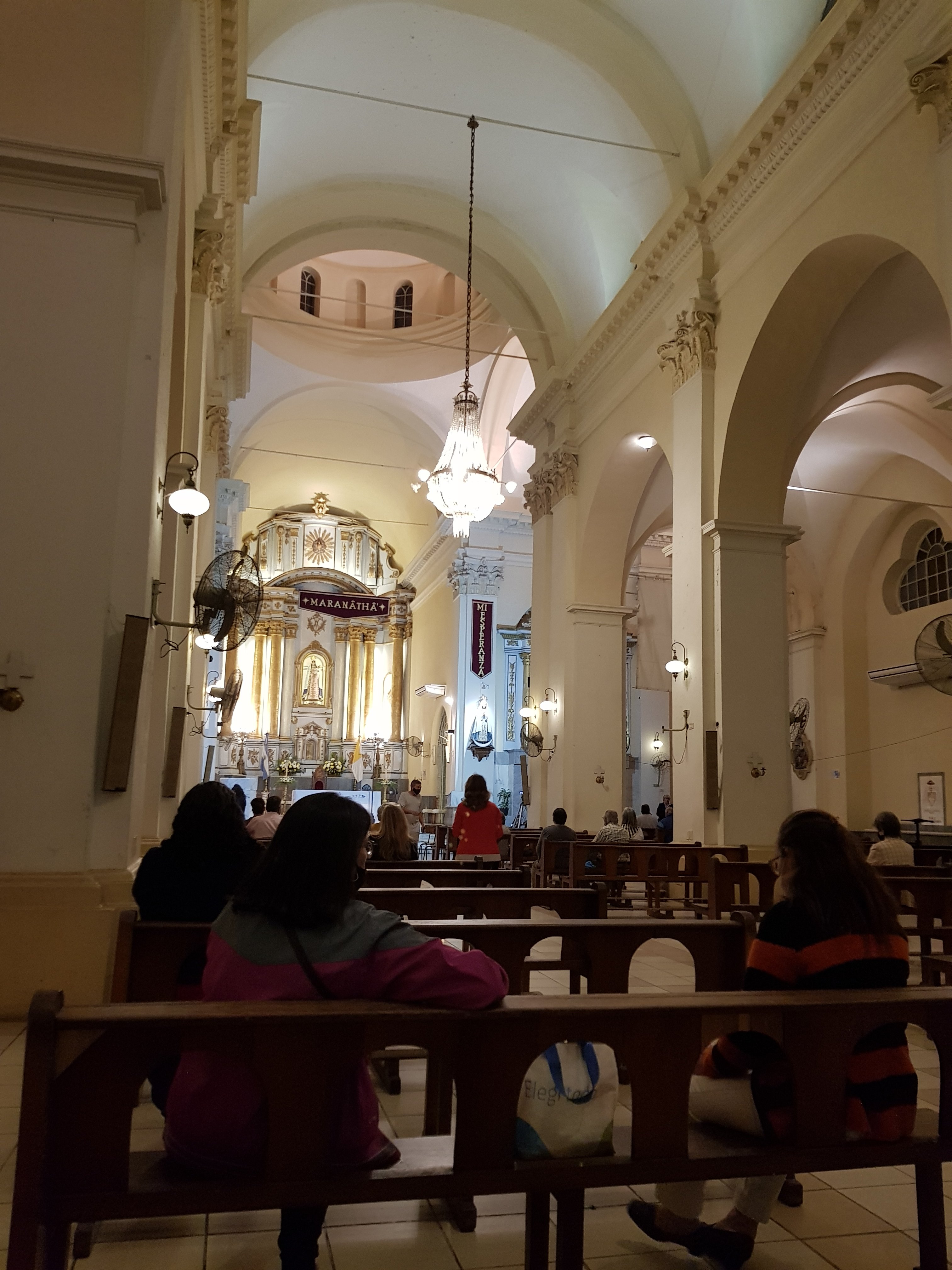
The city sits within this huge wetland area and has the huge Parana river separating it from the next big town. This huge river provides a promenade to enjoy and some beaches, so it is a good place to relax. I enjoyed a local ‘chipa’ (dough cooked over bamboo) and a smoothie whilst enjoying the sunset here. Later in the evening, I had a pleasant experience at the holy week mass in the main cathedral.

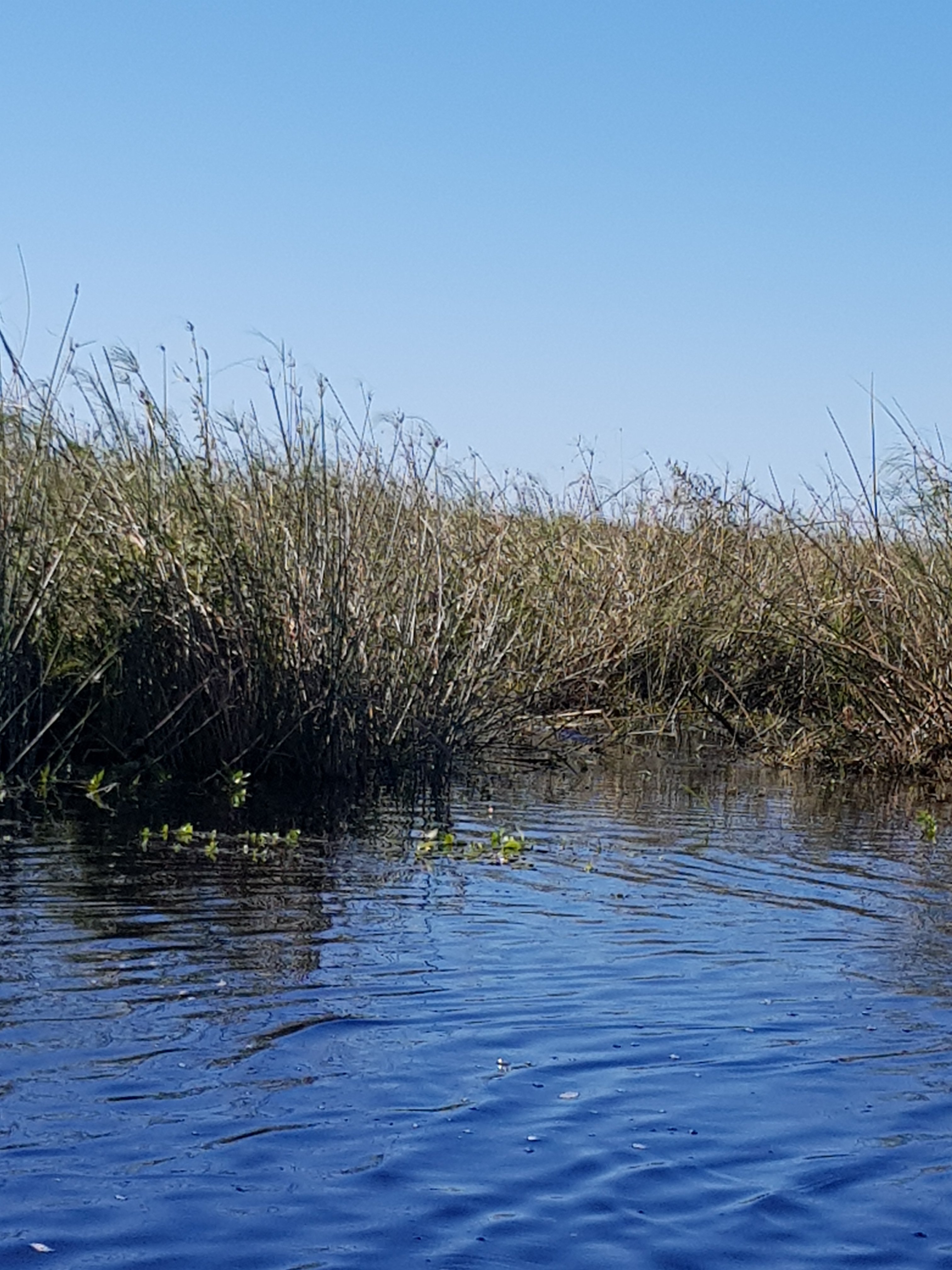
It was the week of Easter when I visited, and so all the local tour agencies were very busy. I was worried I would not be able to get out to Ibera National Park (also known as Esteros del Ibera), as it is 2.5 hours from the city, and I didn’t have the confidence to hire a car alone to this wild area. After some long whatsapp conversations with a few agencies, they managed to arrange a private transfer to Concepcion, which is a town that offers one of the access points into the park, and a long kayak trip on the rivers and bogs!

The Park is about 1 million and three hundred thousand acres in size. It not only comprises of rivers, bogs and lakes, but also grasslands, forests and savannas, depending on the part of the park you are in. The park is abundant in wildlife and is used to reintroduce many indigenous species. Deers, anteaters, caimans, and even tigers called Yaguareté can be found here.

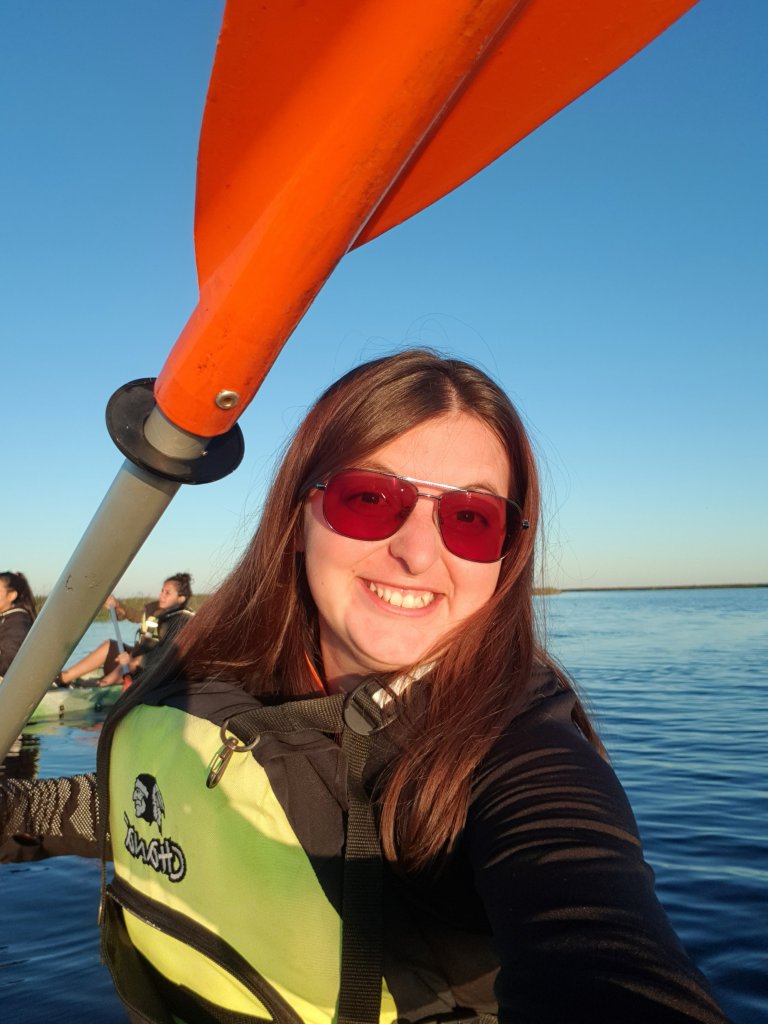
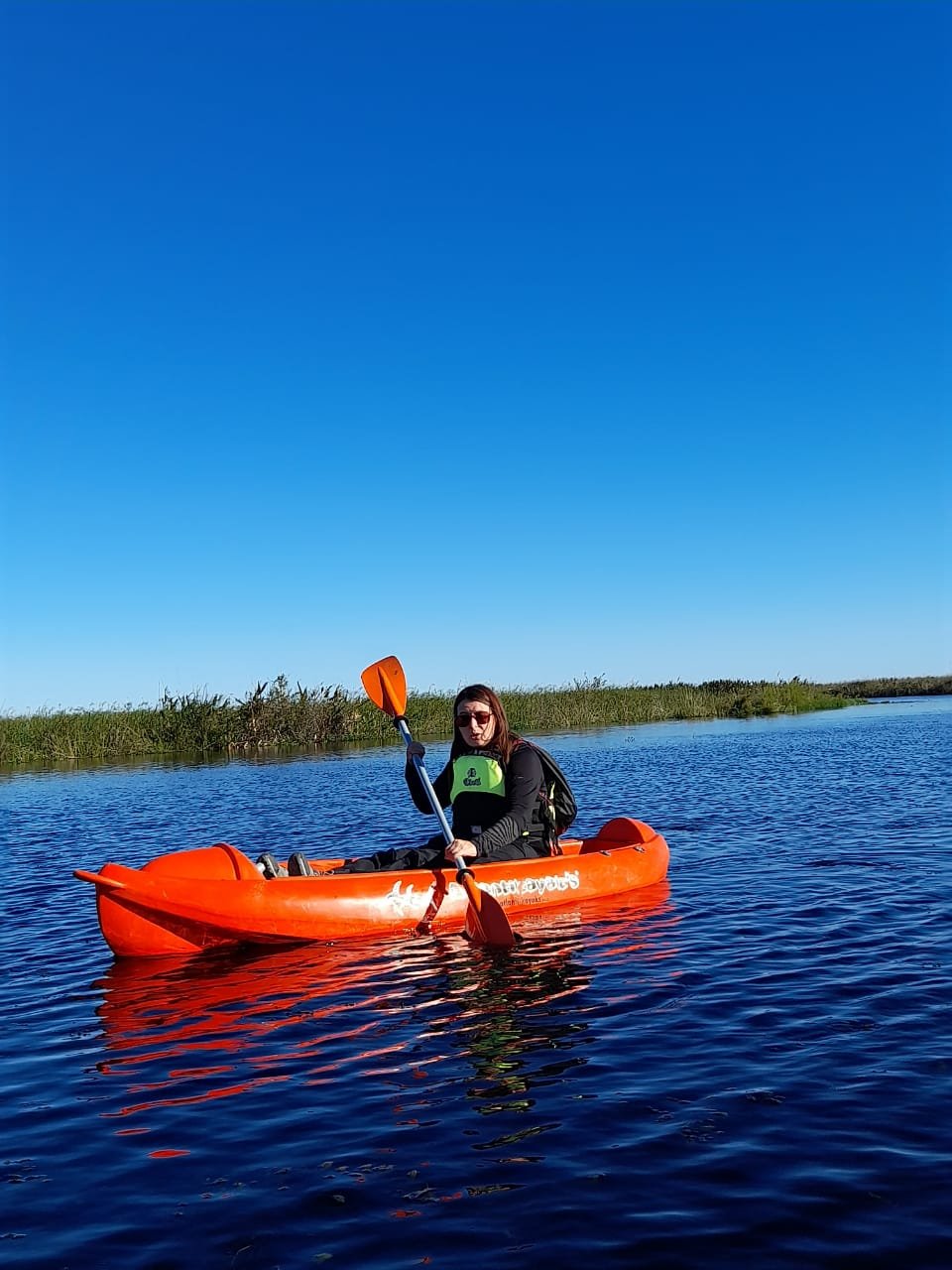
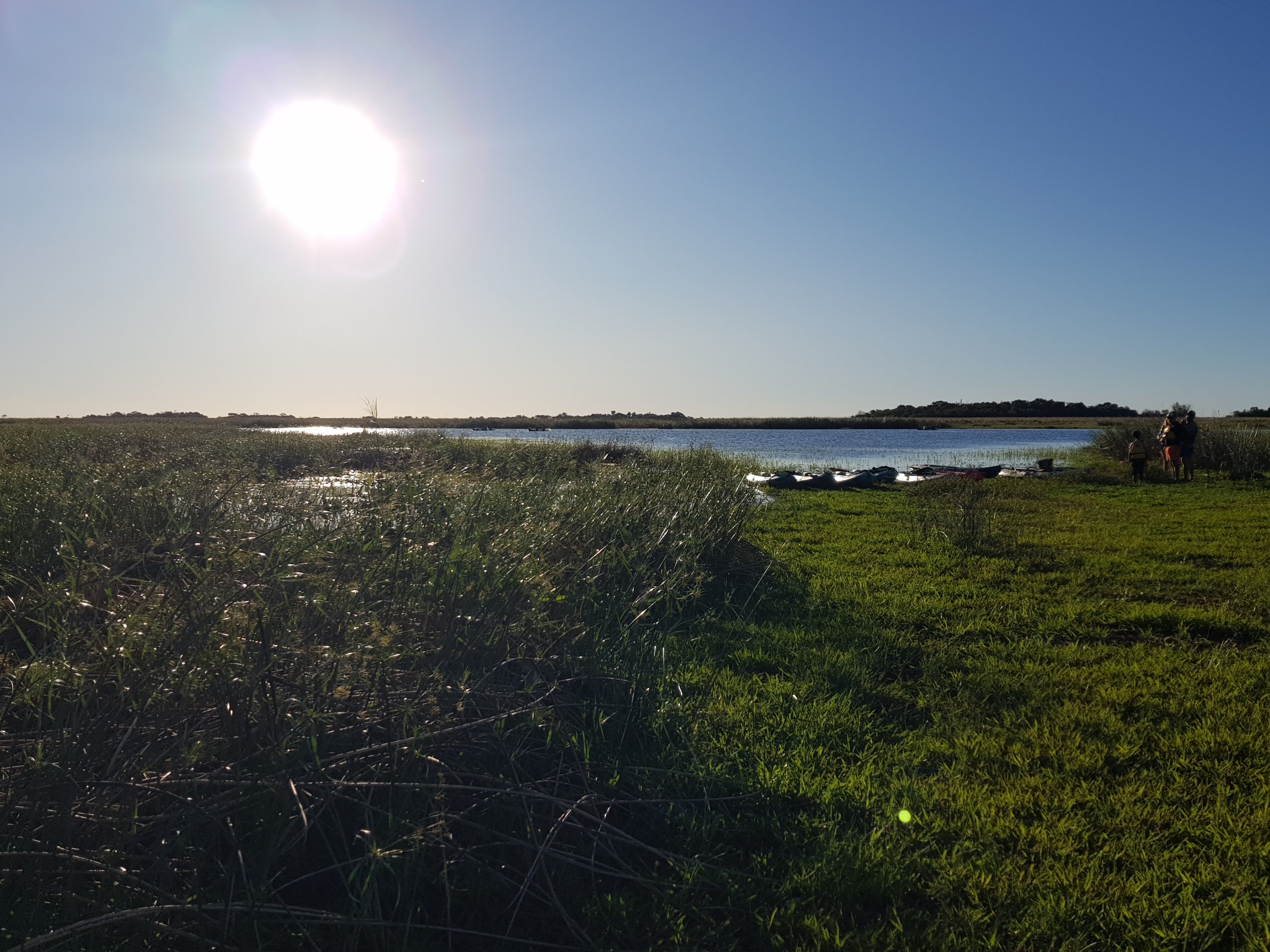
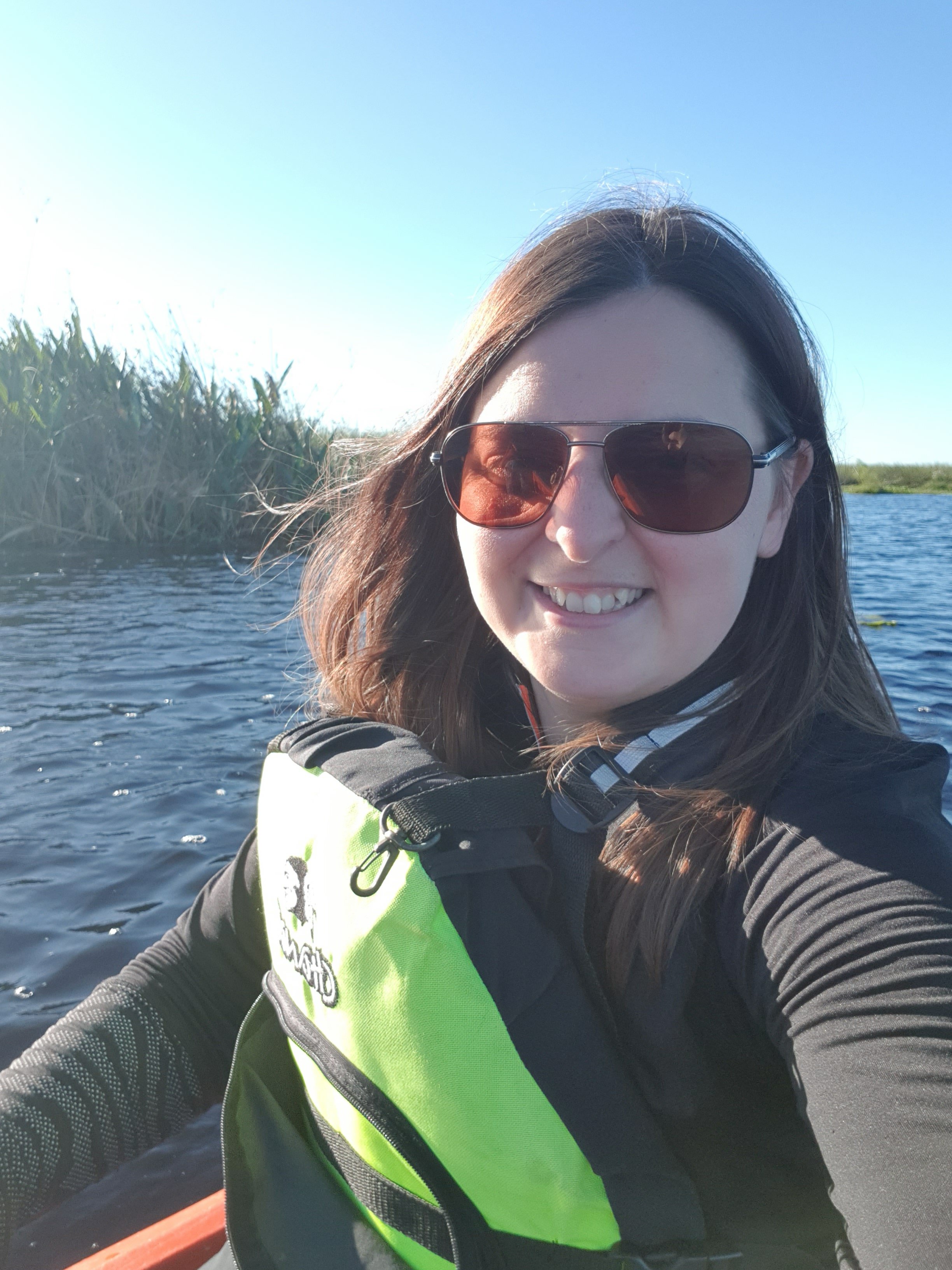
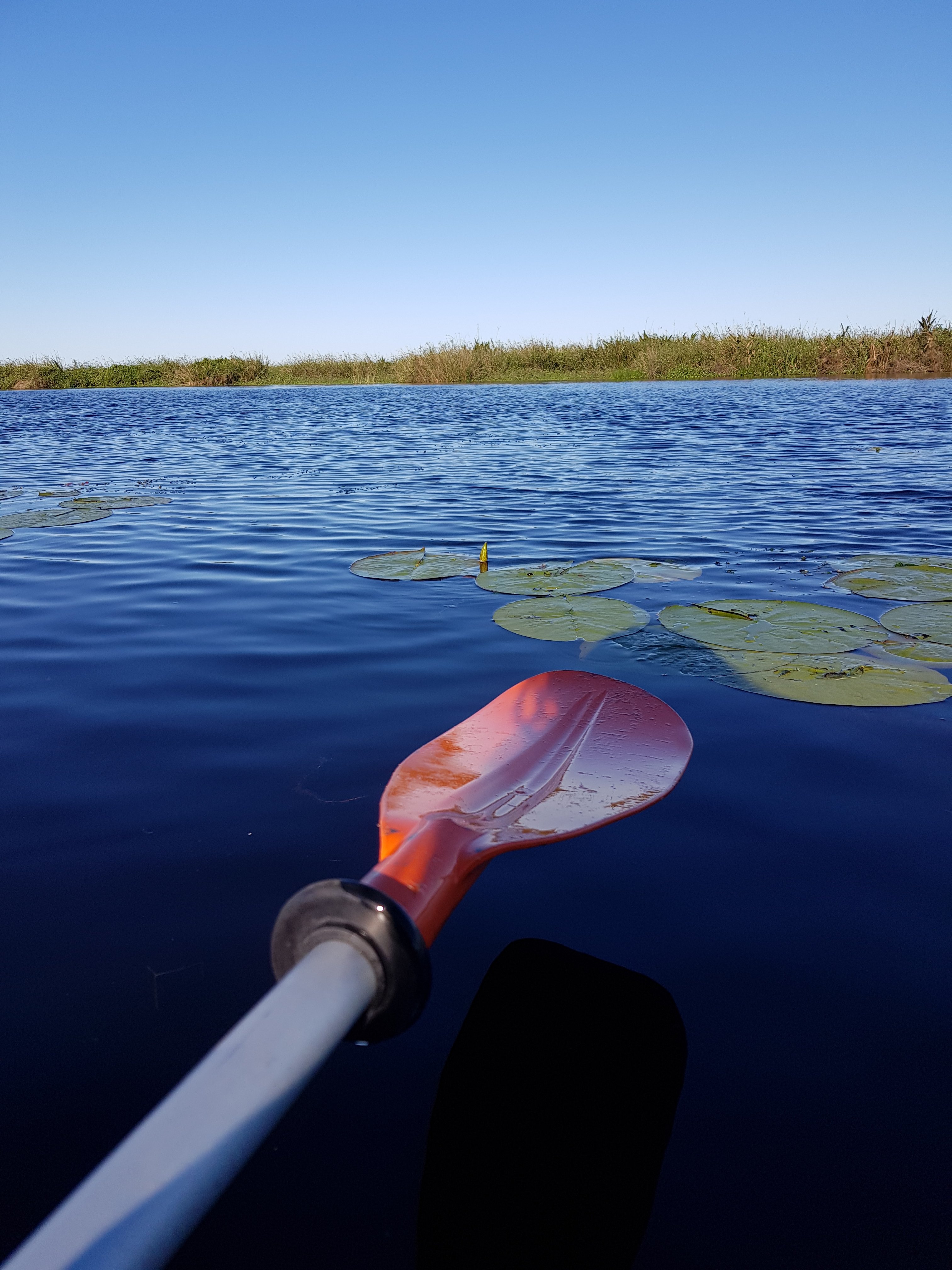
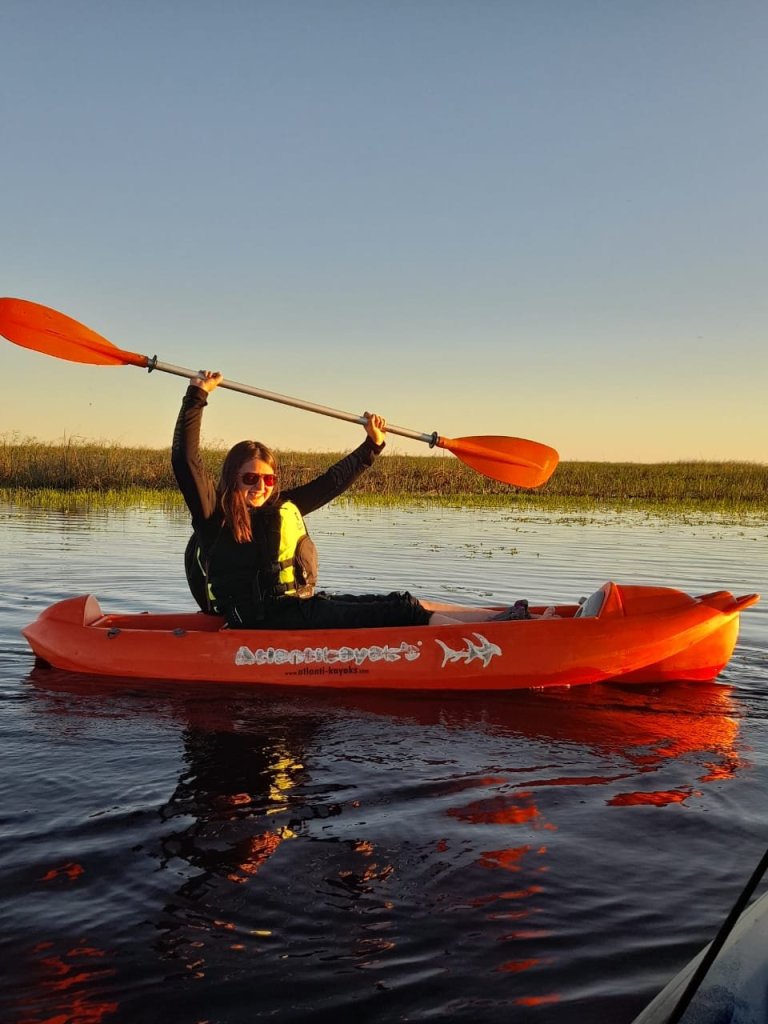
I set off in my kayak with a group of Argentine people surrounded in marshy waters with lily pads all around. Within ten minutes I saw my first caimen, specifically a Yacare caiman which is medium sized (growing up to 3 metres). It was just poking out of the water, until I got a little closer, then I could see it slip away with that long tail swimming side to side. Amazing! Within half an hour, I had seen another two. It was such a cool experience. I was a little nervous, but the guide assured me that they would not attack, and they did seem quite timid really.

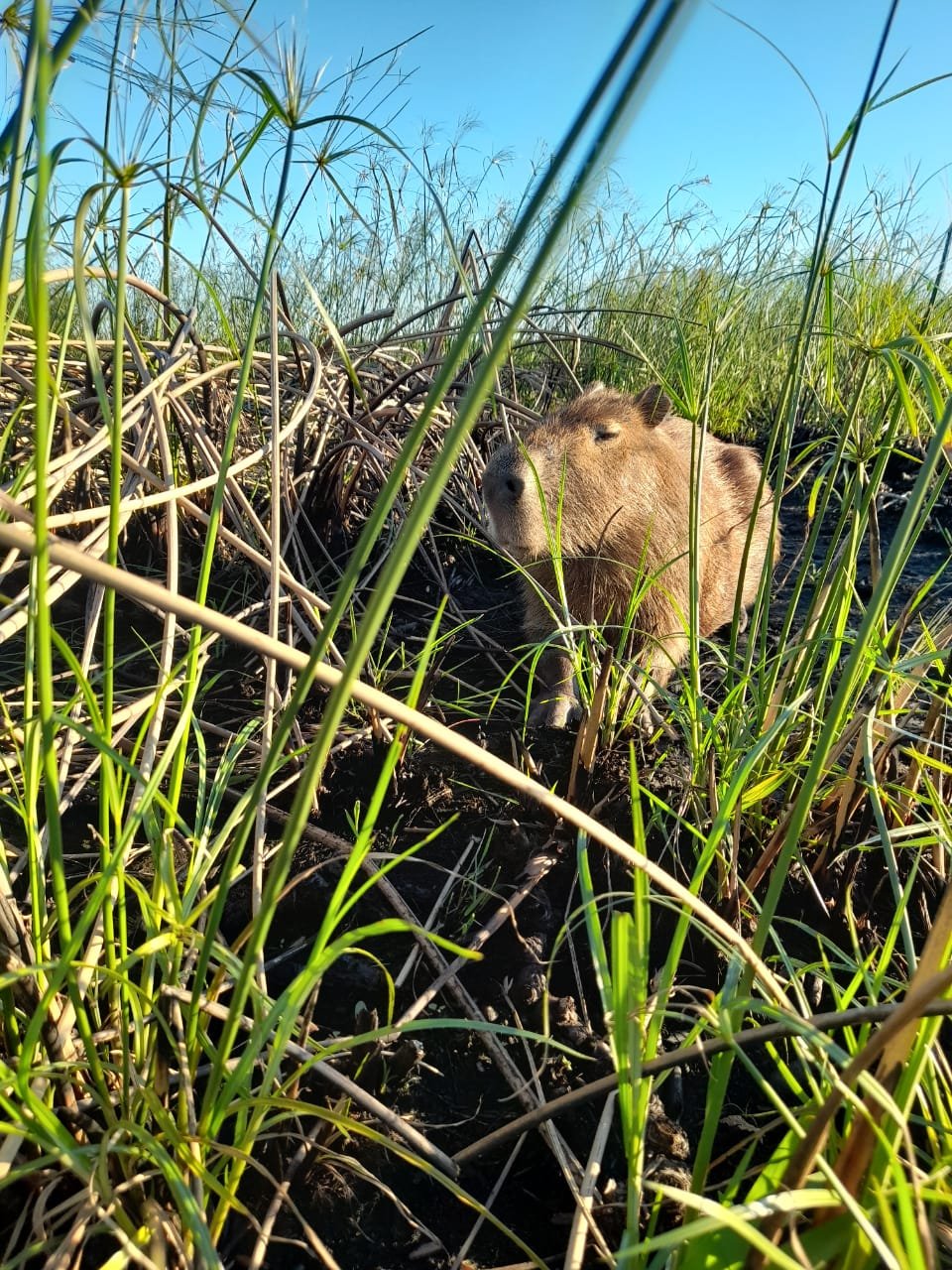
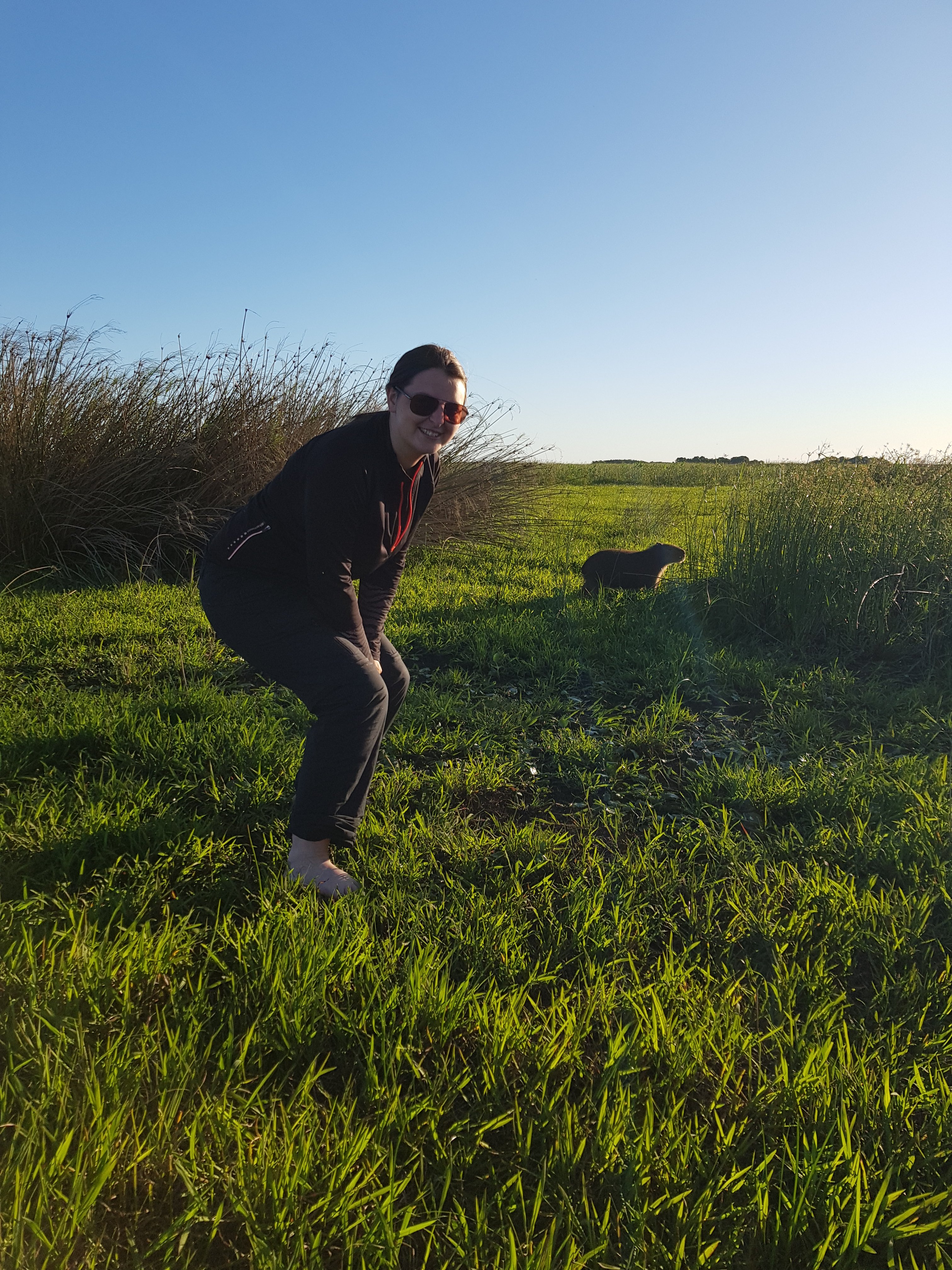
As I continued to row along, I saw beautiful and noisy birds of different colours, and enjoyed the scenery. We stopped for a picnic on top of the grasses, and as we began to dig into our sandwiches, a big Carpincho came by to have a look. These animals are known for being the biggest rodents in the world, and there are plenty of them in this national park. Shortly after this we saw a deer, followed by an owl, and even a south american racoon! I was very happy, I felt like all the animals had come out to see us.

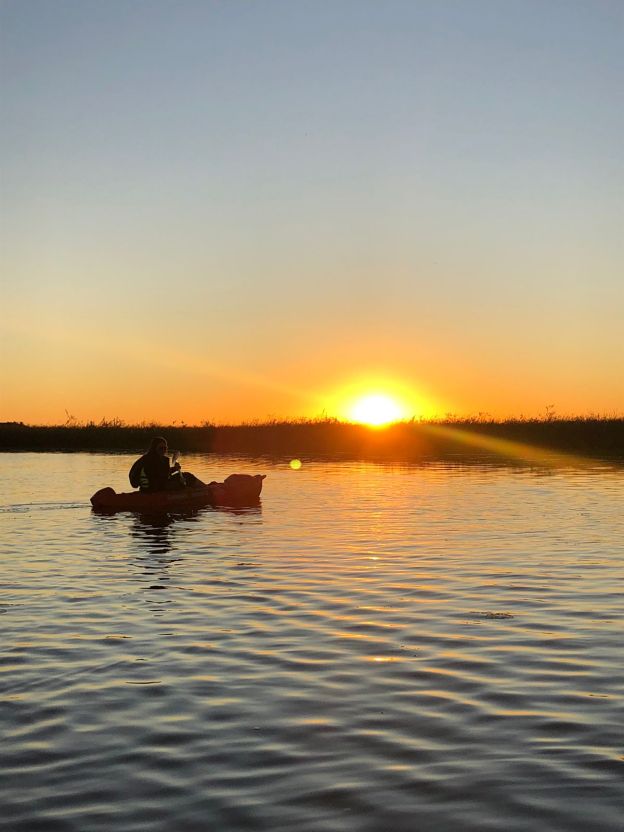
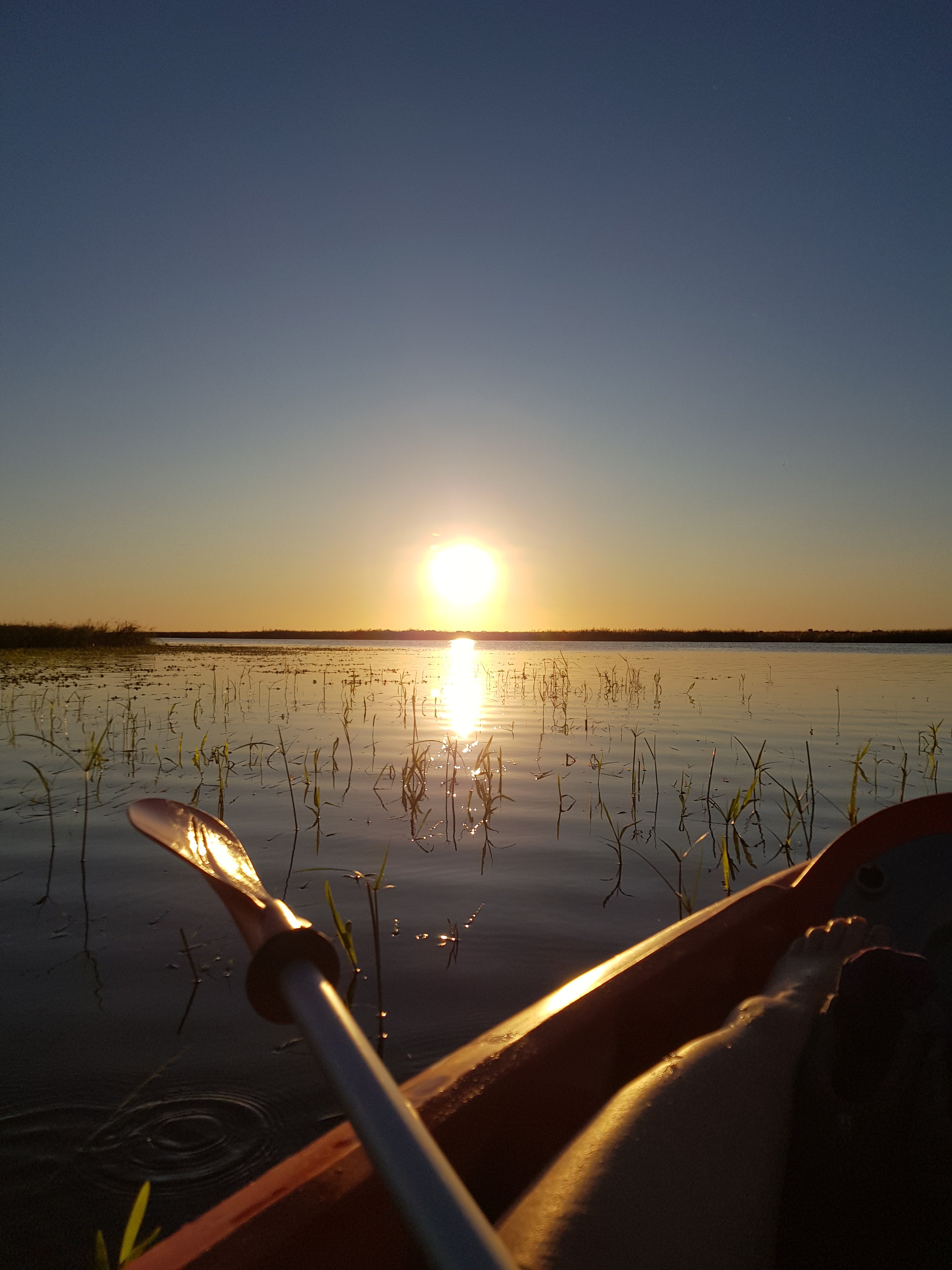
I began to row back with a view of the sunsetting on one side, and a full moon on the other. One of the most beautiful scenes of my life.

The park can be explored by kayak, motor boat and by horse! Although.. you and the horse will have to get a little wet. I would love to return here and stay in the park itself for a few more days exploring other parts, because, just WOW!

The adventure isn’t over yet though, next stop Iguazu National Park! EEEEeeekkkk!

Salta, Argentina: ‘la linda’

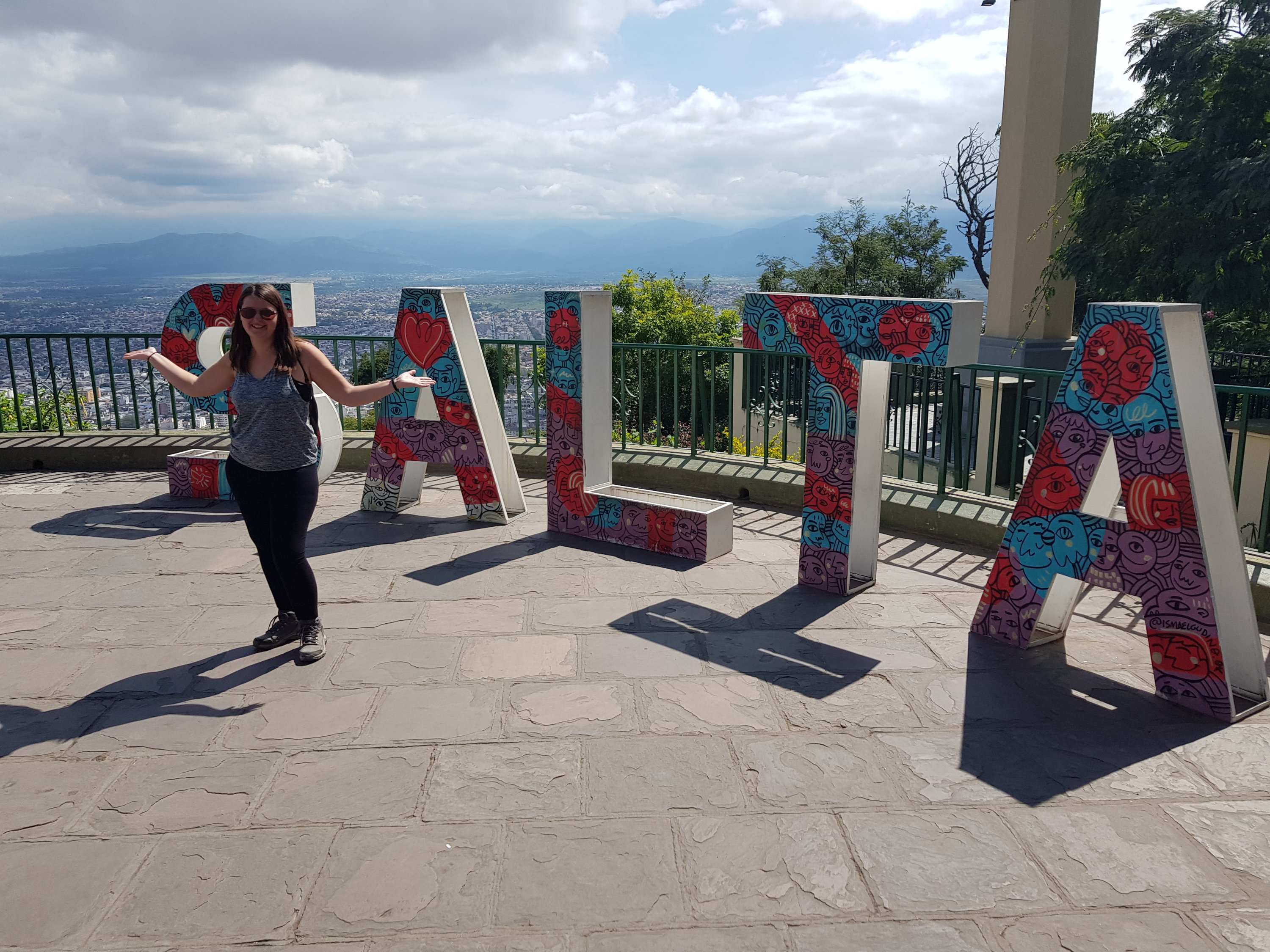
I had a six day stay in ‘la linda’ (the beautiful) city of Salta. This gorgeous city truly deserves its nickname, as it is without doubt the most beautiful city I have visited in Argentina. The city is inviting with friendly people, great architecture and intense surrounding landscapes.

Salta is located in the North West of Argentina, and has a surprisingly green landscape considering that this is where the country’s desert landscape starts to come into play, as the roads begin to lead towards Bolivia.

Inside the city

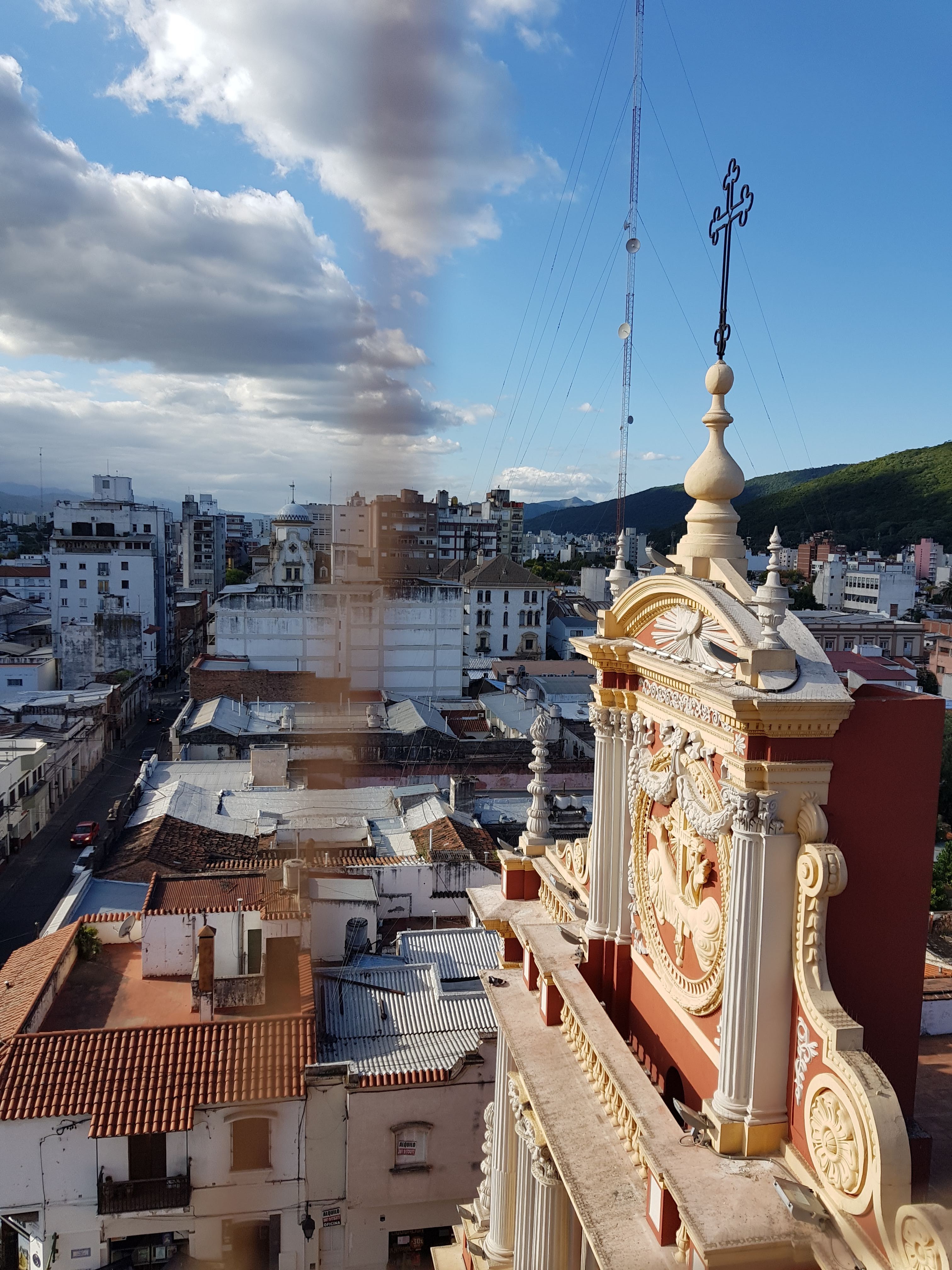
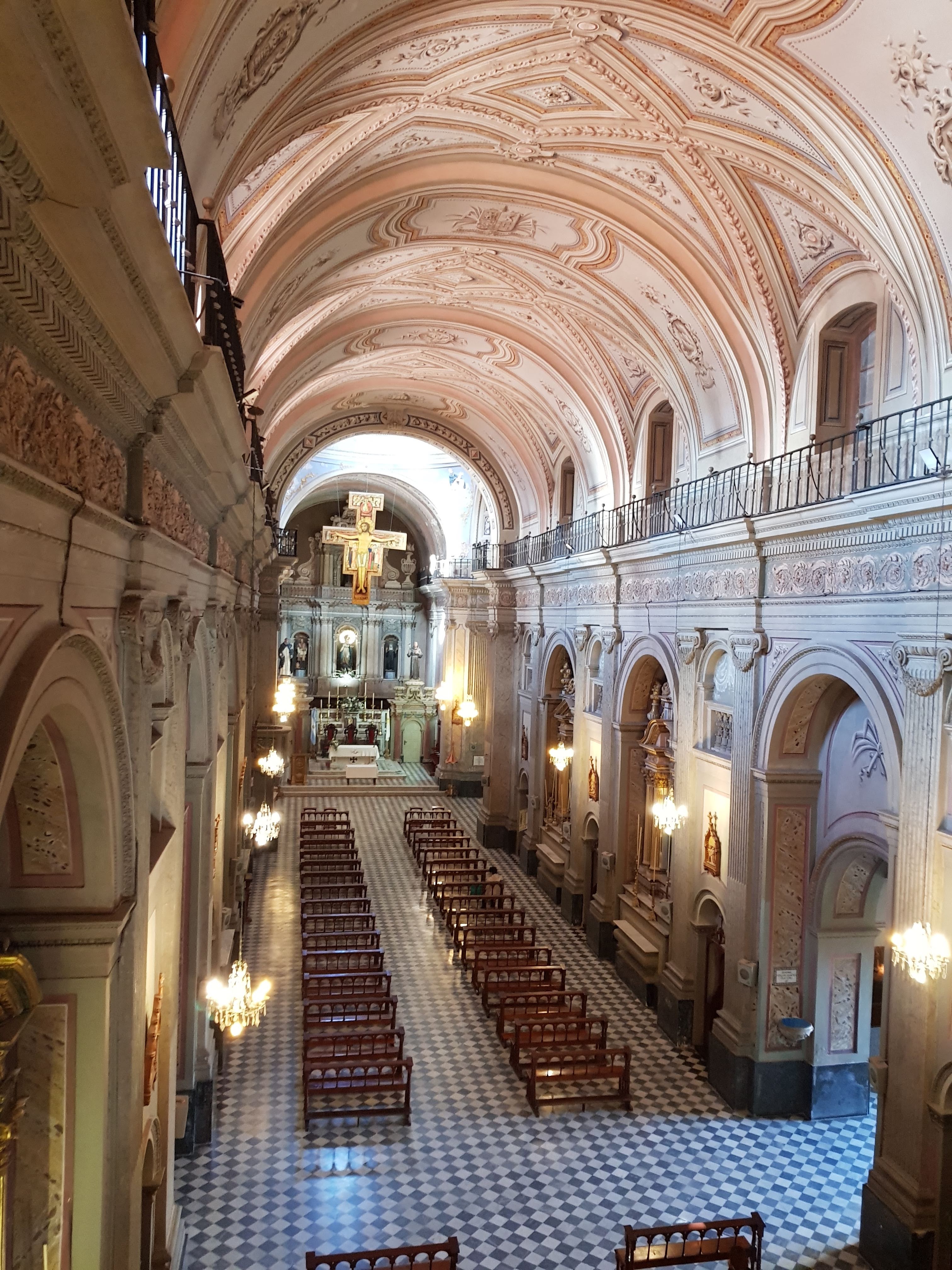
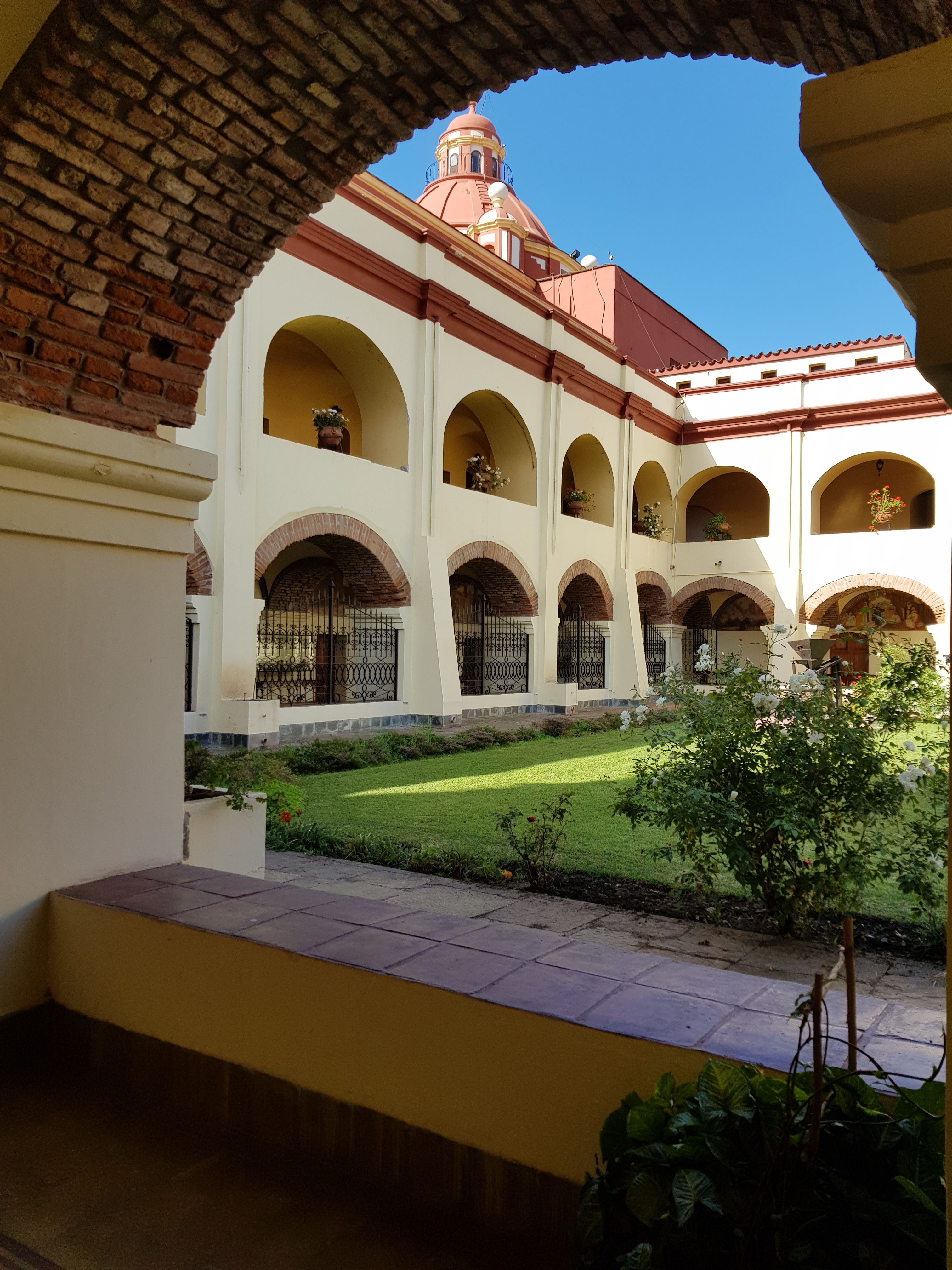
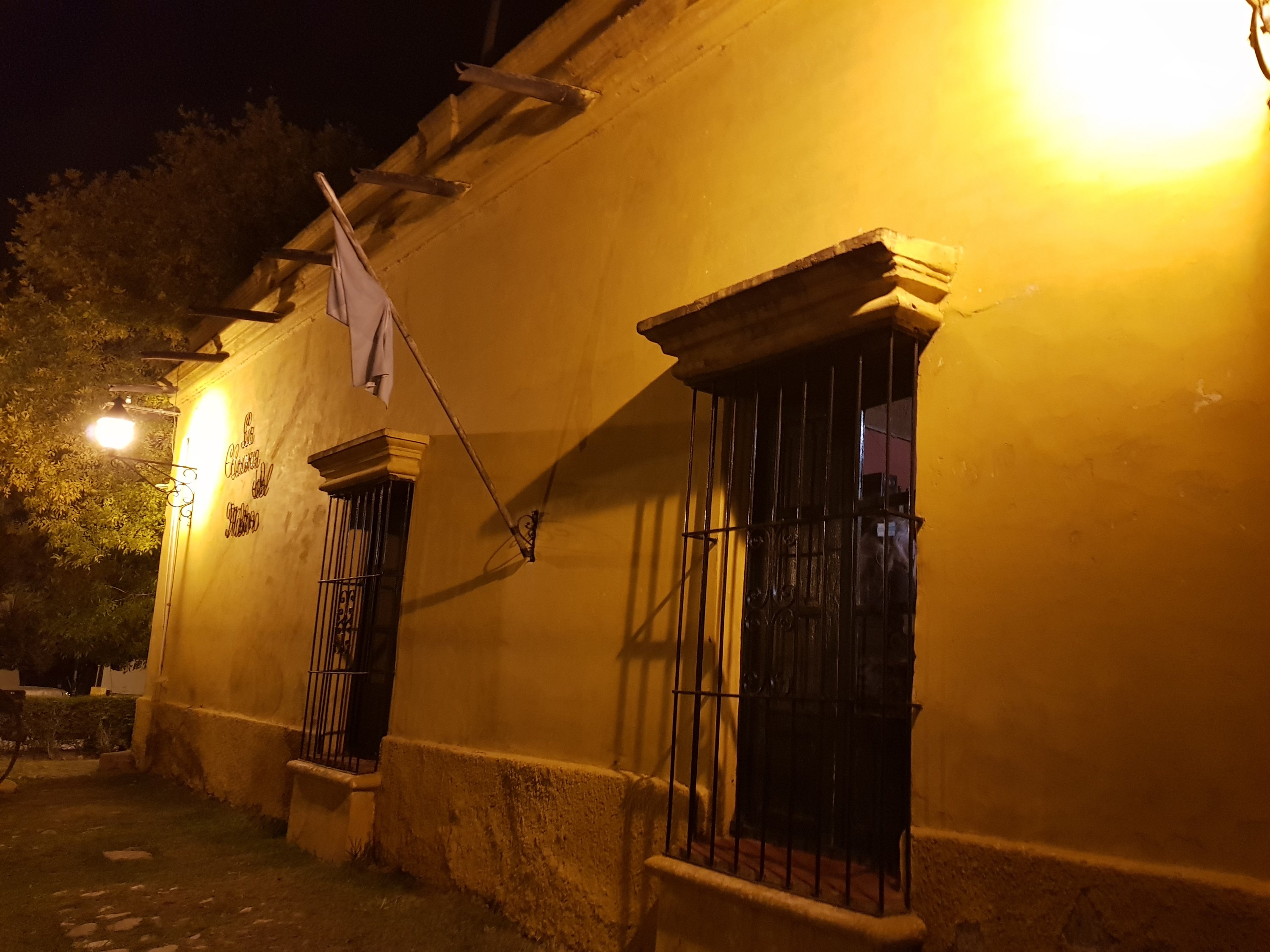
Within the city surrounded by lush green hills, there are plenty of old churches and buildings to explore. From San Martin’s plaza in the centre, spanning out, it is a pleasure to the eyes to look at the colorful and colonial buildings.

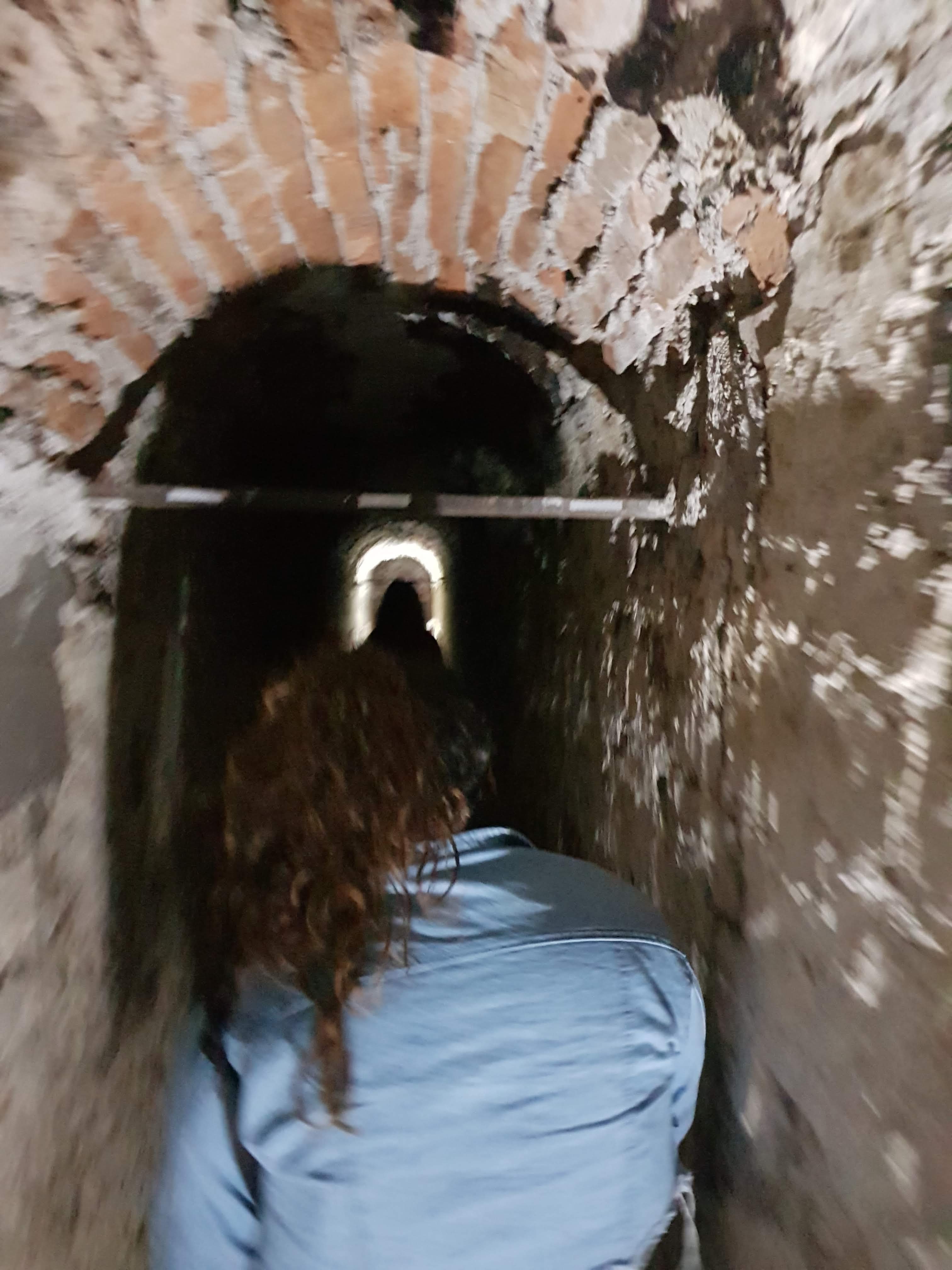
The cathedral is of course a must see, but there is also a church and monasetry to San Francisco. I stopped here to see the museum to find that there was a tour provided in Spanish and English of the monastery. This was an excellent tour which cost the equivalent of £2.50! The guide took us through old tunnels, and courtyards, to the top of the church nave, and we were able to climb the bell tower. This was a good moment for me, as everyone else was struggling to climb the tower, and I was fine! This is unusual, obviously, my months of trekking have been effective!

On the tour, I befriended a lady from England, we had drinks together and it turned out that her husband was working near Salta, to set up a lithium mine! Lithium mines are big money in Argentina and Chile at the moment apparently, I never even realised that they existed!

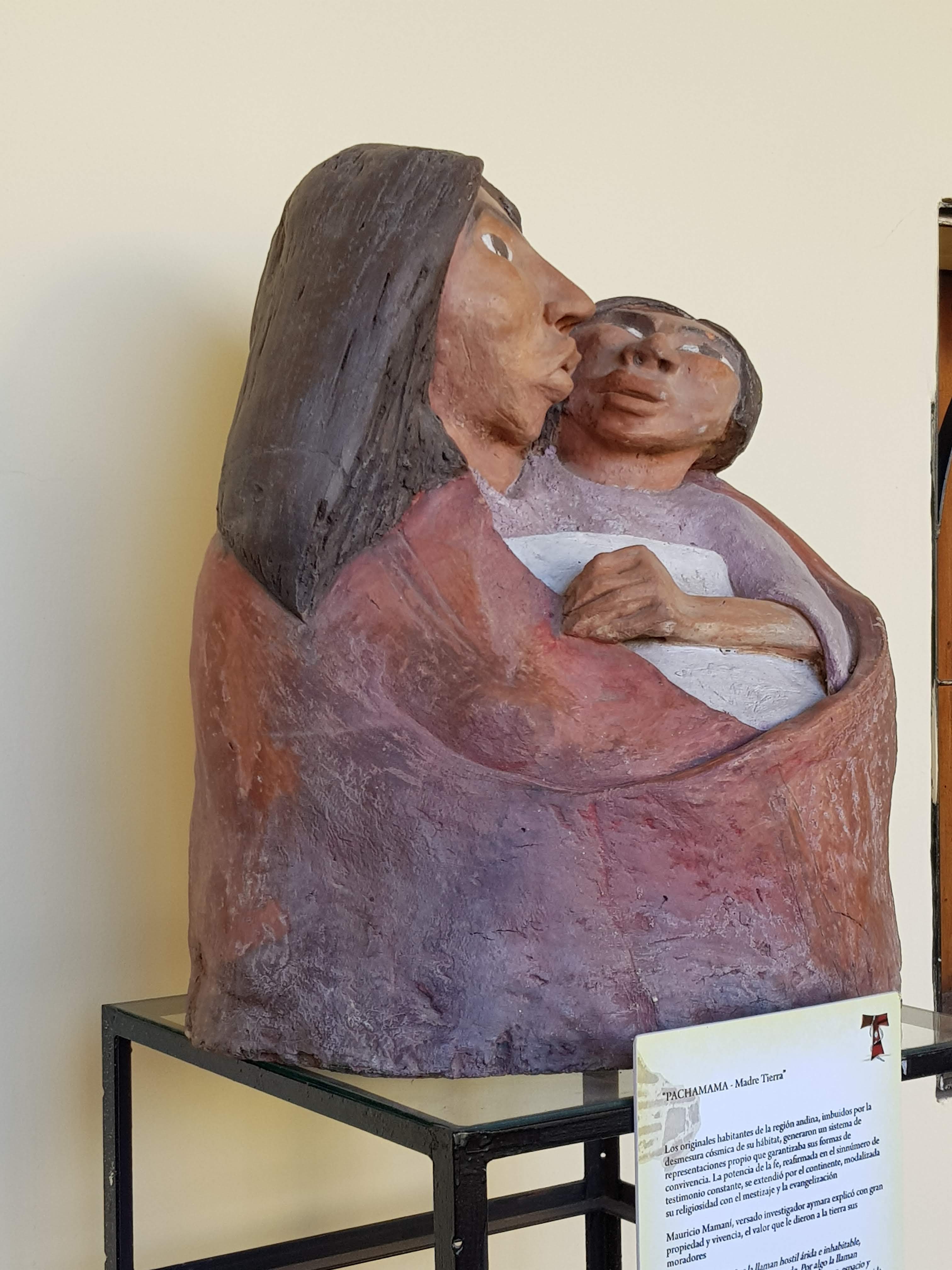
As well as churches, the city has a number of excellent museums to explore. I went to several, and there were two that were really impressive. The first museum is the museum of high altitude archeology. This small museum is centred around the nearby mountains and the ancient inca people. Unfortunately, I could not take any photos inside, but it was astonishing.

The main discovery that the museum focuses on is the find of three inca children that were sacrificed on top of a nearby mountain. They were found with several dolls and other objects, all in pristine condition… including the bodies of the three children. Frozen by the cold conditions, these three inca children (2 girls and a boy of different ages) are preserved and on display (one per season). When I visited, the 7 year old boy was on display, he is huddled over and still has all his skin, clothes and his hair! You can even see the dead lice in his hair. I have never seen anything like it before. Of course, it is amazing but also very sad. This museum is a must visit, if you can stomach seeing the kids.

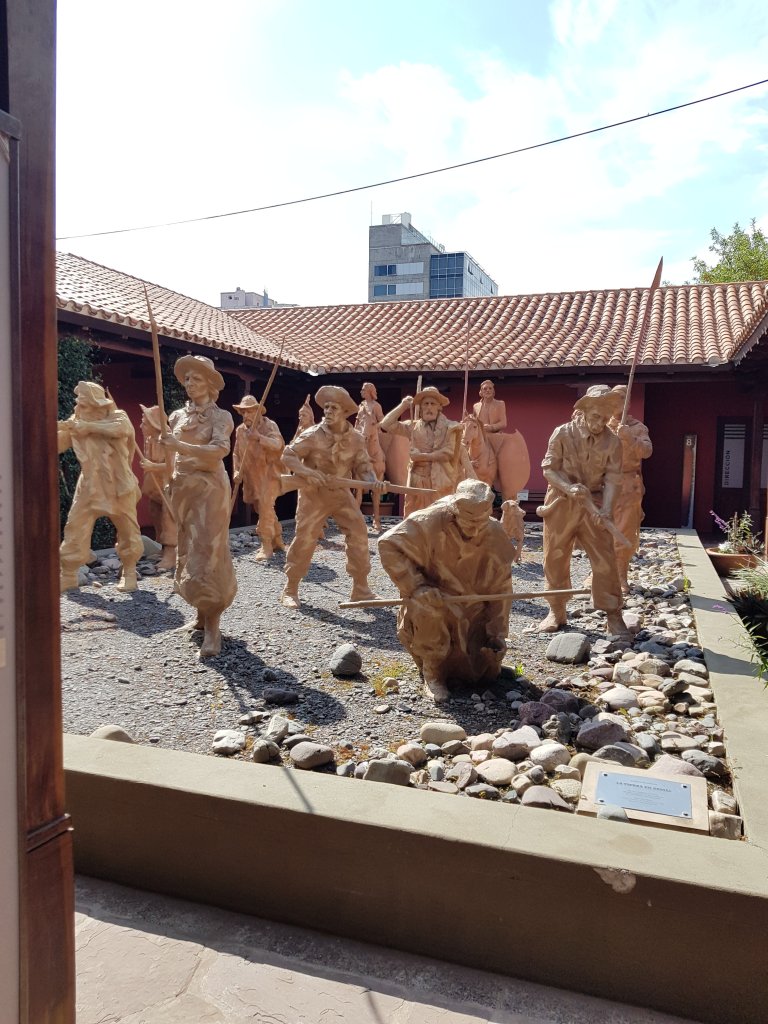
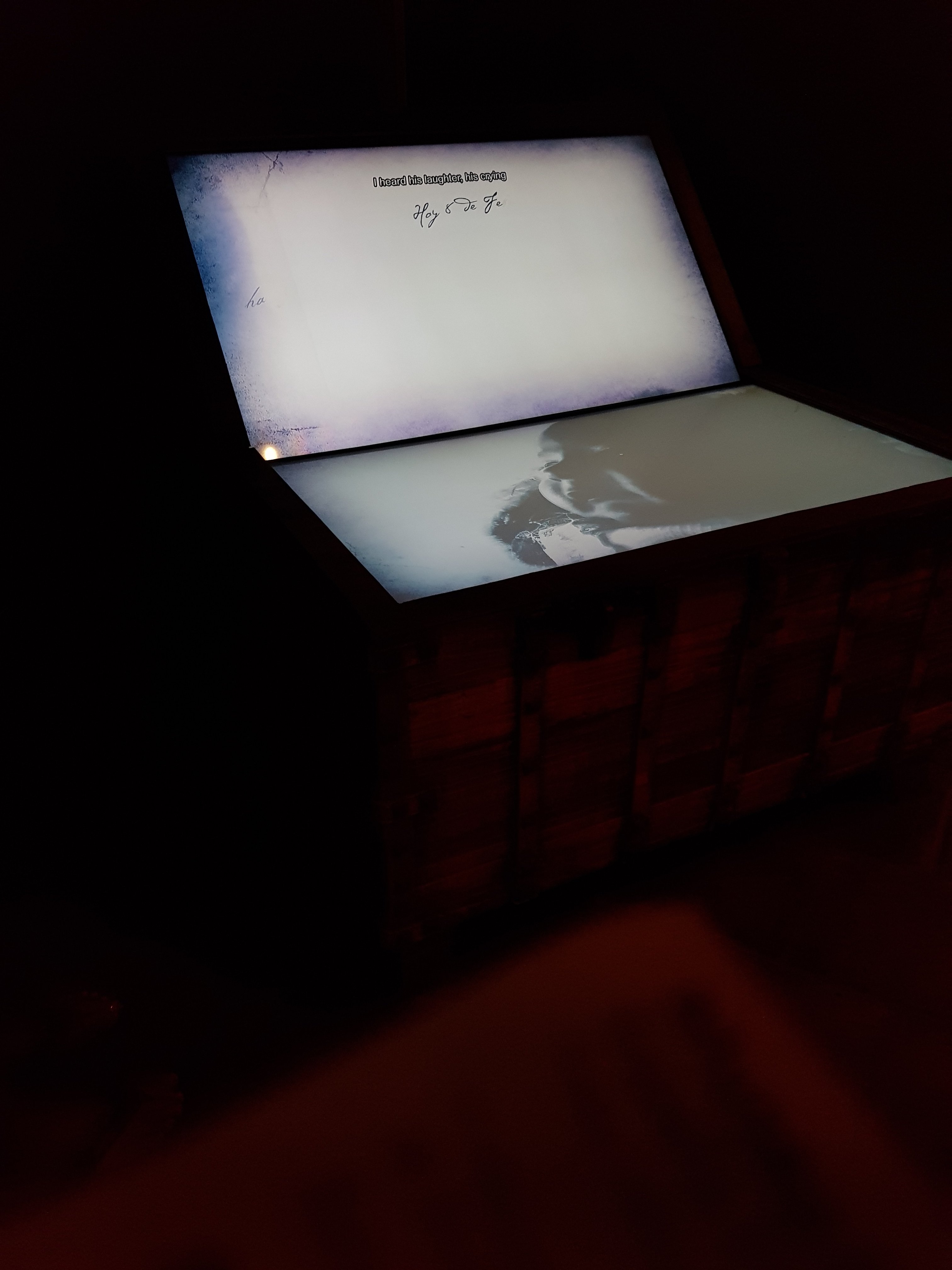
Another museum, that was very good was a bit of a surprise. All week long, I had heard (in spanish) bits and pieces about General Guemes. A historic hero of Argentina, but I was struggling to understand the history, so I visited the Guemes museum. This museum is housed in the original family home of Guemes. The great thing about the museum is that with the use of sensors and projections it is completely immersive. Pictures and treasure chests coming alive in front of your eyes to tell you the story of Guemes. It turned out he was a Gaucho (Argentine cowboy) that led an army of Gauchos over many years to resist invasion from Royalists. He seemed to be very impressive, and by the end actually sacrificed himself in order to not surrender.

During another day of my trip, I had the good fortune to spend the day with a lovely guy from the city. We spent some time at another museum, had lunch in a historic bodega overlooking the central square, and then rode the cable car to the top of the nearby hill/mountain for a gorgeous view of the city below. The area at the top of the cable car attraction has a few restaurants, the view point, and a winding path of waterfalls to relax by.

Day trips

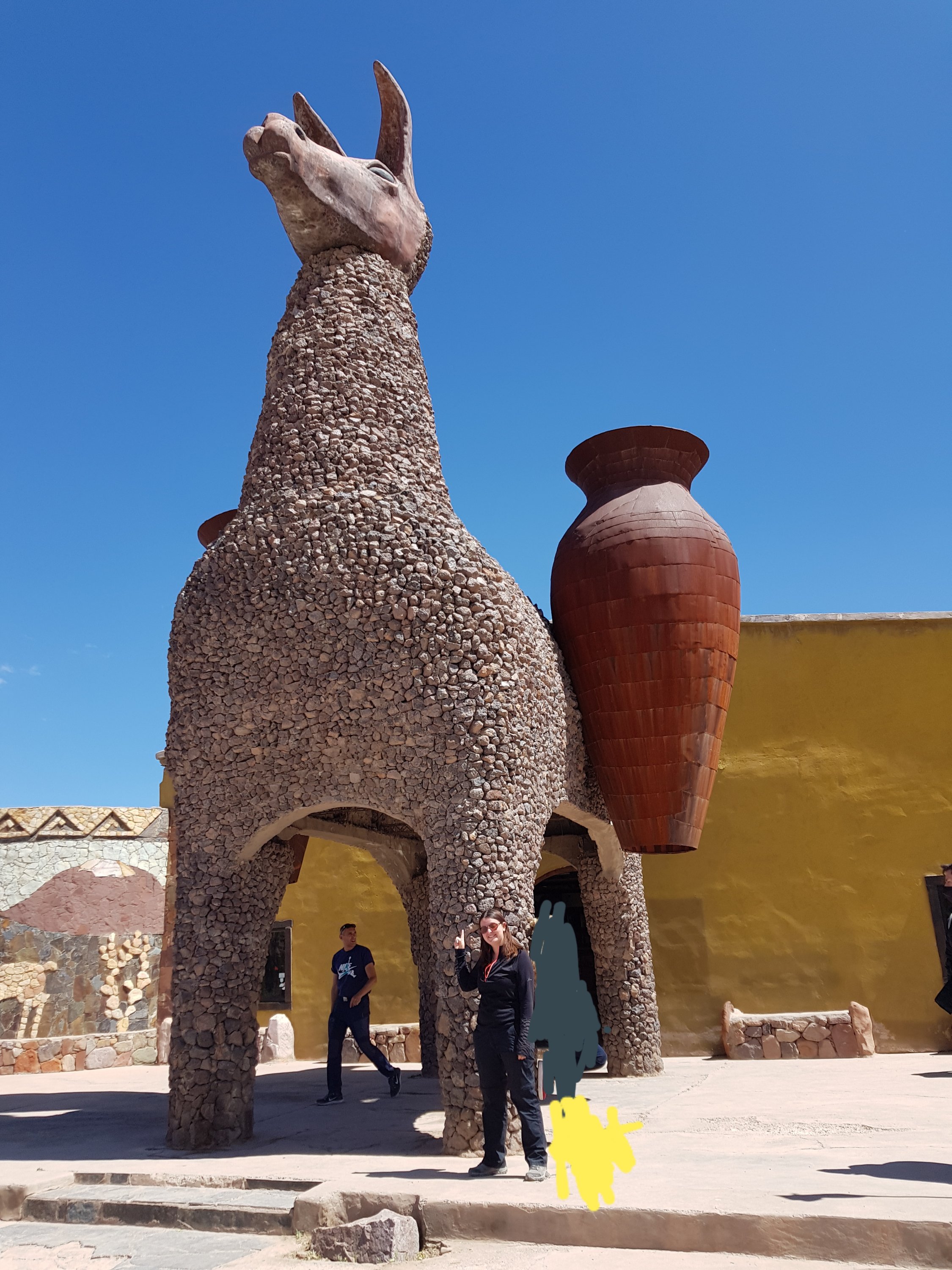
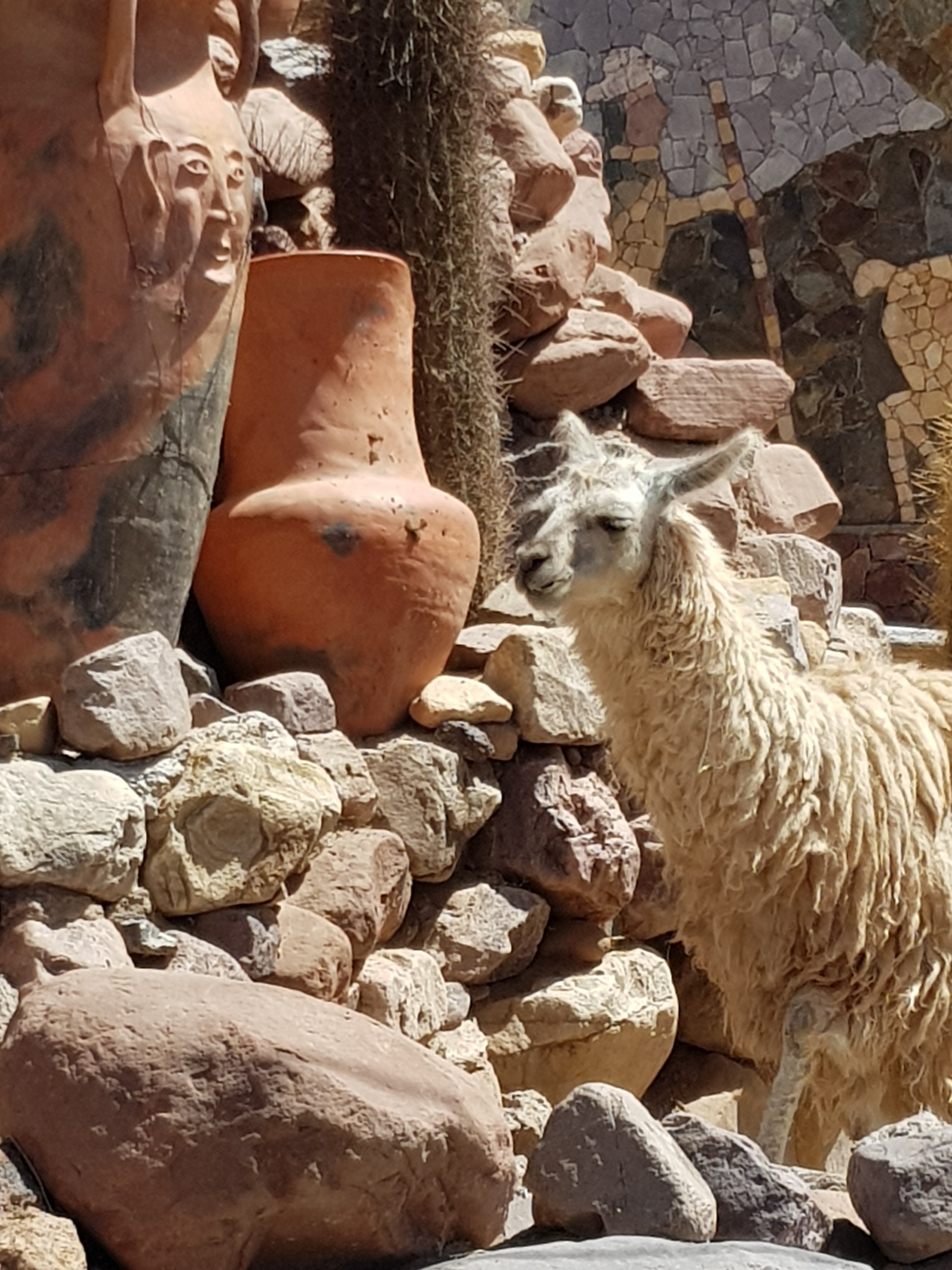
During my time in Salta, I went on three separate day excursions. There is so much to visit in this region, that you need to be choosy about what you visit. There are several villages and towns where you can enjoy local culture, buy artisan crafted gifts, and enjoy authentic cuisine. I was even able to visit a demonstration of how local pottery is made, fired and used, on a local llama farm!

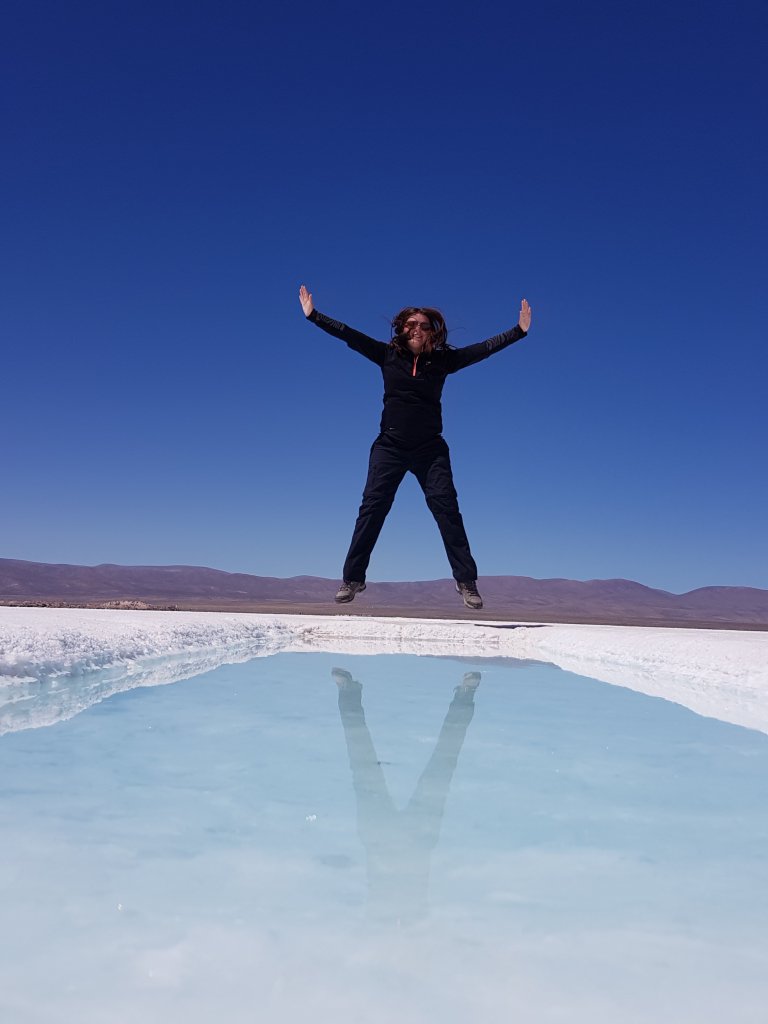
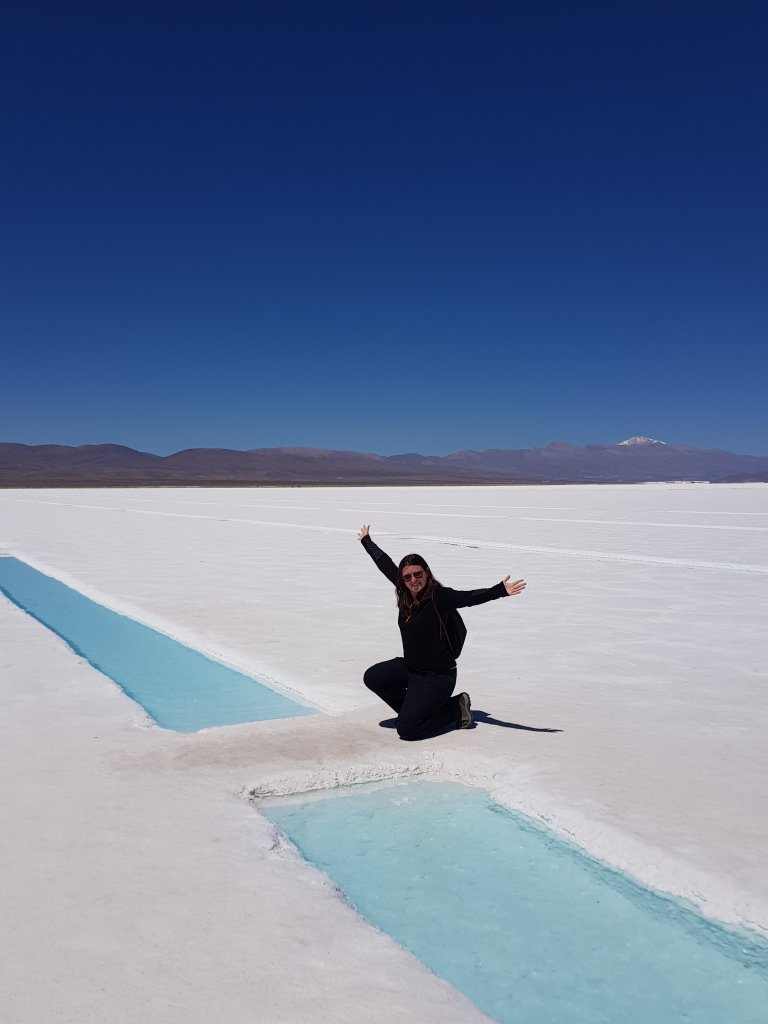
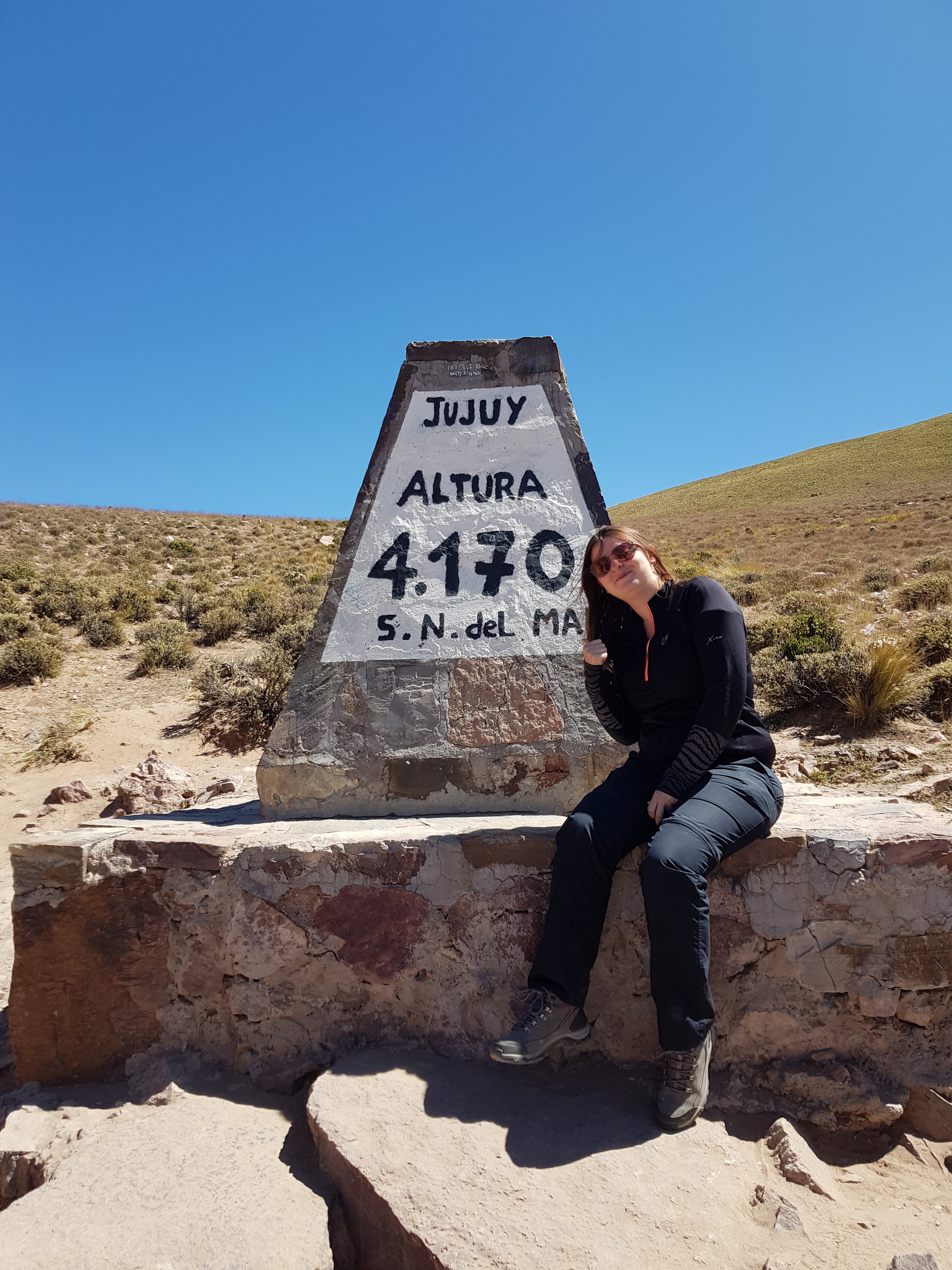
The highlights for me were two very different landscapes available to see a few hours (in different directions) from the city. The first, was found following a network of jungle landscapes and climbing to altitude of over 4000 metres. Eventually climbing down again to a huge area of salt flats, called Salinas Grandes.

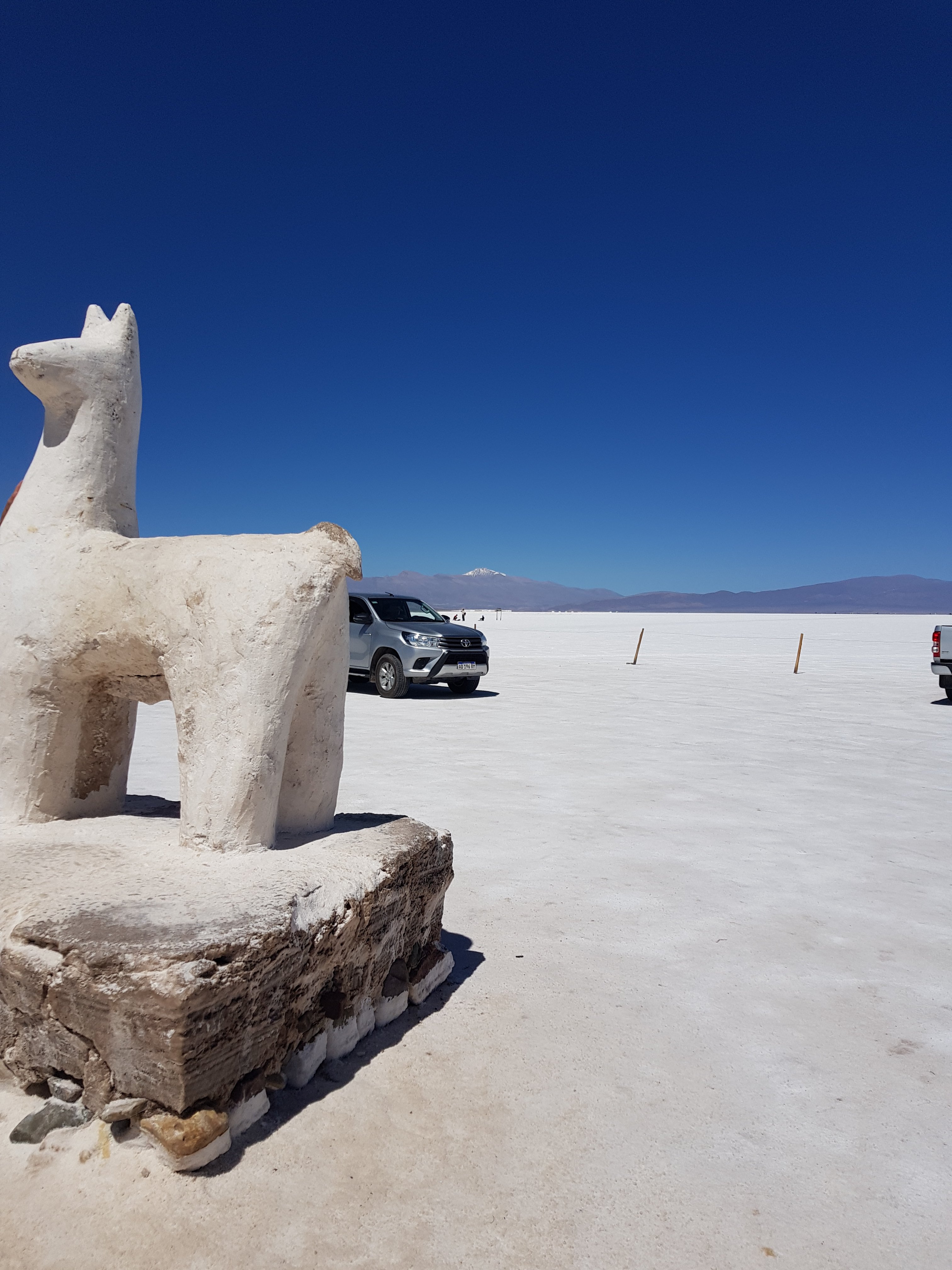
Similar to the salt flats in Bolvia, this site is simply a flat bright white landscape as far as you can see. Salt is mined from here, and for a few quid you can wonder the salt flats and take amazing photos. The local people also gather here to sell gifts crafted from the salt. I bought a little llama made of salt!

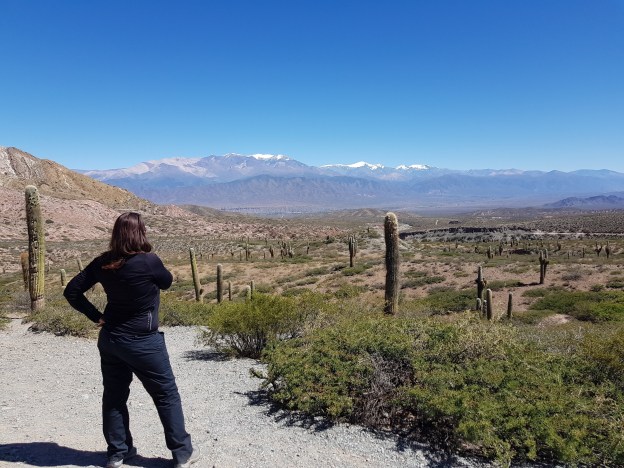
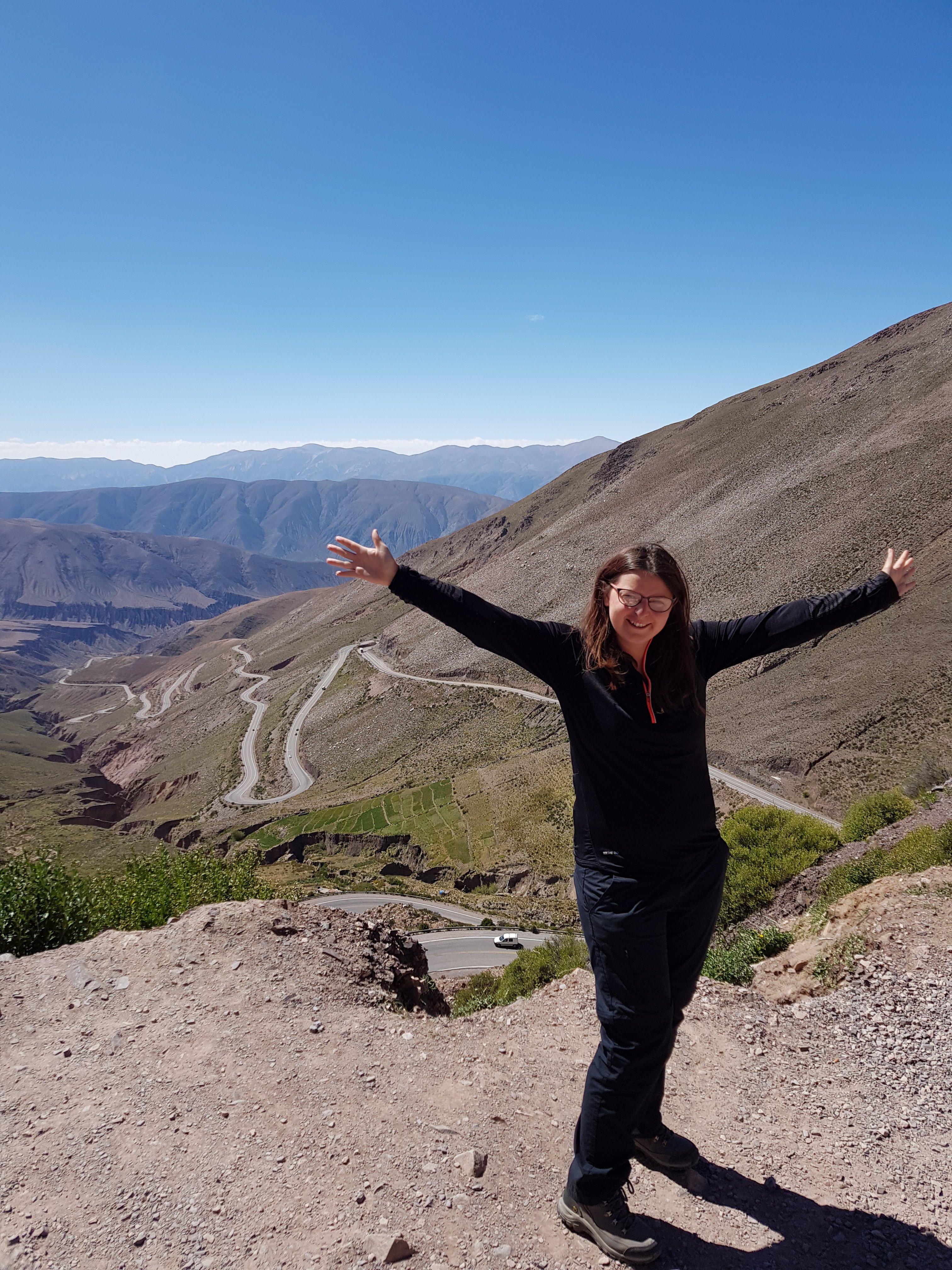
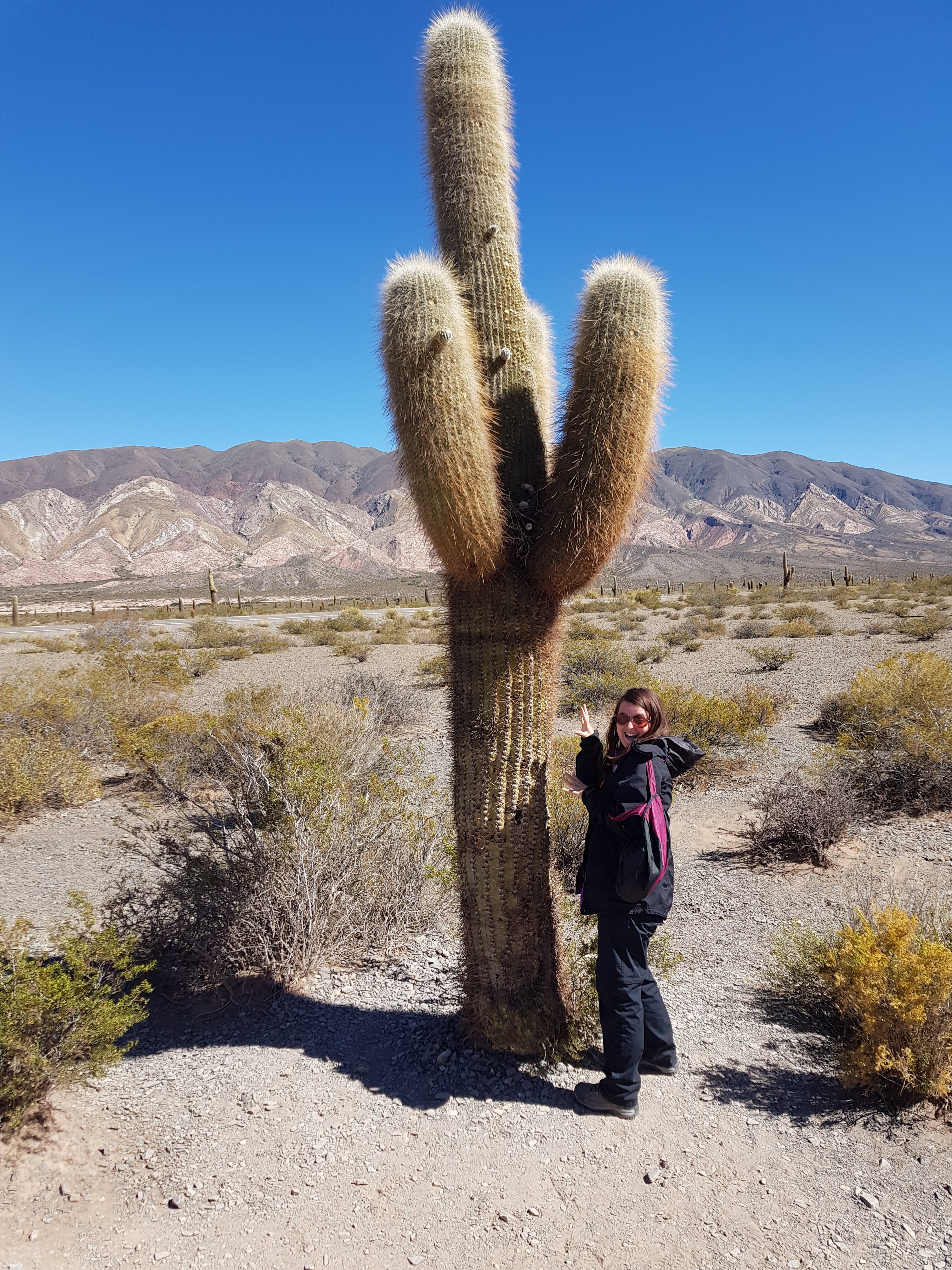
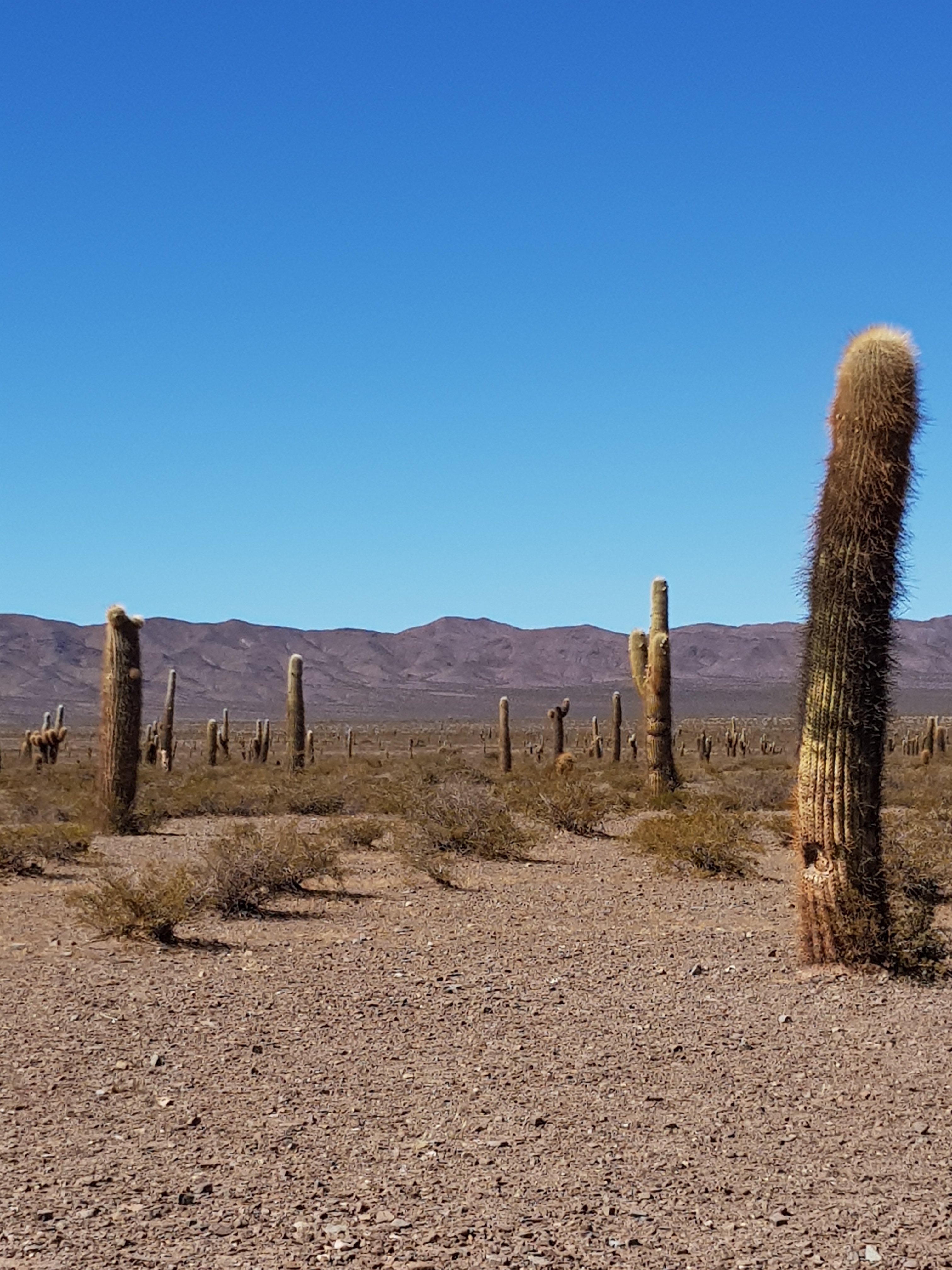
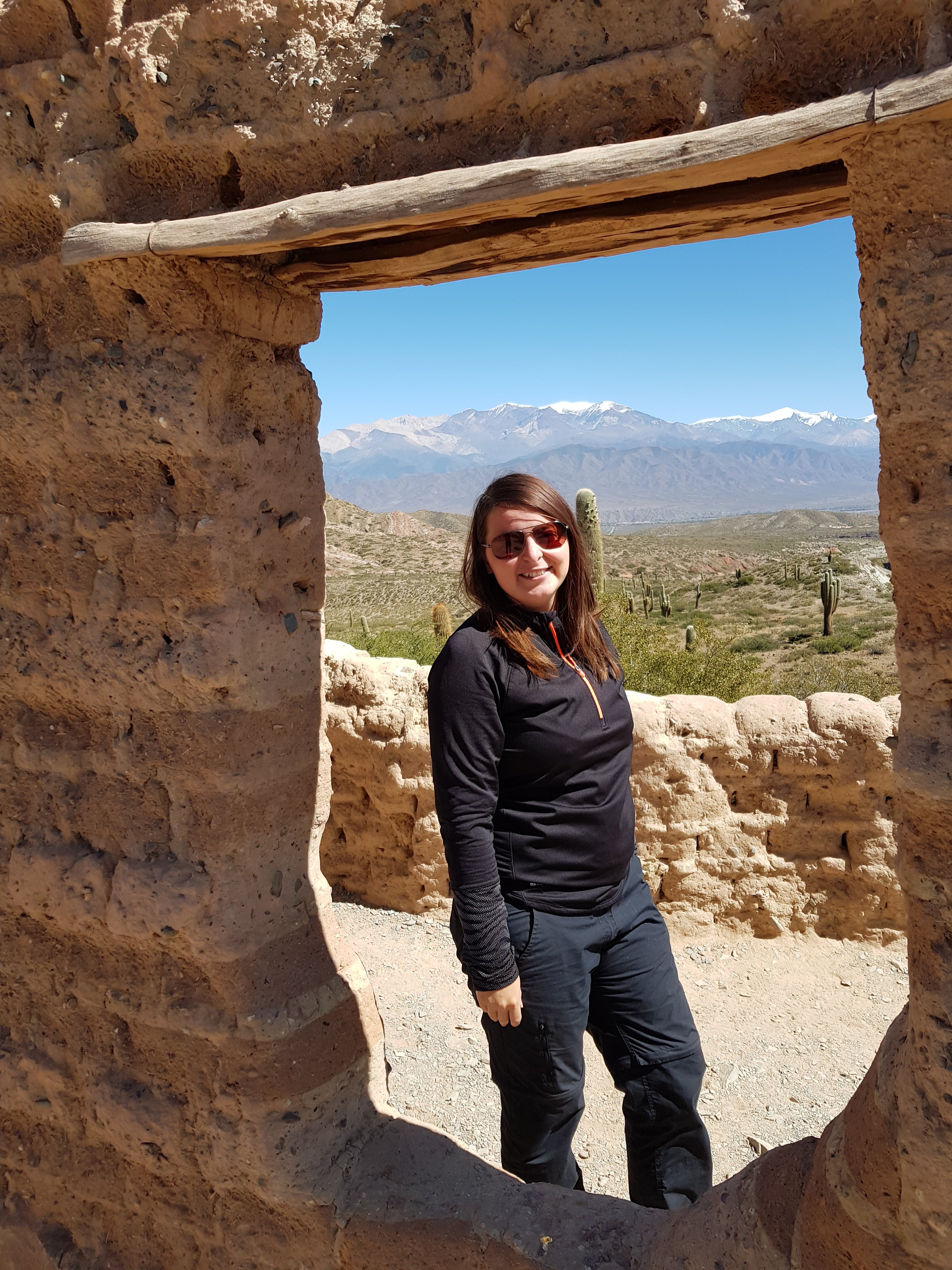
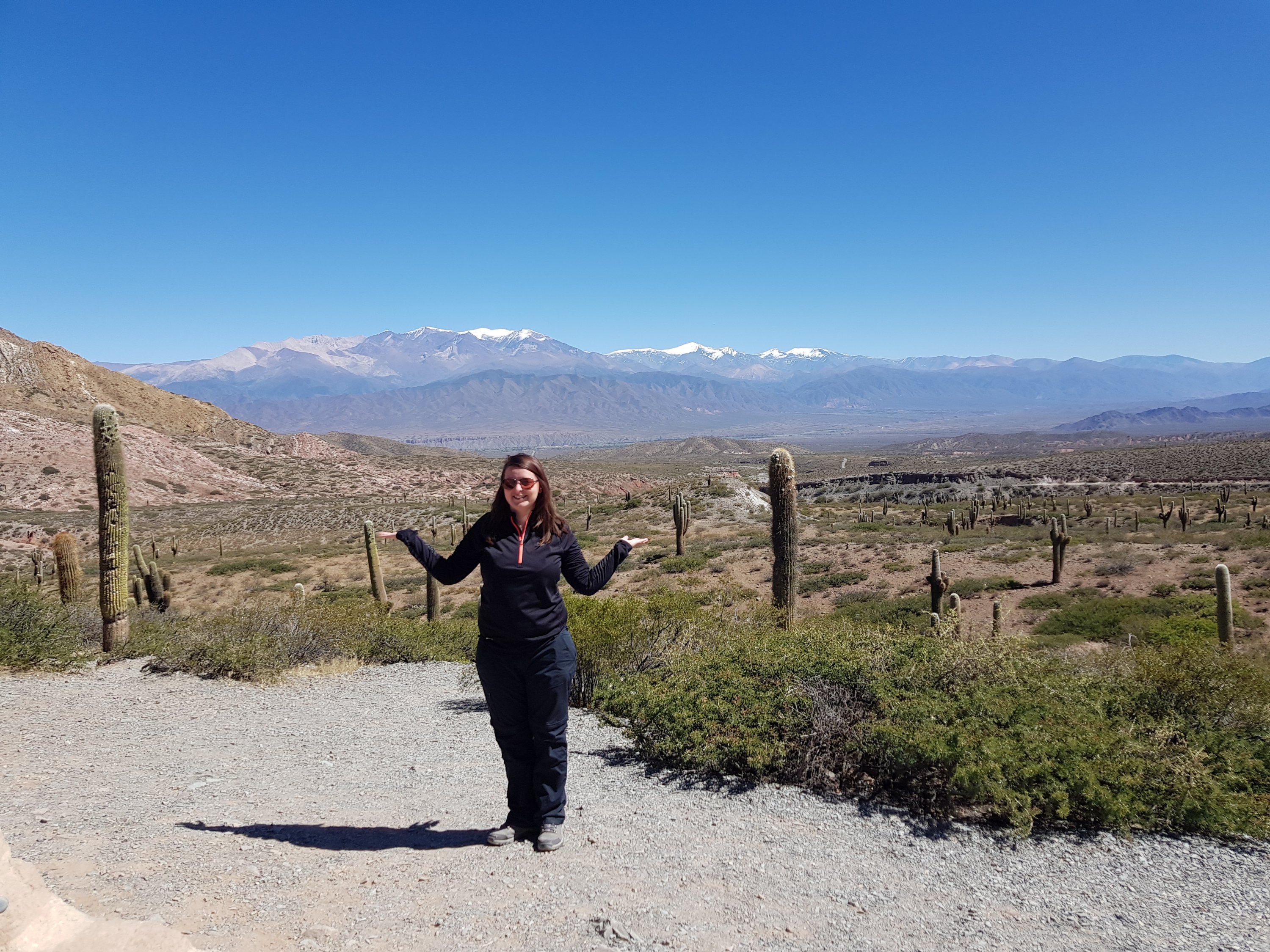
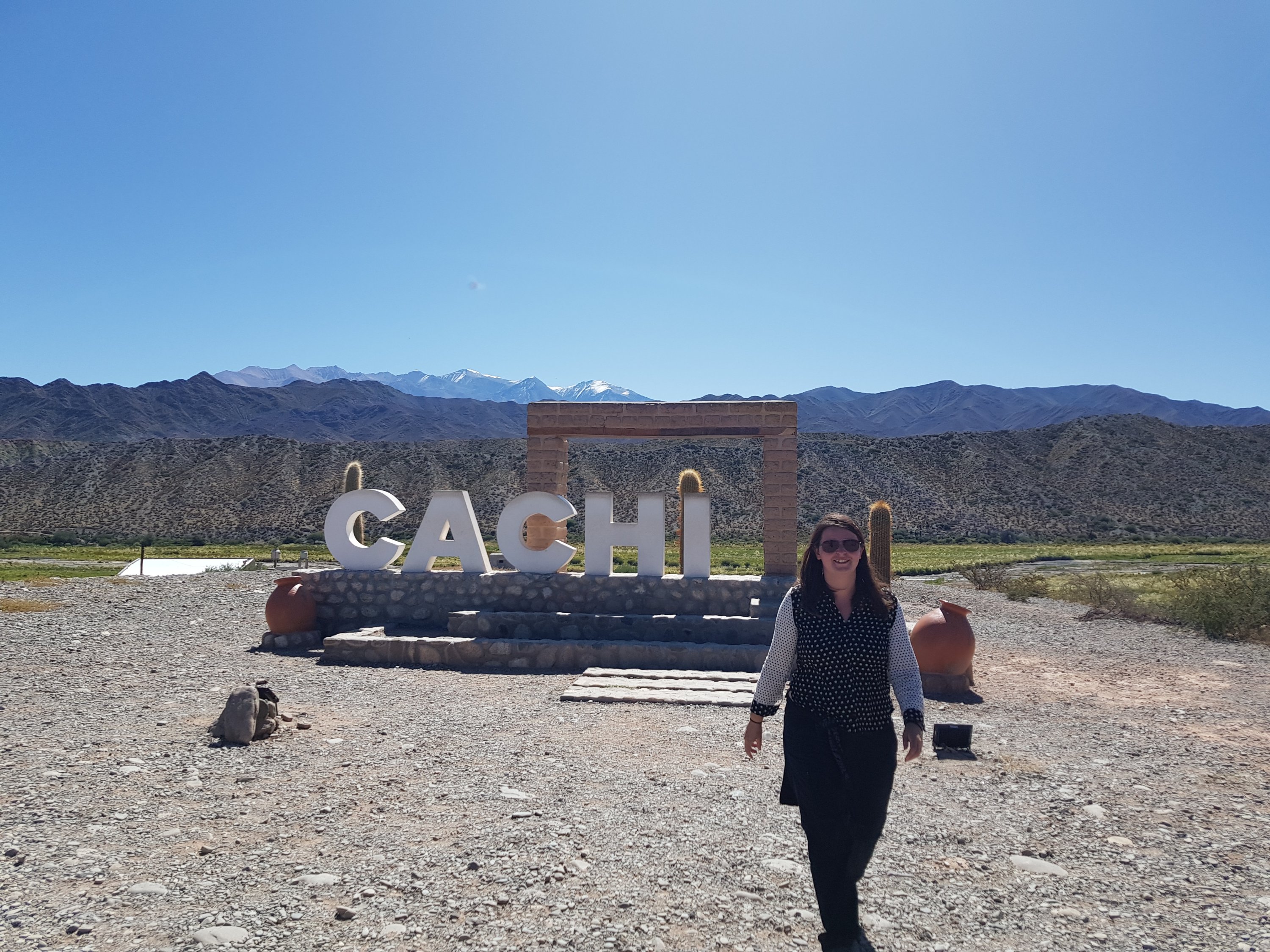
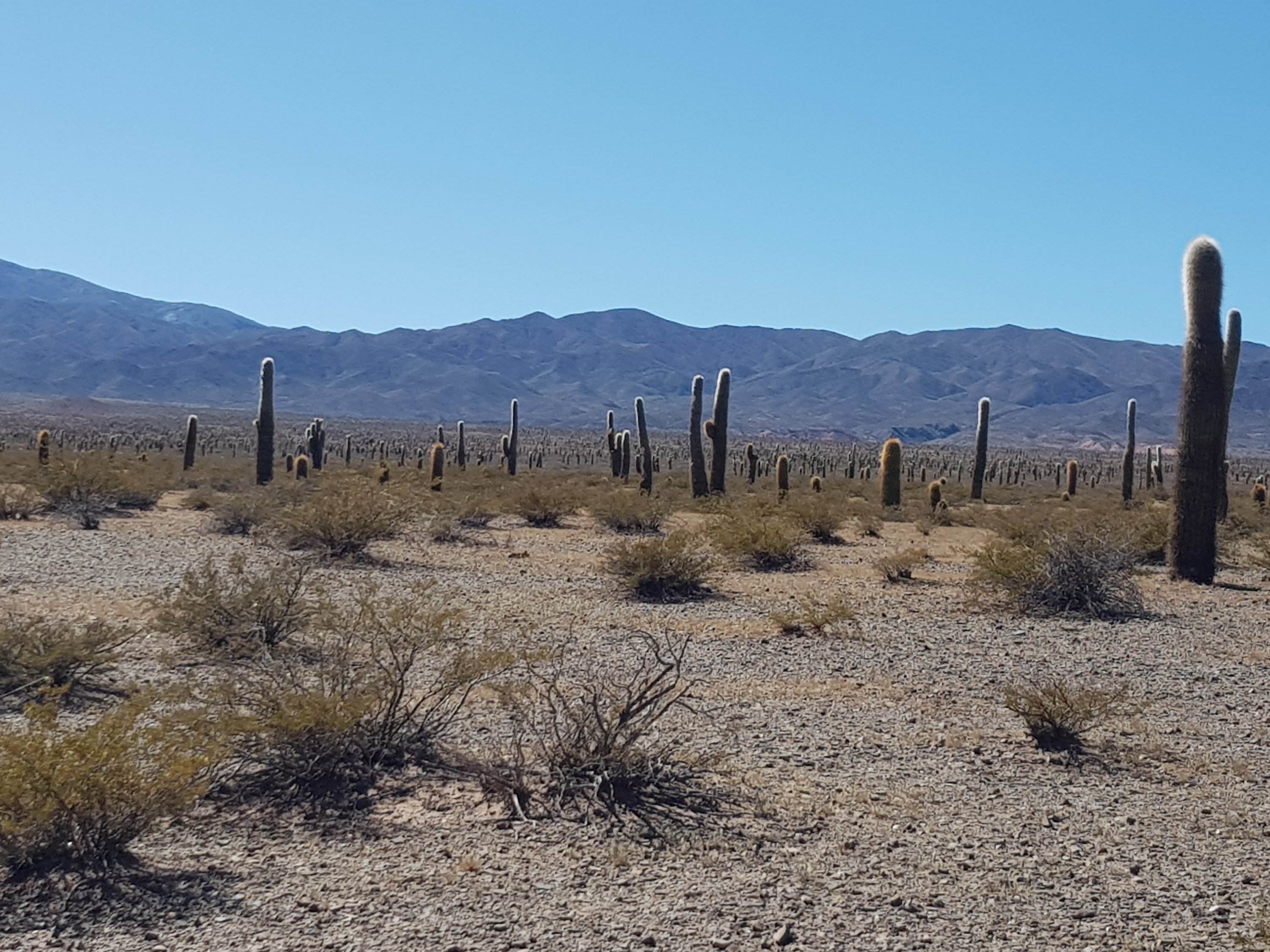
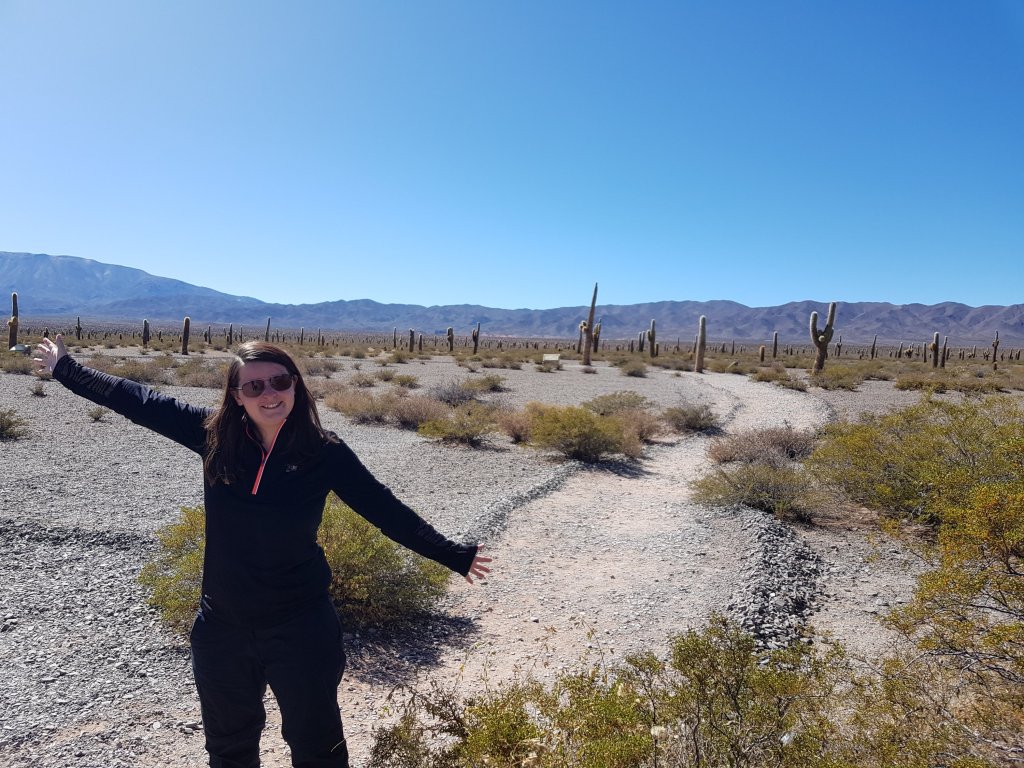
The other amazing landscape, was in the Los Cordones National Park on route to a town called Cachi. This is a desert of giant cacti. Easily over 8 or 9 metres in height, these cacti tower over everything else and go for many miles and up in to the hills. Apparently, it is because of this that many of the old ‘wild west’ movies were filmed in this area. I felt like it was definitely the right setting for it, and I was very aware of where the minibus was the entire time, so not to get left out in this very baron area.

Evenings

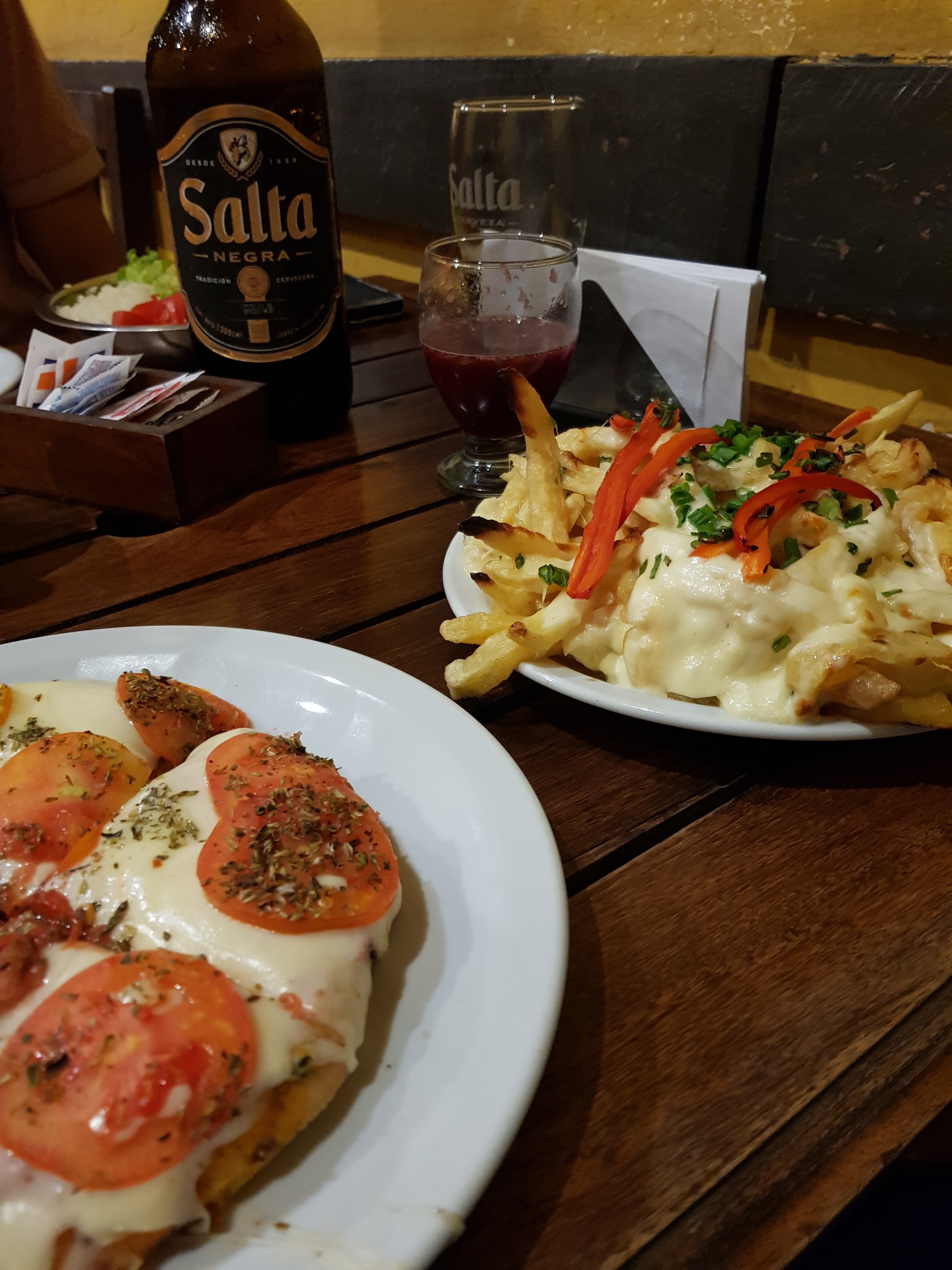
I spent my evenings relaxing with a great new friend from Brazil. We enjoyed dining in the range of restaurants in the city, and also visited a local Pena scene. A Pena is a local folklore show, but the restaurant we visited, had performances in different rooms of this old house by the diners themselves. Every time music in one room stopped, another room began to sound out with acoustic guitar or beautiful singing. It was a unique experience.

Overall, Salta stole my heart a little. A beautiful place in every way, with rich culture and history. I would definitely visit again, and would recommend a visit there to anyone in the area. Next stop, Cordoba…

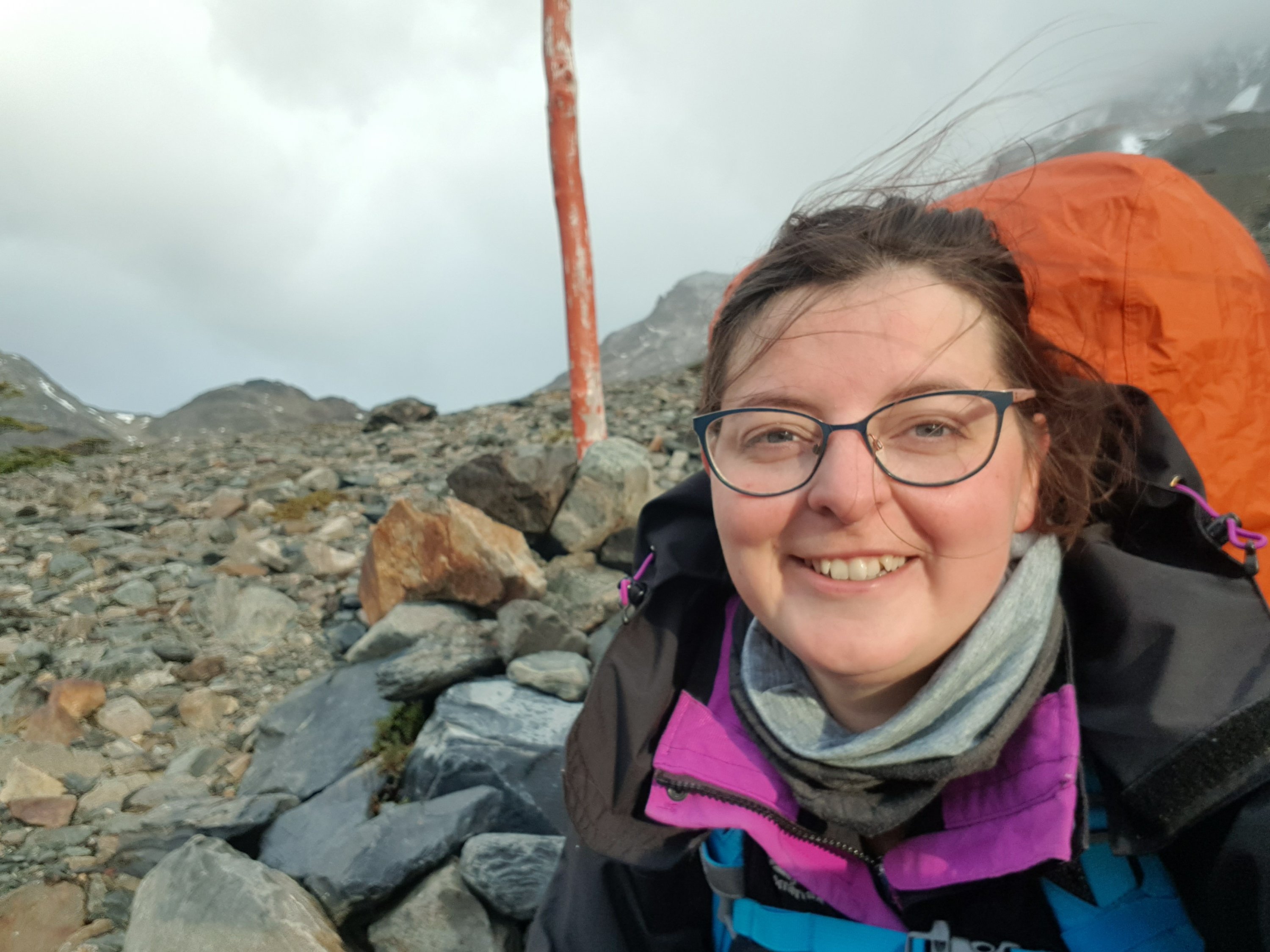
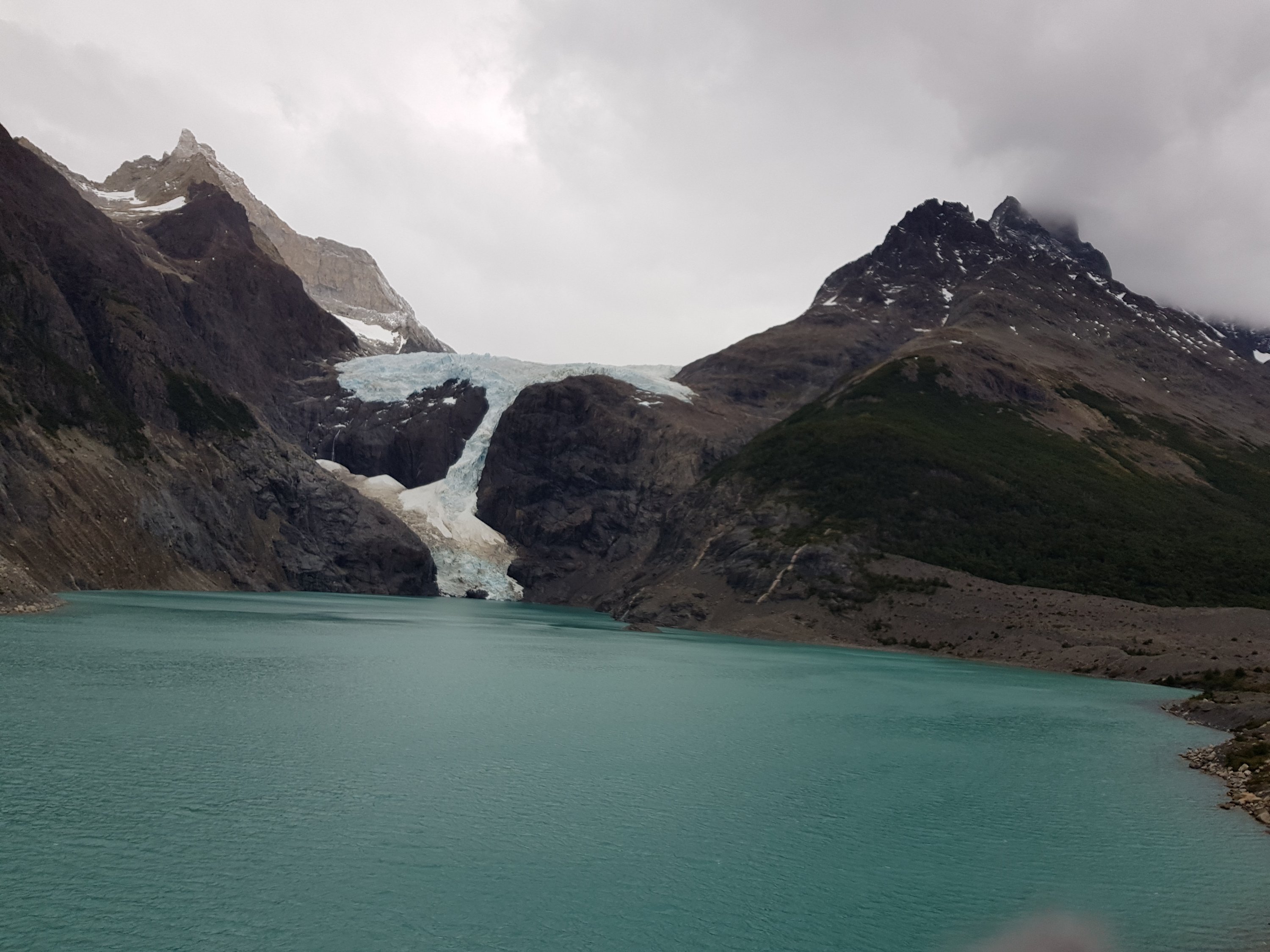
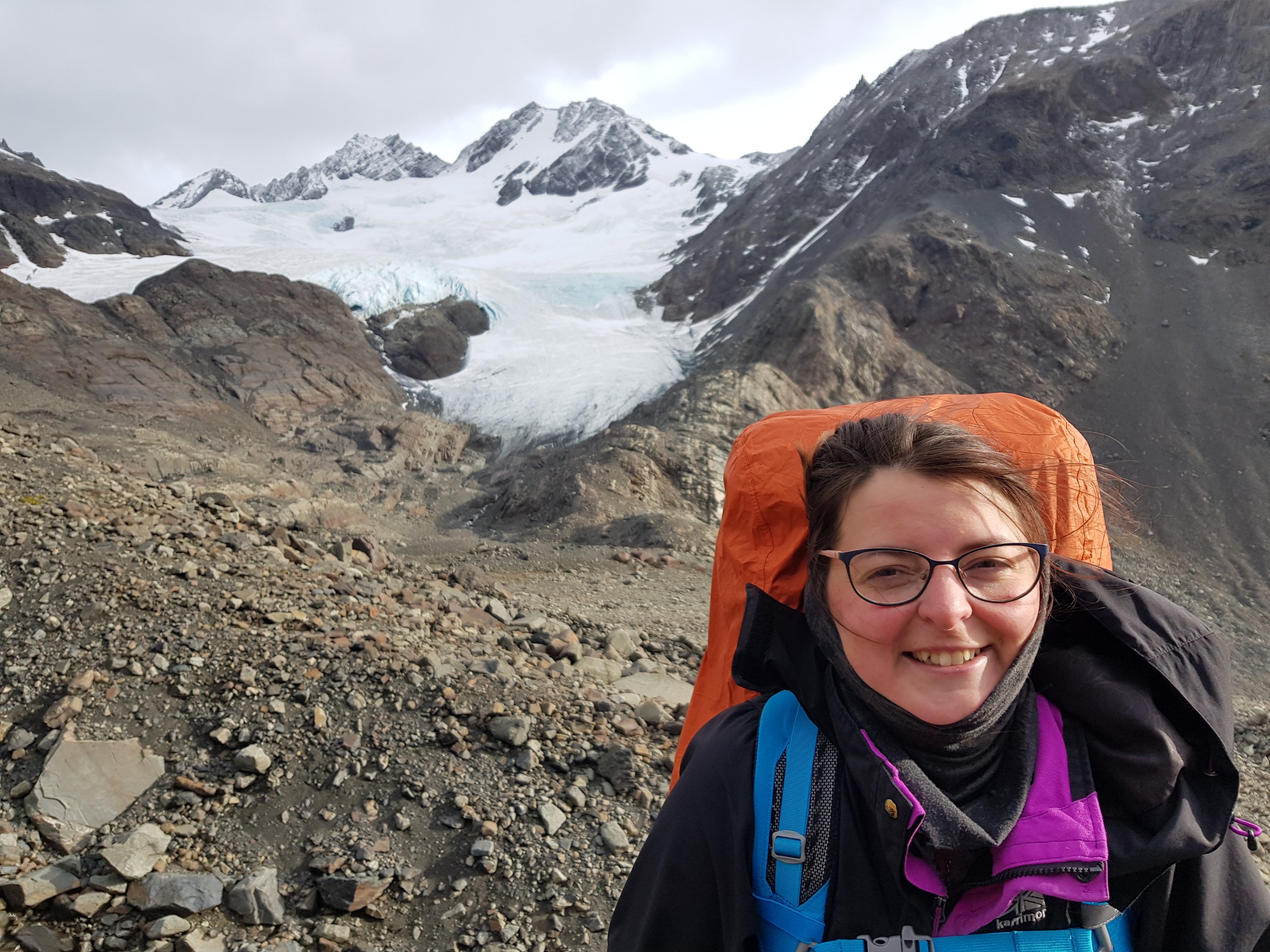
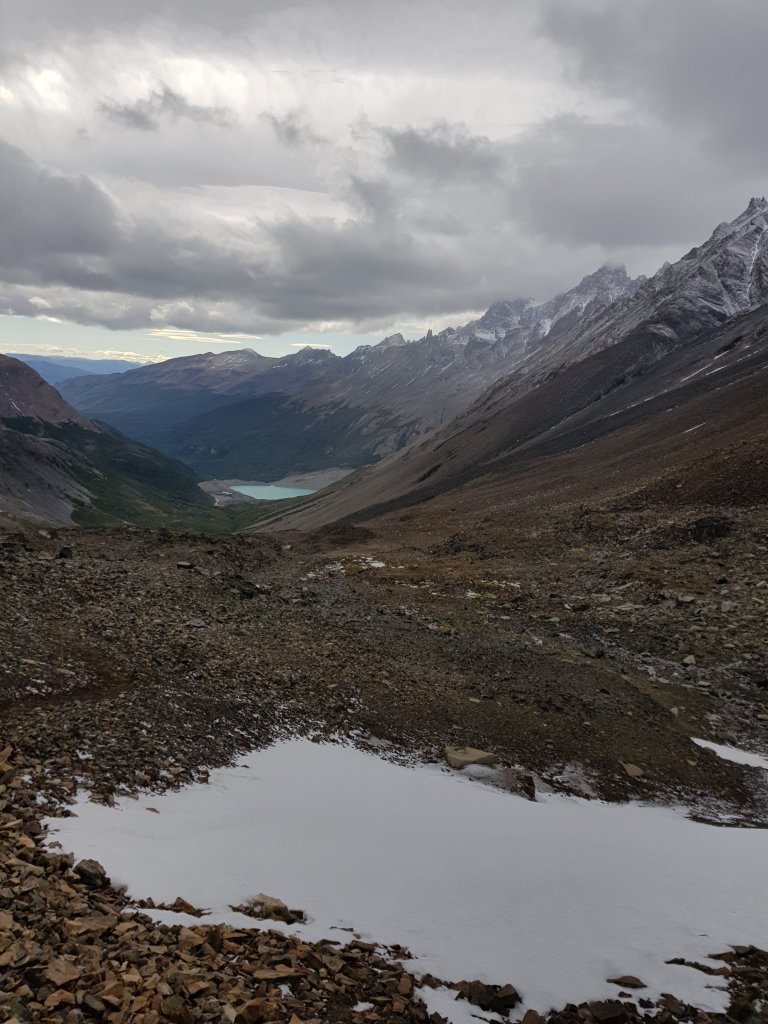
Chile’s Torres del Paine National Park – ‘O’ circuit

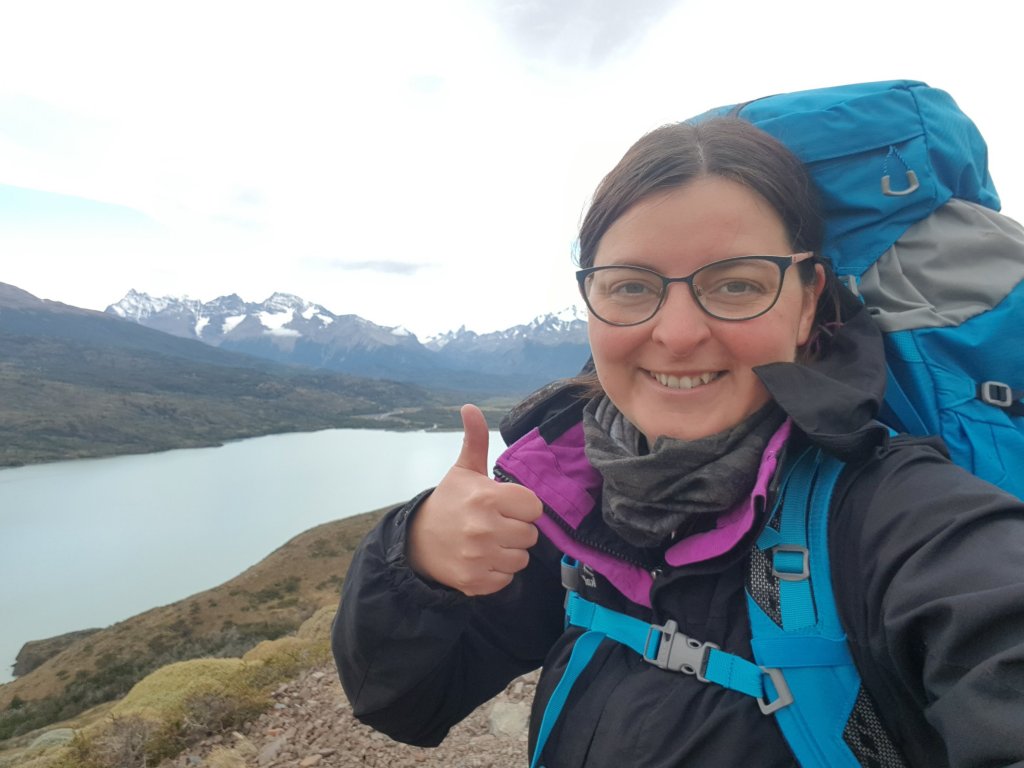
After a month in Argentina, I made my way on foot through one of the only open borders into Chile. I spent five days in Punta Arenas in Southern Chile and a few nights enjoying the hiking base of Puerto Natales, before heading into the wilderness for my 8 day hike of Torres del Paine’s ‘O’ Circuit.

Crossing the border

The pandemic is still a serious issue in South America, and Chile is probably the most strict country on the continent when it comes to entering and leaving the country. This has caused many borders to be closed, so there are limited places to cross over land from Argentina, and many people are paying extra cash to take multiple flights instead.

Border crossing at Intergracion Austral

I took two taxis (as buses are currently not allowed through) to get through the border and this was a three hour process on the way in, and a six hour nightmare on the way out. At least I have loads of stamps in my passport now though! The strangest parts of it were that so much of the process still relied on paperwork and physical paper stubs (not ideal when standing outside in high wind). Also, the fact that the crossing at Integral Austral is in the middle of nowhere and has a kilometre of no man land between the two countries.

Punta Arenas

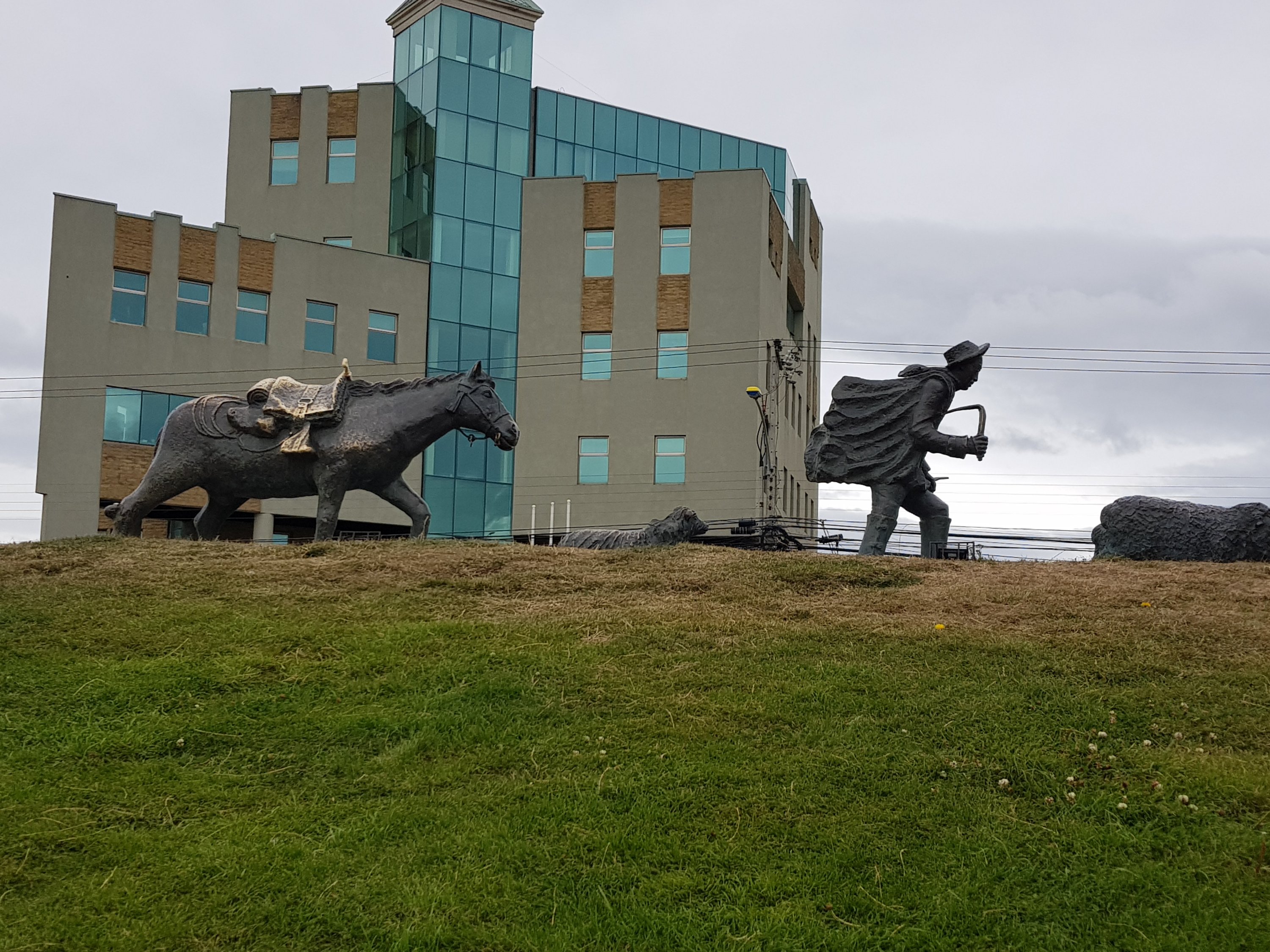
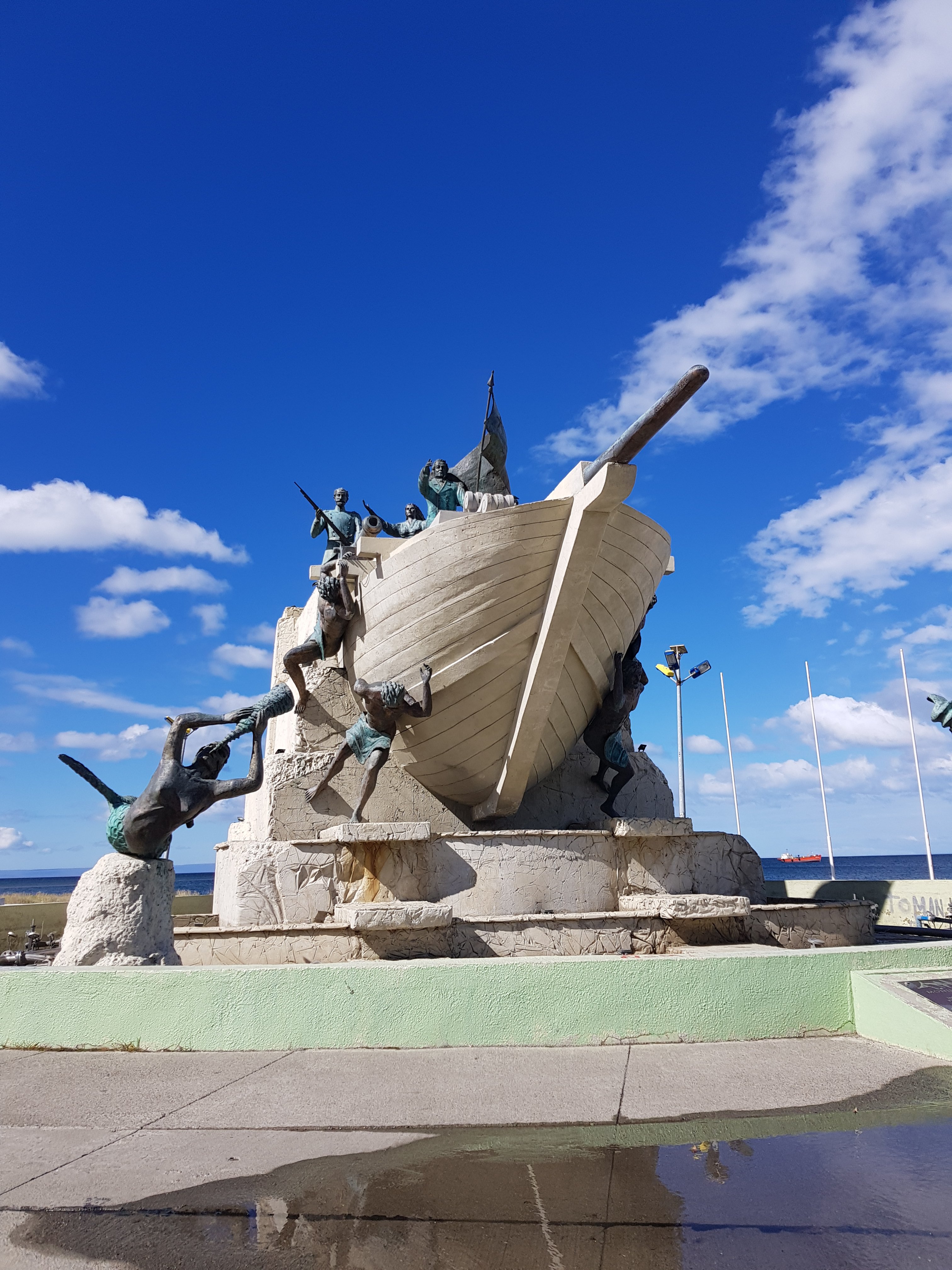
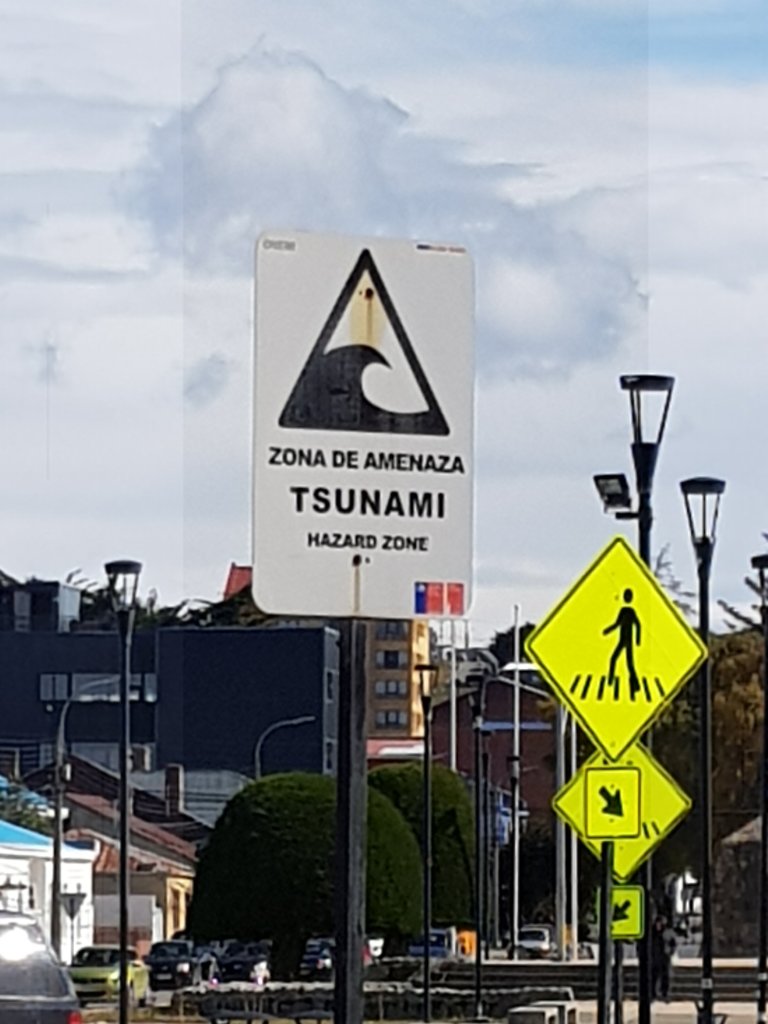
After crossing the border, I made Punta Arenas my base for five days, this large Chilean town is not very touristy but it does offer some good cafes, and stores to gather supplies for the upcoming trek, for better, local prices. There is a promenade of sculptures that runs along the shoreline, and a very strong maritime vibe, but the best local thing I did was visit a nearby national park, for some practice trekking. The Magallanes National Reserve is a twenty minute taxi ride to the top of the town, and as you travel higher you start to see various safety signs, to tell you that this is the place to be if there is a tsunami. A little off putting..

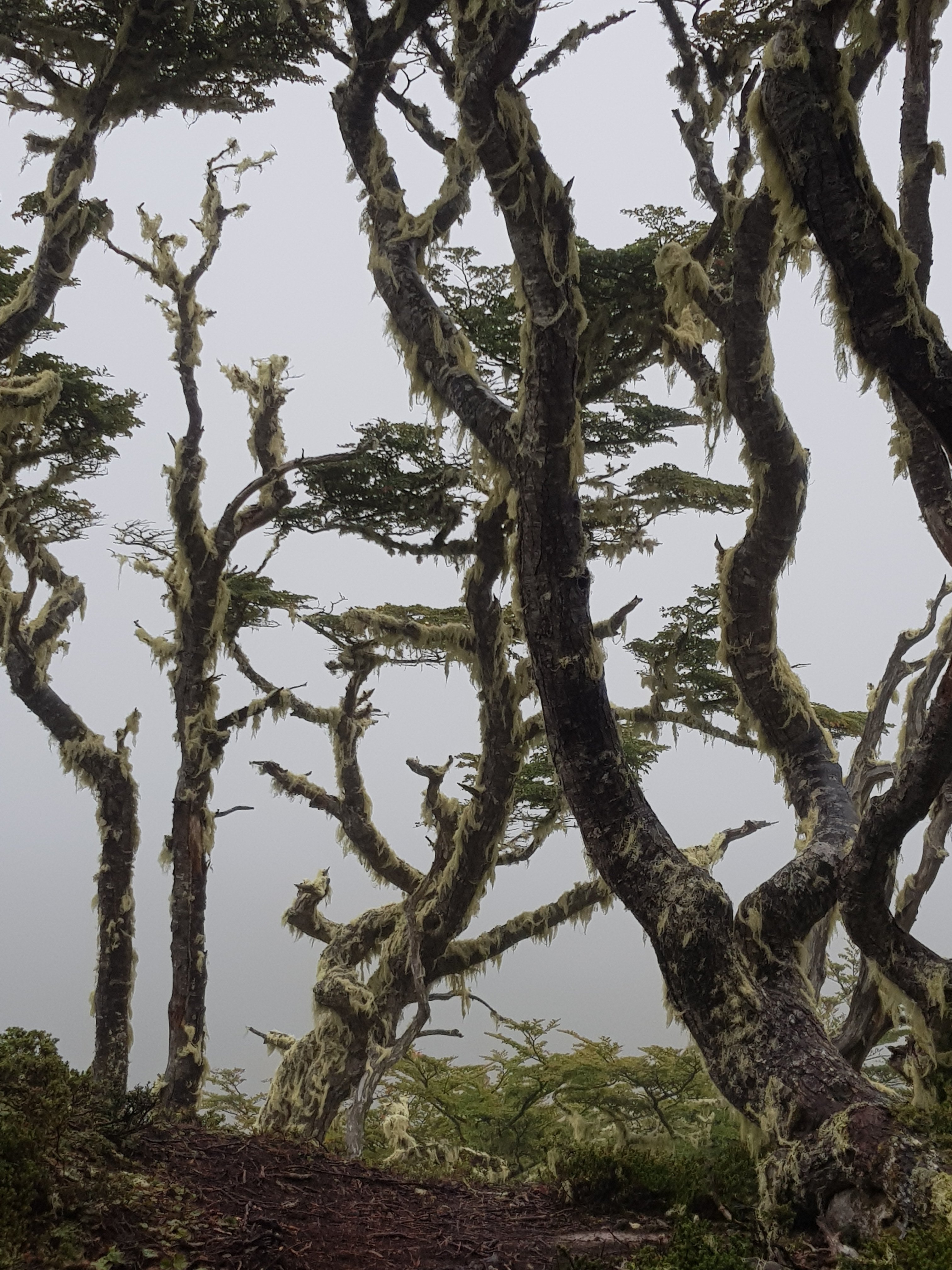
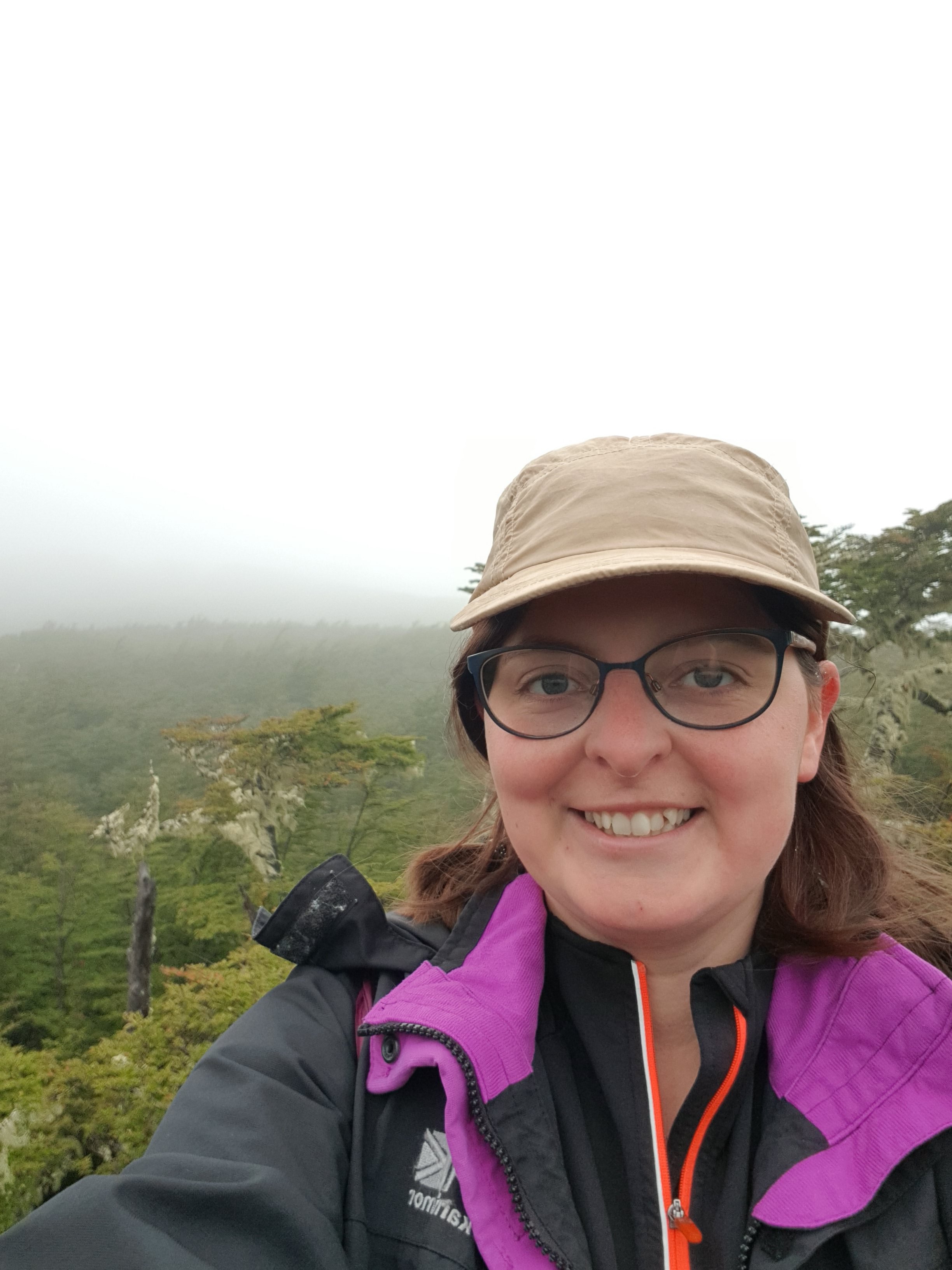
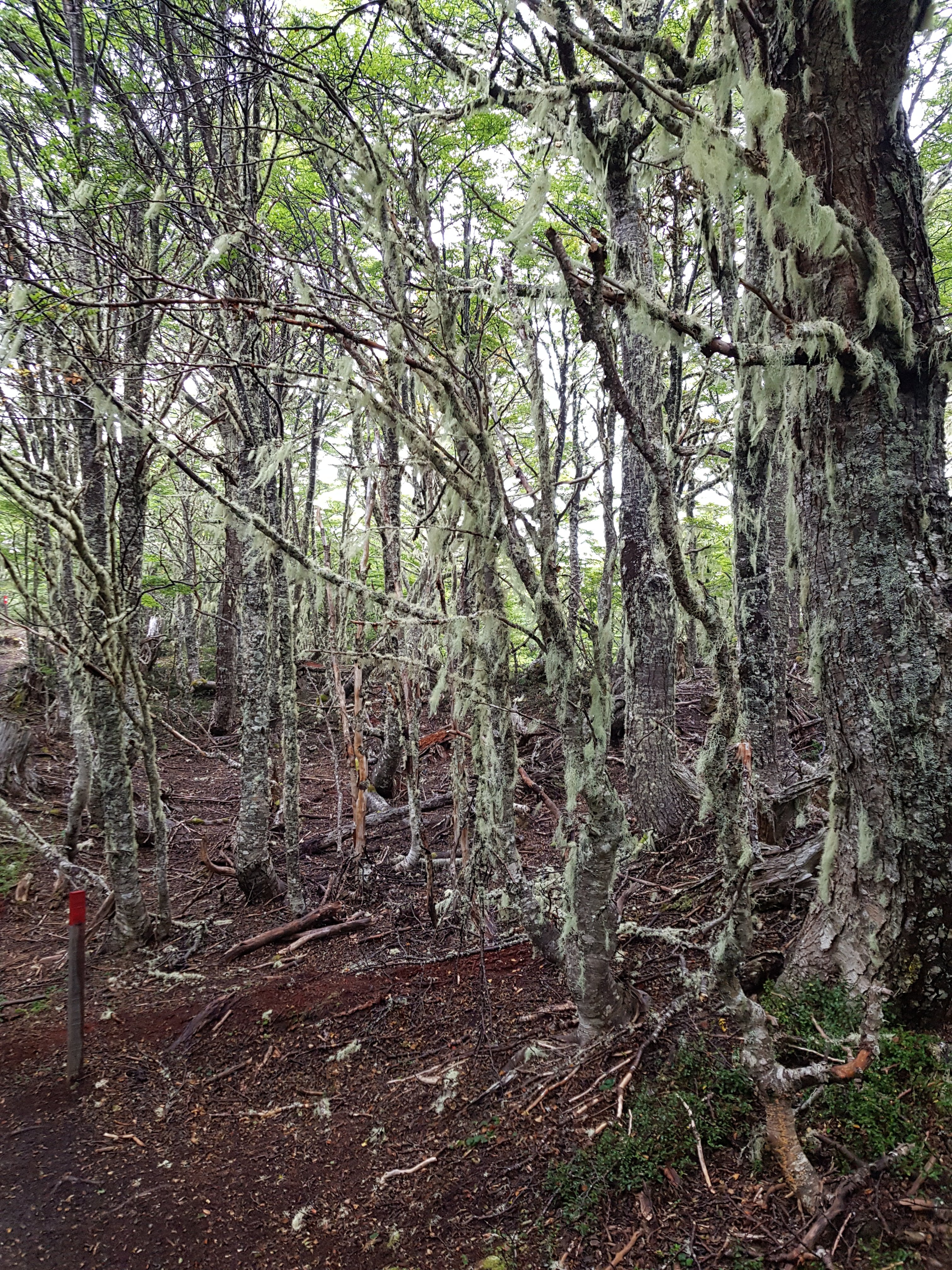
It is about £5 to enter the park, and then there are several trails available with many lookout points that can keep you busy for hours. I went on a very misty day so I did not see many views but the plants and trees especially were cool to see.

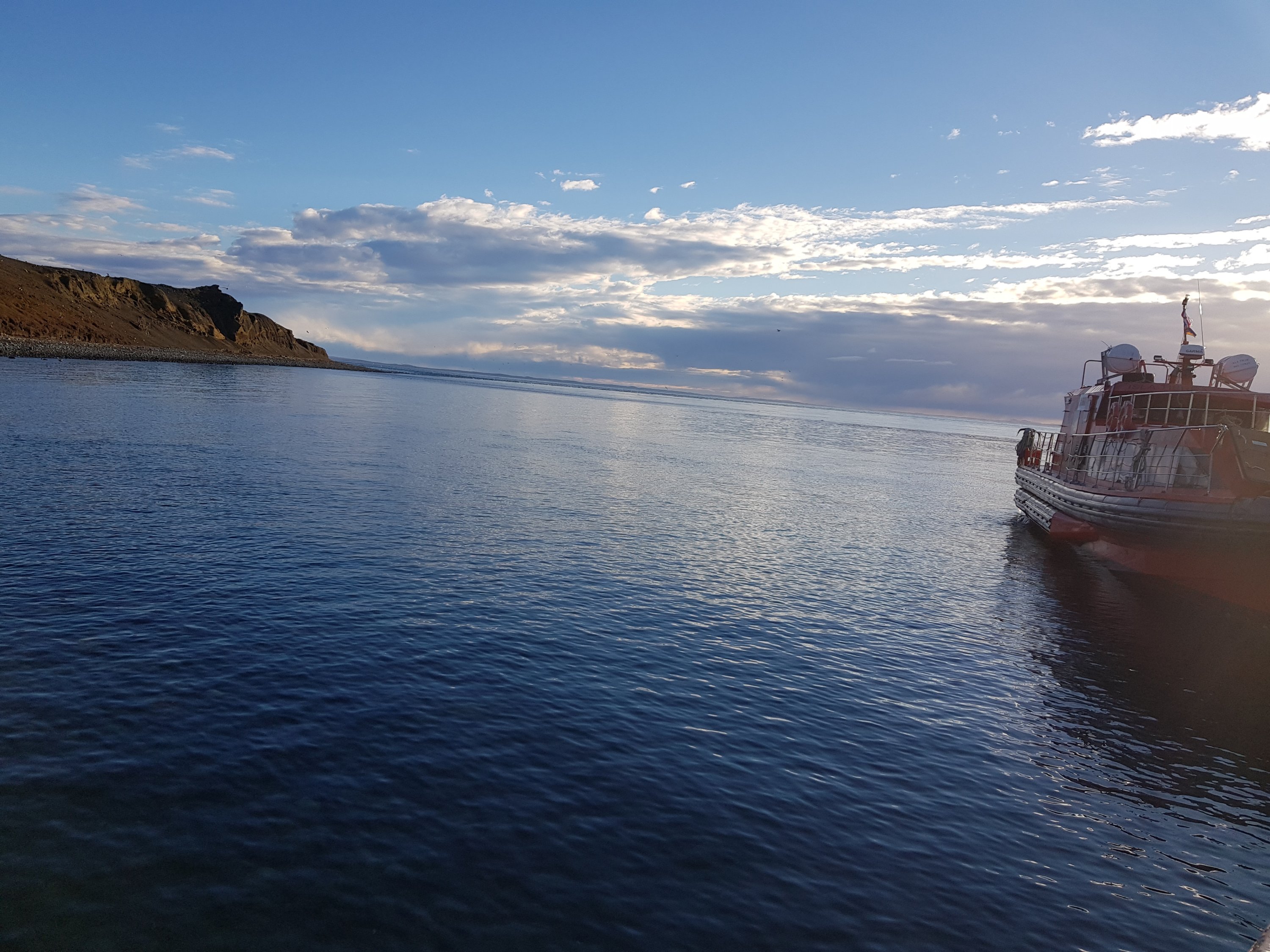
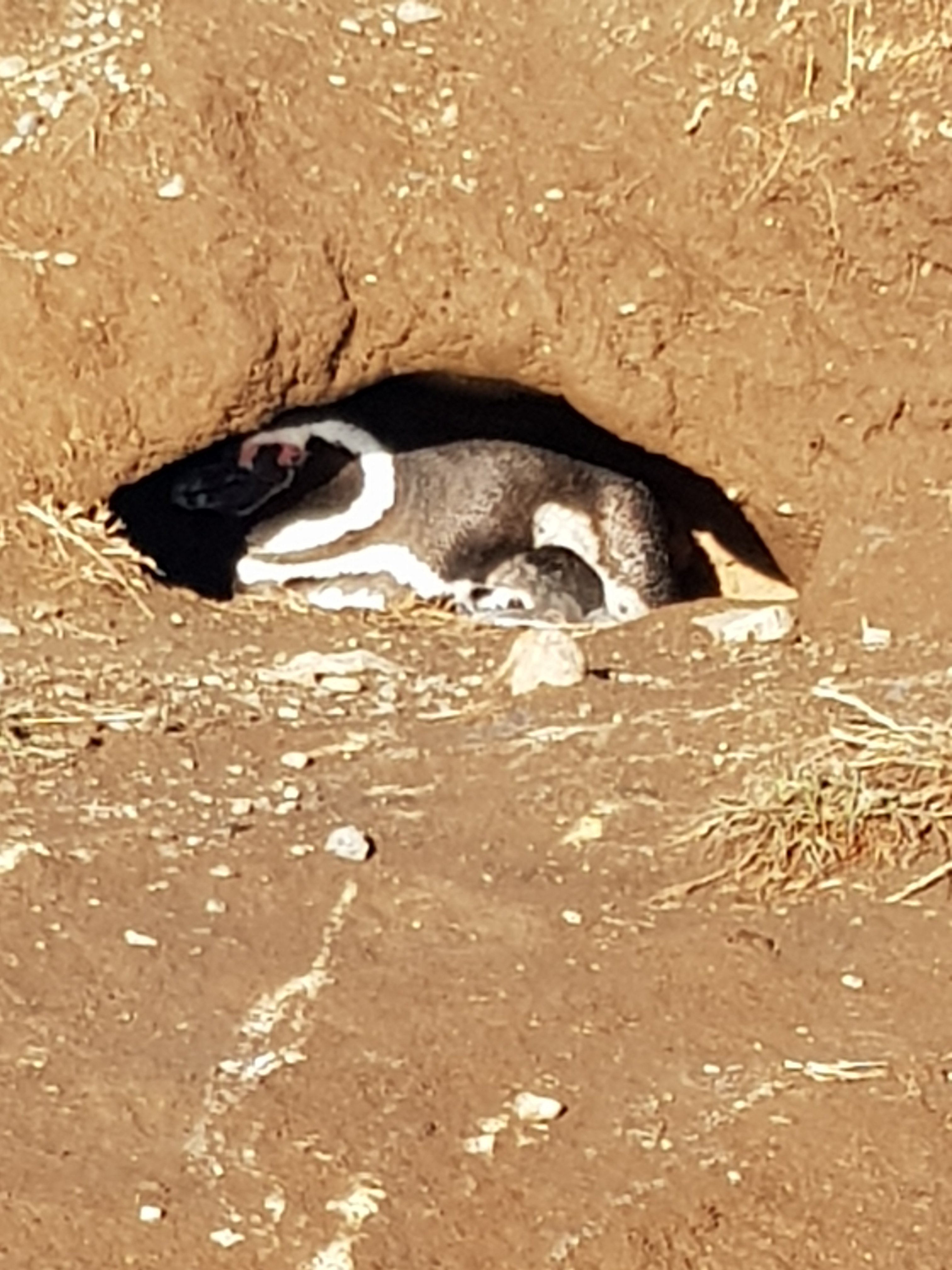
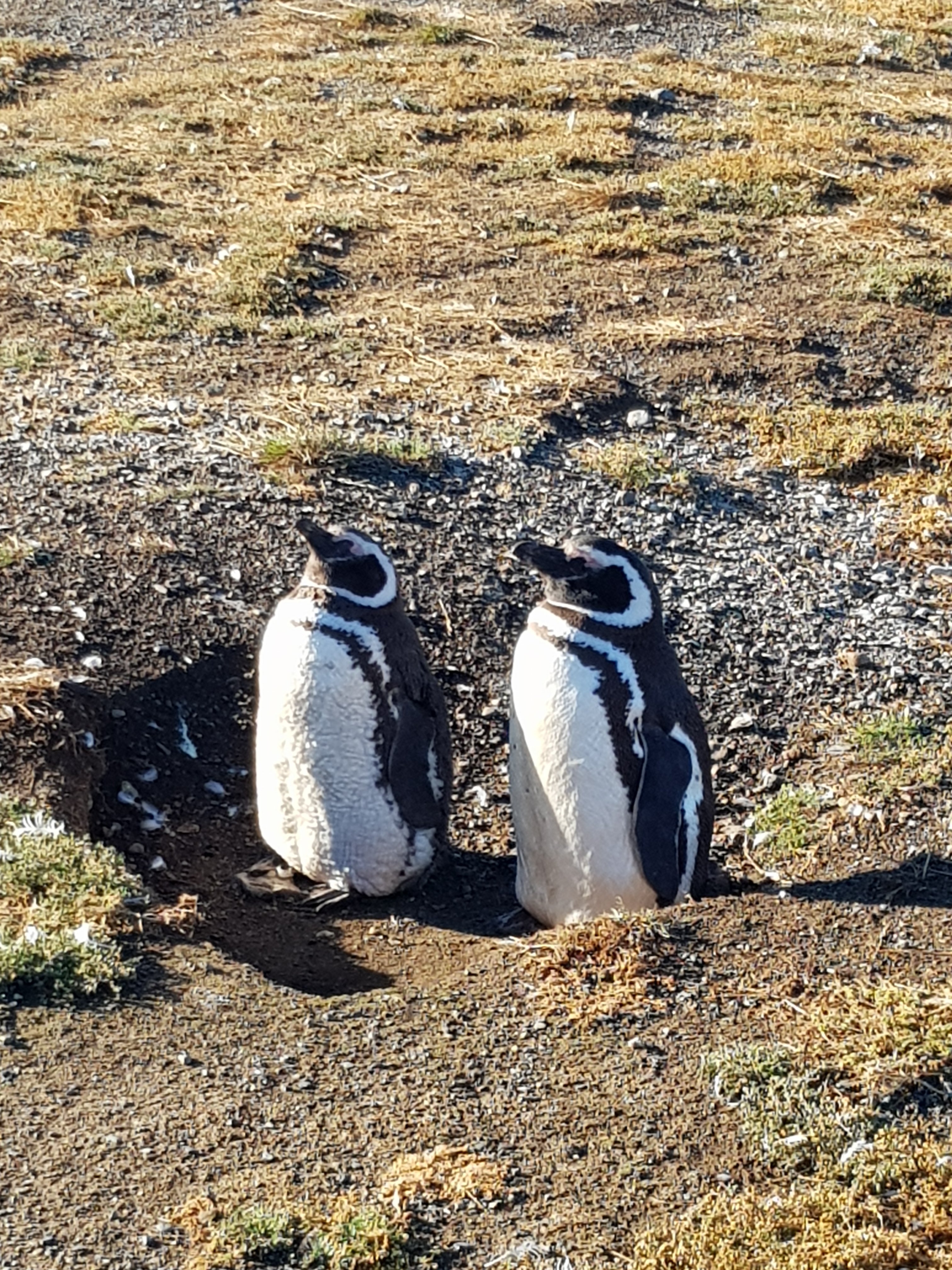
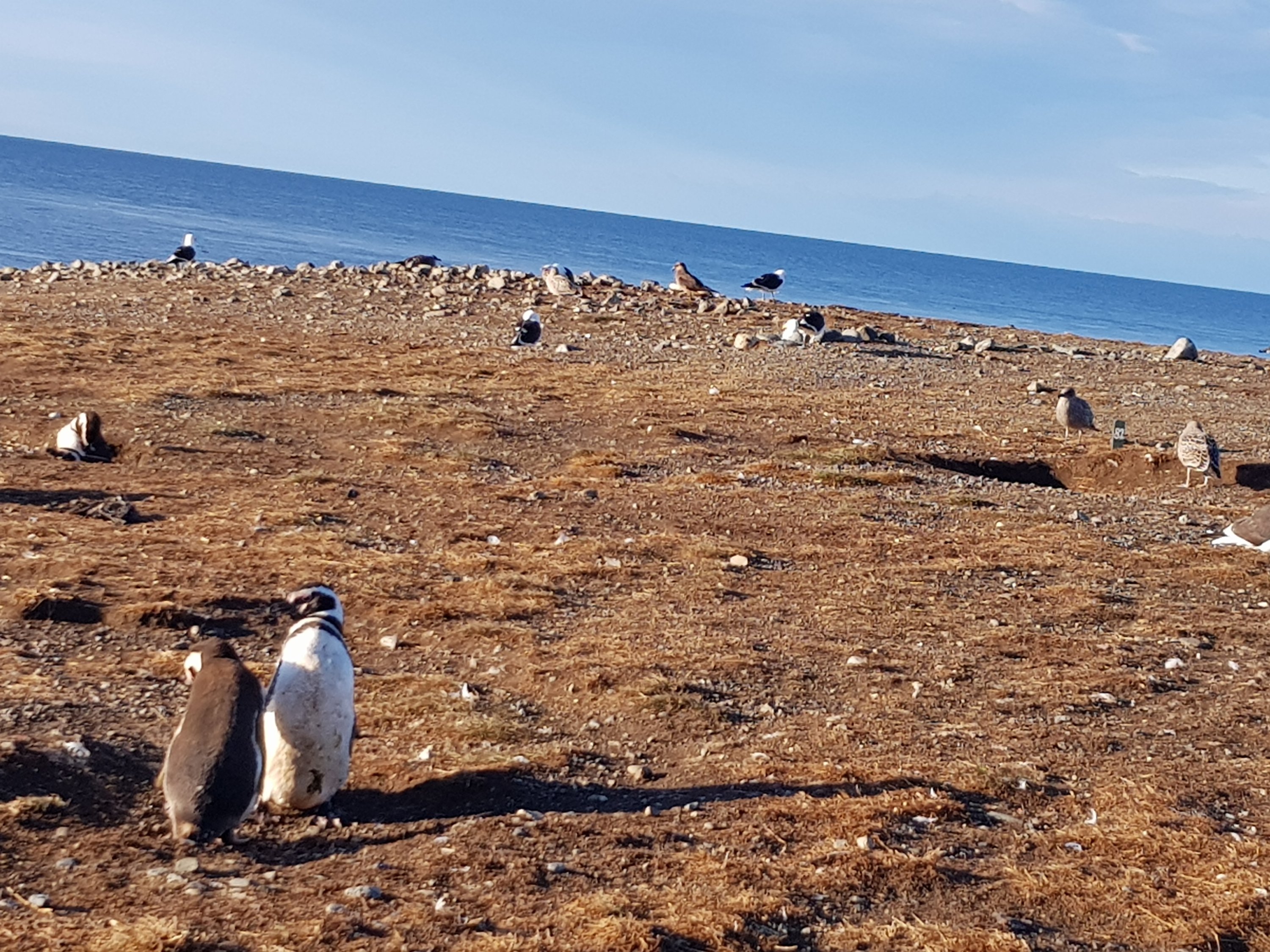
From Punta Arenas you can also take an excursion to see penguins and sea lions. I did this on thankfully the warmest day of the week. It is an early start followed by a few hours on a coach and then an hour journey to the main island by boat. Dotted around this small island are thousands of penguins, meandering within their couples. You can walk very close to the birds and follow a trail around the island to the lighthouse and back to the boat.

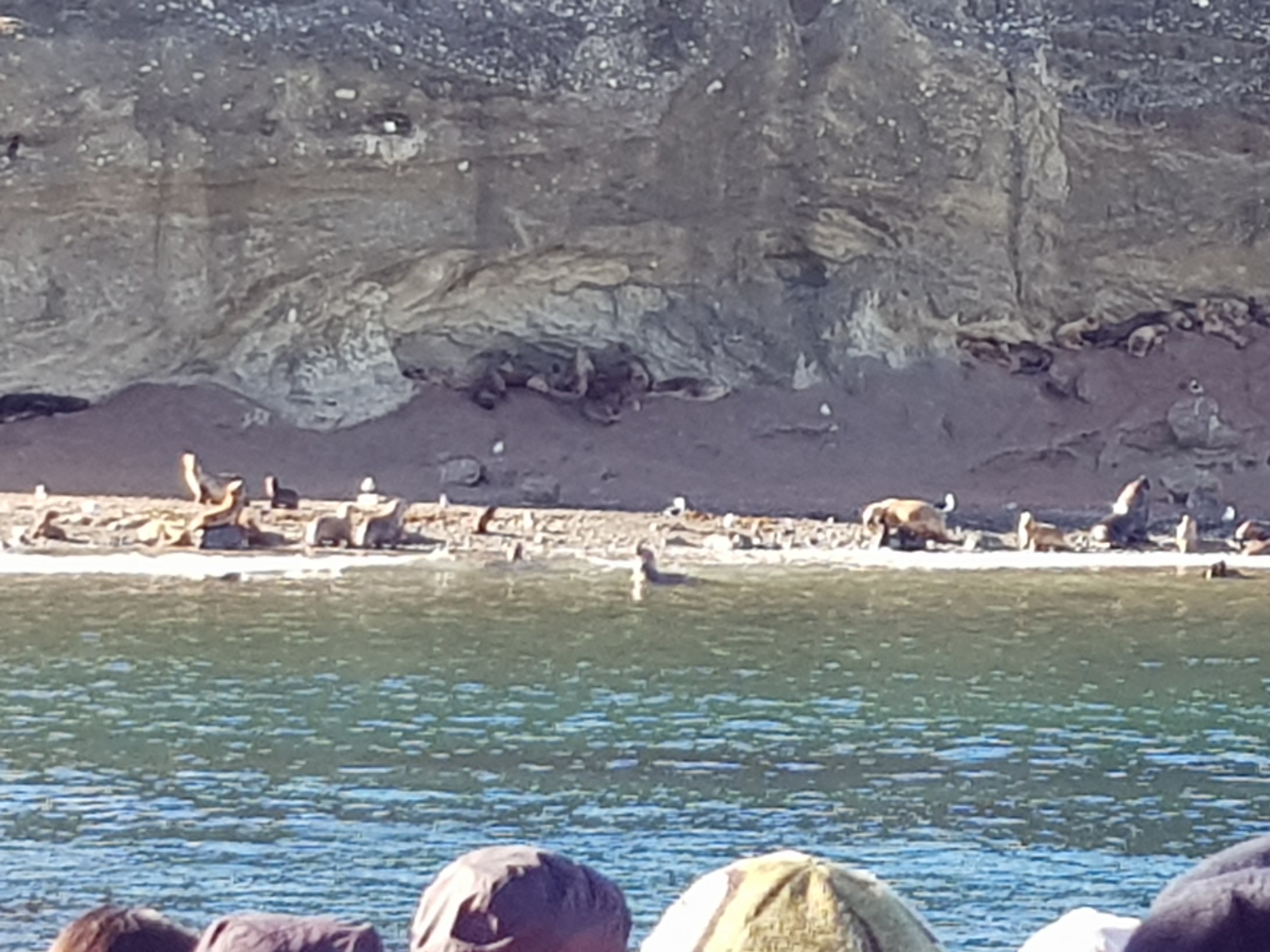
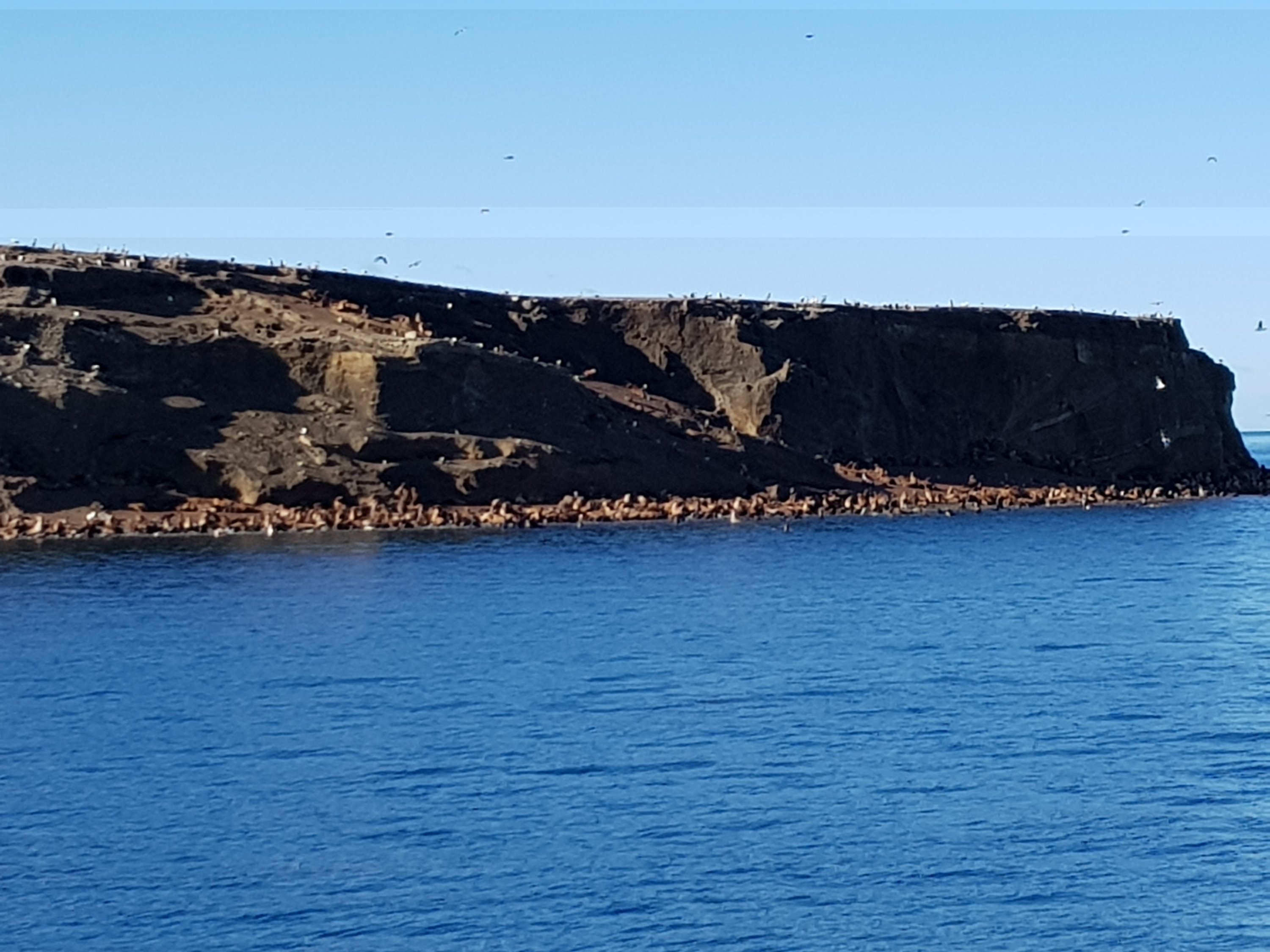
The tour then travelled to an even smaller island that was home to hundreds of roaring sea lions clambered together on a beach and swimming close to our boat. It was very nice to see these animals in their natural habitat as oppose to a zoo, and it was great to get out from the town and be on a boat for a few hours.

Puerto Natales

The next town which is the base for the Torres del Paine National Park, is Puerto Natales. This small town is full of hostels, camping shops and restaurants. I only spent a short time here to sleep and eat at the beginning and end of my trek, but there was little else to do than that as it is just set up to drain tourists of their leftover pesos.

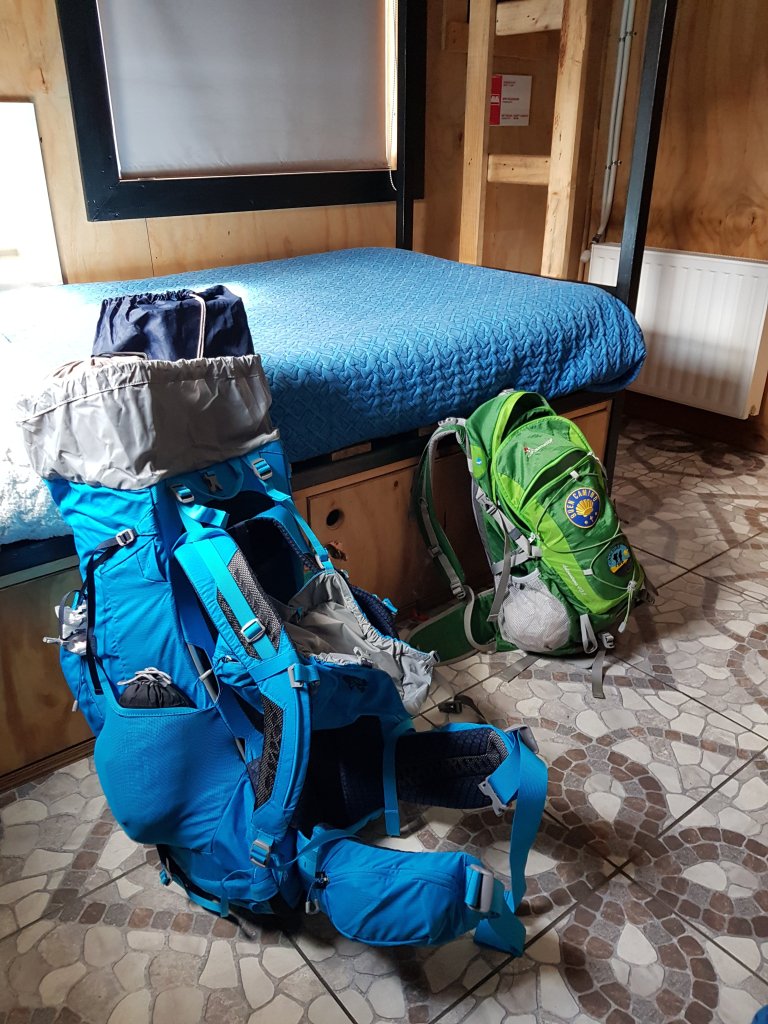
My trek bag vs my regular bag

Prepping for the ‘O’ Circuit trek

There are two main overnight treks that can be done at the Torres del Paine National Park. They are the ‘W’ and the ‘O’, named after the shapes their routes make on the map. The ‘W’ is the most popular and is known around the world for its views, but some people that have longer and want to see more of the park, choose to walk the ‘O’. this is the full circuit. It has several campsites on route and most people do it over 8 days. Each day of the trek varies in landscape, and the walks are between three and twelve hours, more or less.

Feeling like an experienced trekker, I decided to push myself to complete the ‘O’. I must say though that I forgot how out of shape I am, again. To prepare for the trek, I had to book my reservation to the campsites about three months in advance. I was able to use a new booking website that pulled it all together easily for me, instead of going to several different suppliers which could be quite complicated.

I decided to pay for my meals to be cooked and provided to me everyday, to avoid carrying a stove and heavy food. There is also an option to pay extra to have a tent provided and set up for you. I didn’t do this but met several people who did, and their tents varied in quality but their walks were obviously much easier than those of us carrying a tent. I rented a tent, sleeping bag, mat, and 65L rucksack from Rental Natales in town, and they were really helpful in getting everything sorted and providing me with advice.

I stocked up on nuts, cereal bars, and a bar of chocolate for some snacks for the first day, and midnight treats. I also took a Swiss army knife (although I never used it), a first aid kit (I did use part of this), and my phone power bank (charging is limited in the parks and signal is non existent, air plane mode was switched on the entire time). There are not any laundry facilities so a decision needed to be made about how many clothes to bring. I went with 4 outfits, and I made the conscious decision to smell rancid after half the week. Unfortunately, I still did not find an open launderette for two days after I had finished. Very gross.

The campsites

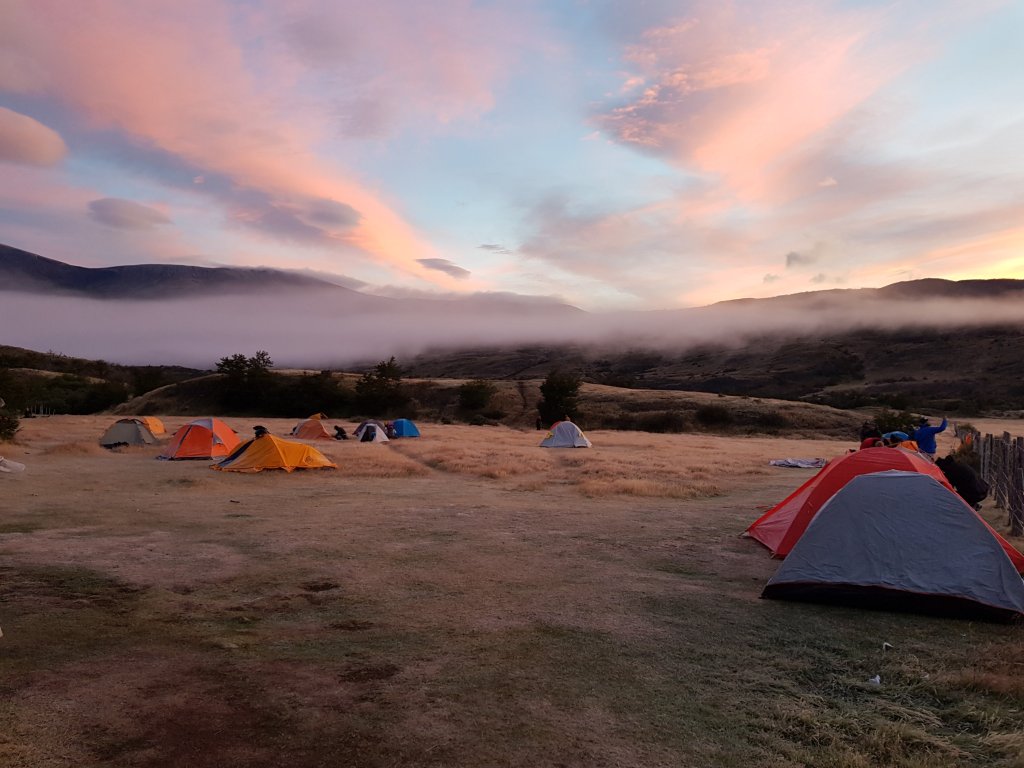
The campsites on the ‘O’ varied in quality, but I am happy to say that they all had real toilets. I was very thankful for this. I was scared I would be falling into a poo hole in the ground in the middle of the night. All the campsites had some sort of kiosk which sold snacks and most of the campsites had a bar/restaurant where you could buy drinks or enjoy your prepaid meal. Some of the campsites have refuges or domes as well so that you can sleep in luxury rather than a tent if you have the right reservation, and some of the sites had wooden platforms to pitch your tent on instead of the ground. I would argue that the ground is better though, as you are less likely to trip, and its easier to set up the guidelines, and pegs, and its actually a bit warmer than having a void underneath you.

Seron campsite at sunrise

The food I was given during my stay was generally excellent and although it was pricey to do this option, it was well worth it, to not have the hassle. I always had more food than I needed because the portions were very generous. There was always a warm breakfast, a large lunch pack and a four course dinner with different dietary options. The only downside was that hot chocolate was extra and I don’t drink coffee!

I spent time with a great mix of people whilst staying on the ‘O’ circuit campsites. I befriend a group of US visitors, a man from New Zealand and many groups of Chileans. It was great practice for my spanish, especially as in Chile, they have a unique slang. For example the word for egg is what you might call a

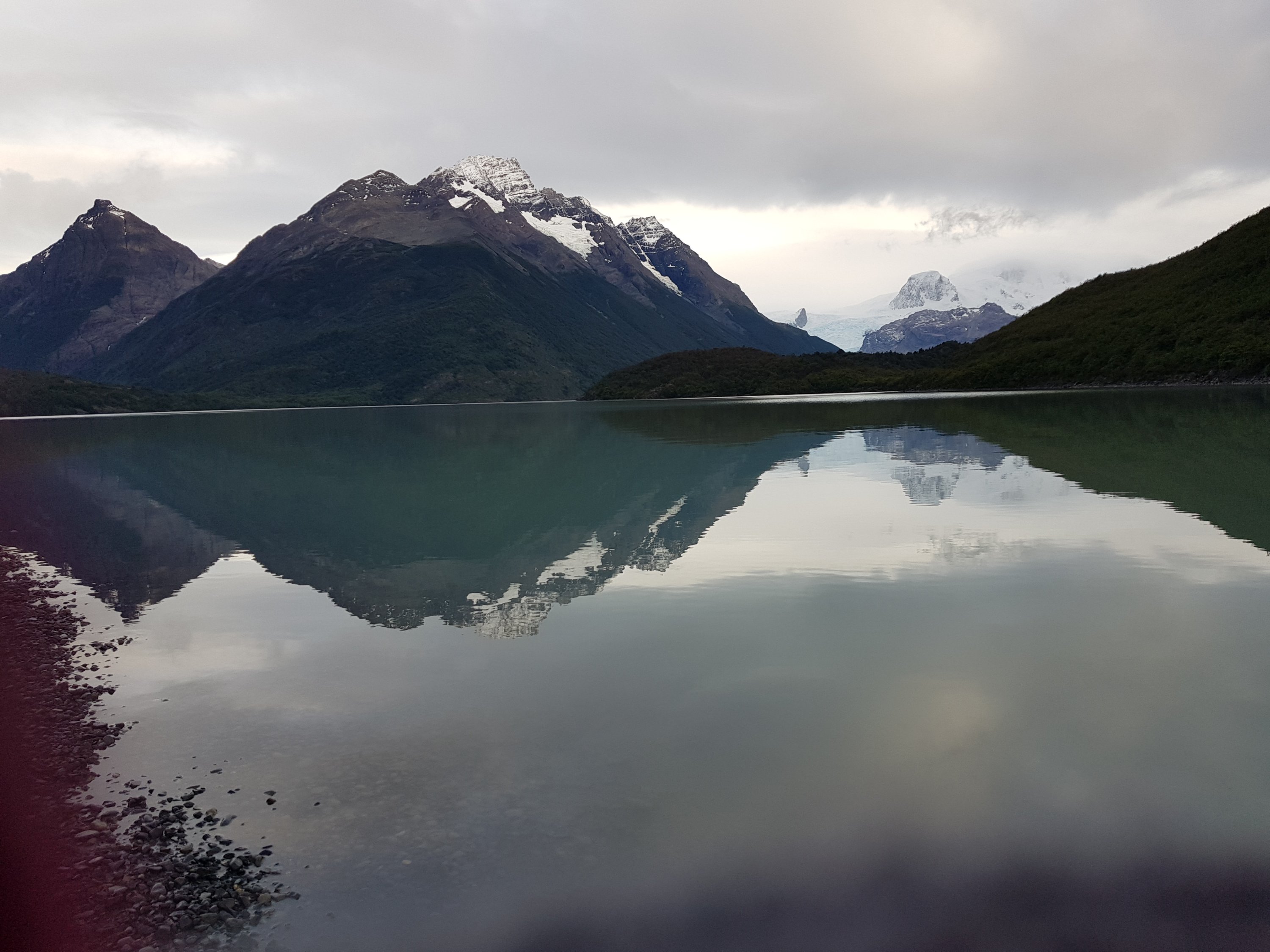
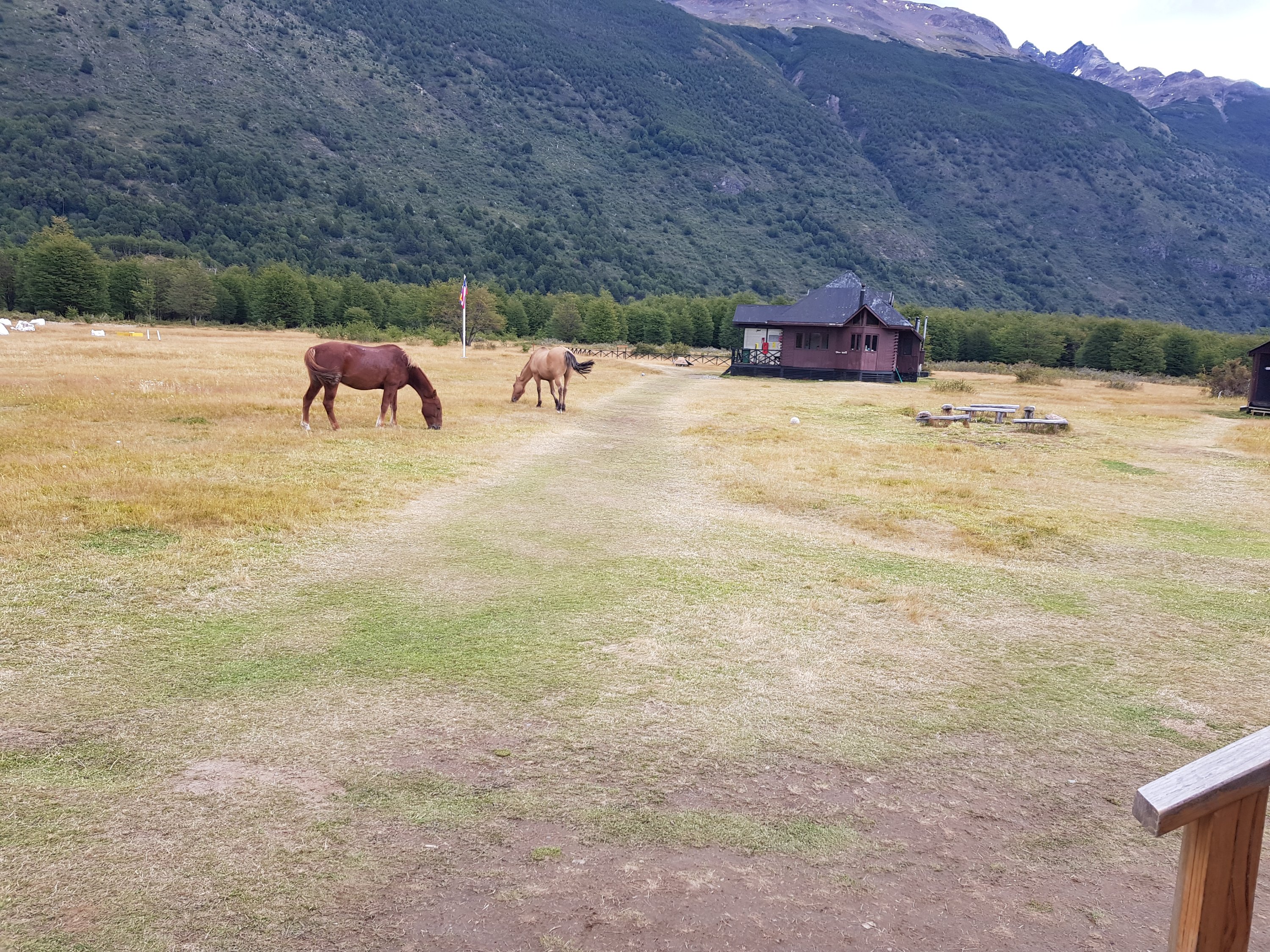
Favourite campsite: Dickson. This campsite was on a piece of land surrounded by lake and glacier, and also had a beautiful ranch feel with horses roaming around amongst the tents.

Least favourite campsite: Frances. Frances had what was needed but it is located in a shady and damp forest, and all the facilities are far away from the tents and down a hill…

The landscape

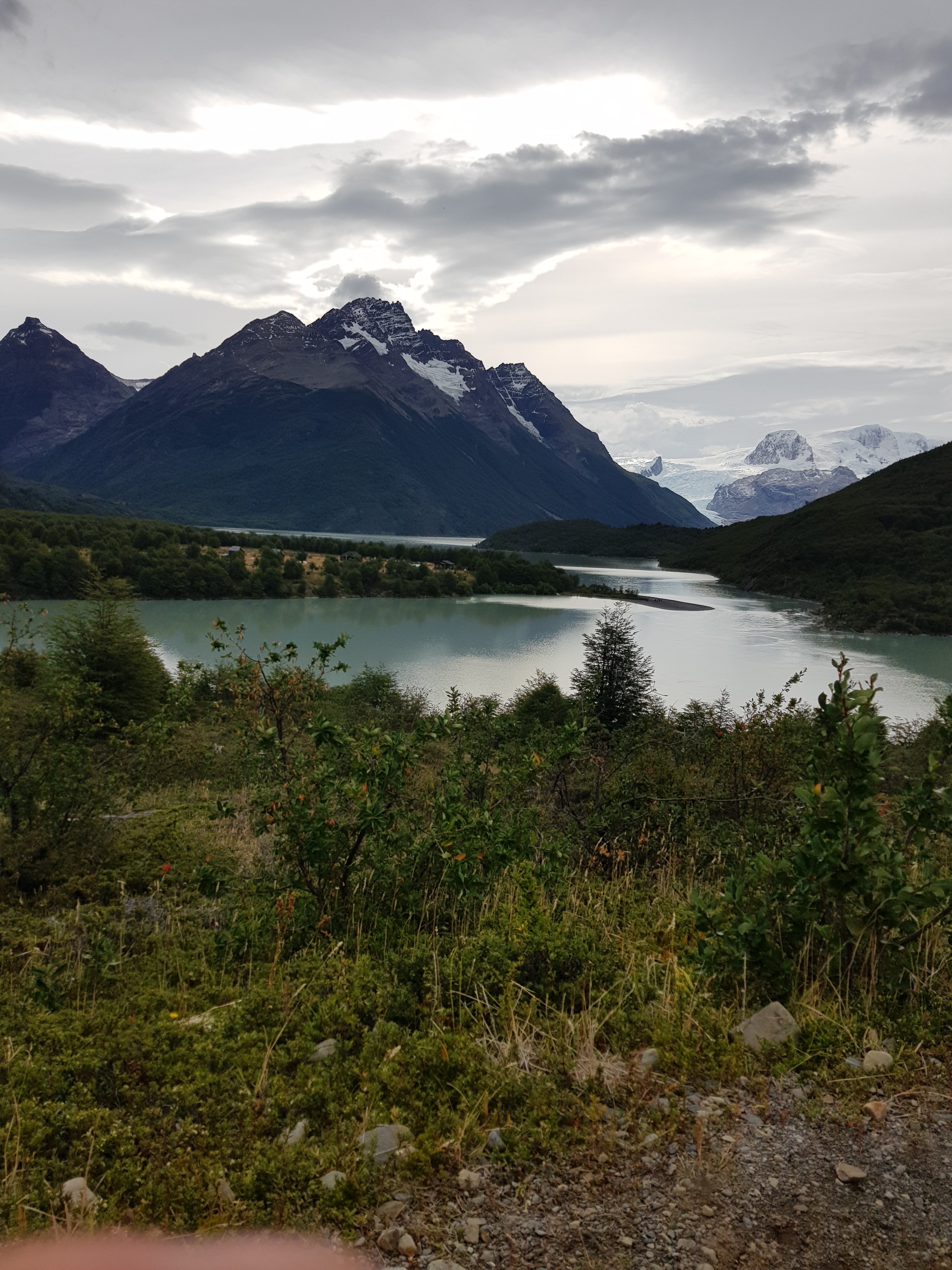
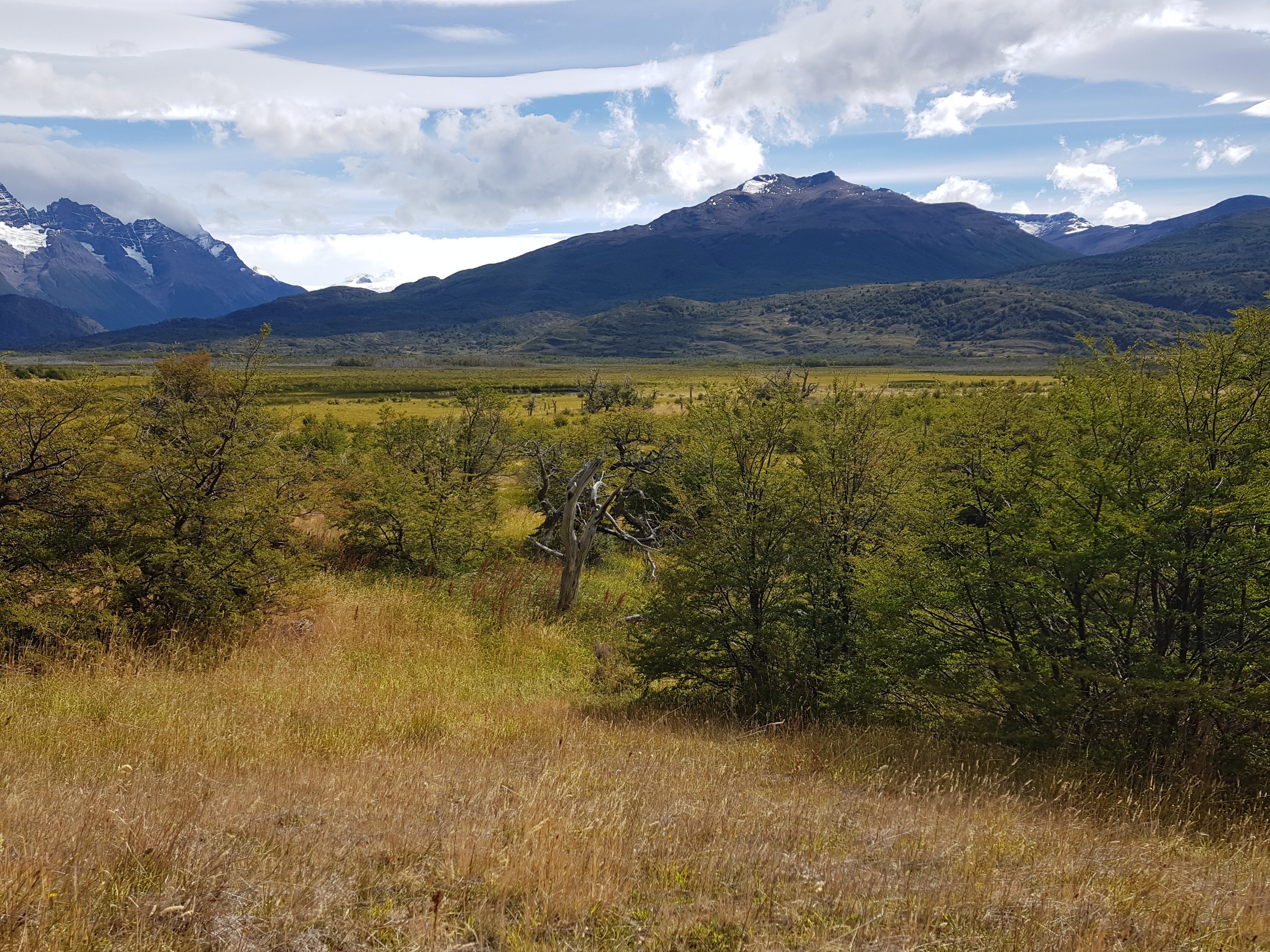
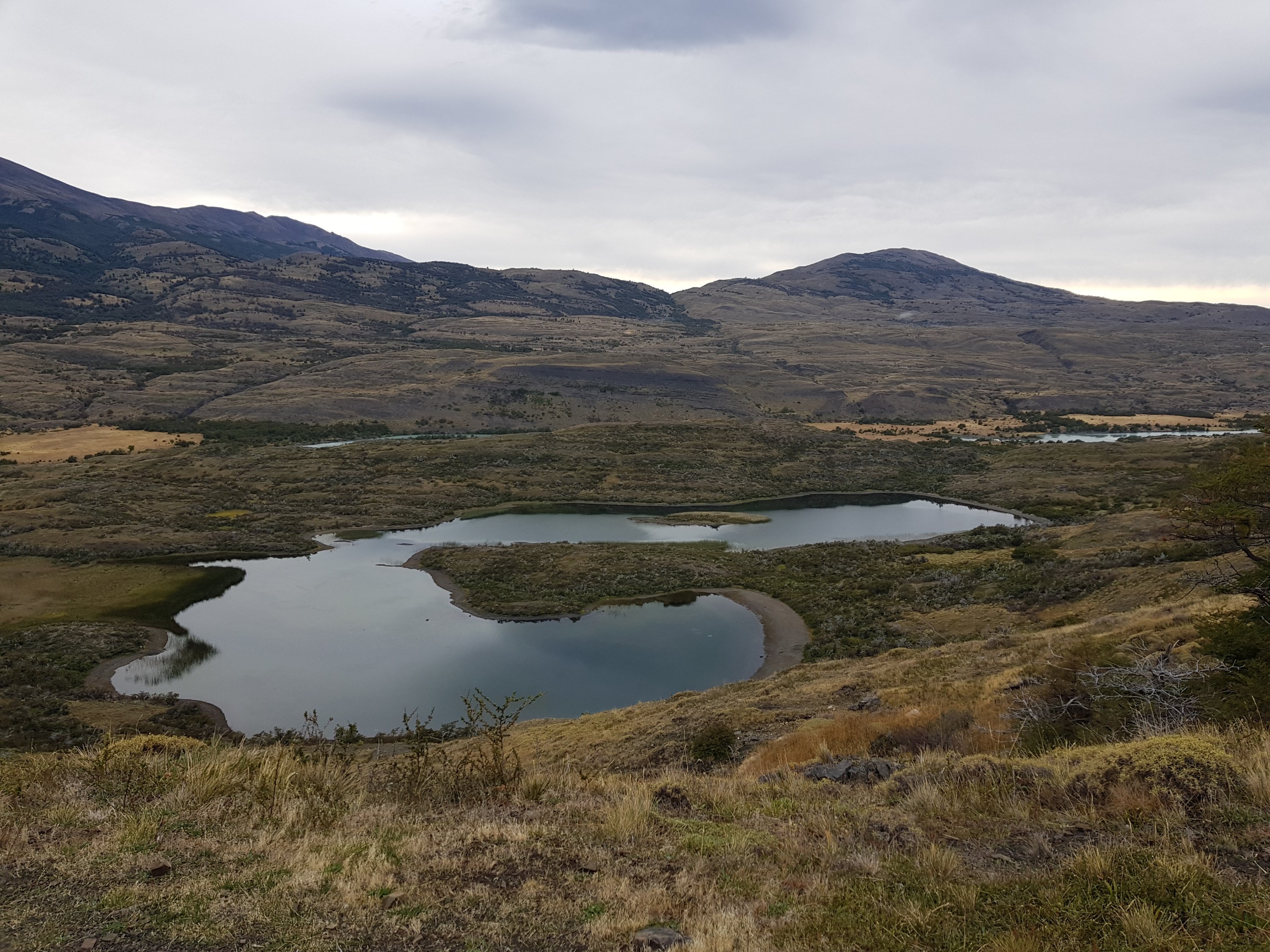
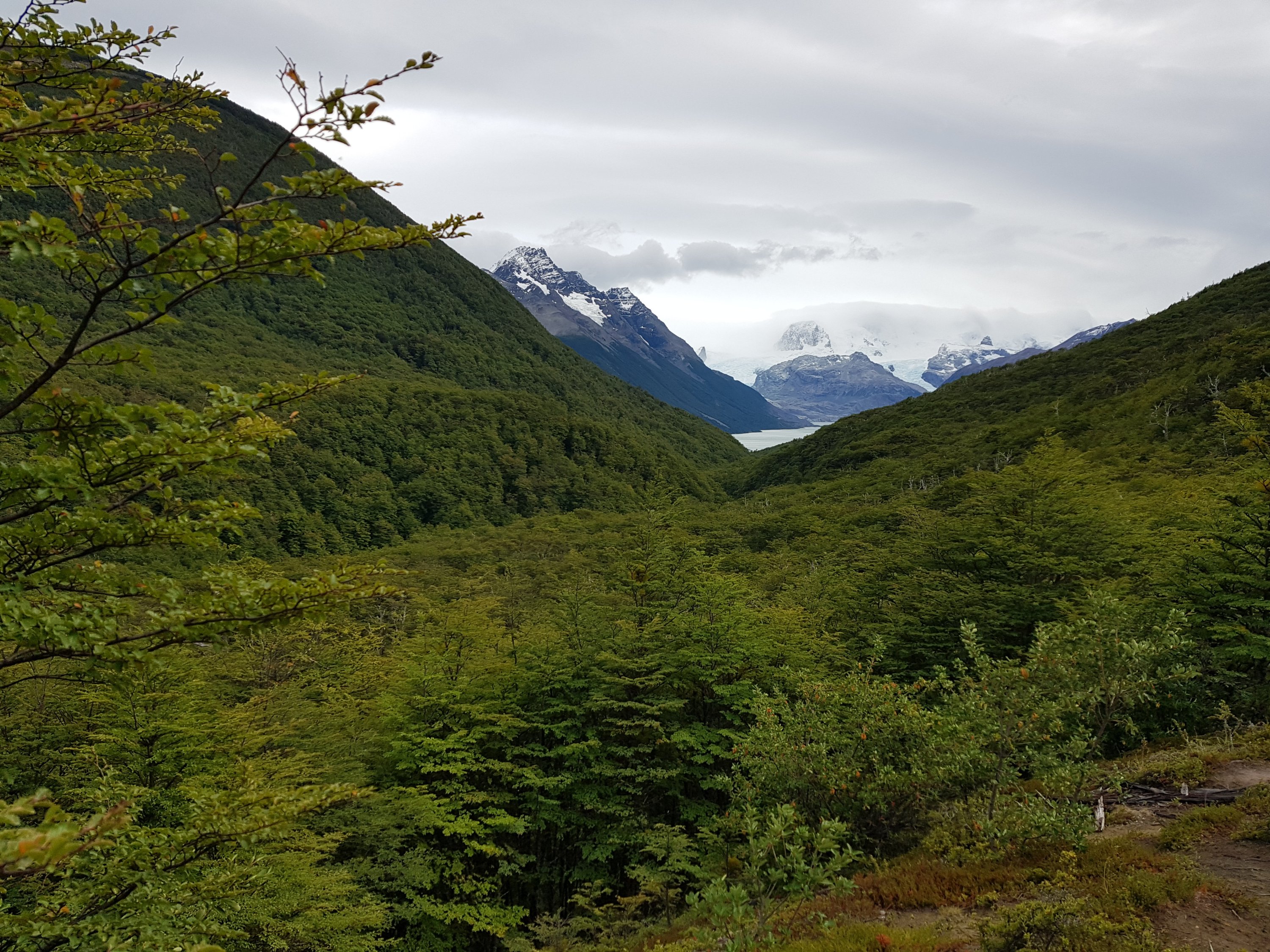
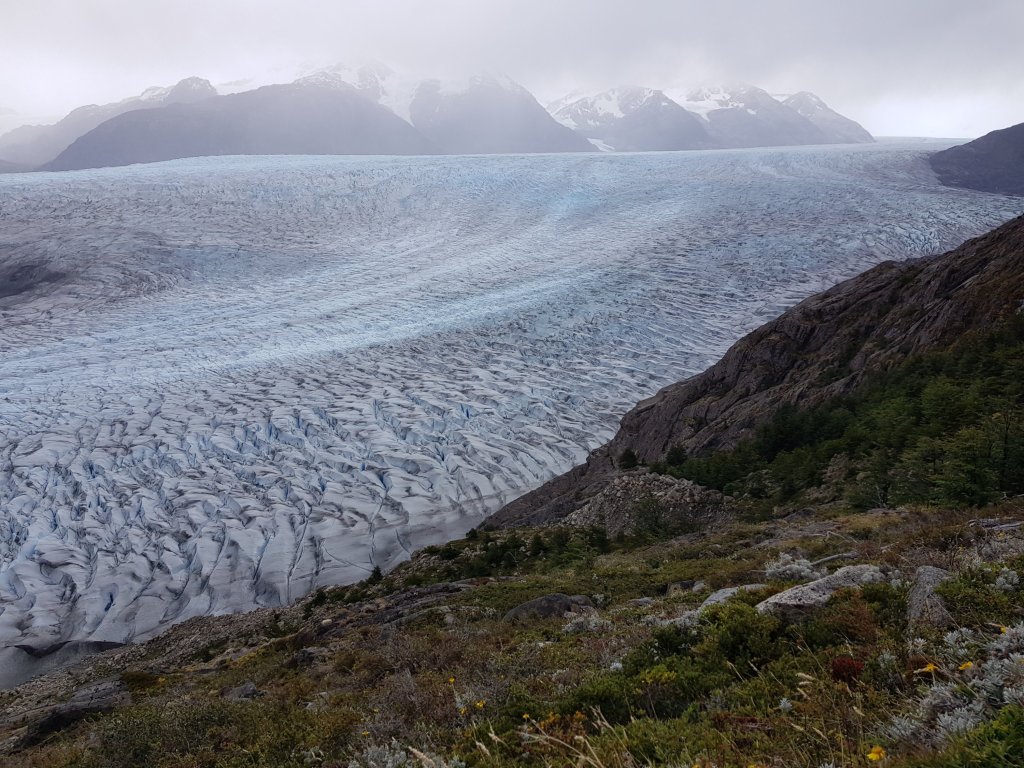
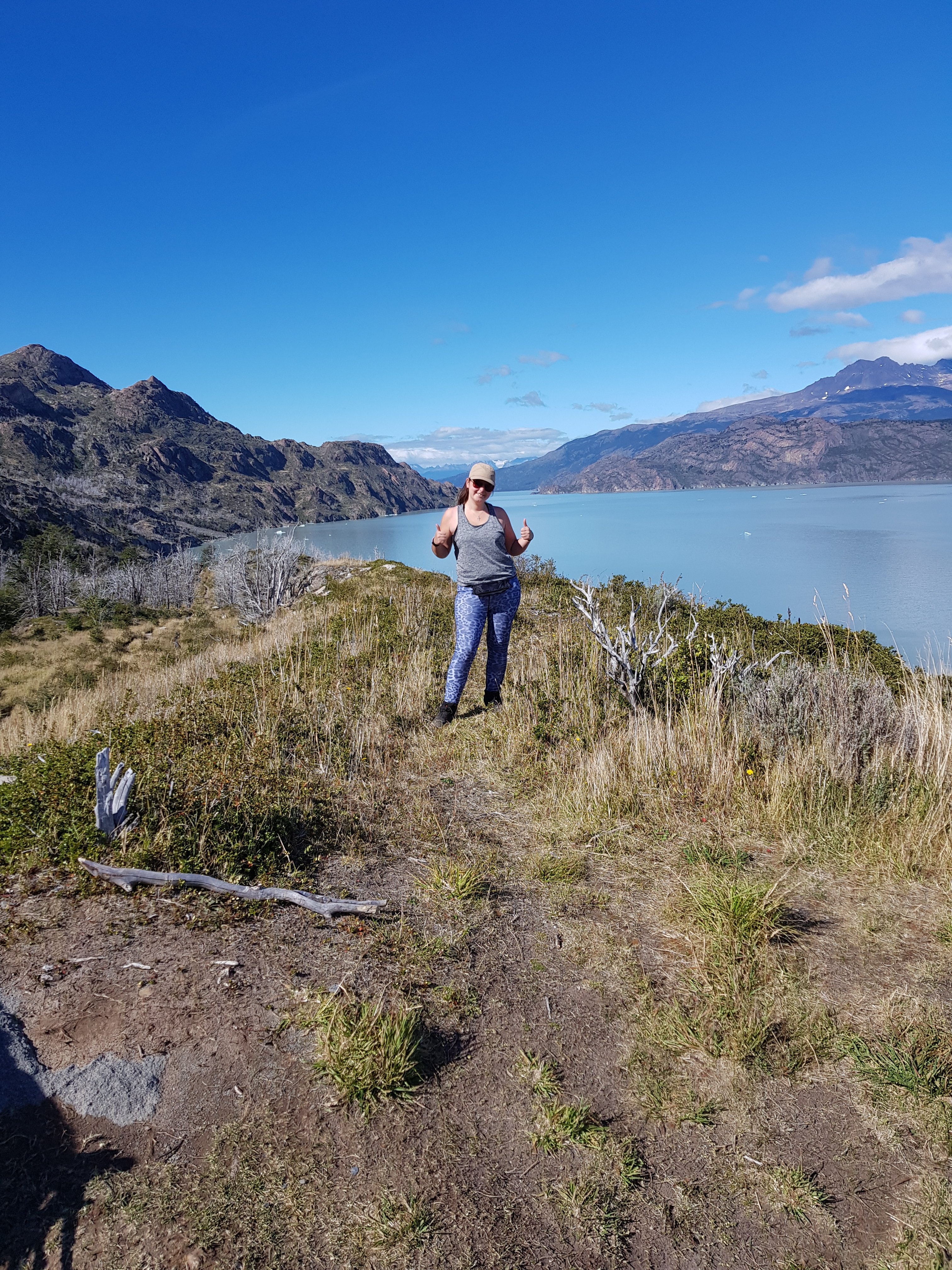
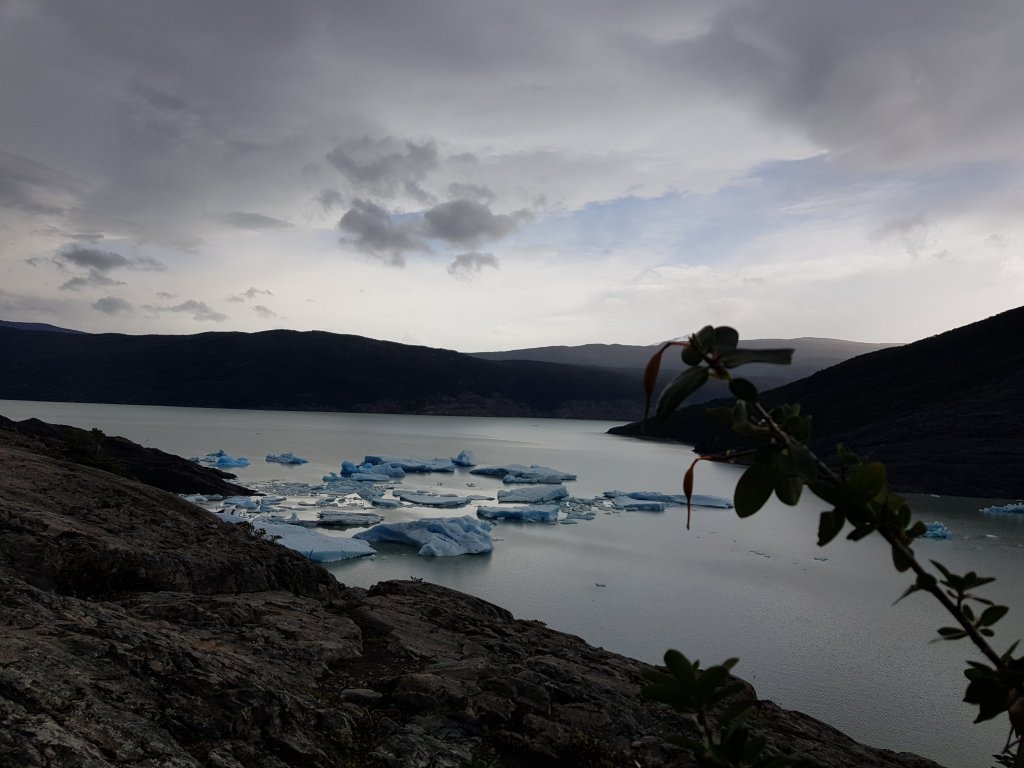
The trek itself is over 100km of varied landscape, and climates! The first day I was walking through long grasslands in hot weather, on the fourth day I was shivering in the snow and wind whlilst gazing over the Patagonian Icefield. Many people will simply do their chosen circuit, whilst others may add in the extra viewpoint trails, or you can even just do a full day walking, sailing or riding excursion through the park.

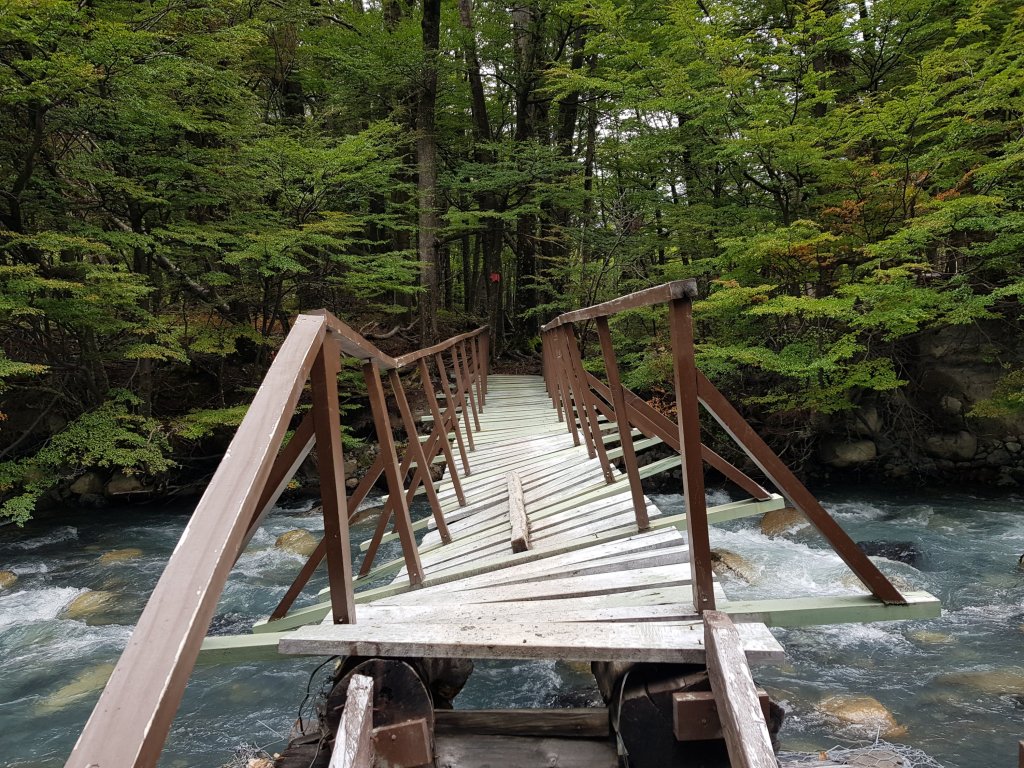
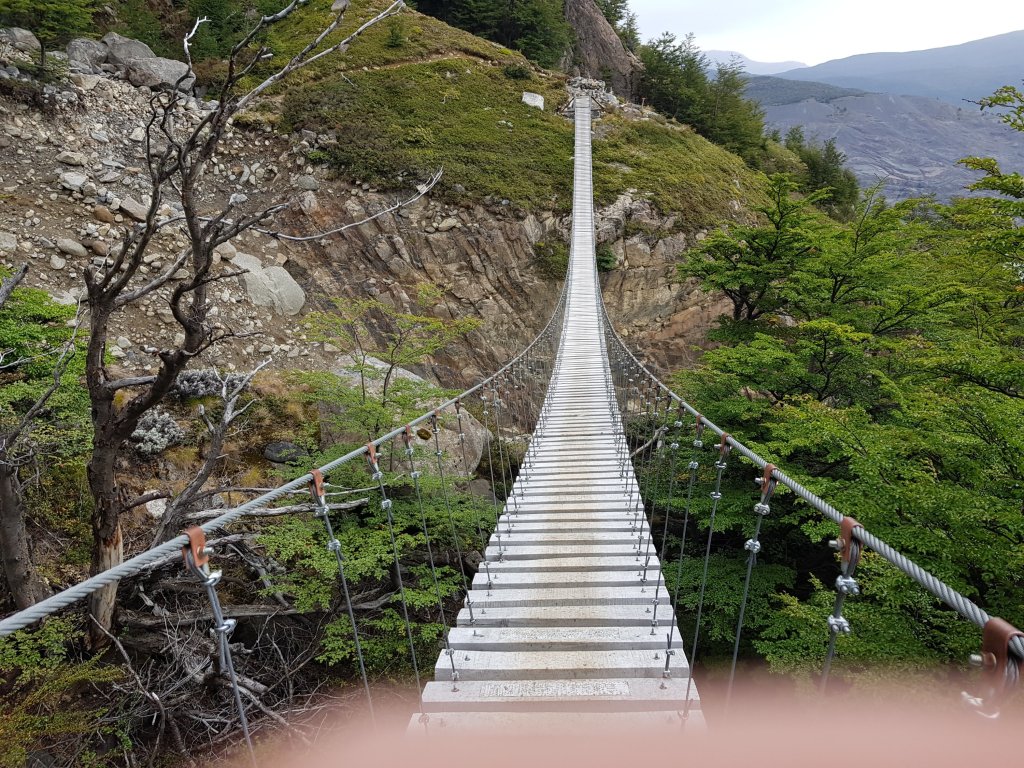
I found the hikes very challenging at times, especially as a solo walker. This was mainly because of some of the heights of the rock faces on the trail. I had to throw my very heavy bag ahead of me and boulder a couple of times which was nerve wracking with no one there. Whilst the paths are very rough, the way markers are very consistent and I was impressed by the placement of some of them.

There is a variety of plants and animals to see, I was very nervous about coming face to face with a puma as they live in the park, but in the end my only animal sightings were a noisy woodpecker above my tent and the poo left behind by a fox! If you are determined to see a puma though (I was not) you can join special expert tours to track and watch them.

Having done the full circuit now, I would definitely recommend the ‘O’ to anyone that thinks they could manage it. The authenticity, and atmosphere were better than the ‘W’ circuit which is much more commercial. The park is absolutely beautiful and I would love to visit again and do more activities there.

Argentina: Central Patagonia (Santa Cruz Province)

Following my visit to Argentina’s Lake District, I continued my journey South into the center of the Patagonian region and one step closer towards the bottom of the world. This area is full of mountains, and glaciers, and many national parks!

Perito Moreno

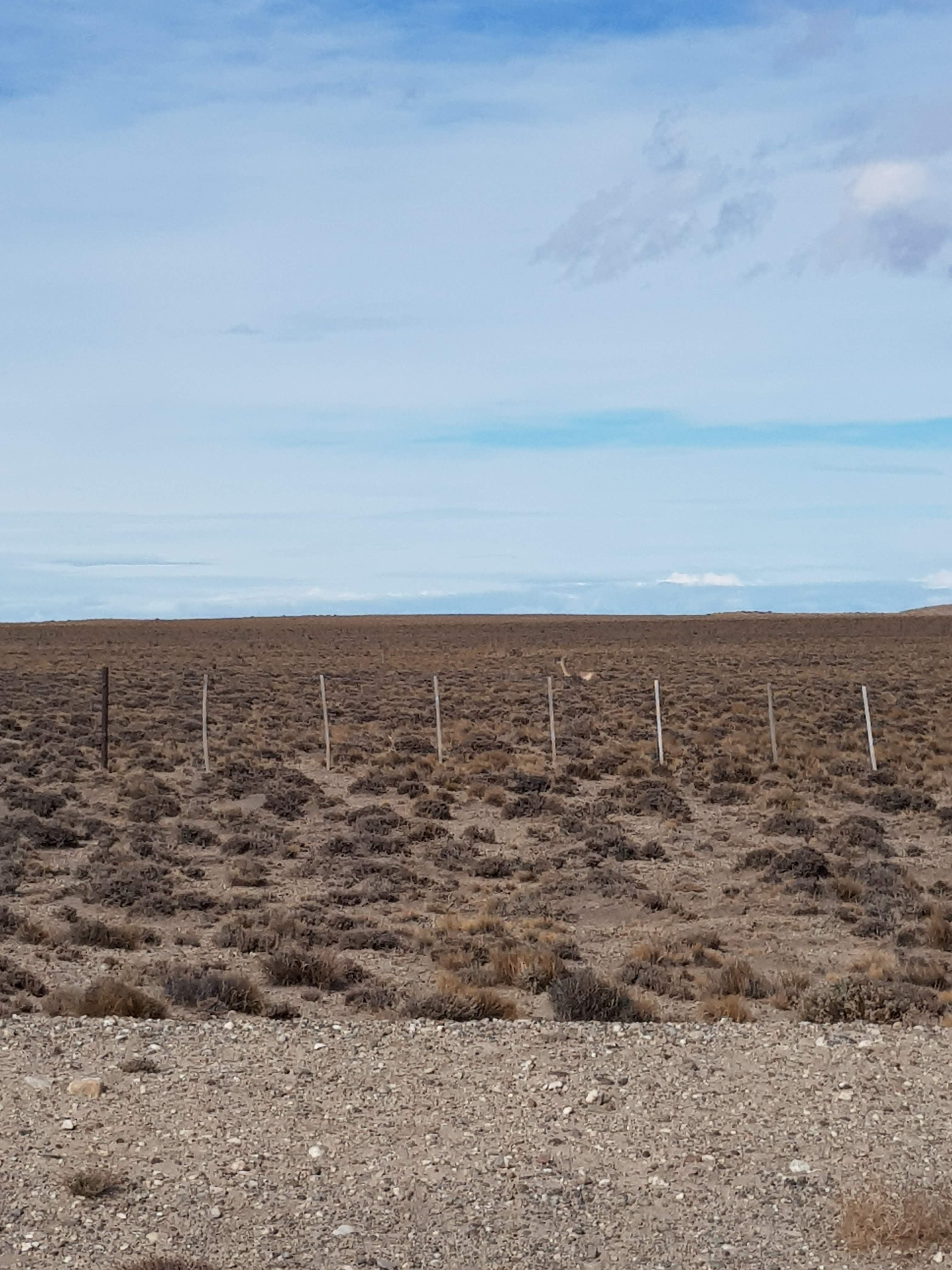
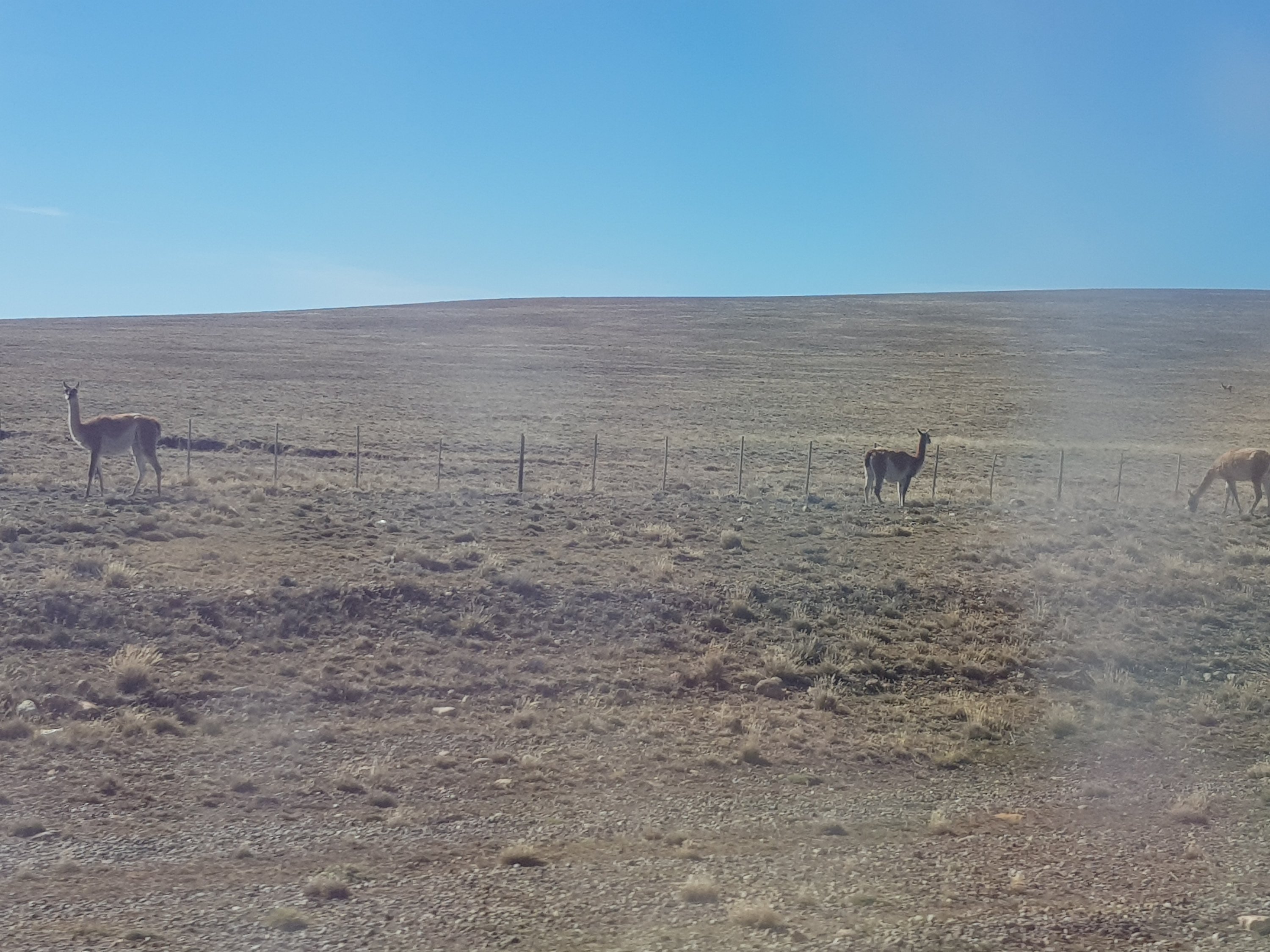
After a 13 hour bus journey from El Bolson, I made it to the small town of Perito Moreno. I was the only person to exit the bus at 1am and make my way to my little wooden cabin in the town centre. I had come here for only one reason, to see the Cueva de las Manos, only accessible by car or tour.

Cueva de las Manos (Cave of Hands)

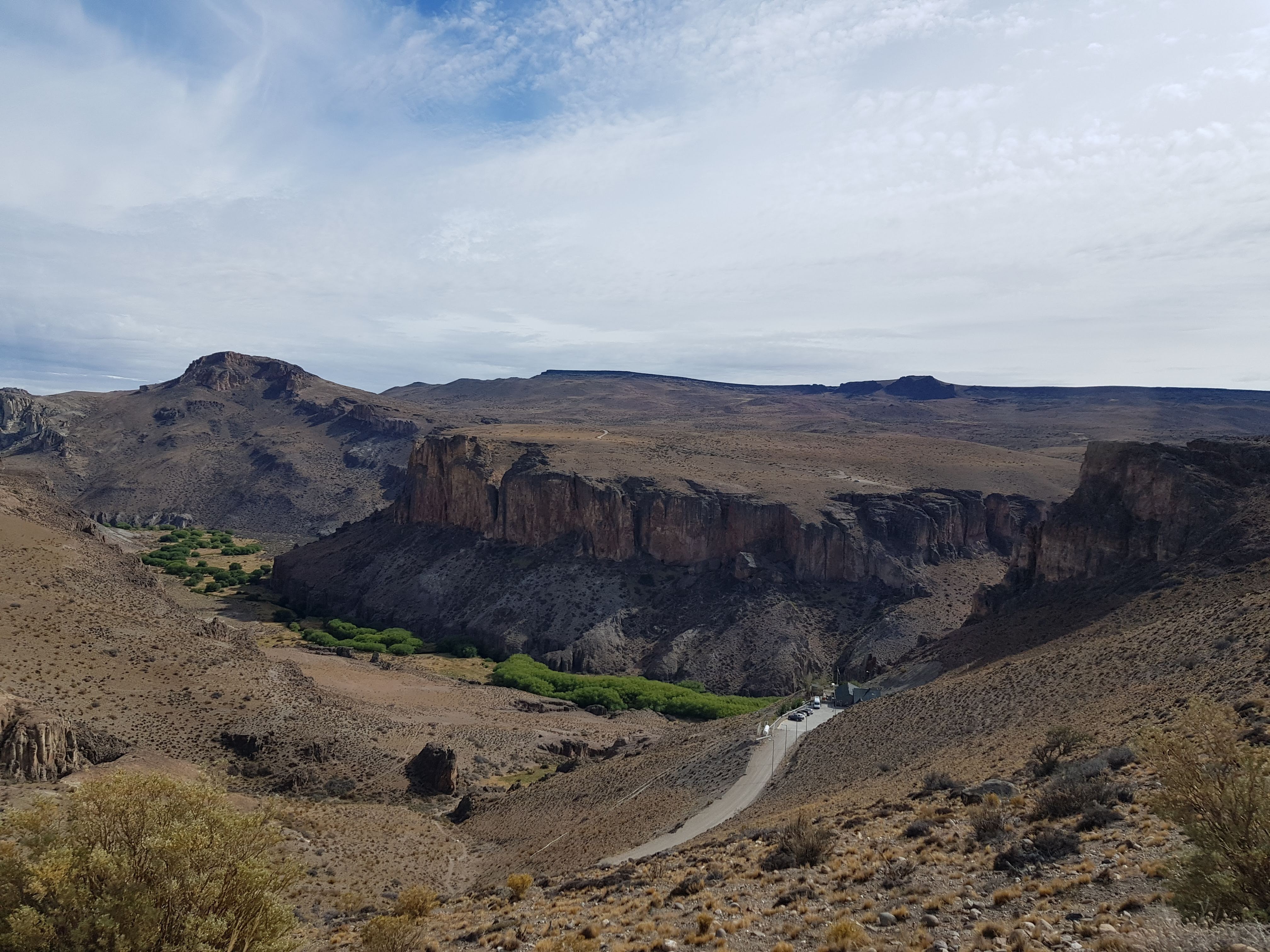
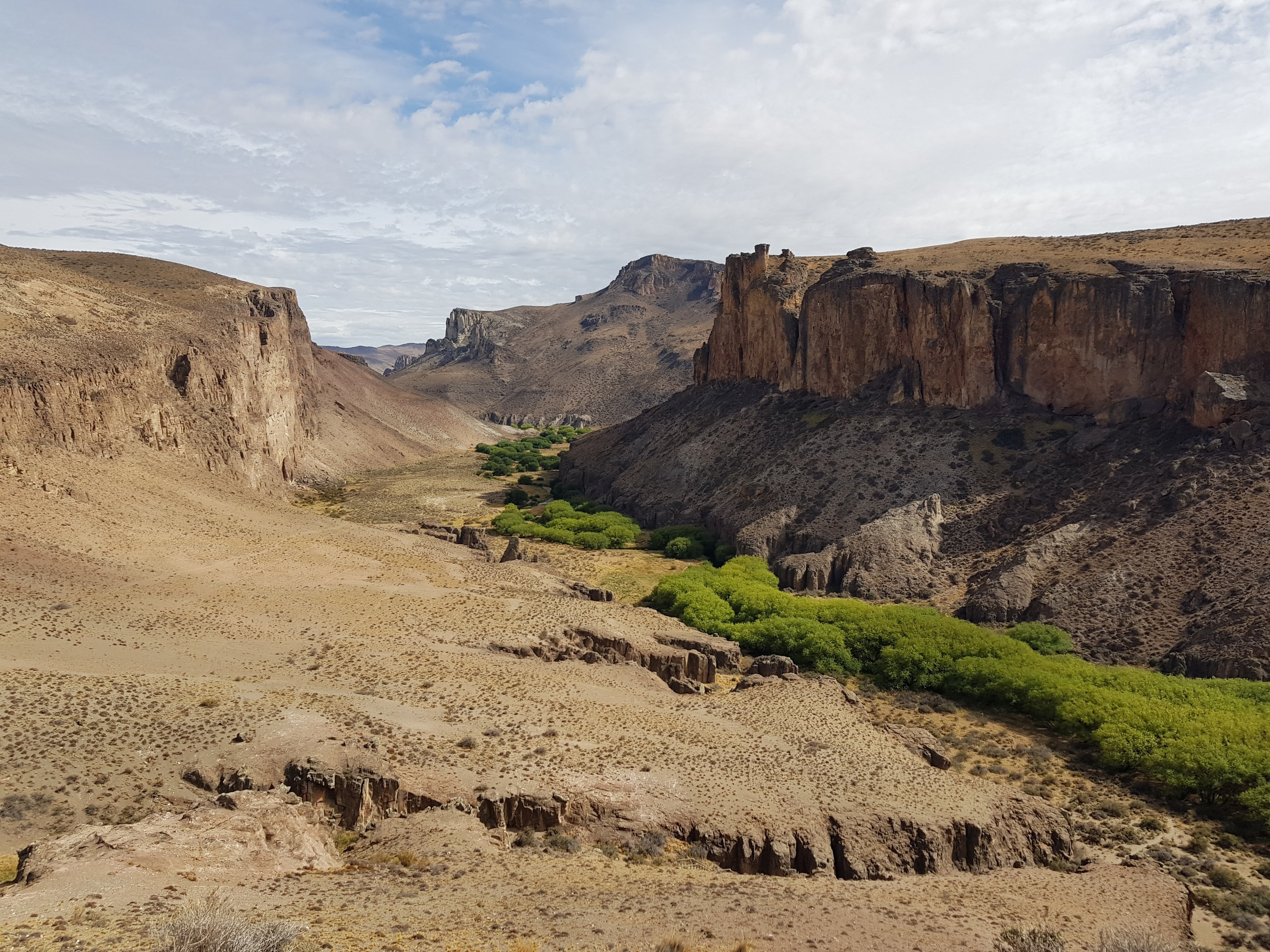
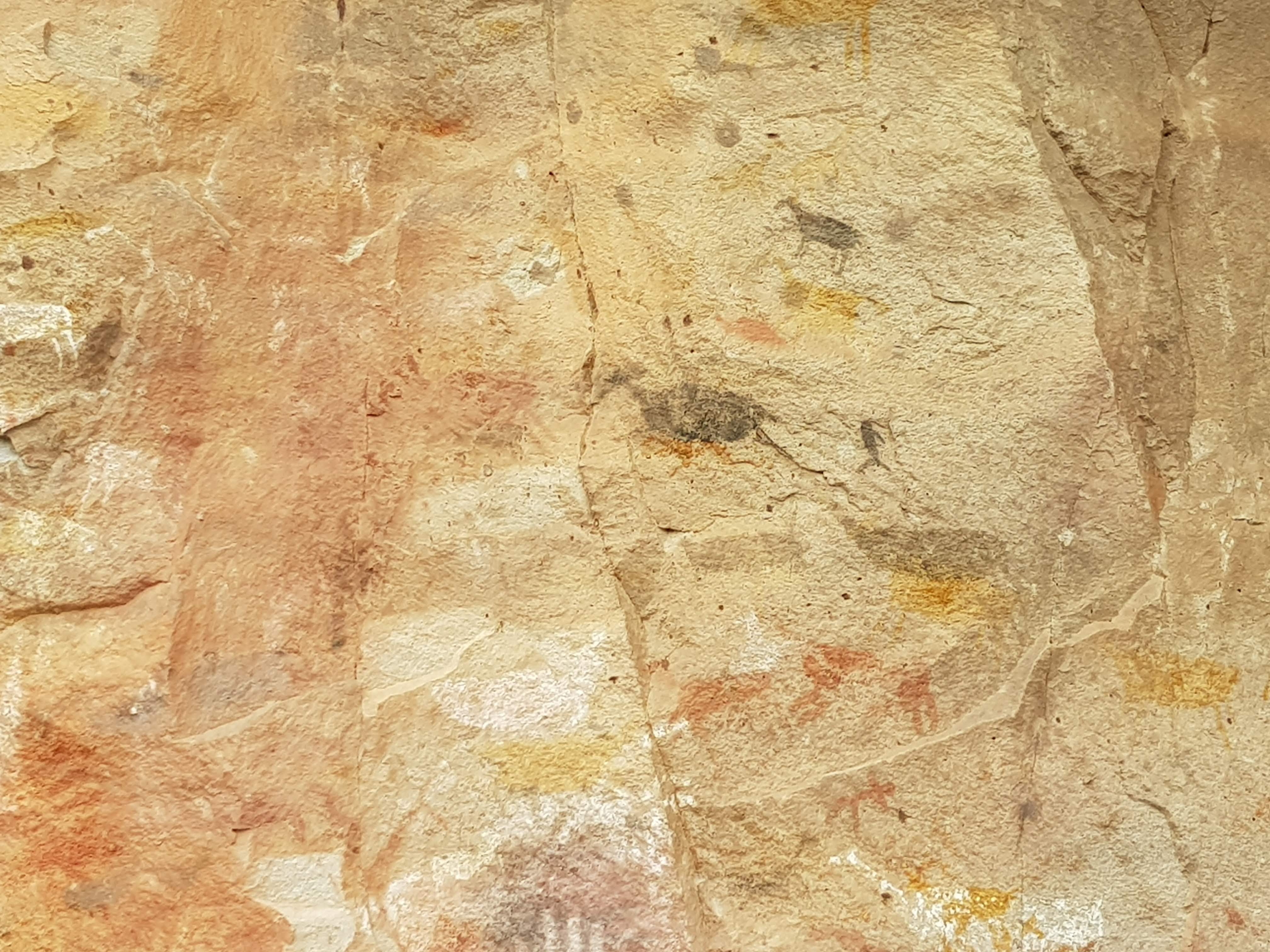
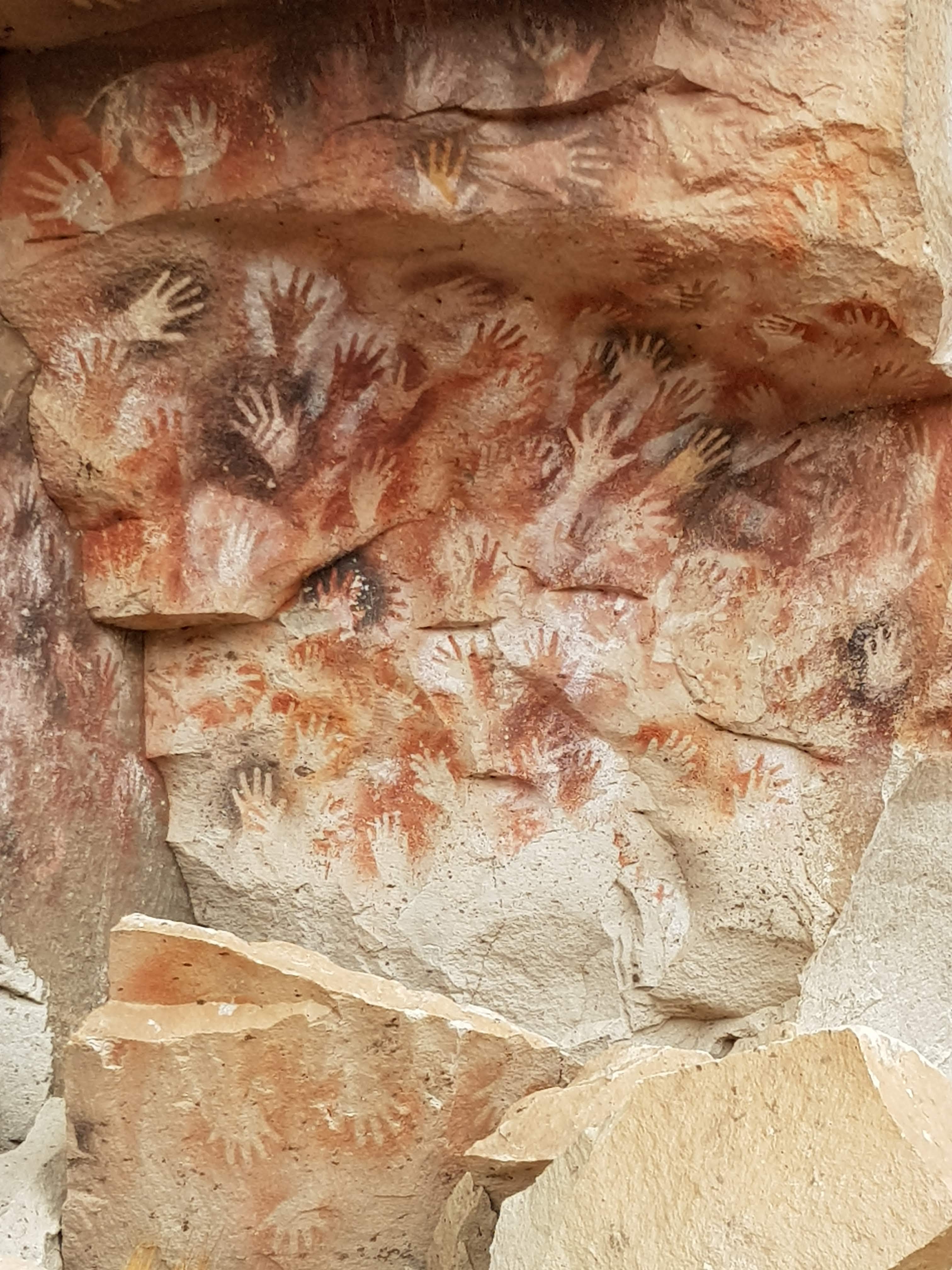
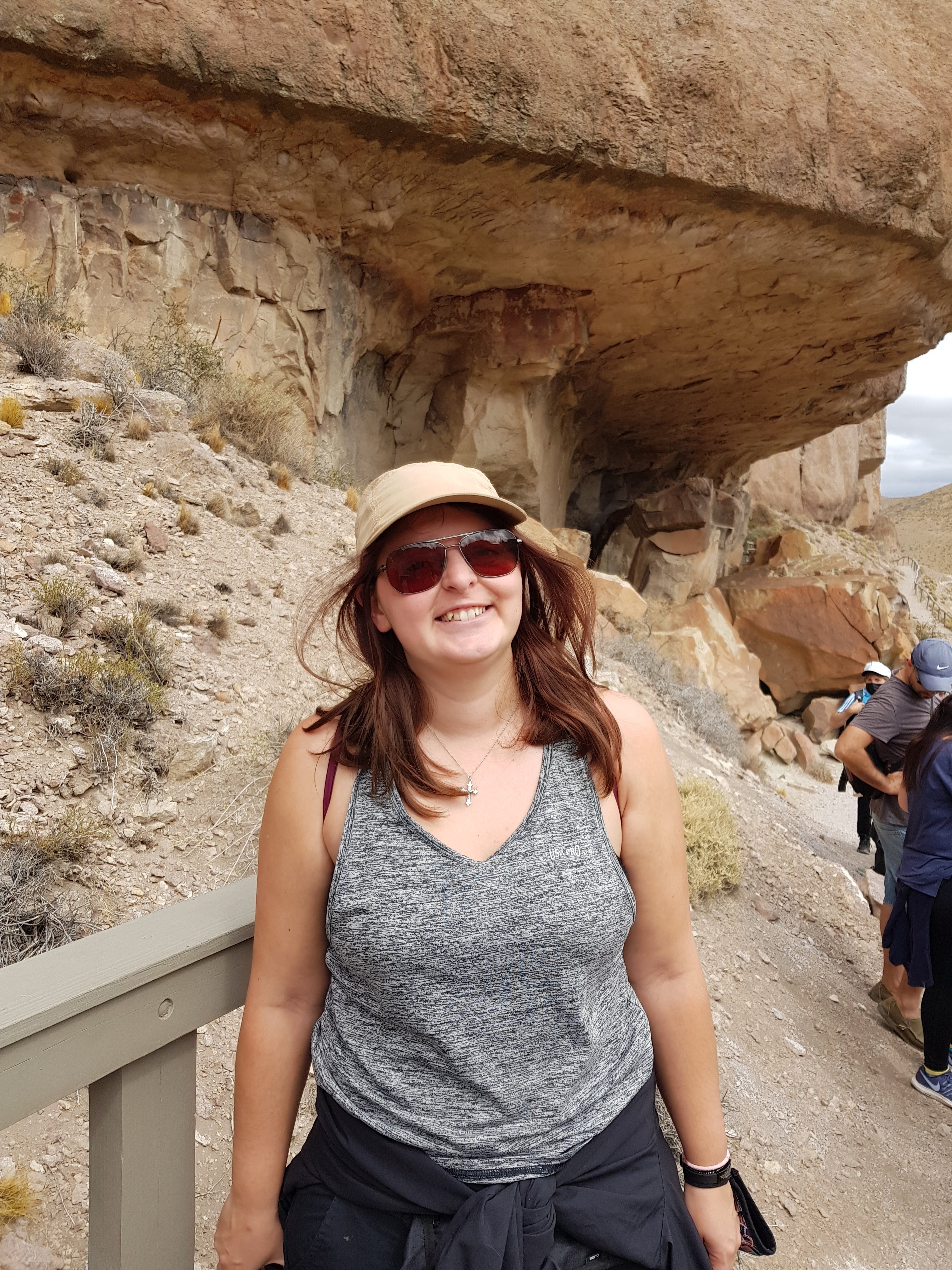
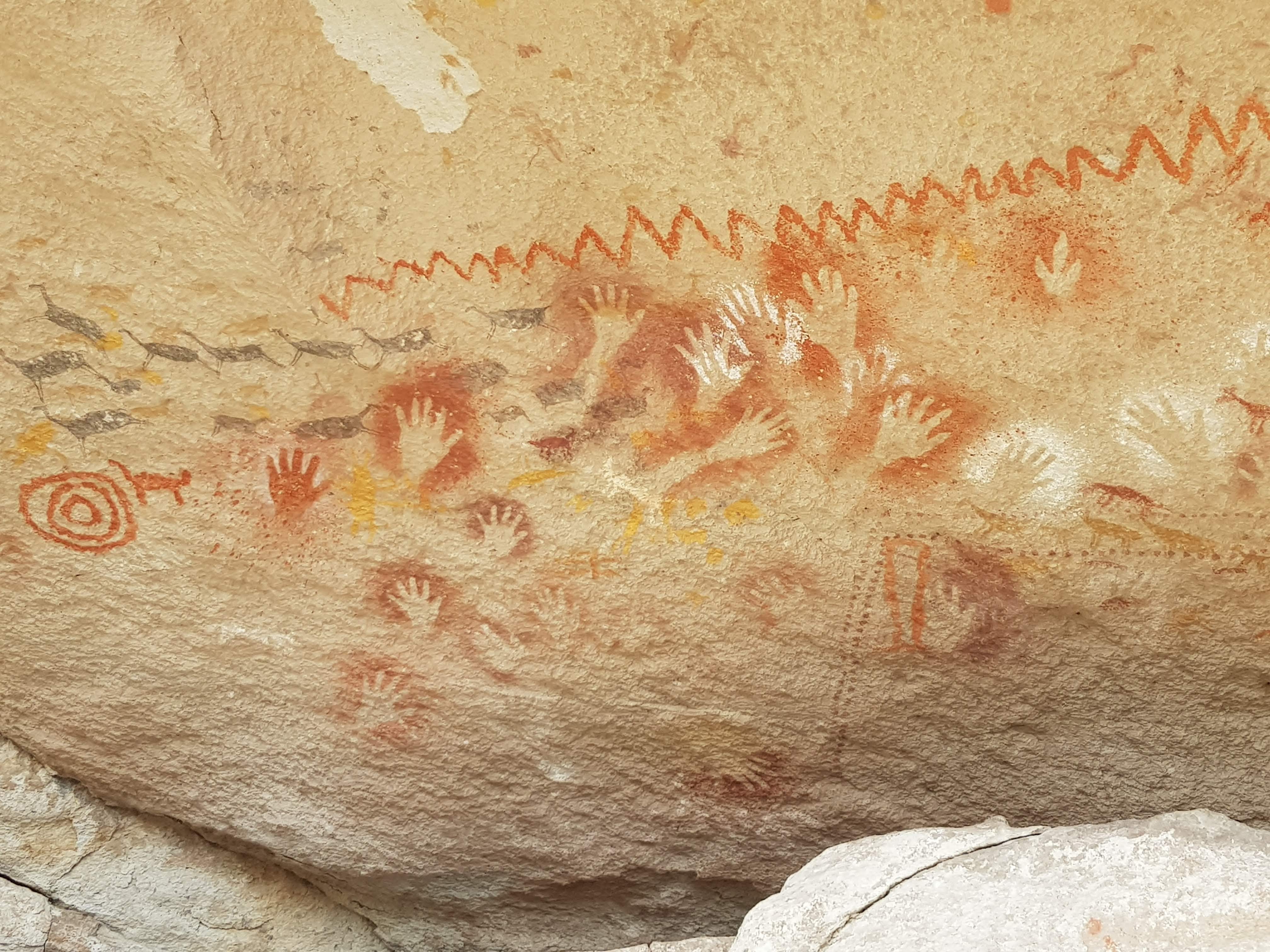
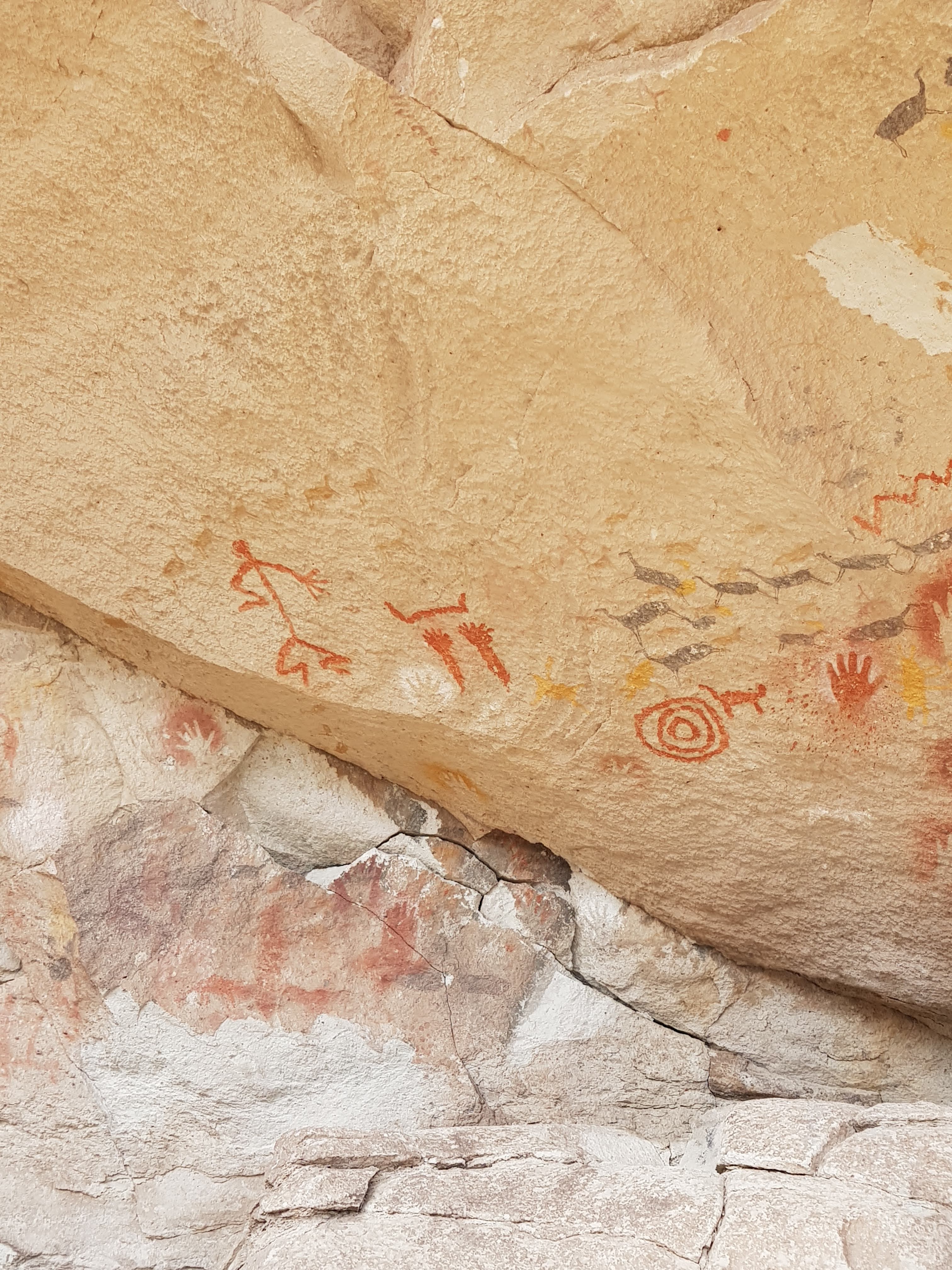
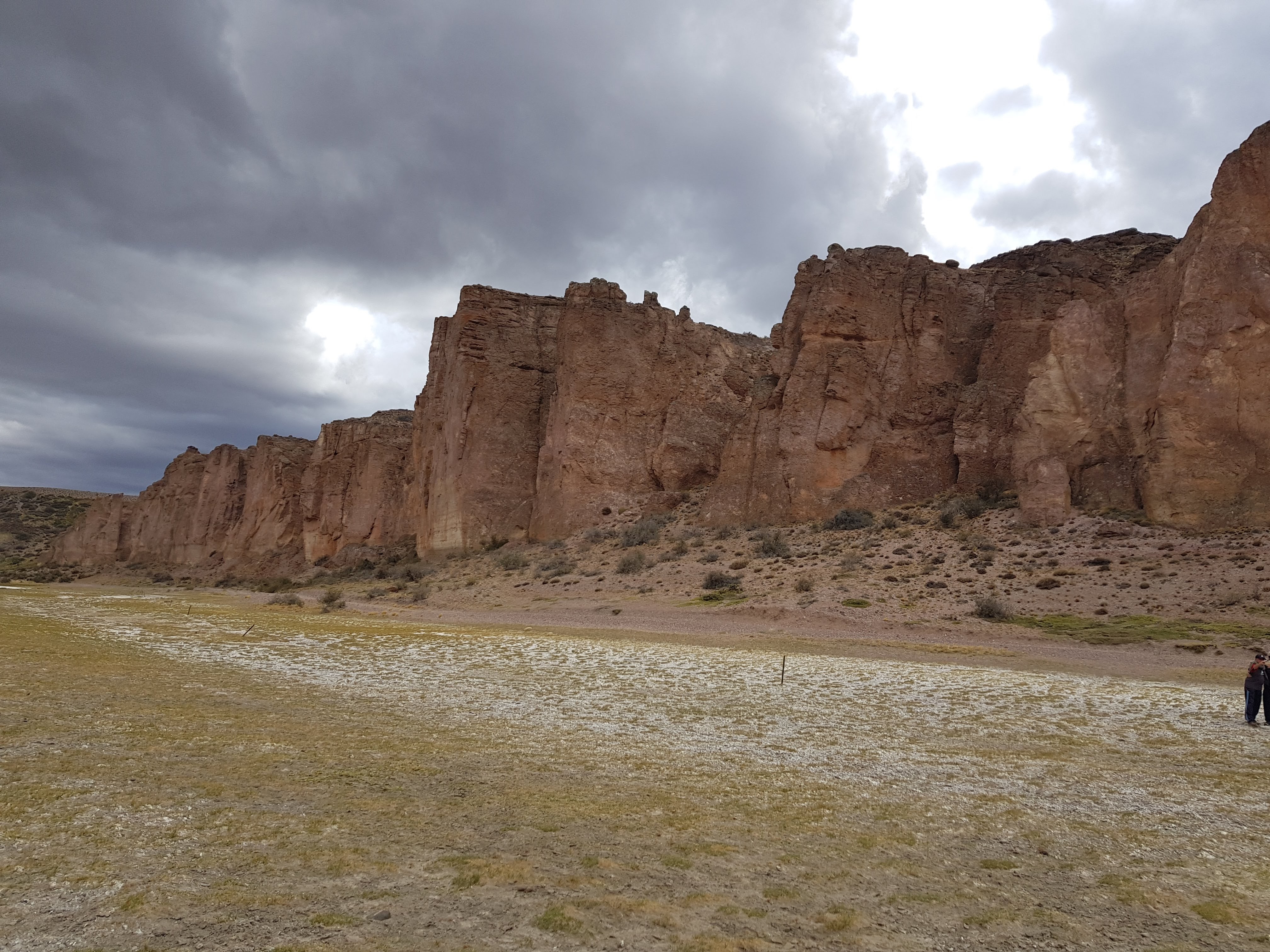
I joined a tour group of Argentine people, and we made our way across some very bumpy roads and past wildlife and huge canyons, before finally arriving at the UNESCO site of Cueva de las Manos. This world famous spot has an amazing collection of ancient cave paintings and hand prints, not inside the cave but across the front of it, along a huge rock face. The guide on the site escorted our group through a long boardwalk running across the side of the paintings and with views of a canyon on the other side.

These amazing paintings crowd the walls and include handprints of adults and children from possibly three different times. You can also see illustrations of animals that they would hunt, geometric shapes, that are suspected to represent a map, and there is even a suspected paw print of a puma! The whole collection is made up of different colours, including yellows and bright blues, and are made from different natural materials. I imagine that the person that discovered this must have been completely astonished by all the haunting raised hands.

Patagonia Park

The tour also included visits to other interesting locations nearby such as the Patagonia Park, which had huge salt flats to see.

The locals prepared a lunch for our group of traditional and locally produced food. It was delicious and in true Argentine style, the portions were huge. I tried to tell the people in the group that I was full, but the little old ladies in the group said they wanted to fatten me up and they are like my ‘abuela’ (grandma) and want to look after me! haha

Coloured mountains

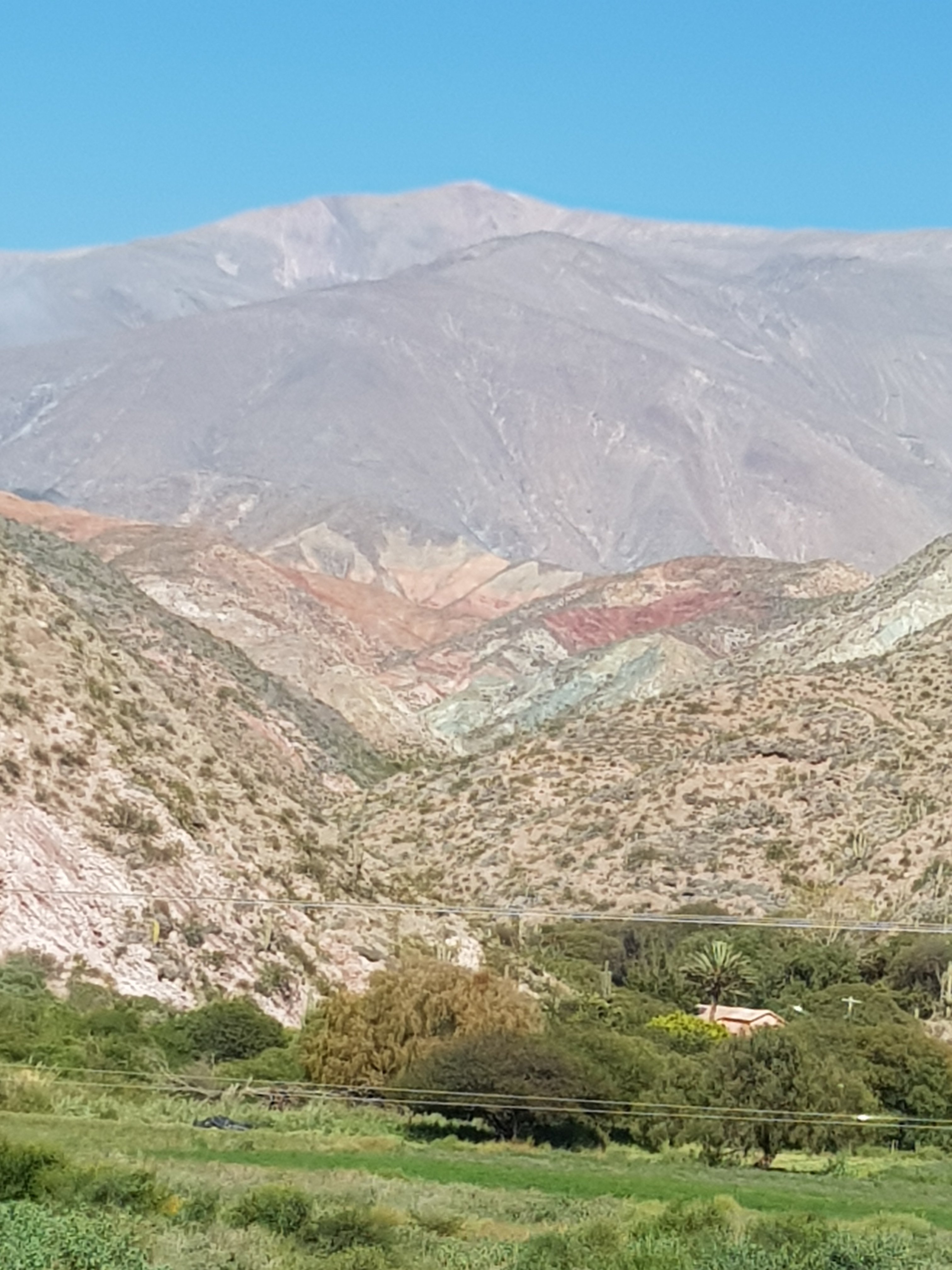
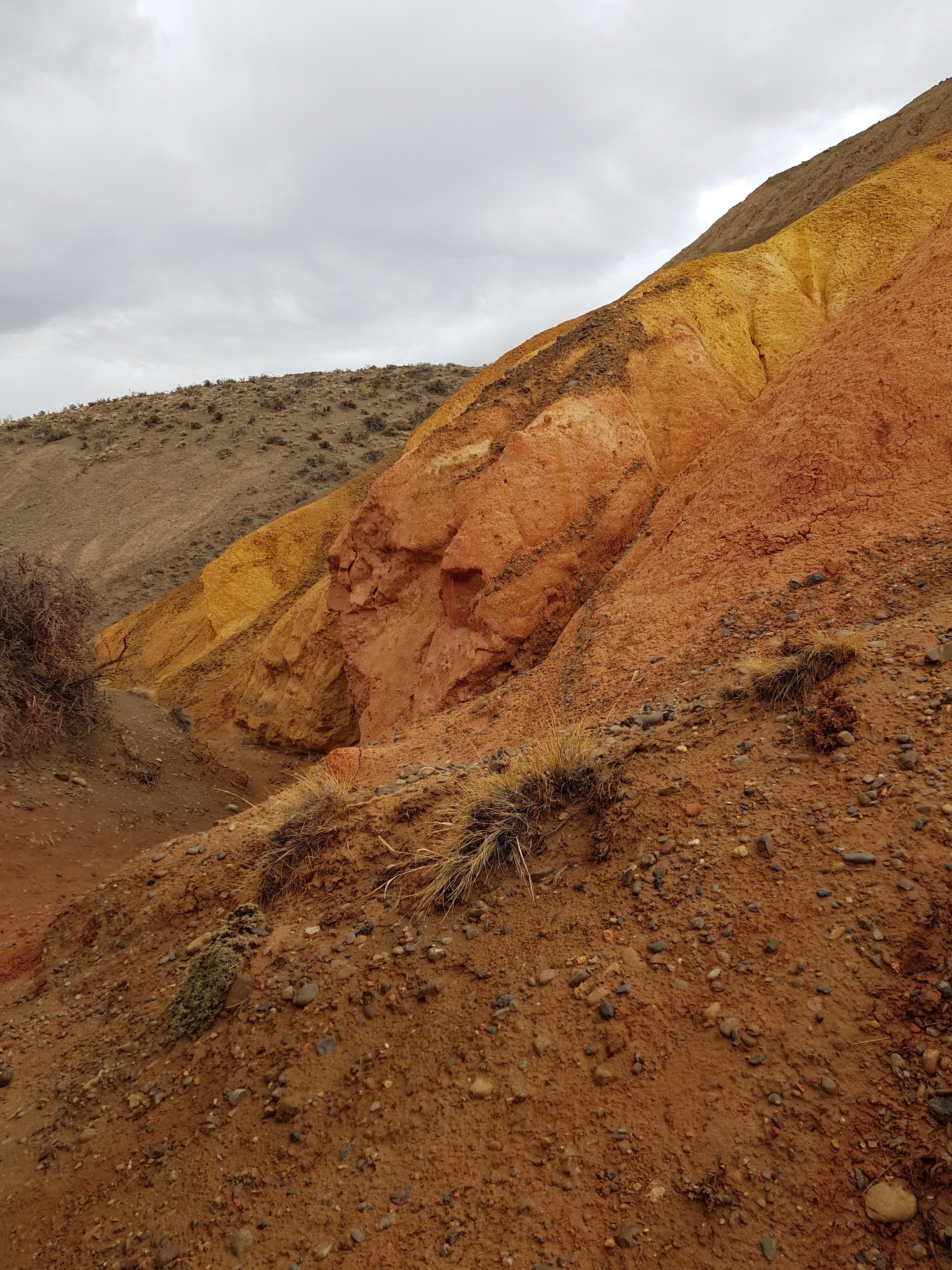
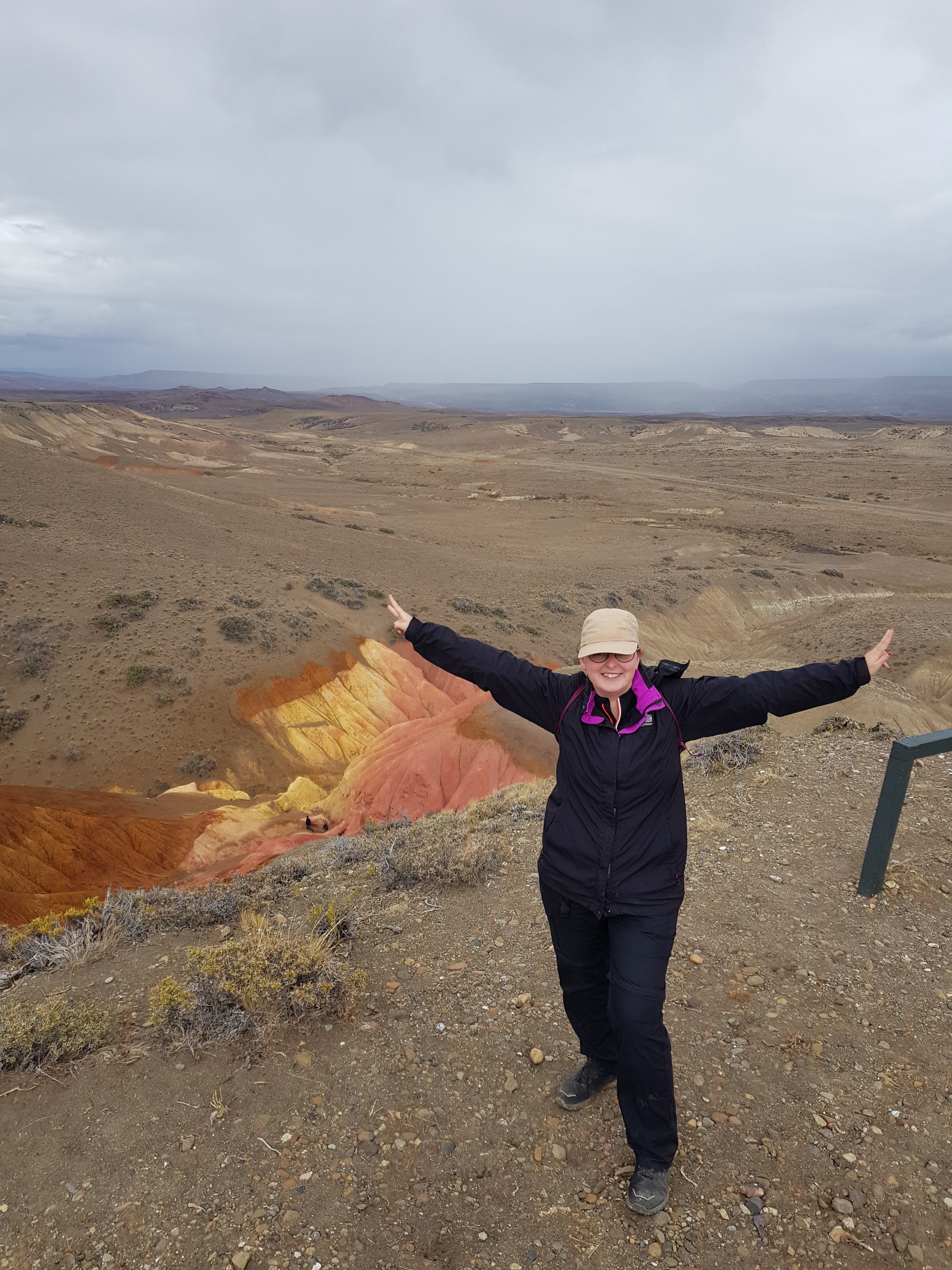
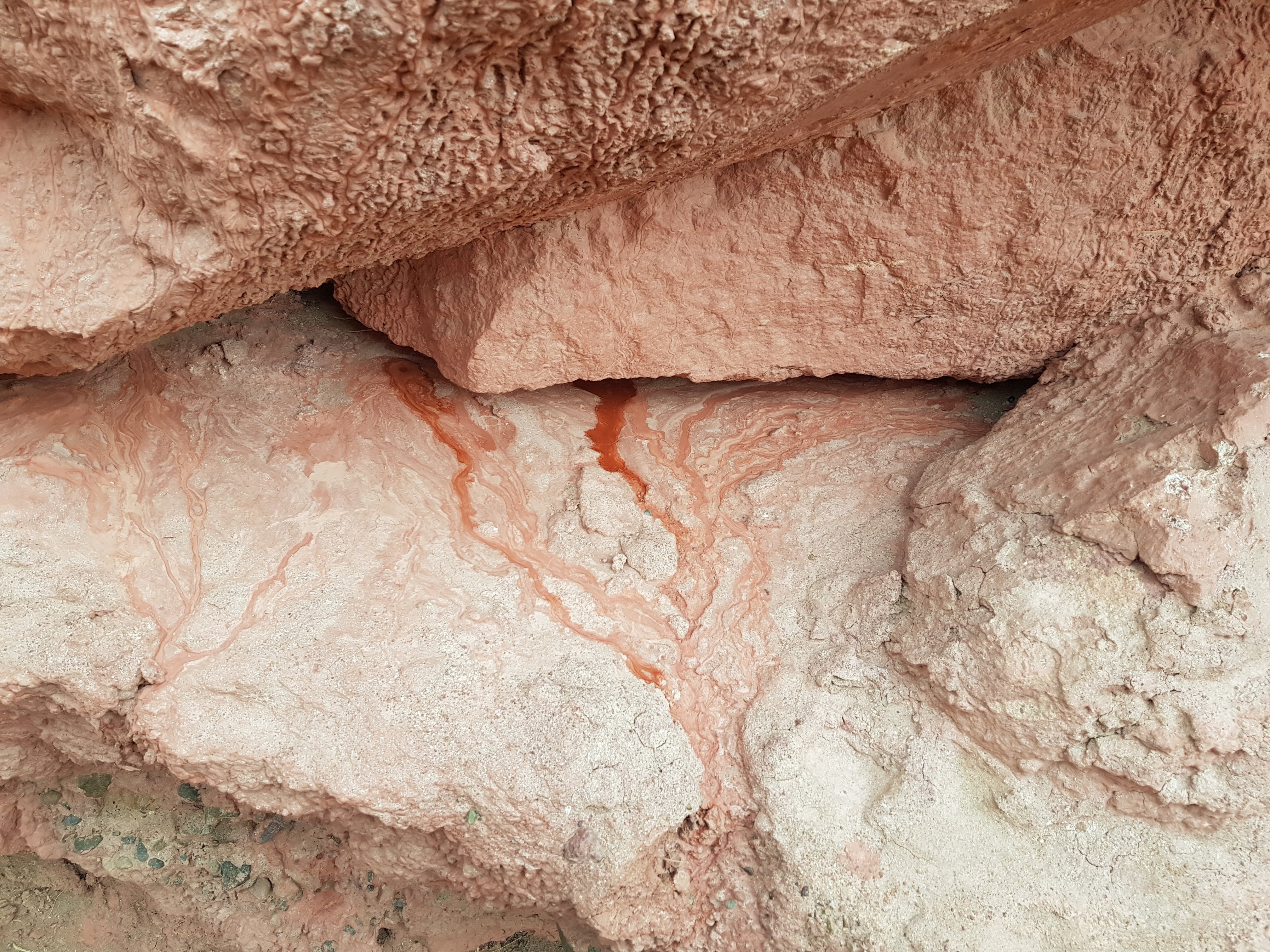
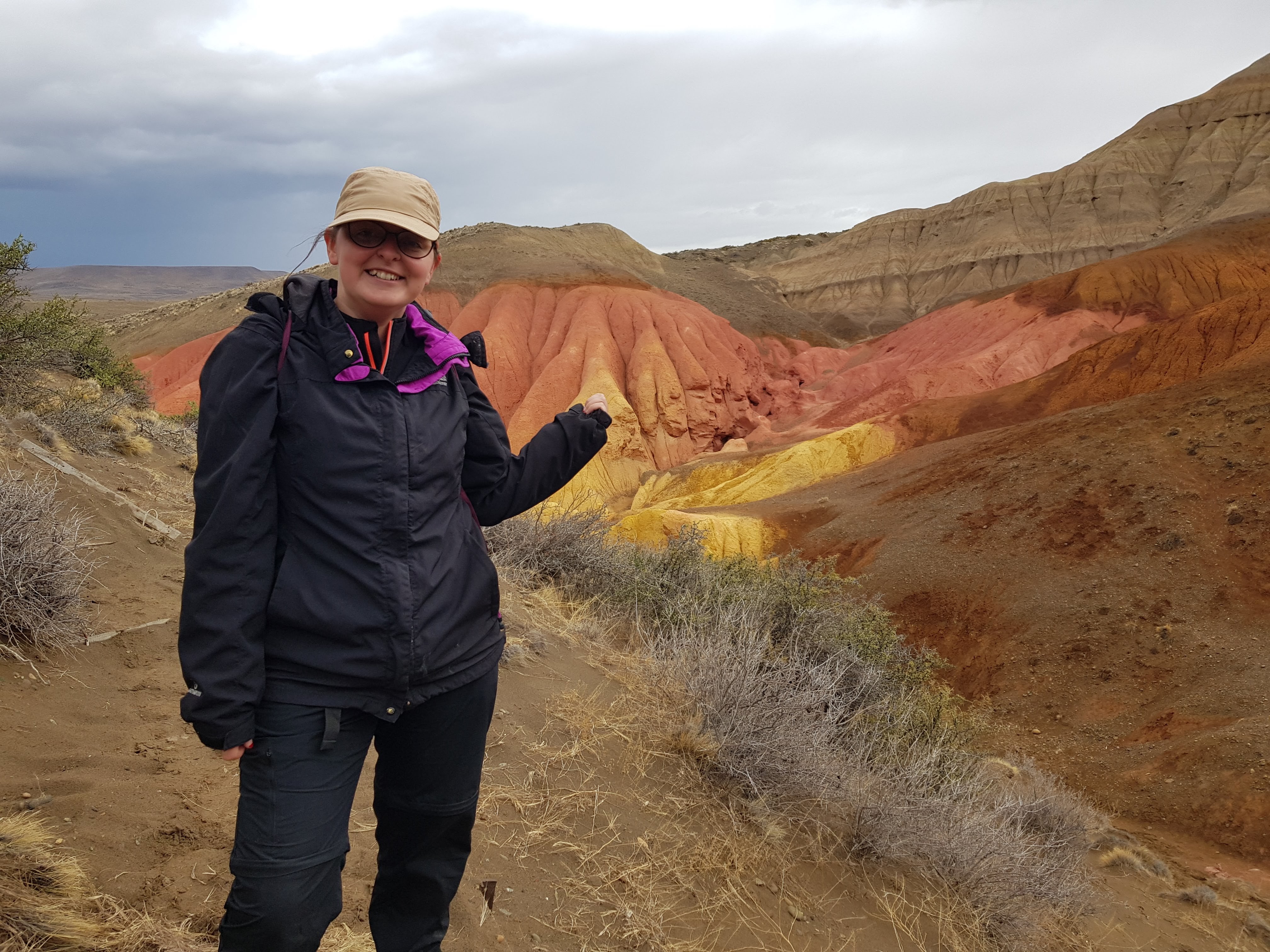
The last stop was an hour hike over some amazing hilltops/mountains that were brightly coloured in oranges, red and yellows. This is due to the properties in the rocks and all the minerals being brought out by rainfall. It was pretty awesome, and the short walk to the top gives you an amazing view!

El Chalten & Fitz Roy

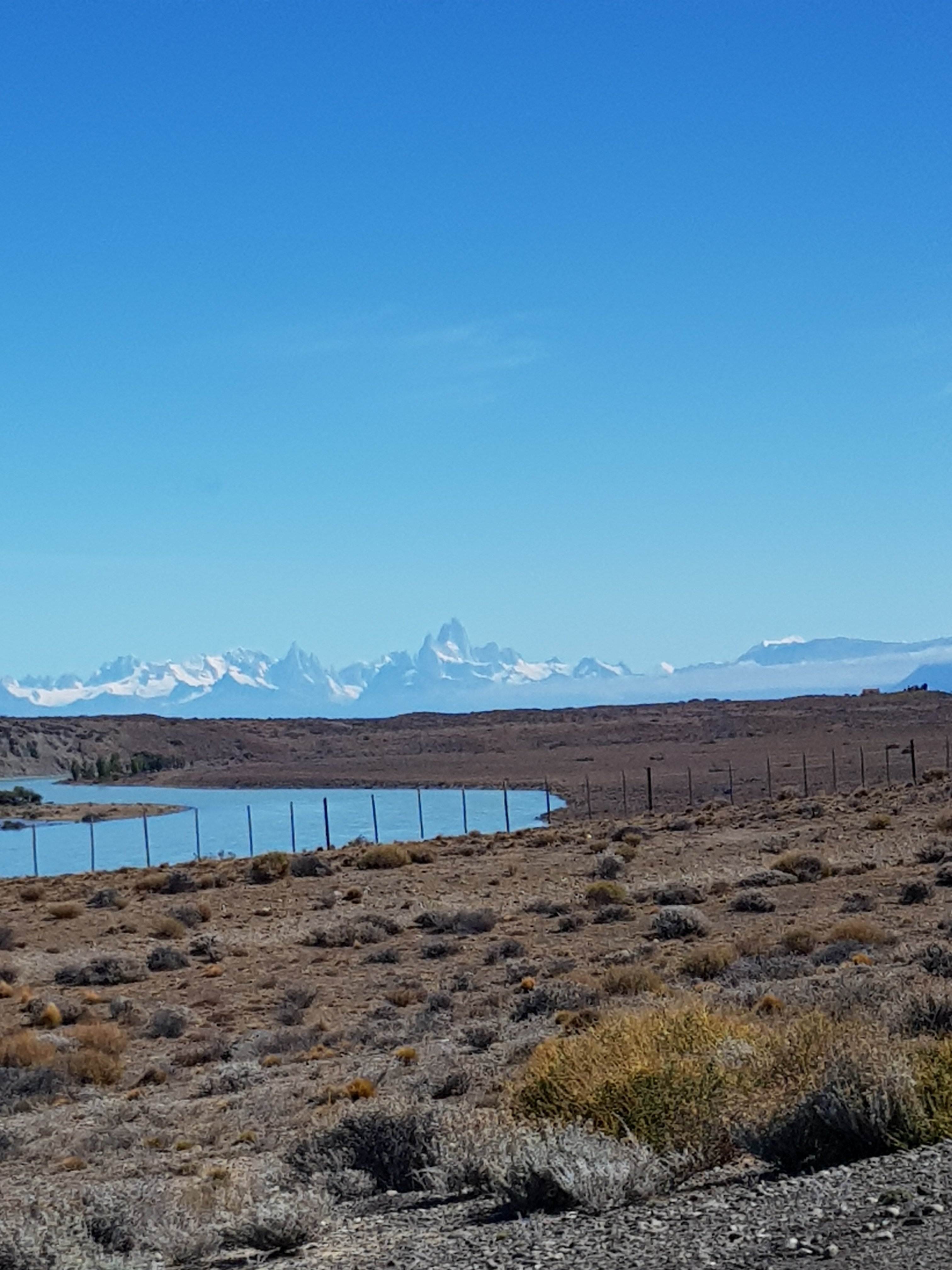
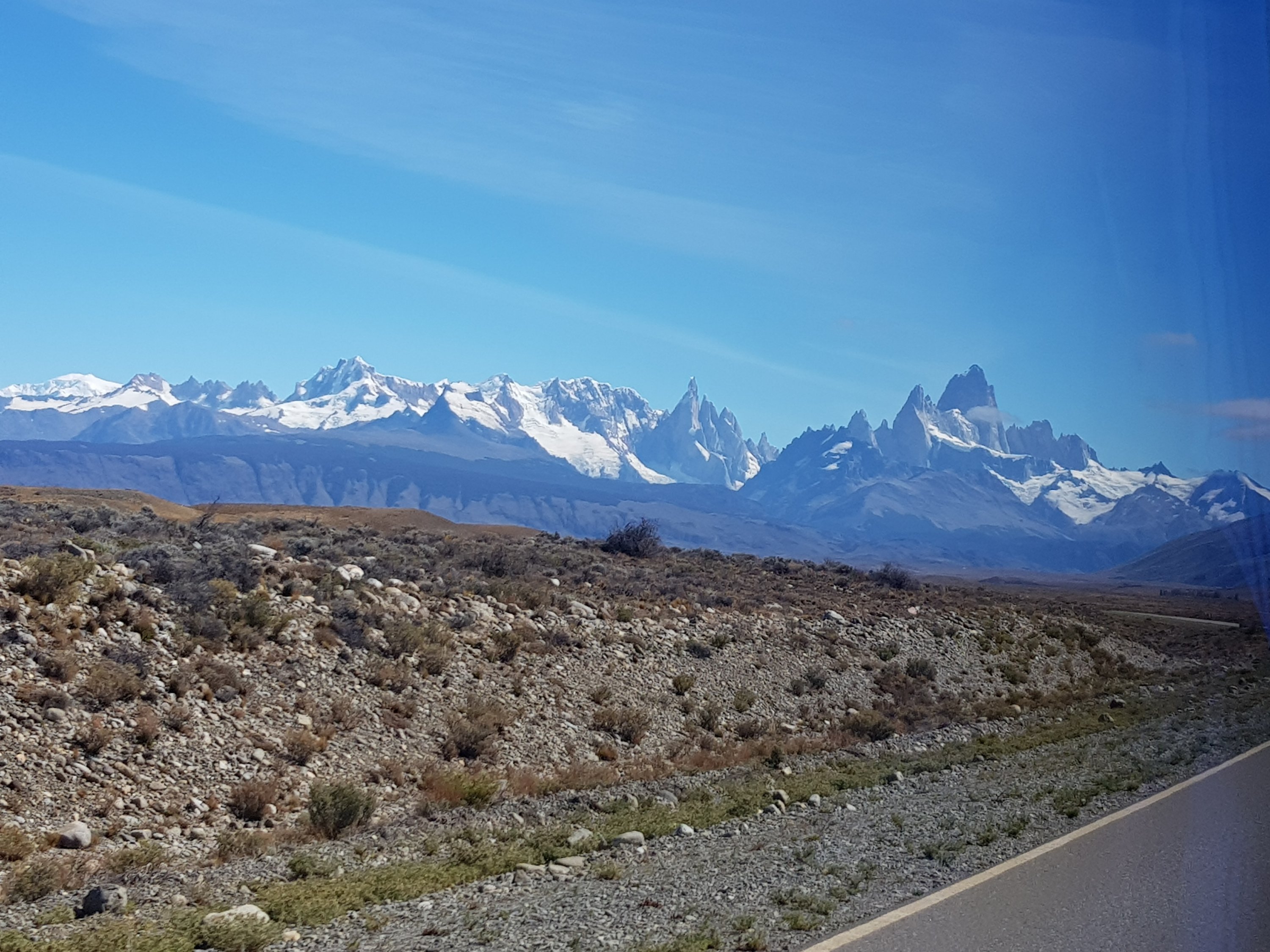
Next stop on my trip was to the little town of El Chalten. Getting there was a struggle. It had been raining the night before, and so they rerouted the bus to the only other motorway that took us to the bottom of the country then we turned back around and went back up… A 10 hour journey took 18 hours… craziness.

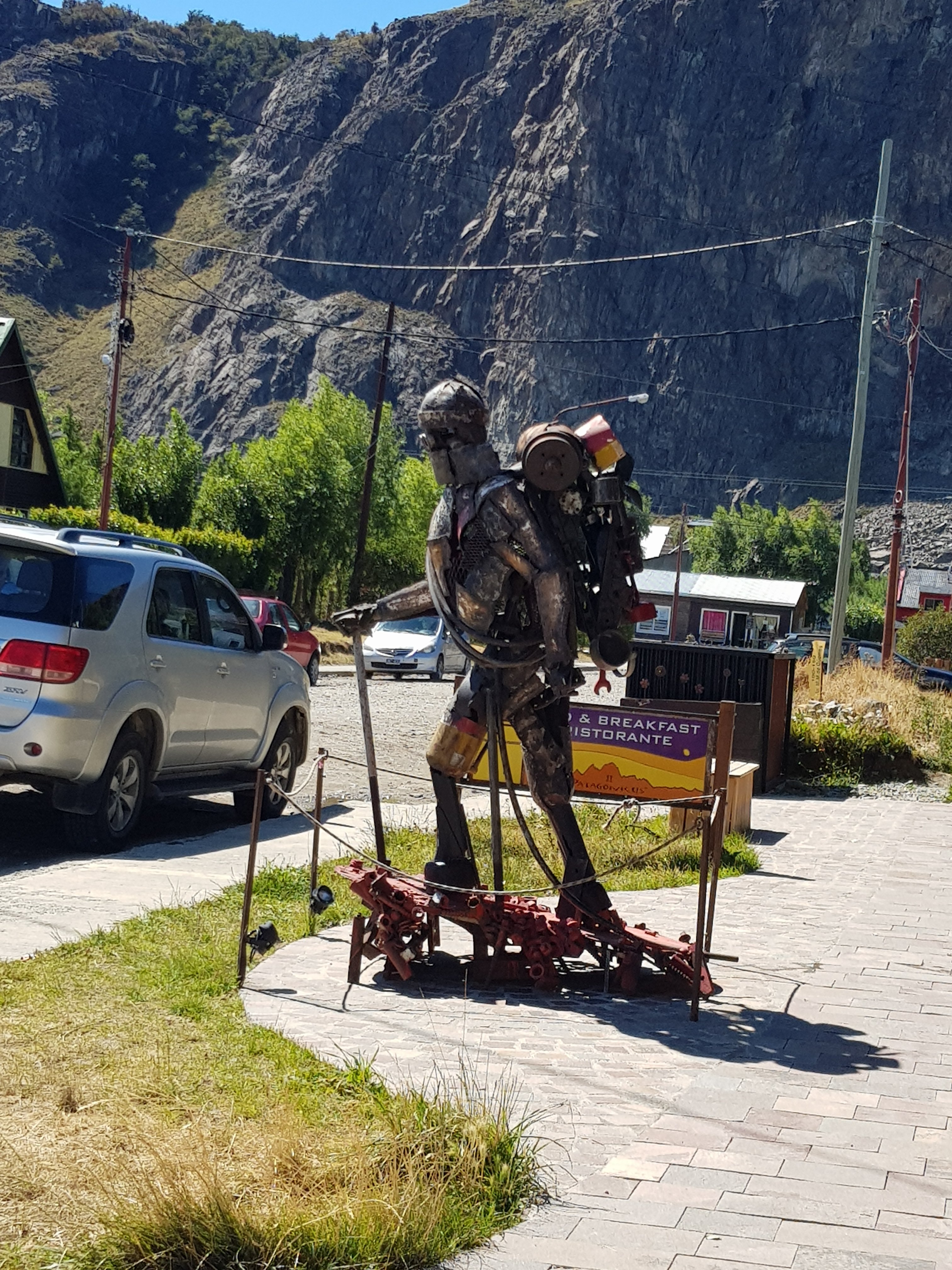
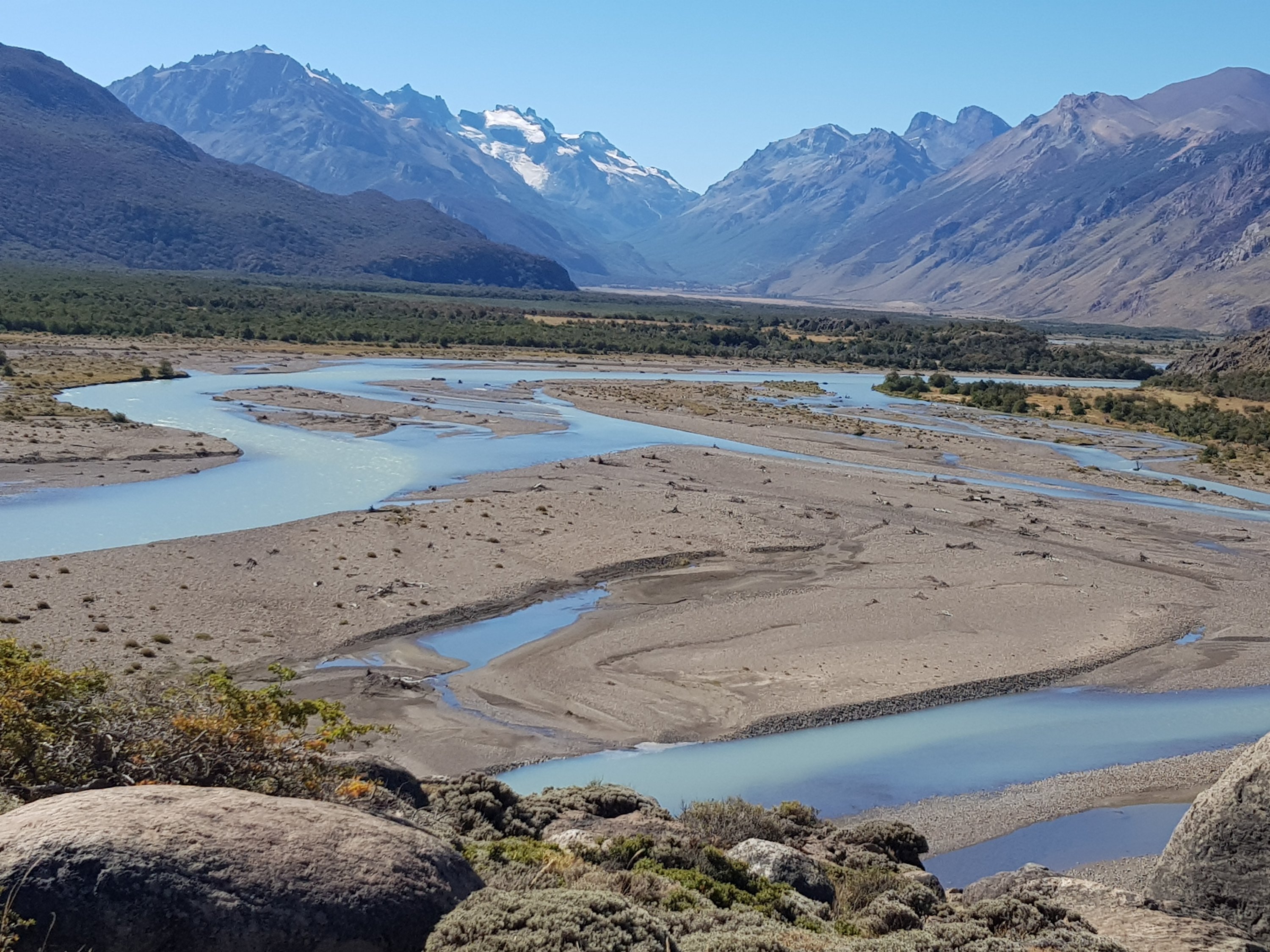
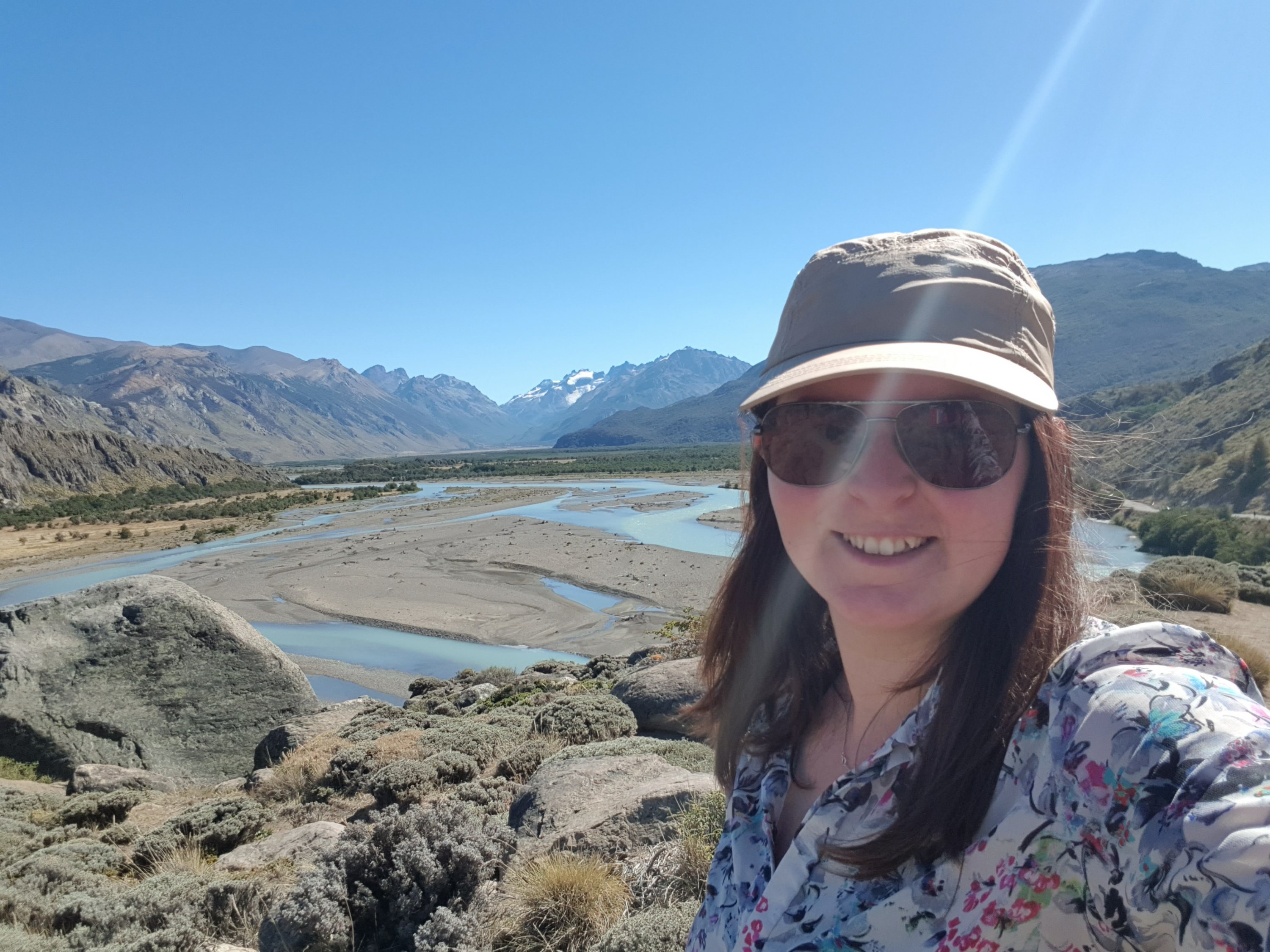
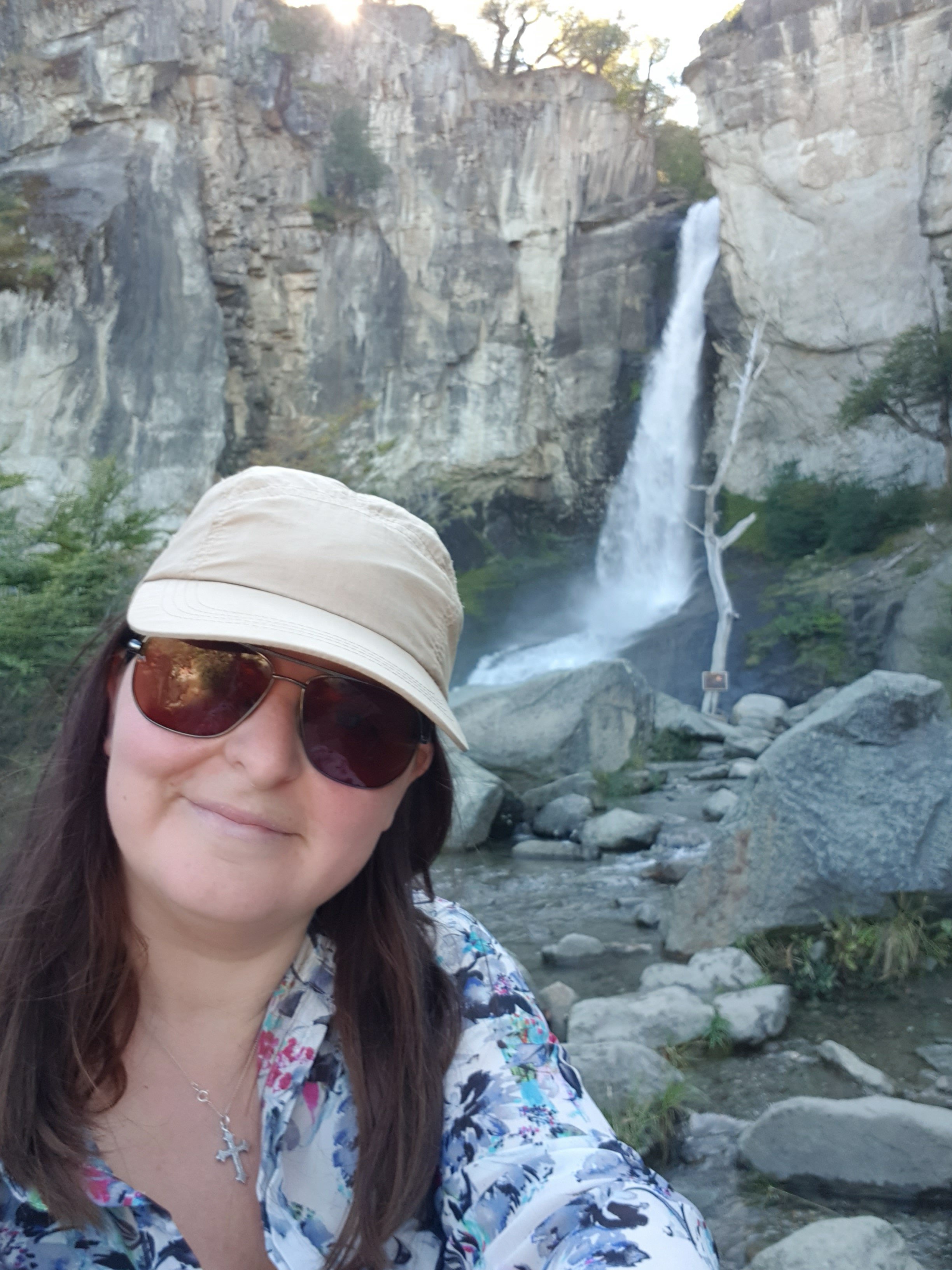
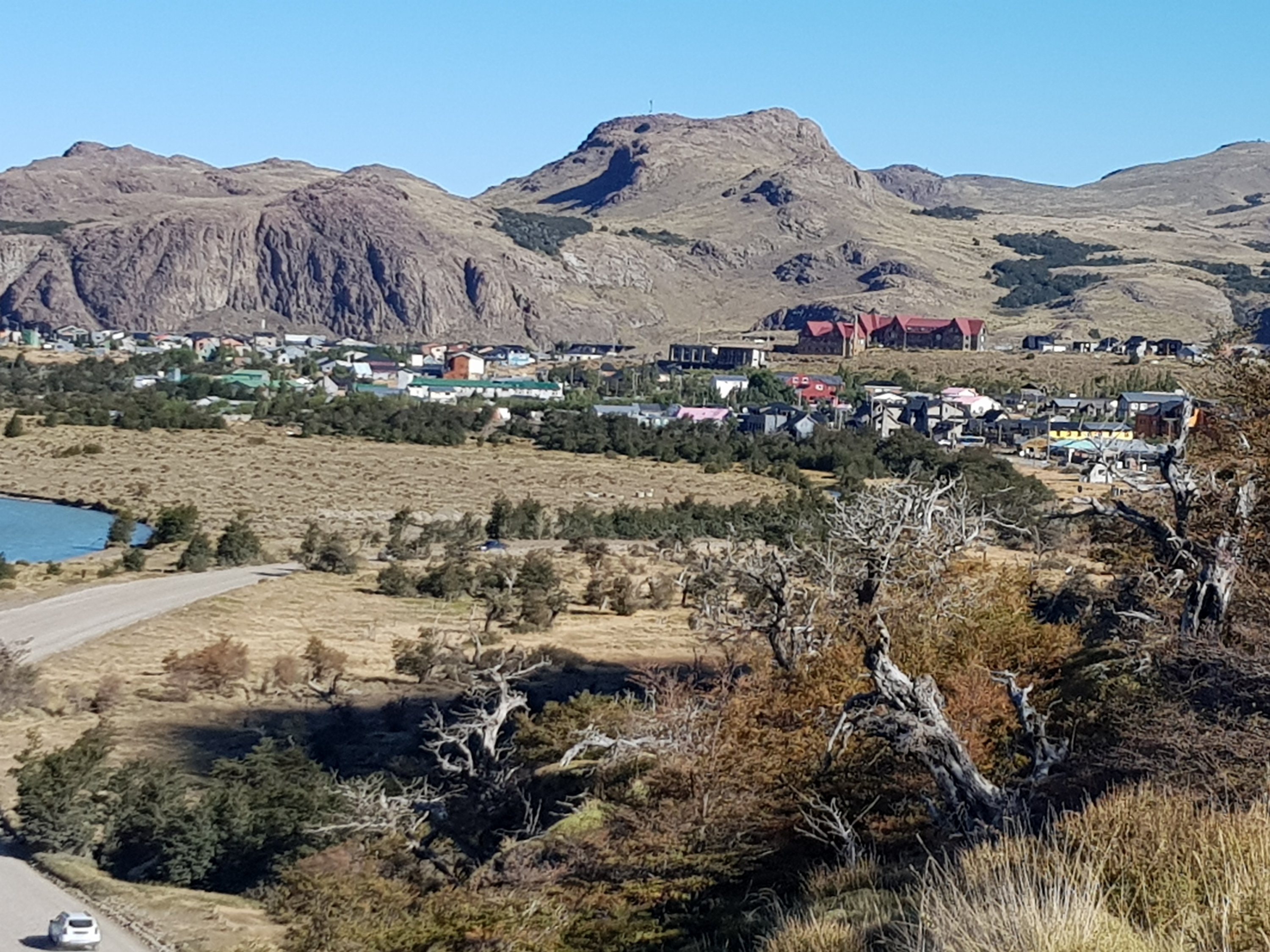
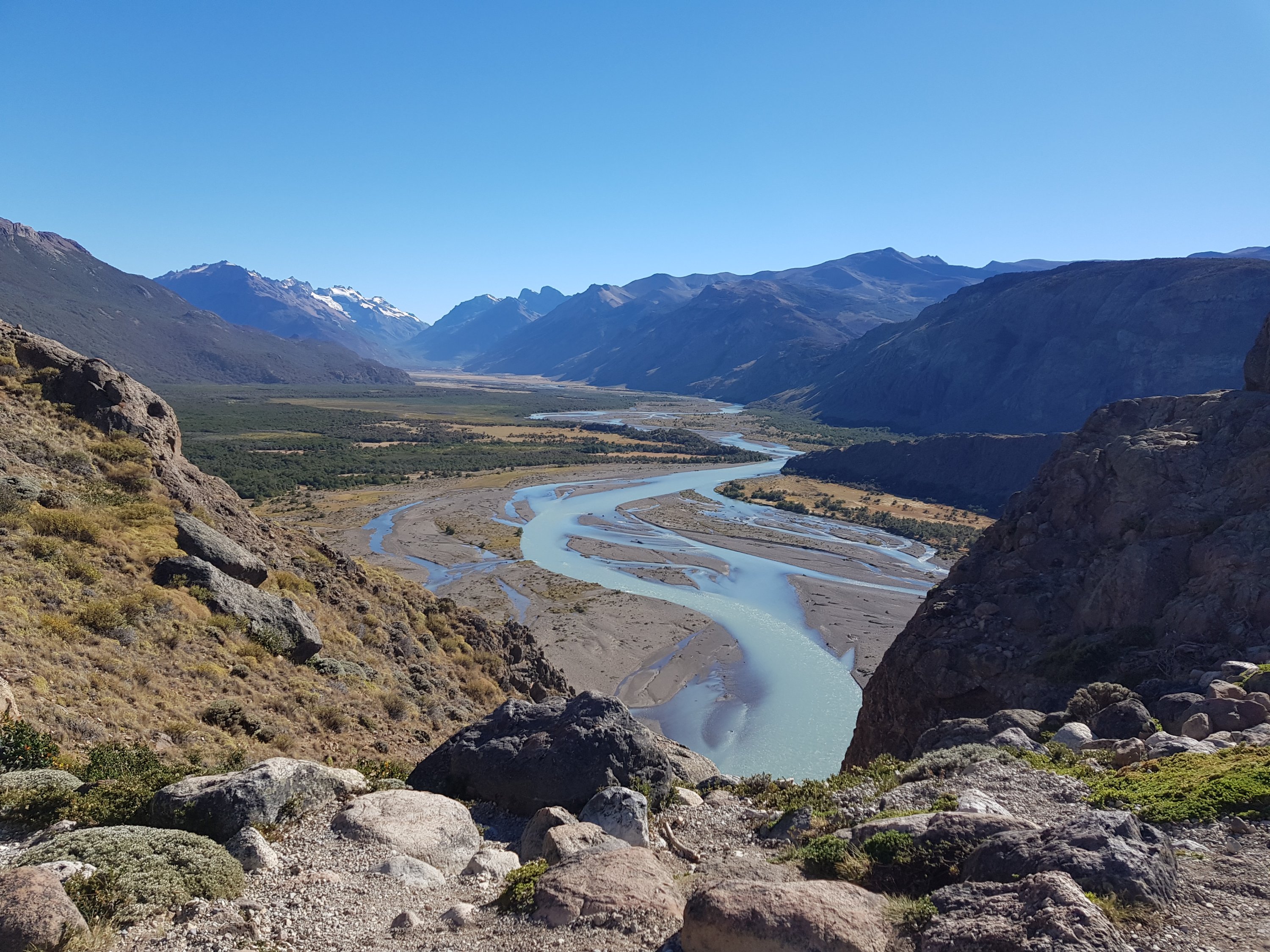
On finally arriving, I headed straight out for a short hike to a nearby waterfall. It was great to get some fresh air and put my head under the flowing glacier water. I also got great views of the landscape and the town. El chalten is a part of this natural landscape and is an absolute haven for hikers and climbers.

Laguna de los tres

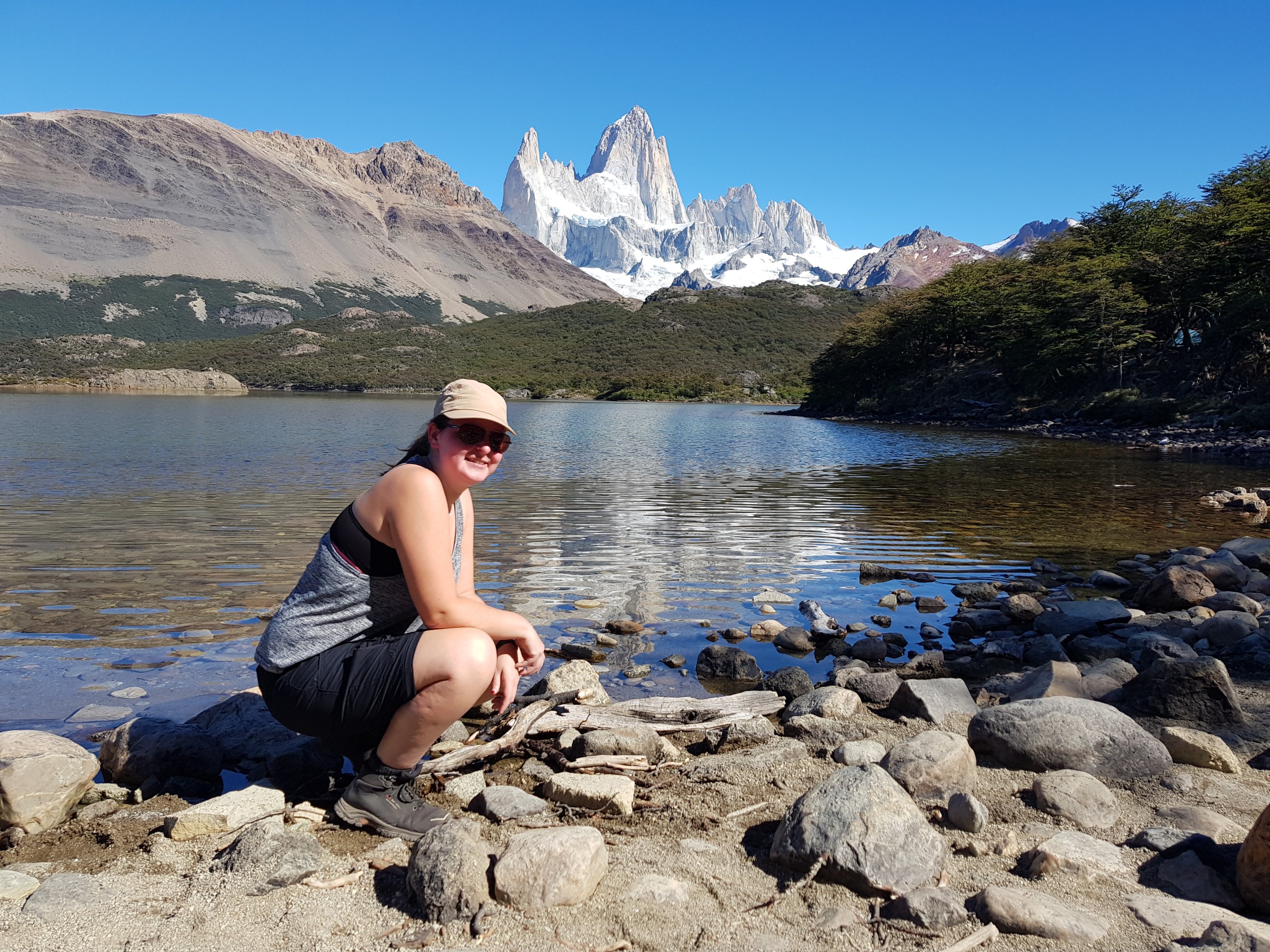
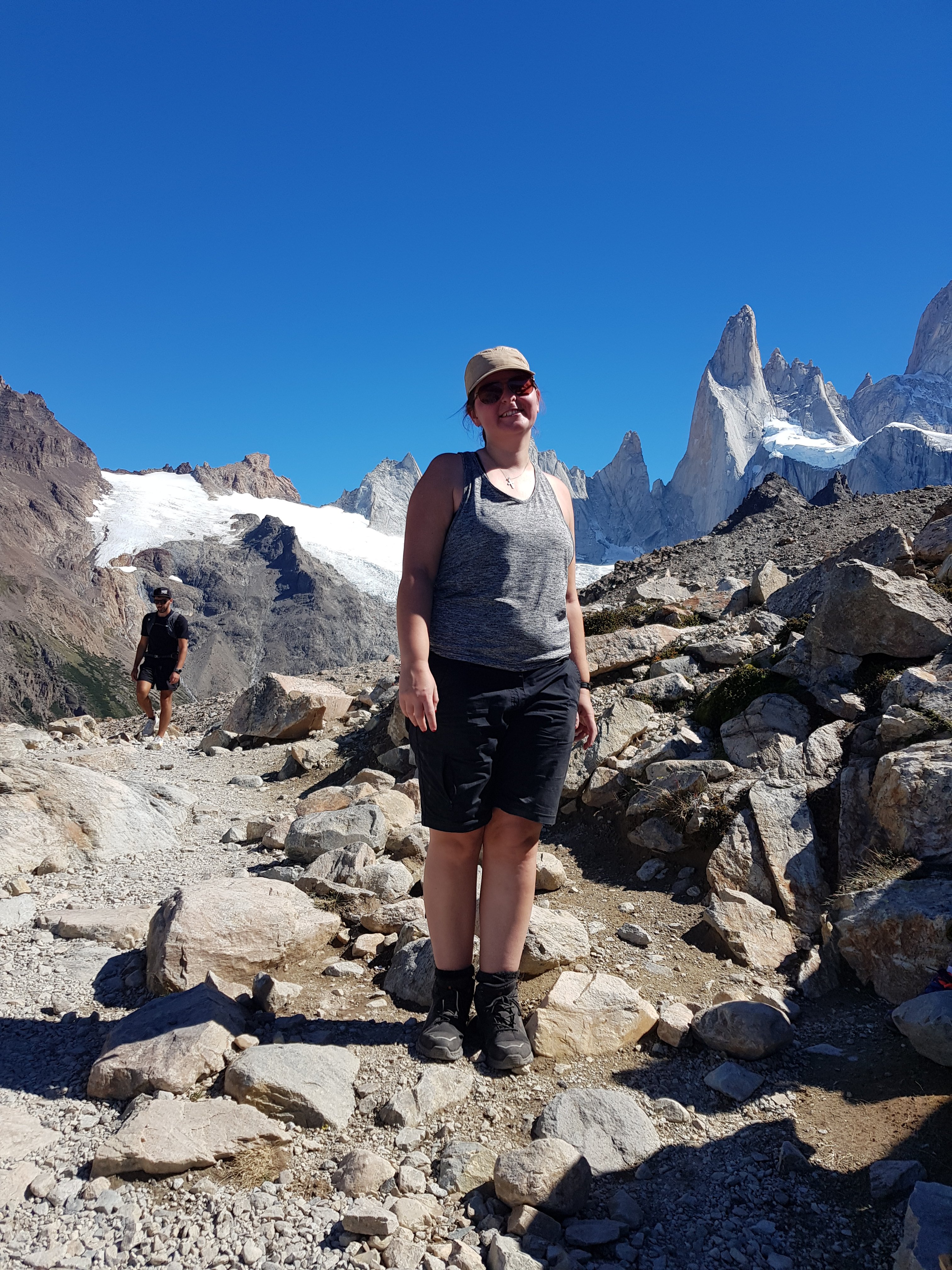
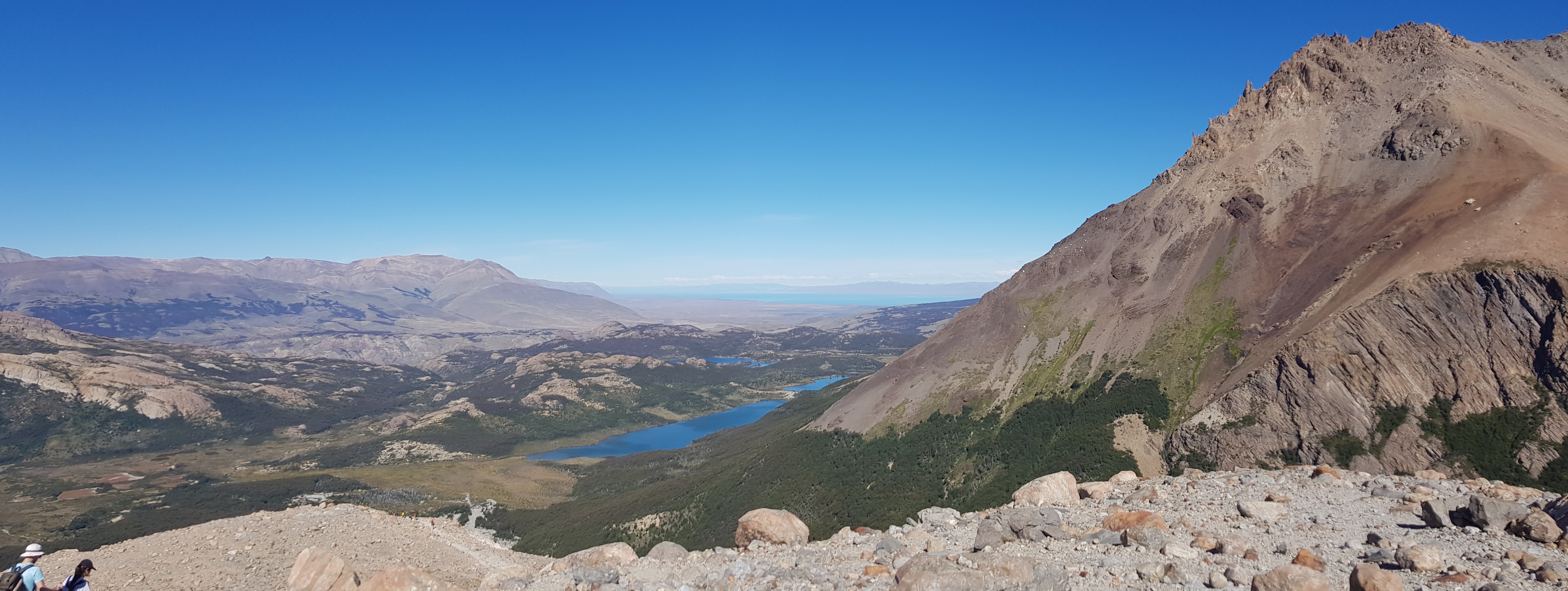
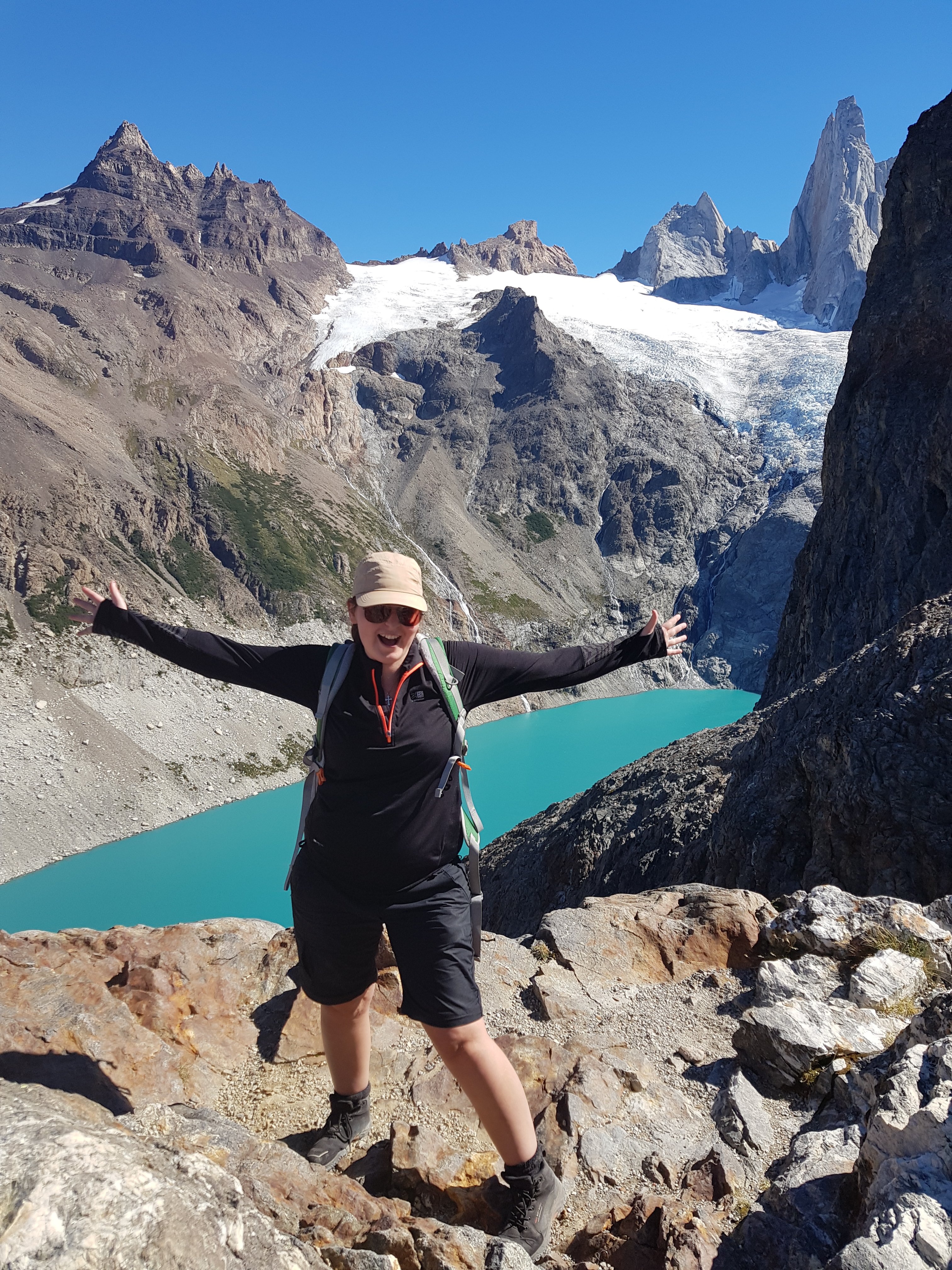
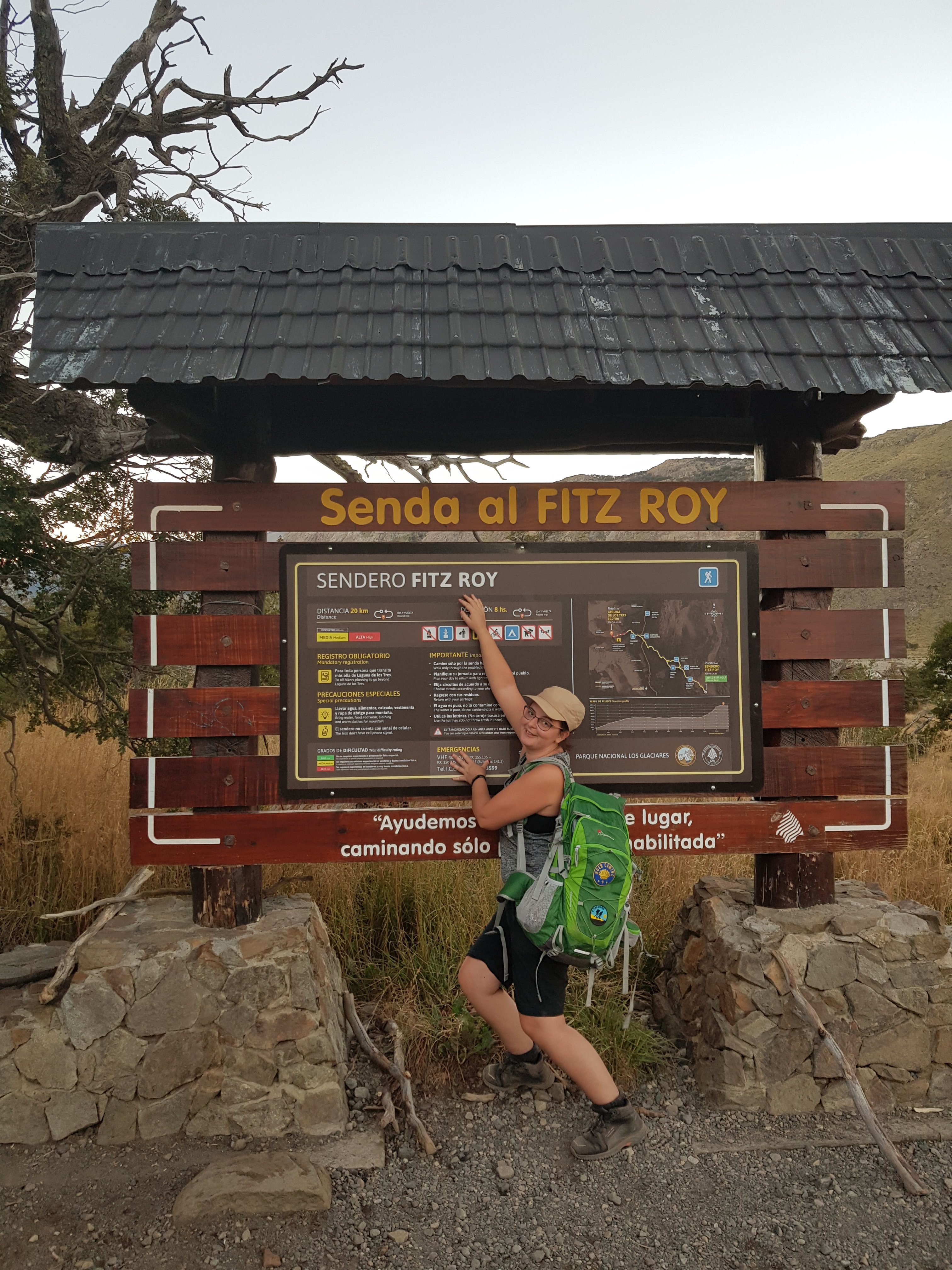
The next day, I started the strenuous hike of Laguna de los tres to Fitz Roy mountain. This hike is only 20 km but it took me about 9 hours. The final km took about two hours as the climb was a directly up ascent on difficult terrain. Normally I walk 4-5 km per hour.

The trail passes through forests, rivers, lakes and grasslands, as well as going through two campsites. It was a very warm and busy day on the trail, but this gave me the opportunity to meet many people. During my day of trekking, I befriended two different groups from Argentina and a girl from Spain. Making conversation with strangers is one of my favourite parts of solo trekking, as I meet so many interesting people from all around the world.

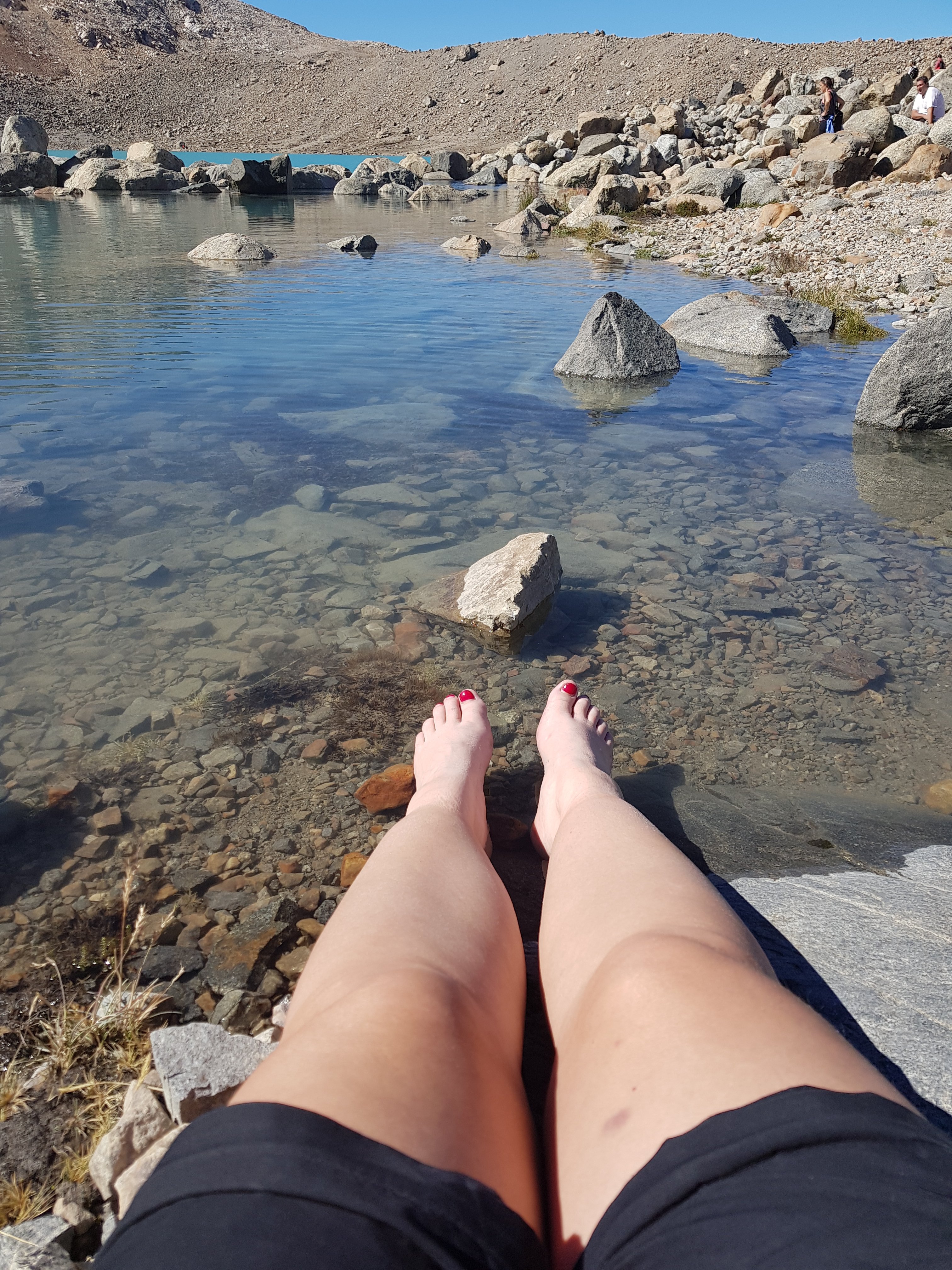
On reaching the top, I collapsed in a pile for a few minutes, then made my way to the lake that was formed by the melting glacier, and took an icy drink, before taking a dip. I spent a few hours here, relaxing and enjoying the sights of the Fitz Roy mountain and the falling water to the drop below.

El Calafate

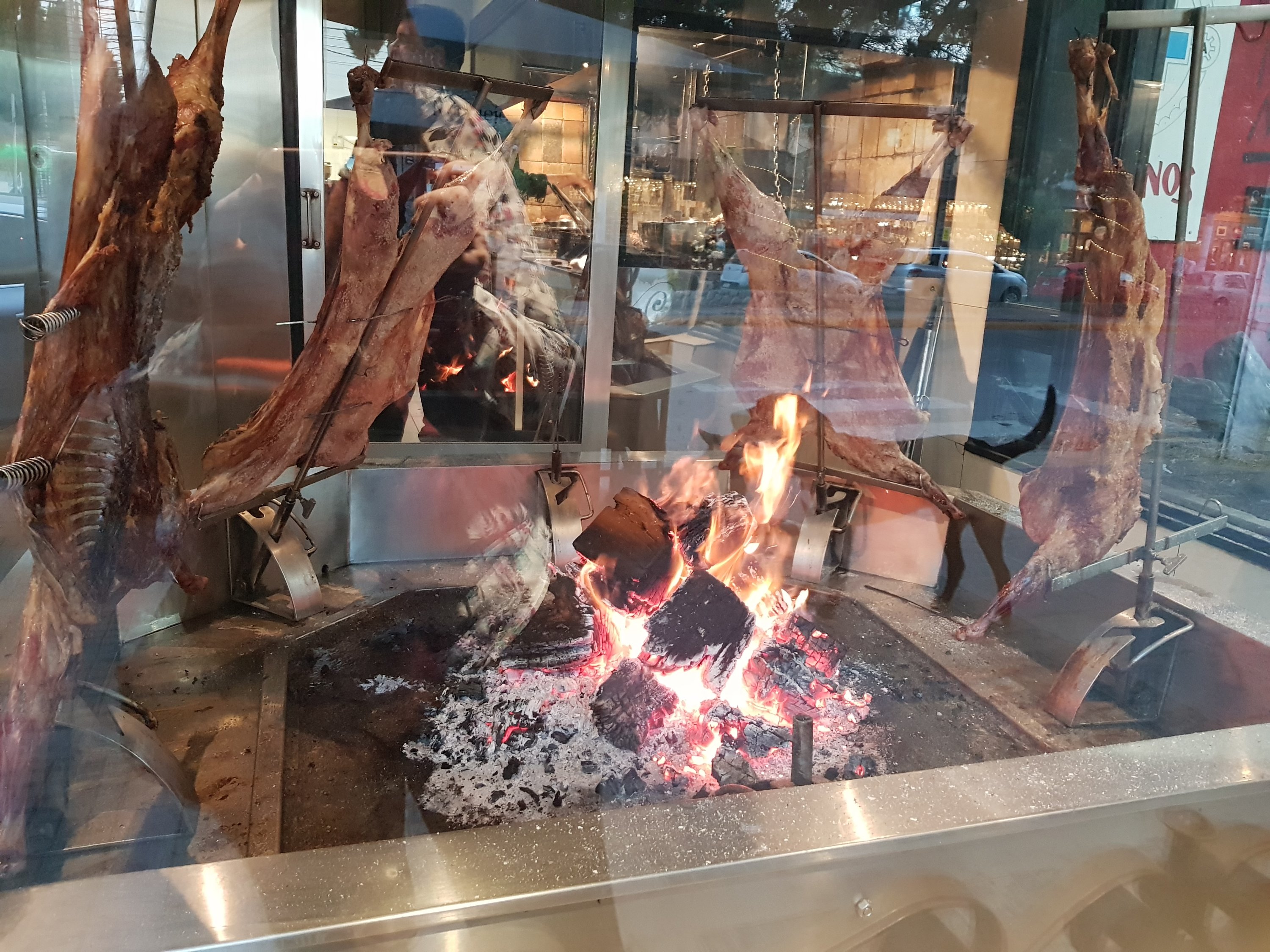
Next day, I was off to Calafate, on the other side of the National Glacier Park from El Chalten. This town is bustling with tourist shops and restaurants. I have a dwindling budget so I cooked whilst I was there, but still managed to admire the Patagonian Lambs being roasted over the fire through the restaurant windows.

Perito Moreno Glacier

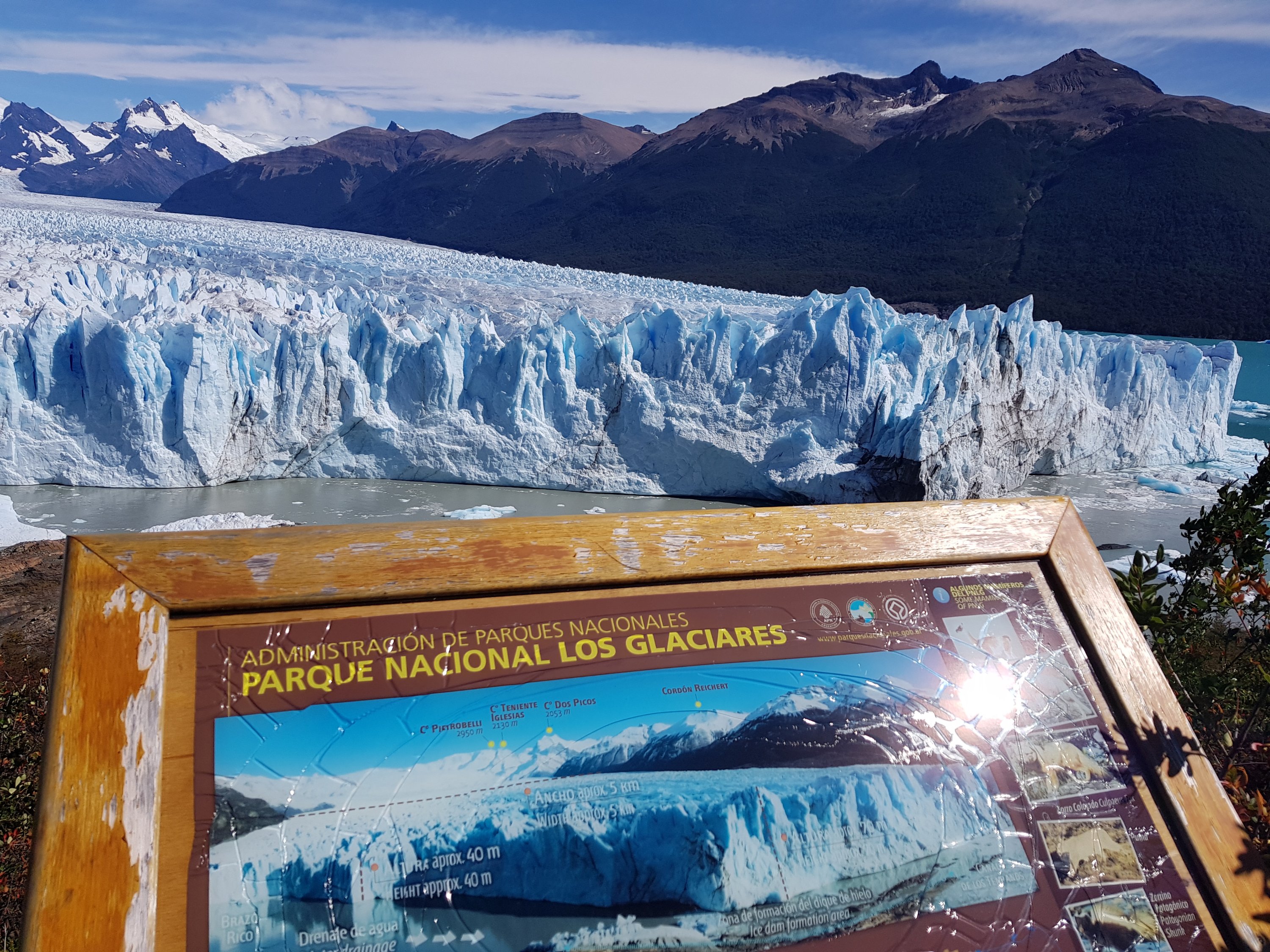
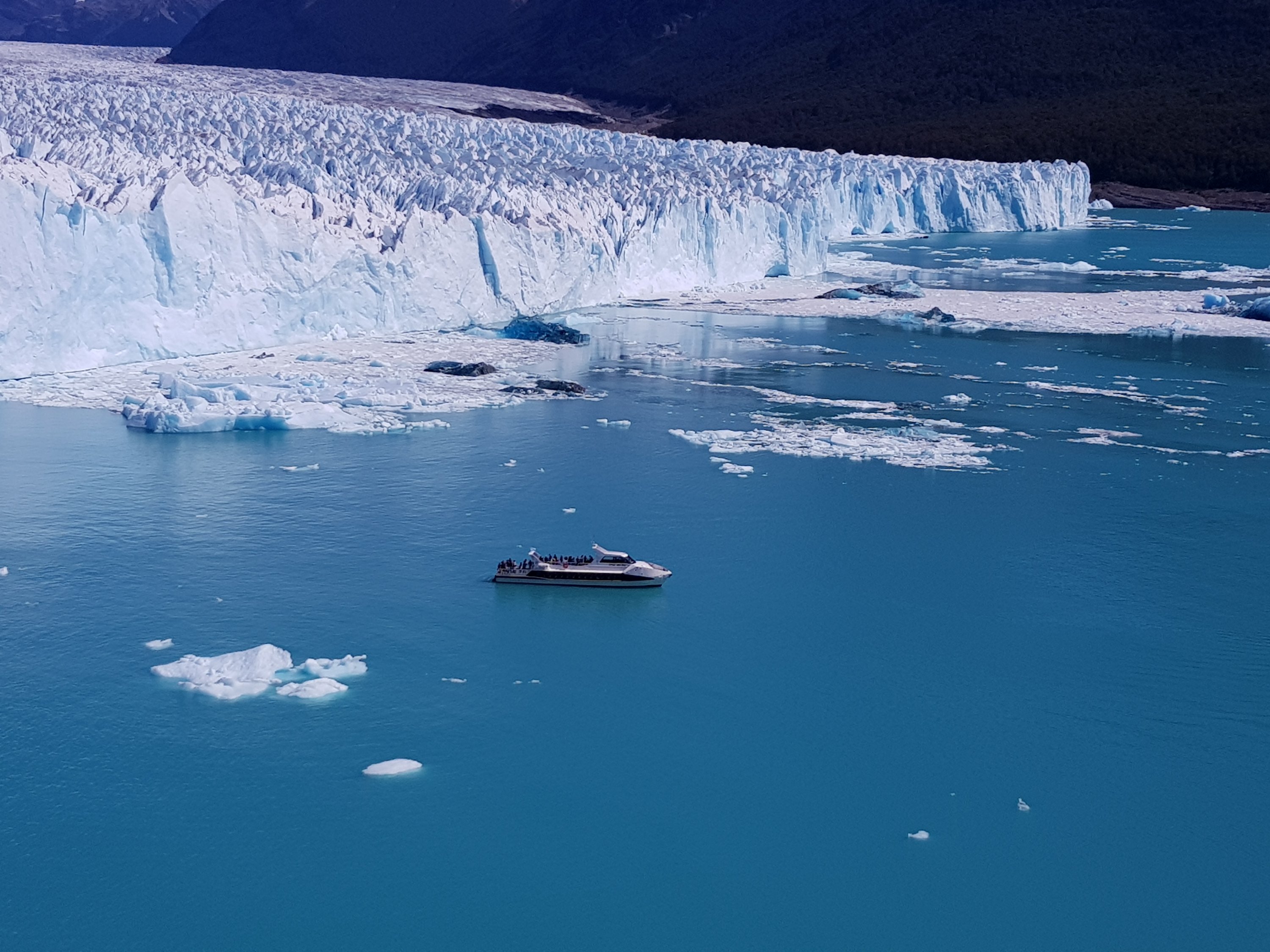
The main excursion to take from El Calafate is to see the huge Perito Moreno Glacier. You have to take a tour which costs about £35 to get to the glacier which is a few hours away. There is then a small charge for the entrance to the park. We were given four hours in the park. I was given a choice to pay extra for a one hour boat ride that takes you closer to the glacier, but I chose not to take this option, and just enjoyed the various boardwalk routes around the front of the glacier.

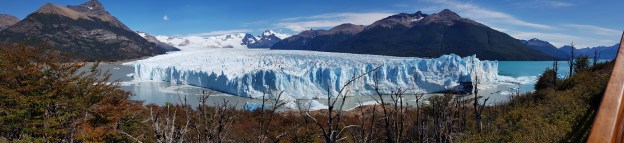
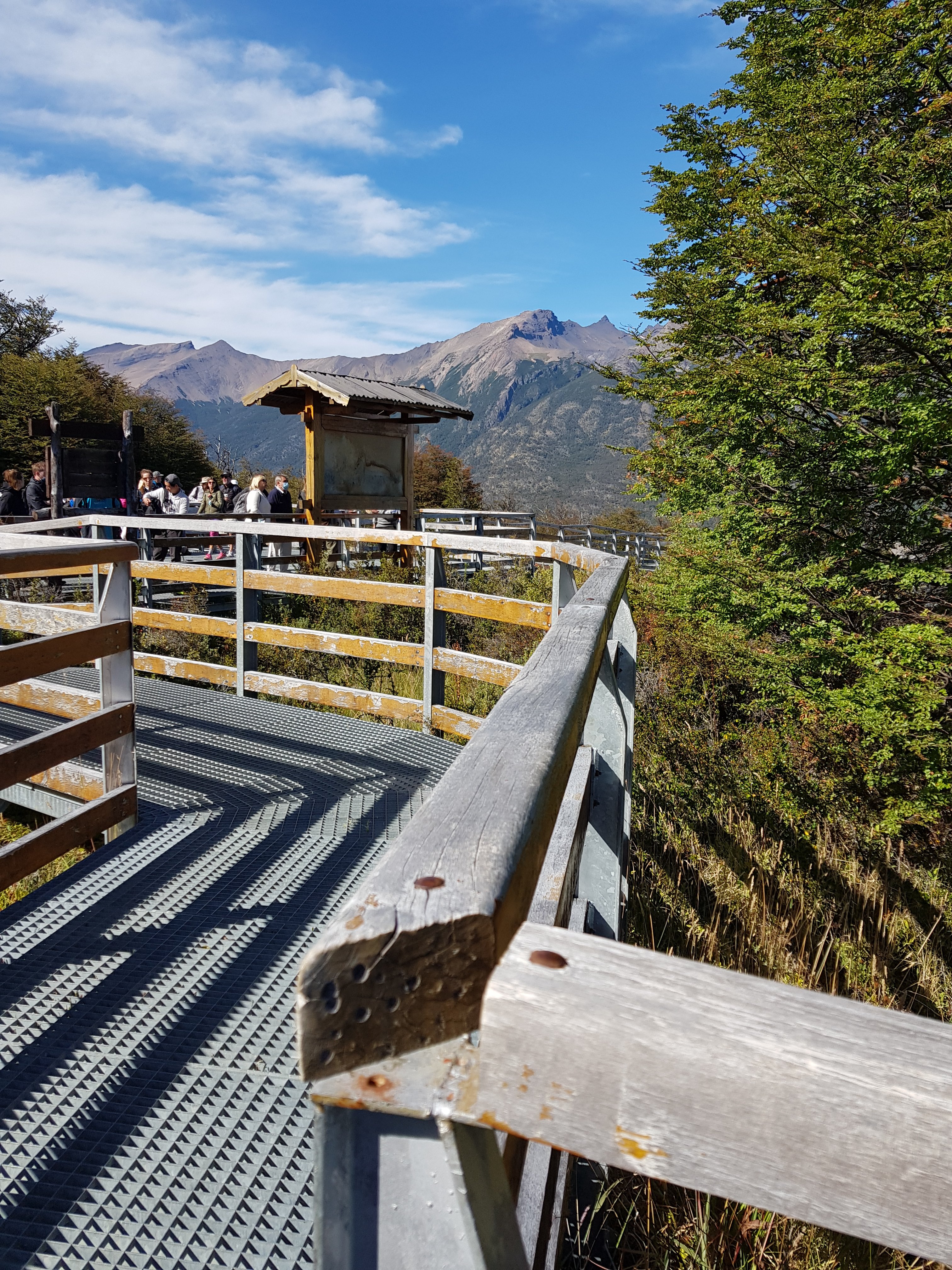
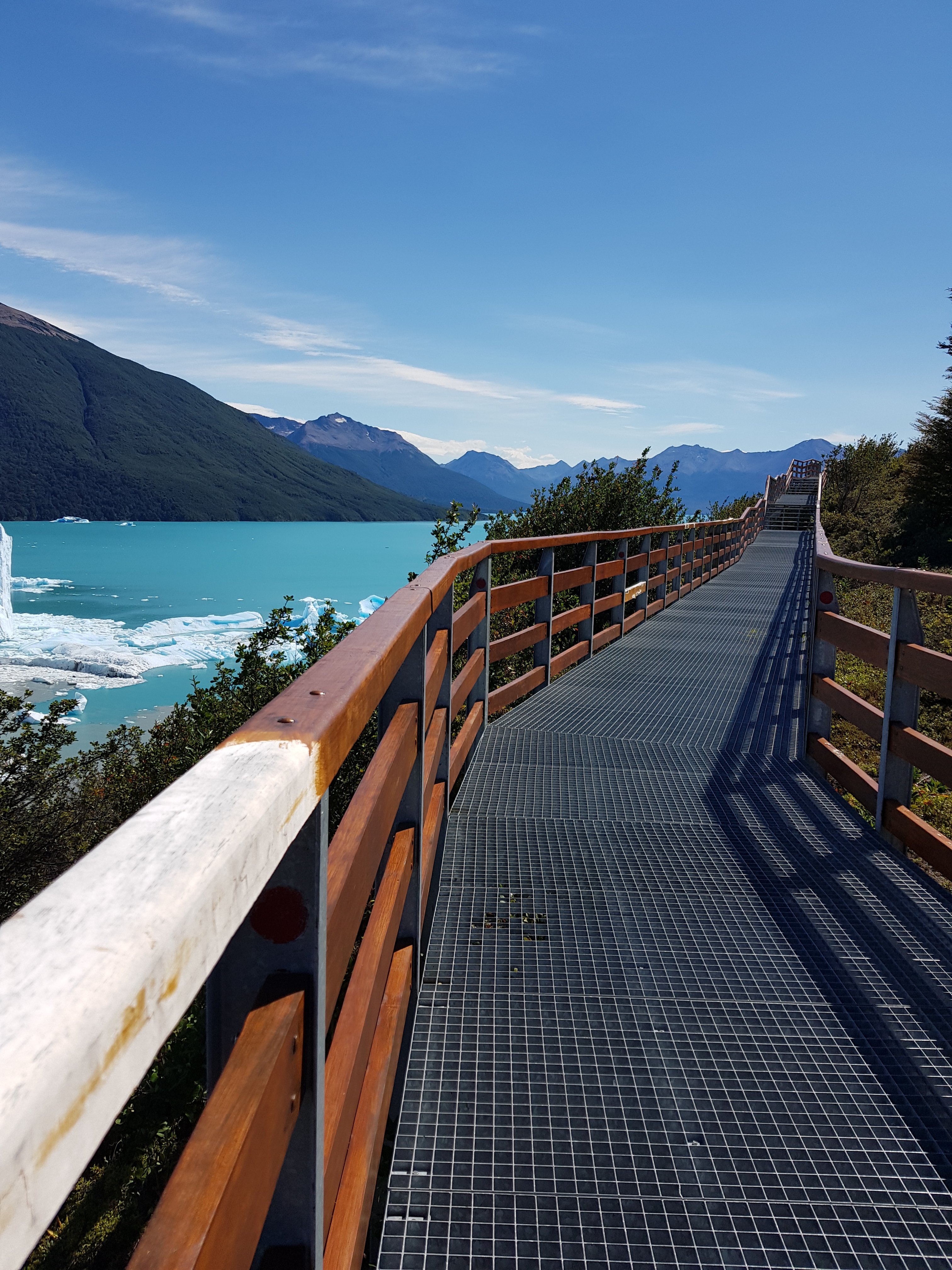
This huge glacier is very unique and larger than the entire city of Buenos Aires (which blew my mind)! The glacier is apparently in balance,meaning that it loses the same amount of ice each day as is returned to it, due to how the water flows around it. There are three different routes you can take around the glacier’s boardwalk, and they vary by height and length. I did all three, and found the boardwalk system to be very efficient and plentiful in relaxing balconies where you could eat your lunch and watch pieces of the glacier fall into the water below. This phenomenon was amazing. I saw not only the ice fall and splash against the lake, but also the lower layer of ice boil up to the surface and spin around in circles. Very cool.

Rio Gallegos

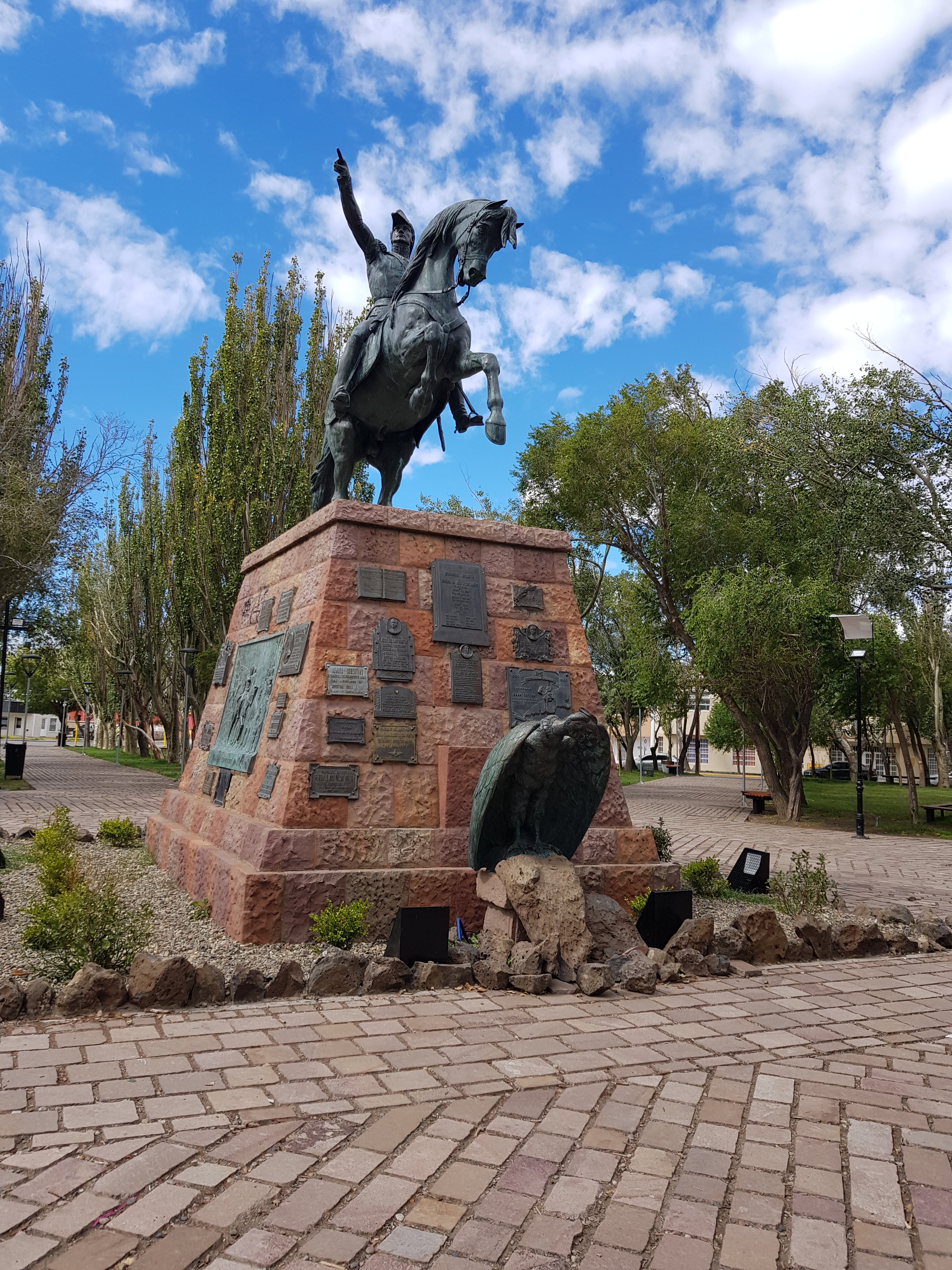
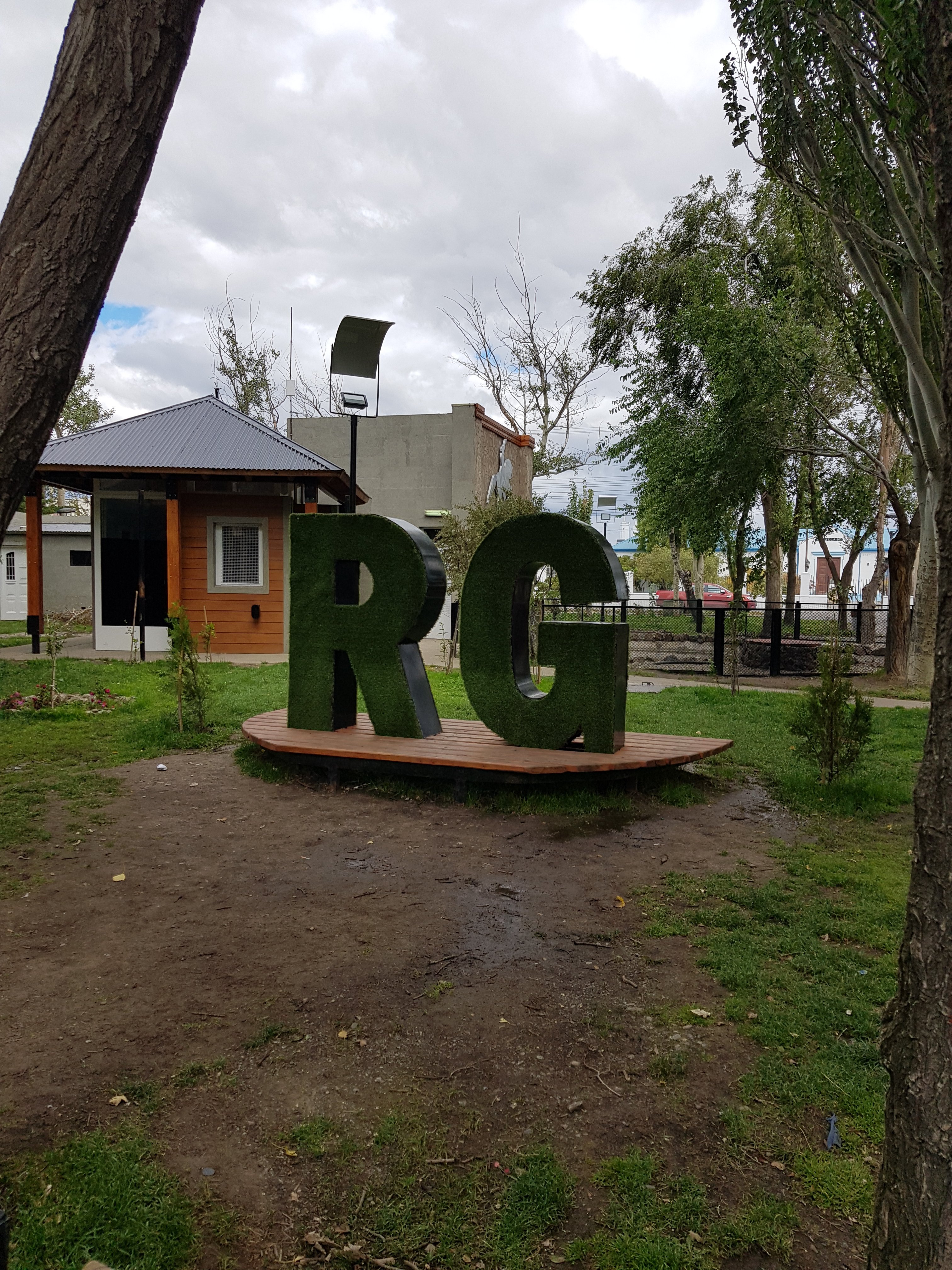
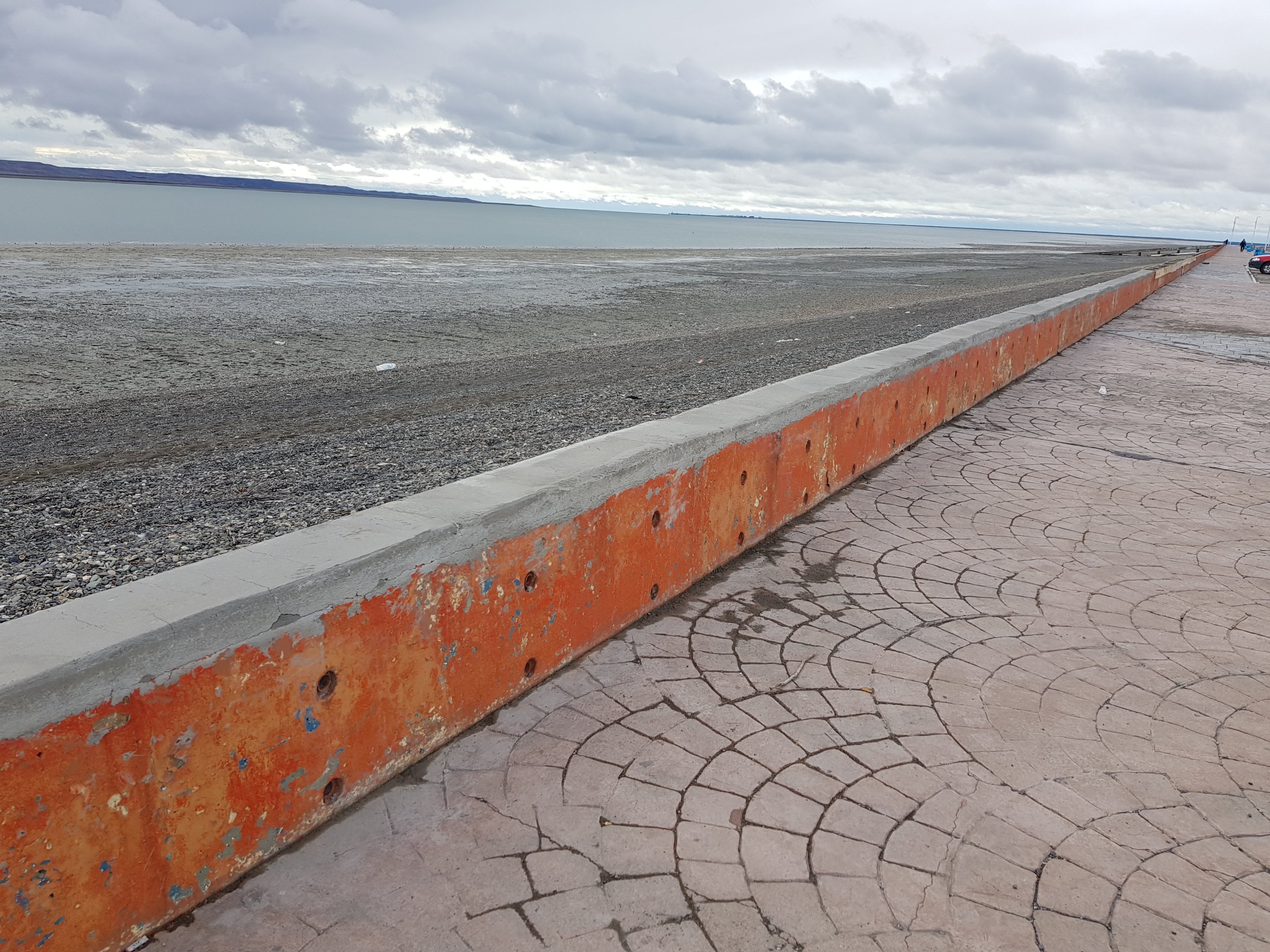
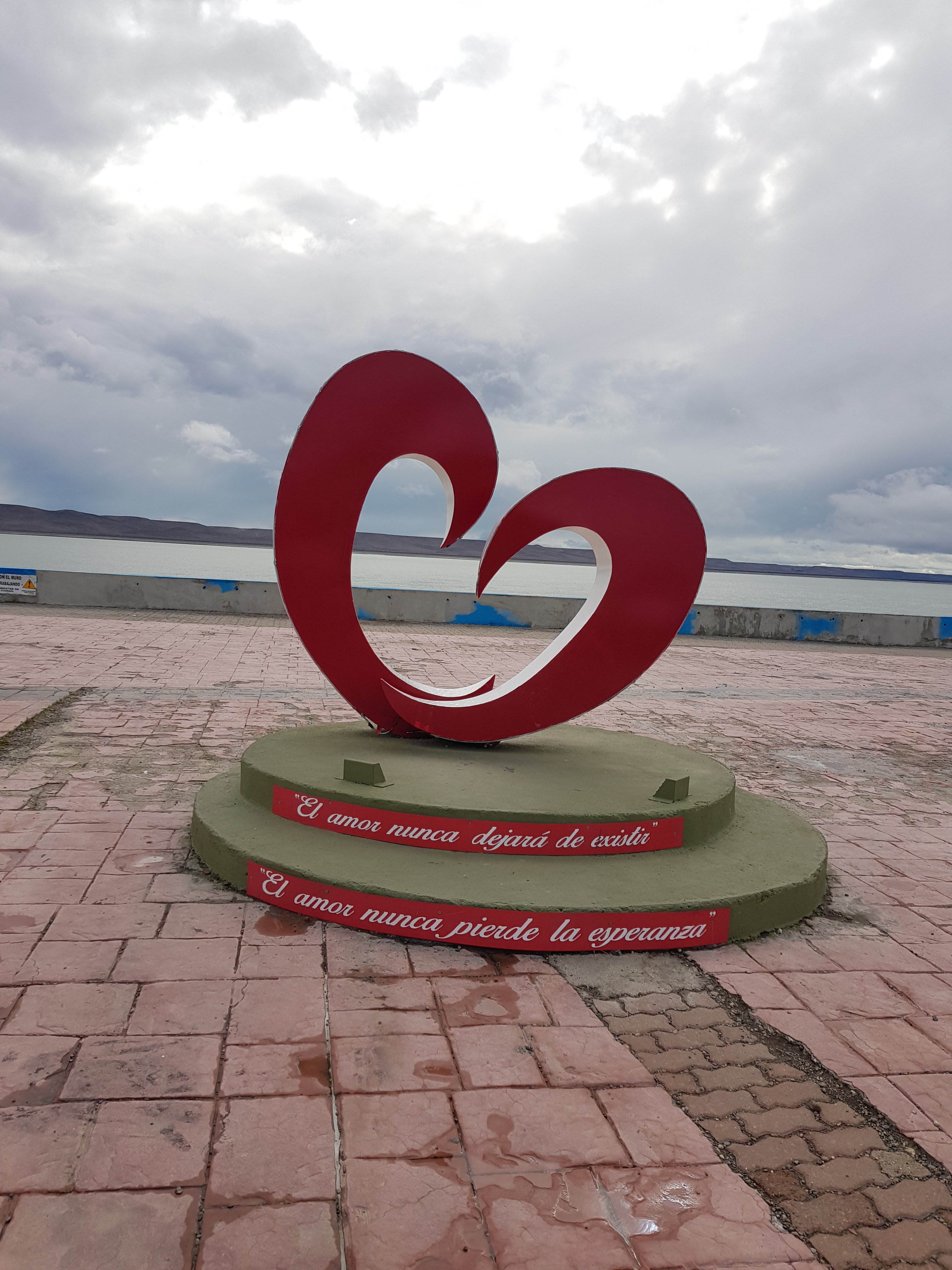
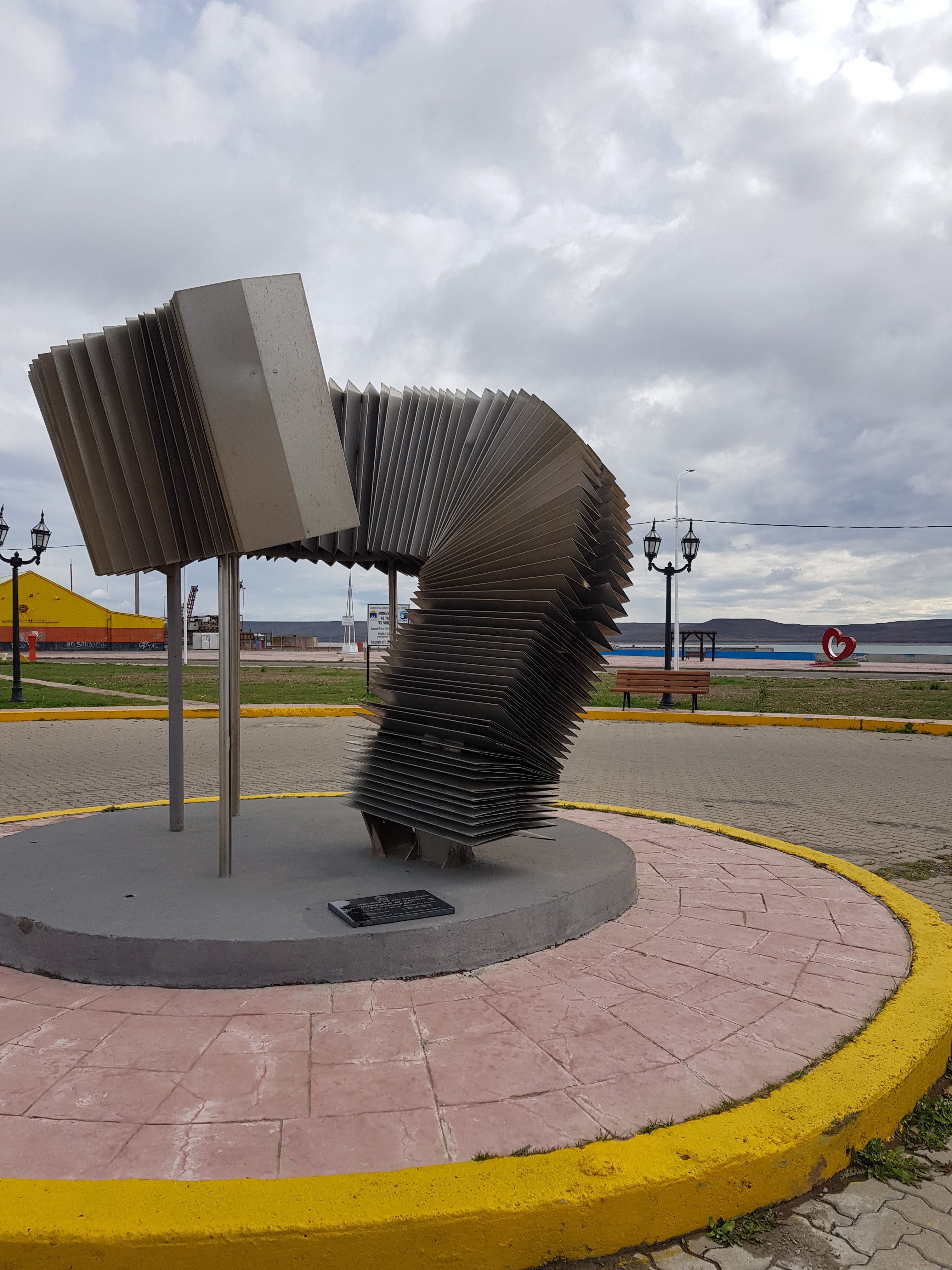
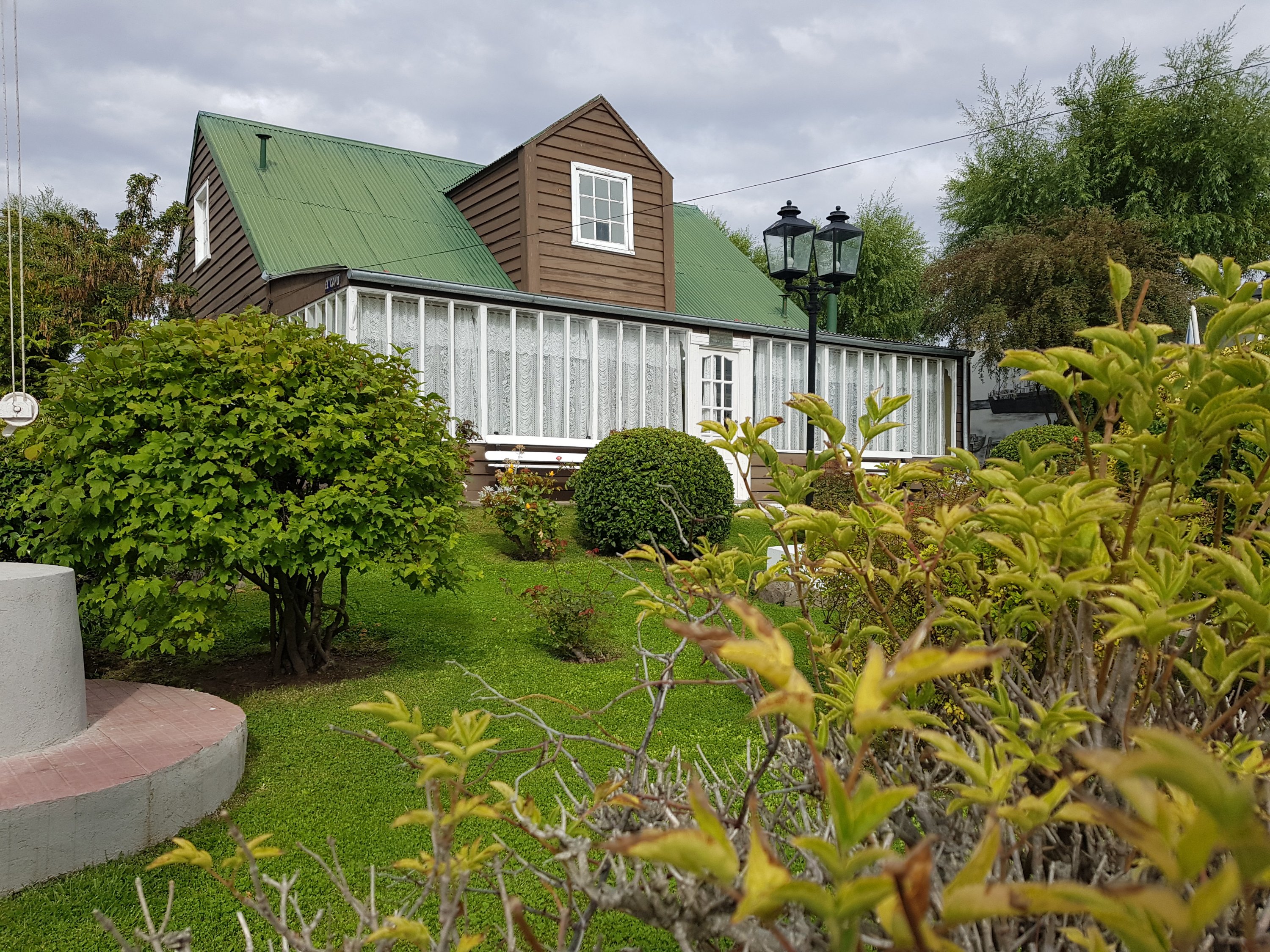
My last stop in Argentina for a while, was Rio Gallegos. I came here to the bottom of mainland Argentina, to cross the border into Chile. There is not much to see here but it is a good supply stop, and there are some sculptures along a promenade walk and a small house that you can visit as a free museum.

For now, I am off to Chile, for some more trekking and to see the other side of Patagonia, before I return to Argentina, to visit the bottom of the world…

Argentina’s Lake District

After a few days of bus journeys via Bahia Blanca and Neuquen, meeting a group of hippies and enjoying a local music festival, I finally made it to Patagonia and the Argentine Lake District. A ‘postcard perfect’ landscape.

Argentina’s Lake District sits within the Northwest of Patagonia, near the border of Chile. Patagonia is the Southern region of Argentina, world famous for its scenery, and trekking, climbing, and general adventure sport opportunities. The climate and landscape varies throughout the region and within the lake district are obviously several lakes and rivers dotted around the Andes mountains.

I visited three spots within the lake district, as these were major points on the coach route. They were: San Martin de los Andes, San Carlos de Bariloche, and El Bolson. I stayed in each for 1-2 nights.

San Martin de Los Andes

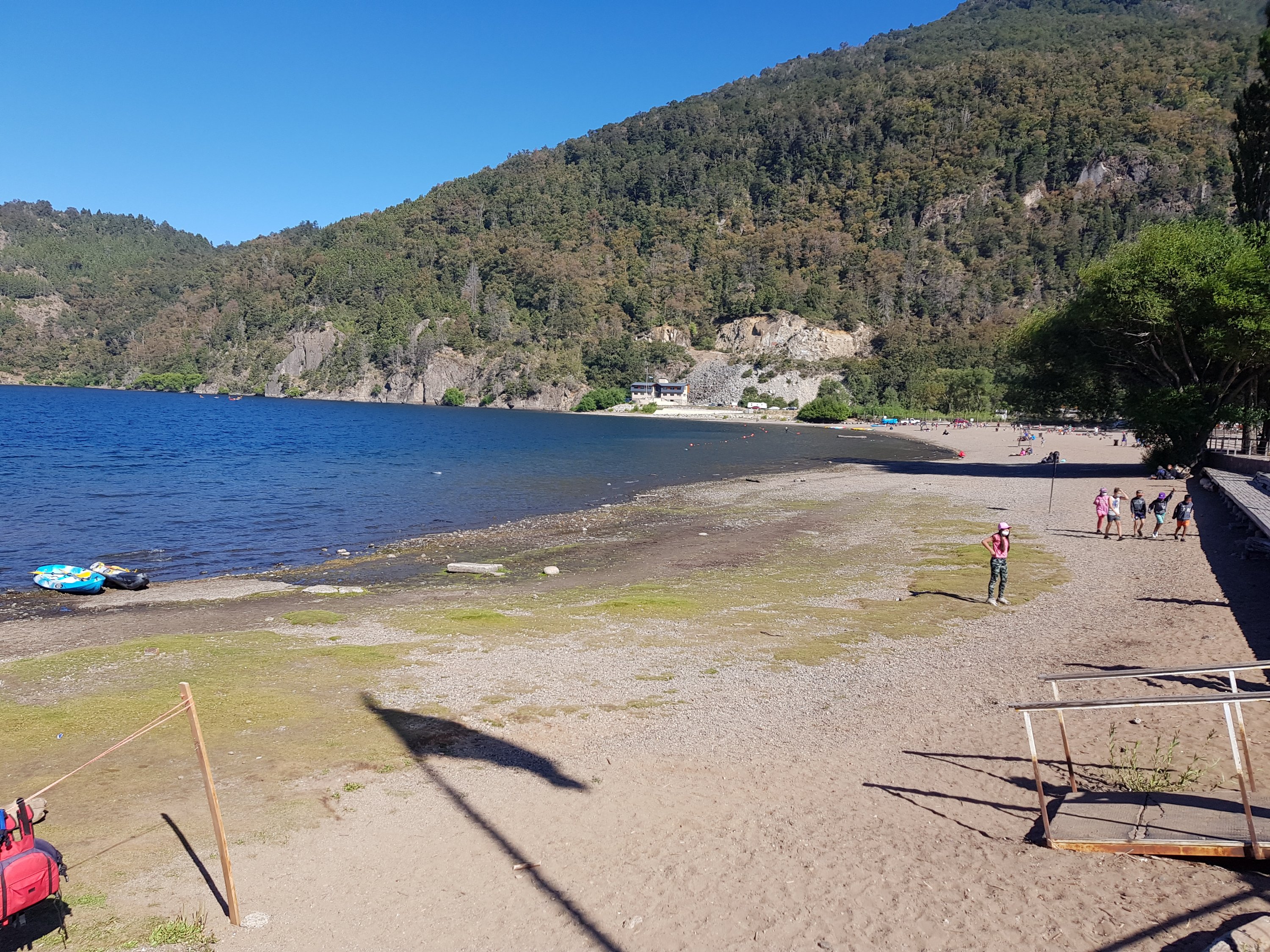
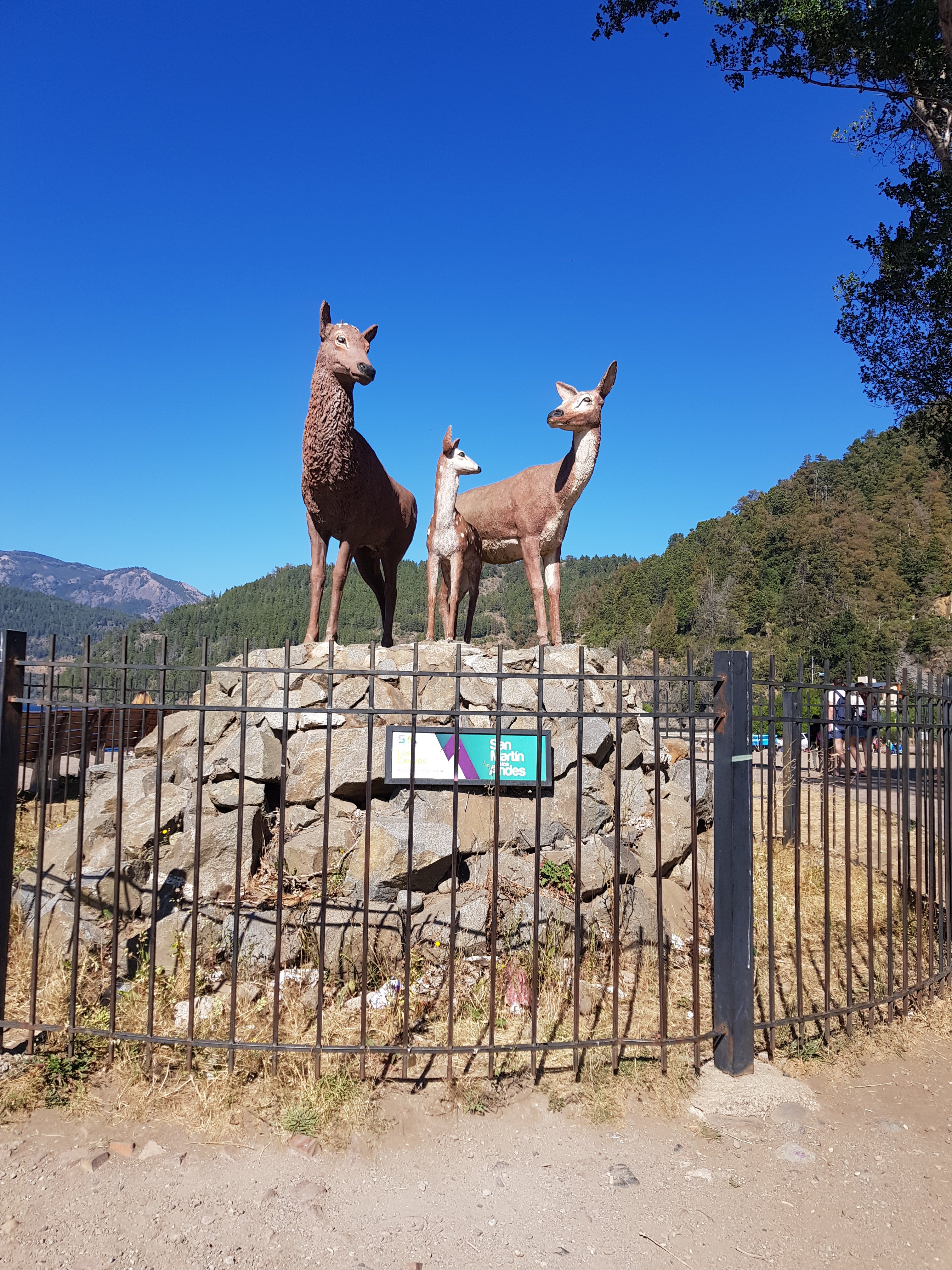
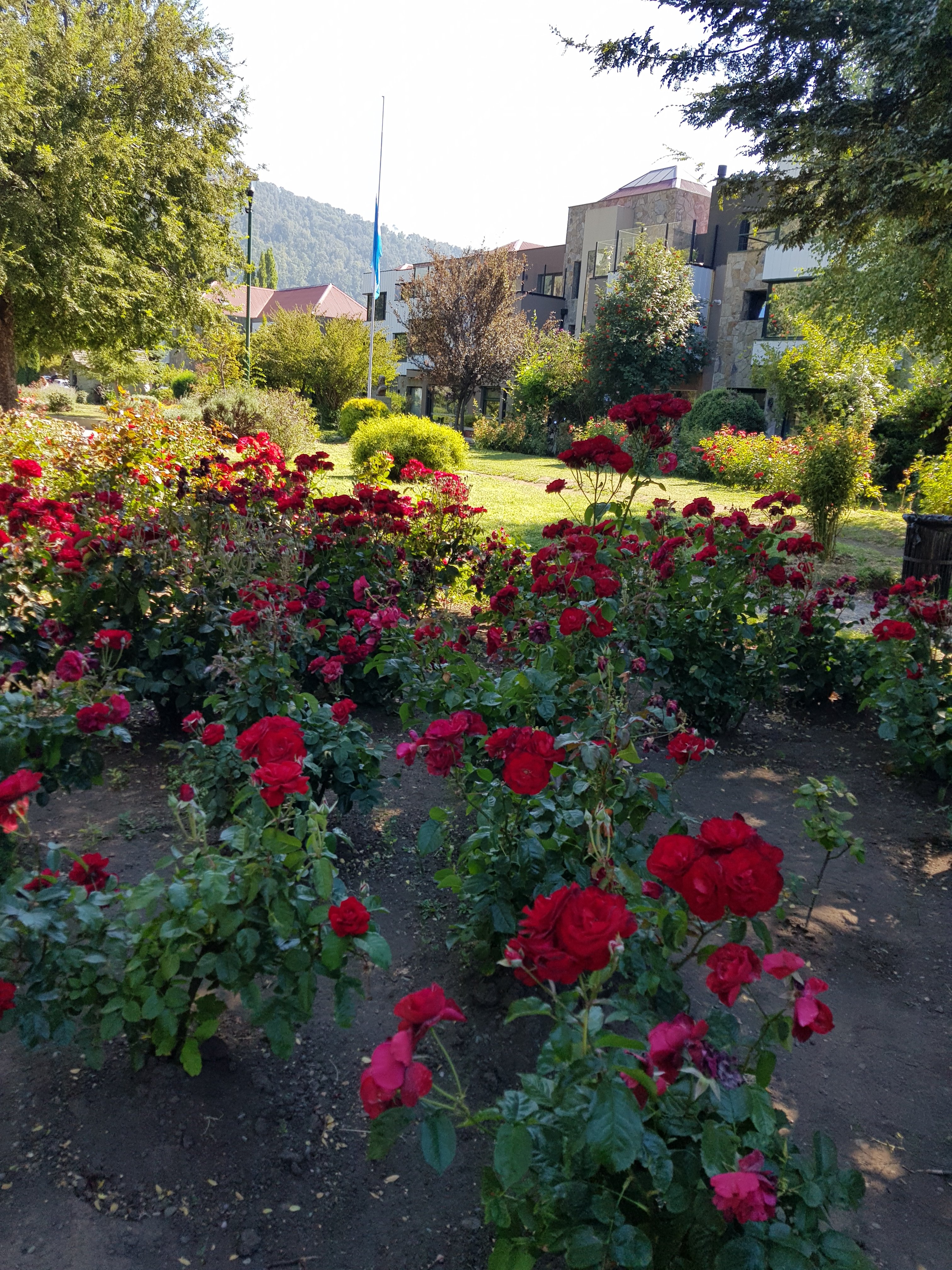
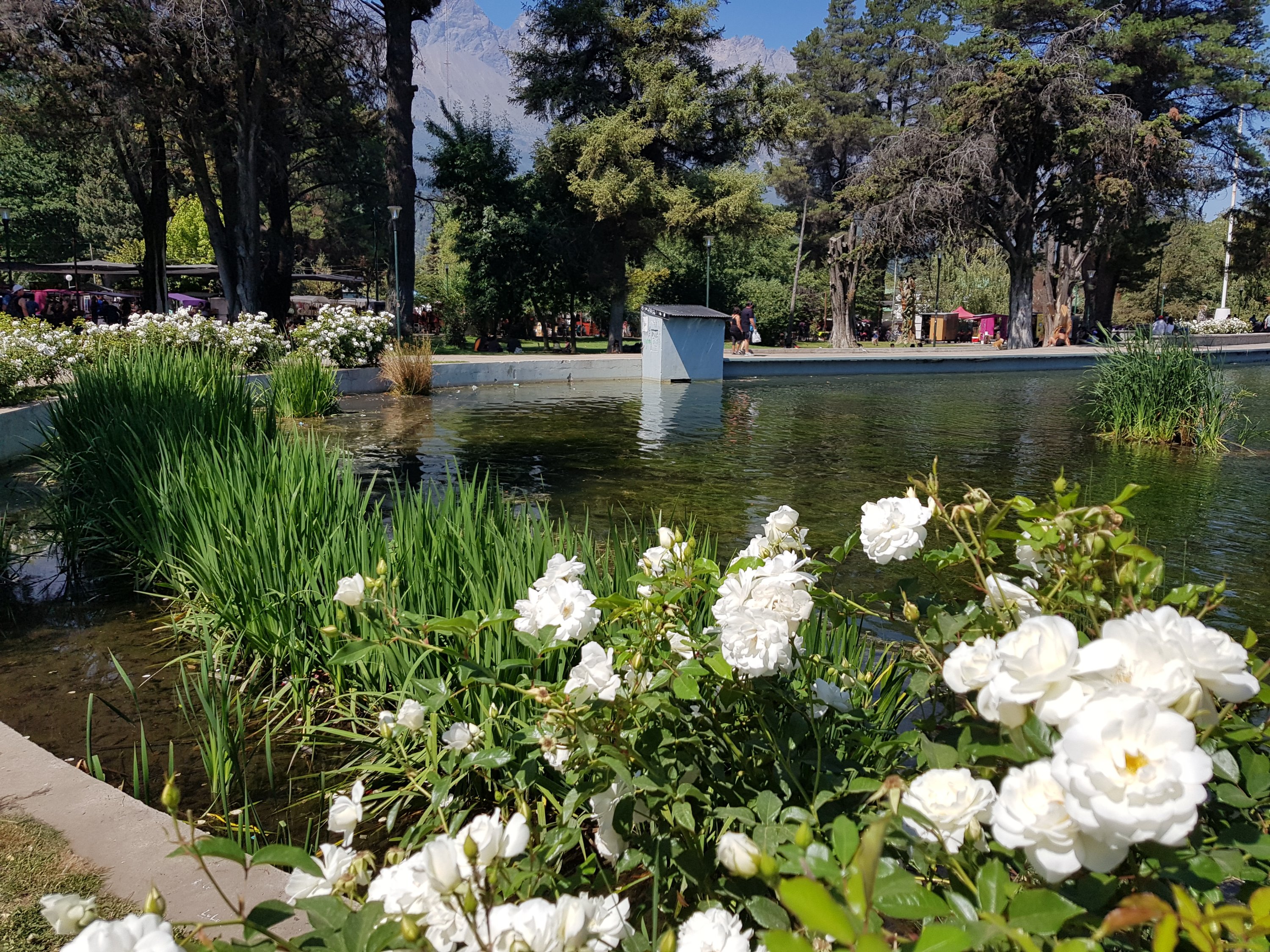
San Martin de Los Andes sits in the Lanin National Park, named after the local volcano. It is the gateway town to Patagonia for many people, and it is very touristy as a result. It is full of cabin style buildings that make you feel that you have somehow arrived in the Swiss Alps. The town is small but has plenty of bars and restaurants, a few rose gardens to sit in, and San Martin sits on a huge lake named Lacar. You can enjoy swimming in the lake or take a boat out to different places along the shoreline.

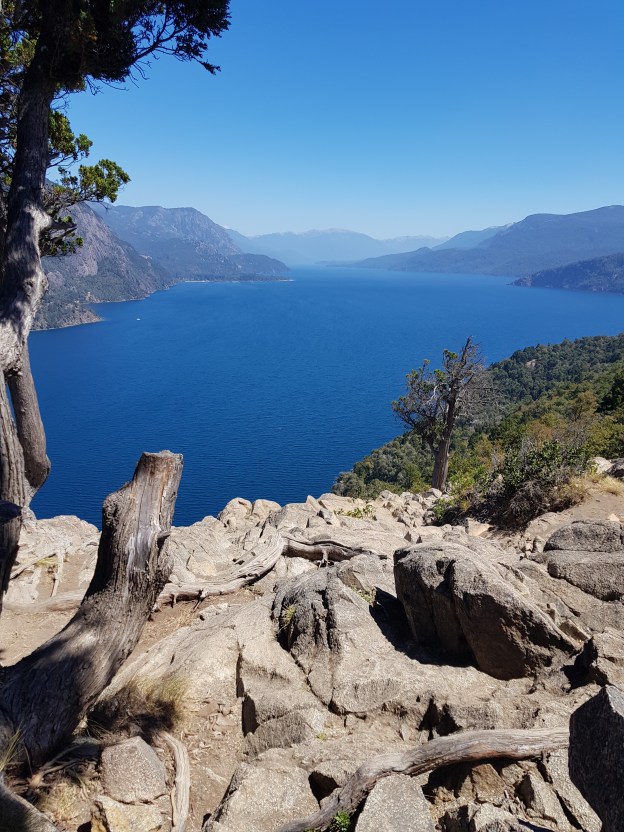
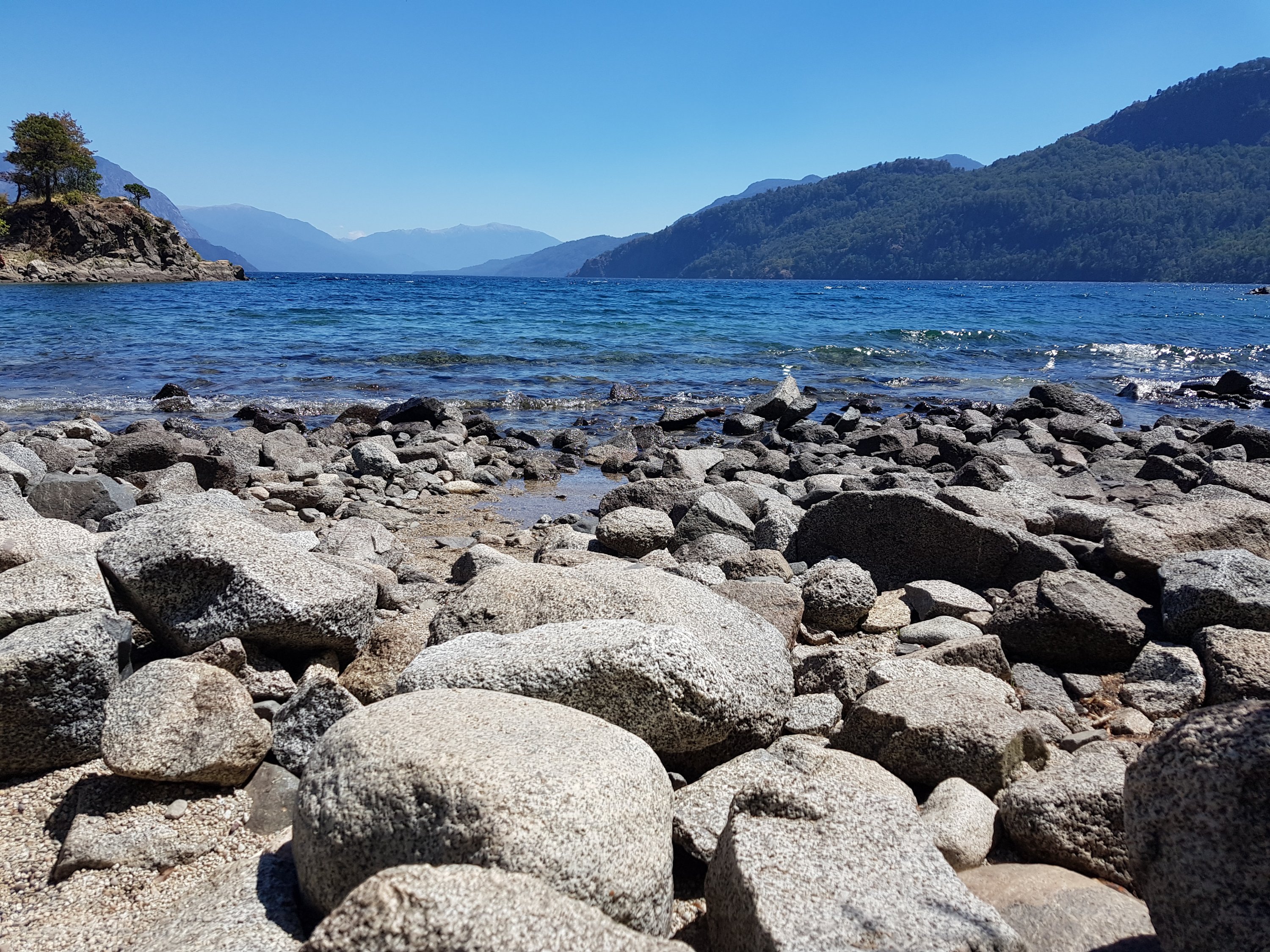
I decided to do a short hike of about 10km (about 3 hours) to a viewpoint and then onto a small beach with a little island. I enjoyed a swim here and basked in the sun, although the beach is very rocky, crocs are advised! I looked like a fool sliding around on the rocks. The water was really lovely and clear though, and everyone was respectful of the environment.

San Carlos de Bariloche

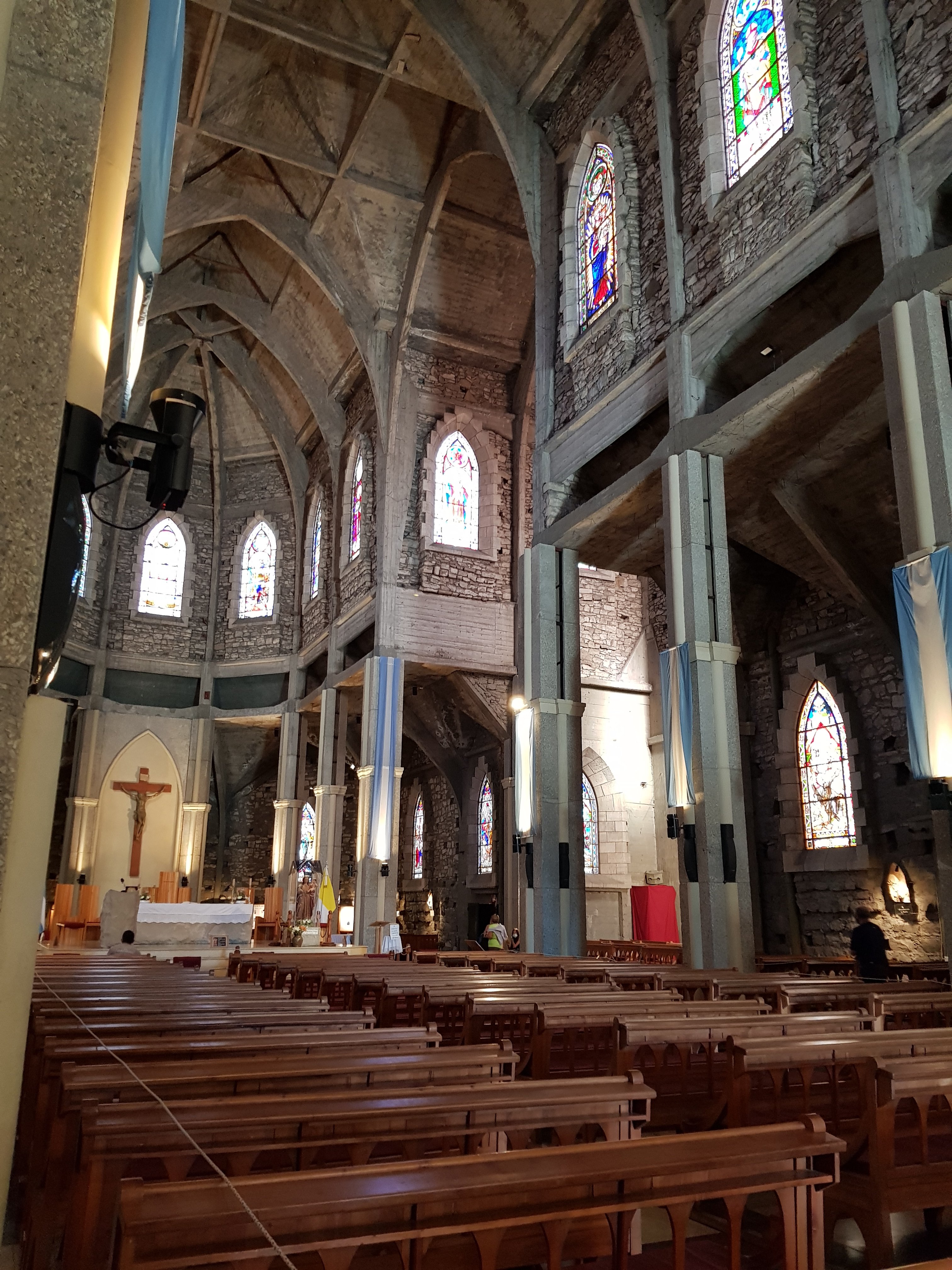
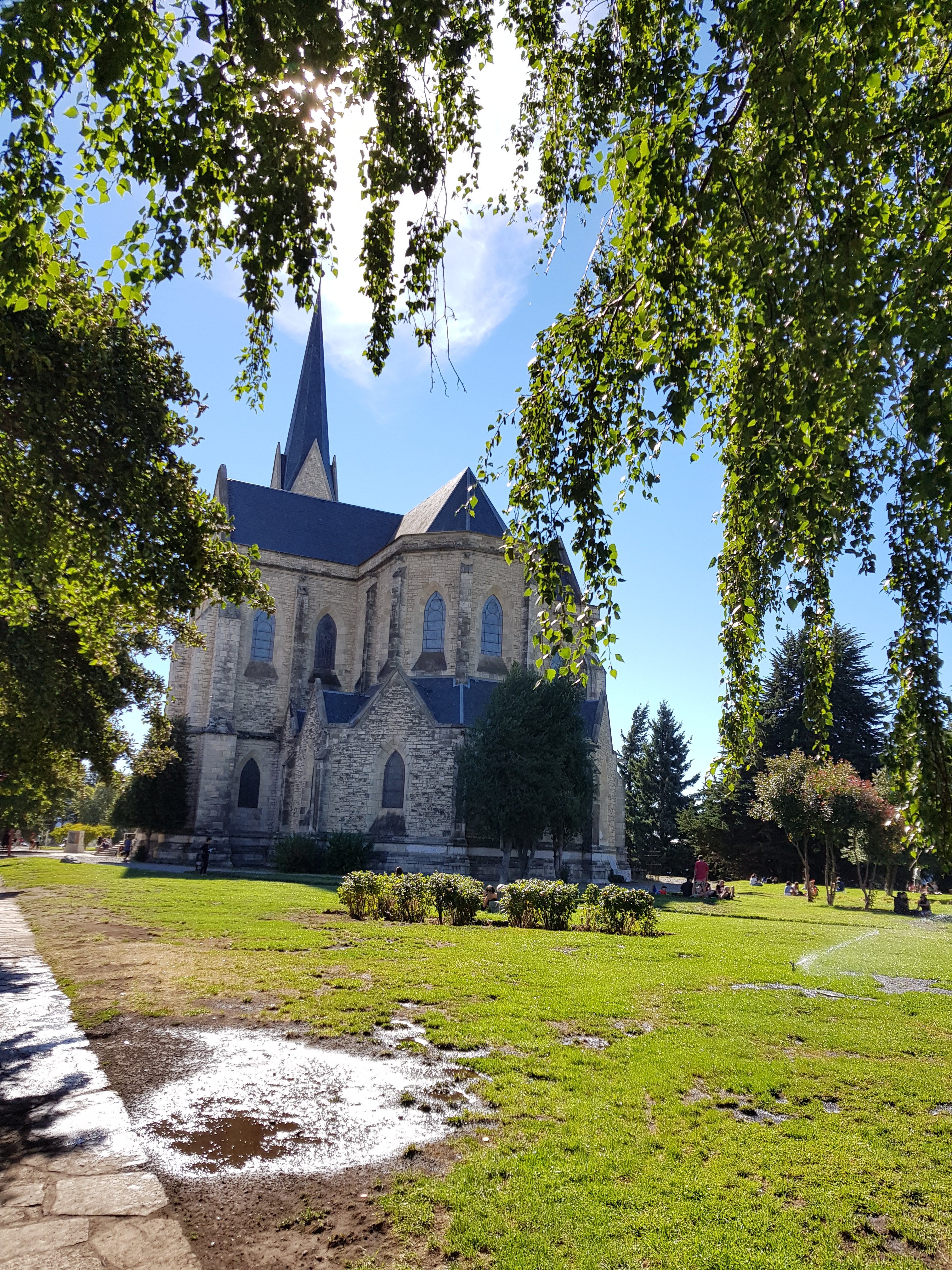
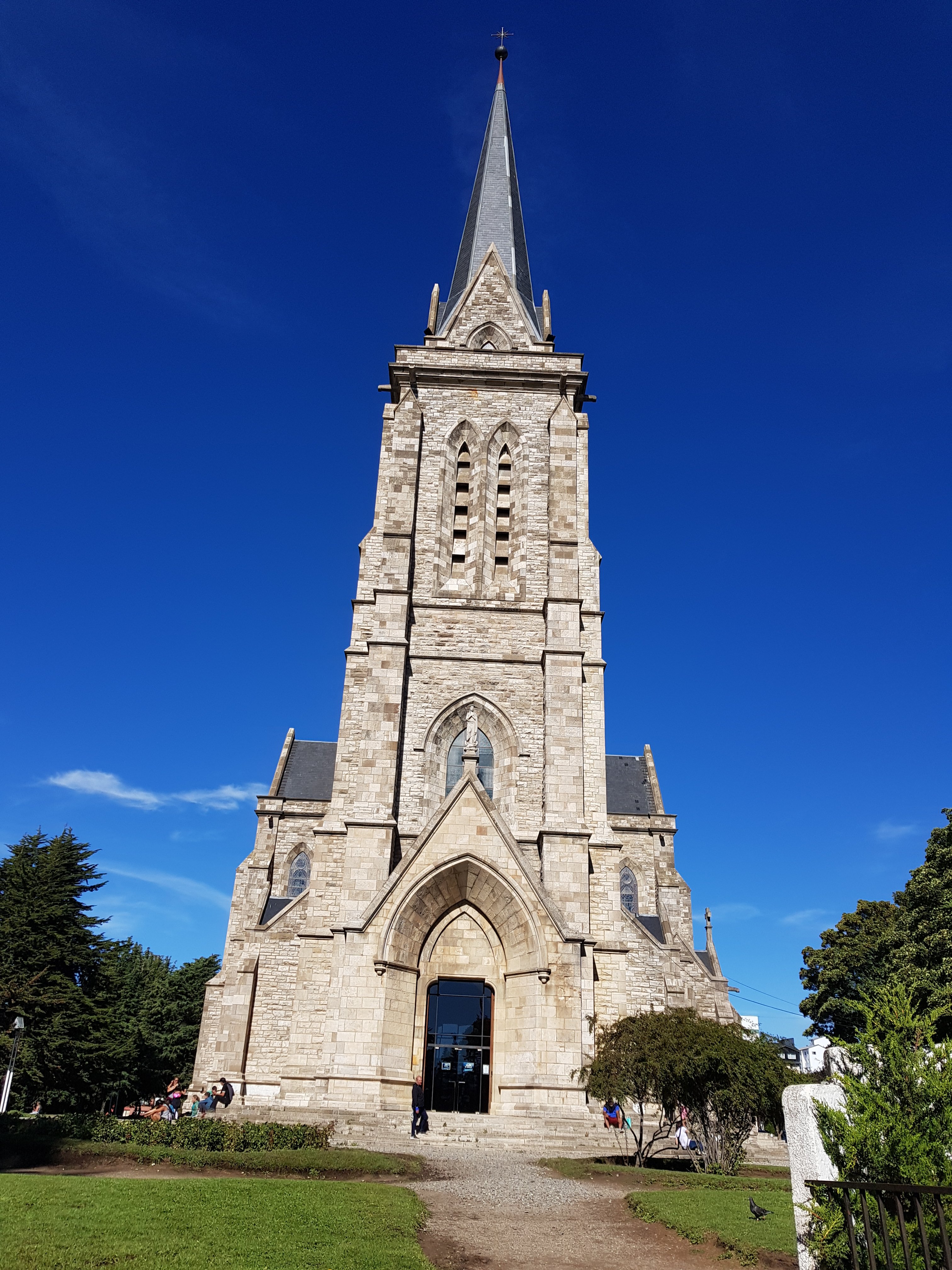
Bariloche is a working city that is less tourist heavy, but it’s scenery is absolutely postcard perfect. The town is surrounded by a huge lake and endless mountain scenes. There are not many attractions in the town, and I really just used this for a rest day and to save a little money by cooking from the supermarket. I did manage to visit the local cathedral though. This was a very pleasant building with lots of stonework. You can also walk right up to the lake and sit on the stony beach if you want to.

El Bolson

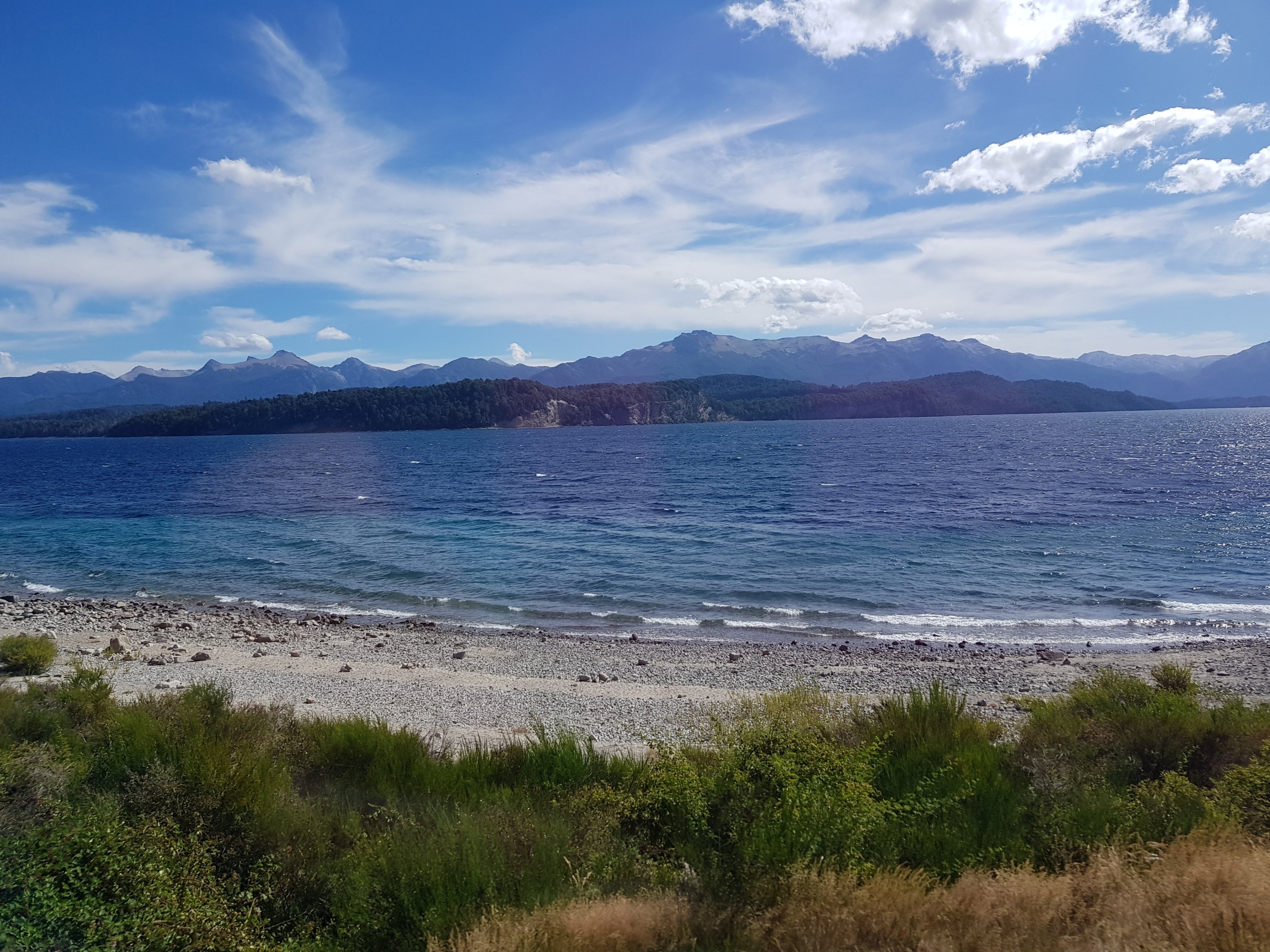
On the bus to my third stop in this region, El Bolson, I continued to travel along the famous route 40. This very long highway, connects all of these beautiful locations from the North to South of the country. It has now become well known for its gorgeous scenery, and thankfully, the buses use this road too!

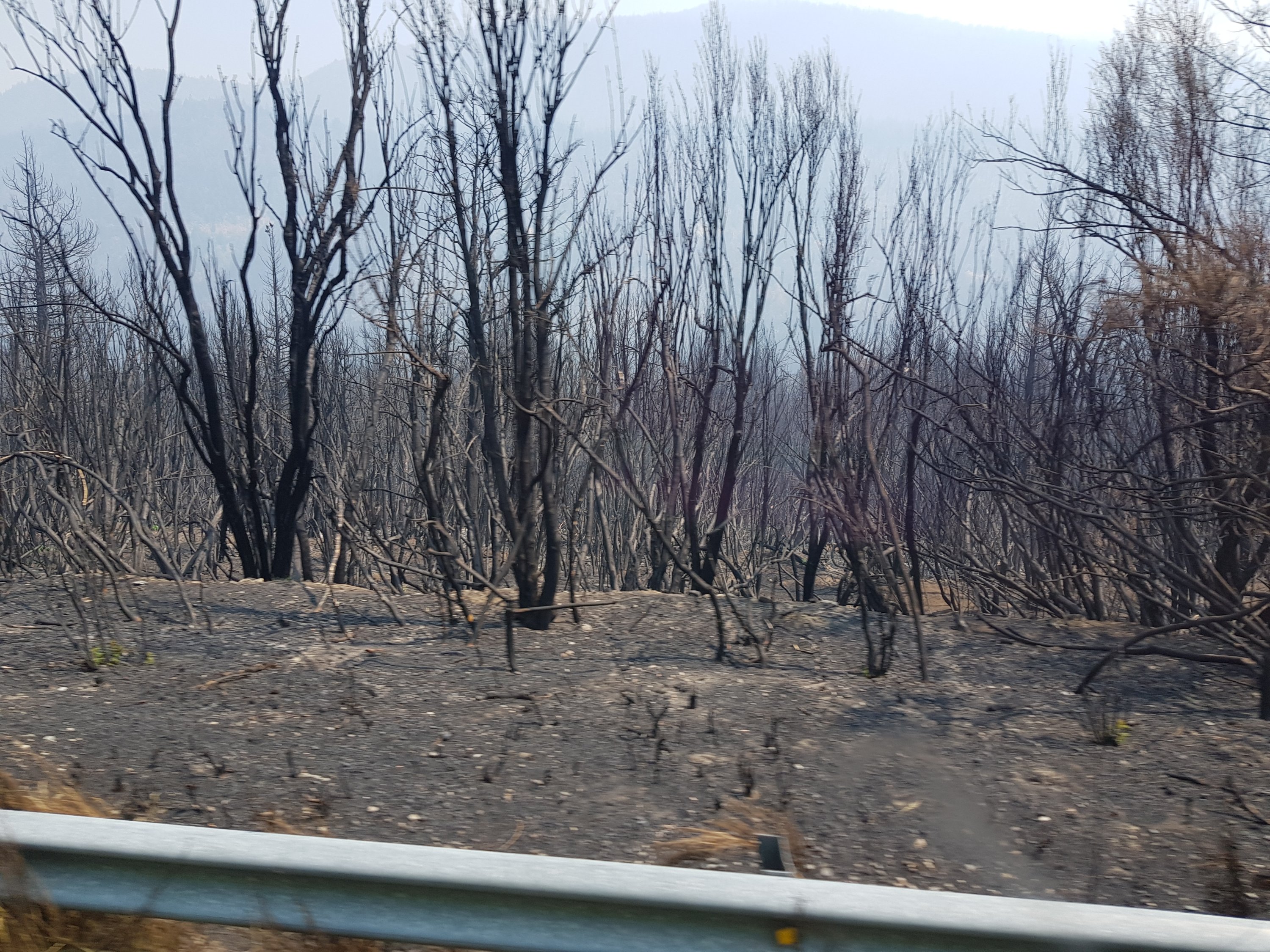
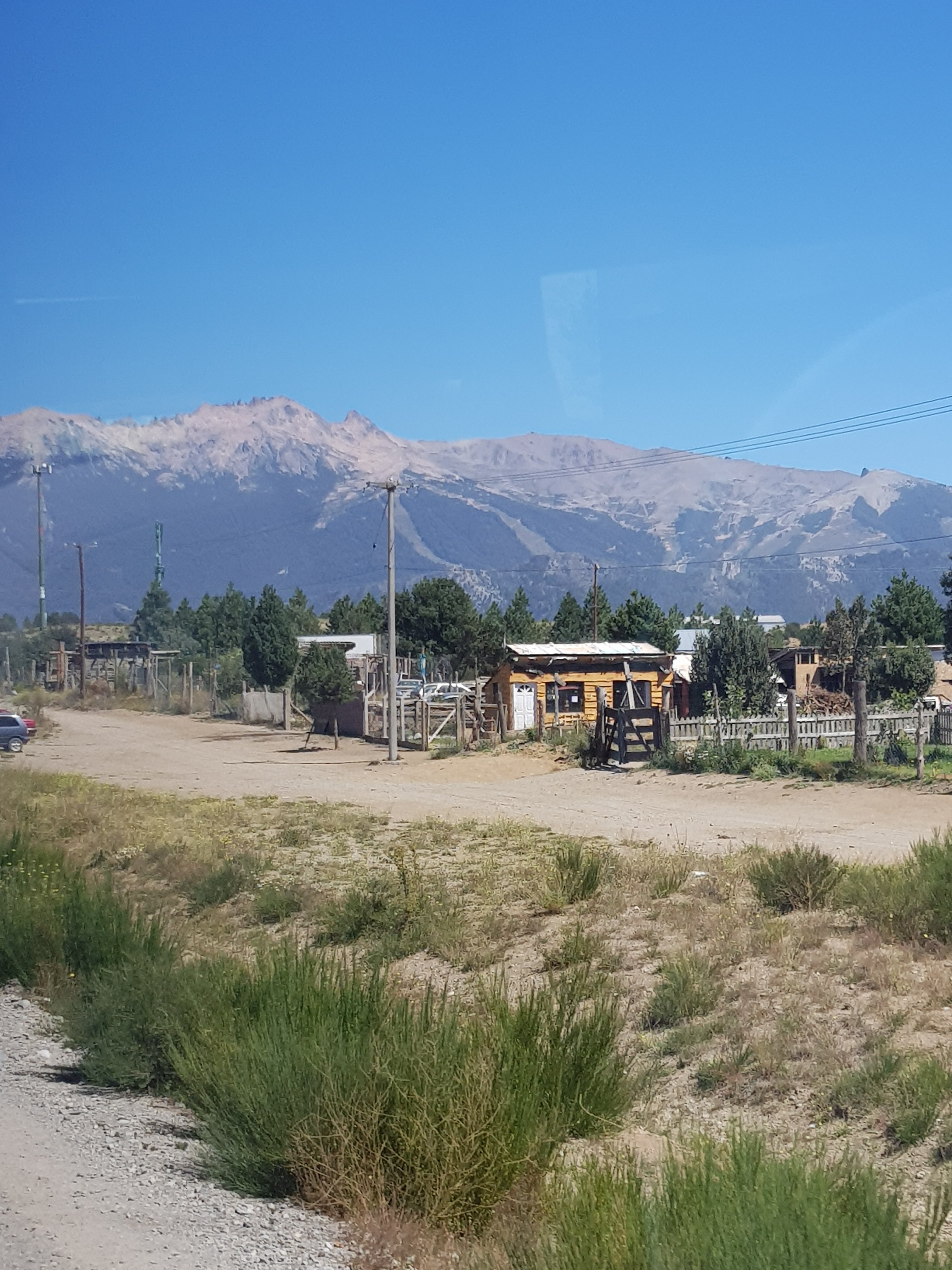
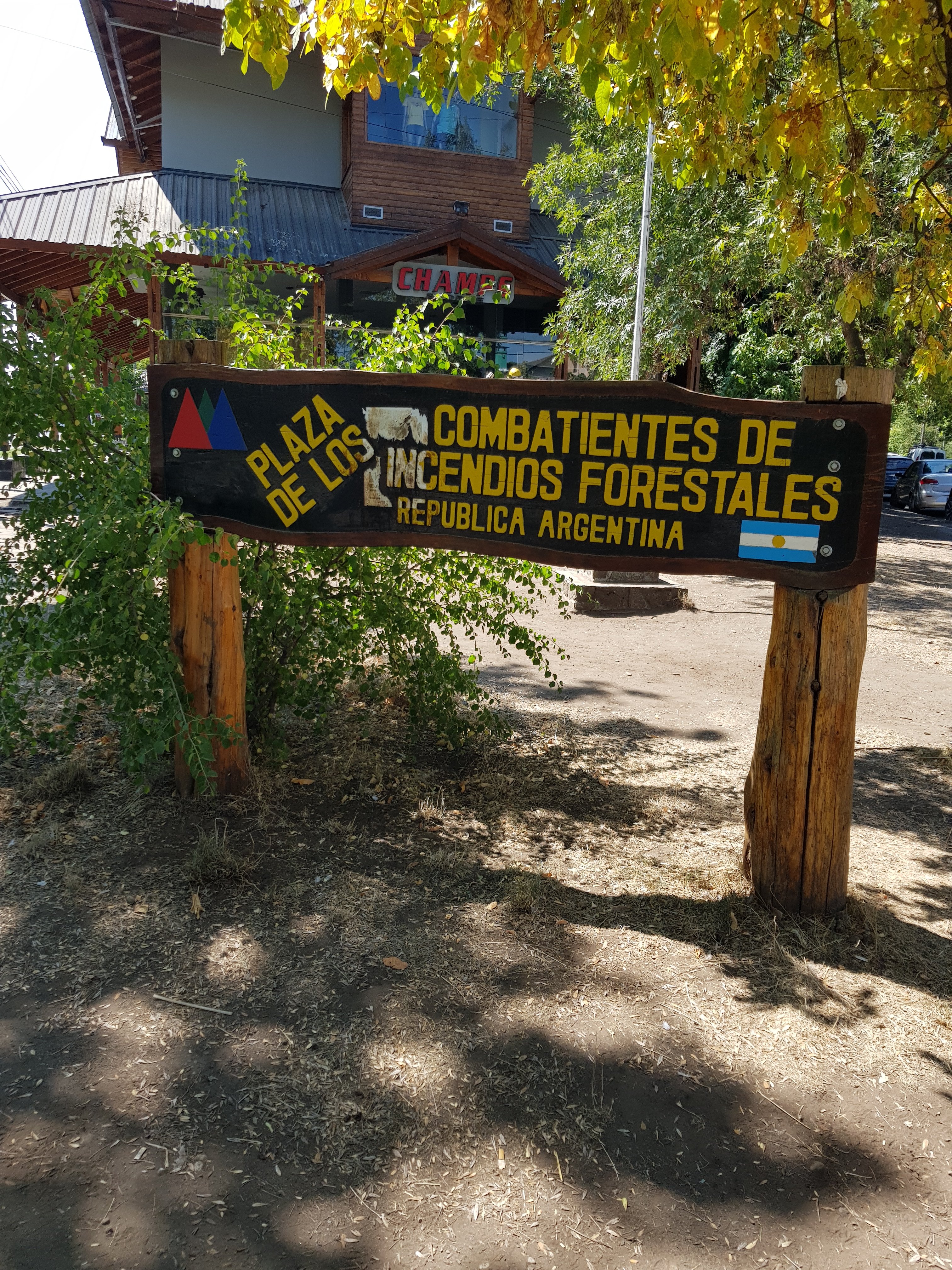
Along the way, I saw the damage of the forest fires in the national park the day before. This was quite shocking to see, It seems that it is a common occurrence here though. It created a foggy atmosphere among the mountain scenes.

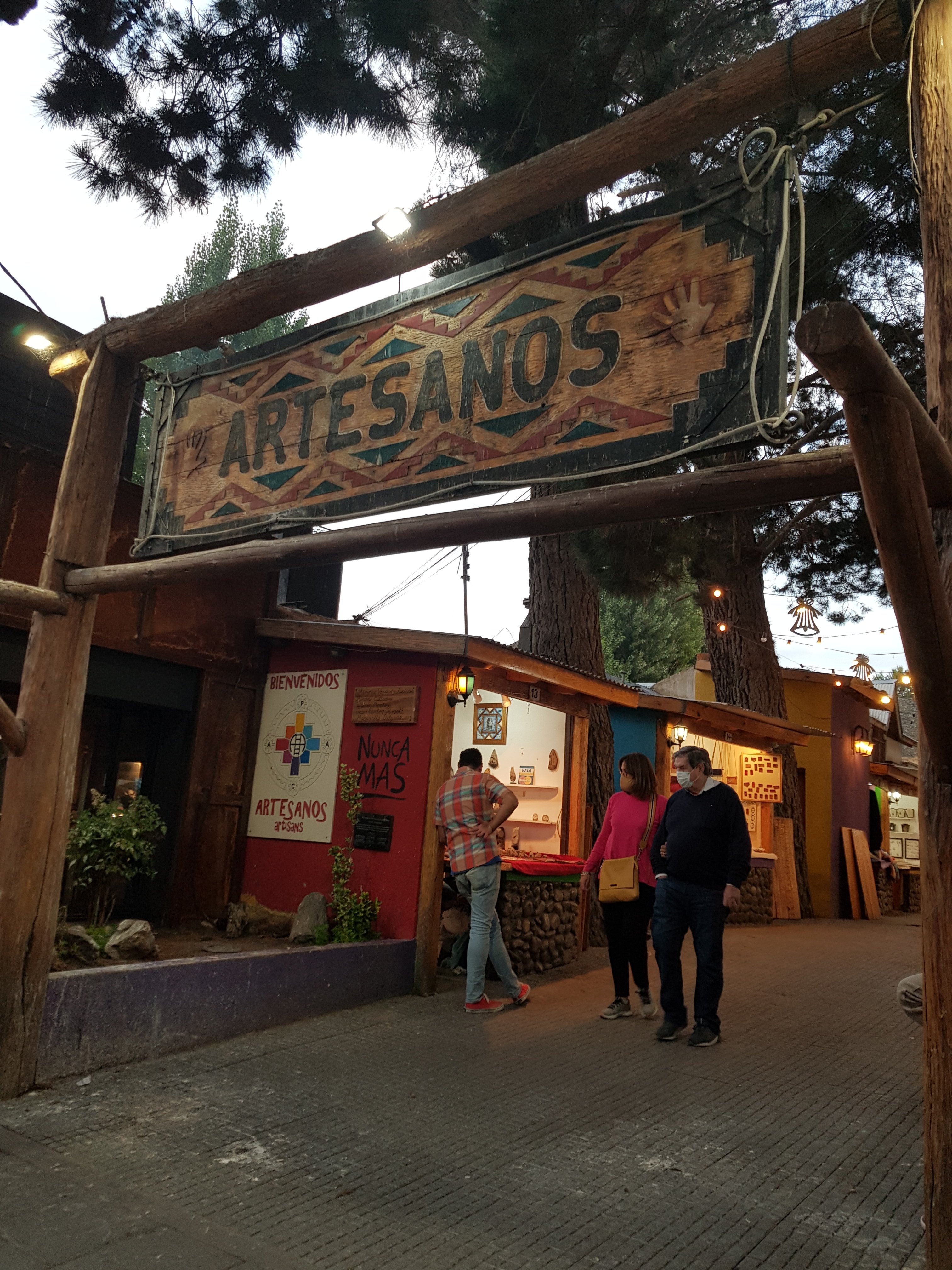
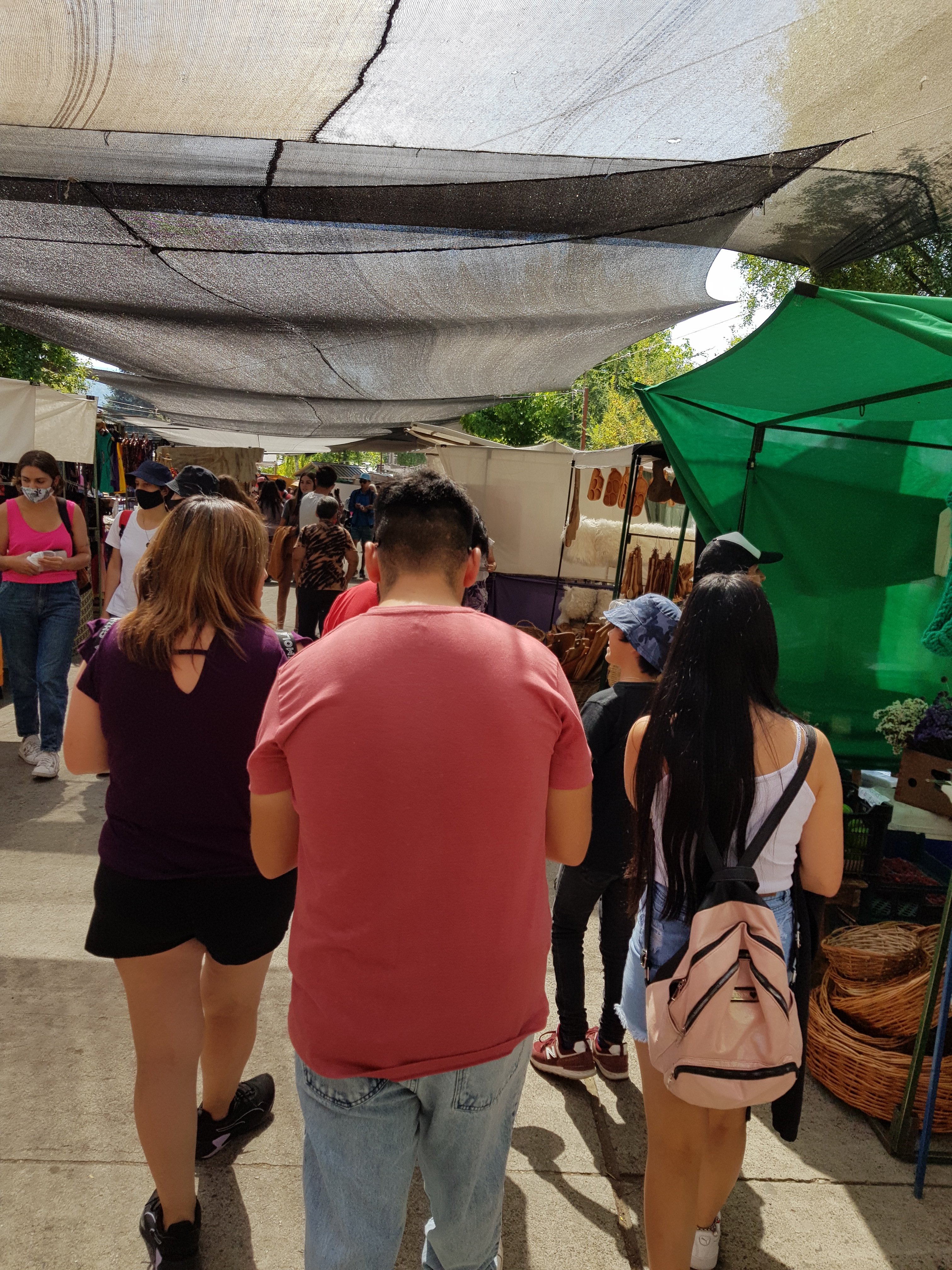
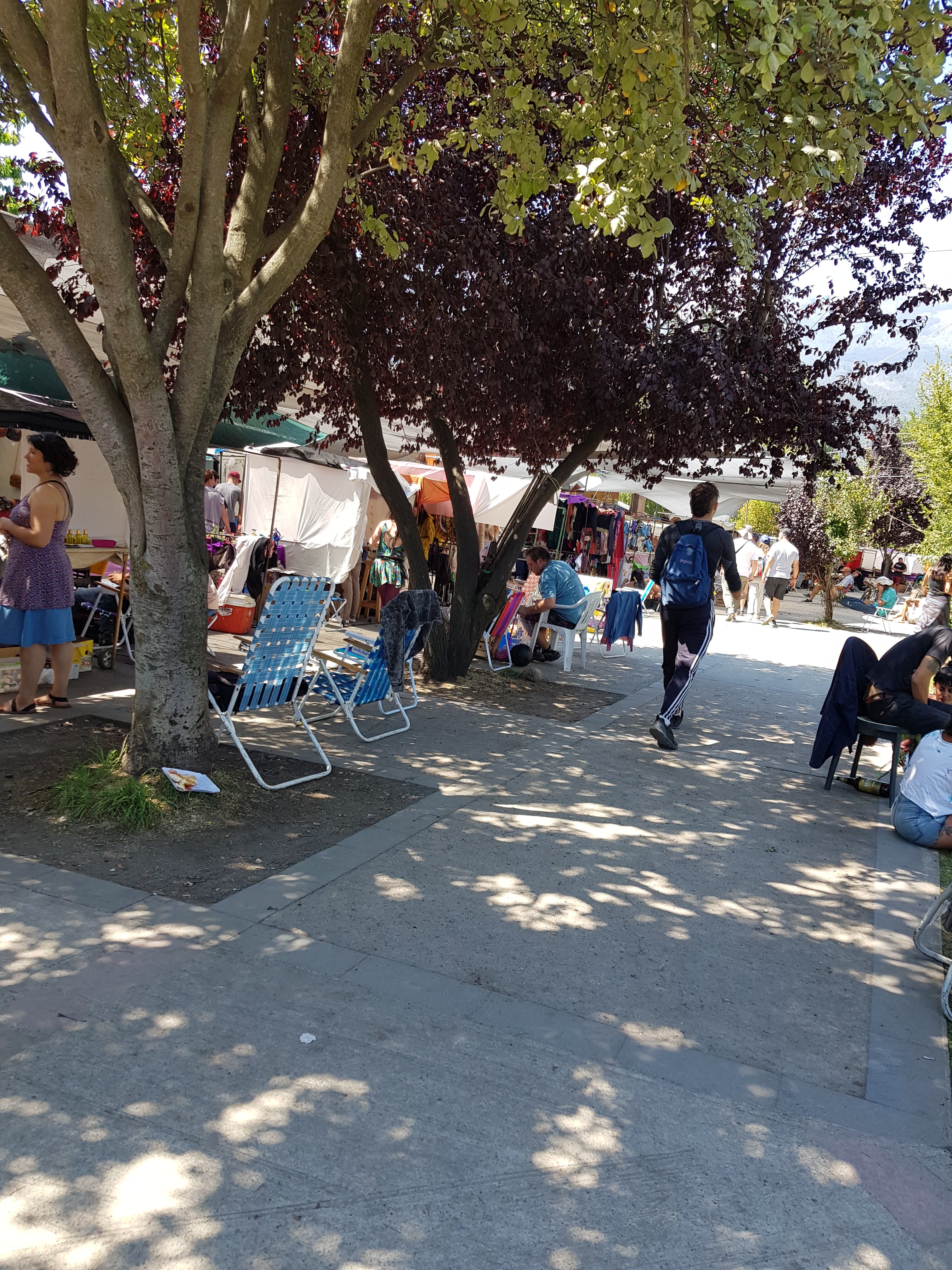
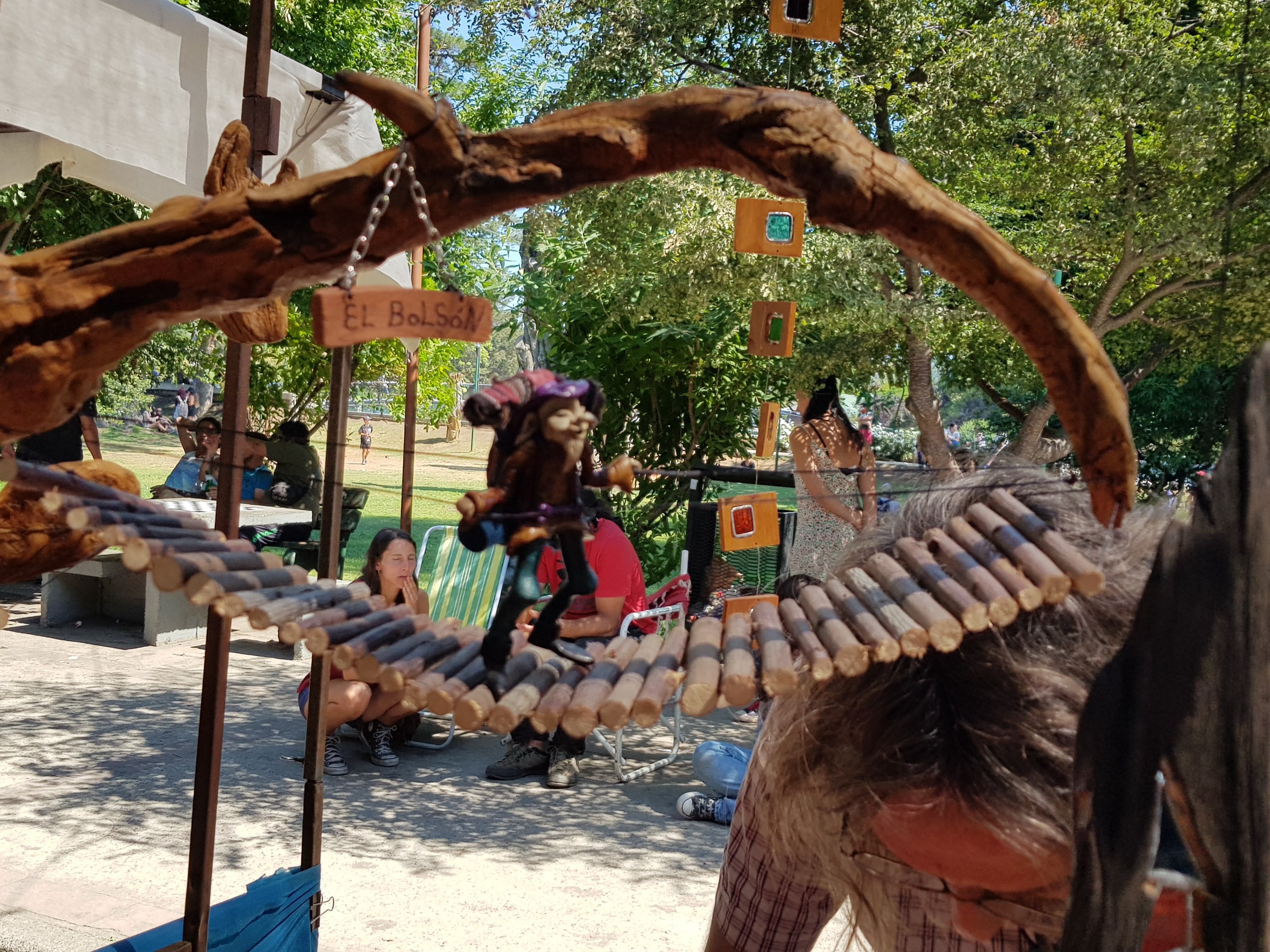
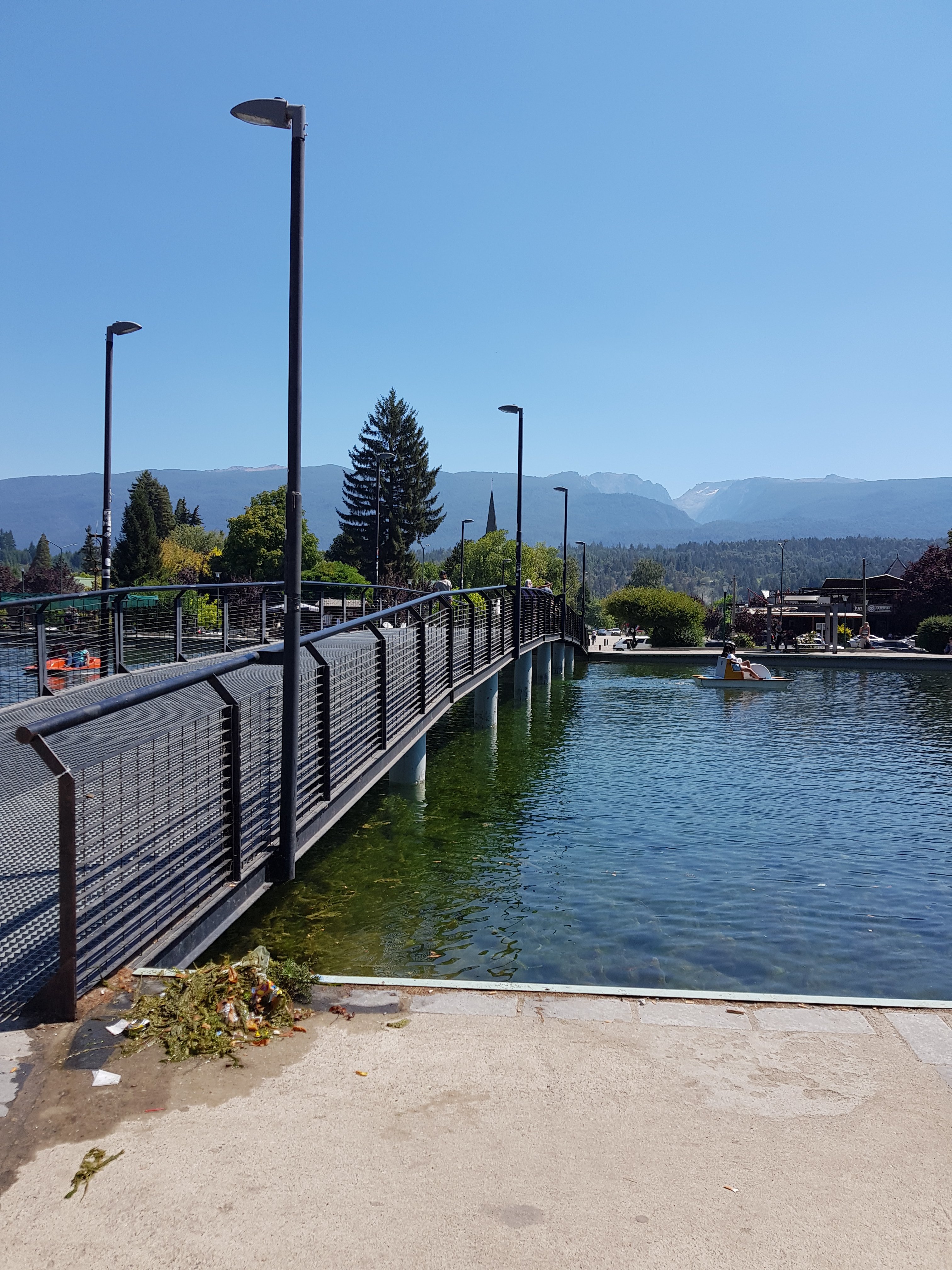
On arrival to El Bolson, I stumbled upon a huge feria (market/fair) with lots of artisan stalls and food vendors, besides a lovely river scene where people were enjoying pedal boats.

I think El Bolson is my favourite stop of the three, as it had a lovely mix of authenticity and fun for tourists. It was clean, and had lots of facilities. A lot of people that stop here do the 1-2 day hike to Cerro Piltriquitrón but I only had a day here and so not enough time. If I could do it again I would stay up to 4 days here. I did manage to make use of some other nearby hikes though.

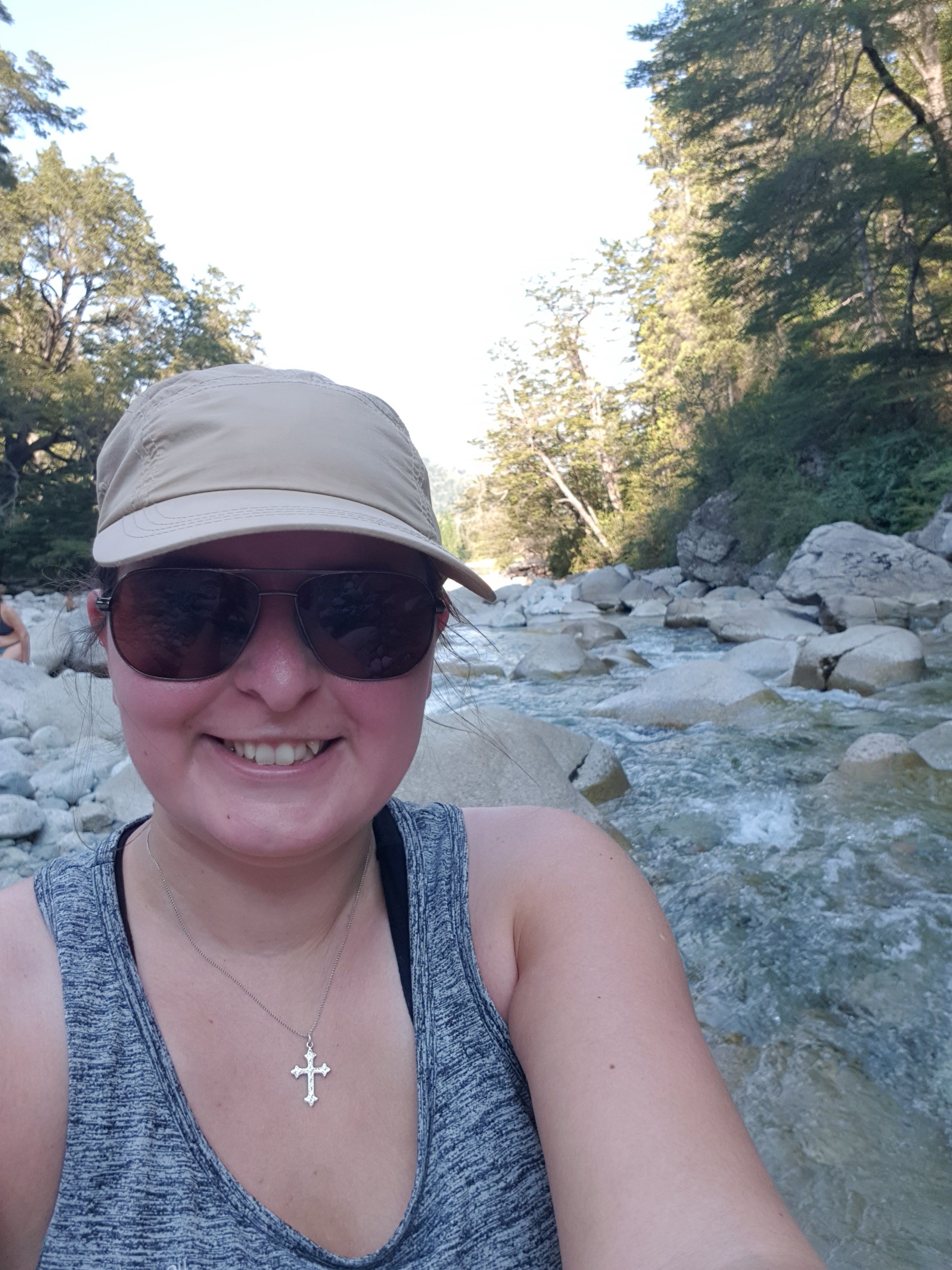
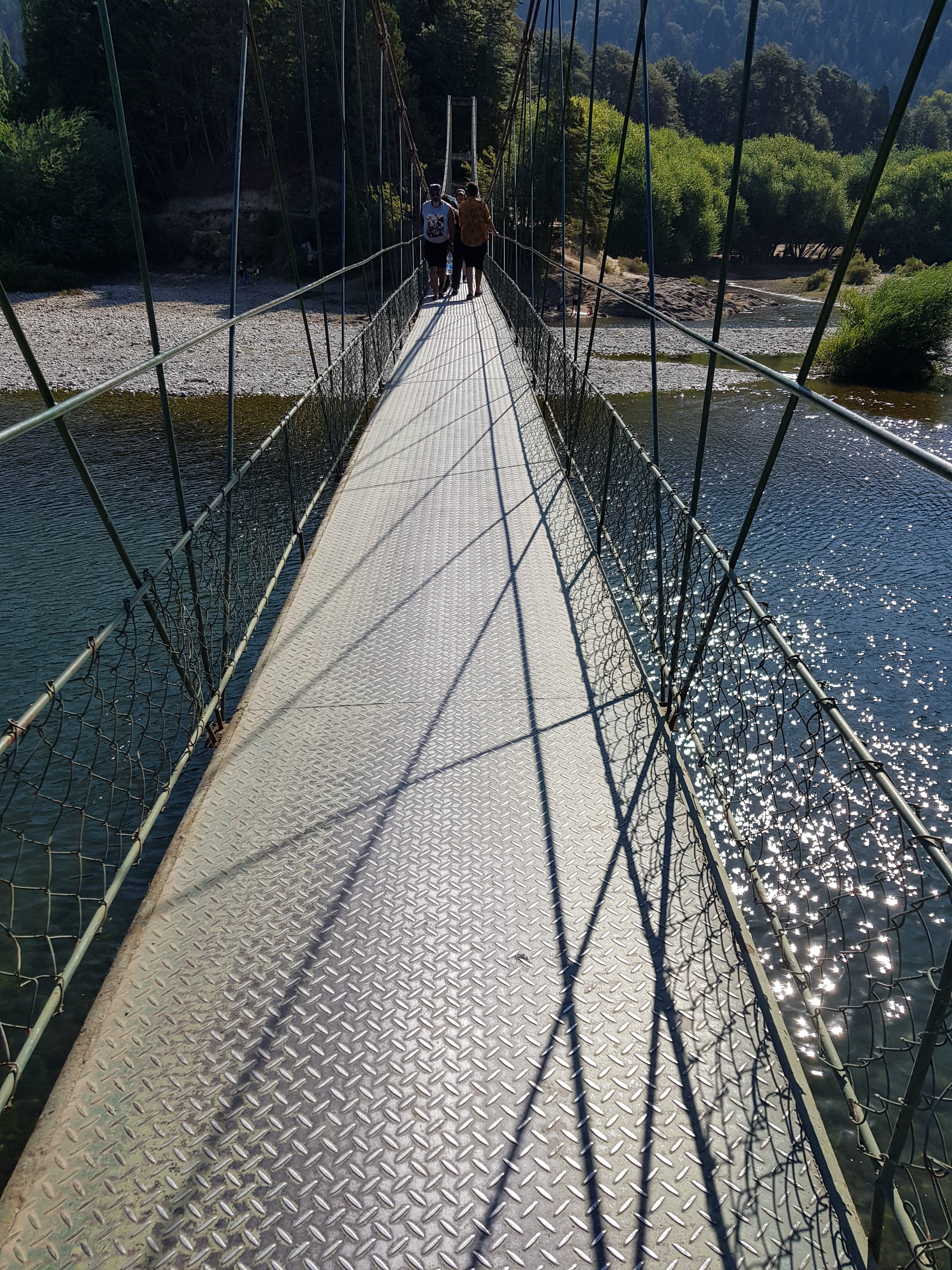
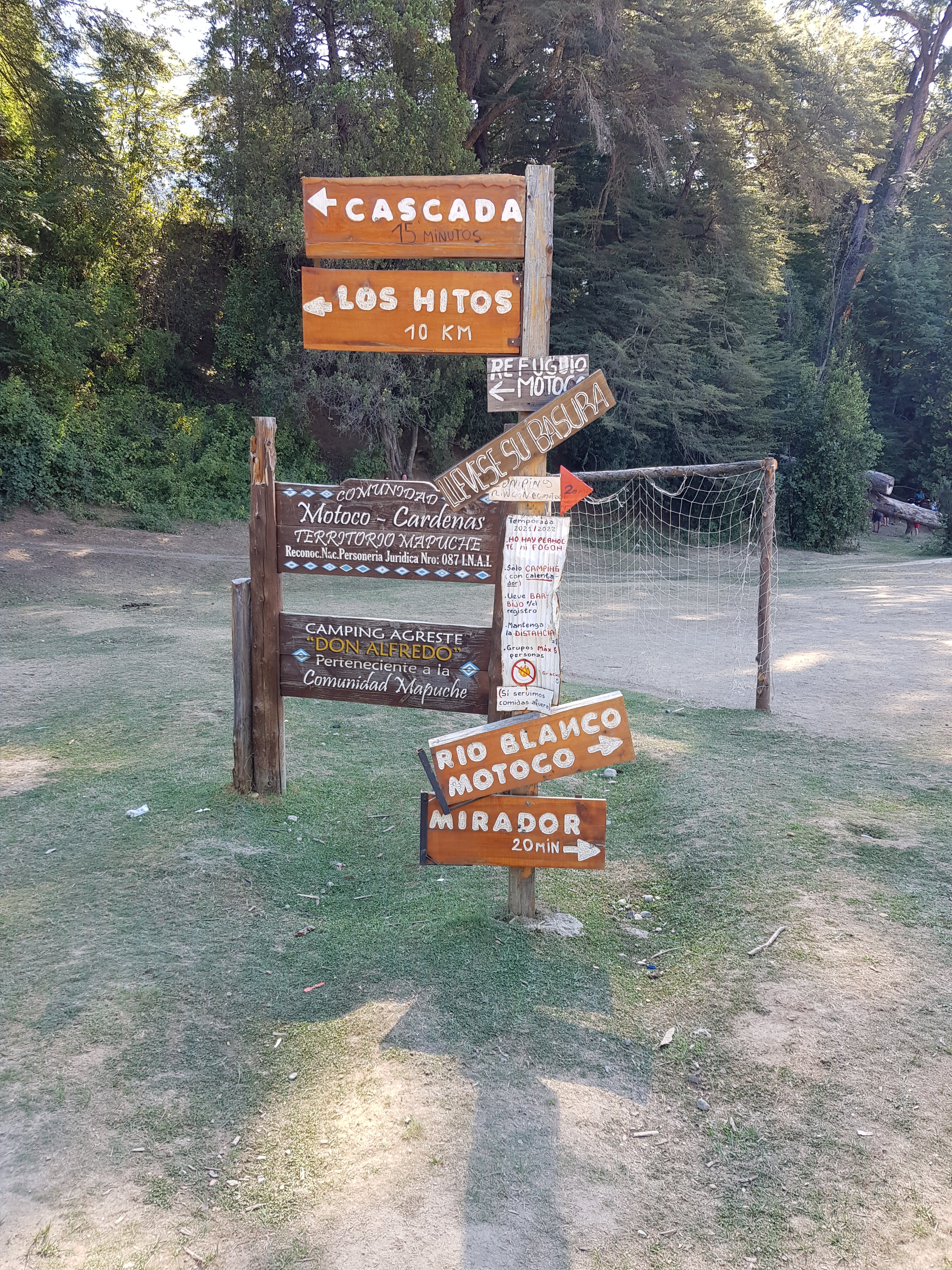
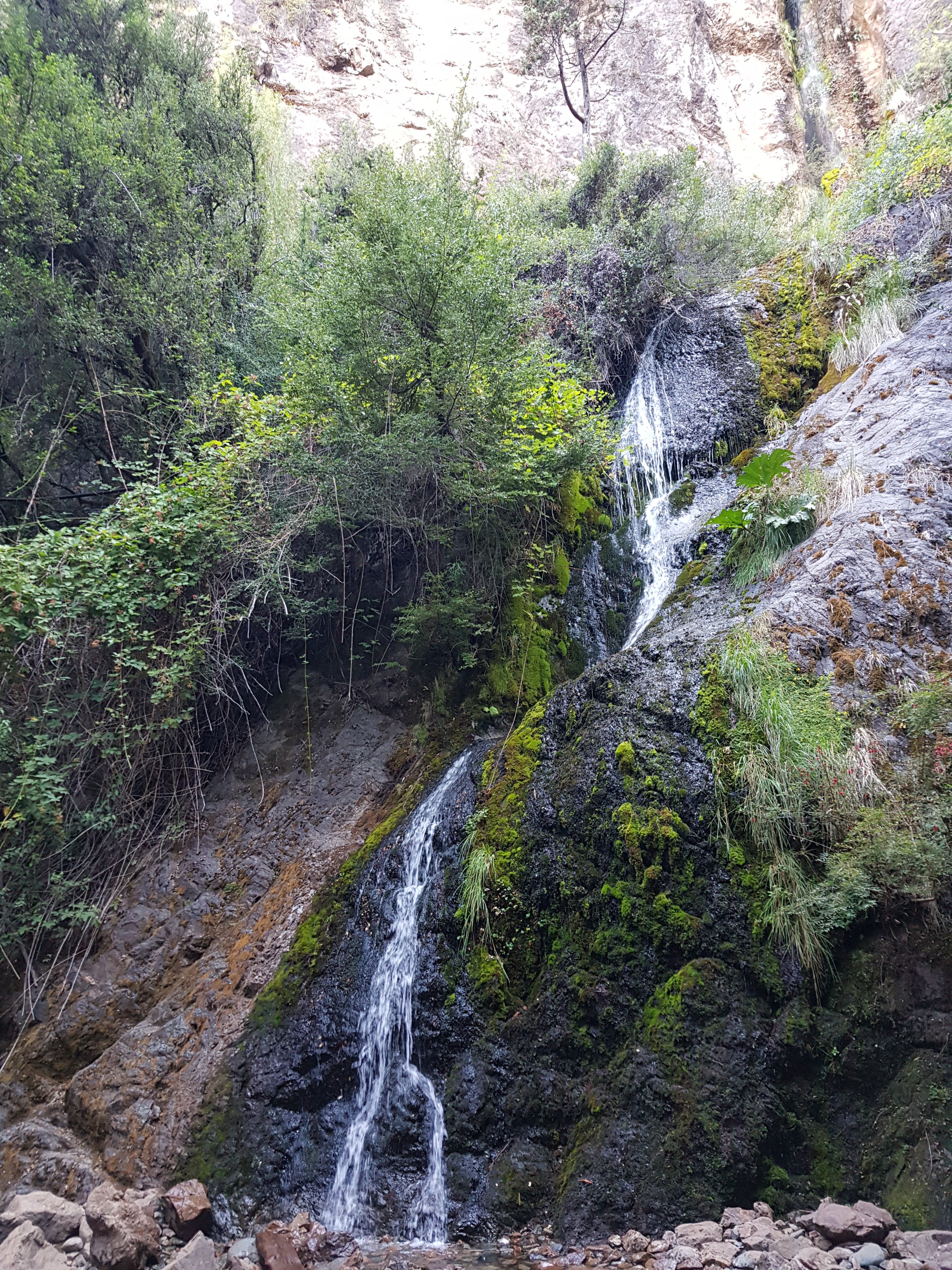
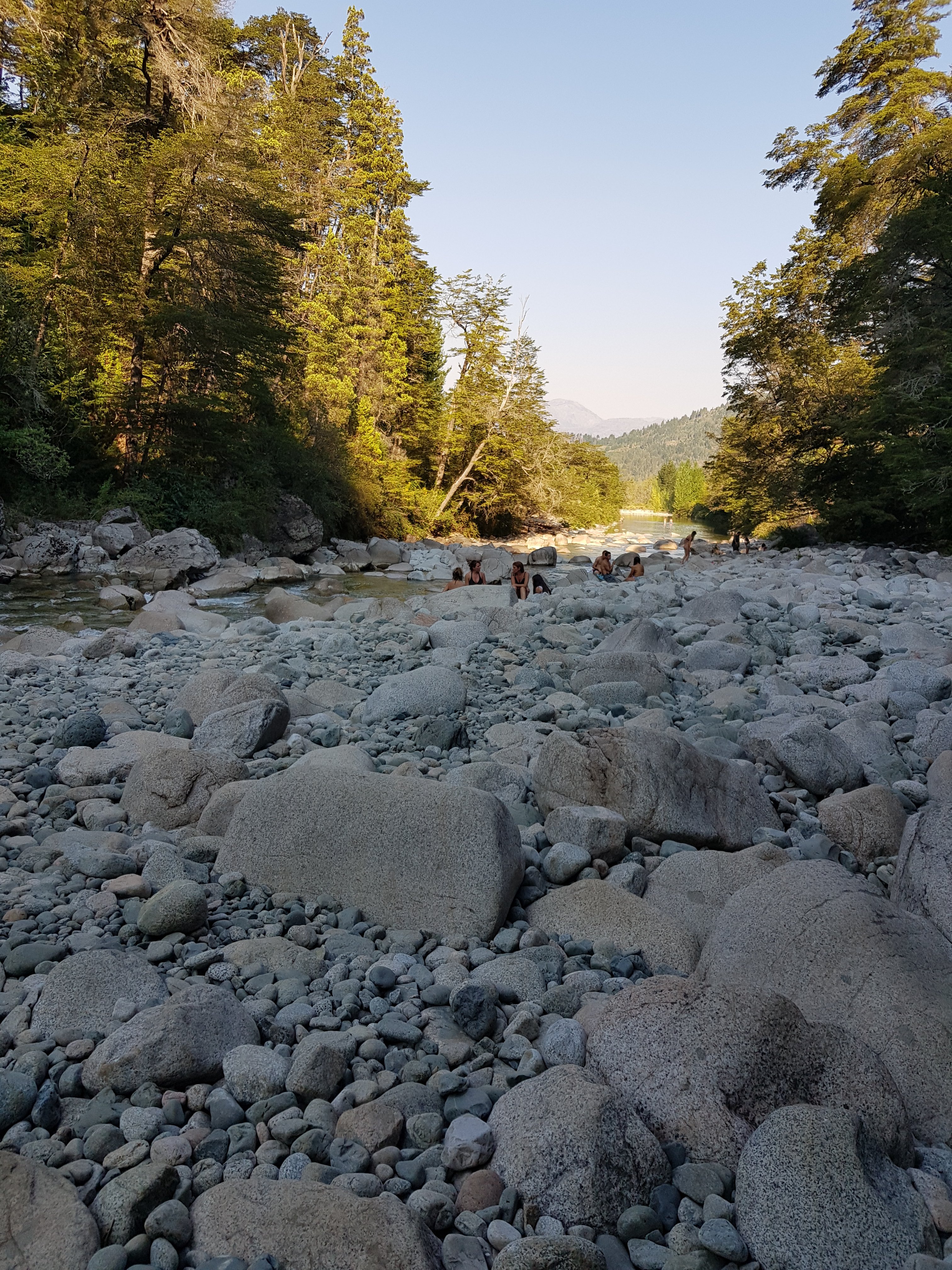
I took a cheap local bus out to a natural site that is part of the aboriginal Mapuche territory called La Pasarela. On arrival, I had no idea where I was. I approached a local aboriginal girl, in my best spanish, and she led me there, explaining that it is hard to find on a map. When I found the right spot there was a river with people swimming, and a little information point. The site is completely free to visit, and has many trails and things to see. I visited a waterfall, and then took a second hike to sit by the River Blanco. It was really refreshing on such a hot day.

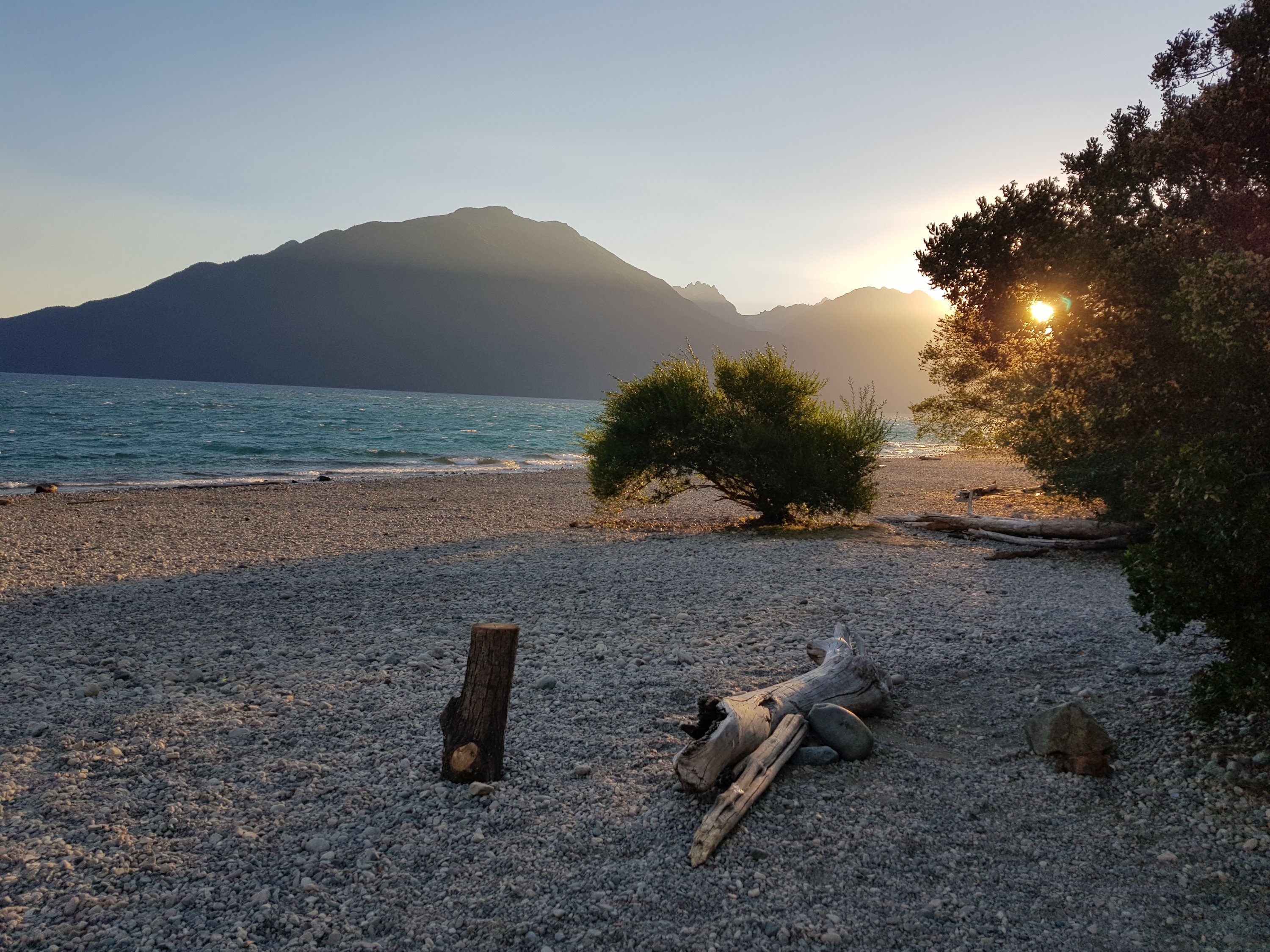
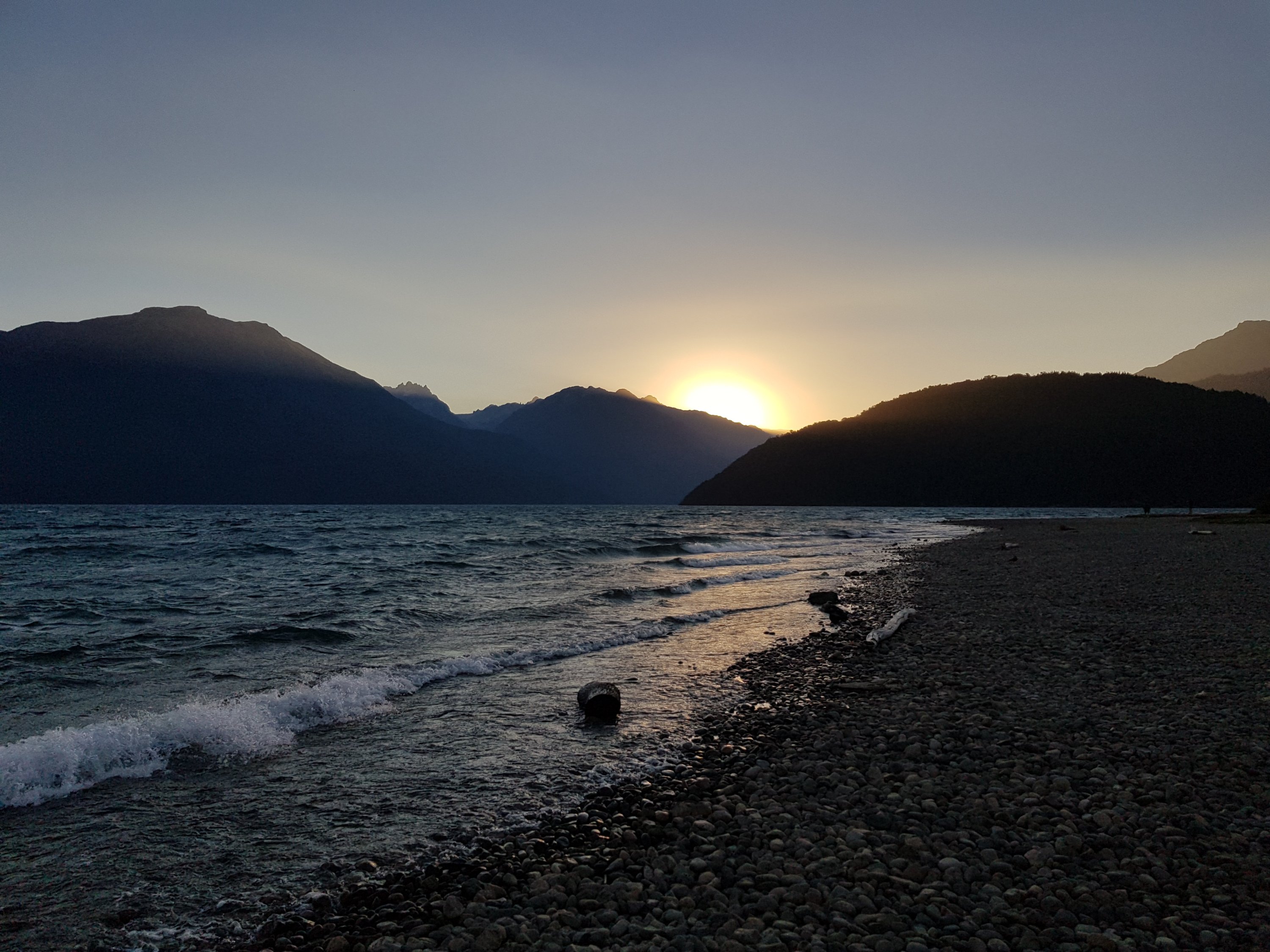
After visiting La Pasarela I hopped back on the bus for another 15 minutes down the road to Lake Puelo and enjoyed the views of this huge lake among the sunset.

Overall, the Lake District in Argentina is absolutely stunning. There is plenty to see as a nature lover. If I had the chance to travel in my own car, then I would definitely visit more smaller communities, and I would perhaps do more camping, as many people were spending long periods of time in each place whilst camping. For now, I travel further South!

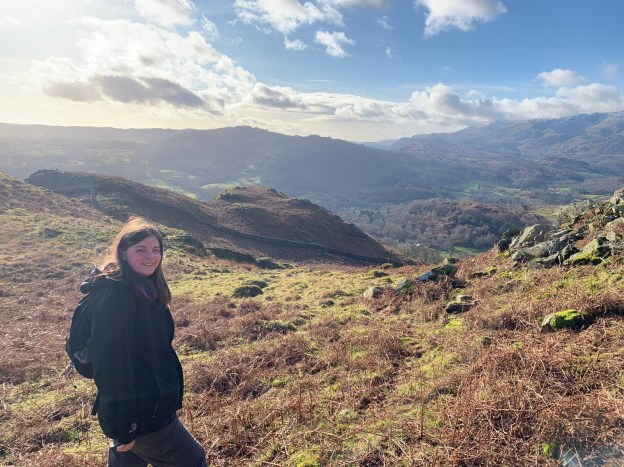
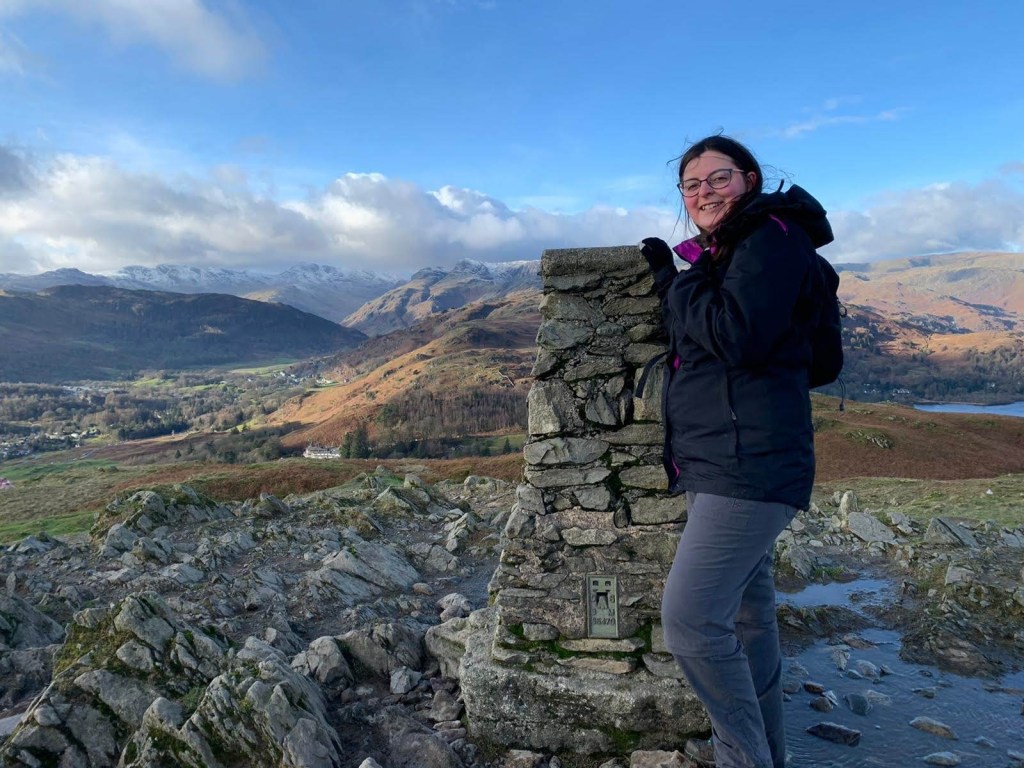
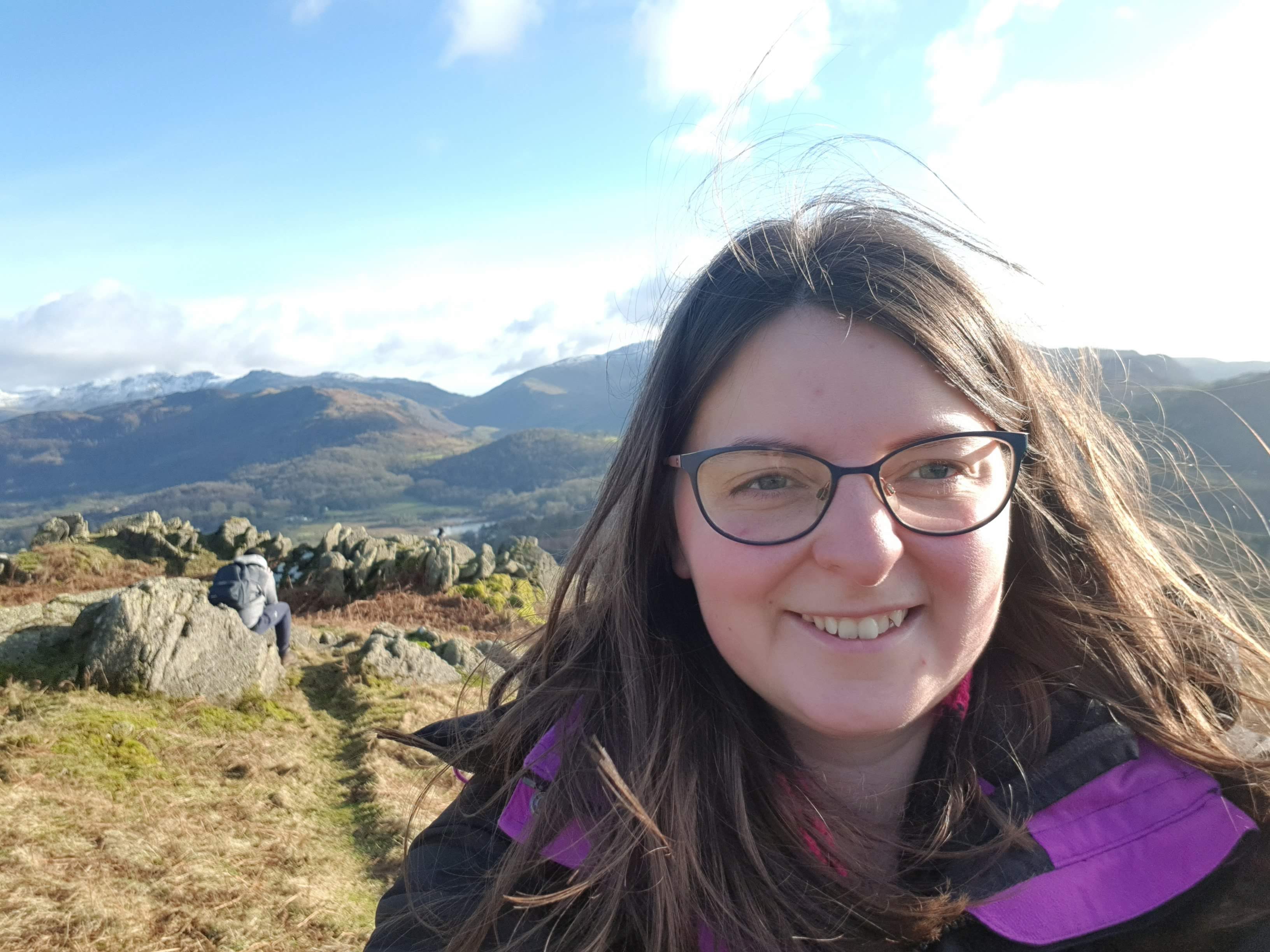
me on Loughrigg Fell walk, Lake District

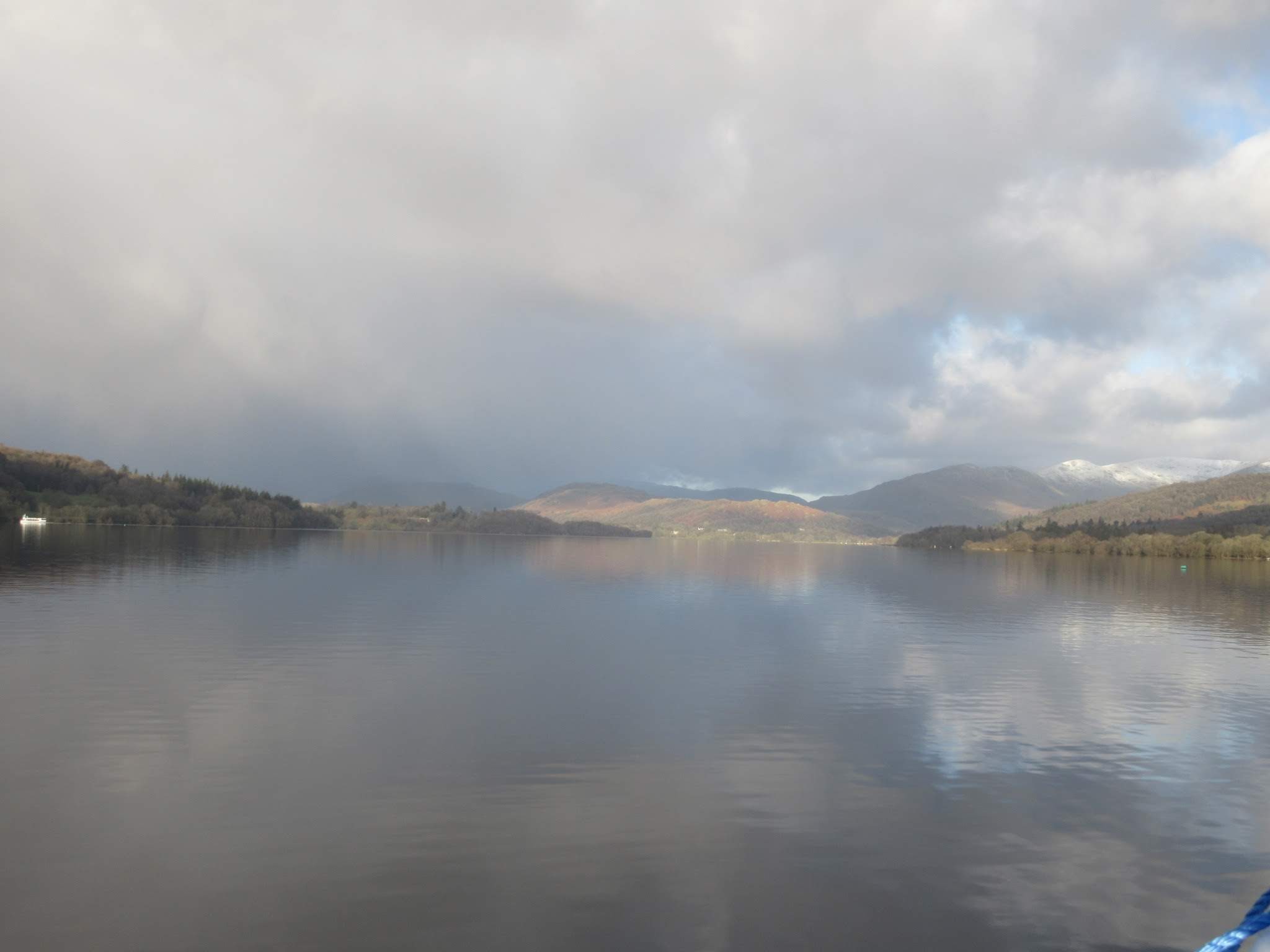
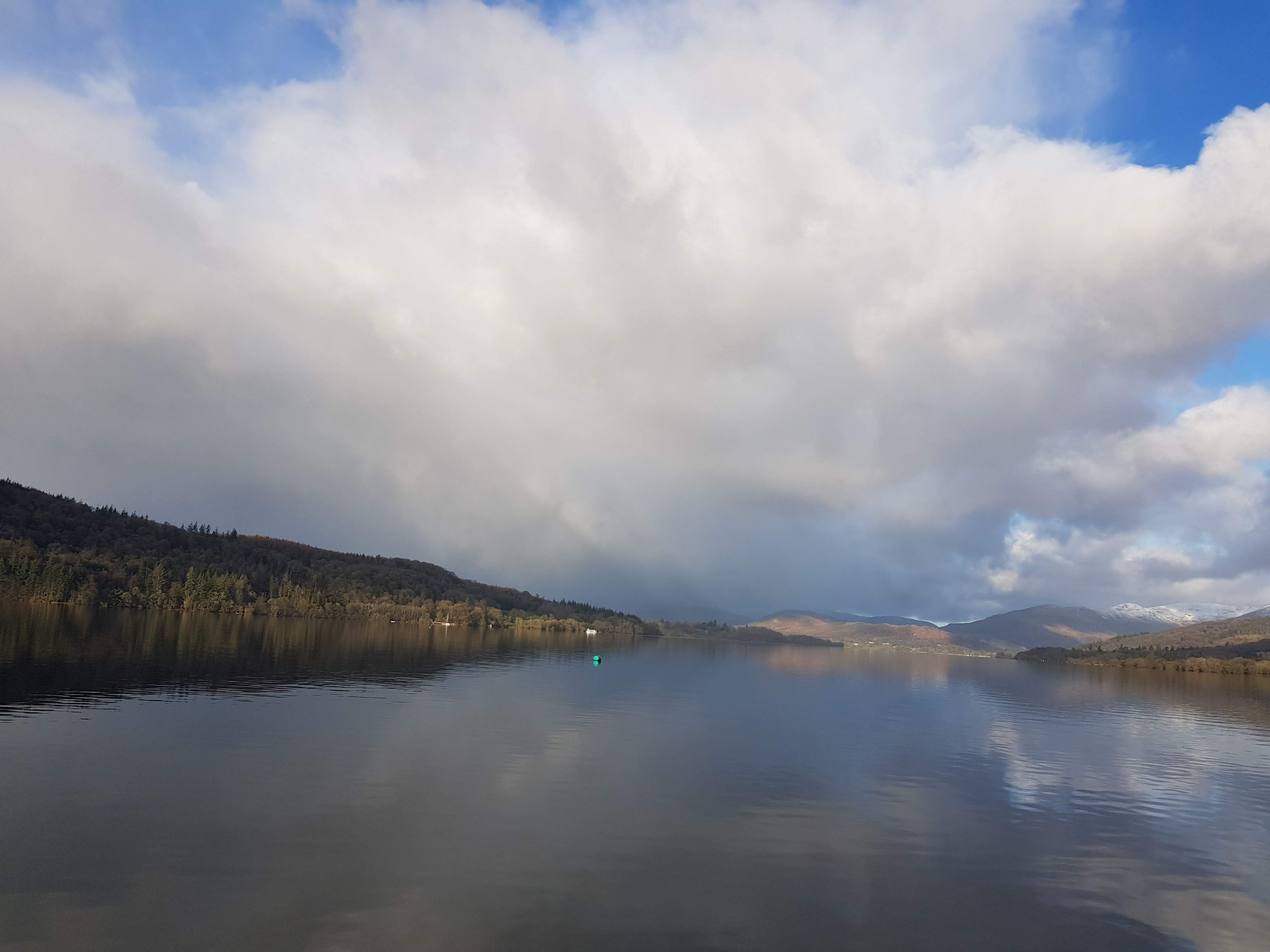
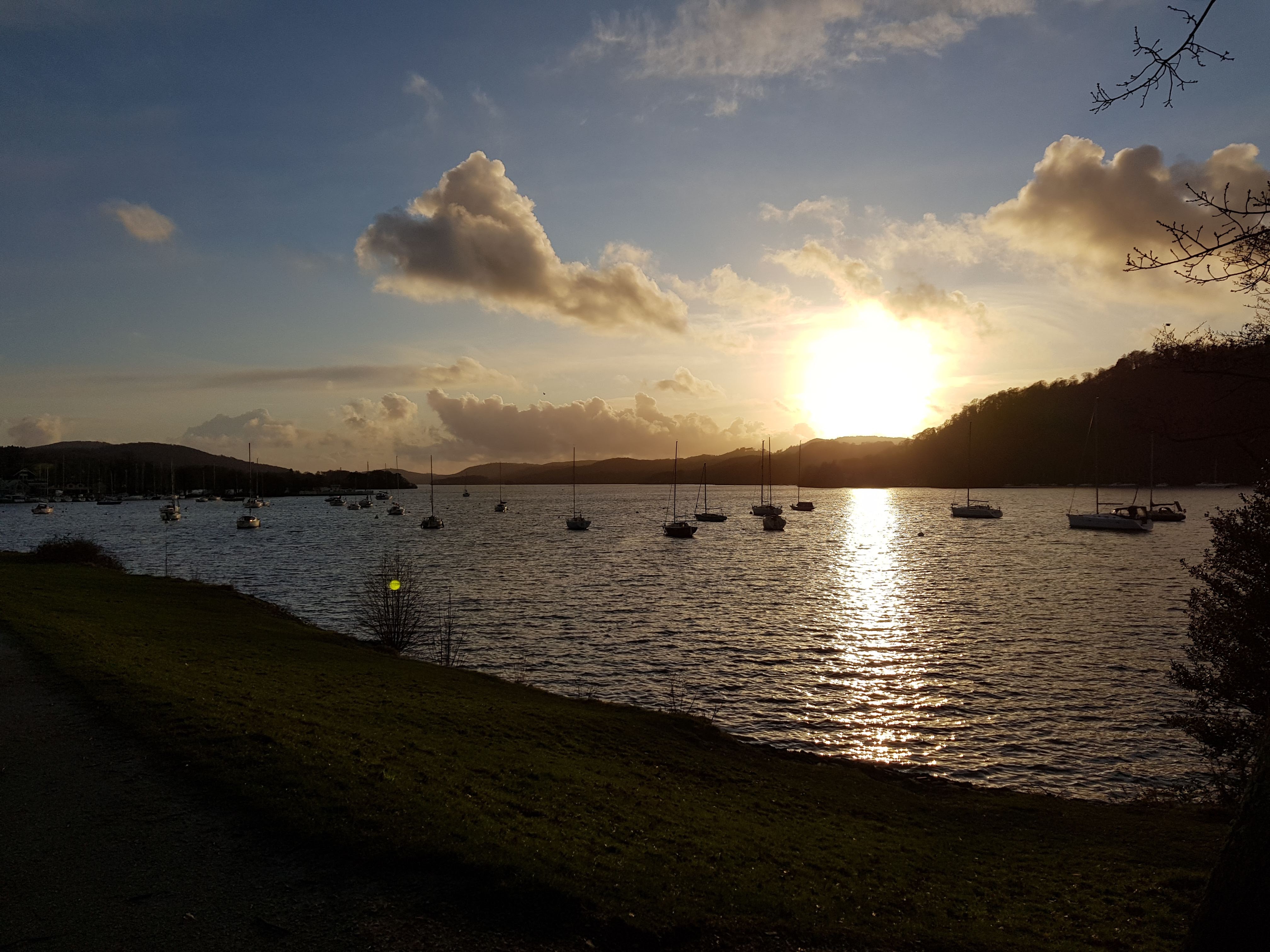
Hikes, rainbows and sunsets in the Lake District National Park

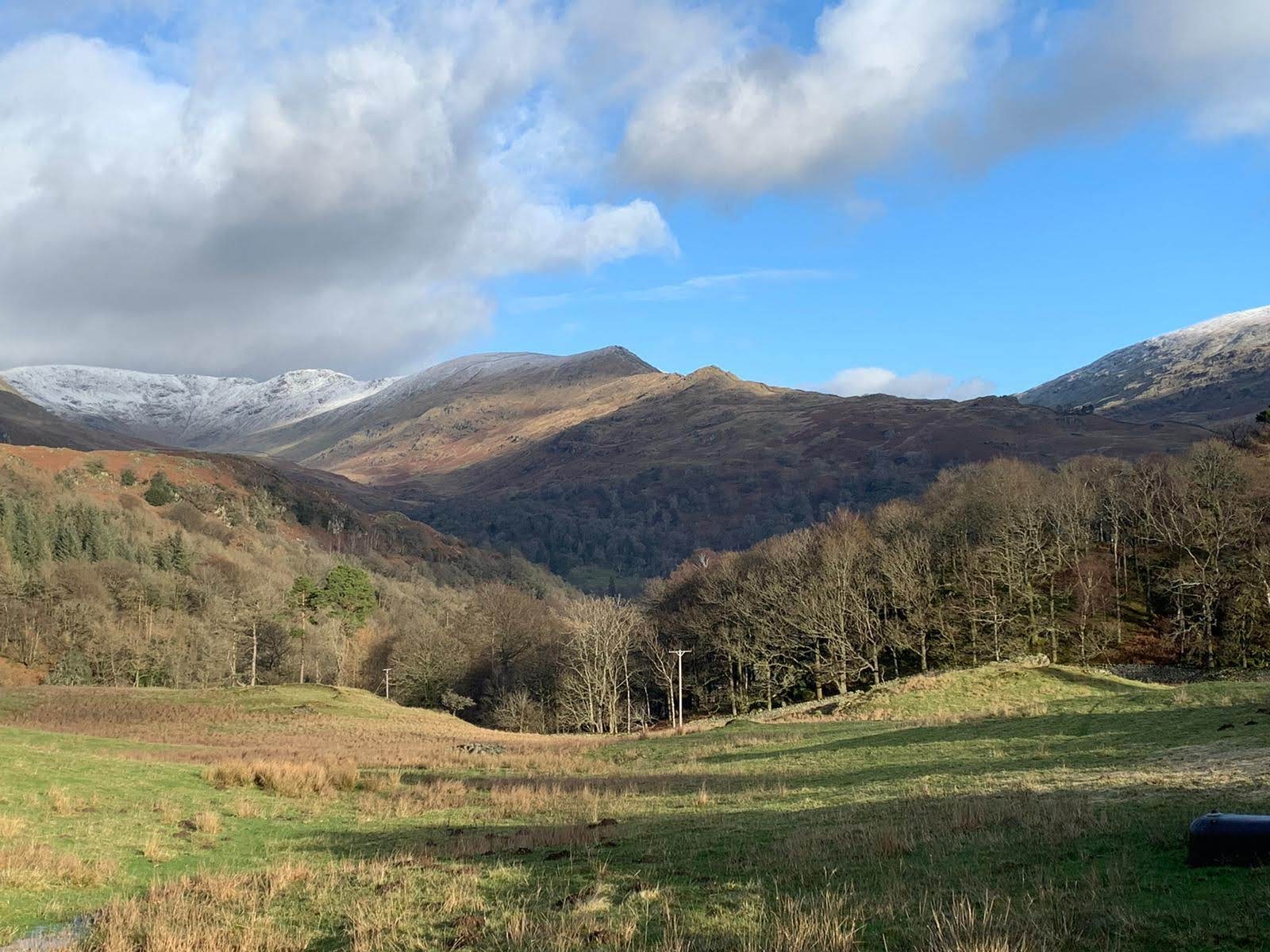
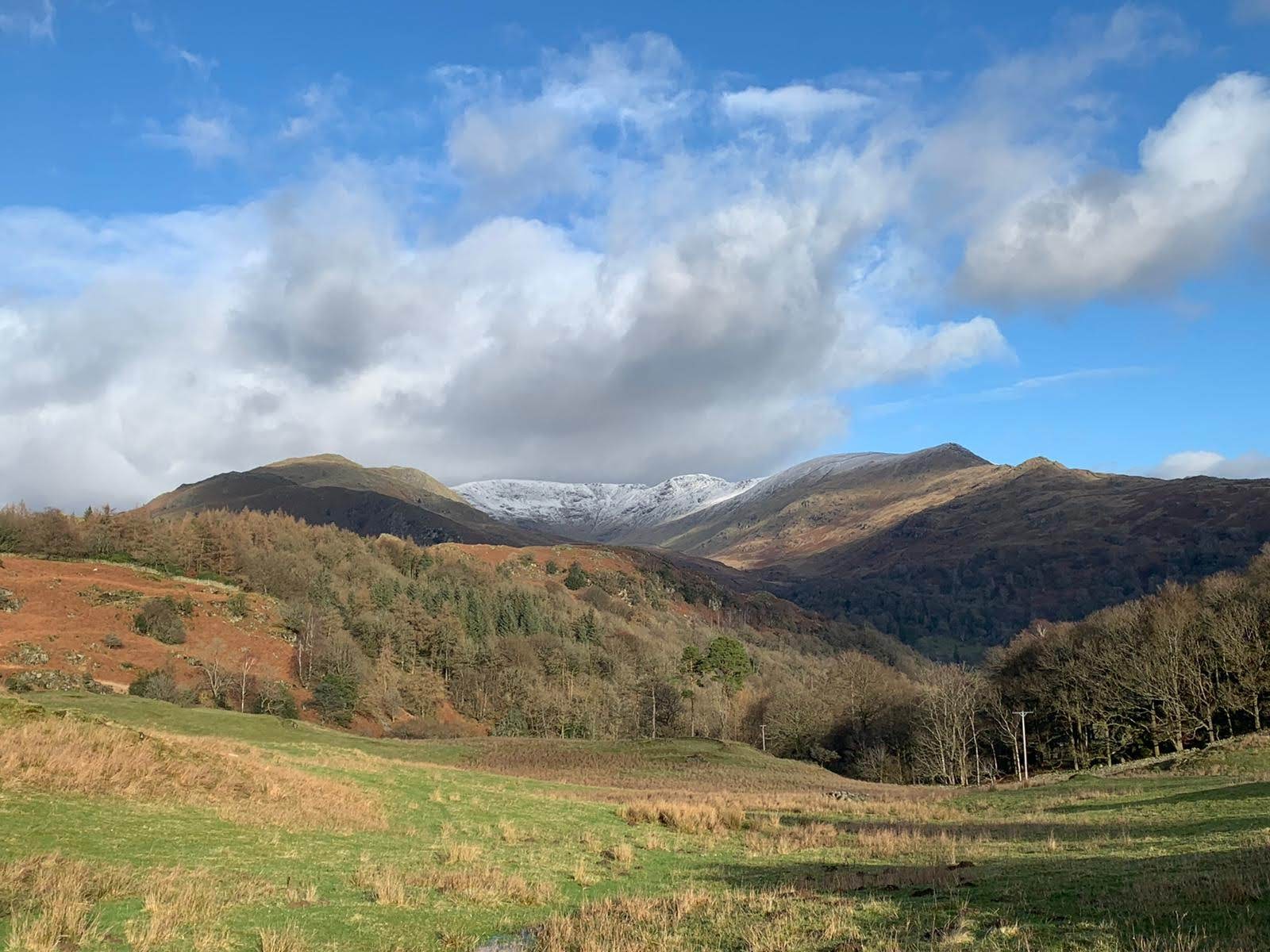
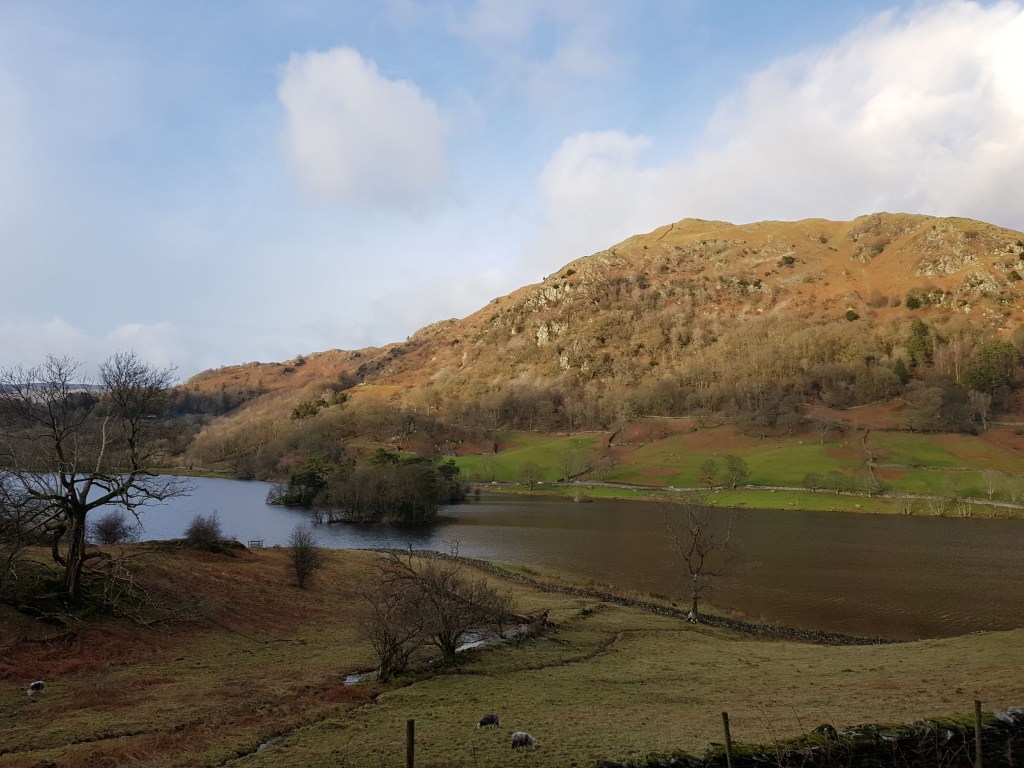
A few months before the country locked down due to the pandemic, my partner surprised me with a weekend trip to the Lake District National Park. Considering it was January, we had a great time exploring the beautiful scenery in this area.

Driving around the Lake District, we found ourselves making good use of first and second gear, as we climbed the huge hills. It is a long drive from Norfolk but very pleasant, as you get into lakeland and can enjoy amazing views, and feel like you are suddenly in another country.

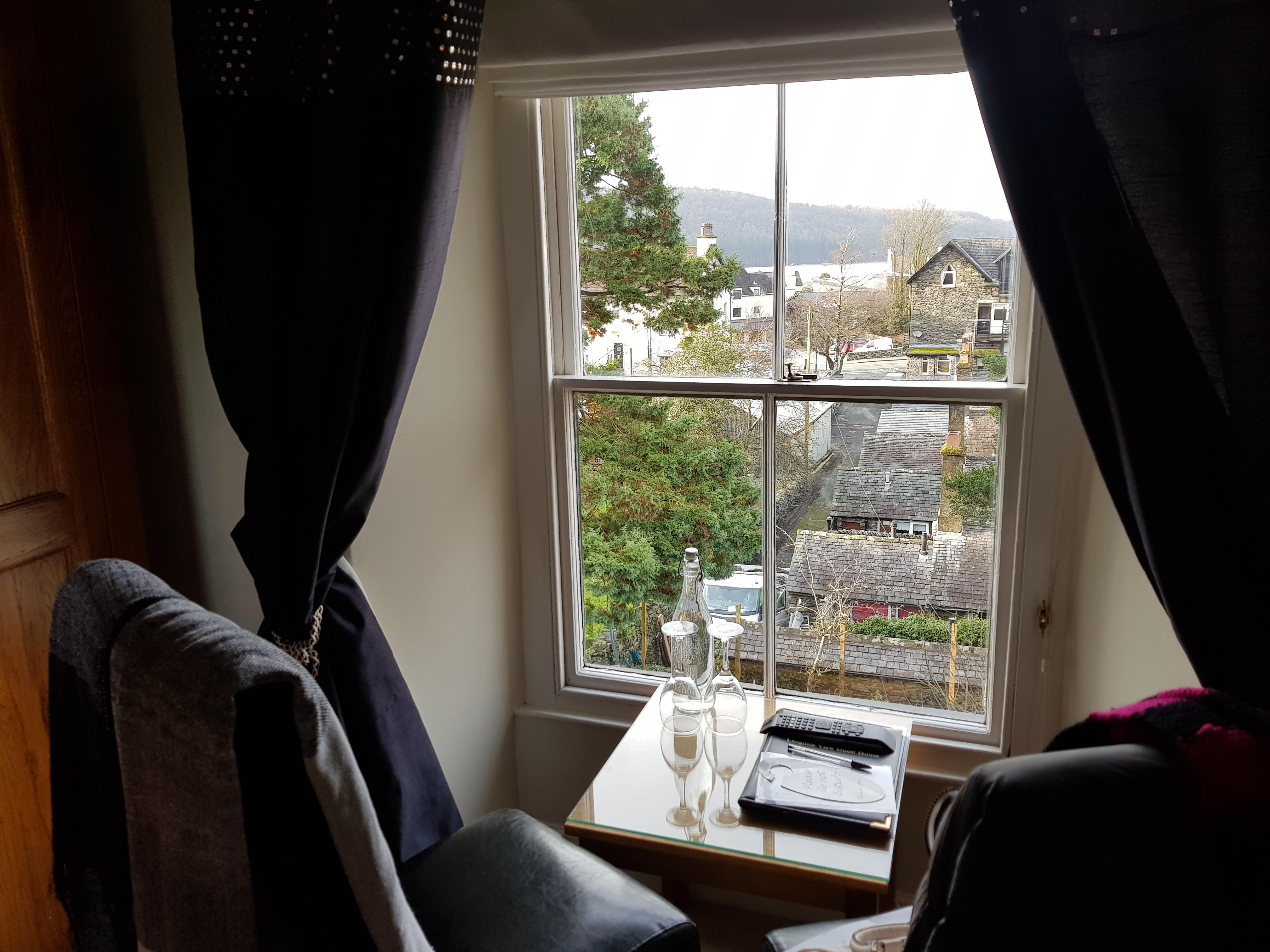
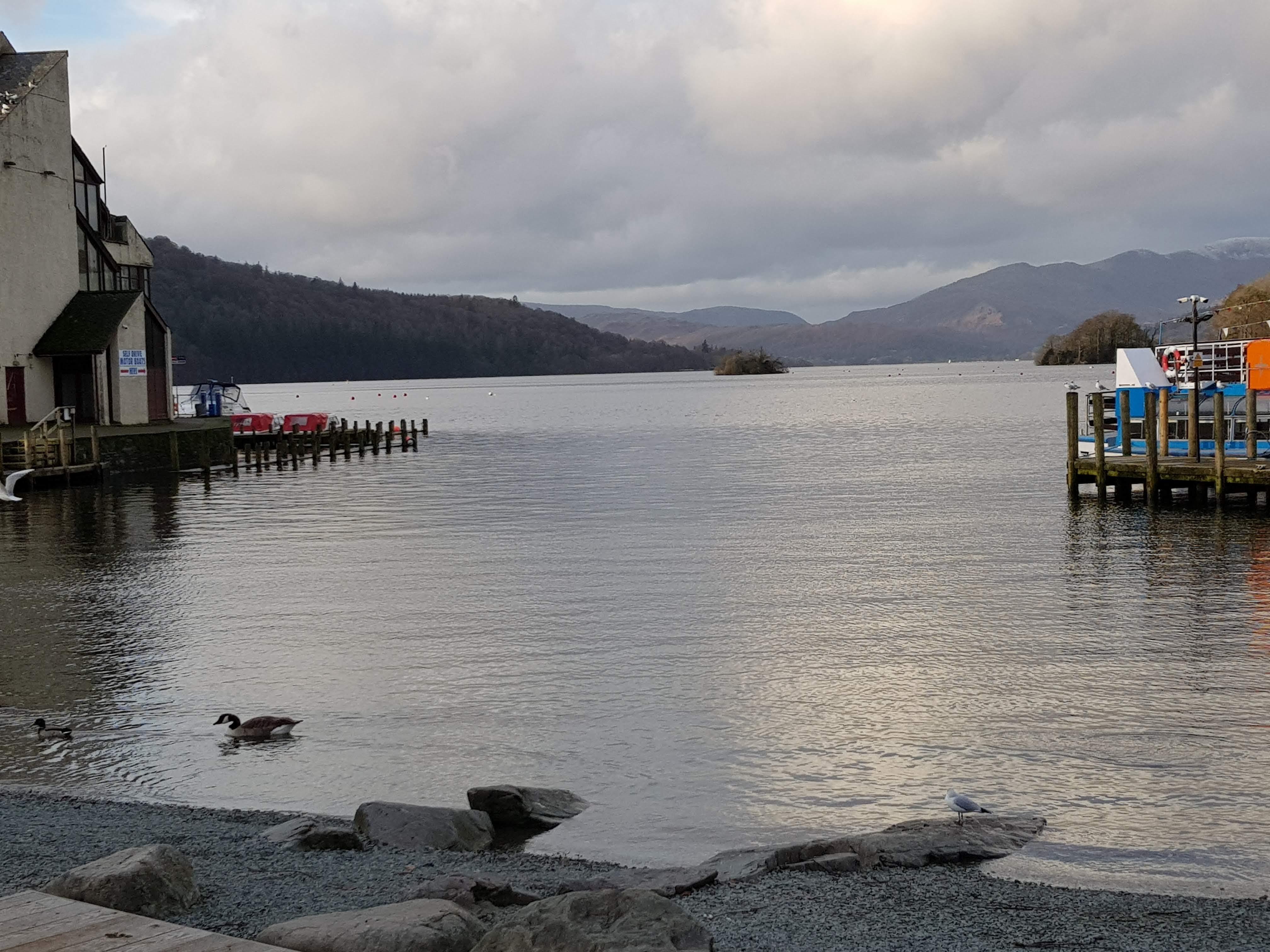
We stayed in a lovely little B&B, (of which there are many..) in Bowness on Windermere, on the side of the Windermere lake; England’s largest lake. This is a busy village in the National Park, and has several amenities, and The World of Beatrix Potter attraction. We did see this from the outside, but we didn’t go in. Even though I loved ‘Peter Rabbit’ as a child, I cannot really get away with it now! Interesting fact though… the area gets lots of Japanese visitors, as they love Beatrix Potter stories!

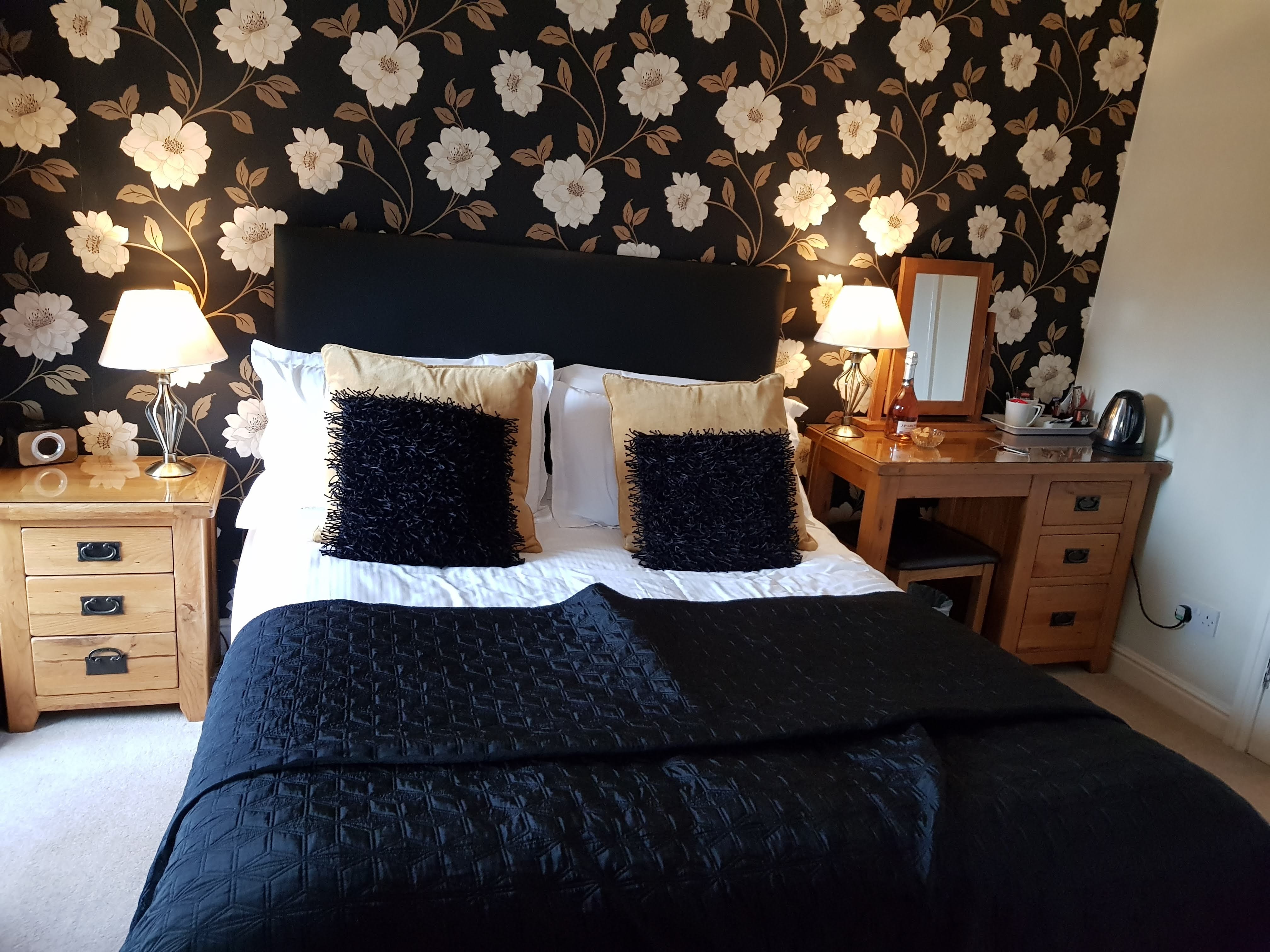
We had a great stay in the B&B as it felt really traditional but had lots of nice modern decor. Plus we had great breakfasts, could get recommendations/free maps and also they gave us free fudge!

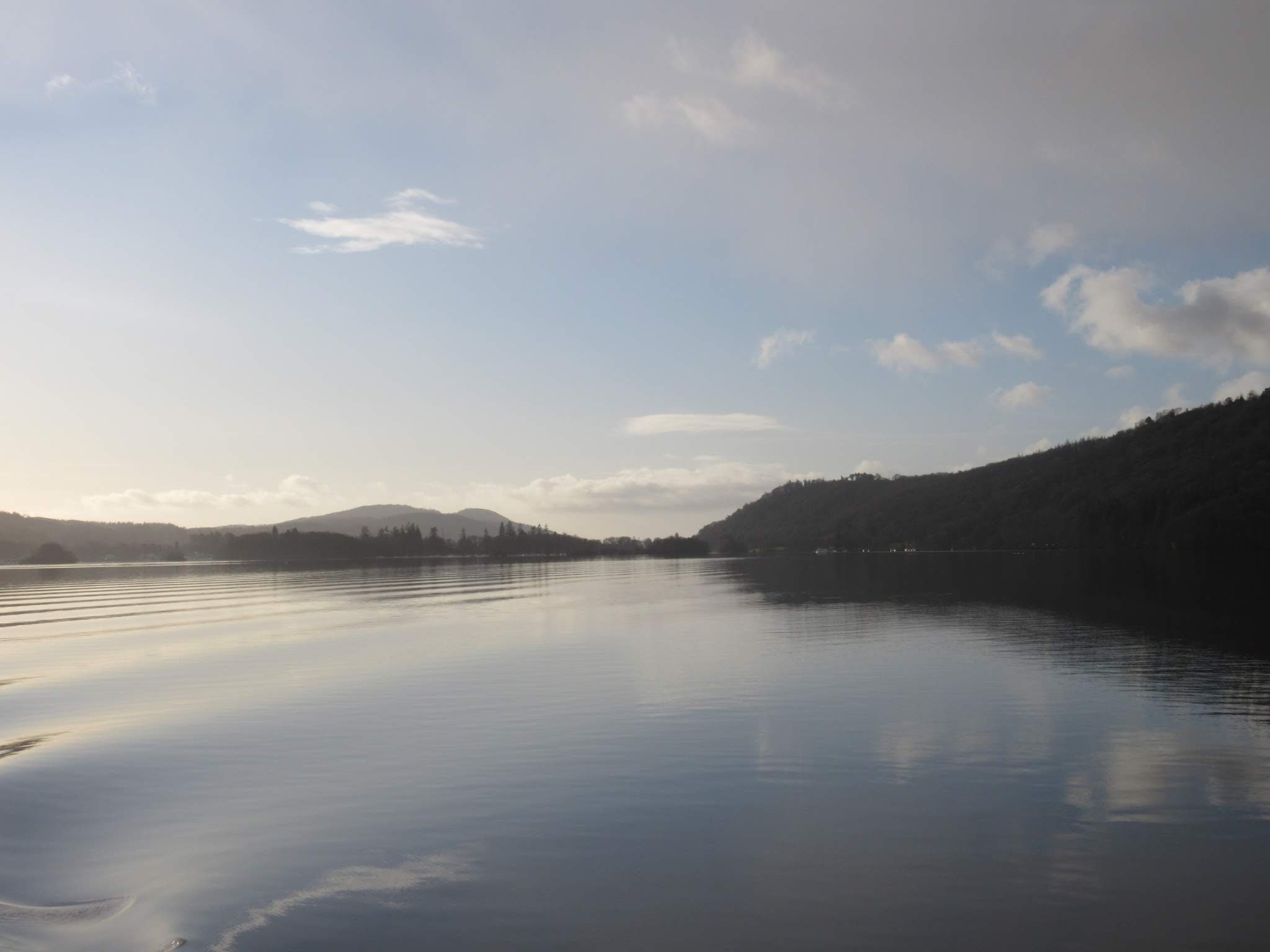
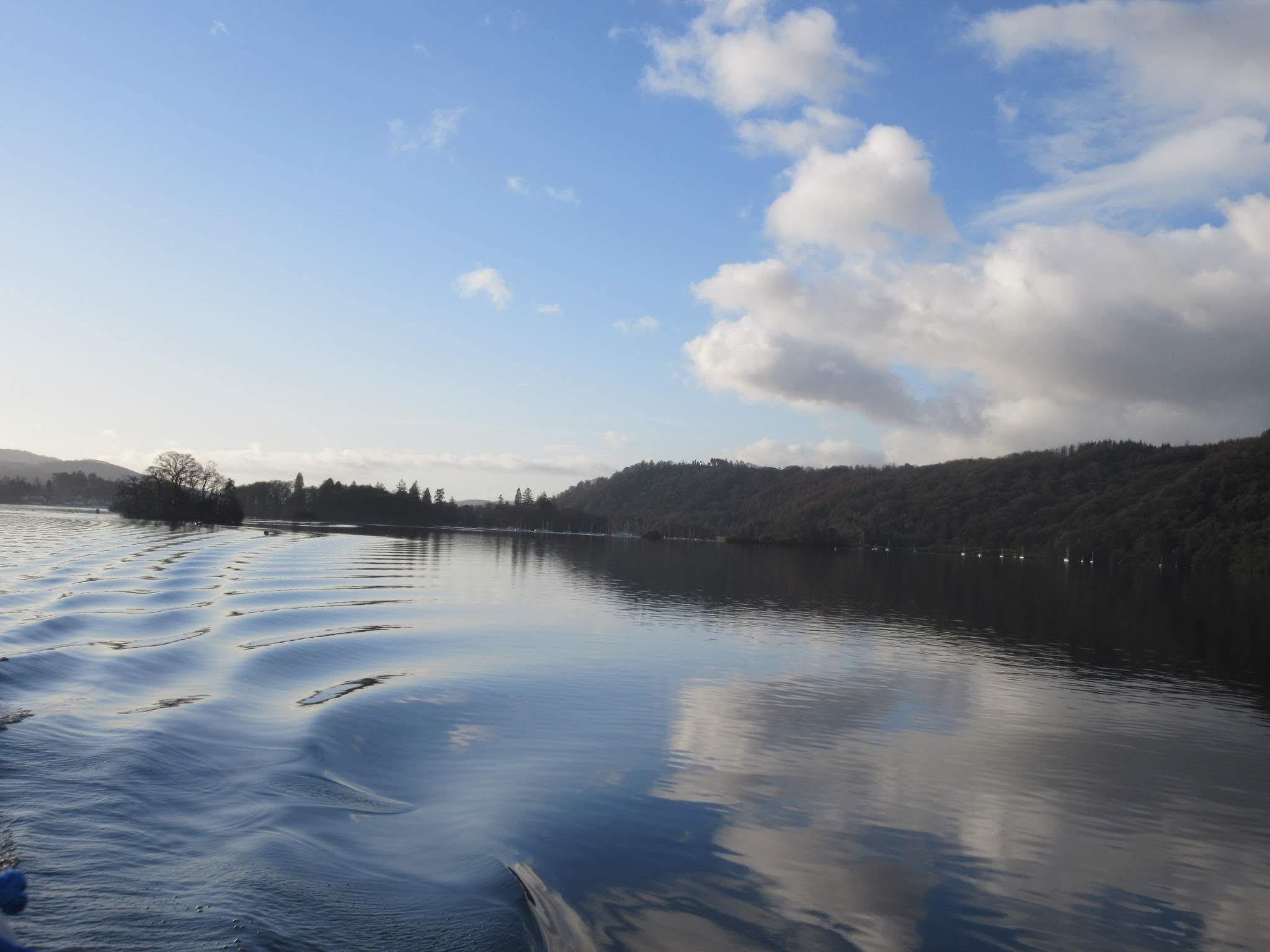
One of the other great things about staying in Bowness on Windermere, was the close proximity to the lake’s ferry service. There is an information centre and booking office where you can buy tickets for the ferry cruises that run regularly up and down the lake. The Windermere Lake Cruises company offer several boat services taking different routes around the lake, you can also charter a boat. We crossed the lake to Ambleside and it was quite a rainy trip across, but it was January… and it meant we had rainbows! There was some information provided on the cruise and there was an inside and outdoor space.

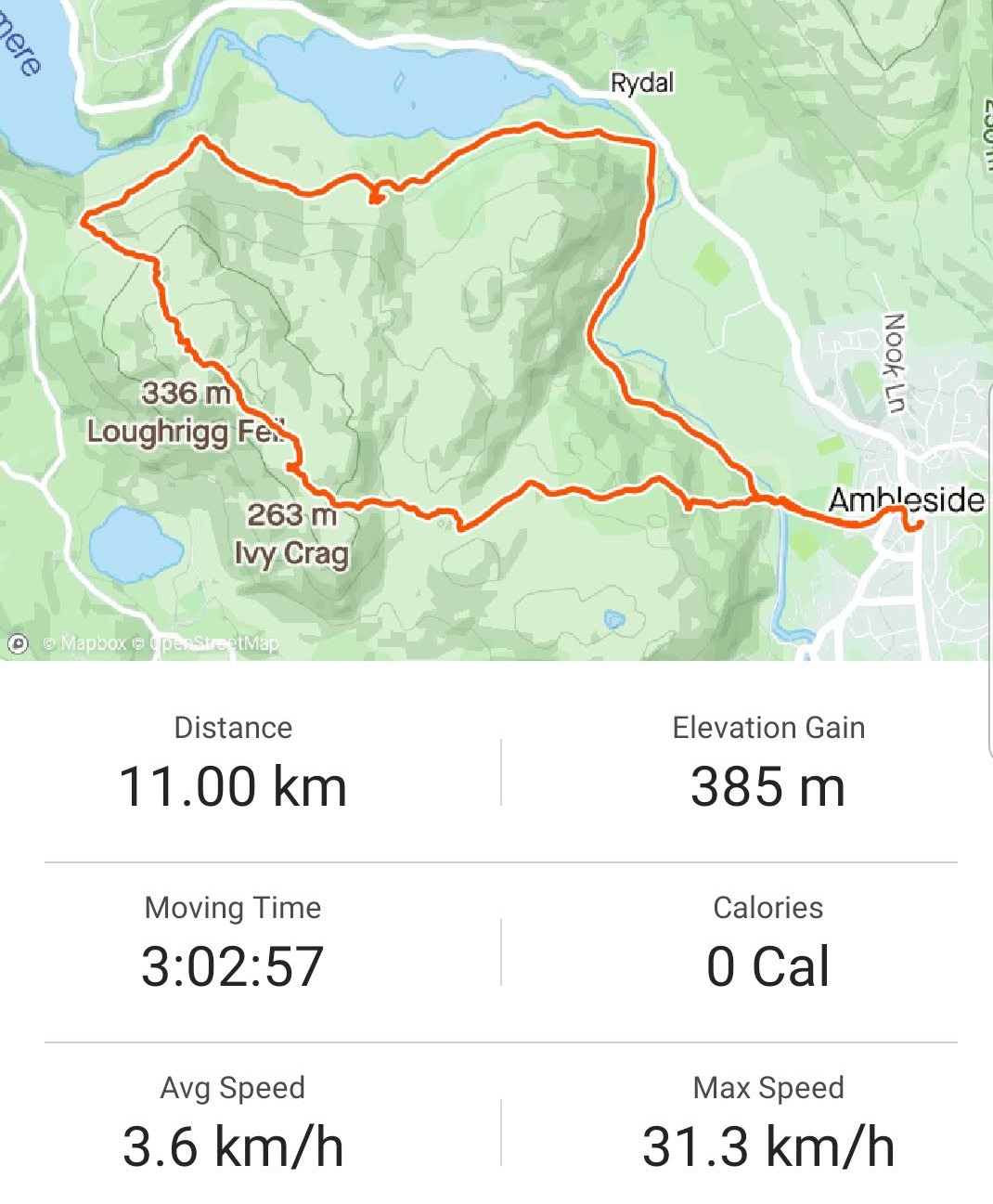
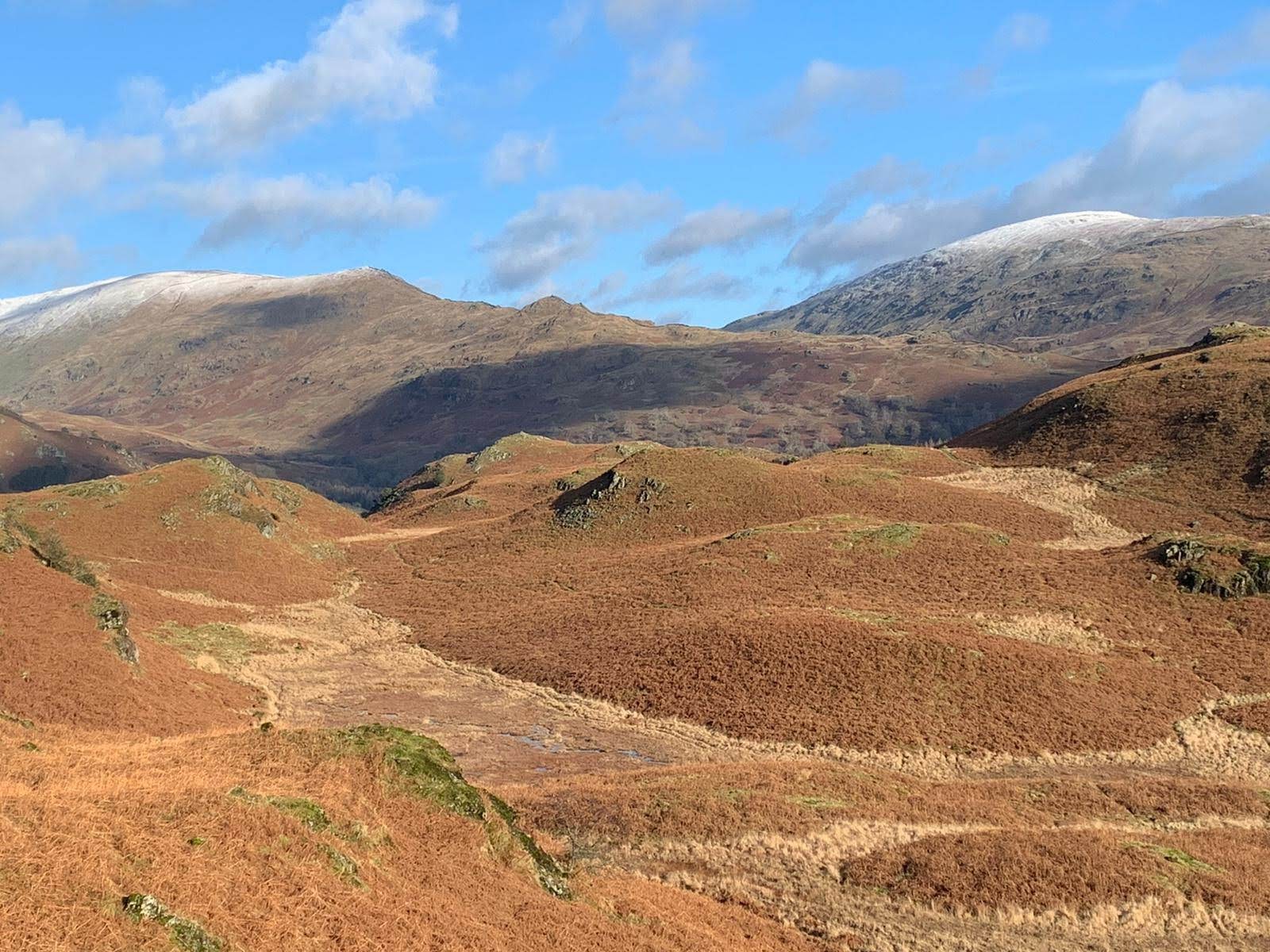
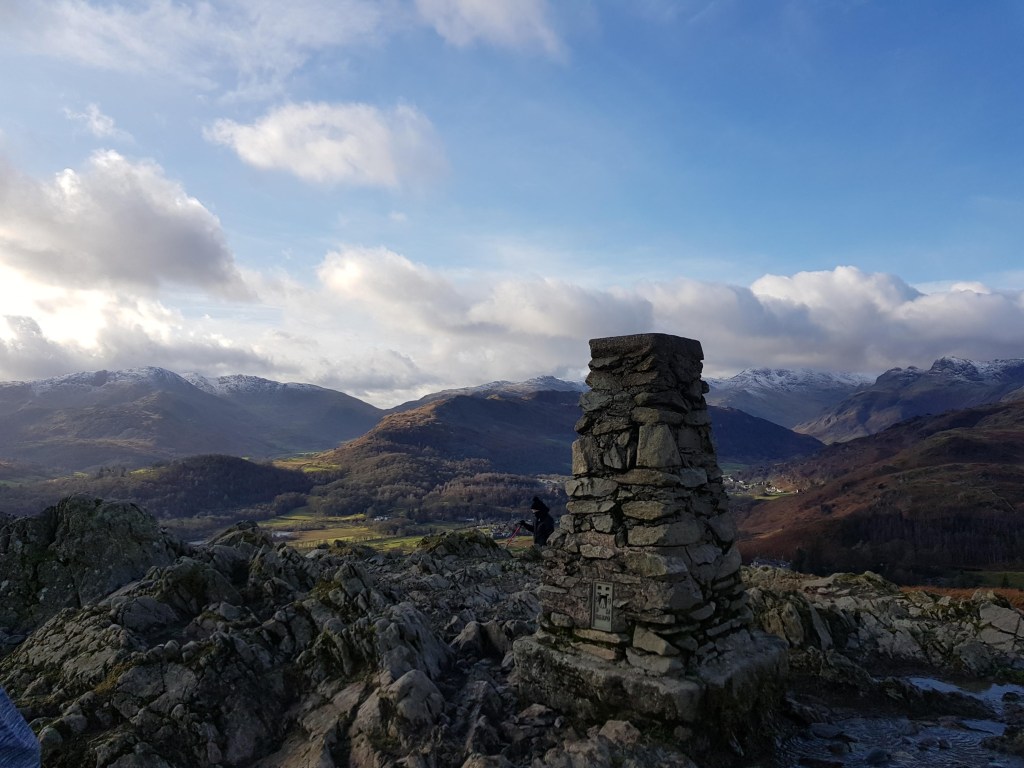
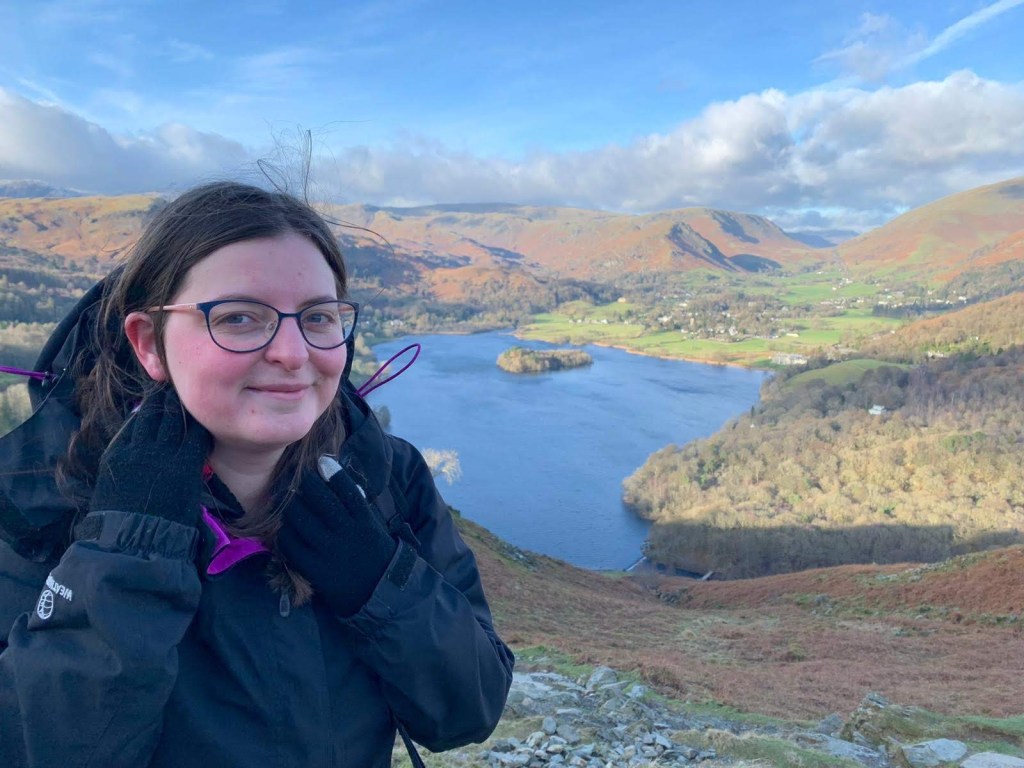
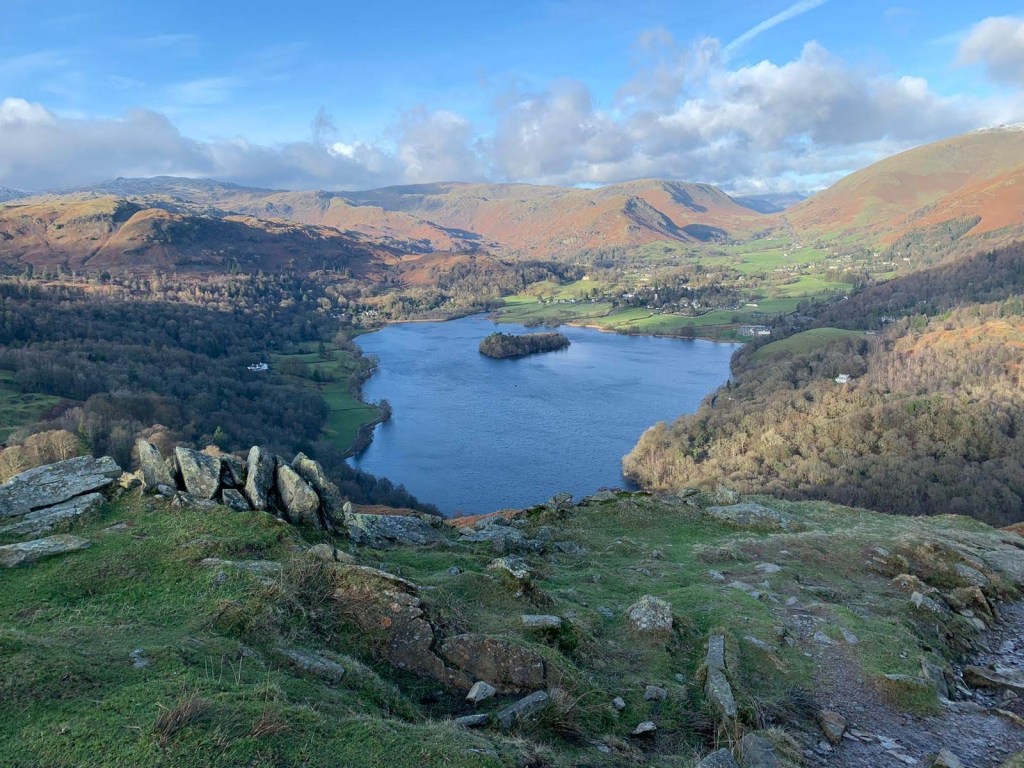
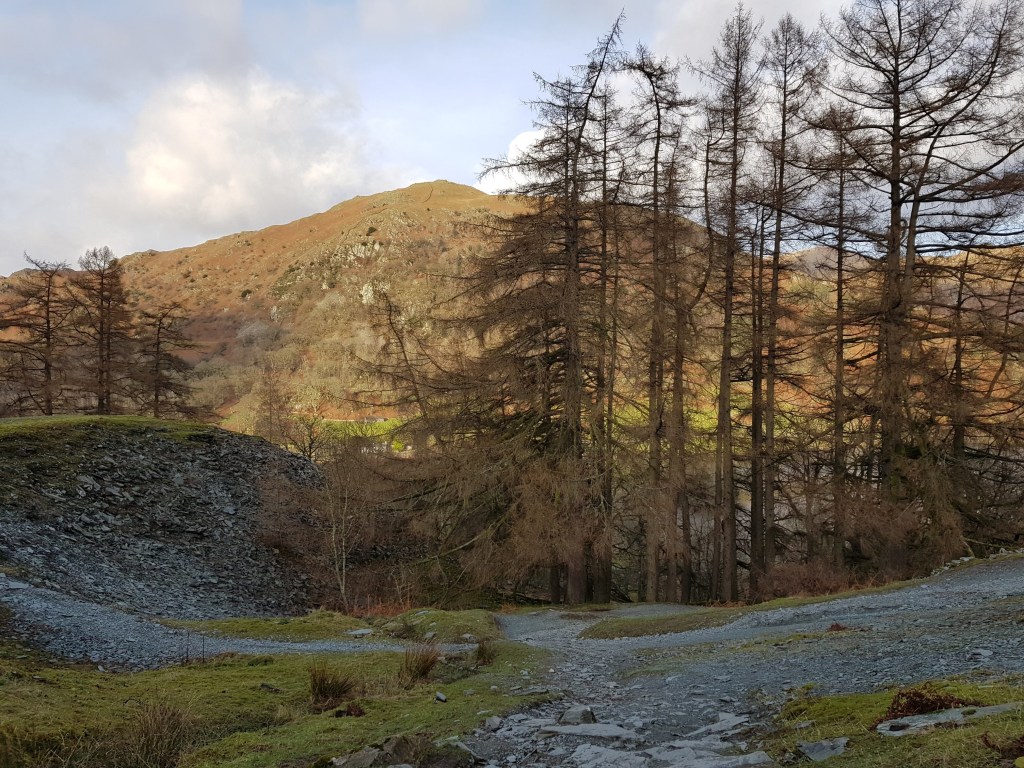
When we arrived in Ambleside, the sun came out and we started a 3 hour hike up Loughrigg Fell. This ‘low fell’ felt very mountainous to us, and clearly I am not ready for Scafell Pike quite yet!

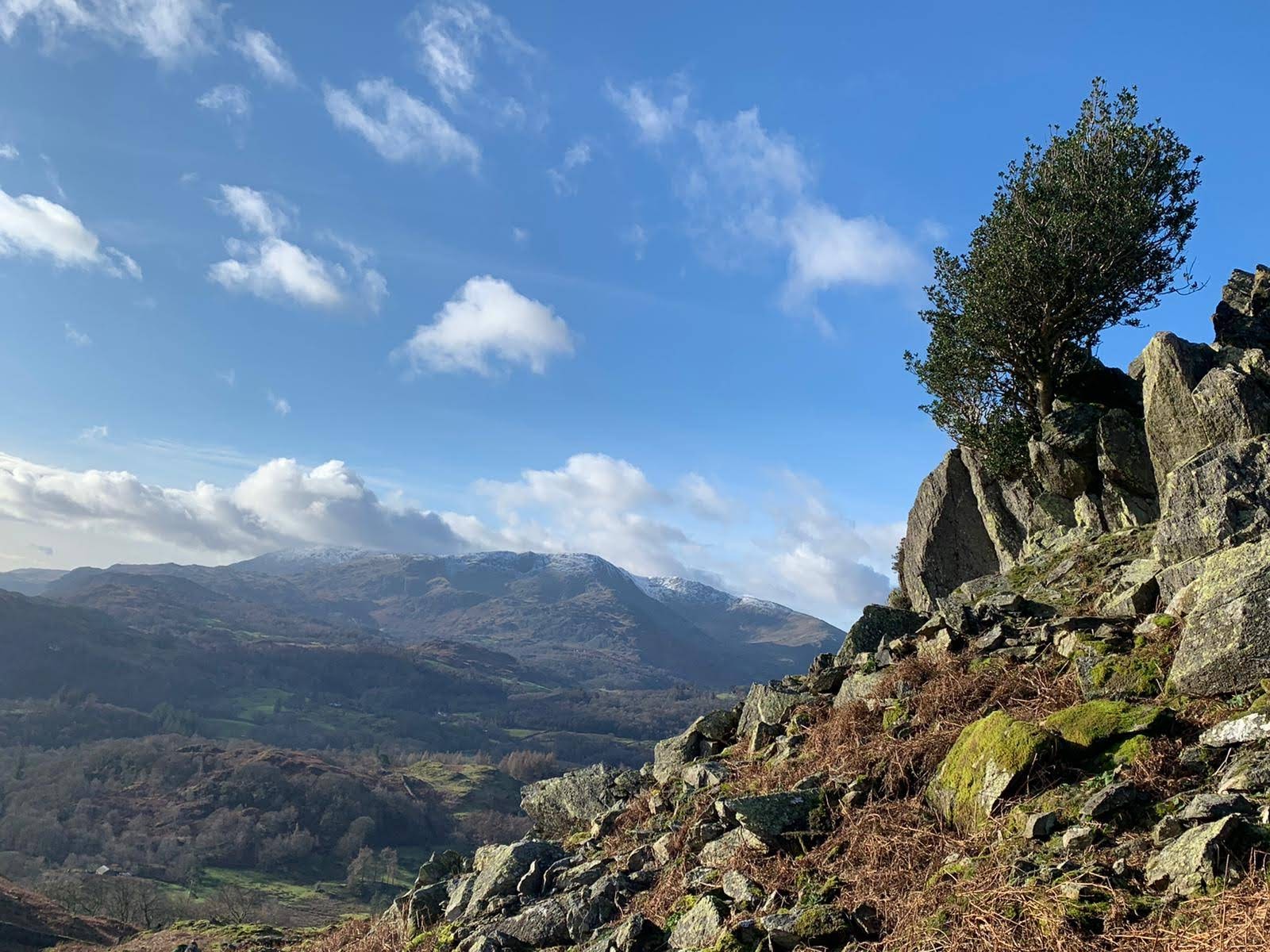
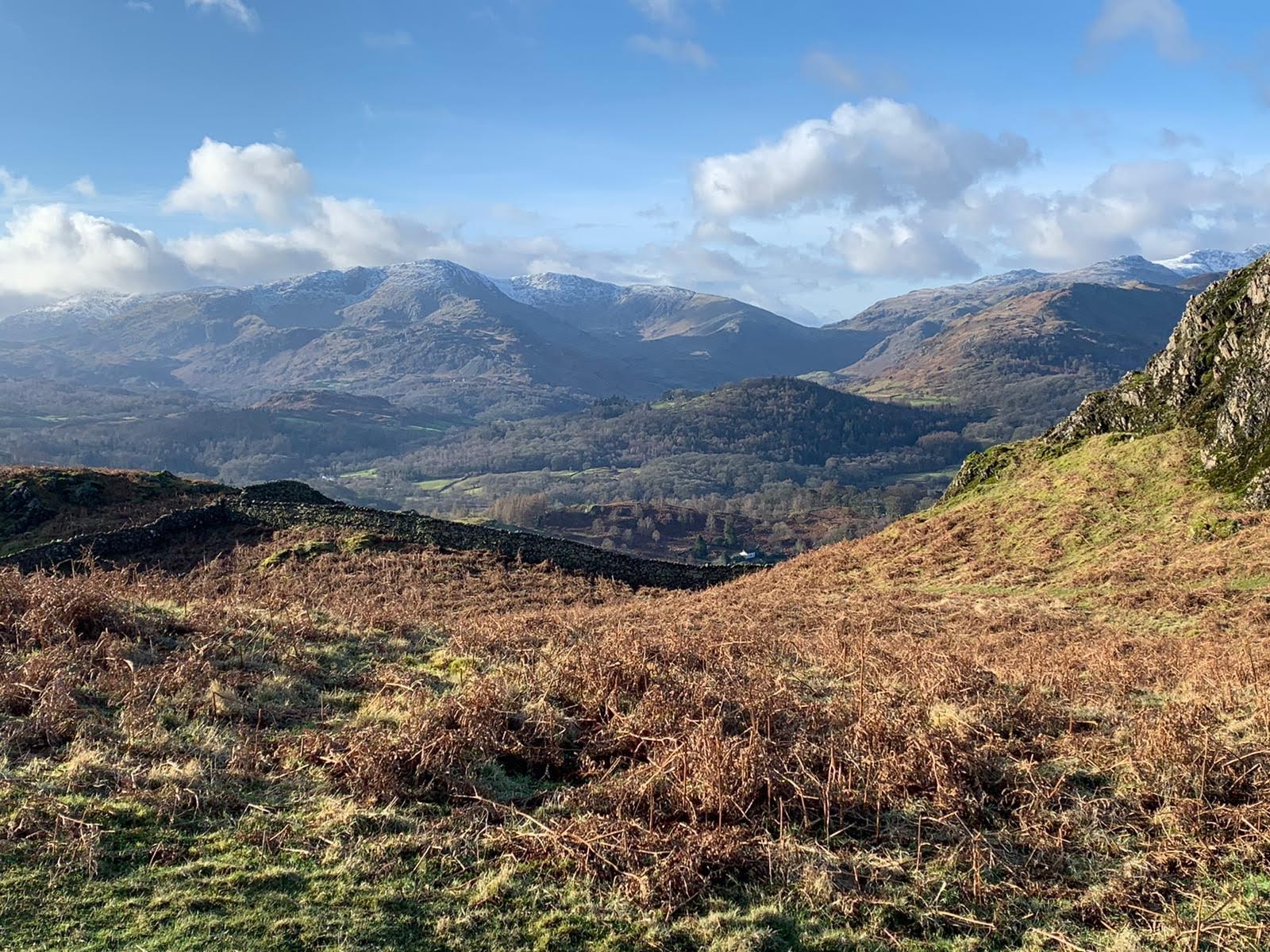
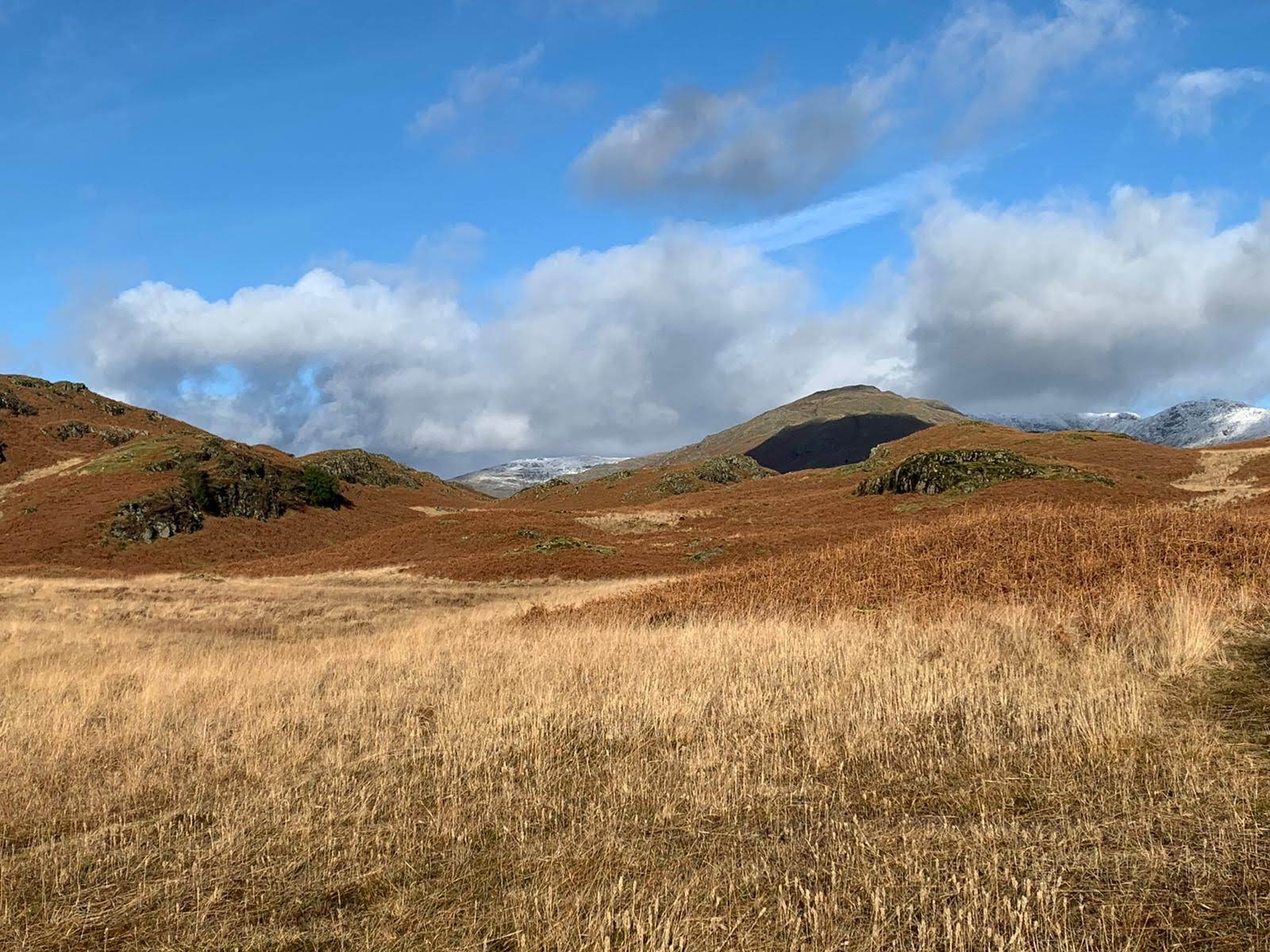
The hike had absolutely beautiful views and different things to see on the way up and down…. including a false peak (be ready for that heart wrenching moment). We had a tasty picnic on the way up, and were sat next to a bird of prey that was simply perching on the cliffside.

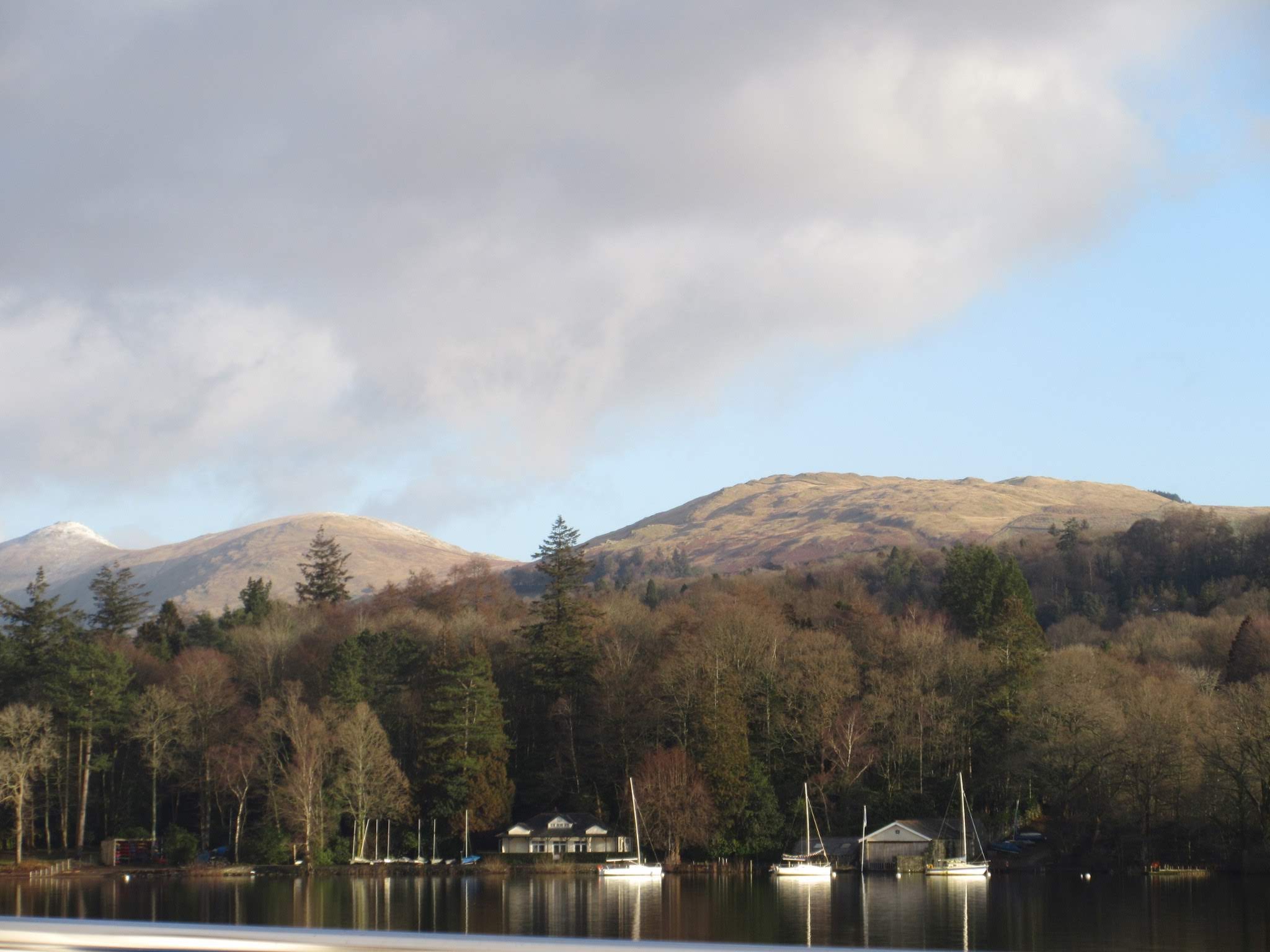
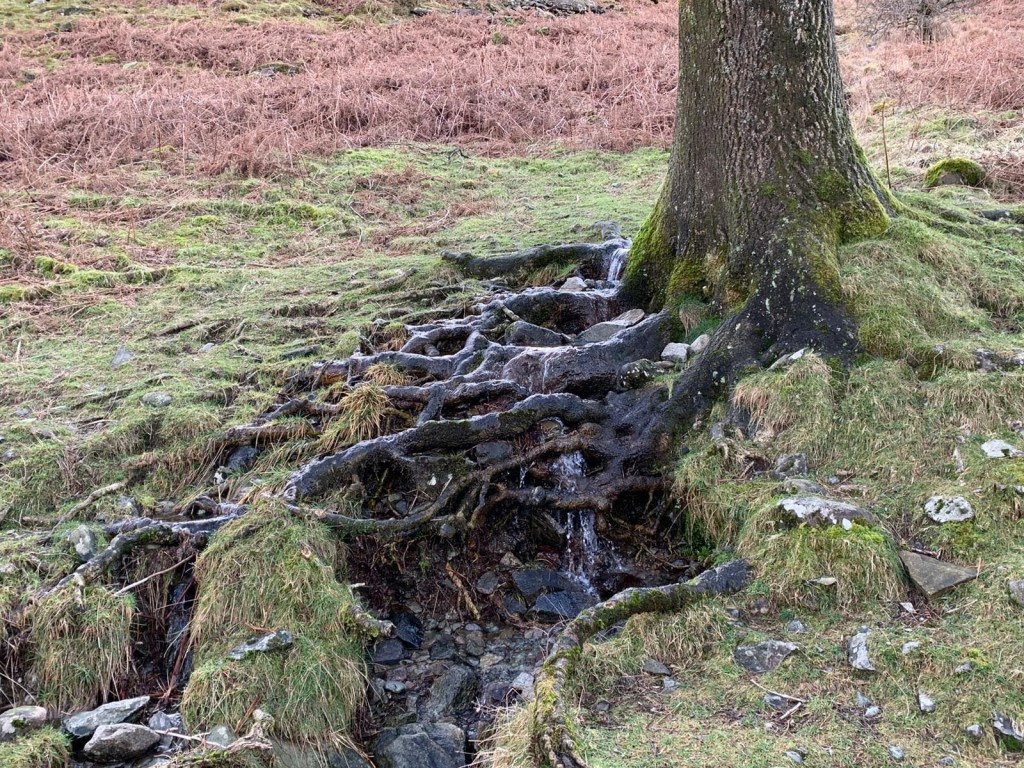
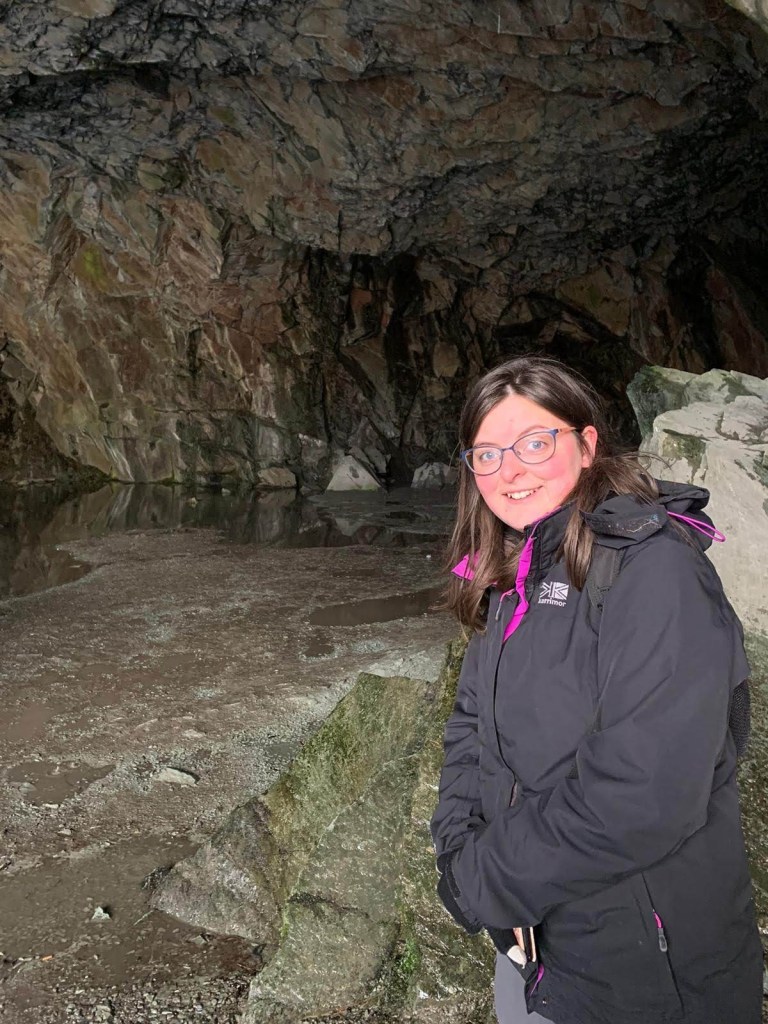
After being battered by wind at the peak, we started carefully making our way down. On the way down, we enjoyed views of the lakes, streams and a huge watery cave. When we eventually finished we could enjoy sitting on our cruise back looking over our gorgeous photographs, and relaxing. Later in the evening, we took advantage of a special pamper package that the B&B had running with a nearby health centre, and spent the evening in the pool and jacuzzi, soaking our muscles!

There were also plenty of places to dine out in the area and relax. We had a couple of lovely dinners both near to our B&B in Bowness on Windermere, and in Windermere town itself. If we had been there for longer than a weekend, we would have visited more of the towns and villages around the lake. Unfortunately, we only really had the Saturday, and then a long drive back on Sunday. We did drive from the top to the bottom of the lake before turning out on a misty morning, and the views were still breath taking.

I think I would definitely visit again for some more hikes, mixed in with good food. I would like to stay for a week. I would probably stay there during the winter again as well as I hear it is very busy in the Summer, and I wouldn’t want too many tourists to spoil our tranquil experience.