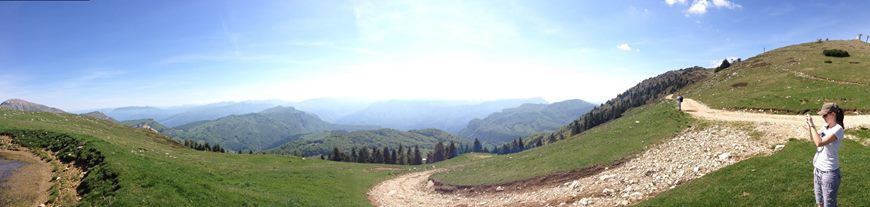
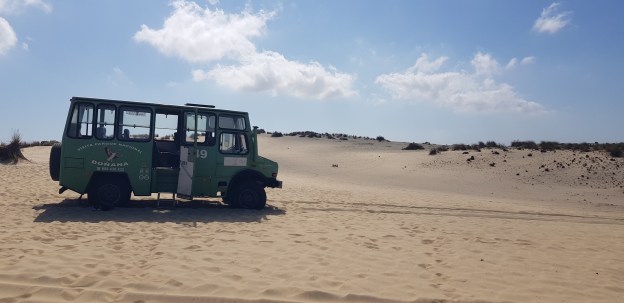
During one of my many days in beautiful Cadiz, Andalusia, I had the opportunity to take a tour to Doñana, a part natural park and part national park, where the inside of the park is only accessible by exclusive tour. I was blown away with the landscapes here in one of the most important natural areas in Europe.
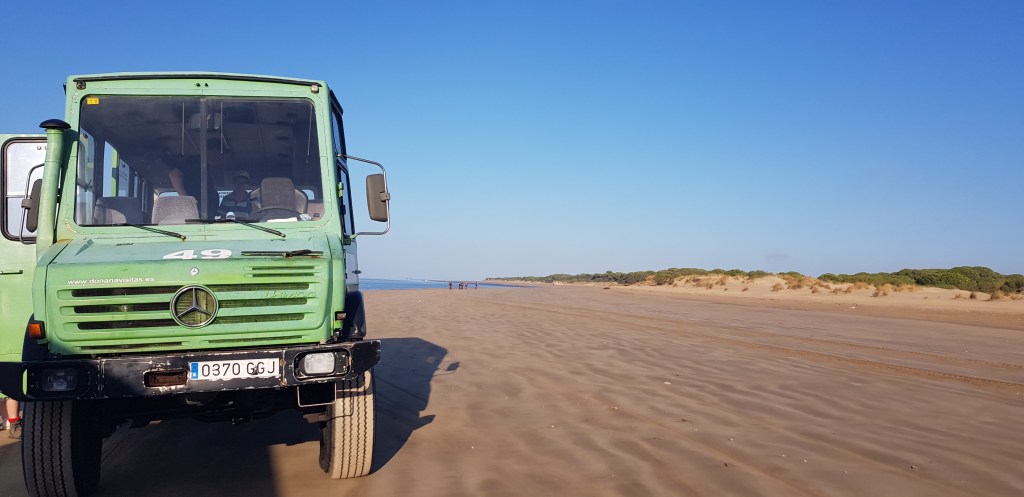
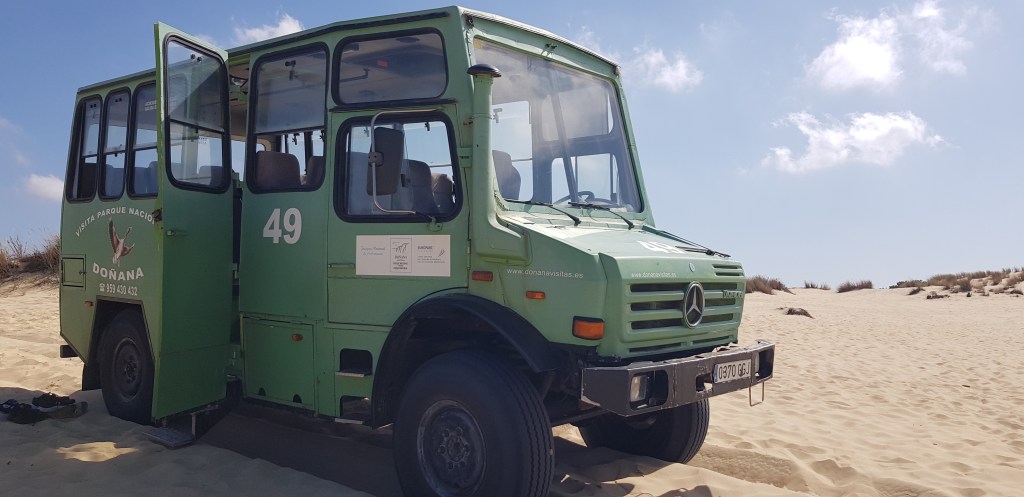
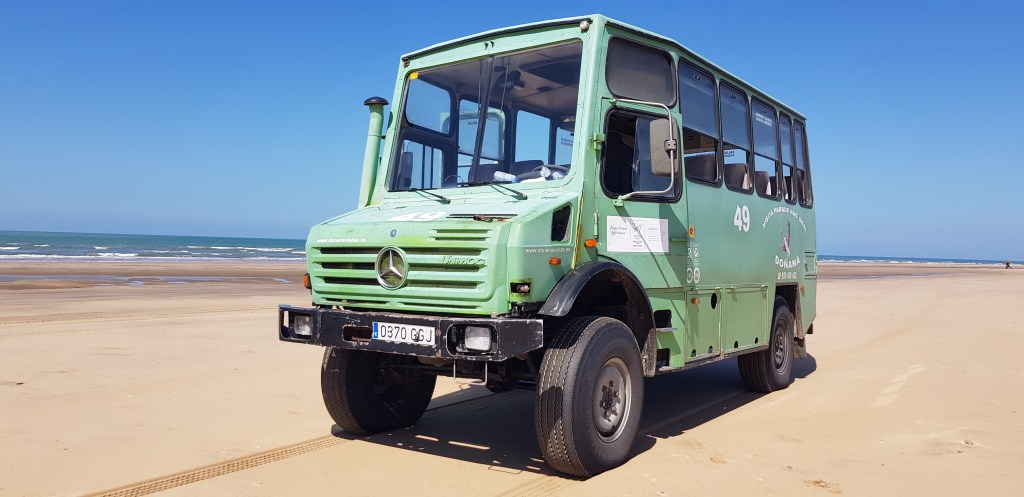
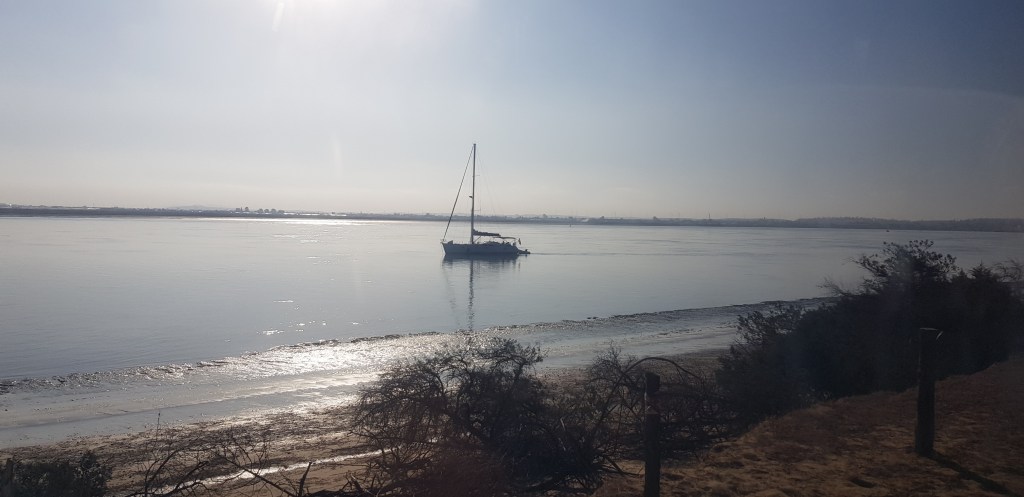
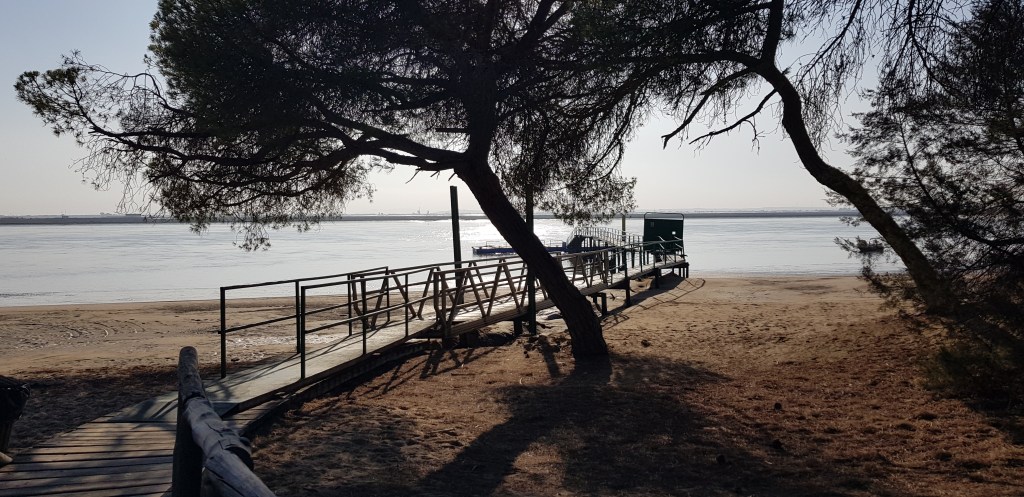
My small group of less than ten with our guide took the long drive to Doñana’s water edge where La Rábida village was and a small ferry was available to take visitors back and forth to Doñana’s beach and natural park. The 30km of white beach is a public space that can be accessed but parked up on the beach waiting for our small group was our exclusive monster jeep that would take us deeper into the park.
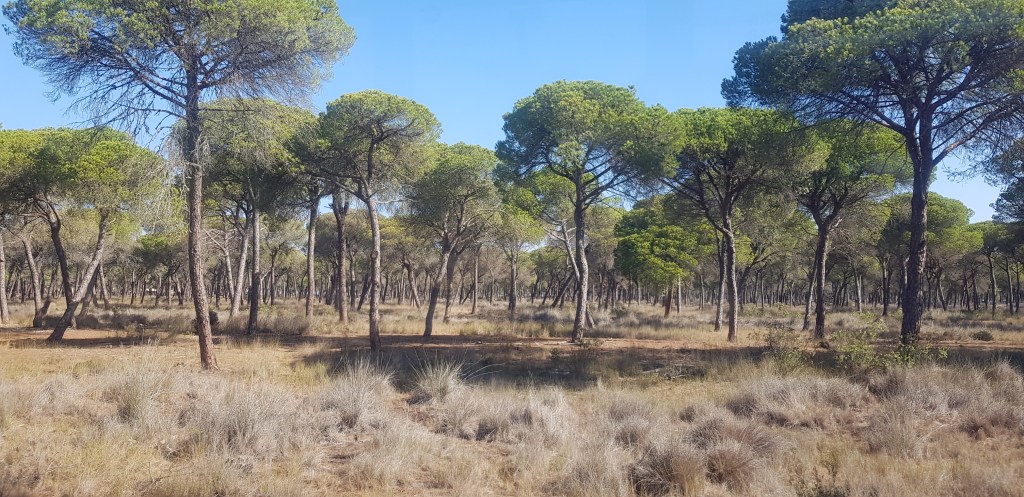
The bumpy ride took us through a mix of ecosystems that were strange to find all in one place. Forest was first on the list and as we pushed our way between the trees over our muddy makeshift road, we spotted deers and wild horses.
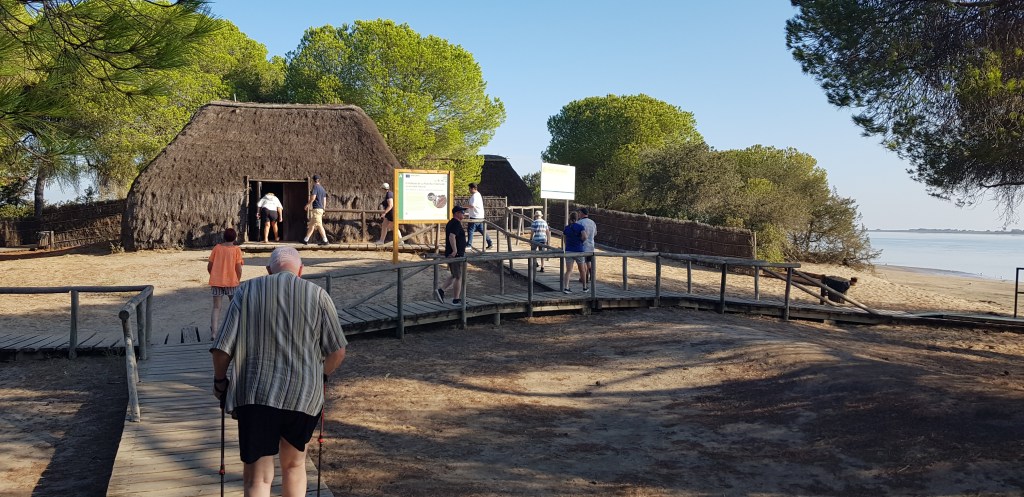
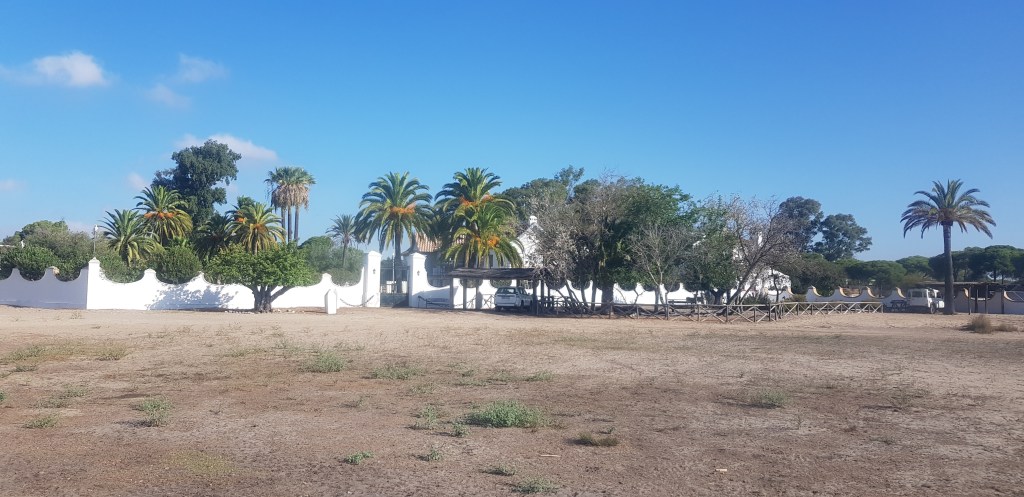
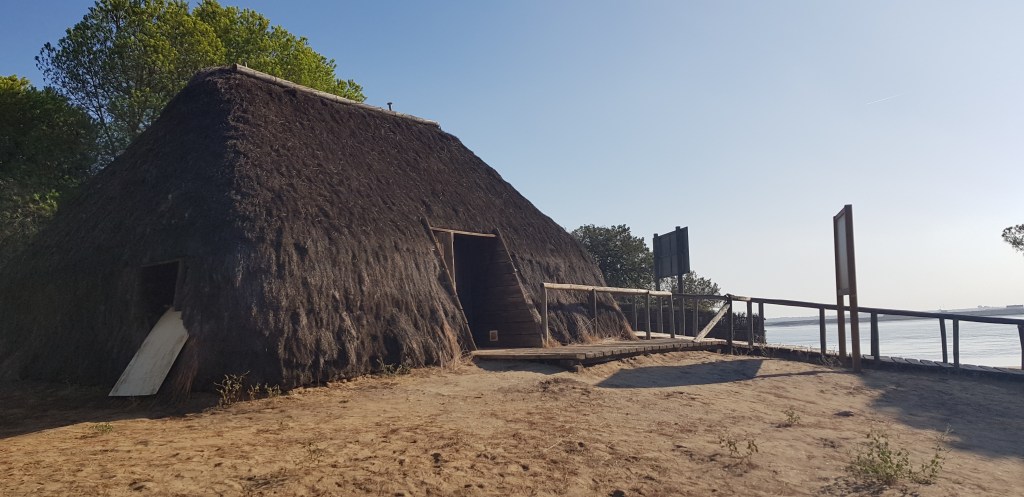
We also visited some traditional thatched huts that once made up a small village of people that lived in this oasis, but are now government owned as the families have now passed on. The only person with a residence there now is the king that has a palace set in the middle of paradise.
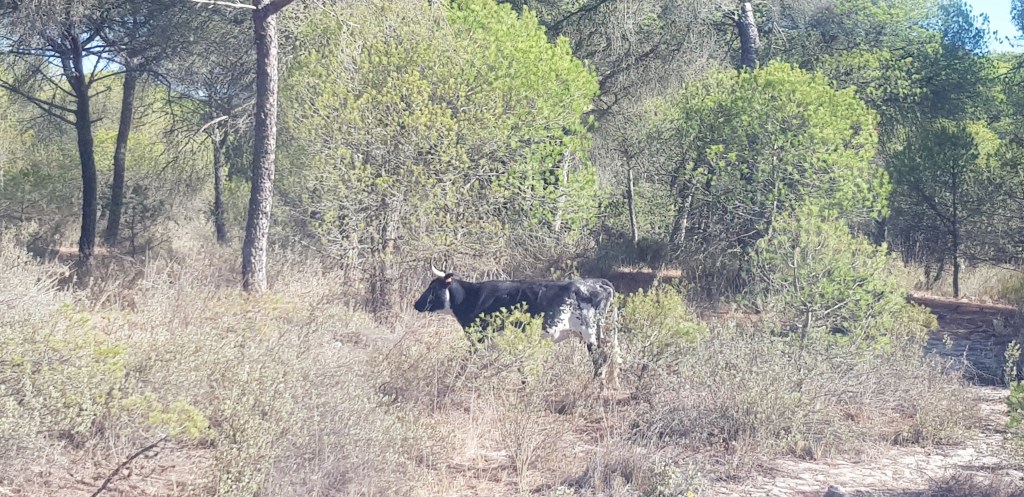

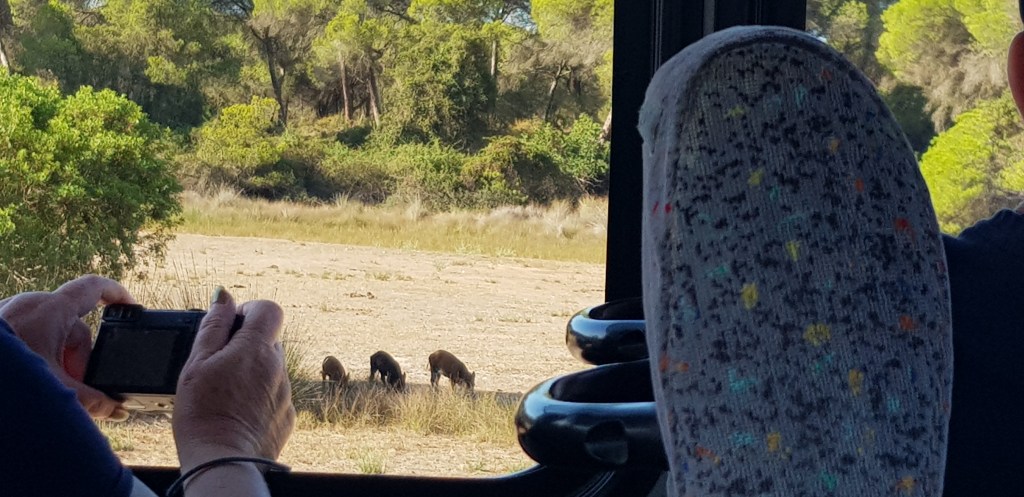
Next was meadows and wetlands with wild free roaming cattles and wild pigs. I even got to spot a mama with three little piglets running around. I asked how the cattle access food and water because this is the driest region of spain, and the ranger explained that ditches have been dug out for the cattle to drink ground water that is underneath, but that is the only thing they do to intervene with their nature. I was very impressed with the animals’ resillience.
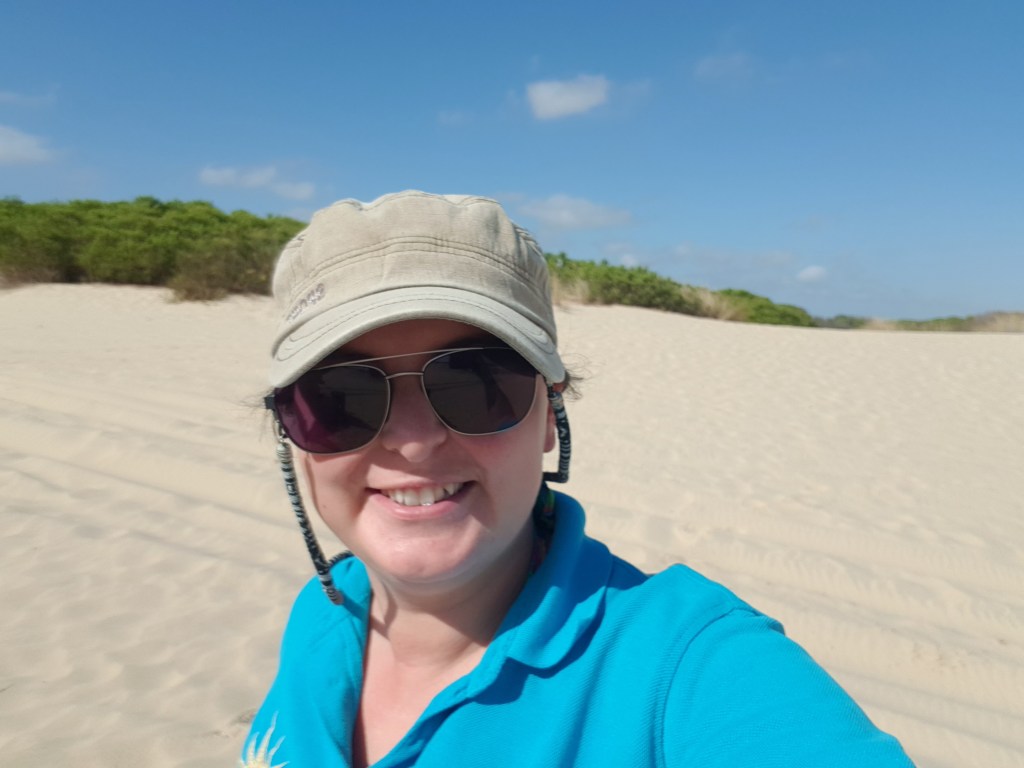
After this we ventured into a land of sand dunes that were up to 30 metres tall and vast! We stopped to have a walk around and the dunes that had been windswept there made you confused to think that you were just stepping outside of forests and meadows into this wasteland environment.
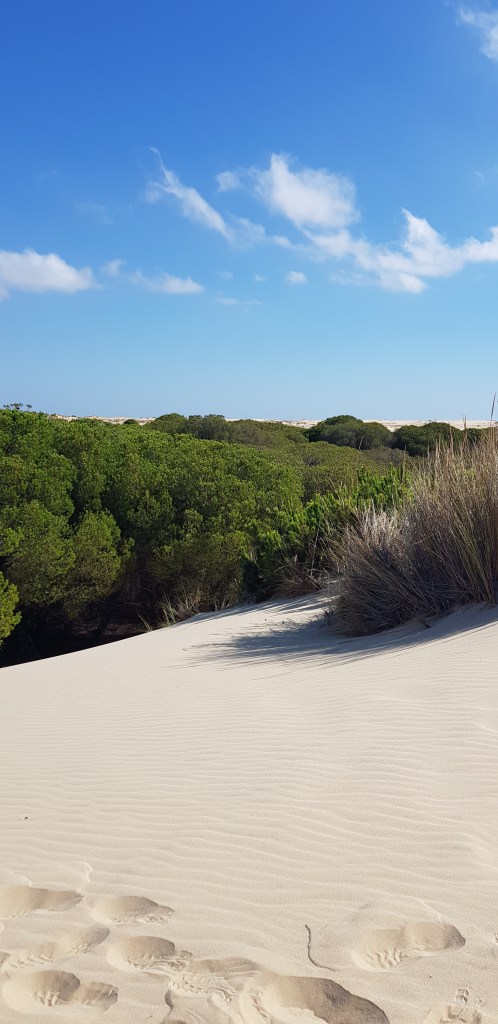
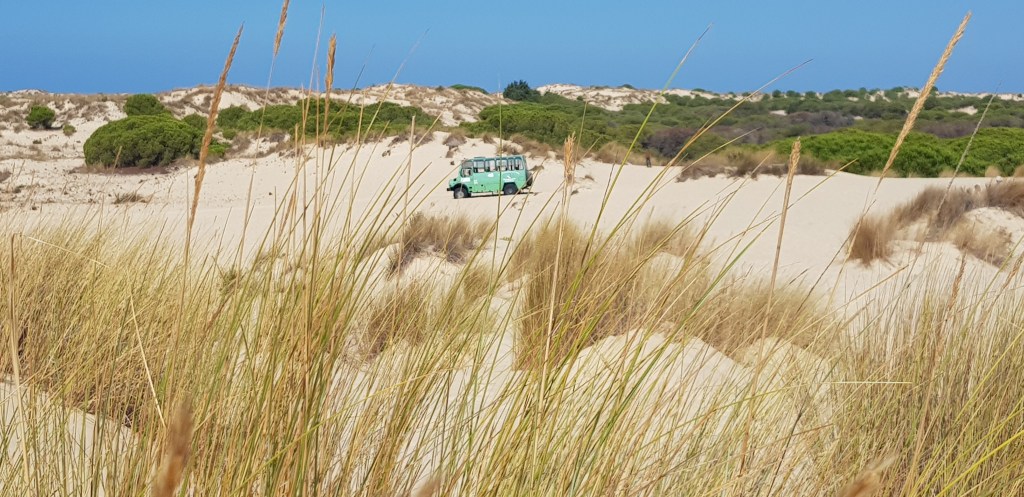
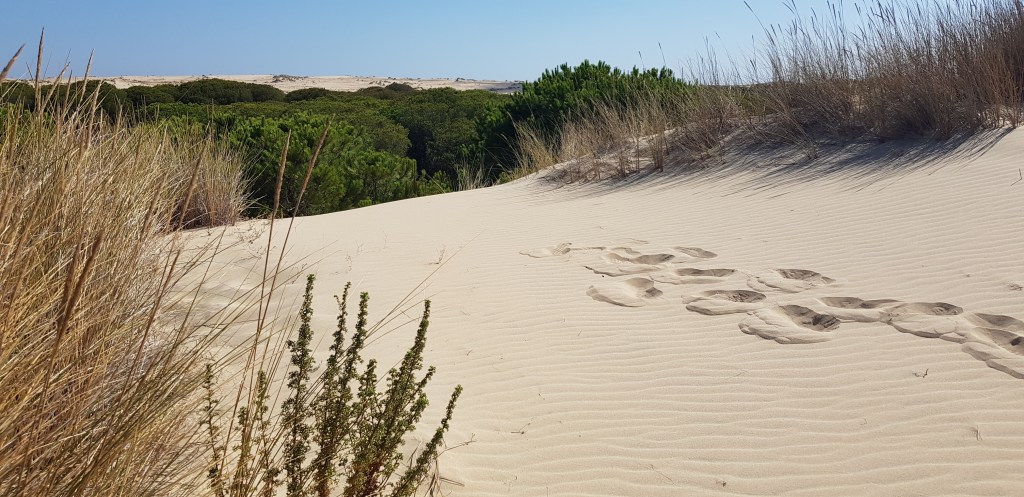
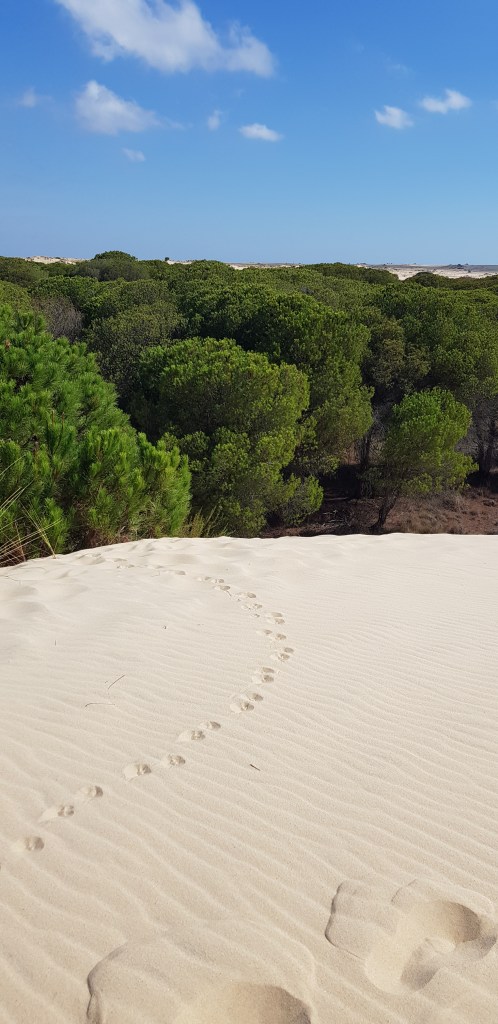
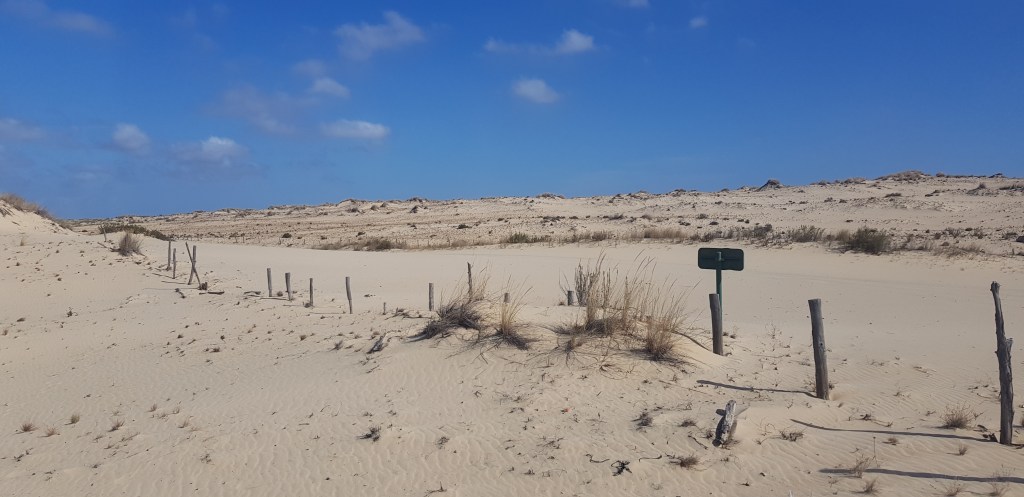
Our guide showed us some viewpoints here high up on the dunes as well as insects that were living in the sand and it made me curious to try to identify the animal tracks I was finding in the sand. The park is home to many endangered species including Spanish imperial eagles (which we thought we saw) and the Iberian lynx, which mostly keeps to itself.
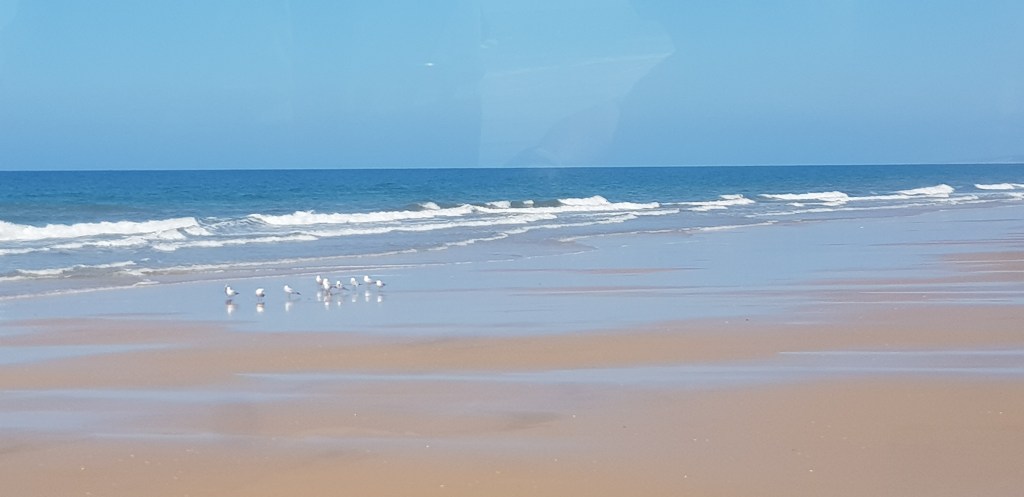
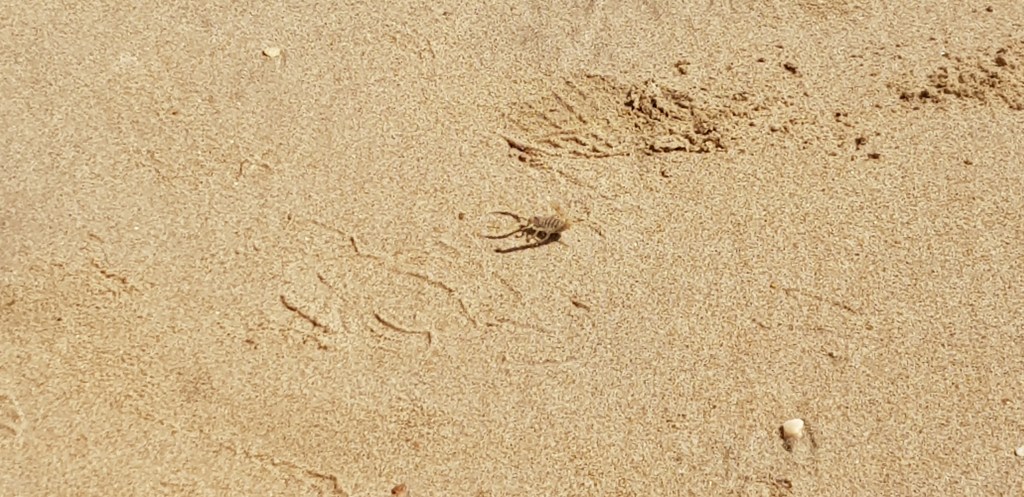
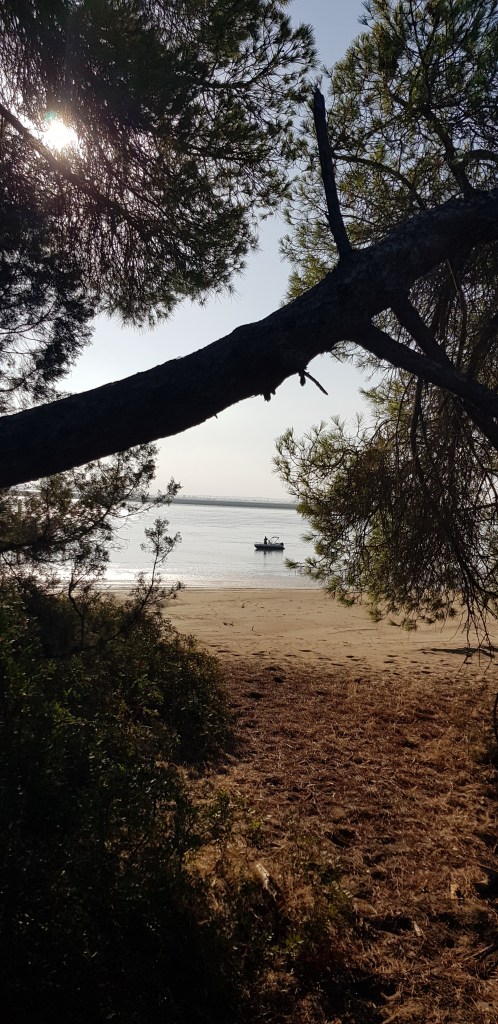
Finally we returned to the beach for a drive amongst this long stretch of sand, crabs and driftwood before stopping our jeep so that the guide could show us a scorpion he found sitting under the wood.
I was totally blown away by this absolute eden of a park and considered how I would love to revisit as I sat down for a nice meal back on the other side of the water. I realise though that this exclusive park would not allow me back again unless it was on a tour so that they can properly protect this truly beautiful space. I feel very lucky to have had the chance to visit.
 Go Go Chlo