Tag Archives: hotels

Vietnam: North to South – Part One

Booked only a week before, after my trip to Israel was cancelled last minute, I decided to have my first go at Asia this month. Vietnam was on offer so I went for it and discovered a crazy and unique way of life with amazing food and very friendly people.

Getting there

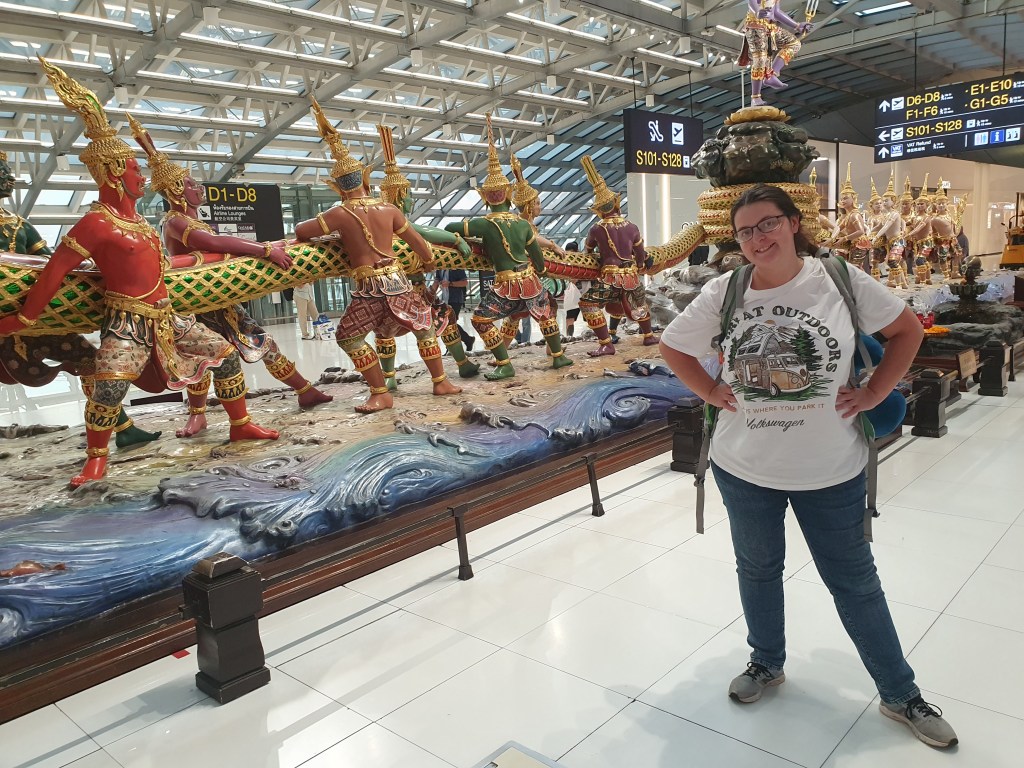
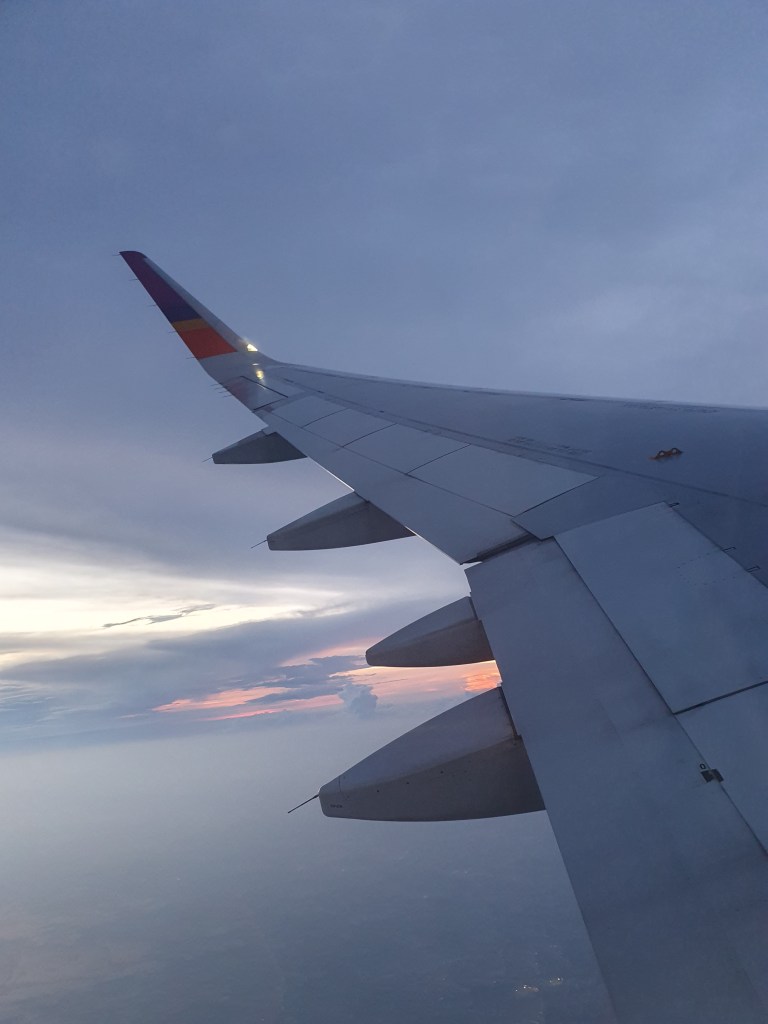
The travel to Vietnam was very very long, whilst the flight duration may say 16hrs by the time we had travelled to Heathrow, and waited around in Bangkok and then traveled to the hotel we had stacked up over 24 hrs of travel. I had thought I’d planned out to miss my jetlag but it actually took 3 days of waking up at 3am to get over it.

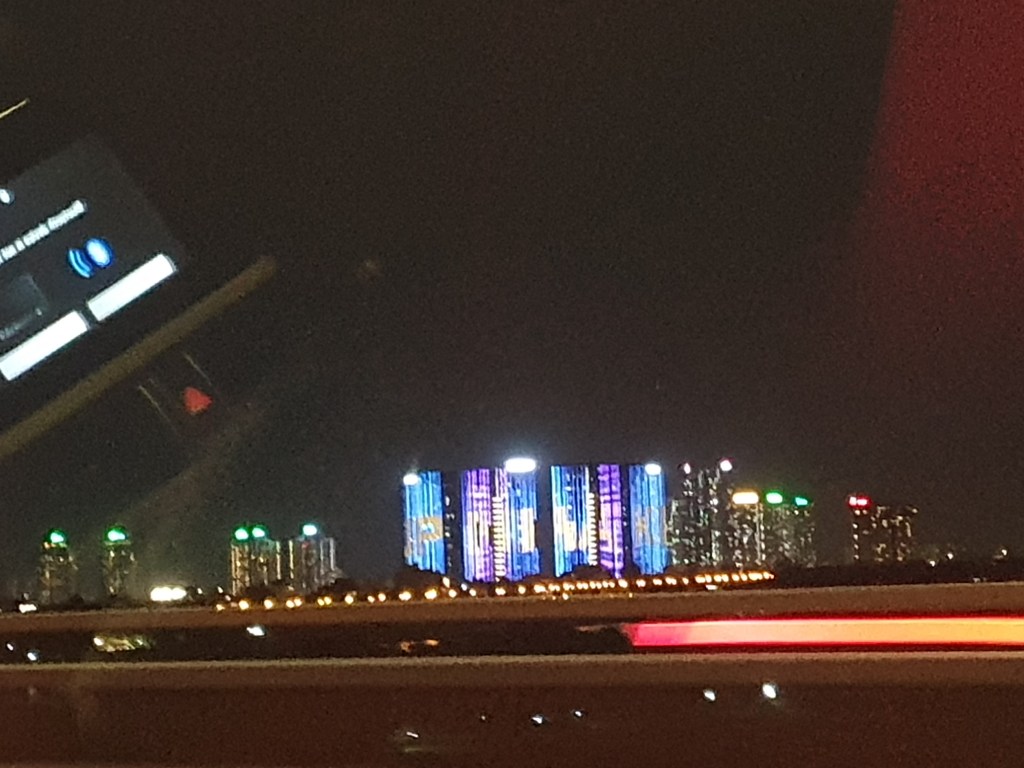
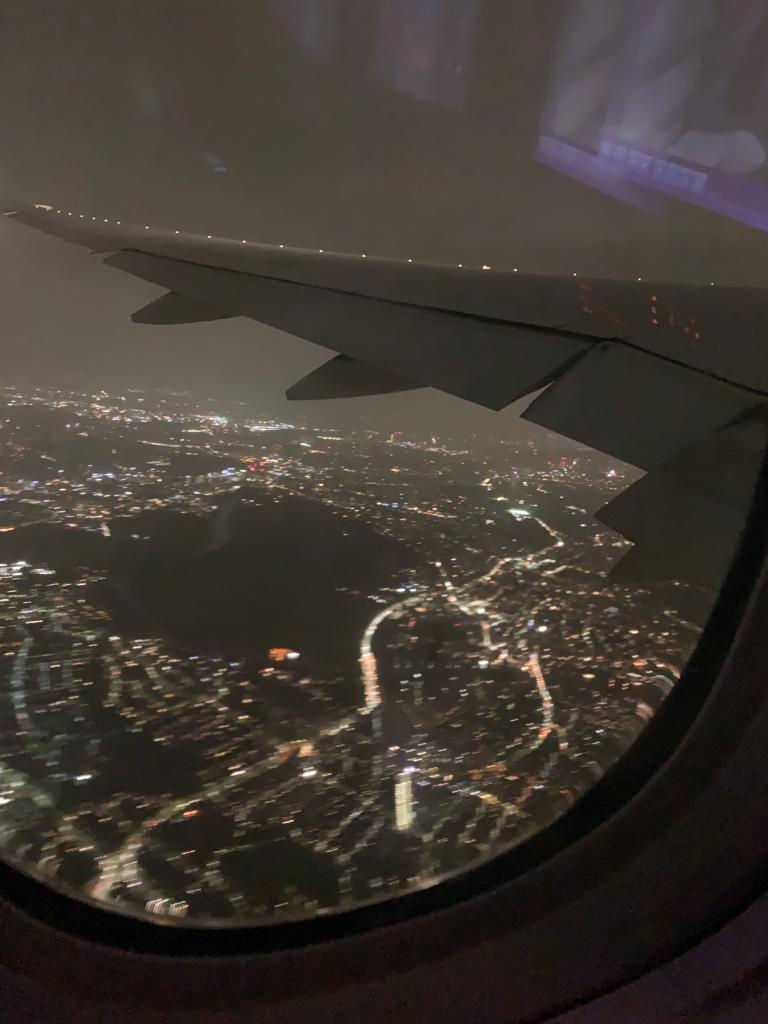
We flew with Thai Airways which had tight seating but plenty of hospitality from the crew and the aeroplane food was some of the best I have had. On arrival to Hanoi airport, our taxi driver was waiting for us and we got to our hotel in about half an hour, after seeing some of the cityscape lit up at night.
Hanoi

We stayed in a hotel for our first few nights in Hanoi city. The hotel was immediately a relief with a welcome drink on arrival, a porter to carry our bags and a free upgrade to a very nice room. It was all going well, until my 3am visit to the bathroom…

That is when I discovered scuttling across the floor, the biggest cockroach I have ever seen. When you are already sat on the toilet half way through a wee too, the only choice is to throw your legs in the air! I found myself doing toilet balances at 3am to avoid it. Unsure what to do I spent the rest of the night with a light on unsure what to do and worried if I fell asleep I would wake up with a cockroach on my face. It took me a few days to get past this fear and just accept the potential for creepy crawlies around me.

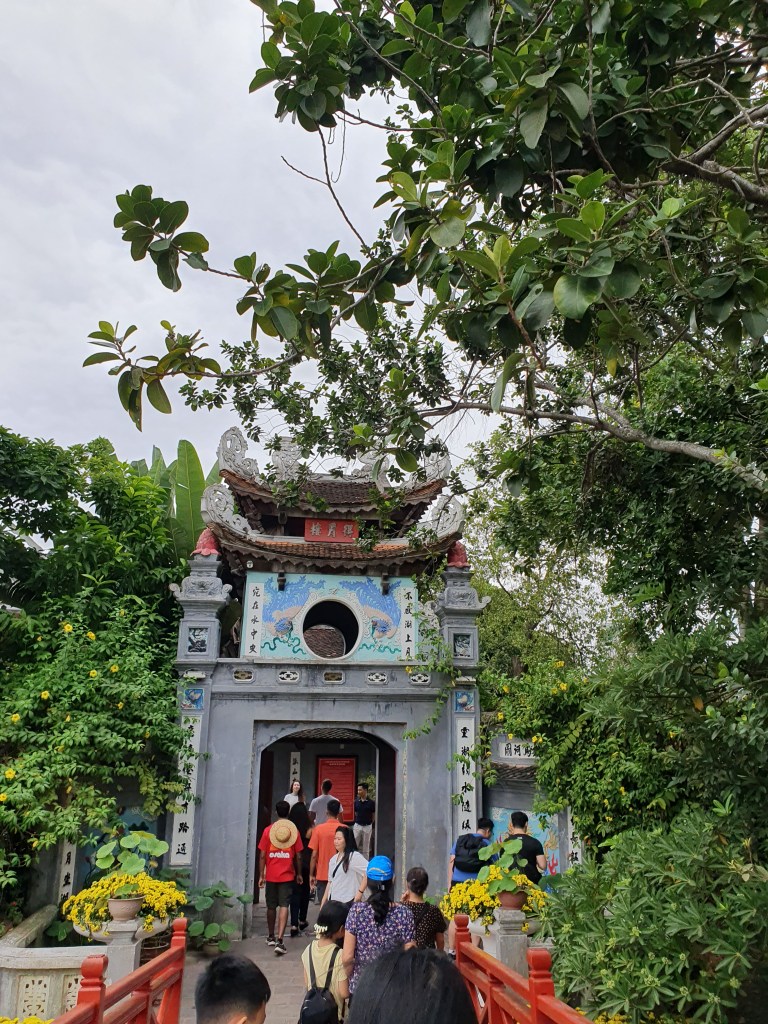
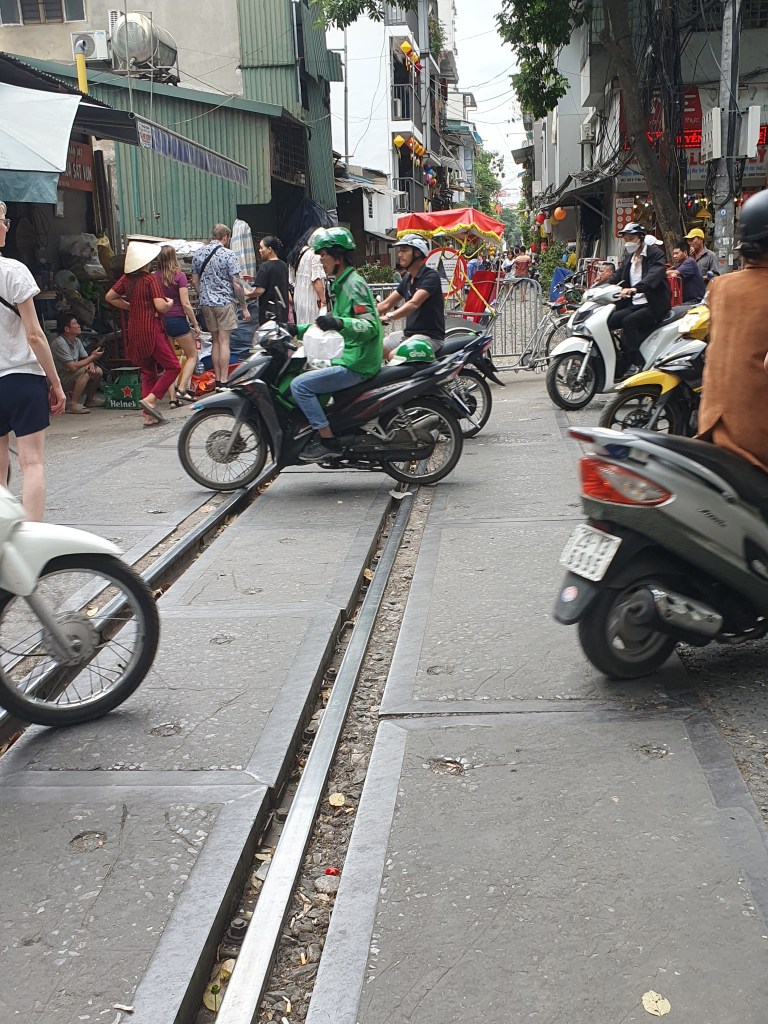
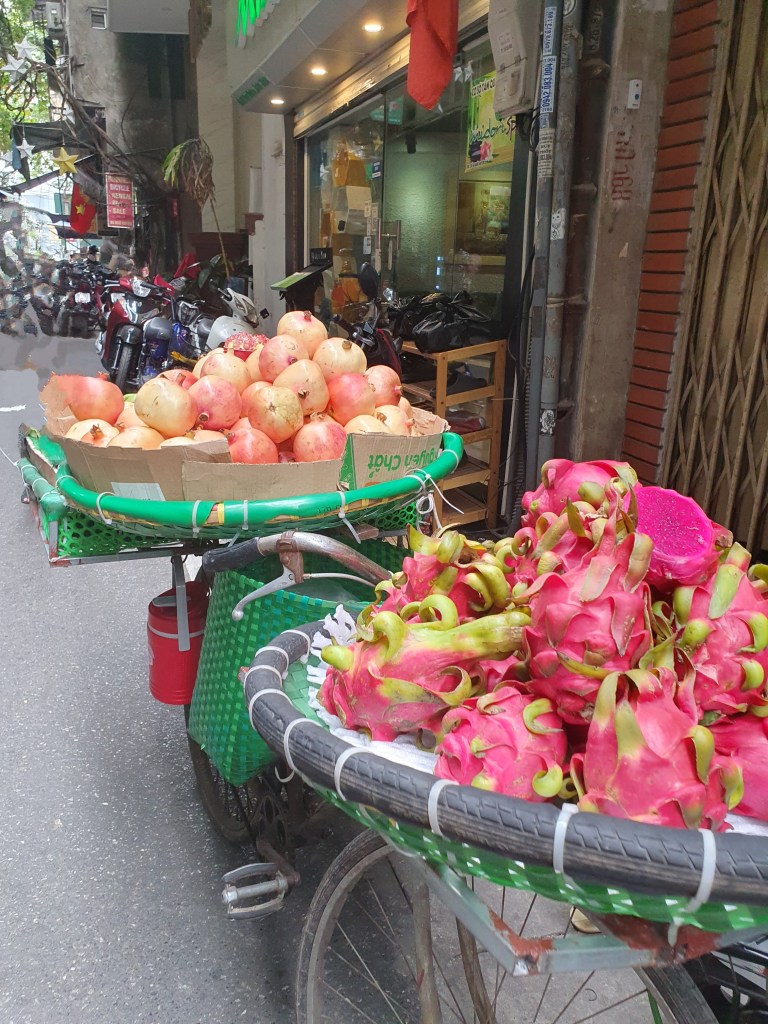
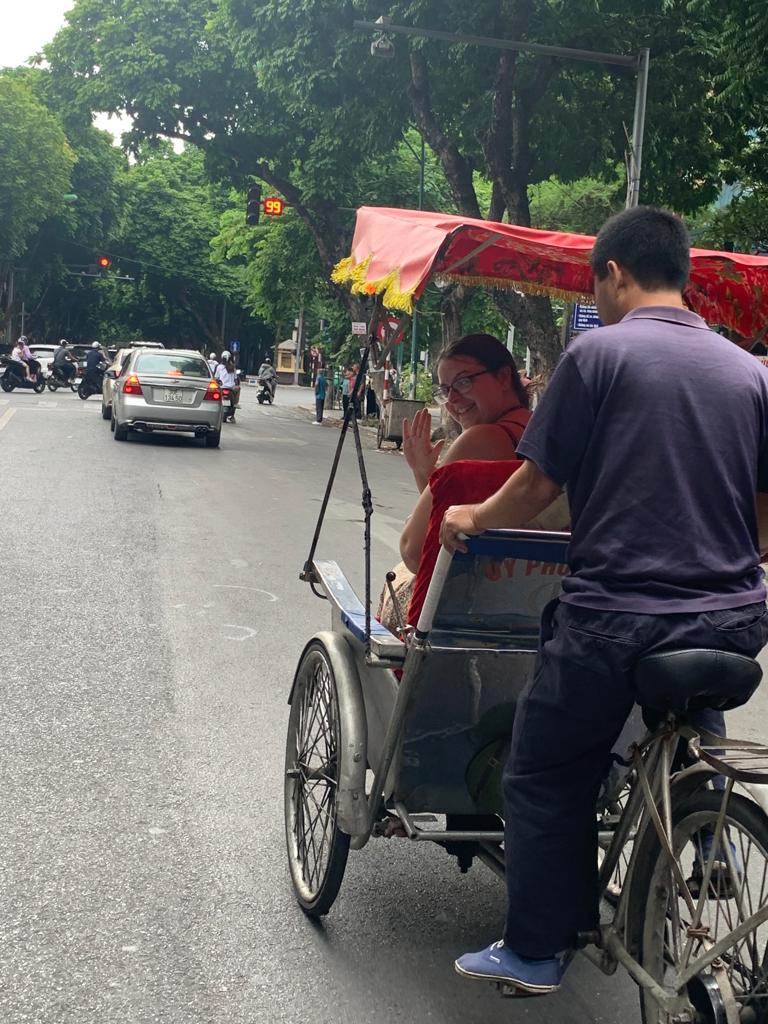
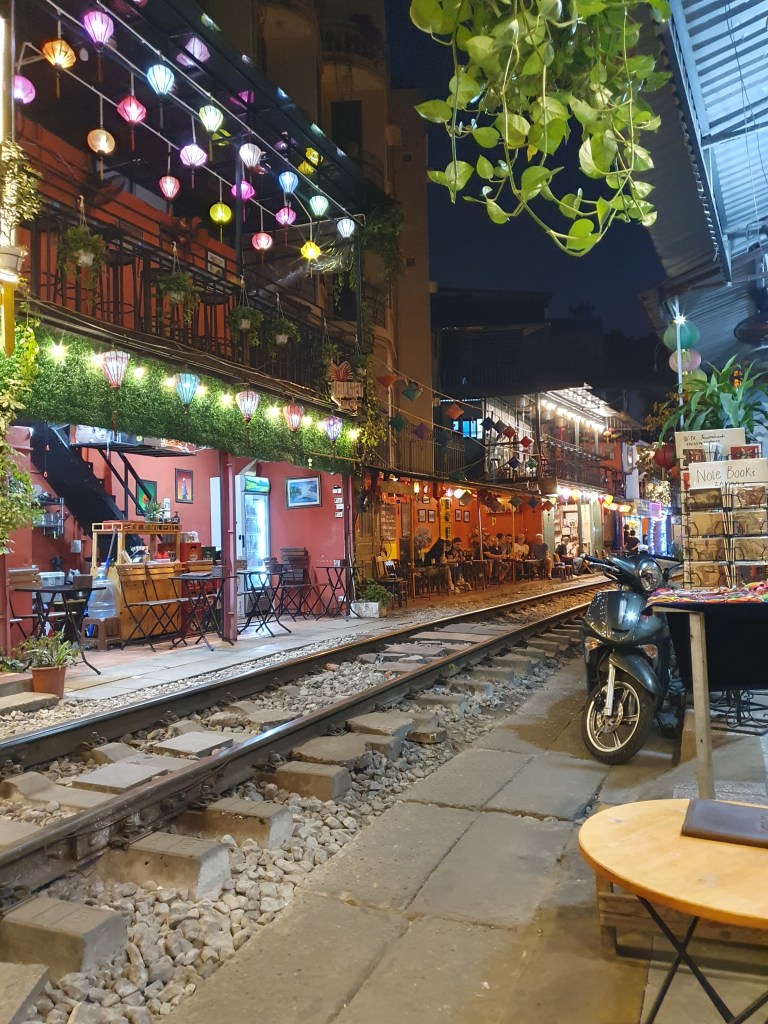
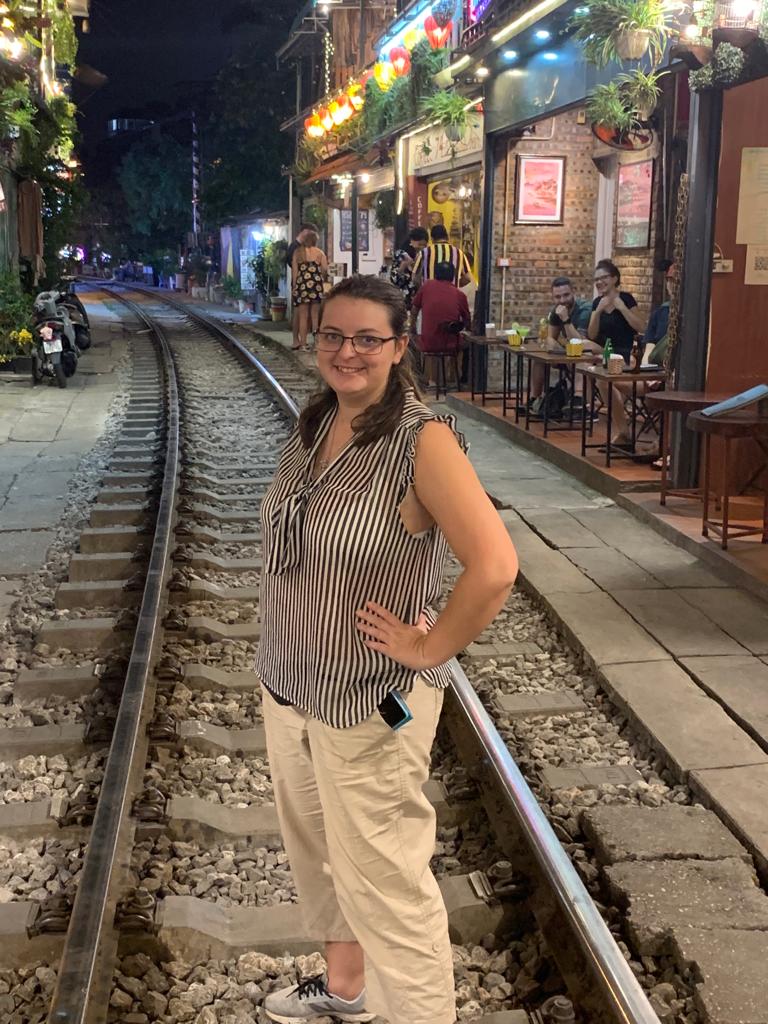
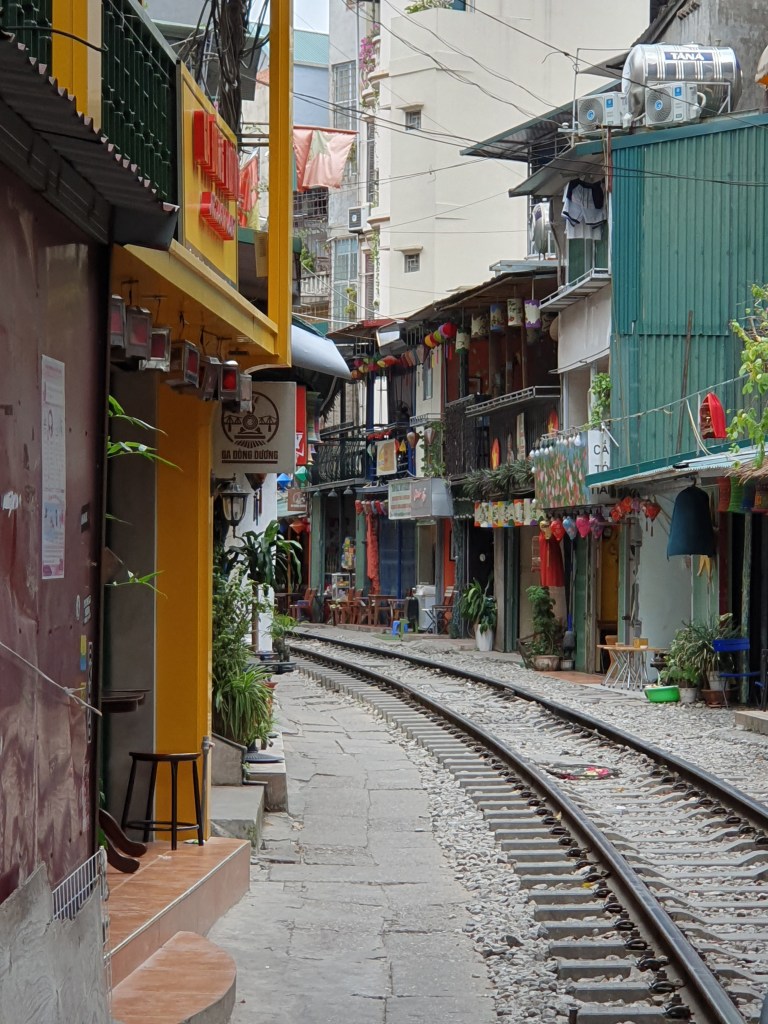
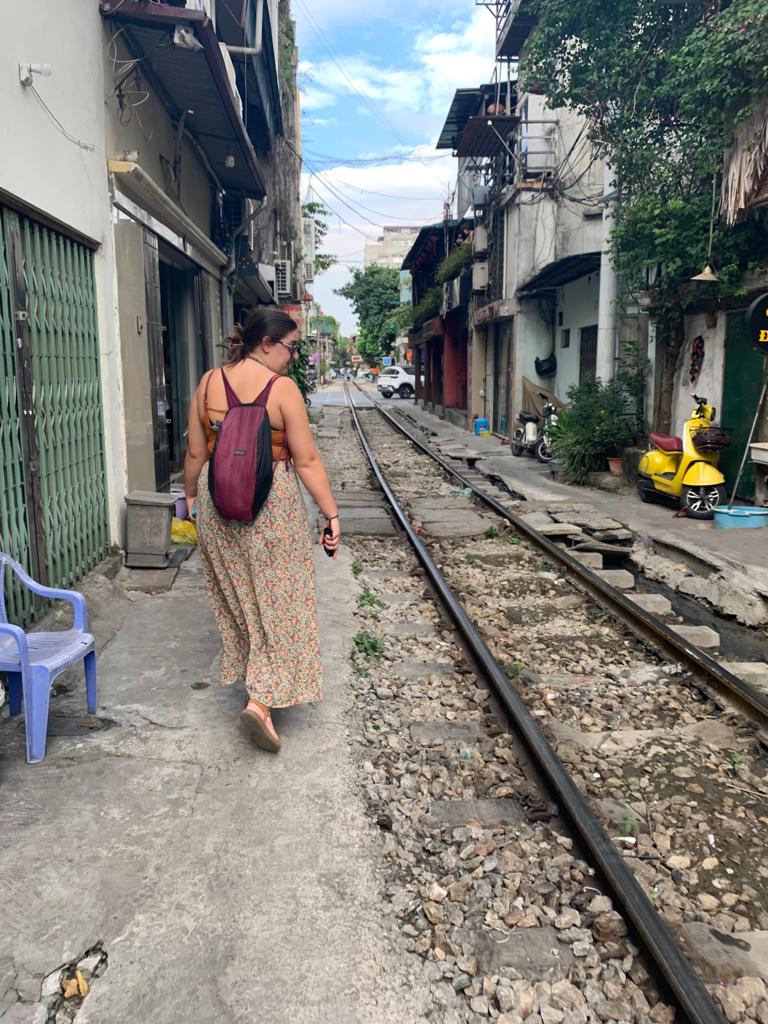
Venturing out of the hotel into the city was another experience of taking your life in your hands. The traffic is some of the craziest I have ever seen. There is no pavement due to mopeds being parked all over it and to cross the road you must do what the locals do and just walk slowly and confidently over (like you’re sleepwalking) and hope nothing hits you! The roads here are so congested that they even have a street that is famous for a train that comes through as well as all the pedestrians and bikes and ends up about an inch from your face!

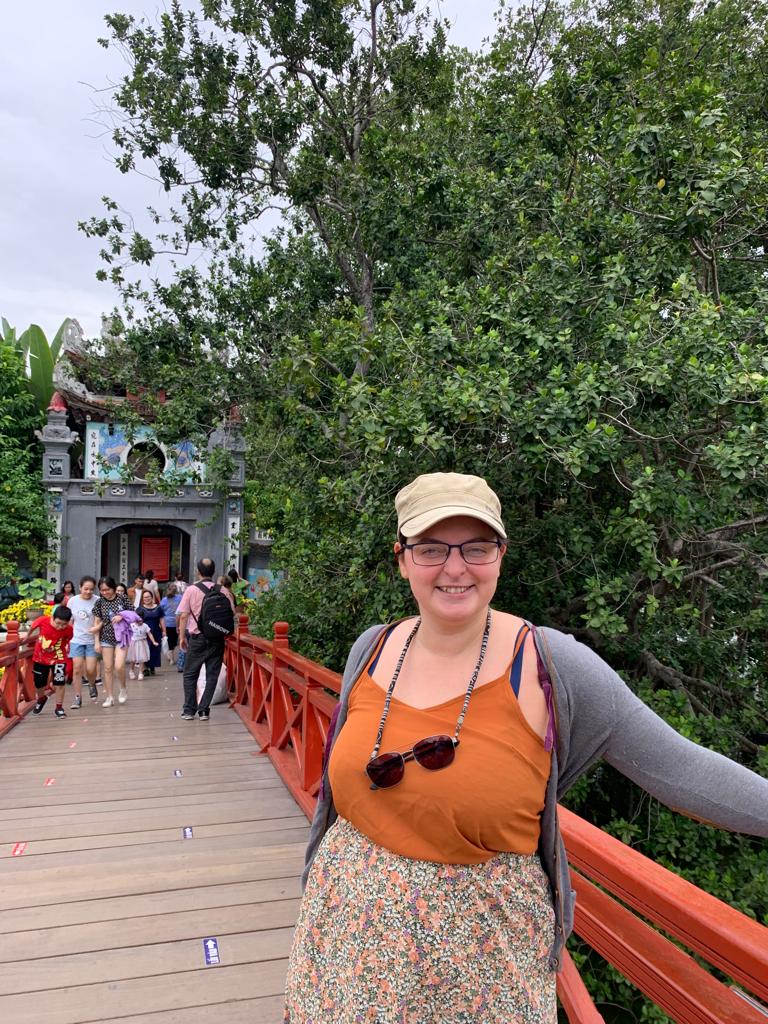
We cautiously took the steps from our hotel down to the famous lake which thankfully is pedestrianised around the edge and began to explore our first attractions.
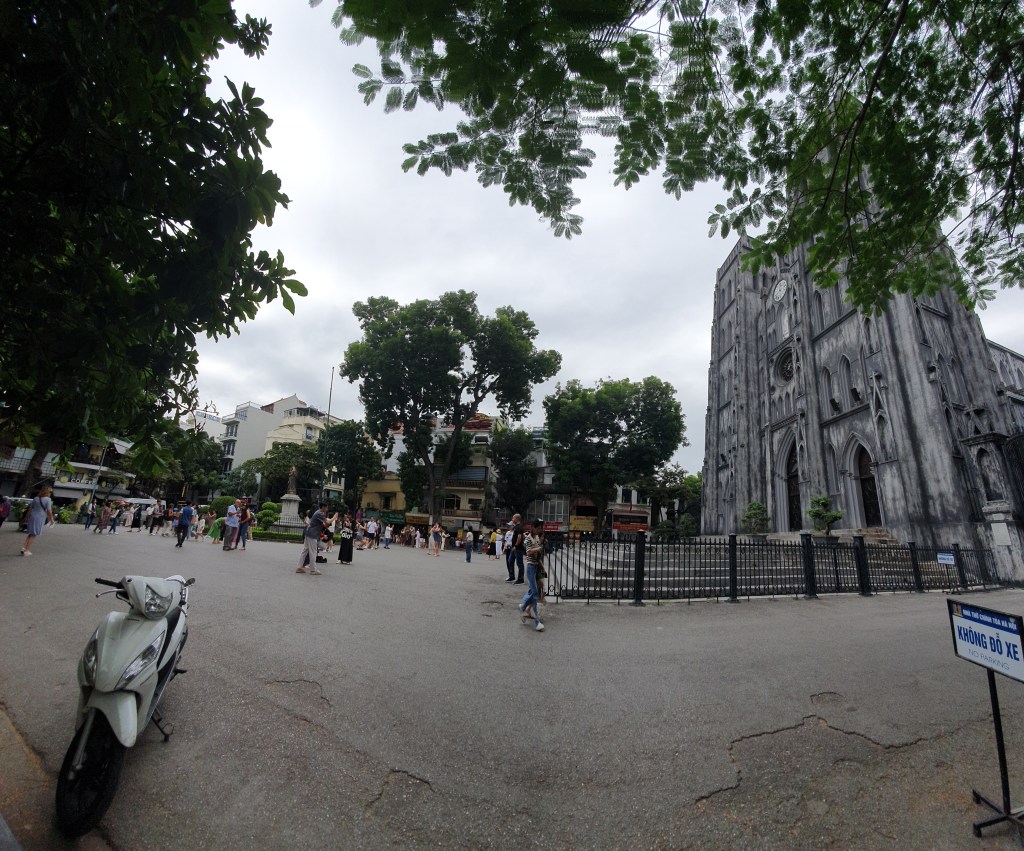
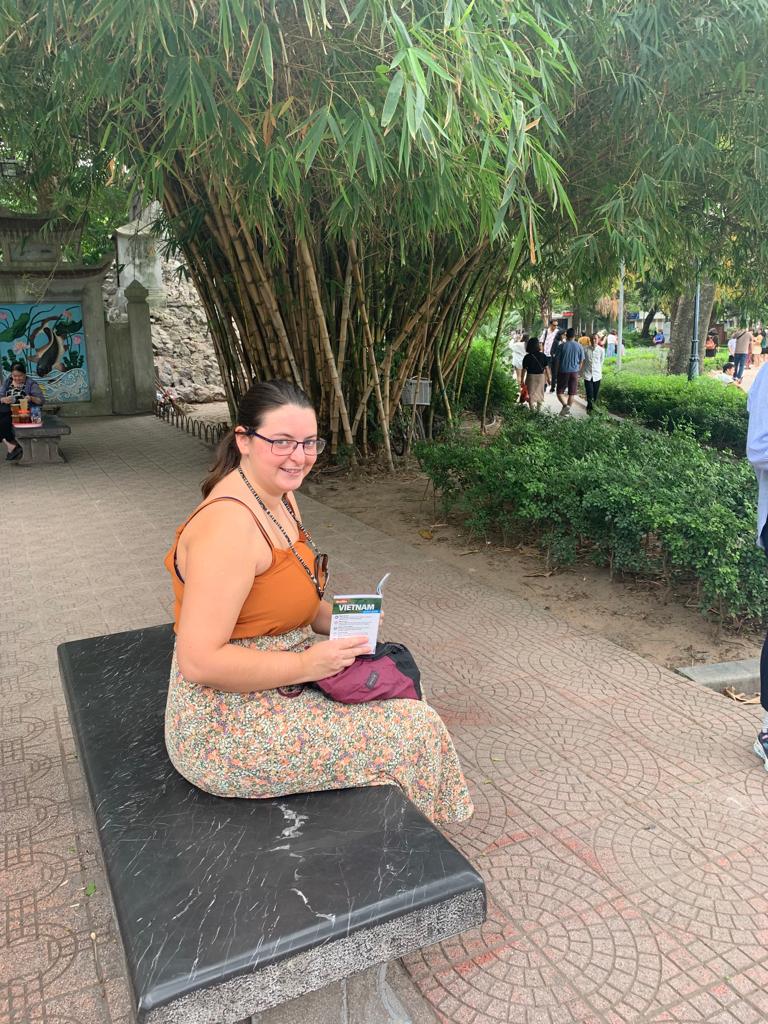
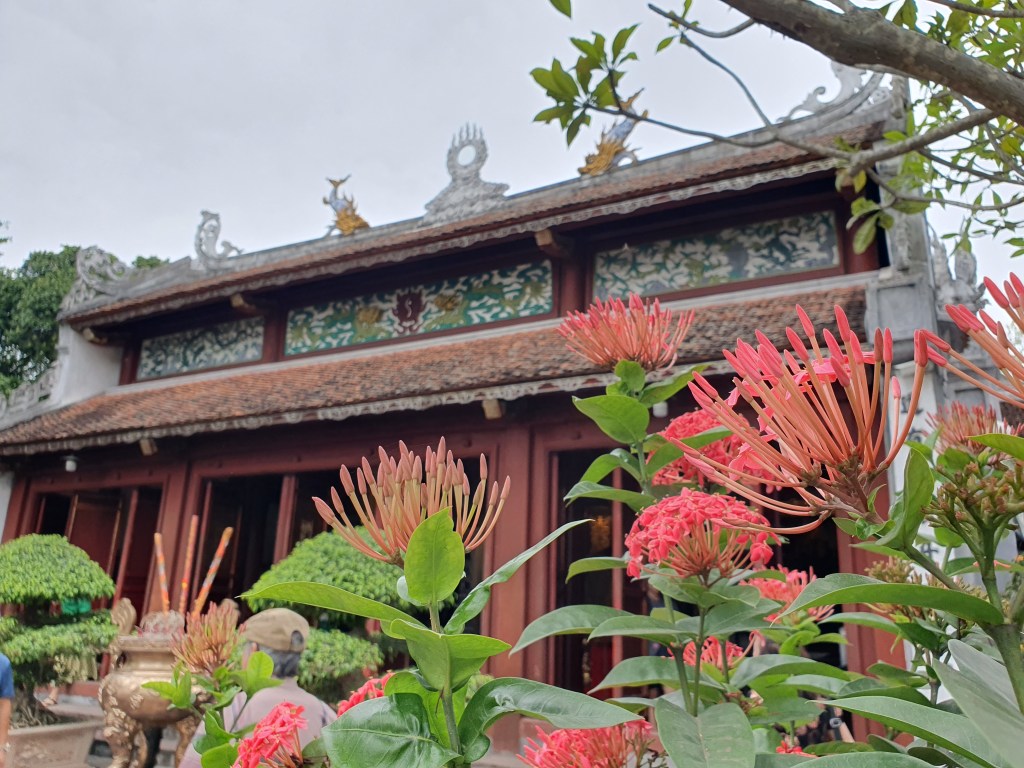
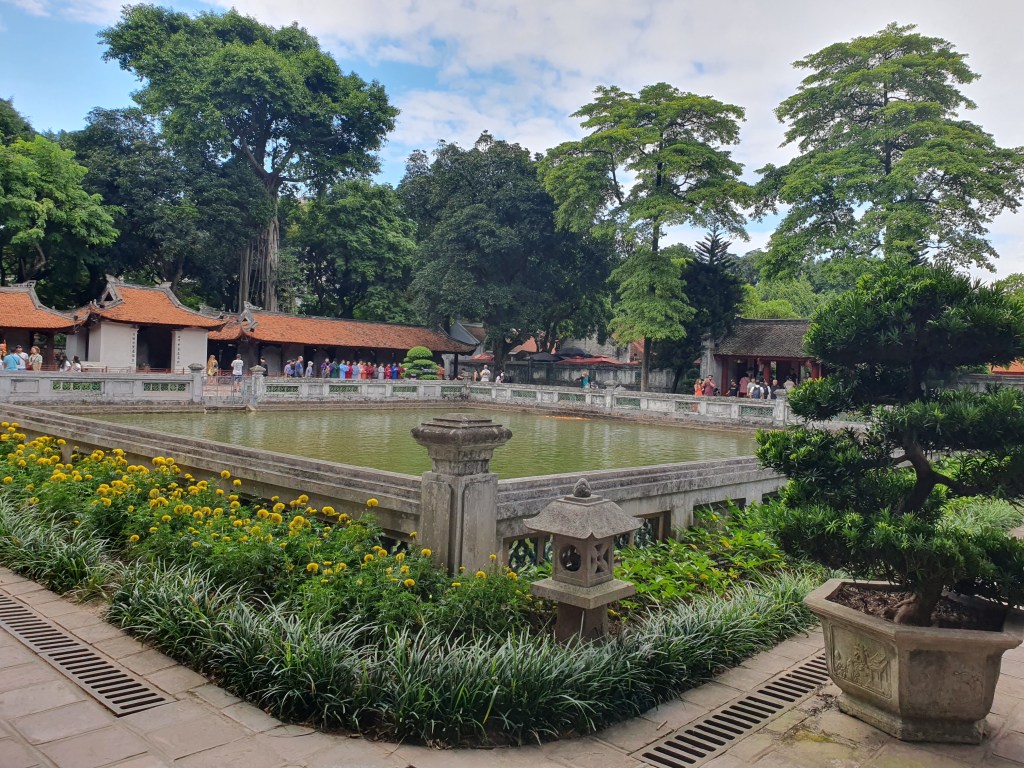
First on the agenda was a few impressive buddhist temples, and also the St Joseph Cathedral. This gothic cathedral looks so strange with all the little asian shacks around it and motorbikes everywhere. I couldn’t go in unfortunately but I imagined it was similar to other catholic ones I have seen. A little bit of Europe in the middle of this crazy South East Asia whirlwind. I later found out from my guide that the french actually governed Vietnam for centuries and is the reason for some catholism here and that they now use alphabetic letters instead of chinese characters. Something to be grateful for as a tourist!

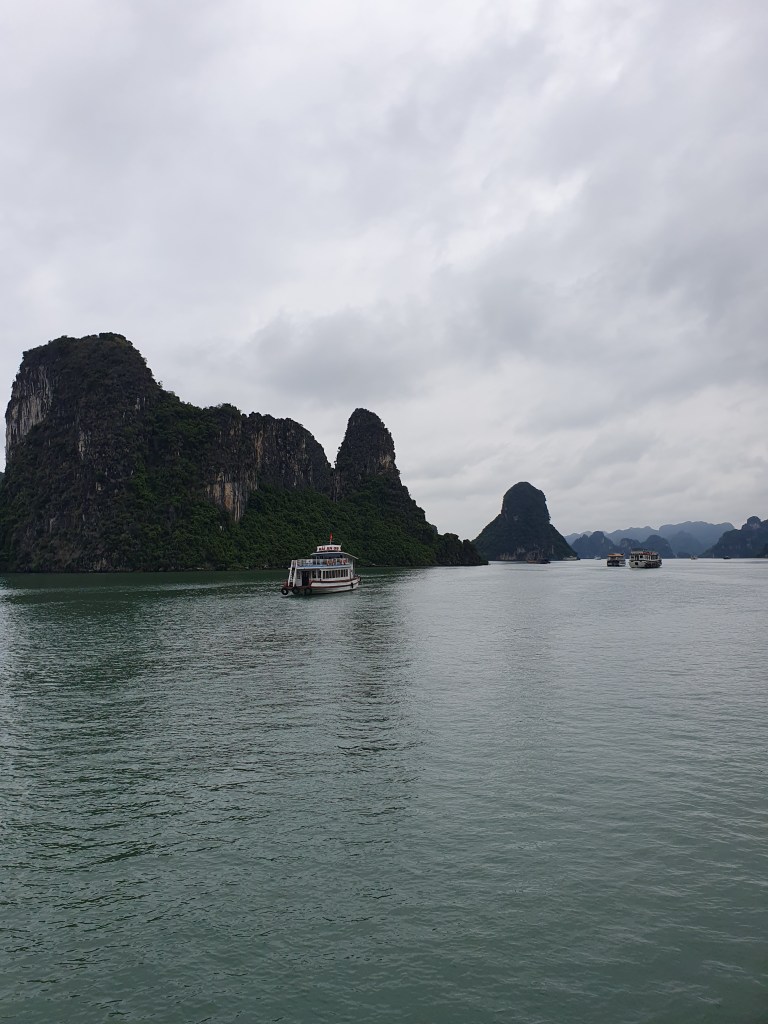
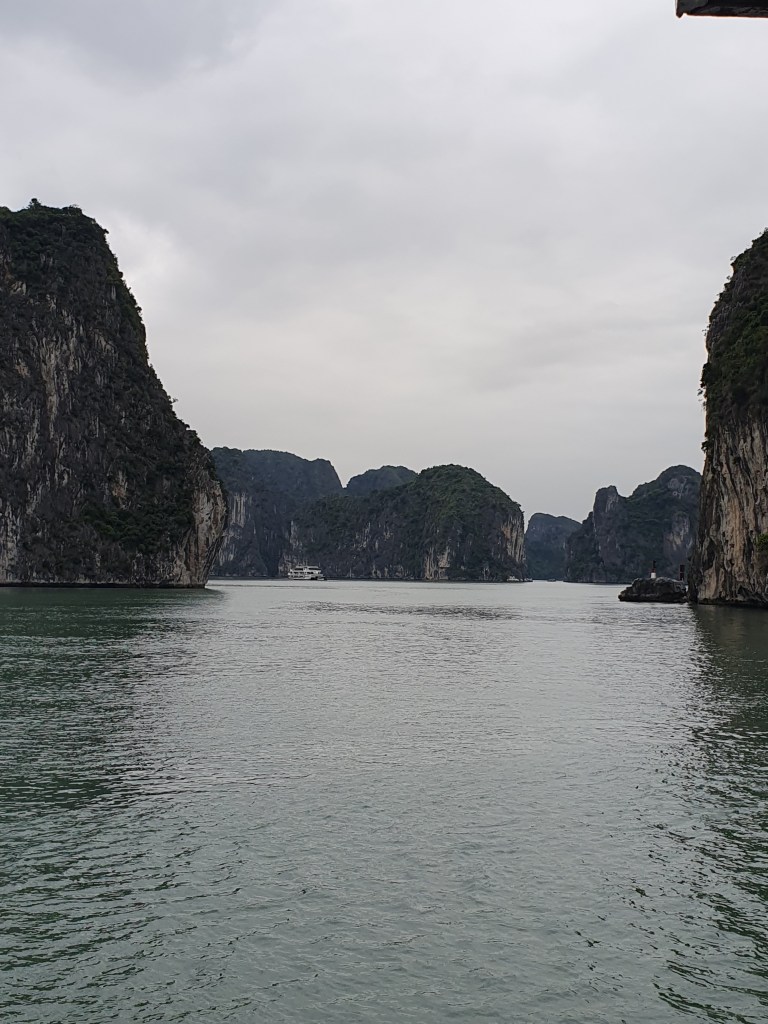
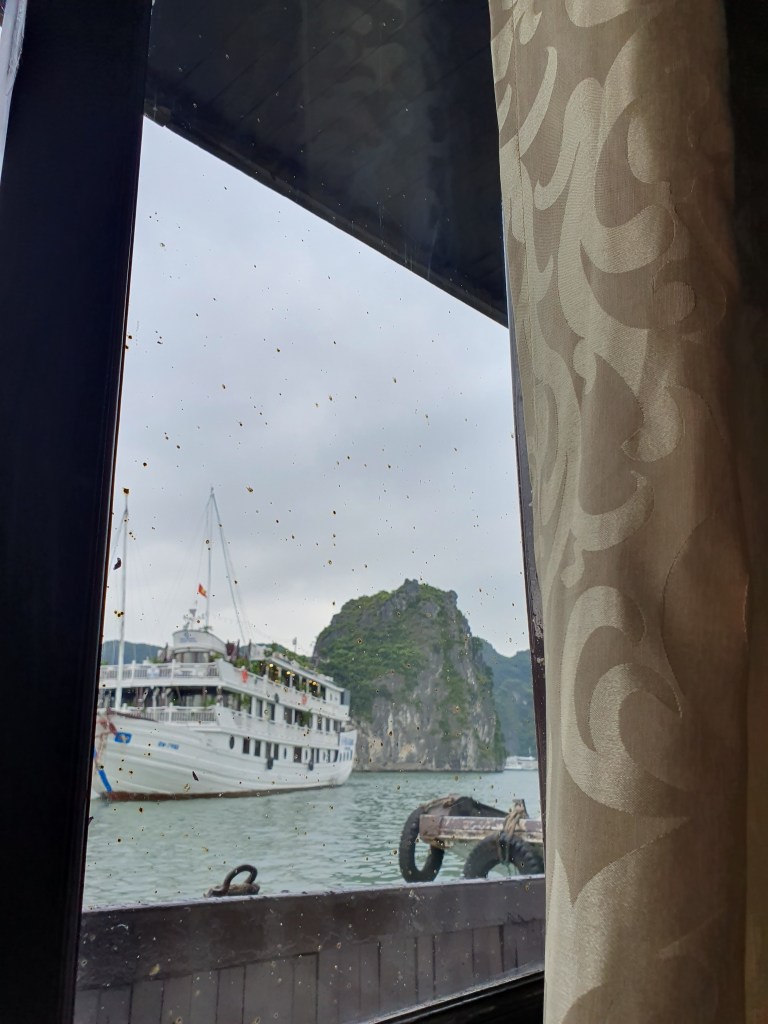
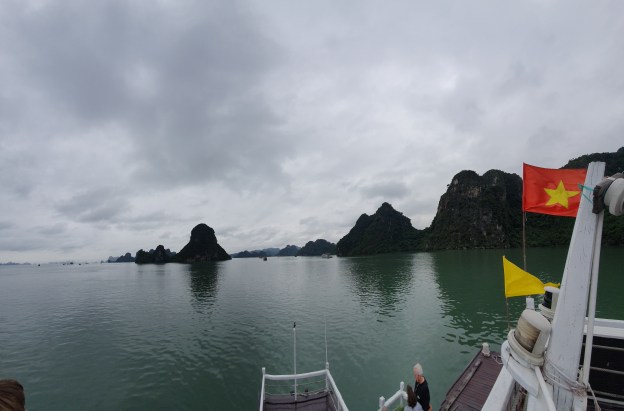
Another day in Hanoi took us on our four hour bus ride to Halong Bay, the famous world wonder that is an absolutely huge bay and once a very important port full of huge bouldering islands. We had a relaxing overnight boat cruise here where the service was amazing and we enjoyed an impressive selection of seafood and bar service on a boat all to ourselves in our small group of nine.
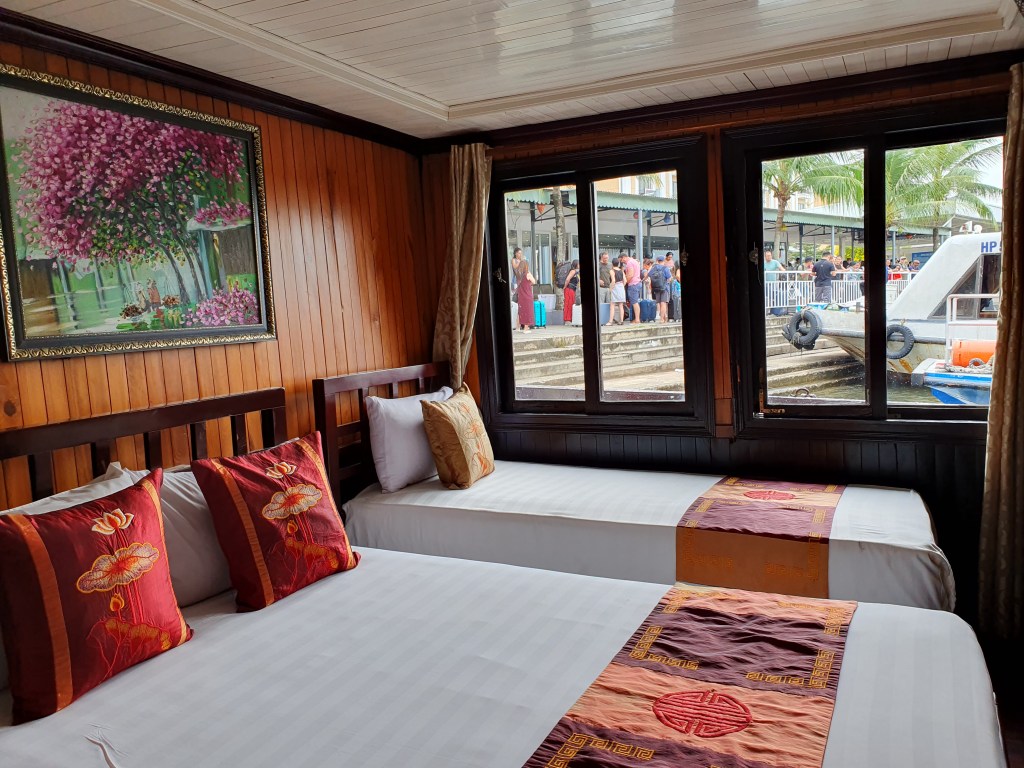
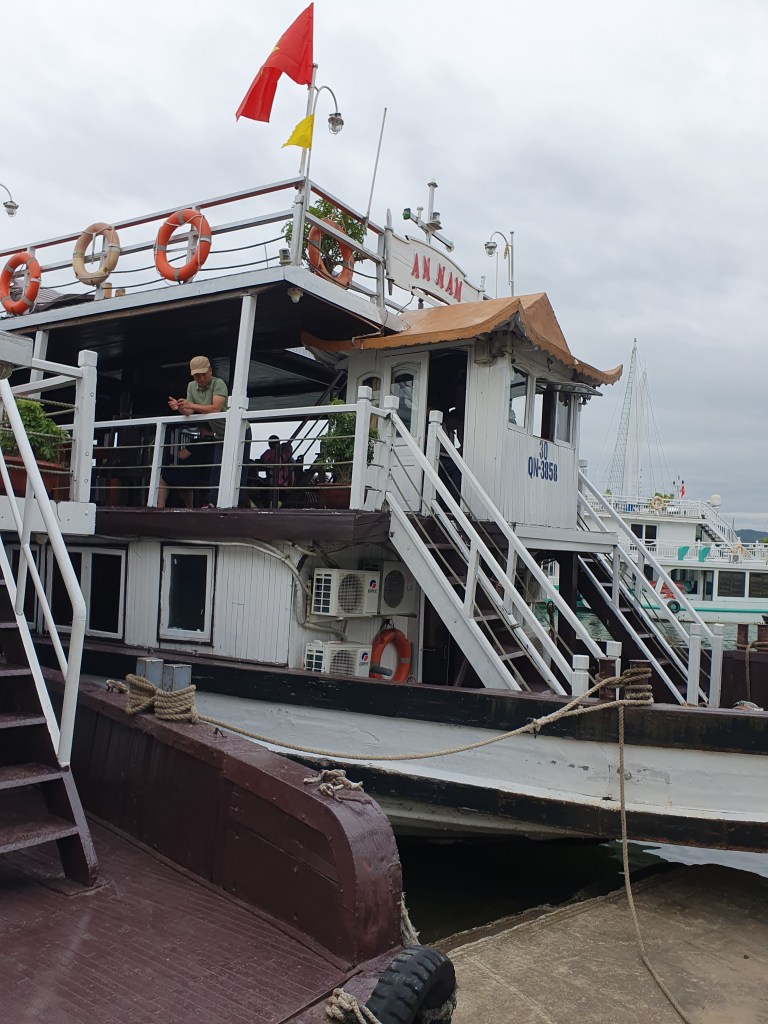
There are many local caves on the islands to explore and we ventured into one, and then towards dusk I had the pleasure of exploring an empty and calm section of the bay by kayak. The only thing that was man made around me was a small floating pearl farm where oysters were floating below growing pearls for fine jewellrey.

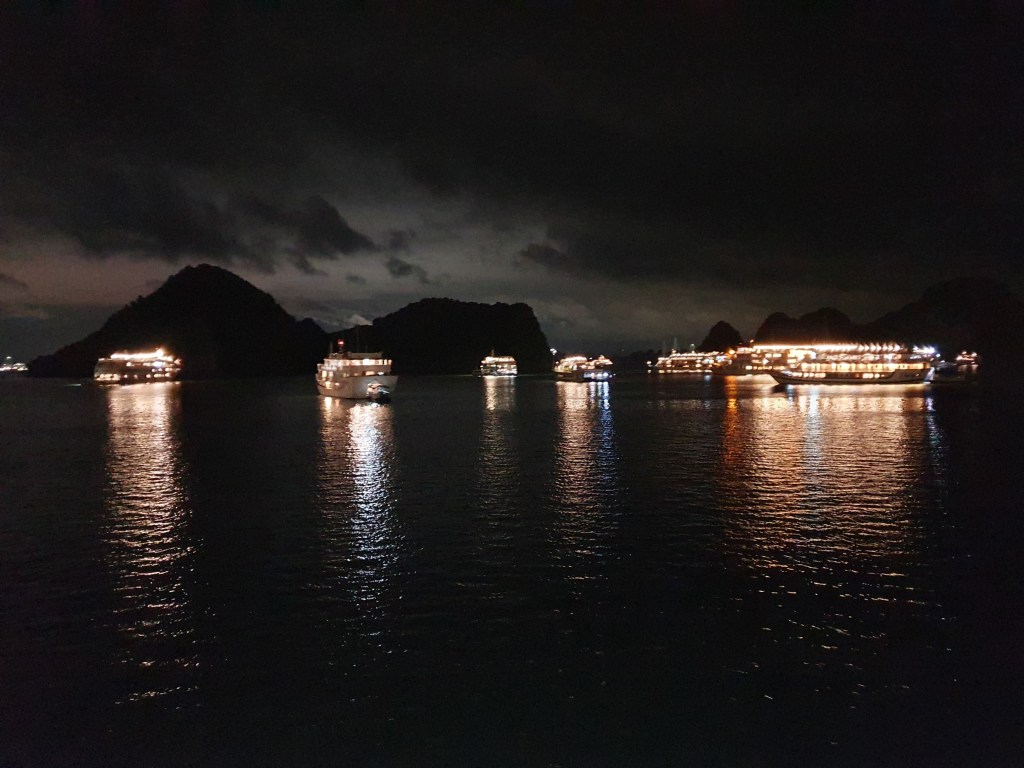
At night all the boats have to gather in one part of the bay so you can enjoy the sounds of distant karaokes and good times from your neighbours all around you.

We also got the opportunity to see some amazing charitable organisations on our route from Halong Bay. Two groups of crafters that were helping their community by making things to sell, one was doing it for the environment and the other for the disabled. I will touch more on this in a later blog.

Back in Hanoi, we had one more opportunity to look around. We tried for a third time to see the train on train street, but this time at night. The train schedules on the internet were all wrong, so we got there badly timed and when we tried to wait the police made us leave, even though we were half way through a paid meal. Overall, I would say only go to train street if you are happy to waste a lot of time and maybe only see the tracks.
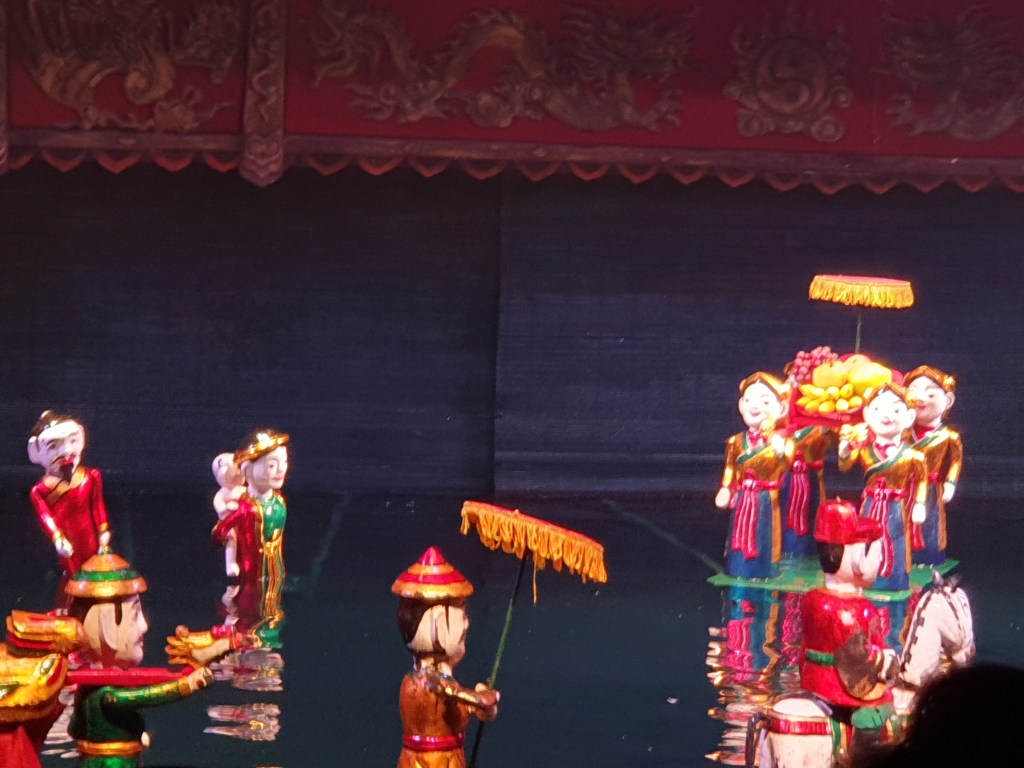
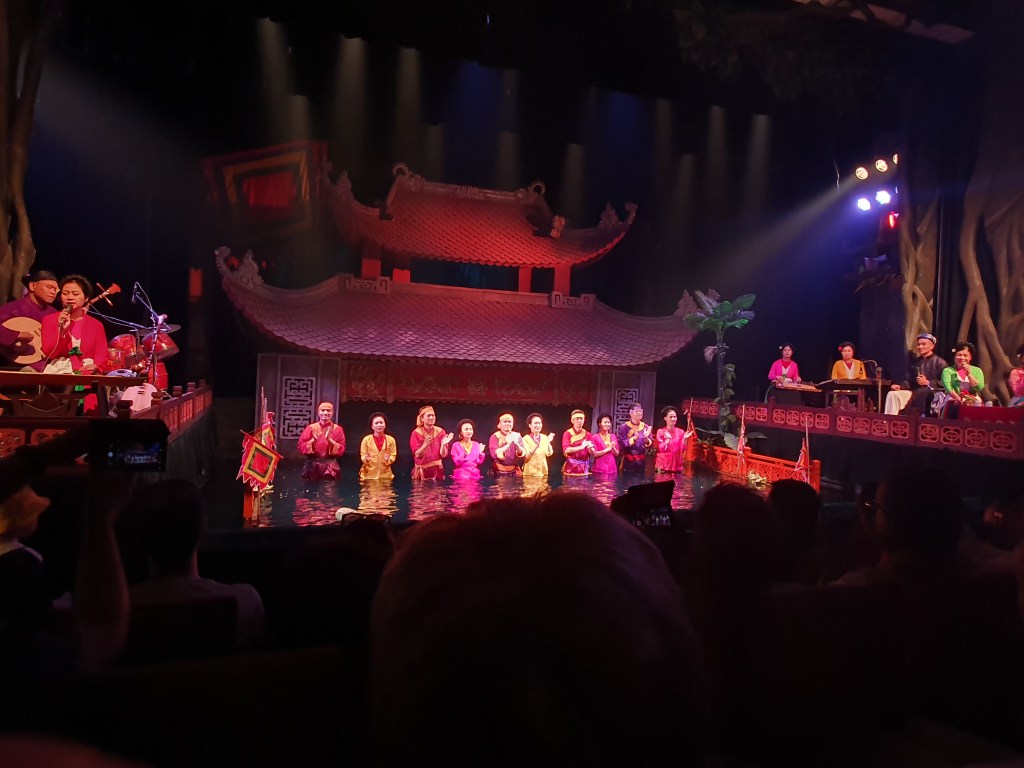
Something that was well worth it for only about £6 and 1 hour was the Thang Long water puppet show by the lake. This show was a traditional artform telling folk stories of Vietnam in their language and with singing, using puppets within a big pool of water.
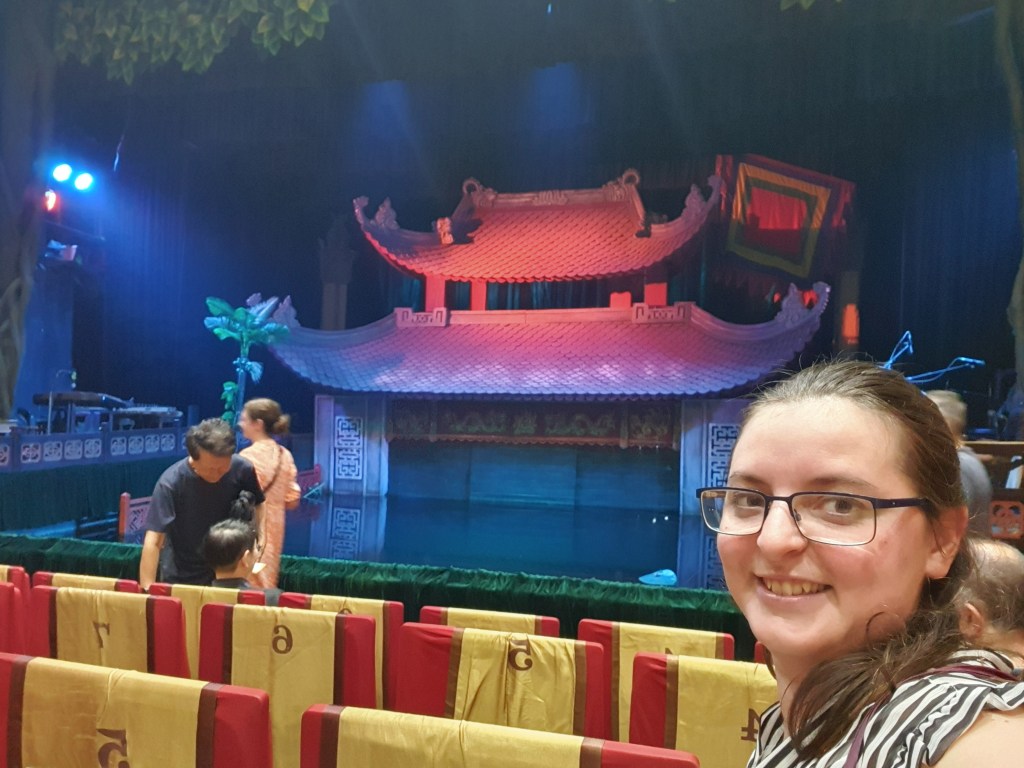
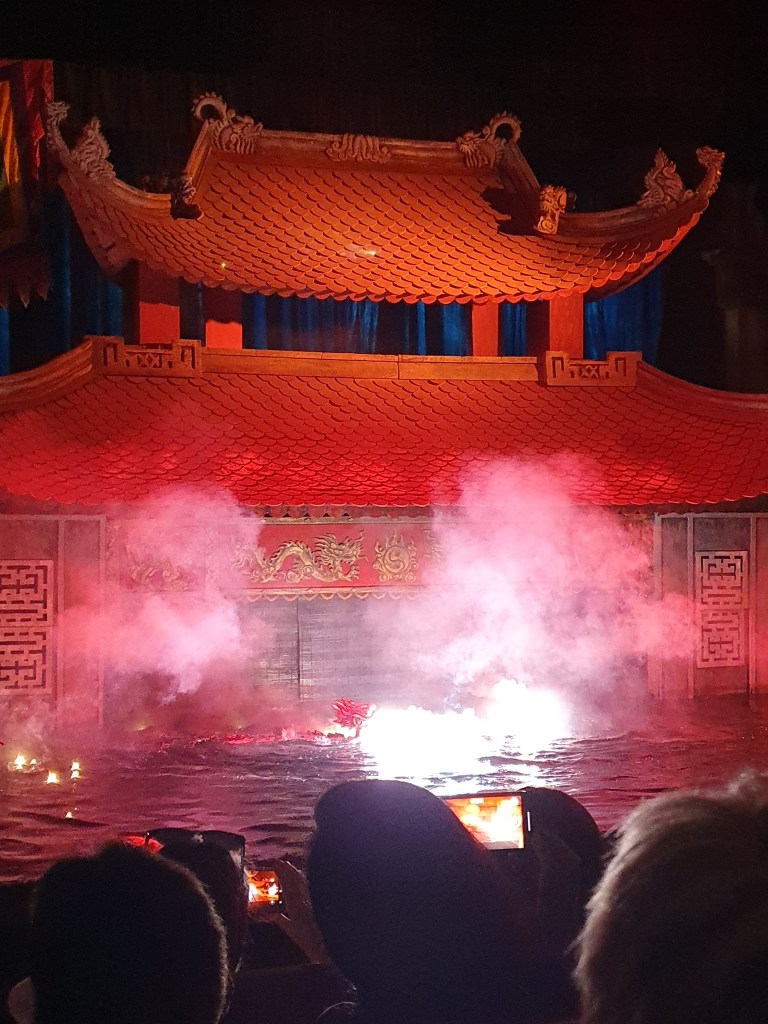
I wasn’t sure if it would be entertaining enough, but it was actually very funny at times and the show somehow managed to use smoke and fireworks on the water aswell which I dont even understand how. The best part may have been the music though. There was an orchestra of local folk musicians playing traditional and strange instruments and all in vietnamese formal wear. Overall it was super impressive!

Hue

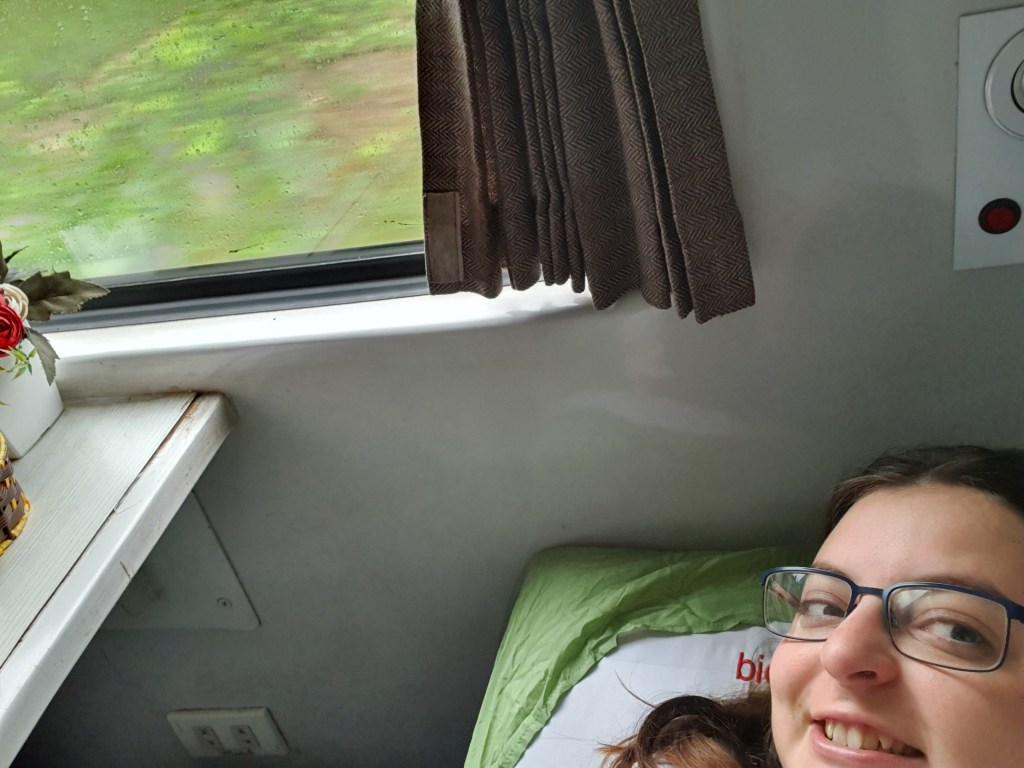
Writing this section of the blog at 4am from a twelve hour sleeper train from Hanoi to Hue. Sharing a bunkbed in a room with three other travellers, I feel quite at home and I am enjoying the bumpy swaying of the carriage more than expected.

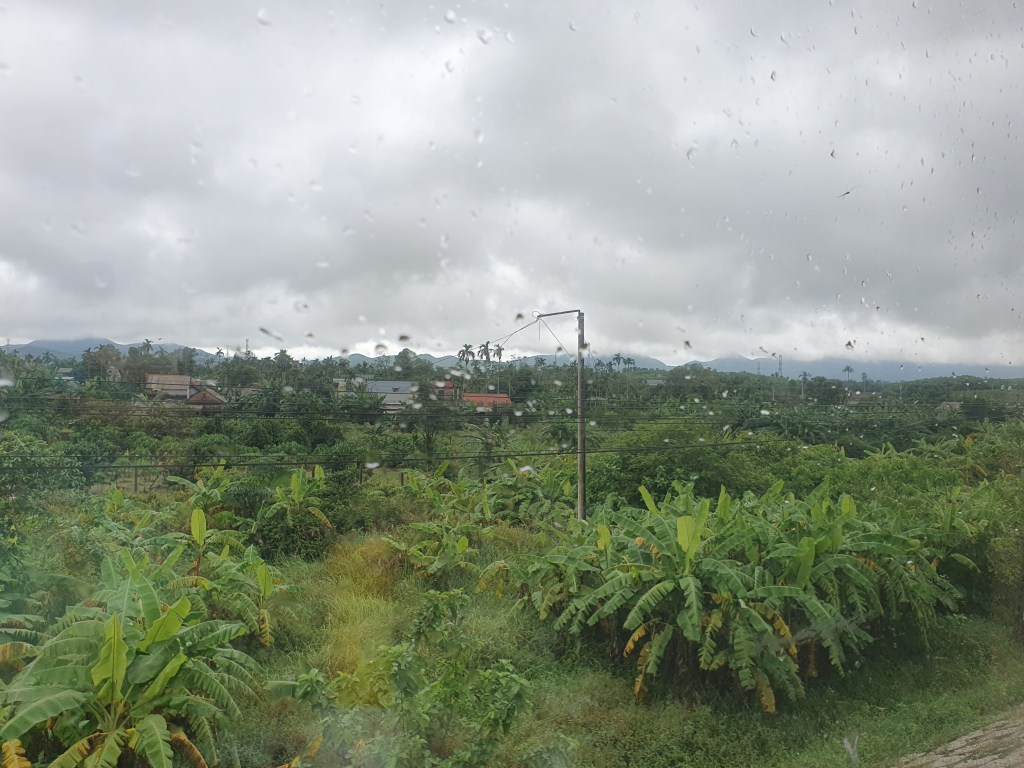
At night I can see the reflections of the train in nearby waters and marshlands and the odd distant light of a farmer or two working in the fields and by day the scenery becomes many small villages and plenty of rain!
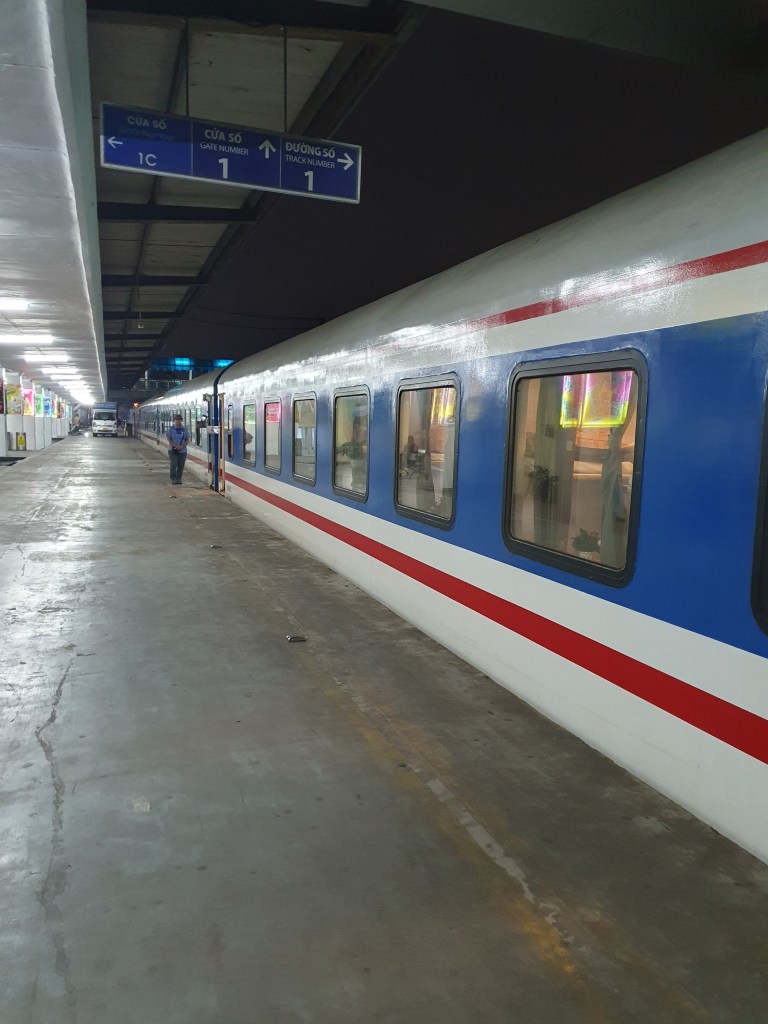
The train has different classes, we are in a 4 berth, but there are 6 berth and then soft reclining seats and hard seats (for those true hardasses – literally). My room is quite good with a little mattress, space under the bed and a table with a selection of sweets.

The only thing that has been a horror is as expected, the bathroom situation. There is either a squat room for guess what.. squatting, or there is a western style toilet. The toilet started off okay but now I can tell you that by 4am it is not okay. Its a horror show. I am trying to figure out how I can not pee now until 11am. Note to self, must purchase a she-wee for travels!

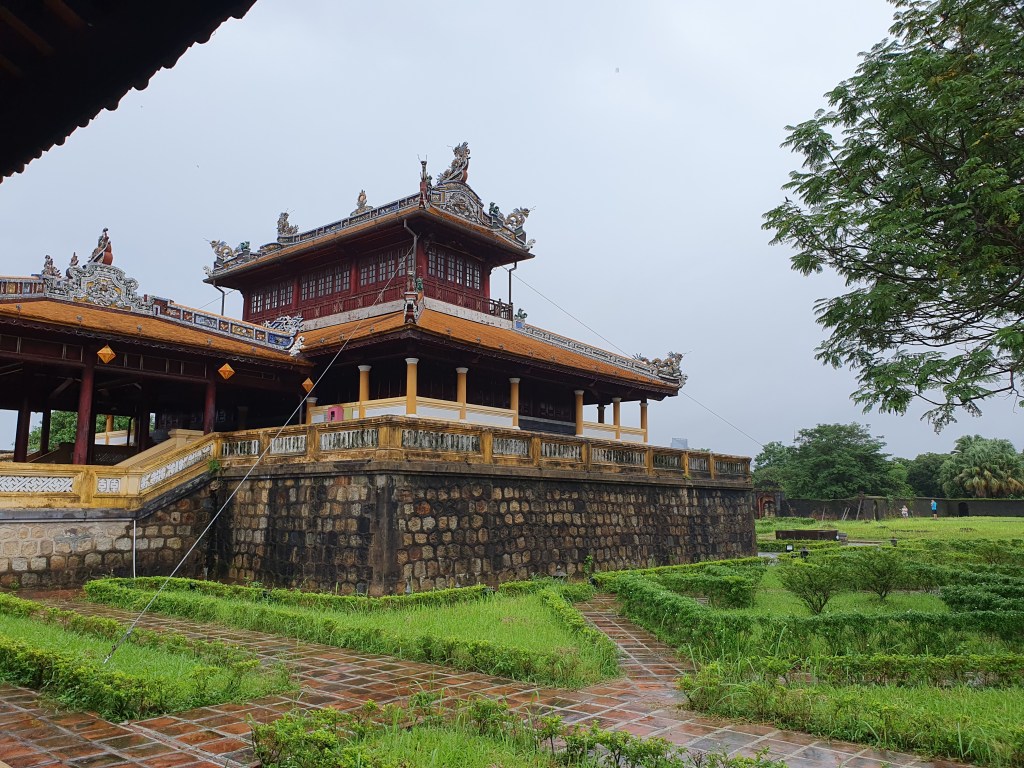
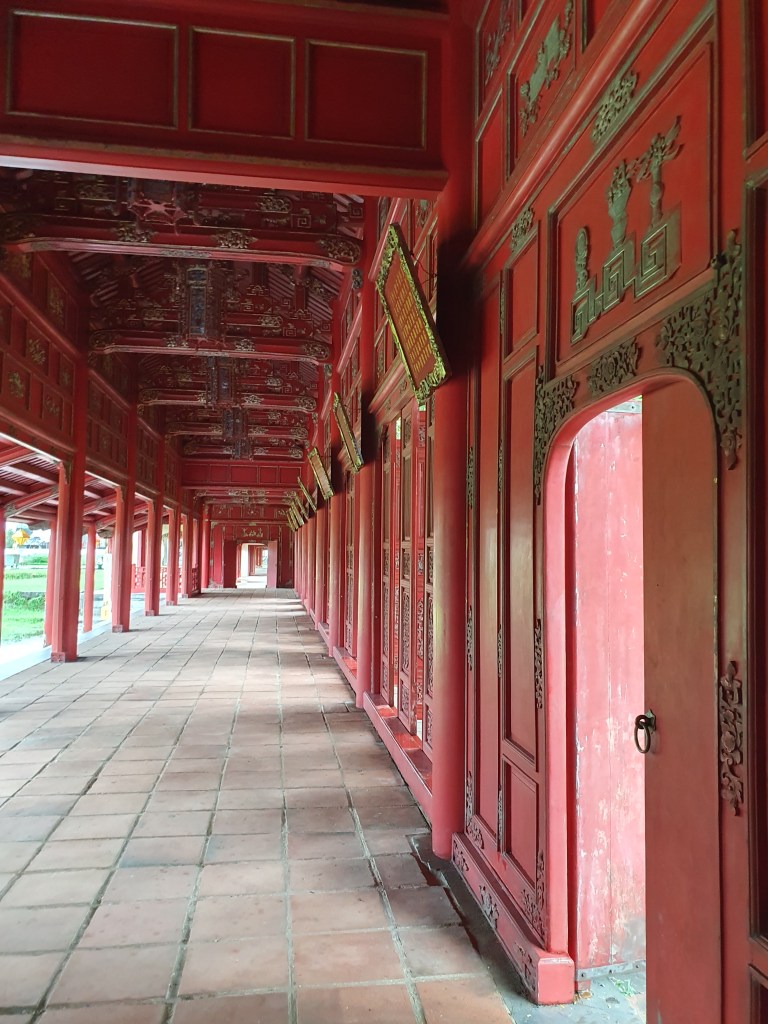
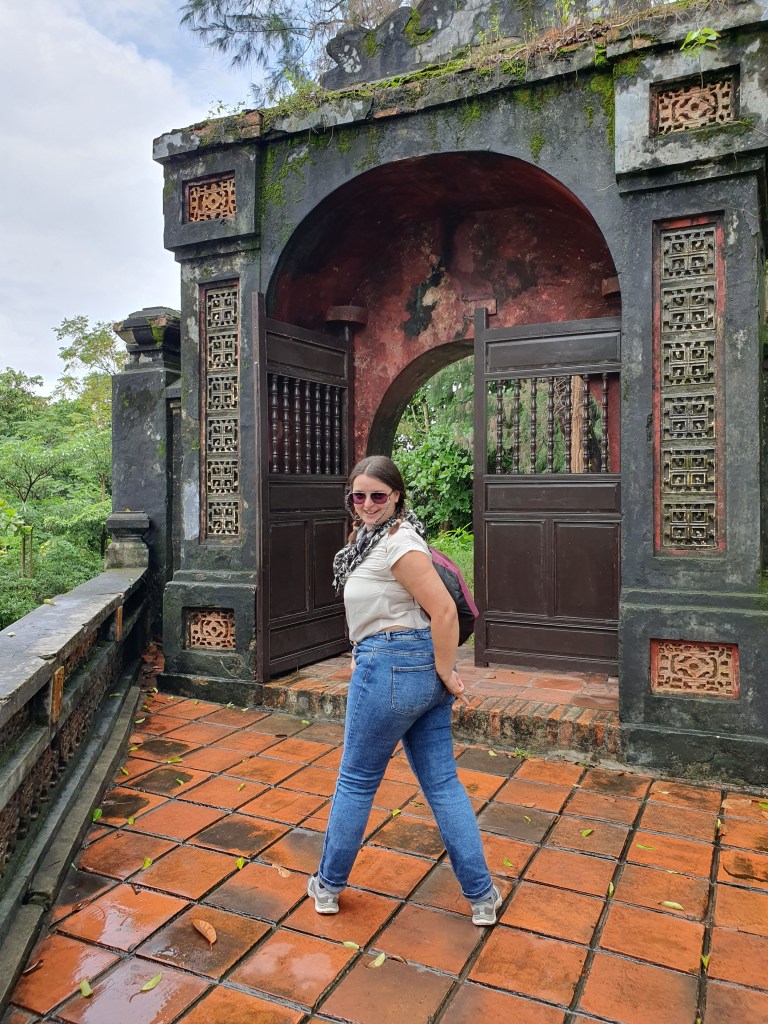
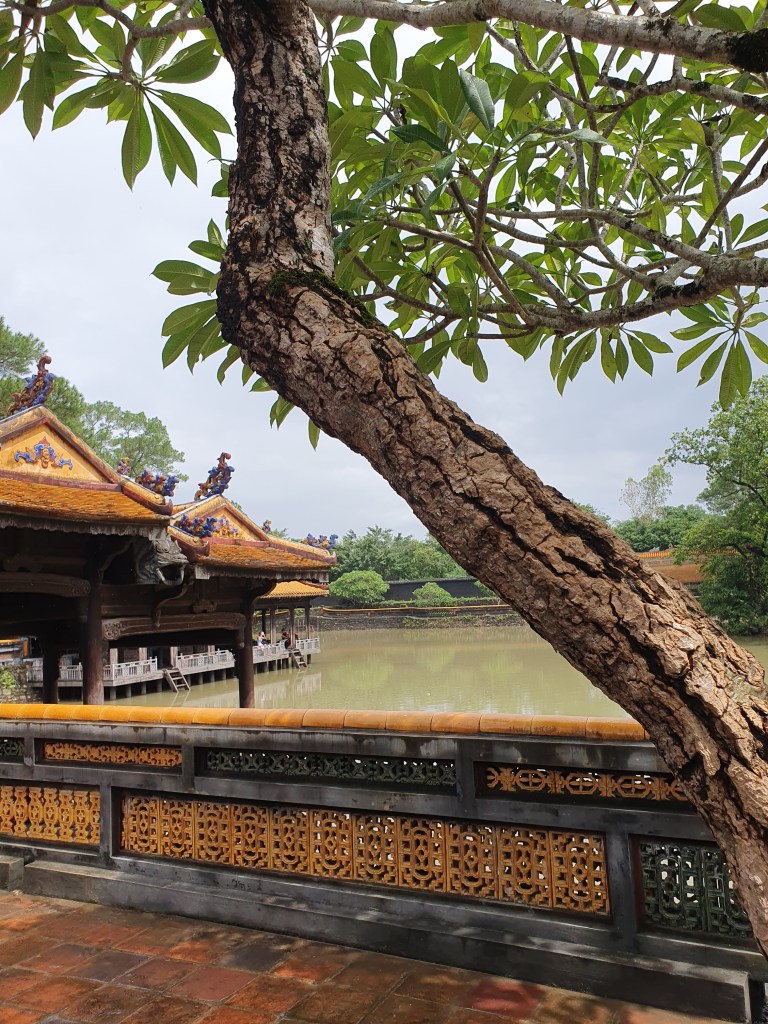
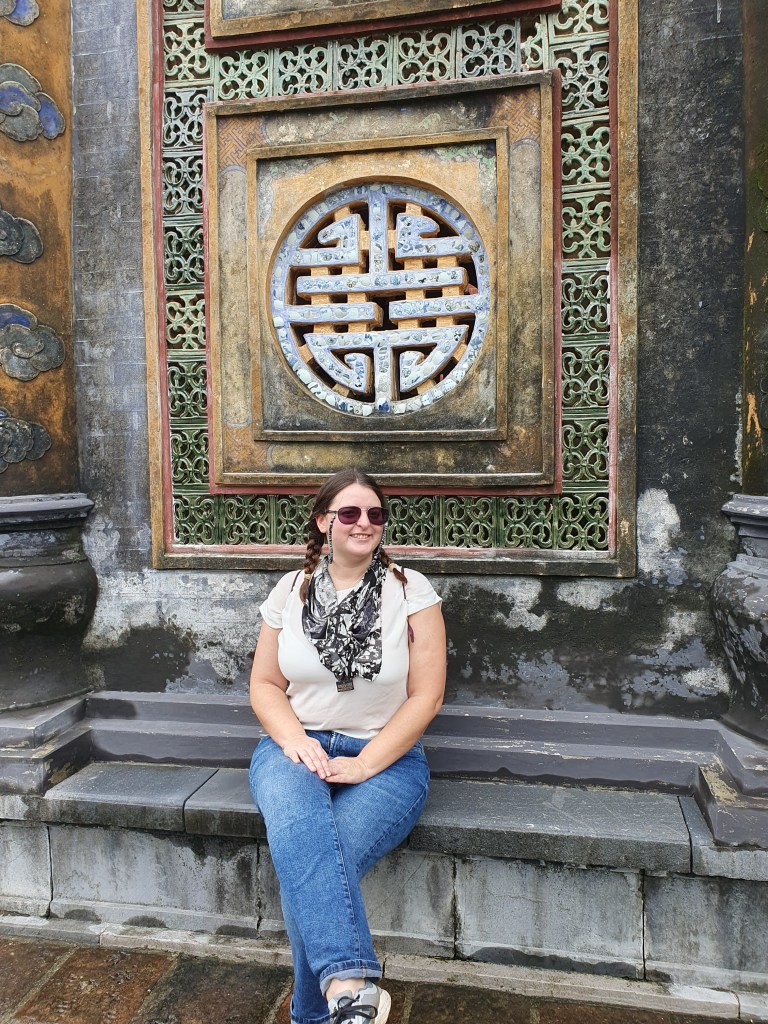
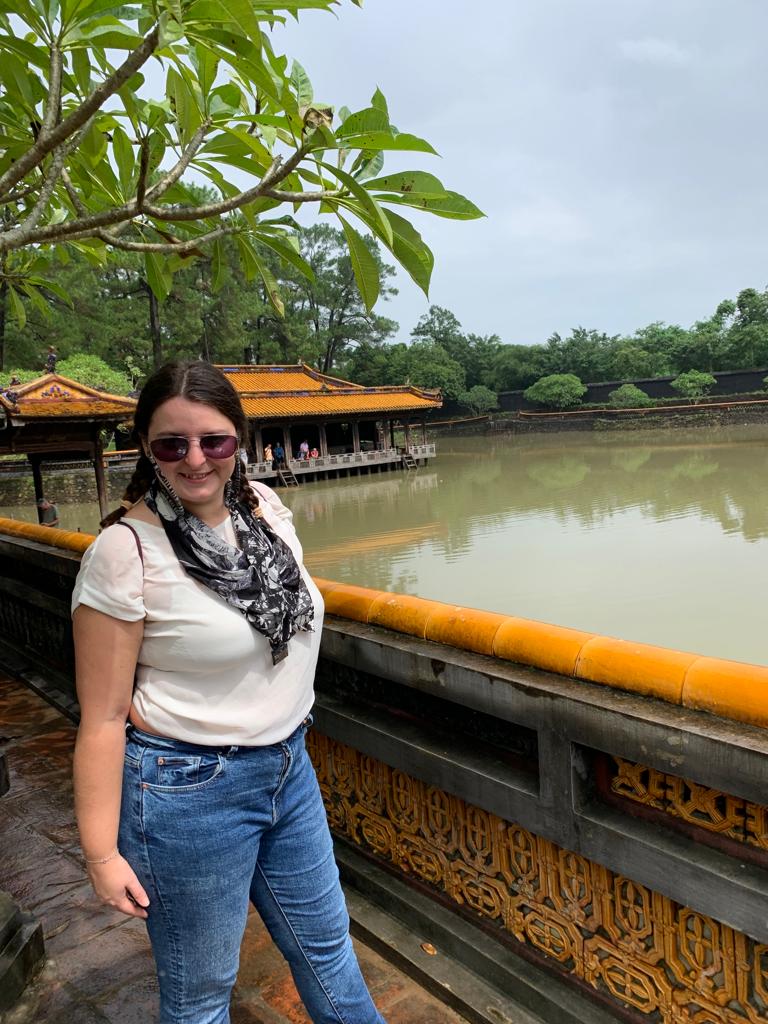
Once we got to Hue and freshened up at our hotel, with an umbrella in hand, we were guided to the ancient citadel. Hue was historically the imperial capital and home of the kings of Vietnam. It still has the 21 metre thick walls surrounding it and many of the original buildings either still exist or have been rebuilt or are in the process of being rebuilt after collapsing from weather or war bomb damage.
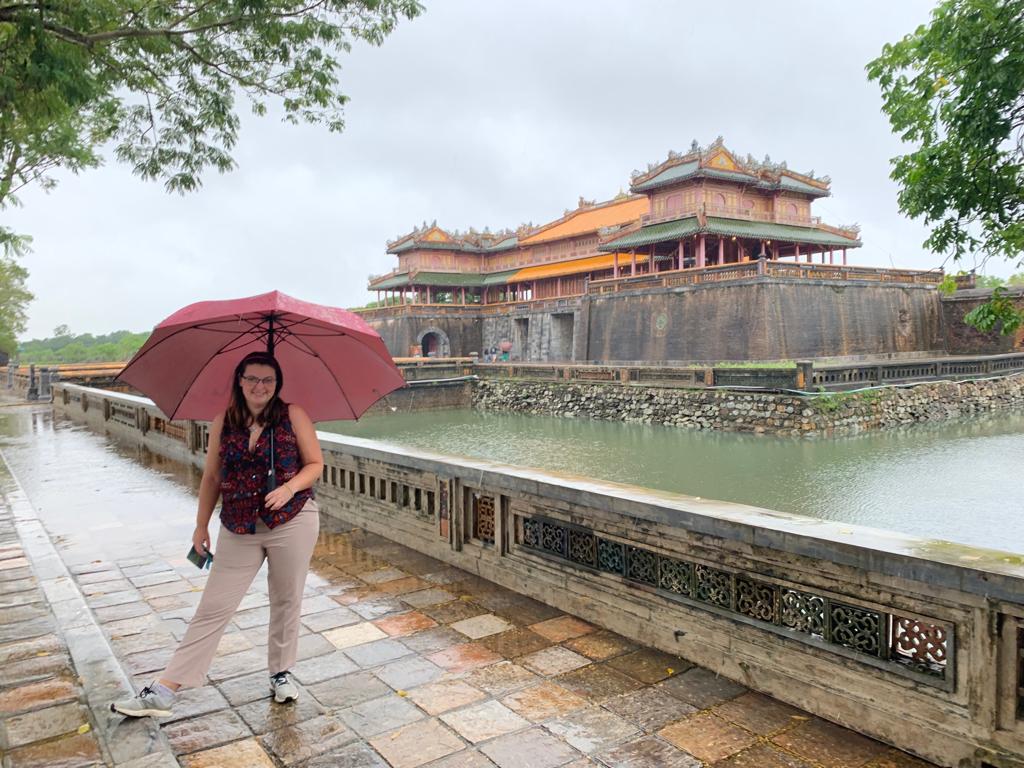
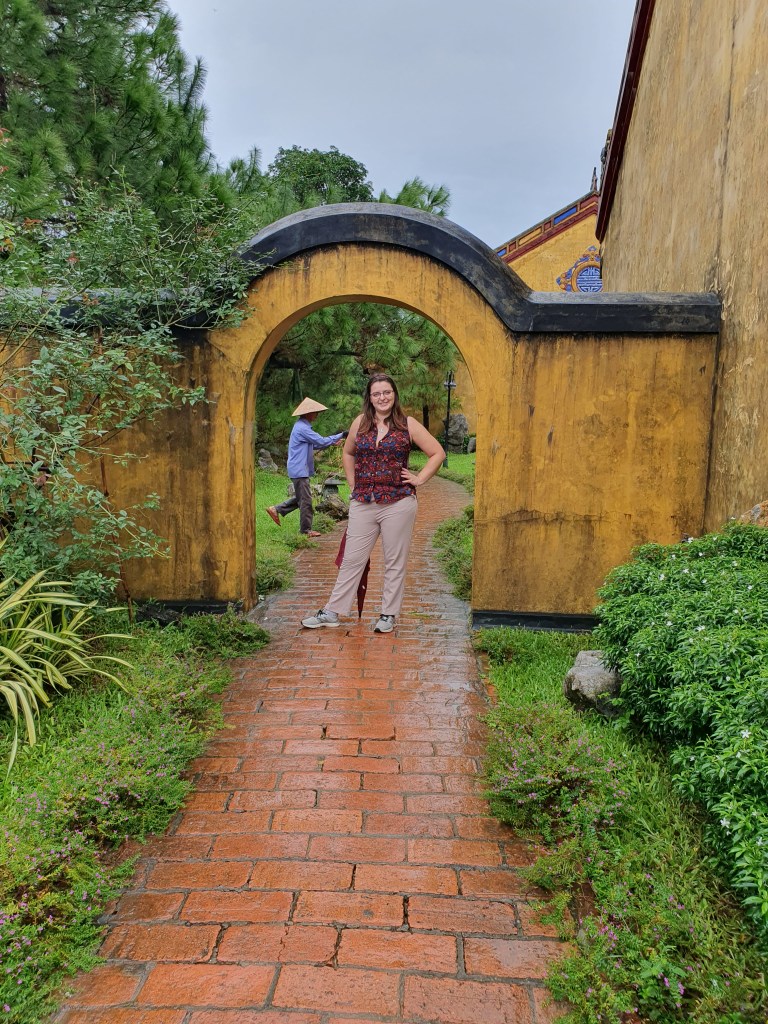
The site is very pretty and a bit of a maze to walk around if you do not have a guide. It is mostly an outside visit except for a few locations where you can visit inside after slipping off your travelling shoes. I Particularly enjoyed the king’s gardens with many bonsai trees and bright green foliage. Obviously, due to all the rain, but green is my favourite colour so I’m okay with that!

The stories about the kings were interesting too. Kings were seen as Gods by the people, but for many centuries the kings were actually puppets for the french to put their influence over Vietnam. The kings ranged from 7 year old boys to a man that went from being a king to a french pilot. So random!

Later in the evening I had dinner with a local family that had been there for generations and the lady’s grandfather had been a direct servant of the king. The family now are well off in the area but still cannot afford to travel much and still work very hard. It is becoming apparent how hard people in Vietnam work to make a minimal living.
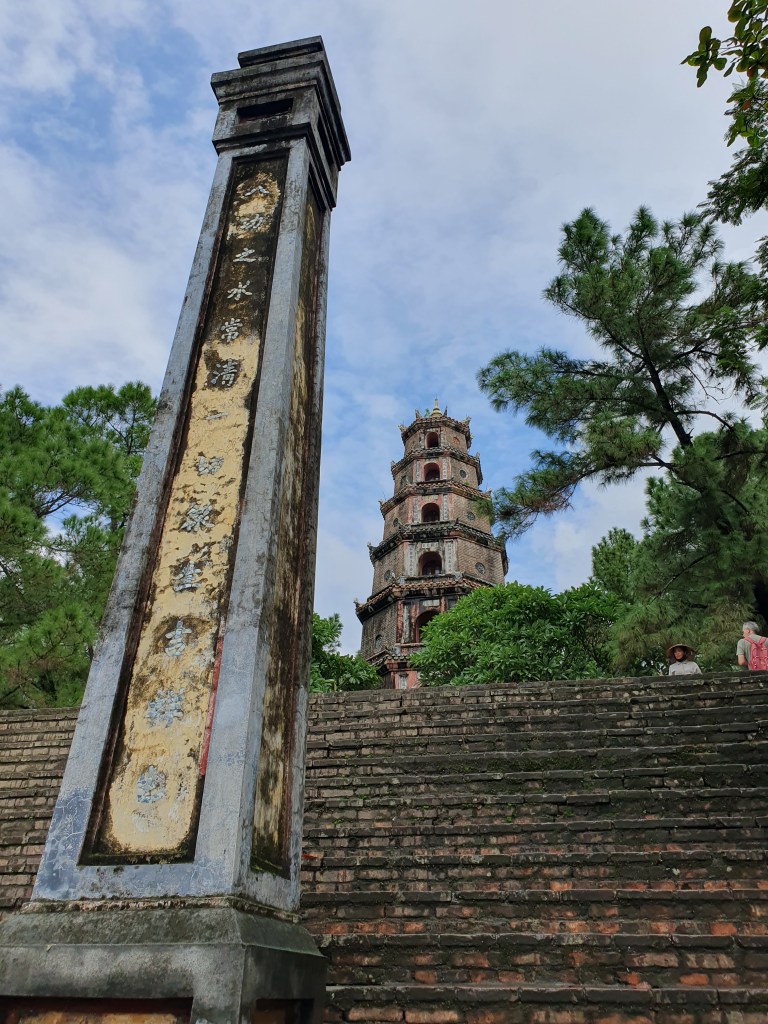
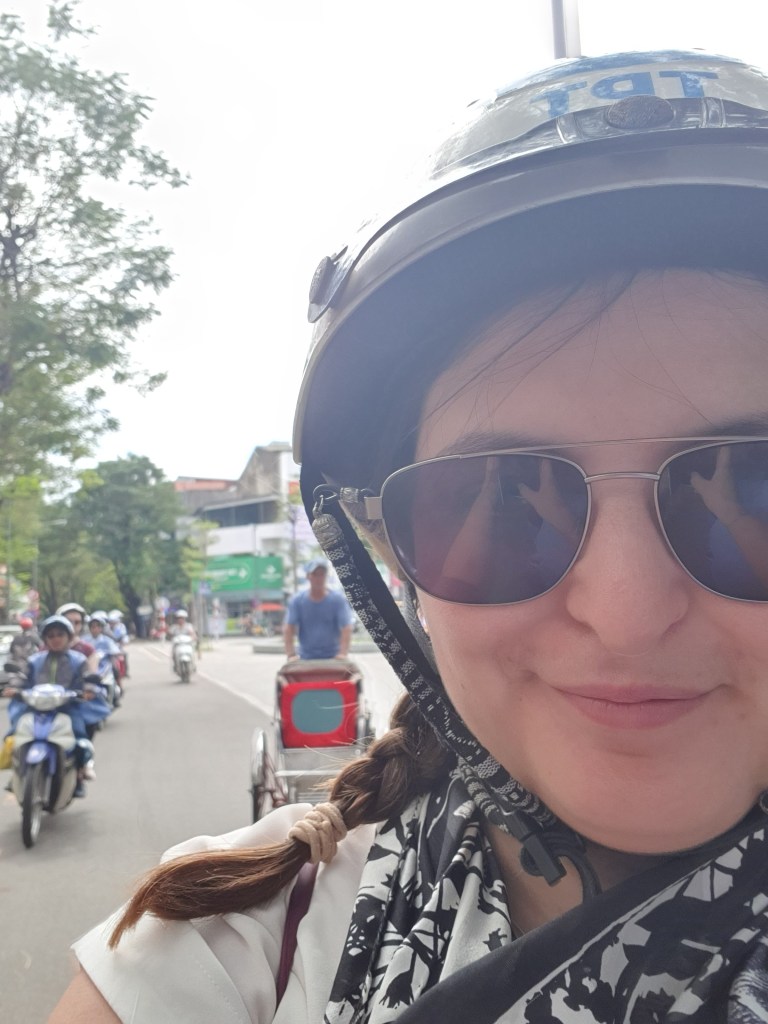
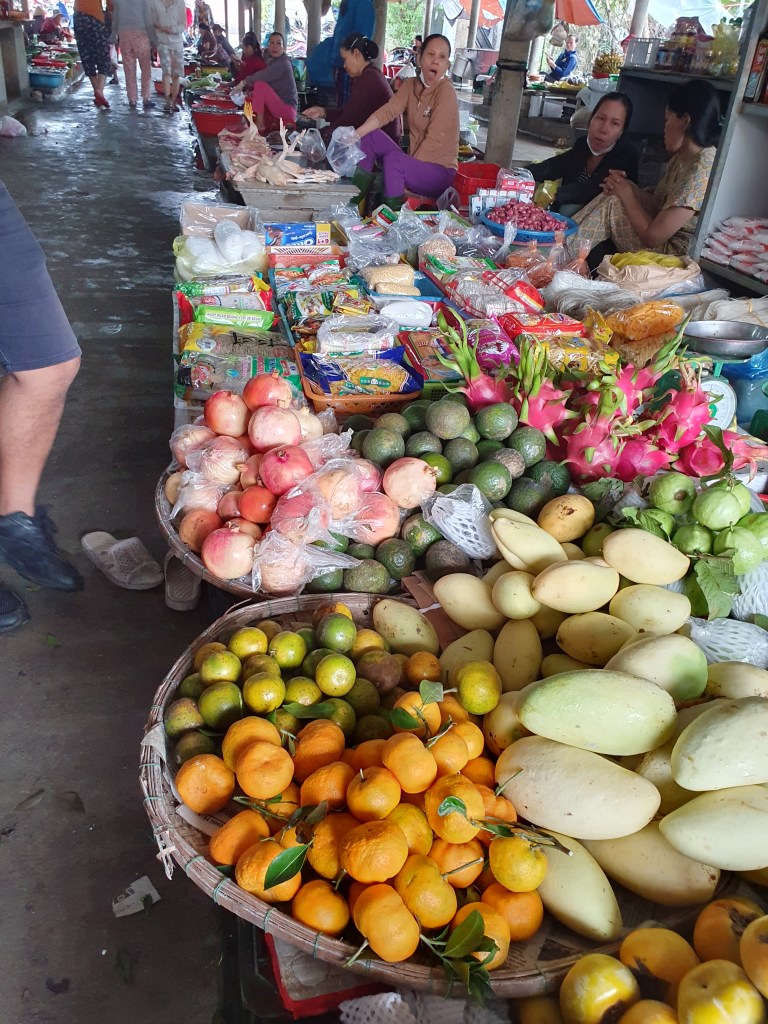
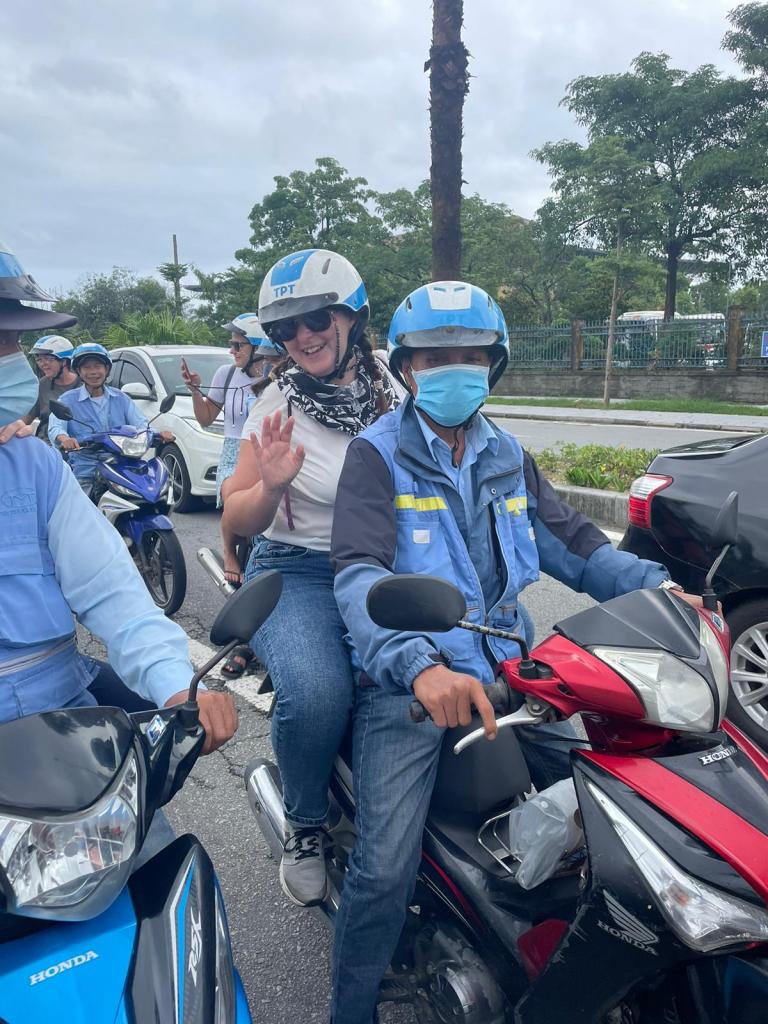
The next day in Hue, we ventured around the surrounding countryside and the town centre by motorbike. This thrilling experience was one I will never forget I imagine, it was an adreline rush full of beauty and culture. As I rode pillion to a Vietnamese man named (‘kern’) I explored a king’s final resting place, a local fresh market (where it is so fresh that the animals are still alive), and a local monk community. What a thrill!

Next day we move on to the South to Hoi An… in my part 2 blog.

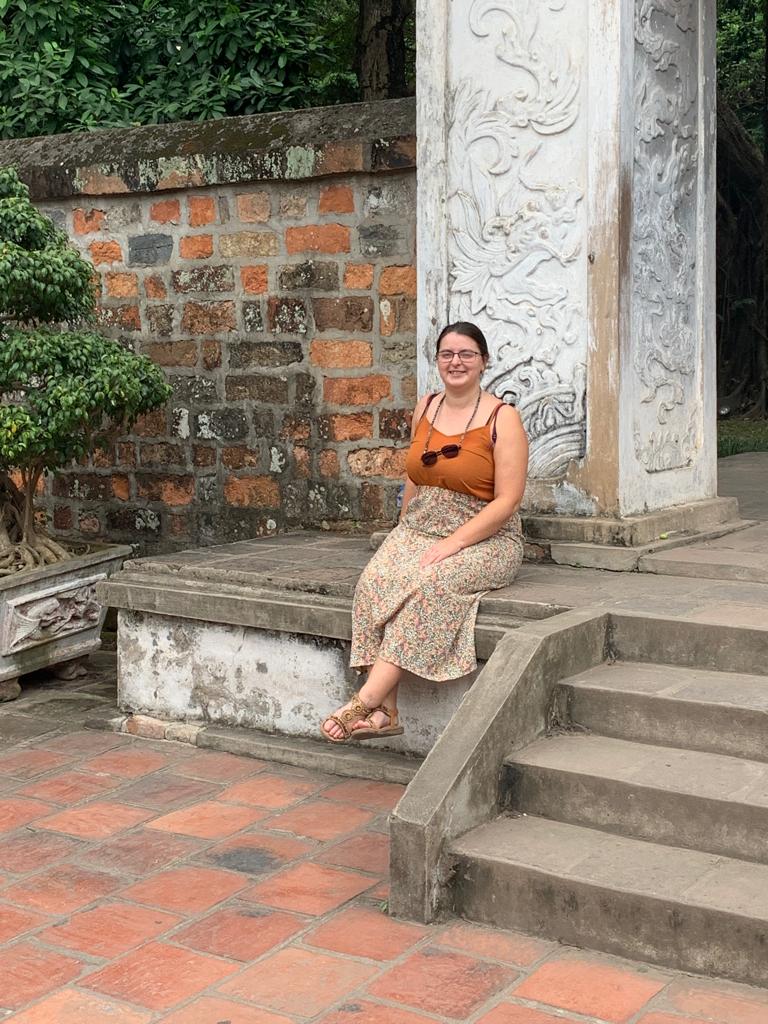
Me at Halong Bay

Lisbon: The City of Seven Hills

I have visited Lisbon several times for short day trips, but this Spring, I stayed over for a two night break between destinations. This city with what feels like many more than just seven hills, is full of life and culture throughout.

Travelling to Lisbon

I travelled to Lisbon by Train on this occasion from the Algarve’s Lagos, in the South. This was about a four hour journey with one change, and then once in Lisbon there are several main stations you can arrive in. From there, buses, trams and metro are possible.

Neighbourhoods: Alfama and Barrio Alta

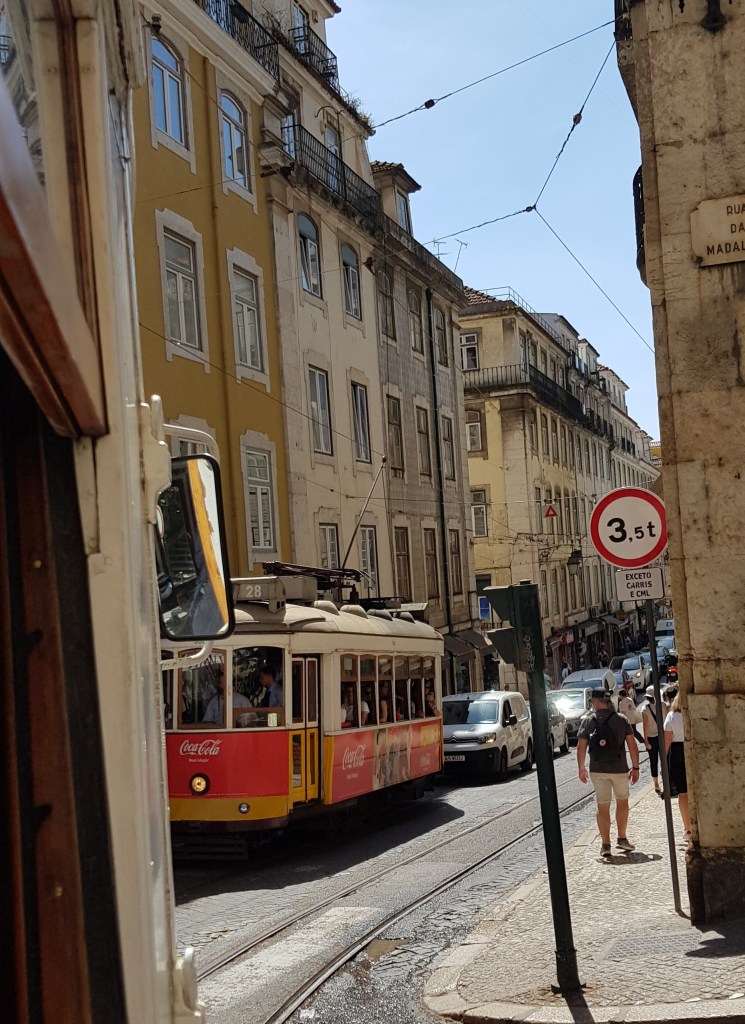
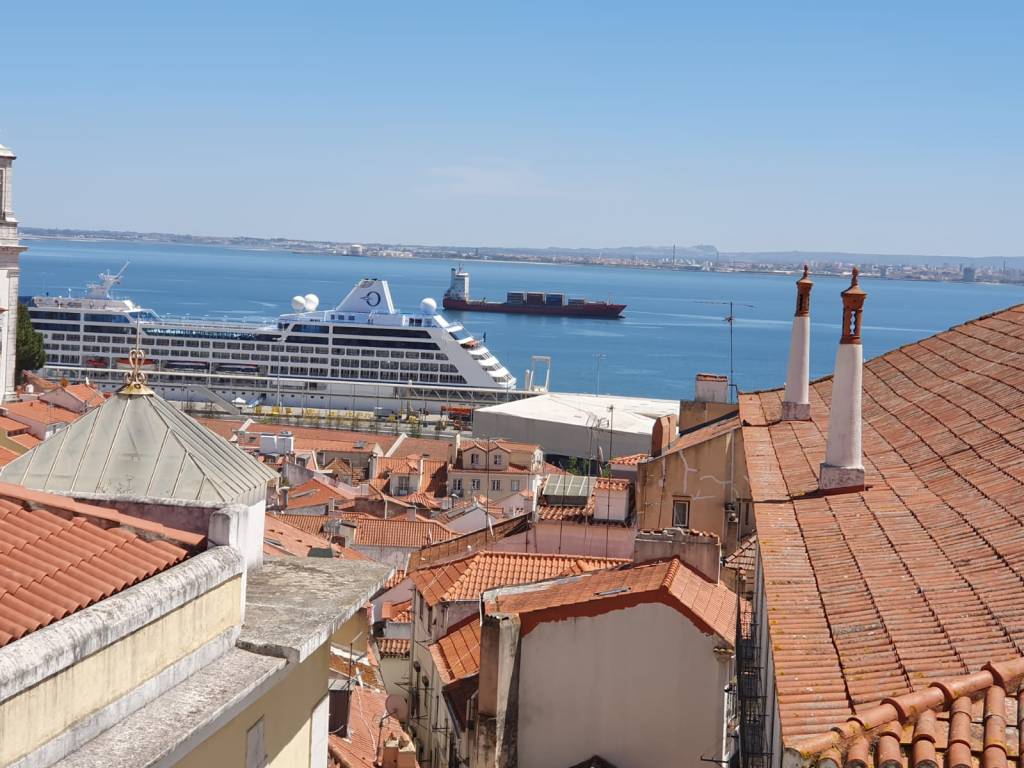
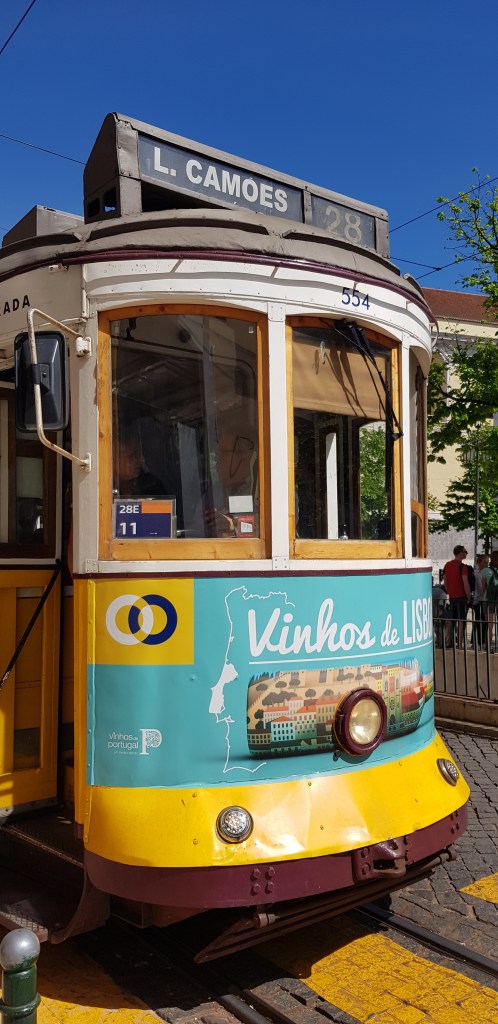
I stayed in the neighbourhood of Alfama which is one of the oldest parts of the city near to the river. I selected this area of the city because it is rich in culture, close to tram 28 which is the main tram to run through the touristic areas, and its an area with many fado houses.

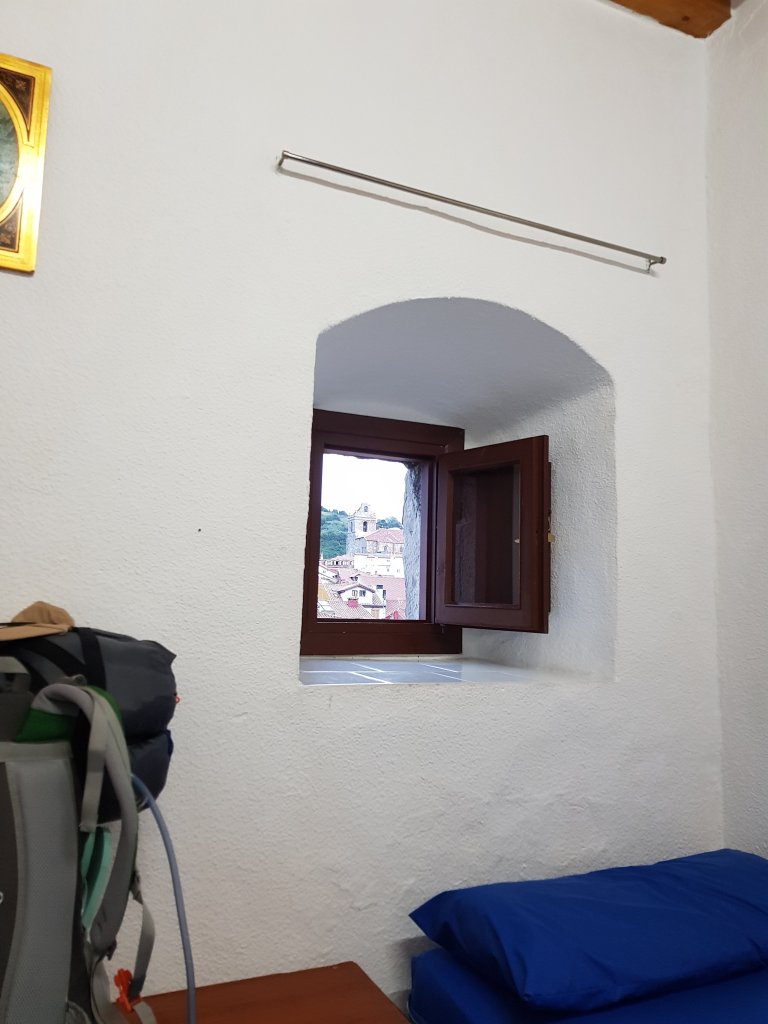
I chose to stay in Convento de Salvador, which is a beautifully refurbished convent on the hill. It was very clean and minimal and still had the old layout and foundations of the convent. Our view of the river and downhill street was wonderful aswell.

It is easy to follow the river from Alfama along the promenade towards the Belem tower, or you can jump on the tram to head either towards the castle in one direction or towards Barrio Alto.

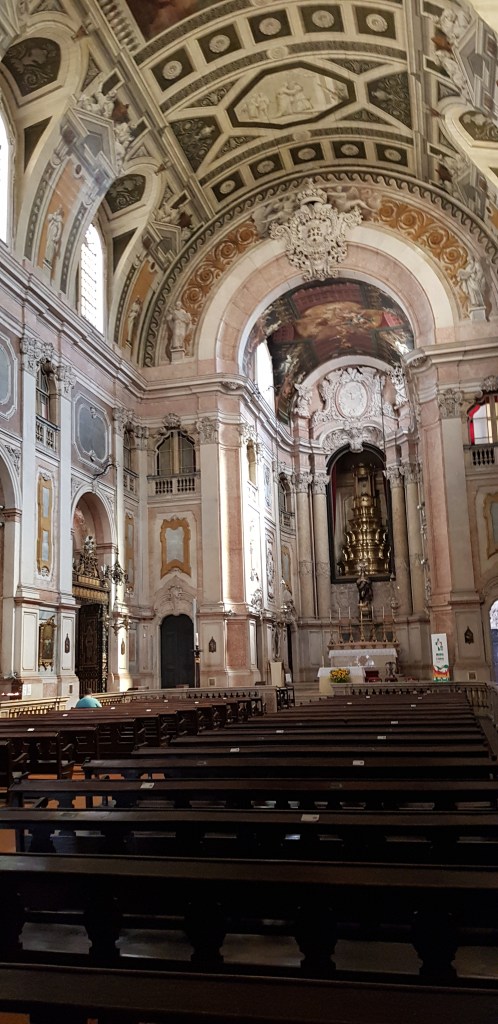
Barrio Alto is a bustling area full of shops, restaurants and squares with street performances at night. Wondering the squares to listen to music, enjoying a pastel de Nata and venturing to some of the local gardens can all be enjoyed within walking distance from here. There are also some wonderful churches, I visited two churches from the italian community that were very beautiful.

The must see monuments / attractions

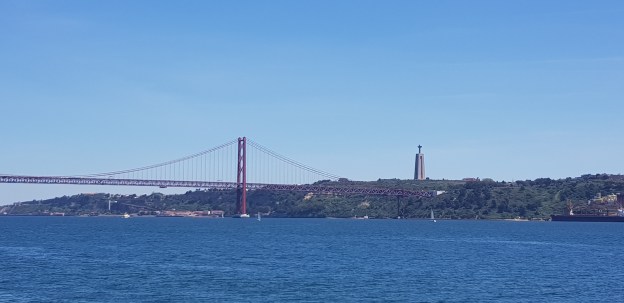
  • Belem Tower – A monument to remember the power and colonisation by Portugal, it sits at the riverside and you can also see the bridge and christ statue from here.
  • Jeronimos Monastery – A huge monastery facing large public squares and standing to the front of the botanical gardens and presidential palaces.
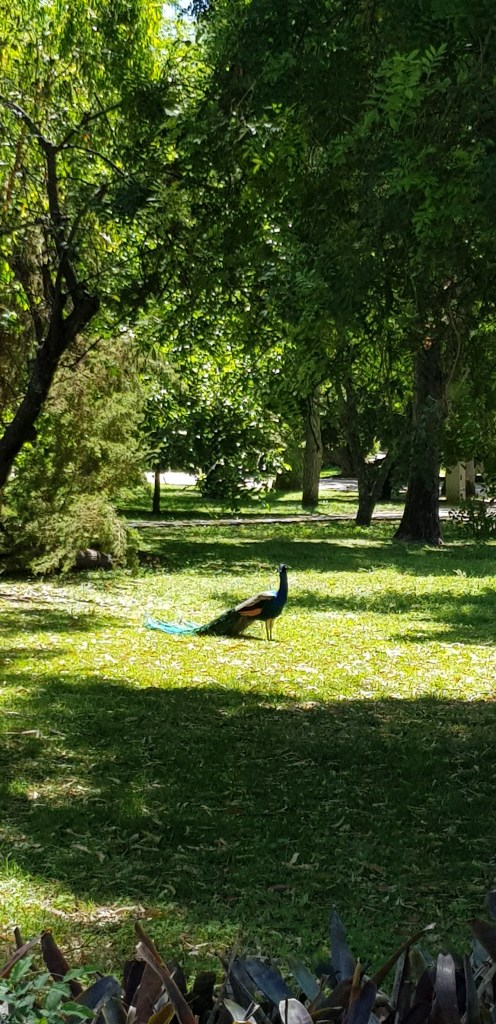
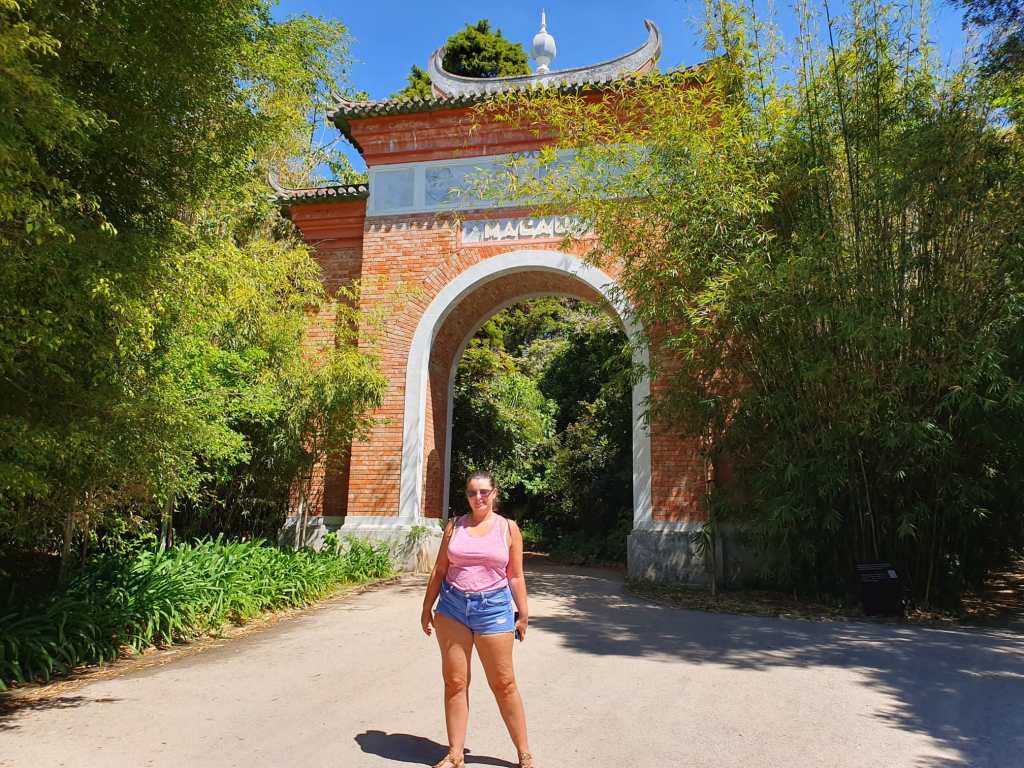
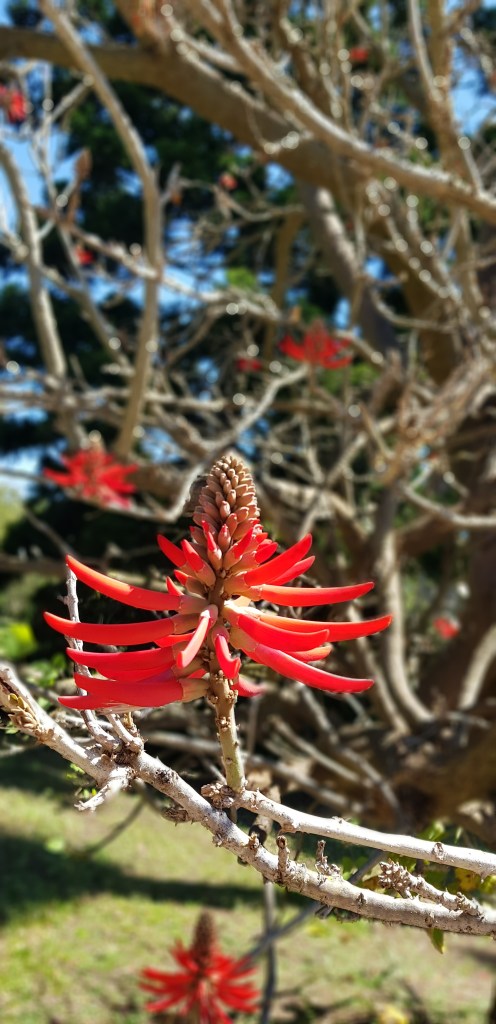
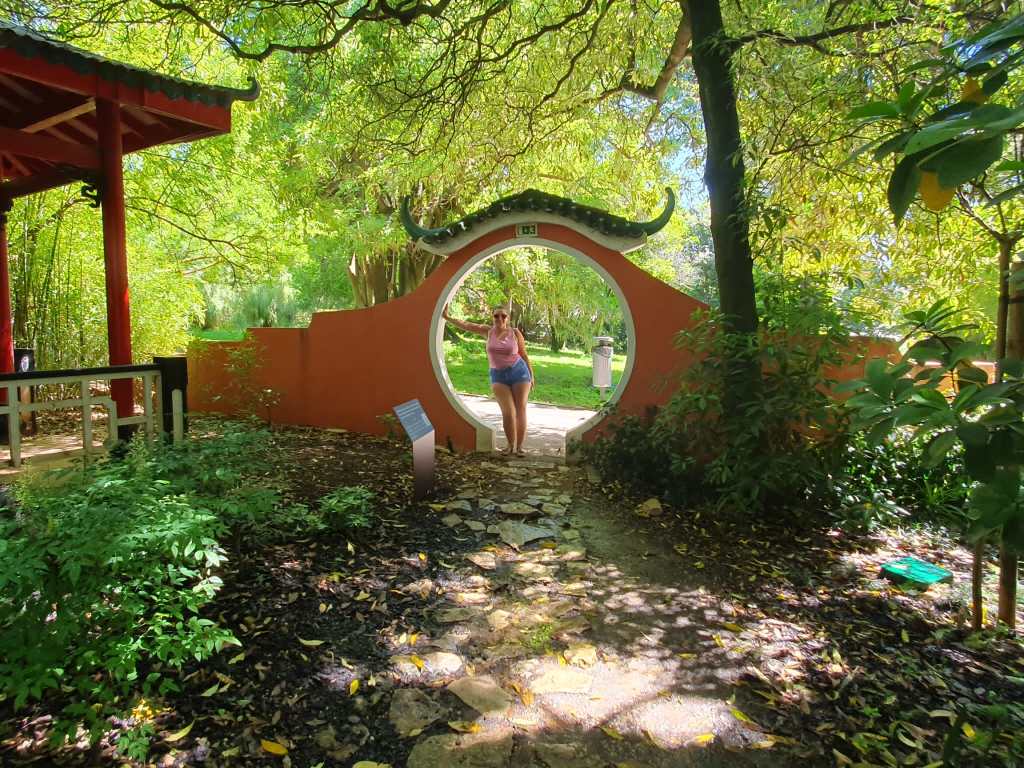
  • Botanical Gardens – A beatiful setting to spend some hours in the afternoon seeing a variety of interesting trees and flowers, an oriental garden, old buildings, african sculptures and many peacocks.
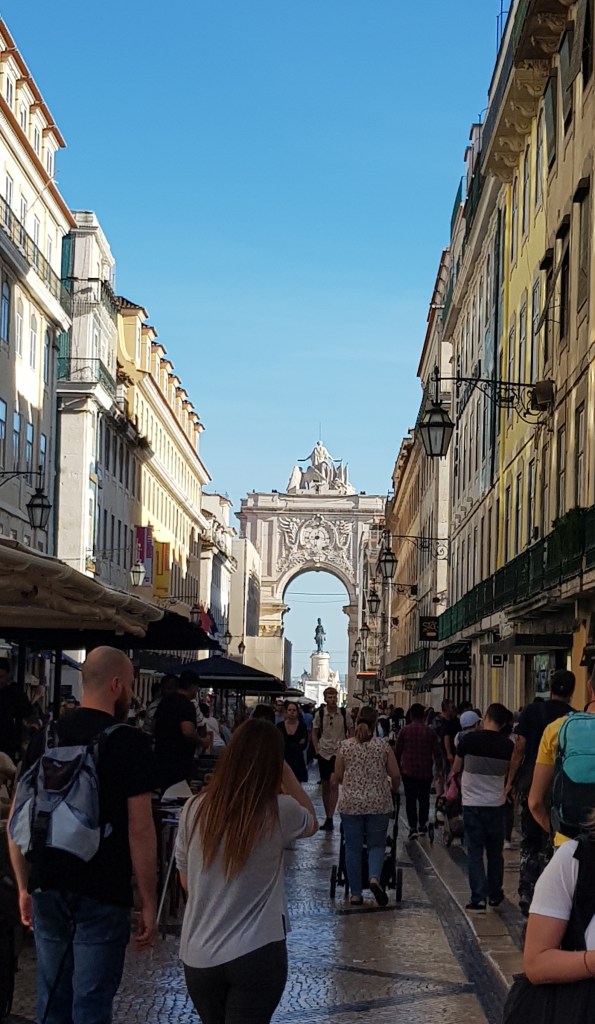
  • Commercial Plaza – The location of a huge statue, the tourist information offices and a great gathering place for events.

Fado

Near my hotel were several Fado houses. These are traditional houses which have evening shows (normally with dinner) of traditional portuguese fado music. This is deep, very sad singing and guitar, supposedly derived from the soul.

The music is very relaxing to listen to, and when visiting the fado house, it was of the utmost importance that guests did not talk and food was not served out by staff during the music out of respect. So, several breaks were needed to dish out food and for conversation. This was good for me as it meant I actually slowed down and savored my food.

There is also a Fado museum downhill in Alfama. It has a lot of information about Fado but it is difficult to navigate and understand the information at hand, and I felt a lot more could be done to improve its guest experience.

To conclude…

I like Lisbon a lot, it is one of my favourite cities. It is vibrant and proud of its heritage. Next stop is another portuguese area, the Azores…

Buenos Aires, Argentina: Paris of the Americas (Part Two)

Following my first trip to Buenos Aires, I returned to the capital city at the end of my three month trip around Argentina to have a final week there, enjoying some attractions I had not been able to visit in my first visit. This time I was joined by a travel companion and was staying in a luxury hotel.

A focus on Evita

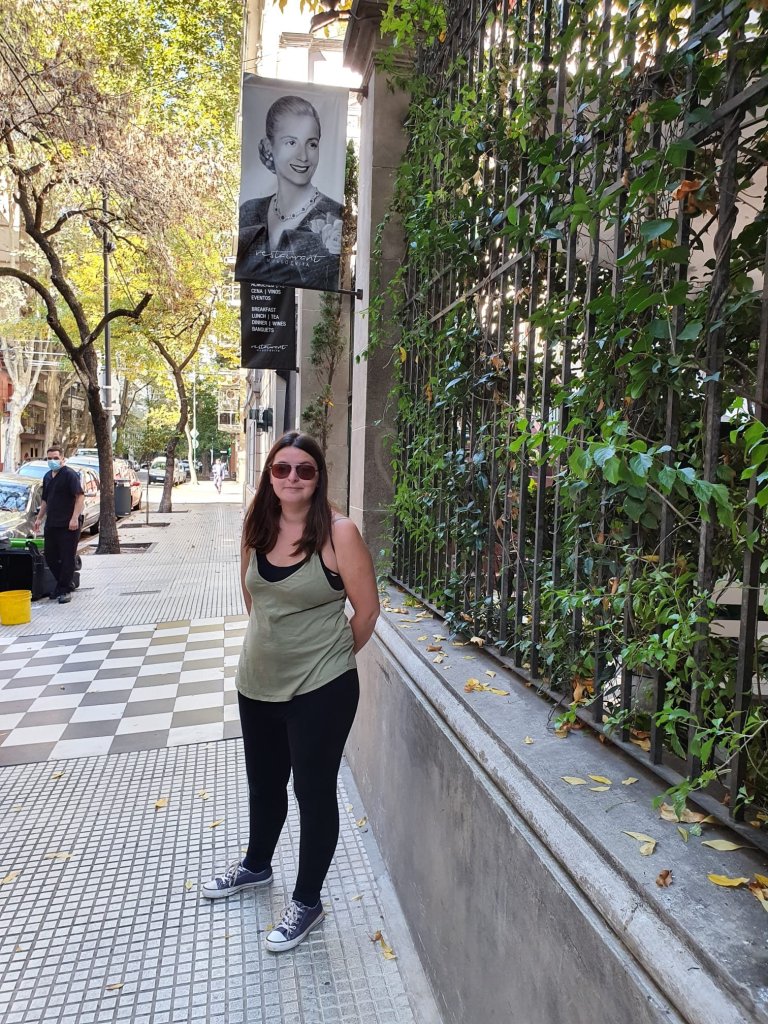
Following my first visit to Buenos Aires, and visiting the grave of Evita, a famous Argentine first lady, this time round, I visited the Evita museum. I was keen to learn more about her life and work for the state. The museum is housed in a previous home for the poor that was set up through a foundation that Evita begun. The museum has several rooms with projections of Evita’s film clips as an actress, her speeches as an activist and also a viewing gallery for her red carpet gowns.

I found the museum to be really interesting but unfortunately photos were not allowed. The information was really good about her early life, career, relationship with president Peron, and her death. I learnt that she had a lot more involvement in charity work than I had realised. She also won the vice presidency but turned it down, which I was not aware of. After finishing our look around the museum, we had a tasty lunch in the museum’s restaurant which has a very nice courtyard.

A walk around the parks

I was able to visit a few more of the park’s in Buenos Aires this time, although not all of them, as the rosalade (rose garden) was closed for upkeep.. very annoying. I did manage to visit both the Botanical Garden and the Eco Parque which are next door to each other. This took a full morning, and both parks were worth a look, and free to enter.
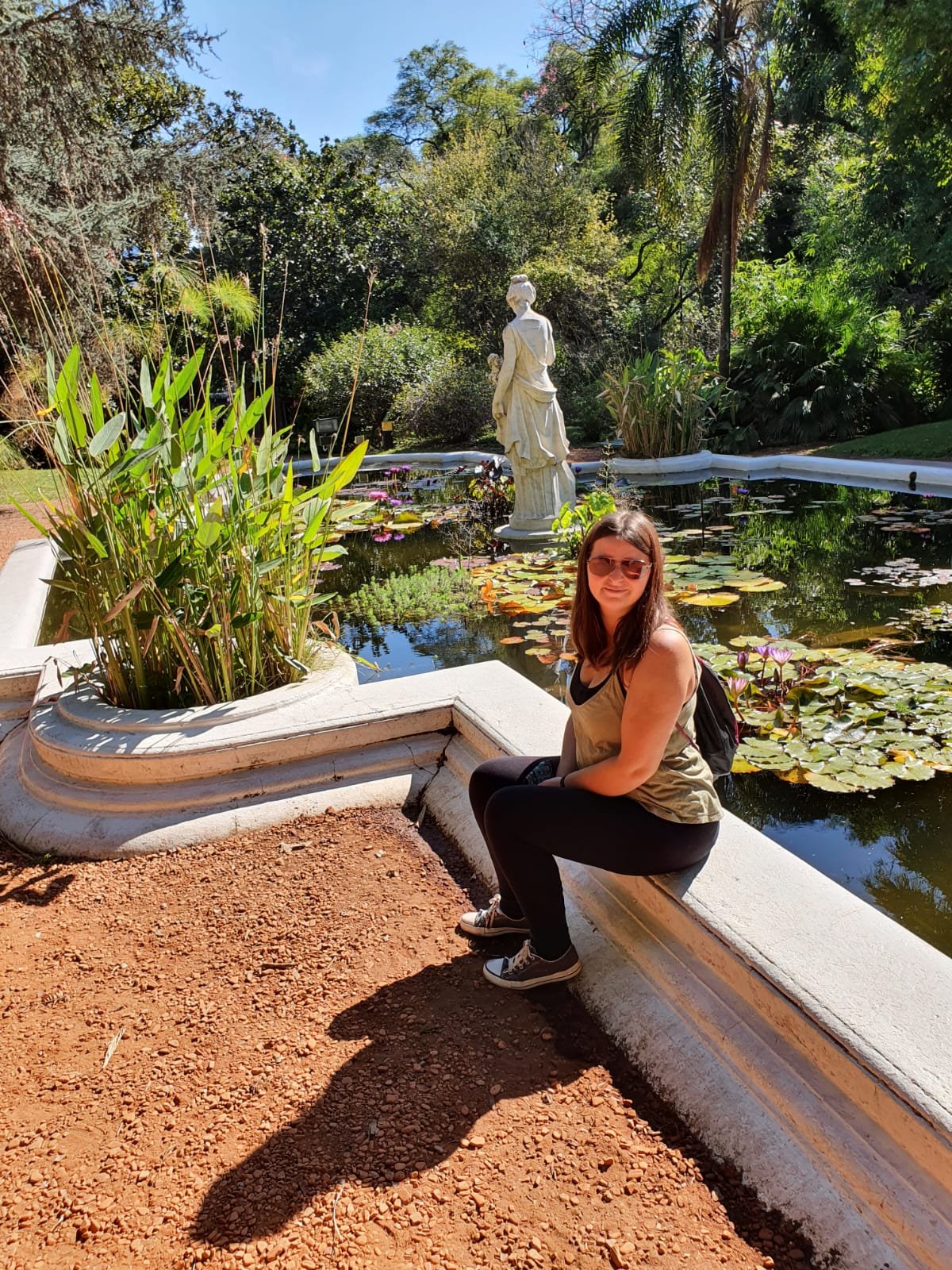
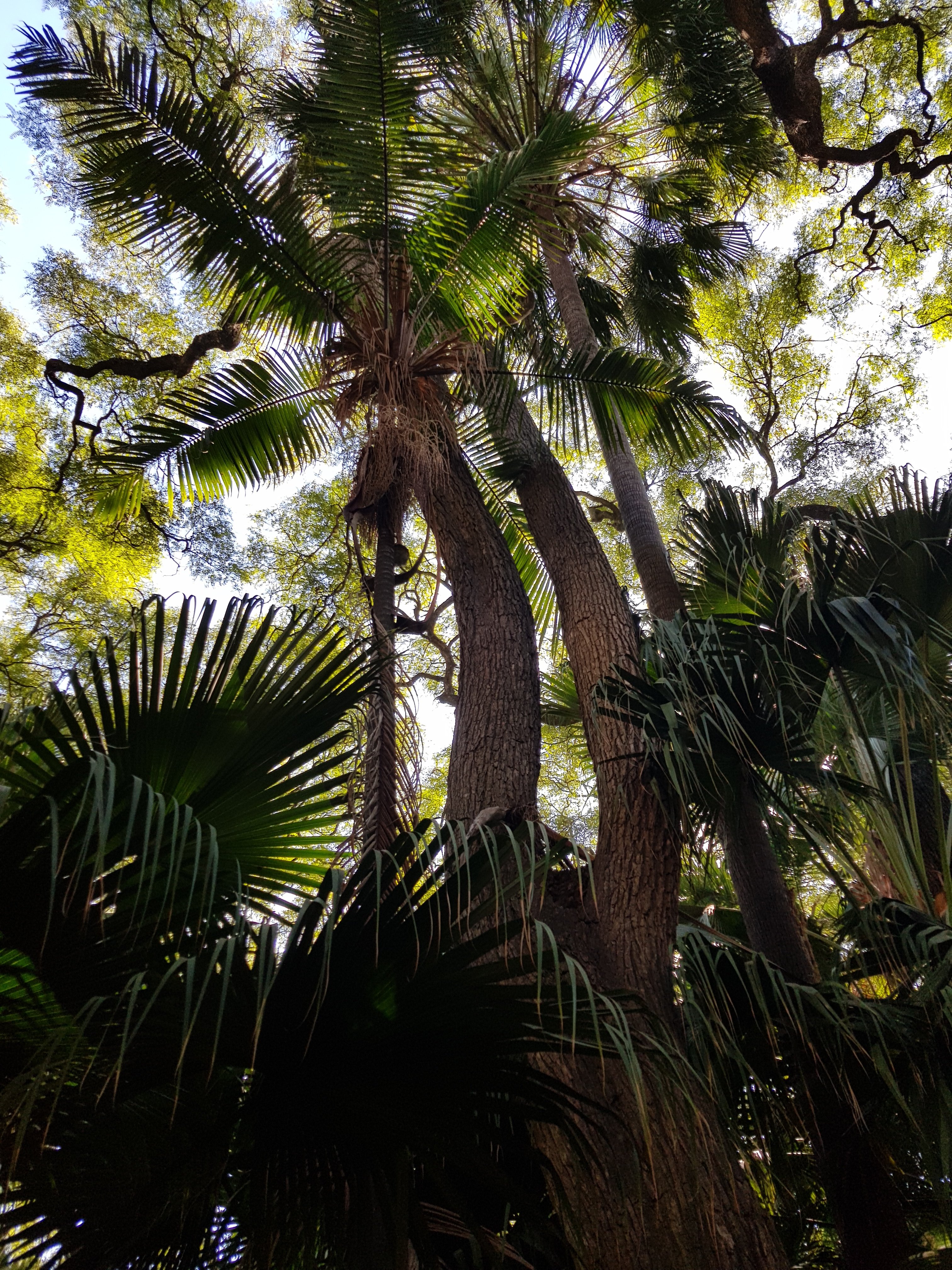
The botanical garden has many exotic plants and large trees as expected, and had attempted to theme different sections by different garden styles, for example french or italian.

The Eco Parque is a very different experience. This pretty park used to be a zoo with many large exotic animals, and elegant victorian styled animal houses. In recent decades, most of the animals have been moved to other locations, or sent back to their natural habitat.

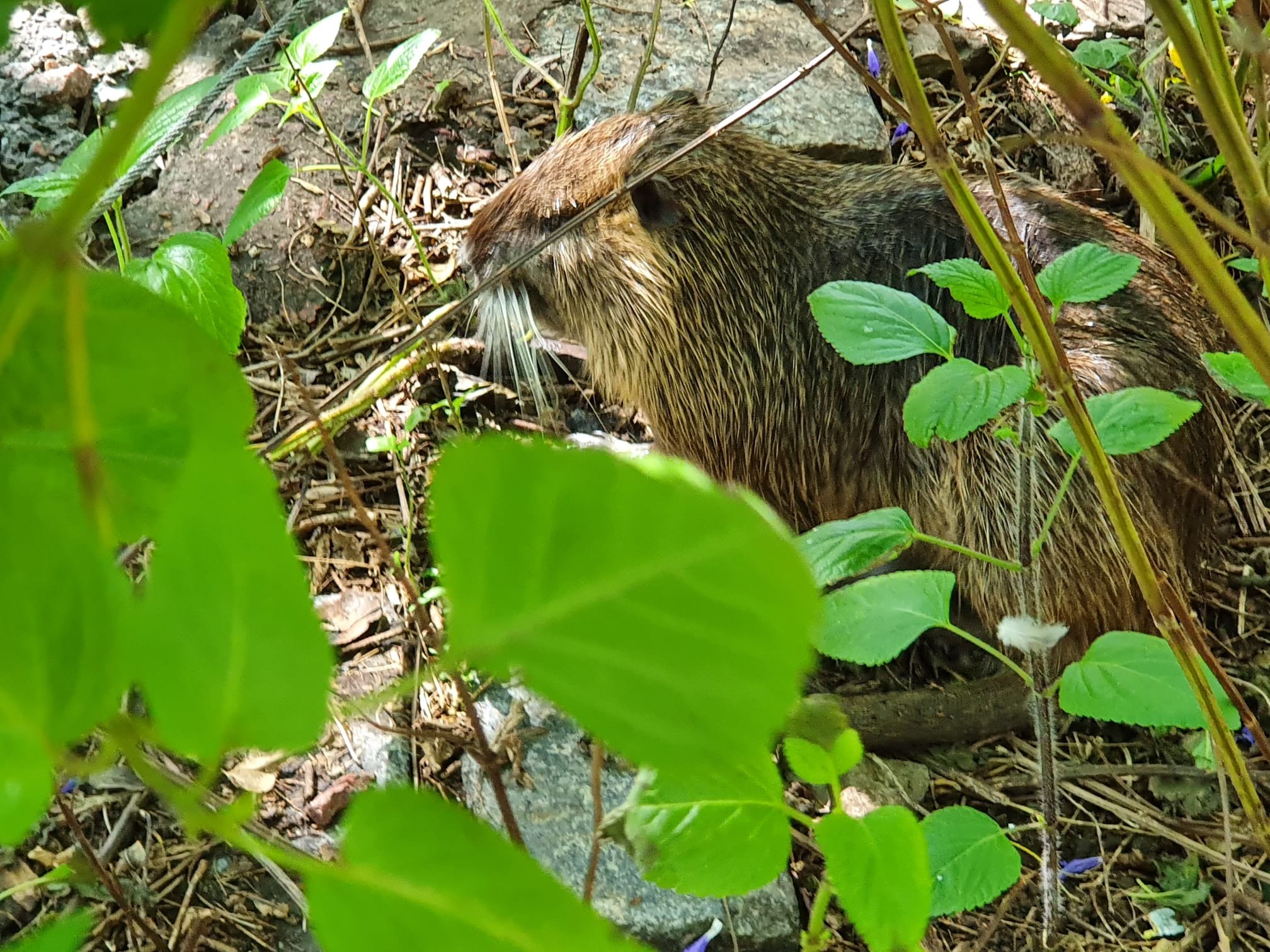
There are a few that still roam through the park though, because they are either too old or unwell to move, or do not need to be relocated. The park still has an old camel, plenty of capybaras, strange half rabbit half deer things, and even some monkeys. It is a pleasant place to take a walk in the middle of this huge city, as you never know what new animal will be around the corner.

Nightlife

In the evening, I was lucky enough to be rejoined by my German traveller friends again as they also finished their journey in BA. We headed out to Palermo Hollywood for a night of clubbing and mischief. After a night that lasted until around 6am, I was glad for my full hotel continental breakfast the next day!

La Plata

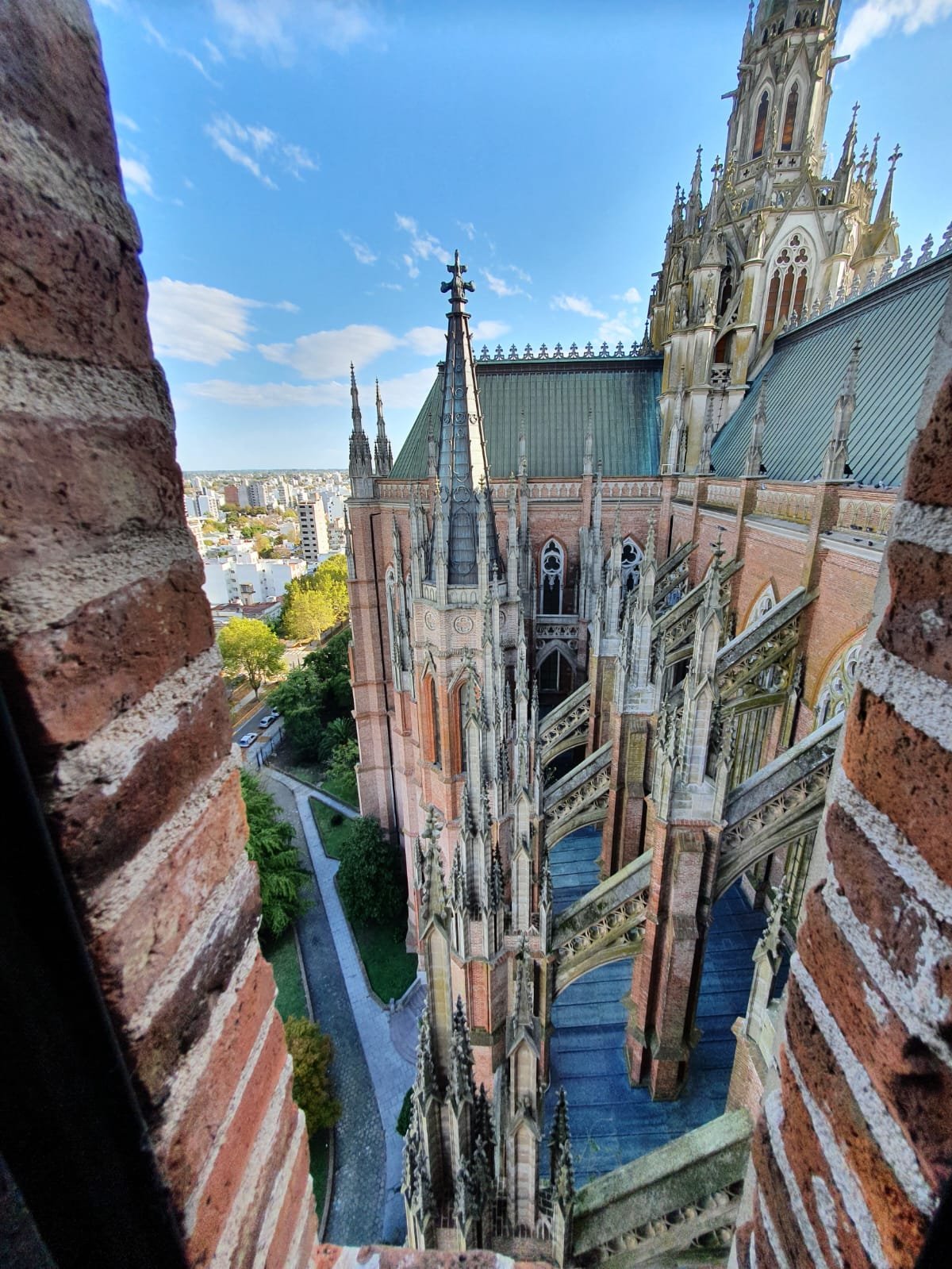
For a day out, we decided to visit the capital of the Province, the city called La Plata. The city was easy to get to, only 90 minutes on the train, and the main attraction there is a beautiful cathedral.

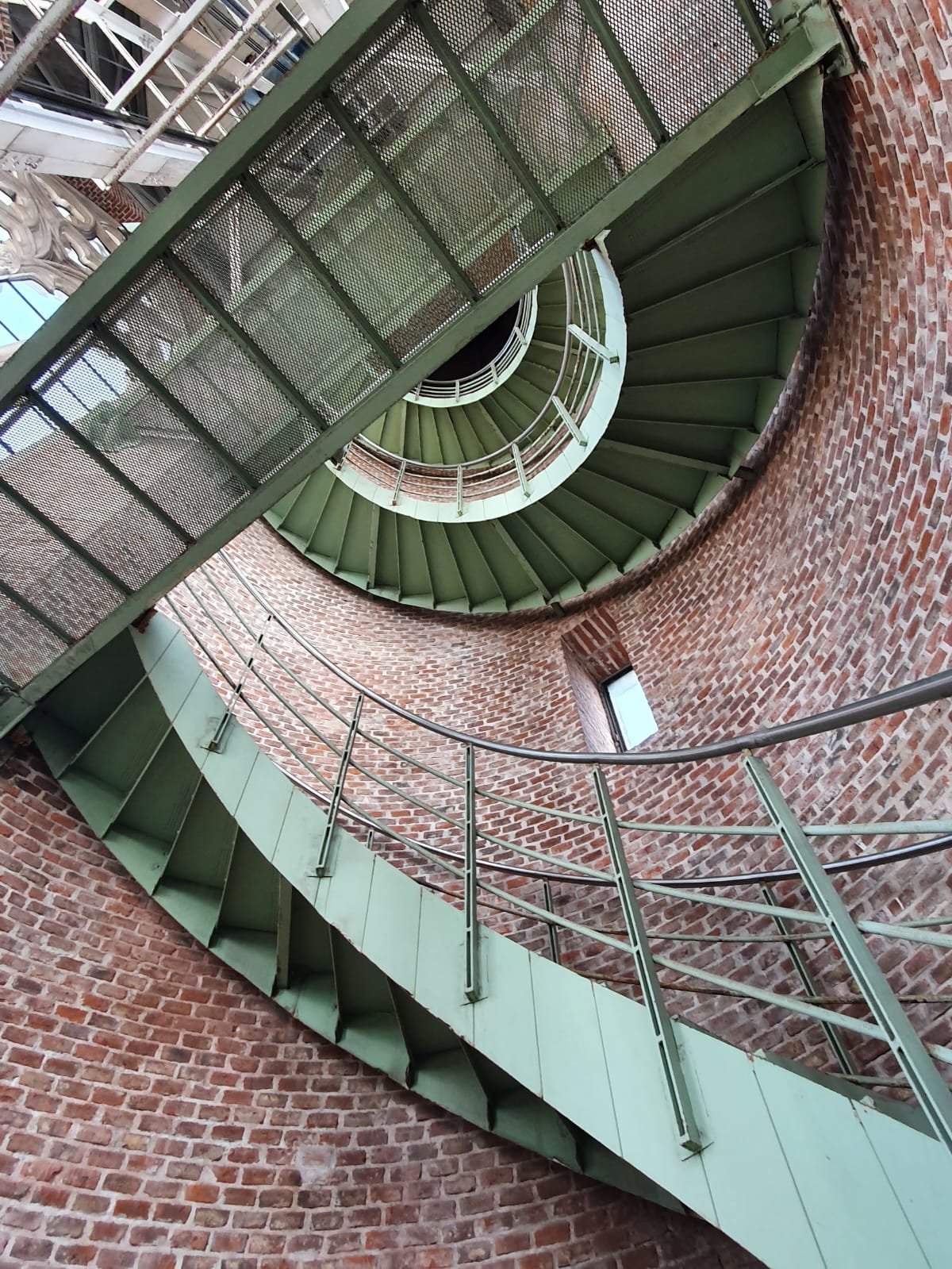
The cathedral is gorgeous on the inside, and as well as the main church, the attraction offers exploration of the crypt with a museum about its construction and original pieces, the opportunity to be lifted up the tower, and a sweet restaurant. A lovely morning out.

Horse riding in the Pampas

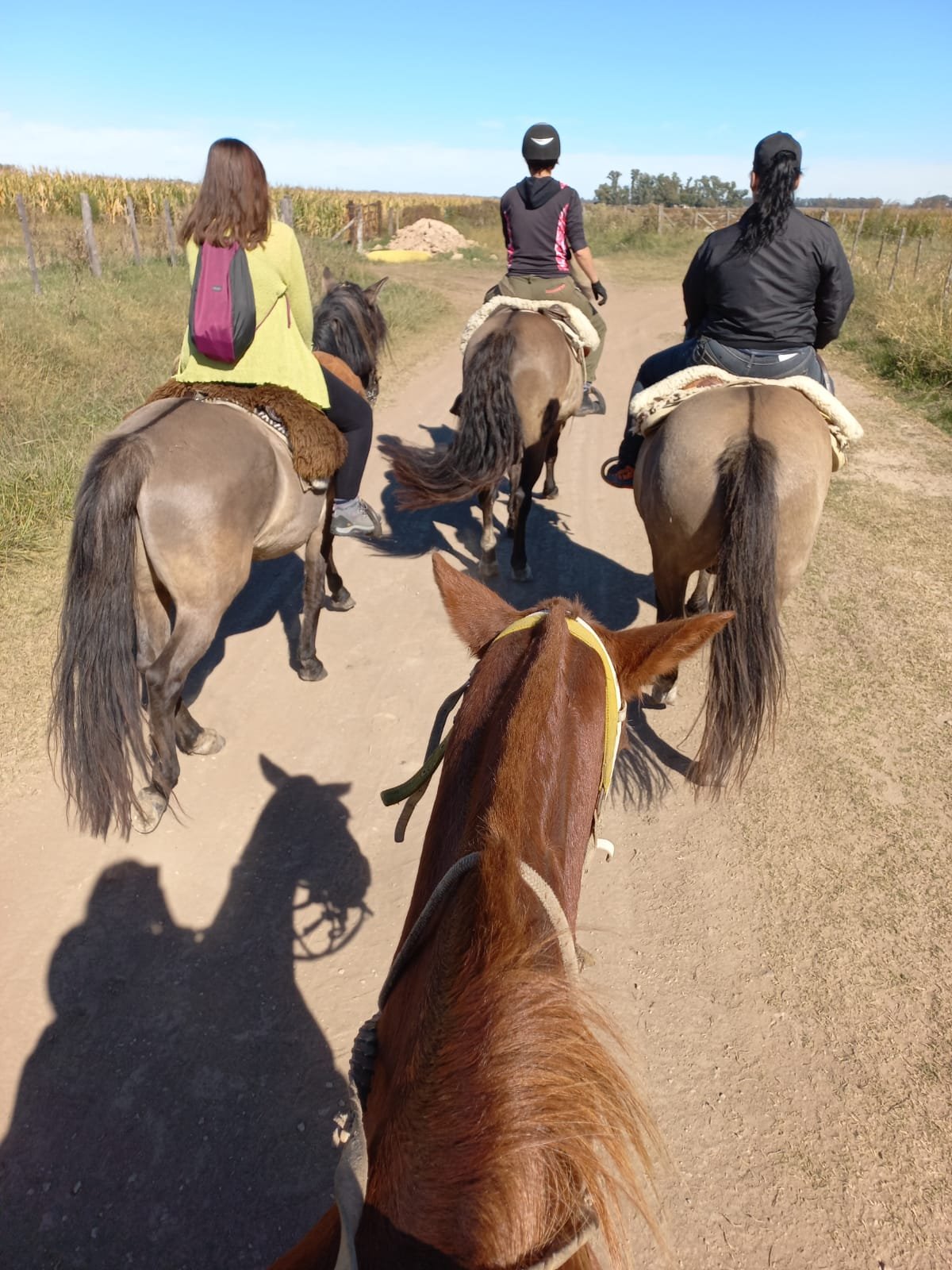
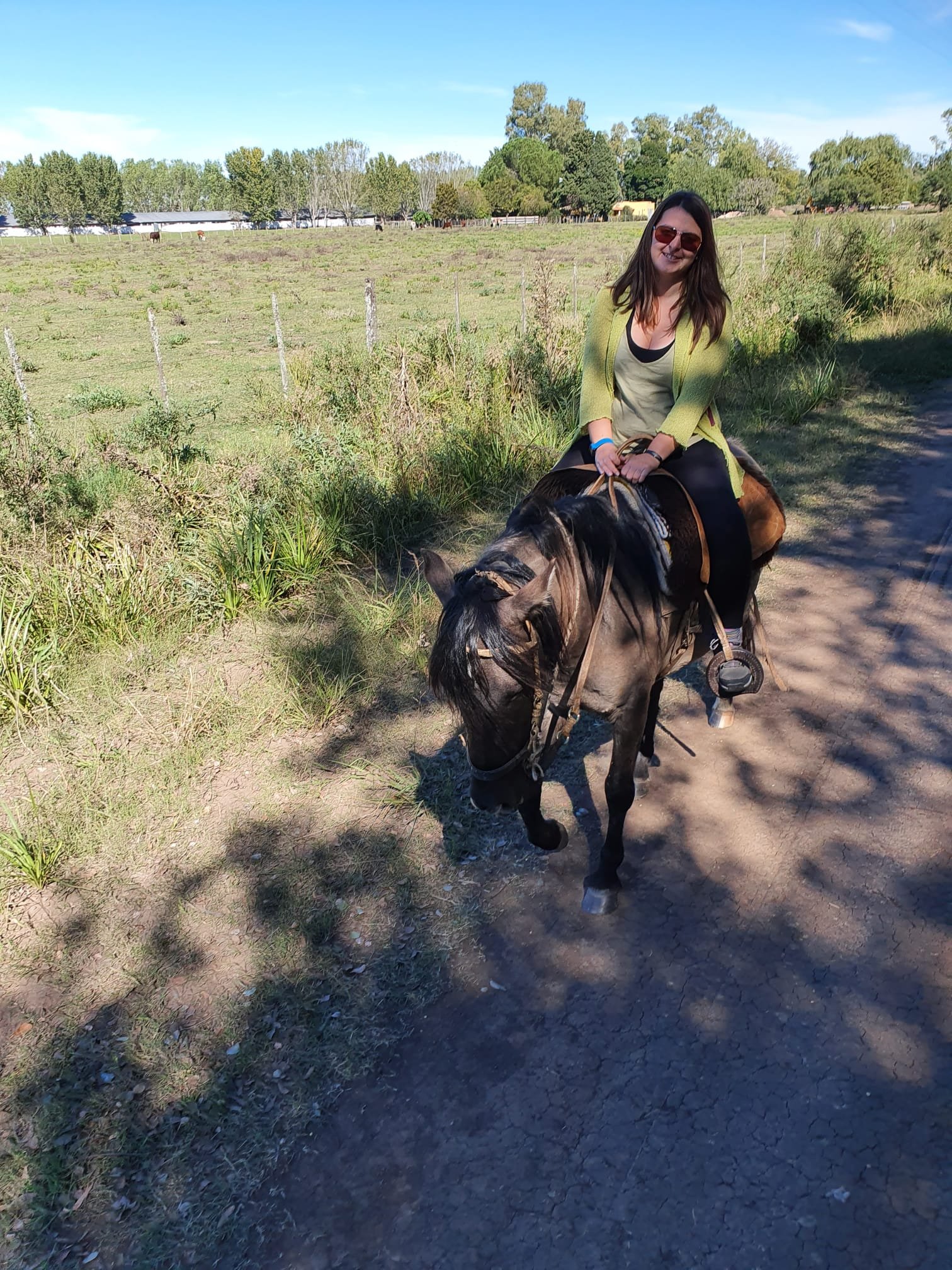
The province of Buenos Aires is part of the ‘Pampas’ region, and this is where the gauchos (Argentine cowboys) farm cattle the most. So, I decided to book us a day of horse riding in the area.

The four hour riding experience included a traditional asado lunch at the house of a local which was pretty special, and the horse riding itself was an unforgettable experience. For good and bad reasons…

The horse I was given, was a little young and barely broken in. This was coupled by the style of gaucho riding which is very different compared to english riding. The saddles and riding kit on the horse is very different and there is no front to the saddles. You are also expected to ride one handed and without a riding hat.

Whilst a little nervous about my horse’s behaviour, I took on the challenge. We rode through long grasses, roads, ditches, and woodlands and after trotting, cantering and a little bucking by my horse, I did manage to stay on the horse! Even though I was a little banged up. The experience was good fun, but the major downer was the extreme amount of mosquito bites I endured all over my legs  i was rubbing toothpaste on my legs for days after! (Fun fact: it takes out the itch).

Lunch in Uruguay

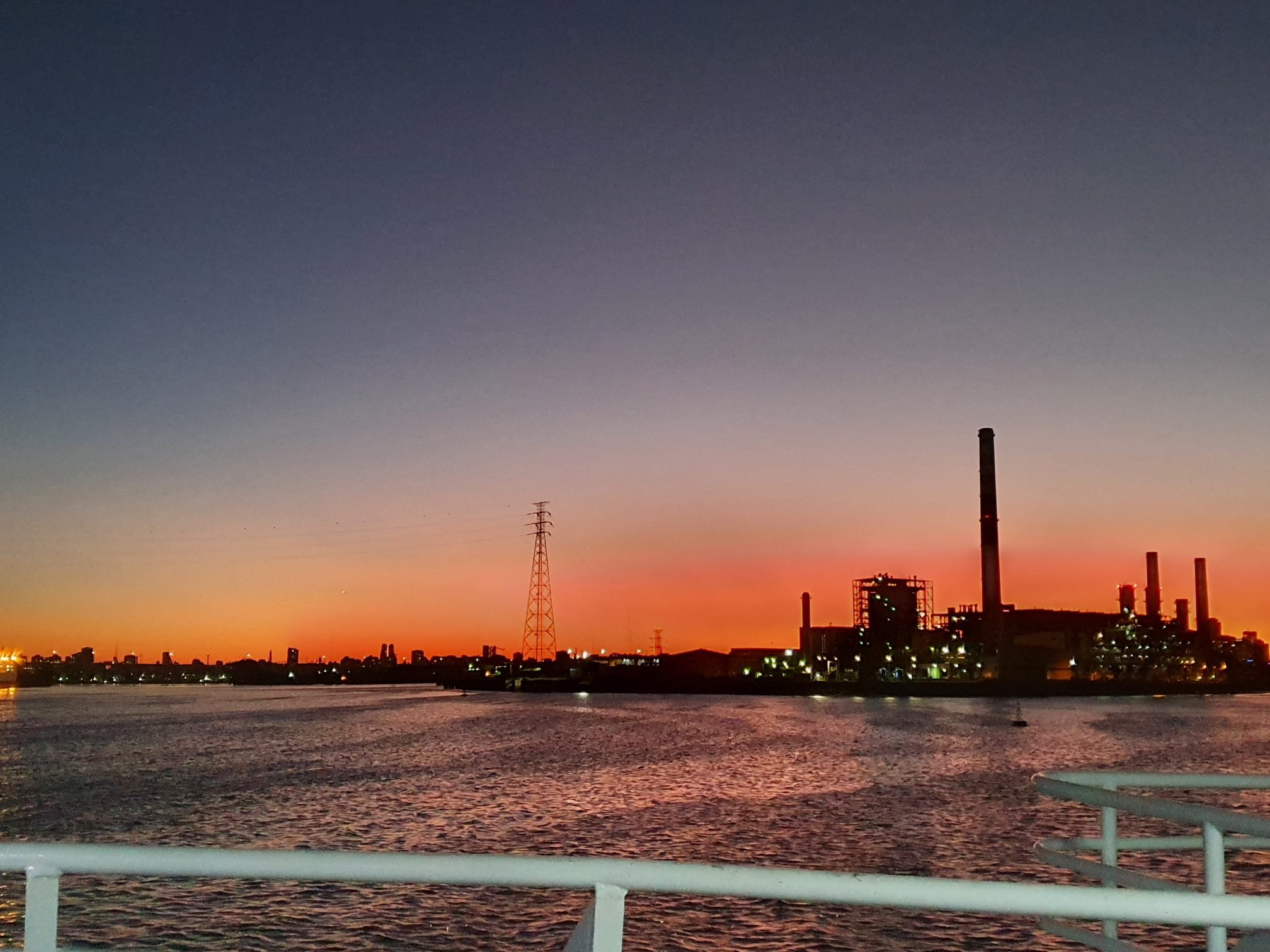
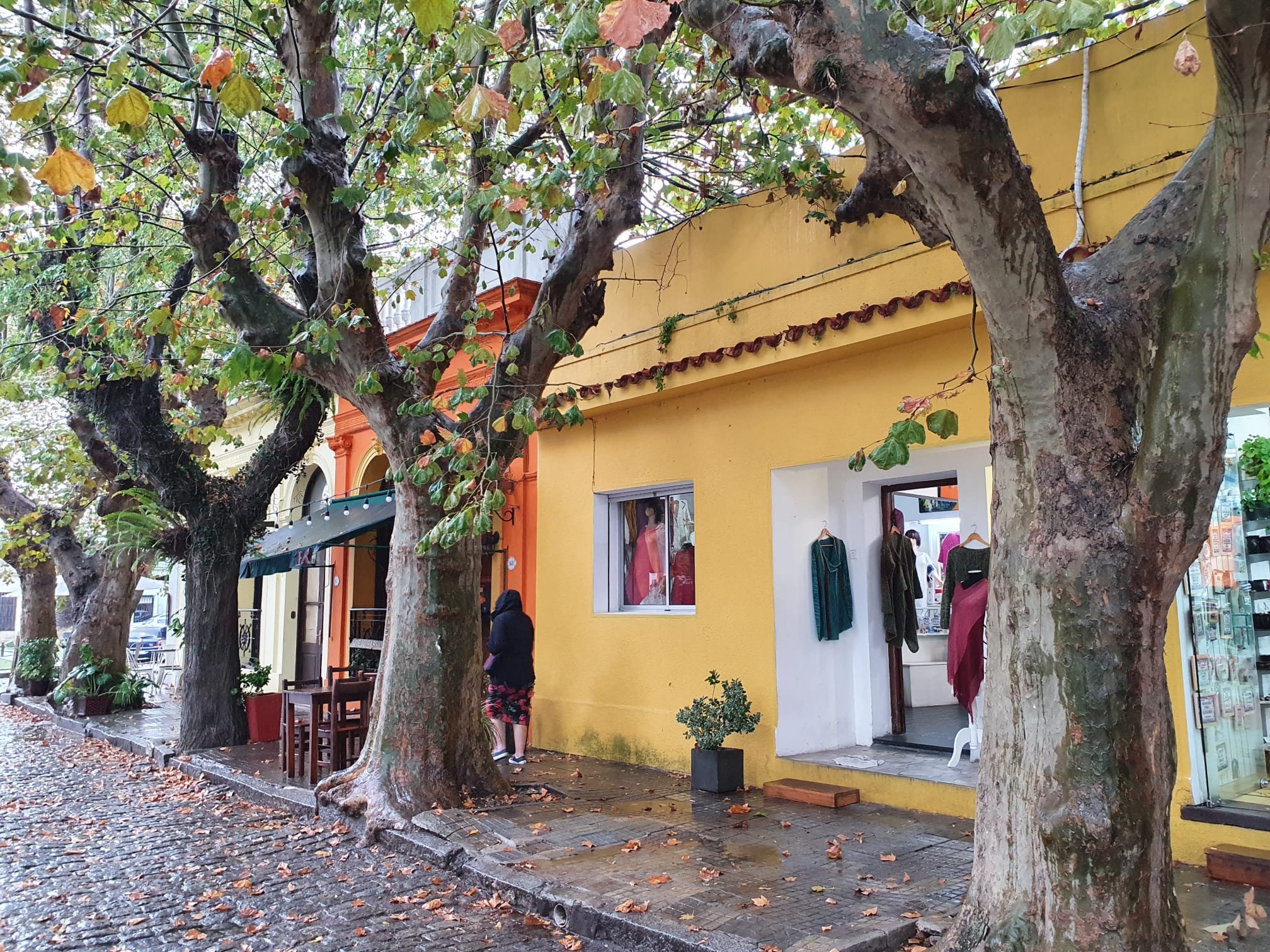
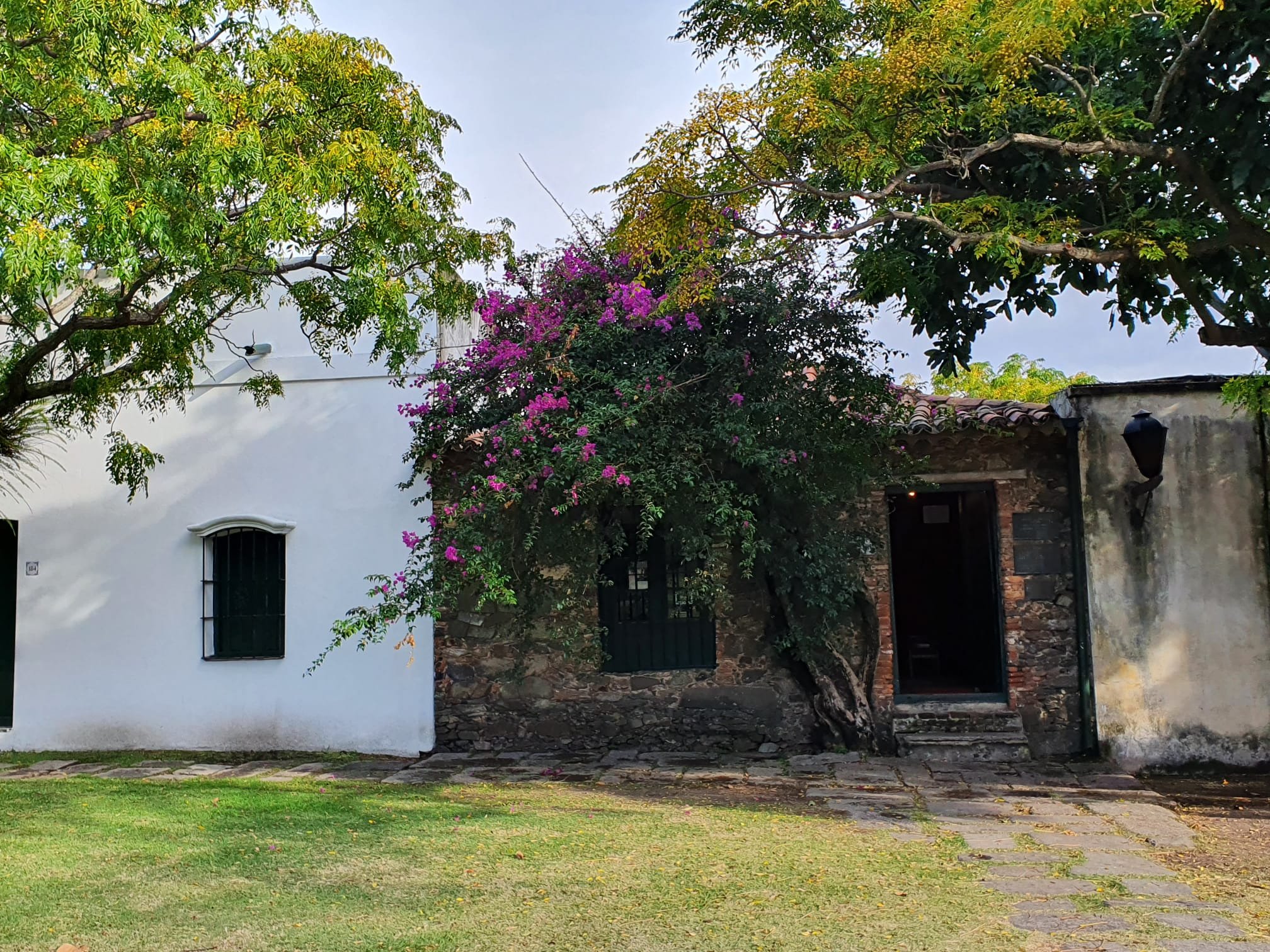
We became aware that you could visit Uruguay easily from Buenos Aires’ port by crossing in the river ferry for around an hour. It’s always tempting to cross another country off the list if the opportunity arises, so we booked our ferry tickets and took the pleasant ride across to a town called Colonia del Sacramento. From here you can also take a bus to Montevideo (Uruguay’s capital) but we decided to save that for another trip. Colonia del Sacramento is a picturesque town with a very portuguese style to it, from when it was colonised by Portugal.

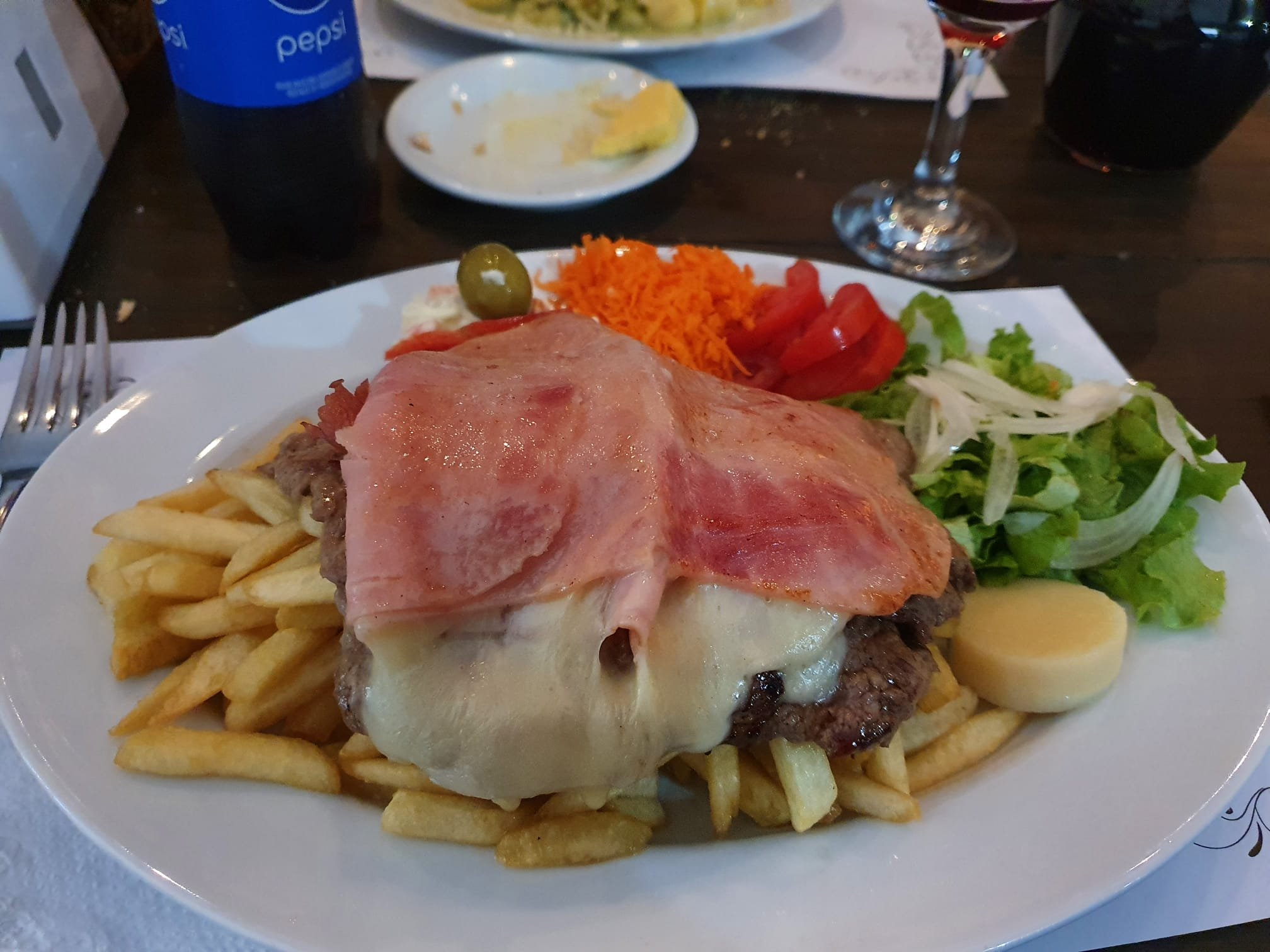
There are a couple of small museums and a church in the town to enjoy, and we had a long and luscious lunch of a traditional Uruguay dish called ‘chivito’. This is like a giant inside out meaty sandwich. Like Argentina, Uruguay also does not skimp on food portions.

Before we knew it, it was time to take the ferry back across the river. We had a good laugh about how we left the country just fot lunch though! 🤣

Tango

You can’t visit Buenos Aires and not watch a little Tango, as the traditional dance of the city. Not only can you see people dance this in the streets of Caminito in Boca, there are also plenty of theatres offering shows and classes. I wanted to do a class but they were multiple hours and I felt too lazy about it, plus I only had walking boots to dance with.

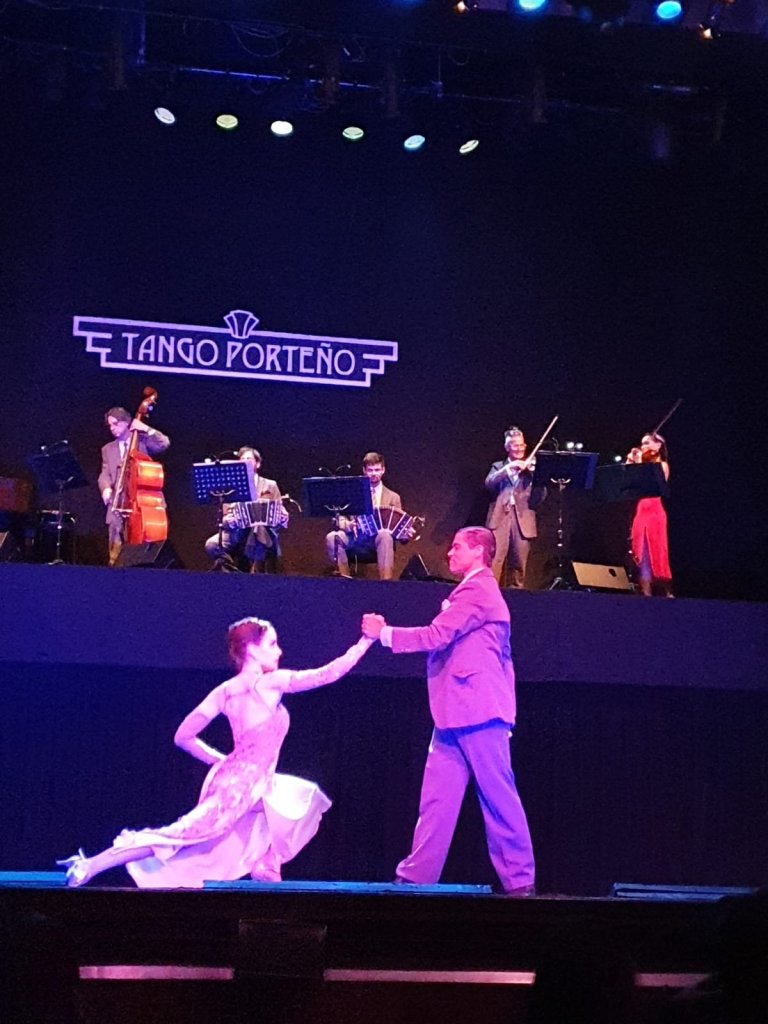
I did decide to book a show and after a little research, I booked a show at Teatro Porteno. You had an option of paying for the show on its own or with dinner included. I chose to purchase just the show which was about £23 but then on arrival, we were also provided with another menu to pick and choose food. We went for some empanadas and a delicious ham and cheeses board.

The show itself was amazing! Focused on locations around Buenos Aires, there was a variety of styles of Tango on display. They also had an act that used drums and cattle whips to create impressive rhythms with the music. I was really glad I visited.

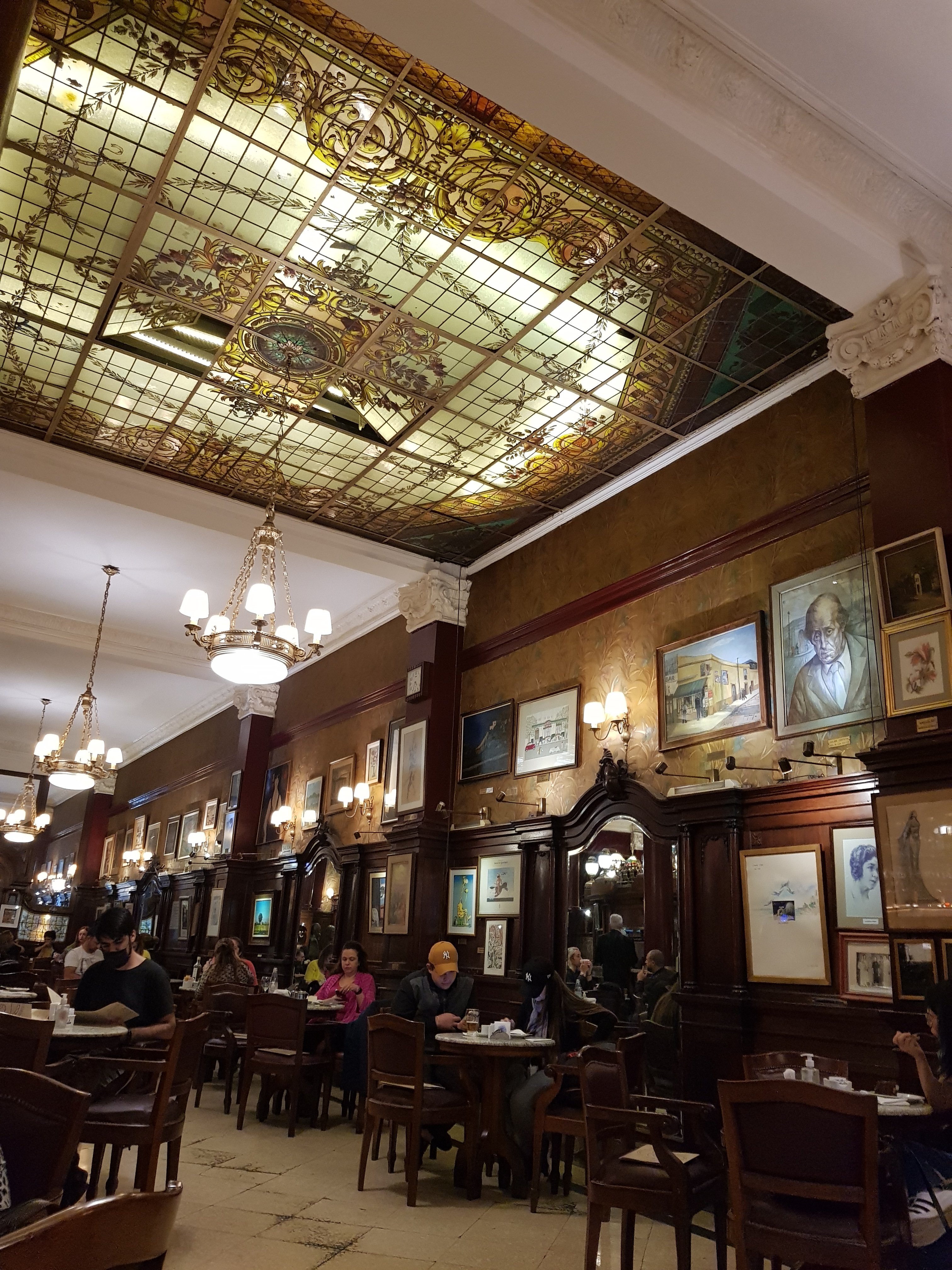
Another location where tango can be viewed and learnt is Cafe Tortoni. This is one of the oldest and most fabulous cafes in Buenos Aires. The decor is very traditional italian/ bohemian and many famous faces have eaten here. We decided to visit for a merienda (afternoon snack) and really enjoyed our visit with some great sandwiches and cake.

There were plenty of other bits and pieces I experienced in this bustling capital, but these were definitely the highlights. My return to the UK following Buenos Aires was a very long journey, but also gave me time to reflect on my amazing journey around this beautiful country.

After my return to the UK, I will soon be embarking on my next journey, working on board a cruise ship around the Mediterranean…

Camino del Norte: Top 10 best places to stay

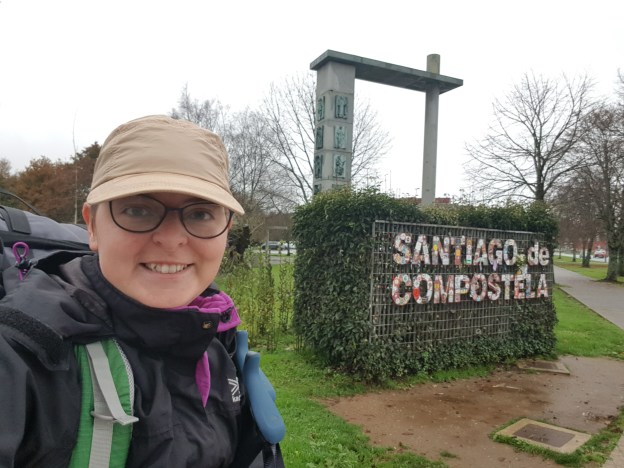
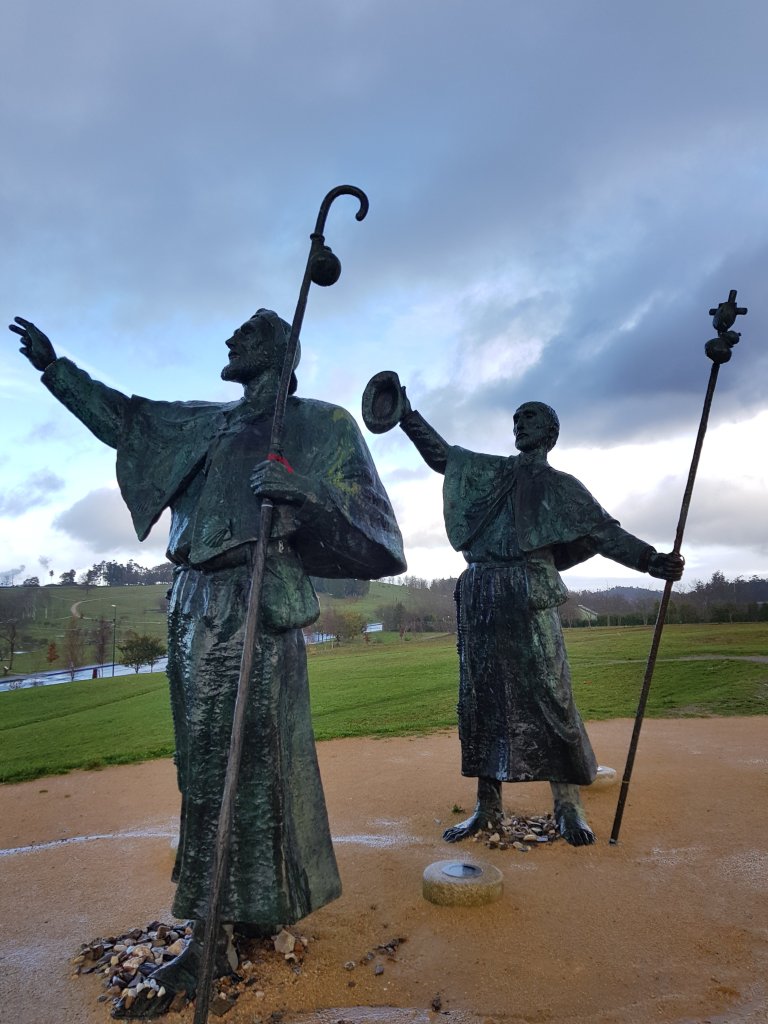
During my two months following the Camino del Norte from Irun to Santiago de Compostela, I have stayed in all sorts of places. Some were absolute luxuries and some were absolute horror stories. I have now narrowed down my top ten.

On the Camino de Santiago’s many routes there are lots of accommodation types on offer:

Albergue / Hostel

Very similar to each other, many are pilgrim only. The main differences to remember are that in an albergue you generally have one main hall for everyone, lights out and lock up at 10pm and have to be out by 8am. Many have no heating, and you have to keep your fingers crossed for a bottom bunk, as after a week of walking, you won’t want to be climbing a ladder each time you need to wee.

Pension

This is normally a guesthouse but sometimes a pension might have a bunk room, and extra services. Normally it is owned by a husband and wife team, and they will have a bar/restaurant next door.

Pasada / Country Lodge

These are like luxurious pensions and tend to be in a rural scenic location, in a small village, and possibly the only place to stay.

Hotel

I would say that a hotel is obvious, but it is not. There are many different standards and many hotels have no services at all, and are really pensions. For me, a hotel needs to have a manned reception, this was only common in hotels above three stars.

Top 10

To make it to the top, the accommodation has to have the big three; great location, great price, and a great bed.

1. Blai Blai Hostel, Zarautz

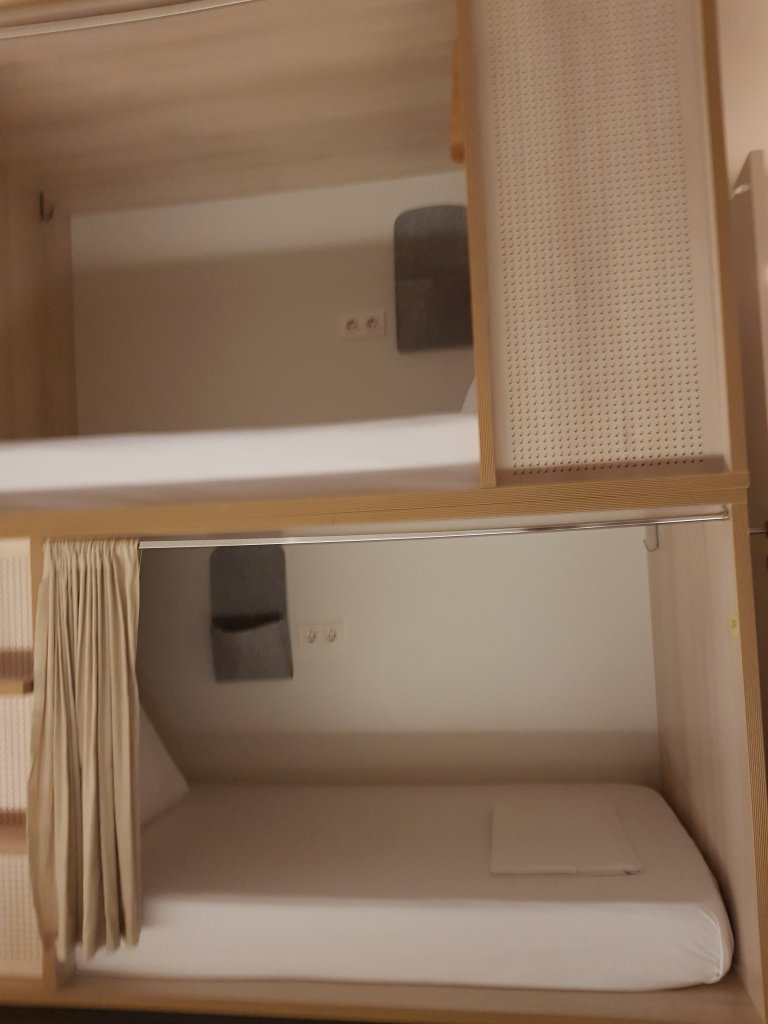
I had a really comfy stay at the Blai Blai. The hostel is in a popular location for not only pilgrims but also lots of surfers. The woman on reception was very nice and helpful. There is a supermarket above and to the side of the hostel, so very convenient. The rooms are very clean and modern, with all the outlets you need in your own little bunk. The only cons were that there was no oven (not uncommon), and no in house washing machine, I had to go to the laundarette down the street.

2. Albergue Bide-Ona, Portugalete

Unfortunately, I don’t have a photo of this one. The guy managing the albergue is really friendly, and helped a lot with information and route planning. The albergue is clean and organised, and has a really chilled vibe to it. There is also a really reasonably priced cafe down the road where I got a giant bowl of cesar salad that was delicious.

3. Pasada Villa Rural, Guemas

Again, another one with no photo. This is pretty much the only place to stay in Guemas, as it is a tiny village. The lodge is really nice quality though, and the owners have a restaurant next door which is handy. The views from the rooms are really nice and you can enjoy sitting on the terrace too.

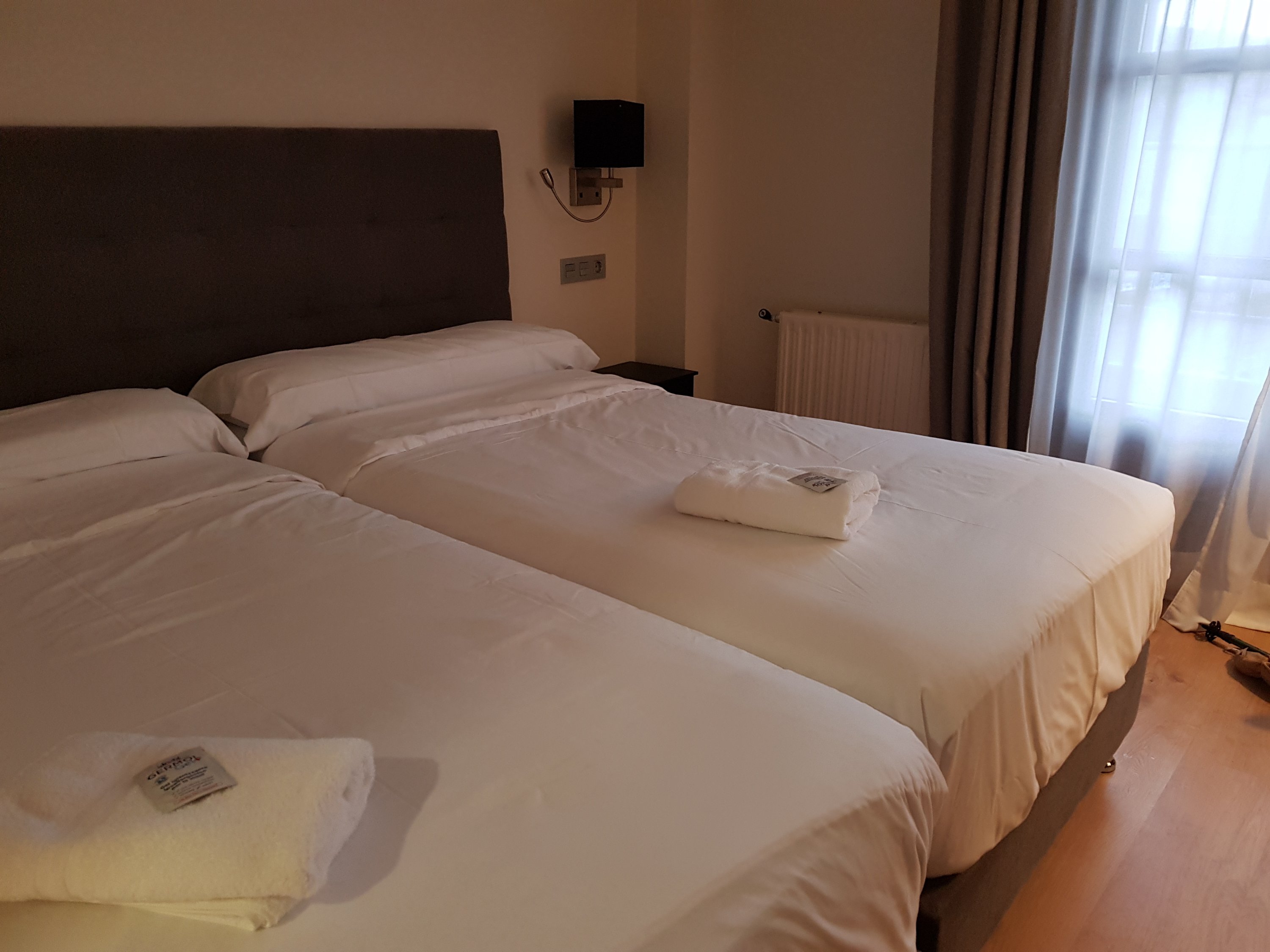
4. Canal Hotel, Unquera

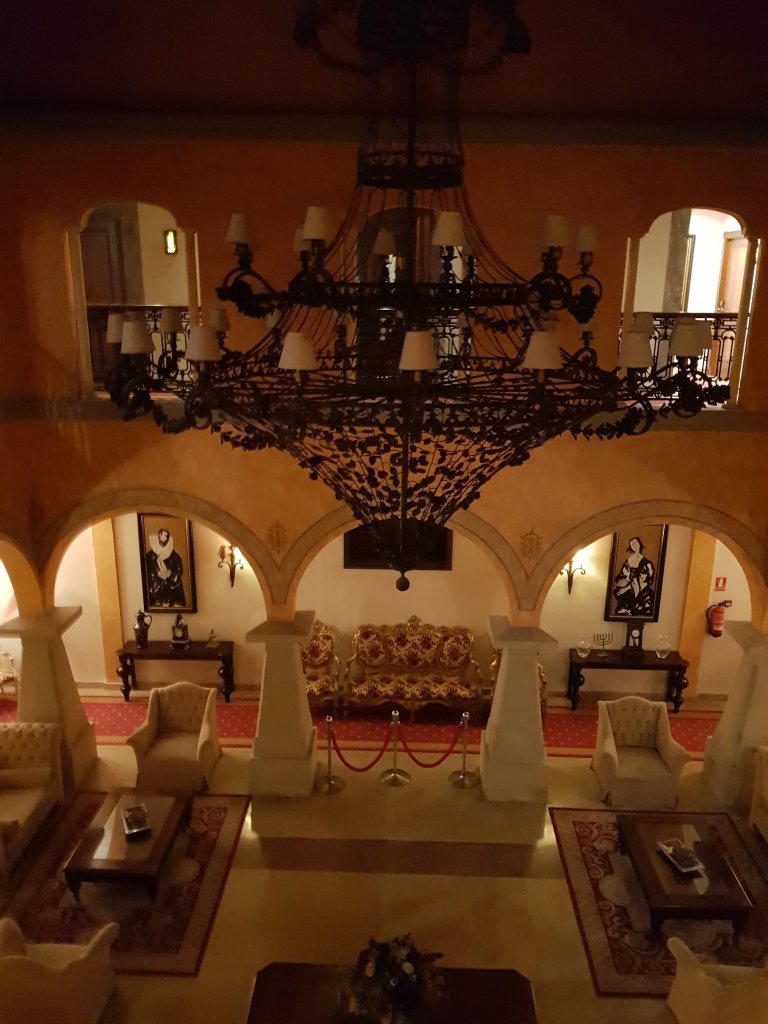
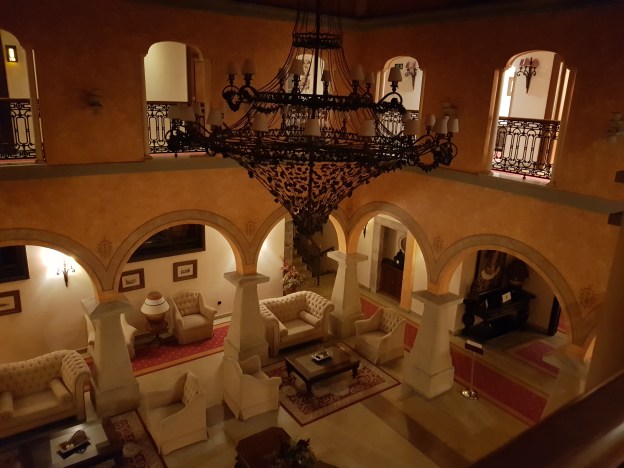
I think the photo below is enough to earn the Canal Hotel a place on the list! In general though, it was a pleasant hotel, with clean rooms, friendly staff, and a free breakfast.

5. Casa de la trinidad (San Francisco Convent), Laredo

This convent had no heating but otherwise it was great! The nuns sign you in, and then buzz you in and out when you go for dinner. The rooms are very clean, and there is a kitchen available. It felt very special to sleep in the convent, and I had the room to myself (there are only two beds to a room).

6. Casa Espana, Villaviciosa

I really thought I had a photo of this hotel but apparently I don’t, and that is very annoying! It is a very pretty hotel! It is a historic building and has a gorgeous appearance outside and inside. In my room was lots of hard wood antique furniture. Everything was very clean. The staff were also very helpful.

7. Boogalow Hostel, Gijon

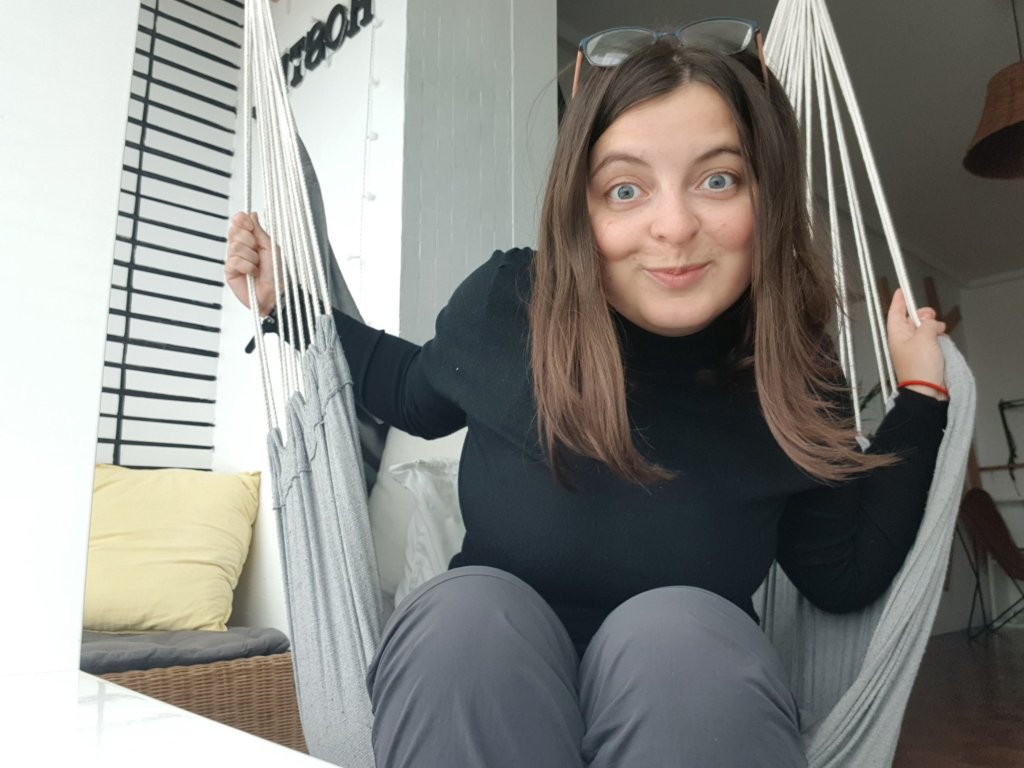
The Boogalow hostel is still fairly new and it is a really comfy stay. A great location, facing the beach and with sea views. There is fun decor including games and best of all, a swing chair! The hostel offer lots of free muffins and snacks etc, the only downside was they needed a few more bits of kitchen equipment, in case there are lots of guests wanting to cook at once.

8. Hotel Palacio de la Magdalena, Soto del Barco

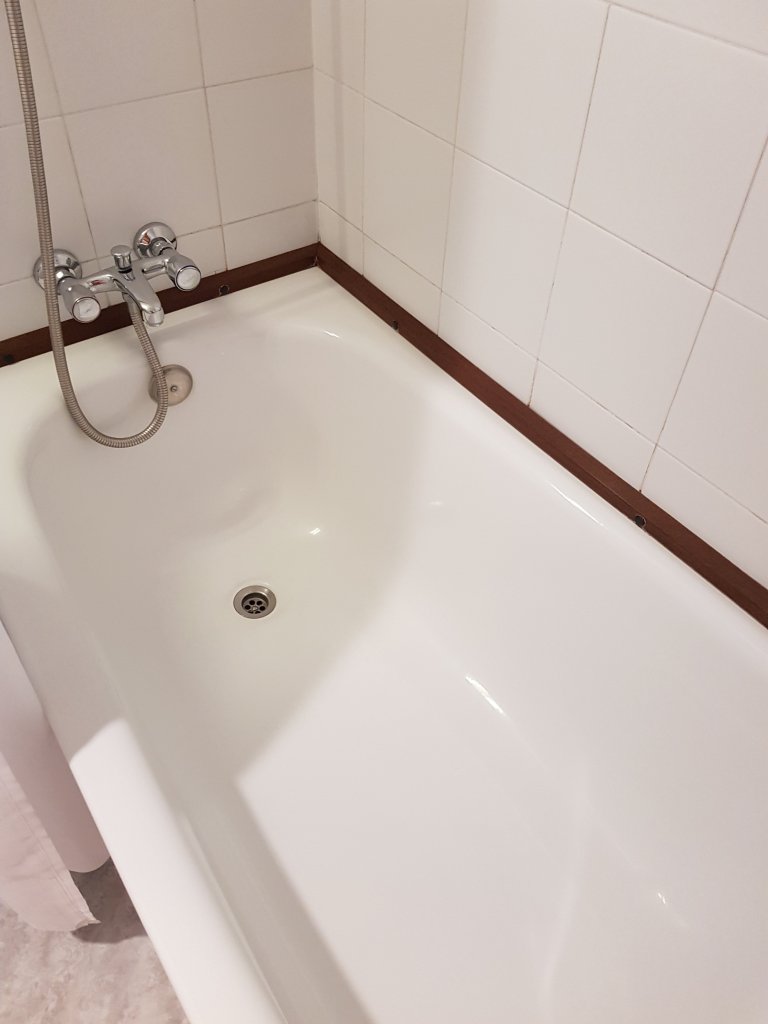
This former palace is beautiful and very luxurious! I had so much time in the bathtub, and laying on the comfy bed. They even gave you your own dressing gown. I realised later that there was also a spa! Unfortunately, I was only there one night and did not have any swim gear so could not take advantage. I did use the hotel restaurant which was very fancy and still reasonable at only €16 for the menu of the day. Plus, they gave me complementary leek cake!

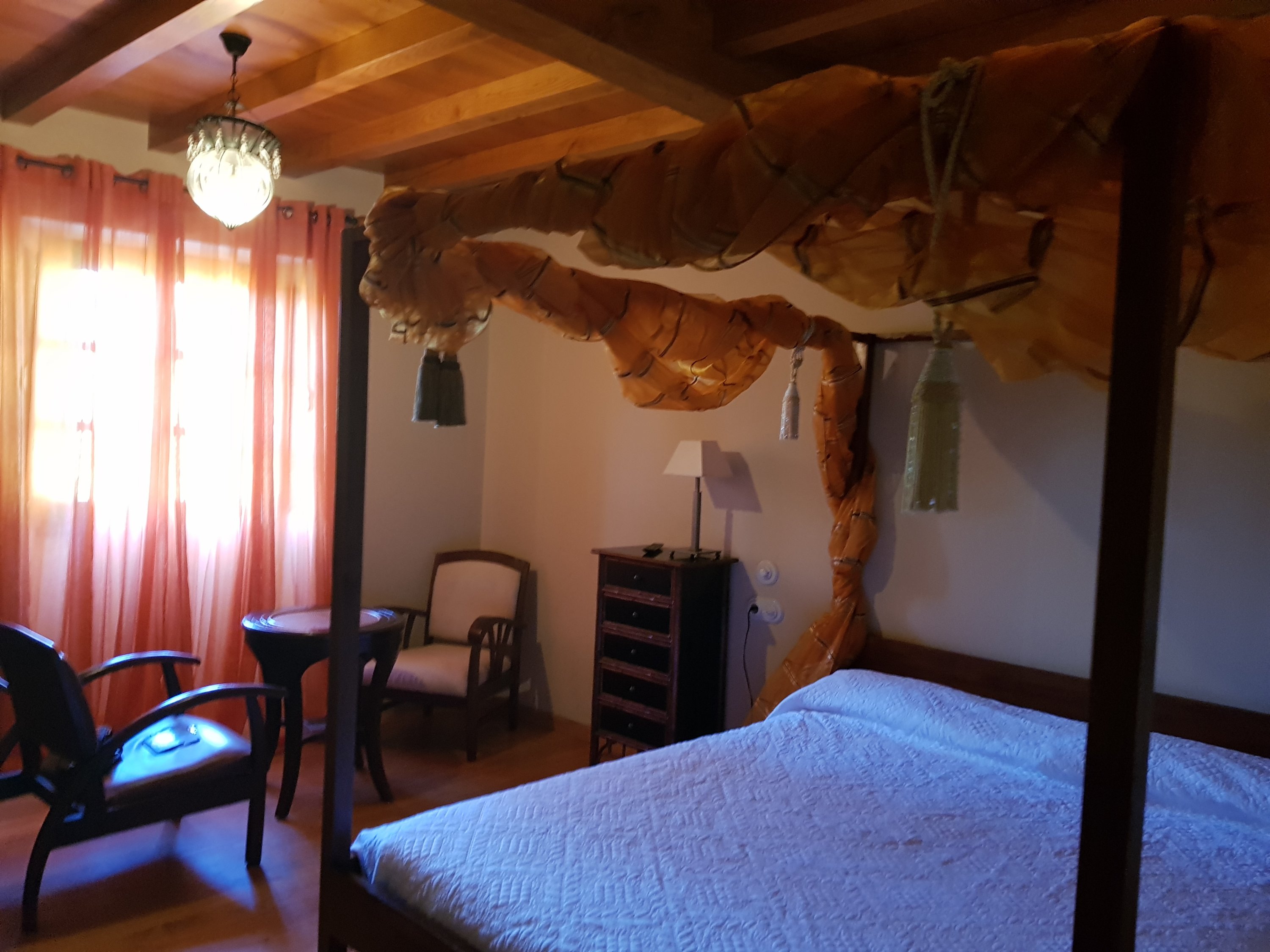
9. Casa de Manas, Grove

Beautifully finished country lodge, surrounded by a river and cows. The bed was very ‘princess and the pea’ style, the radiators looked like marble, and the bath was a jacuzzi. Very nice! The owners were also very helpful and provided a free breakfast at the restaurant a little up the hill.

10. Hotel San Marcus, Sobrado dos Monxes

Comfy room, and nice bathroom. Very cosy, with a balcony to sit on and views of the monastery. The lady running the hotel also made free drinks and snacks available 24/7 and breakfast was included.

Doing the camino off season, did leave me with less options to choose from this year, but I am so glad I managed to get a bed at these locations. I would recommend to anyone doing the walk, to mix it up and sprinkle some different types of stay into your trip. You deserve a little luxury after walking for 40km in one day, and the baths really help!

Camino de Santiago: My top tips

After two months walking Camino del Norte through all sorts of weather and terrain, these are my top tips.

1. Walking poles

Lots of people walk without trekking poles, and it is a personal preference. For me, after so many consistent days of walking, I don’t think I could have finished without them. They take the pressure off your legs, offer you something to lean on when there is no dry seat, allow you to test the depth of mud, catch you when you fall, and make good weapons if you need them!

2. Getting used to bread and ham

Always keep a little bread and some snacks in your backpack. There are many stretches without services, and the walking schedule does not match the spanish eating schedule. Supermarkets close on Sundays and many restaurants are shut on mondays. Restaurants will not serve meals until their meal times (3pm and 8pm). The only thing you will get is a ham sandwich. Get ready to get sick of ham real fast!

3. Energy drink powder

I never used to use energy drinks or add anything to my water before the camino. I decided to buy some on the way and start using some strawberry flavoured powder. I ended up really being able to tell the difference between days I had it, and when I didn’t. It also helps to supplement the lack of access to meals as I mentioned above.

4. Sending your backpack on

Correos, Spain’s postal service, offer a backpack transport service for pilgrims. This runs all year on the french way but only up to the end of October on other routes. I used it for my first three days and final two days. If you can do it, I would recommend doing it for the beginning at least, so you can gradually get used to the trek. Especially, if doing the North route, with lots of mountain climbing at the start! The service is really good, and cheap!

5. Download the Buen Camino app

I used the Buen Camino app every few hours. It was really a great tool. The app has an up to date map, with the official route and alternative paths and shortcuts. Also, up to date information about issues on the route, attractions and accommodation. I cannot recommend it enough.

6. Bring a portable charger

My phone is a little on the old side, but regardless, bringing a portable charger is a really good idea. You are likely to be without a plug outlet for up to 10 hours at a time on some days, whilst draining your phone with music, photos and apps. This helped me out a bunch of times.

7. K-Tape

I used K-tape on my sore muscles for the first few weeks. It really helped me to feel better, and prevent hiker’s knee. There are plenty of YouTube videos on how to apply it.

8. Paper tourist map

When in a city or large town for more than a day, it can be a good idea to get a paper map from the tourist office. This is a prevention method like the portable charger. When all your devices fail you after a long day out sightseeing, you will still be able to find your way back to your bed. Plus they are fun!

9. Plastic bags and newspaper

If you are walking during a wet time of the year, although you can still expect rain at some point, have plastic bags and newspaper handy. I have now learnt that there is no such thing as a waterproof shoe. No shoe can stand up against the rain of the autumn/winter camino. Putting plastic bags around your feet is a temporary prevention that helps. To dry your shoes overnight, stuff them with newspaper balls, this sucks out the water.

10. Have small change

Spain has not yet become a cashless society. Do not kid yourself that you will be able to wonder around with only ‘contactless’. Many shops, cafes and albergues will not accept card payments, and will be moody if you give them big notes. Many of the washing machines and dryers are also coin operated, so you will need to keep some coins handy if you want to wash your two outfits!

11. Check your check in times and leave early in the morning

Many accommodation providers have random check in and check out times, and if you turn up late they will not let you in! There is also likely to be situations where you have to phone the reception from a locked door outside, as many do not man the receptions full time. Additionally, I would recommend leaving early in the morning. You never know how long a walk is really going to take, and you want to maximise daylight hours, and rest time in the evening.

12. Take lots of short breaks and dont sit for long

I tried to sit for about five minutes roughly every two hours and up to 30 minutes for lunch half way through. If you sit too often or for too long, it will just keep getting harder to get up and going again!

13. Don’t think too far ahead

Don’t think about how far away it is to Santiago, or even the town you are trying to get to at the end of each day. It is too overwhelming, and frankly discouraging. It is better to think of lots of short distances whilst walking, for example the next town or landmark. Then when you have done that, you look at how far to the next one. It makes each one, a little win.

14. Accept that there is a good chance that you will need to take public transport sometimes.

You may well do the camino entirely walking, but don’t beat yourself up if one day you just have to take the bus. There will be days when you just have nothing in the tank, or the weather is too dangerous to walk, or you might have an injury.

15. Don’t forget to stretch and take your ibuprofen!

Pretty self explanatory, but I forgot to stretch often, and it makes a difference. I also really needed ibuprofen by the end!

Buen camino!