Tag Archives: dining

Smells and tastes of Vietnam

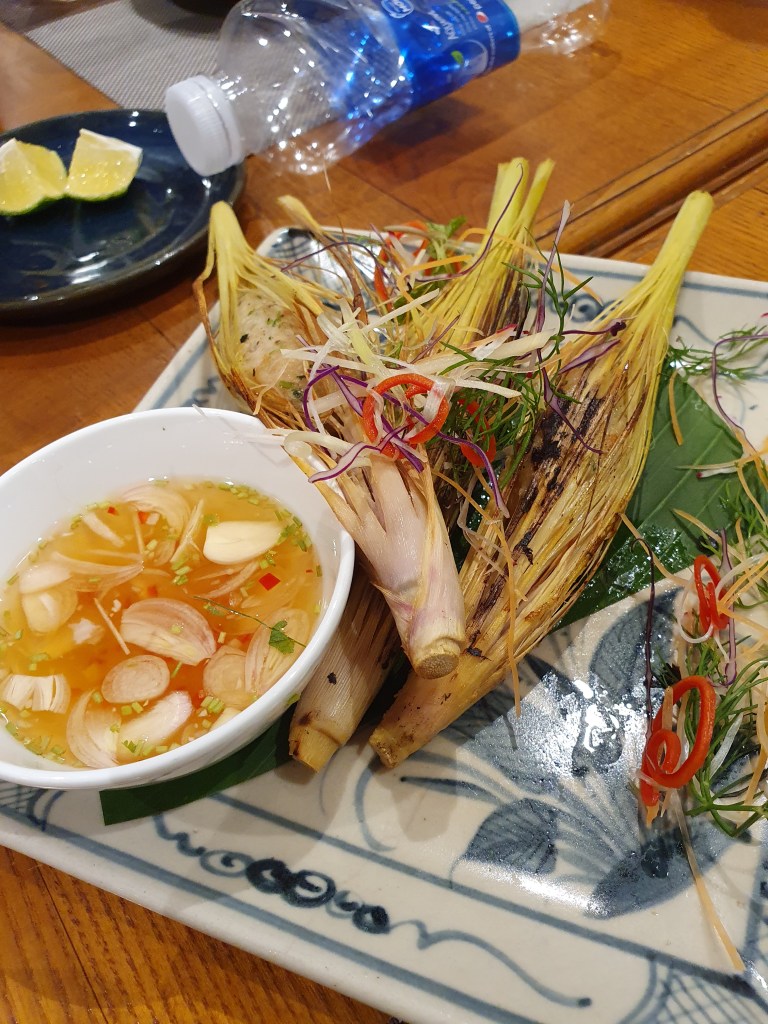
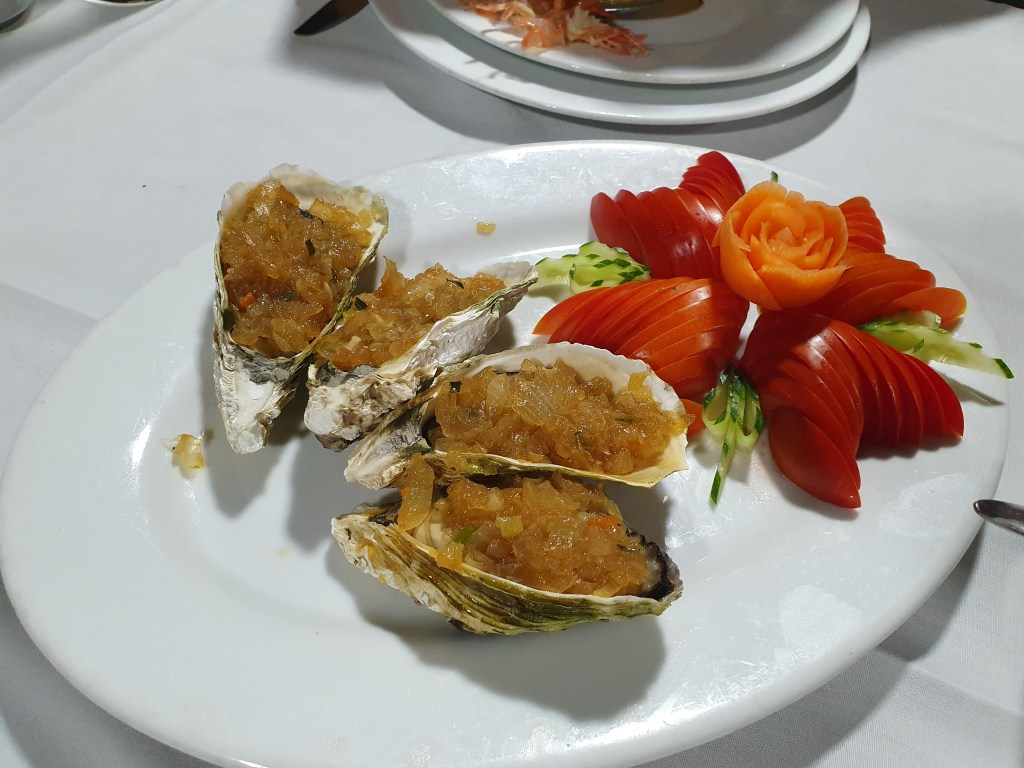
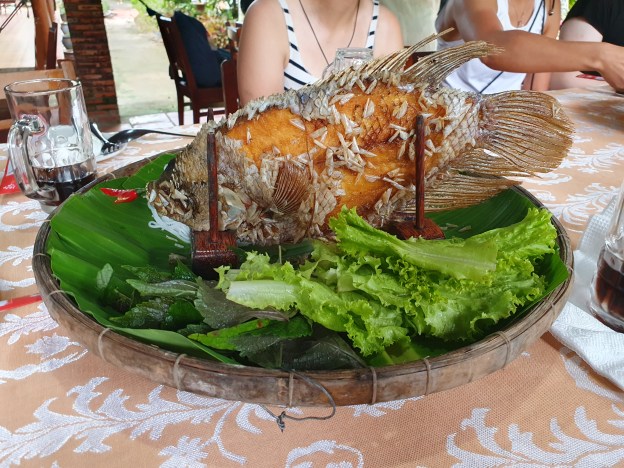
During my time in Vietnam I had many opportunities to sample the local dishes and have been potentially converted to this refreshing diet.

From Garden to Plate

If I could describe the food in Vietnam in one word, it would be ‘fresh’! Vegetables are grown in the small farms and gardens of the local people around the country. It’s also a normal scene to see chickens and even pigs kept at the back of someone’s house outside of the large cities.

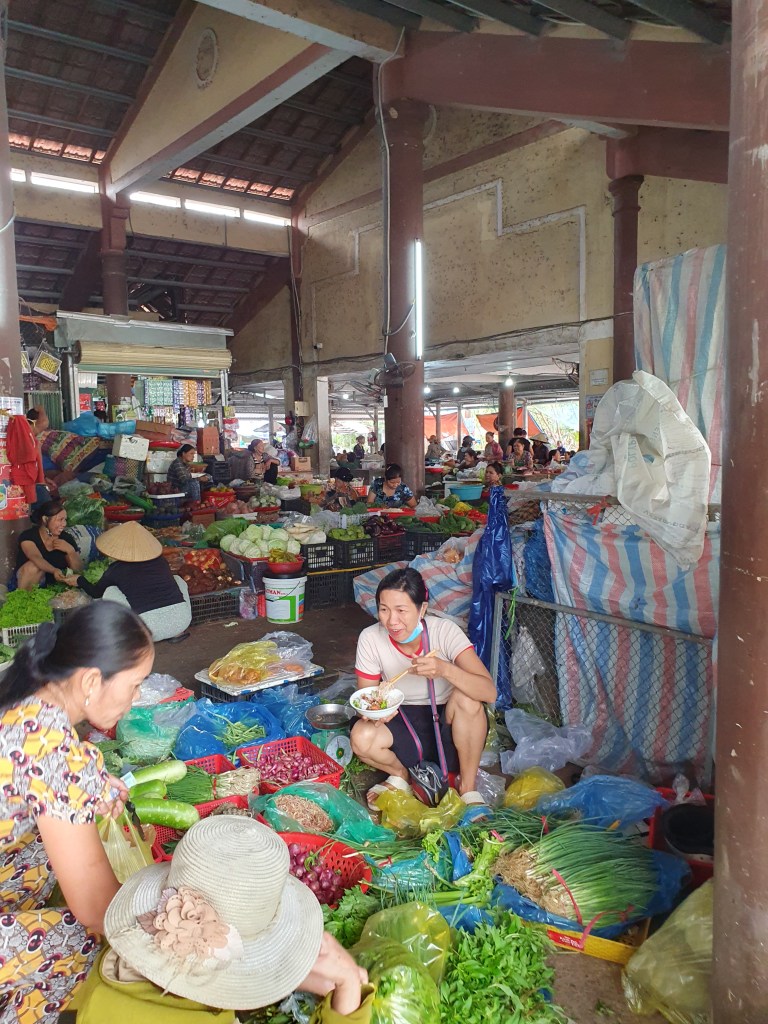
People then cook from their own supply or these products are taken every morning to the wet markets that seem to be in each large village and town. These markets are a shock to the more delicate western senses. The smells are strong…

Every trader rents a space and generally lay out close to or straight on the floor. Some traders are selling vegetables, some are selling dried goods, but the most fresh is the meat and fish. Tin baths full of fish still swimming, and if you order one it will be pulled out of the water and laid out to suffocate, and sold whole. With meat, it is a little less miserable, the chickens running around just have their necks snapped straight away. More straightforward. What was most sad was when i saw the tiny, fluffy ducklings for sale. They were being sold to grow up into big ducks to eat.
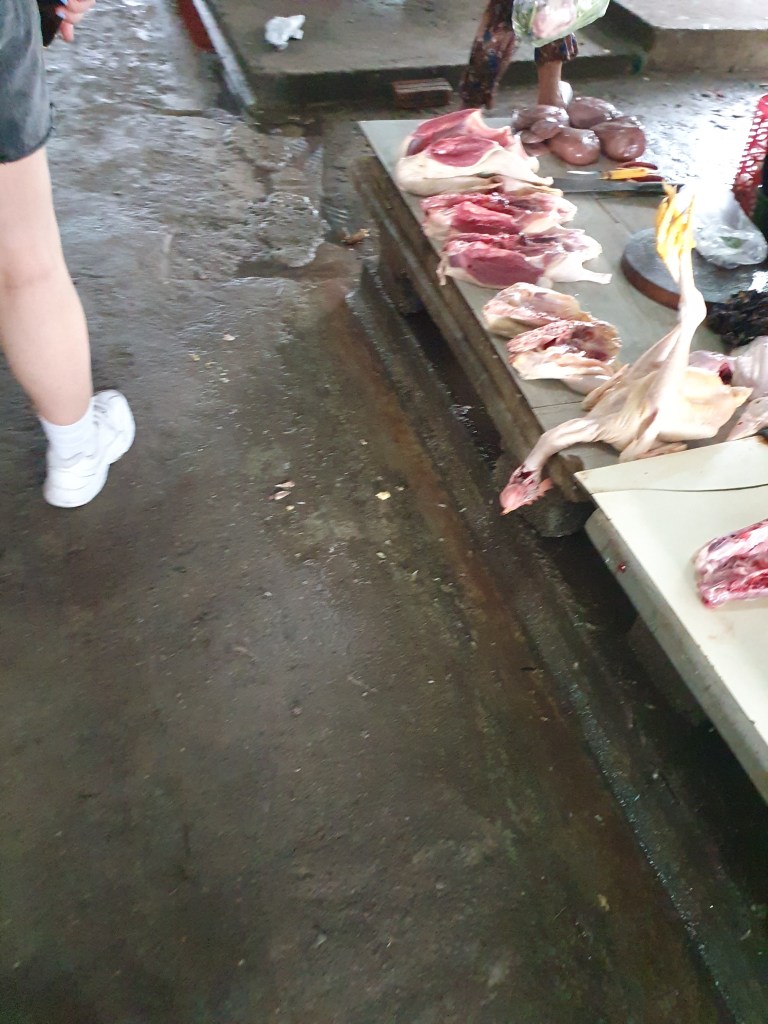
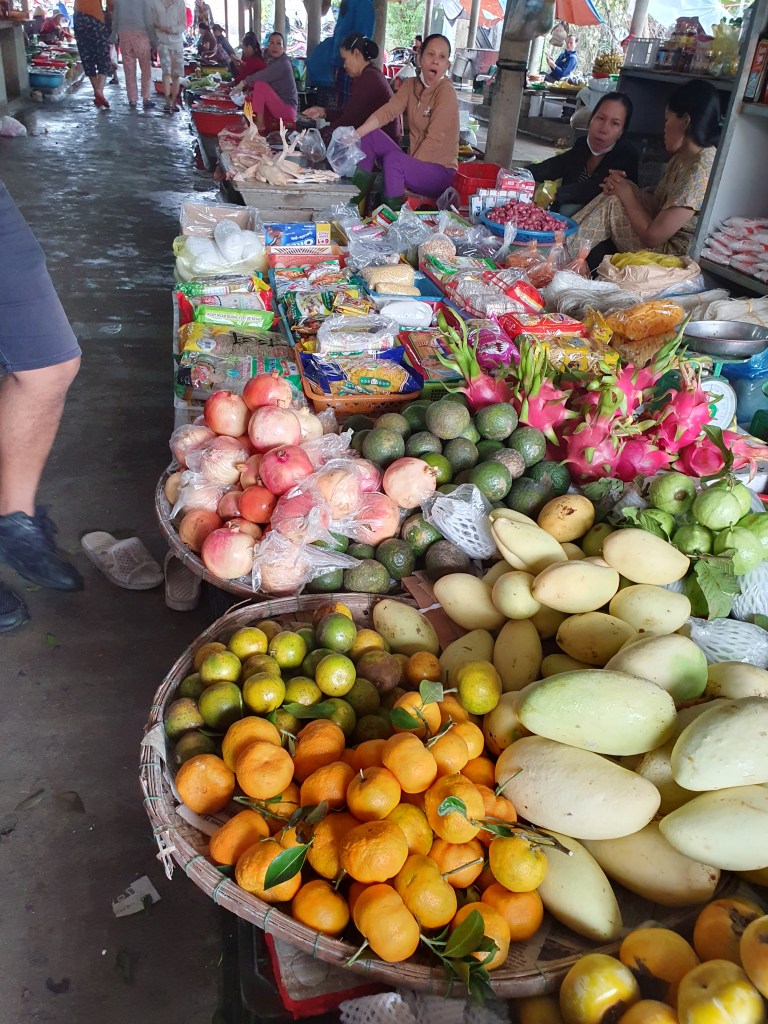
It was actually useful to see this as I think in the UK we have become too far removed from the food on our plate. When we buy a frozen chicken it does not look much like a bird. When you buy one in Vietnam it still has its head, neck and claws.

By the time I left, I understood that when you see a motorbike with a cage full of live chickens on the back (quite strange to see), you can bet they are heading to the market to sell them.

At one point whilst shopping in town, I saw a small cage full of beautiful puppies, I hope they were for petting not eating though. Apparently cats and dogs are still eaten there but it is now unusual and you have to seek out specialist locations to get some ‘hotdog’.

Rice

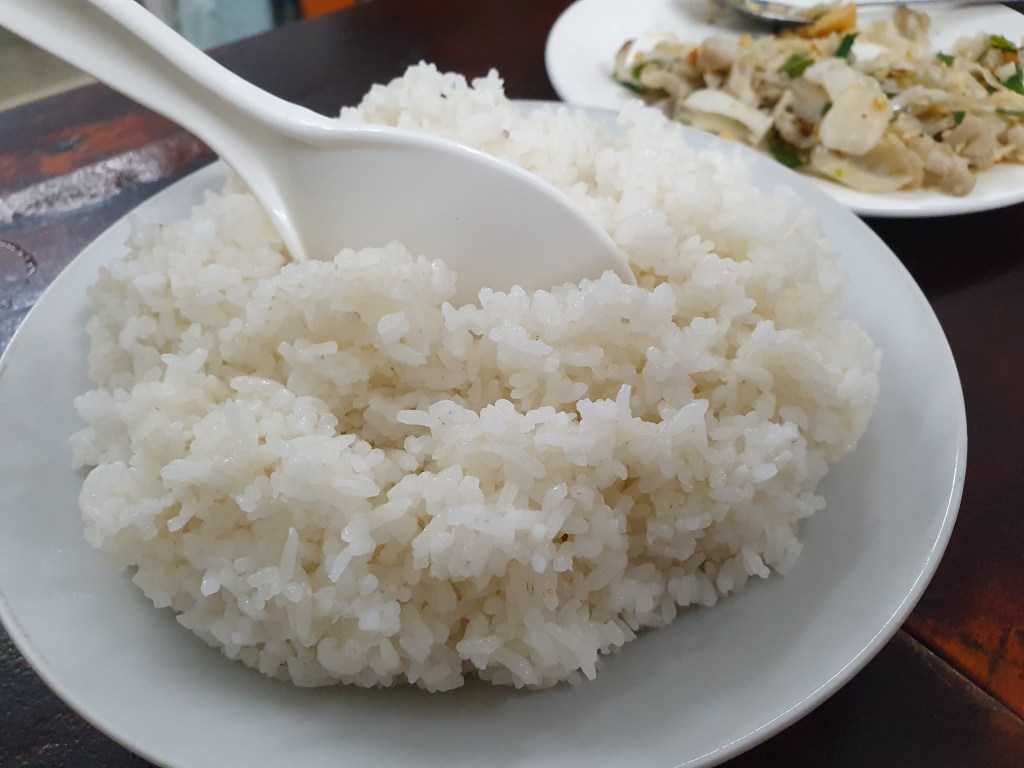
I felt rice deserved its own paragraph as its so important to the Vietnamese way of life.   The people of Vietnam rely on the growing of rice for their local economy, as a staple for most of their recipes, as a fuel for fire, and even as a key ingredient in their liquor. The effort that goes into production of rice is massive, and Vietnam is one of the world’s biggest suppliers.
The Flavours

The flavours of the Vietnam diet are really exciting. I always felt like I was filling up on light, fresh and interesting recipes. Herbs are used frequently in dishes, especially coriander and garlic. Some of my favourites!
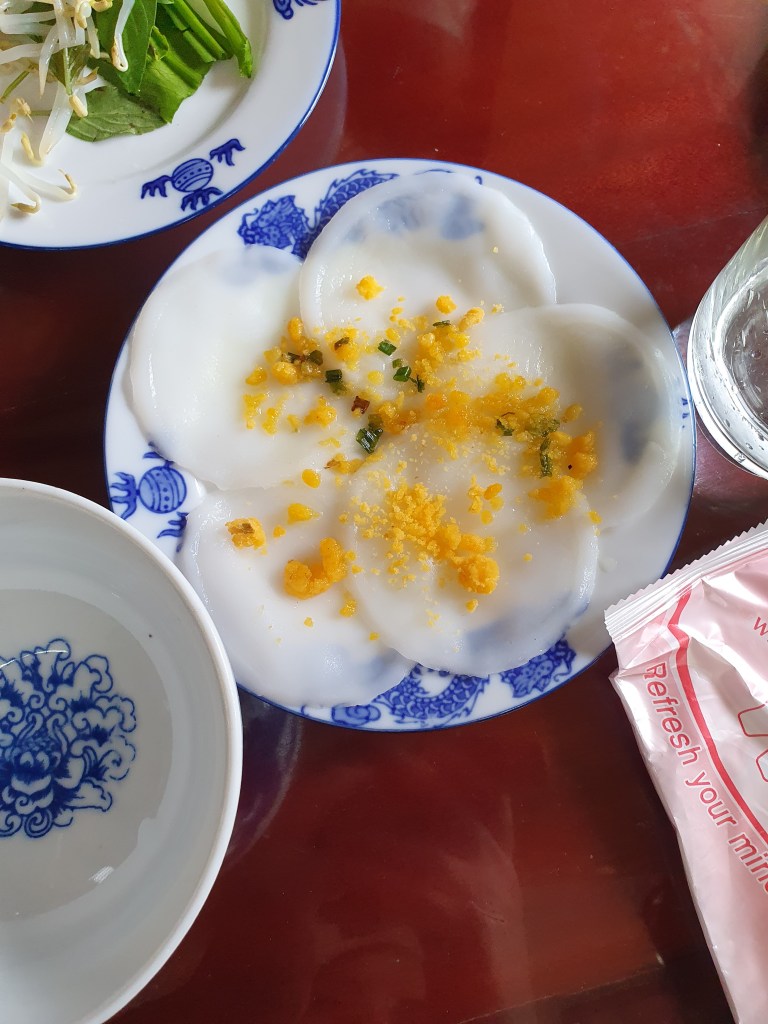
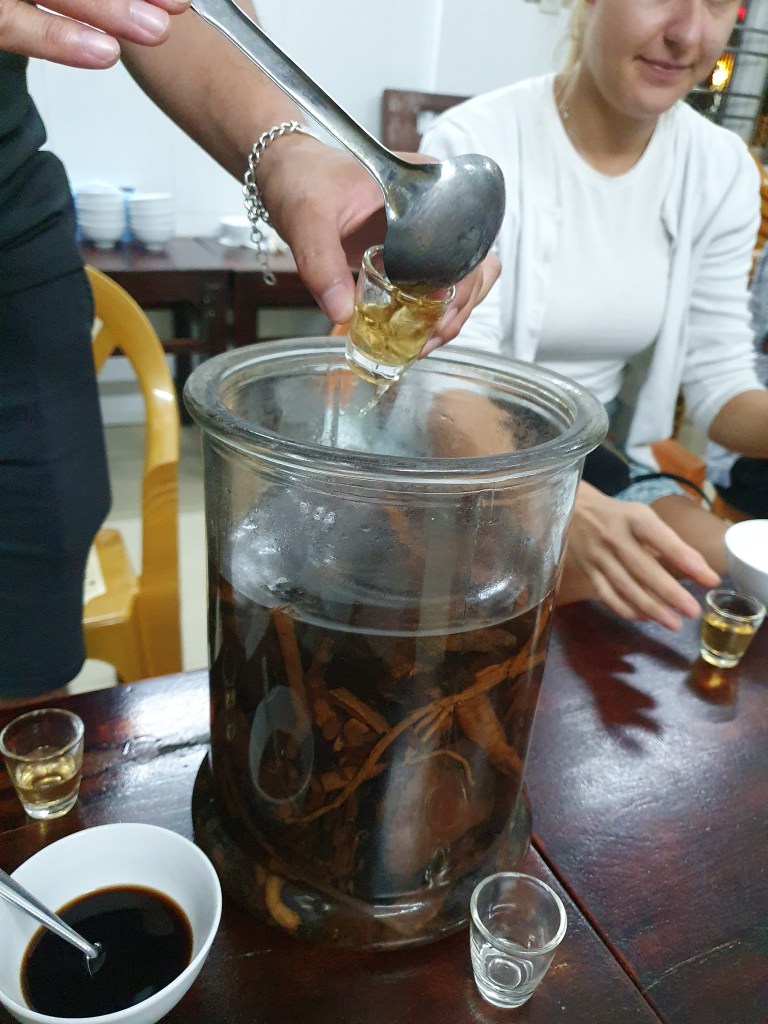
Nuts are used quite a lot, especially peanuts. I don’t normally like peanuts but the way that they used them in meals was really complimenting the food. I started thinking that maybe I had been using them wrong this whole time…

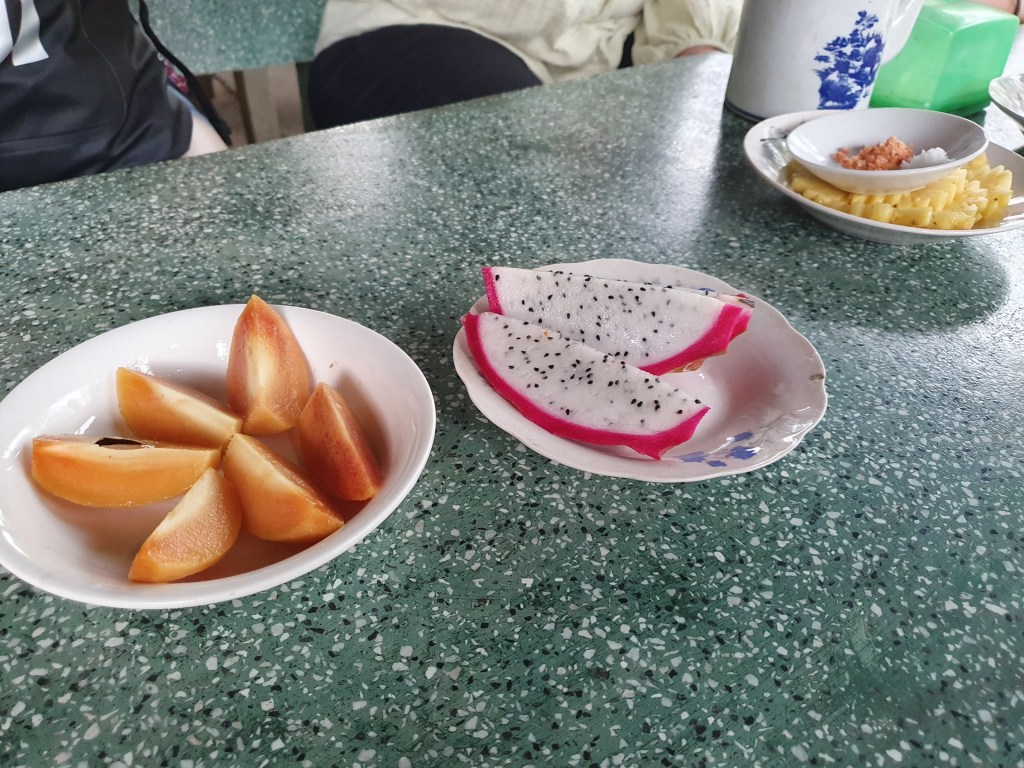
Fruit is also used abundantly, which is not a suprise when it is grown so easily and with such a great variety. Traditionally the vietnamese don’t eat sweet desserts, just fruits. They also use fruits with their mains, the best example I had of this was sliced pork marinated in passionfruit. Actually so suprisingly delicious!

The Dining Experience

There were different ways you could enjoy food in Vietnam. Especially in the main cities.
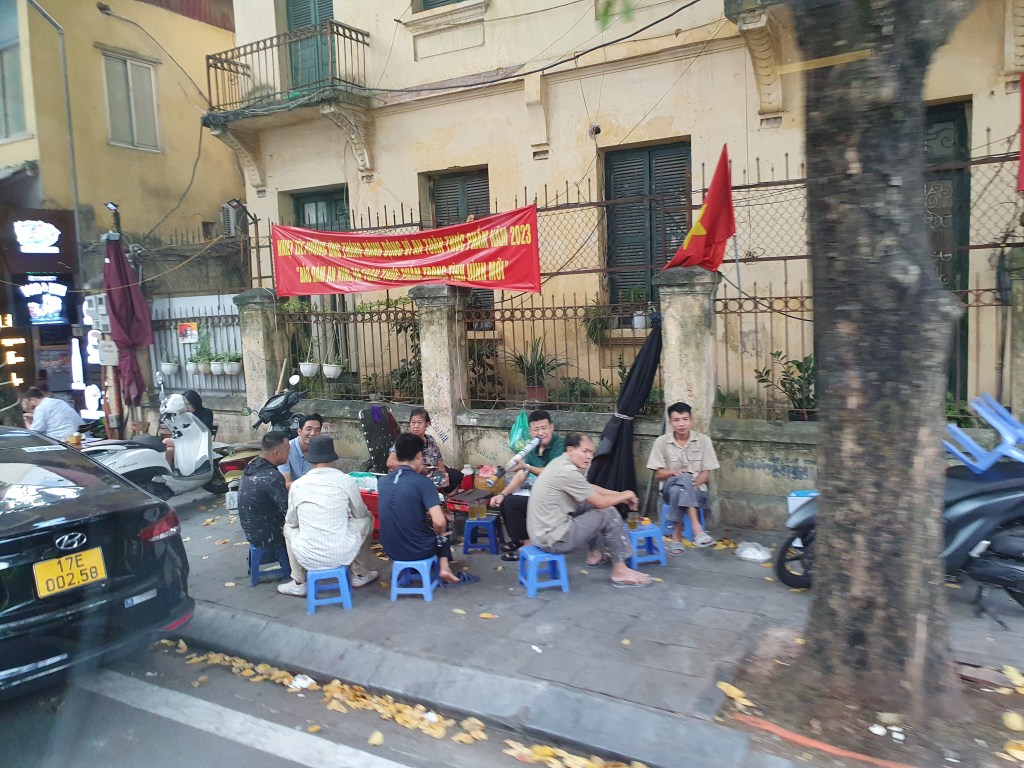
Street food is probably the most famous and you could buy this to take away or to sit on the street. In the tiny gaps on the pavement between the hundreds of motorbikes parked up over the pedestrian space, you would find someone with a little fire pit on the ground and groups of people sitting on little plastic stools. I felt certain that I would snap these chairs in half if I tried to sit on them as well as not feeling confident in the hygiene of the food. Even my guide said to be weary of the street food because the kitchen space is far from the cooking and eating area.

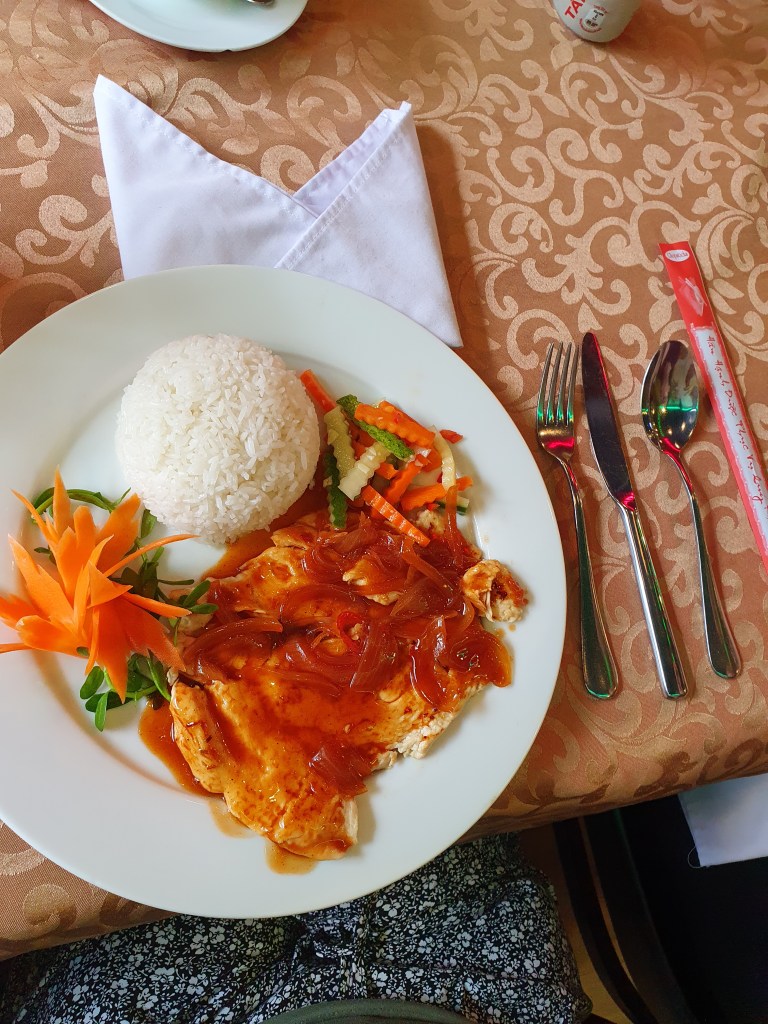
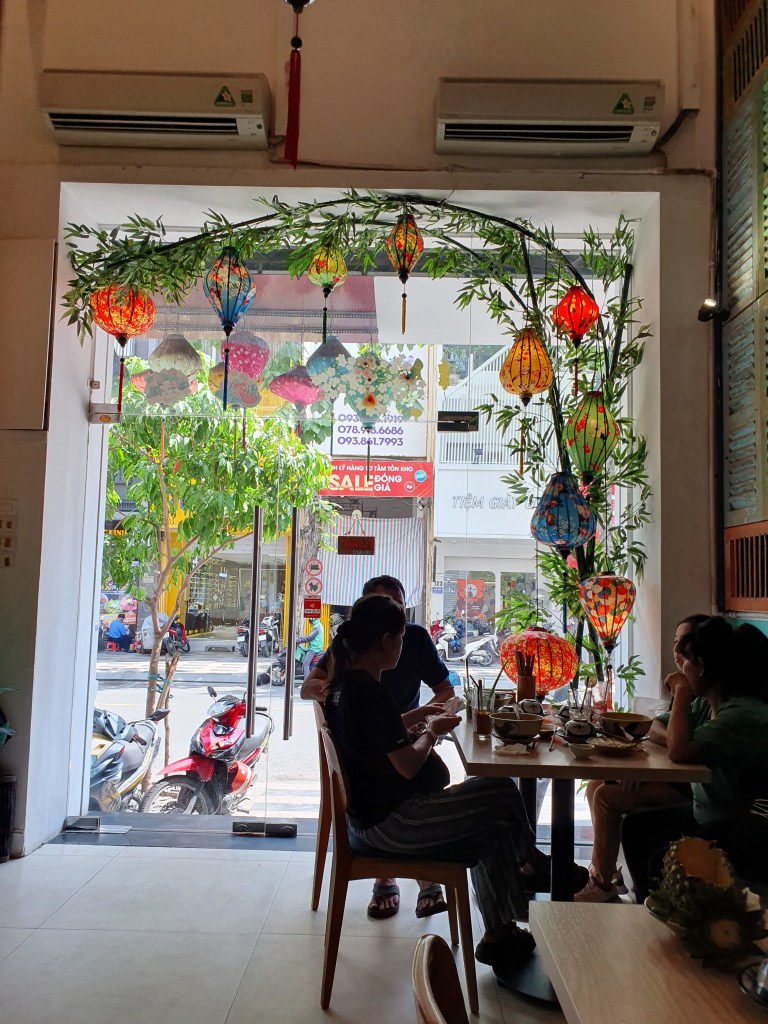
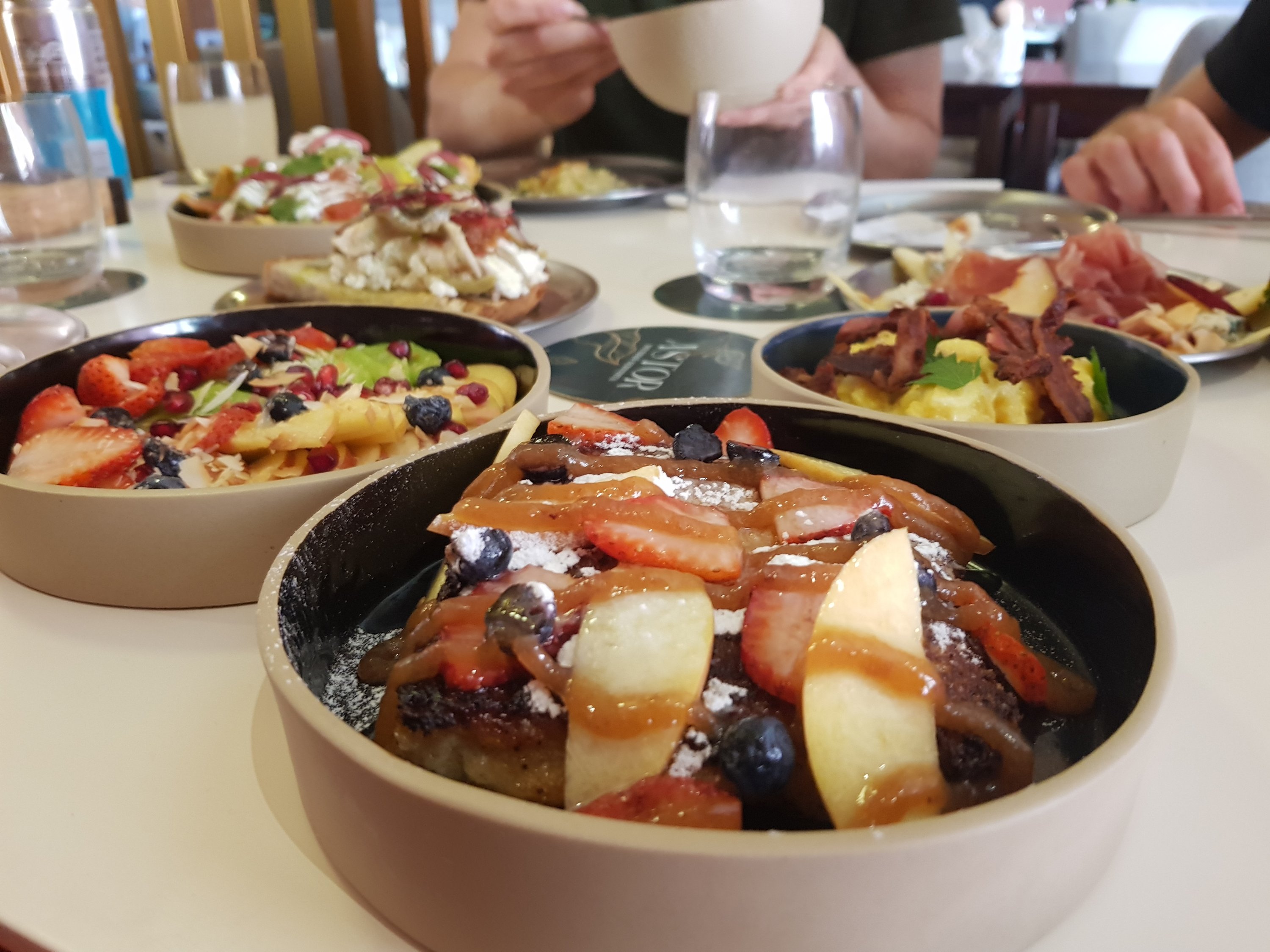
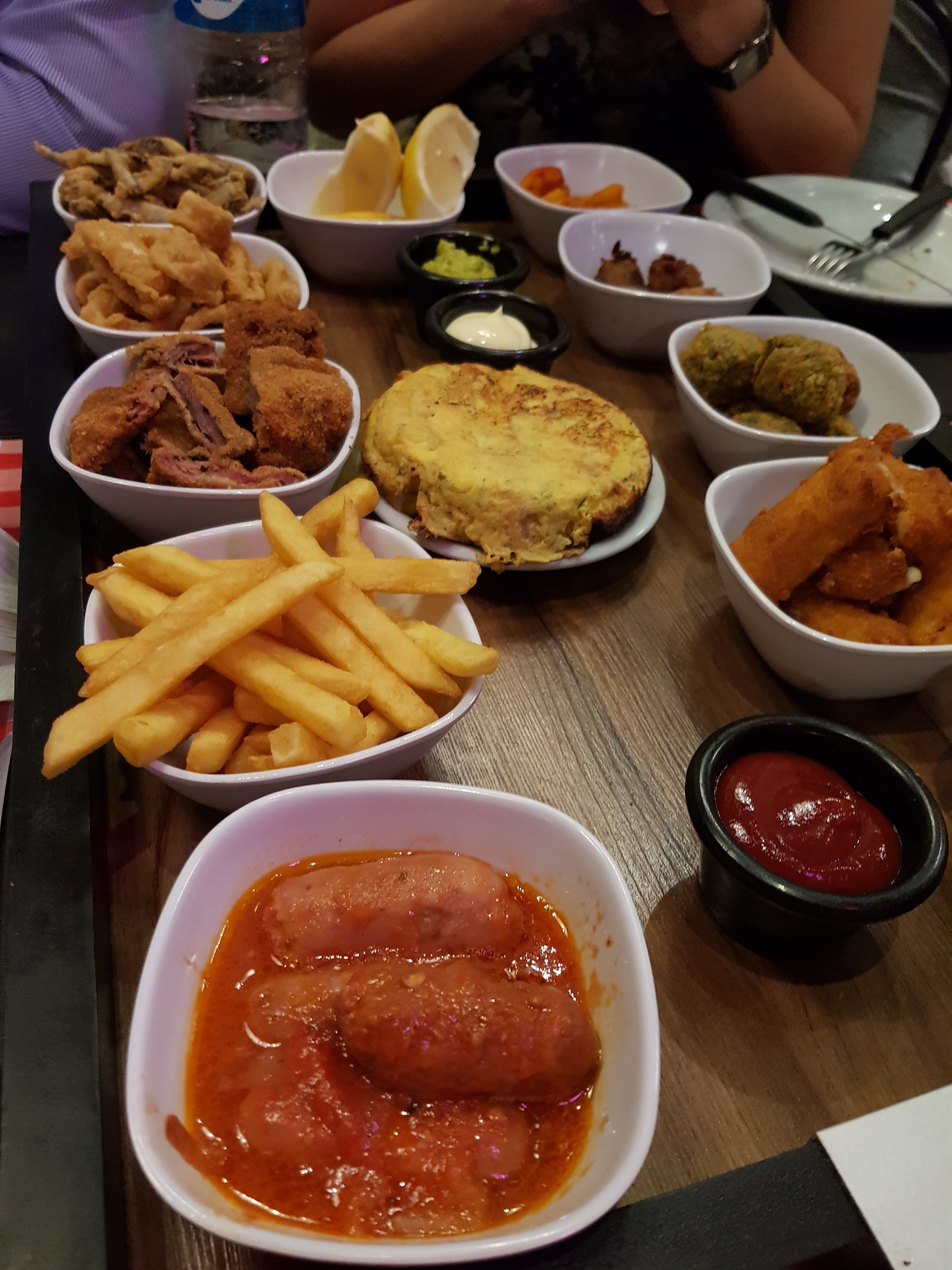
Good quality restaurants are plentiful and much more comfortable. I much preferred this, and the food is still extremely cheap. I spent on average about £6 for a 2 course meal and drink.
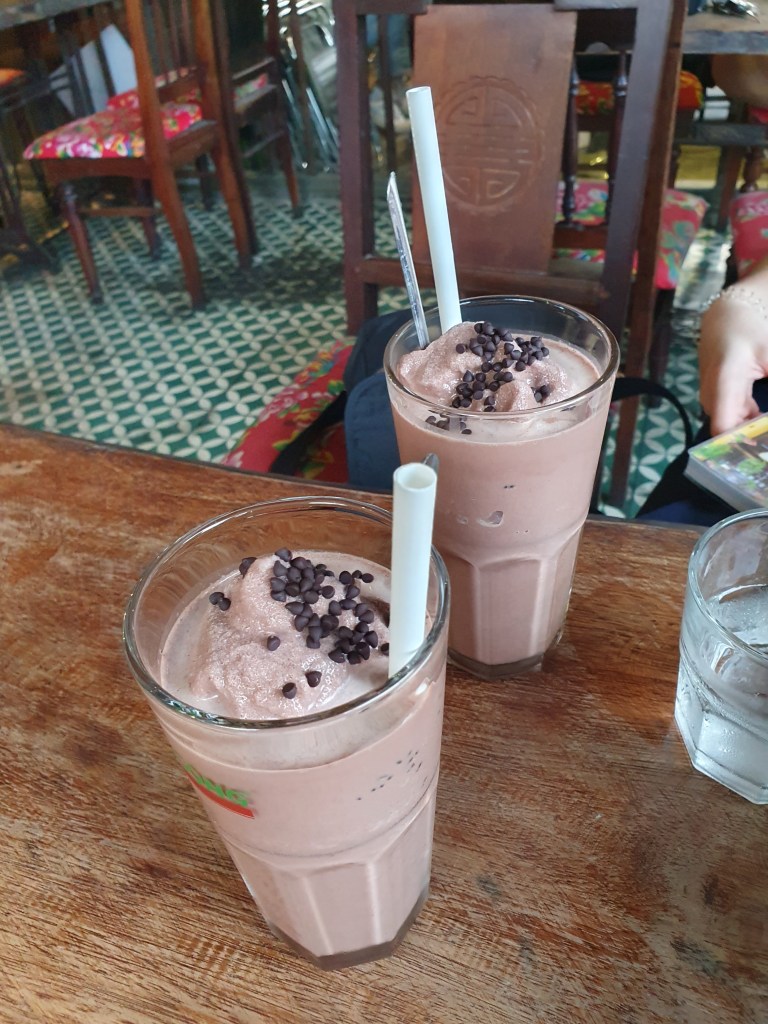
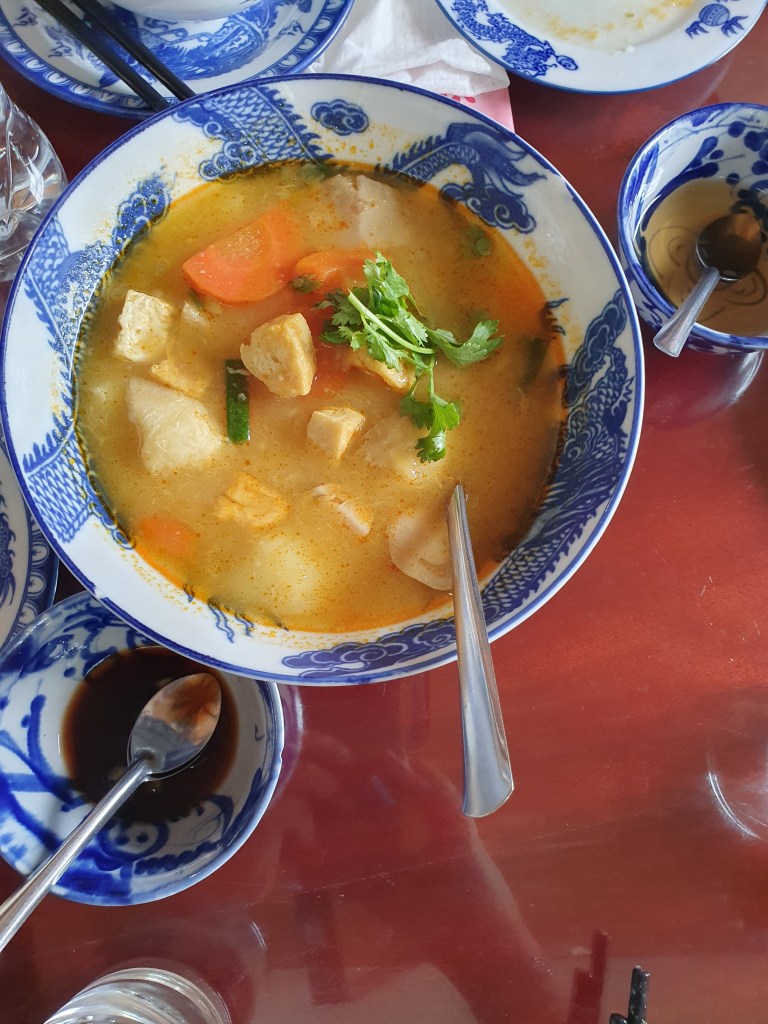
When choosing from the menu, choosing local dishes is always going to serve you well as these are the dishes they make regularly and do well. Don’t expect the local vietnamese small time chef to make an awesome italian pizza, it is just unrealistic as well as a waste.

I think my favourite choice of dining had to be eating in the homes of local families. If you get the chance, it is well worth it. You can have good conversation, see inside a local home and get fresh food that you are likely to see cooked and learn to eat the ‘right way’.
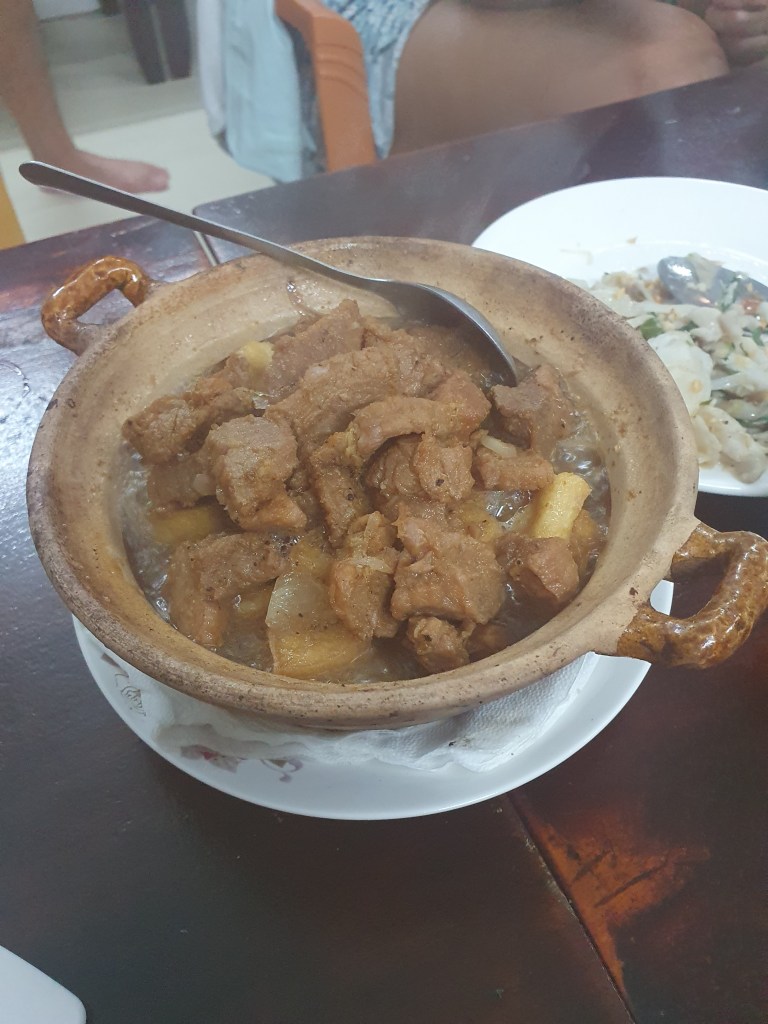
Overall, dining in Vietnam has opened my taste buds to some new dishes that I would not have considered before, and reminded me the importance of fresh herbs!
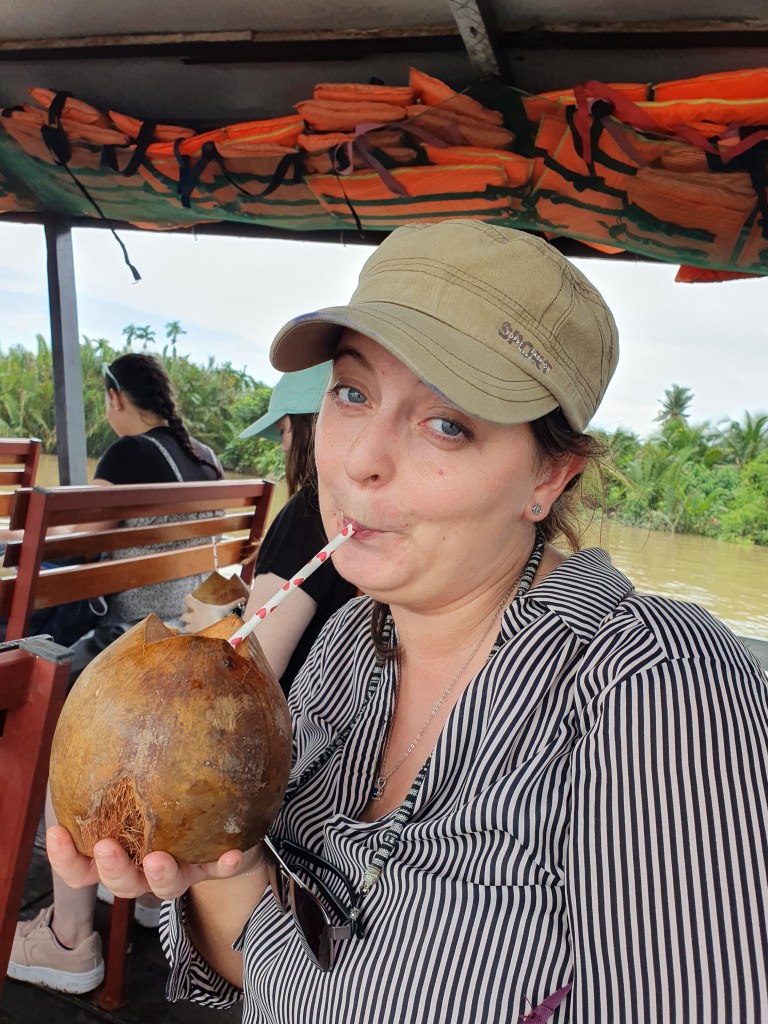
Buenos Aires, Argentina: Paris of the Americas (Part Two)

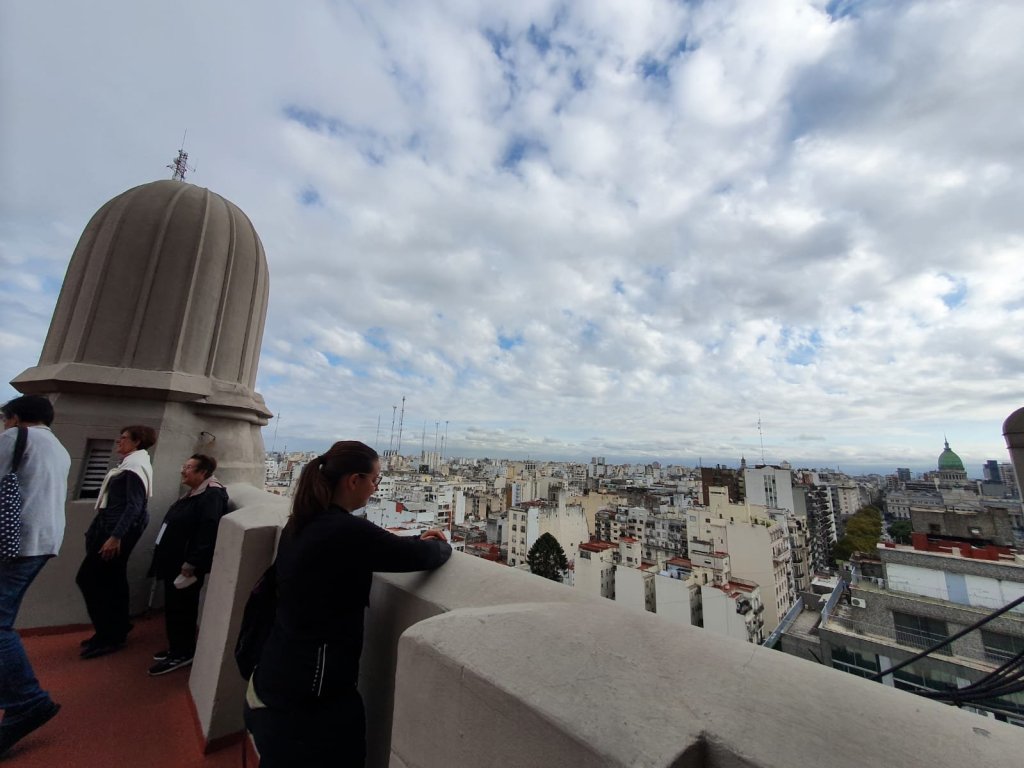
Following my first trip to Buenos Aires, I returned to the capital city at the end of my three month trip around Argentina to have a final week there, enjoying some attractions I had not been able to visit in my first visit. This time I was joined by a travel companion and was staying in a luxury hotel.

A focus on Evita

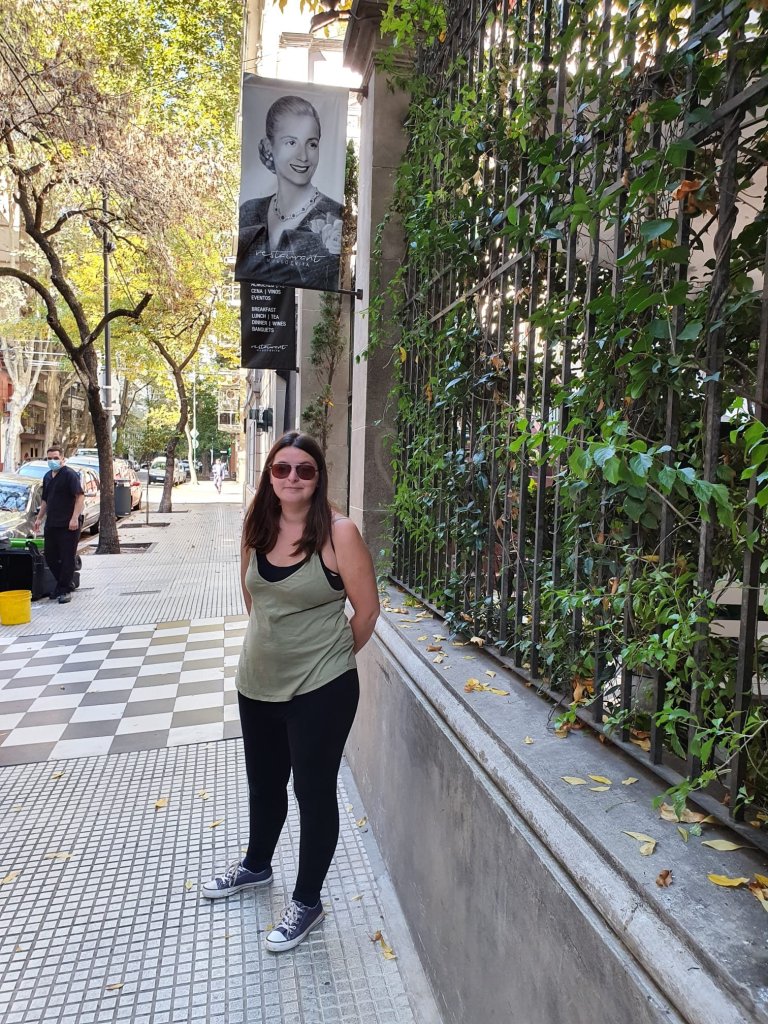
Following my first visit to Buenos Aires, and visiting the grave of Evita, a famous Argentine first lady, this time round, I visited the Evita museum. I was keen to learn more about her life and work for the state. The museum is housed in a previous home for the poor that was set up through a foundation that Evita begun. The museum has several rooms with projections of Evita’s film clips as an actress, her speeches as an activist and also a viewing gallery for her red carpet gowns.

I found the museum to be really interesting but unfortunately photos were not allowed. The information was really good about her early life, career, relationship with president Peron, and her death. I learnt that she had a lot more involvement in charity work than I had realised. She also won the vice presidency but turned it down, which I was not aware of. After finishing our look around the museum, we had a tasty lunch in the museum’s restaurant which has a very nice courtyard.

A walk around the parks

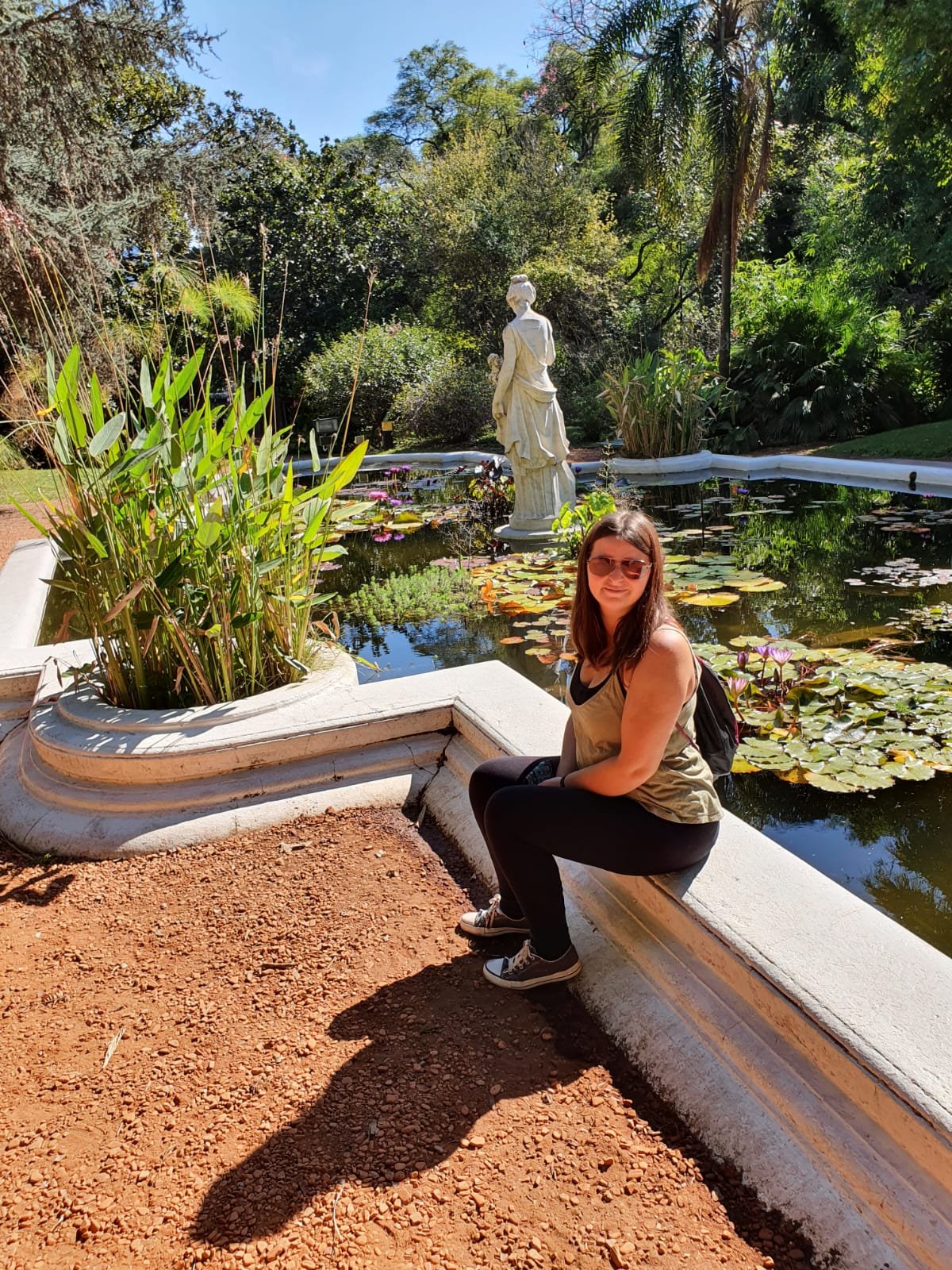
I was able to visit a few more of the park’s in Buenos Aires this time, although not all of them, as the rosalade (rose garden) was closed for upkeep.. very annoying. I did manage to visit both the Botanical Garden and the Eco Parque which are next door to each other. This took a full morning, and both parks were worth a look, and free to enter.

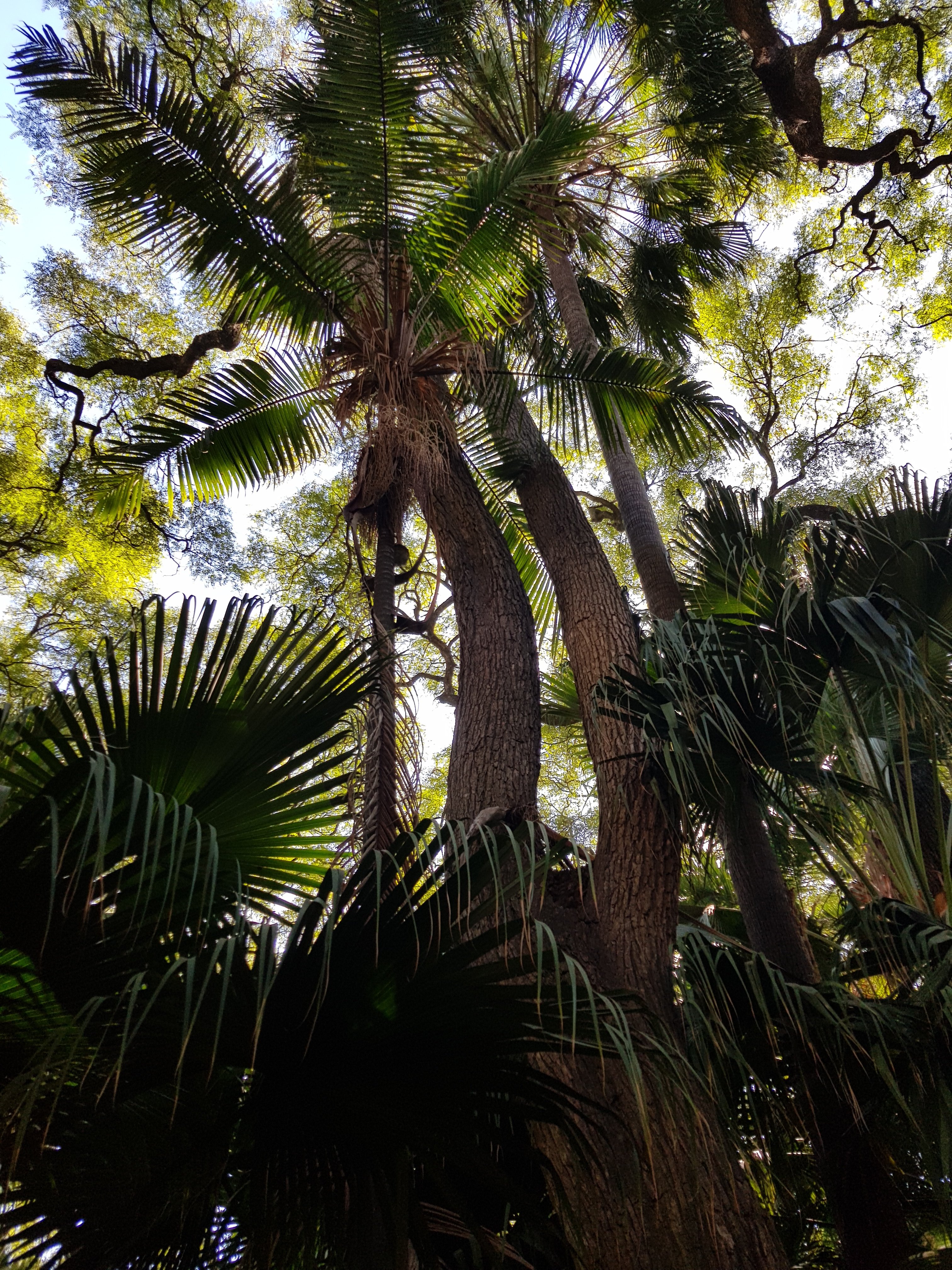
The botanical garden has many exotic plants and large trees as expected, and had attempted to theme different sections by different garden styles, for example french or italian.

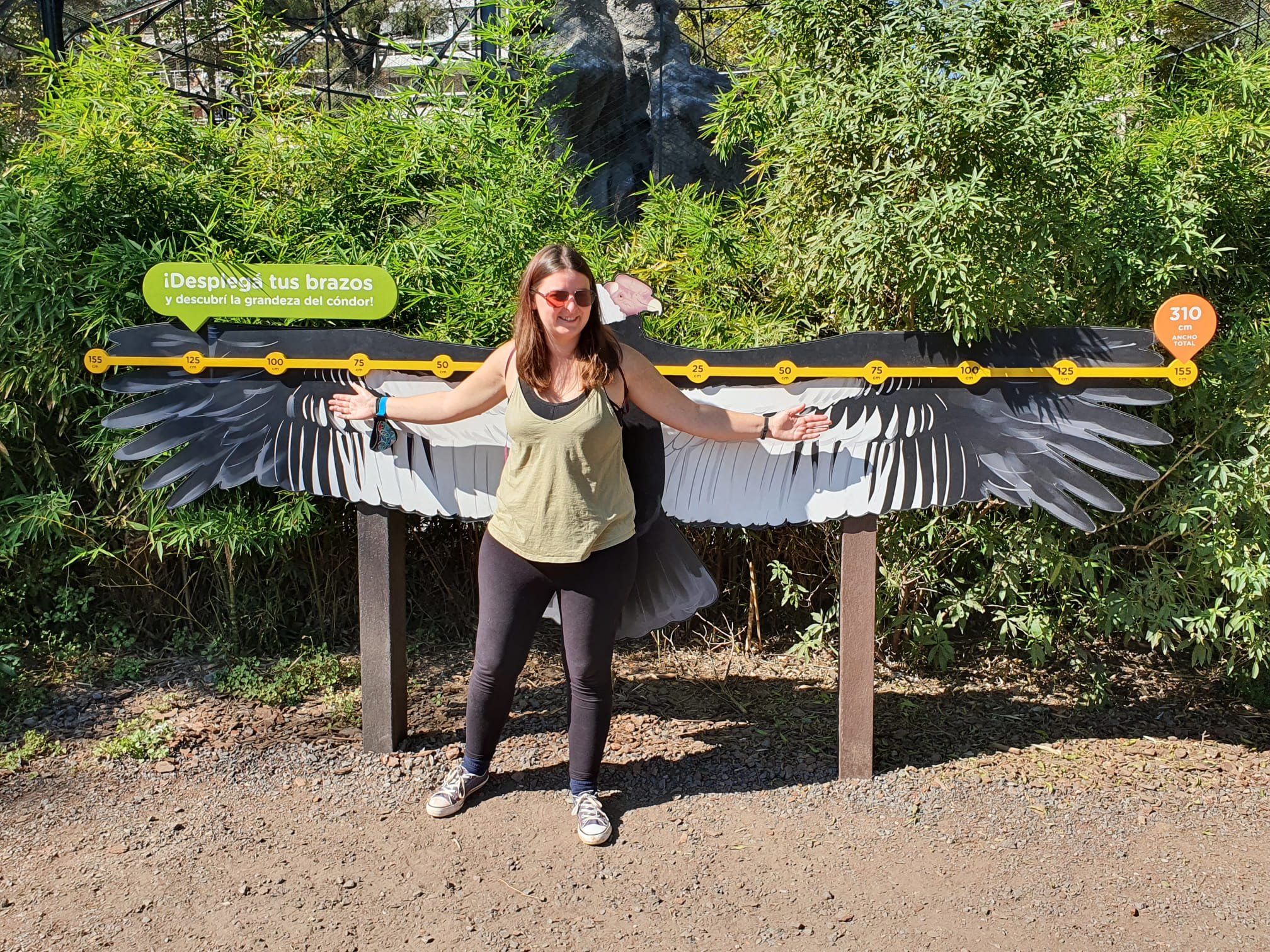
The Eco Parque is a very different experience. This pretty park used to be a zoo with many large exotic animals, and elegant victorian styled animal houses. In recent decades, most of the animals have been moved to other locations, or sent back to their natural habitat.

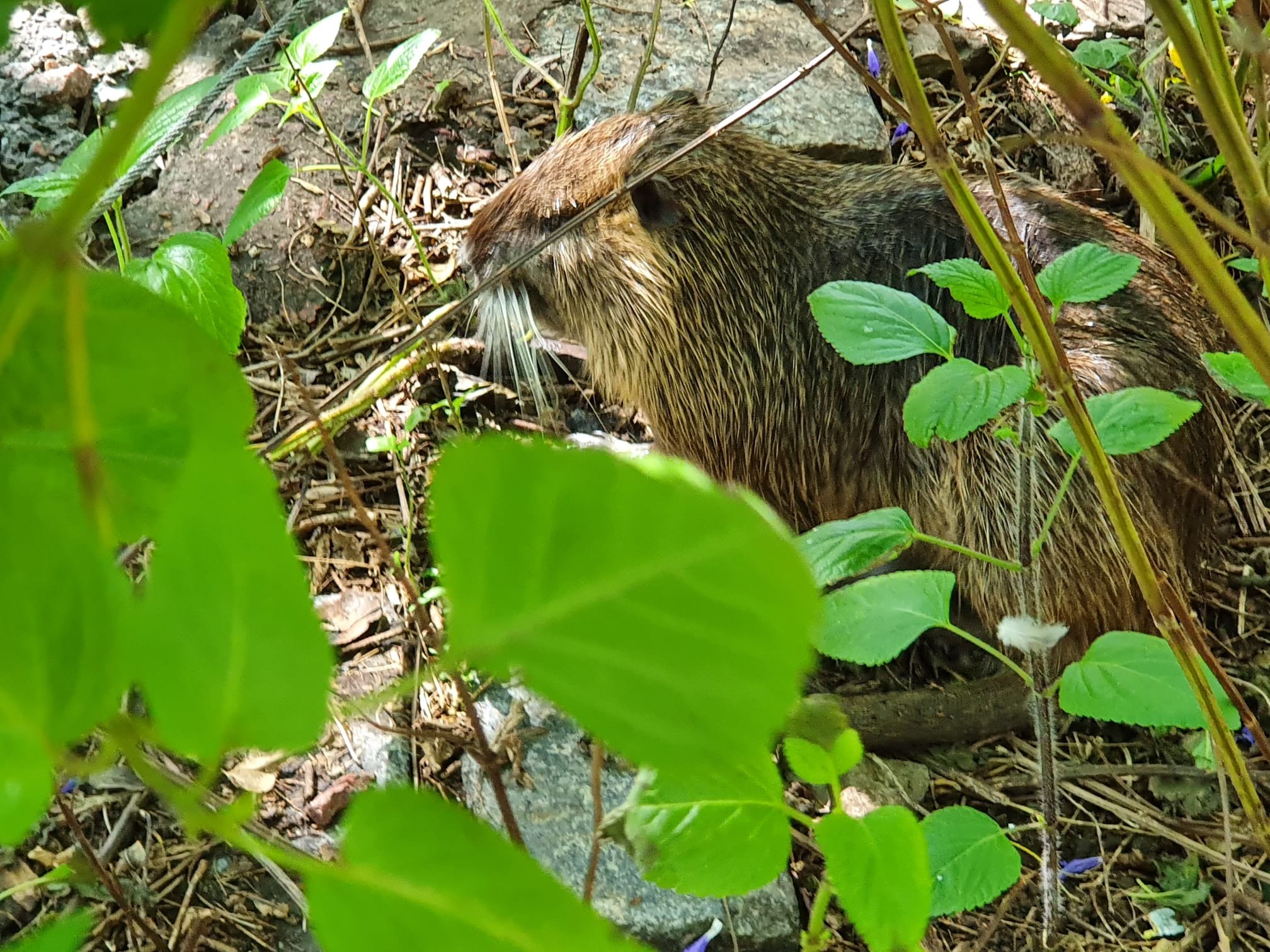
There are a few that still roam through the park though, because they are either too old or unwell to move, or do not need to be relocated. The park still has an old camel, plenty of capybaras, strange half rabbit half deer things, and even some monkeys. It is a pleasant place to take a walk in the middle of this huge city, as you never know what new animal will be around the corner.

Nightlife

In the evening, I was lucky enough to be rejoined by my German traveller friends again as they also finished their journey in BA. We headed out to Palermo Hollywood for a night of clubbing and mischief. After a night that lasted until around 6am, I was glad for my full hotel continental breakfast the next day!

La Plata

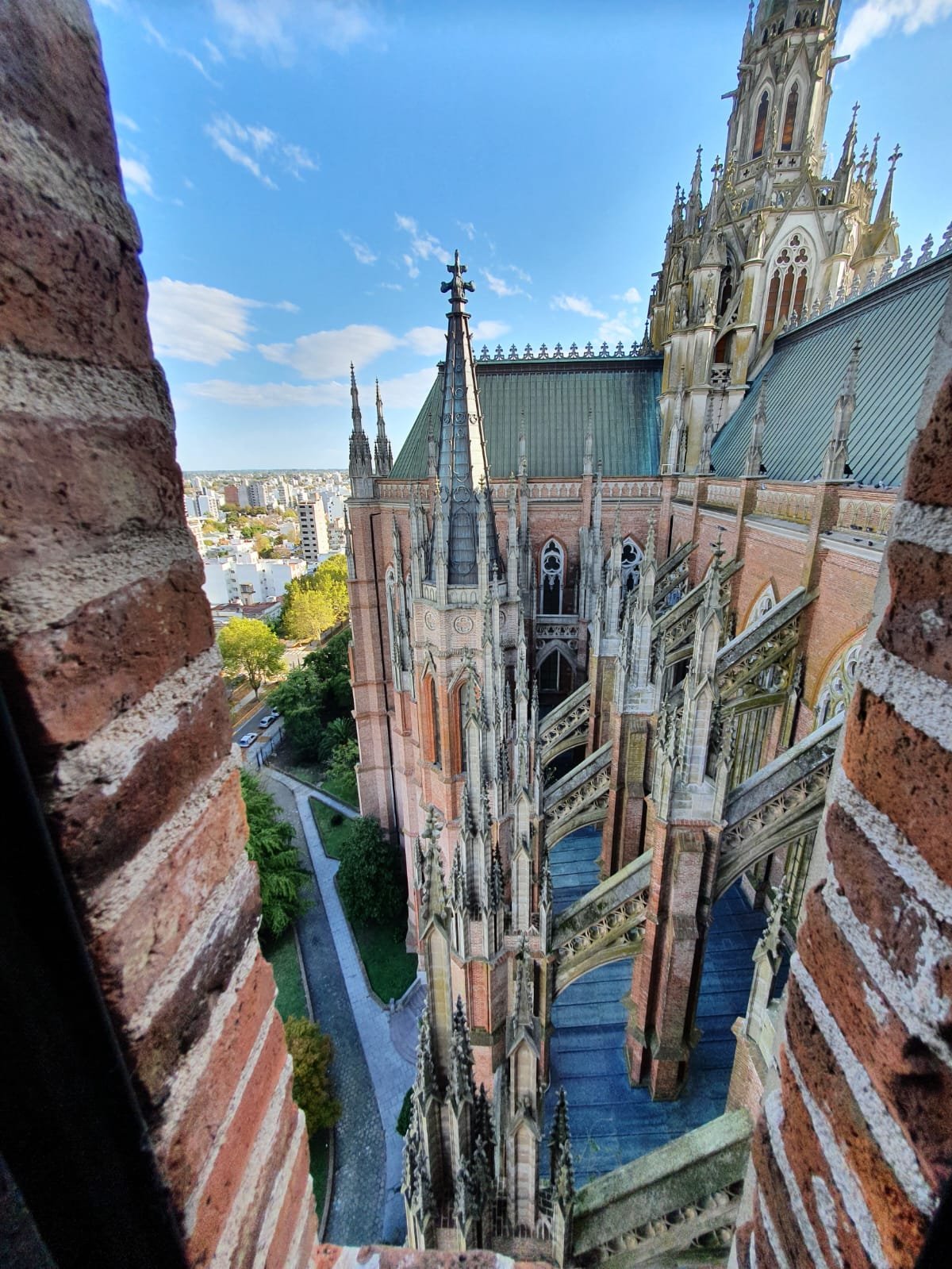
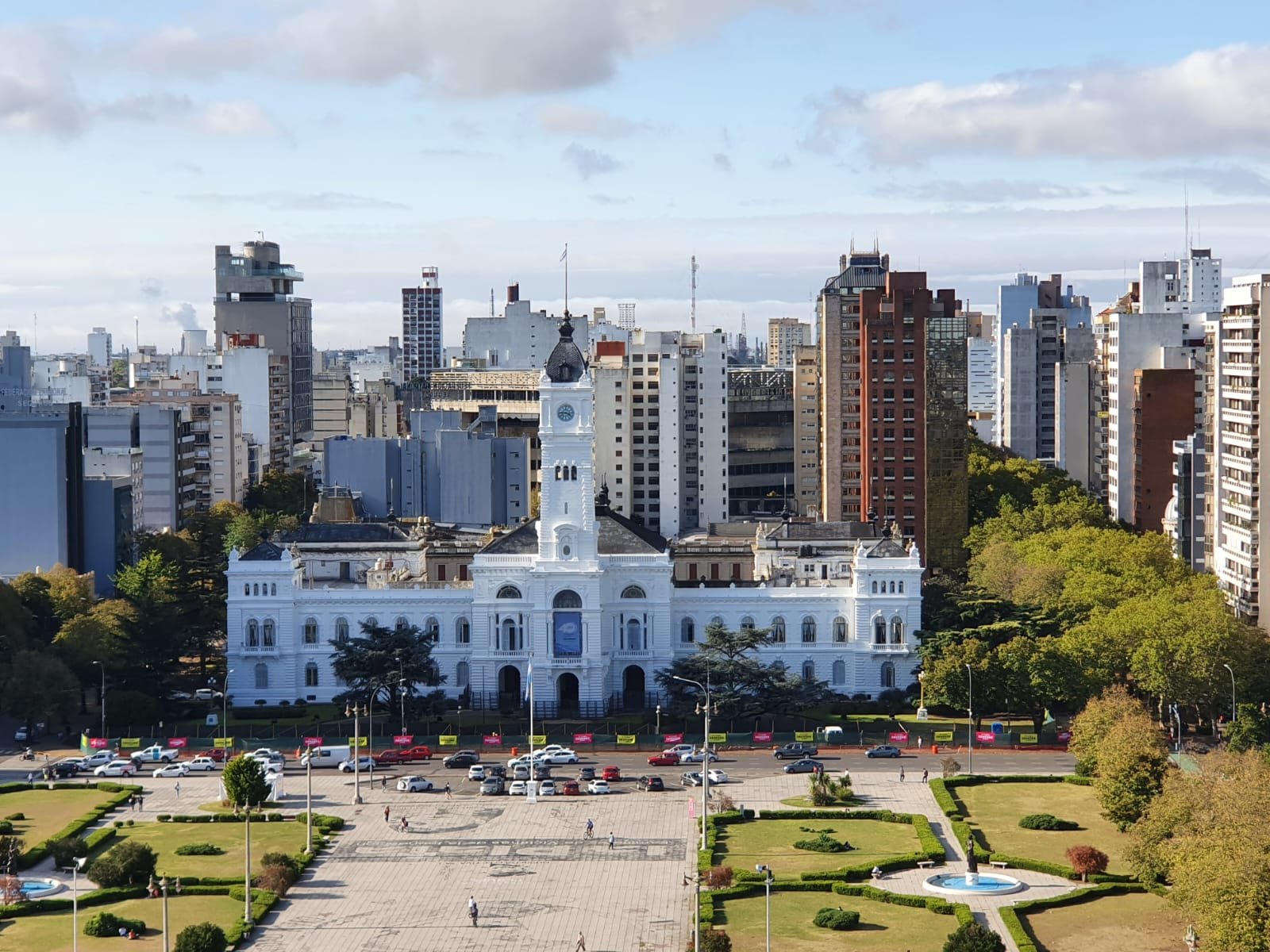
For a day out, we decided to visit the capital of the Province, the city called La Plata. The city was easy to get to, only 90 minutes on the train, and the main attraction there is a beautiful cathedral.

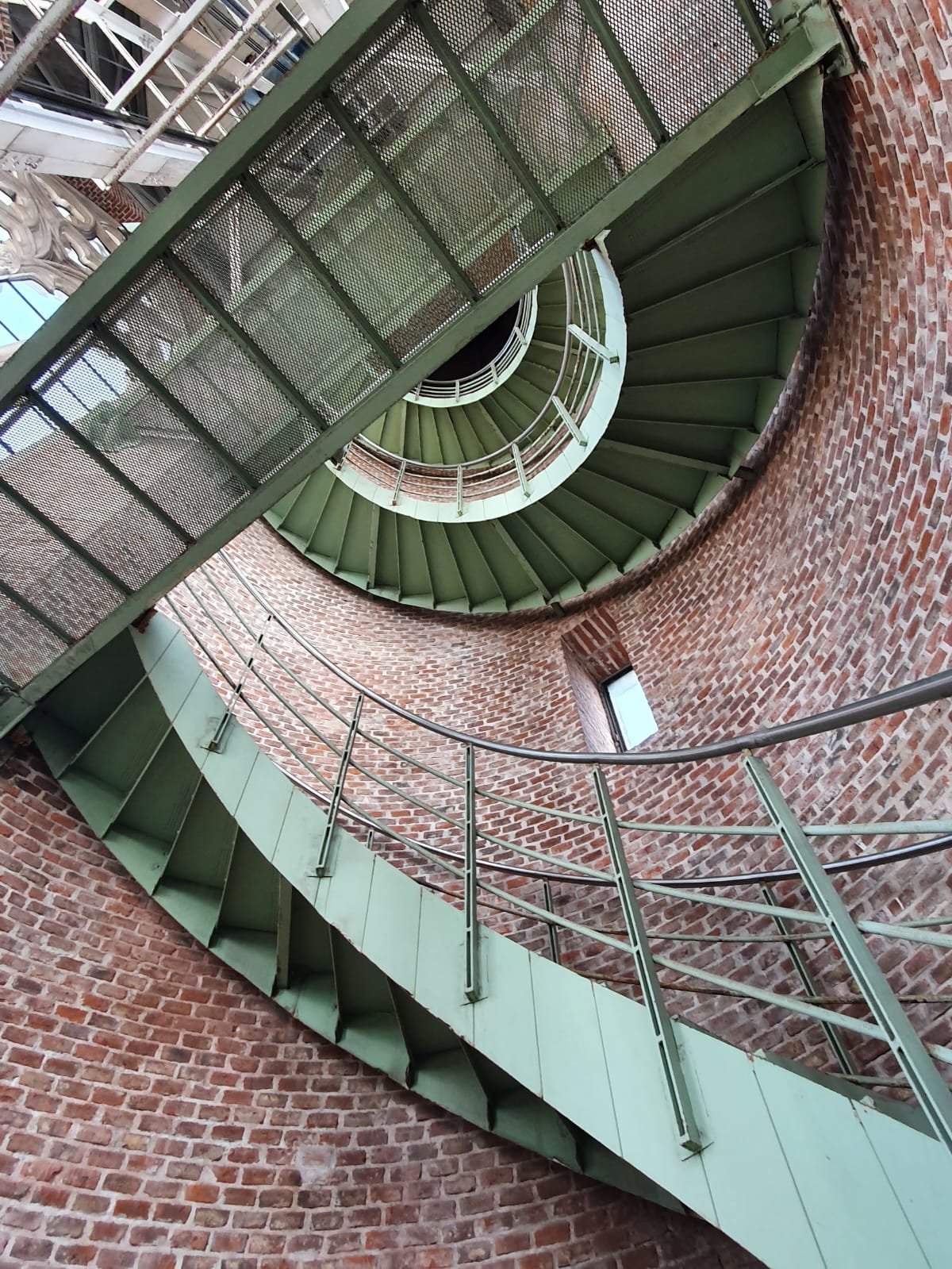
The cathedral is gorgeous on the inside, and as well as the main church, the attraction offers exploration of the crypt with a museum about its construction and original pieces, the opportunity to be lifted up the tower, and a sweet restaurant. A lovely morning out.

Horse riding in the Pampas

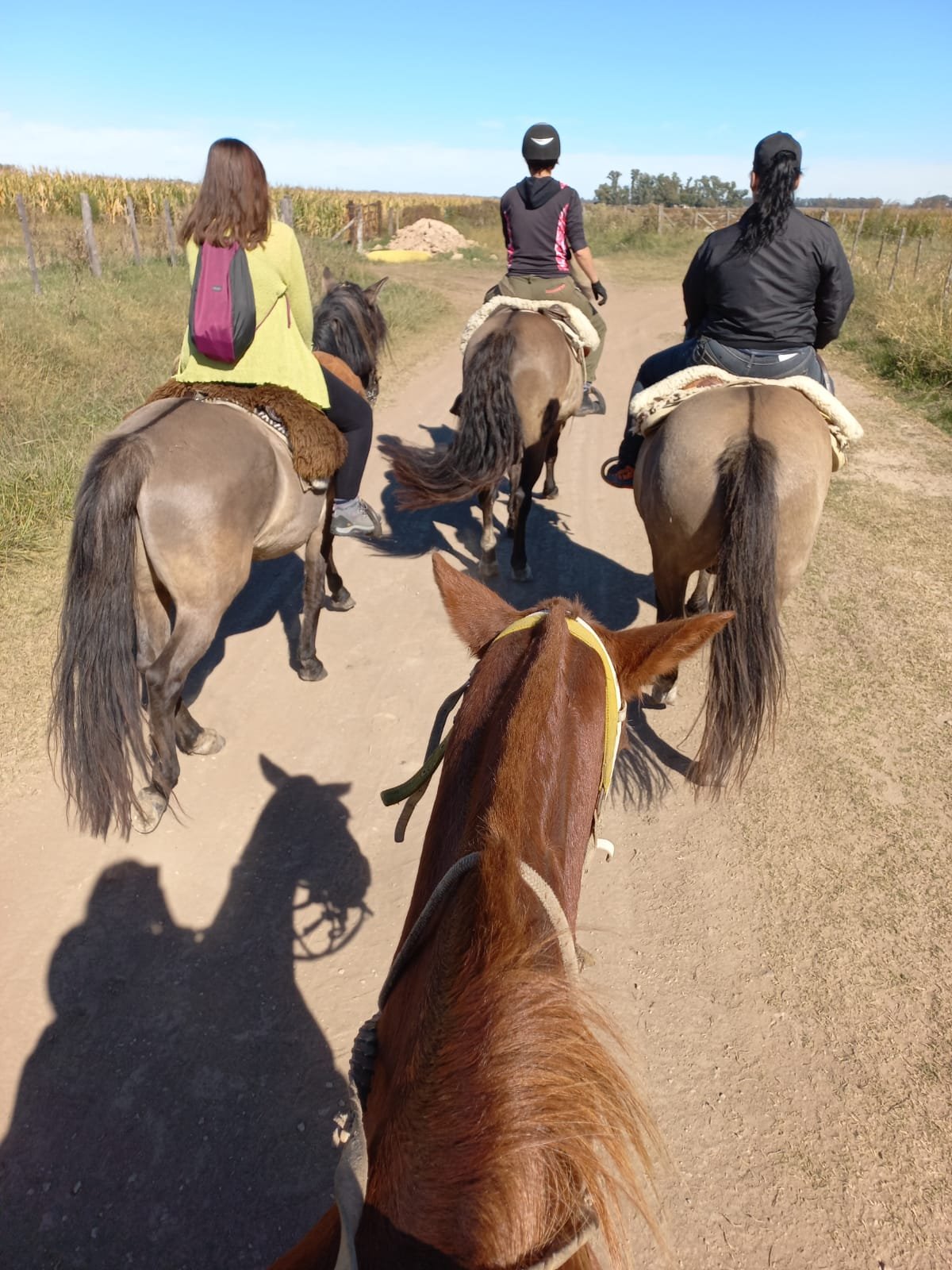
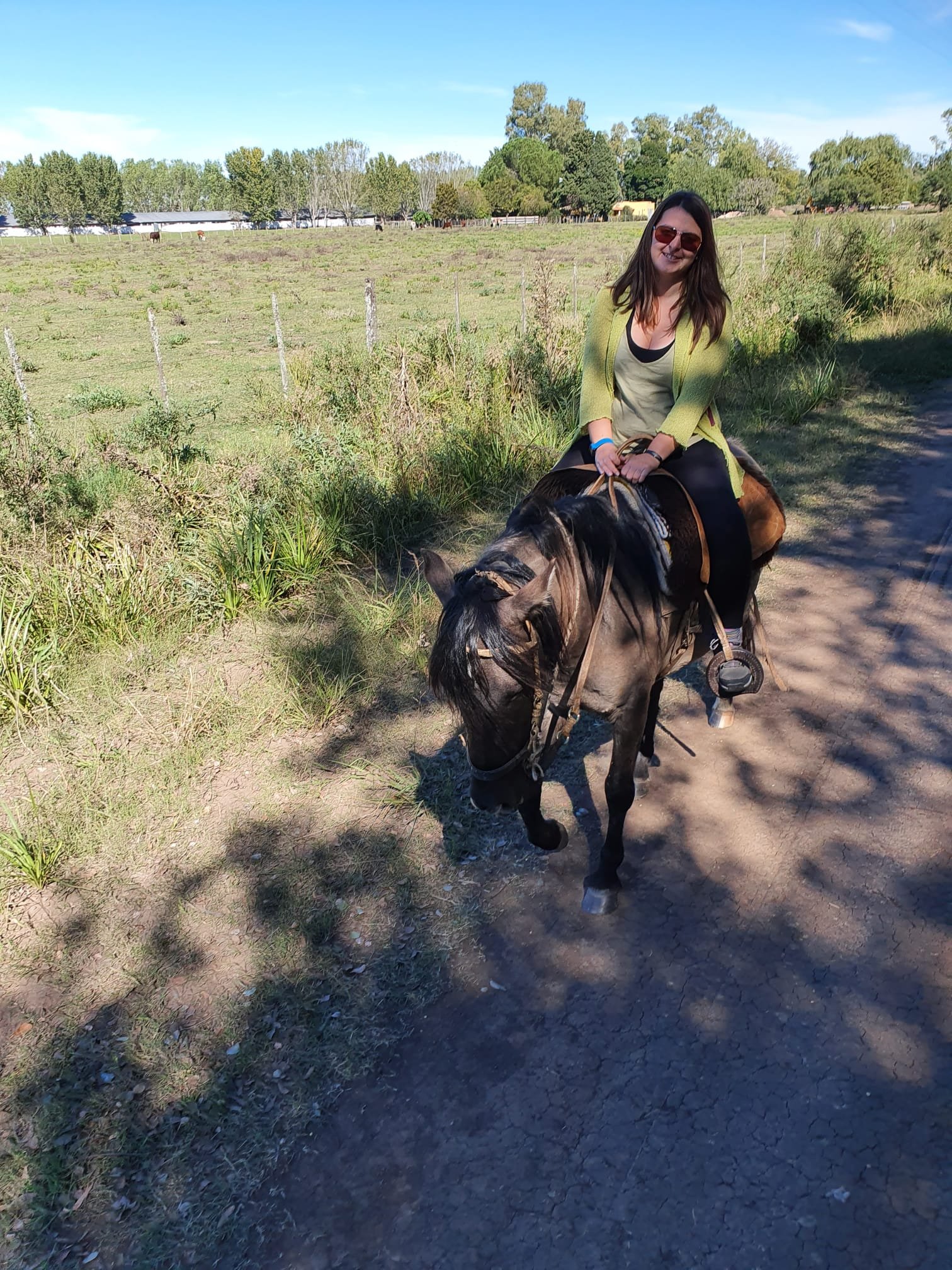
The province of Buenos Aires is part of the ‘Pampas’ region, and this is where the gauchos (Argentine cowboys) farm cattle the most. So, I decided to book us a day of horse riding in the area.

The four hour riding experience included a traditional asado lunch at the house of a local which was pretty special, and the horse riding itself was an unforgettable experience. For good and bad reasons…

The horse I was given, was a little young and barely broken in. This was coupled by the style of gaucho riding which is very different compared to english riding. The saddles and riding kit on the horse is very different and there is no front to the saddles. You are also expected to ride one handed and without a riding hat.

Whilst a little nervous about my horse’s behaviour, I took on the challenge. We rode through long grasses, roads, ditches, and woodlands and after trotting, cantering and a little bucking by my horse, I did manage to stay on the horse! Even though I was a little banged up. The experience was good fun, but the major downer was the extreme amount of mosquito bites I endured all over my legs  i was rubbing toothpaste on my legs for days after! (Fun fact: it takes out the itch).

Lunch in Uruguay

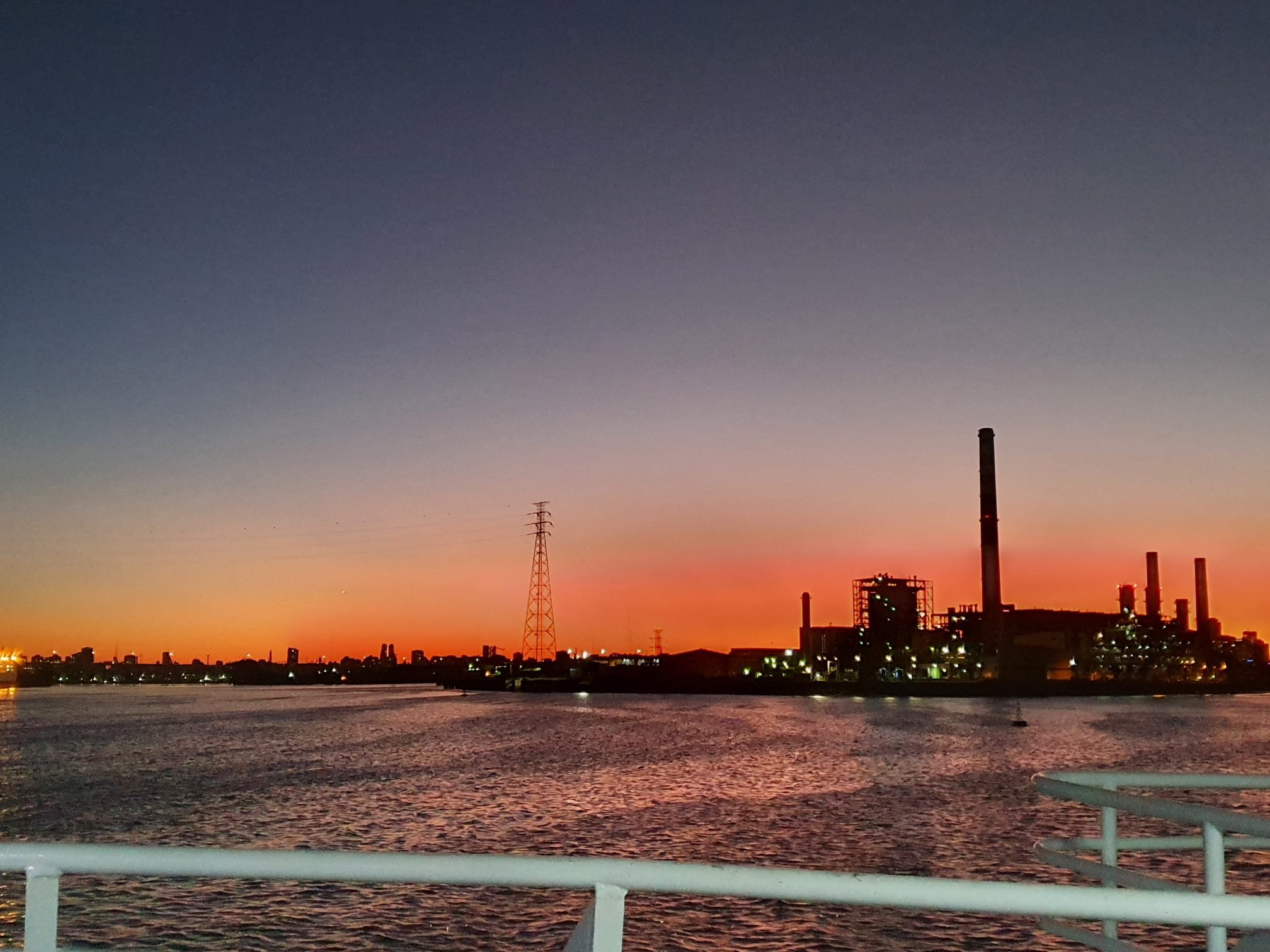
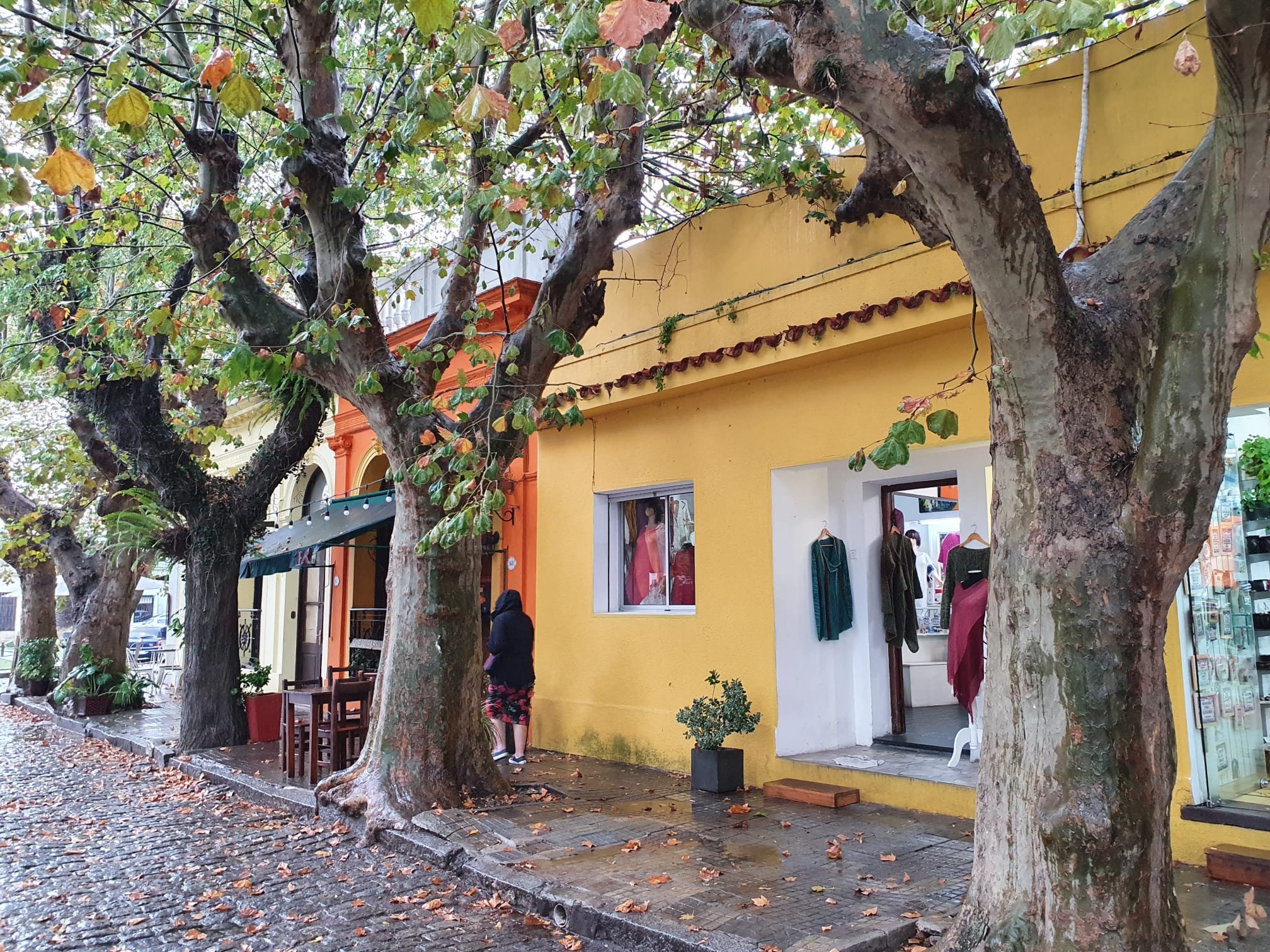
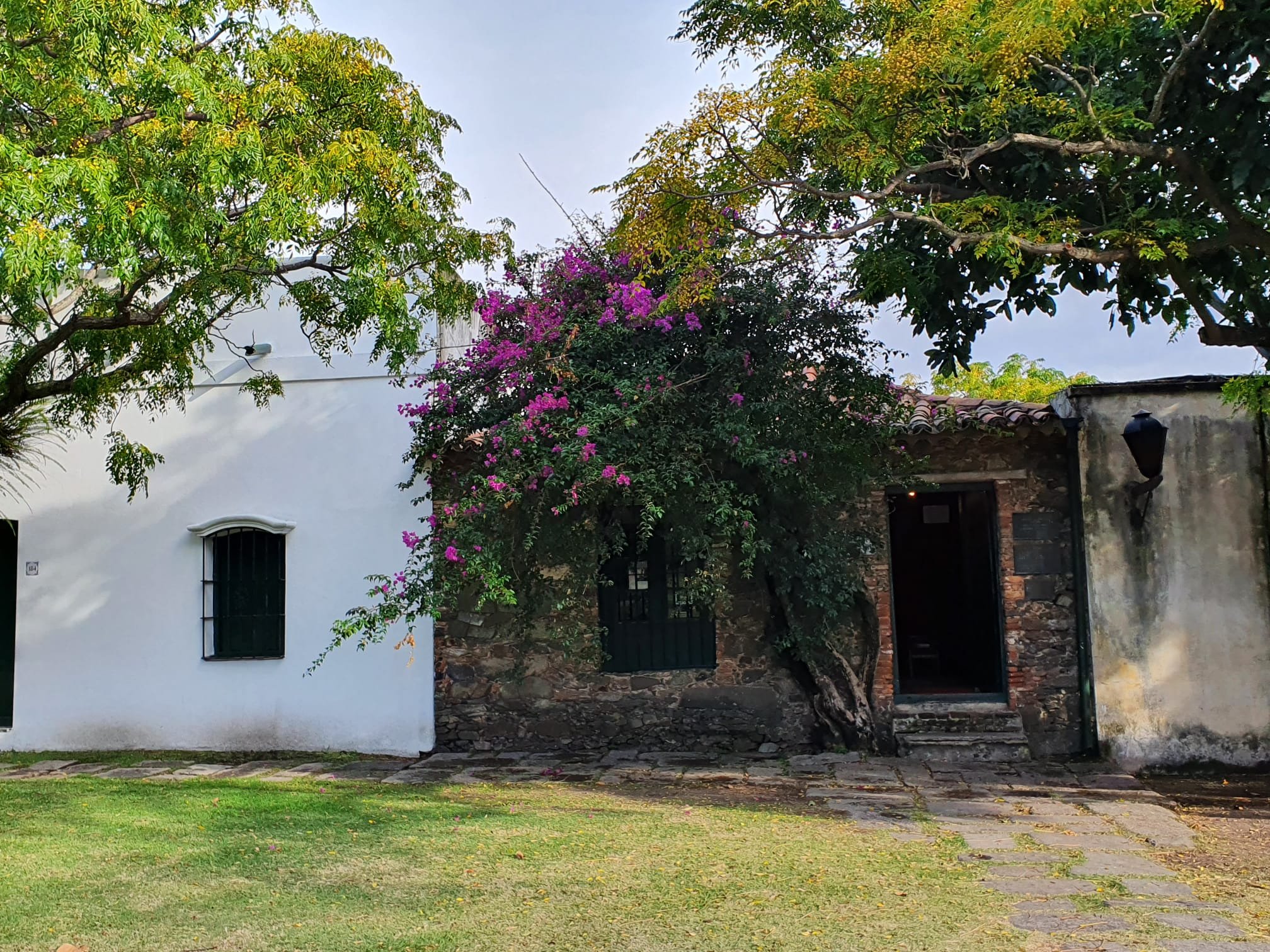
We became aware that you could visit Uruguay easily from Buenos Aires’ port by crossing in the river ferry for around an hour. It’s always tempting to cross another country off the list if the opportunity arises, so we booked our ferry tickets and took the pleasant ride across to a town called Colonia del Sacramento. From here you can also take a bus to Montevideo (Uruguay’s capital) but we decided to save that for another trip. Colonia del Sacramento is a picturesque town with a very portuguese style to it, from when it was colonised by Portugal.

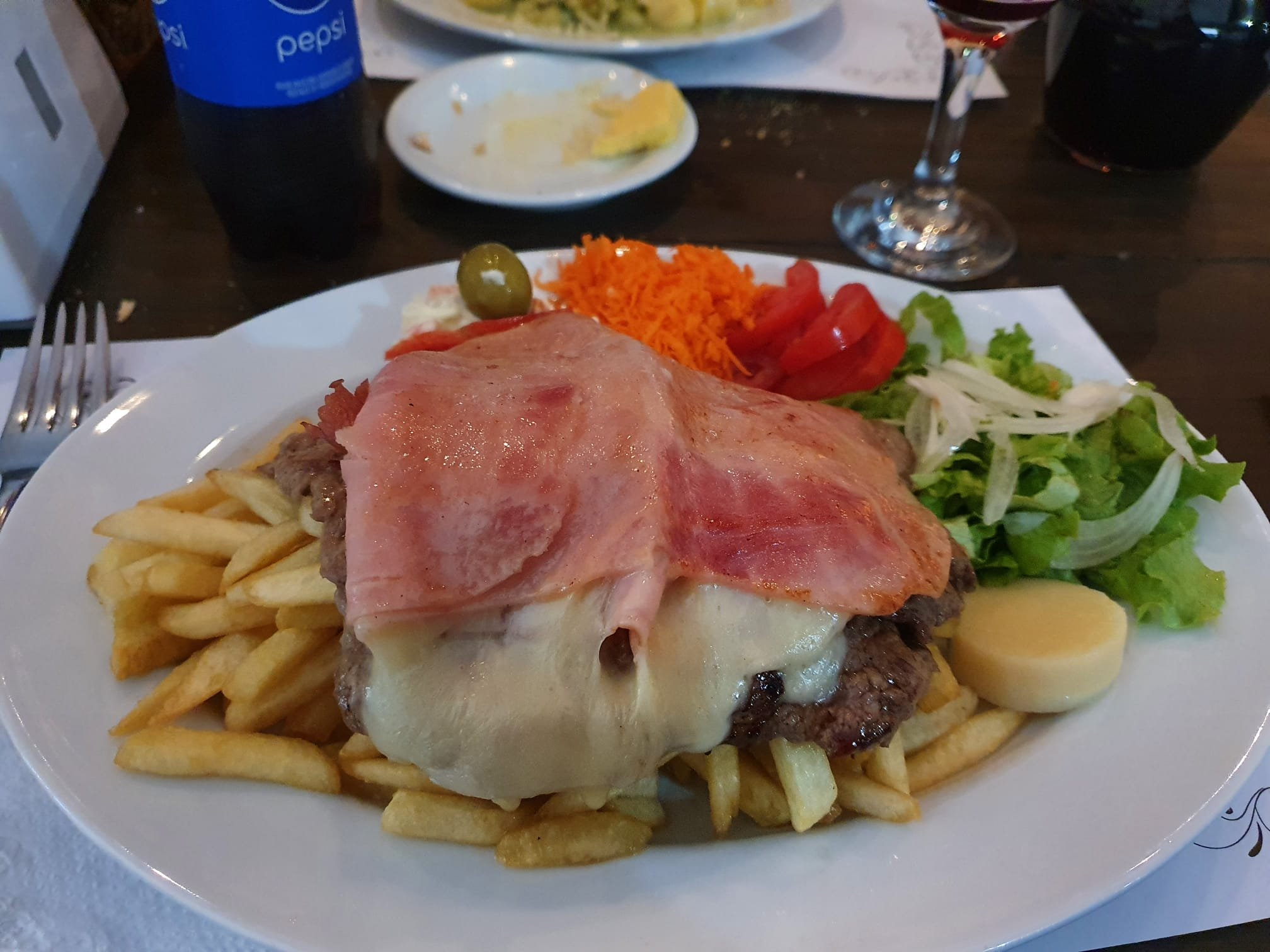
There are a couple of small museums and a church in the town to enjoy, and we had a long and luscious lunch of a traditional Uruguay dish called ‘chivito’. This is like a giant inside out meaty sandwich. Like Argentina, Uruguay also does not skimp on food portions.

Before we knew it, it was time to take the ferry back across the river. We had a good laugh about how we left the country just fot lunch though! 🤣

Tango

You can’t visit Buenos Aires and not watch a little Tango, as the traditional dance of the city. Not only can you see people dance this in the streets of Caminito in Boca, there are also plenty of theatres offering shows and classes. I wanted to do a class but they were multiple hours and I felt too lazy about it, plus I only had walking boots to dance with.

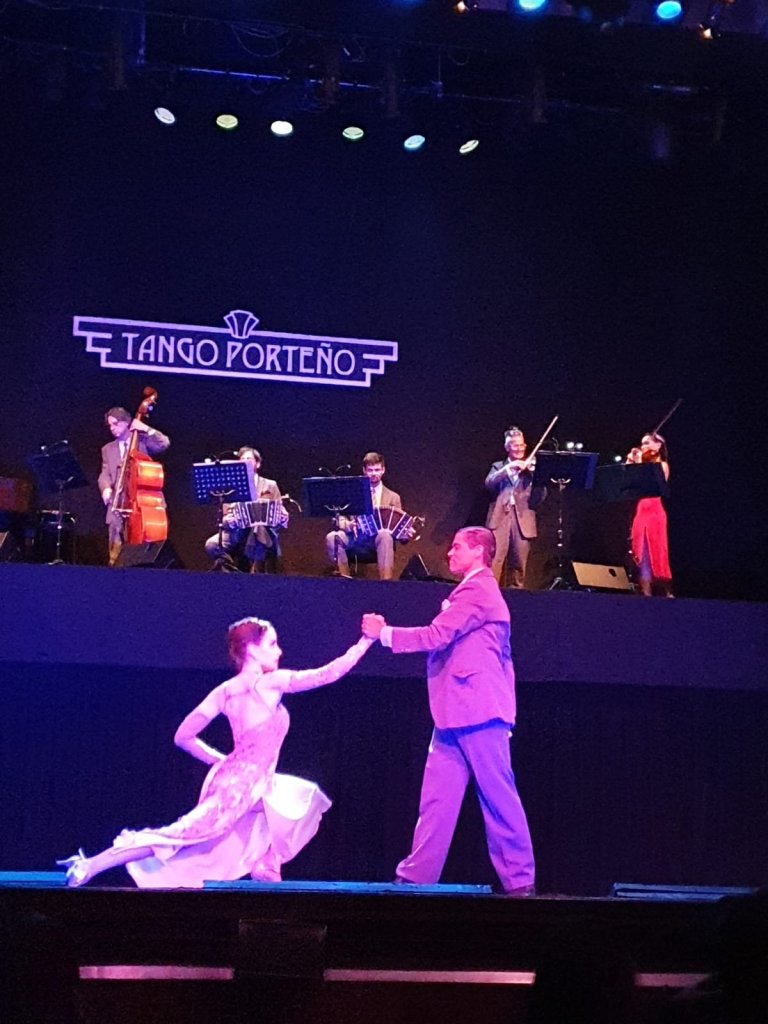
I did decide to book a show and after a little research, I booked a show at Teatro Porteno. You had an option of paying for the show on its own or with dinner included. I chose to purchase just the show which was about £23 but then on arrival, we were also provided with another menu to pick and choose food. We went for some empanadas and a delicious ham and cheeses board.

The show itself was amazing! Focused on locations around Buenos Aires, there was a variety of styles of Tango on display. They also had an act that used drums and cattle whips to create impressive rhythms with the music. I was really glad I visited.

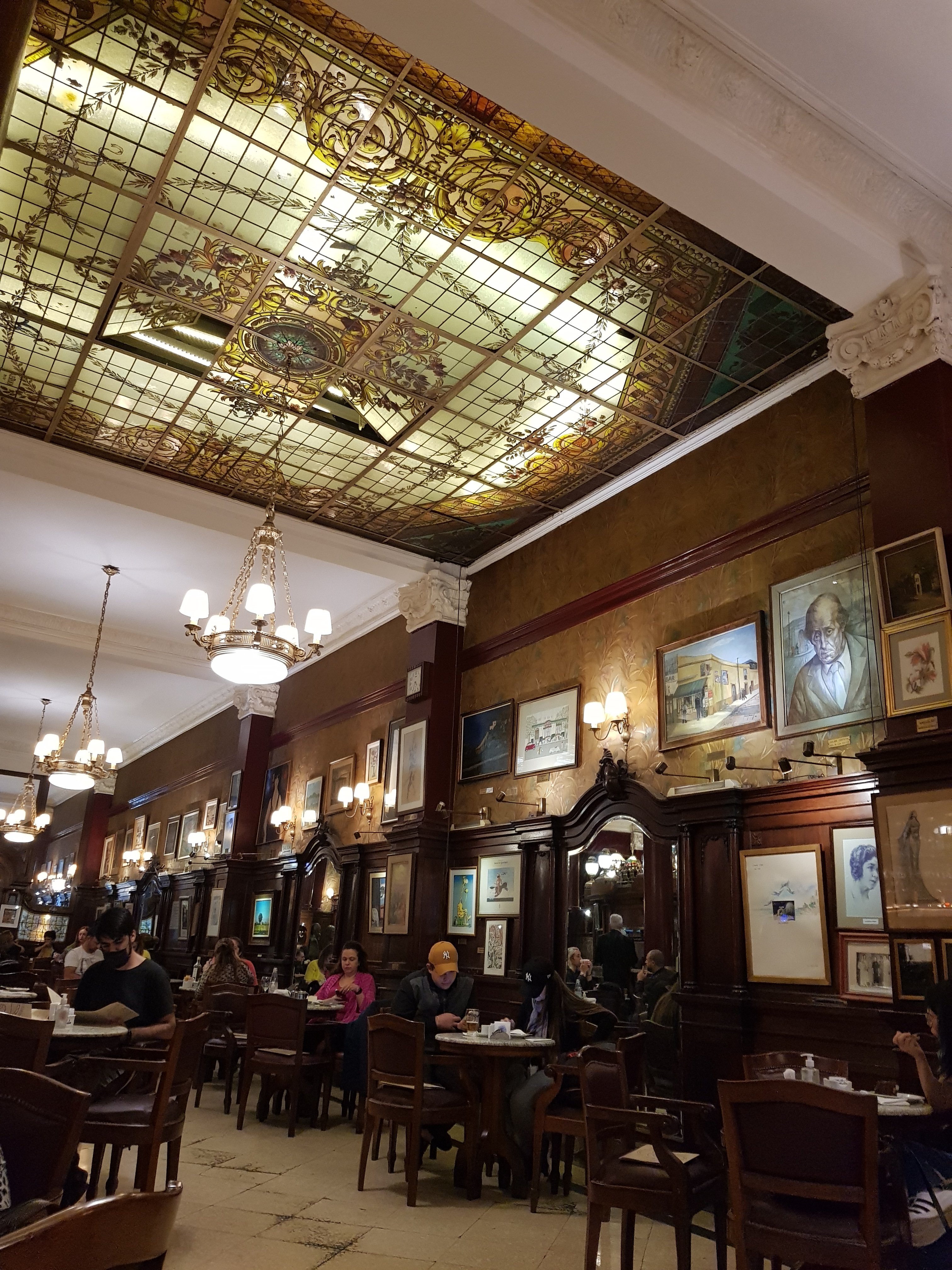
Another location where tango can be viewed and learnt is Cafe Tortoni. This is one of the oldest and most fabulous cafes in Buenos Aires. The decor is very traditional italian/ bohemian and many famous faces have eaten here. We decided to visit for a merienda (afternoon snack) and really enjoyed our visit with some great sandwiches and cake.

There were plenty of other bits and pieces I experienced in this bustling capital, but these were definitely the highlights. My return to the UK following Buenos Aires was a very long journey, but also gave me time to reflect on my amazing journey around this beautiful country.

After my return to the UK, I will soon be embarking on my next journey, working on board a cruise ship around the Mediterranean…

Cordoba, Argentina: ‘City of Bells’ / ‘La Docta’ / Cultural Capital

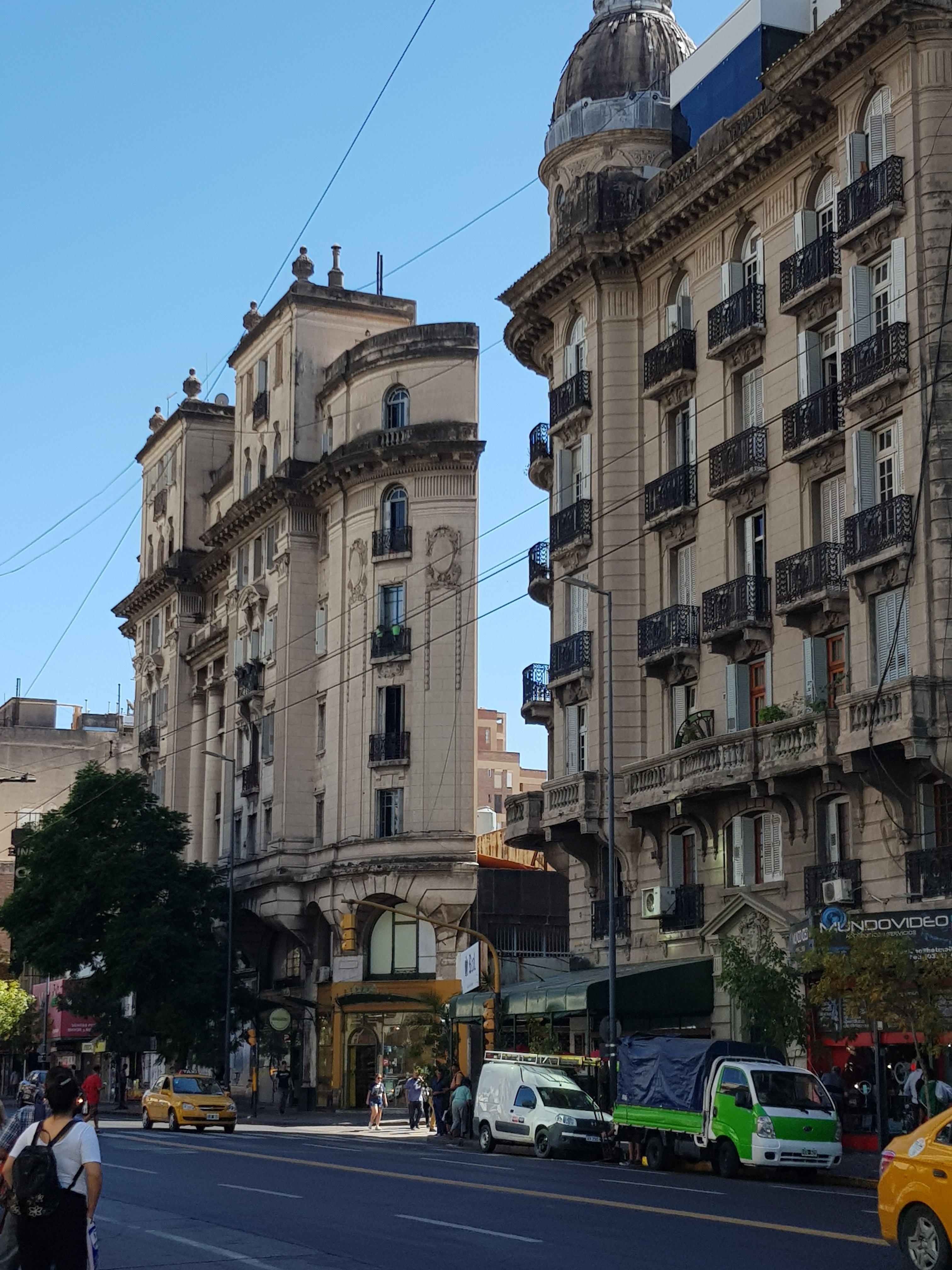
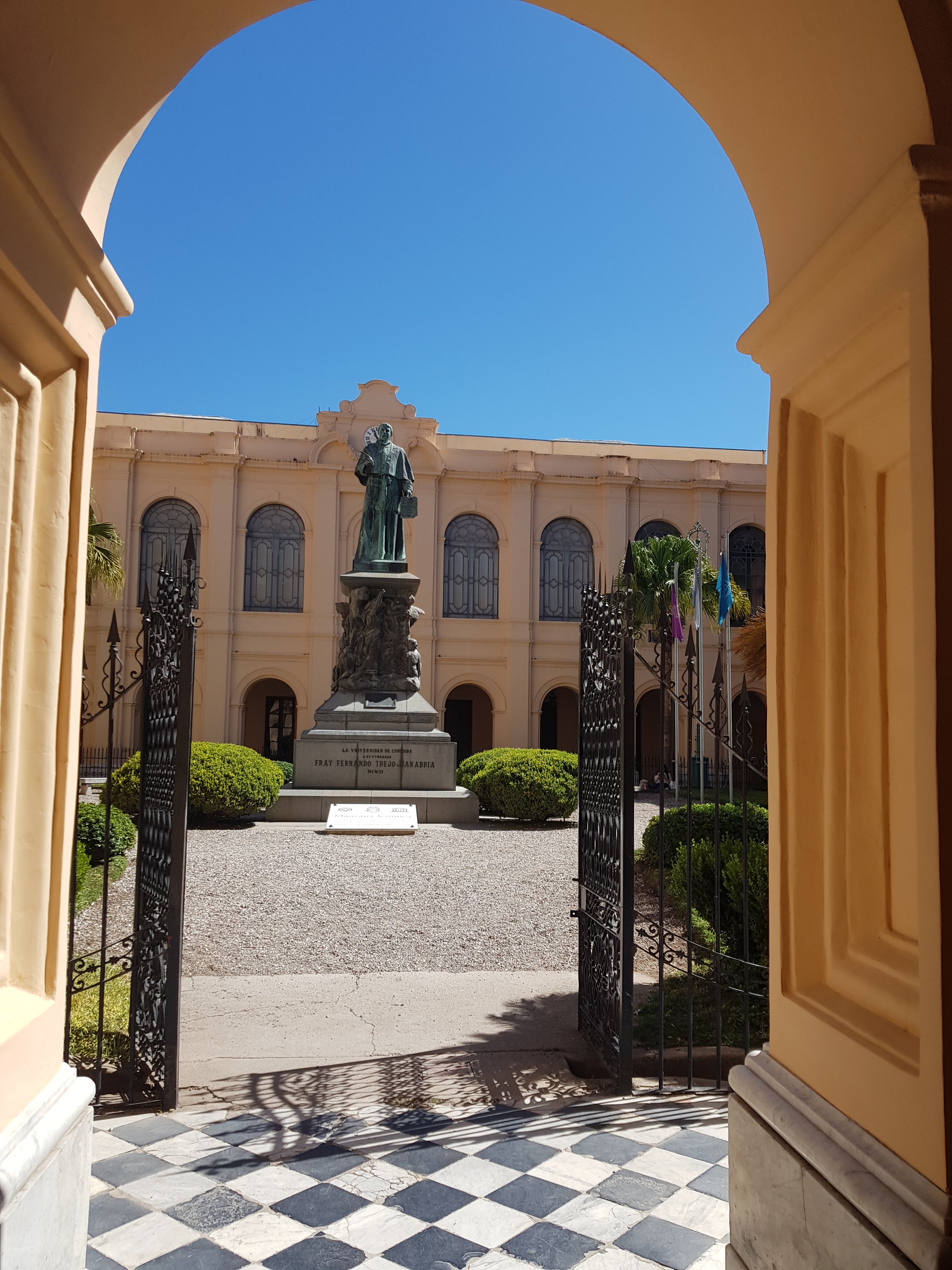
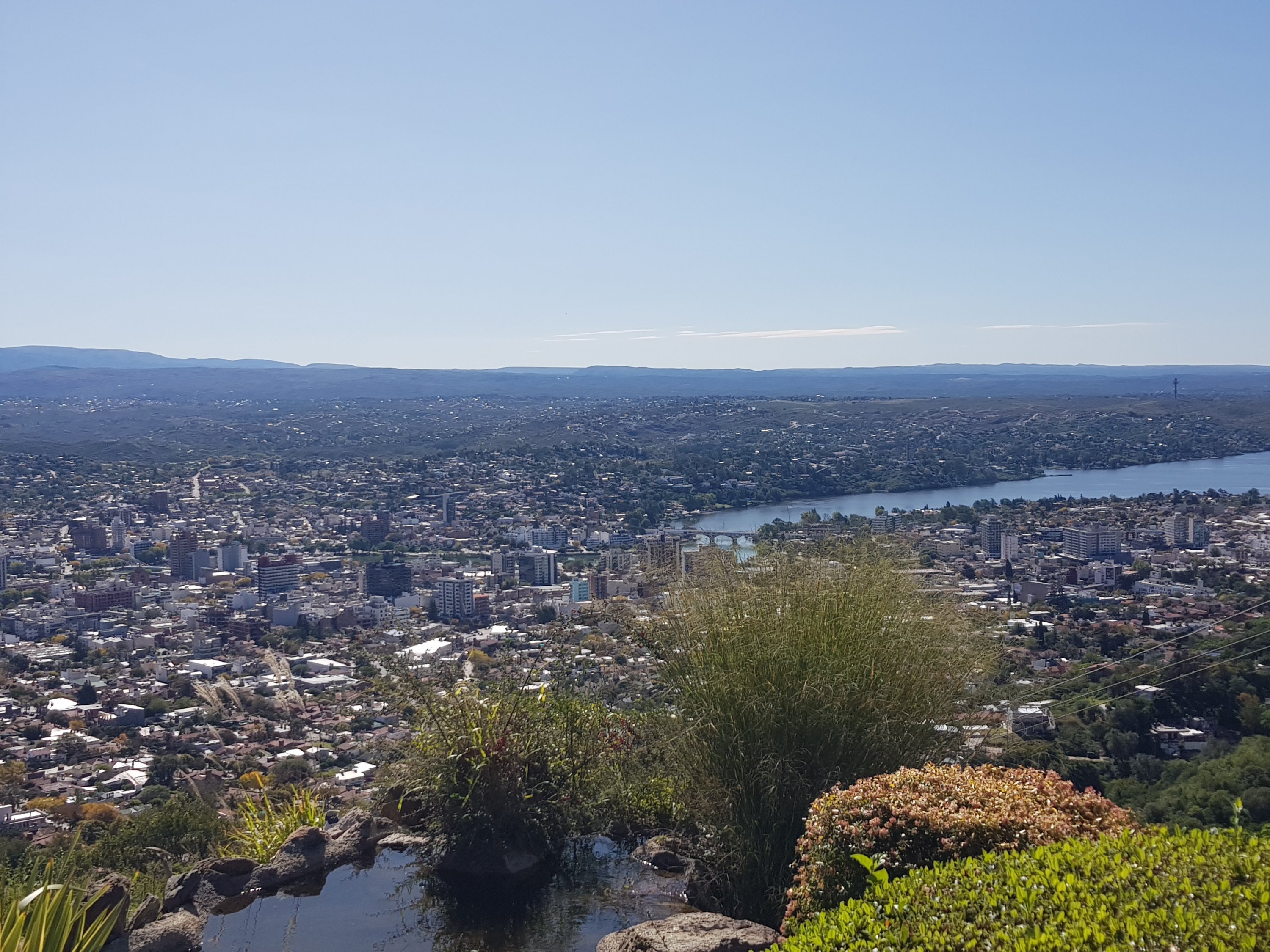
The second largest city in Argentina, after Buenos Aires, Cordoba links the Capital and Pampas region to the North West. This huge city is well known for many things, and sits within the rolling Sierras landscape. It was founded by Jesuits, leading to one of its many nicknames ‘la docta’ meaning ‘the wise’, because of the Jesuits founding the first university there that became a jewel for the city. The city is thought to have been named Cordoba in honour of the founder’s wife who was from Cordoba in Spain. What a romantic gesture! Anyway… I was in Cordoba for six nights and had a blast!

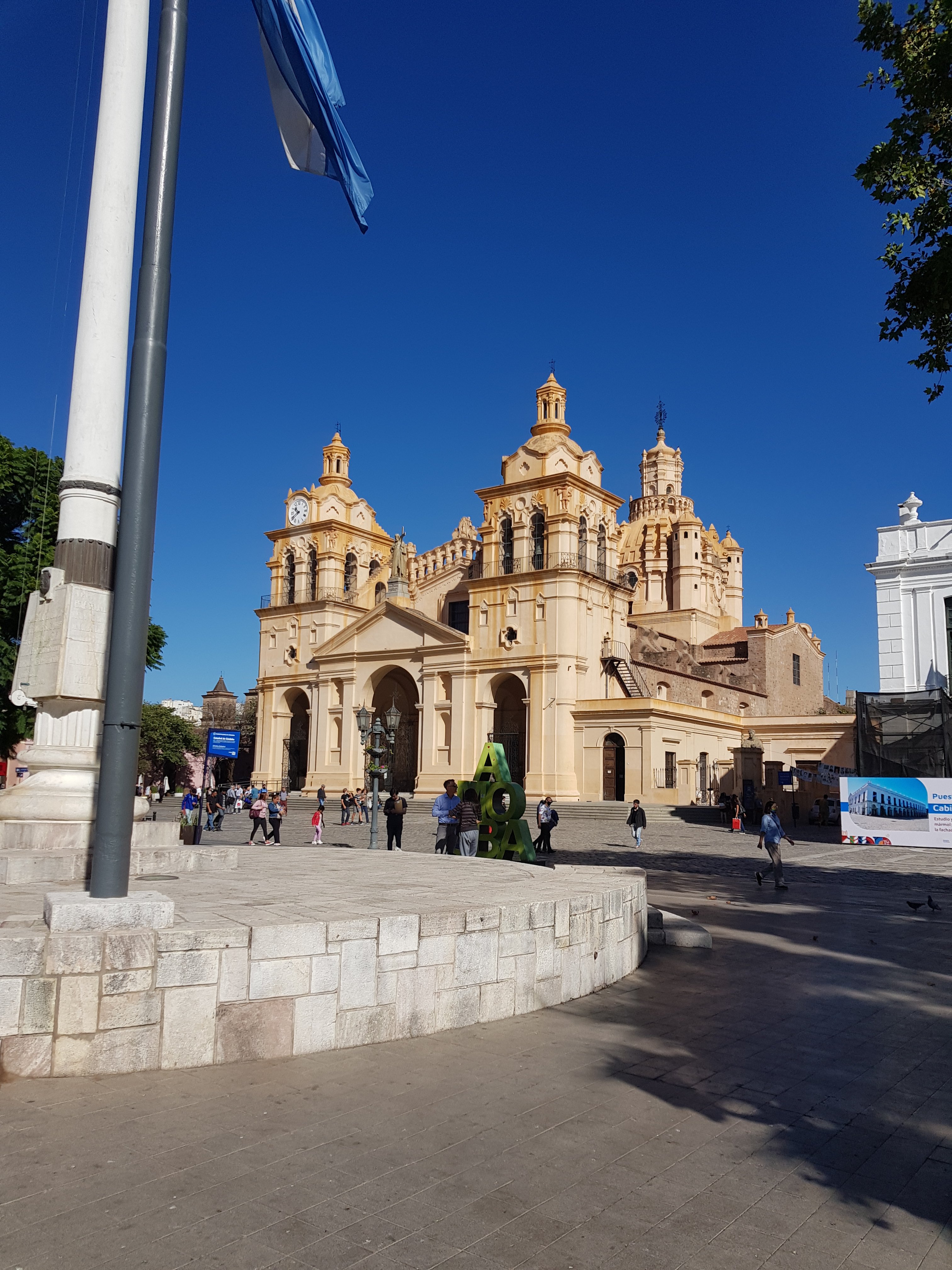
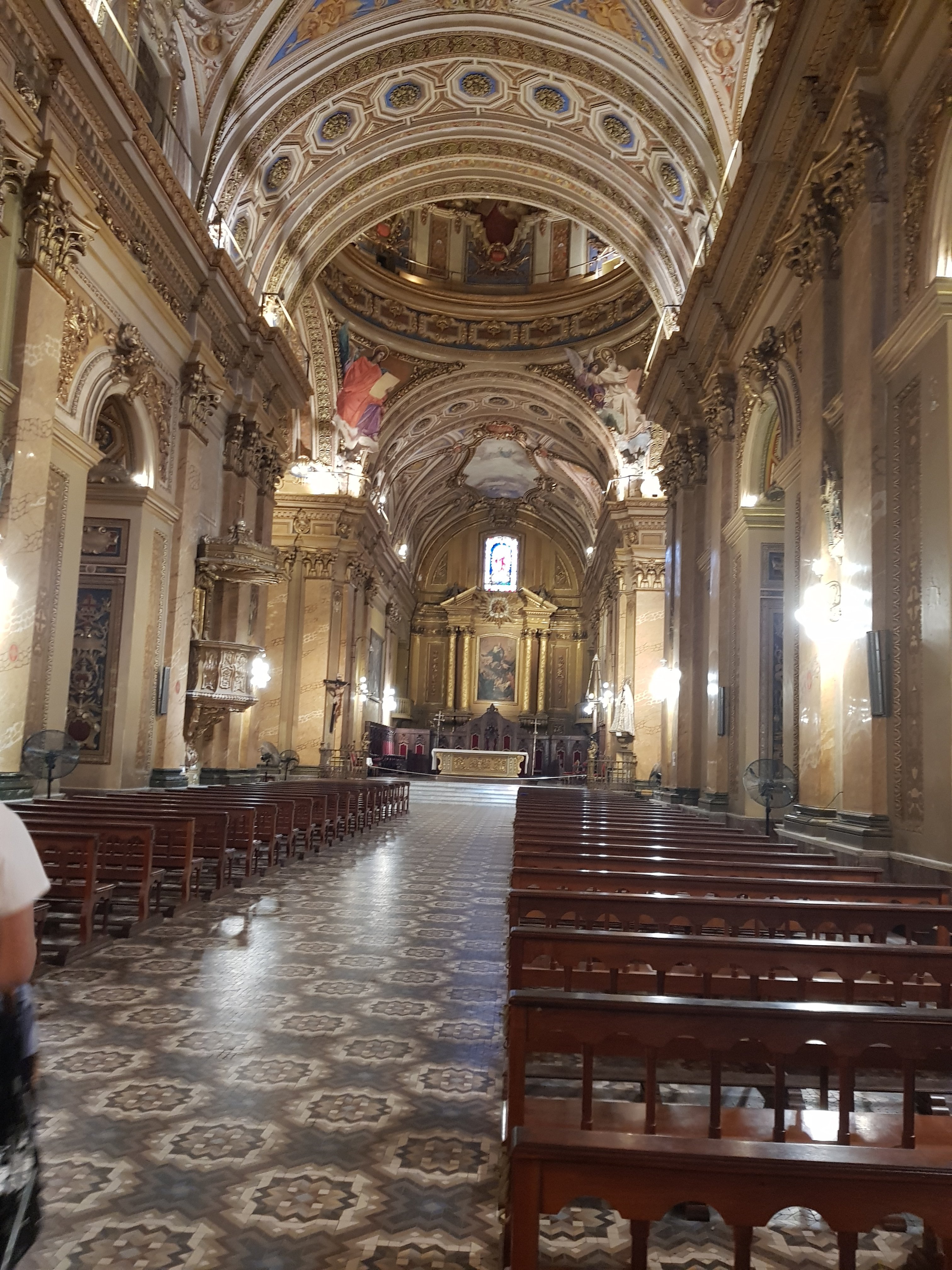
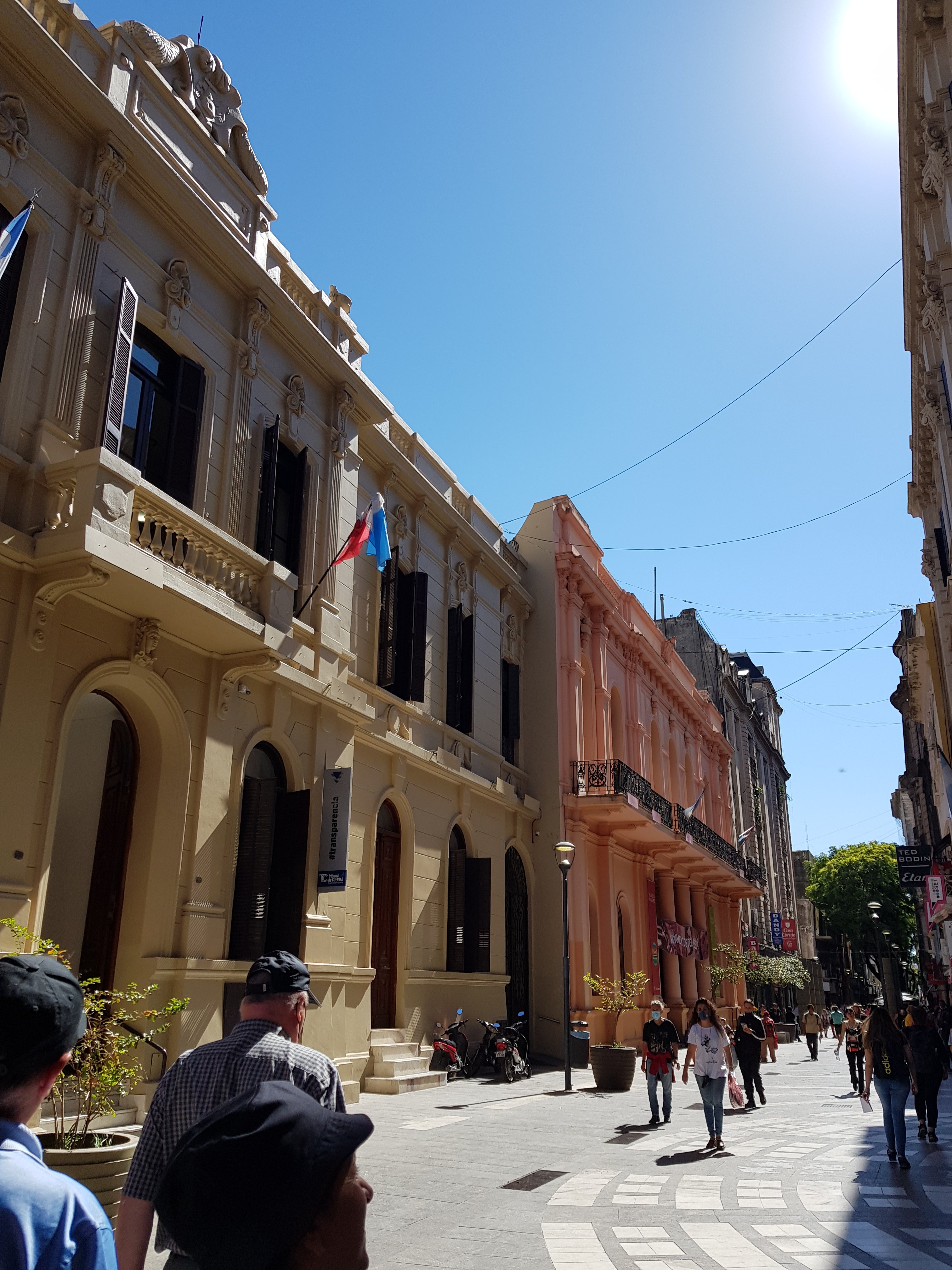
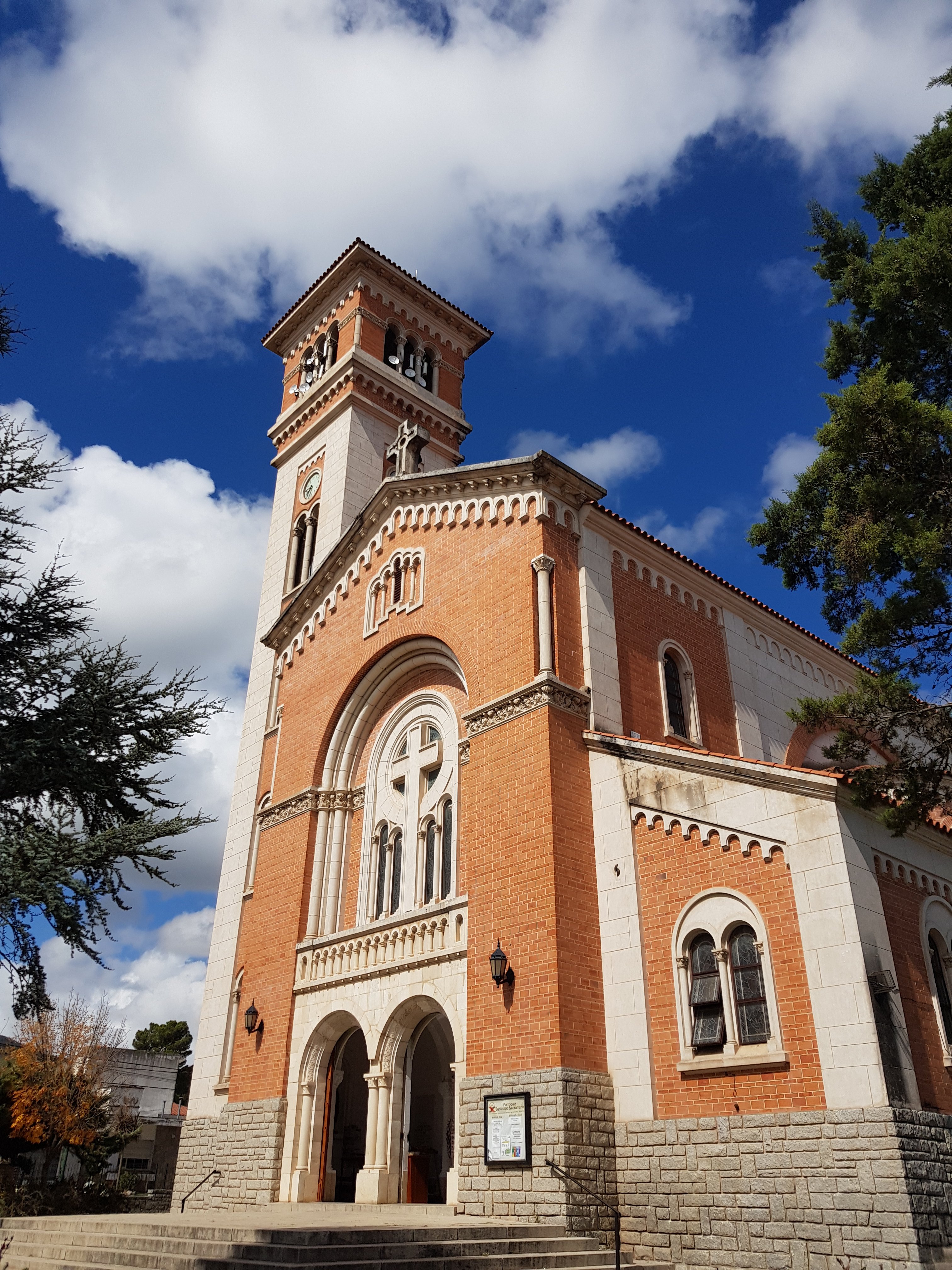
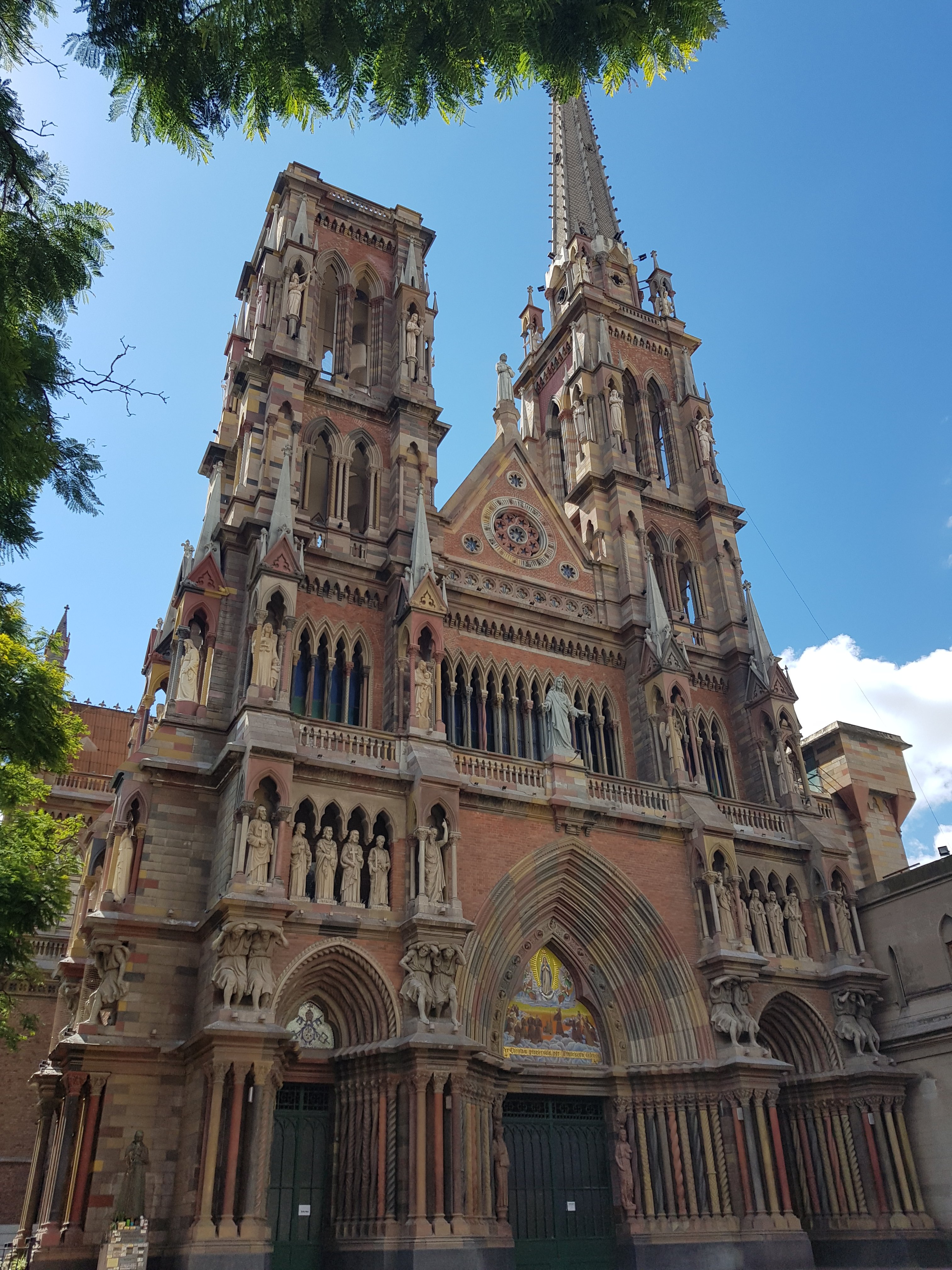
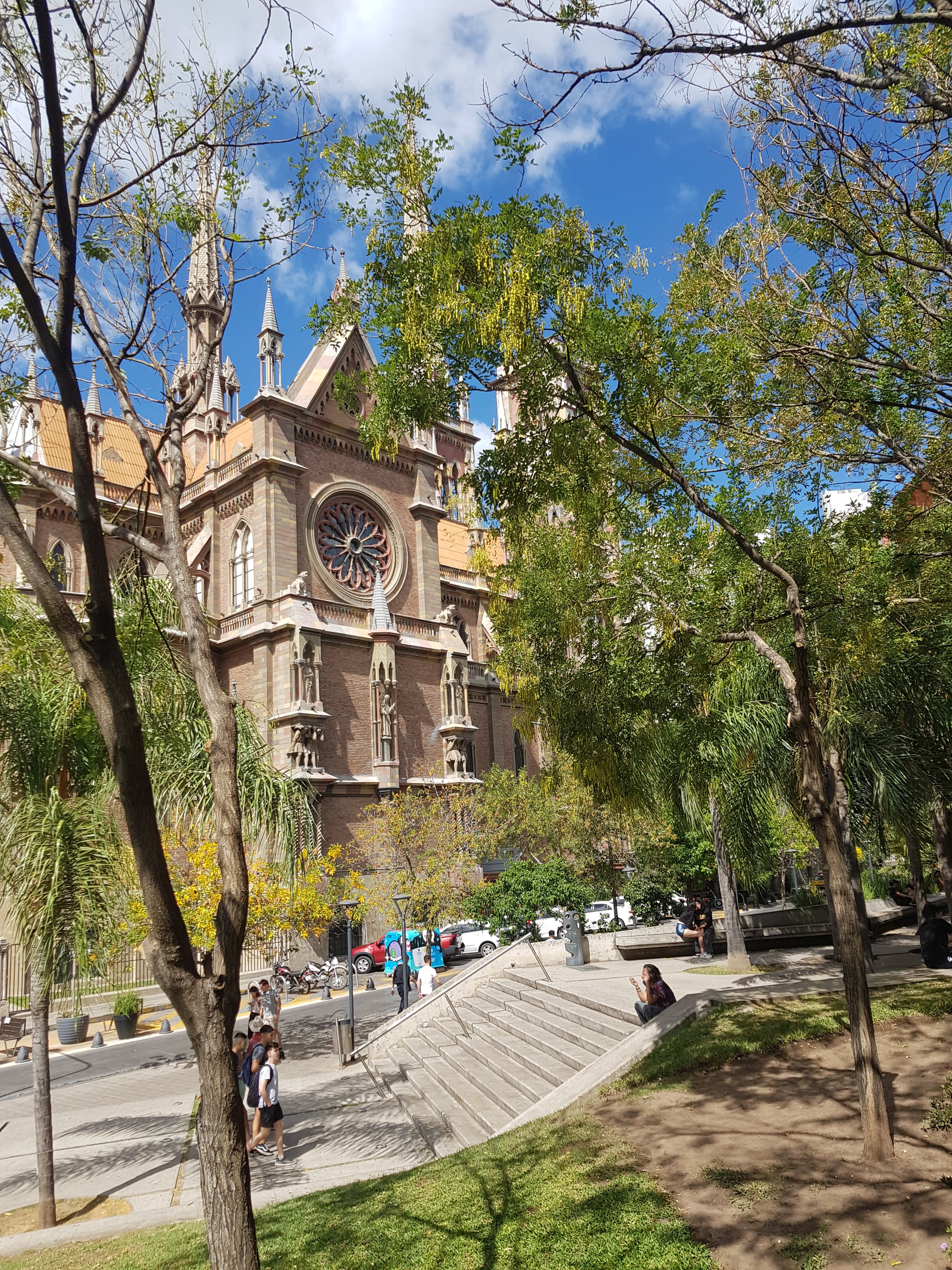
The city has not only history, culture and good food, but is also bustling with modern amenities and a great nightlife. On my first day in Cordoba, I went on a free walking tour which showed me around the old part of the city, and inside the gorgeous cathedral.

In this tour I made friends that I would enjoy the company of for the rest of the week. As well as a feisty Mexican and two South Koreans in my hostel, and two locals I enjoyed dinner with. 🙂

I joined my new friends in the first evening for a night in Guemes. This bohemian part of the city, has a collection of trendy restaurants, bars and clubs. We danced the night away to the modern music of Argentina and the odd hit for the states until 4am. It was a good night.

There are plenty of museums and things to enjoy inside the city, and I had particular fun visiting the various shops and one of the fine art museums.

‘Dirty War’

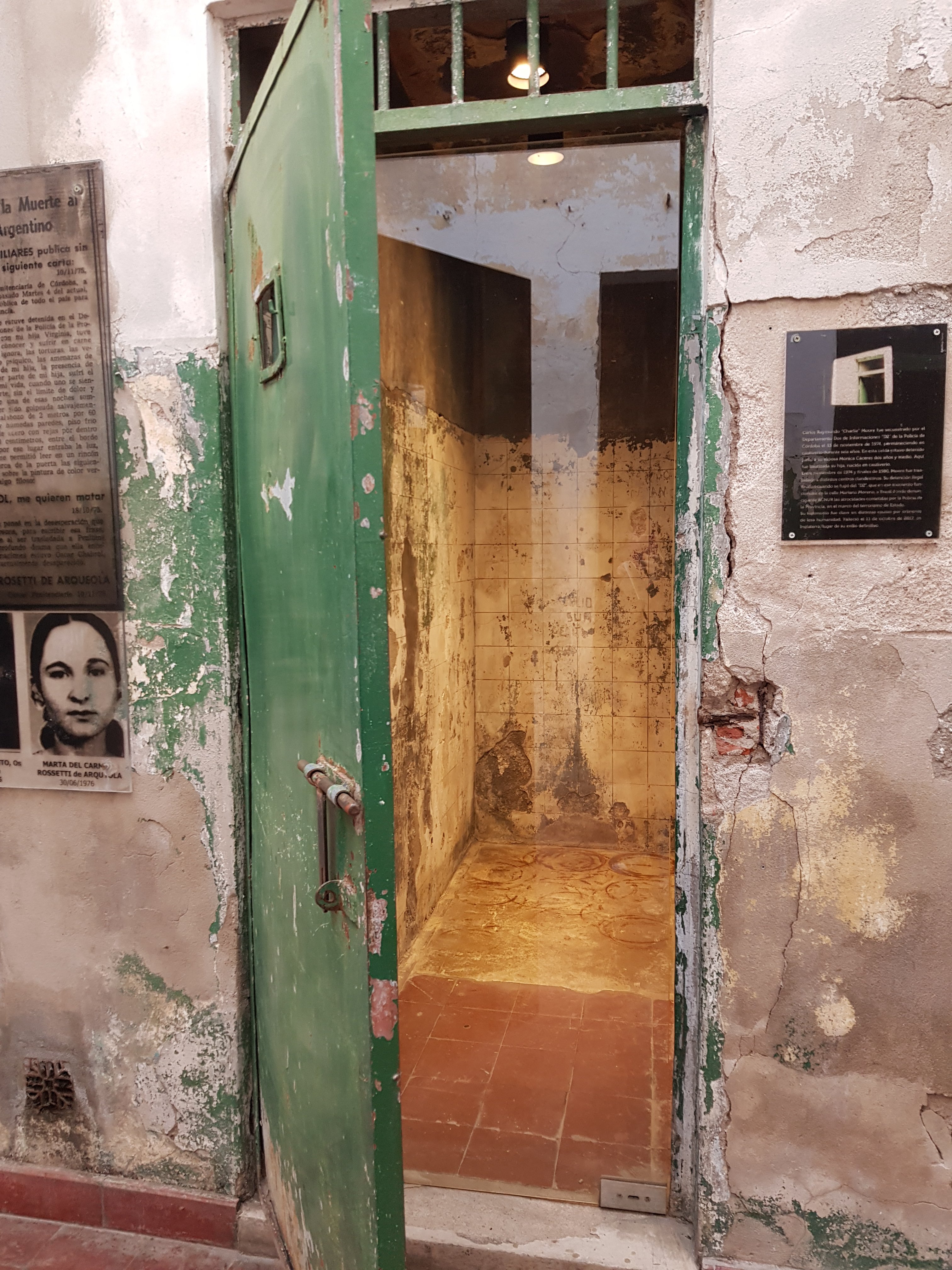
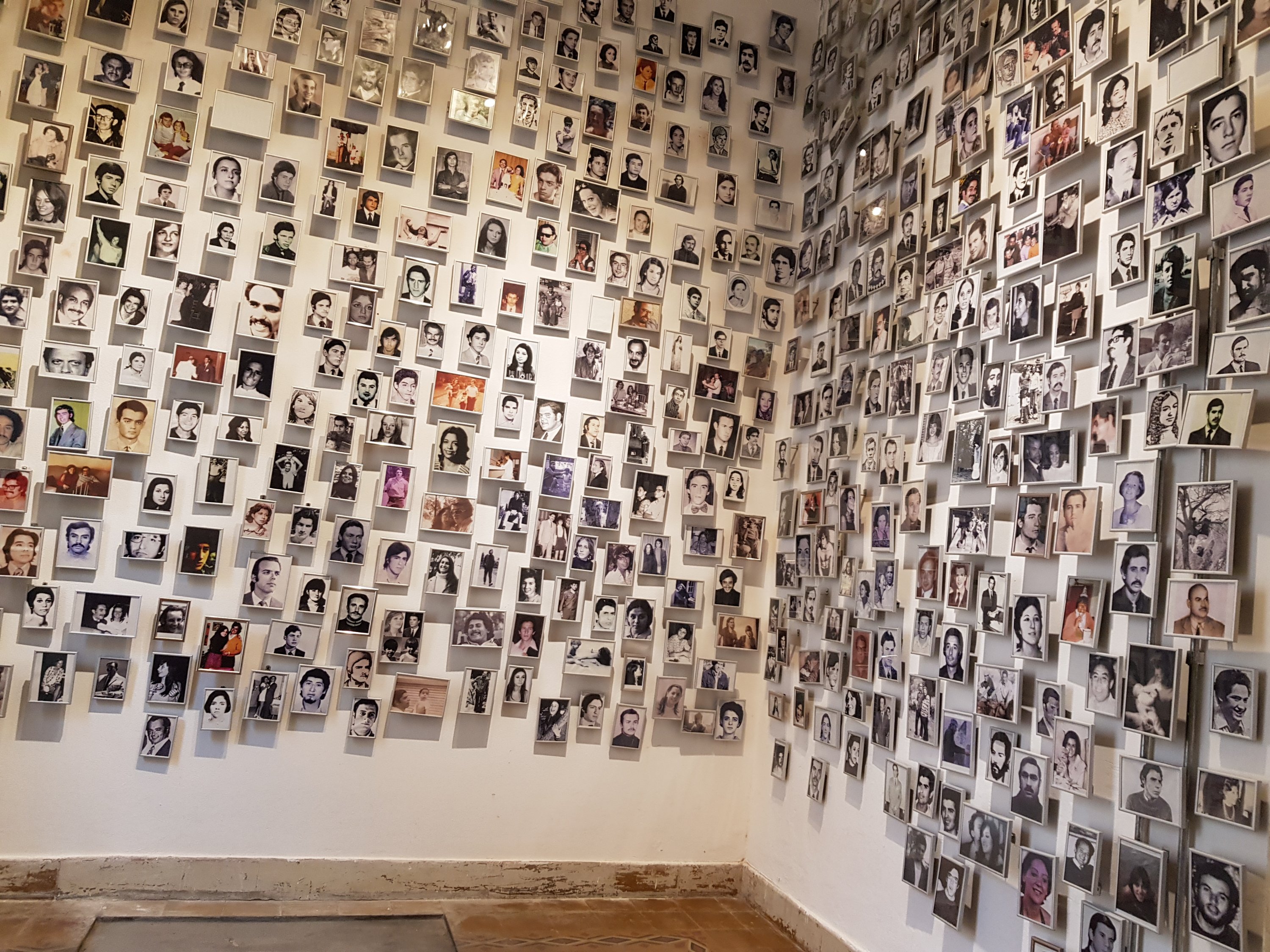
Another interesting piece of history that was clearly dominant in Cordoba,was the remembering of the ‘Dirty War’. During the ’70s there were a series of kidnappings, torturings, and murders of Argentine people by their military government at the time. Anyone that criticised or opposed the government in anyway was abducted, and many were never seen again, becoming one of ‘the disappeared’.

There were up to 30,000 people that went missing including students and pregnant women. Many of the pregnant women were killed and their babies were illegally adopted by government officials. Every thursday people still gather to protest what happened and ask for any information about what happened to their loved ones. If an Argentine person has questions about their identity, they can even access a free DNA test to check that they are not one of the stolen children.

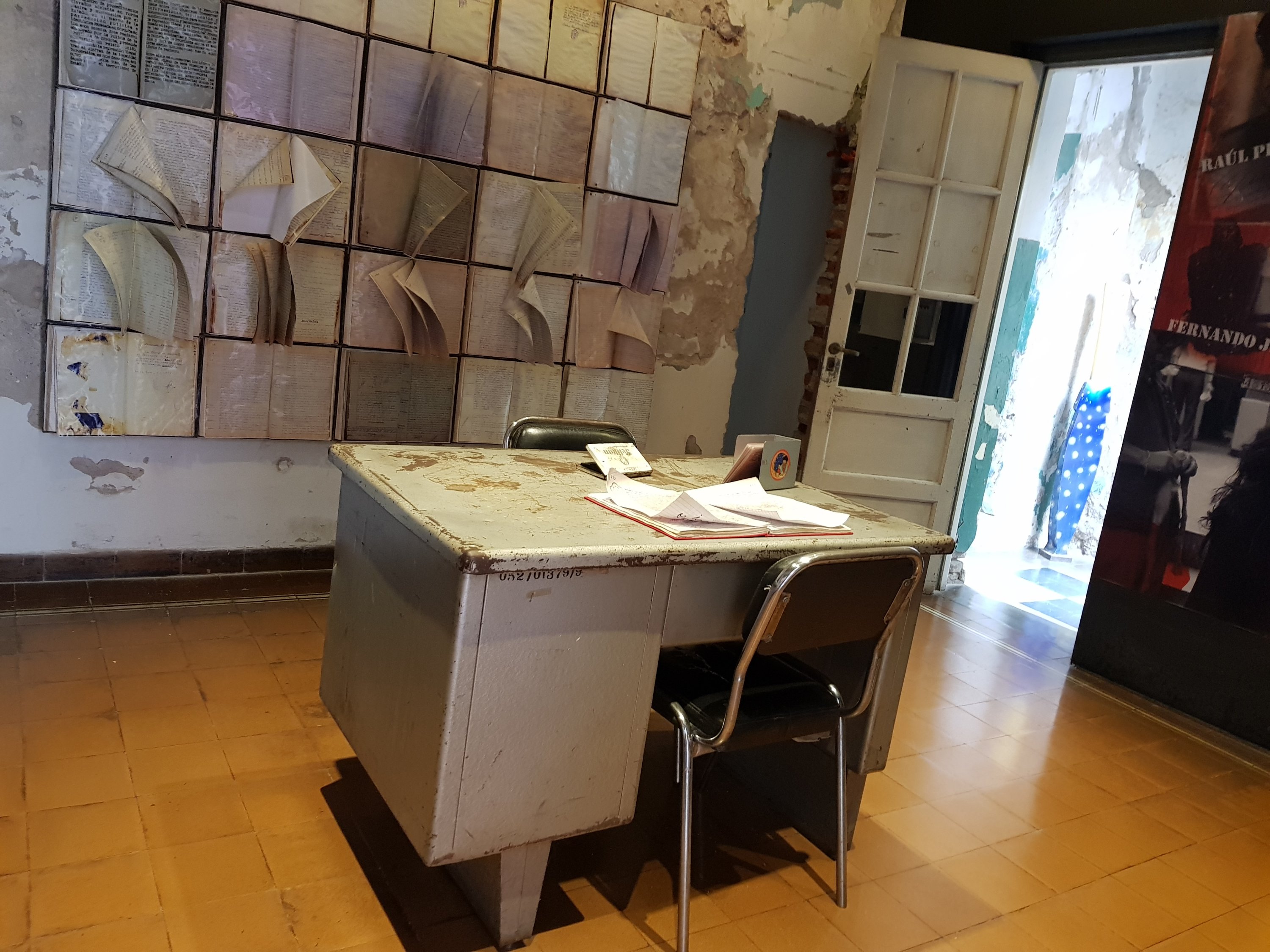
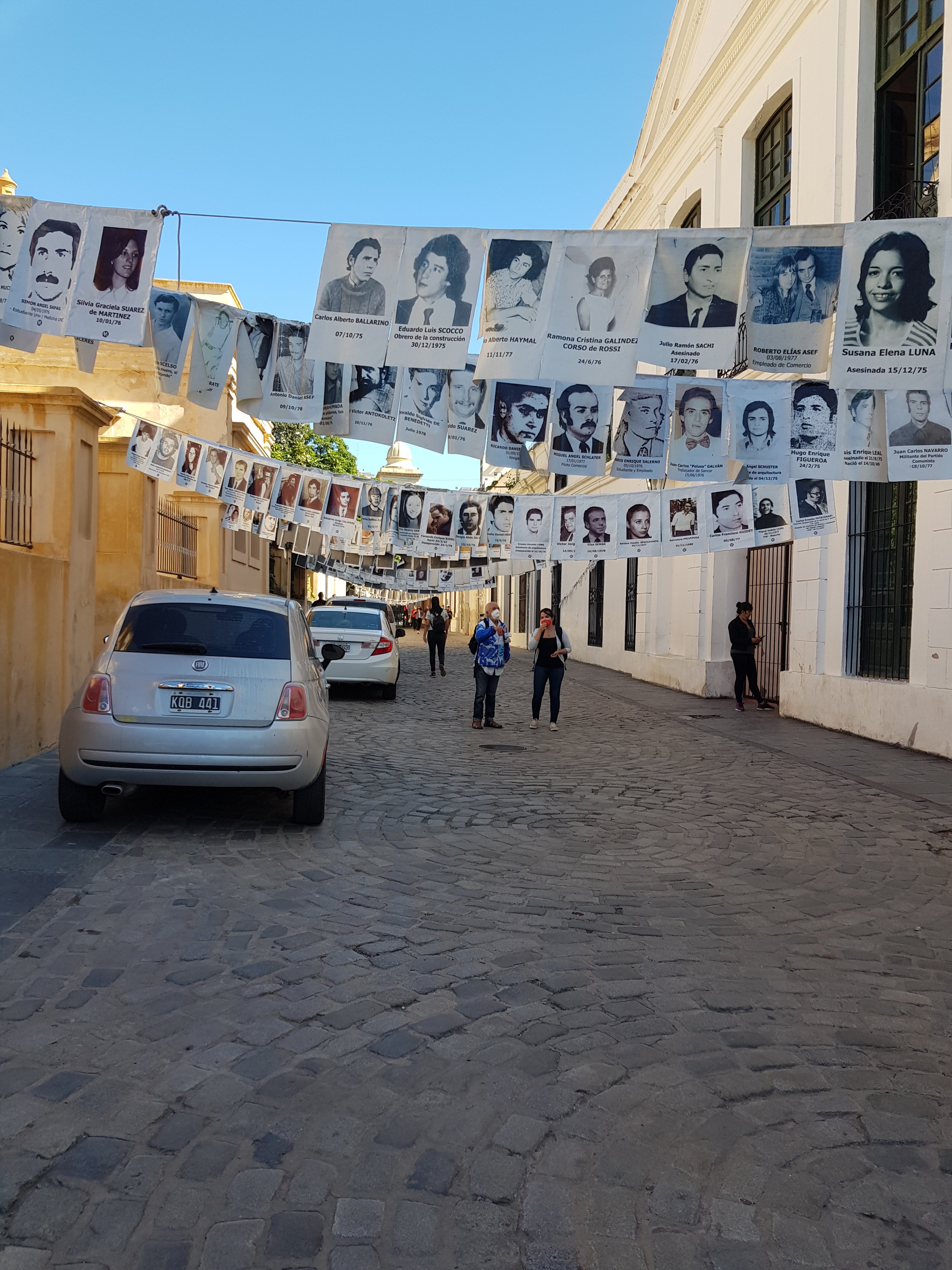
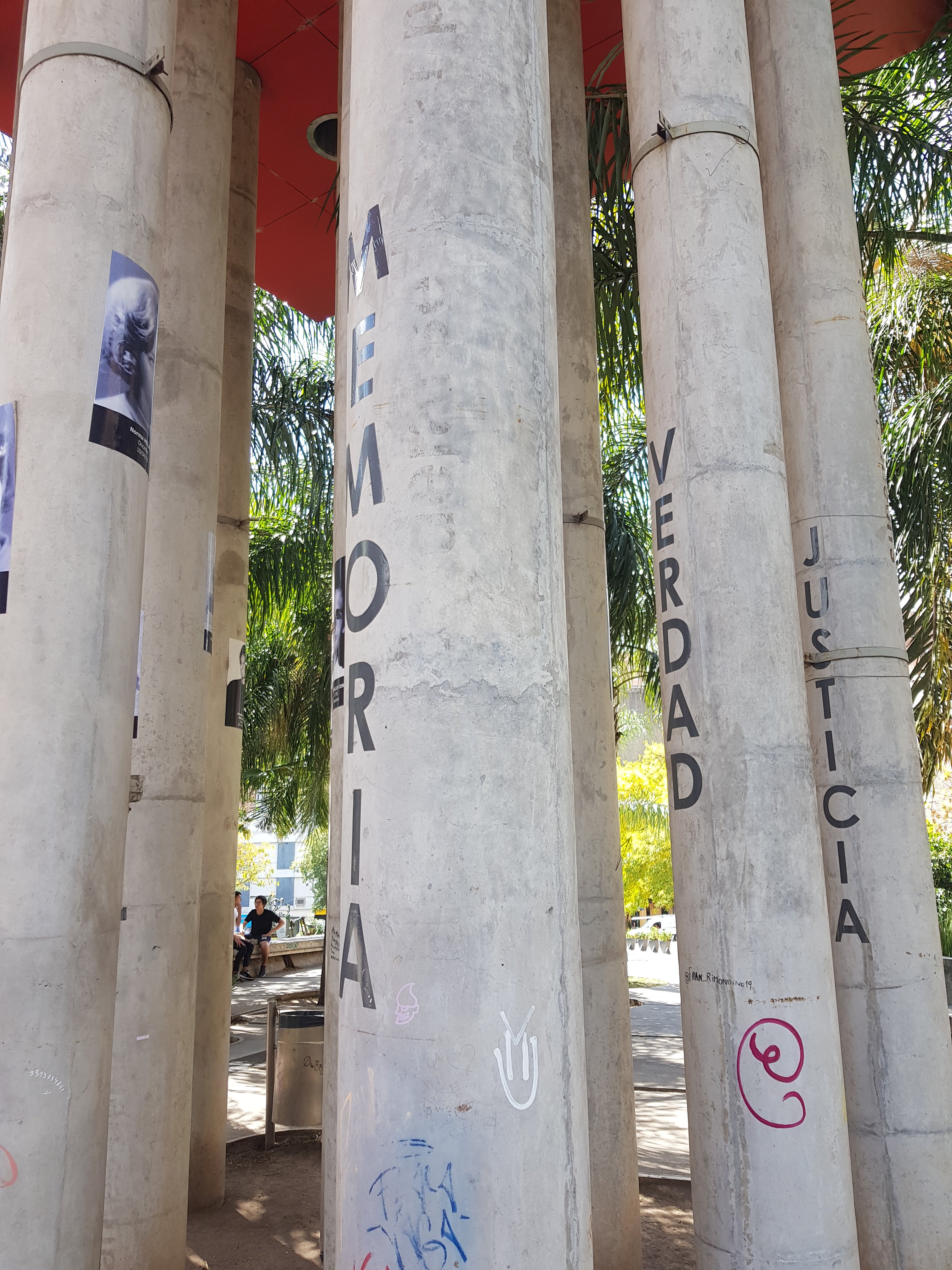
The history is shocking, and appalling and there is a museum to remember this in the centre of Cordoba. It is housed in the former official building where people were taken, tortured, and killed. It has several testimonies of people that were present there, photographs and possessions of victims. The city itself also has statements, photos and symbols in memory of the tragedy around different parts of the city, even though this happened throughout the country.

Surrounding the city

Outside of the city, there are plenty of towns and scenic drives to enjoy. There are also a few towns that were colonised by Germans, and so have German style architecture and attractions. Unfortunately, the tours to these locations were all booked so I could not visit, but I did enjoy the authentic company of my new German friends, so I was happy with that! Some of my new travel buddies had hired a car for the day, and invited me to join them on a tour of the area.

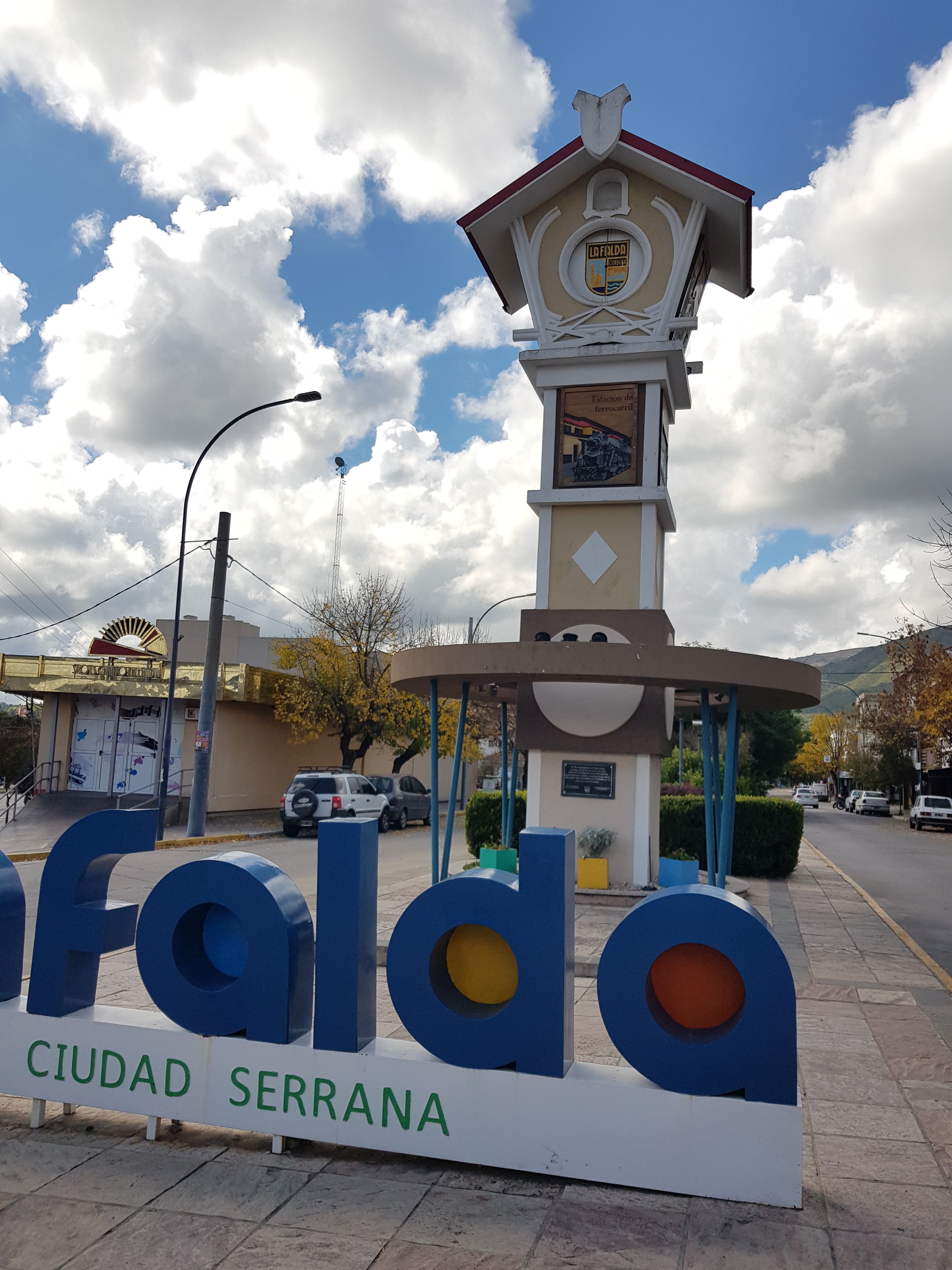
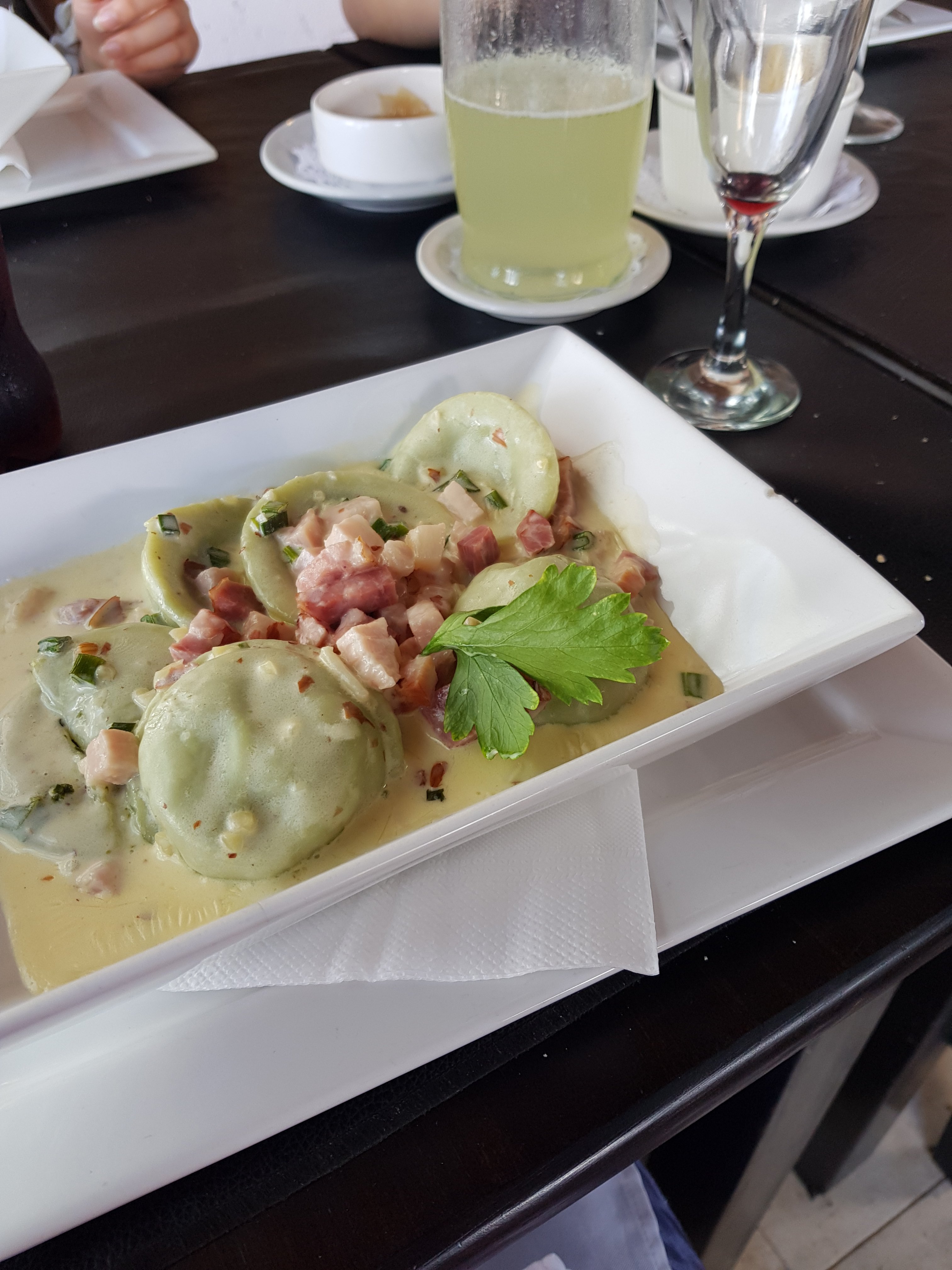
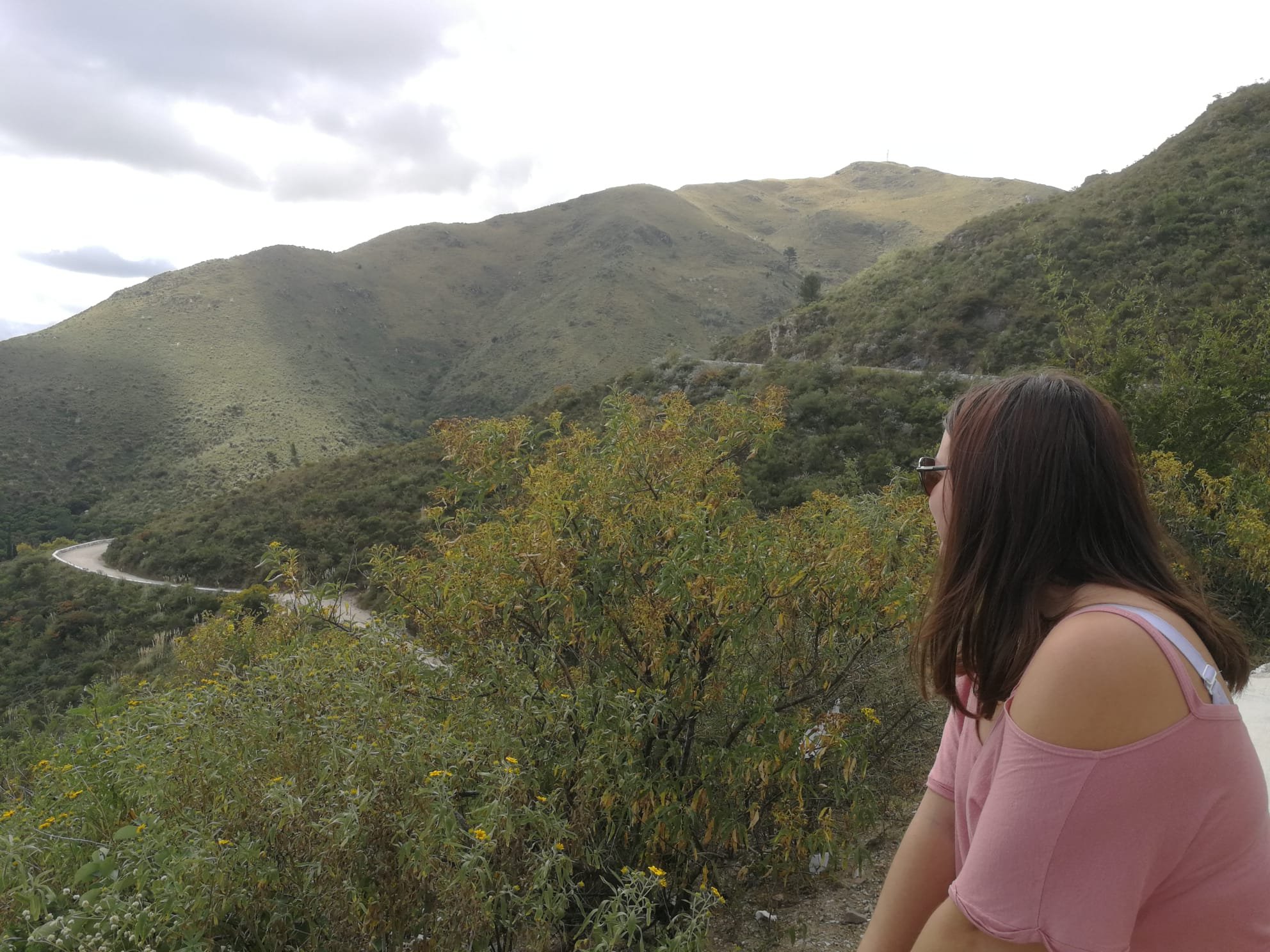
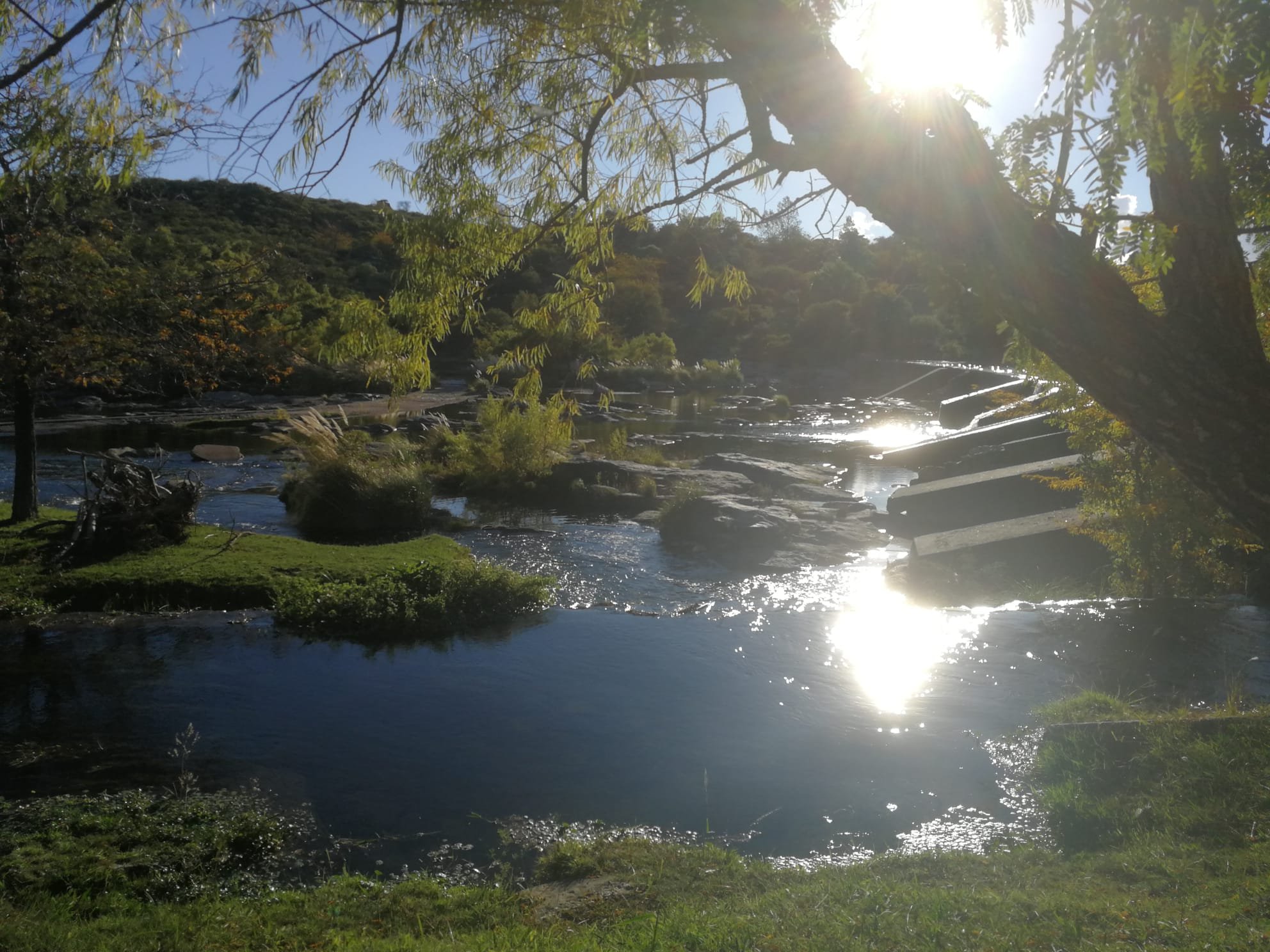
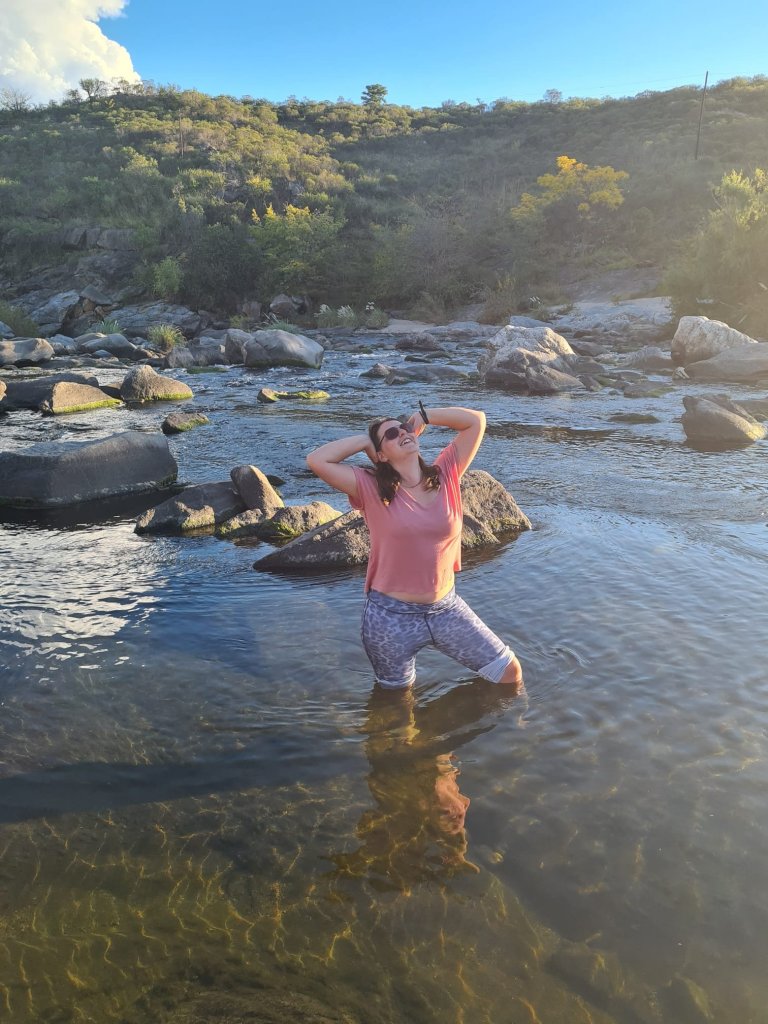
We followed google maps out into the hills and drove along the ‘El Camino del Cuadrado’ a road that winds around mountains, and takes you to a town called La Falda. This town has a pretty little church, a cuckoo clock, and a restaurant with heavenly pasta, and complimentary sangria! We stopped in a nature reserve on the way back and joined the locals in a dip in the river under the sunset, and it was super relaxing. On the way back over the hills, we drove back to the city amongst lightning throwing clouds, with the radio blasting.

Later in the evening, I joined the Germans at their hostel for some games, drinks and laughs. Our friend from Holland joined later, and brought some friends from her hostel. There was plenty of laughter and conversation at our little party in the hostel, with two guys from Germany, a guy from Ireland, a girl from Holland, a girl from France, a guy from Brazil, a guy from Argentina, and little English me. These last minute adventures and meetings of like minded people are so rewarding, and possibly the best part about travelling.

I spent the following days recovering from the late nights, relaxing and visiting nearby towns within easy reach from the bus station.

Cordoba is a great city, and I would say that it has something for everyone, but ultimately it is a place to relax, dine and enjoy. Next stop.. Corrientes.

Camino de Santiago: My top tips

After two months walking Camino del Norte through all sorts of weather and terrain, these are my top tips.

1. Walking poles

Lots of people walk without trekking poles, and it is a personal preference. For me, after so many consistent days of walking, I don’t think I could have finished without them. They take the pressure off your legs, offer you something to lean on when there is no dry seat, allow you to test the depth of mud, catch you when you fall, and make good weapons if you need them!

2. Getting used to bread and ham

Always keep a little bread and some snacks in your backpack. There are many stretches without services, and the walking schedule does not match the spanish eating schedule. Supermarkets close on Sundays and many restaurants are shut on mondays. Restaurants will not serve meals until their meal times (3pm and 8pm). The only thing you will get is a ham sandwich. Get ready to get sick of ham real fast!

3. Energy drink powder

I never used to use energy drinks or add anything to my water before the camino. I decided to buy some on the way and start using some strawberry flavoured powder. I ended up really being able to tell the difference between days I had it, and when I didn’t. It also helps to supplement the lack of access to meals as I mentioned above.

4. Sending your backpack on

Correos, Spain’s postal service, offer a backpack transport service for pilgrims. This runs all year on the french way but only up to the end of October on other routes. I used it for my first three days and final two days. If you can do it, I would recommend doing it for the beginning at least, so you can gradually get used to the trek. Especially, if doing the North route, with lots of mountain climbing at the start! The service is really good, and cheap!

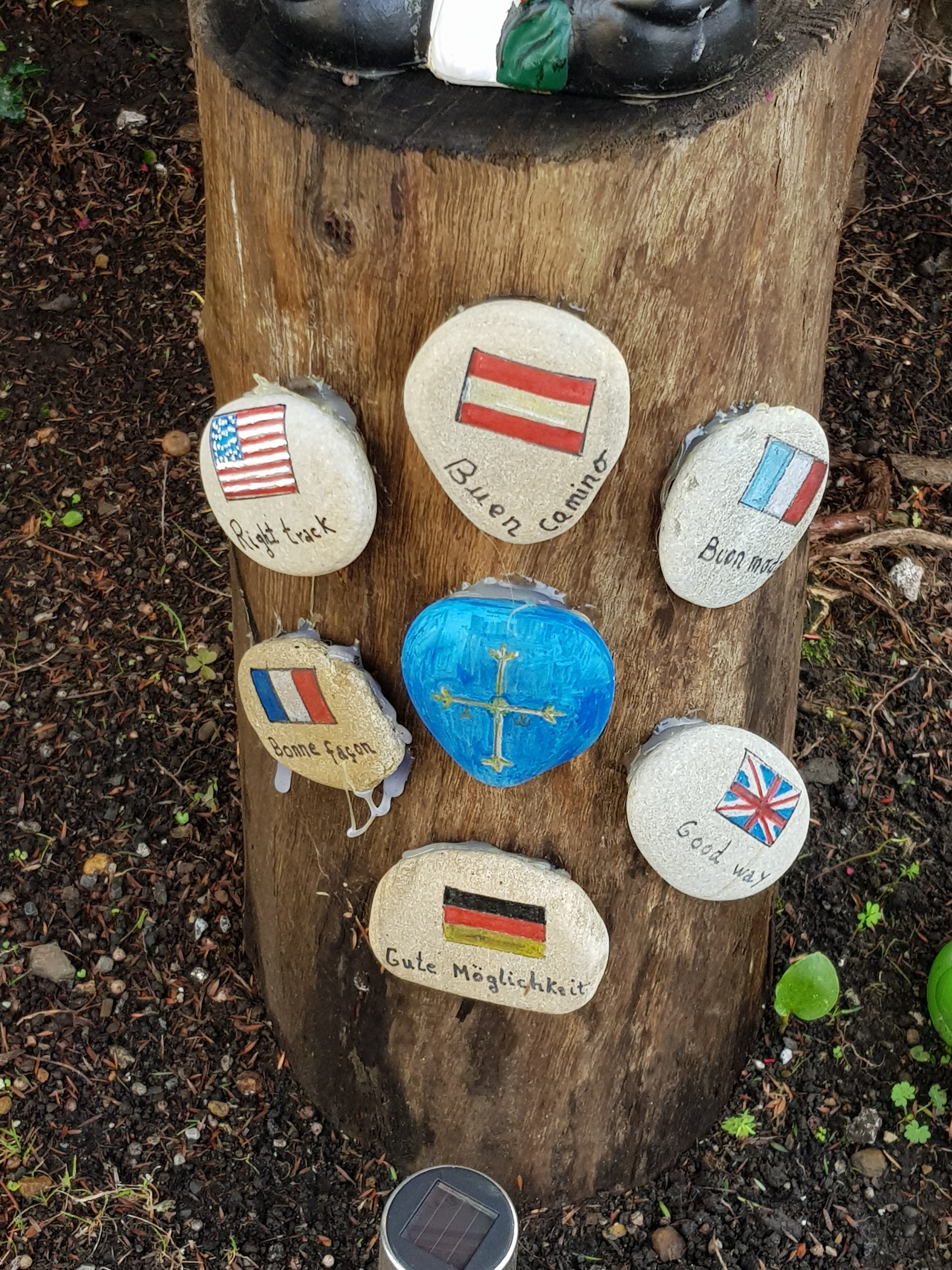
5. Download the Buen Camino app

I used the Buen Camino app every few hours. It was really a great tool. The app has an up to date map, with the official route and alternative paths and shortcuts. Also, up to date information about issues on the route, attractions and accommodation. I cannot recommend it enough.

6. Bring a portable charger

My phone is a little on the old side, but regardless, bringing a portable charger is a really good idea. You are likely to be without a plug outlet for up to 10 hours at a time on some days, whilst draining your phone with music, photos and apps. This helped me out a bunch of times.

7. K-Tape

I used K-tape on my sore muscles for the first few weeks. It really helped me to feel better, and prevent hiker’s knee. There are plenty of YouTube videos on how to apply it.

8. Paper tourist map

When in a city or large town for more than a day, it can be a good idea to get a paper map from the tourist office. This is a prevention method like the portable charger. When all your devices fail you after a long day out sightseeing, you will still be able to find your way back to your bed. Plus they are fun!

9. Plastic bags and newspaper

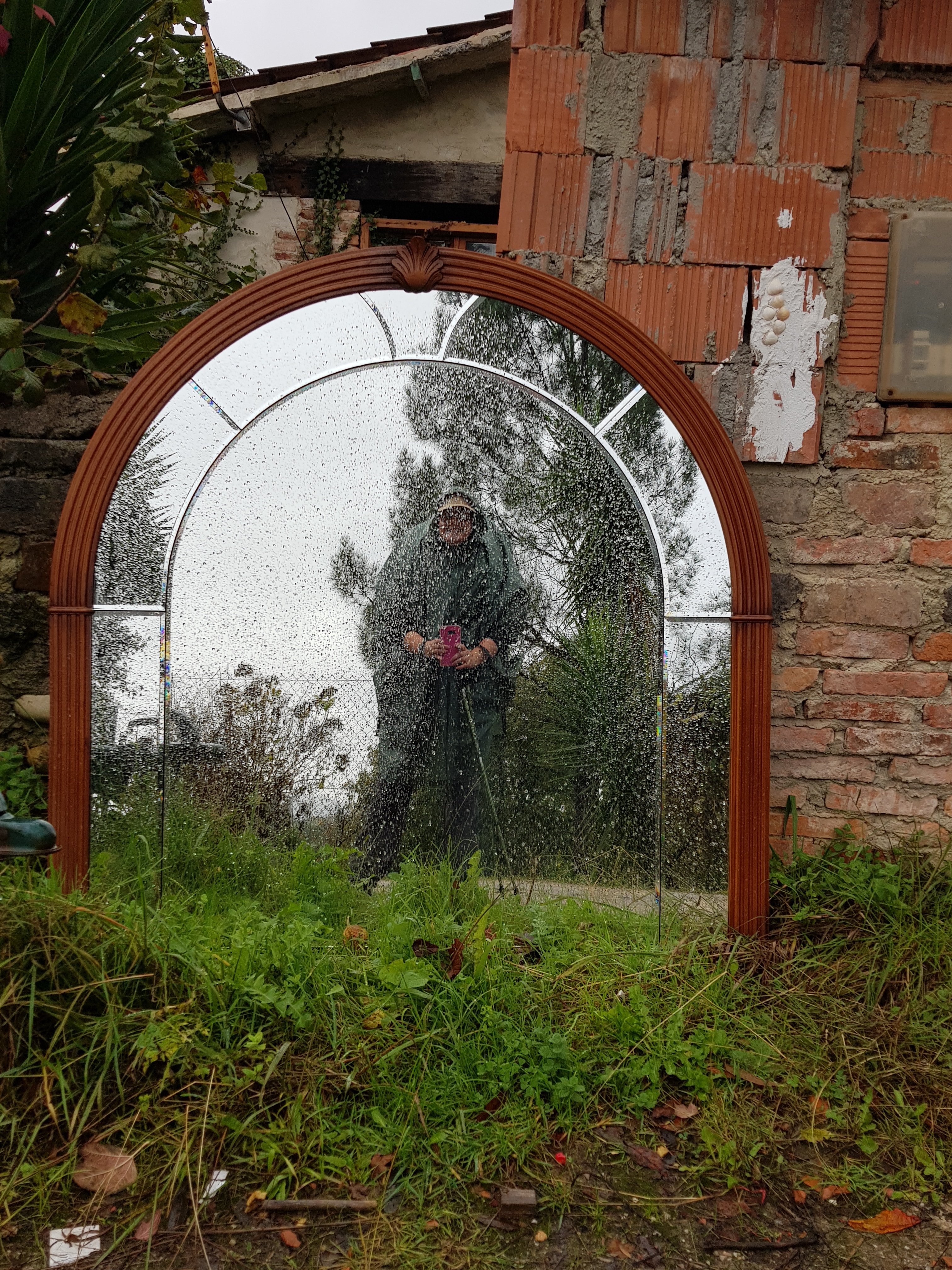
If you are walking during a wet time of the year, although you can still expect rain at some point, have plastic bags and newspaper handy. I have now learnt that there is no such thing as a waterproof shoe. No shoe can stand up against the rain of the autumn/winter camino. Putting plastic bags around your feet is a temporary prevention that helps. To dry your shoes overnight, stuff them with newspaper balls, this sucks out the water.

10. Have small change

Spain has not yet become a cashless society. Do not kid yourself that you will be able to wonder around with only ‘contactless’. Many shops, cafes and albergues will not accept card payments, and will be moody if you give them big notes. Many of the washing machines and dryers are also coin operated, so you will need to keep some coins handy if you want to wash your two outfits!
11. Check your check in times and leave early in the morning

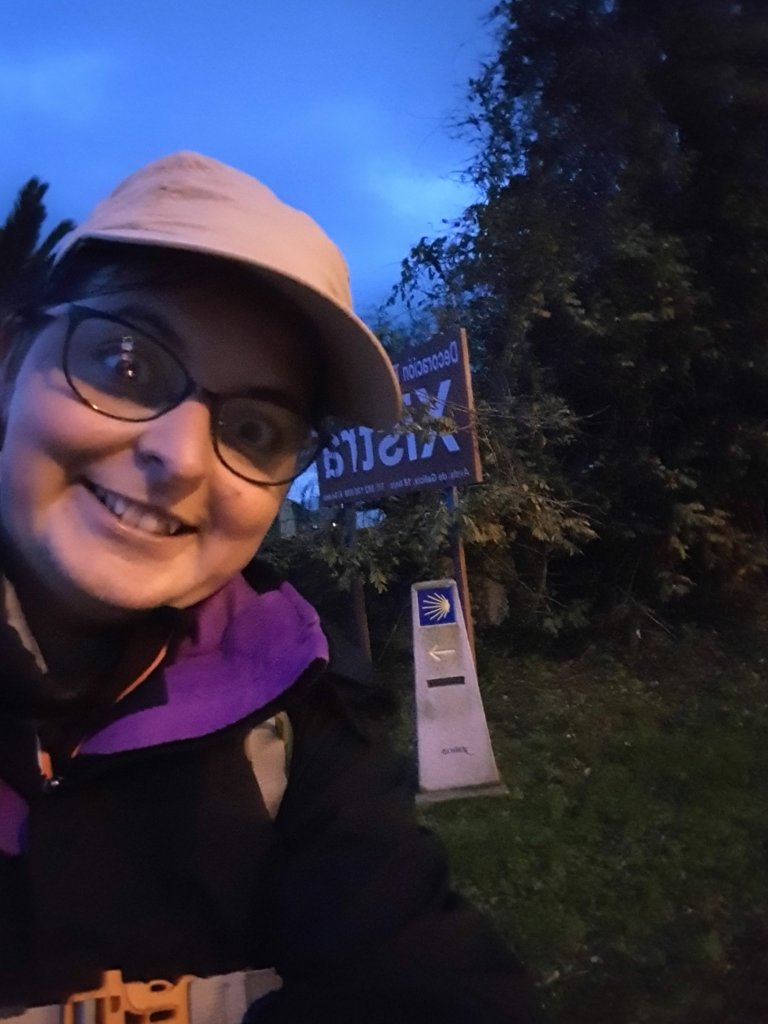
Many accommodation providers have random check in and check out times, and if you turn up late they will not let you in! There is also likely to be situations where you have to phone the reception from a locked door outside, as many do not man the receptions full time. Additionally, I would recommend leaving early in the morning. You never know how long a walk is really going to take, and you want to maximise daylight hours, and rest time in the evening.
12. Take lots of short breaks and dont sit for long

I tried to sit for about five minutes roughly every two hours and up to 30 minutes for lunch half way through. If you sit too often or for too long, it will just keep getting harder to get up and going again!

13. Don’t think too far ahead

Don’t think about how far away it is to Santiago, or even the town you are trying to get to at the end of each day. It is too overwhelming, and frankly discouraging. It is better to think of lots of short distances whilst walking, for example the next town or landmark. Then when you have done that, you look at how far to the next one. It makes each one, a little win.

14. Accept that there is a good chance that you will need to take public transport sometimes.

You may well do the camino entirely walking, but don’t beat yourself up if one day you just have to take the bus. There will be days when you just have nothing in the tank, or the weather is too dangerous to walk, or you might have an injury.

15. Don’t forget to stretch and take your ibuprofen!

Pretty self explanatory, but I forgot to stretch often, and it makes a difference. I also really needed ibuprofen by the end!

Buen camino!

Camino de Santiago: Aviles to Gontan

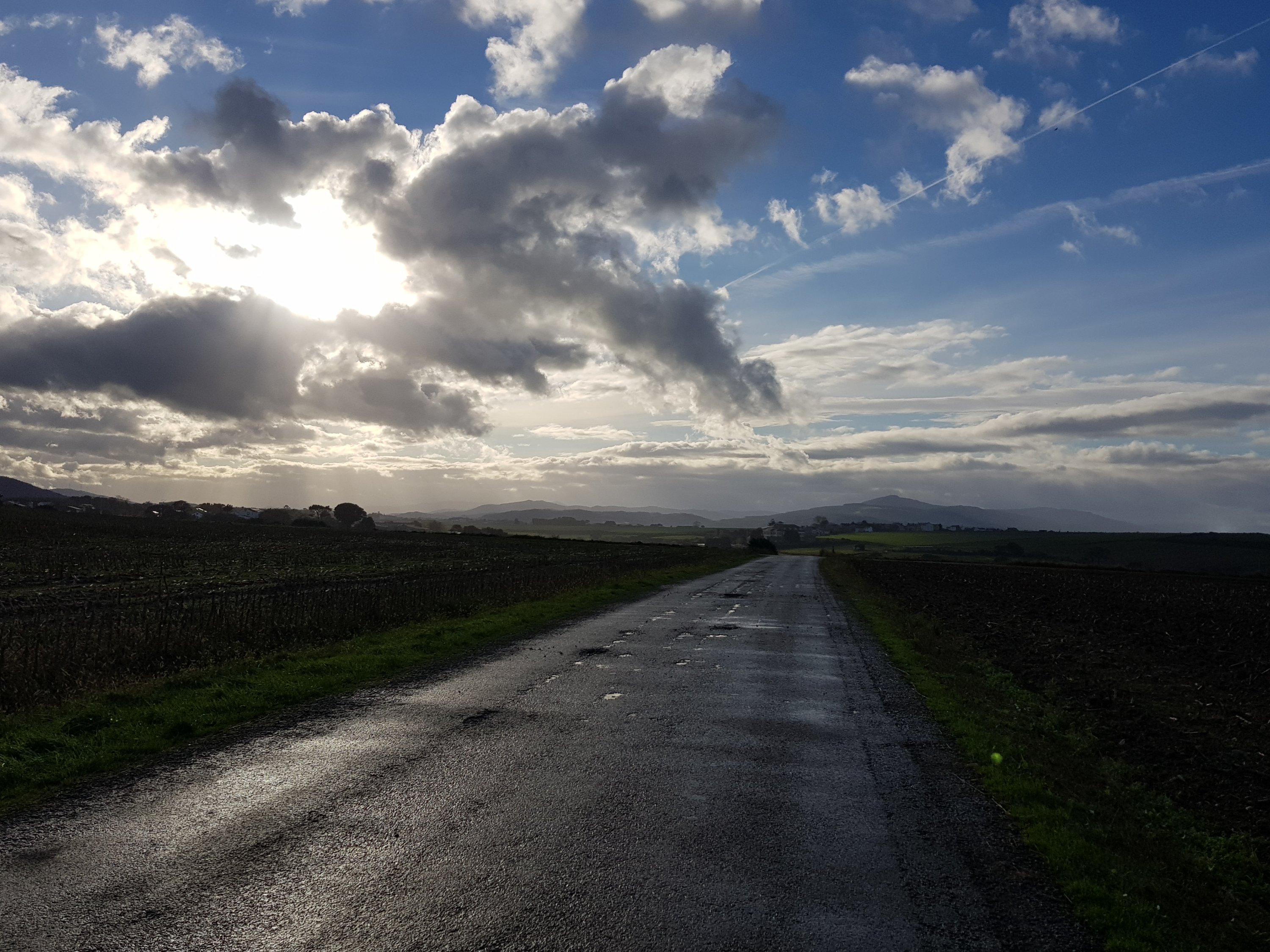
This week I entered my final third of the walk, and as the rain poured down, the paths became rivers, but I powered on!

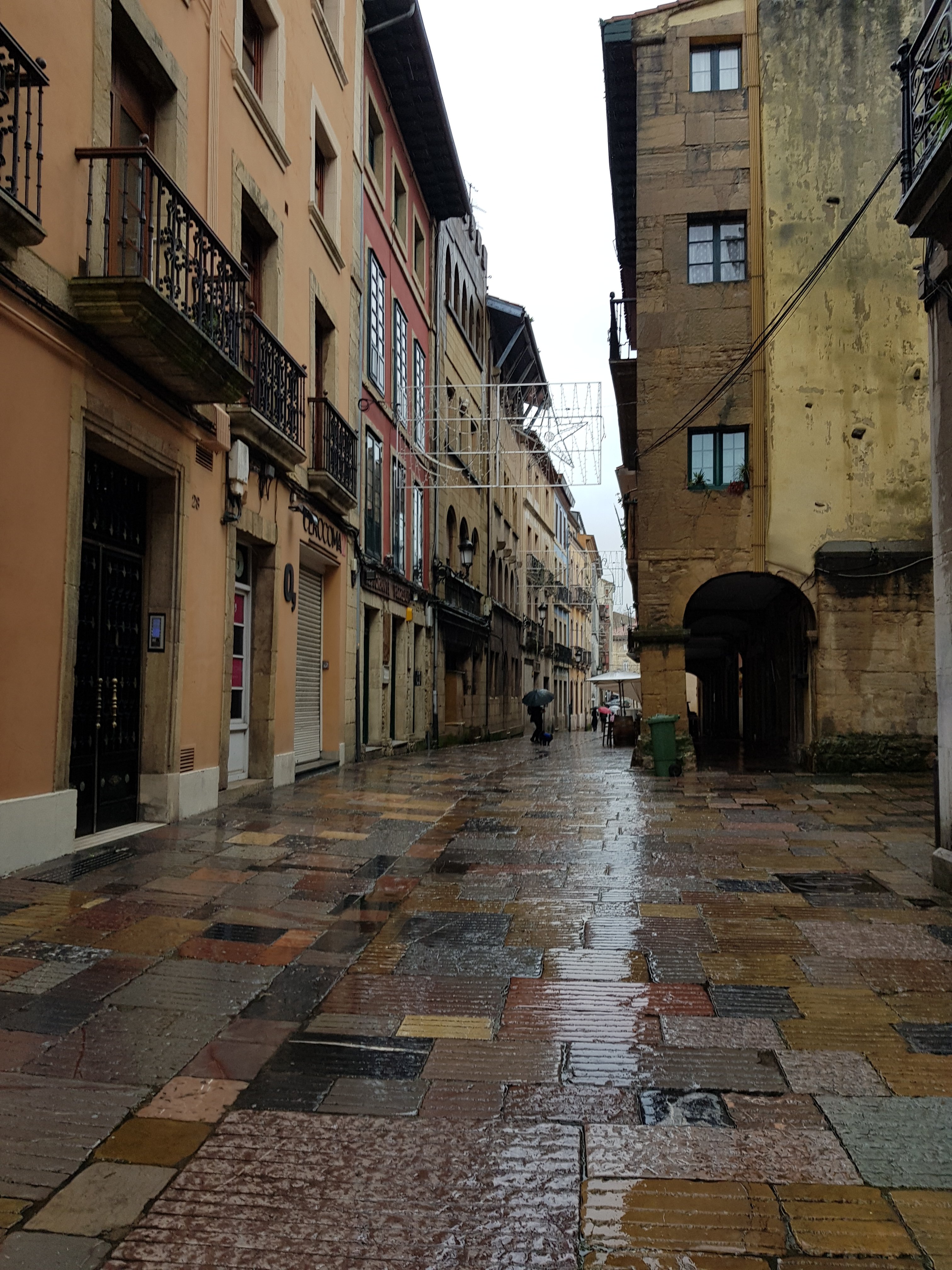
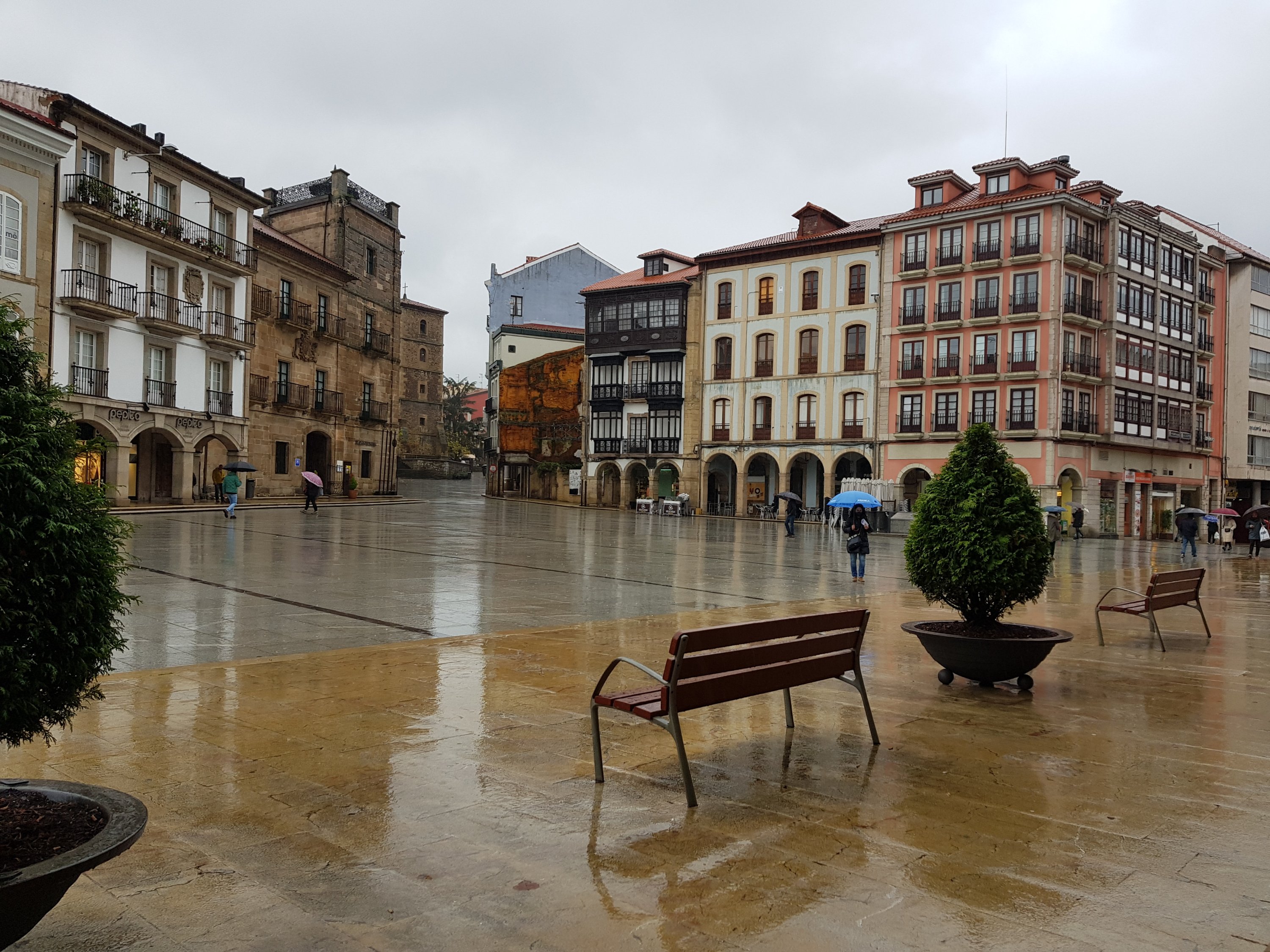
The week kicked off with a stop in Aviles, which is a large town. It has charming streets full of arches, old chapels and former monasteries, and a fountain of dribbling monks!
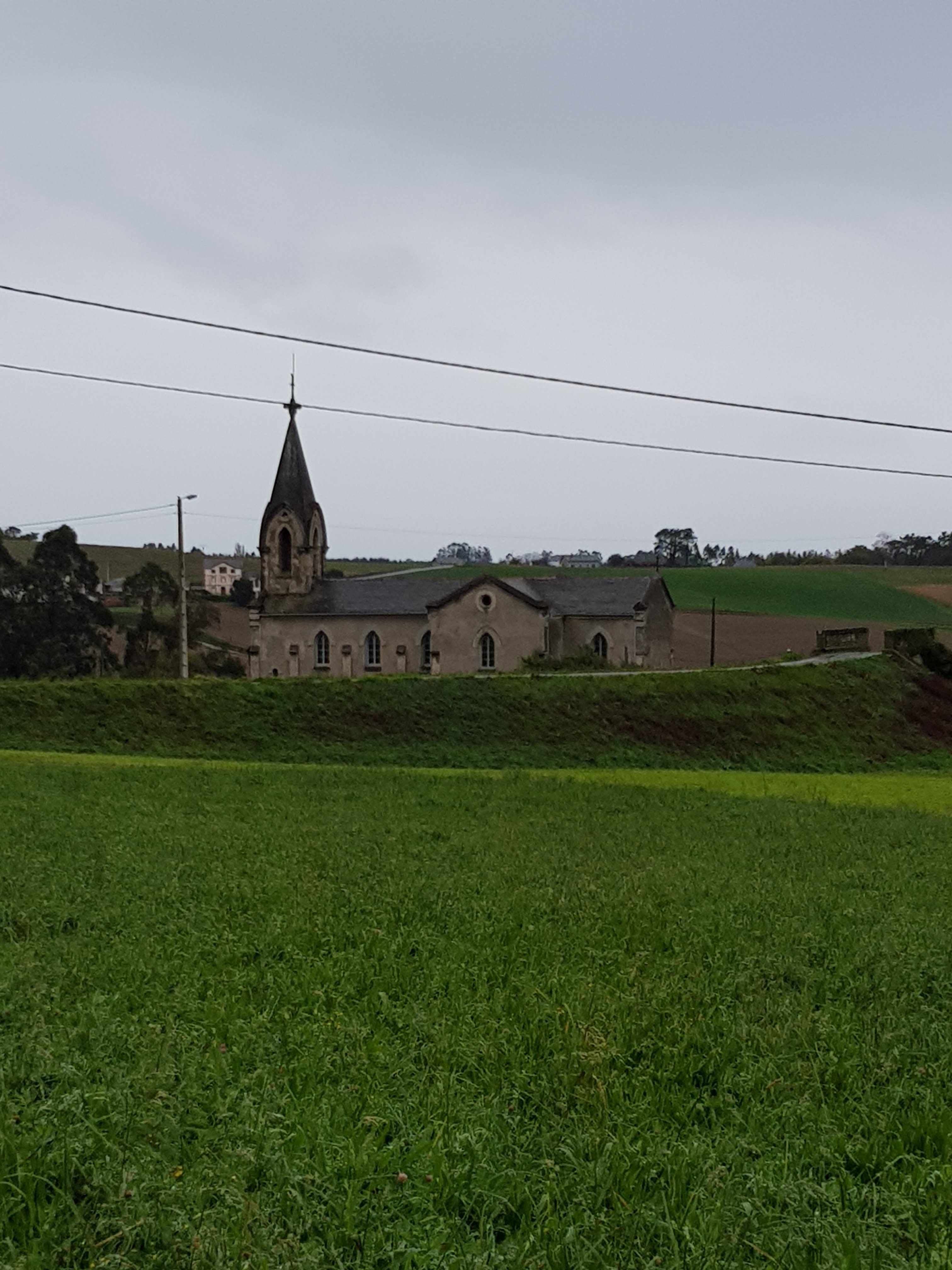
I stayed all alone in a large pilgrims albergue for the cheap fee of 8 euros and prepared for the week ahead.

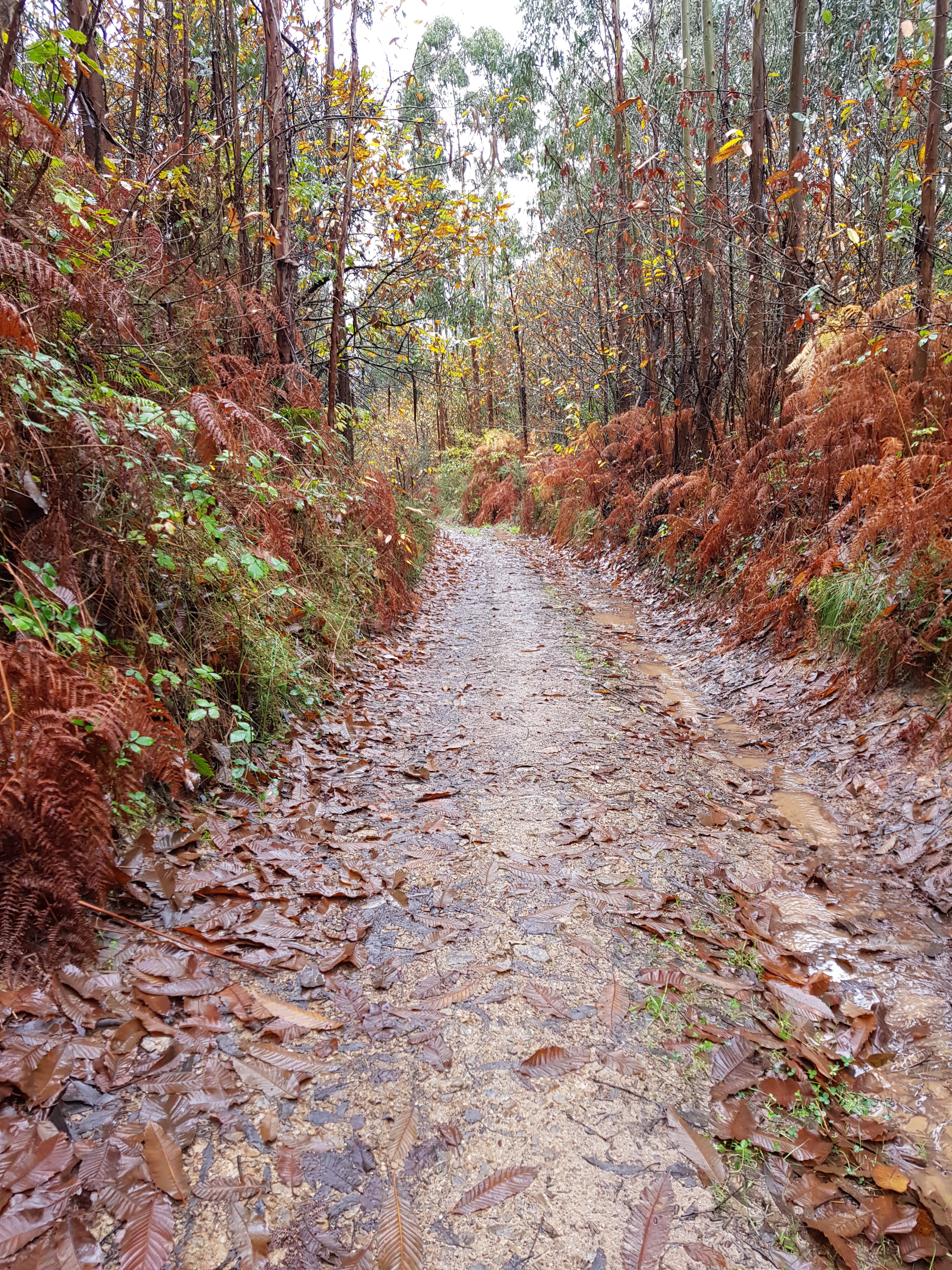
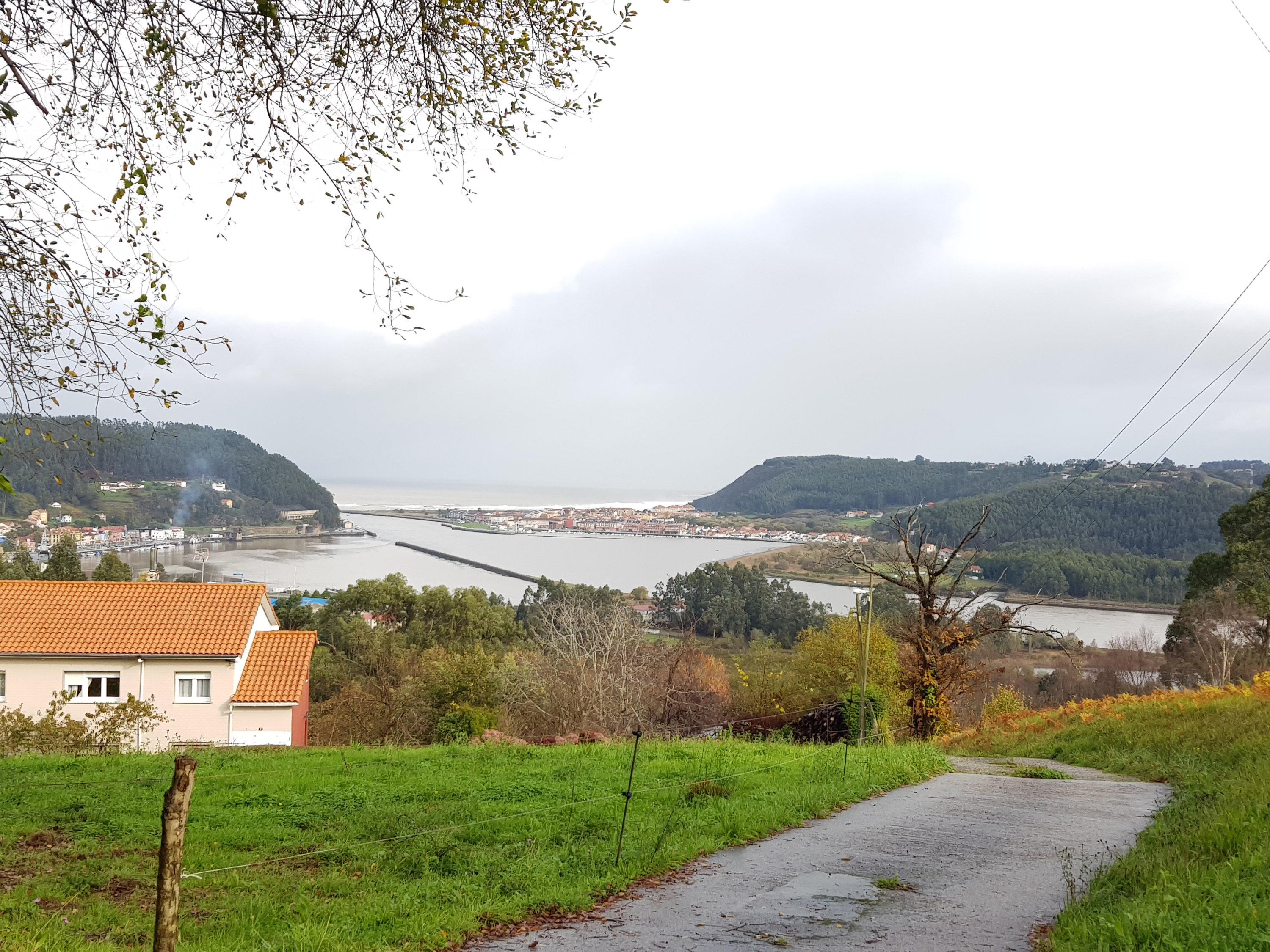
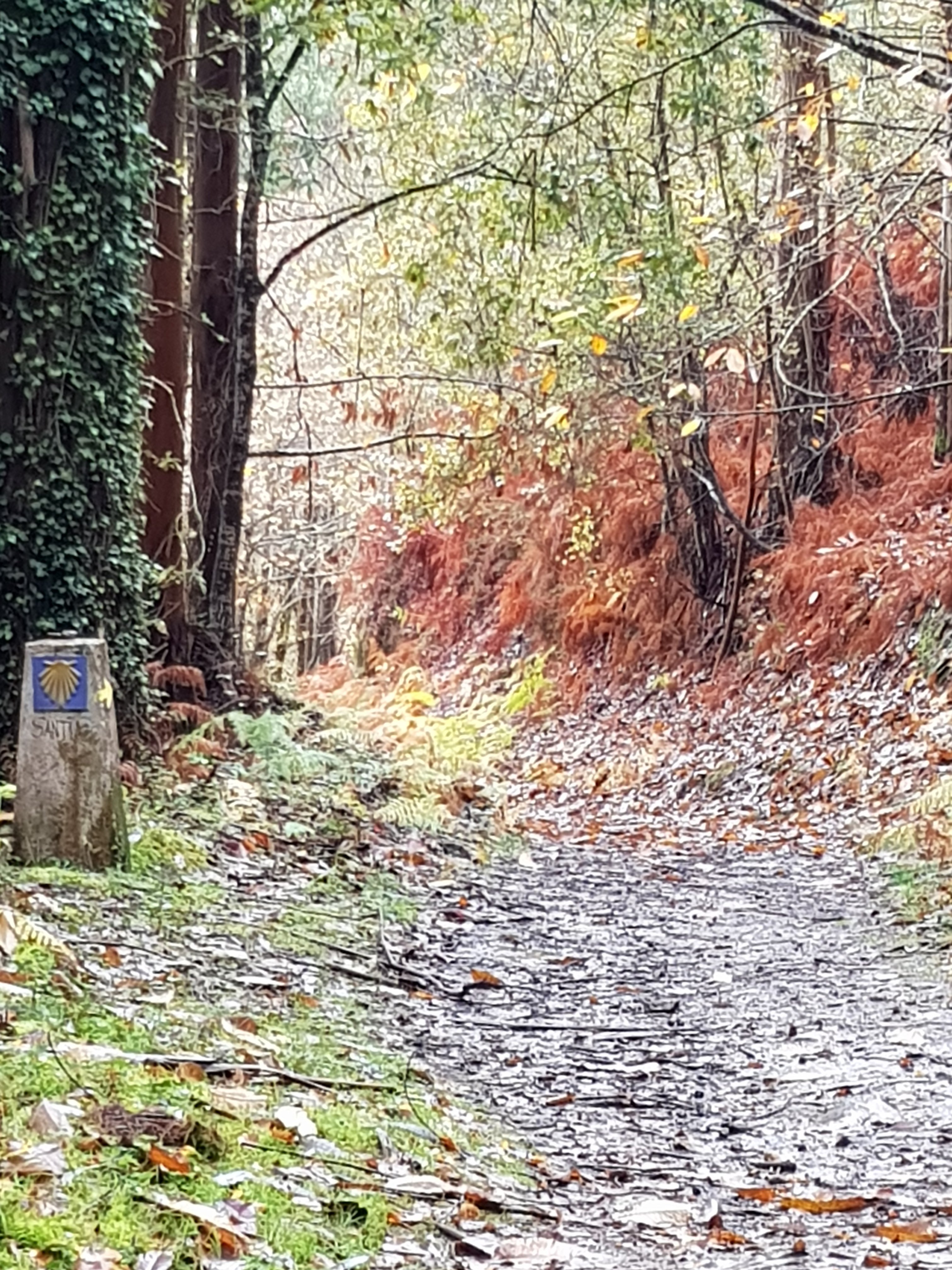
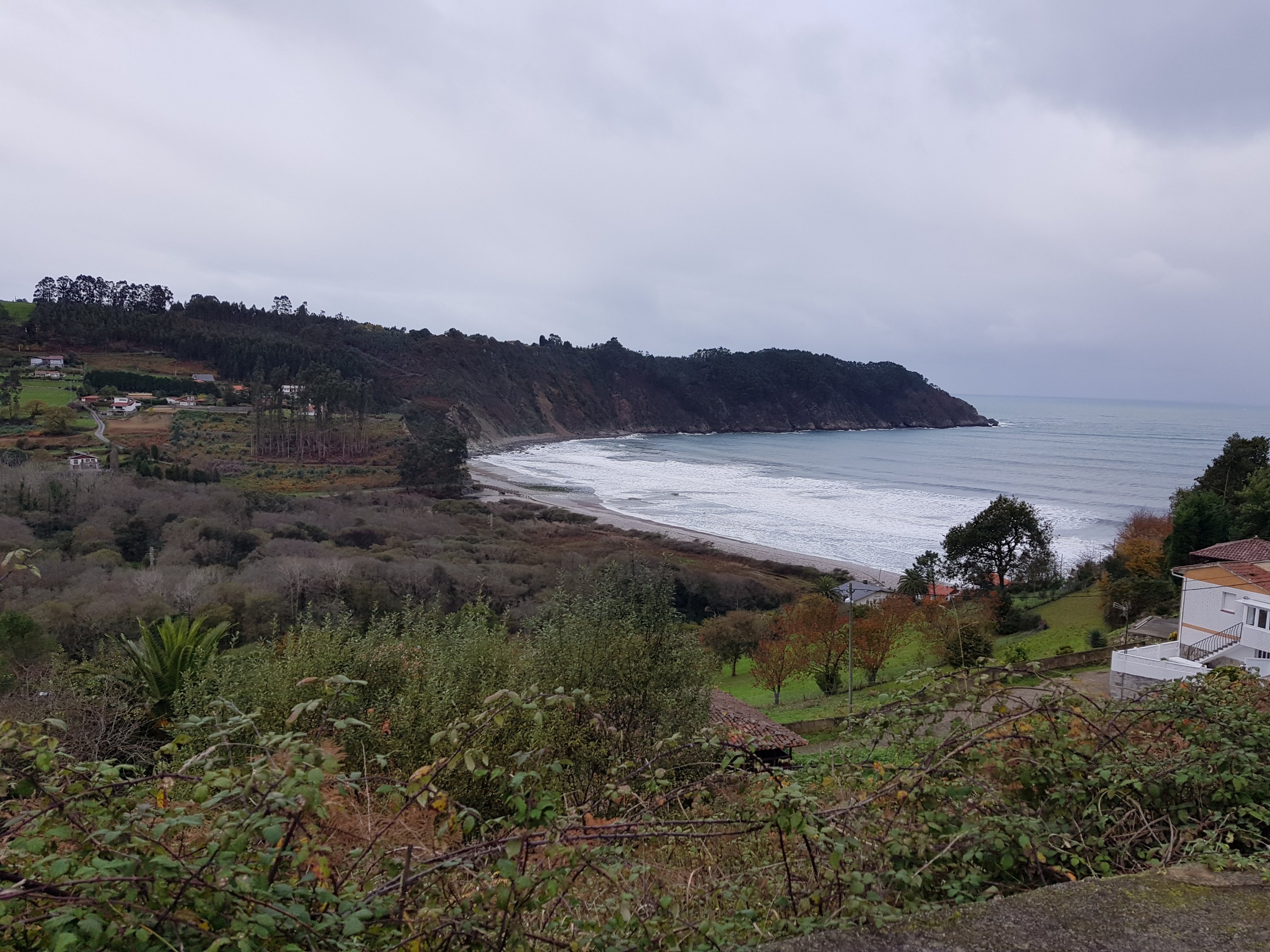
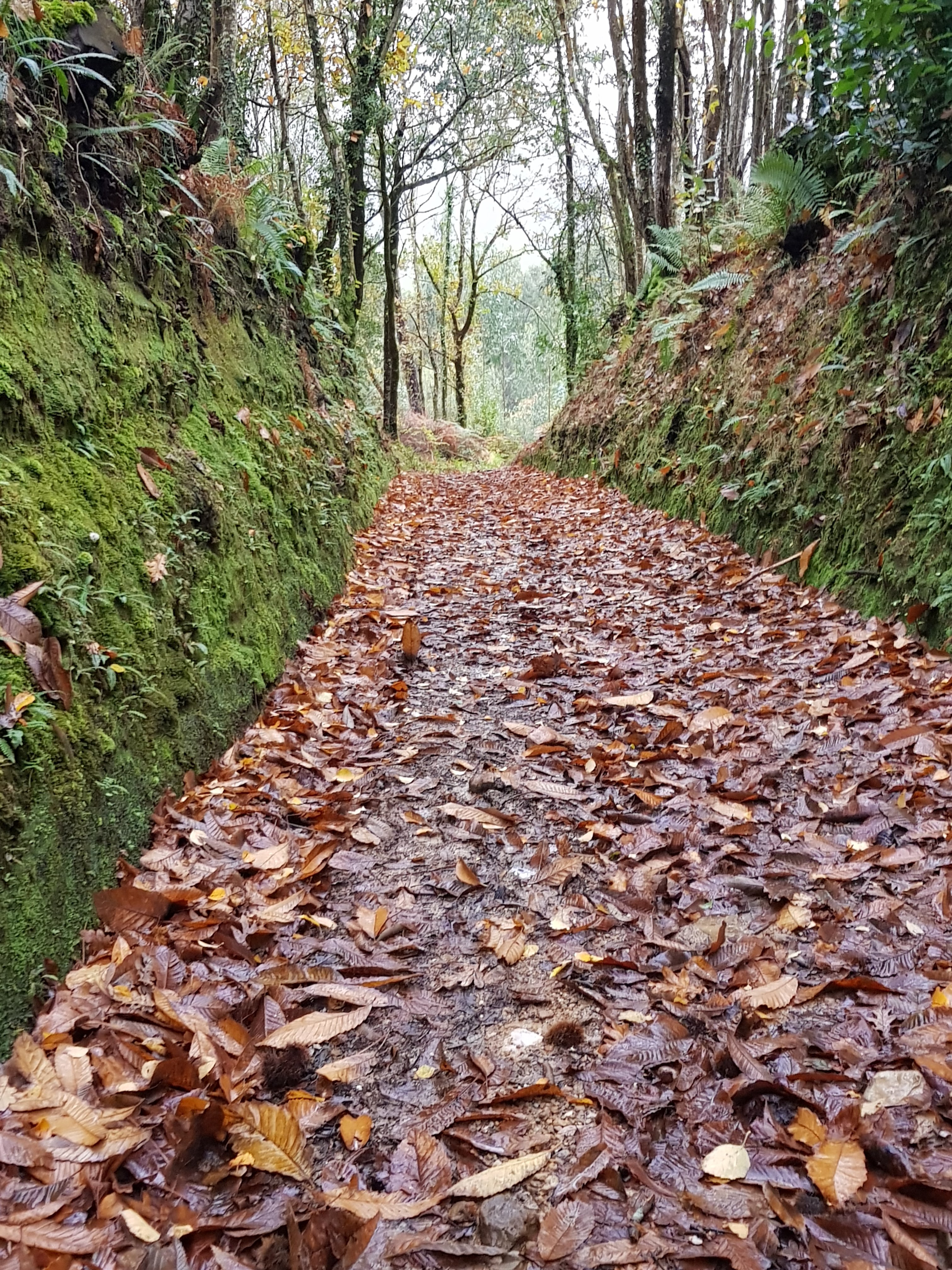
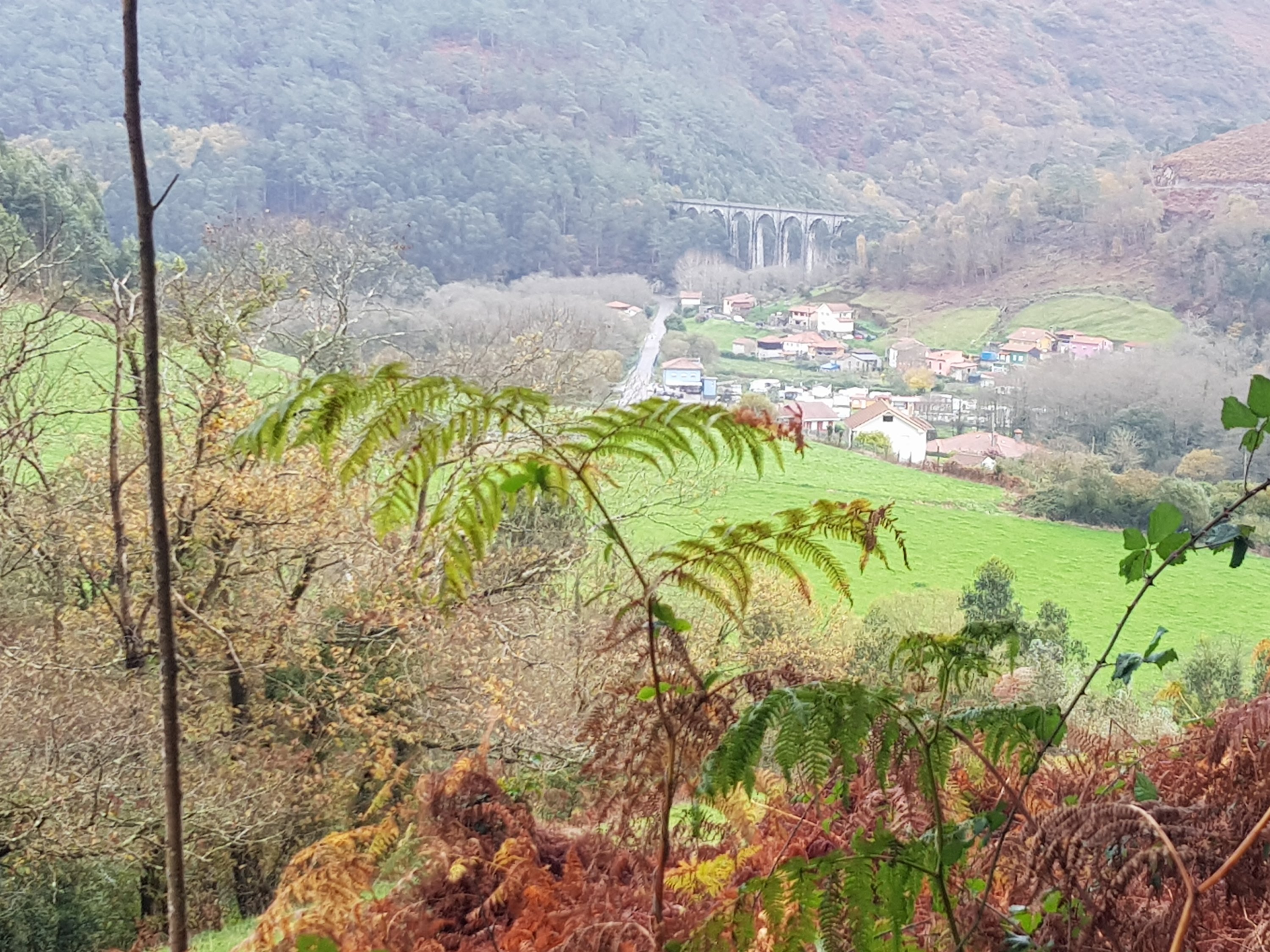
Next was my soggy 20km to Soto del Barco. Most of the walk was through forests with deep red ferns and overflowing rivers.

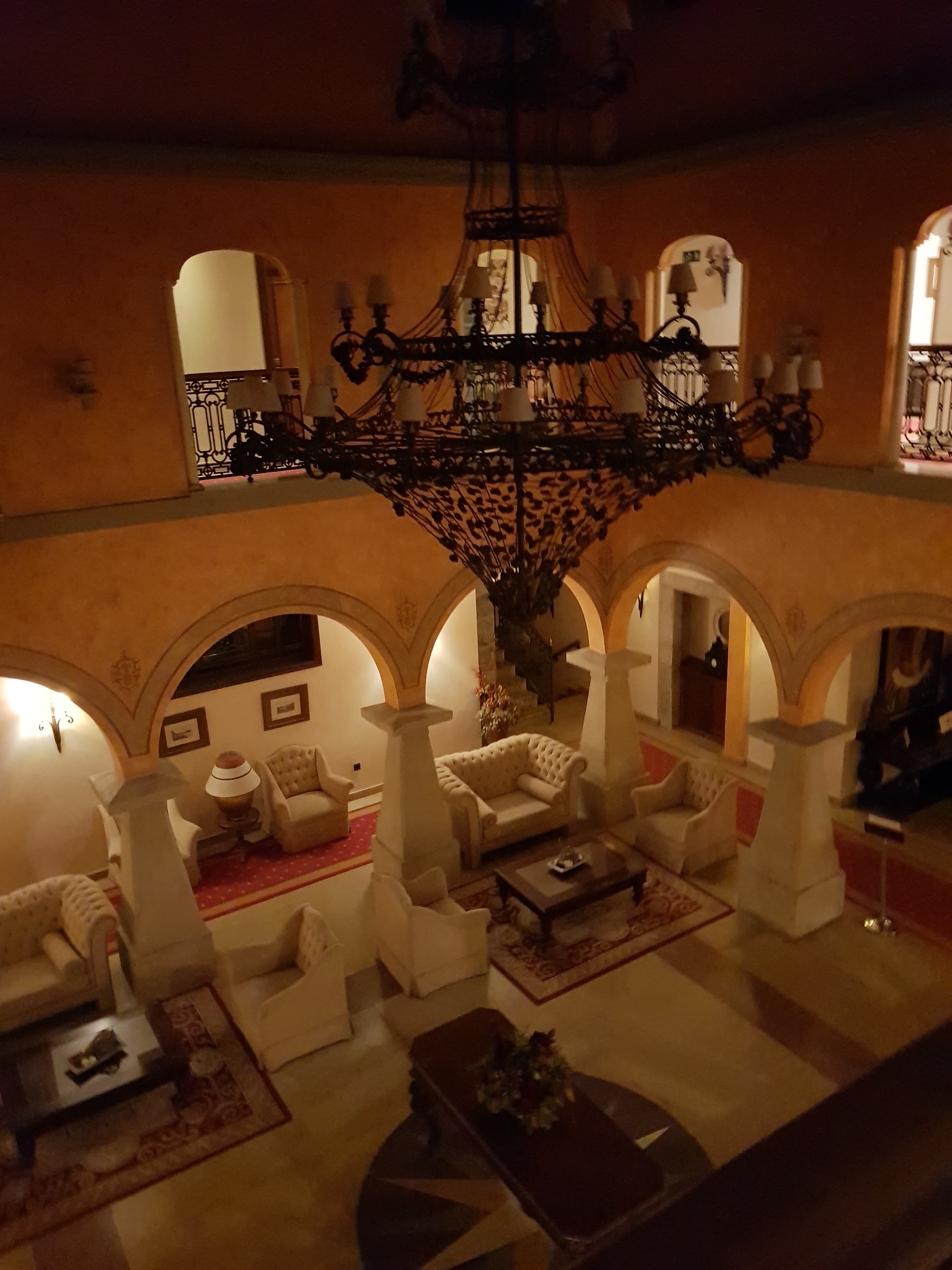
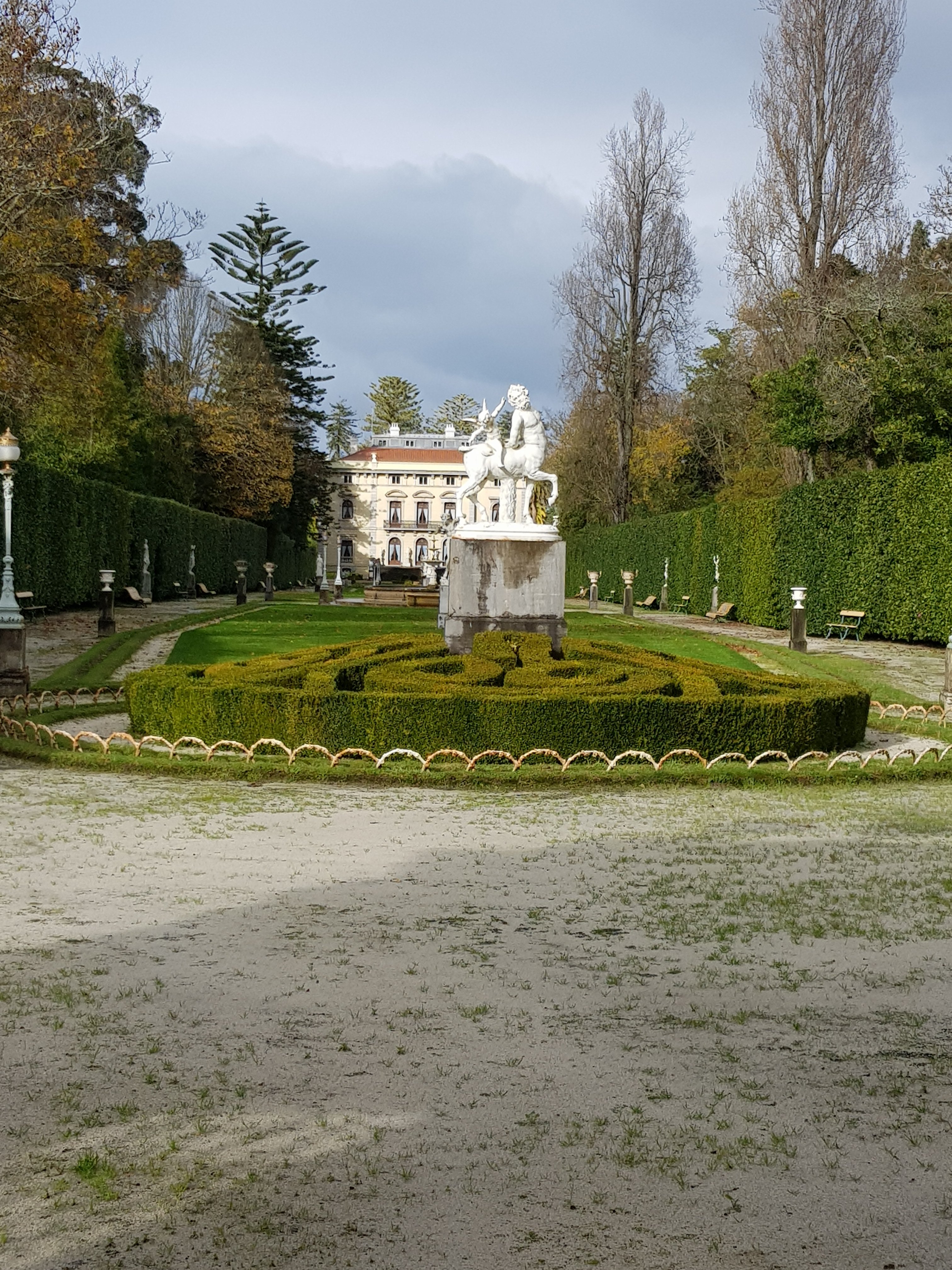
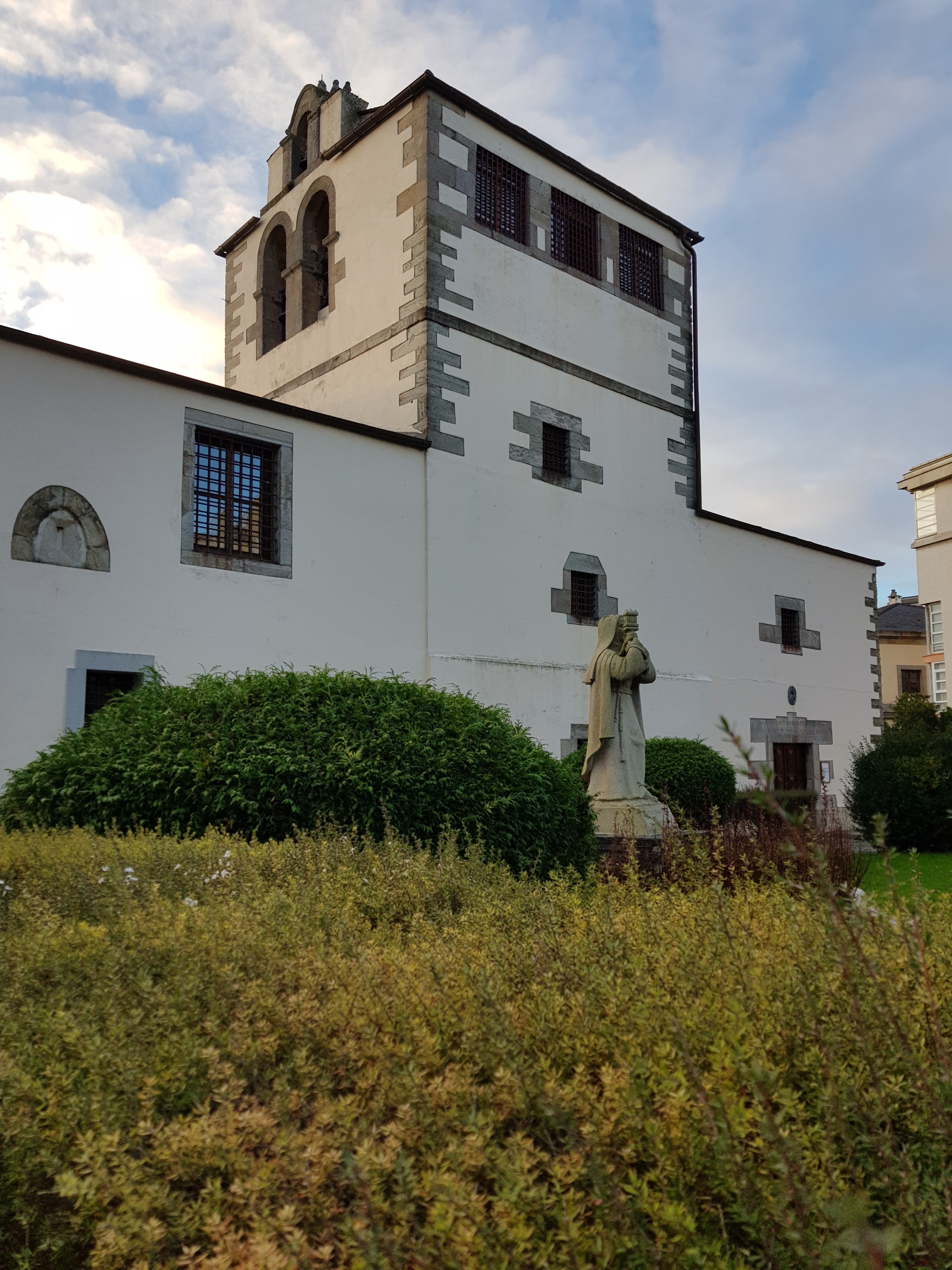
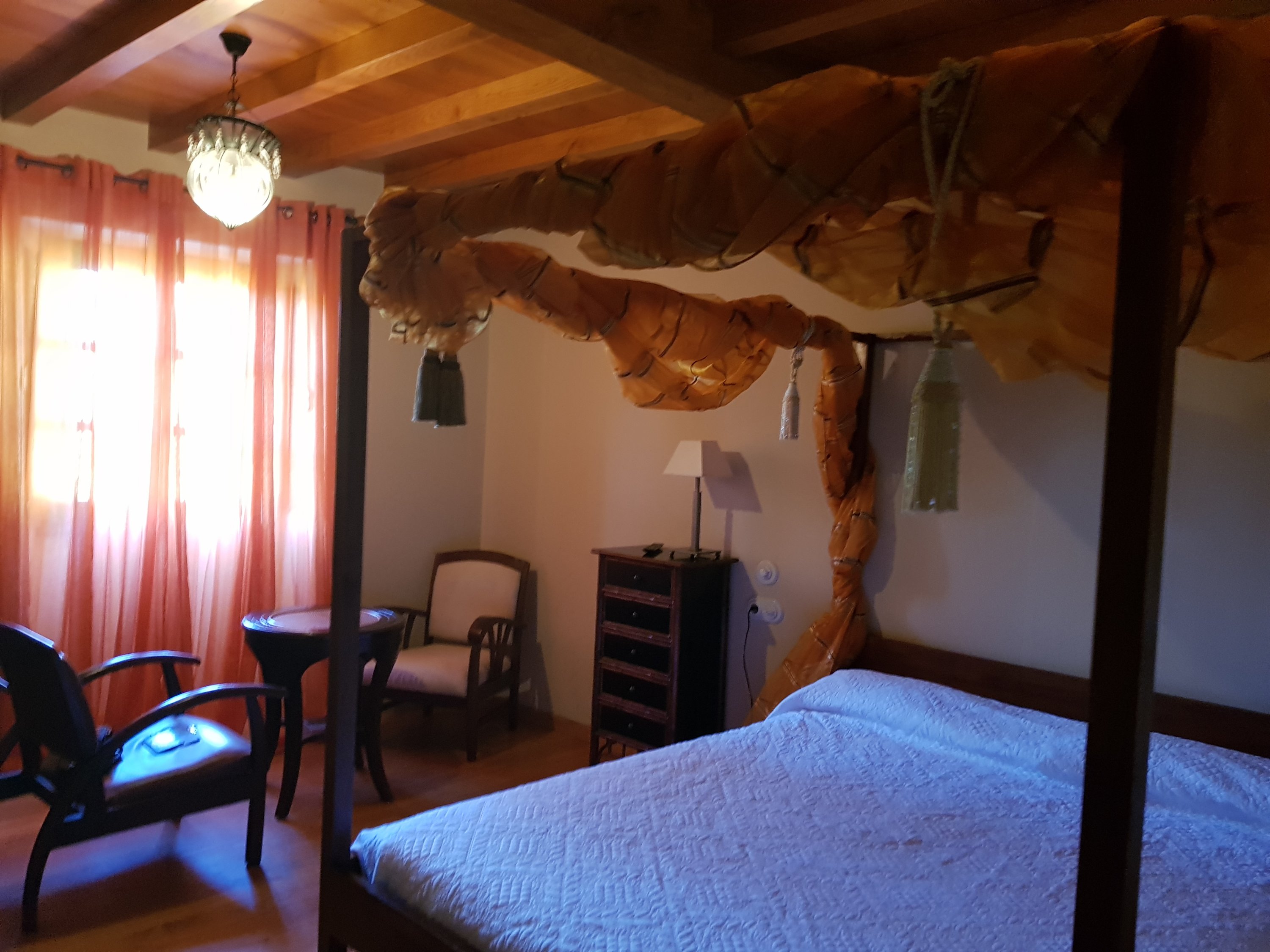
I had hoped to find a cheap place to stay, but it was all pricey in this village at the bottom of the valley, so I decided to stay in a hotel. The hotel was beautiful as it was a former 18th century palace, and so enjoyed a little luxury and a slap up meal, of food that I could not identify!
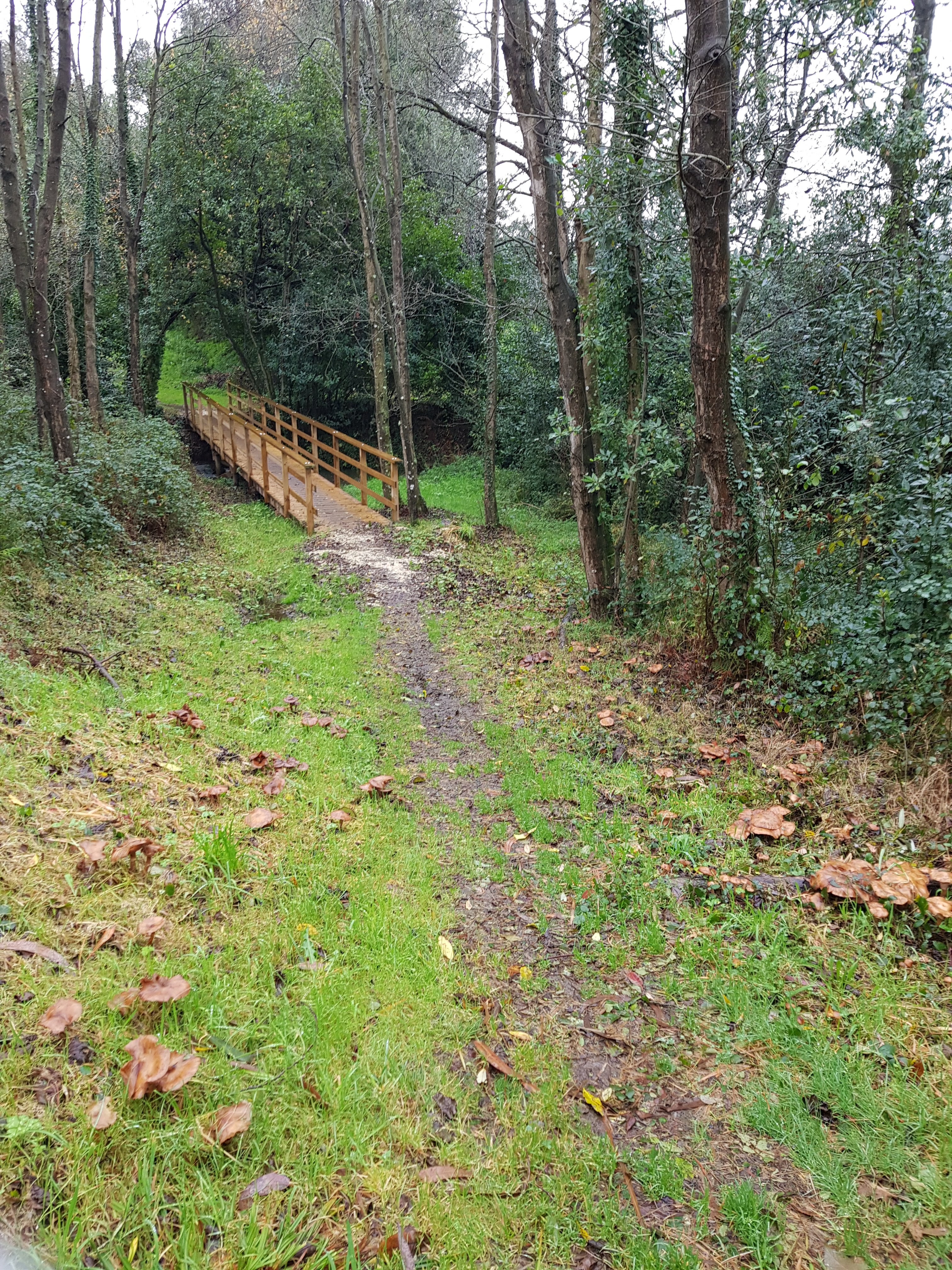
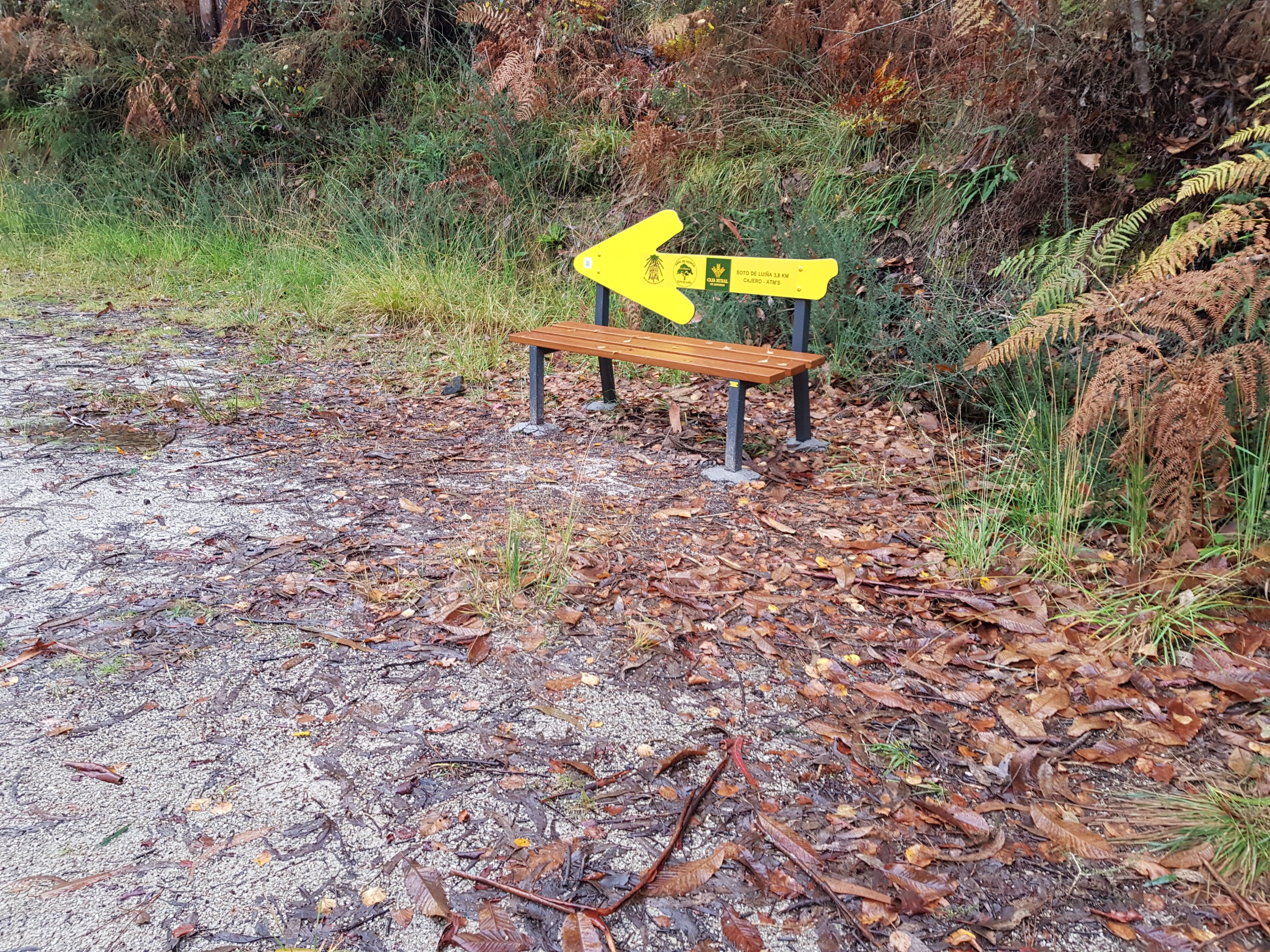
The next day I walked to Soto de Luina. The rain continued and I had only been able to have a few small pastries and a piece of fruit for breakfast. I’d thought I would pass a cafe but all day I didn’t. The day was spent walking through forests.

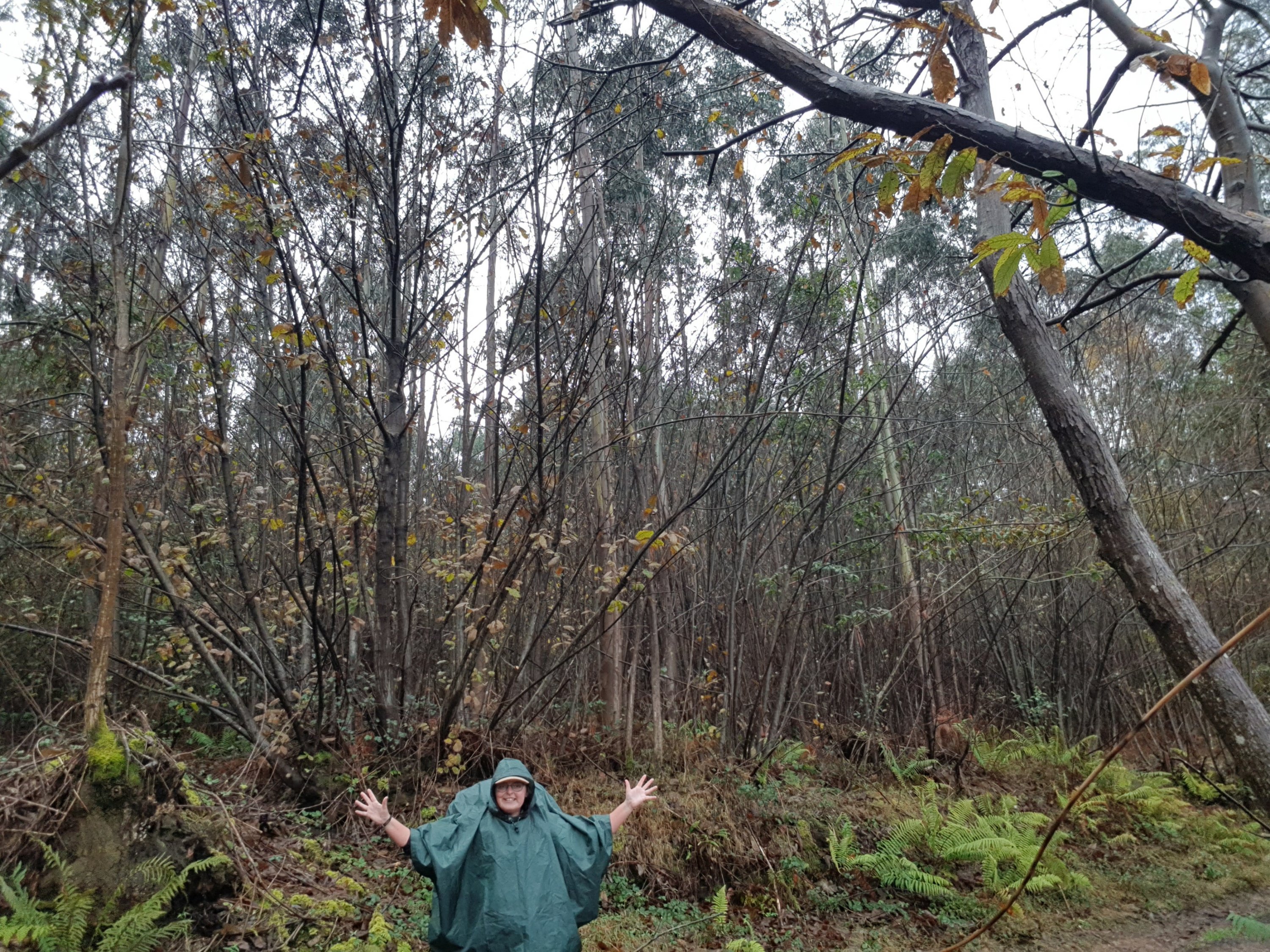
Thankfully, forests and woodland are in my opinion, the easiest terrain on the joints, as the ground is so bouncy. I grew up in the woods (in a house not in the trees), and feel in my element within them.

The overflowing rivers and lack of food was making this very hard for ‘only’ a 22km walk. The day was full of ups and downs, and I had to stop frequently. A few times I thought I might pass out.

When I finally arrived in Soto de Luina, I made my way to my bed for the night, in an old abandoned school building. No heating, and no kitchen, but its all part of the experience… right? 😣

When I looked at my map, I found that my next stop in Luarca was up to 40km away (that is maybe 12 hours walk), and the morning came and my shoes were still wet, and my body still weak. So I decided to journey by train this day. I felt a bit guilty, but sometimes you have to know when to give yourself a break.

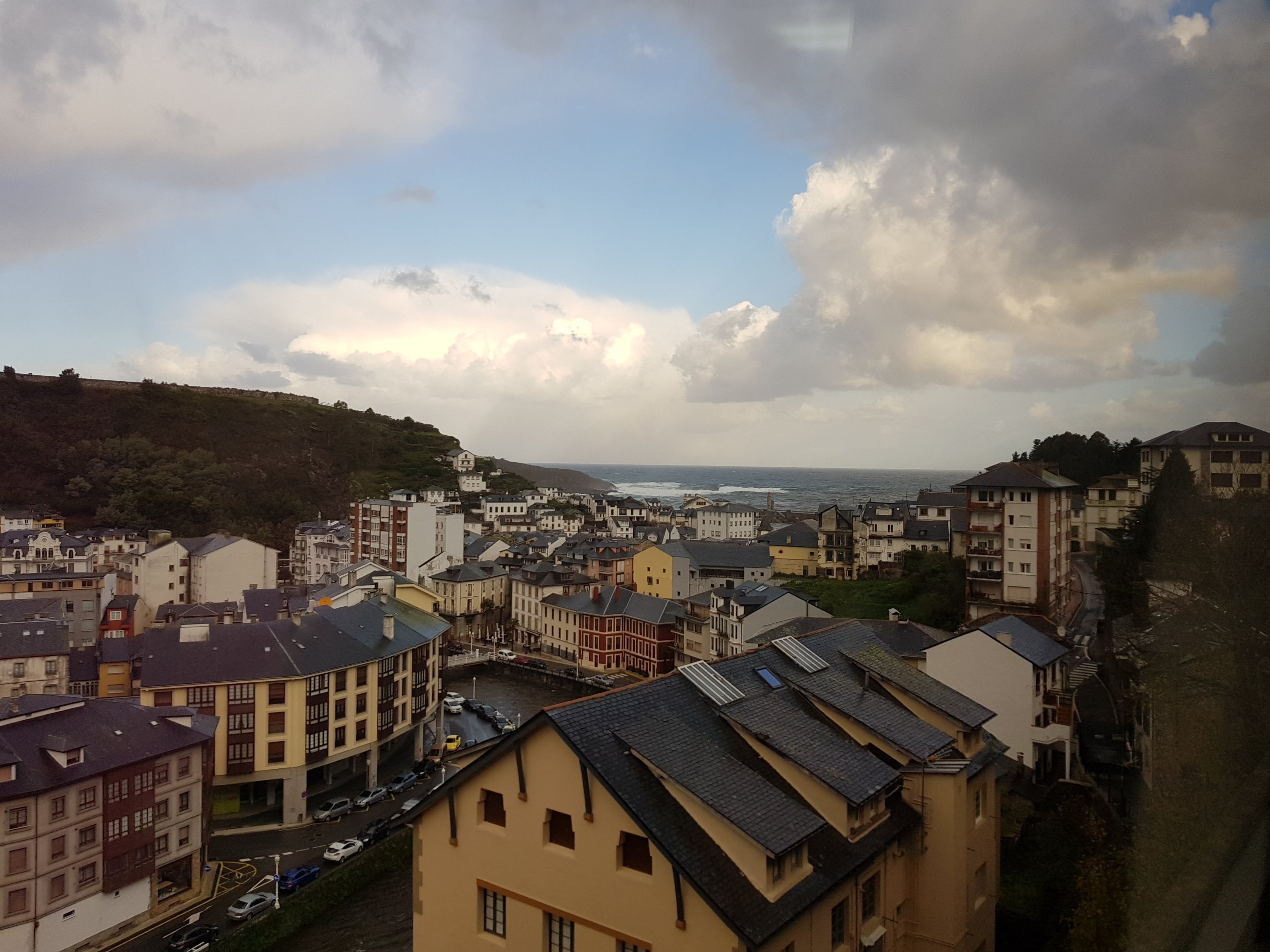
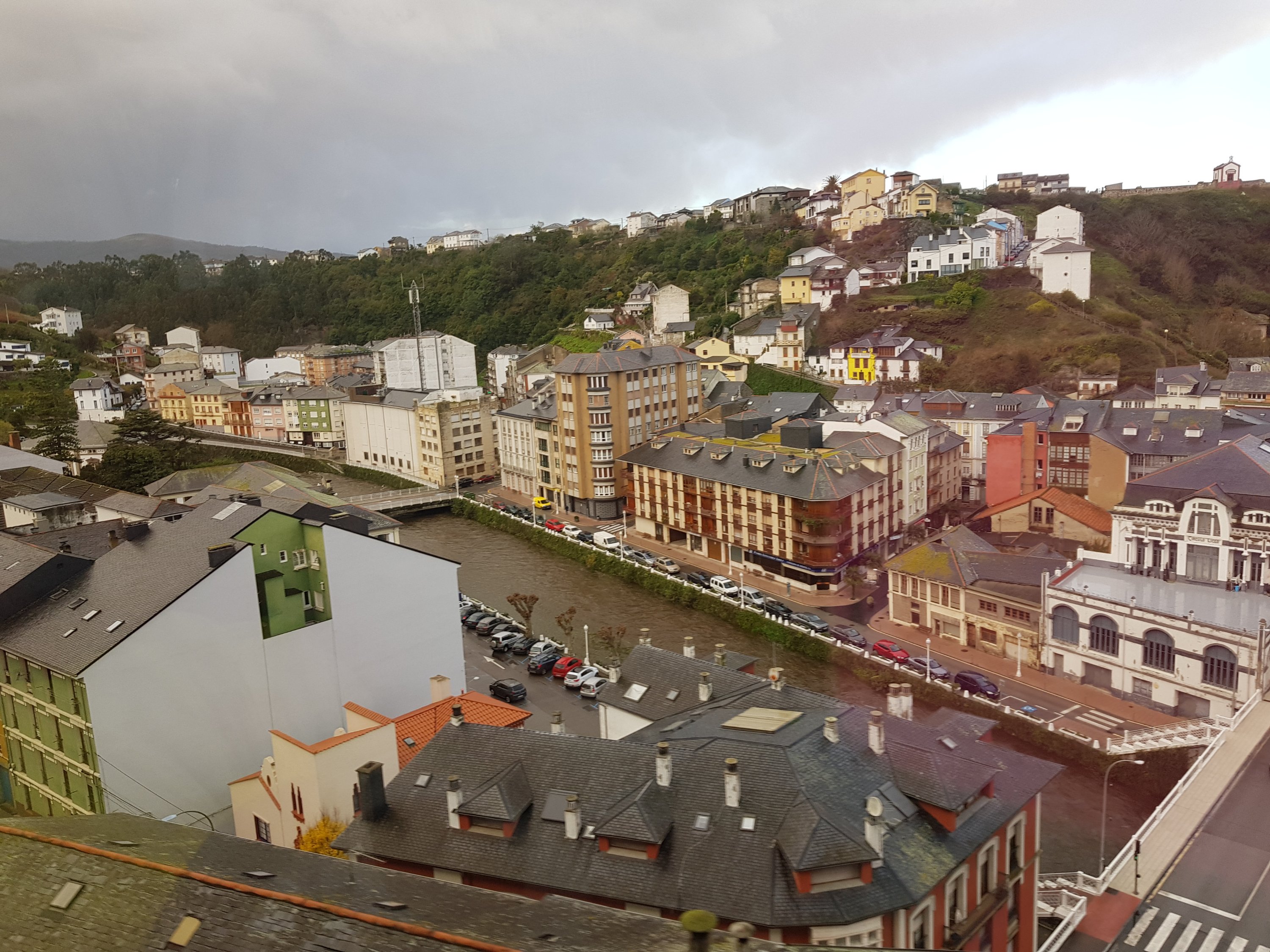
It was also a great place to do the train, as the track rides over the town of Luarca, and provides great views. The train driver was really nice too. We chatted in spanish, he showed me when to take photos, gave me some paper for my shoes, and showed me the control room! It also gave me a chance to nose around the town for longer, and just recover a little.

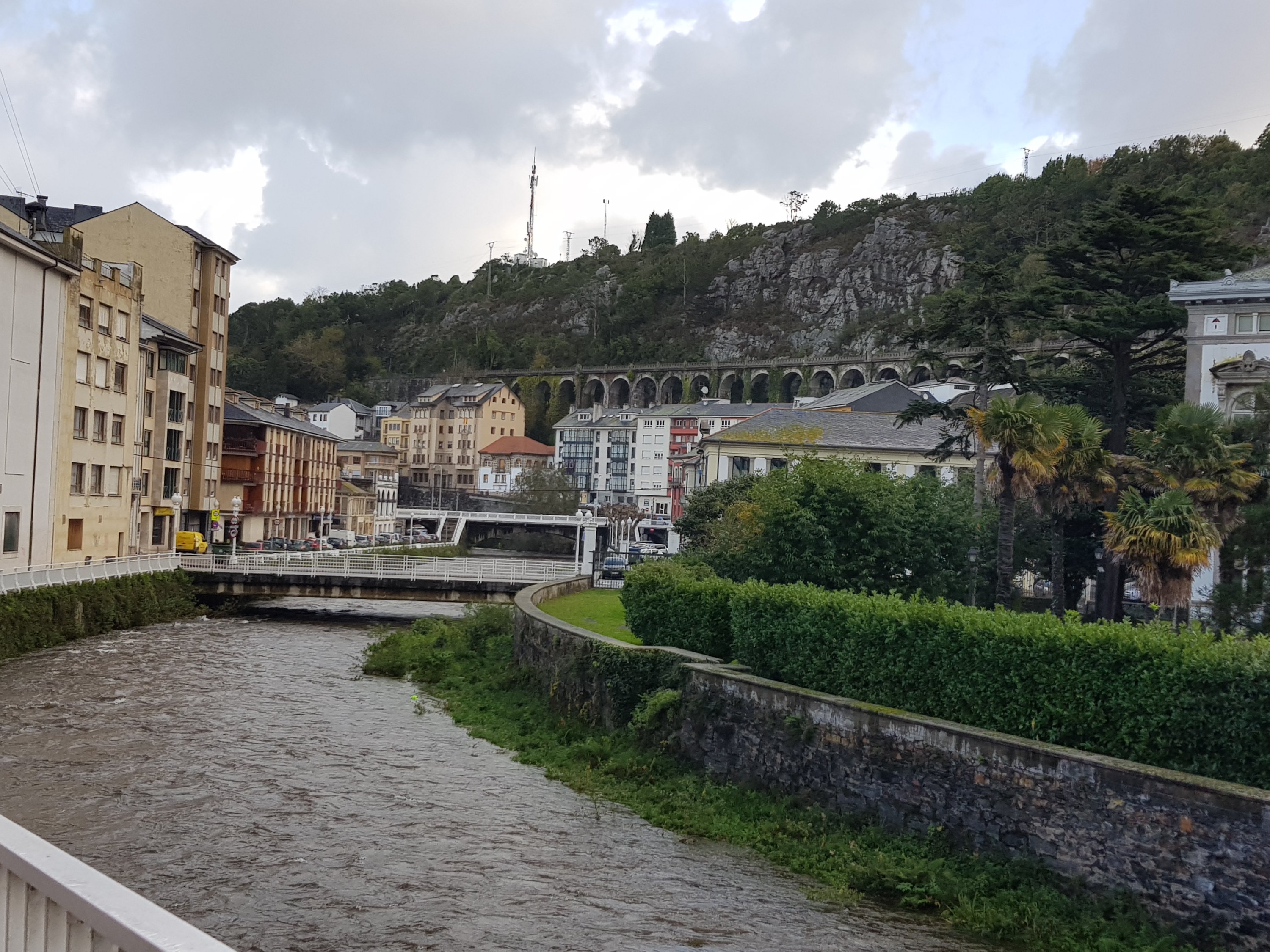
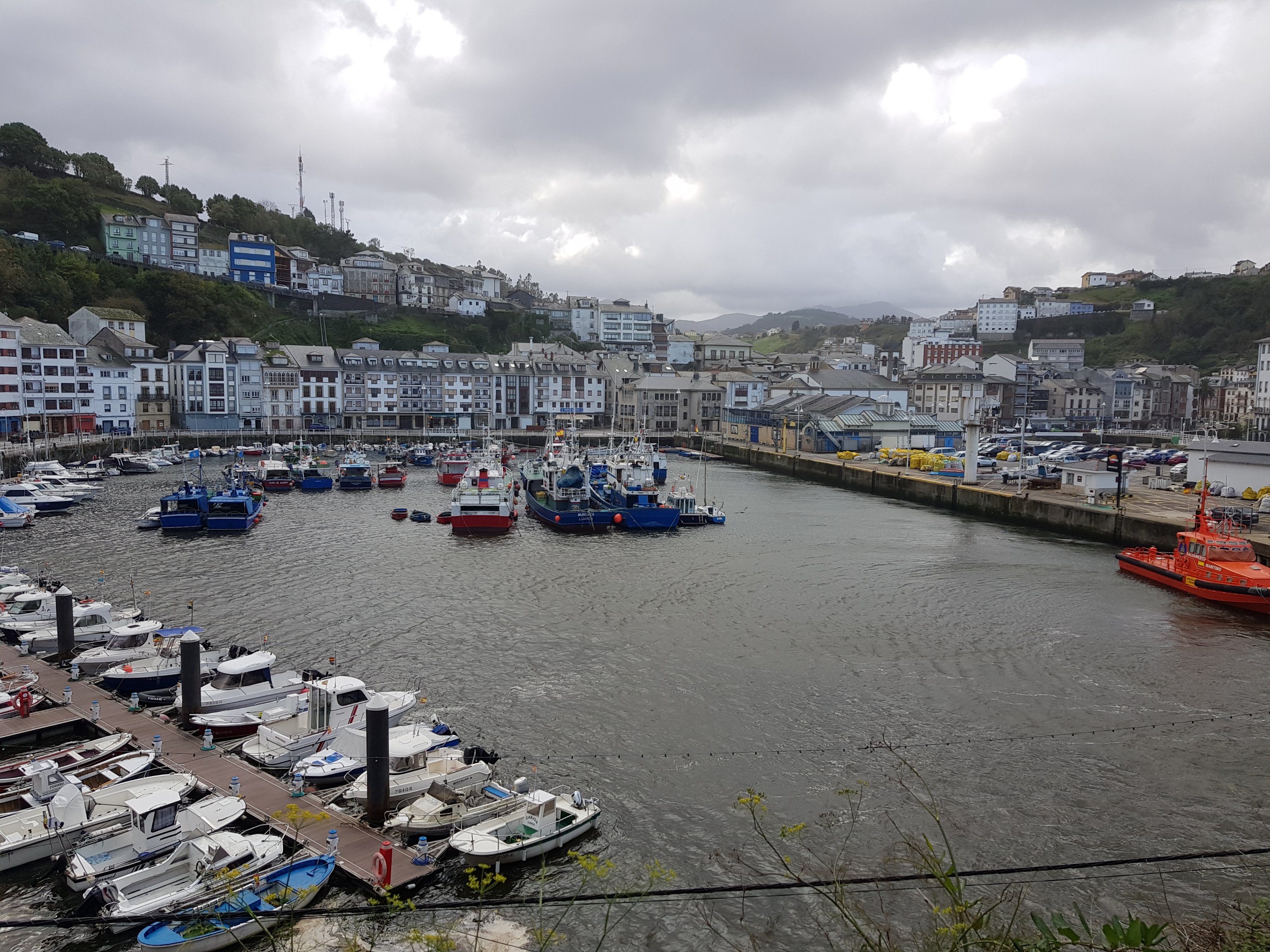
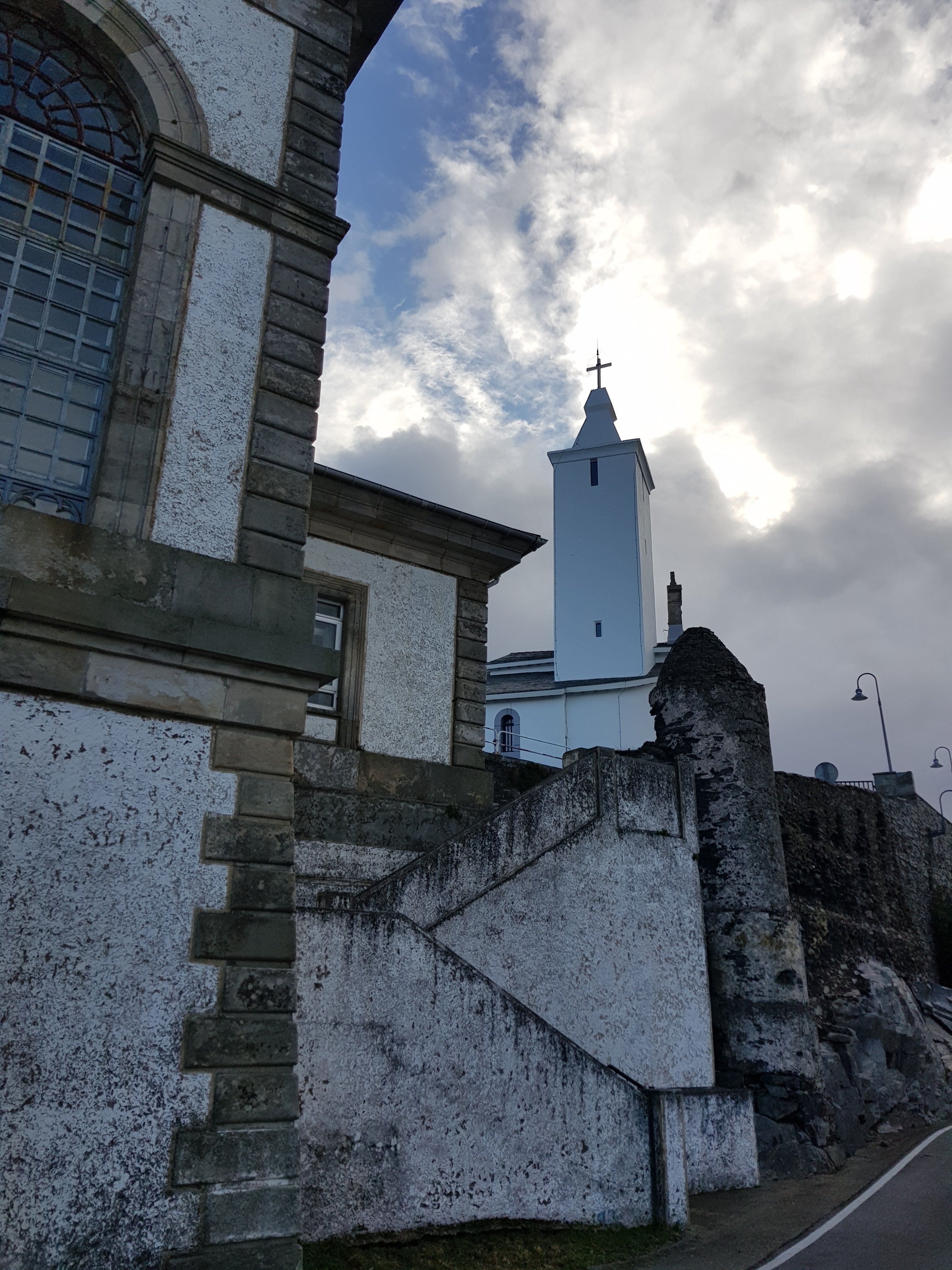
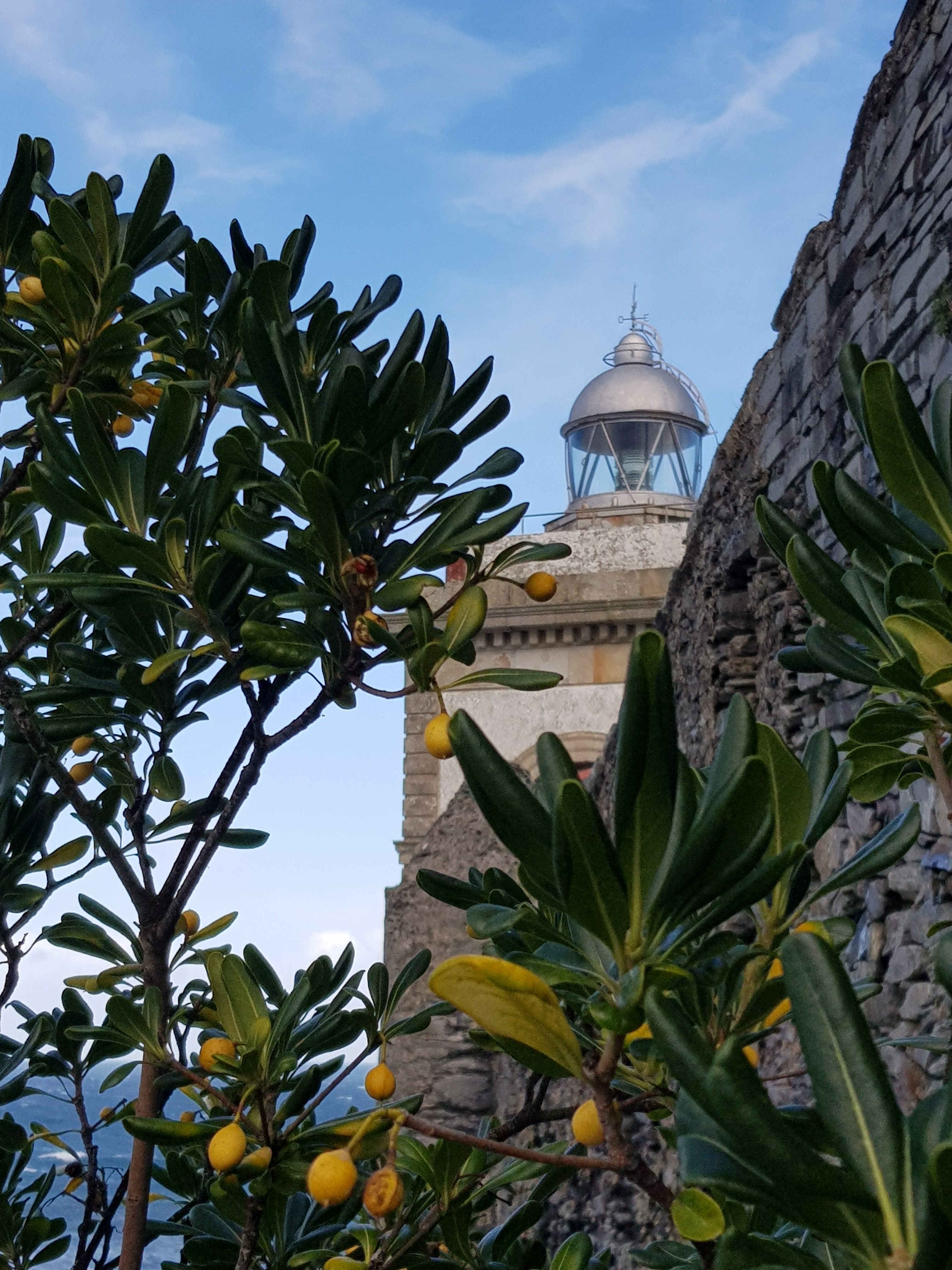
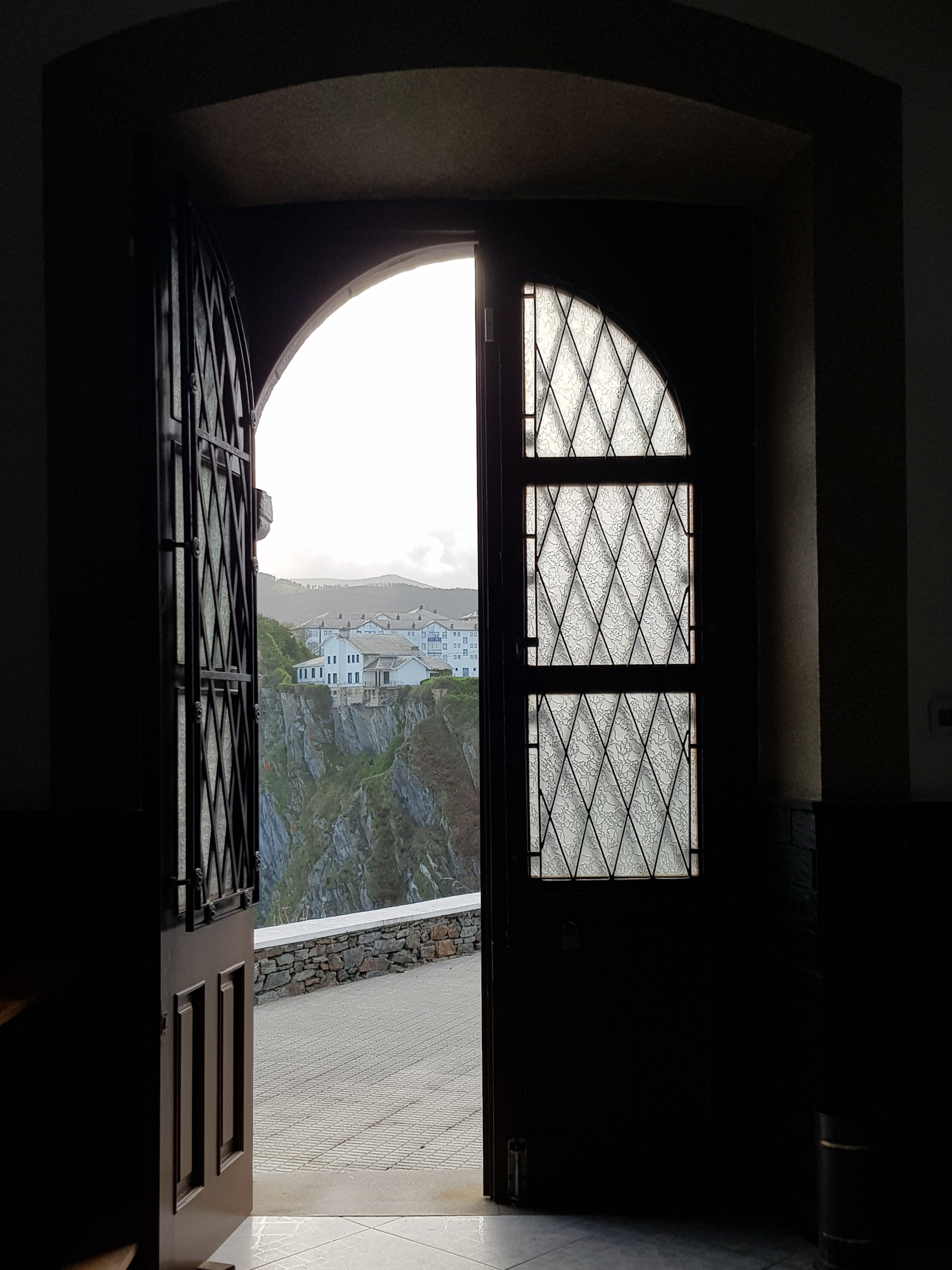
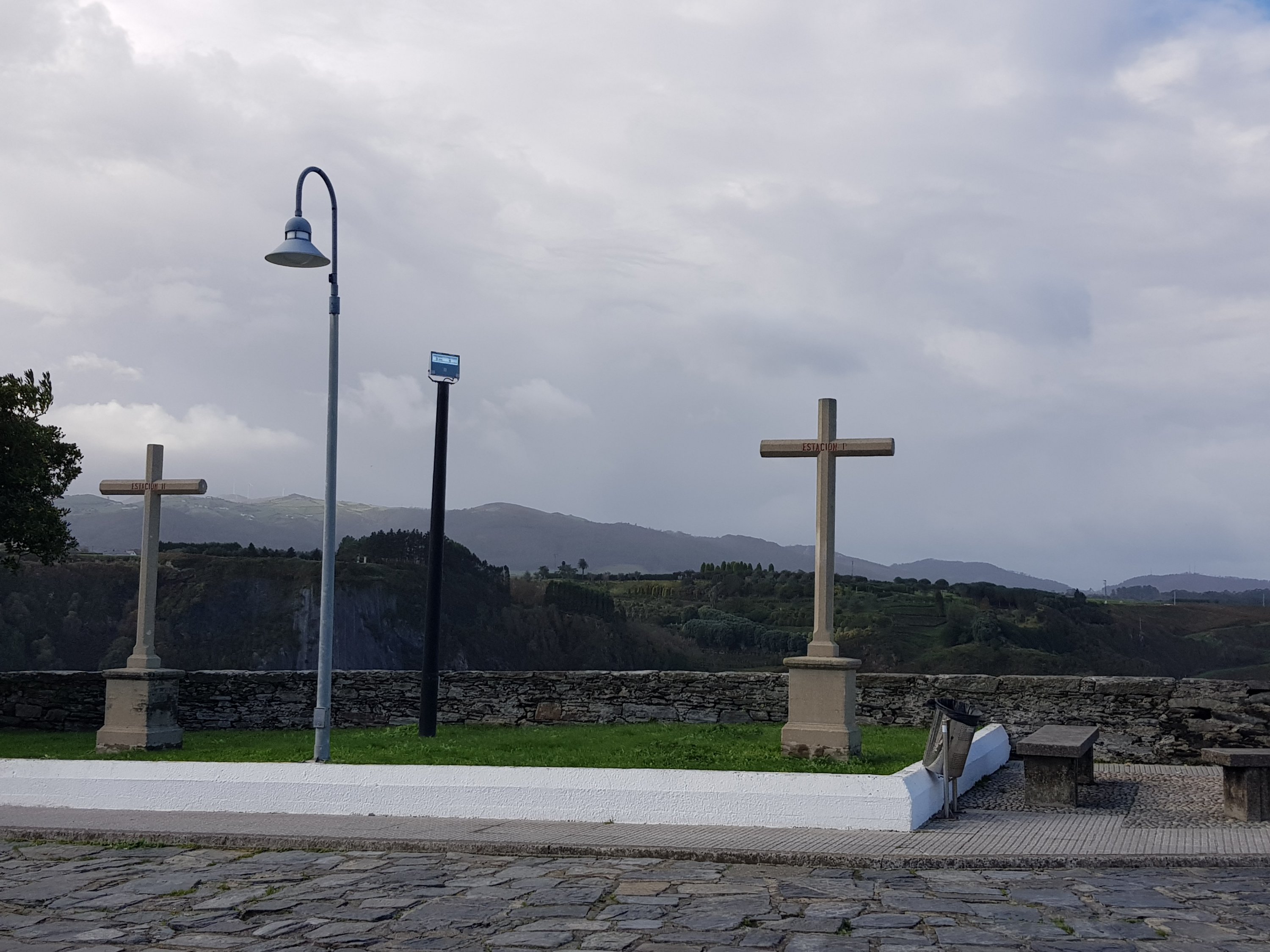
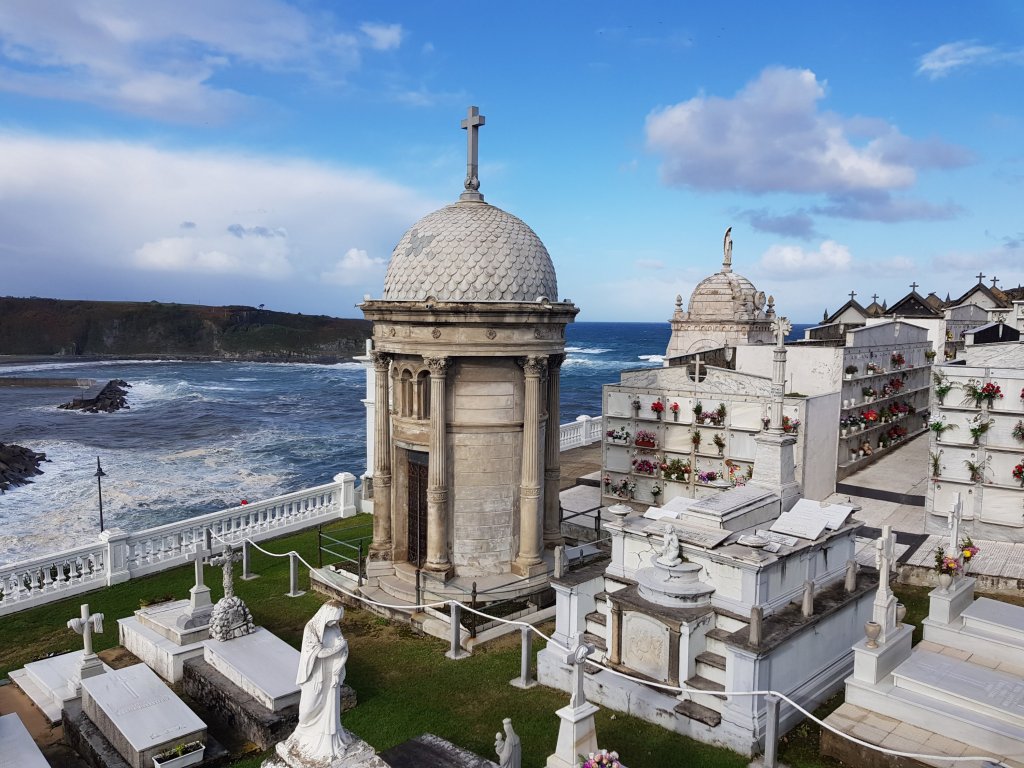
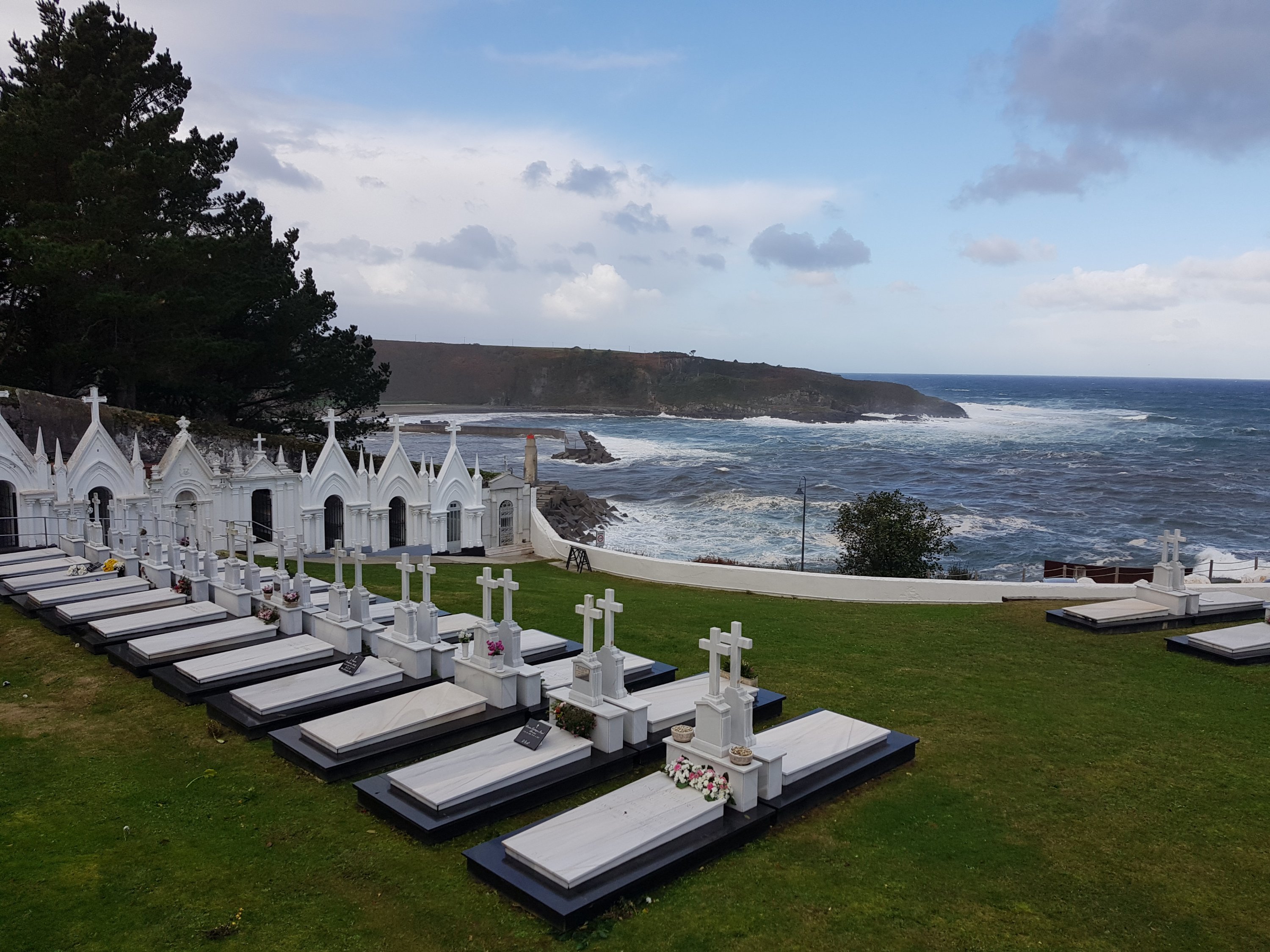
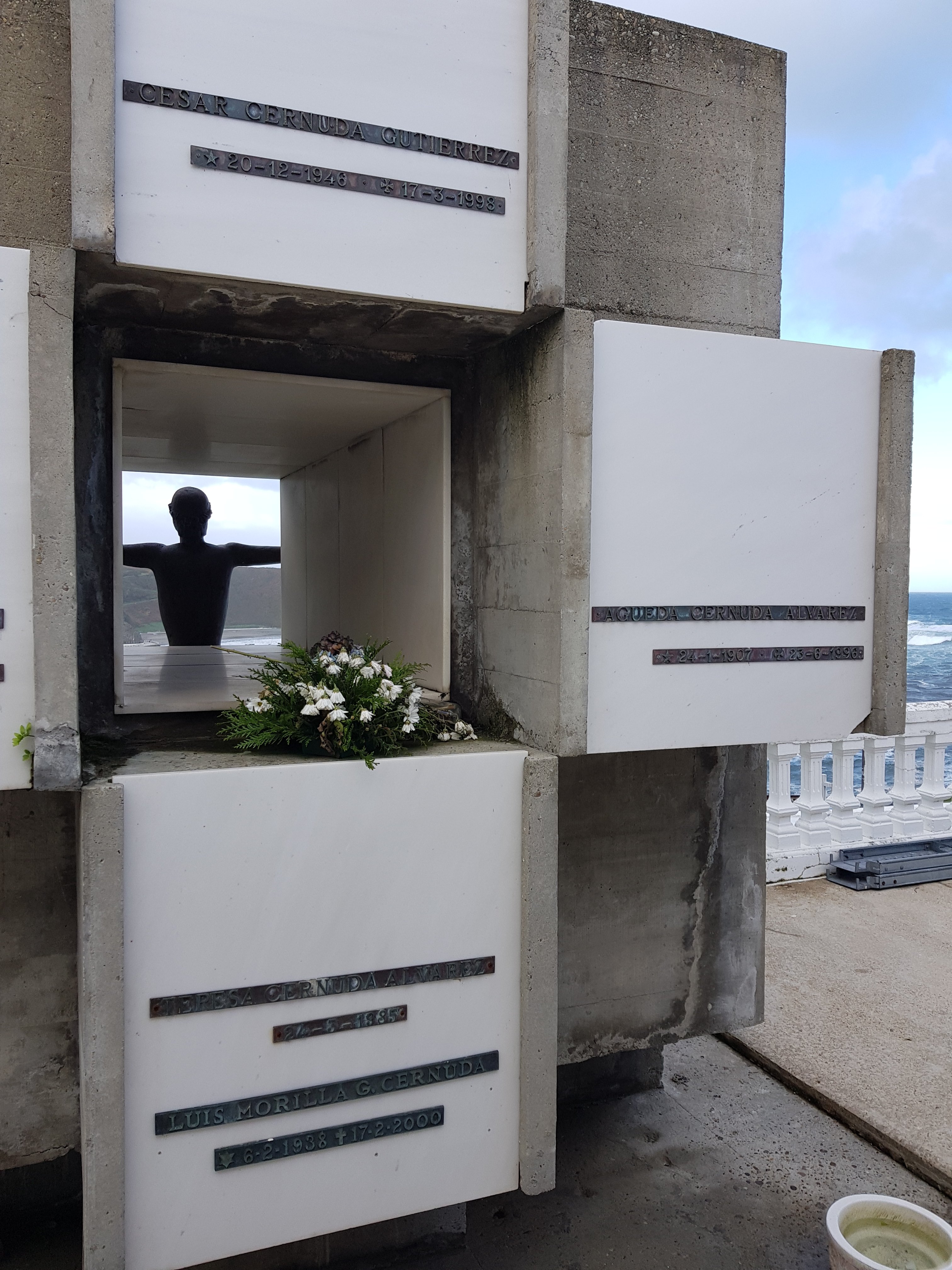
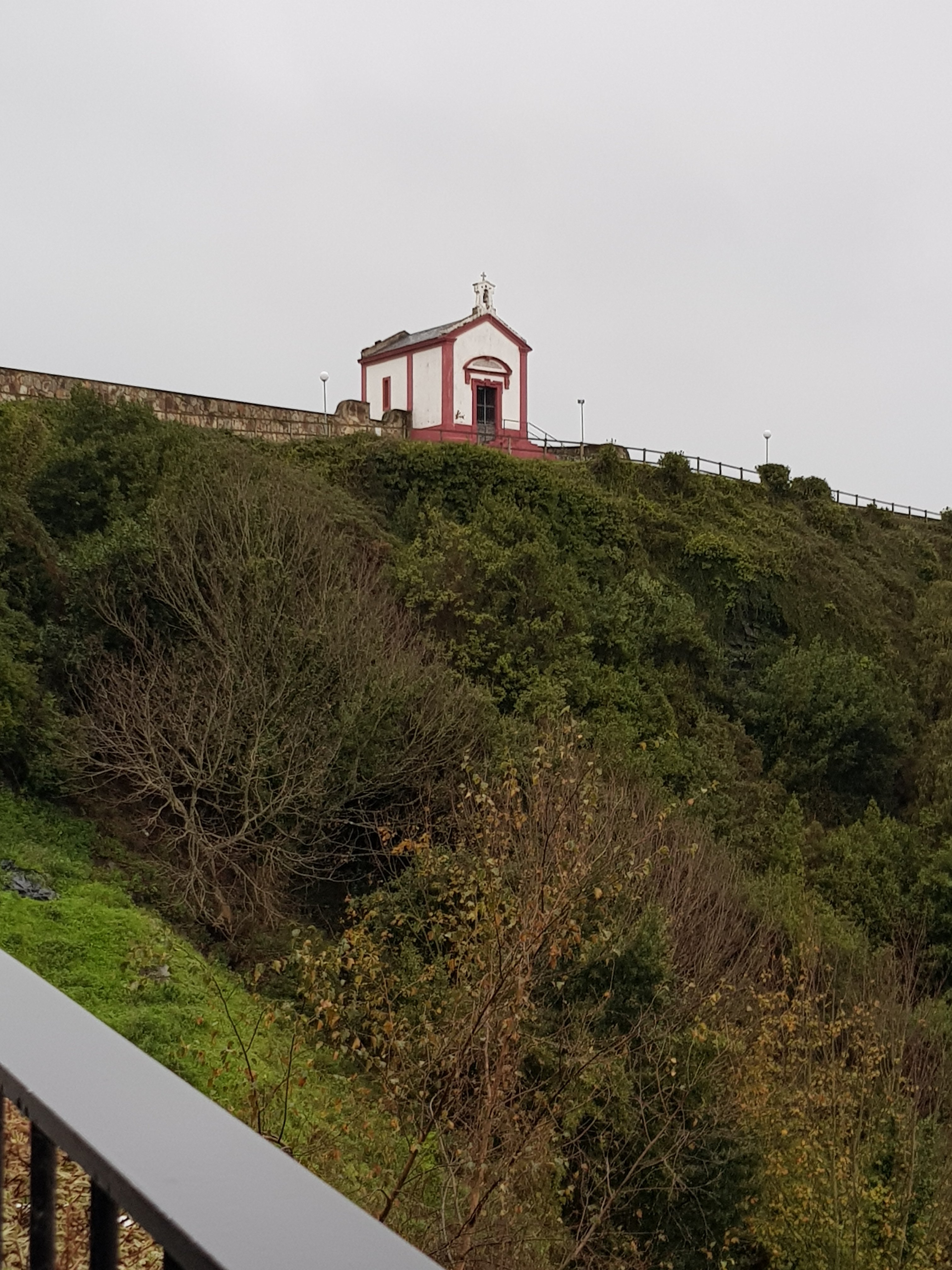
Luarca is a small town which was founded on fishing, especially for whales. The town has a winding river running through its centre and a reasonable amount of bars, restaurants and shops. As you walk through the town, which is full of grand indiano buildings, you are led to the harbour, two beaches and a climb to the lighthouse, cemetery and hermitage.

The hermitage is open to explore, and the cemetery can also be visited, and has some local famous figures within it.

The scenery is lovely, and whilst I was up against strong winds, I did manage to wonder around and look at the sites before the big storm hit! When I could hear thunder, and see snow, I knew the train had been the right decision this day..

The next morning, I headed to Navia. The rain started early and kept on coming, changing from small drops to monsoons without a second to react. I kept myself motivated by singing along to myself ‘hit me with your best shot!’ And it definitely did, when it began to thunder, I started to freak out that I was in the middle of nowhere holding metal sticks!

I pulled myself together and carried on, assuming that I was the only person mad enough to be out here, when another pilgrim appeared behind me.

This peregrino from down under, had managed to leave from Irun a week after me and was now overtaking me! Bit embarrassing… After walking together for an hour though I realised he had been doubling up trail lengths each day, not taken any rest days and was not stopping to look at things. Whilst I may end up being the last pilgrim of 2021, I still think slow and steady is a better experience. I do hope I’m home for Christmas though…

The arrival in Navia was met with a big smile from me, and in the pouring rain, and frozen to the core, I arrived at my hotel. Navia is a reasonable sized town and the hotel I stayed in was pleasant. One cheeseburger, and a warm bath later, and all was restored.

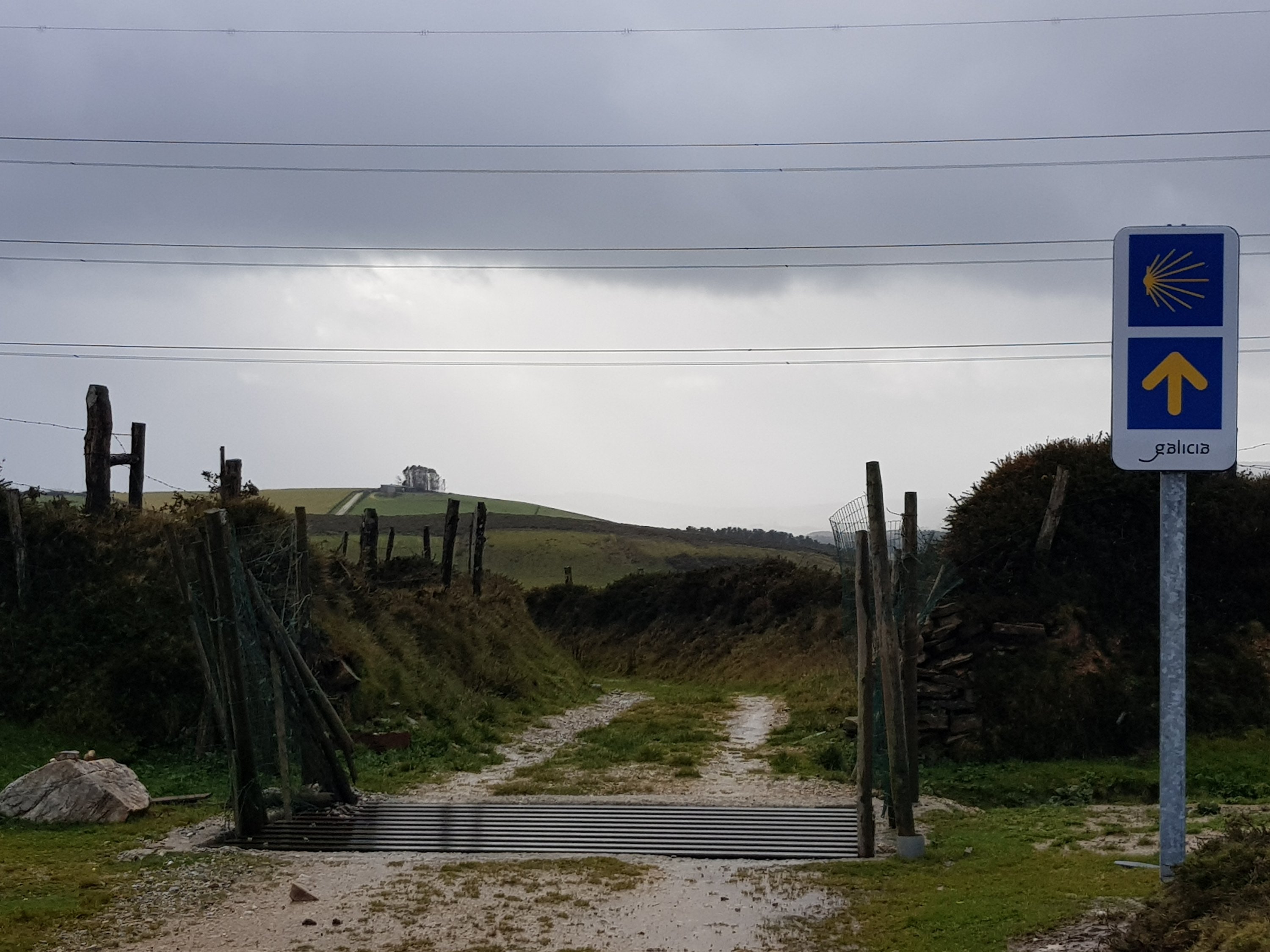
The next day was a big one, about 33km to Ribadeo, and into the final region of my camino, Galicia. It feels like forever that I have dreamed of standing in front of that beautiful Galicia sign. A sign that I have travelled over 600km and I am almost there!

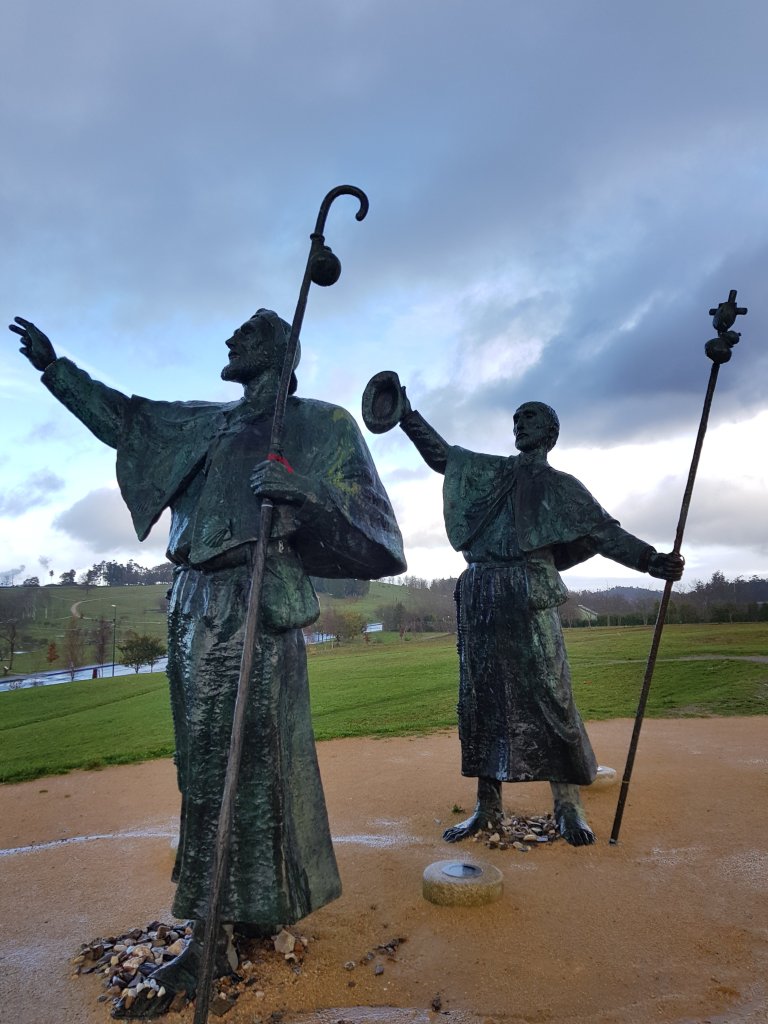
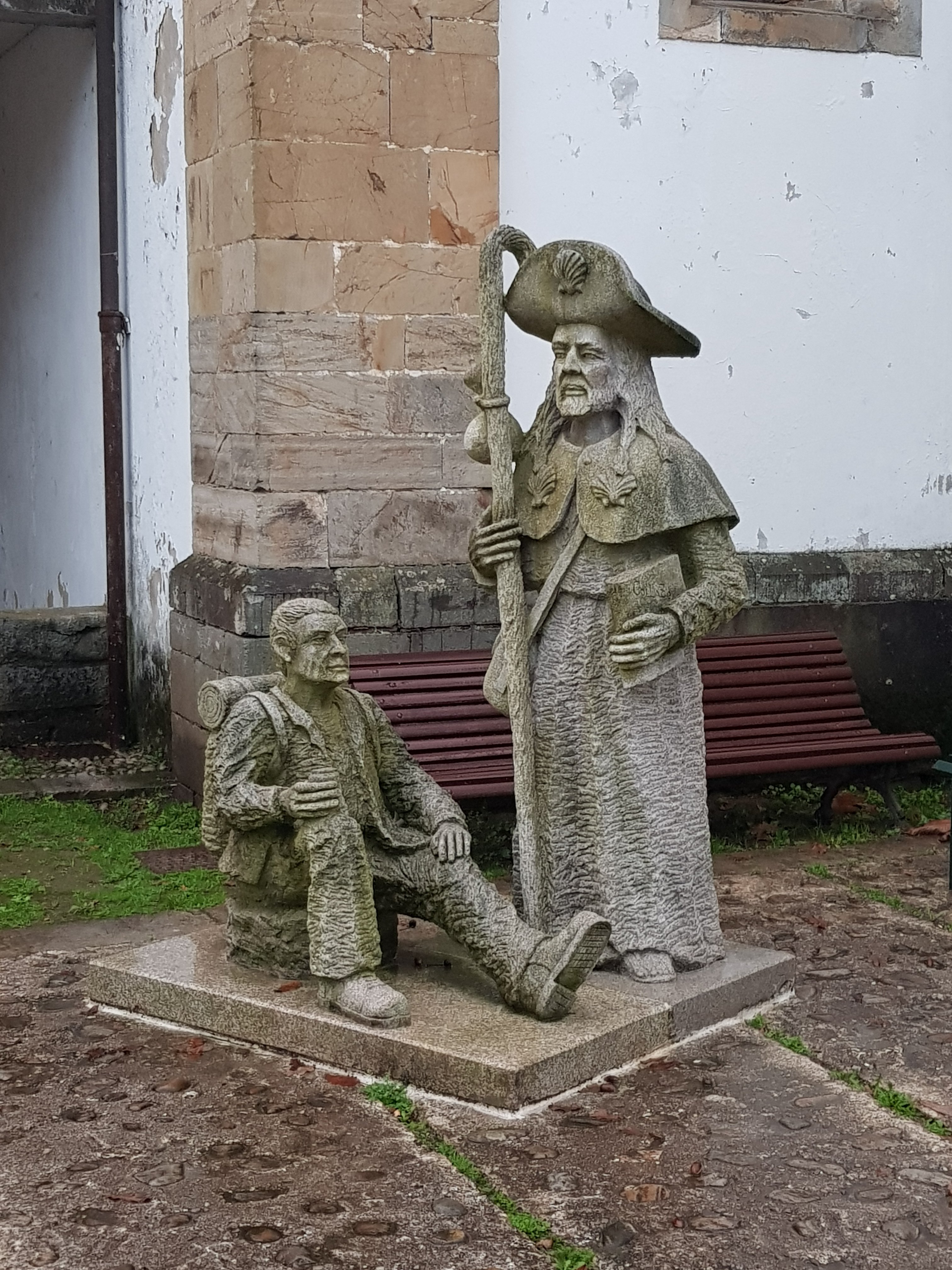
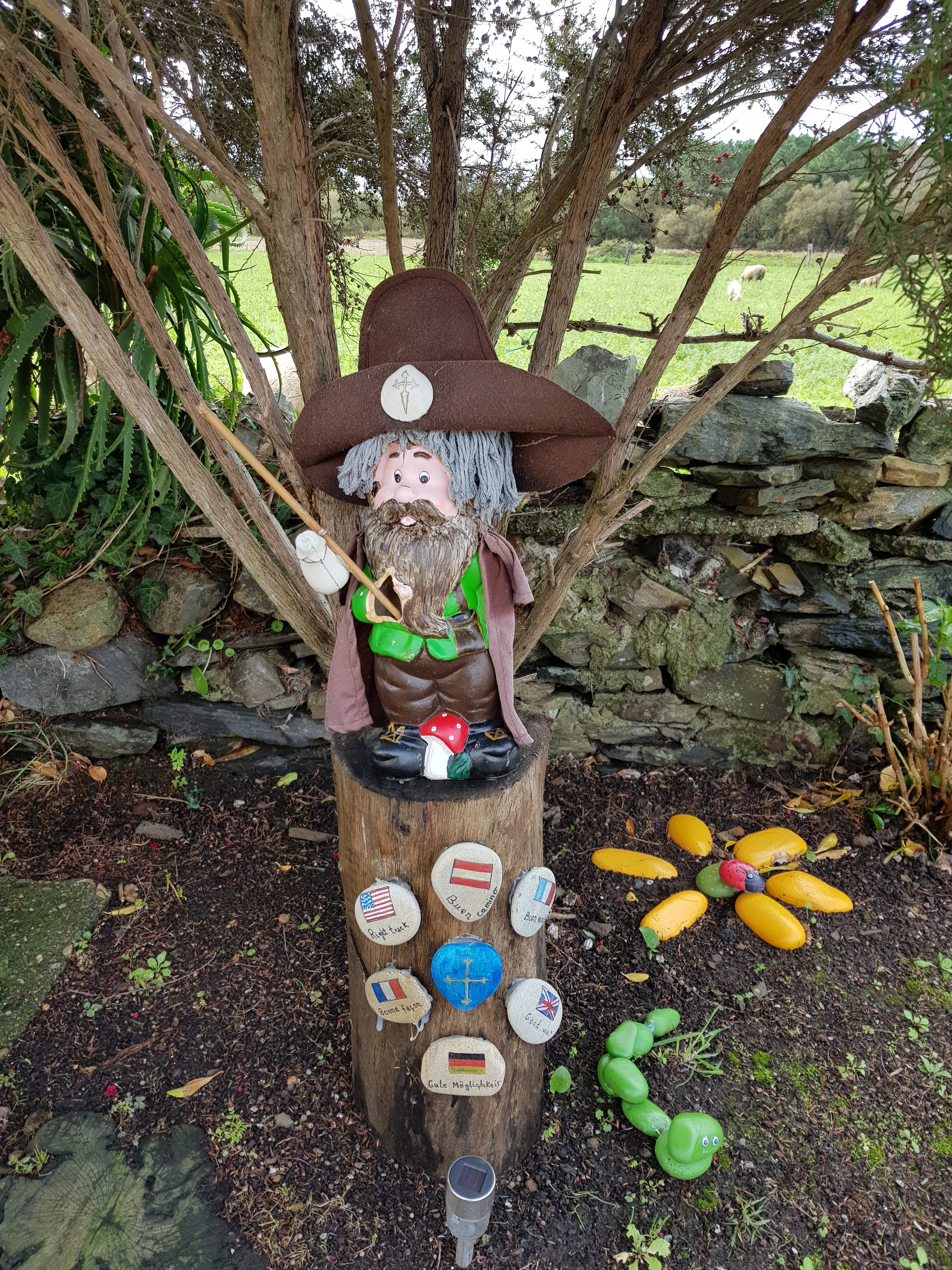
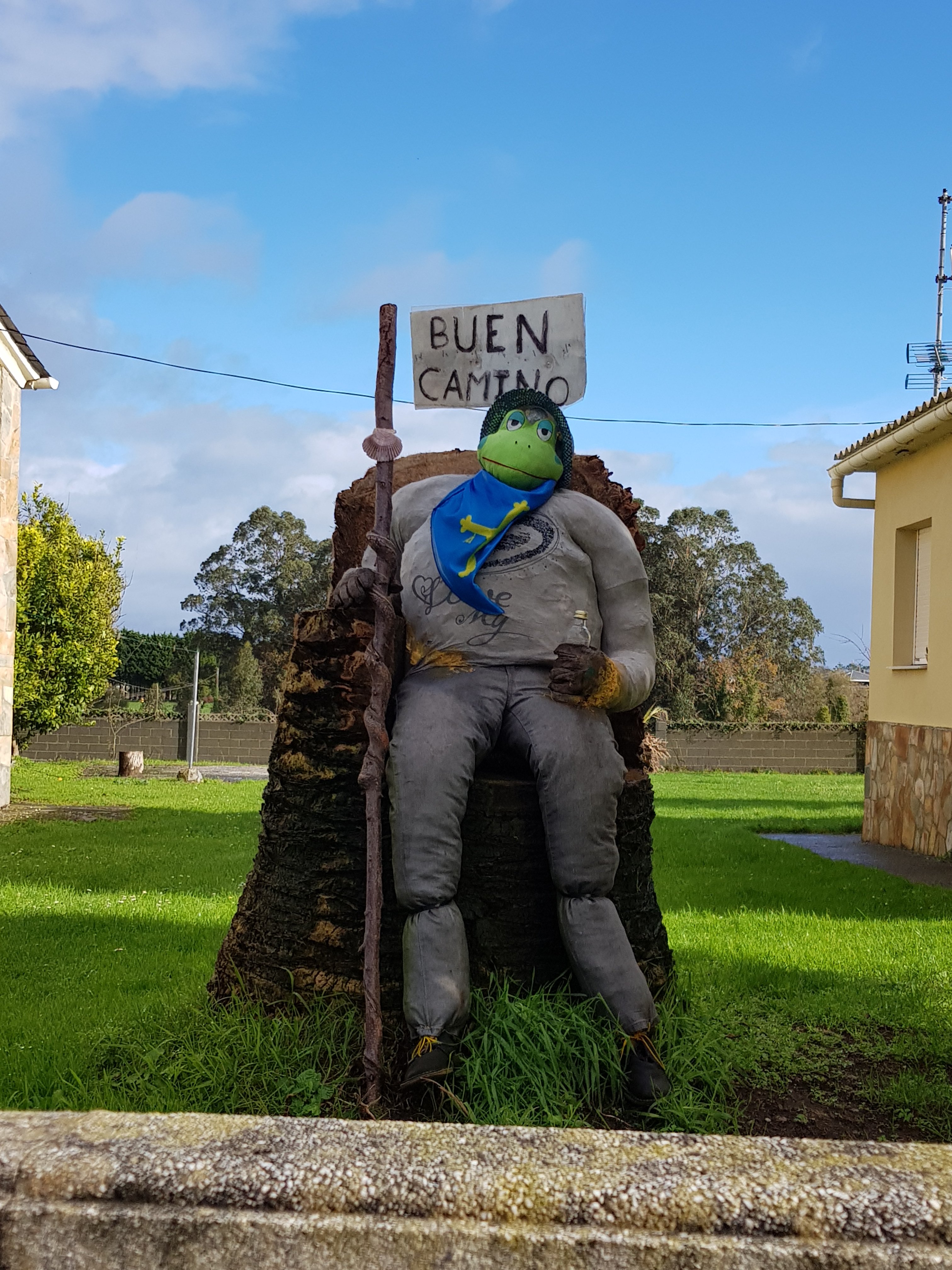
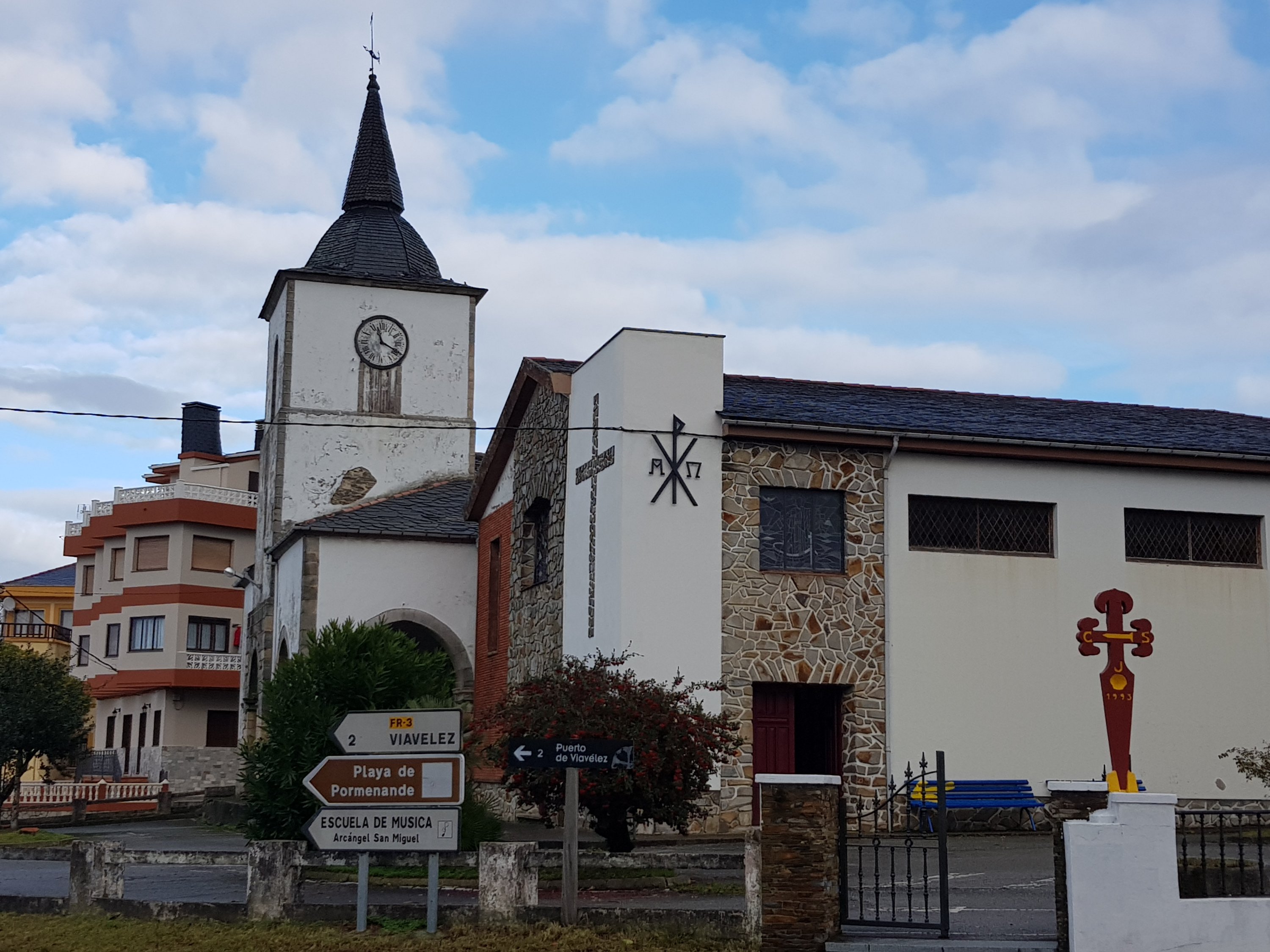
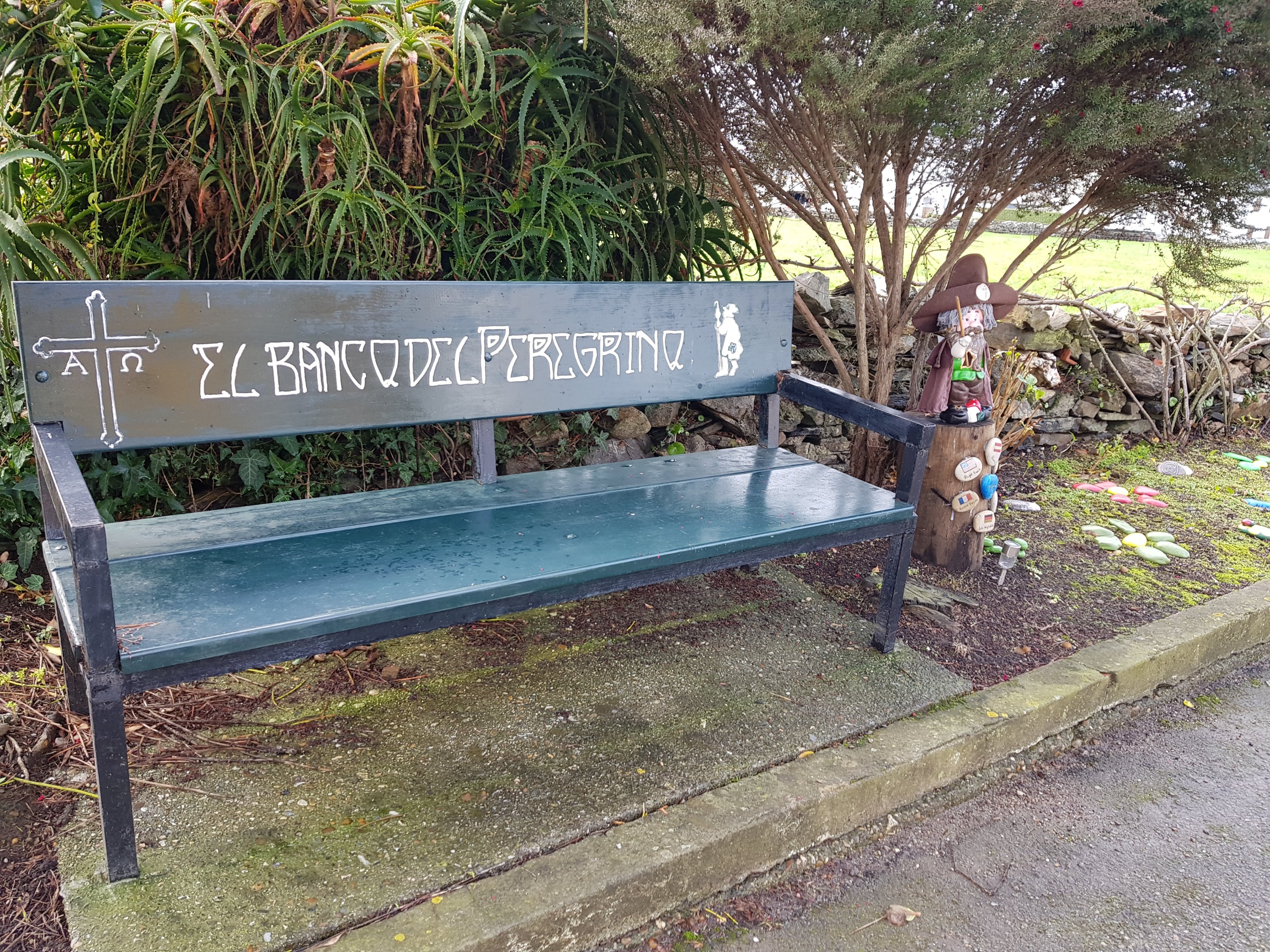
I walked from sunrise to sunset, and the day started with the rain but by the afternoon there was some sunshine. There was also plenty of uplifting camino related signs, statues, and artworks. The day covered a mix of landscape; some forest but mostly road.

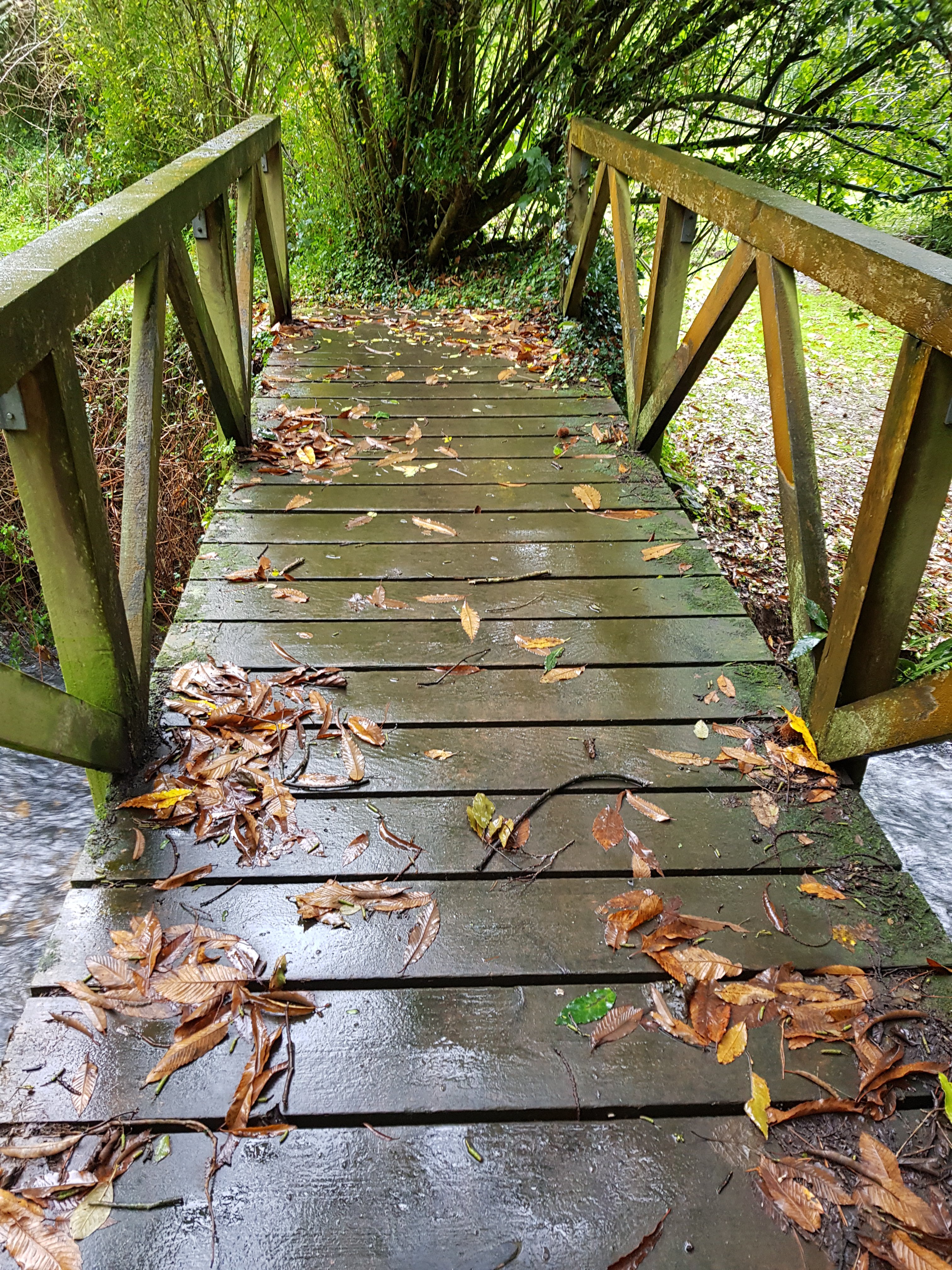
I did have a very natural river experience, when the river had overflowed the footbridge. I had to take my shoes off and cross bare footed. It was freezing, but fun!

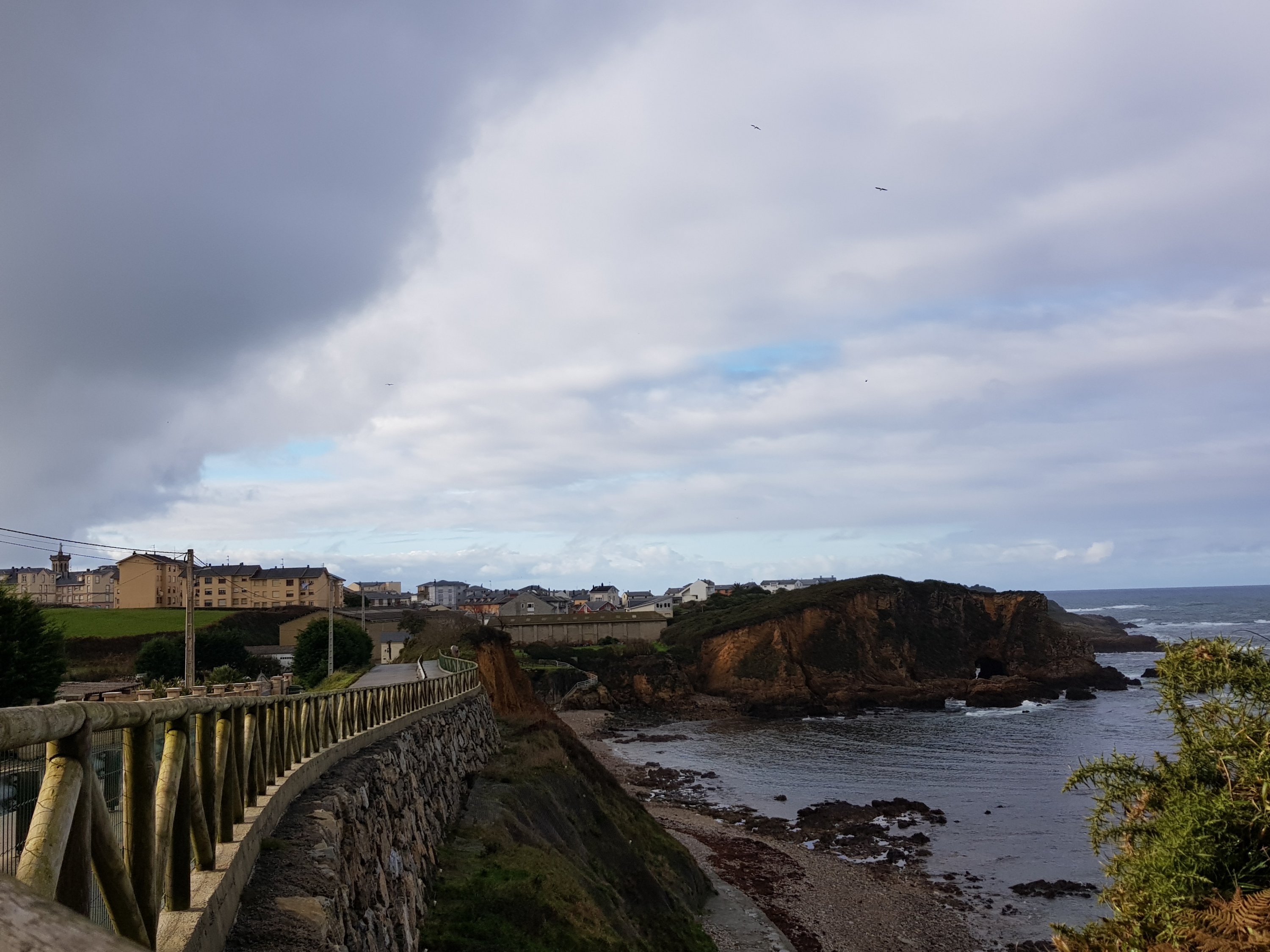
At one point, I was given a choice of two routes, an inland one, and a coastal route. I chose the coast, so I had something to distract me from my ongoing pains, and because now I spend a lot of time trying to read the sky for clues of what direction the clouds will blow. It looked clear that way.

I made the right choice! I had 360′ views of nearly clear skies, with the ocean on one side and mountains on the other. This really was a nice surprise.

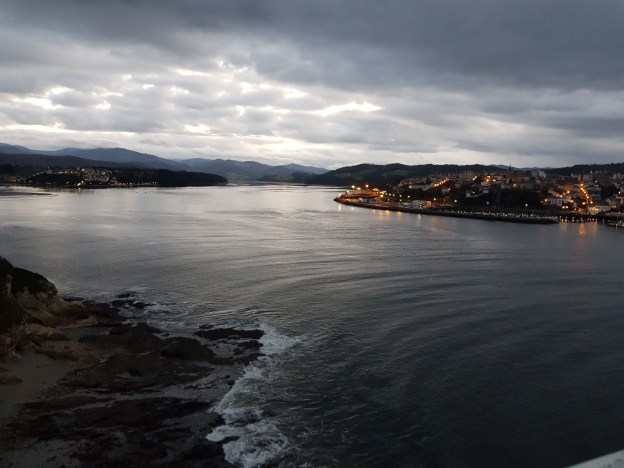
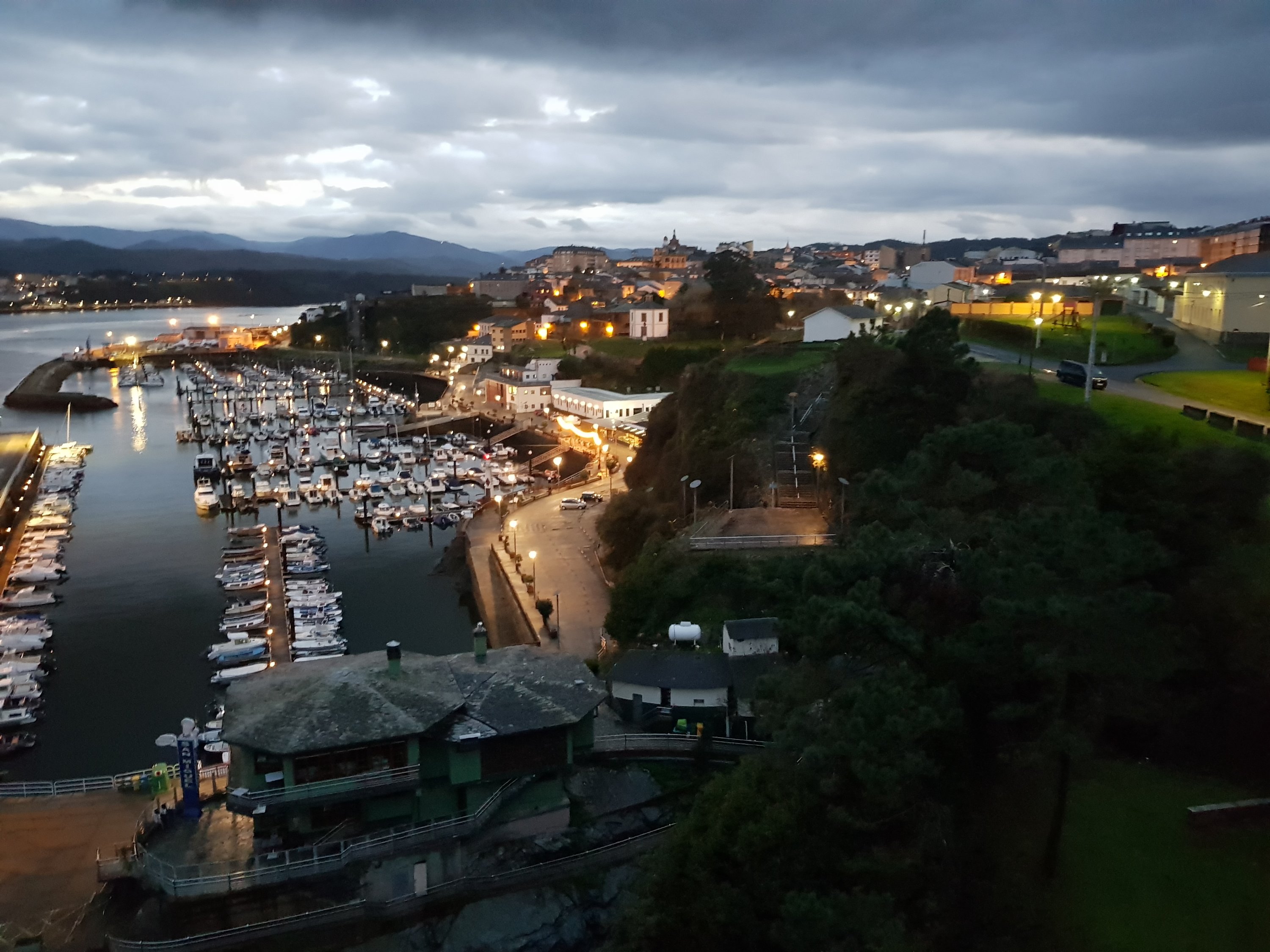
After 10 hours on the road I had to really push myself to make it over the bridge into Ribadeo as the night sky rolled in, and it began to rain again. The bridge is massive, and the views of the city are stunning, especially lit up at night. Then I got to the other side and finally saw the Galicia sign… and gave myself a big pat on the back.

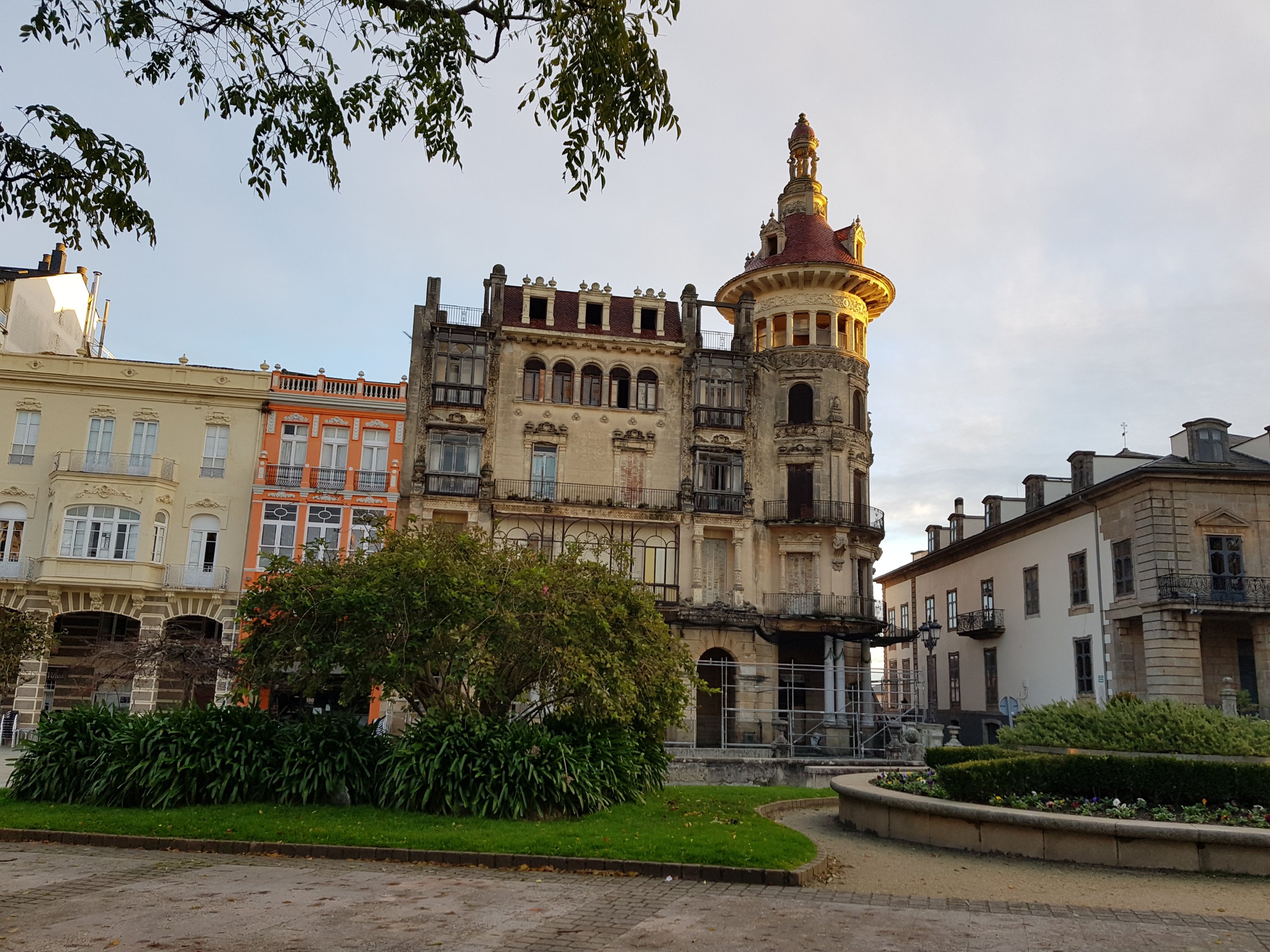
Ribadeo is a must see stop, as it has lots of services and shops, and some gorgeous buildings.

The next morning, my body felt ruined, everything hurt and my foot was inflamed. I was facing another 10 hour walk, and there was no way I could do it. It was a sunny day, and I did not want to waste it or fall more behind. I spent some time in the nun’s convent praying for strength, visited the pharmacy for more ibuprofen, and took the one daily bus part of the way to Lourenzá.

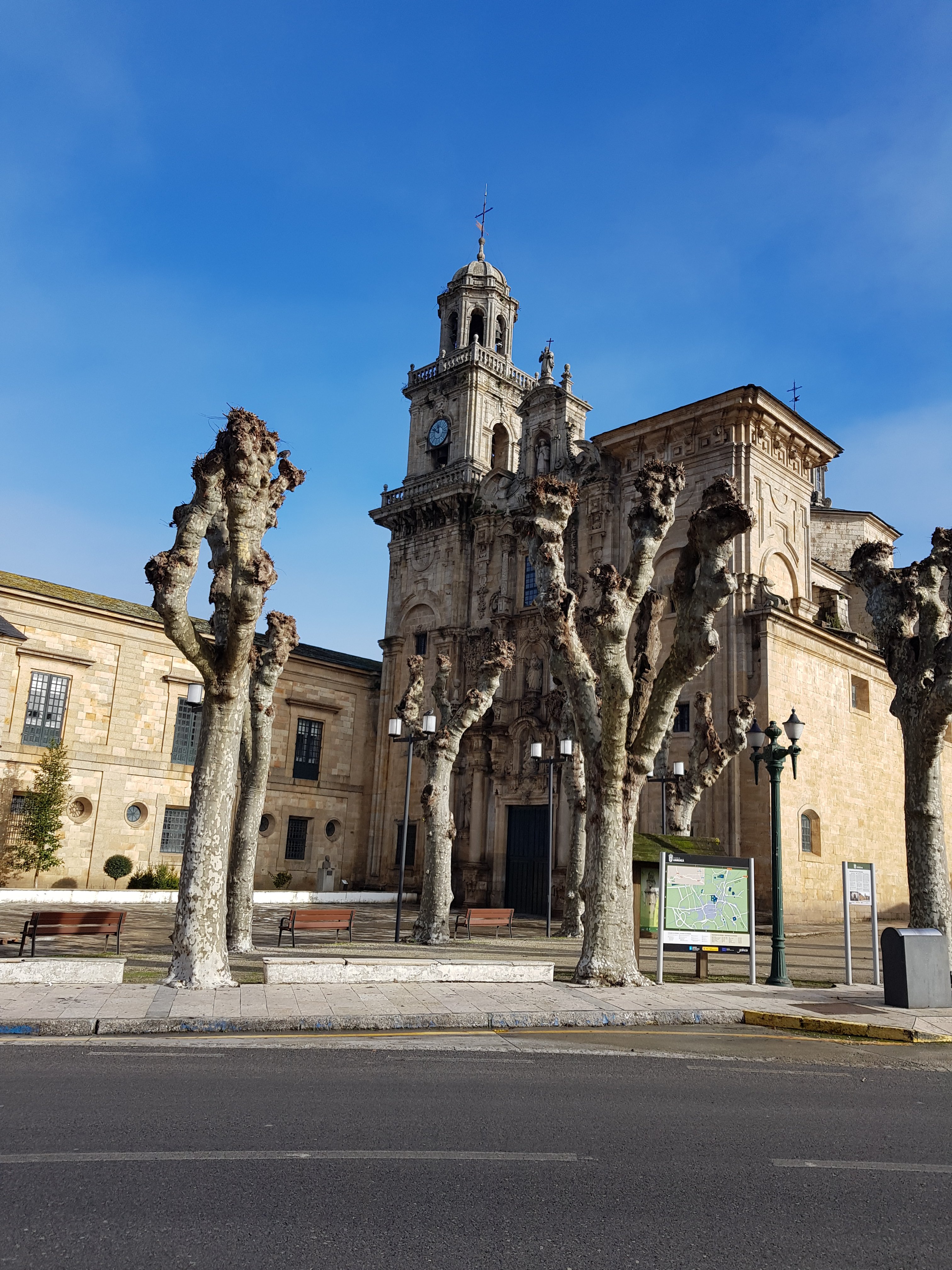
I stopped here for a few hours and took a look around the outside of the gorgeous monastery which unfortunately was closed. I had some octopus and bread, and I walked a short 4km through forest to a nearby country lodge to rest my injuries. A while later that day, the Aussie stumbled in, and I was shocked to see that he wasn’t days ahead. It turned out, he had worked too hard, and was suffering with an injury now as well. There is no getting out of this walk unscathed!

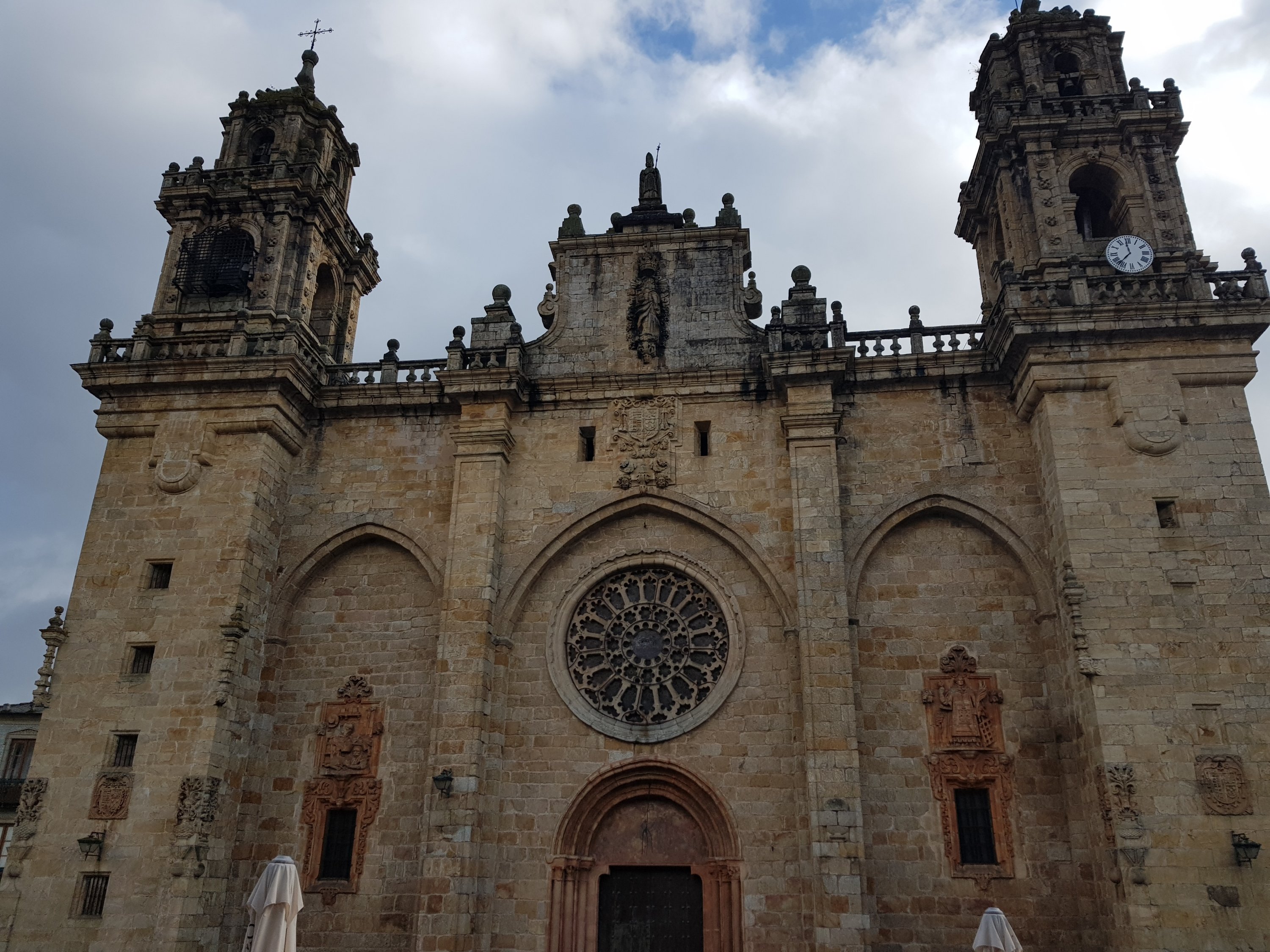
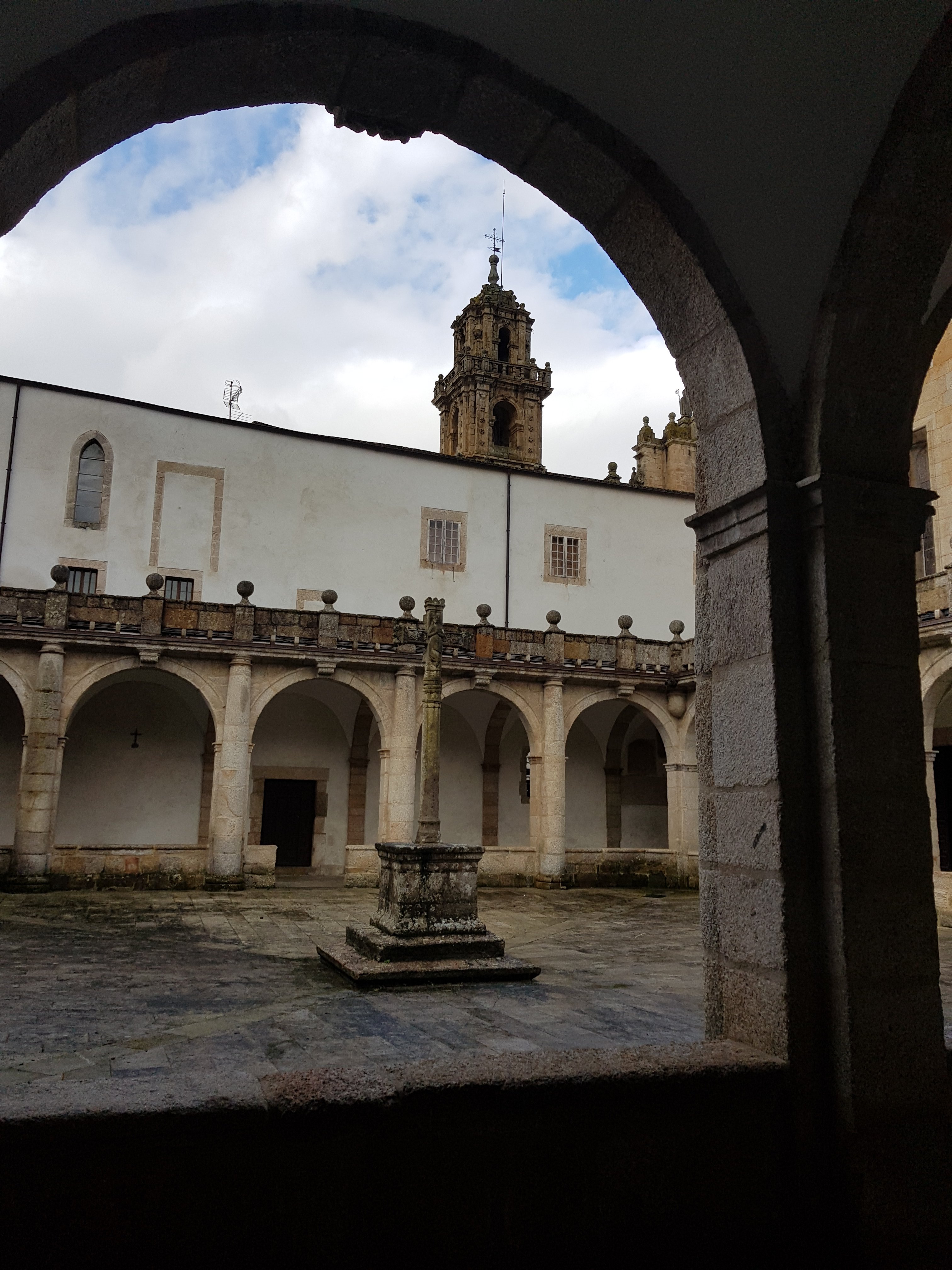
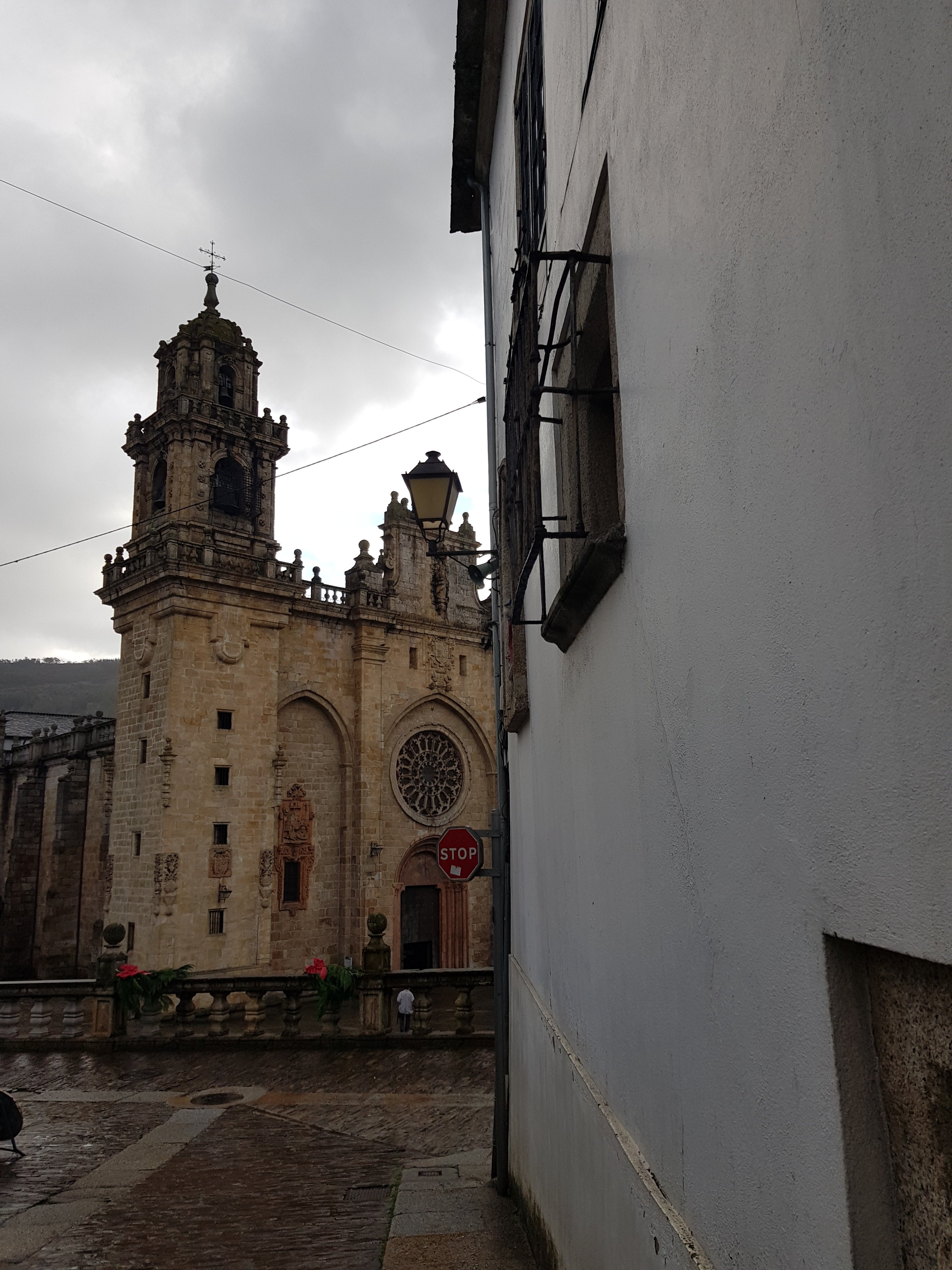
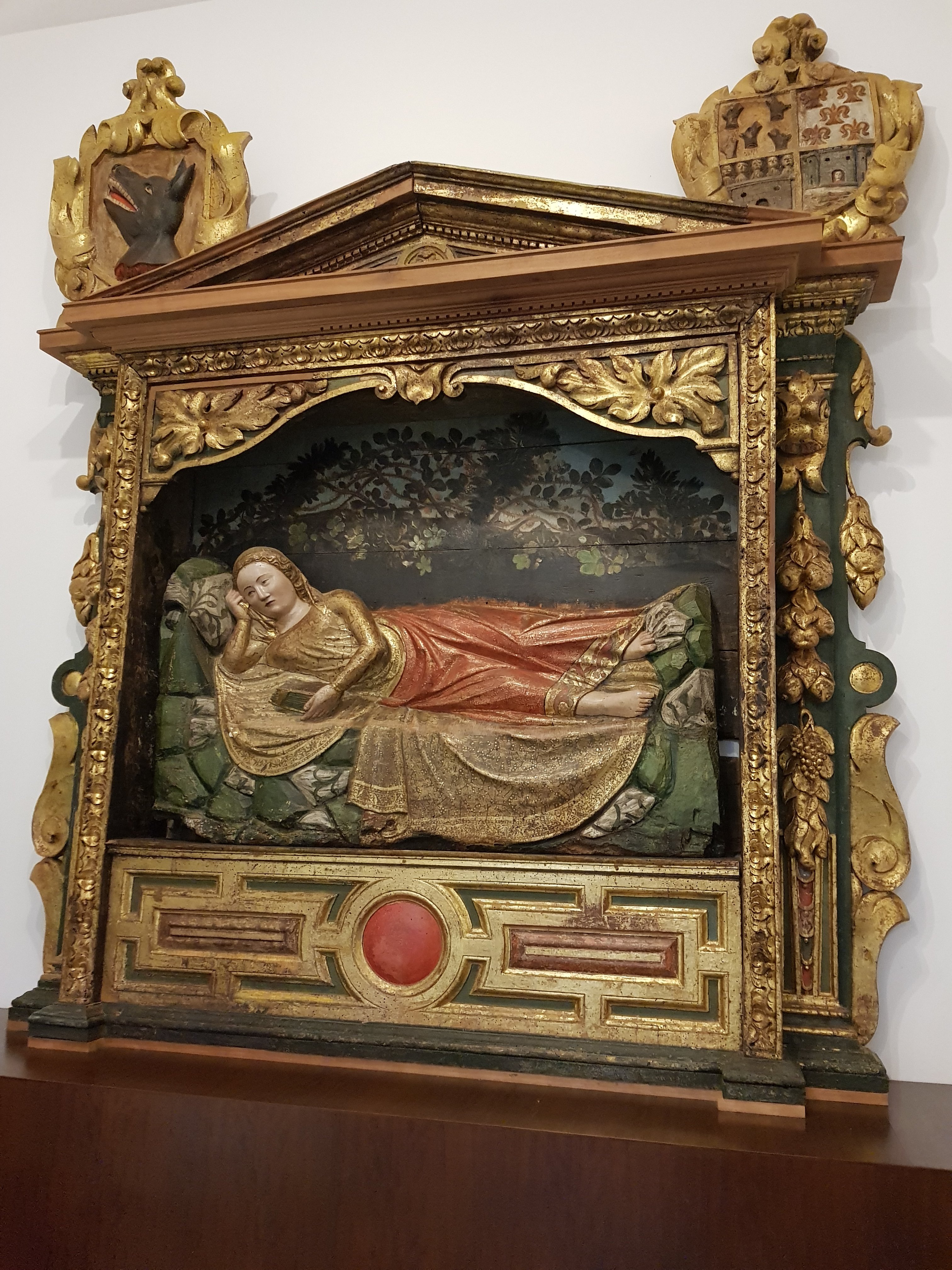
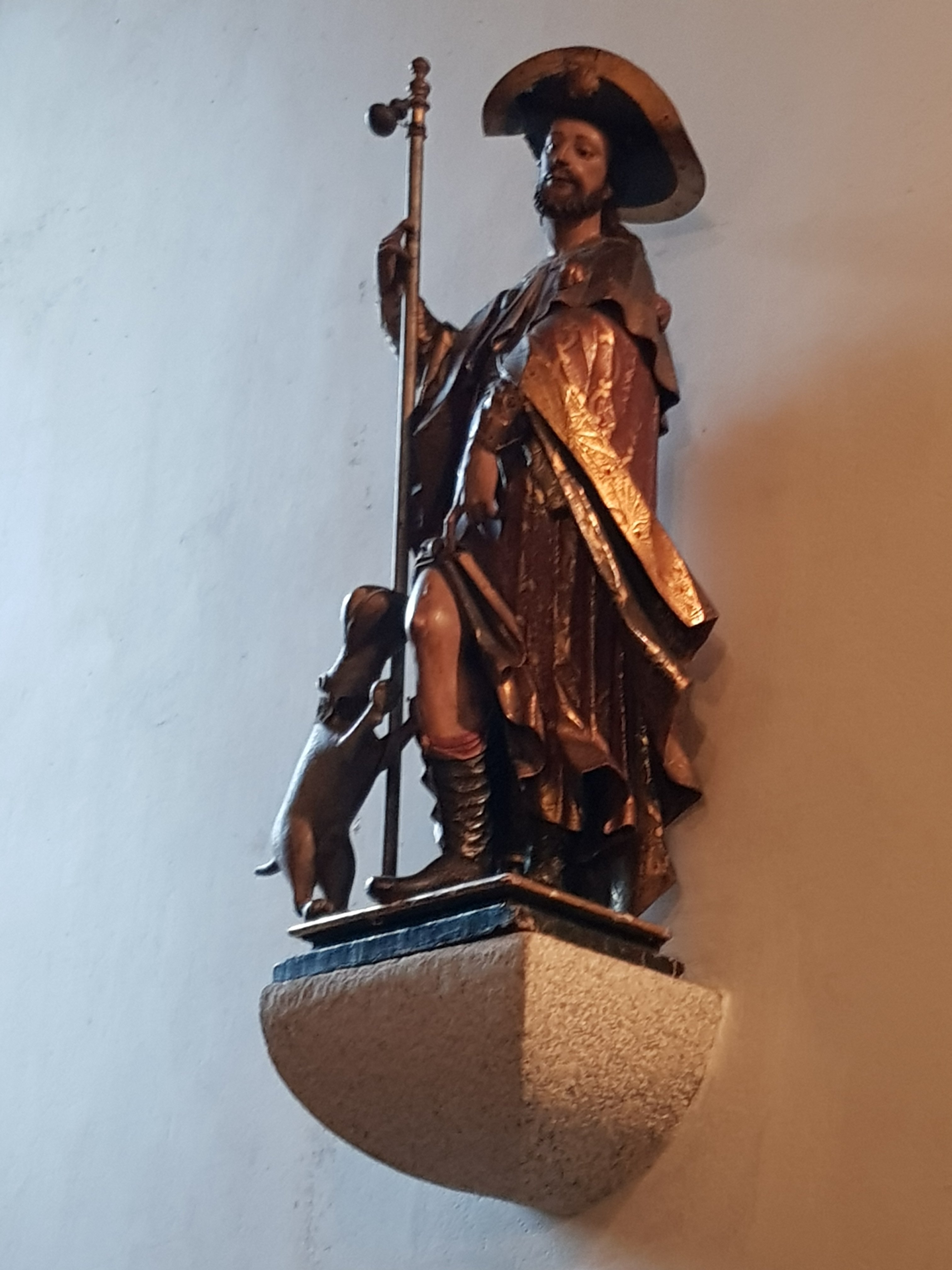
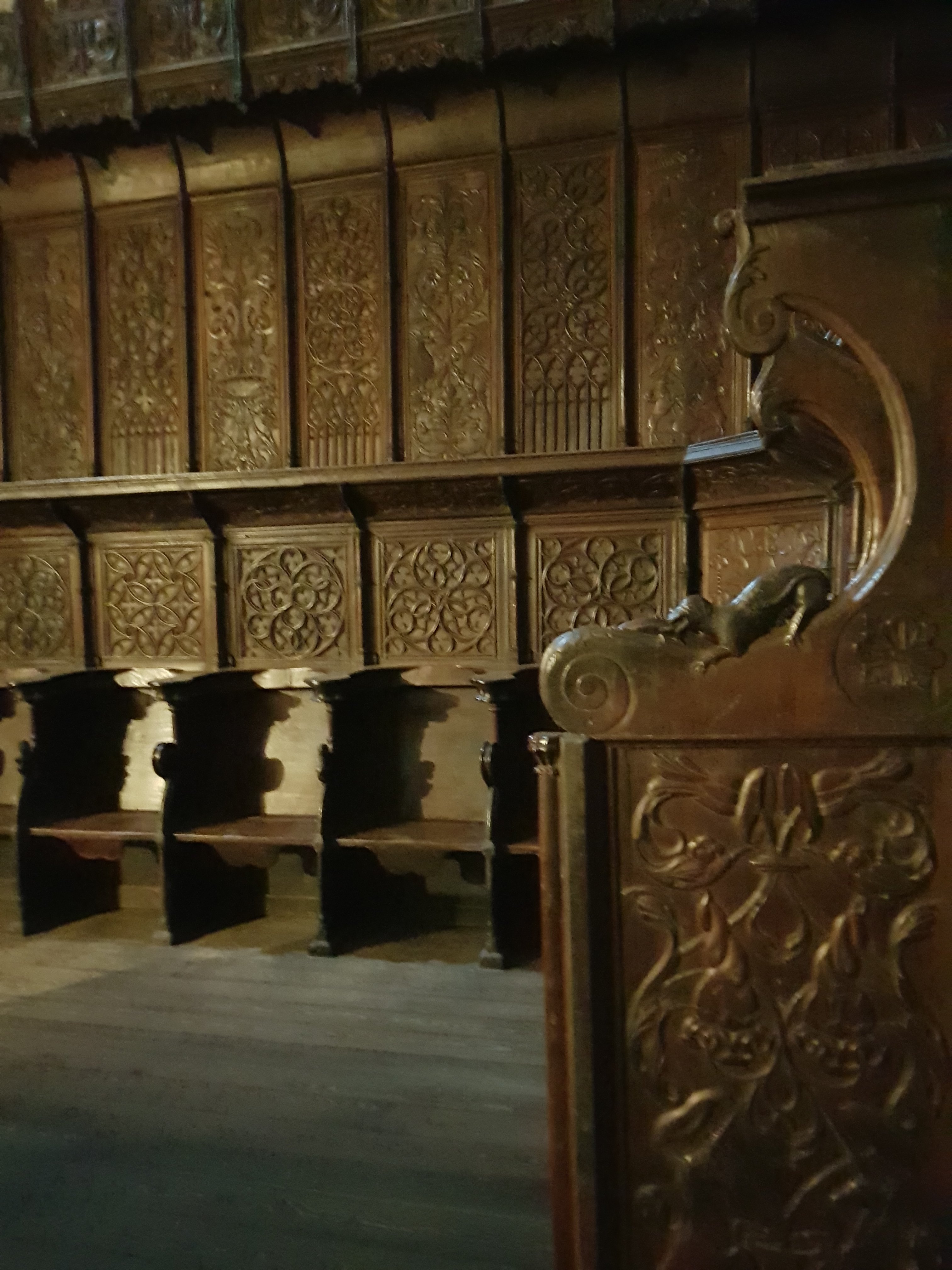
The next day was supposed to be an easy 18km. The rain kept coming but I made it to my first stop in Mondenedo, this little city has a cathedral, that I was keen to visit. It was 3 euros to enter but did include an audio guide. The cathedral has a strange layout following many extensions, it has three naves, a chapel in the center, a small cloisters and a small museum inside. It is worth a visit, as the art work and choir in particular are lovely.

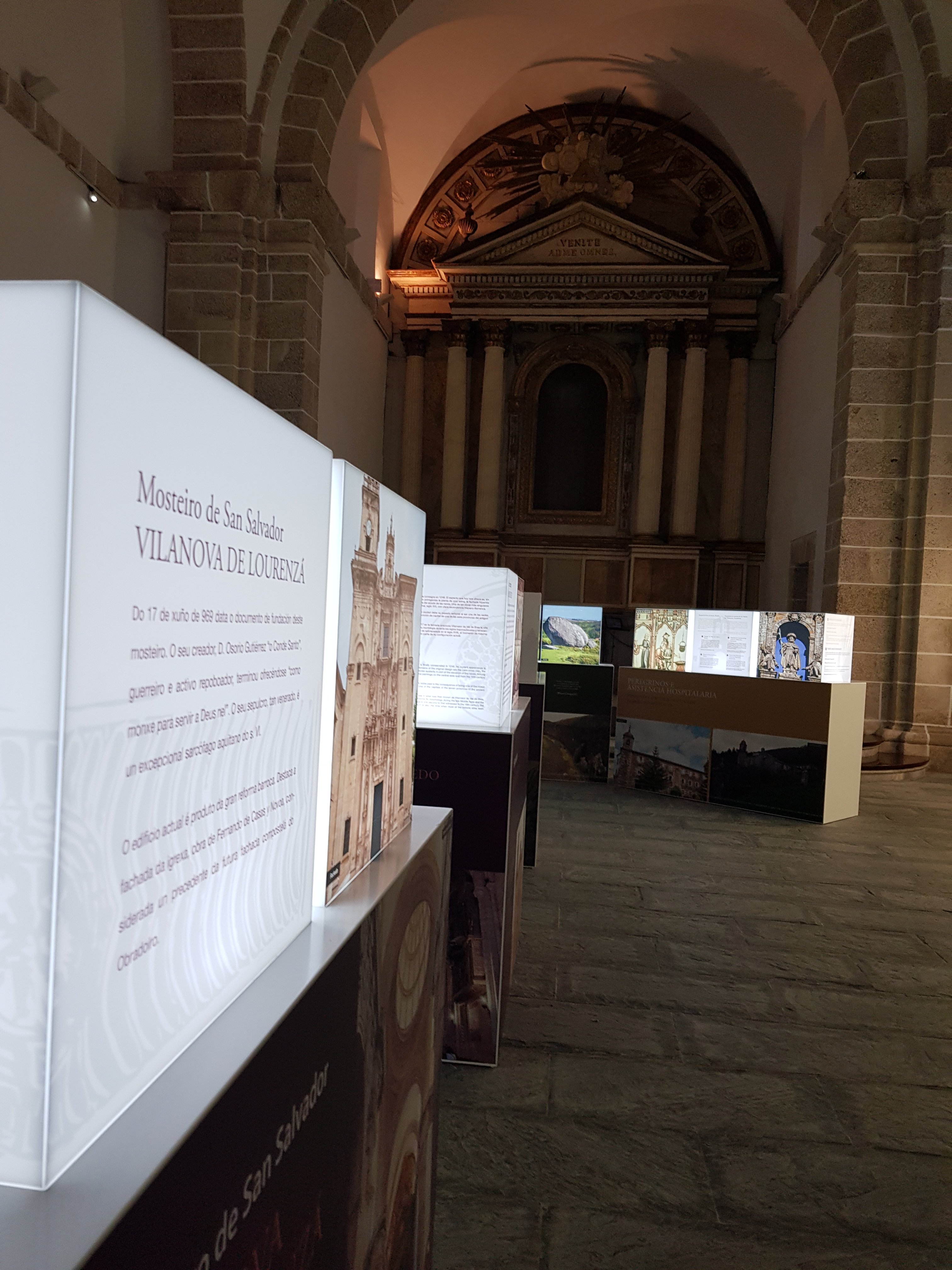
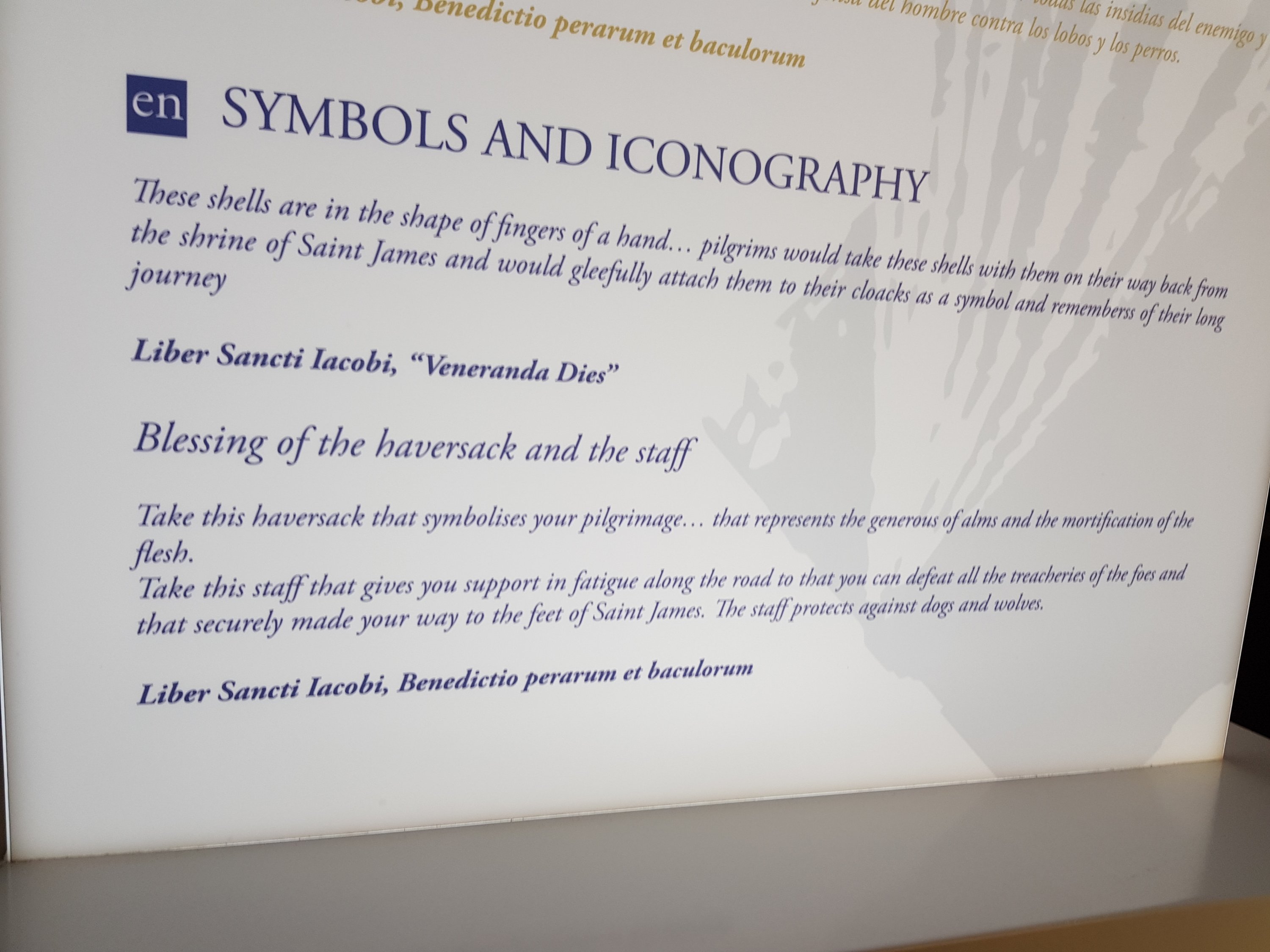
The city has a few other historical buildings, and an exhibition about Camino del Norte inside an old church. The man looking after it was very chatty and helped me to consider my next stages of the walk. He also warned me of an upcoming bank holiday when all the shops will be shut. The exhibition itself was quite interesting focused on the upcoming locations on the walk, within Galicia.

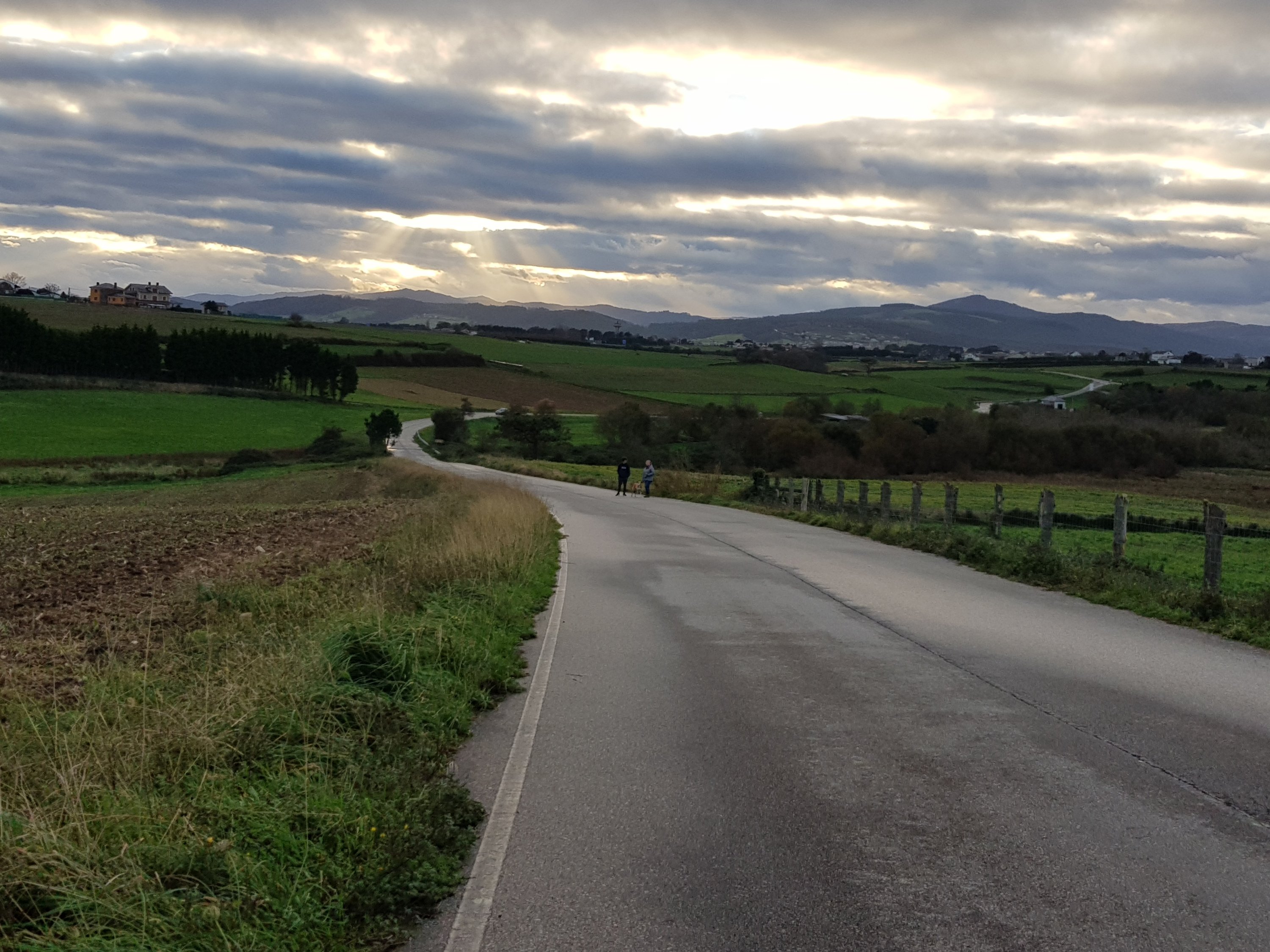
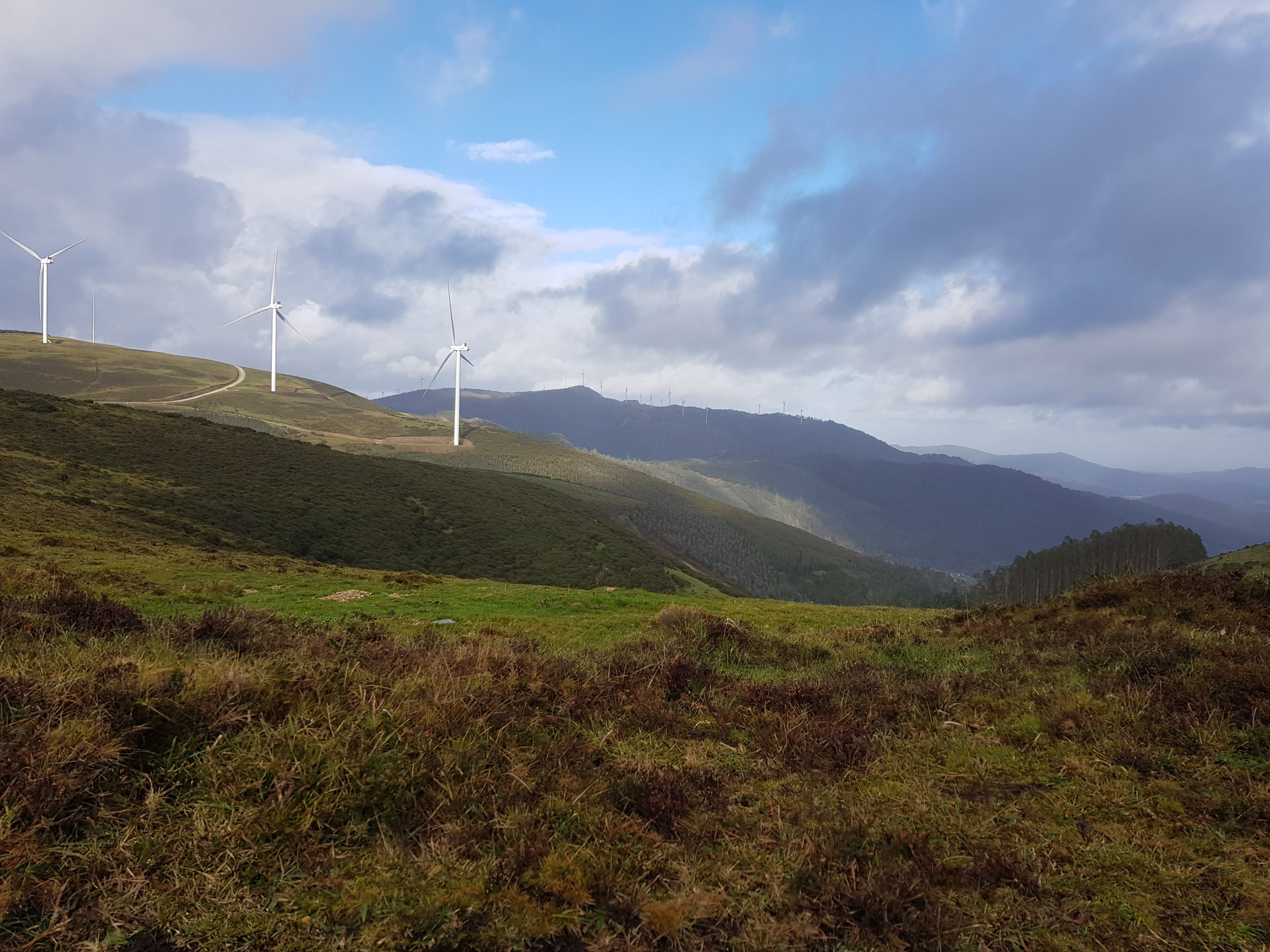
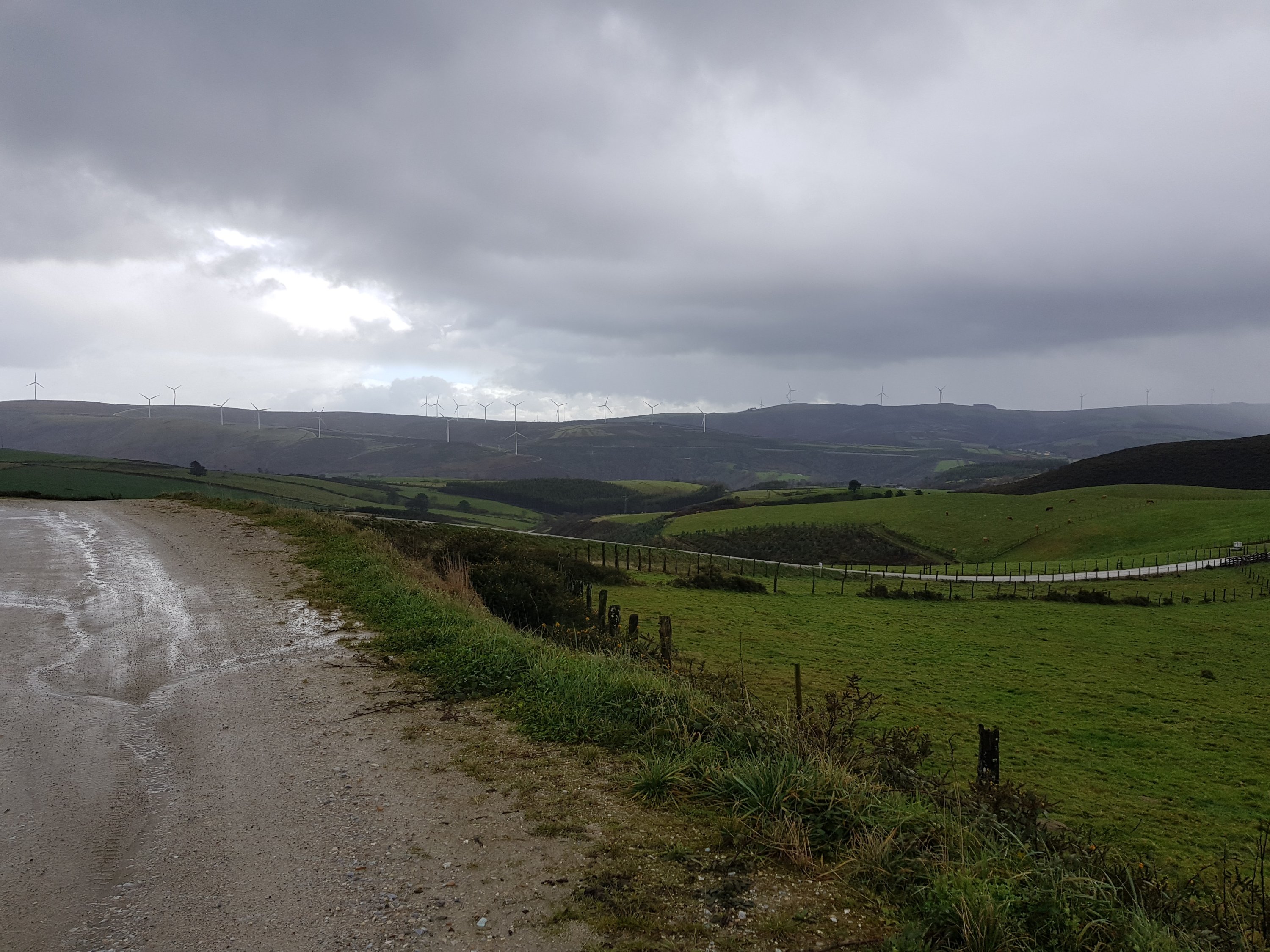
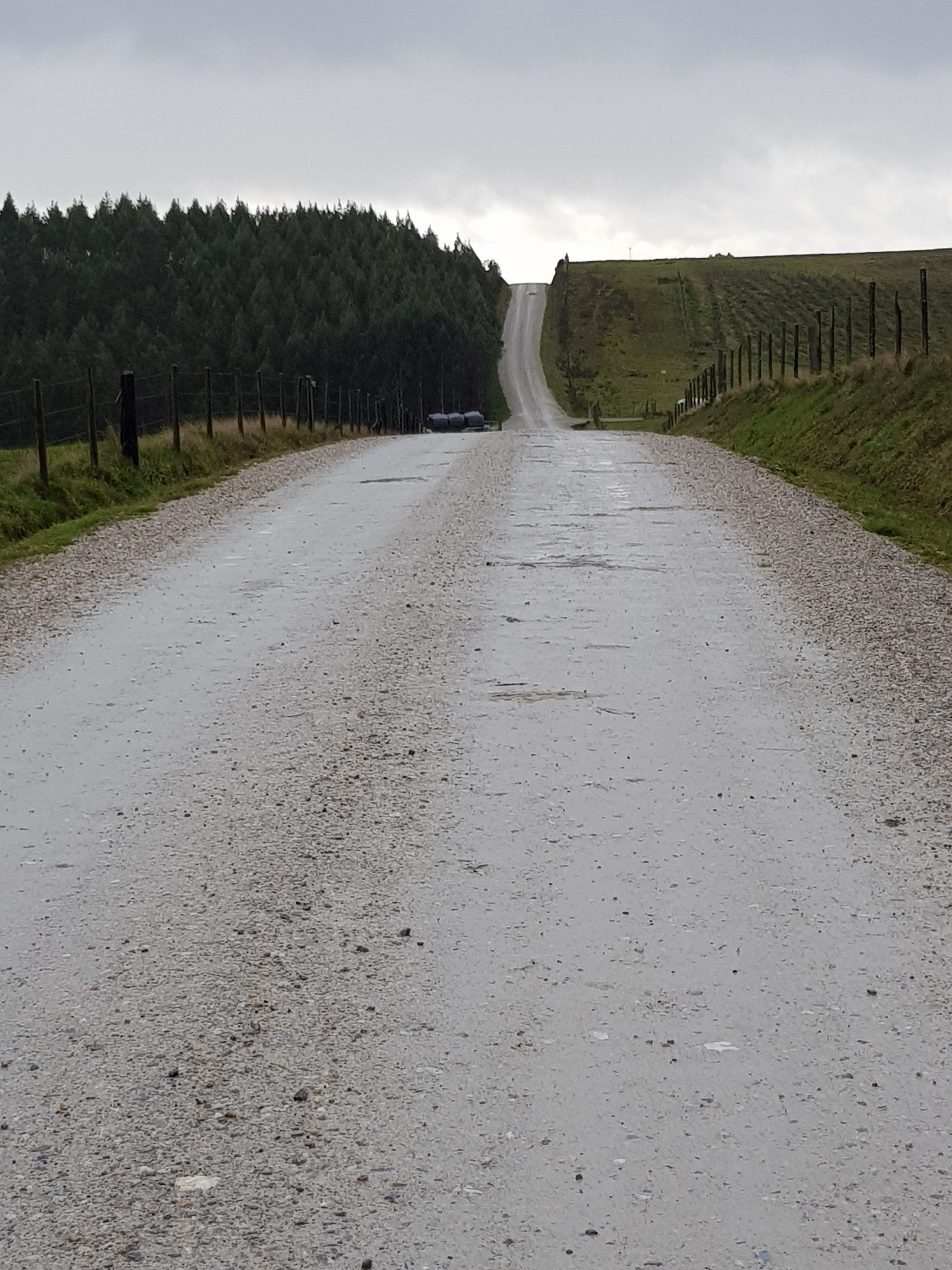
Once I had walked out of Mondenedo, I began a very long and vertical ascent. This eventually took me to the other side of forest, and I then walked about 10km through farmland. There are no services here, just me, the cows and two horses that took a run at me! I was entirely soaked, but singing along to my motivational playlist, which helped.

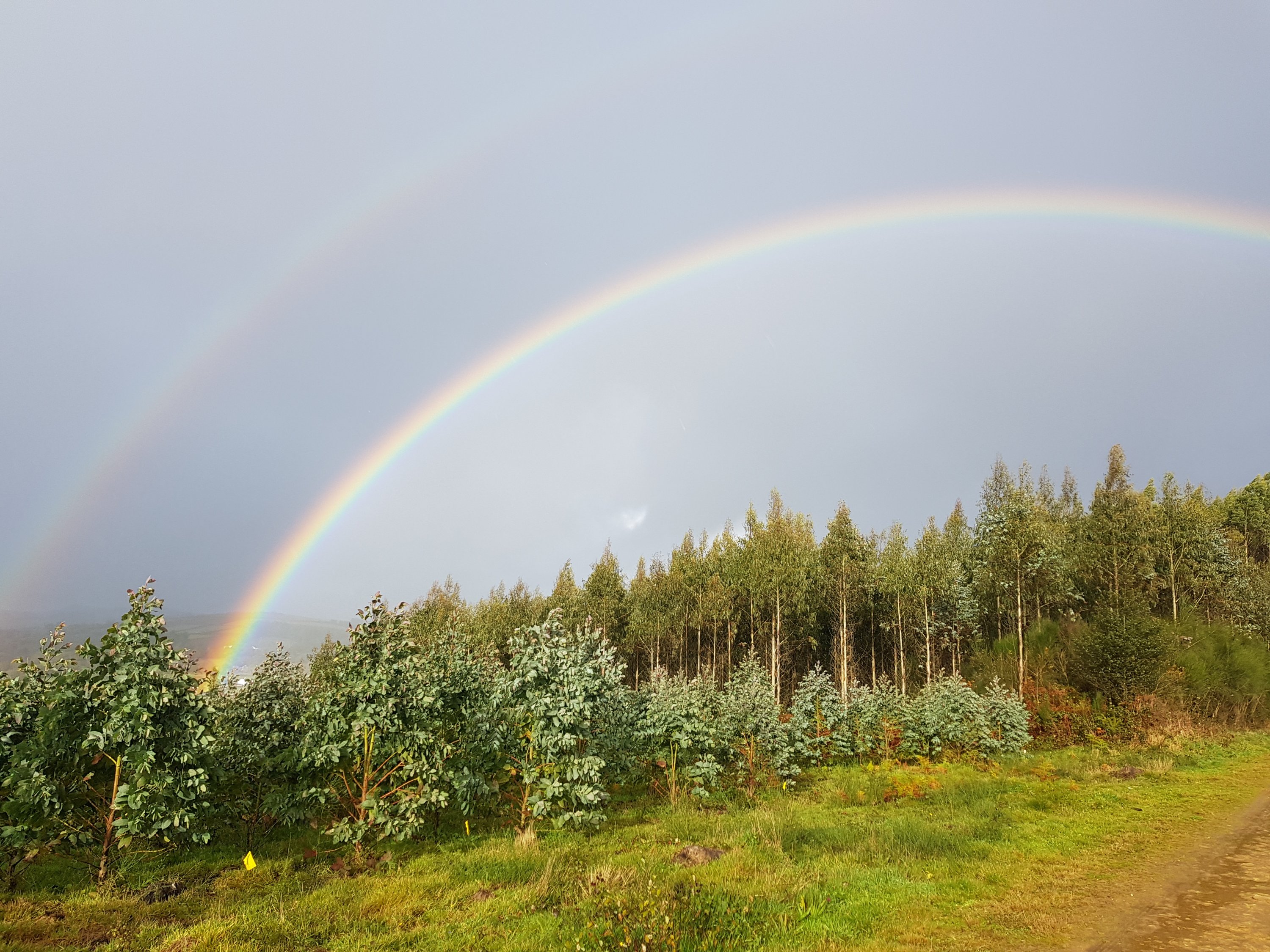
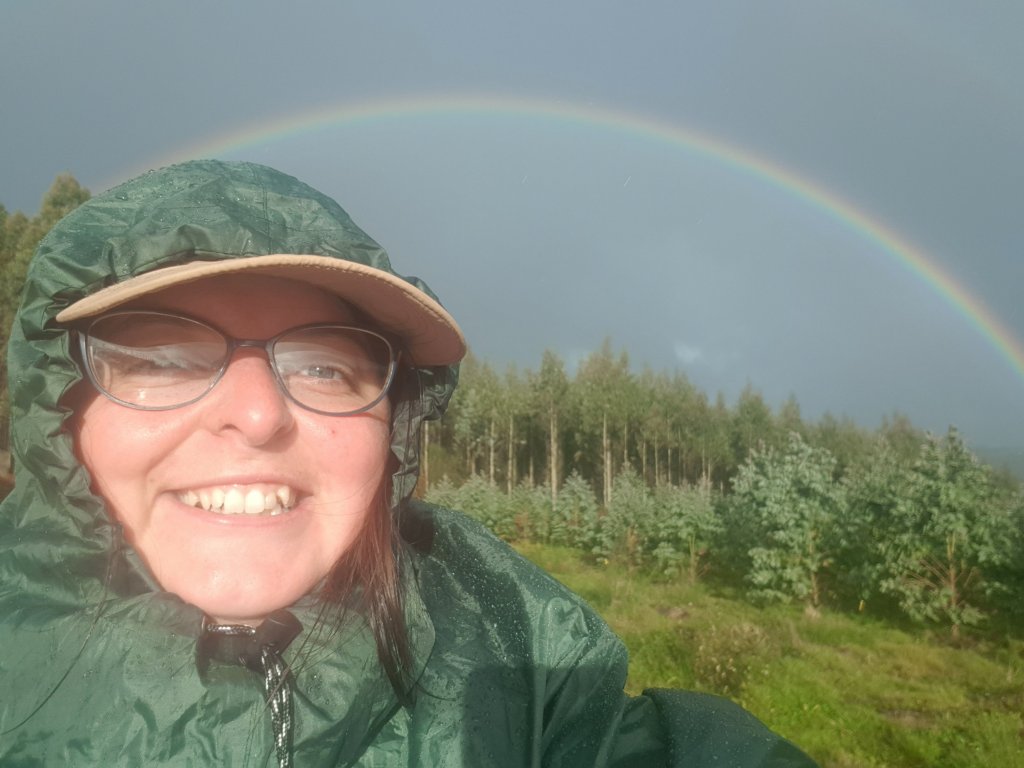
Then I decided to look back, and there was a double rainbow! Just the pick me up I needed, and lucky that I saw it. A minute later it was gone. An hour later, I finally arrived at Gontan’s pilgrim hostel. My clothes (2 outfits) were washed and dried for the first time in a week, and I fell into a coma.

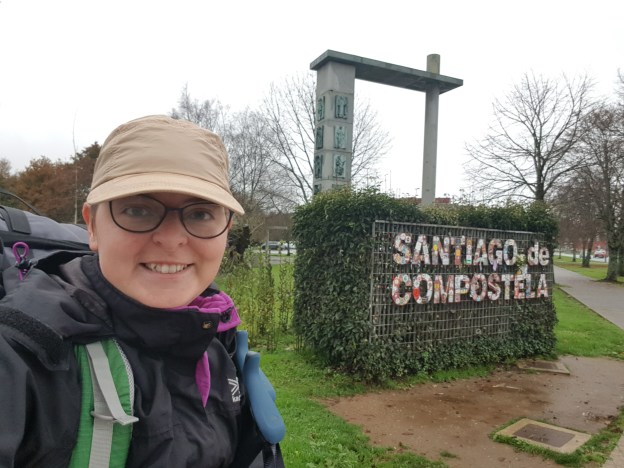
The week has brought me a mix of emotions. There have been a lot of times when I have considered abandoning the camino, but I am still here, and still persevering. Pilgrimages are never meant to be easy, and with Santiago de Compostela so close now, I cannot turn back! Fingers crossed I can keep my body going until then…

Madrid: A casual visit

Last week was my second visit to Madrid, and so I had already done most of the tourist stuff. I just checked off a few quirky bits off the list. So here is a fast run through…

A visit to Círculo de Bellas Artes

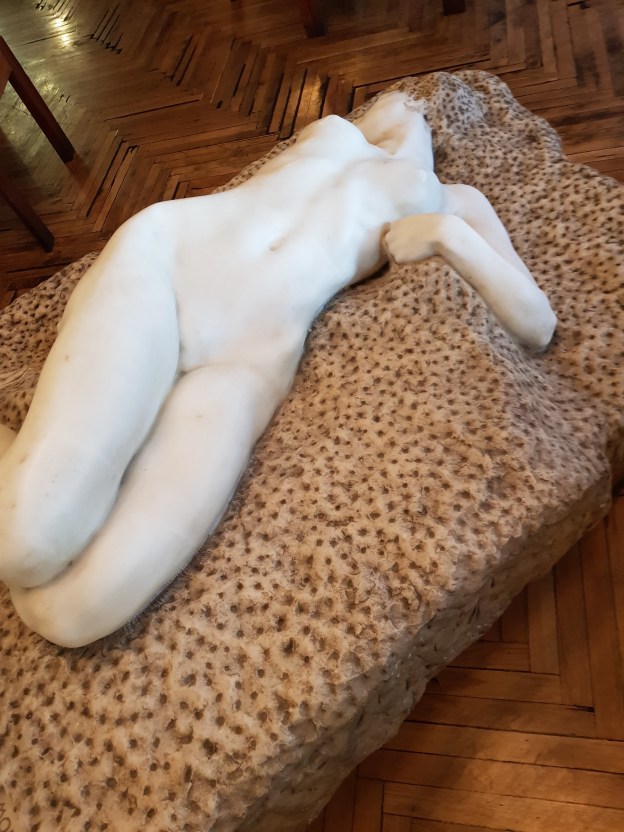
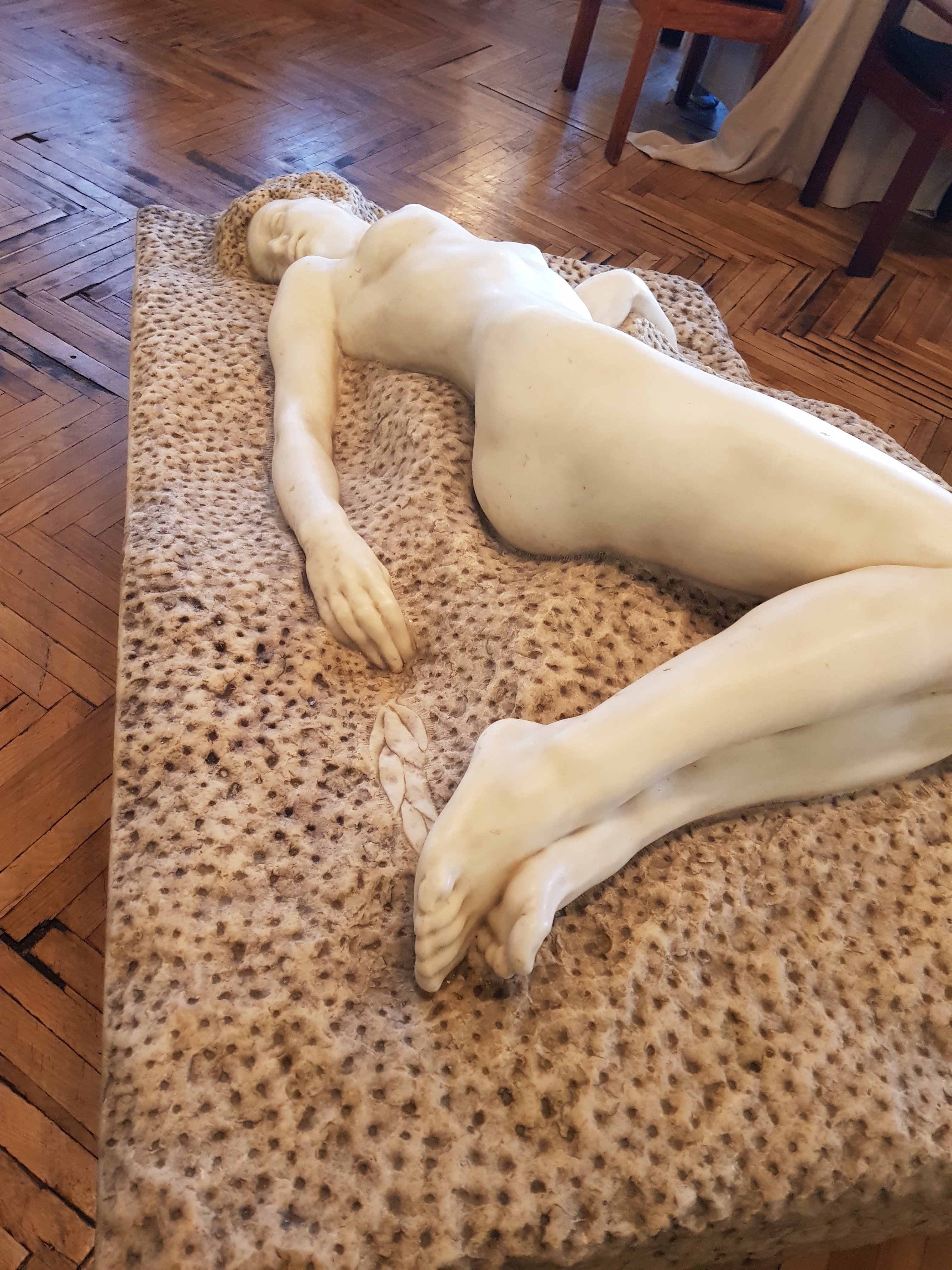
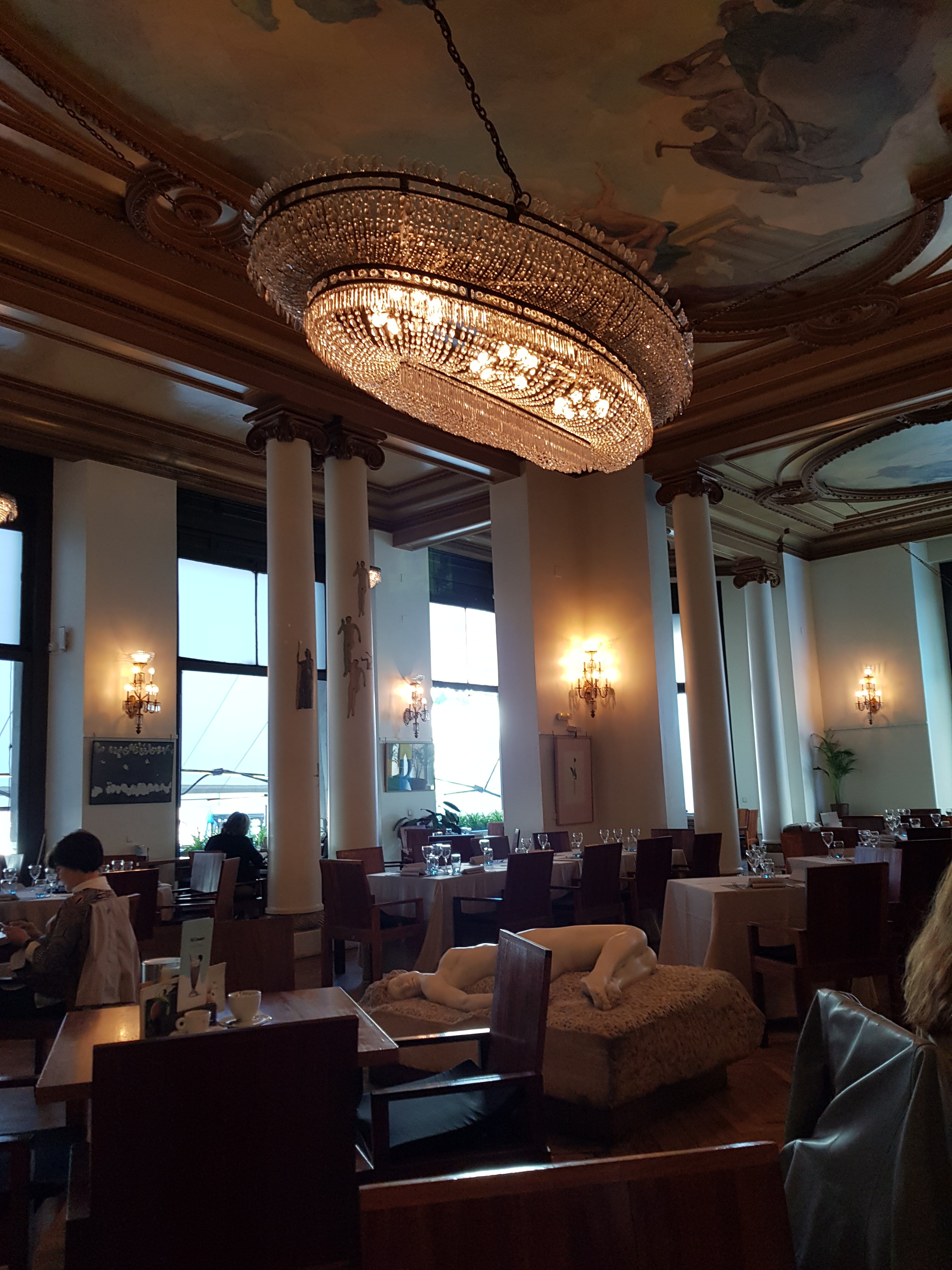
I made my way to this not for profit arts venue to have brunch in their beautiful cafe. The cafe has a sculpture of a naked woman lying dead on the ground in the centre or the dining room. This lady is supposed to be Aphrodite, when after being left heartbroken from unrequited love, she throws herself off a cliff to her death. I thought it seemed quite poetic and dramatic of course. There are other sculptures in the room and lovely ceiling paintings.

The venue also offer a scenic rooftop lookout point, and regular exhibitions.

Thyssen-Bornemisza Museum

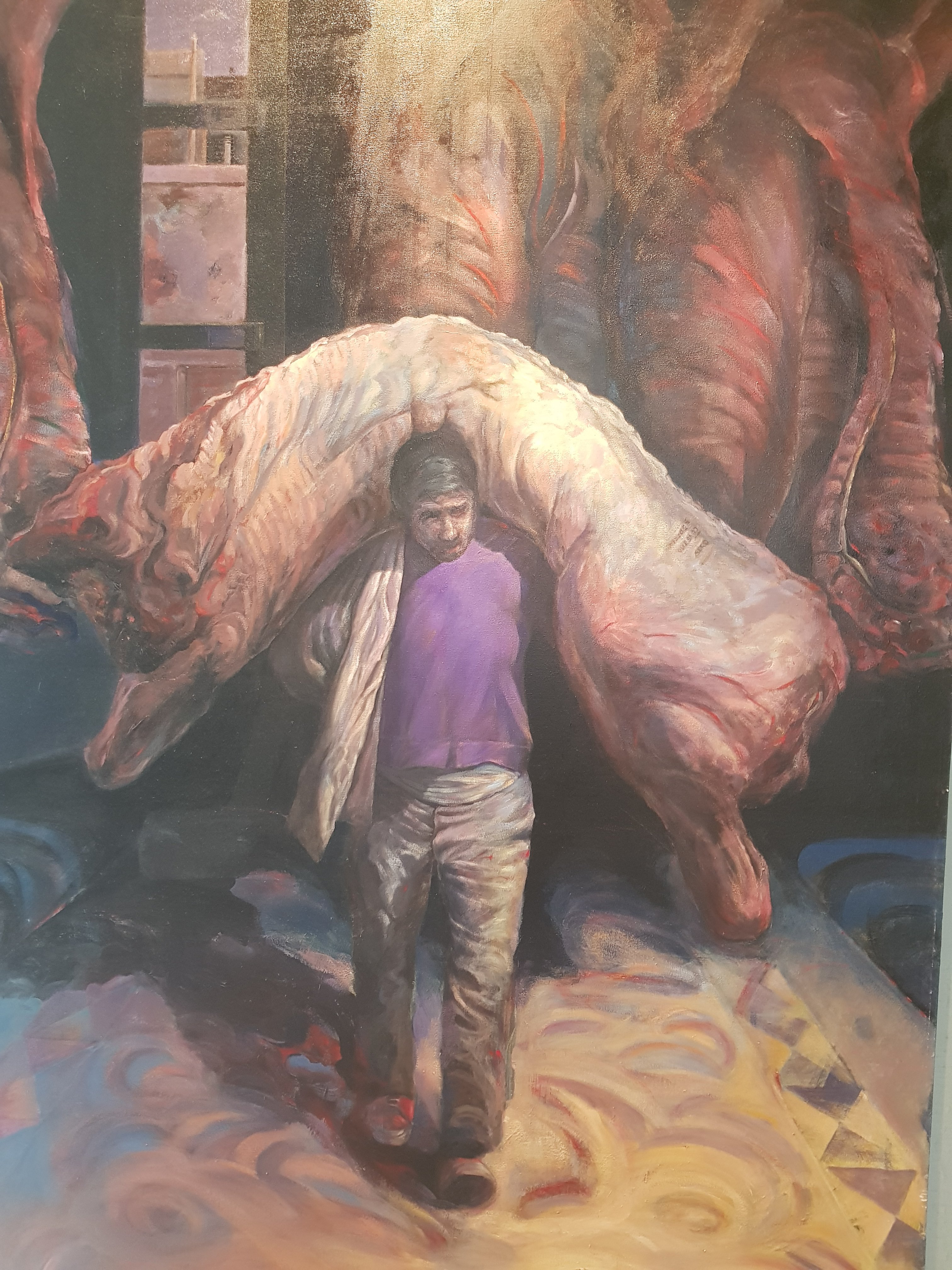
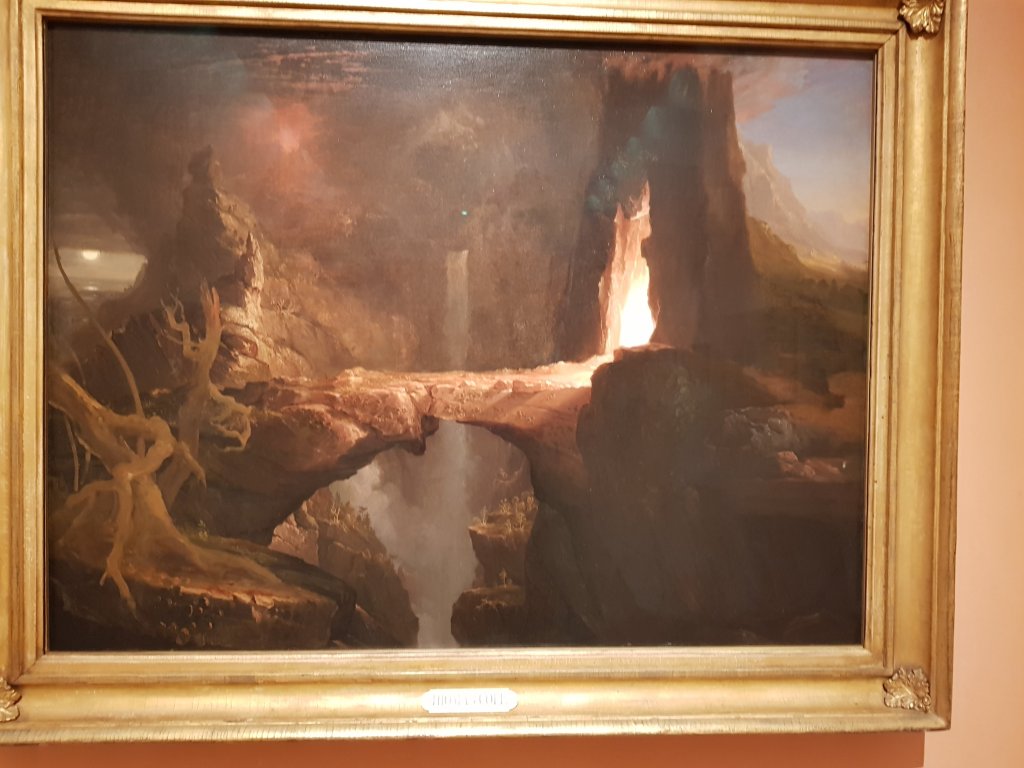
I visited this art museum as one that I have not been to before. Not all the art was for me, but I did like the below piece about Expulsion. The light and shadows in the painting are done really well, and it reminds me of a scene from Lord of the Rings.. ha!

Mass at Inglesia de Santiago

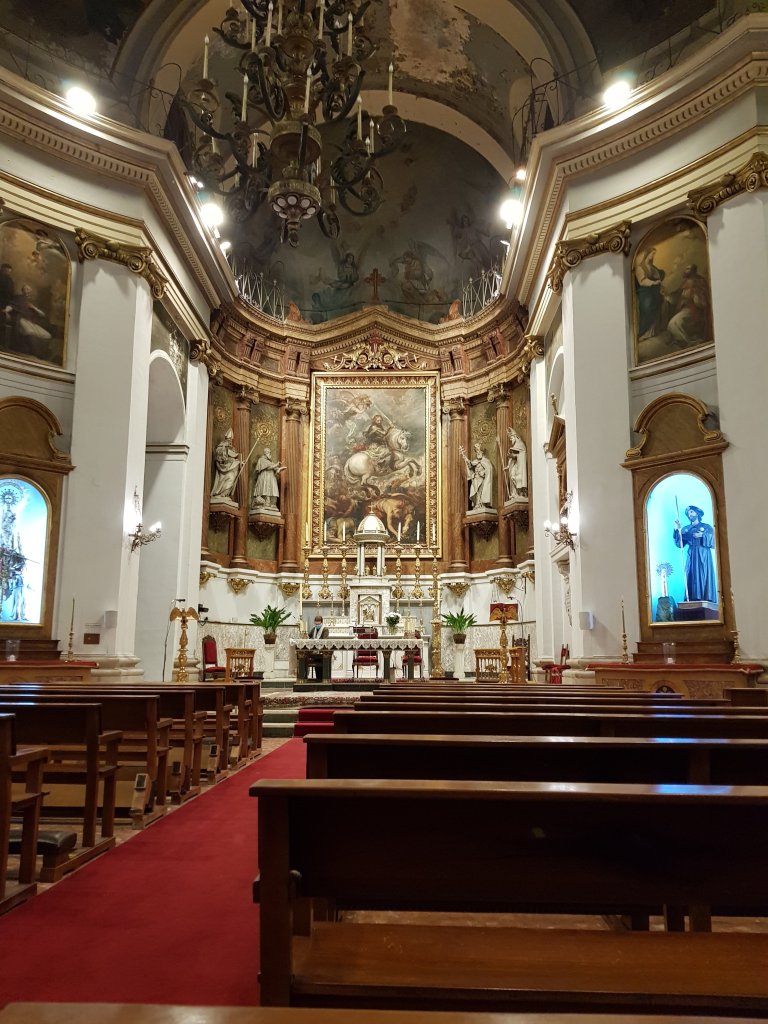
I travelled to the Santiago church three times in one day to try to get hold of my special pilgrim passport, from their volunteers. After I eventually got it done and stamped, I was there just in time for the mass and so decided to join in. I didn’t understand most of what the vicar said (in spanish) but I still felt cleansed and grateful.

A meal at Botin

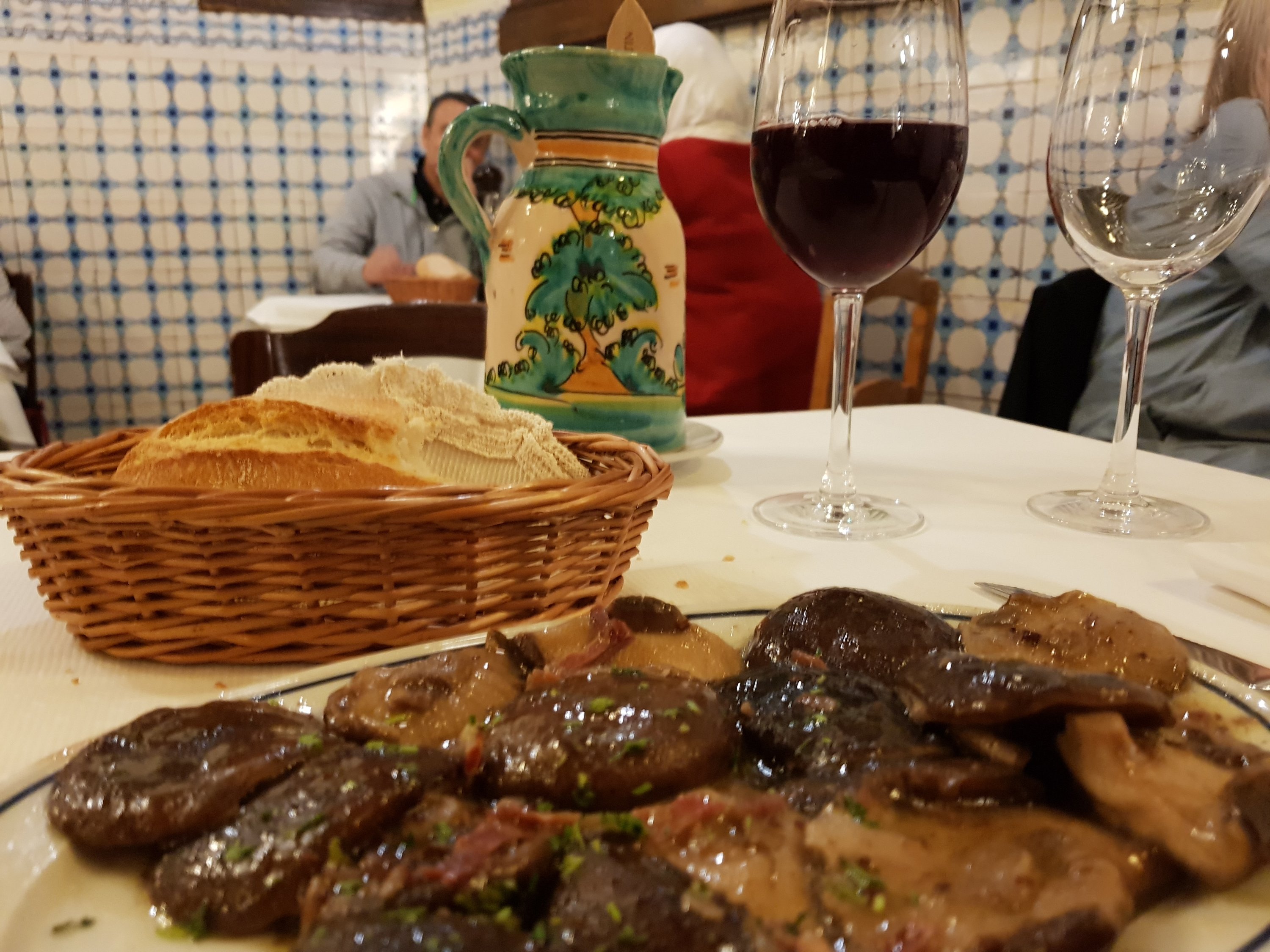
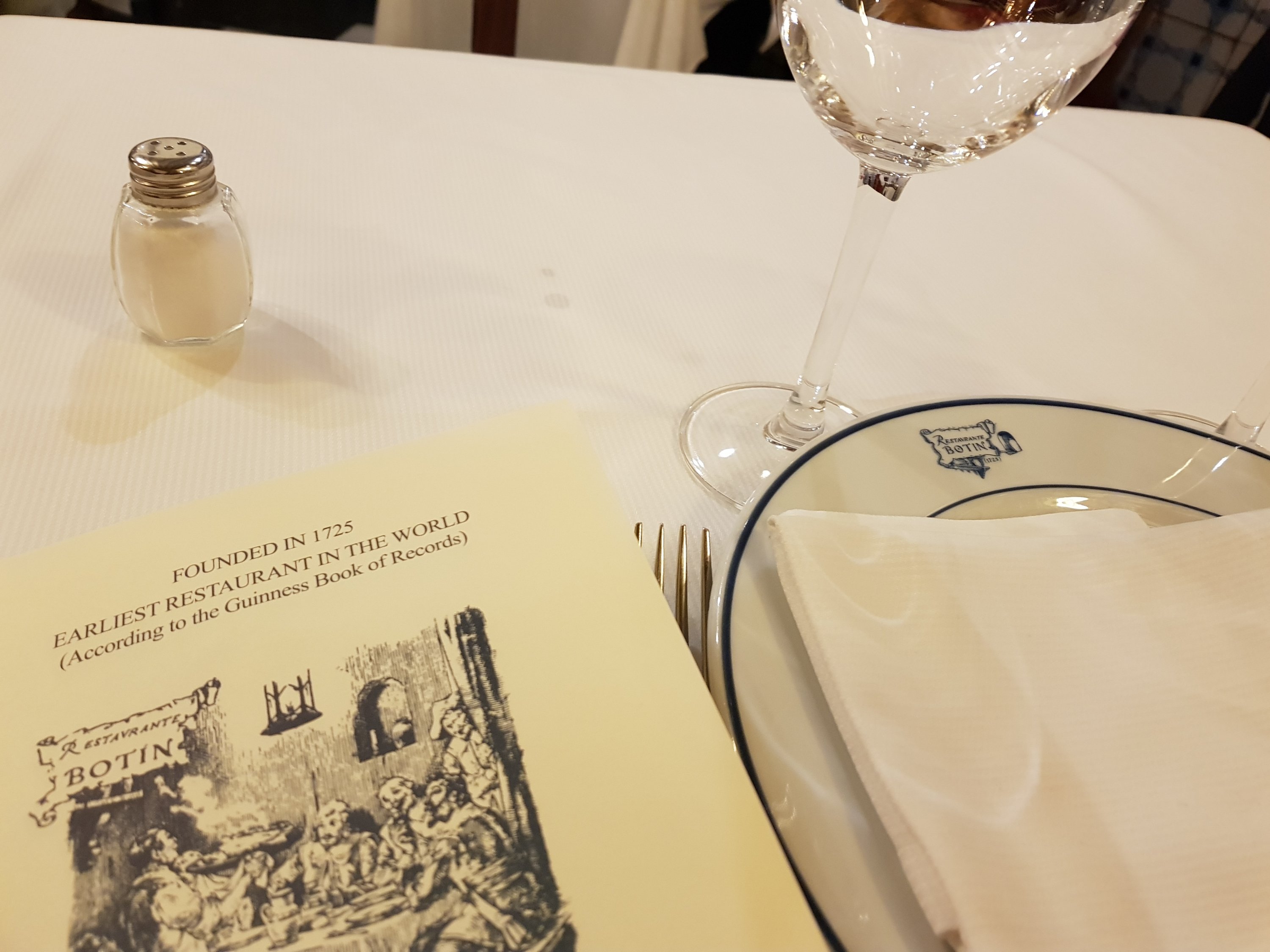
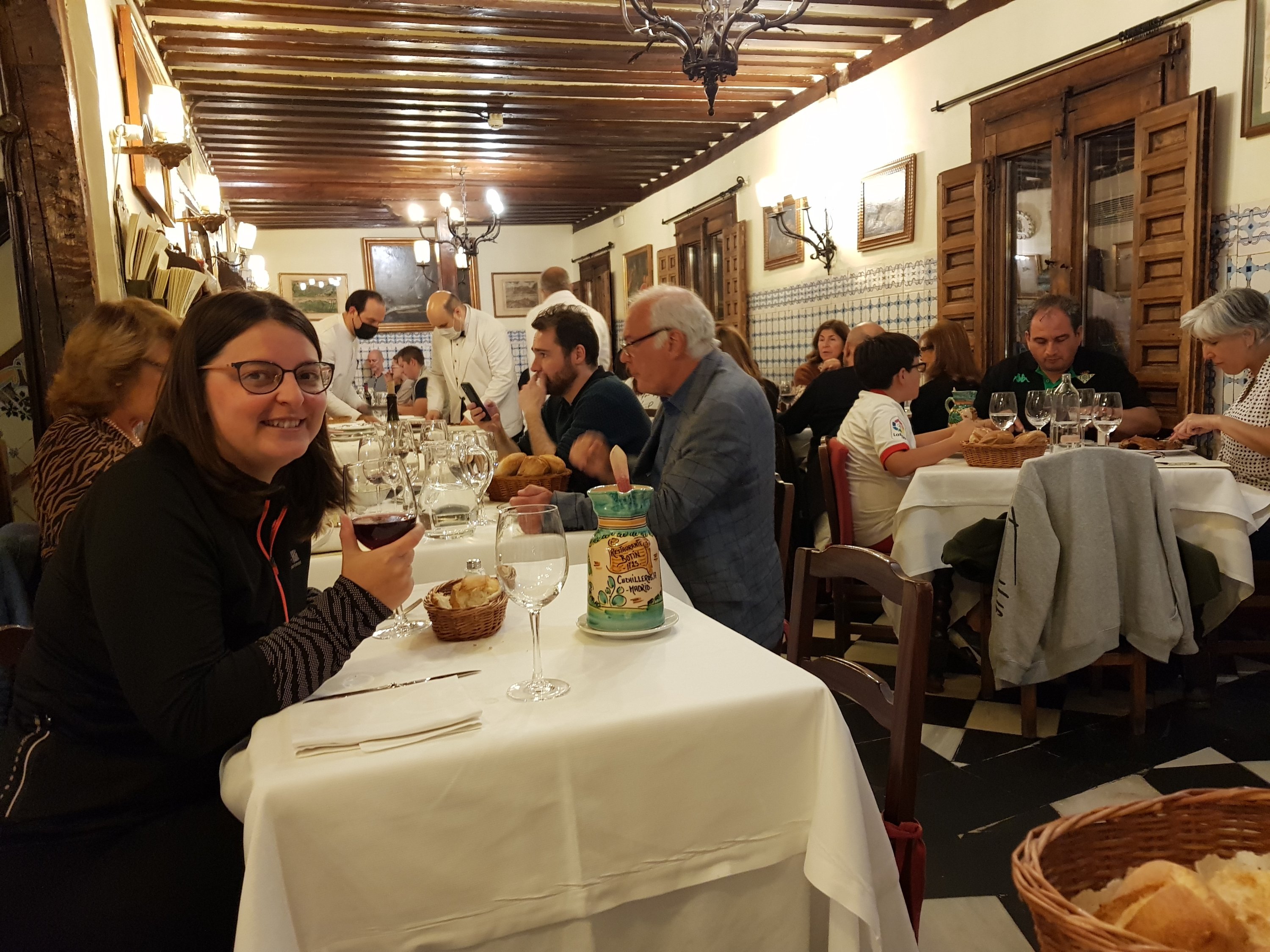
I had seen the ‘world’s oldest restaurant’, Botin, from the outside in my last visit to Madrid. To get a table there though, you need to book a few weeks in advance. I was having a stressful day (going shopping 😖) and was walking past so decided to ask if I could come in for a drink as I am alone. I had no booking and I thought it might be a waste of time, but not only did they let me in because I was solo, they let me have a full meal! Huge result!

I had half a jug of sangria and a plate of mushrooms, garlic and ham, and was completely cheered up again! I also had the pleasant surprise of befriending two lovely ladies from Denmark on the next table. We were chatting and toasting for my whole dining experience, so I wasn’t solo after all!

As usual, Madrid was very pleasant, and I experienced much more of the local nightlife and culture this time round. I will probably go back again and again in the future.

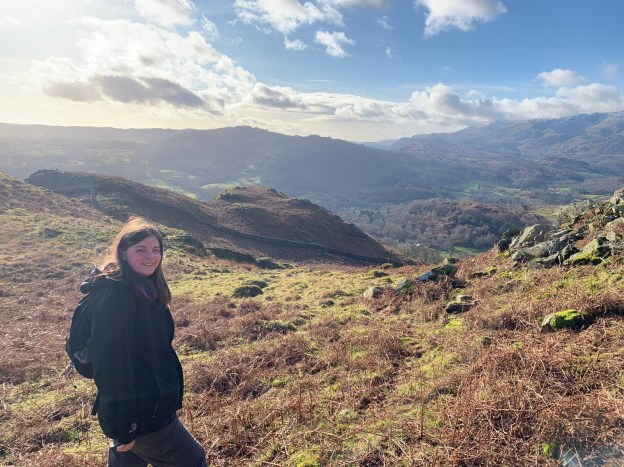
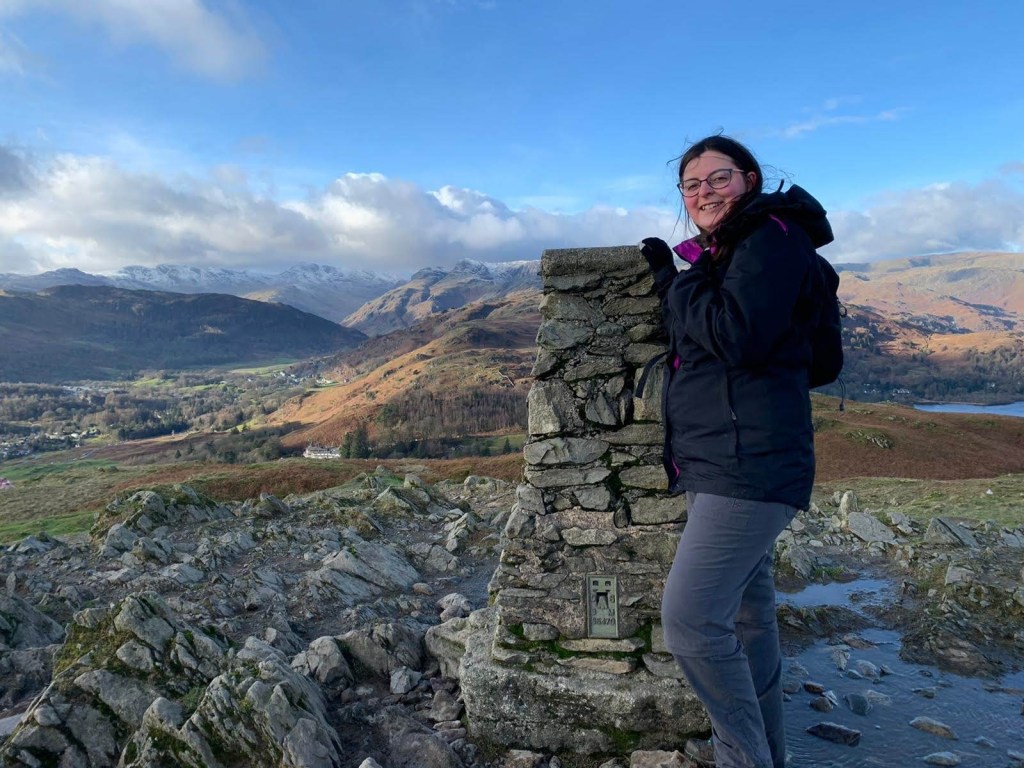
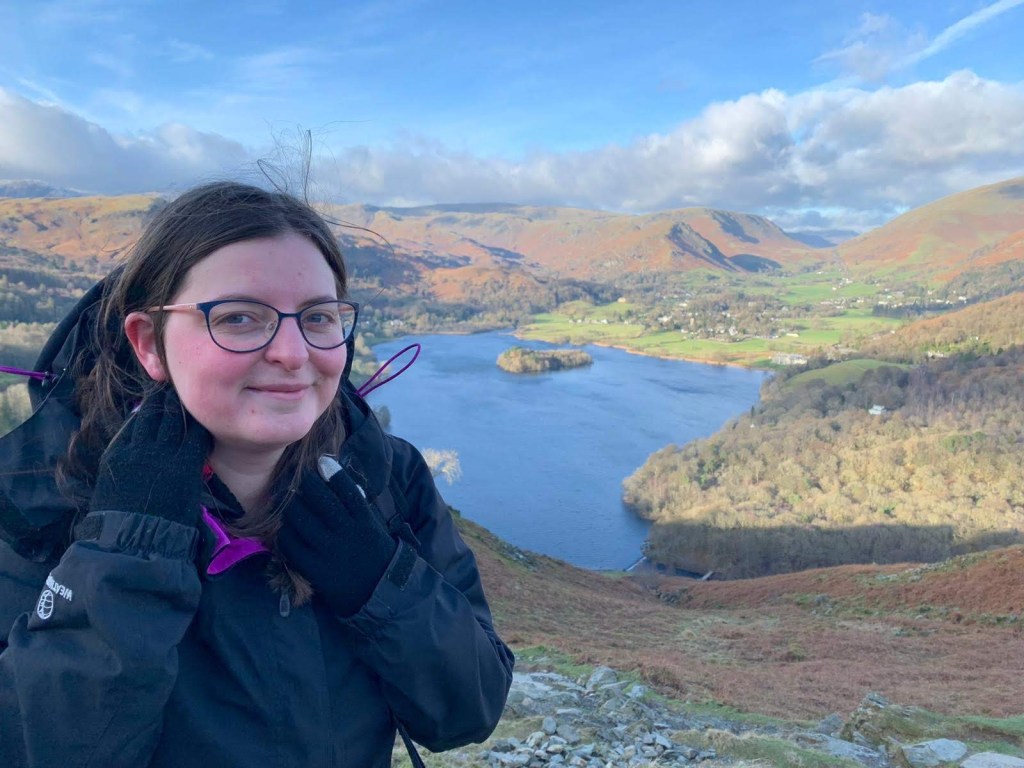
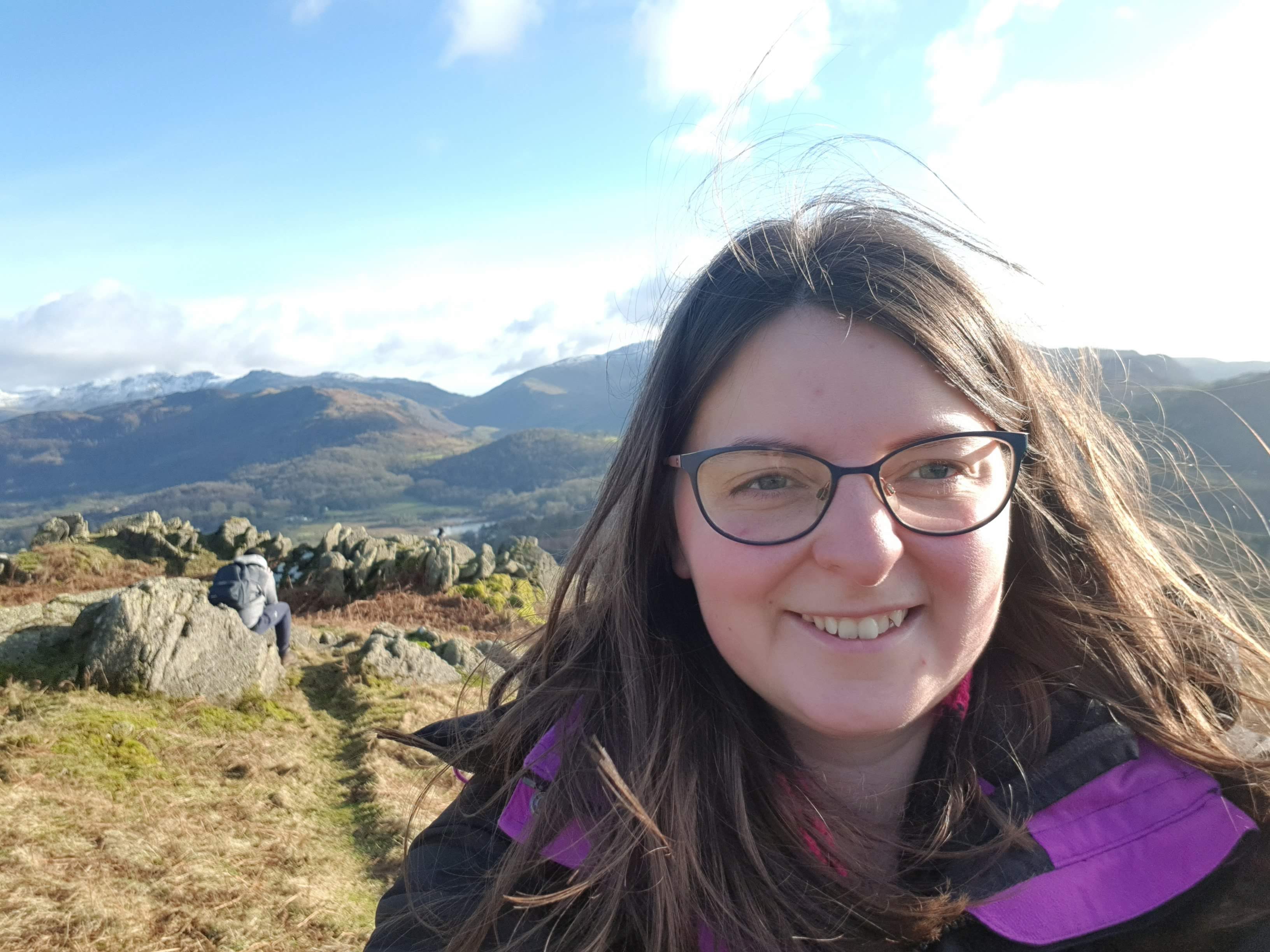
me on Loughrigg Fell walk, Lake District

Hikes, rainbows and sunsets in the Lake District National Park

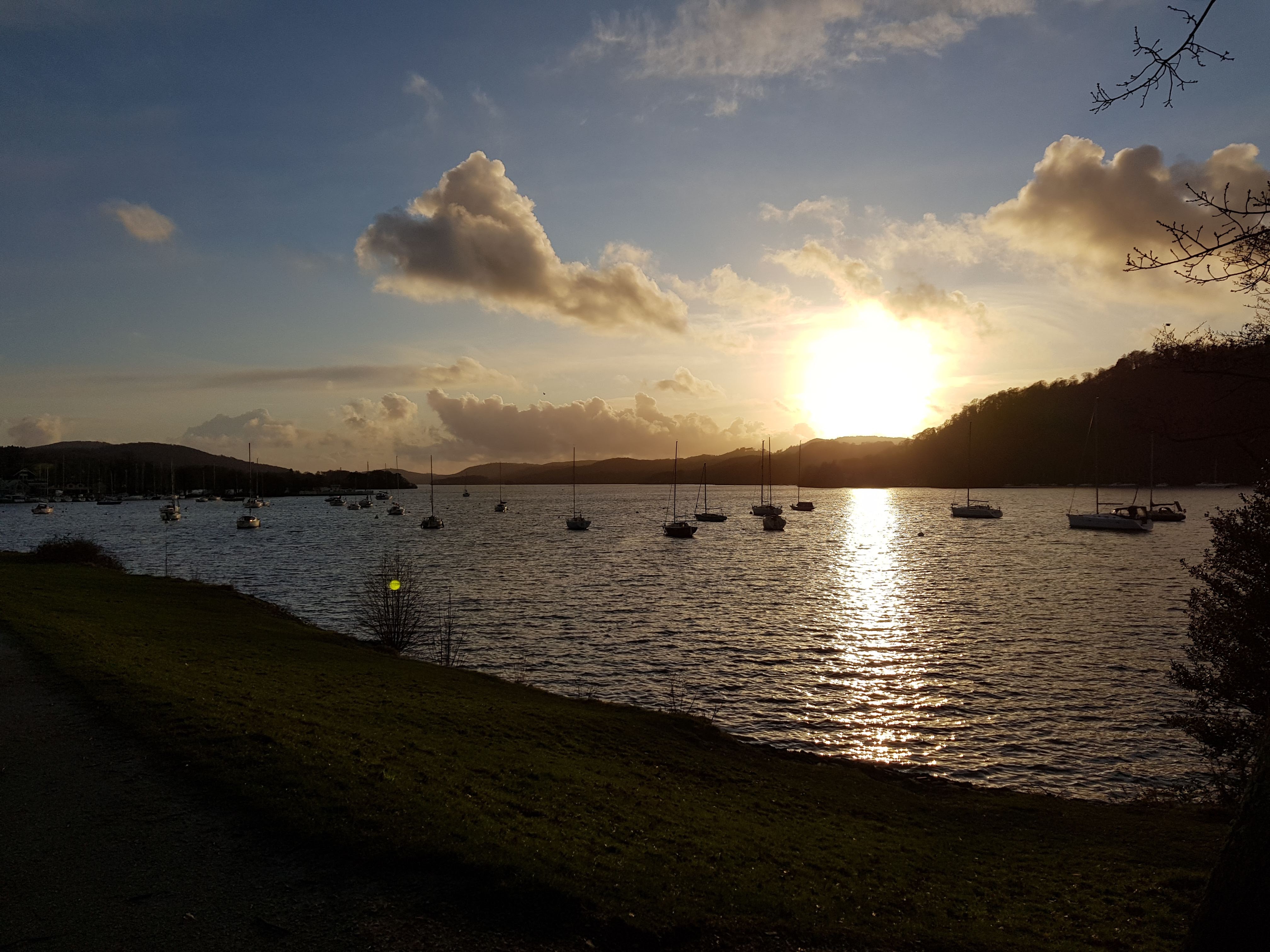
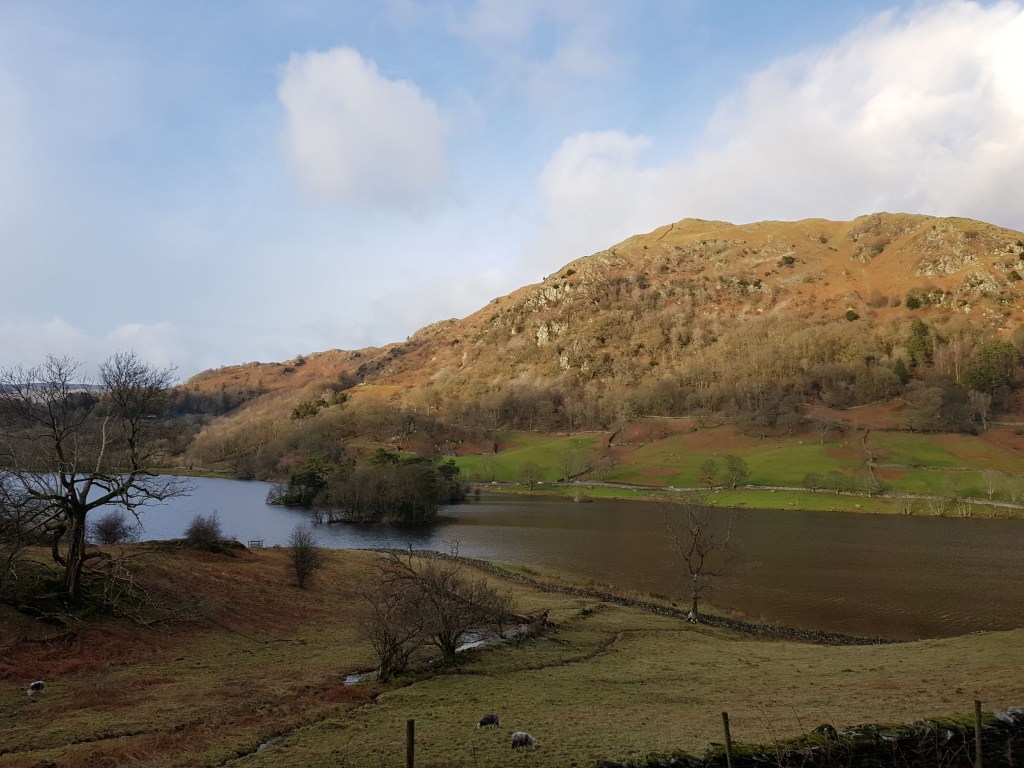
A few months before the country locked down due to the pandemic, my partner surprised me with a weekend trip to the Lake District National Park. Considering it was January, we had a great time exploring the beautiful scenery in this area.

Driving around the Lake District, we found ourselves making good use of first and second gear, as we climbed the huge hills. It is a long drive from Norfolk but very pleasant, as you get into lakeland and can enjoy amazing views, and feel like you are suddenly in another country.

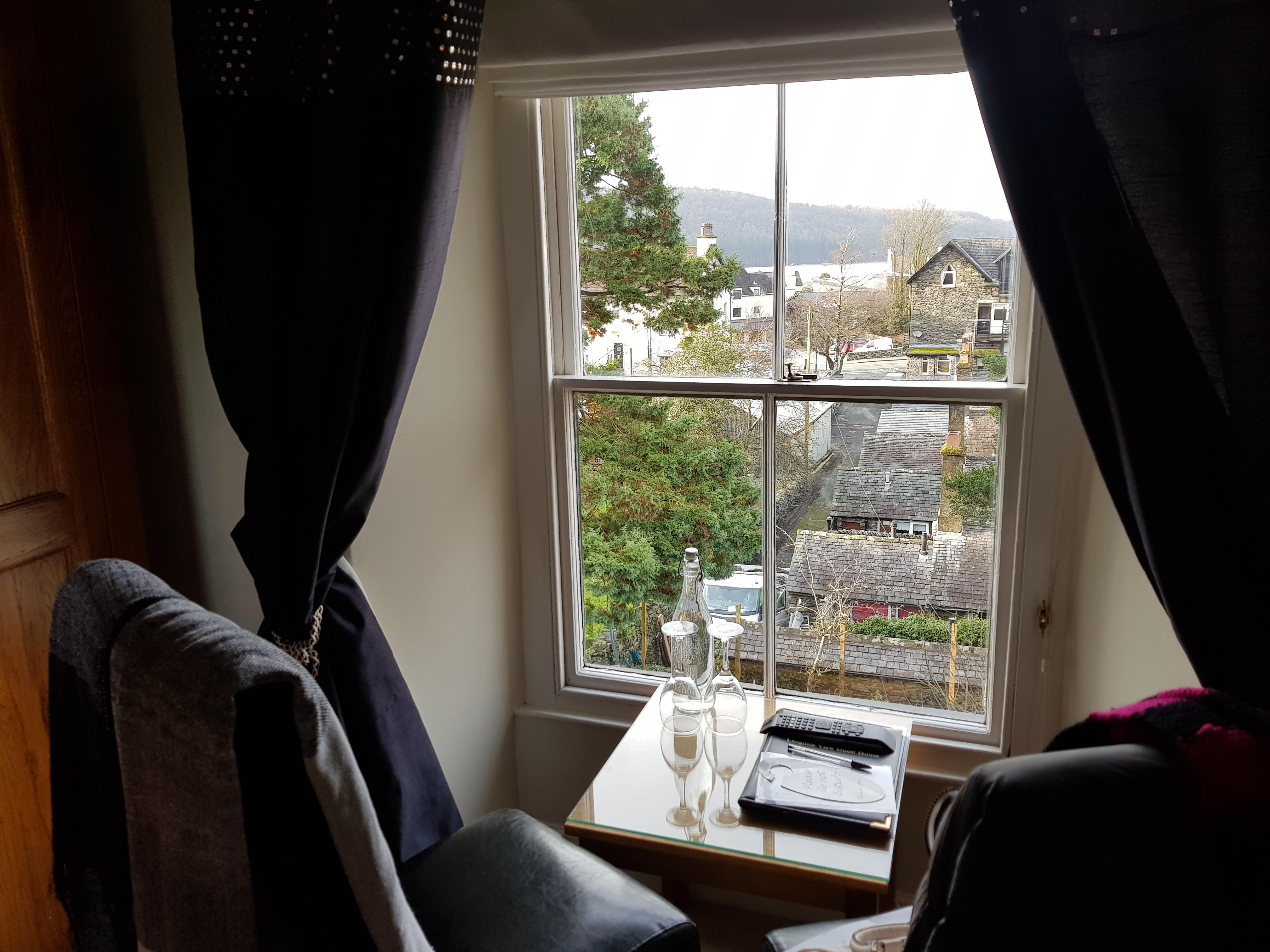
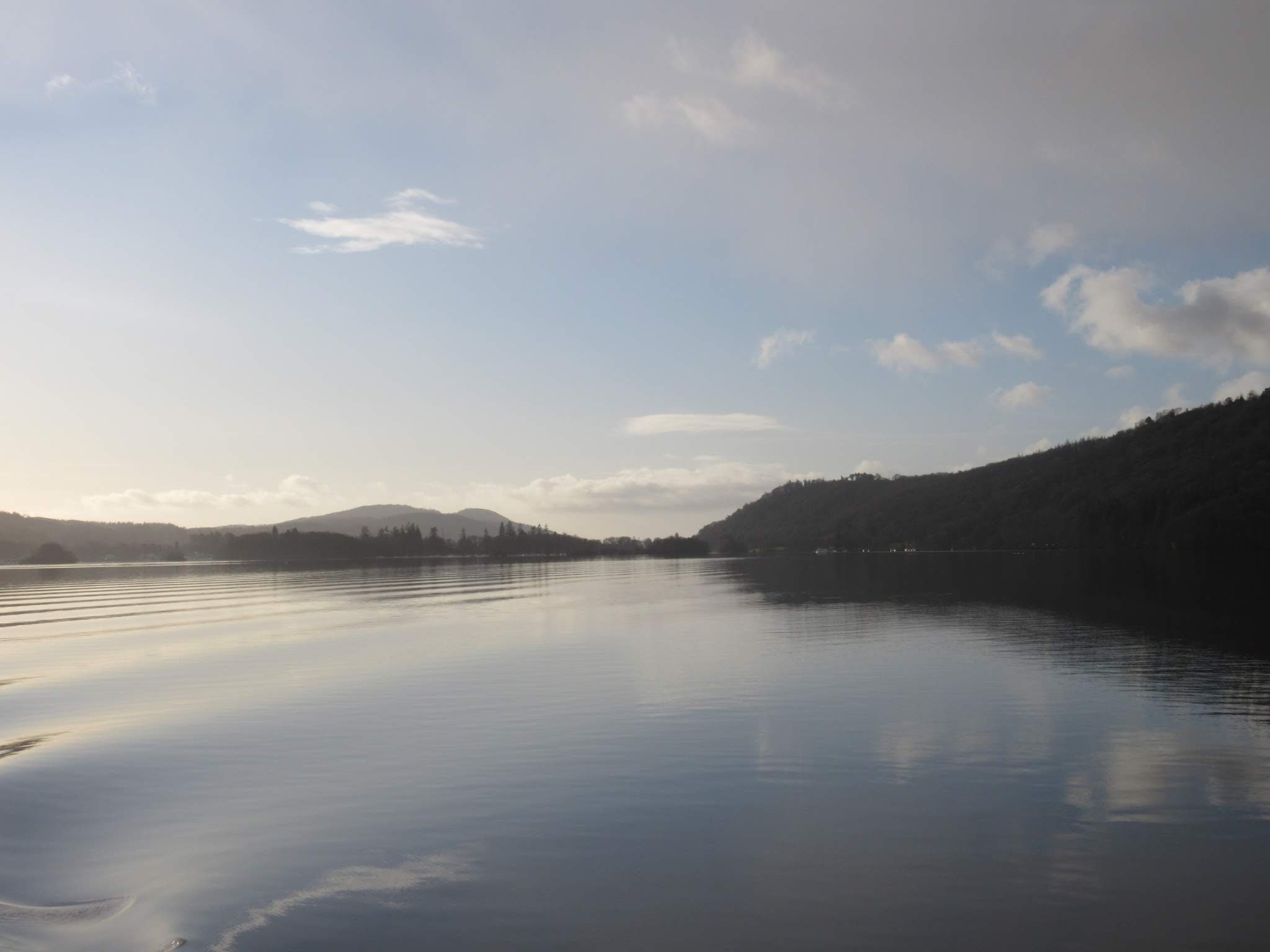
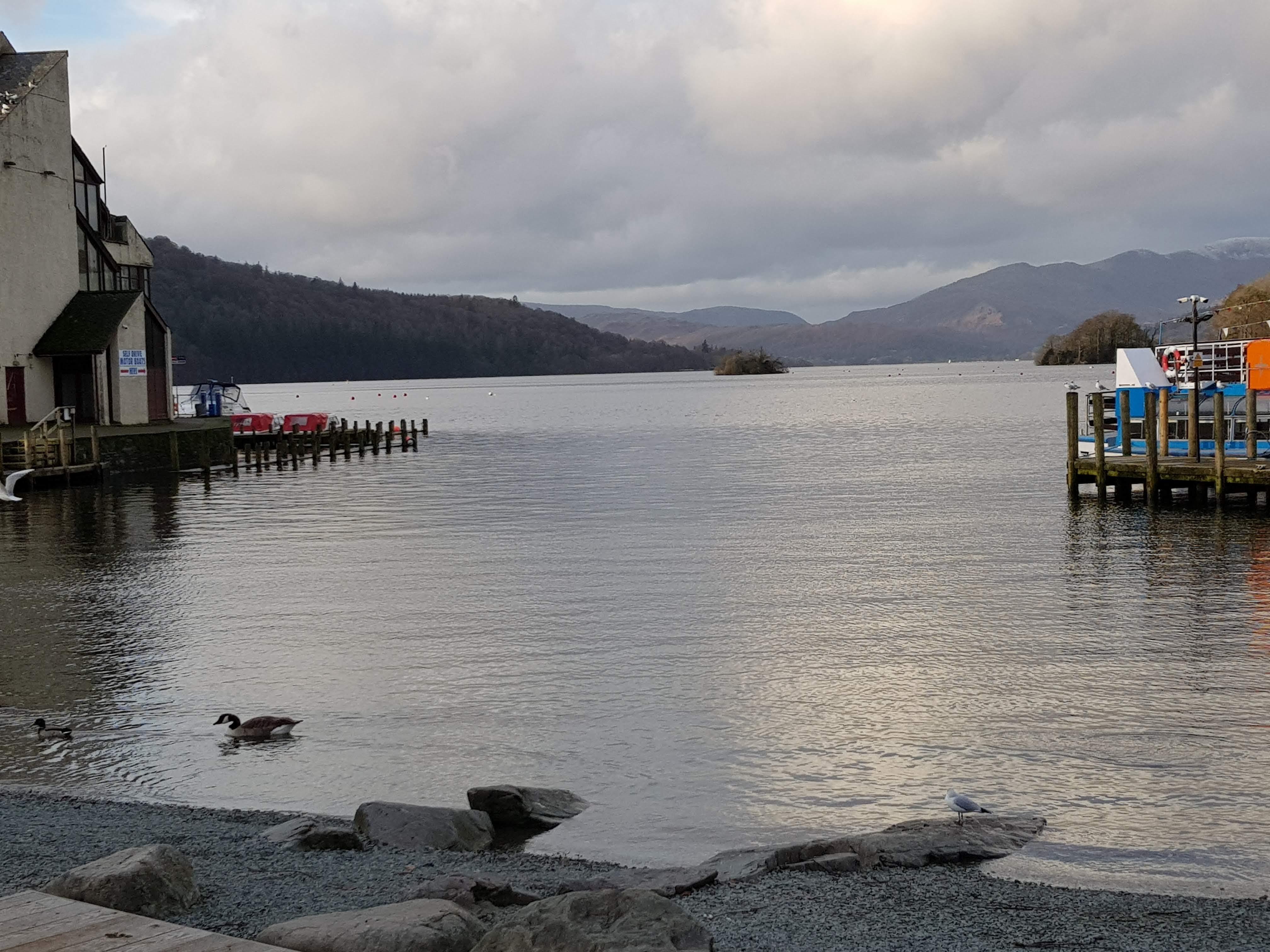
We stayed in a lovely little B&B, (of which there are many..) in Bowness on Windermere, on the side of the Windermere lake; England’s largest lake. This is a busy village in the National Park, and has several amenities, and The World of Beatrix Potter attraction. We did see this from the outside, but we didn’t go in. Even though I loved ‘Peter Rabbit’ as a child, I cannot really get away with it now! Interesting fact though… the area gets lots of Japanese visitors, as they love Beatrix Potter stories!

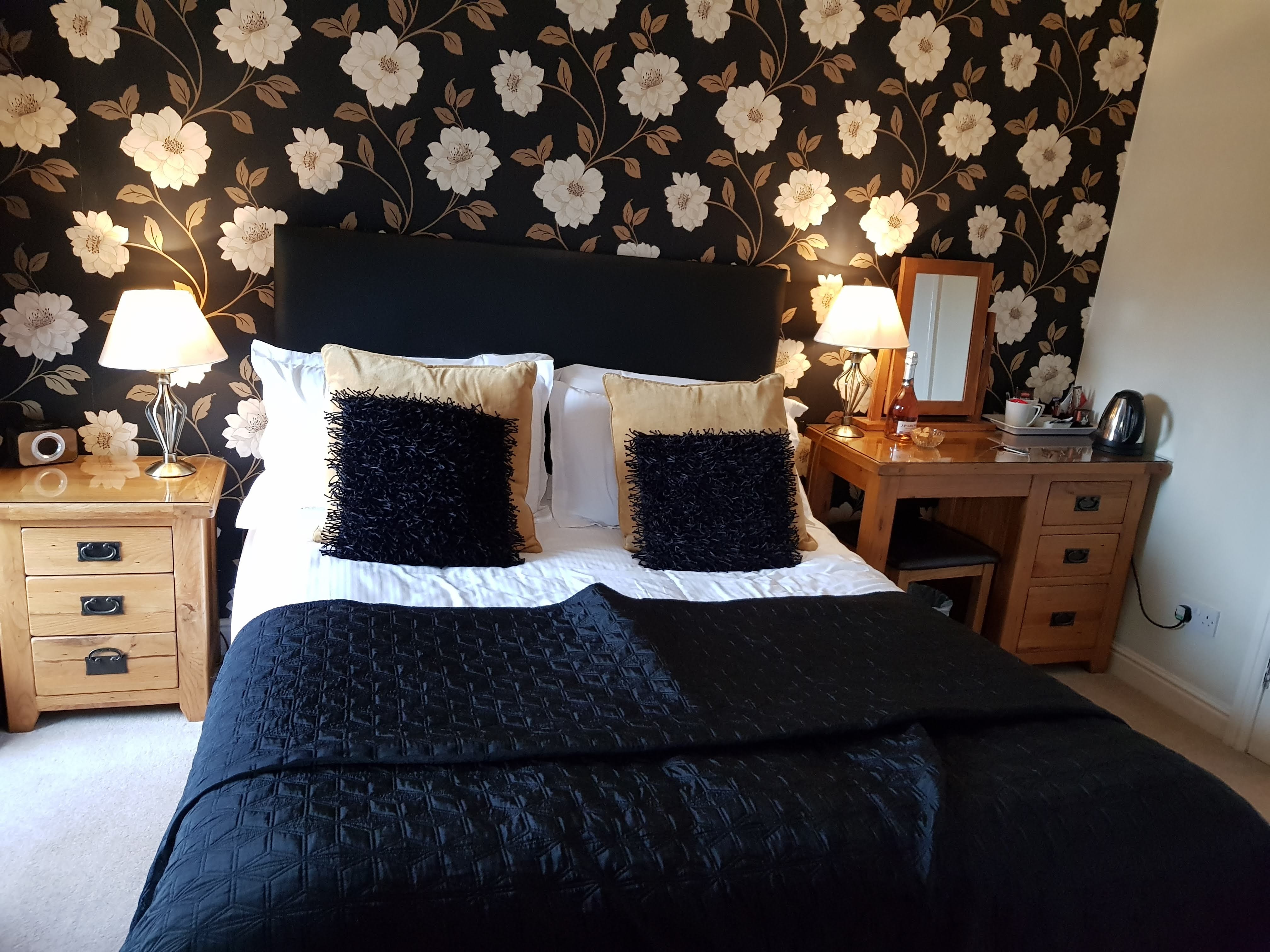
We had a great stay in the B&B as it felt really traditional but had lots of nice modern decor. Plus we had great breakfasts, could get recommendations/free maps and also they gave us free fudge!

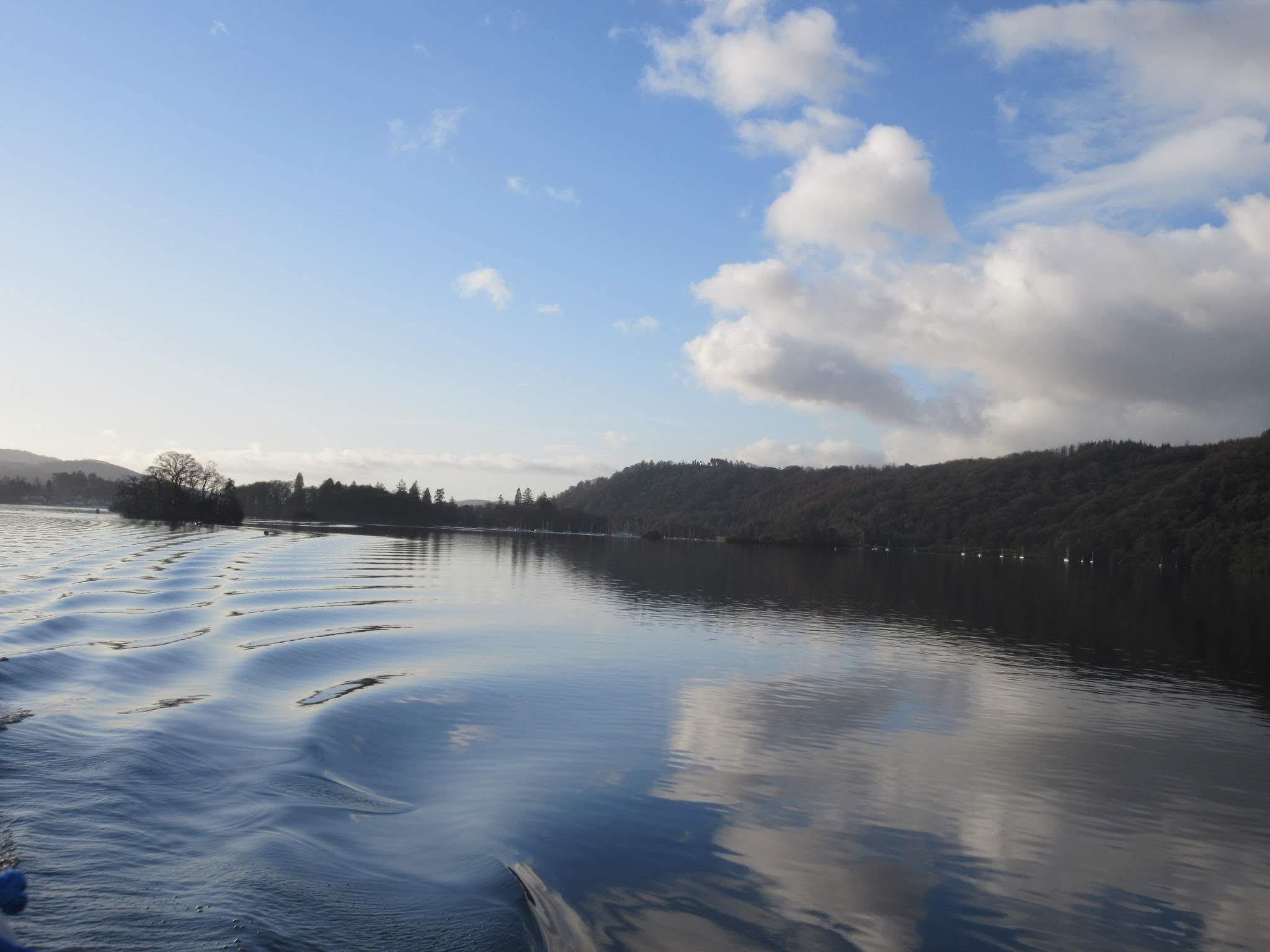
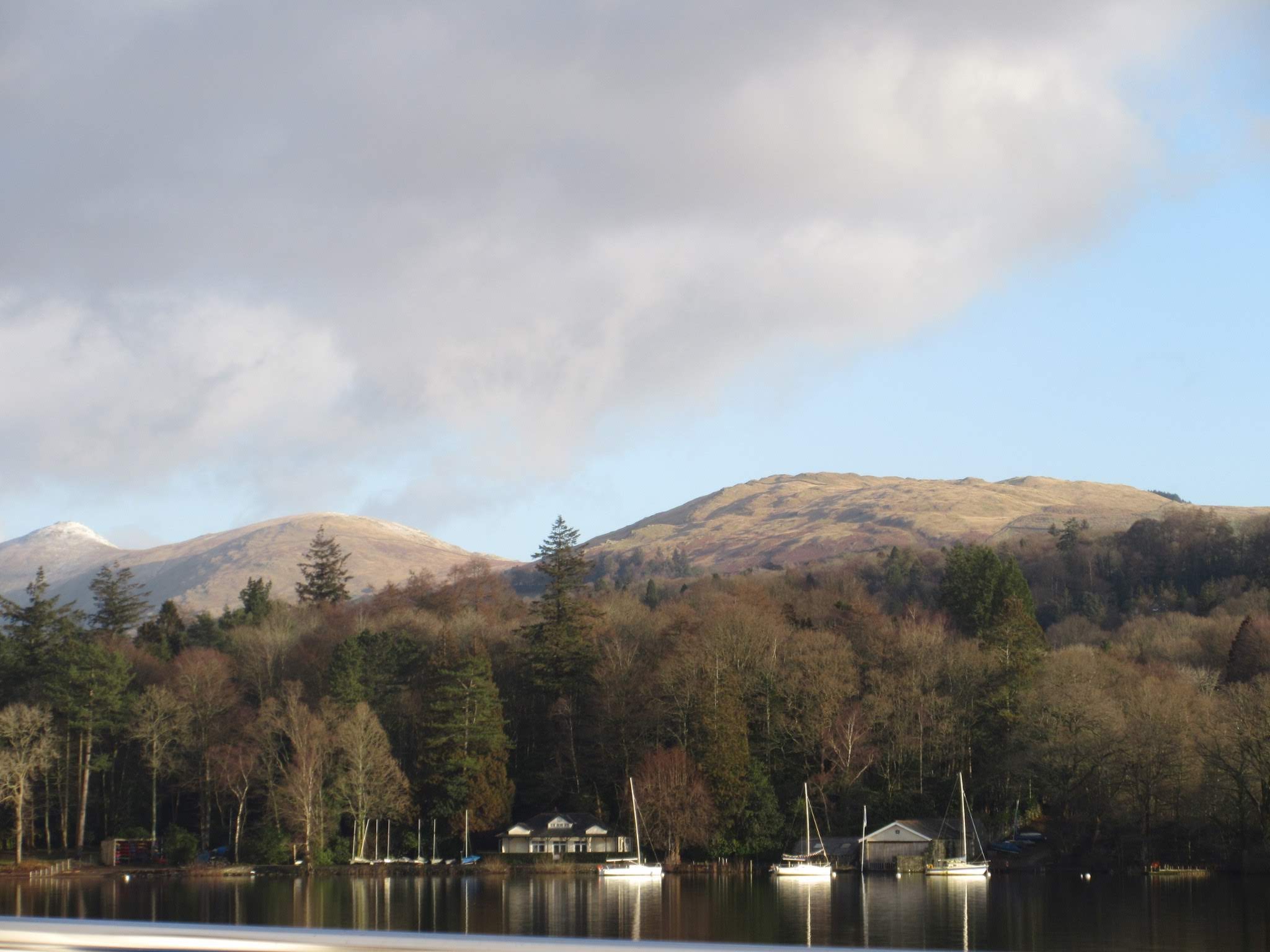
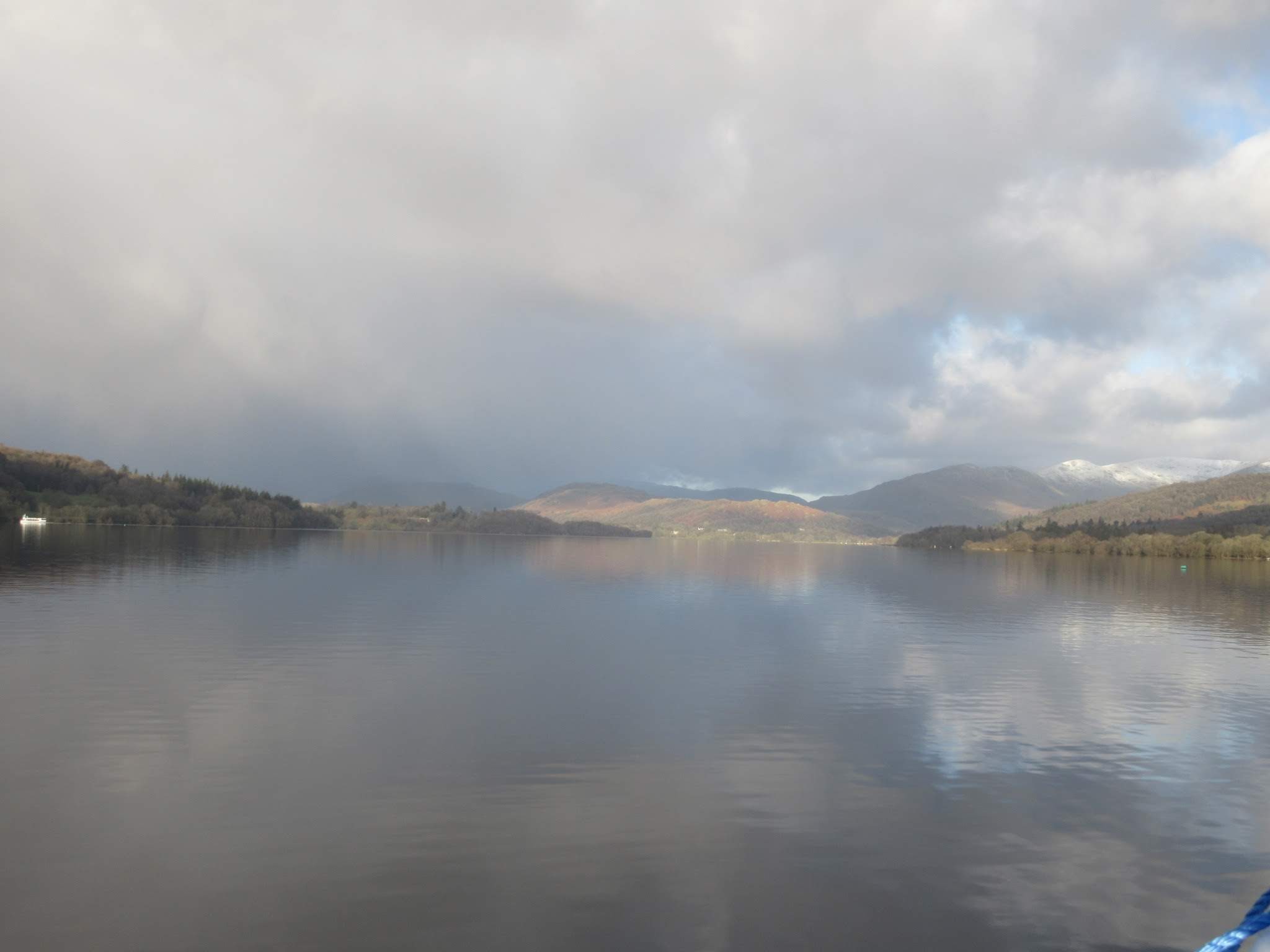
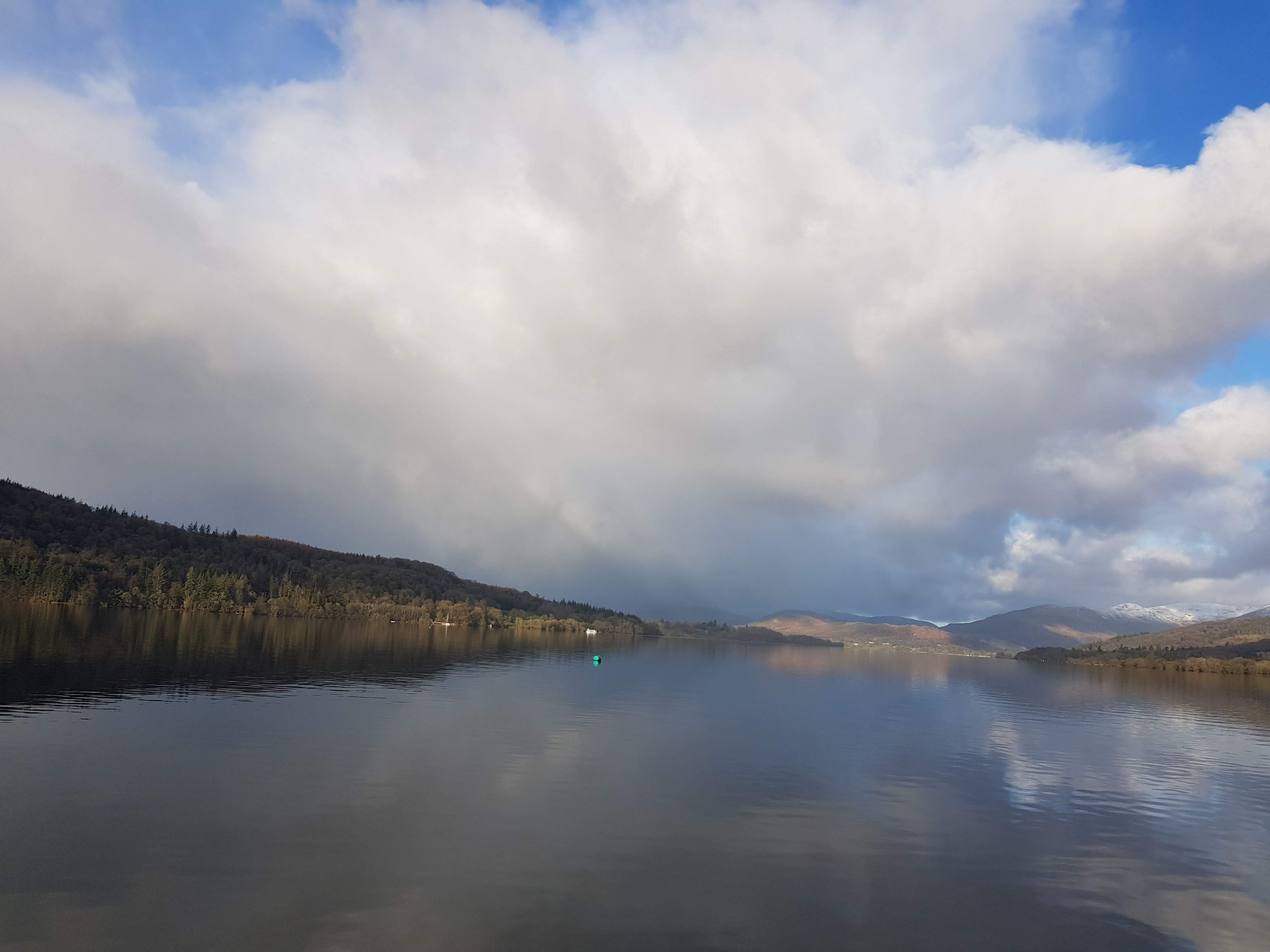
One of the other great things about staying in Bowness on Windermere, was the close proximity to the lake’s ferry service. There is an information centre and booking office where you can buy tickets for the ferry cruises that run regularly up and down the lake. The Windermere Lake Cruises company offer several boat services taking different routes around the lake, you can also charter a boat. We crossed the lake to Ambleside and it was quite a rainy trip across, but it was January… and it meant we had rainbows! There was some information provided on the cruise and there was an inside and outdoor space.

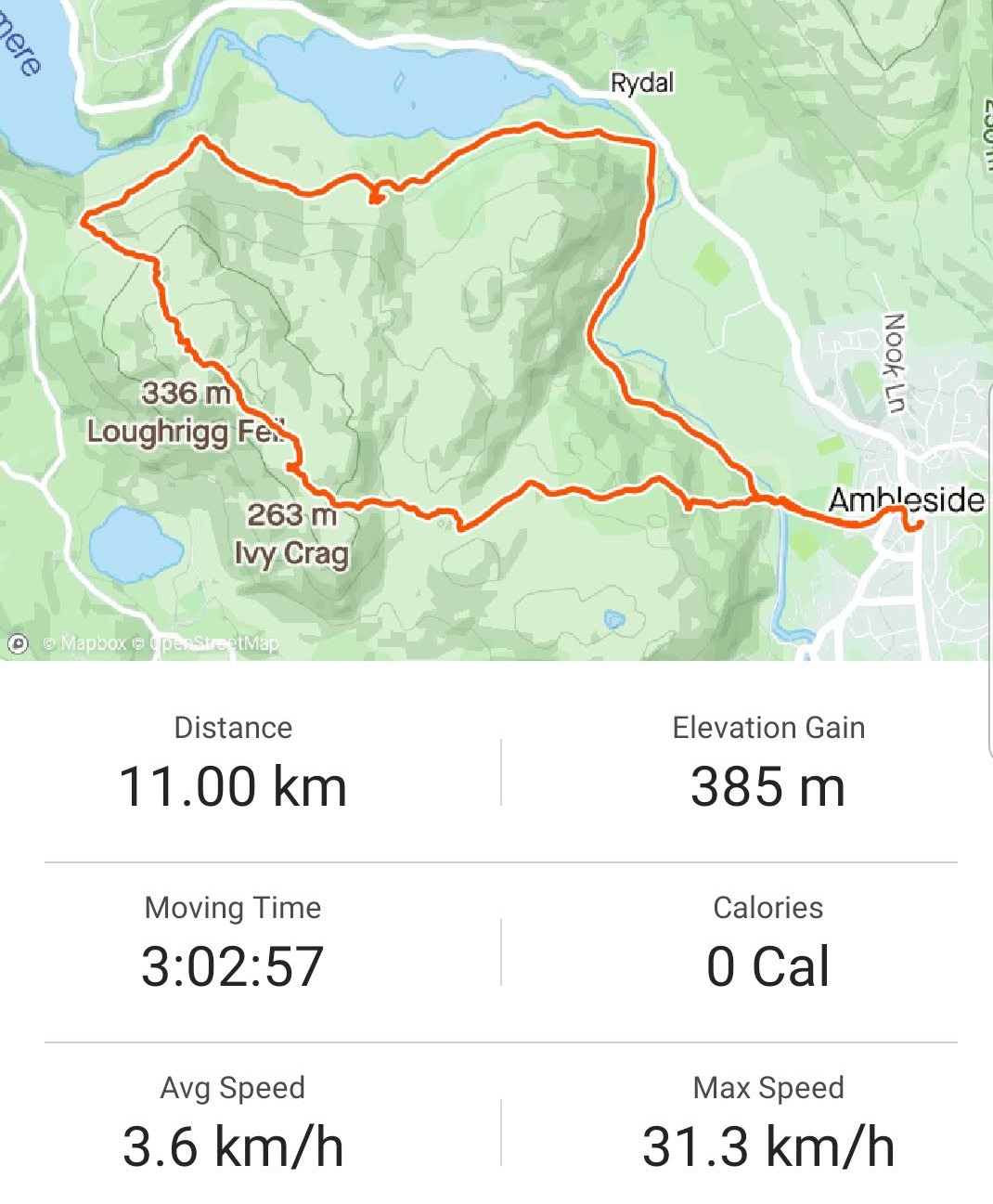
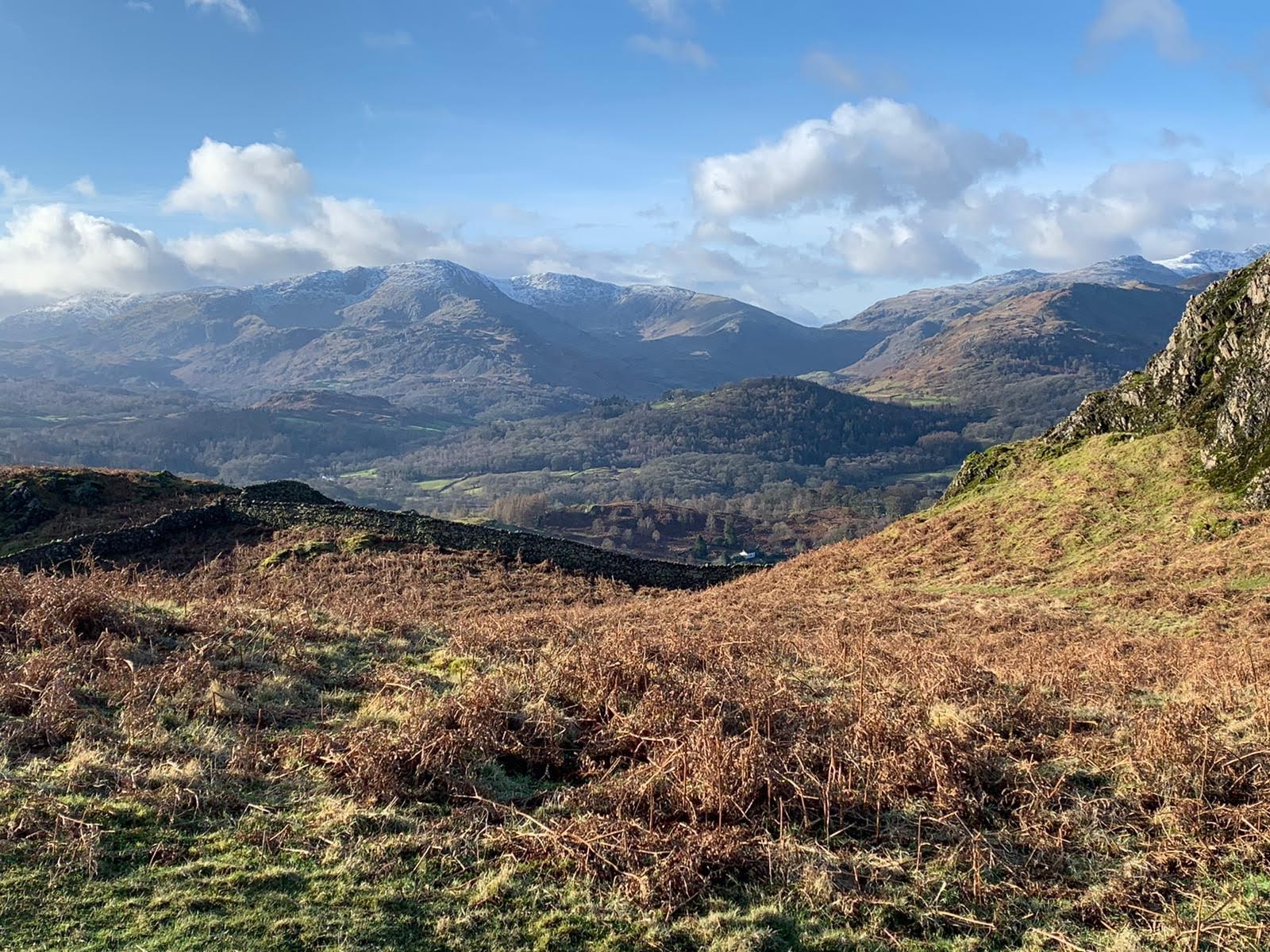
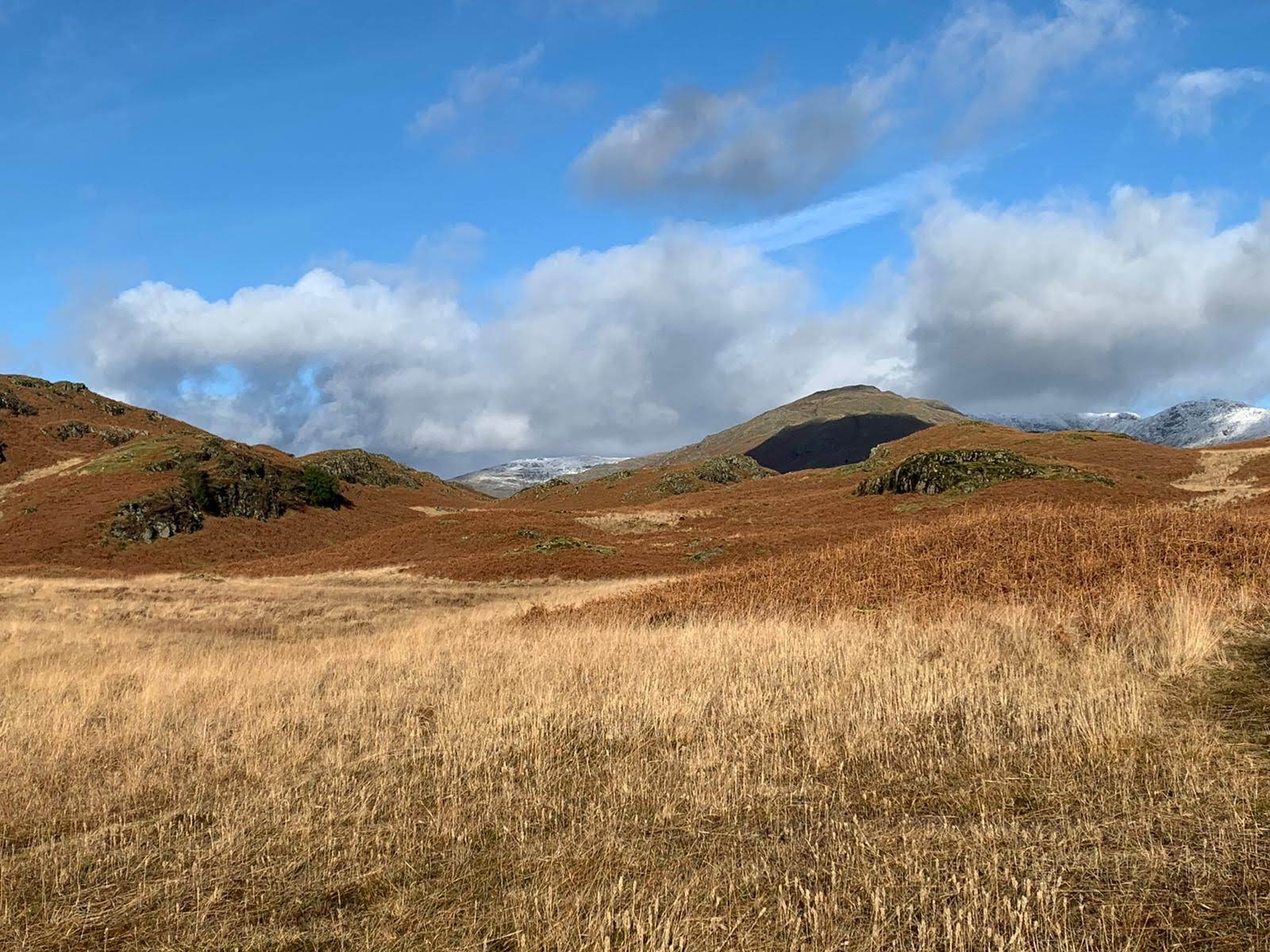
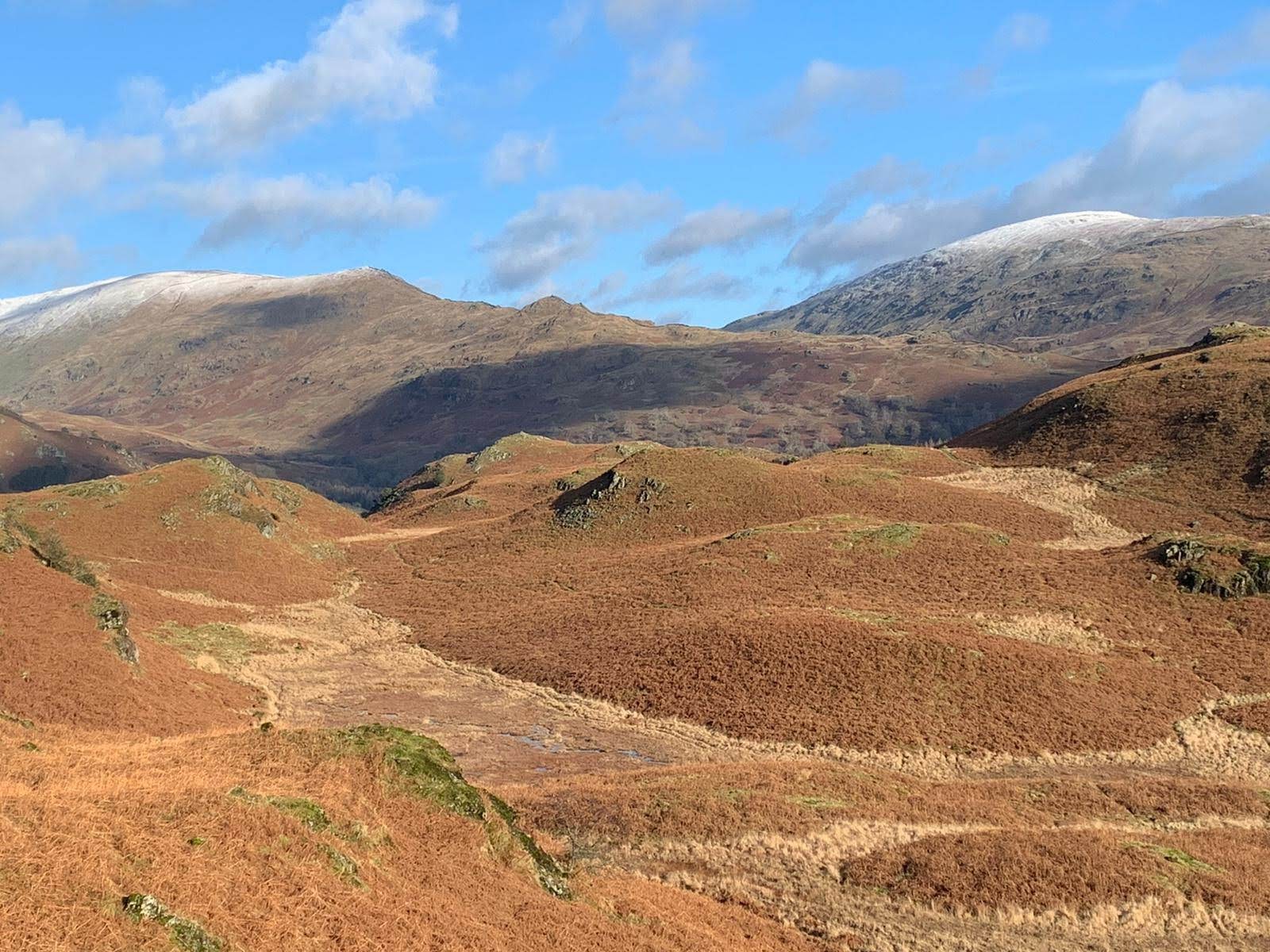
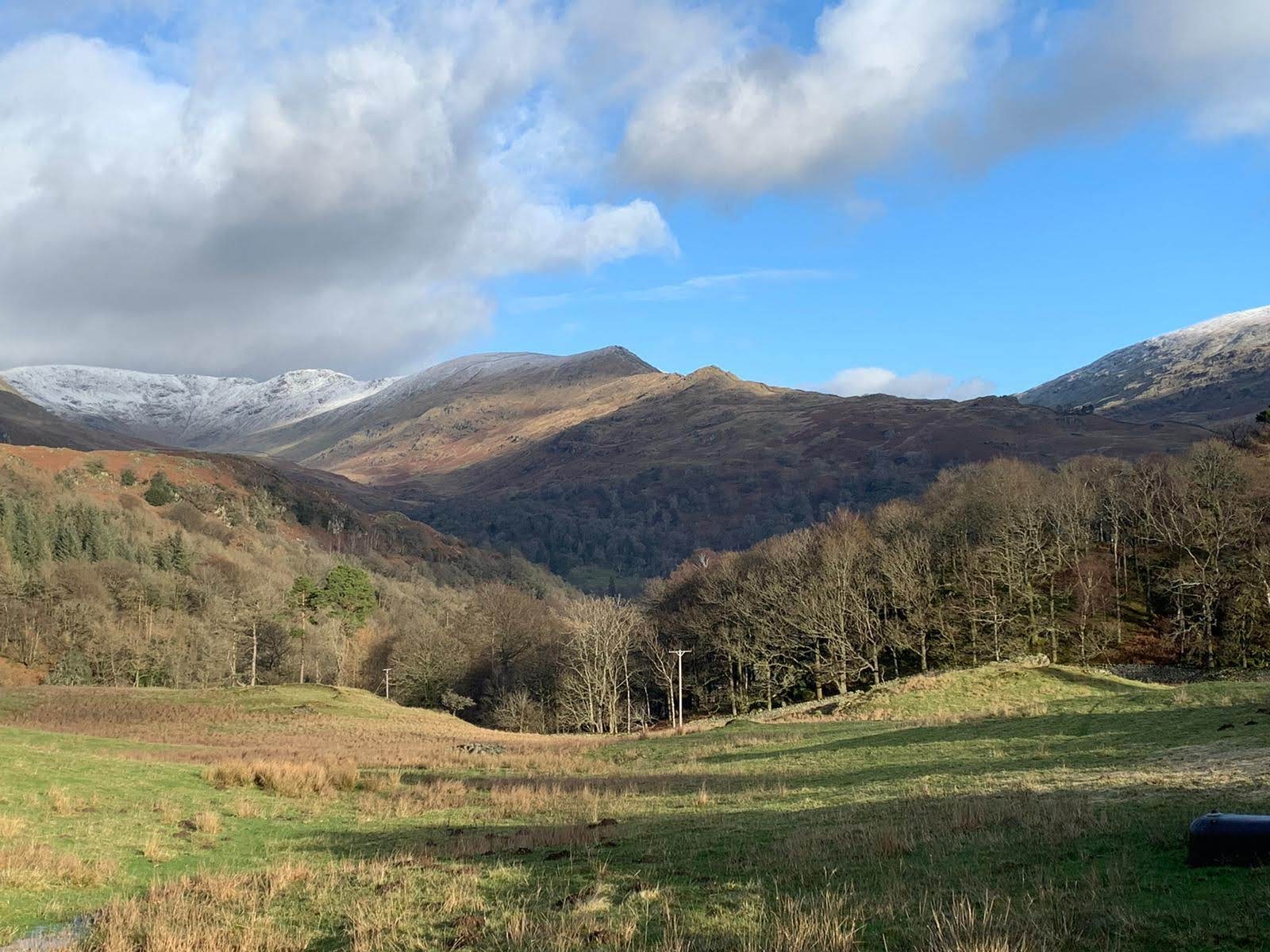
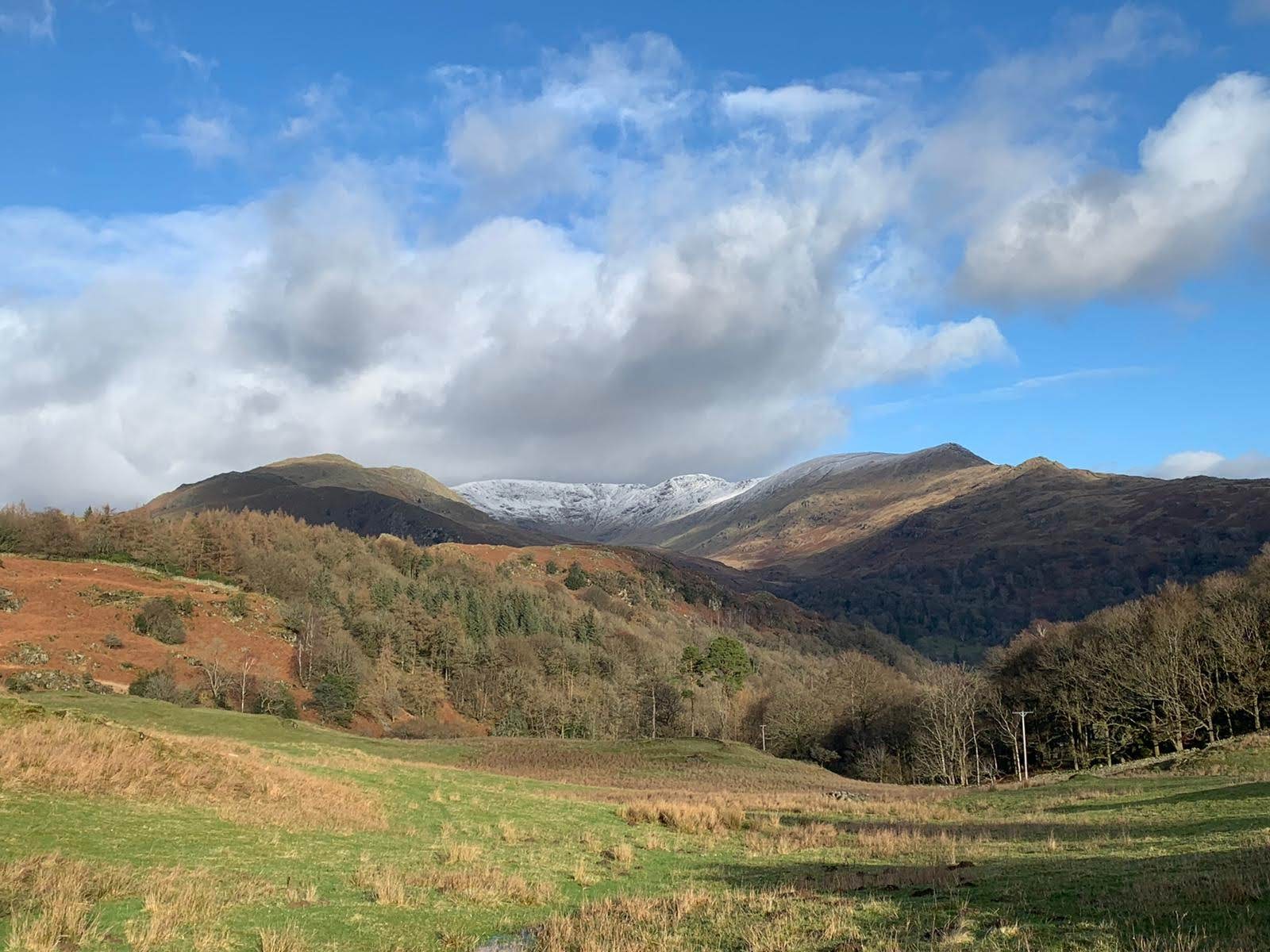
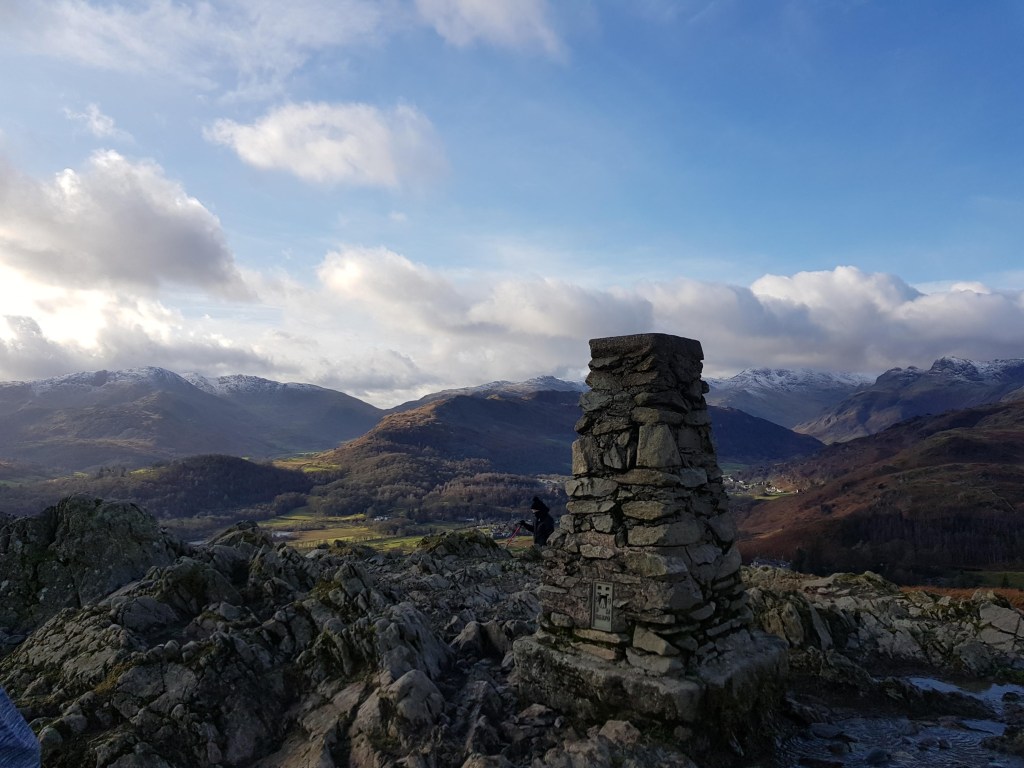
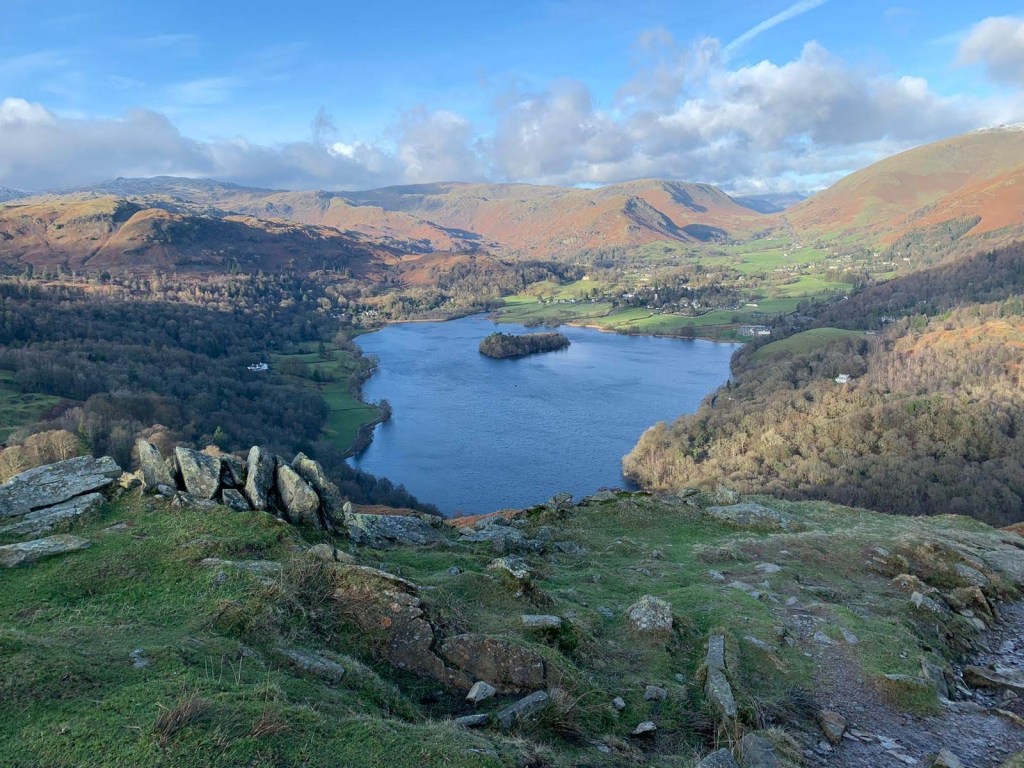
When we arrived in Ambleside, the sun came out and we started a 3 hour hike up Loughrigg Fell. This ‘low fell’ felt very mountainous to us, and clearly I am not ready for Scafell Pike quite yet!

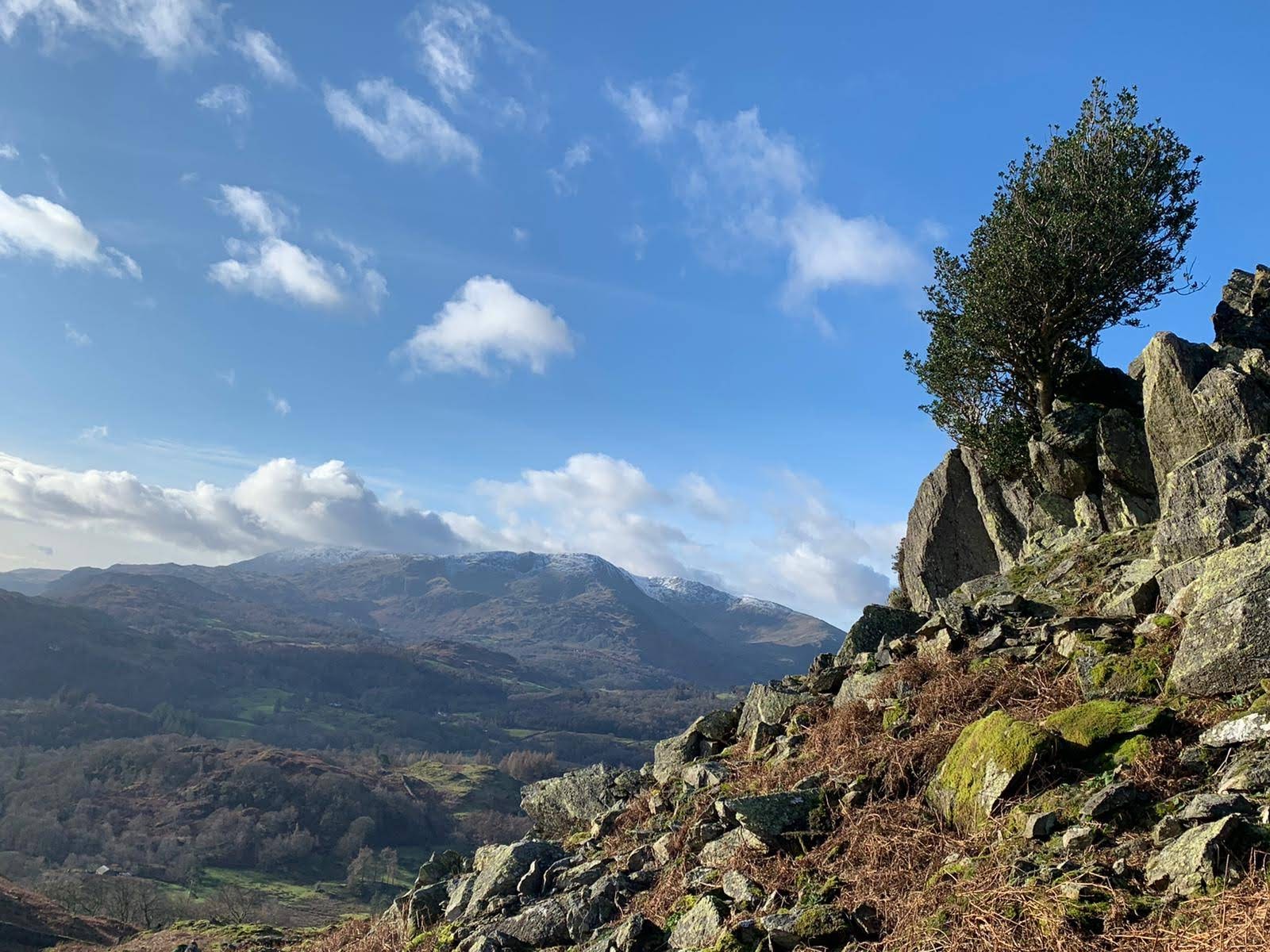
The hike had absolutely beautiful views and different things to see on the way up and down…. including a false peak (be ready for that heart wrenching moment). We had a tasty picnic on the way up, and were sat next to a bird of prey that was simply perching on the cliffside.

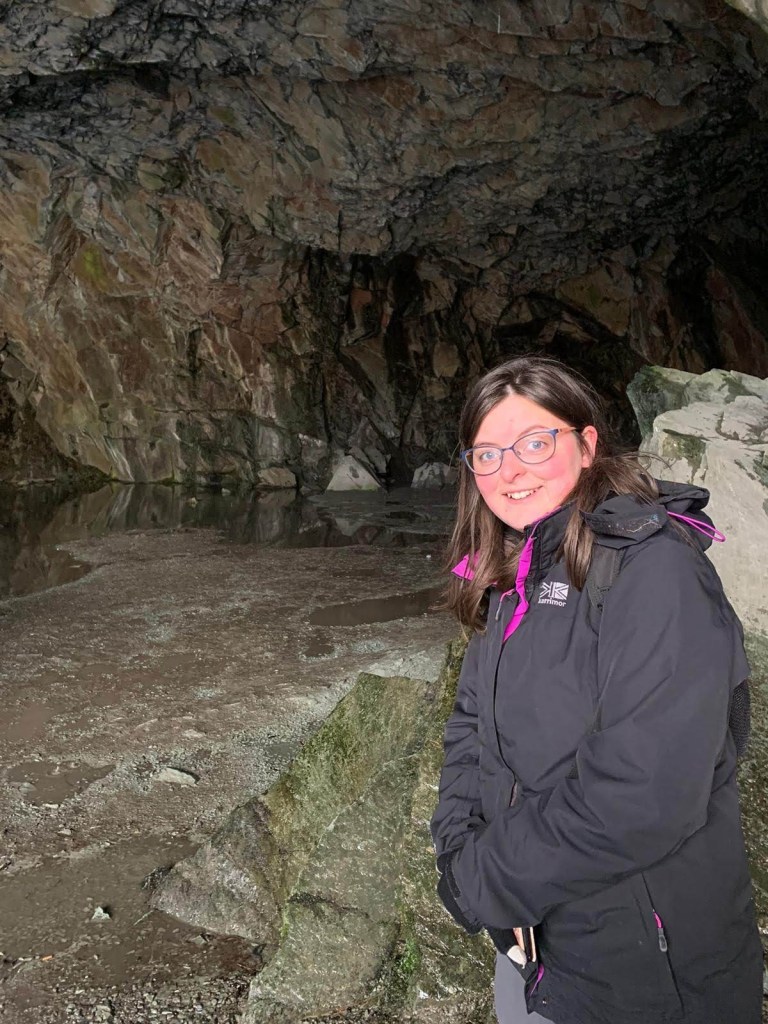
After being battered by wind at the peak, we started carefully making our way down. On the way down, we enjoyed views of the lakes, streams and a huge watery cave. When we eventually finished we could enjoy sitting on our cruise back looking over our gorgeous photographs, and relaxing. Later in the evening, we took advantage of a special pamper package that the B&B had running with a nearby health centre, and spent the evening in the pool and jacuzzi, soaking our muscles!

There were also plenty of places to dine out in the area and relax. We had a couple of lovely dinners both near to our B&B in Bowness on Windermere, and in Windermere town itself. If we had been there for longer than a weekend, we would have visited more of the towns and villages around the lake. Unfortunately, we only really had the Saturday, and then a long drive back on Sunday. We did drive from the top to the bottom of the lake before turning out on a misty morning, and the views were still breath taking.

I think I would definitely visit again for some more hikes, mixed in with good food. I would like to stay for a week. I would probably stay there during the winter again as well as I hear it is very busy in the Summer, and I wouldn’t want too many tourists to spoil our tranquil experience.