Tag Archives: cruise

A colourful dip into the Baltic

With a few weeks sailing the Baltic sea, I managed to experience an Autumnal viewpoint of a collection of European cities; Helsinki, Tallinn, Visby, Copenhagen and Hamburg. With some glimpses of sunshine and lots of rain, I was able to wonder the highlights of these important places and you will quickly figure out which were my favourite.

Helsinki, Finland

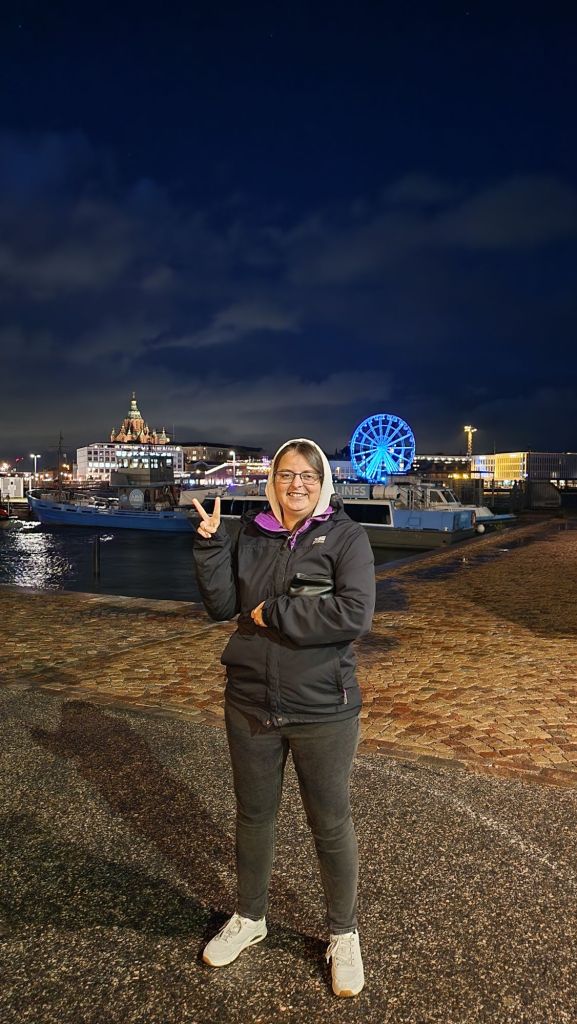
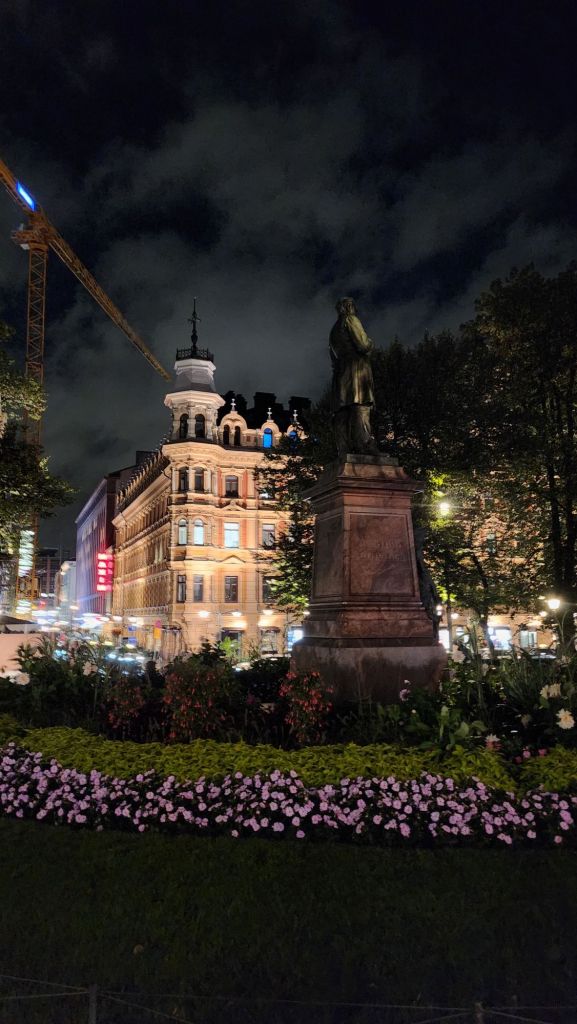
My two day visit to Helsinki was absolutely full of rain, and was very chilly but I still managed to venture out and see some of what was on offer. Just racing around in the back of a Tuk Tuk, I could see that the city was keen on design. There were so many striking buildings of brick and cement, and a clear futuristic feel.
During the day, there seemed to be a reasonable amount of activity, especially in the public saunas where I could see people steaming up and then jumping in the cold waterways that surrounded the city. Sauna culture is huge in Finland, and many people even have saunas in their homes. The Finns are very keen on wellness, which I know first hand from the lovely yoga mad vegan Finnish roommate I once had. She was all about health for the mind, body and soul.

My Finnish friend also loved to be asleep early but now I think she is not uncommon because when I tried to go for dinner out on  a Friday night in Helsinki.. there was not a soul to be seen. There were so little restaurants open, I ended up only going to a Kebab house! And having the wierdest kebab ever, might I add. According to the locals I asked, this is not unusual here. It is definitely the quietest capital city I have ever seen.

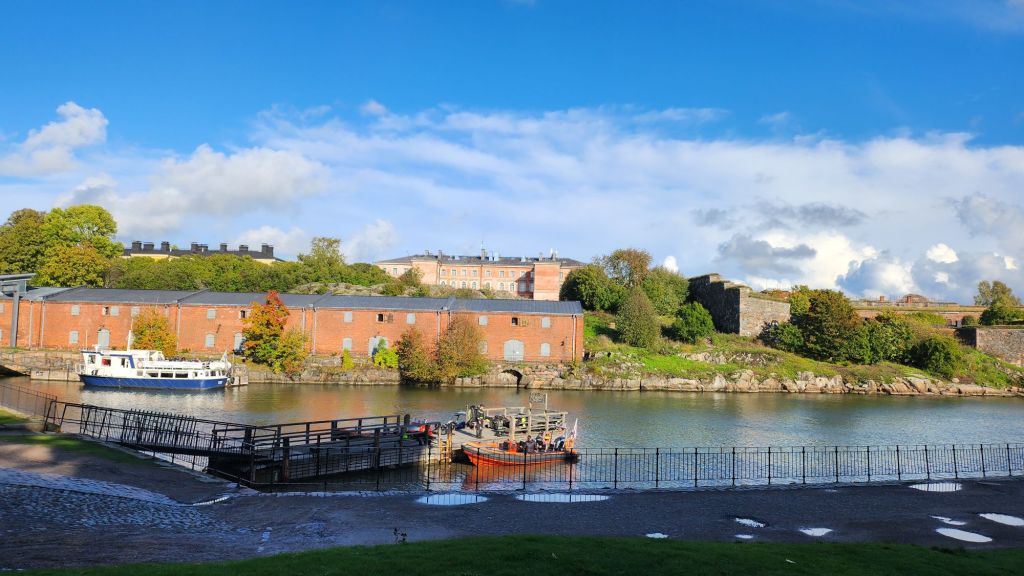
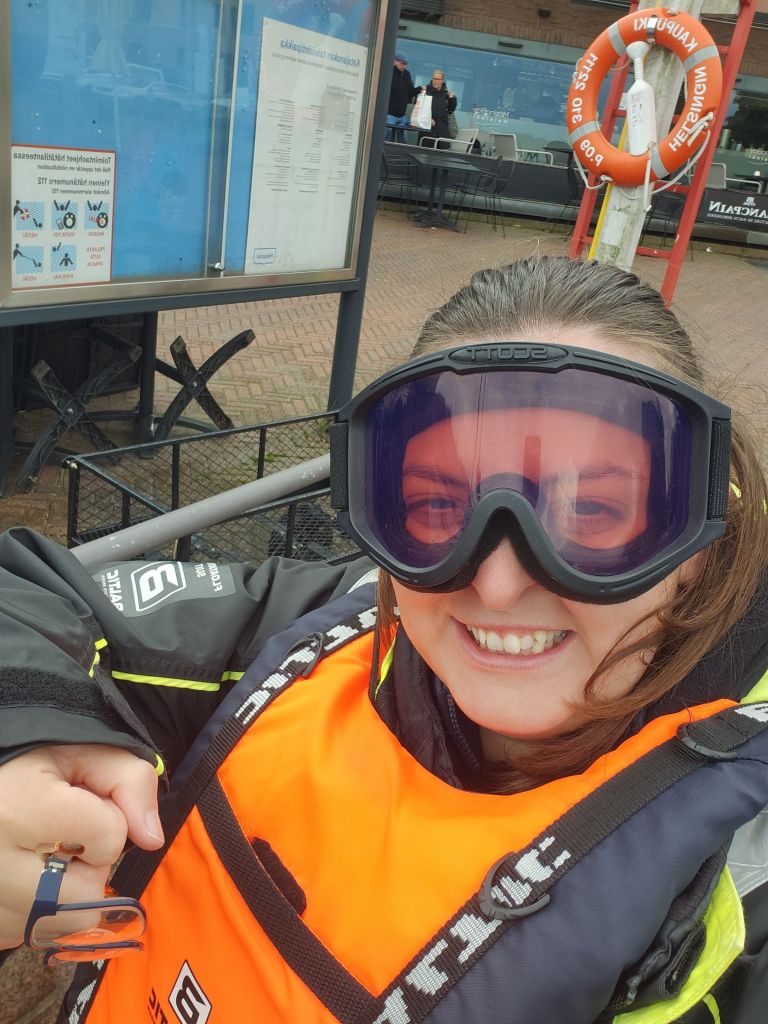
One of the most interesting things about Finland to me, was the history. I learnt a lot more about this country’s past when taking a rib ride to another island in Finland’s huge archipelago of more than 75,818 islands.

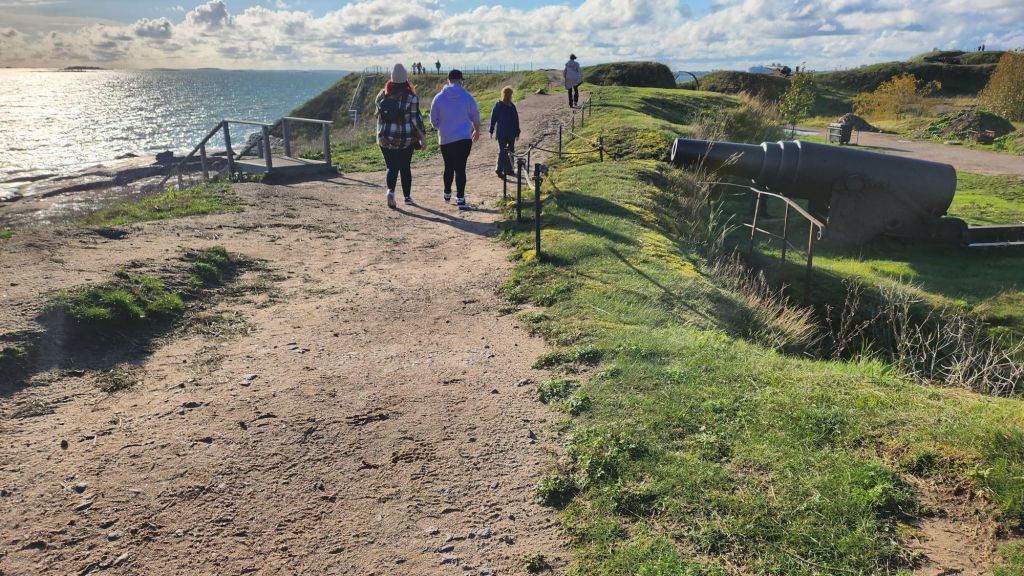
I visited Suomenlinna Island which was once a military base for Sweden, during its rule over Finland.
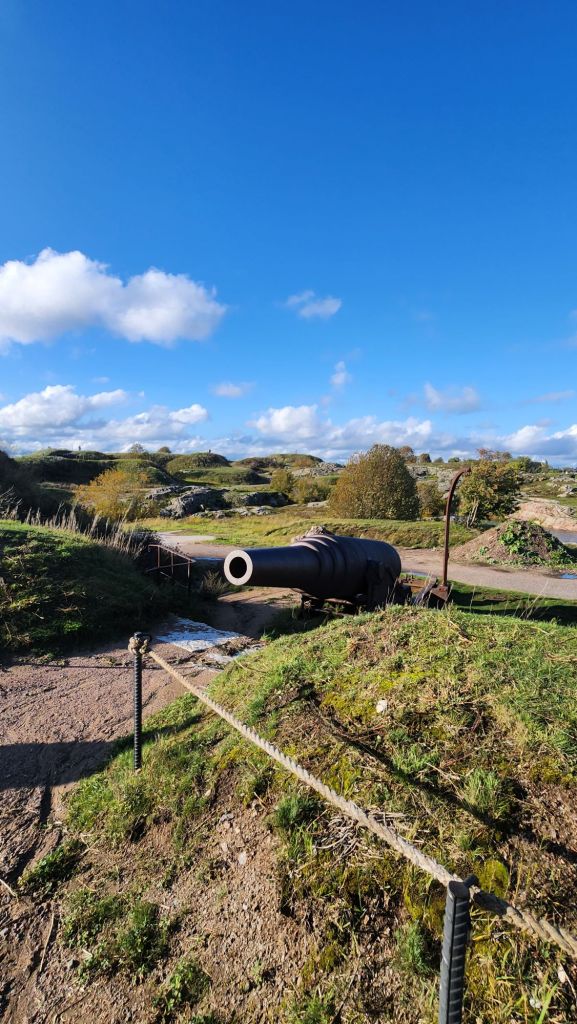
Finland has had a long history of being conquered, with lots of fighting here between Sweden and Russia for territory over Finland. This is one of the reasons why the Finns are now quite multilingual.

The guided walk I took around this island was very enjoyable and had great views  although it was bracingly cold!

Overall, chilly but calm Finland was a good introduction to my Baltics adventure.

Onwards to Tallinn, Estonia...

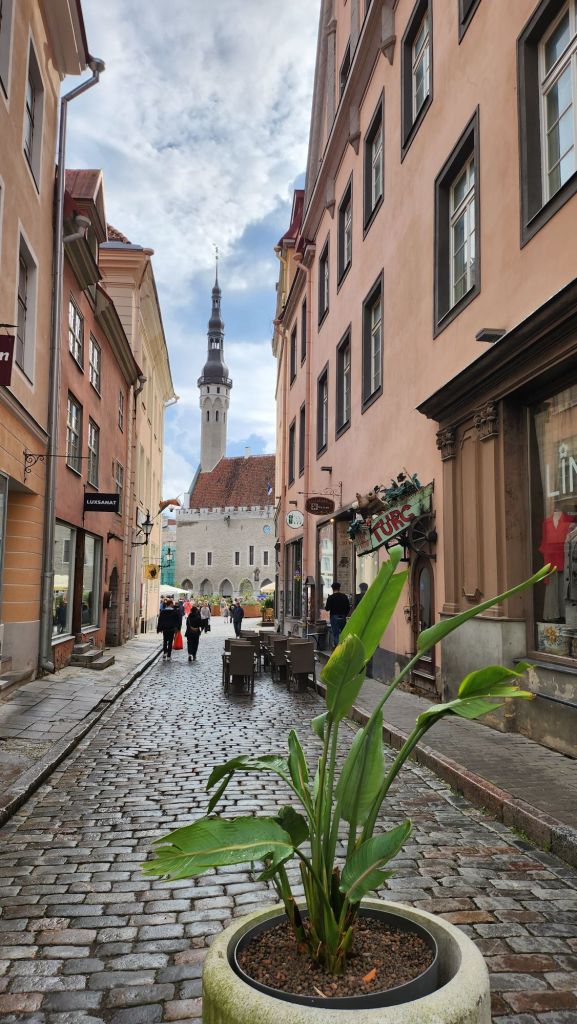
Tallinn’s old medieval town is a UNESCO World Heritage Site, and is a beautiful little place to explore.

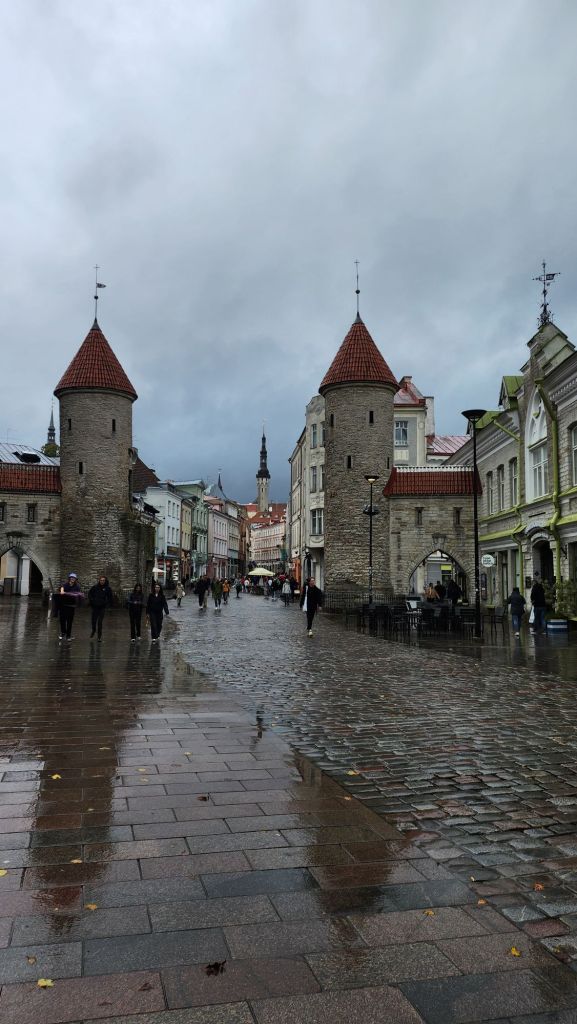
I felt like I had been transported back in time, and into a fairytale book in Tallinn. The city has a beautiful stone gateway with pretty turrets as you enter and then I continued to see more of these Rapunzel type turrets as well as picturesque church steeples and sweet little town squares. There were traditional markets and shops and I found myself a very tasty bakery.
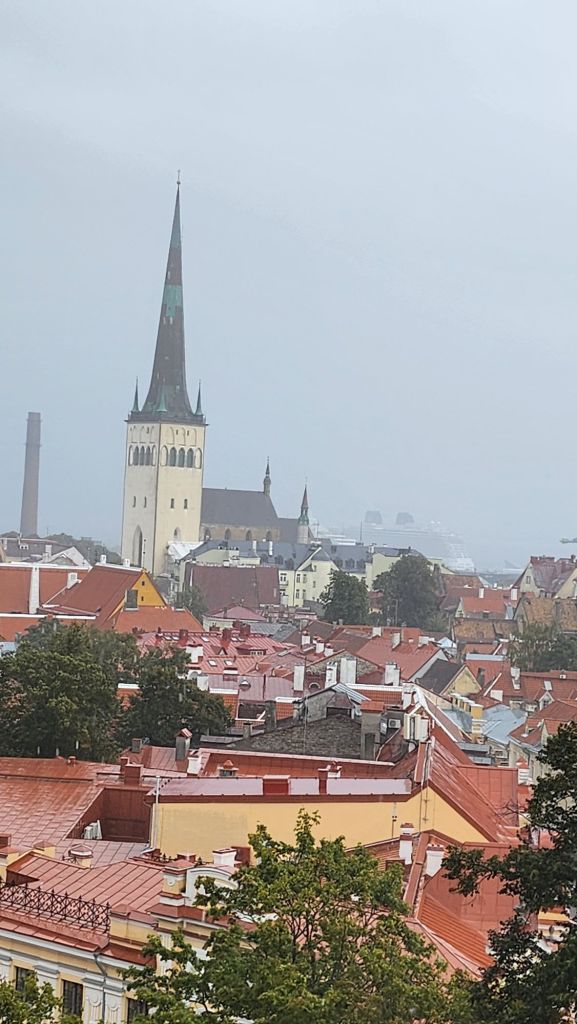
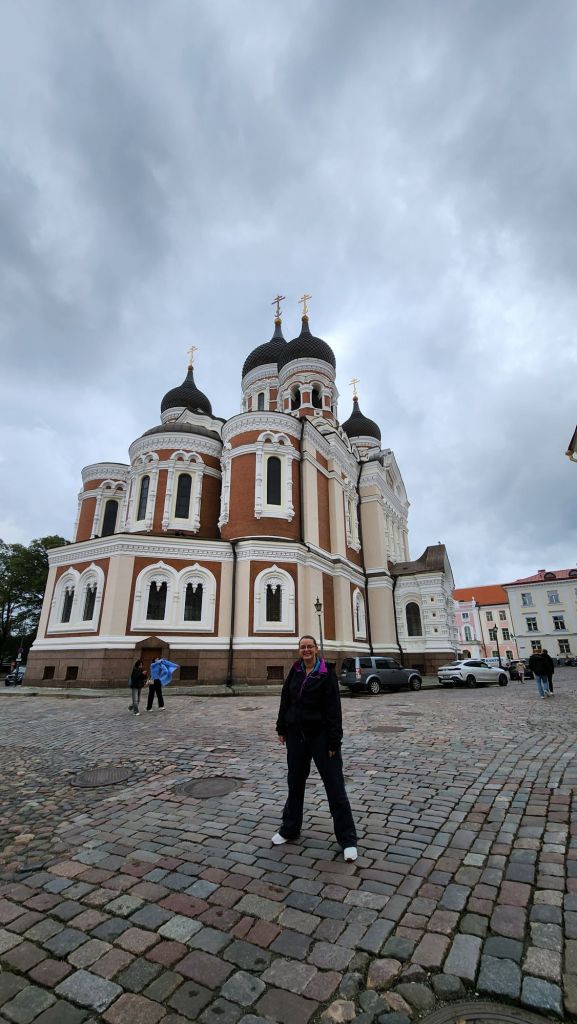
As I walked my way up to a viewpoint on what was becoming a very rainy day, I could also see their Russian built church which whilst beautiful, told the instant story of their conquered history too.

Next stop Visby, Sweden

Now ordinarily, I think Visby must be a very sleepy place. I was lucky enough though to visit when they were having a food festival!

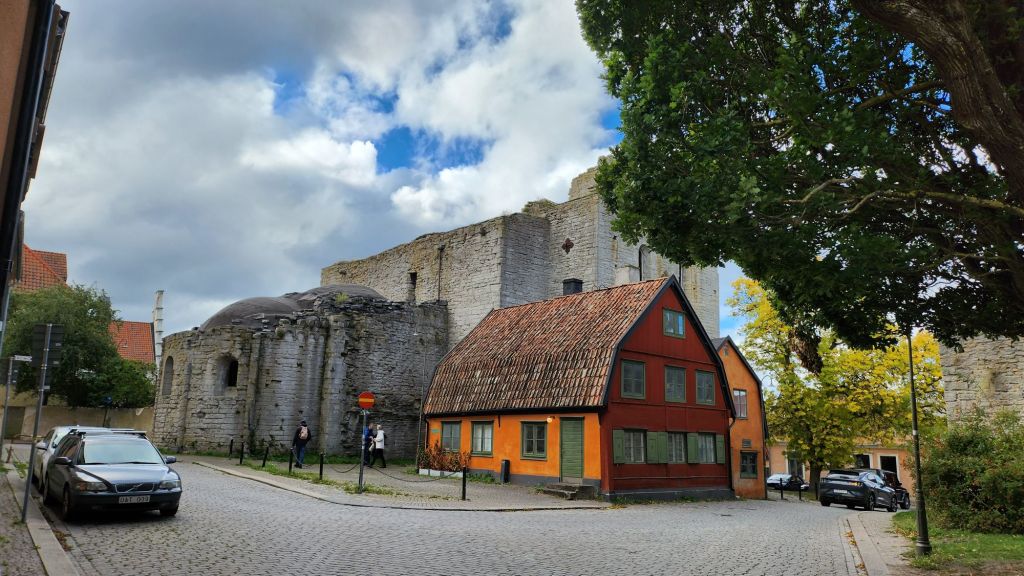
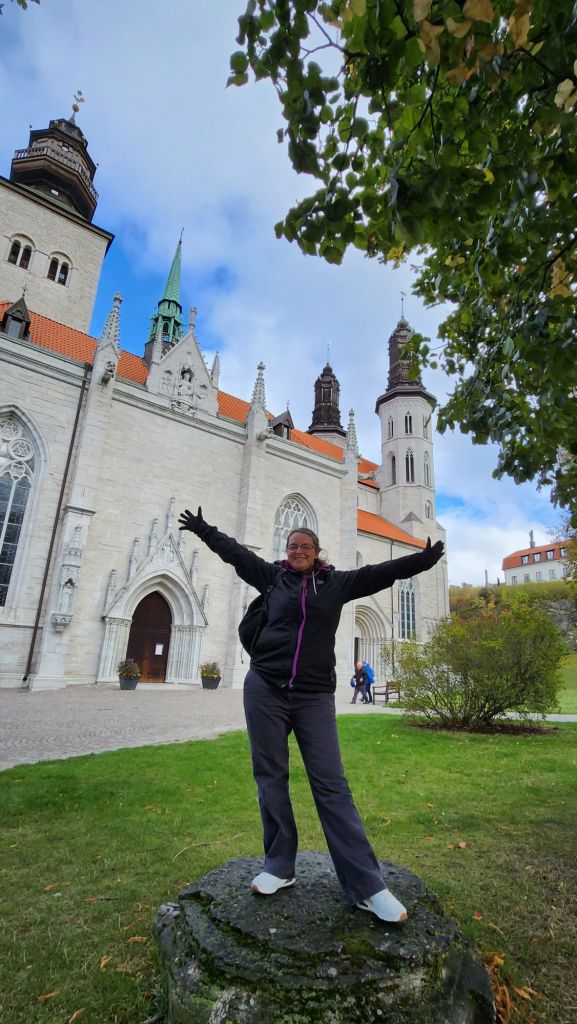
Visby is actually a heritage city on one of Sweden’s islands, named Gotland. This is again a fairytale location but here you get that traditional Viking feel from the design of the place.

The old walls, houses and cathedral are all impressive, but as I mentioned, it was a food festival, so I was taken in by a very tasty and unusual Bison Stroganoff and an amazing selection of cheeses!

After some delicious food and music, I had a wonder around before rejoining my ship to go onwards to Copenhagen.

Copenhagen, Denmark

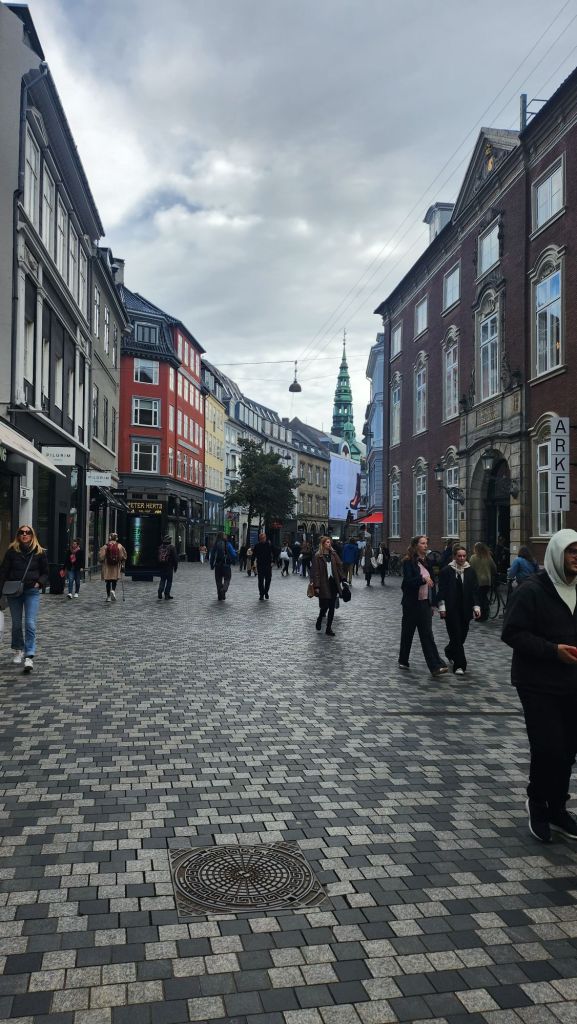
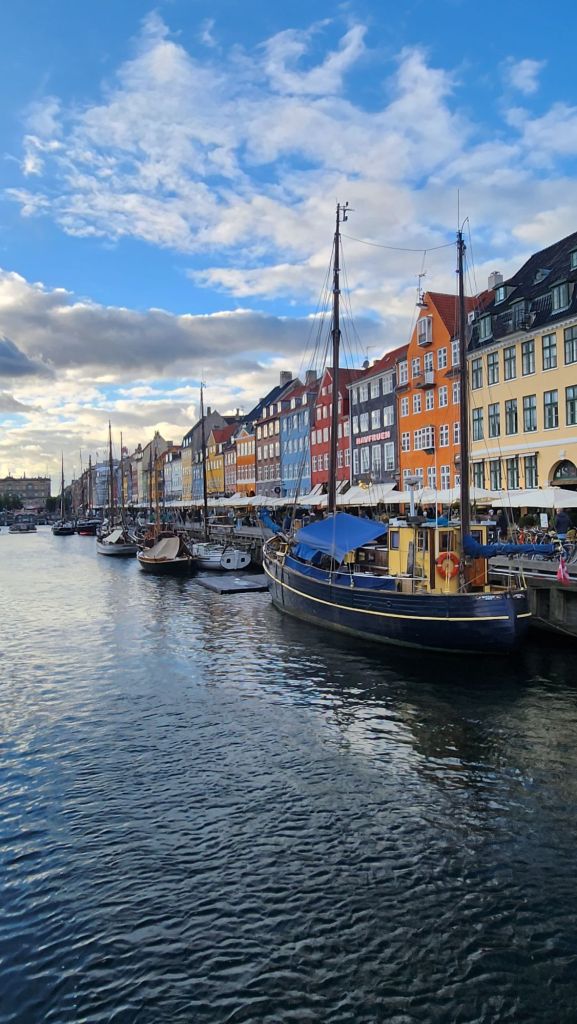
Copenhagen was certainly very colourful in their city vibes and friendly people. The city is full of hustle and bustle, mainly around their famous harbour and in the form of the speedy cyclists that zoom around the city.

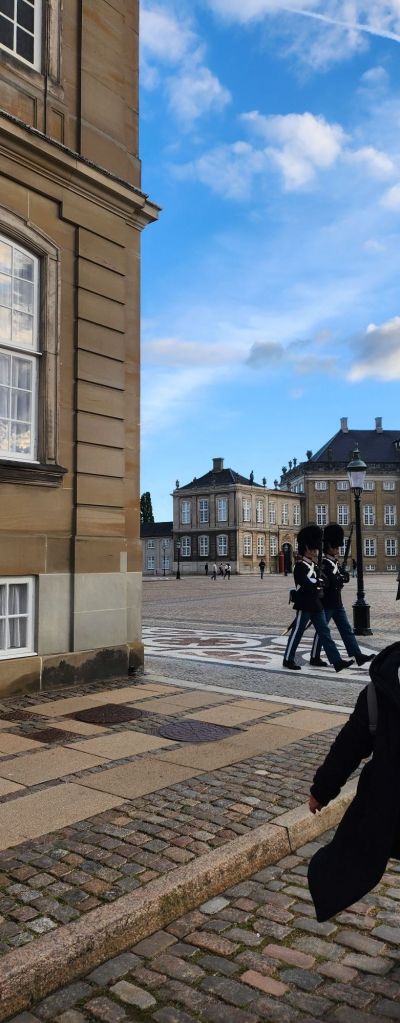
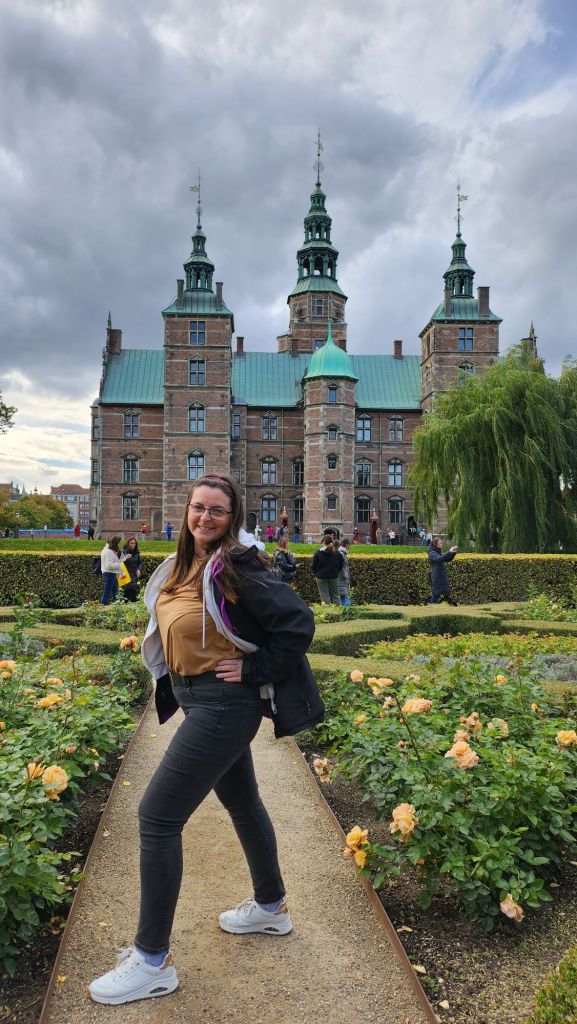
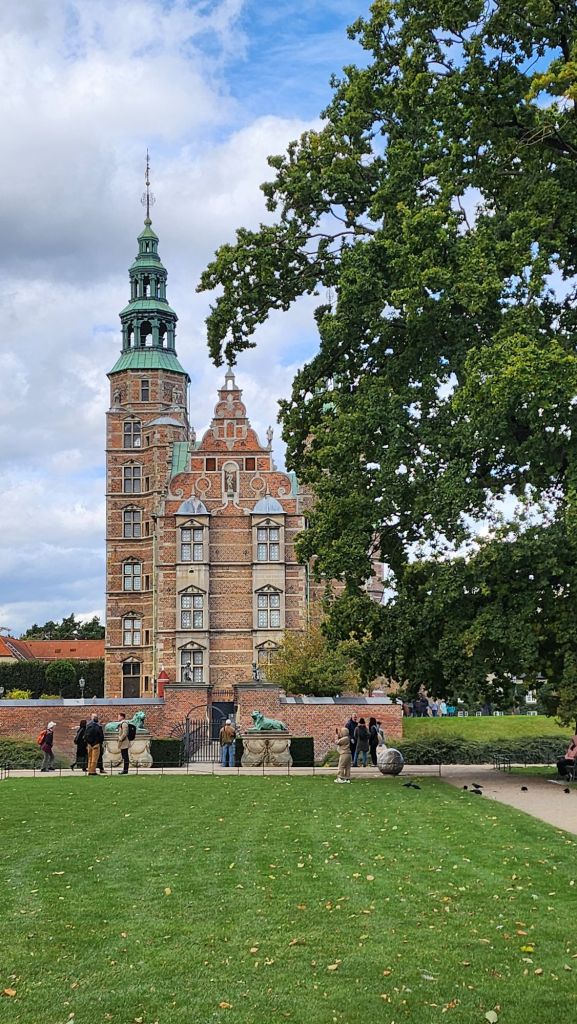
On foot, I explored the impressive palace squares with their palace guards and procession that could easily compete with London’s own. I also ventured further to the gardens of the pretty Rosenborg Castle and tried some very odd plant food from the public food hall which wasn’t half bad. Later, it was time for a relaxing dinner at one of the harbour’s many restaurants where heaters and blankets were much appreciated in the night air.
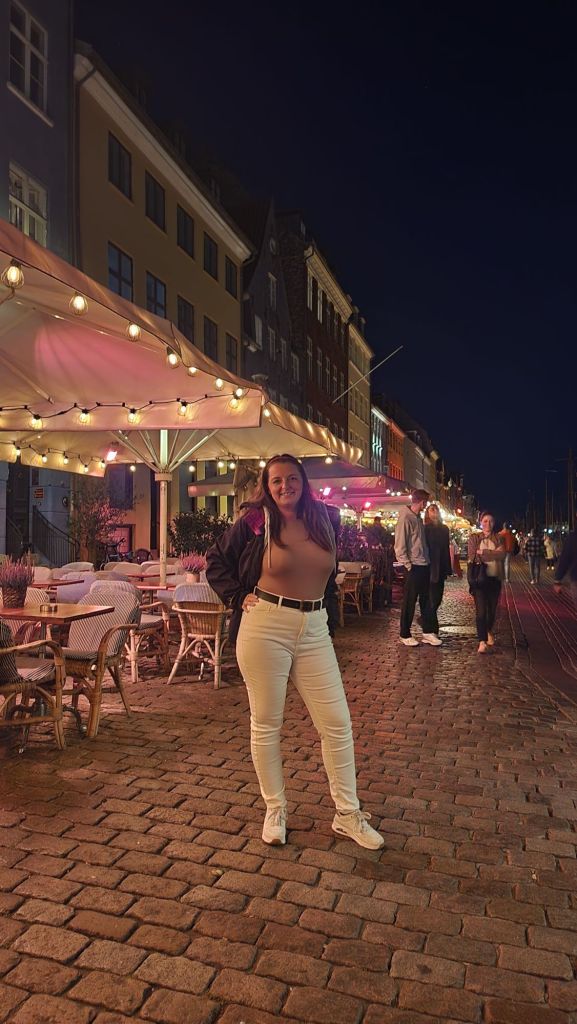
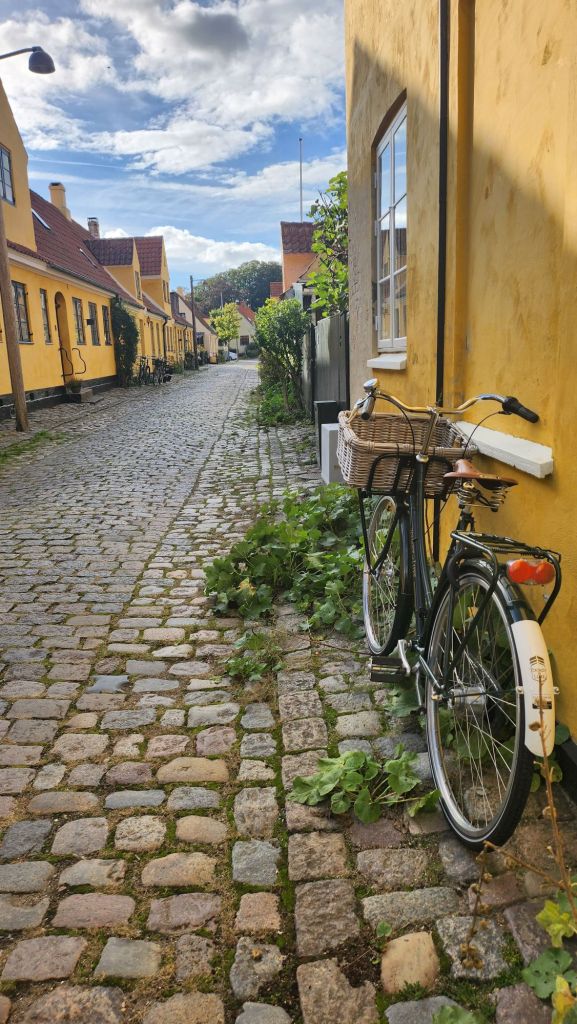
I found myself talking to a guy from Argentina that had moved to Denmark. It seems to be the place for many people wanting to run away to a new country and has a lot of easy visa rules for this. On a visit to a sleepy harbour town outside the city, my guide was also telling me about his move from UK to Denmark, after meeting his danish girlfriend. The girls across all of Scandinavia are known for their beauty.

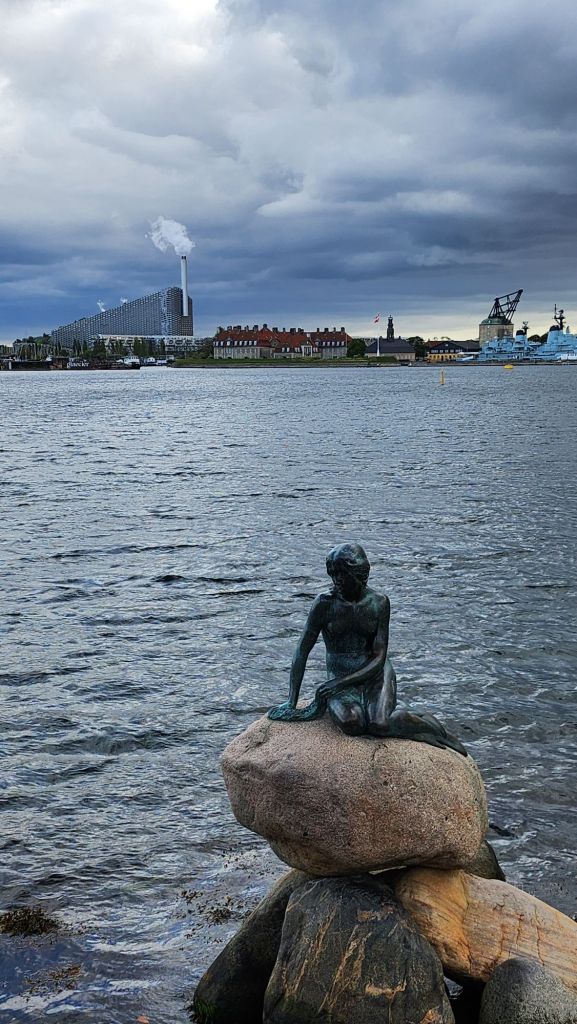
One girl is well known in the city, and that is the little mermaid. A true lurer of men in mythology. The statue sits on the outskirts of the city and is a world famous symbol of Denmark. Whilst well known, for me she was very underwhelming. Sitting alone on the waterside, (except for all the tourists), she didn’t actually look like a mermaid. Apparently, she was actually based on the sculptor’s wife. She was probably the part of the city that was least interesting.
Finally, after all these other places, I can’t forget to mention my afternoon in Hamburg.

Hamburg, Germany

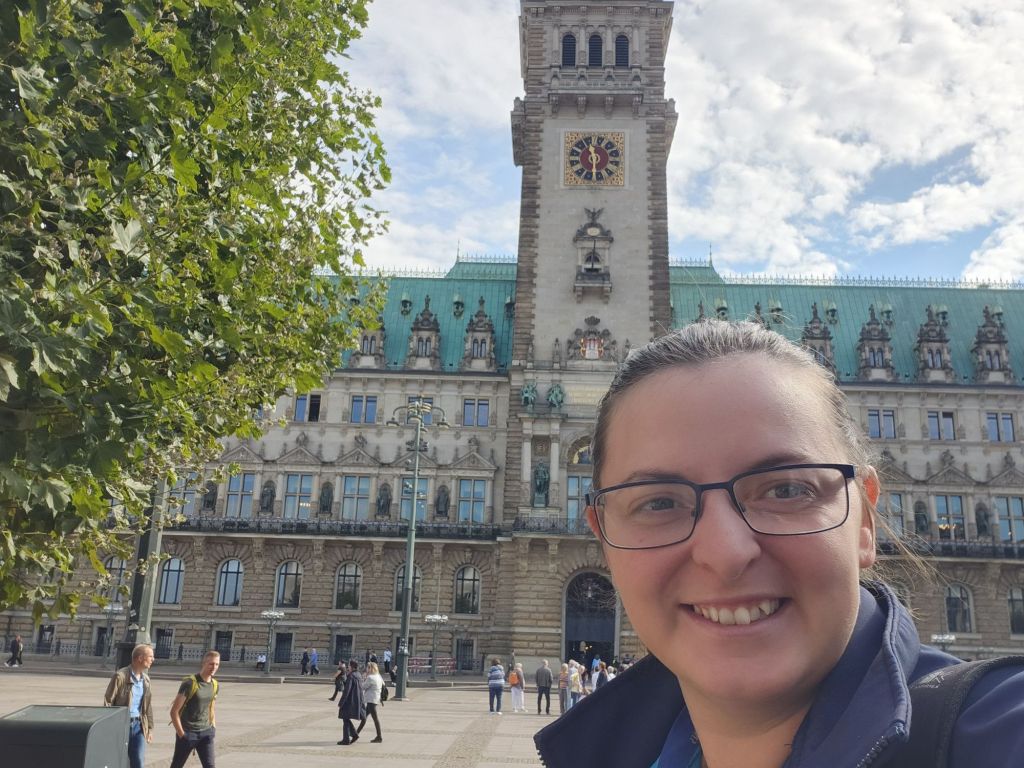
I have been to other parts of Germany and had never thought much about visiting Hamburg. Once there, I was captured by it’s charm.

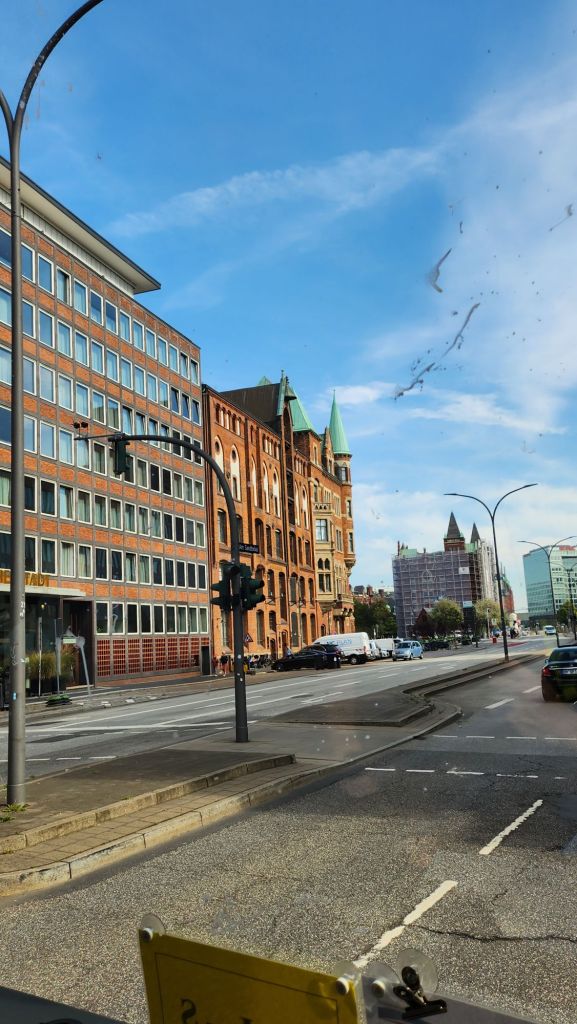
This red brick city has a famous port and historic district called Spiekerstadt, which is full of converted warehouses and factories that gives a post industrial redesign vibe.

Apparently the city has actually grown on land that has been man made over the original marsh areas that were here. Tons of sand is actually brought into the newest HafenCity to raise its level higher, for construction to be done on a more stable foundation. I went to a part of the city that was still being built and could just see masses of sand there. You can get the sense for the different heights of the city just driving around though.
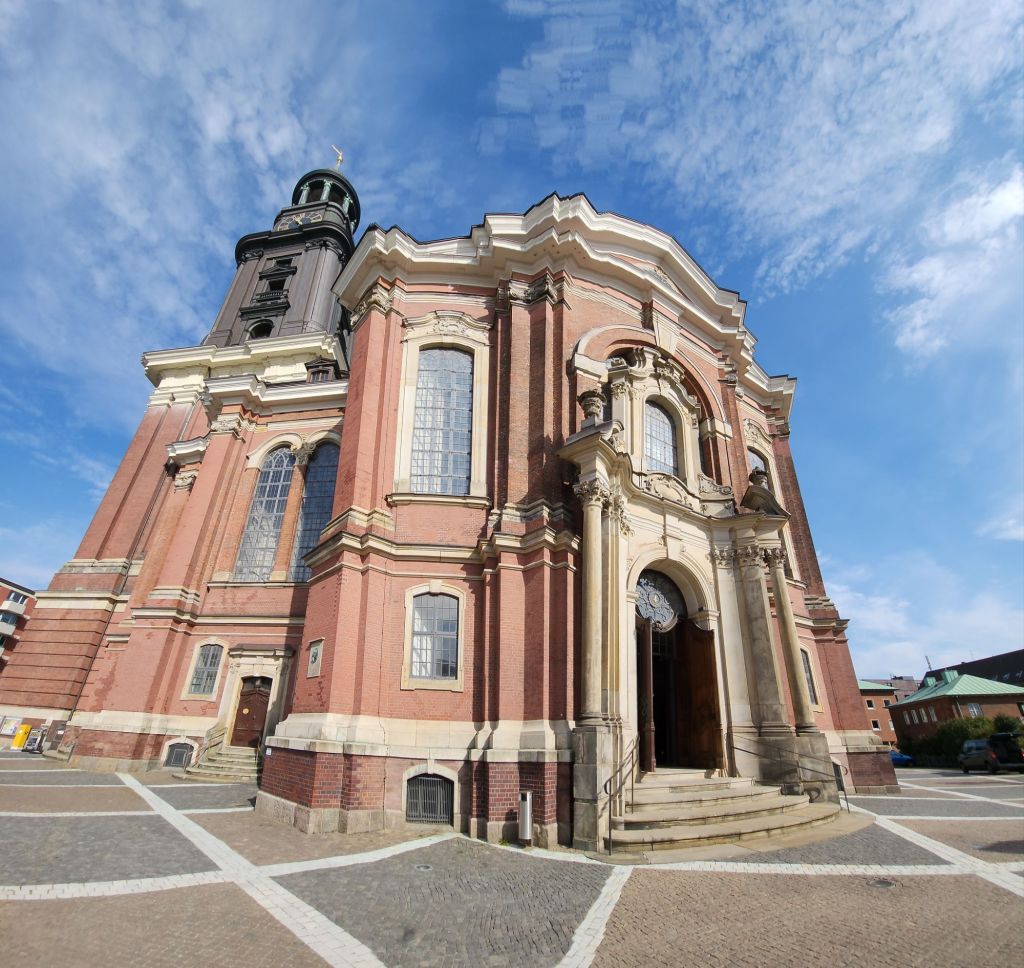
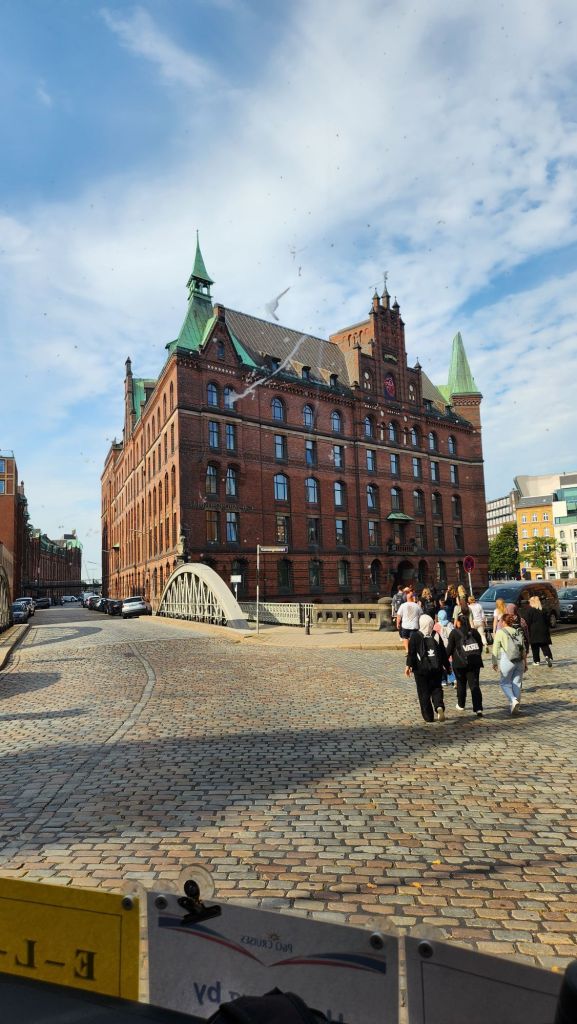
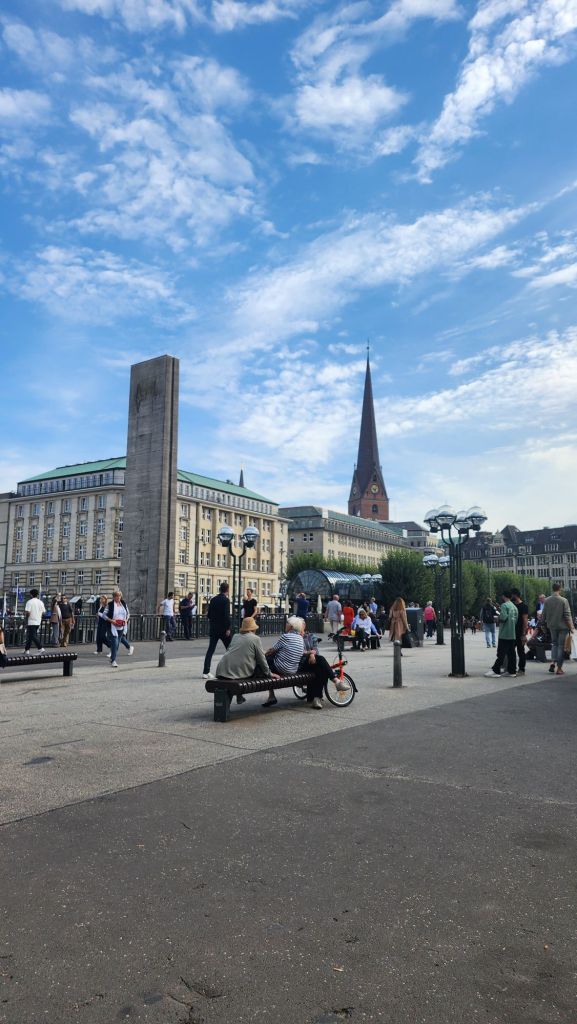
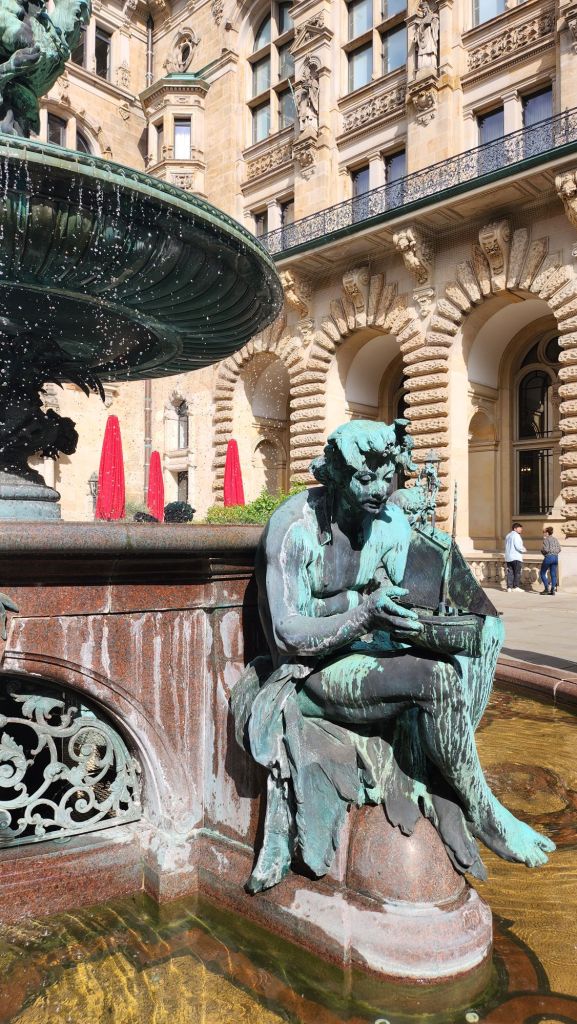
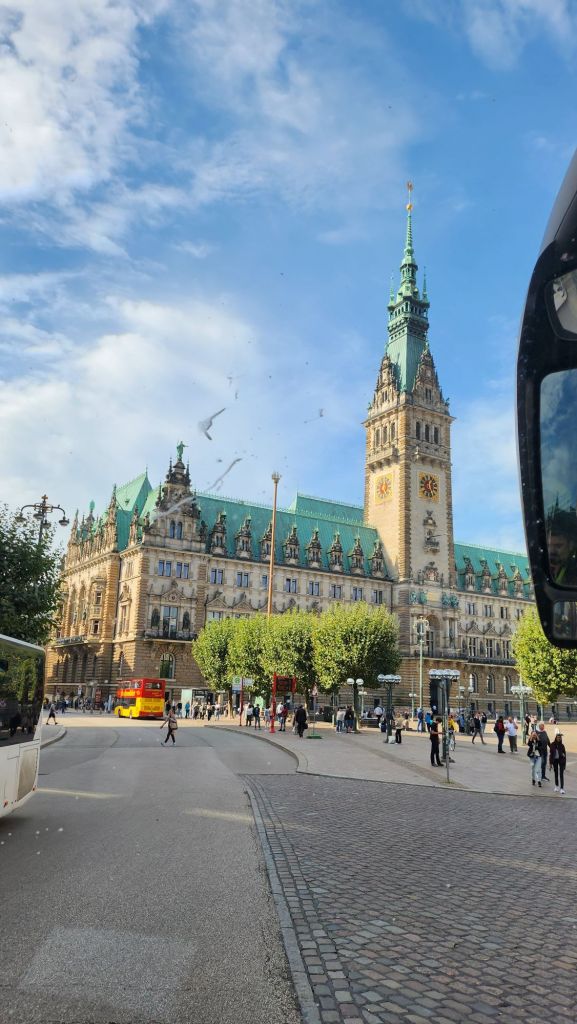
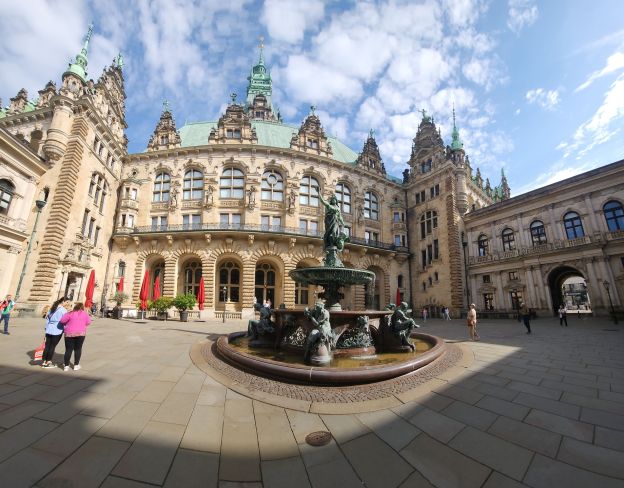
Walking around the city, there is a lot of life in the streets as well as an intricate network of canals and a gorgeous town hall. I really enjoyed my short time here and would love to revisit. I hear that the nightlife is also well worth it!

So overall, my little dip into the Baltic was a great introduction and even though these places are all in the same part of the world, they all definitely had their own unique identity.

A Touch of Norway

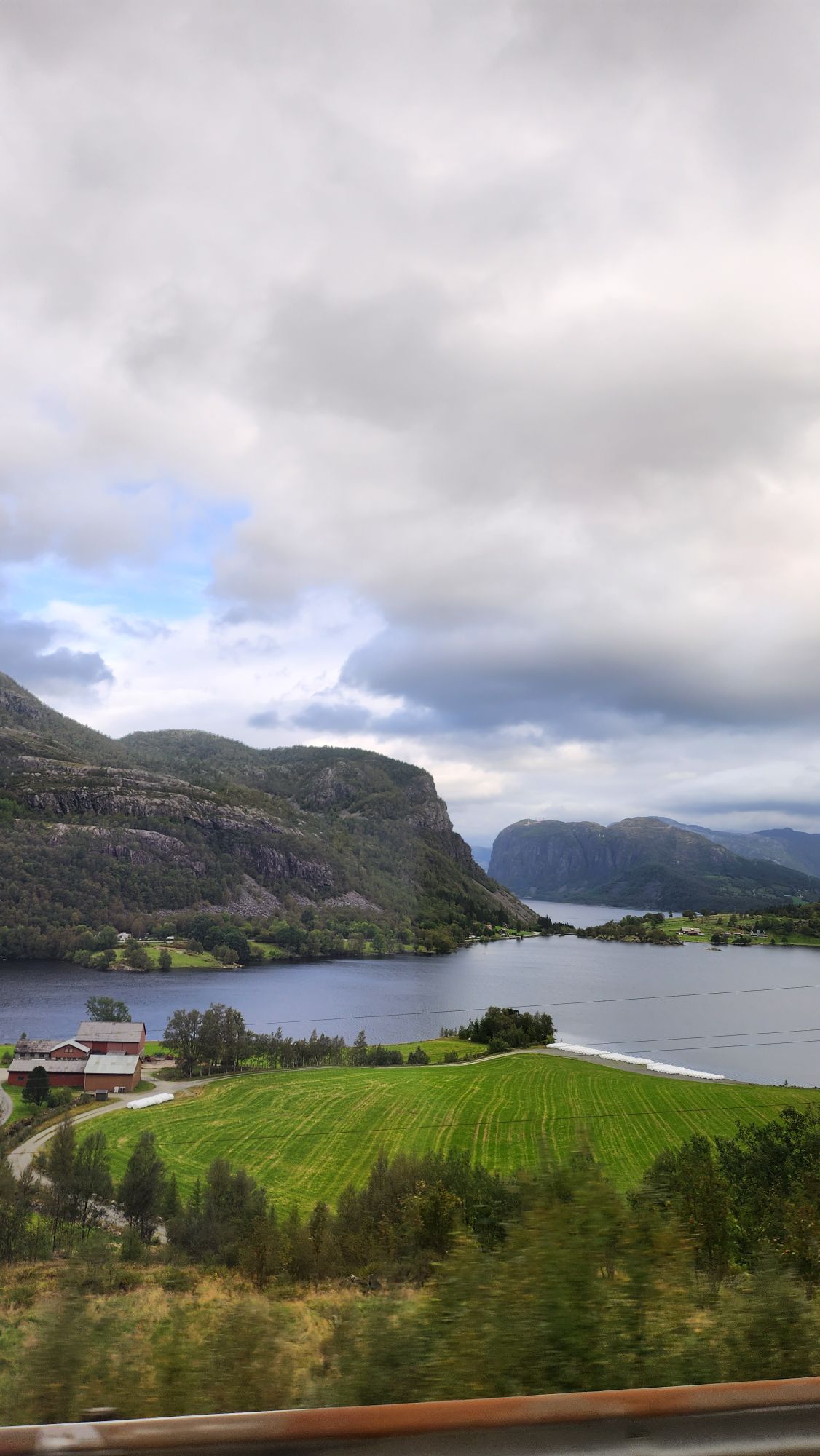
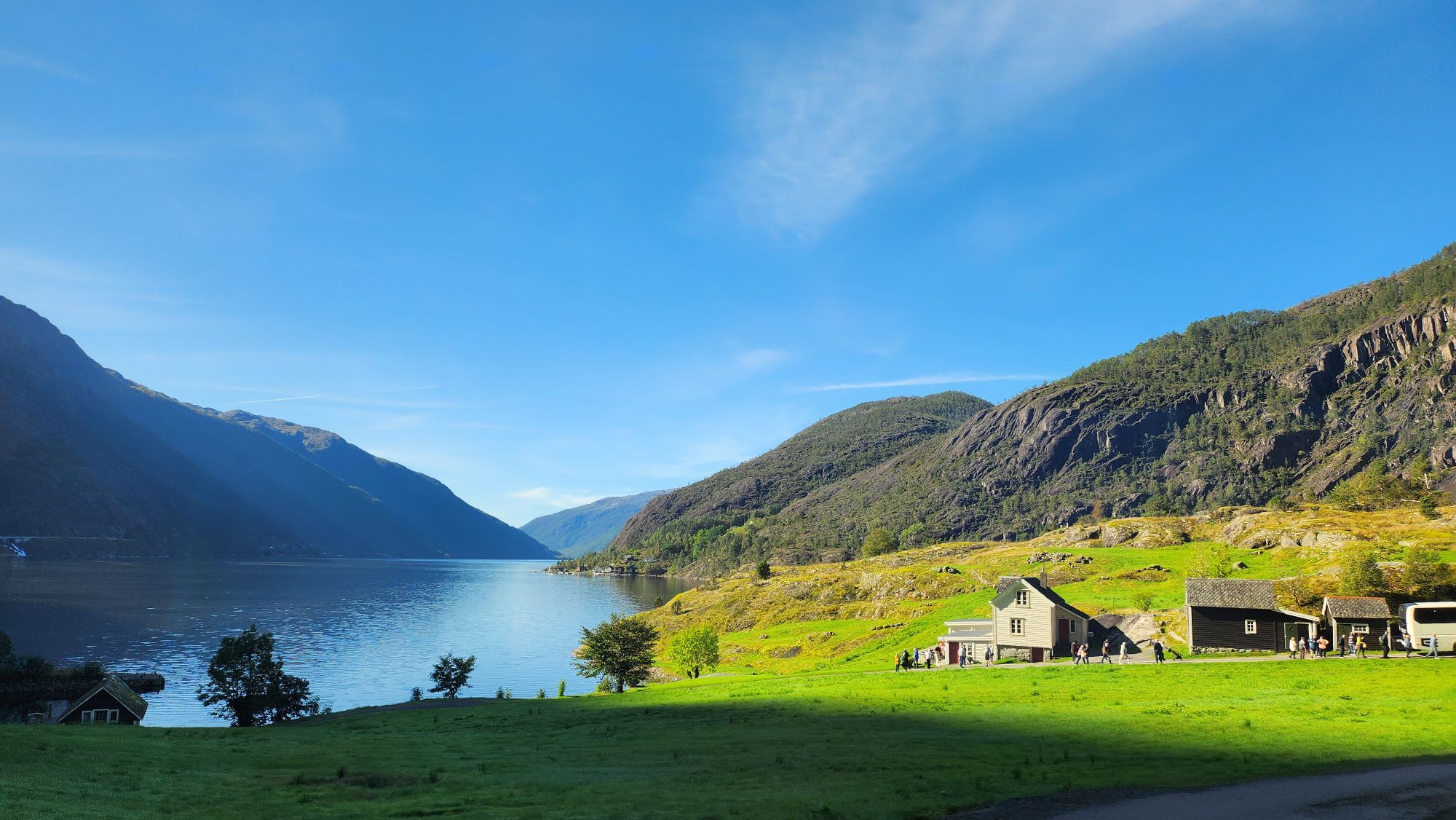
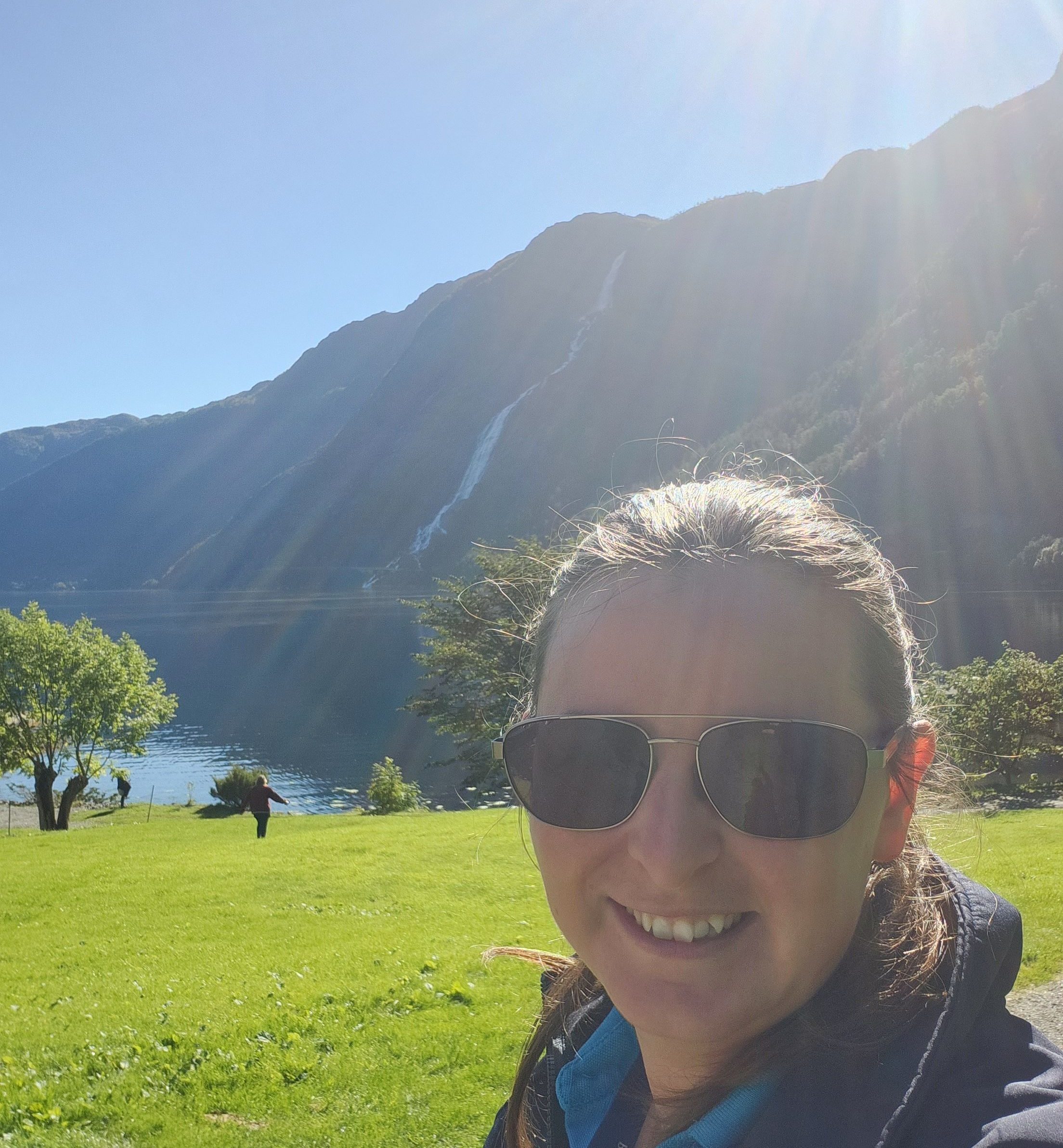
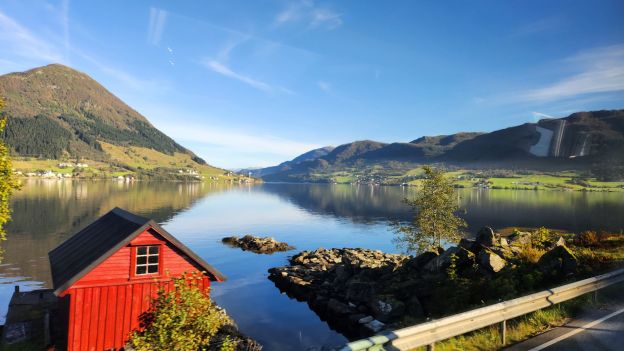
After years of wanting to visit the Scandinavian nation of Norway, but my plans always being scrapped last minute, last year, I finally made it to this luscious land. As I expected this country was a green heaven of rolling grasses and waterfalls, that I would be happy to get lost in.

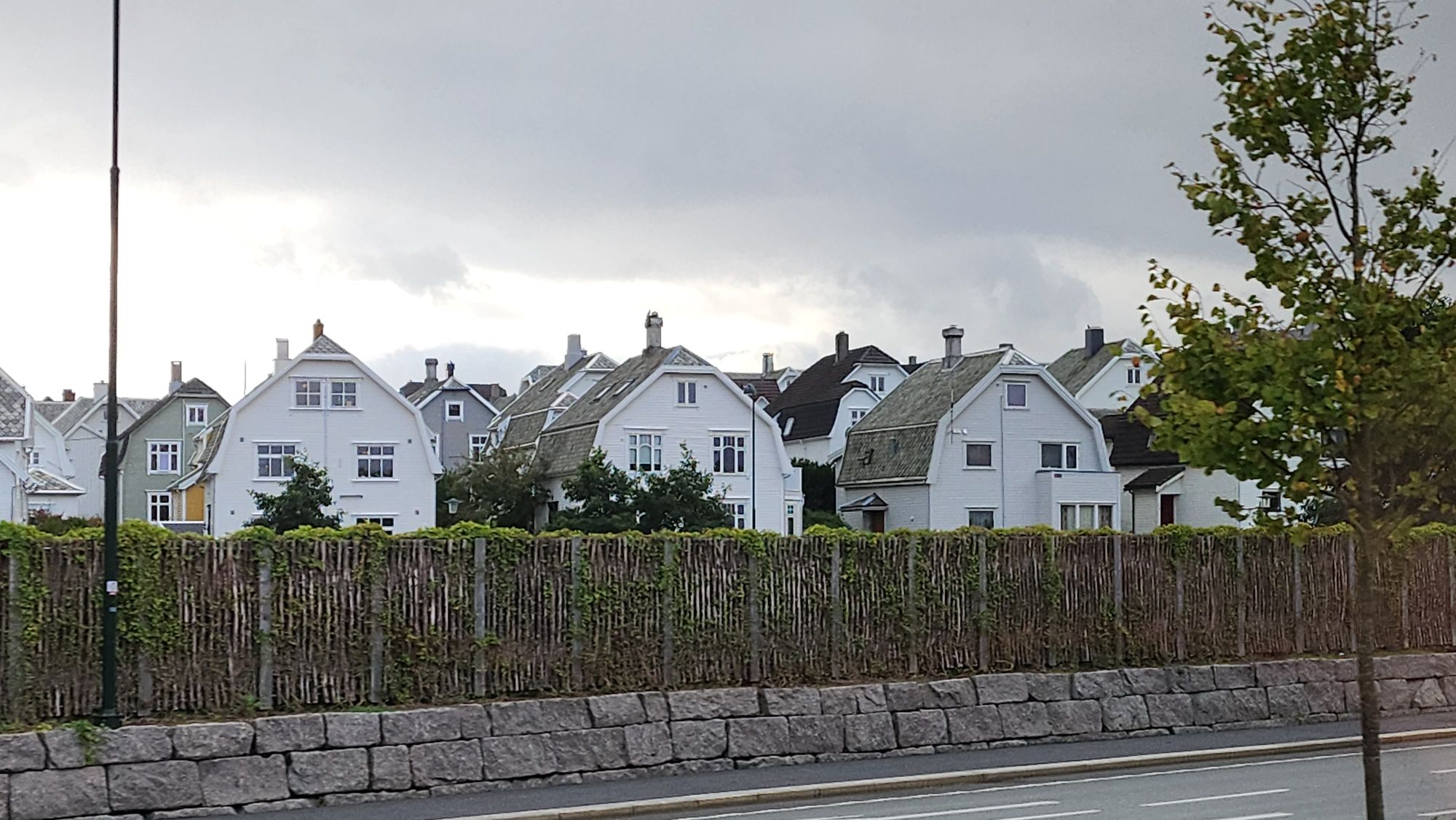
My journey took me along the coastline to some key port towns and inland to some beautiful scenic locations, which wasn’t hard as it seemed everywhere I turned, there was heavenly landscapes to see. I felt like I had walked into a movie with little wooden houses, and waterfalls everywhere you turned, it just needed a viking or two and the dream would be complete!

Waterfalls

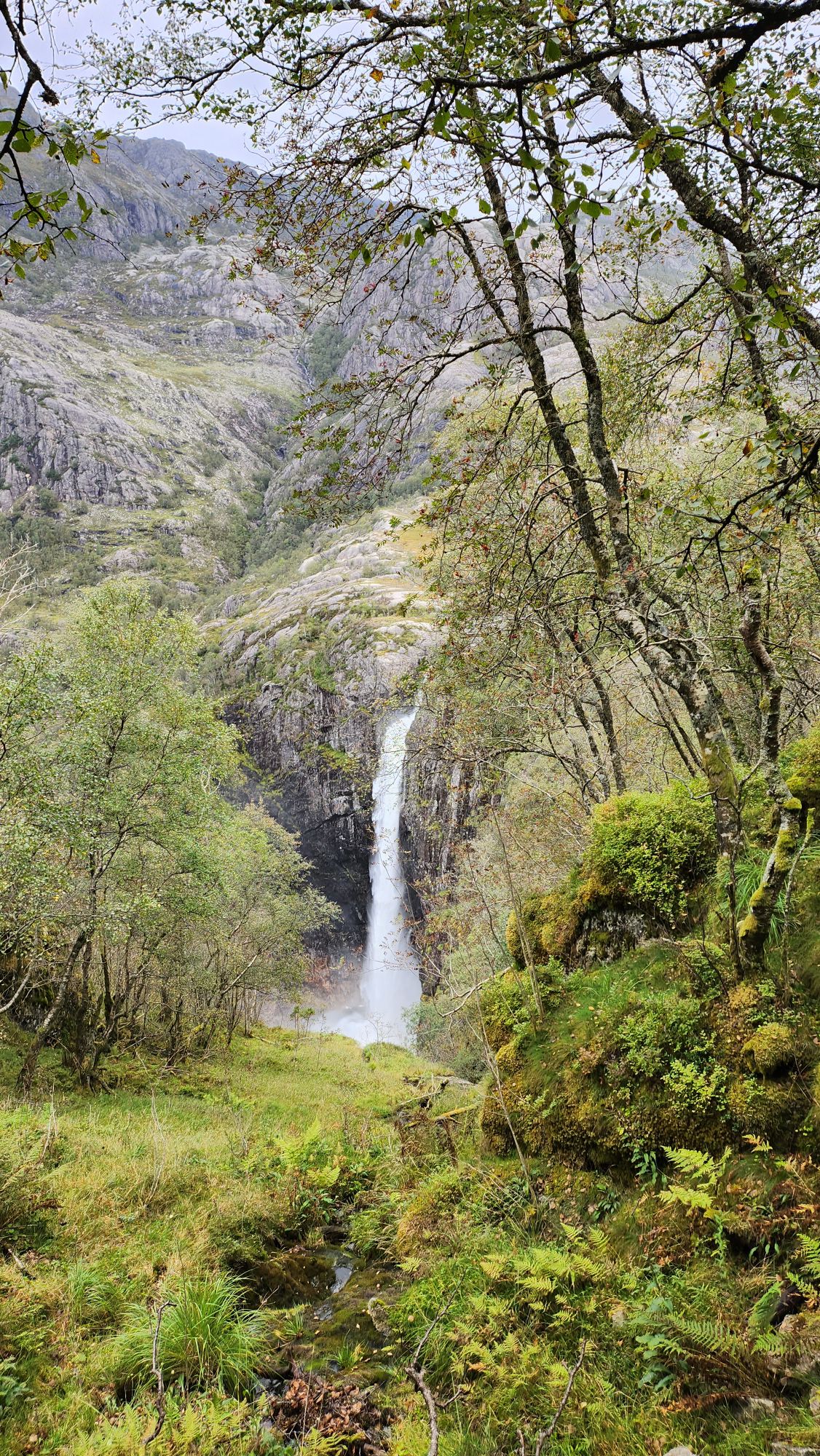
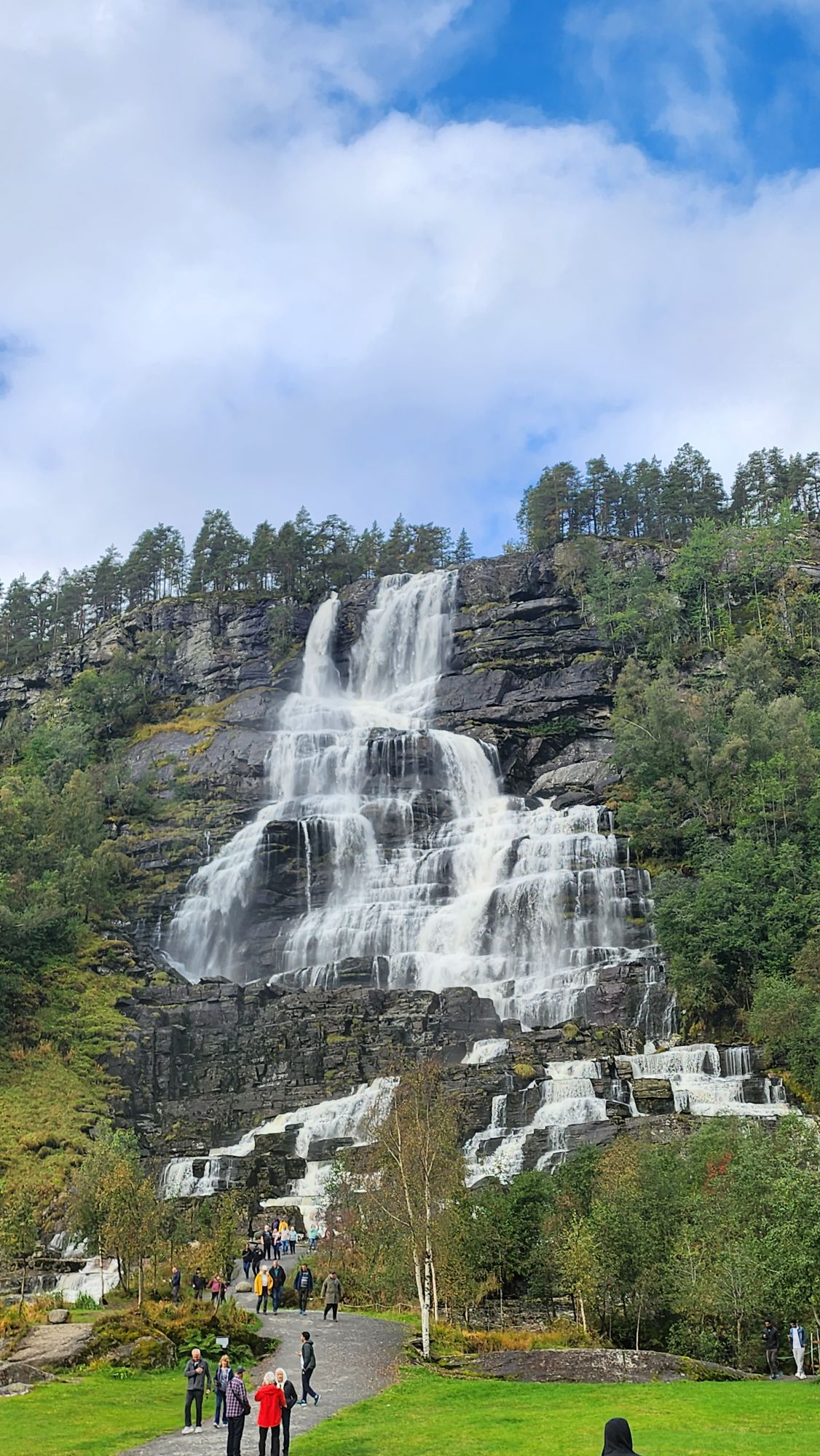
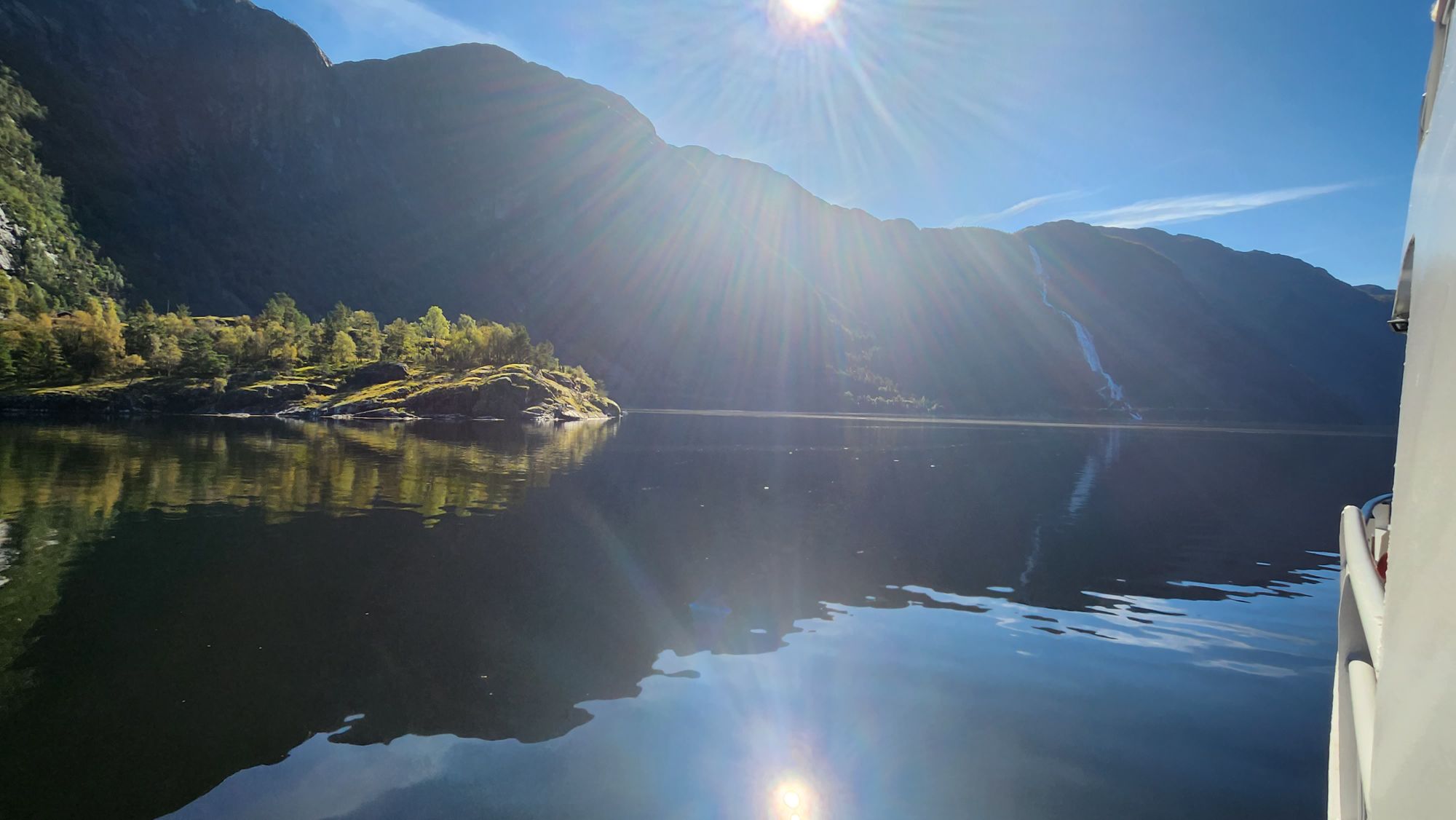
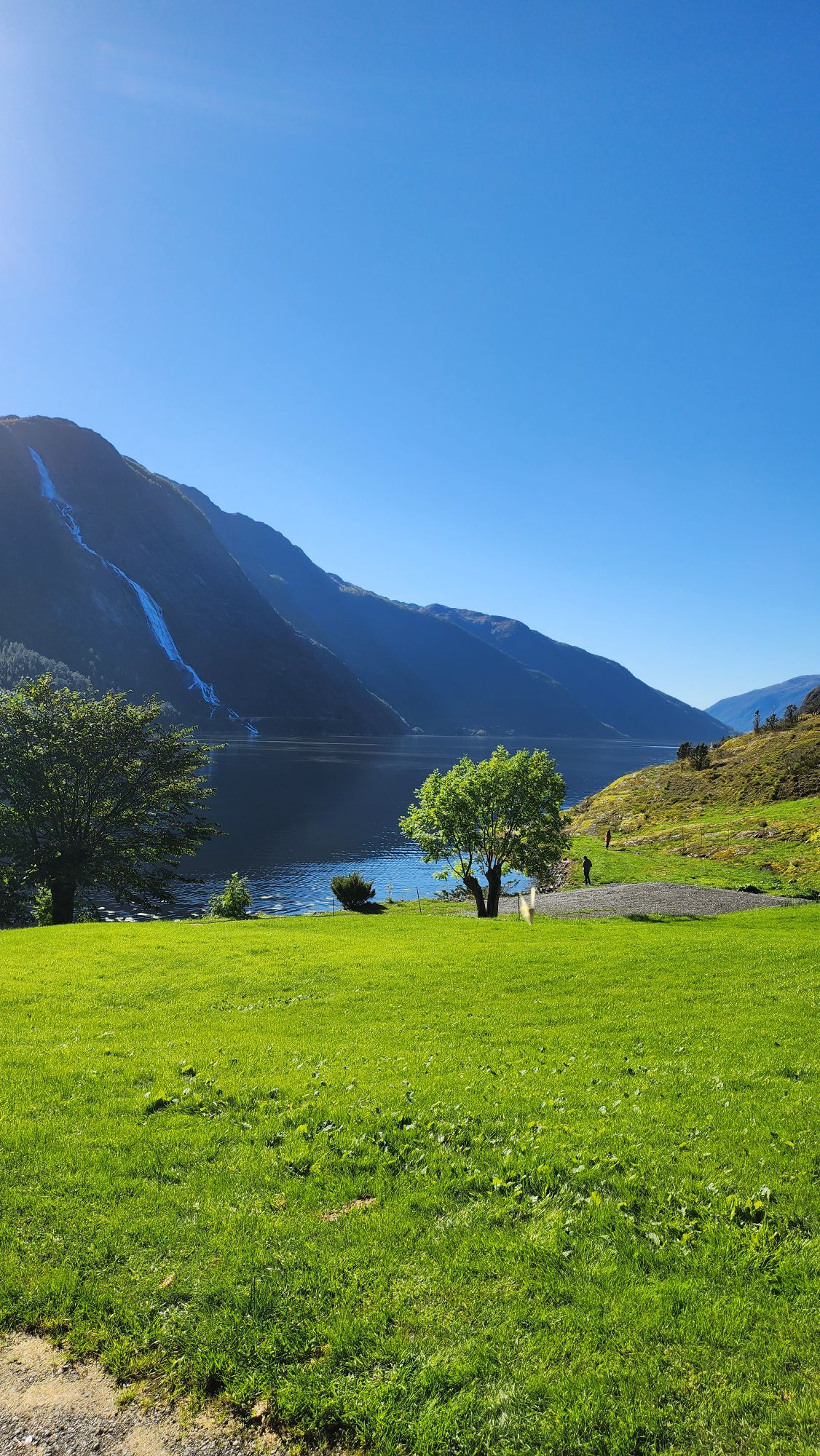
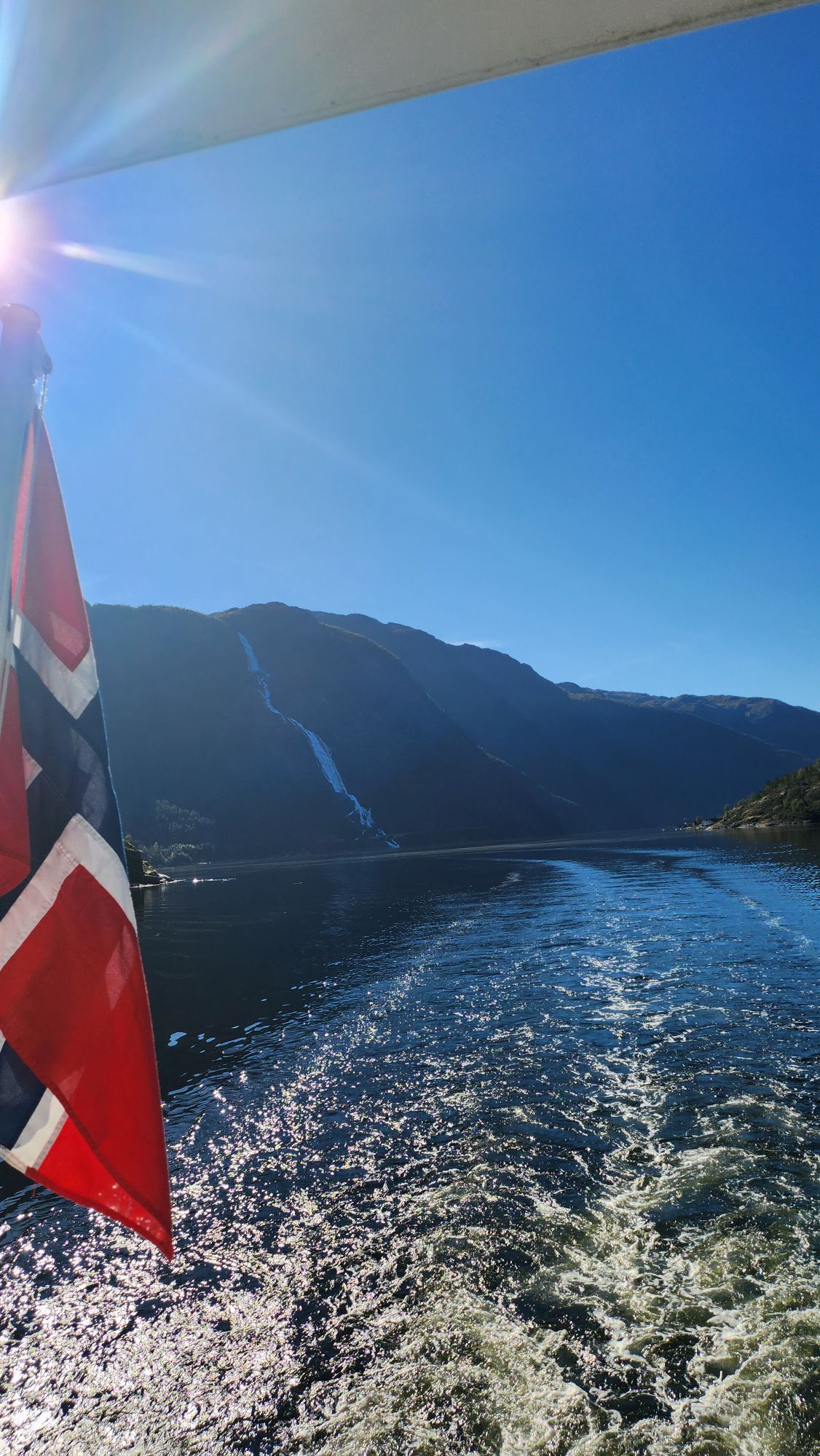
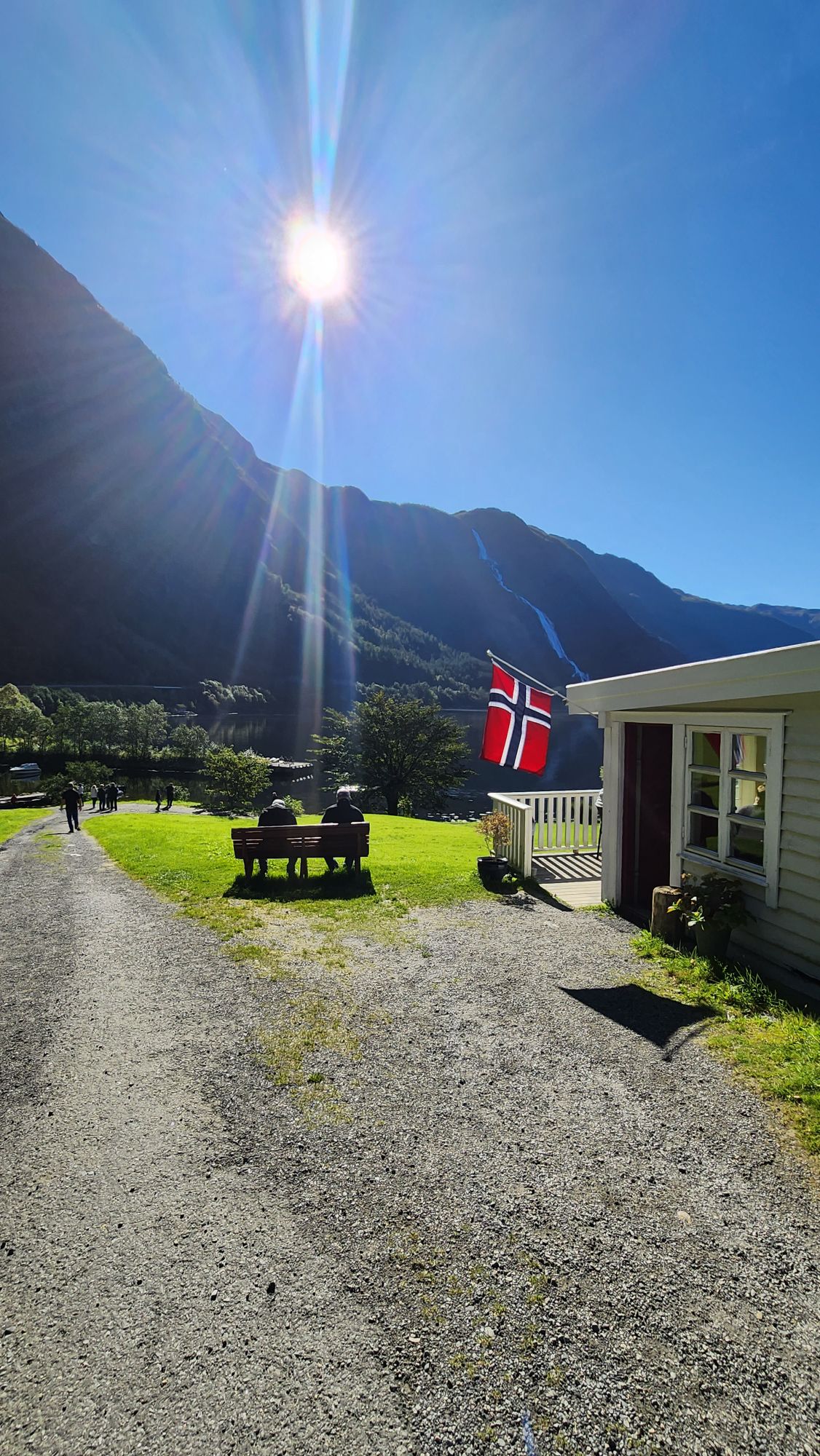
I really am not exaggerating when I say I was seeing waterfalls everywhere, this was really the scenario. From little trickles, to huge falls, there was simply one waterfall after another. Norway is actually nicknamed the ‘land of a thousand waterfalls’ and has some of the tallest waterfalls in the world.

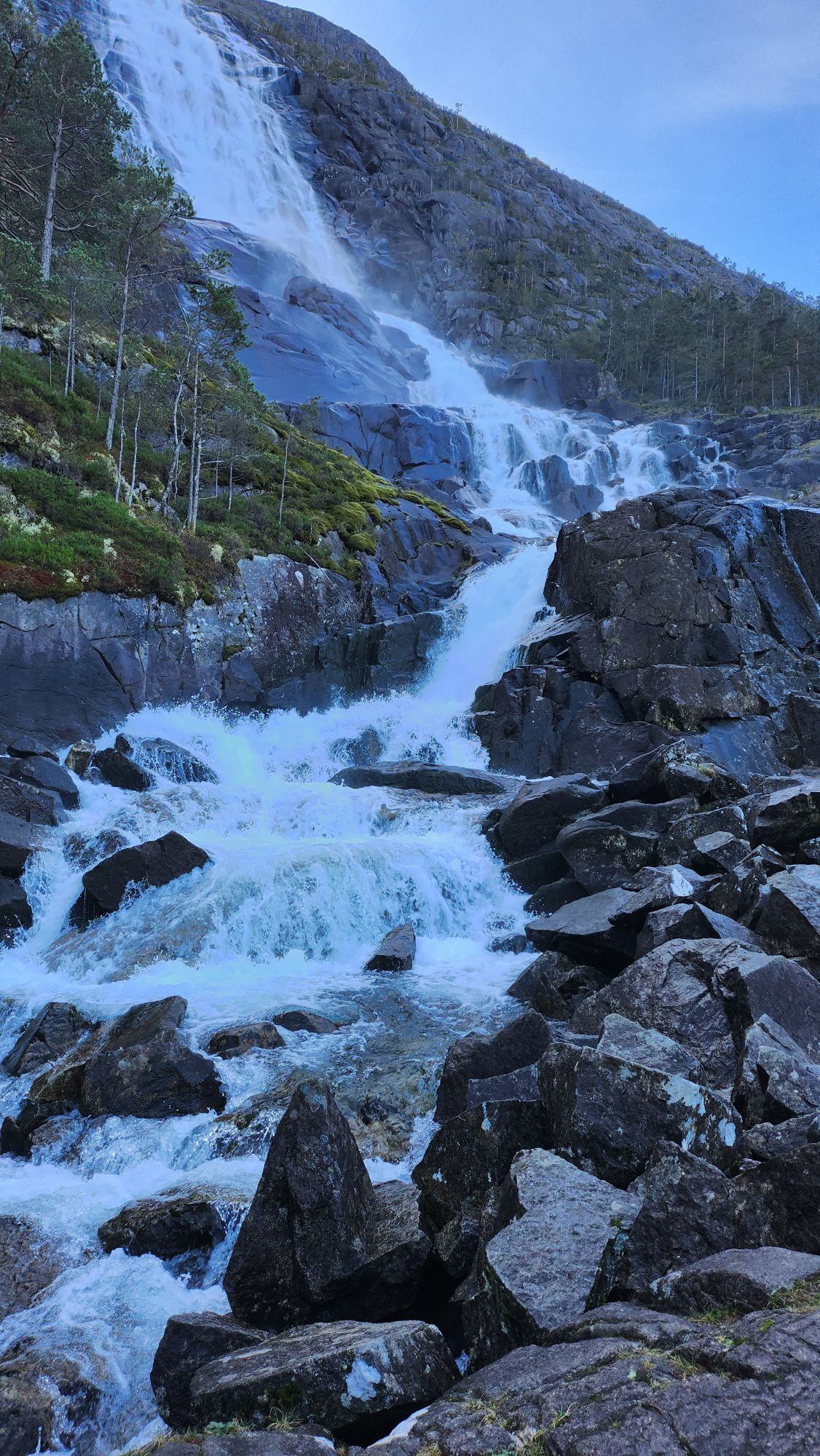
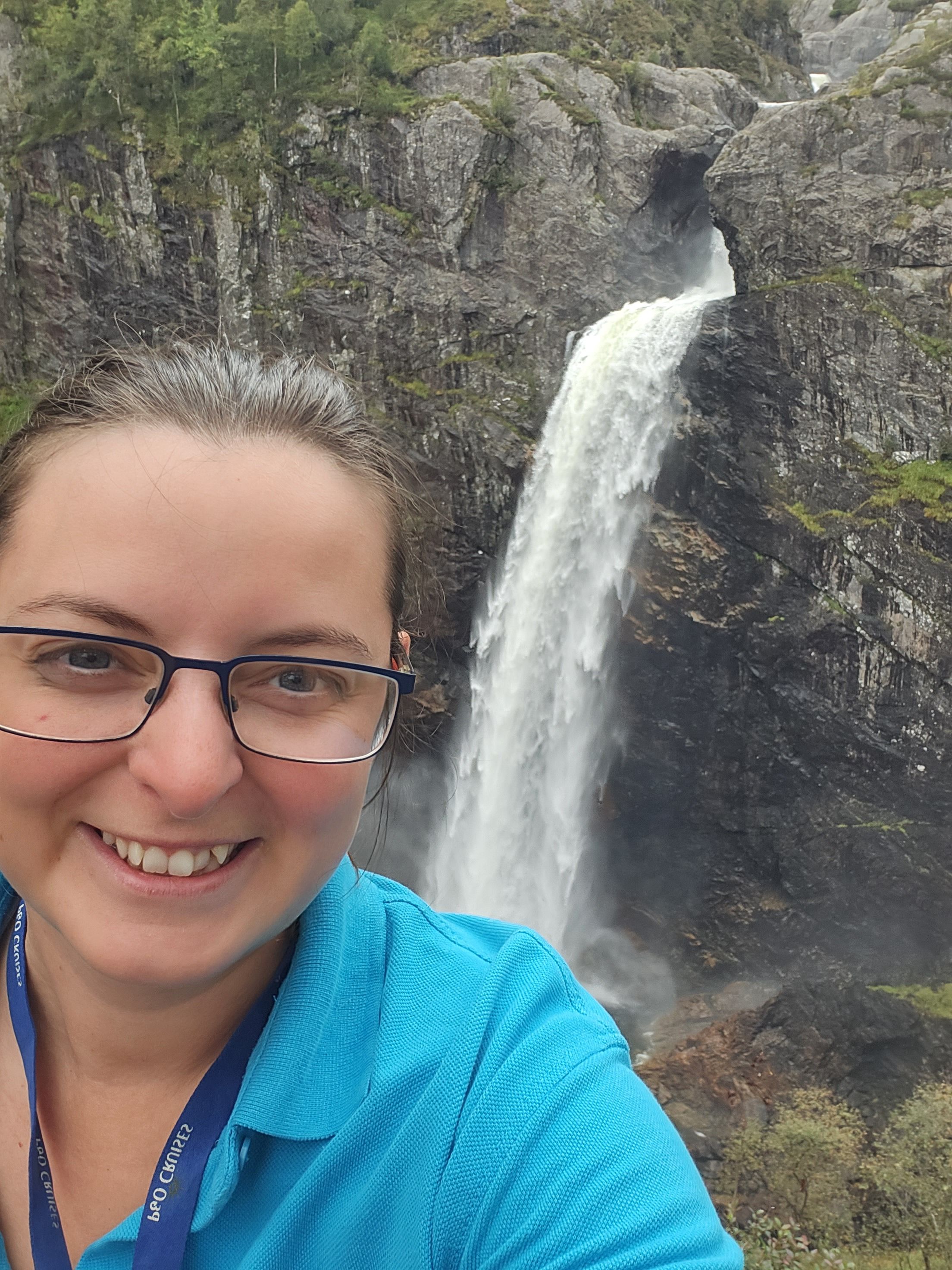
Whilst I didn’t actually have to go any distance to see a waterfall, I did make the effort to visit a few big ones. I visited Kjosfossen, Tvindefossen, Manafossen, and Langfossen. So here is a clue I worked out… anytime you see ‘foss’ in the name, it means waterfall. Before you start thinking that is where we get the word ‘faucet’ tap from; I already thought of that and the evidence is not there to support it I am afraid, but it would make a lot of sense…

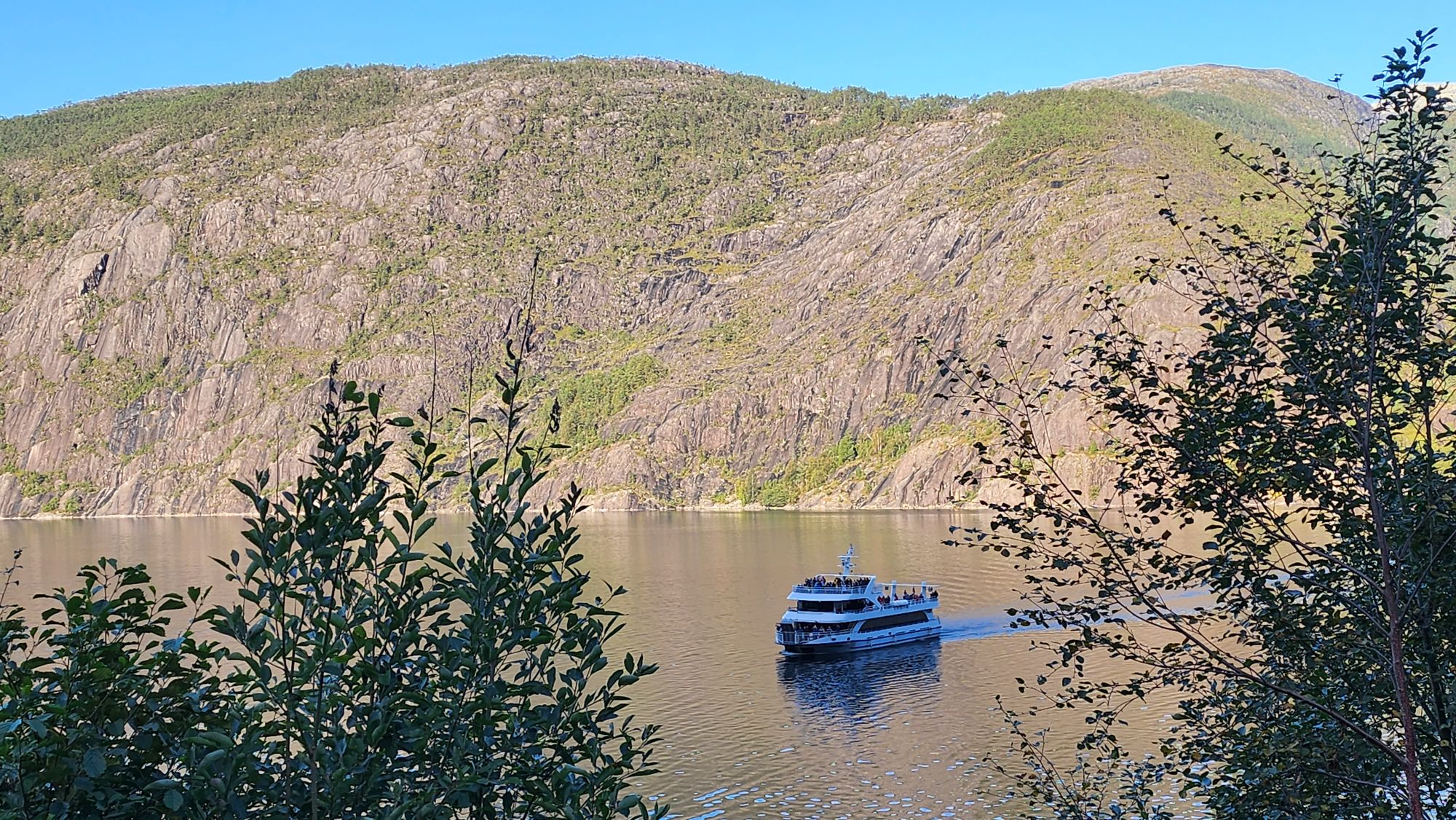
All the waterfalls had their own charm but Langfossen was particularly impressive. A road bridge has been built over half the fall and so you can get pretty close for photos from there, but even closer by boat! After viewing it from the road, I jumped on a tour boat that literally mounted the waterfall as it entered the fjord, (so much so that I was concerned), and the tour guide picked up a bucket and scooped up some falling water for me to taste. The guide said that there was a legend that if you drink from the falls you would become more fertile, particularly the men, so of course, the men on the boat were taking extra servings.

Reflections

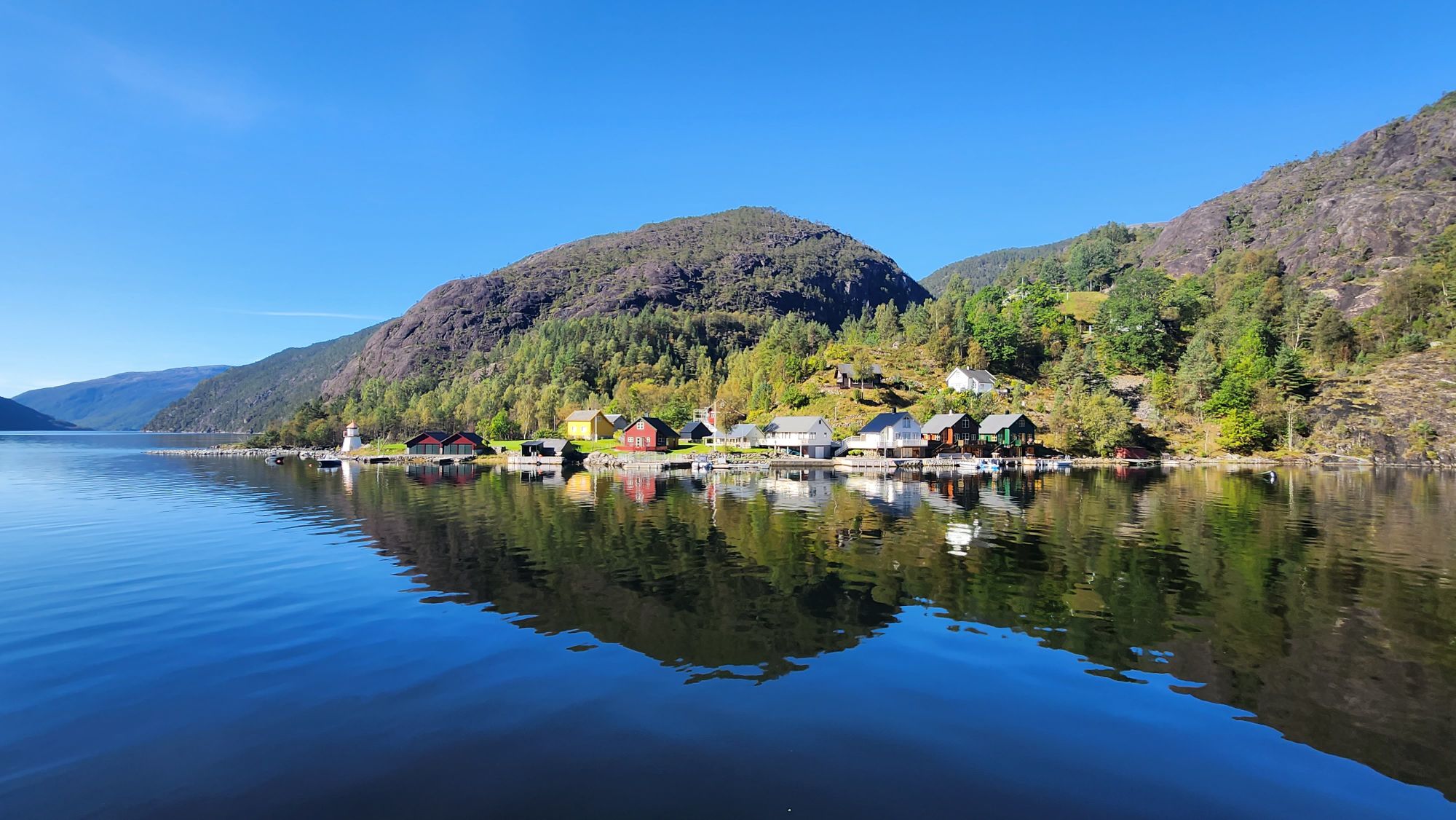
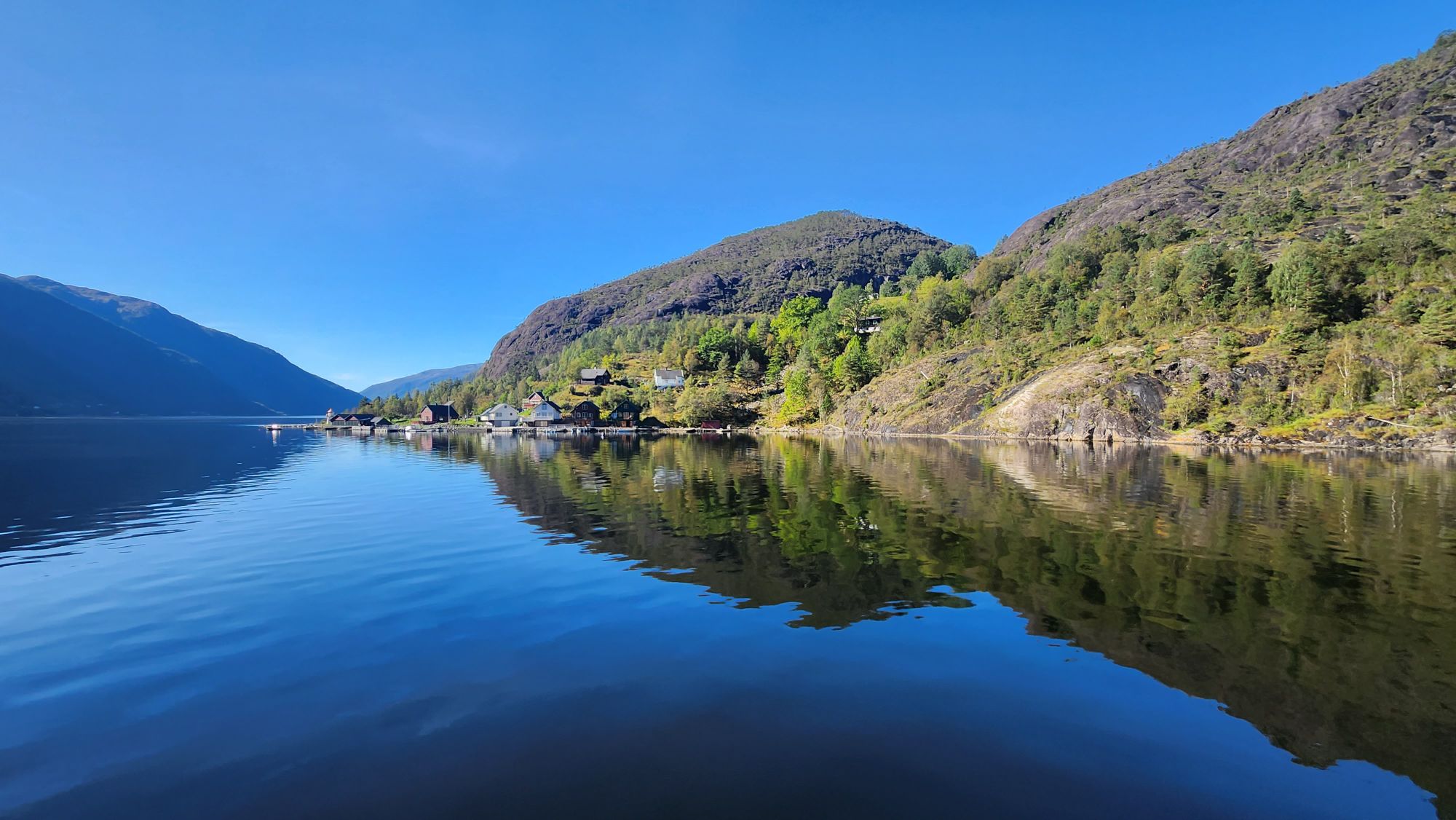
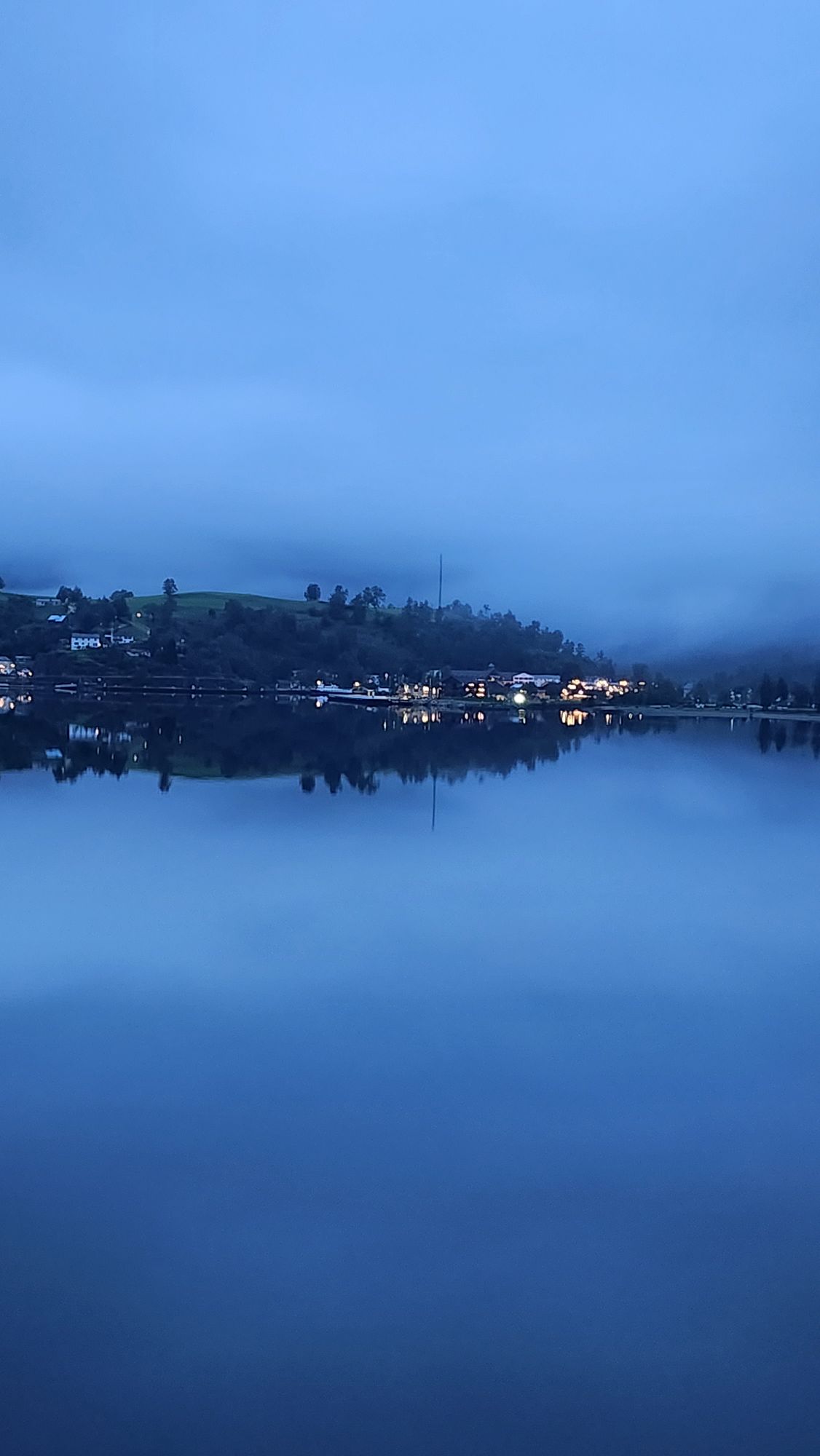
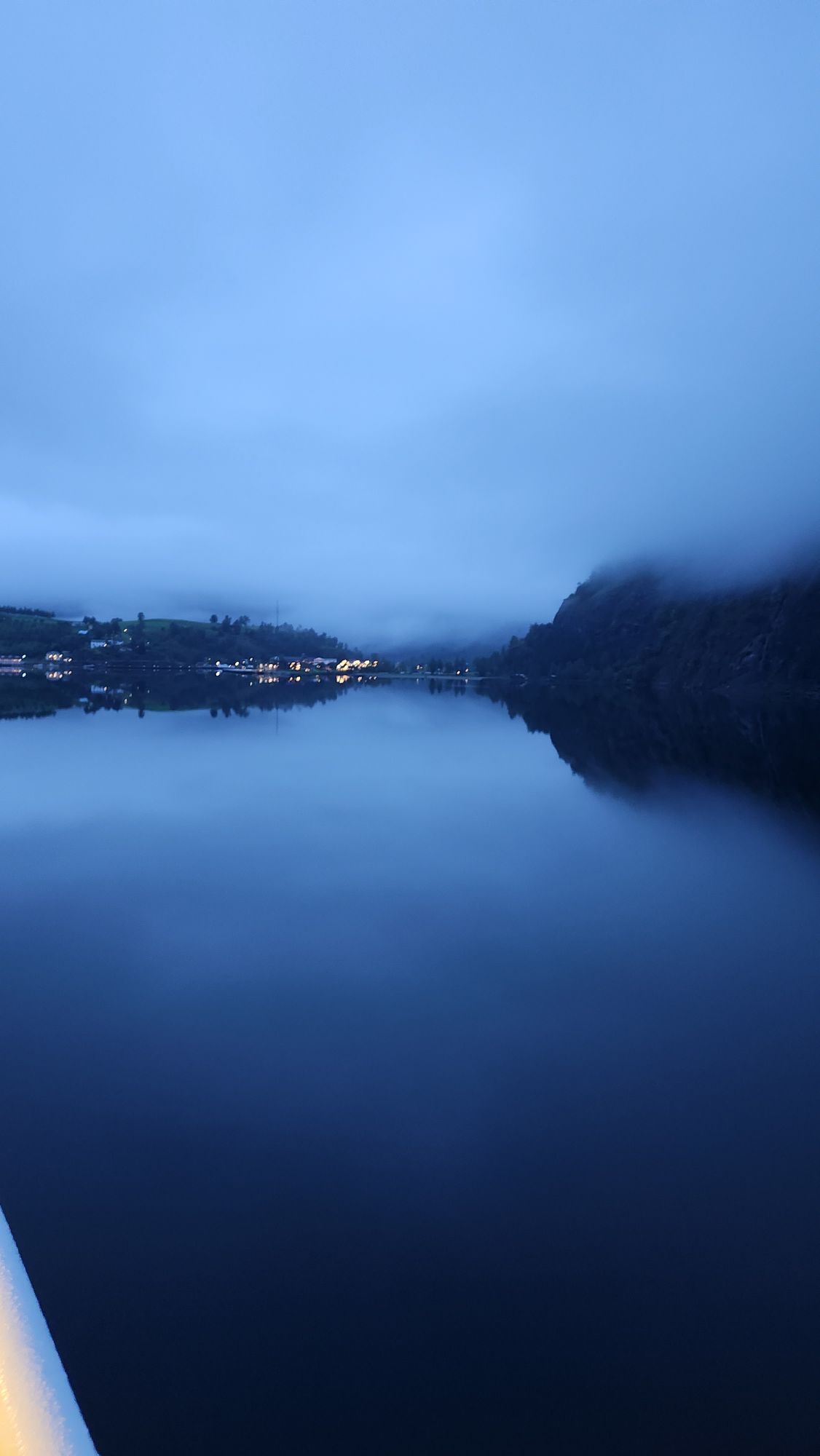
I know that ‘reflections’ is a strange subheading but I feel that it is something special about Norway that I can not describe another way. I have never been to a destination that has provided me with so many mirror or kaleidoscope like views. I saw these trippy images whilst sailing on the fjords, which are Norway’s famous sea inlets, that are characterised as long,narrow and deep, and formed from glaciers, that left behind beautiful valleys.

At multiple times during the trip, I would get up early to look out at the water, and it just messed with my head to see the crystal clear reflections that these fjords created. The water is so still and glimmered and it is really hard to tell where land and water meet as everything is just mirrored endlessly. It’s really magical and I loved it, next time I go, I want to do some kayaking so that I can get closer to the water and get even more amazing photos.

Wide spaces

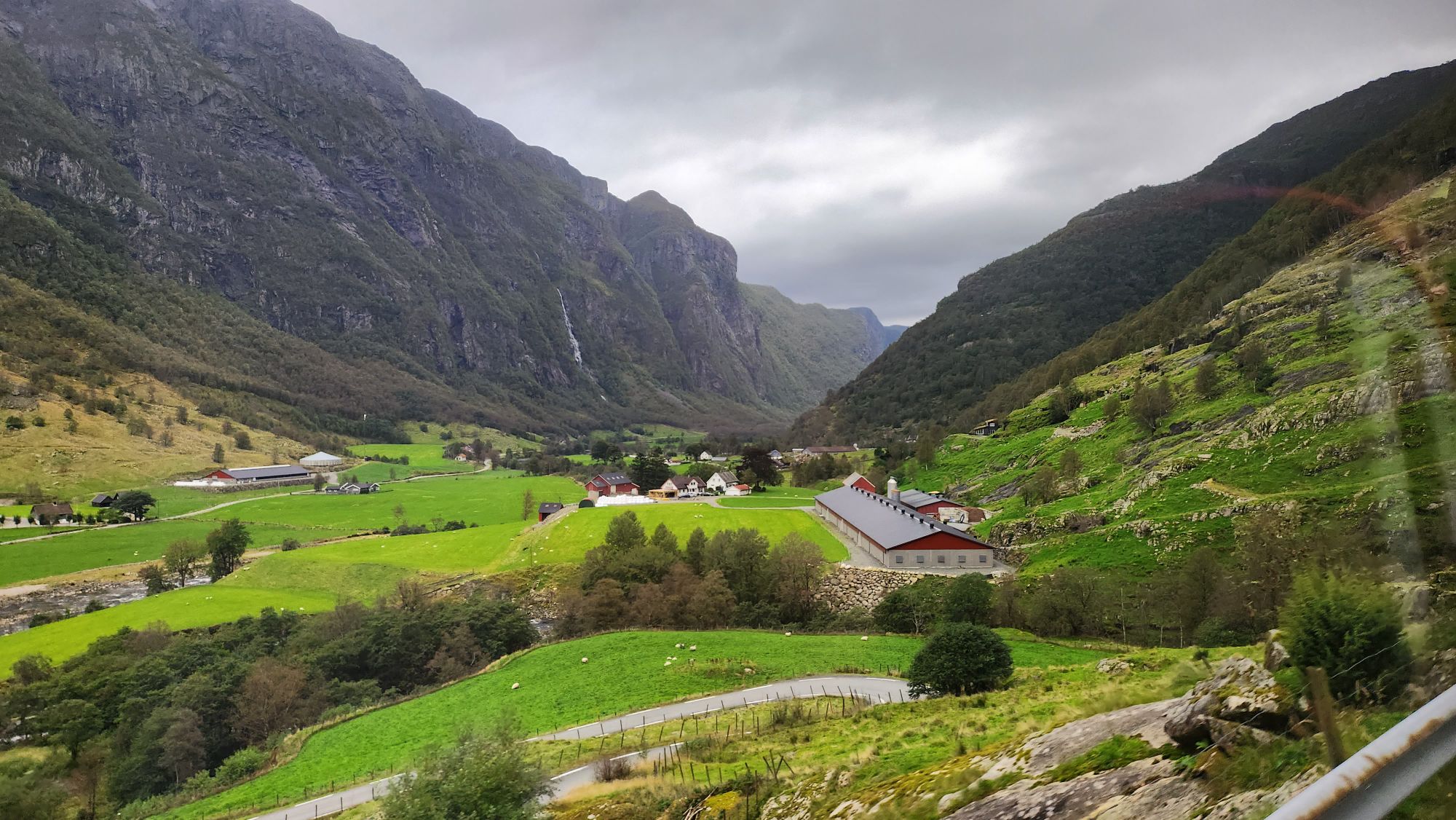
Of course, not only are the waters spectacular, but the huge green landscapes are a great match to them. I was struck by how much of the area was perfectly trimmed rolling grasses, miles of picture perfect lawns, and its no suprise that there is a big tradition of insulating houses with turf covered roofs.

Beyond the grass, there are many smallholdings, vast pine forests, and brilliant ridges and mountains to hike. Some of the most popular are Pulpit Rock, a huge mountain plateau for the perfect Instagram shot, or another similar one is Trolltunga (troll’s tongue)! I would love the opportunity to return to Norway and spend more time exploring the big landscapes here, on foot.

Scenic Railway

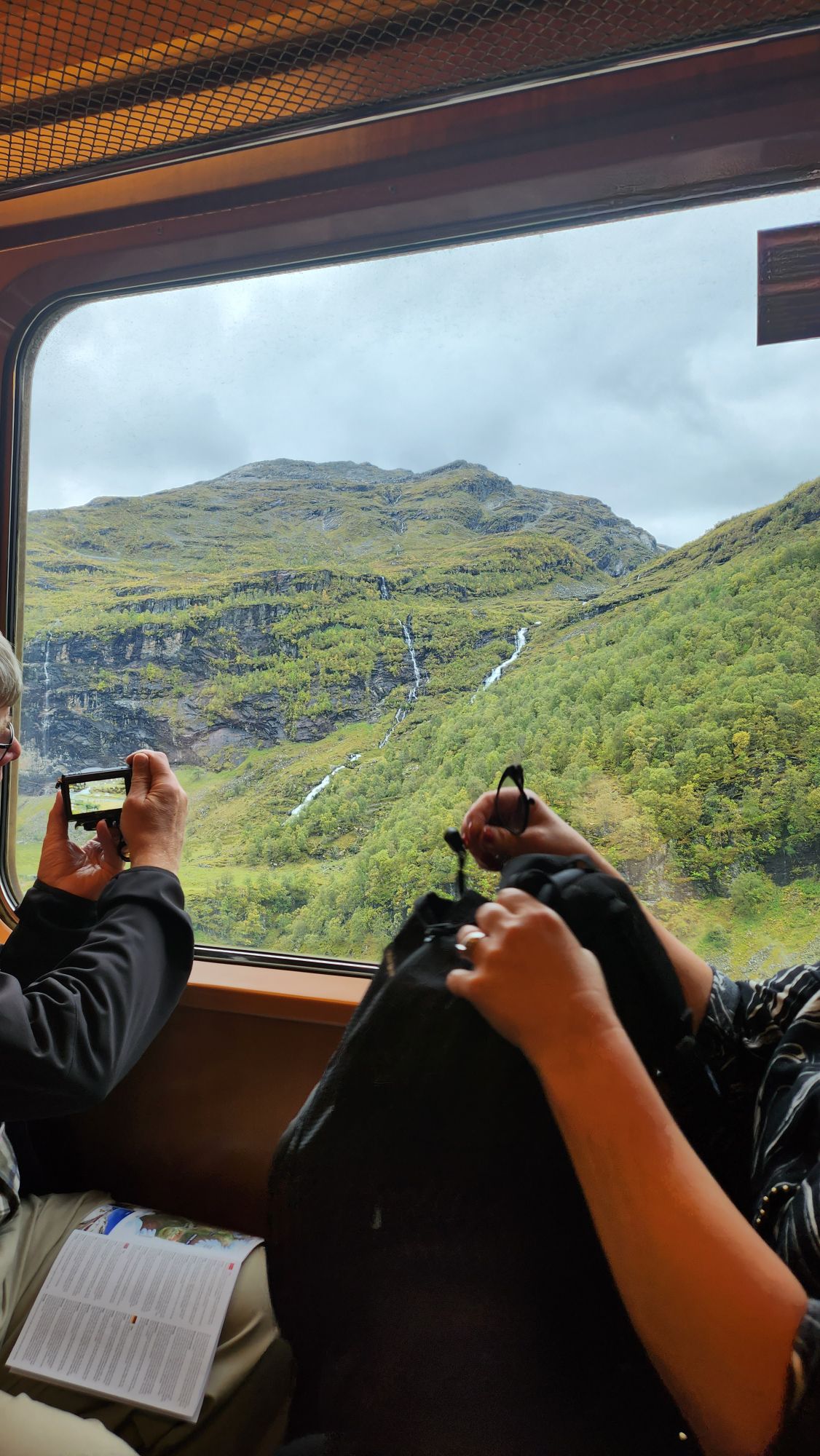
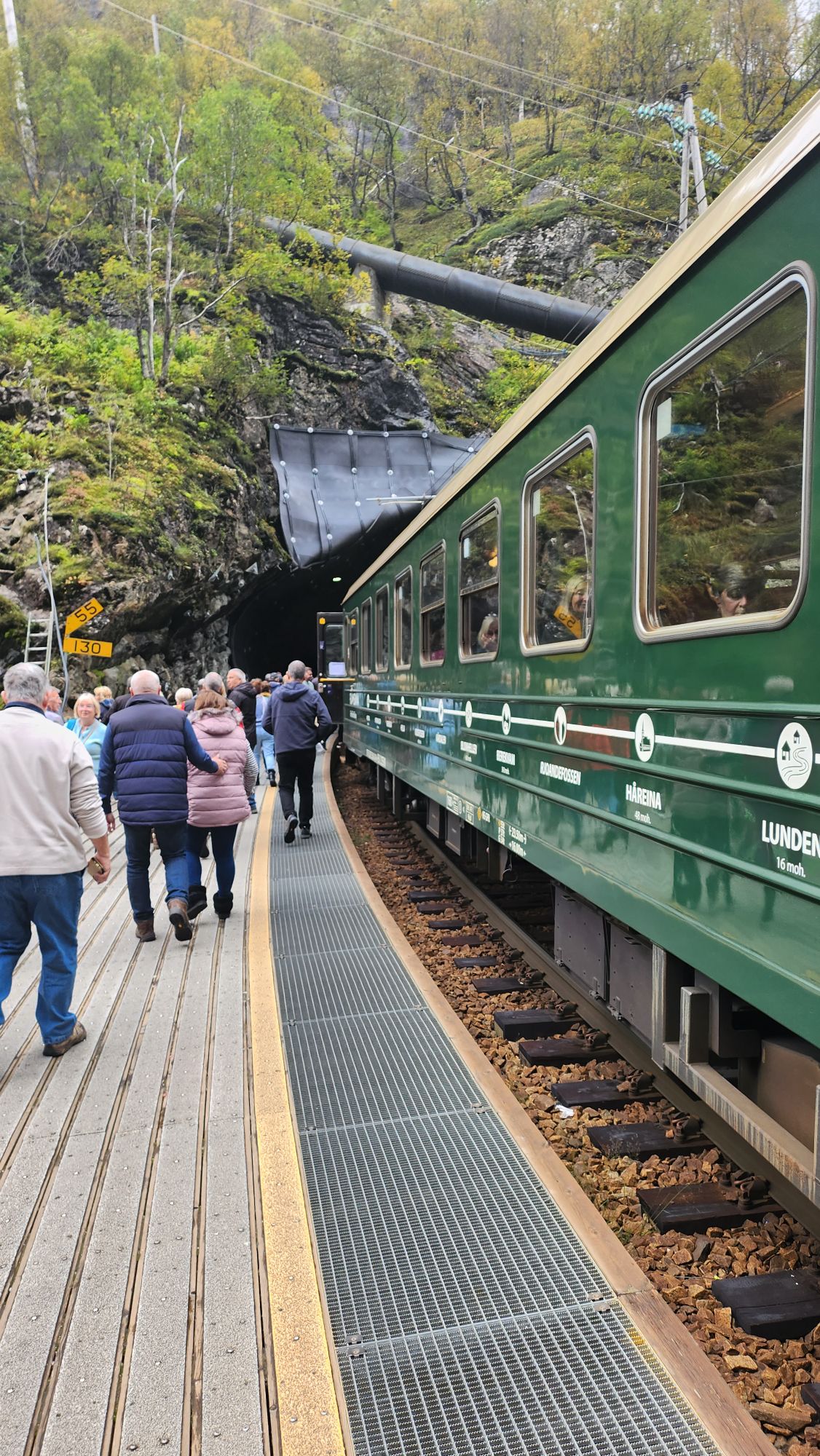
In the beautiful little town of Flam, I had the opportunity to travel on one of the world’s most beautiful railway journeys. I boarded the Flam railway train from Flam and took a round trip via Myrdal, with a stop to see a huge ‘foss’ with classical music in the air, and a dancing actor jumping out to welcome me and the other passengers. There to portray another waterfall legend of a lady of the falls, the guide later told me that the ‘lady’ dancing around was actually two different local men dressed up as the same lady, to fool the tourists by quickly jumping out in different locations.

The journey was pretty pleasant and the views were great, but it was crowded, which makes it hard to enjoy when everyone has their cameras pressed against the windows!

Overall, I just loved Norway. As a nature lover, and someone that is keen to go for long walks in the fresh air, I could almost see myself relocating to Norway. The only thing keeping me away is the cold winters, but there is no question that I will be visiting again. Next time for longer, and hopefully with my someone special to enjoy it with.

Me in Norway

Vietnam: North to South – Part One

Booked only a week before, after my trip to Israel was cancelled last minute, I decided to have my first go at Asia this month. Vietnam was on offer so I went for it and discovered a crazy and unique way of life with amazing food and very friendly people.

Getting there

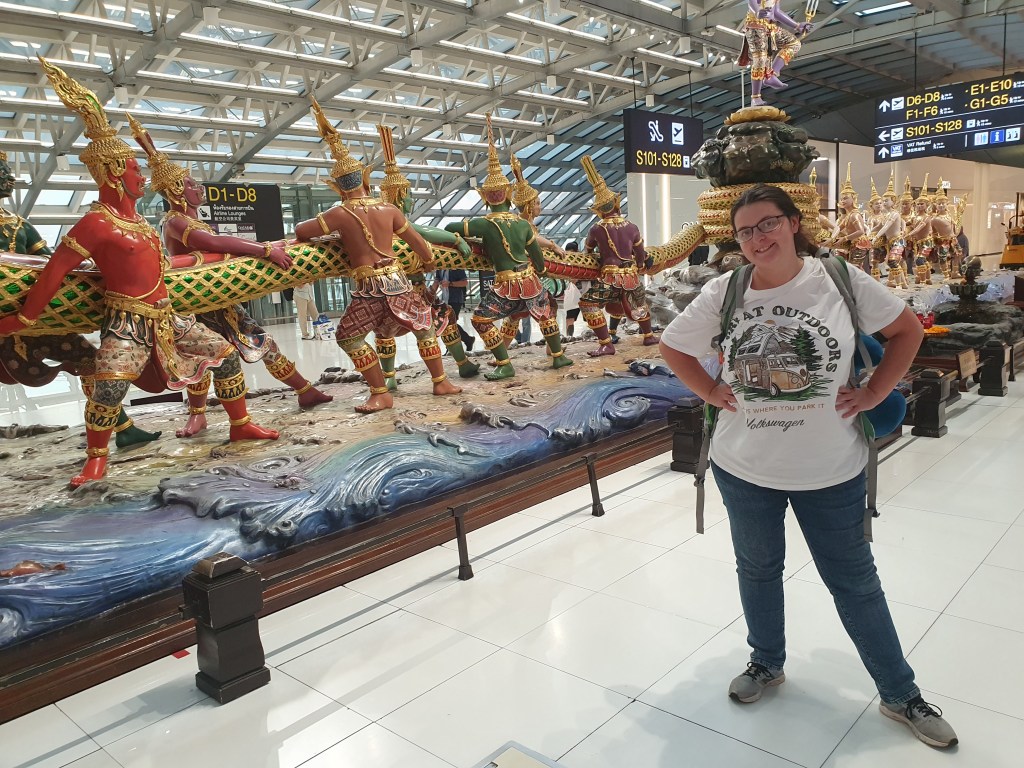
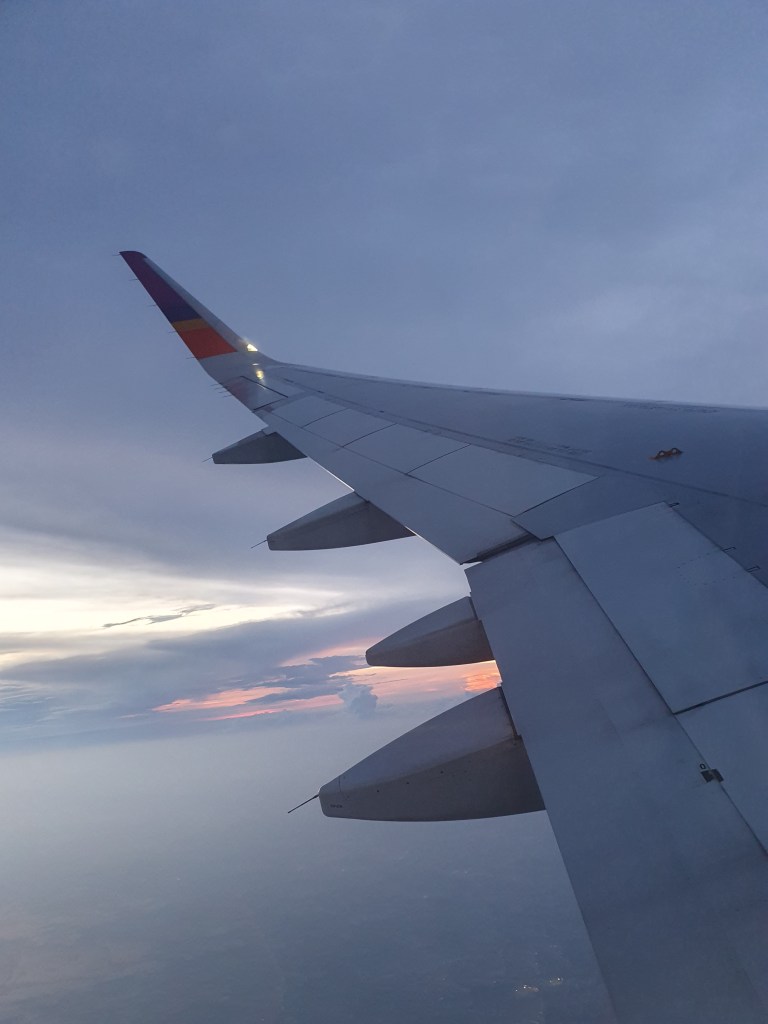
The travel to Vietnam was very very long, whilst the flight duration may say 16hrs by the time we had travelled to Heathrow, and waited around in Bangkok and then traveled to the hotel we had stacked up over 24 hrs of travel. I had thought I’d planned out to miss my jetlag but it actually took 3 days of waking up at 3am to get over it.

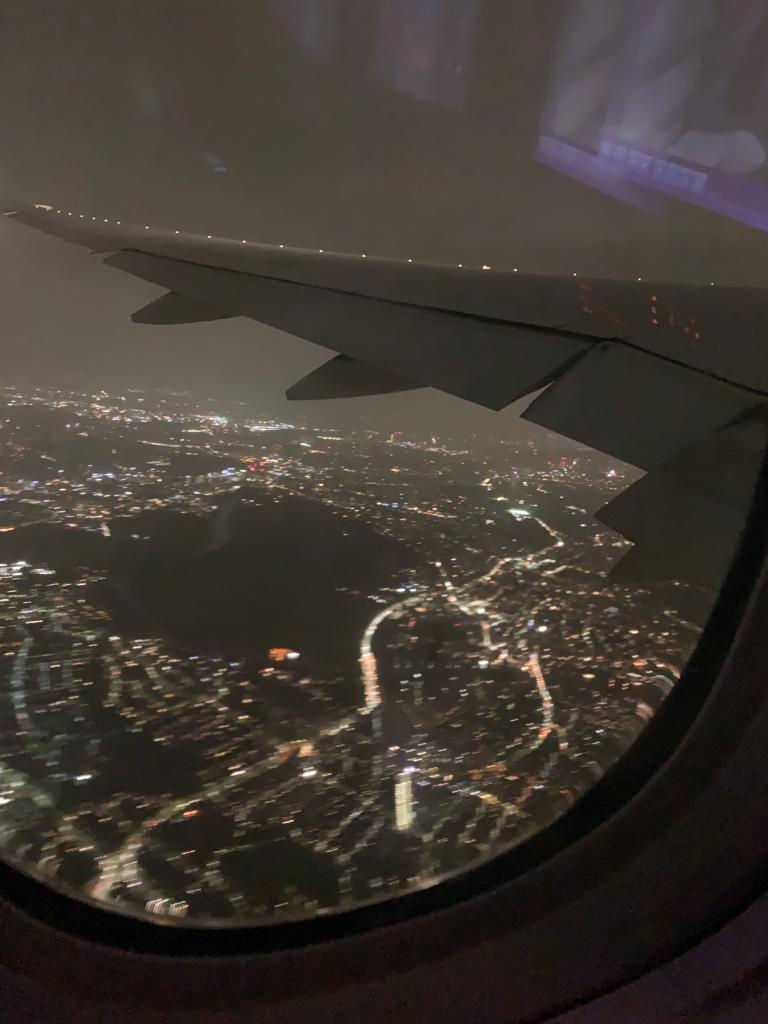
We flew with Thai Airways which had tight seating but plenty of hospitality from the crew and the aeroplane food was some of the best I have had. On arrival to Hanoi airport, our taxi driver was waiting for us and we got to our hotel in about half an hour, after seeing some of the cityscape lit up at night.

Hanoi

We stayed in a hotel for our first few nights in Hanoi city. The hotel was immediately a relief with a welcome drink on arrival, a porter to carry our bags and a free upgrade to a very nice room. It was all going well, until my 3am visit to the bathroom…
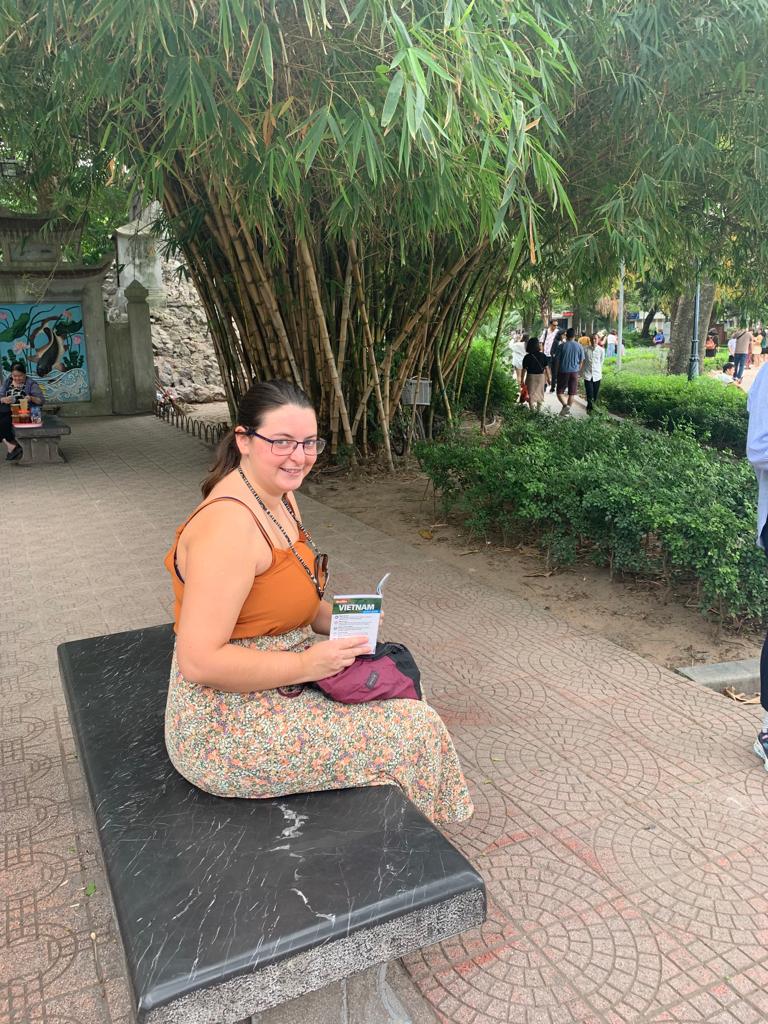
That is when I discovered scuttling across the floor, the biggest cockroach I have ever seen. When you are already sat on the toilet half way through a wee too, the only choice is to throw your legs in the air! I found myself doing toilet balances at 3am to avoid it. Unsure what to do I spent the rest of the night with a light on unsure what to do and worried if I fell asleep I would wake up with a cockroach on my face. It took me a few days to get past this fear and just accept the potential for creepy crawlies around me.

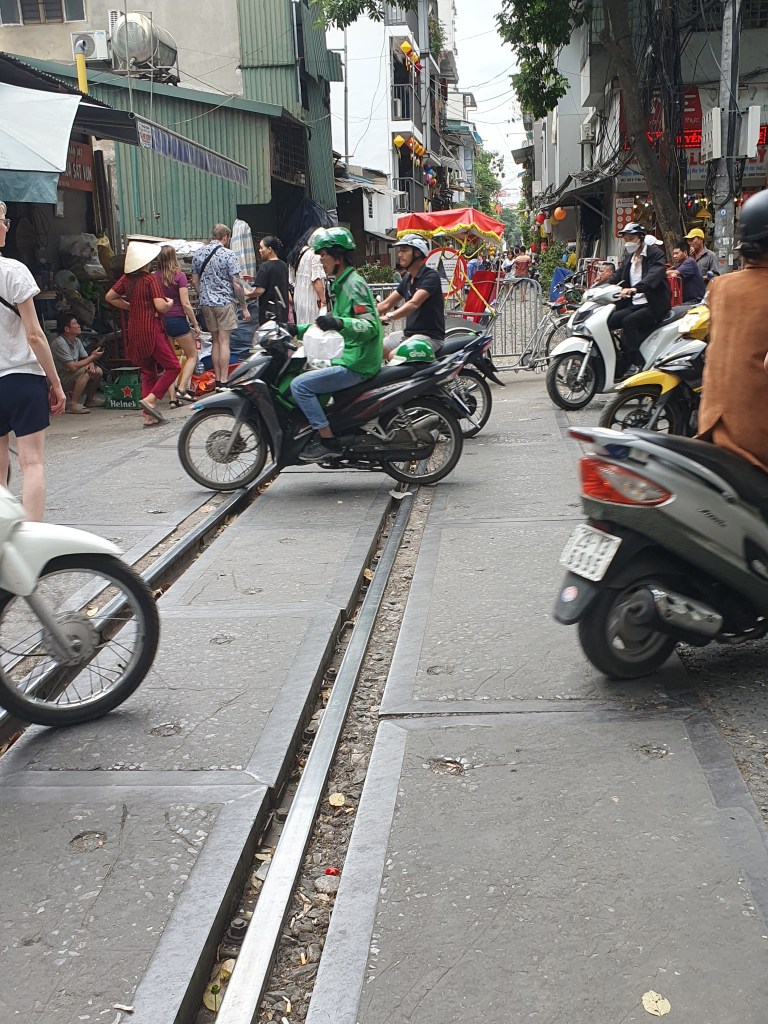
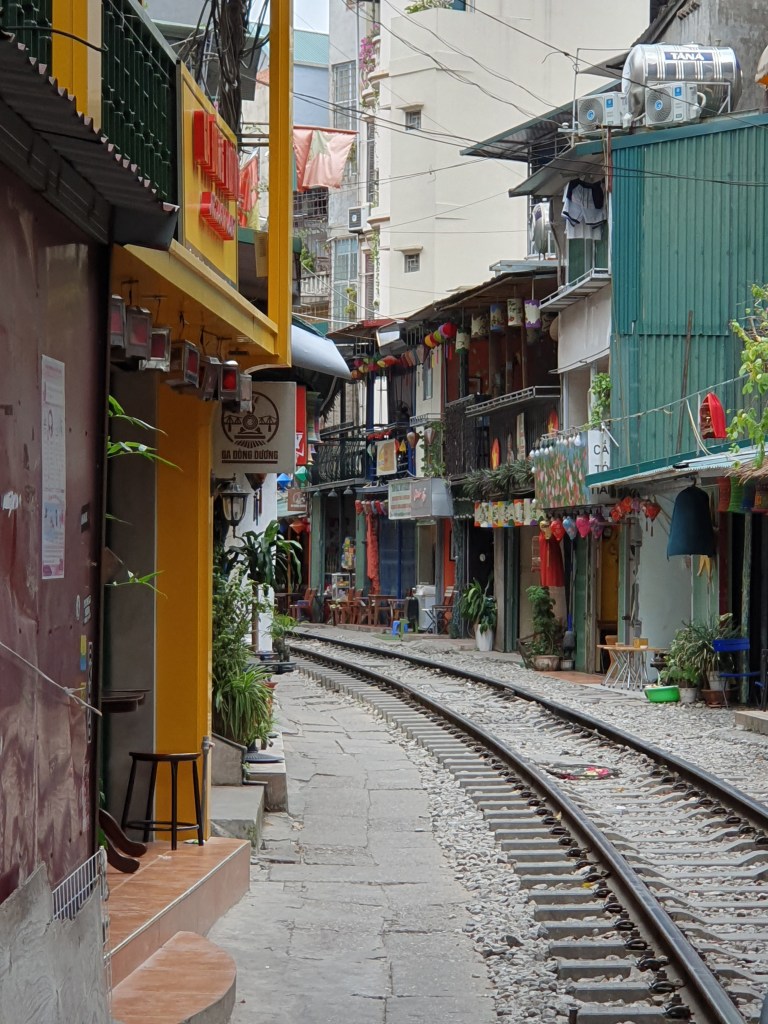
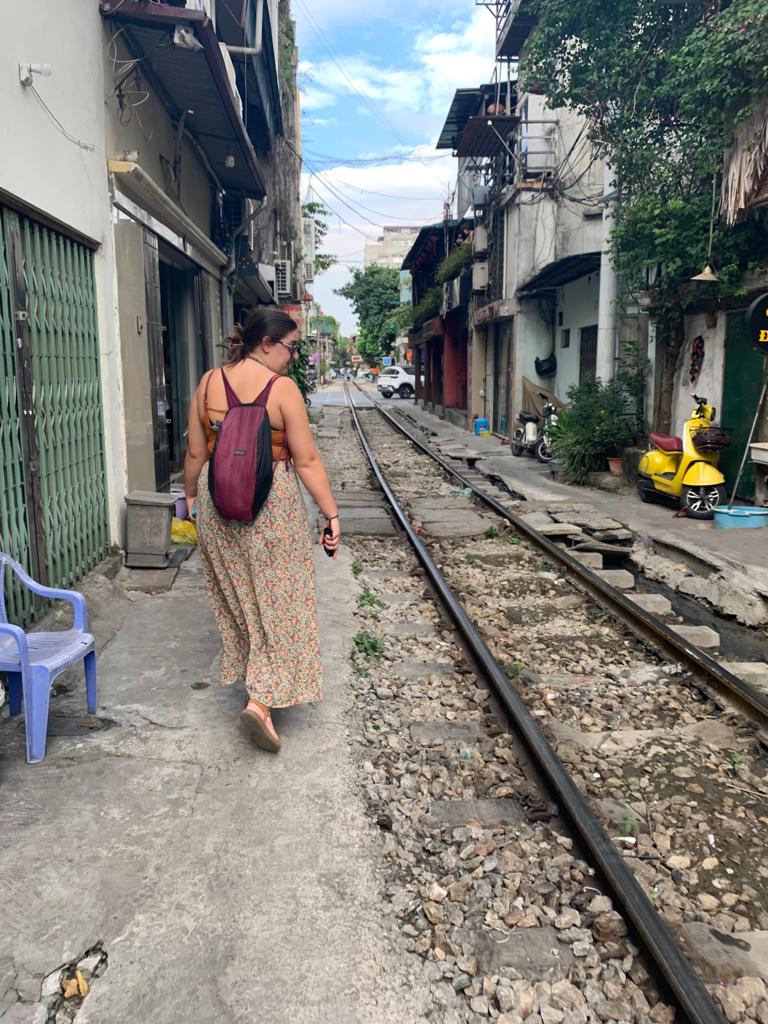
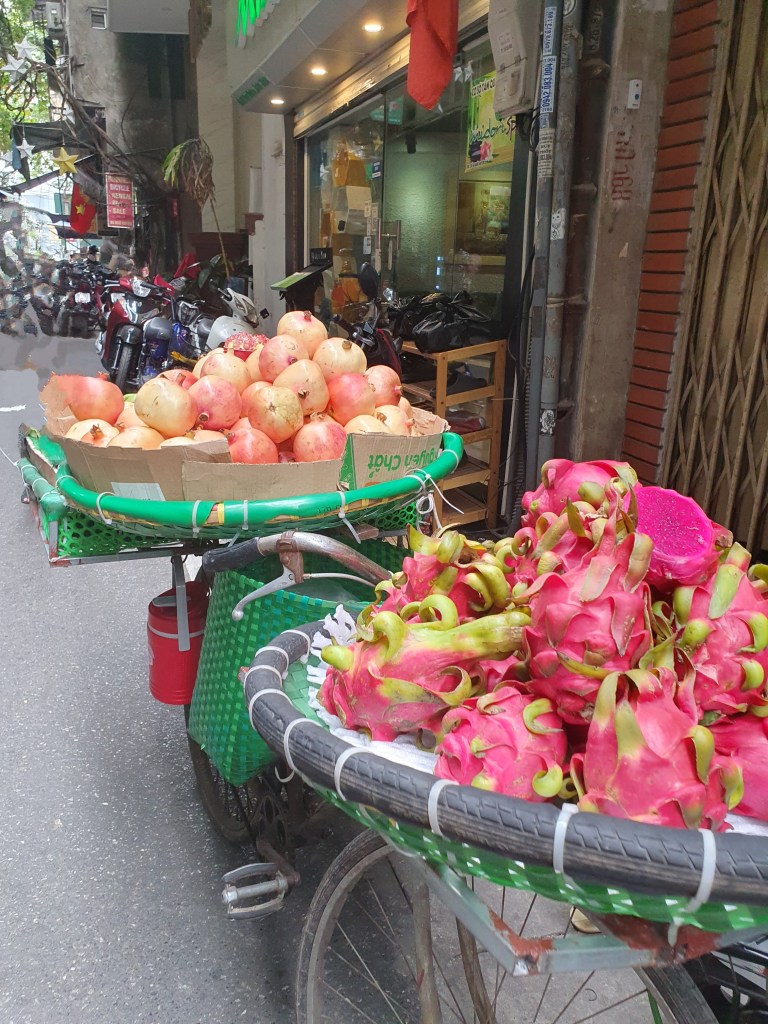
Venturing out of the hotel into the city was another experience of taking your life in your hands. The traffic is some of the craziest I have ever seen. There is no pavement due to mopeds being parked all over it and to cross the road you must do what the locals do and just walk slowly and confidently over (like you’re sleepwalking) and hope nothing hits you! The roads here are so congested that they even have a street that is famous for a train that comes through as well as all the pedestrians and bikes and ends up about an inch from your face!

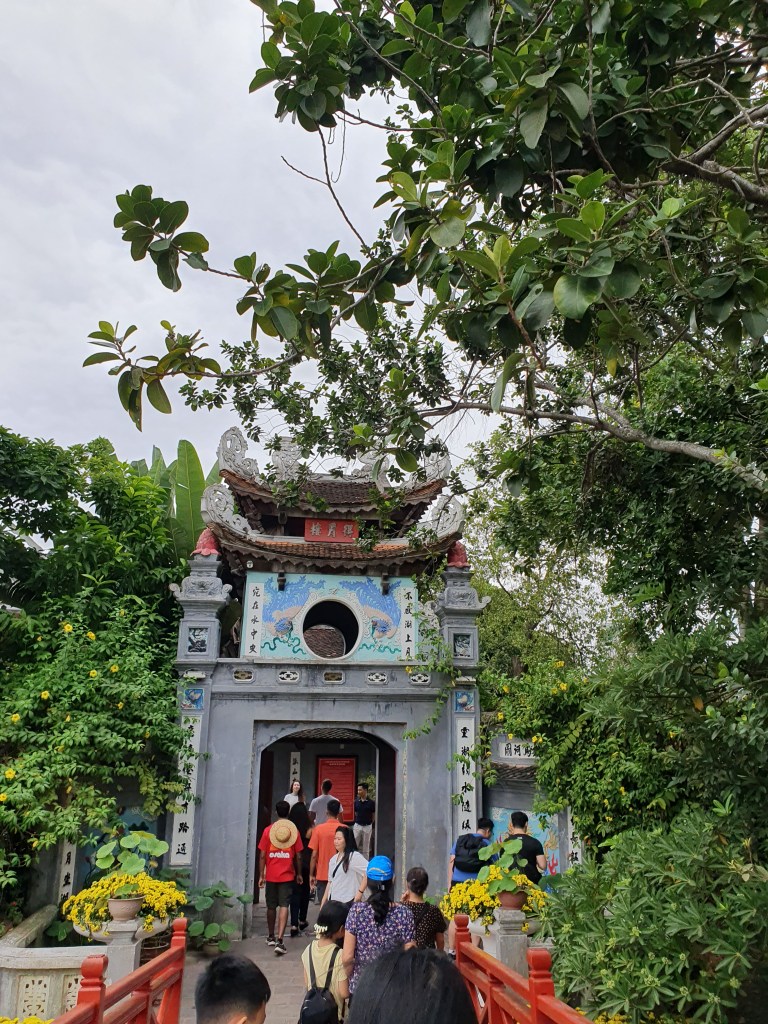
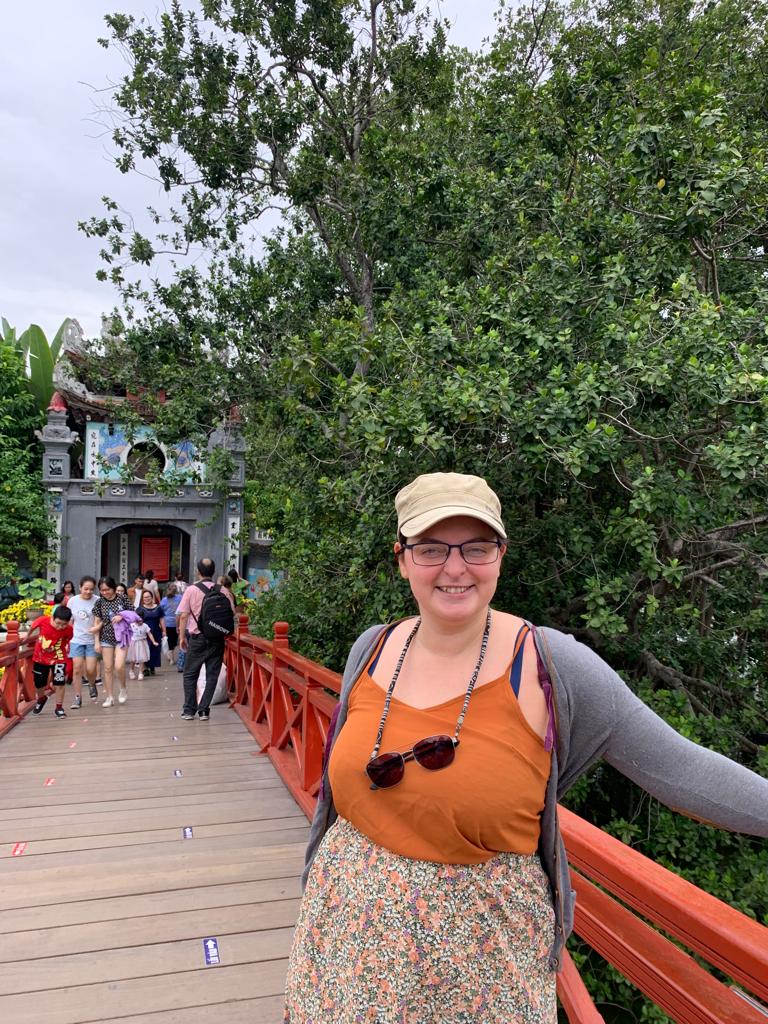
We cautiously took the steps from our hotel down to the famous lake which thankfully is pedestrianised around the edge and began to explore our first attractions.

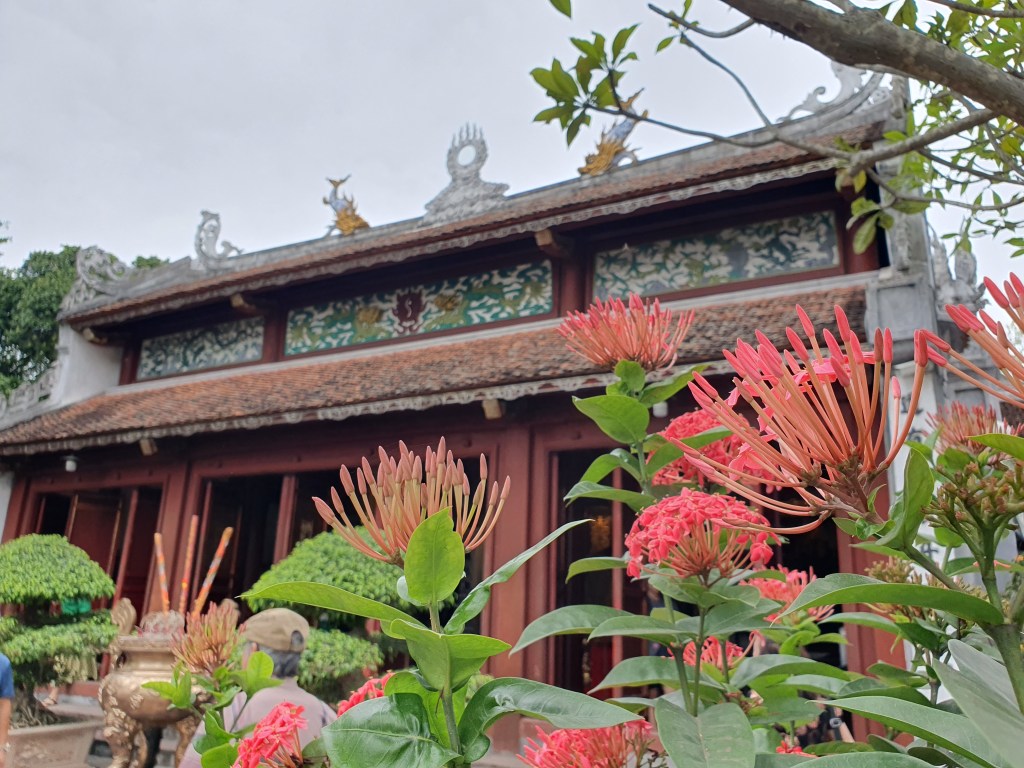
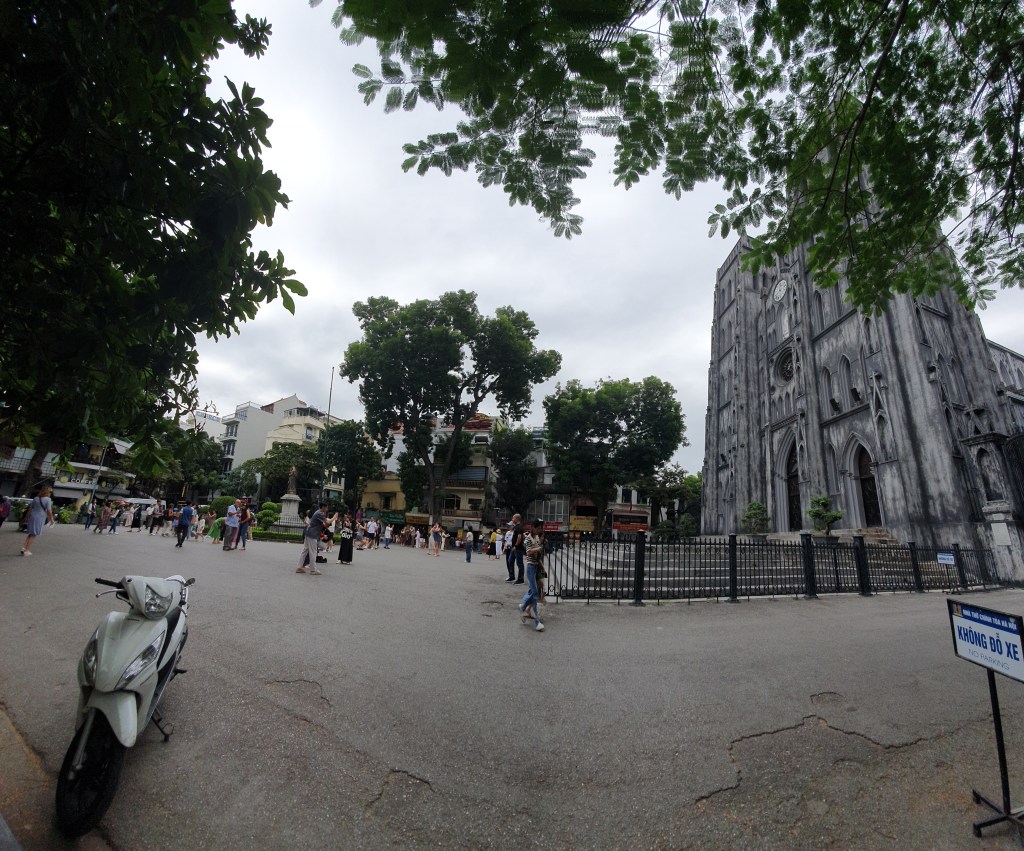
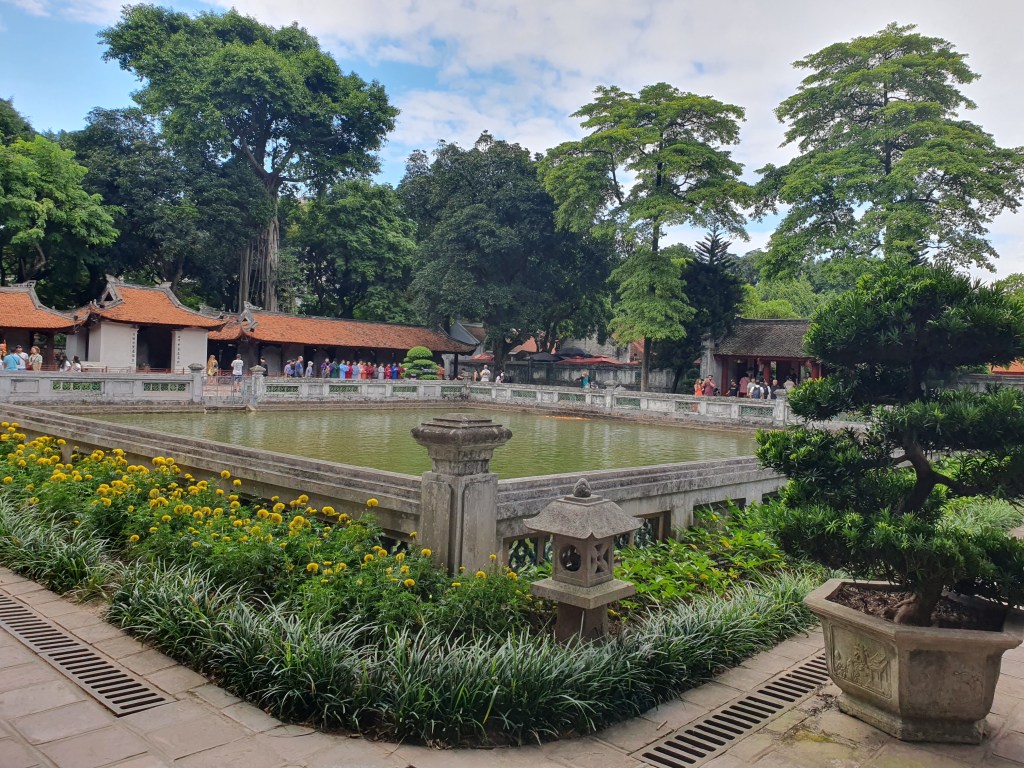
First on the agenda was a few impressive buddhist temples, and also the St Joseph Cathedral. This gothic cathedral looks so strange with all the little asian shacks around it and motorbikes everywhere. I couldn’t go in unfortunately but I imagined it was similar to other catholic ones I have seen. A little bit of Europe in the middle of this crazy South East Asia whirlwind. I later found out from my guide that the french actually governed Vietnam for centuries and is the reason for some catholism here and that they now use alphabetic letters instead of chinese characters. Something to be grateful for as a tourist!

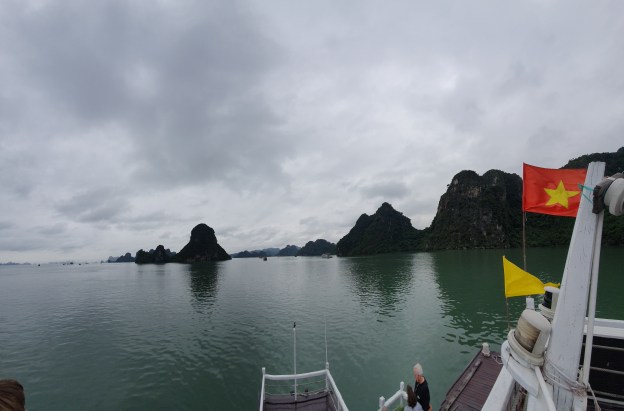
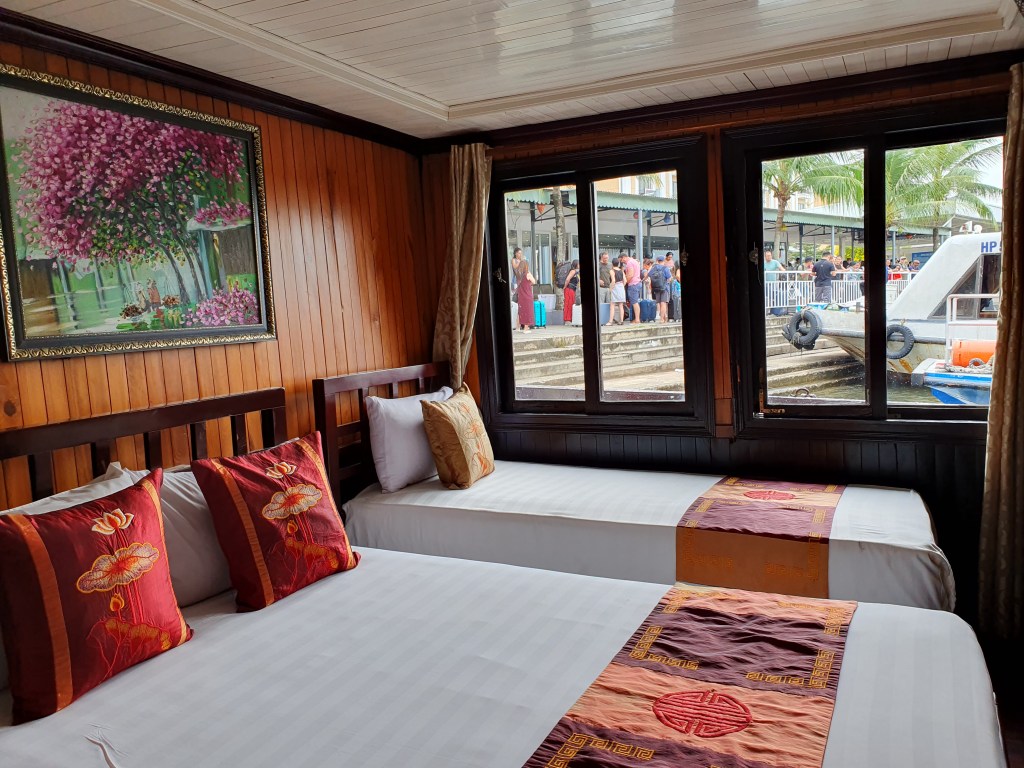
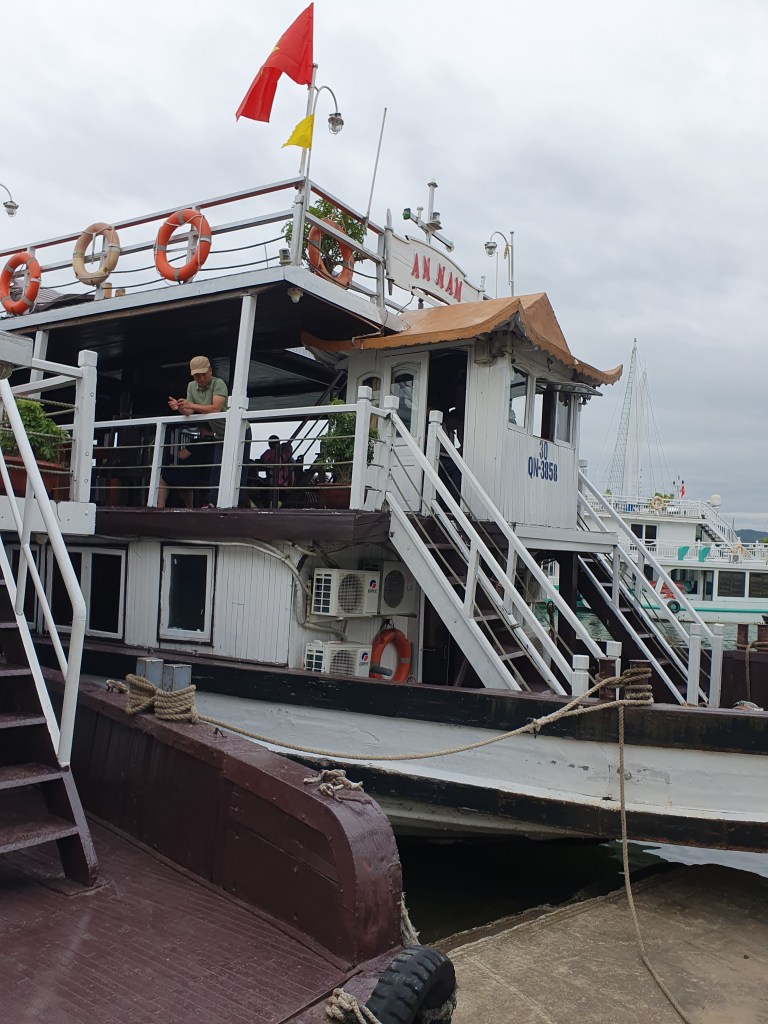
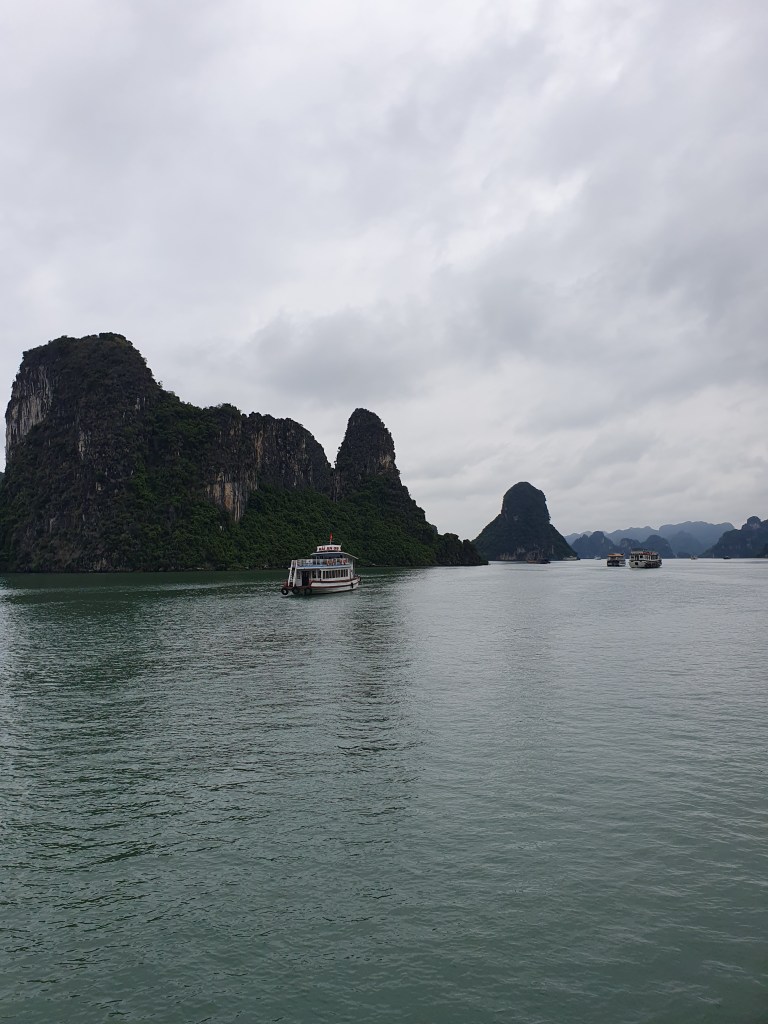
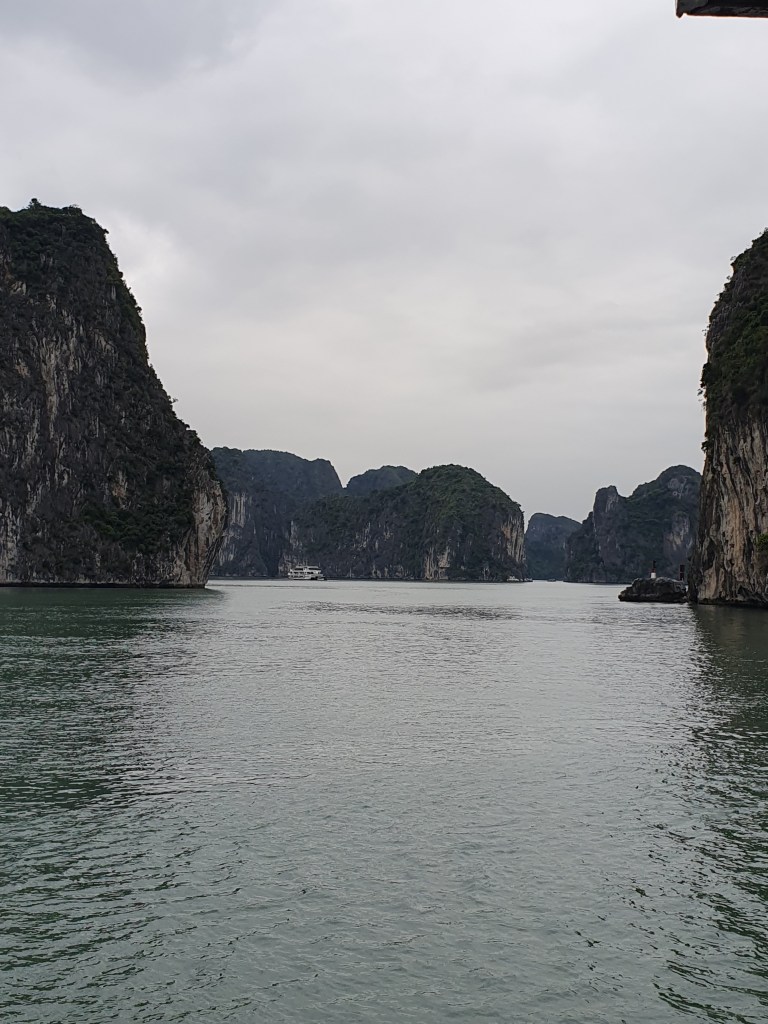
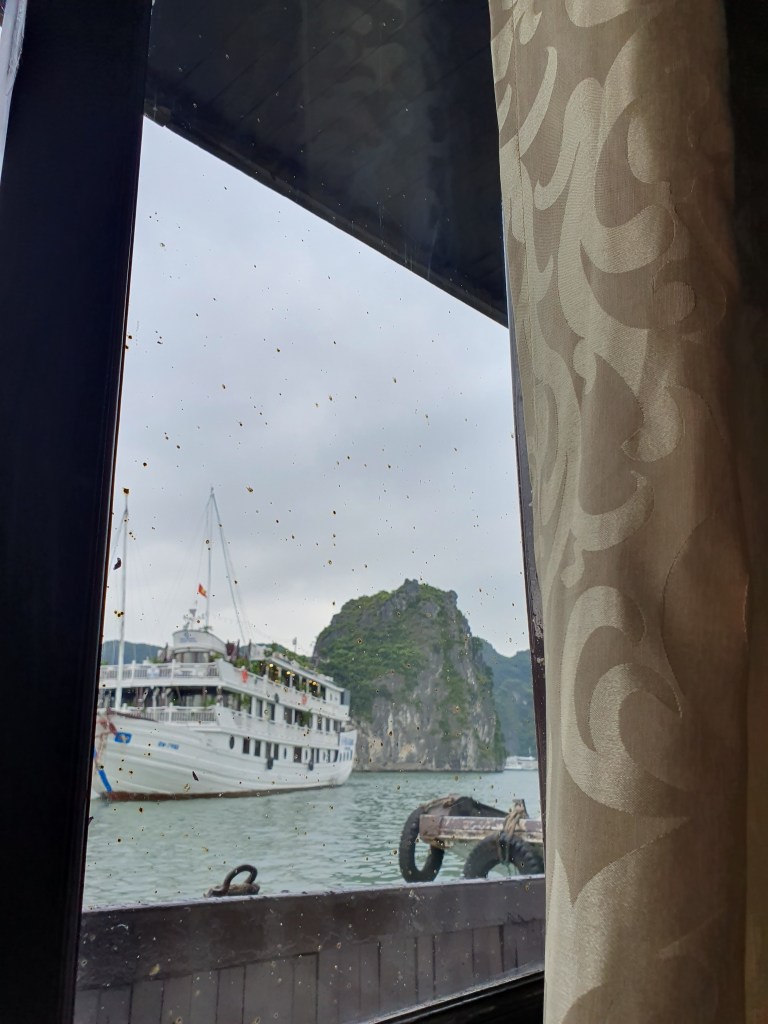
Another day in Hanoi took us on our four hour bus ride to Halong Bay, the famous world wonder that is an absolutely huge bay and once a very important port full of huge bouldering islands. We had a relaxing overnight boat cruise here where the service was amazing and we enjoyed an impressive selection of seafood and bar service on a boat all to ourselves in our small group of nine.

There are many local caves on the islands to explore and we ventured into one, and then towards dusk I had the pleasure of exploring an empty and calm section of the bay by kayak. The only thing that was man made around me was a small floating pearl farm where oysters were floating below growing pearls for fine jewellrey.

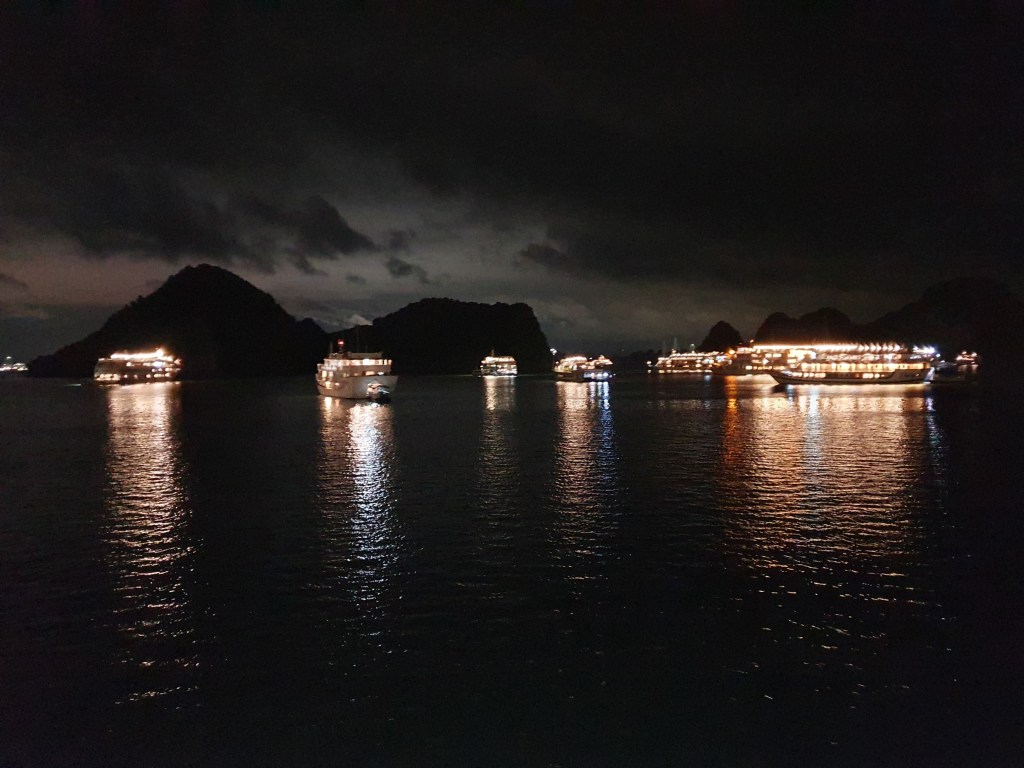
At night all the boats have to gather in one part of the bay so you can enjoy the sounds of distant karaokes and good times from your neighbours all around you.

We also got the opportunity to see some amazing charitable organisations on our route from Halong Bay. Two groups of crafters that were helping their community by making things to sell, one was doing it for the environment and the other for the disabled. I will touch more on this in a later blog.

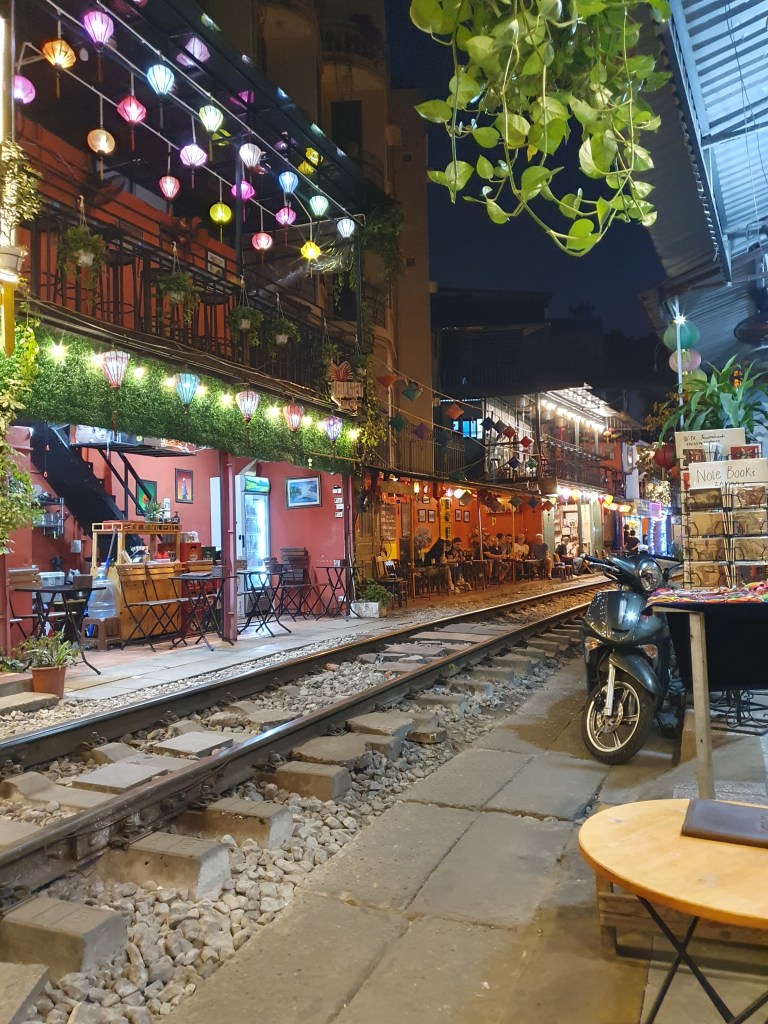
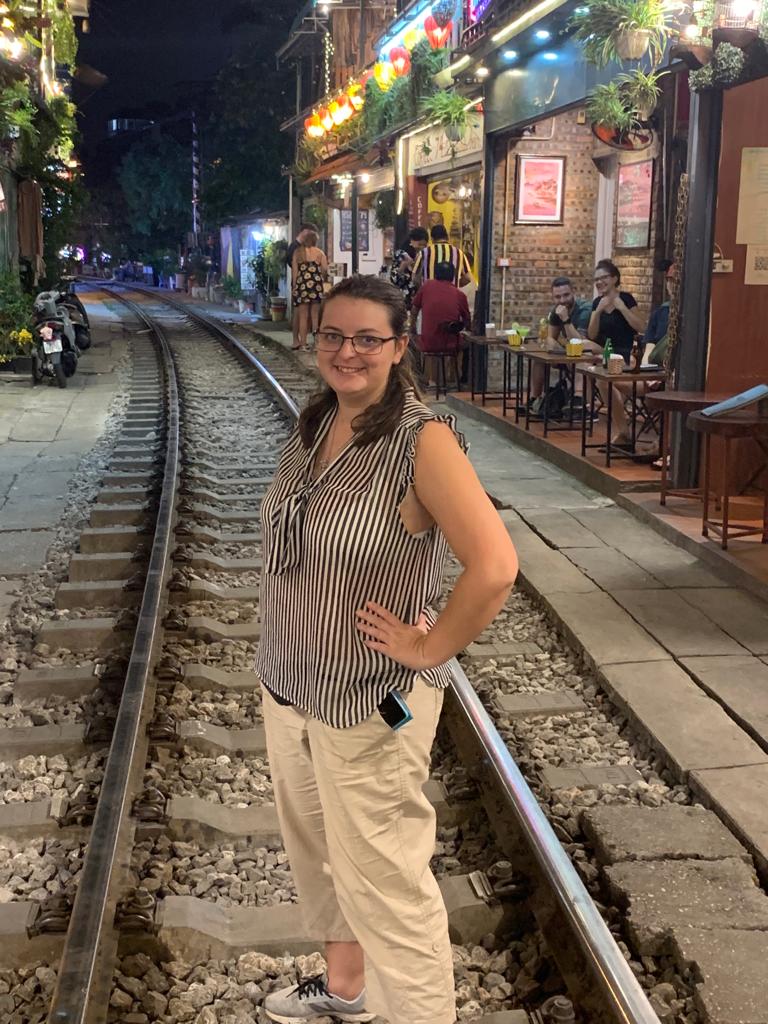
Back in Hanoi, we had one more opportunity to look around. We tried for a third time to see the train on train street, but this time at night. The train schedules on the internet were all wrong, so we got there badly timed and when we tried to wait the police made us leave, even though we were half way through a paid meal. Overall, I would say only go to train street if you are happy to waste a lot of time and maybe only see the tracks.

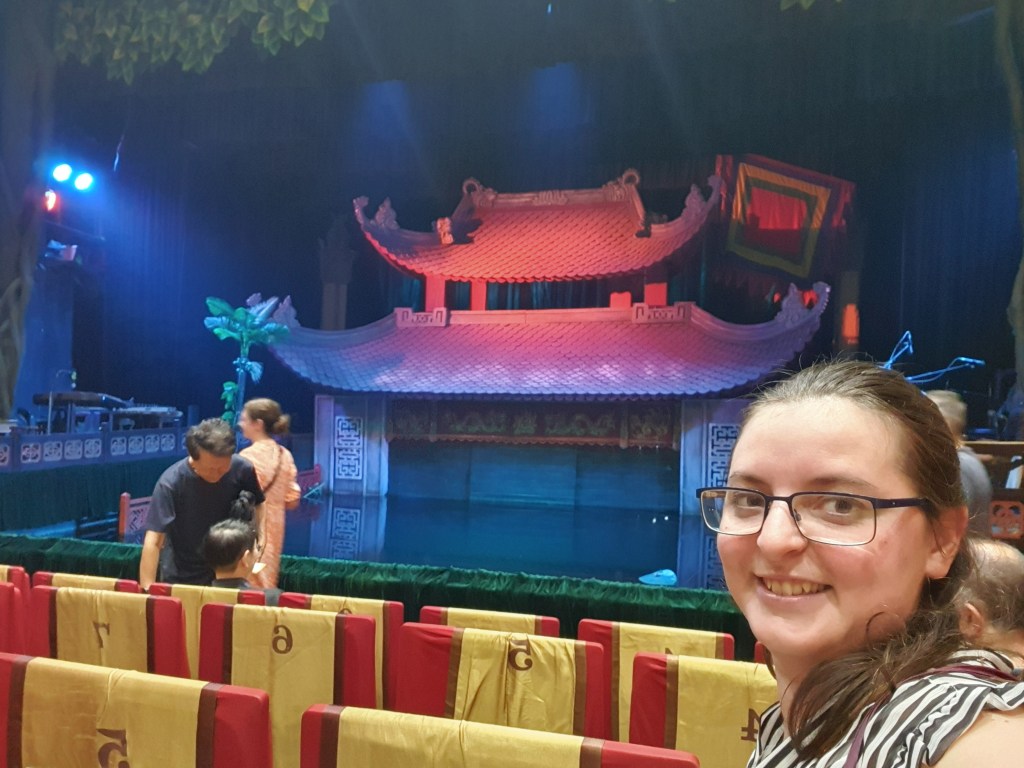
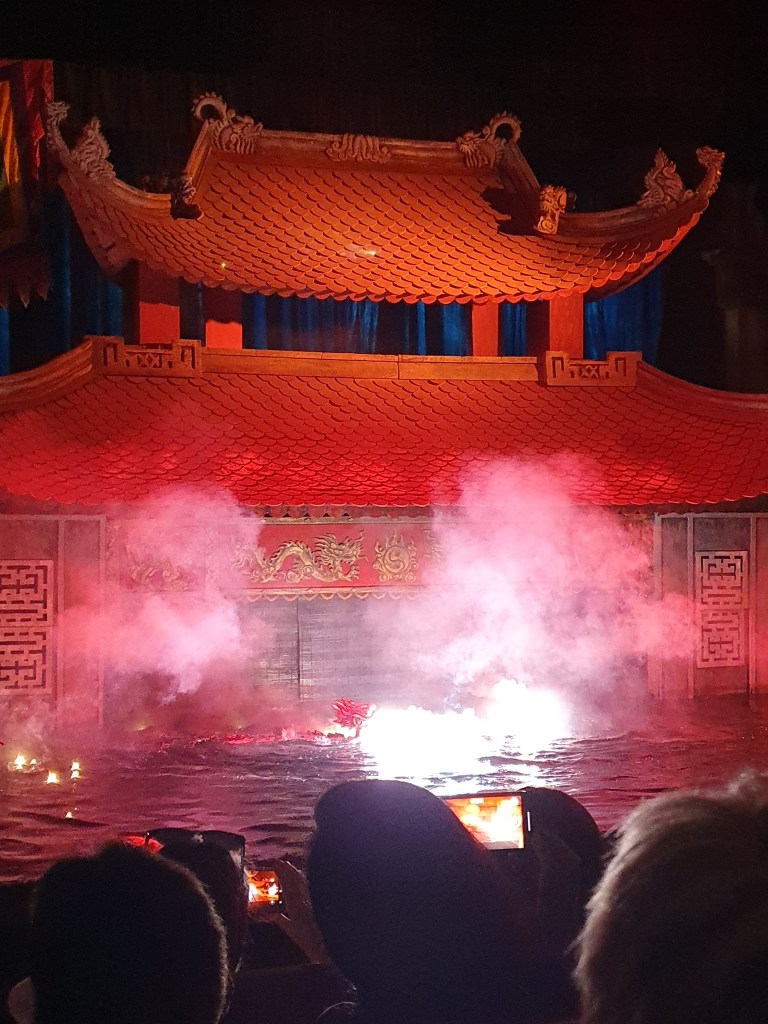
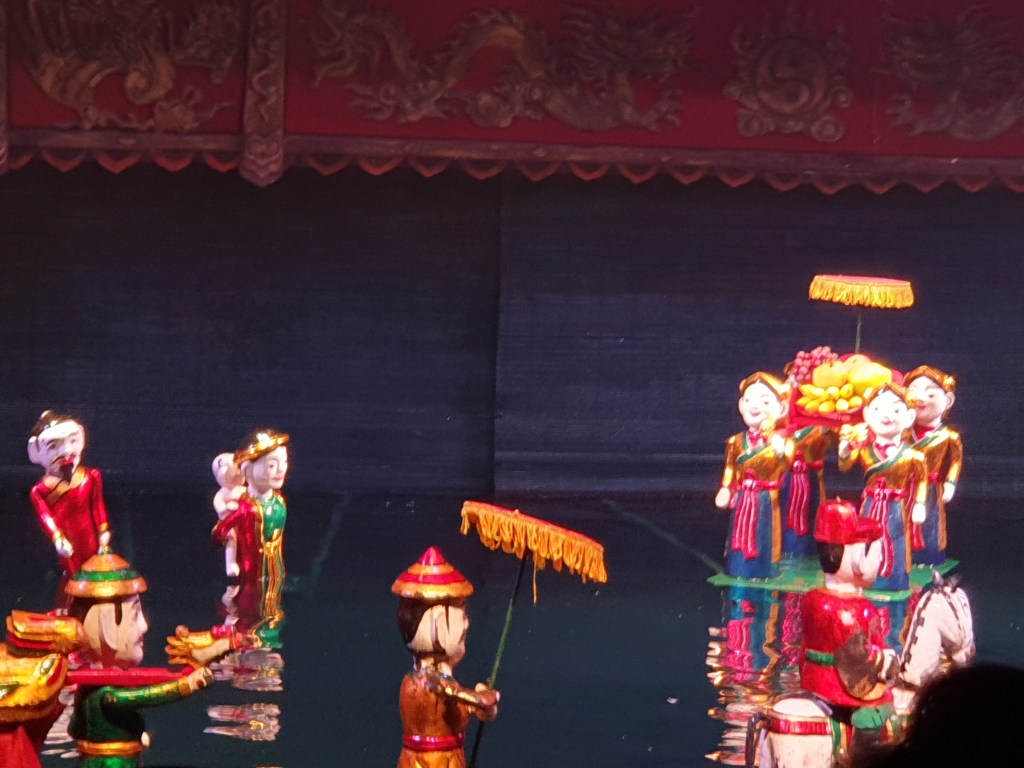
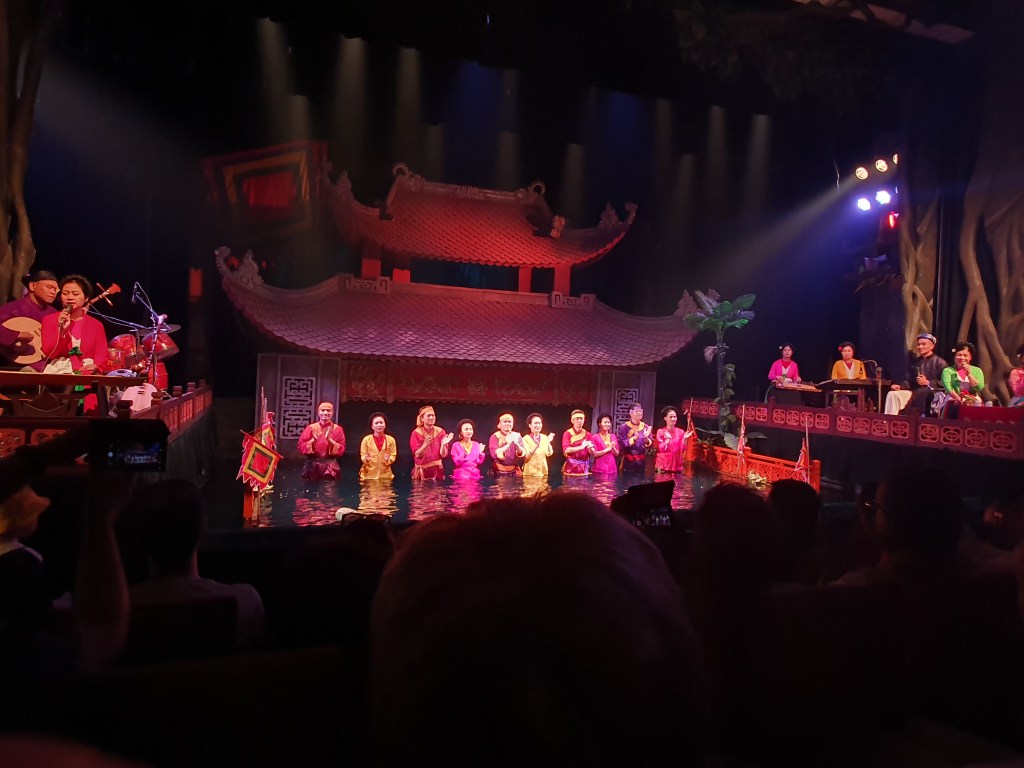
Something that was well worth it for only about £6 and 1 hour was the Thang Long water puppet show by the lake. This show was a traditional artform telling folk stories of Vietnam in their language and with singing, using puppets within a big pool of water.

I wasn’t sure if it would be entertaining enough, but it was actually very funny at times and the show somehow managed to use smoke and fireworks on the water aswell which I dont even understand how. The best part may have been the music though. There was an orchestra of local folk musicians playing traditional and strange instruments and all in vietnamese formal wear. Overall it was super impressive!

Hue

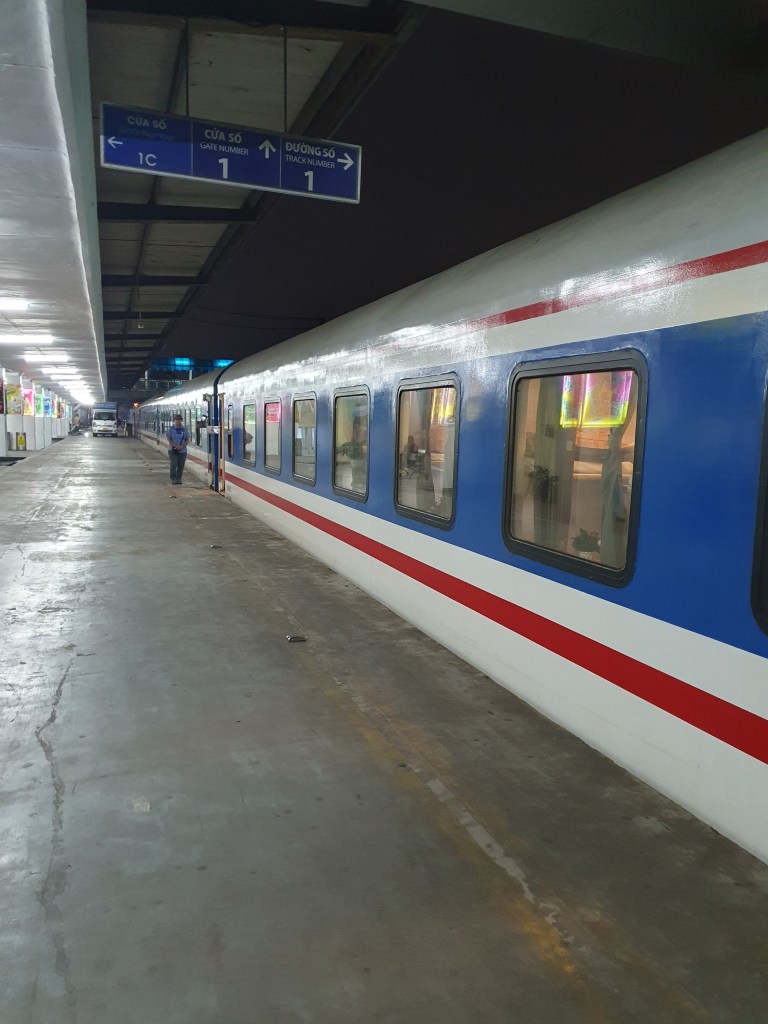
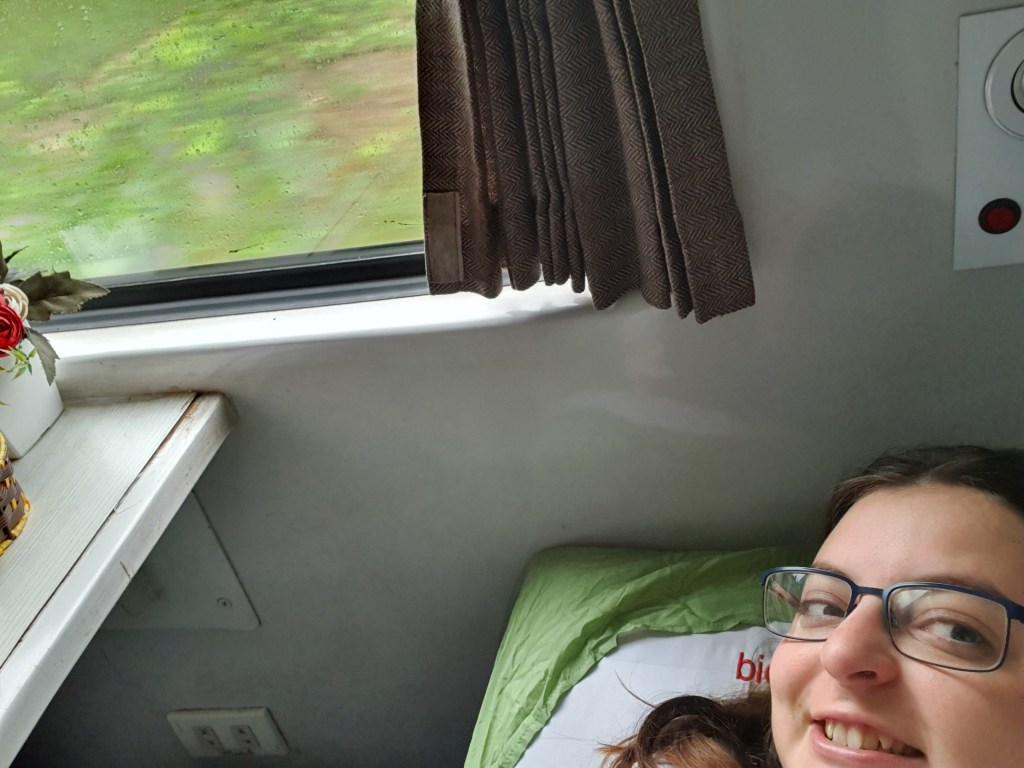
Writing this section of the blog at 4am from a twelve hour sleeper train from Hanoi to Hue. Sharing a bunkbed in a room with three other travellers, I feel quite at home and I am enjoying the bumpy swaying of the carriage more than expected.

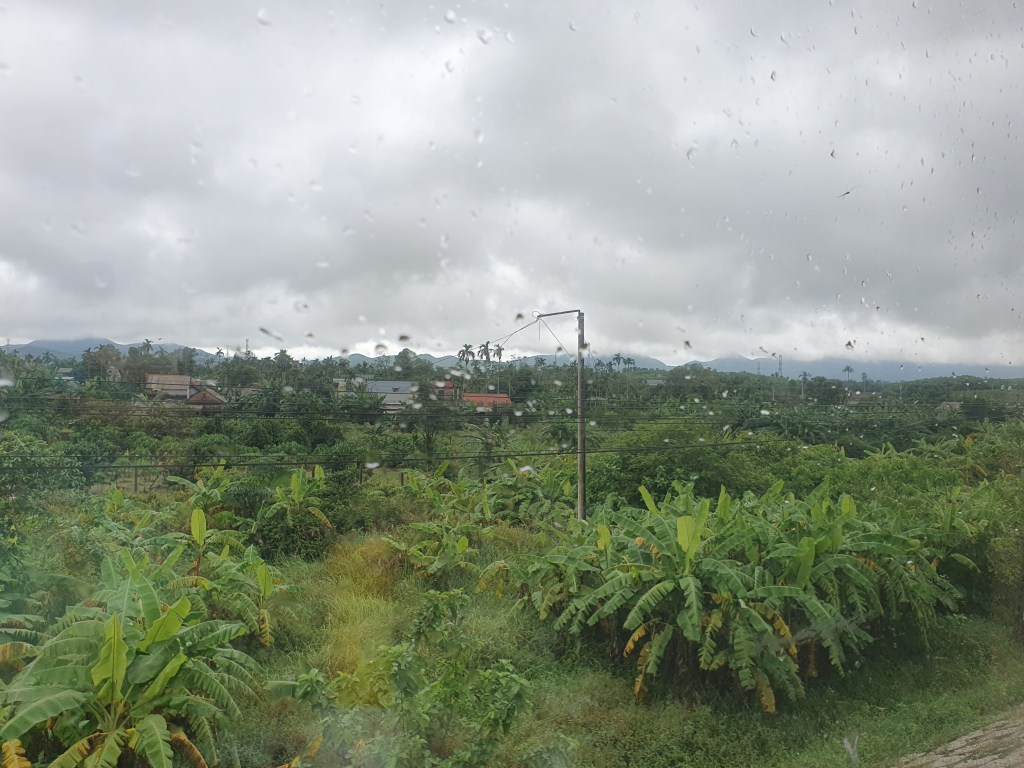
At night I can see the reflections of the train in nearby waters and marshlands and the odd distant light of a farmer or two working in the fields and by day the scenery becomes many small villages and plenty of rain!

The train has different classes, we are in a 4 berth, but there are 6 berth and then soft reclining seats and hard seats (for those true hardasses – literally). My room is quite good with a little mattress, space under the bed and a table with a selection of sweets.

The only thing that has been a horror is as expected, the bathroom situation. There is either a squat room for guess what.. squatting, or there is a western style toilet. The toilet started off okay but now I can tell you that by 4am it is not okay. Its a horror show. I am trying to figure out how I can not pee now until 11am. Note to self, must purchase a she-wee for travels!

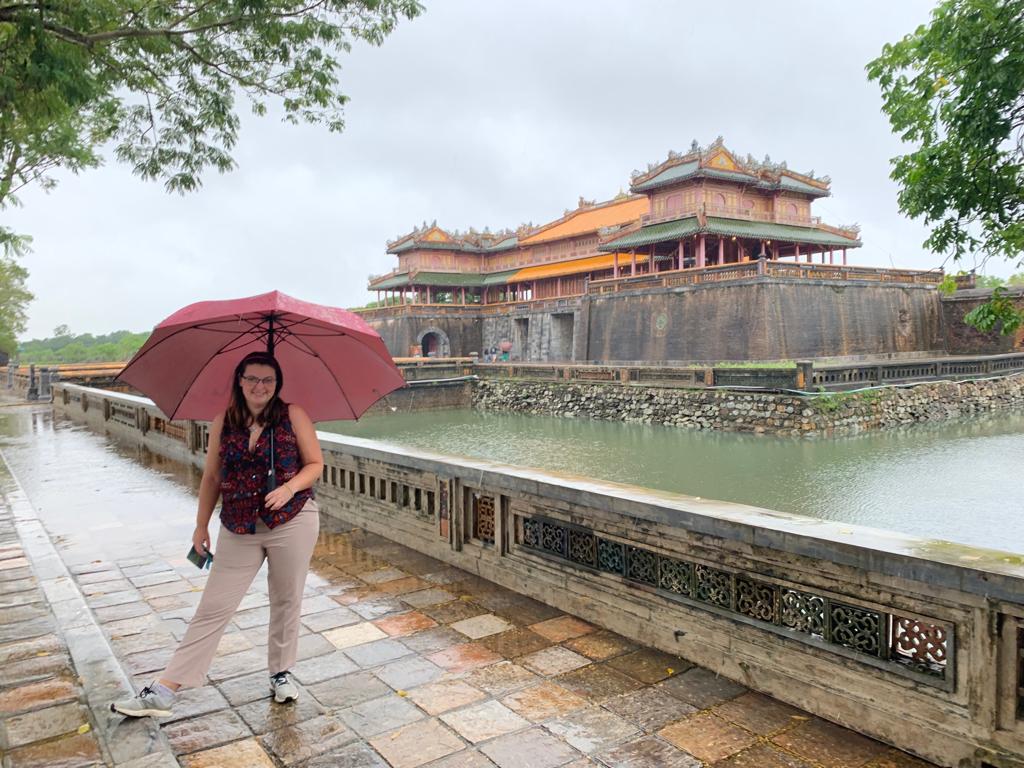
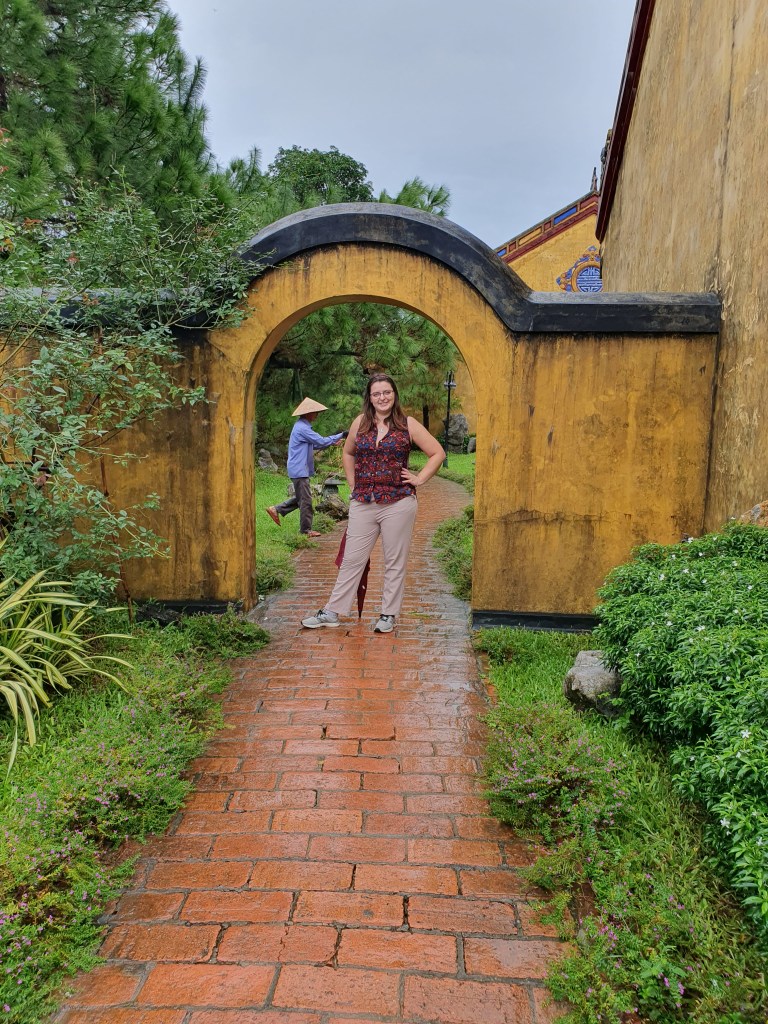
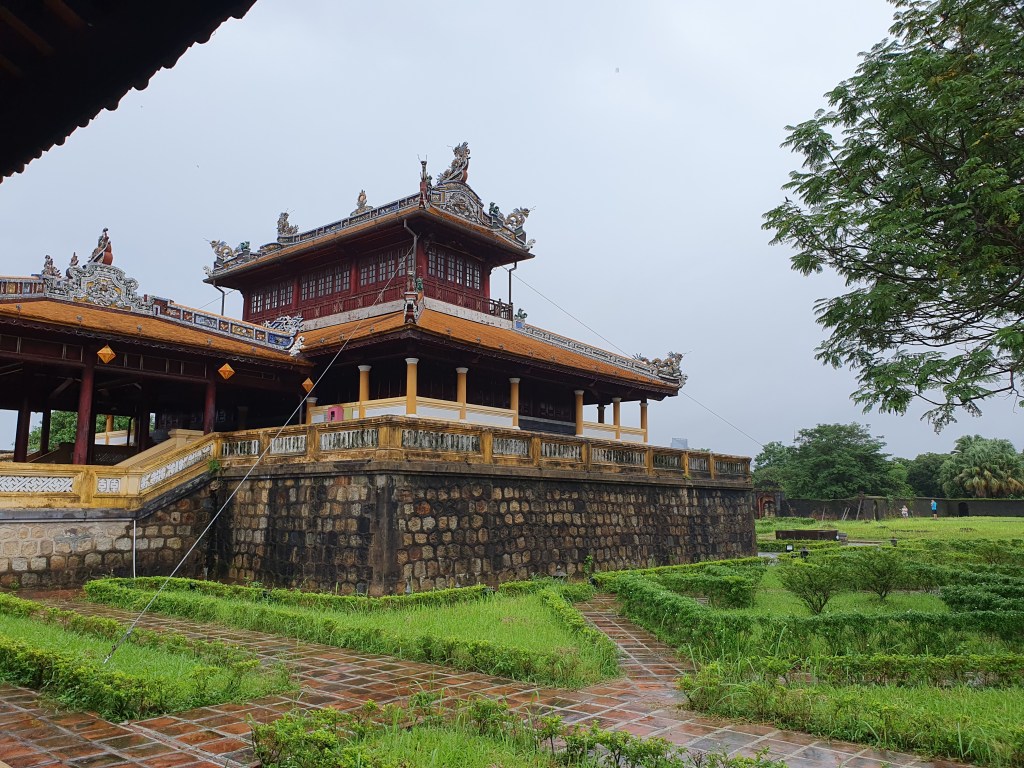
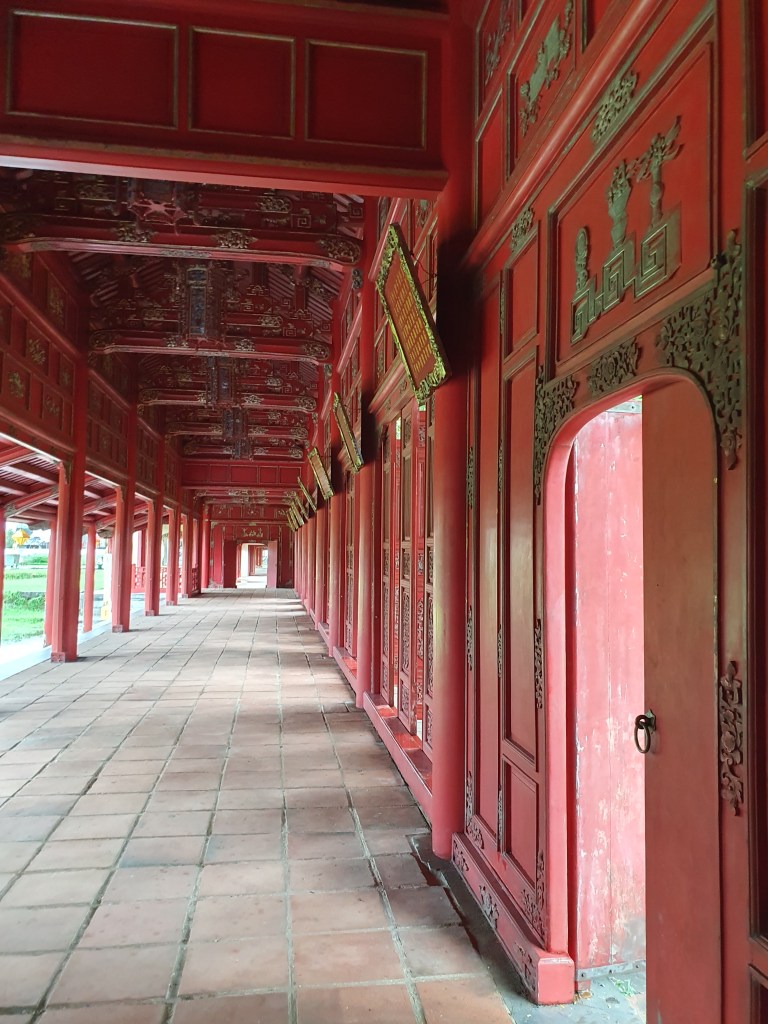
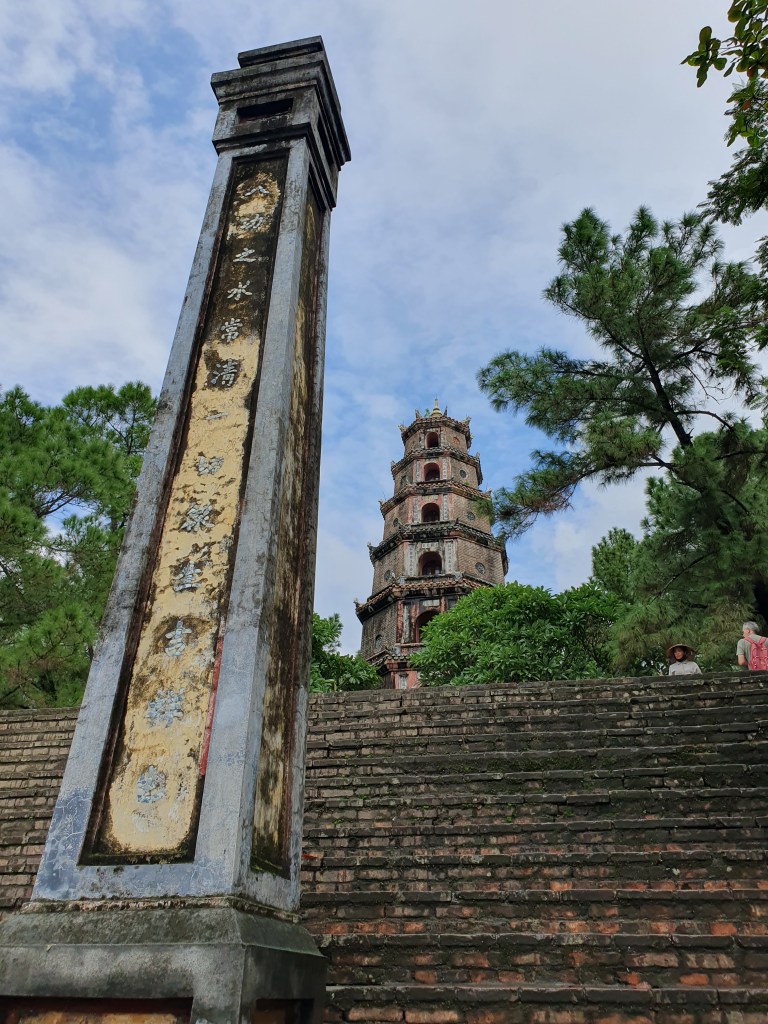
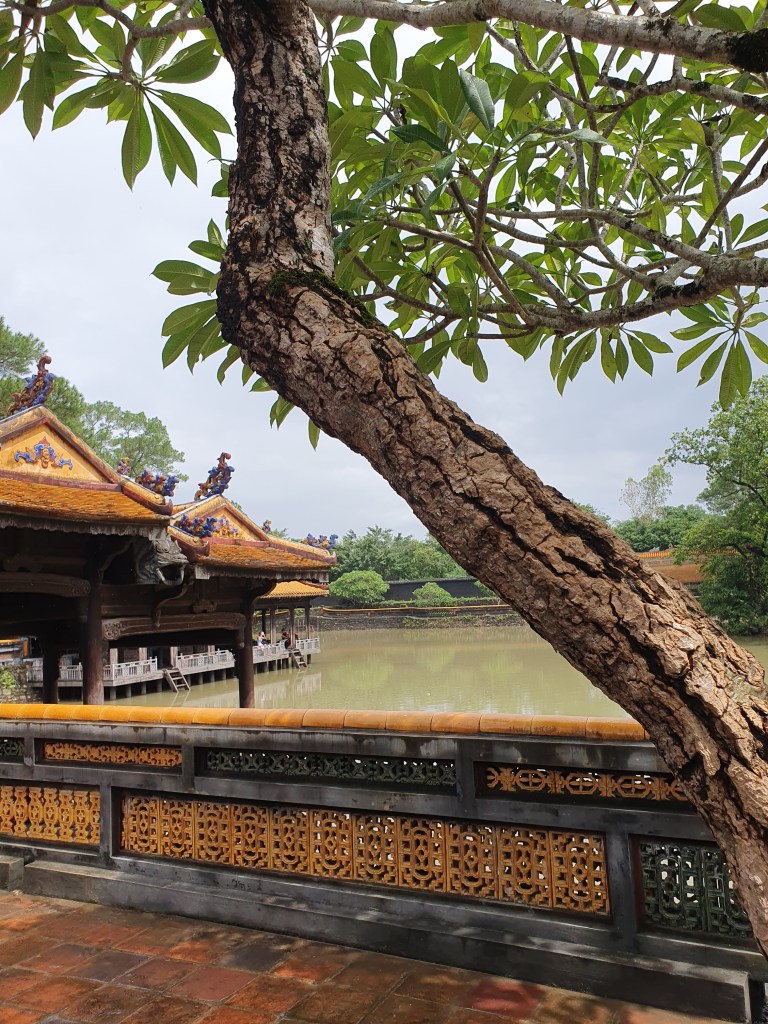
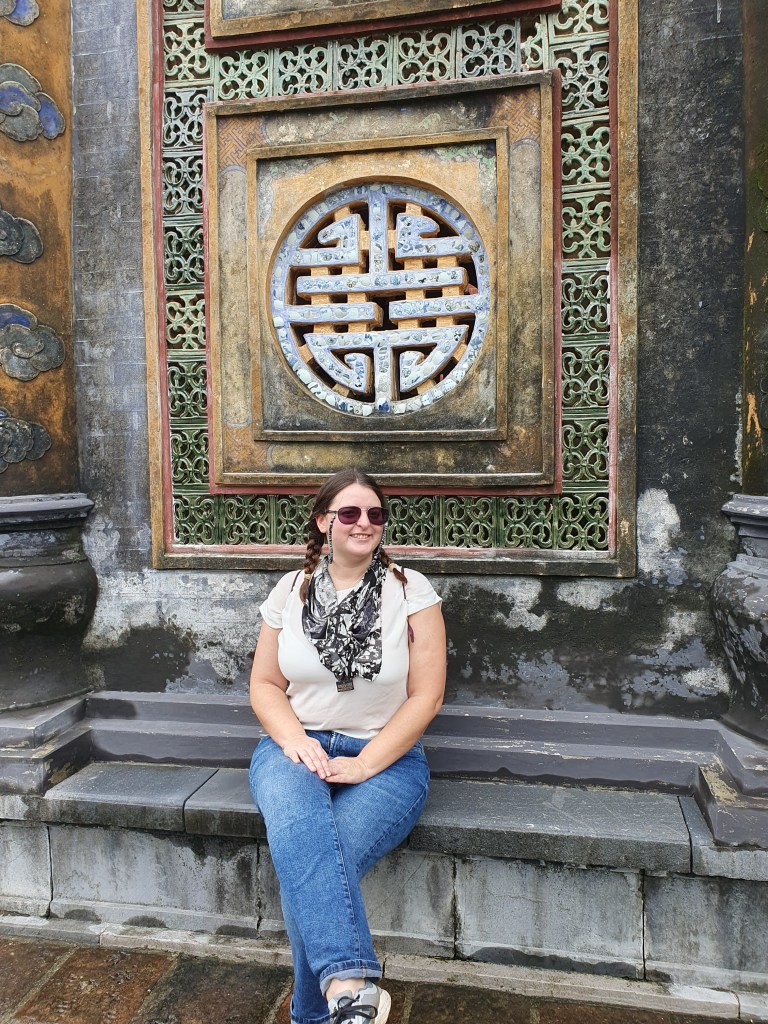
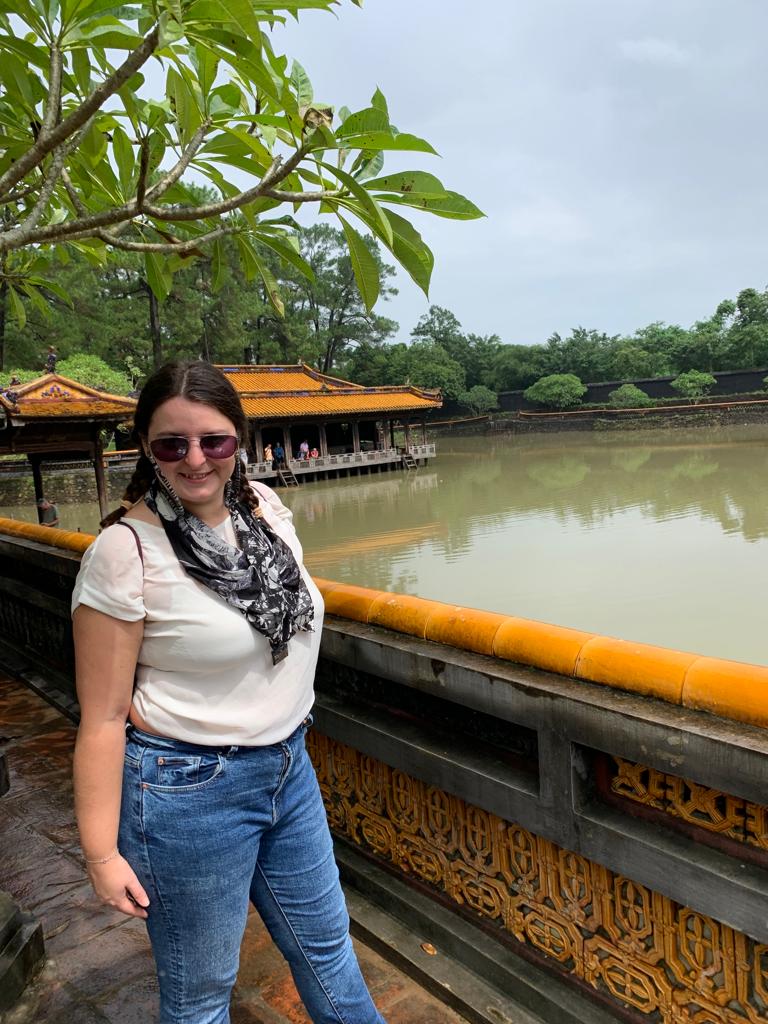
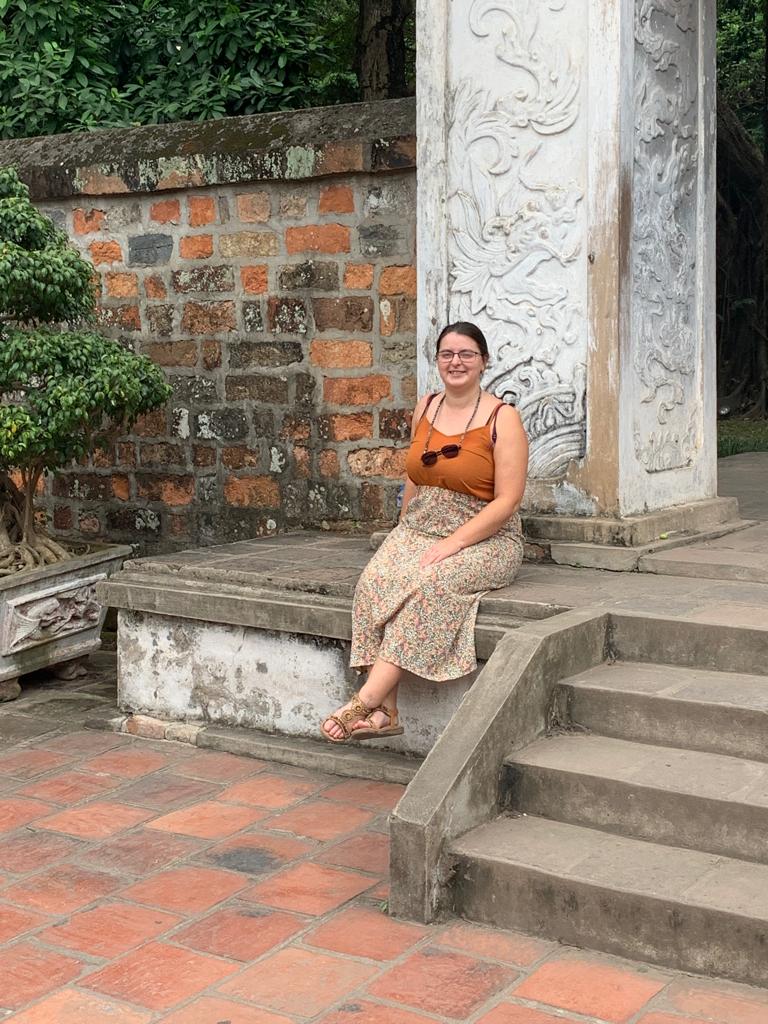
Once we got to Hue and freshened up at our hotel, with an umbrella in hand, we were guided to the ancient citadel. Hue was historically the imperial capital and home of the kings of Vietnam. It still has the 21 metre thick walls surrounding it and many of the original buildings either still exist or have been rebuilt or are in the process of being rebuilt after collapsing from weather or war bomb damage.

The site is very pretty and a bit of a maze to walk around if you do not have a guide. It is mostly an outside visit except for a few locations where you can visit inside after slipping off your travelling shoes. I Particularly enjoyed the king’s gardens with many bonsai trees and bright green foliage. Obviously, due to all the rain, but green is my favourite colour so I’m okay with that!

The stories about the kings were interesting too. Kings were seen as Gods by the people, but for many centuries the kings were actually puppets for the french to put their influence over Vietnam. The kings ranged from 7 year old boys to a man that went from being a king to a french pilot. So random!

Later in the evening I had dinner with a local family that had been there for generations and the lady’s grandfather had been a direct servant of the king. The family now are well off in the area but still cannot afford to travel much and still work very hard. It is becoming apparent how hard people in Vietnam work to make a minimal living.

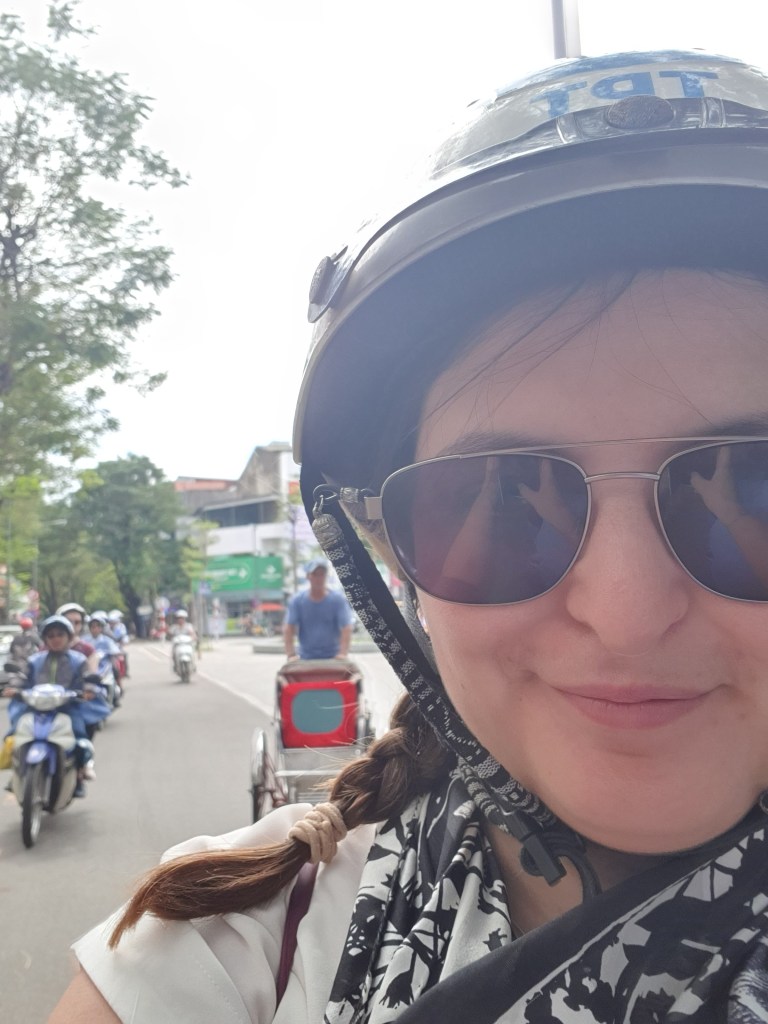
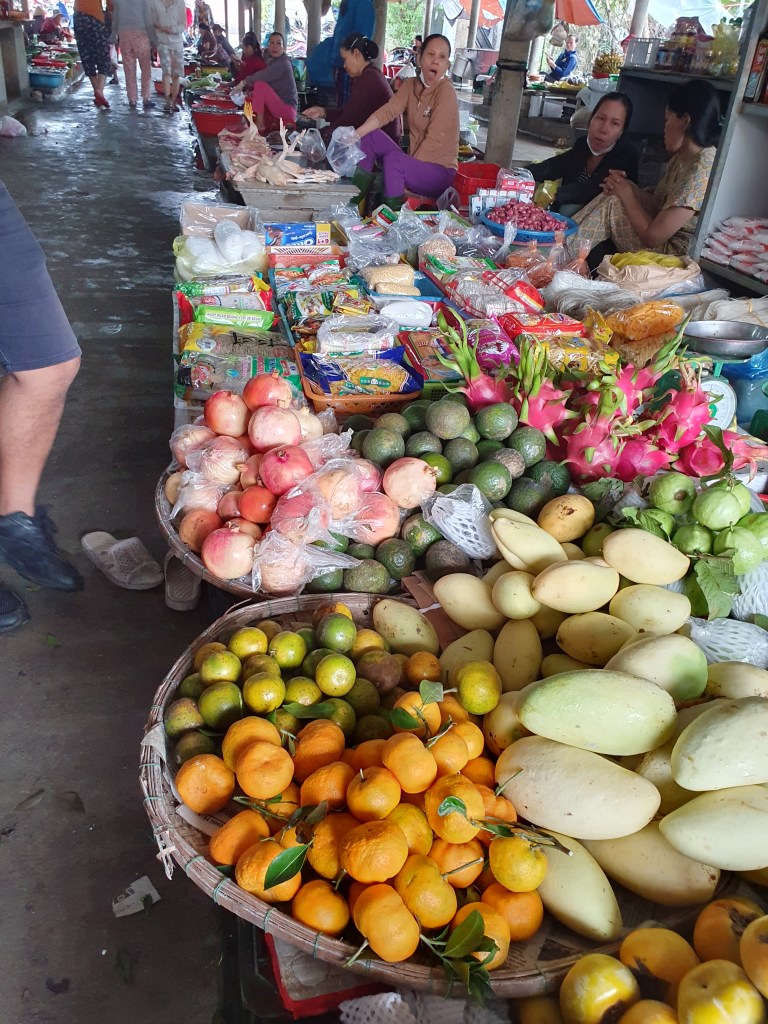
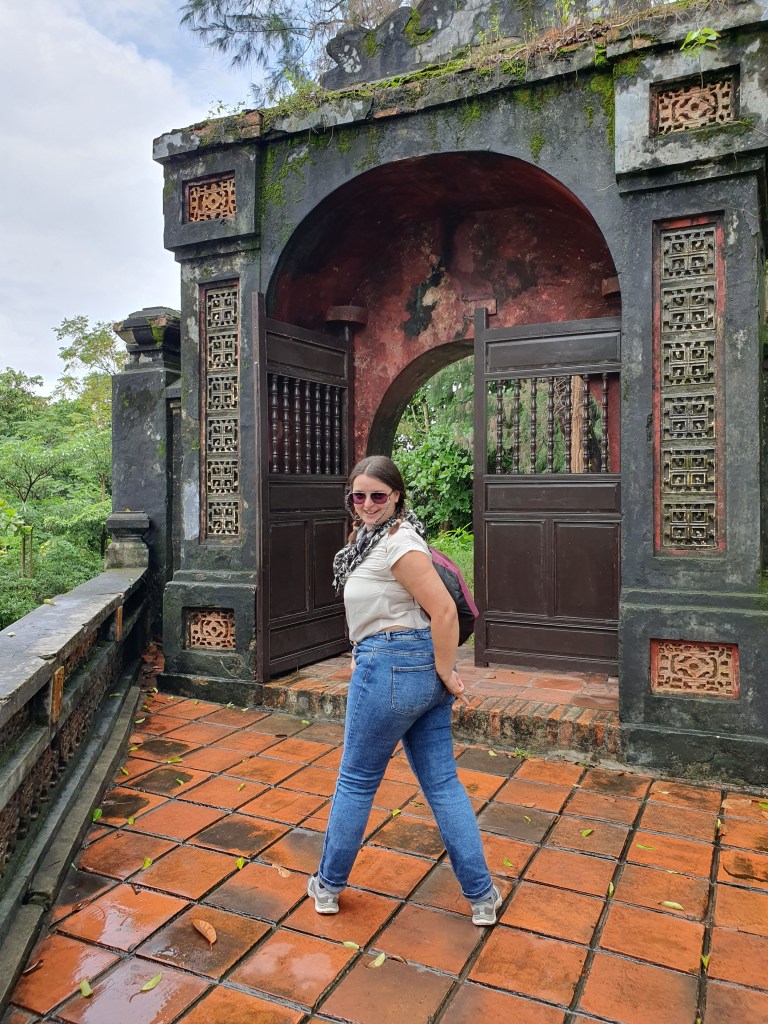
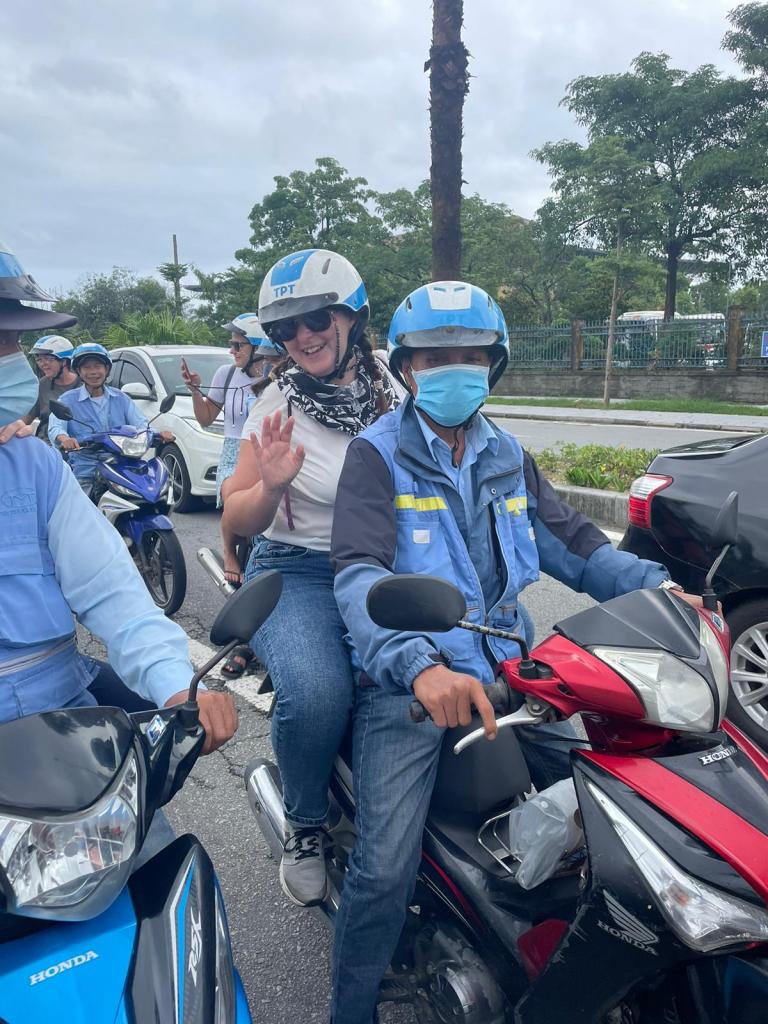
The next day in Hue, we ventured around the surrounding countryside and the town centre by motorbike. This thrilling experience was one I will never forget I imagine, it was an adreline rush full of beauty and culture. As I rode pillion to a Vietnamese man named (‘kern’) I explored a king’s final resting place, a local fresh market (where it is so fresh that the animals are still alive), and a local monk community. What a thrill!
Next day we move on to the South to Hoi An… in my part 2 blog.

Me at Halong Bay

Lisbon: The City of Seven Hills

I have visited Lisbon several times for short day trips, but this Spring, I stayed over for a two night break between destinations. This city with what feels like many more than just seven hills, is full of life and culture throughout.

Travelling to Lisbon

I travelled to Lisbon by Train on this occasion from the Algarve’s Lagos, in the South. This was about a four hour journey with one change, and then once in Lisbon there are several main stations you can arrive in. From there, buses, trams and metro are possible.

Neighbourhoods: Alfama and Barrio Alta

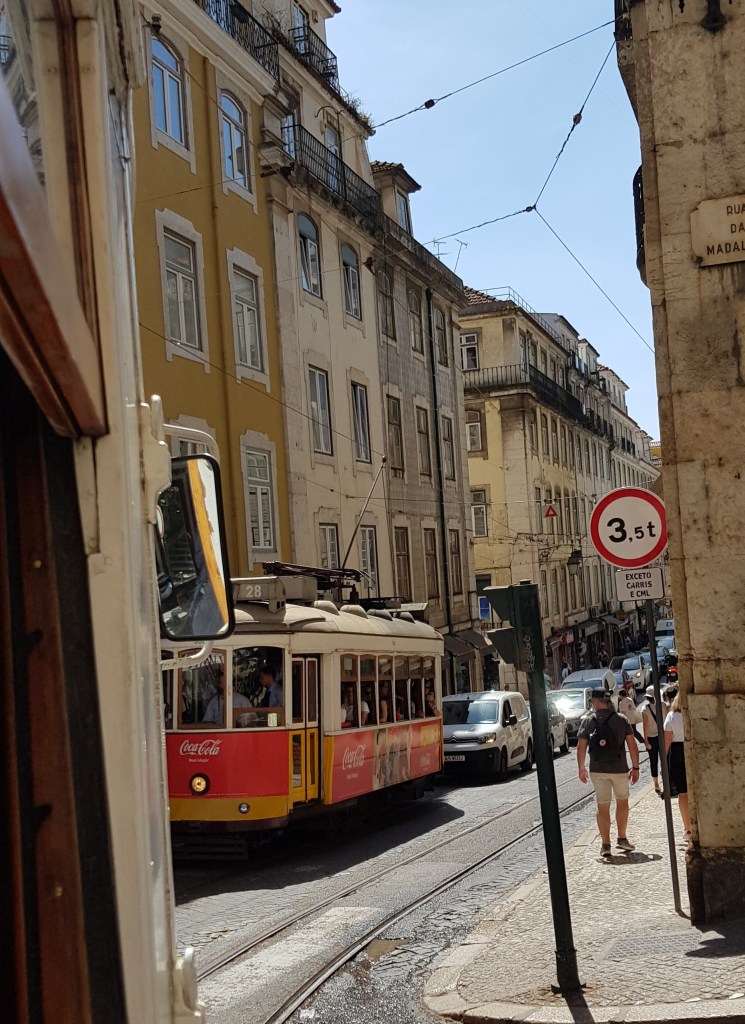
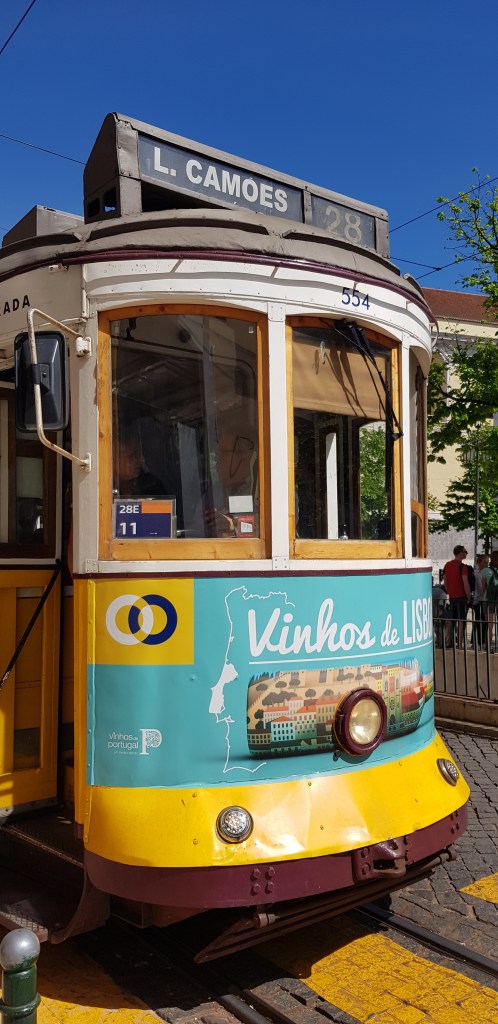
I stayed in the neighbourhood of Alfama which is one of the oldest parts of the city near to the river. I selected this area of the city because it is rich in culture, close to tram 28 which is the main tram to run through the touristic areas, and its an area with many fado houses.

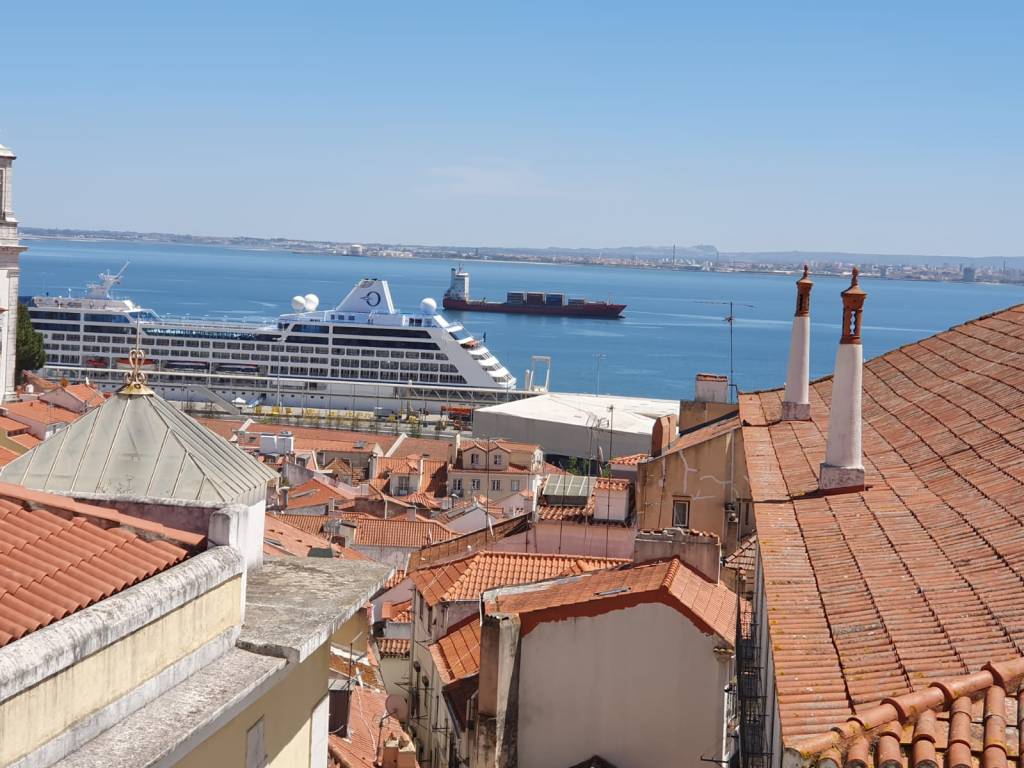
I chose to stay in Convento de Salvador, which is a beautifully refurbished convent on the hill. It was very clean and minimal and still had the old layout and foundations of the convent. Our view of the river and downhill street was wonderful aswell.

It is easy to follow the river from Alfama along the promenade towards the Belem tower, or you can jump on the tram to head either towards the castle in one direction or towards Barrio Alto.

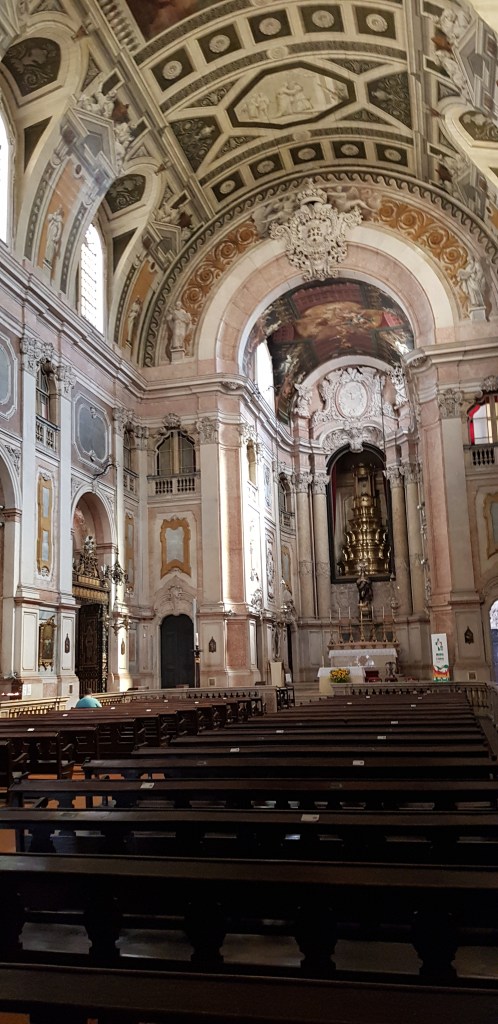
Barrio Alto is a bustling area full of shops, restaurants and squares with street performances at night. Wondering the squares to listen to music, enjoying a pastel de Nata and venturing to some of the local gardens can all be enjoyed within walking distance from here. There are also some wonderful churches, I visited two churches from the italian community that were very beautiful.

The must see monuments / attractions

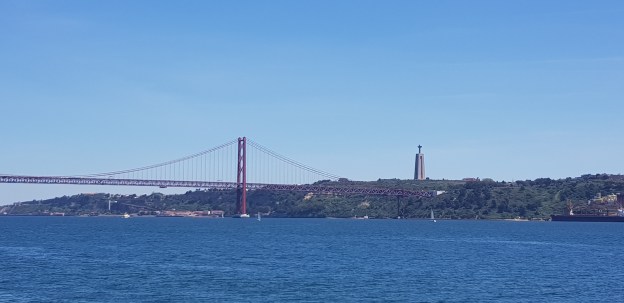
  • Belem Tower – A monument to remember the power and colonisation by Portugal, it sits at the riverside and you can also see the bridge and christ statue from here.
  • Jeronimos Monastery – A huge monastery facing large public squares and standing to the front of the botanical gardens and presidential palaces.
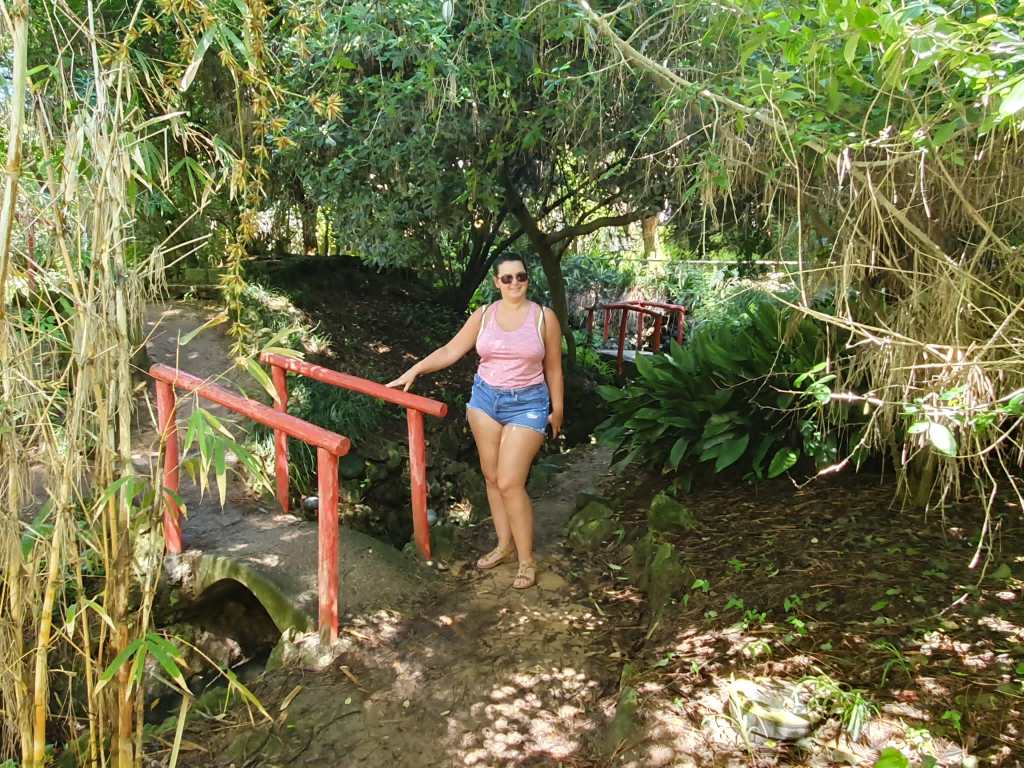
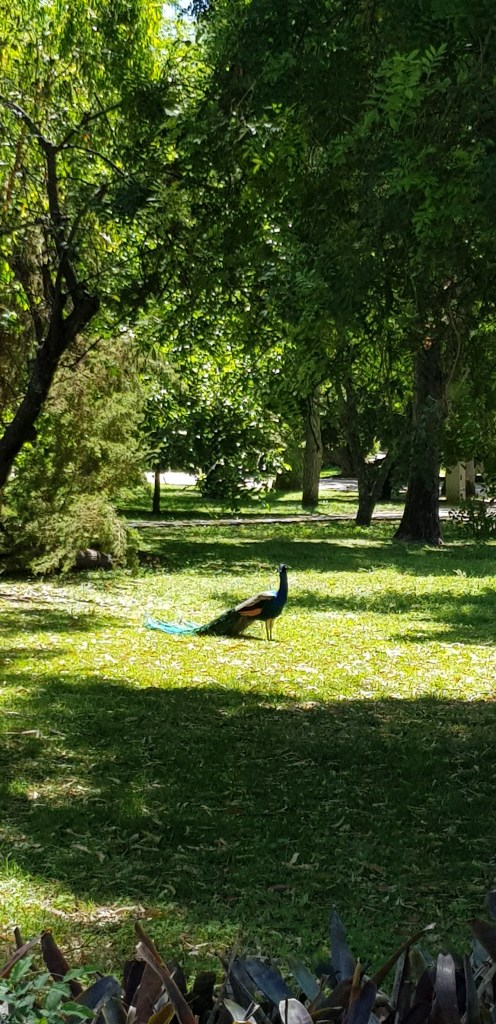
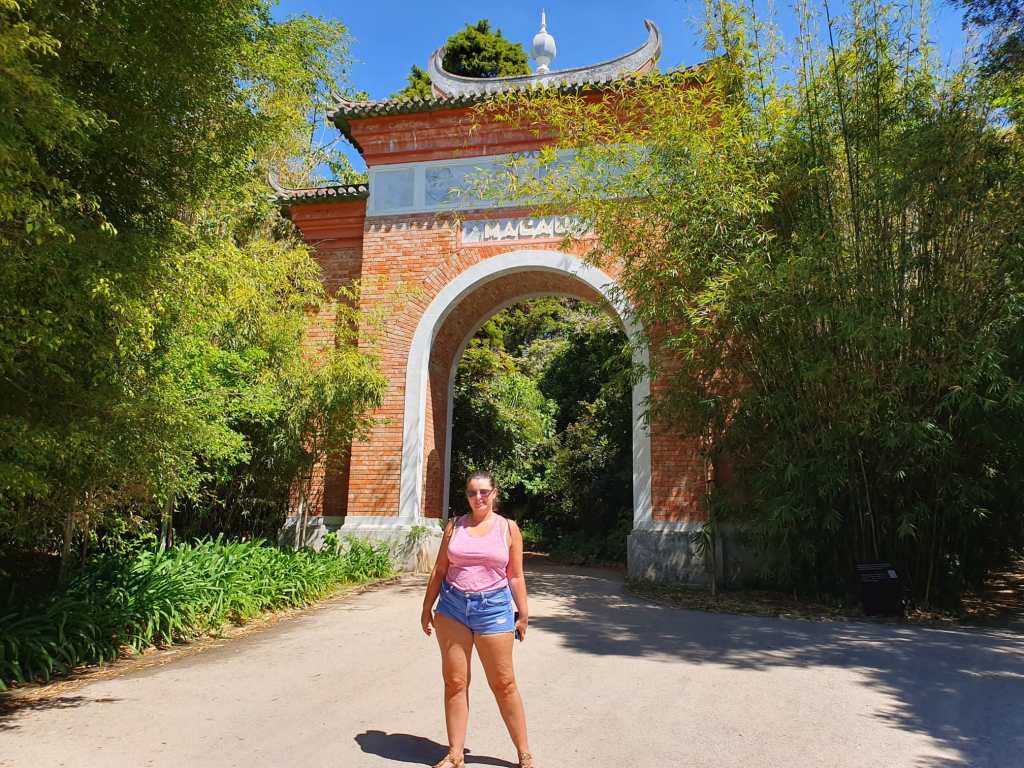
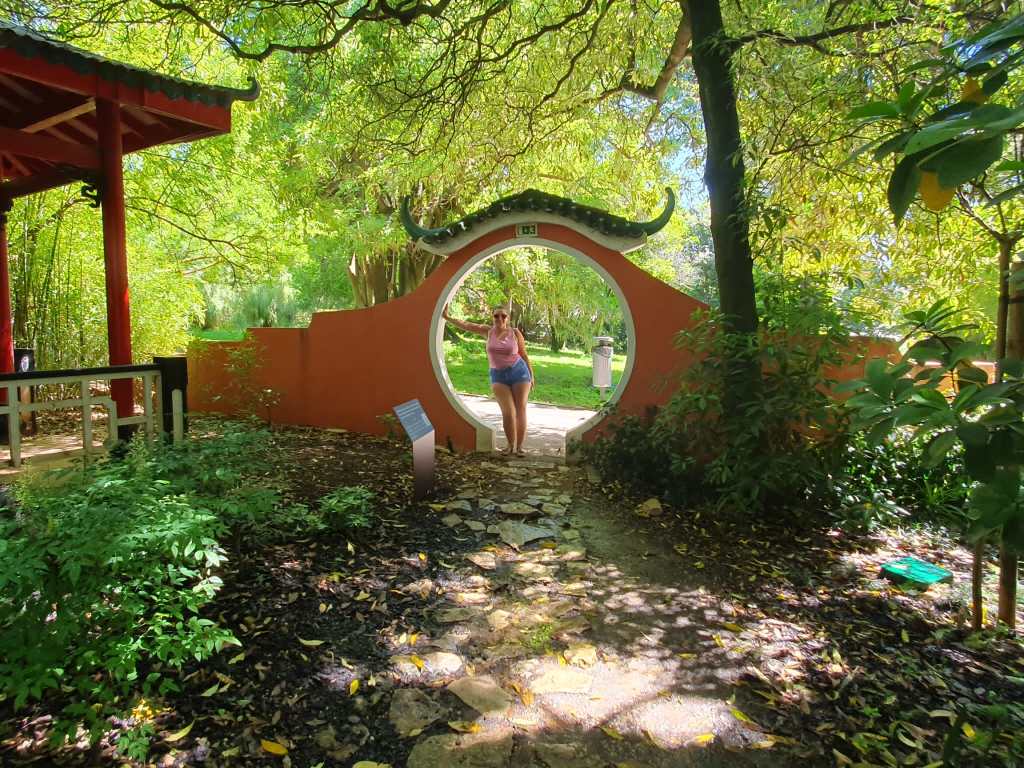
  • Botanical Gardens – A beatiful setting to spend some hours in the afternoon seeing a variety of interesting trees and flowers, an oriental garden, old buildings, african sculptures and many peacocks.
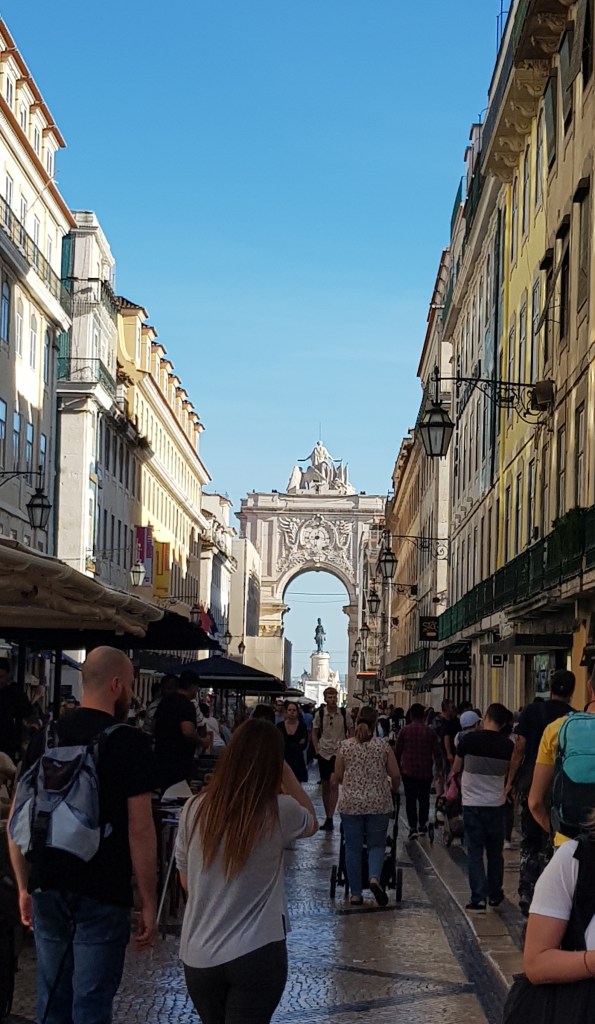
  • Commercial Plaza – The location of a huge statue, the tourist information offices and a great gathering place for events.

Fado

Near my hotel were several Fado houses. These are traditional houses which have evening shows (normally with dinner) of traditional portuguese fado music. This is deep, very sad singing and guitar, supposedly derived from the soul.

The music is very relaxing to listen to, and when visiting the fado house, it was of the utmost importance that guests did not talk and food was not served out by staff during the music out of respect. So, several breaks were needed to dish out food and for conversation. This was good for me as it meant I actually slowed down and savored my food.

There is also a Fado museum downhill in Alfama. It has a lot of information about Fado but it is difficult to navigate and understand the information at hand, and I felt a lot more could be done to improve its guest experience.

To conclude…

I like Lisbon a lot, it is one of my favourite cities. It is vibrant and proud of its heritage. Next stop is another portuguese area, the Azores…

Exploring the Eastern Caribbean

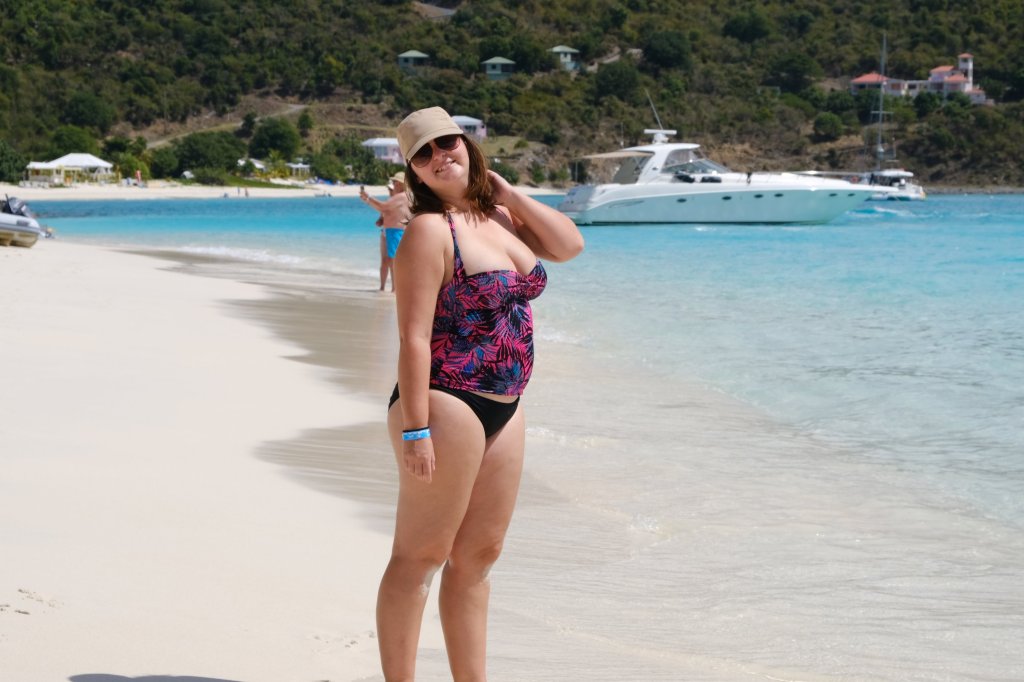
I spent the Winter of 2022/23 sailing around the Eastern Caribbean, and discovering what this part of the world has to offer, other than the expected white sandy beaches and sapphire blue waters.

Local life and culture

The Caribbean may dream up different images to different people. Perhaps the white sandy beaches, palm trees, men in dreadlocks and lots of rum. Whilst, this part of the world does have all those things, it’s actually much more complex than just that, with a rich diversity of culture as well as differing social constructs throughout the different islands.

The different islands are grouped and governed separately, some independently and some by European powers. Many of the islands’ native tribes were wiped out by European colonisers and much of this influence still shows today. Some islands speak French because they were once French, and some such as Martinique still are a part of France. There are also islands that are spanish speaking and ones that are Dutch or British.
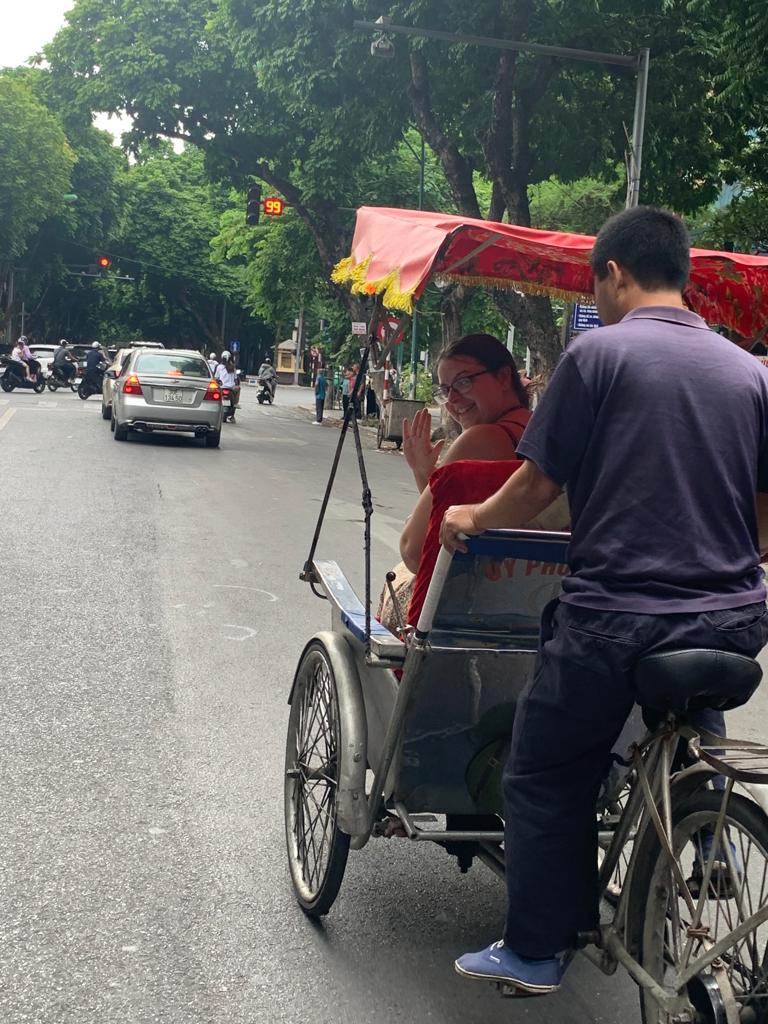
The influence of a European governing body, will of course affect wealth and opportunities too. Many British influenced islands, have the British legal and education systems. The French and Dutch islands also benefit from the additional European funding and the ease of movement of tourists from the mainland.

In most cases, where islands have separated themselves from their colonizing parent country, they are living in developing world status. Consistent and devastating hurricanes and natural disasters add to this reality.
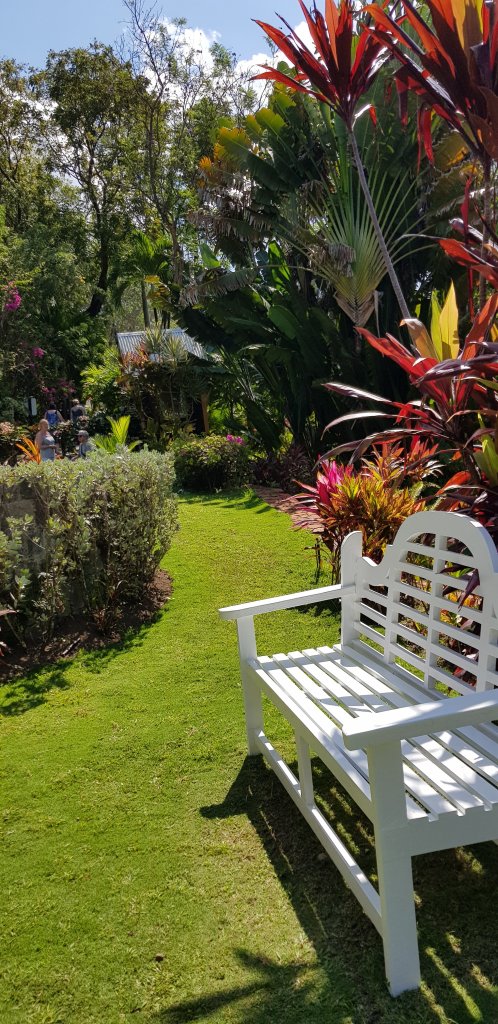
The situation means that the cost of living can be very high for locals and many people have to be entrepreneurial in order to make an income. That may mean selling tours, setting up a bar, selling coconuts or even offering photos with captured monkeys. It is understandable that locals need to make the most of the incoming load of tourists arriving each year.

The people are also very relaxed and generous. Whilst they can be direct, I have always found the caribbean people to be very uplifting and kind. They follow generally one of two main religions, Christianity or Rastafarian. I never previously realised that this is an actual religion but it very much is. For example the reason for the dreadlocks is because it is considered against the religion to cut your hair as it represents your strength. It’s not just a fashion statement!

I have had some really great interactions with locals whilst working in the area. From direct business partners to a handsome rasta that broke an aloe vera plant in half and massaged me with the sap on the beach. Conversations about life, culture and family. It helps me open my eyes to new ways of living. A more relaxed lifestyle that takes each day as it comes, because in a moment everything can change.

Safe to say, keeping the drinks flowing, the music loud, and the air smelling of ganga is a part of the way of life and it certainly seems relaxing.

Nature

Outside of sandy coastlines, many of the islands I have visited have been full of nature. Especially rainforests.

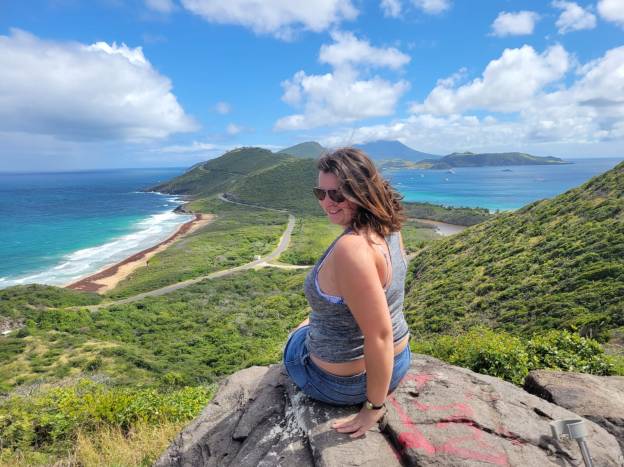
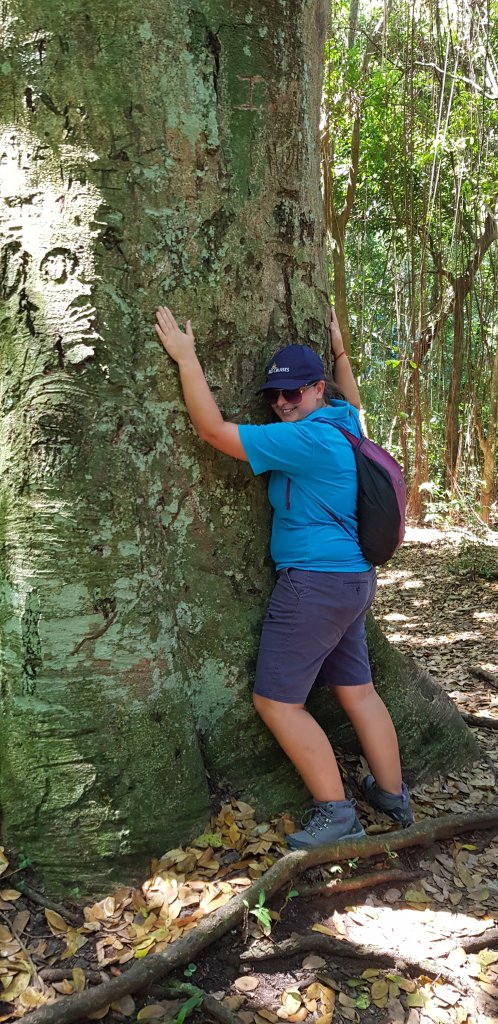
I have been fortunate enough to bathe in mud pools inside an active volcano in St Lucia, discover thorn covered trees and hang from vines in the deep rainforest of St Kitts, as well as cruise past the TV set of ‘survivor’ in a jungle in Dominican Republic.

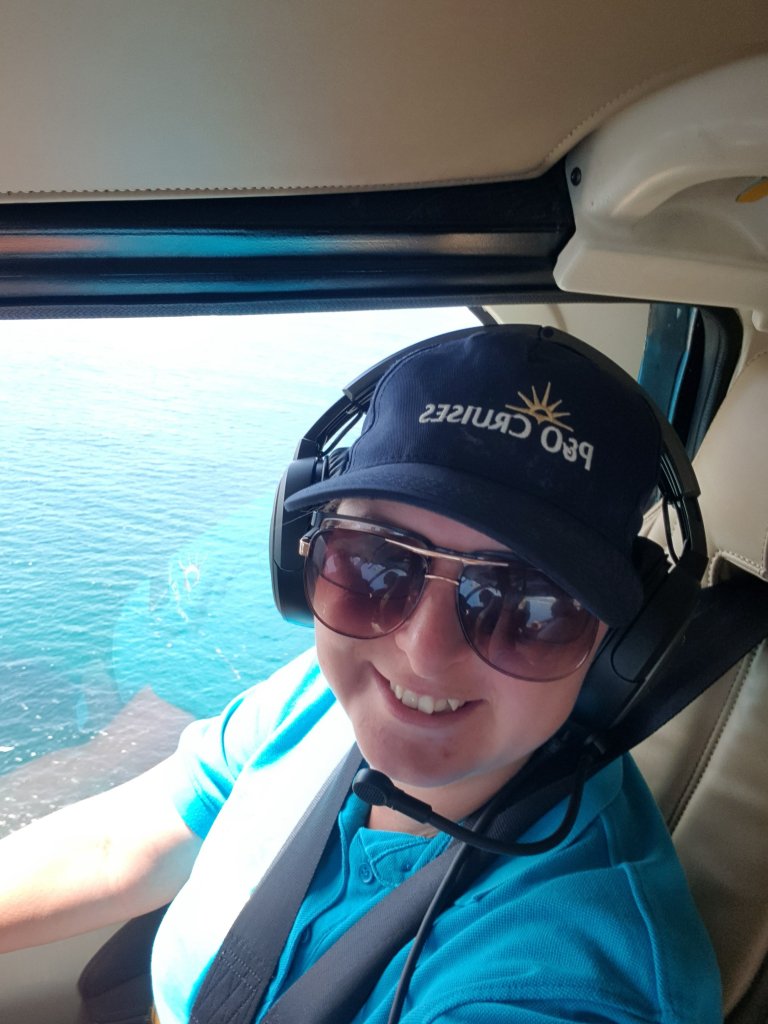
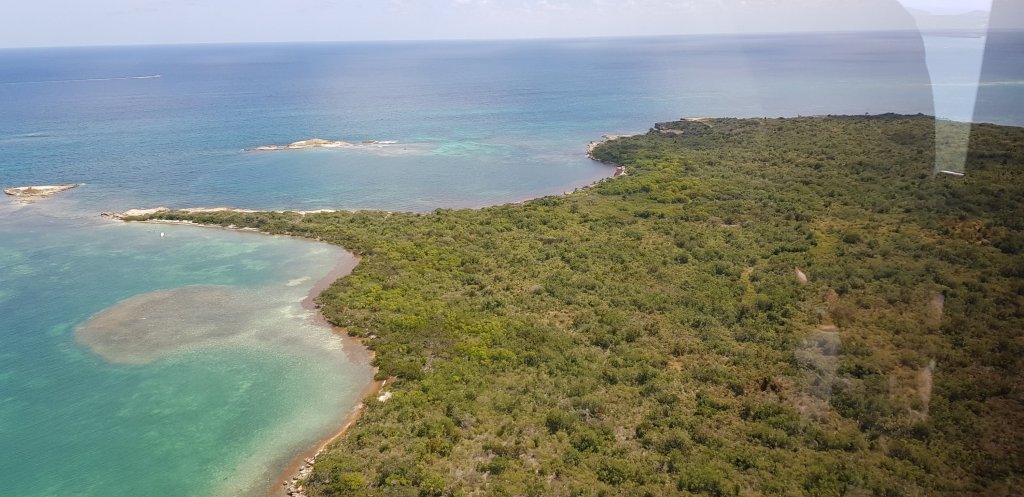
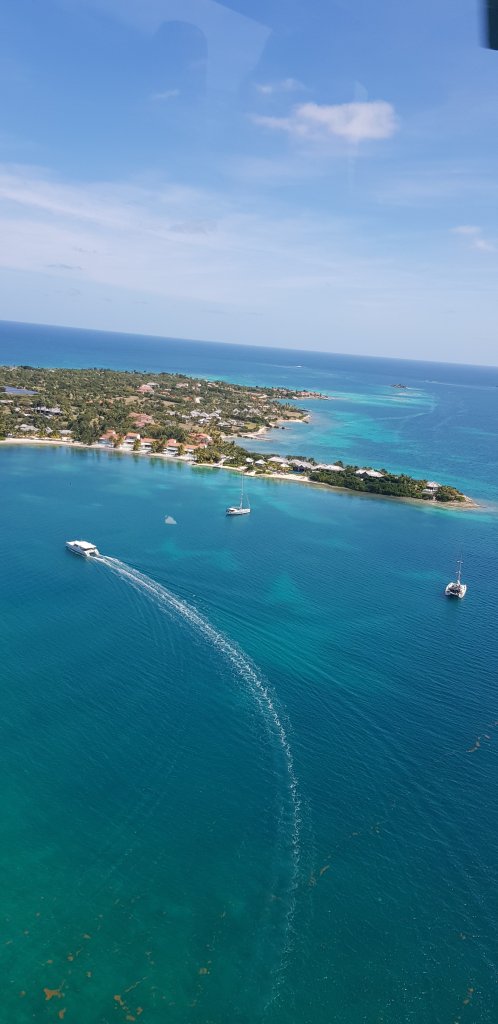
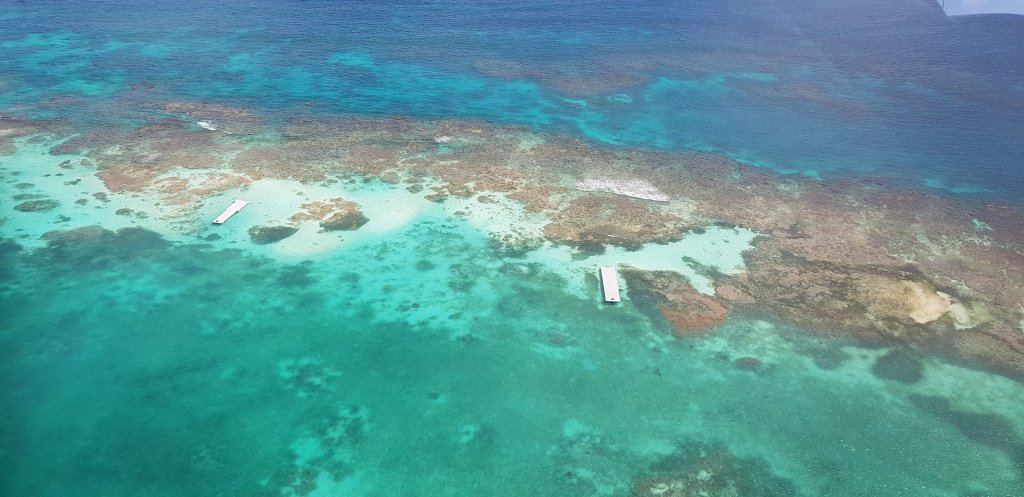
One of my favourite experiences has actually been flying over Antigua by helicopter. In that short flight I was able to see the shape of the island, the changes in the land from recent hurricanes, a good view of large coral reefs and coastal cliffs not accessible from land. During a flight, you can be lucky enough to see dolphins and whales, and you can also get a great bird eye’s view of places like Oprah’s holiday home!

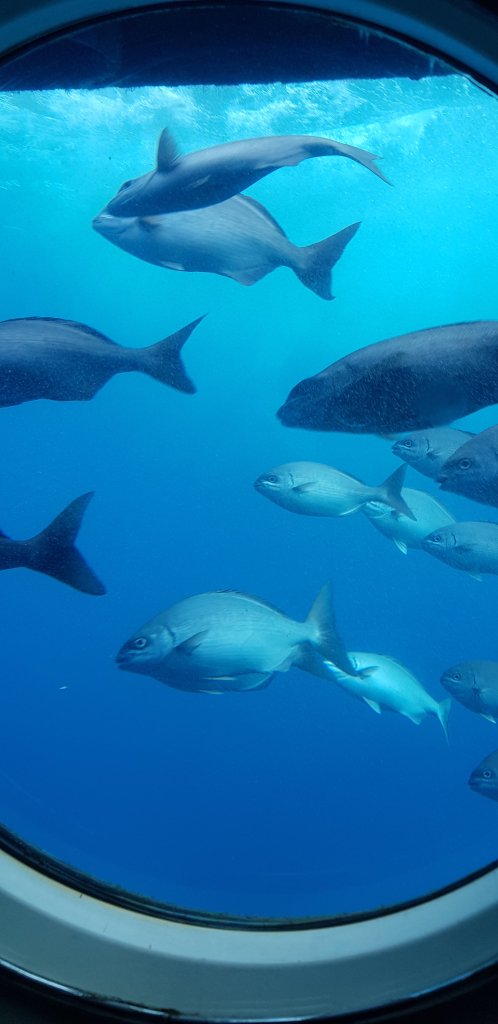
I was surprised that it was not as easy as I expected to see wildlife. Whilst, iguanas and pelicans are commonplace, exotic fish, monkeys and mongoose are not as easy to track down. My best option to see the fish was by snorkelling or submarine, where i had the fun experience of seeing stingray and turtles, not always the easiest to spot when crowds of tourists are also trying to spot them..!

Of course, I can not neglect to mention the coastlines. Not every beach is like the postcard, many are on the Atlantic sea and can be choppy and unclear. But… the ones that are in the Caribbean Sea are magnificent. Antigua and Barbados won the beach lottery, but they also are bitter sweet for me, as the sea claimed two pairs of specs and a hat from me in only a few weeks!

Overall, I liked the Caribbean. It was not everything I expected but in some ways it was more. I think the people are my favourite part of the place, and I will be happy to return again next year!

Buenos Aires, Argentina: Paris of the Americas (Part Two)

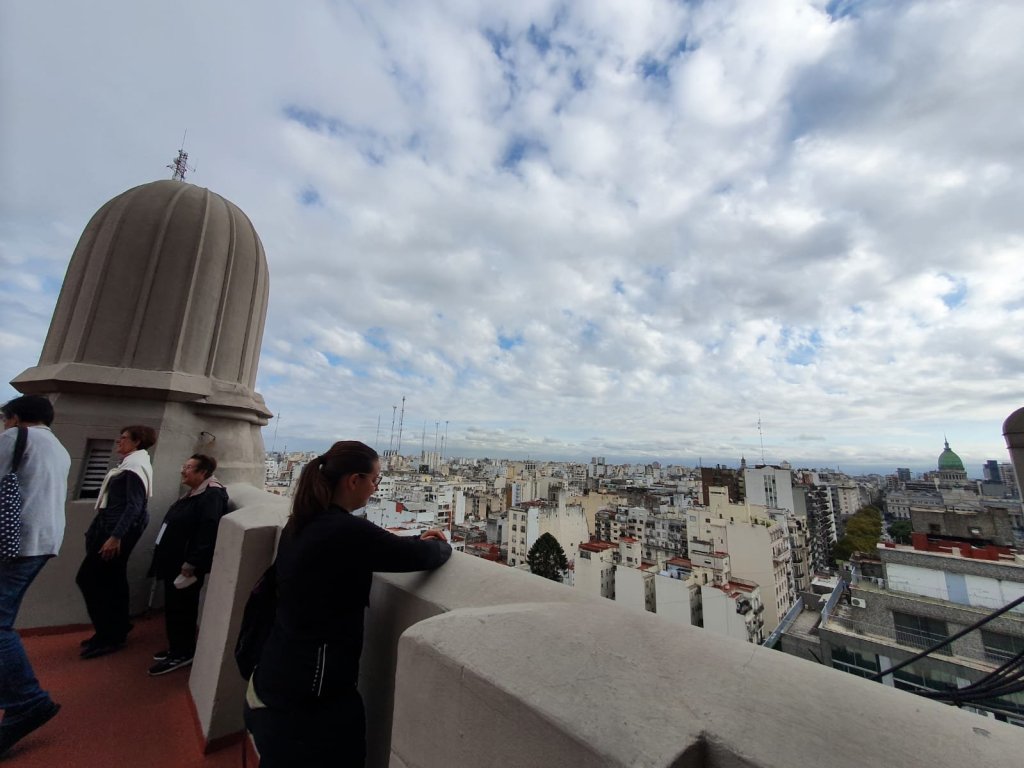
Following my first trip to Buenos Aires, I returned to the capital city at the end of my three month trip around Argentina to have a final week there, enjoying some attractions I had not been able to visit in my first visit. This time I was joined by a travel companion and was staying in a luxury hotel.

A focus on Evita

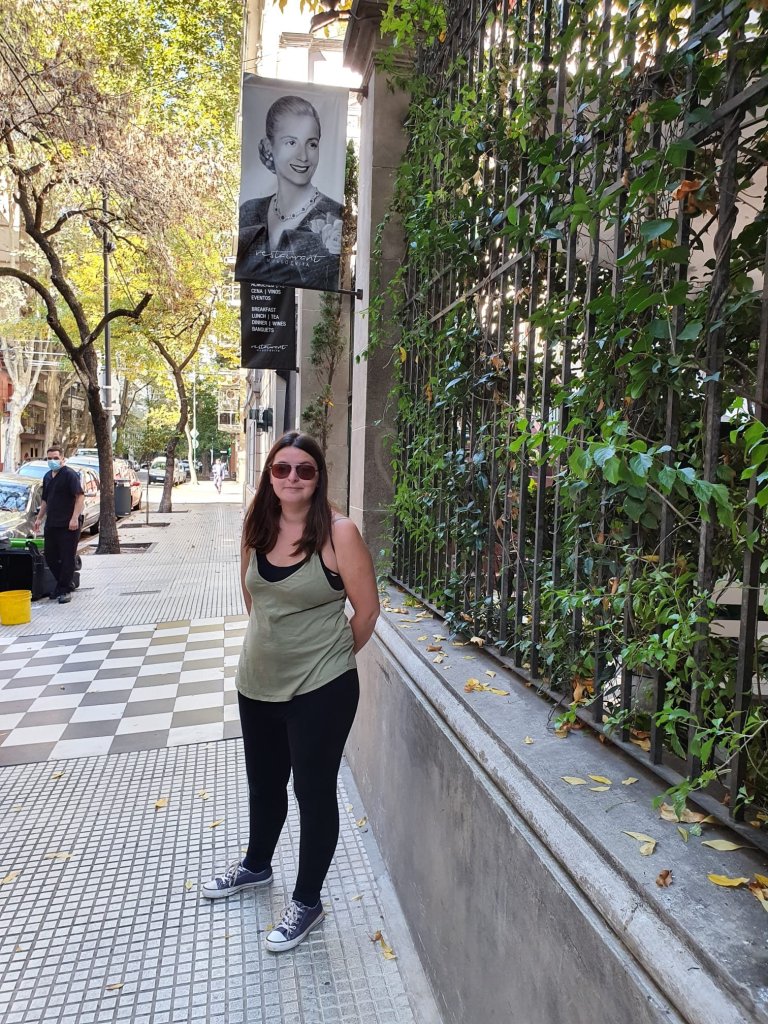
Following my first visit to Buenos Aires, and visiting the grave of Evita, a famous Argentine first lady, this time round, I visited the Evita museum. I was keen to learn more about her life and work for the state. The museum is housed in a previous home for the poor that was set up through a foundation that Evita begun. The museum has several rooms with projections of Evita’s film clips as an actress, her speeches as an activist and also a viewing gallery for her red carpet gowns.

I found the museum to be really interesting but unfortunately photos were not allowed. The information was really good about her early life, career, relationship with president Peron, and her death. I learnt that she had a lot more involvement in charity work than I had realised. She also won the vice presidency but turned it down, which I was not aware of. After finishing our look around the museum, we had a tasty lunch in the museum’s restaurant which has a very nice courtyard.

A walk around the parks

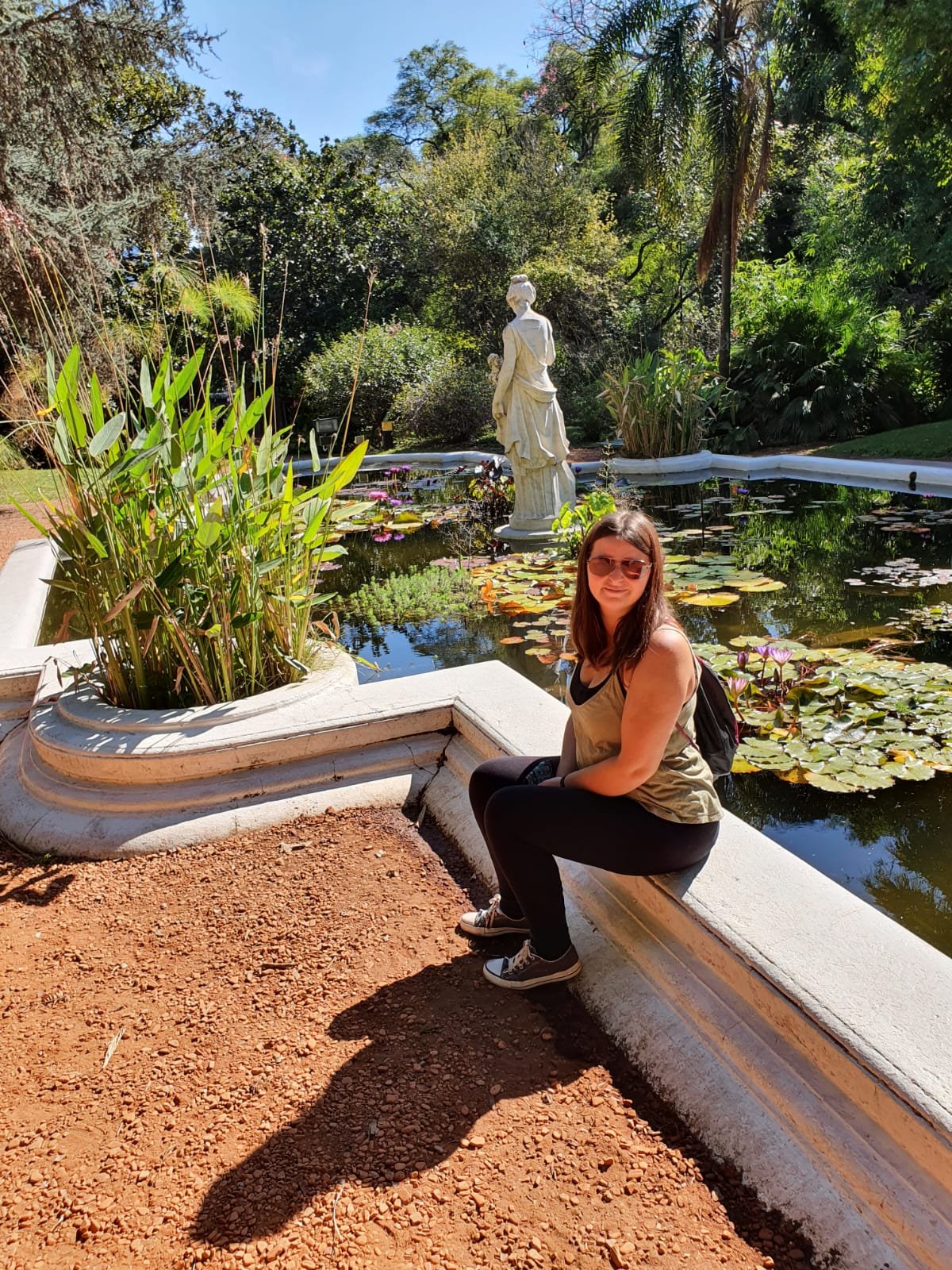
I was able to visit a few more of the park’s in Buenos Aires this time, although not all of them, as the rosalade (rose garden) was closed for upkeep.. very annoying. I did manage to visit both the Botanical Garden and the Eco Parque which are next door to each other. This took a full morning, and both parks were worth a look, and free to enter.

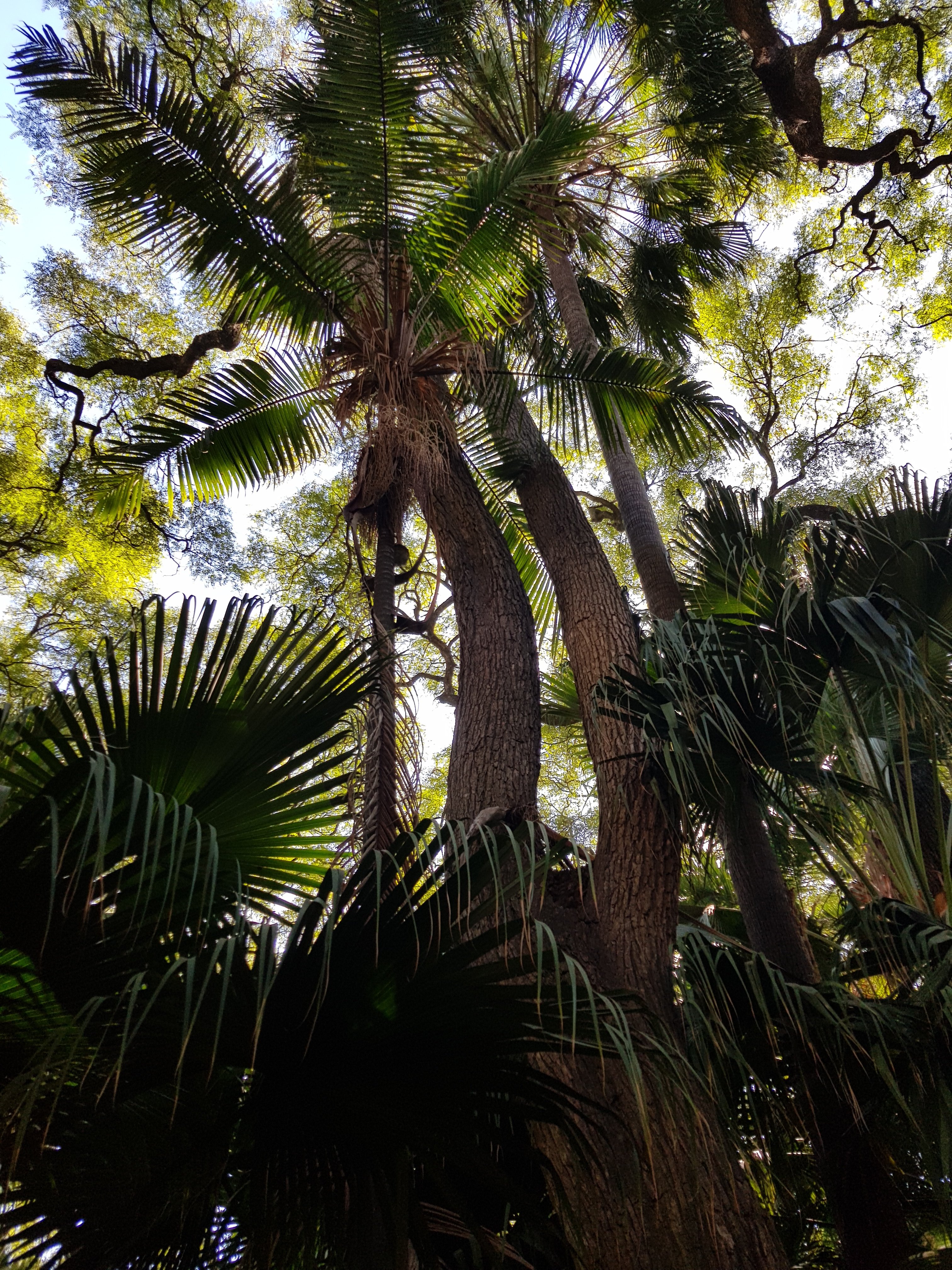
The botanical garden has many exotic plants and large trees as expected, and had attempted to theme different sections by different garden styles, for example french or italian.

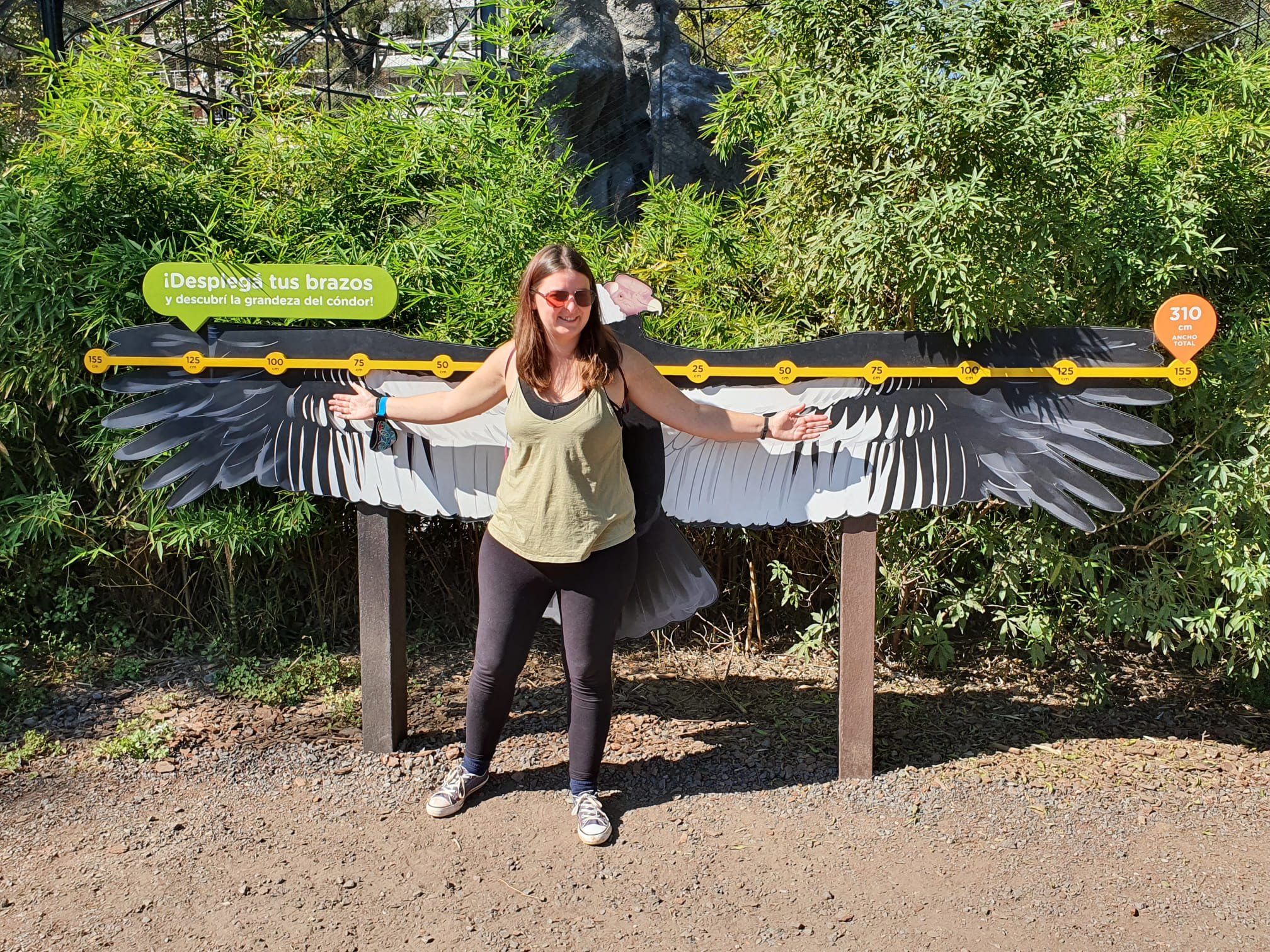
The Eco Parque is a very different experience. This pretty park used to be a zoo with many large exotic animals, and elegant victorian styled animal houses. In recent decades, most of the animals have been moved to other locations, or sent back to their natural habitat.

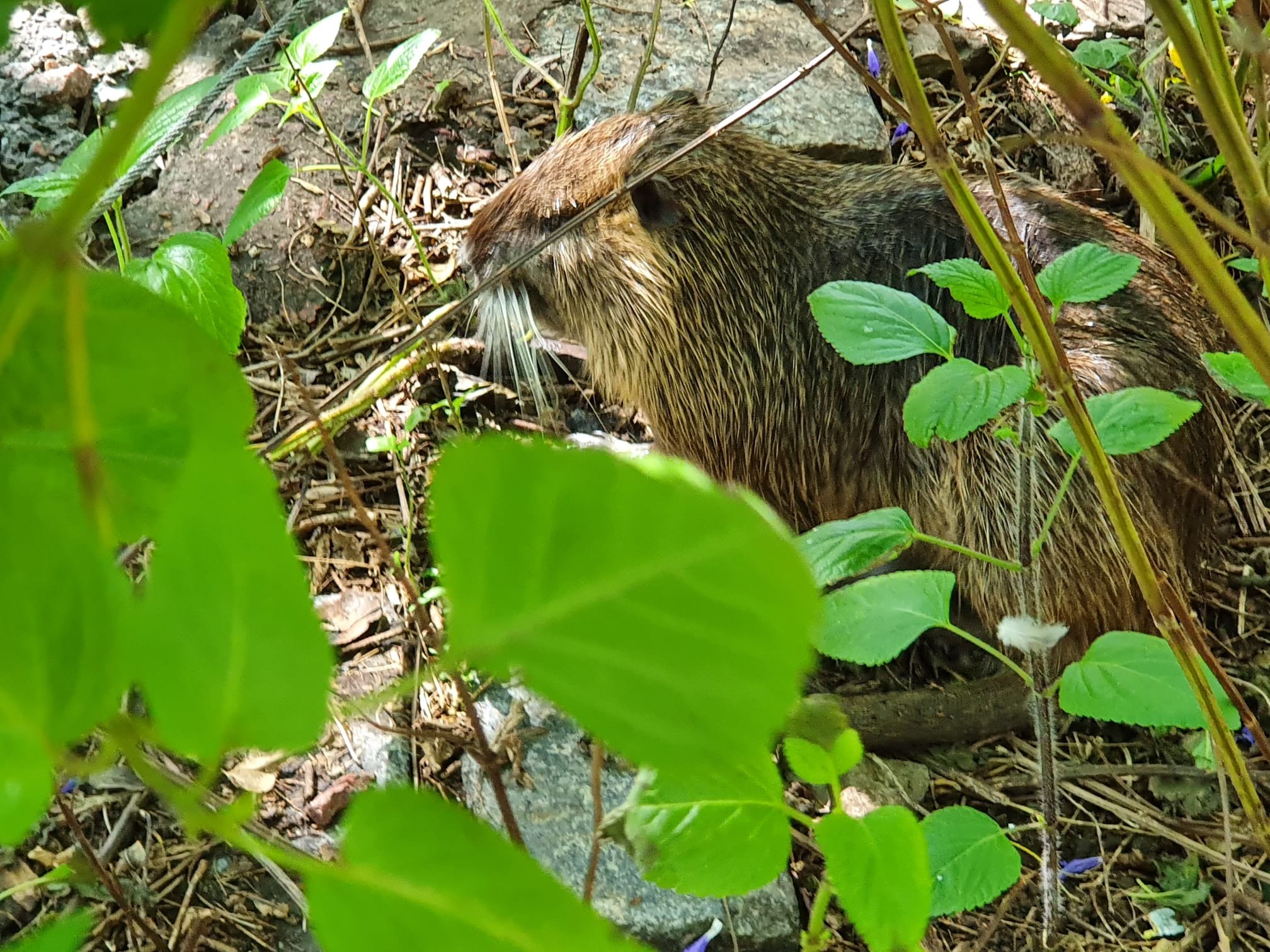
There are a few that still roam through the park though, because they are either too old or unwell to move, or do not need to be relocated. The park still has an old camel, plenty of capybaras, strange half rabbit half deer things, and even some monkeys. It is a pleasant place to take a walk in the middle of this huge city, as you never know what new animal will be around the corner.

Nightlife

In the evening, I was lucky enough to be rejoined by my German traveller friends again as they also finished their journey in BA. We headed out to Palermo Hollywood for a night of clubbing and mischief. After a night that lasted until around 6am, I was glad for my full hotel continental breakfast the next day!

La Plata

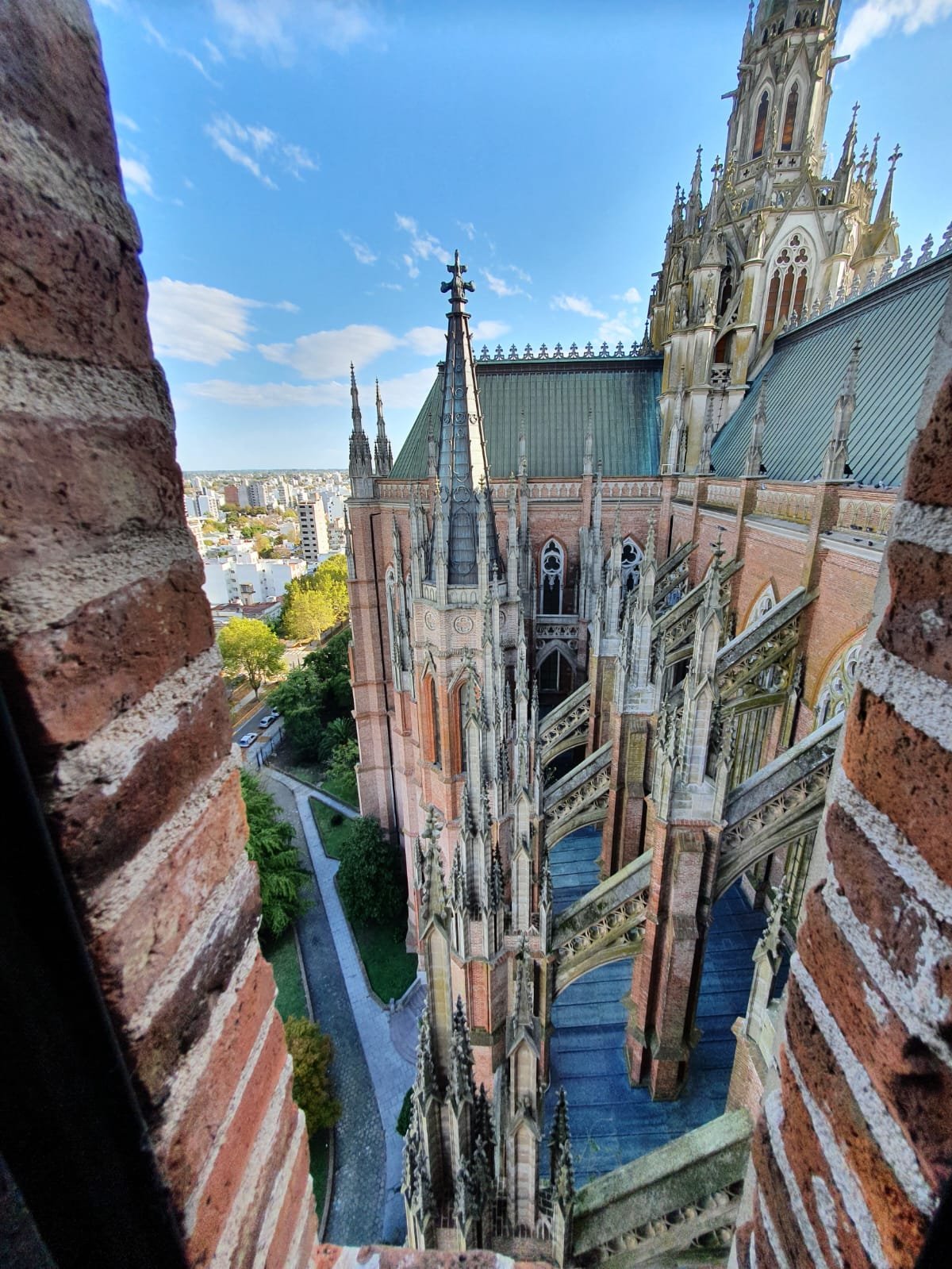
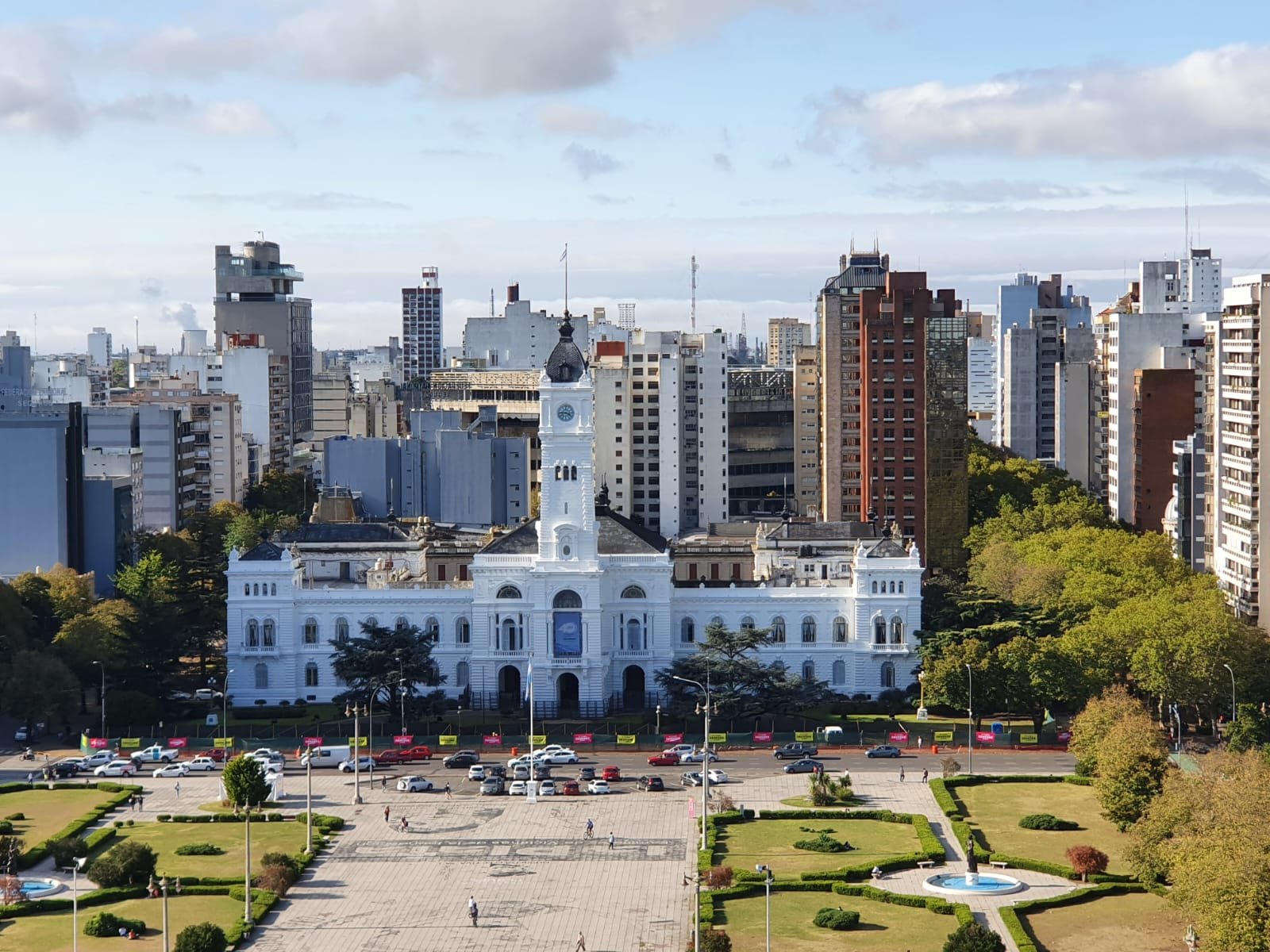
For a day out, we decided to visit the capital of the Province, the city called La Plata. The city was easy to get to, only 90 minutes on the train, and the main attraction there is a beautiful cathedral.

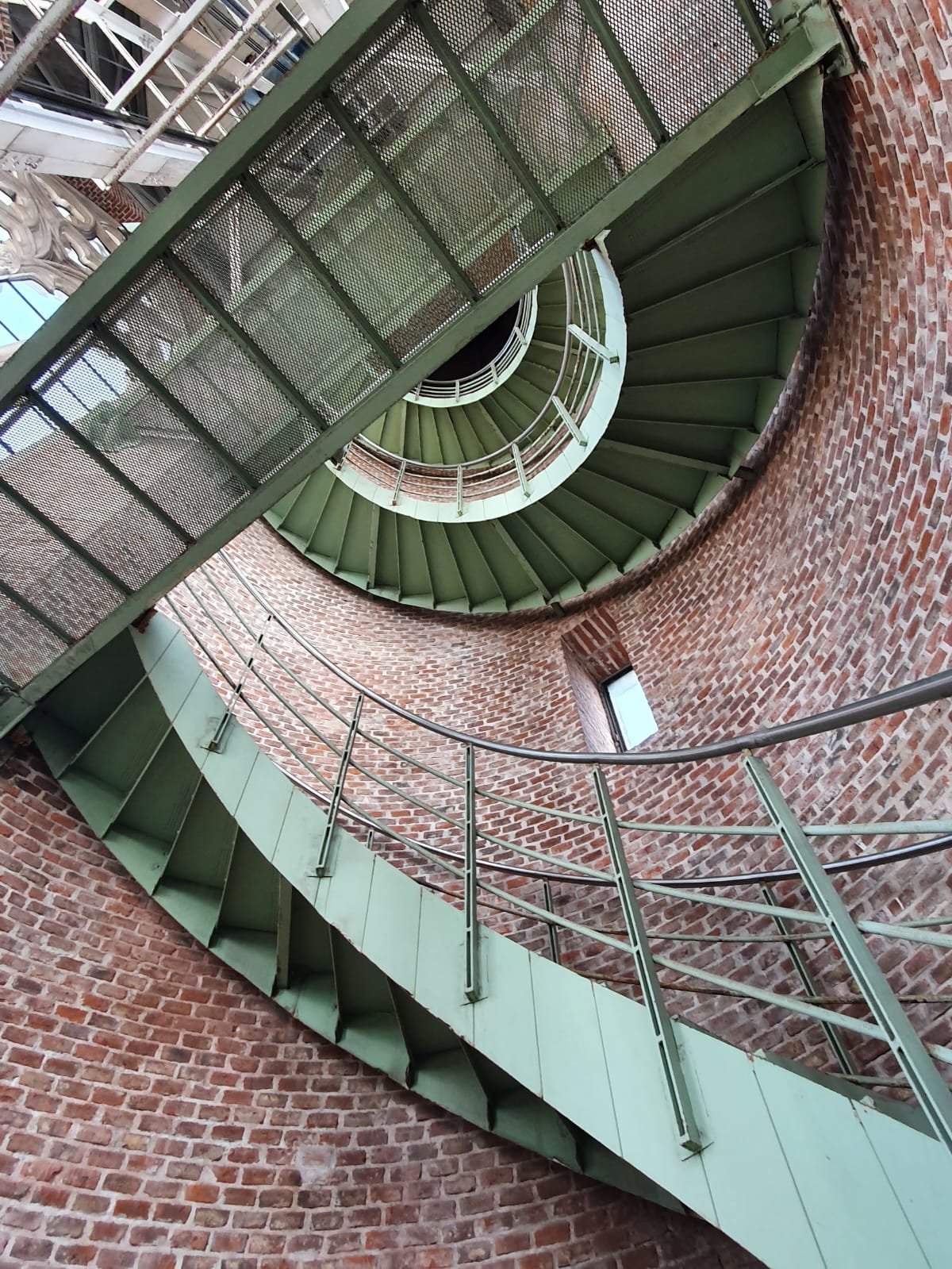
The cathedral is gorgeous on the inside, and as well as the main church, the attraction offers exploration of the crypt with a museum about its construction and original pieces, the opportunity to be lifted up the tower, and a sweet restaurant. A lovely morning out.

Horse riding in the Pampas

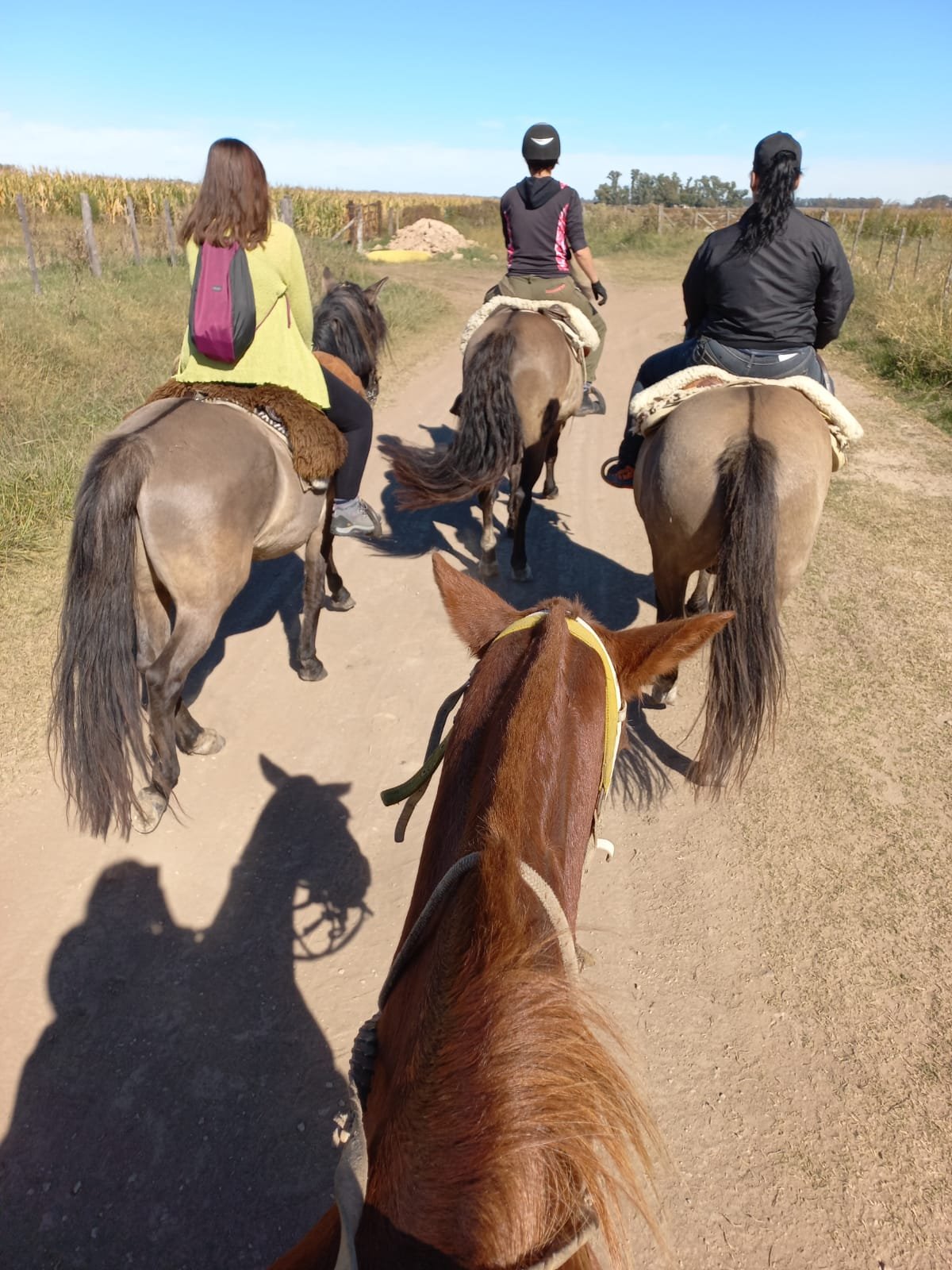
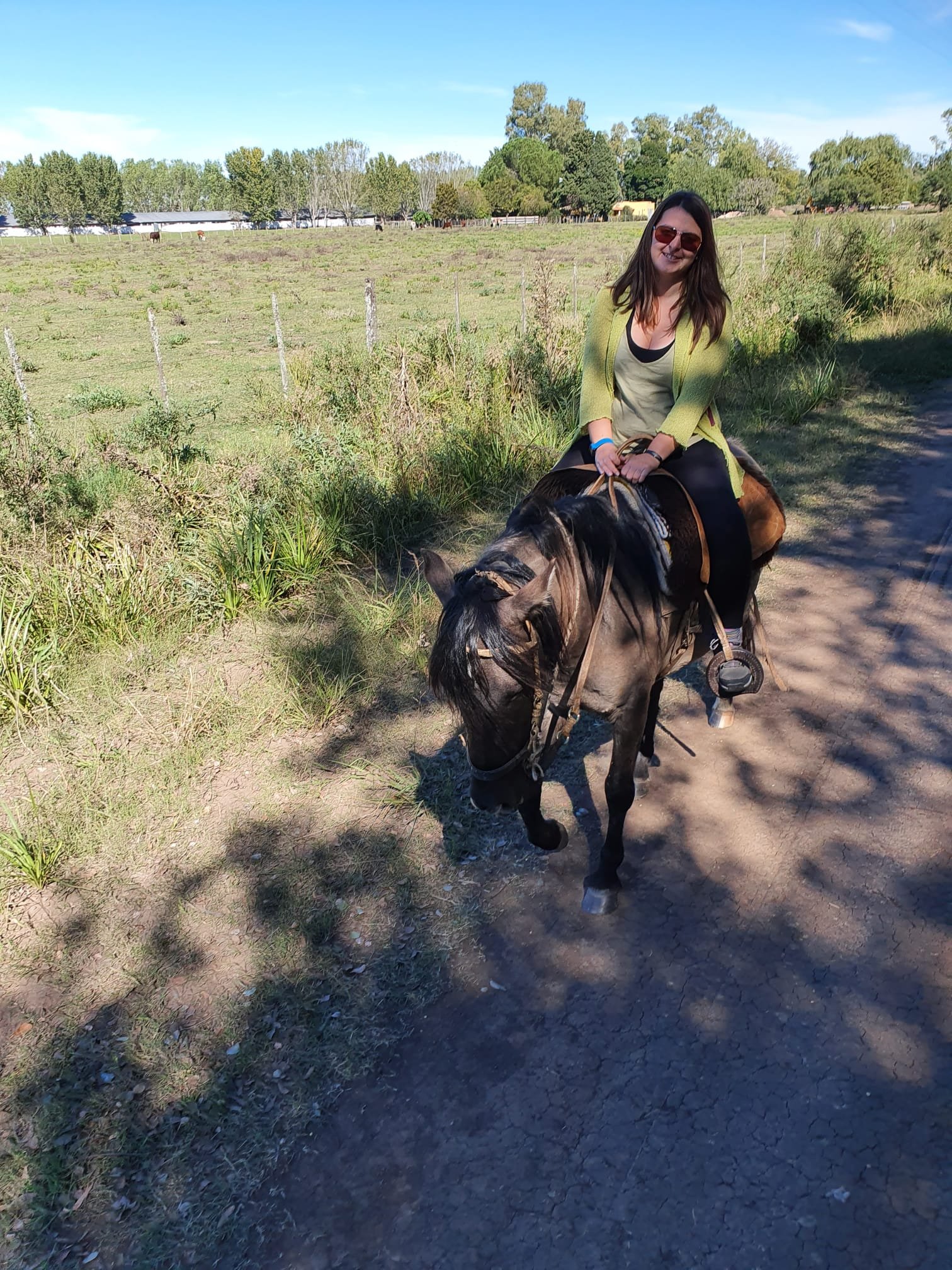
The province of Buenos Aires is part of the ‘Pampas’ region, and this is where the gauchos (Argentine cowboys) farm cattle the most. So, I decided to book us a day of horse riding in the area.

The four hour riding experience included a traditional asado lunch at the house of a local which was pretty special, and the horse riding itself was an unforgettable experience. For good and bad reasons…

The horse I was given, was a little young and barely broken in. This was coupled by the style of gaucho riding which is very different compared to english riding. The saddles and riding kit on the horse is very different and there is no front to the saddles. You are also expected to ride one handed and without a riding hat.

Whilst a little nervous about my horse’s behaviour, I took on the challenge. We rode through long grasses, roads, ditches, and woodlands and after trotting, cantering and a little bucking by my horse, I did manage to stay on the horse! Even though I was a little banged up. The experience was good fun, but the major downer was the extreme amount of mosquito bites I endured all over my legs  i was rubbing toothpaste on my legs for days after! (Fun fact: it takes out the itch).

Lunch in Uruguay

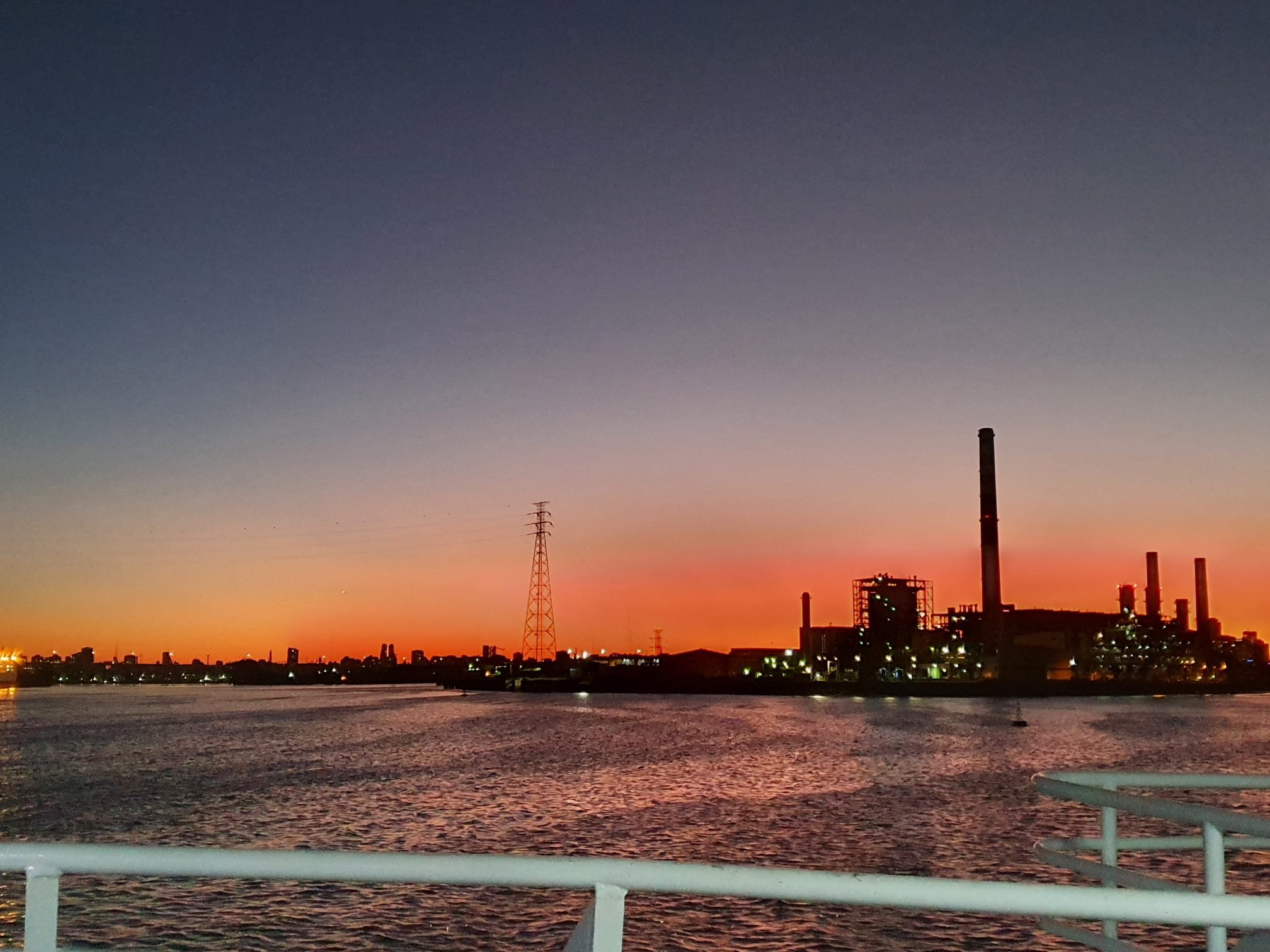
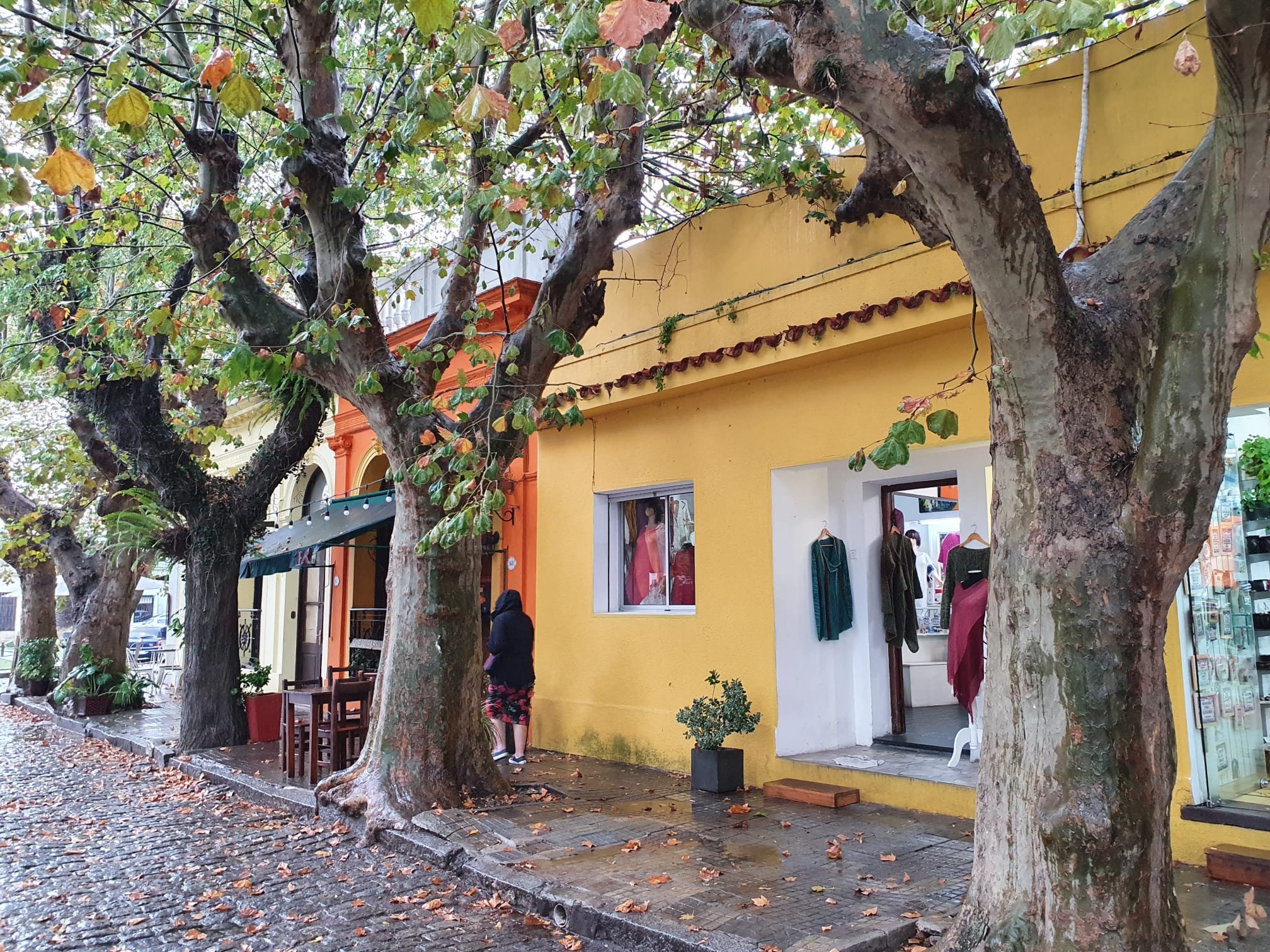
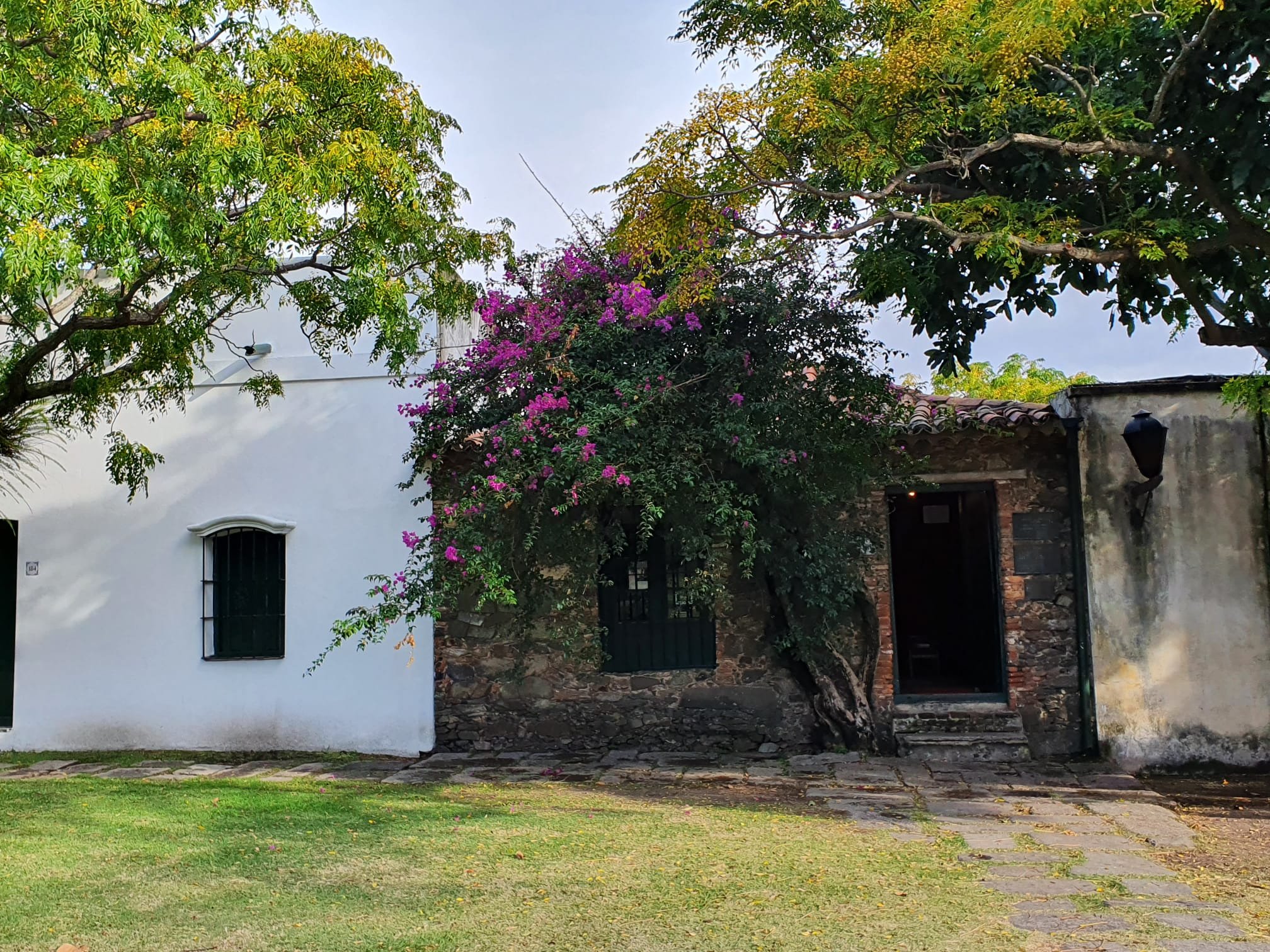
We became aware that you could visit Uruguay easily from Buenos Aires’ port by crossing in the river ferry for around an hour. It’s always tempting to cross another country off the list if the opportunity arises, so we booked our ferry tickets and took the pleasant ride across to a town called Colonia del Sacramento. From here you can also take a bus to Montevideo (Uruguay’s capital) but we decided to save that for another trip. Colonia del Sacramento is a picturesque town with a very portuguese style to it, from when it was colonised by Portugal.

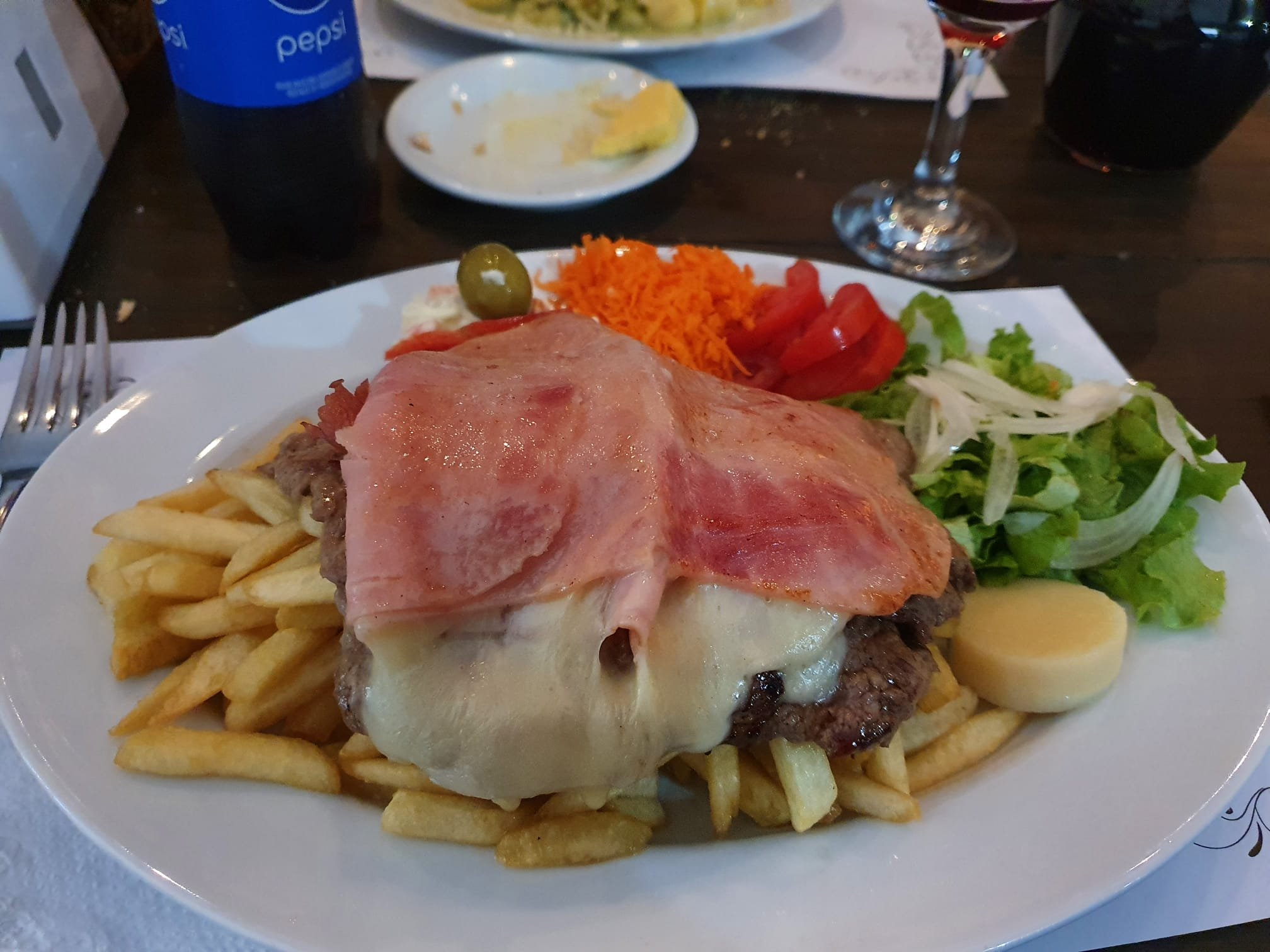
There are a couple of small museums and a church in the town to enjoy, and we had a long and luscious lunch of a traditional Uruguay dish called ‘chivito’. This is like a giant inside out meaty sandwich. Like Argentina, Uruguay also does not skimp on food portions.

Before we knew it, it was time to take the ferry back across the river. We had a good laugh about how we left the country just fot lunch though! 🤣

Tango

You can’t visit Buenos Aires and not watch a little Tango, as the traditional dance of the city. Not only can you see people dance this in the streets of Caminito in Boca, there are also plenty of theatres offering shows and classes. I wanted to do a class but they were multiple hours and I felt too lazy about it, plus I only had walking boots to dance with.
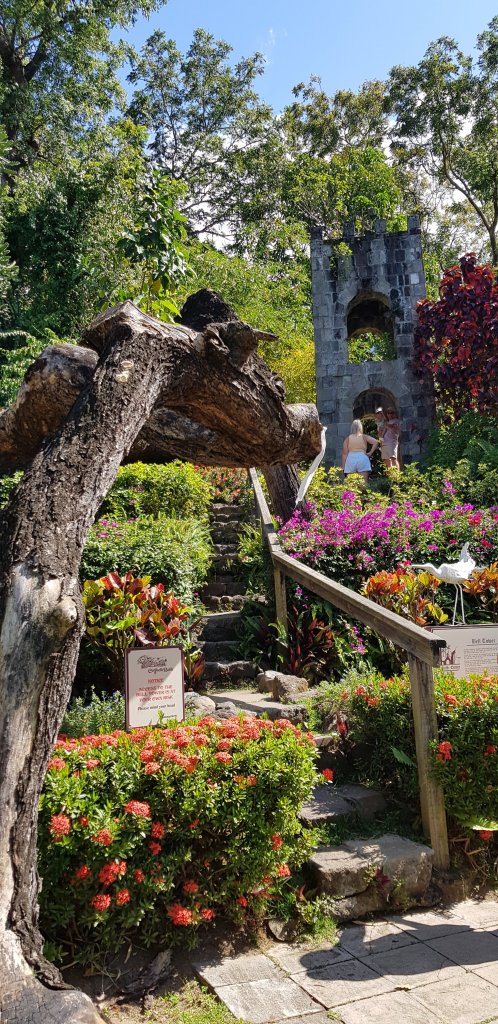
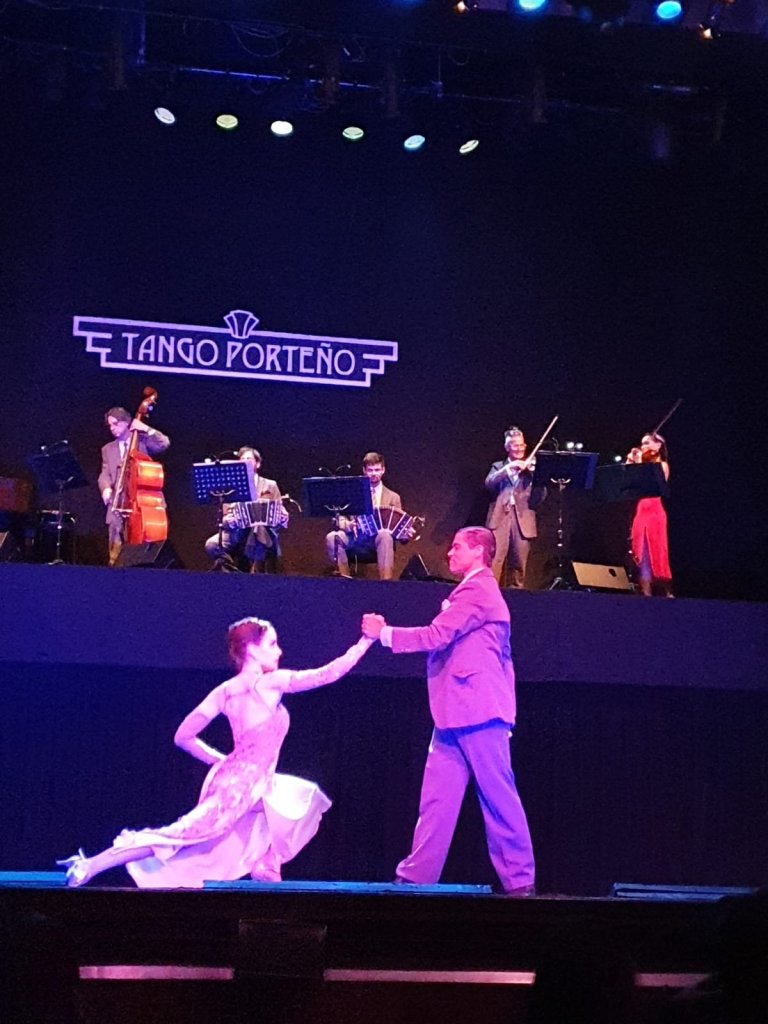
I did decide to book a show and after a little research, I booked a show at Teatro Porteno. You had an option of paying for the show on its own or with dinner included. I chose to purchase just the show which was about £23 but then on arrival, we were also provided with another menu to pick and choose food. We went for some empanadas and a delicious ham and cheeses board.

The show itself was amazing! Focused on locations around Buenos Aires, there was a variety of styles of Tango on display. They also had an act that used drums and cattle whips to create impressive rhythms with the music. I was really glad I visited.
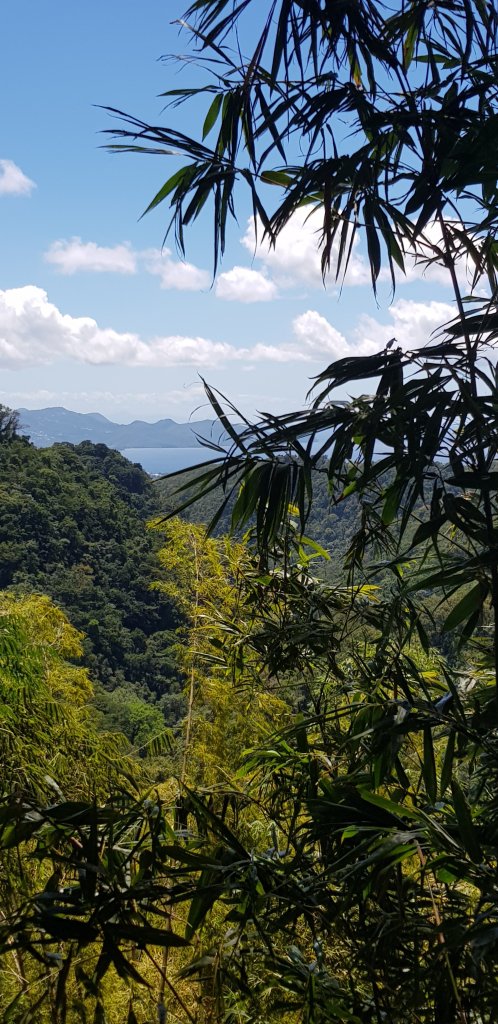
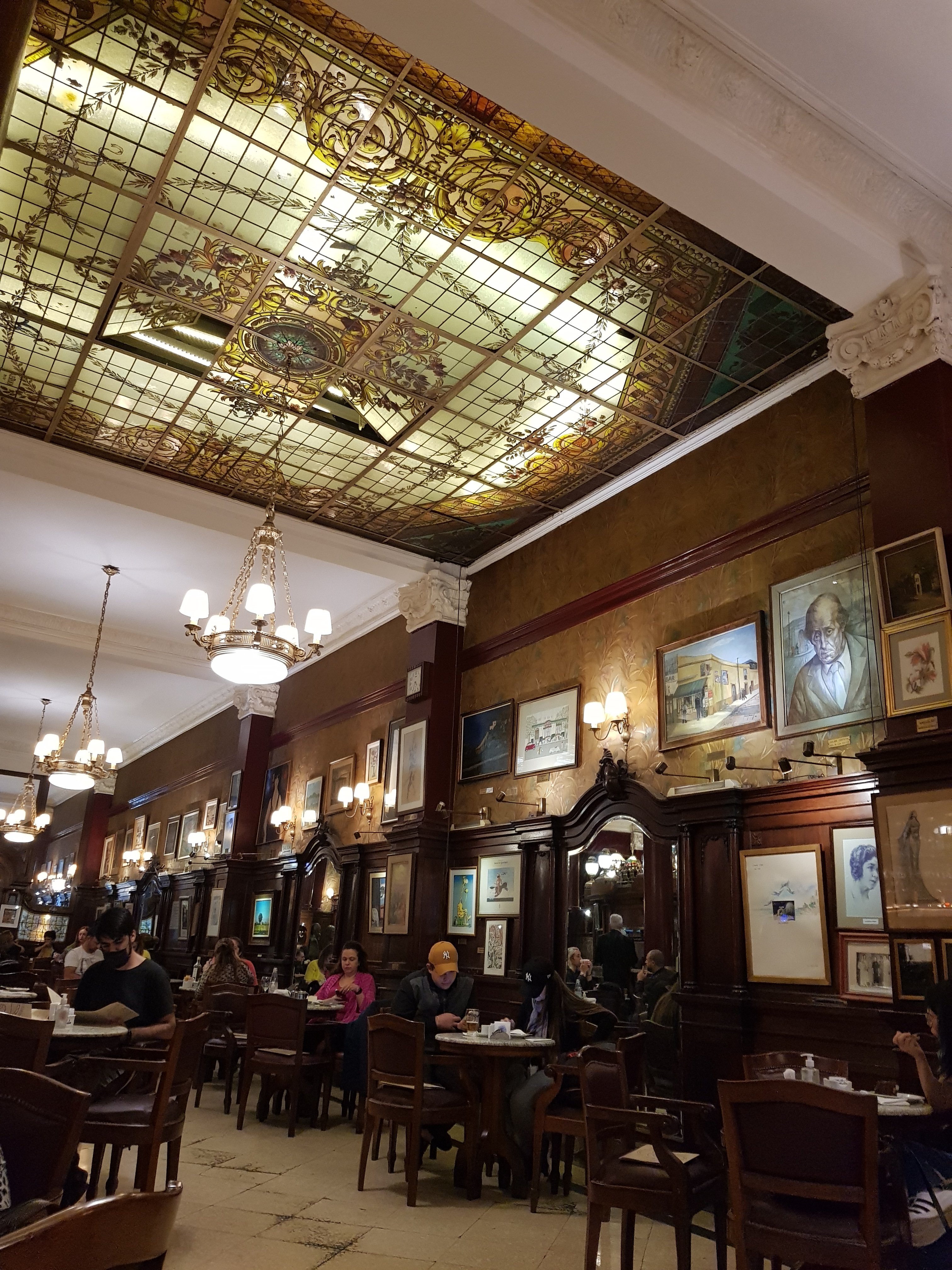
Another location where tango can be viewed and learnt is Cafe Tortoni. This is one of the oldest and most fabulous cafes in Buenos Aires. The decor is very traditional italian/ bohemian and many famous faces have eaten here. We decided to visit for a merienda (afternoon snack) and really enjoyed our visit with some great sandwiches and cake.

There were plenty of other bits and pieces I experienced in this bustling capital, but these were definitely the highlights. My return to the UK following Buenos Aires was a very long journey, but also gave me time to reflect on my amazing journey around this beautiful country.

After my return to the UK, I will soon be embarking on my next journey, working on board a cruise ship around the Mediterranean…

Iguazu Falls, Argentina; World Wonder of Nature

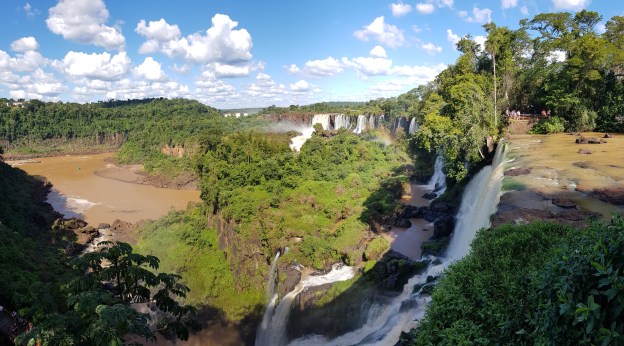
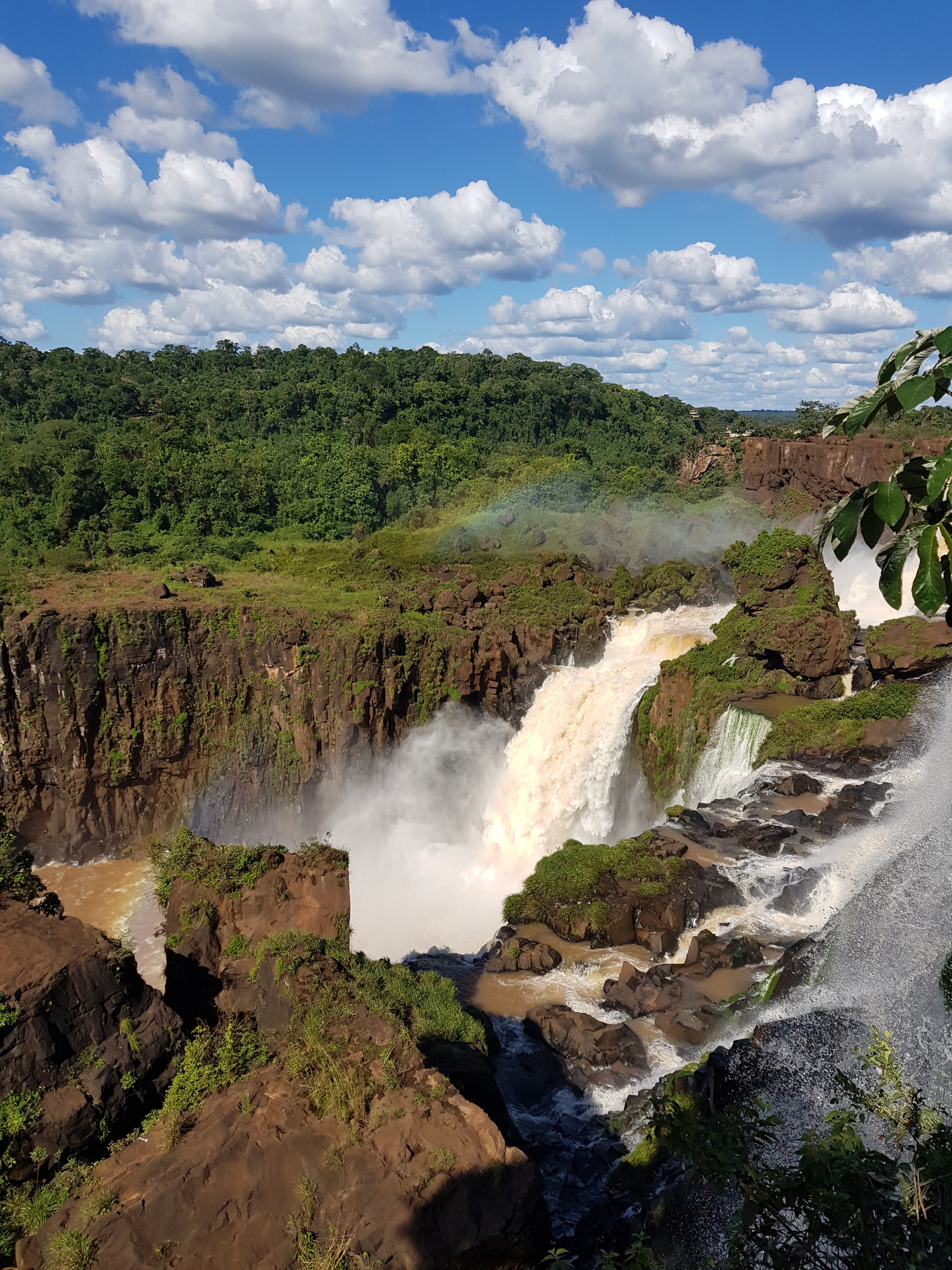
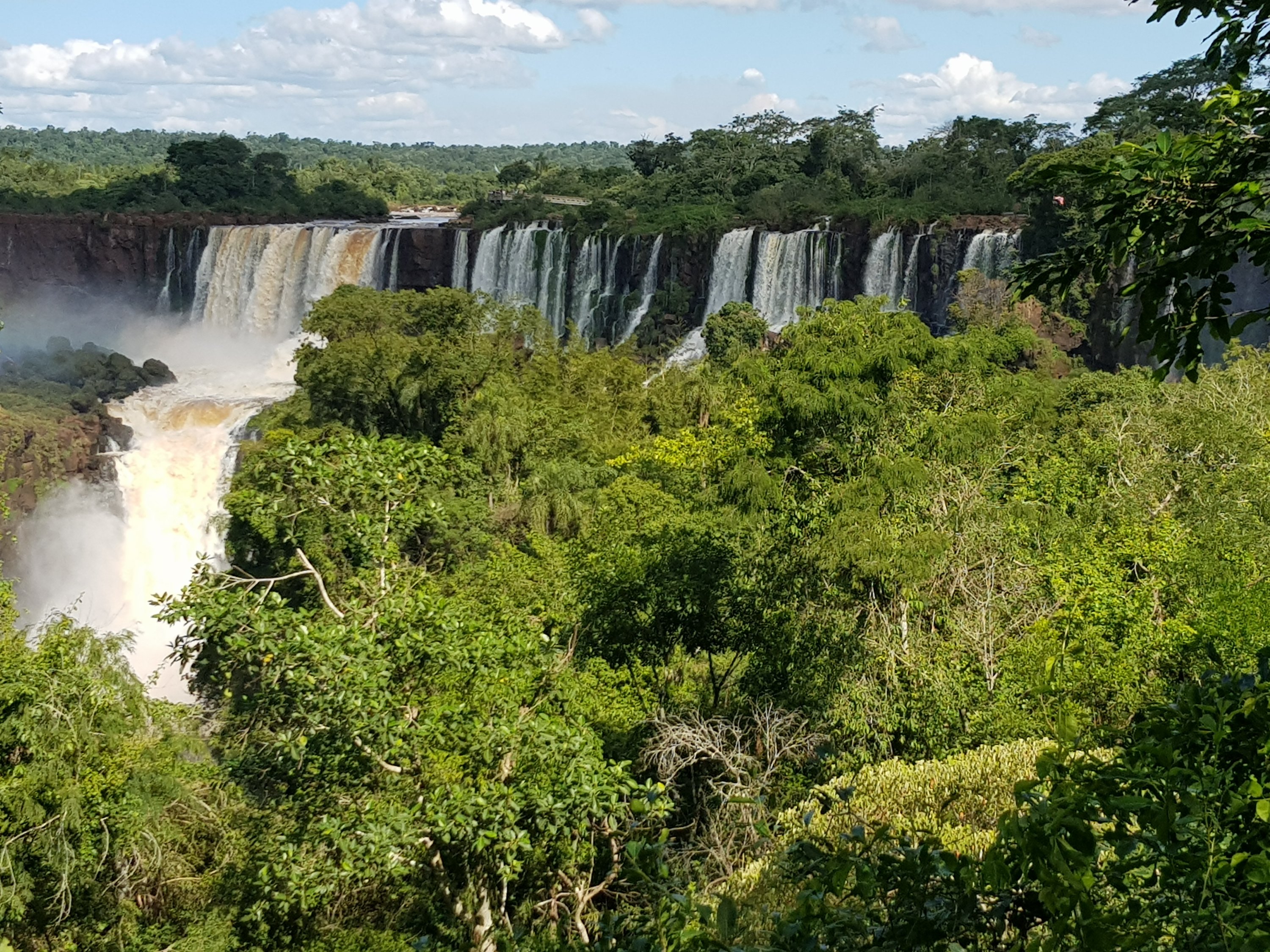
The Iguazu Falls meaning ‘big water’ in the native Guarani language, is a huge set of waterfalls set within the Misiones Jungle, at the Iguazu National Park. This world wonder provides a border between Argentina and Brazil, and a unique habitat for plants, trees, birds and other rare wild animals. I visited Iguazu for two days of exploring in the jungle and relaxing with good food and company.

Arriving in Puerto Iguazu

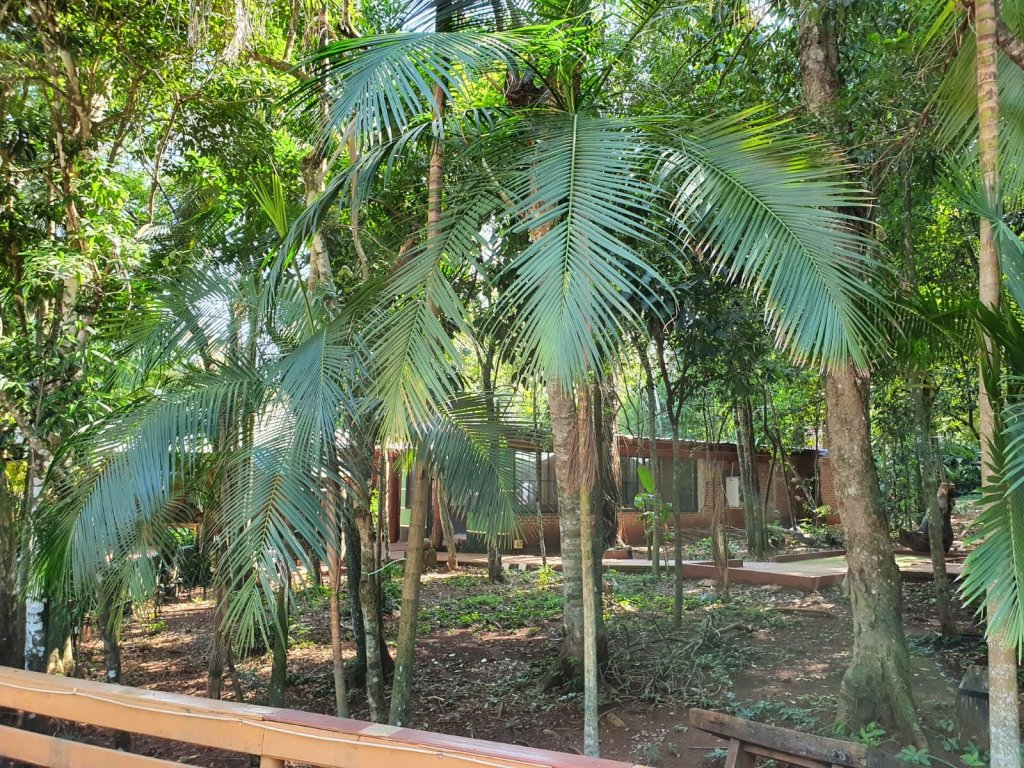
After a fifteen hour bus journey from Corrientes, I finally arrived at Puerto Iguazu. This town is the nearest settlement to the Argentina side of the Iguazu National Park. The town has several hotels and plenty of restaurants for relaxing evenings after exploring the jungle. I met up with a travel companion at this point, and we stayed in a hotel that was surrounded in jungle plants and had a very nice pool!

The jungle by day

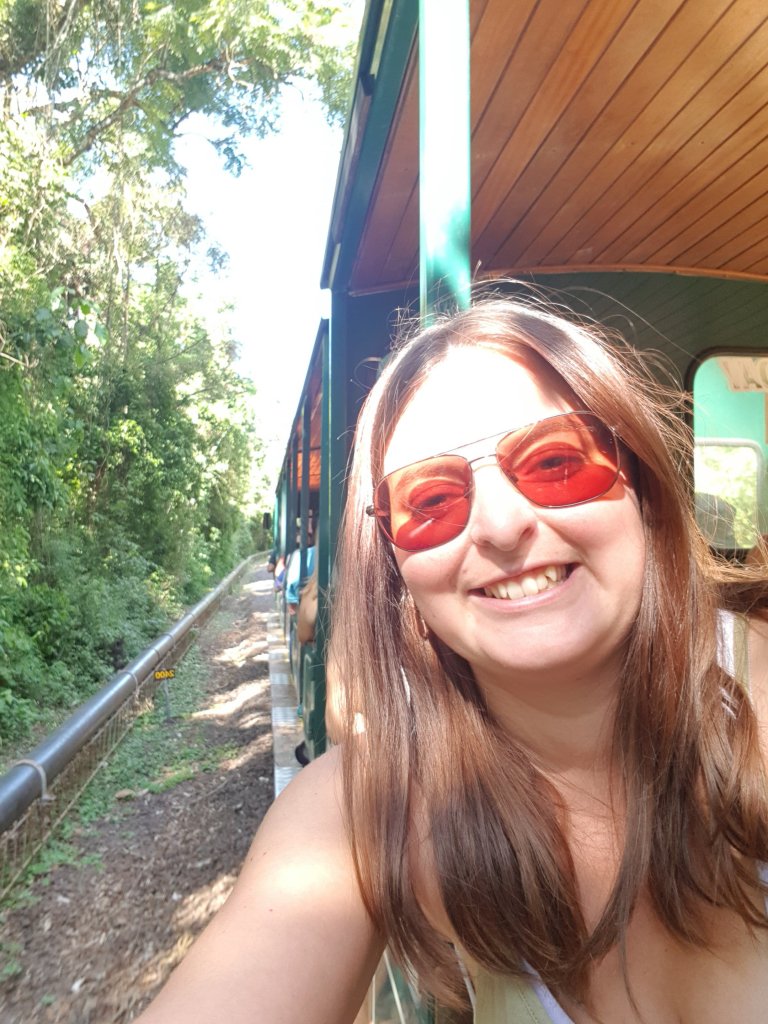
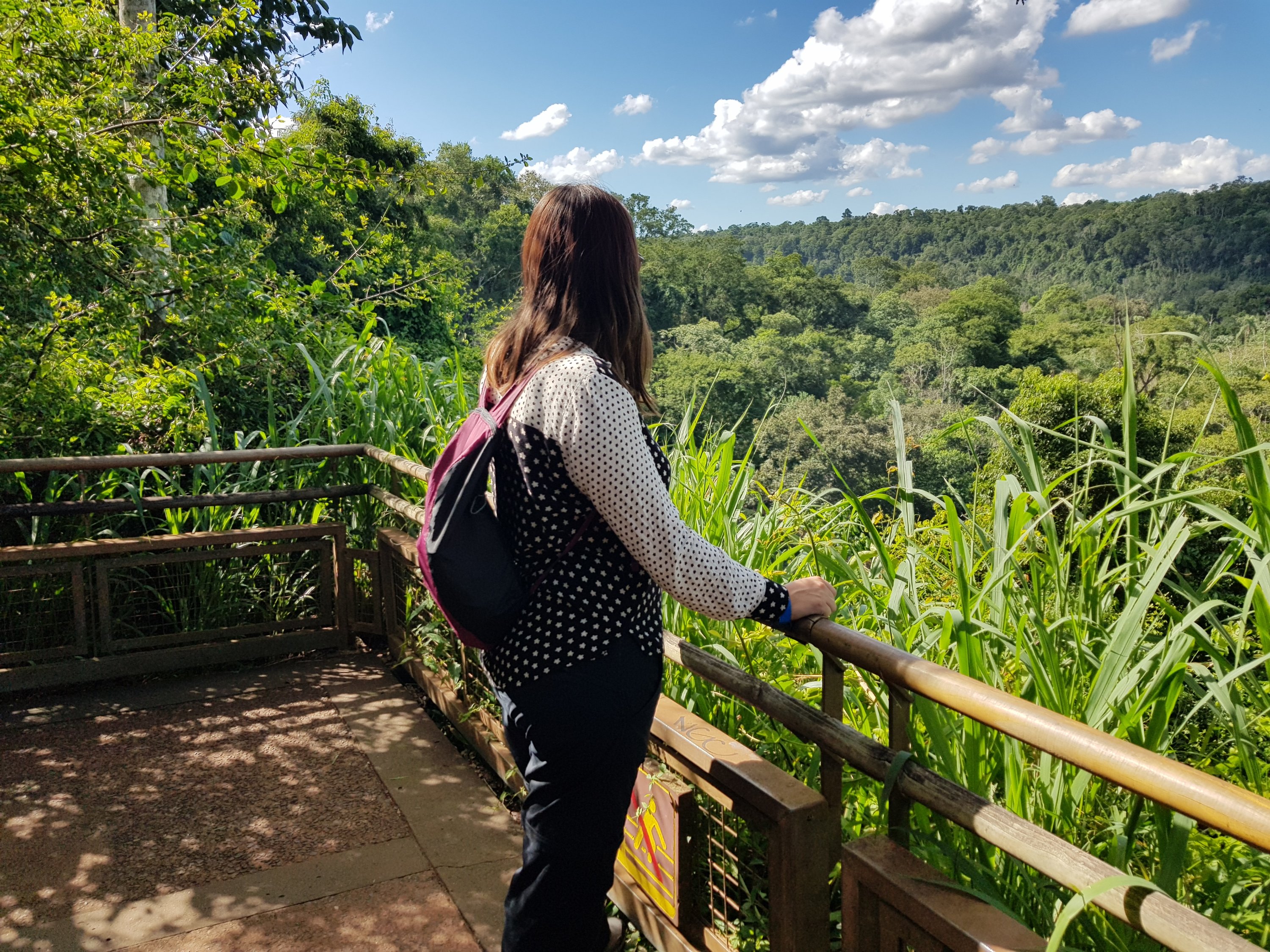
During my two days in Iguazu, I visited the national park on both days. The national park is under 30 minutes from the town, and on arrival there is a large visitor centre, cafe, and ticket offices. The park also has paved pathways to lead you through specific parts of the jungle, and various refreshment points. The most surprising piece of infrastructure was the park’s jungle train. It runs on a 3km track to take visitors to the largest fall that is furthest away, and is included in the admission for the park. It is also worth knowing that your second day in the park gets a discount if you show your previous ticket.

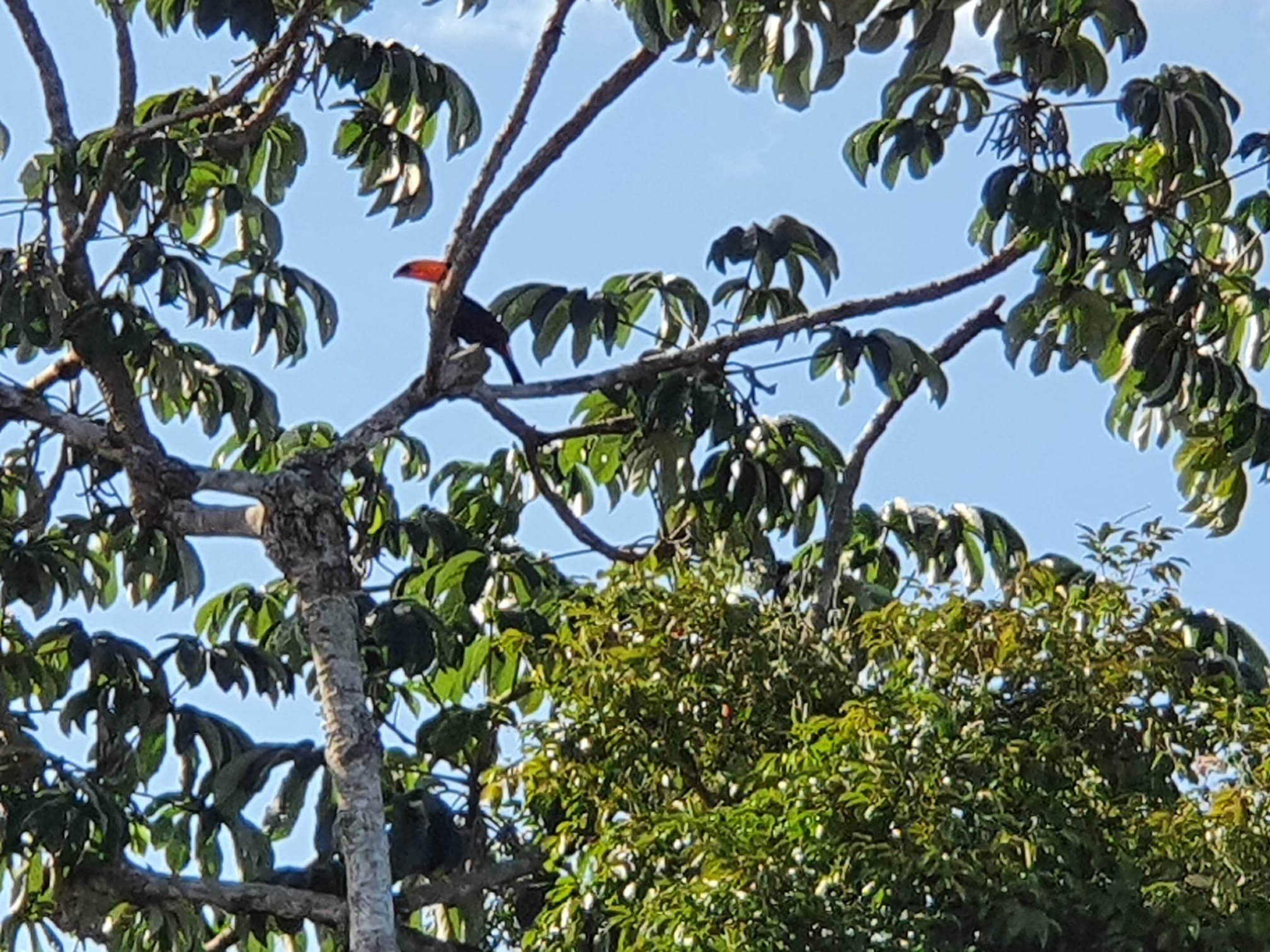
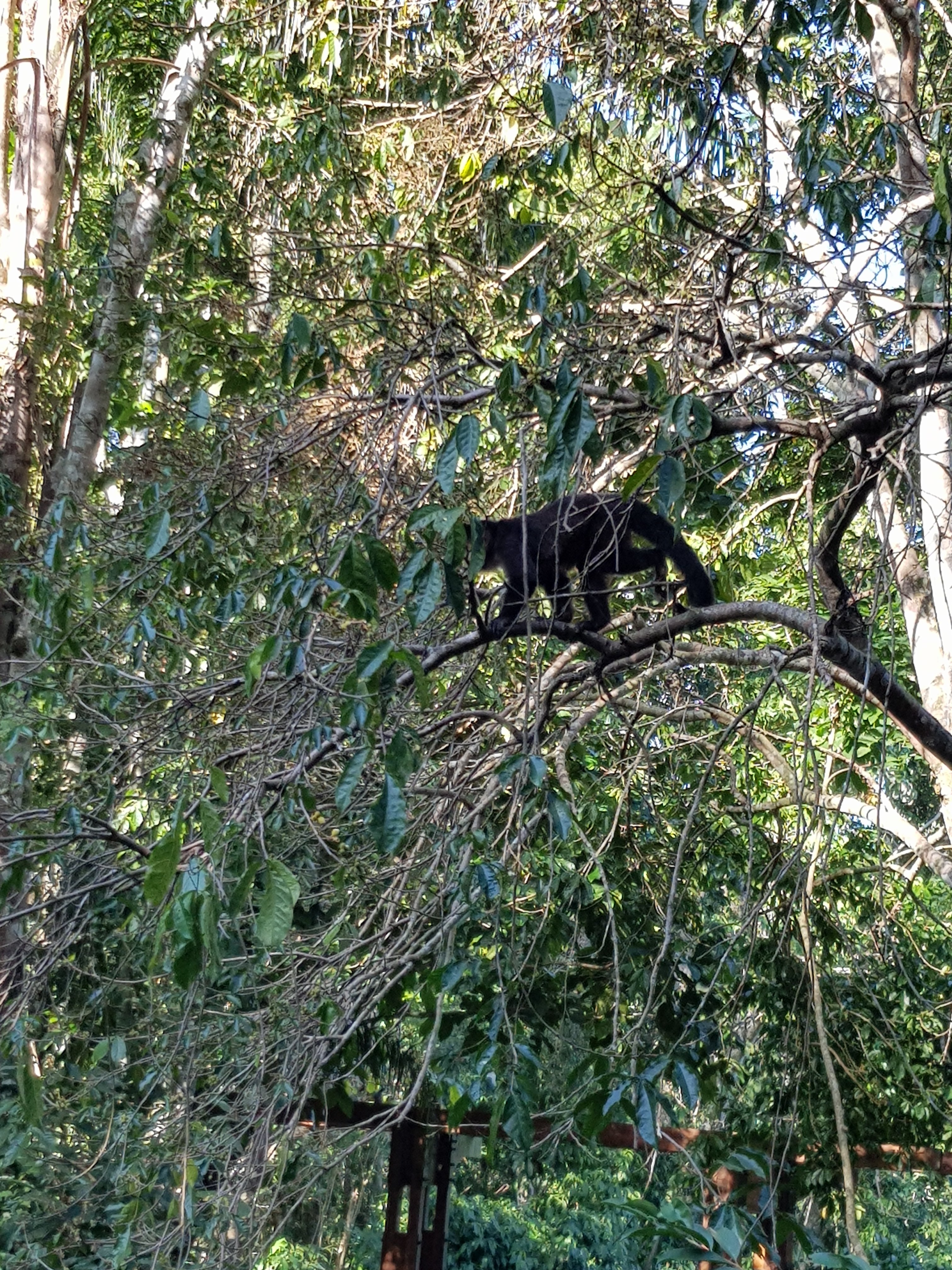
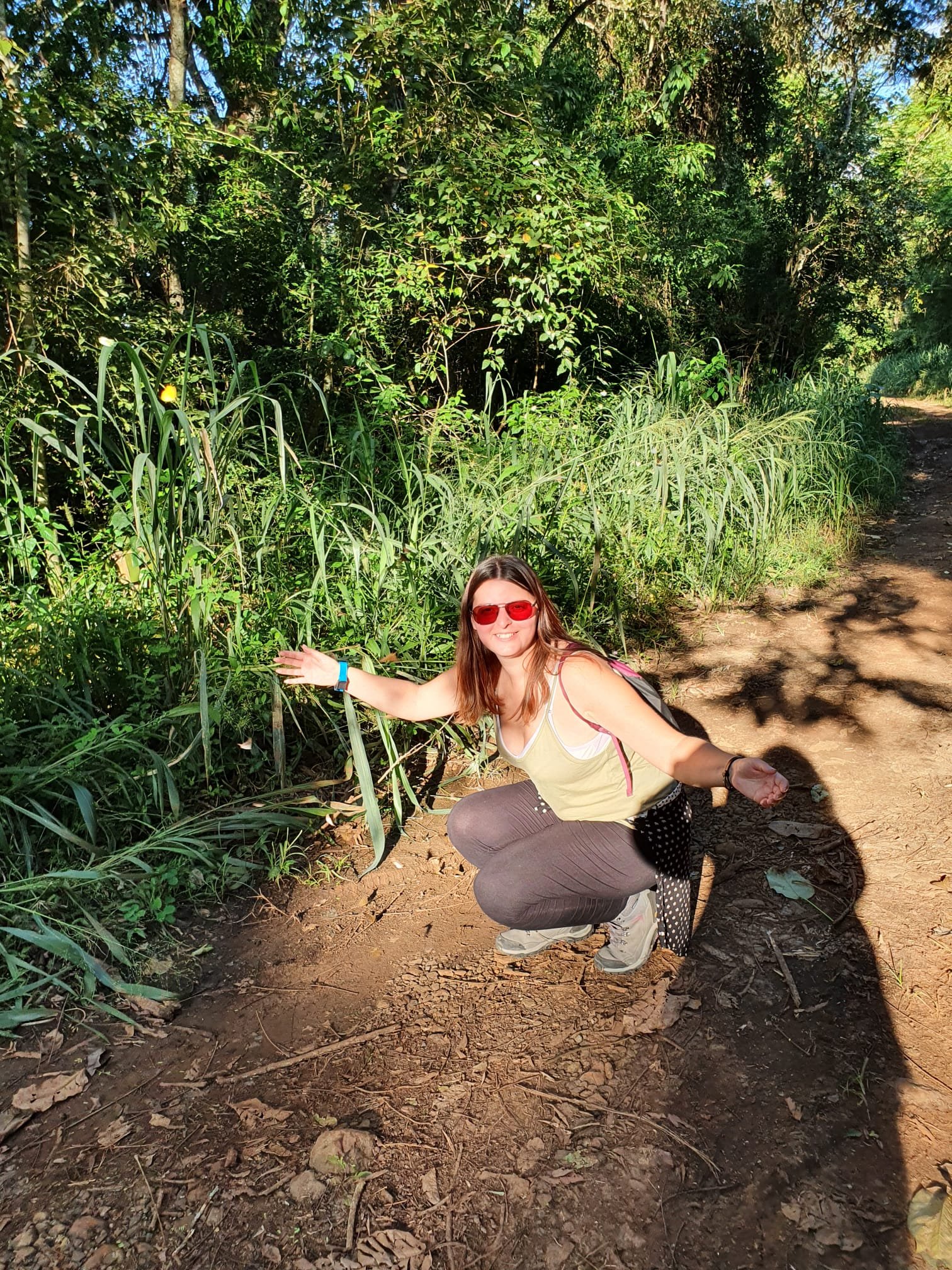
Whilst there was some human structures, the park in no way looked ‘well kept’. It is a very wild area and I was amazed at the amount of animals that I was able to see roaming around. In my short time there I was able to see monkeys, capybaras, coatis, toucans, parrots and condors. There were also beautiful insects to see such as colourful butterflies, and huge ant hills with ants carrying leaves back and forth. There were also pumas and jaguars in the park, but they kept to themselves!

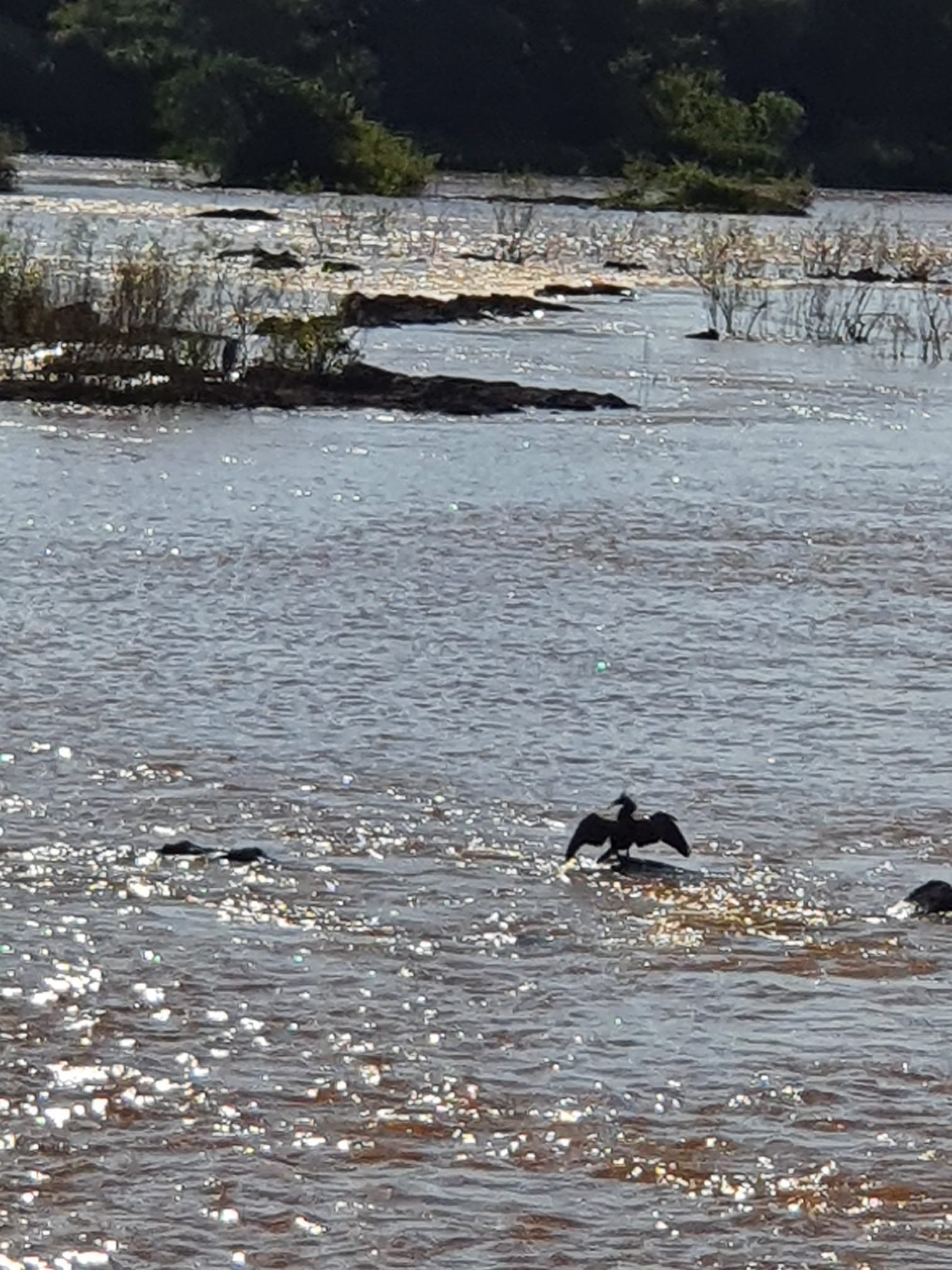
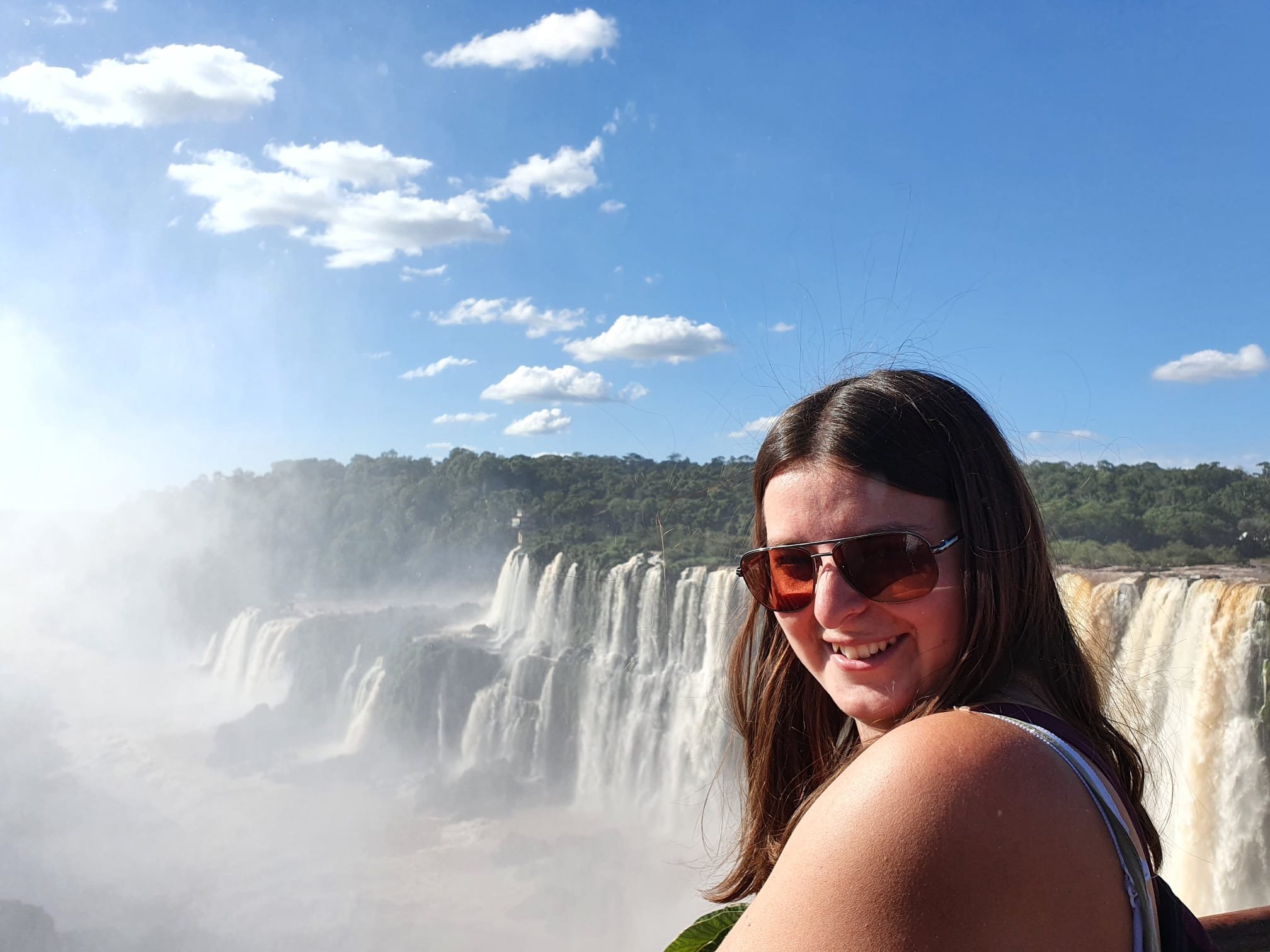
The jungle path led us through overlapping canopies of huge and unusual trees, until we reached the huge Iguazu river that flows through the park. To cross, there is a number of metal bridges to lead visitors to the largest fall ‘Giganta Del Diablo‘ (Devil’s throat). From here you can view the huge fall from a platform. There are several other paths to the other falls and other features of the park too. It seemed that everywhere you turned, there was a new wonder to behold! We only chose to walk around but other experiences are also offered, such as a river cruise, 4×4 drives, and repel experiences.

The jungle by night

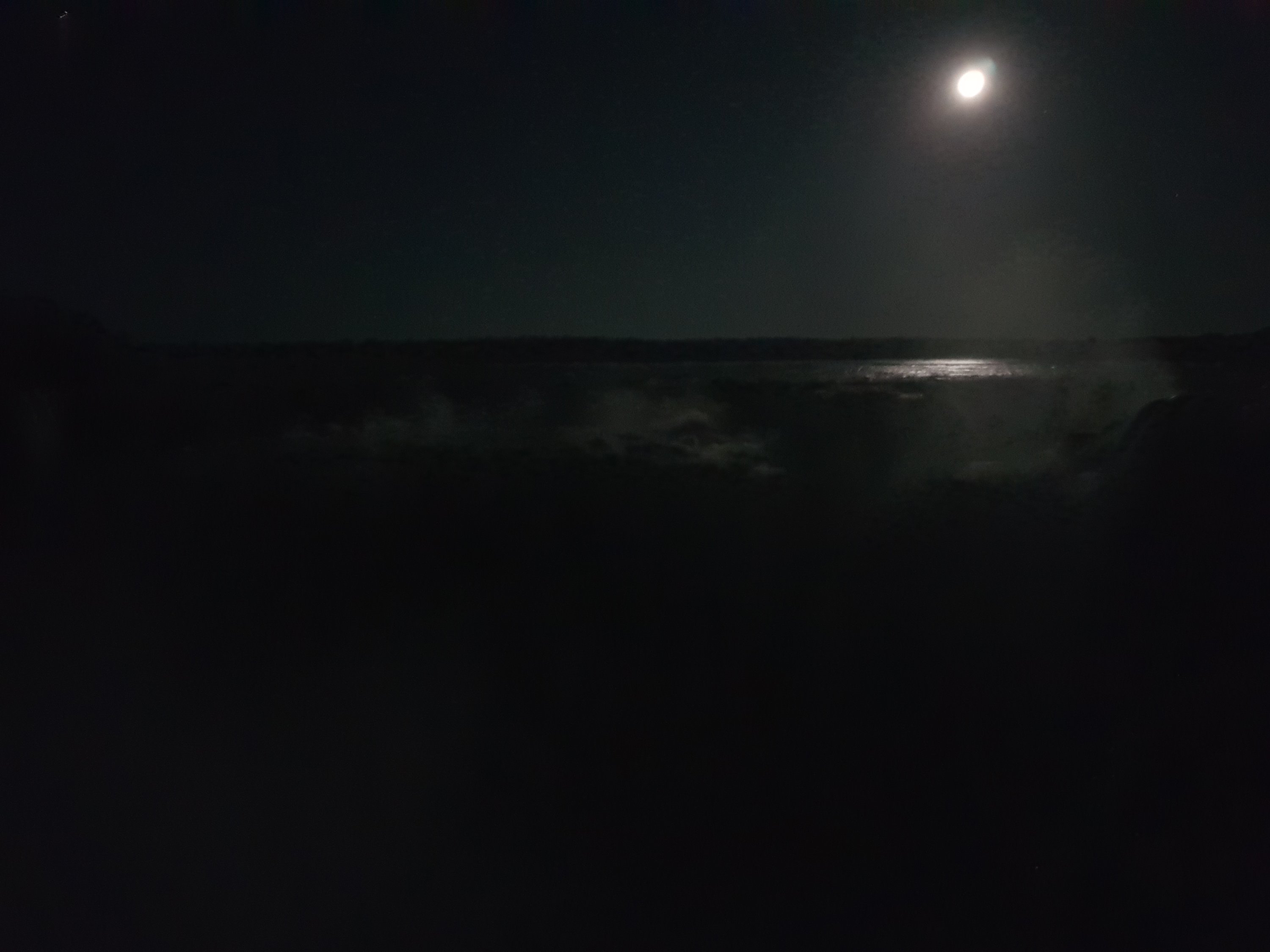
Once a month, during a full moon cycle, there are a few days when you can visit Iguazu Jungle during the night, for a moonlight walk. I was excited to book this, and emailed the national park administration in advance to arrange my moonlight walk, followed by a traditional Argentine buffet.

There were at least twenty people in my group walk, and a guide that gave us a little information, but mostly warned us to not stray from the group, as the Jaguars would be out hunting! Slightly terrifying!

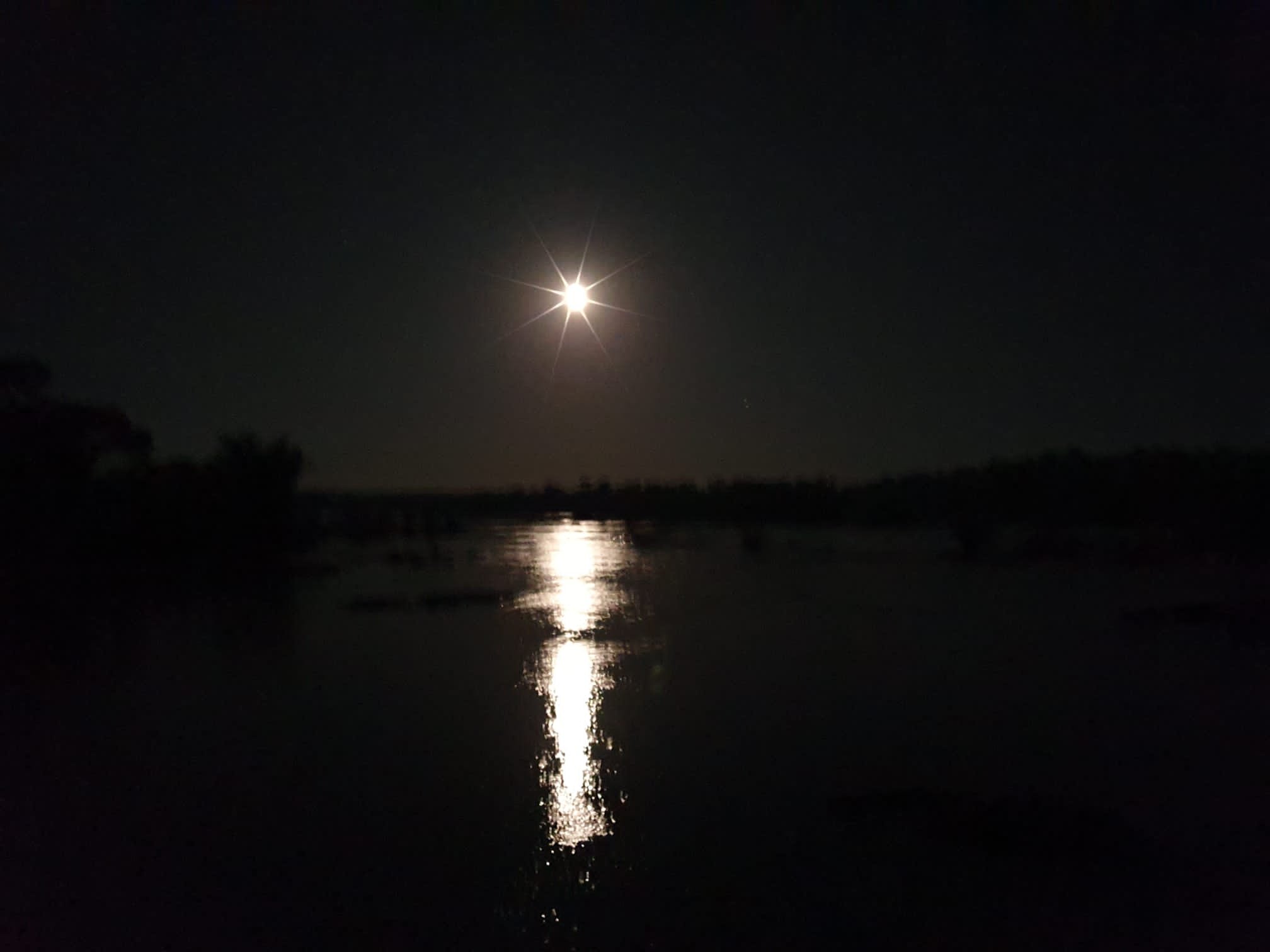
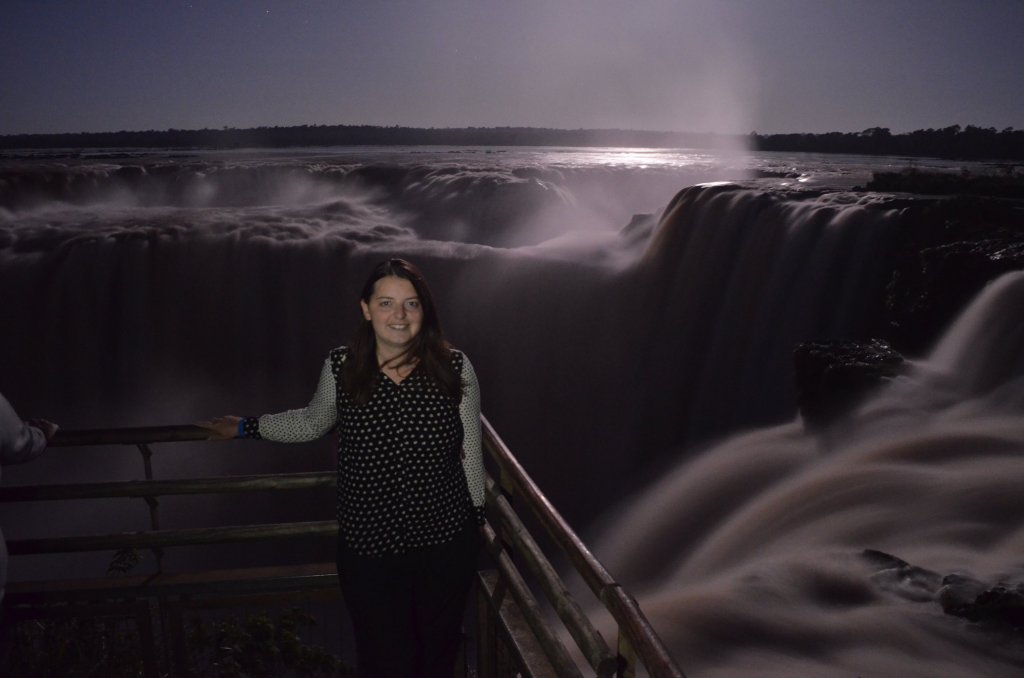
The tour used no lighting at all, not even a flashlight, we were entirely guided by moonlight. This made it quite special, as we could mainly just rely on the sounds of the jungle. We made our way through to the Devil’s Throat, over the many bridges, with the moon reflecting over the river water. The humidity in the jungle during the day had now dropped down to the ground, causing the bridges to be wet and slippery, which really added to the fear factor.

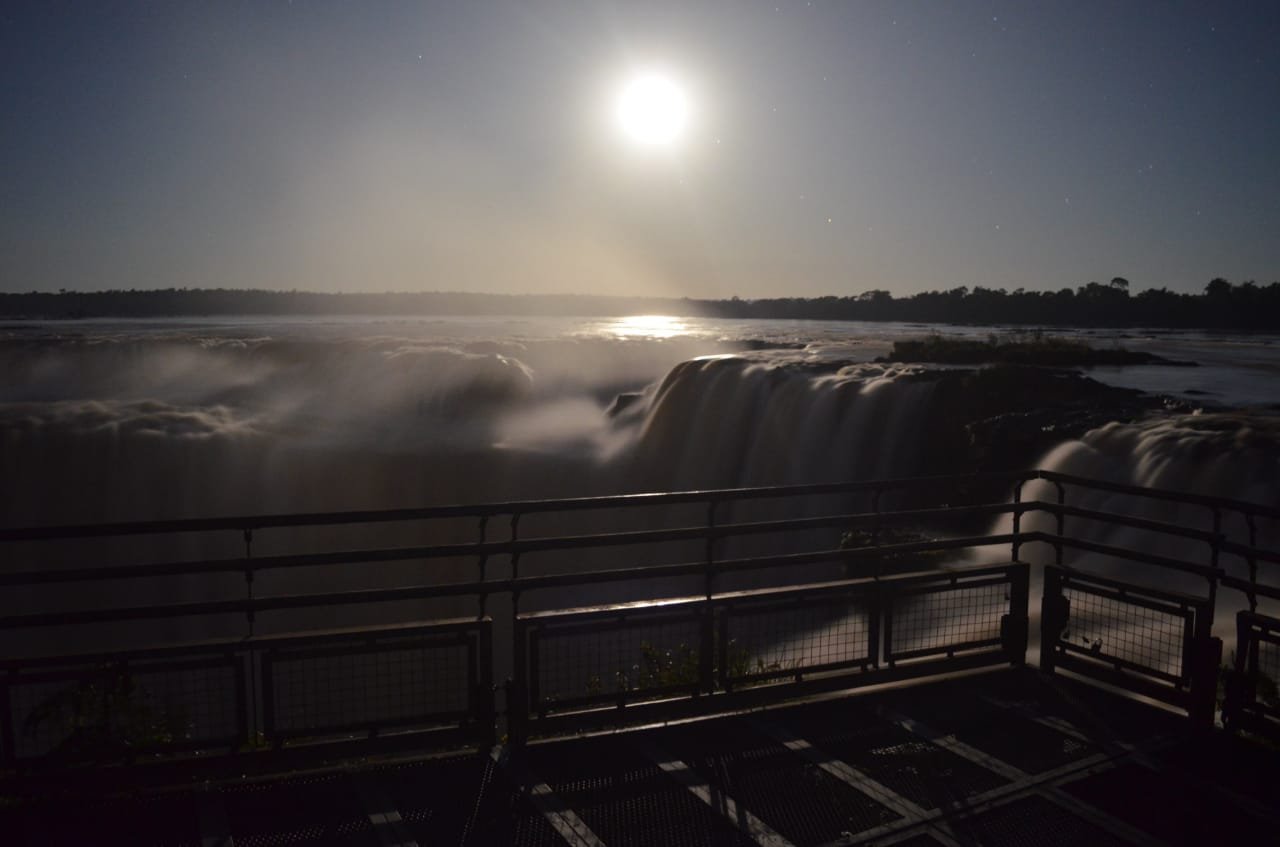
When we finally arrived at the waterfall, it was absolutely beautiful to see by moonlight. It shimmered in white and silver as it fell to the depth below, and the noise of it was deafening amongst the silence.

After the moonlight walk, we wondered to the national park’s restaurant for our traditional buffet. The restaurant was quite fancy, and had a huge parilla barbeque cooking meat of all kinds. I must have had at least three plates of food at that restaurant, as well as a dessert. I was stuffed, but it was also absolutely delicious!

After my weekend in the jungle, I set off to return to Buenos Aires for my final two weeks in Argentina. Iguazu certainly earns its title as a natural world wonder, it is an astonishing place with an abundance of wildlife, and I would be happy to revisit!

Argentina: Central Patagonia (Santa Cruz Province)

Following my visit to Argentina’s Lake District, I continued my journey South into the center of the Patagonian region and one step closer towards the bottom of the world. This area is full of mountains, and glaciers, and many national parks!

Perito Moreno

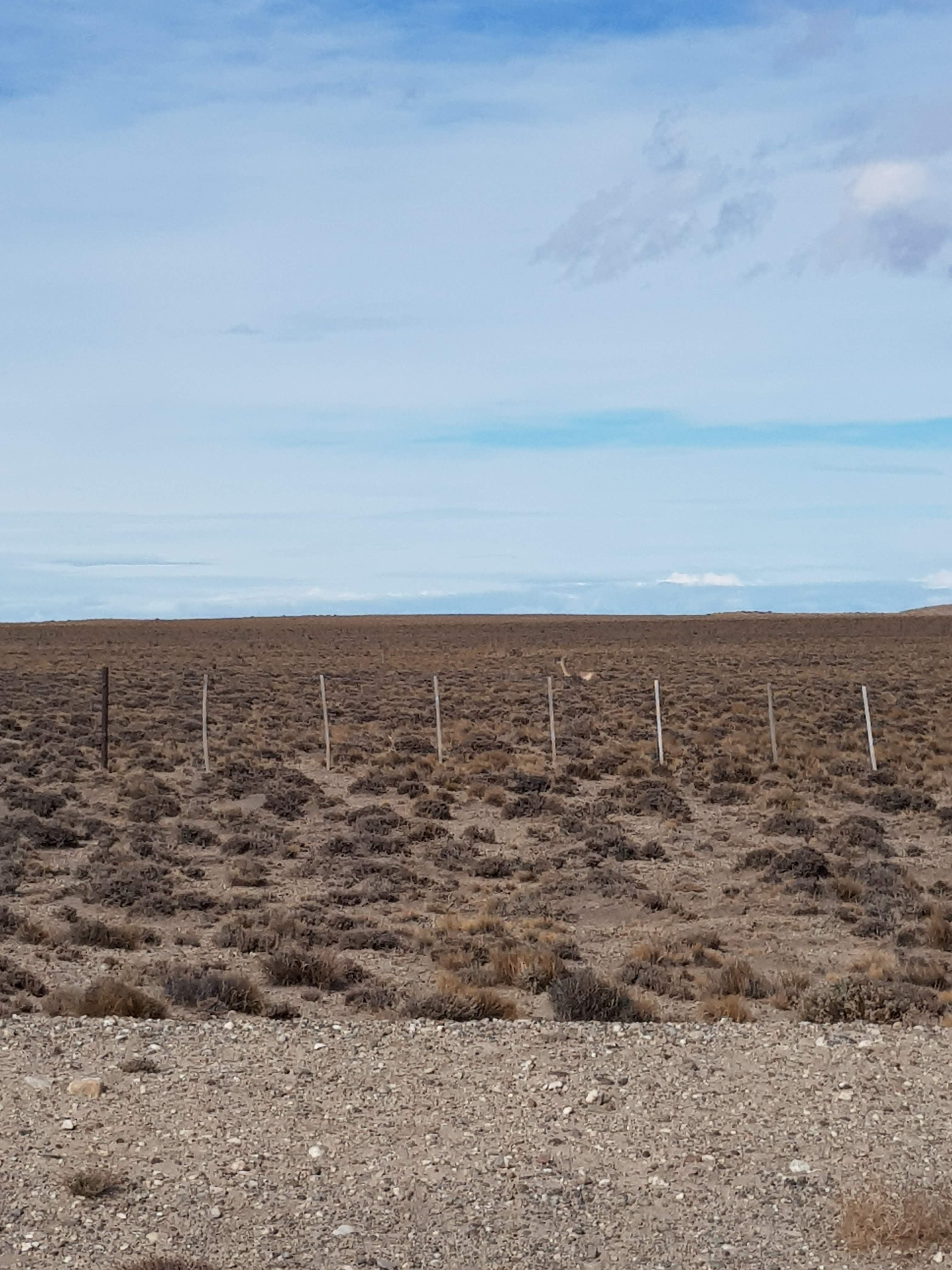
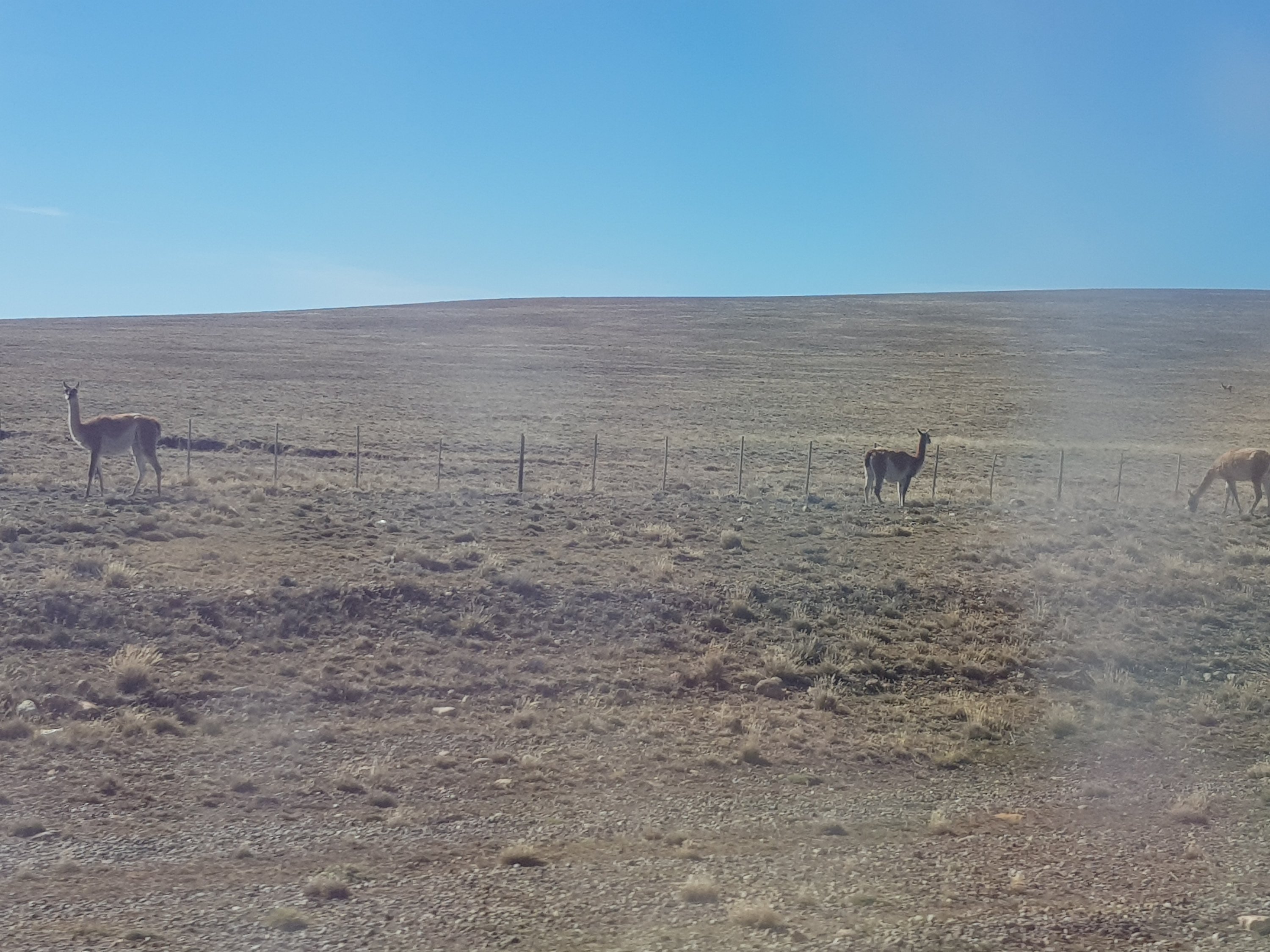
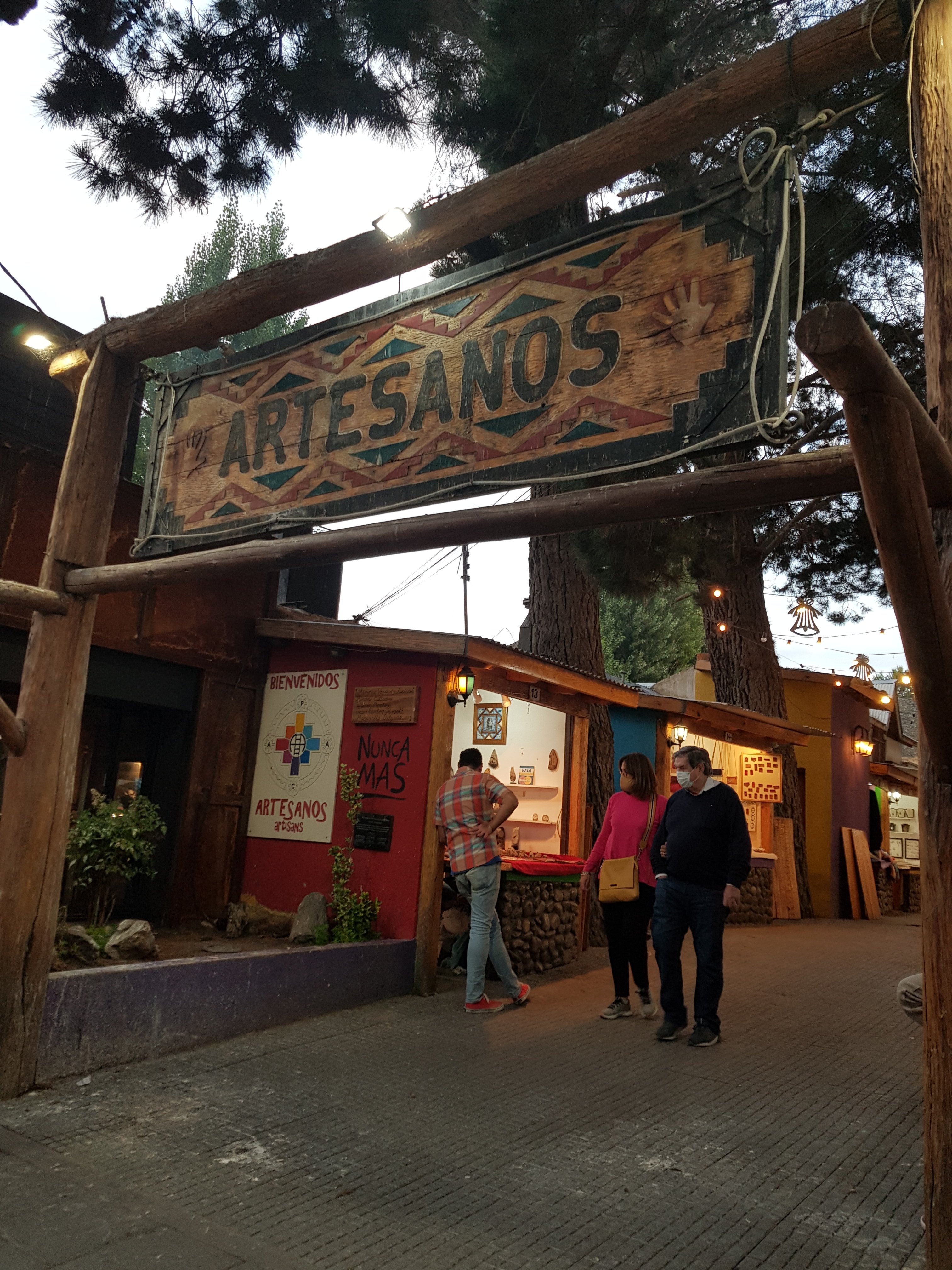
After a 13 hour bus journey from El Bolson, I made it to the small town of Perito Moreno. I was the only person to exit the bus at 1am and make my way to my little wooden cabin in the town centre. I had come here for only one reason, to see the Cueva de las Manos, only accessible by car or tour.

Cueva de las Manos (Cave of Hands)

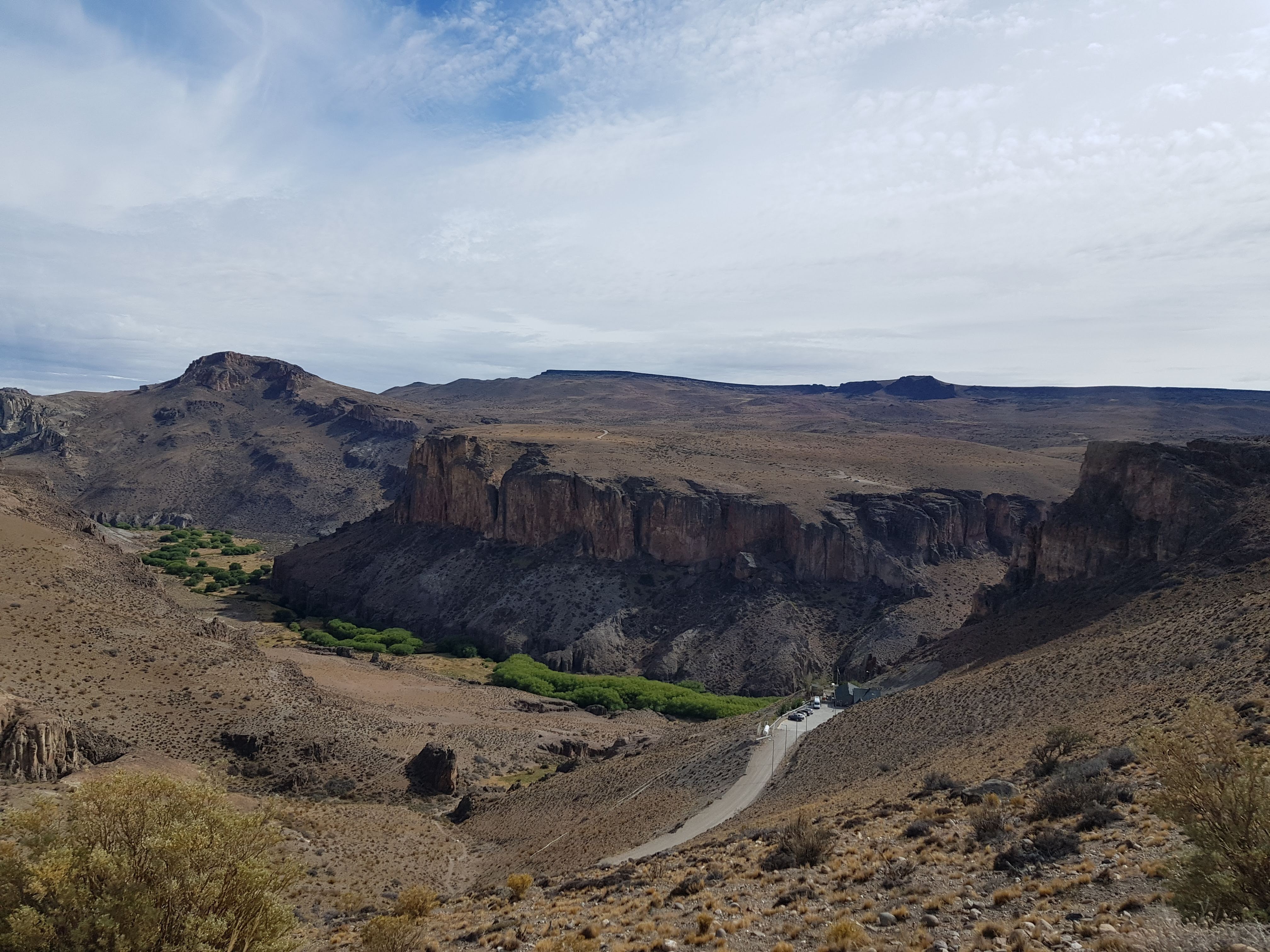
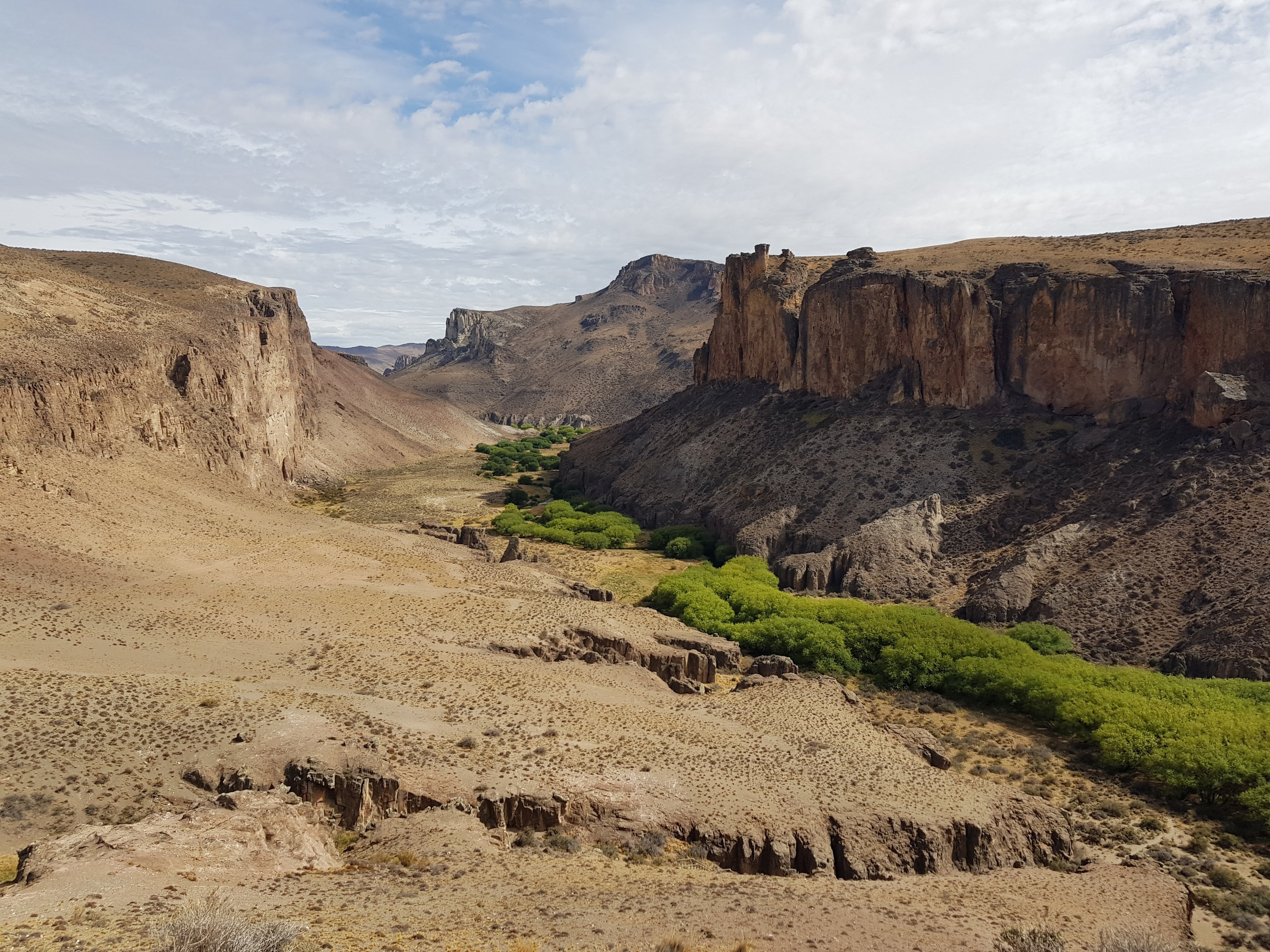
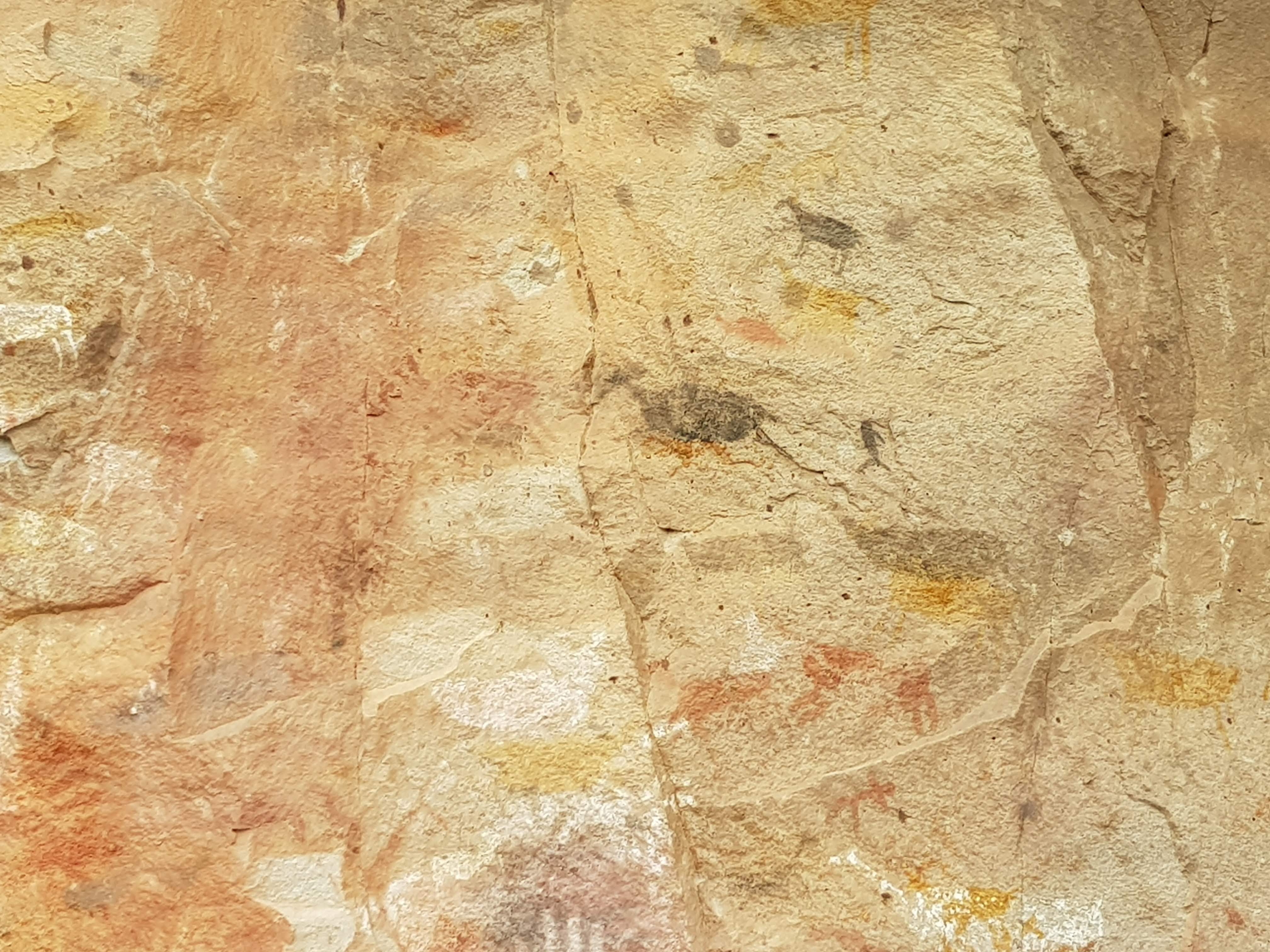
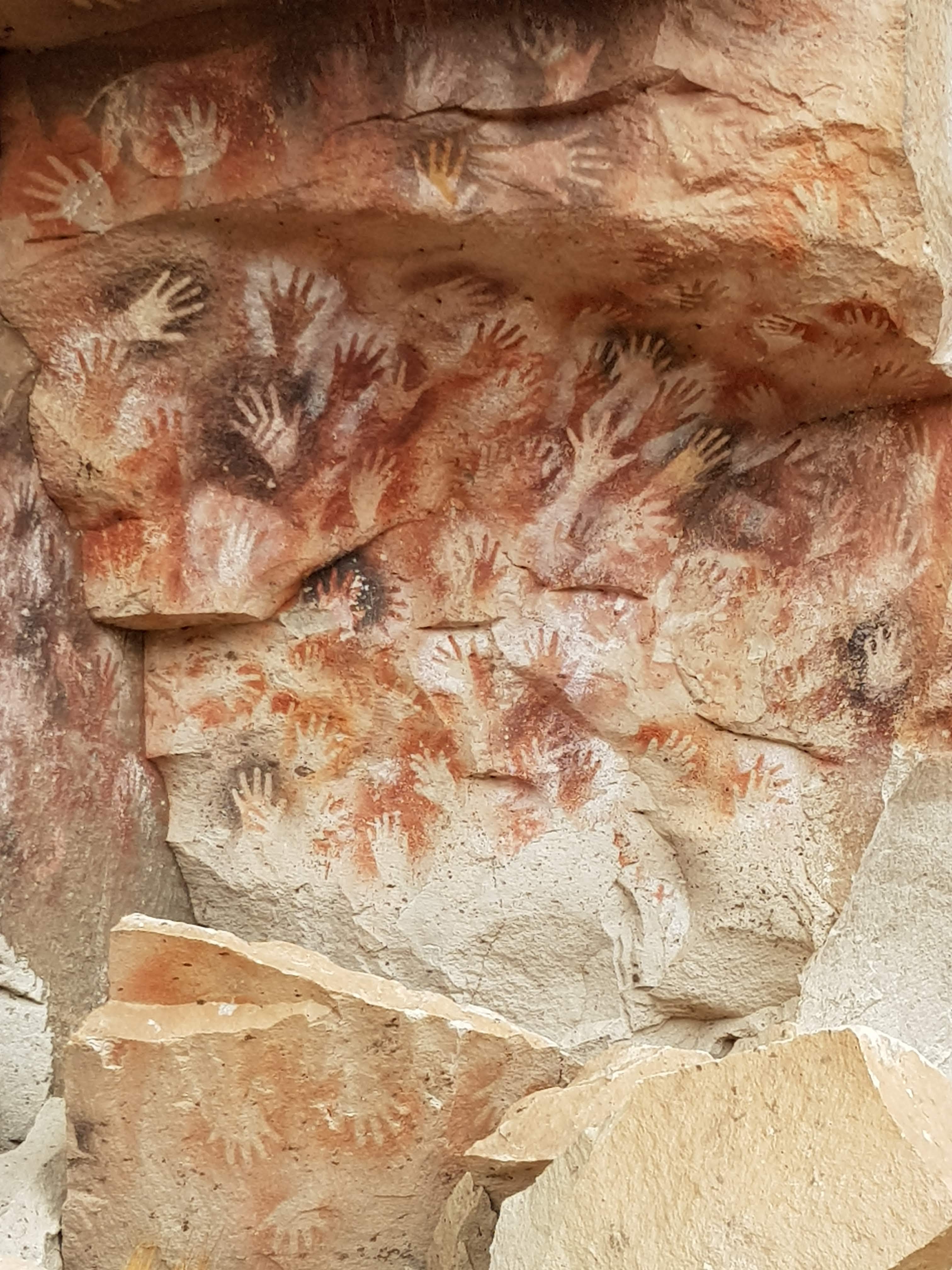
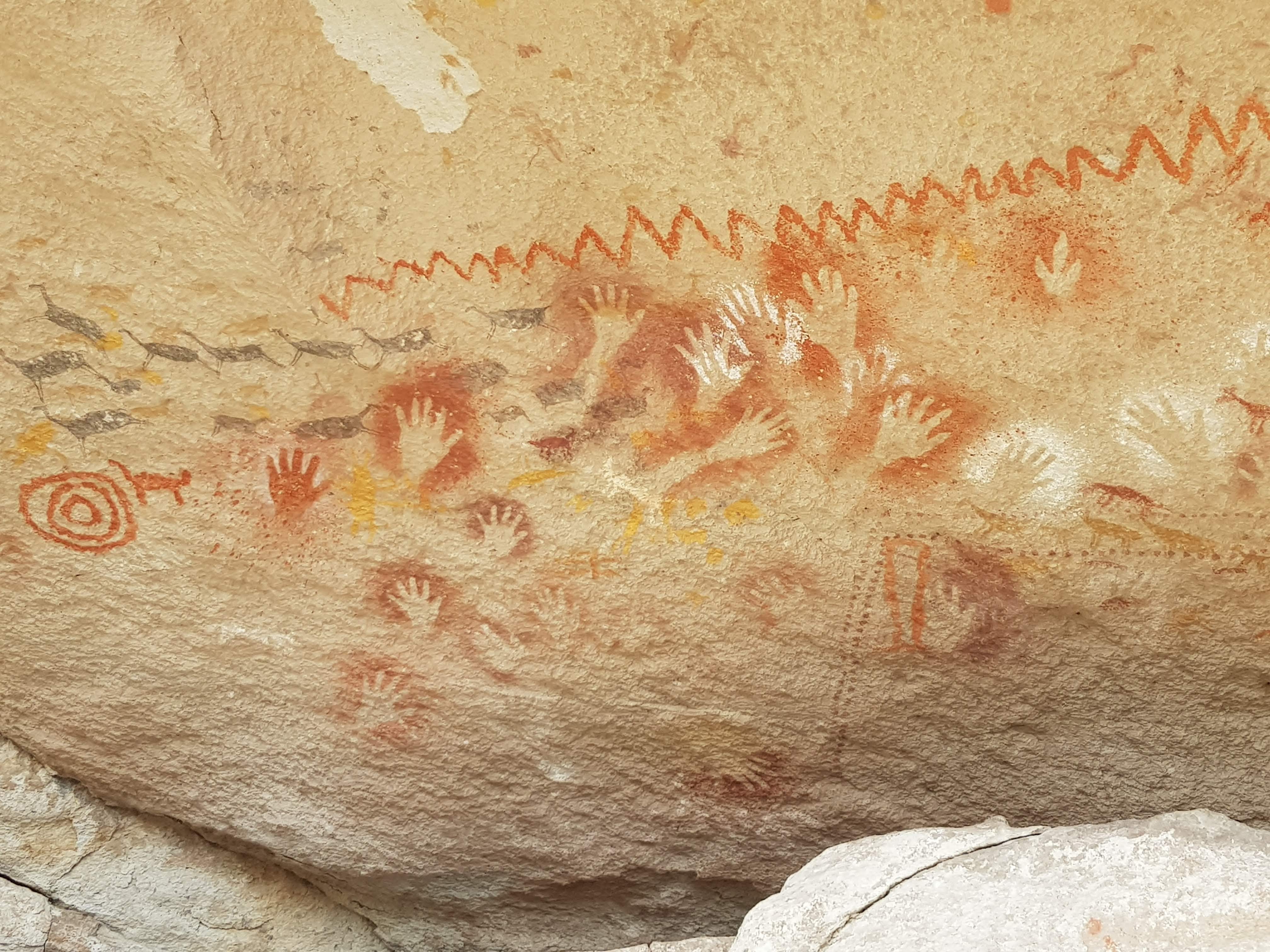
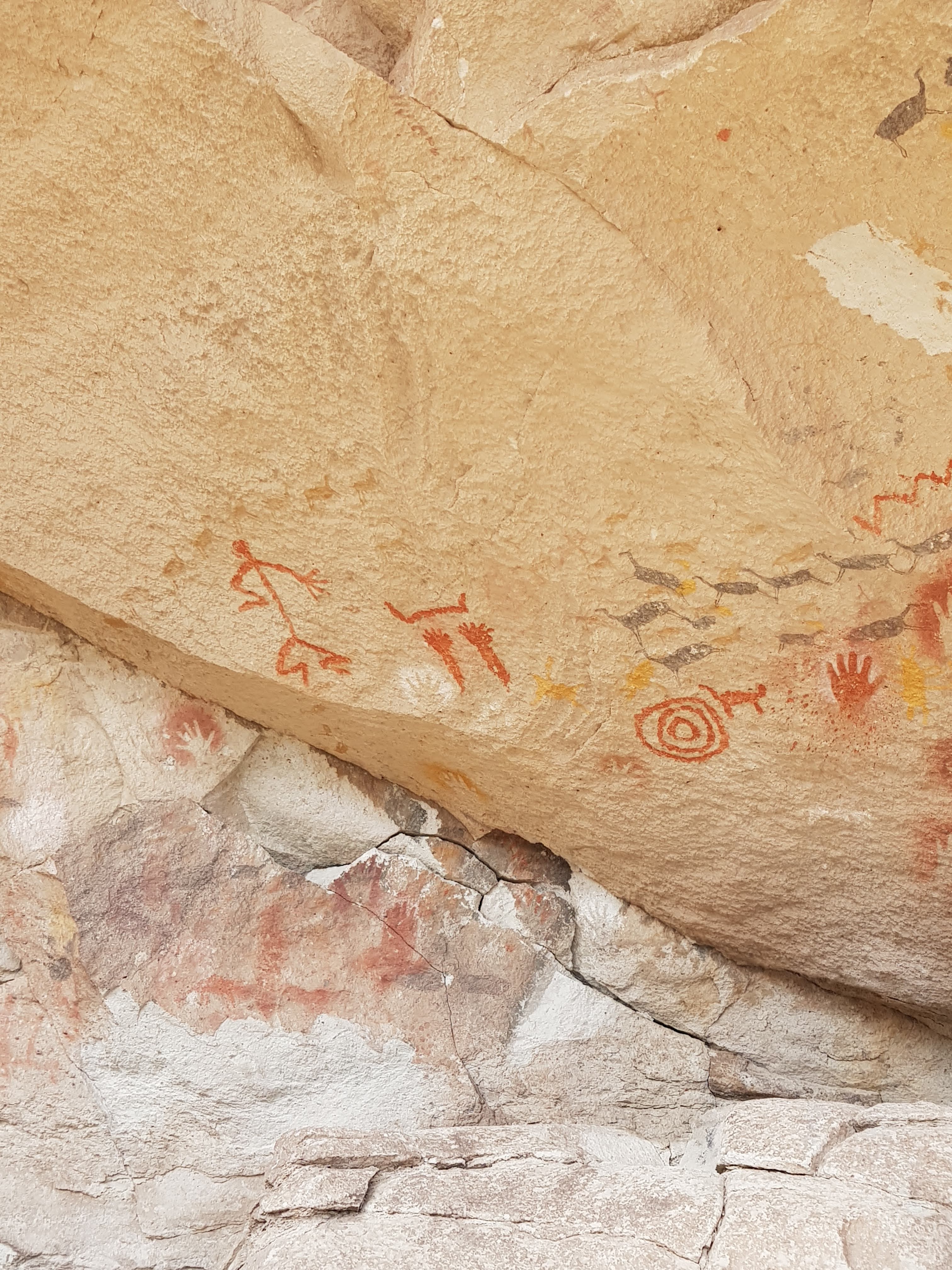
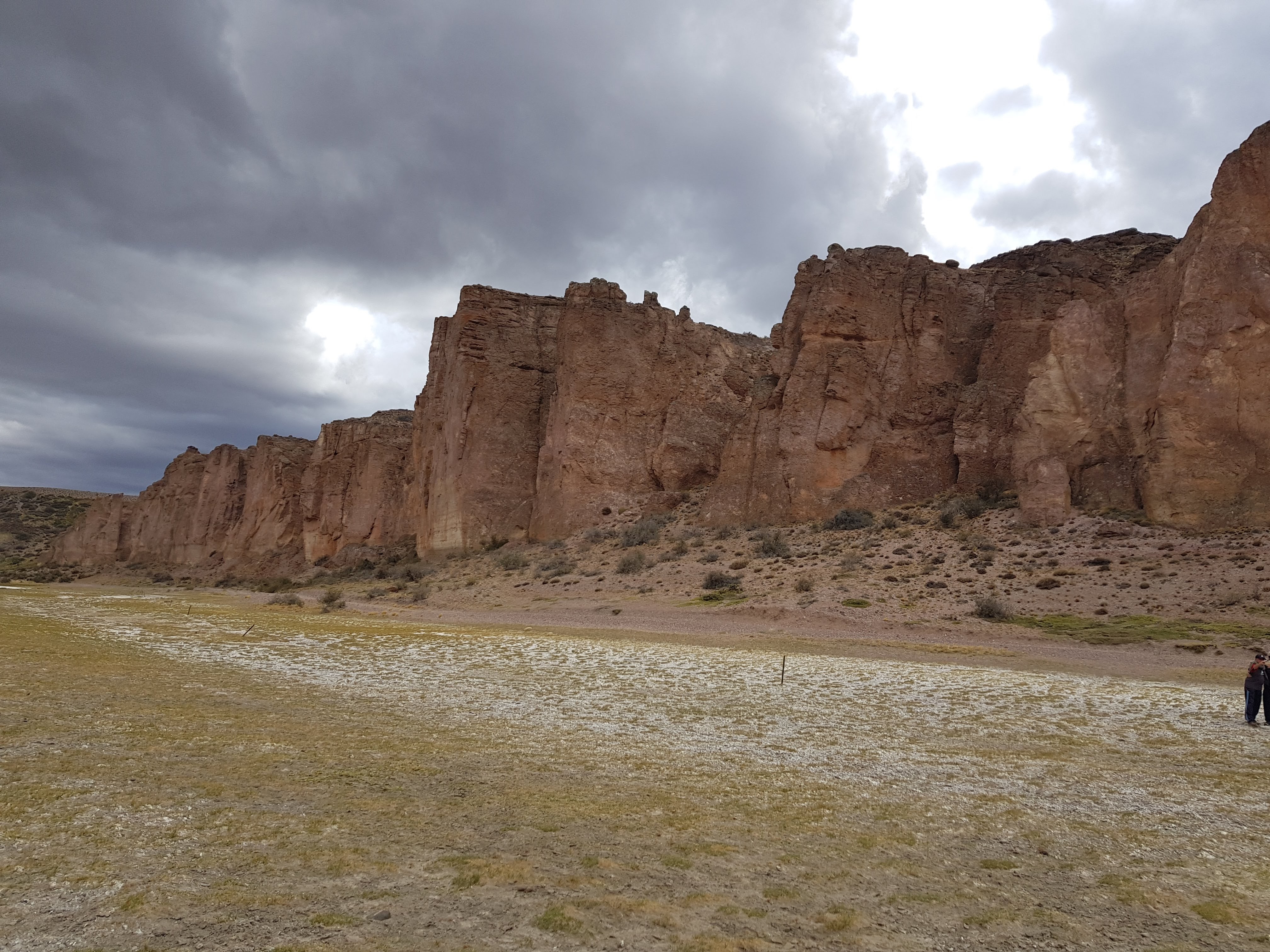
I joined a tour group of Argentine people, and we made our way across some very bumpy roads and past wildlife and huge canyons, before finally arriving at the UNESCO site of Cueva de las Manos. This world famous spot has an amazing collection of ancient cave paintings and hand prints, not inside the cave but across the front of it, along a huge rock face. The guide on the site escorted our group through a long boardwalk running across the side of the paintings and with views of a canyon on the other side.

These amazing paintings crowd the walls and include handprints of adults and children from possibly three different times. You can also see illustrations of animals that they would hunt, geometric shapes, that are suspected to represent a map, and there is even a suspected paw print of a puma! The whole collection is made up of different colours, including yellows and bright blues, and are made from different natural materials. I imagine that the person that discovered this must have been completely astonished by all the haunting raised hands.

Patagonia Park

The tour also included visits to other interesting locations nearby such as the Patagonia Park, which had huge salt flats to see.

The locals prepared a lunch for our group of traditional and locally produced food. It was delicious and in true Argentine style, the portions were huge. I tried to tell the people in the group that I was full, but the little old ladies in the group said they wanted to fatten me up and they are like my ‘abuela’ (grandma) and want to look after me! haha

Coloured mountains

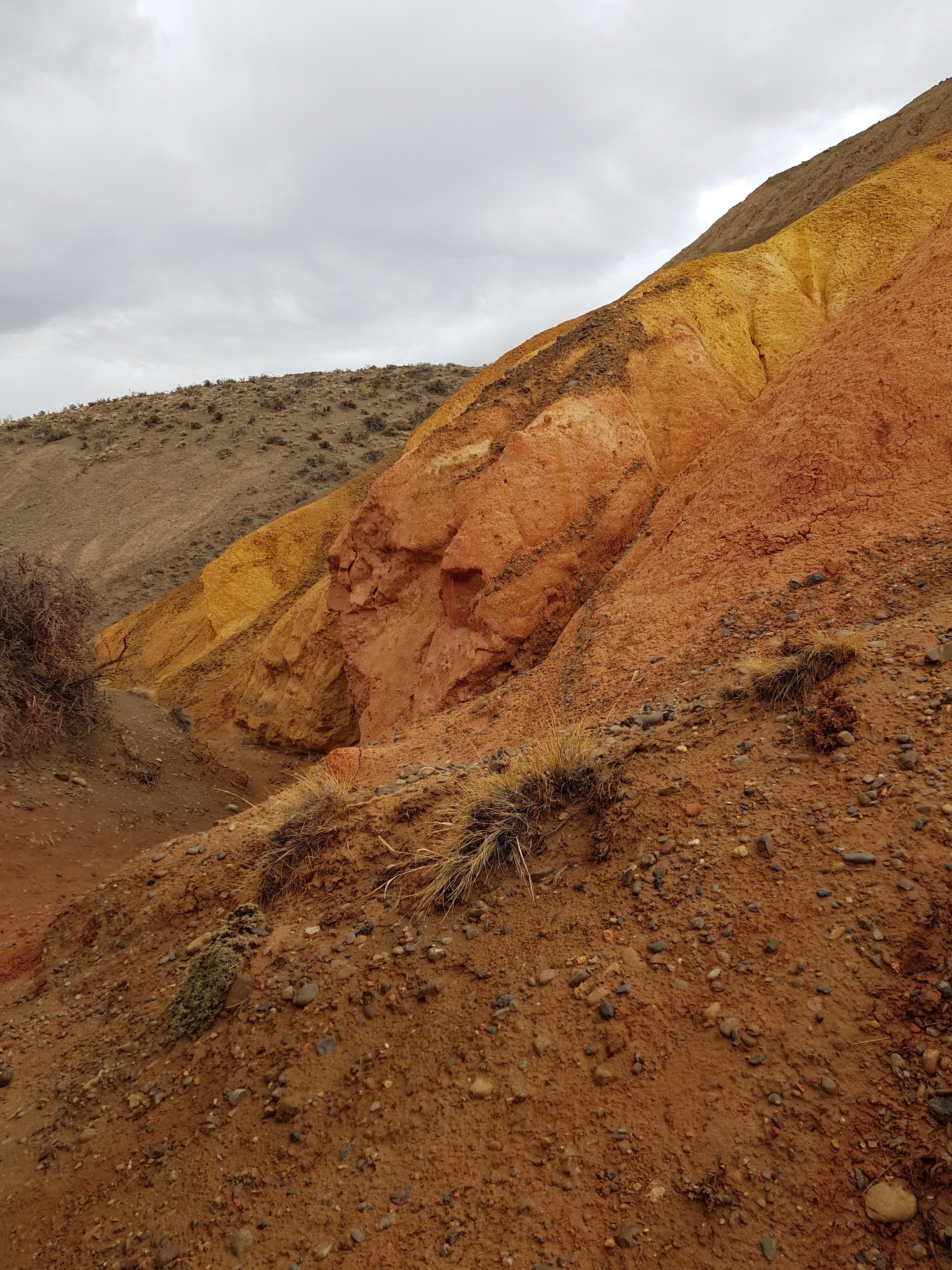
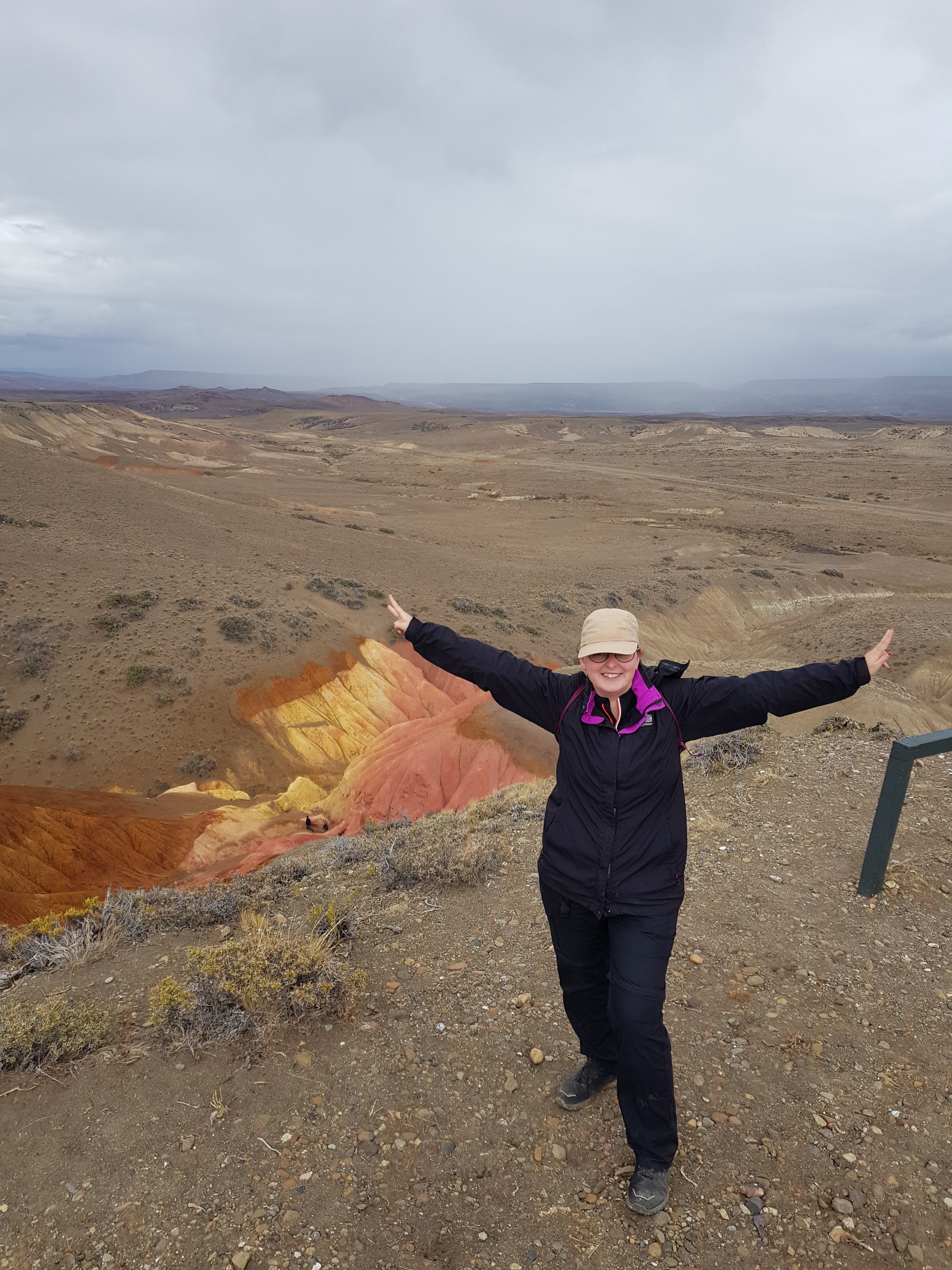
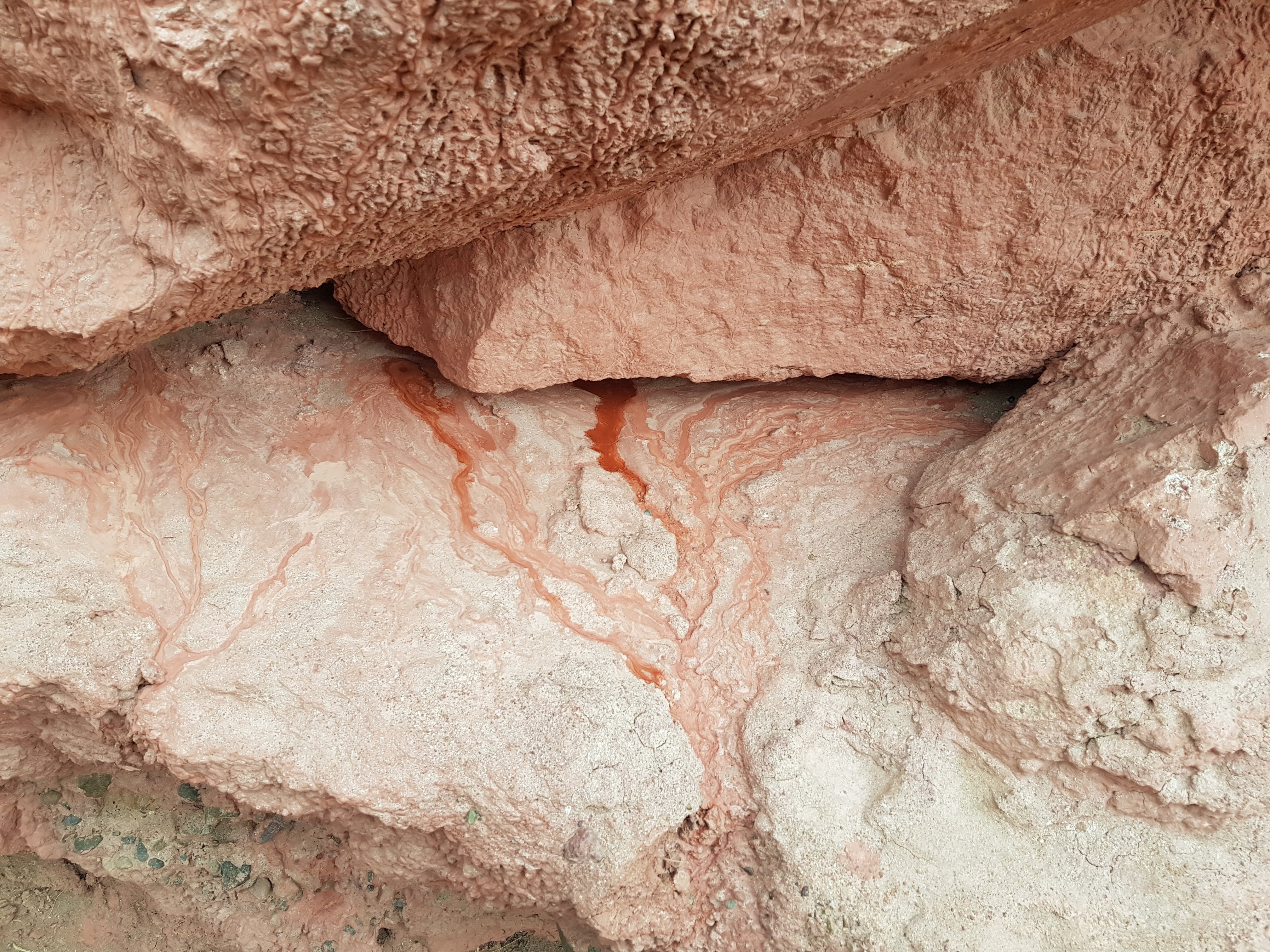
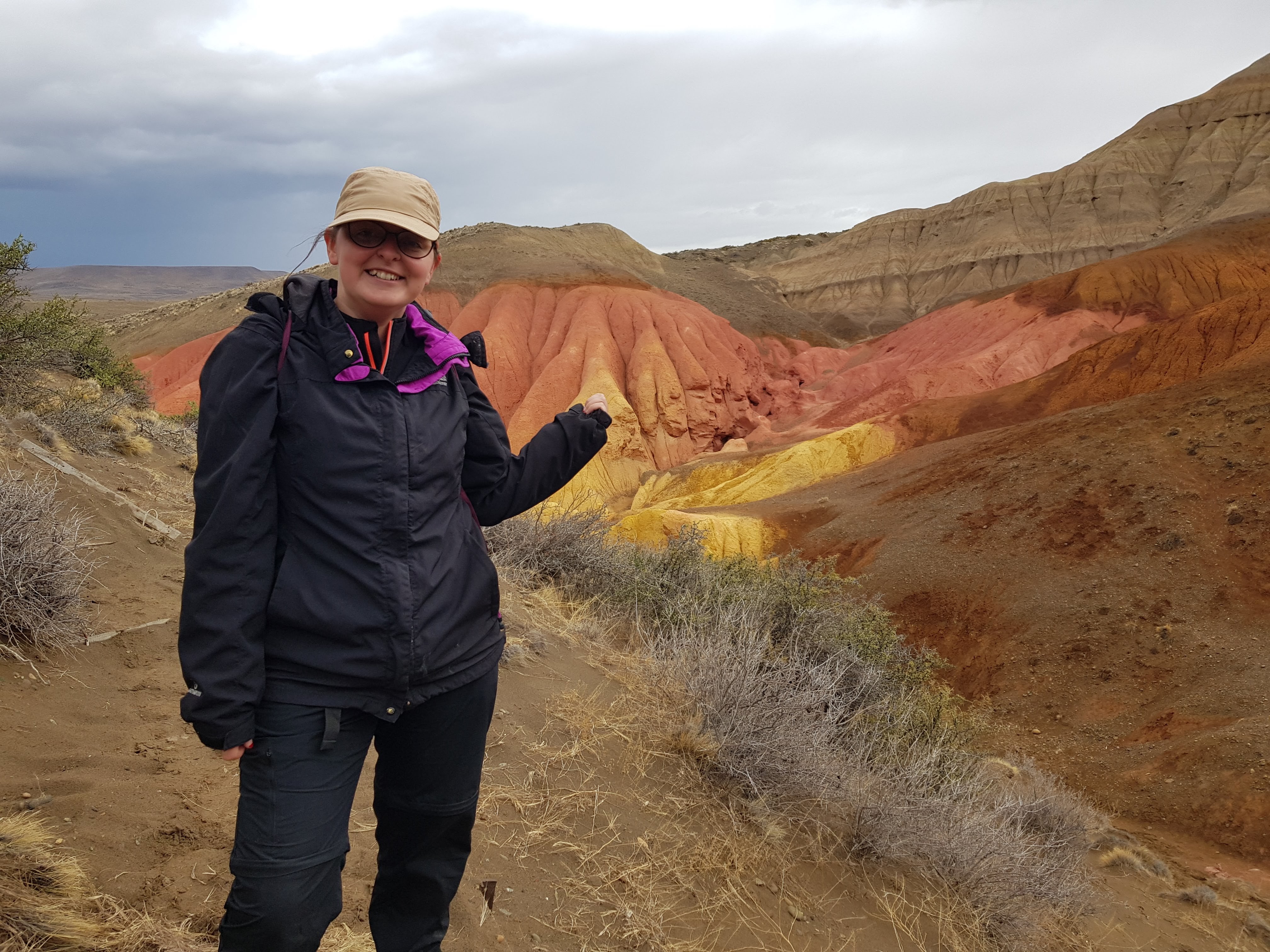
The last stop was an hour hike over some amazing hilltops/mountains that were brightly coloured in oranges, red and yellows. This is due to the properties in the rocks and all the minerals being brought out by rainfall. It was pretty awesome, and the short walk to the top gives you an amazing view!

El Chalten & Fitz Roy

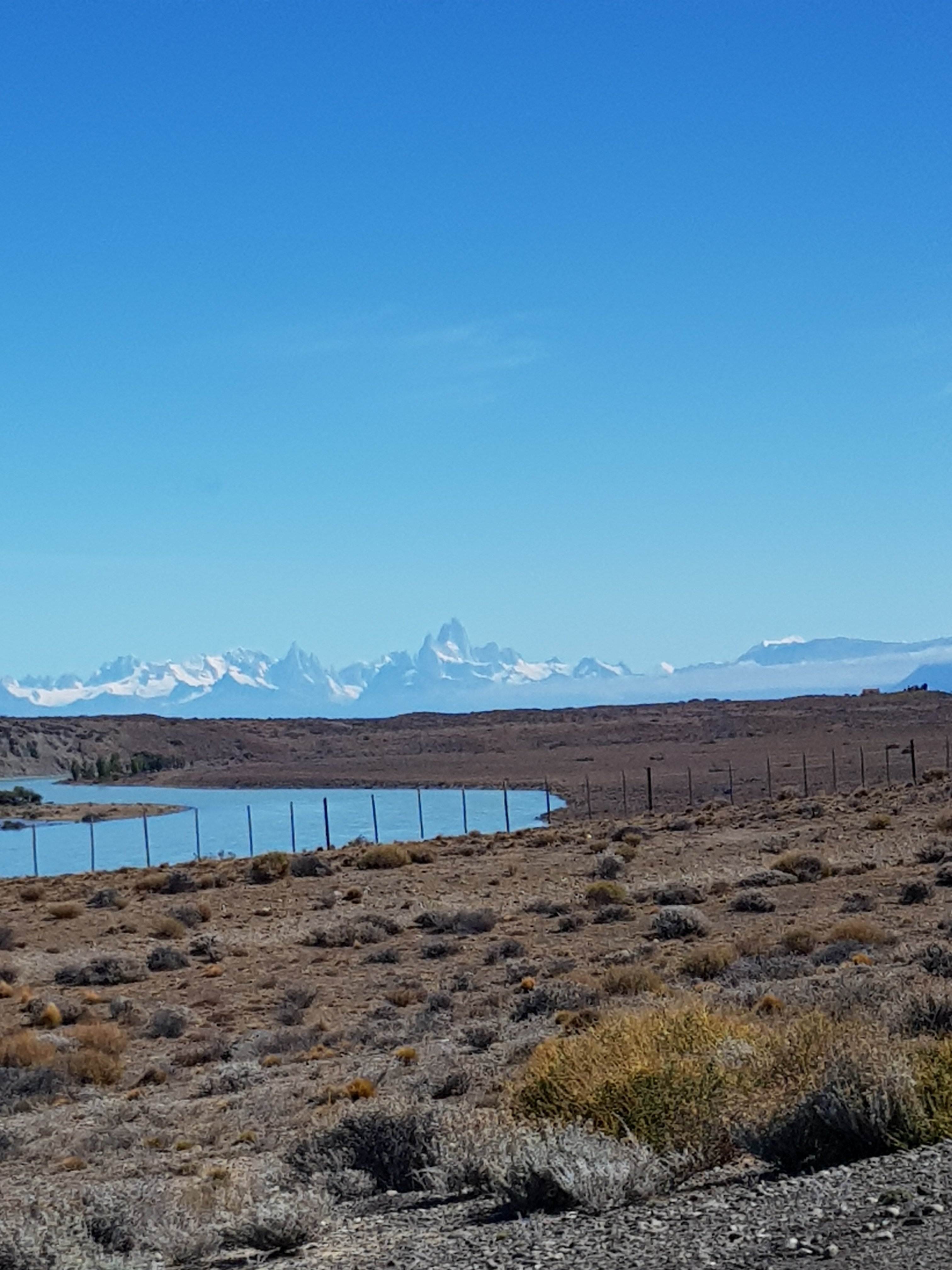
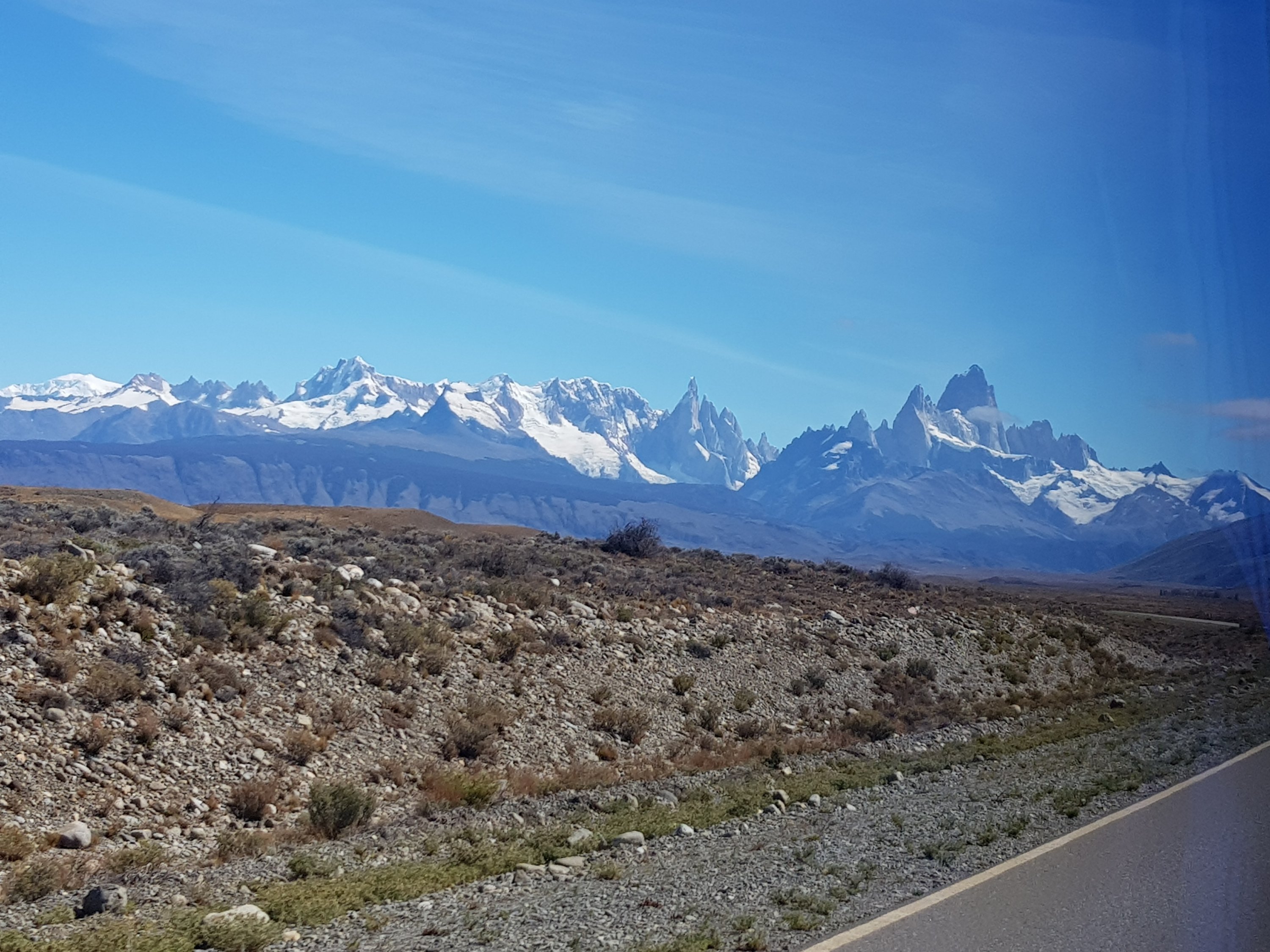
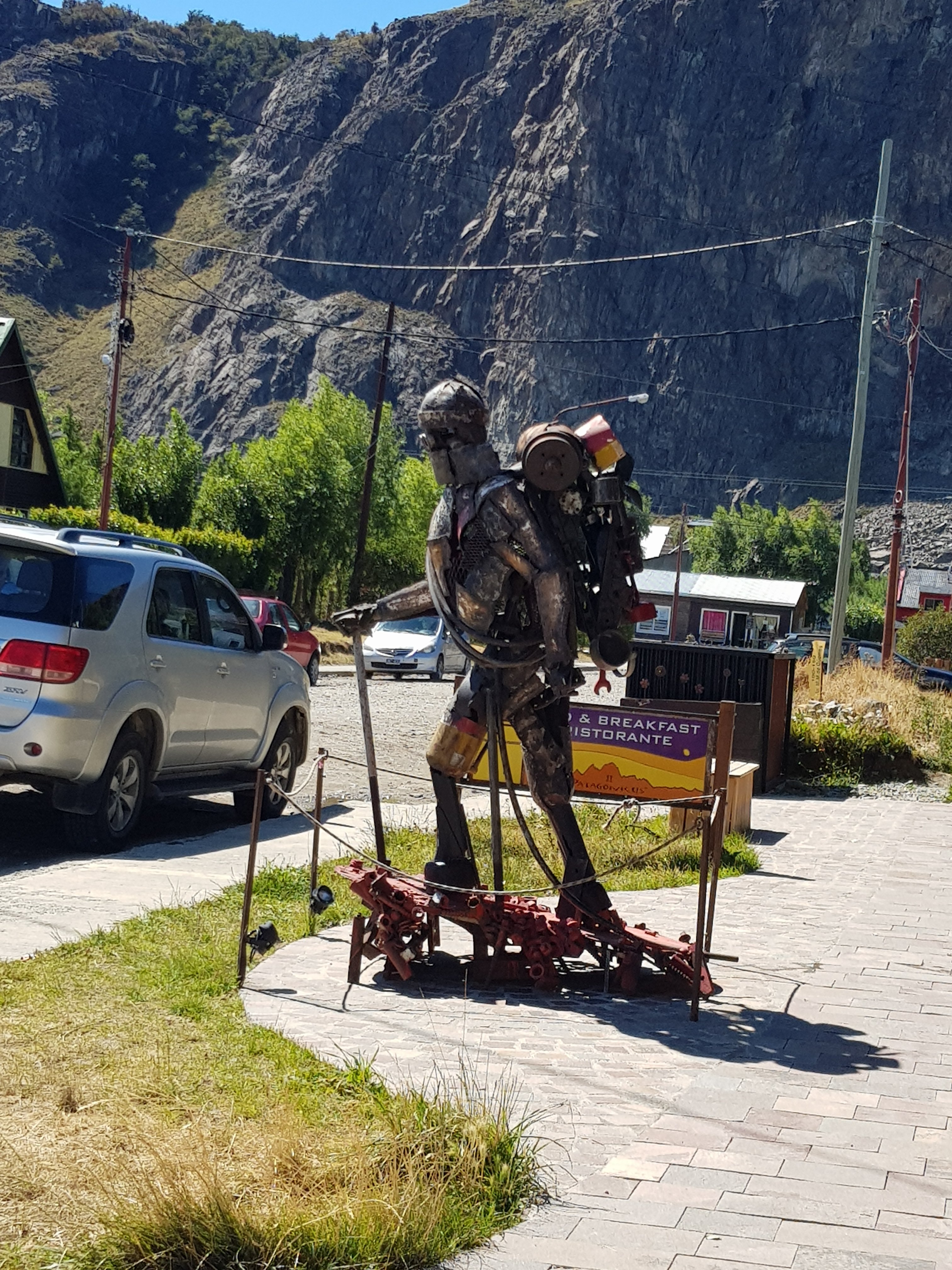
Next stop on my trip was to the little town of El Chalten. Getting there was a struggle. It had been raining the night before, and so they rerouted the bus to the only other motorway that took us to the bottom of the country then we turned back around and went back up… A 10 hour journey took 18 hours… craziness.

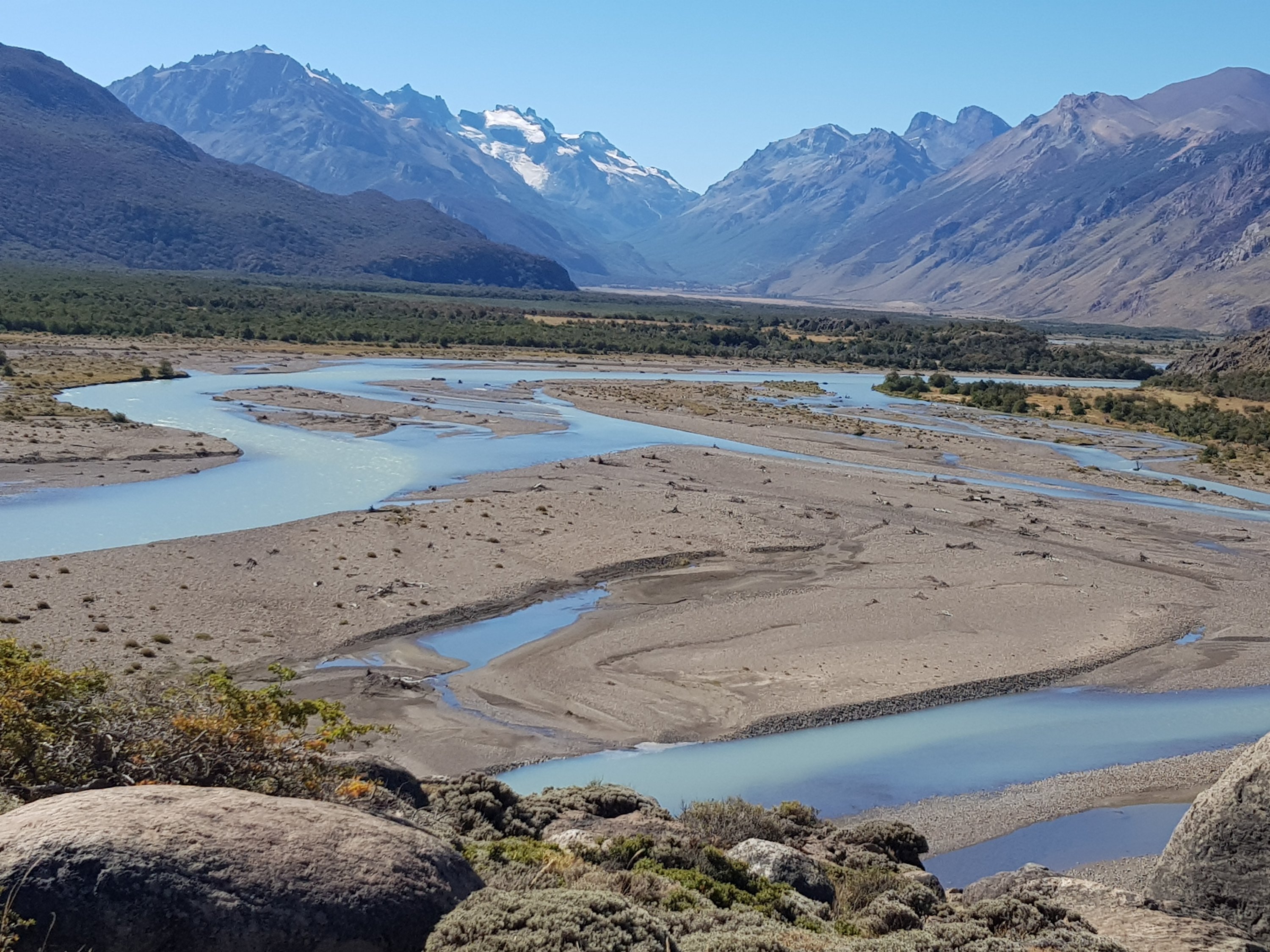
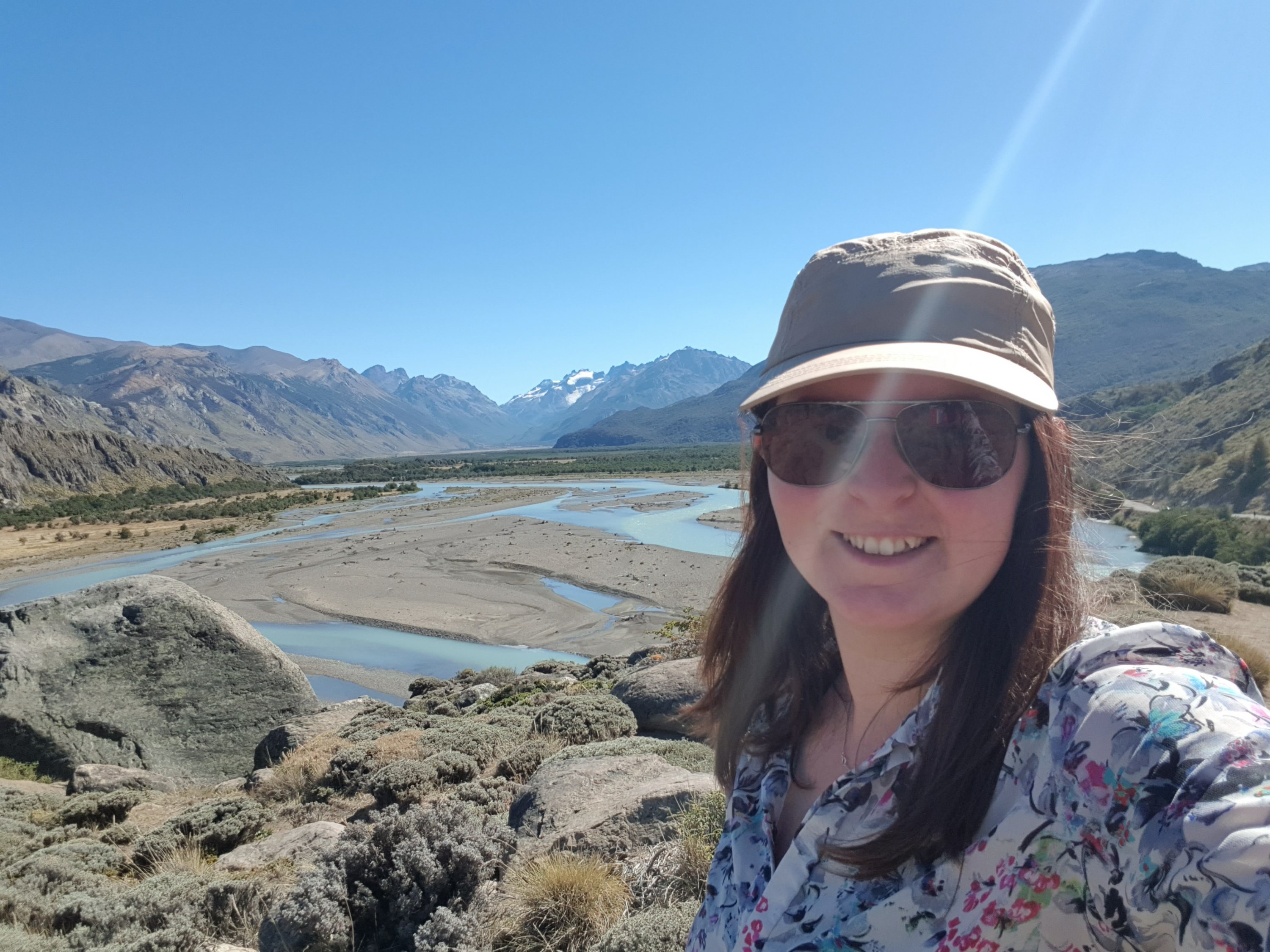
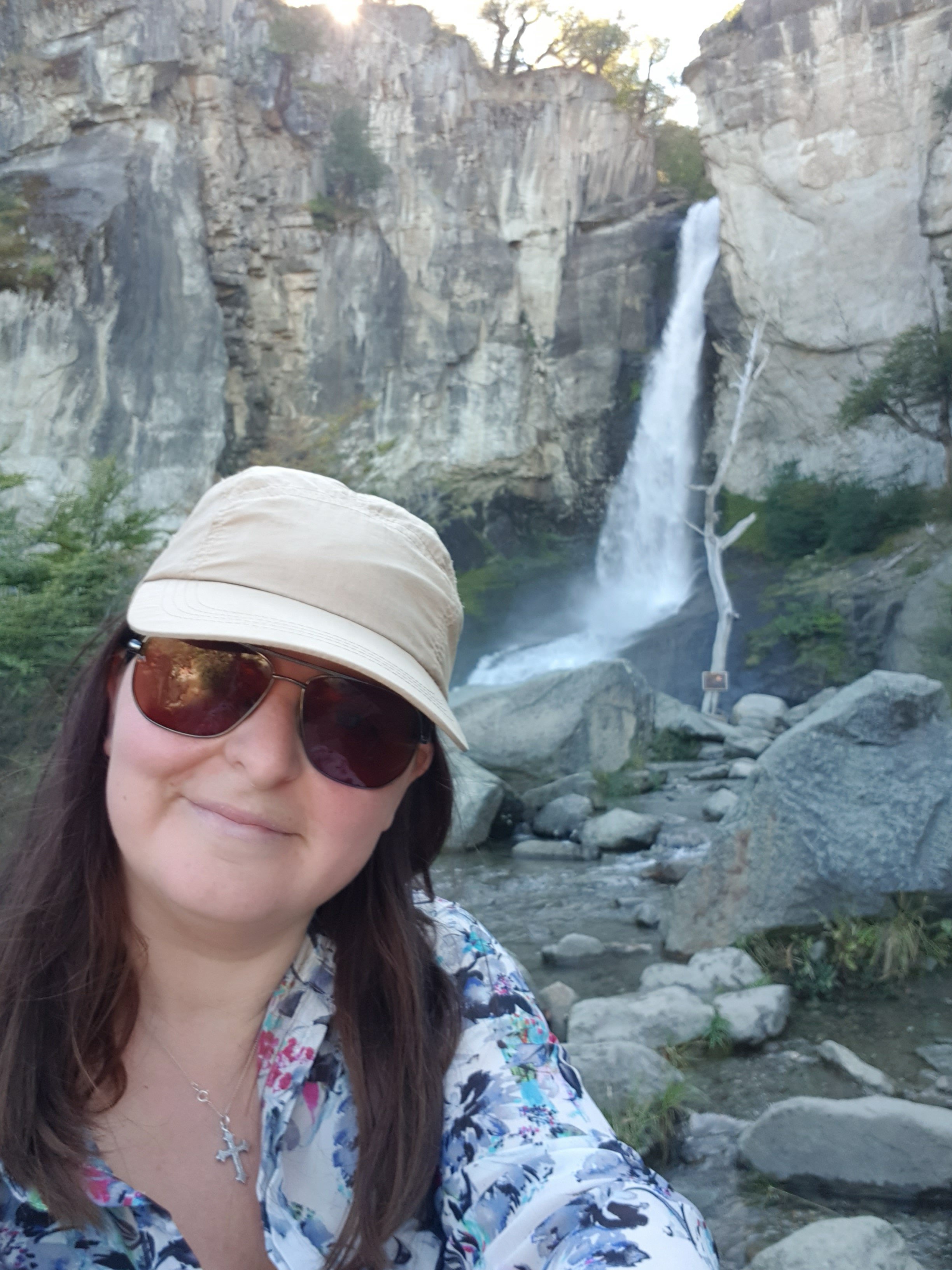
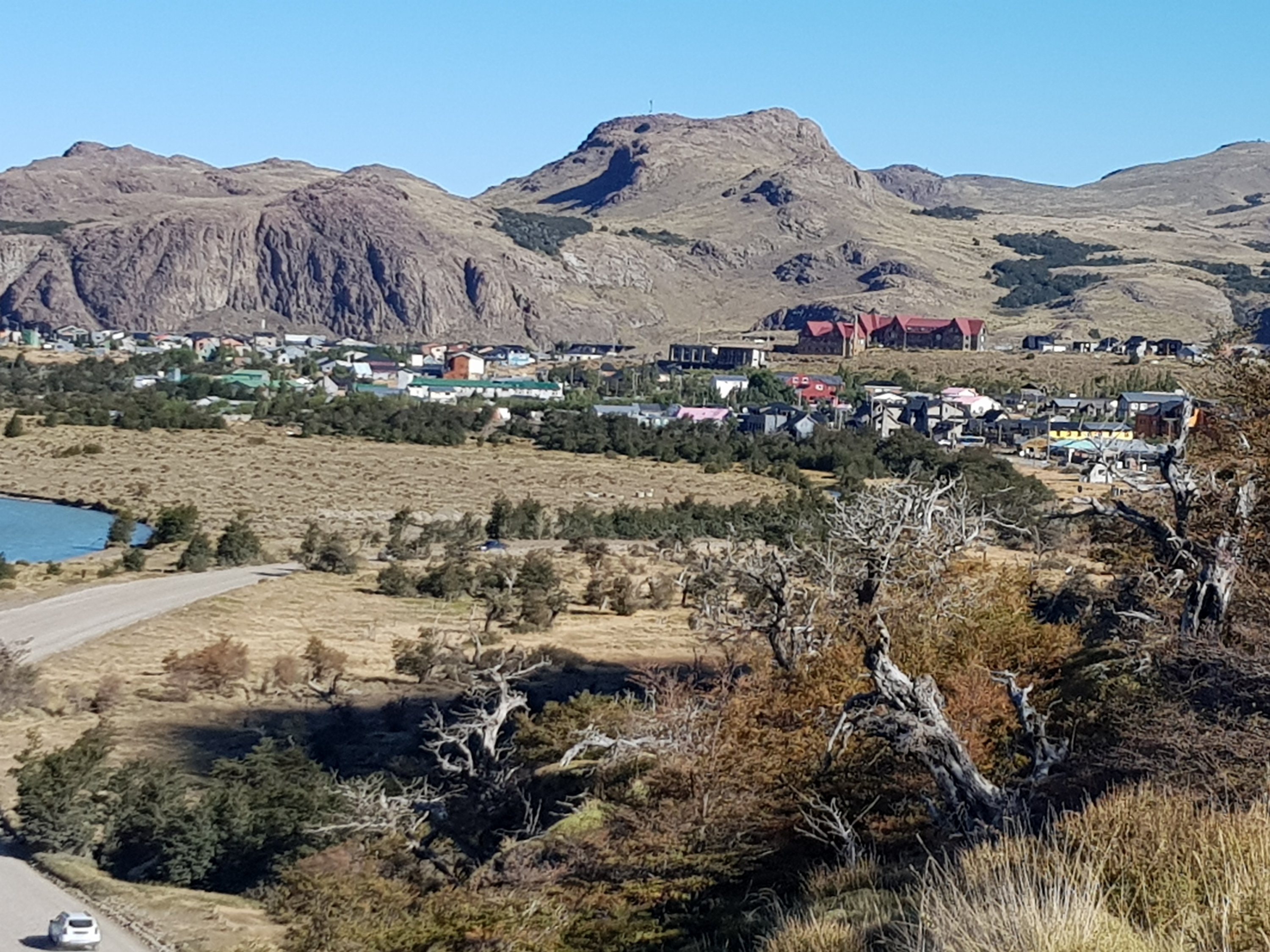
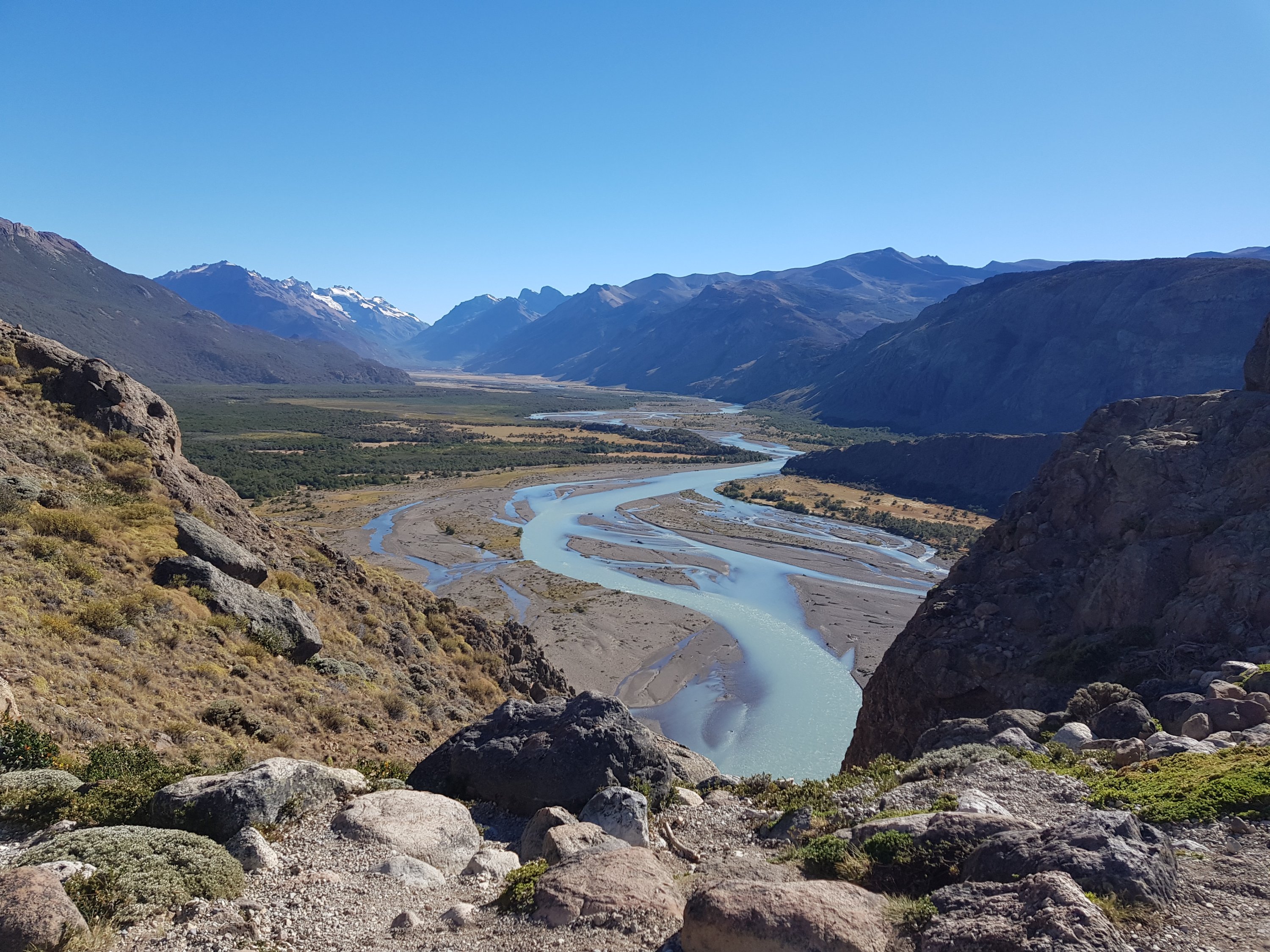
On finally arriving, I headed straight out for a short hike to a nearby waterfall. It was great to get some fresh air and put my head under the flowing glacier water. I also got great views of the landscape and the town. El chalten is a part of this natural landscape and is an absolute haven for hikers and climbers.

Laguna de los tres

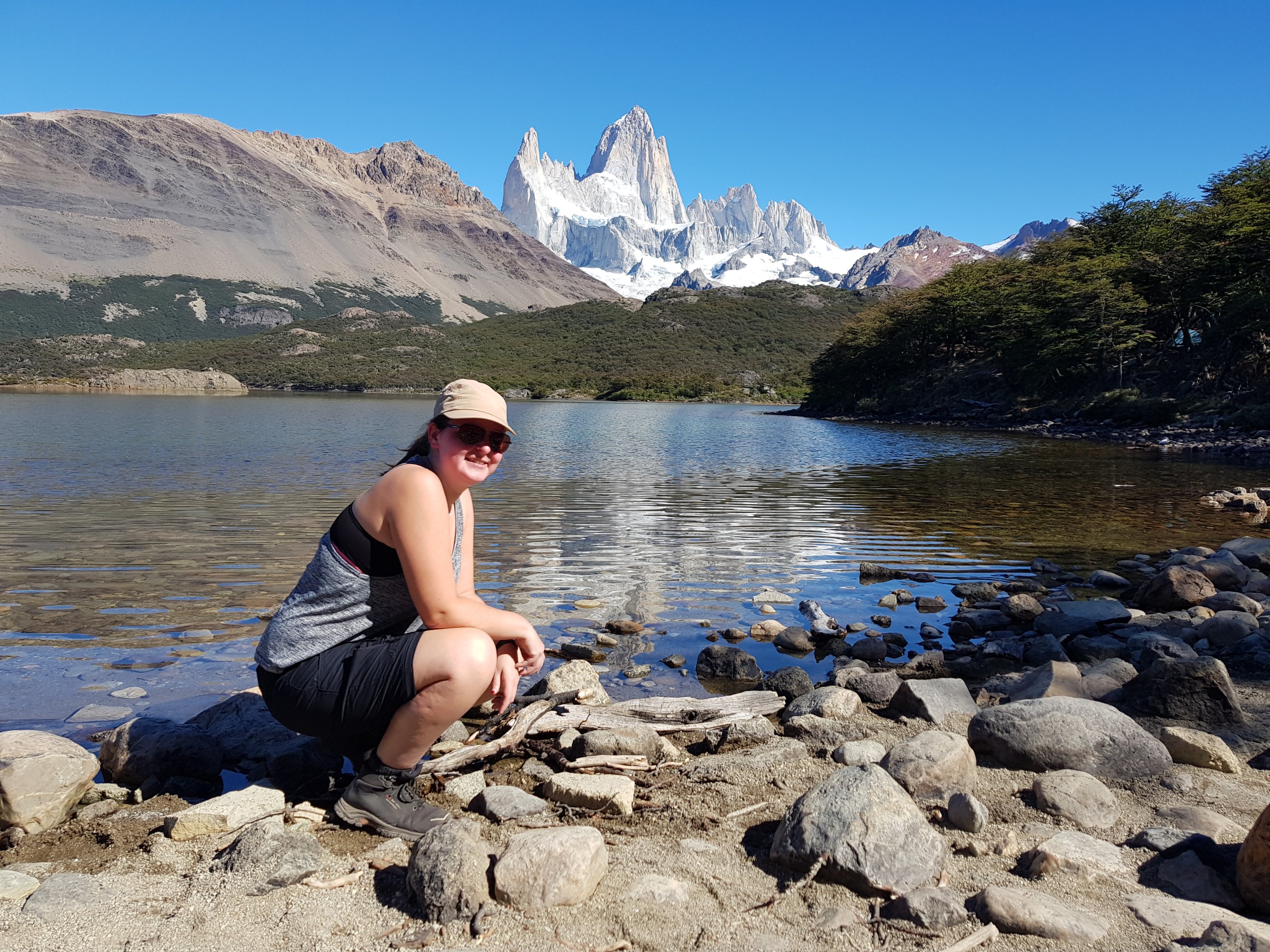
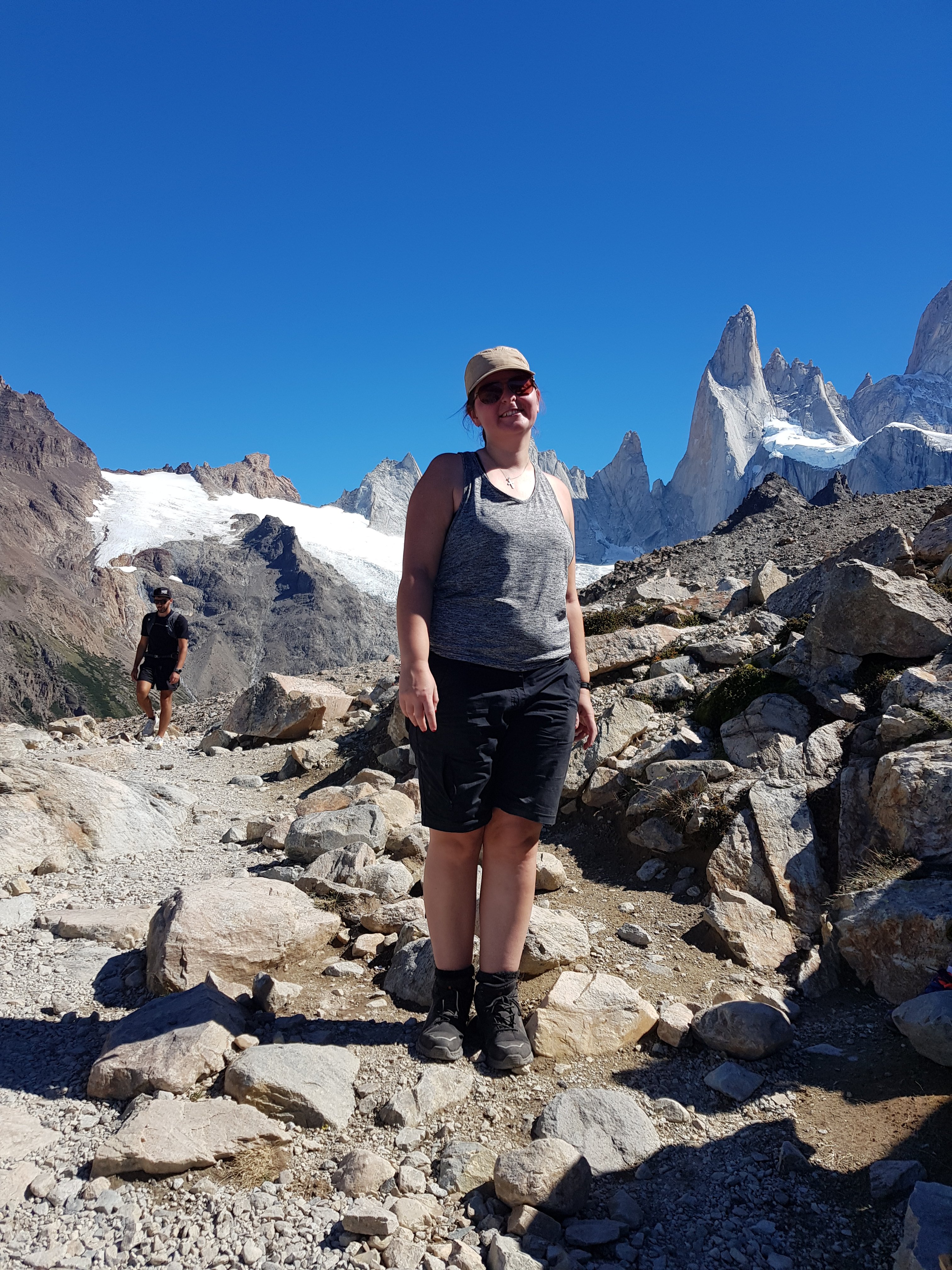
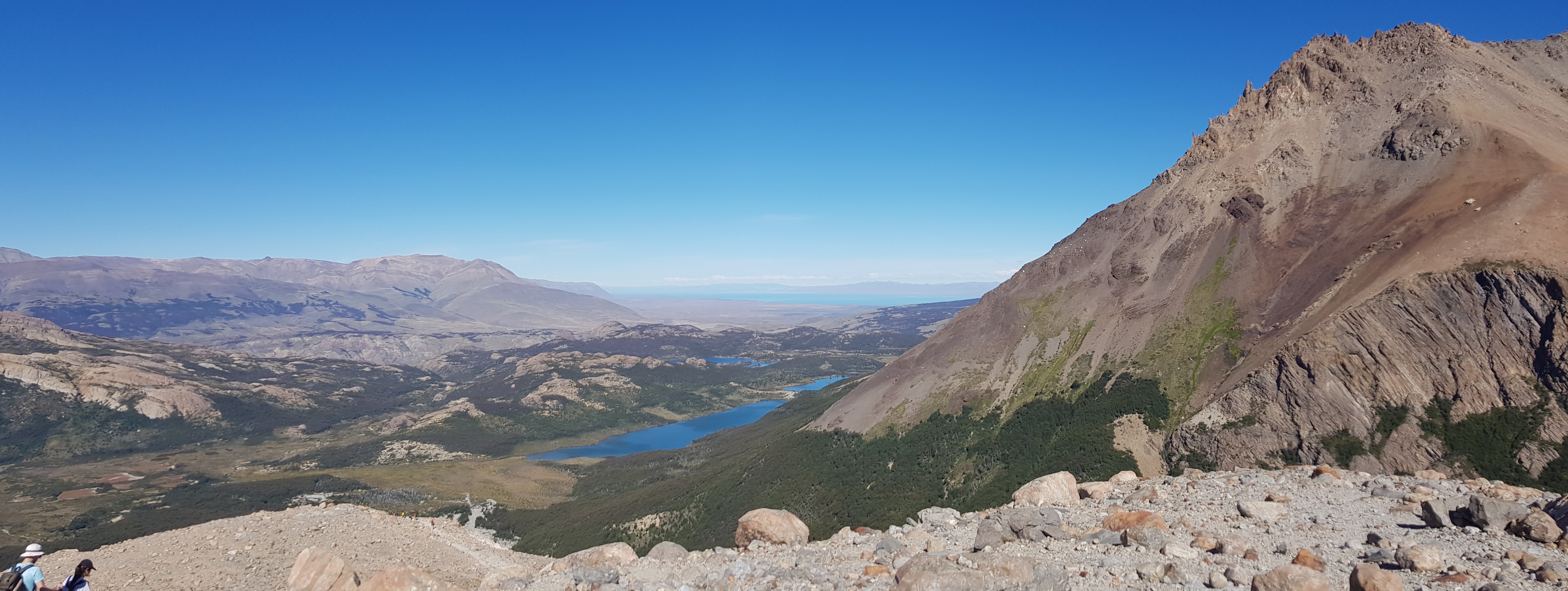
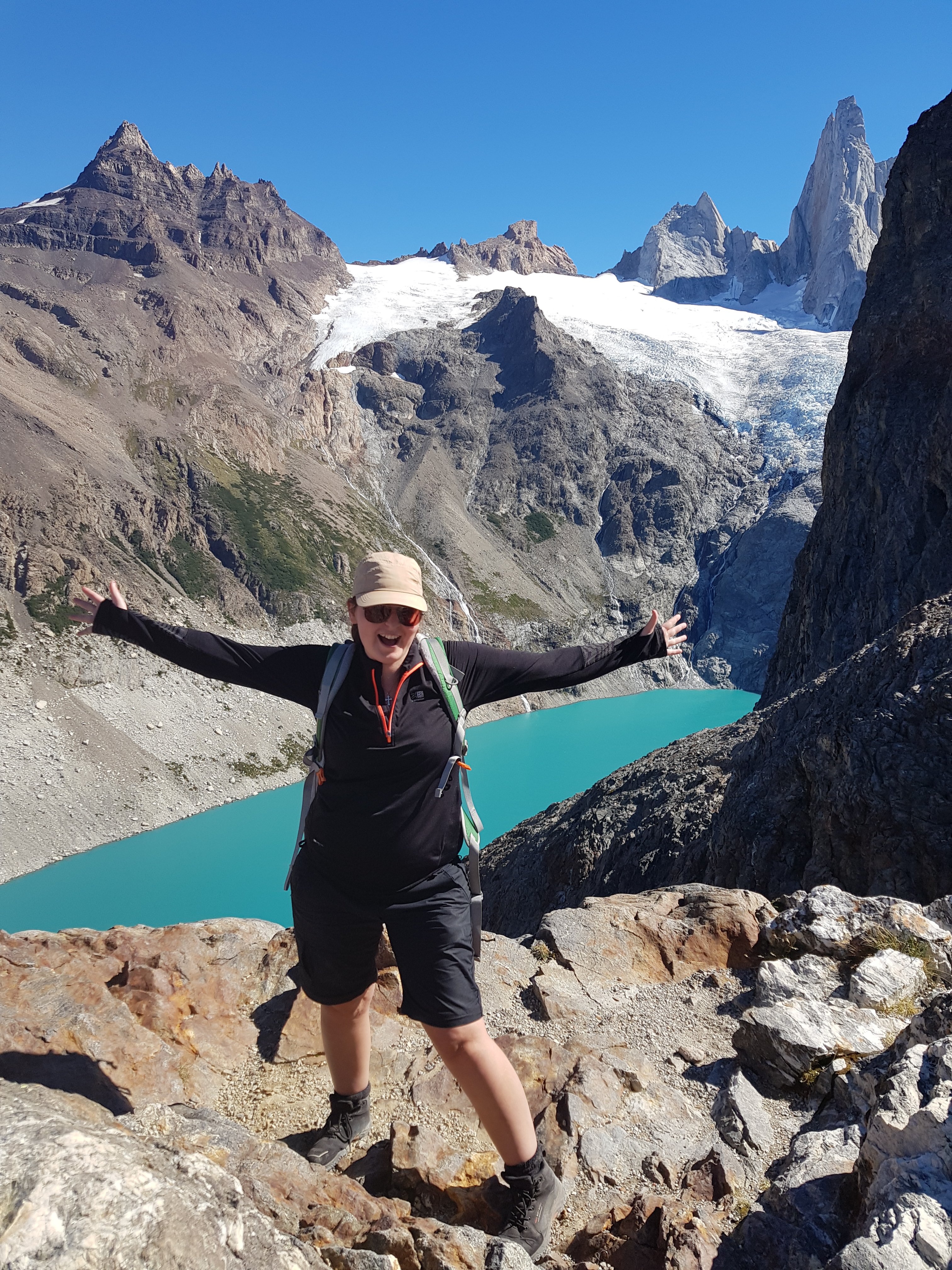
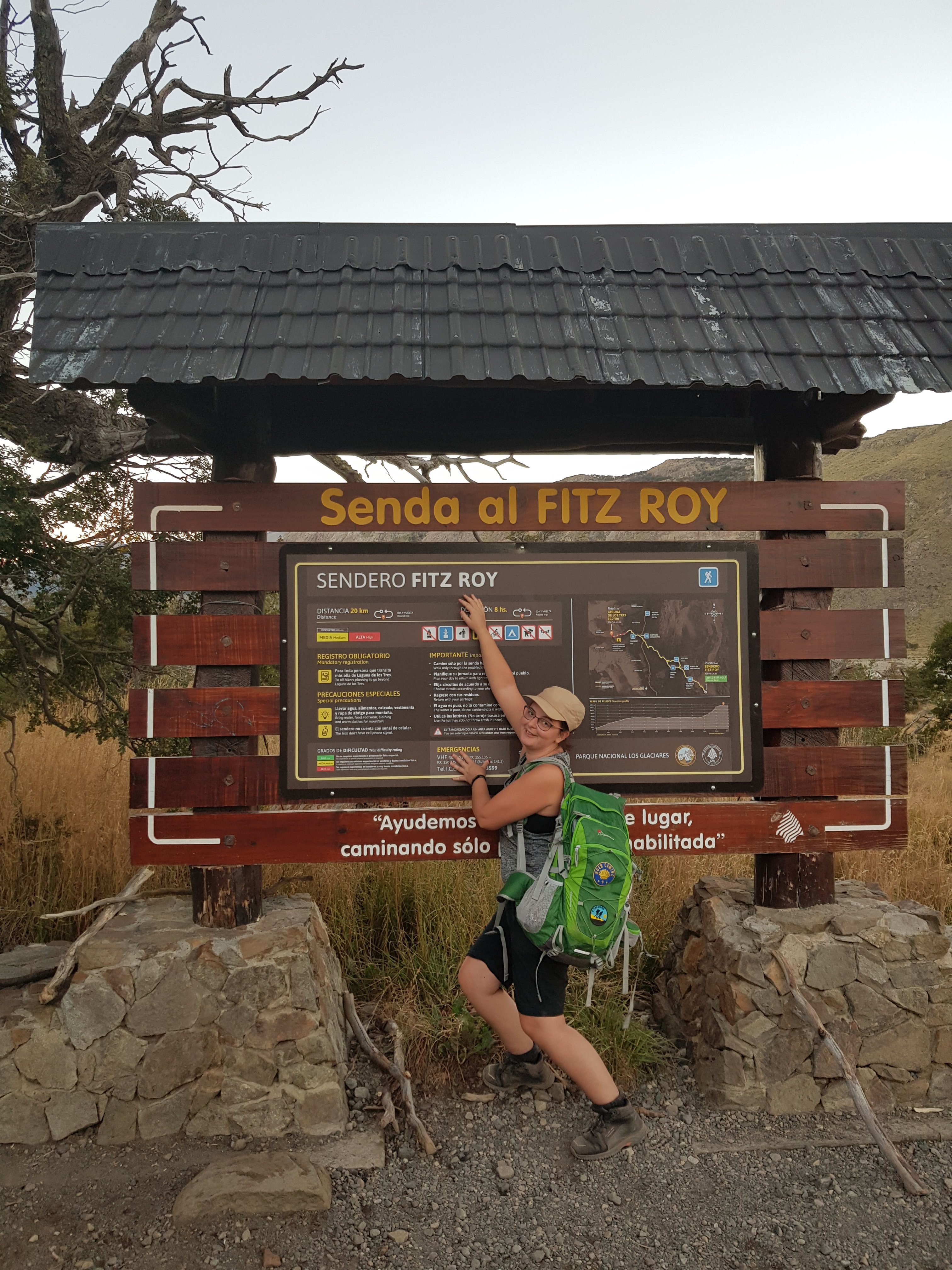
The next day, I started the strenuous hike of Laguna de los tres to Fitz Roy mountain. This hike is only 20 km but it took me about 9 hours. The final km took about two hours as the climb was a directly up ascent on difficult terrain. Normally I walk 4-5 km per hour.

The trail passes through forests, rivers, lakes and grasslands, as well as going through two campsites. It was a very warm and busy day on the trail, but this gave me the opportunity to meet many people. During my day of trekking, I befriended two different groups from Argentina and a girl from Spain. Making conversation with strangers is one of my favourite parts of solo trekking, as I meet so many interesting people from all around the world.

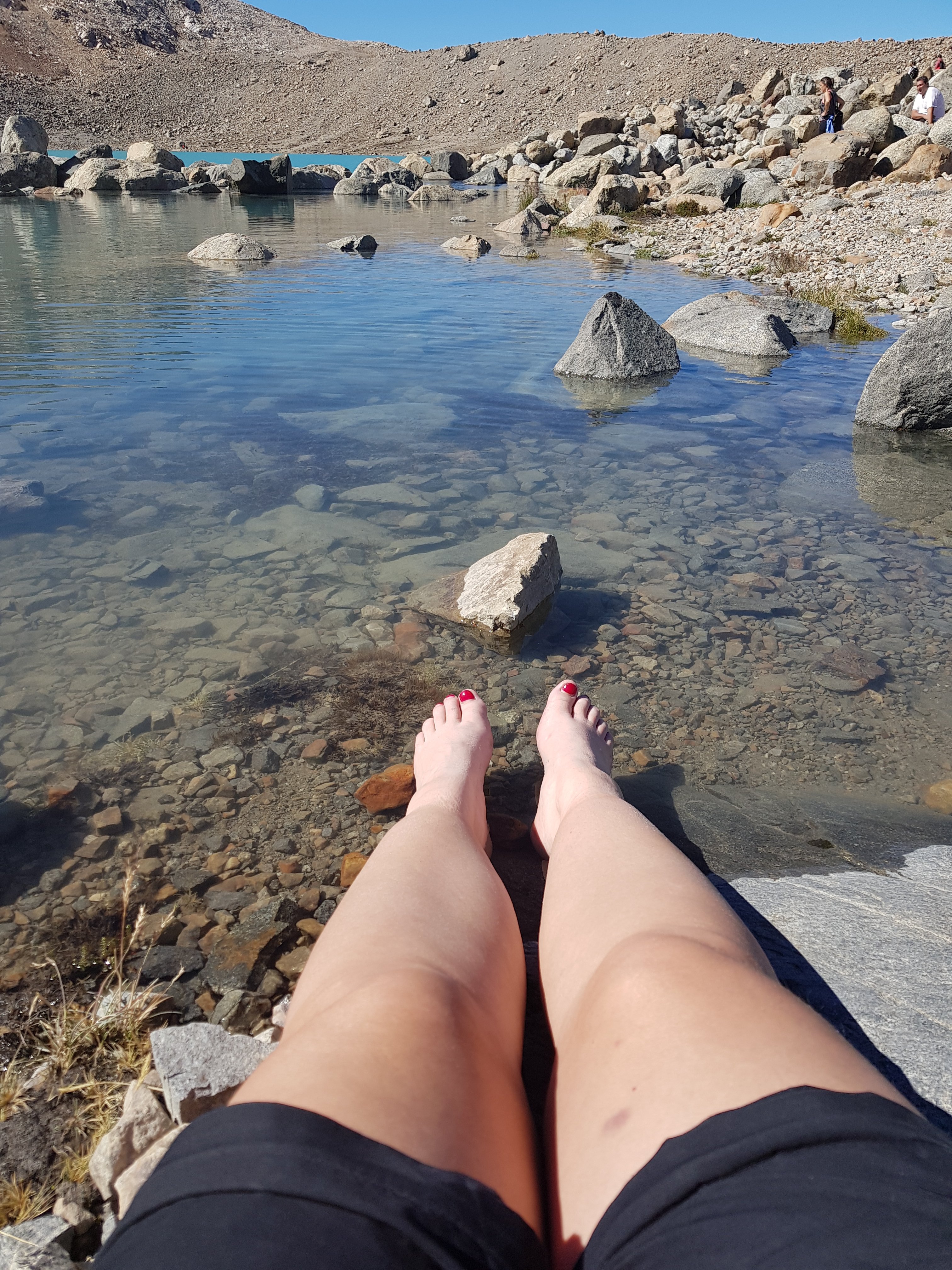
On reaching the top, I collapsed in a pile for a few minutes, then made my way to the lake that was formed by the melting glacier, and took an icy drink, before taking a dip. I spent a few hours here, relaxing and enjoying the sights of the Fitz Roy mountain and the falling water to the drop below.

El Calafate

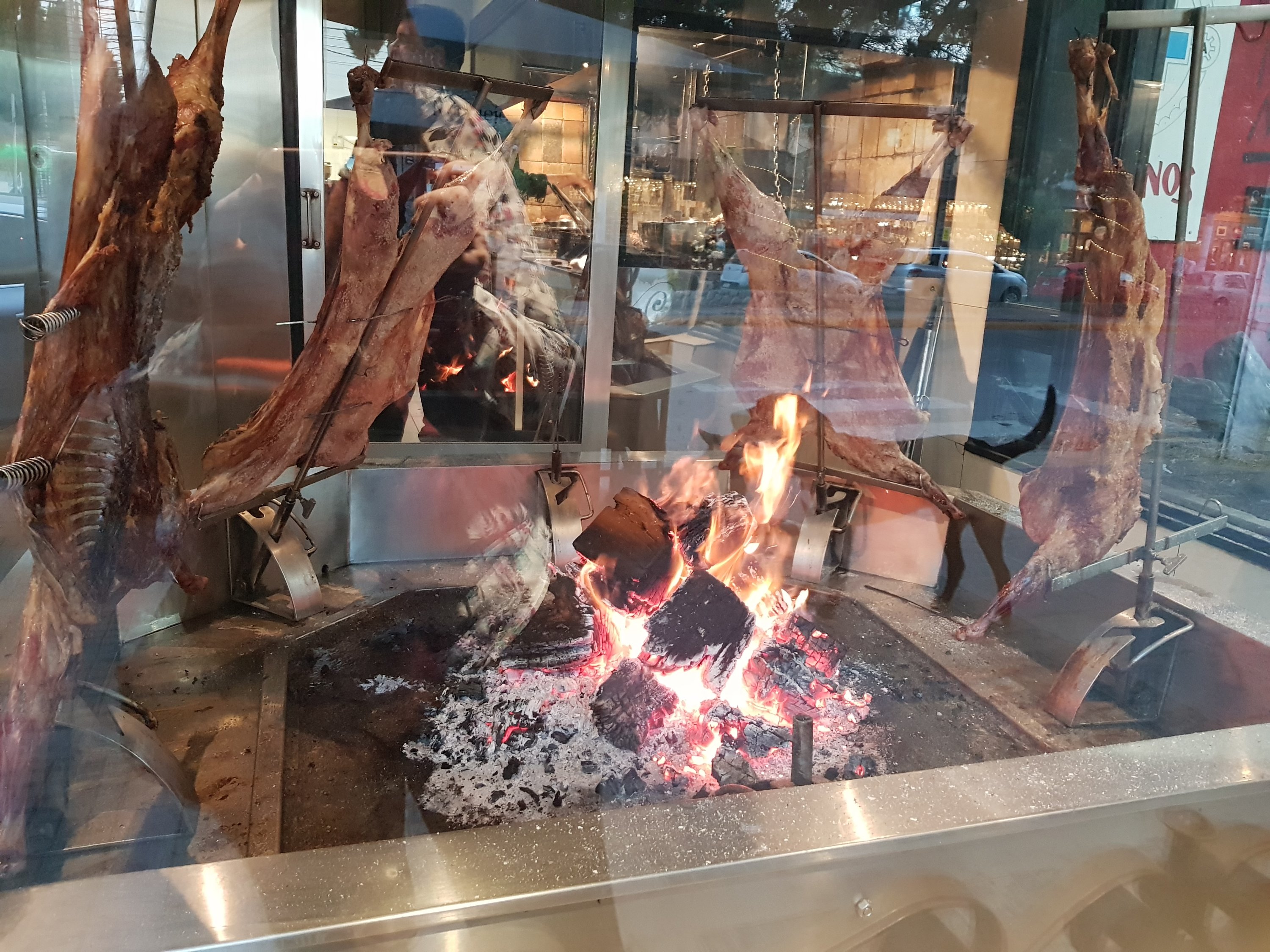
Next day, I was off to Calafate, on the other side of the National Glacier Park from El Chalten. This town is bustling with tourist shops and restaurants. I have a dwindling budget so I cooked whilst I was there, but still managed to admire the Patagonian Lambs being roasted over the fire through the restaurant windows.

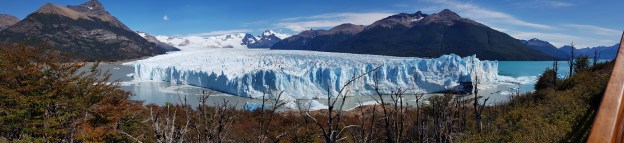
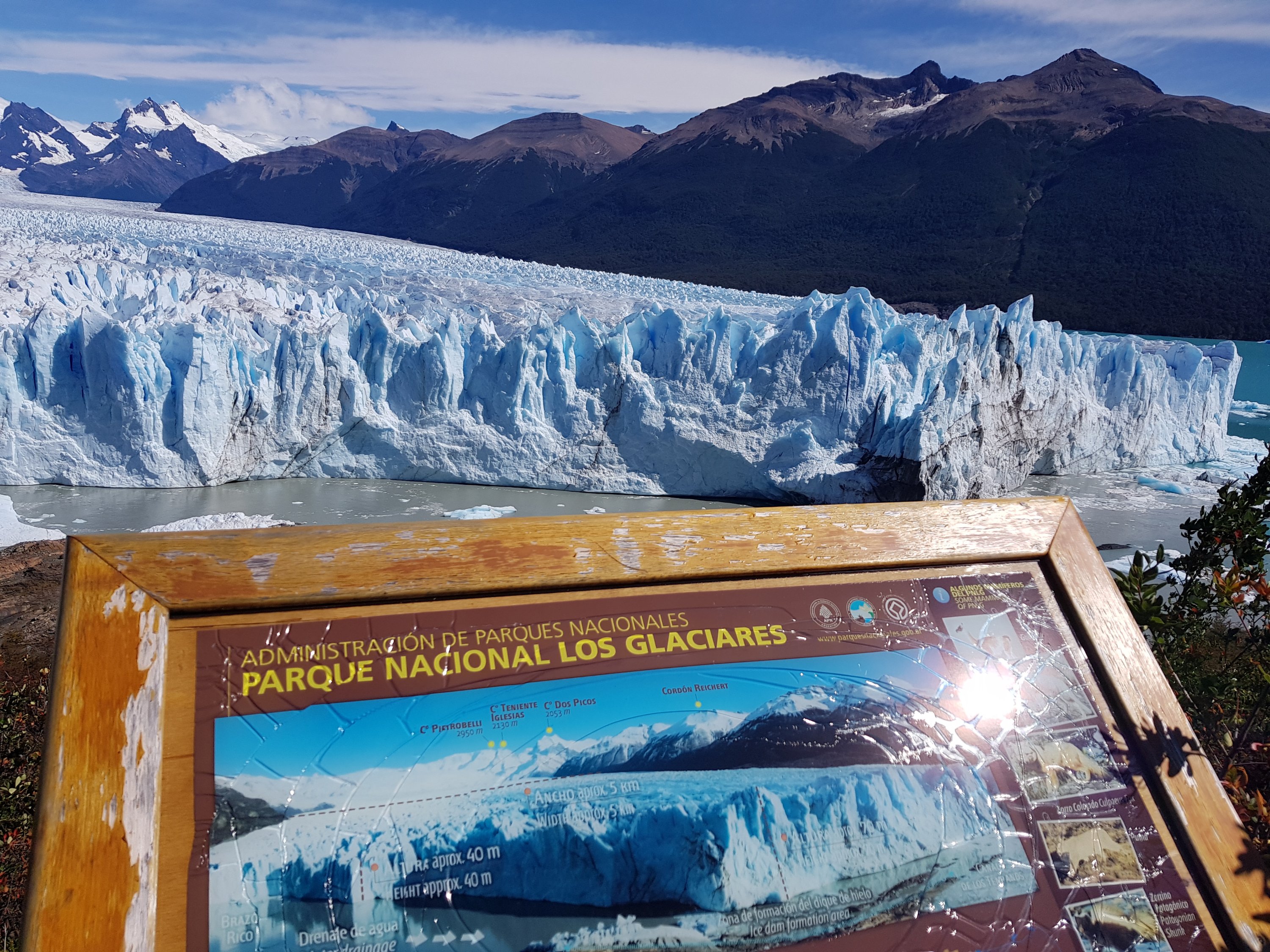
Perito Moreno Glacier

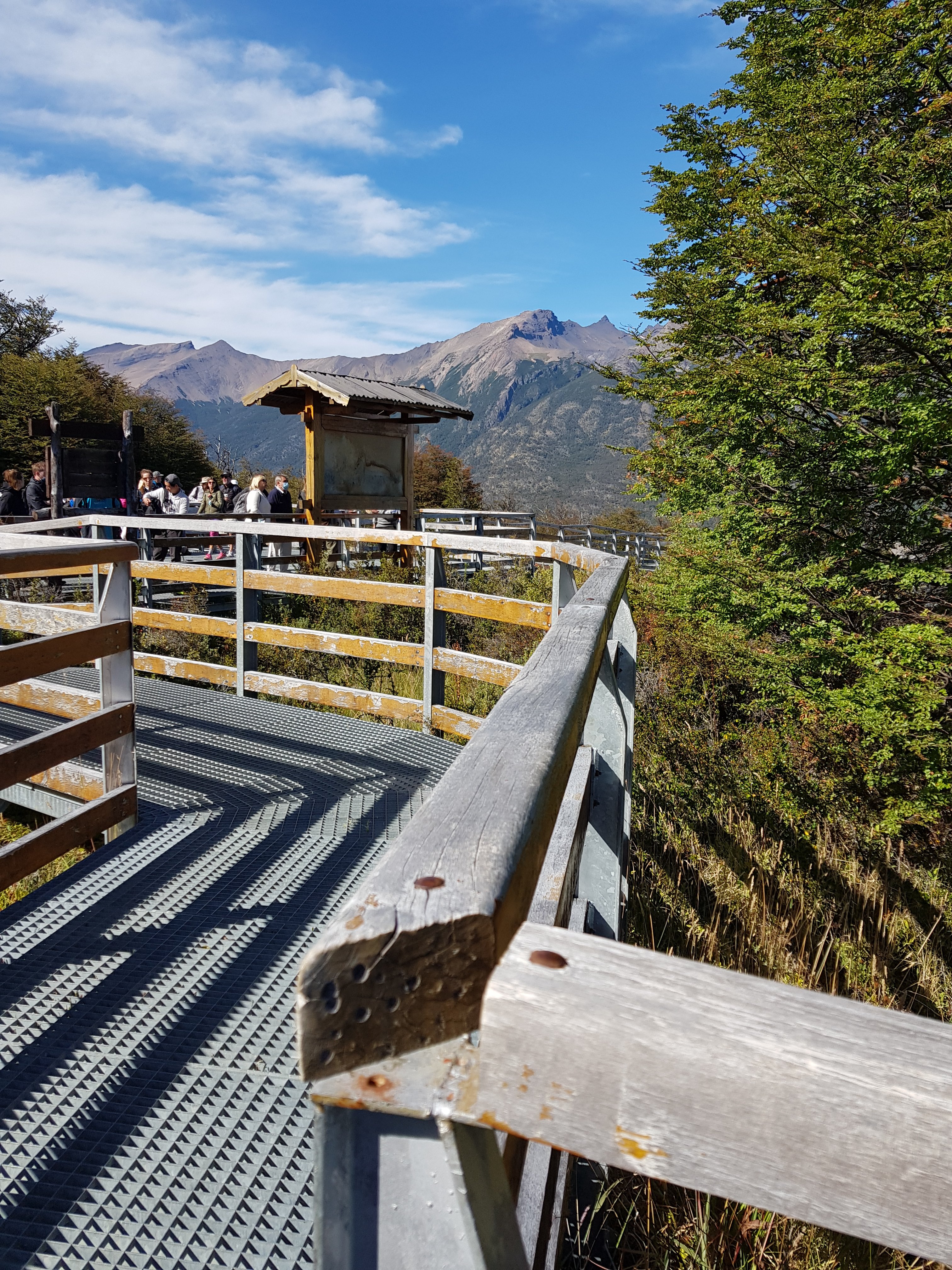
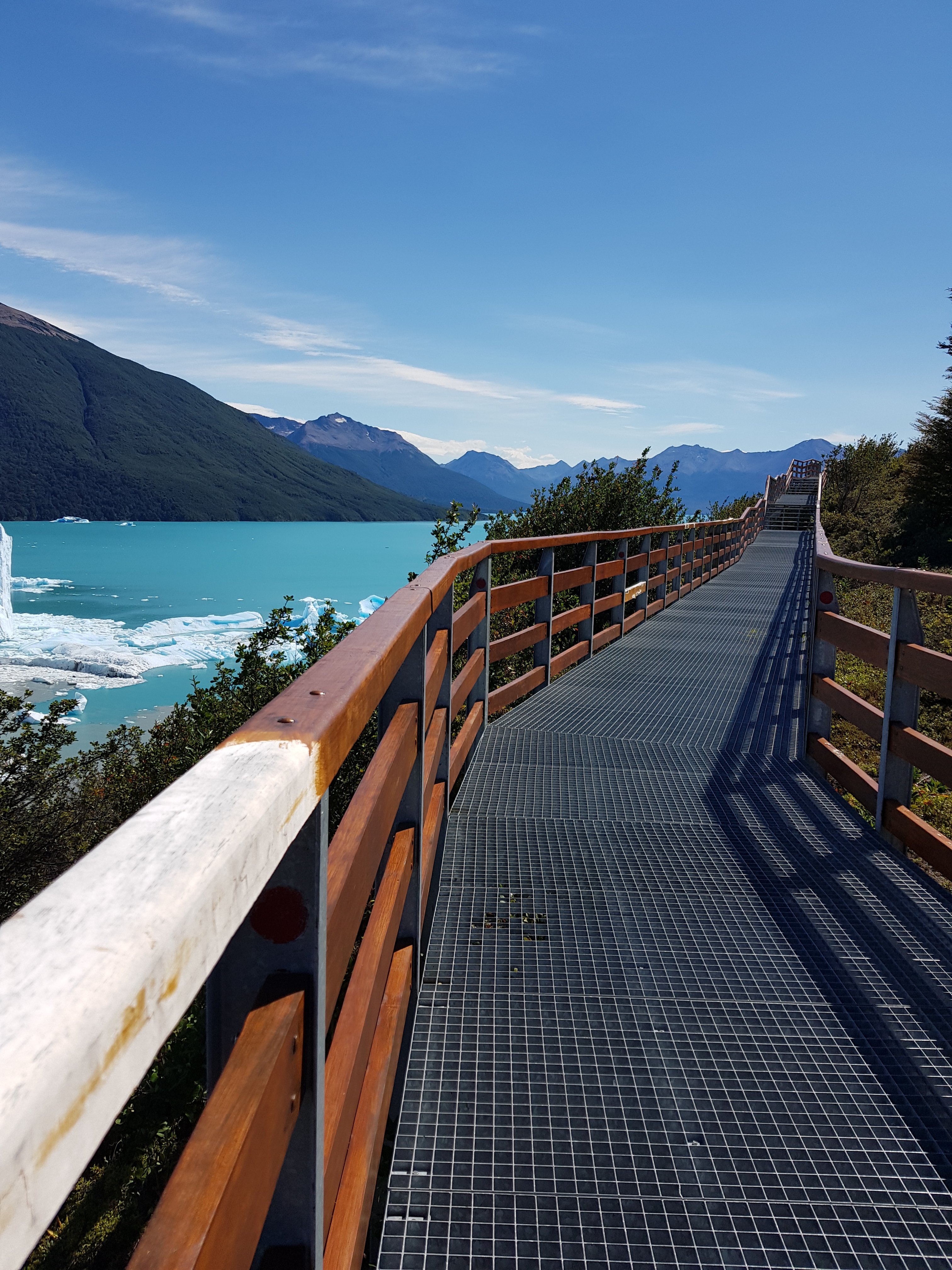
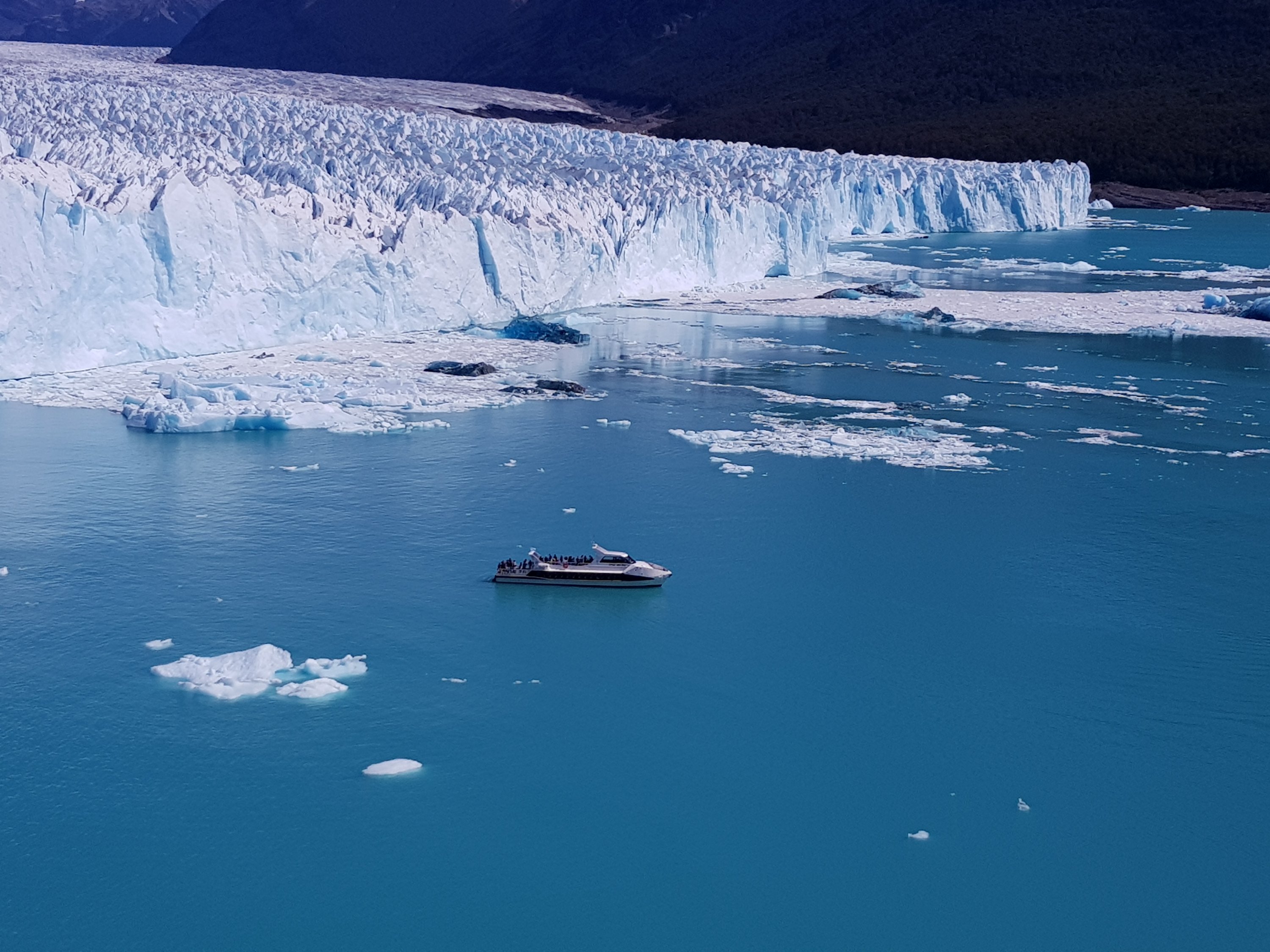
The main excursion to take from El Calafate is to see the huge Perito Moreno Glacier. You have to take a tour which costs about £35 to get to the glacier which is a few hours away. There is then a small charge for the entrance to the park. We were given four hours in the park. I was given a choice to pay extra for a one hour boat ride that takes you closer to the glacier, but I chose not to take this option, and just enjoyed the various boardwalk routes around the front of the glacier.

This huge glacier is very unique and larger than the entire city of Buenos Aires (which blew my mind)! The glacier is apparently in balance,meaning that it loses the same amount of ice each day as is returned to it, due to how the water flows around it. There are three different routes you can take around the glacier’s boardwalk, and they vary by height and length. I did all three, and found the boardwalk system to be very efficient and plentiful in relaxing balconies where you could eat your lunch and watch pieces of the glacier fall into the water below. This phenomenon was amazing. I saw not only the ice fall and splash against the lake, but also the lower layer of ice boil up to the surface and spin around in circles. Very cool.

Rio Gallegos

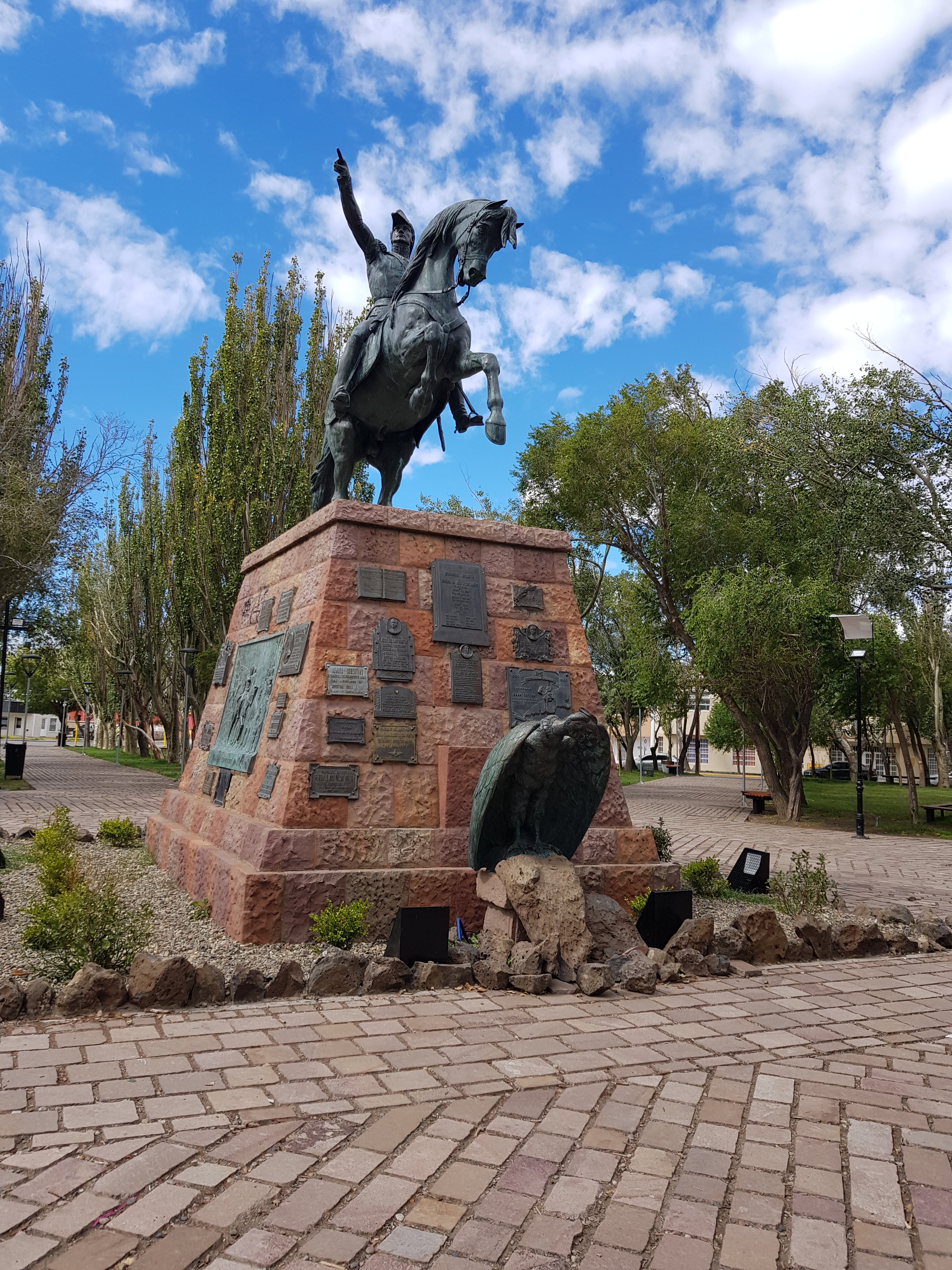
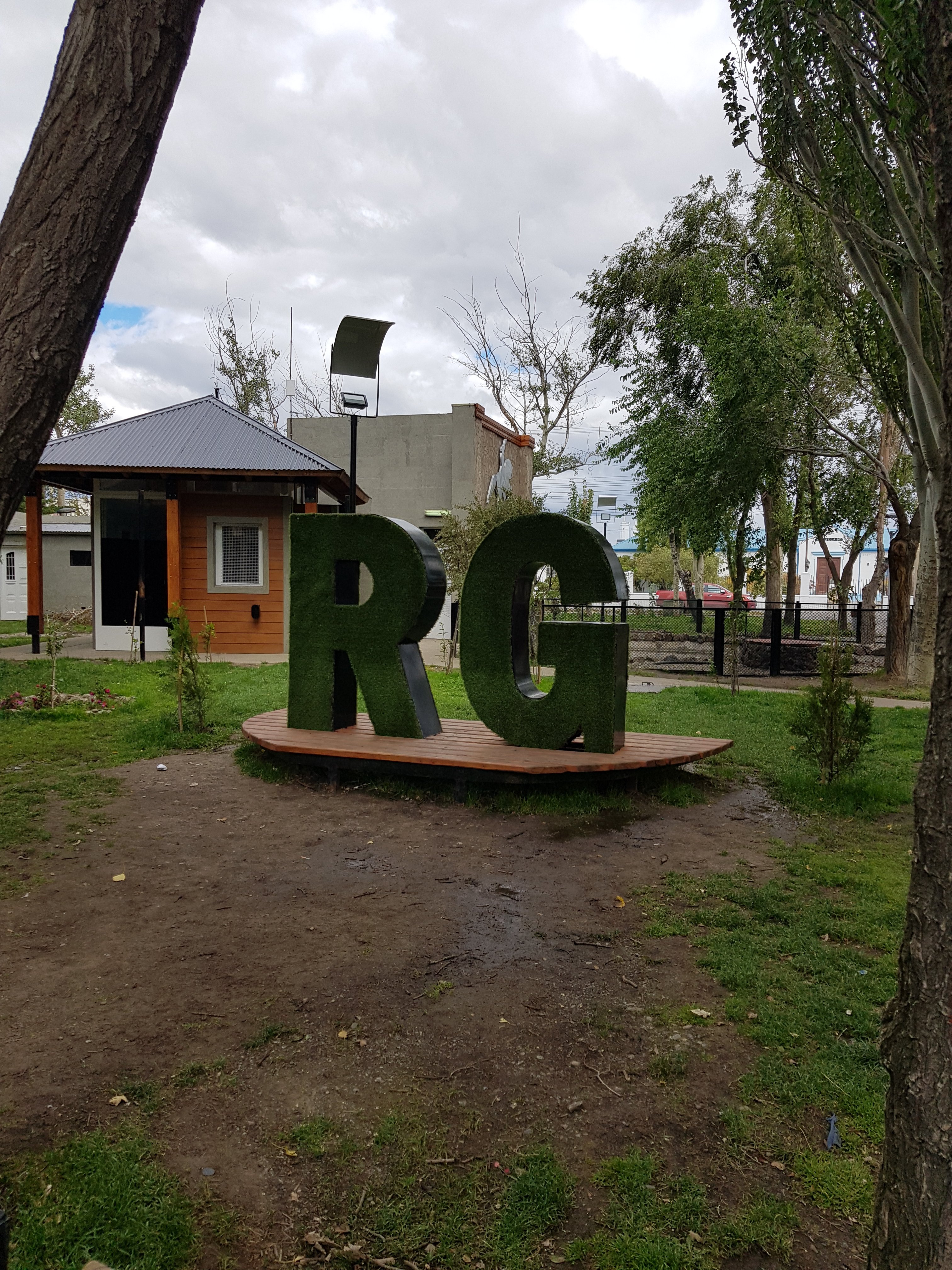
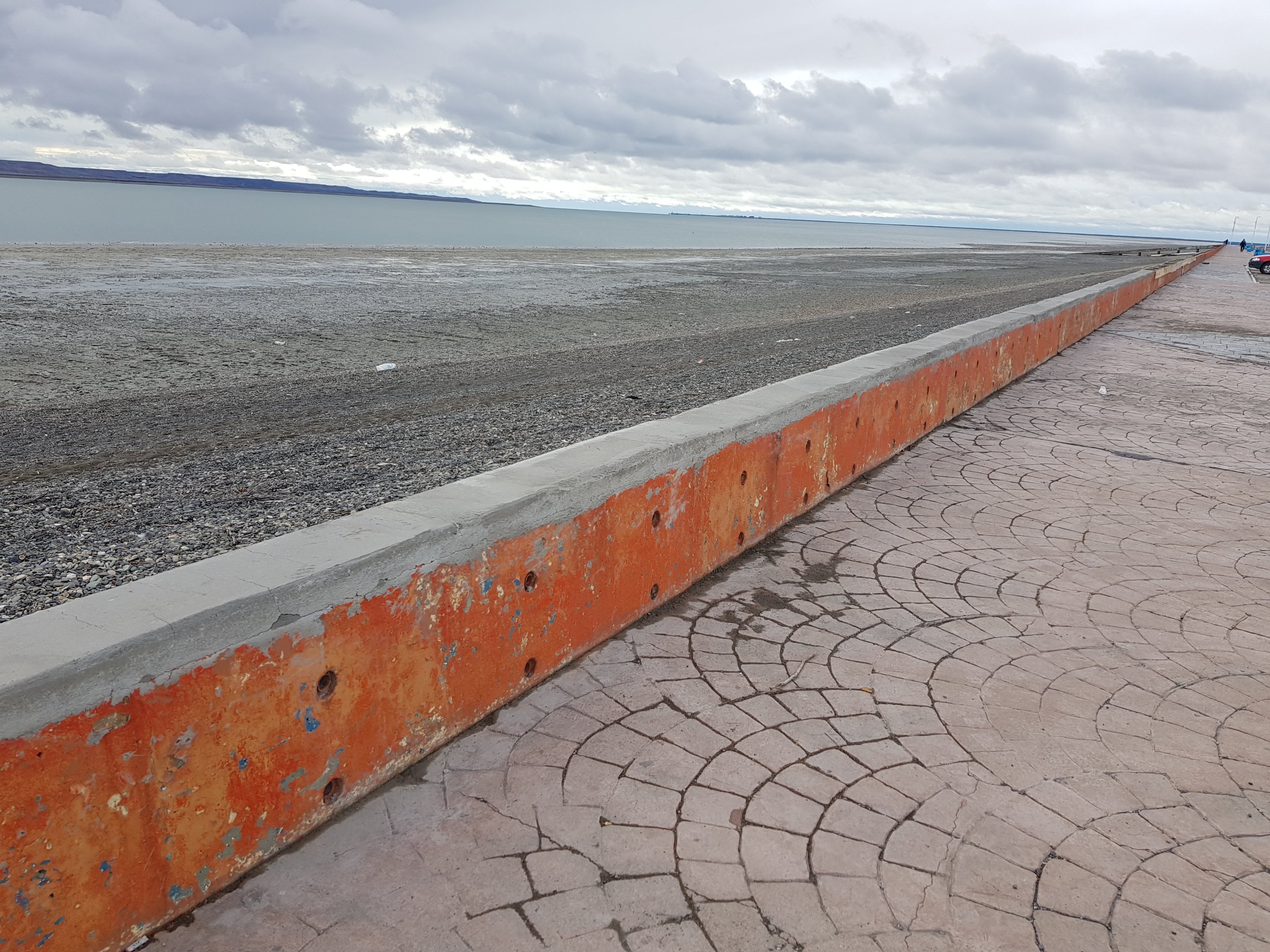
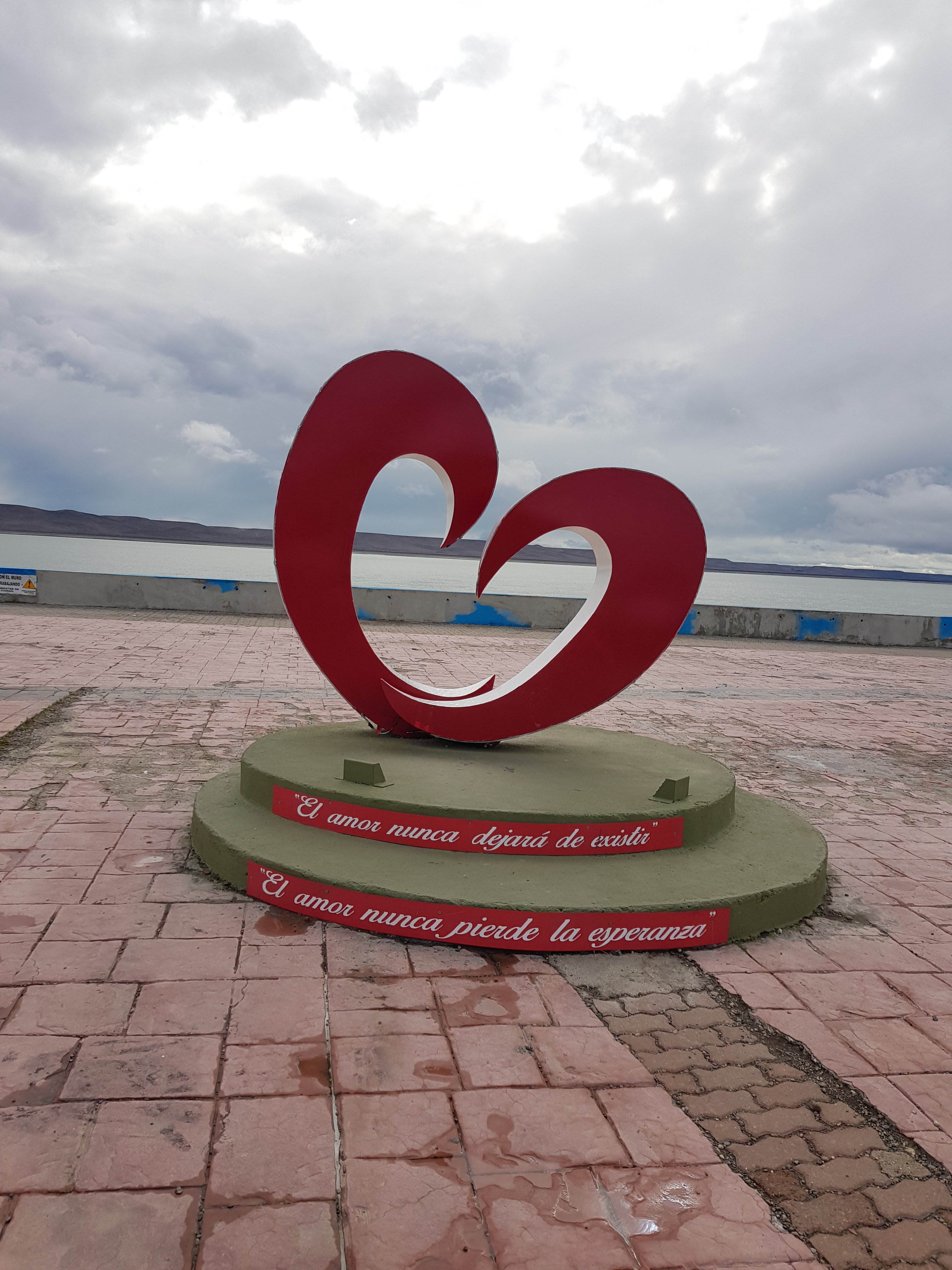
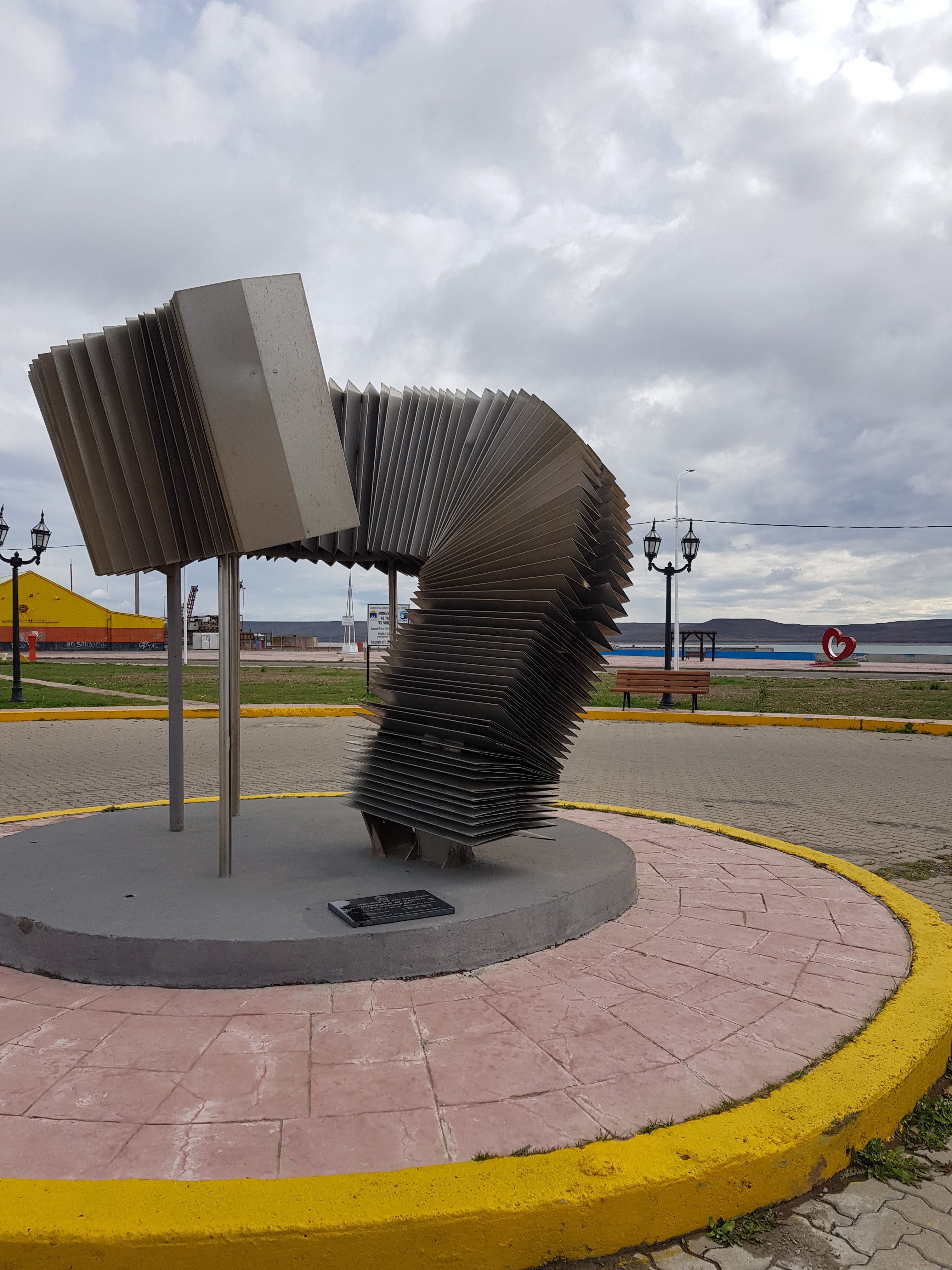
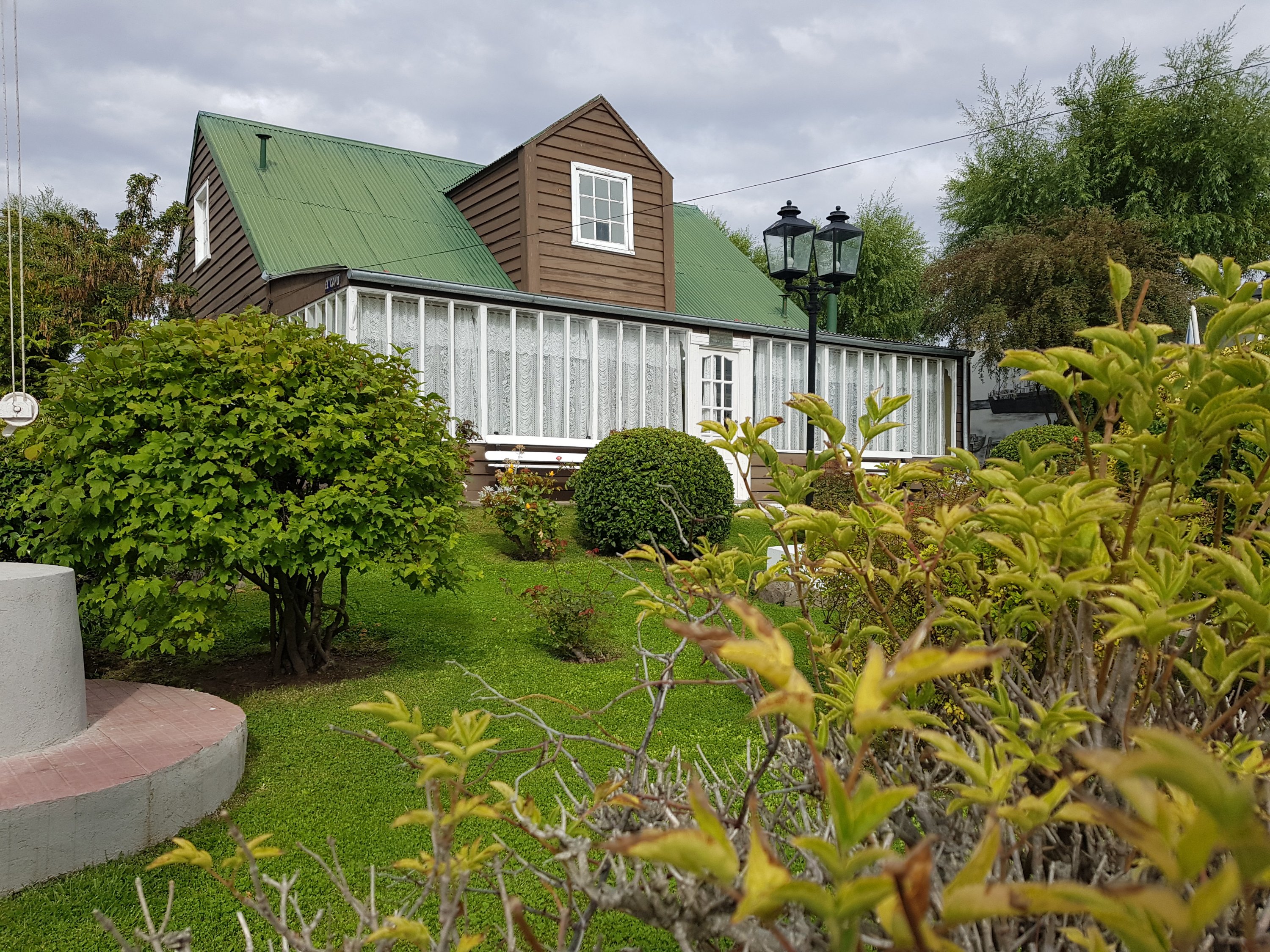
My last stop in Argentina for a while, was Rio Gallegos. I came here to the bottom of mainland Argentina, to cross the border into Chile. There is not much to see here but it is a good supply stop, and there are some sculptures along a promenade walk and a small house that you can visit as a free museum.

For now, I am off to Chile, for some more trekking and to see the other side of Patagonia, before I return to Argentina, to visit the bottom of the world…

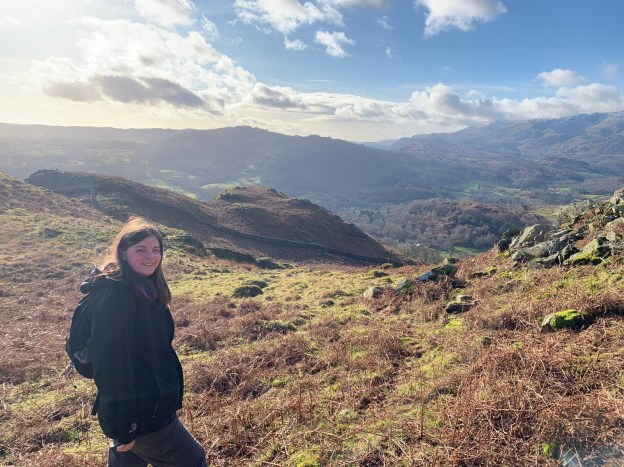
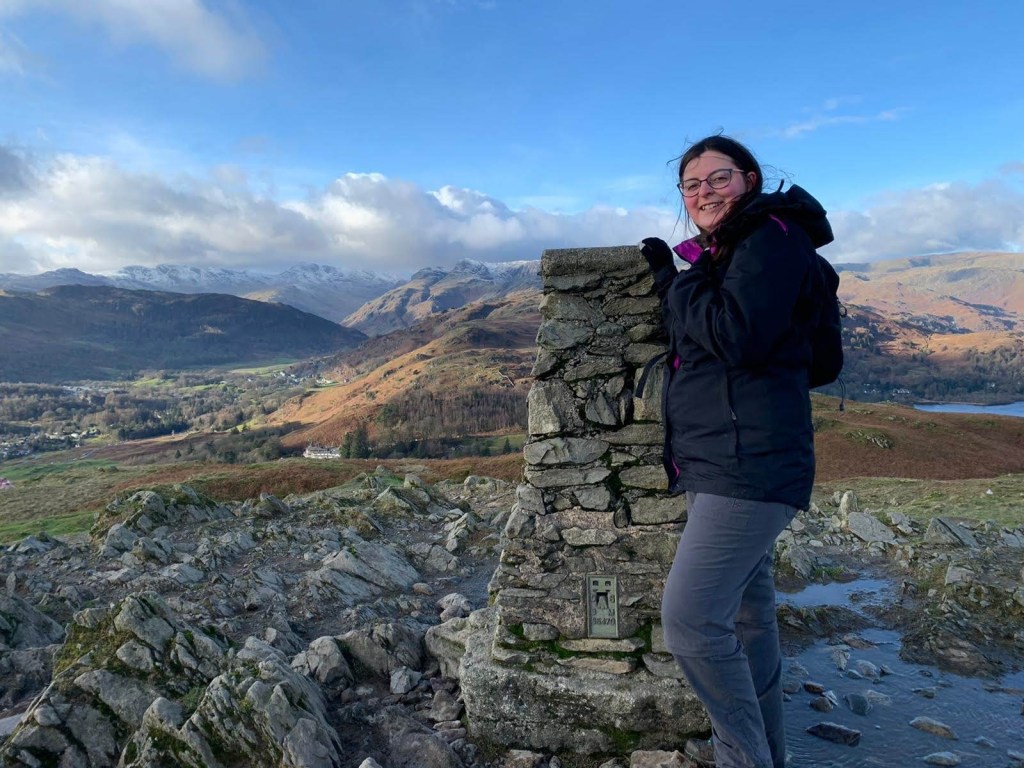
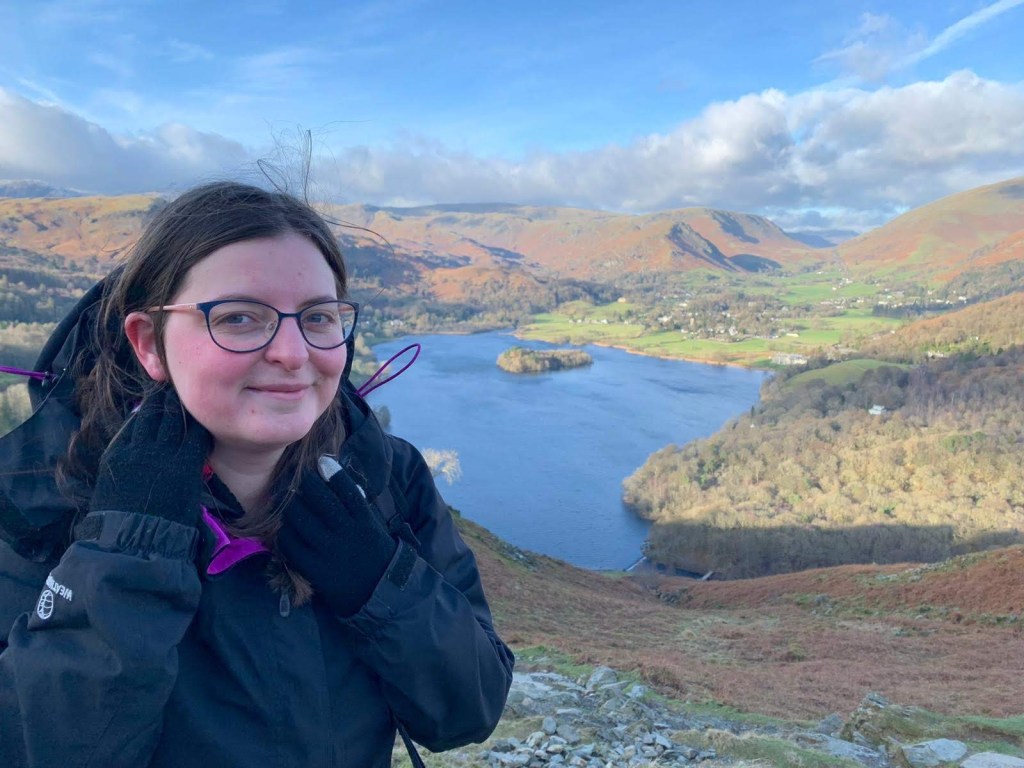
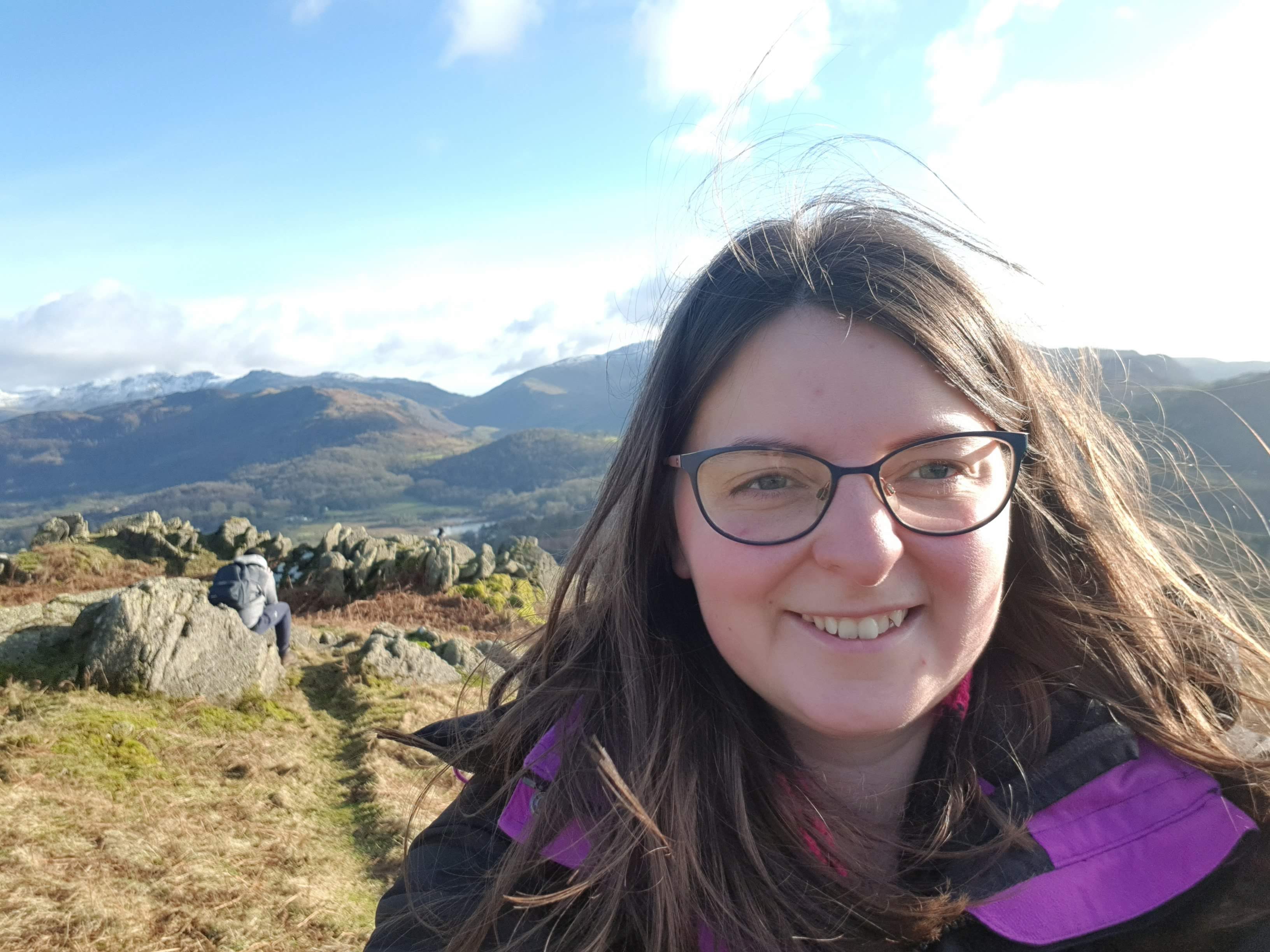
me on Loughrigg Fell walk, Lake District

Hikes, rainbows and sunsets in the Lake District National Park

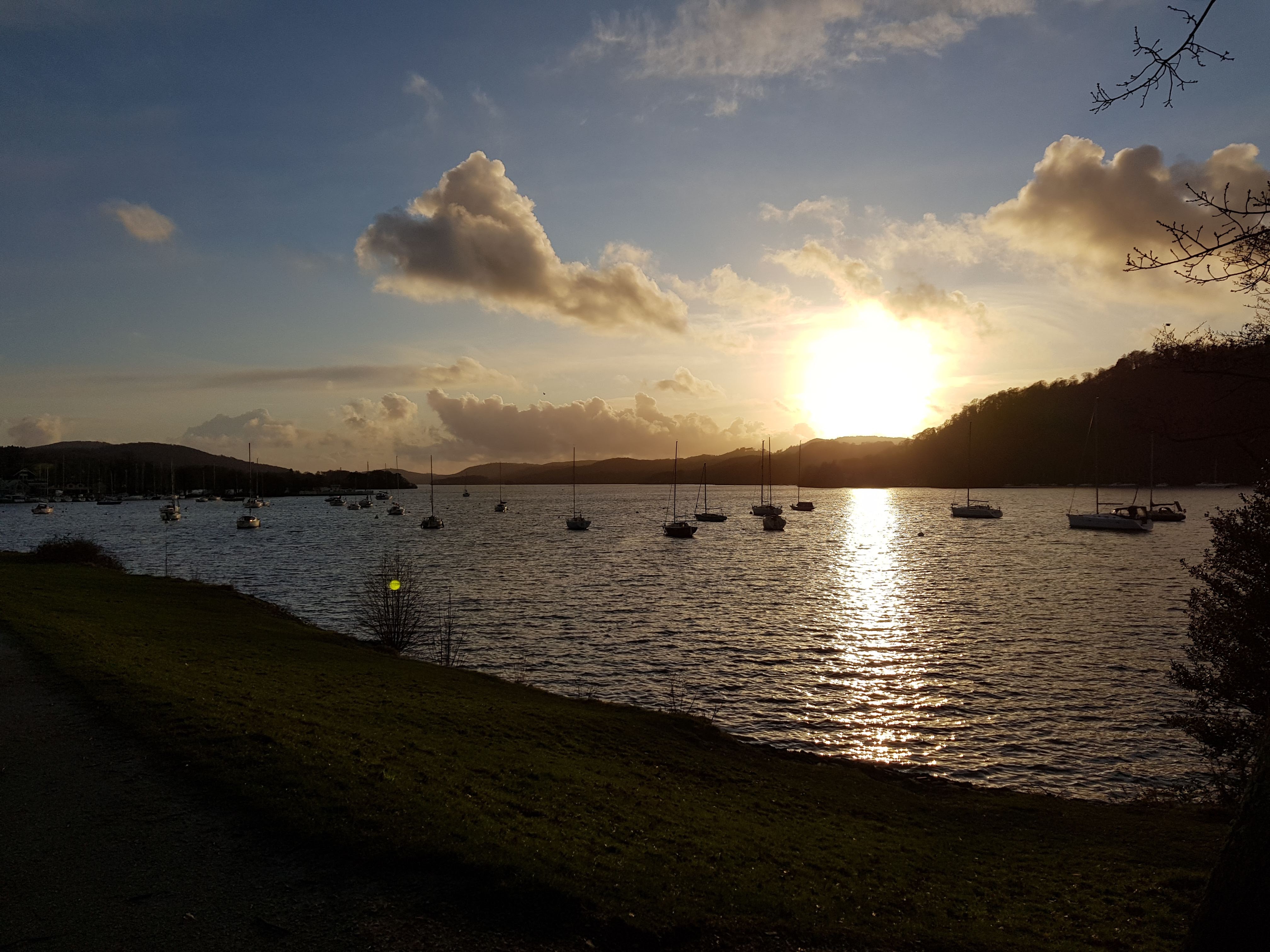
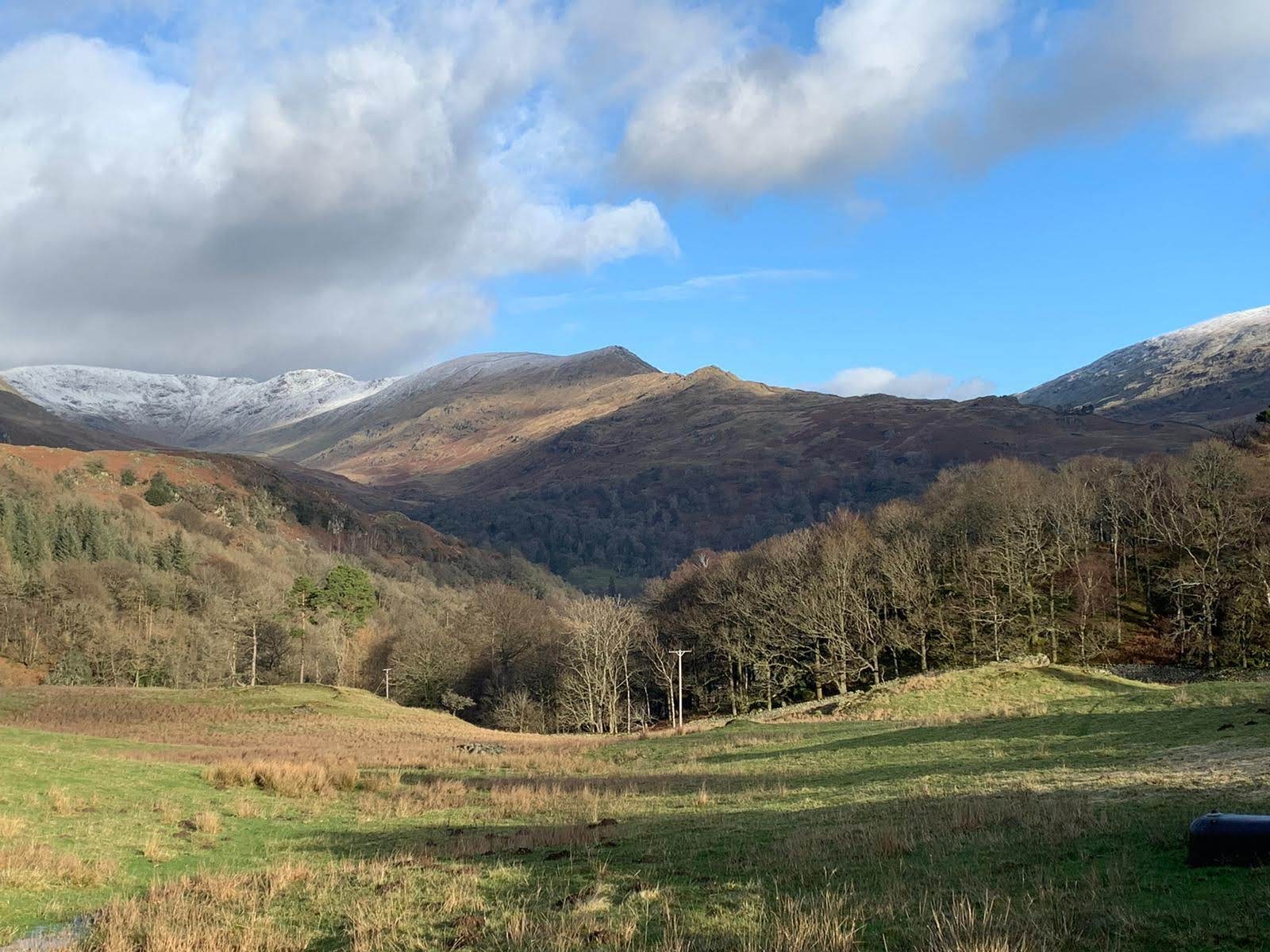
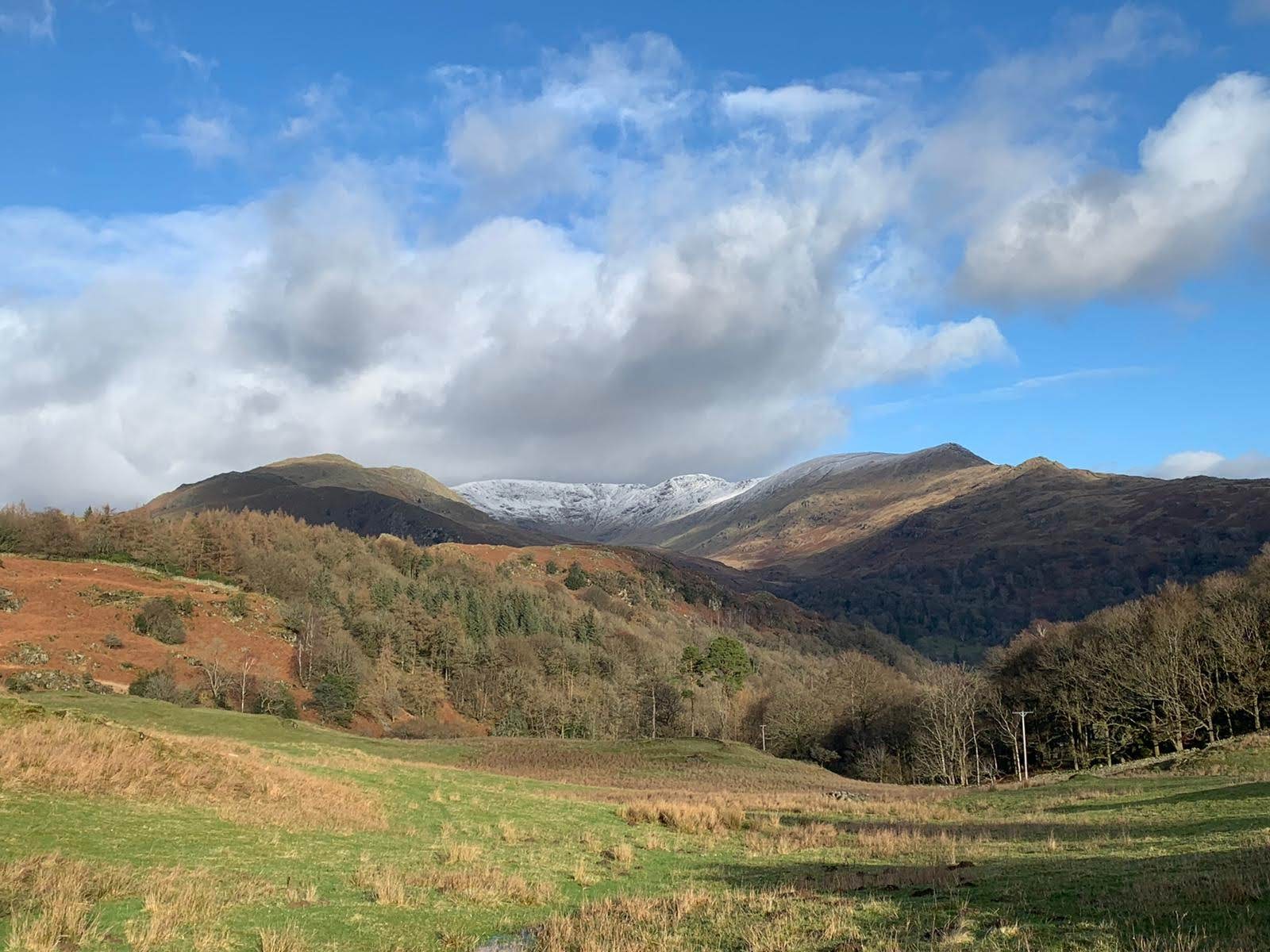
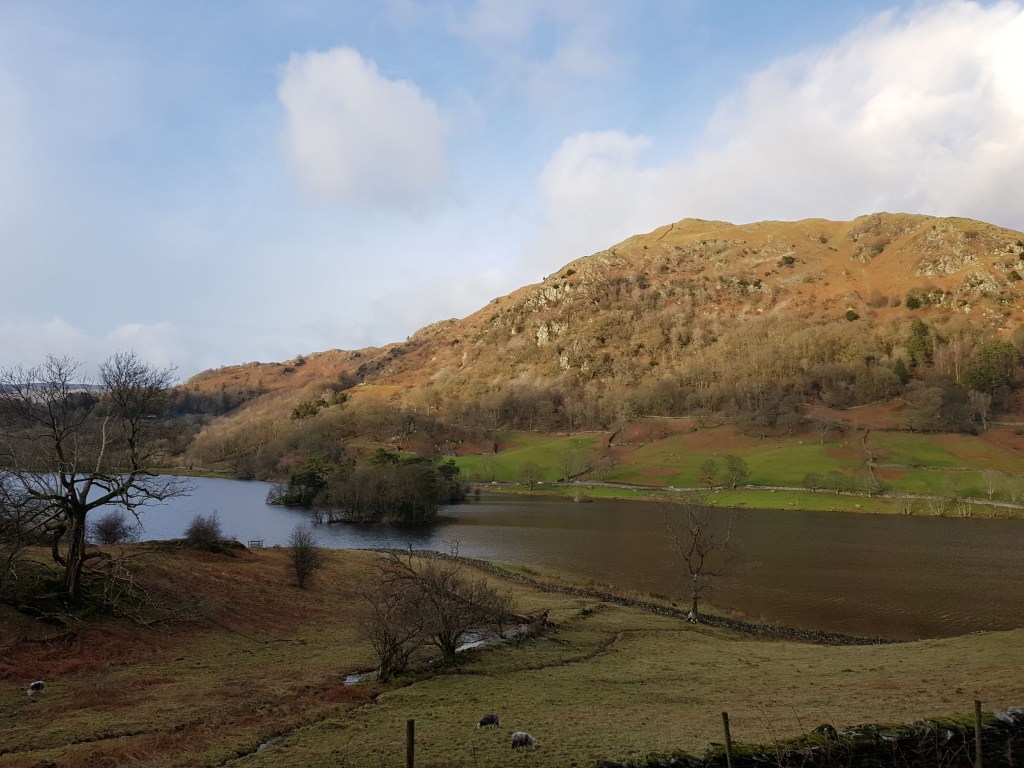
A few months before the country locked down due to the pandemic, my partner surprised me with a weekend trip to the Lake District National Park. Considering it was January, we had a great time exploring the beautiful scenery in this area.

Driving around the Lake District, we found ourselves making good use of first and second gear, as we climbed the huge hills. It is a long drive from Norfolk but very pleasant, as you get into lakeland and can enjoy amazing views, and feel like you are suddenly in another country.

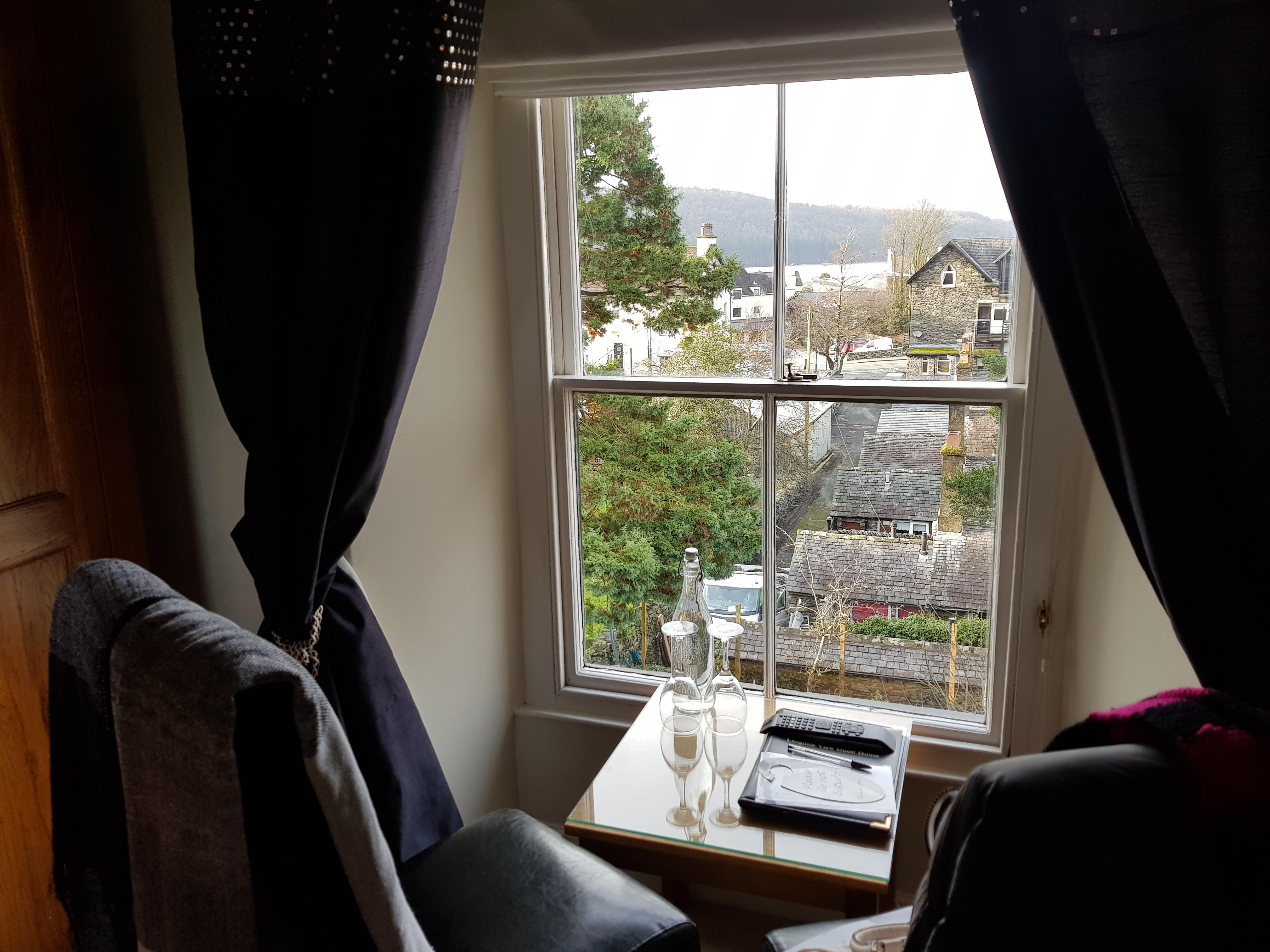
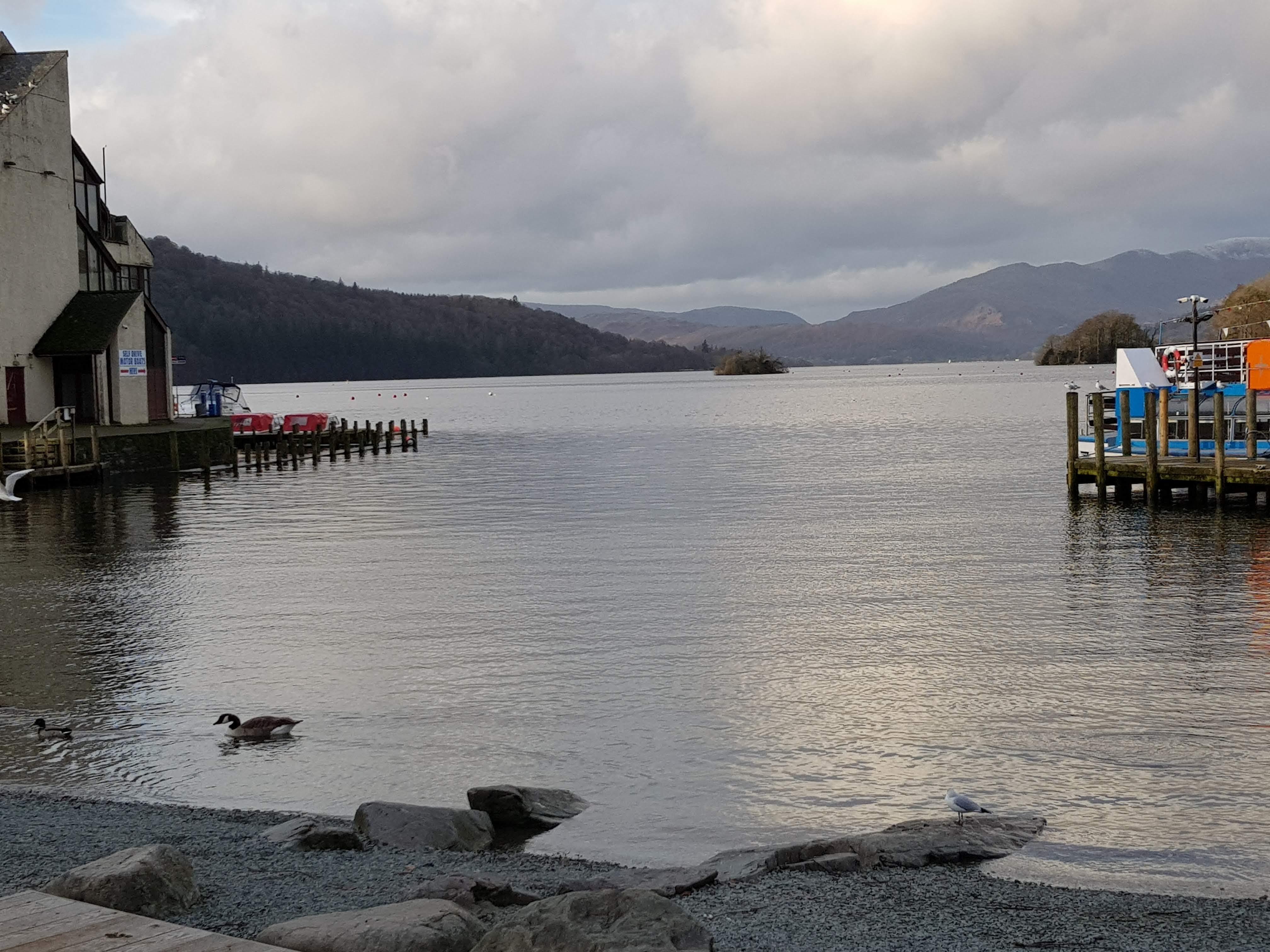
We stayed in a lovely little B&B, (of which there are many..) in Bowness on Windermere, on the side of the Windermere lake; England’s largest lake. This is a busy village in the National Park, and has several amenities, and The World of Beatrix Potter attraction. We did see this from the outside, but we didn’t go in. Even though I loved ‘Peter Rabbit’ as a child, I cannot really get away with it now! Interesting fact though… the area gets lots of Japanese visitors, as they love Beatrix Potter stories!

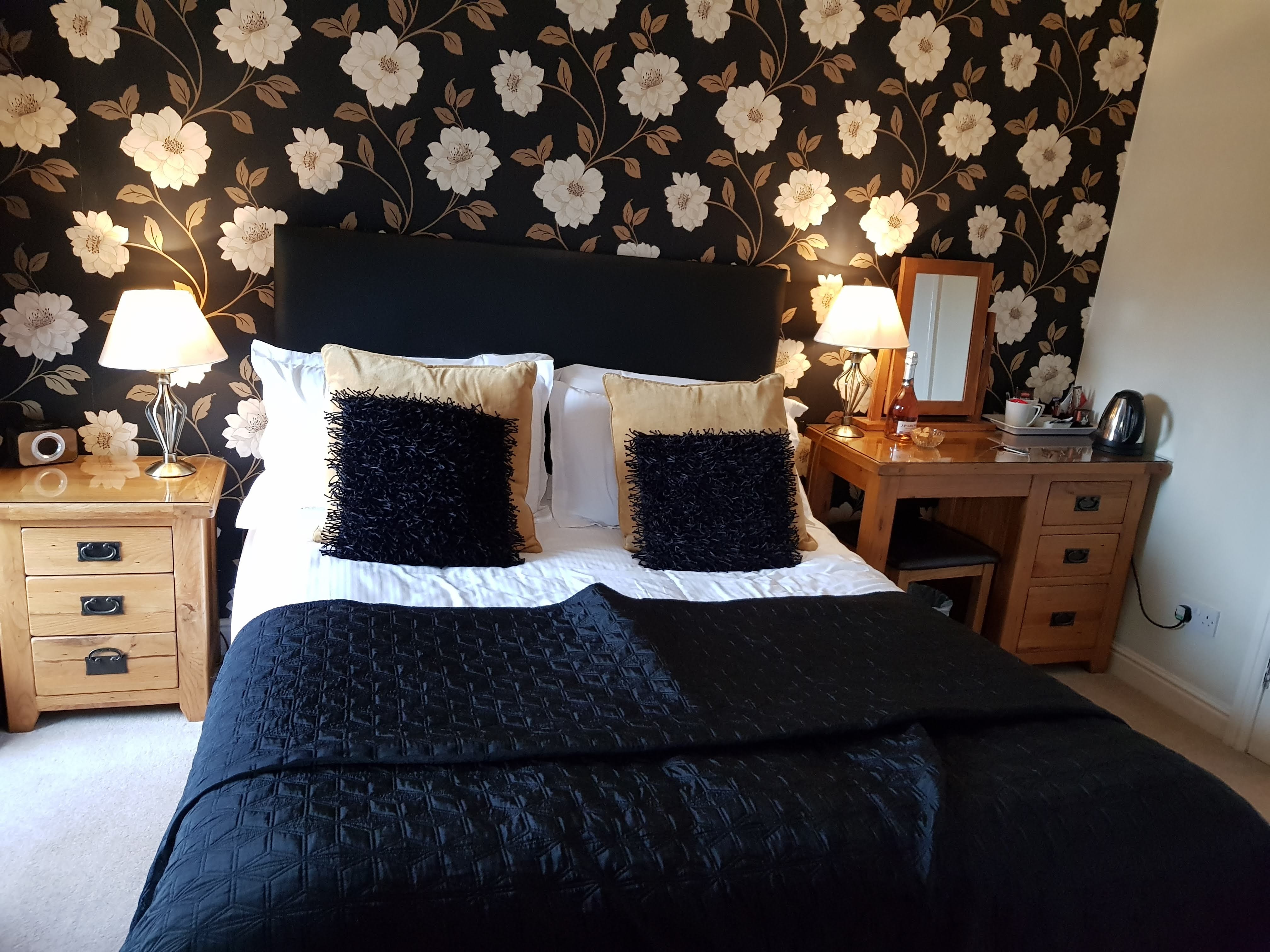
We had a great stay in the B&B as it felt really traditional but had lots of nice modern decor. Plus we had great breakfasts, could get recommendations/free maps and also they gave us free fudge!

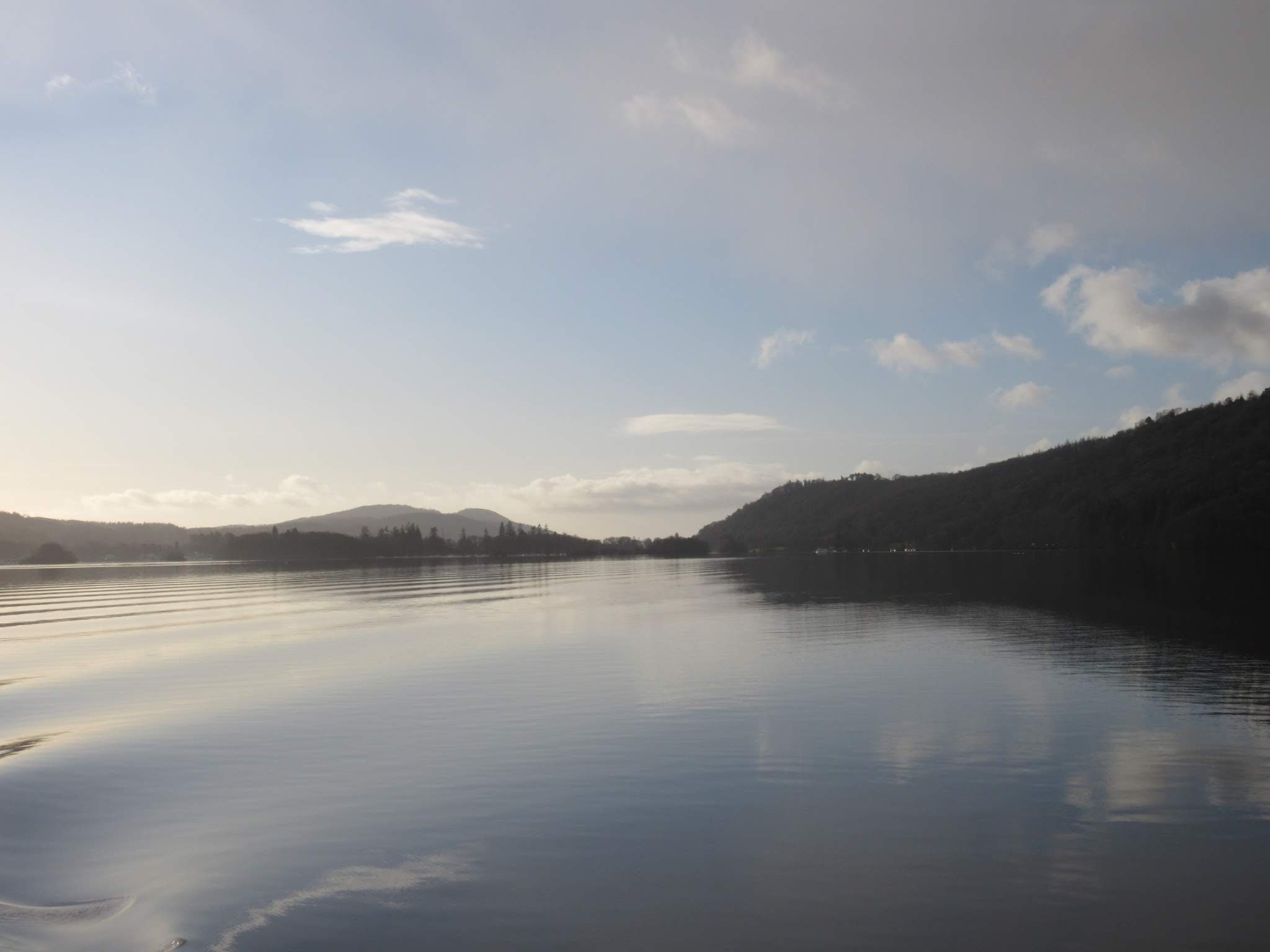
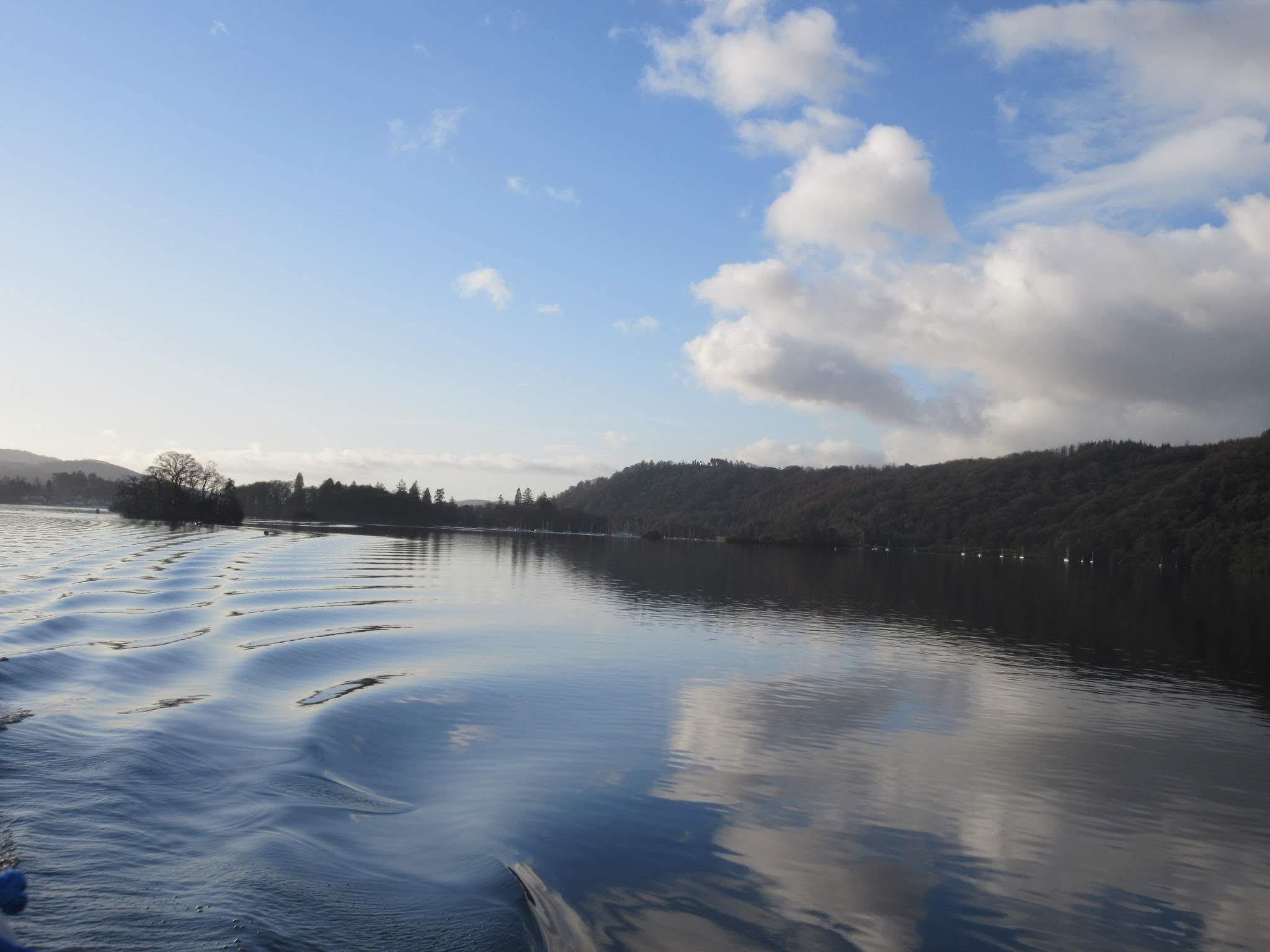
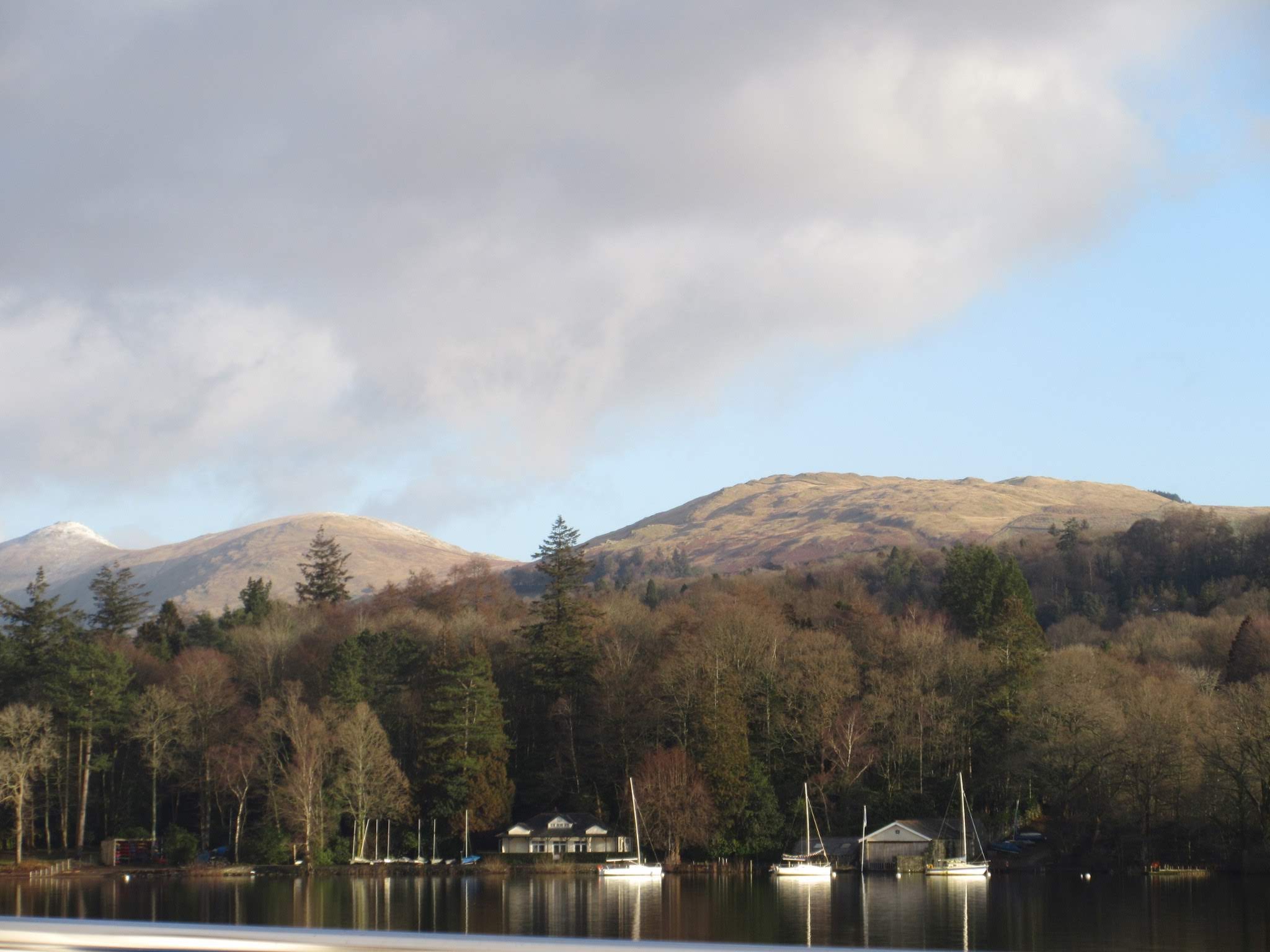
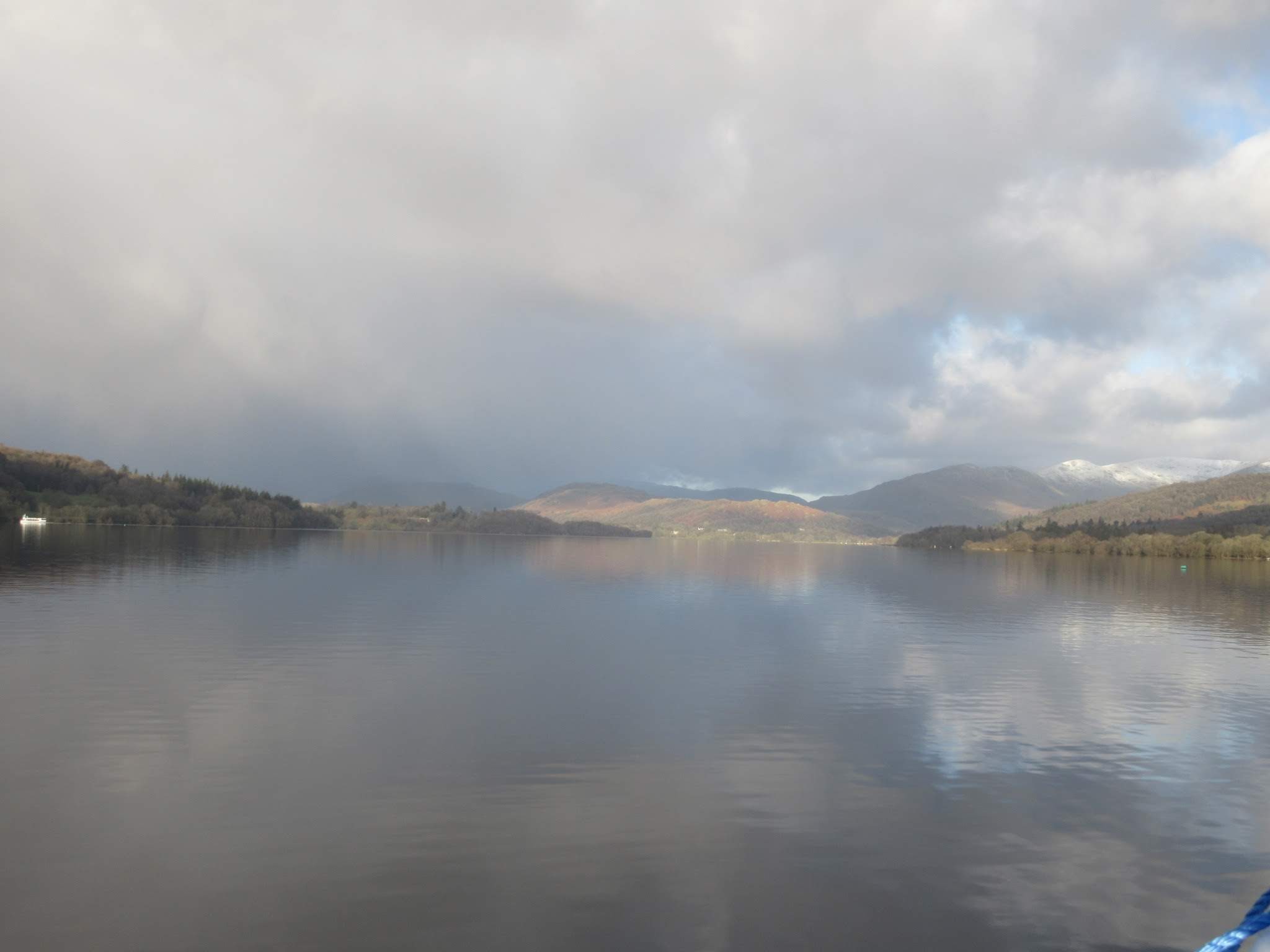
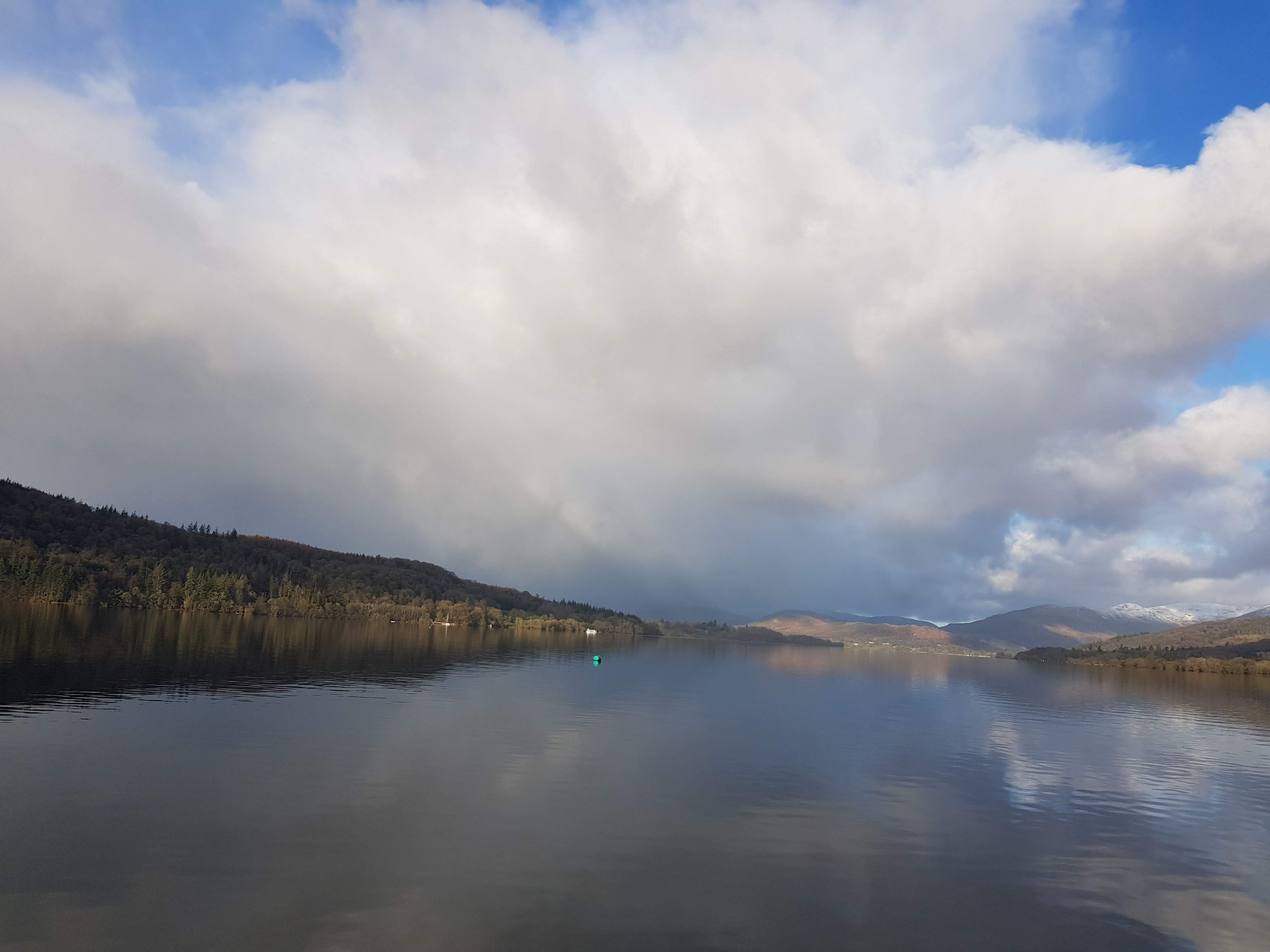
One of the other great things about staying in Bowness on Windermere, was the close proximity to the lake’s ferry service. There is an information centre and booking office where you can buy tickets for the ferry cruises that run regularly up and down the lake. The Windermere Lake Cruises company offer several boat services taking different routes around the lake, you can also charter a boat. We crossed the lake to Ambleside and it was quite a rainy trip across, but it was January… and it meant we had rainbows! There was some information provided on the cruise and there was an inside and outdoor space.

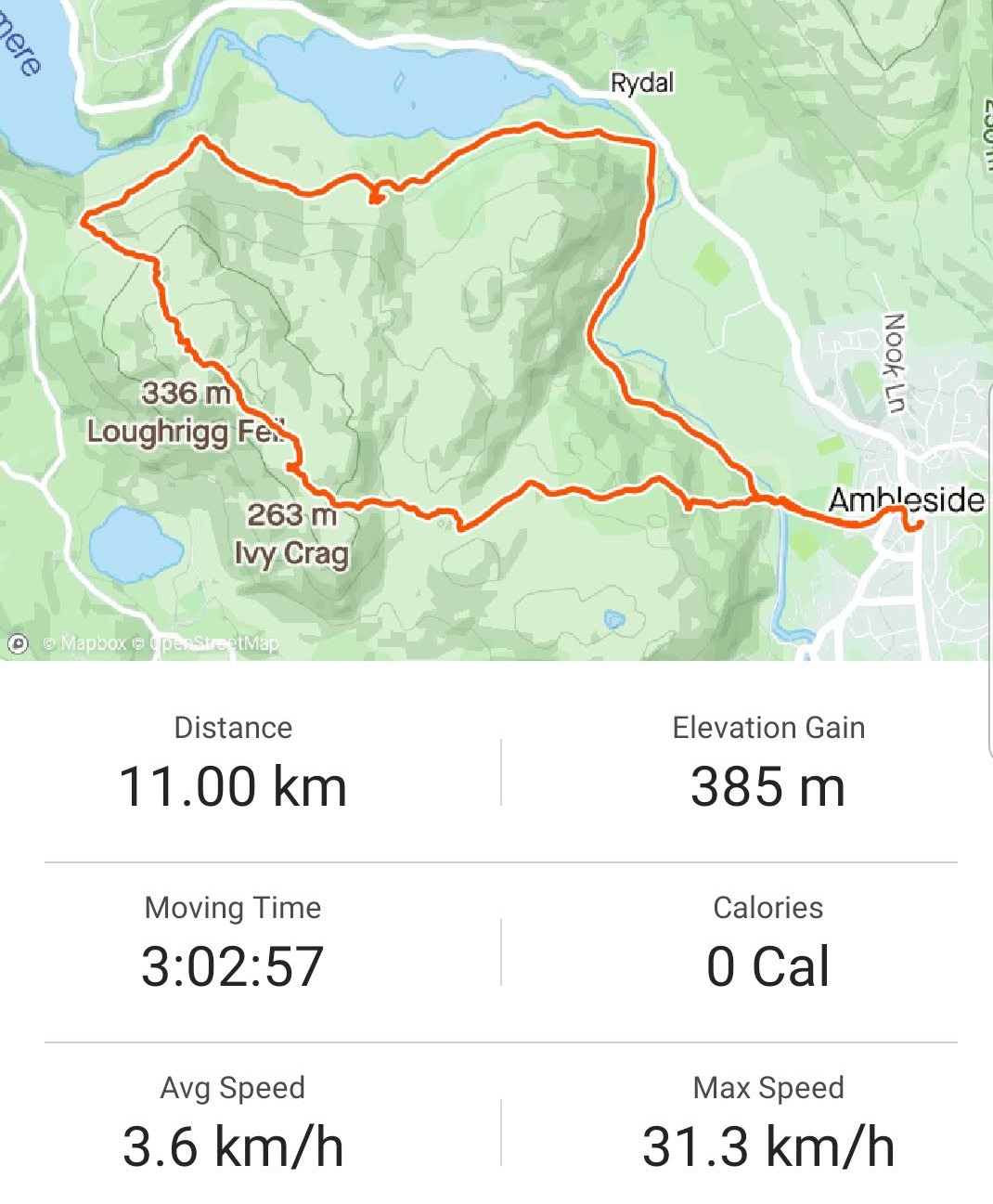
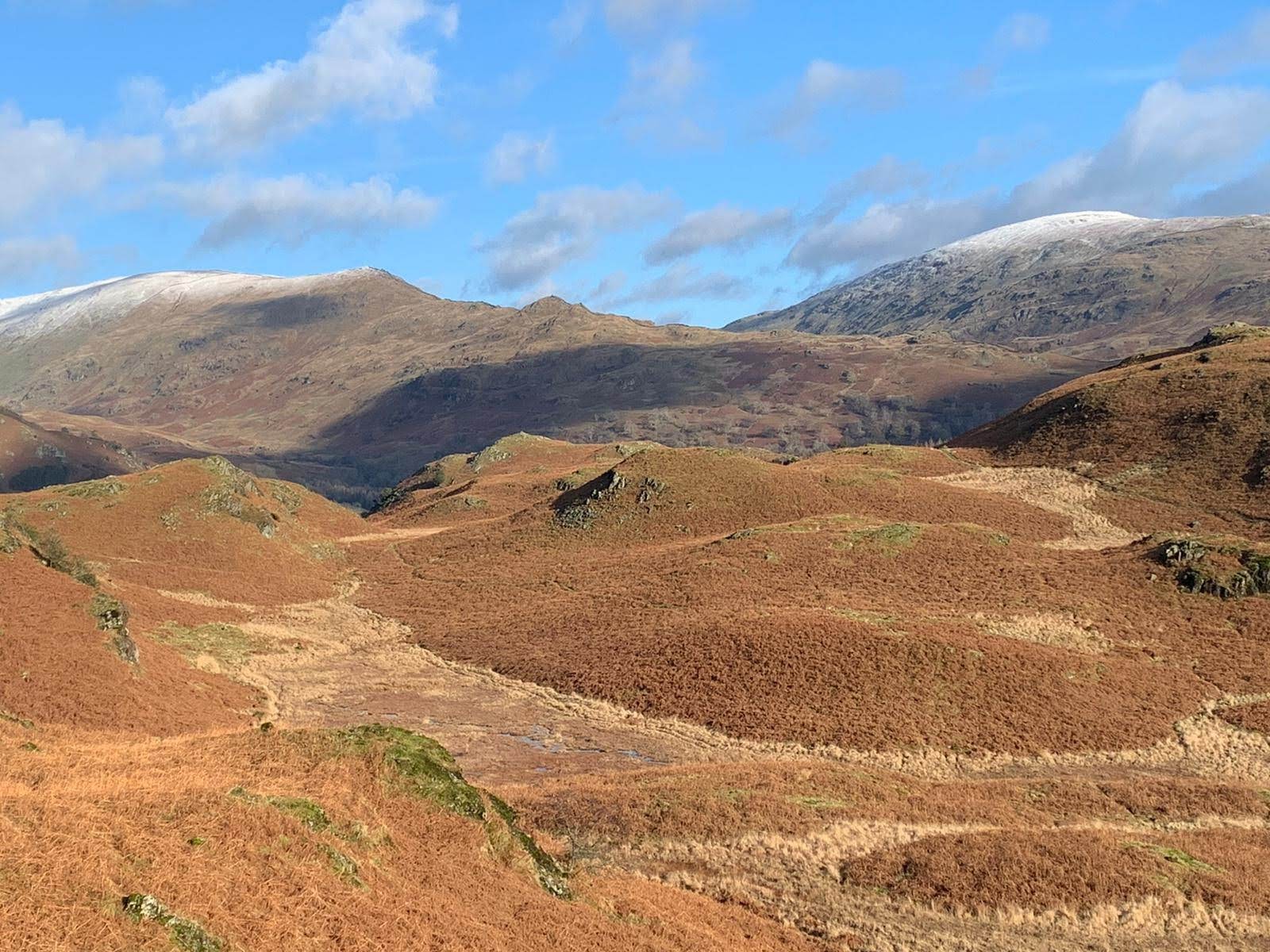
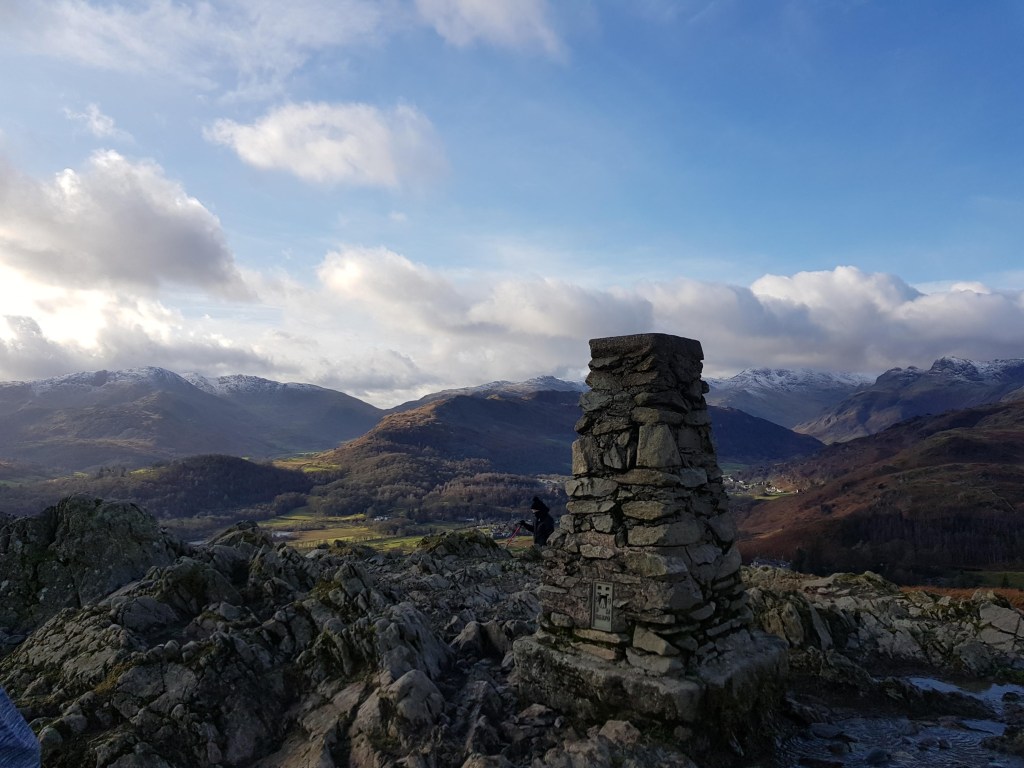
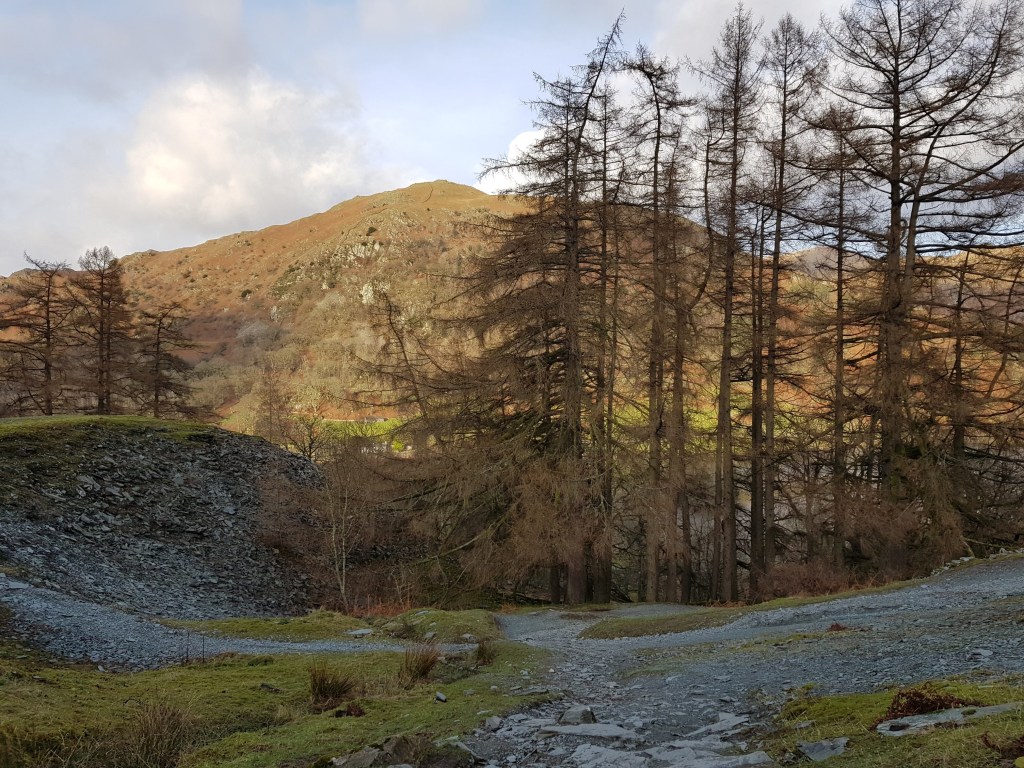
When we arrived in Ambleside, the sun came out and we started a 3 hour hike up Loughrigg Fell. This ‘low fell’ felt very mountainous to us, and clearly I am not ready for Scafell Pike quite yet!

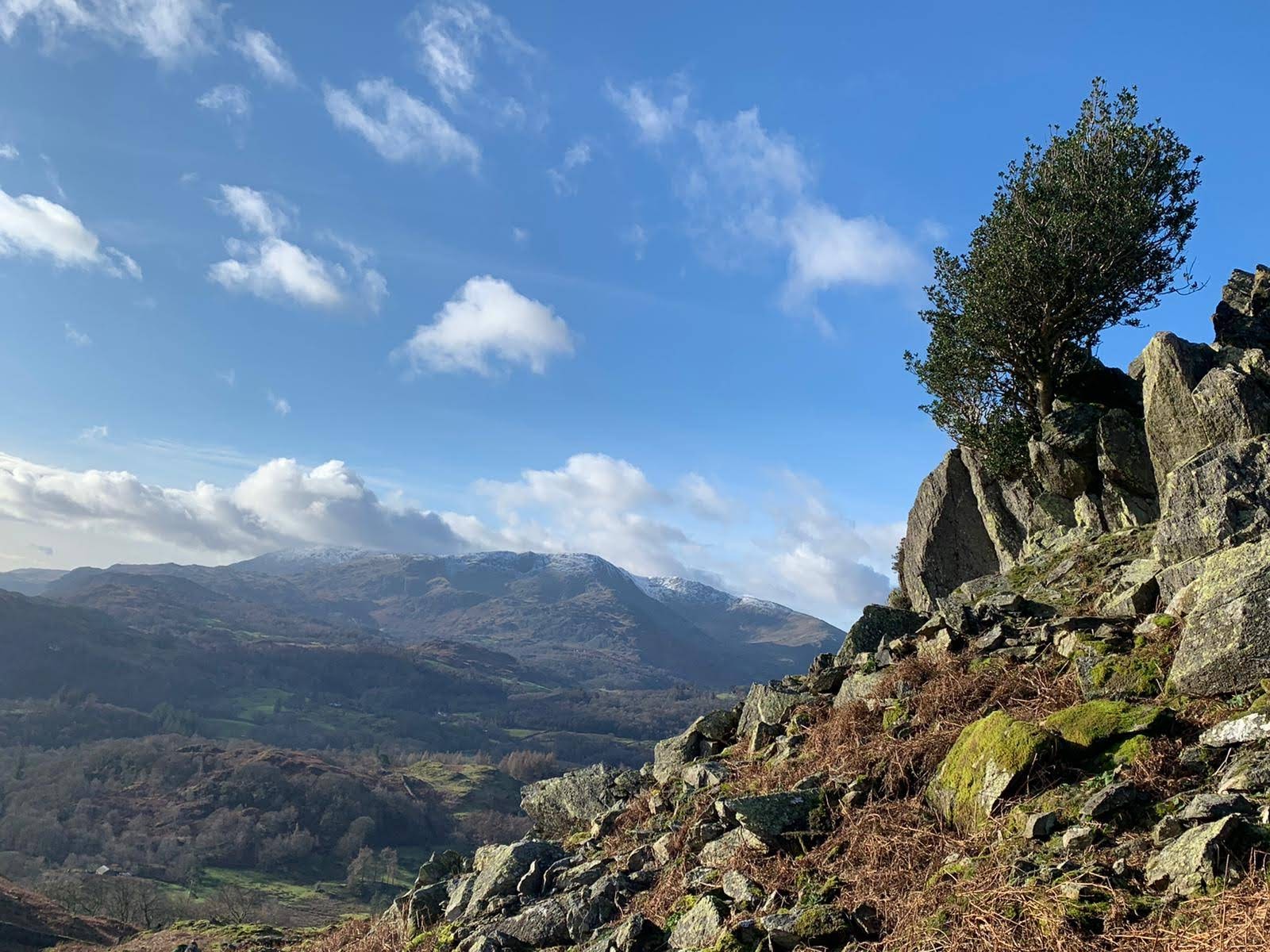
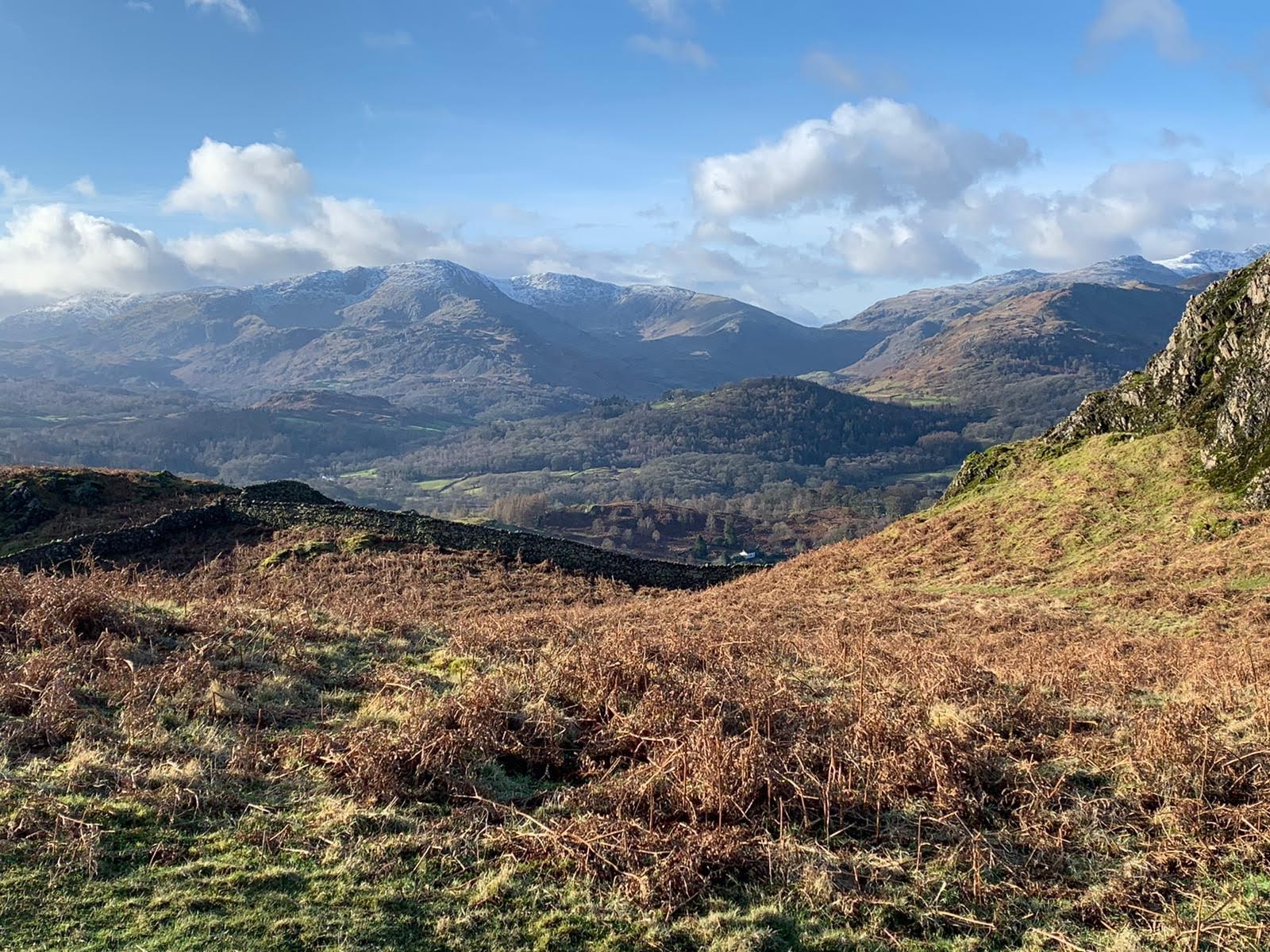
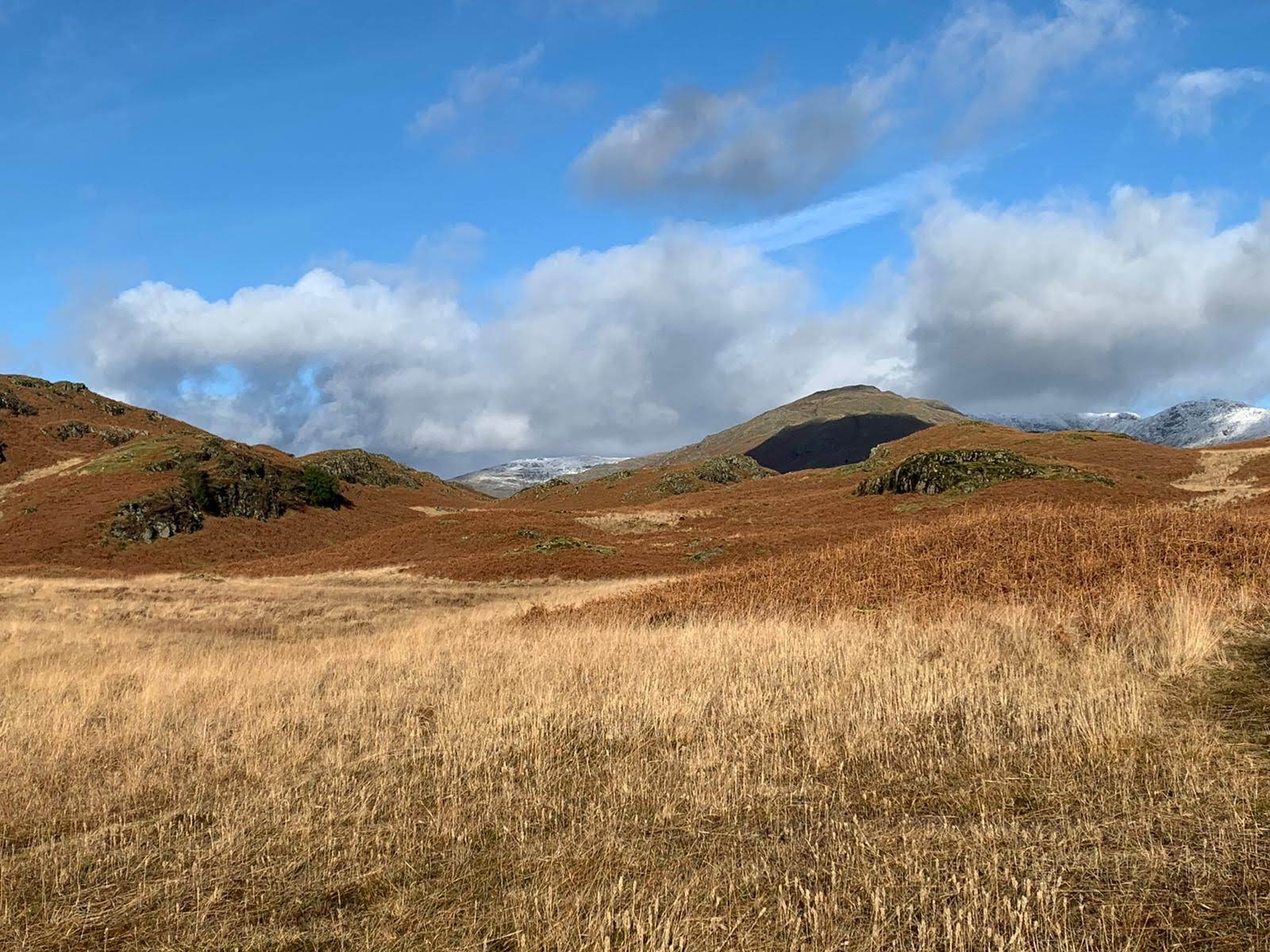
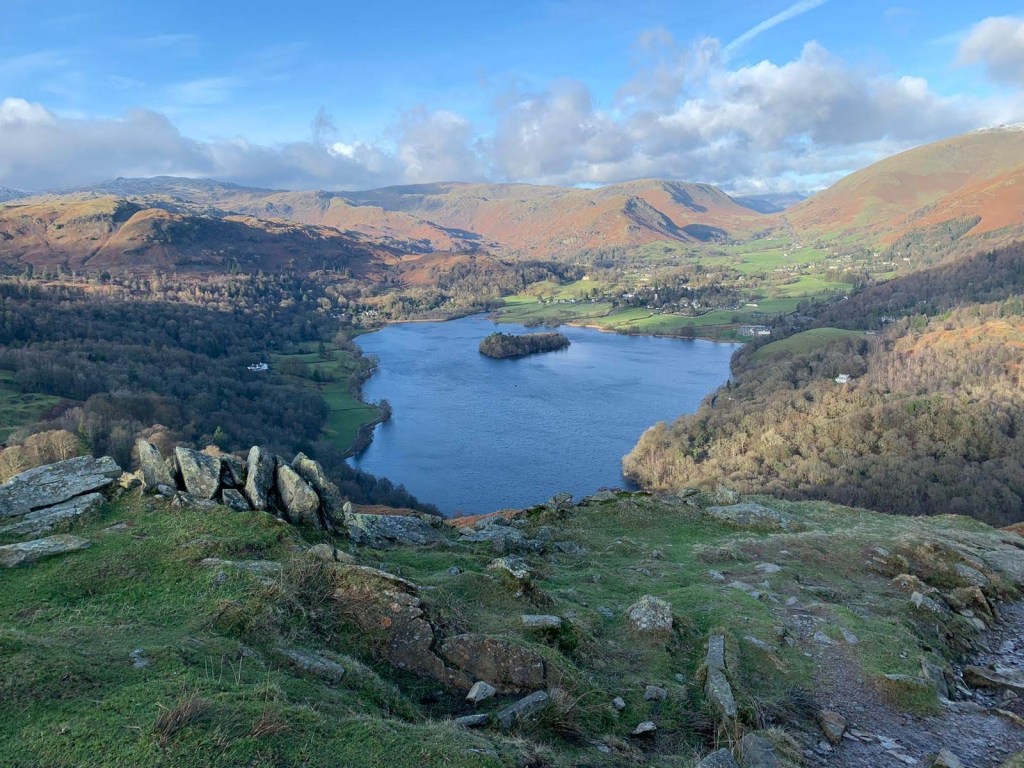
The hike had absolutely beautiful views and different things to see on the way up and down…. including a false peak (be ready for that heart wrenching moment). We had a tasty picnic on the way up, and were sat next to a bird of prey that was simply perching on the cliffside.

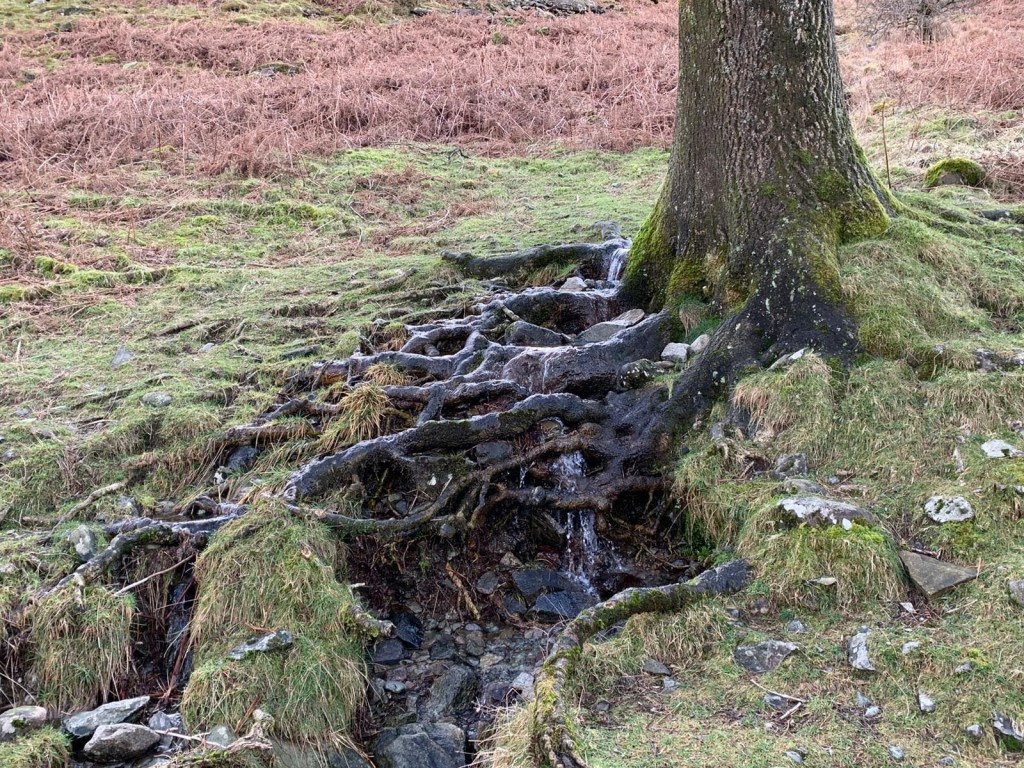
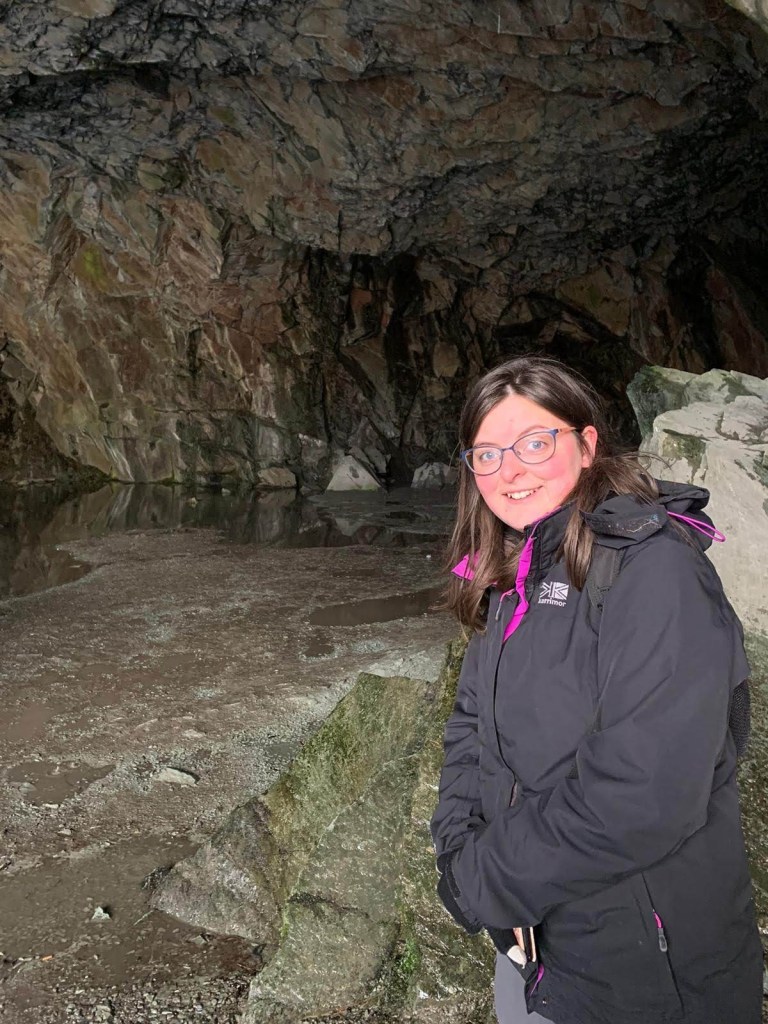
After being battered by wind at the peak, we started carefully making our way down. On the way down, we enjoyed views of the lakes, streams and a huge watery cave. When we eventually finished we could enjoy sitting on our cruise back looking over our gorgeous photographs, and relaxing. Later in the evening, we took advantage of a special pamper package that the B&B had running with a nearby health centre, and spent the evening in the pool and jacuzzi, soaking our muscles!

There were also plenty of places to dine out in the area and relax. We had a couple of lovely dinners both near to our B&B in Bowness on Windermere, and in Windermere town itself. If we had been there for longer than a weekend, we would have visited more of the towns and villages around the lake. Unfortunately, we only really had the Saturday, and then a long drive back on Sunday. We did drive from the top to the bottom of the lake before turning out on a misty morning, and the views were still breath taking.

I think I would definitely visit again for some more hikes, mixed in with good food. I would like to stay for a week. I would probably stay there during the winter again as well as I hear it is very busy in the Summer, and I wouldn’t want too many tourists to spoil our tranquil experience.