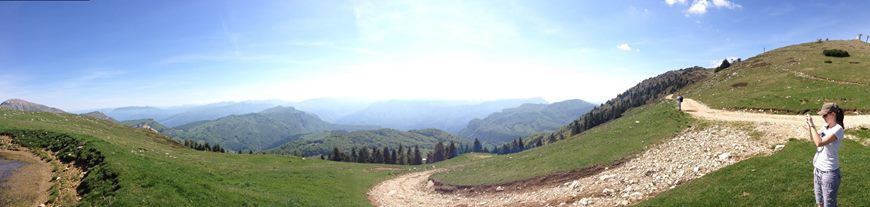
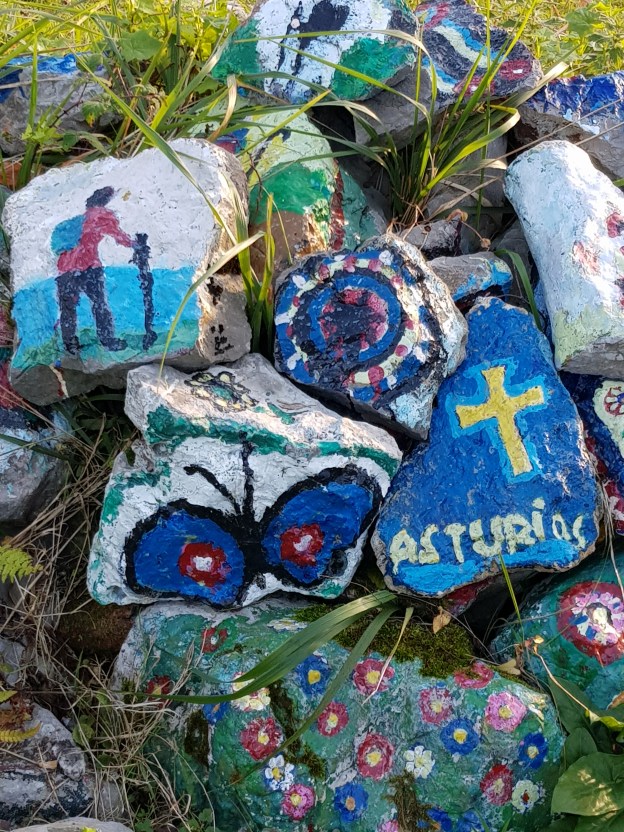
Another week of walking has gone by, and this time the distances were much longer, and the terrain was more varied.
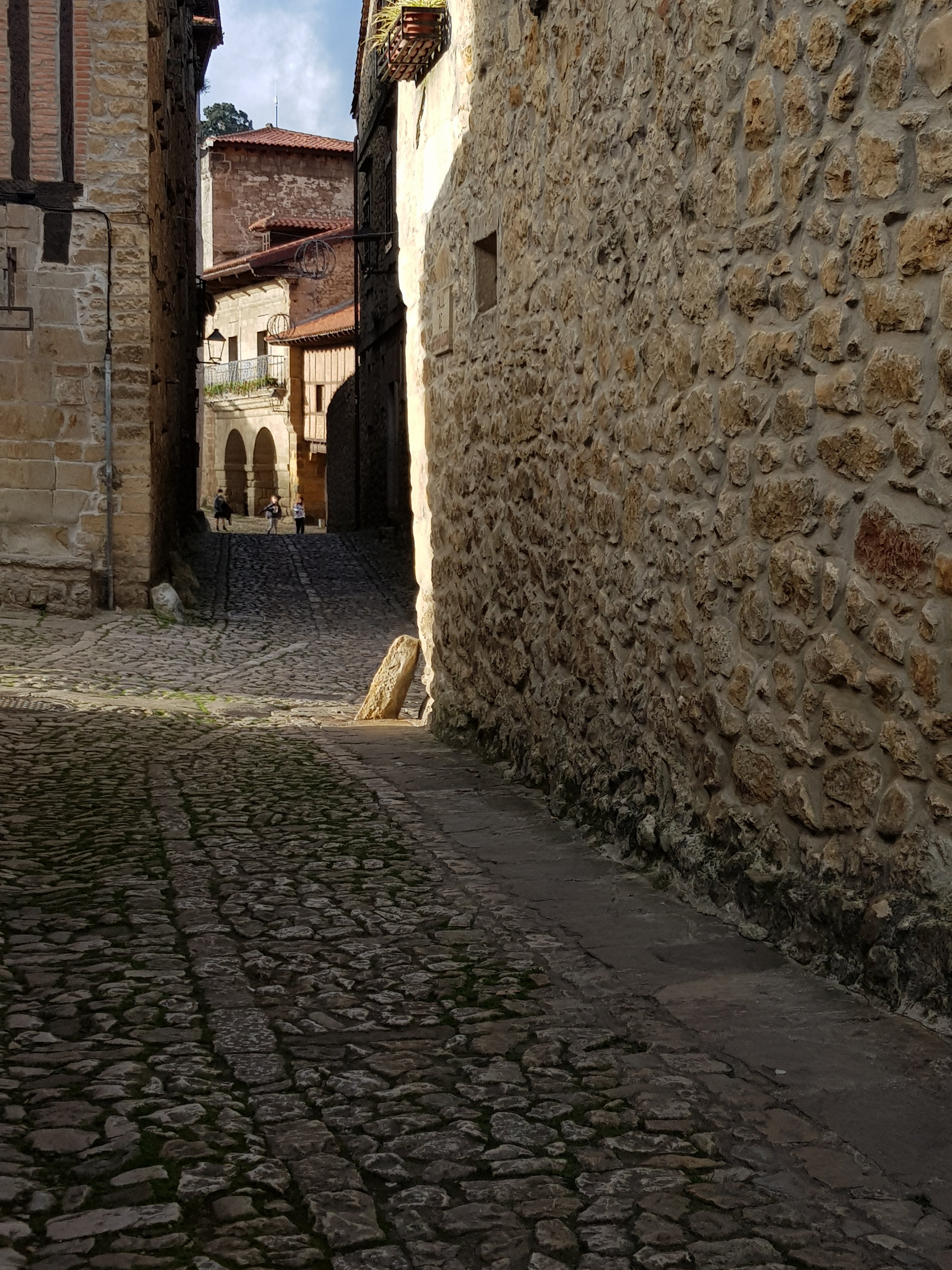
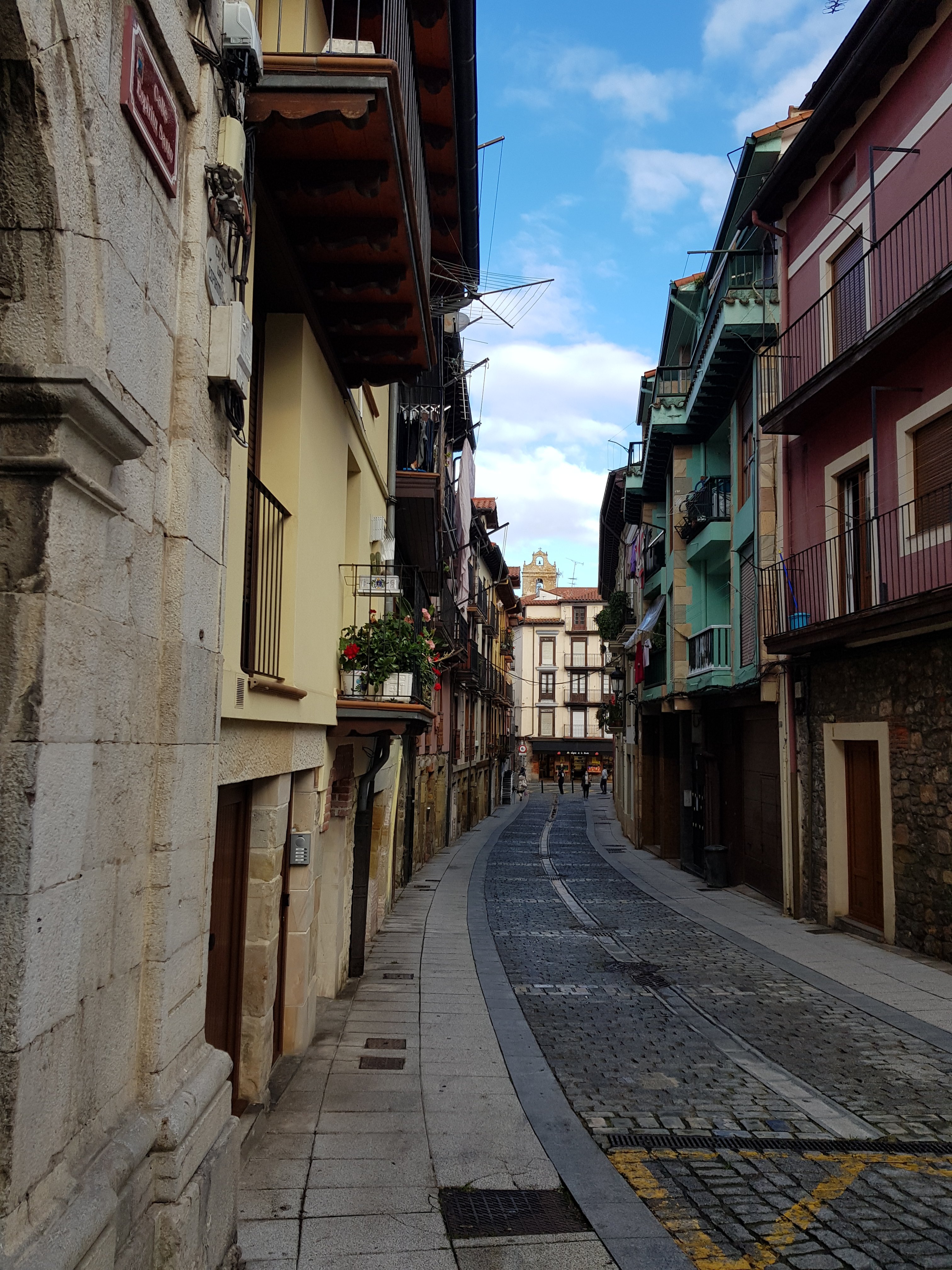
First stop was a stay in Barreda, and a visit to Santillana de Mar. A beautiful town that makes you feel as if you have gone back in time. The streets are cobbled and old stone is all around, they have lots of bars and restaurants, and a tourist information point. Also some museums. I visited the Torture Museum!
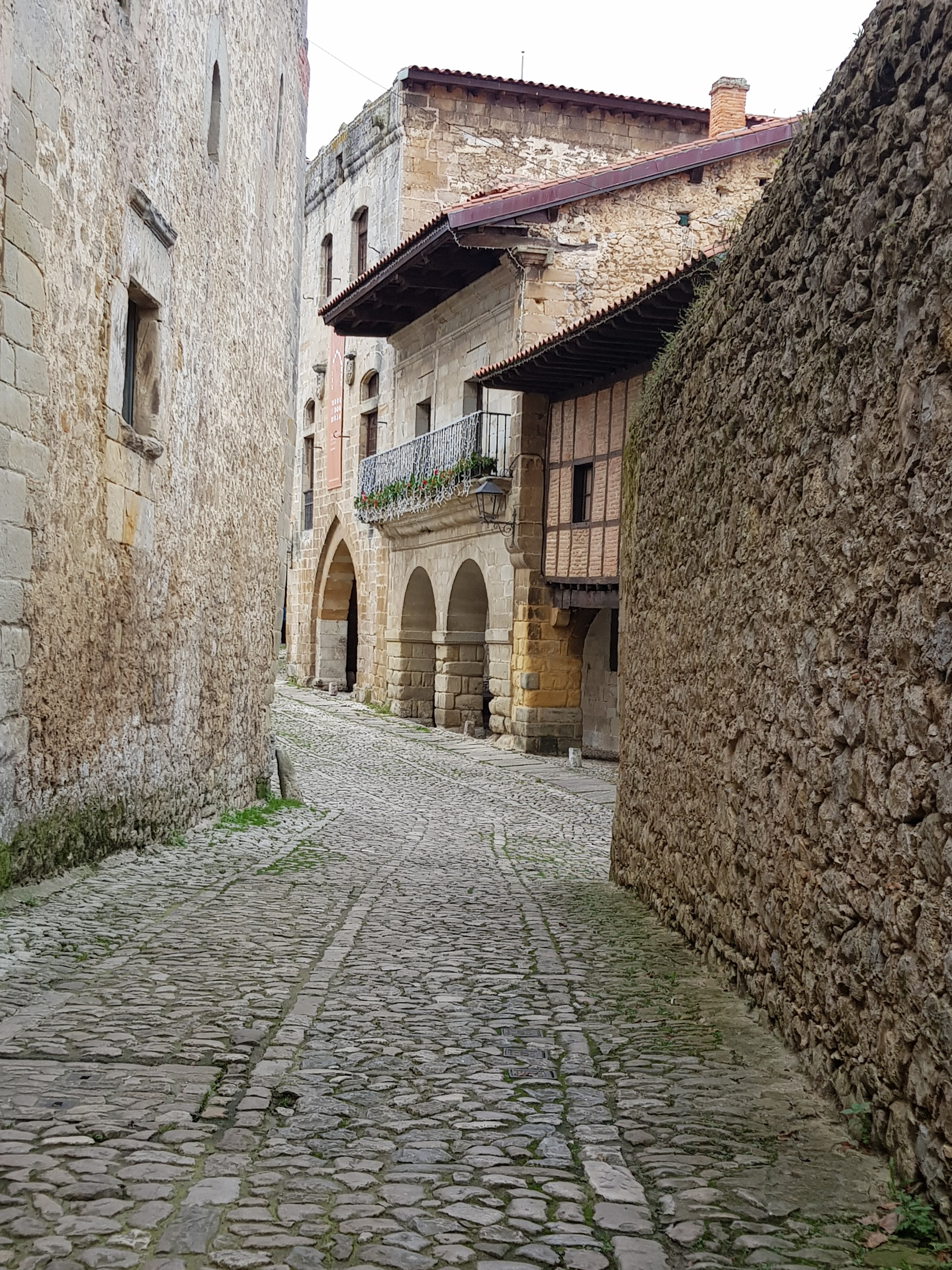
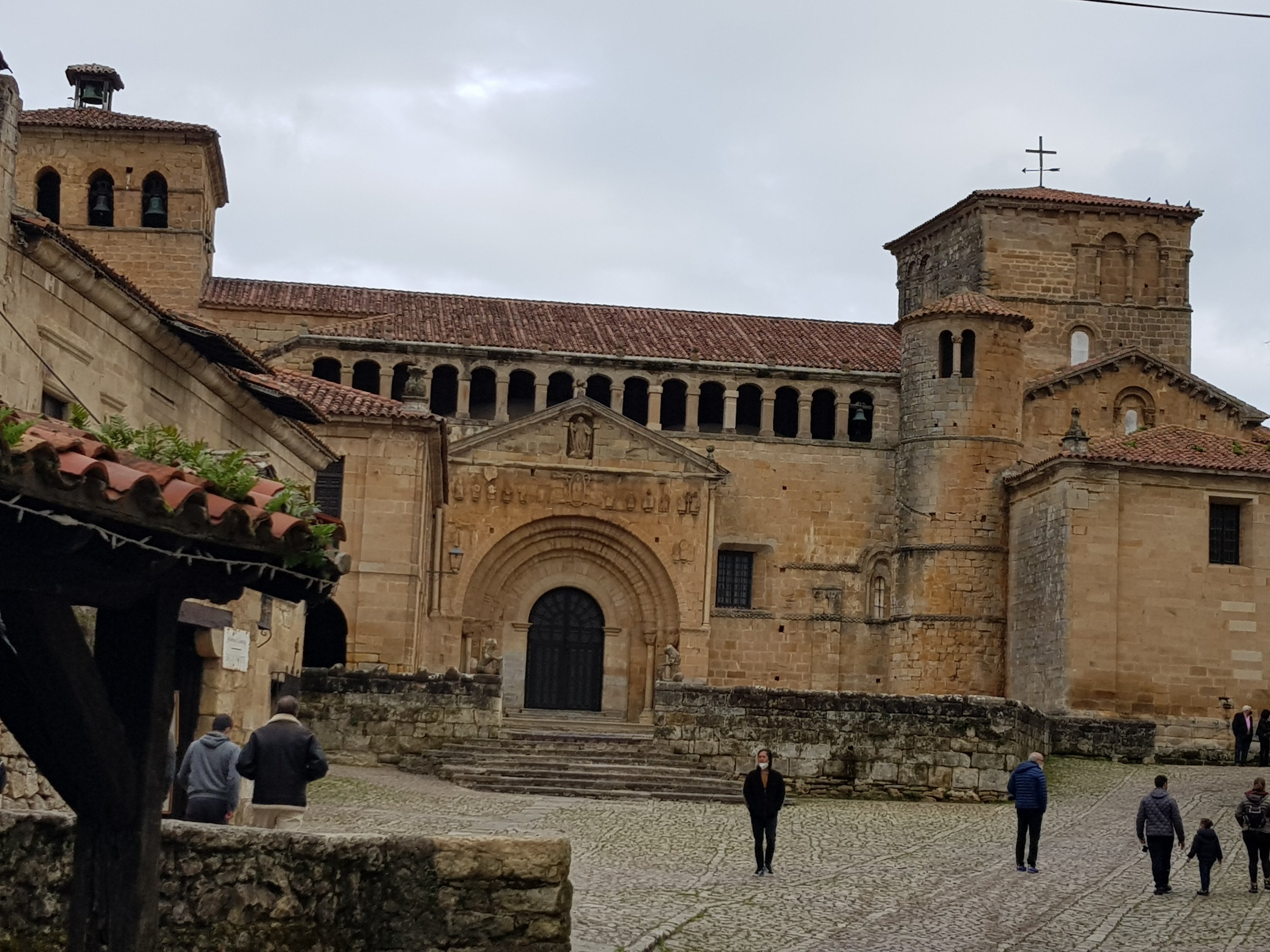

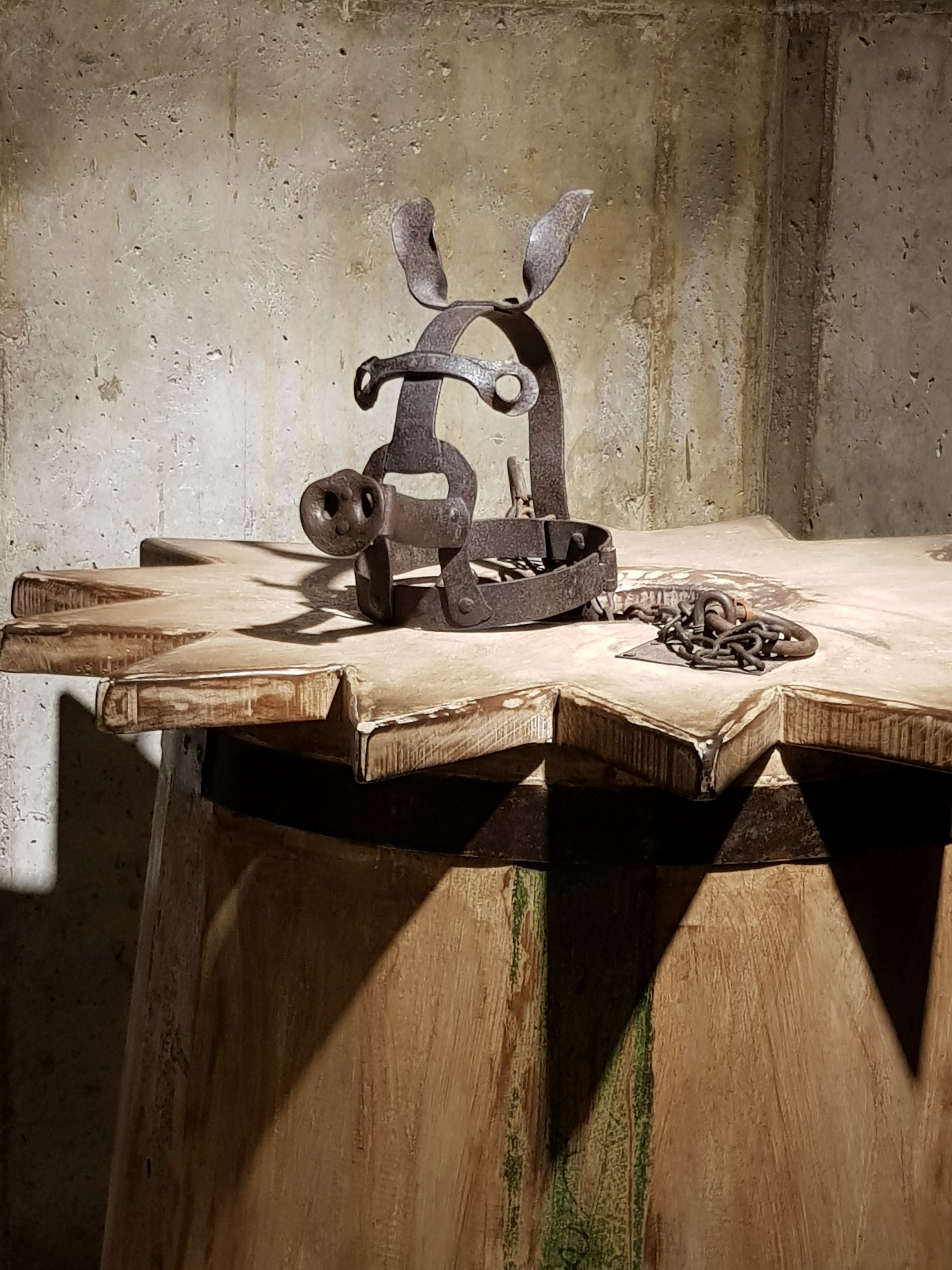
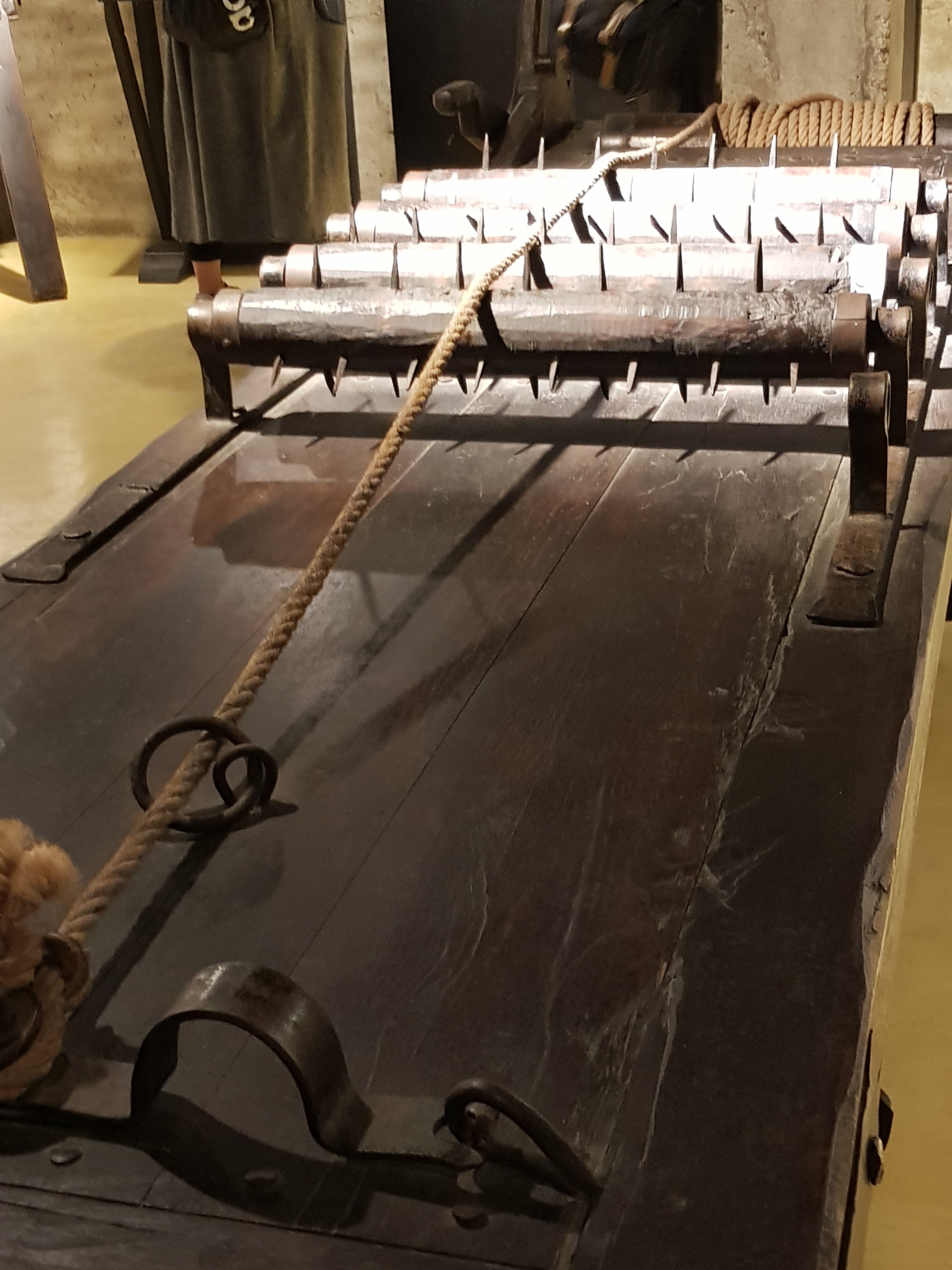
The museum was quite interesting but also very gruesome. It also made me wonder what sort of person would acquire a collection like this… The animal masks were particulary weird, apparently it was to silence the speech of women and other lowly folk at the time, and also a symbol of public humiliation.
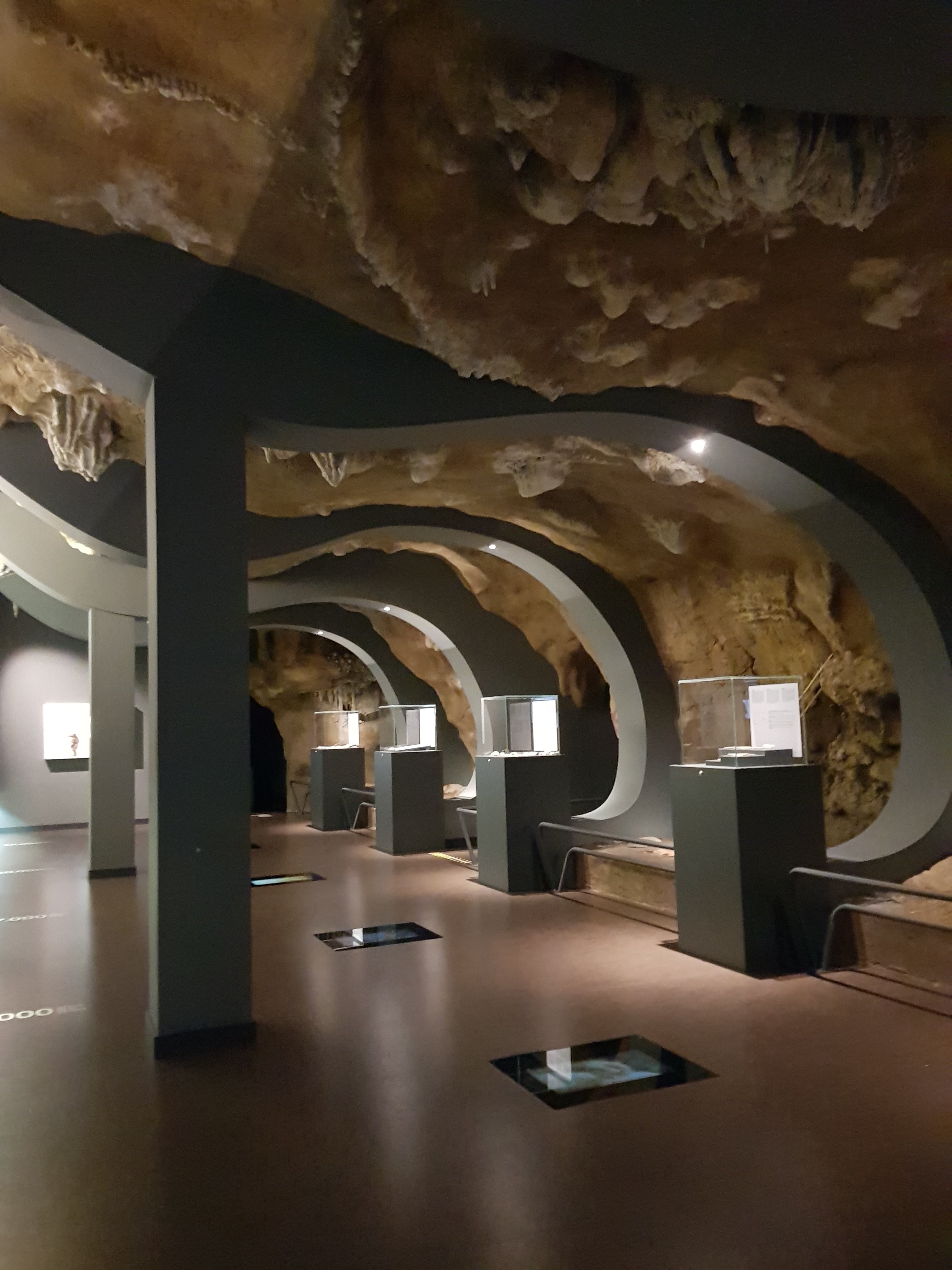
2km down the road is also the world heritage site, the Caves of Altamira. The caves were discovered in the 1800s and have a collection of pretholific paintings inside, and a system of spaces for different uses. The caves were so popular to visit that they began to become damaged, and had to be closed to the public. Now, only five people per week are selected to visit the original cave. The museum has painstakingly created an exact replica for the general public though.
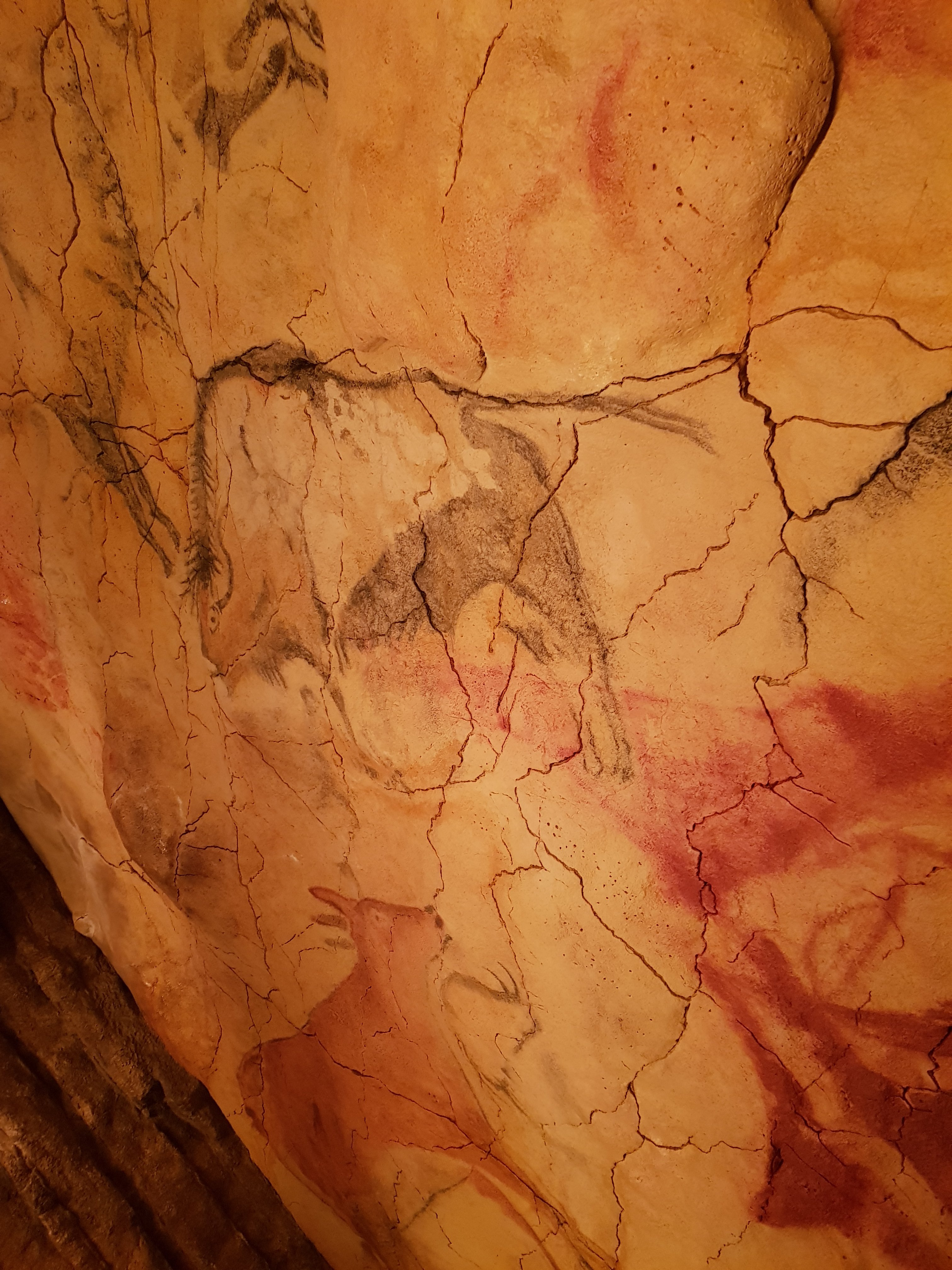
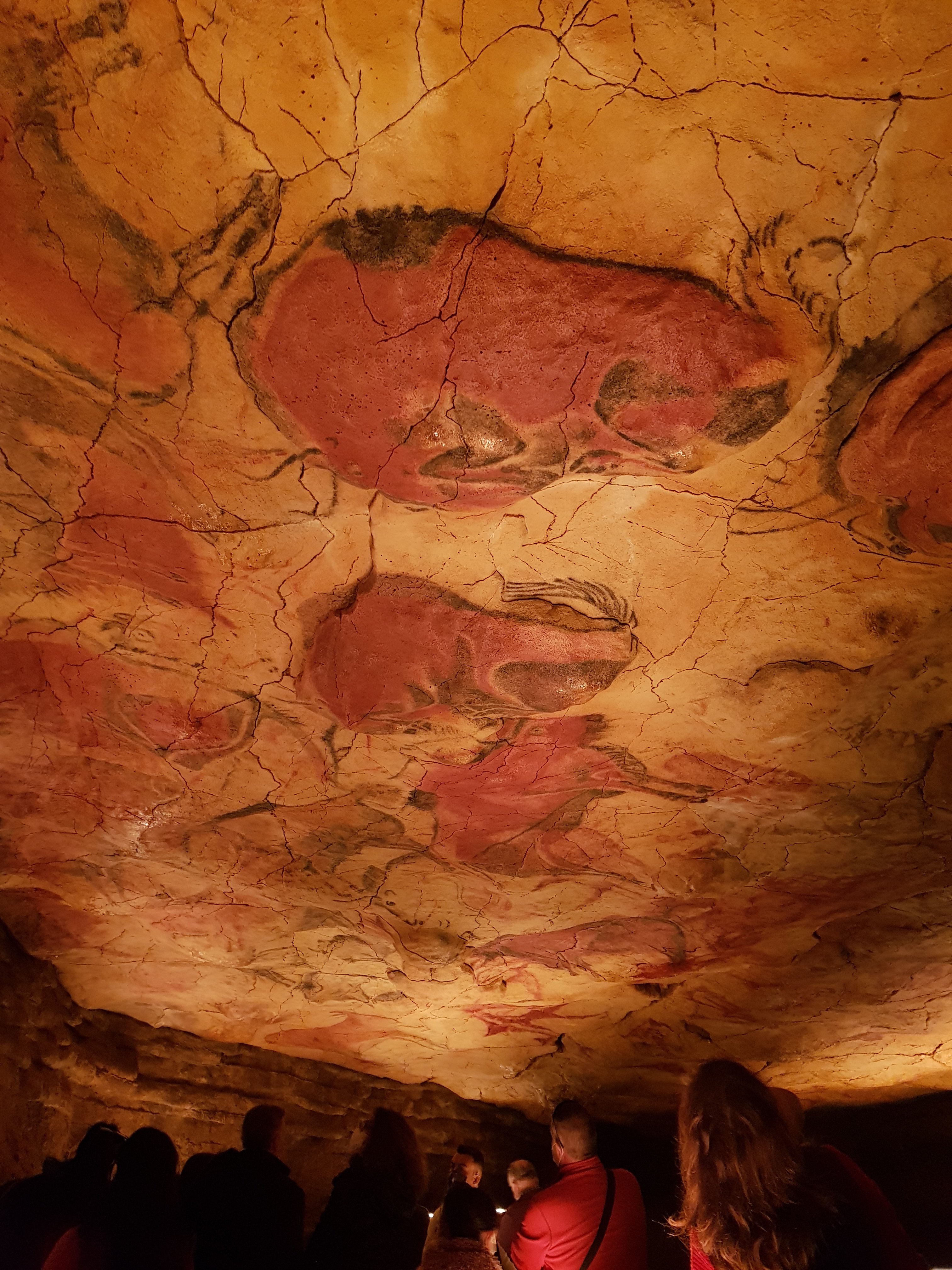
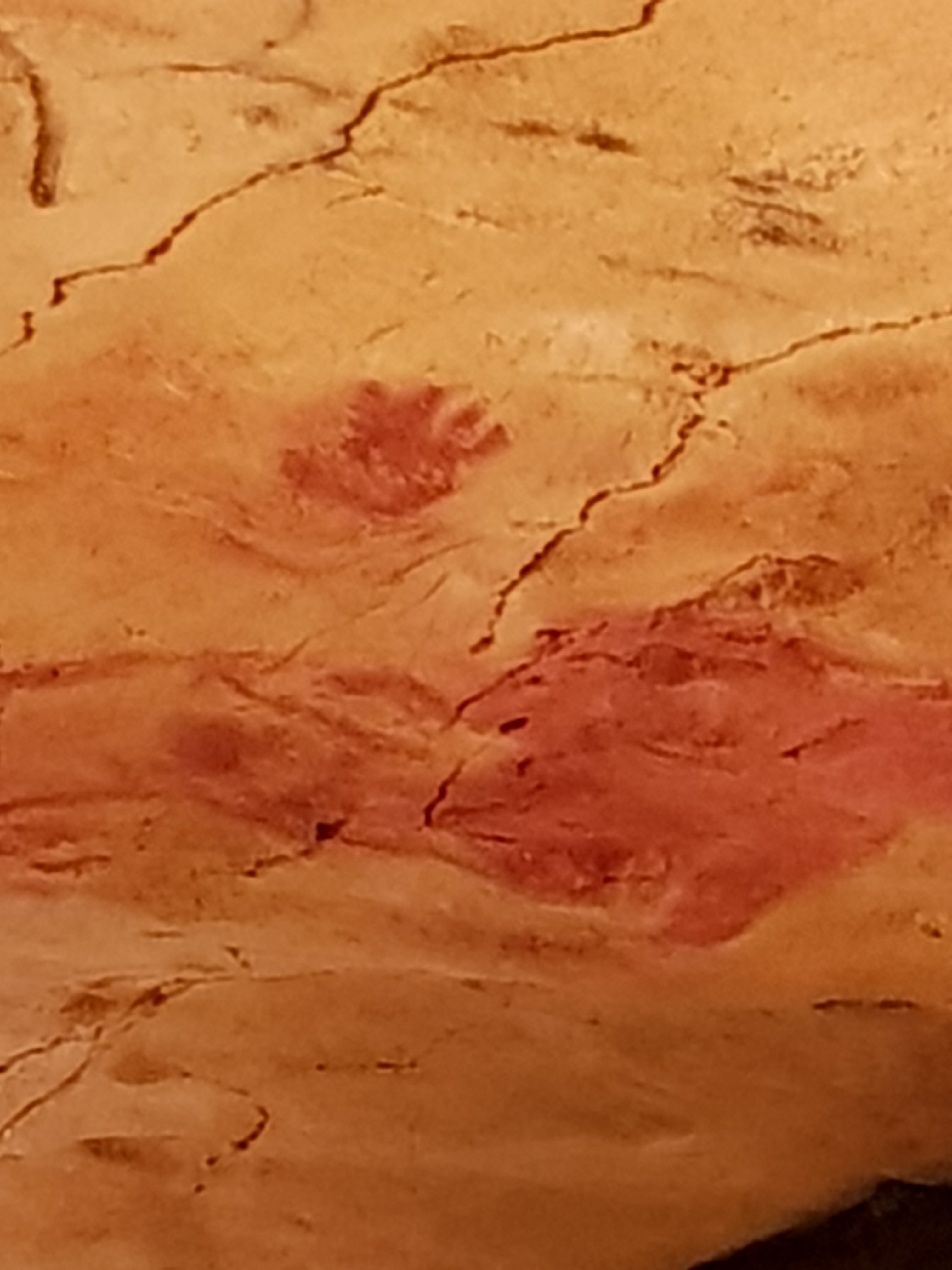
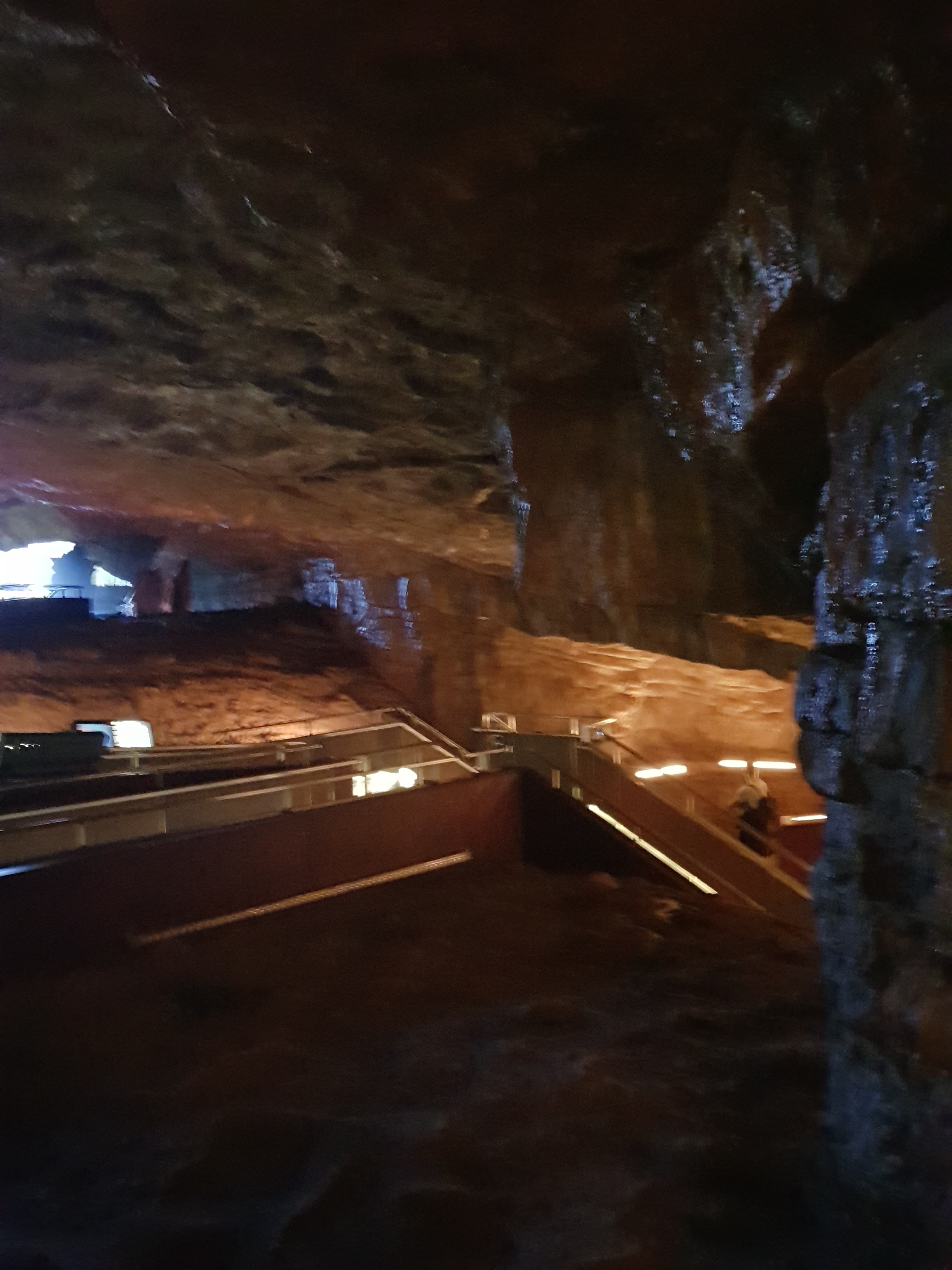
I visited the replica, it was still underground and very dark but certain areas of importance were highlighted. There were many paintings of animals, that were surprisingly detailed, and a pressed in hand print. This whole experience was a lot better than expected and only cost €4! I was also able to wonder down to the outside of the original caves.
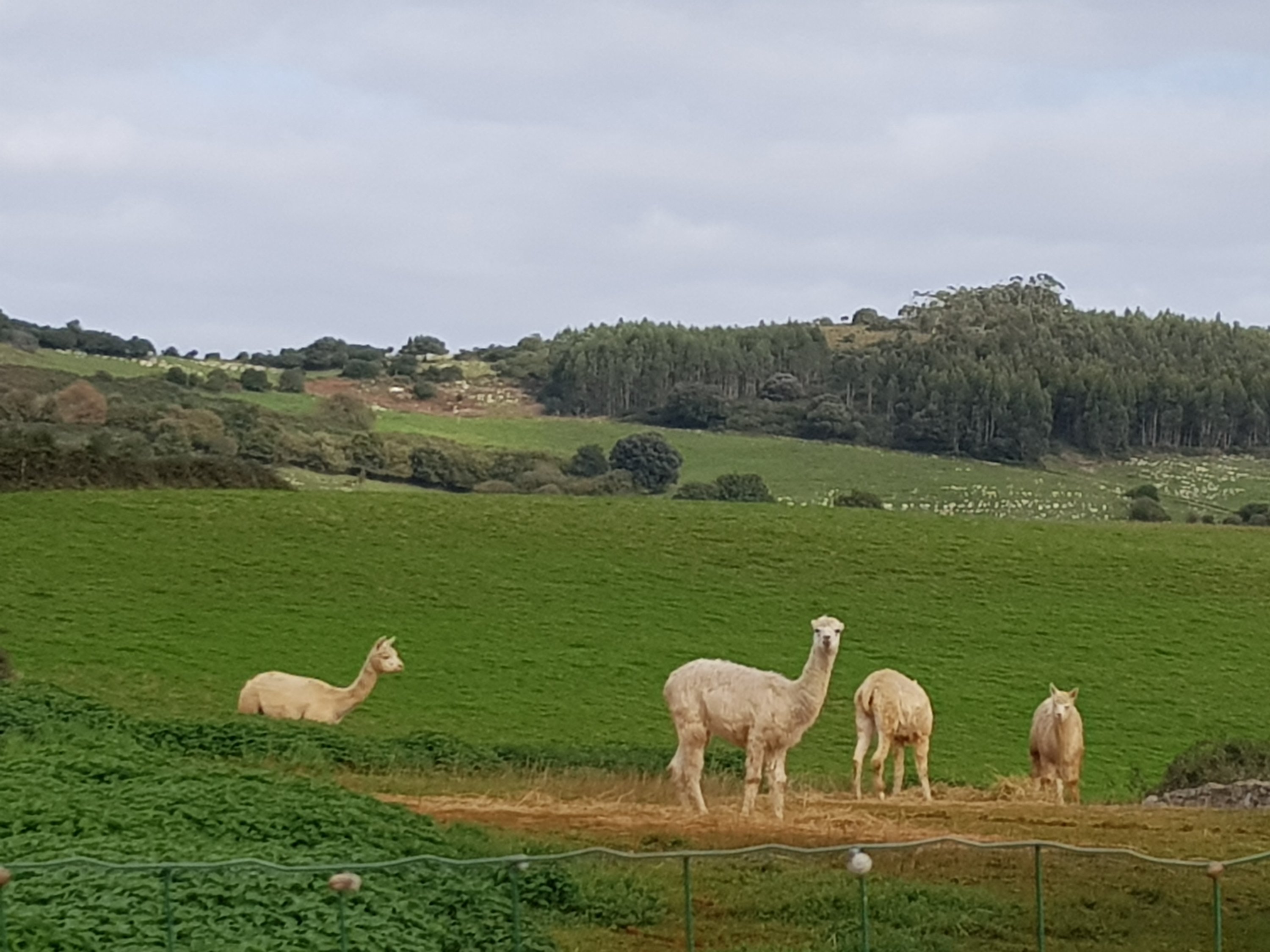
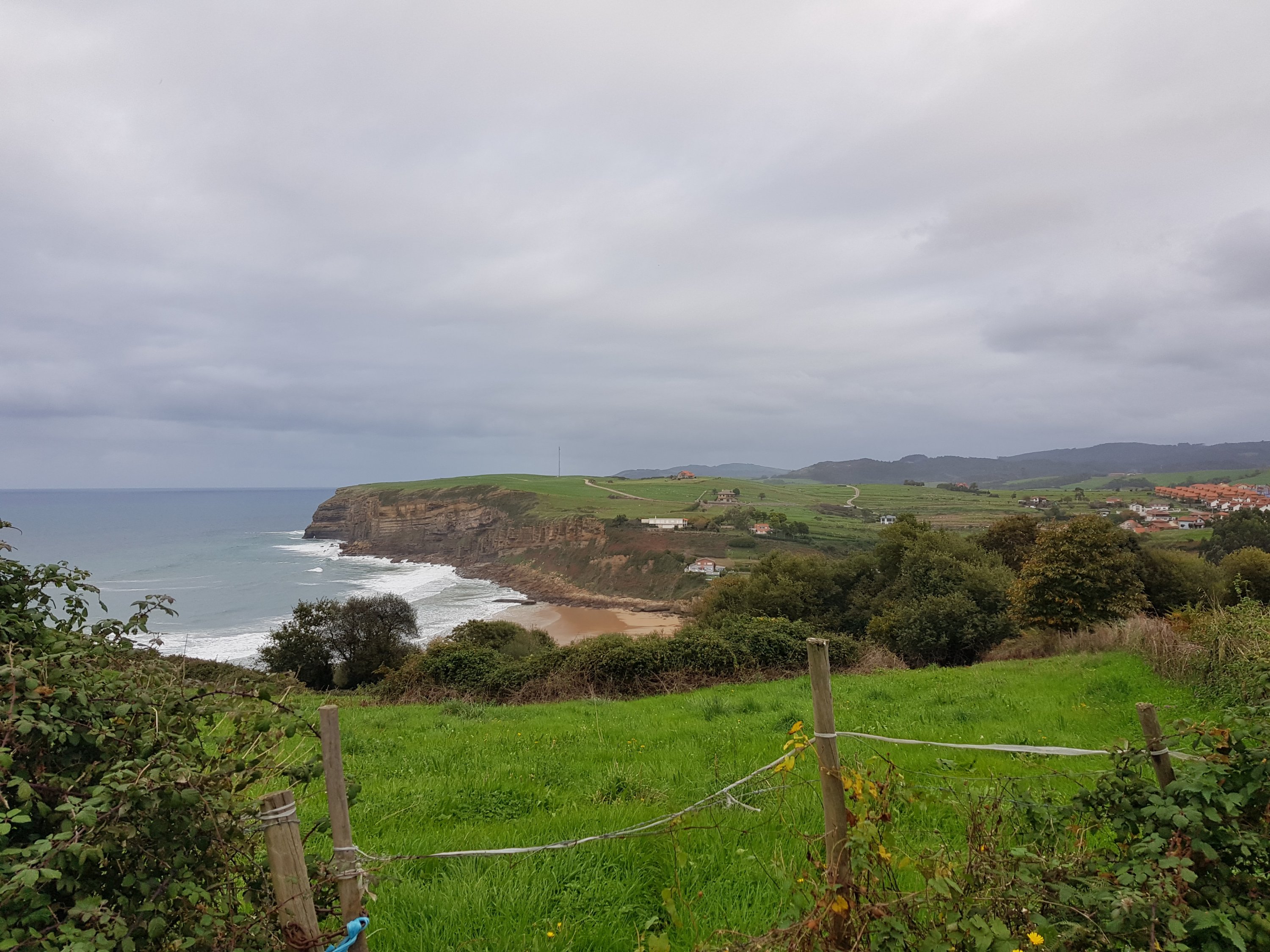
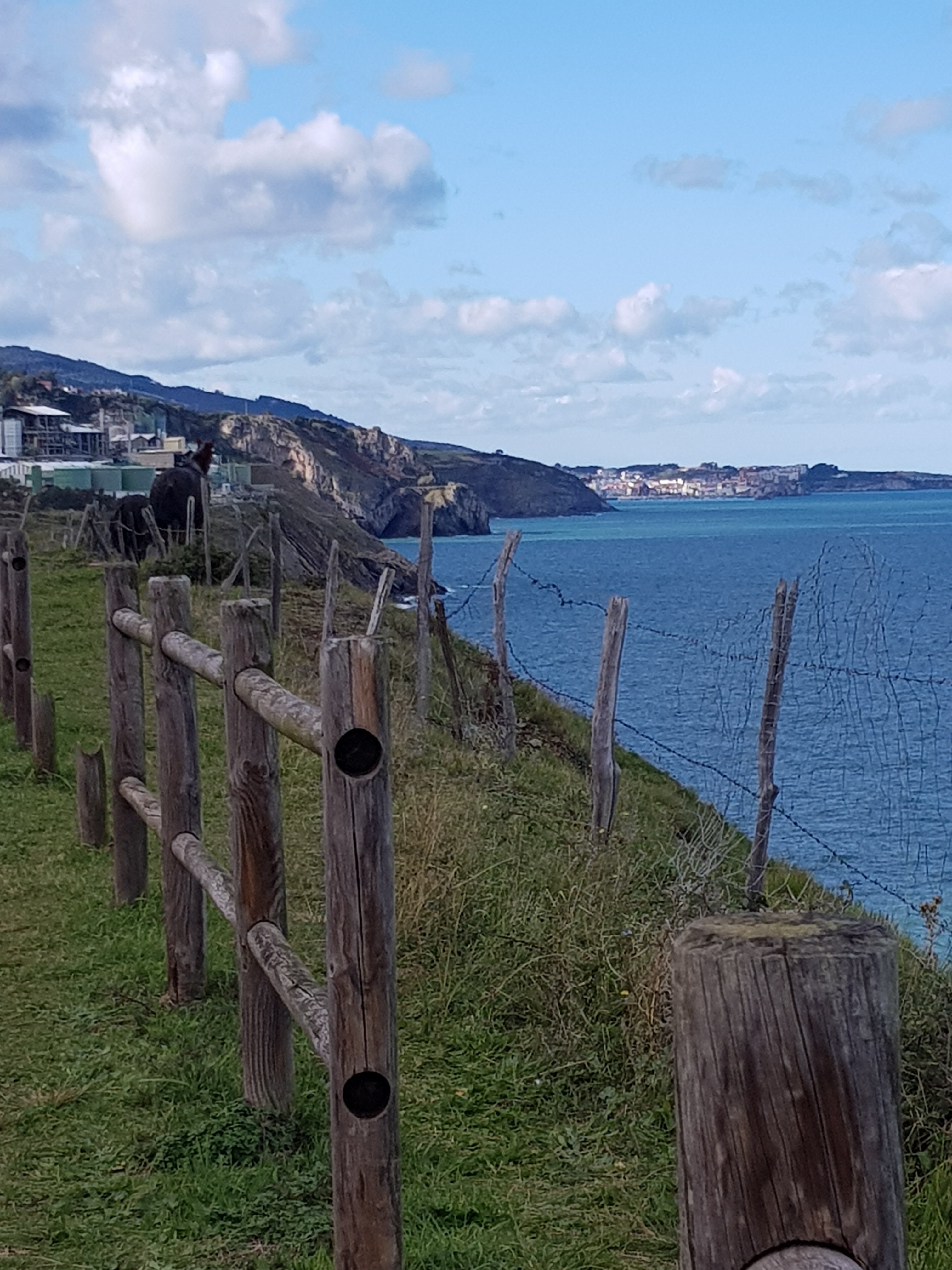
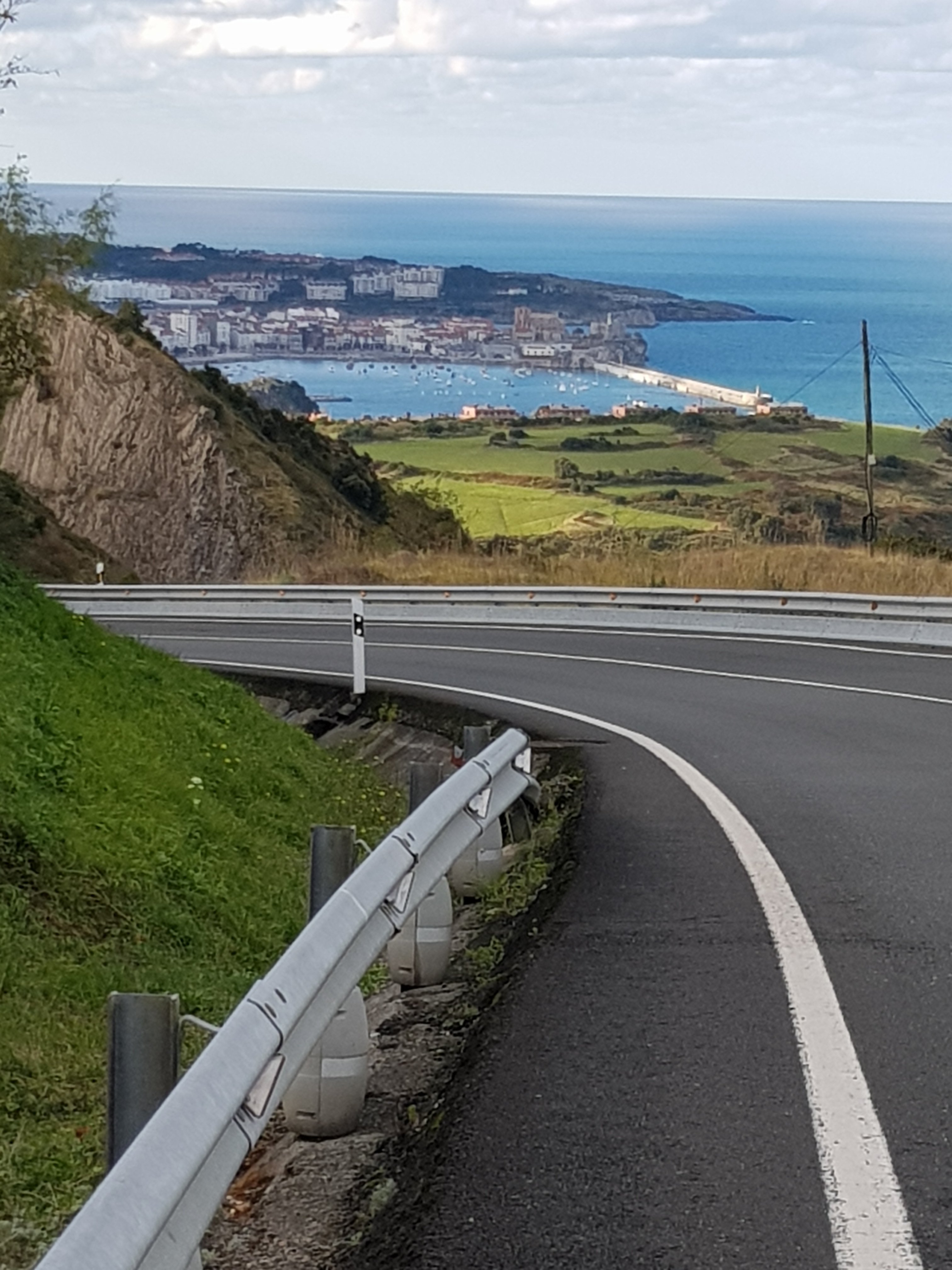
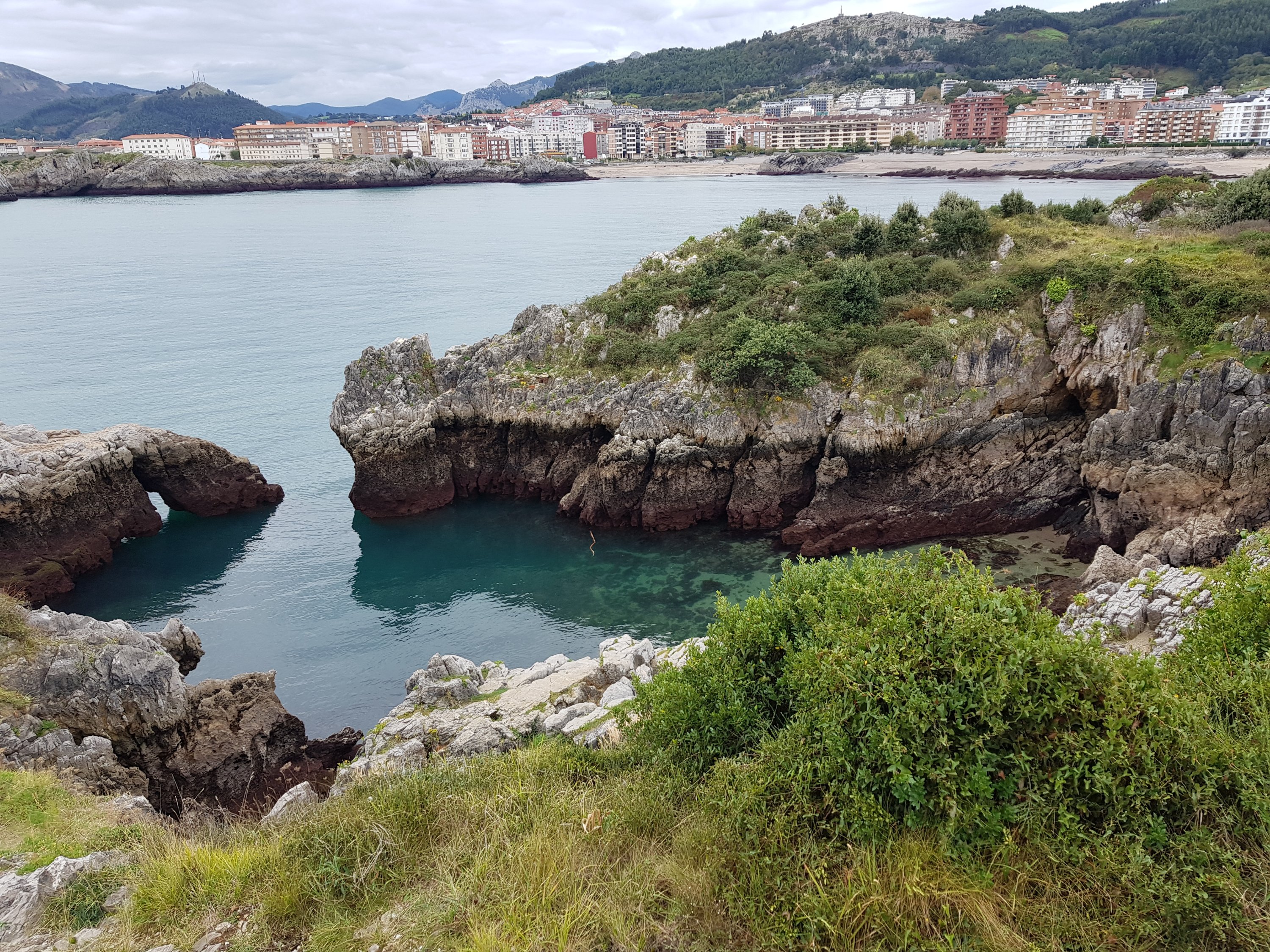
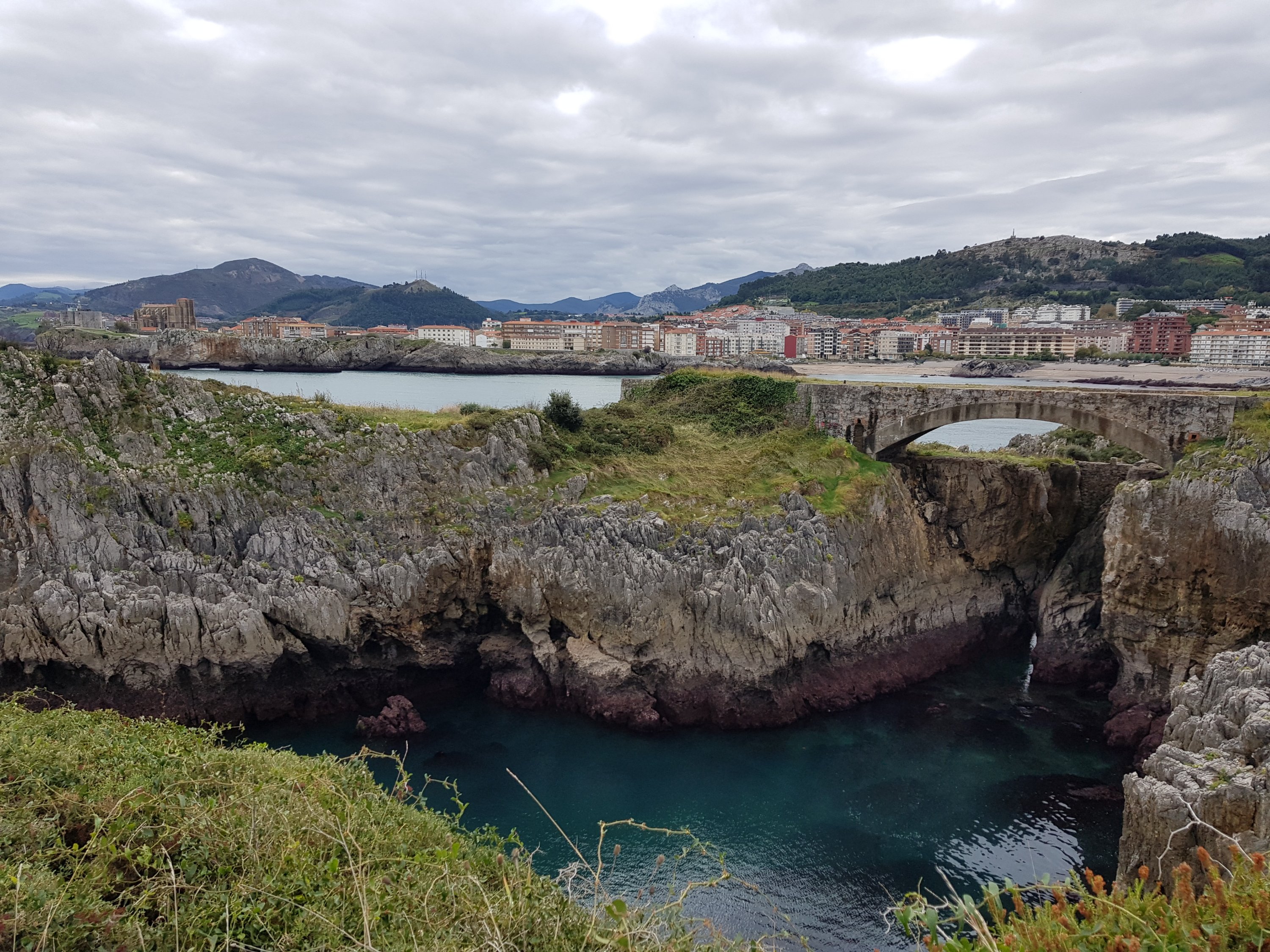
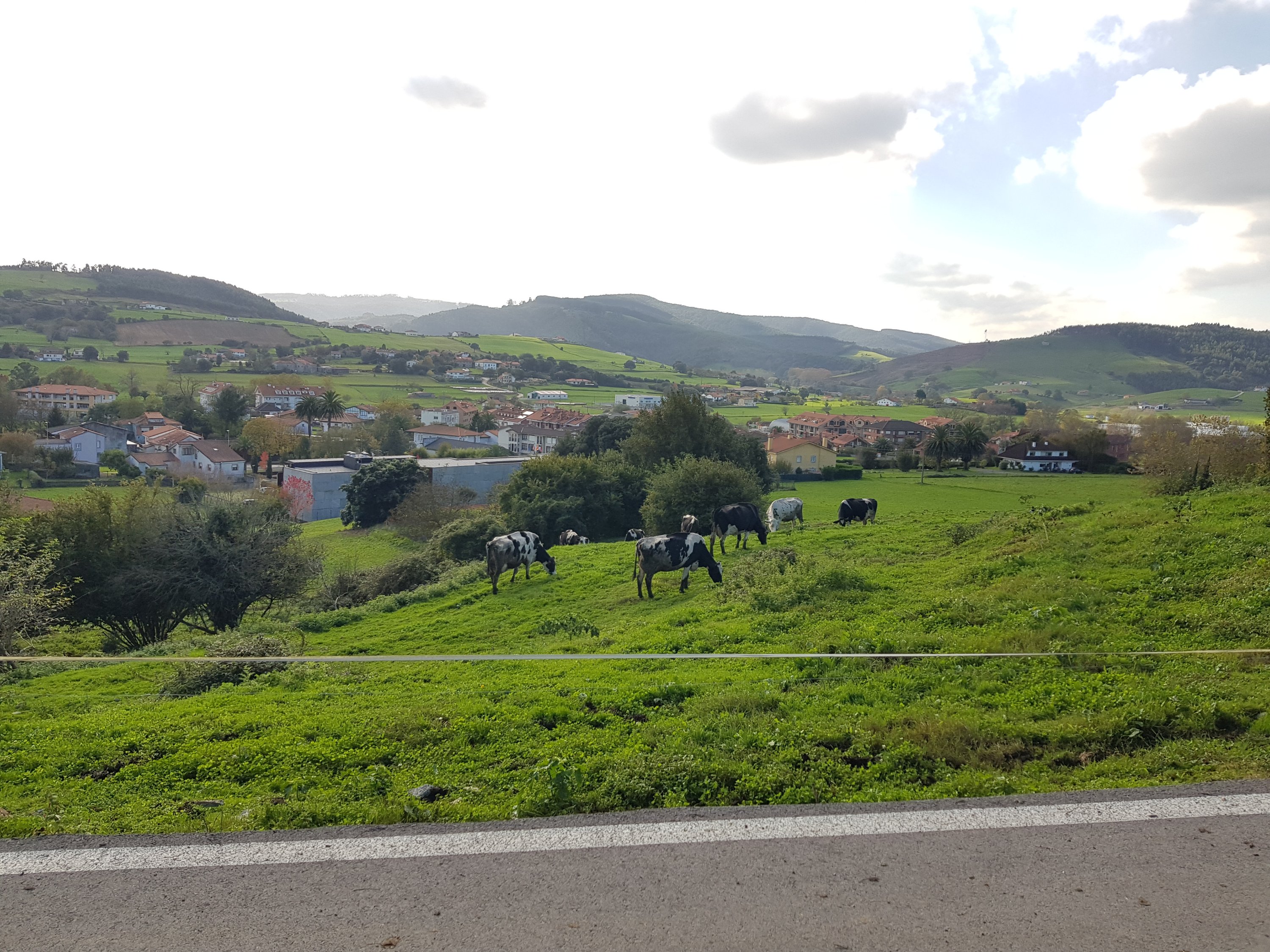
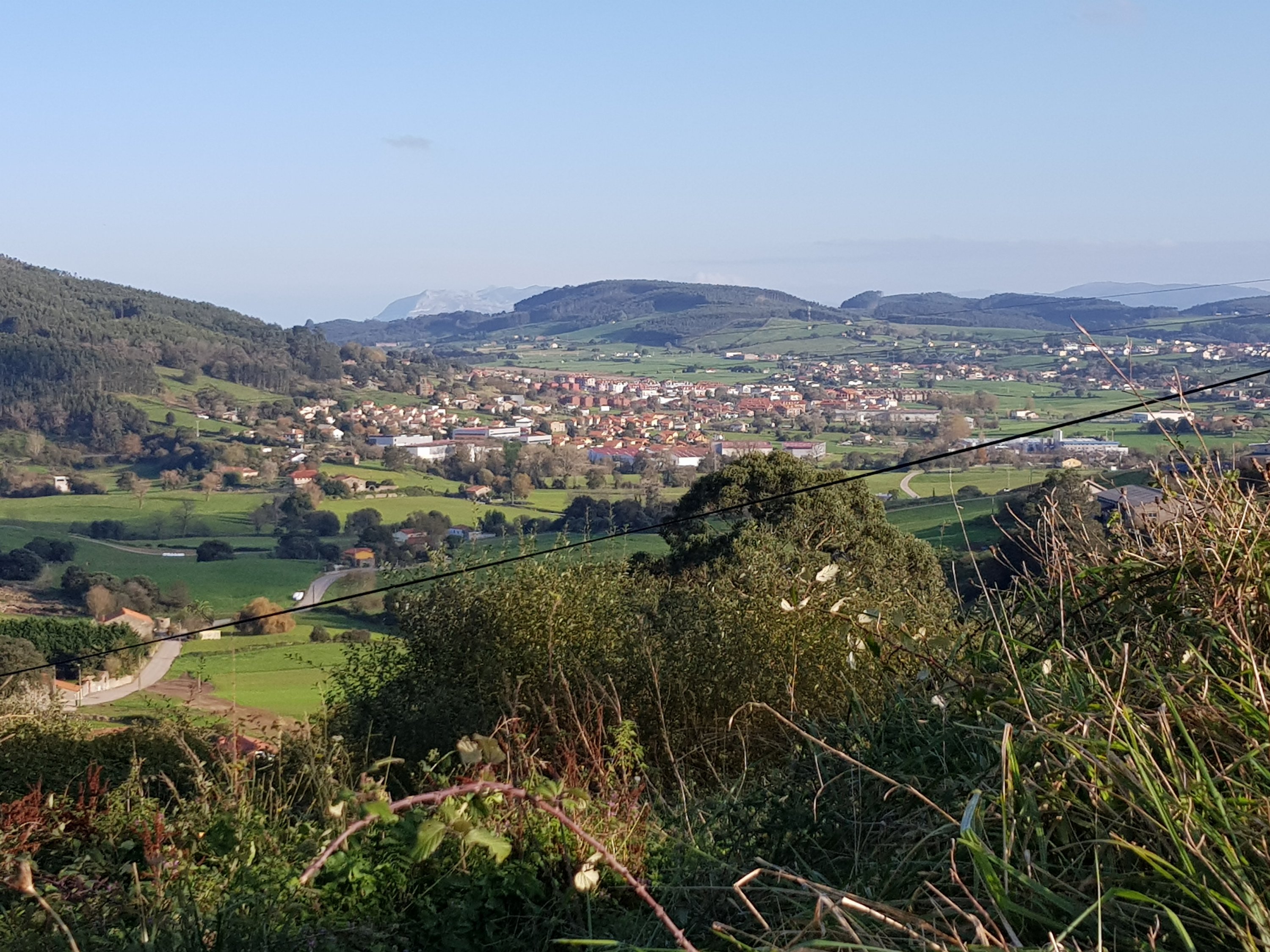
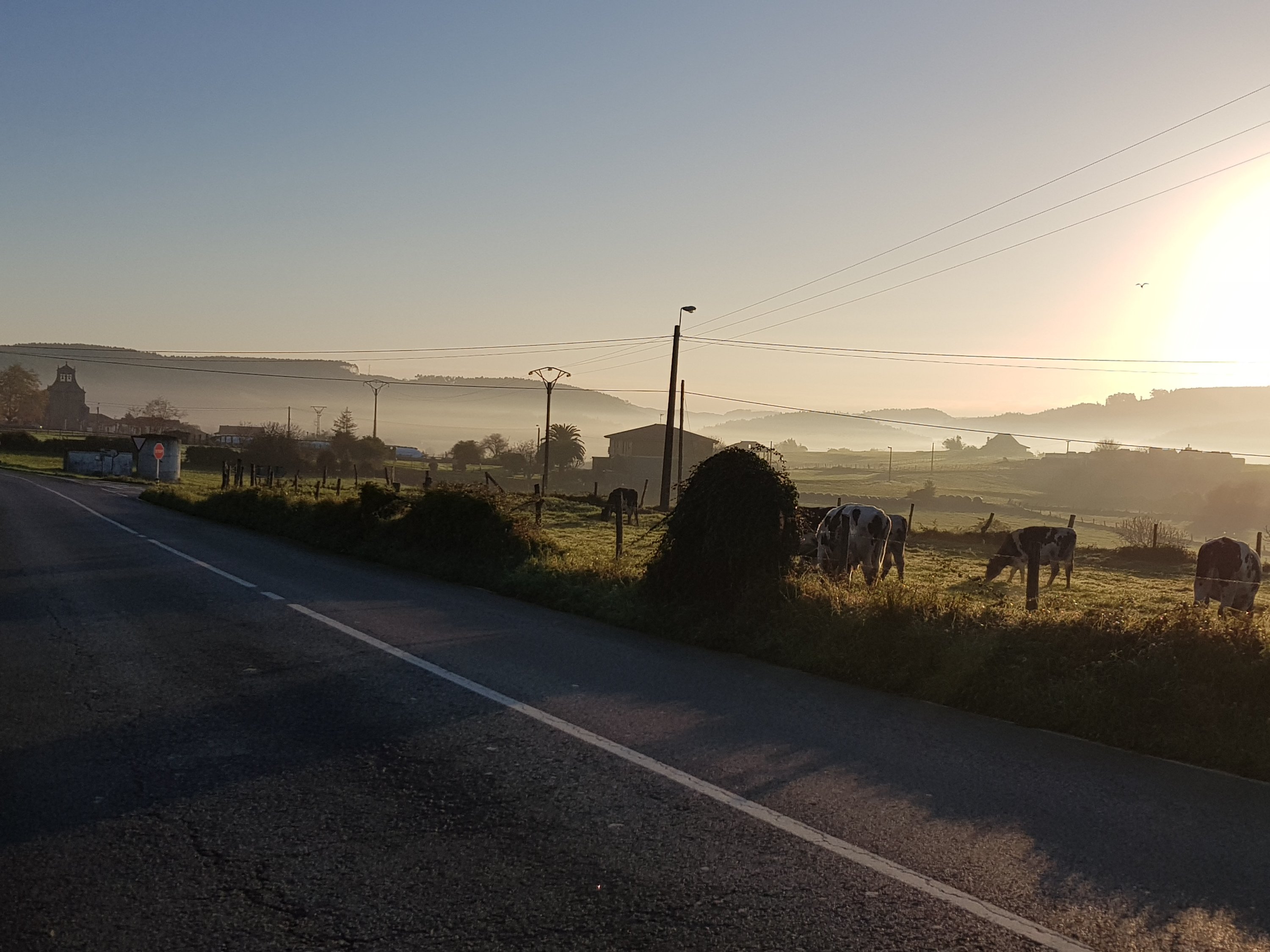
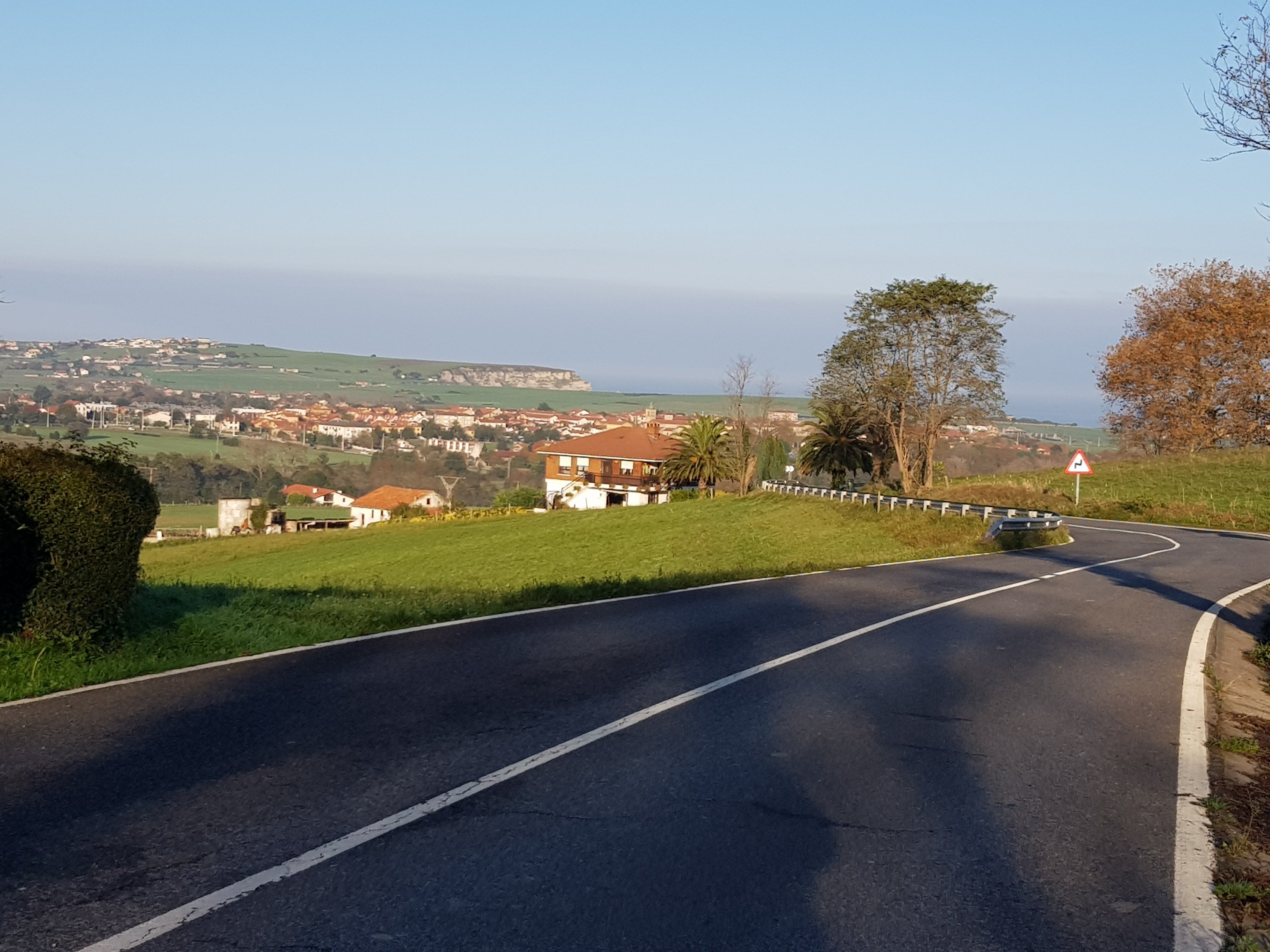
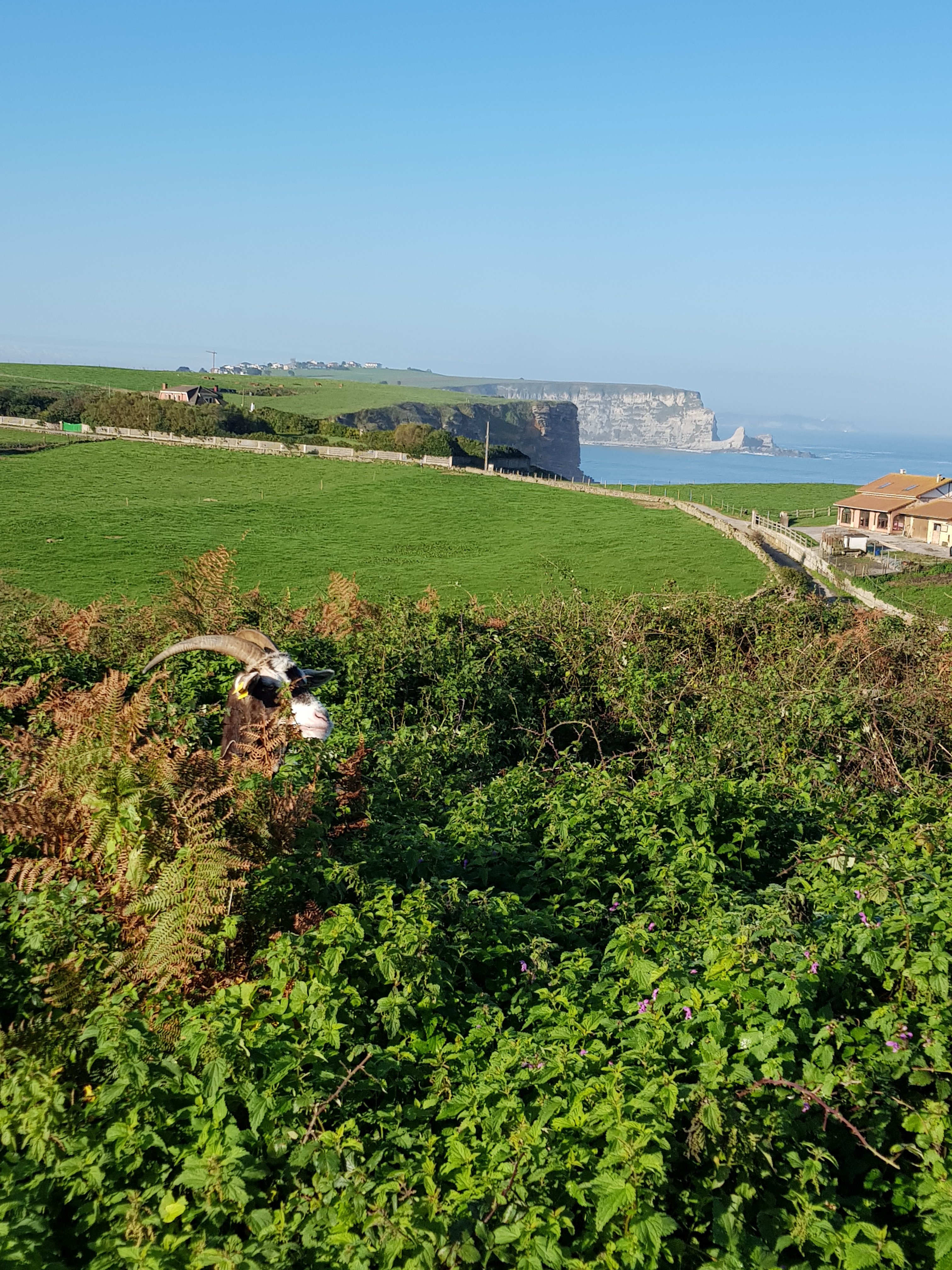
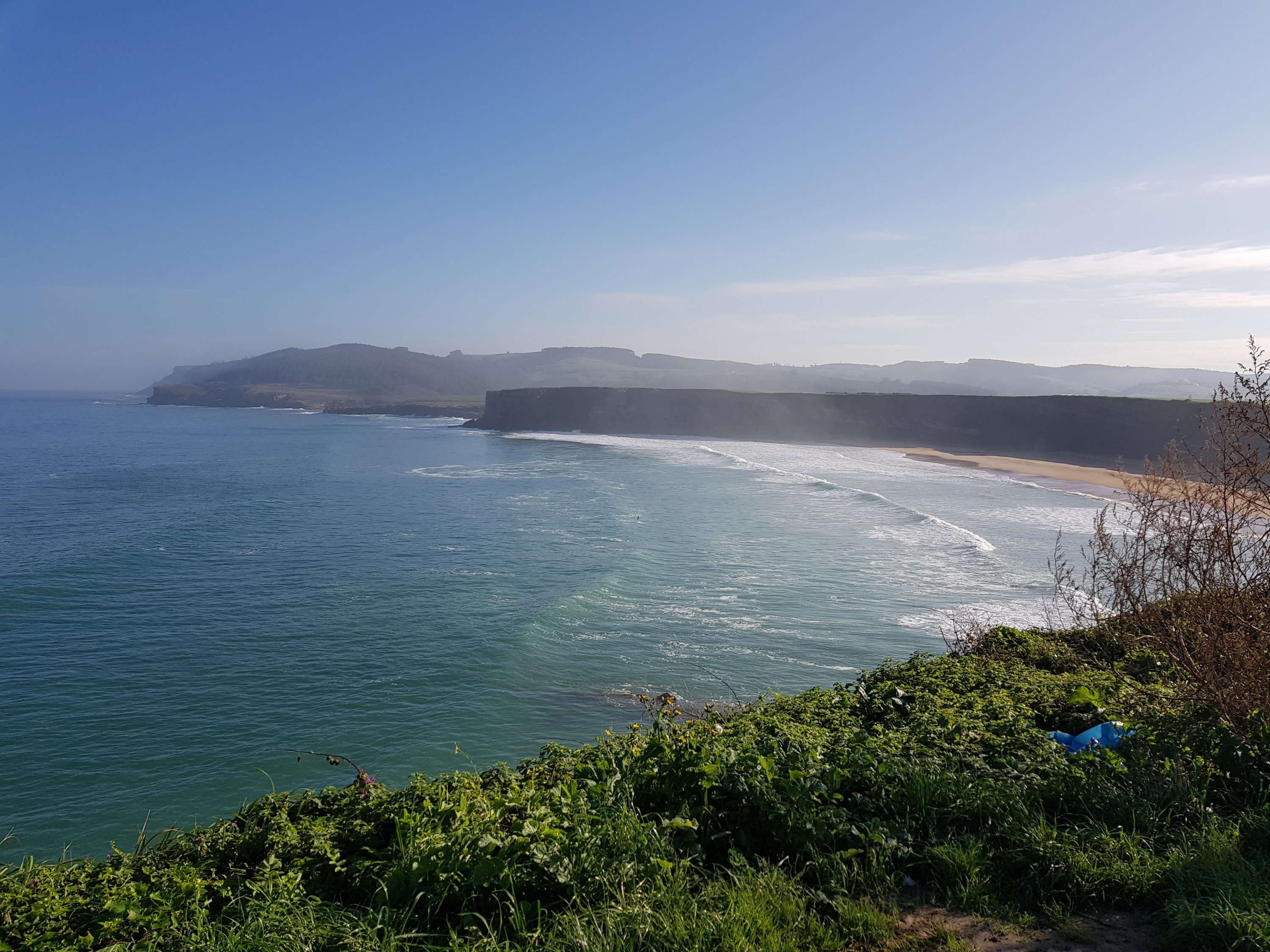
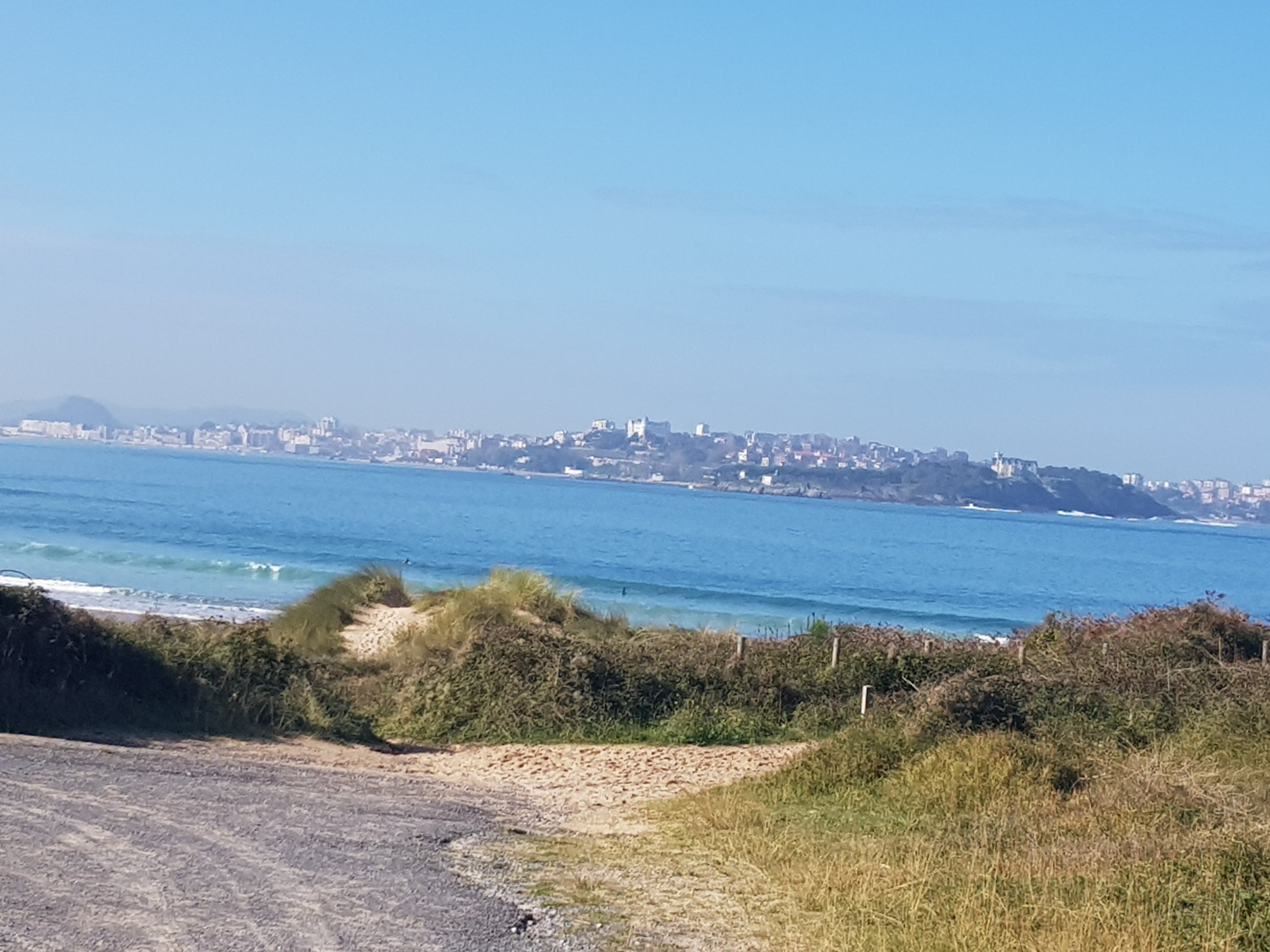
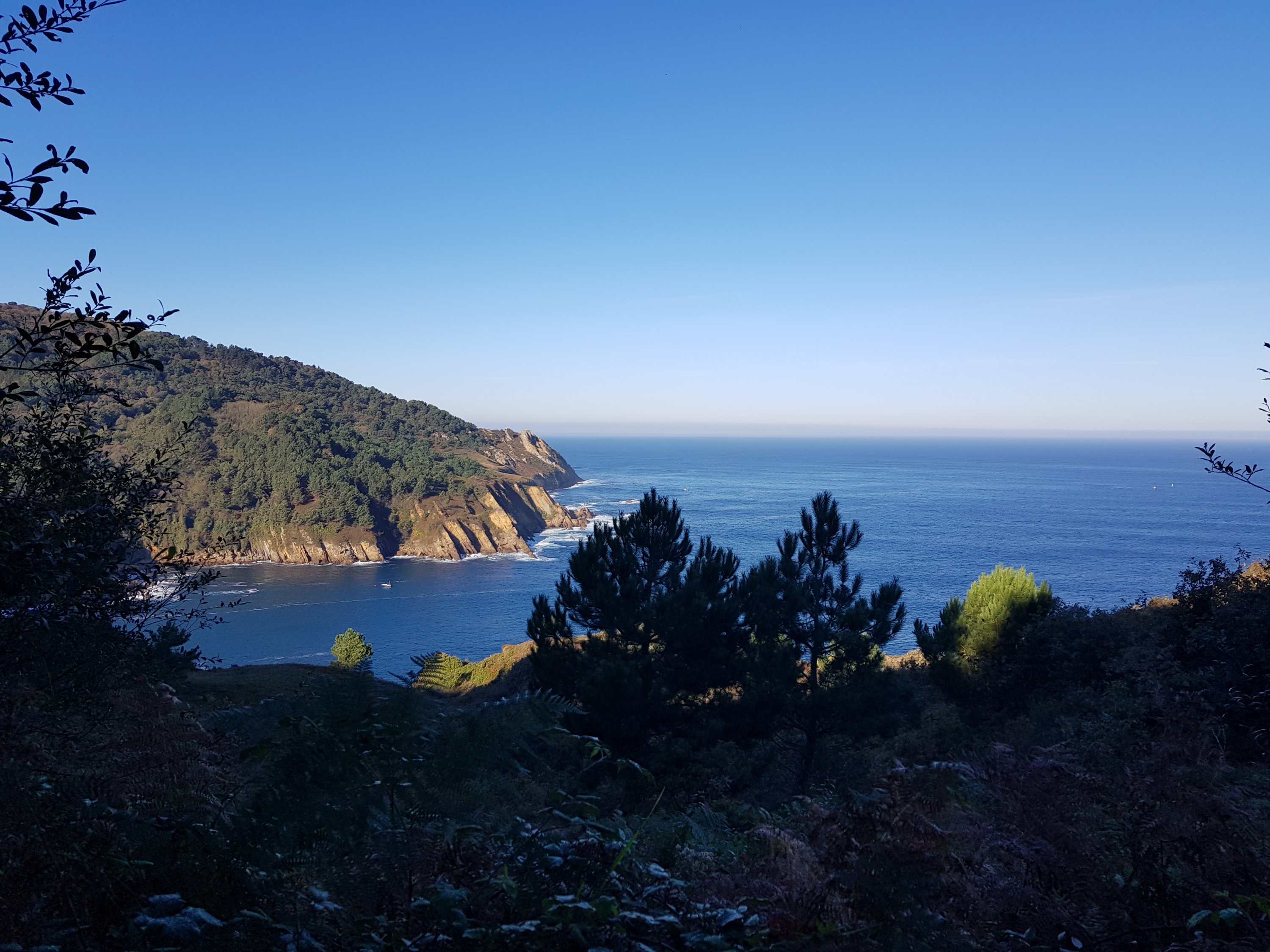
Whilst walking the camino to the next stop in Comillas, the seaside views and sites of farms became very familiar, and I also went hunting for more caves!
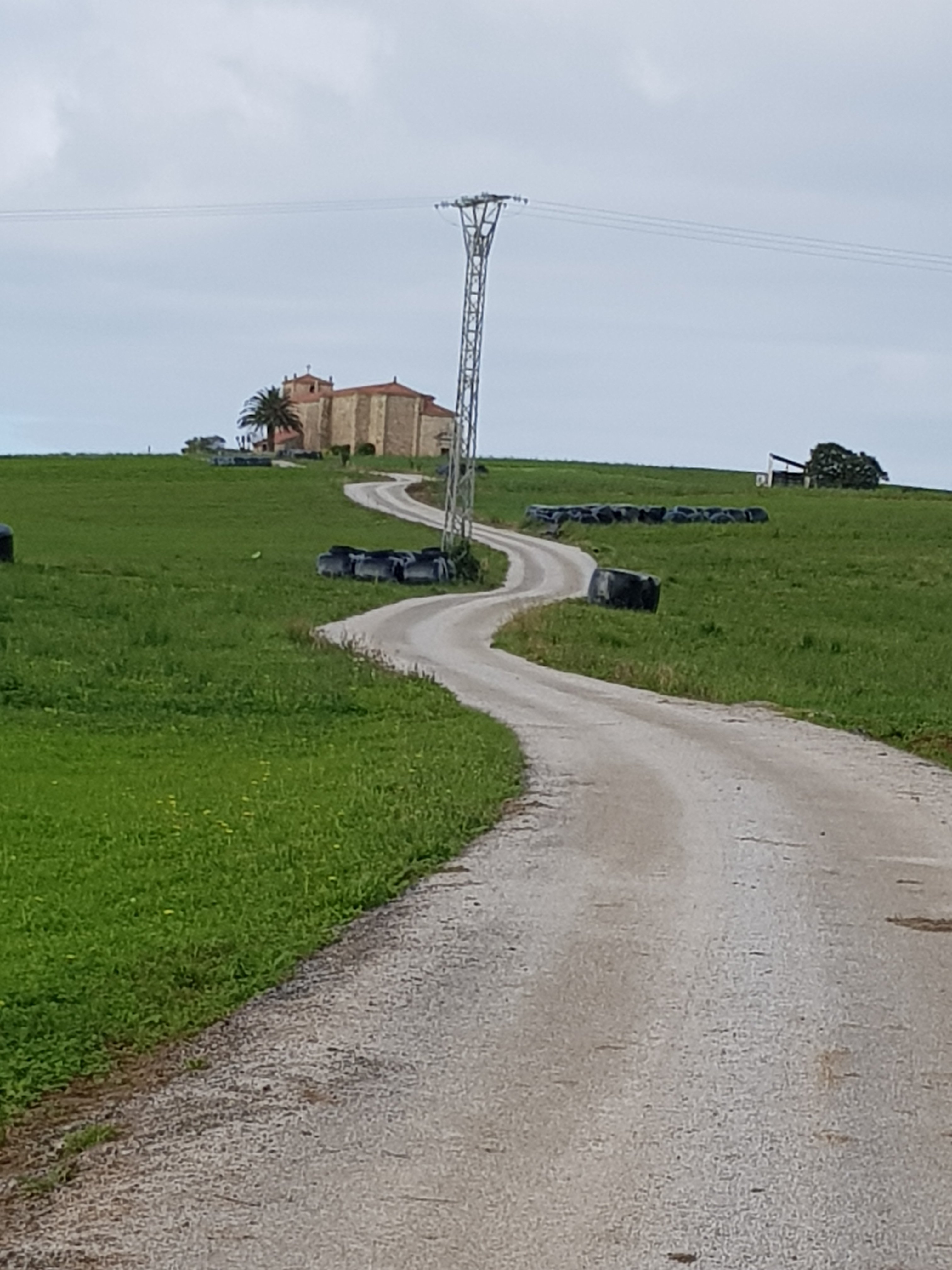
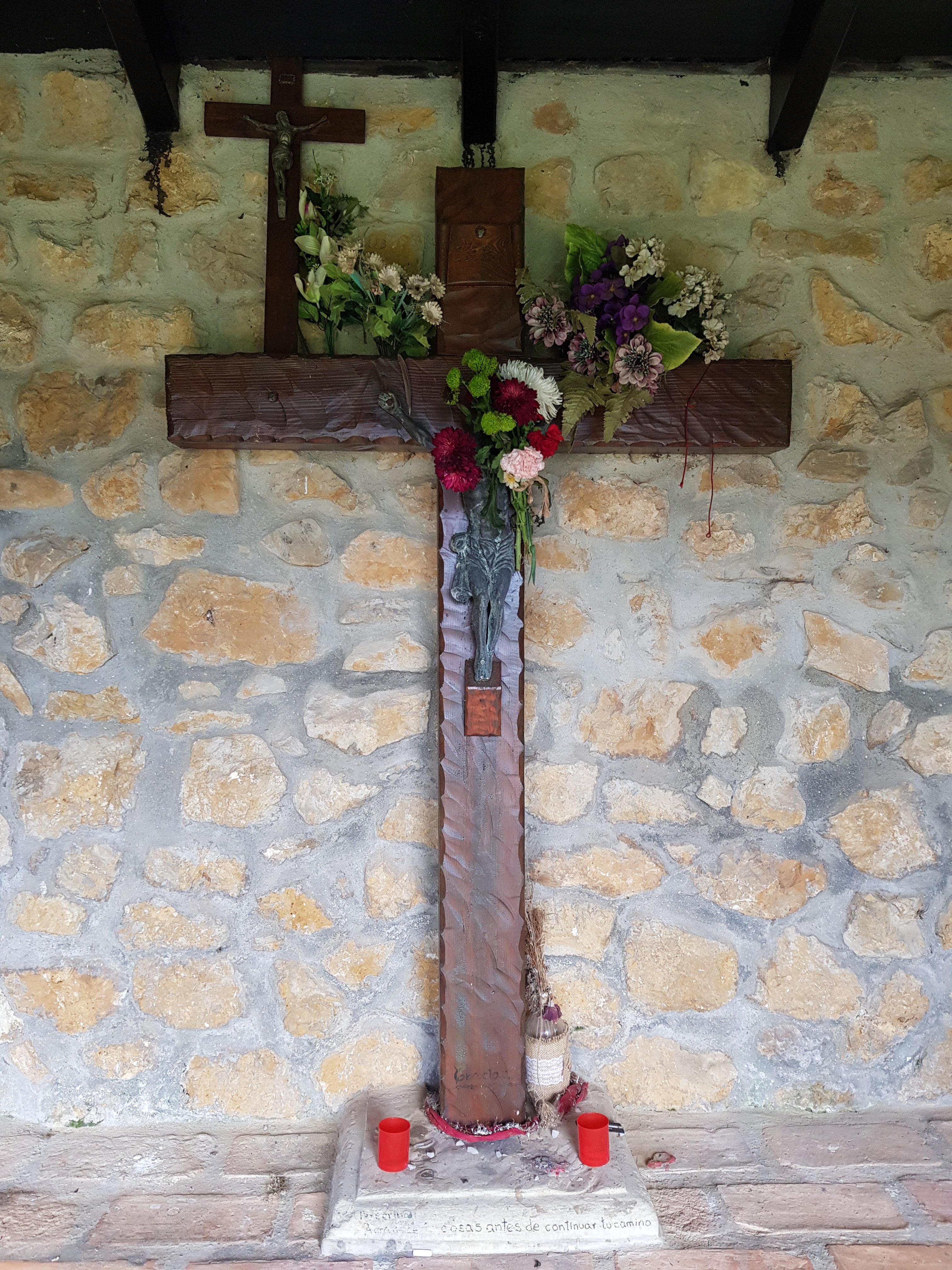
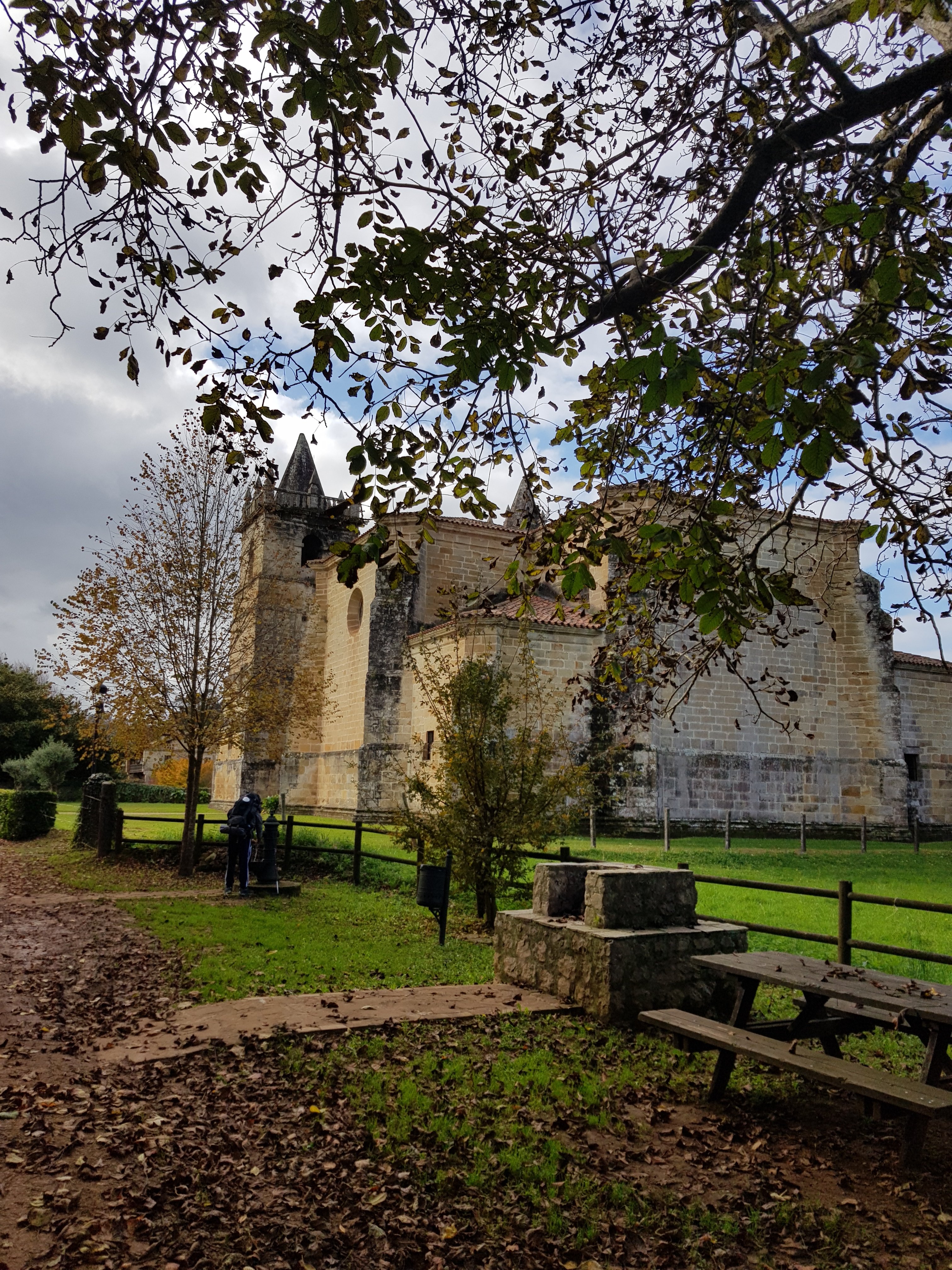
Nearby to the path, I had seen on the map that there was a cave in a woodland that had been discovered to have ancient paintings again, and you could have this one all to yourself. La cueva de aguas was about 20-30 minutes off the track, and was very exciting!
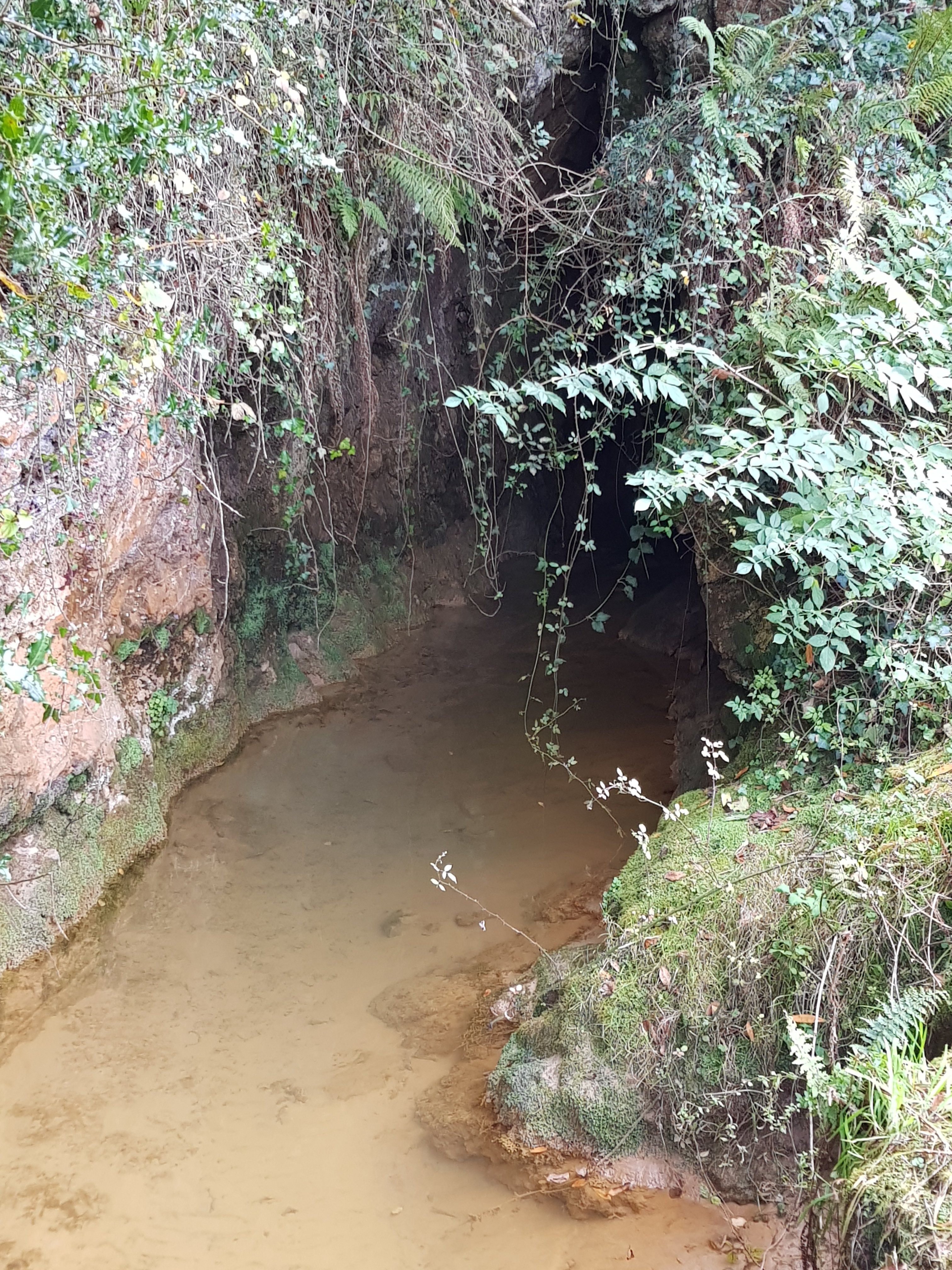

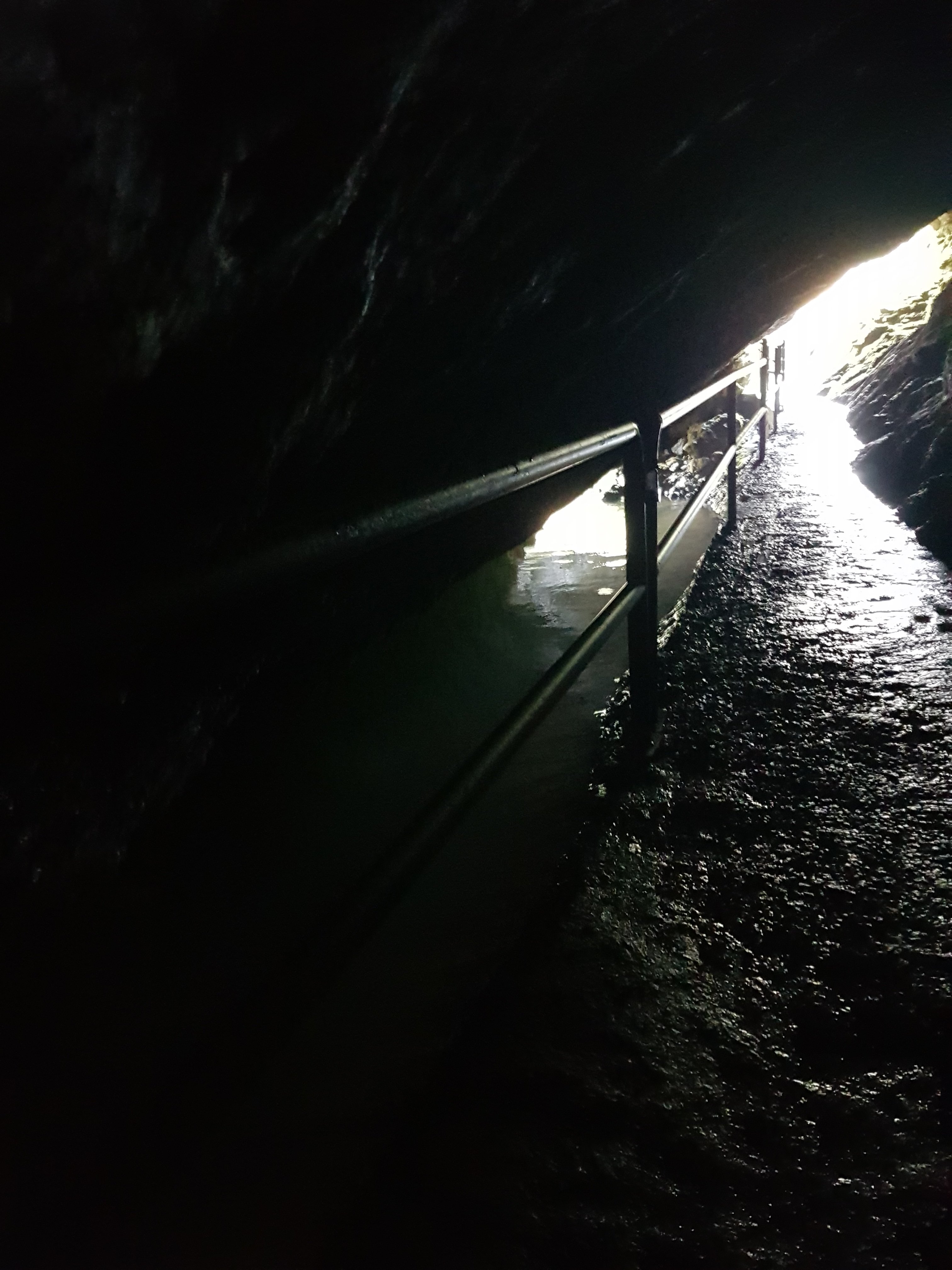
In this small cave, deep in the woods, I had to ditch my backpack outside, and crouch to get in. It is completely pitch black, and I could hear the loud sound of water. When i finally got my torch going (I had resisted, as I was afraid of bats), I realised there was water gushing around my feet, and a waterfall running through the cave!
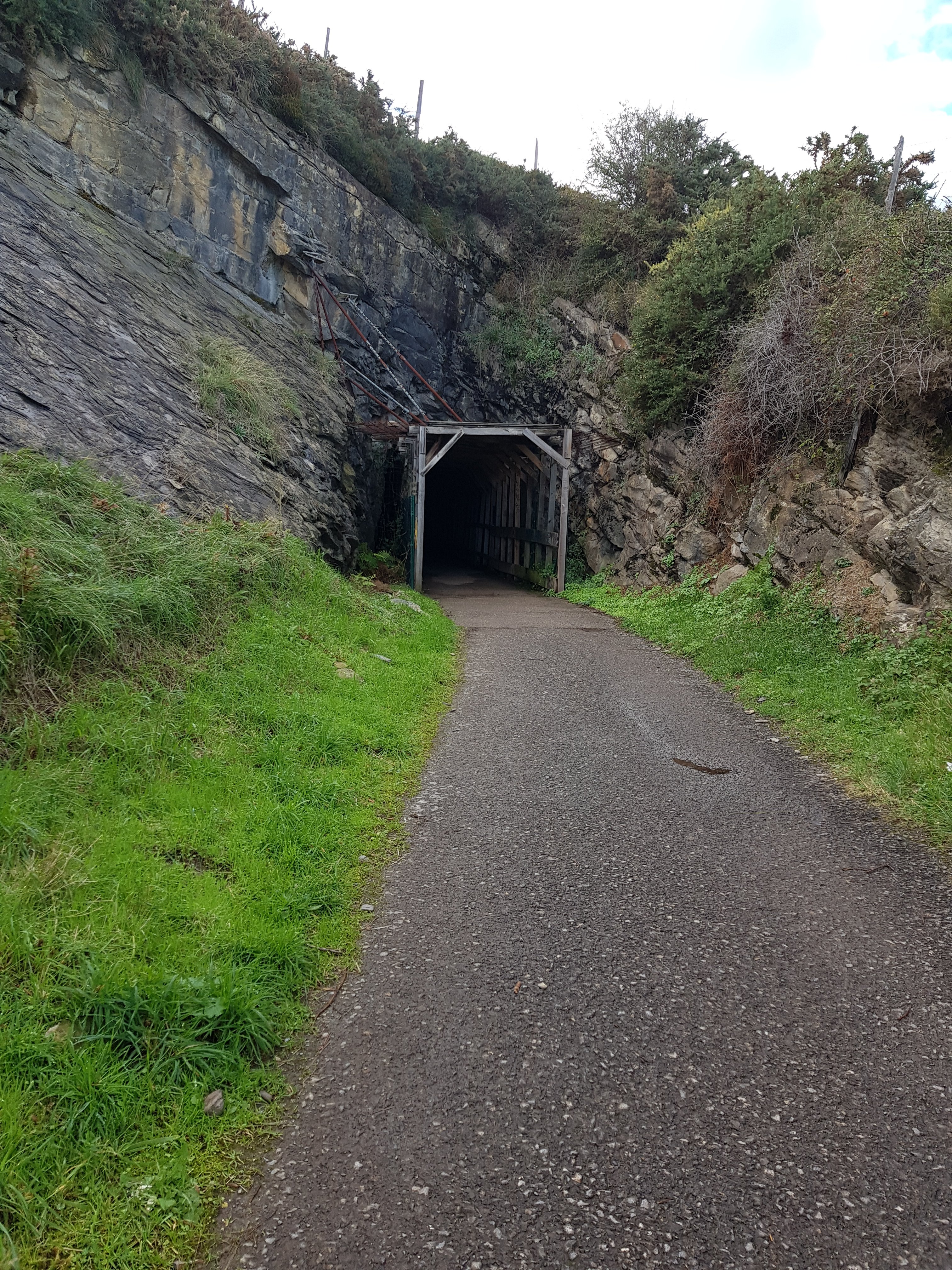
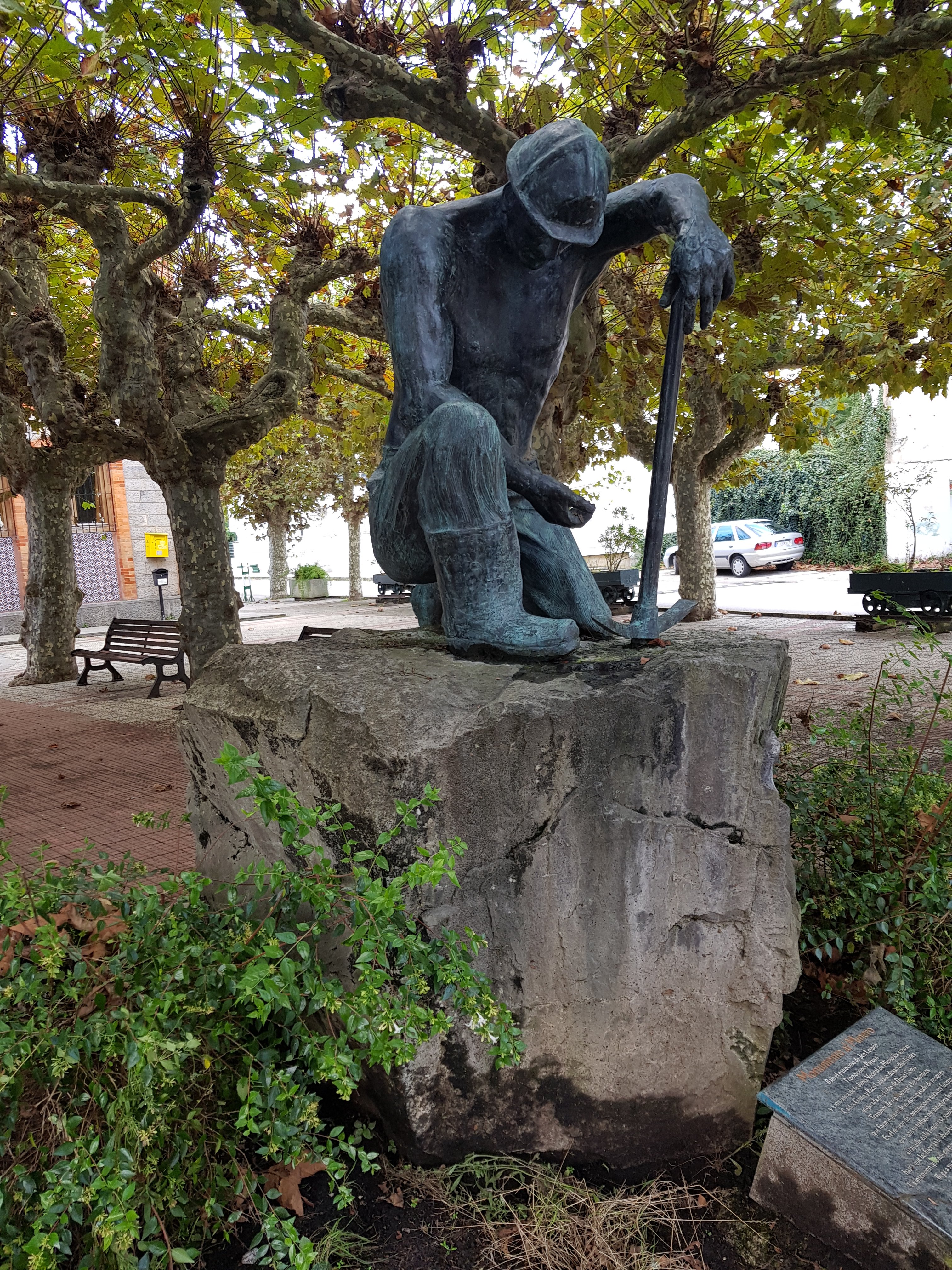
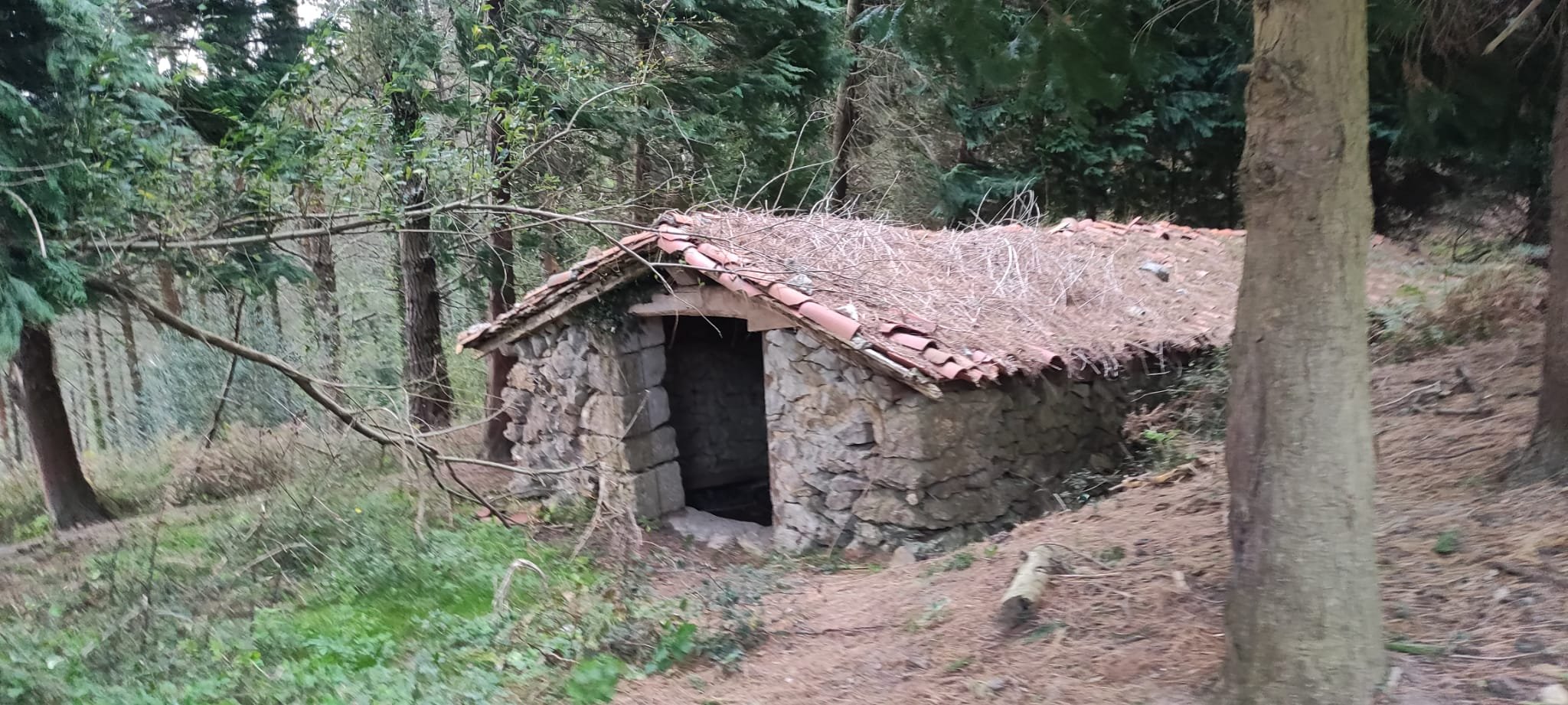
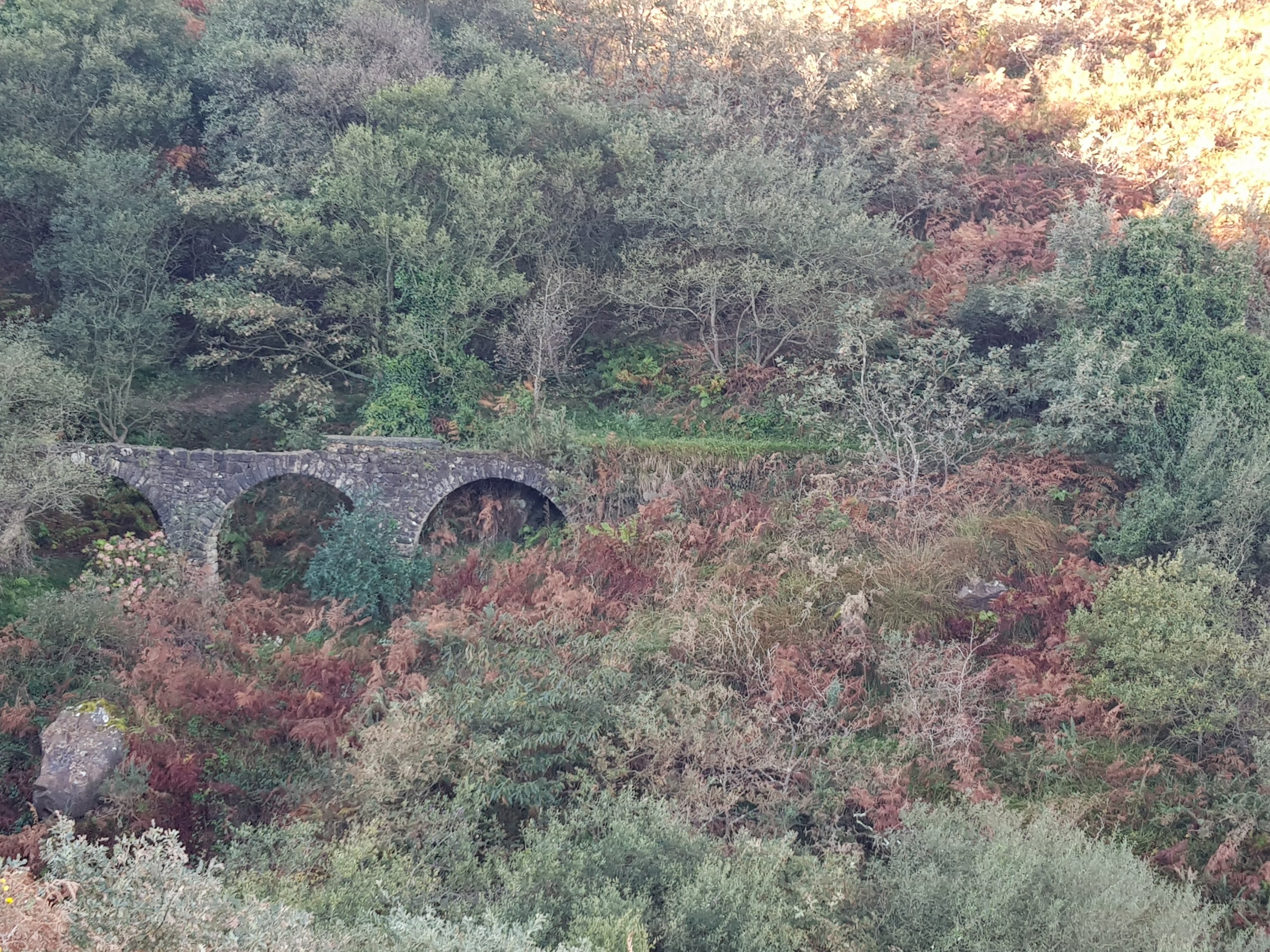
It was really amazing to find, and I could just make out the higher level in the cave, where the cave people would have made home. This cave was on the route of the miners, and another small cave can also be seen on the path, but is inaccessible.
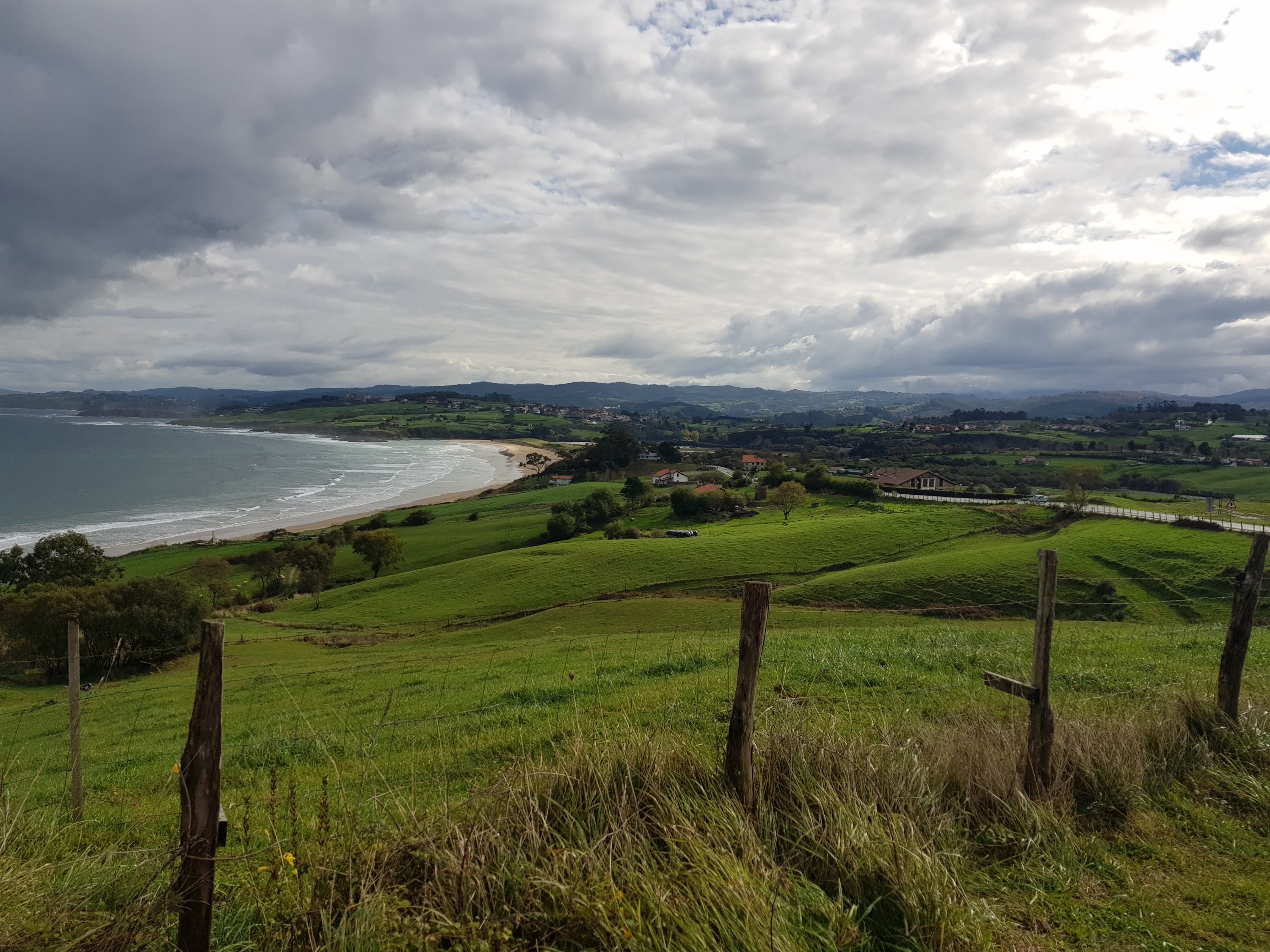
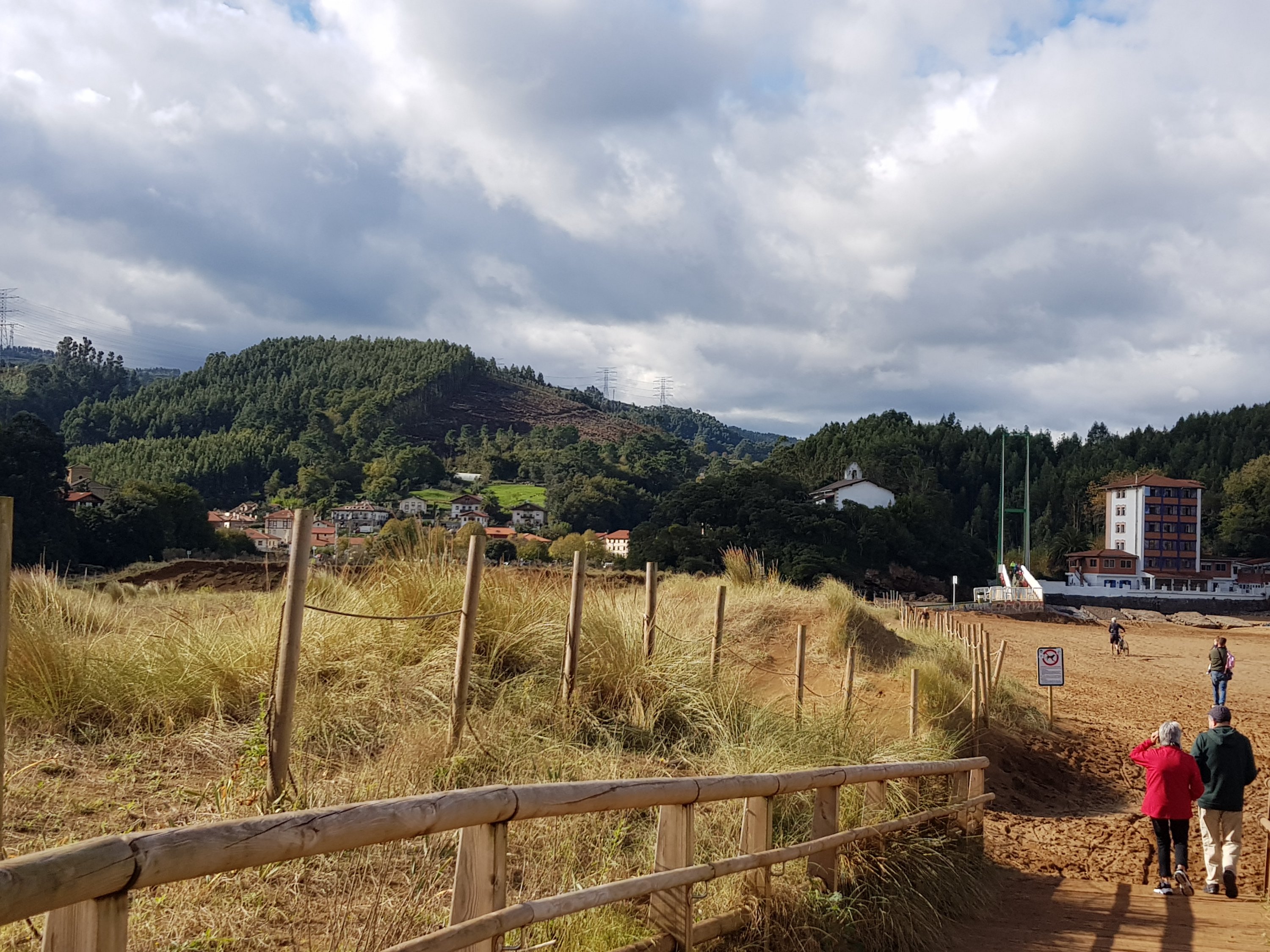
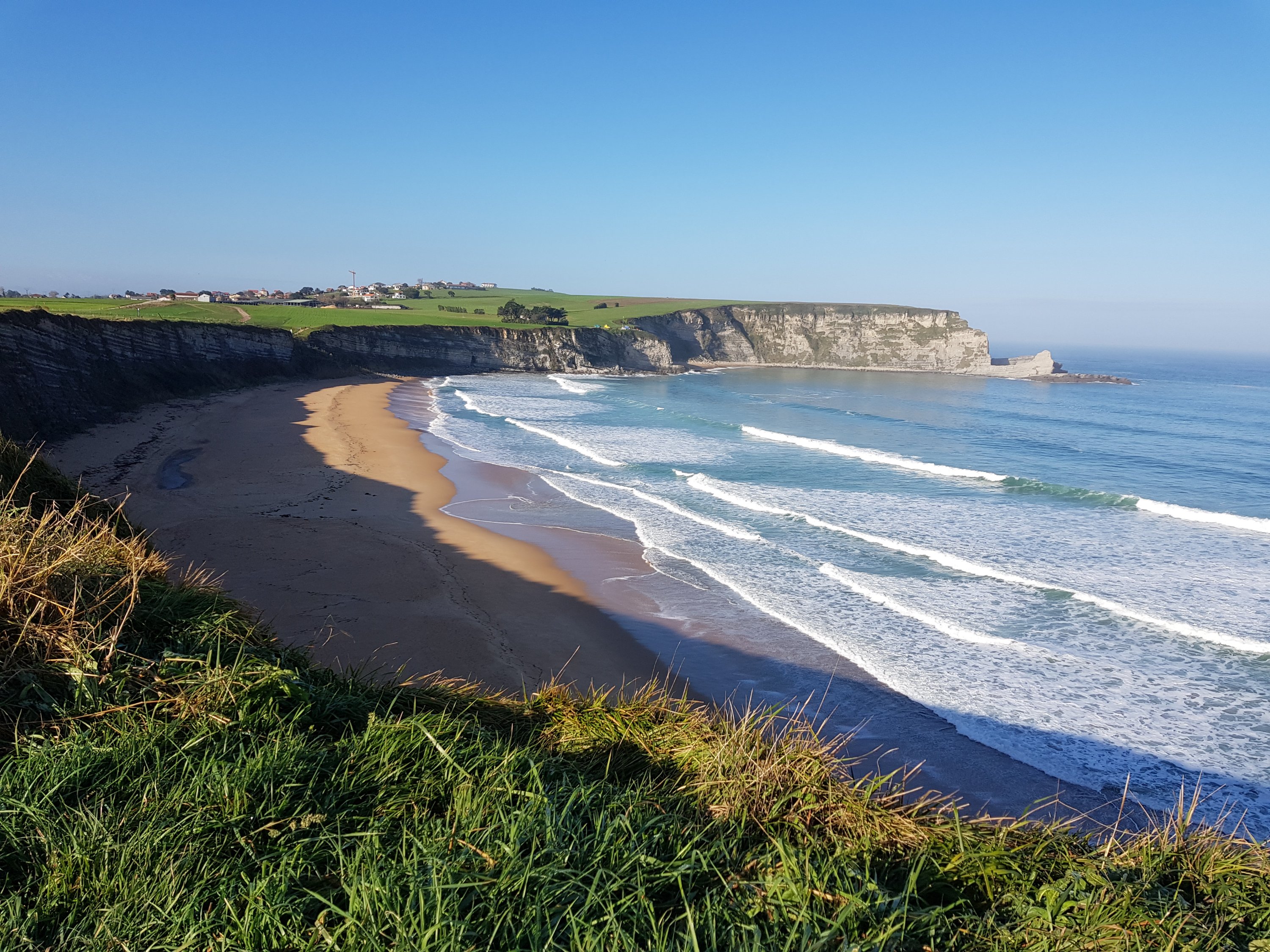
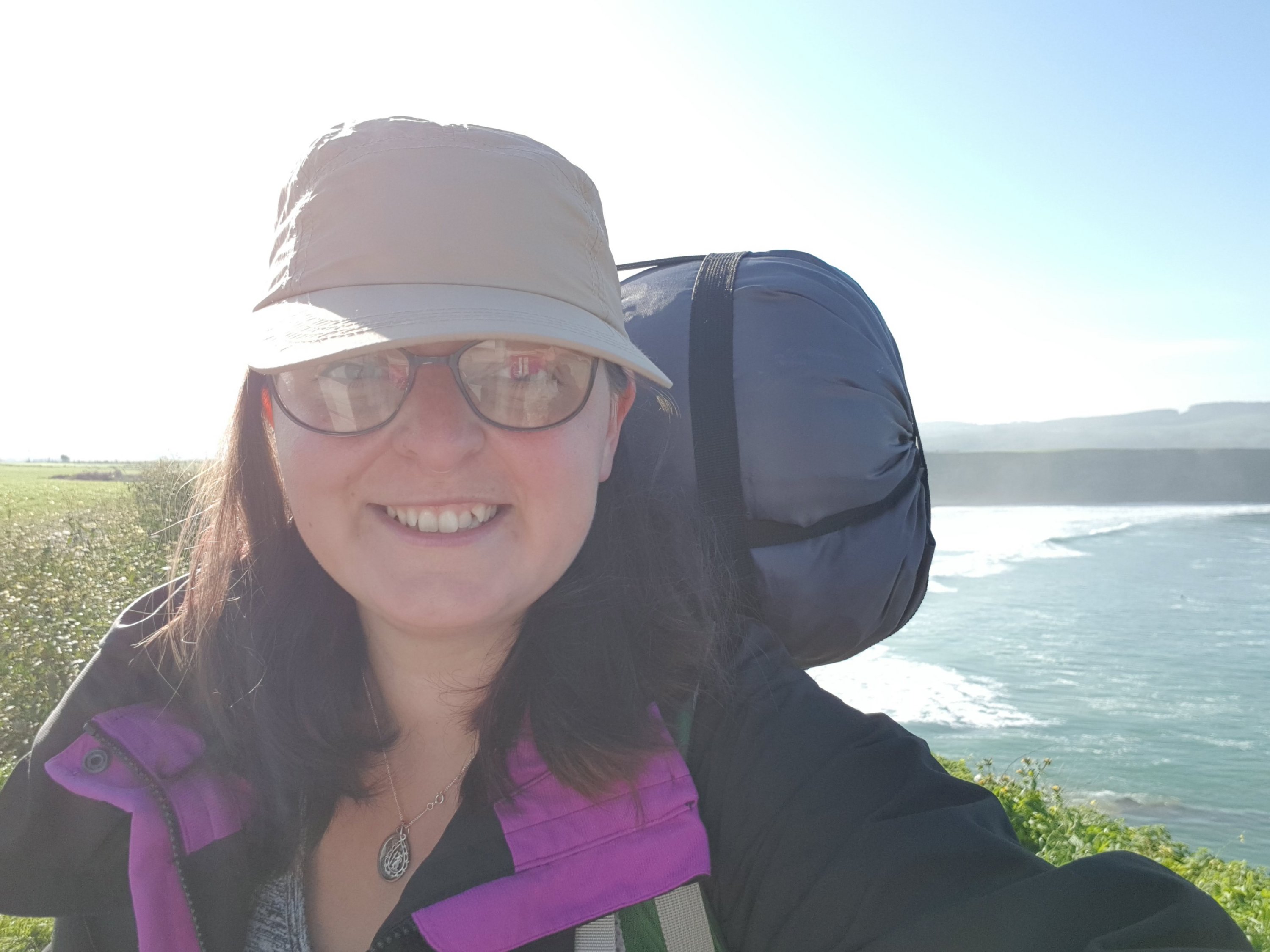
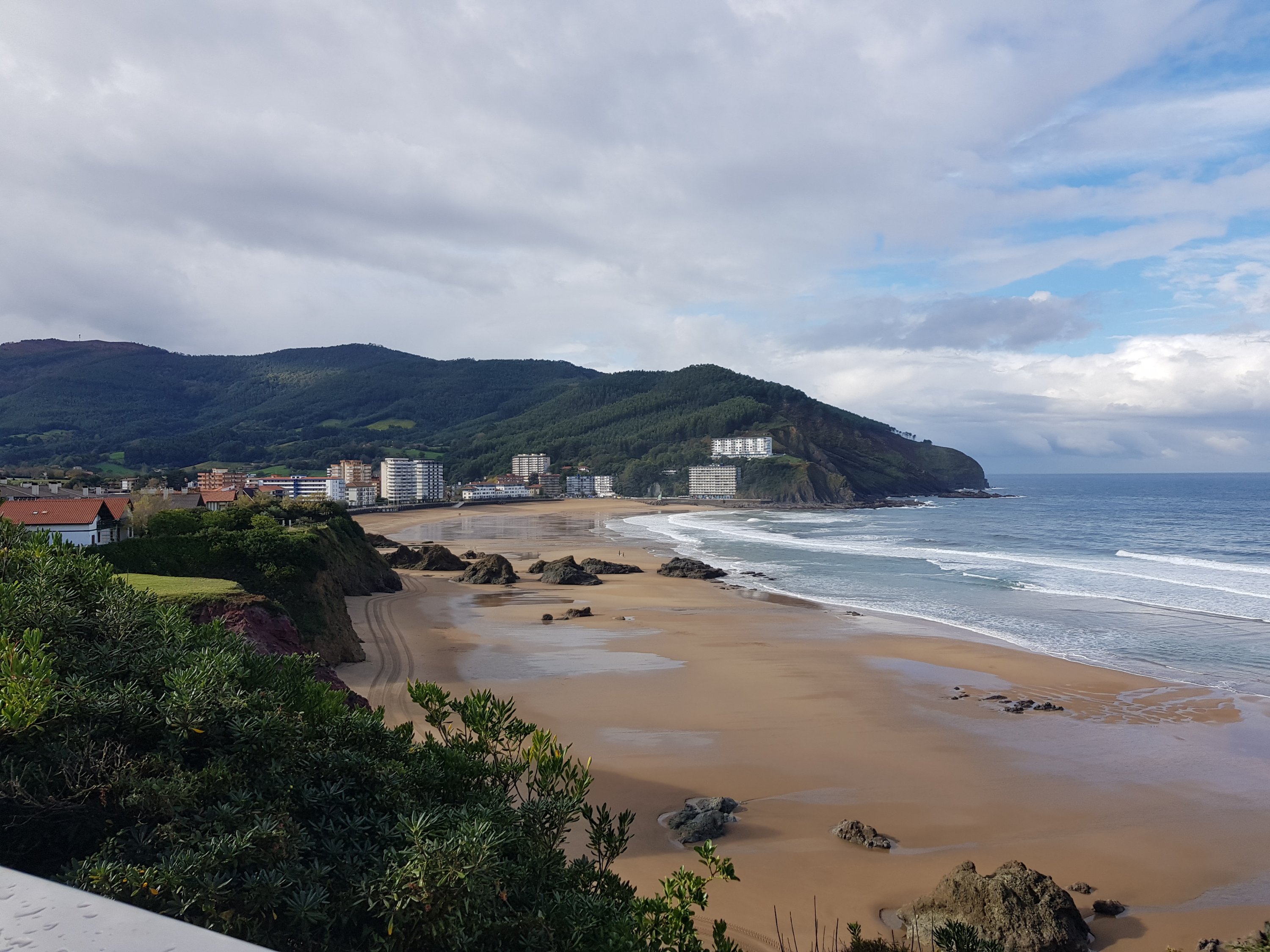
After the excitement of the cave, I had fallen behind schedule, on this very long stretch. I walked as quickly as I could through more roads, woodland, and past a gorgeous beach, trying to get to town before sunset.

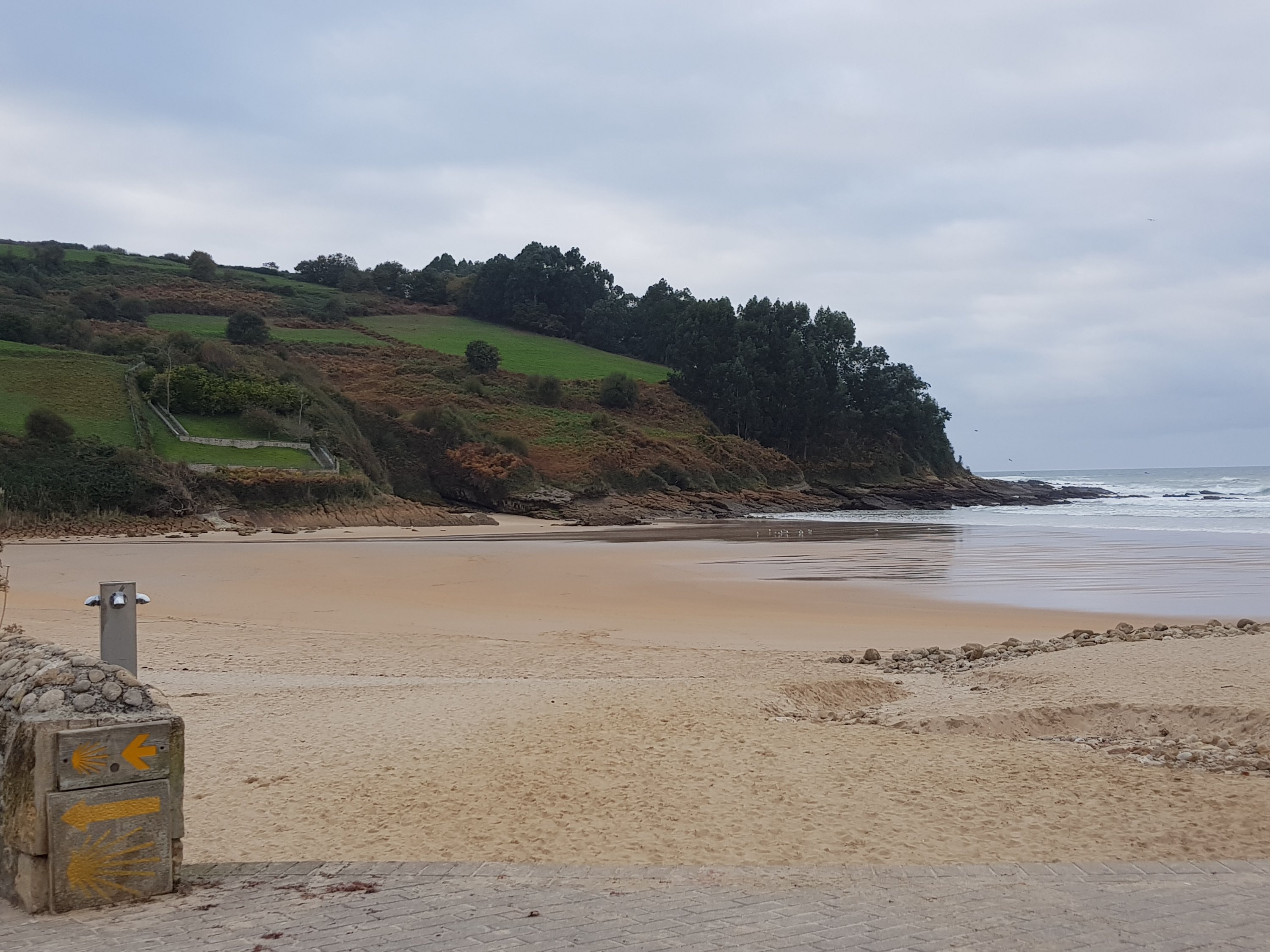

I spent the last few hours frantically calling pensions and hotels in town to try to find a room. I kept coming up against the same response, ‘we are closed for winter’. Forty minutes walk away, and already night time by now, I sat in a bus shelter, and seriously considered sleeping there. It looked like quite a well built shelter, but I didn’t like the idea of being 40 minutes behind on tomorrow’s walk. In a final attempt, I phoned a golf club in the town, and managed to rent a 3 bedroom apartment for one night, for 85 euros. So with no food, and sore feet, I dragged myself there and managed to get a bed for the night. Bright side – it had a washing machine!
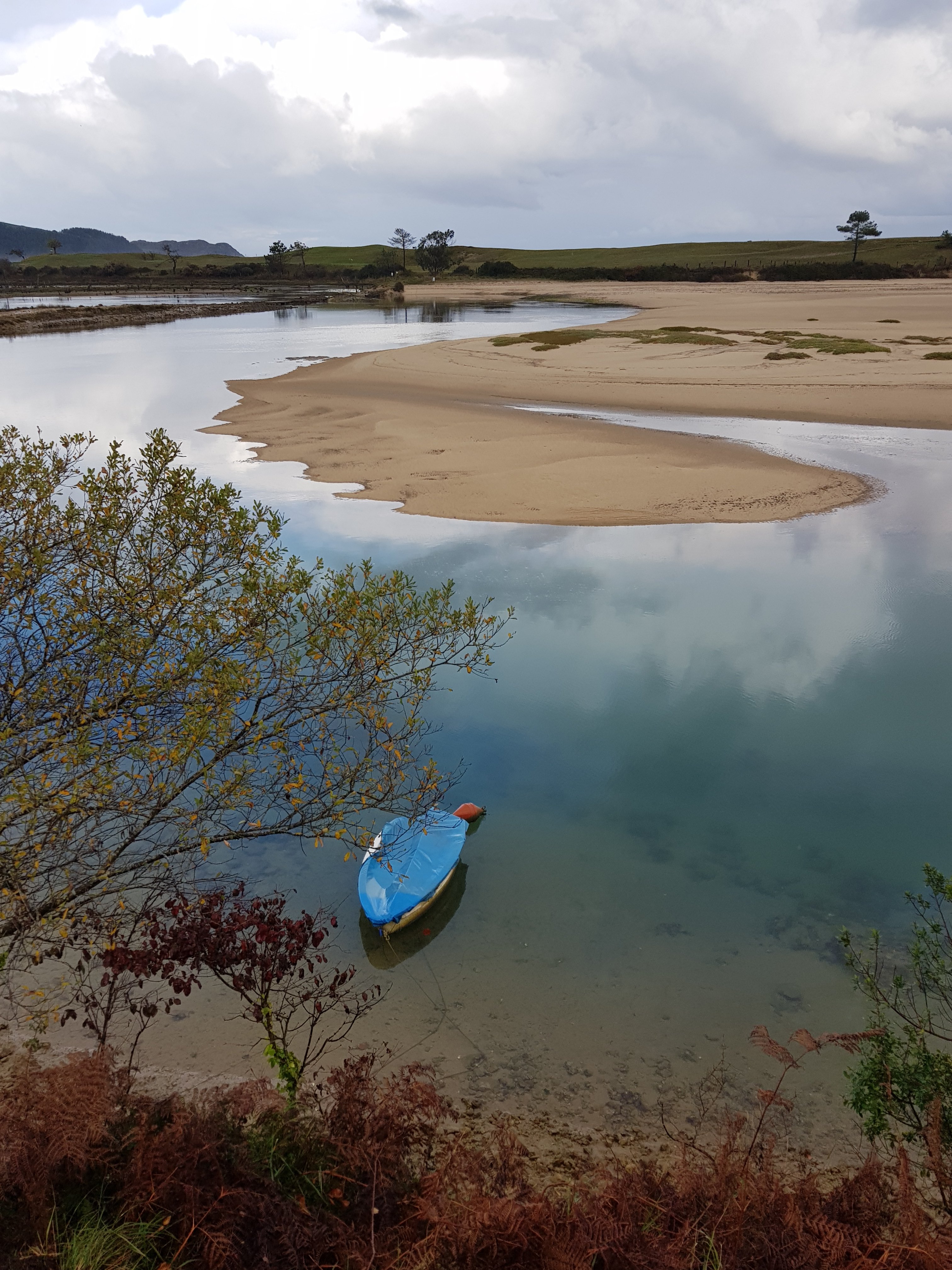
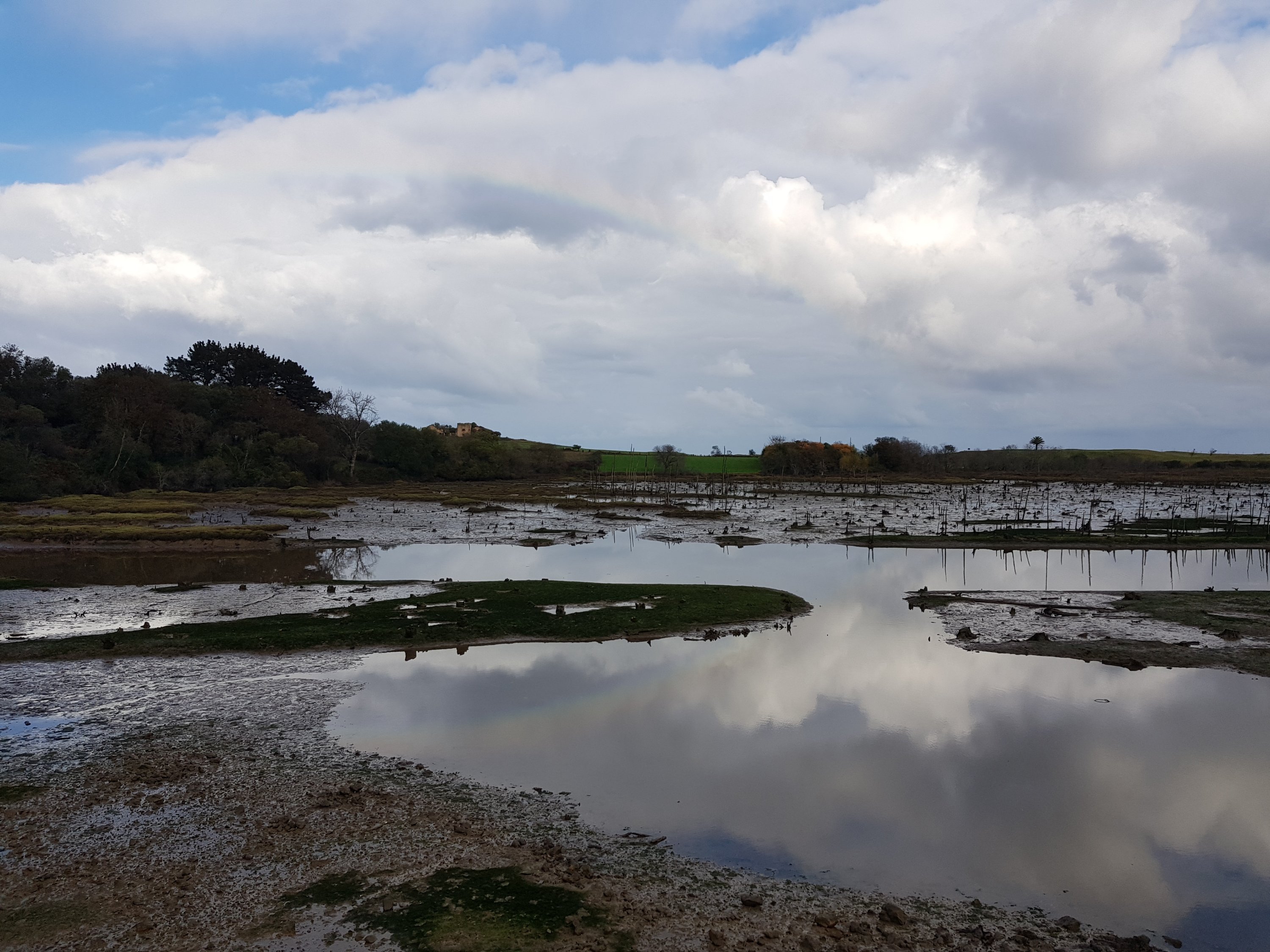
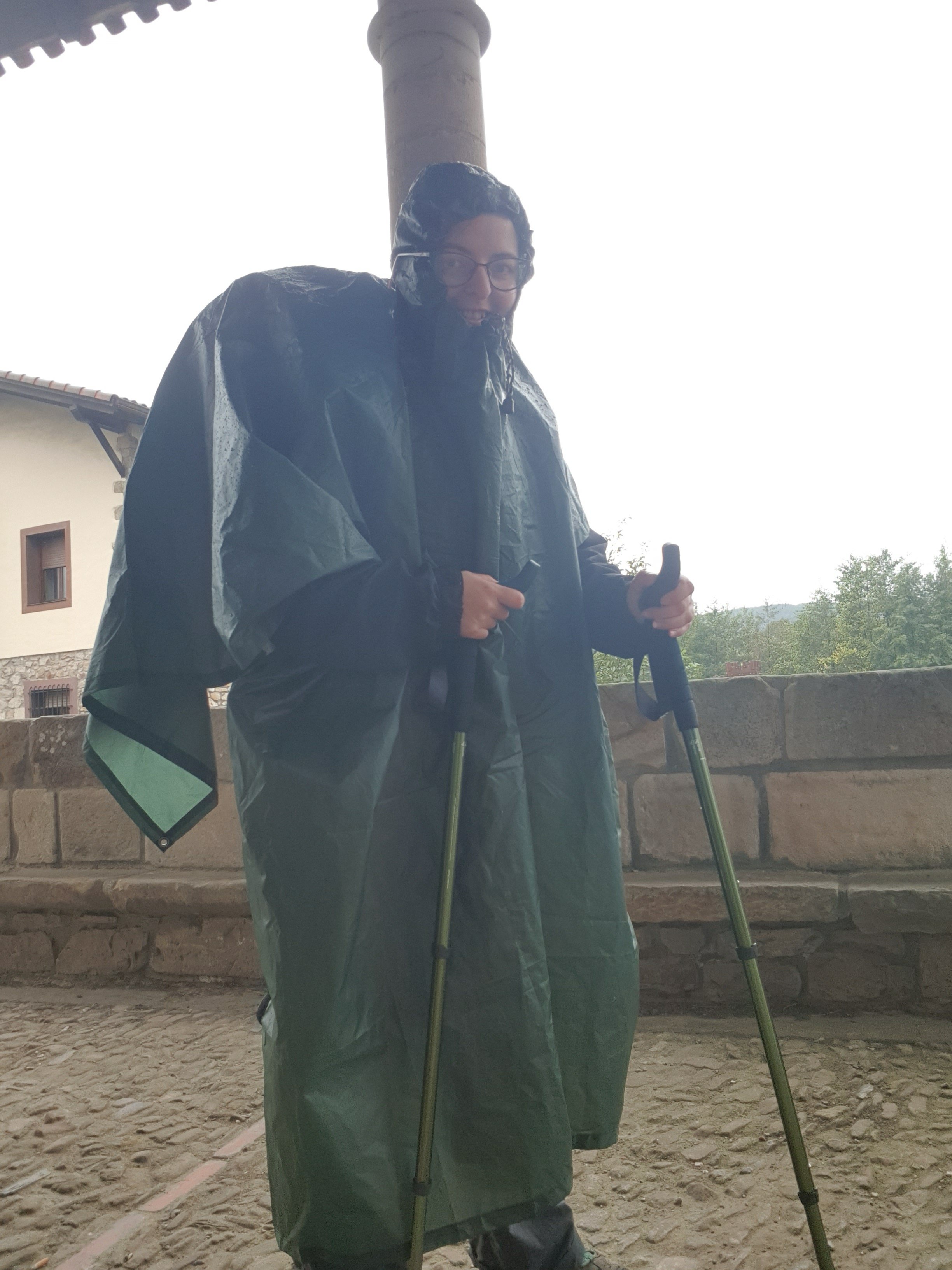
The next day, I left late, got my stamp from the tourism office, and headed out for a shorter walk to San Vincente. The day began with a lot of rain, and going uphill. After the stressful night before, and being hammered by rain, my will power was running low. Then all of a sudden, I was at a beautiful nature reserve, the sky cleared, and a rainbow appeared, and everything was better again.
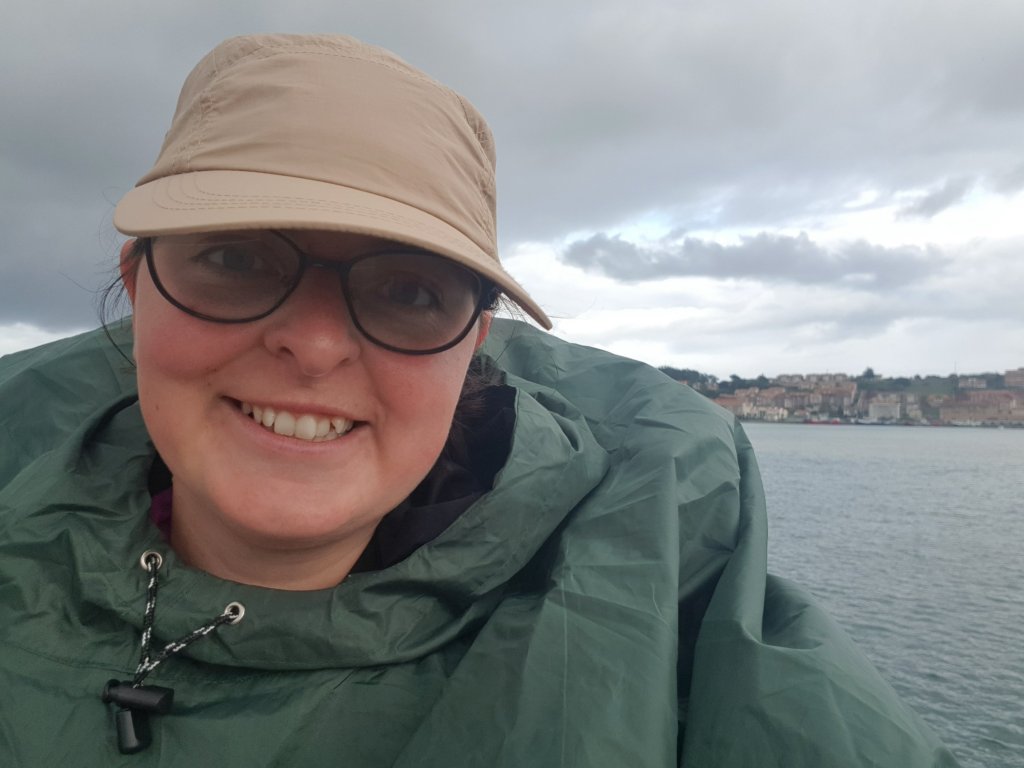
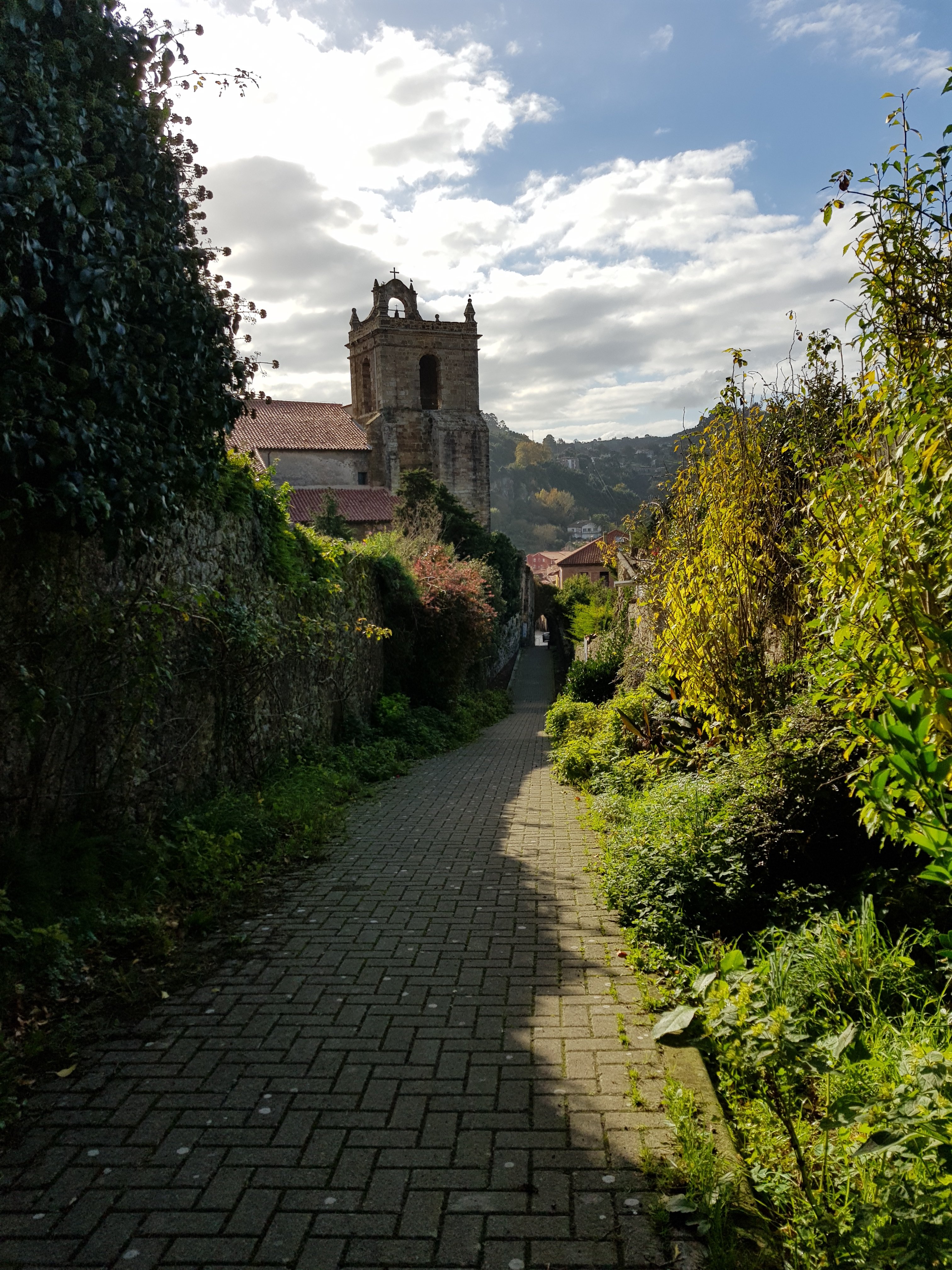
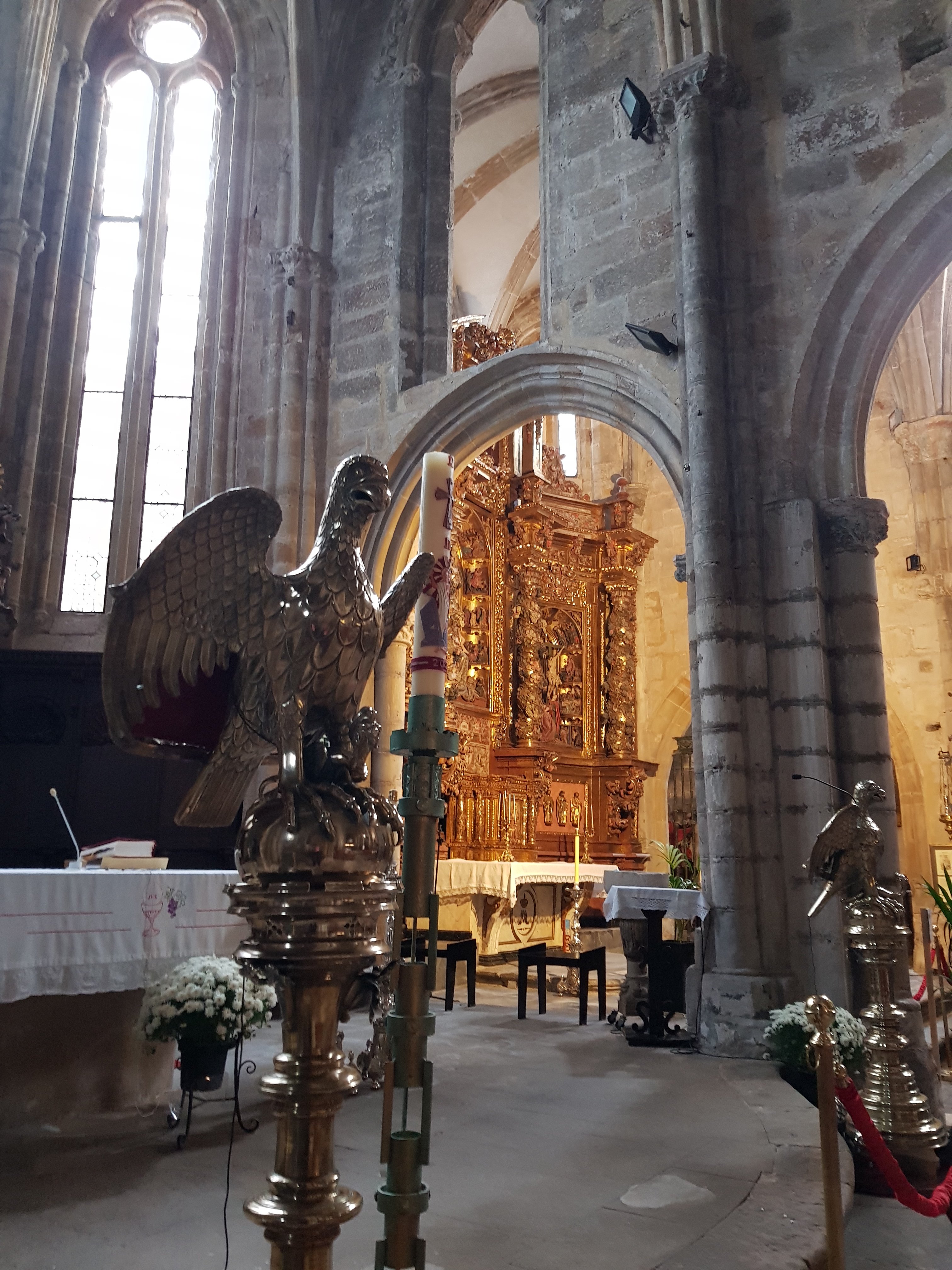
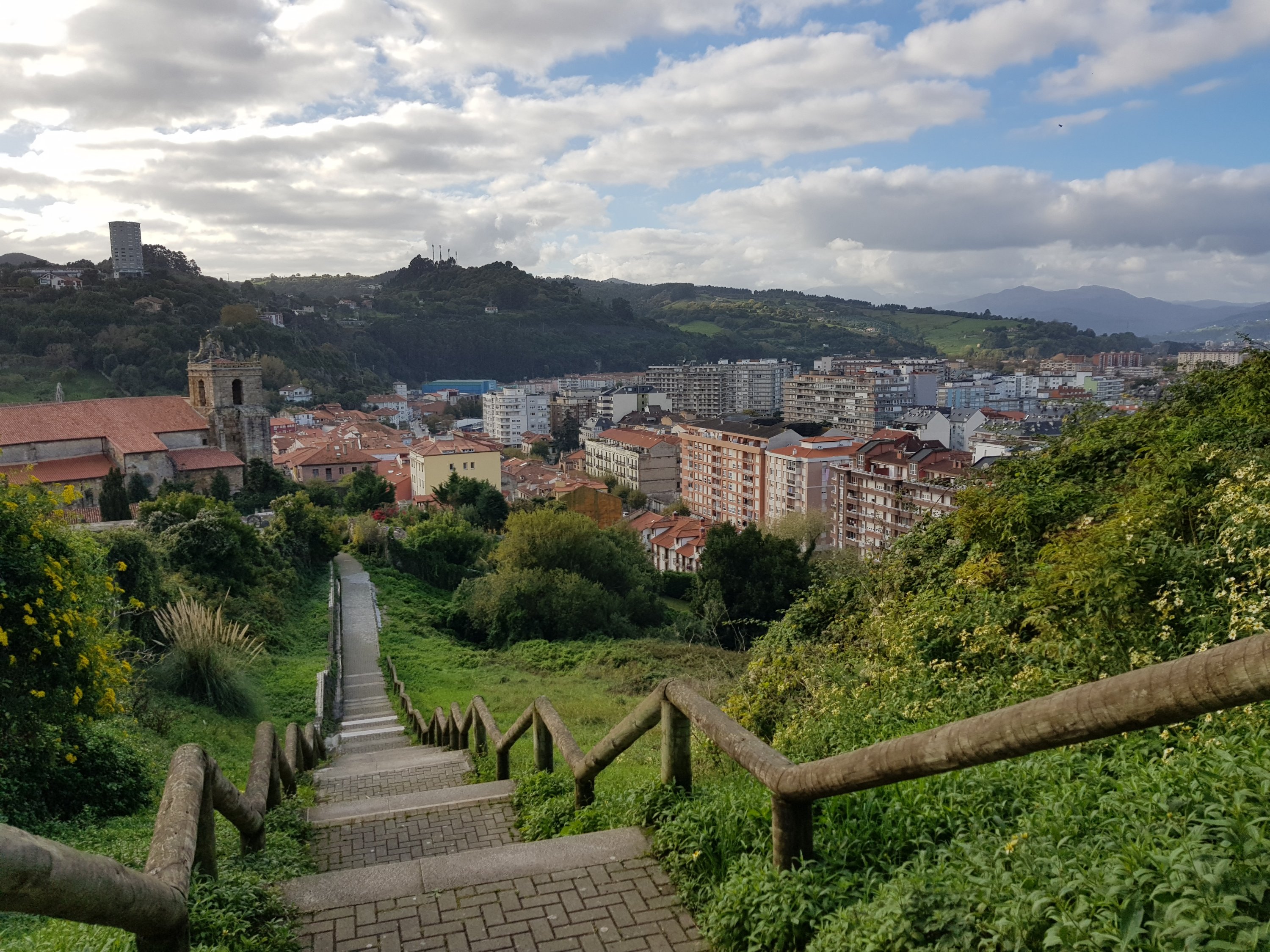
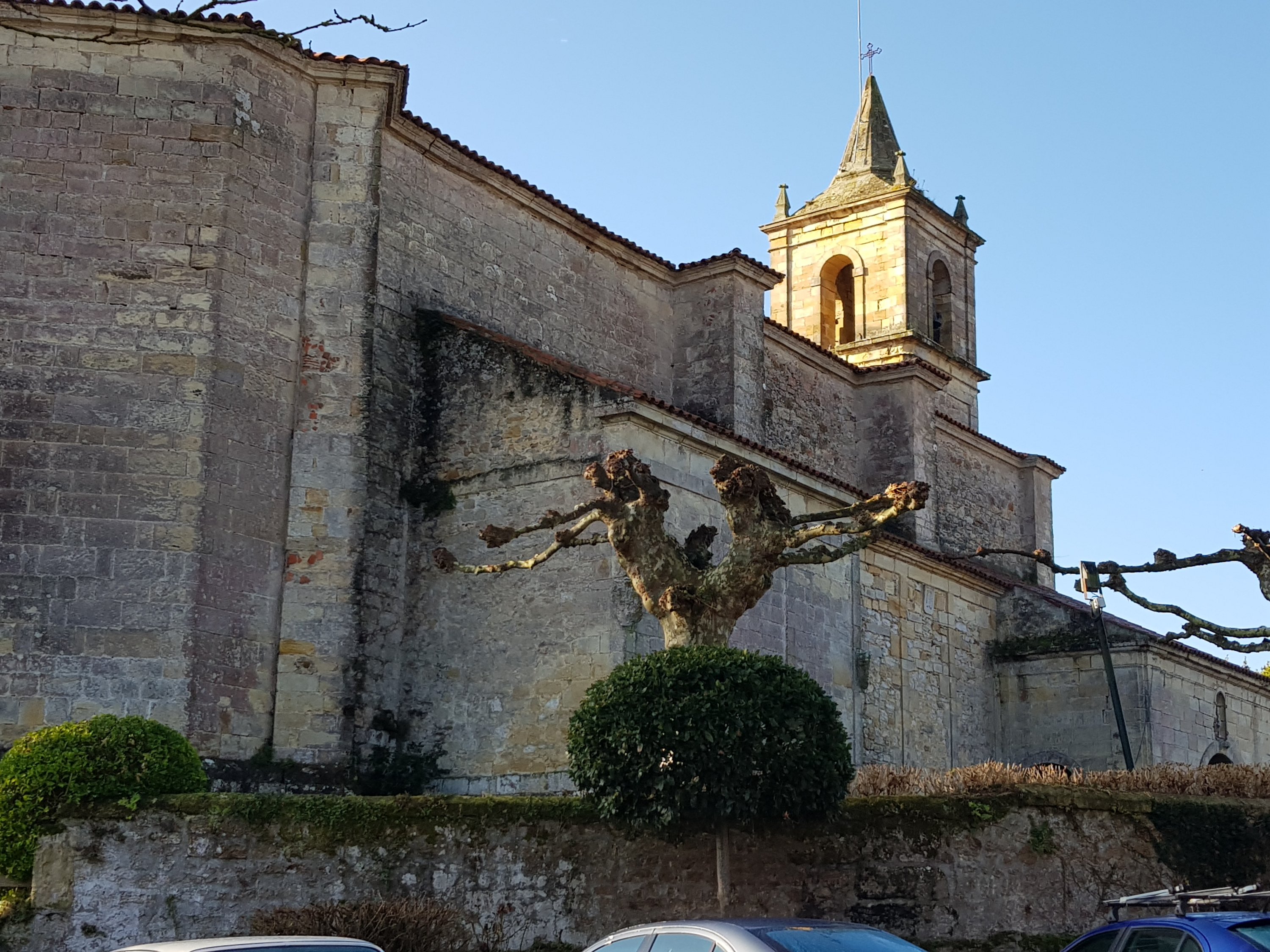
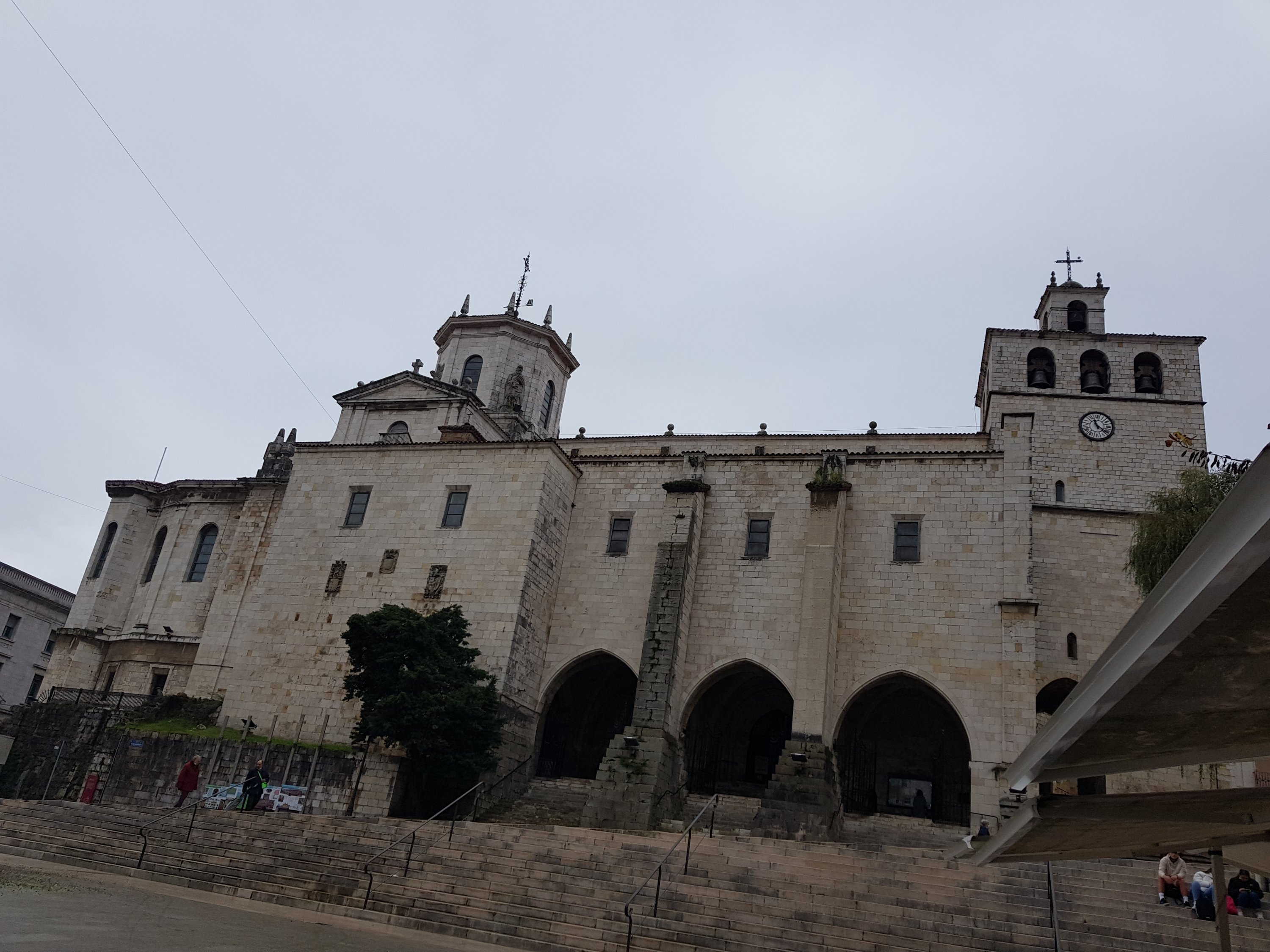
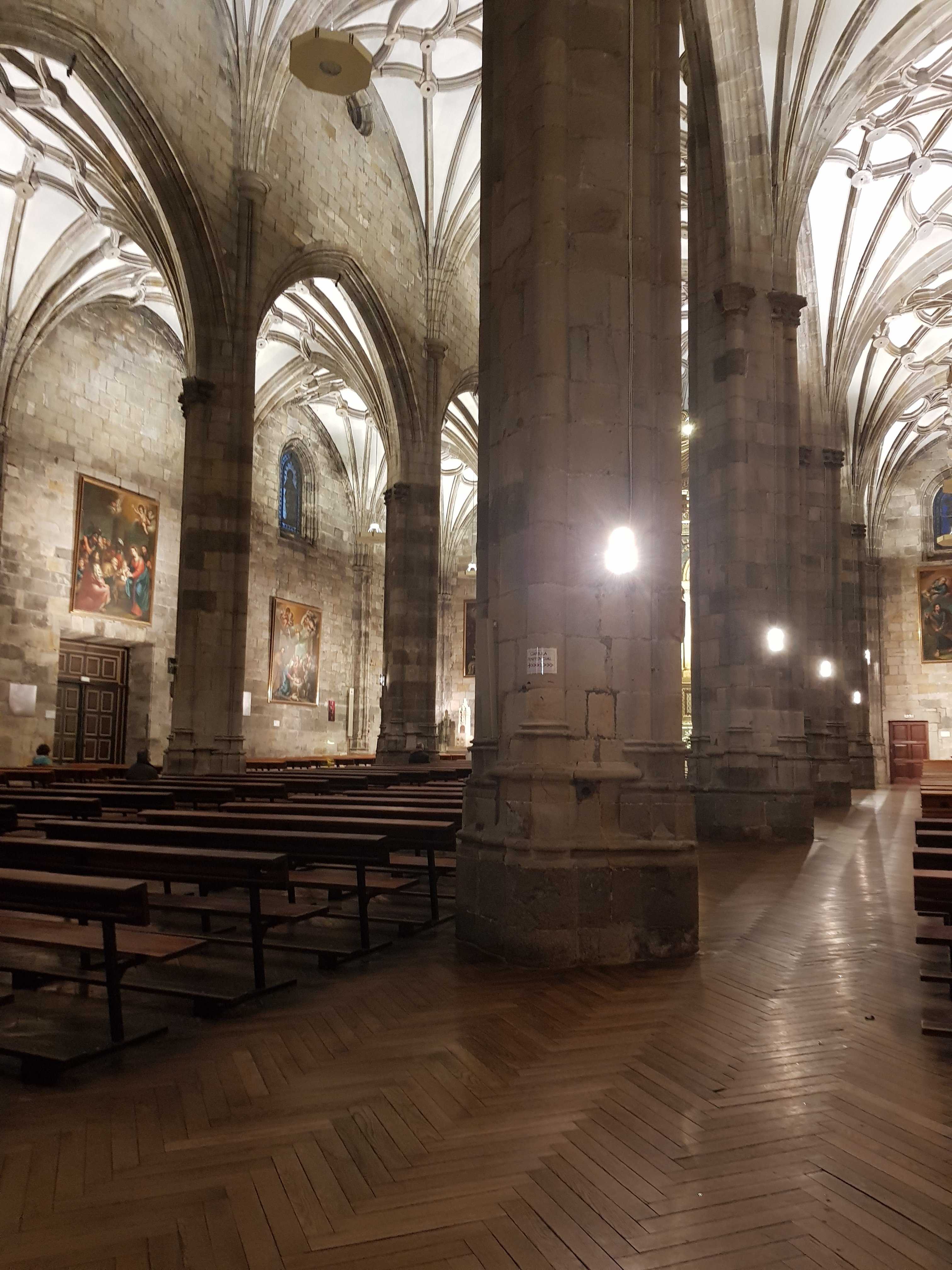
San Vincente was a big town with a beautiful old church on the hill, (that used to serve as a hospital for pilgrims), a castle, and then a pleasant restaurant and bar scene below. I met a fellow traveller over dinner, and we talked about our trips and exchanged stories. It was great to have a good conversation, it had been a few days, since I had spoken to anyone.
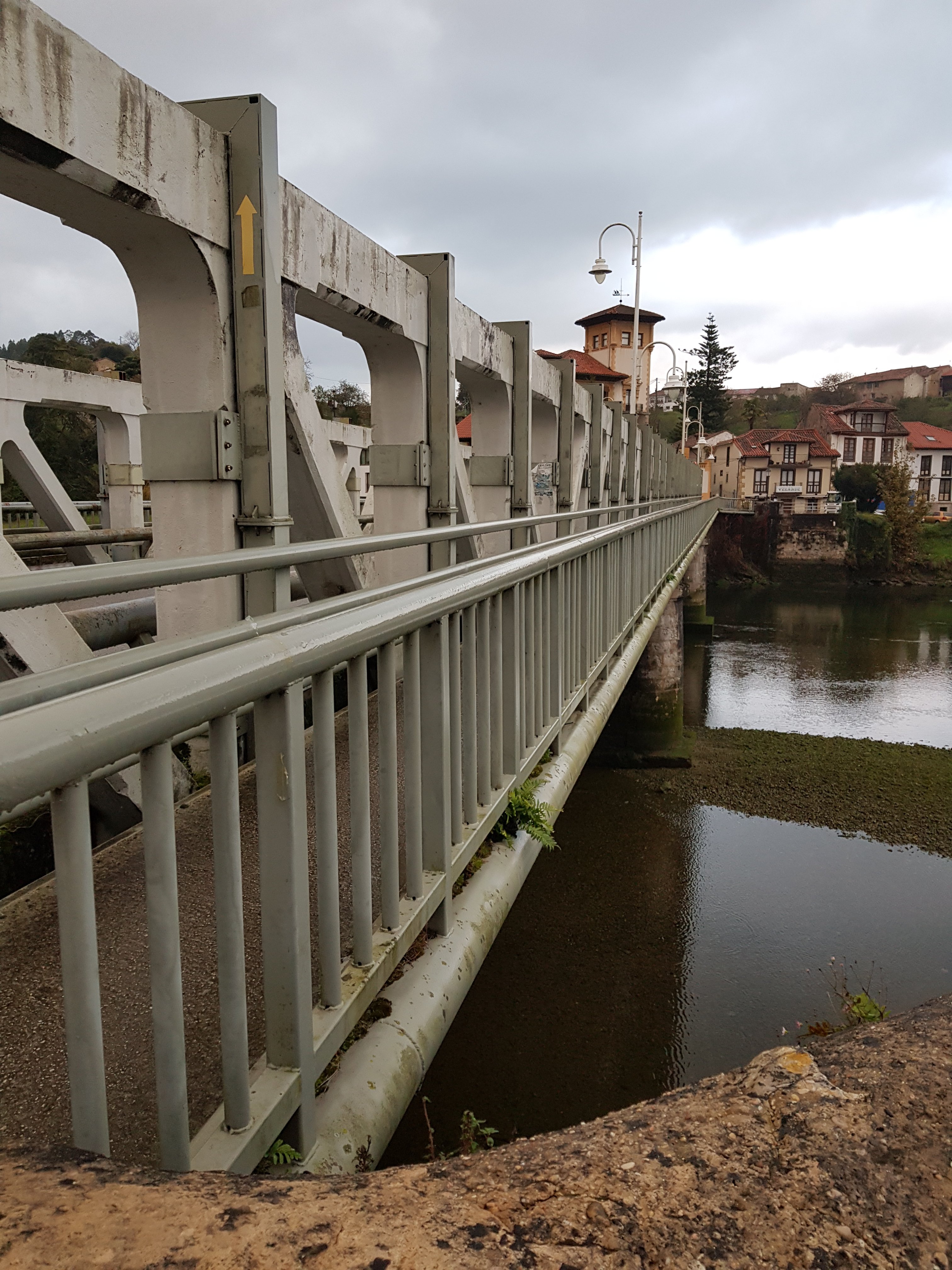
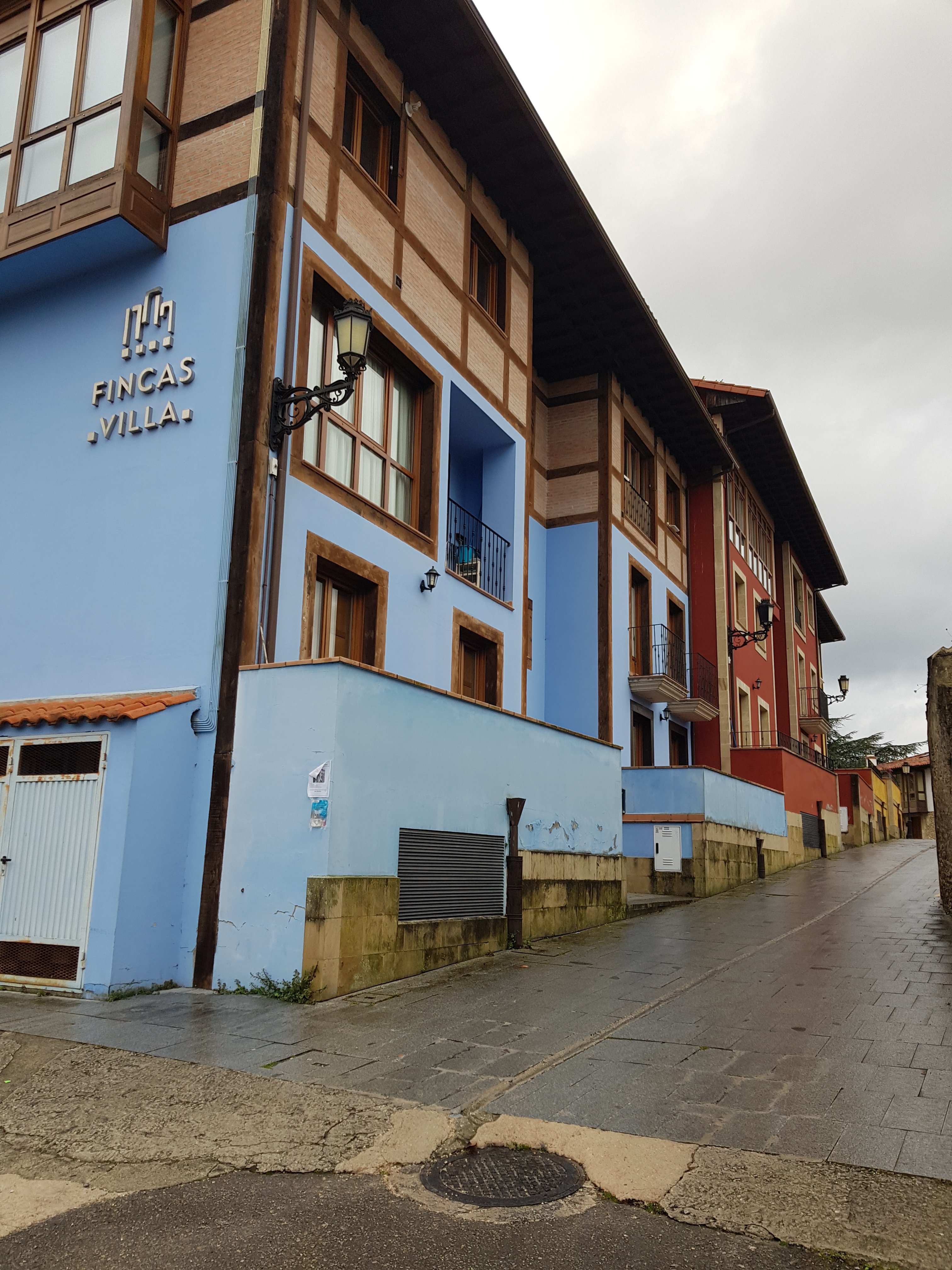
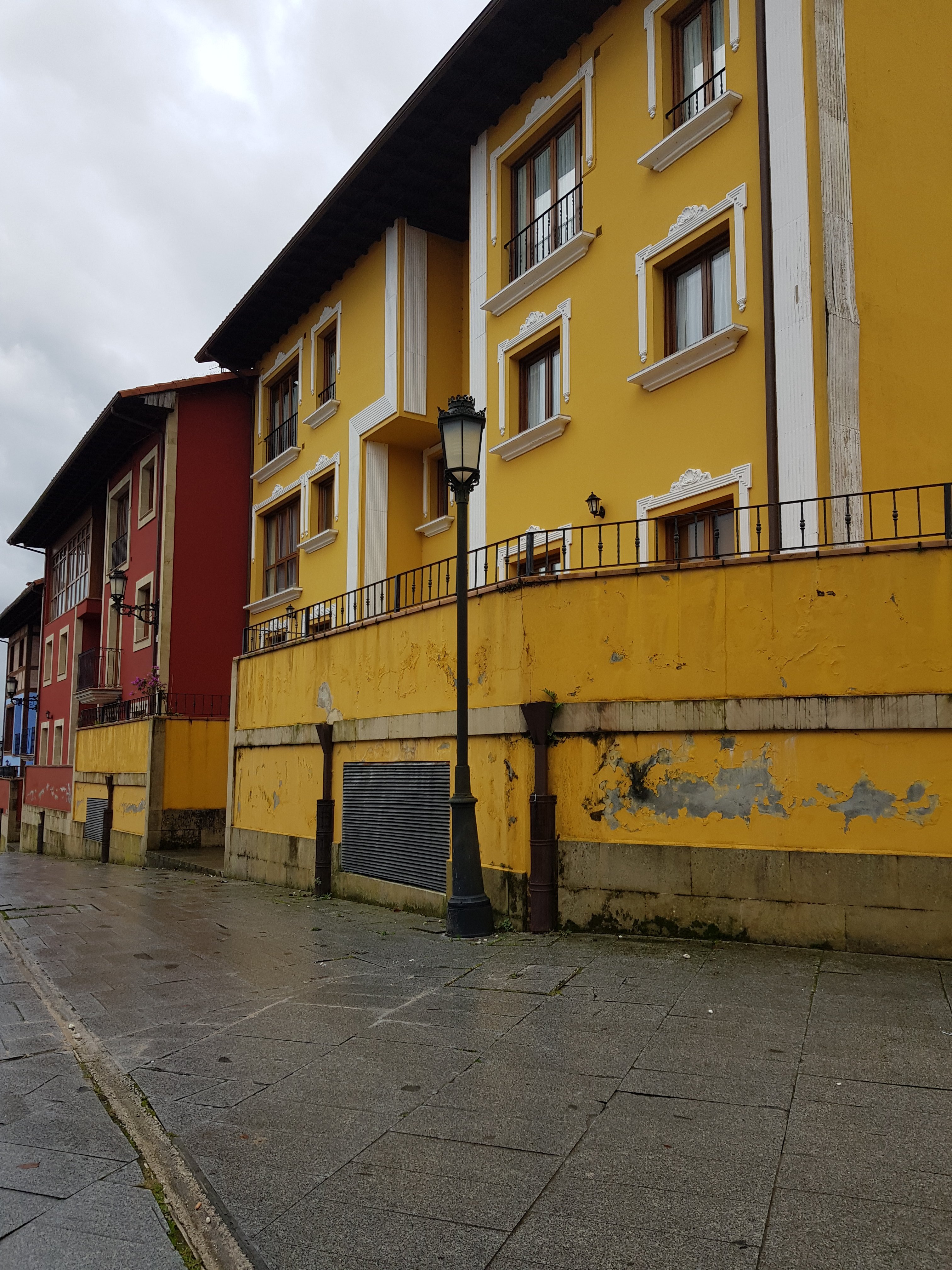
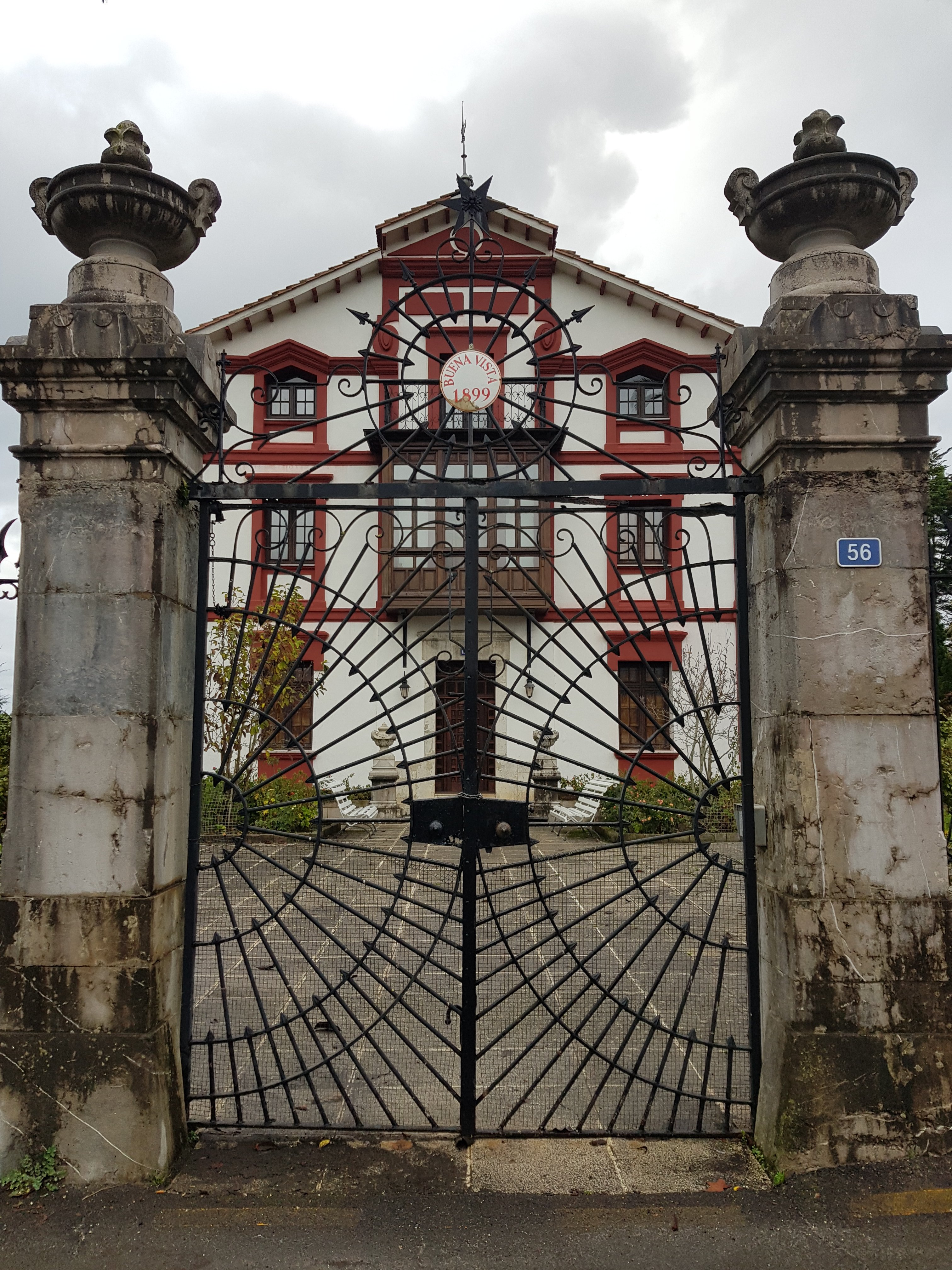
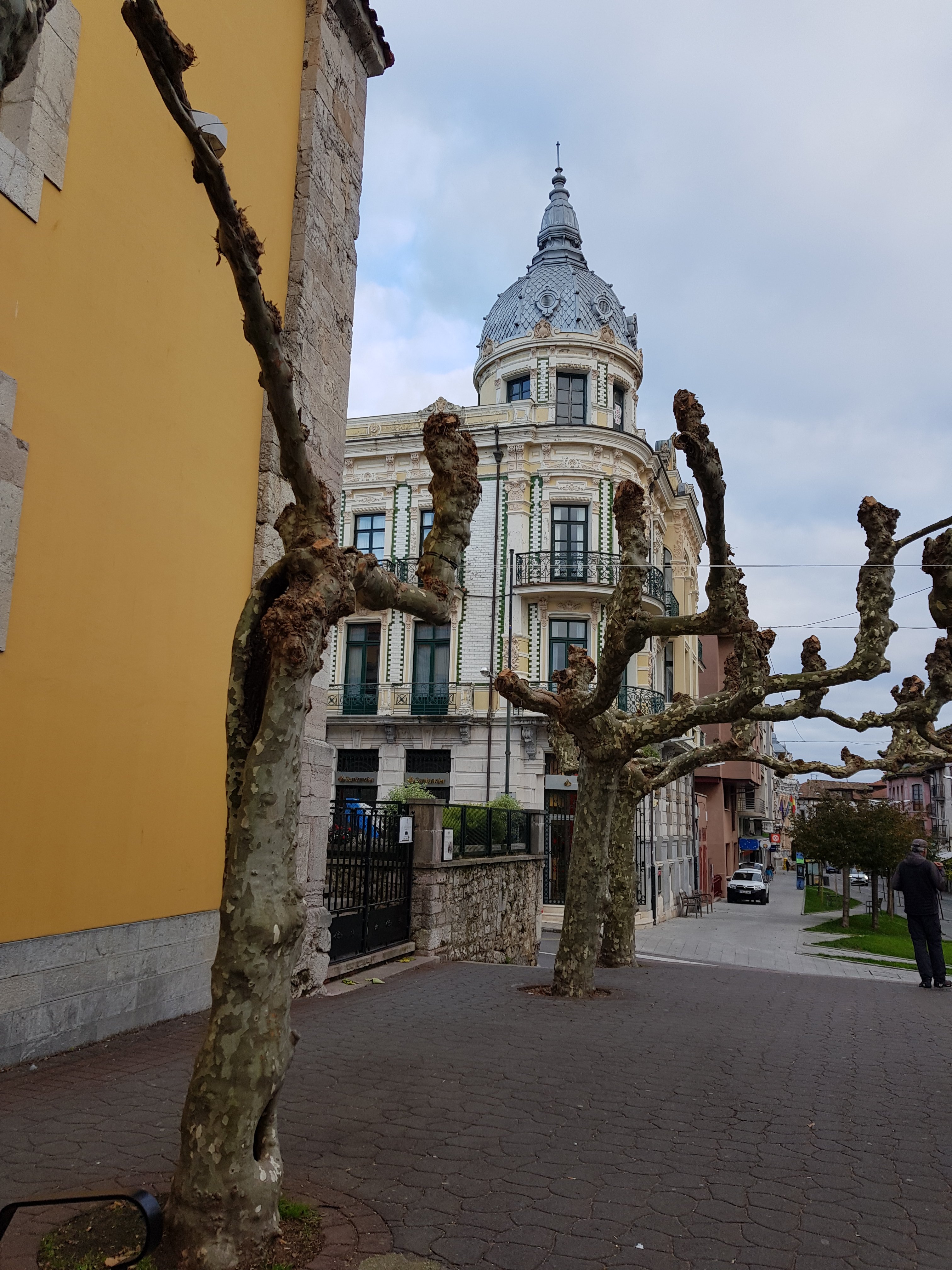
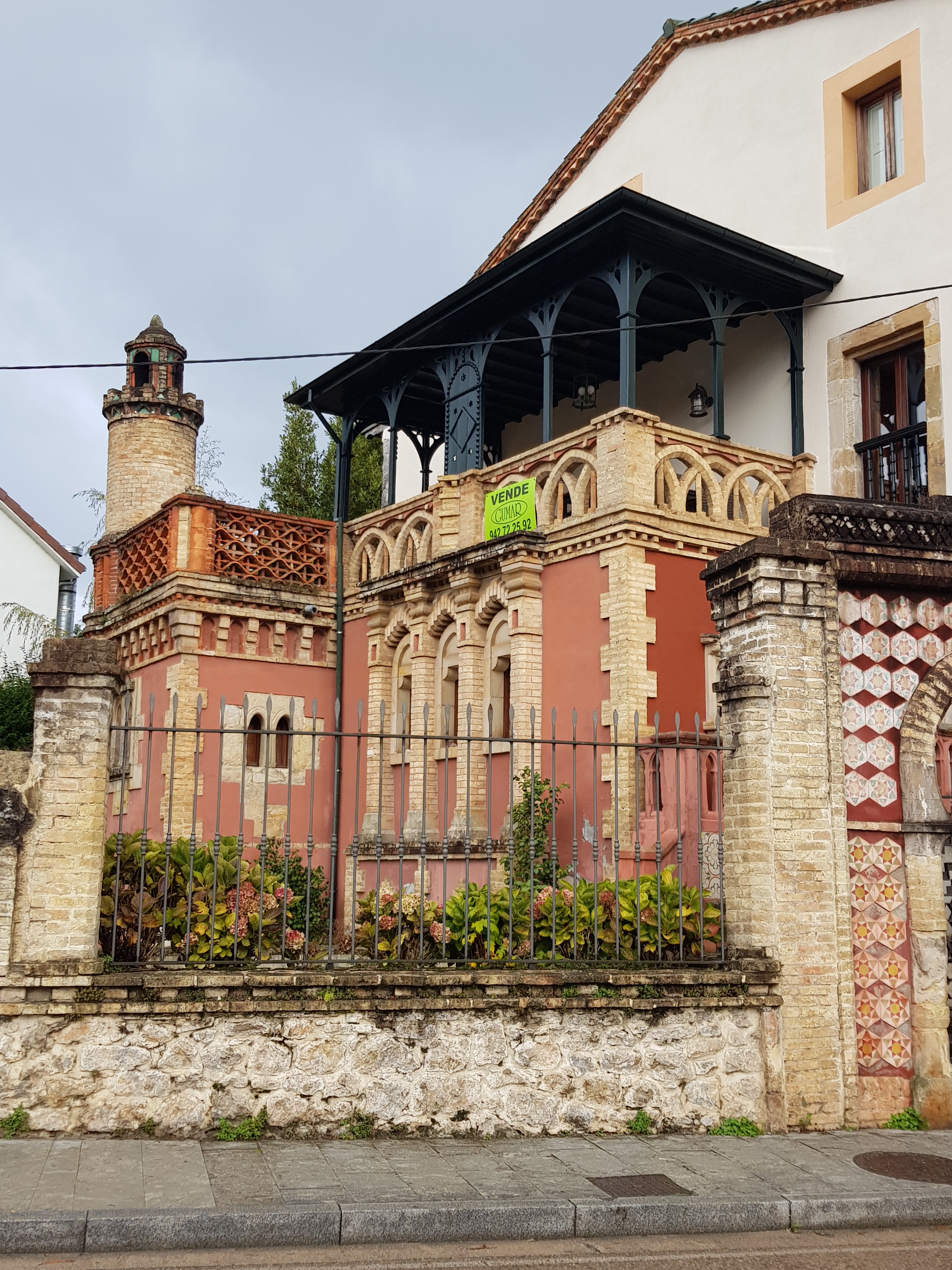
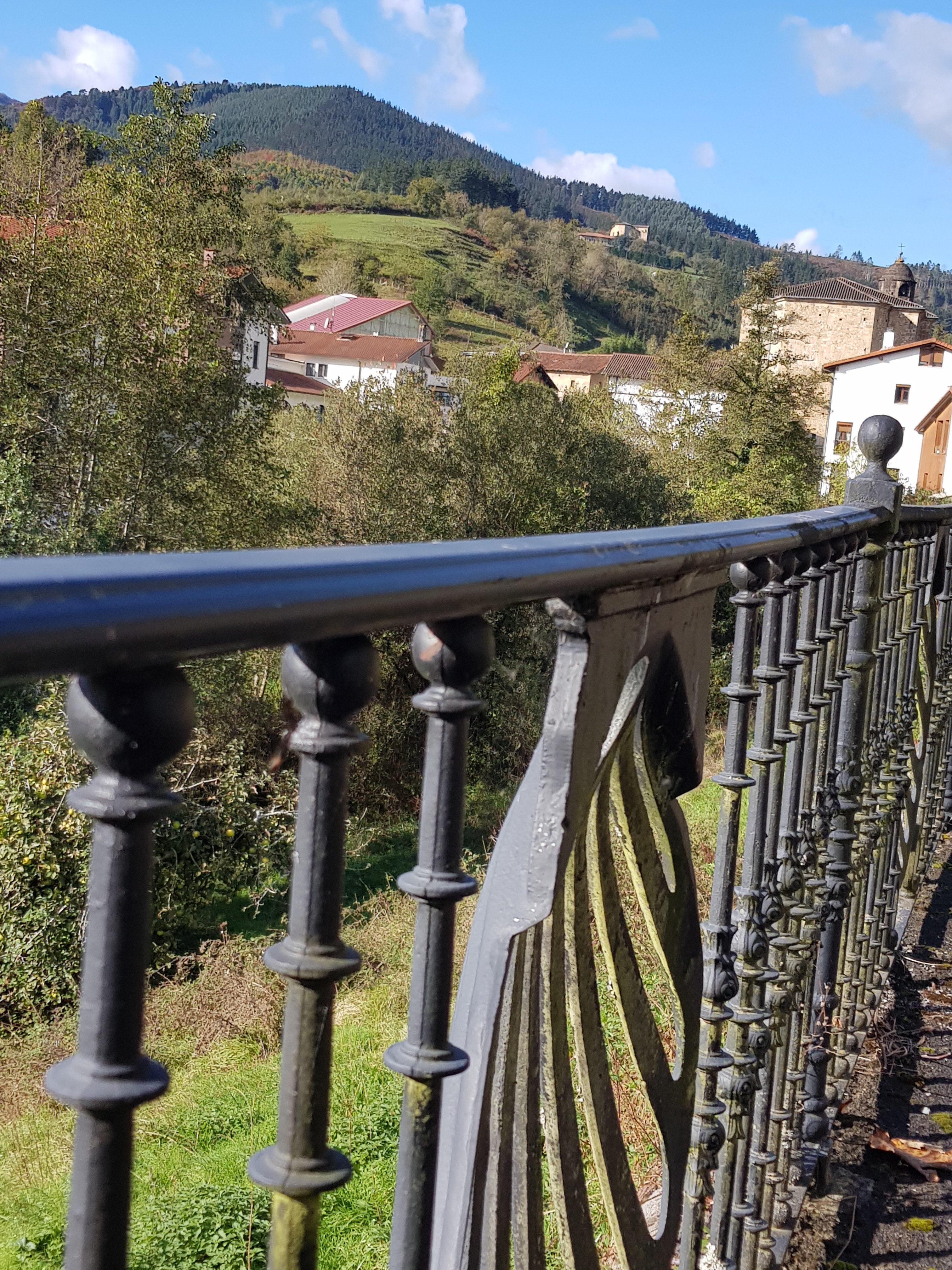
Next, I crossed the river into Asturias region, the third of four in the walk. I could immediately see the differences in the area from Cantabria. Many of the buildings were brightly coloured and beatifully built in the 1800s. They were built by ‘indianos’, spanish people that went to South America, made their fortune, then returned and built beautiful lavish homes for themselves.
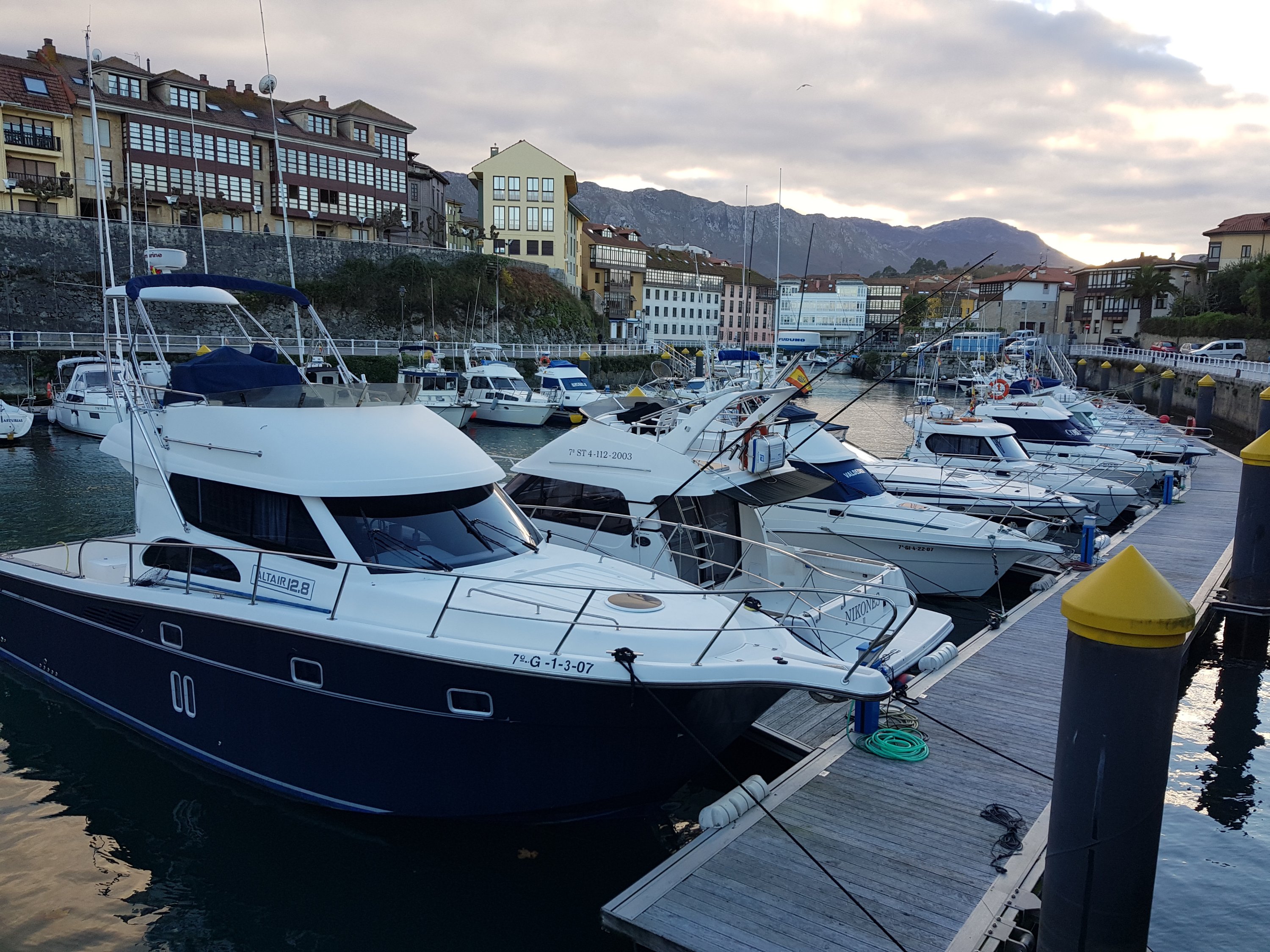
I stayed in Llanes for the night, in the train station albergue, and the influence was clear here. It also had a gorgeous ancient quarter of the town, as well as a port once famous for whaling. There are quite a few shops here but it is on the pricey side.
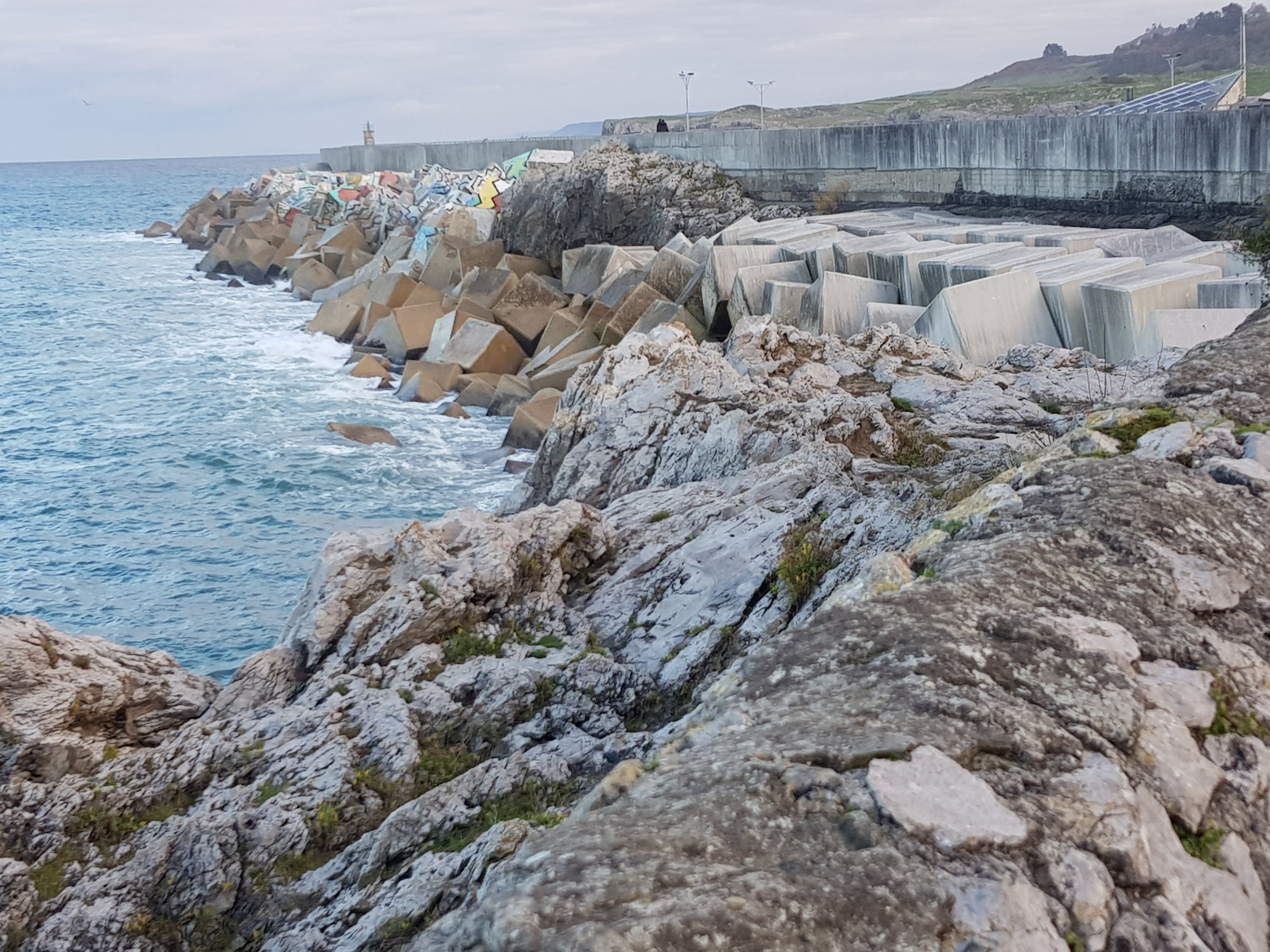
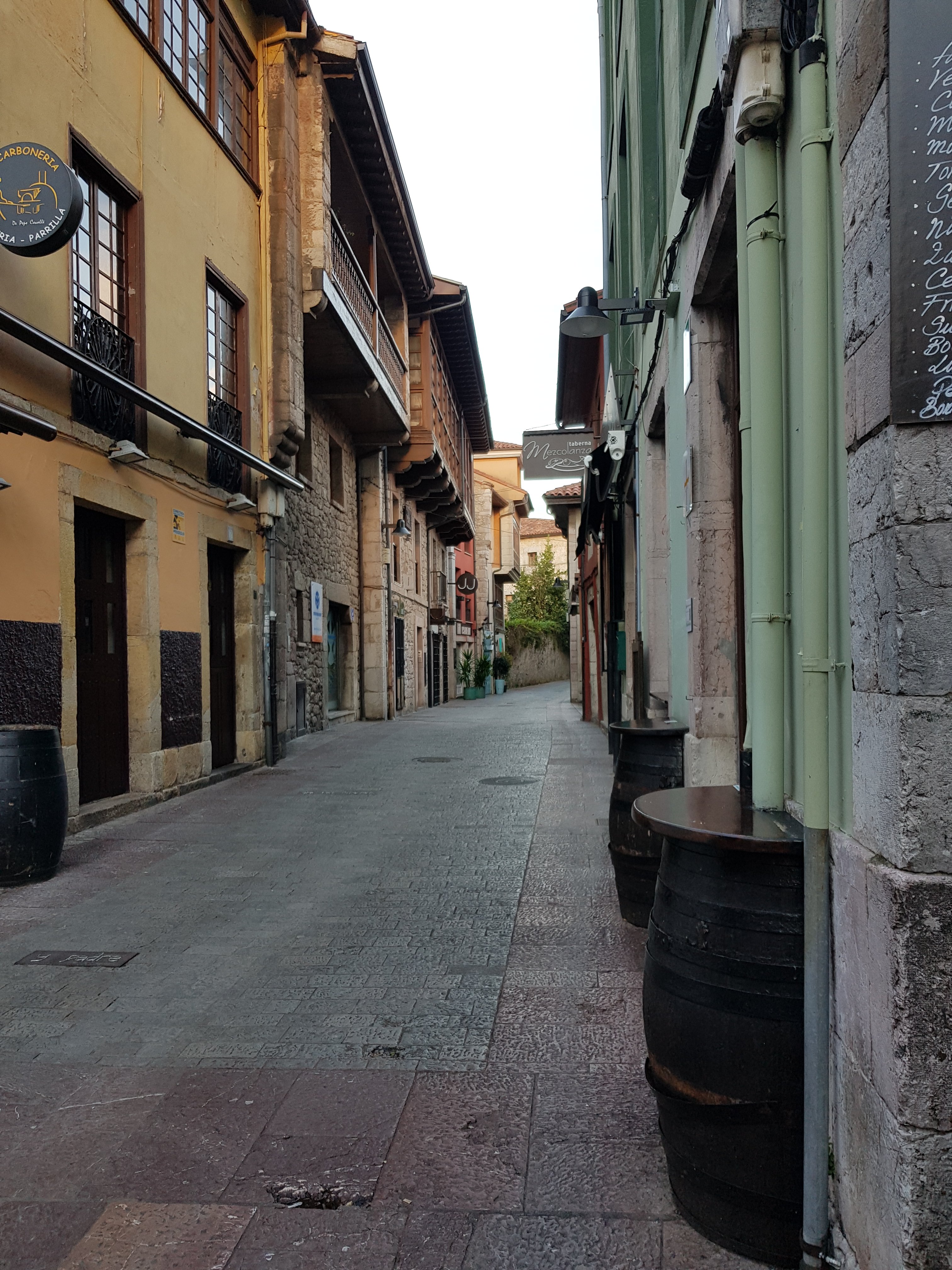
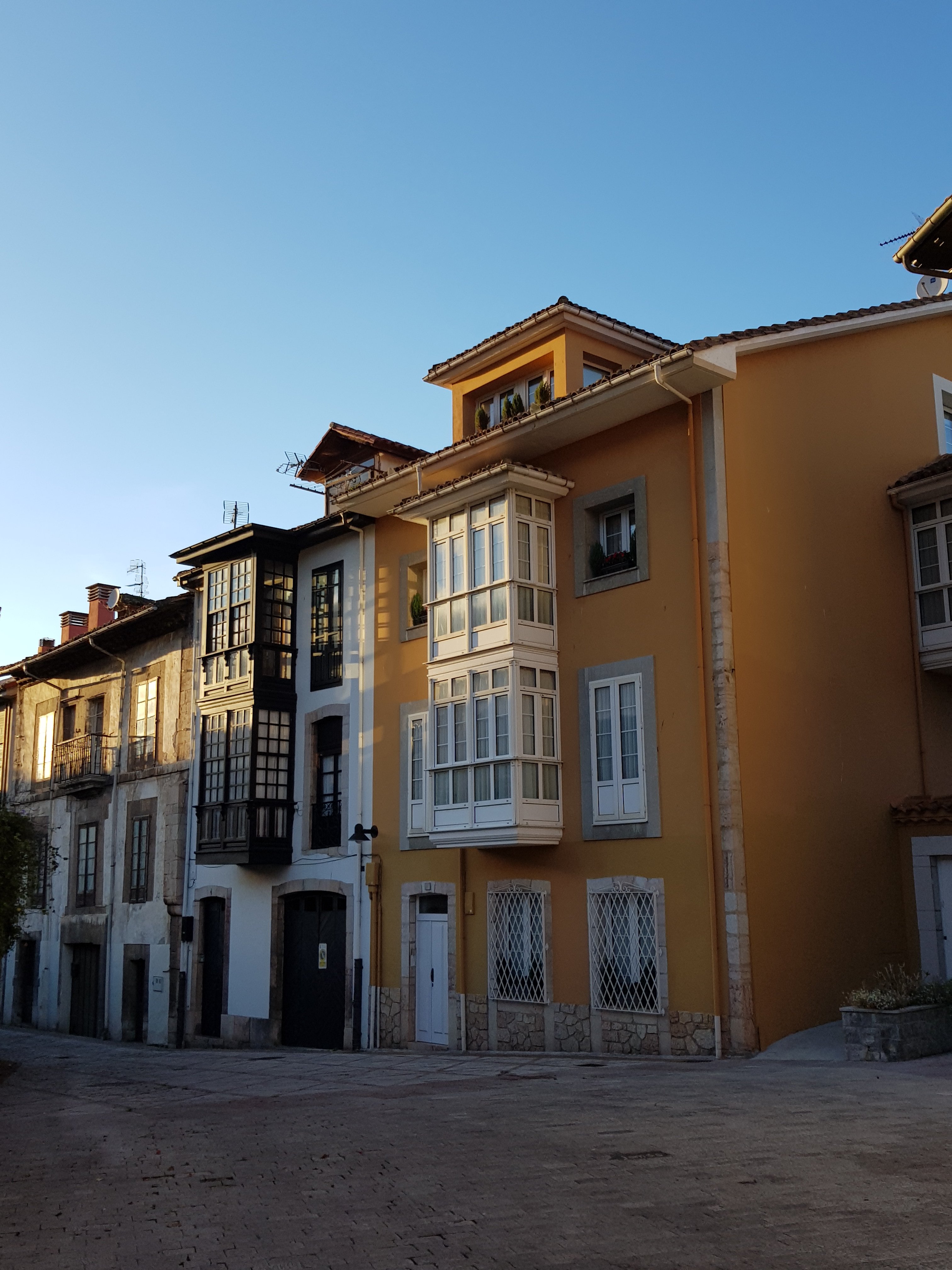
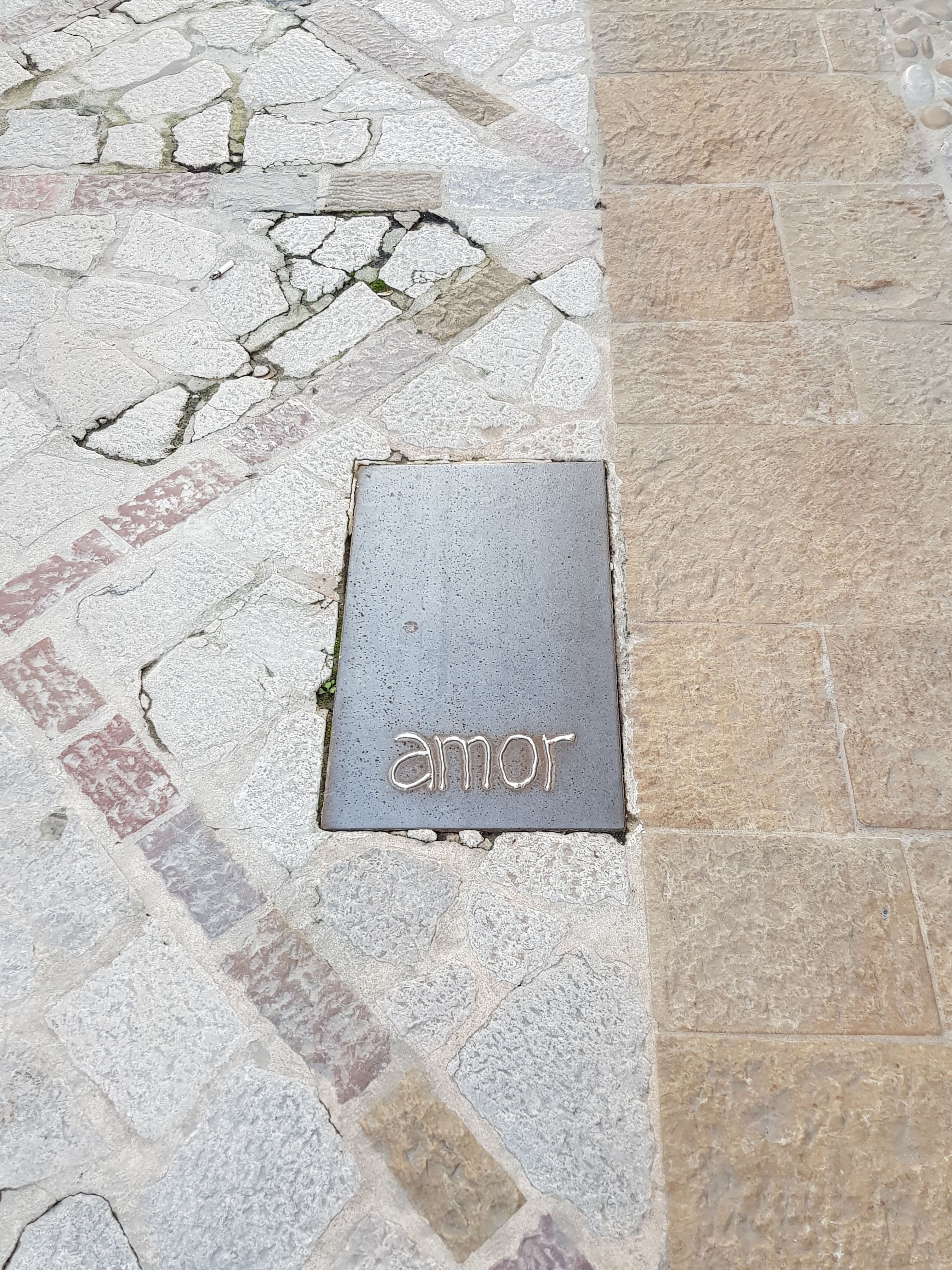
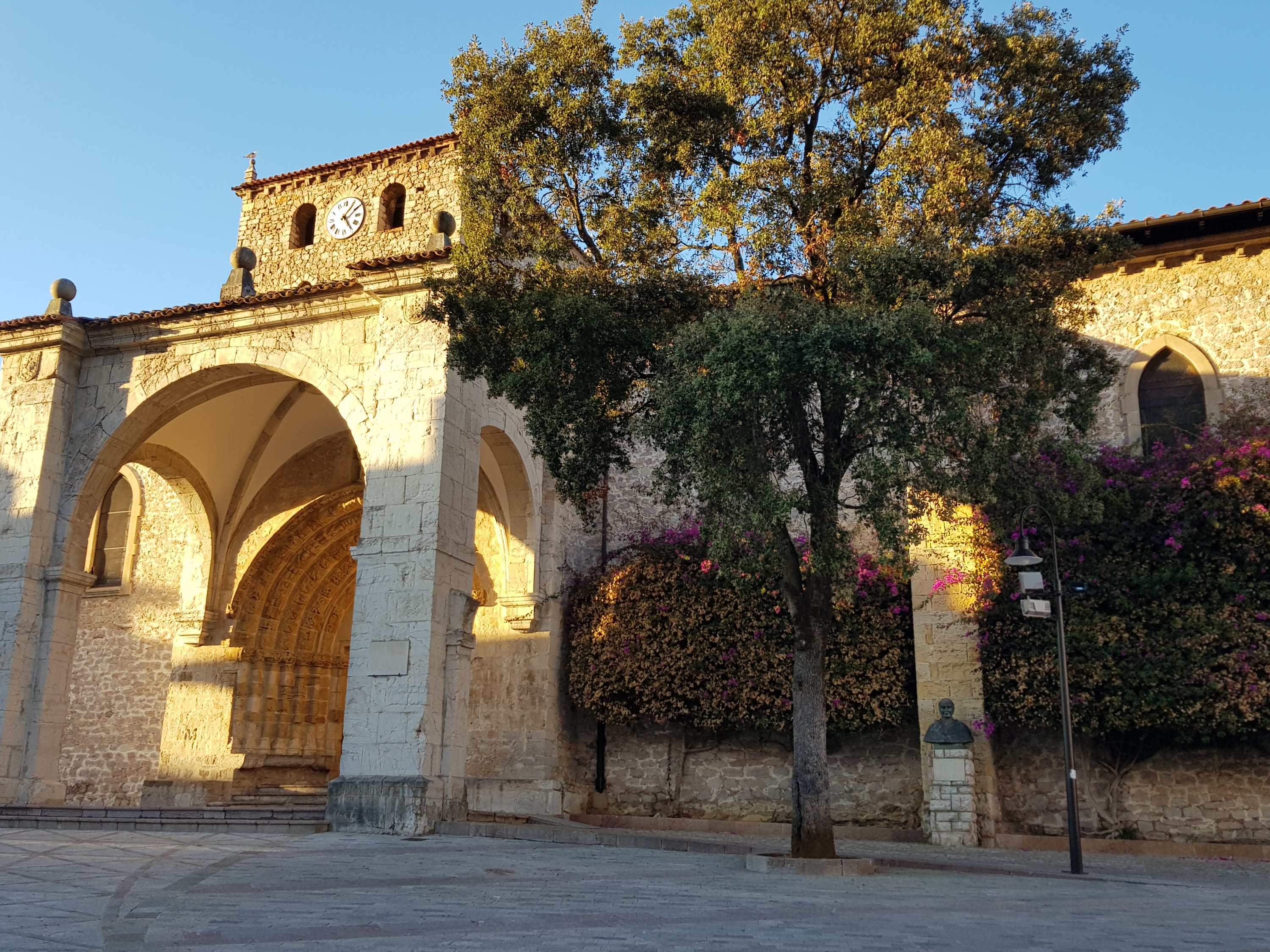
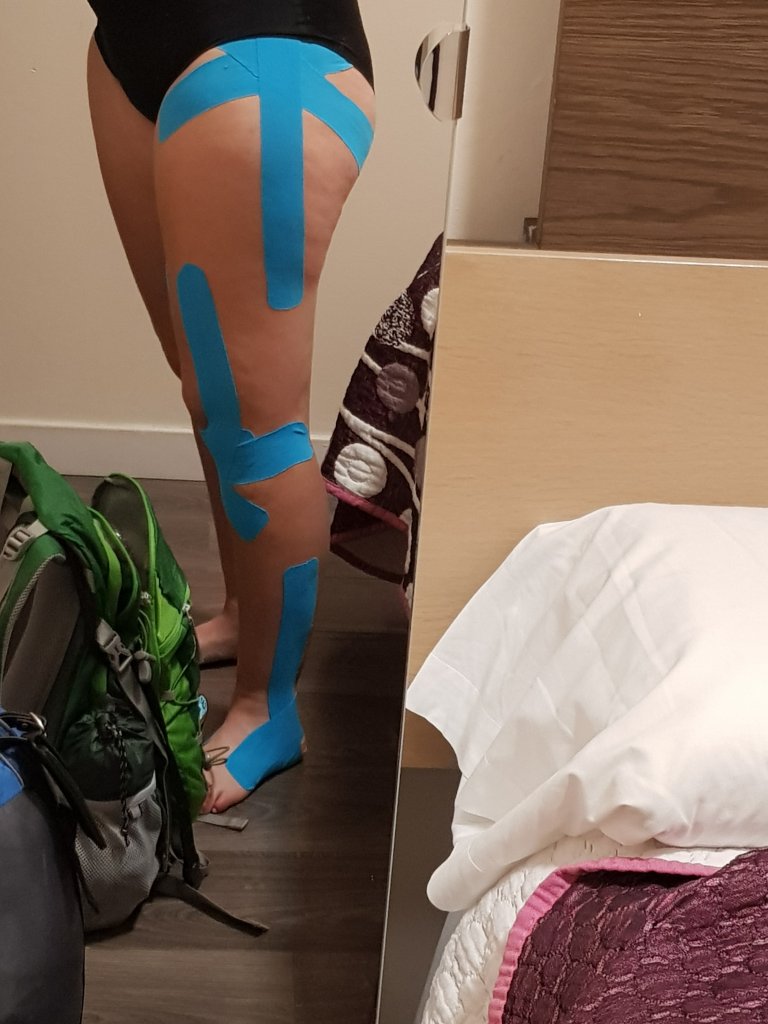
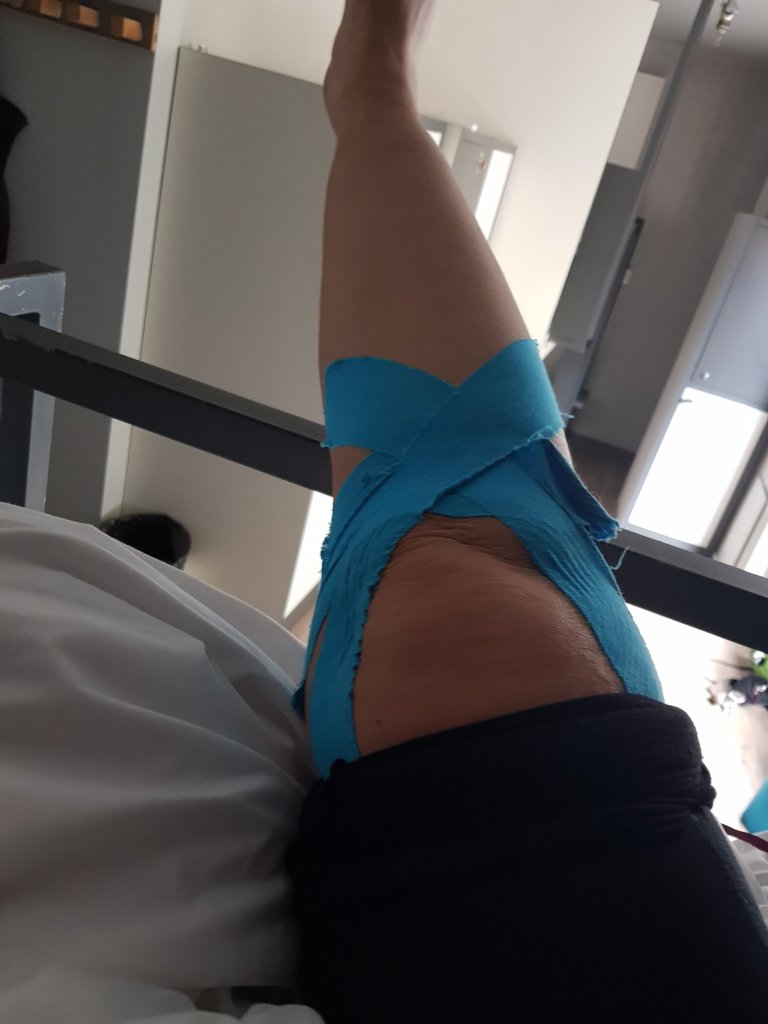
Next day, was the 20 mile hike to Ribadesella. The day before I had to cut my walk short, as my foot was so sore it had started bleeding. I was worried about making the hike but feeling determined.
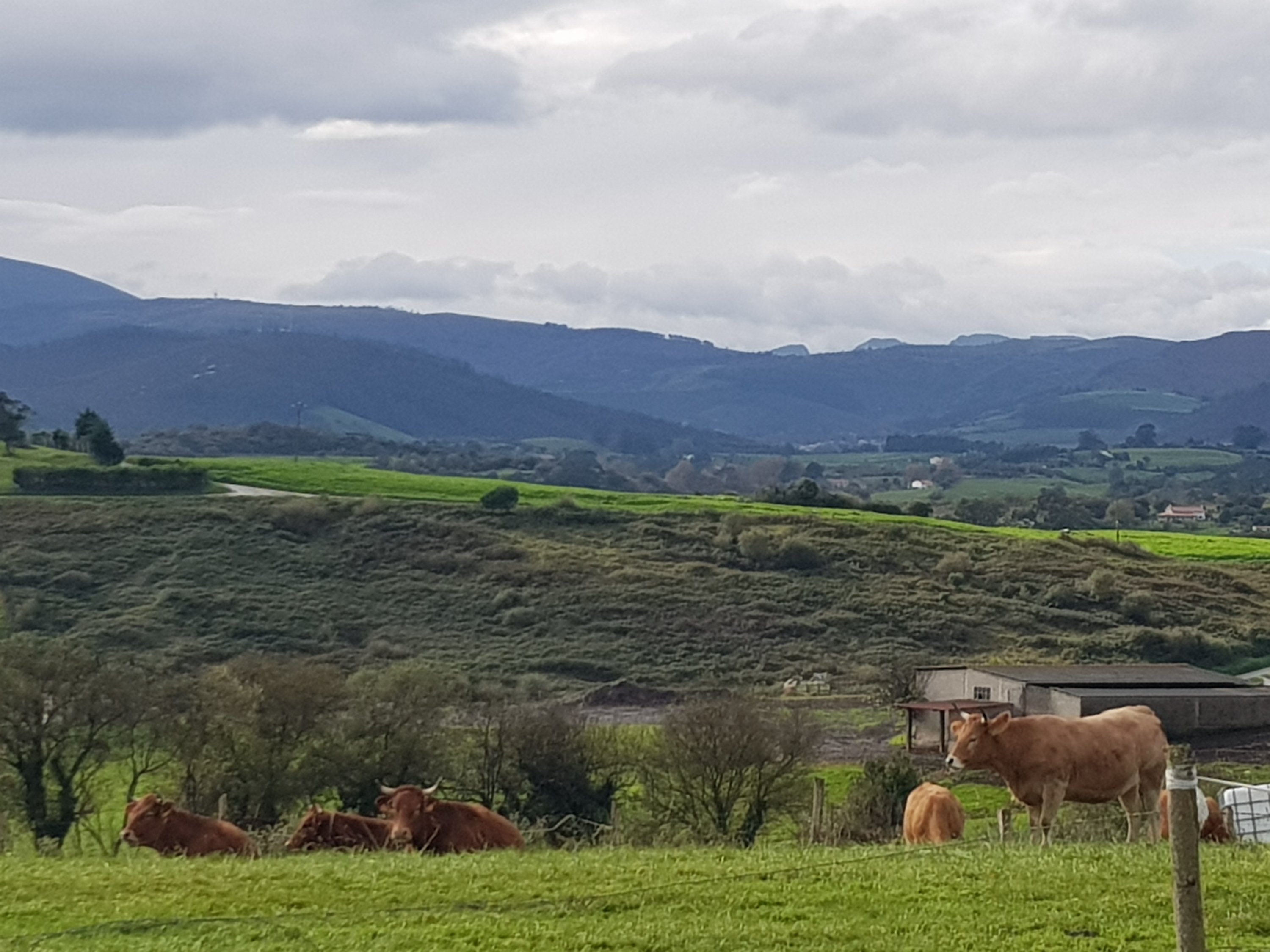
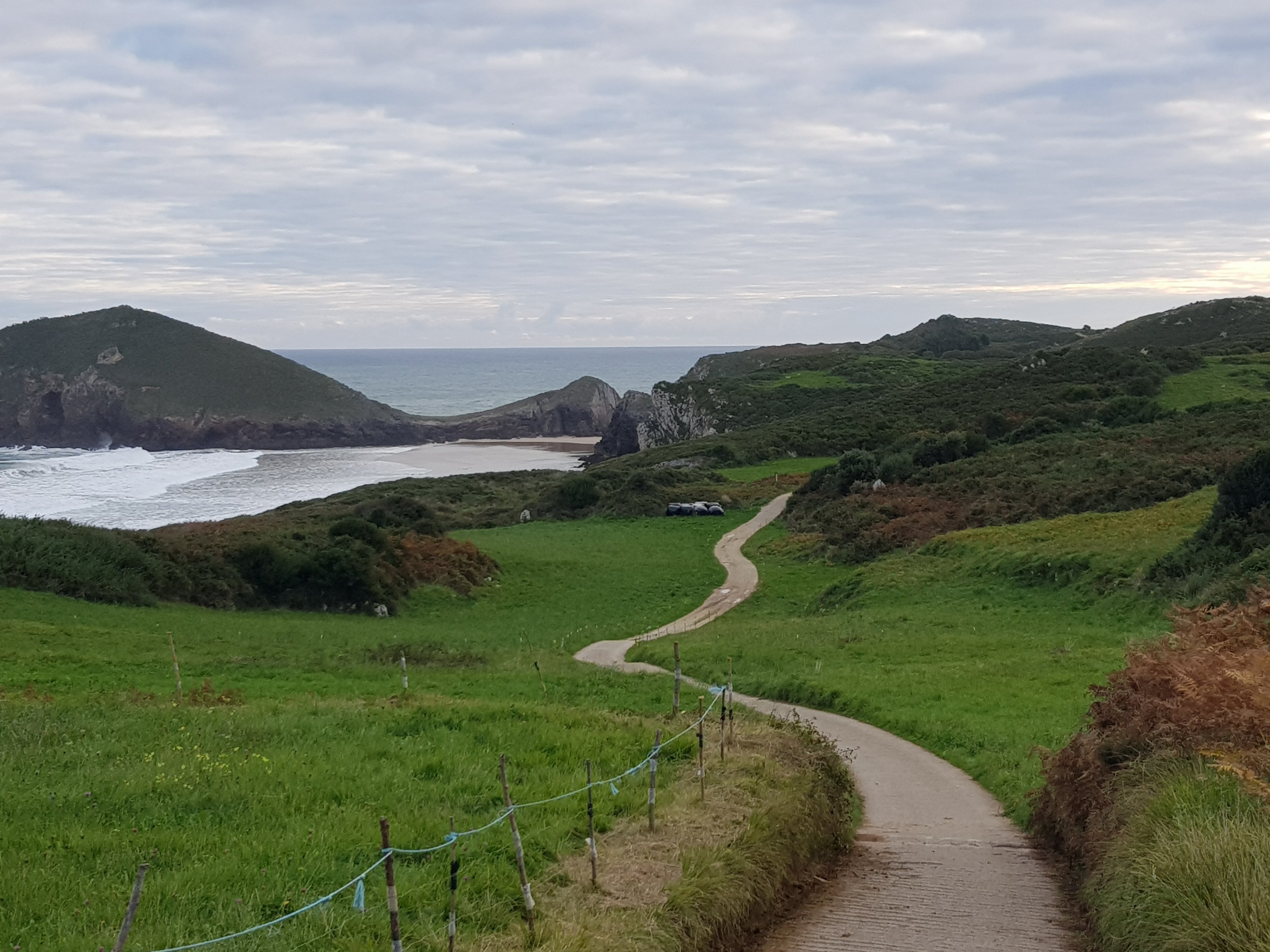
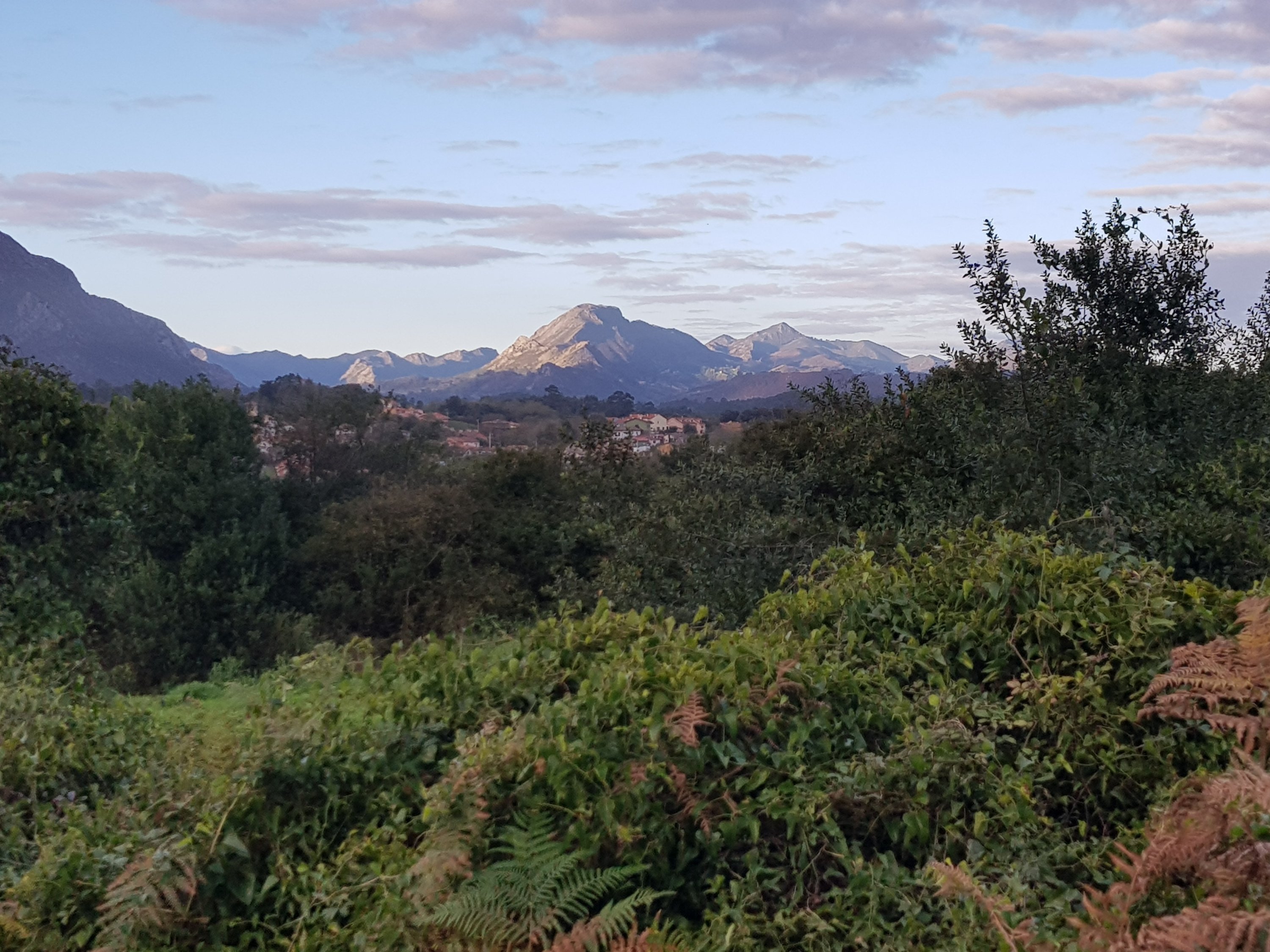
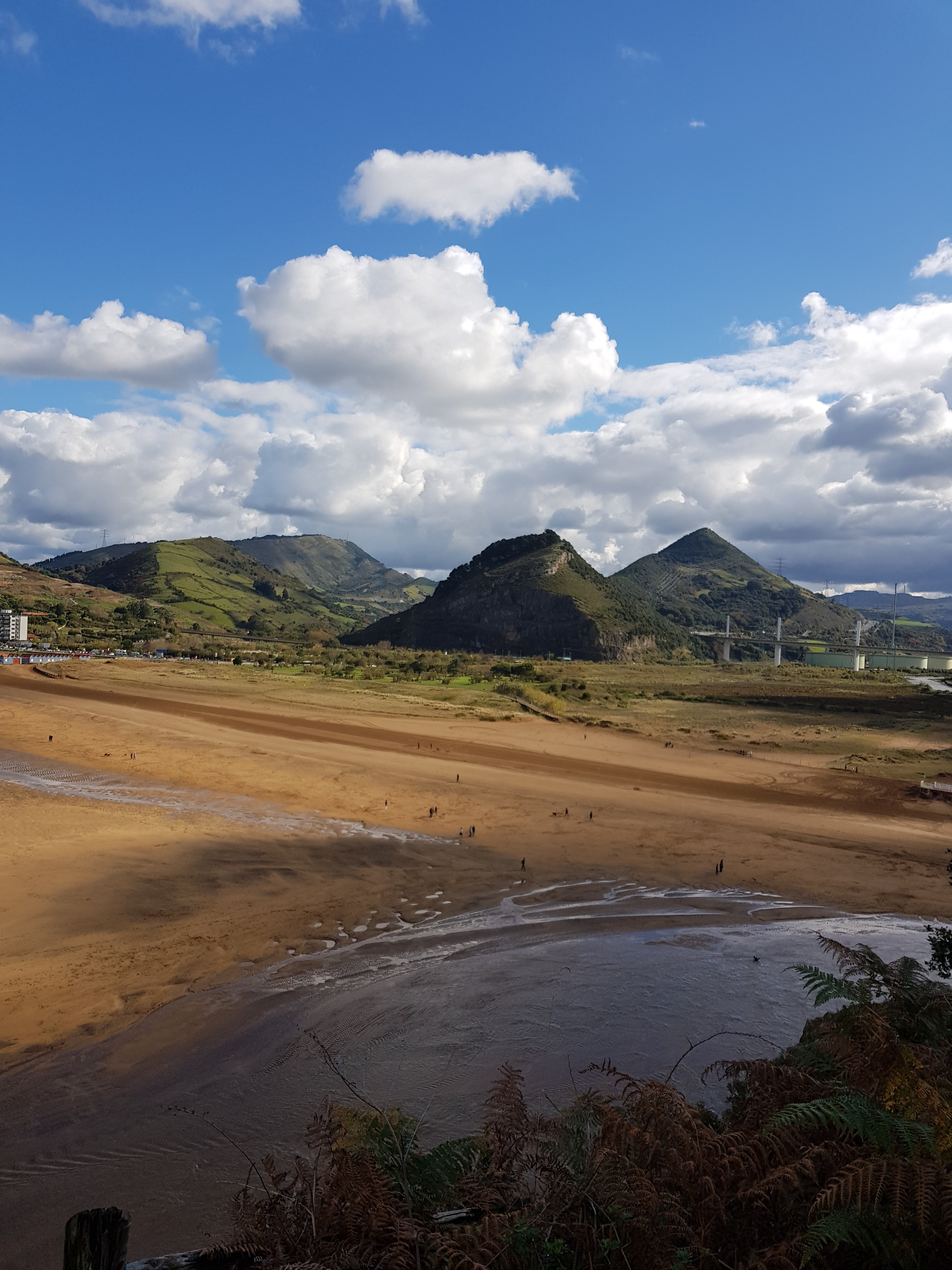
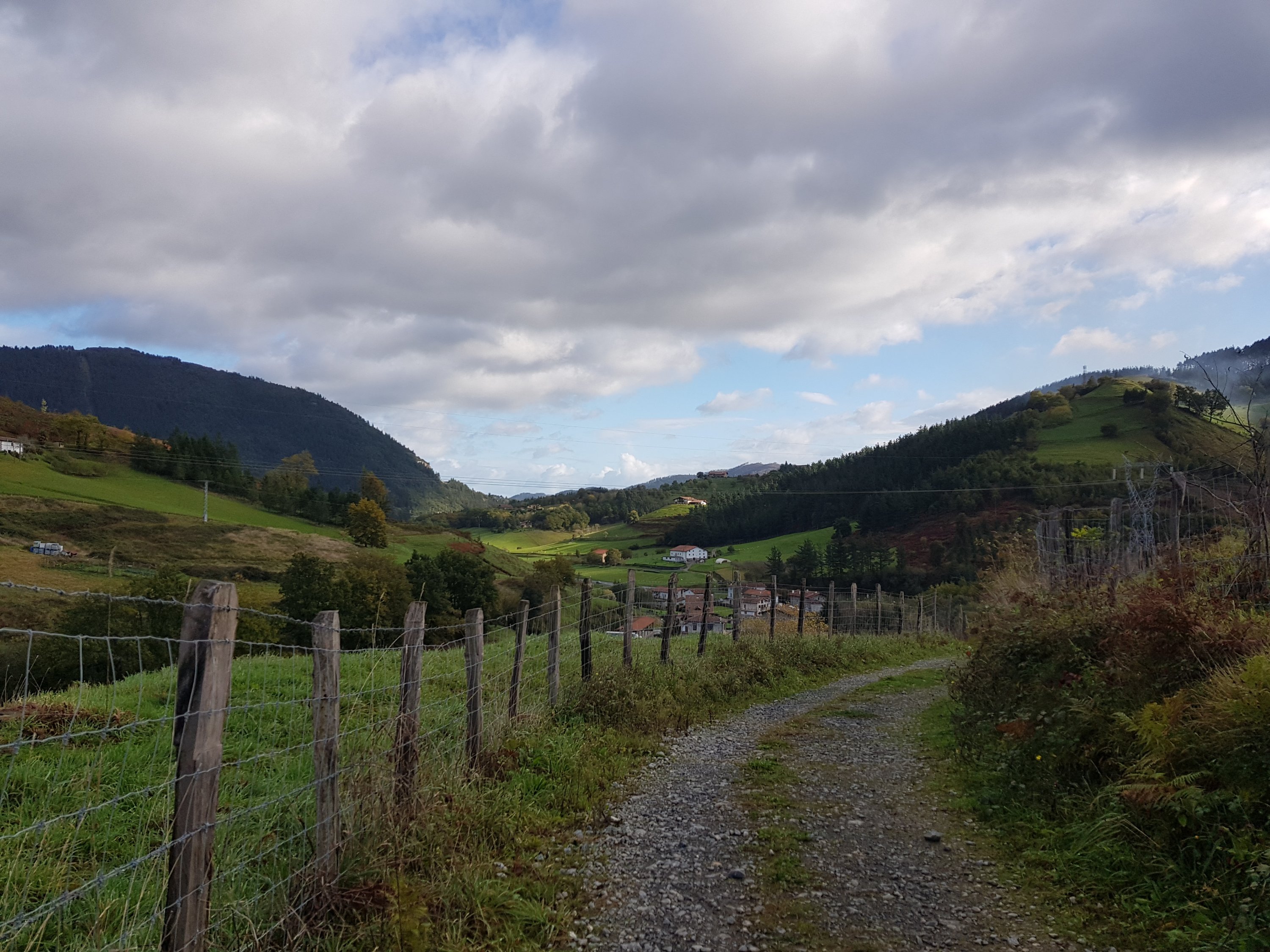
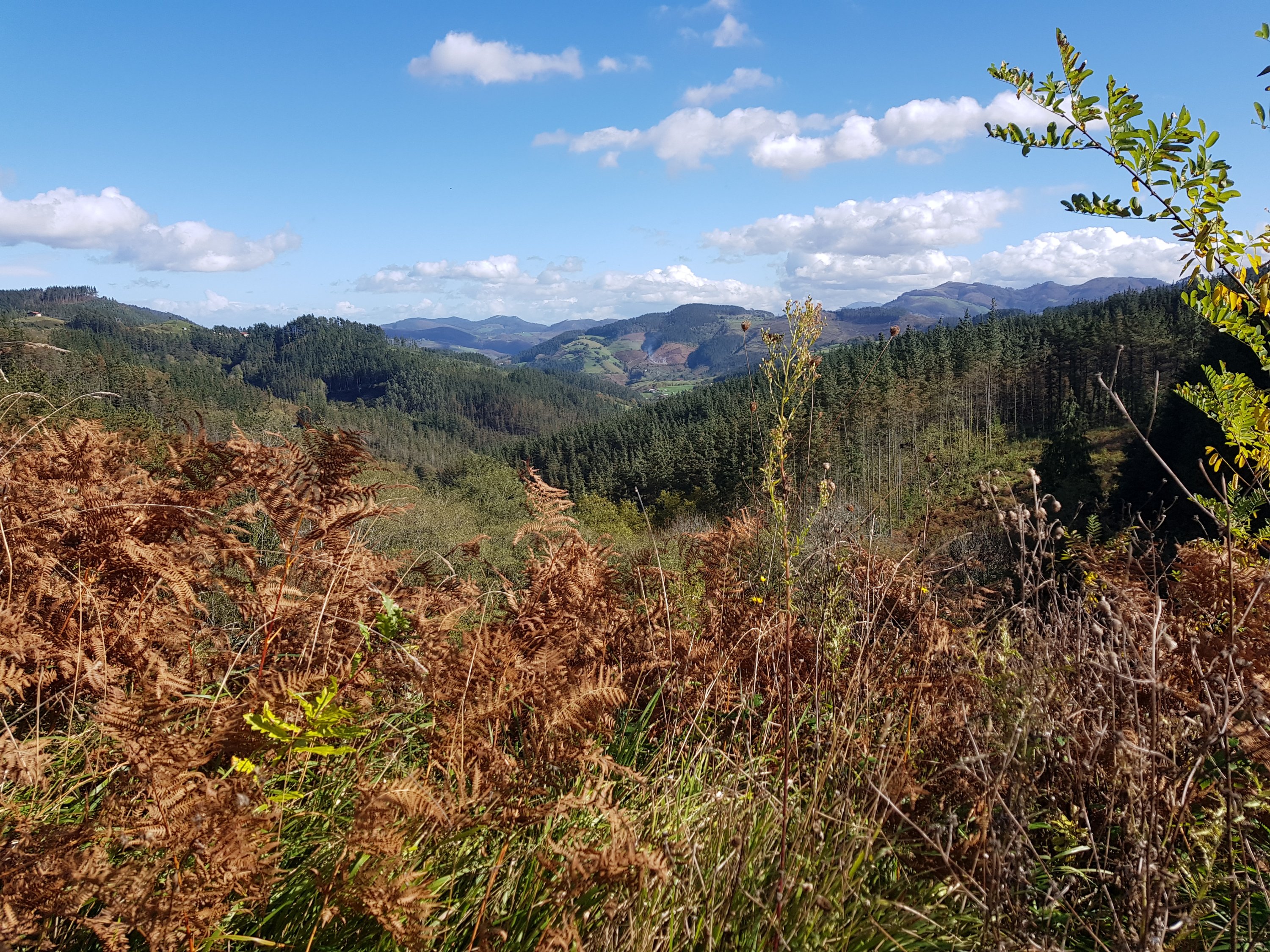
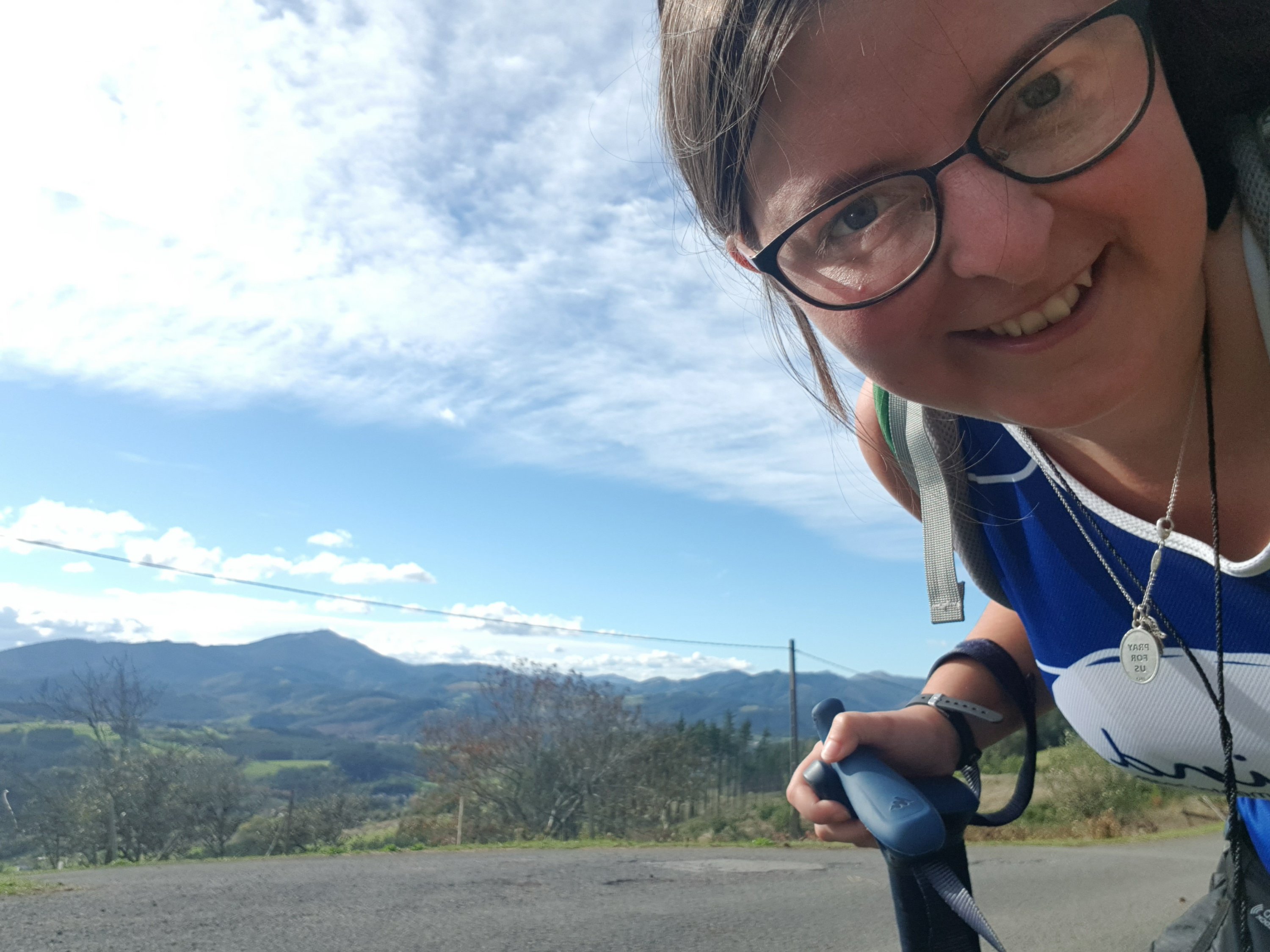
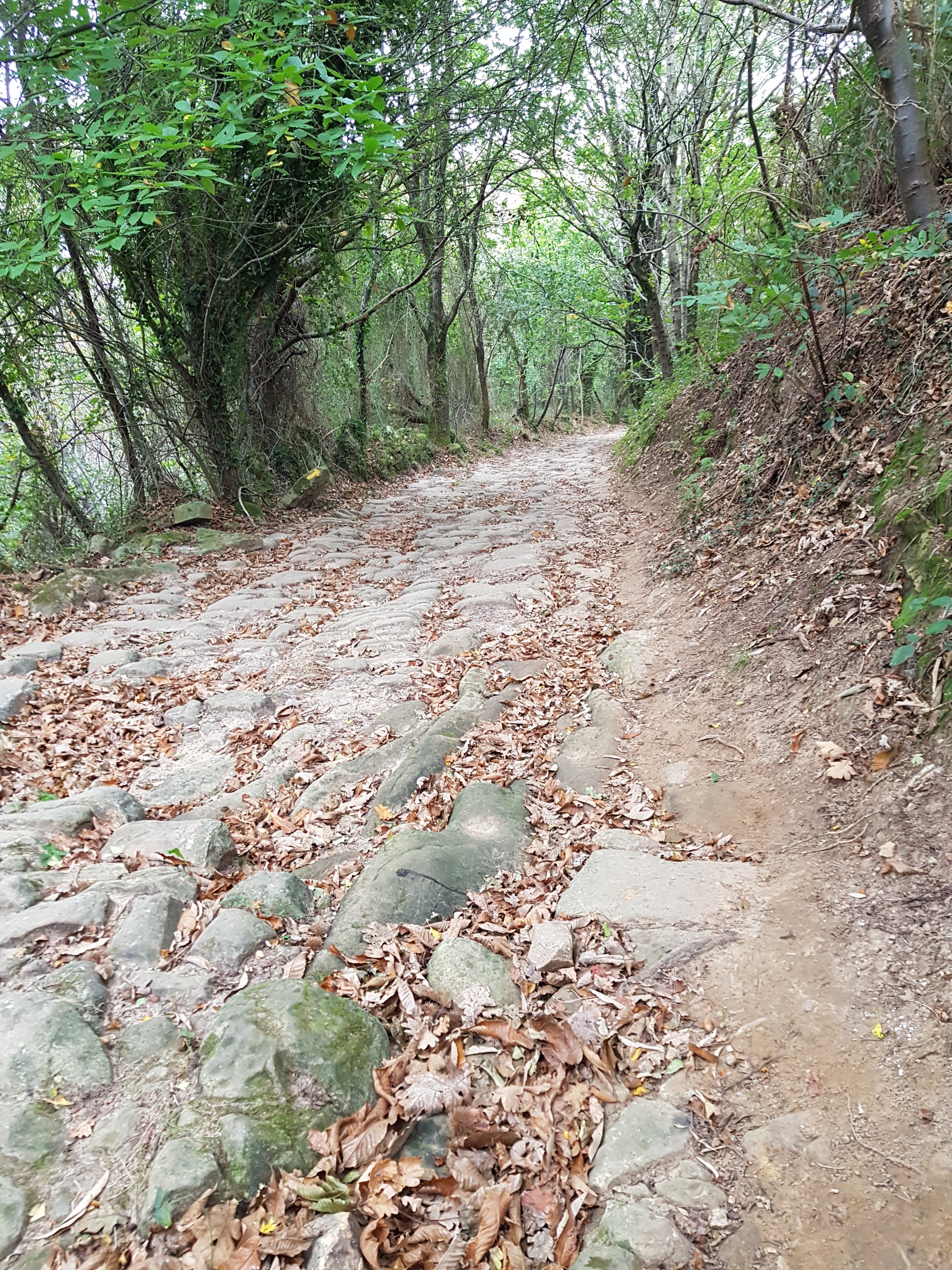
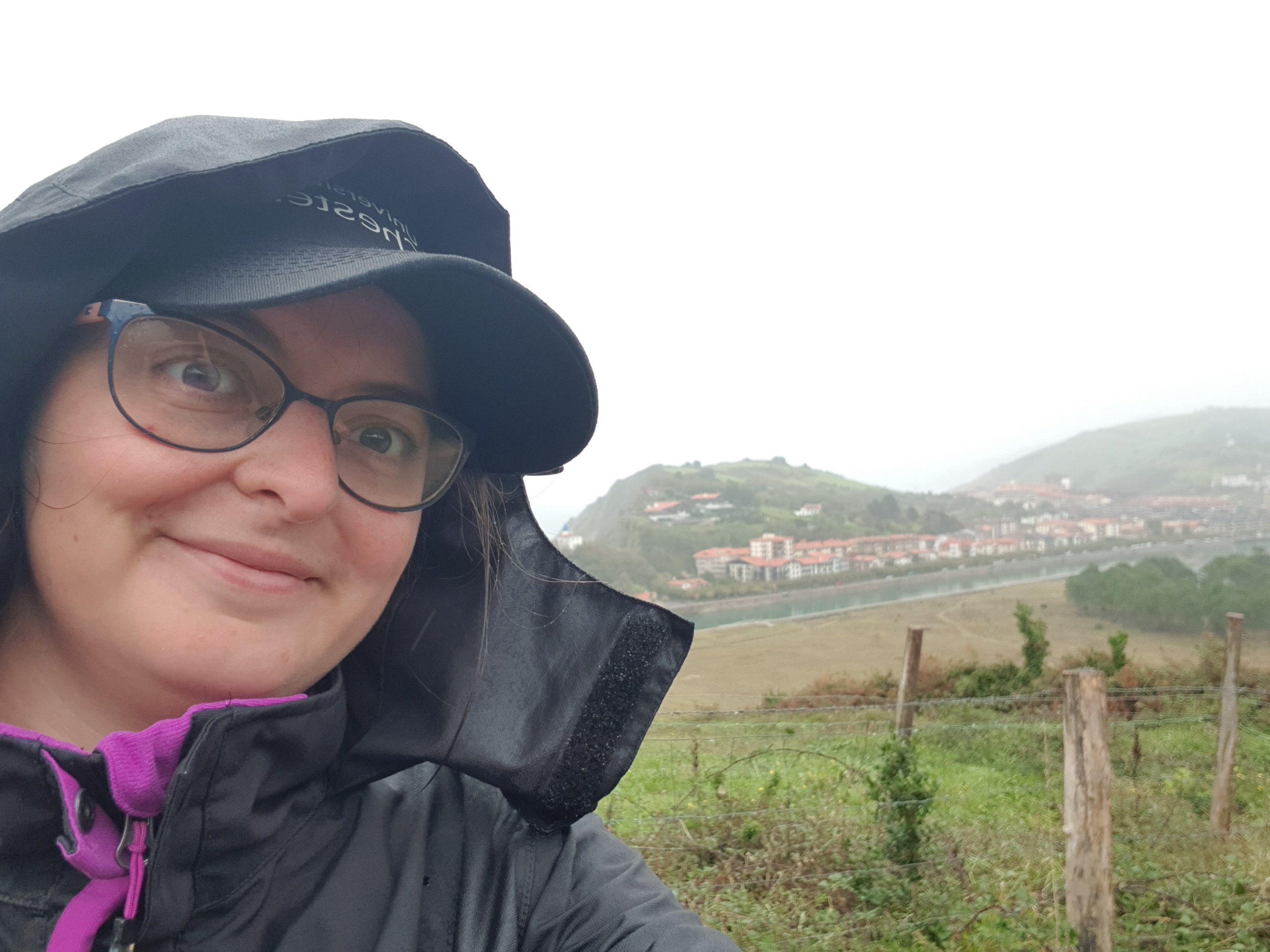
The walk was very varied, with the Picos de Europa mountain range on the left and beaches to the right, woodlands and farmland. It was really enjoyable and had amazing scenery. It was only in the final two of eight hours I began to be just dragging myself along to the end!


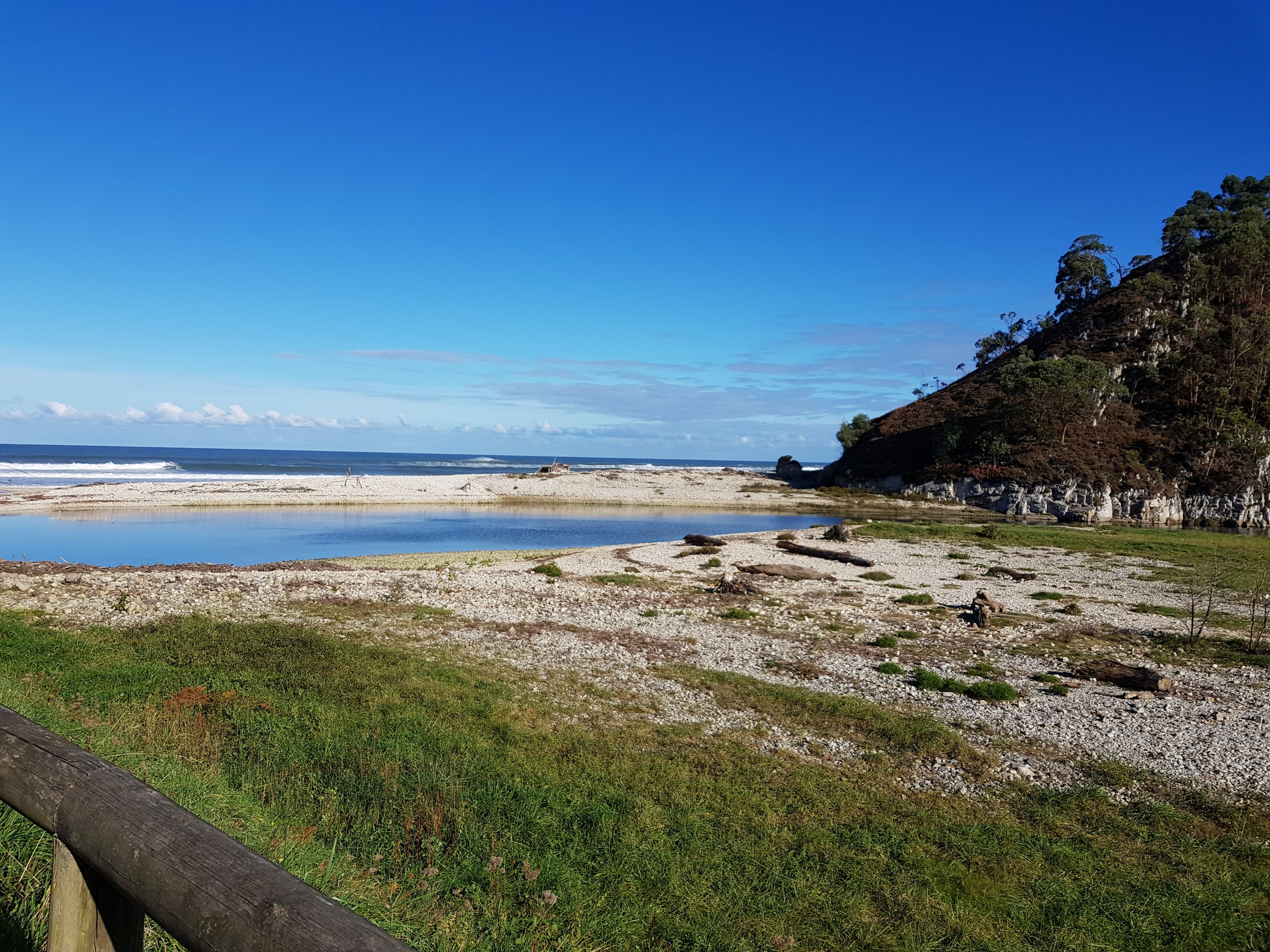

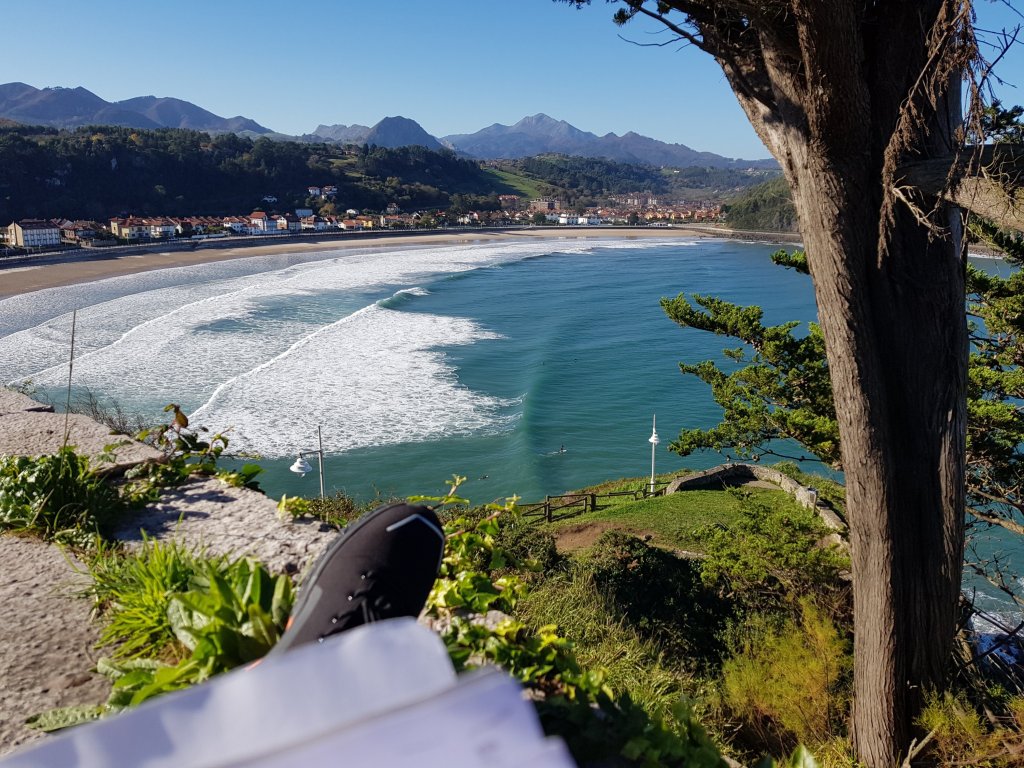
Ribadesella is another coastal town, with a harbour, and another gorgeous beach. I hiked to the viewpoint and did some sketching, and just chilled. There are some more caves near this area, but on this day I decided to keep them as a mystery. It always gives me a reason to return!
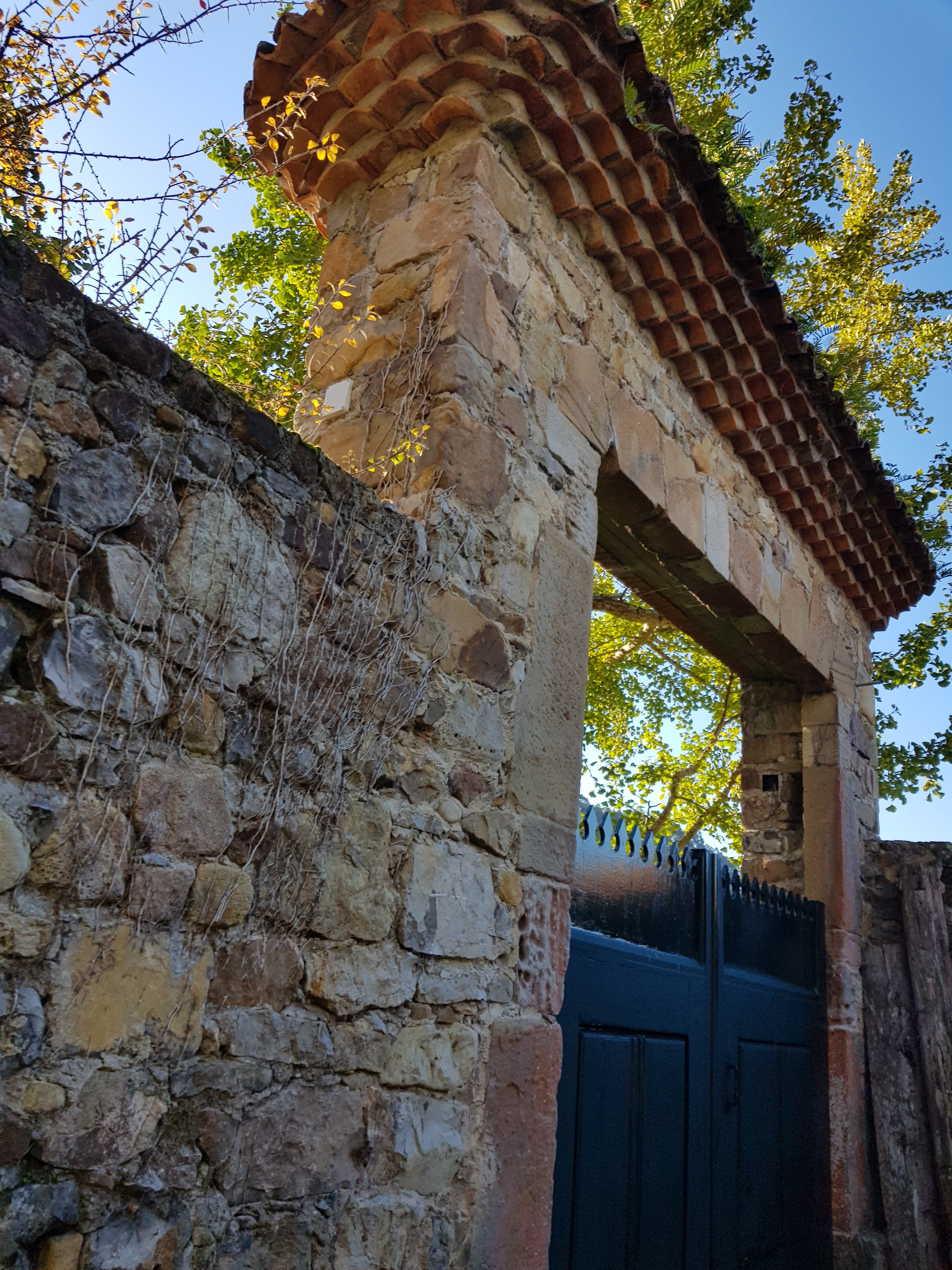
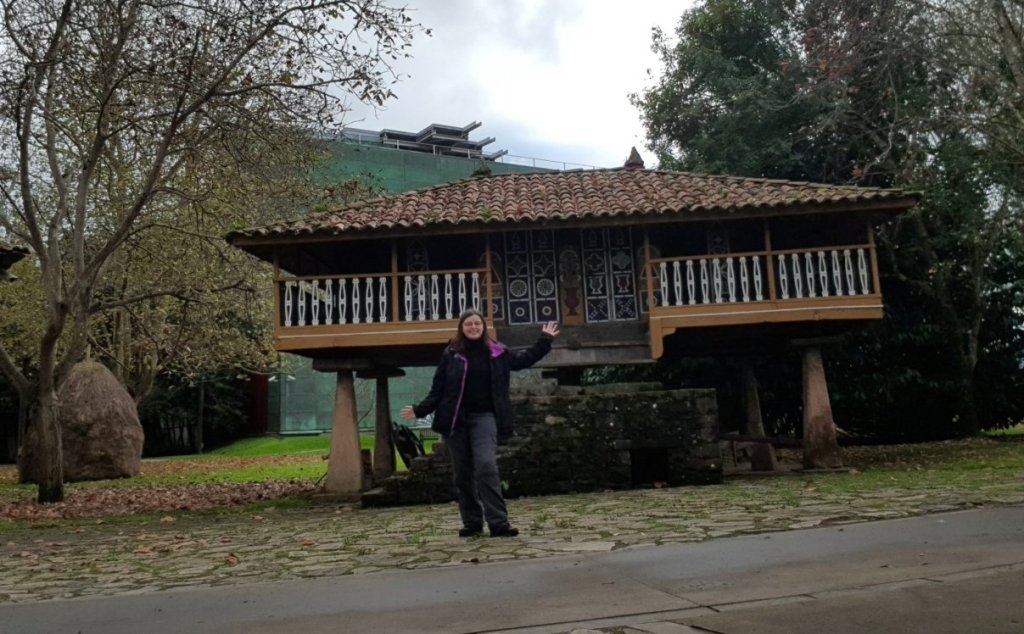
The next walk to Colunga, was still full of beautiful beaches, but also some other things that I have noticed only in Asturias. Gateways with a weird style of layered tiles that I can only assume is decorative, a unique way of pouring cider that has maximum splash impact, (it turns out Asturias is famous for its cider)… and these unstable looking sheds… called horreos or paneras.
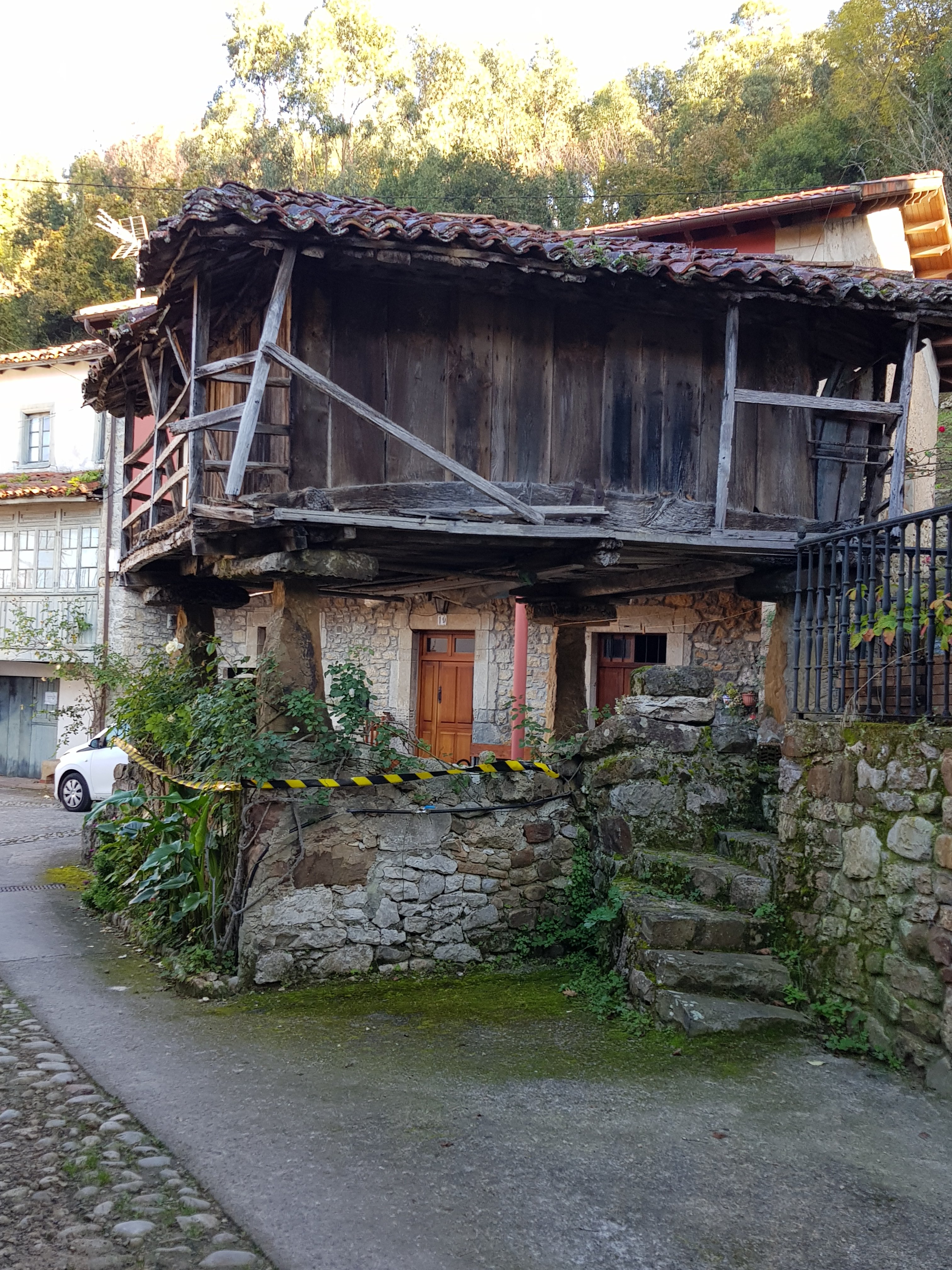
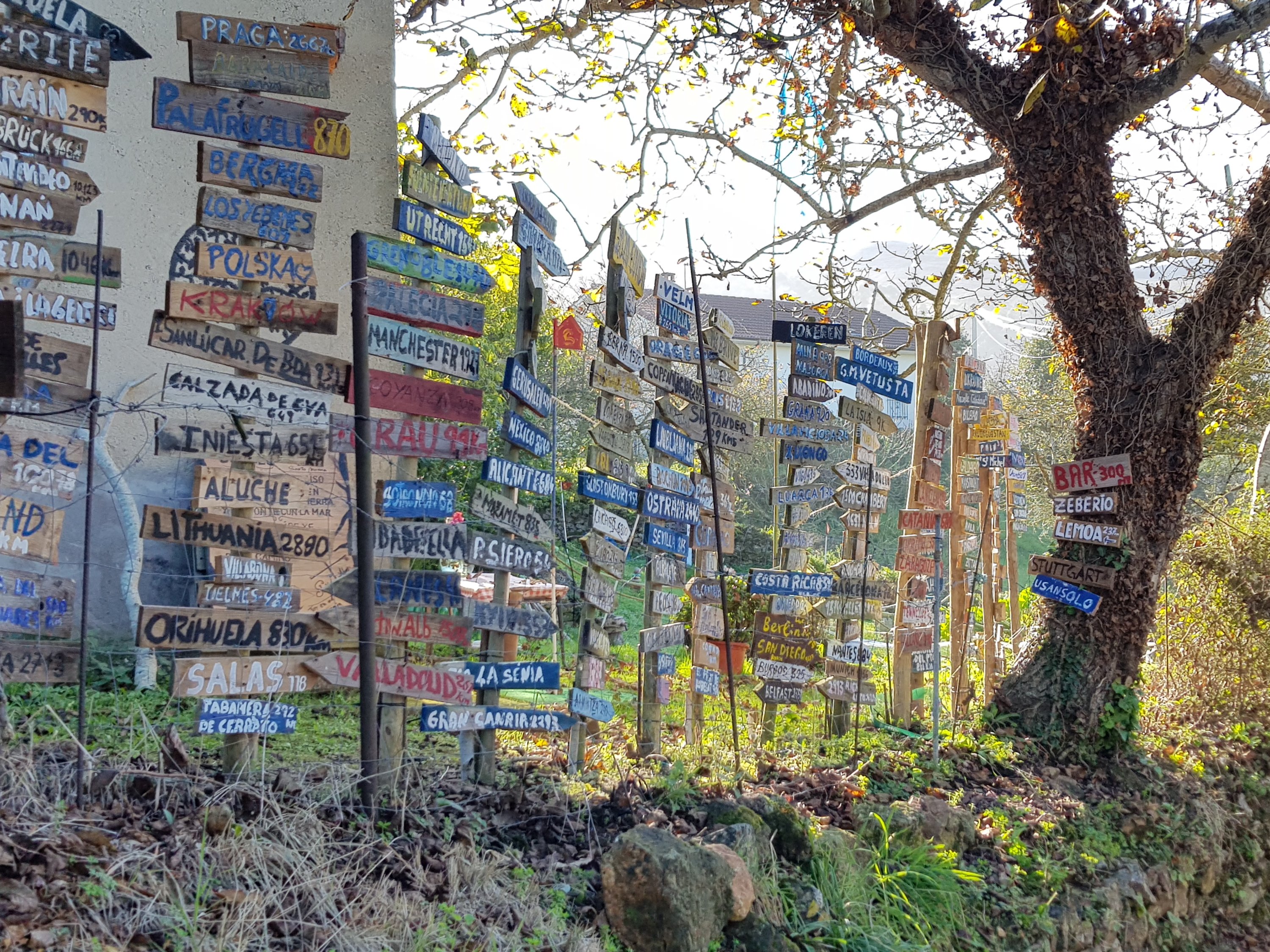
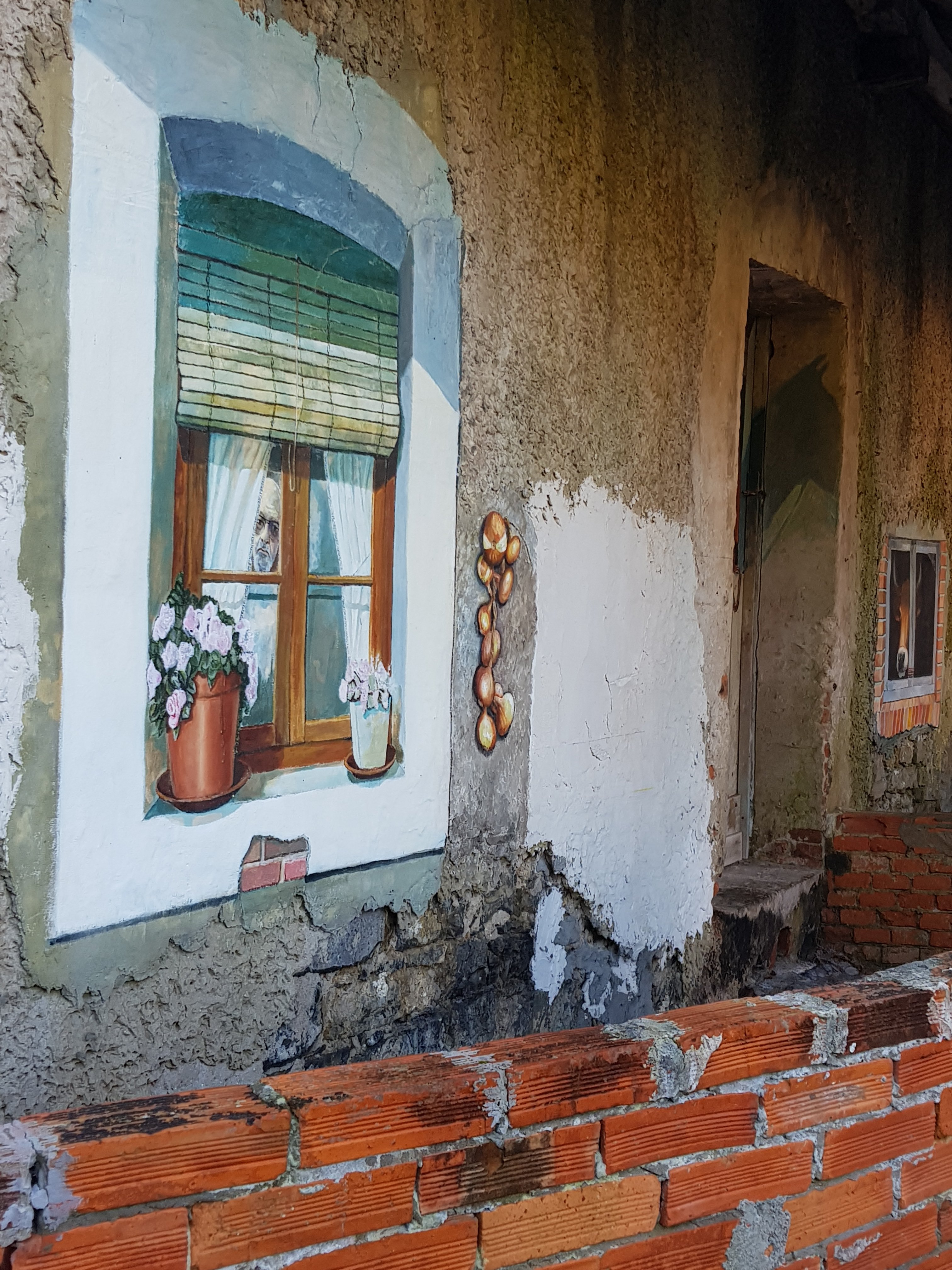

They seem to be dotted all along the rural villages. They are all wooden huts, sitting on top of stacked stones. I would be very nervous to go inside these, as they look so wobbly. Traditionally they were used to stock dry grains away from rodents (I have seen rats climb though…) Now, people continue to use them to store firewood, hay, and I even saw some people living in them! Planning permission must be a breeze here… they are everywhere!
Gijon
After a rainy day and night in the pretty town of Villaviciosa, I finally arrived in the city of Gijon. I stayed in a hostel right on the beach.
The city has countless cider houses, and whilst I did not spot a cathedral, it has several churches and a basilica. This was my last opportunity to stock up on supplies before I arrive in Santiago de Compostela in another two weeks or so. I hit the supermarket for more plasters, high protein snacks etc. Hopefully, I will be okay!
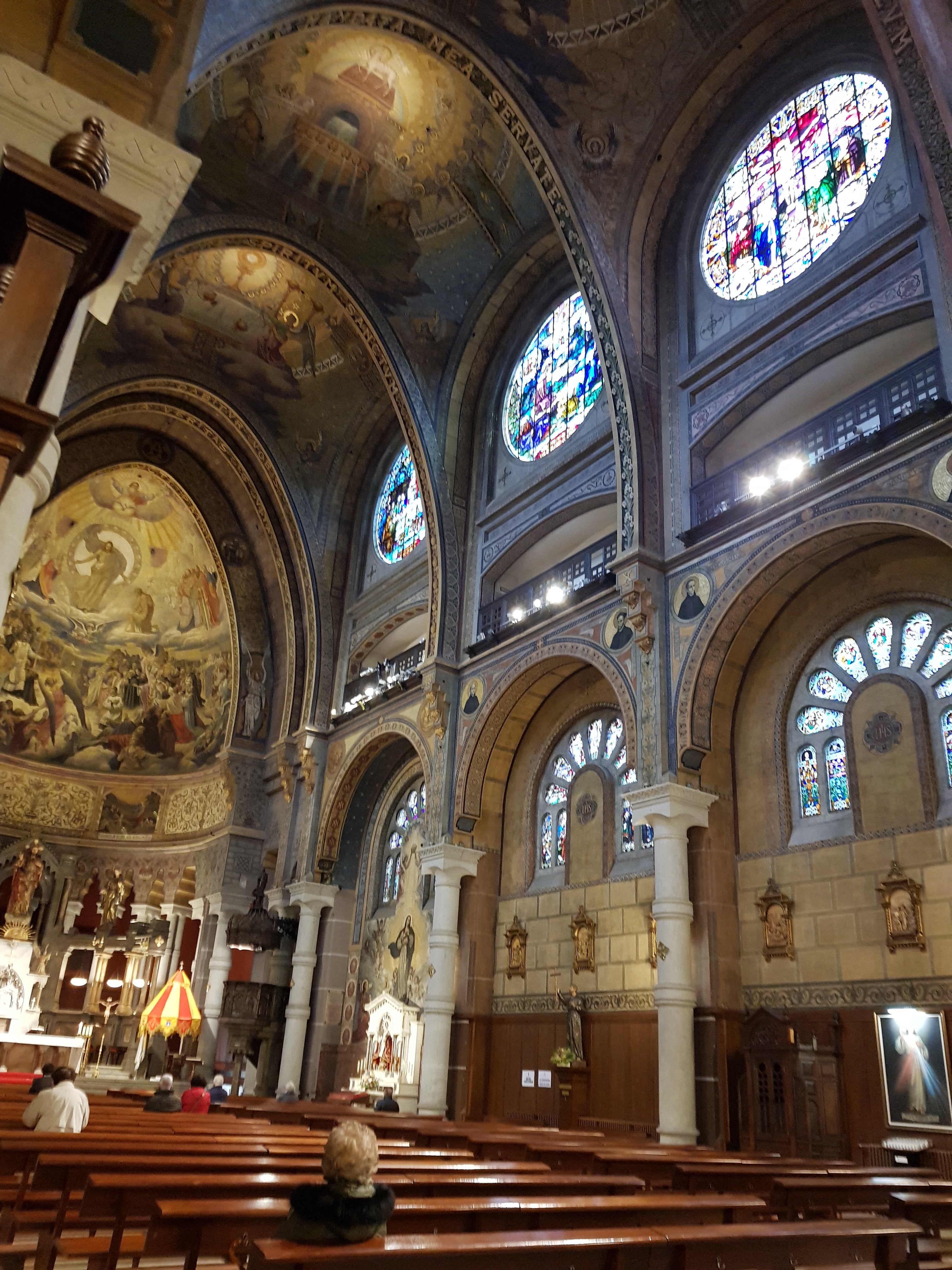
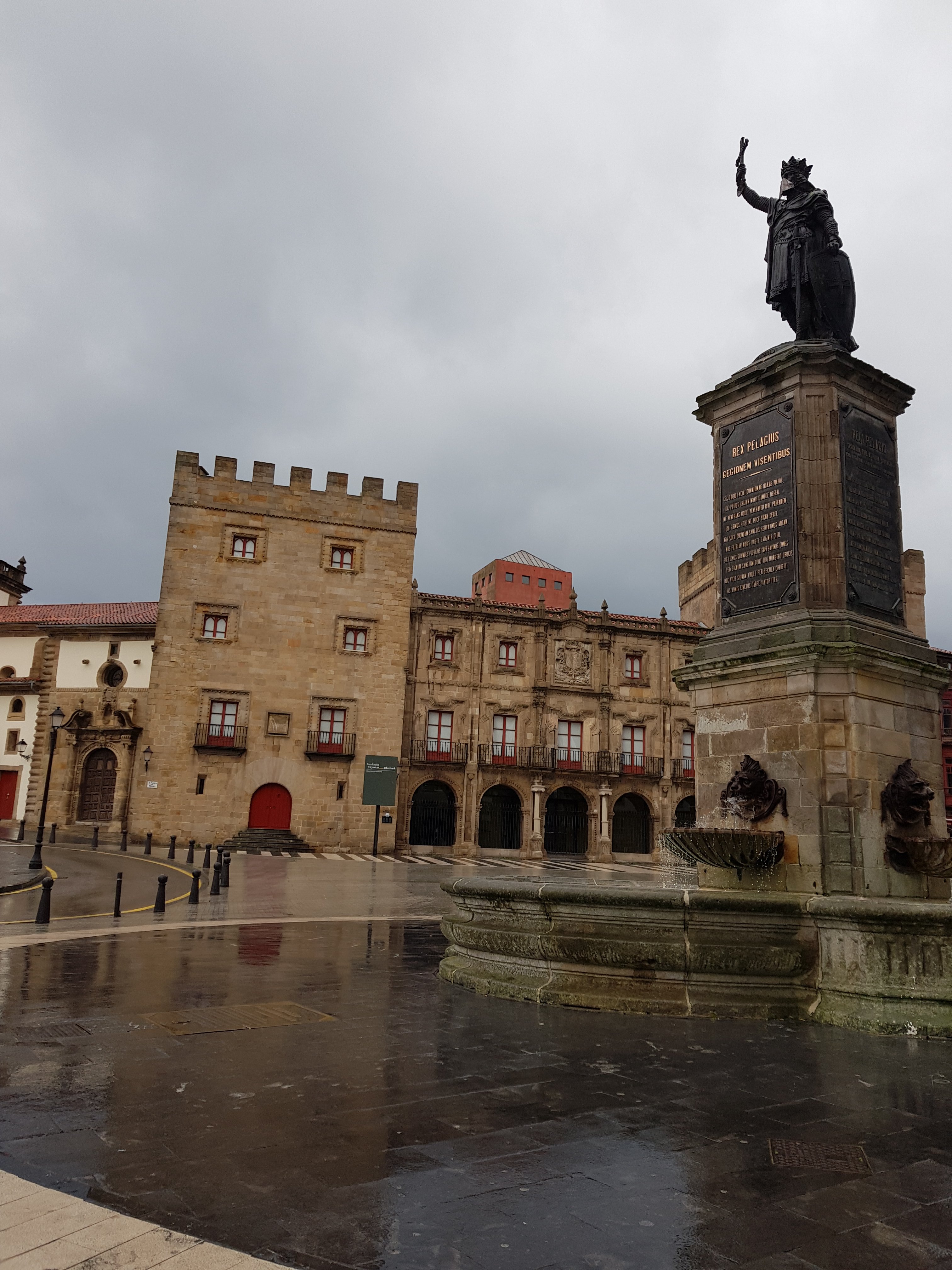
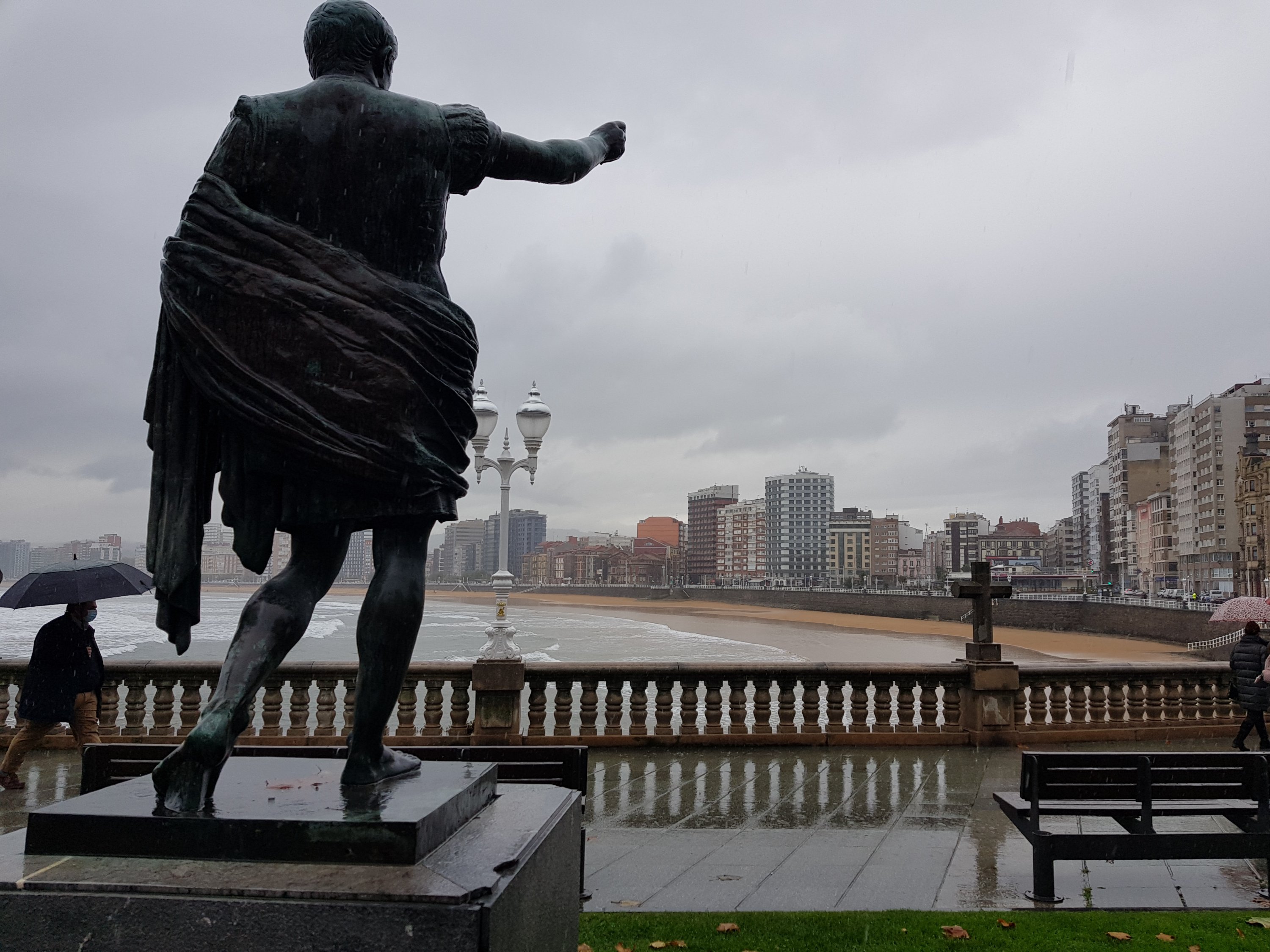
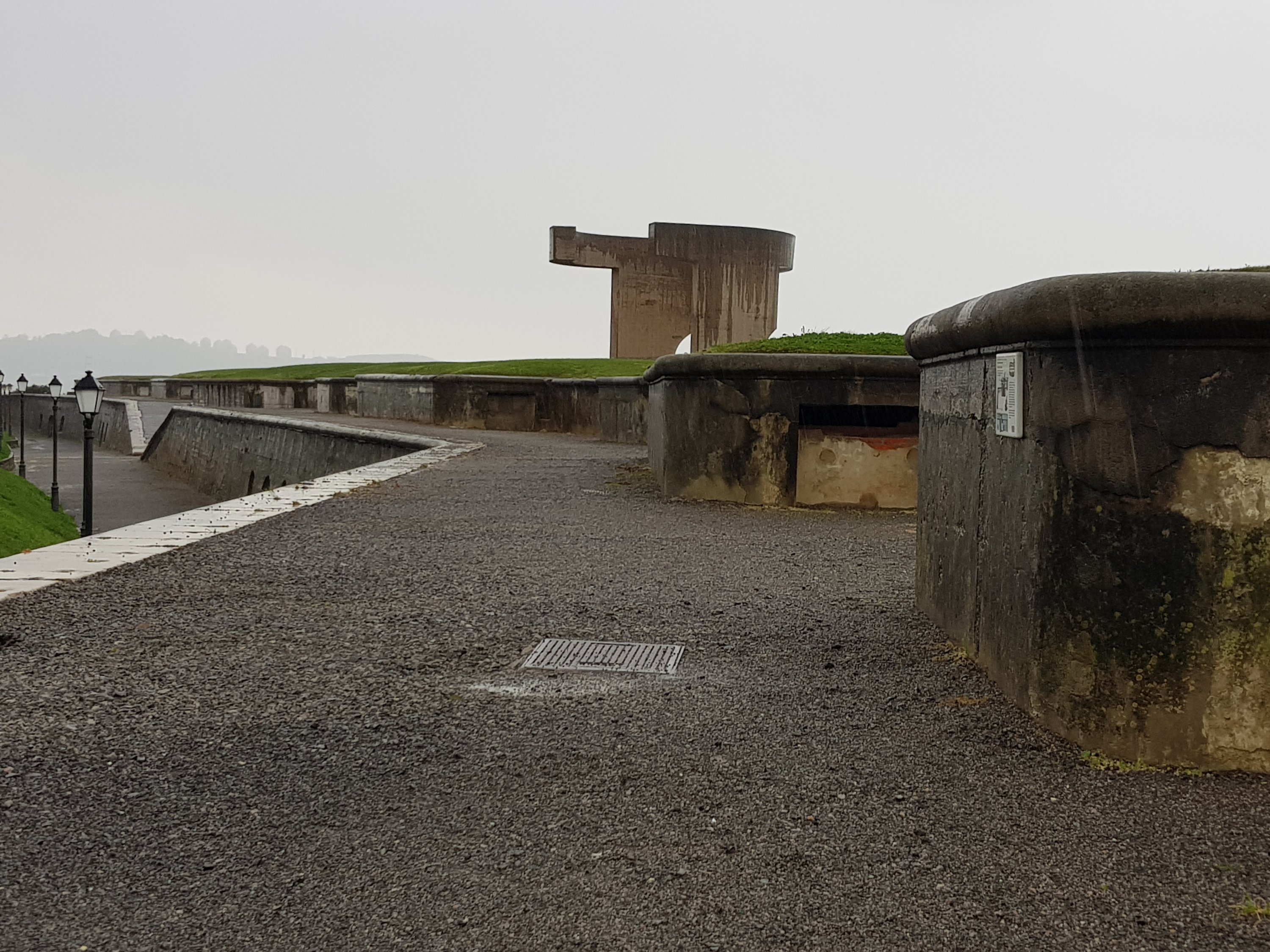
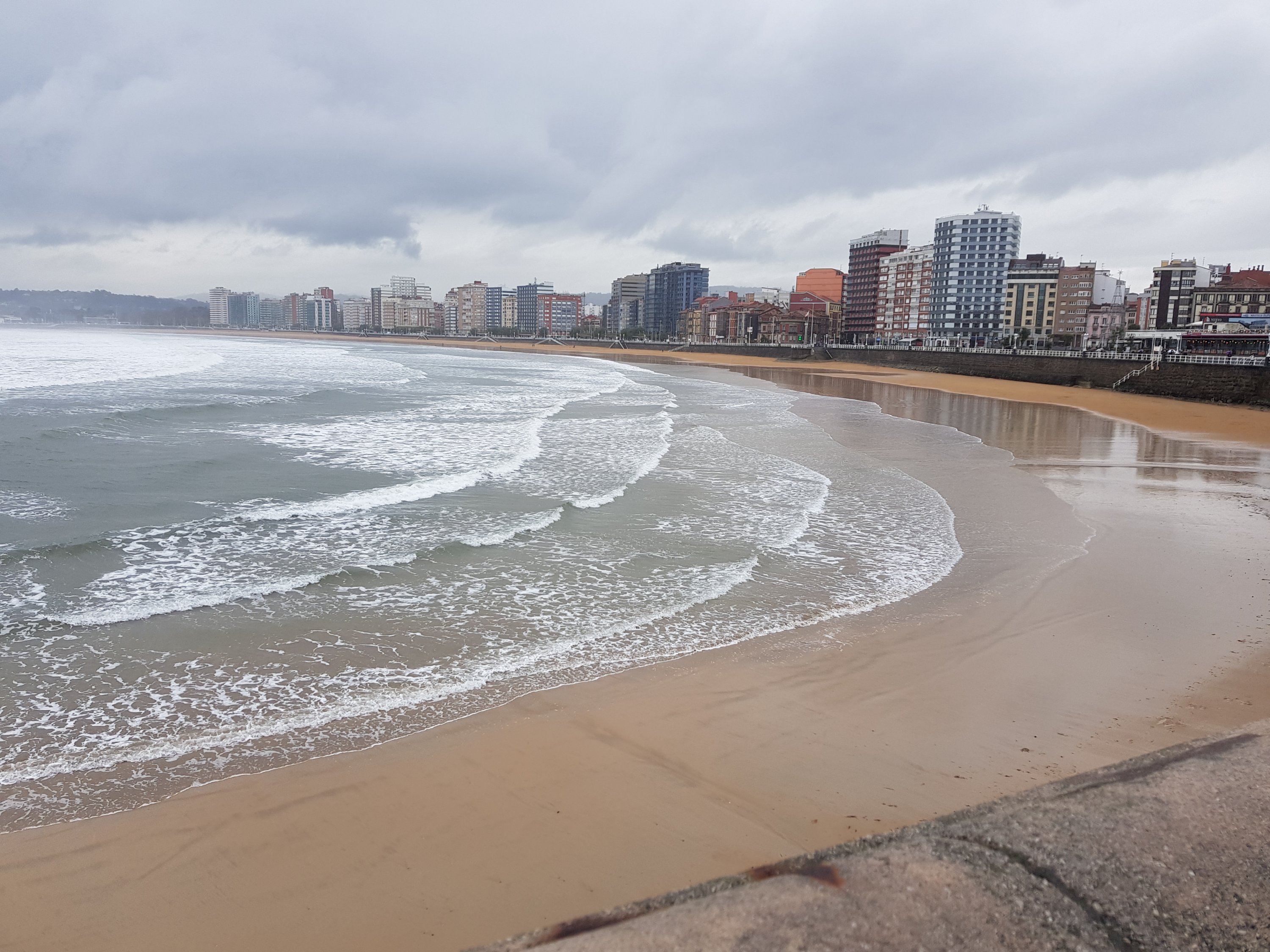
With only a day in Gijon, I had to be picky about what to see. Gijon has a set of roman ruins that I was tempted by, but the pull to find out more about those wooden sheds I had seen, was much stronger. So, I walked to the edge of the city, to the Museum of the people of Asturias.
The museum was way better than I expected. For a start, it was free! YAY! I thought that it would be just a few boards with photos and objects, but the museum was actually mostly outside. The biggest part of the site is devoted to the actual traditional buildings of the region. These buildings such as horreos, shepherd refuges, and country houses, have all been actually dismantled from their original location and reassembled at the site. Pretty impressive. You can enter many of the buildings and see how it would have looked. For example, the peasant house has the rooms and fireplace set out as it would have looked, and there is a cider press with huge equipment and barrels in place.
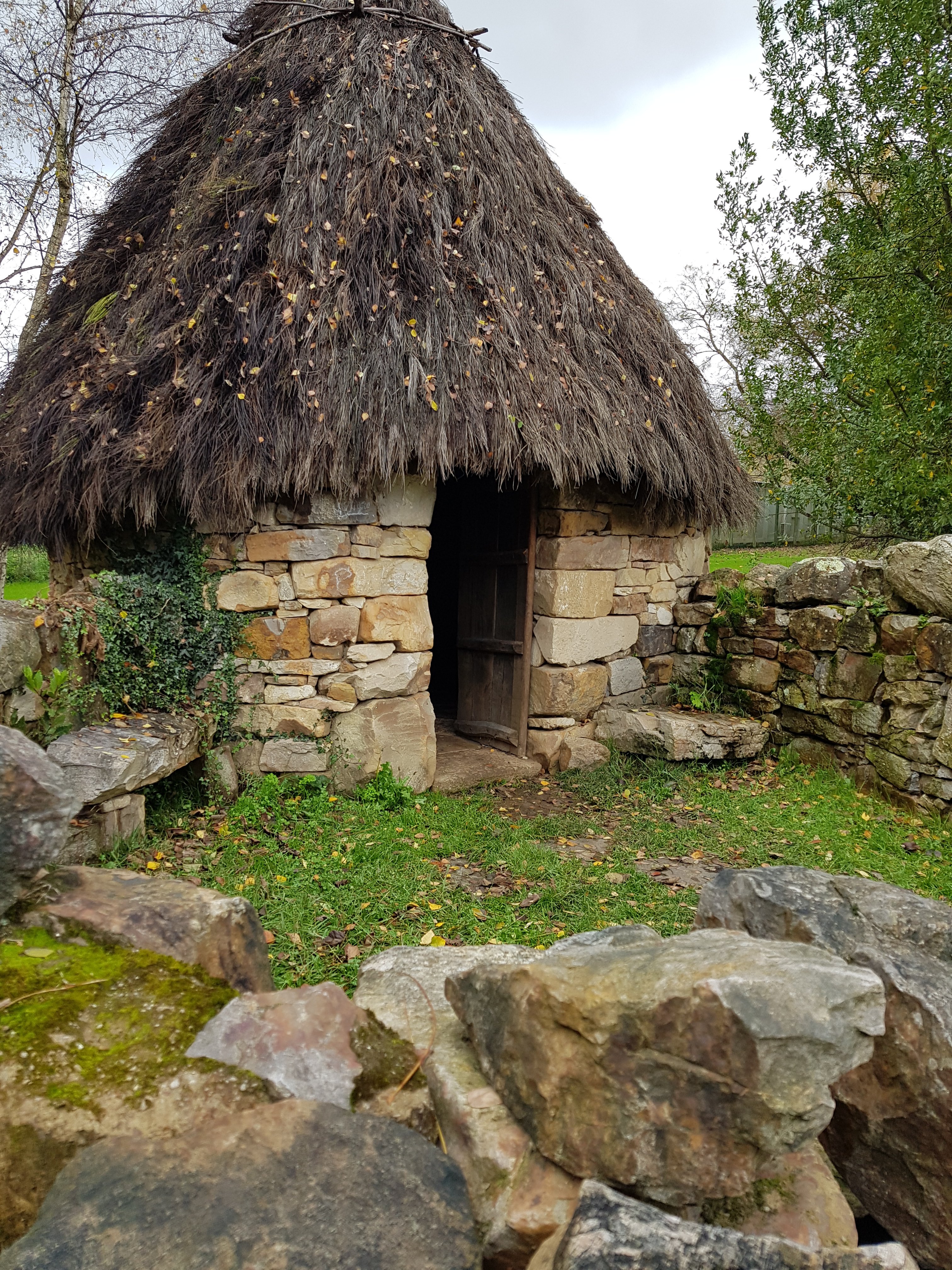
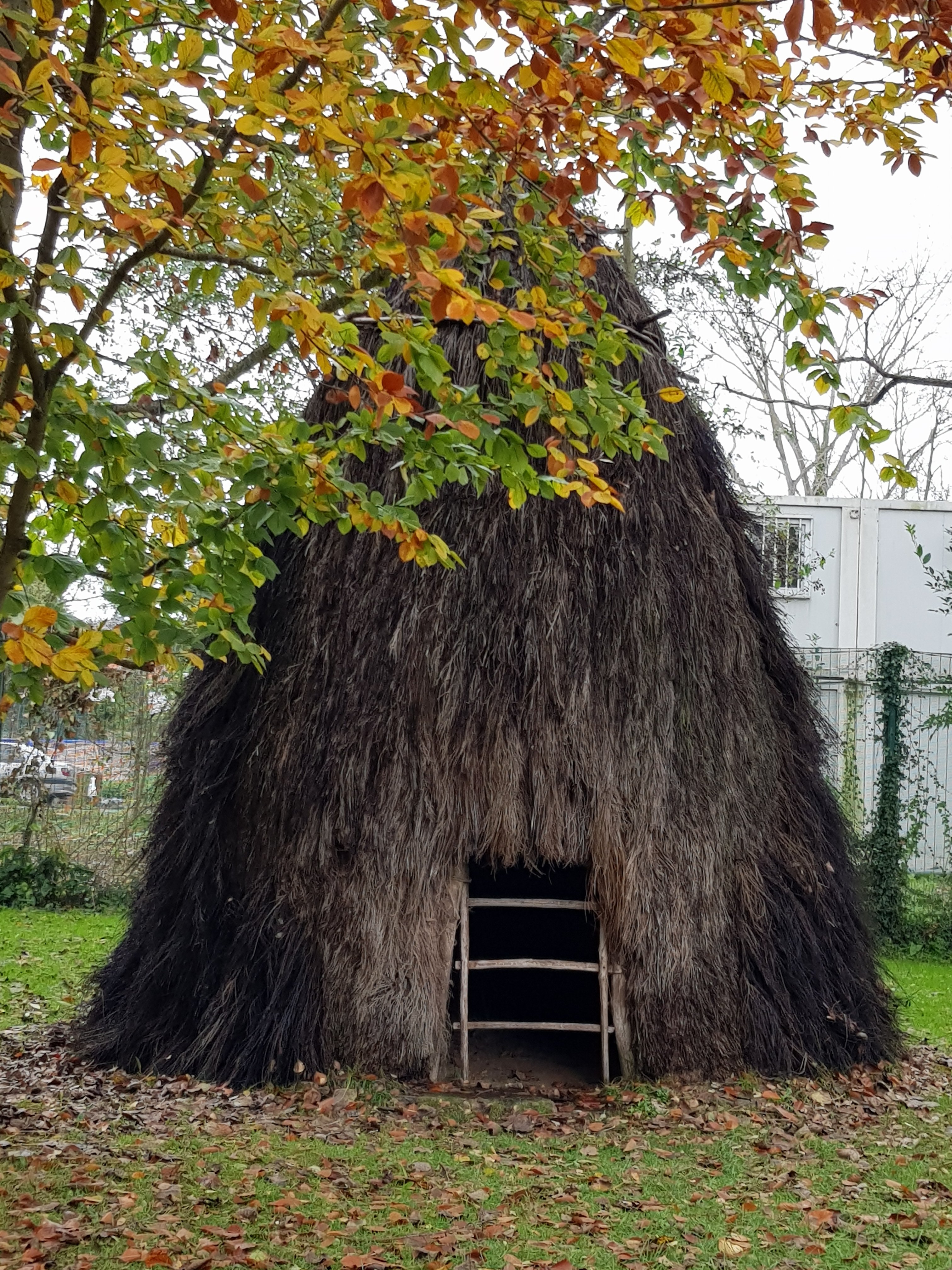
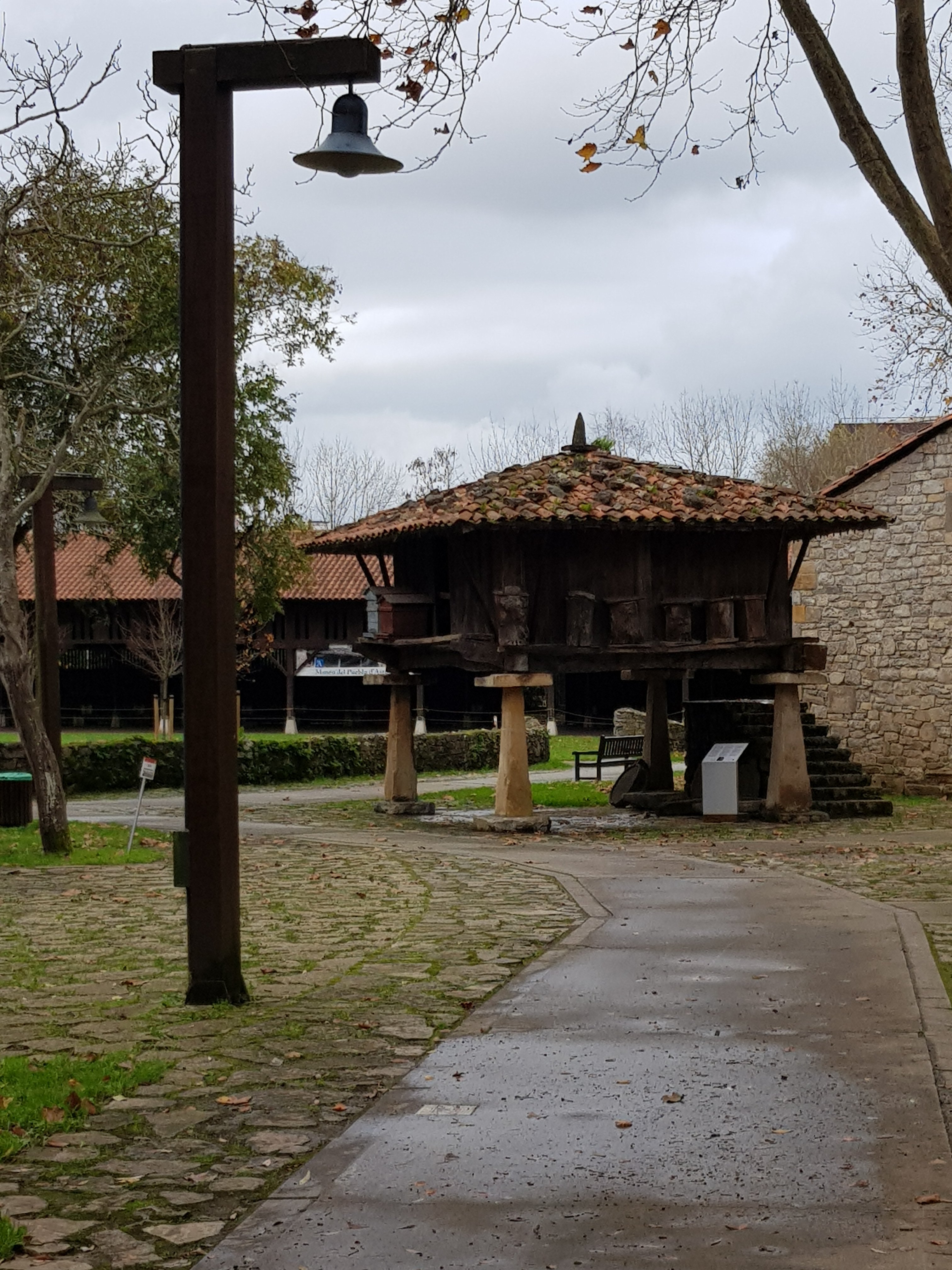
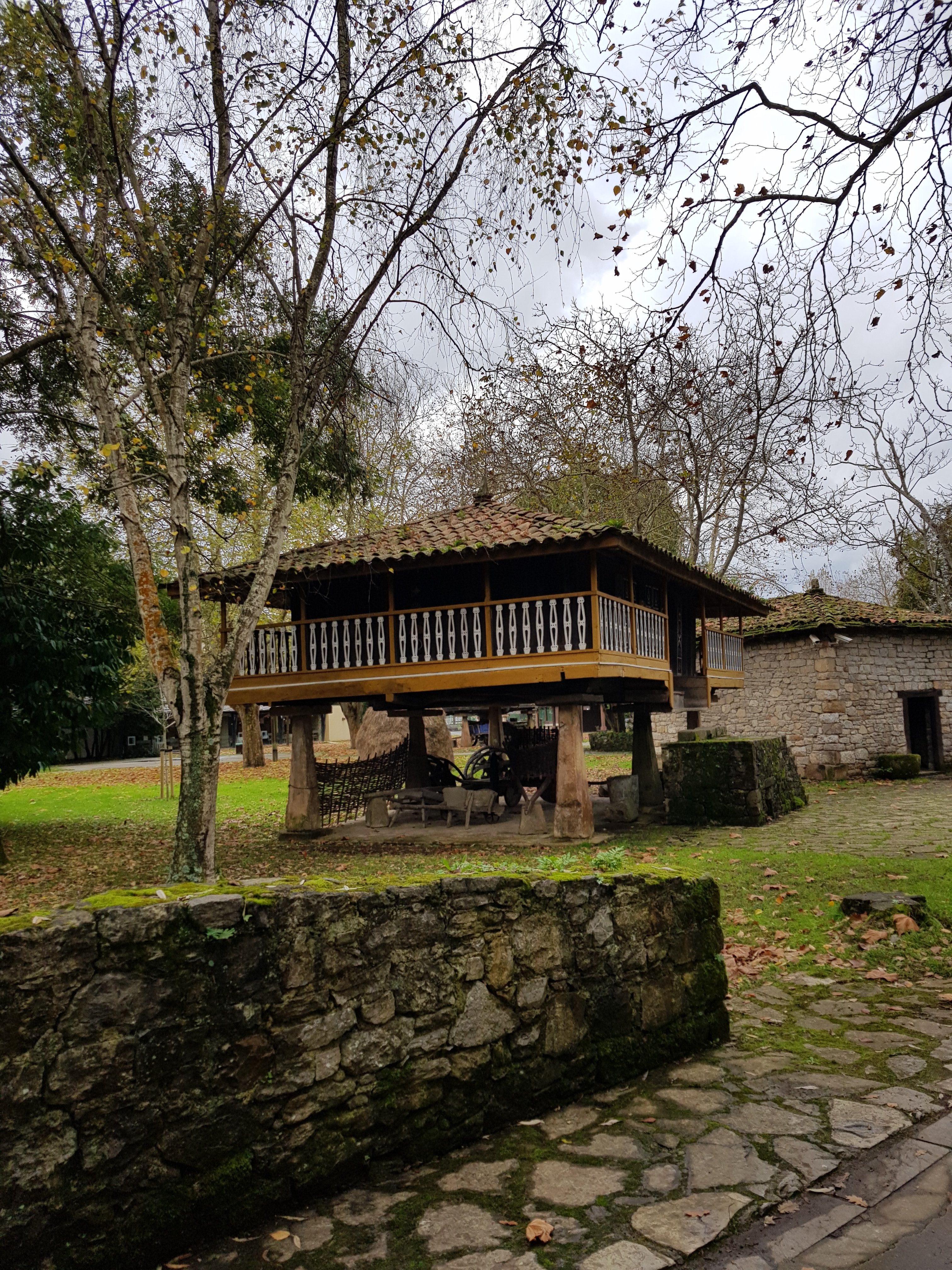
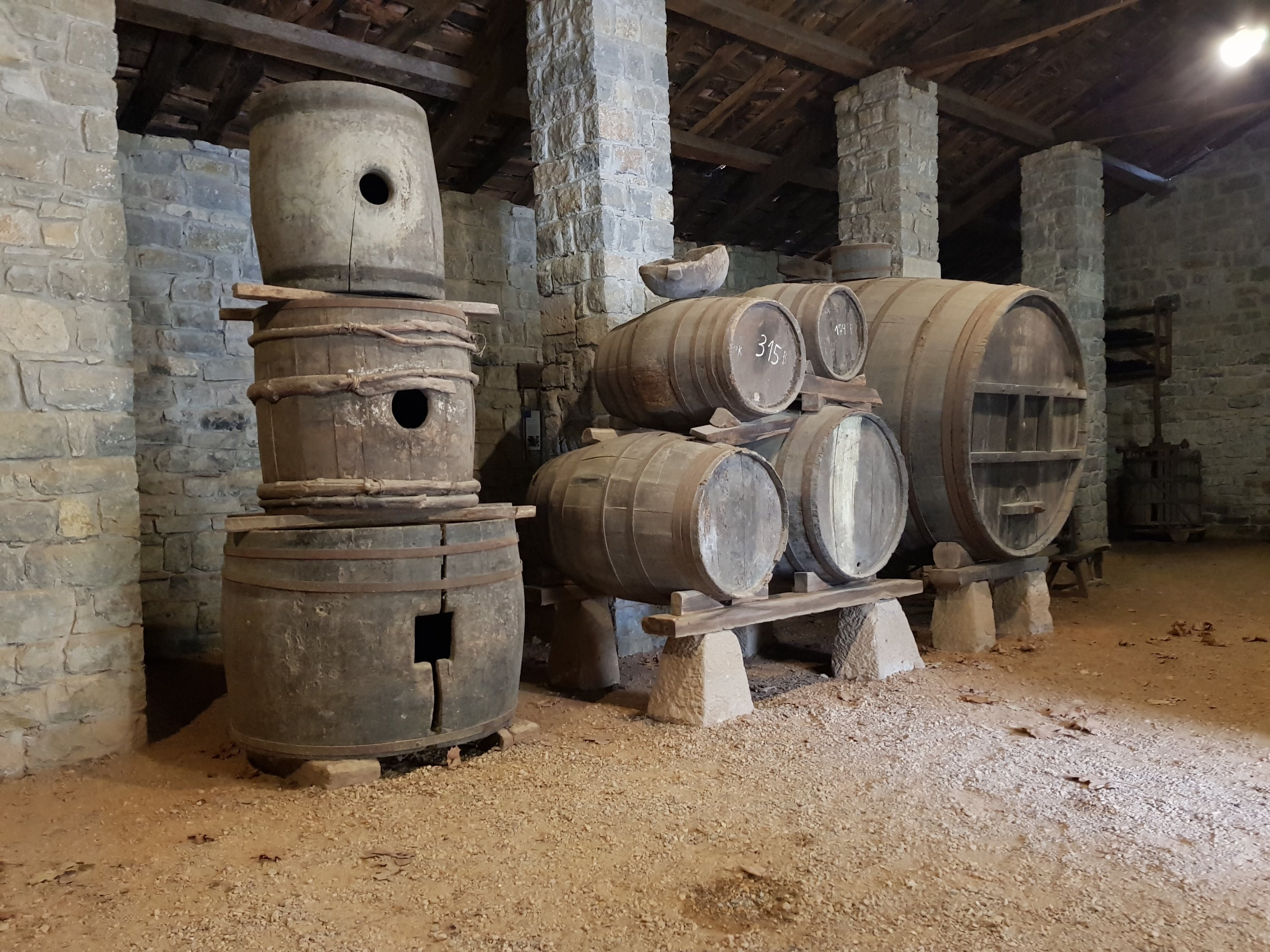
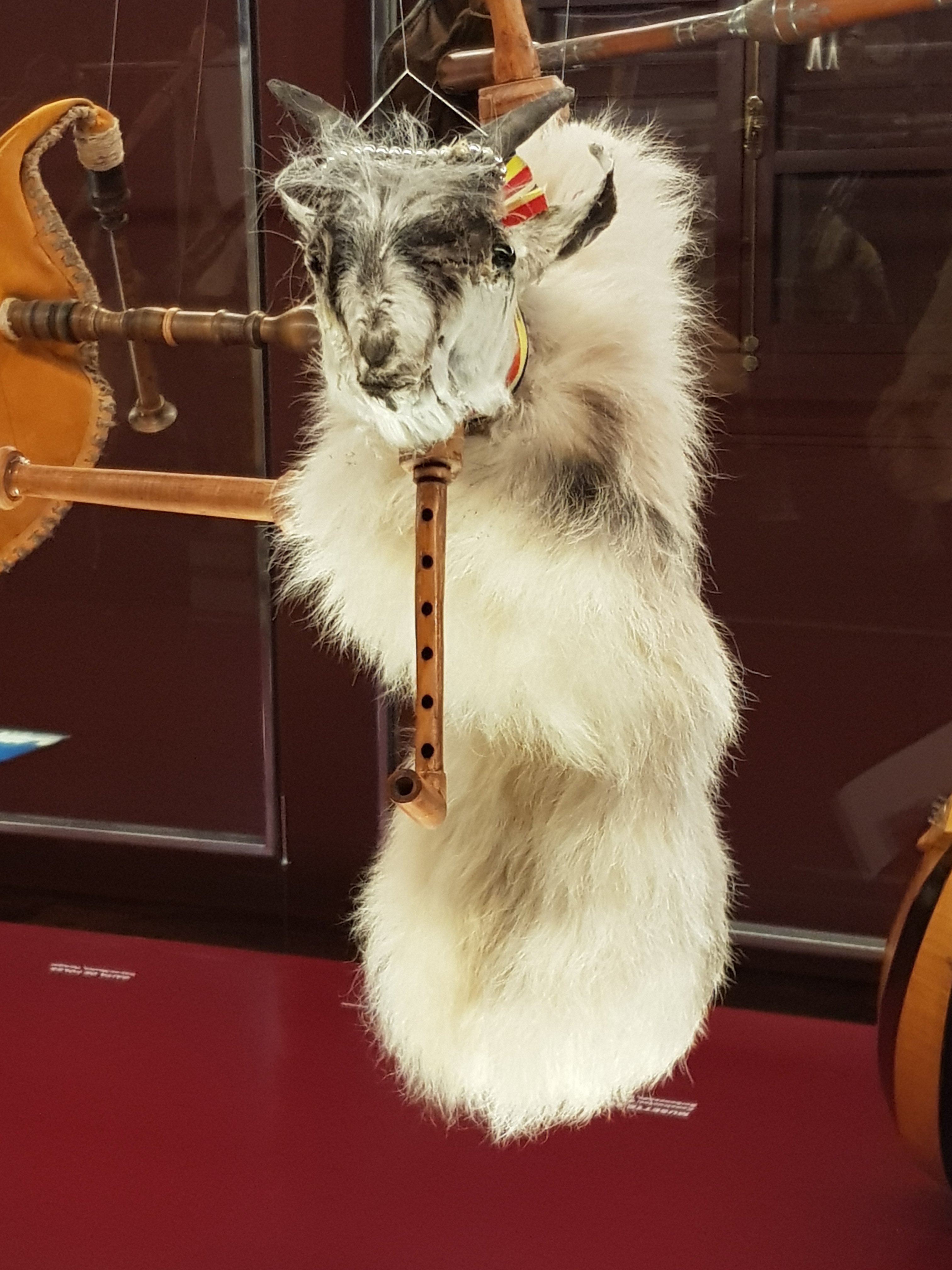
The museum also had temporary exhibitions, and a bagpipes museum! Apparently bagpipes are big in Asturias tradition! As well, as some very odd looking bagpipes, there are a variety of other traditional instruments on show, and details about how they are made.
If you want to make the walk extra worthwhile, the museum is also next to another museum, the football stadium, sports centre and a lovely park.
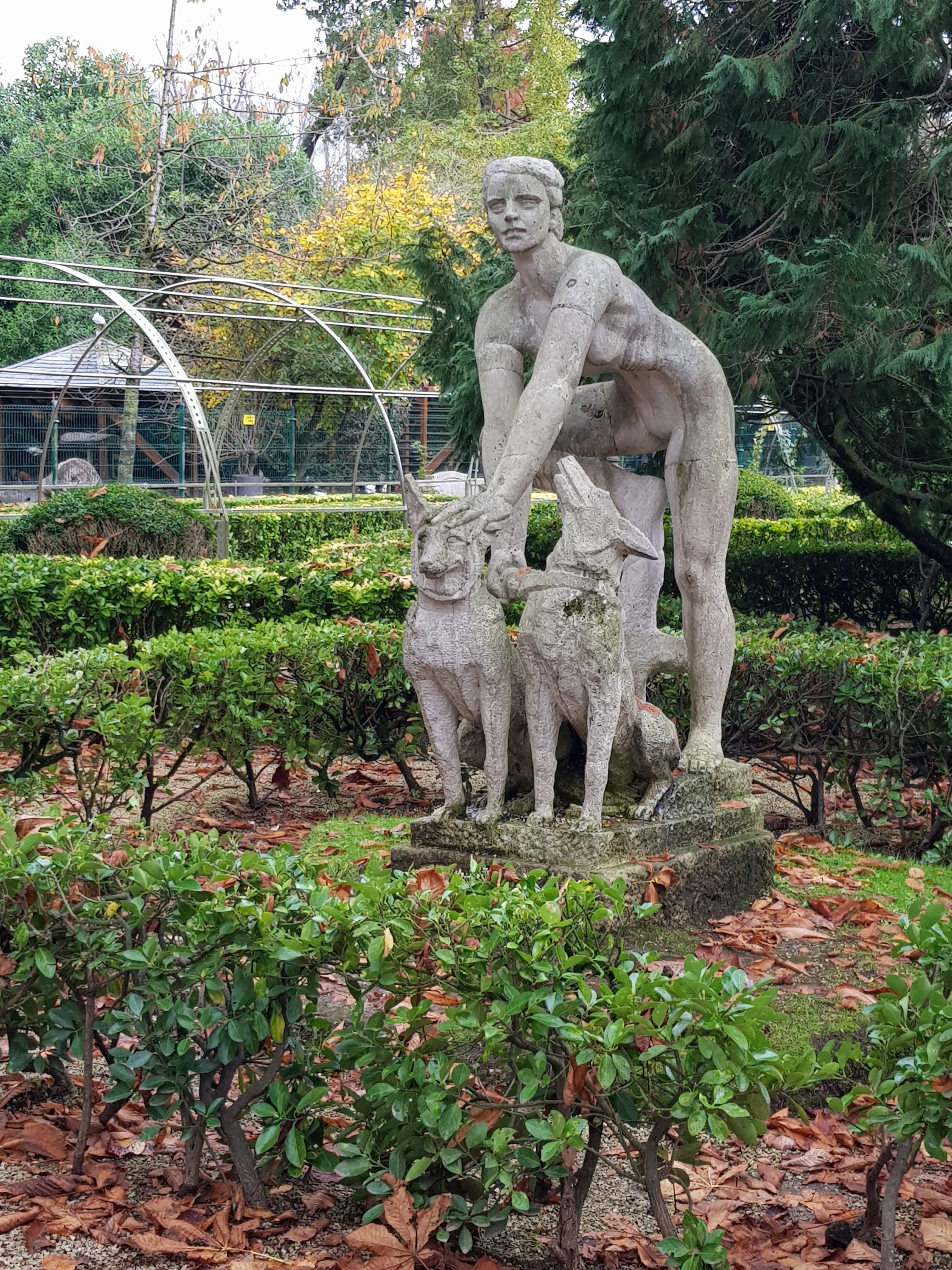
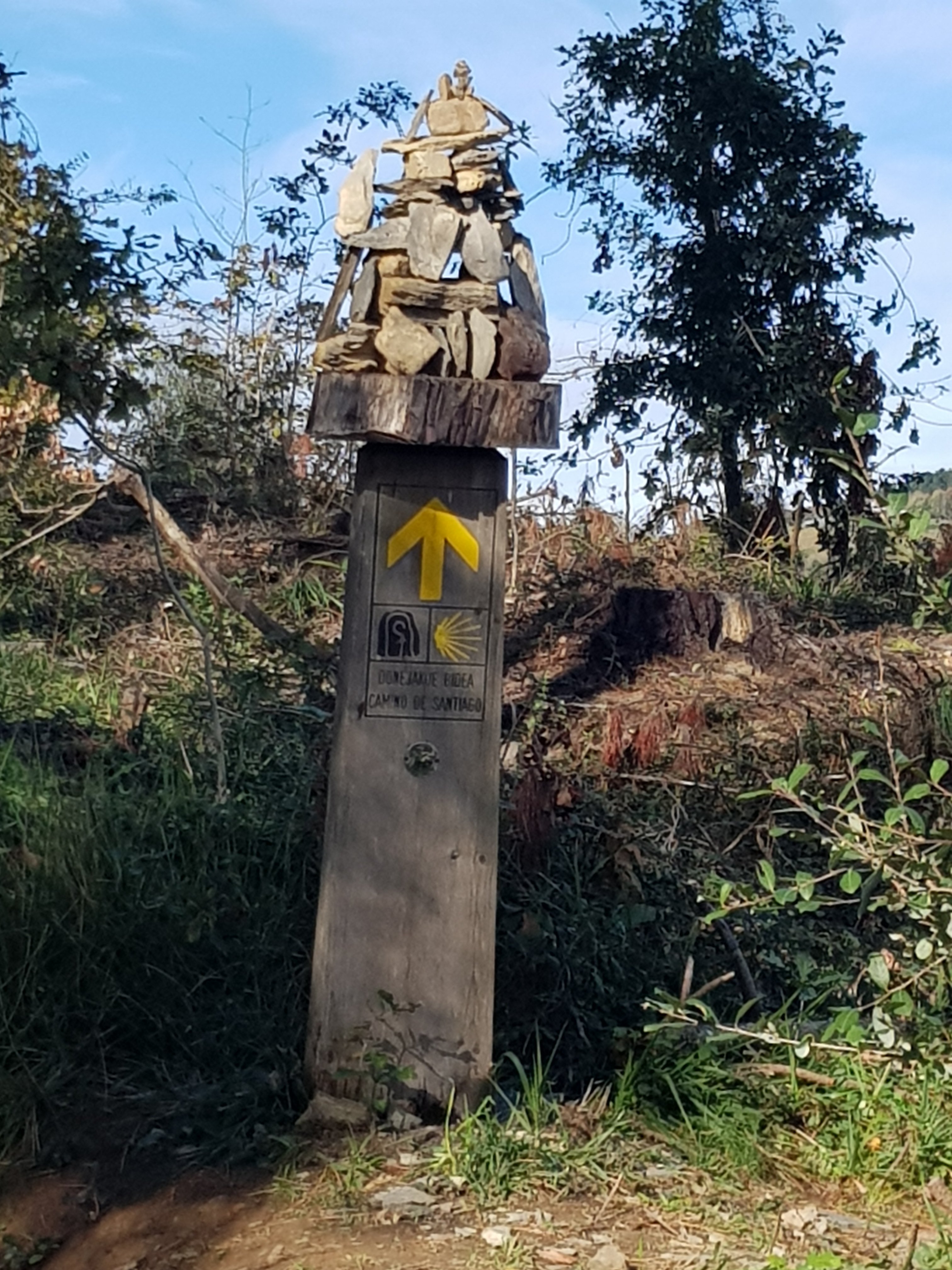
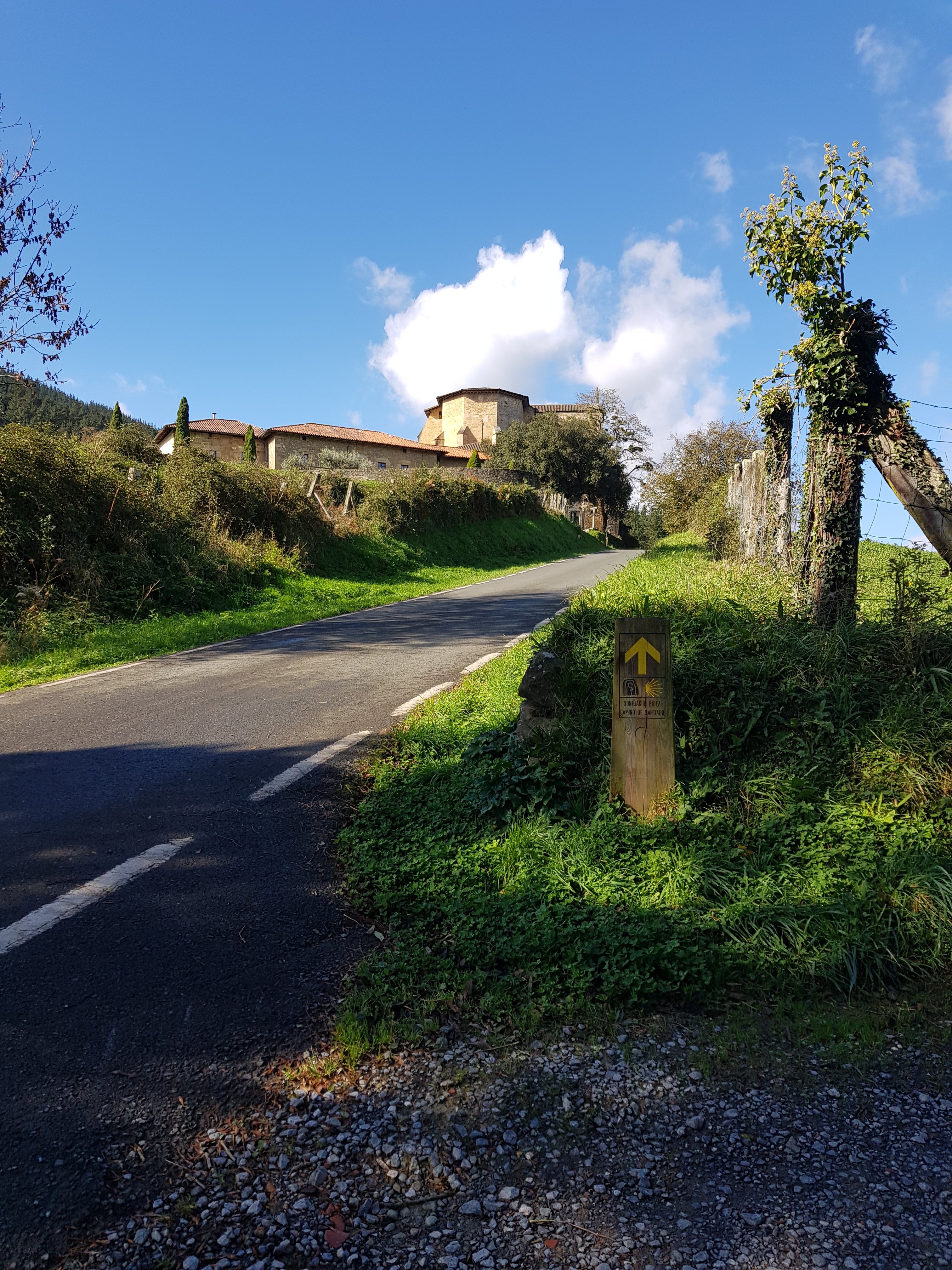
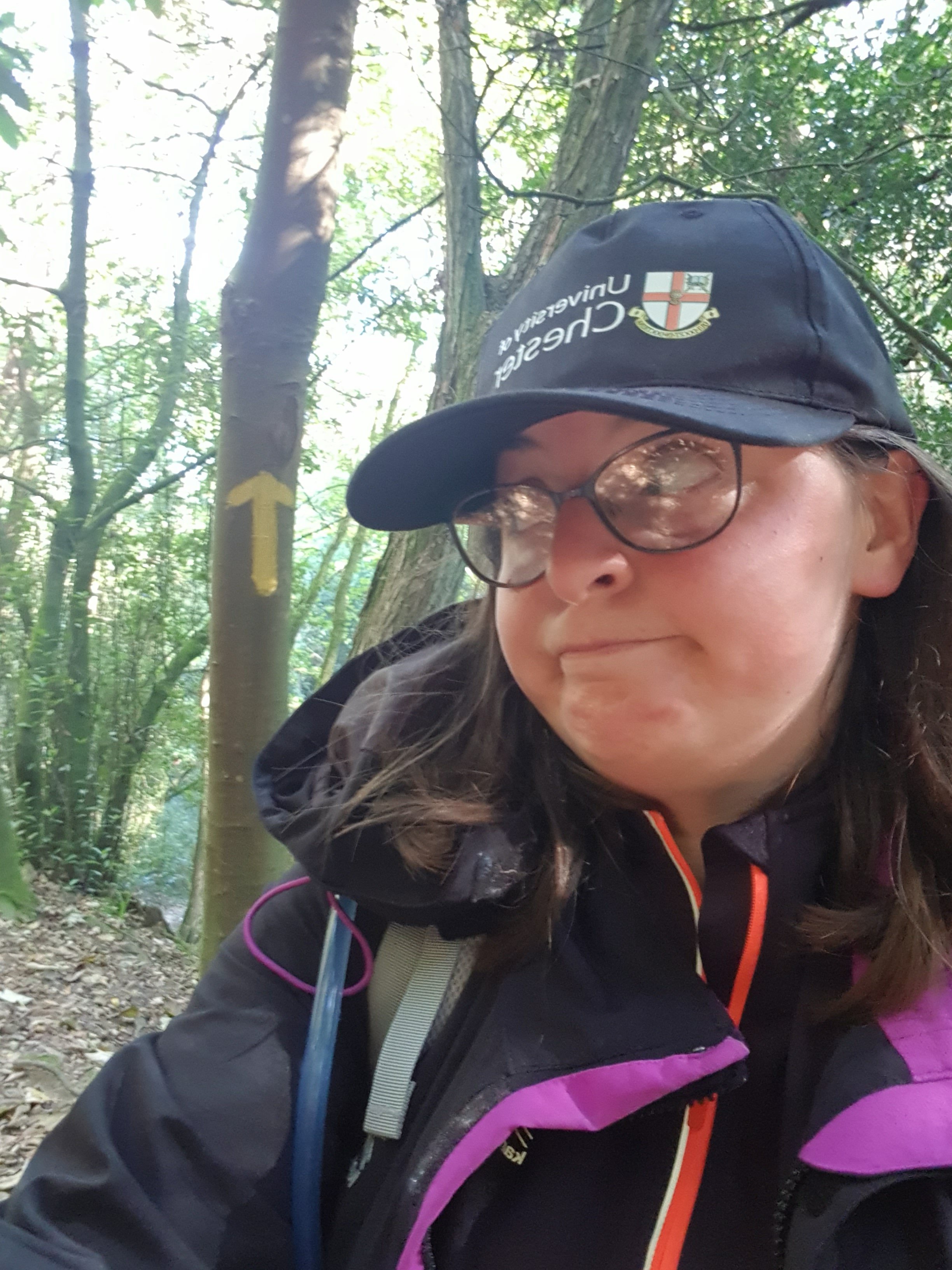
Overall, I think whilst I am now becoming physically exhausted from all the walking, the Camino continues to prove itself as totally worth it. The walk this past week was colourful and varied, and I really liked Gijon. Time to follow those yellow arrows… see
To mark the end of the first half of the walk, I have made a little video..














 Go Go Chlo