Tag Archives: Chile

Tips for surviving a 24+ hour bus journey with your sanity

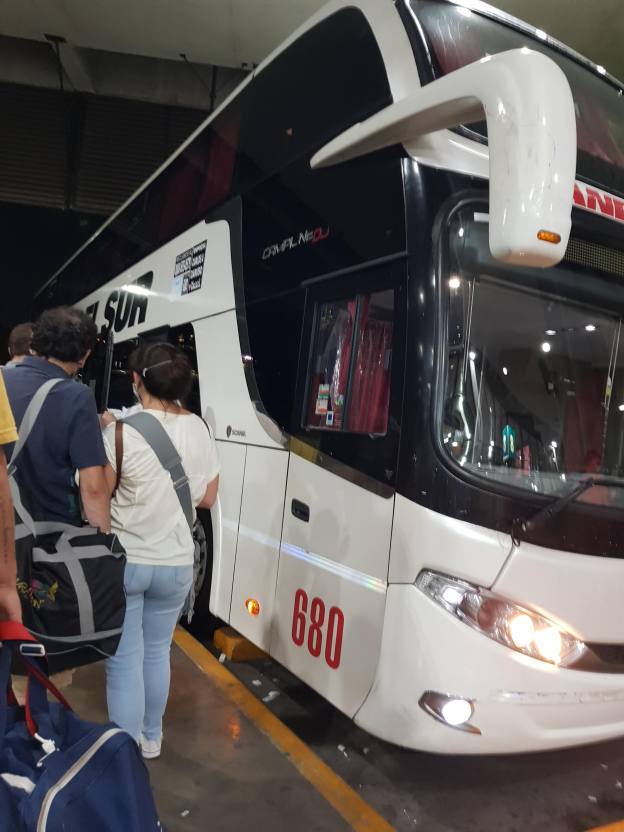
When travelling in South America, large buses/coaches/colectivos/micros are the main form of long distance transport. It is not uncommon to travel for over 24 hours on the bus to get to your destination, as the distances between towns and cities are vast. Whilst the scenery might be amazing, you can only look out of a window for so long. Thankfully, most of the buses offer decent seats, the occasional rest stop and if you are lucky then you could have a shared TV playing movies (in spanish or silent). To survive the inevitable boredom, it is wise to follow some of the below tips.

Snacks

I have seen a few hopeless tourists embark on a 24+ hout bus journey with no food in hand, and then moan about being hungry for several hours. There are normally rest stops but you cannot guarantee what food will be on sale, or the regularity of the stops. Go prepared. There will not be a fridge so choose savoury items that will keep. Empanadas is a great choice. A large bottle of water is a good idea, but also kids sized fruit juice cartons can come in handy, to give you some much needed vitamins. I made sure to keep all my snacks in a separate bag to my main rucksack so that I could keep it on the seat with me, and not disturb everyone each time I needed something from the overhead shelf.

Batteries

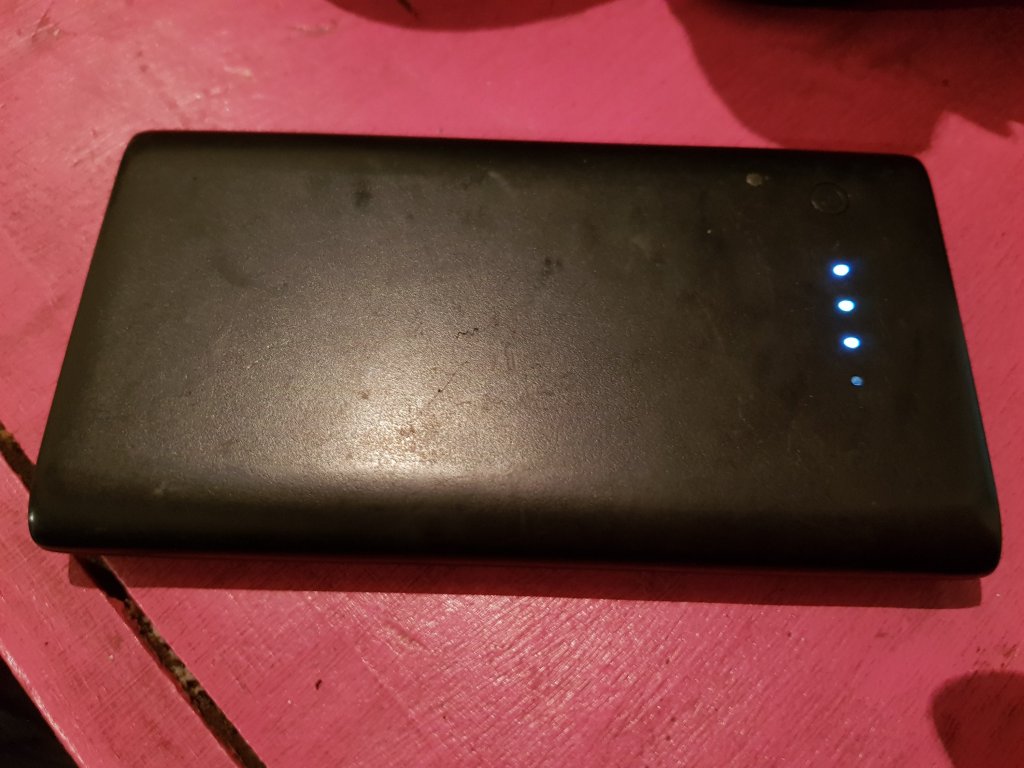
Whilst some of the buses have USB chargers over the seats, this is not the case with all of them. I have found a portable charger (fully charged beforehand) to be invaluable. You can bet that you will not be able to access any signal or internet for the majority of your journey either so there is no need to waste charge on your phone trying and failing to get 4G. Put your phone on airplane mode, and you will be surprised how long it lasts you.
Bathrooms

There is normally one toilet on the bus and toilets at your infrequent rest stops. You can be assured that the hygiene of toilets being occupied by 30+ people in a short period, will not be good. Not only can you expect poor hygiene, but also dodgy locks and no toilet paper is common. Take tissue and anti-bacterial gel with you, I can not stress this enough. It is also not a bad idea to carry some pills to avoid any unexpected stomach problems on a strenuous and very shared journey. To give you an example of the demands of the on bus toilet… on a 26 hour journey, I put off going in the bus toilet as long as I could, until I could wait no more. I took myself to have a wee, to the toilet which by this point (hour 20 maybe) was a state. There was not only no tissue, but also no water in the tap, and I had thought the door was locked. Apparently not. When I went to pull up my pants, another lady threw the door open, and said “I’m sorry but I have to go in, I am going to be sick”. She then vomited into the only toilet for a bus full of people about four times. I did not use the toilet again that journey.
Offline entertainment

Before your long journey, do an audit of your phone/tablet/laptop apps. How many of them can you use offline? There are actually a lot of games that you can access offline that can provide some easy entertainment. I have become a regular player of the offline chess.com app at the this point, but I am still struggling to beat the computer… Previously downloaded tv series and movies on streaming services like Netflix or Disney+ or music from Spotify can also be a great way to kill off the long hours. You can also take to the traditional pencil and paper, and do some sketching, or journaling. I have been improving my sketching by drawing copies of photos I have taken of local scenery and wildlife. If all else fails, maybe bring a book?
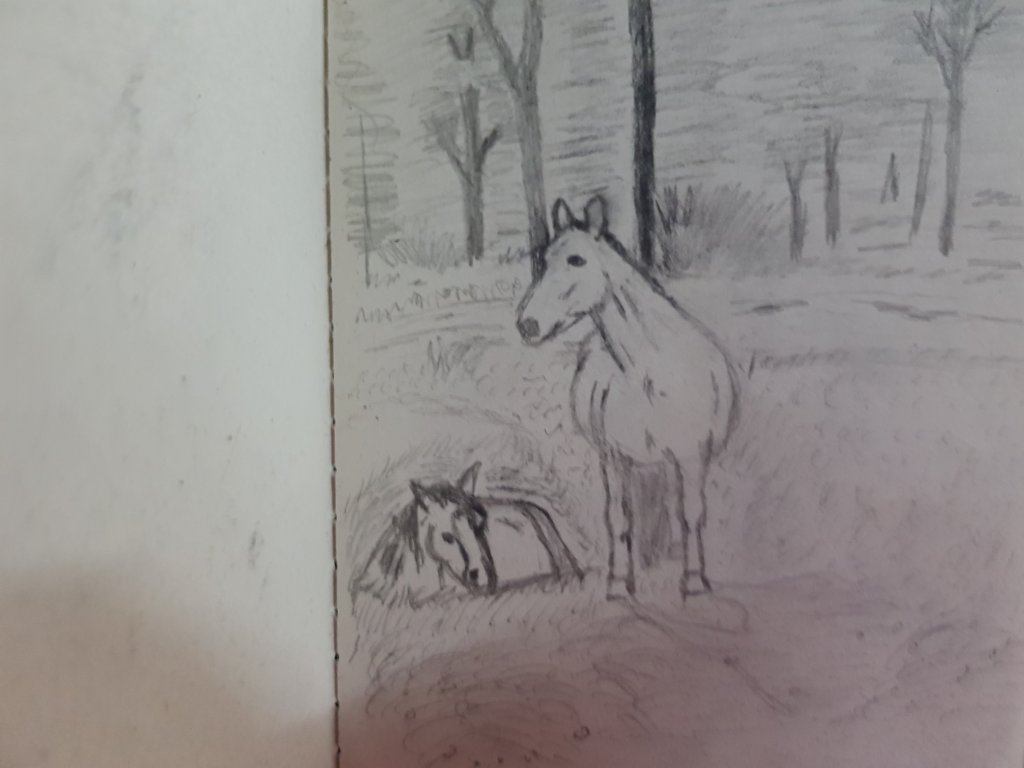
My recent sketches in my pocket notepad

Offline work

If you have the sort of job that you can work offline with, such as writing, then this can easily be a way to lose some time. If you are feeling like you want to put that time to good use. It is a good idea to test this out before your journey by disconnecting yourself from WiFi at your hostel, to see that everything works okay before you start promising on deadlines to be completed. I have been burnt by this myself when I assumed that the Microsoft Word on my chromebook would still work okay offline, it turned out that it was still powered by an online service, so I missed out on doing hours of work.

Sleeping

If you are on a long journey by bus, you will be travelling overnight, and testing out those reclining seats to the maximum. It can be cold on the bus in the evening, as you have not been moving around much, and the drivers always seem to crank up the AC for some reason. Probably to stay awake themselves. The problem is, this also keeps me awake. If you have a light blanket or something to put over yourself, make it reachable. I tried to get my coat from the overhead shelf in the middle of the night (4am), and it was very dark, and very awkward when in pulling my coat out, I accidently knocked a shoe off the shelf and it fell and hit the sleeping passenger in the face who was sitting in front of me. It was really bad.

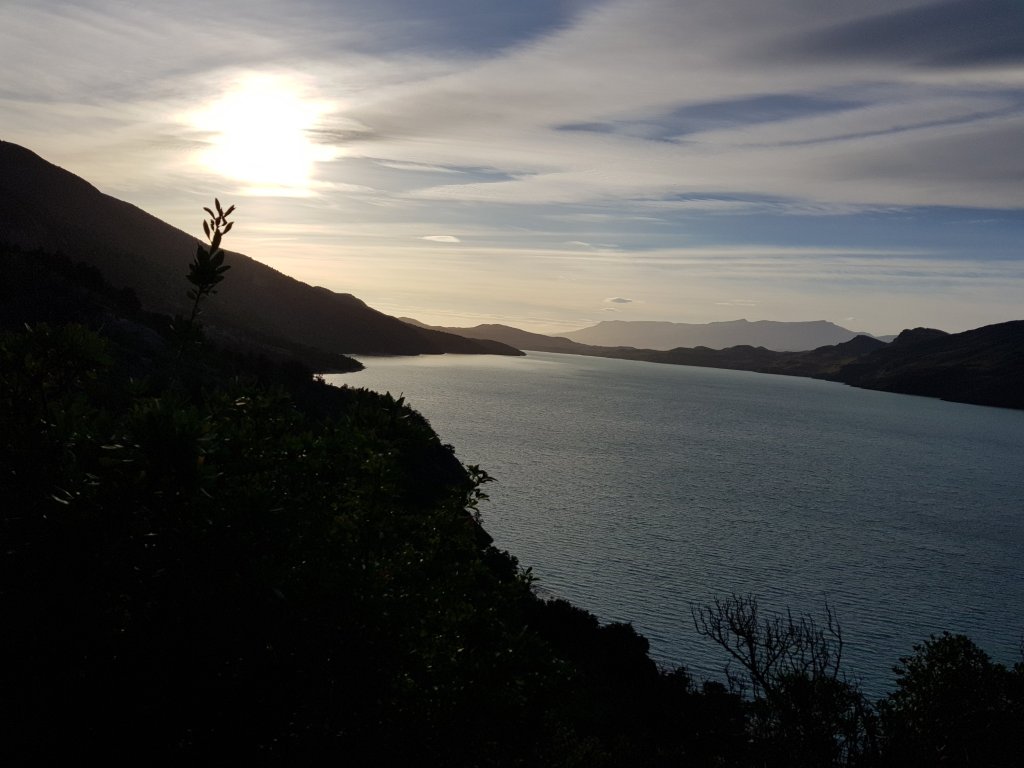
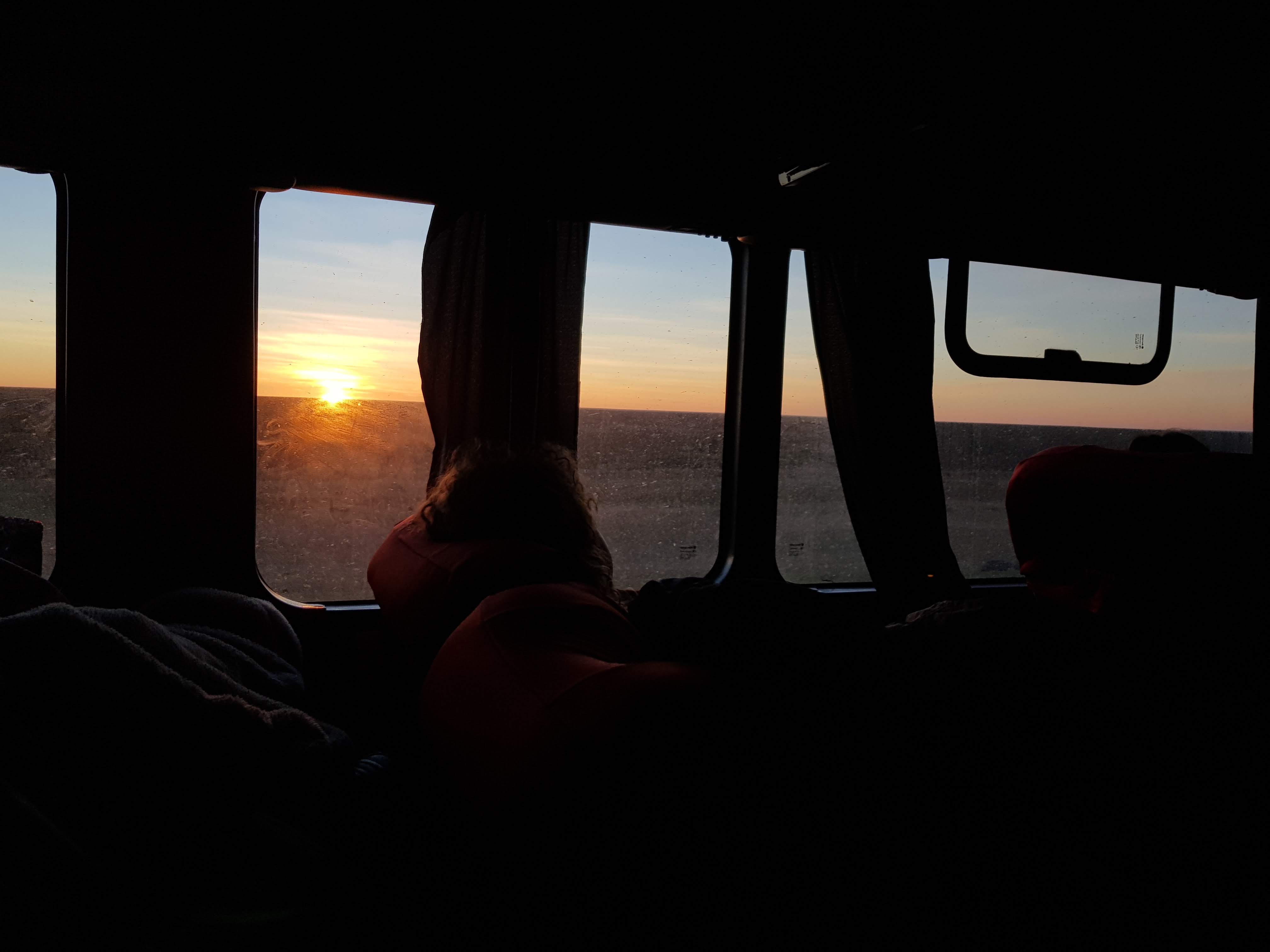
Sometimes, being awake when everyone else is asleep can be a blessing though. It is super quiet, and you might see an amazing sunrise that everyone else misses. That is what happened to me on one journey…
Overall, don’t underestimate the planning needed before your long road trip. If you put in a little effort to prepare, you will be glad you did.
A Journey to the End of the World: Tierra del Fuego

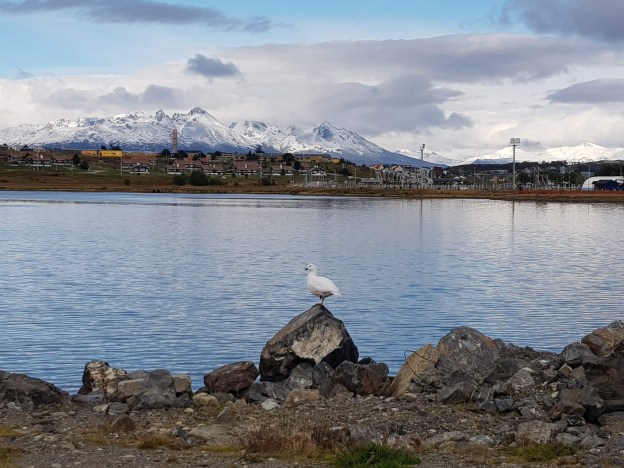
After re-entering Argentina, I took a twelve hour bus South, to find myself in the most Southern city on the planet, Ushuaia, on the island of Tierra del Fuego.

Crossing to Tierra del Fuego

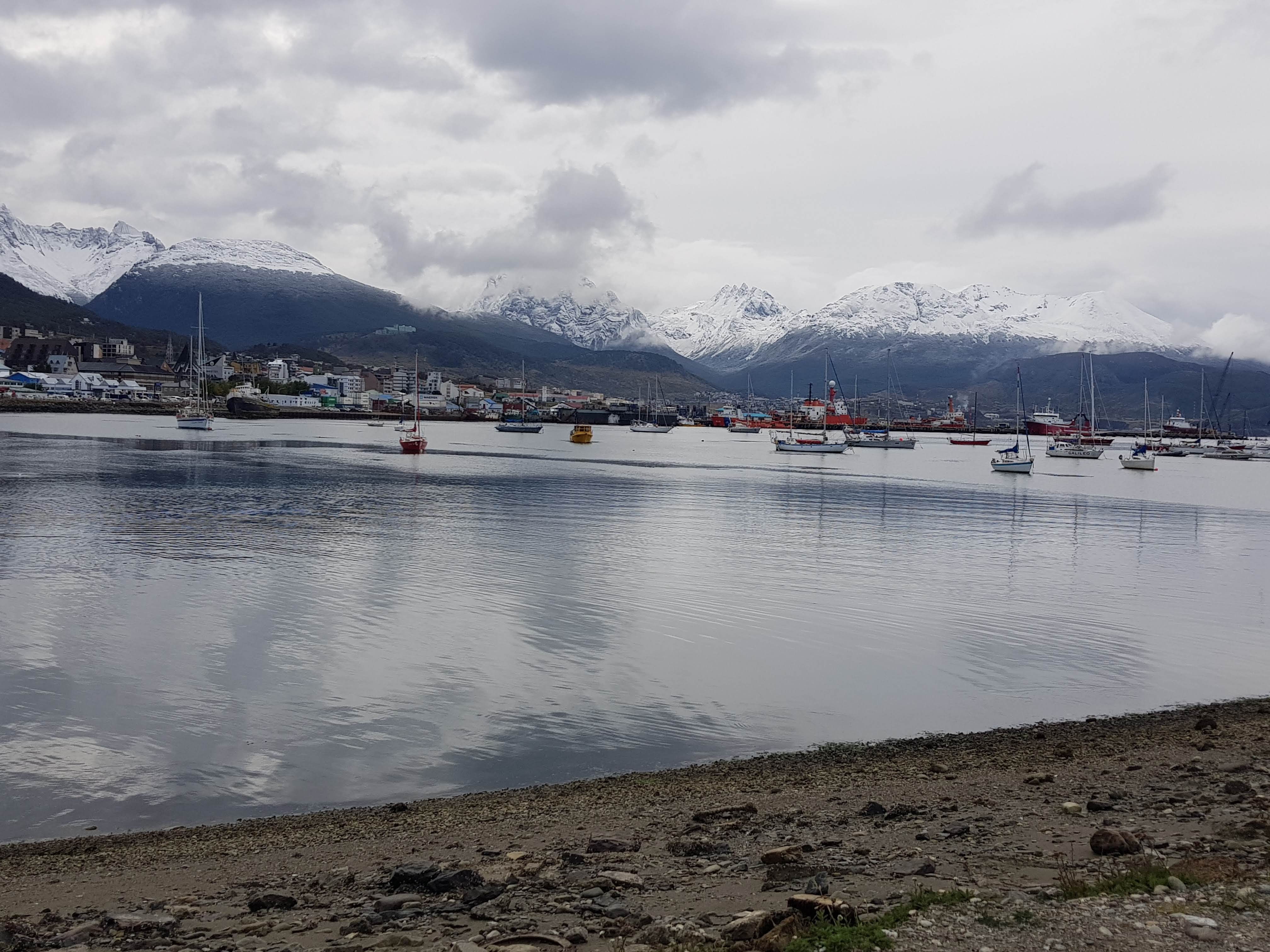
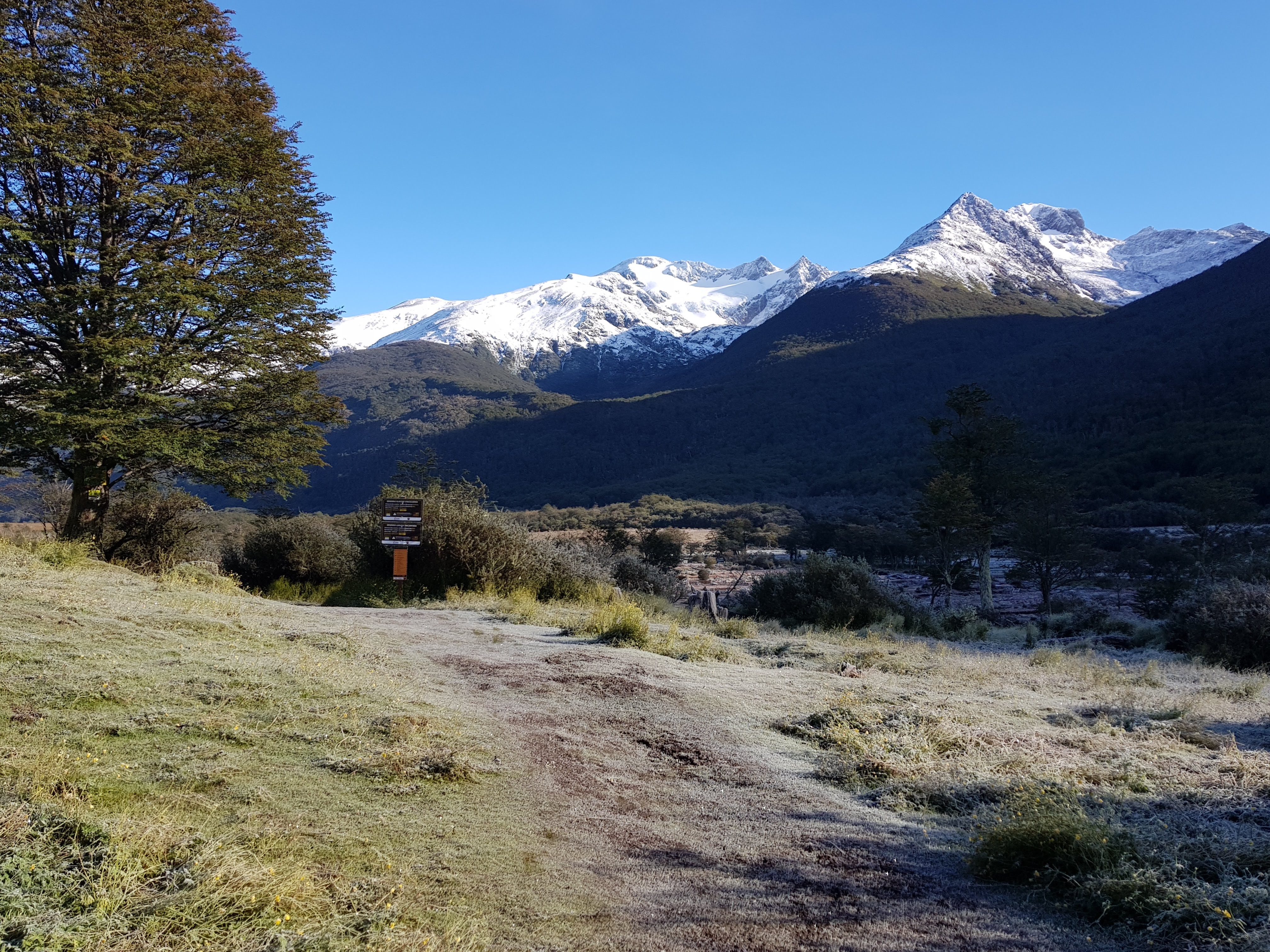
After returning to Argentina, I travelled from Rio Gallegos, back down the motorway, and across the Magellan Strait by ferry, to arrive on the island of Tierra del Fuego. This island is split between Chile and Argentina, and sits within the islands of Antarctica. Therefore, whilst I visited in Summer, it was still snowing frequently. It is also home to Ushuaia, the most southern city in the world.

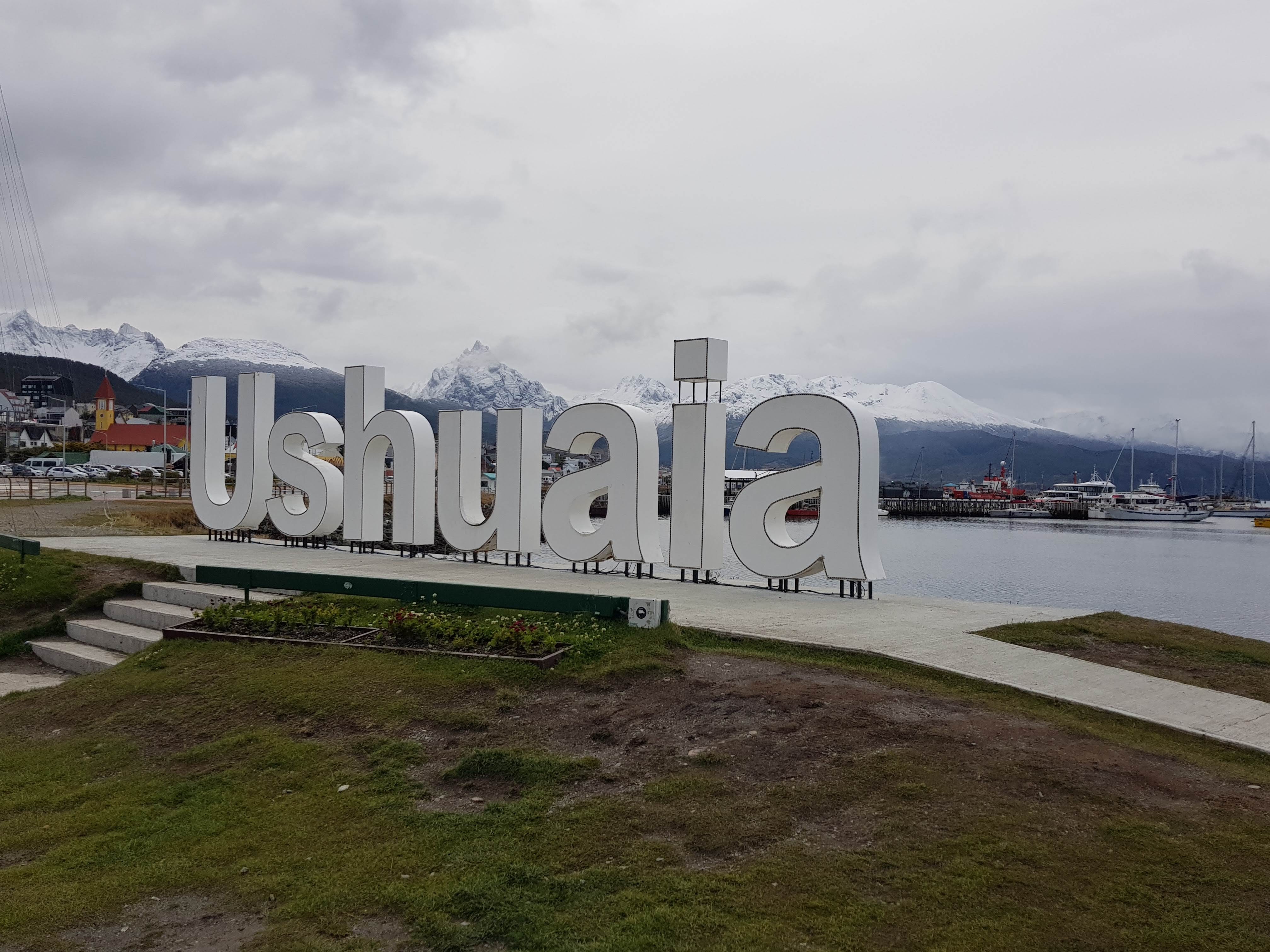
Ushuaia

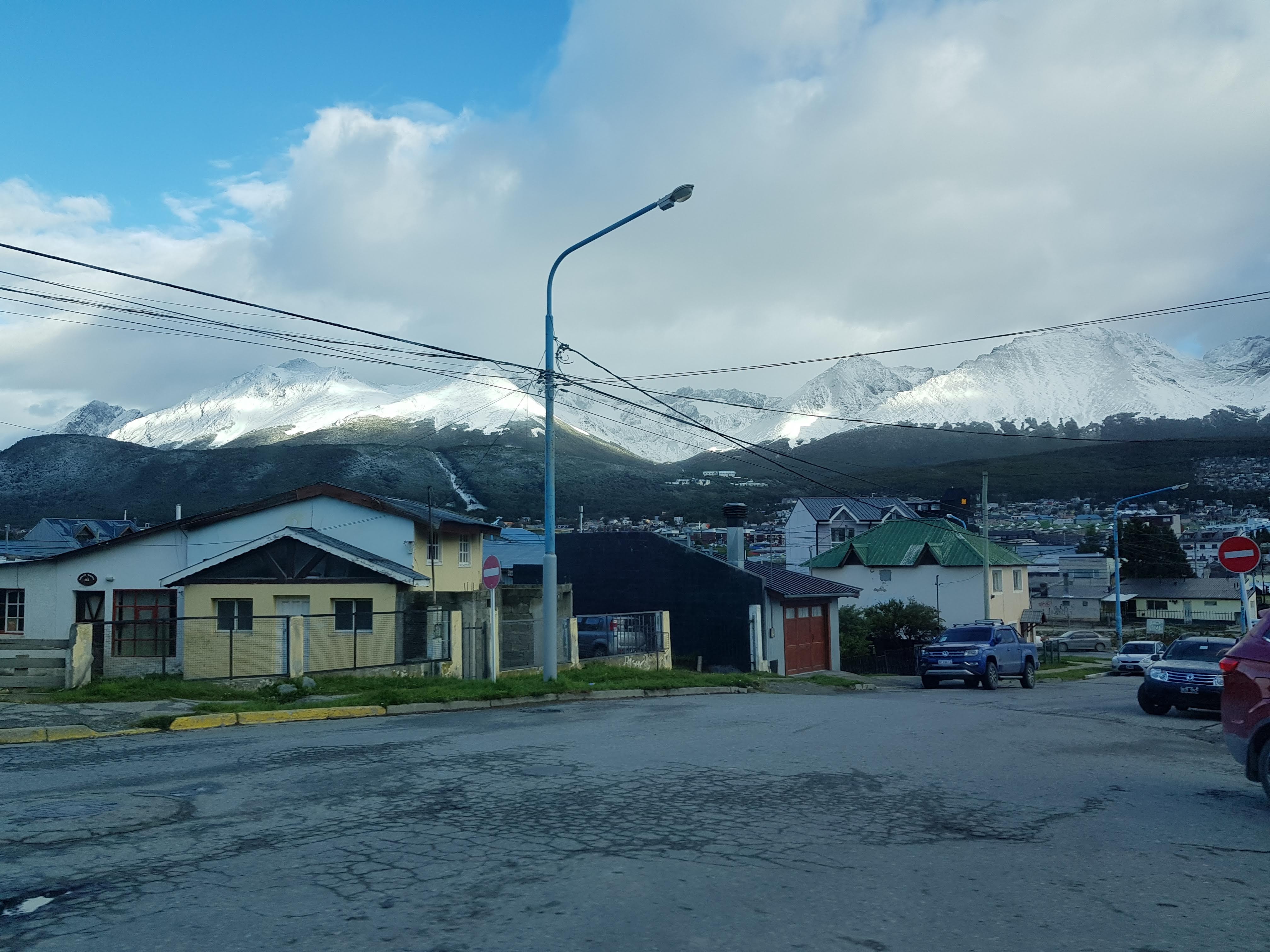
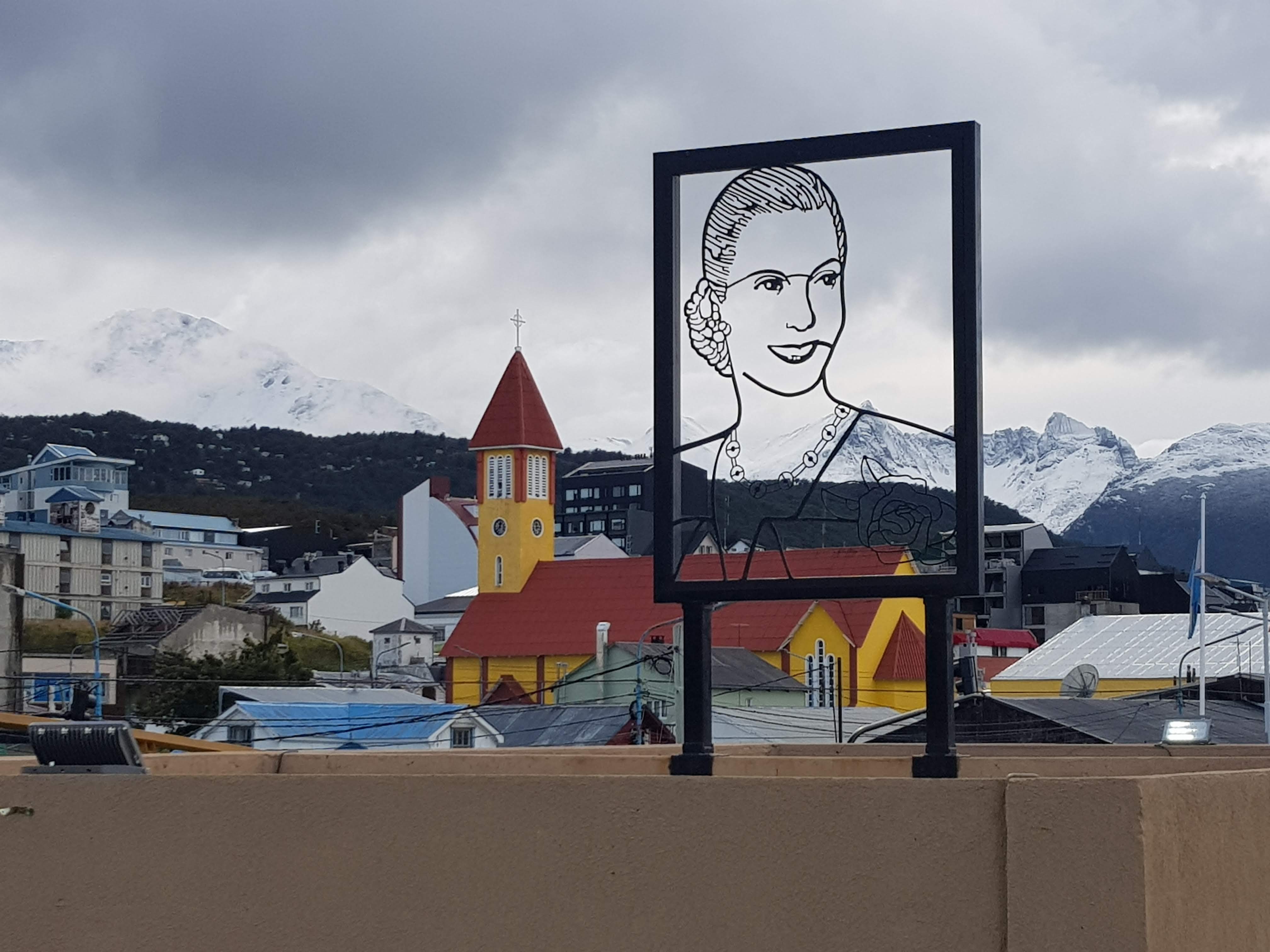
Ushuaia is a small city that is surrounded by snowy mountains and ocean. It is popular with tourists from all around the world, and my hostel was full of french and israeli people especially. This was great fun, as I never expected to share a jewish feast with a group of new friends teaching me hebrew in the bottom of South America.
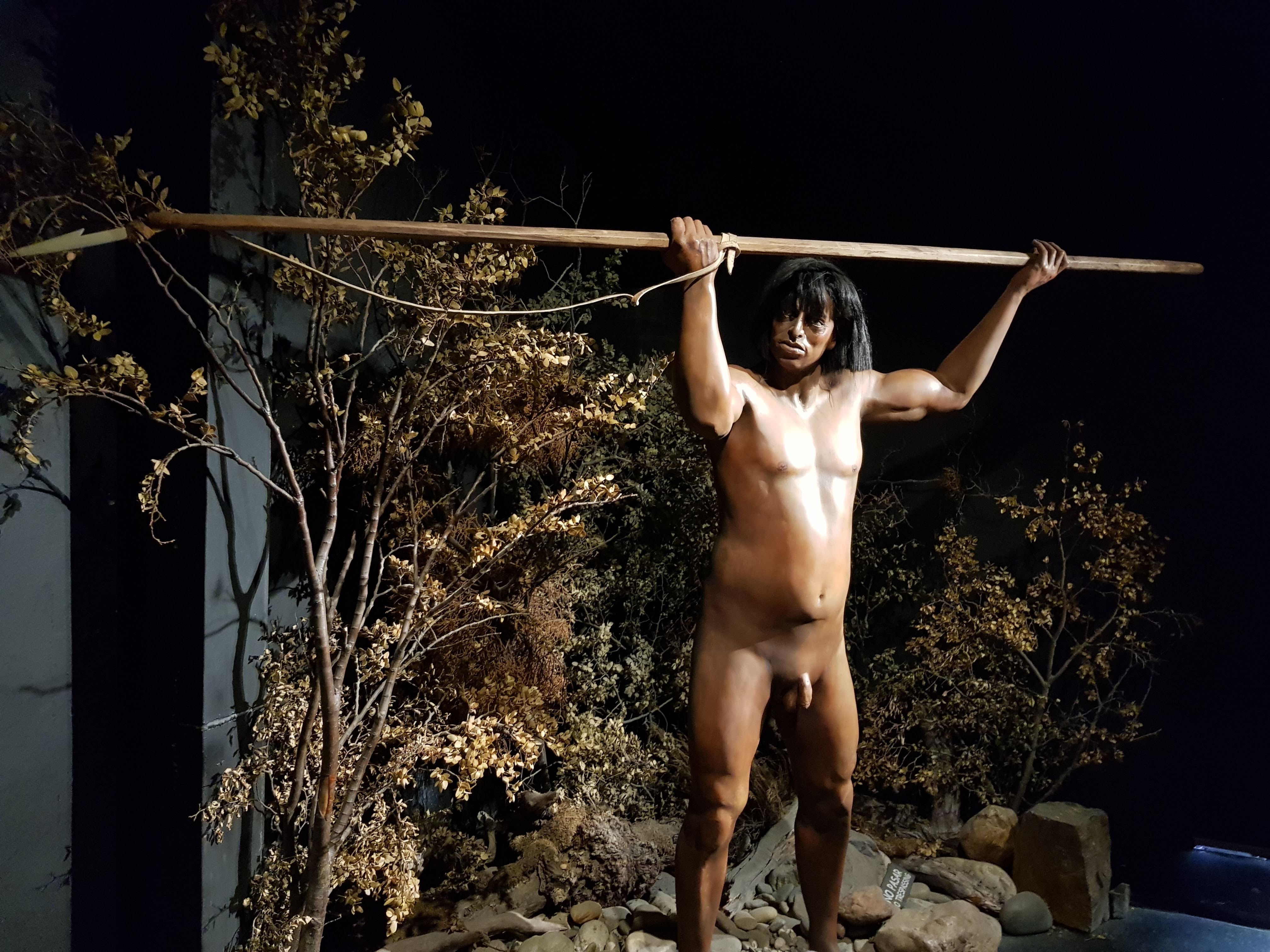
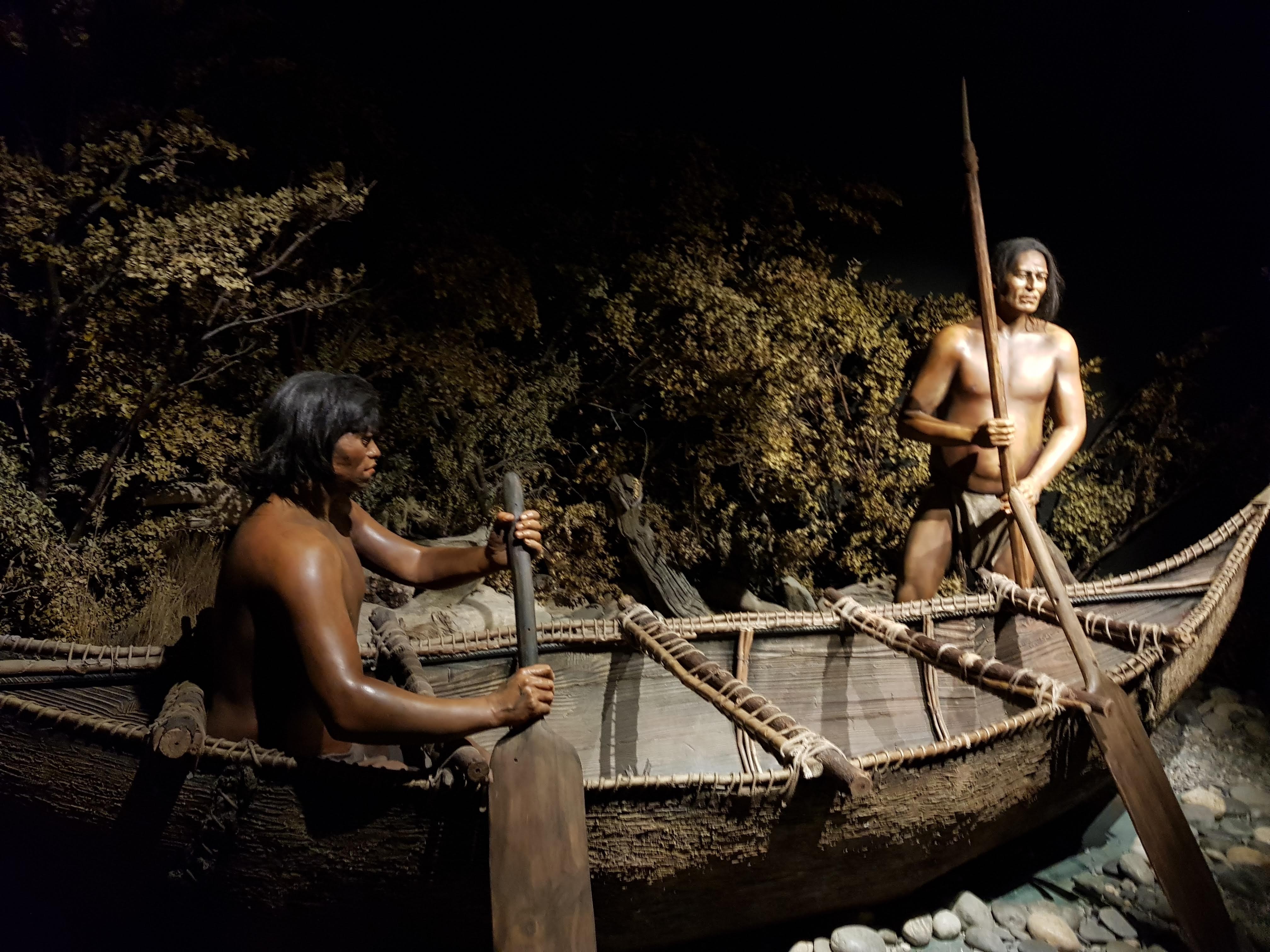
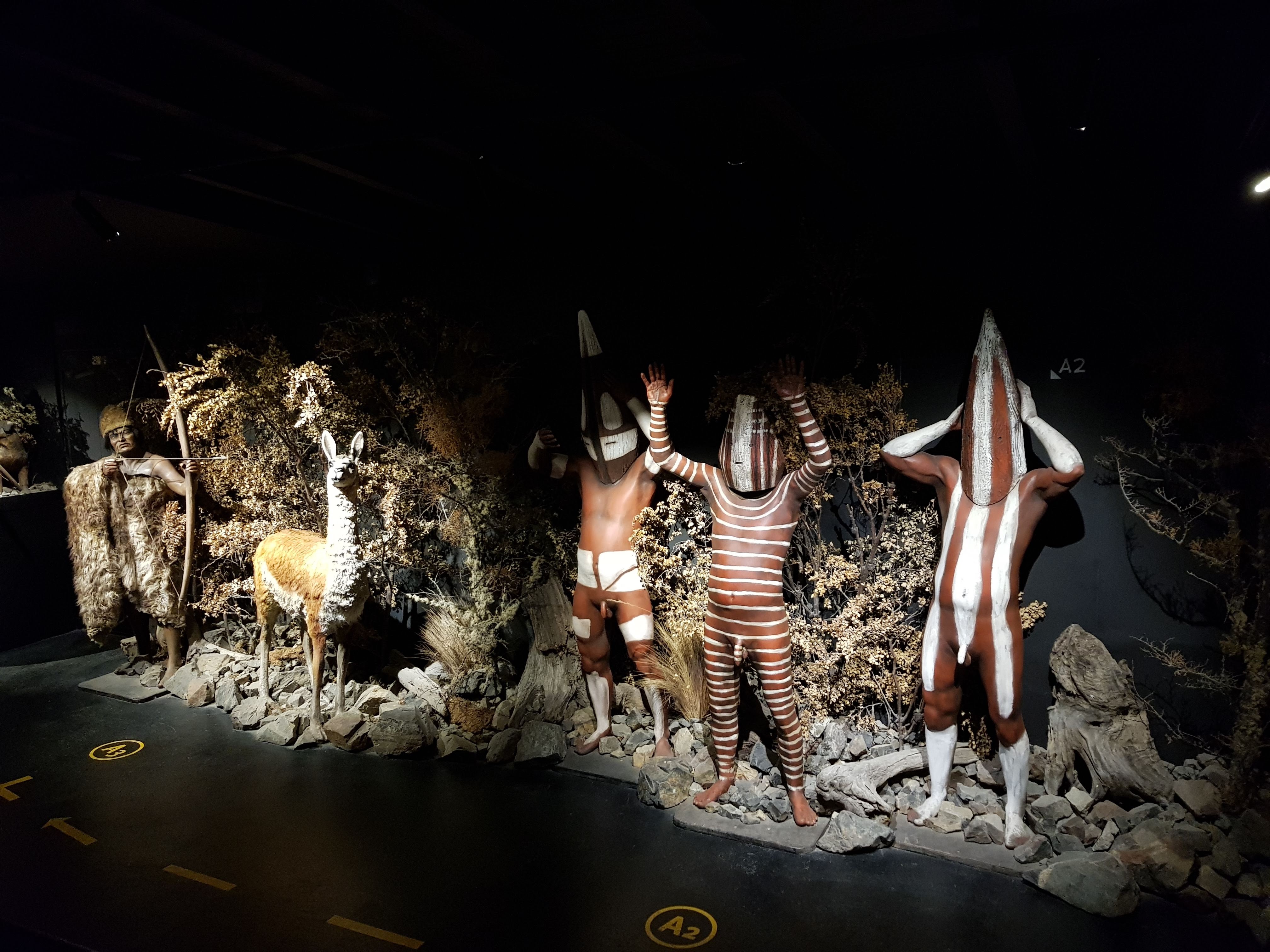
This land once inhabited native people that lived on shellfish, seals or guanaco (like alpacas), several tribes survived here, but after discovery and studies of the island by famous adventurers like Darwin, the Europeans slowly wiped the natives out. Learning about how they survived in the climate here was fascinating.

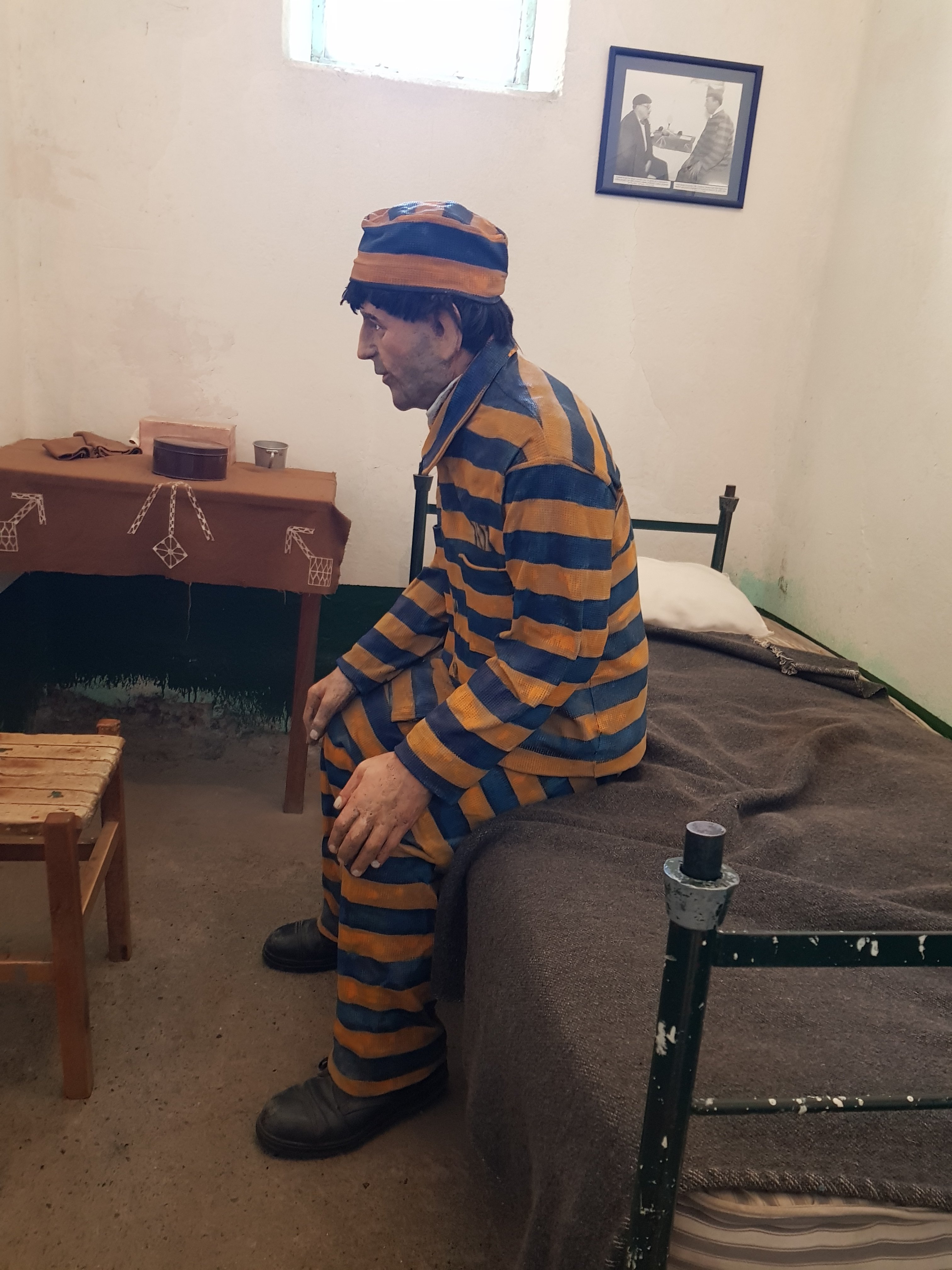
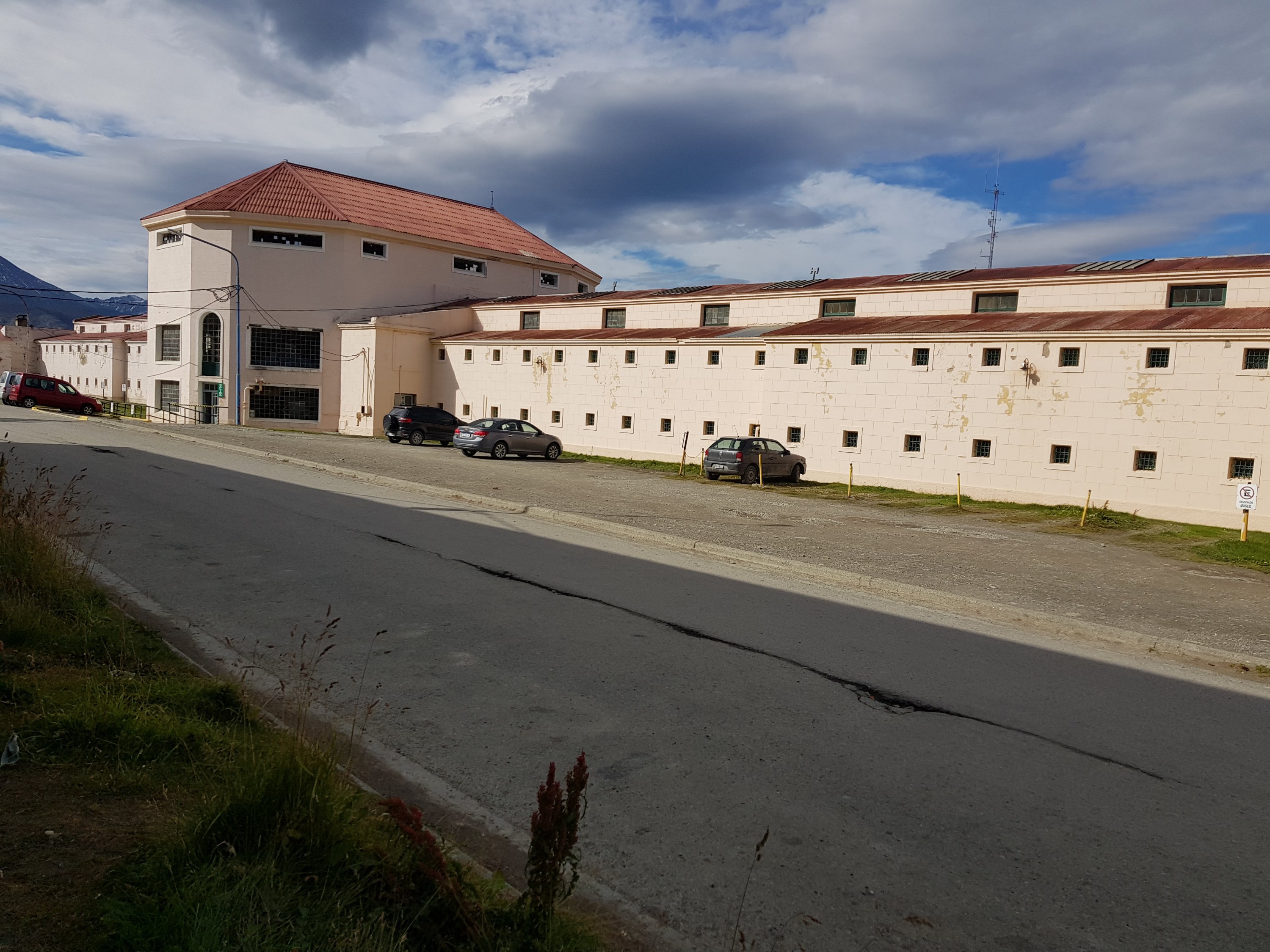
Later, the town was used to imprison Argentina’s most significant political and criminal prisoners. The prisoners built their own prison by hand from local materials, and were also made to work, building structures for the town. Much of the city’s most important amenities today, exist thanks to the inmates of Ushuaia.

Today, the city is full of restaurants, shops and also some museums that invite you to learn about the history of the city at the bottom of the world. I visited the former prison building that is now a collection of museums, especially featuring the local maritime history. It was very interesting to visit this building and there was more information than I could read! It is a great way to spend a few hours in the town.

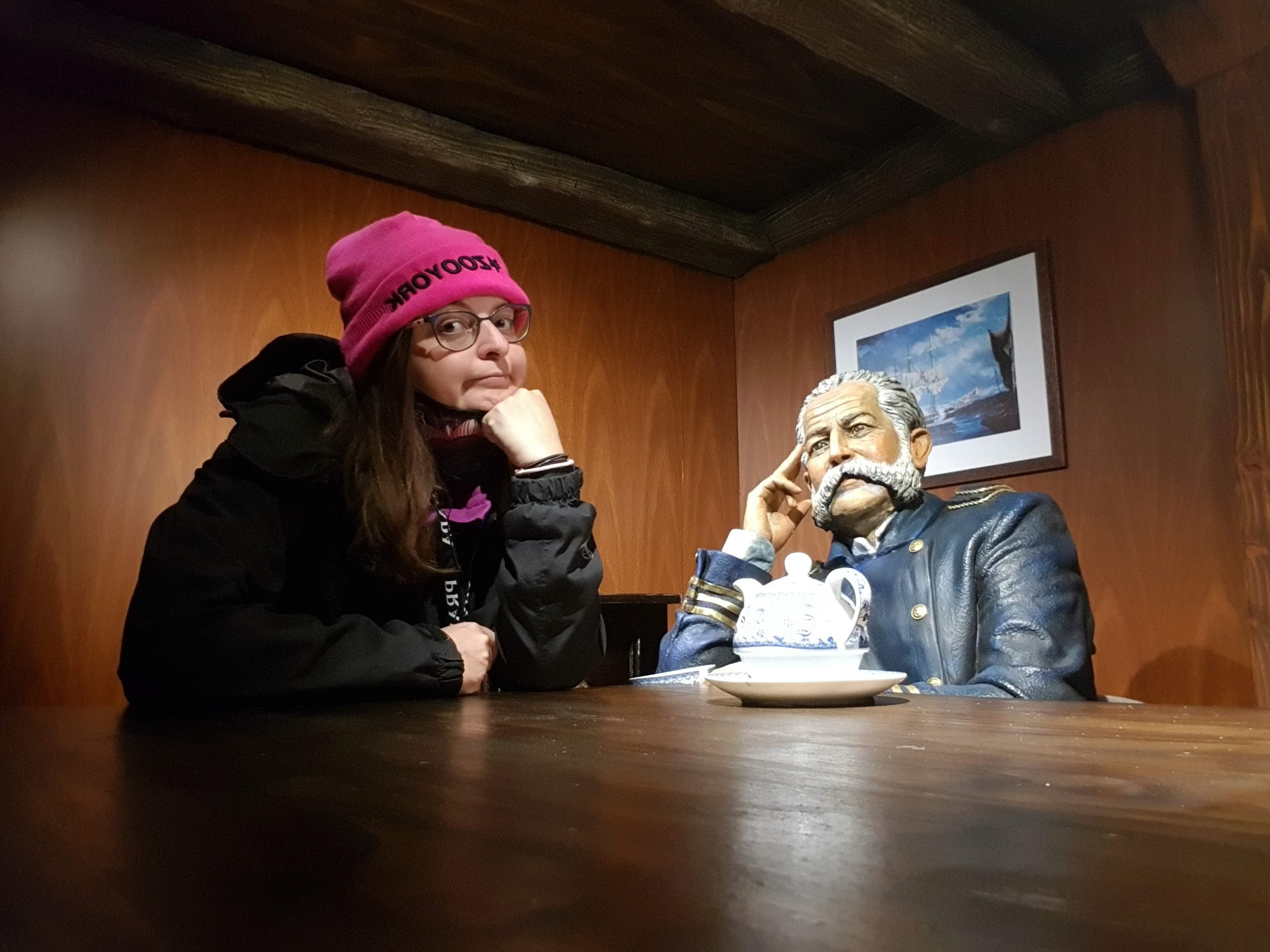
I also visited the thematic gallery museum, which is a museum of figures that is quite interactive and provides information about the native people, and the discovery and development of the island. They provided an audio guide, a movie and lots of photo opportunities with the exhibits. I really had fun at this museum!

Tierra del Fuego National Park

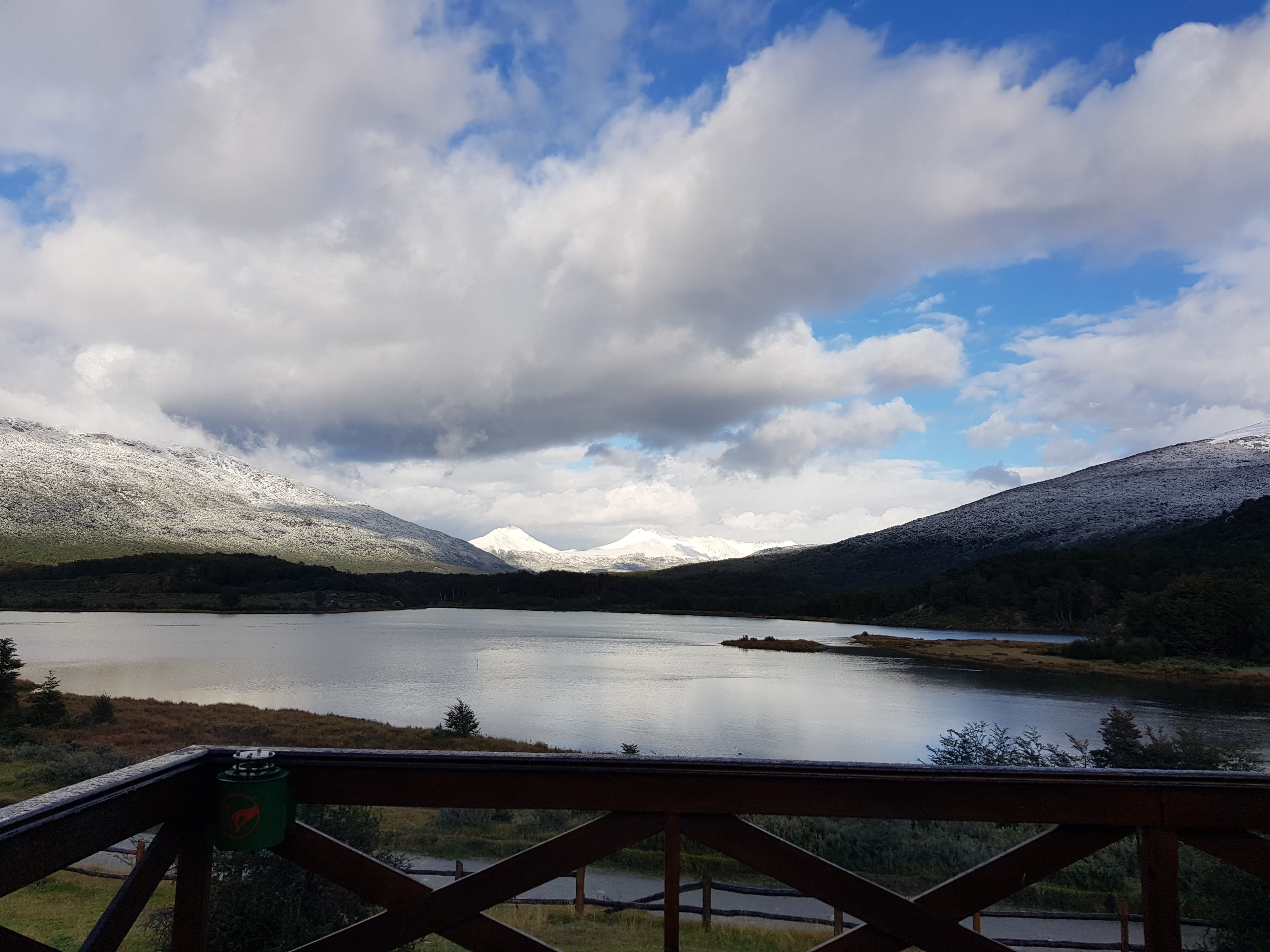
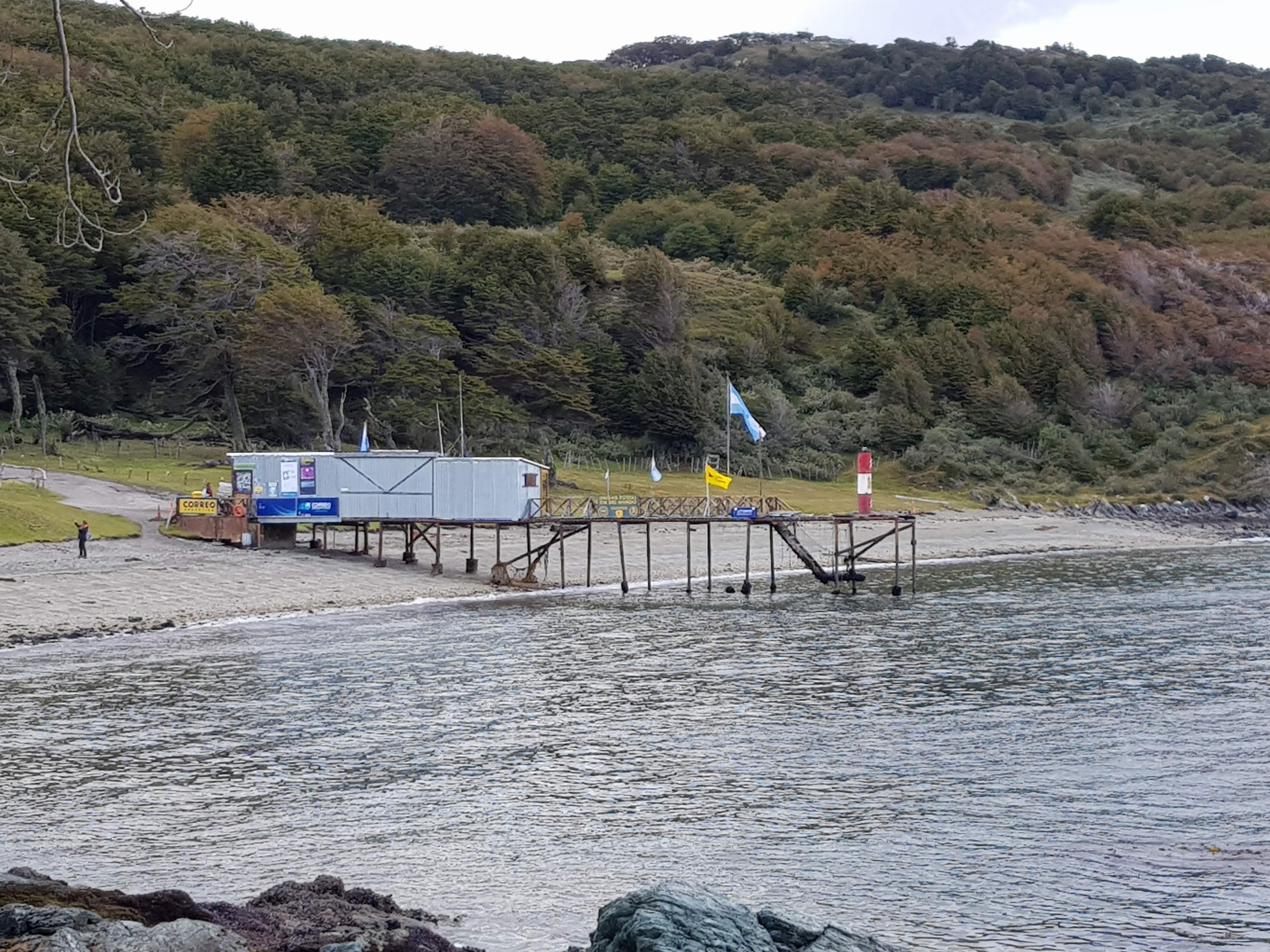
Twenty minutes away from Ushuaia is the Tierra del Fuego National Park. You can get a bus from the town to the park and visit for either a day at a time or camp overnight at the park for multi day trekking. Not only does the park have multiple treks that you can enjoy, but it also has kayaking activities, a train attraction and the world’s most southern post office.

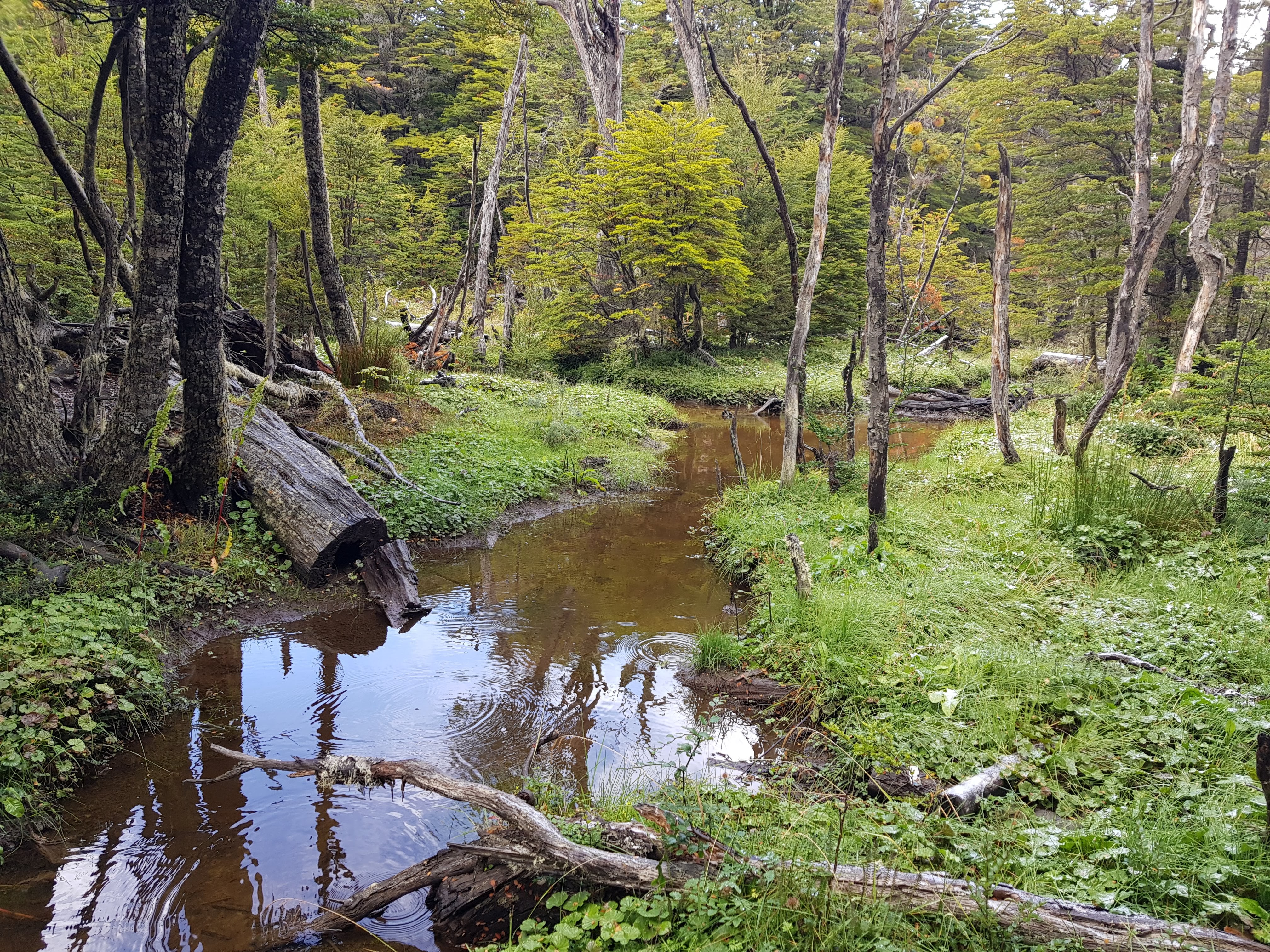
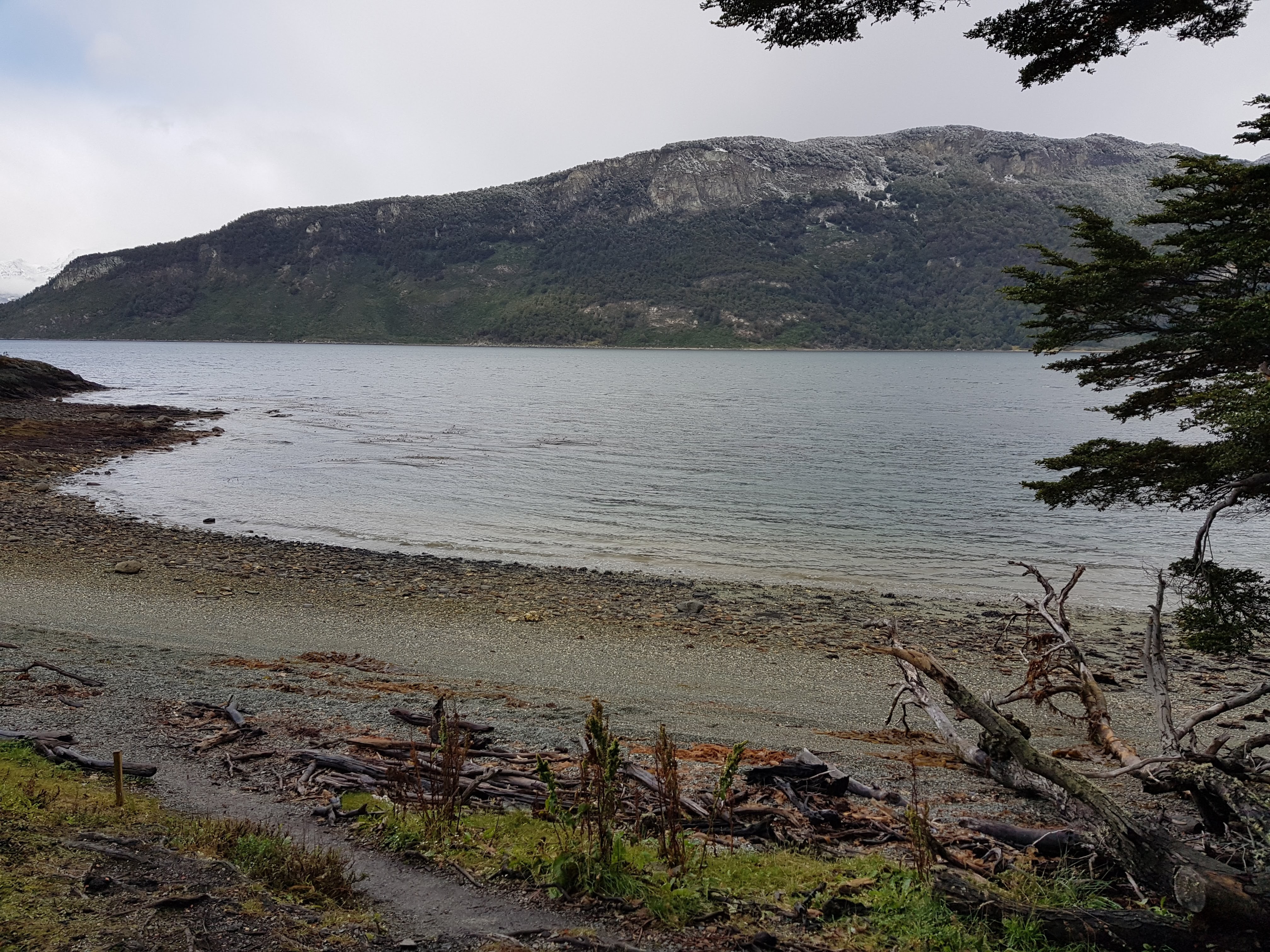
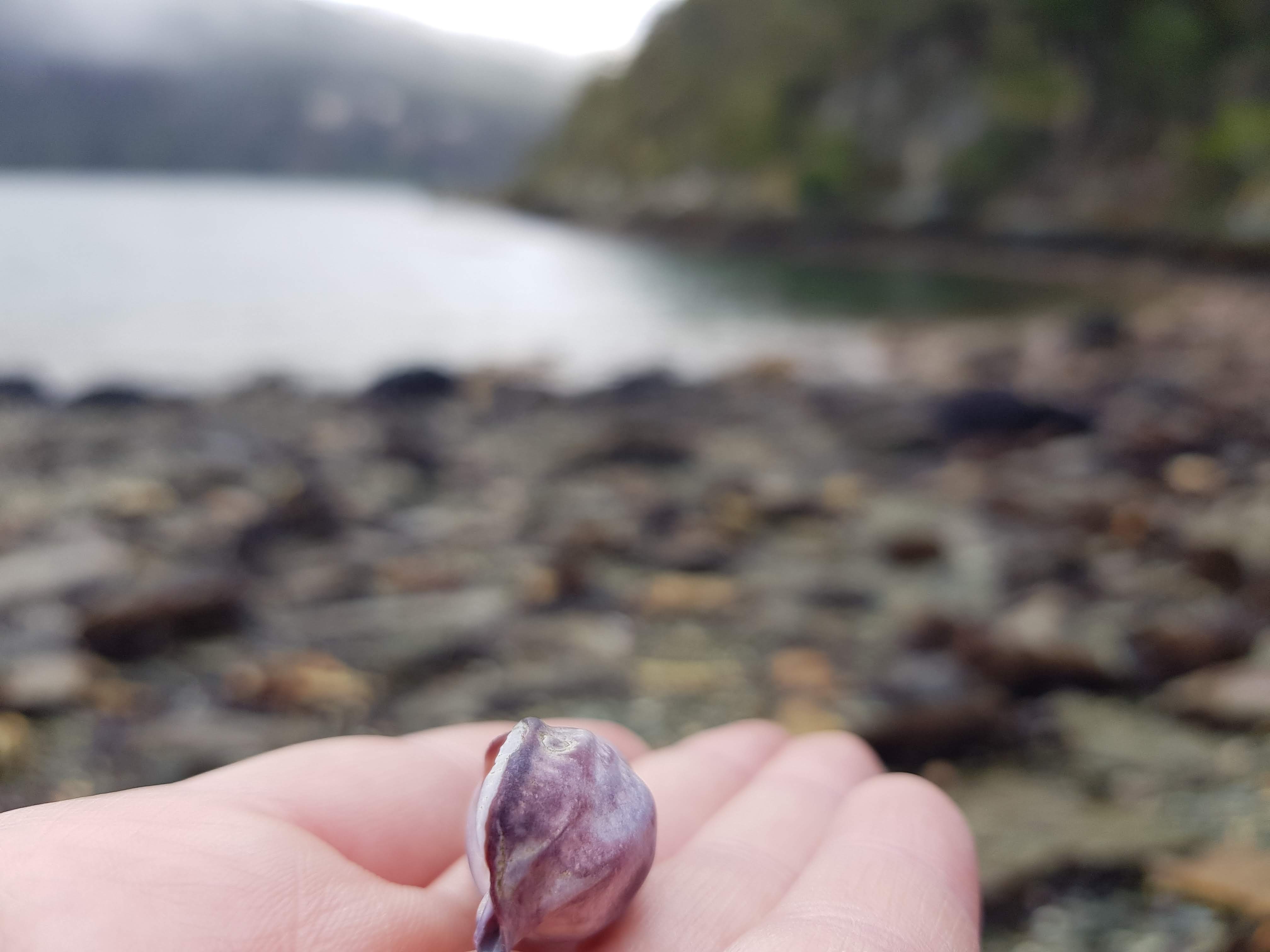
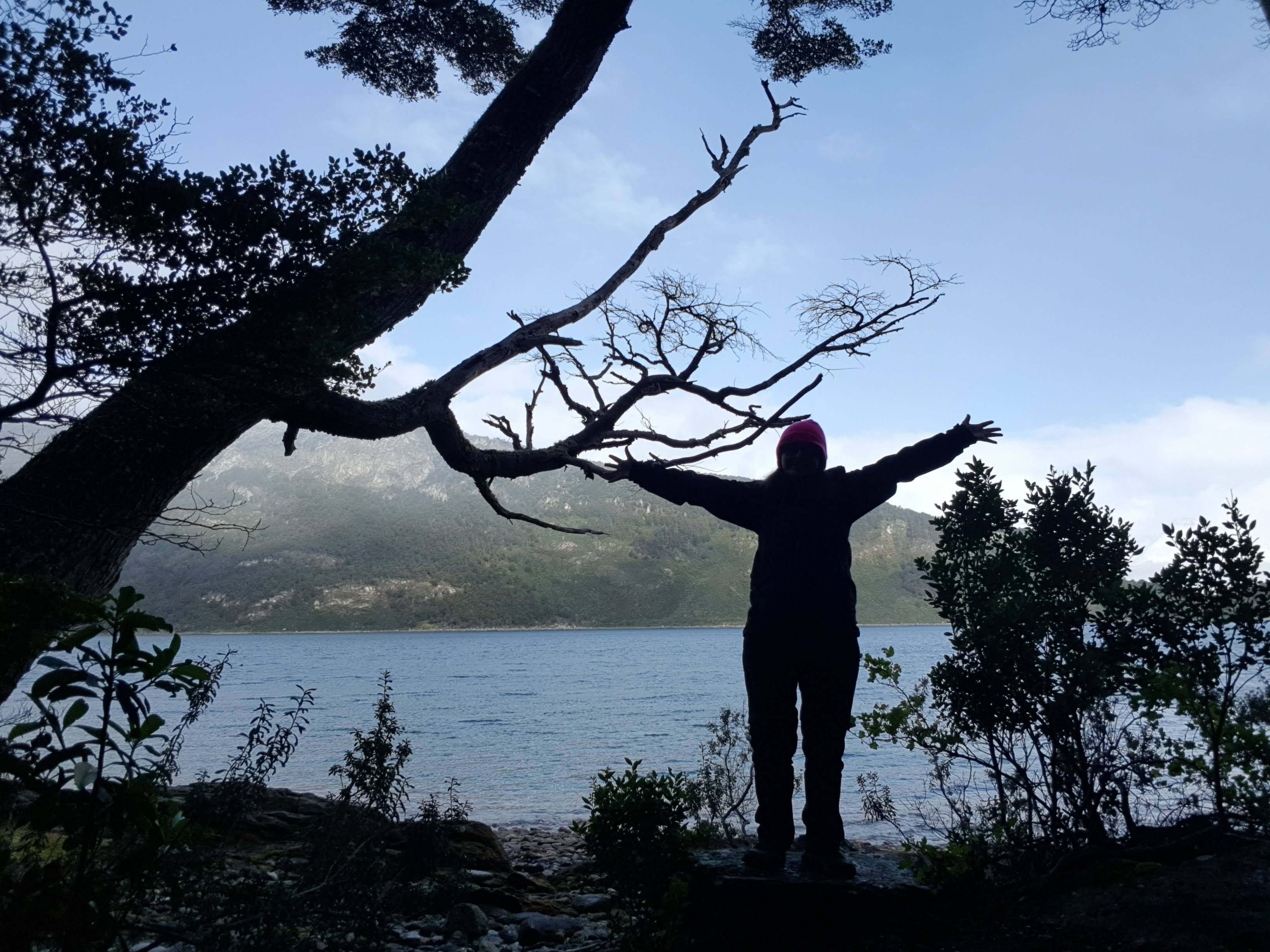
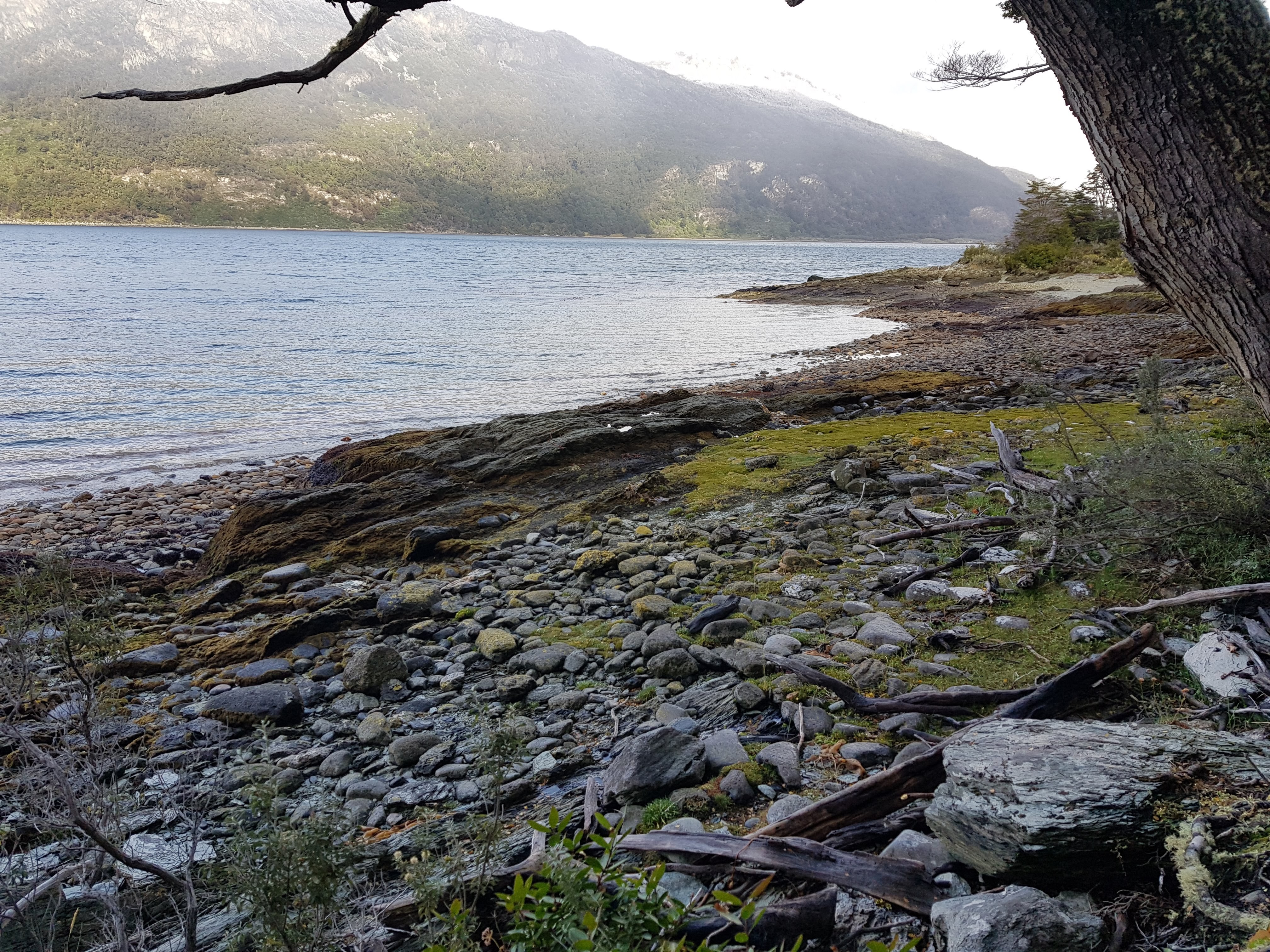
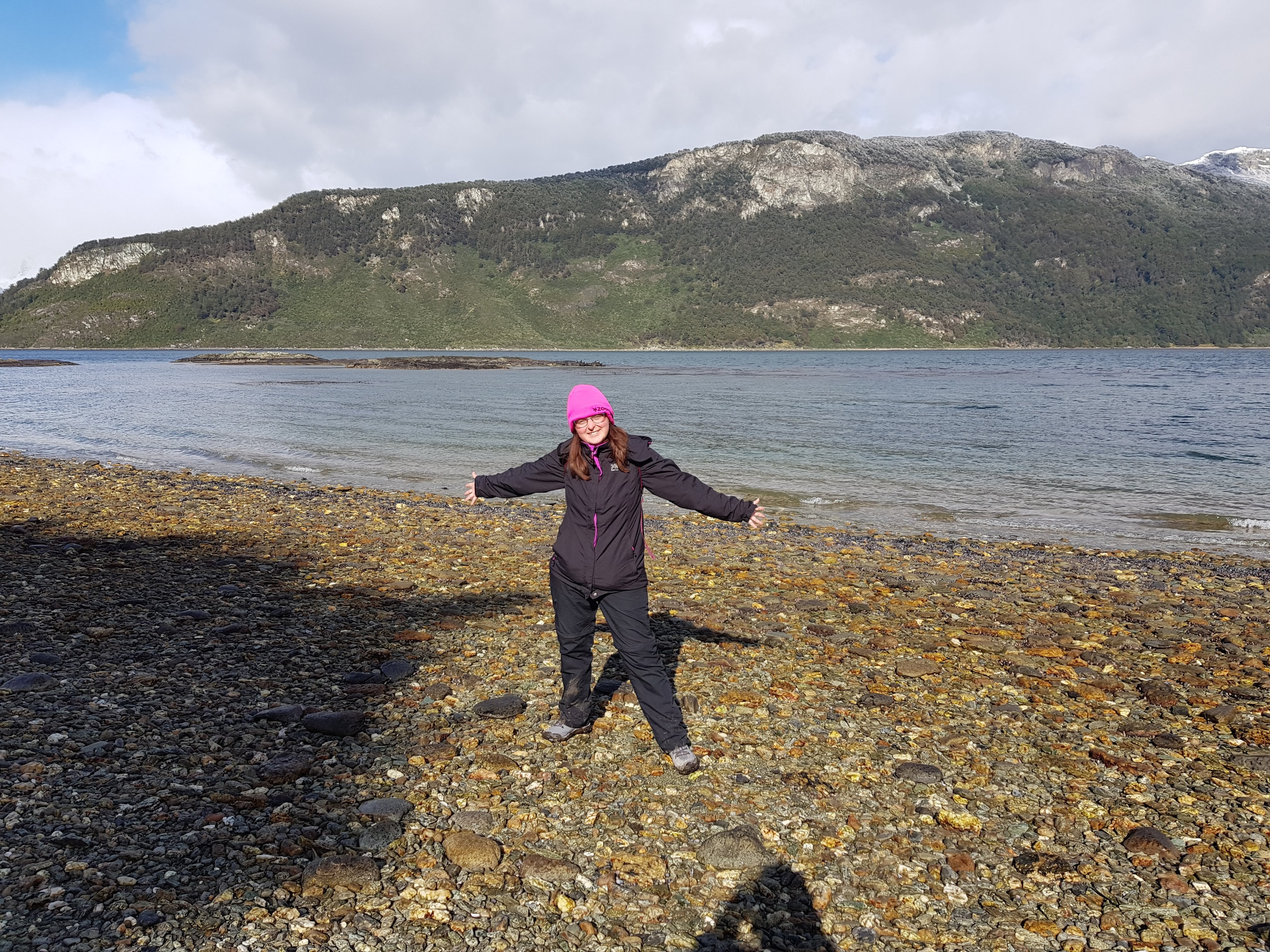
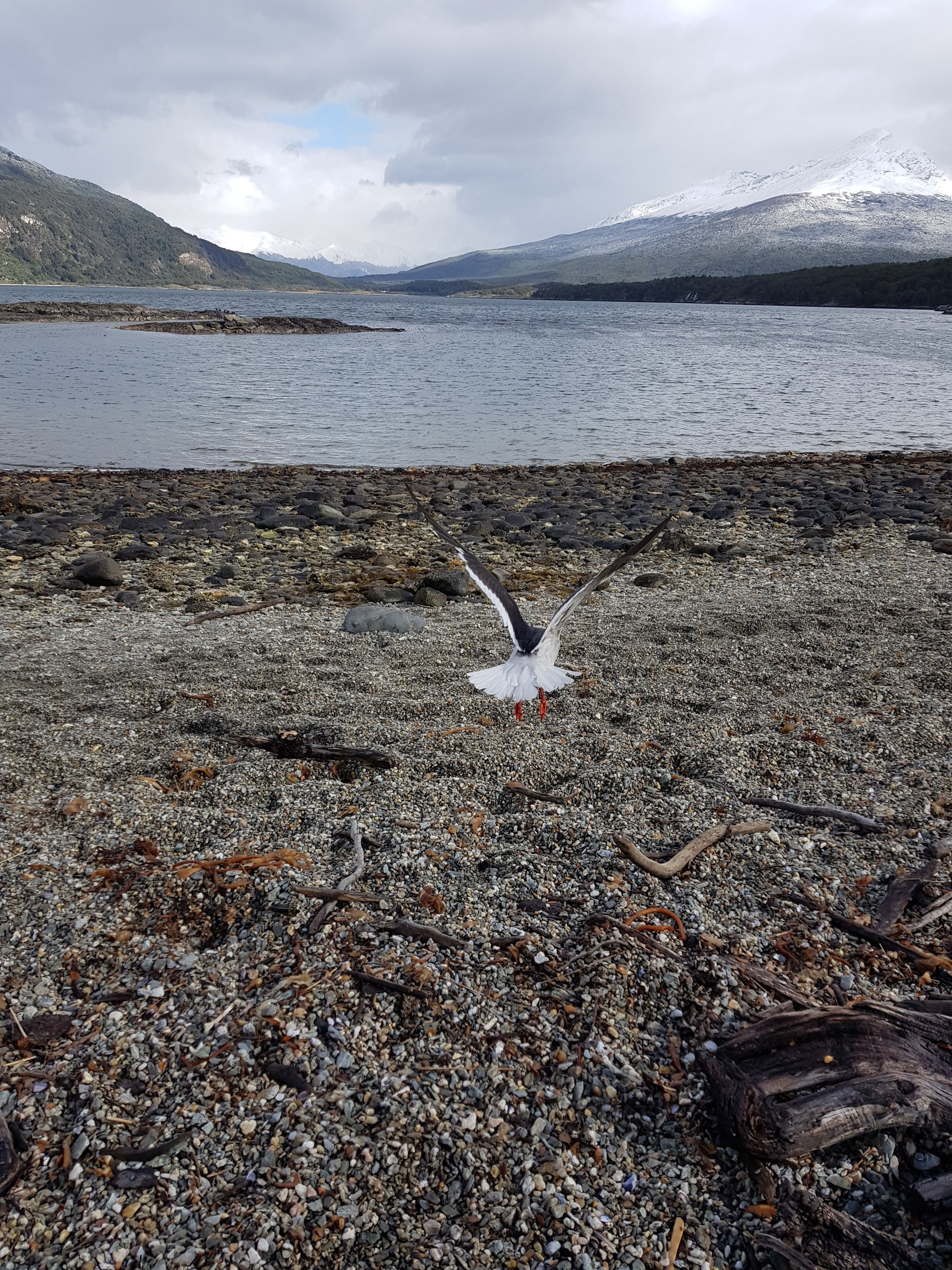
I decided to do an easy three hour trek along the coast which had beautiful views of the mountains, and forest, and the beaches were covered in mussels and beautiful clusters of shells. I also visited the post office so I could send a postcard from the end of the world, and got my passport stamped with the extra special ink stamp!

Other activities around the area

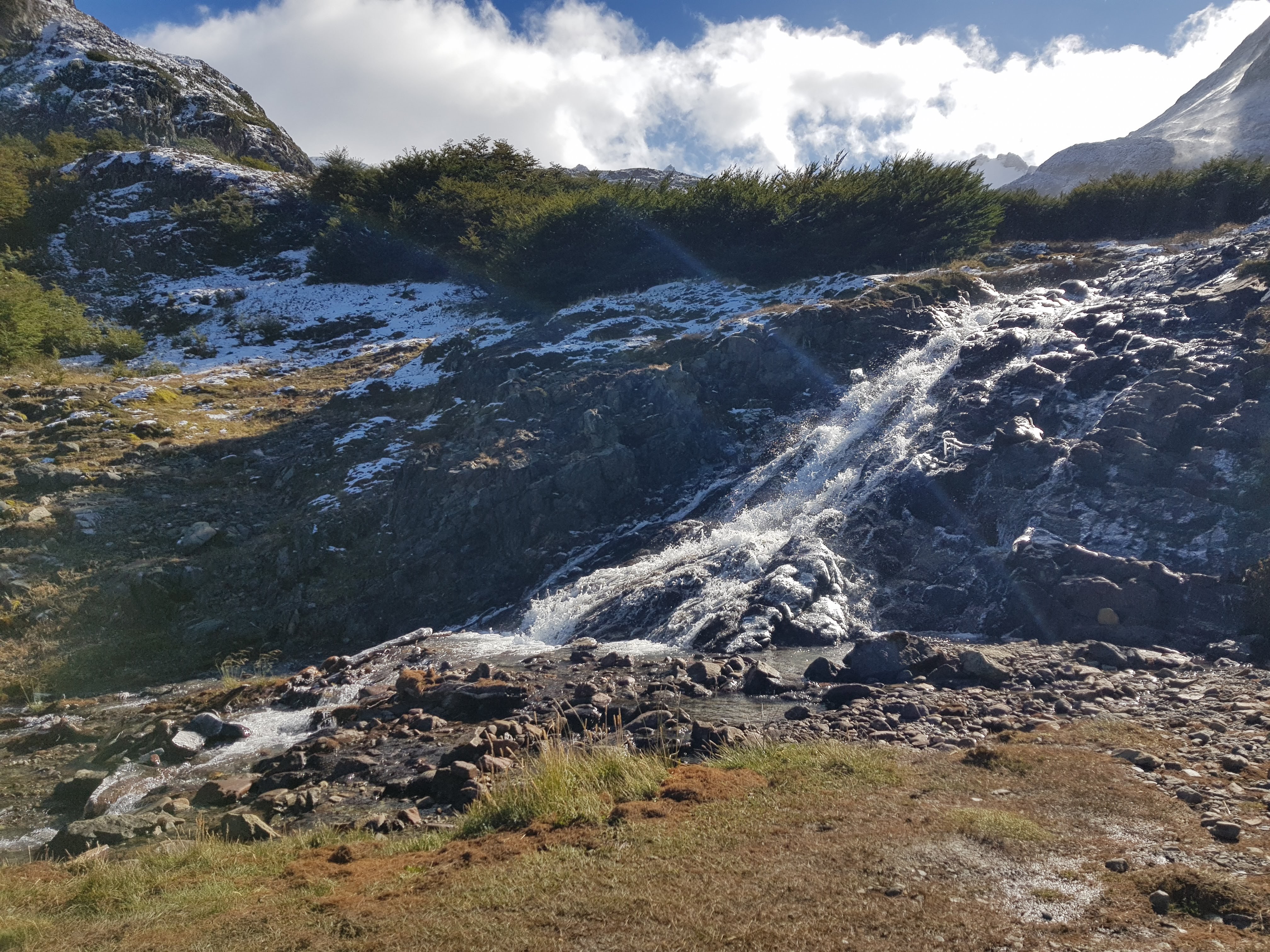
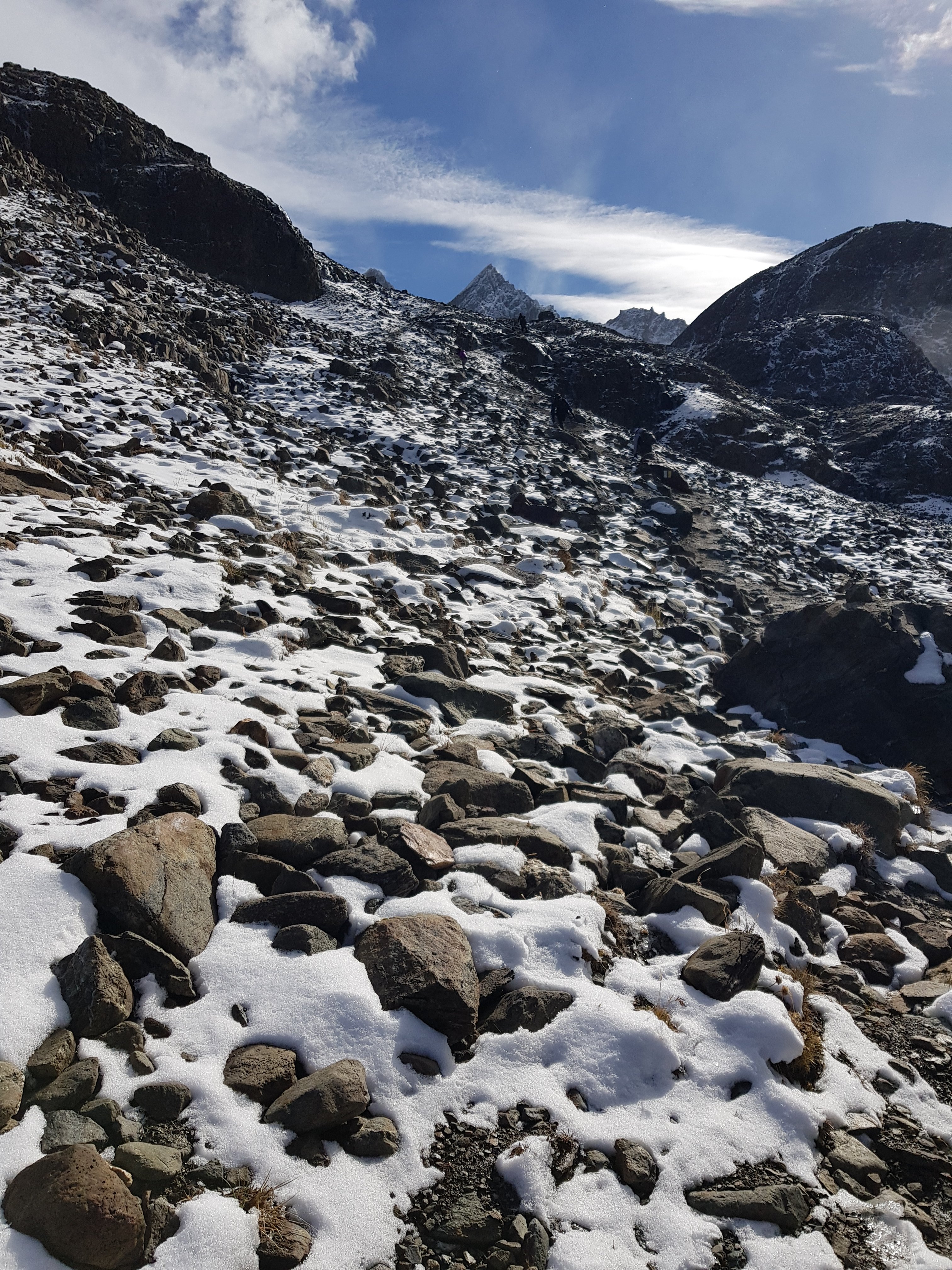
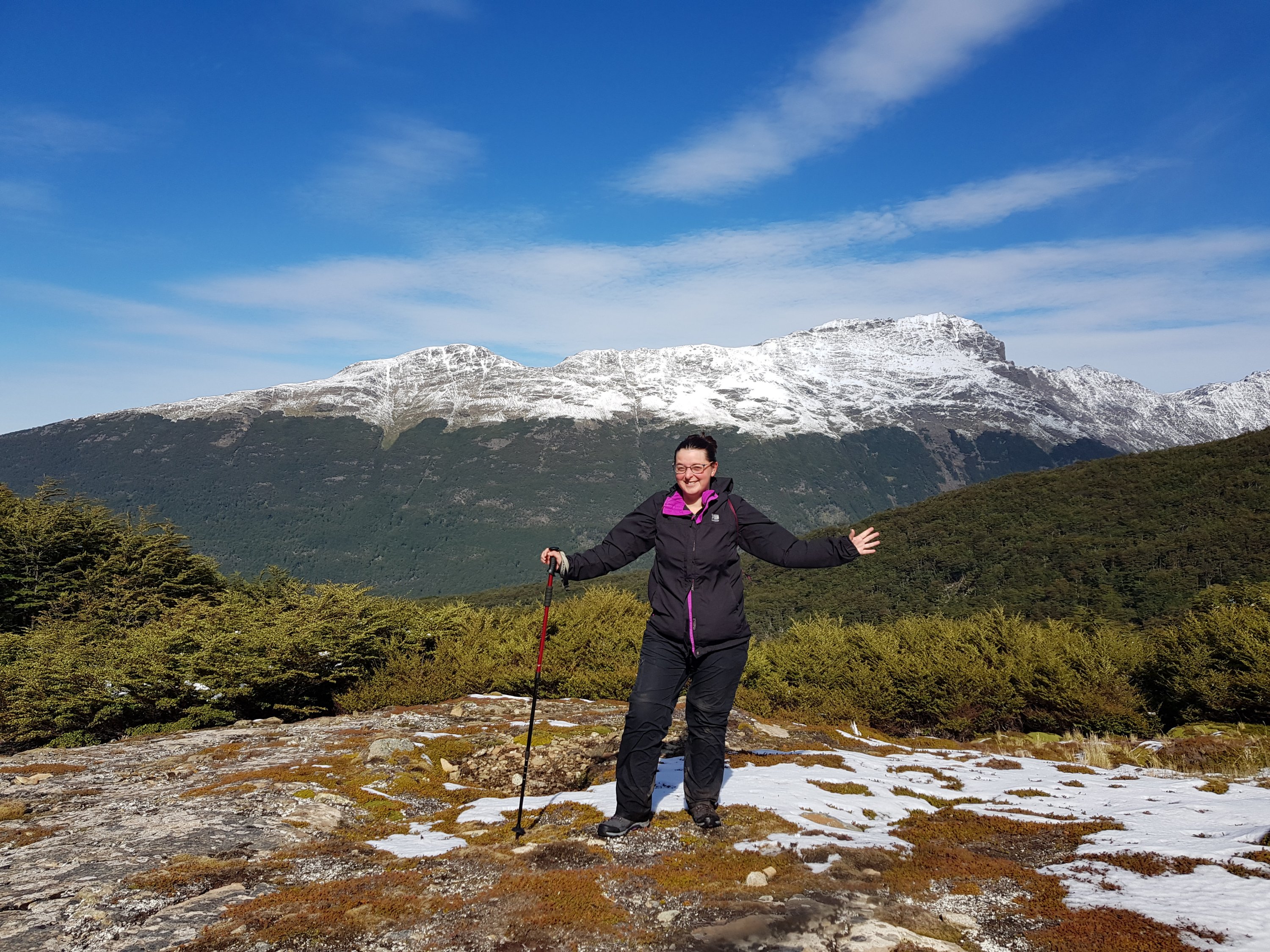
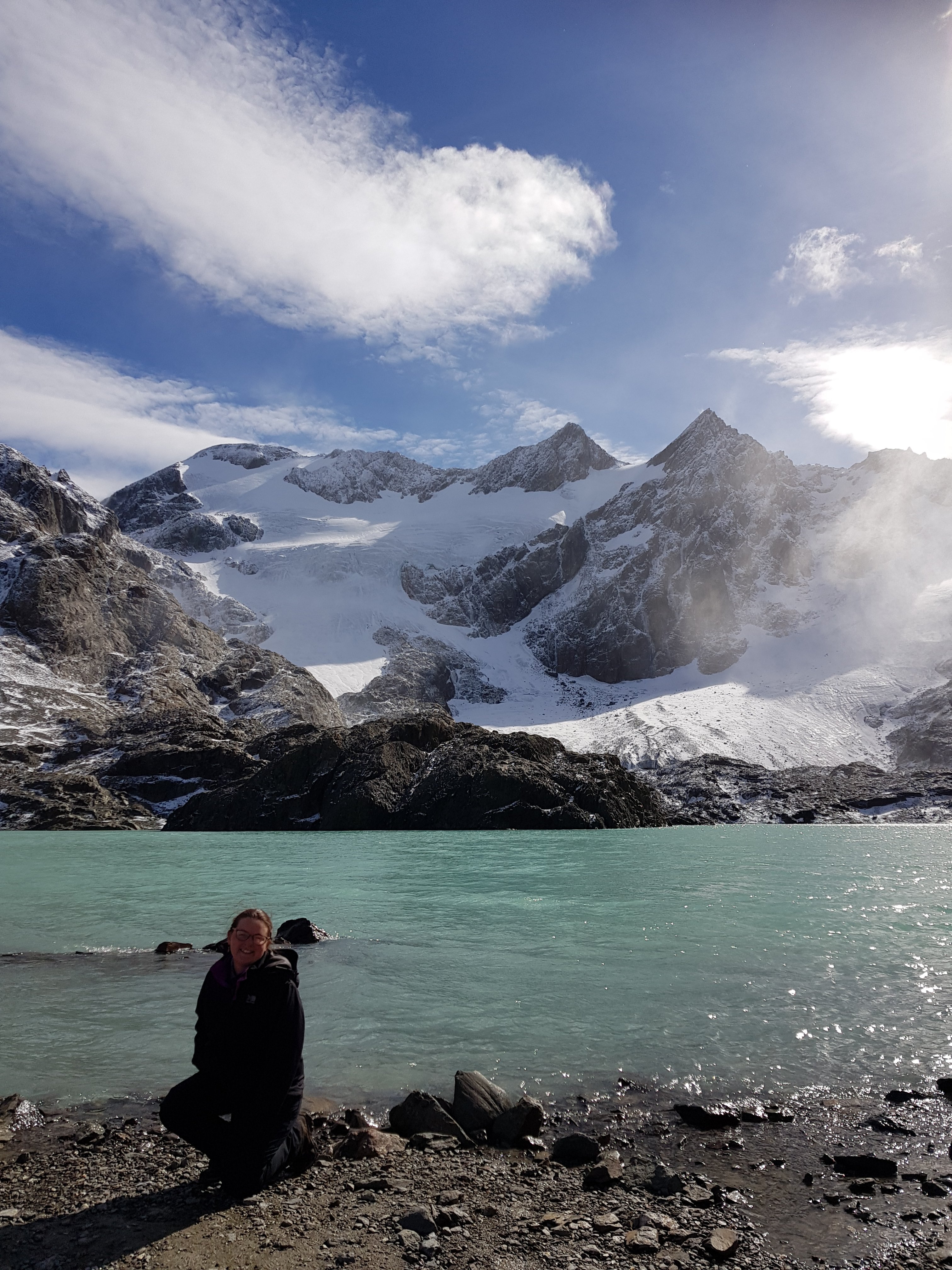
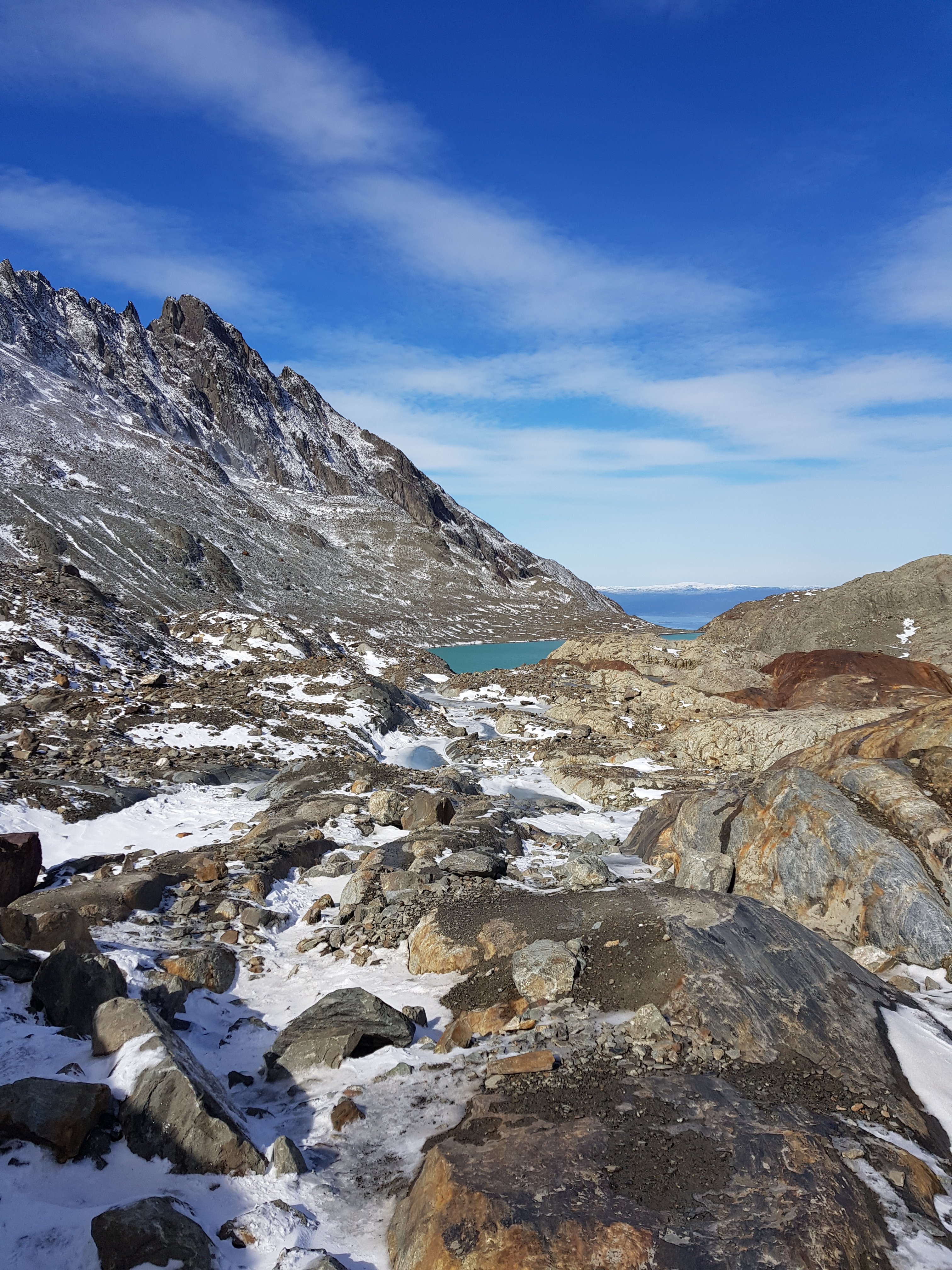
There are also other treks that you can carry out around the area, as well as excursions to see wildlife such as penguins that are only found in this remote area. I had already done a penguin excursion in Punta Arenas, so I decided not to do this in Tierra del Fuego. I did do a six hour trek to a beautiful glacier though. I climbed a steep ascent through forests, streams and over a waterfall. I grappled over ice and snow to the Glacier Vinciguerra.

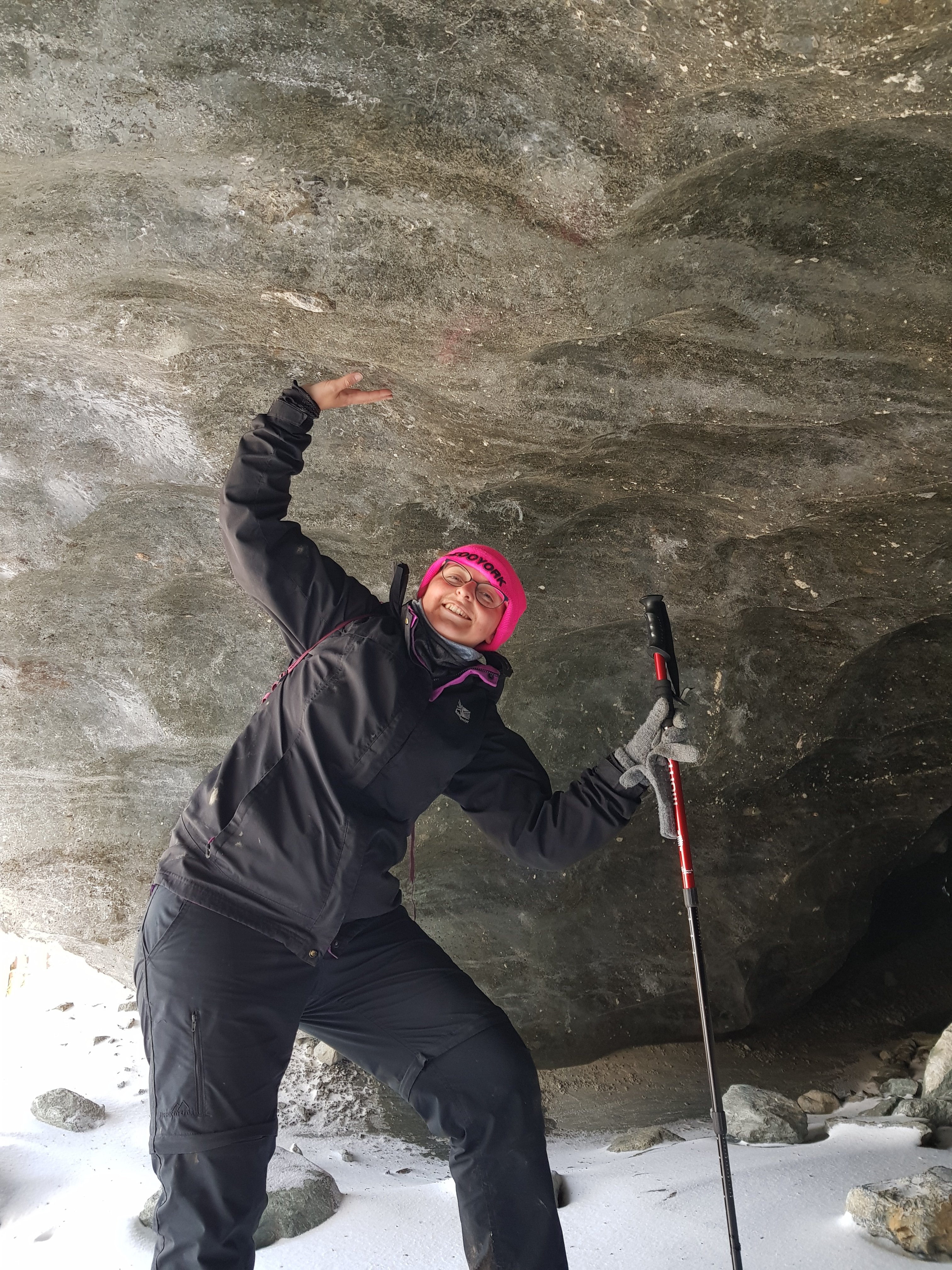
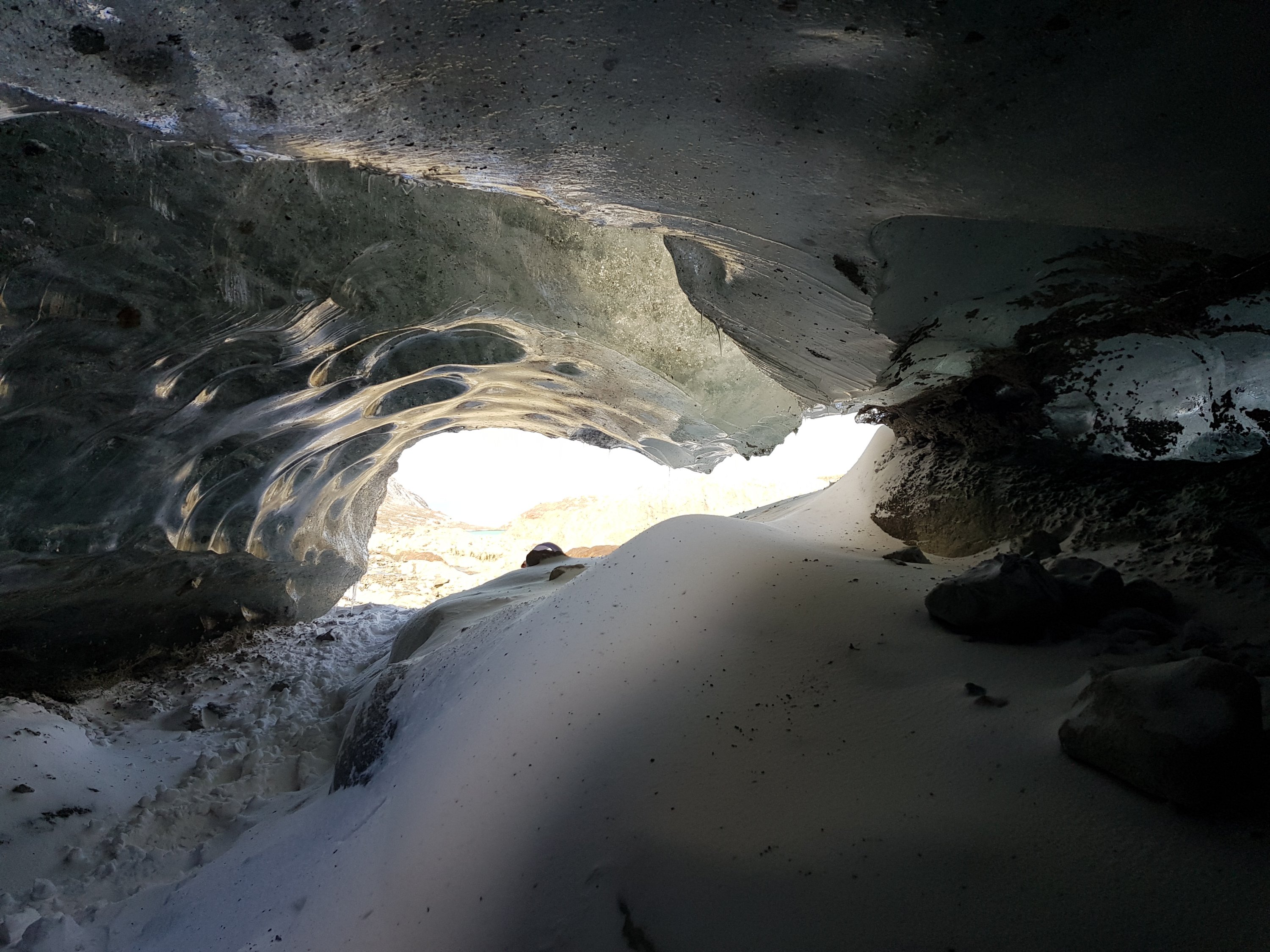
At the glacier, there is a huge lagoon, and a snowy trail to the glacier’s overhang to see ice caves! This was a little nerve wracking as there were many frozen pools of water, and snow covered voids, that would be very dangerous if you stepped in the wrong place. The ice cave was astonishing though. It was an amazing feeling to be underneath a thick clear ice ceiling, with small sediment deposits scattered amongst it. The only downside to the walk was my very cold and wet feet after walking on such thick snow and ice!

Overall, Tierra del Fuego was a unique location and certainly the place to be for hiking and winter activities. The atmosphere was very friendly here, and It was interesting to think that all that visit and live here, have a sense of adventure, that has led them to the end of the earth.

From South to North. Now, I have reached Antarctica, I will be turning around, and attempting the several days of bus journeys to the North of Argentina, and hopefully will arrive in Mendoza in about a week.

Chile’s Torres del Paine National Park – ‘O’ circuit

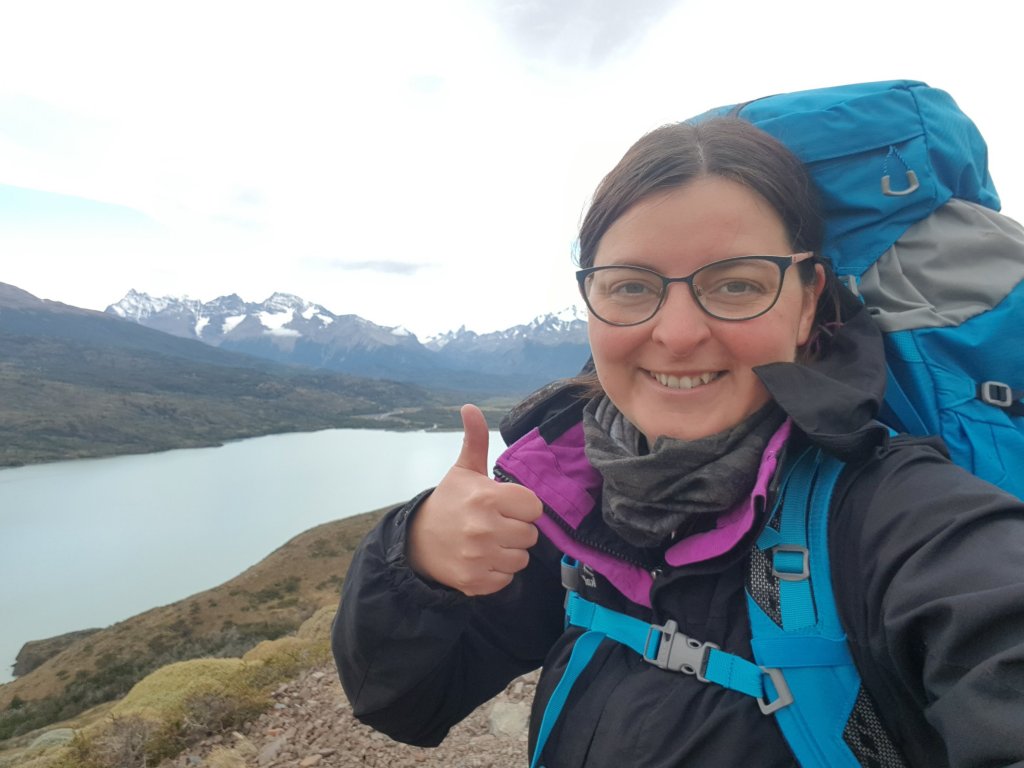
After a month in Argentina, I made my way on foot through one of the only open borders into Chile. I spent five days in Punta Arenas in Southern Chile and a few nights enjoying the hiking base of Puerto Natales, before heading into the wilderness for my 8 day hike of Torres del Paine’s ‘O’ Circuit.

Crossing the border

The pandemic is still a serious issue in South America, and Chile is probably the most strict country on the continent when it comes to entering and leaving the country. This has caused many borders to be closed, so there are limited places to cross over land from Argentina, and many people are paying extra cash to take multiple flights instead.

Border crossing at Intergracion Austral

I took two taxis (as buses are currently not allowed through) to get through the border and this was a three hour process on the way in, and a six hour nightmare on the way out. At least I have loads of stamps in my passport now though! The strangest parts of it were that so much of the process still relied on paperwork and physical paper stubs (not ideal when standing outside in high wind). Also, the fact that the crossing at Integral Austral is in the middle of nowhere and has a kilometre of no man land between the two countries.

Punta Arenas

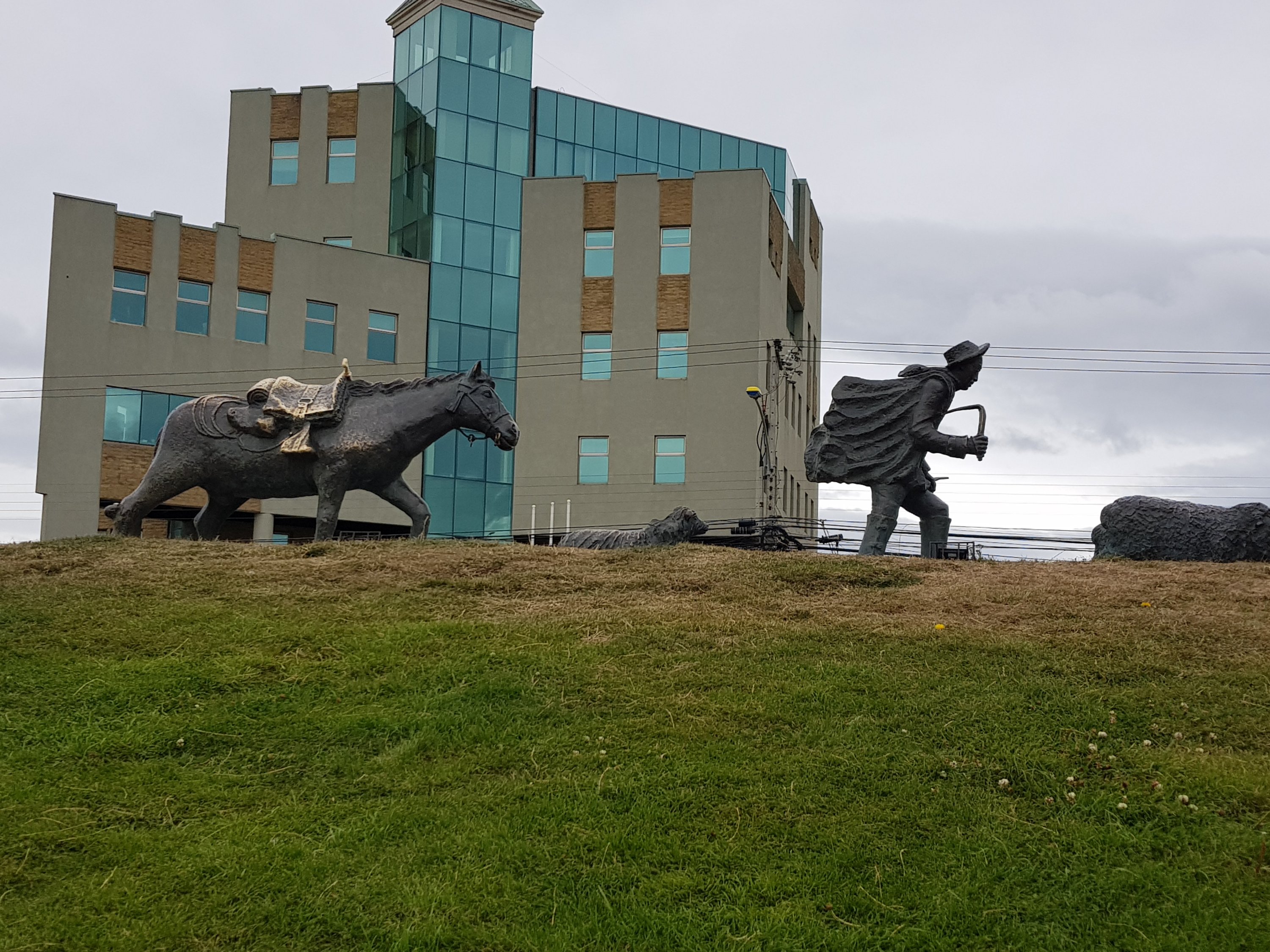
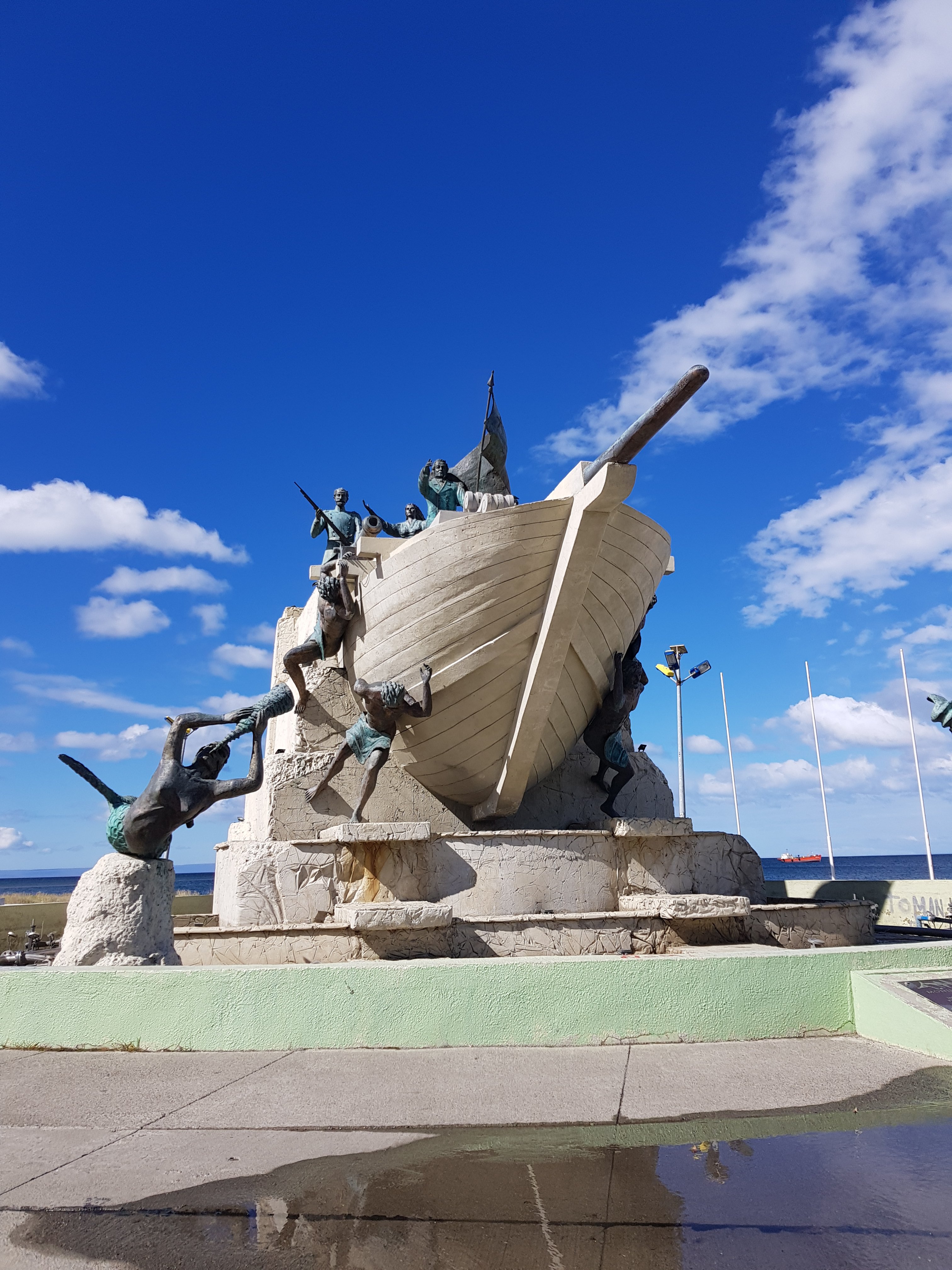
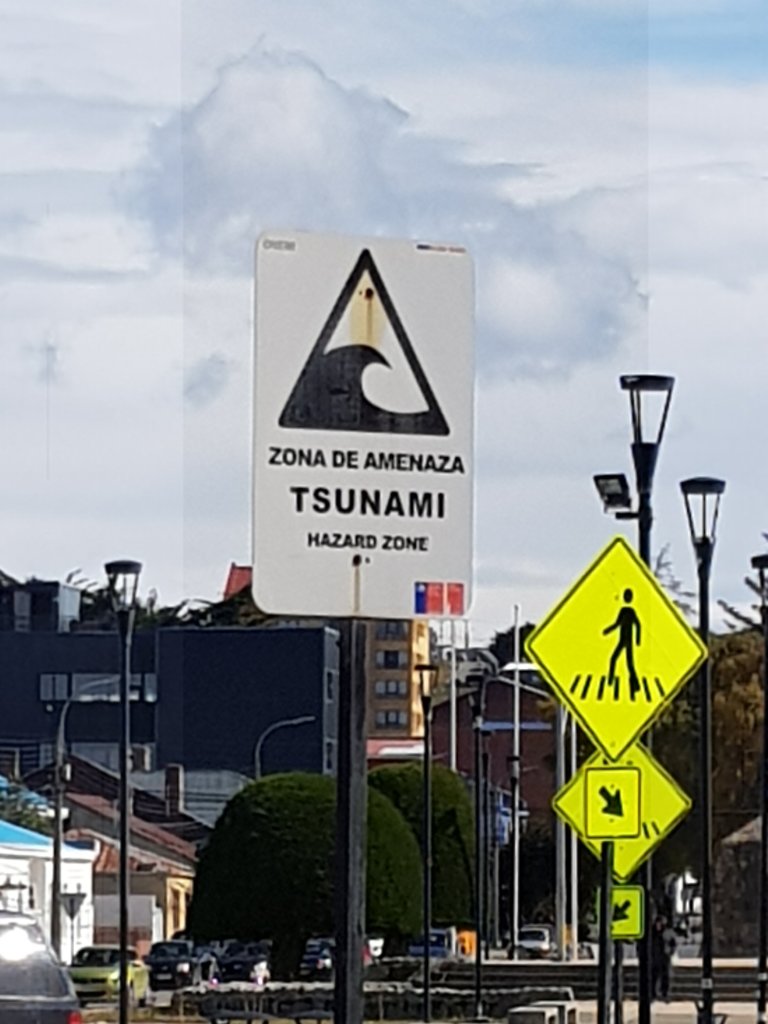
After crossing the border, I made Punta Arenas my base for five days, this large Chilean town is not very touristy but it does offer some good cafes, and stores to gather supplies for the upcoming trek, for better, local prices. There is a promenade of sculptures that runs along the shoreline, and a very strong maritime vibe, but the best local thing I did was visit a nearby national park, for some practice trekking. The Magallanes National Reserve is a twenty minute taxi ride to the top of the town, and as you travel higher you start to see various safety signs, to tell you that this is the place to be if there is a tsunami. A little off putting..

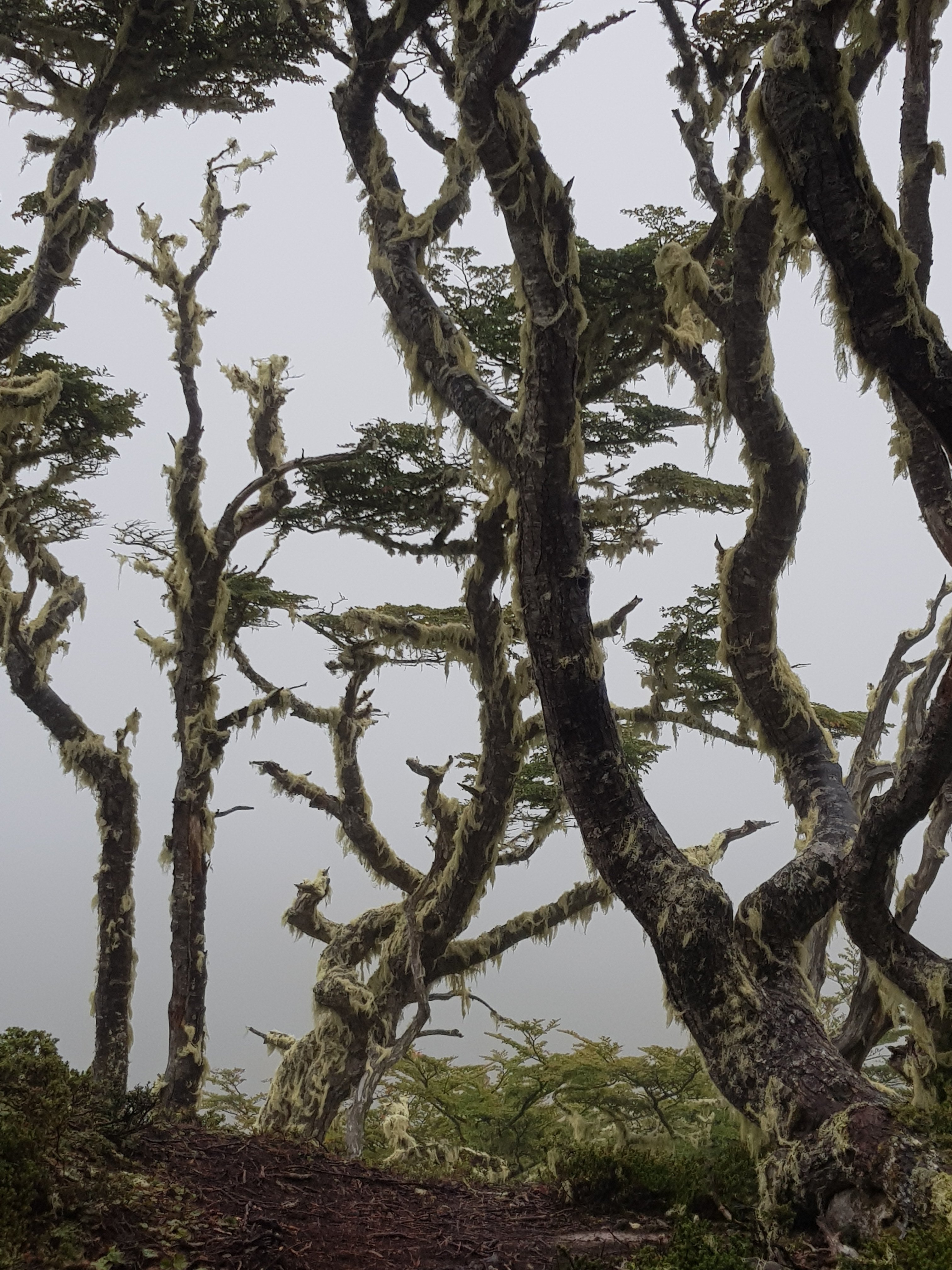
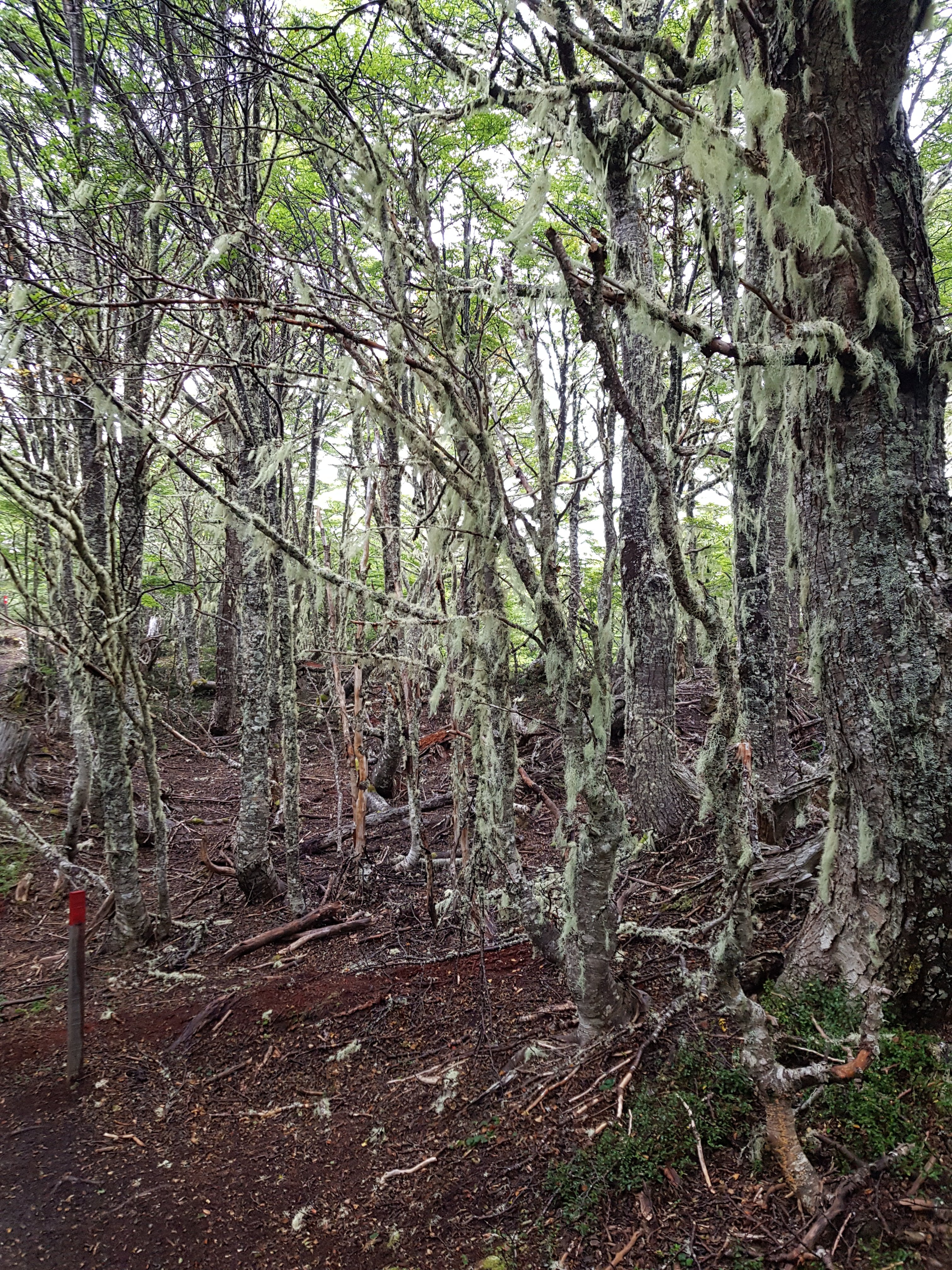
It is about £5 to enter the park, and then there are several trails available with many lookout points that can keep you busy for hours. I went on a very misty day so I did not see many views but the plants and trees especially were cool to see.

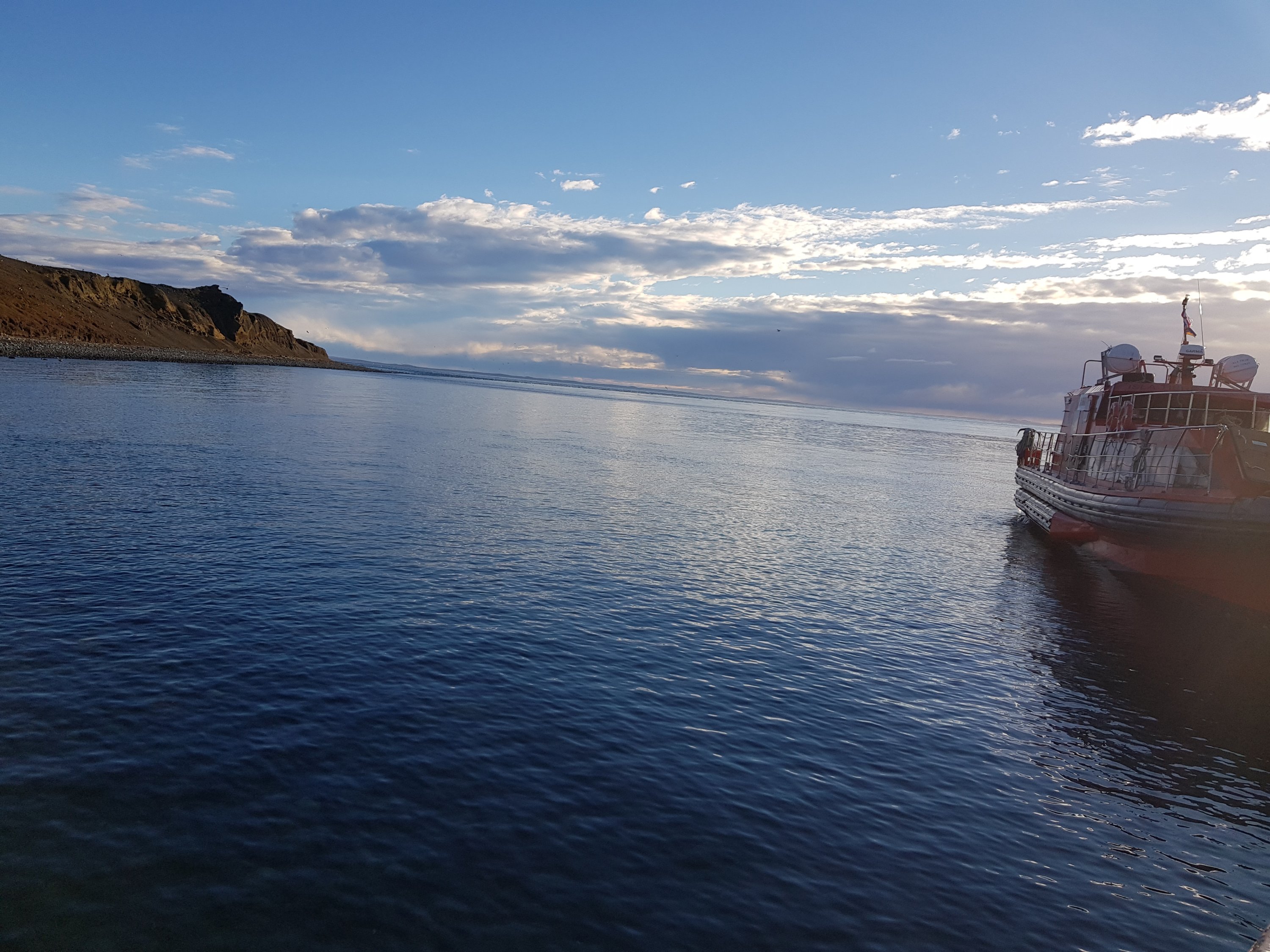
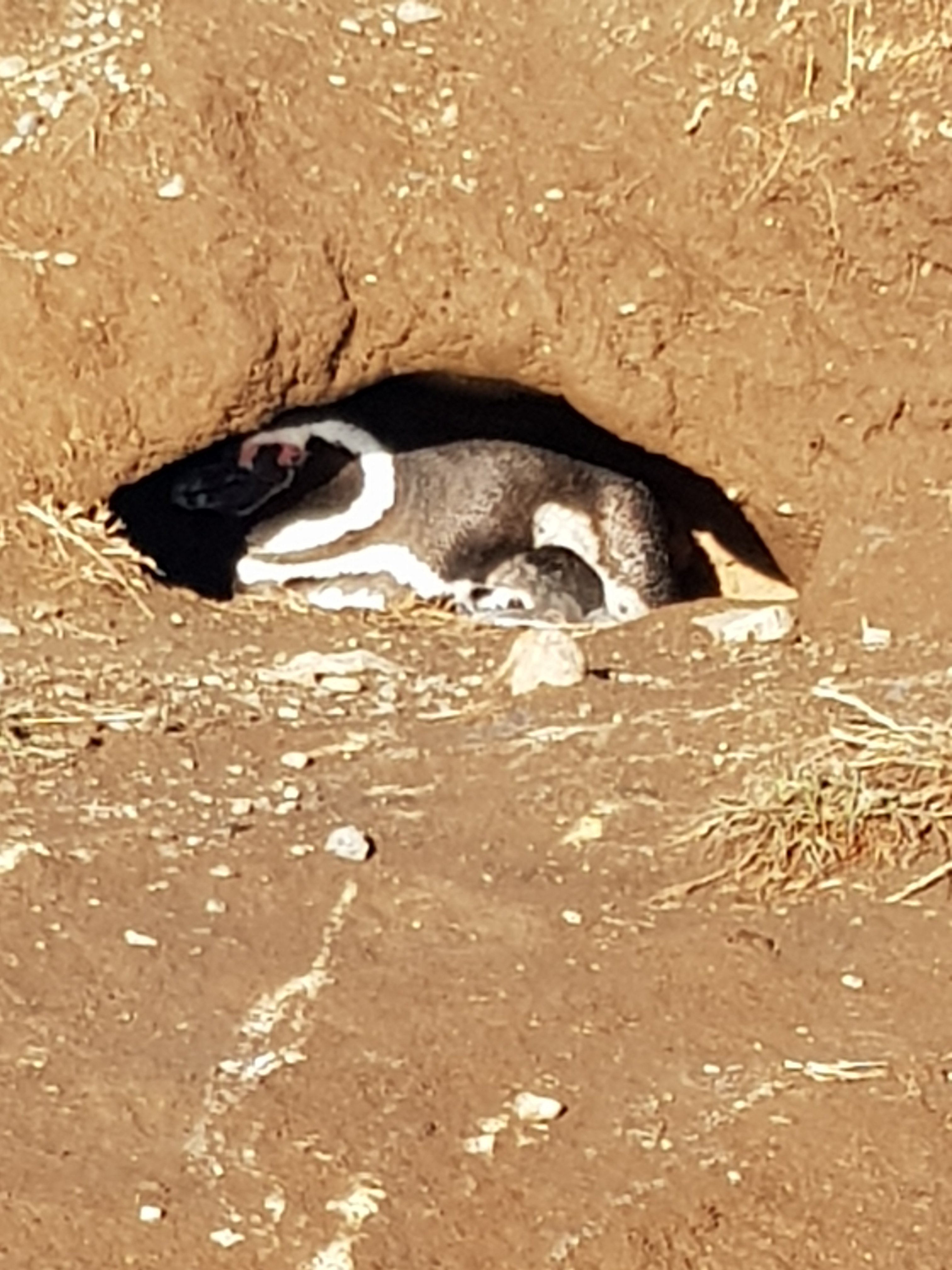
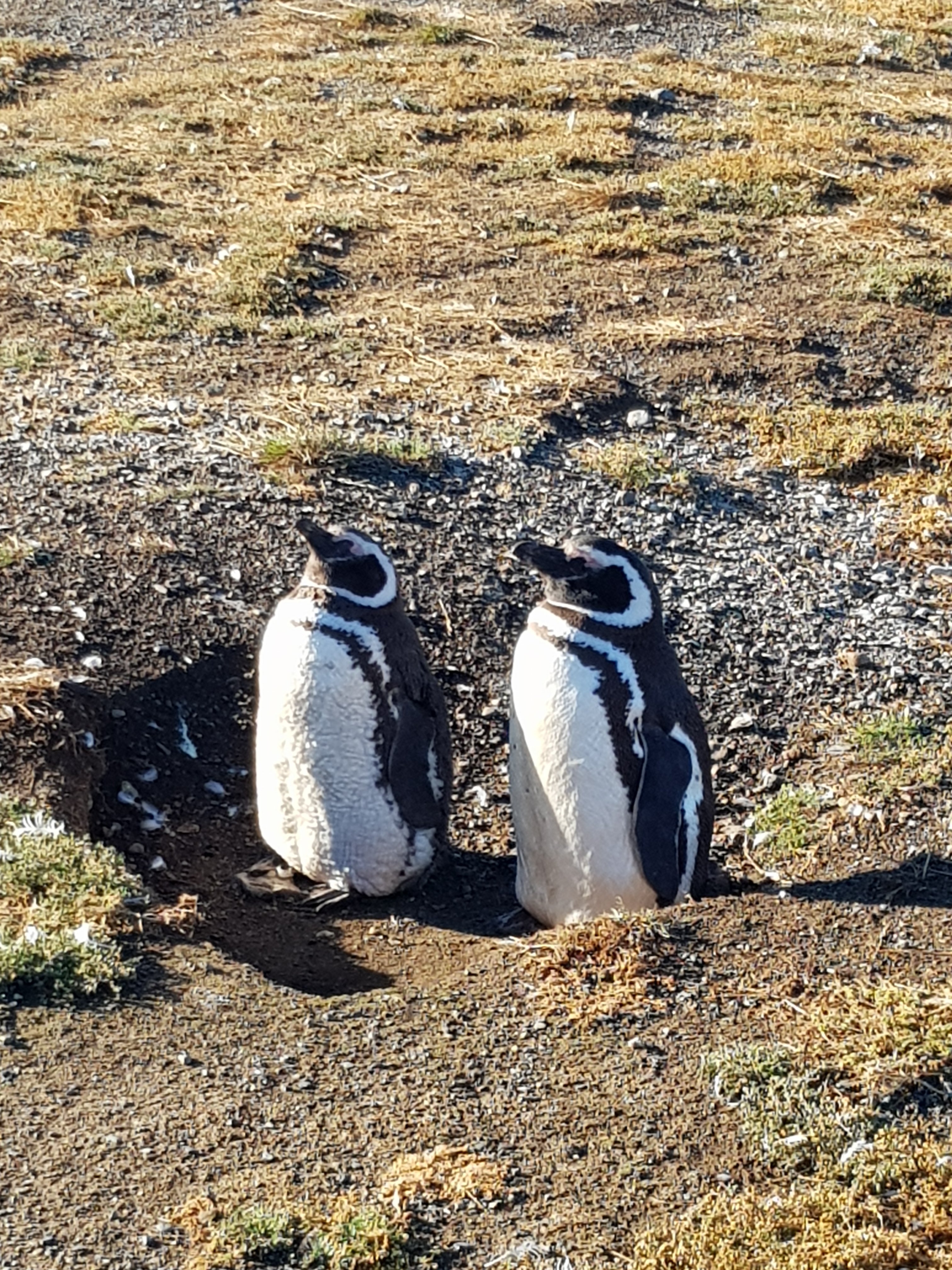
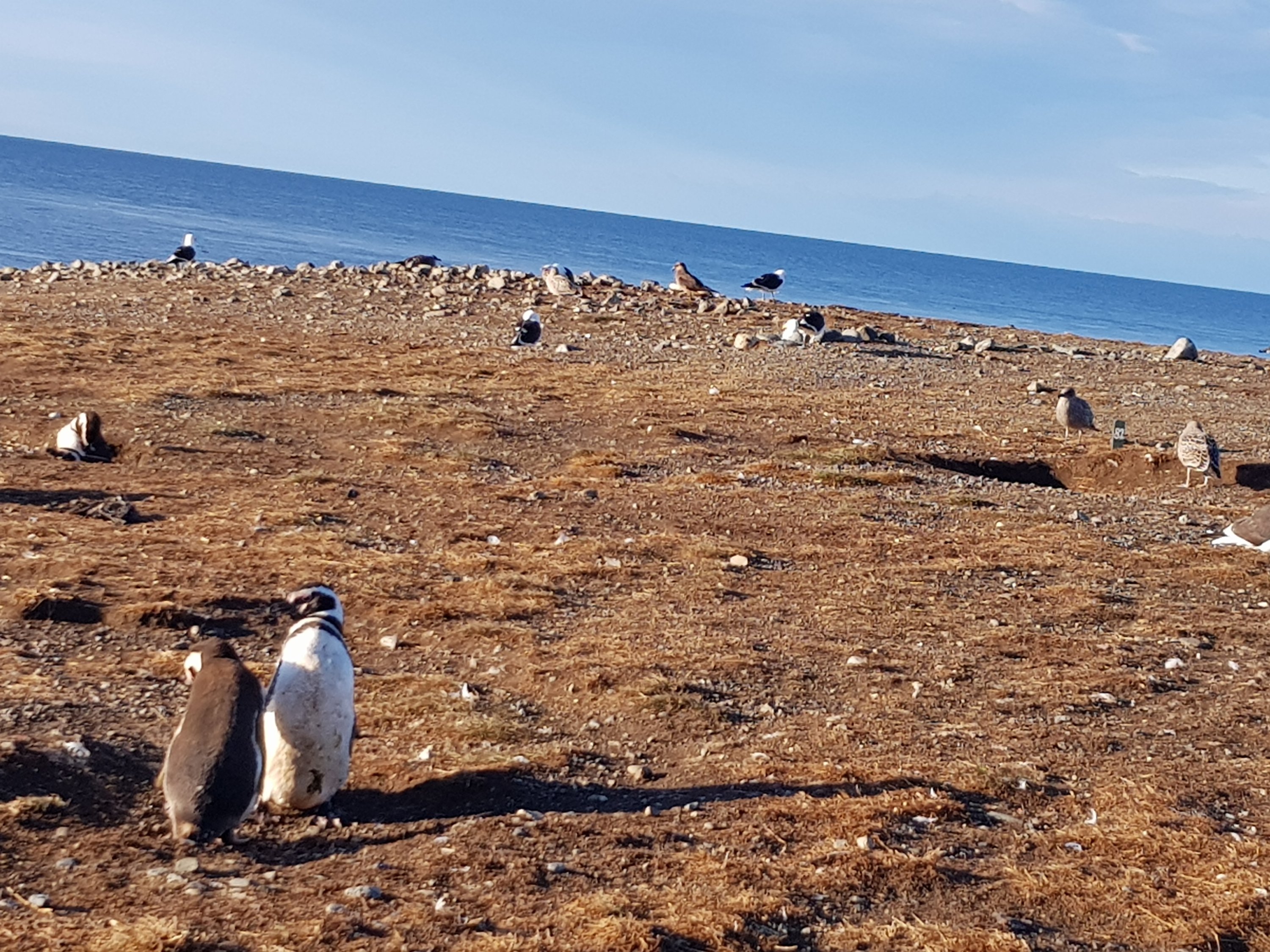
From Punta Arenas you can also take an excursion to see penguins and sea lions. I did this on thankfully the warmest day of the week. It is an early start followed by a few hours on a coach and then an hour journey to the main island by boat. Dotted around this small island are thousands of penguins, meandering within their couples. You can walk very close to the birds and follow a trail around the island to the lighthouse and back to the boat.

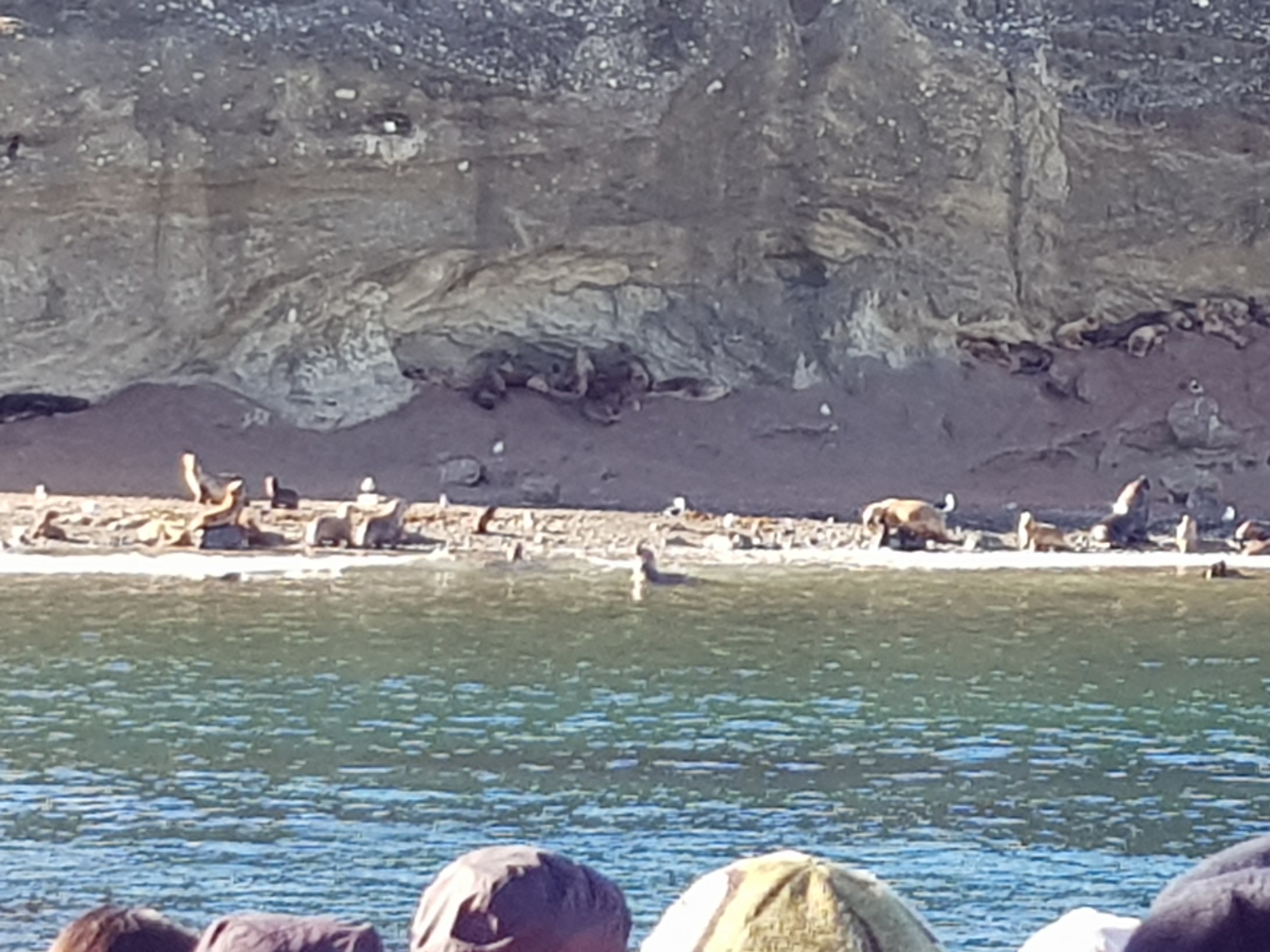
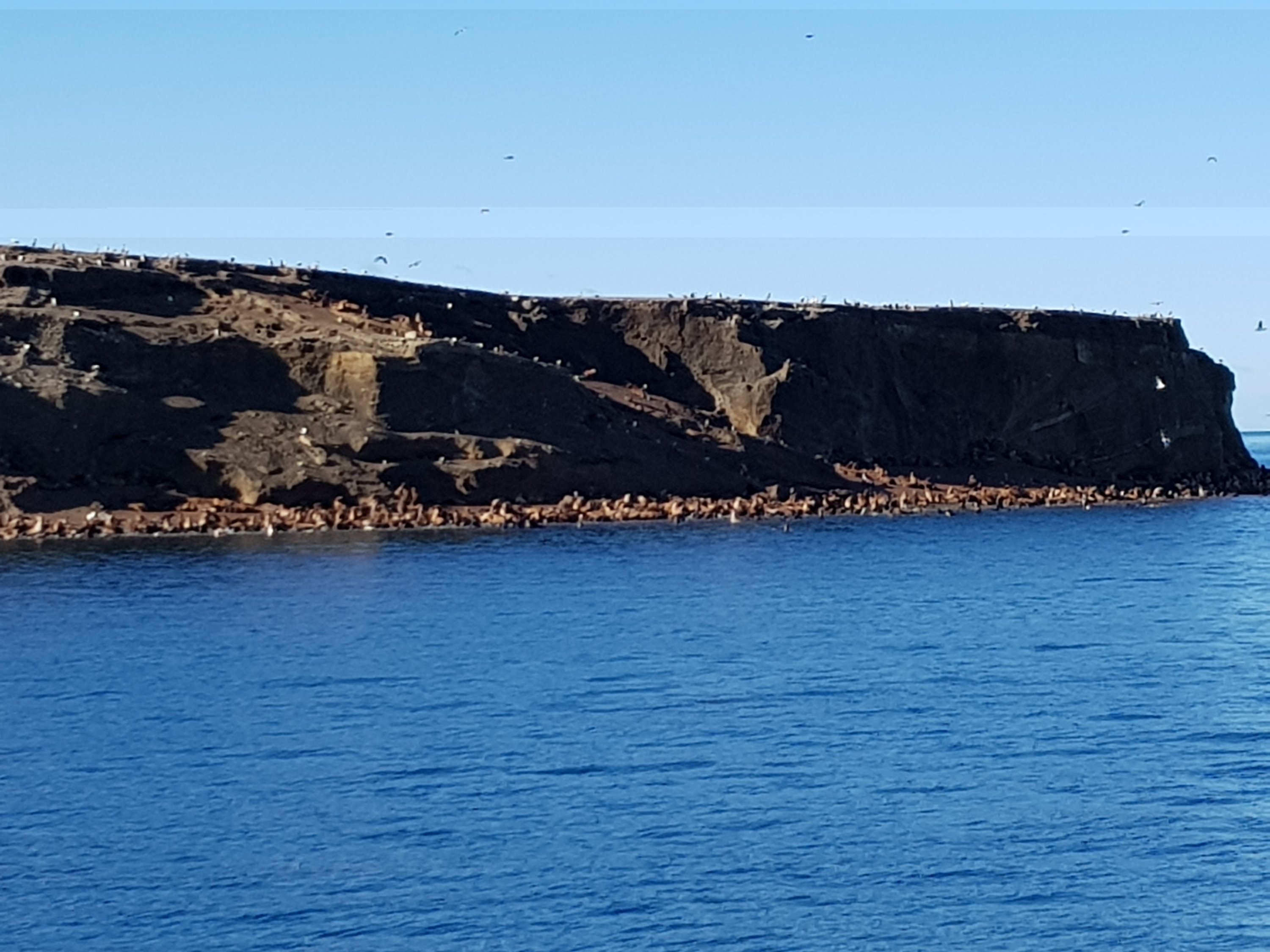
The tour then travelled to an even smaller island that was home to hundreds of roaring sea lions clambered together on a beach and swimming close to our boat. It was very nice to see these animals in their natural habitat as oppose to a zoo, and it was great to get out from the town and be on a boat for a few hours.

Puerto Natales

The next town which is the base for the Torres del Paine National Park, is Puerto Natales. This small town is full of hostels, camping shops and restaurants. I only spent a short time here to sleep and eat at the beginning and end of my trek, but there was little else to do than that as it is just set up to drain tourists of their leftover pesos.

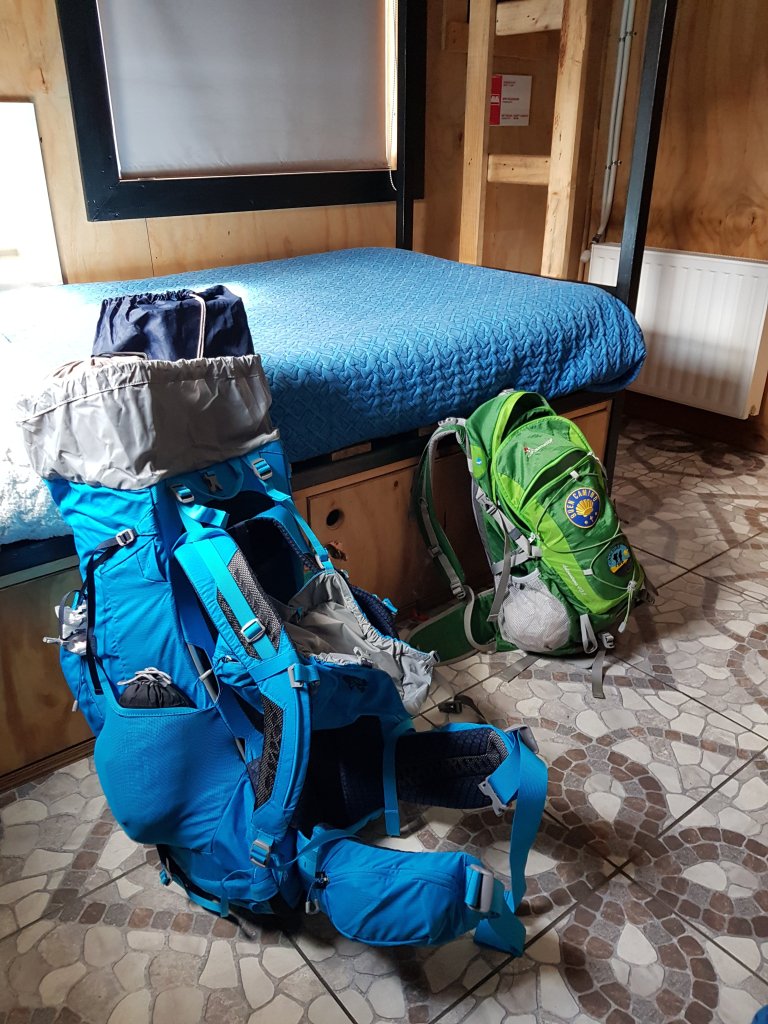
My trek bag vs my regular bag

Prepping for the ‘O’ Circuit trek

There are two main overnight treks that can be done at the Torres del Paine National Park. They are the ‘W’ and the ‘O’, named after the shapes their routes make on the map. The ‘W’ is the most popular and is known around the world for its views, but some people that have longer and want to see more of the park, choose to walk the ‘O’. this is the full circuit. It has several campsites on route and most people do it over 8 days. Each day of the trek varies in landscape, and the walks are between three and twelve hours, more or less.

Feeling like an experienced trekker, I decided to push myself to complete the ‘O’. I must say though that I forgot how out of shape I am, again. To prepare for the trek, I had to book my reservation to the campsites about three months in advance. I was able to use a new booking website that pulled it all together easily for me, instead of going to several different suppliers which could be quite complicated.

I decided to pay for my meals to be cooked and provided to me everyday, to avoid carrying a stove and heavy food. There is also an option to pay extra to have a tent provided and set up for you. I didn’t do this but met several people who did, and their tents varied in quality but their walks were obviously much easier than those of us carrying a tent. I rented a tent, sleeping bag, mat, and 65L rucksack from Rental Natales in town, and they were really helpful in getting everything sorted and providing me with advice.

I stocked up on nuts, cereal bars, and a bar of chocolate for some snacks for the first day, and midnight treats. I also took a Swiss army knife (although I never used it), a first aid kit (I did use part of this), and my phone power bank (charging is limited in the parks and signal is non existent, air plane mode was switched on the entire time). There are not any laundry facilities so a decision needed to be made about how many clothes to bring. I went with 4 outfits, and I made the conscious decision to smell rancid after half the week. Unfortunately, I still did not find an open launderette for two days after I had finished. Very gross.

The campsites

The campsites on the ‘O’ varied in quality, but I am happy to say that they all had real toilets. I was very thankful for this. I was scared I would be falling into a poo hole in the ground in the middle of the night. All the campsites had some sort of kiosk which sold snacks and most of the campsites had a bar/restaurant where you could buy drinks or enjoy your prepaid meal. Some of the campsites have refuges or domes as well so that you can sleep in luxury rather than a tent if you have the right reservation, and some of the sites had wooden platforms to pitch your tent on instead of the ground. I would argue that the ground is better though, as you are less likely to trip, and its easier to set up the guidelines, and pegs, and its actually a bit warmer than having a void underneath you.

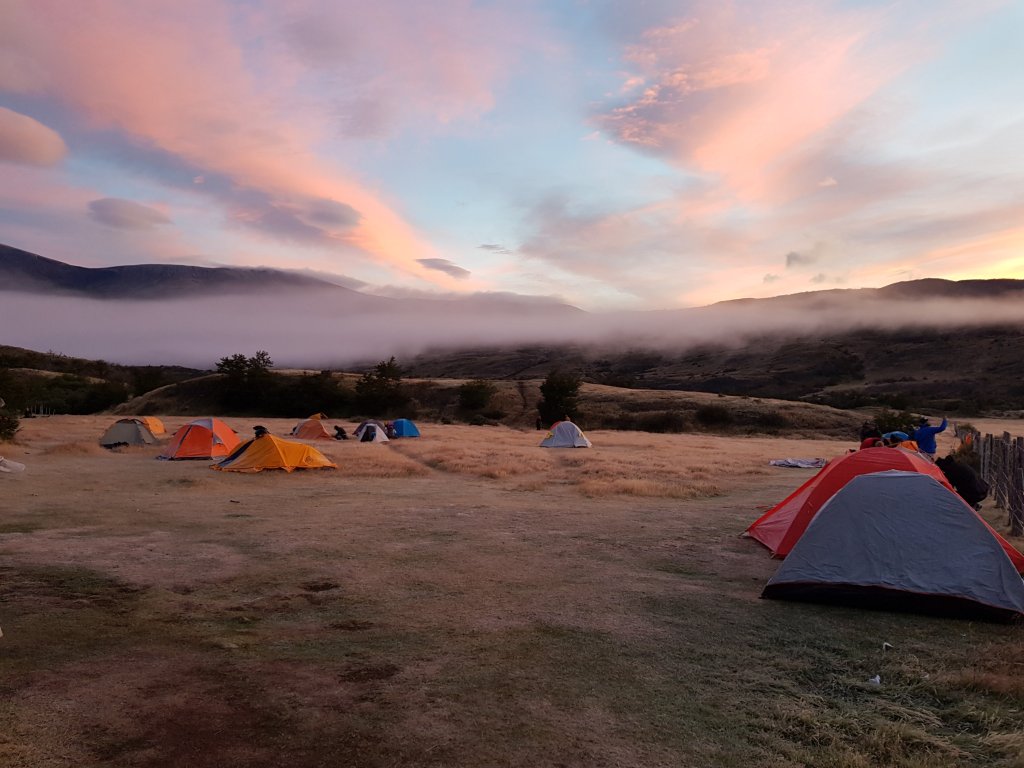
Seron campsite at sunrise

The food I was given during my stay was generally excellent and although it was pricey to do this option, it was well worth it, to not have the hassle. I always had more food than I needed because the portions were very generous. There was always a warm breakfast, a large lunch pack and a four course dinner with different dietary options. The only downside was that hot chocolate was extra and I don’t drink coffee!

I spent time with a great mix of people whilst staying on the ‘O’ circuit campsites. I befriend a group of US visitors, a man from New Zealand and many groups of Chileans. It was great practice for my spanish, especially as in Chile, they have a unique slang. For example the word for egg is what you might call a

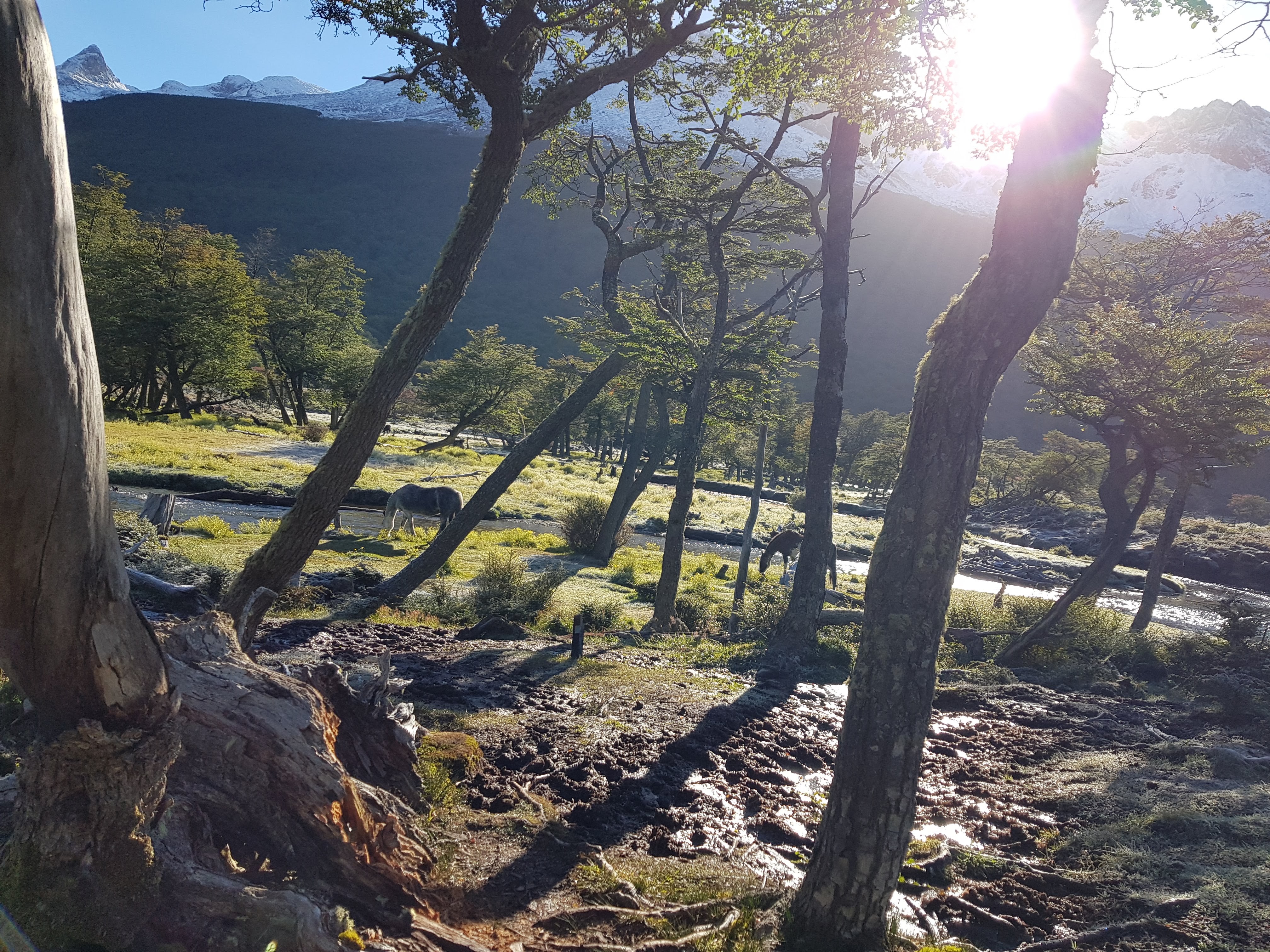
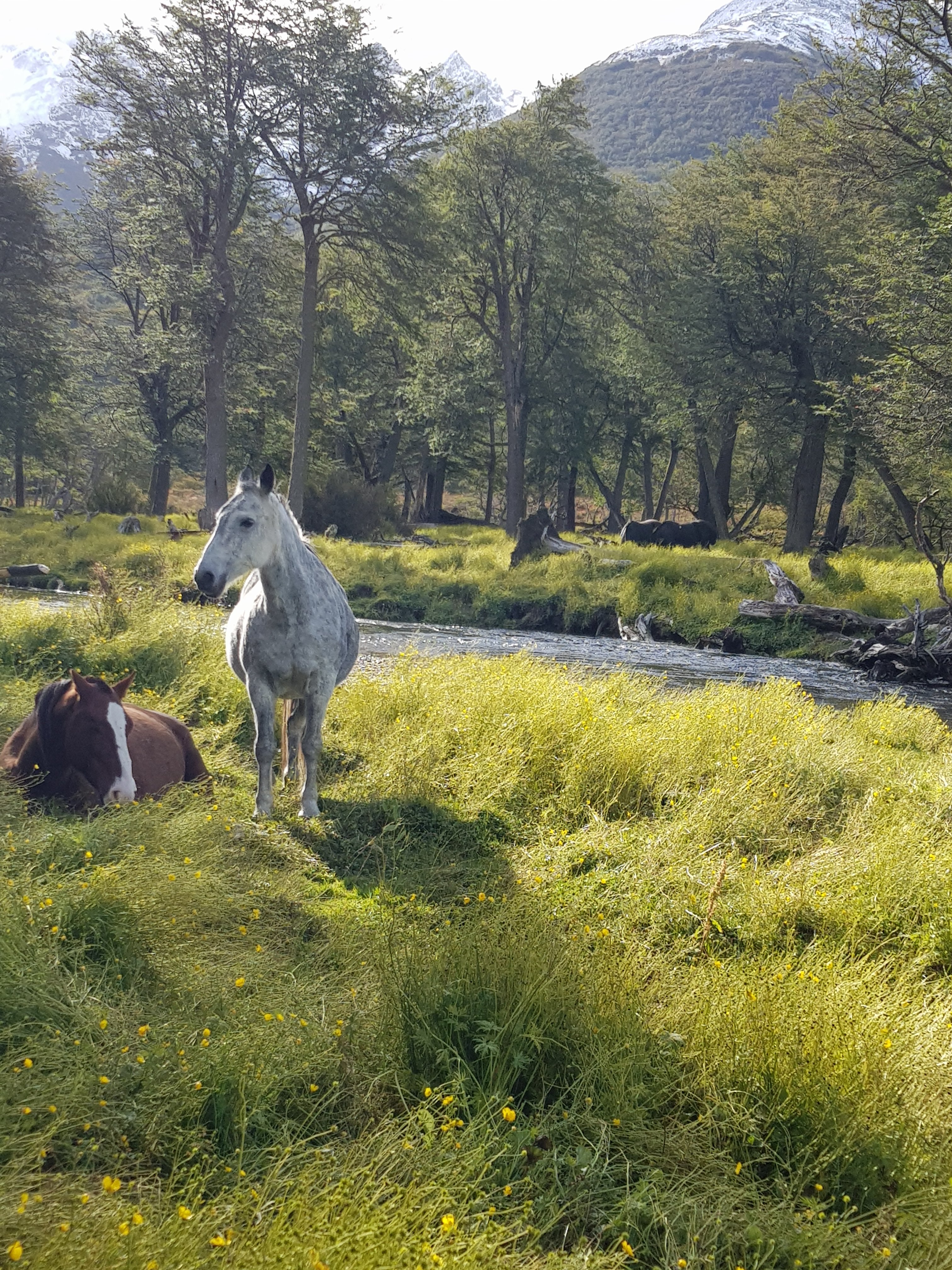
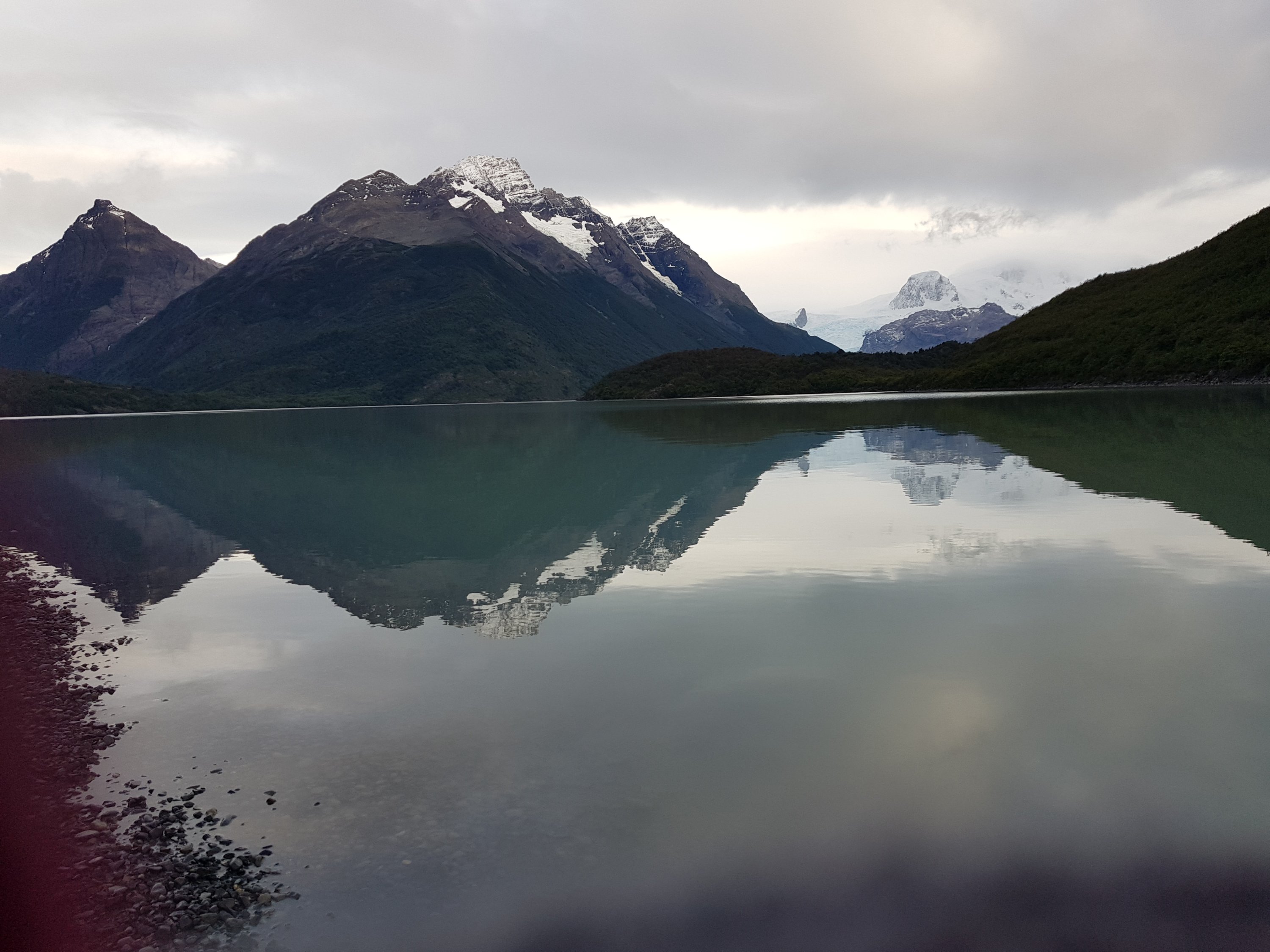
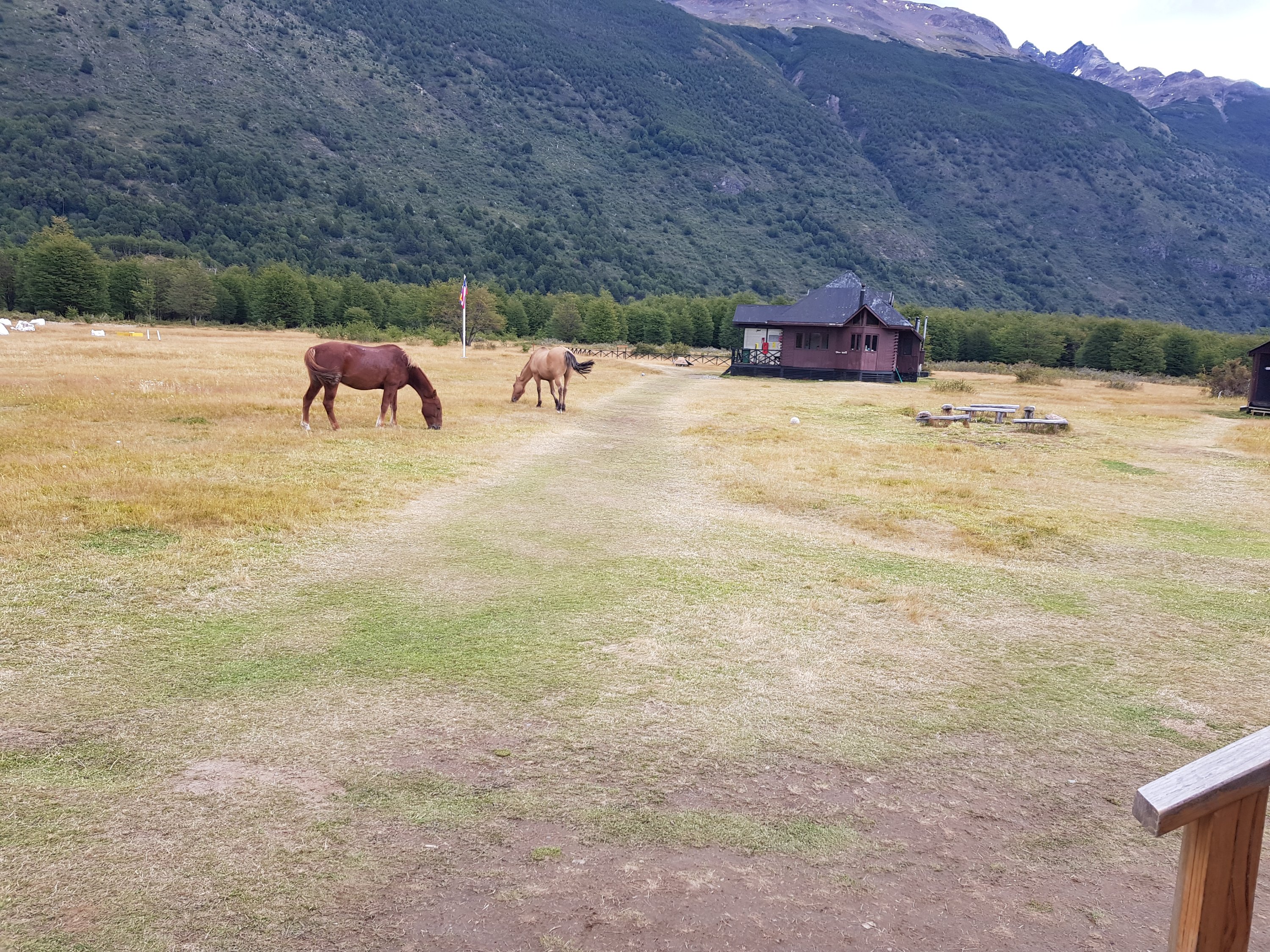
Favourite campsite: Dickson. This campsite was on a piece of land surrounded by lake and glacier, and also had a beautiful ranch feel with horses roaming around amongst the tents.

Least favourite campsite: Frances. Frances had what was needed but it is located in a shady and damp forest, and all the facilities are far away from the tents and down a hill…

The landscape

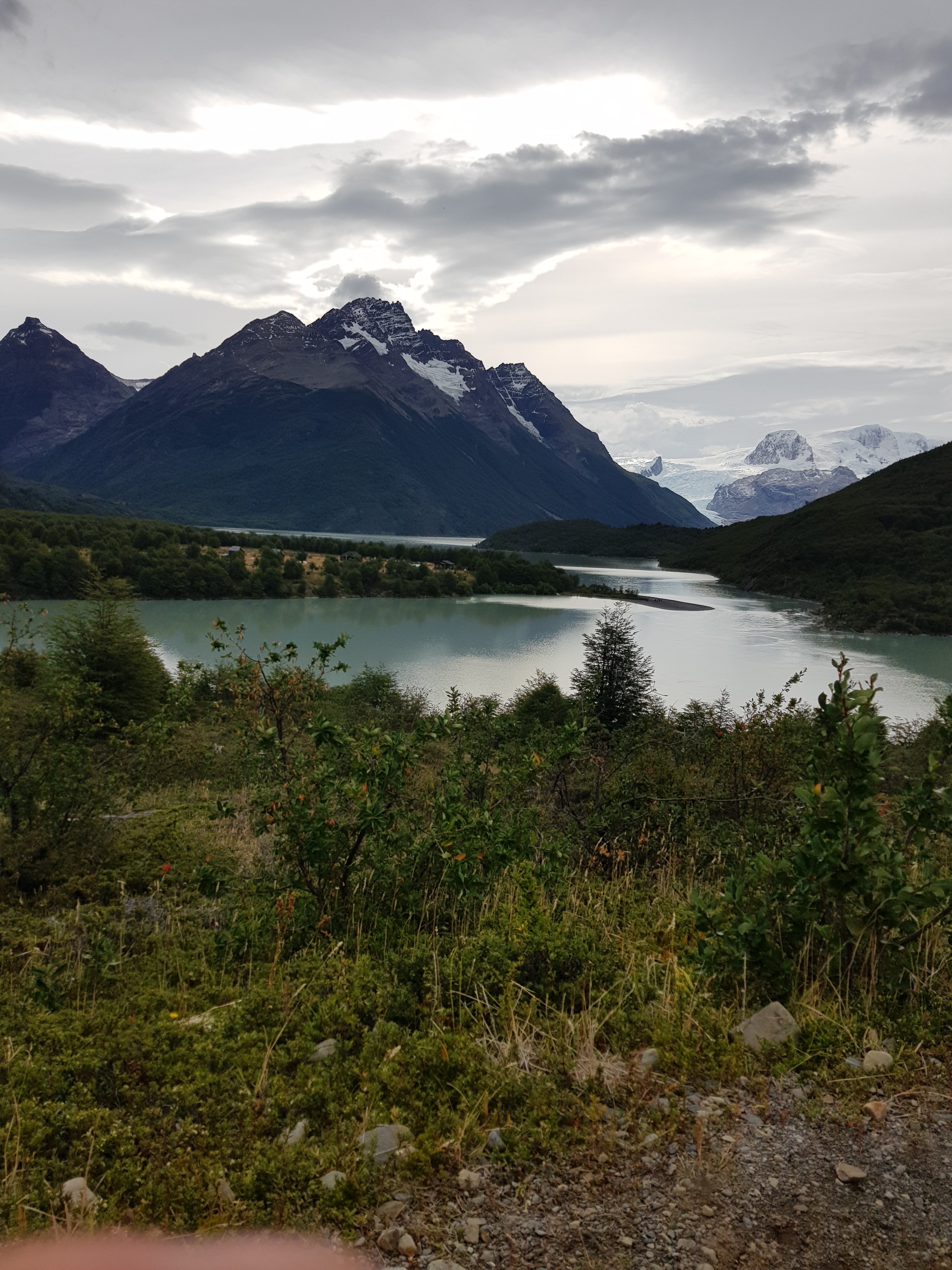
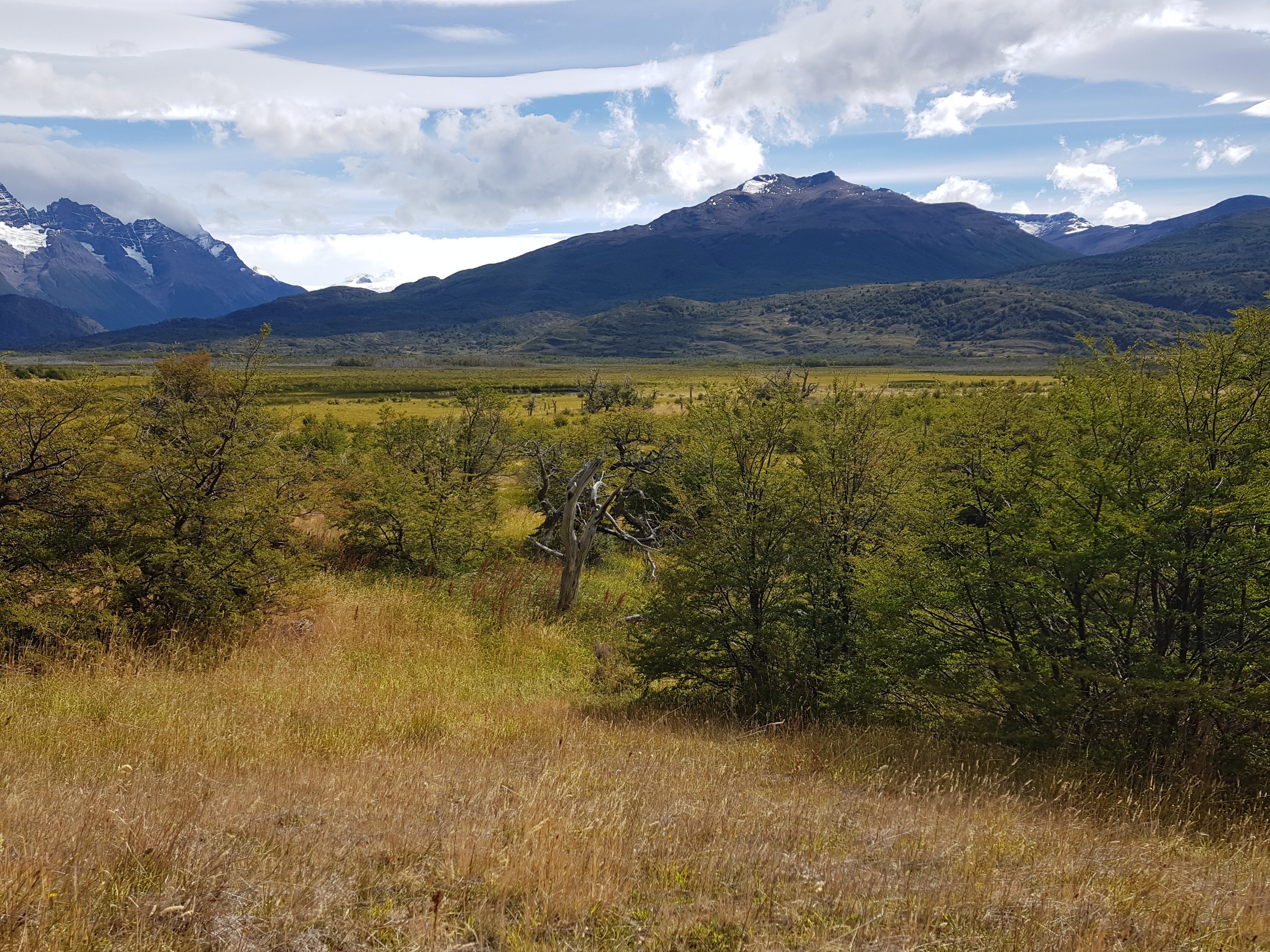
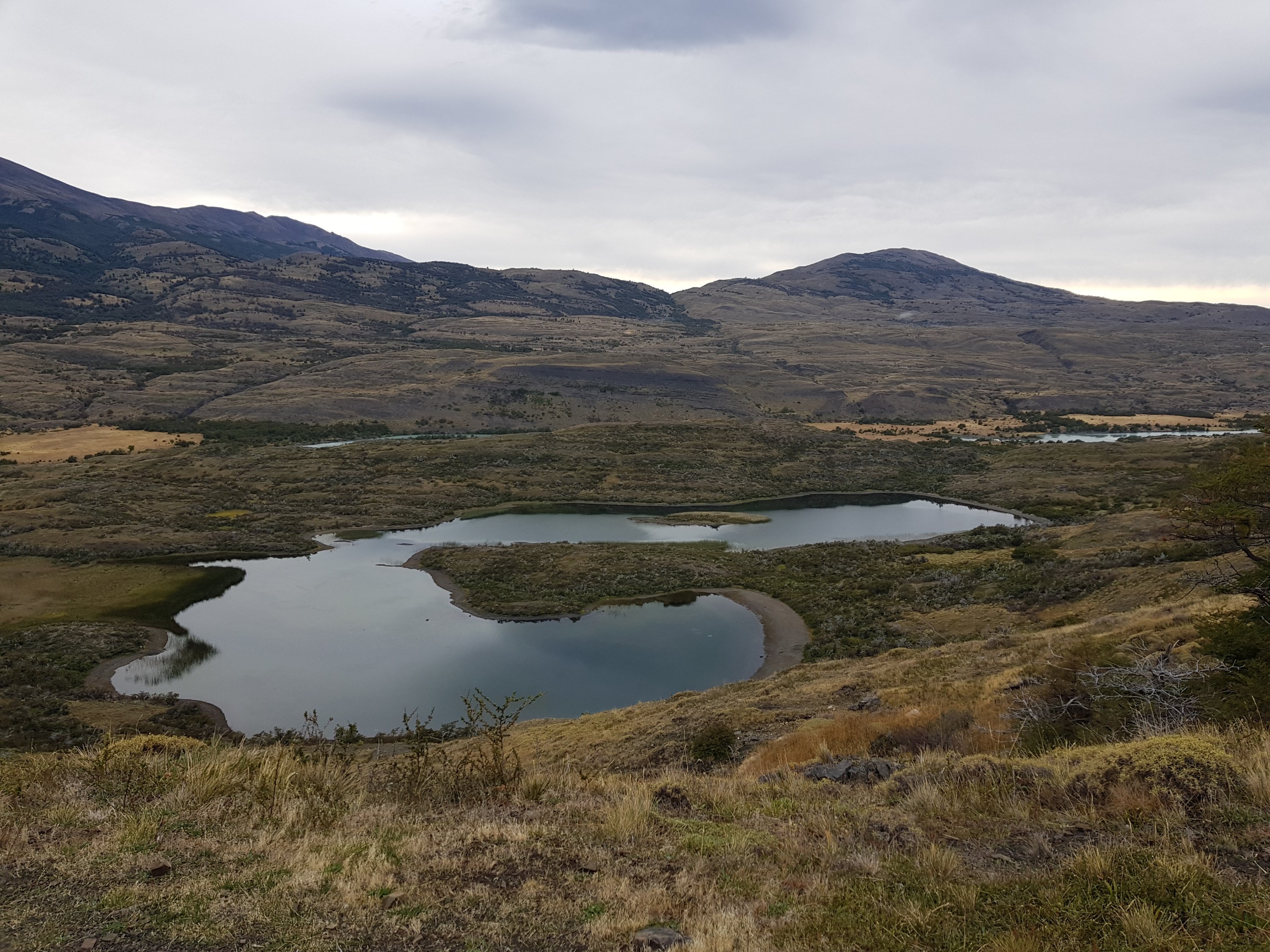
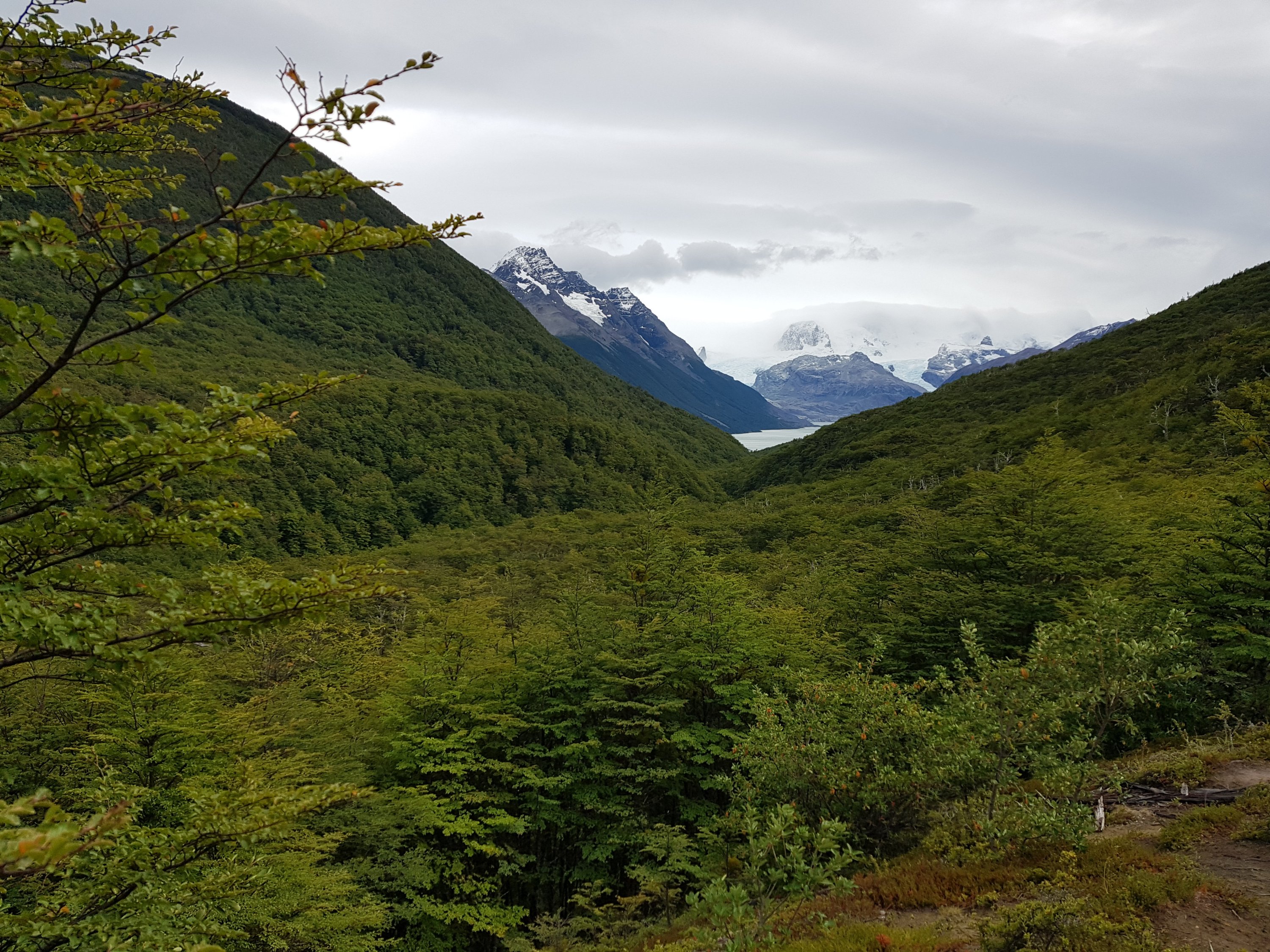
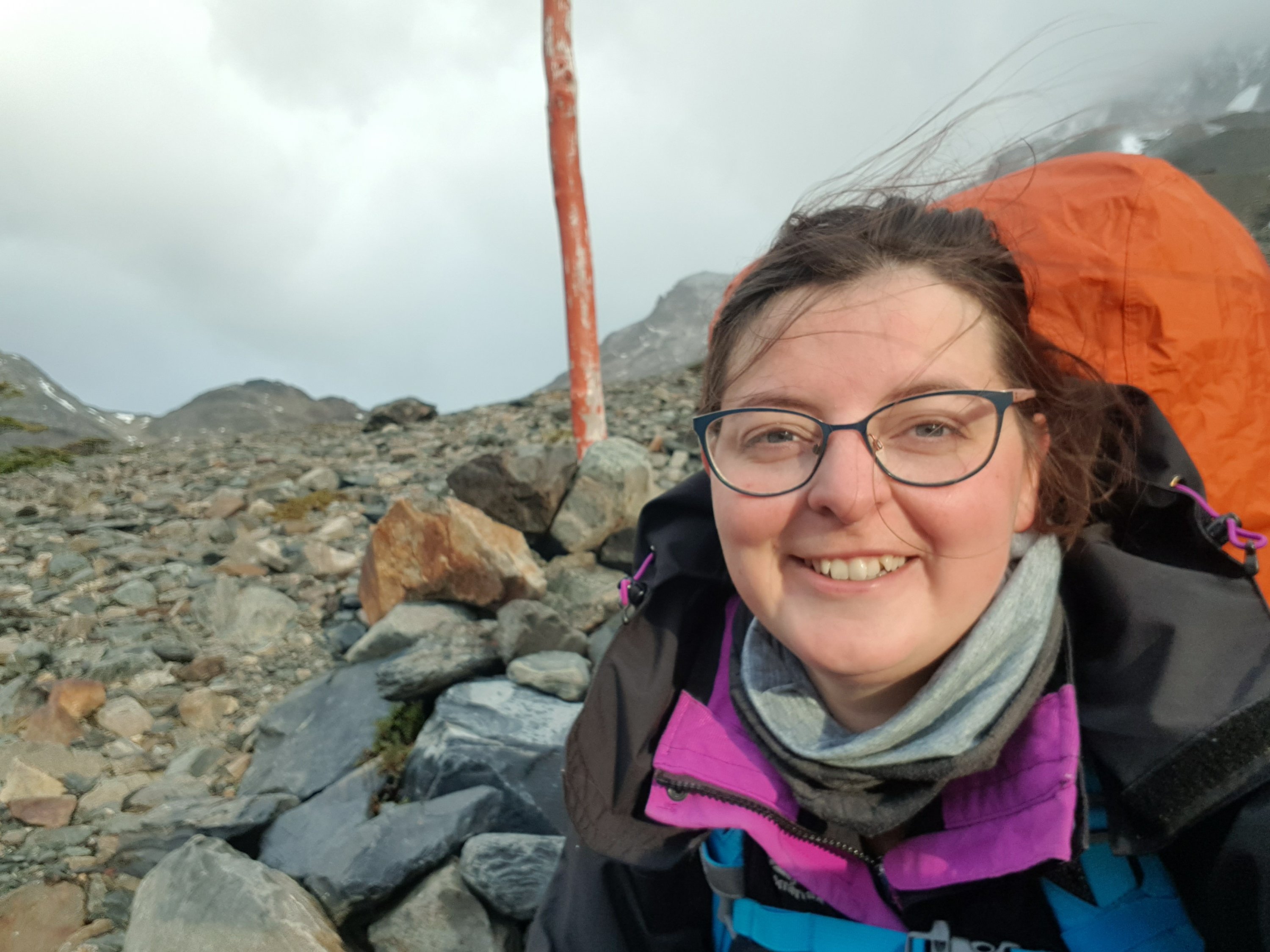
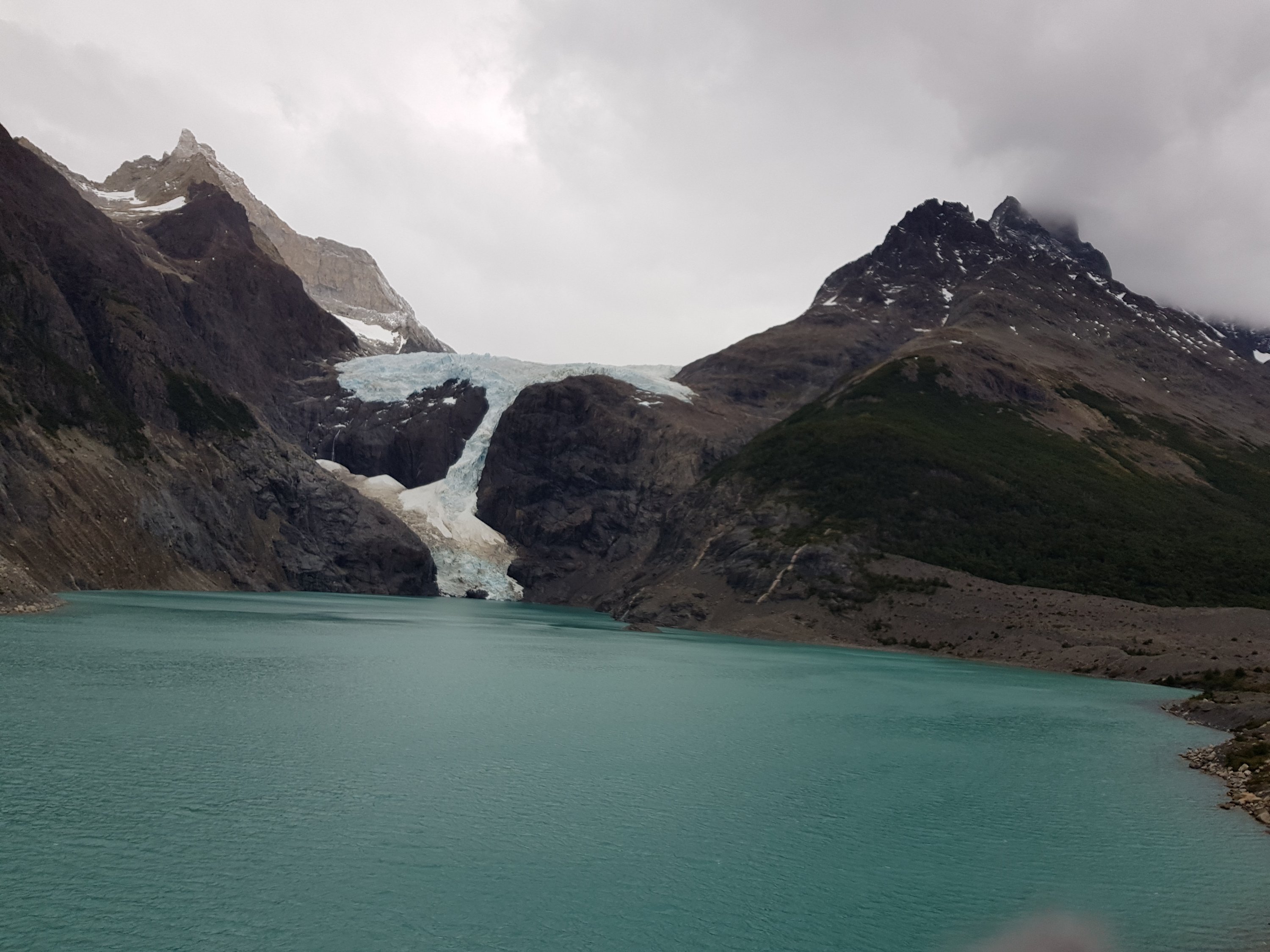
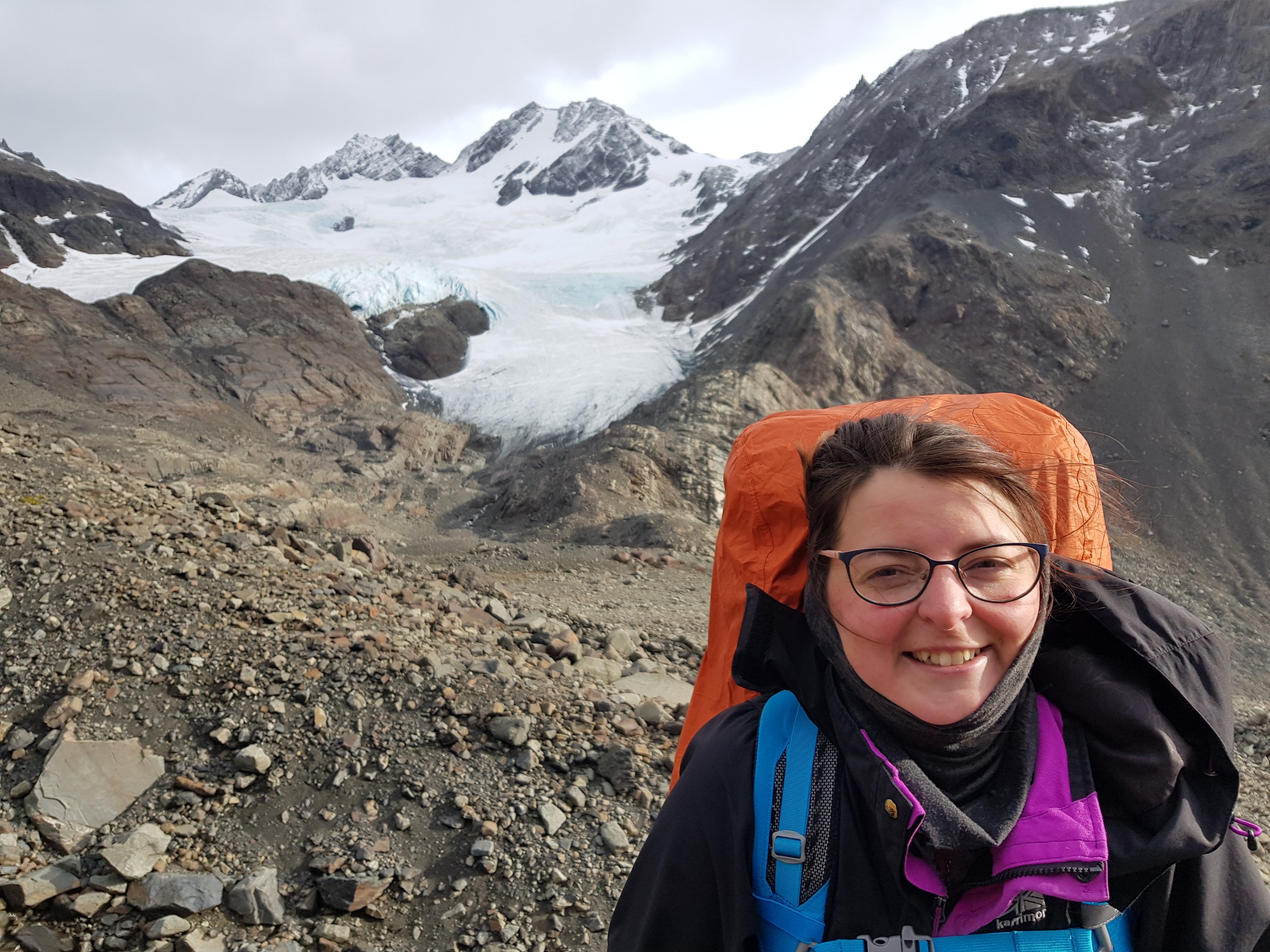
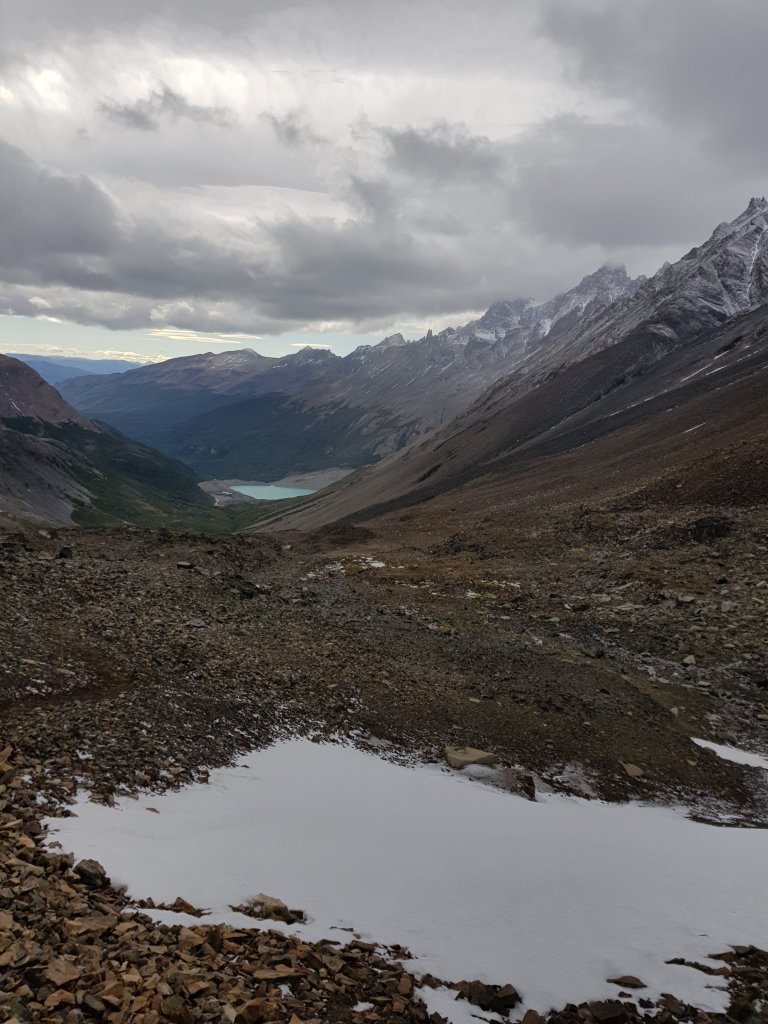
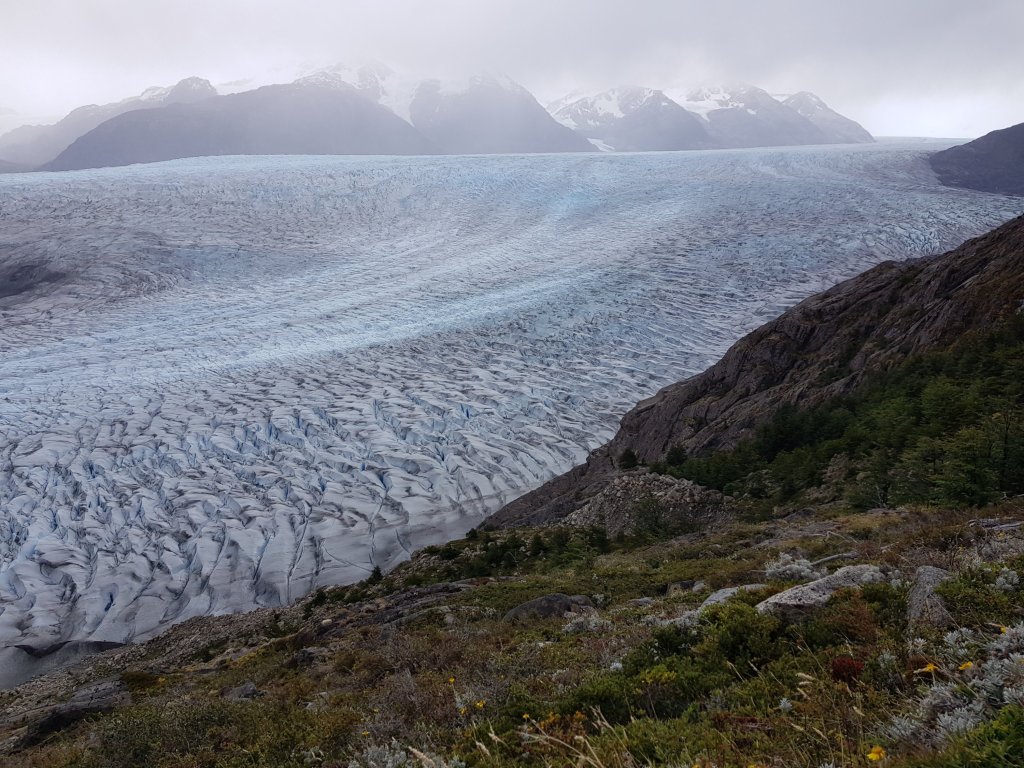
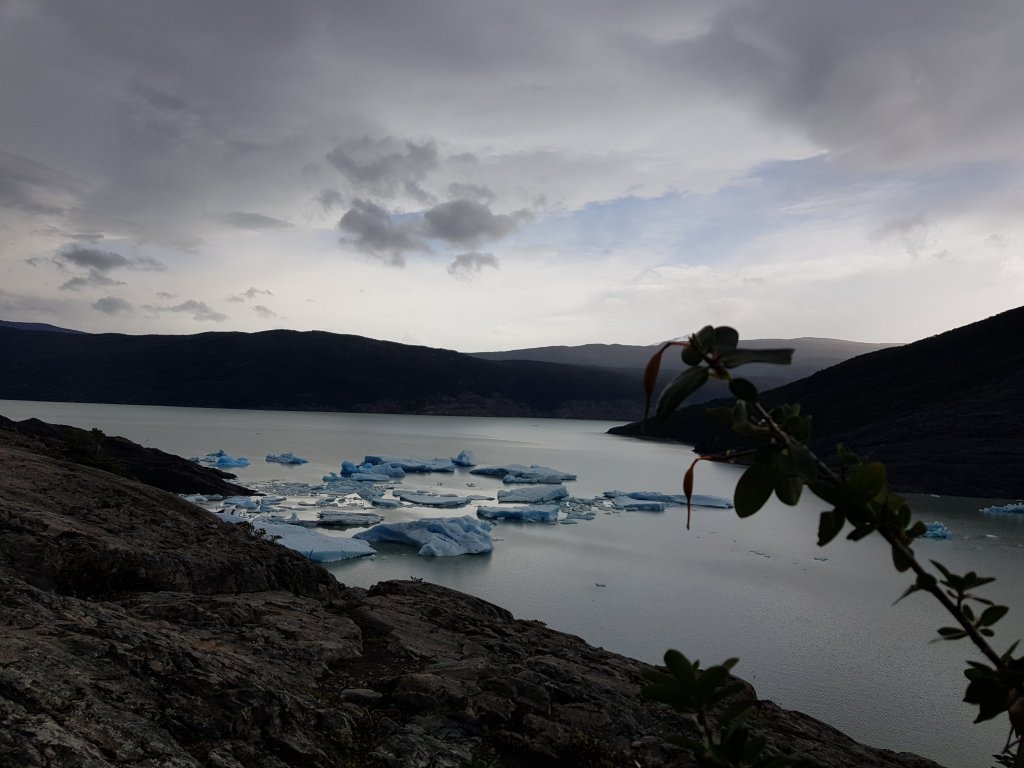
The trek itself is over 100km of varied landscape, and climates! The first day I was walking through long grasslands in hot weather, on the fourth day I was shivering in the snow and wind whlilst gazing over the Patagonian Icefield. Many people will simply do their chosen circuit, whilst others may add in the extra viewpoint trails, or you can even just do a full day walking, sailing or riding excursion through the park.

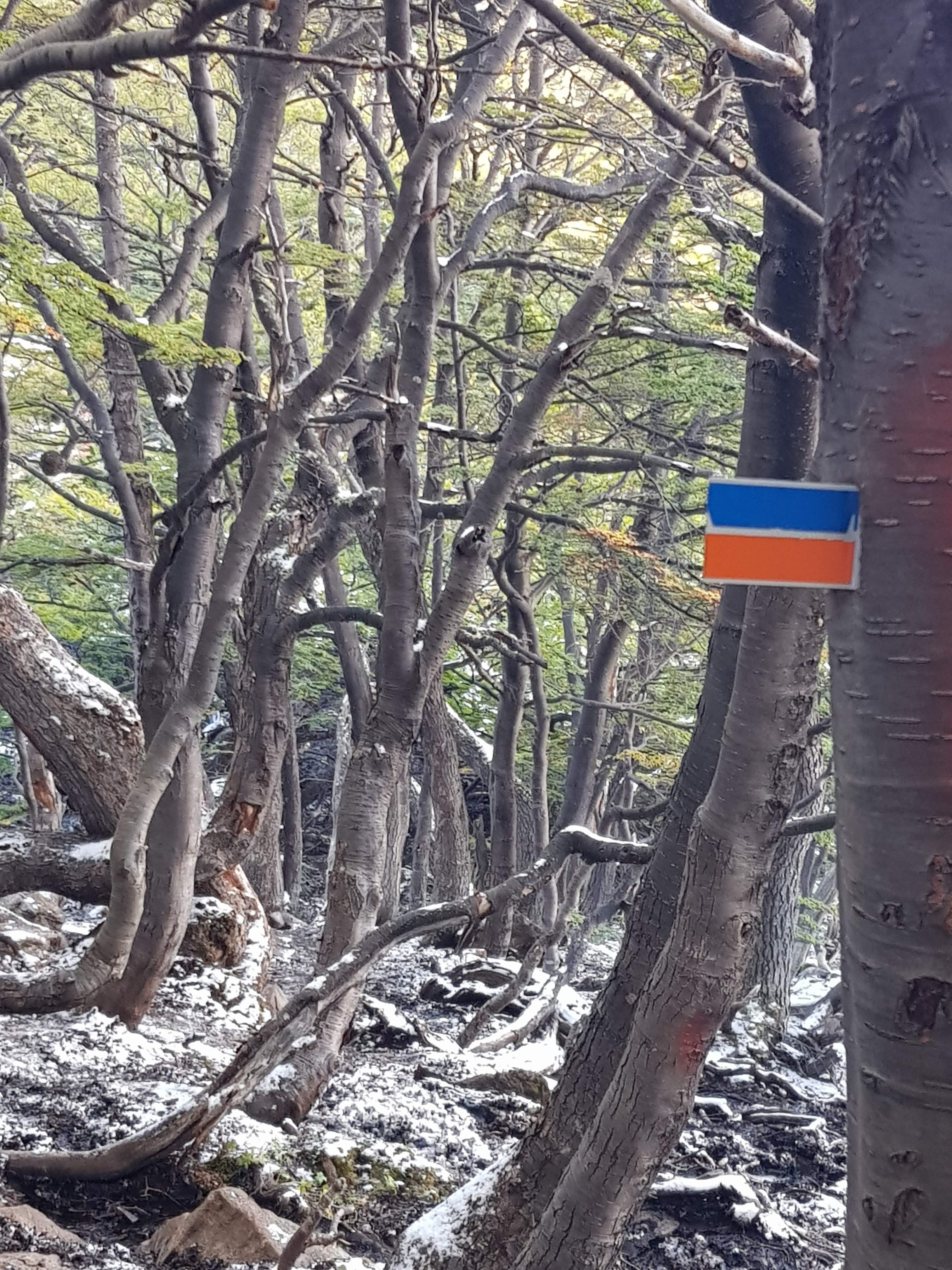
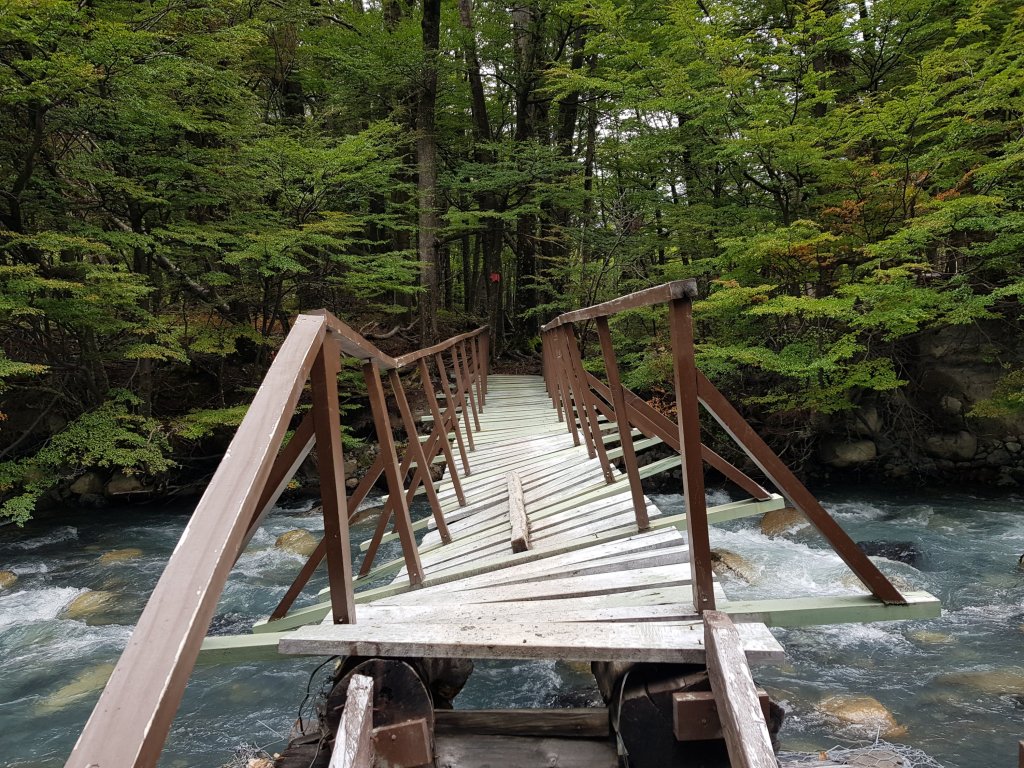
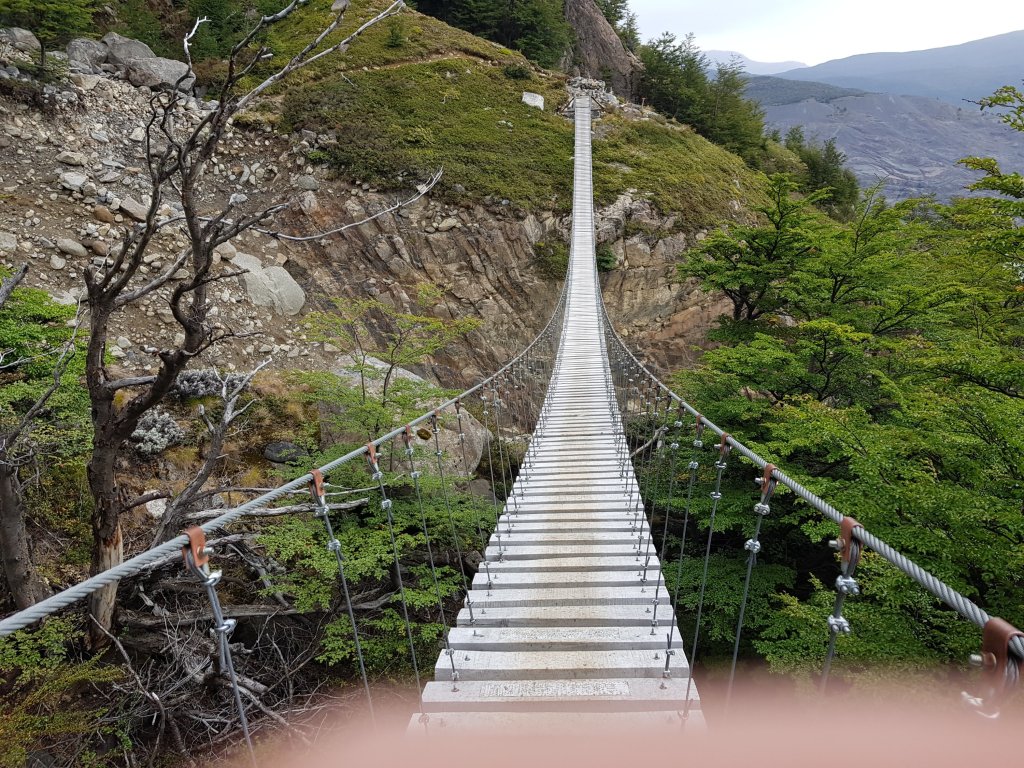
I found the hikes very challenging at times, especially as a solo walker. This was mainly because of some of the heights of the rock faces on the trail. I had to throw my very heavy bag ahead of me and boulder a couple of times which was nerve wracking with no one there. Whilst the paths are very rough, the way markers are very consistent and I was impressed by the placement of some of them.

There is a variety of plants and animals to see, I was very nervous about coming face to face with a puma as they live in the park, but in the end my only animal sightings were a noisy woodpecker above my tent and the poo left behind by a fox! If you are determined to see a puma though (I was not) you can join special expert tours to track and watch them.

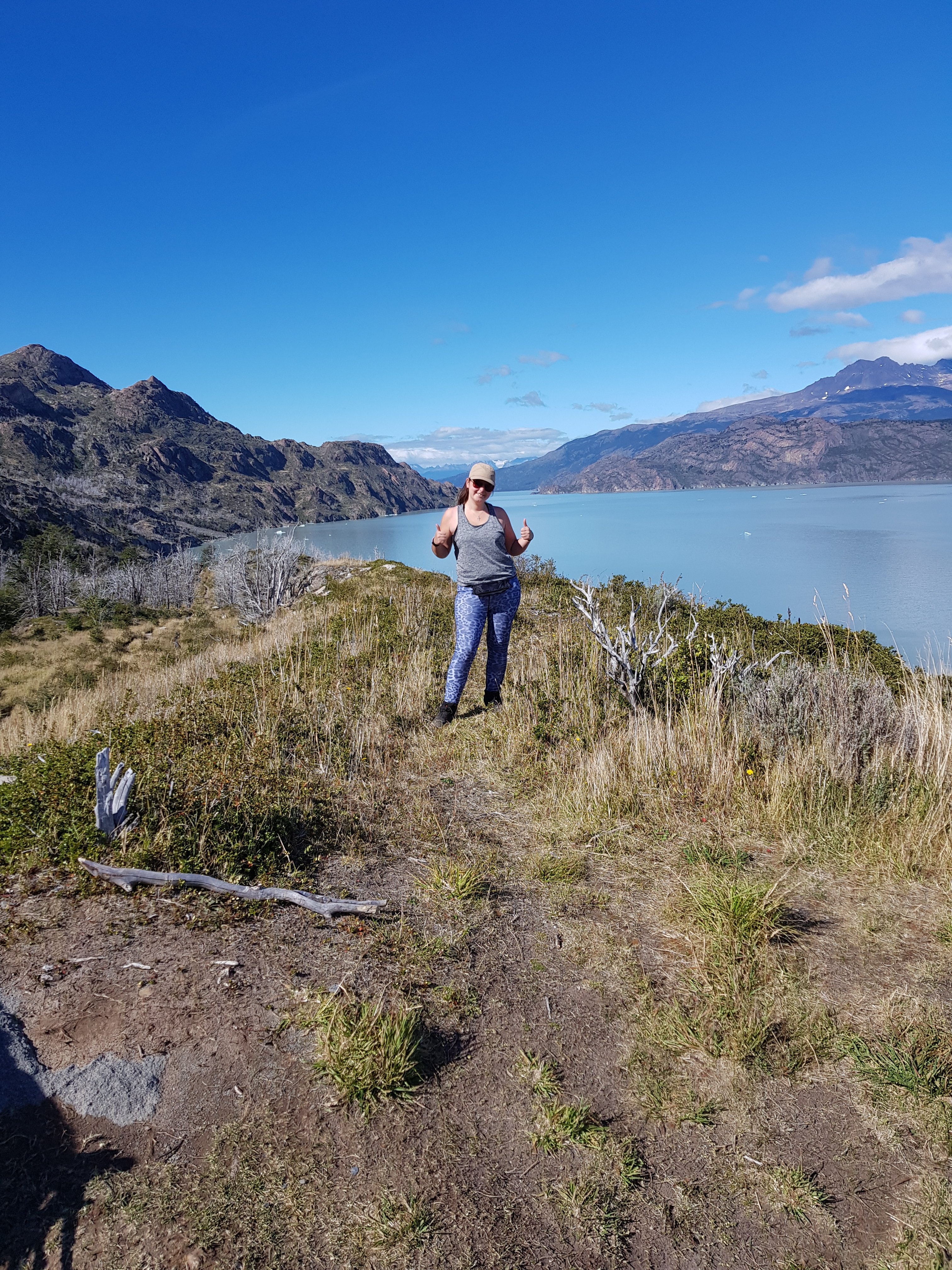
Having done the full circuit now, I would definitely recommend the ‘O’ to anyone that thinks they could manage it. The authenticity, and atmosphere were better than the ‘W’ circuit which is much more commercial. The park is absolutely beautiful and I would love to visit again and do more activities there.