Tag Archives: cemetery tours

Camino de Santiago: Portugalete to Santander

In my second week of walking, I have done some of the largest distances so far and had some more rest days. The journey has had more flat terrain than the first week, and lots of walking on roads. It has been closer to the sea though, and very beautiful.

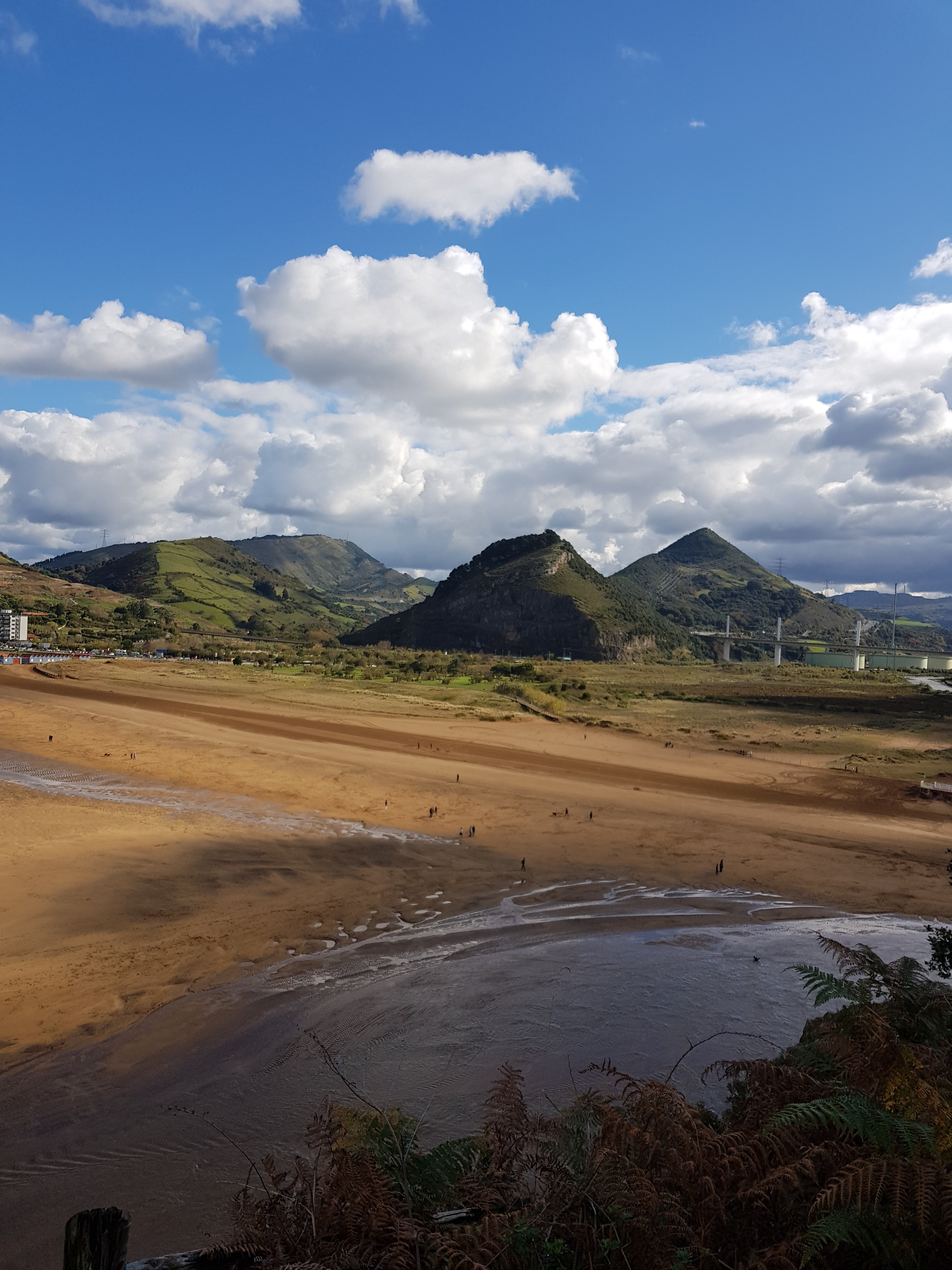
Starting in Portugalete, which is just on the outskirts of Bilbao, I walked along highways and resurfaced walkways along the coastline. There was an option to add an extra 14km to the journey by going into the mountain. I decided against that, as I was still recovering from the previous week’s mountains, and the road had great views. There was pedestrian access on the roads (lines painted on the floor) but I did have to take care, and it is not an option I would have been happy with if it had been a darker day.

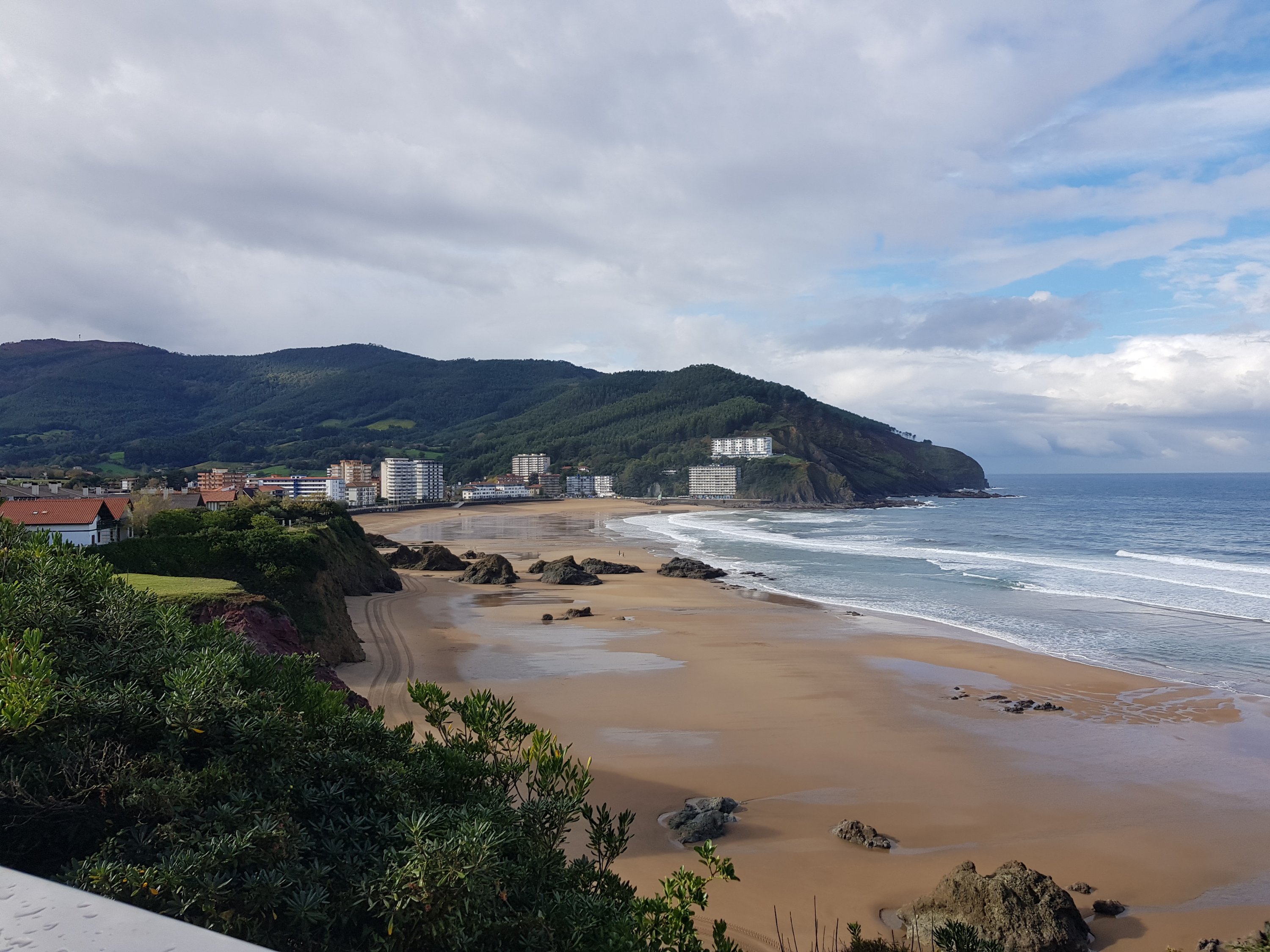
Whilst walking the route, I left the Basque Country behind, and entered Cantabria. I kept looking behind me at the scenery, and thinking, I cannot believe I walked all this way so far!
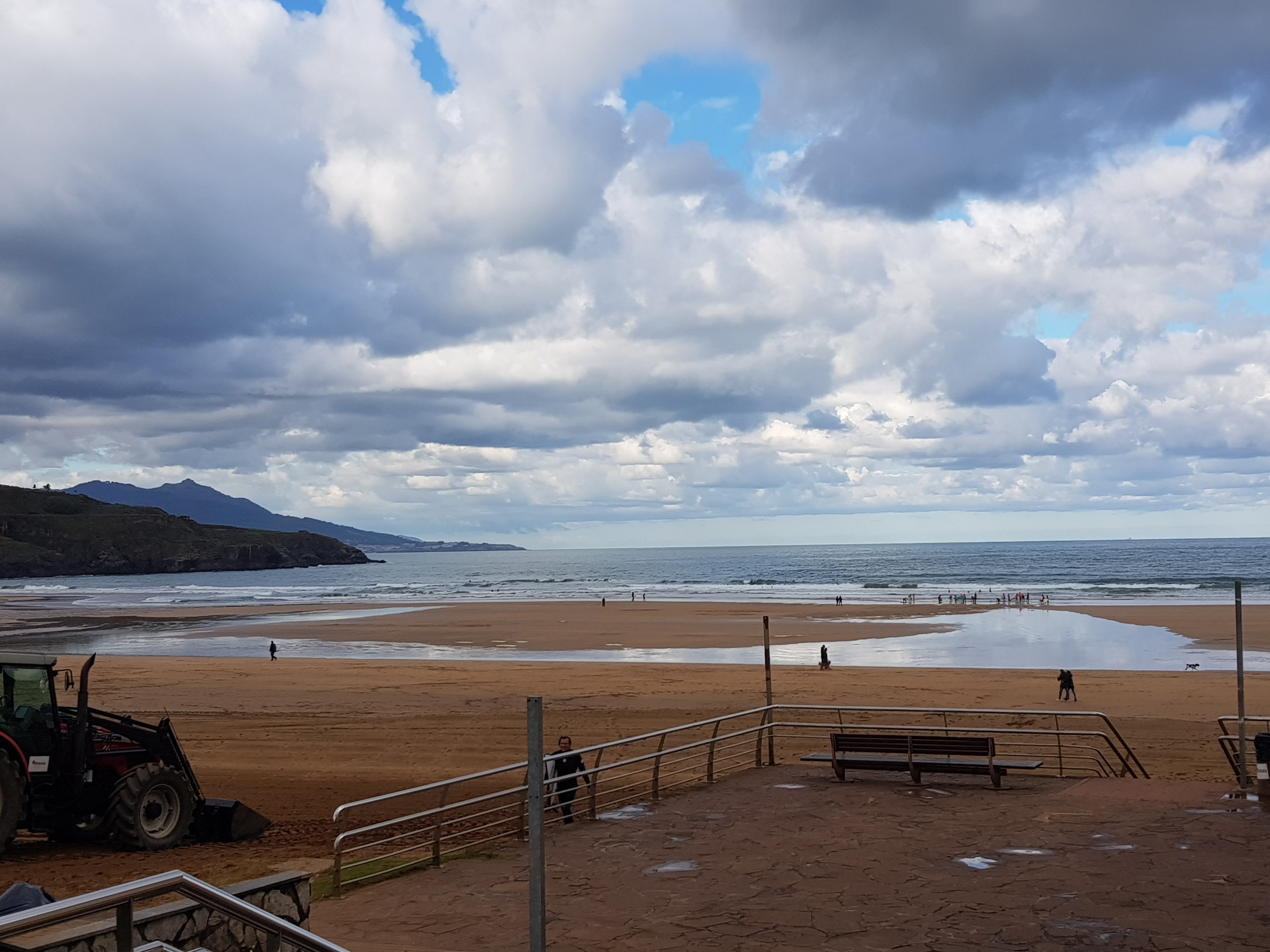
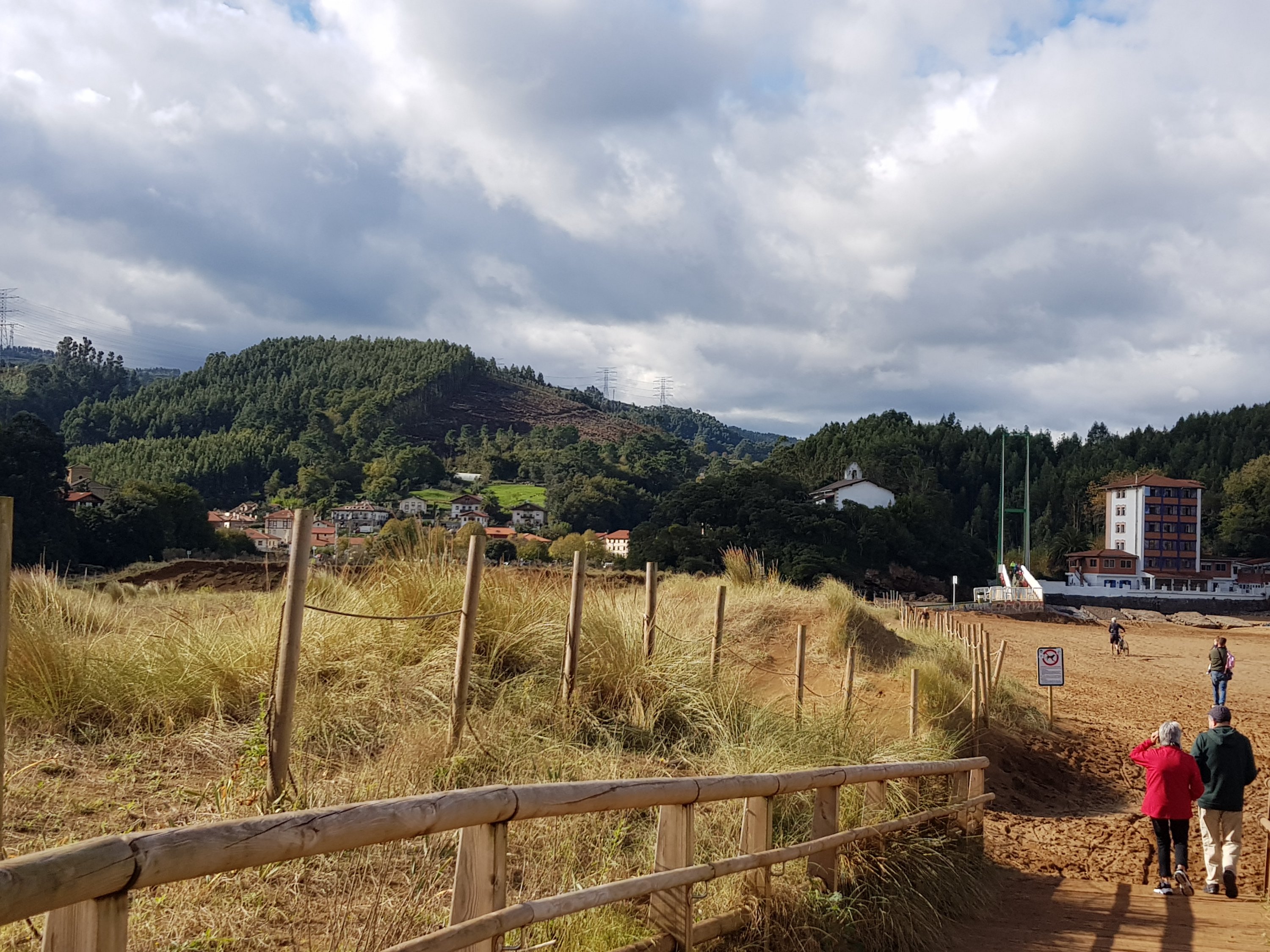
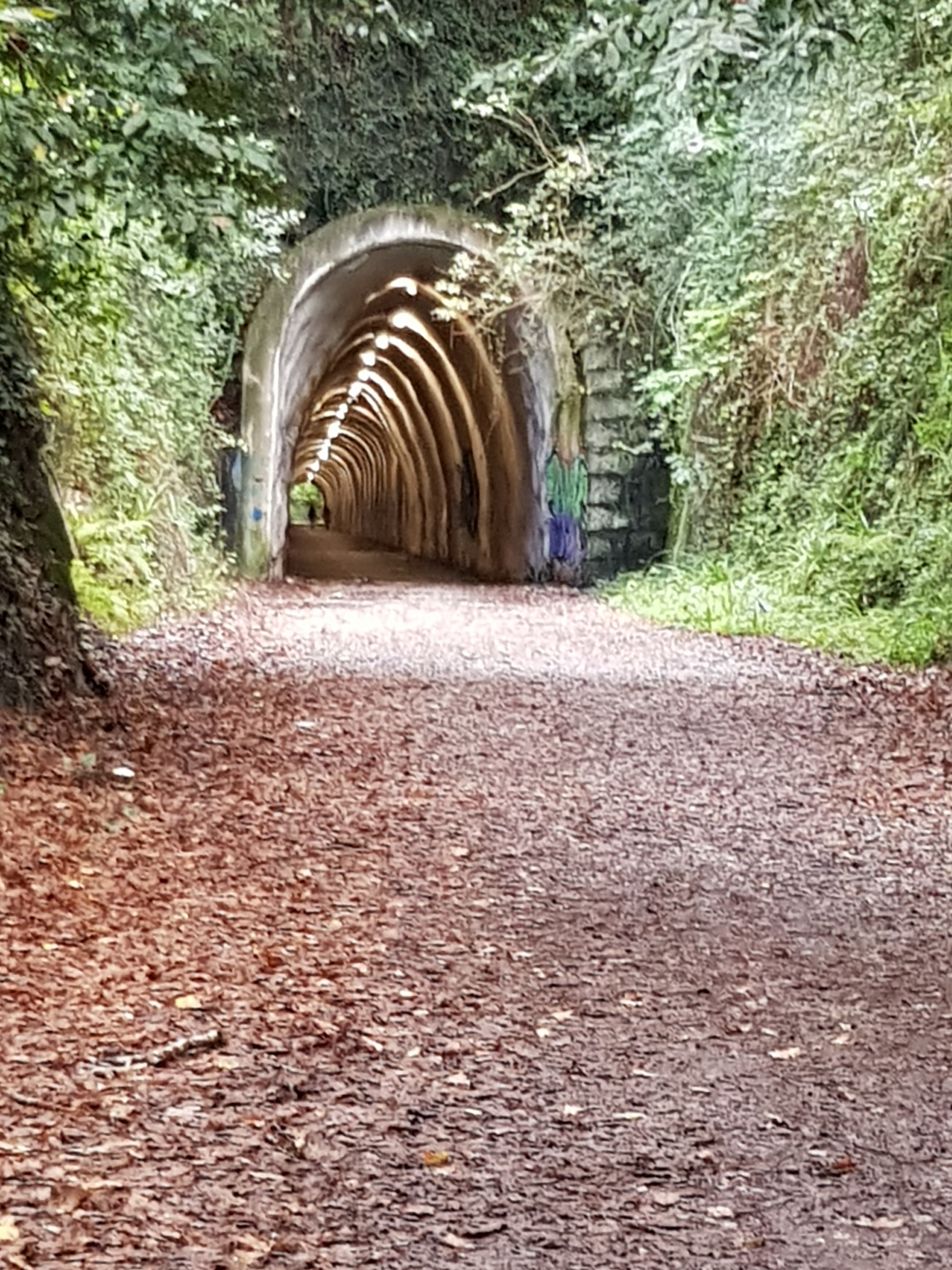
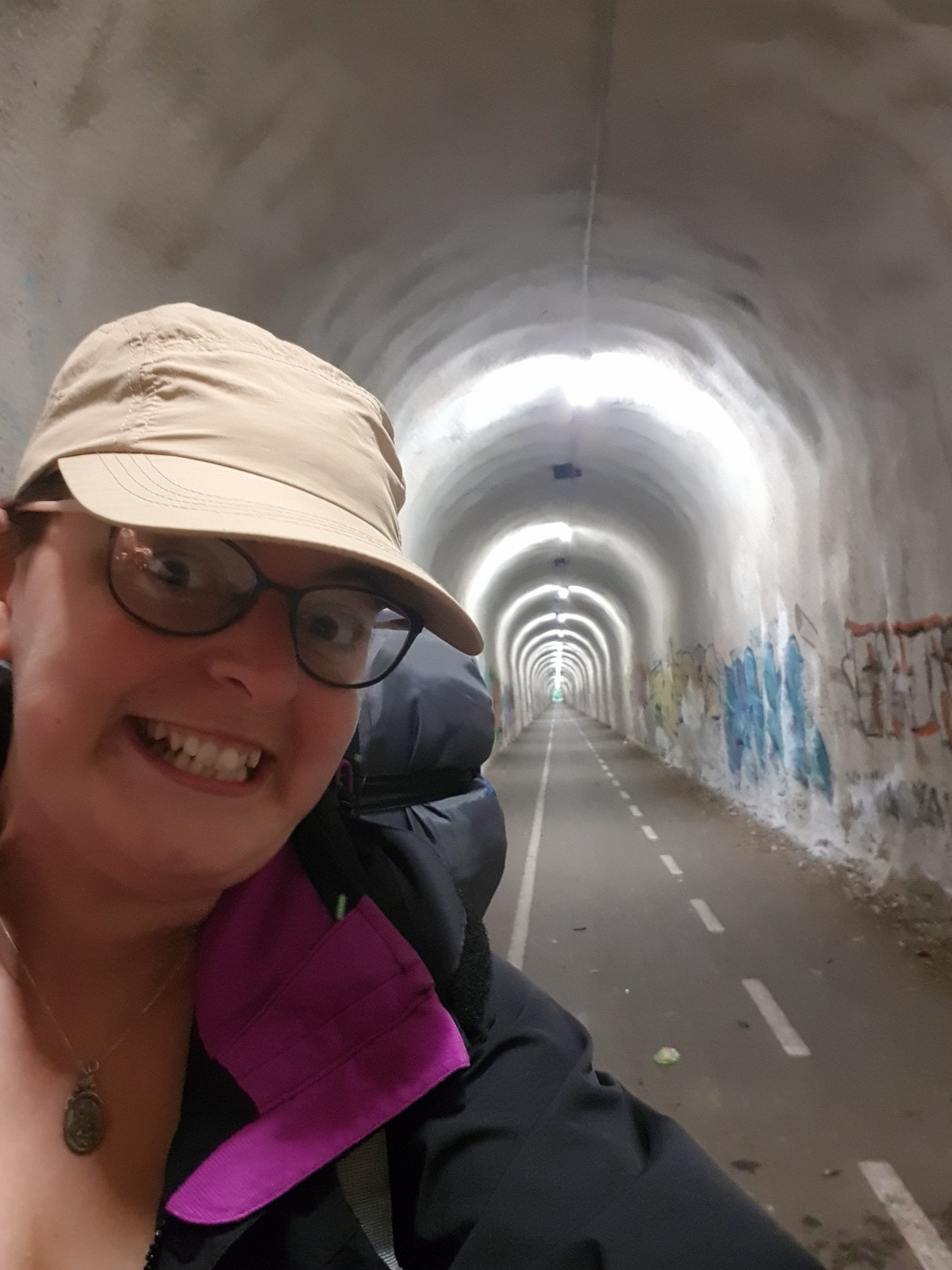
On approach to Castro Urdiales, I went through an old mining area. This offered the very cool experience of being able to walk the old mining track, and go through the tunnels! This cut off loads of extra walking, that google maps would have tried to make me do, as it goes through the mountain rather than over or round. Buen Camino app is awesome!
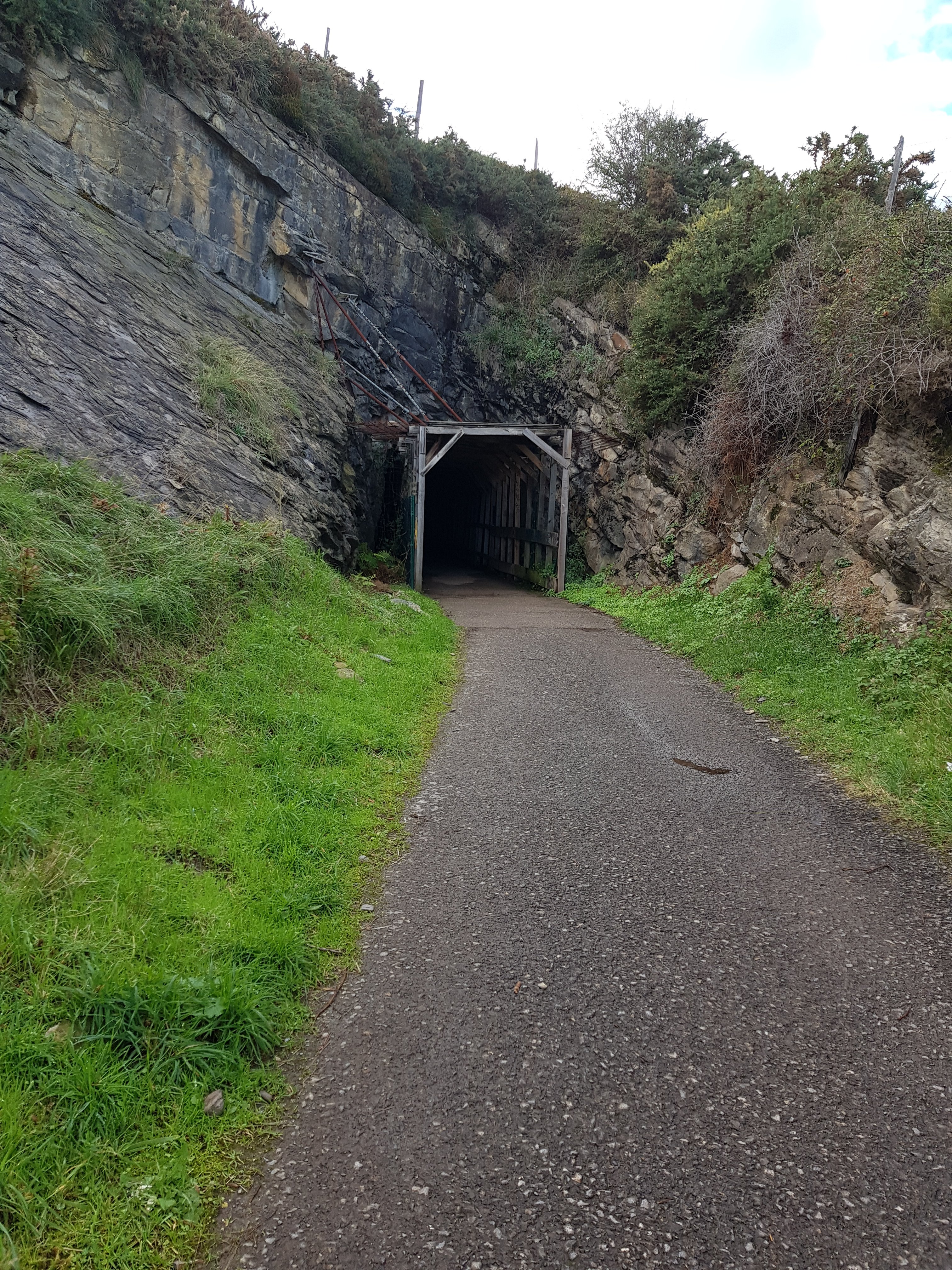
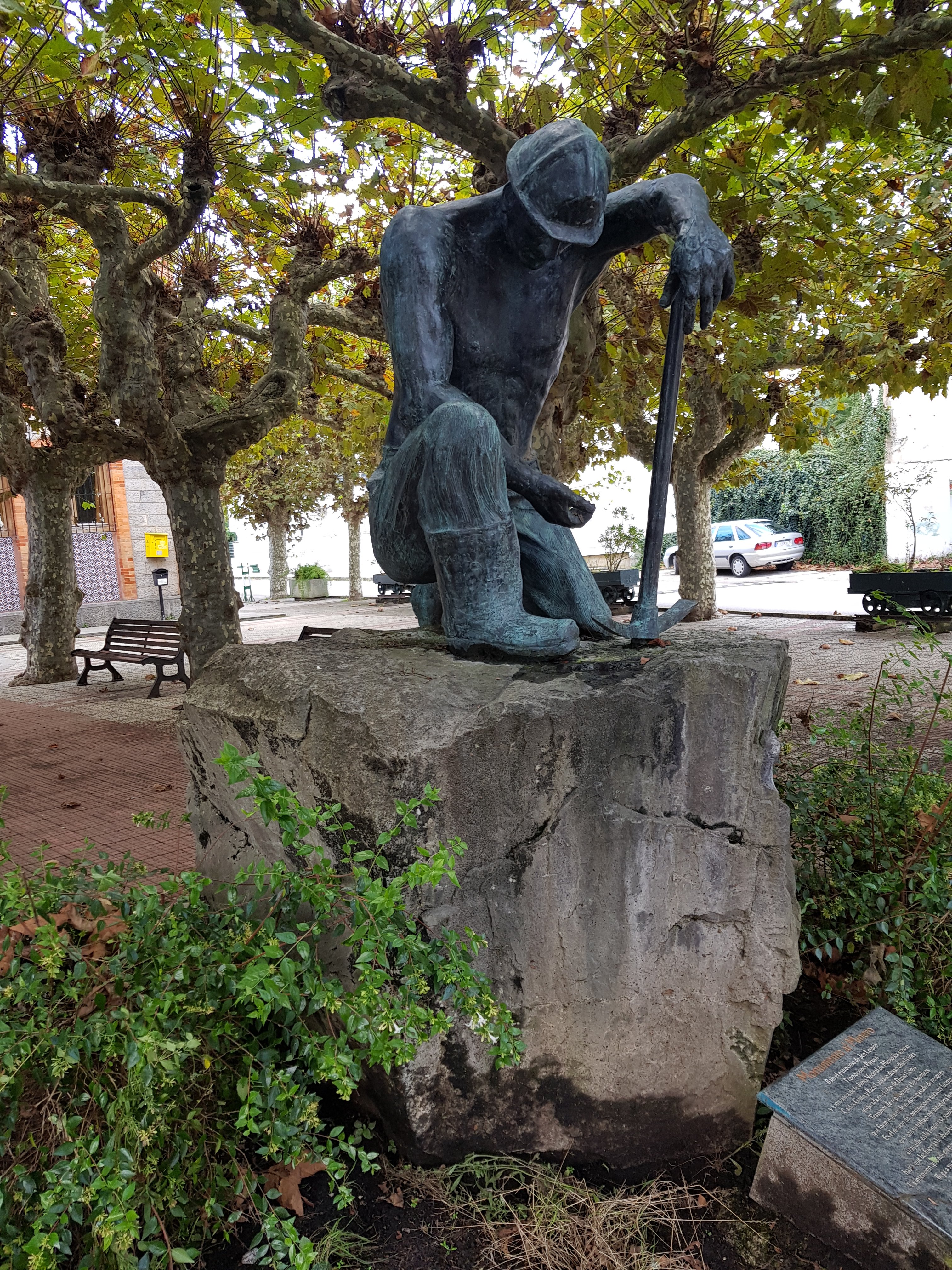
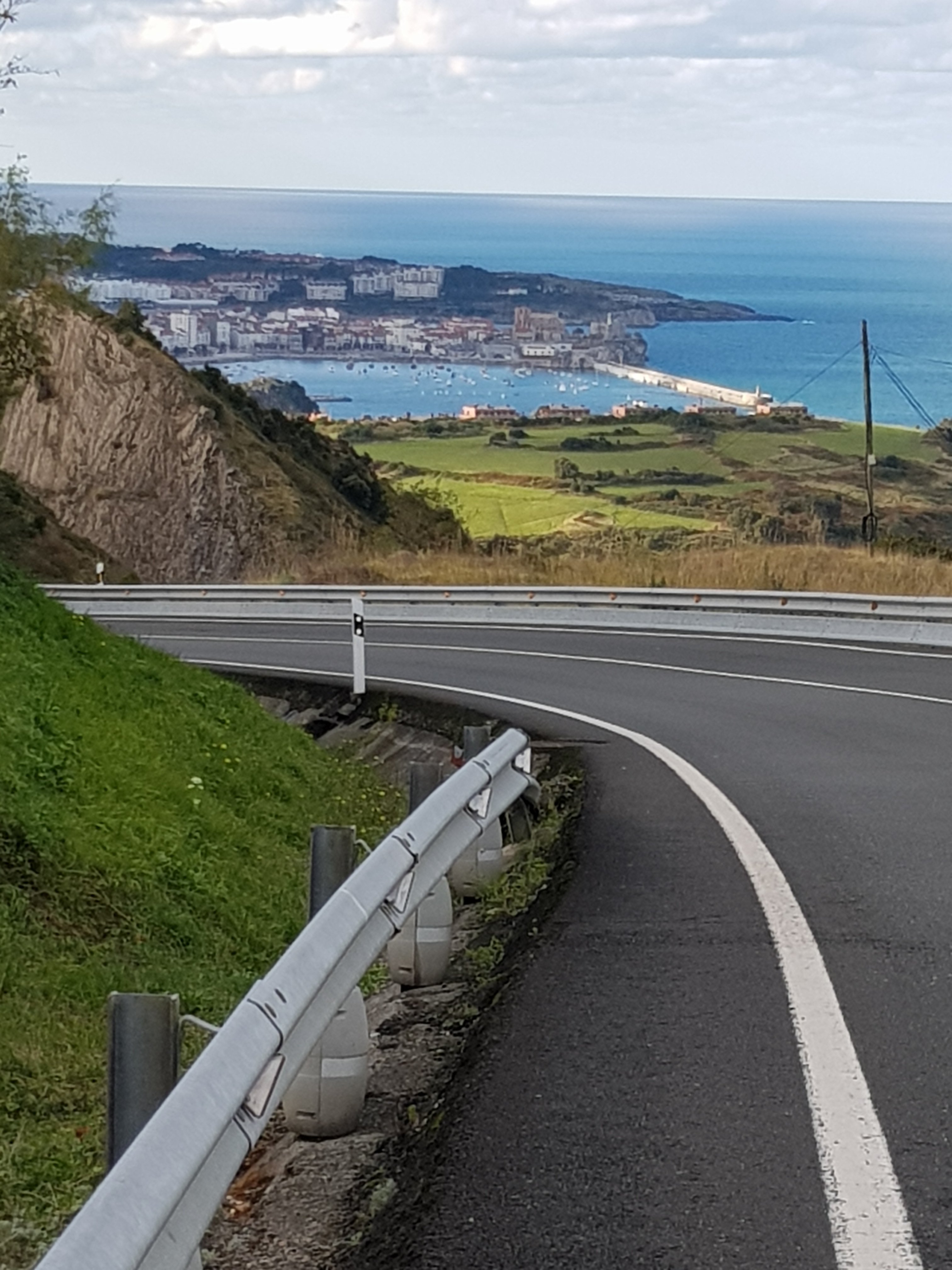
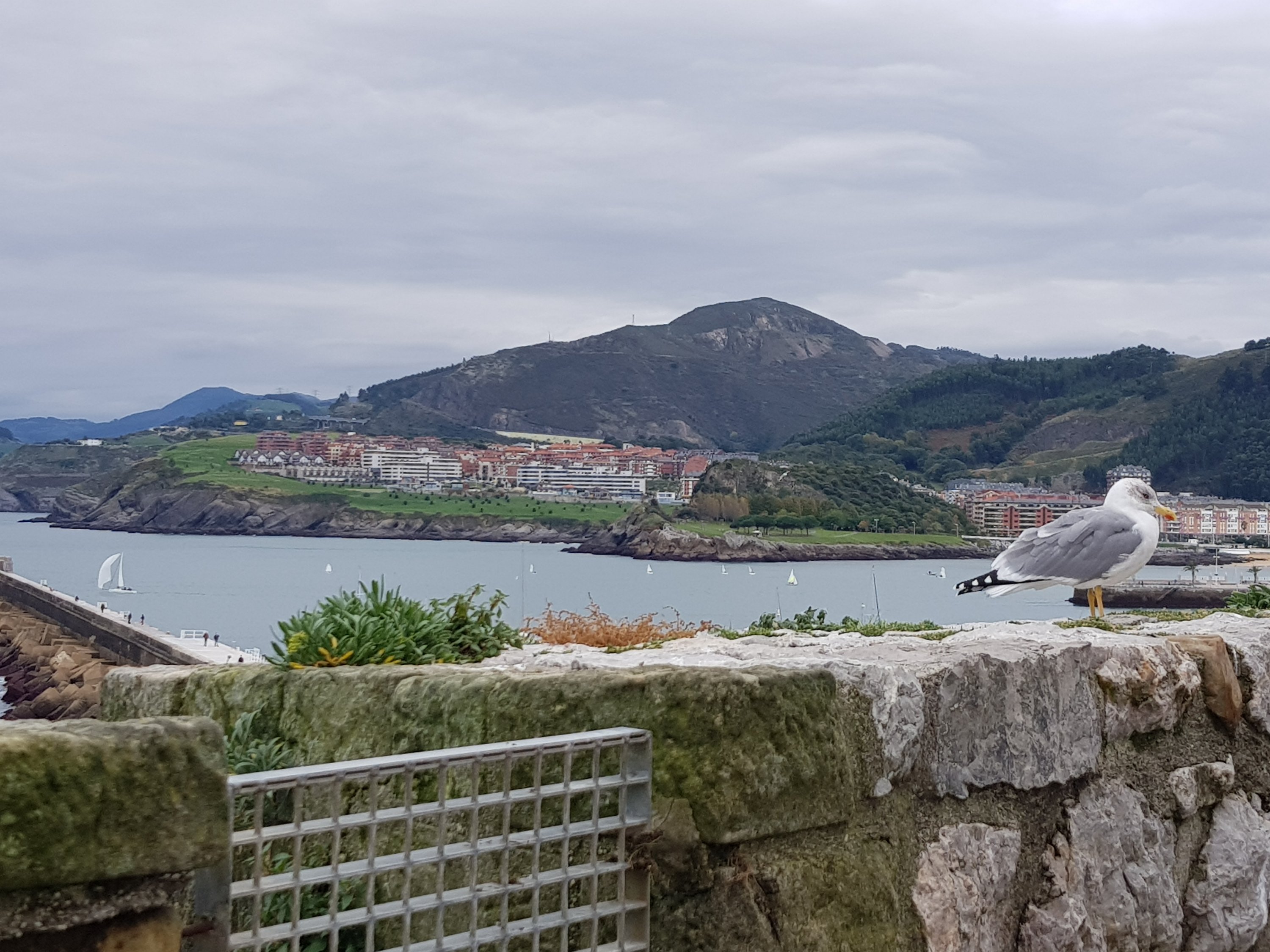
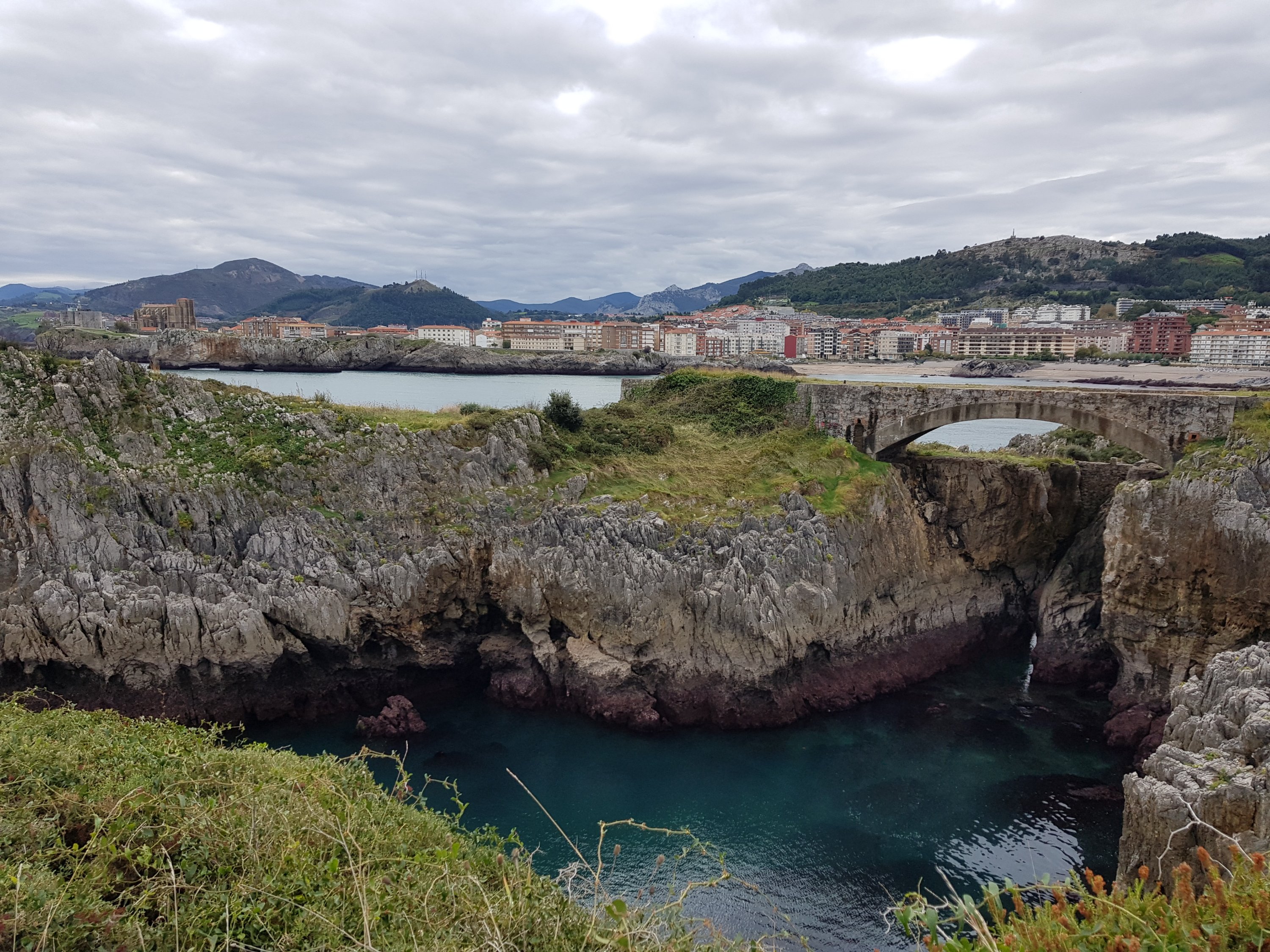
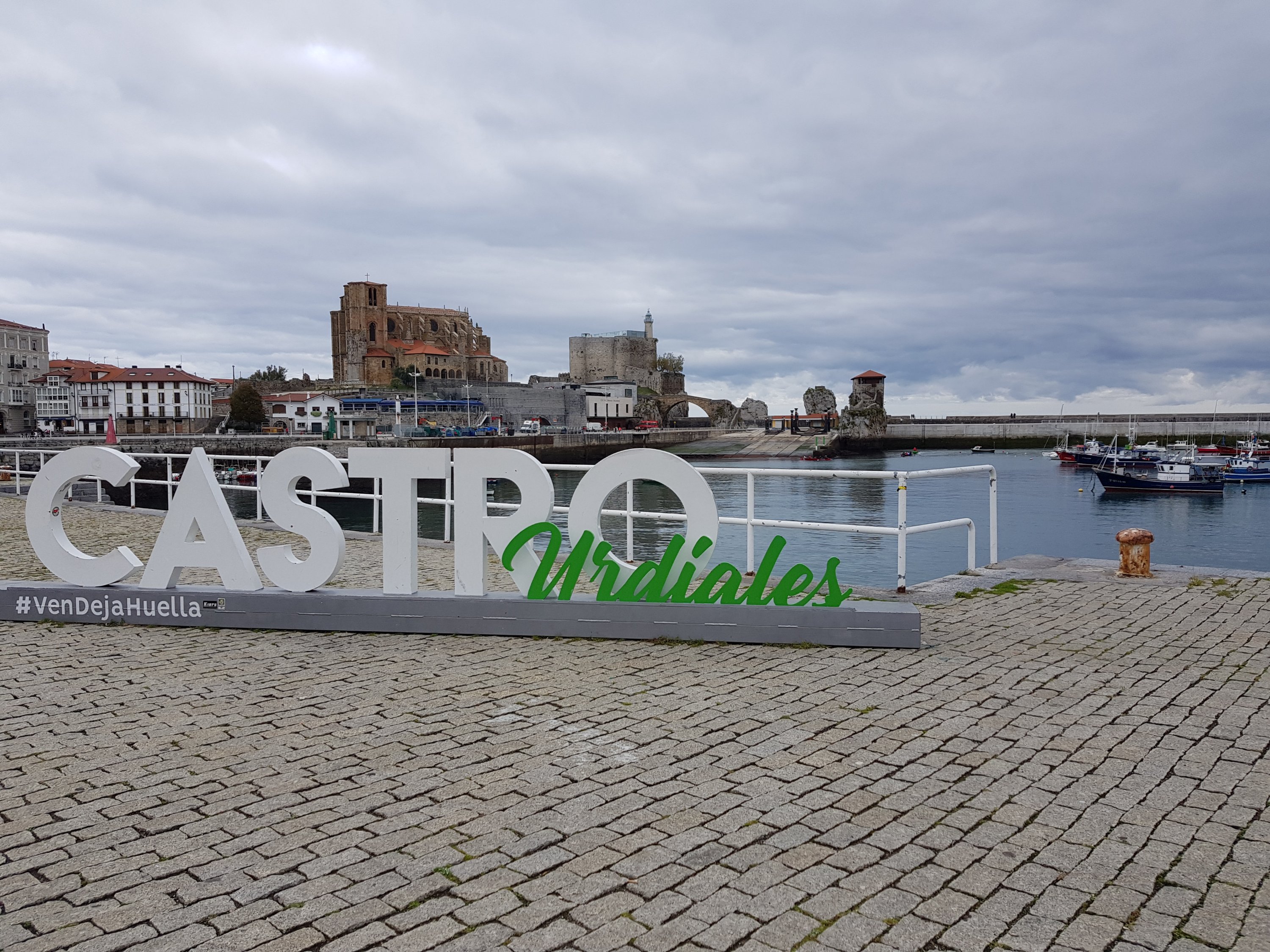
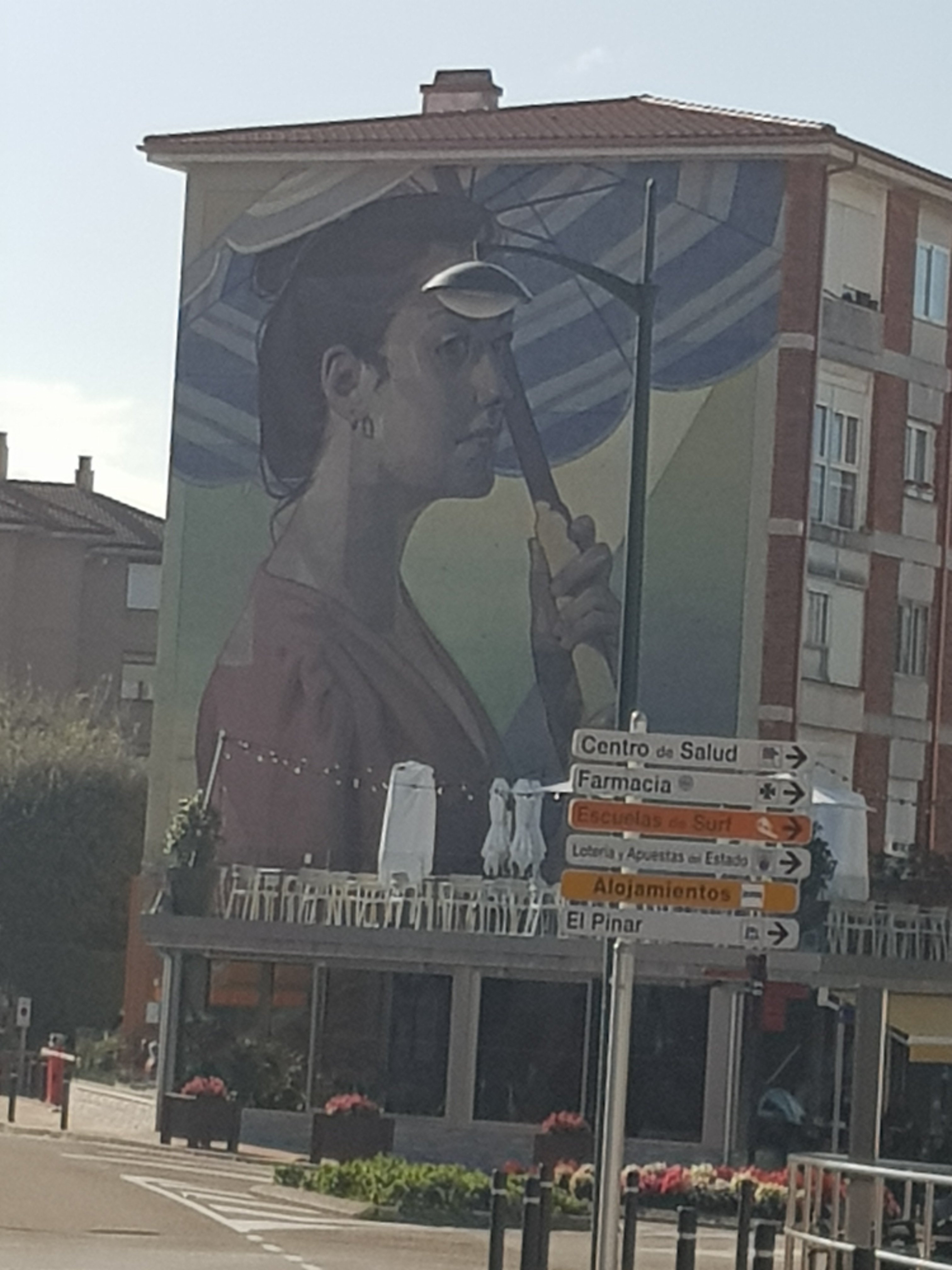
On the other side of a five minute tunnel was Castro Urdiales. It was beautiful! Apparently, this is where the wealthy people that live in Bilbao, come at the weekends. I can see why!

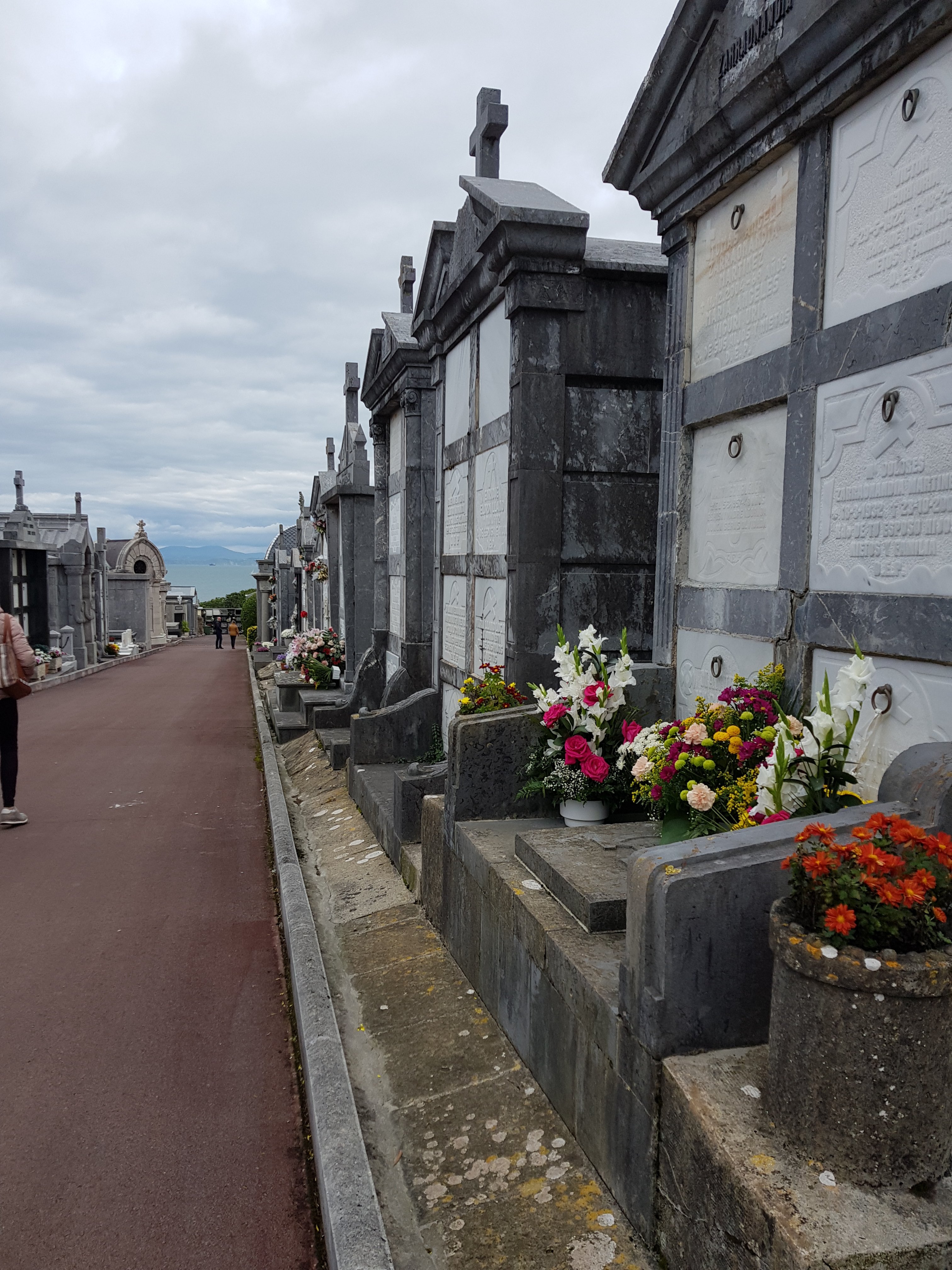
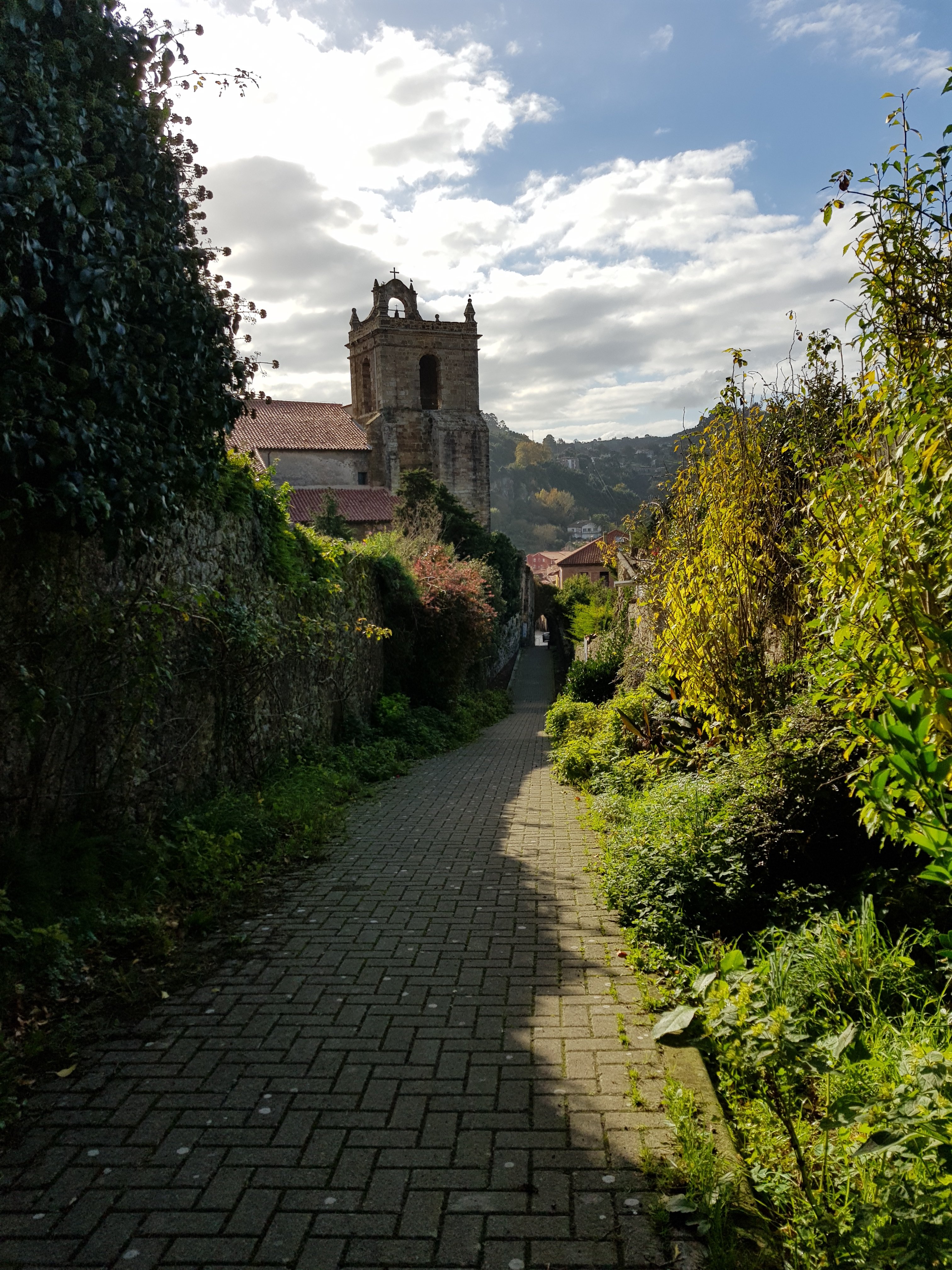
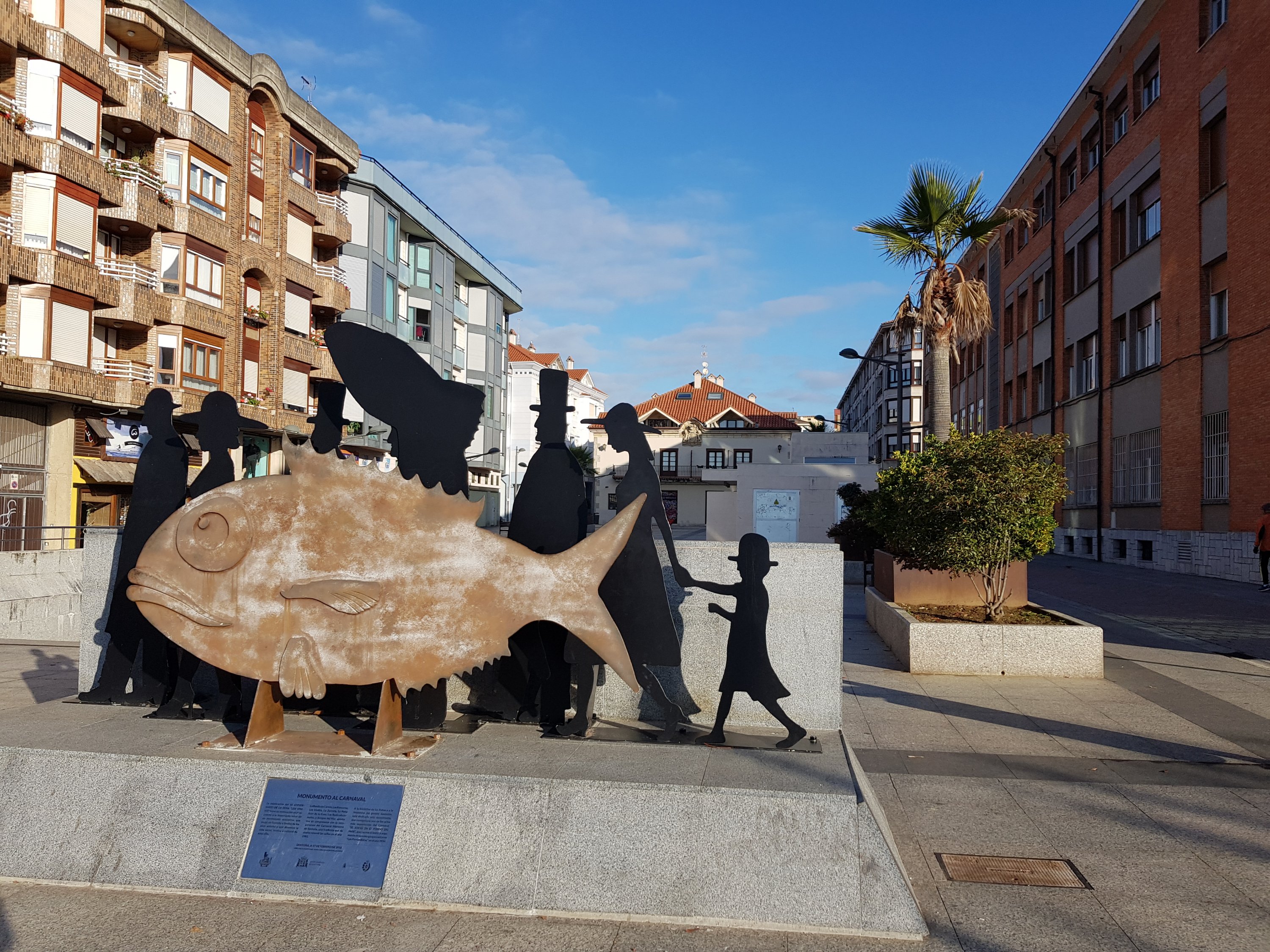
Cantabria’s first official coastal town, Castro Urdiales has a gorgeous harbour area, two beaches, an impressive church, castle, many lookout points, a spectacular cemetery and a natural swimming pool! I wanted to take a dip, but I was too scared of getting in and slipping over or not being able to get out without a travel buddy. Plus it was about 11’c, and I have no swimming costume…

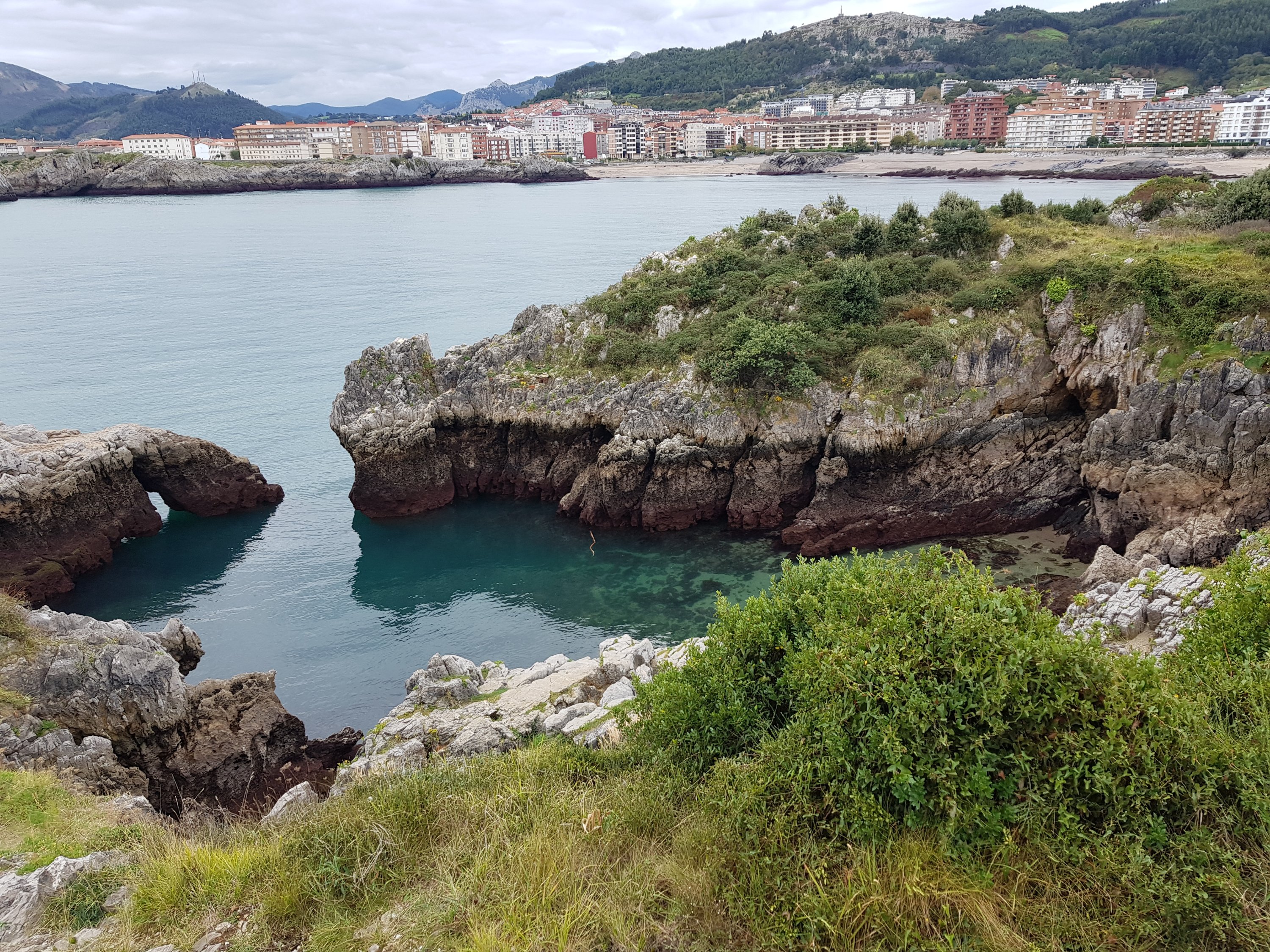
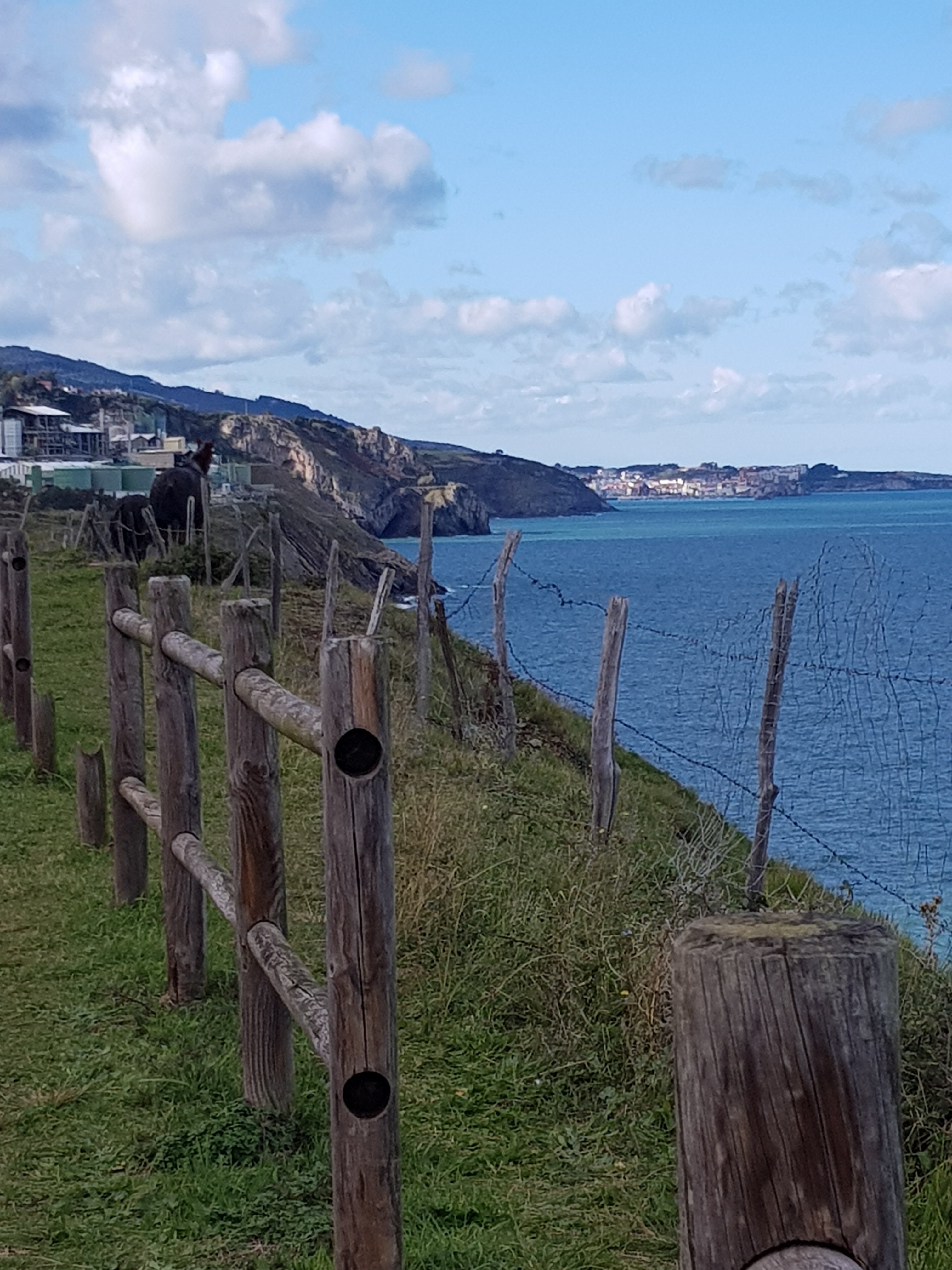
After leaving Castro Urdiales, I walked for about seven hours to Laredo. The walk had a lot of lovely views of the sea, but was mostly road walking. I met a lovely belgium man that was also walking along my way, so we trekked most of the way together, and split the jug of sangria at the end!

Whilst I was in Laredo, I stayed at the convent of Trinitarian nuns. Whilst it was a very cold stay with no radiators and little hot water, my room was very cute, and I had a lovely view over the town. I also had the room to myself, and was invited to join the mass. The nuns played guitar and sang beautifully during the service! The only thing that was disappointing, was that I didn’t get much one to one time with the nuns. I wanted to ask them about it all, as I have often wondered if I would like to be a nun… 🙂 perhaps I could do interpretive dancing in the band?
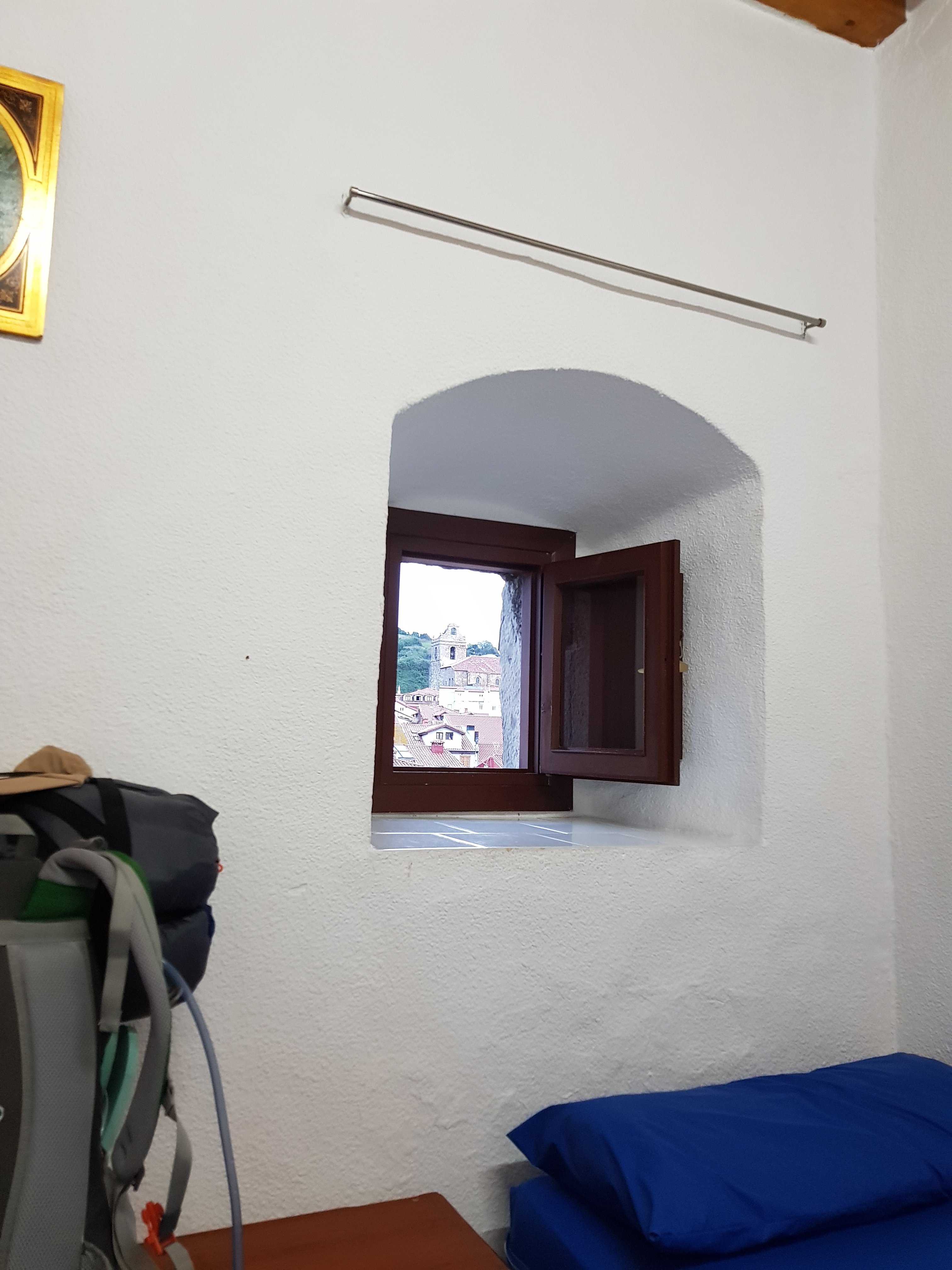
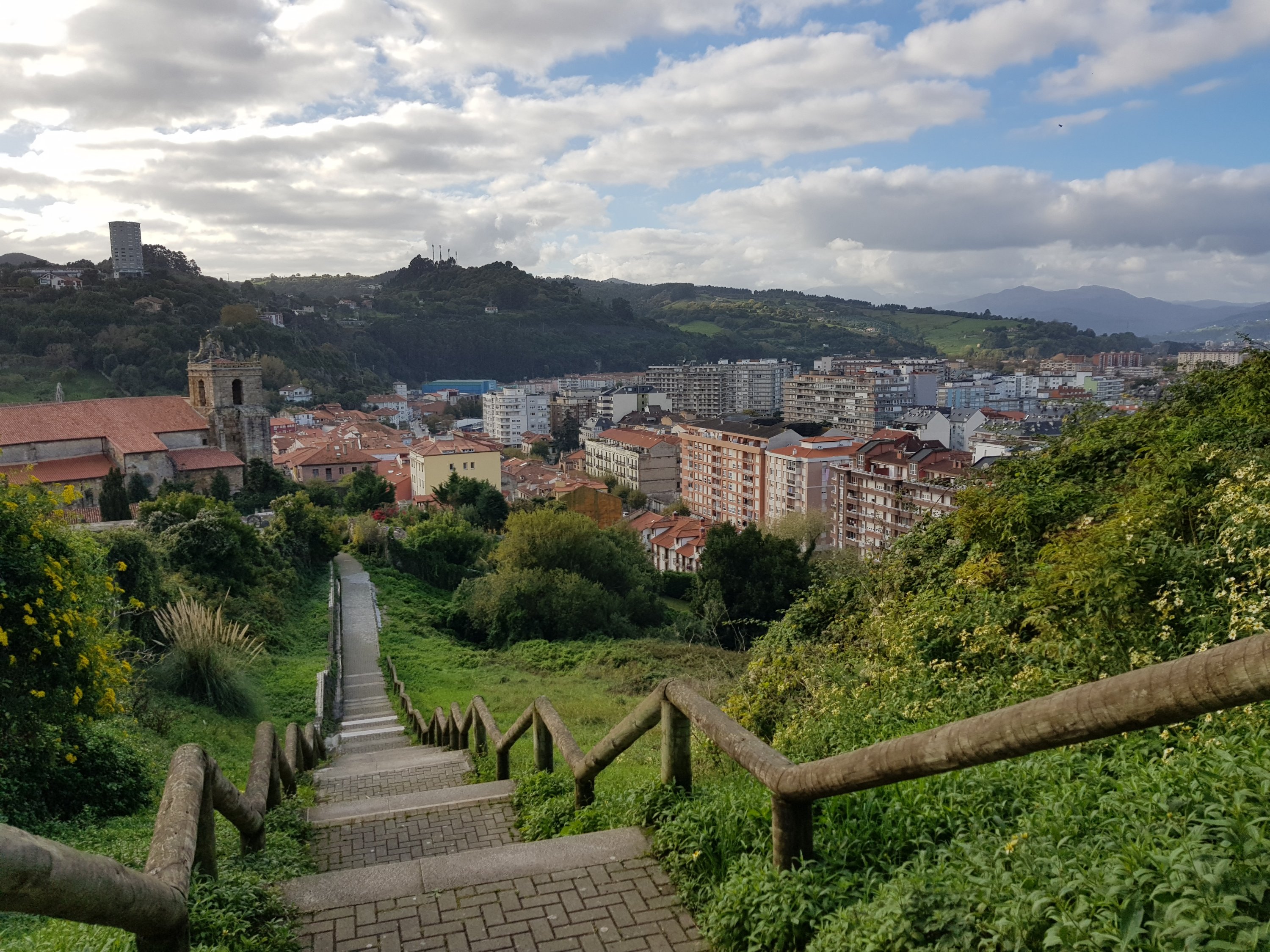
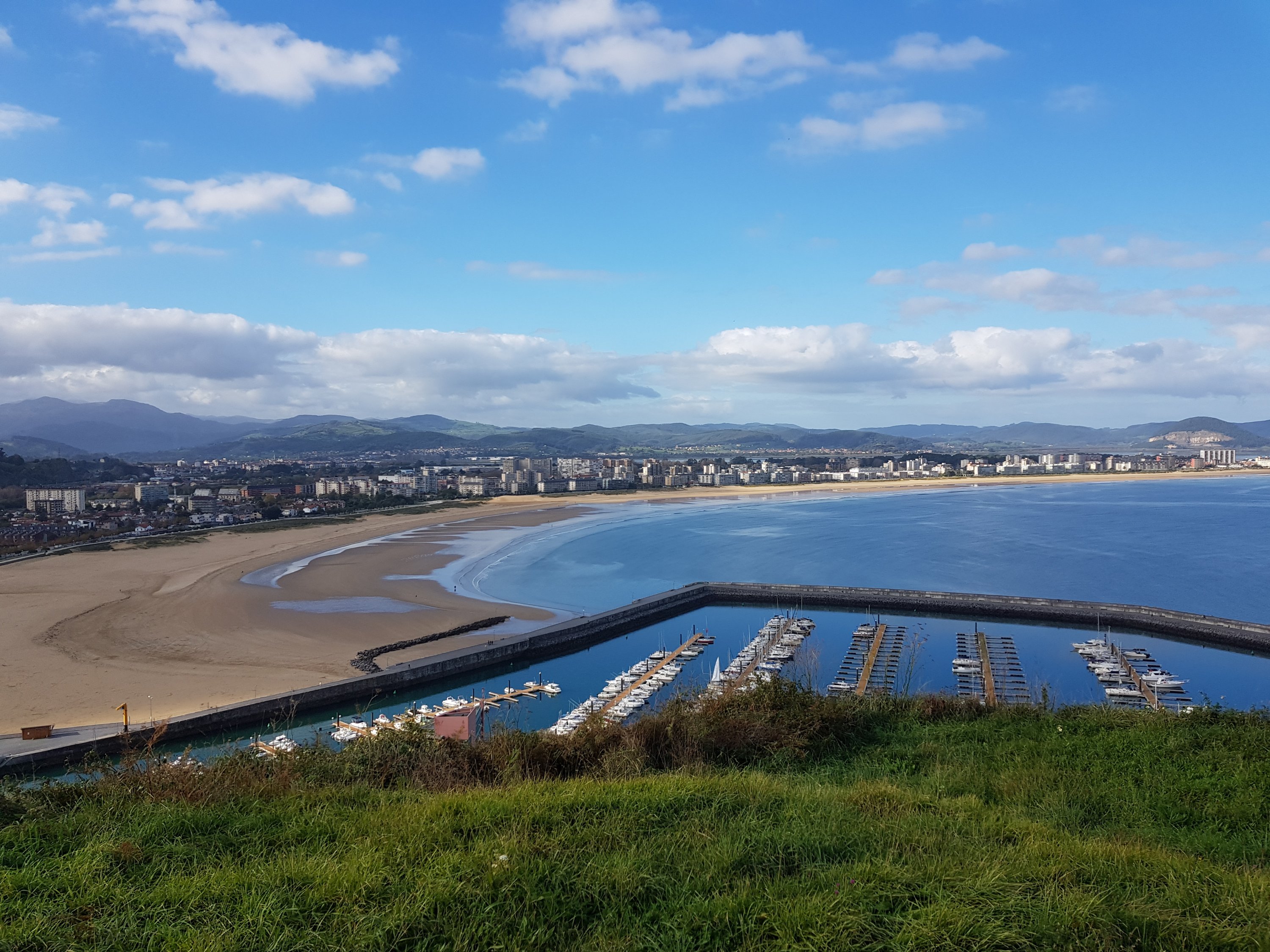
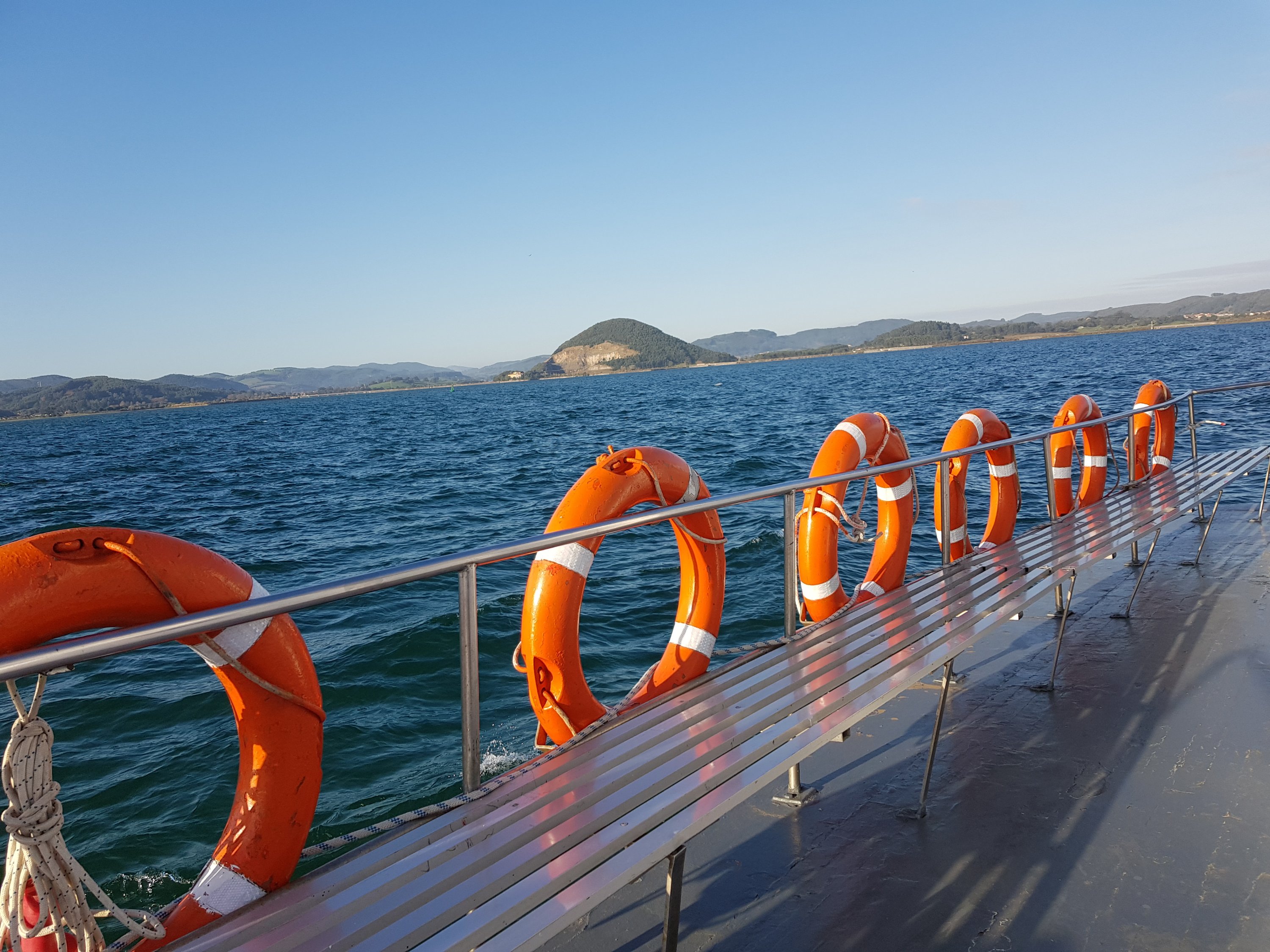
Laredo is another gorgeous town, and very big. It takes an hour to walk from one end of the beach, to the other! The old town where the convent is, is picturesque, and I even hiked over it to a viewpoint. (I couldn’t stop hiking!) There is also a harbour here and you can take boat excursions, and I took the water taxi across the bay to Santona to keep walking!
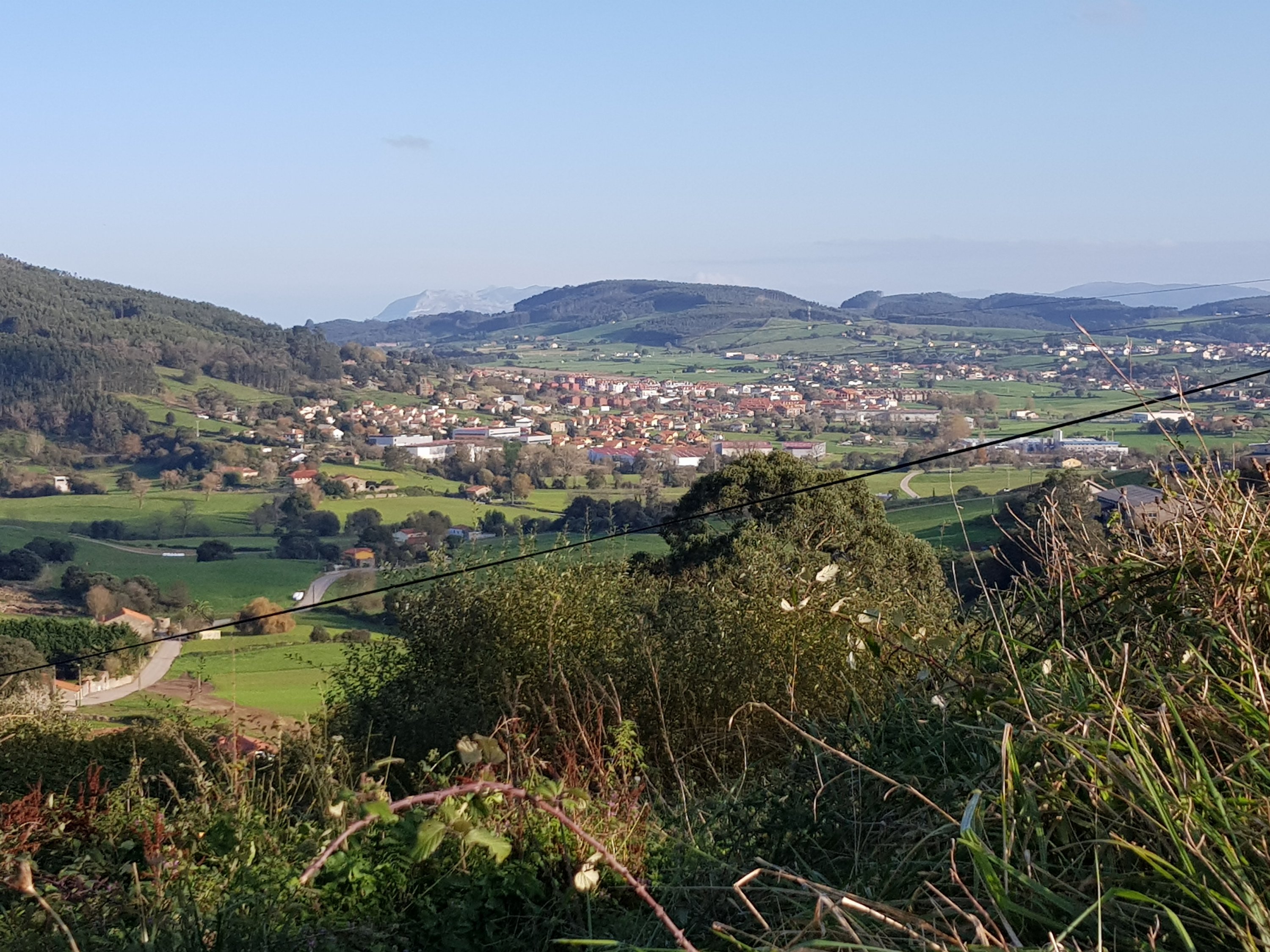
The next day, the walk from Laredo was pretty gruelling. After a five minute boat ride, it was 30km of hard road. There were many villages to move through, and lots of rolling hills with farms.
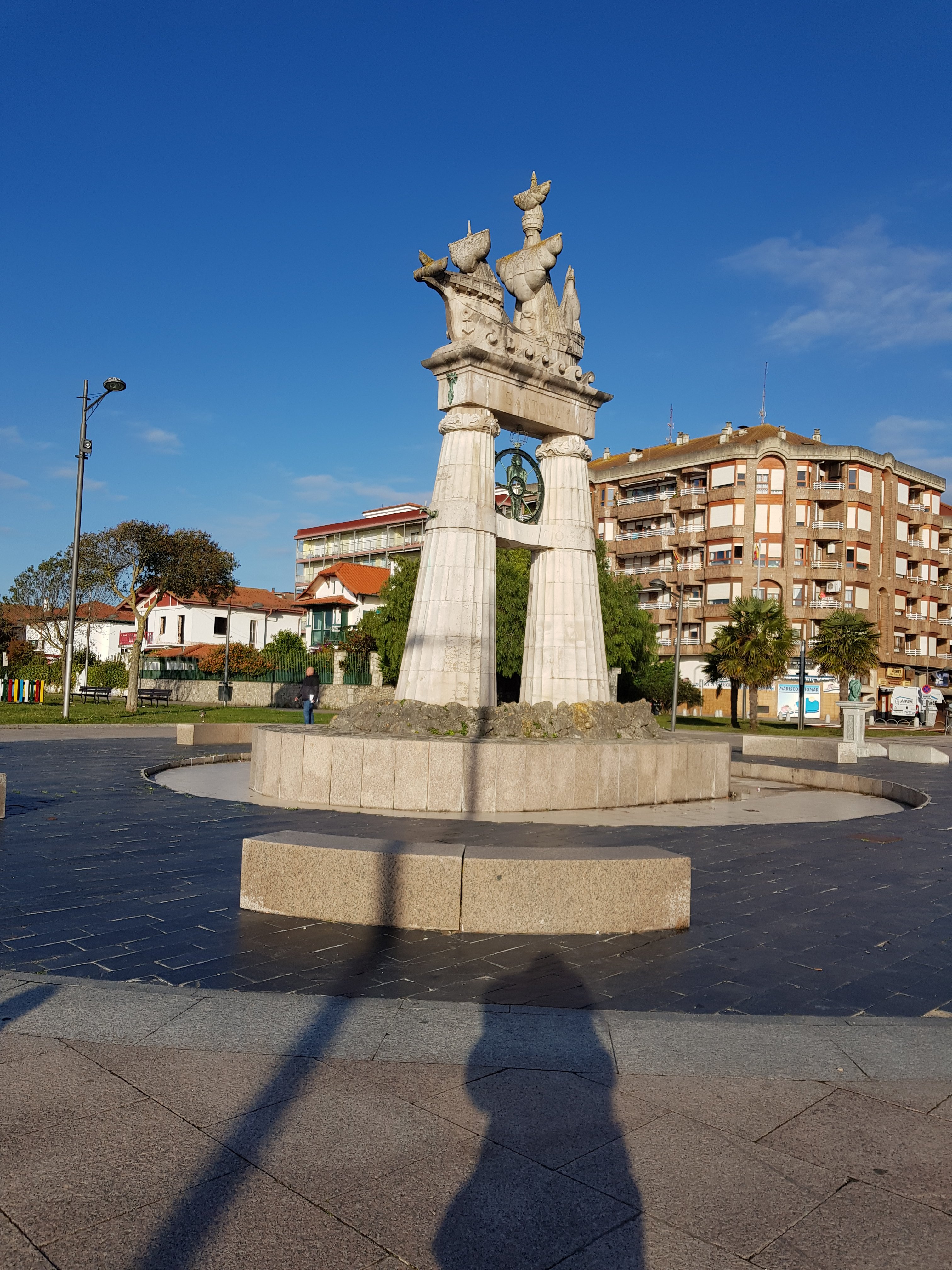
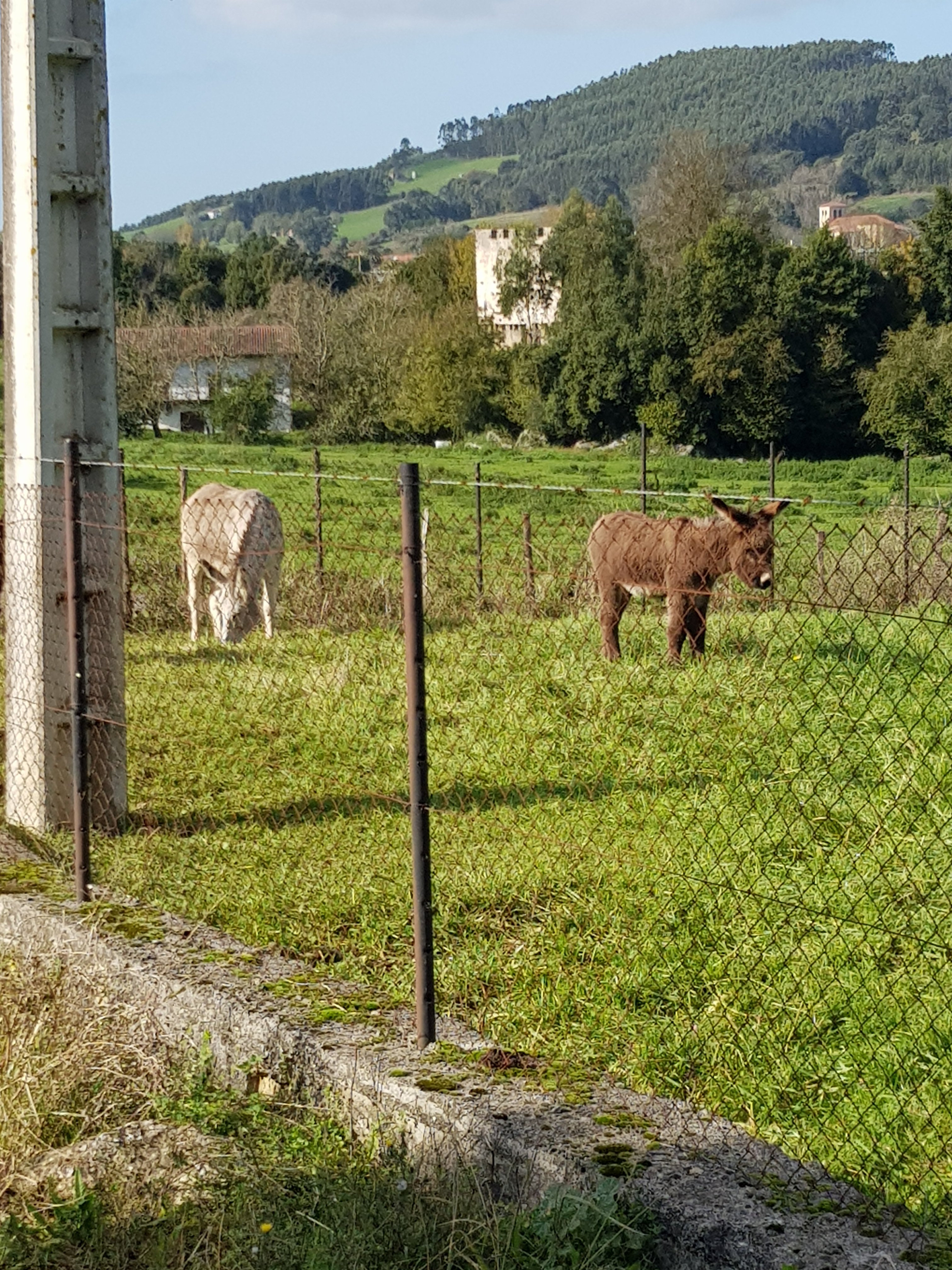
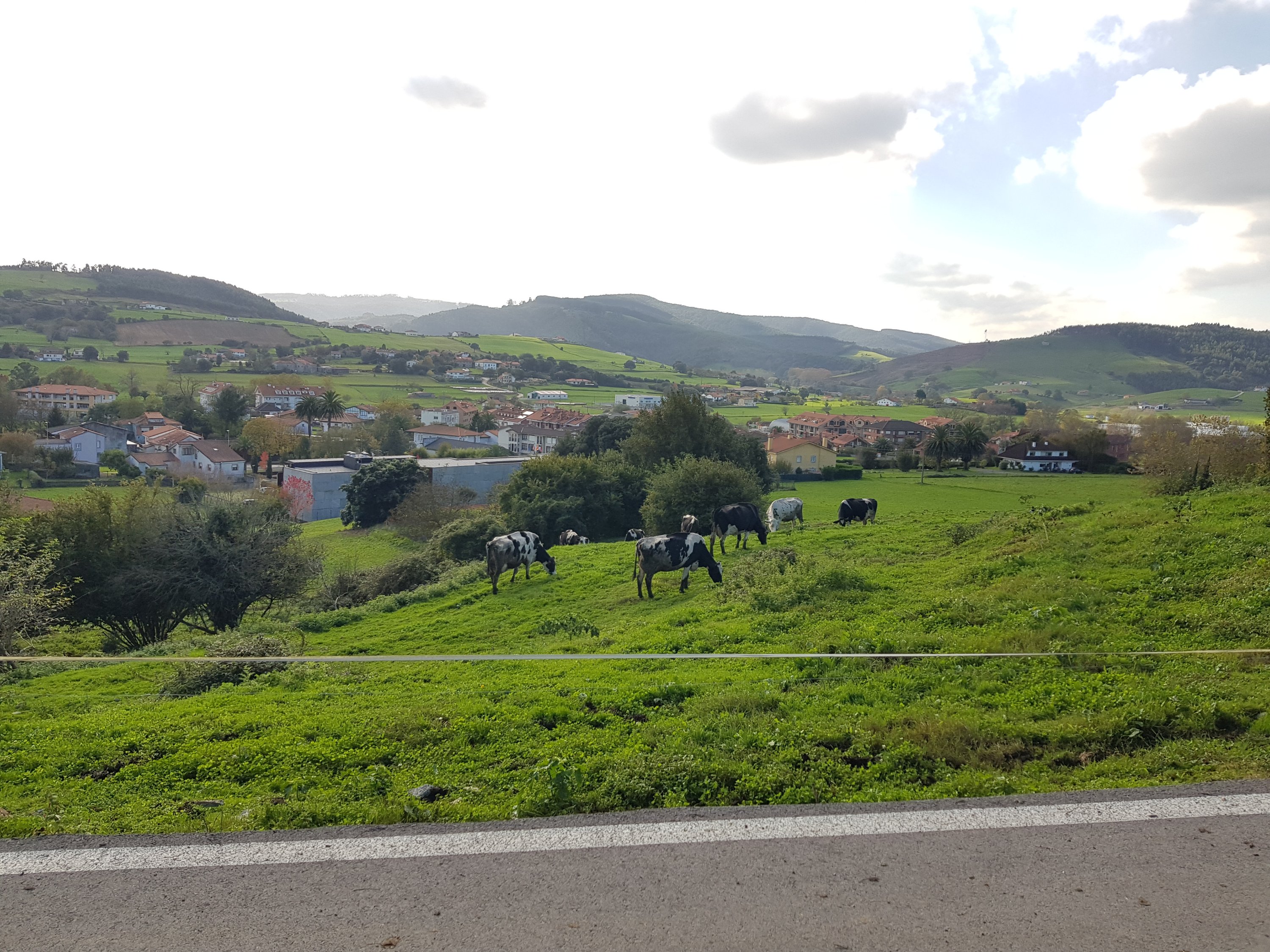
It was all about me and the animals that day. I saw baby donkeys, goats, horses, cows, chickens, a group of kittens, a very angry little dog, and best of all, a Spanish Imperial Eagle! It started following me for a bit. It was the second bird of prey that has circled above me on this journey. I am starting to think that I might be the prey….
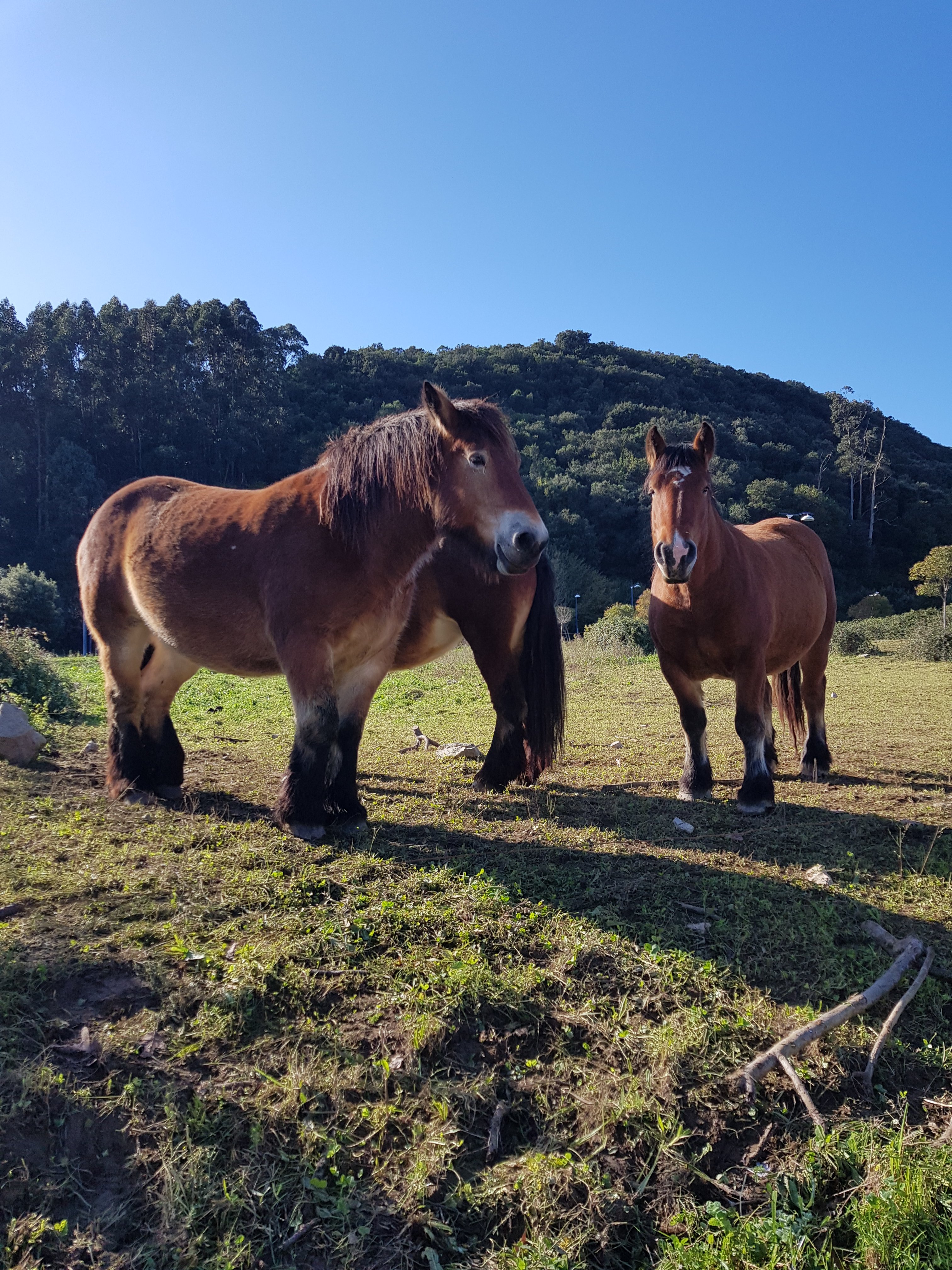
In the final hour of the day, my good knee started hurting, and I had to hobble to my pension in Guemas. A very pretty but small village.

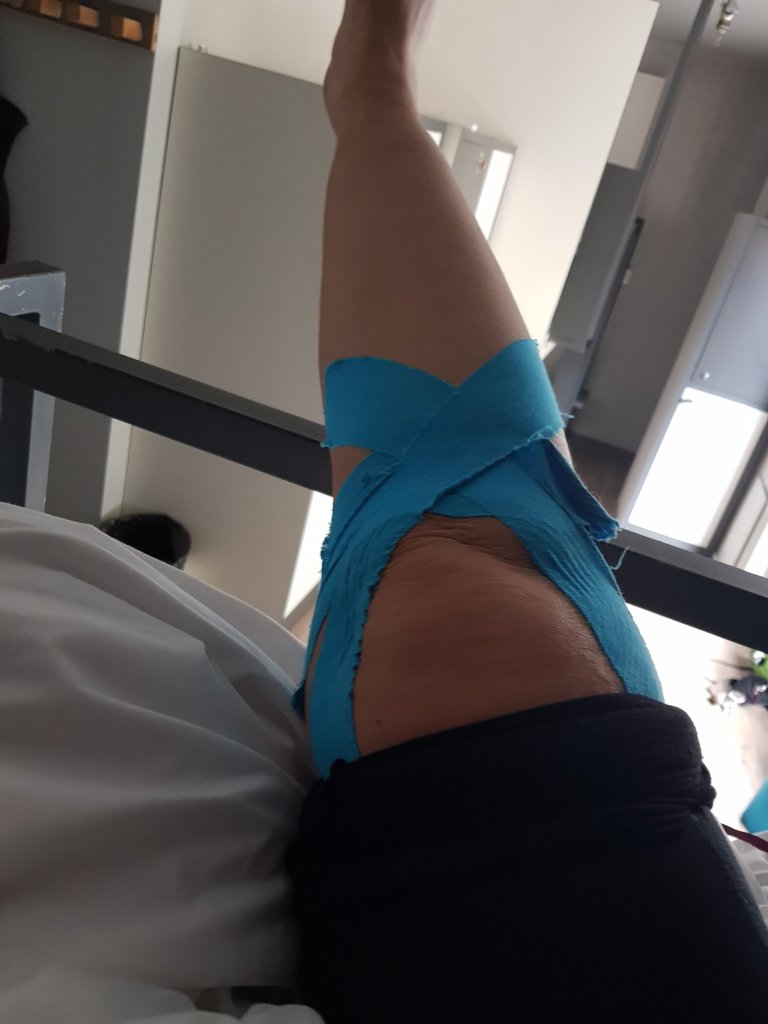
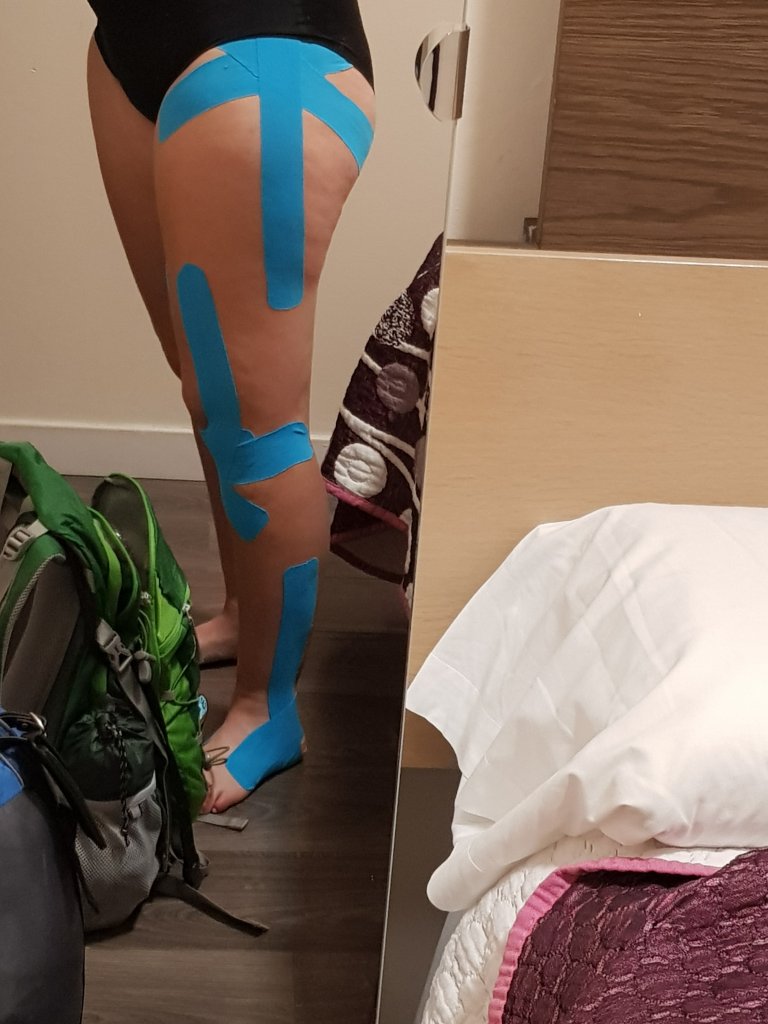
The journey has certainly been taking its toll on my joints, and I am trying to be more clever about my walks and preparation. I have problems with my right leg so have fully strapped up this week. The K tape is really helpful at keeping me balanced.
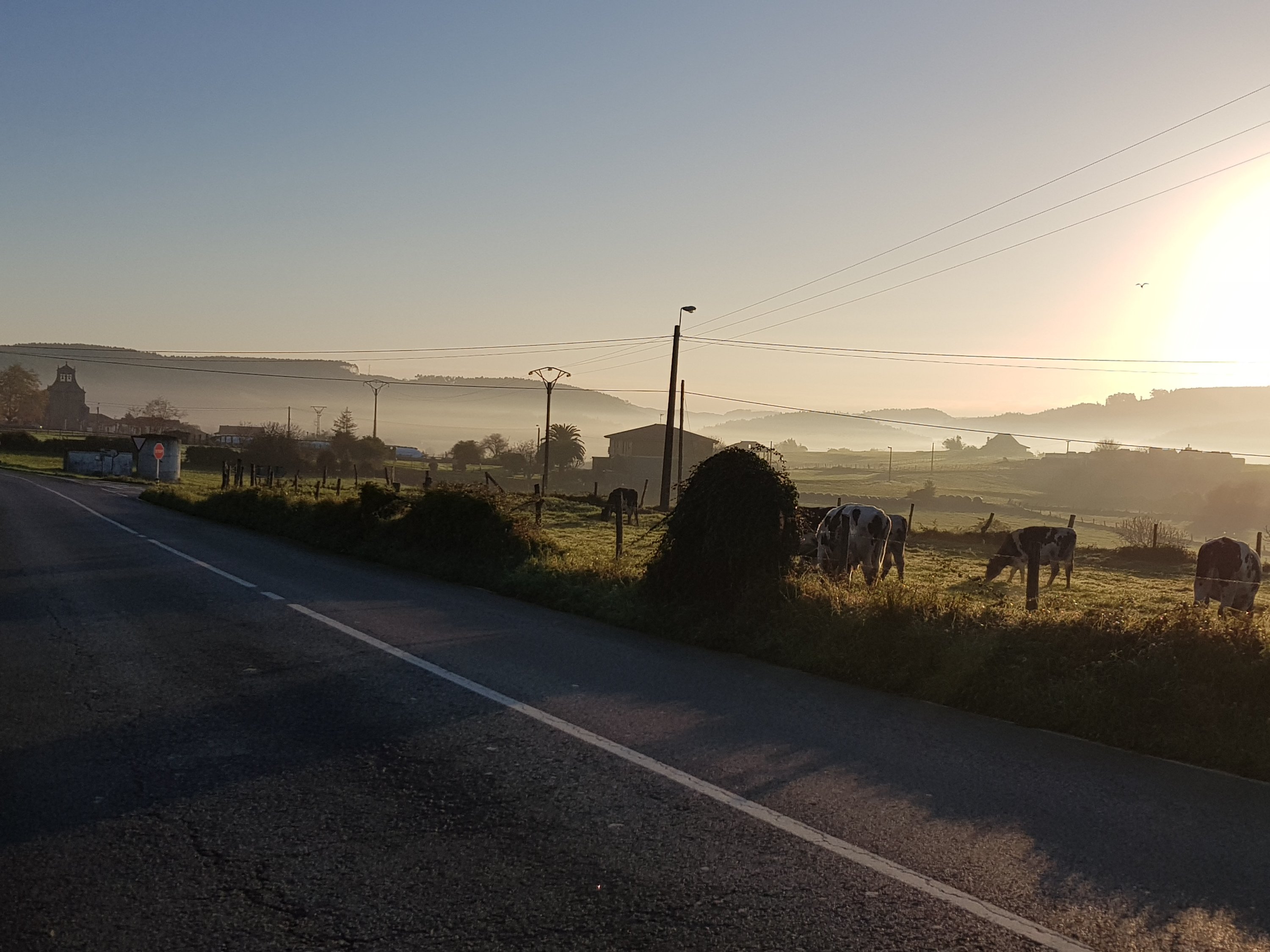
The last 16km to Santander, I got up early and benefited from some crisp morning views of the village. I then walked to the next village, with my knee still hurting from the day before. I had to make a decision, to stay on the road and shortcut through for a shorter journey, or add 4km and walk up to the cliffs and along the ocean. I was sick of the asphalt by now and everyone has said the views of the sea are great, so I went for the long path.
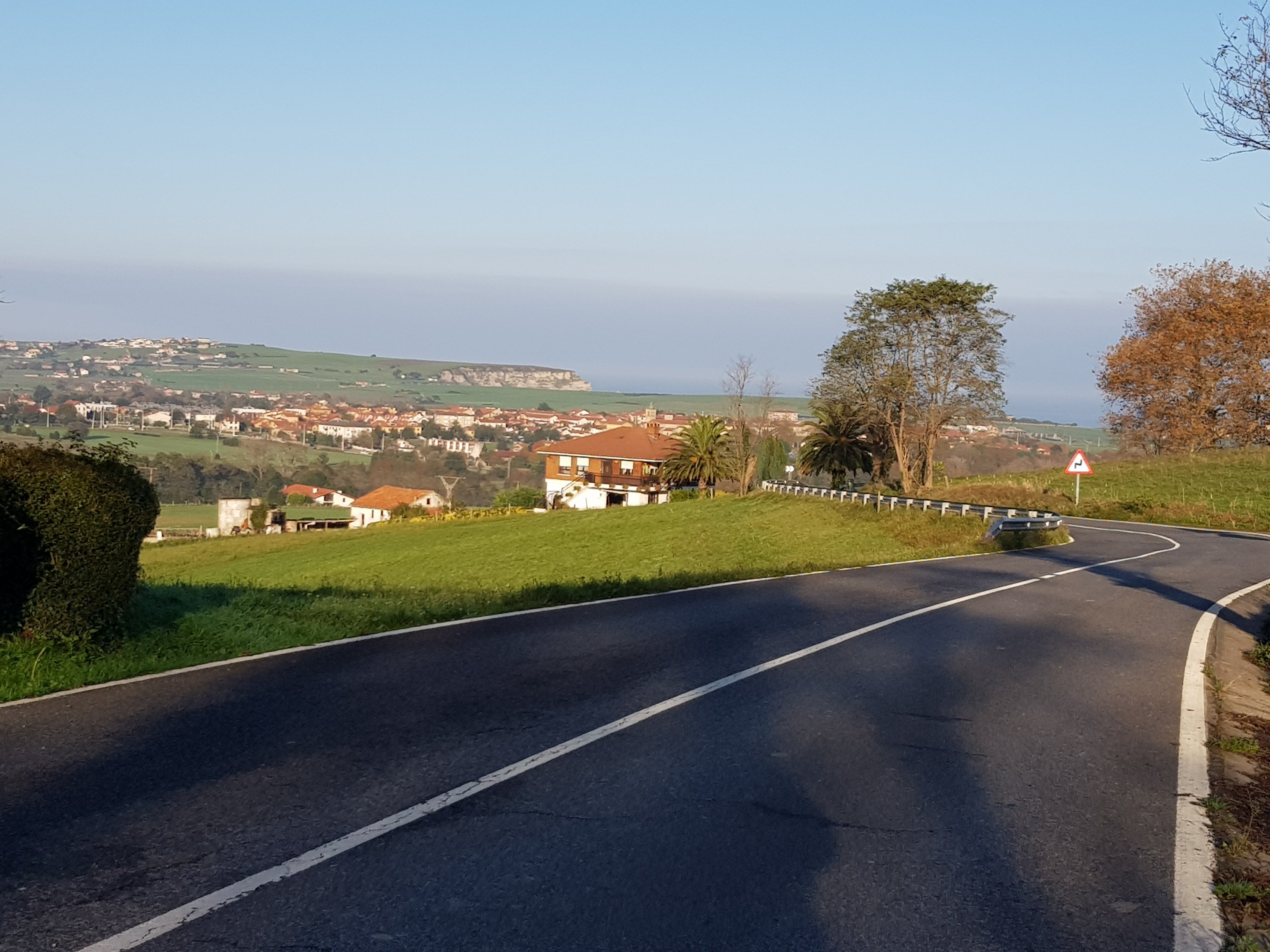
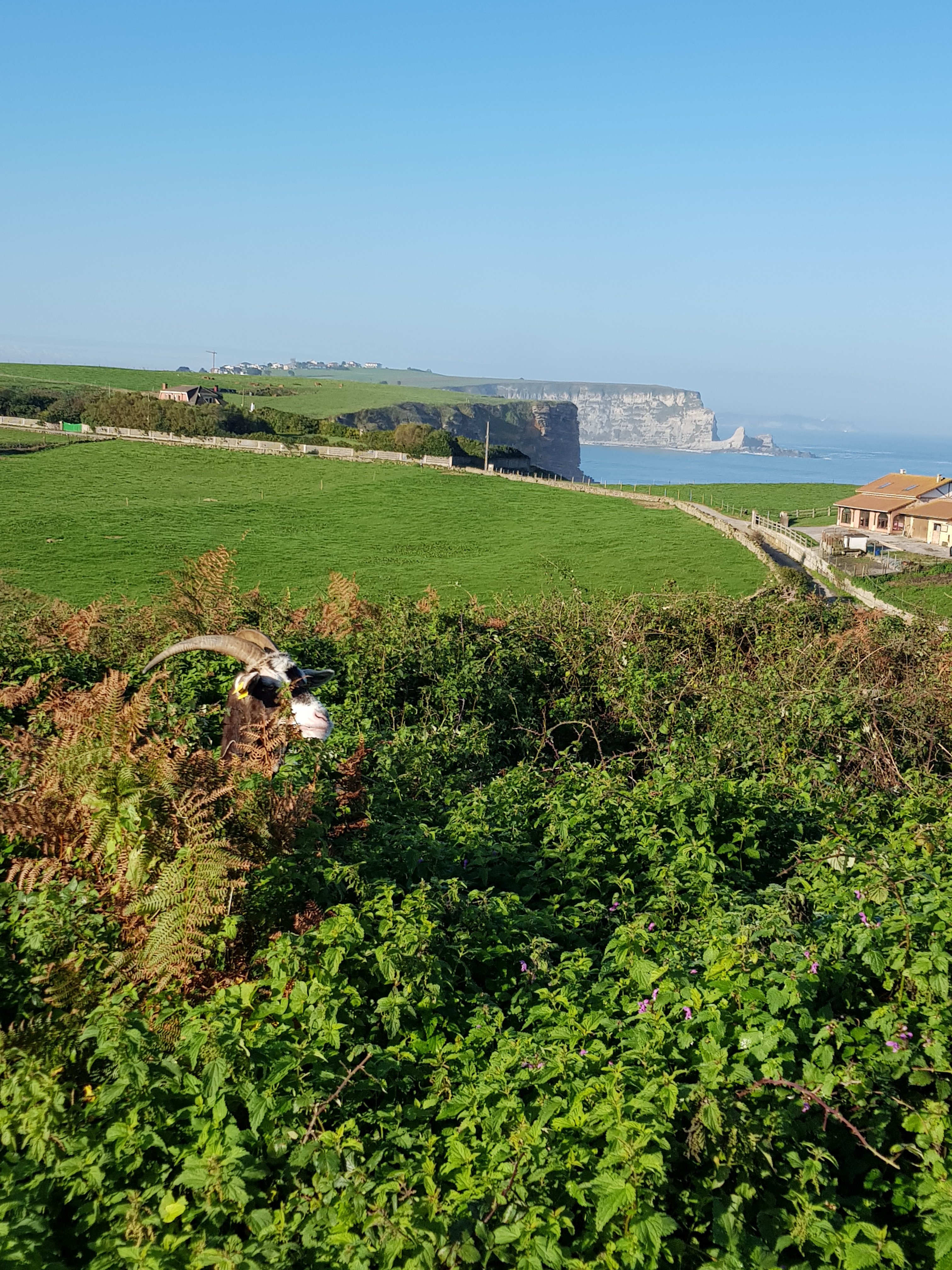
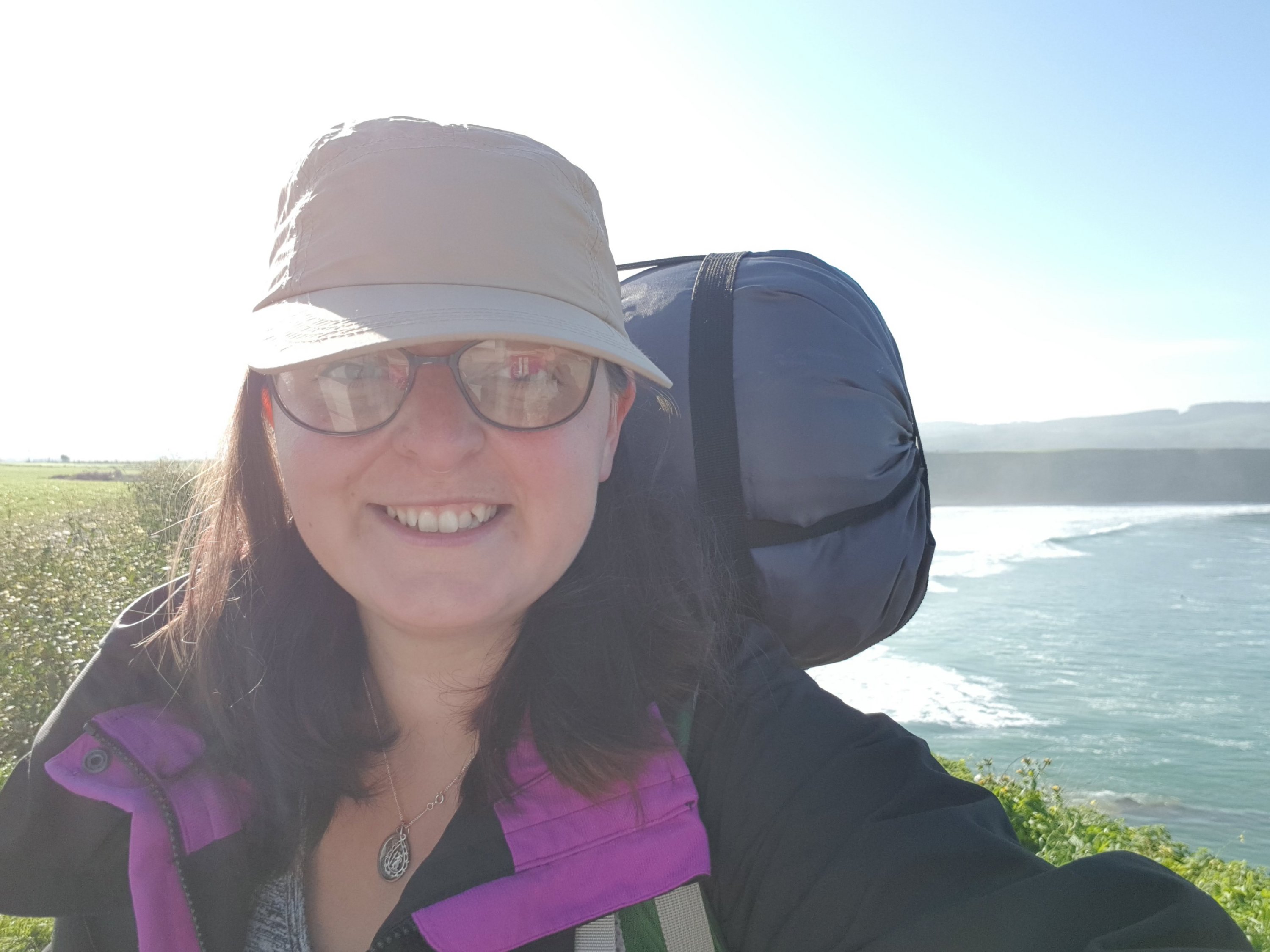
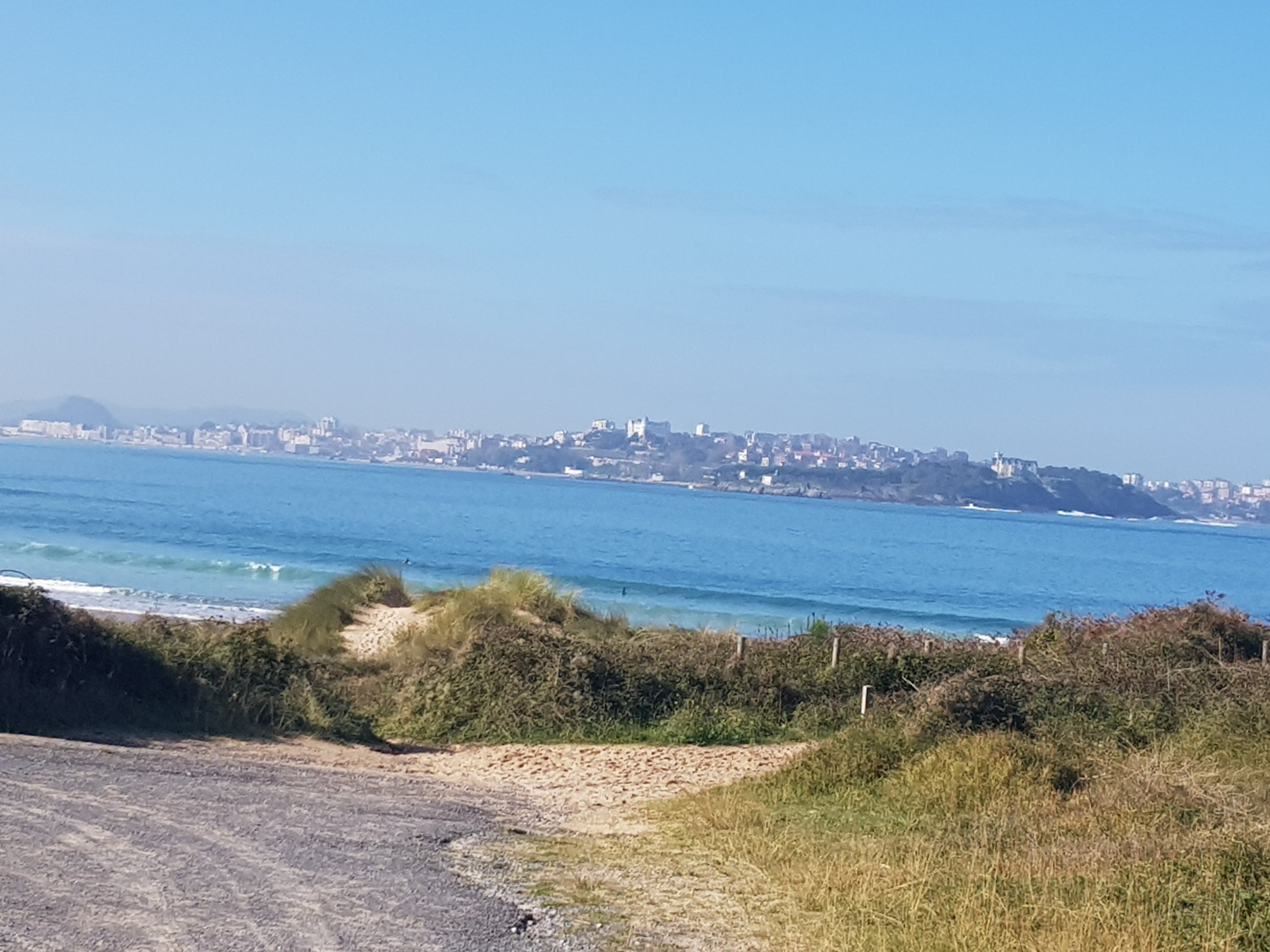
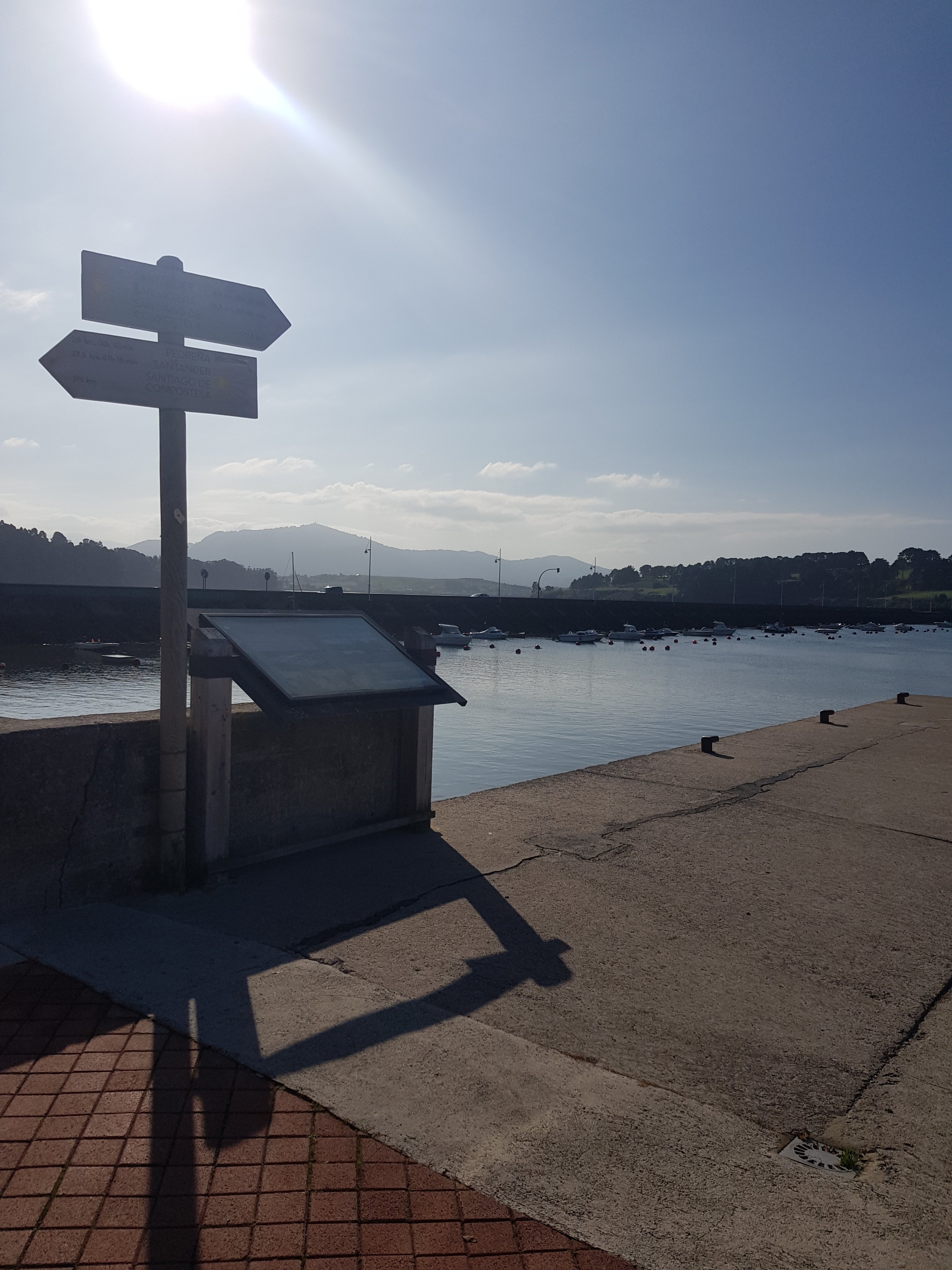
The path was hilly, but also muddy, which was actually a welcomed relief. I walked past farms, and saw beaches and rocky cliff sides. I also met a man who has walked all the way to Rome on pilgrimage. Very impressive! Eventually, the path led to the town and I wondered onto Somo and caught the twenty minute boat ride to Santander.
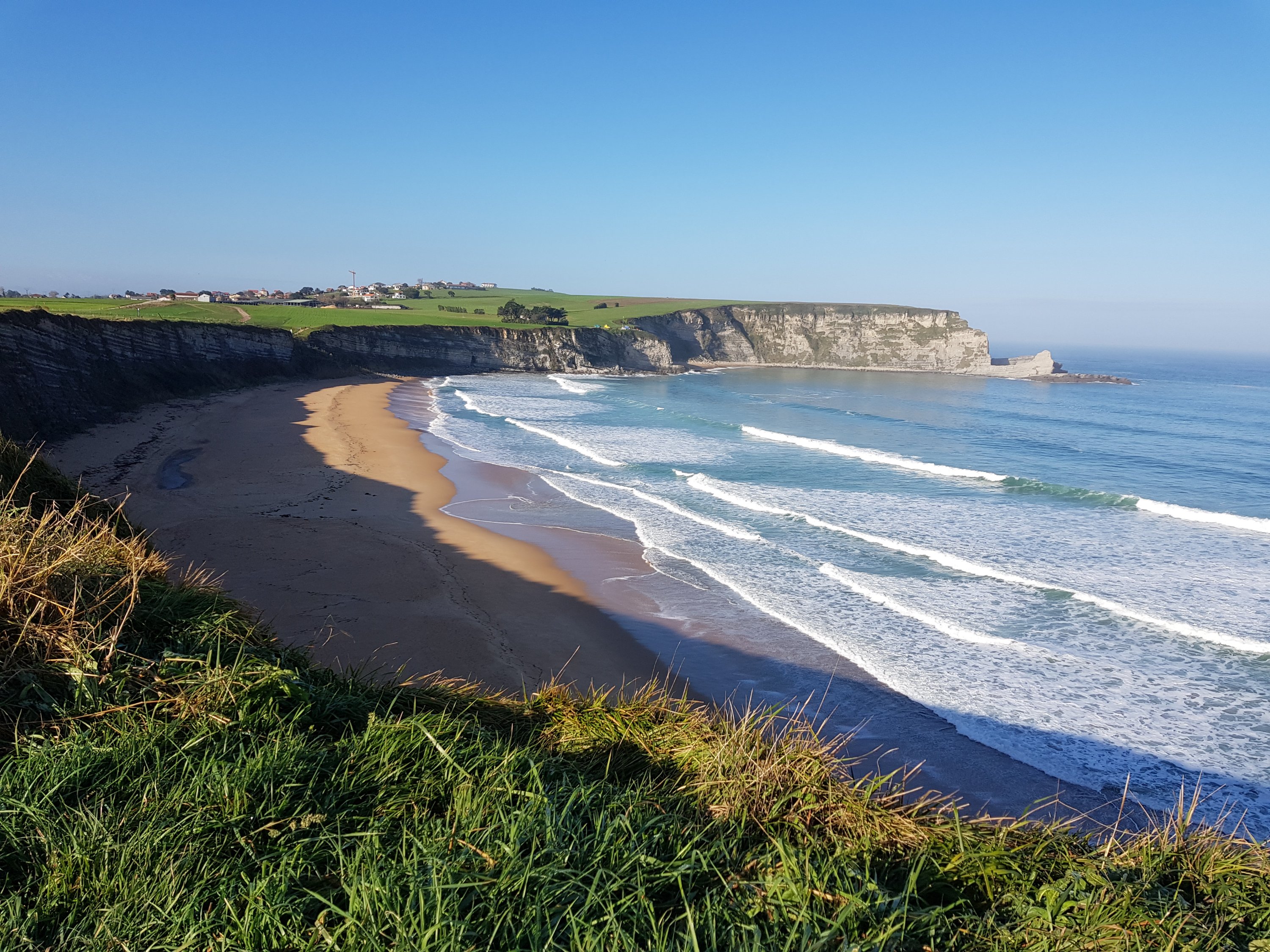
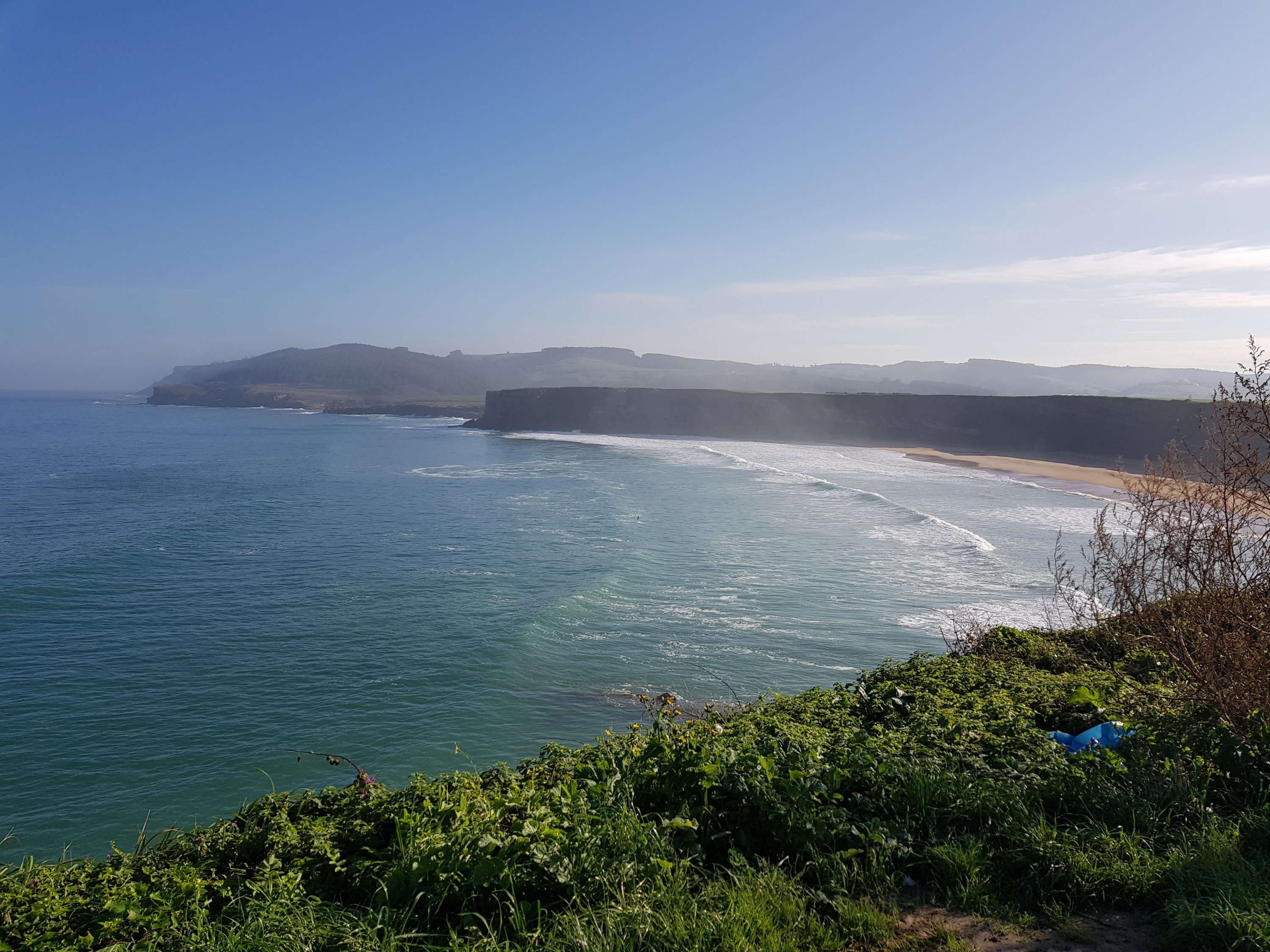
Santander

I stayed in the pilgrim hostel whilst in Santander for only 12 euros per night. My experience of the hostel is a story of its own!

I arrived at the hostel which is ran by volunteers, and no one was there. I phoned the number and spoke to a man in broken spanish about how to get in. He said no one would be there until later, but I could pick up the keys at the bar down the street. I went to the bar and explained to the bartender I was looking for keys (in spanish). She understood, (I must be improving). I then let myself in, chose my own bed and went to sleep. Later the volunteer came, checked me in, and told me two more guests should be coming that night. He was leaving though, and I was now in charge of the hostel!

All alone at the hostel

He asked me (in spanish) to check them in on arrival, take their passport details and give them their keys! I couldn’t believe it! And then I was alone again. And there laid an opportunity… I finally had a washing machine and dryer all to myself. First order of business, was to check for cameras, then strip down to naked, and wash everything I have! I sat there in a blanket for two hours, and then I finally had all clean clothes for the first time in a month. Wonderful! 😍

Later, when I was dressed again, the man called and said the guests weren’t coming anymore, and I had the whole hostel of 50 bed spaces, to myself! Crazy!

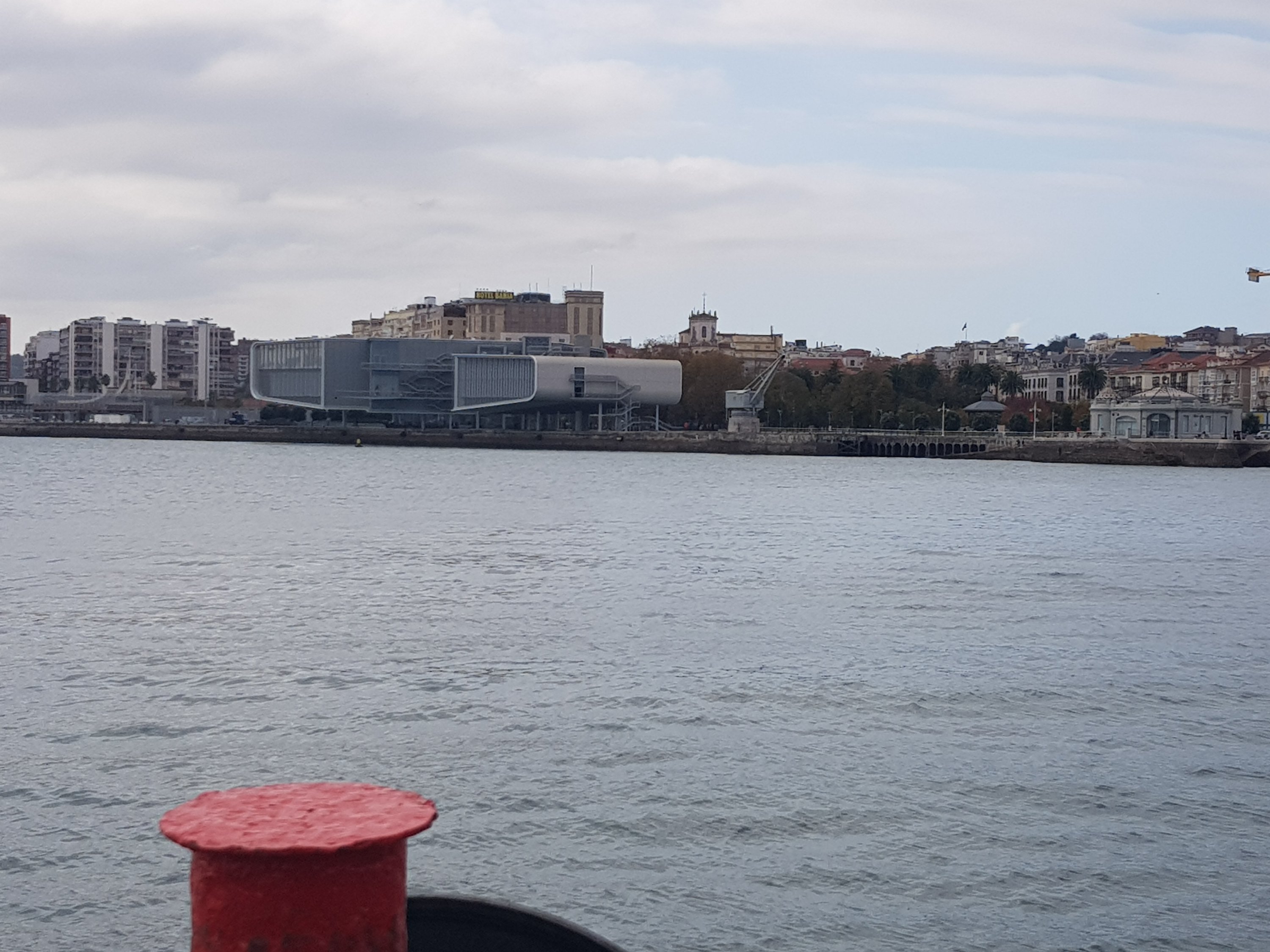
Anyway… back to the actual city. Santander is the capital of Cantabria, and is a coastal city. It has a port which includes bringing visitors over on ferry from Plymouth, it also has a few beaches, a palace, and lots of hills covered in shops, plazas and restaurants.
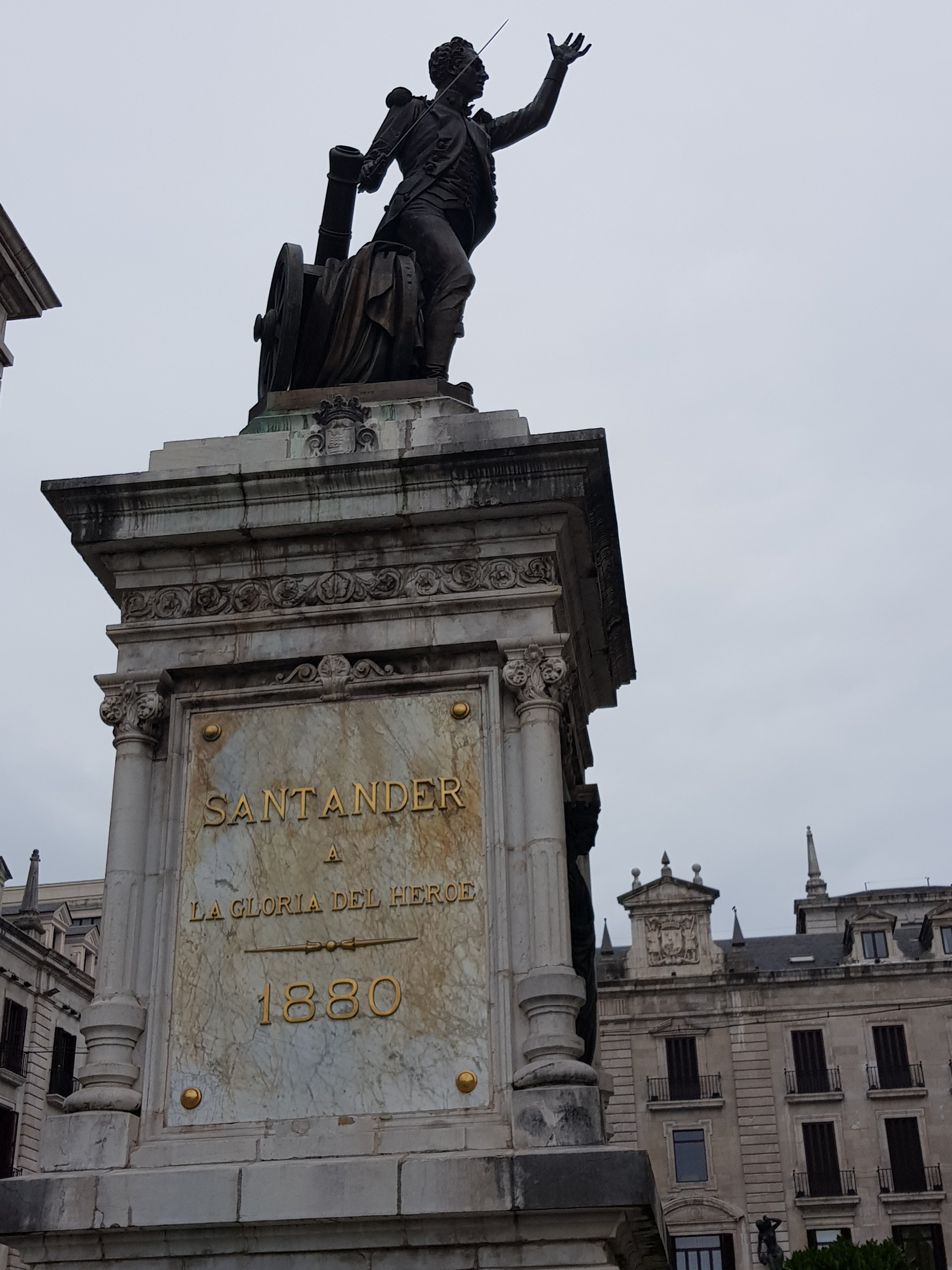
My rest day in Santander was a rainy one so I decided to stay in the busiest part of the city, close to the hostel. I stocked up more supplies, mainly medical ones, but also some nuts and fruit from the Mercado de Esperanza (market of hope). I got quite a lot of nuts and dried fruit for two euros. I always love to visit the local markets. It seems there are a few different ones in Santander. Another is the Mercado de Este (east market), this has a tourist information point, and lots of little artisan stalls and bars.

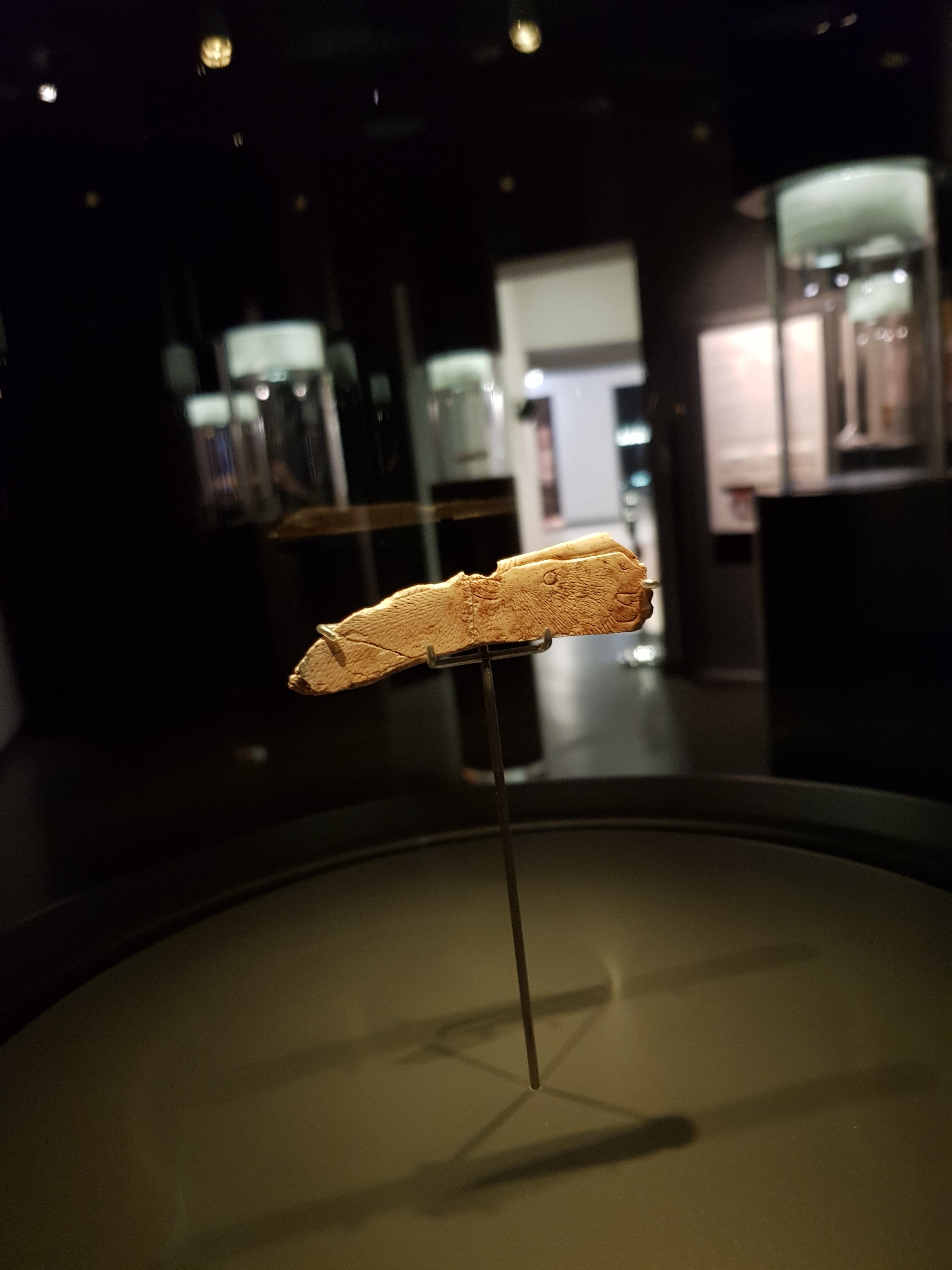
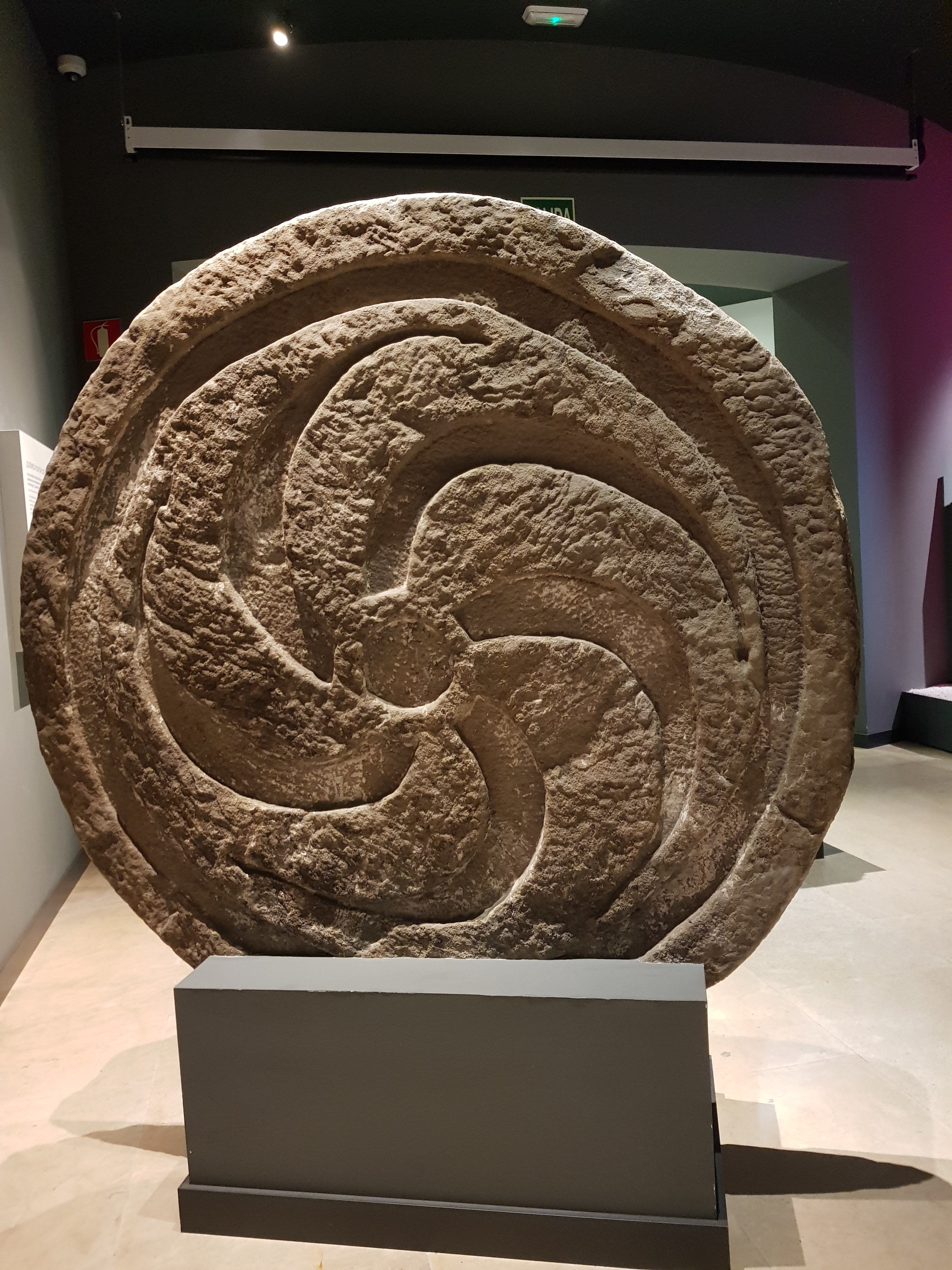
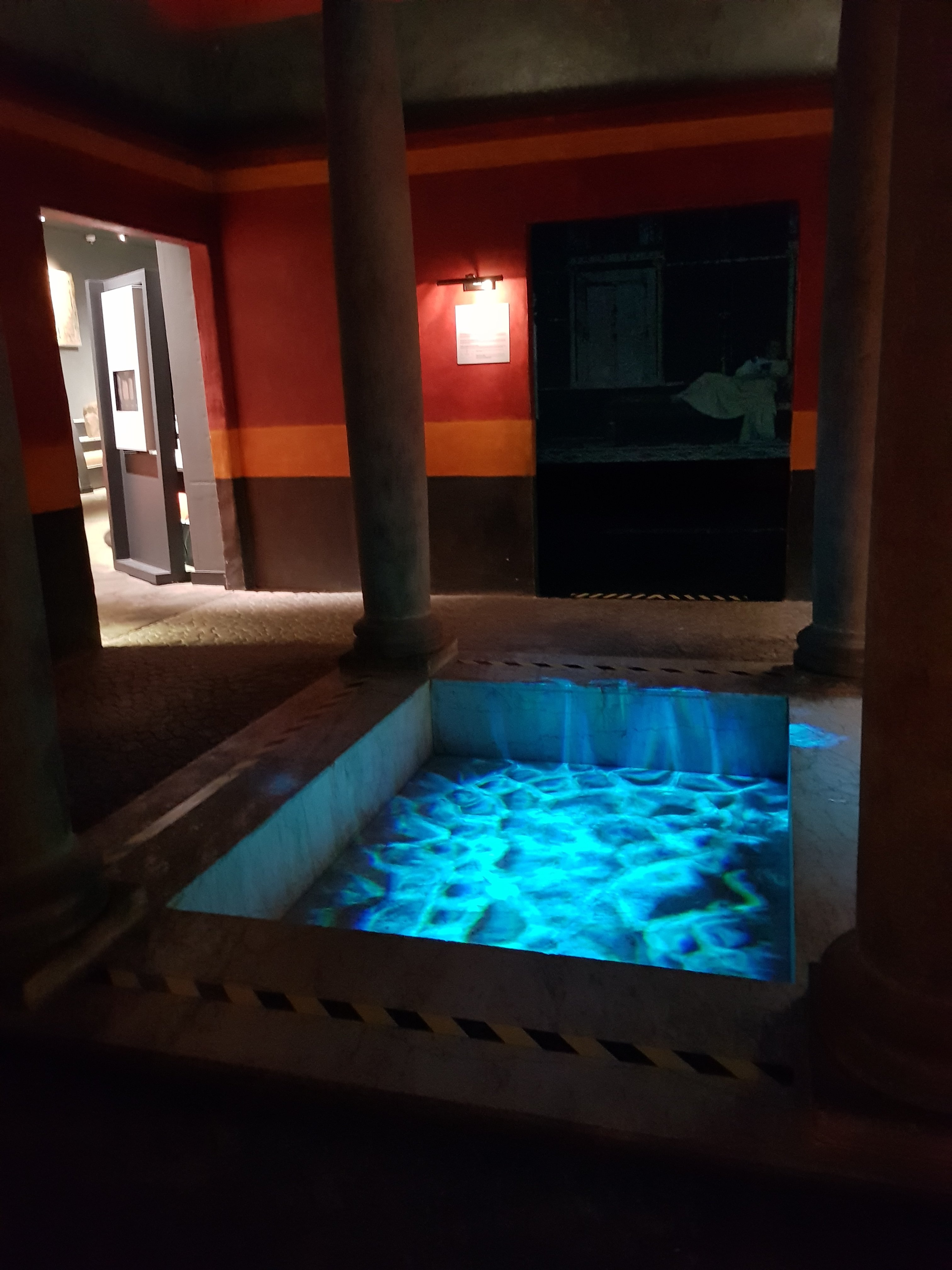
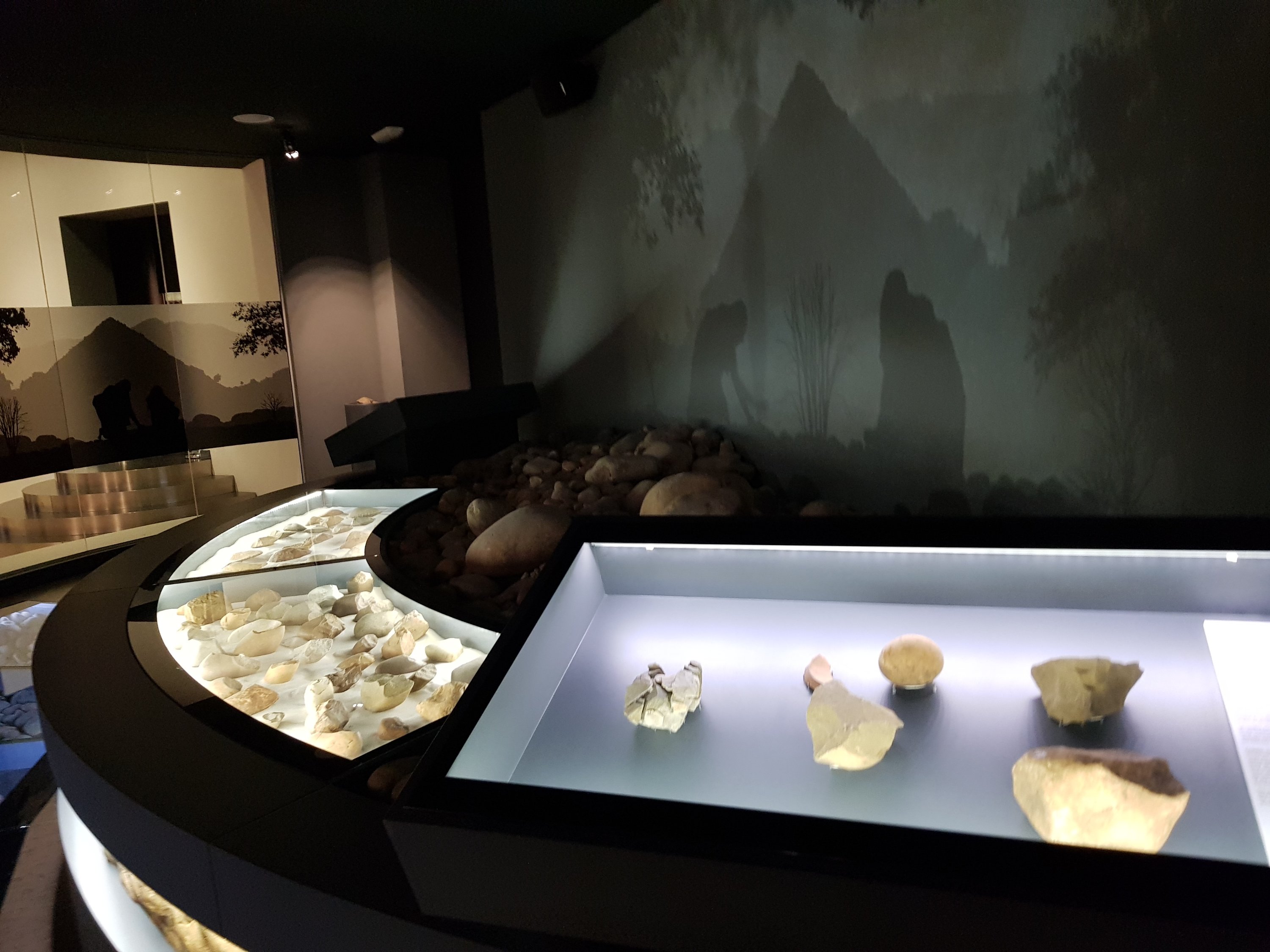
Interestingly, below the market is probably one of the best museums that I have ever visited, the Musuem of prehistoric and archeology of Cantabria. This underground museum is reasonably small, but packed with archeological finds from the region. Including human and animal skulls, ancient tools, artwork, and pottery.
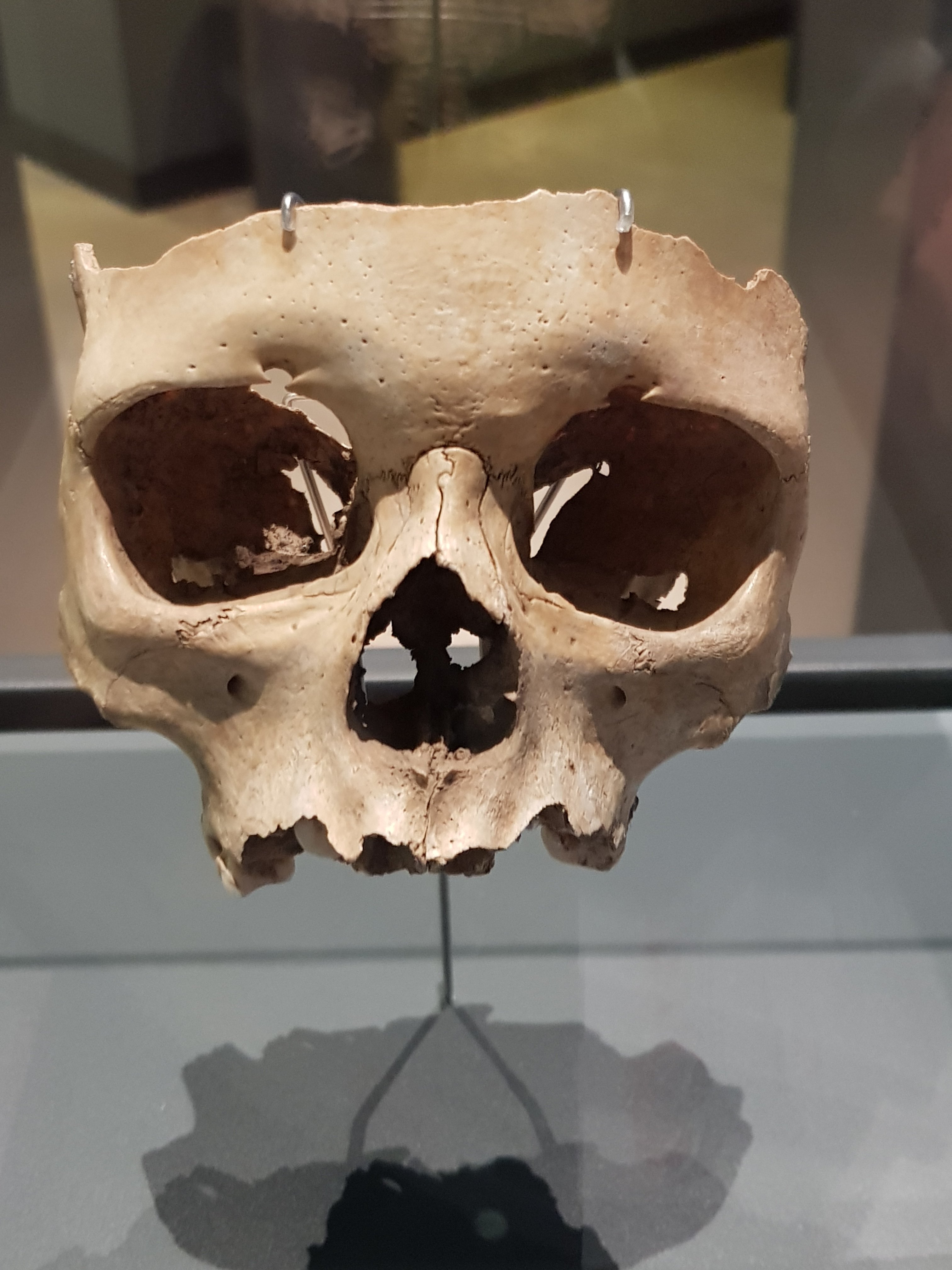
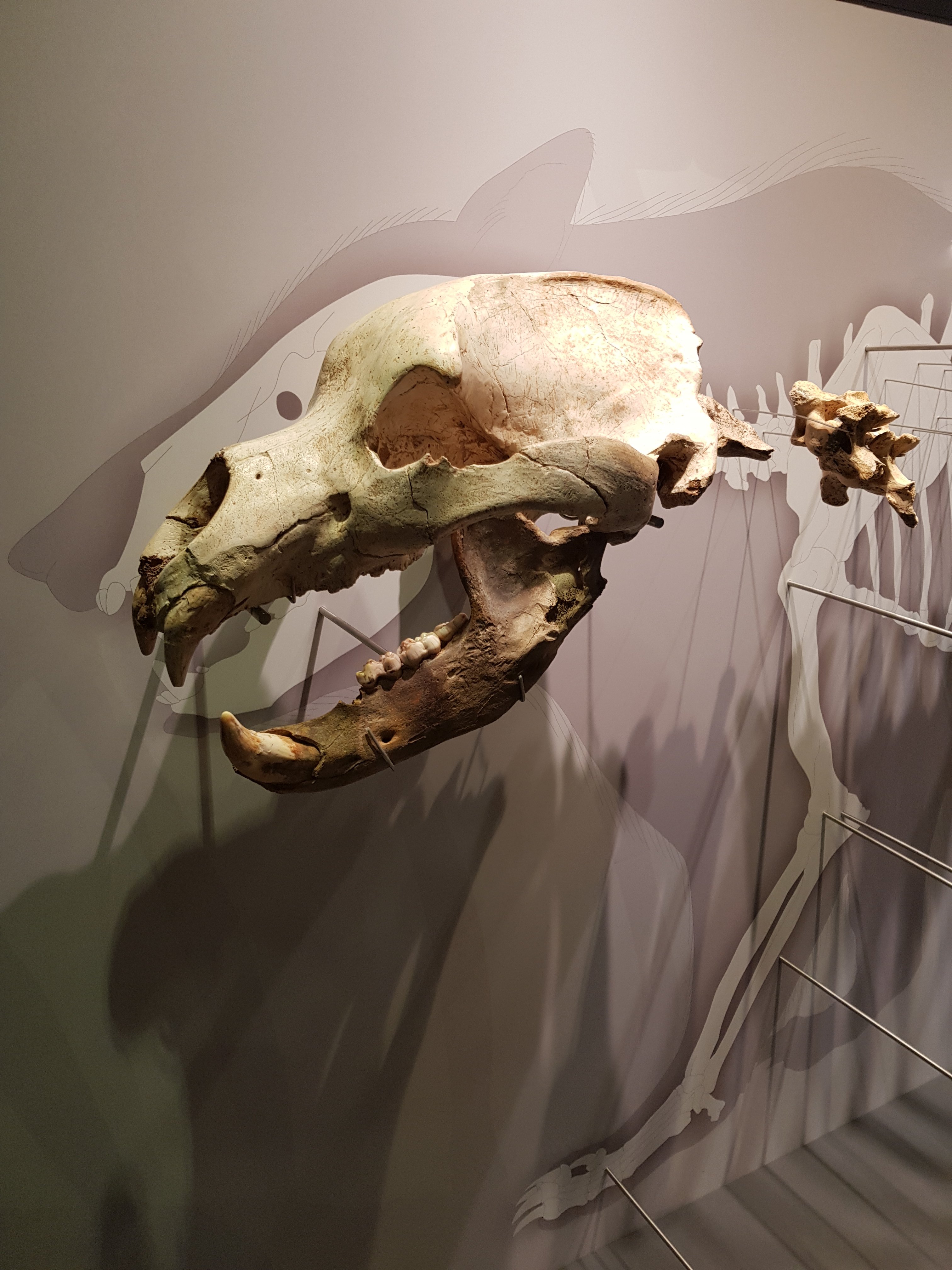
I know that can all sound a little boring on its own, but this museum absolutely brings it to life. They have structured the rooms to make you feel as if you are in a cave network, created visual, audible, and touch displays. They have lots of information in different languages, and really make you interact with the exhibits, I thought it was brilliant! And only €4! 😀
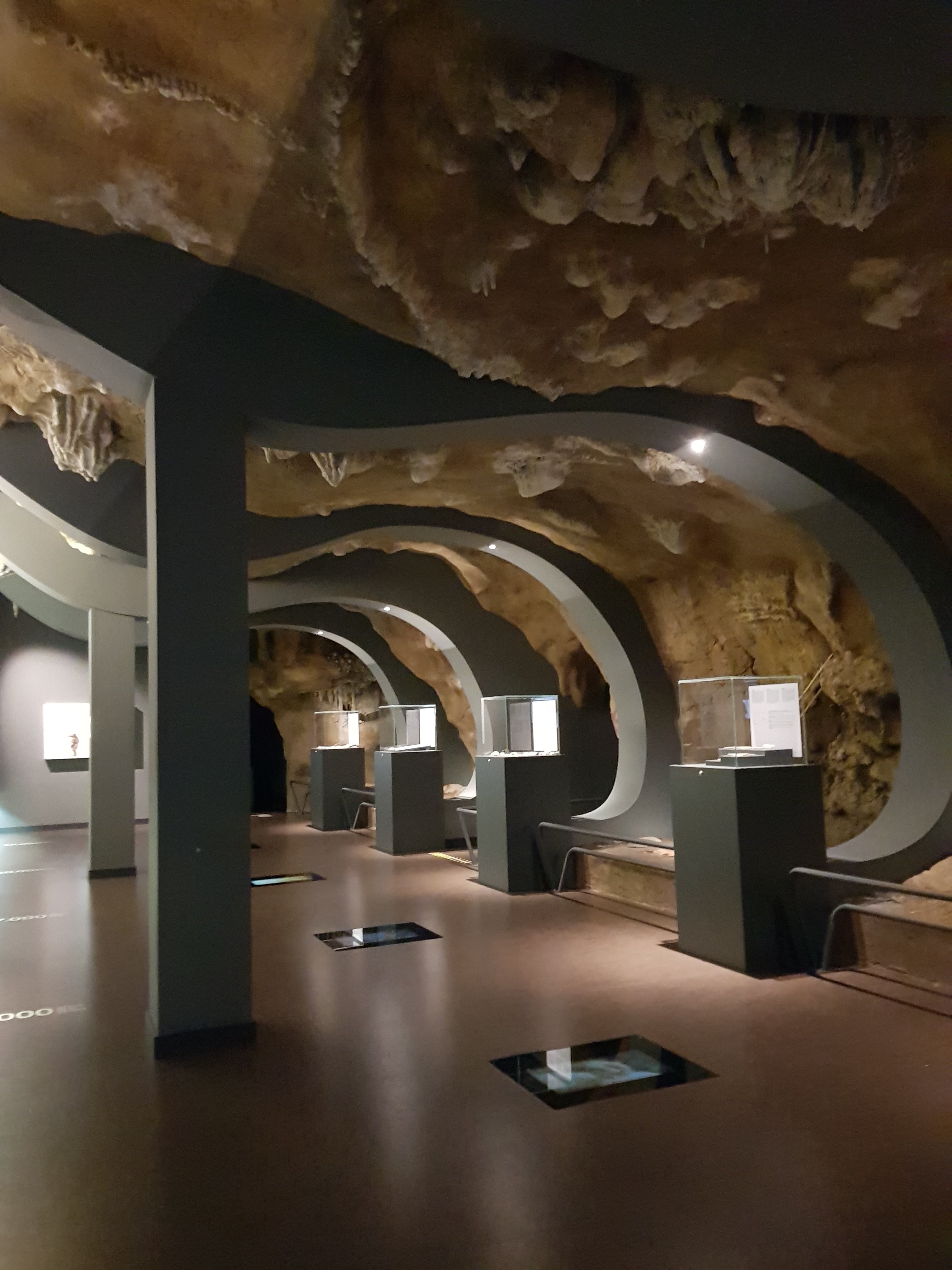
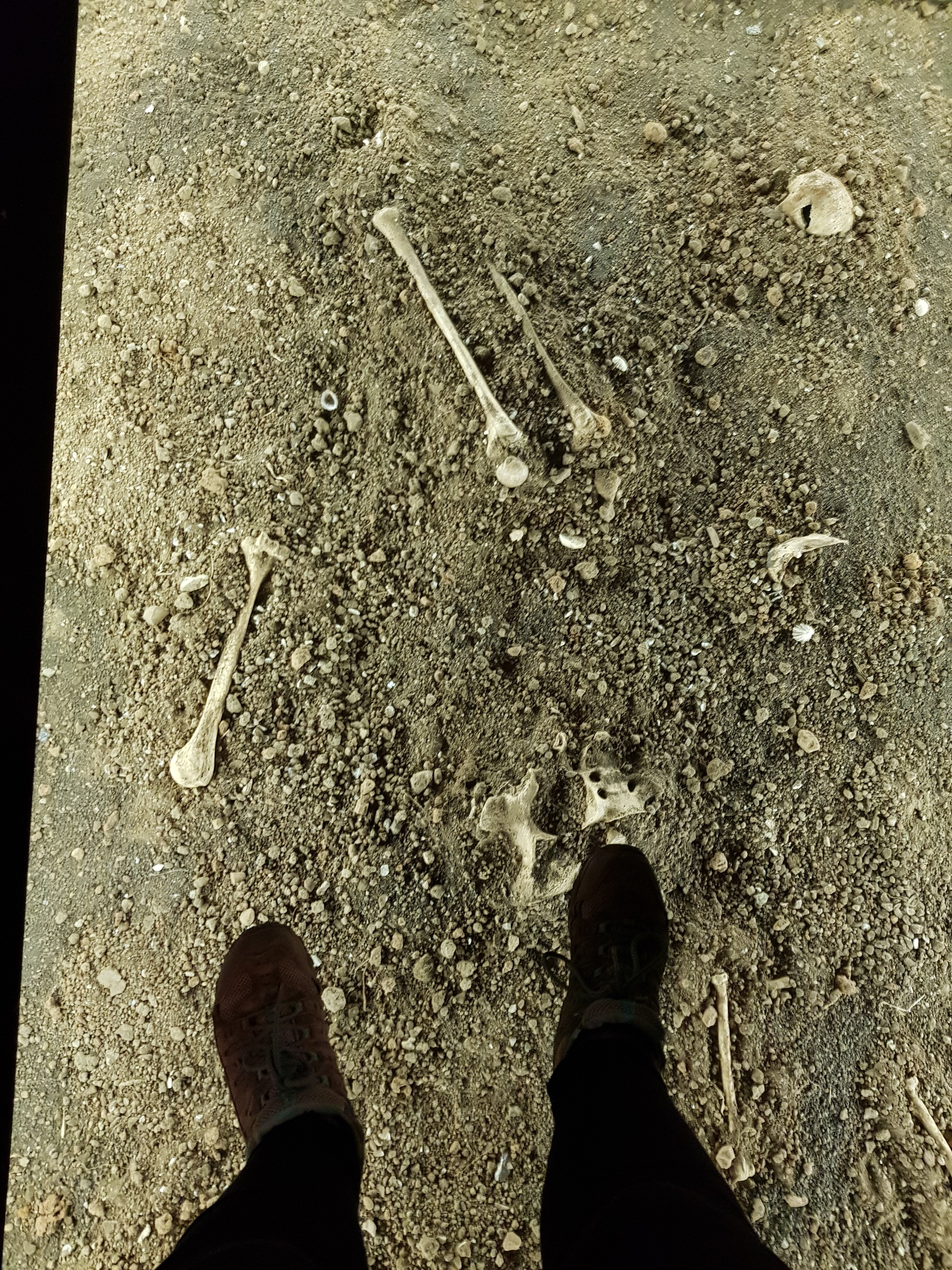
My personal favourite was the museum’s use of tech to turn actual skulls into real faces!

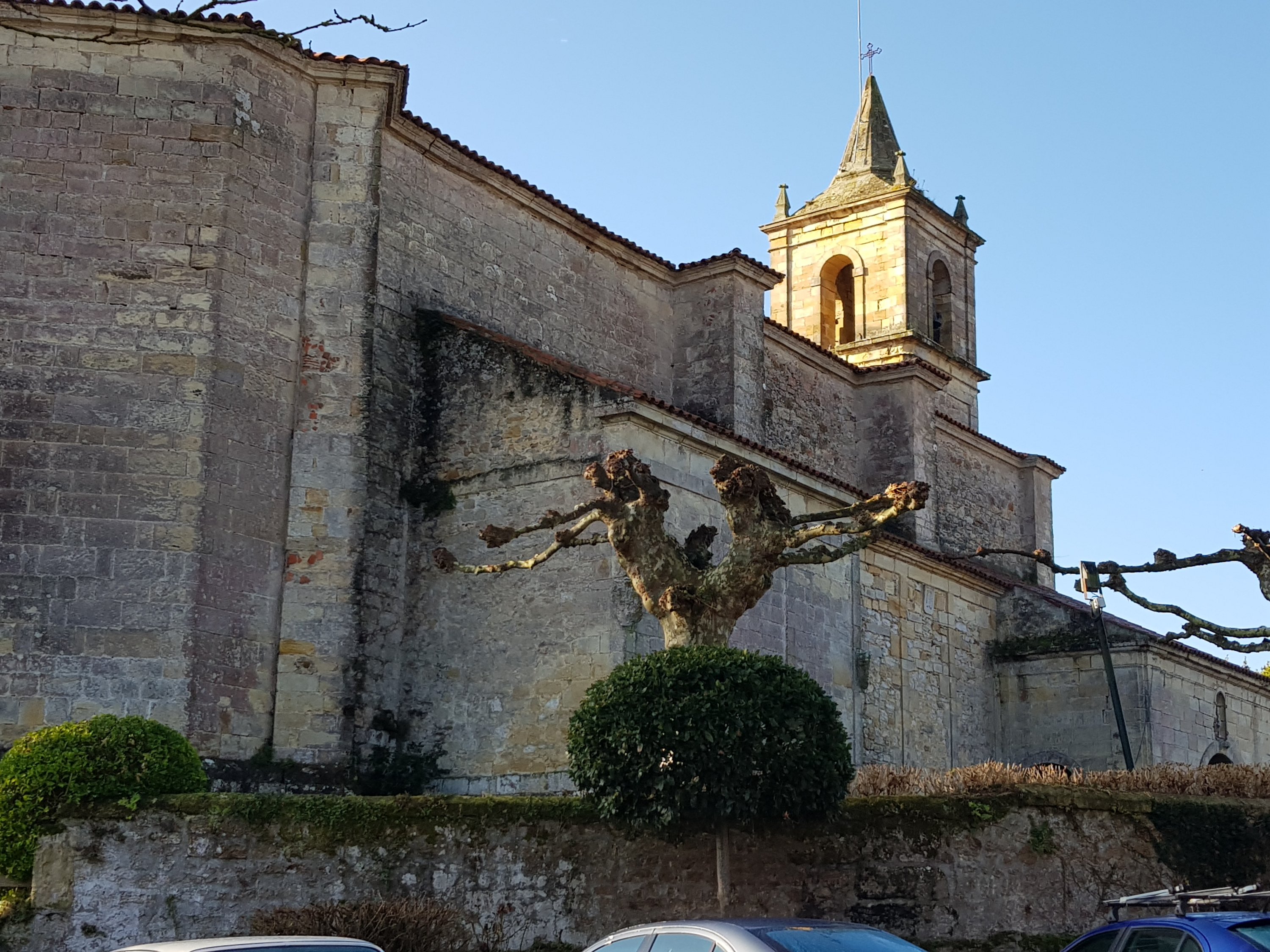
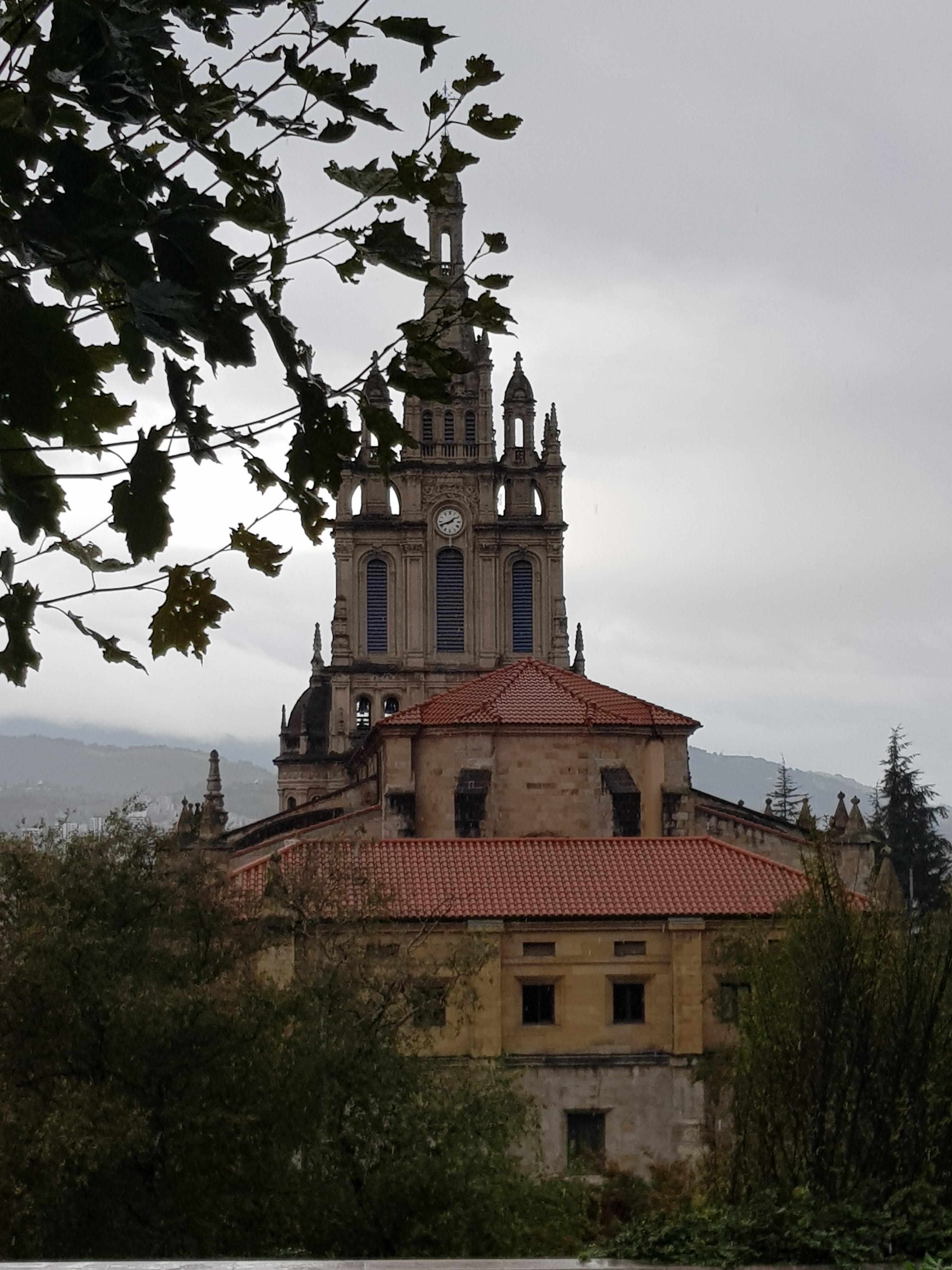
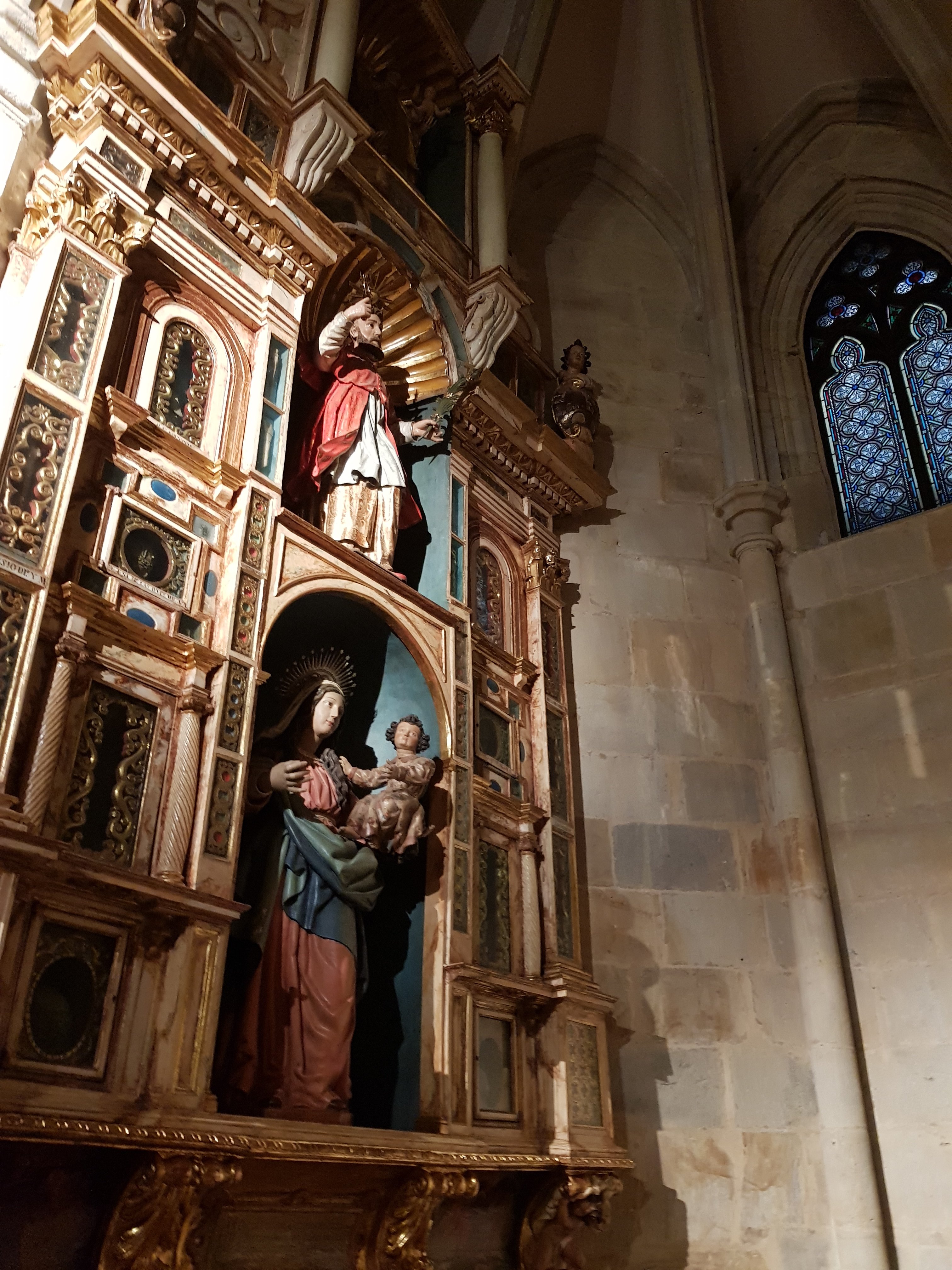
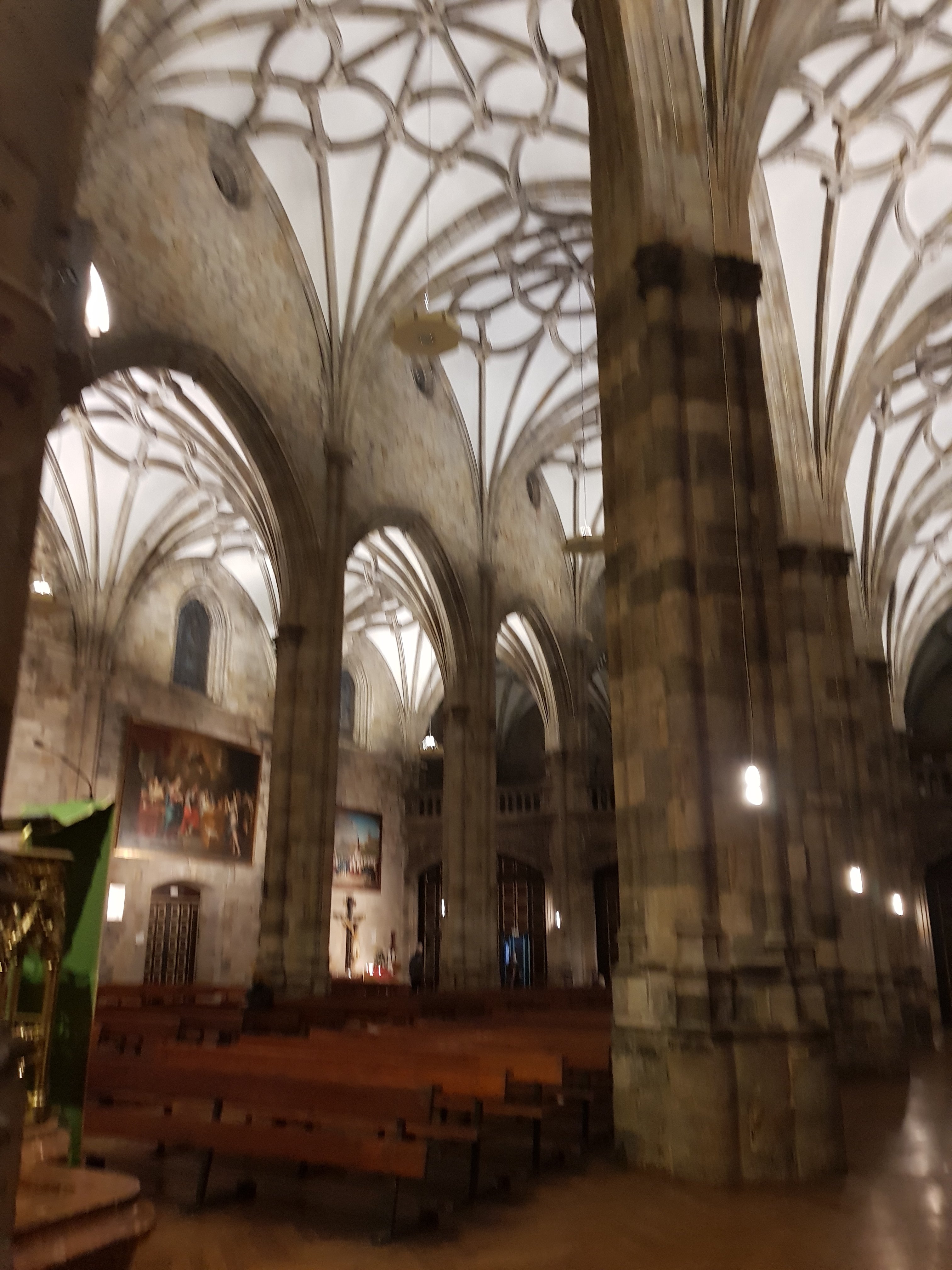
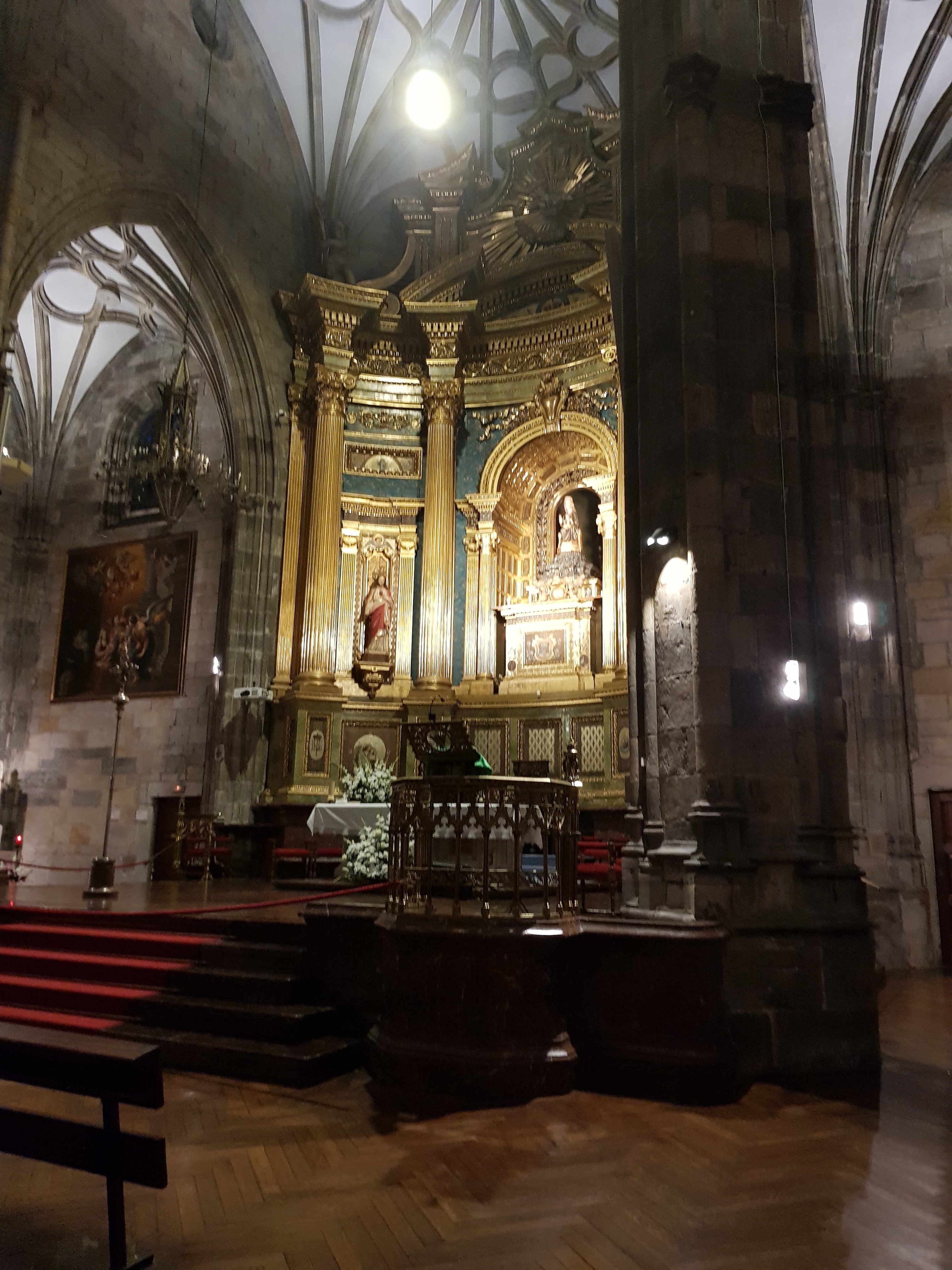
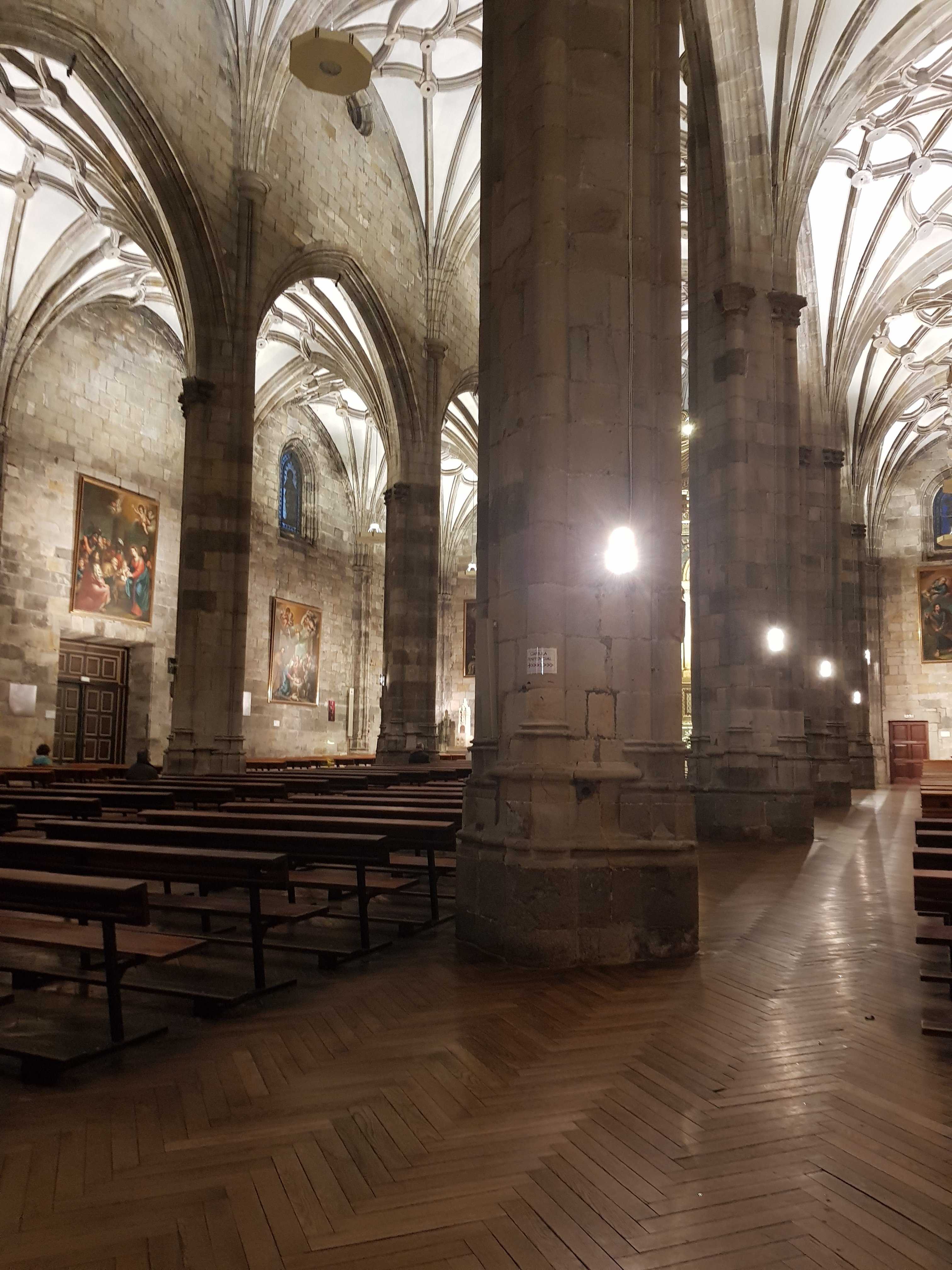
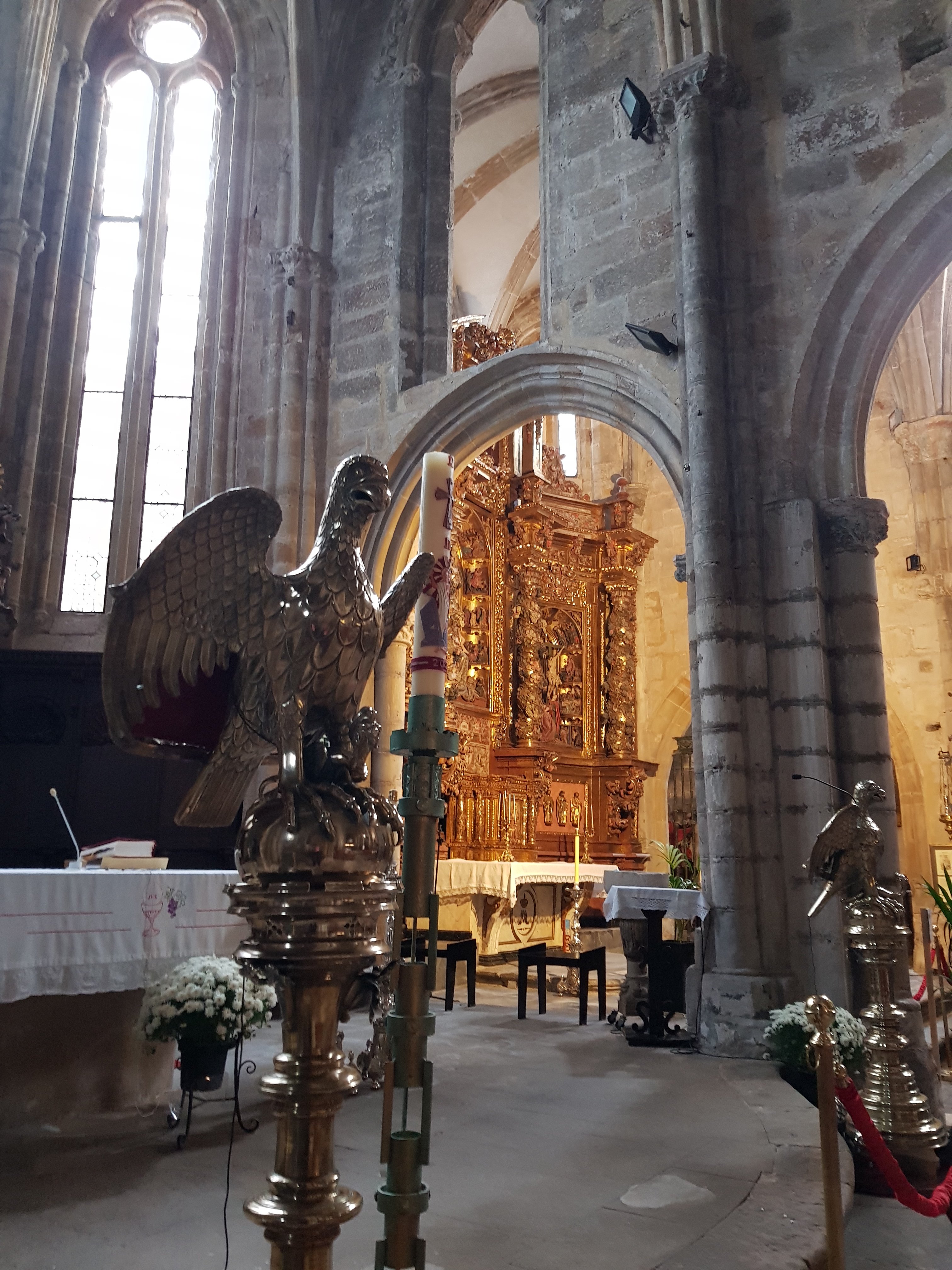
After this, I wondered over to the cathedral. It seemed that I had arrived, and I went through a door, but I was in a smaller church. It turned out that I had wondered into the Iglesia del Santismo Cristo. This church is actually underneath the cathedral itself. It has a warm atmosphere, beautiful arches, and two severed heads! These are relics of roman soldiers that were martyrs. Before I knew it, the door was shut behind me and I was in the mass. I just sat down and enjoyed it.
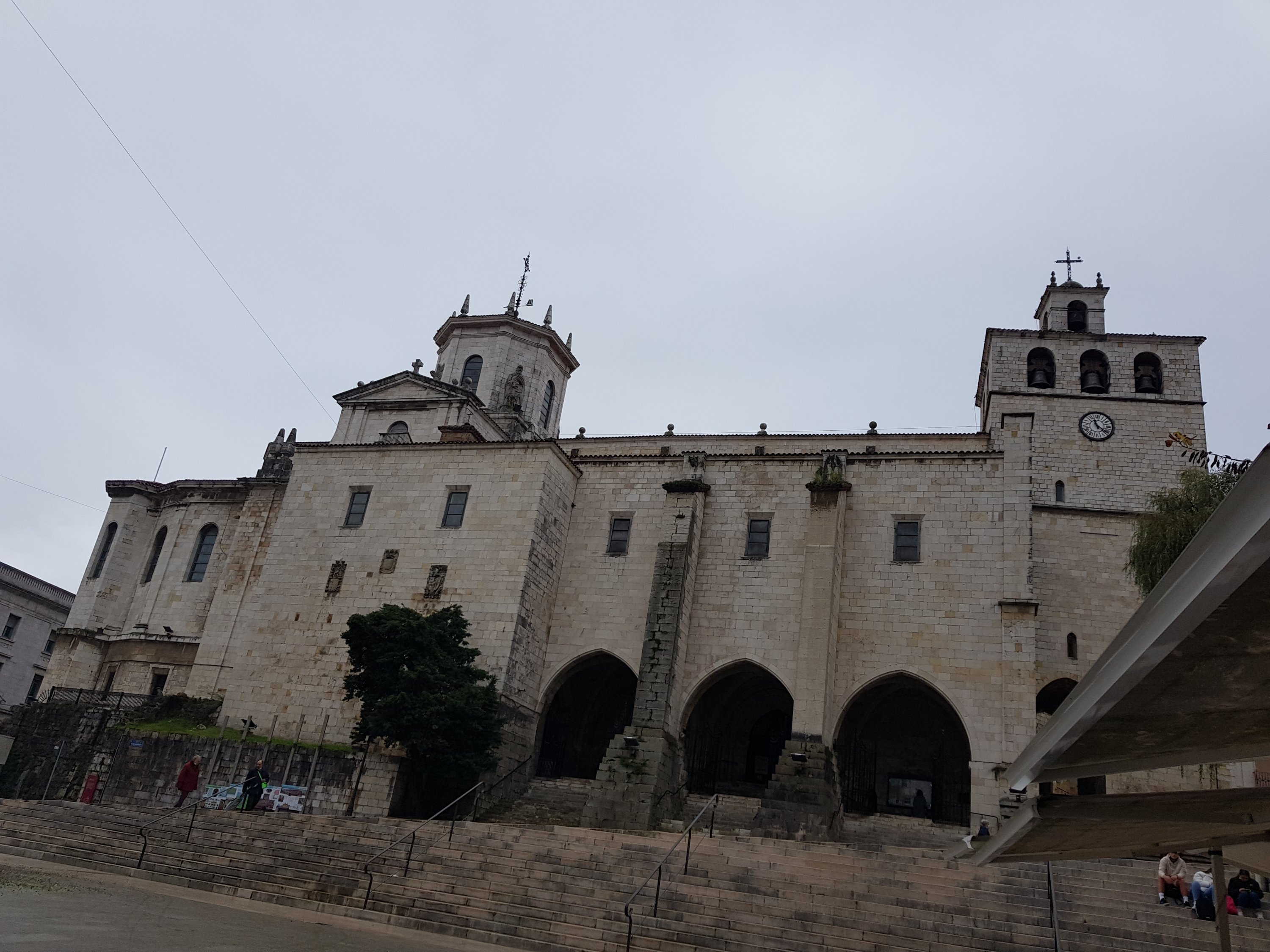
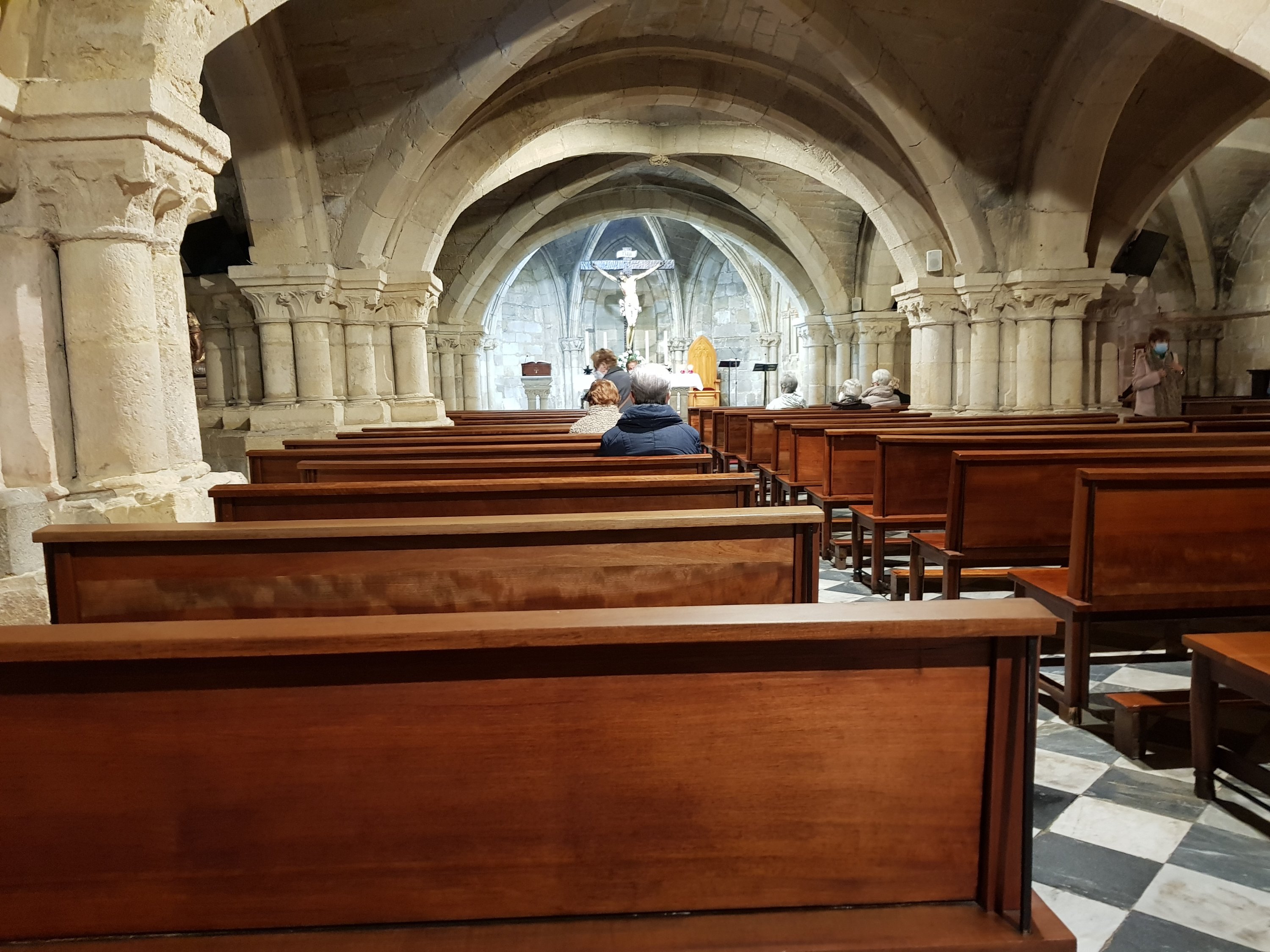
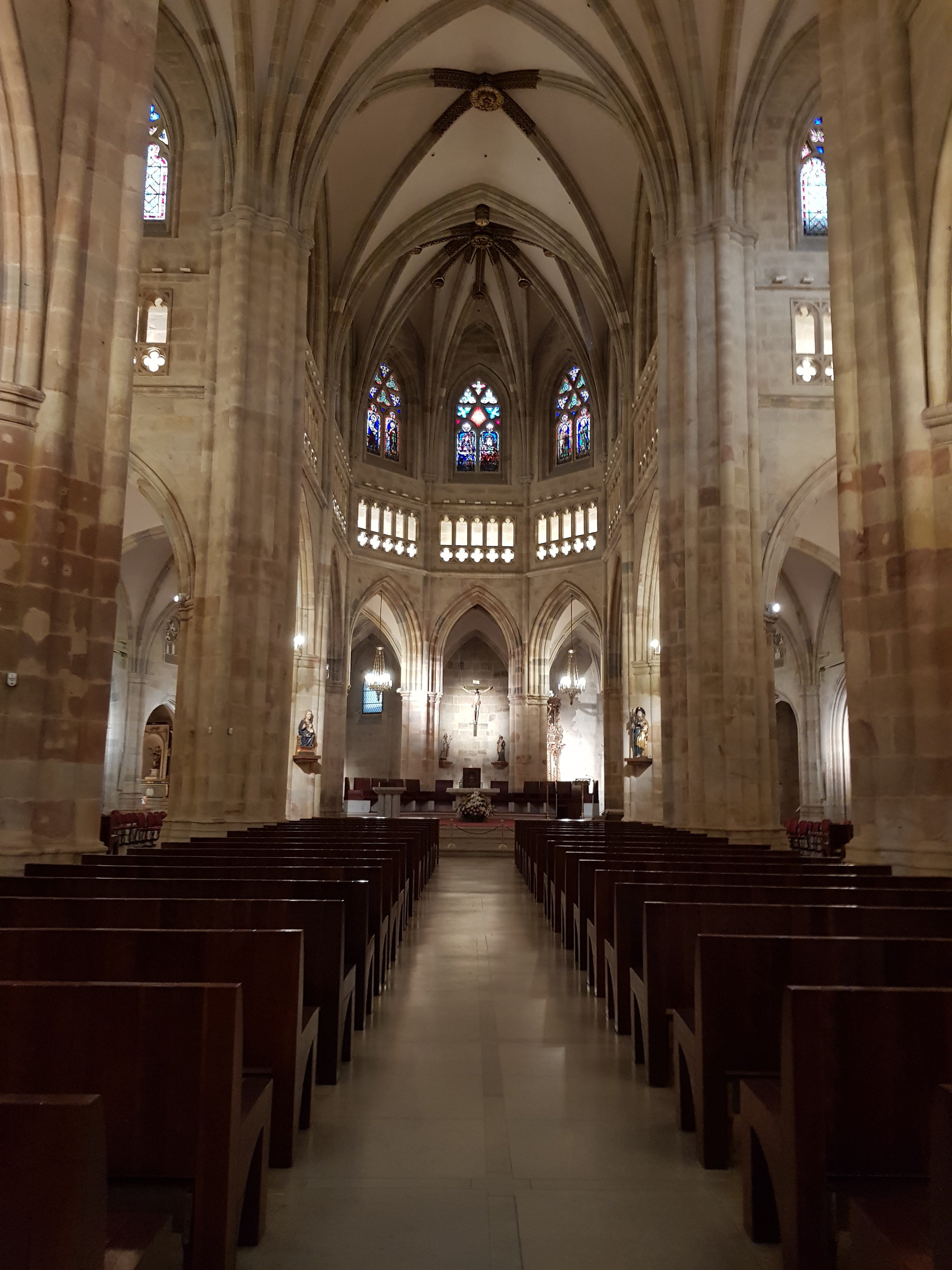
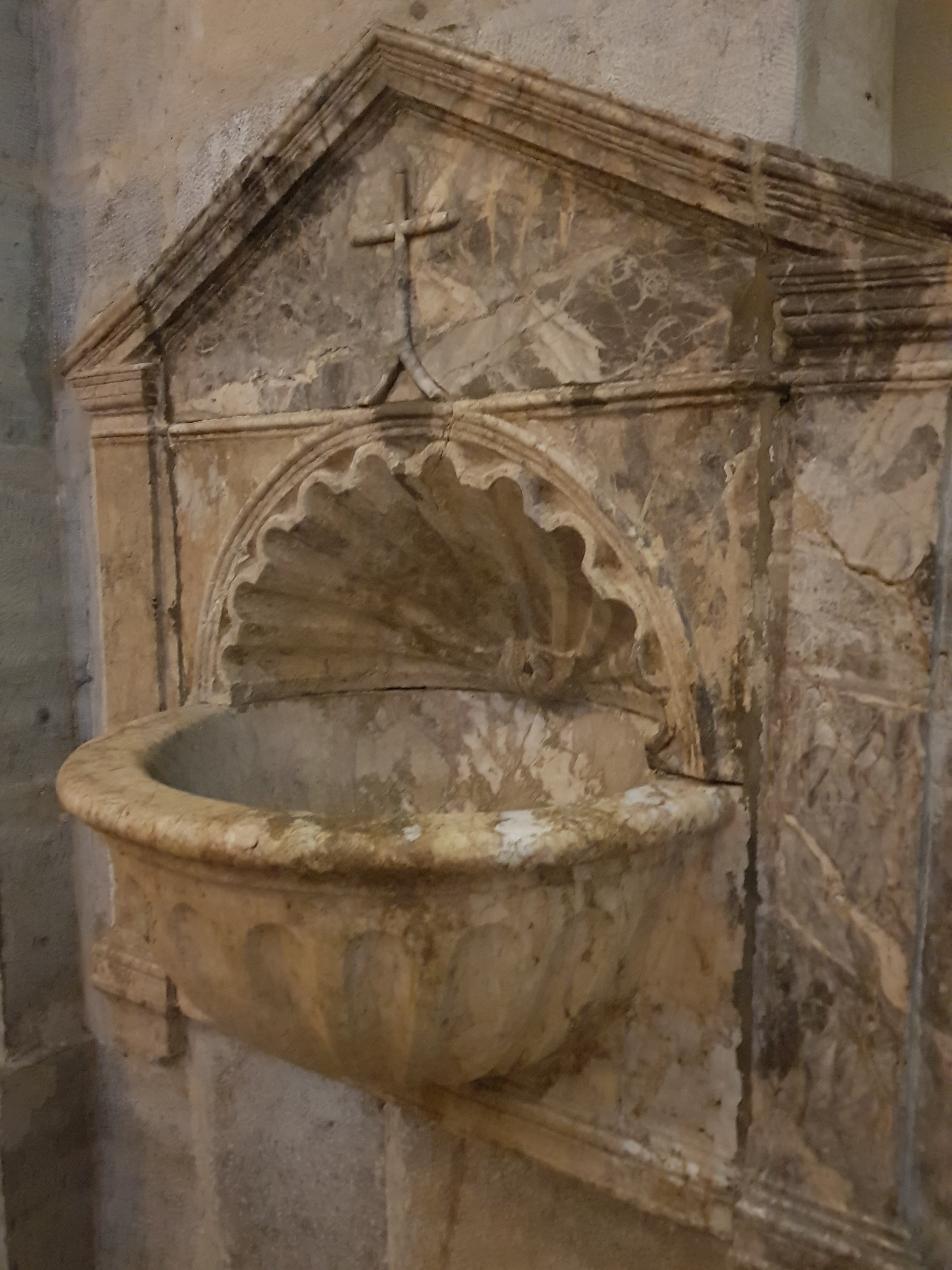
When it was over, I exited the church, climbed further up and found the official cathedral above where I had been. The cathedral interior is quite simple in comparison, and full of charming, light gothic architecture.
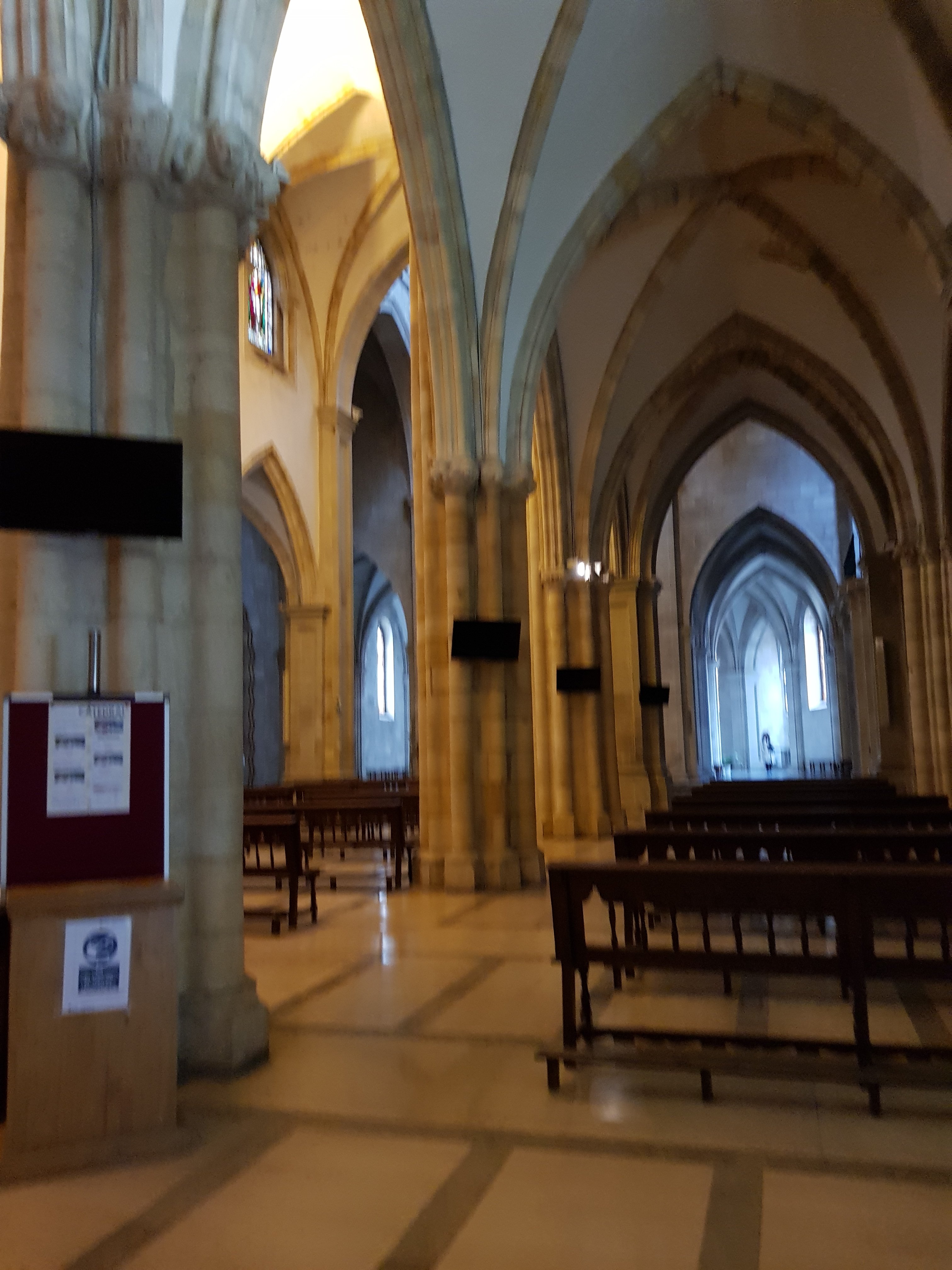
After all that, I returned to my lonely hostel, had a sandwich and took a nice long siesta, before heading out for dinner, and to enjoy some live music.

Overall, I think the jury is still out for me on Santander, because I wasn’t able to explore the beaches and palace, and I think the city probably has more of a rounded package in Summer. I did like the city though, and the museum really was a highlight.

I have walked a third of the Camino del Norte now, and my next and last city before Santiago de Conpostela is one week away. I hope my body can keep going! 🤞

Camino de Santiago: San Sebastion to Bilbao

Last week I spent five days walking the Camino del Norte to Bilbao. The route is full of tough terrain, with mountains and slippery paths throughout. Like my journey… this blog is a long one. Prepare yourself.

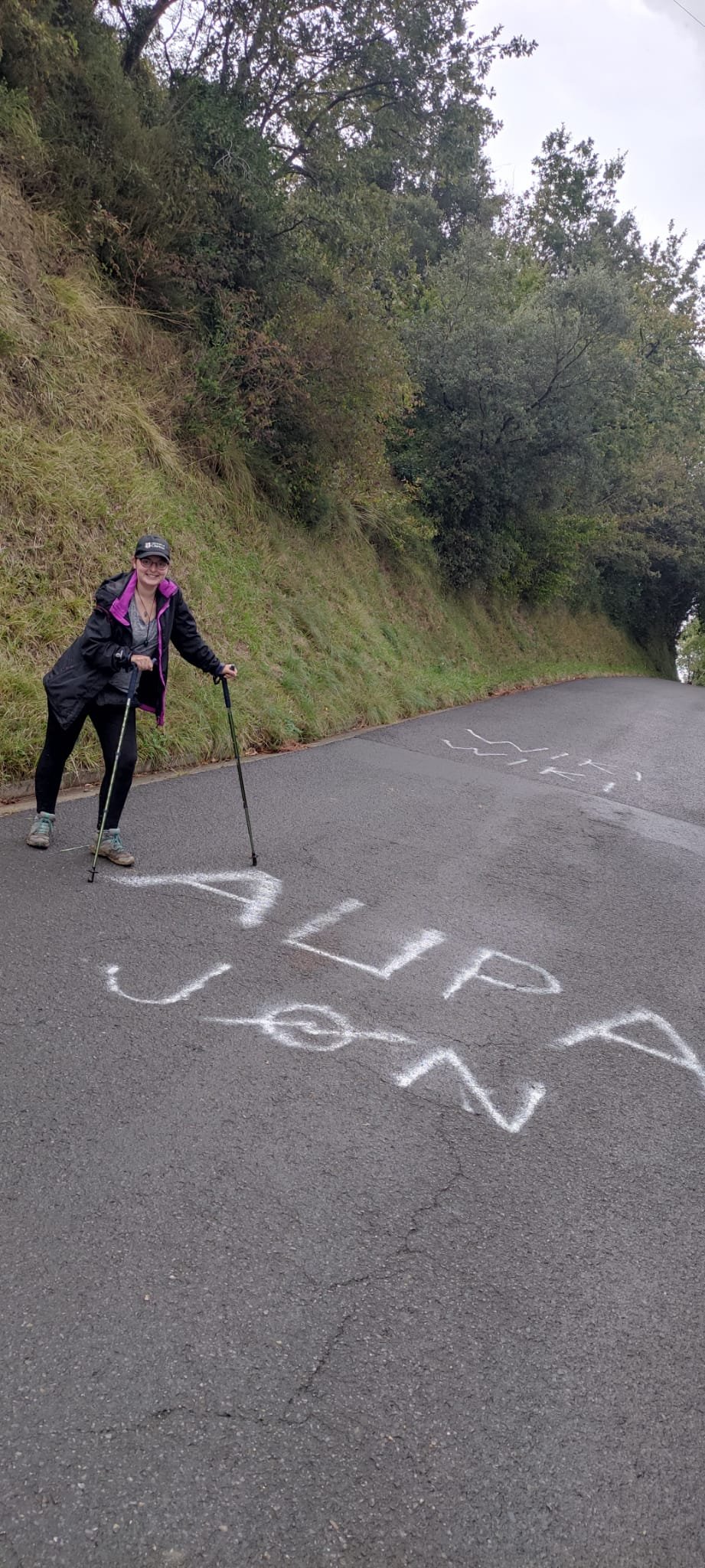
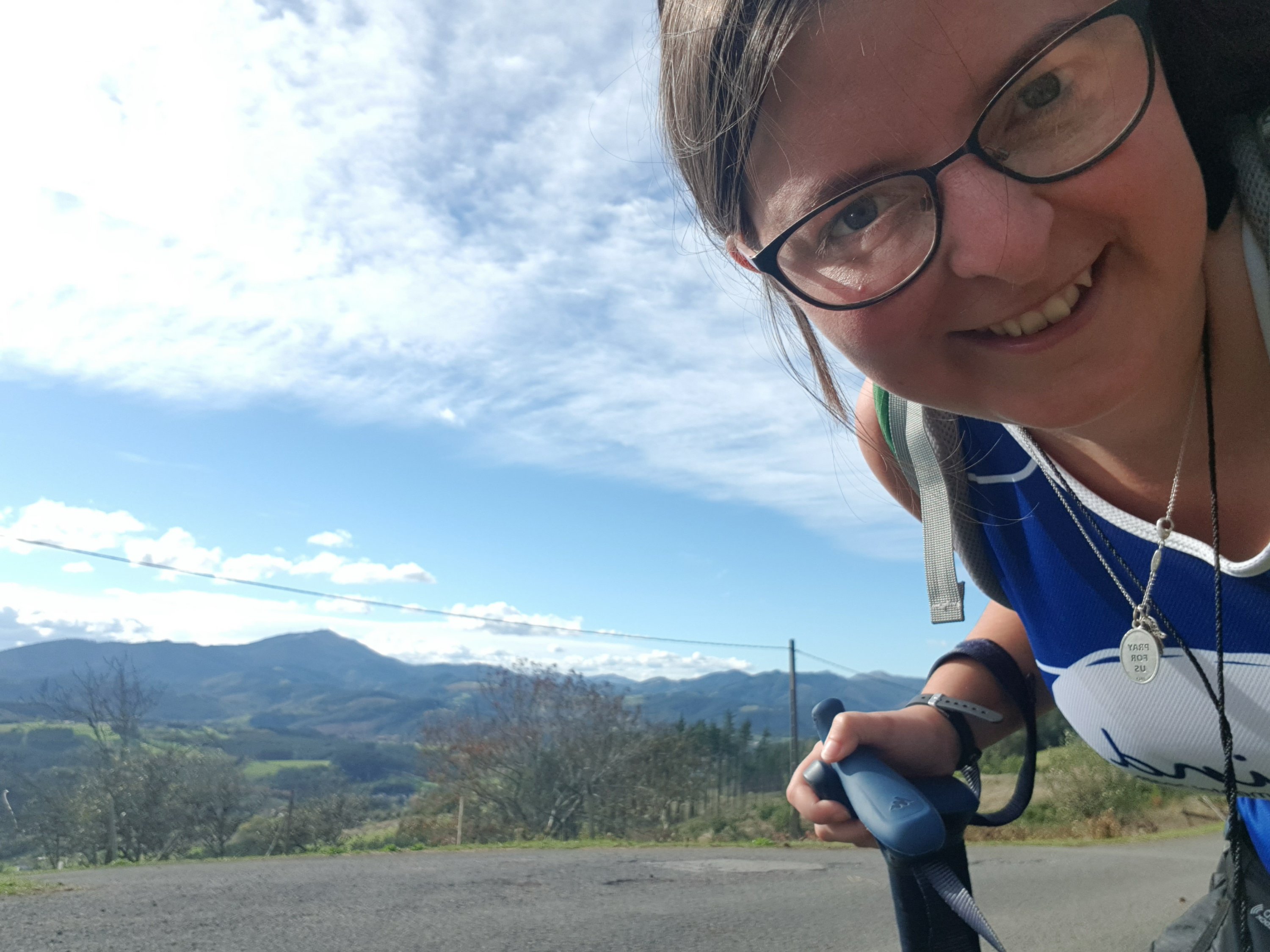
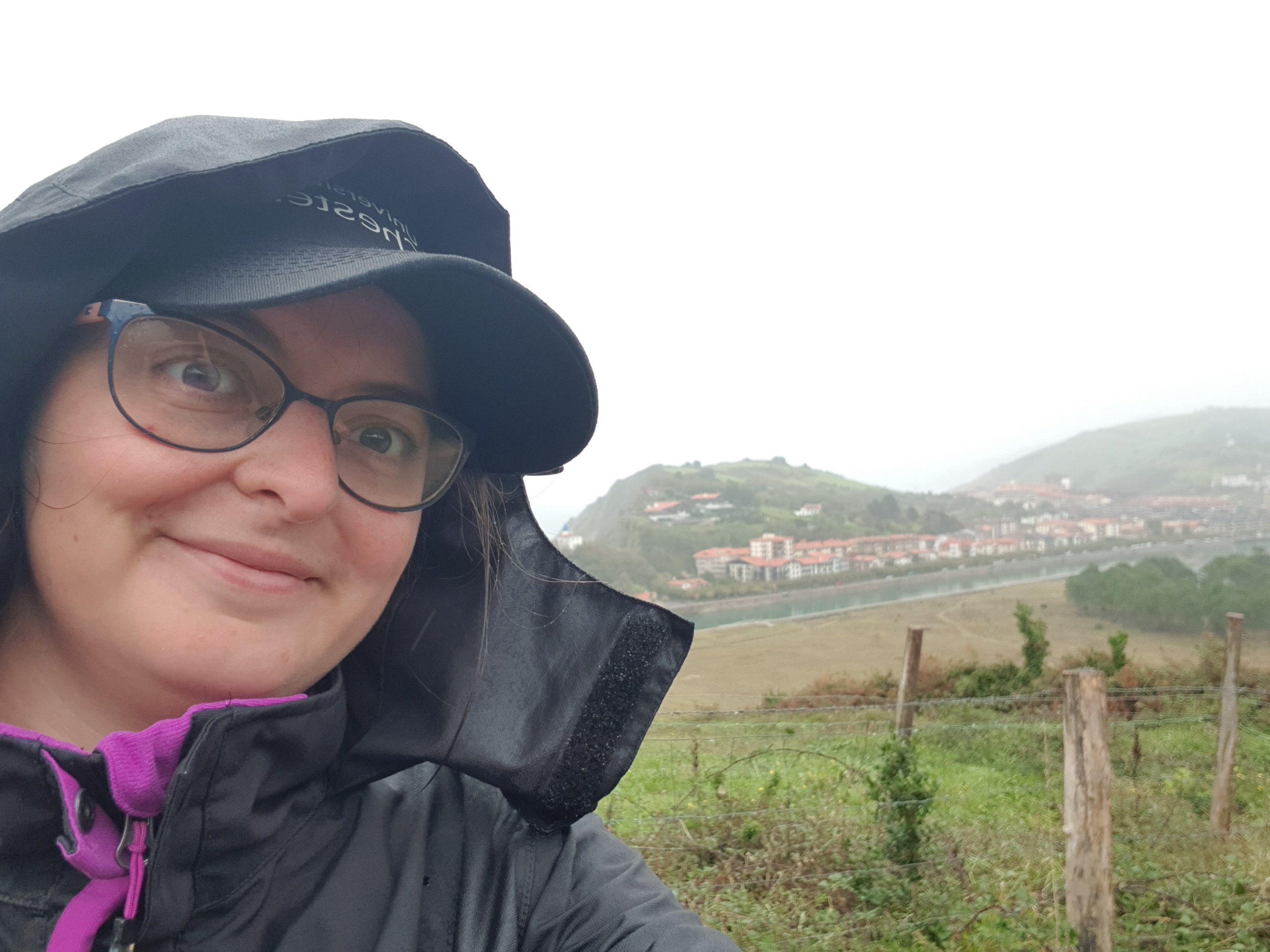
Me taking a well earned rest after coming over Mount Avril and finally seeing Bilbao

Basque Country

The area of Spain that this walk goes through is in the Basque region. This historic area sits next to the french border, but has its own culture independent of France and Spain. The people in the basque country are very proud of their heritage. This is made clear through frequent displays of their local flag and colours, multiple museums and exhibitions about basque tradition, and many graffiti pieces asking for independence for the basque people.

The basque people have their own language, which is nothing like spanish or french, it actually predates them. It has lots of Zs, Ks, and Xs, and I can not pronounce any of it.

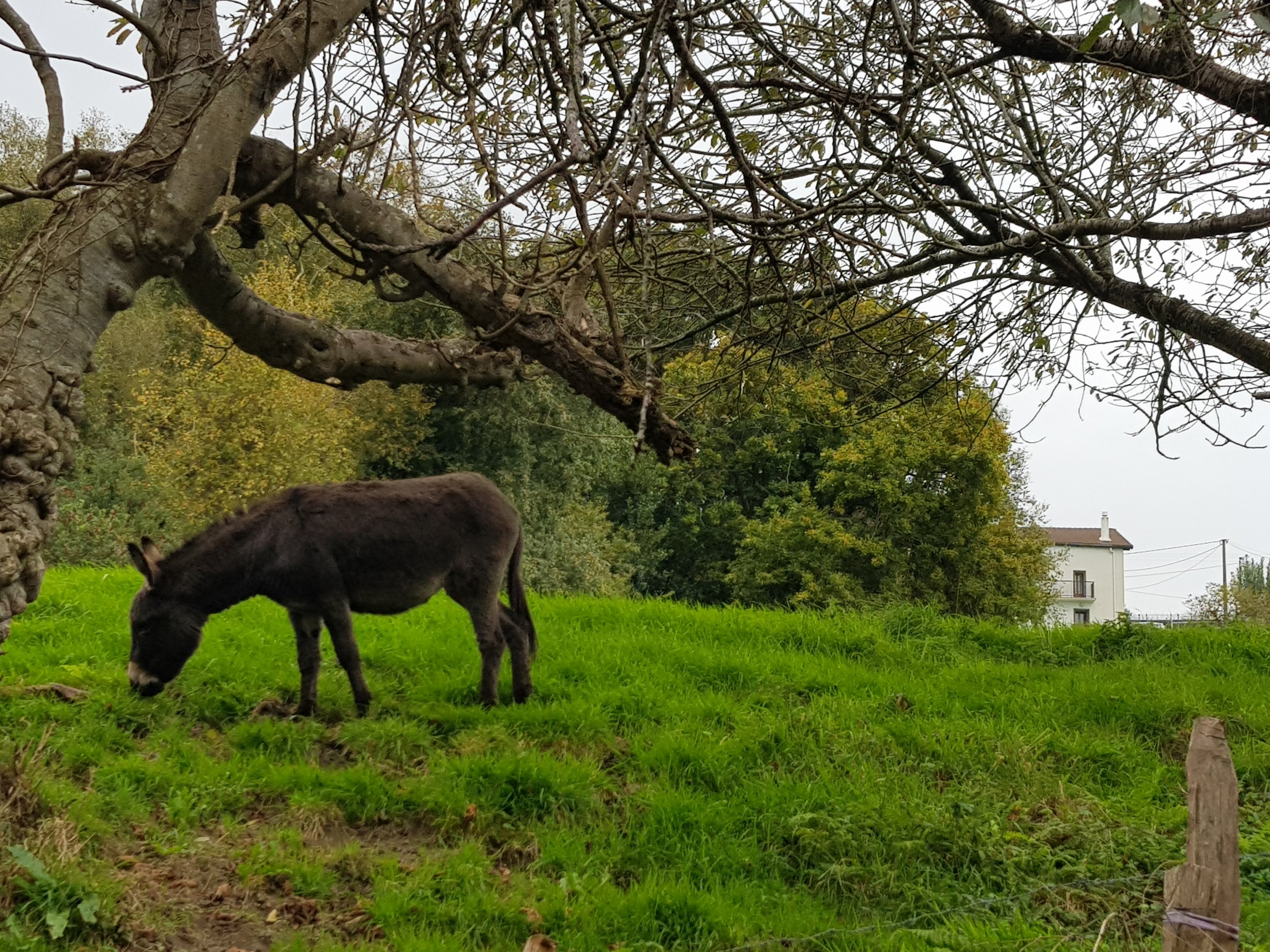
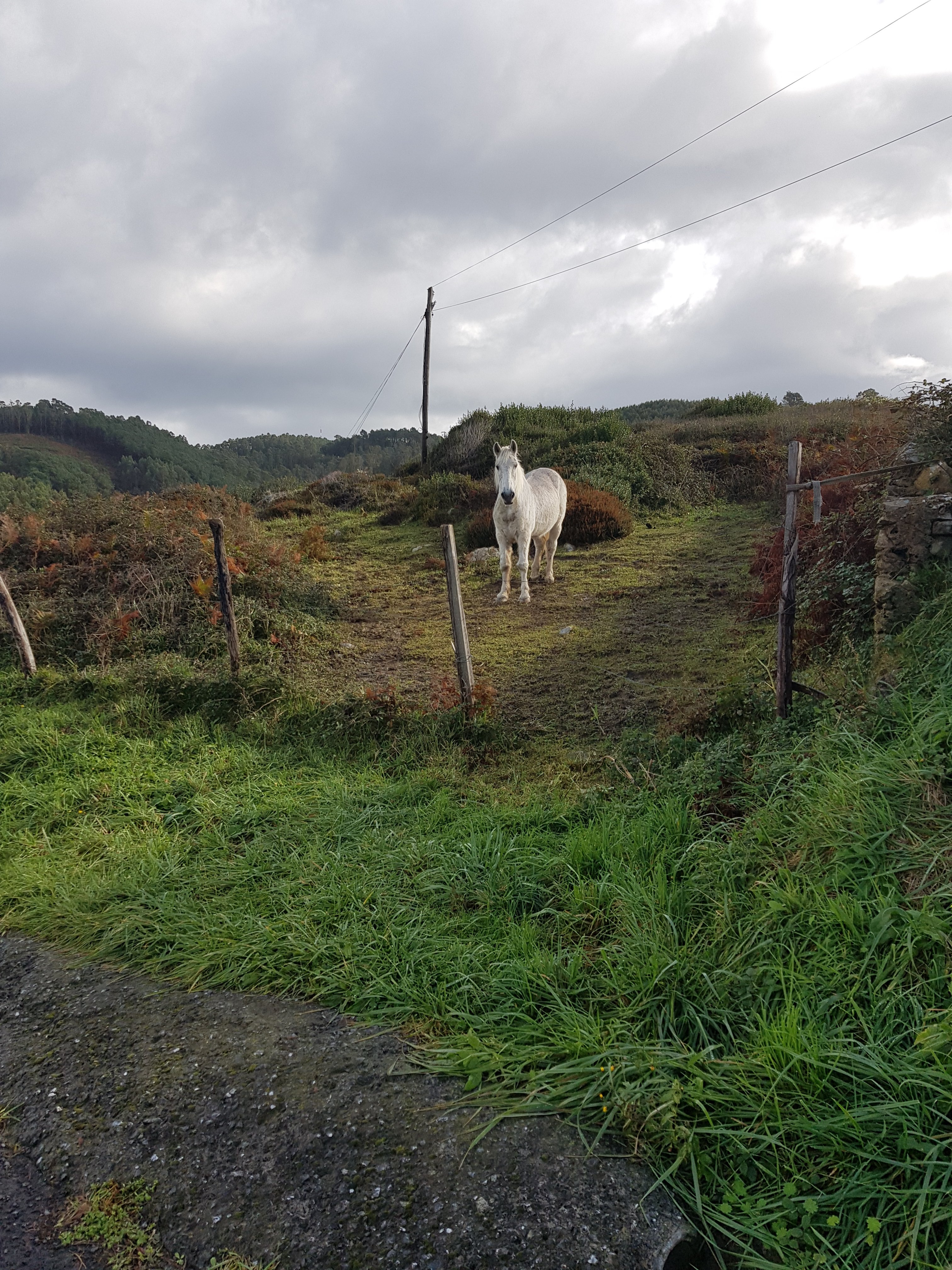
Many people seem to farm local produce, and animals seem to be a key part of the culture. Everywhere I went on my walk, I was never far from a donkey, goat or horse. This links quite nicely with the area’s great reputation for food.

The basque have their own style of cuisine, and especially well known are pintxos. These are small snacks (the size of canopes), available in bars most of the day. This is useful to know, as you cannot access a main meal during siesta time. The basque clearly love their food. I went to one bar and asked for a menu for some quick lunch, and they just began to bring me out huge dishes one after another… bean/sausage stew… bread… gammon and potatoes… bread…. fruity pudding… fruit. I had to look up the spanish for ‘please stop, I am full’. The chef looked disappointed in me!

The mountain trails

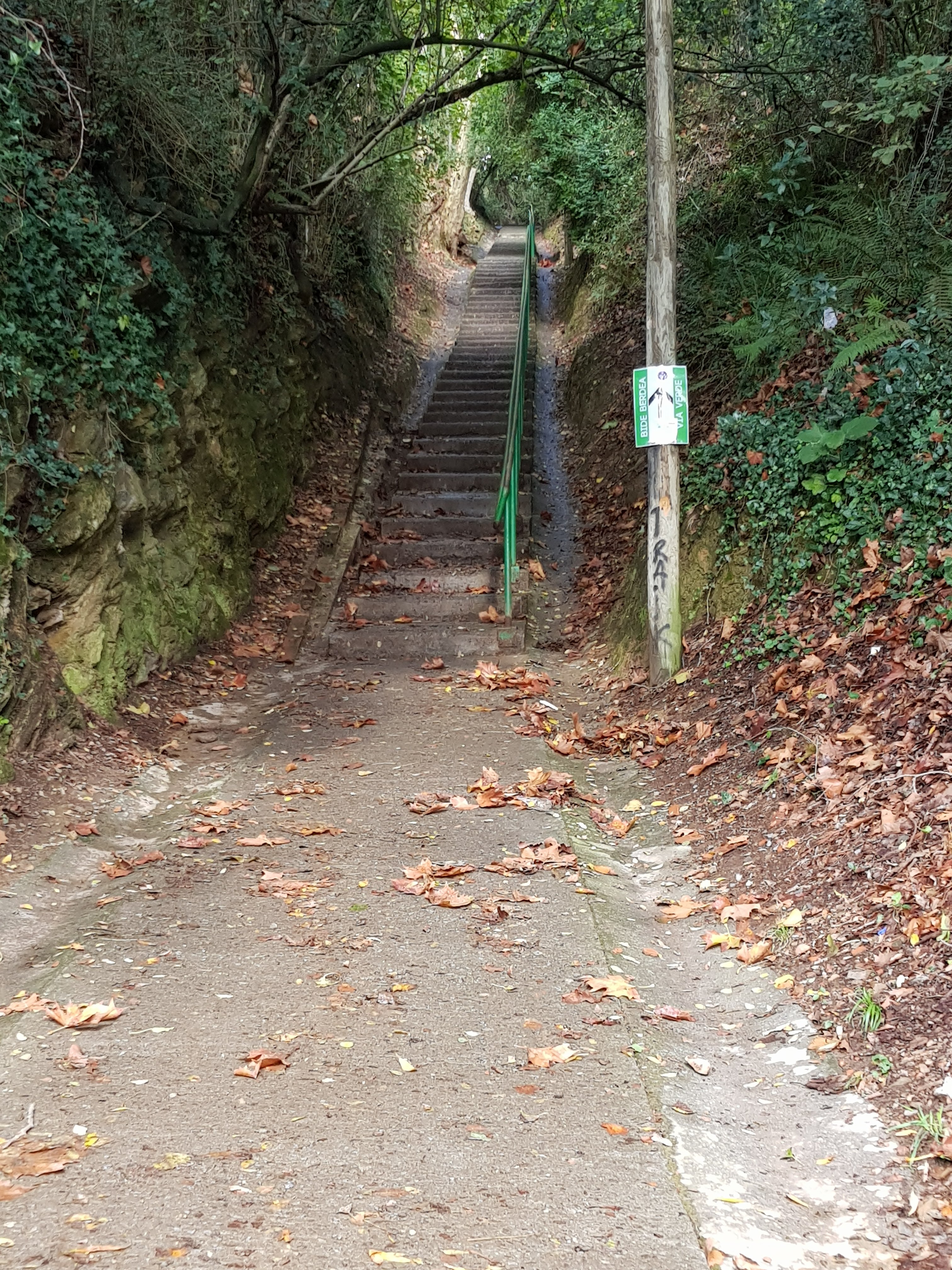
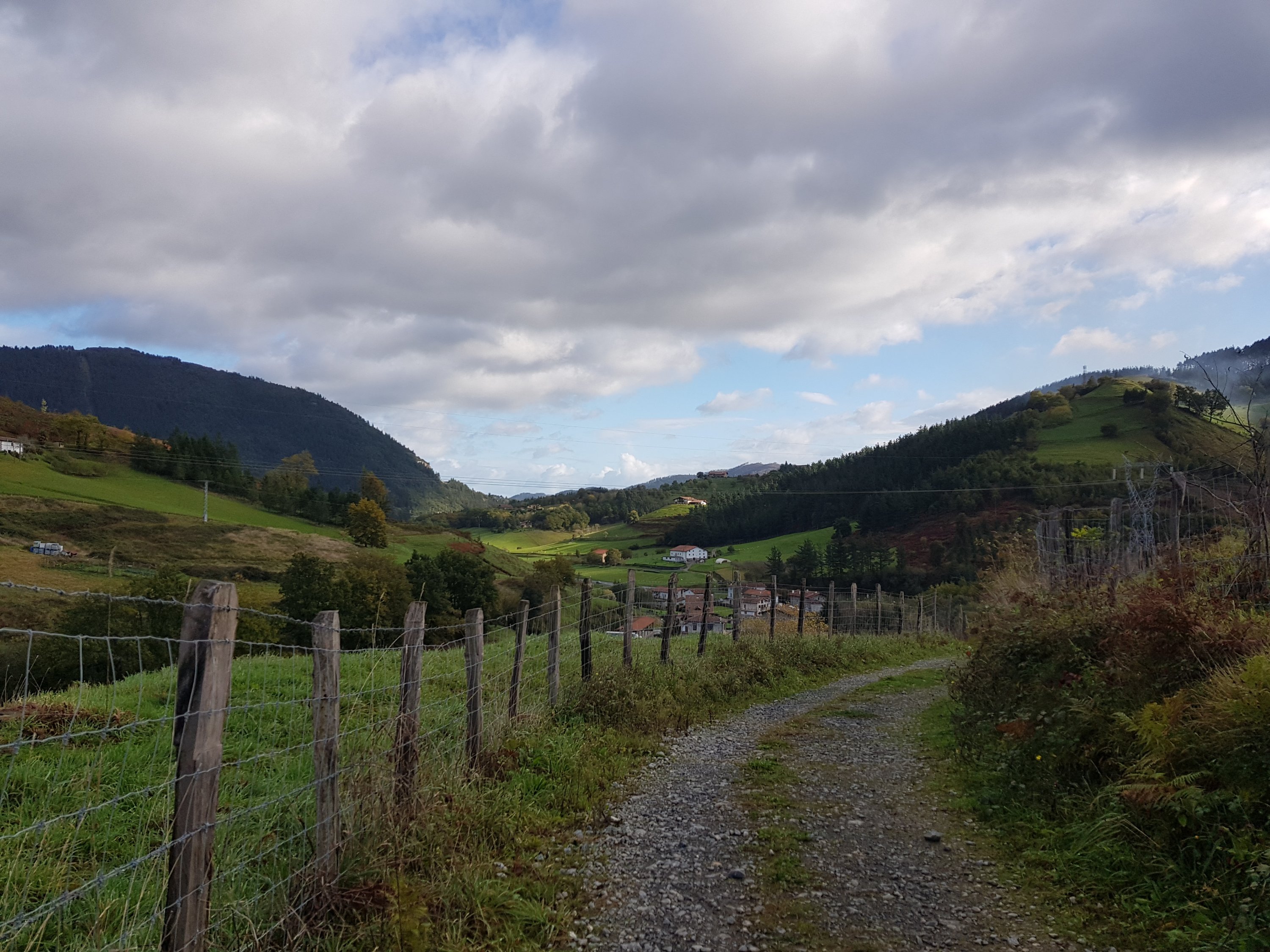
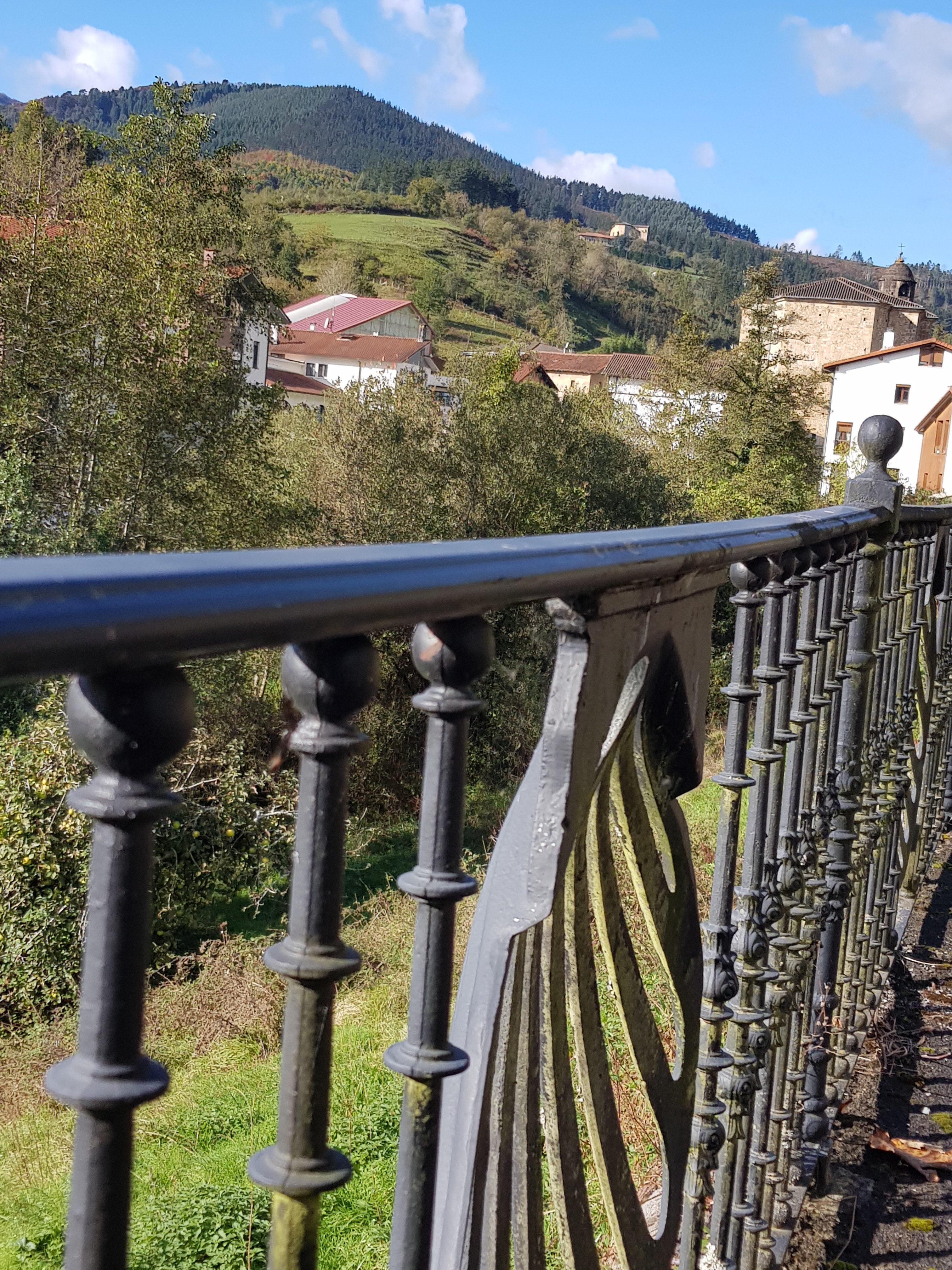
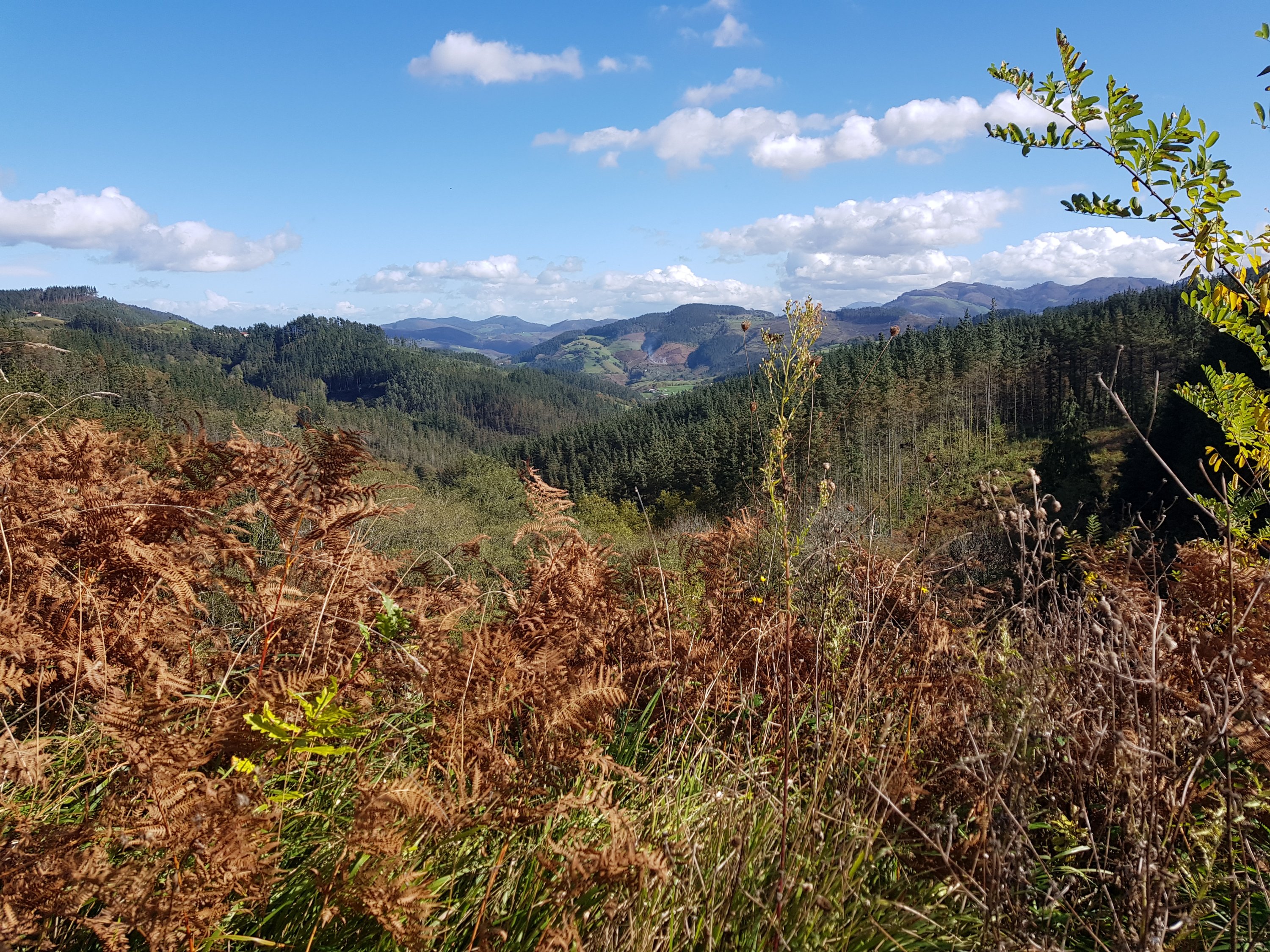
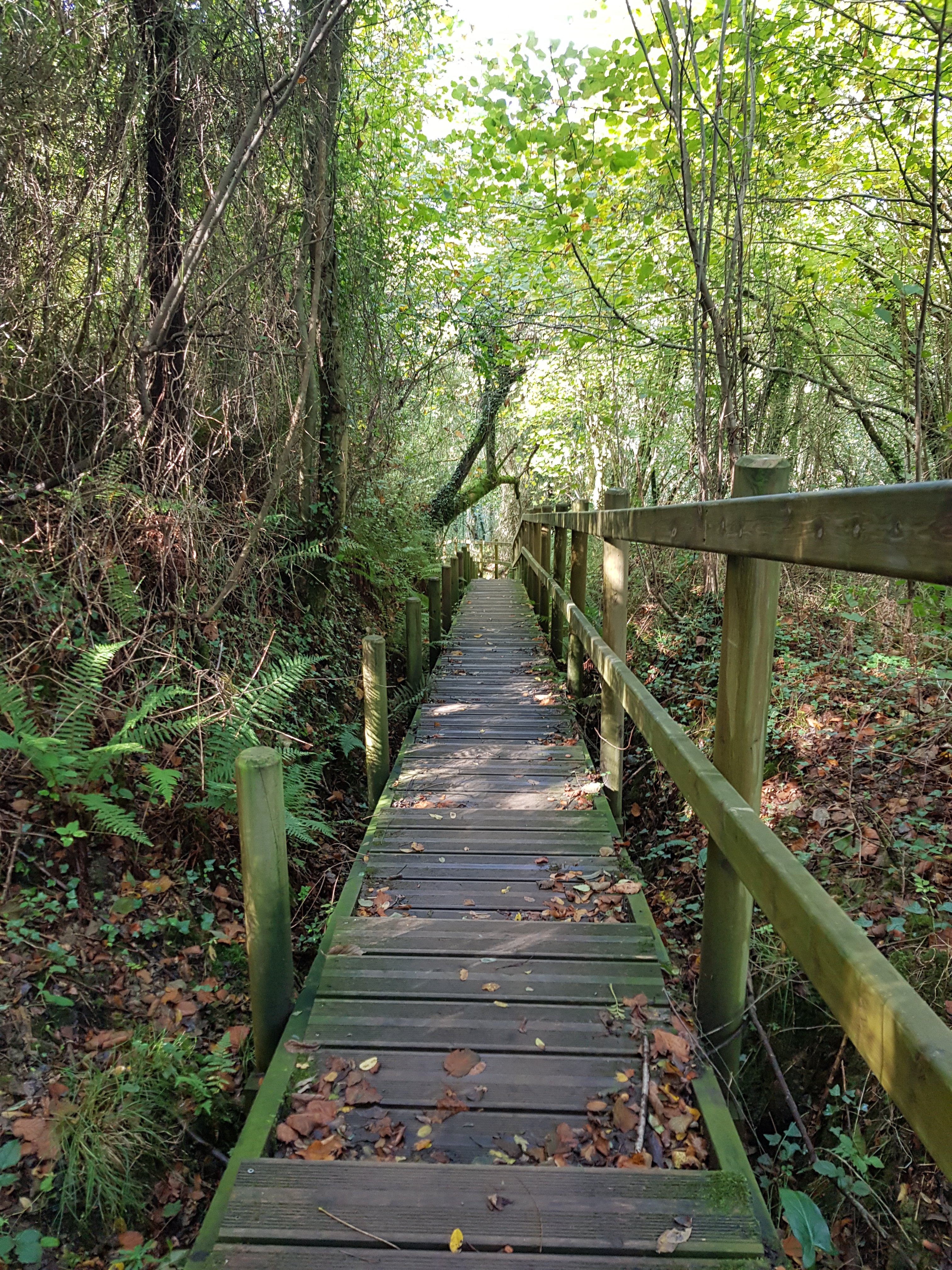
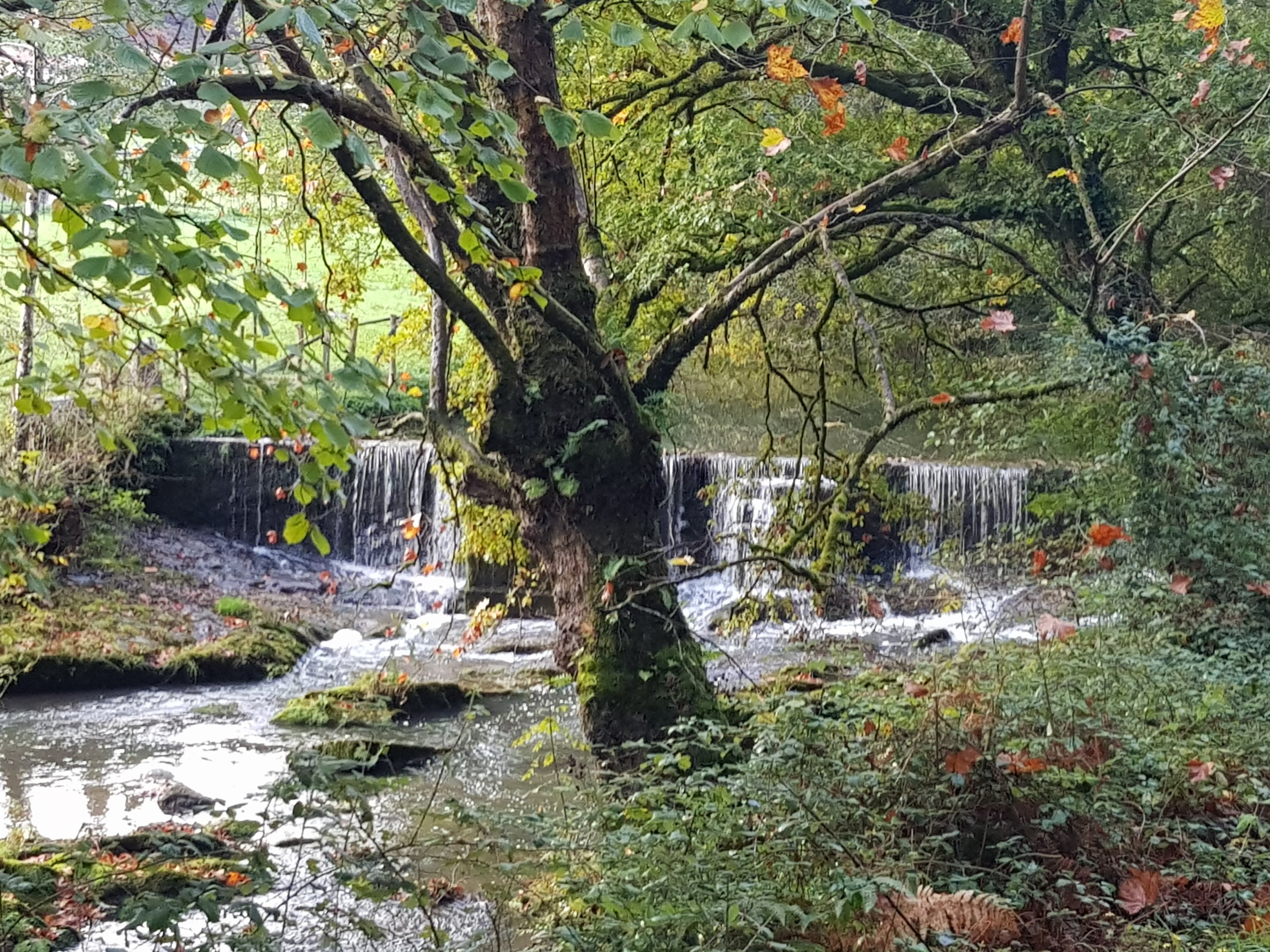
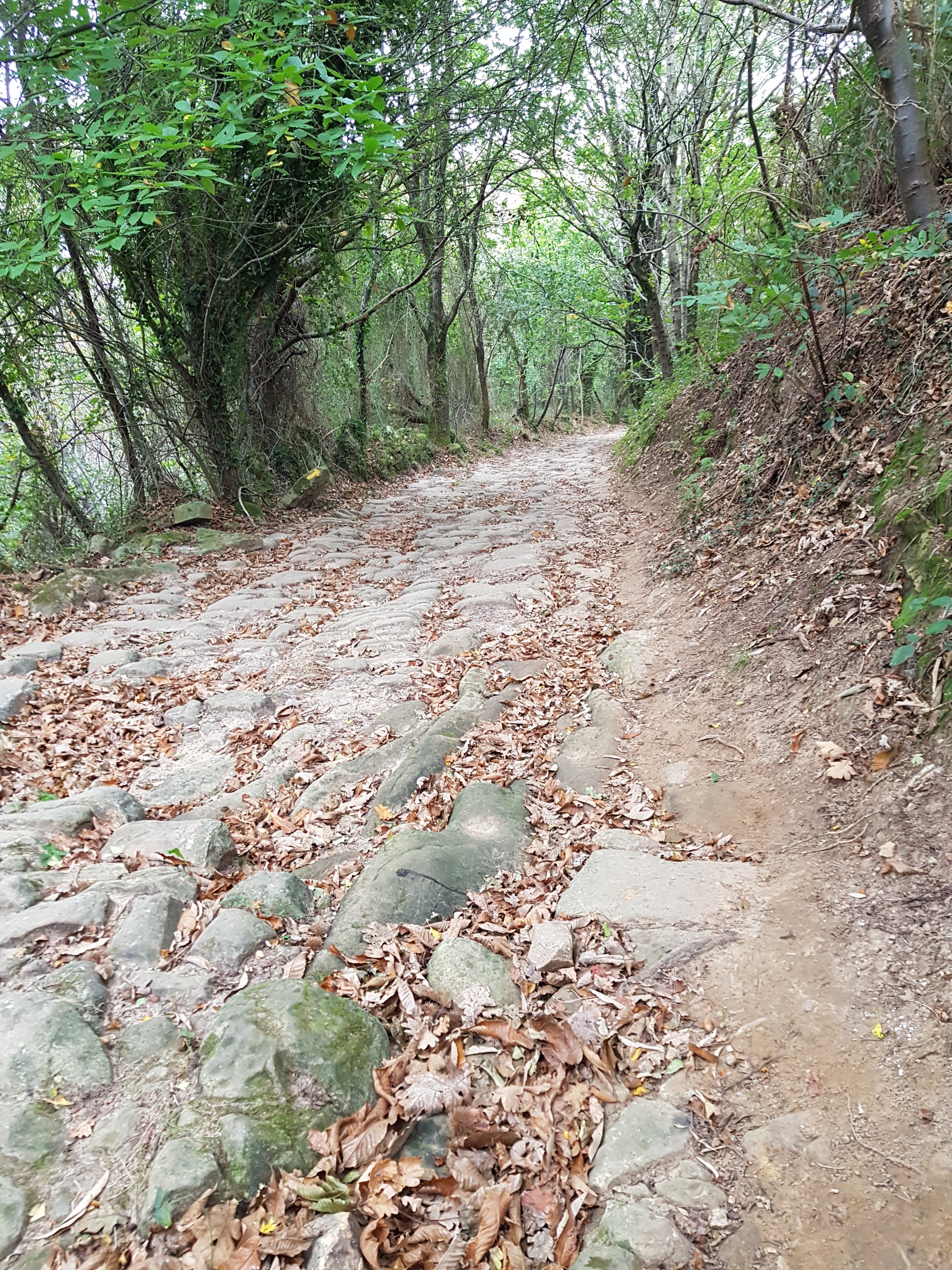
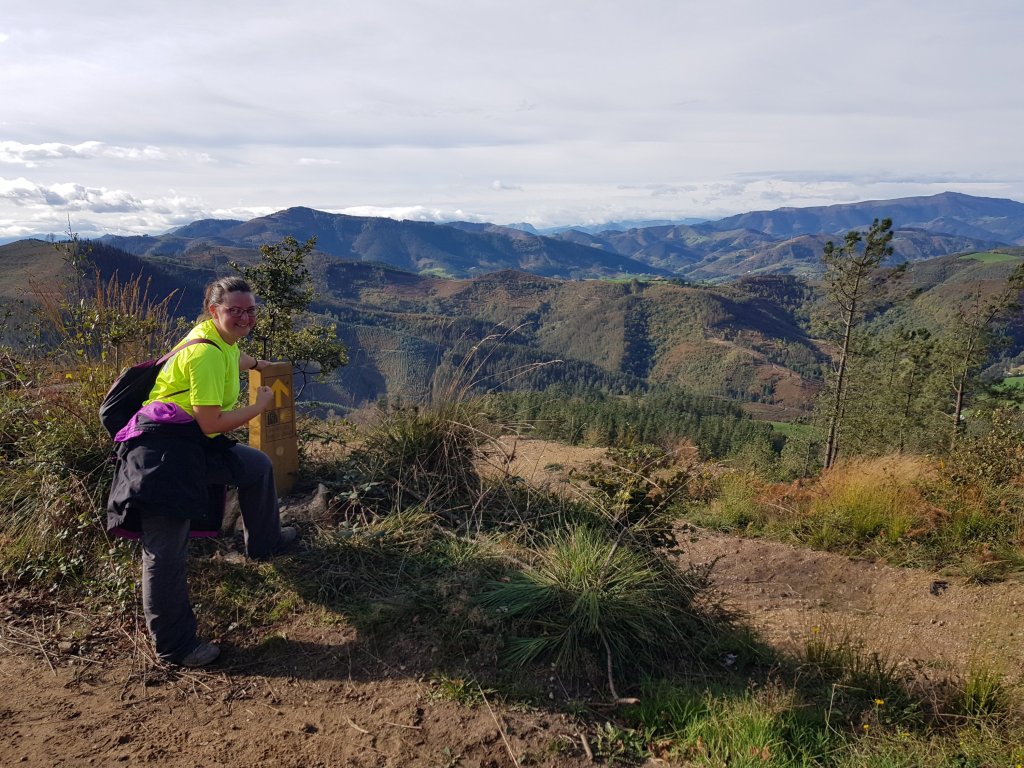
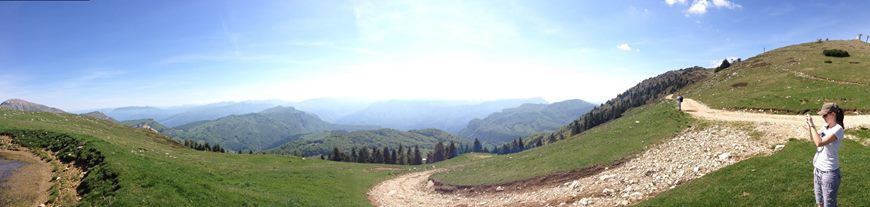
There are so many mountains in this area, and I was really grateful for my walking sticks to help get up them. The paths are a mix of road, track and uneven rocky slopes. The scenery is gorgeous, with lots of screensaver worthy backdrops, and pretty streams and waterfalls. Many mountains have villages (as in three houses), at the top, and small towns in the bottom of the valleys.

I think it is really important to take it slow during the ascents and descents. It is not worth rushing, and hurting yourself by losing your footing or pulling your knee. I started to get a ‘hiker’s knee’ after a few days, and strapped my leg up with K-tape. This really helped, but lots of breaks are also essential.

5 day old strapped up knee

When heading over a mountain before Lezama I actually met a local lady, who was selling snacks to passing pilgrims from her driveway. For a euro, she gave me mandarins, and a slice of chocolate swiss roll. She also let me sit on her porch and enjoy the views whilst we chatted in Spanish. I really enjoyed this little interaction. The only negative was that she got me excited and told me my destination was only 3km away on flat terrain… it was 8km and not flat at all. I was cursing her a little on my ascent for misleading me! I am past it now though, and all is forgiven.

Mountain maths is very confusing! There were many occasions when I thought I was nearly there but I was not… For example, on one day, the map said I was 4km from my accommodation. I thought, ‘great, I can walk 5km per hour, less than an hour to go’. Nope… it was 2.5 hours walk away, but only 15 minutes by car. I was pissed… and confused. My calculations were not taking into account, the elevation, and terrain. It was 4km, but on the other side of the mountain. Cars could drive through a tunnel going though the mountain. This makes calculating the duration of your walk, really hard. I generally have added at least an hour to each estimate I make.

Forests of autumn colours

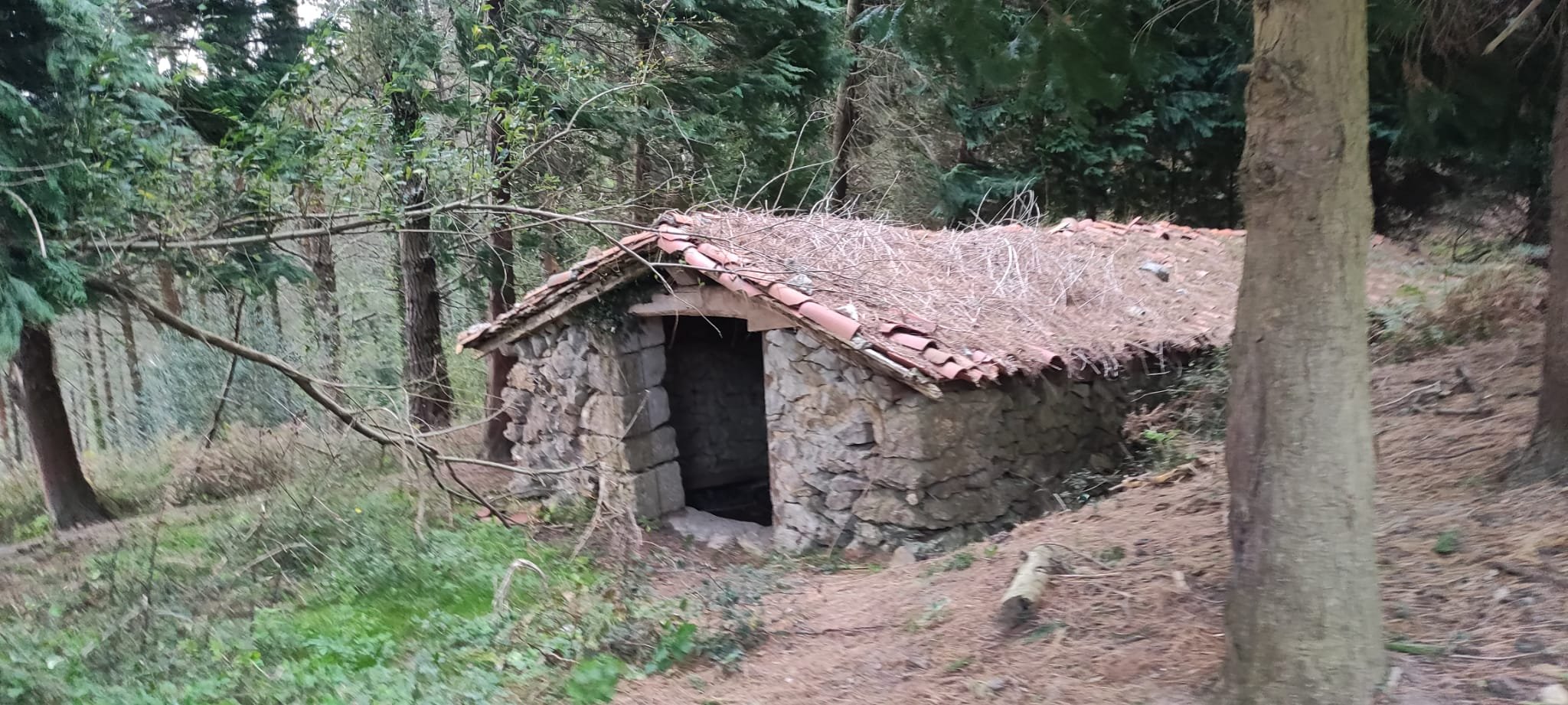
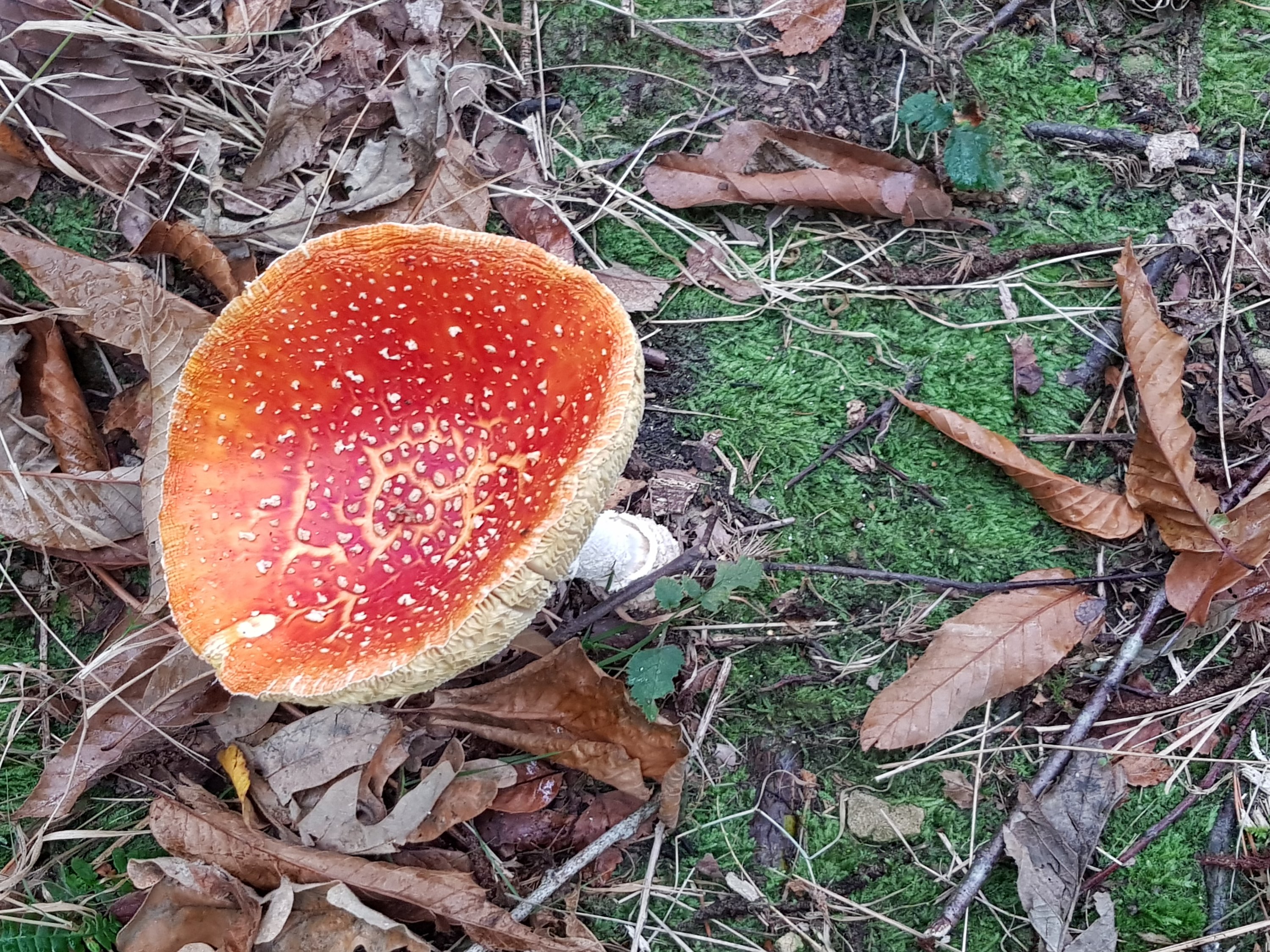
The forests I wondered through, were really beautiful because of all the colours. I much prefer the forest floor underfoot (more dry and bouncy, plus kicking big orange leaves is fun!) It was really tranquil and there was the odd shack which I imagine a few pilgrims have made camp in. I have met quite a few people who are camping even in the wet November weather. A highlight for me was seeing a group of vultures flying really close to me on the trail. They probably thought I would be easy pickings!

It hasnt all been sweetness and light…

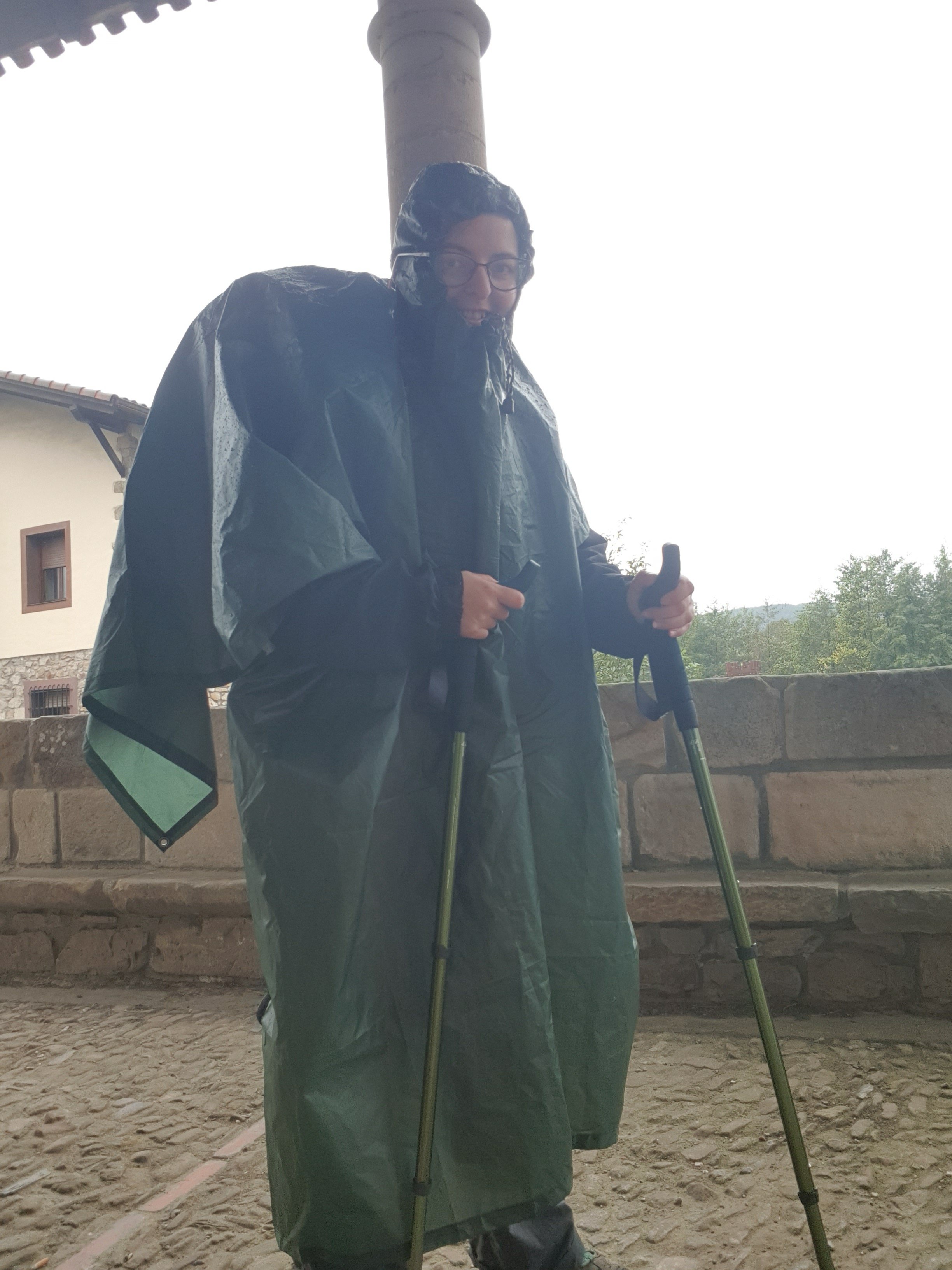
  • The rain in the last few days to Bilbao was relentless. The poncho has been out but it is a pain because you need help to put it over your backpack.
  • The rain has made my socks wet.. equalling blisters. I was managing to avoid them until my shoes started getting too wet.
  • Some paths are so uneven, that they take ages to navigate carefully. They are also really slippery.
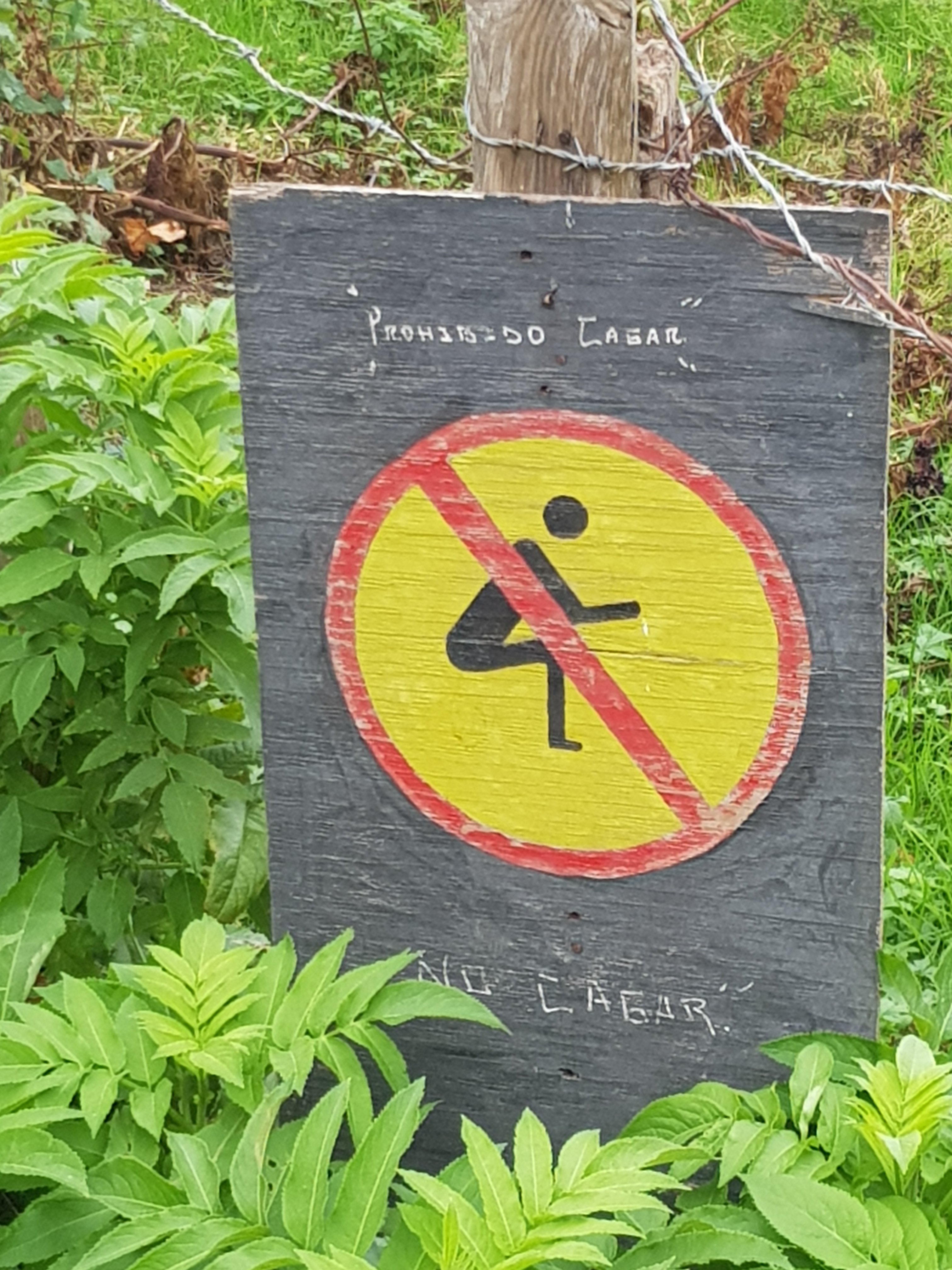
  • Toilets and other facilities can be very far away at times. This is a positive and a negative, because it is nice to feel in a remote location, but it does lead to wees in the woods. Tricky to do when you have a huge backpack on. Keep leaning forward ladies!

Special highlights on the walk

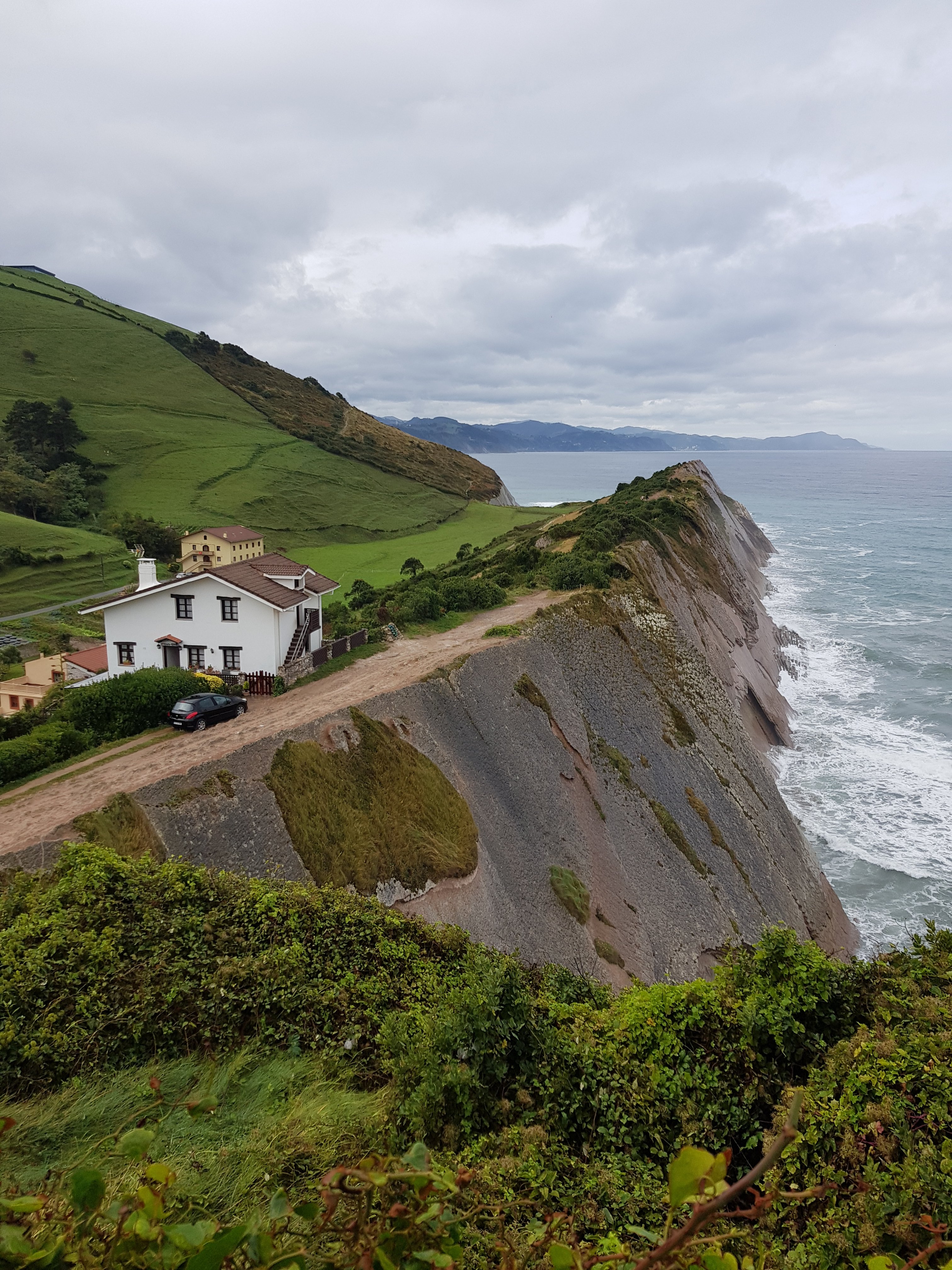
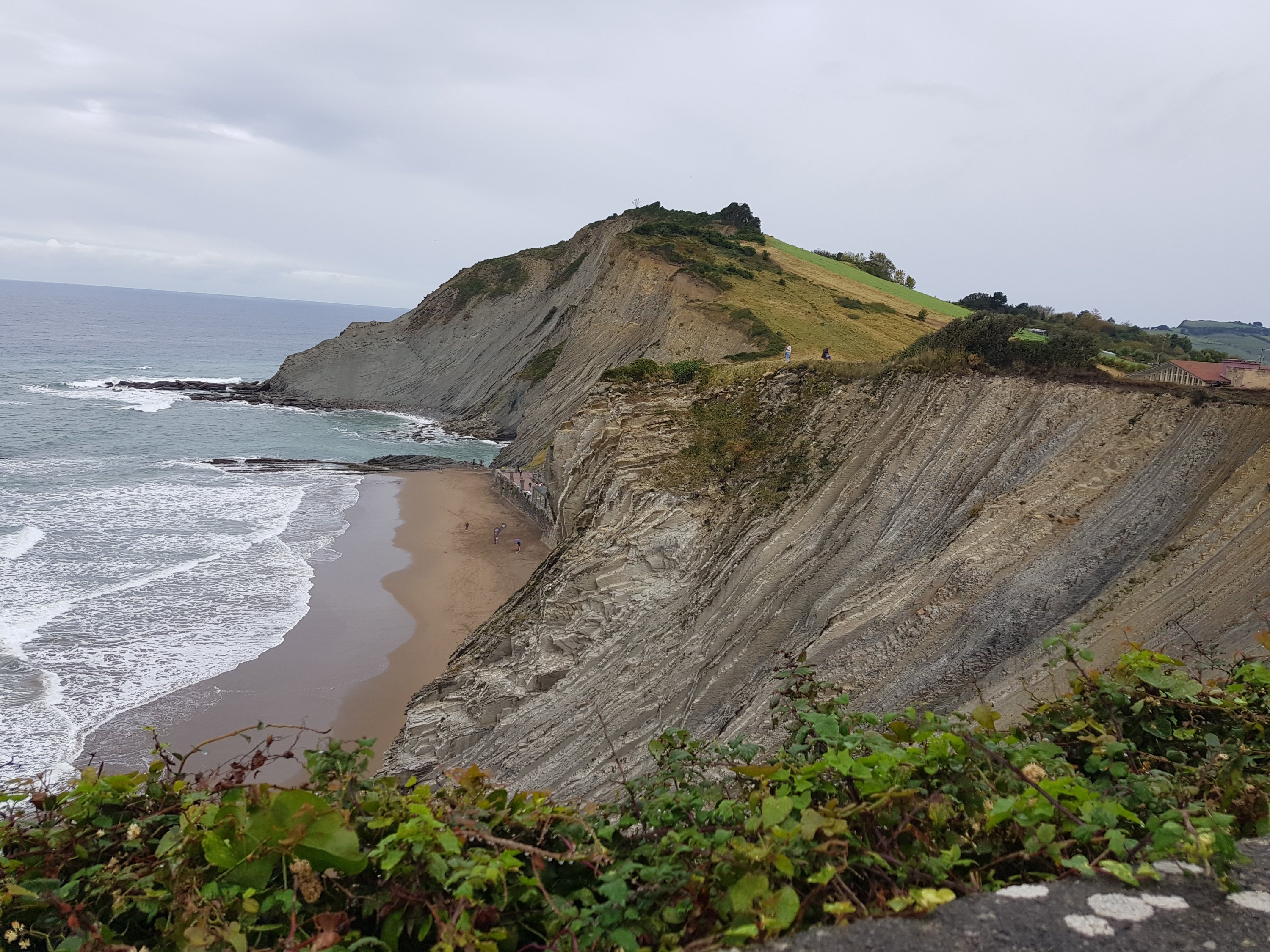
Seeing the flysch

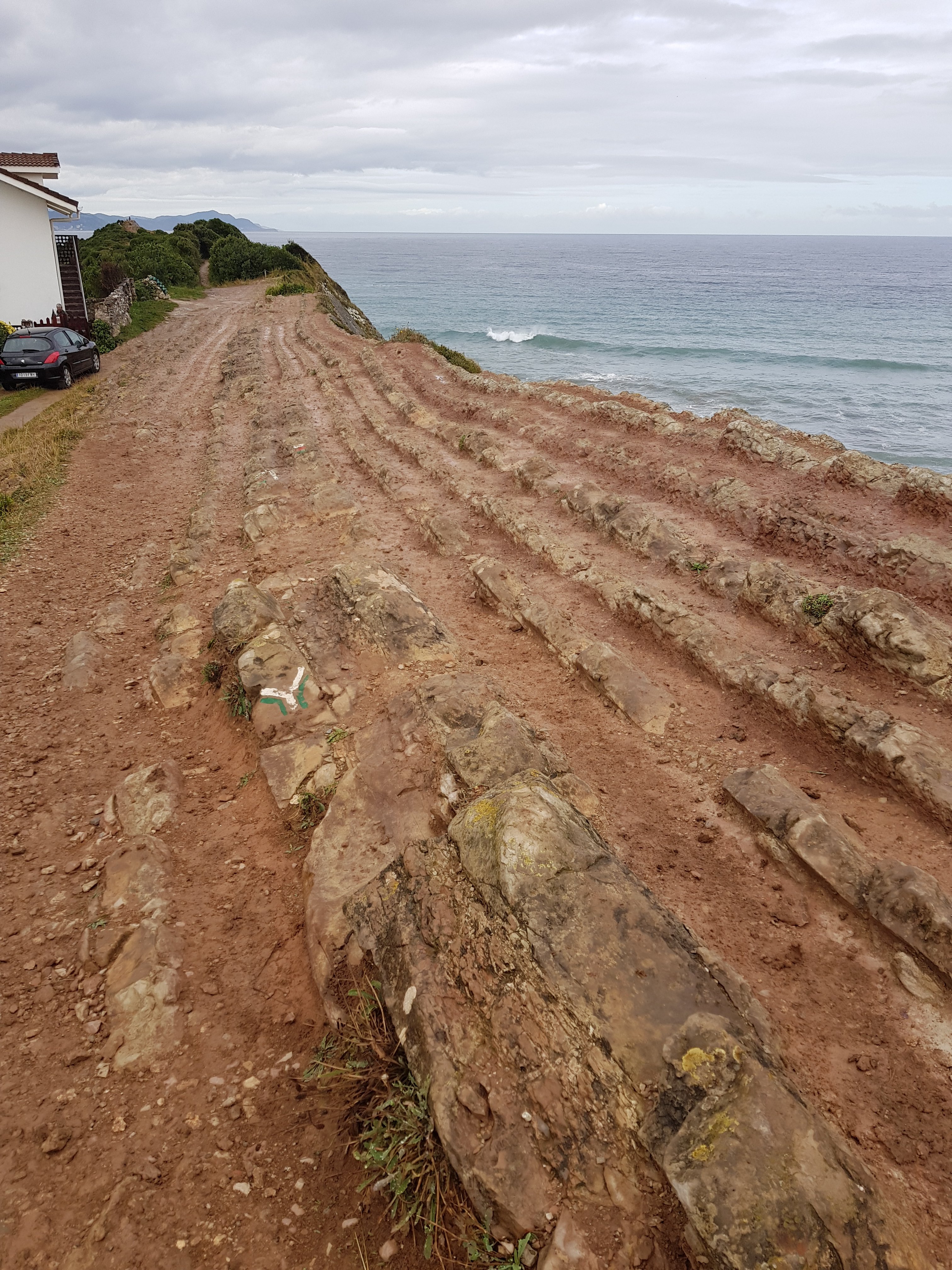
When I got to Zumaia, I decided to follow a different track for a little bit. I did this so that I could see a special rock formation in the cliffs there called ‘flysch’. It is a type of erosion that creates straight lines in the rocks. Very strange, but cool!

The downside was that to rejoin my path, I had to walk up the cliffside. After lots of rain, it was basically a mudslide, and very scary. I had to be really careful, and it took ages. I would probably not recommend doing this if it has been raining a lot.

Monastery and day of the dead

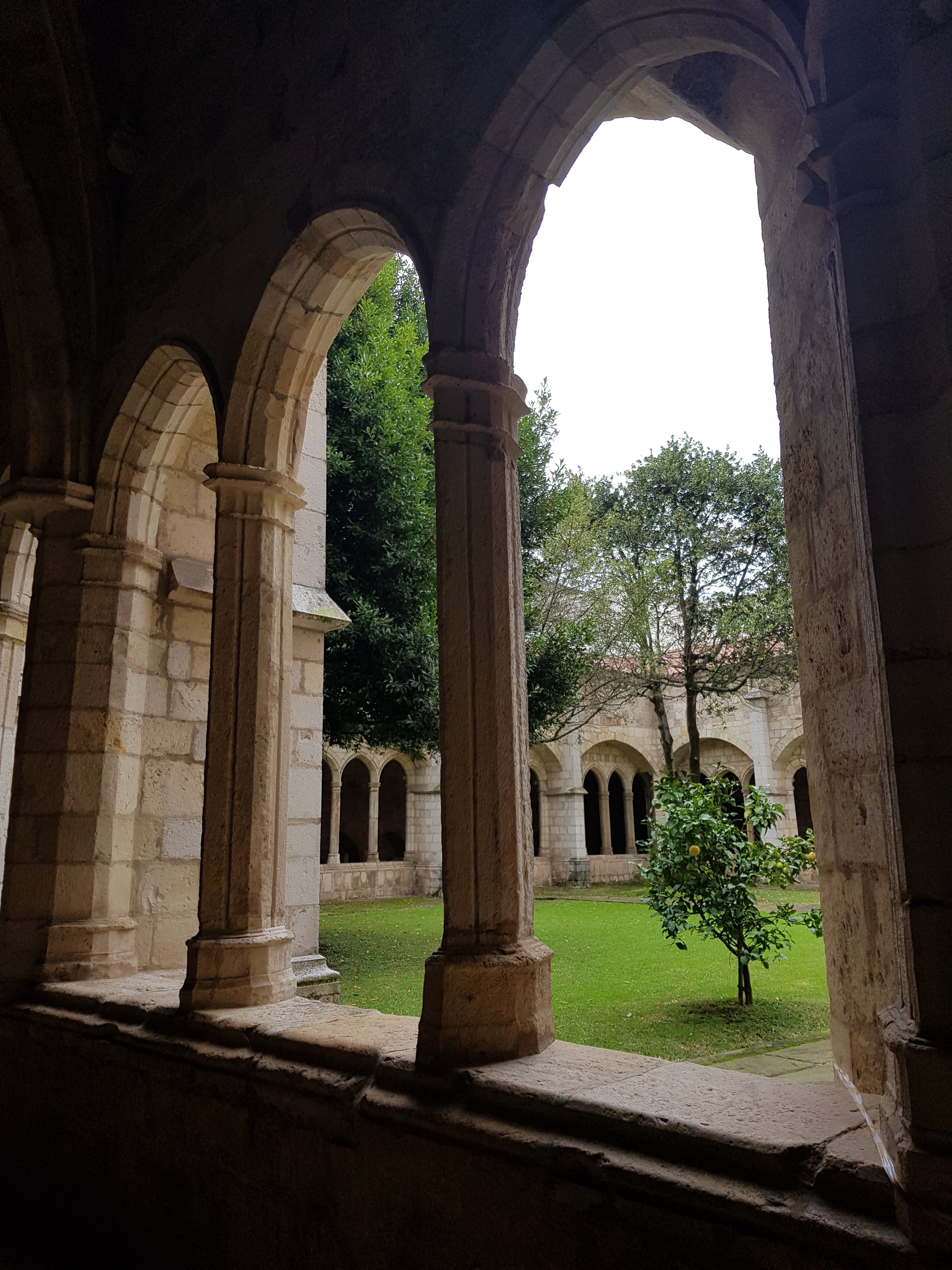
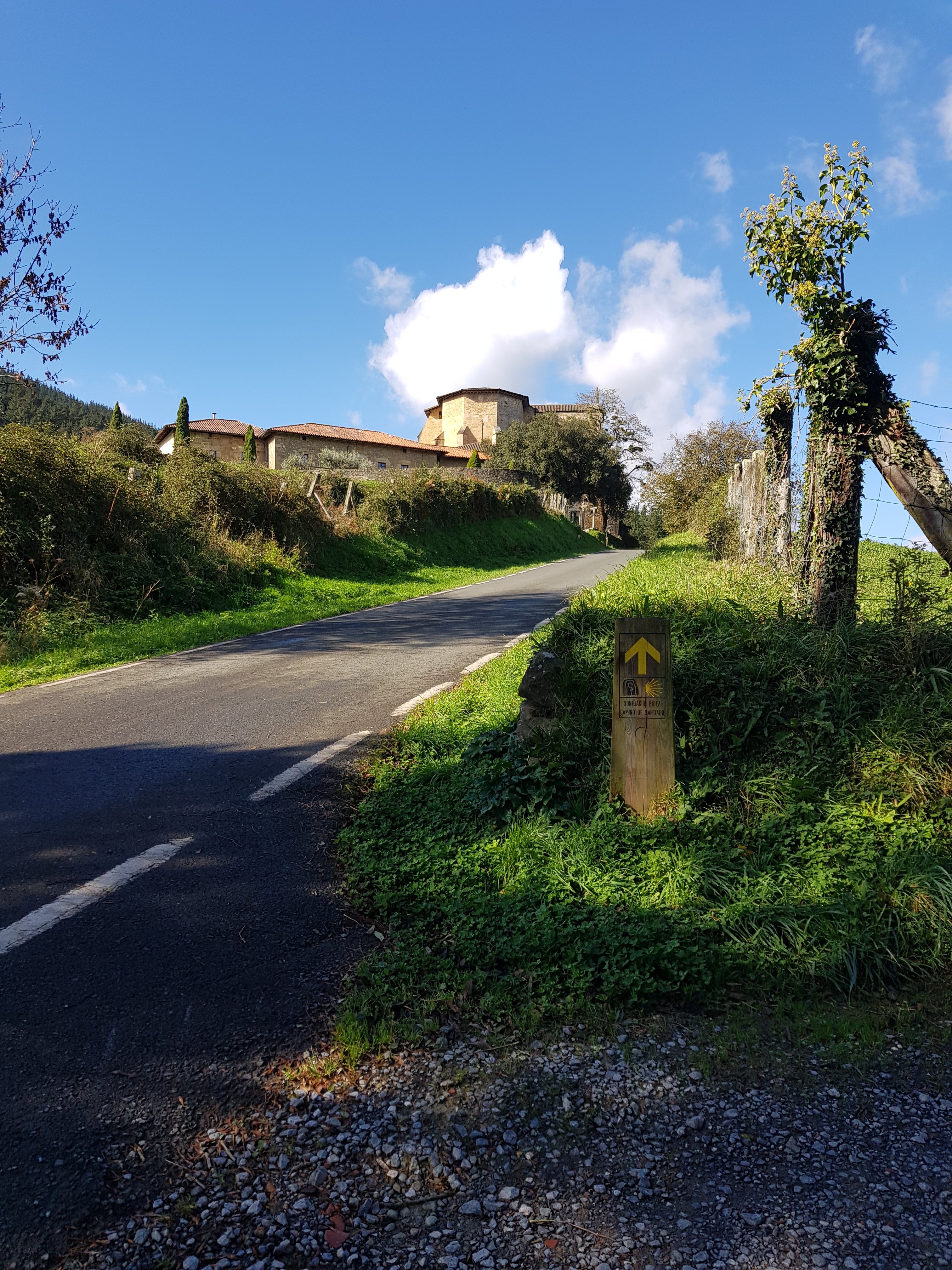
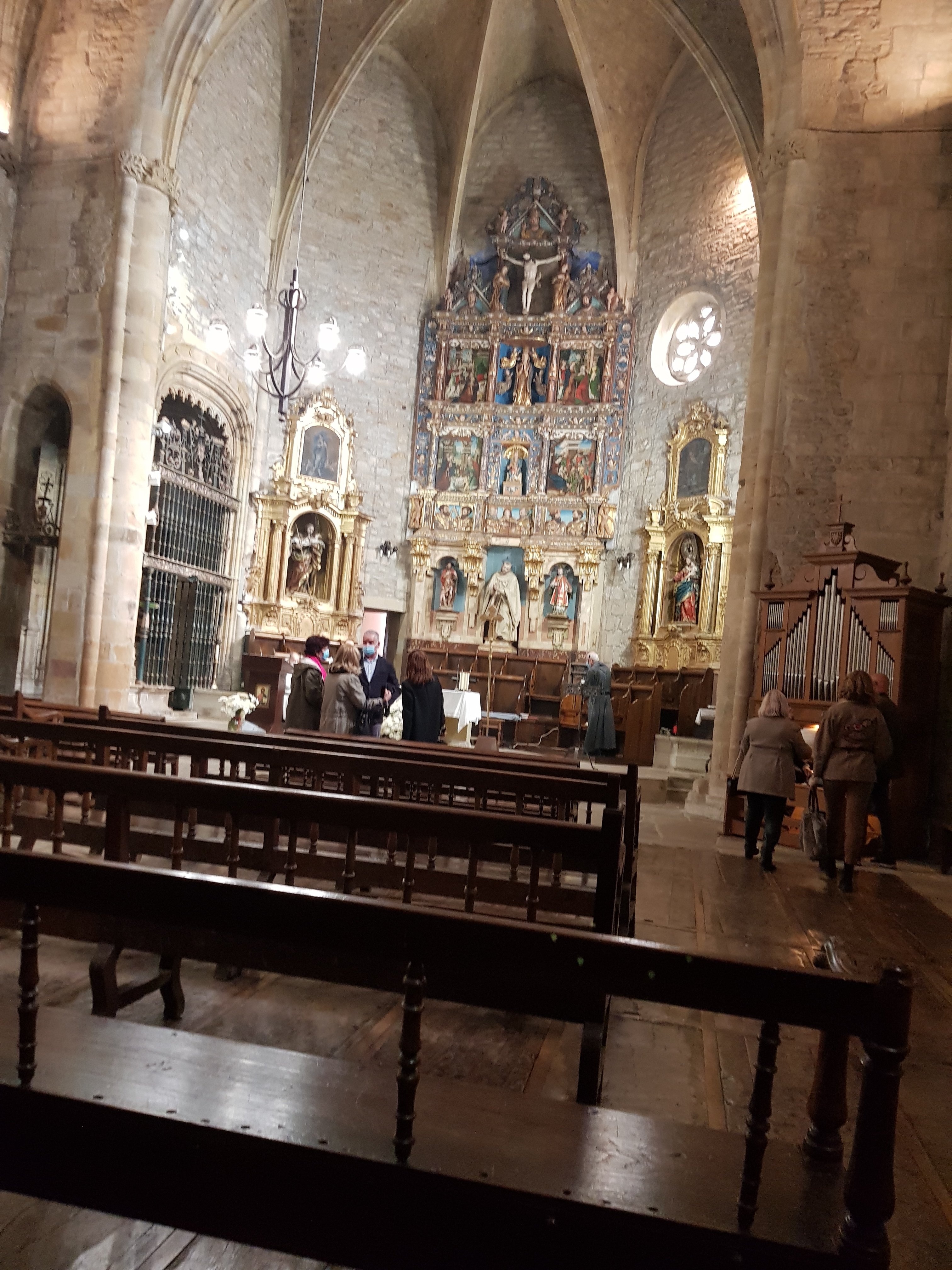
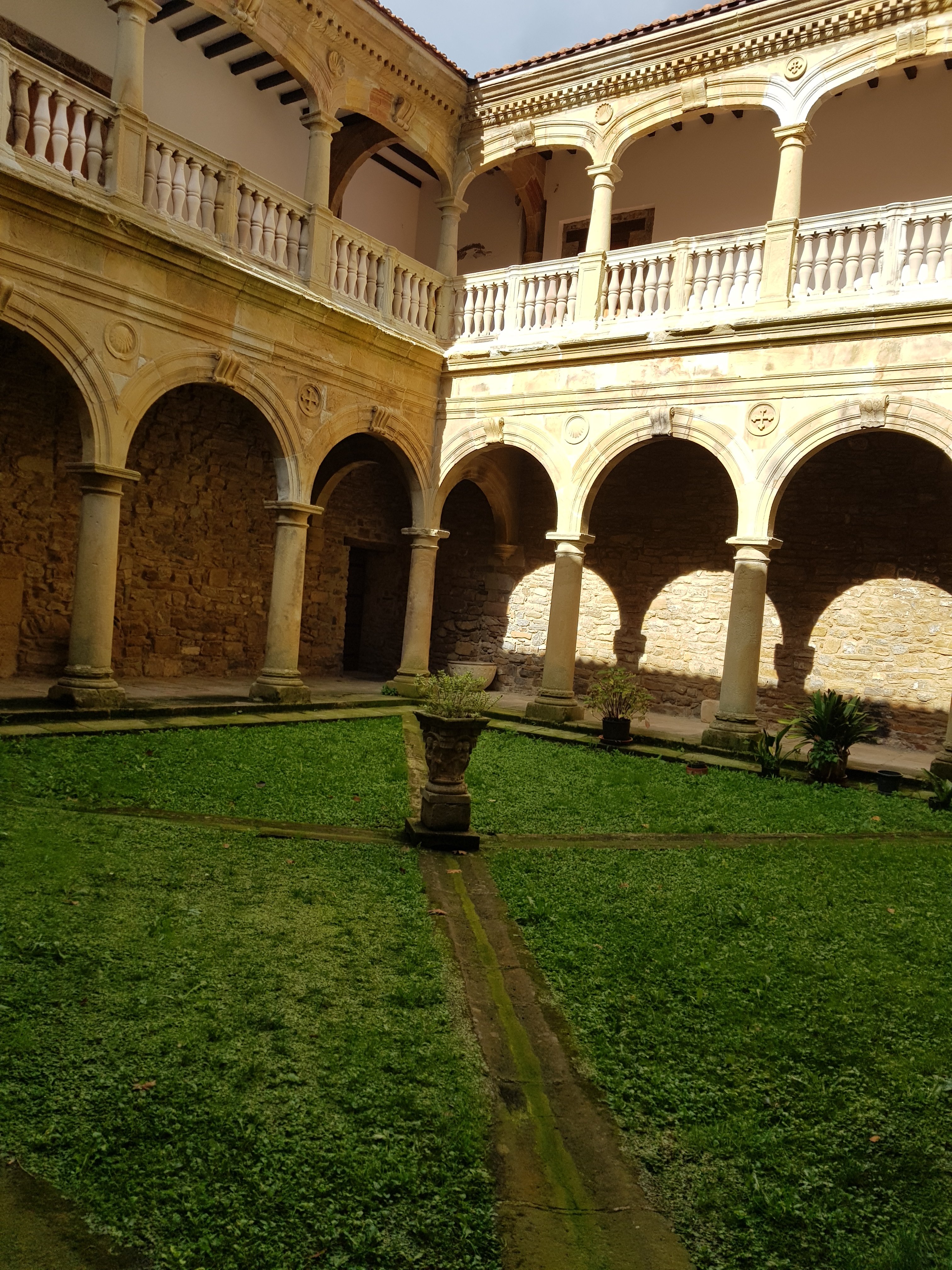
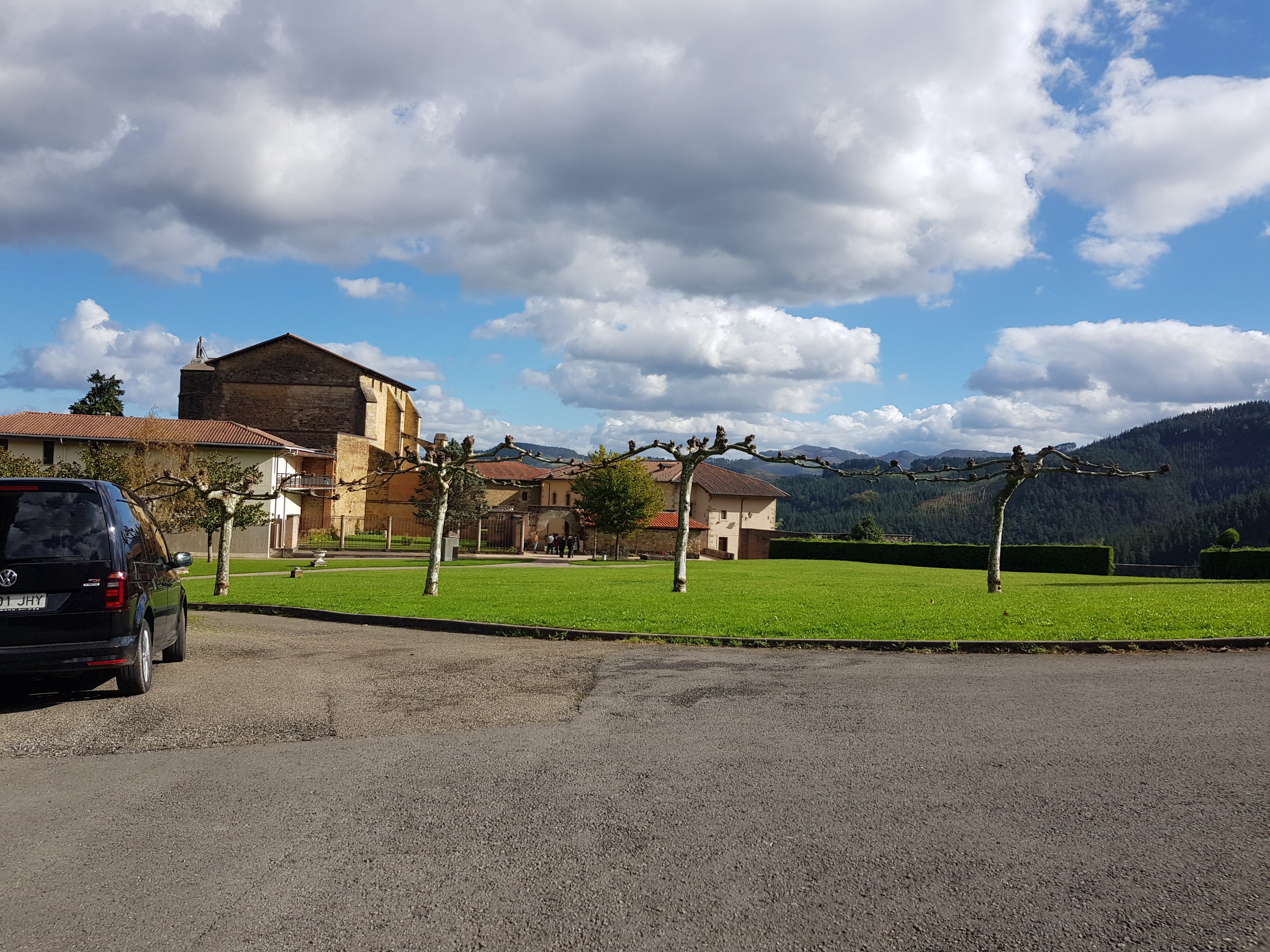
On part of the trail, you pass through a beautiful monastery. Pilgrims can actually sleep here with the monks for a donation. I didn’t sleep here, but I did take the mass which was lovely and rejuvenating.

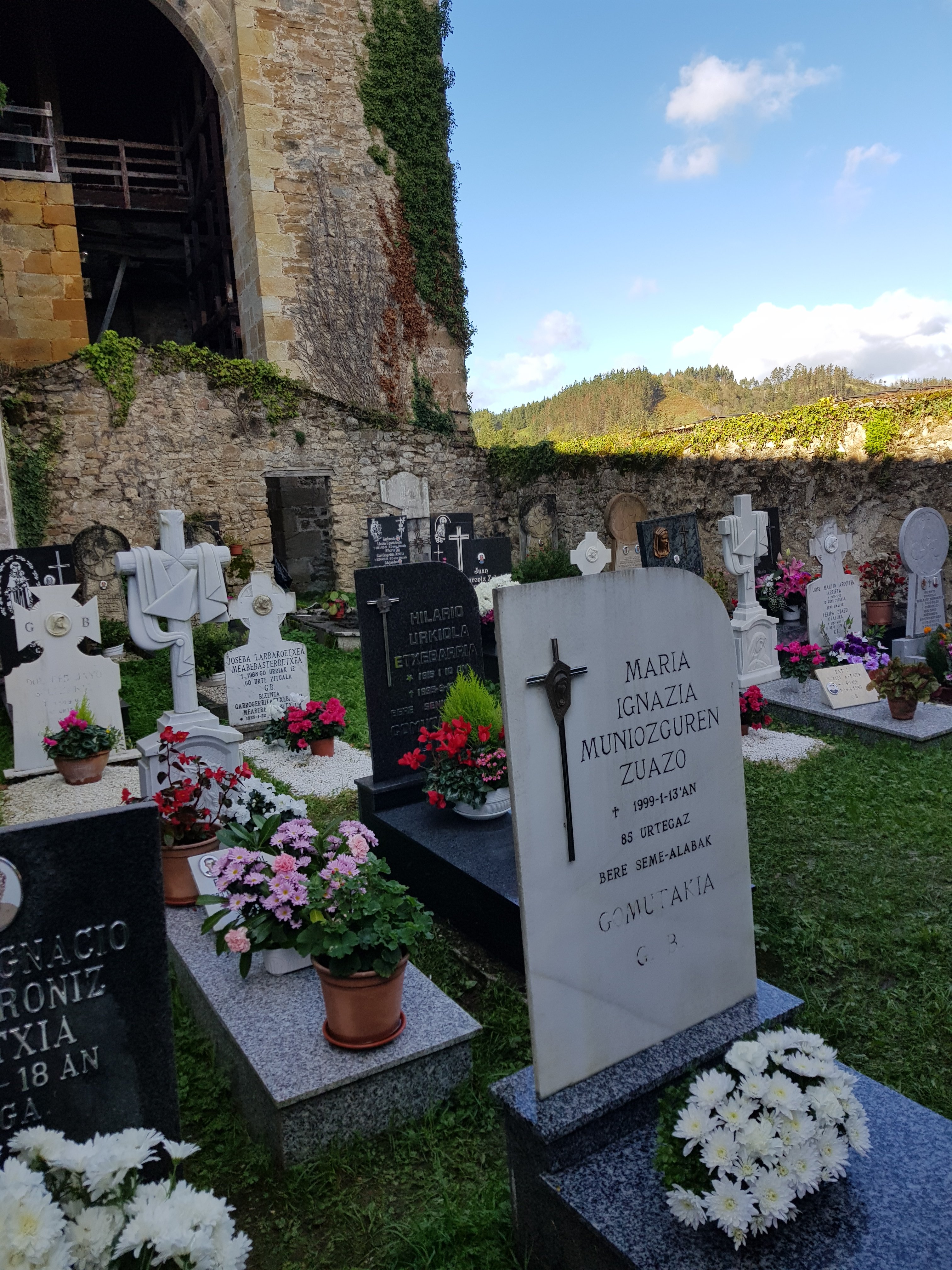
I happened to be passing on the day of the dead or all saints day. This is the day after halloween. Whilst some spaniards are starting to trick or treat and do the american halloween, it is mostly not done in Spain. They do celebrate the life of their loved ones though. Many people bring flowers and other offerings to the graves of their loved ones, and the day is a bank holiday.

This did make finding food a bit tricky, as most places were shut. I spent my day eating buttered bread from my backpack.

Guernika

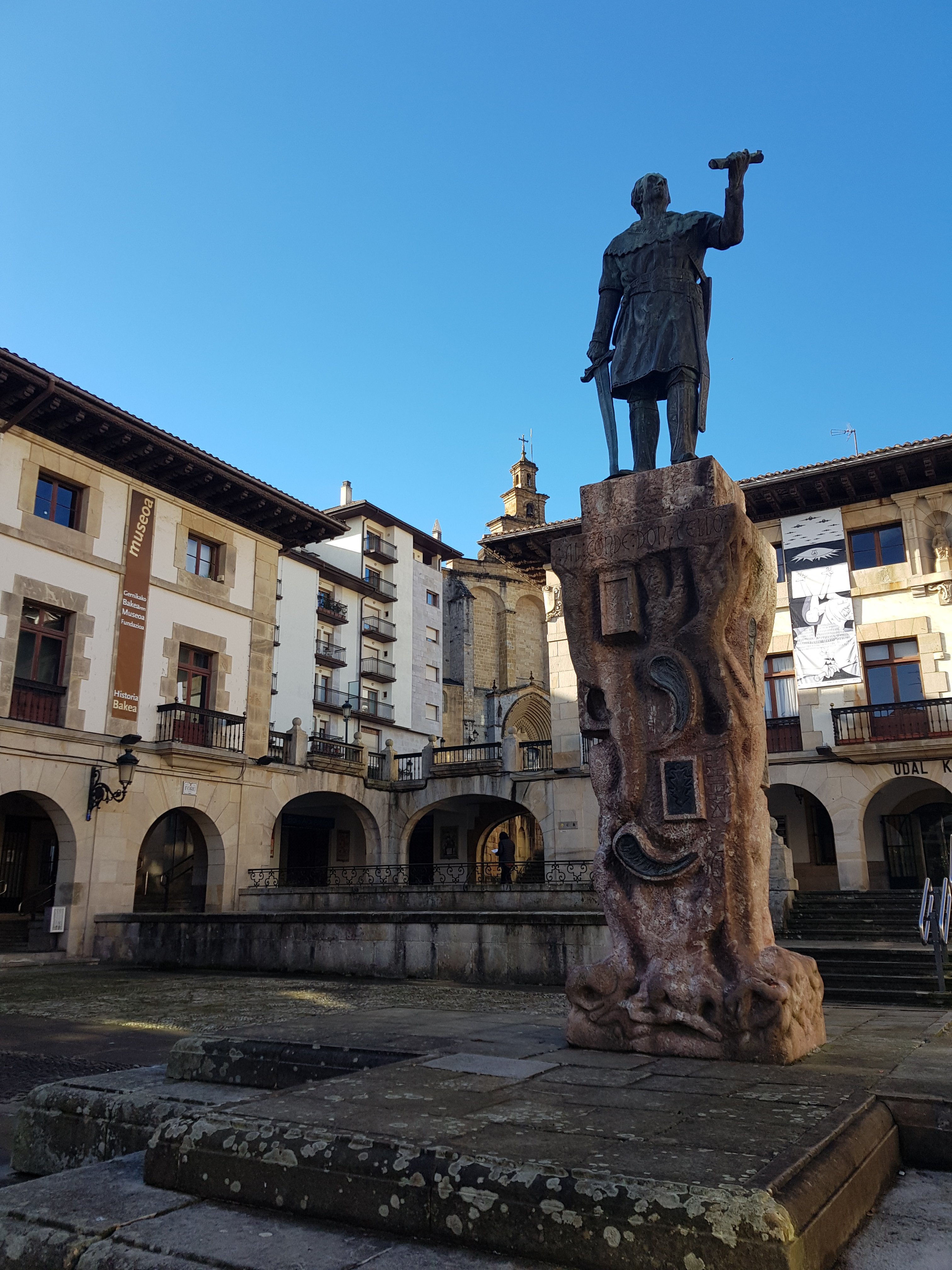
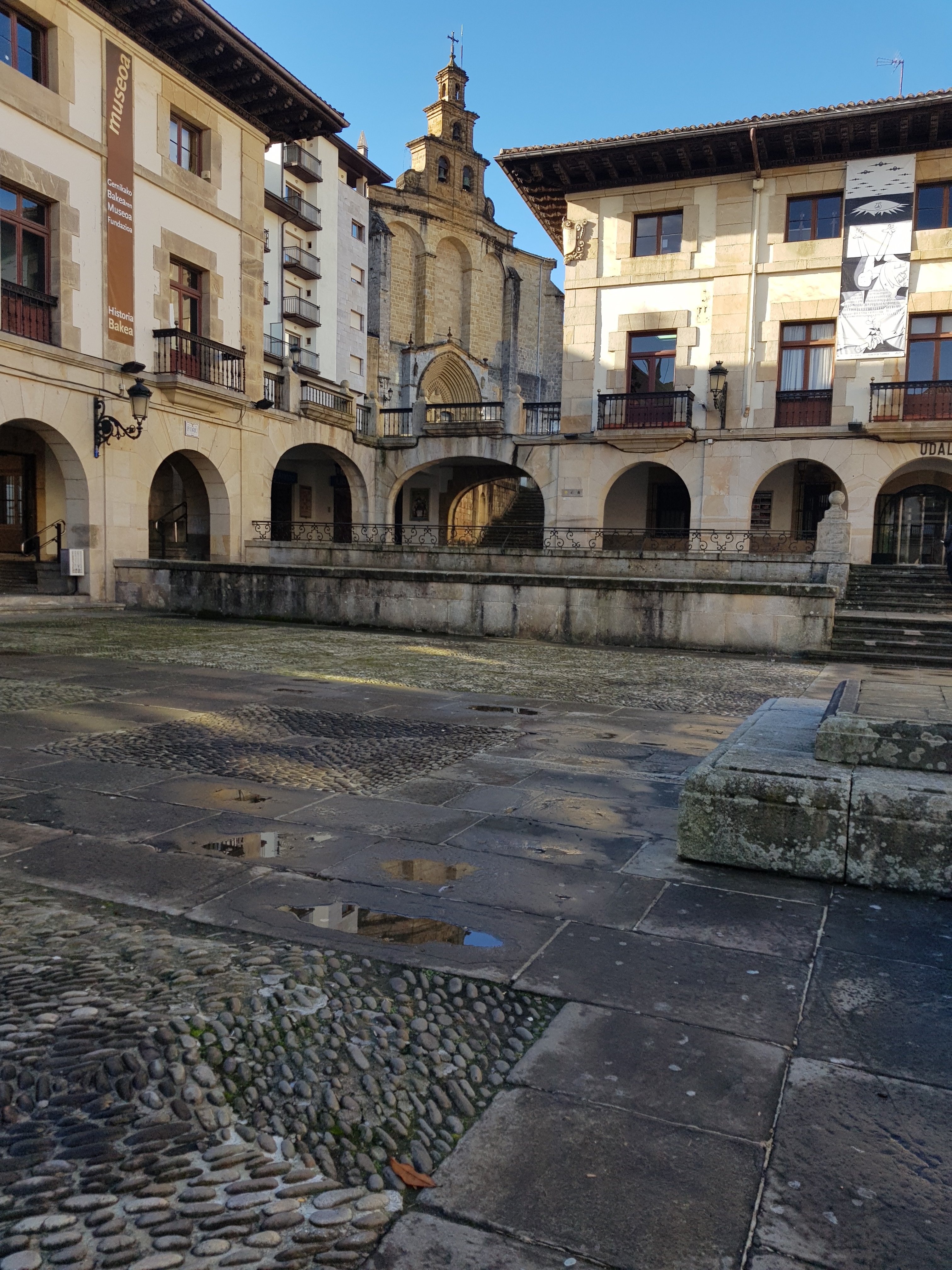
Guernika is a town on the walk that is full of character and clearly proud of the basque culture. It has quite a few monuments related to well known basque figures from history, and two museums. I would have liked to spend another night here, but I had to move on to the next section of the walk. Apparently this town is a stop on many guided tours from Bilbao though, if you want the highlight reel on a quick trip.

Bilbao

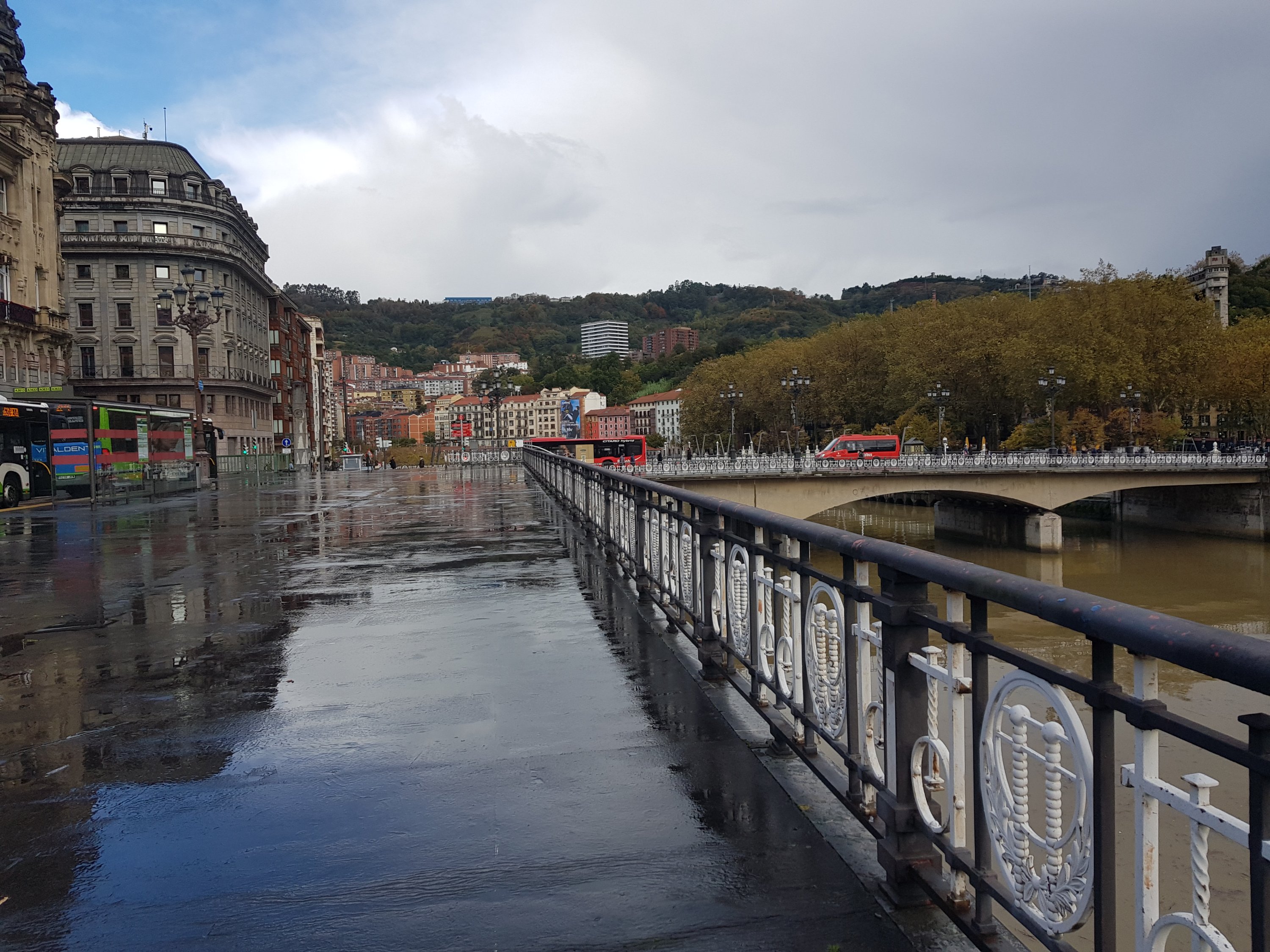
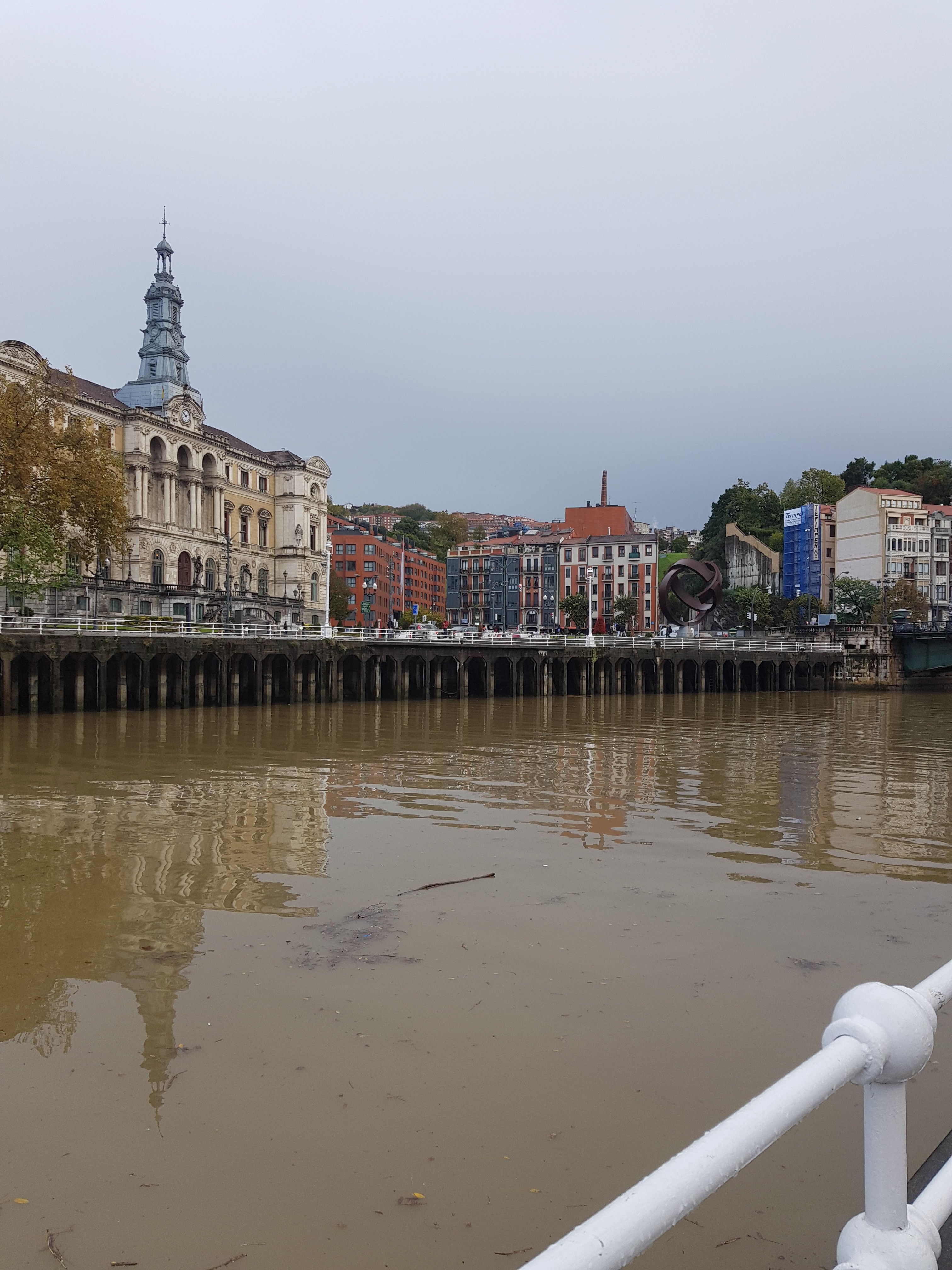
Reaching Bilbao was a great milestone for me. I felt soggy and more tired than I was before the walk, but also stronger and more confident. Bilbao is a huge city, with a lot to see but I only had two nights, and the first night, I basically went into a coma.

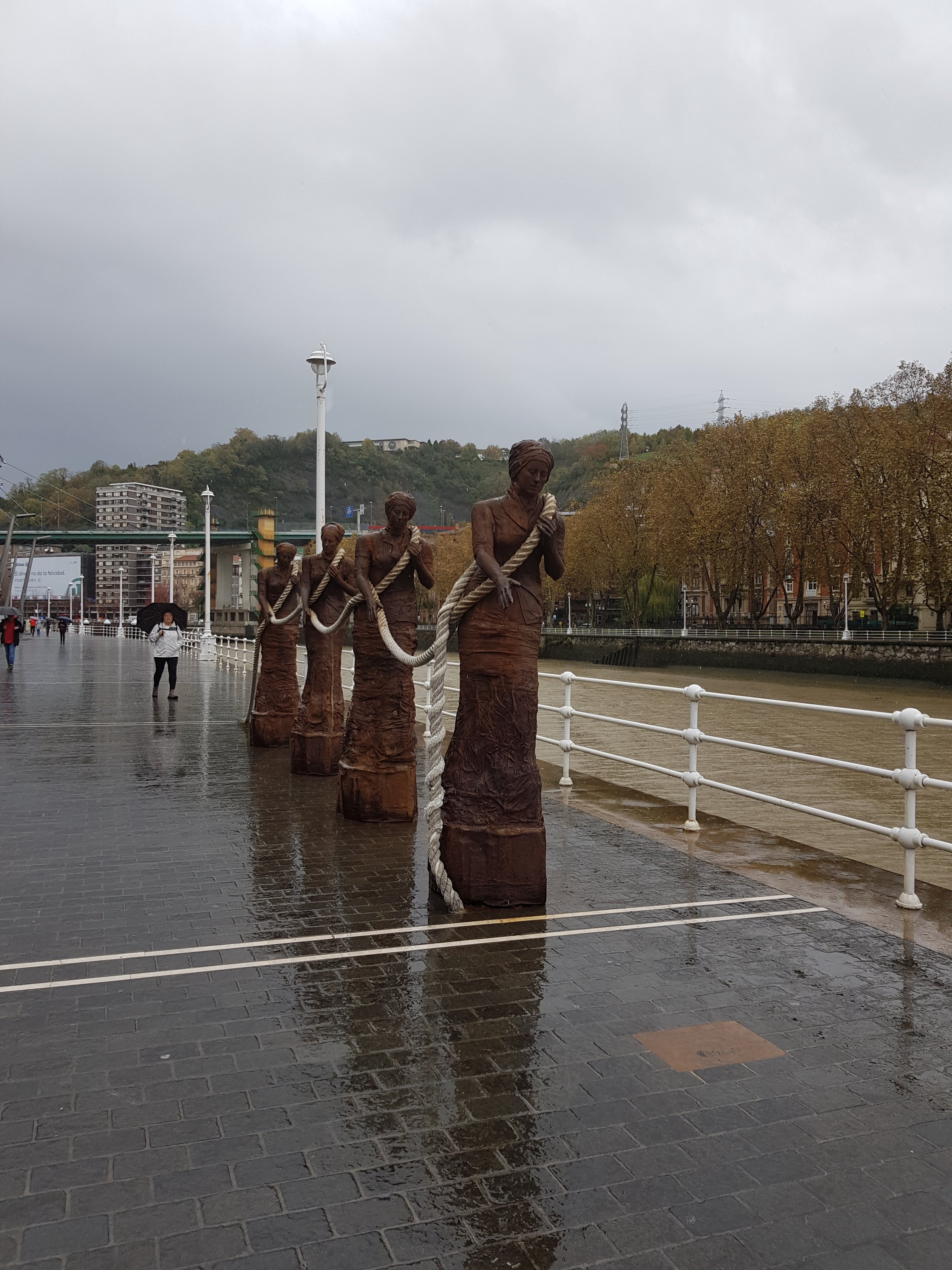
It poured during my whole visit, but determined, I stuck some carrier bags in my shoes and went out to explore.

Guggenheim museum

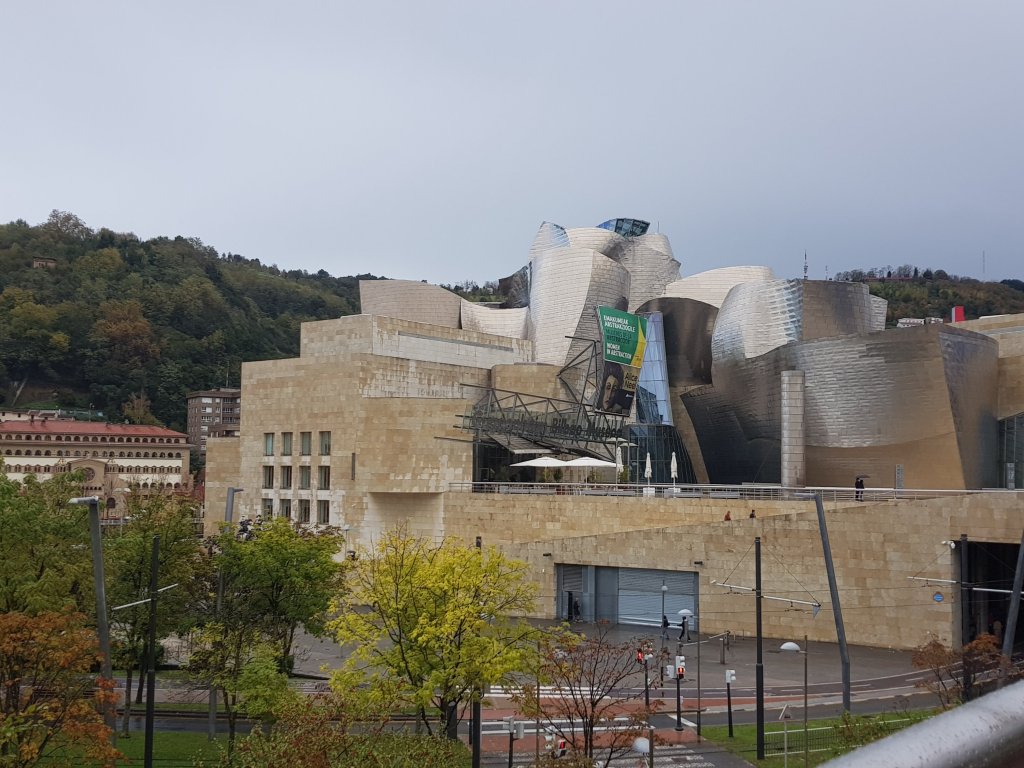
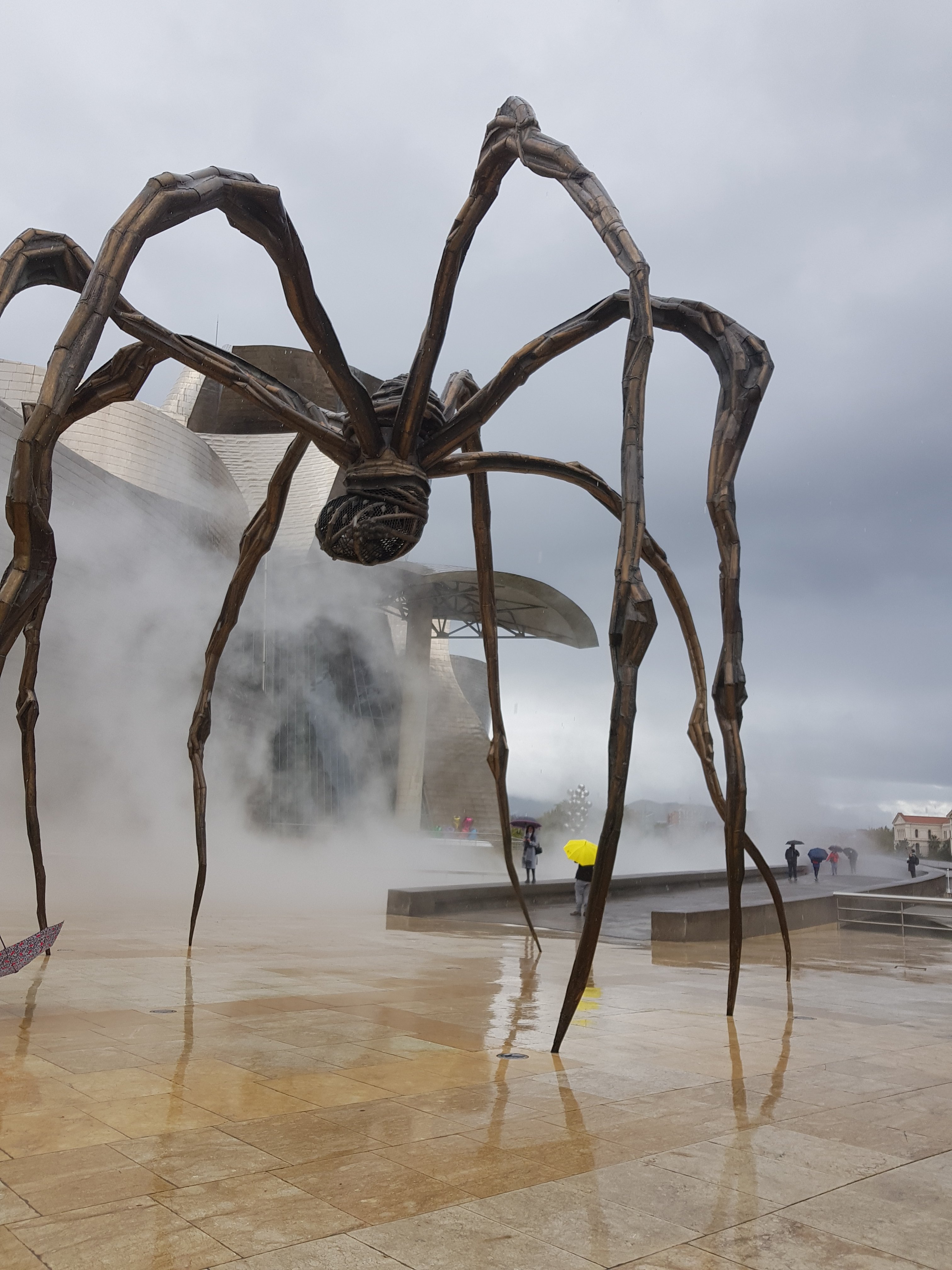
The Guggenheim is a landmark attraction for Bilbao, and is what most people think of when they imagine the city. The museum is for contemporary art, and the architecture of the building itself is unique. It is located on the riverside, a little past the centre.

I am not very big on contemporary art, I prefer traditional portrait paintings, but once I reached the museum to see the outside, I was soaked. I wanted to dry off, and I was also curious, so I wondered in, squelching as I went.

The cost for the museum was €15, which I thought was pretty steep, more than I have paid for most attractions on my journey so far.

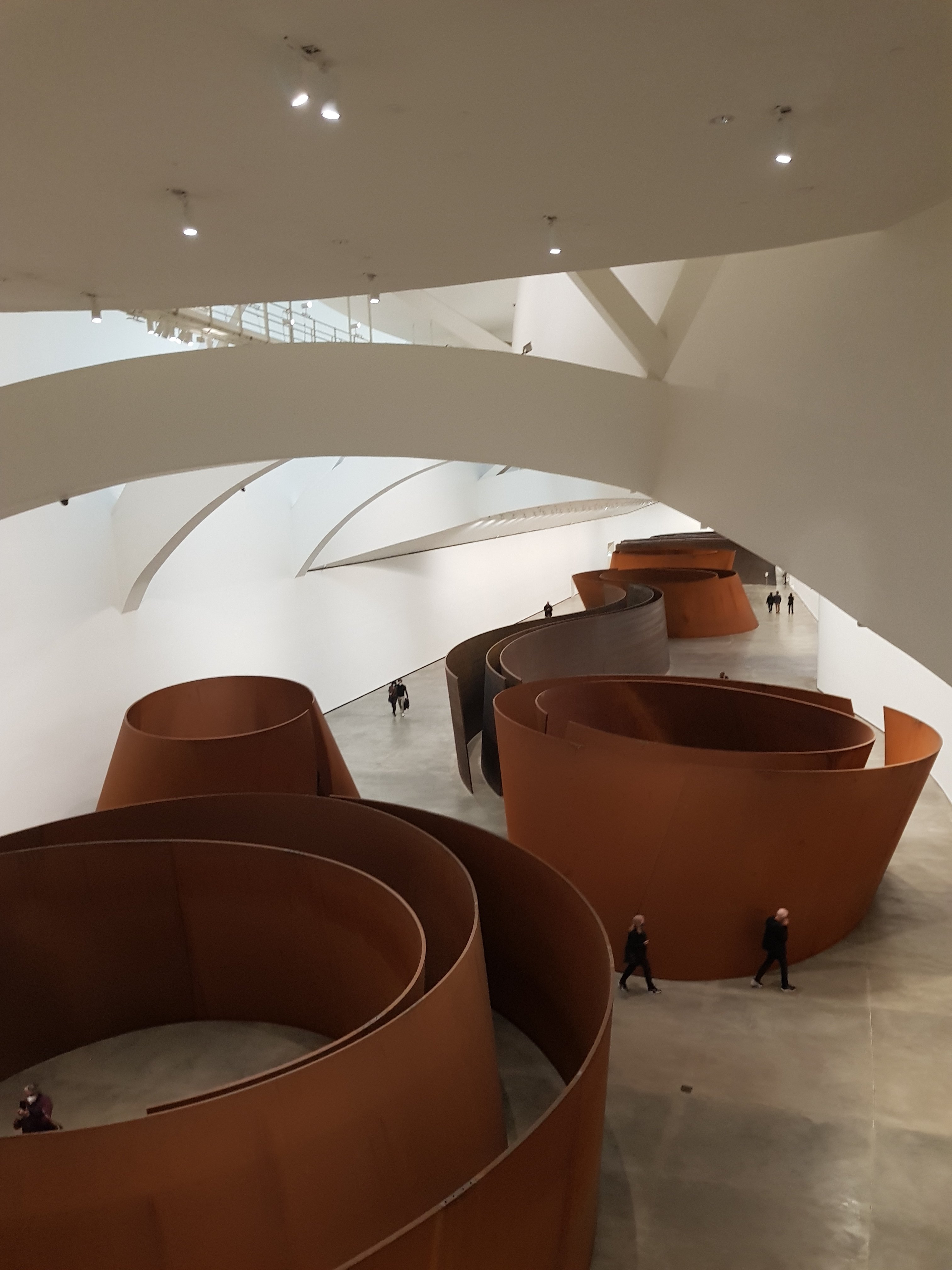
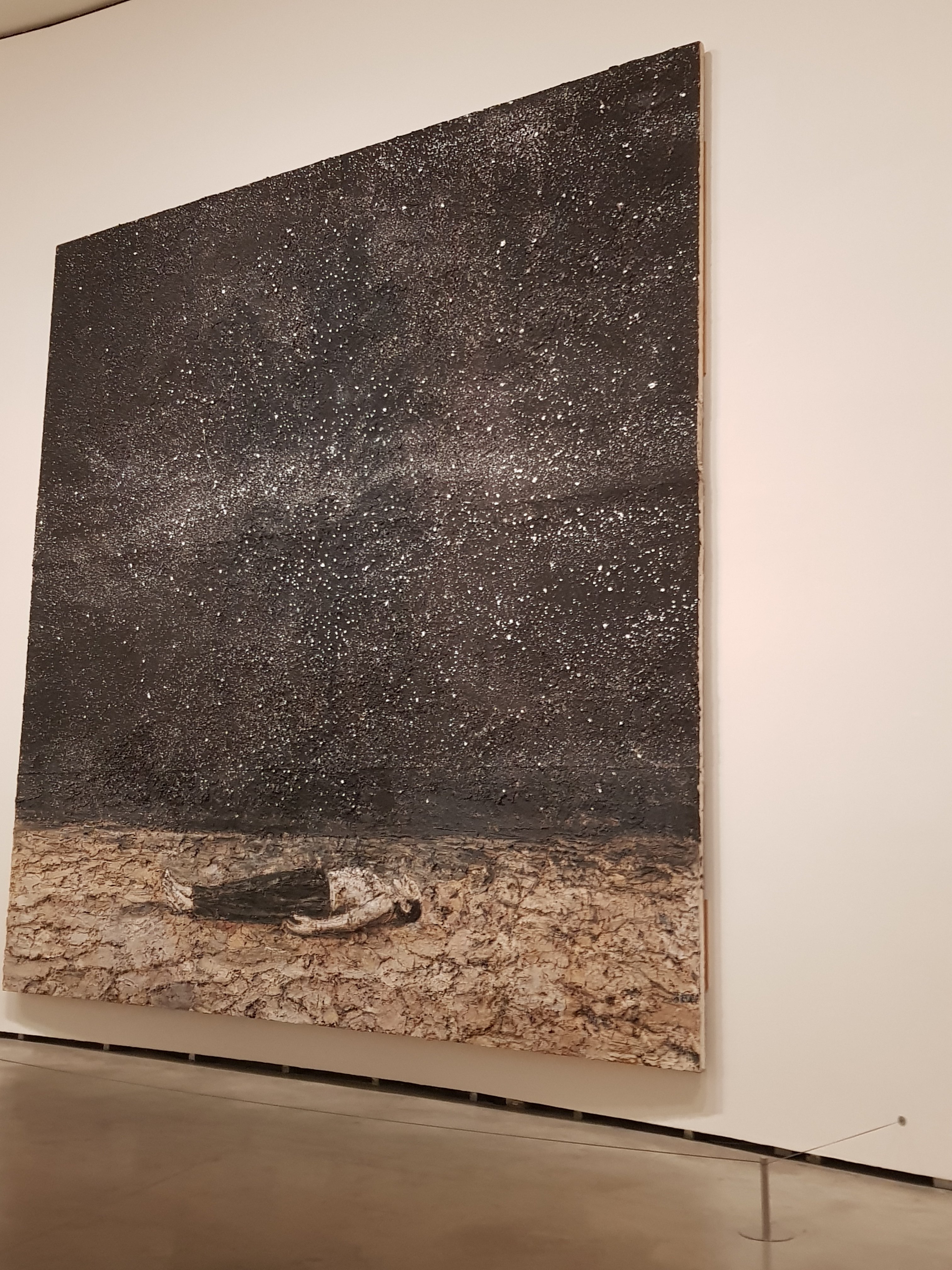
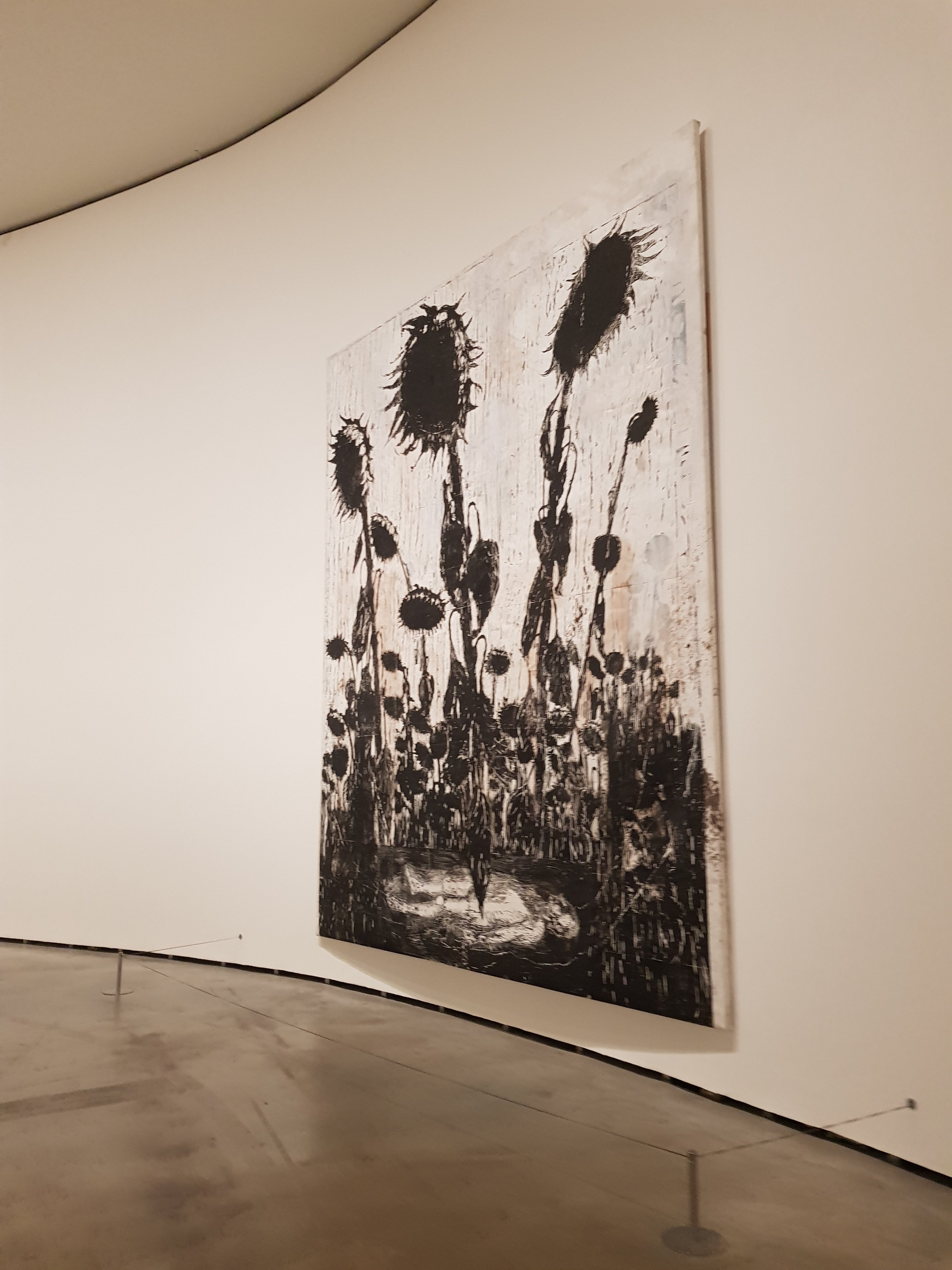
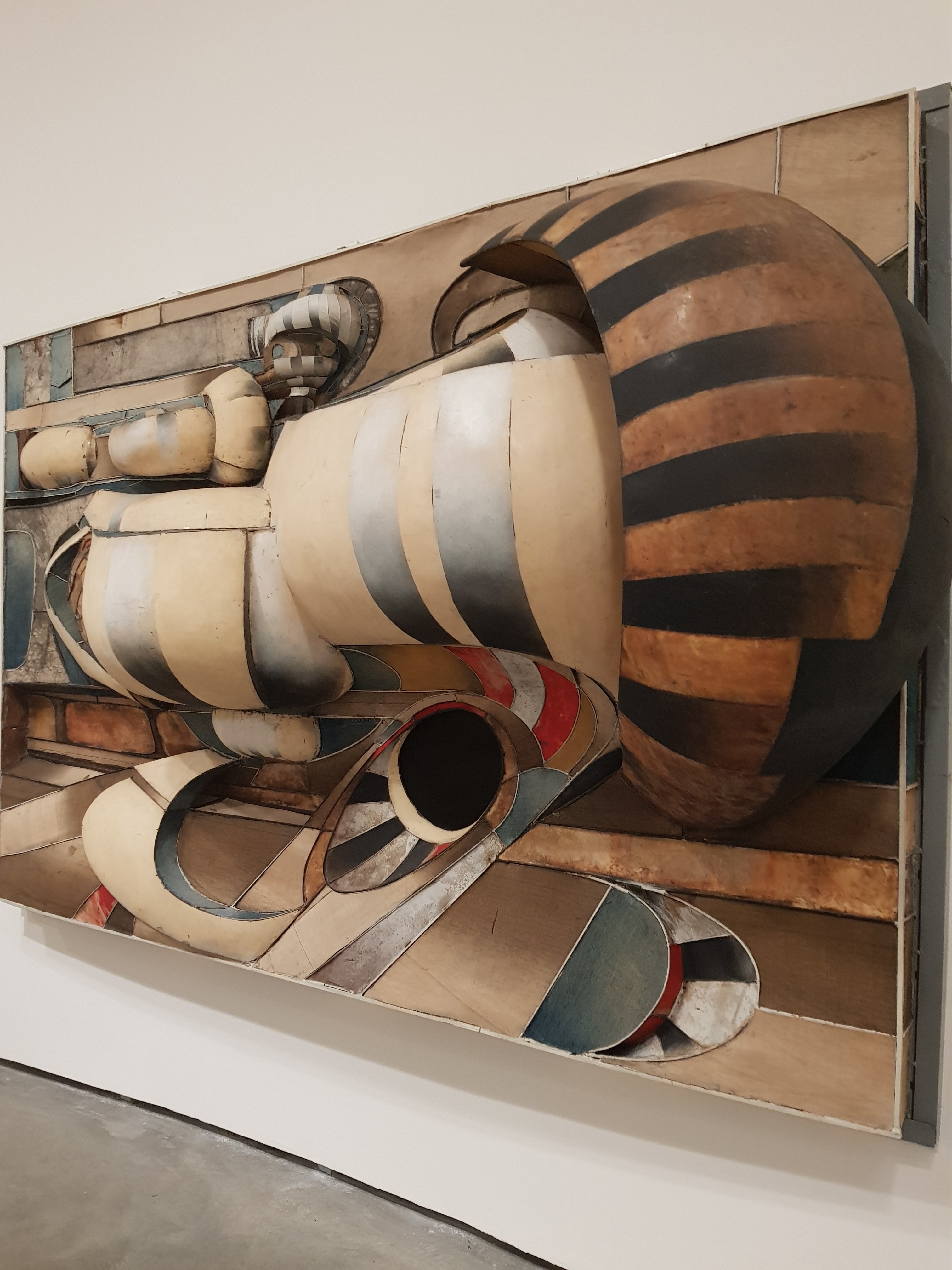
The building is spectacularly designed, and the rooms inside are huge, with thankfully lots of places to sit. I think the art was lost on me though. I had no idea what I was looking at most of the time. At one point, I saw a canvas that was almost completely black, and thought ‘this seems like easy money’. These thoughts were even more solidified when I saw a big piece of paper that I think had been folded into a paper aeroplane and unfolded again, so now just flattened creases…

I am probably not a good judge of these works to be fair, and there were plenty of people taking their time to look and discuss what they saw. There were two pieces I liked. One of what looked like a mushroom that was coming out of the canvas. That was cool.

One of the reasons that I walked up to the museum in the first place, was to see a giant puppy made of flowers. I was wondering around for 30 minutes following my google maps to try and find it. Getting more and more annoyed as it was raining, and I was confused. I finally realised that the puppy was covered in scaffolding and I had been circling it. Apparently they were swapping out the flowers, so I guess it is wrapped up often, which is a shame.

Casco Viejo (Old Town)

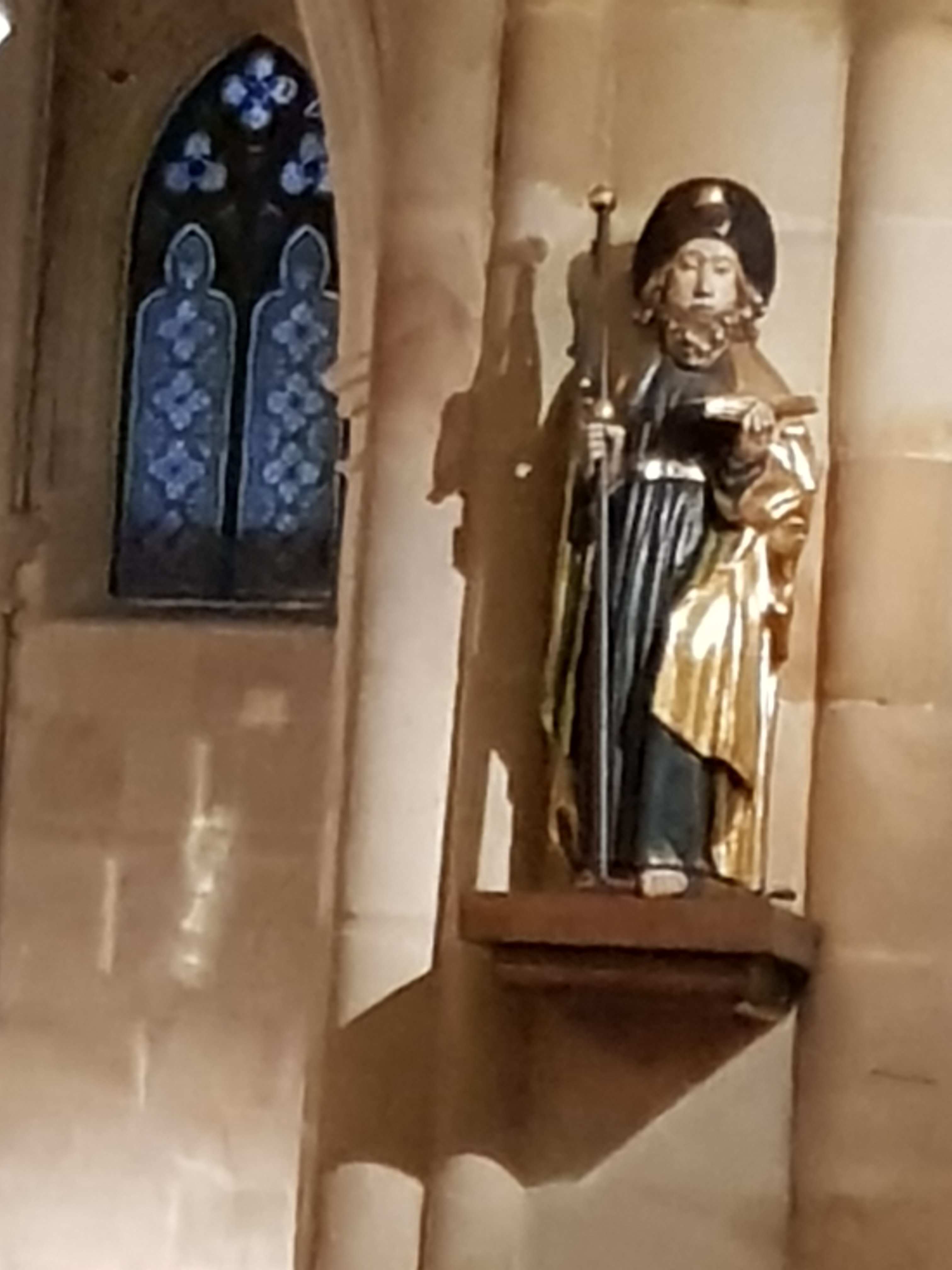
The old town in Bilbao is home to many narrow streets, and the cathedral dedicated to Santiago (St James). Due to this, it turned out that it was free admission for pilgrims 😀 I still paid €2 for an audio guide, which was useful to explain the artwork and architecture. The building is basque gothic, and has three naves which is unusual to me.

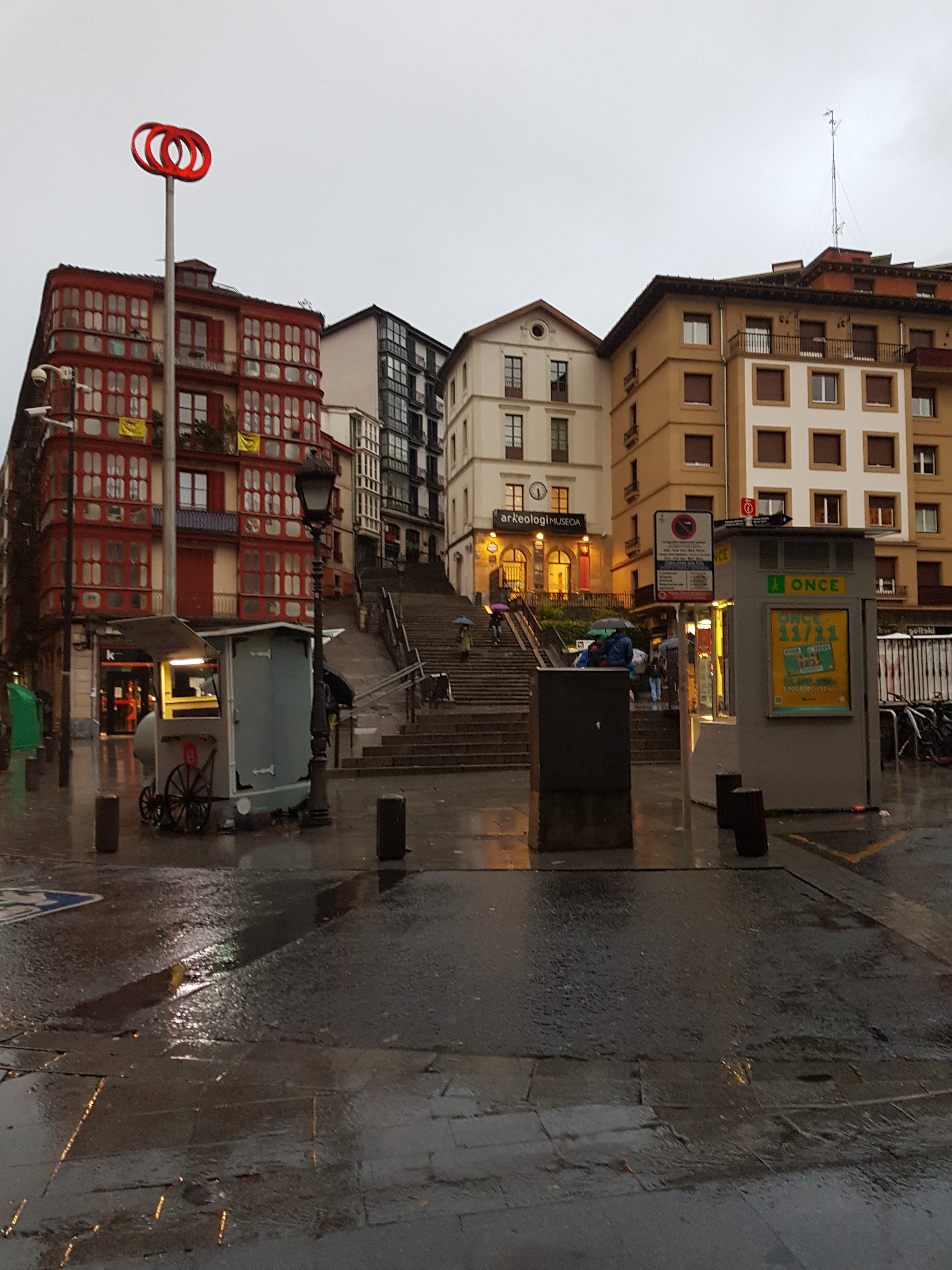
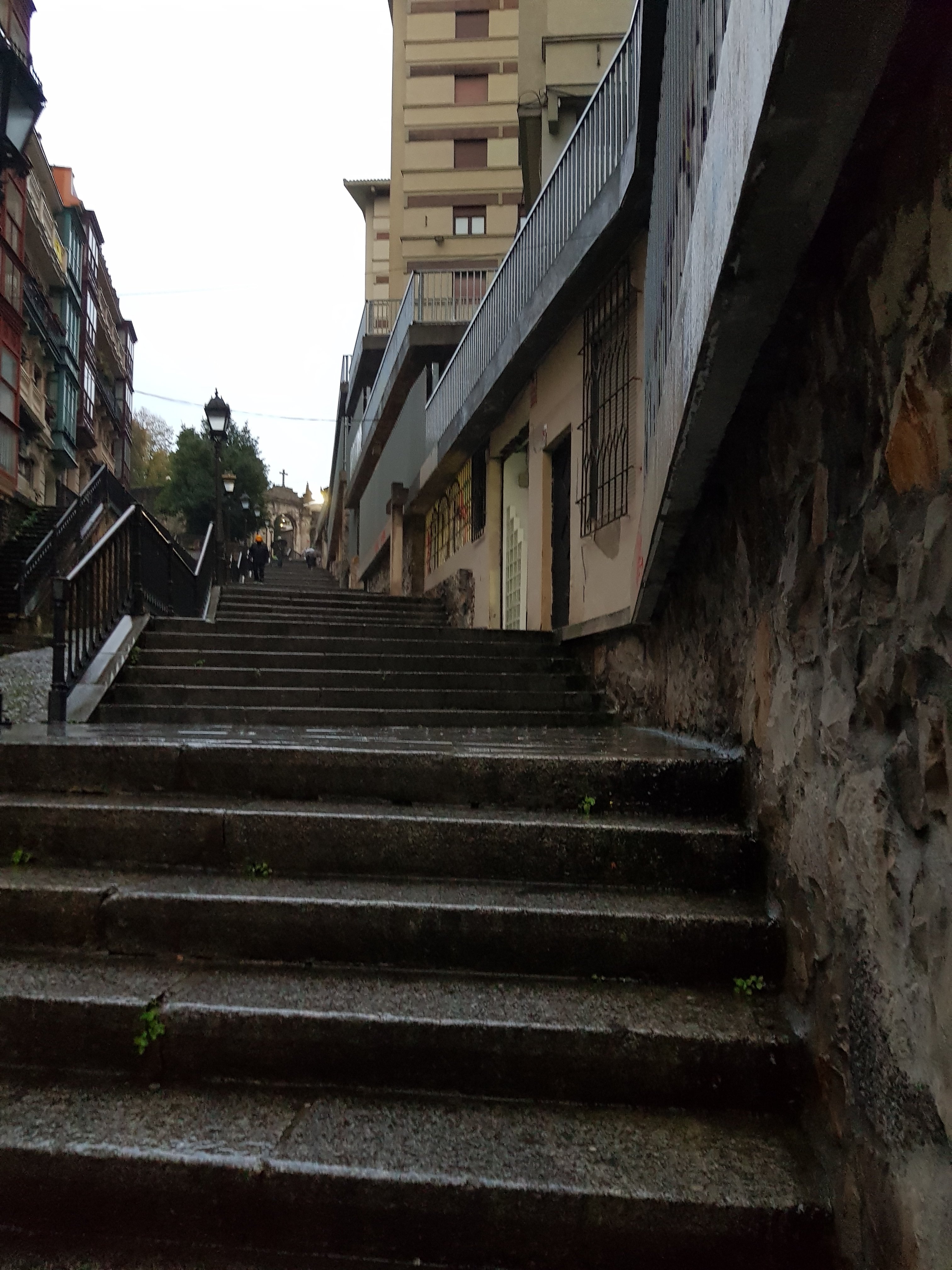
I also visited the basilica of Burgos which is on top of the hill up literally hundreds of steps… I walked to the top of these in the rain, then I saw the elevator…🥵😤

I really liked the style in the basilica, and the atmosphere was really calm. I would recommend a visit, on your way into Bilbao, (to avoid going up the steps).

San Juan de Gaztelugatxe

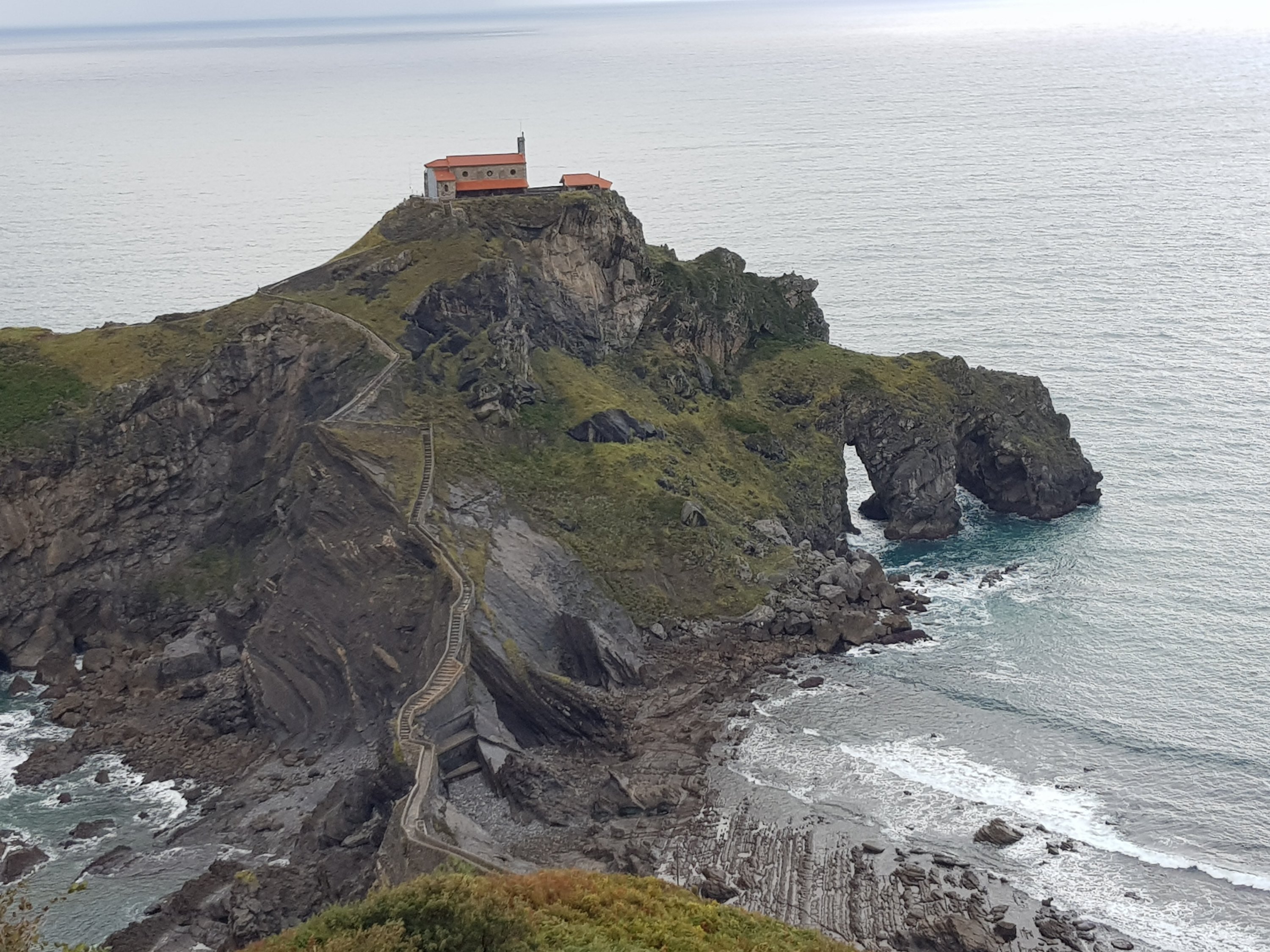
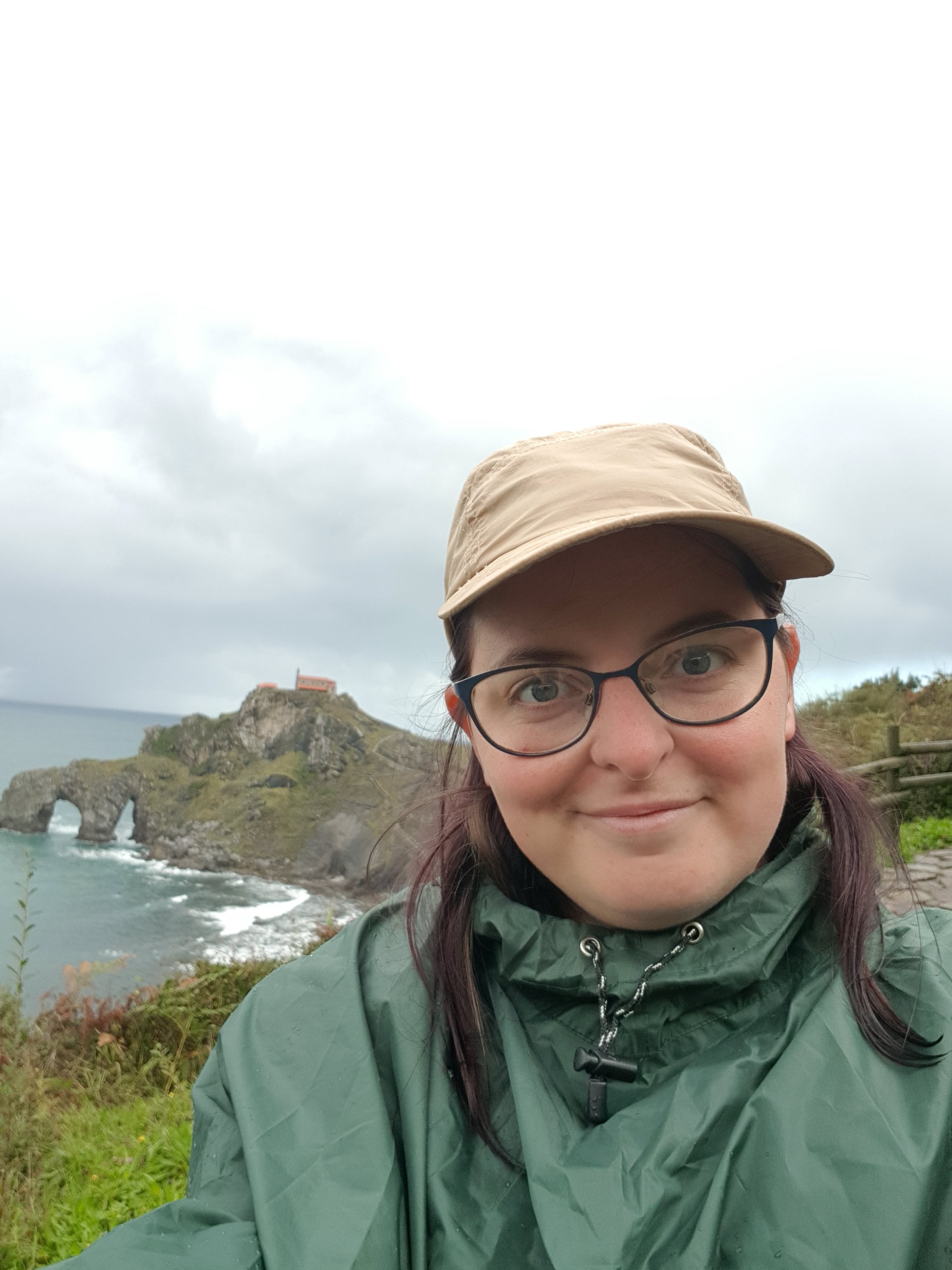
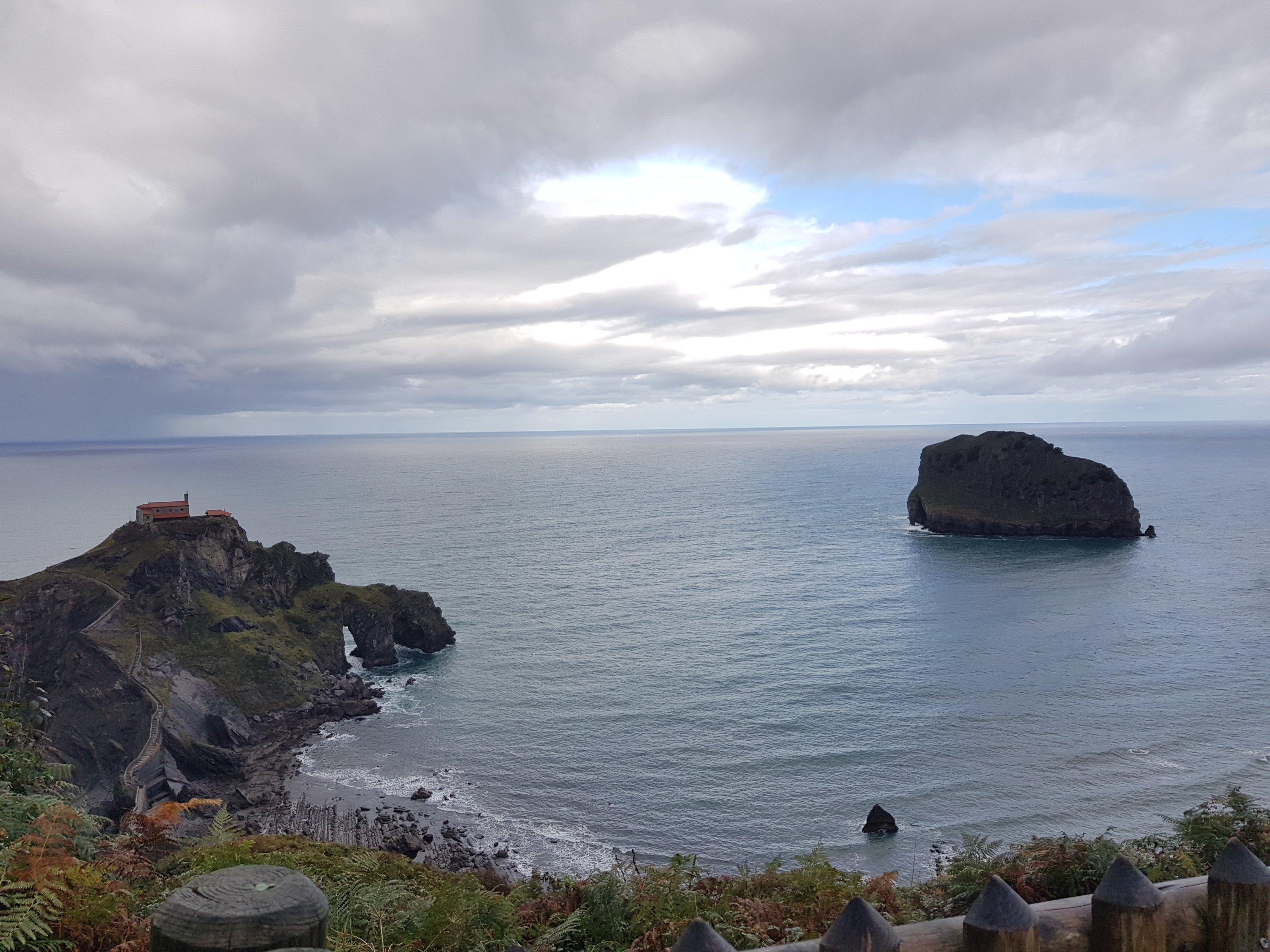
I decided that on the last morning of my stay in Bilbao, I would take a bus (for only €2.50 each way) to Bakio, and walk the steep 30 minute trek to San Juan de Gaztelugatxe. This is unique location, as an island off the coast connected by a stone bridge, and topped with a hermitage building. It is also ‘Dragonstone’ from Game of Thrones. Another one off my GoT list! ✅✅✅

The past week has been tough. I have walked through about 26 villages and towns and walked over at least six mountains with over 10kg on my back. The views have been amazing though and I can feel myself getting stronger! Physically, and mentally.

Now I just need to decide if I should keep walking or take a few more days off. The weather will get wetter and colder, but I am due for some days of flat terrain, which should be a welcome relief. What do you think?

Quirky day trip ideas!

Many of us have been unable to travel lately due to the pandemic. This means that we have needed to get a little creative with how we spend our spare time to keep it interesting. Day trips out are a big part of this, and in this blog I will give you some tried and tested quirky day trip ideas for you to explore!

With most of our leisure time being spent nearer to home this year, why not try something a bit unusual in your area.

Metal detecting

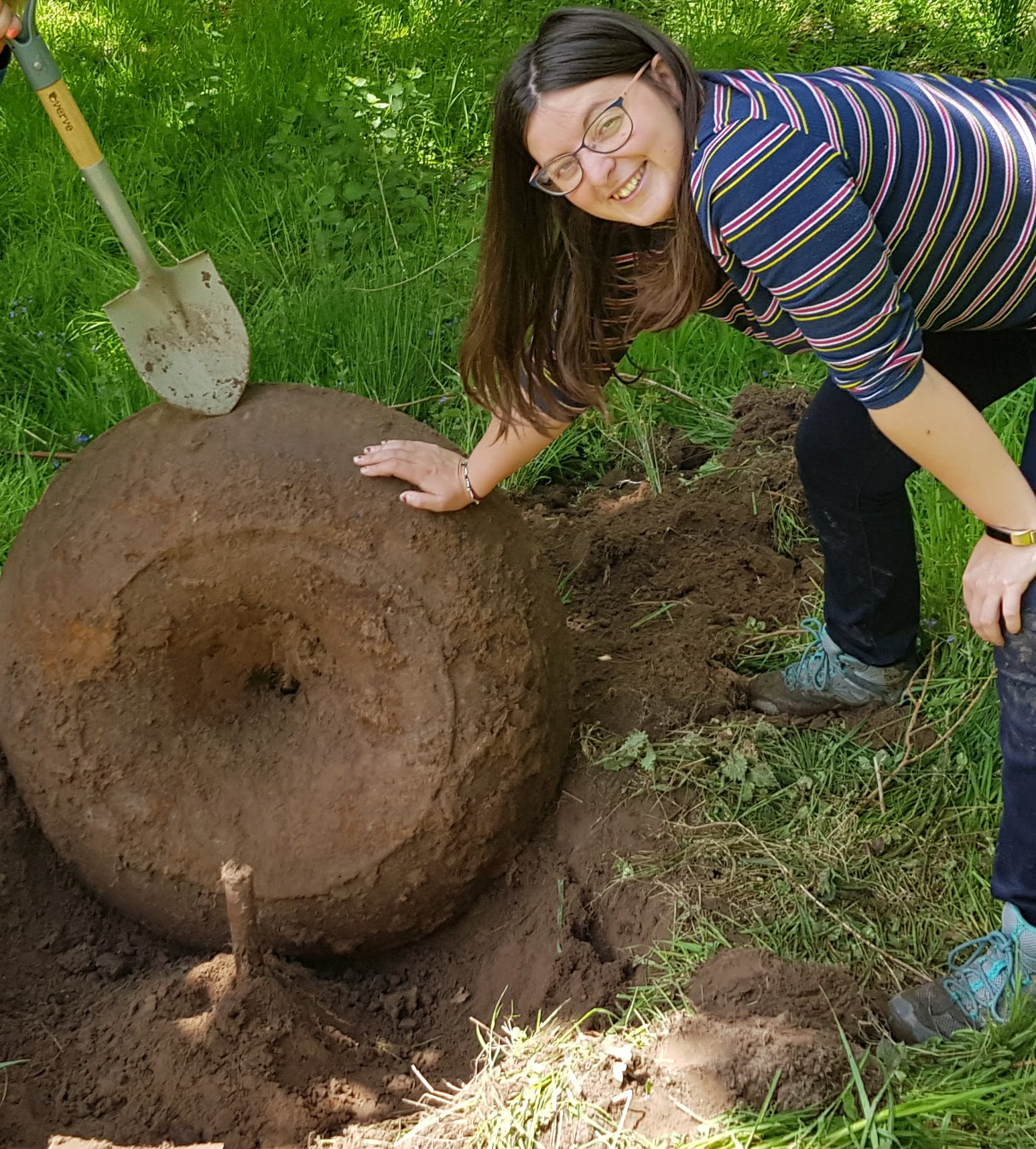
Metal detecting dig find

Many people have an interest in metal detecting with so many TV programmes about discoveries and salvages. I decided to have a go, and see if I could find some long lost treasure. A lot of people head to beaches, and back gardens with their metal detectors, and you do have to consider permissions from landowners when you do this. You might also need to agree the split you will get from any profit you make!

I wanted to try some fields, and my dad happens to have some land that I could investigate. The fields have been used for a few centuries by nurseries, farmers, scrap yard owners, and for other unknown purposes. This makes it a very mysterious place under the earth.

In the first two hours around 20 items were found, including several door handles, a light switch and a pig feeder, which could be recycled into a lovely bird bath.I didn’t find my fortune on that occasion, but I will keep looking. Either way, the experience is a fun one, and you do get a thrill from digging something out and trying to figure out what it is!

If you get really into this activity, you can apparently upgrade to a smarter metal detector which will tell you exactly what the metal is, so you can narrow your searches. This is a fun way to spend half a day with a friend or as a family, just bring your metal detector, a spade for everyone involved, and be prepared for everyone to get filthy!

Beach cleaning/litter picking

I like to keep the planet clean, and so naturally I hate litter! Of course, within waterways and oceans, the pollution, especially plastics, is extremely harmful for animals and us. If you want to do your part, or teach your kids about giving back, and the harm of littering, then a clean up event is great fun!

Photo by Catherine Sheila on Pexels.com

Many local groups and national charities such as the Marine Conservation Society, will organise beach and river clean ups, and other litter pick events regularly. These tend to be with a group of differently aged volunteers, and the group leader will provide you with a high viz, litter picker, gloves and bin bags. These events are especially popular during the off season when less people are visiting the beaches and riversides. ‘Keep Britain Tidy‘ creates several campaigns throughout the year in Britain, to encourage people to take pride in their open spaces and keep them litter free, such as the ‘Great British Spring Clean’ event.

I have done several litter picks before, and I always feel good afterwards, it is also a great way to get some exercise, and enjoy outdoor spaces that you may have not visited before. It can be quite addictive, and you can become quite competitive about how much you pick up. I got so into it, at one event, that I was climbing the sea barriers to retrieve a discarded shoe and fishing nets!

Foraging

Ever wondered if you could survive an apocolyptic event? Well, a day out foraging, might give you some idea. You may have tried the odd herb, or picked blackberries before, but you can go much further!

Foraging is becoming more popular as people become more interested in their green spaces, and lots of people are providing information on how to do this, and what greens to look out for in your area. You can even go on foraging tours and events to learn all about it. The Woodland Trust provide a great monthly calendar on what to look out for when you are out and about. The organisation will also allow you to forage in several of their woodlands, as you must ask permission before foraging in an area. You should also be sure of what you are picking, no poison berries! Lastly, you should minimise your impact, by only picking the fruit (not the plant) and only take what you need.

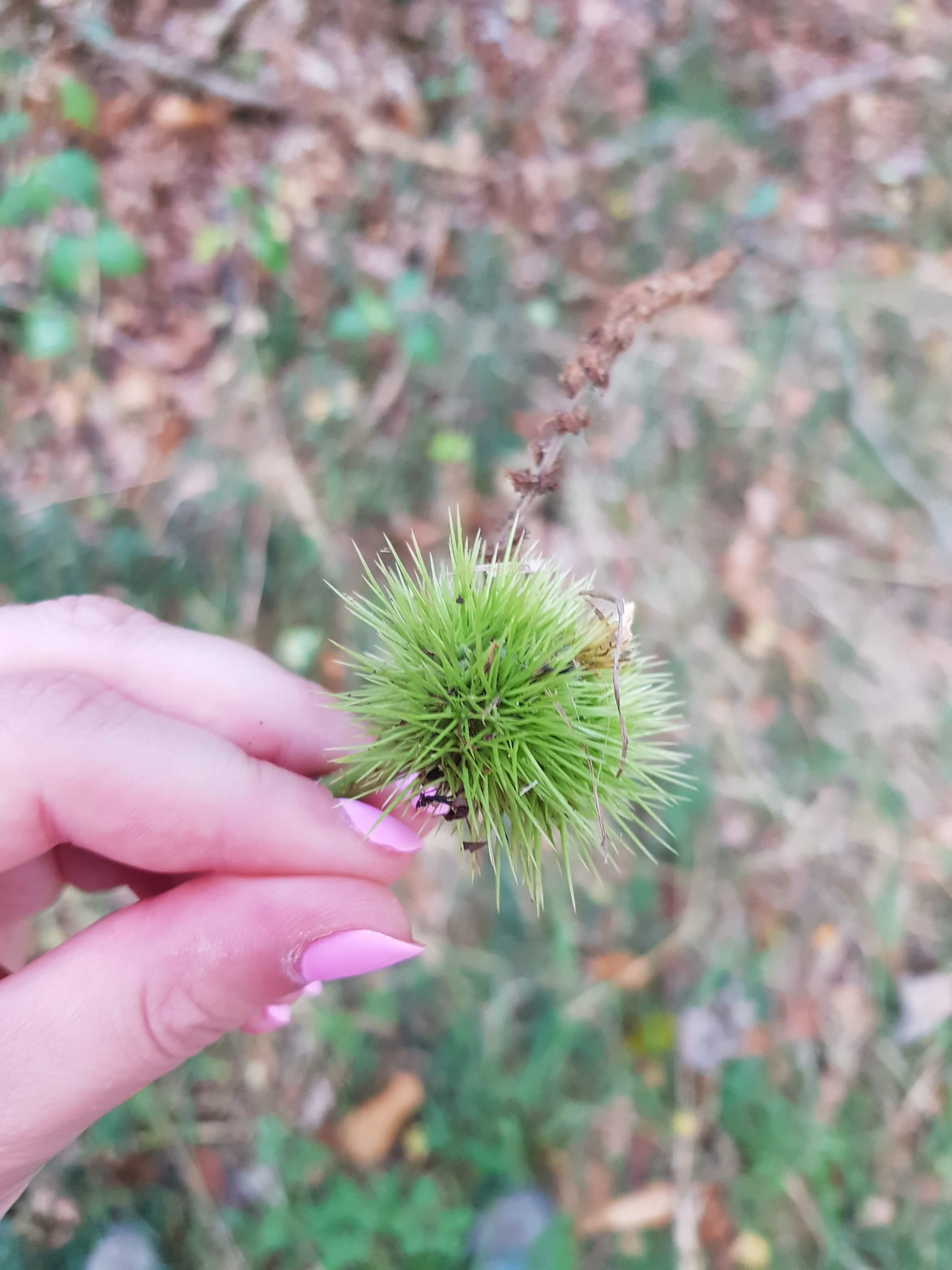
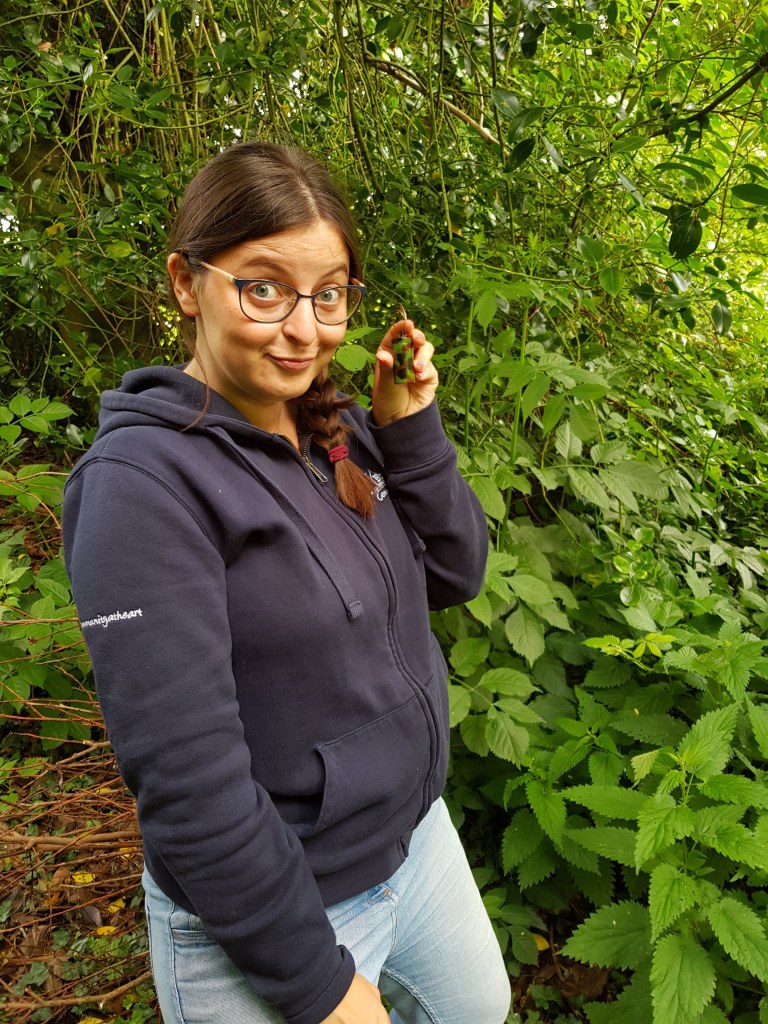
chestnut husk

On my visit to the woods, I downloaded two apps on my phone to identify edible plants and see how they were to be consumed. Woodland Trust also has an app for identifying trees. I have previously collected blackberries, nettles, dandelions and chestnuts. I have been able to use these items to make teas, desserts, and soups, but I know there are lots of recipes available to try. Autumn is certainly the best time for this activity, I would like to try to find more varieties of nuts in the woods… if I can beat the squirrels to them! I would also be really interested in spending a day with an experienced forager, to learn about some of the more unheard of plants.

Exploring community gardens

If you live in an urban area, you may be unaware of a network of community gardens that are taken care of by locals. There is more and more demand for green spaces within towns and cities, and locations that locals could grow their own food & cutting flowers. There are a few national schemes that you can use to look up gardens and social farms in your area, some are open all the time, and some have set open days. Some examples are Social Farms & Gardens, Community Supported Agriculture, and National Garden Scheme. You can also speak to your local parish council about what is nearby to you.

I love to explore local community gardens and allotment areas when I am out walking. You can see the individual styles that have been incorporated across the plots and garden spaces, and get some really quirky ideas for your own gardening. It is a lovely contrast to a formal garden at a stately home, and it is also free, so lots of reasons to visit! If you explore enough that you like, you might even find that you want to volunteer to get involved with one local to you.

Geocaching

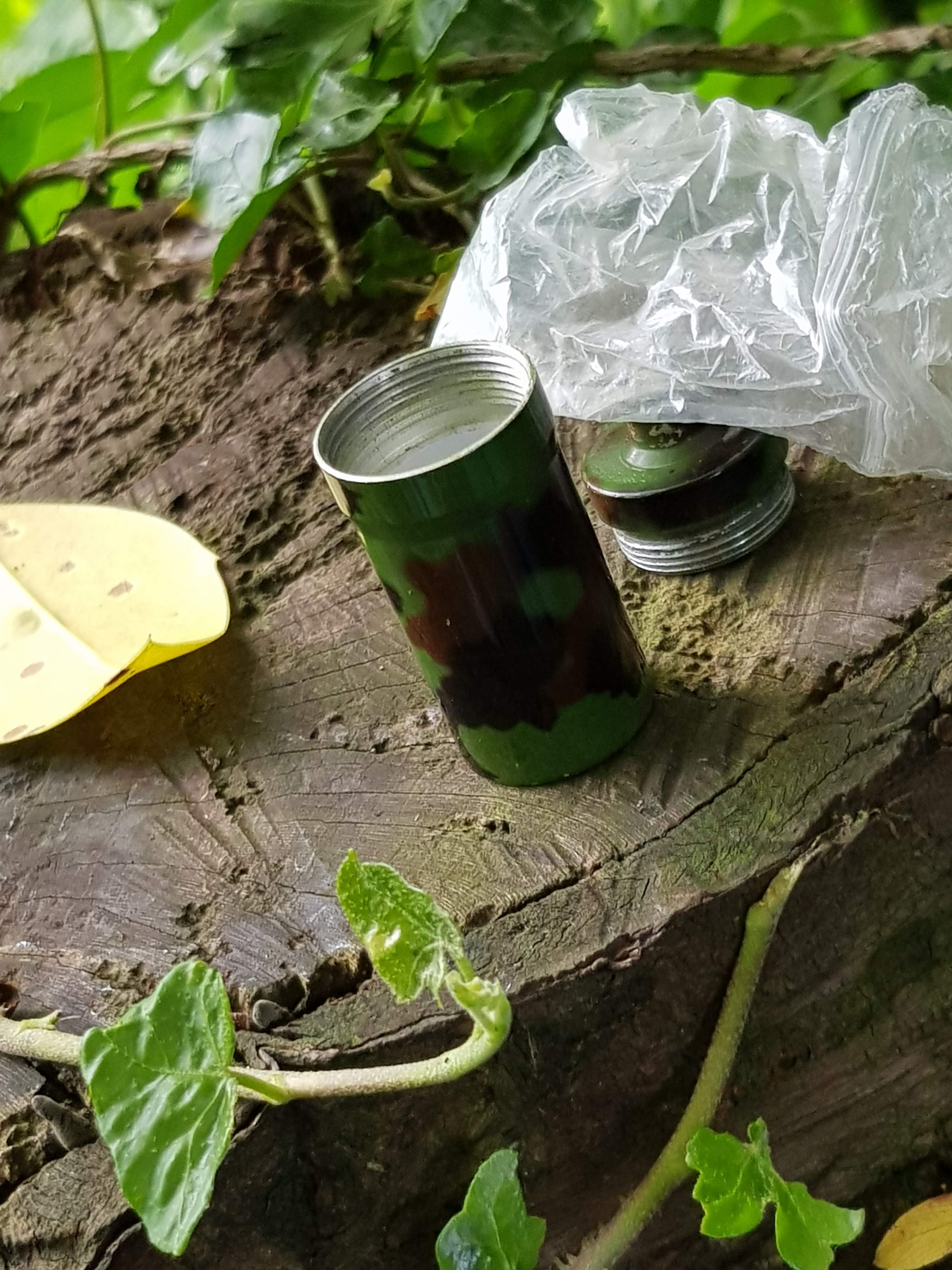
Geocaching is an activity of following GPS co-ordinates to find hidden containers that others have placed. Often these are hidden in very creative hiding spots, and when you find the container, you can add your name to a list of finders inside. Geocaching has a huge following, and is a great way to make your next walk a bit more interesting. Geocaching.com calls the activity ‘the world’s largest treasure hunt’ and invites you to download the application onto your phone for free and get started!

I have done this with quite a few different friends, and some containers are easier to find than others. A friend of mine once had me looking around all of Covent Garden for a specific geocache, for over an hour. We found it though! The buzz of finding it is quite satisfying, and I can see why people get really into doing this on their days out. Geocaching is so popular, you are very likely to have some in your area, so why not give it a go?!

Bird watching

If you love getting outside and experiencing nature then birdwatching is a popular hobby to take up. There are so many nature reserves dedicated to wildlife conservation, and offering brilliant facilities for ‘twitchers’ to enjoy. I have enjoyed visiting various RSPB nature reserves in my time, and have my own pair of binoculars! You can take it as seriously as you want to, but the more dedicated you are, the more likely you are to spot a rarer bird.

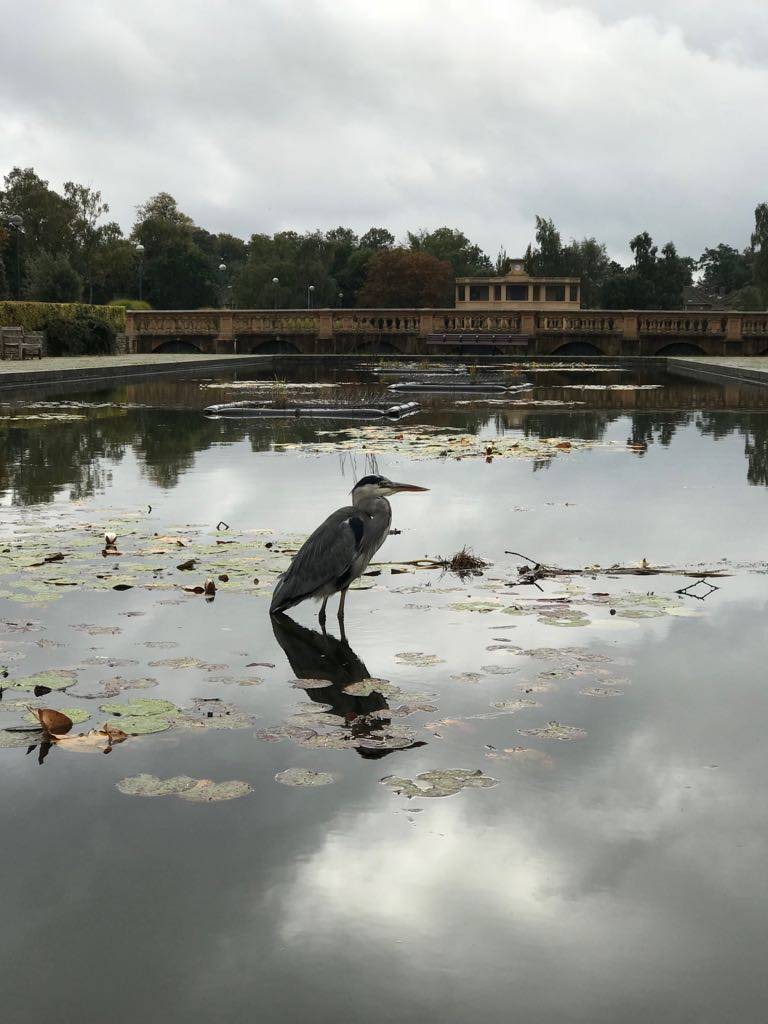
Heron at Eaton Park

I am happy with whatever bird I see, as long as it surpasses the status of a pigeon… It is quite interesting to learn the different bird names though, and actually try to identify what you are looking at. You can equally do the same thing with creepy crawlies, if you are more that way inclined!

Crabbing & Rockpooling

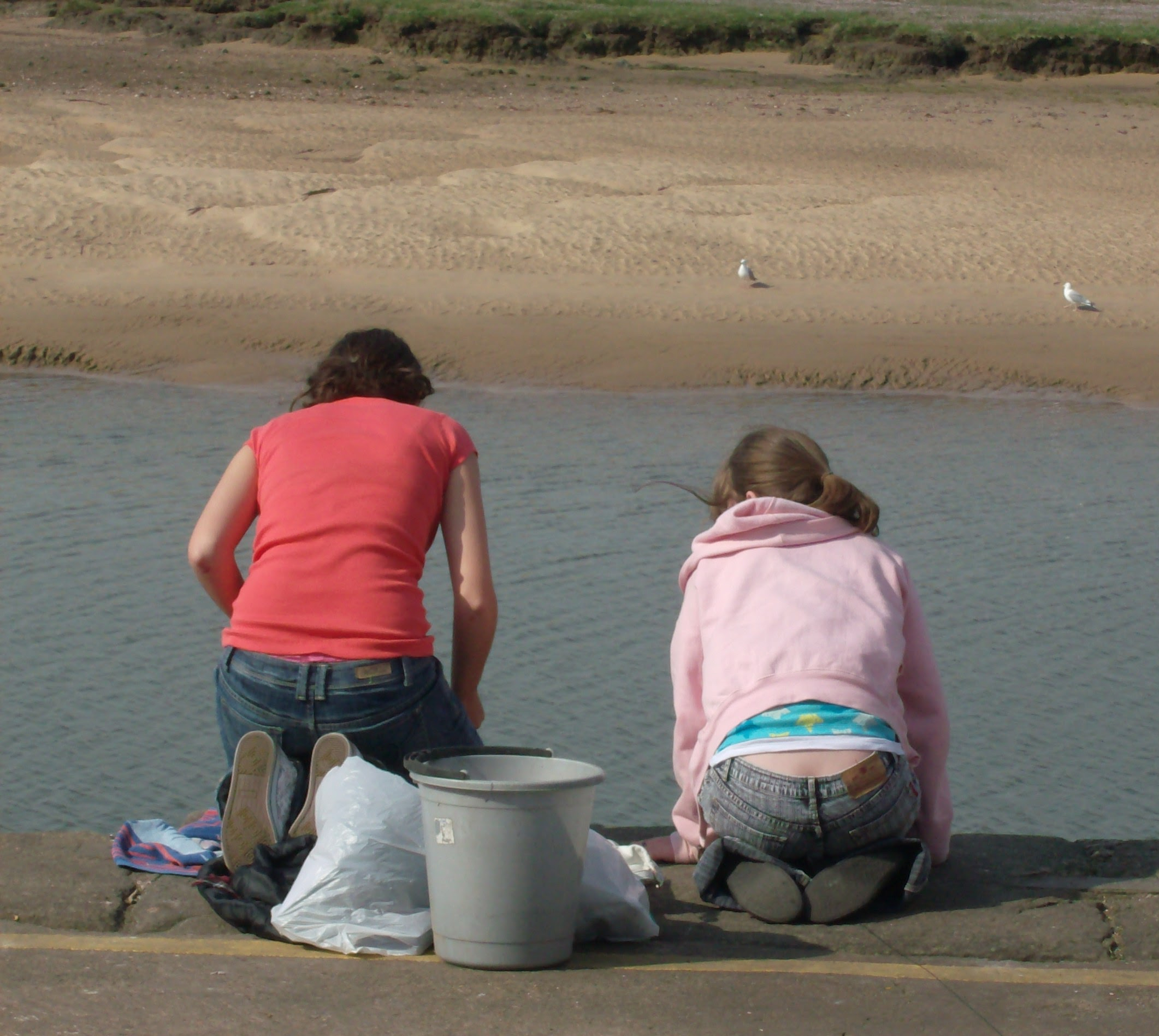
Just a ‘ponds throw’ from bird watching… (see what i did there..) looking for crabs can be quite a fun way to spend a few hours, especially for kids. This is a really popular activity where I am from, in Norfolk. Every day that the sun is shining, there are people sitting at the edge of a beach pier, hanging bacon from a string, in the hope of catching a crab. Equally, you will see kids jumping over rocks to dig for crabs in the shallow pools of the beach.

Norfolk crabbing
Norfolk crabbing

I have done this with my family, although with little success (my fishing skills are lacking). My sisters were normally the ones to find the crabs, and then we would enjoy looking at the little fellow for half an hour, before gently releasing him back into the sea.

Church / Cemetery crawling

Those of you that like history, and specifically ancestry, may find this to be a particularly wonderful day out, especially in the days where you want to be indoors or in the shade. There is so much history to a parish church, and most are open all the time for visitors to walk in and explore. Equally cemeteries have become an attraction in themselves…

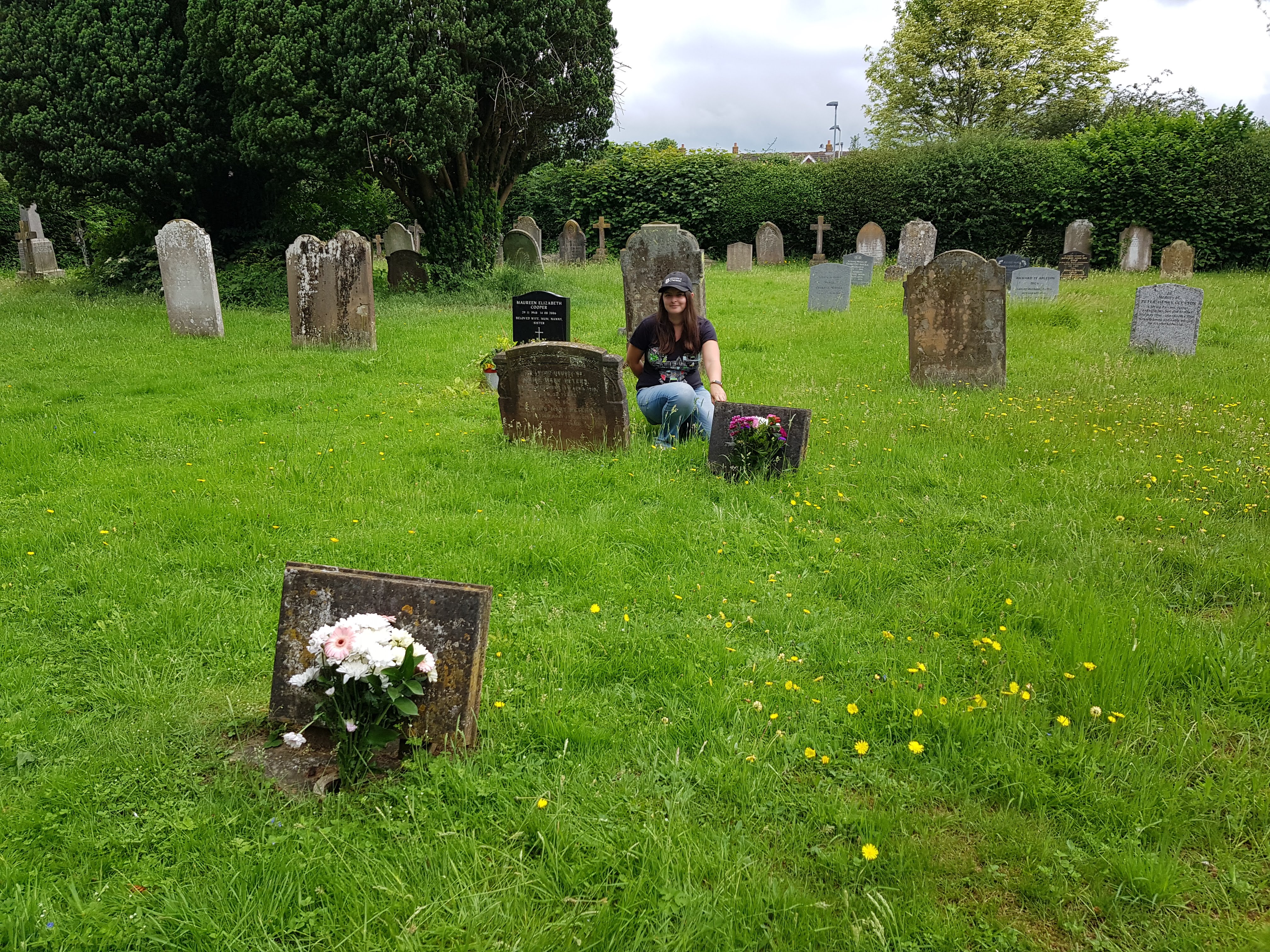
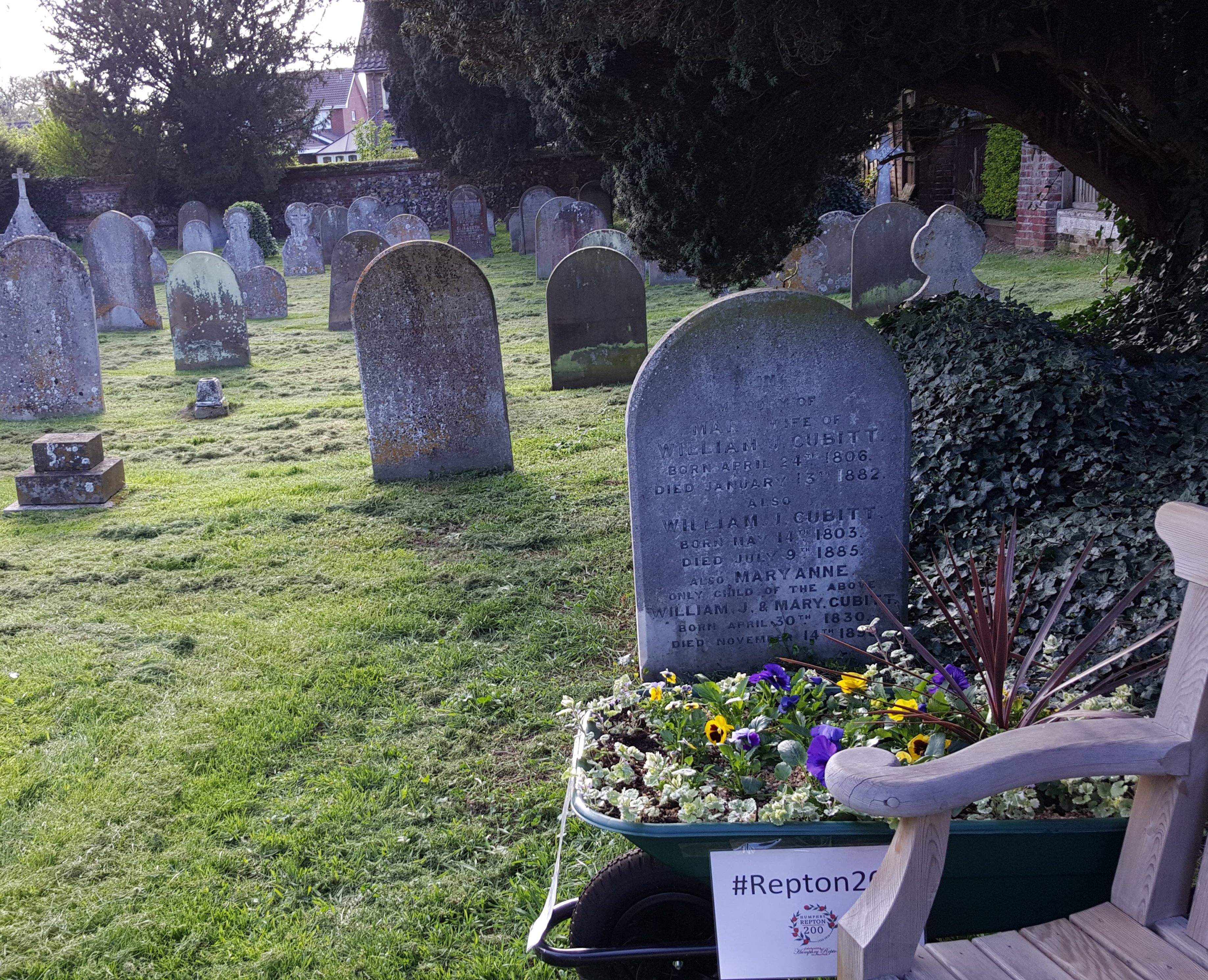
I started to take an interest in walking around cemeteries so that I could find specific graves of ancestors, and discovered Ancestry.co.uk and a website where you can find and record grave stones in local cemeteries to keep records up to date, and digital for all researchers. Once I then started visiting the cemeteries more, I began to appreciate the artwork, verses and style of the various tombstones. A lot of people also like to visit cemeteries as part of tours, or on their own, to pay respect to well known public figures that are buried there.

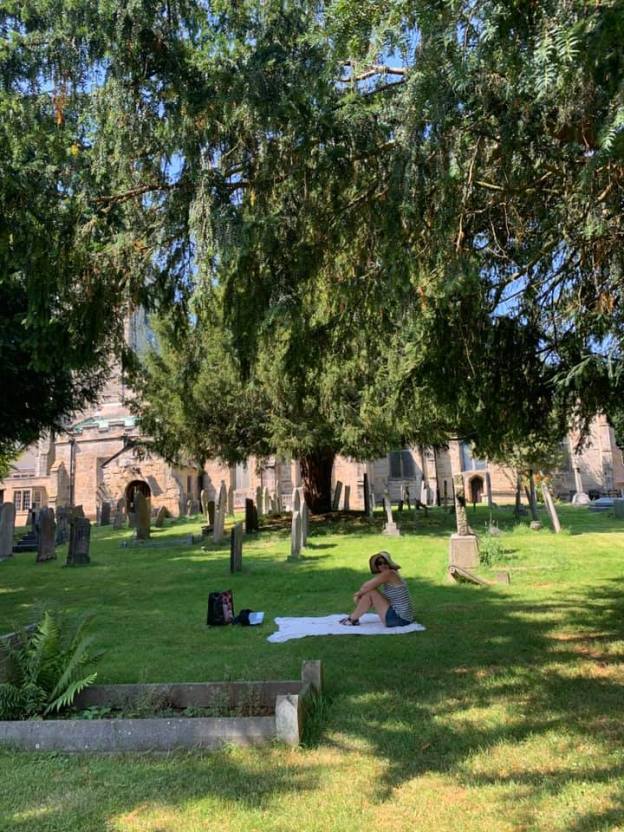
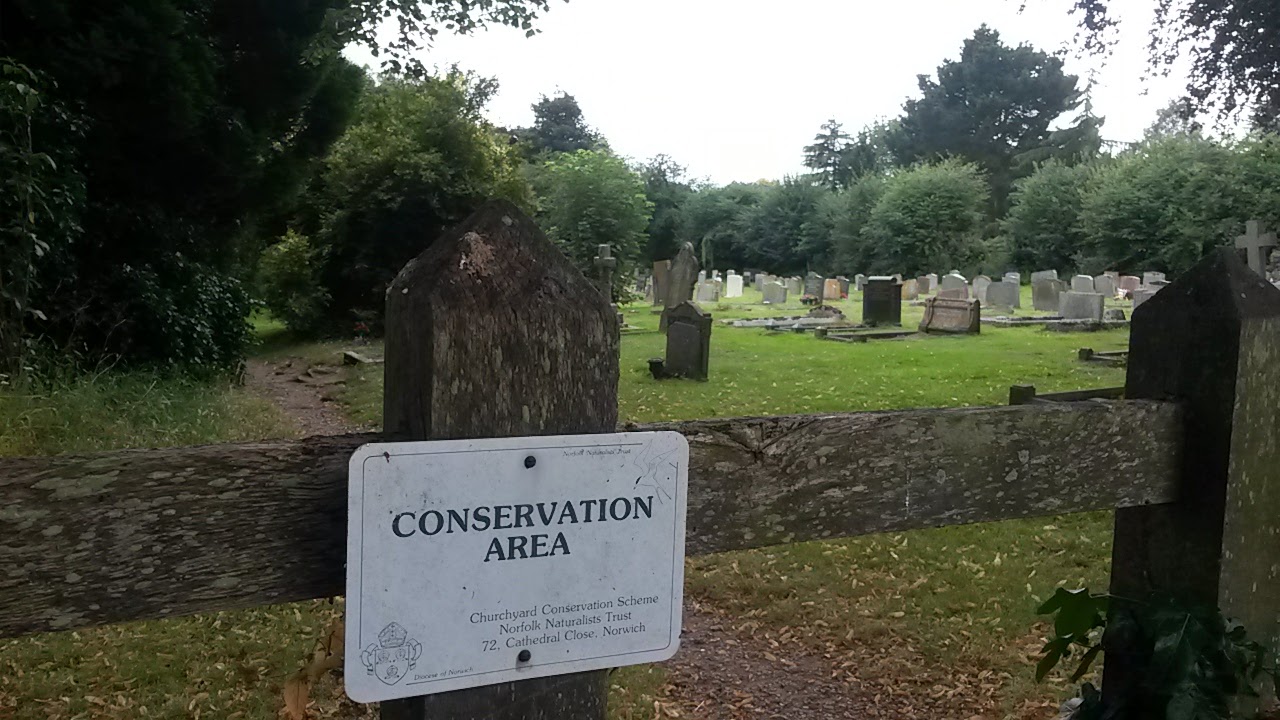
A final reason that they are nice to visit, is that they are generally beautiful, peaceful and often wild places to relax in. Many UK cemeteries have become accredited as mini nature reserves, for their wildlife credentials. I have even had a picnic in a cemetery before, as it was a pretty spot and also pleasantly shady on a warm day!

Cemetery conservation area

Fossil hunting and Flint knapping

If you want to do something that is really unique and one to write home about, then consider the world of geology! There are several locations across the UK where you can get permission to go fossil hunting, or join an organised event. The UK Fossils Network seems to be a great source of information about locations within the UK, and also guidance on how to do this activity safely. I have so far been unsuccessful in my lone wonderings to find fossils, but I may try one of the group events as it seems that they provide the equipment and safety bits you need to get more serious about it.

If you want to do something even more niche, then you may want to consider learning about flint knapping! I haven’t tried this myself, but I understand that you can take workshops in this, in my home county. Flint knapping is the act of finding flints, and then hitting them into the shape of weapons, that you would have used in prehistoric times!

Self guided tours/ trails

Taking yourself on a self guided tour of a city or town is a really traditional and easy way to spend a day out. Lots of locations will provide you with a map or app for following a trail of blue plaques, or local murals. In some locations, you can even walk up to a local statue and listen on your phone to a recording about who the figure was. This is part of the ‘talking statues‘ scheme.

I have walked several self guided trails in different cities, and have found that the more interactive, and unusual, the better. I especially like to do trails where you have to follow clues, as i find this more challenging. ‘Treasure Trails‘ is a great scheme that offers trails with clues to solve at different levels, across the UK.

To summarise…

If you are heading out for the day, why not make a proper day of it, and try an experience you won’t forget! I hope the above ideas may have tickled your imagination, and made you think about what is nearby to where you live.

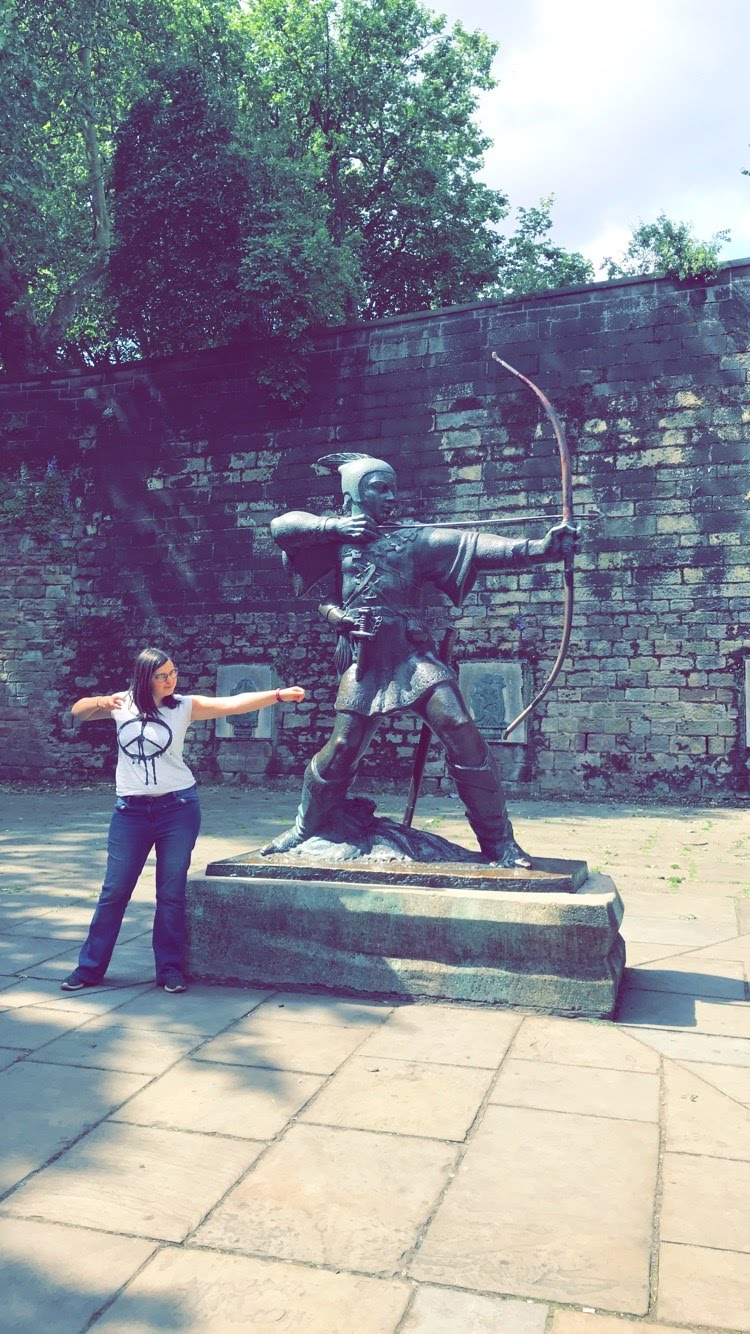
me and robin hood nottingham