Tag Archives: cathedral

Sevilla: Pearl of Andalucia

Following on from a week in Portugal, I decided to travel four hours by bus, to one of Andalucia’s best known cities, Seville (or Sevilla).

The journey to Seville was reasonable by bus, and cost only about €30 from Lagos, Portugal. There was no border restrictions and I didn’t even have to go through a passport check. The only downside was that the bus was very hot! It was 30’c outside and hotter inside the bus. Thankfully, we made plenty of service station stops to get some air and water.. (makes me sound like a car haha).

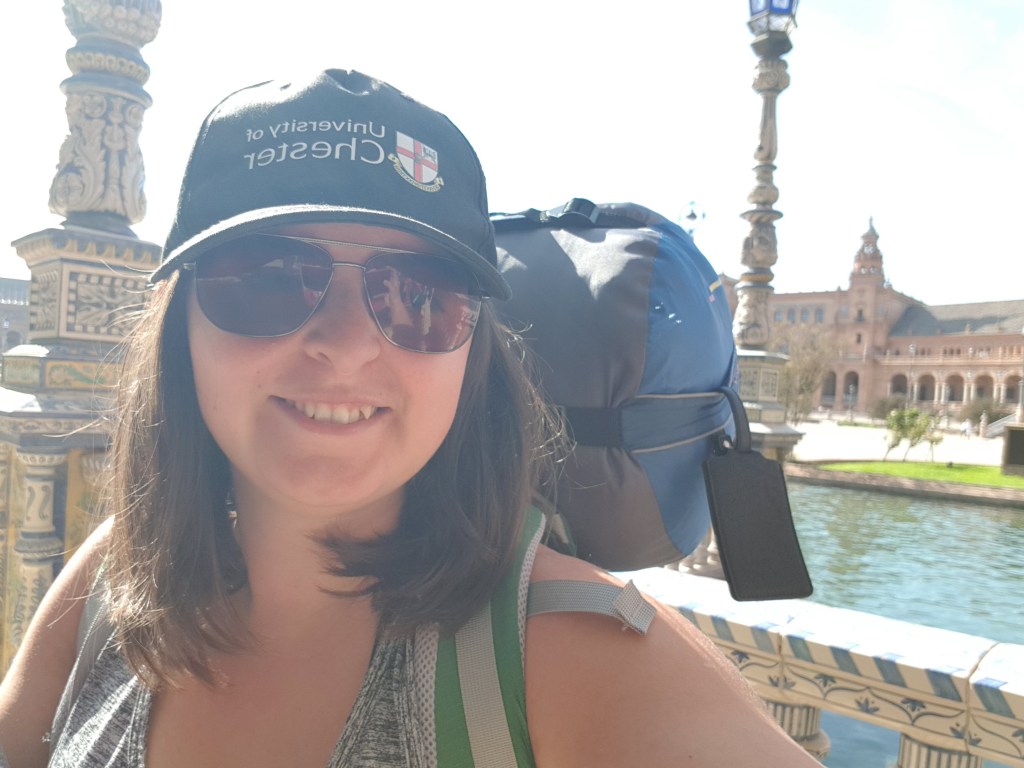
On arriving to Seville, I was able to walk the short route to my hostel. I definitely had lots of strange looks though, carrying a huge backpack and sleeping bag on my bag in 30’c weather. I must have looked mad, in a place where no one even owns a coat, as apparently it hasn’t rained for five years! I stayed at the La Flamenka hostel in the city centre, and this was a lovely place to stay. The staff and volunteers were very friendly and helpful and the environment makes it really sociable. Due to a chilled out kitchen and terrace layout, I was able to strike up conversation and befriend a Brazilian, a Norweigan, an Austrian, and a Barcelonina. Great practice for my language skills! All guests were solo travellers too, so we all had that in common.
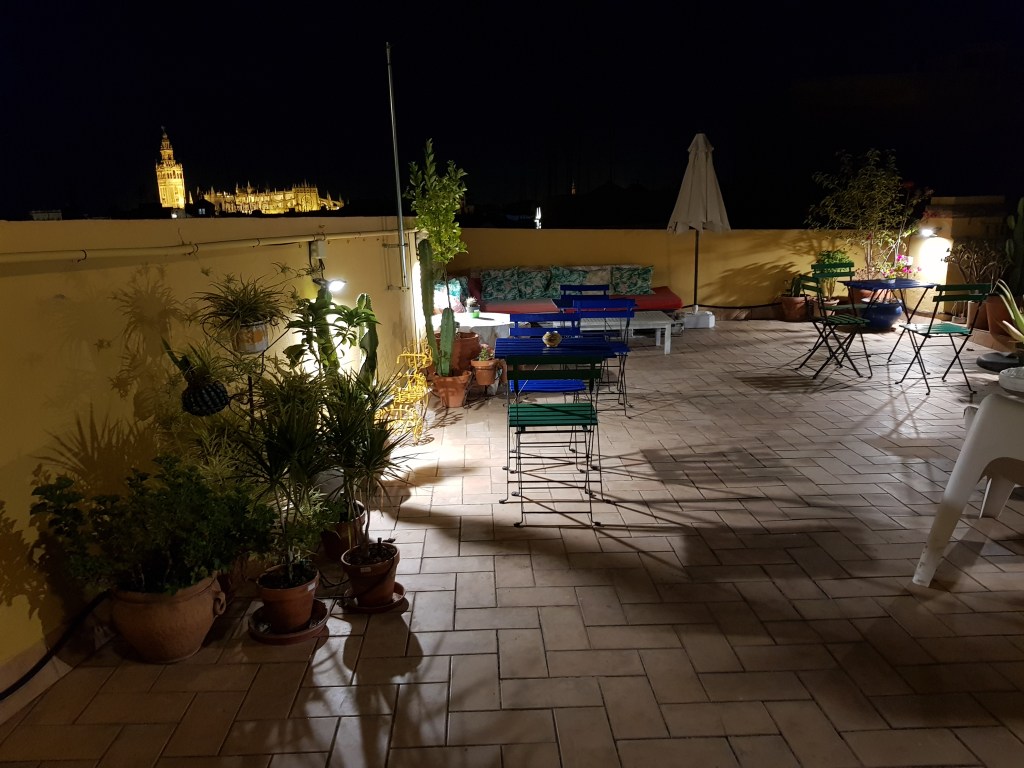
La Flamenka hostel terrace at night

Alcazar

On my first day, I had prebooked a visit to Seville’s Alcazar through Viator, which also included a guided walk of Santa Cruz neighbourhood, and a visit to the Cathedral & Giralda.

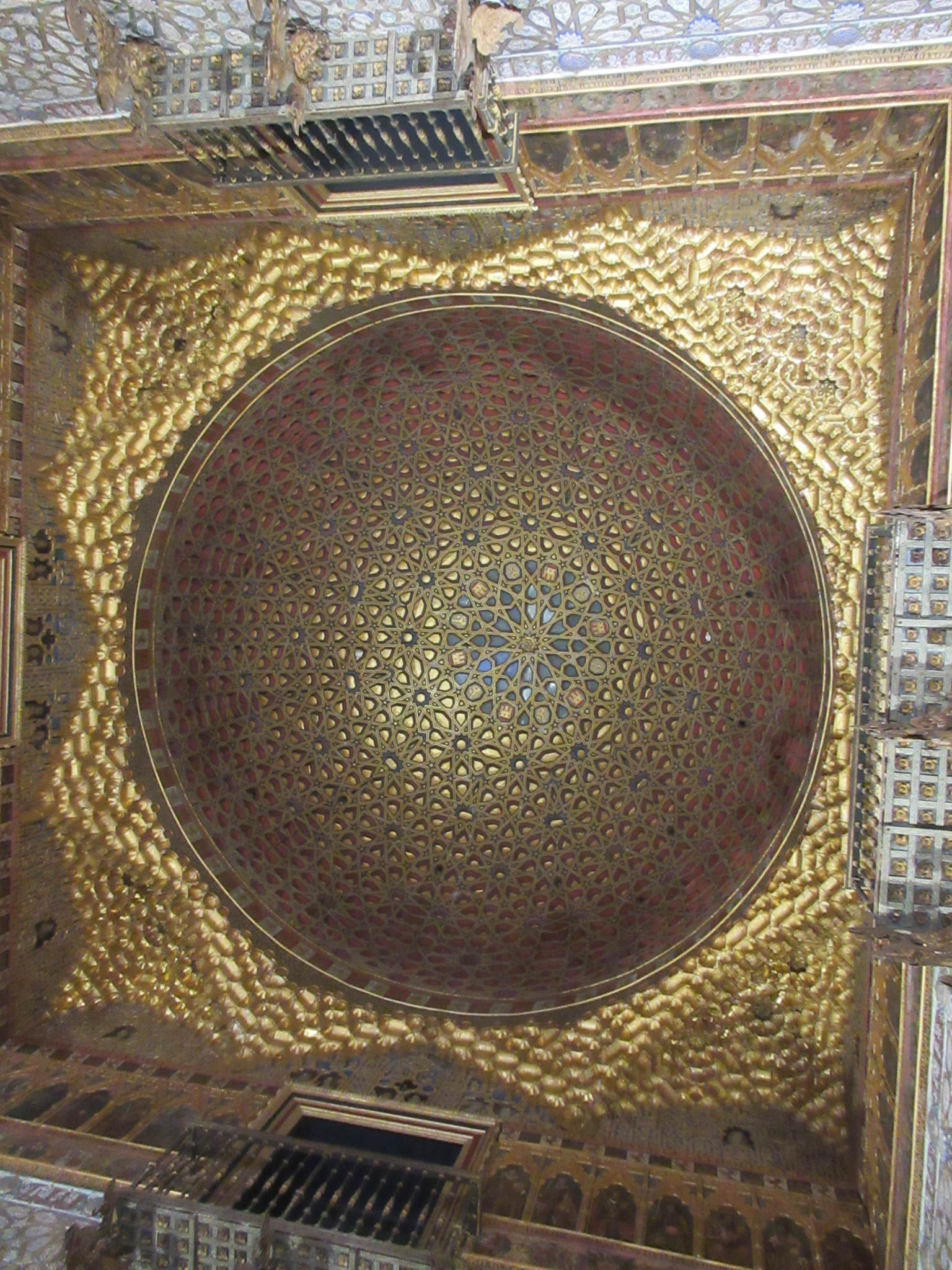
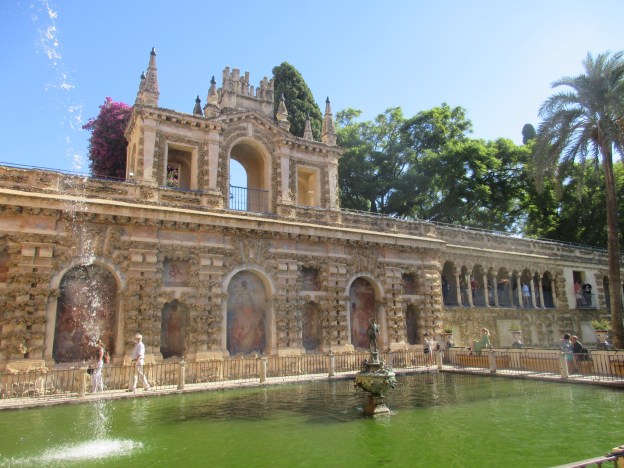
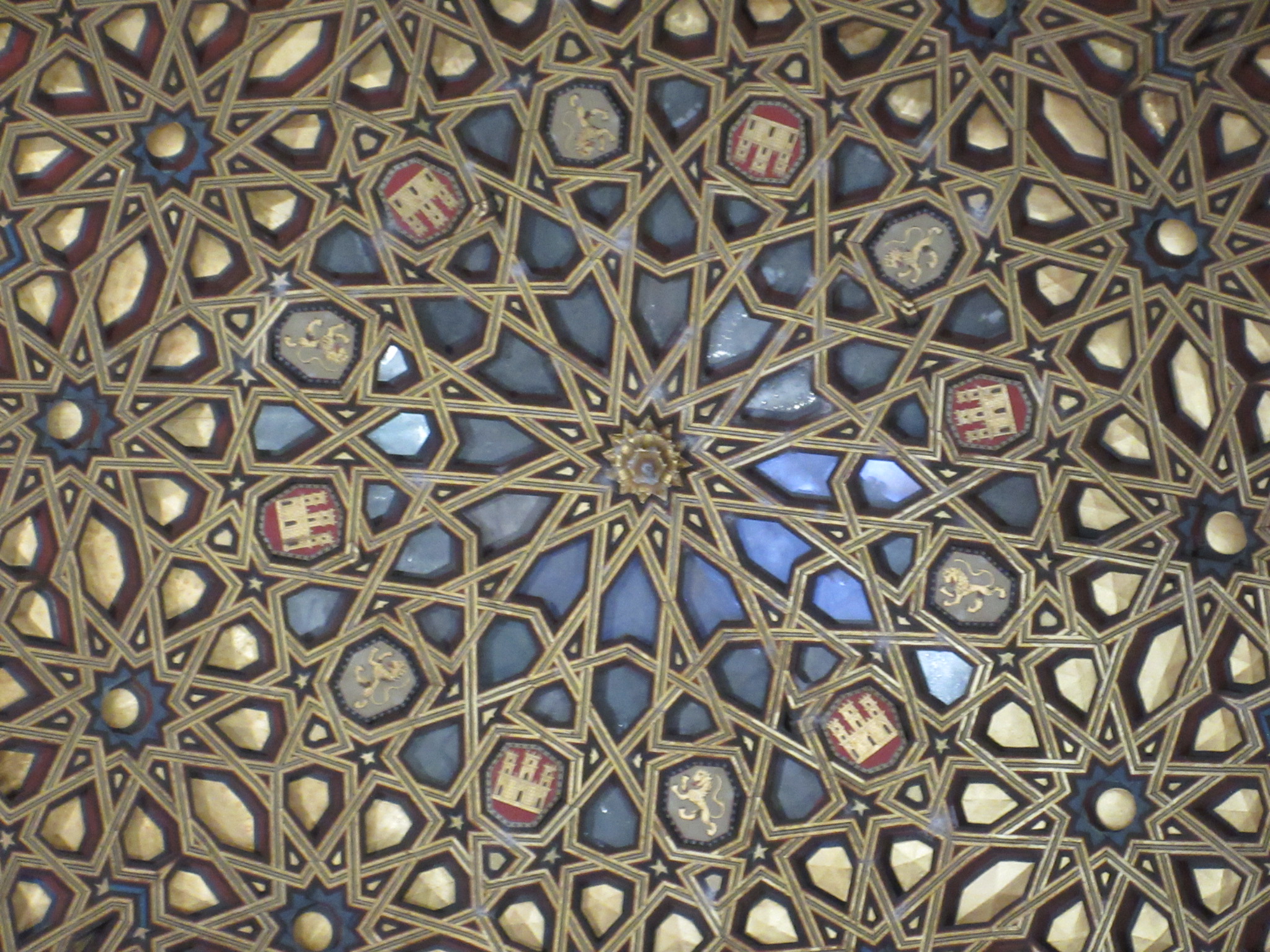
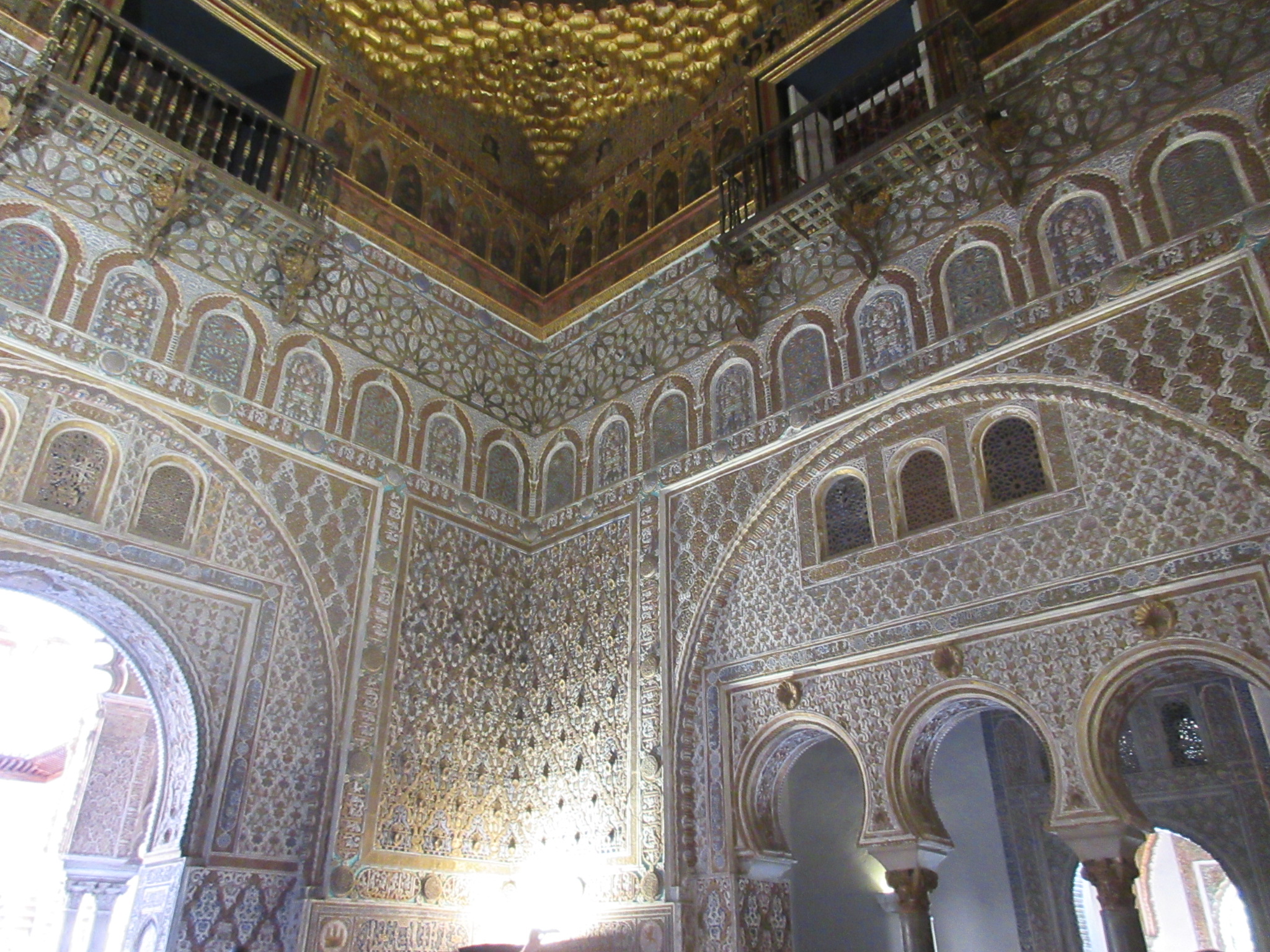
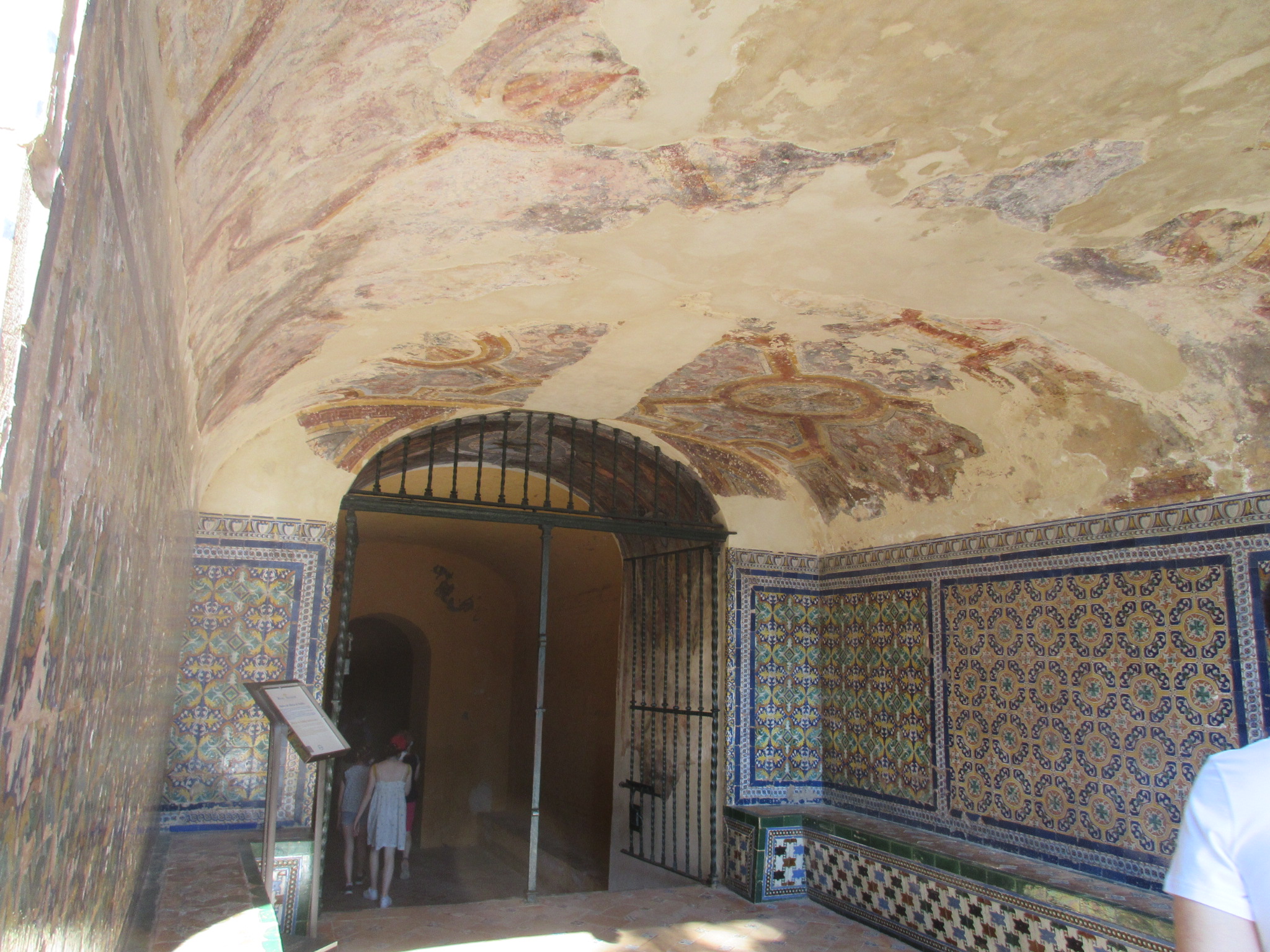
I have visited Granada’s Alhambra on a previous trip, so I knew somewhat of what to expect in this Alcazar visit. The Alcazar in Seville is still beautiful though, and has its own charm. It seemed to have a lot more gold in the decoration and many more tiles and christian influence too.
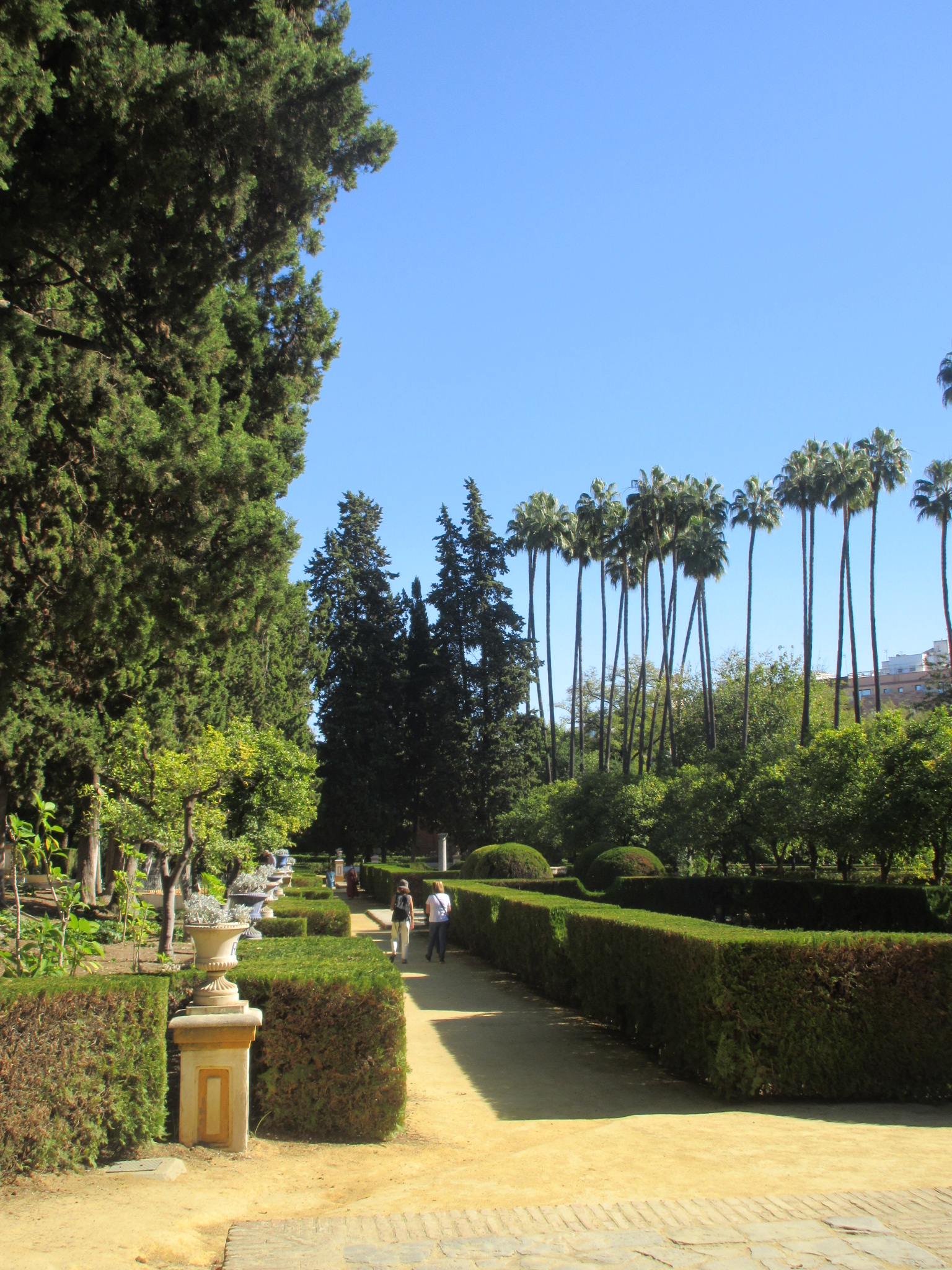
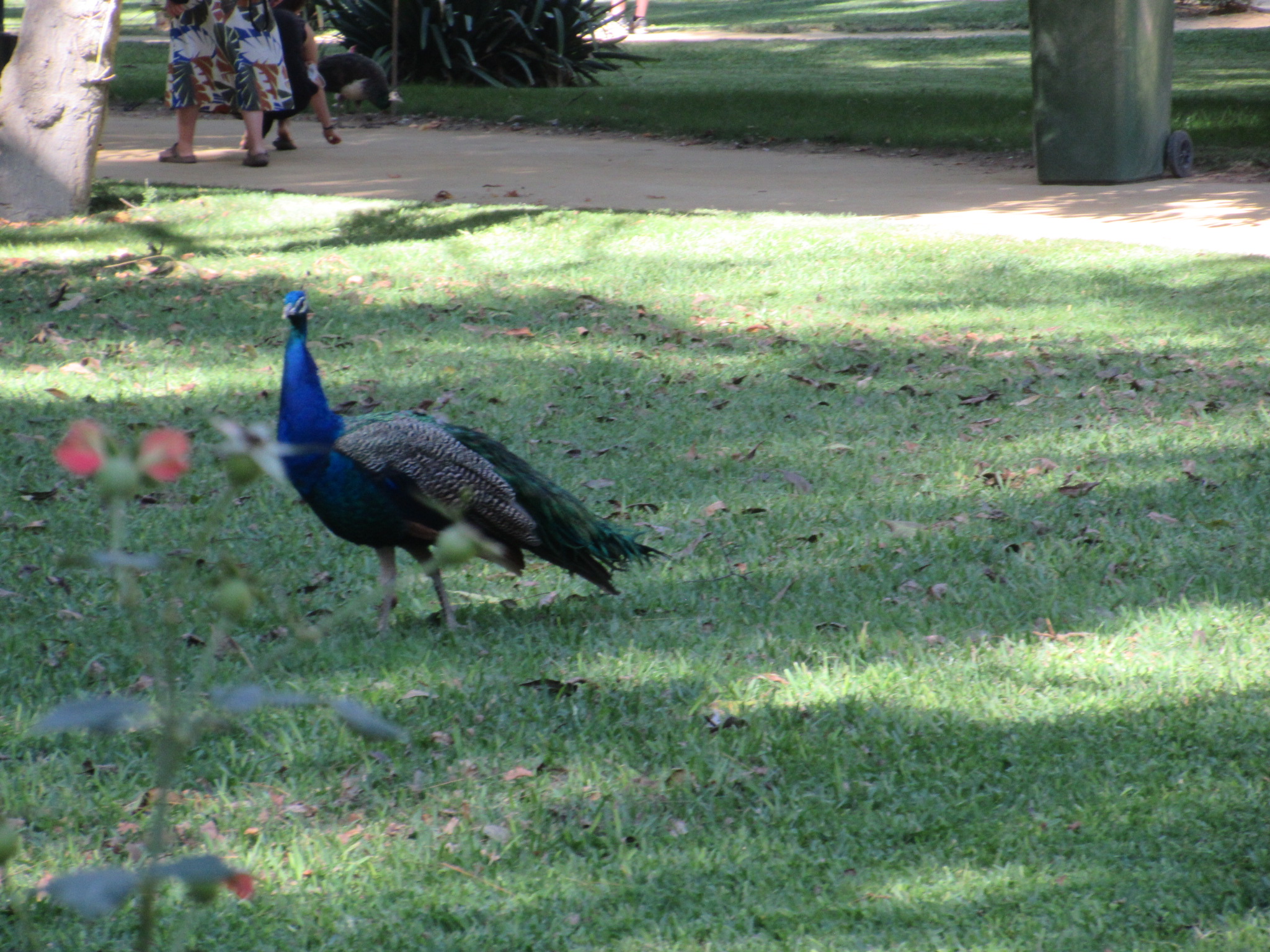
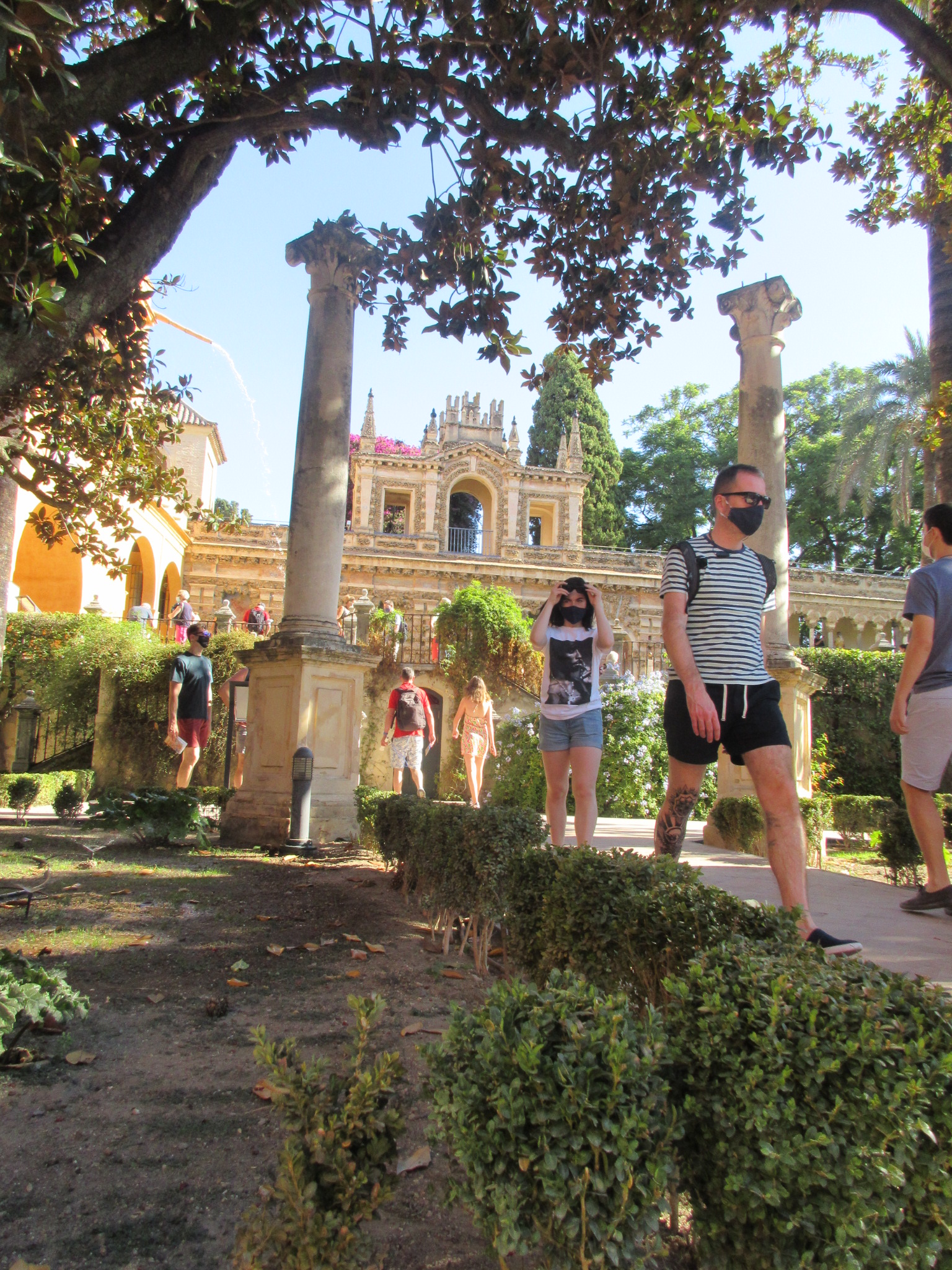
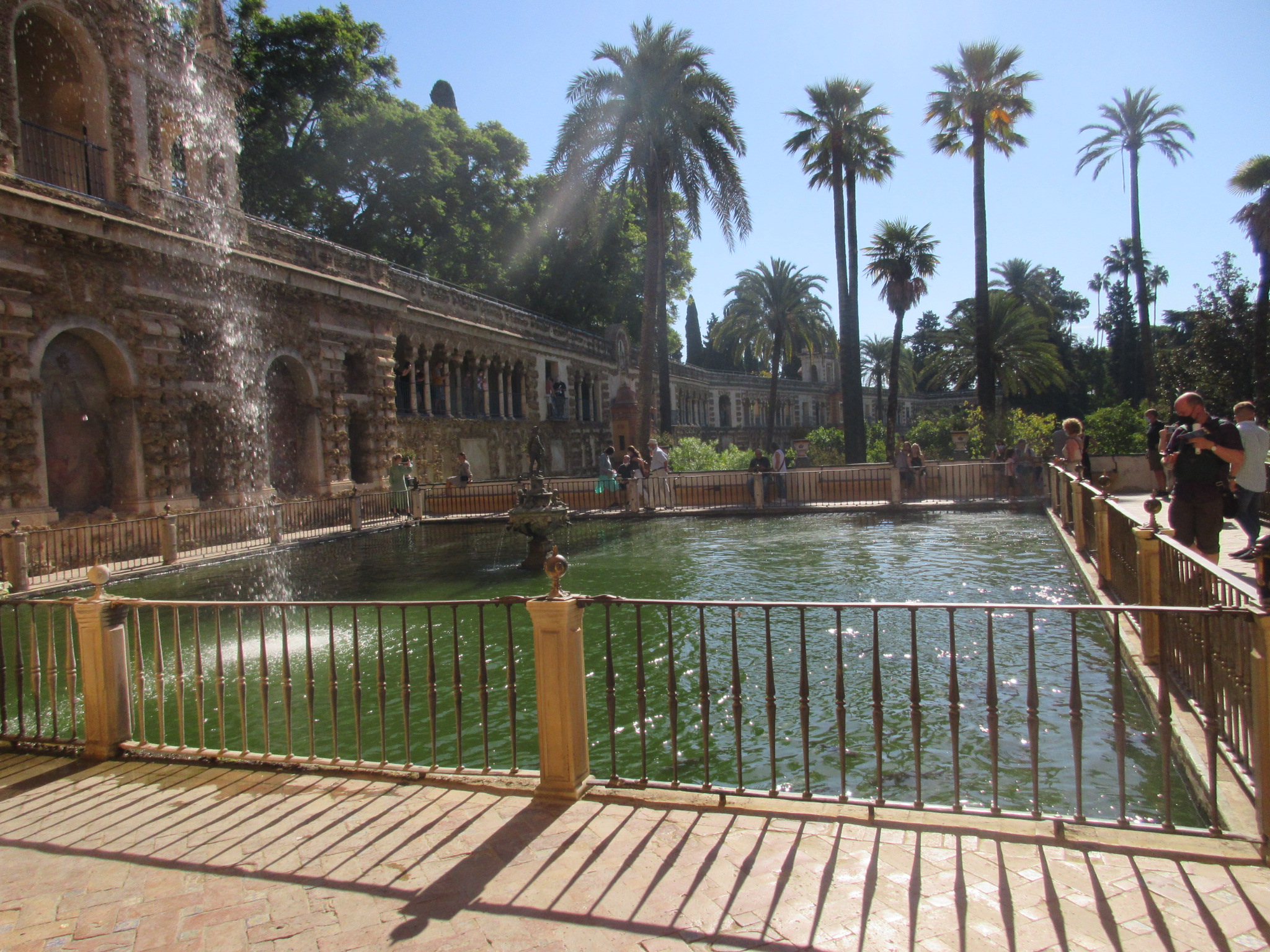
The site also had several lovely gardens which set themselves apart as unique, due to different sections being created based on different styles from around the world. There is a french garden, italian, and even english! The english garden is home to many wondering peacocks, I was wondering if I had missed something in this, are peacocks English…? 🤔
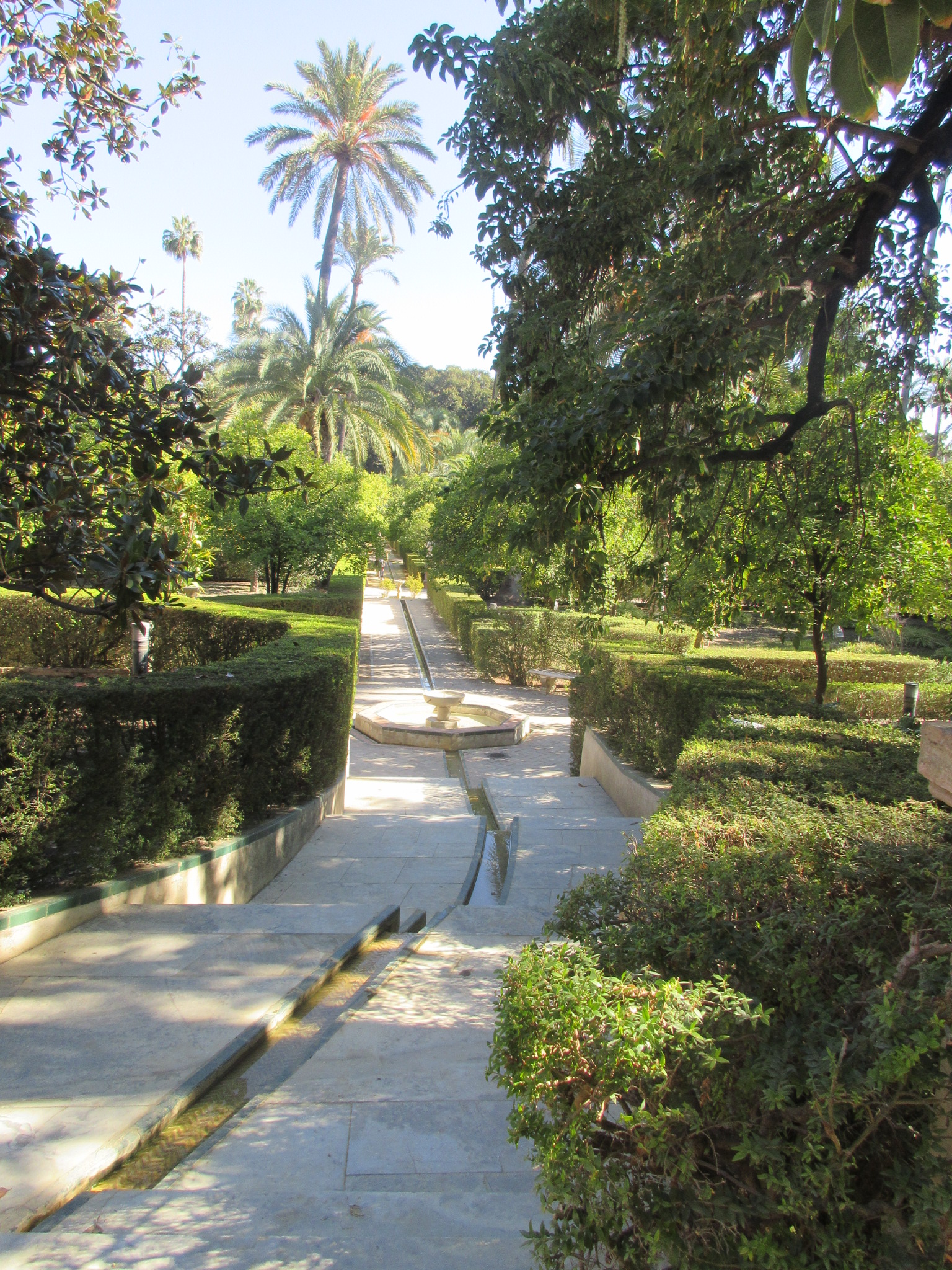
I also ticked off another Game Of Thrones filming location from my list! The site was used as one of the locations for imaginary kingdom of ‘Dorne’. ✅✅✅
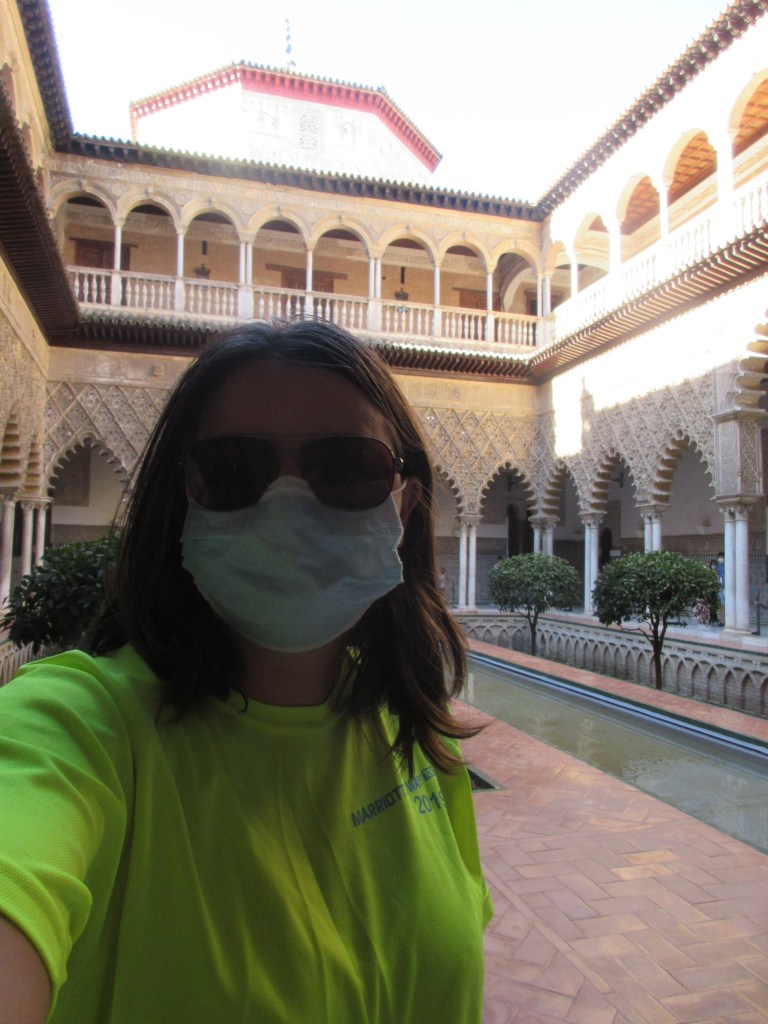
GoT location in Seville’s Alcazar

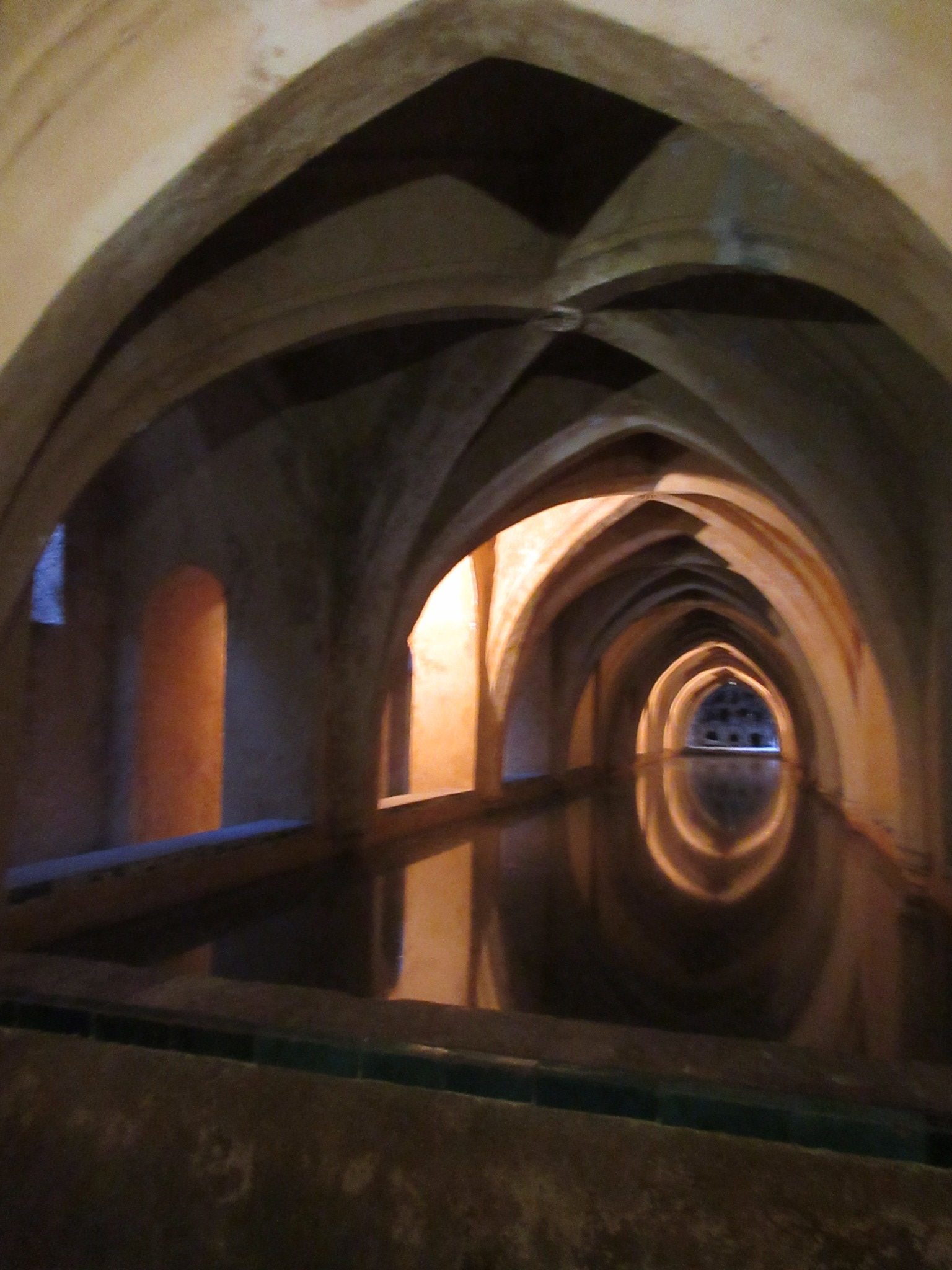
There is also a hidden away area in the garden which is quite cool. That is the mistress’ bath underground. Apparently, the Peter ‘the cruel’ built this bath for the the lady he was wooing, so she would have somewhere refreshing to relax. Considering the heat here, that seems like an act of true love to me! The bath is accessed through a tunnel and is a very pretty space.
Seville Cathedral

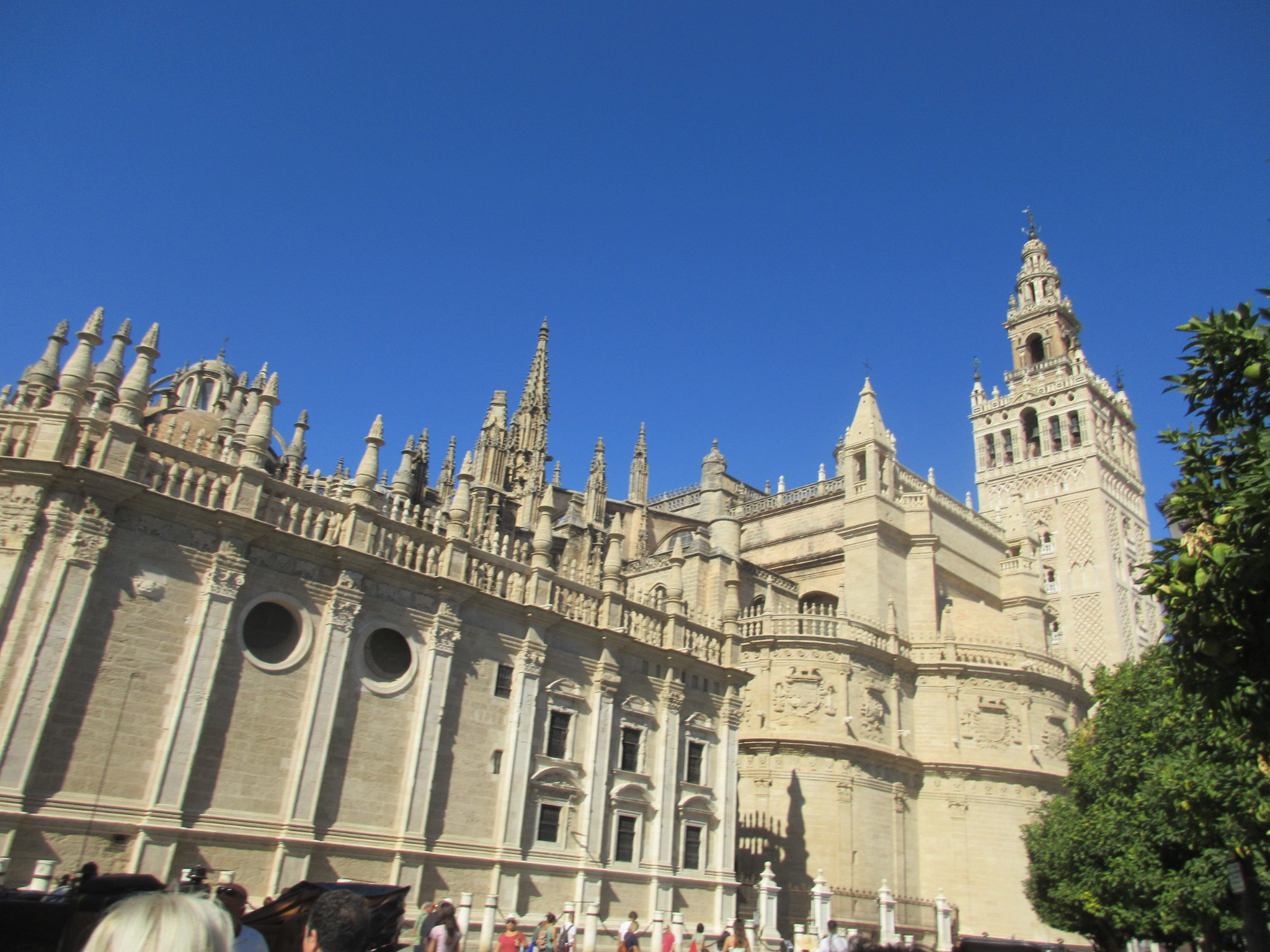
Connected to the Alcazar, is Seville’s Cathedral. The Cathedral is built on the site of the former mosque. The mosque was gradually destroyed after the Christian conquest of 1248, except for the minaret or Giralda that remains today. The cathedral is very grand inside as you would expect from any catholic cathedral, but it does have some additional advantages.

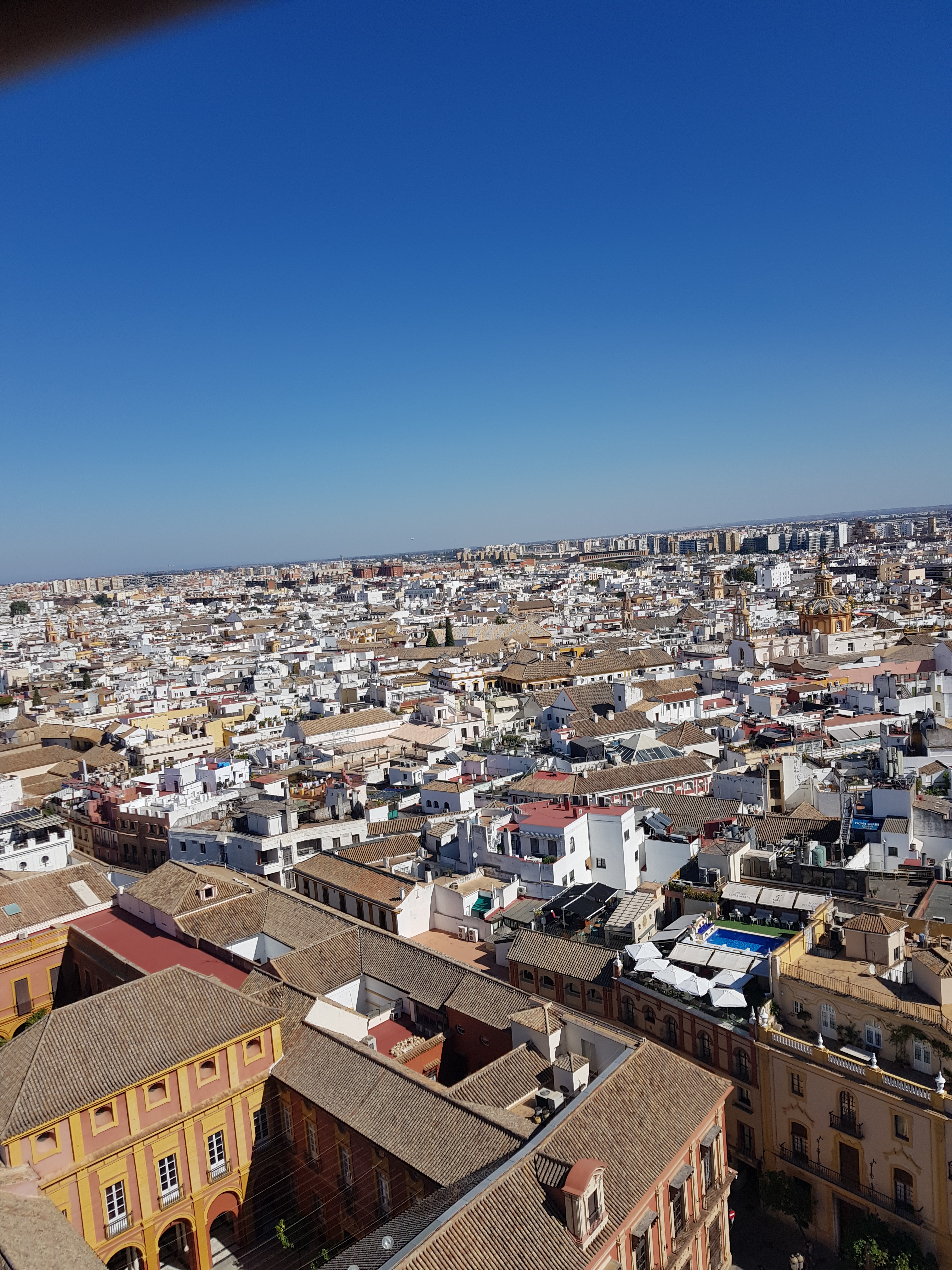
There is the Giralda, which actually means ‘weather vane’, (I had to question the guide about this as I knew tower is ‘torre’.) You can climb this to the belfry area and get a good view of the city. Wierdly, it has 35 ramps rather than staircases, so there really is no excuse!
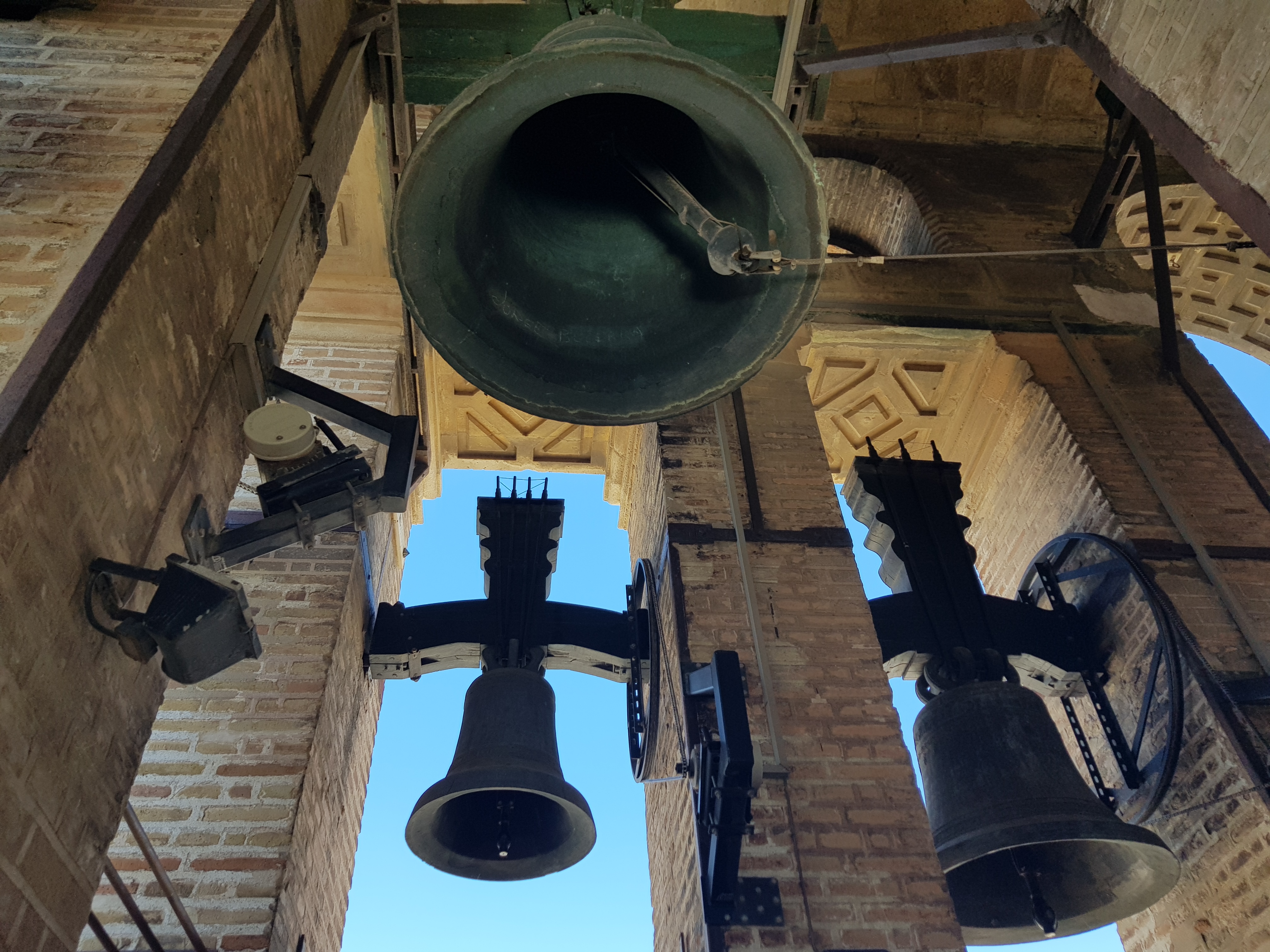
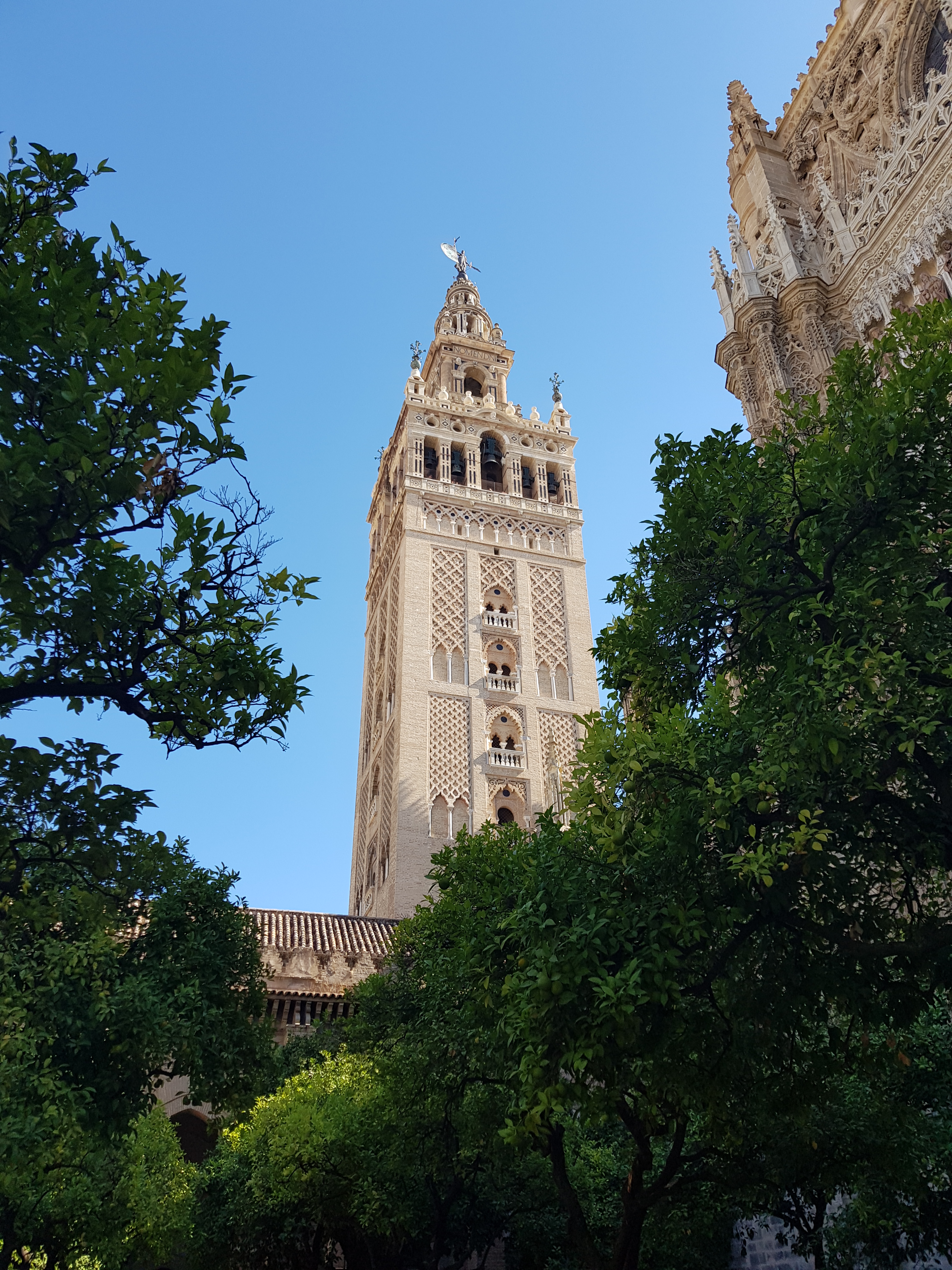
The cathedral also makes links to lots of important figures. I was very excited about the abundance of seashells used as shapes in the decor to symbolise Saint James (Patron Saint of Spain) and the symbol of my upcoming pilgrimage.
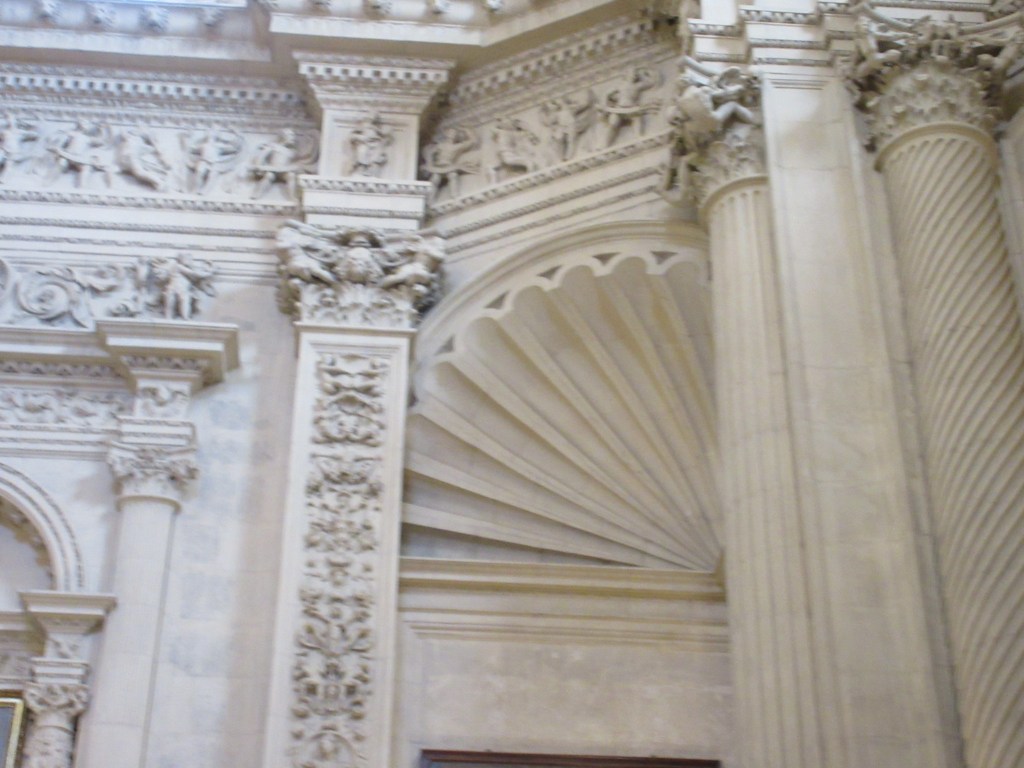
Sign of St James

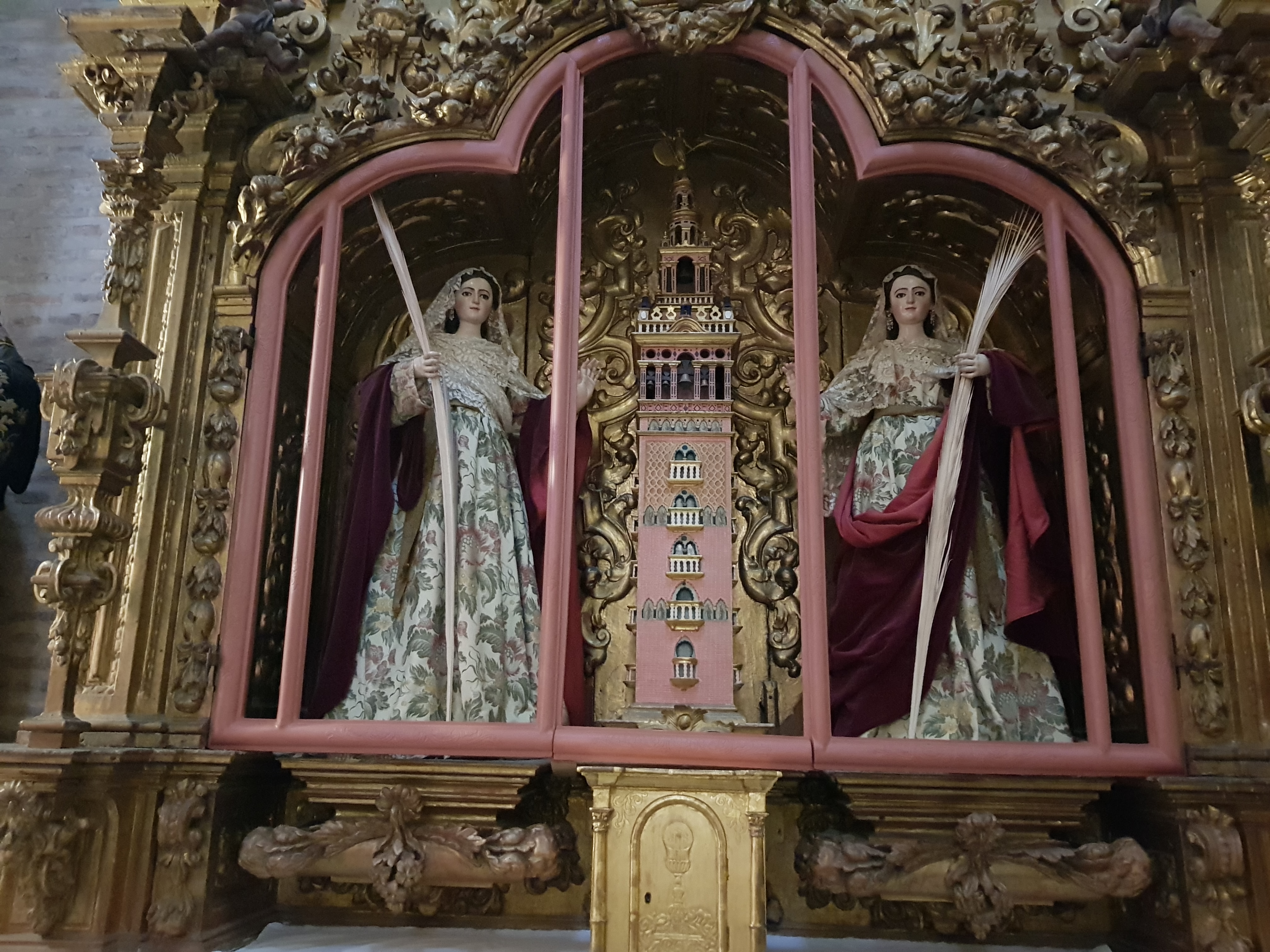
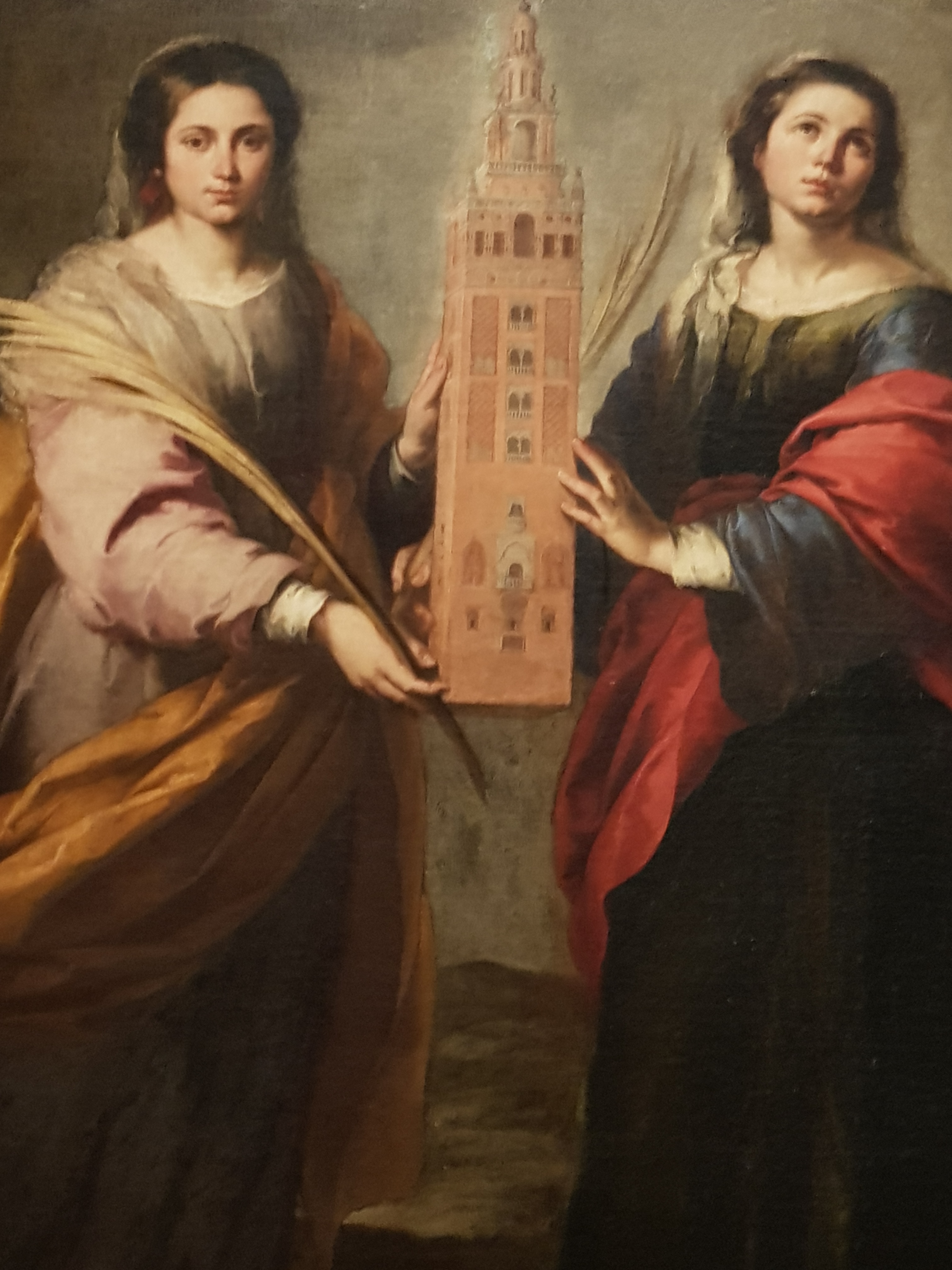
They also pay tribute to Justa & Rufina, in the cathedral and all over the city. These were two sisters who lived as potmakers across the river, in 3rd century. They became martyrs when they refused to take part in a pagan festival due to their faith and broke a statue of Venus. For this, the authorities, imprisoned, tortured, starved and killed them. They are remembered all over the place!

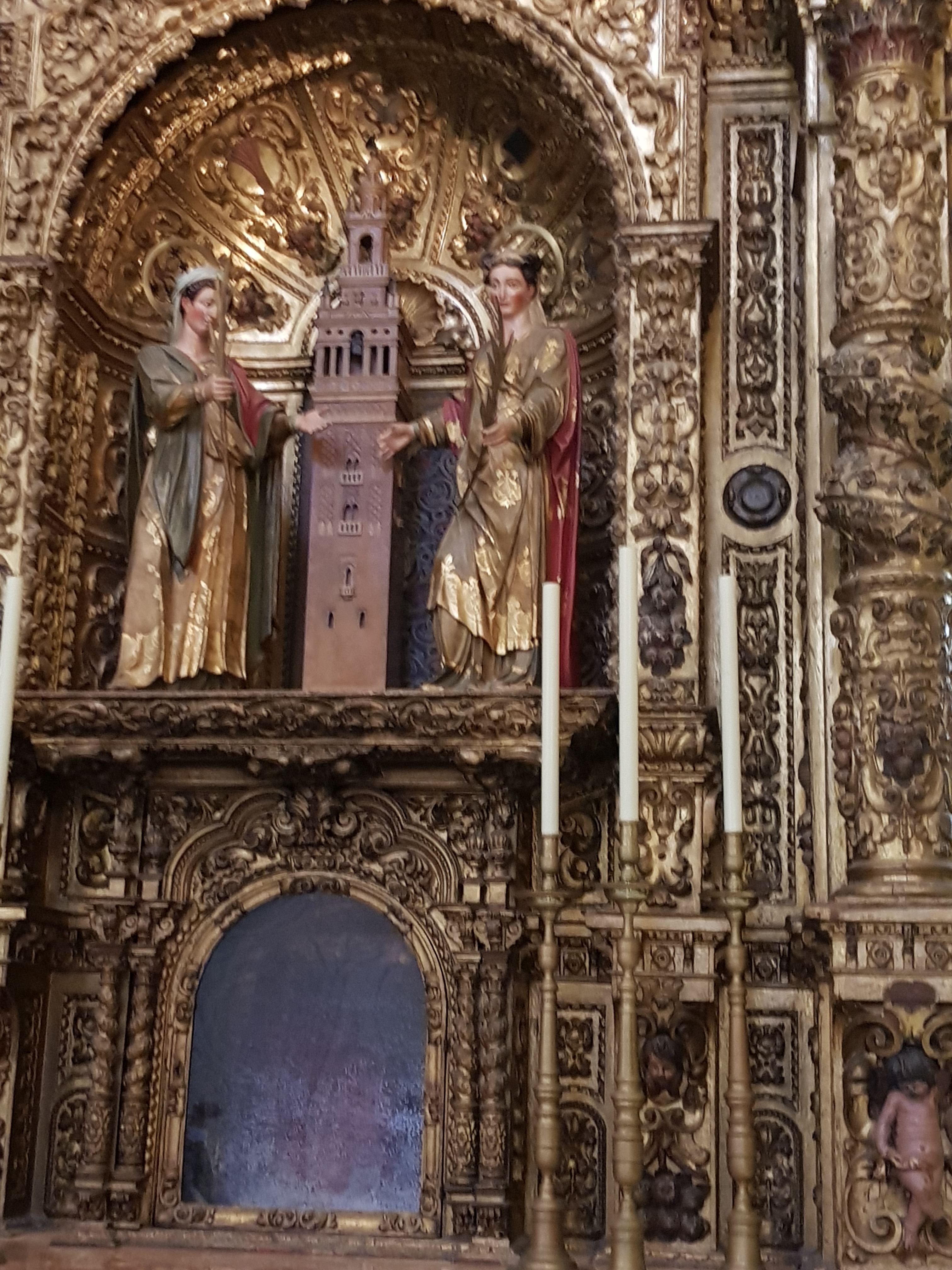
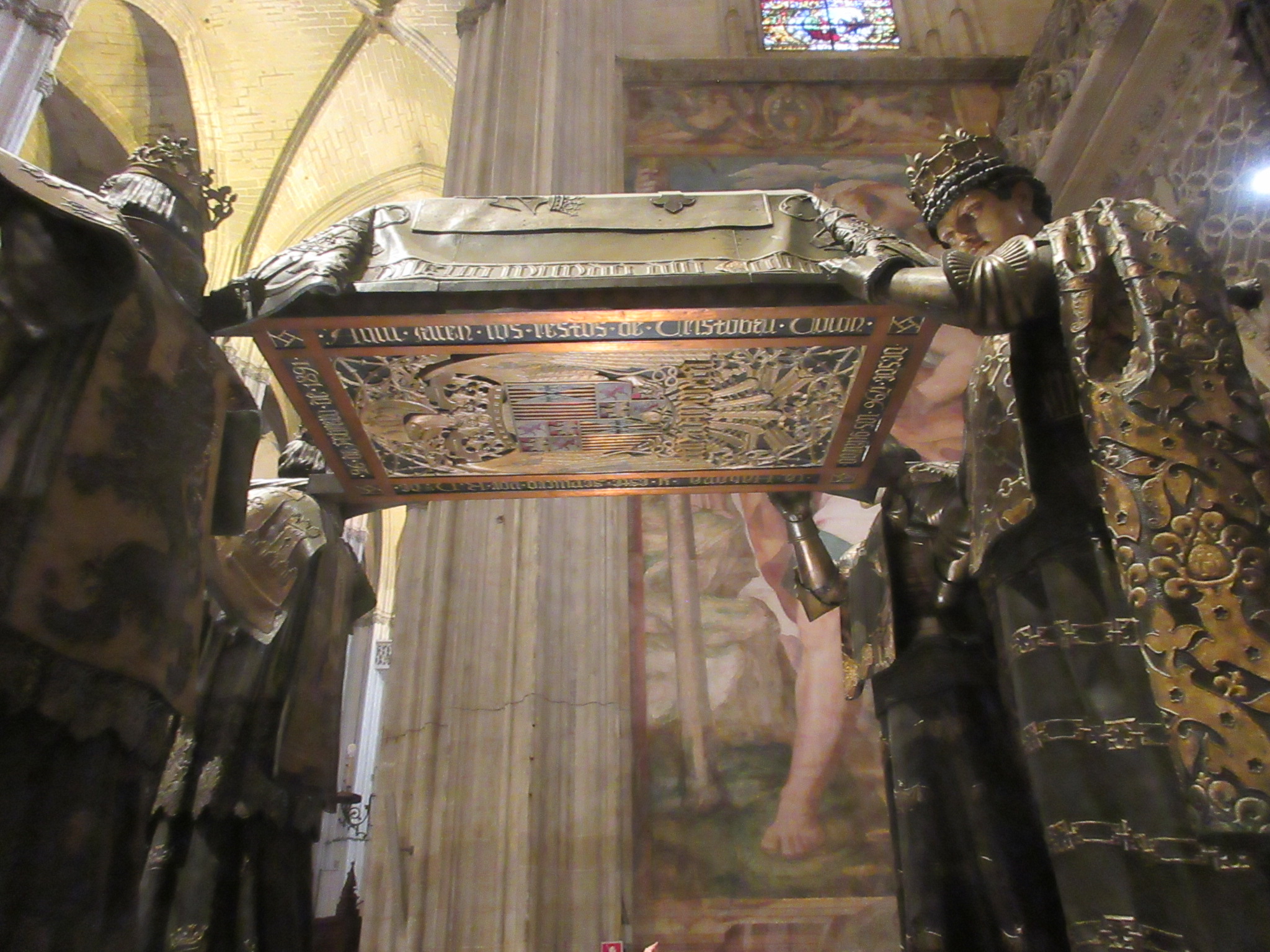
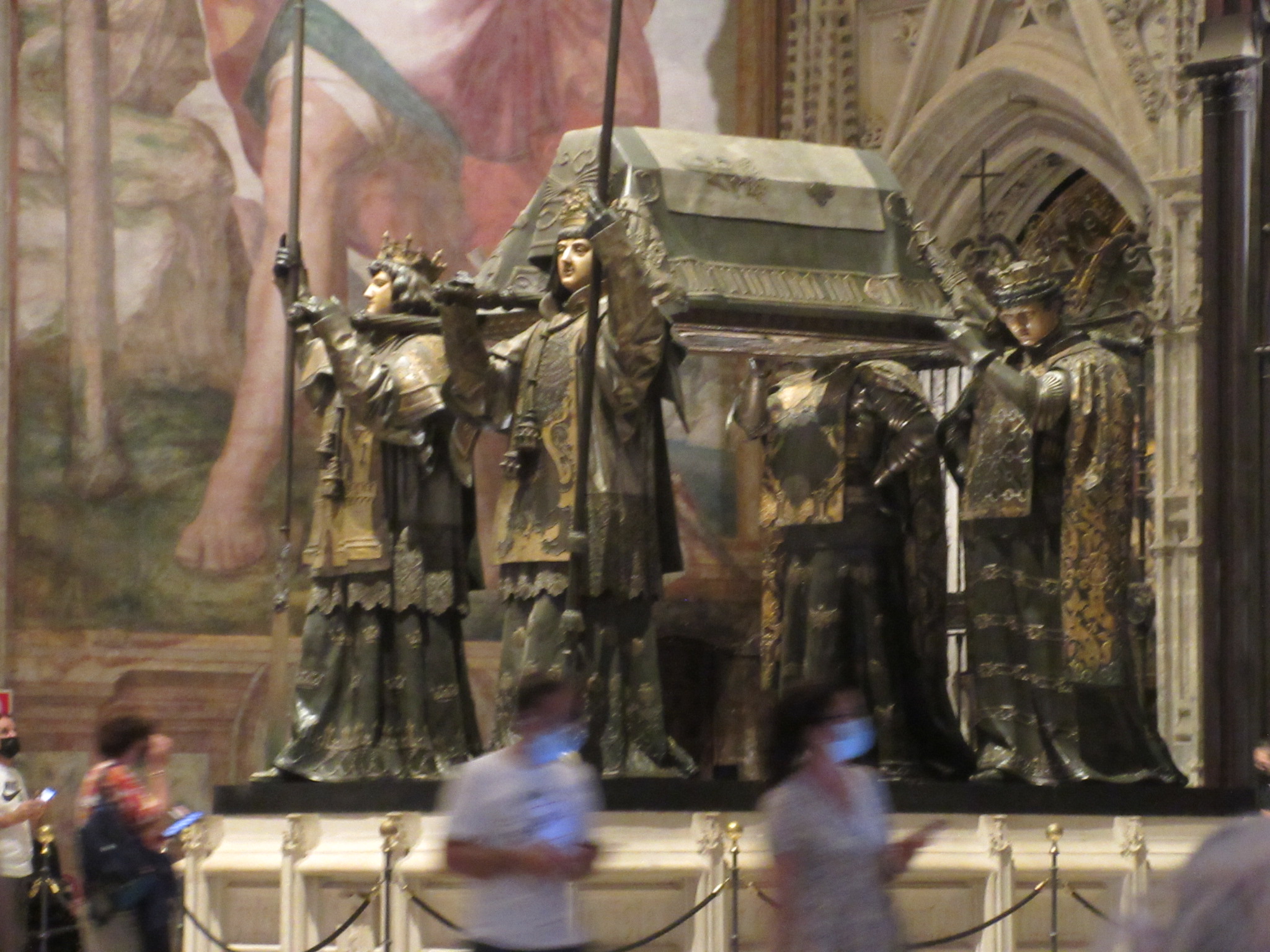
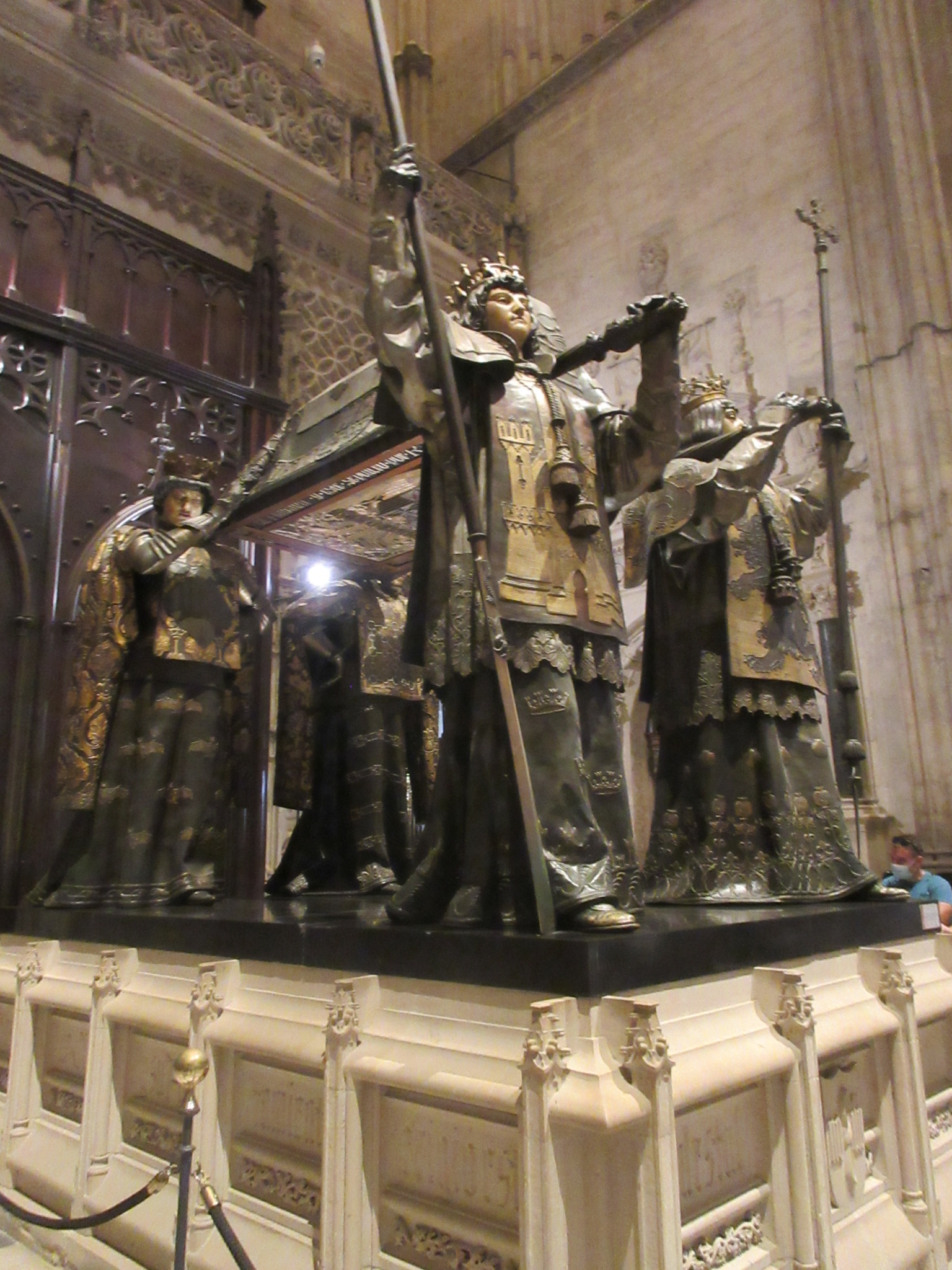
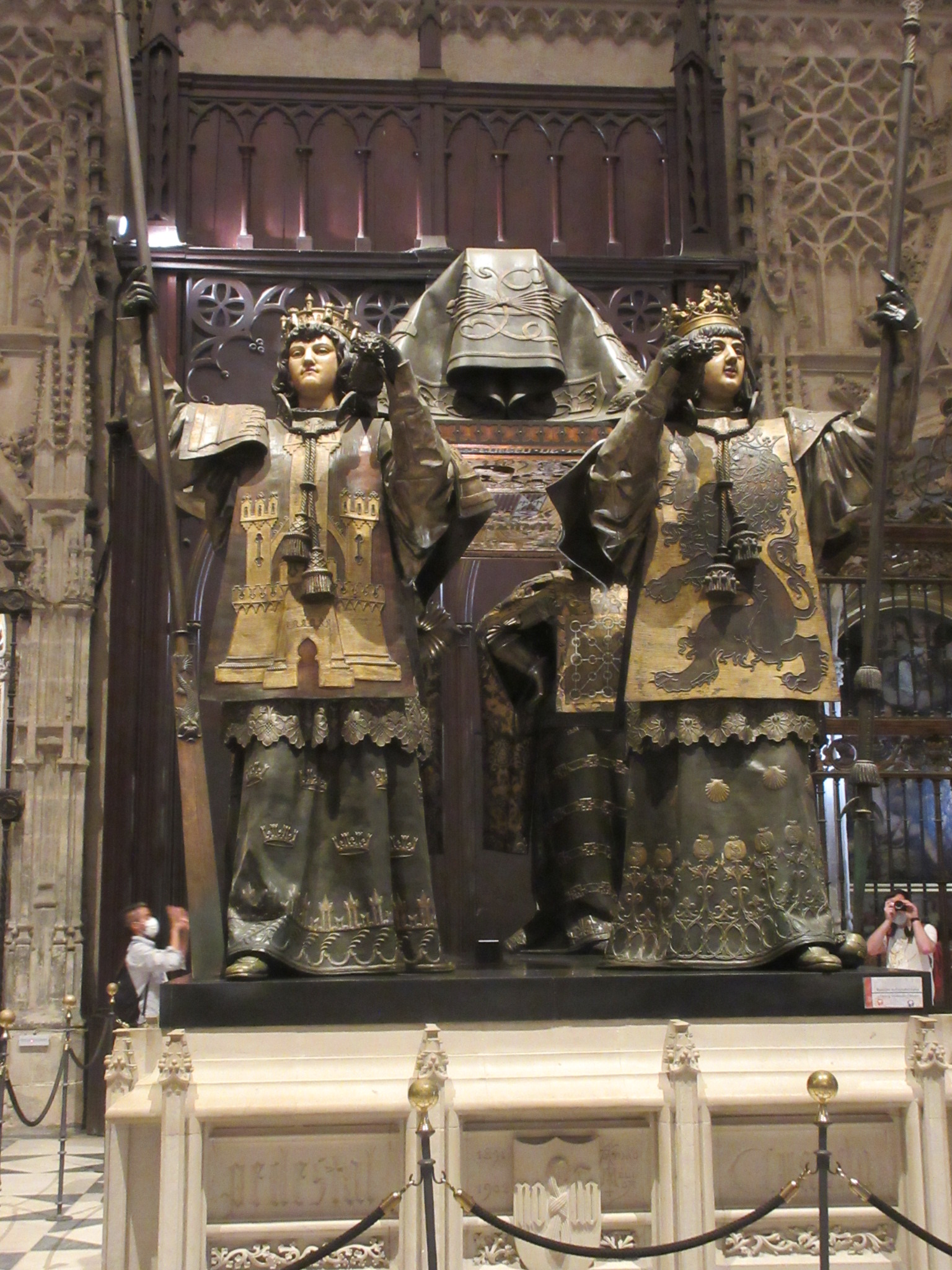
Lastly, the Cathedral is the place that you will find the only DNA certified tomb of Christopher Columbus. His body has moved around the world to different countries before finding its way back to Spain. It makes sense that he is in Seville, as he set sail from nearby town of Huelva, before first discovering America.

Not only is this an interesting figure but the tomb itself is very beautiful and unique. Columbus is not buried underground, but is actually overhead. His tomb rests on the shoulders of four men which represent the different kingdoms of Spain (Castile, Leon, Aragón and Navarre) symbolising that not one kingdom can claim his accomplishments, but they belong to all of Spain as a union.
More art

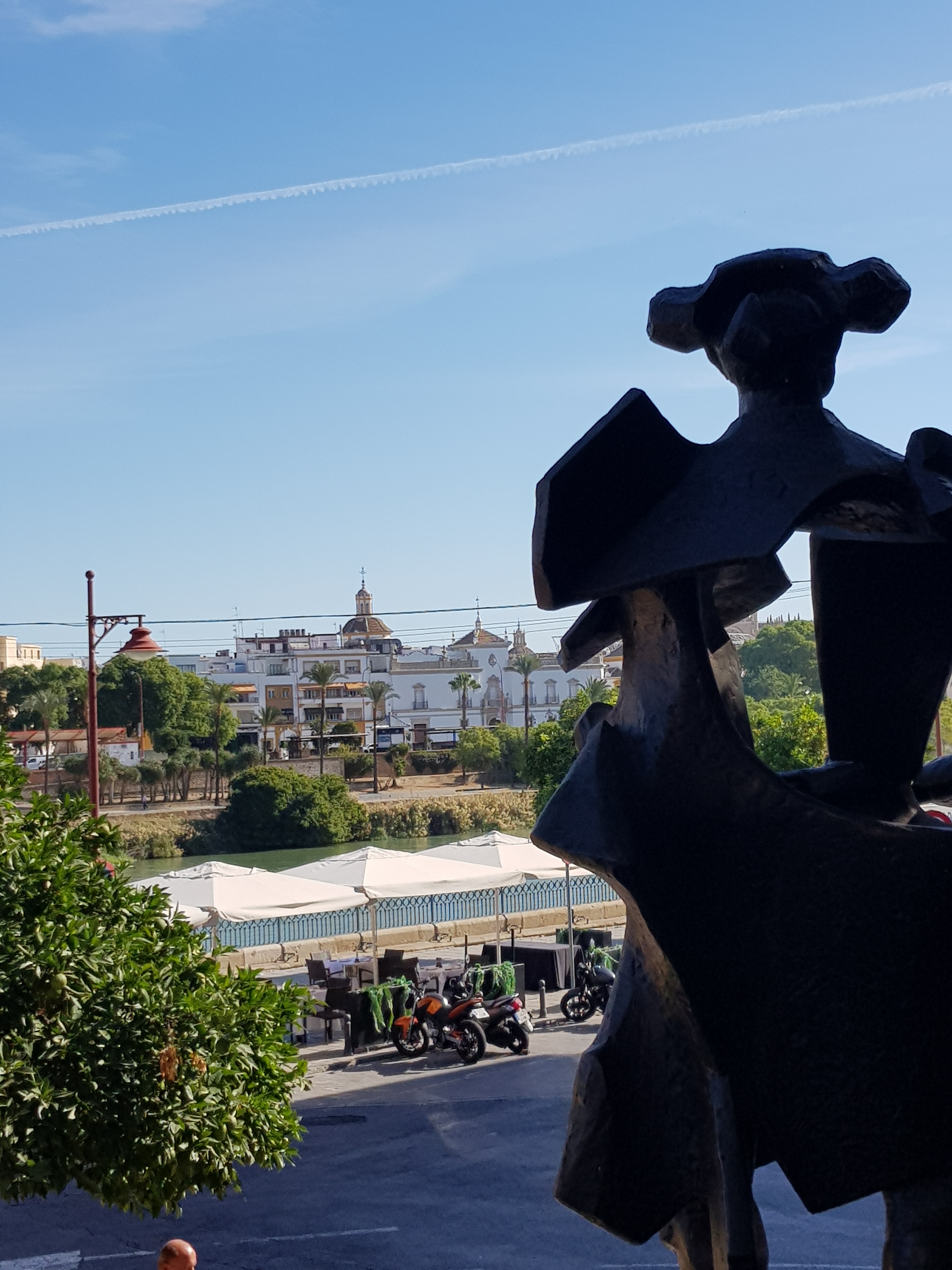
As well as seeing beautiful art and sculptures at the Cathedral and Alcazar, there are many pieces in city plazas, numerous churches and galleries/museums.

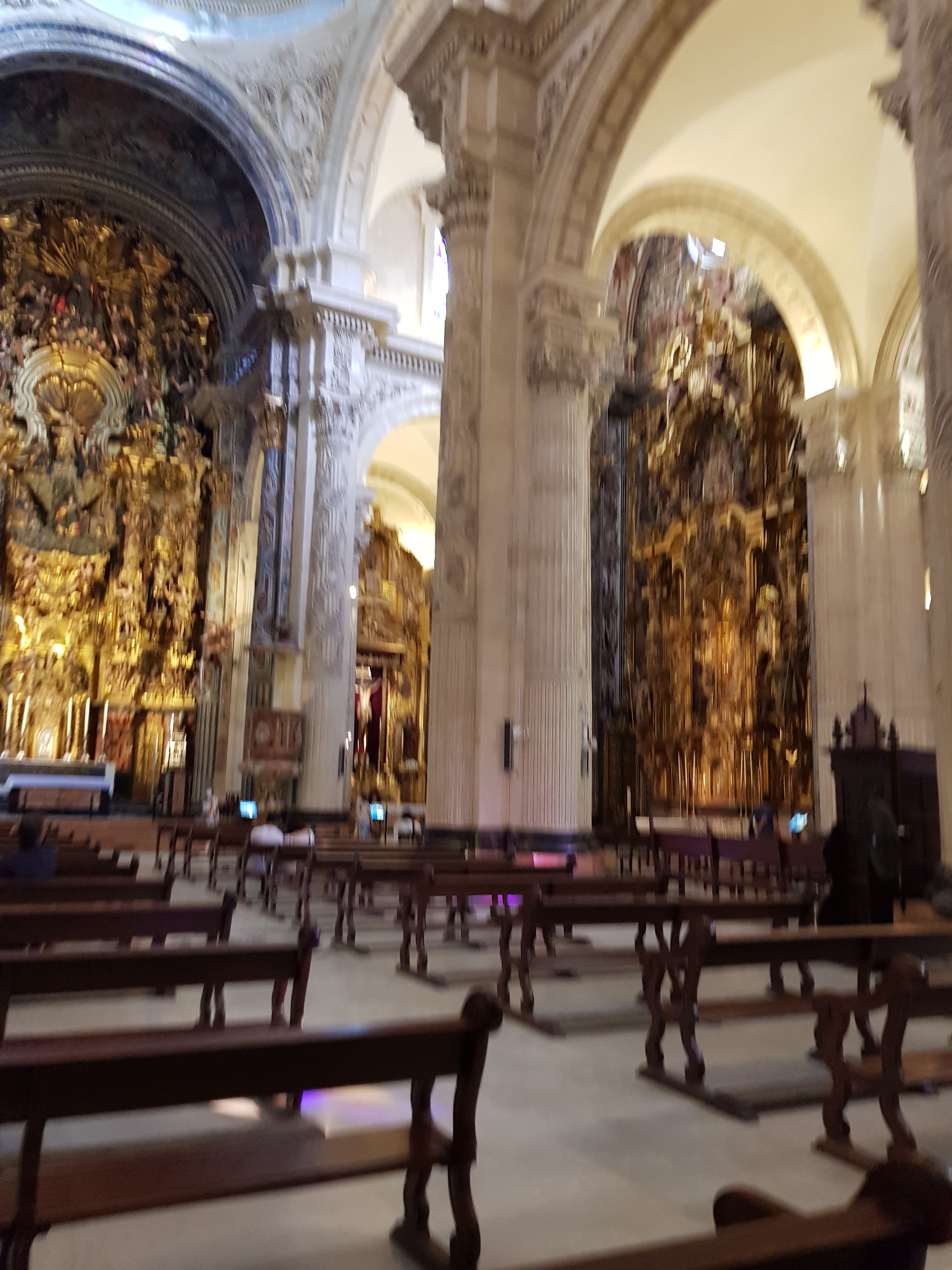
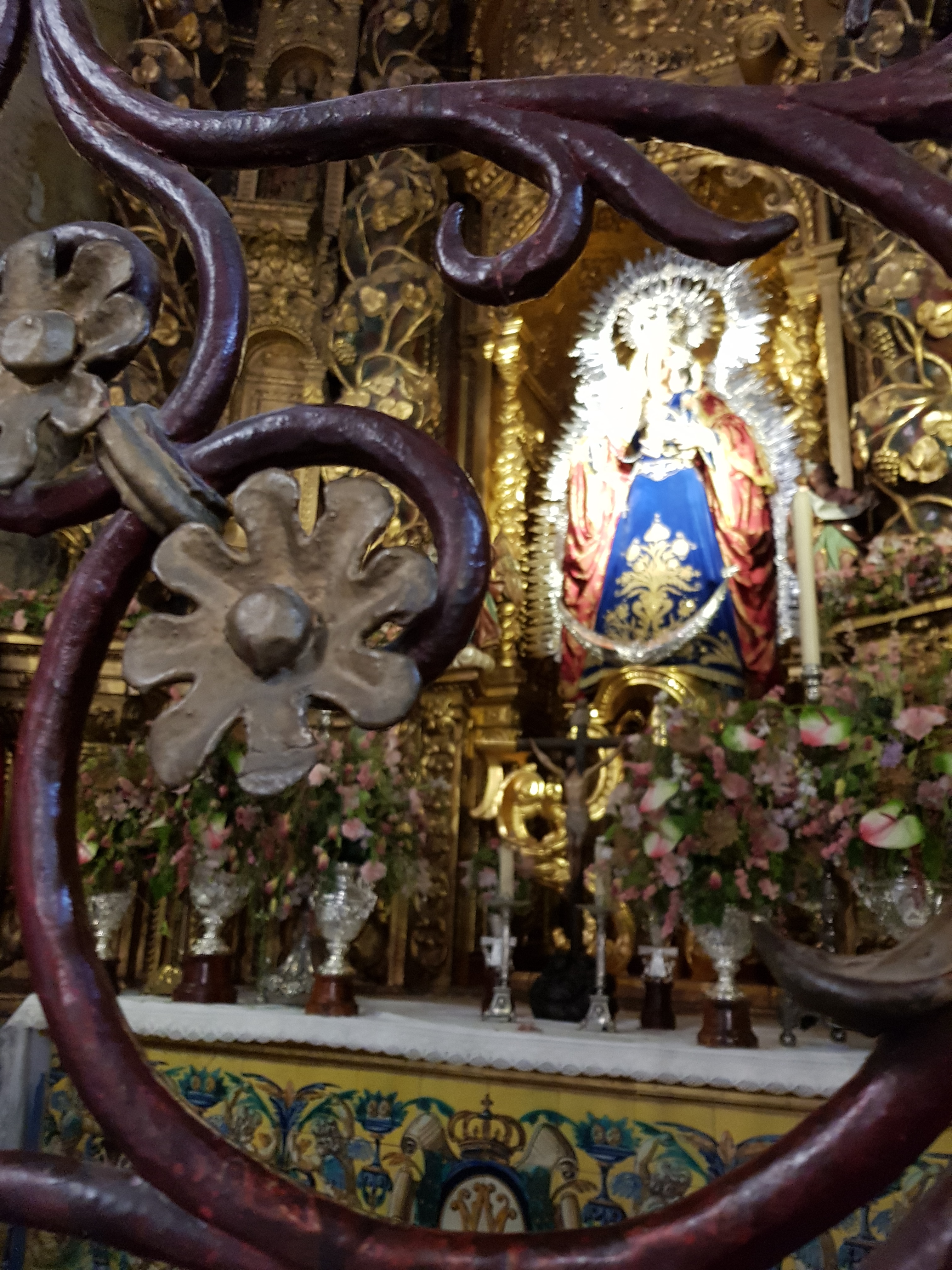
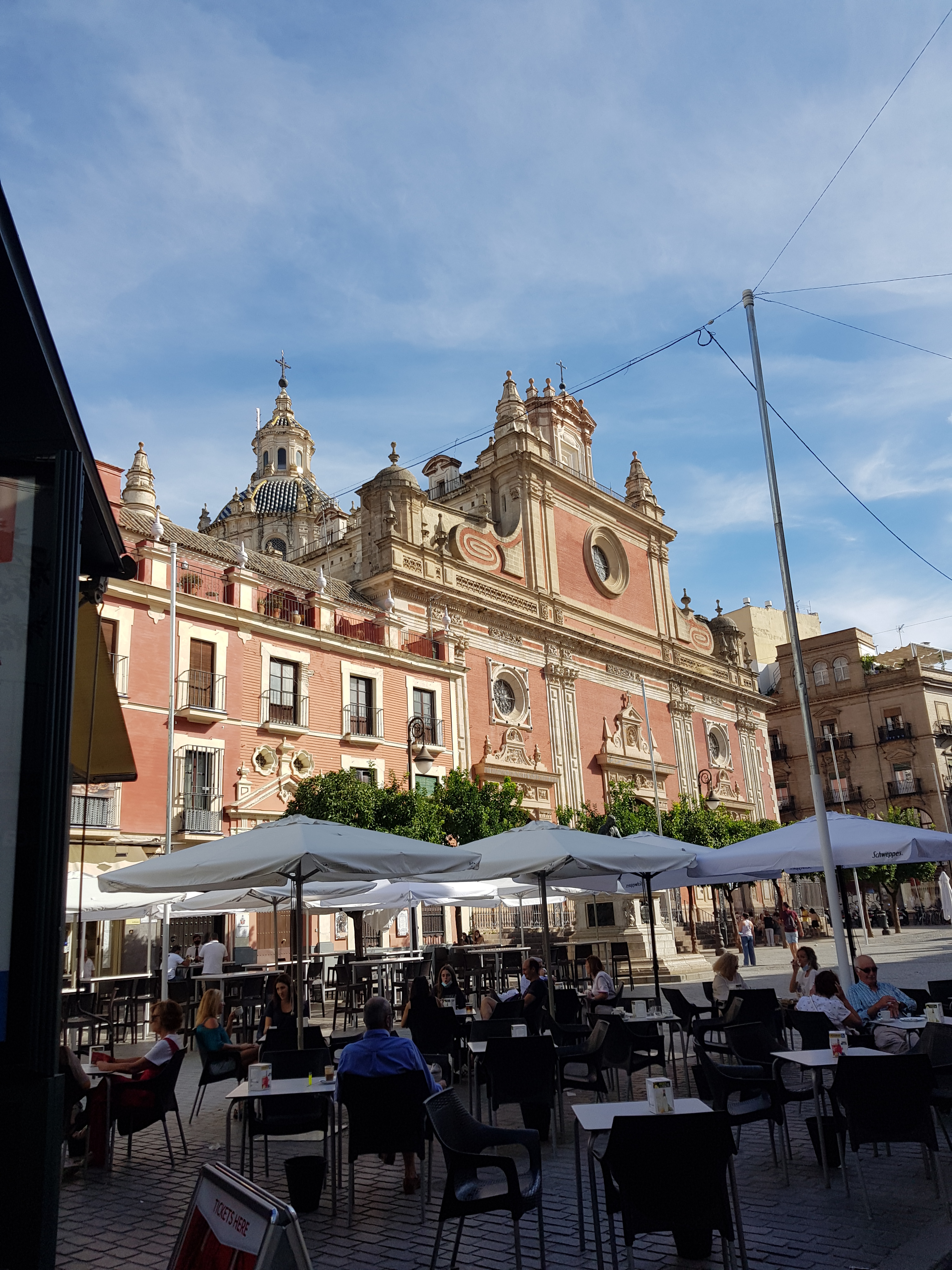
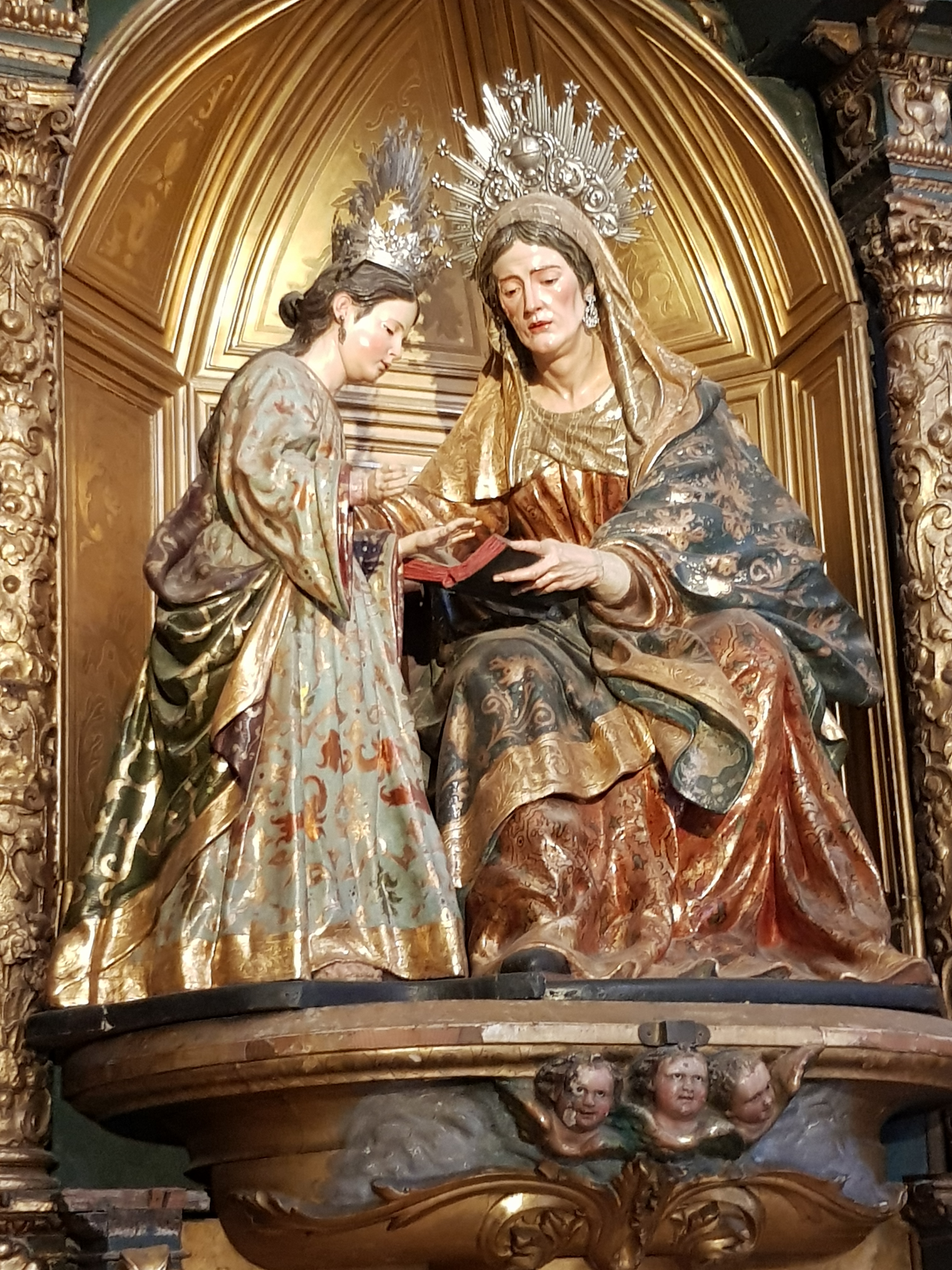
I visited both the church of San Salvador in the centre and Santa Ana church in the neighbourhood across the river, called Triana. I would definitely recommend wondering into Triana, as it has a very sociable vibe and lovely views from across the river. Prices are slightly better too. Both these churches were very cheap to visit, under 5 euros each.
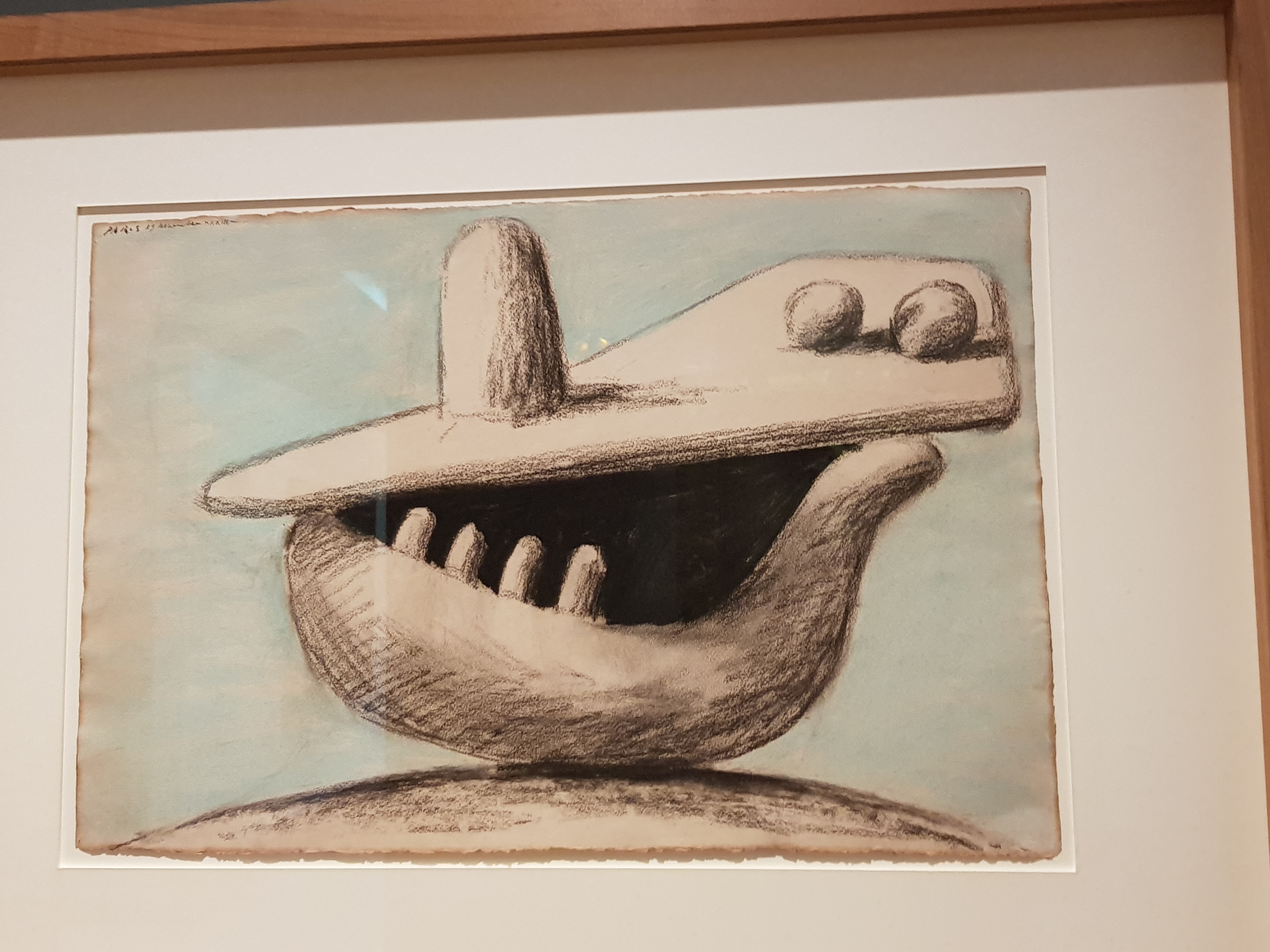
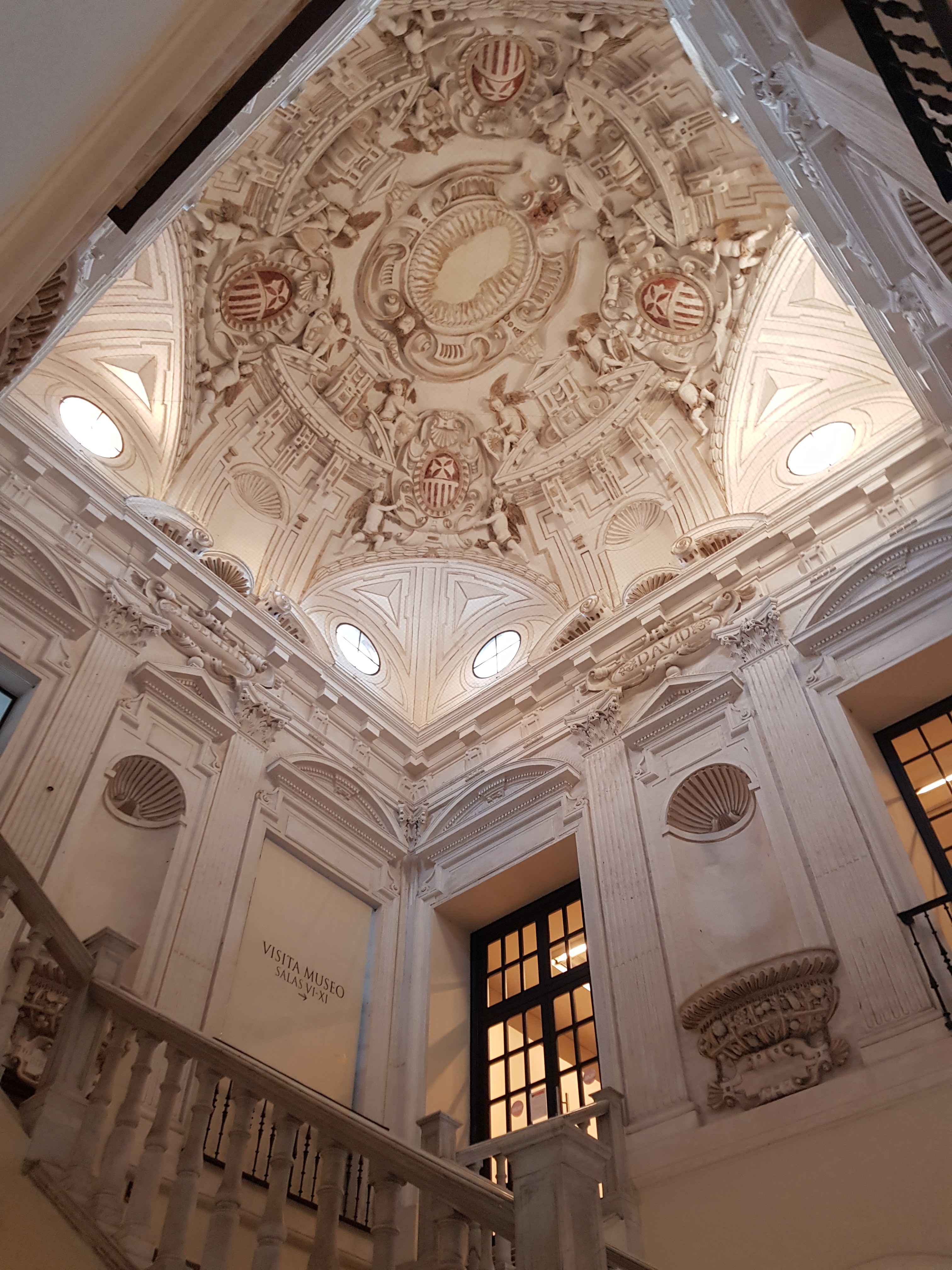
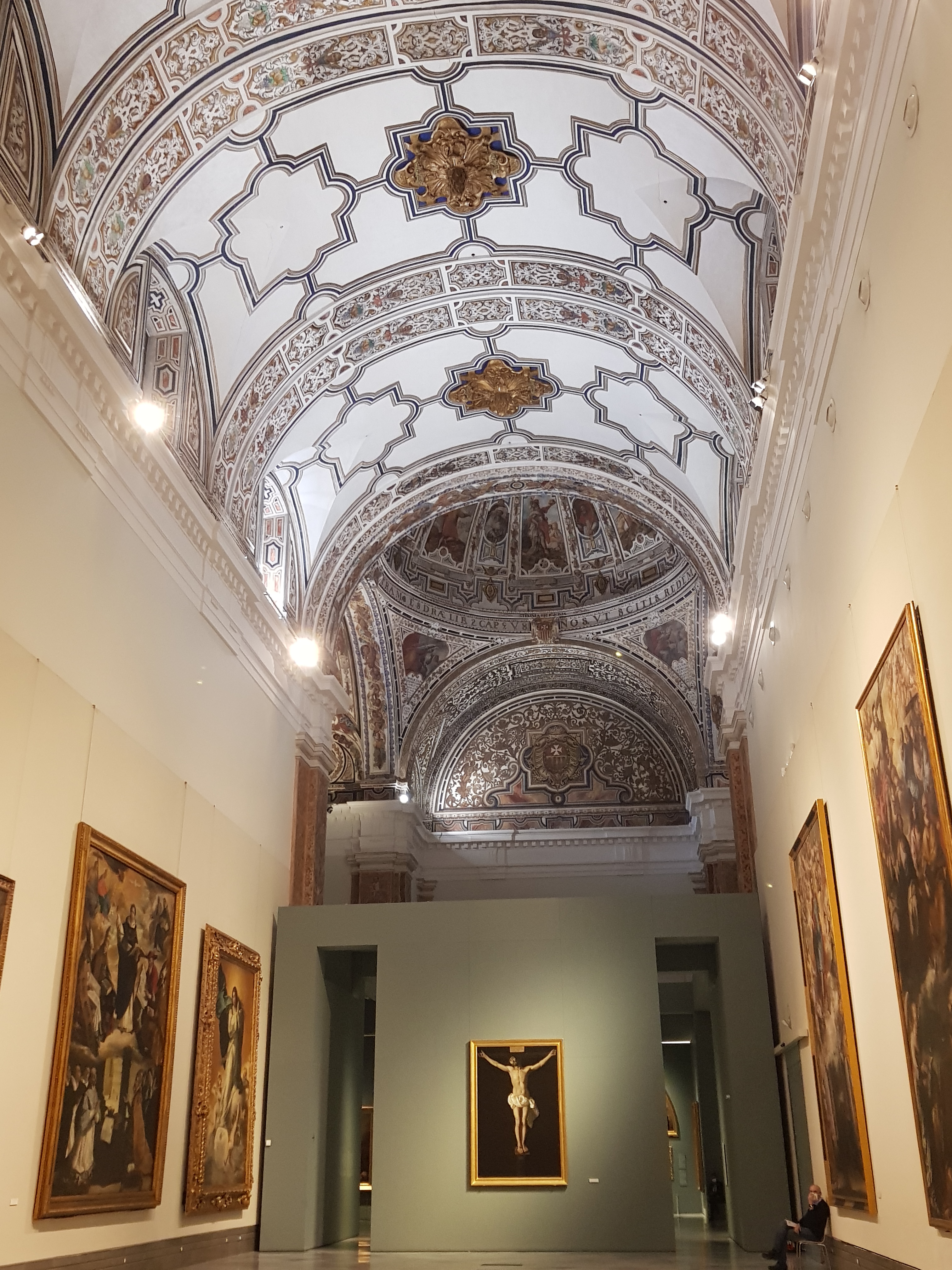
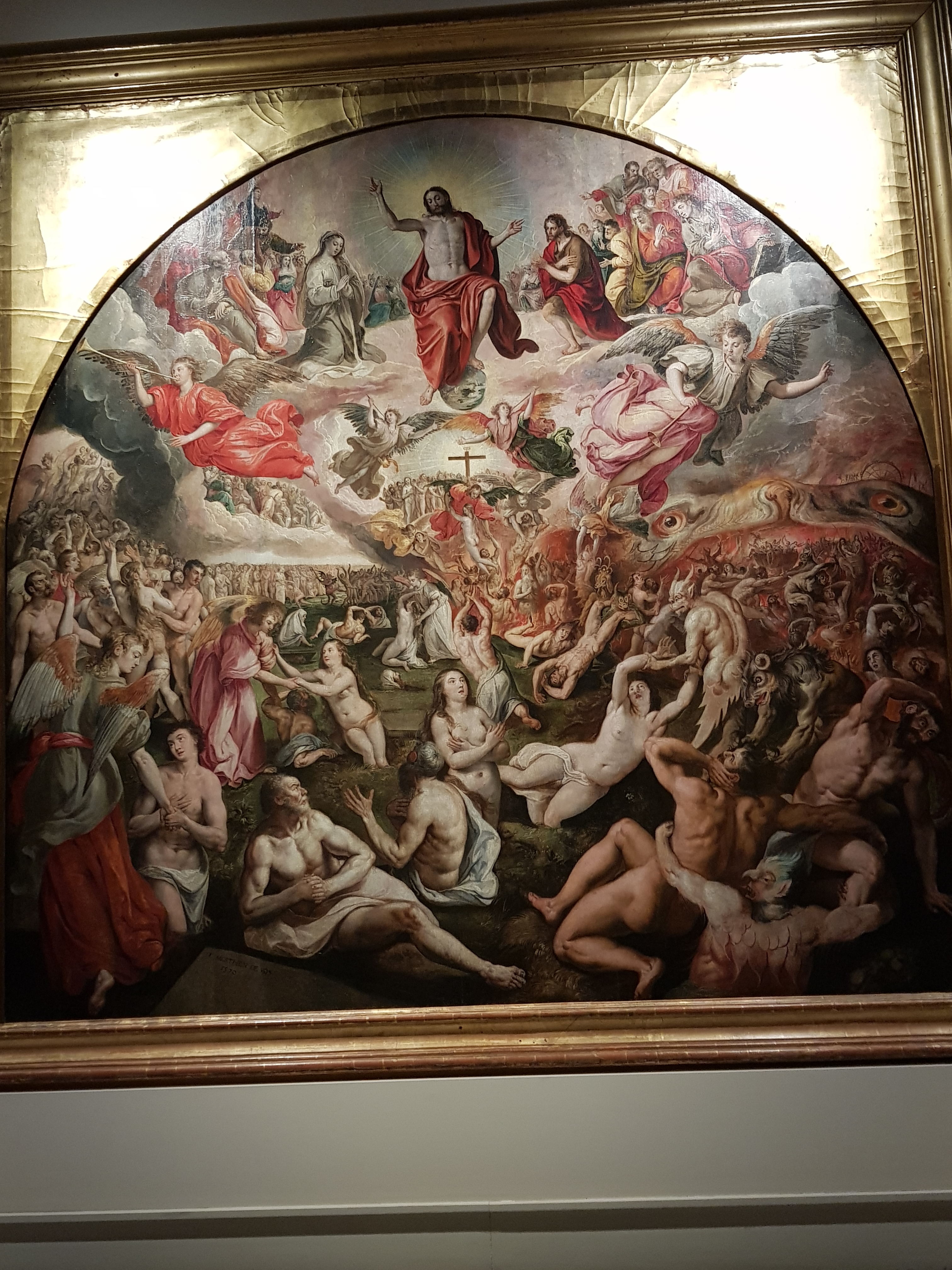
I also enjoyed free admission and air conditioning 😀 from the art museum ‘Museo de bellas artes de Sevilla’. The art displayed in this ex- convent is a mix of very renowned artists such as Murillo and Picasso. I must admit that I was not a fan of all the Picassos as they are so odd. There were many portraits and religious art that I loved though. The building is really beautiful and has many courtyards to sit and relax in. The gallery is only two levels so not too intense which is nice.
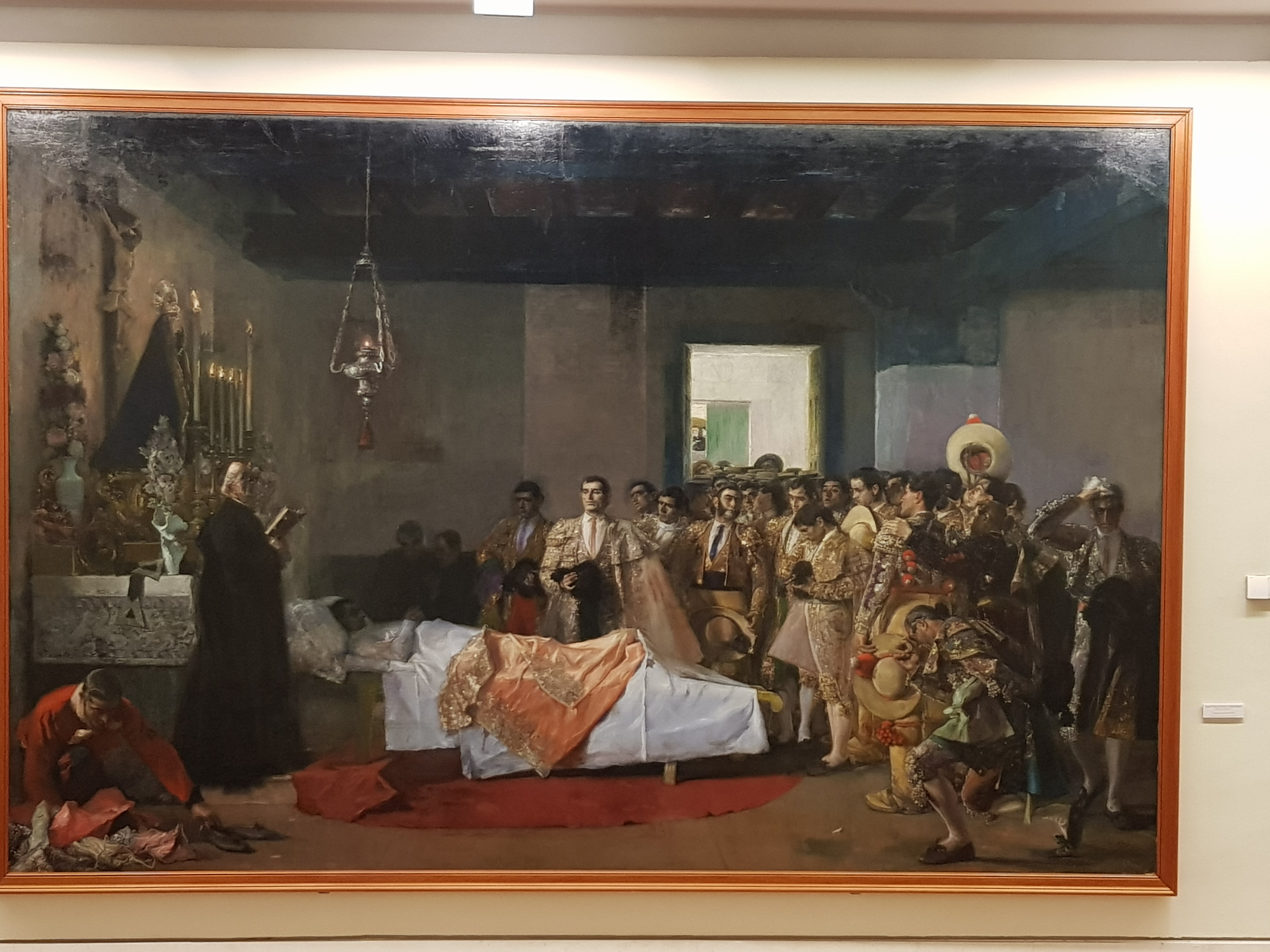
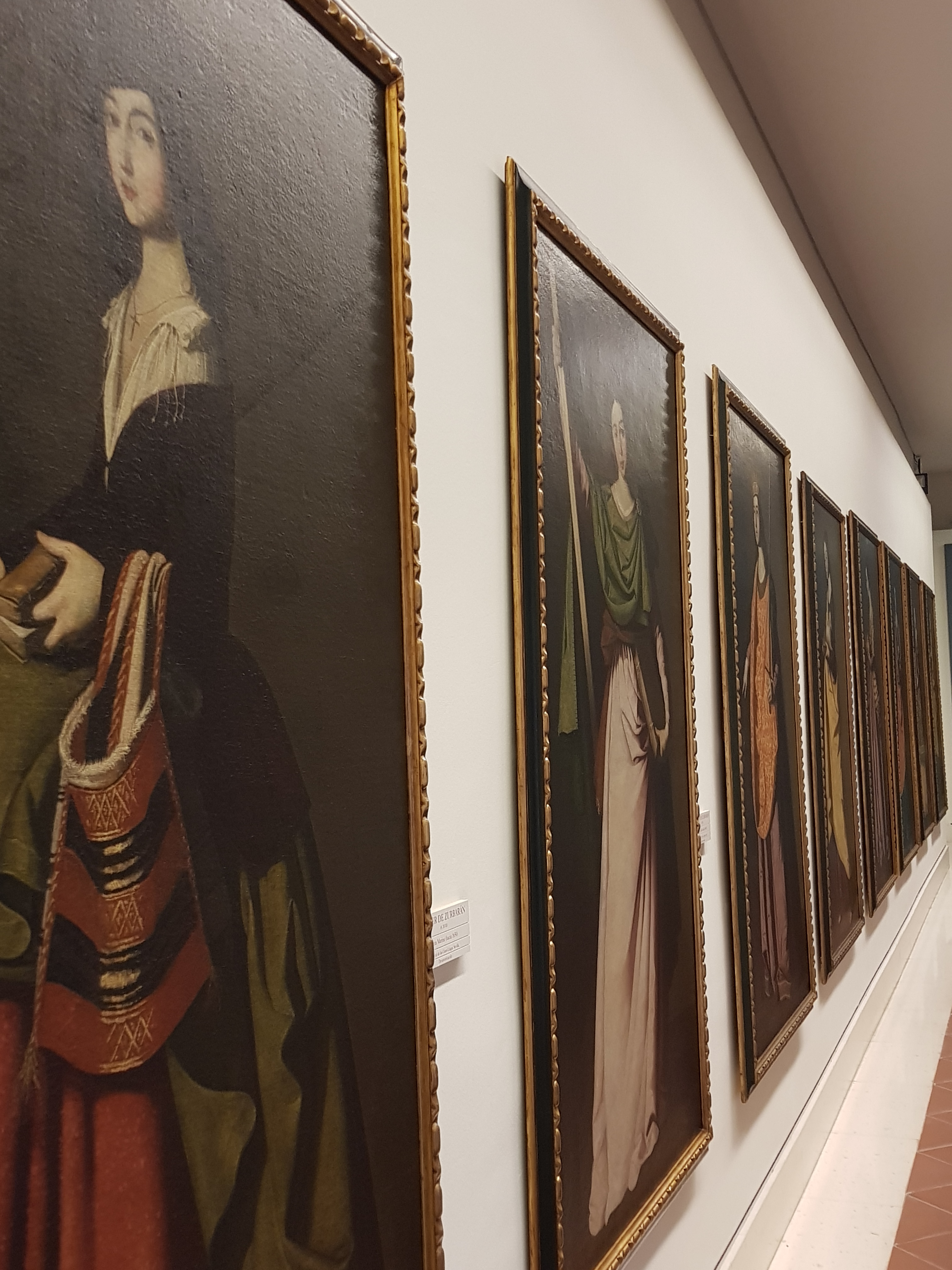
Other ideas for a fun time in Sevilla:

  • Spend some extra time across the river in Triana. The atmosphere is great here and you can also visit the local food market at the bridge for an affordable and fresh lunch.
  • Visit one of the many convents in the city and purchase something from a nun. Many convents and monasteries sell goods to sustain themselves, often you can get homemade sweets. I went to one in Sevilla, and bought from a nun though a strange turntable window!
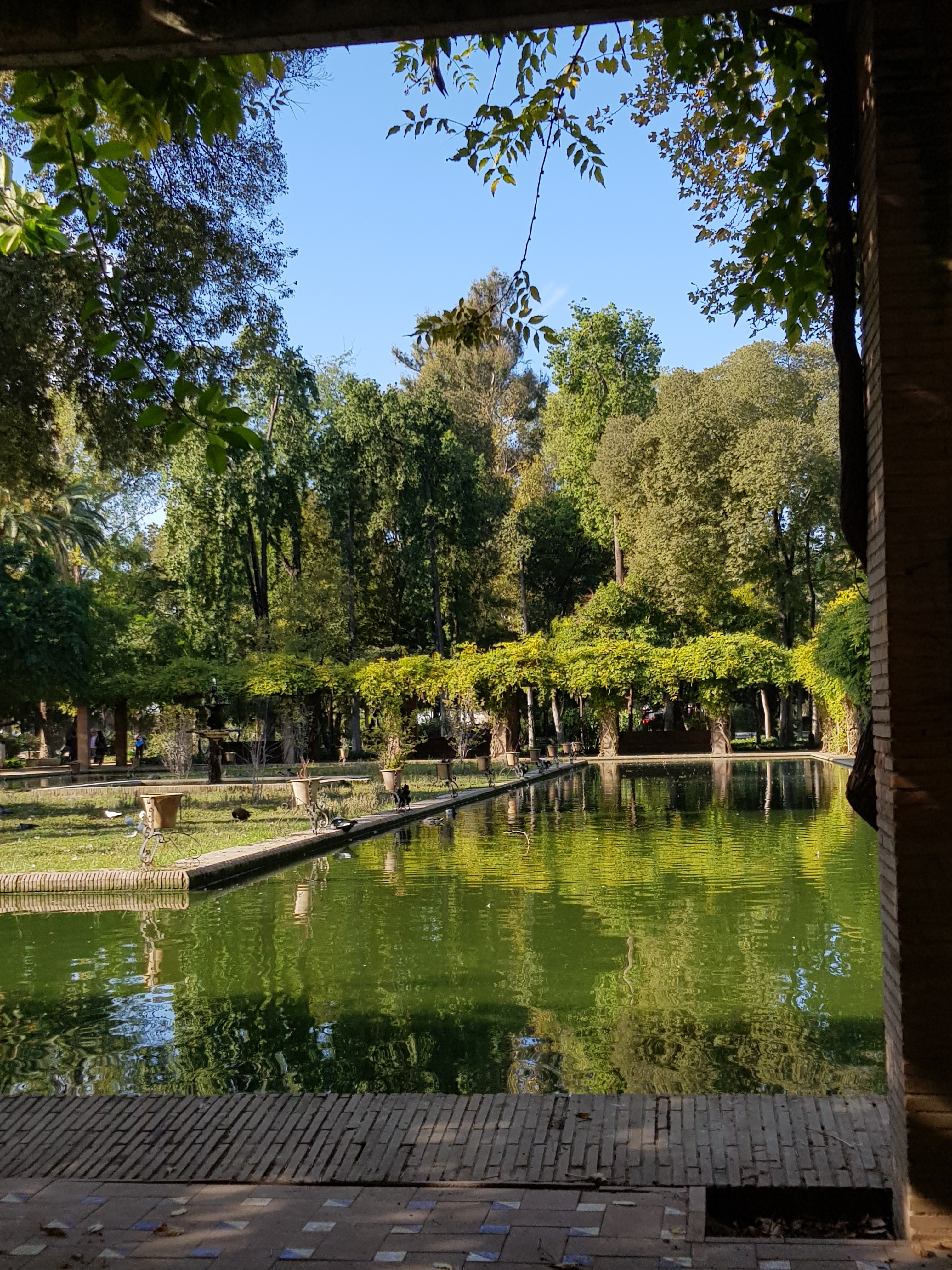
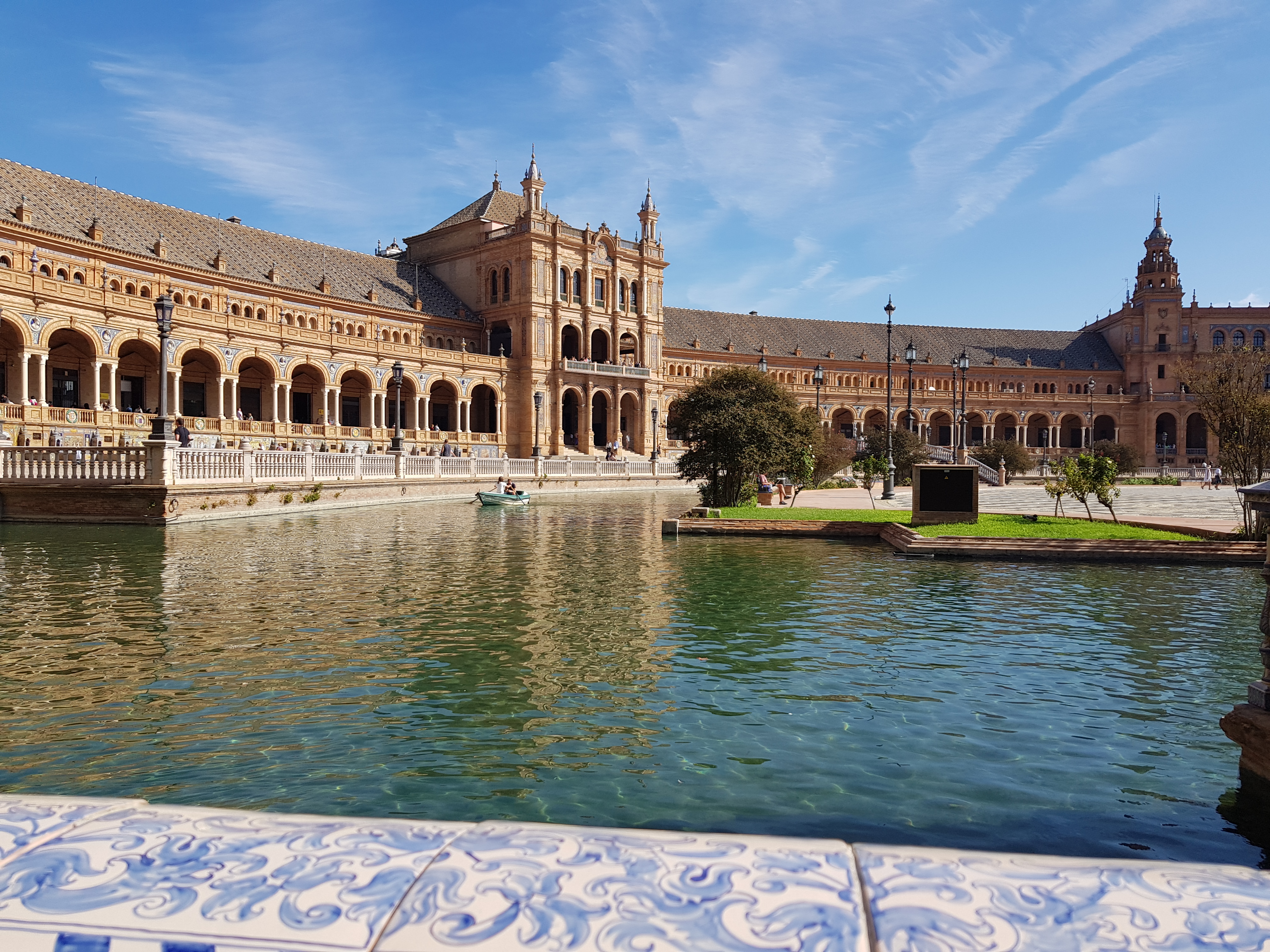
  • Visit the Plaza de Espana and the park. The plaza is an obvious tourist spot, and very pretty, but the adjoining park of Marie Luis, is full of beautiful places to sit and relax in the shade.
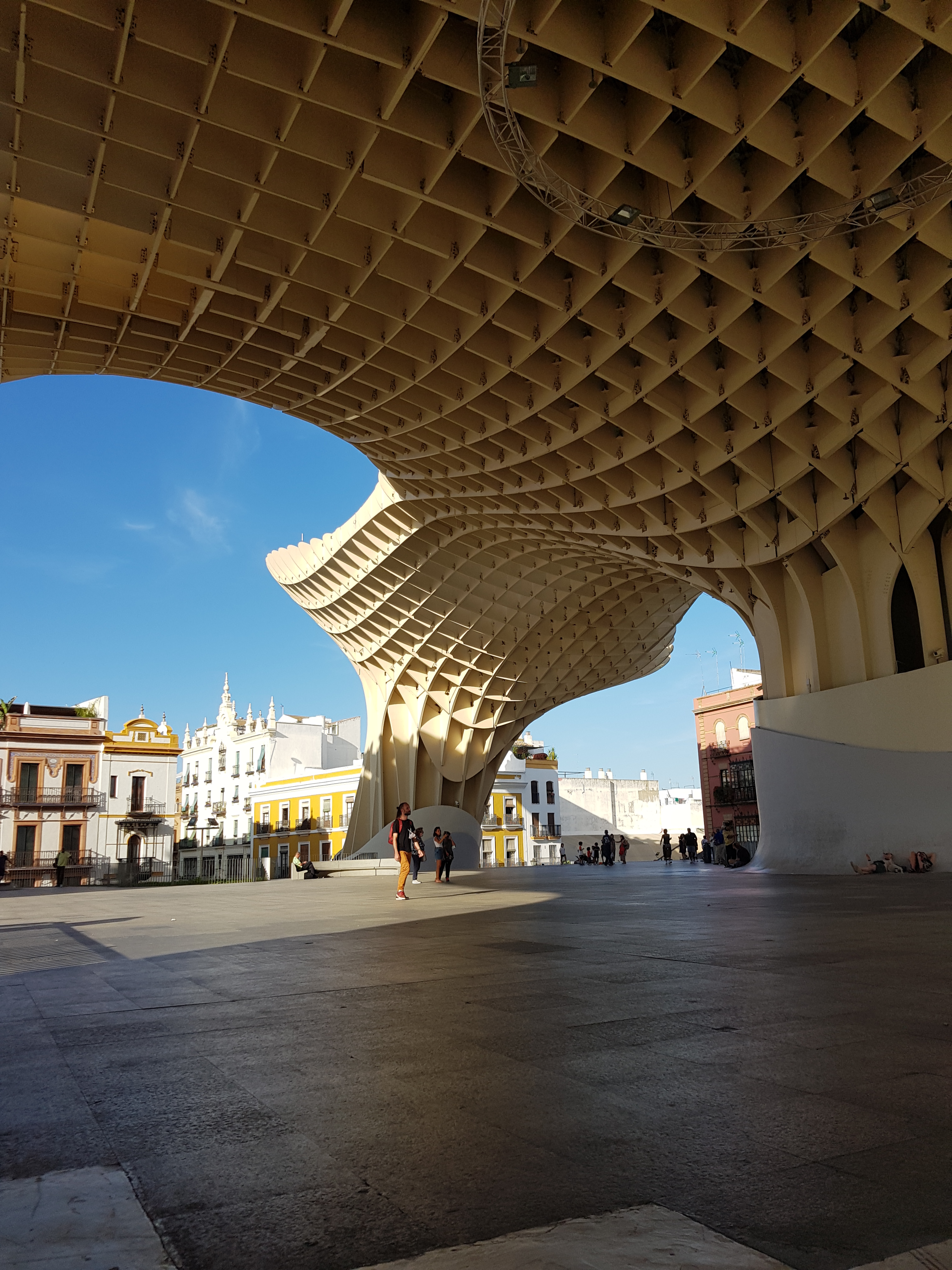
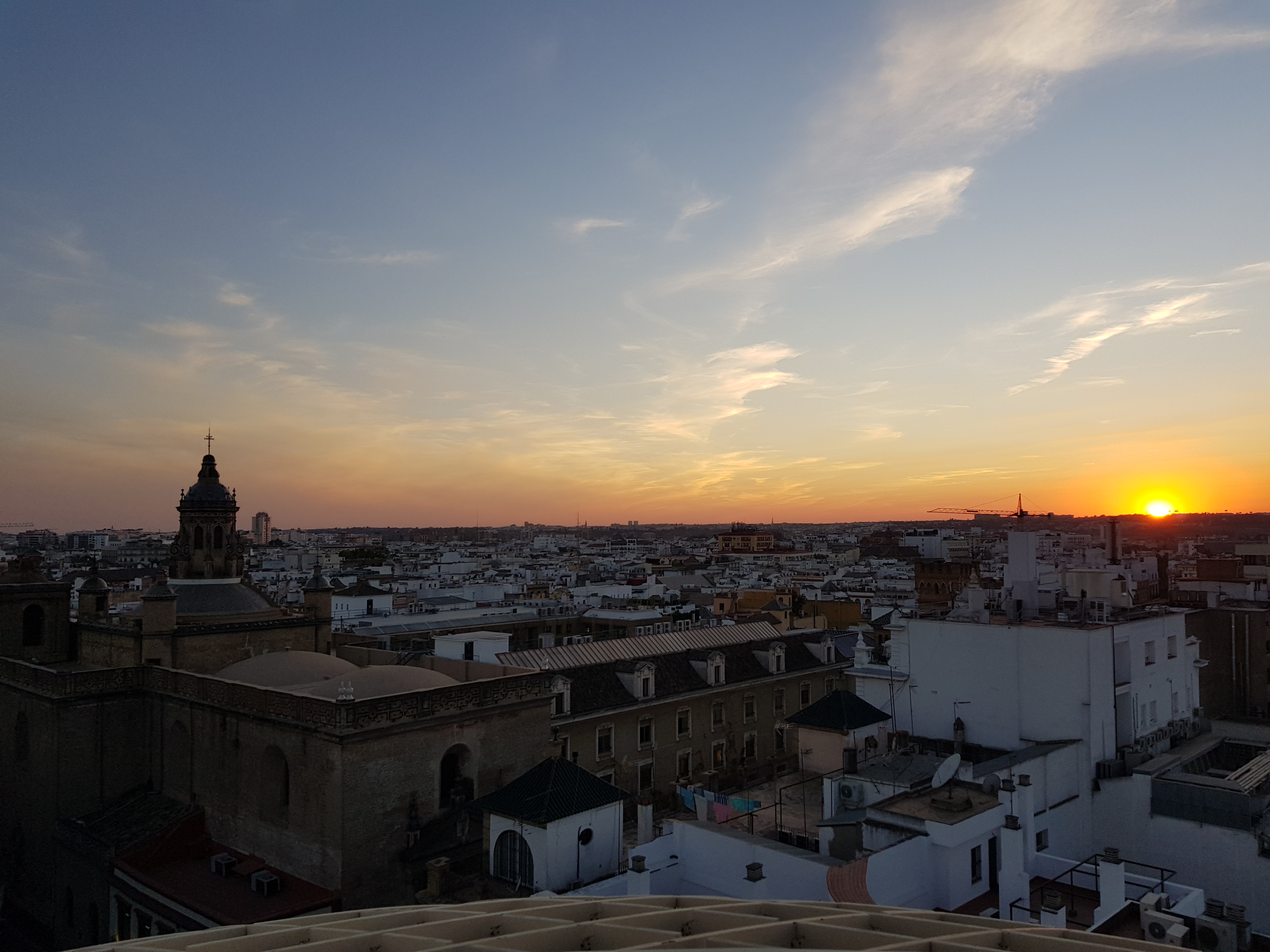
  • Head to the big mushrooms in the sky! The huge ‘setas’ monument is named this because it is the shape of mushrooms. Get there a little before sunset, and you will see wonderful views of the city.
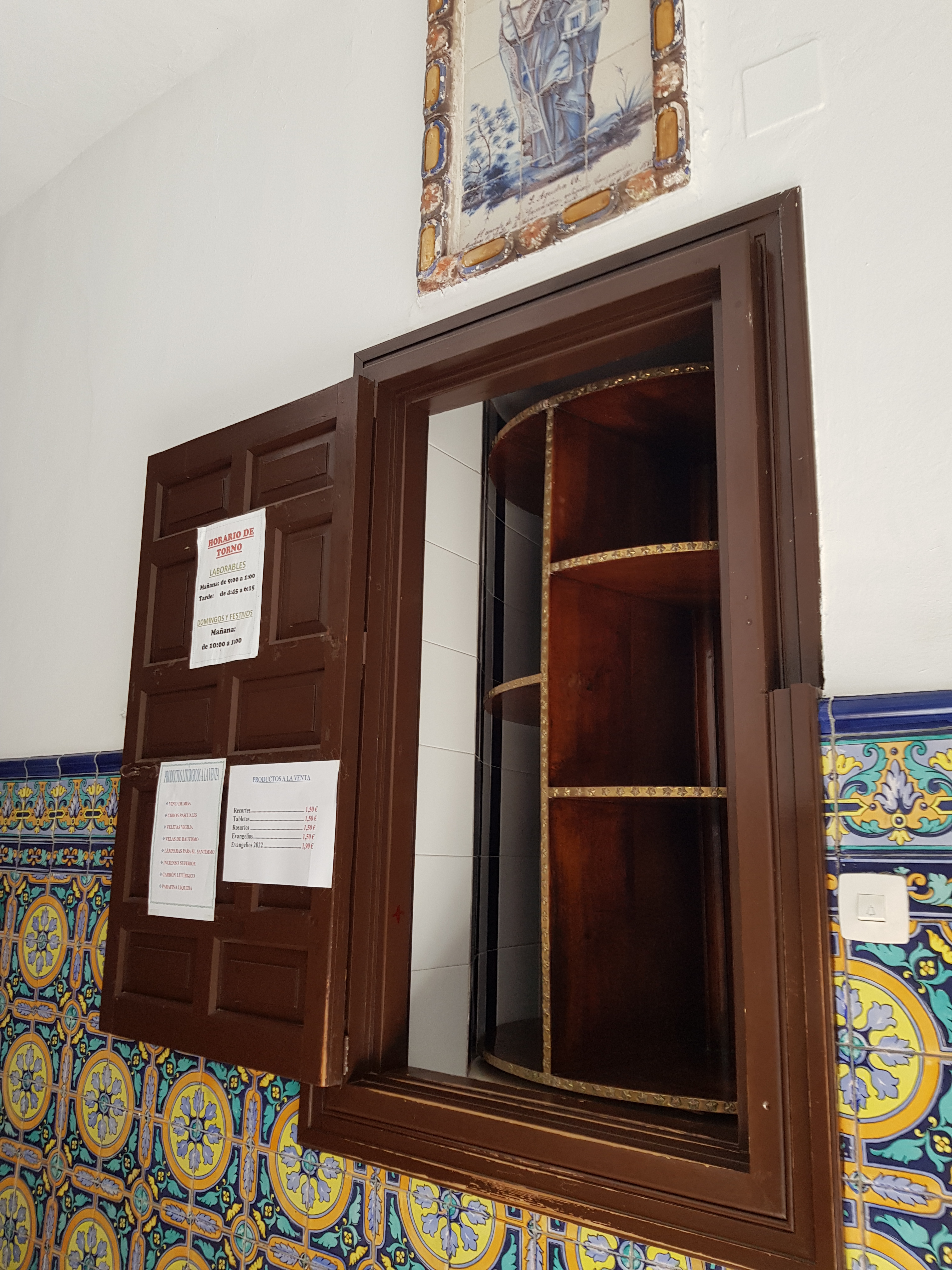
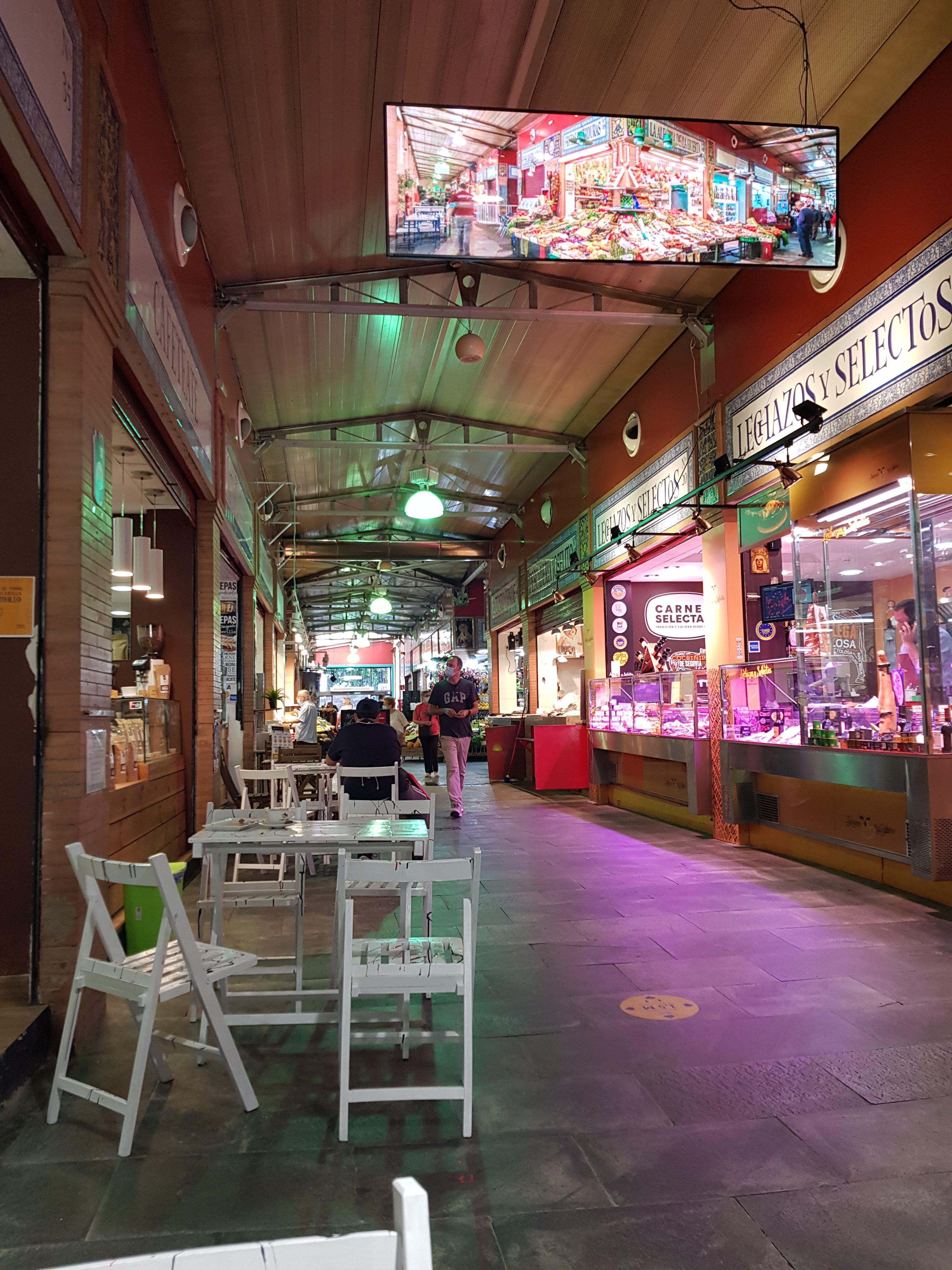
Overall, I thought Sevilla was a very romantic and beautiful destination. It was also easy to walk around and had good transport connections, and of course reliable weather! I would certainly visit again.

Next stop… Cordoba!
St Paul’s Cathedral: A very English icon inspired by Europe

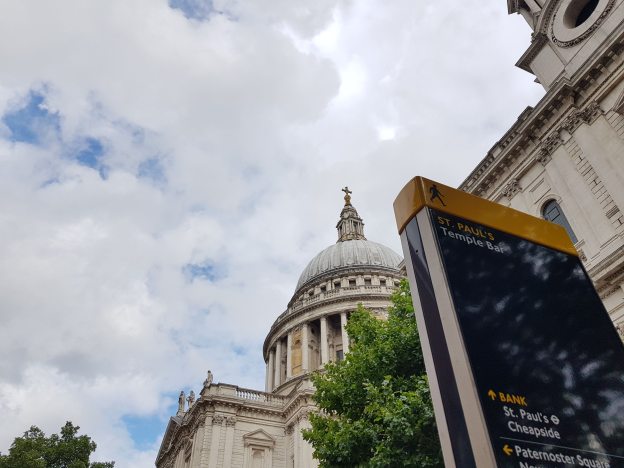
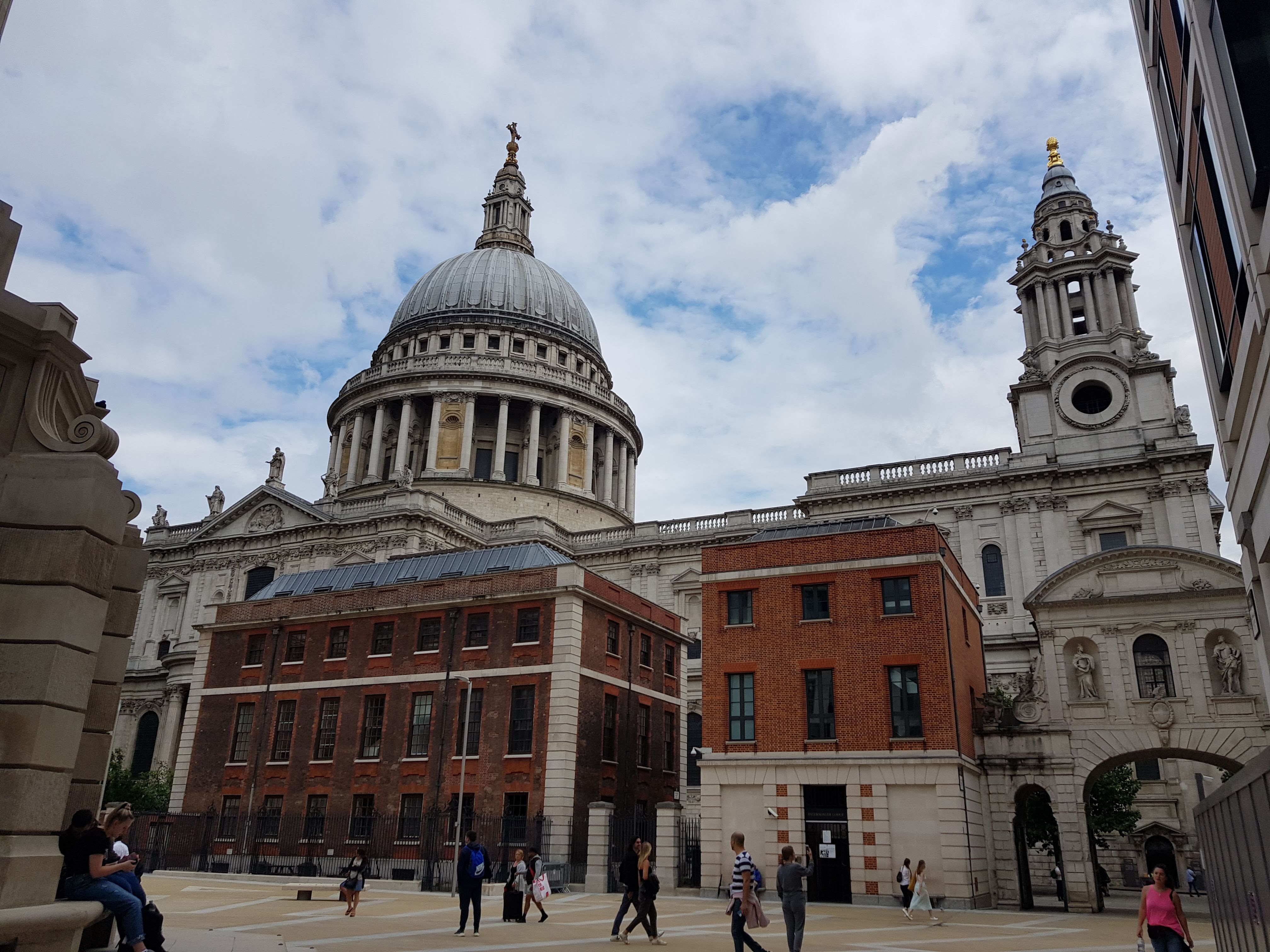
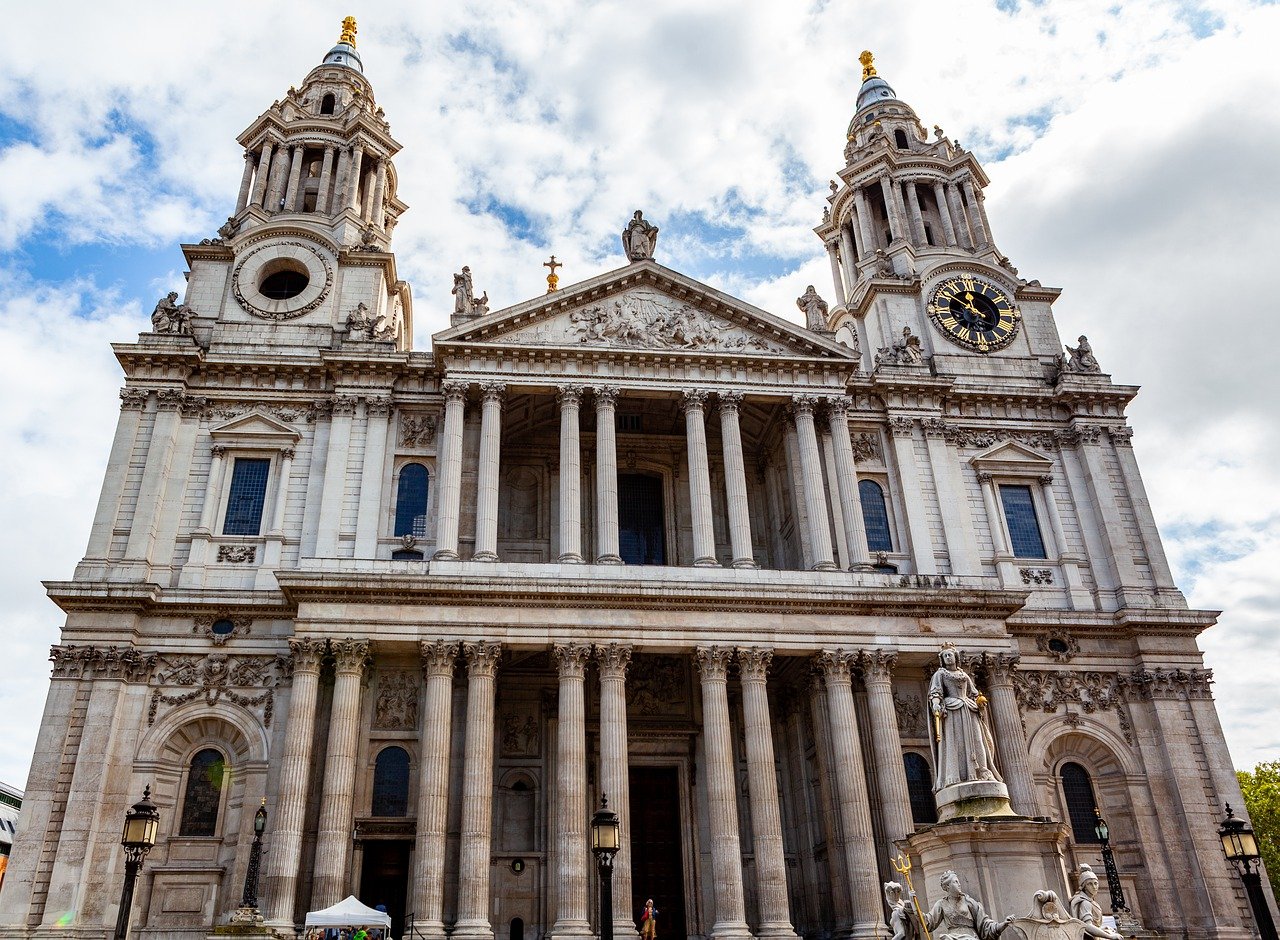
I recently had a visit to St Paul’s cathedral in central London, and found it to be a stunning example of architecture, art and history. This church is recognisable across the world as an important site for ceremonial events, and a centrepiece to the historic London skyline.

Surrounding St Paul’s

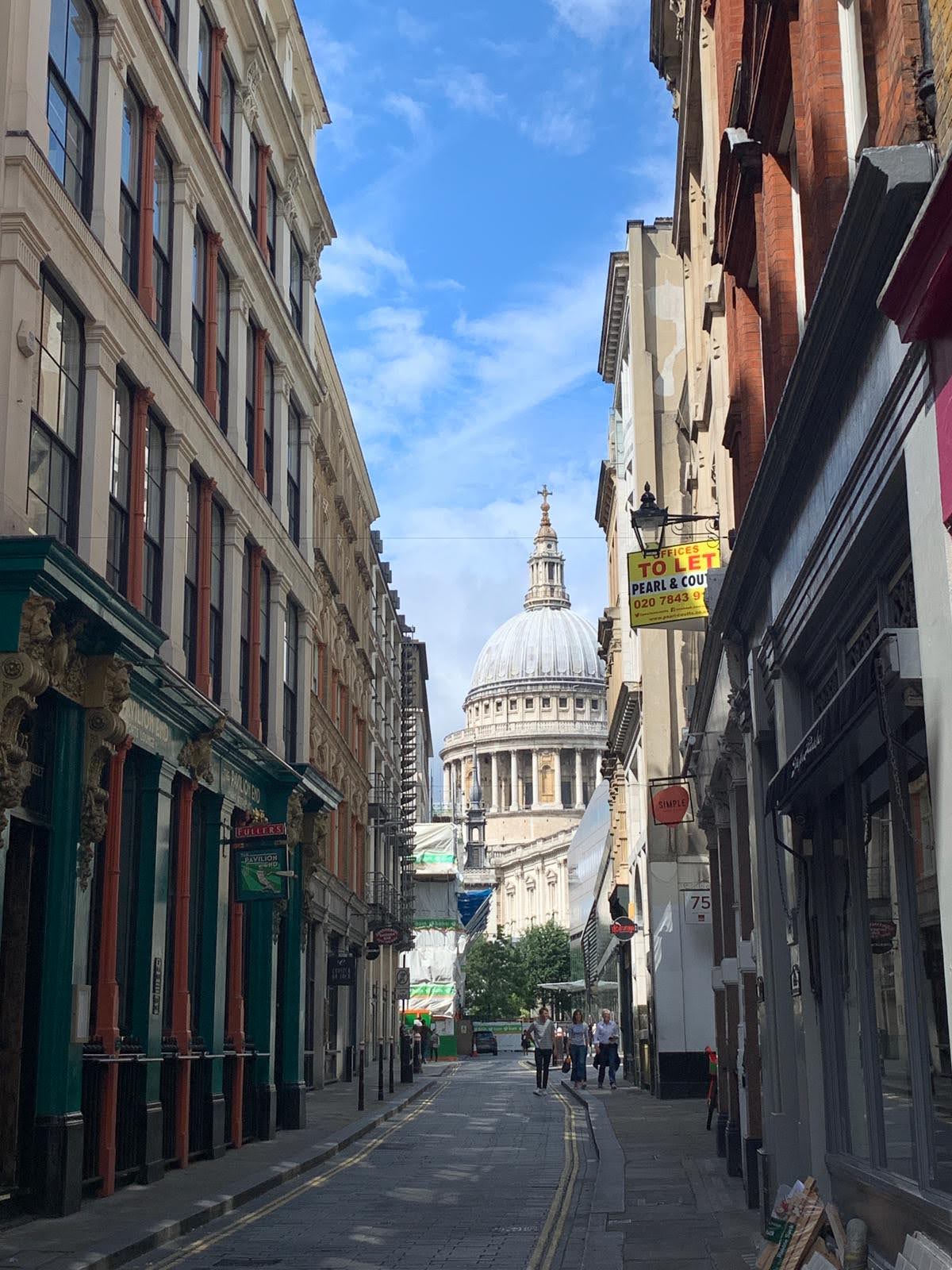
St Paul’s cathedral is in the centre of London and has a dedicated underground station down the street, St Paul’s station. It is recognisable from a distance, by its large dome, but I also think of the front of the building and its iconic steps and open space…. this may be somewhat led from my childhood memories of watching Mary Poppins! The church is used in the film for the song ‘feed the birds’…
Feed the birds!!!!

I know you’re probably singing it along in your head now! Oops! Sorry!

Around the cathedral, there is a plethora of shops and restaurants to enjoy, and on the site, St Paul’s also has a well kept set of gardens and cemetery to meander within. St Paul’s is also in close proximity to the iconic Millennium bridge, and the Museum of London.

What’s on offer

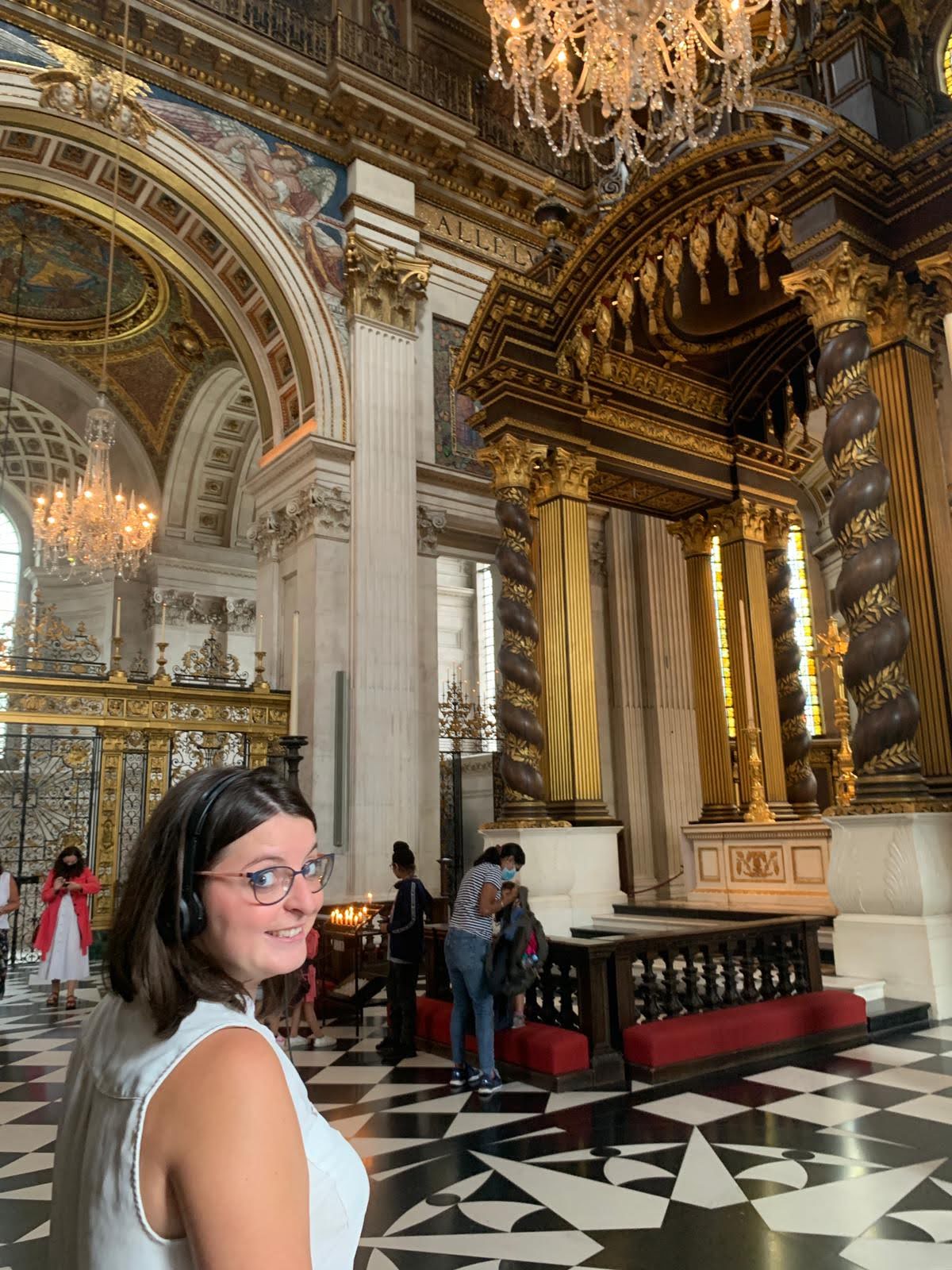
We booked our tickets into St Paul’s the day before, and this was well worth doing, as we were able to walk straight into a clear queue, past many people that had just walked in. As part of your ticket, you can access an audio guide and headphones that have lots of useful information about the cathedral. It breaks the content up into different sections of the cathedral geographically, by topic, or how much time you have. So, if you only want the highlights version then you can still benefit from an audio guide.

There are also guided tours freely available throughout the week at lunch times, as well as private tours which you can book. If you want to slip into the background and enjoy the atmosphere, you can also take part in a daily service of Eucharist or Evensong. The full schedule of services can be found on the St Paul’s website.

Me listening to my audio guide

Architecture

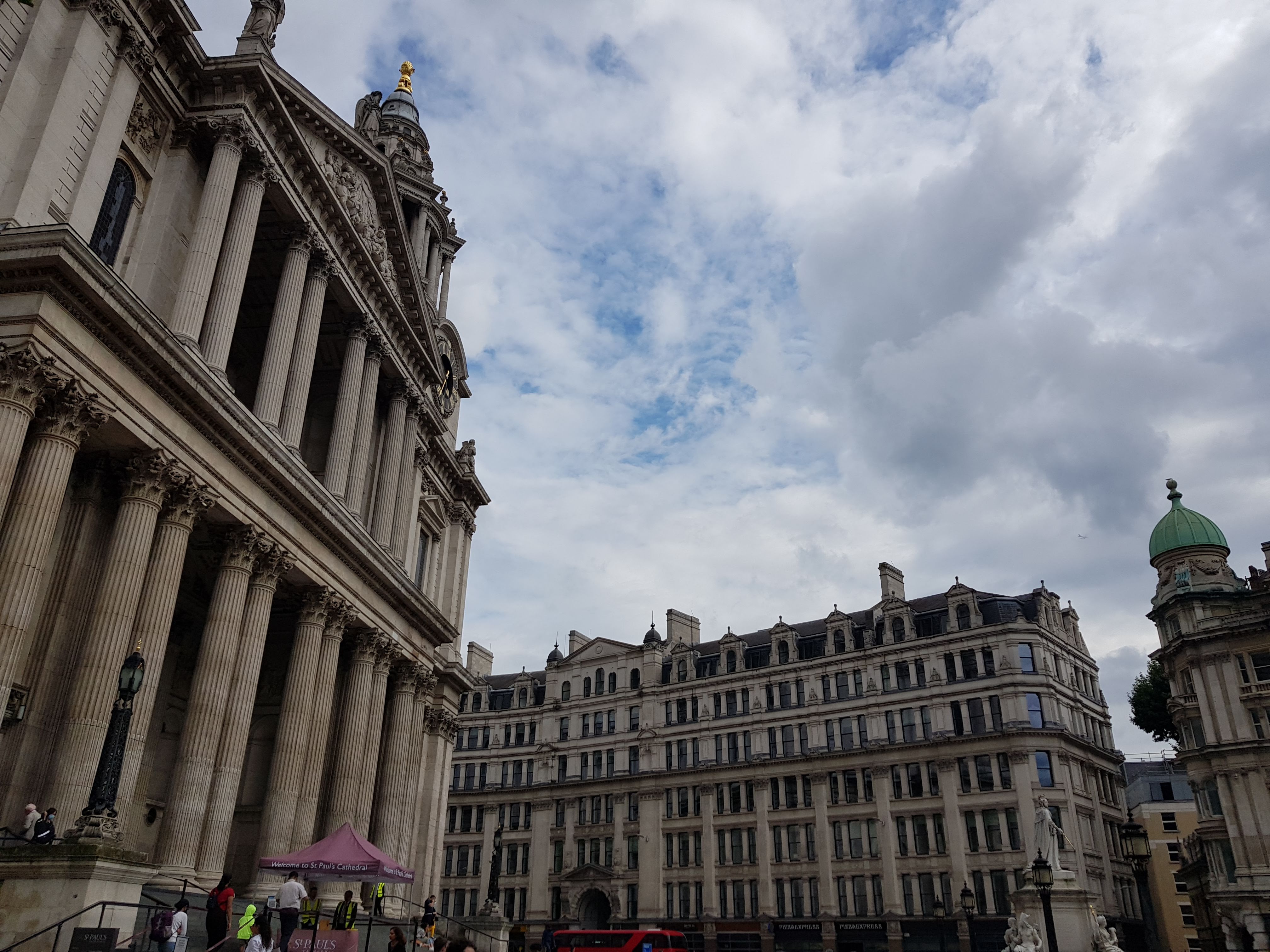
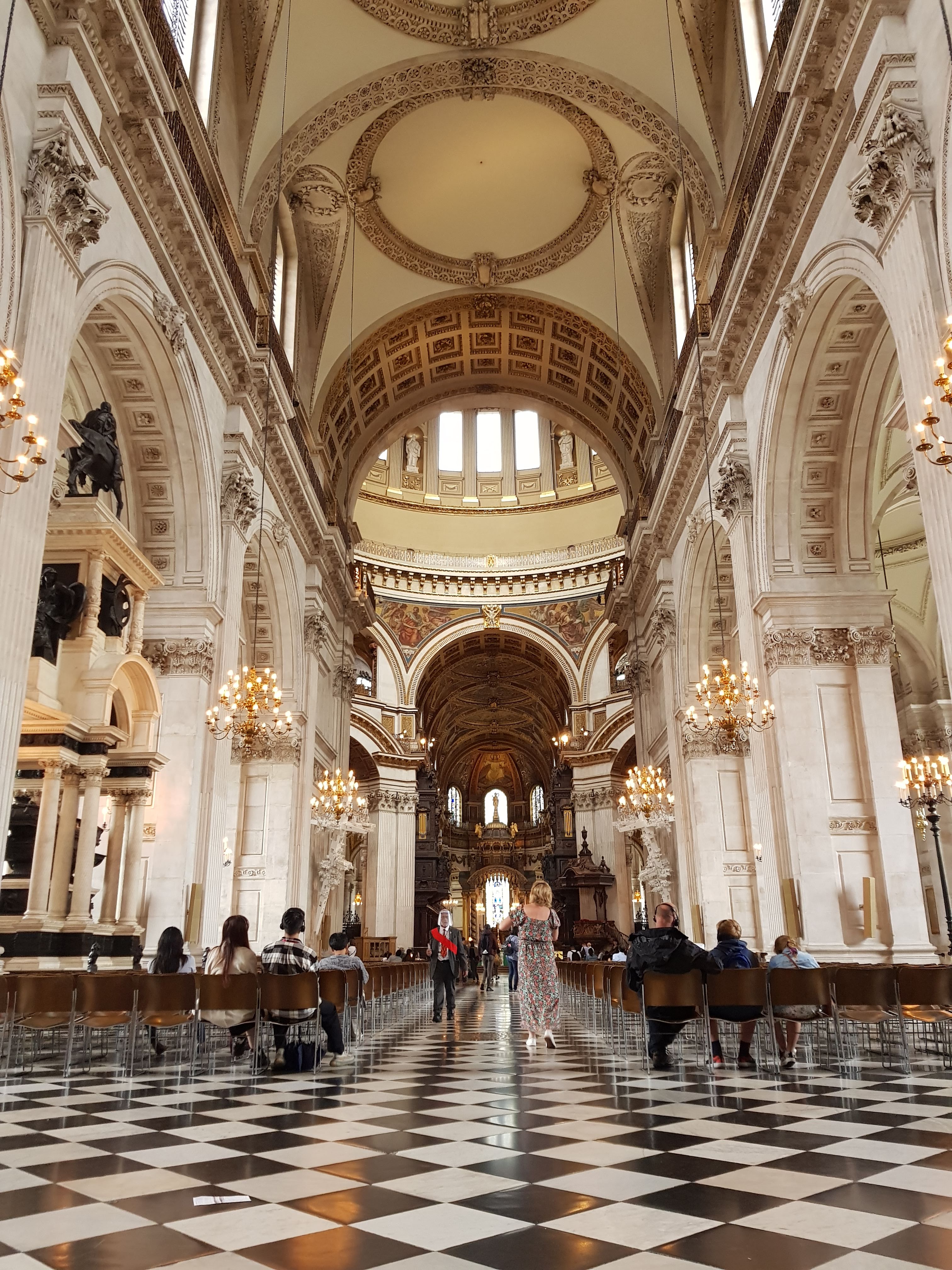
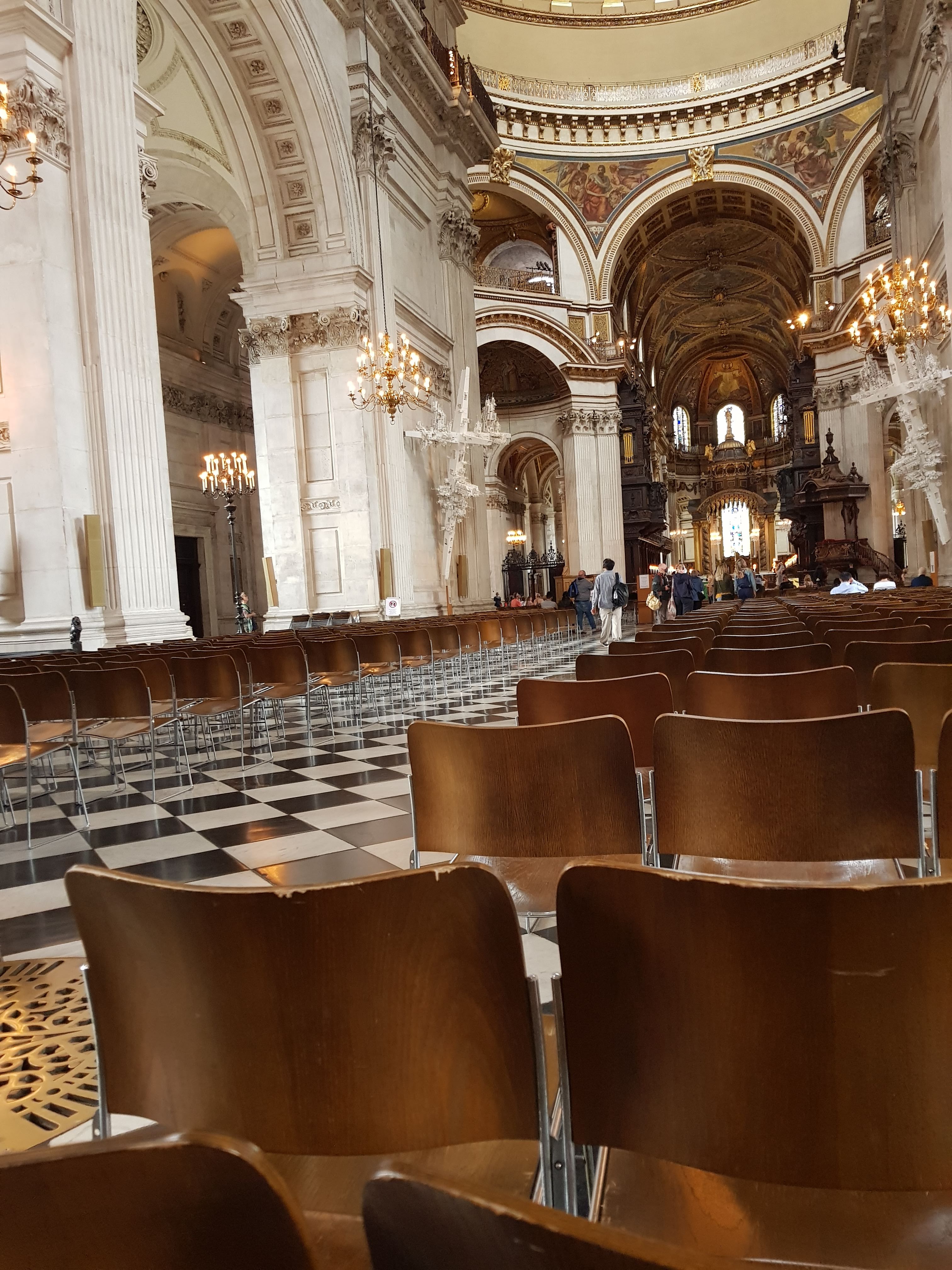
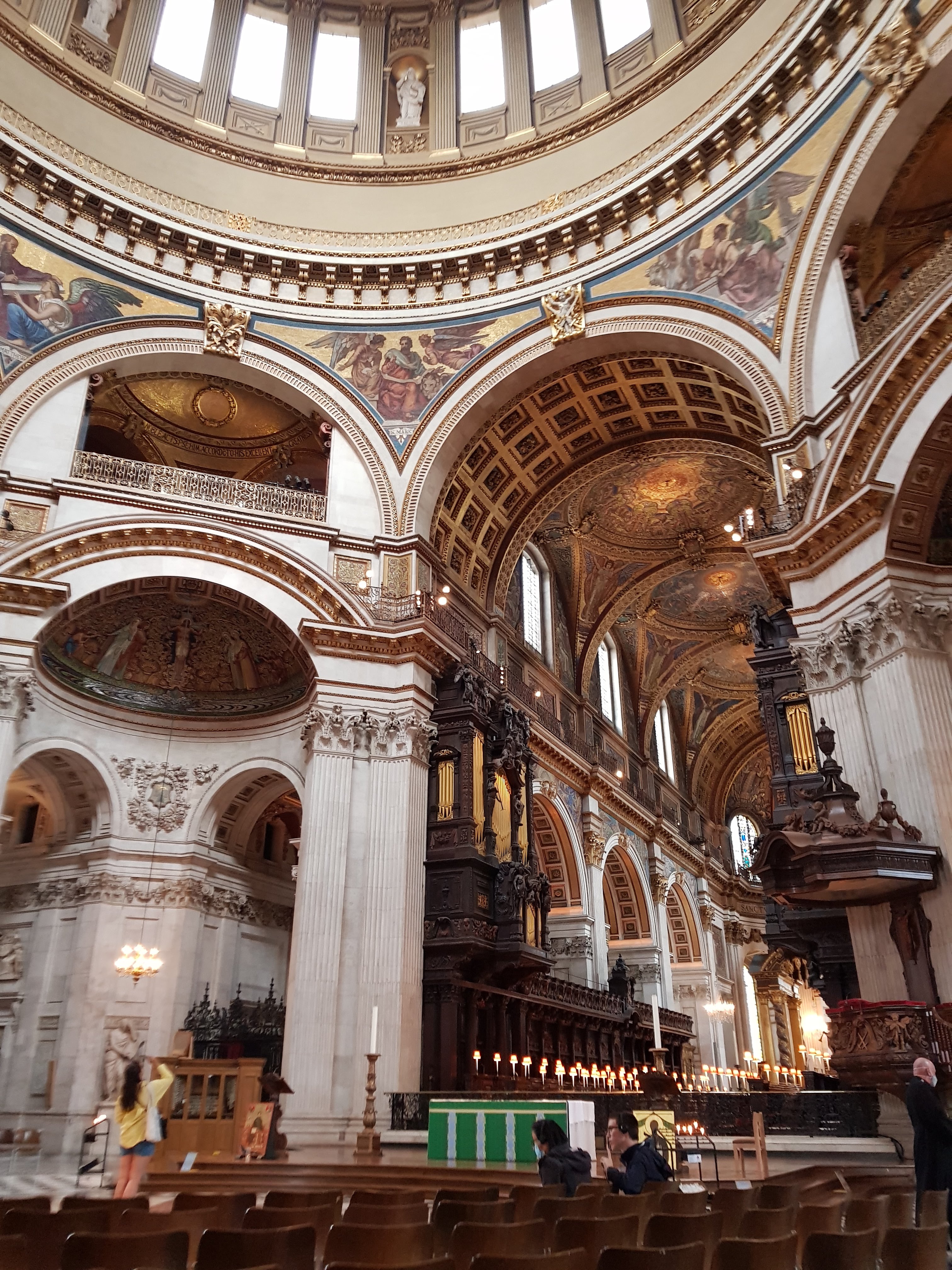
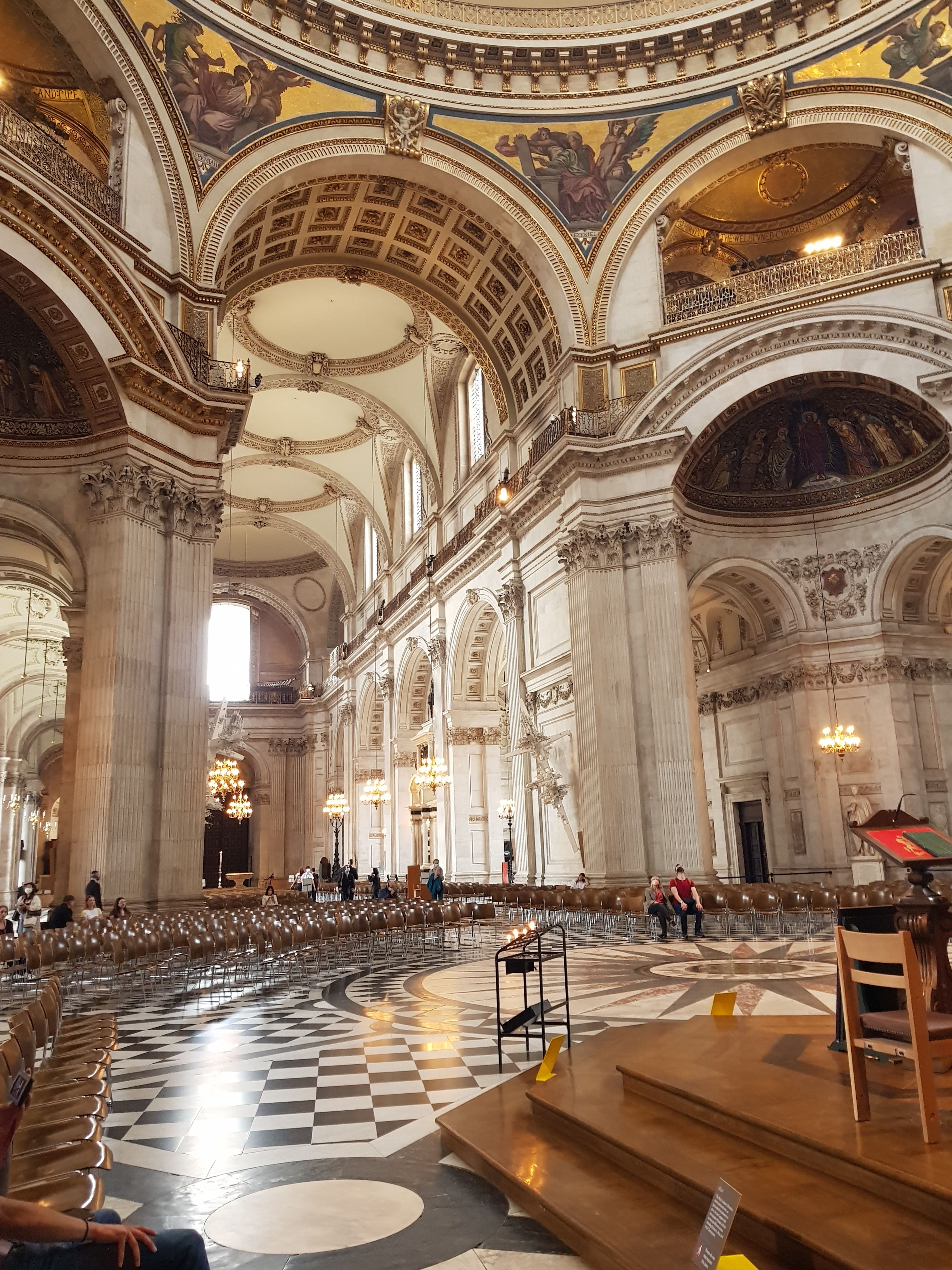
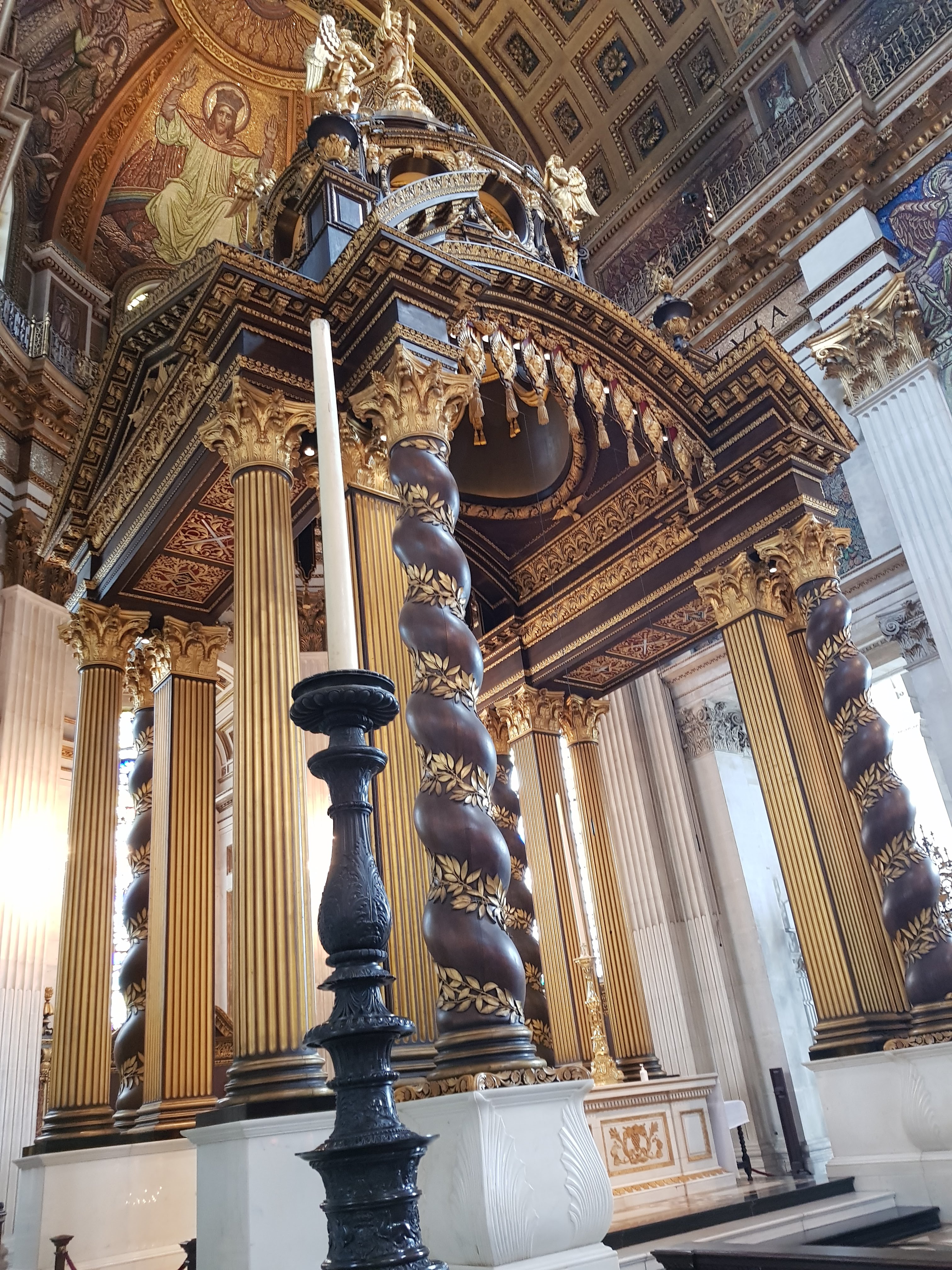
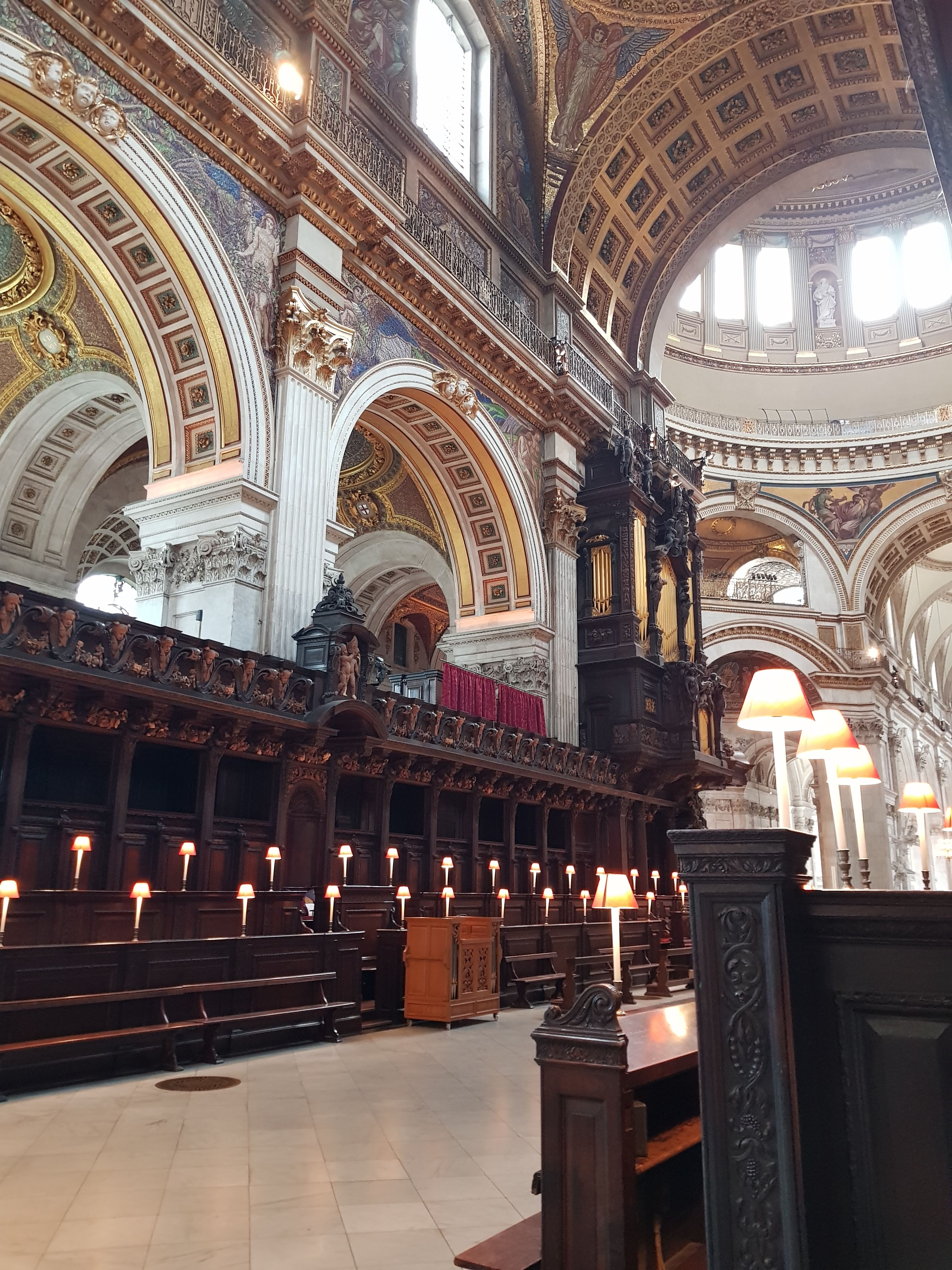
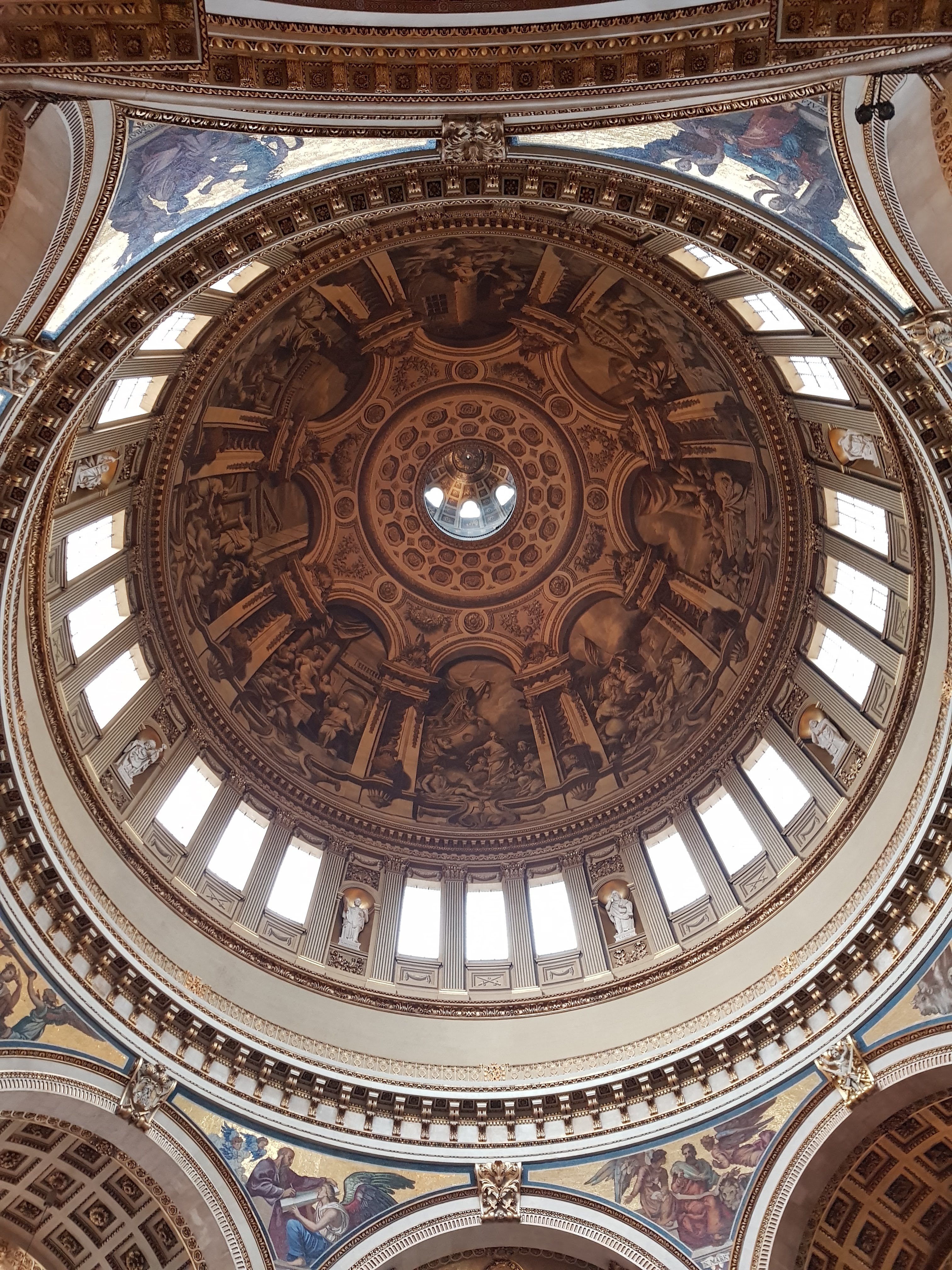
The architecture within the cathedral is very striking. I really enjoyed taking photographs of the church from different angles, as there are so many arches, curves and also geometrical shapes, both high and low. The styles and colours of white and gold, did remind me more heavily of a European cathedral, specifically, ones I have seen in Italy. The church certainly did not feel English. I think this is rather ironic, considering it is one of the biggest religious attractions that international visitors see, and represents the country across different medias around the world.

The original St Paul’s was much more English looking, and looked similar to cathedrals of Salisbury, Canterbury or Norwich. That church was destroyed in the Great Fire of London, and this new structure was built between 1675 and 1710. The architect, Christopher Wren, attempted to approve several designs before the King eventually signed off on the plans. It seems that Wren attempted to put his own twist on the Baroque style which was becoming popular in Europe at the time, interestingly as a counter action against Protestantism. He coined this as ‘English Baroque’.

The similarities between the two styles are obvious though, if you take a look at the two images below of the towers of St Paul’s vs Santiago de Compostela, Spain… you can see for yourself!

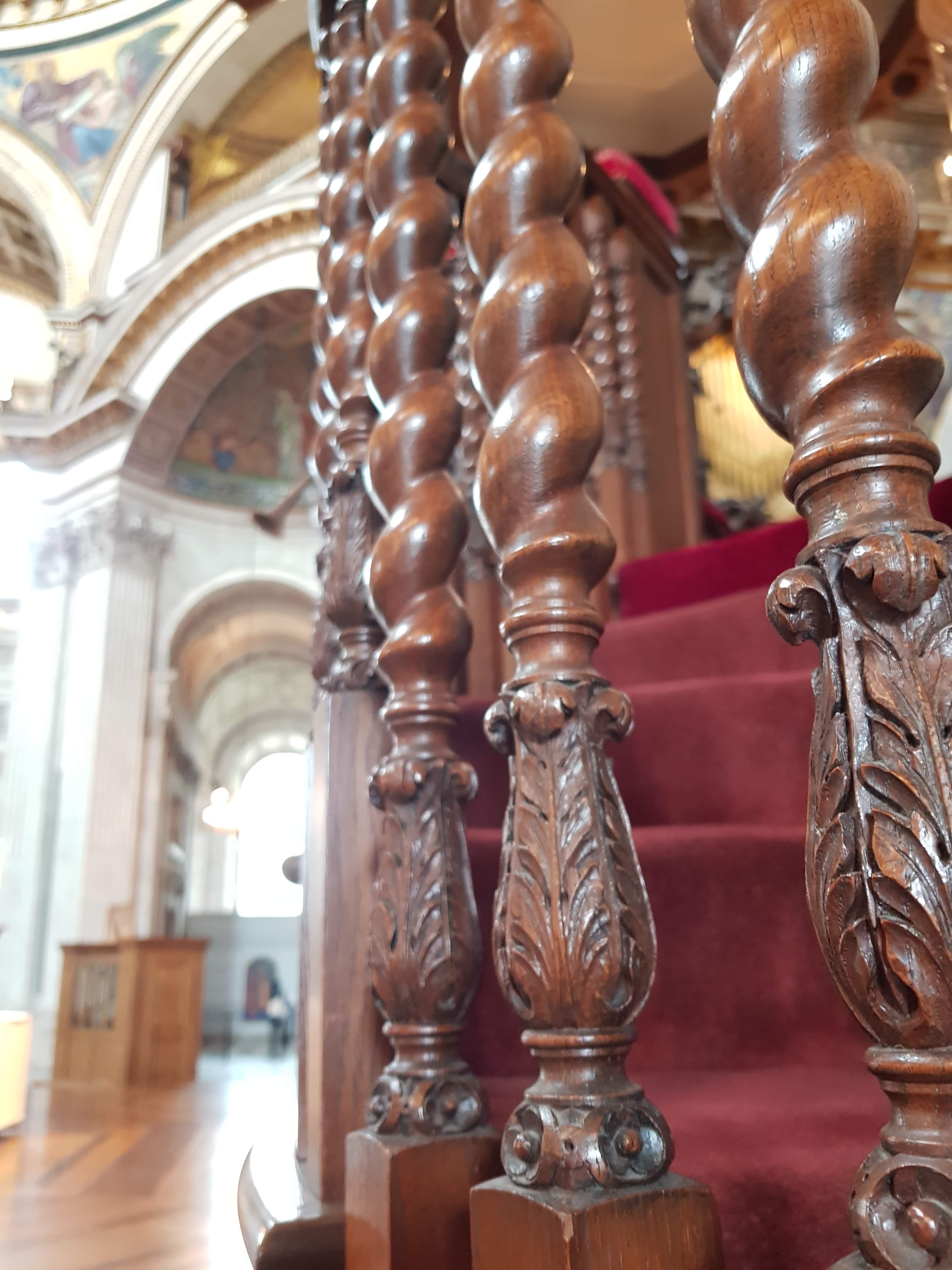
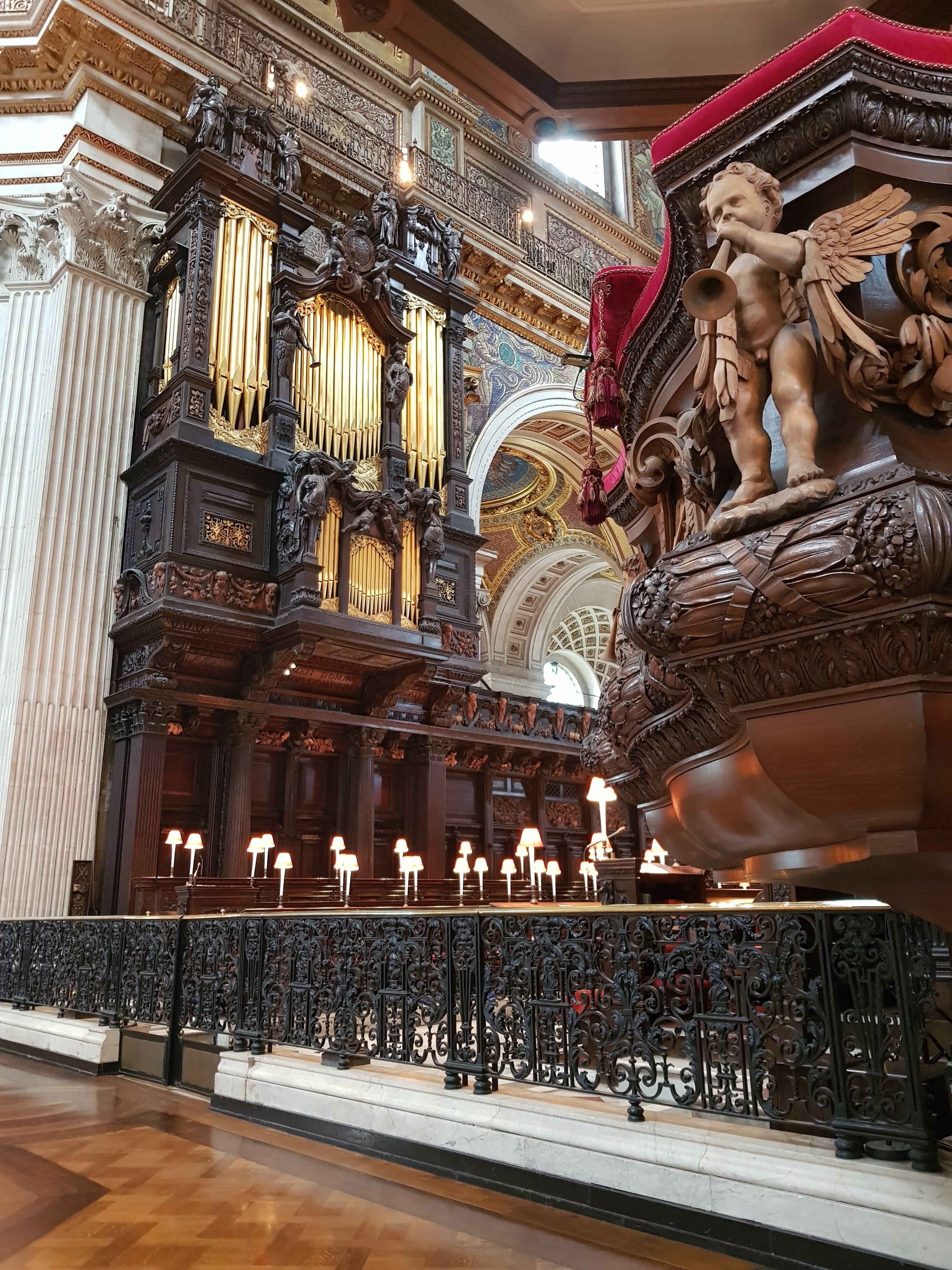
St Paul’s also boast some very beautiful English features, including 18th century delicate wooden carpentry, the third largest organ in the UK, and of course a good level of stained glass windows!

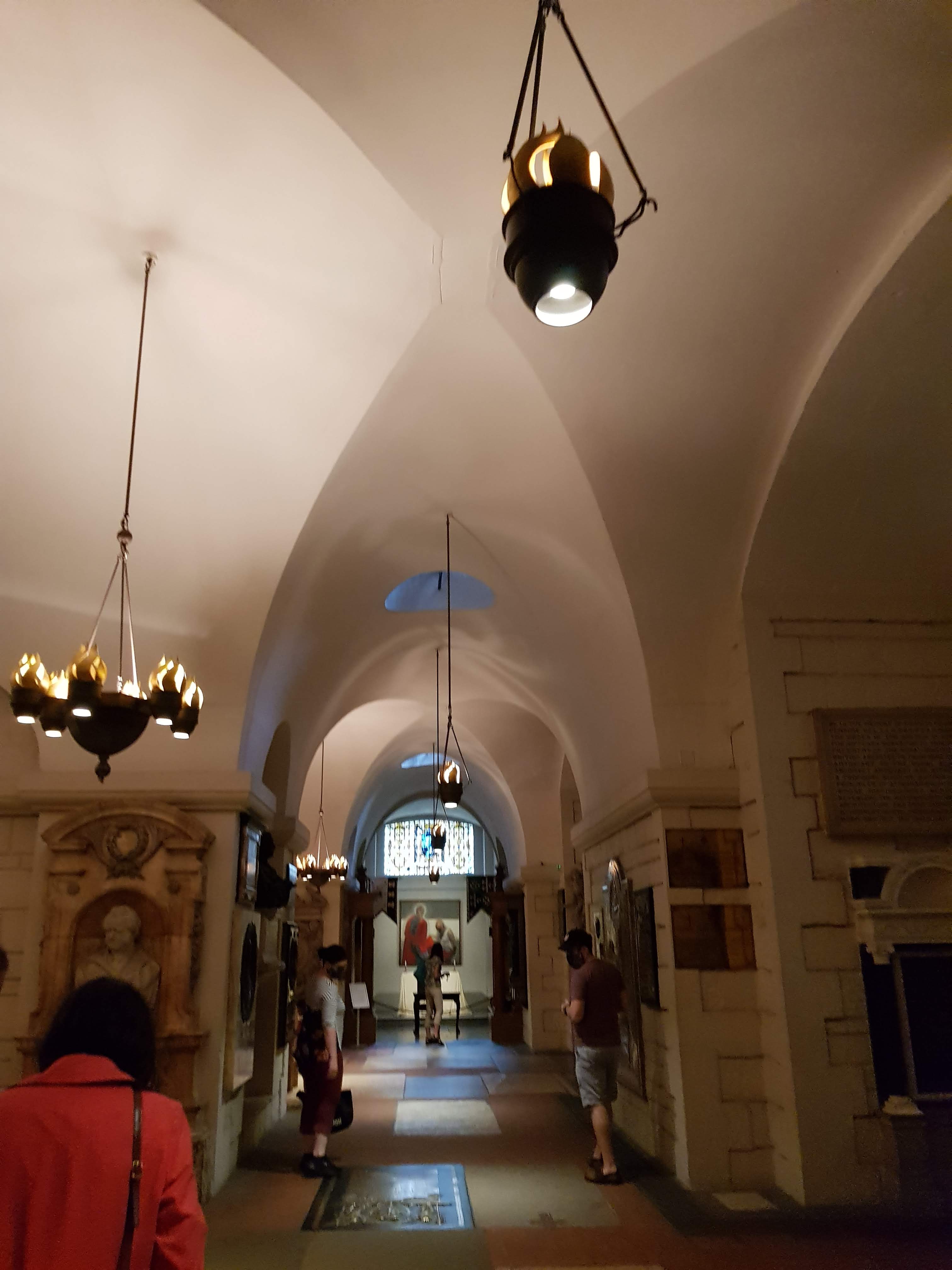
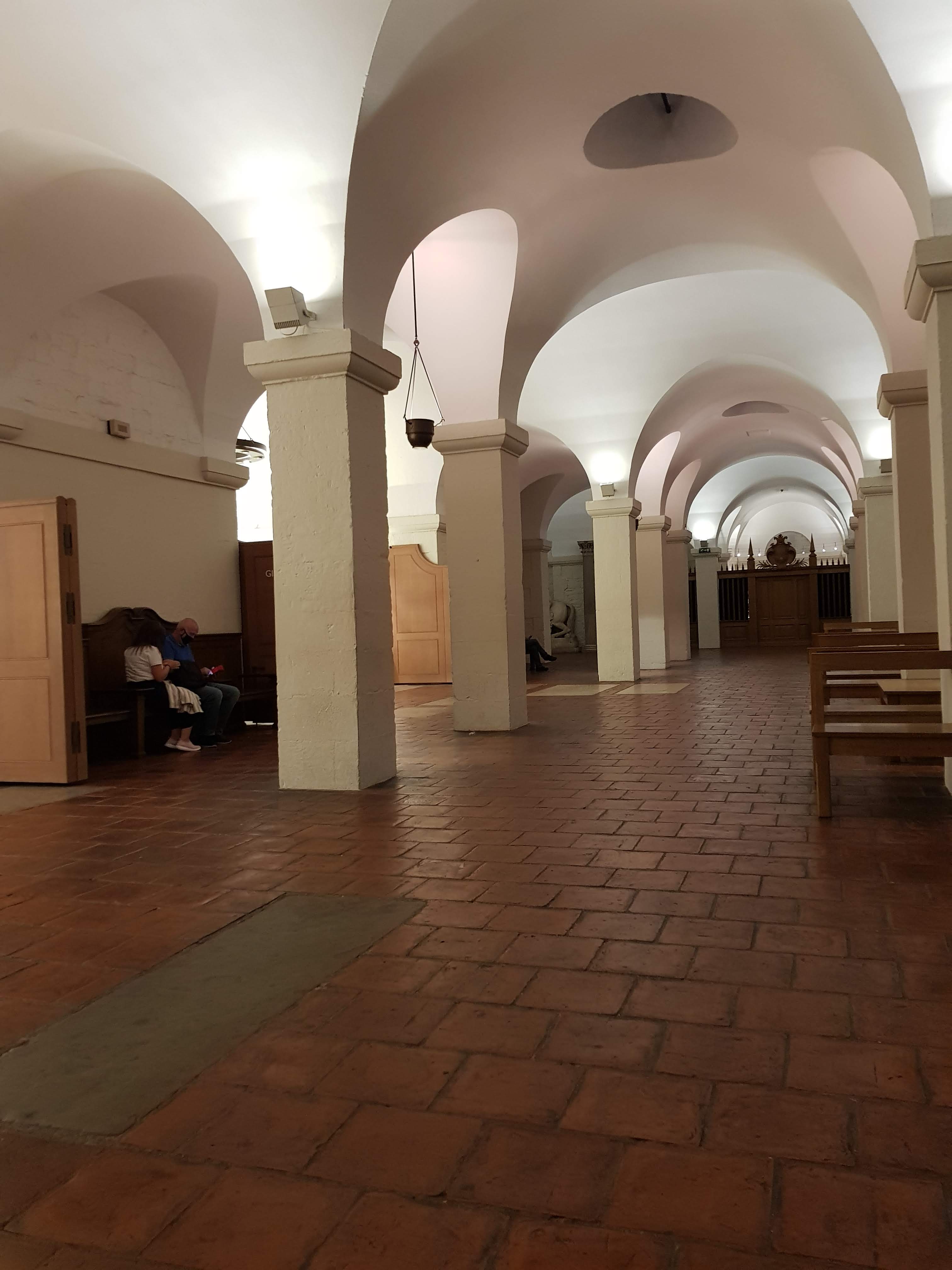
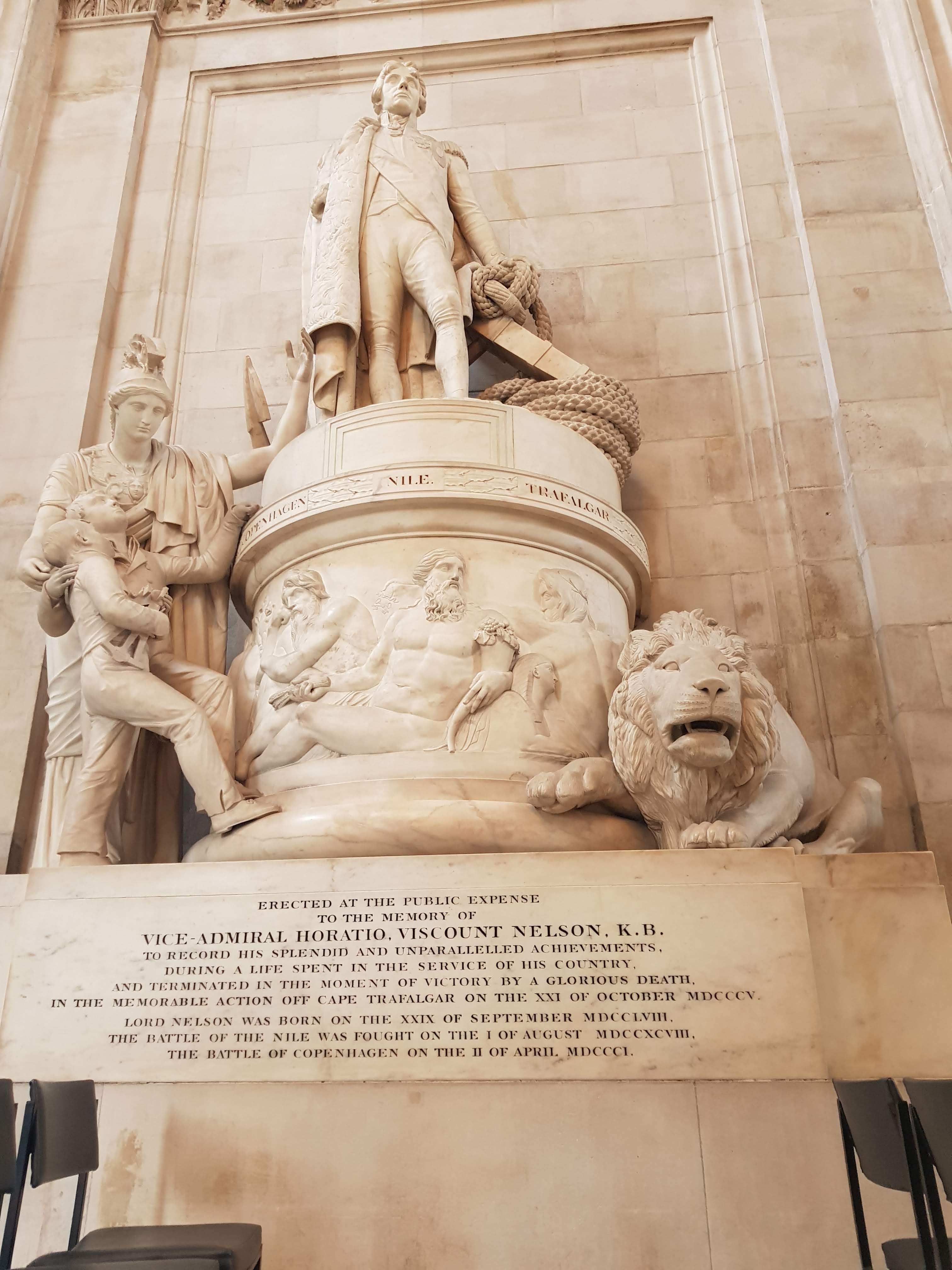
The ground floor of the cathedral is not the only level available to visitors. Visitors can also go up to the galleries, and go downstairs into the crypt of the cathedral. Other crypts that I have seen, have had very rough walls, dingy smells and pokey spaces. This is not the case at St Pauls, I was really suprised at the look and feel of the crypt. It is a large, reasonable open, and light space. It actually has a very modern, and contemporary feel to it. This seems so strange, in such a historic building. In this part of the cathedral, there are some memorials and tombs of important figures from English history, such as Norfolk’s very own Horatio Nelson. There is also a chapel space to sit peacefully, toilets and a gift shop!

Artwork

There is a mix of artwork at the cathedral, from beautiful ceiling paintings, to wooden and stone sculptures. The focus is clearly on the magnificent ceiling paintings of bible figures and scripture such as the apostles, and so in the nave, the sculptures/memorials are fairly thinned out except for a few large pieces. On the other hand, in the south aisle alongside the nave, there are several memorial sculptures detailing key figures in English history and their achievements.

Steps to roof and galleries

Arguably, the most iconic part of St Paul’s Cathedral is the dome, and within the dome and below it are two galleries that visitors can see. Unfortunately, these were both closed when I visited, but I still had the ‘pleasure’ of climbing the 376 steps to the roof, before I discovered I could not access the galleries that day. On the bright side though, whilst the stairs left me breathless (not in a good way), there were lots of seats to stop at on the way up, and medieval graffiti carved into the walls that i could appreciate whilst trying to stabilise myself!

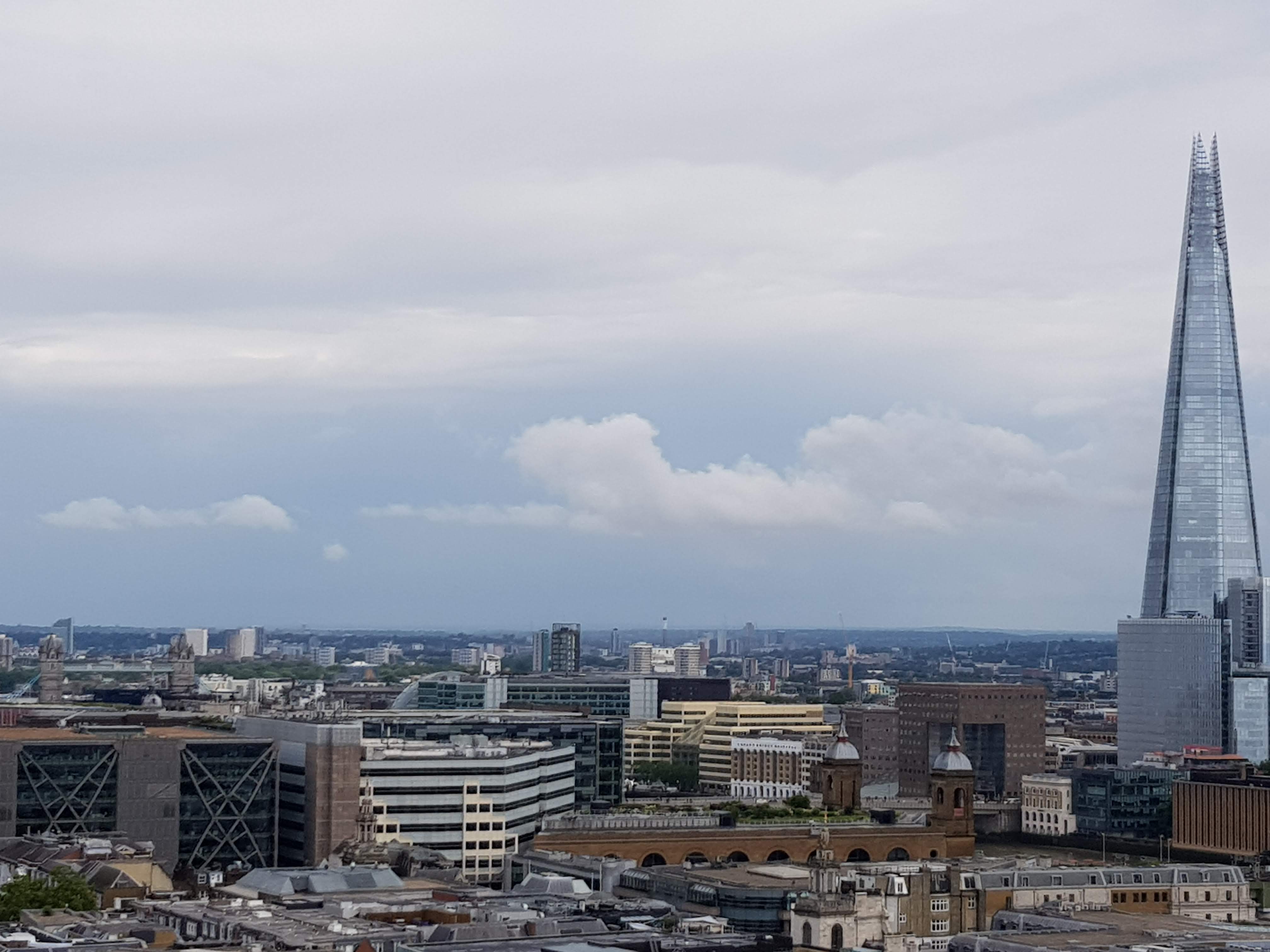
View from St Paul’s – Shard

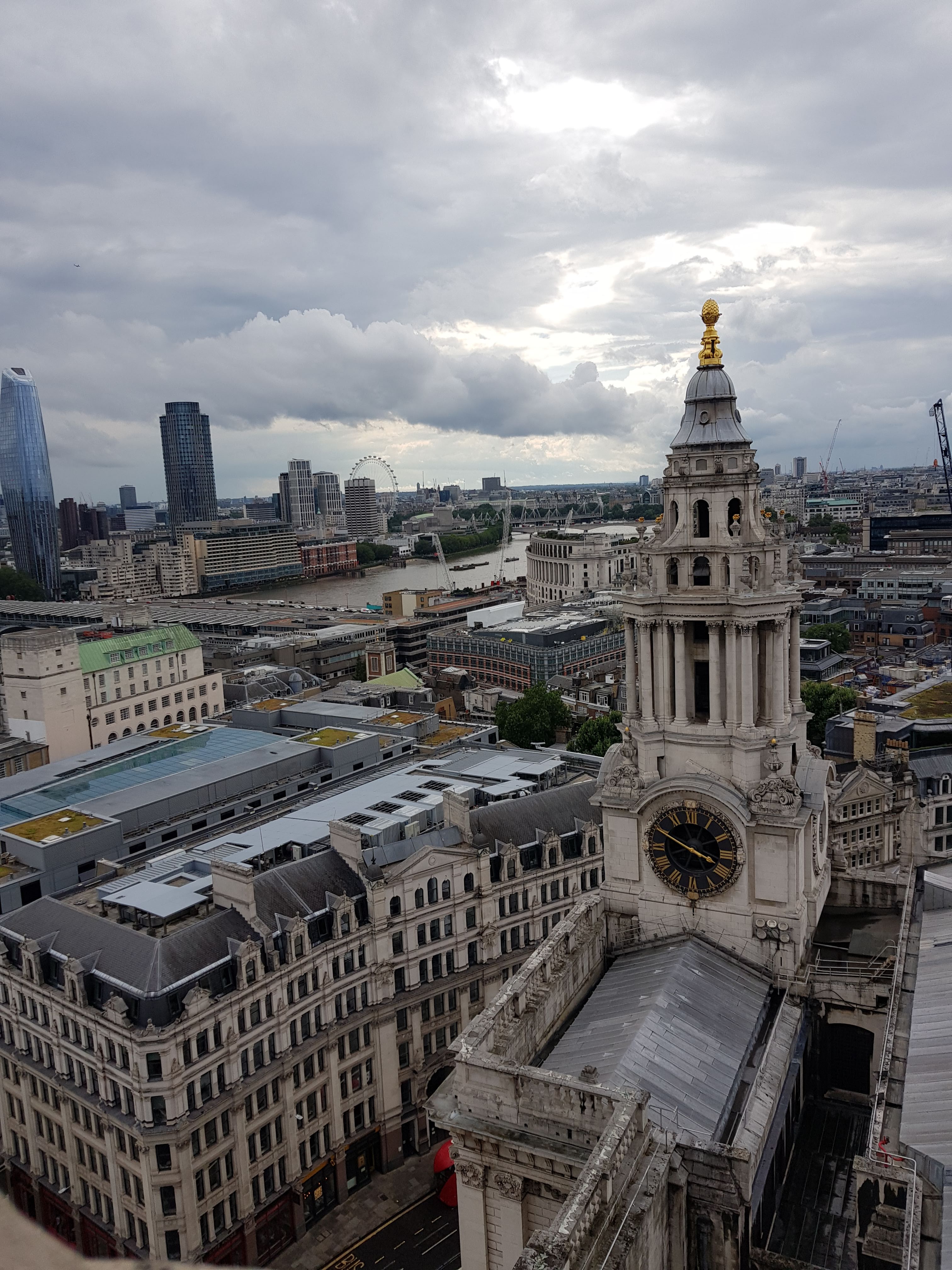
The climb wasn’t a waste! From the roof, you can still walk around the dome and see the London skyline, including the shard, sky garden, london eye, and look more up close at St Paul’s bell towers. I actually happened to be on the roof when the bells were ringing out, which I thought was pretty special.

Overall, I think that St Paul’s was very interesting, had a great booking system, and good content. I was disappointed that I could not see the galleries, but the views made up for it, and I understand their need to do renovations, especially whilst they are quieter. I would recommend a visit, and if you are brave enough, climb the steps and listen to the bells…. equally if you really do struggle, there is an elevator… they just wouldn’t let me use it!

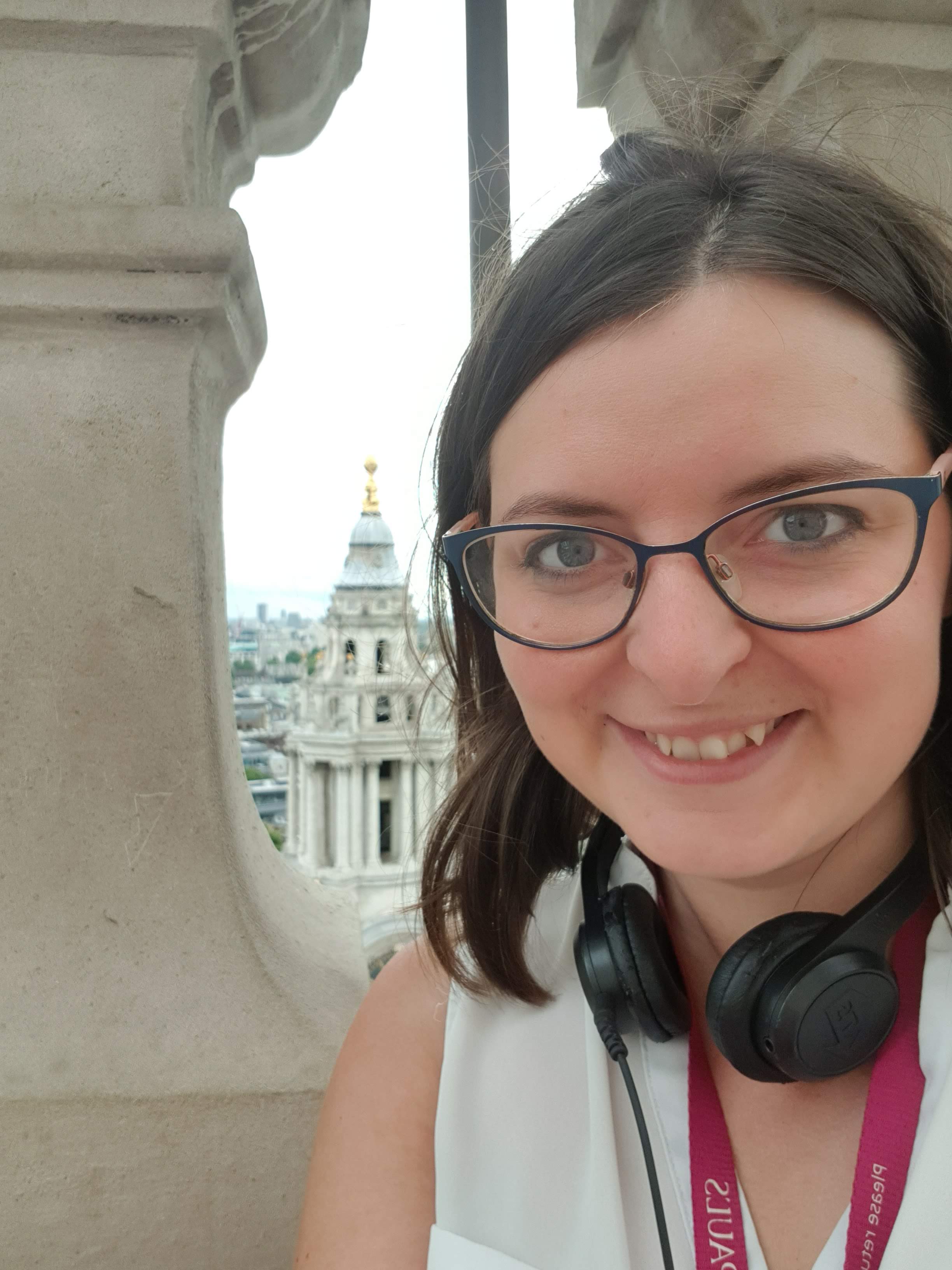
Me at St Paul’s Cathedral London

Autumn fun in Bury St Edmunds

In the Autumn of last year we made a day trip to Bury St Edmunds & National Trust property, Ickworth House. The autumn colours were lovely, and I ticked another cathedral off the list!

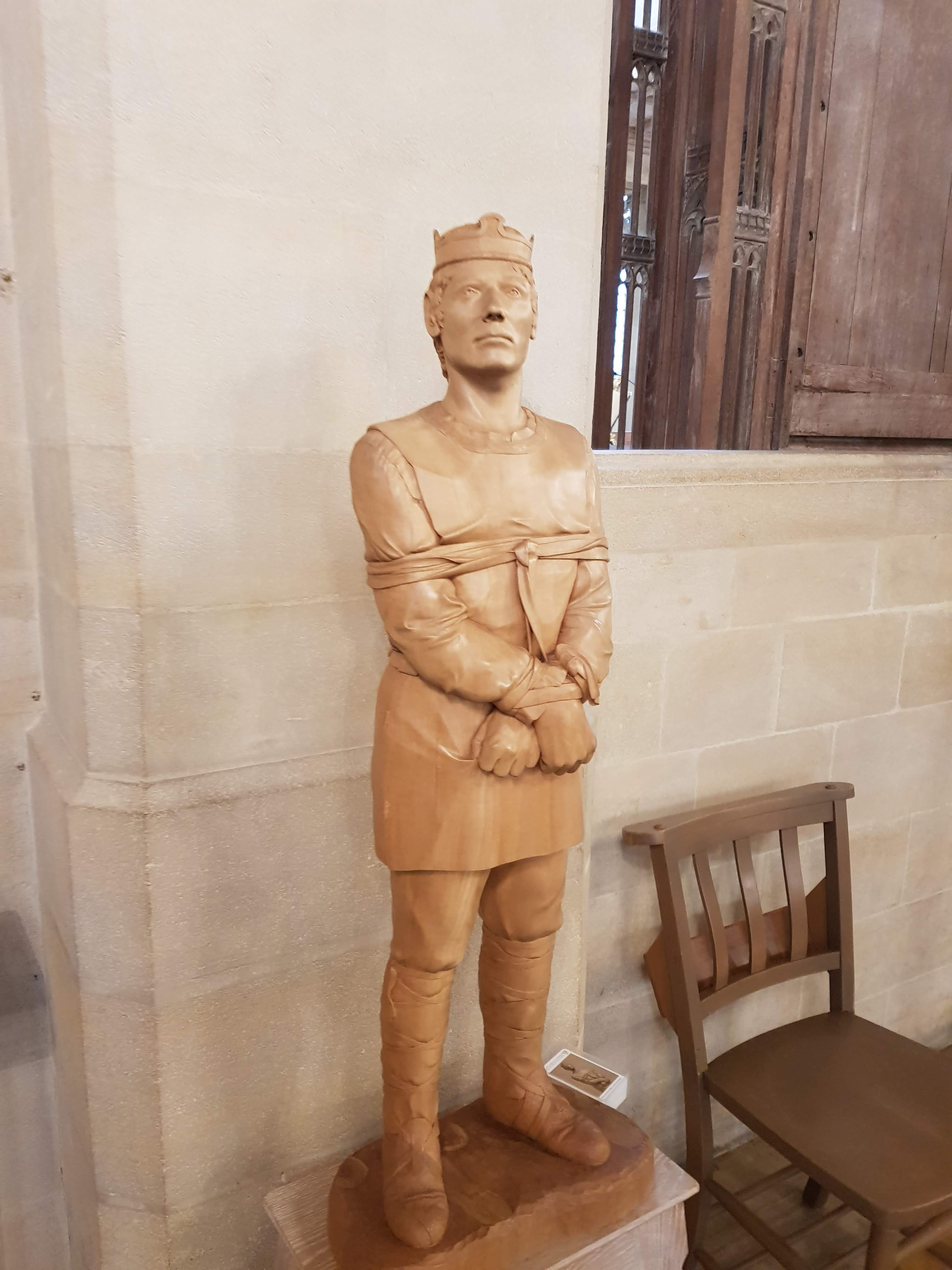
Bury St Edmunds is a short distance from where I live, so it is a great choice for a day trip. The town is named after St Edmund.  Edmund was the King of East Anglia, and was killed by the Vikings in 869, (the detail of which is depicted in art at the Cathedral). He became a saint and a martyr, and was buried at the town. His shrine made Bury St Edmunds popular with pilgrims. Today, the town is a great location for visitors to enjoy, with lots of opportunity for shopping, events and great dining experiences, as well as the below attractions.

St Edmundsbury Cathedral & Abbey

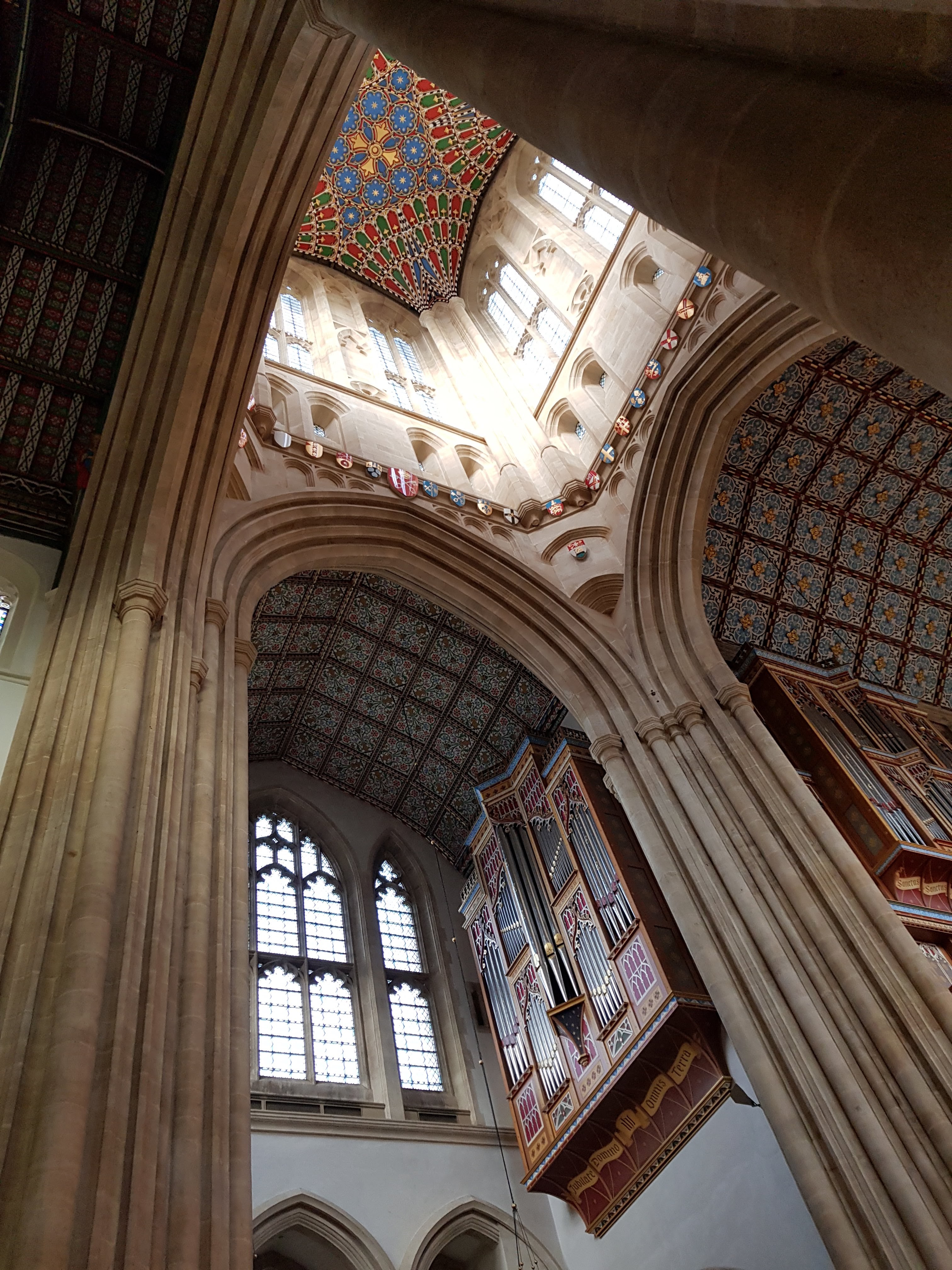
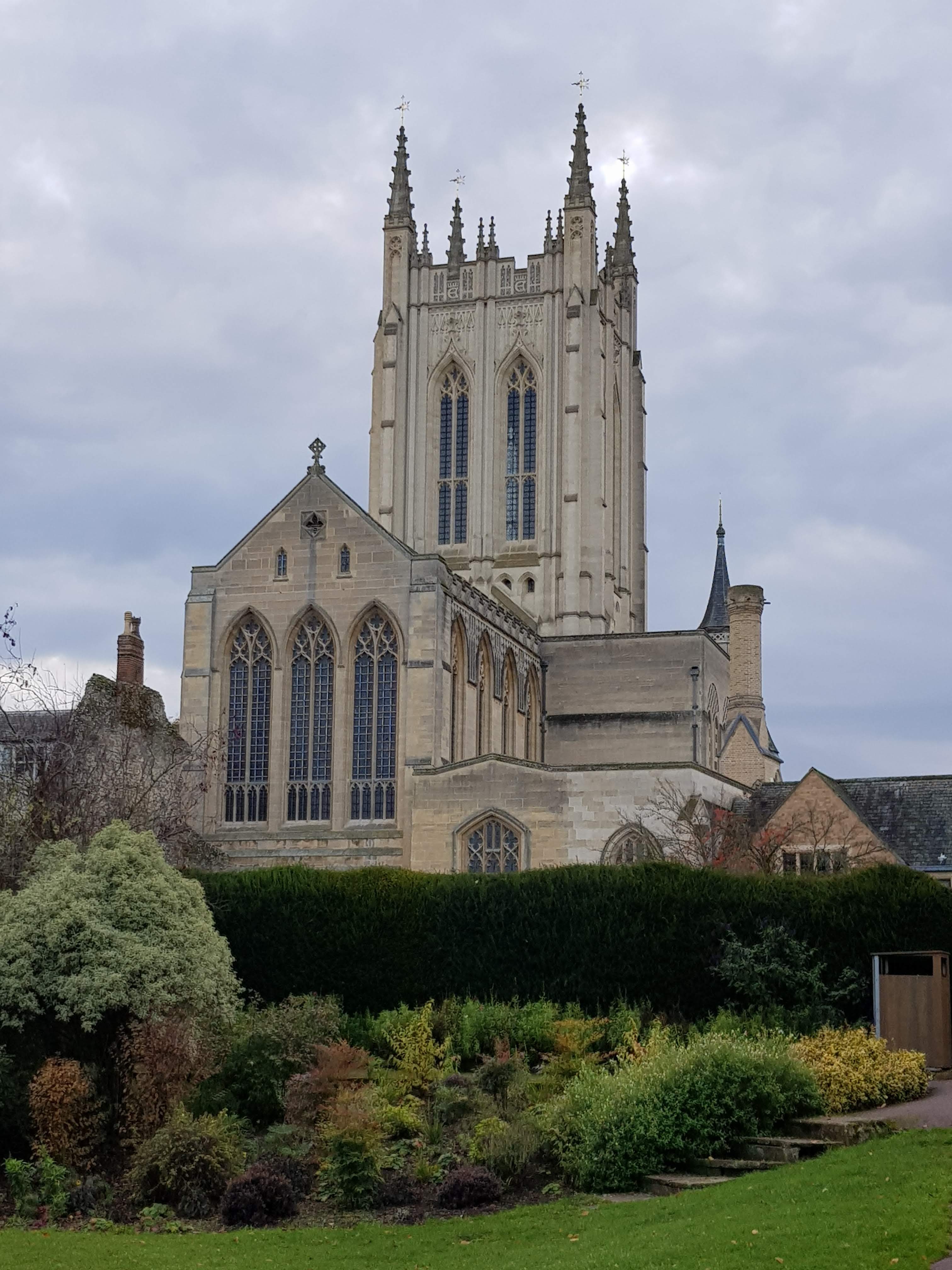
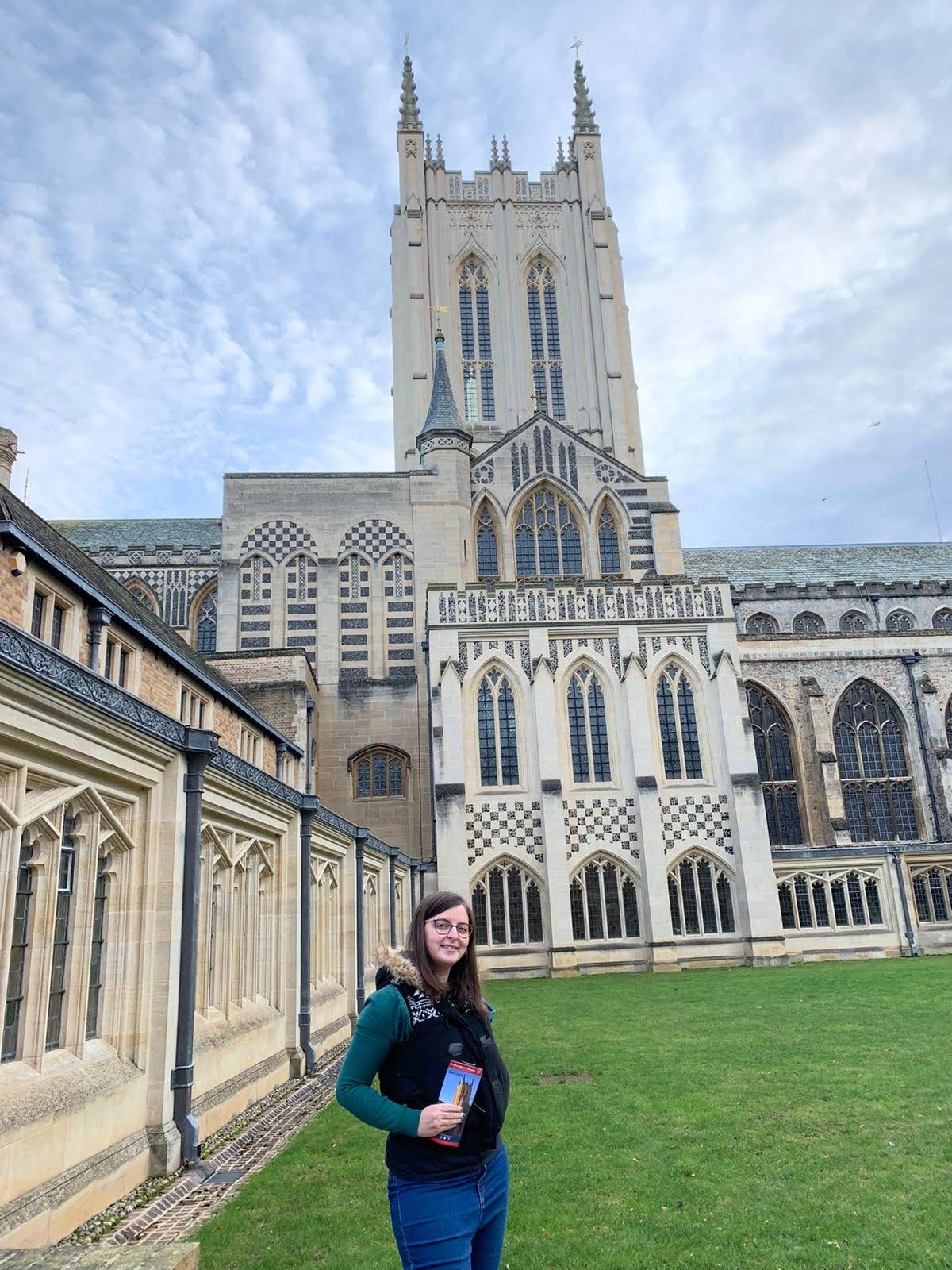
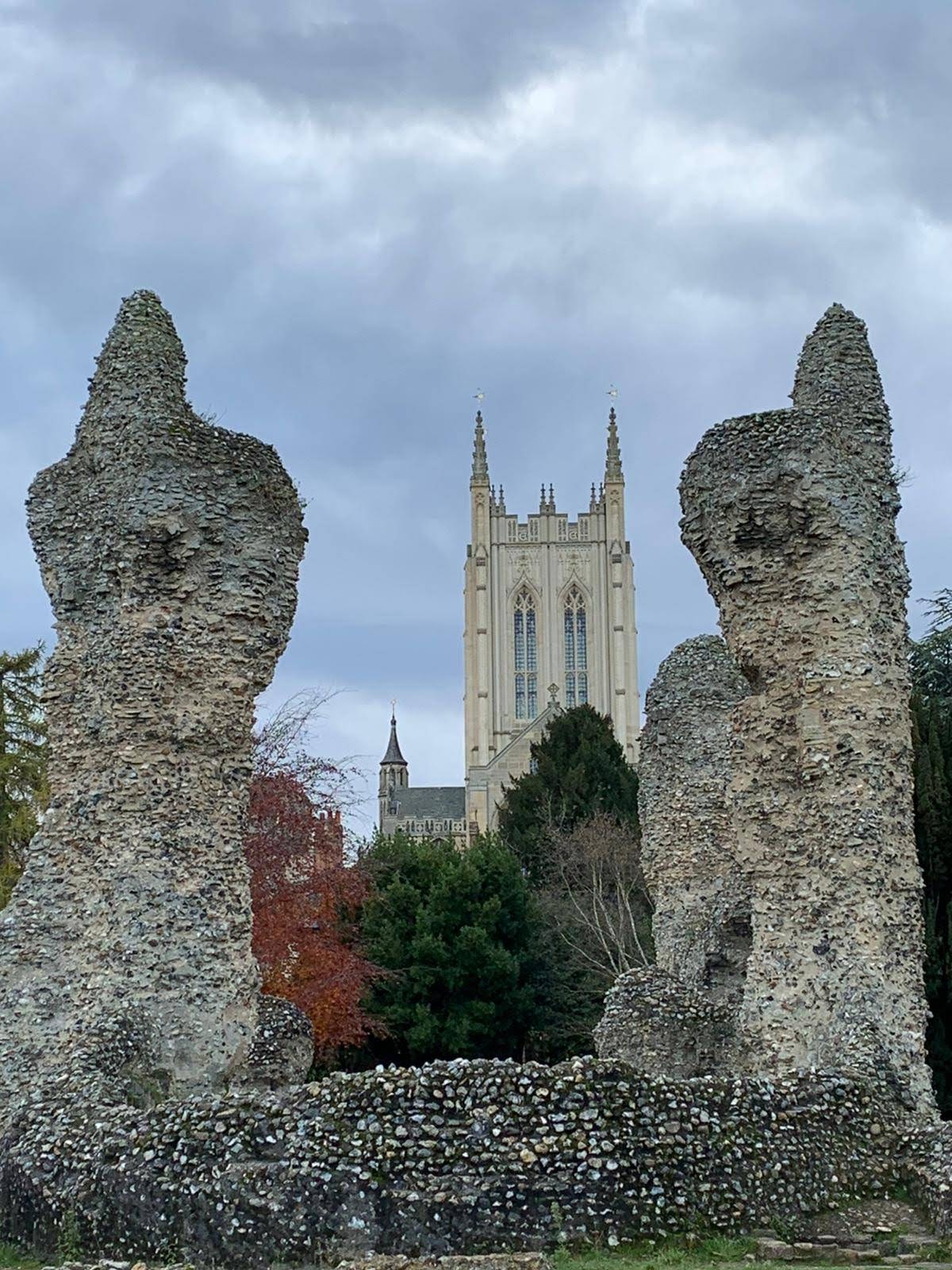
Originally built as a church as part of the wider abbey complex in Bury St Edmunds, the previously called ‘St James’ church didn’t become a cathedral until 1914. It certainly deserves to be a cathedral, from the sheer size of it! You can see the scale of it as it dominates over the rest of the town centre.

On entering the cathedral, you are welcomed by a volunteer (like all quality cathedrals…) and can pick up one of their useful information leaflets which will allow you to have a self guided tour. The cathedral also offers tower tours, I wish that I had done this on the day, and I think I will need to return in order to take advantage of this experience and hopefully see great views.

The cathedral has lots of information and imagery regarding St Edmund, and other big names from local history. There is also a large lego model of the cathedral which you can donate £1 to add a brick. This was quite impressive, and I don’t really like lego, so that means a lot! They have paused the “building work” during the pandemic but you can still put a donation forward online for your brick to be added, and see some photos. Check it out on the cathedral website here.

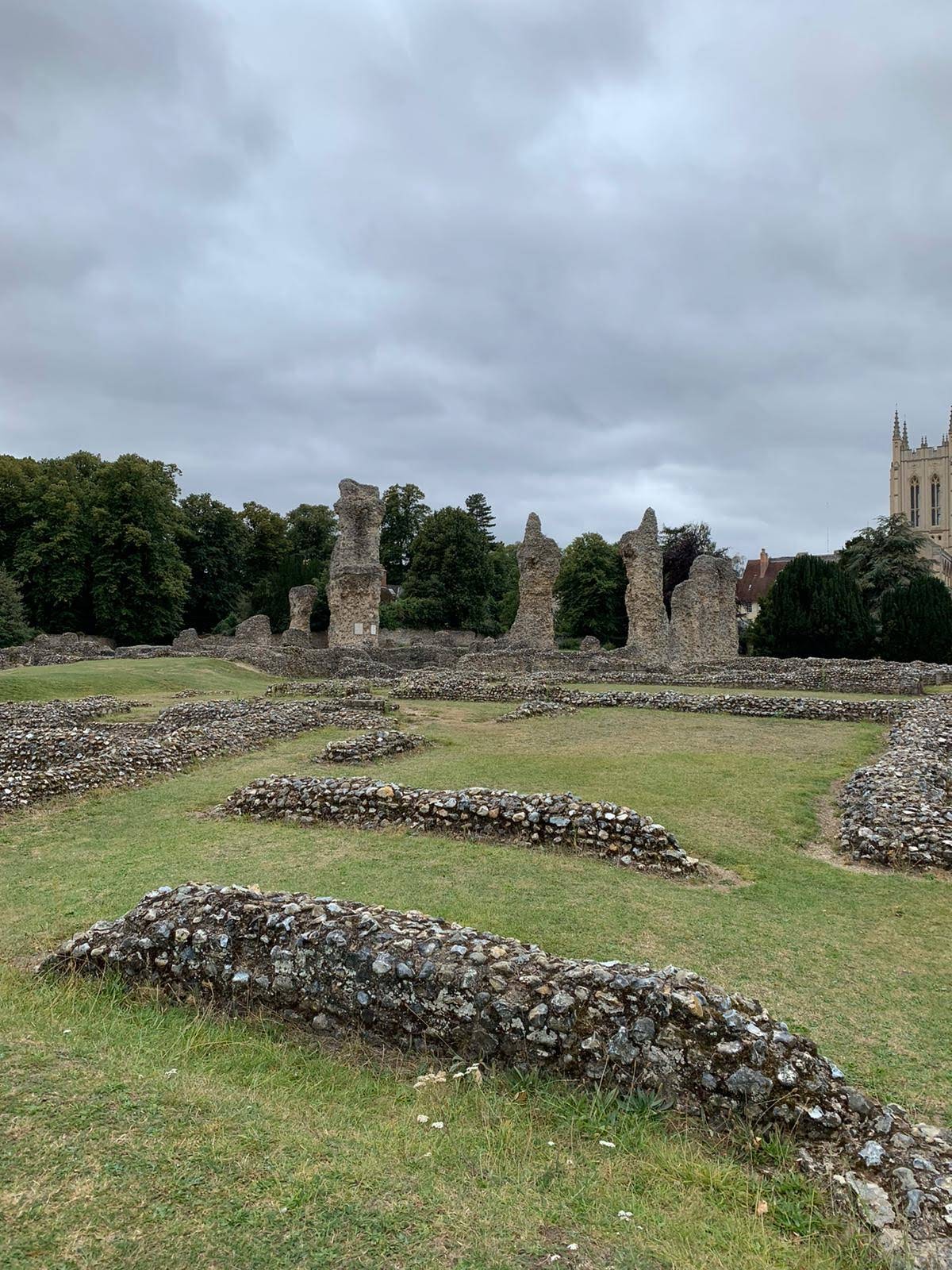
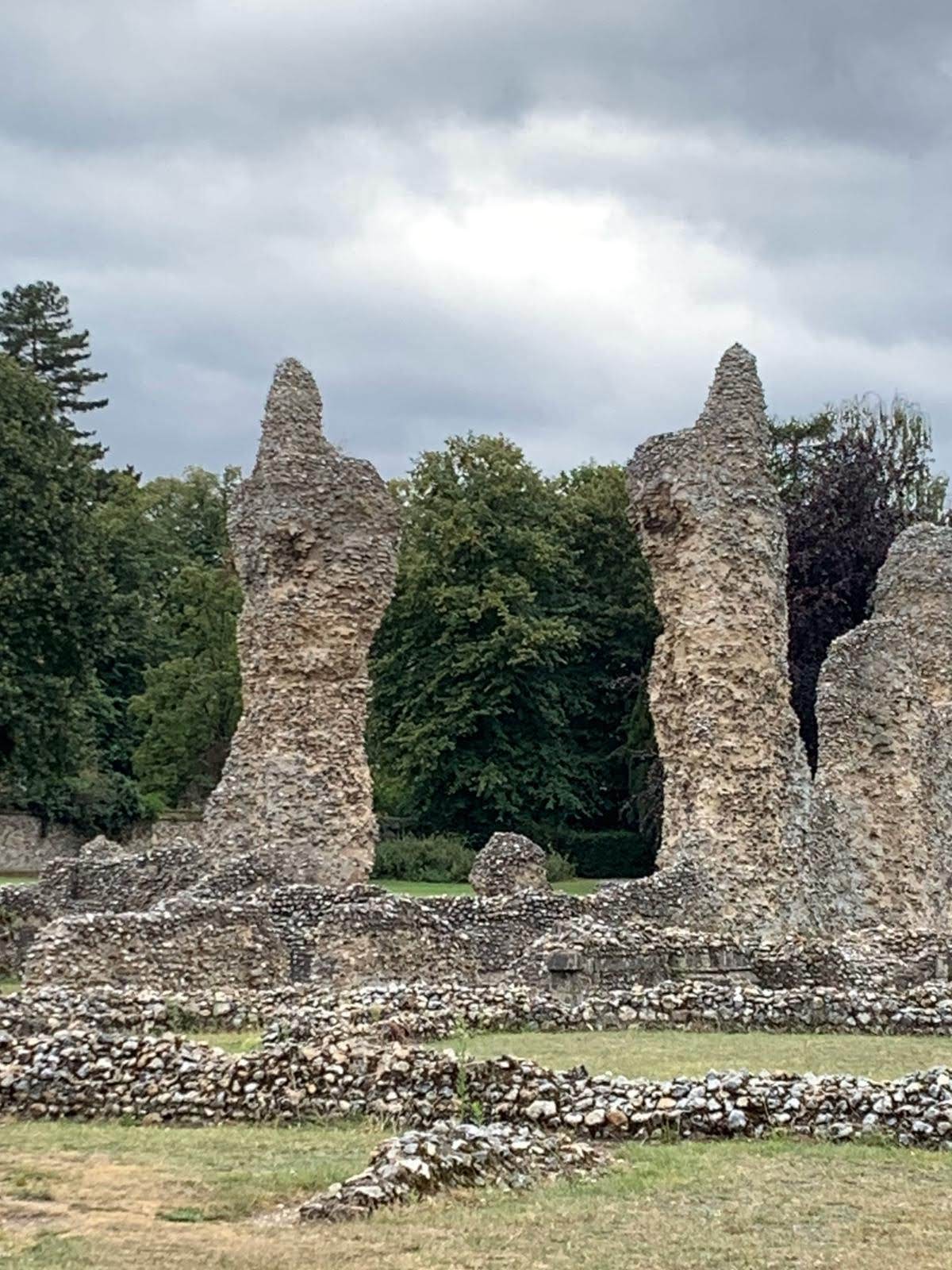
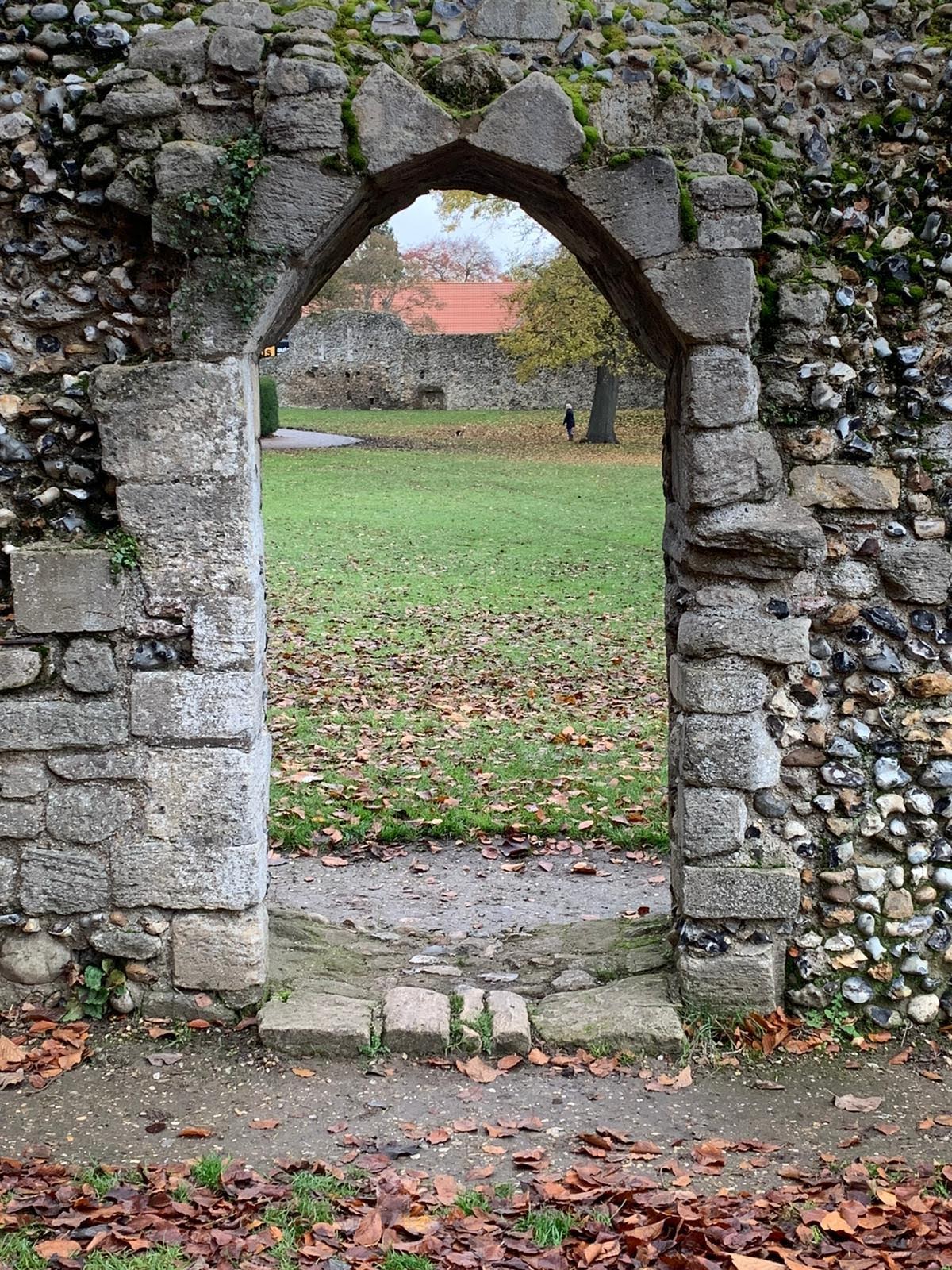
Next door to the cathedral, are the ruins of the original abbey complex. You can also see the old abbey gates still in tact in front of the road. The abbey was actually in existence before the town, and was used by Benedictine monks. The monks actually designed the town to be in a grid formation to benefit them economically, and the abbey did prove to be one of the richest in the country for some time. The abbey has a history of good and bad fortune over the centuries until eventually in 1539 is was stripped bare during the Dissolution of the Monasteries.

I enjoyed wondering the large area and trying to work out which rooms the different foundations might have belonged to. My partner and I also enjoyed trying to improve our photography skills, as there are so many different shapes and shadows to photograph. The abbey ruins are part of the abbey gardens which is a public park which everyone can enjoy. I thought that it was very nice that the park and ruins were settled into each other, as it means that the community engages with the site regularly. Whilst we were exploring the ruins, we actually came across a community gathering for a Remembrance Day memorial service which was very moving.

Ickworth House

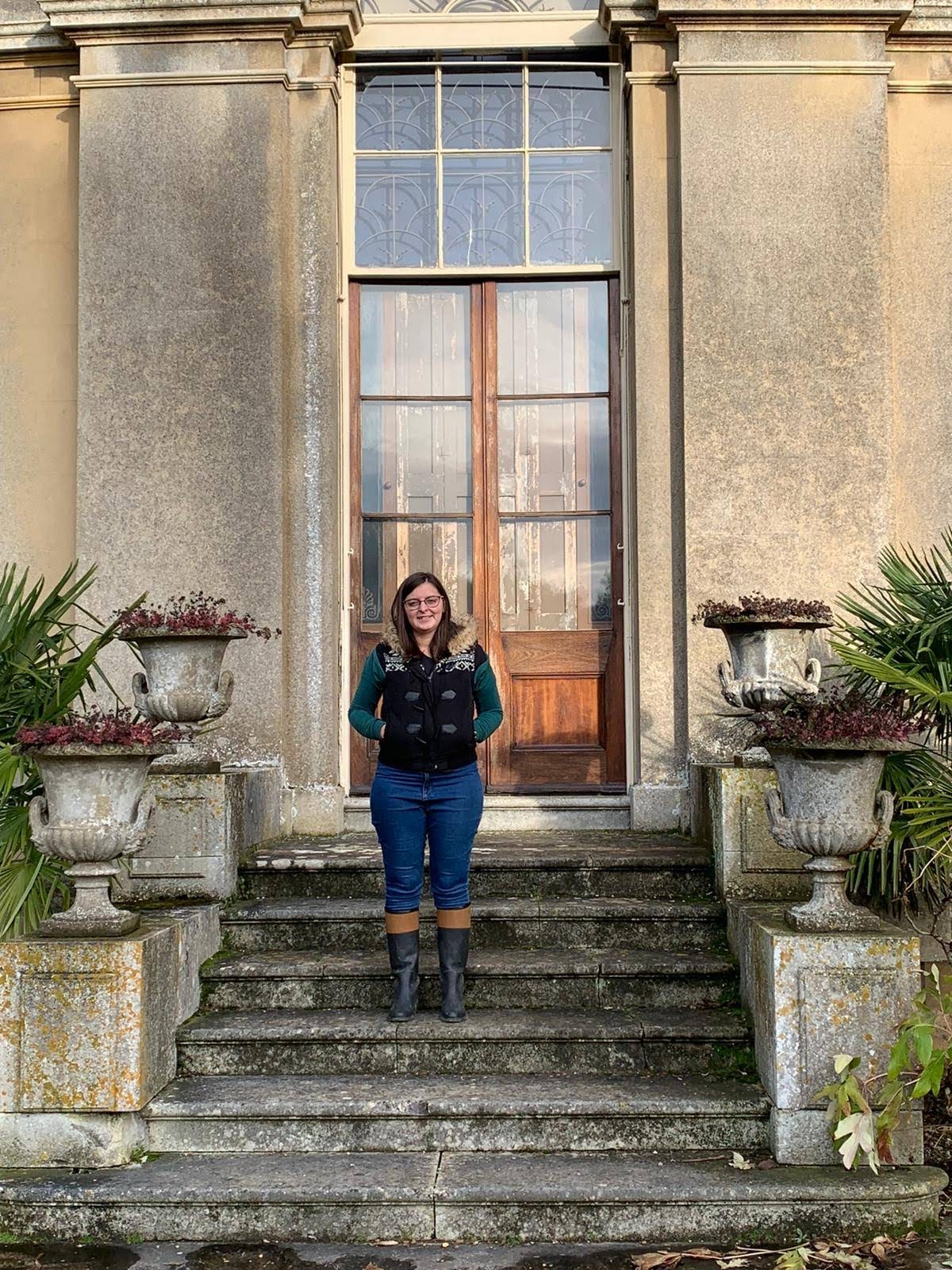
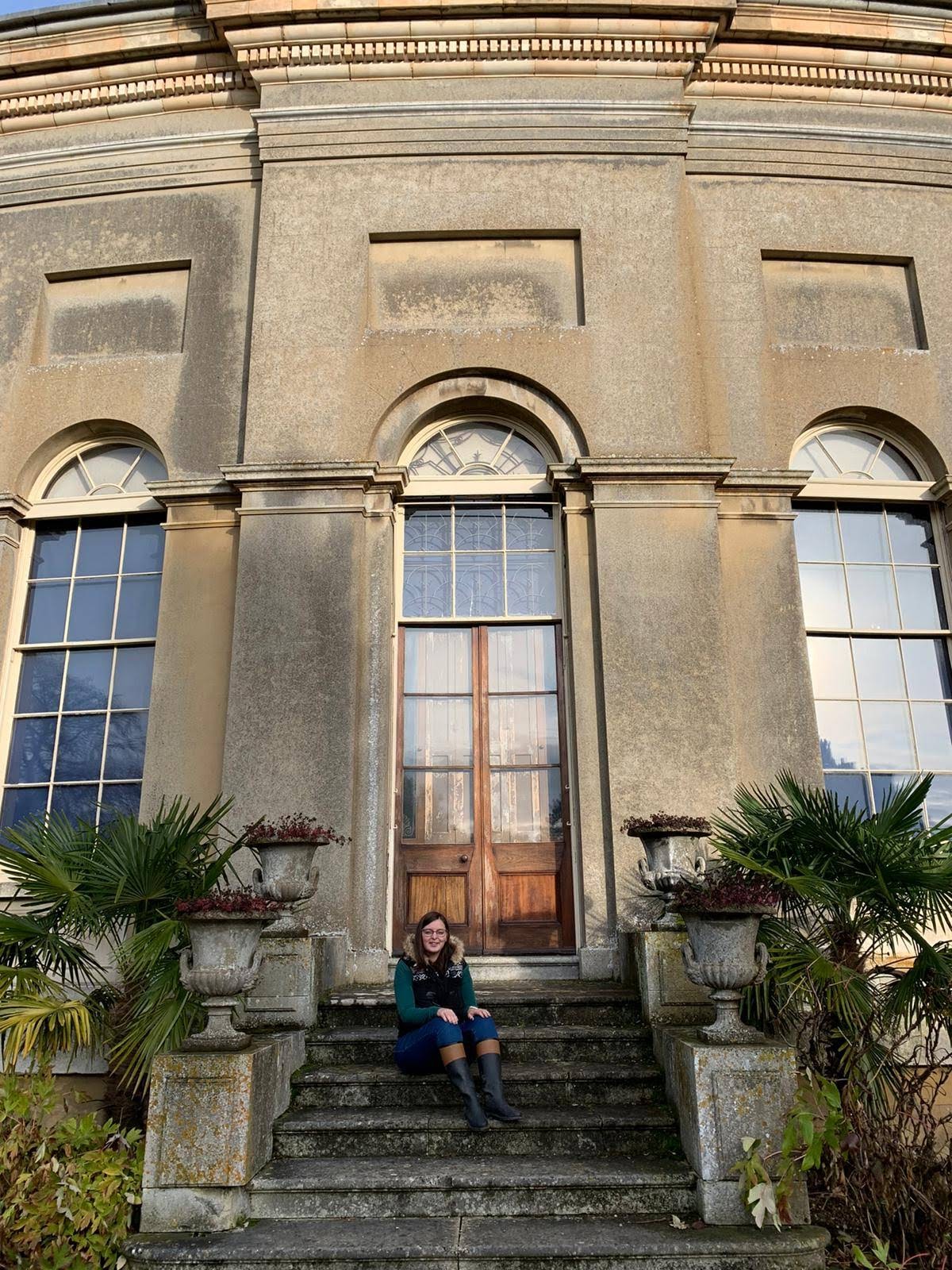
After enjoying the town centre, we made our way to Ickworth House. This National Trust property is on the outskirts of the town, and is a great place for a walk! It is a country house shaped like an observatory (formally it is called a ‘rotunda’), which is quite cool and was originally built in the 18th century. The entire place has an Italian theme to it, and you can really tell this in the look of the building and gardens.

When we visited, the outside of the front of the house was covered in scaffolding which was a shame, but it still looked great at the back, and we could still go inside and see what was once the servant’s quarters and kitchens.

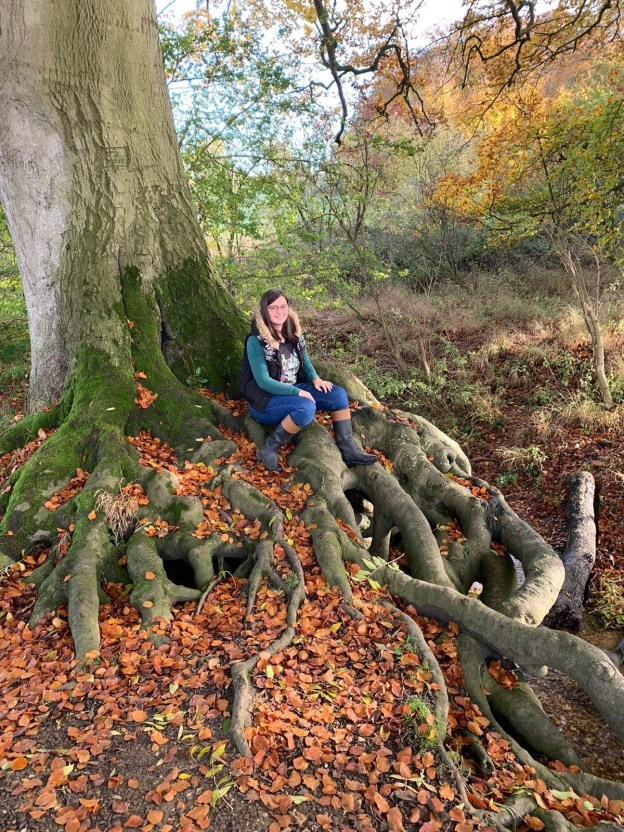
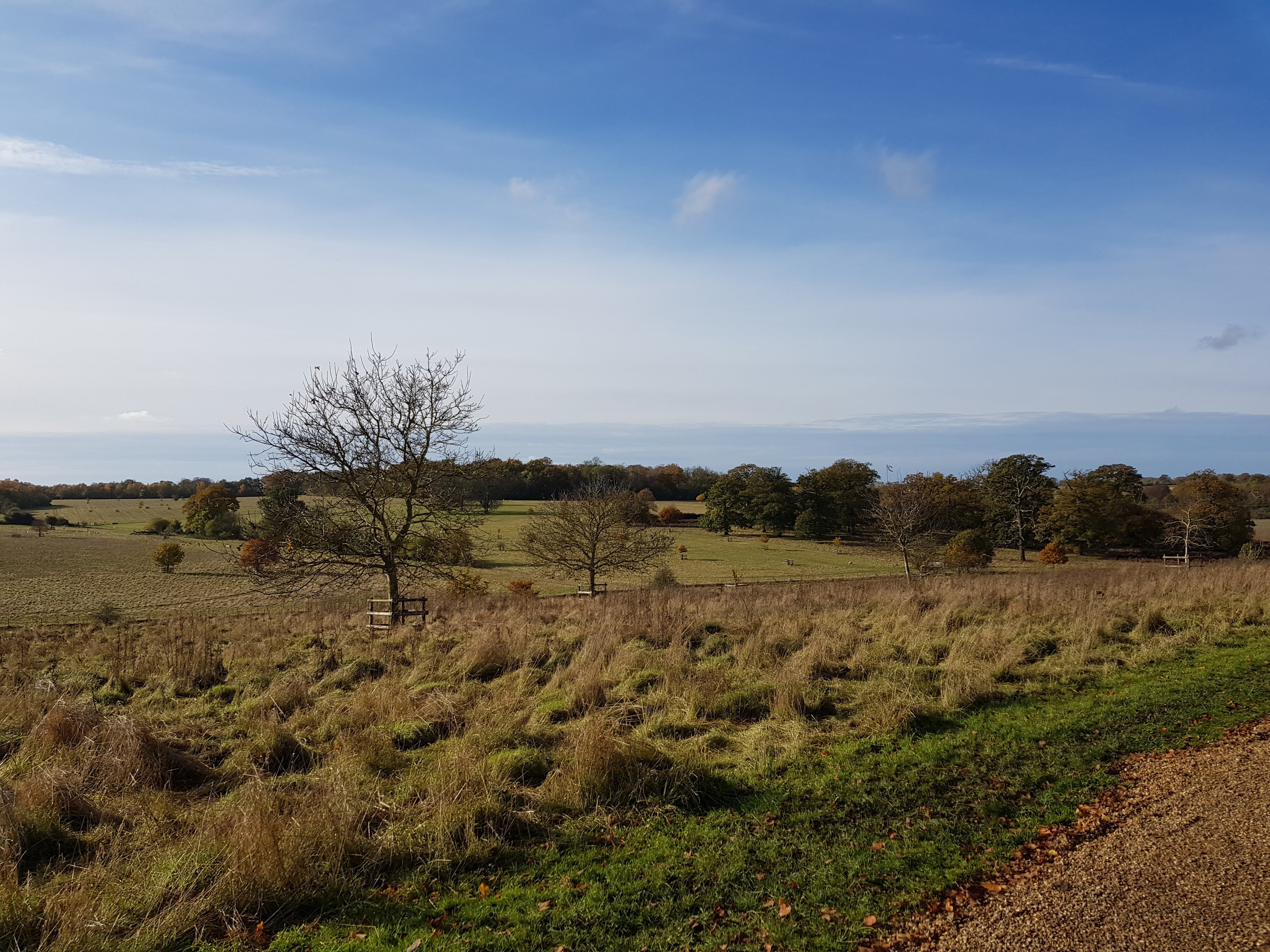
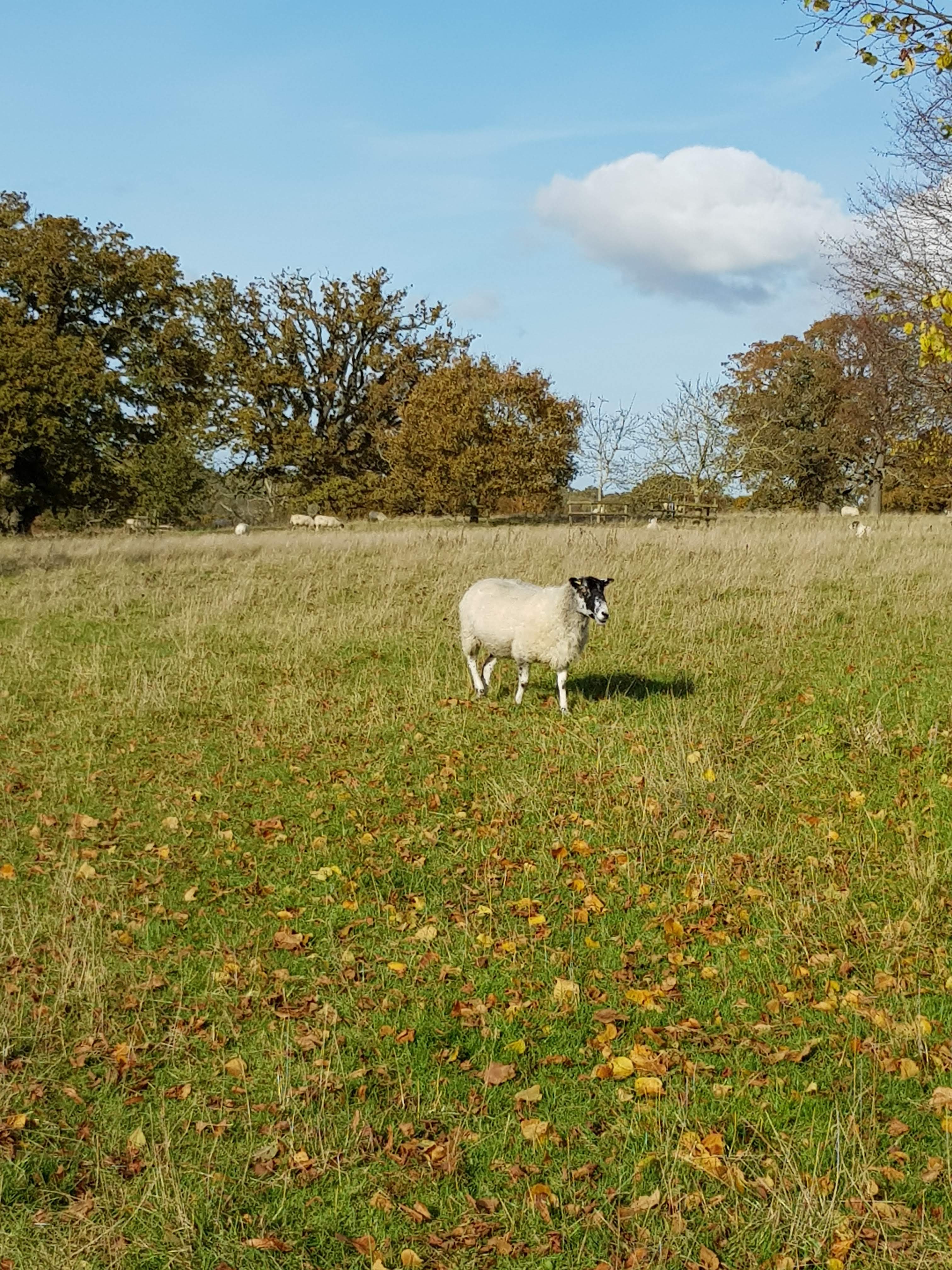
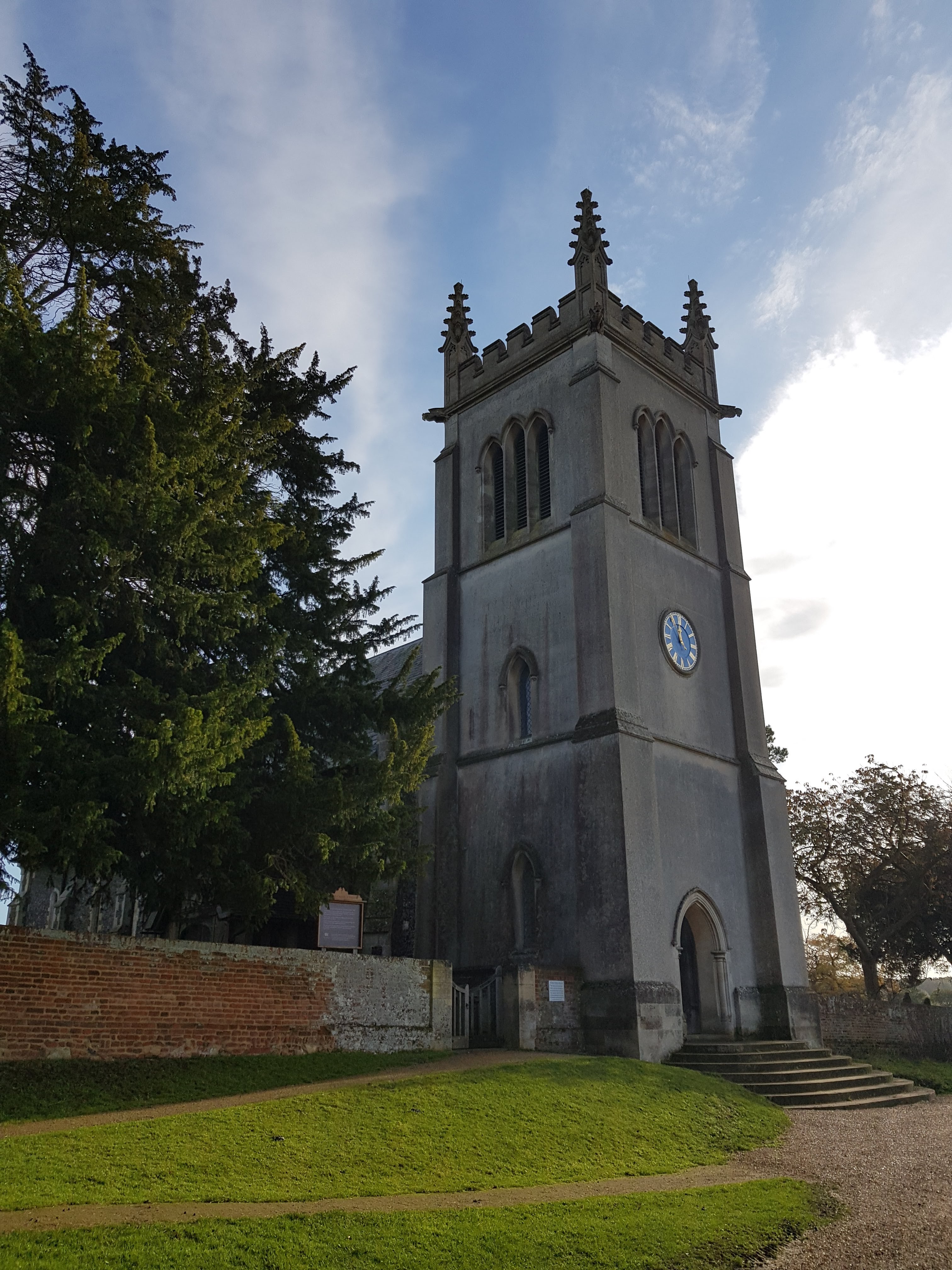
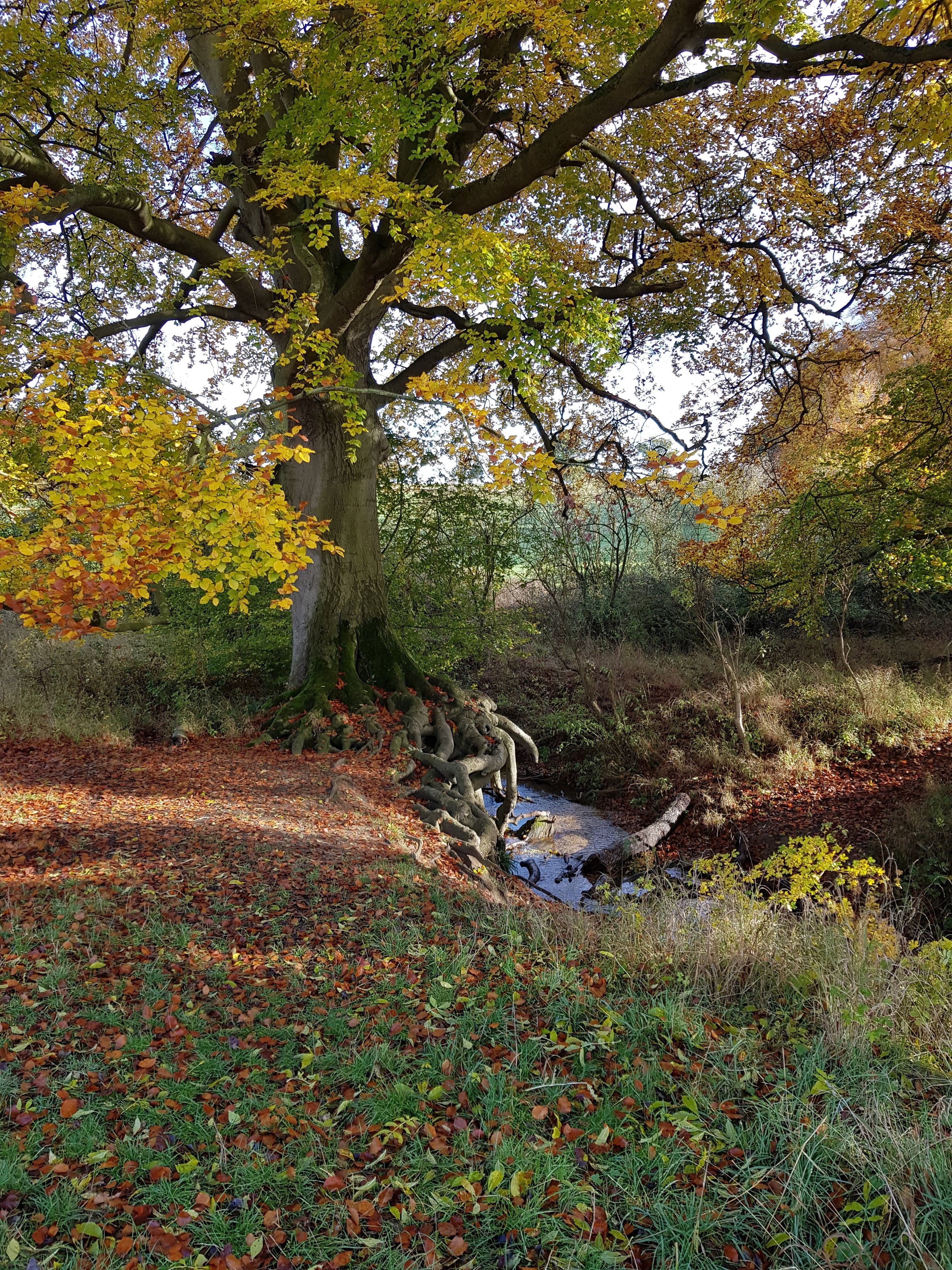
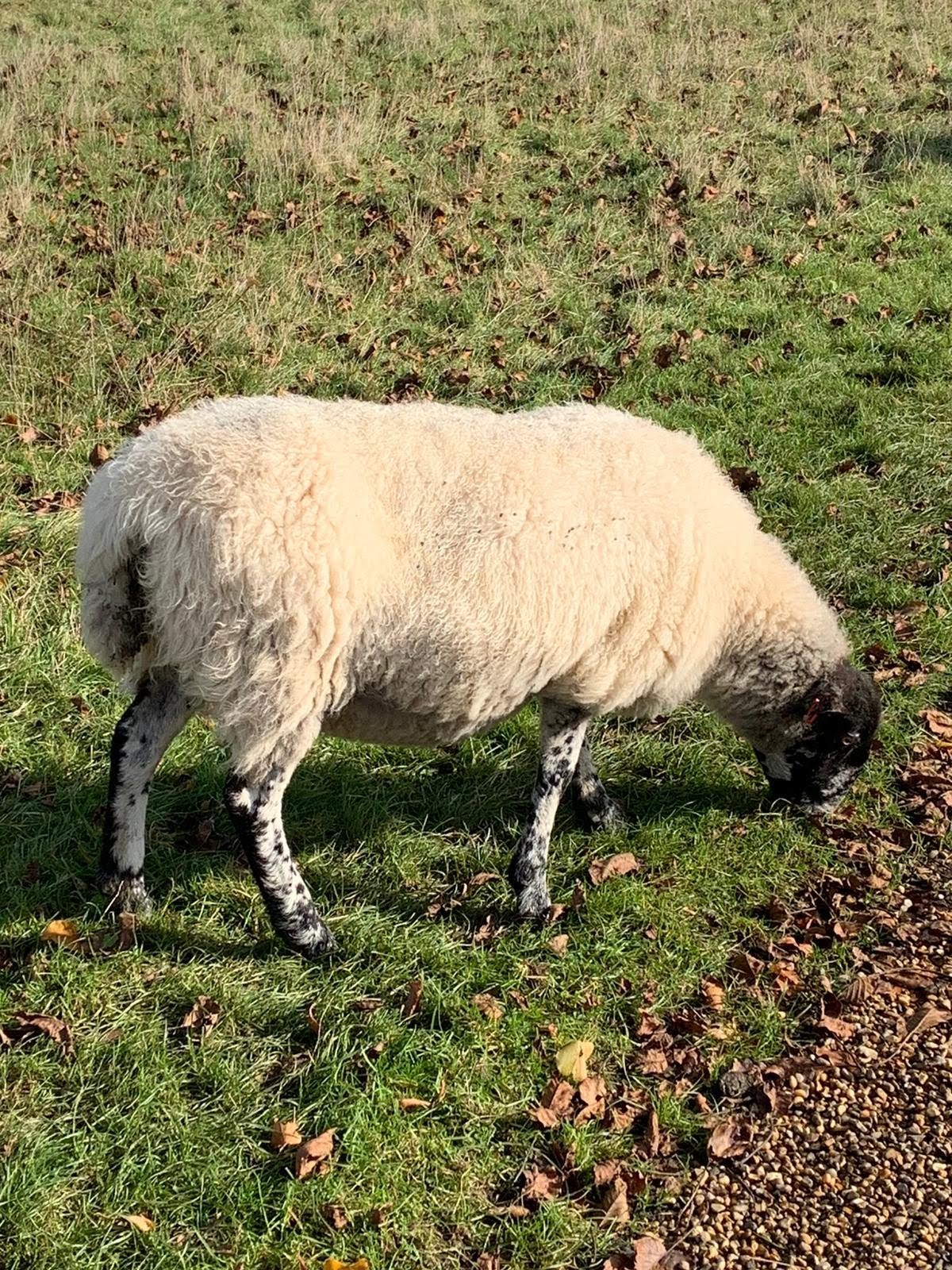
We mainly enjoyed going on a long walk across the parklands, where you can see great views and lots of sheep! We really enjoyed seeing all the autumn colours, and it made some great photographs. This was especially the case when we found a tree that had dramatic roots that were over spilling into the stream (photo below). There are multiple different walking routes available within the huge parkland area, and many of them will take you past key monuments/structures/views, such as St Mary’s church that lies within the estate, and is the oldest part of the grounds.

I think I will definitely make more visits to both the town and Ickworth House in the future, as I really enjoyed myself and it was great to stretch my legs on the walk! If possible, I think I will also try to check out the West Stow Anglo-Saxon Village & Country Park. It is a totally reconstructed early Anglo-Saxon village, and looks like a lot of fun to explore and maybe attend a re-enactment event. They do archery there… I am AWESOME at archery! Obviously I was born in the wrong era.