Tag Archives: Cantabria

Camino del Norte: Top 10 best places to stay

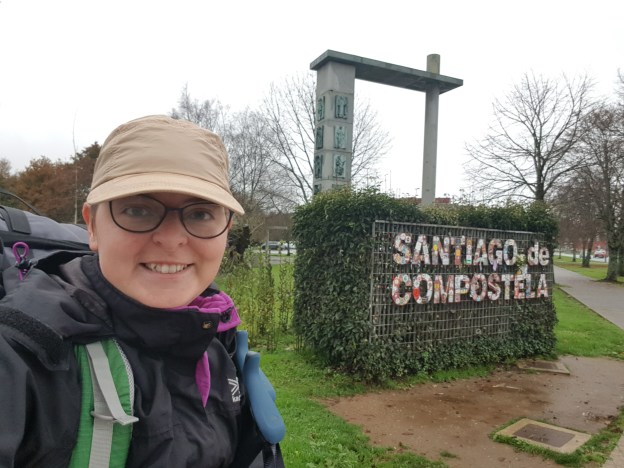
During my two months following the Camino del Norte from Irun to Santiago de Compostela, I have stayed in all sorts of places. Some were absolute luxuries and some were absolute horror stories. I have now narrowed down my top ten.

On the Camino de Santiago’s many routes there are lots of accommodation types on offer:

Albergue / Hostel

Very similar to each other, many are pilgrim only. The main differences to remember are that in an albergue you generally have one main hall for everyone, lights out and lock up at 10pm and have to be out by 8am. Many have no heating, and you have to keep your fingers crossed for a bottom bunk, as after a week of walking, you won’t want to be climbing a ladder each time you need to wee.

Pension

This is normally a guesthouse but sometimes a pension might have a bunk room, and extra services. Normally it is owned by a husband and wife team, and they will have a bar/restaurant next door.

Pasada / Country Lodge

These are like luxurious pensions and tend to be in a rural scenic location, in a small village, and possibly the only place to stay.

Hotel

I would say that a hotel is obvious, but it is not. There are many different standards and many hotels have no services at all, and are really pensions. For me, a hotel needs to have a manned reception, this was only common in hotels above three stars.

Top 10

To make it to the top, the accommodation has to have the big three; great location, great price, and a great bed.

1. Blai Blai Hostel, Zarautz

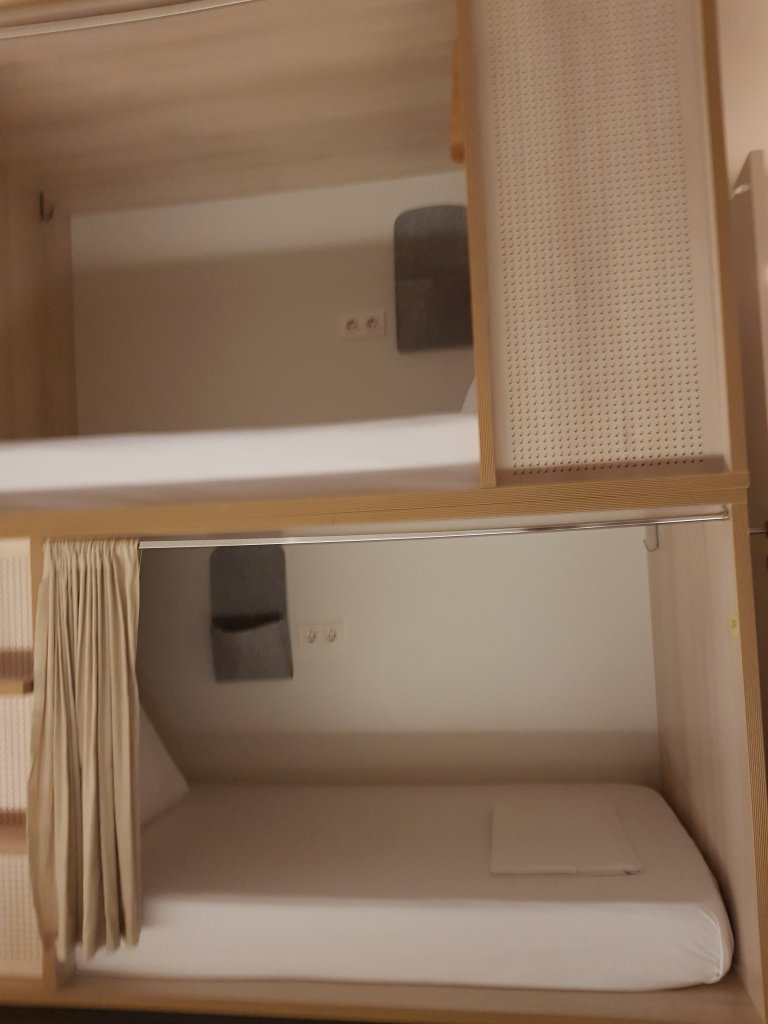
I had a really comfy stay at the Blai Blai. The hostel is in a popular location for not only pilgrims but also lots of surfers. The woman on reception was very nice and helpful. There is a supermarket above and to the side of the hostel, so very convenient. The rooms are very clean and modern, with all the outlets you need in your own little bunk. The only cons were that there was no oven (not uncommon), and no in house washing machine, I had to go to the laundarette down the street.
2. Albergue Bide-Ona, Portugalete

Unfortunately, I don’t have a photo of this one. The guy managing the albergue is really friendly, and helped a lot with information and route planning. The albergue is clean and organised, and has a really chilled vibe to it. There is also a really reasonably priced cafe down the road where I got a giant bowl of cesar salad that was delicious.

3. Pasada Villa Rural, Guemas

Again, another one with no photo. This is pretty much the only place to stay in Guemas, as it is a tiny village. The lodge is really nice quality though, and the owners have a restaurant next door which is handy. The views from the rooms are really nice and you can enjoy sitting on the terrace too.

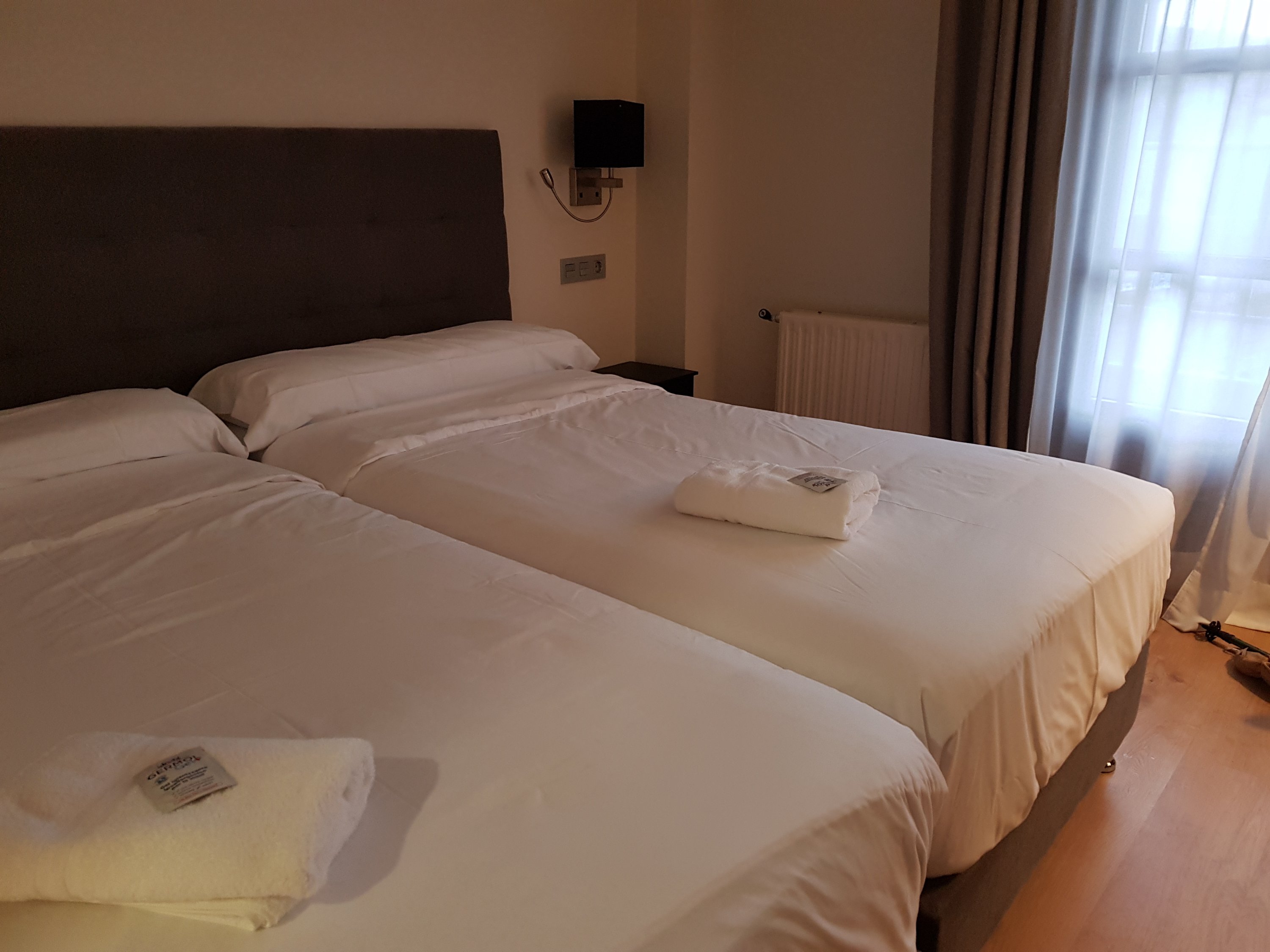
4. Canal Hotel, Unquera

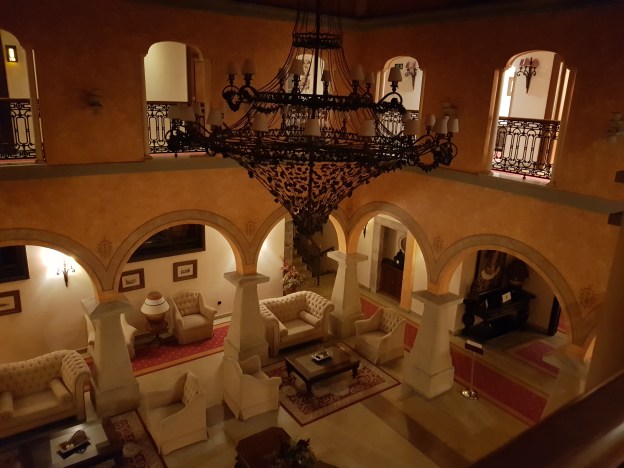
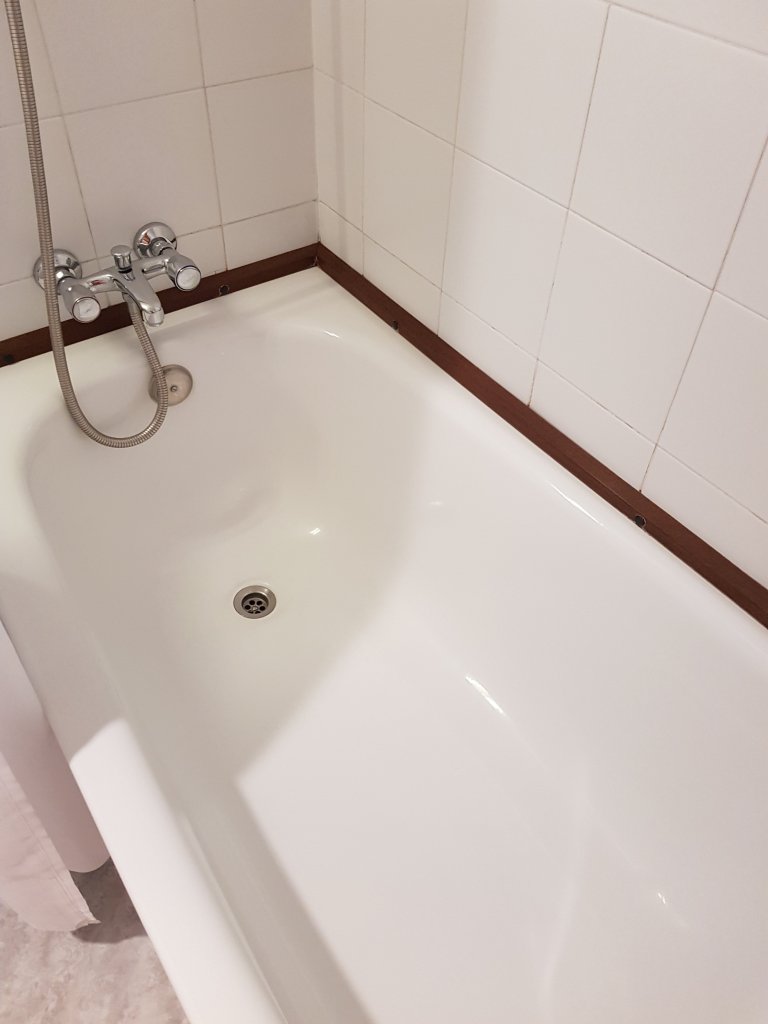
I think the photo below is enough to earn the Canal Hotel a place on the list! In general though, it was a pleasant hotel, with clean rooms, friendly staff, and a free breakfast.
5. Casa de la trinidad (San Francisco Convent), Laredo

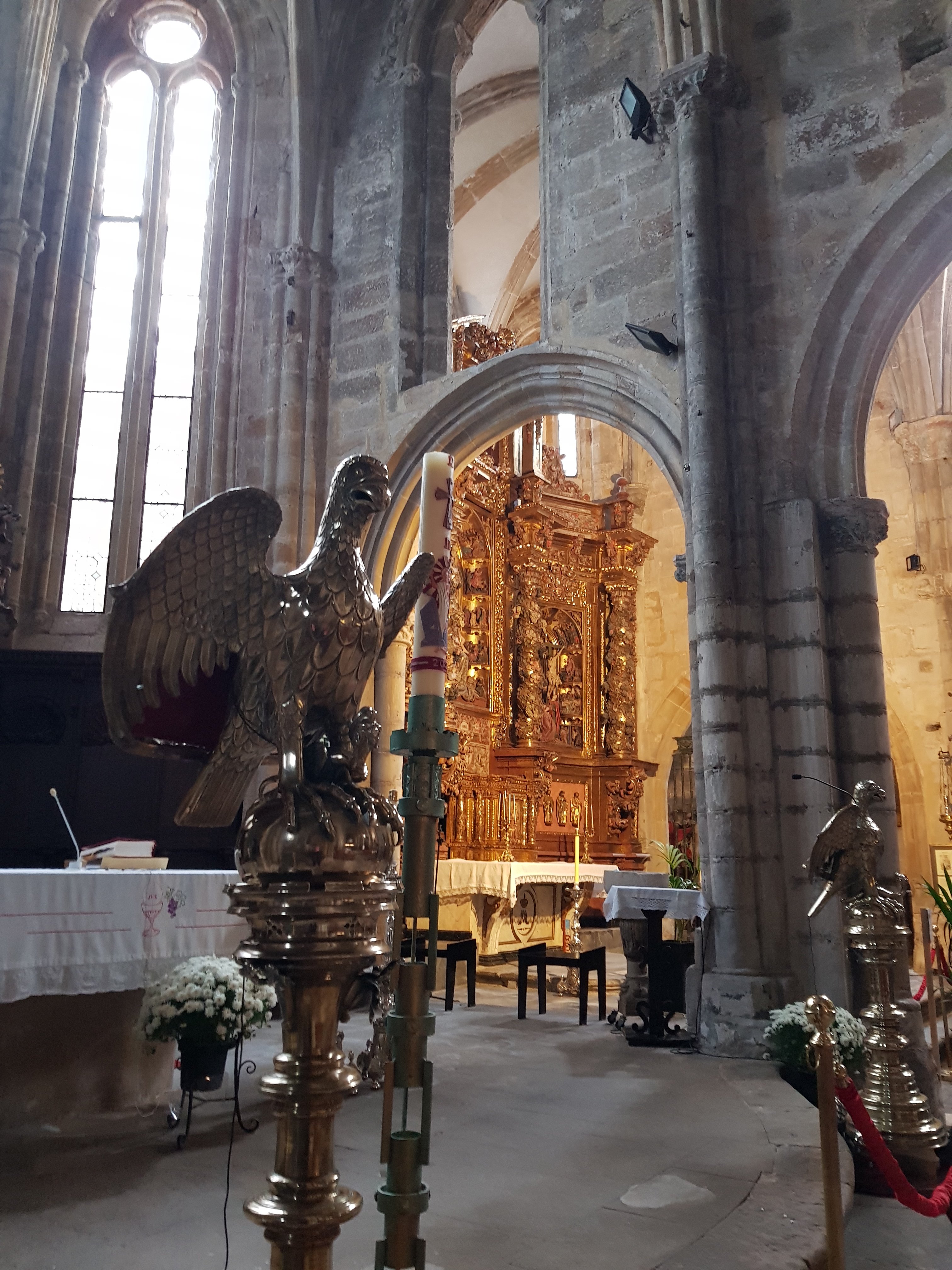
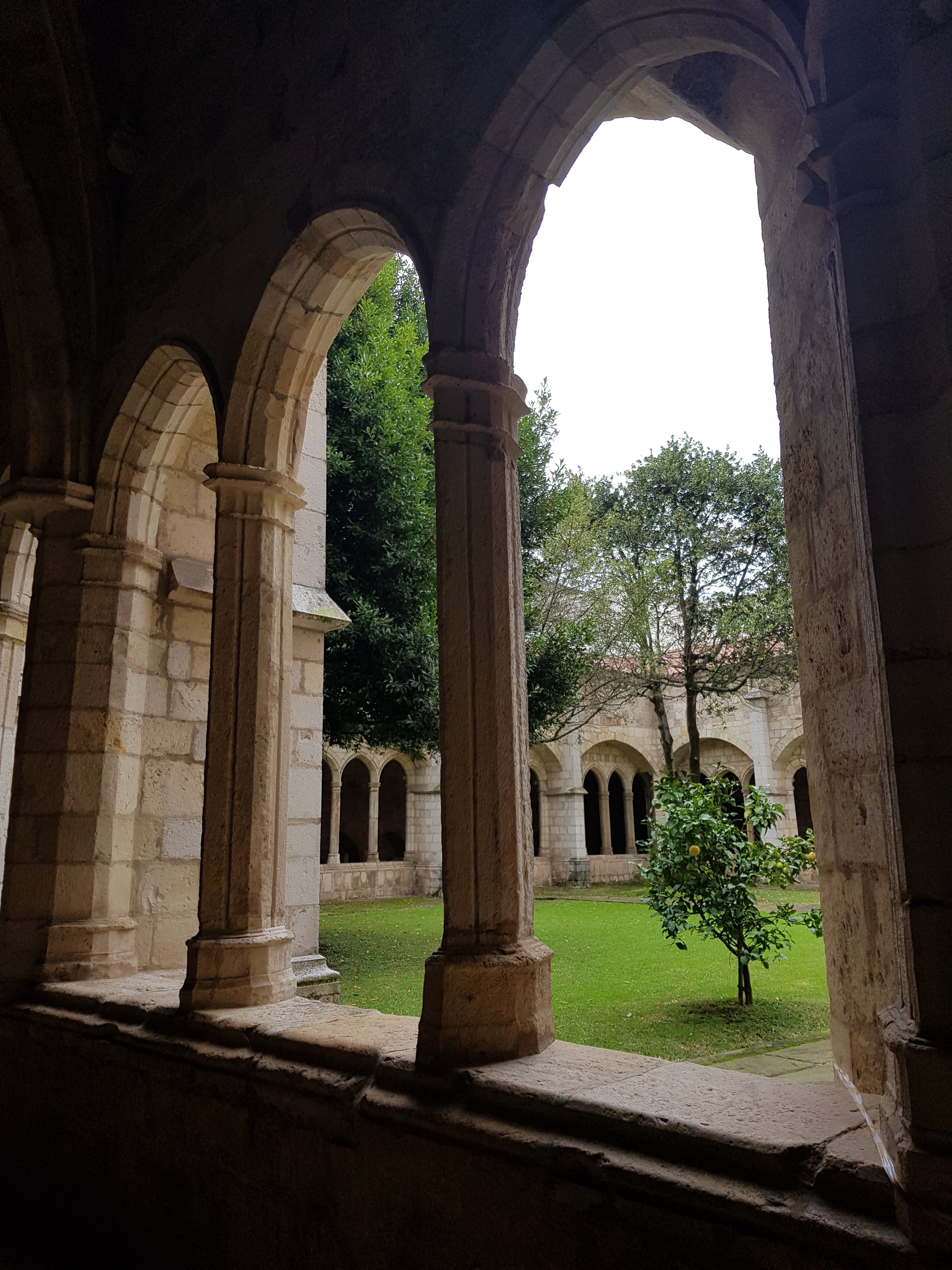
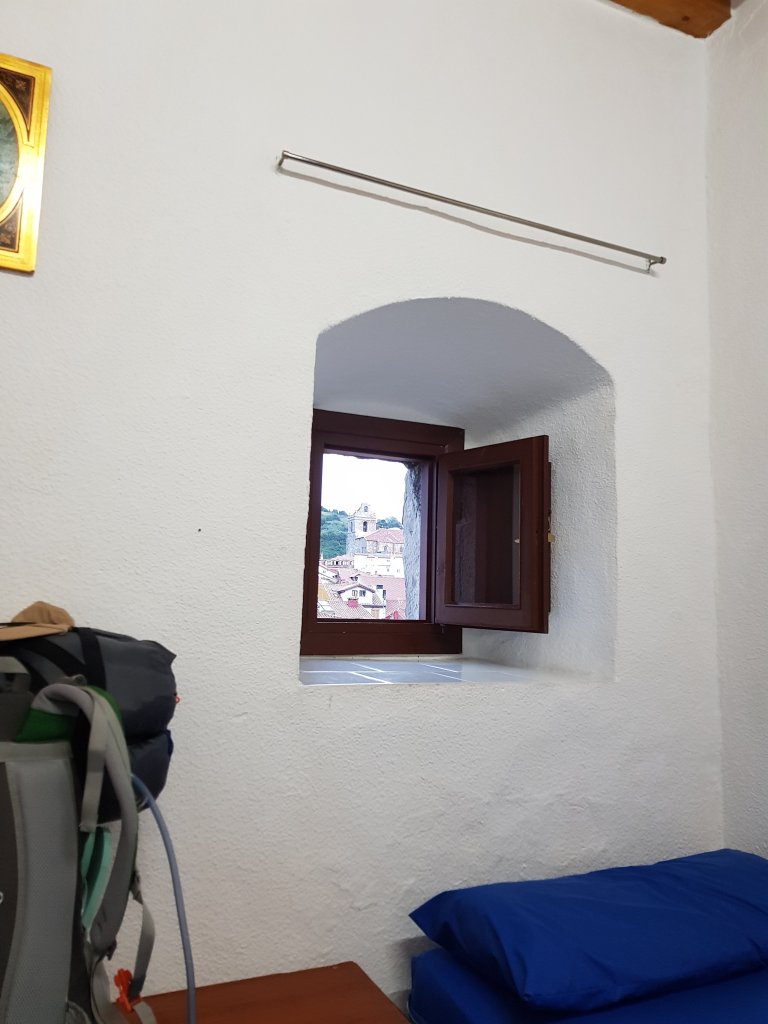
This convent had no heating but otherwise it was great! The nuns sign you in, and then buzz you in and out when you go for dinner. The rooms are very clean, and there is a kitchen available. It felt very special to sleep in the convent, and I had the room to myself (there are only two beds to a room).
6. Casa Espana, Villaviciosa

I really thought I had a photo of this hotel but apparently I don’t, and that is very annoying! It is a very pretty hotel! It is a historic building and has a gorgeous appearance outside and inside. In my room was lots of hard wood antique furniture. Everything was very clean. The staff were also very helpful.

7. Boogalow Hostel, Gijon

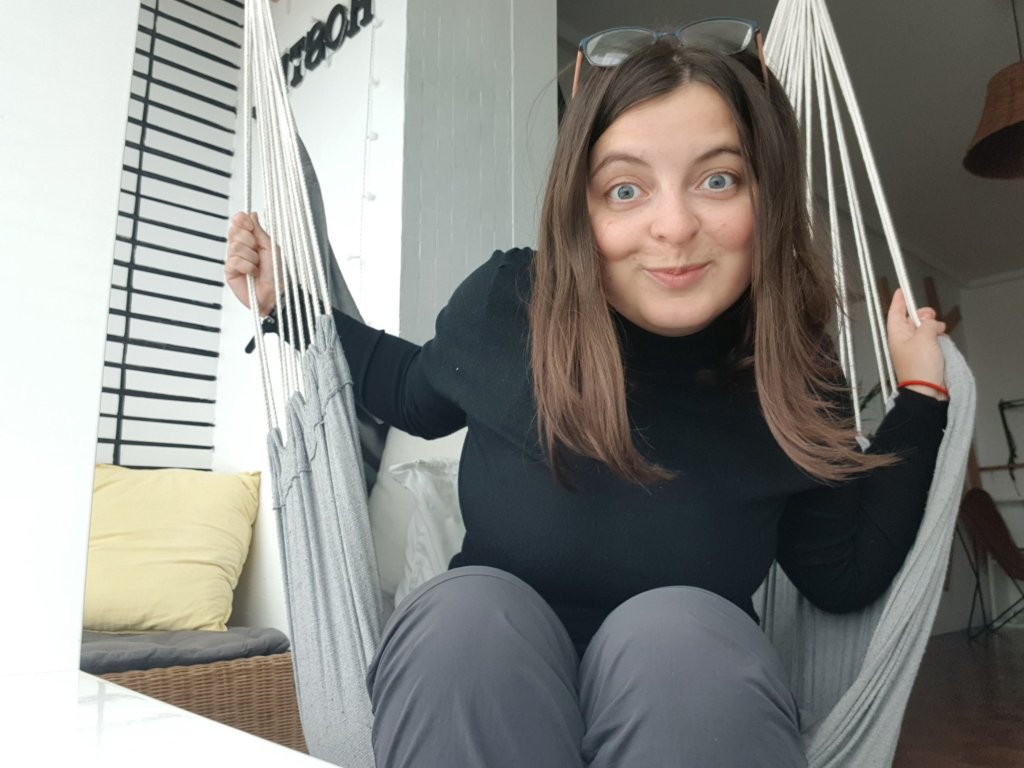
The Boogalow hostel is still fairly new and it is a really comfy stay. A great location, facing the beach and with sea views. There is fun decor including games and best of all, a swing chair! The hostel offer lots of free muffins and snacks etc, the only downside was they needed a few more bits of kitchen equipment, in case there are lots of guests wanting to cook at once.
8. Hotel Palacio de la Magdalena, Soto del Barco

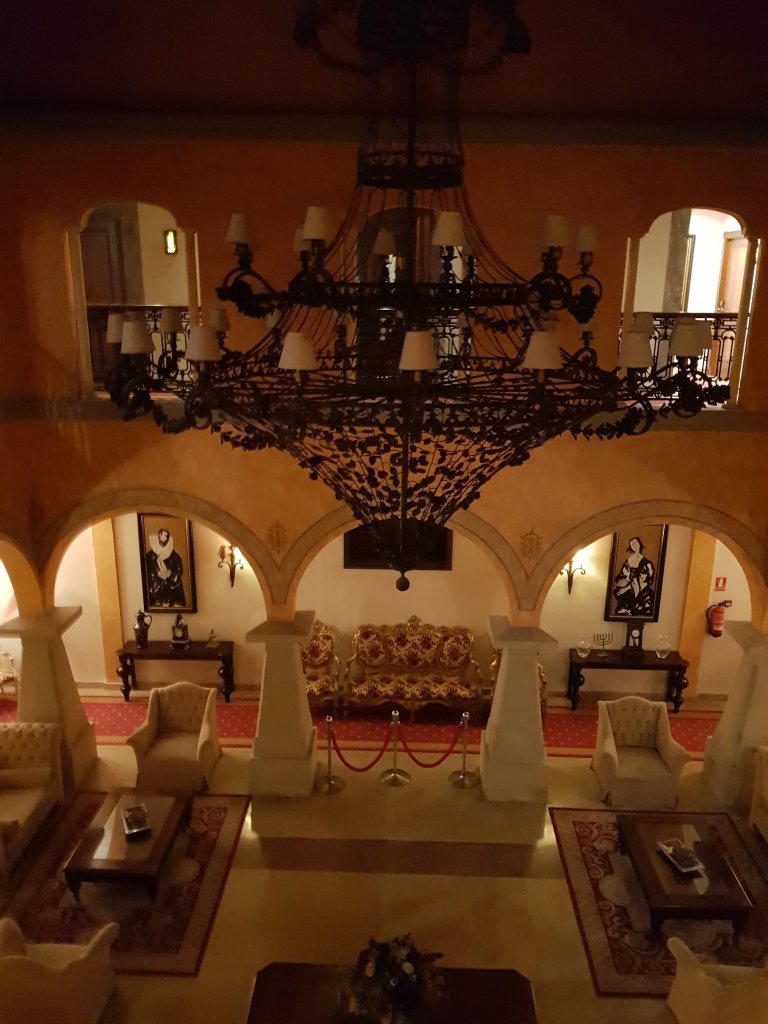
This former palace is beautiful and very luxurious! I had so much time in the bathtub, and laying on the comfy bed. They even gave you your own dressing gown. I realised later that there was also a spa! Unfortunately, I was only there one night and did not have any swim gear so could not take advantage. I did use the hotel restaurant which was very fancy and still reasonable at only €16 for the menu of the day. Plus, they gave me complementary leek cake!
9. Casa de Manas, Grove

Beautifully finished country lodge, surrounded by a river and cows. The bed was very ‘princess and the pea’ style, the radiators looked like marble, and the bath was a jacuzzi. Very nice! The owners were also very helpful and provided a free breakfast at the restaurant a little up the hill.
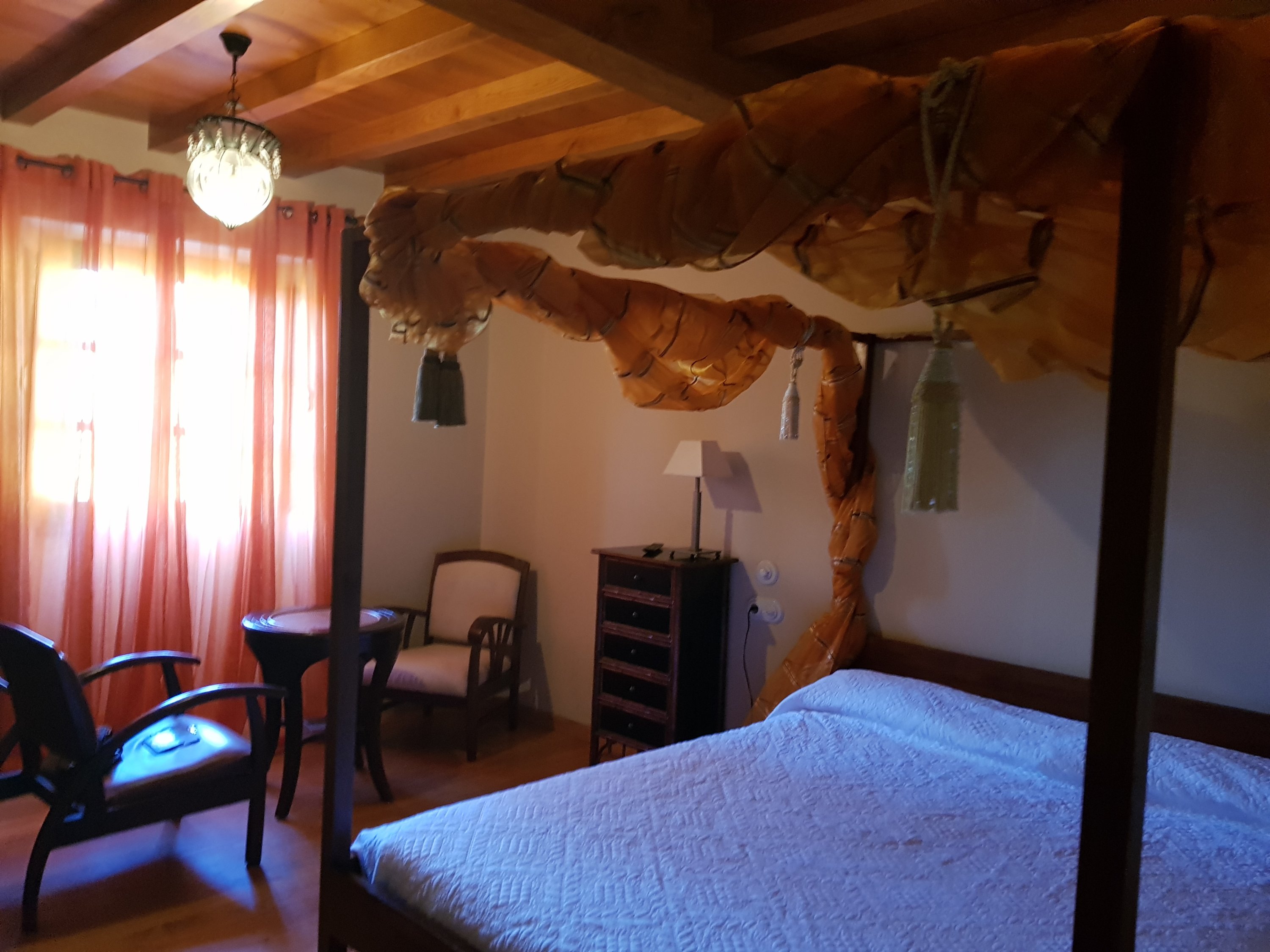
10. Hotel San Marcus, Sobrado dos Monxes

Comfy room, and nice bathroom. Very cosy, with a balcony to sit on and views of the monastery. The lady running the hotel also made free drinks and snacks available 24/7 and breakfast was included.

Doing the camino off season, did leave me with less options to choose from this year, but I am so glad I managed to get a bed at these locations. I would recommend to anyone doing the walk, to mix it up and sprinkle some different types of stay into your trip. You deserve a little luxury after walking for 40km in one day, and the baths really help!
Camino de Santiago: My top tips

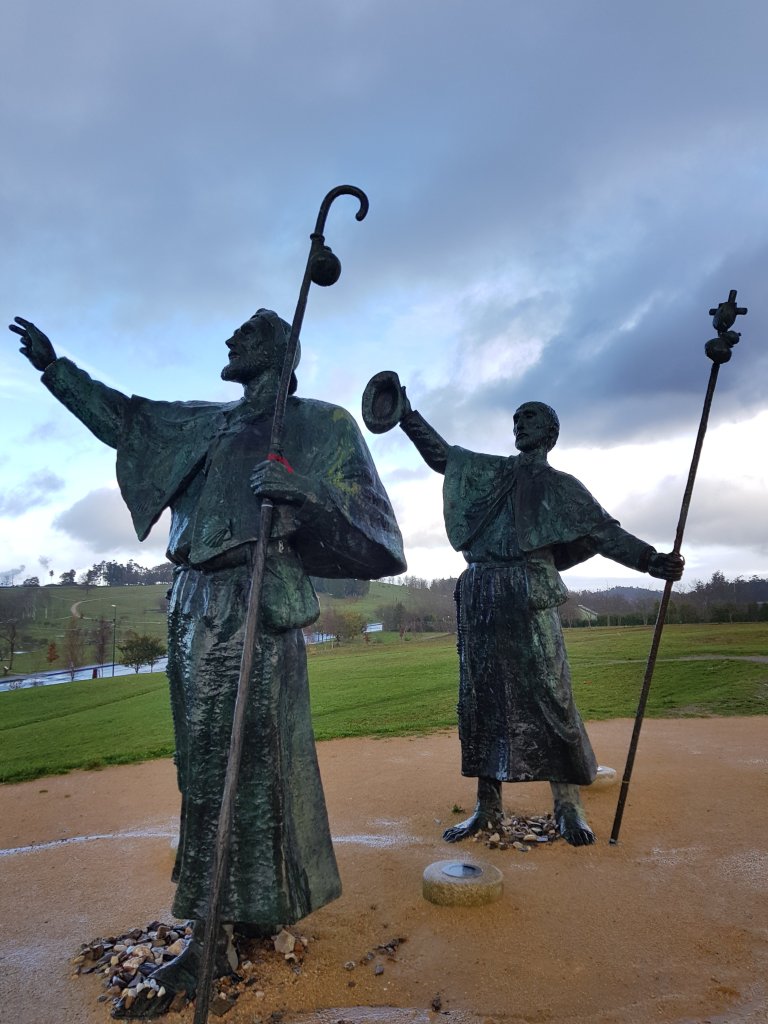
After two months walking Camino del Norte through all sorts of weather and terrain, these are my top tips.

1. Walking poles

Lots of people walk without trekking poles, and it is a personal preference. For me, after so many consistent days of walking, I don’t think I could have finished without them. They take the pressure off your legs, offer you something to lean on when there is no dry seat, allow you to test the depth of mud, catch you when you fall, and make good weapons if you need them!

2. Getting used to bread and ham

Always keep a little bread and some snacks in your backpack. There are many stretches without services, and the walking schedule does not match the spanish eating schedule. Supermarkets close on Sundays and many restaurants are shut on mondays. Restaurants will not serve meals until their meal times (3pm and 8pm). The only thing you will get is a ham sandwich. Get ready to get sick of ham real fast!

3. Energy drink powder

I never used to use energy drinks or add anything to my water before the camino. I decided to buy some on the way and start using some strawberry flavoured powder. I ended up really being able to tell the difference between days I had it, and when I didn’t. It also helps to supplement the lack of access to meals as I mentioned above.

4. Sending your backpack on

Correos, Spain’s postal service, offer a backpack transport service for pilgrims. This runs all year on the french way but only up to the end of October on other routes. I used it for my first three days and final two days. If you can do it, I would recommend doing it for the beginning at least, so you can gradually get used to the trek. Especially, if doing the North route, with lots of mountain climbing at the start! The service is really good, and cheap!
5. Download the Buen Camino app

I used the Buen Camino app every few hours. It was really a great tool. The app has an up to date map, with the official route and alternative paths and shortcuts. Also, up to date information about issues on the route, attractions and accommodation. I cannot recommend it enough.

6. Bring a portable charger

My phone is a little on the old side, but regardless, bringing a portable charger is a really good idea. You are likely to be without a plug outlet for up to 10 hours at a time on some days, whilst draining your phone with music, photos and apps. This helped me out a bunch of times.

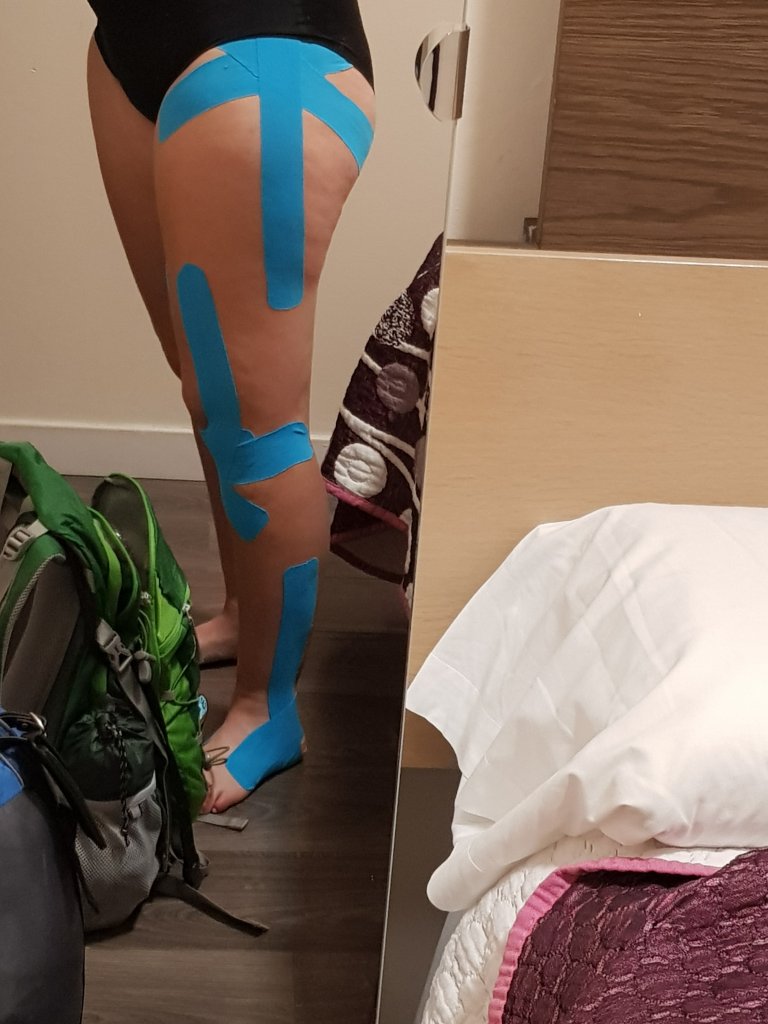
7. K-Tape

I used K-tape on my sore muscles for the first few weeks. It really helped me to feel better, and prevent hiker’s knee. There are plenty of YouTube videos on how to apply it.

8. Paper tourist map

When in a city or large town for more than a day, it can be a good idea to get a paper map from the tourist office. This is a prevention method like the portable charger. When all your devices fail you after a long day out sightseeing, you will still be able to find your way back to your bed. Plus they are fun!
9. Plastic bags and newspaper

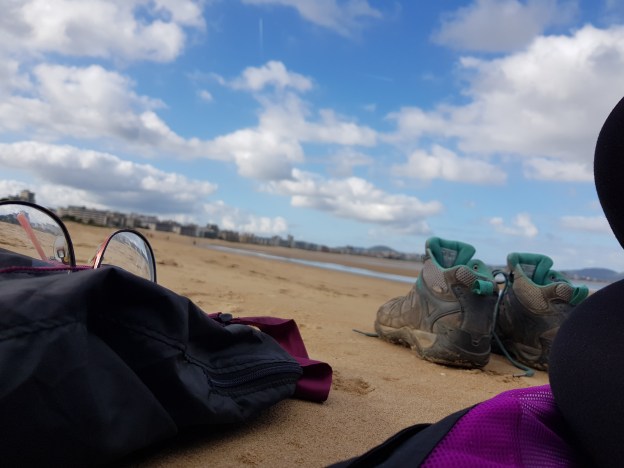
If you are walking during a wet time of the year, although you can still expect rain at some point, have plastic bags and newspaper handy. I have now learnt that there is no such thing as a waterproof shoe. No shoe can stand up against the rain of the autumn/winter camino. Putting plastic bags around your feet is a temporary prevention that helps. To dry your shoes overnight, stuff them with newspaper balls, this sucks out the water.

10. Have small change

Spain has not yet become a cashless society. Do not kid yourself that you will be able to wonder around with only ‘contactless’. Many shops, cafes and albergues will not accept card payments, and will be moody if you give them big notes. Many of the washing machines and dryers are also coin operated, so you will need to keep some coins handy if you want to wash your two outfits!

11. Check your check in times and leave early in the morning

Many accommodation providers have random check in and check out times, and if you turn up late they will not let you in! There is also likely to be situations where you have to phone the reception from a locked door outside, as many do not man the receptions full time. Additionally, I would recommend leaving early in the morning. You never know how long a walk is really going to take, and you want to maximise daylight hours, and rest time in the evening.

12. Take lots of short breaks and dont sit for long

I tried to sit for about five minutes roughly every two hours and up to 30 minutes for lunch half way through. If you sit too often or for too long, it will just keep getting harder to get up and going again!

13. Don’t think too far ahead

Don’t think about how far away it is to Santiago, or even the town you are trying to get to at the end of each day. It is too overwhelming, and frankly discouraging. It is better to think of lots of short distances whilst walking, for example the next town or landmark. Then when you have done that, you look at how far to the next one. It makes each one, a little win.

14. Accept that there is a good chance that you will need to take public transport sometimes.

You may well do the camino entirely walking, but don’t beat yourself up if one day you just have to take the bus. There will be days when you just have nothing in the tank, or the weather is too dangerous to walk, or you might have an injury.

15. Don’t forget to stretch and take your ibuprofen!

Pretty self explanatory, but I forgot to stretch often, and it makes a difference. I also really needed ibuprofen by the end!

Buen camino!

Camino de Santiago: Portugalete to Santander

In my second week of walking, I have done some of the largest distances so far and had some more rest days. The journey has had more flat terrain than the first week, and lots of walking on roads. It has been closer to the sea though, and very beautiful.

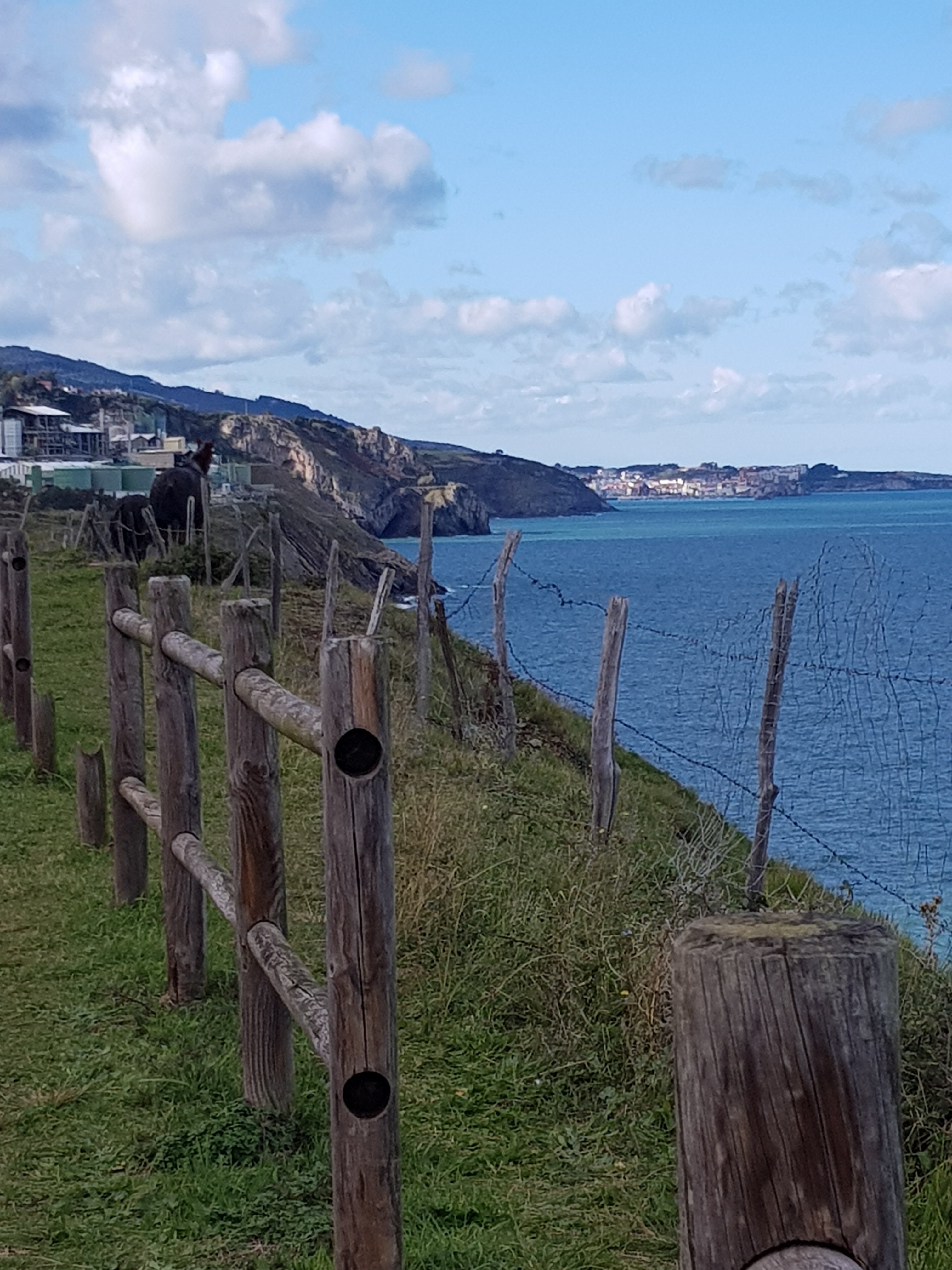
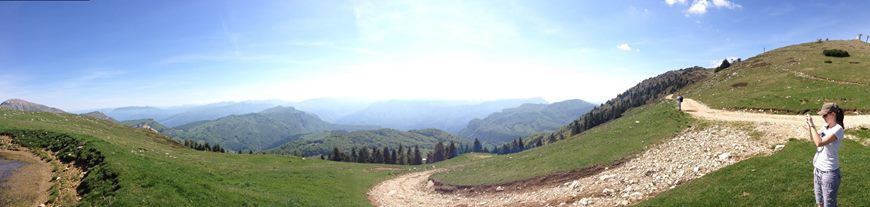
Starting in Portugalete, which is just on the outskirts of Bilbao, I walked along highways and resurfaced walkways along the coastline. There was an option to add an extra 14km to the journey by going into the mountain. I decided against that, as I was still recovering from the previous week’s mountains, and the road had great views. There was pedestrian access on the roads (lines painted on the floor) but I did have to take care, and it is not an option I would have been happy with if it had been a darker day.

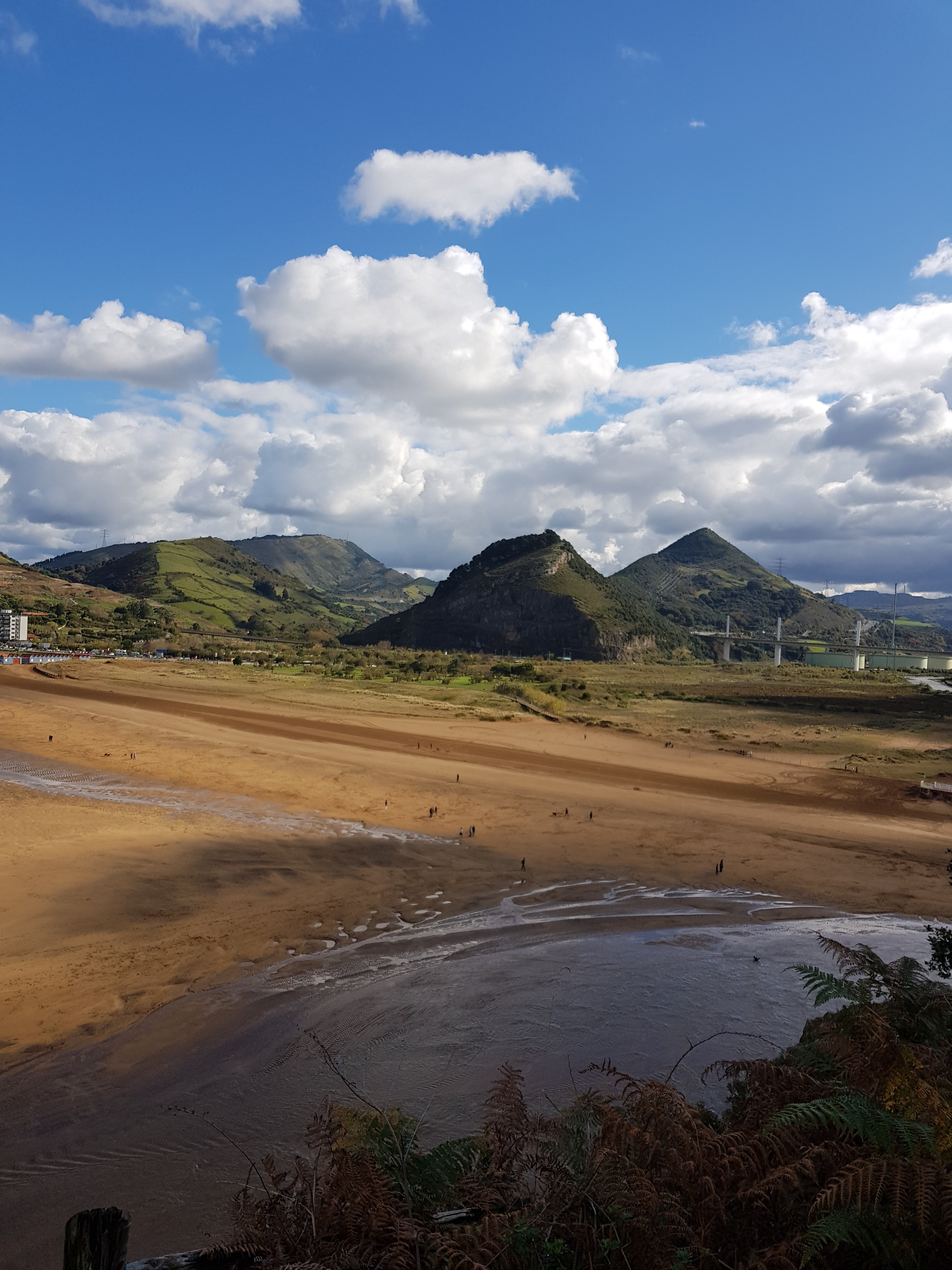
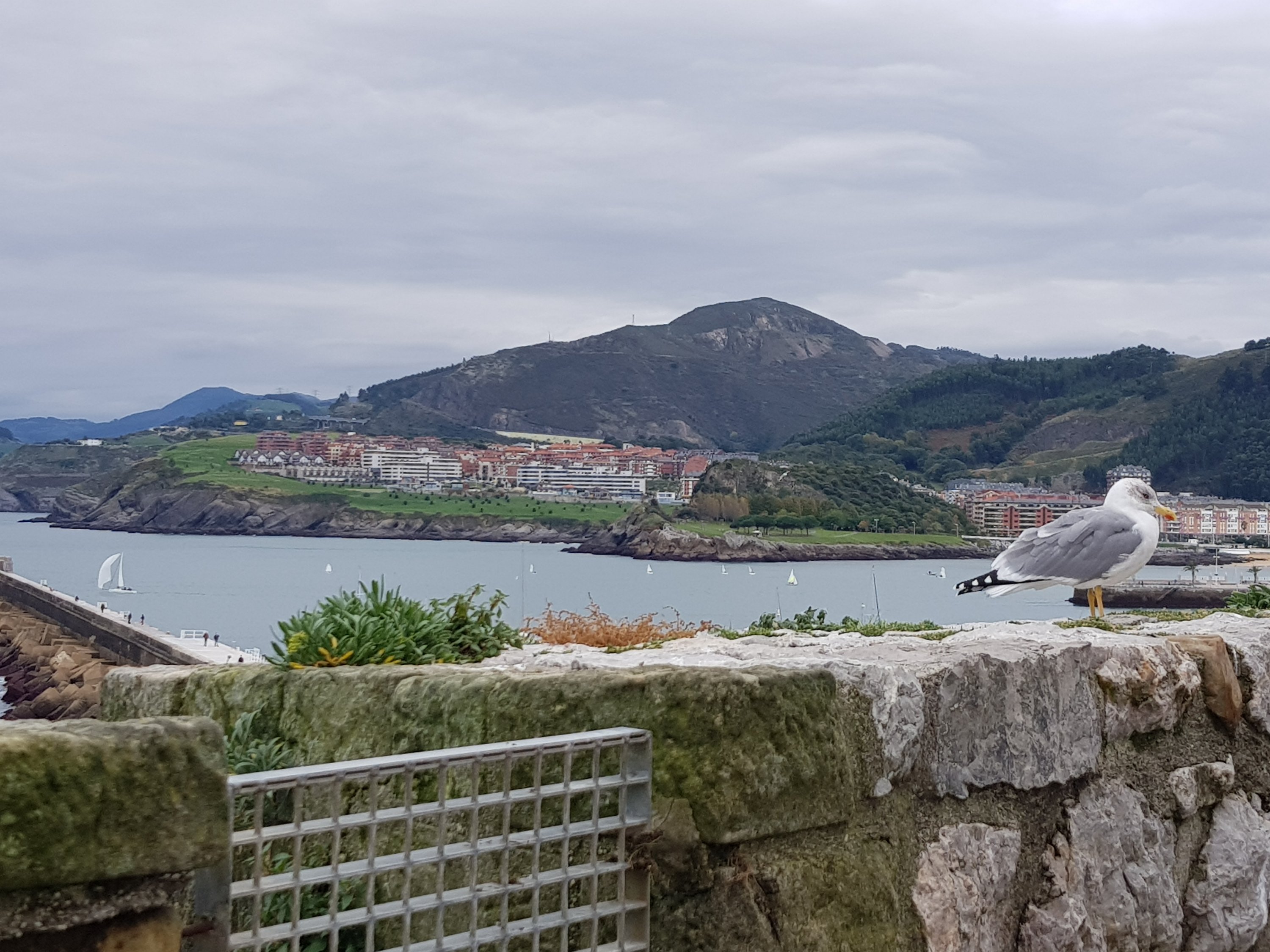
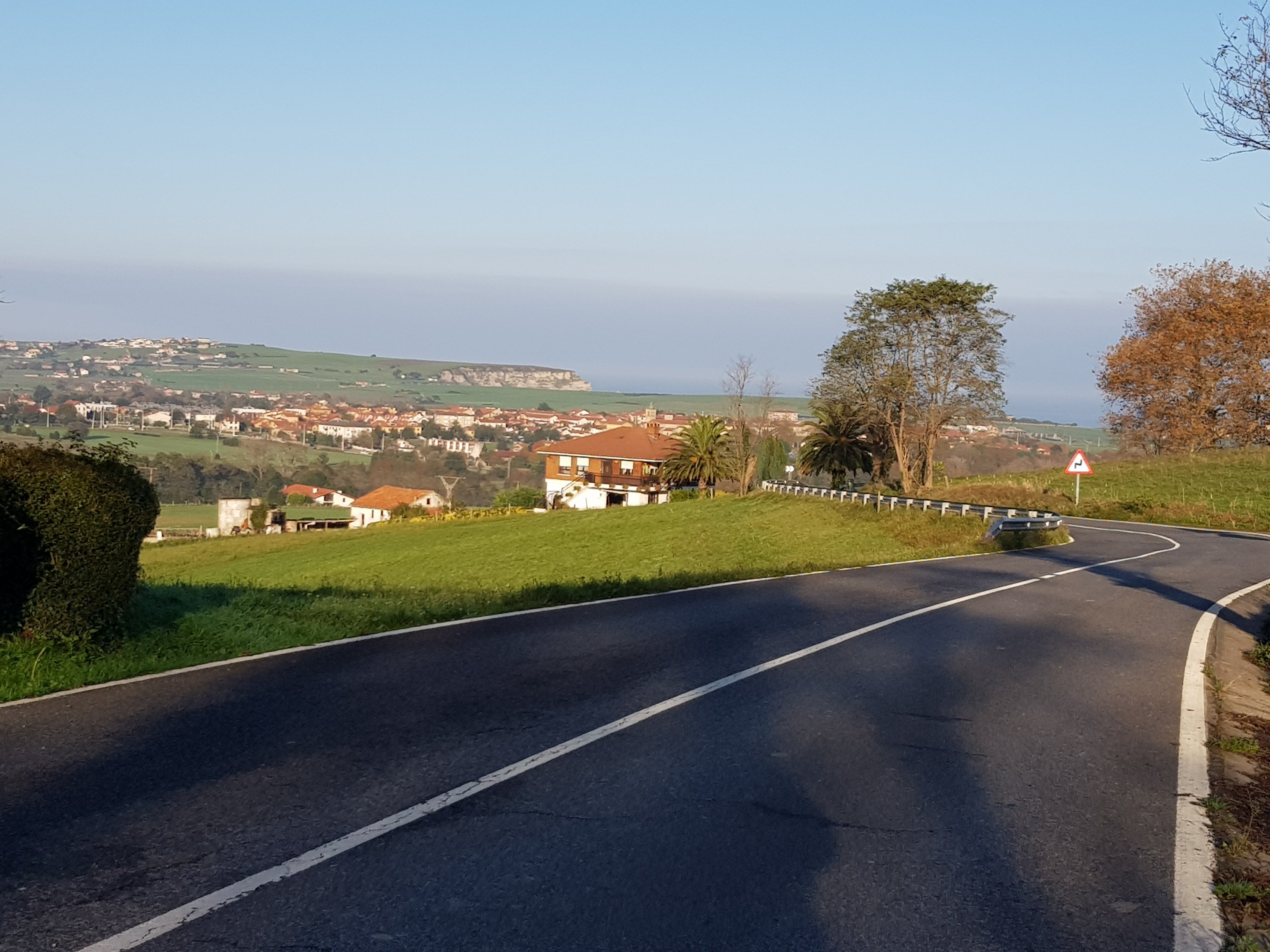
Whilst walking the route, I left the Basque Country behind, and entered Cantabria. I kept looking behind me at the scenery, and thinking, I cannot believe I walked all this way so far!

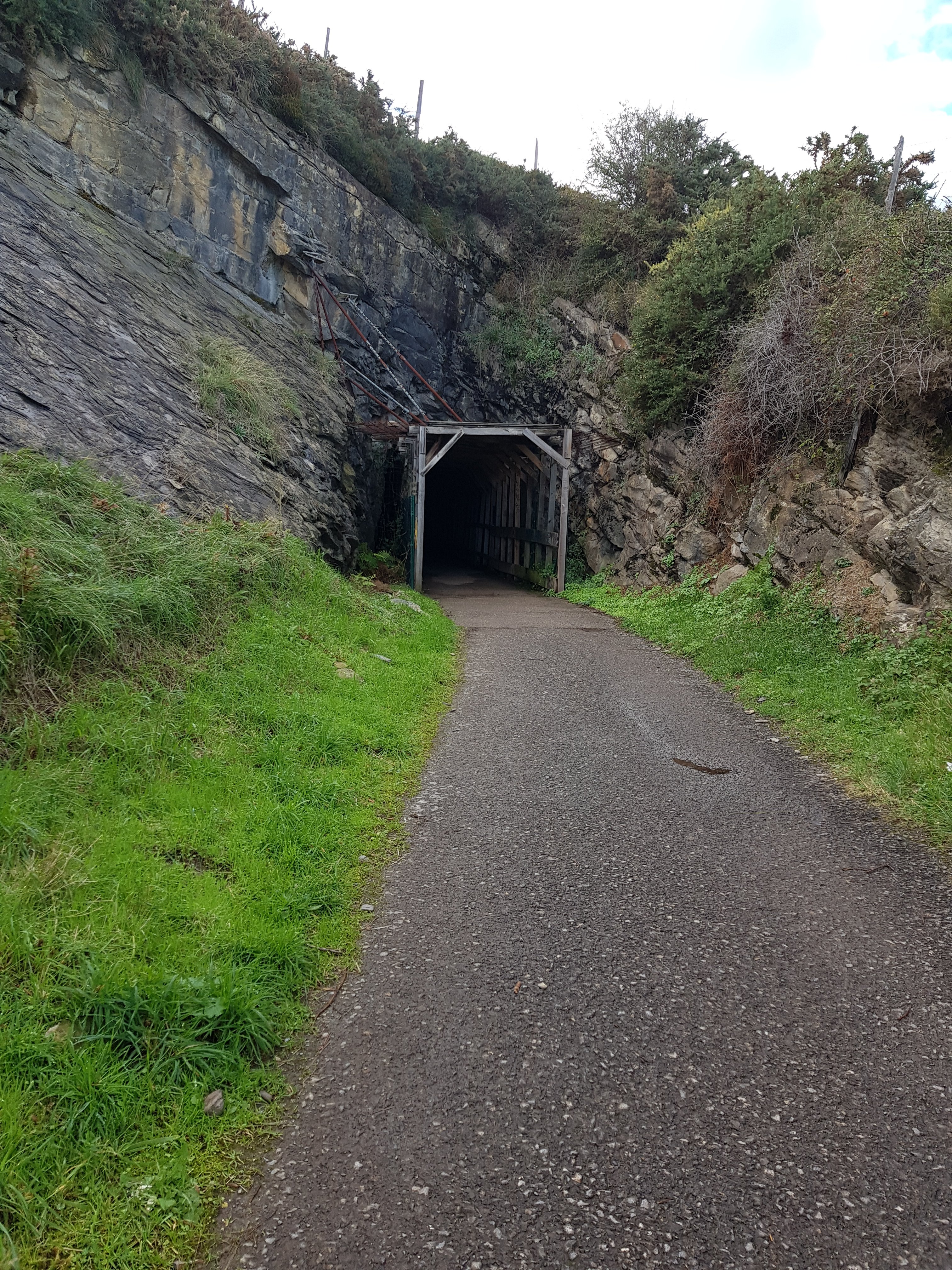
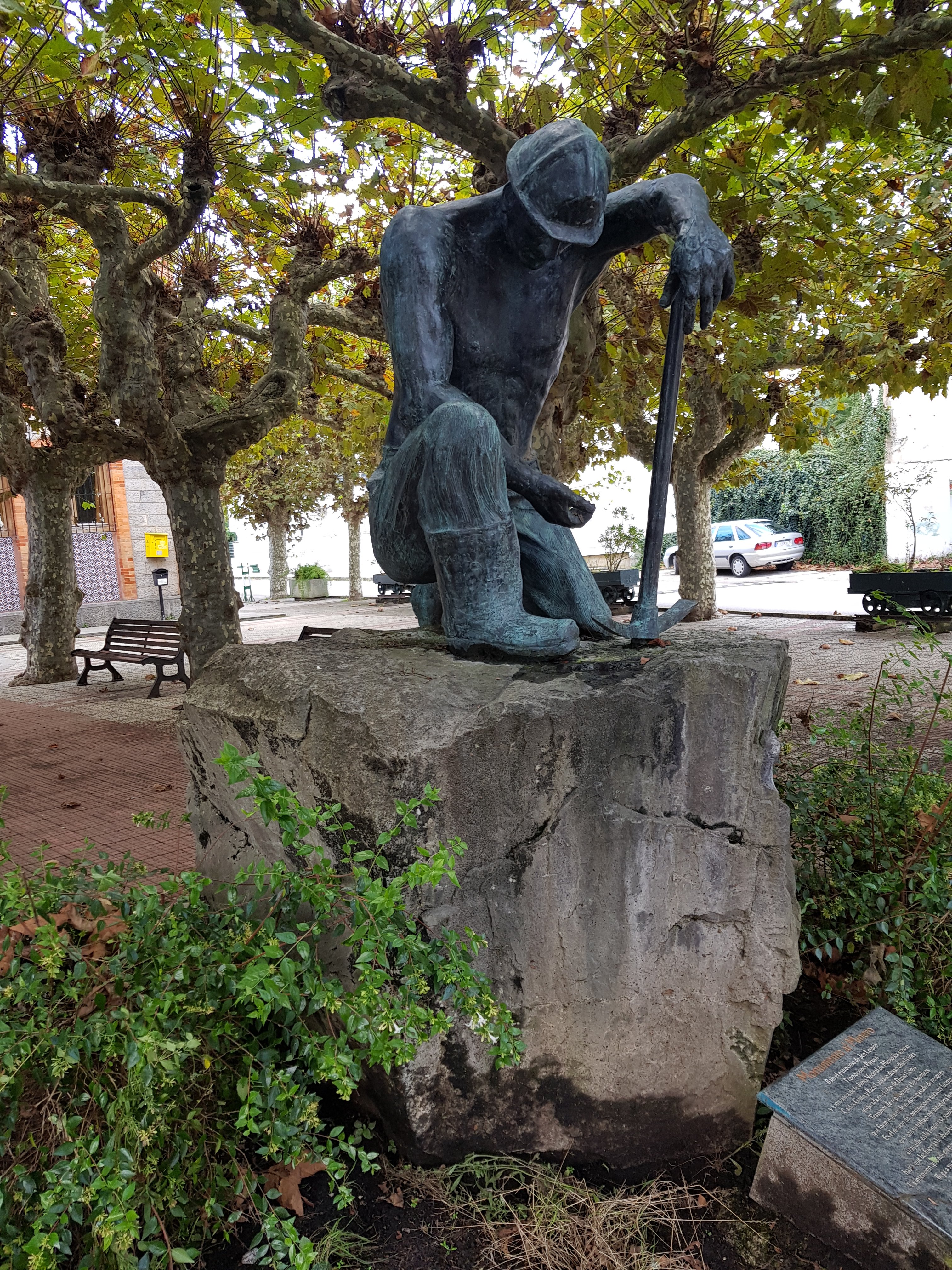
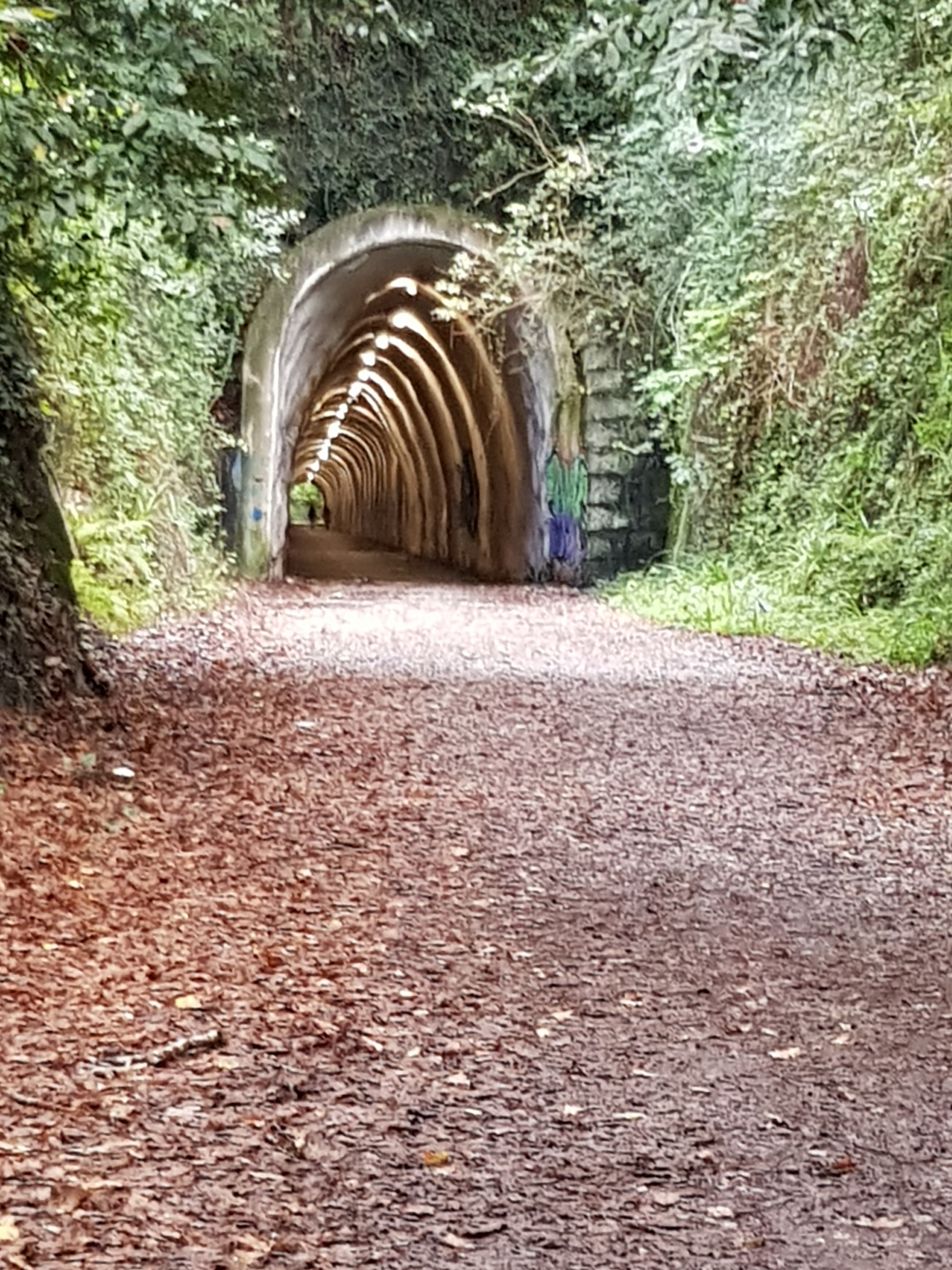
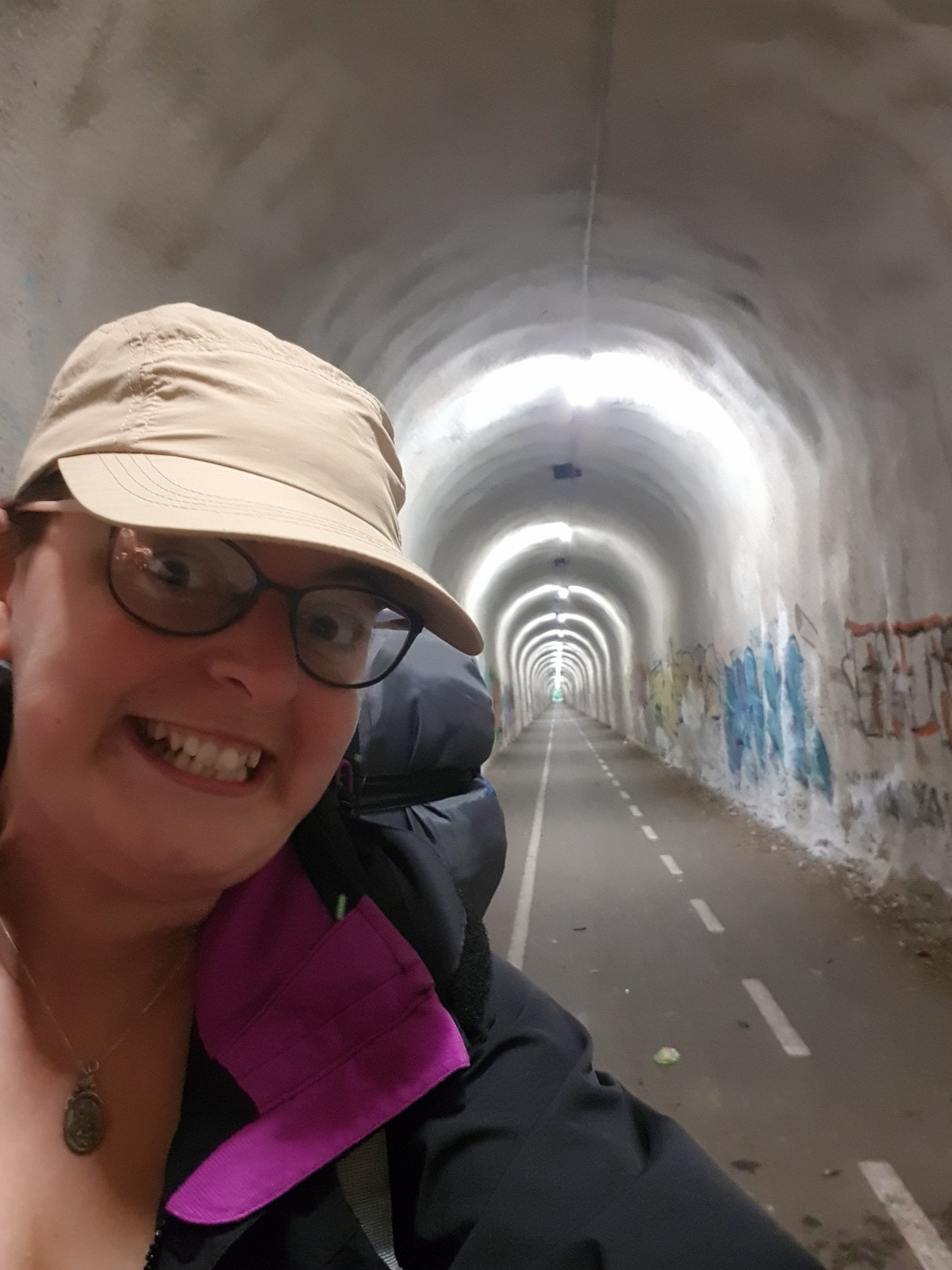
On approach to Castro Urdiales, I went through an old mining area. This offered the very cool experience of being able to walk the old mining track, and go through the tunnels! This cut off loads of extra walking, that google maps would have tried to make me do, as it goes through the mountain rather than over or round. Buen Camino app is awesome!

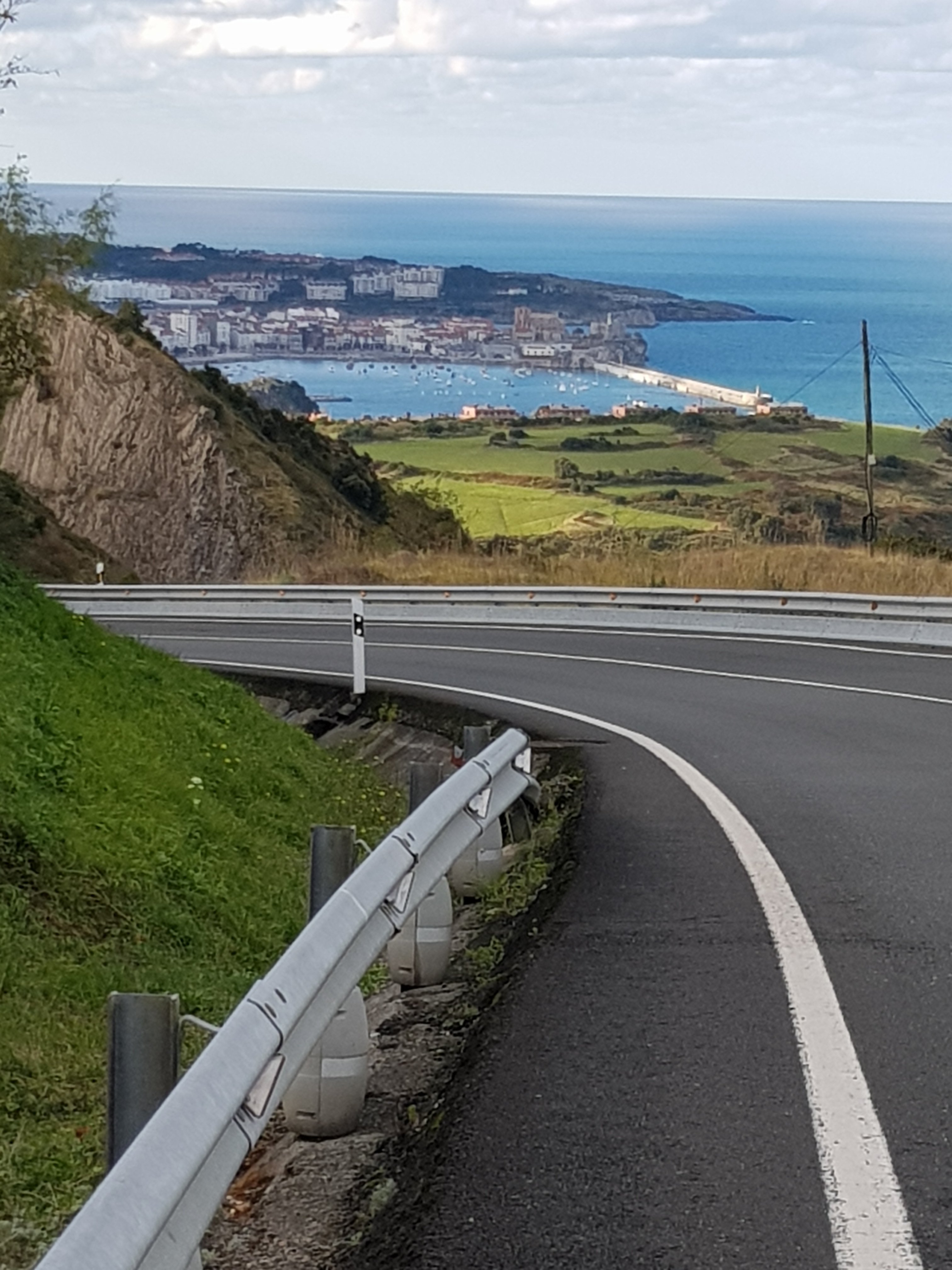
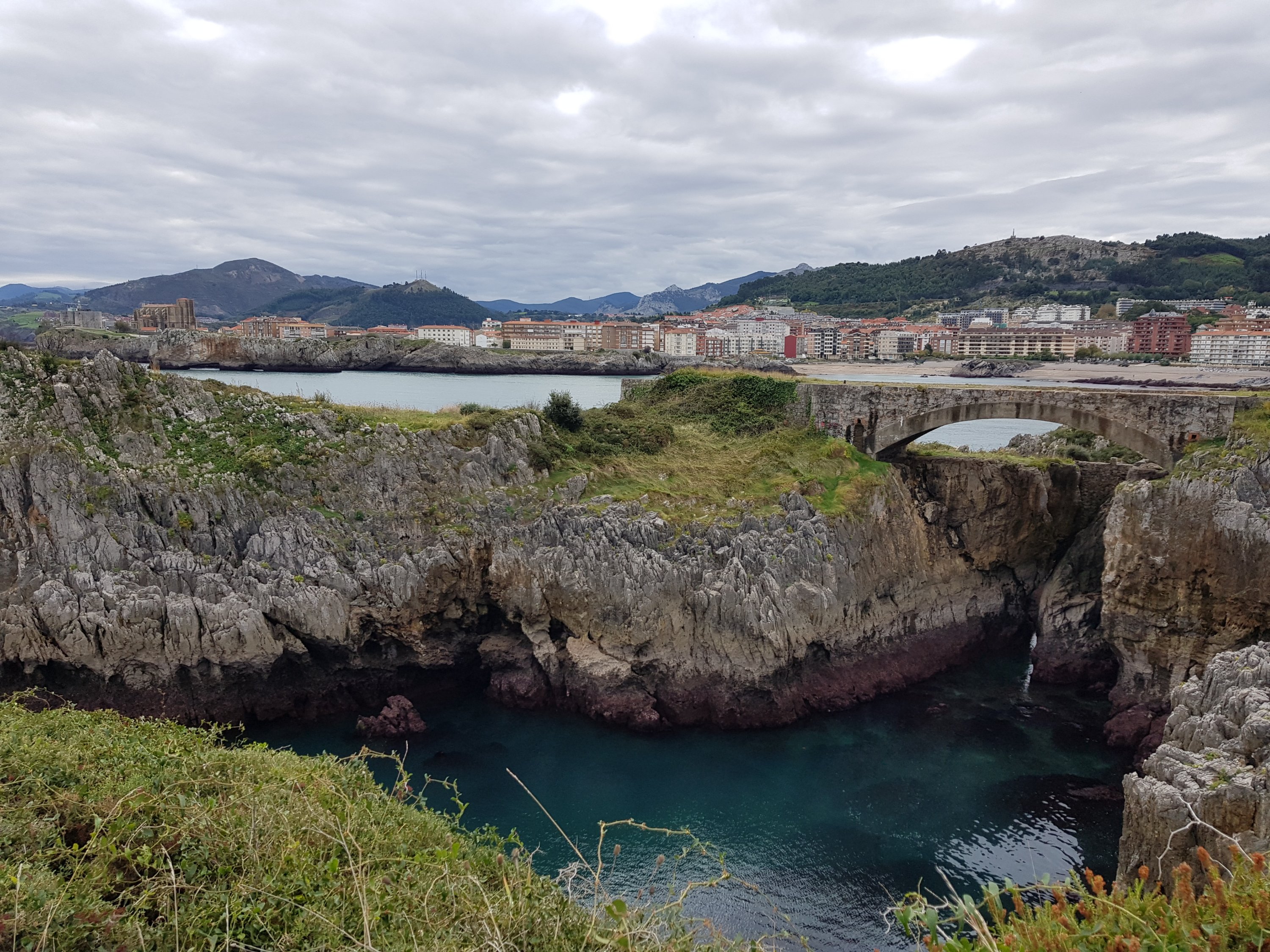
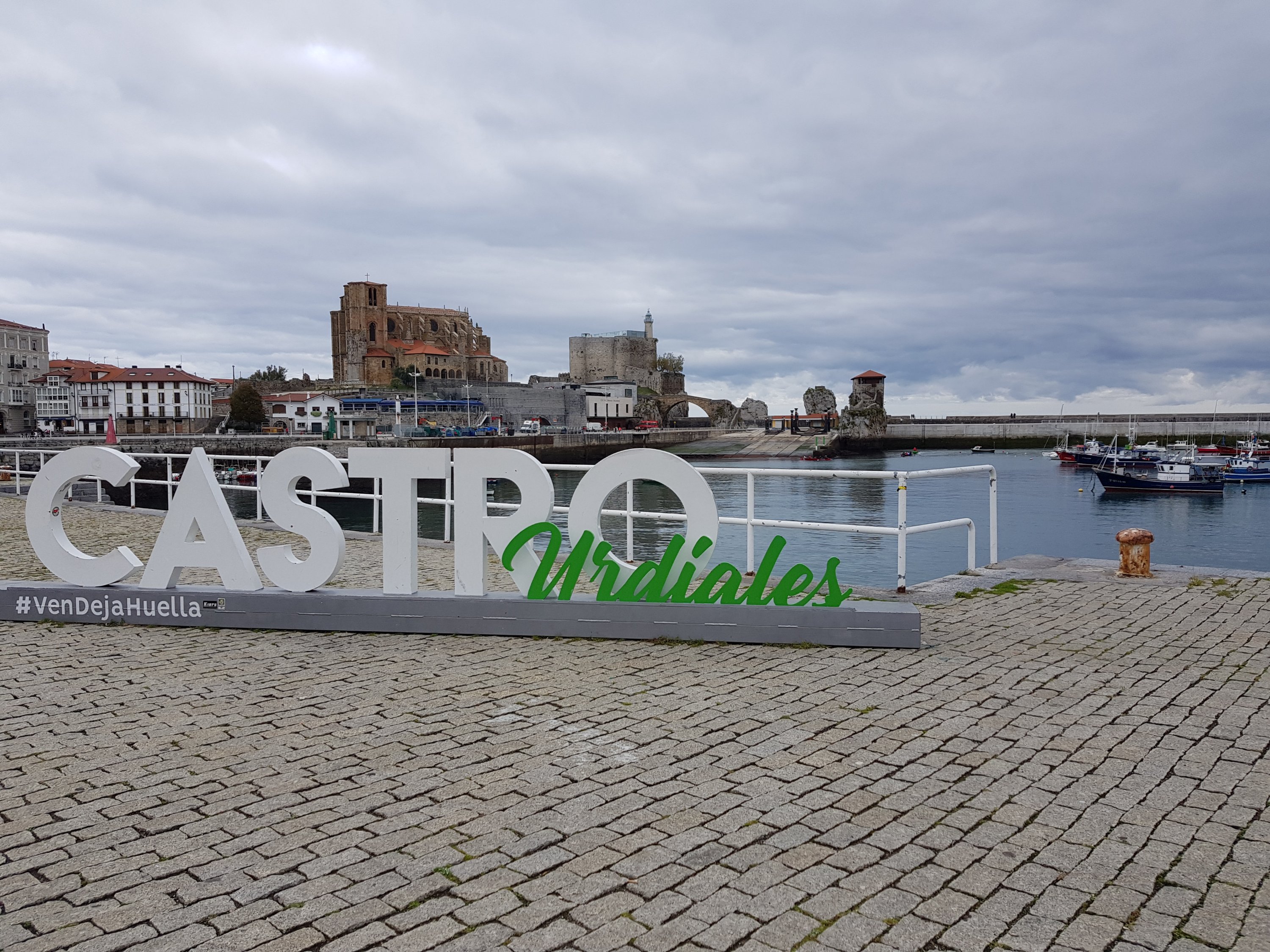
On the other side of a five minute tunnel was Castro Urdiales. It was beautiful! Apparently, this is where the wealthy people that live in Bilbao, come at the weekends. I can see why!

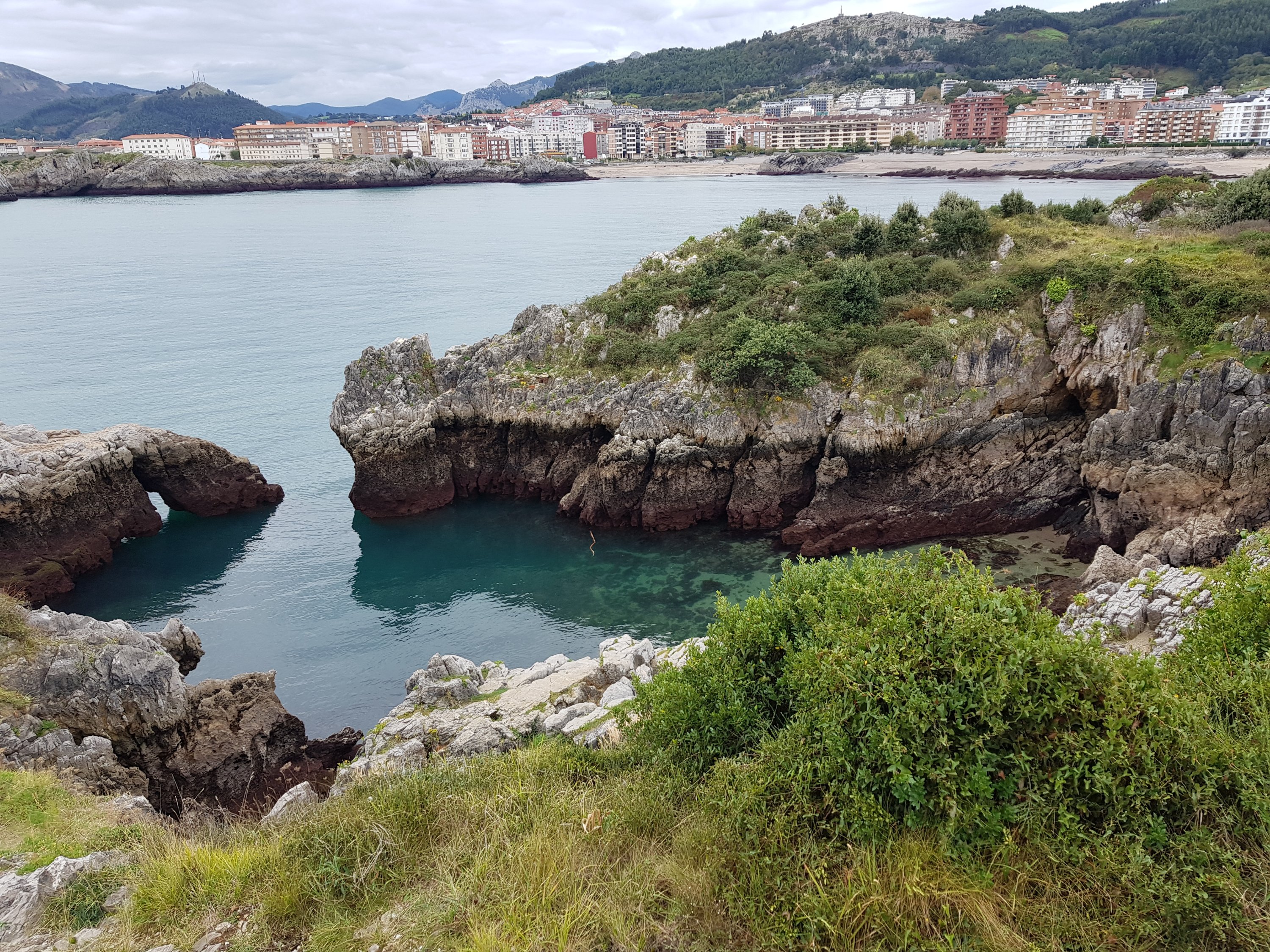
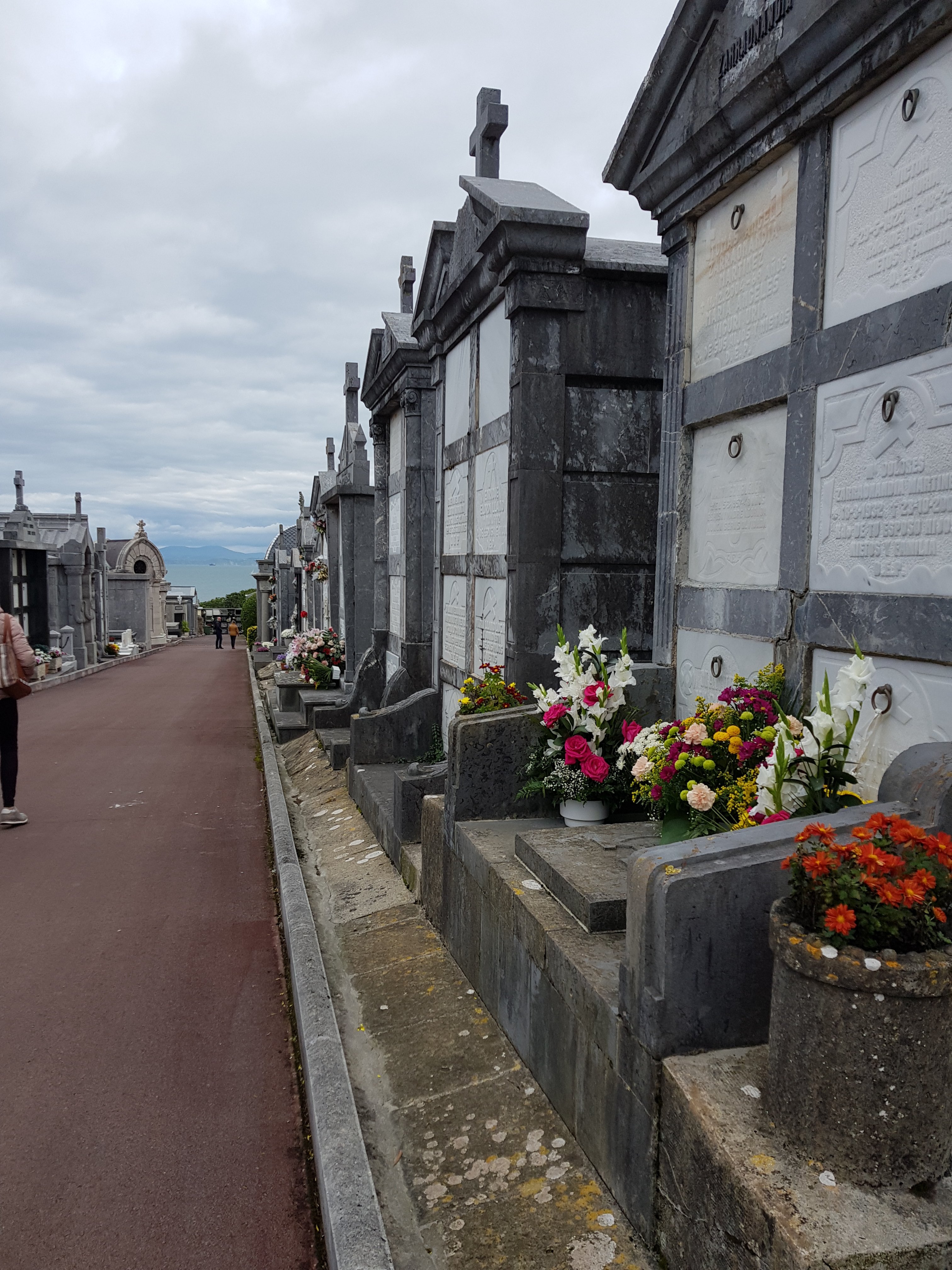
Cantabria’s first official coastal town, Castro Urdiales has a gorgeous harbour area, two beaches, an impressive church, castle, many lookout points, a spectacular cemetery and a natural swimming pool! I wanted to take a dip, but I was too scared of getting in and slipping over or not being able to get out without a travel buddy. Plus it was about 11’c, and I have no swimming costume…

After leaving Castro Urdiales, I walked for about seven hours to Laredo. The walk had a lot of lovely views of the sea, but was mostly road walking. I met a lovely belgium man that was also walking along my way, so we trekked most of the way together, and split the jug of sangria at the end!

Whilst I was in Laredo, I stayed at the convent of Trinitarian nuns. Whilst it was a very cold stay with no radiators and little hot water, my room was very cute, and I had a lovely view over the town. I also had the room to myself, and was invited to join the mass. The nuns played guitar and sang beautifully during the service! The only thing that was disappointing, was that I didn’t get much one to one time with the nuns. I wanted to ask them about it all, as I have often wondered if I would like to be a nun… 🙂 perhaps I could do interpretive dancing in the band?

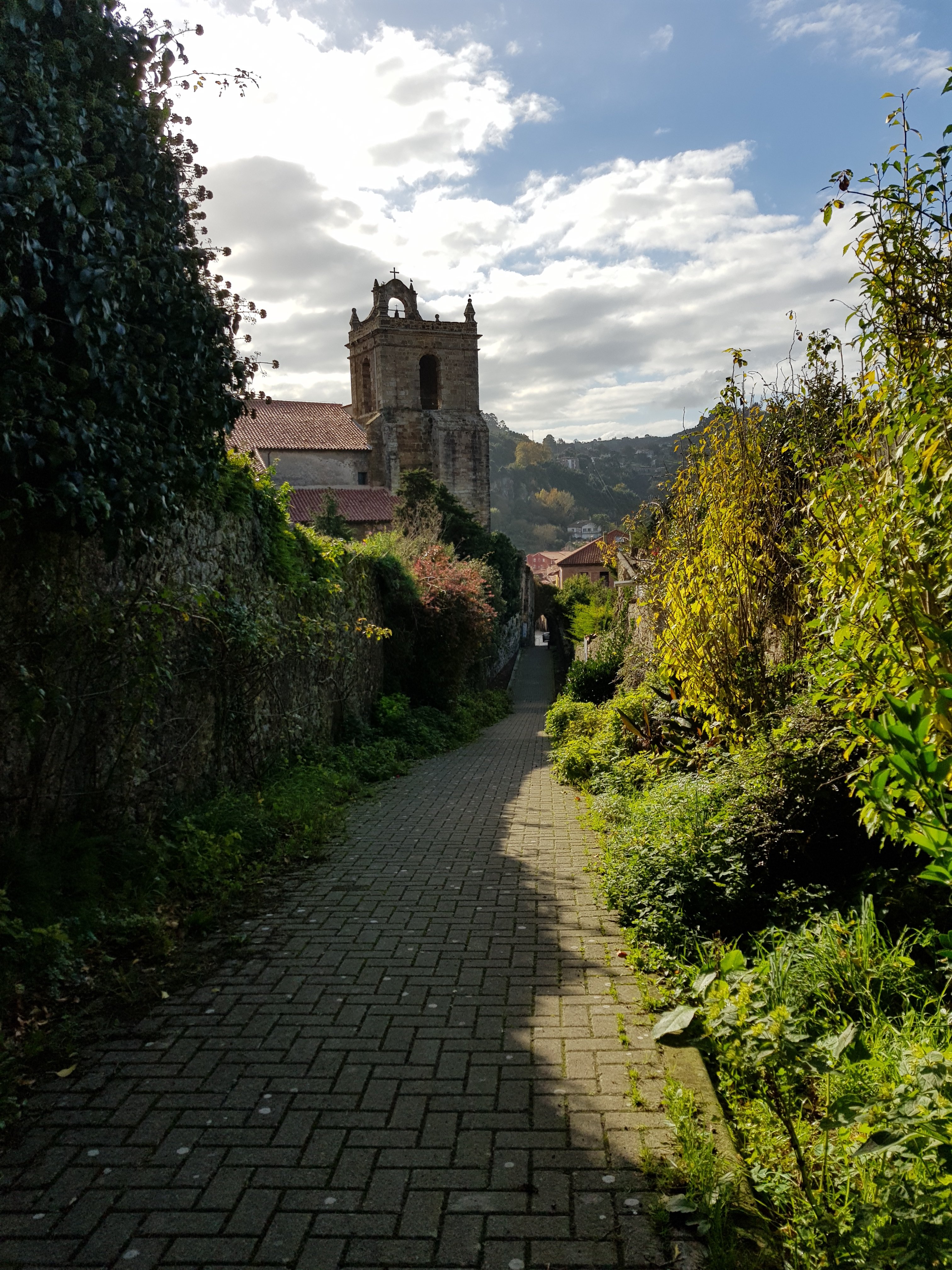
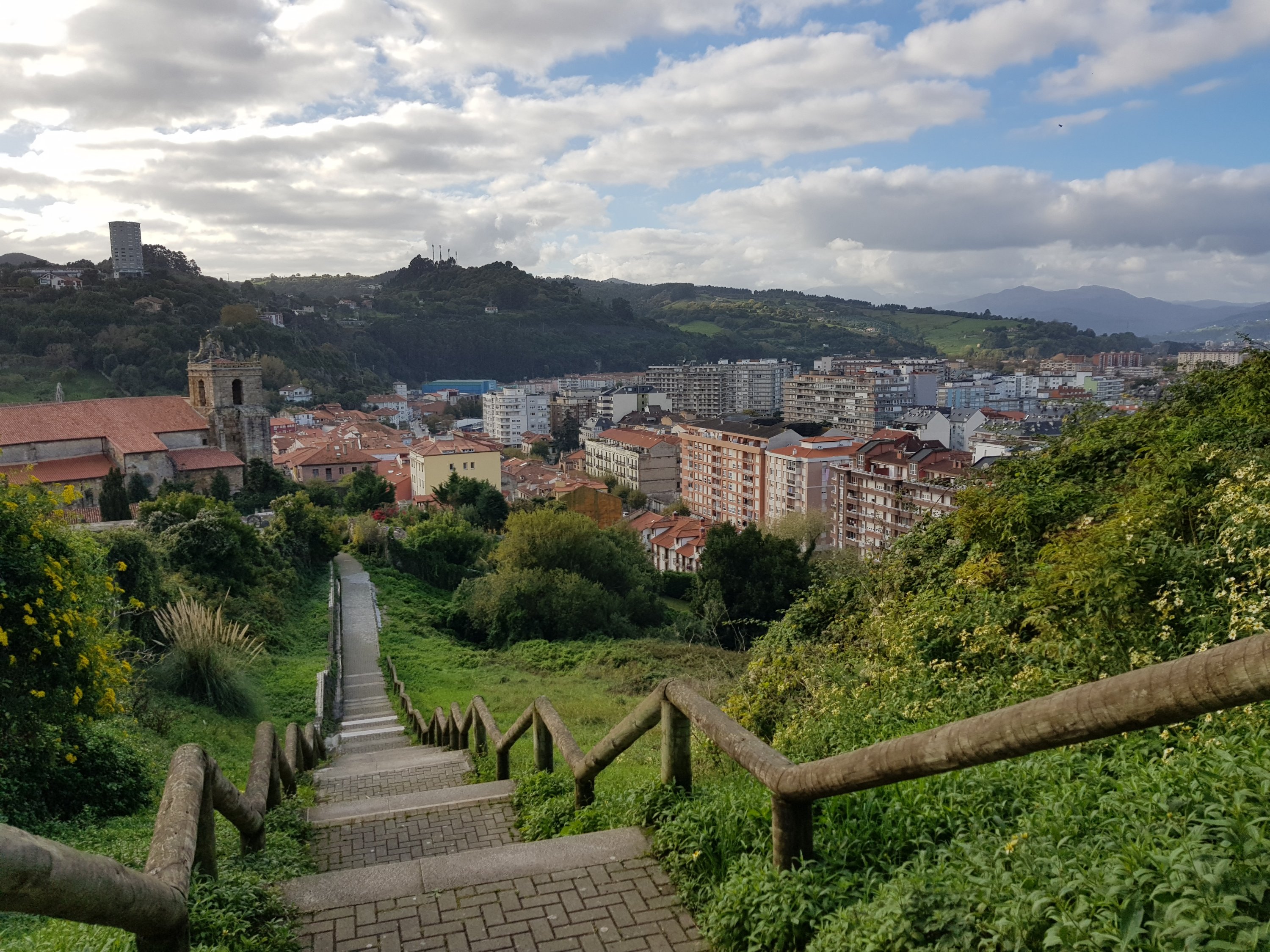
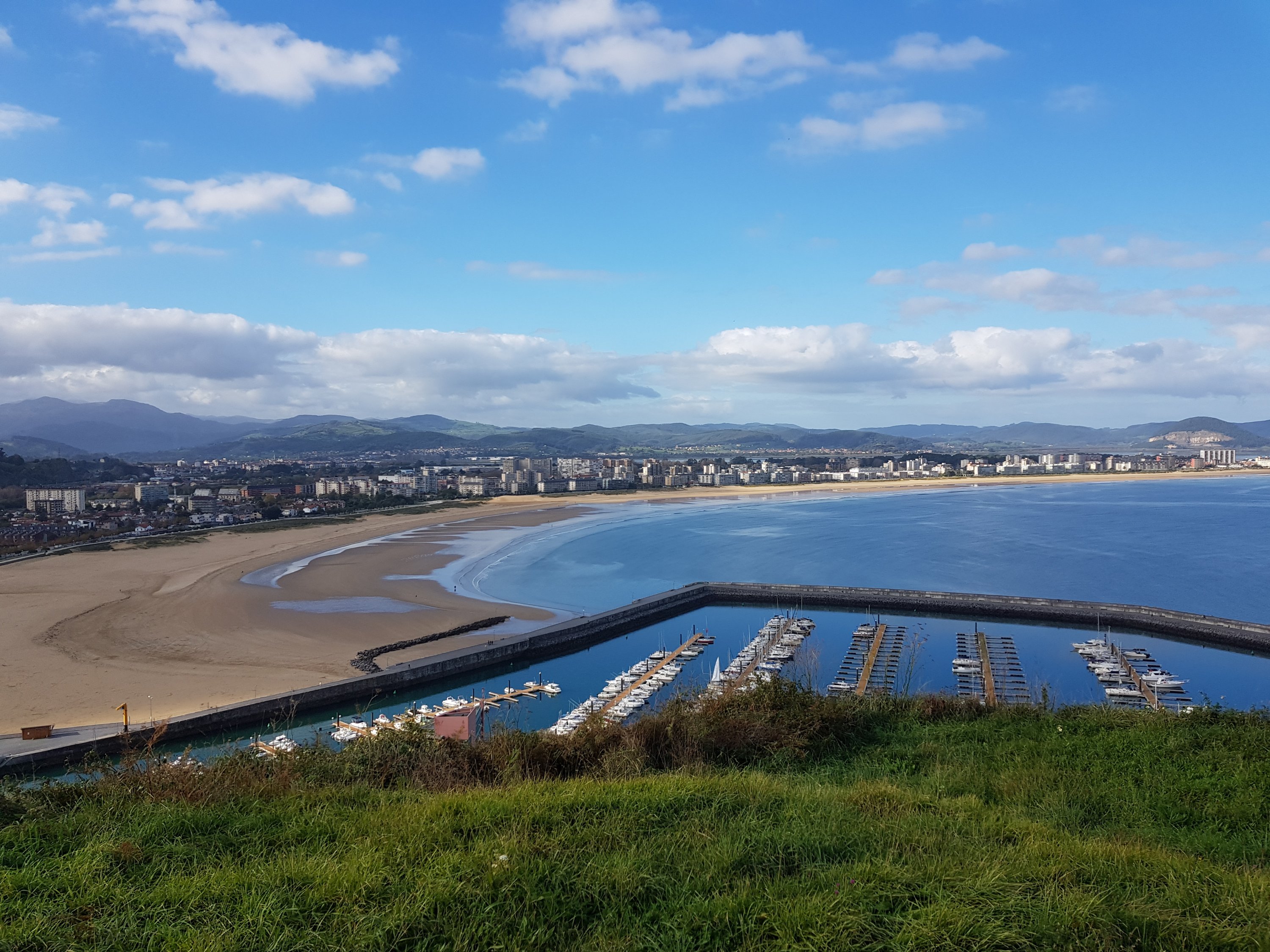
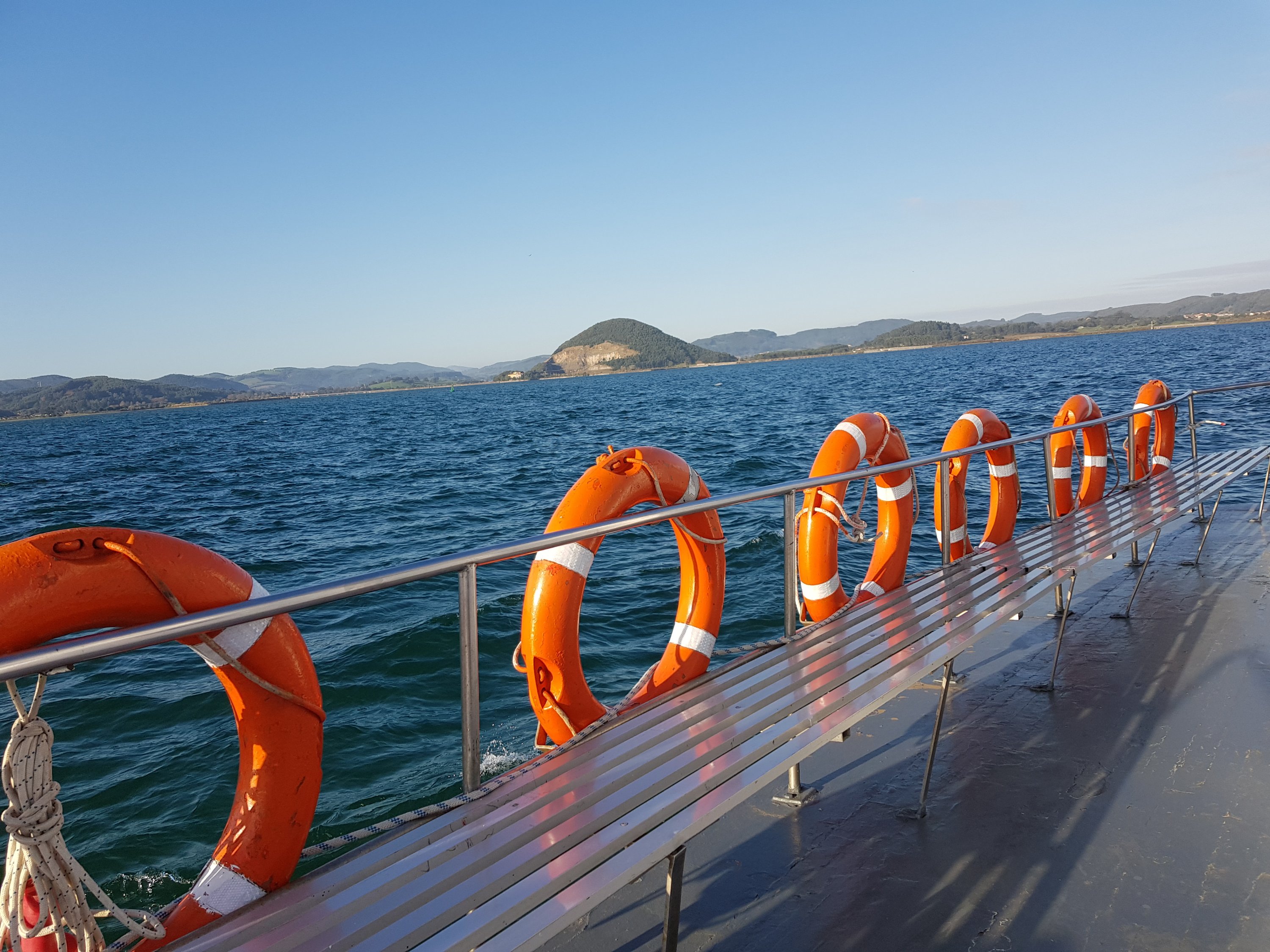
Laredo is another gorgeous town, and very big. It takes an hour to walk from one end of the beach, to the other! The old town where the convent is, is picturesque, and I even hiked over it to a viewpoint. (I couldn’t stop hiking!) There is also a harbour here and you can take boat excursions, and I took the water taxi across the bay to Santona to keep walking!

The next day, the walk from Laredo was pretty gruelling. After a five minute boat ride, it was 30km of hard road. There were many villages to move through, and lots of rolling hills with farms.

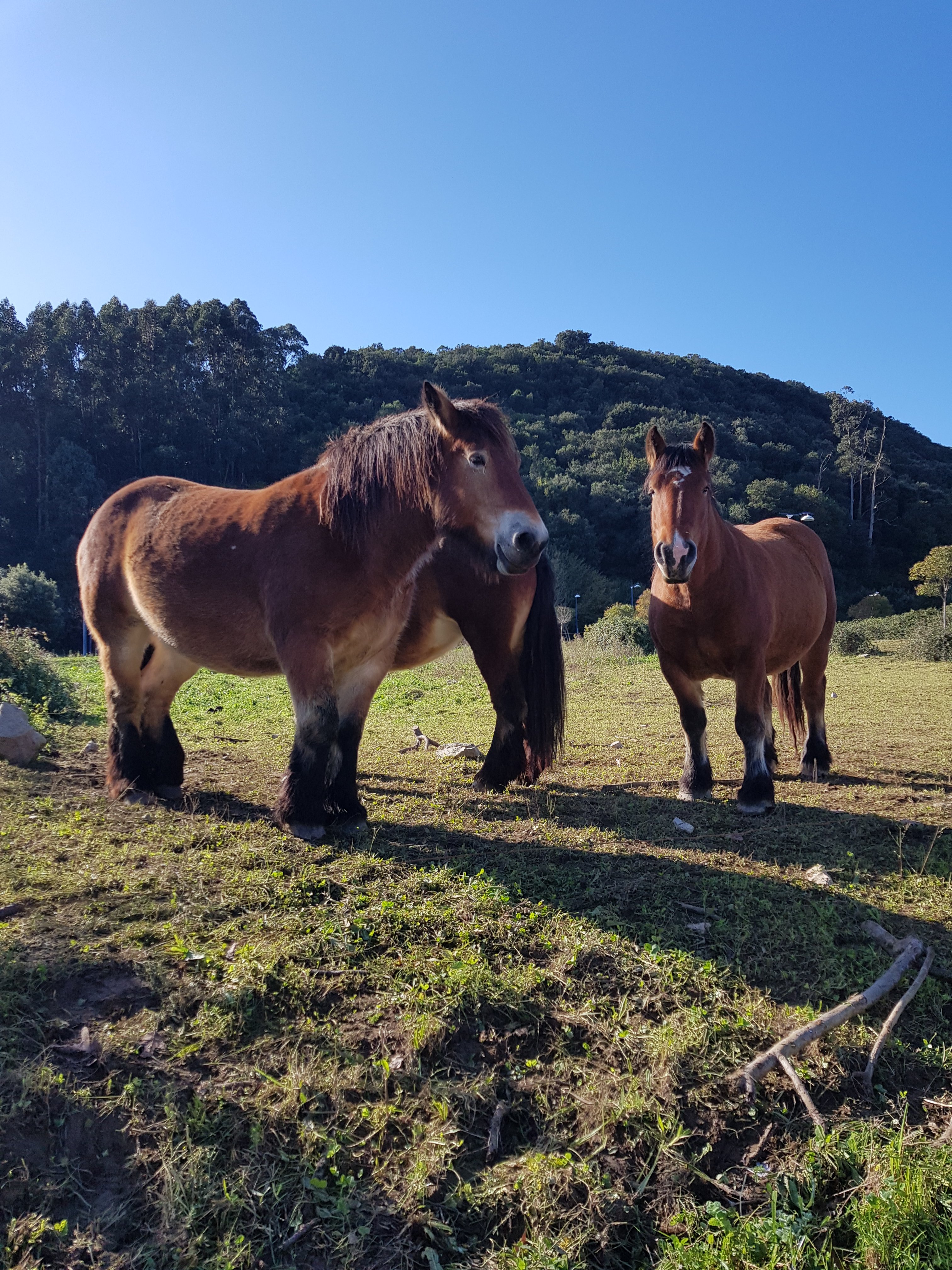
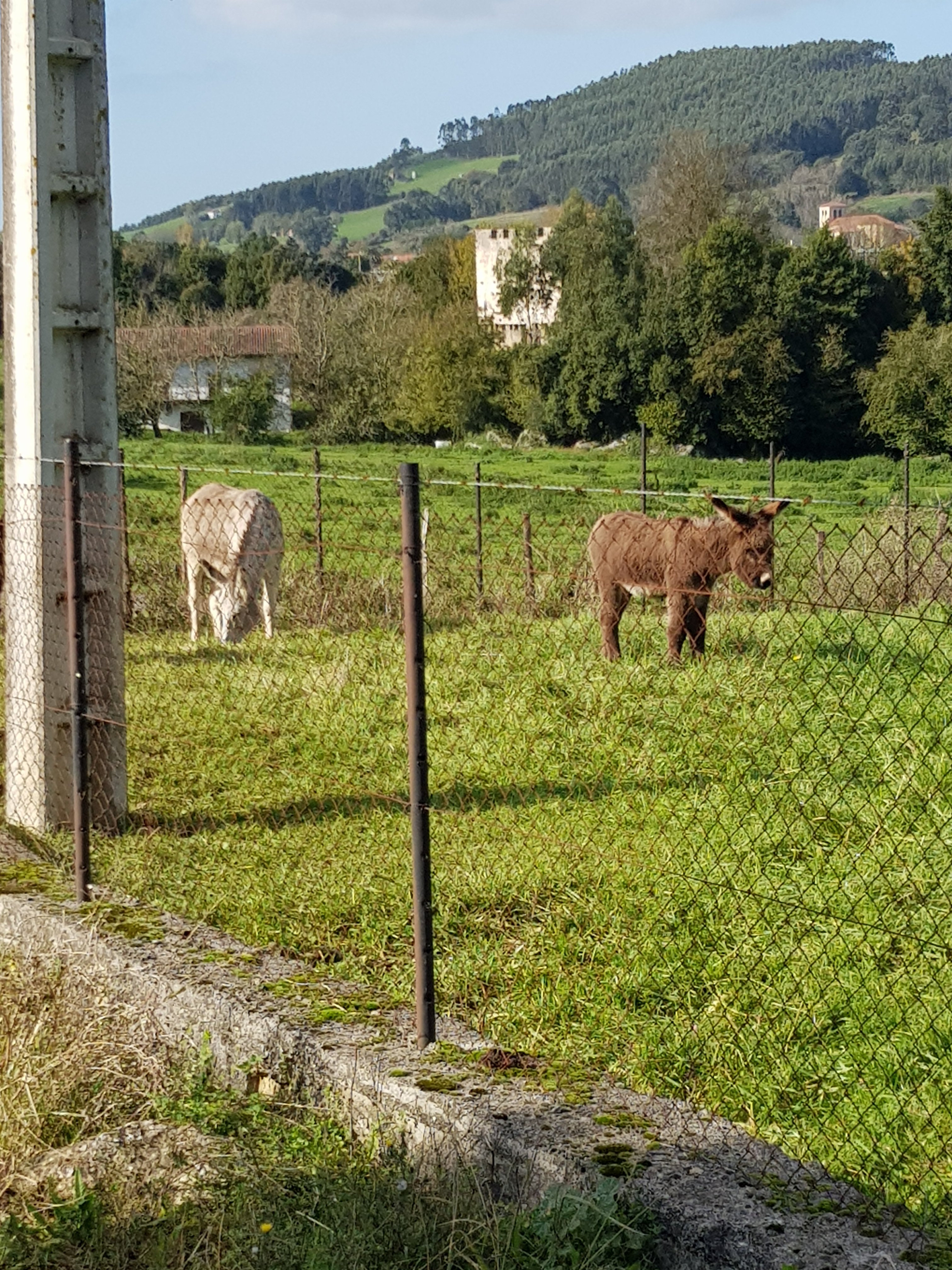
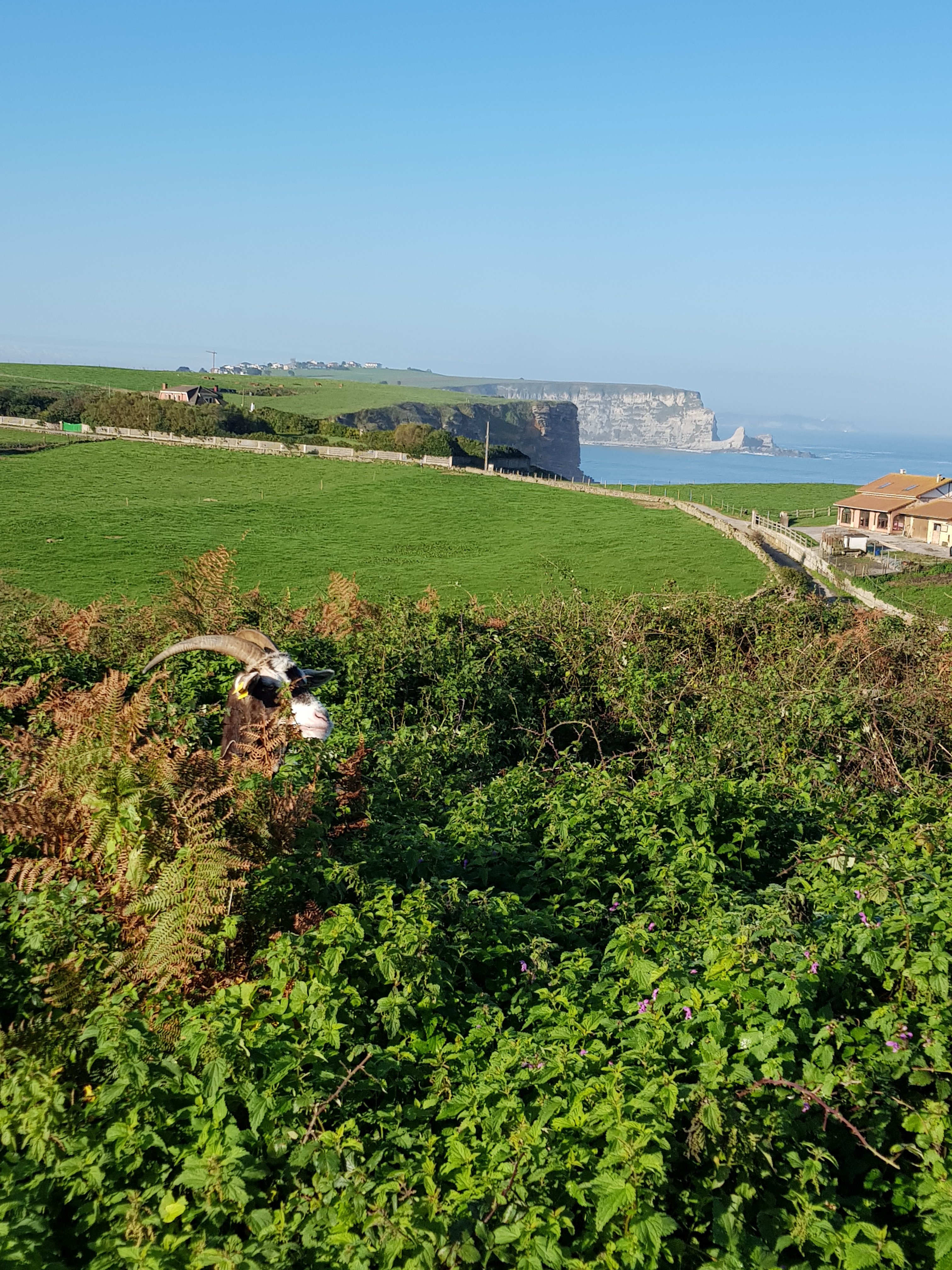
It was all about me and the animals that day. I saw baby donkeys, goats, horses, cows, chickens, a group of kittens, a very angry little dog, and best of all, a Spanish Imperial Eagle! It started following me for a bit. It was the second bird of prey that has circled above me on this journey. I am starting to think that I might be the prey….

In the final hour of the day, my good knee started hurting, and I had to hobble to my pension in Guemas. A very pretty but small village.

The journey has certainly been taking its toll on my joints, and I am trying to be more clever about my walks and preparation. I have problems with my right leg so have fully strapped up this week. The K tape is really helpful at keeping me balanced.

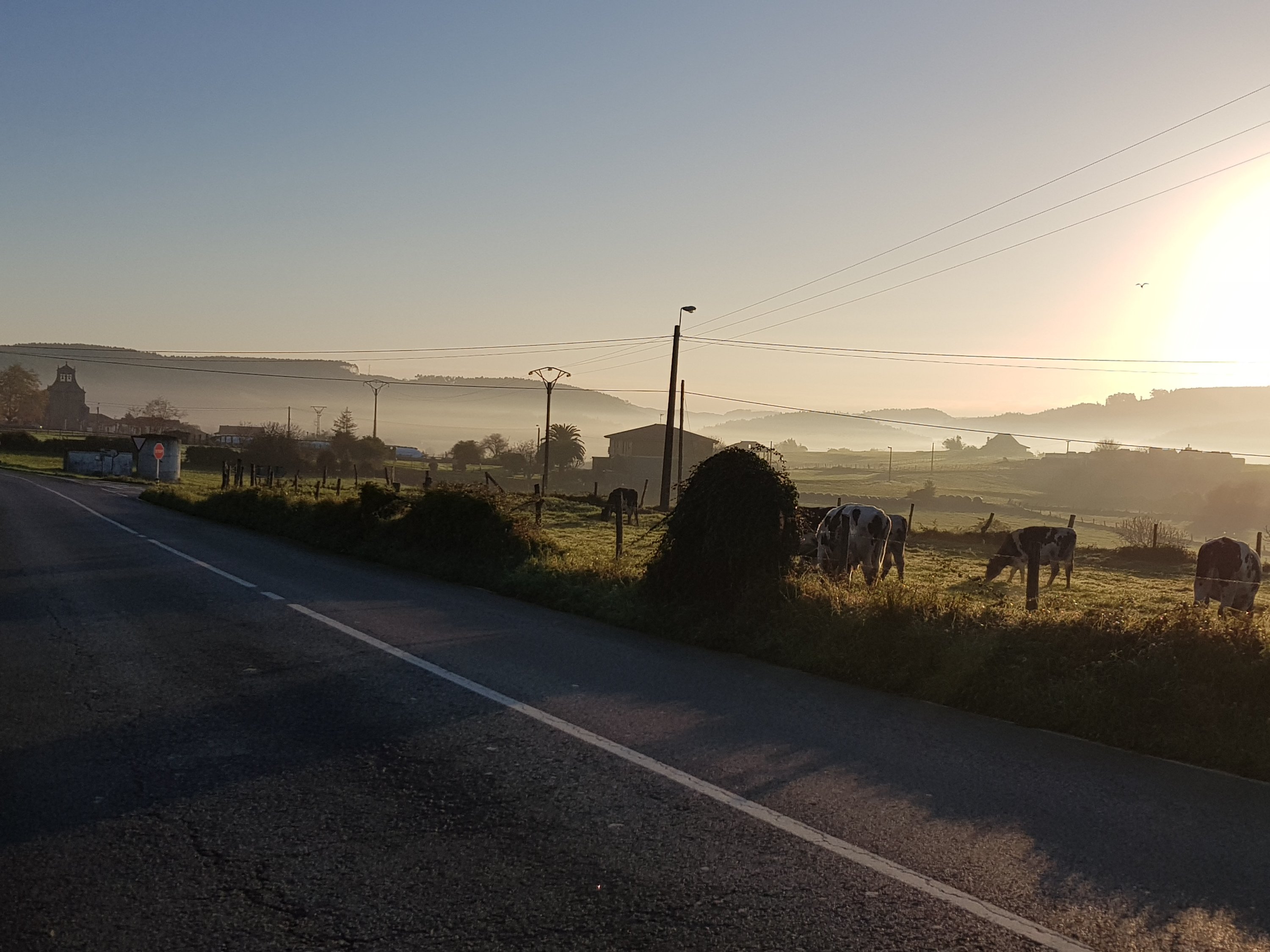
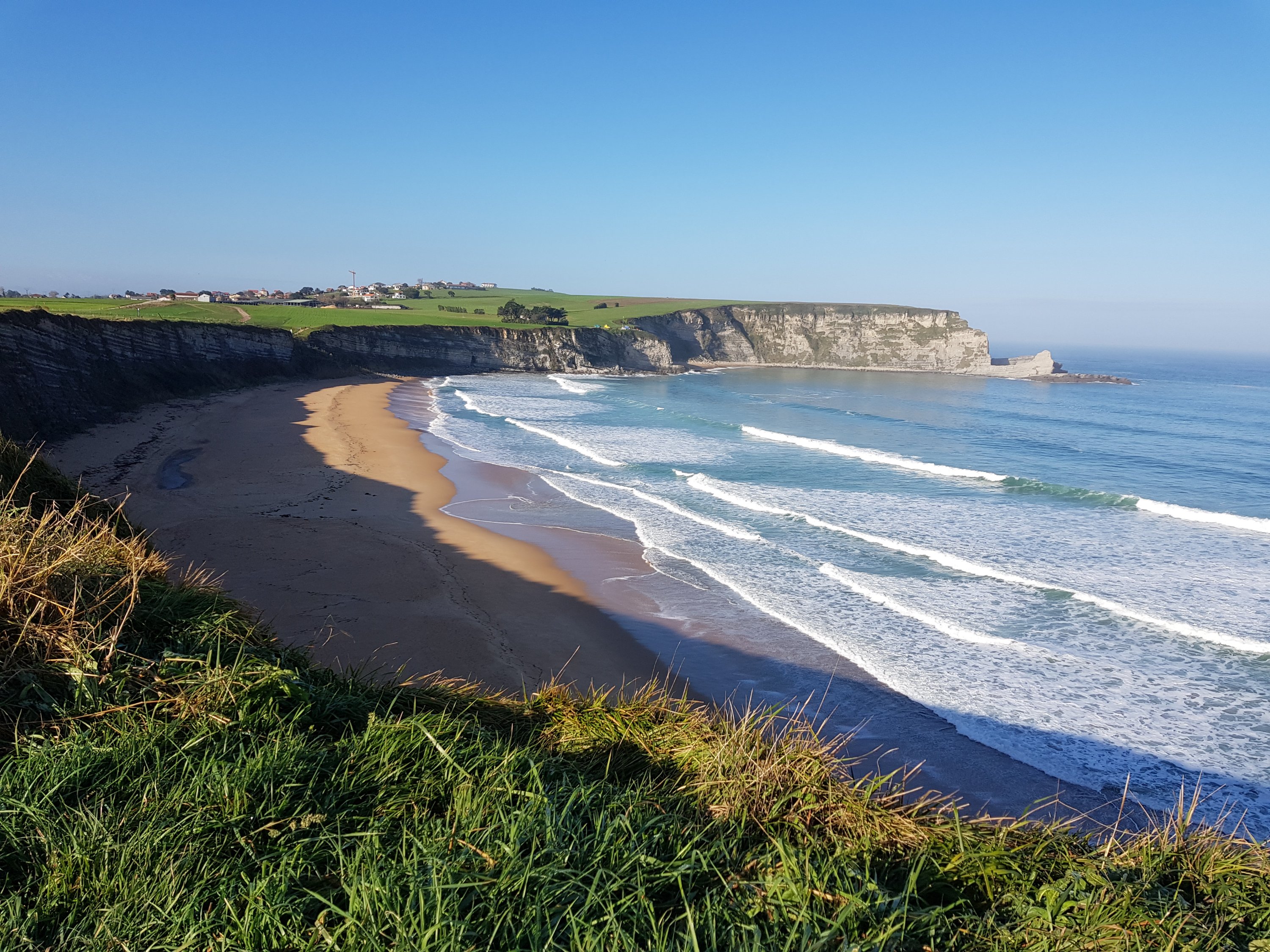
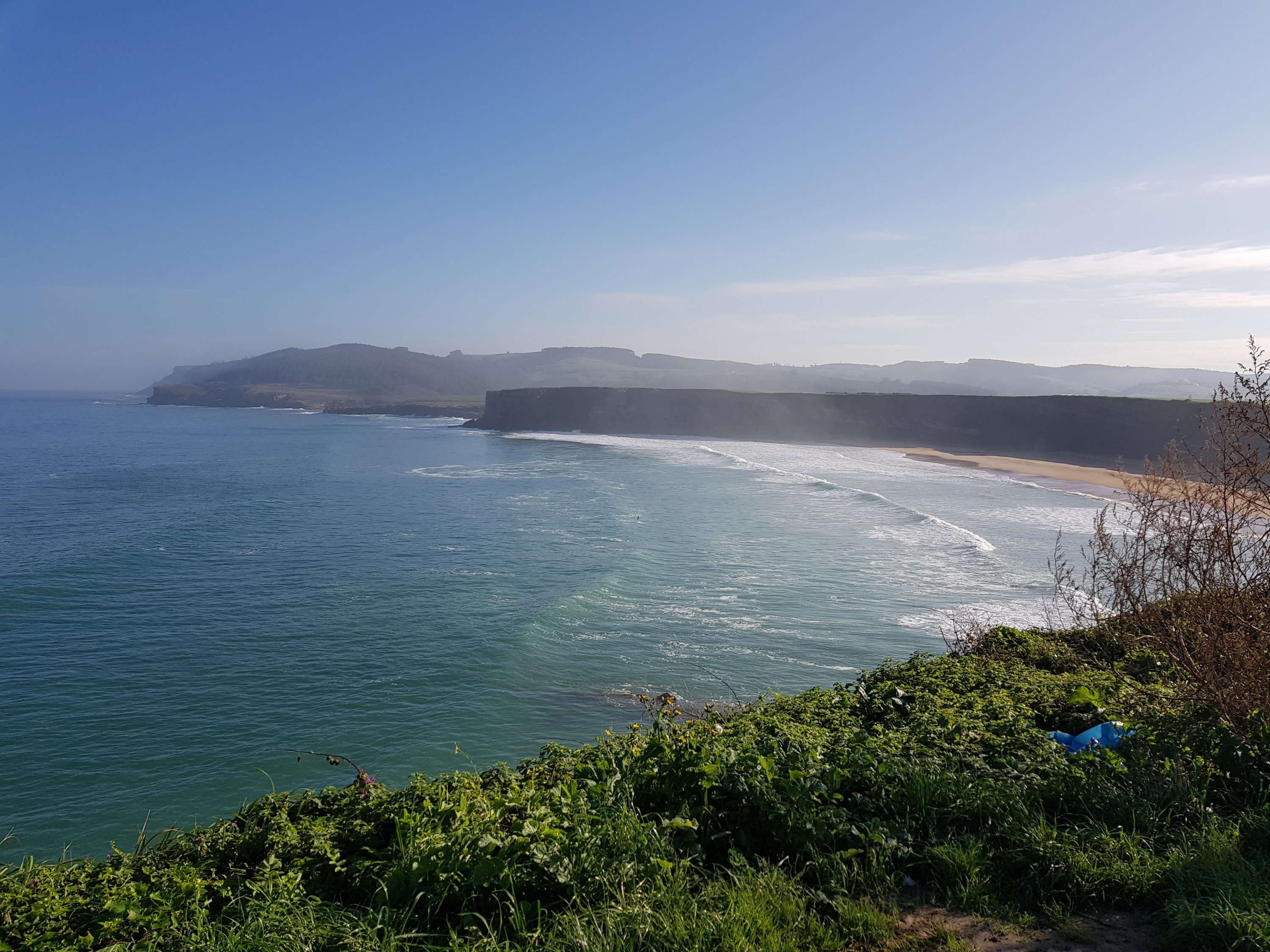
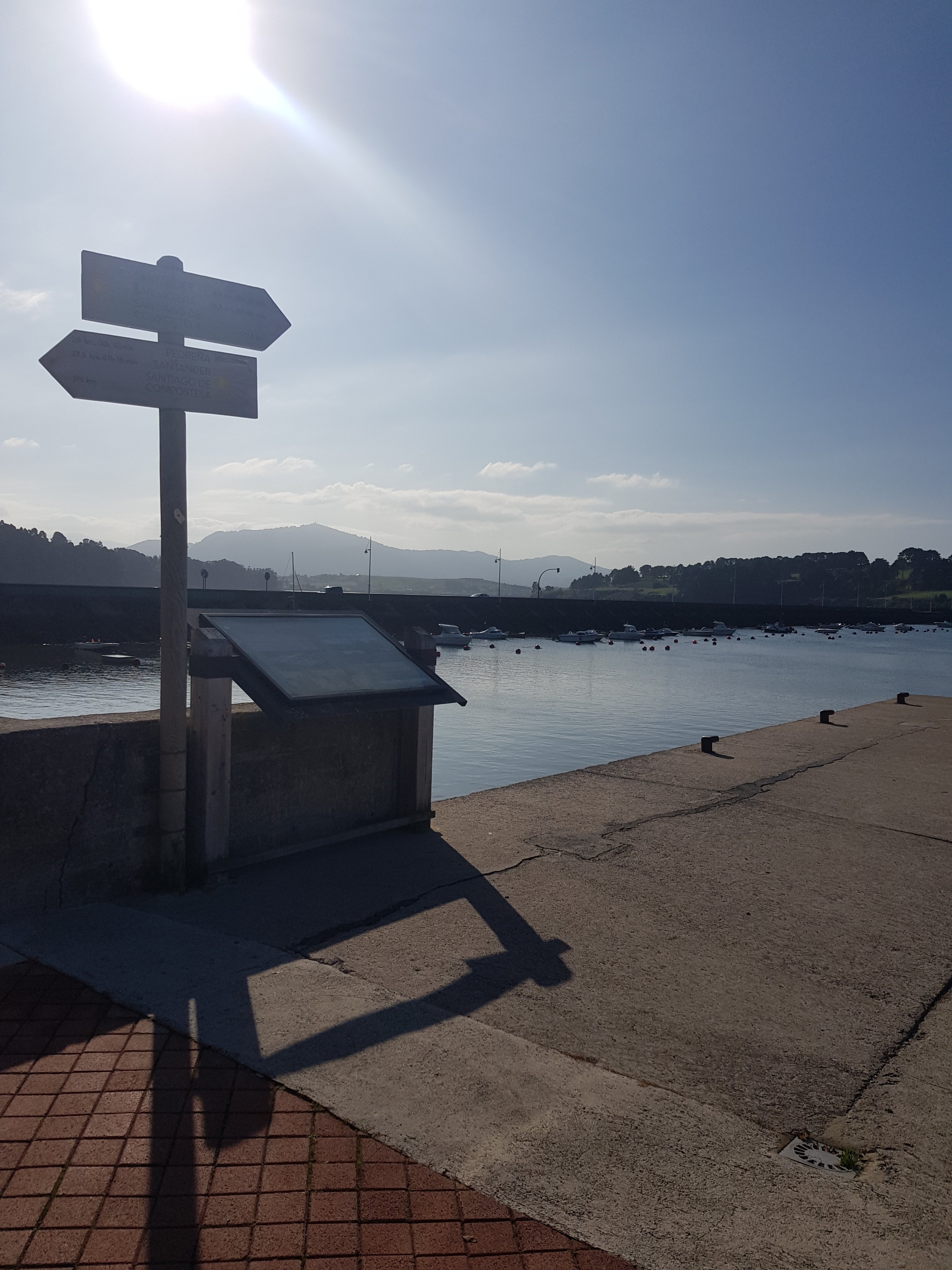
The last 16km to Santander, I got up early and benefited from some crisp morning views of the village. I then walked to the next village, with my knee still hurting from the day before. I had to make a decision, to stay on the road and shortcut through for a shorter journey, or add 4km and walk up to the cliffs and along the ocean. I was sick of the asphalt by now and everyone has said the views of the sea are great, so I went for the long path.

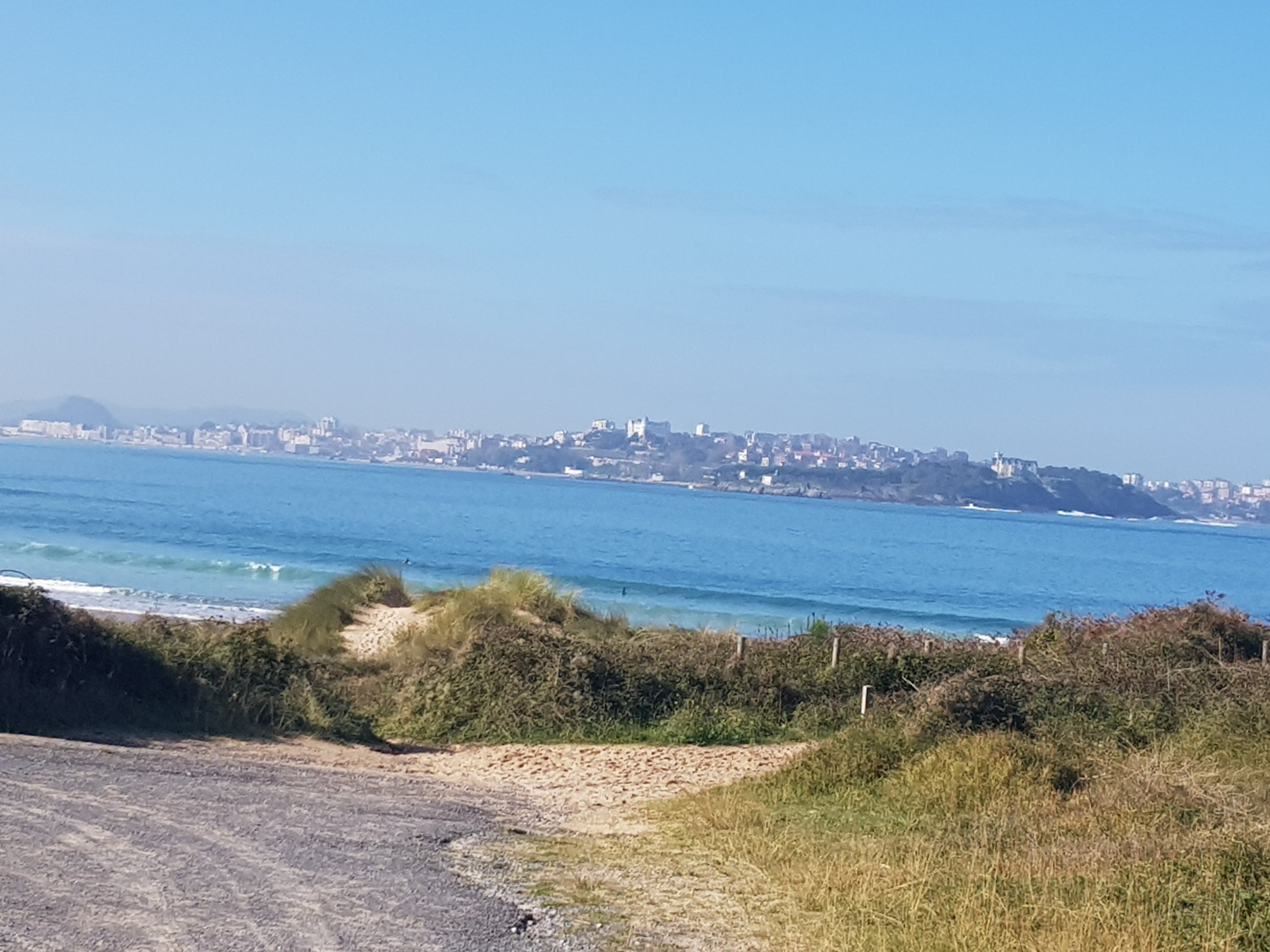
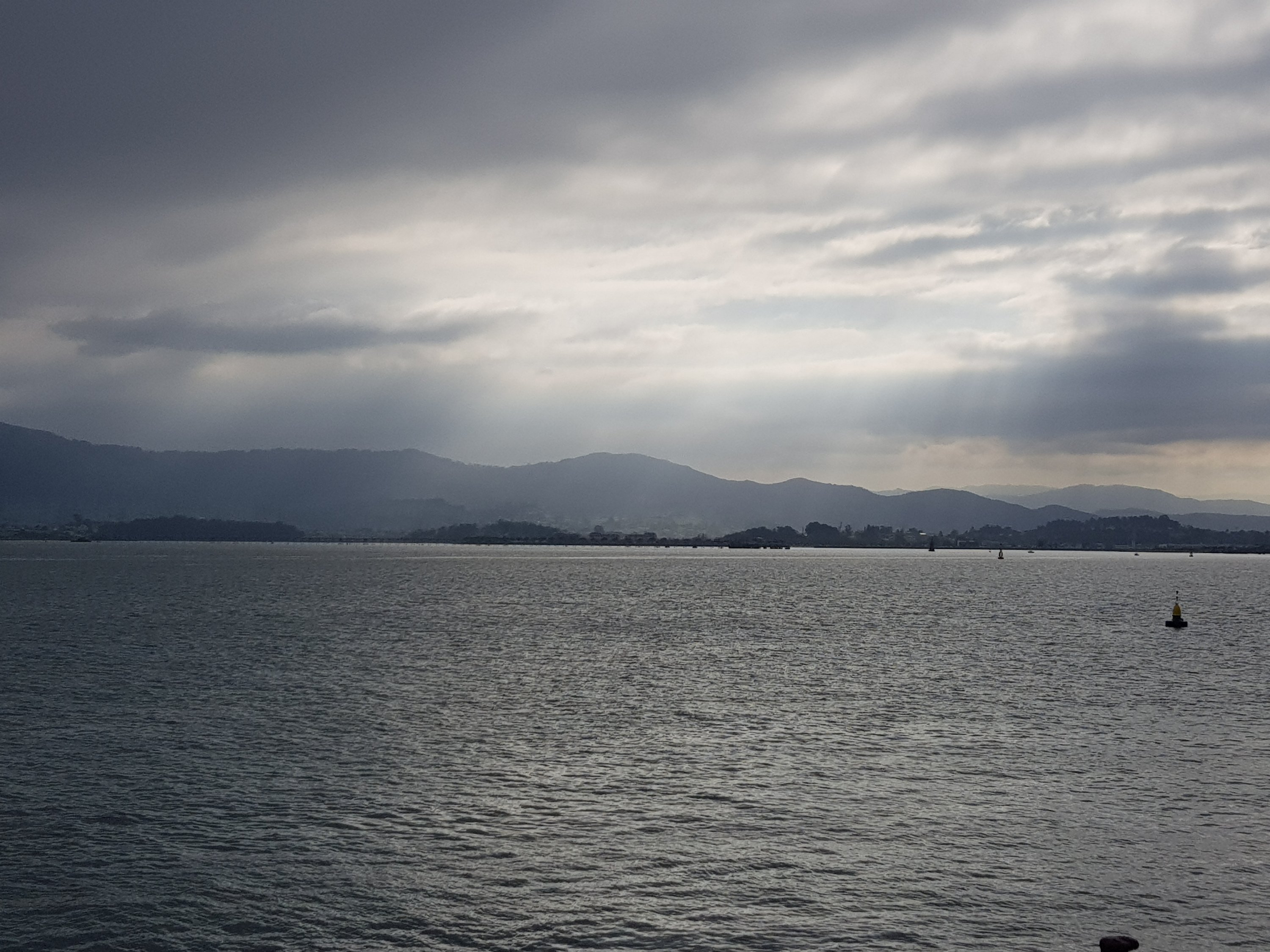
The path was hilly, but also muddy, which was actually a welcomed relief. I walked past farms, and saw beaches and rocky cliff sides. I also met a man who has walked all the way to Rome on pilgrimage. Very impressive! Eventually, the path led to the town and I wondered onto Somo and caught the twenty minute boat ride to Santander.

Santander

I stayed in the pilgrim hostel whilst in Santander for only 12 euros per night. My experience of the hostel is a story of its own!

I arrived at the hostel which is ran by volunteers, and no one was there. I phoned the number and spoke to a man in broken spanish about how to get in. He said no one would be there until later, but I could pick up the keys at the bar down the street. I went to the bar and explained to the bartender I was looking for keys (in spanish). She understood, (I must be improving). I then let myself in, chose my own bed and went to sleep. Later the volunteer came, checked me in, and told me two more guests should be coming that night. He was leaving though, and I was now in charge of the hostel!

All alone at the hostel

He asked me (in spanish) to check them in on arrival, take their passport details and give them their keys! I couldn’t believe it! And then I was alone again. And there laid an opportunity… I finally had a washing machine and dryer all to myself. First order of business, was to check for cameras, then strip down to naked, and wash everything I have! I sat there in a blanket for two hours, and then I finally had all clean clothes for the first time in a month. Wonderful! 😍

Later, when I was dressed again, the man called and said the guests weren’t coming anymore, and I had the whole hostel of 50 bed spaces, to myself! Crazy!

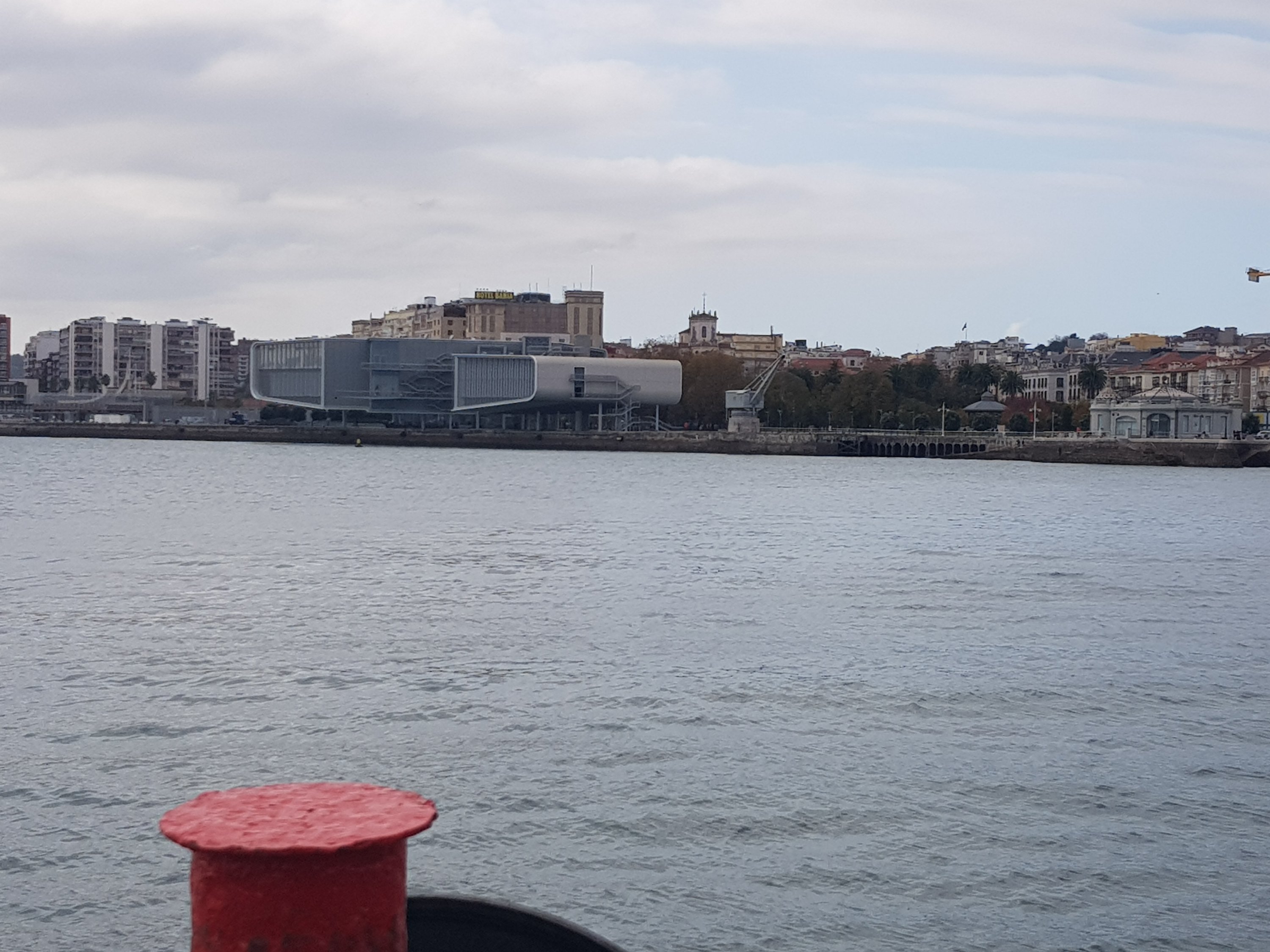
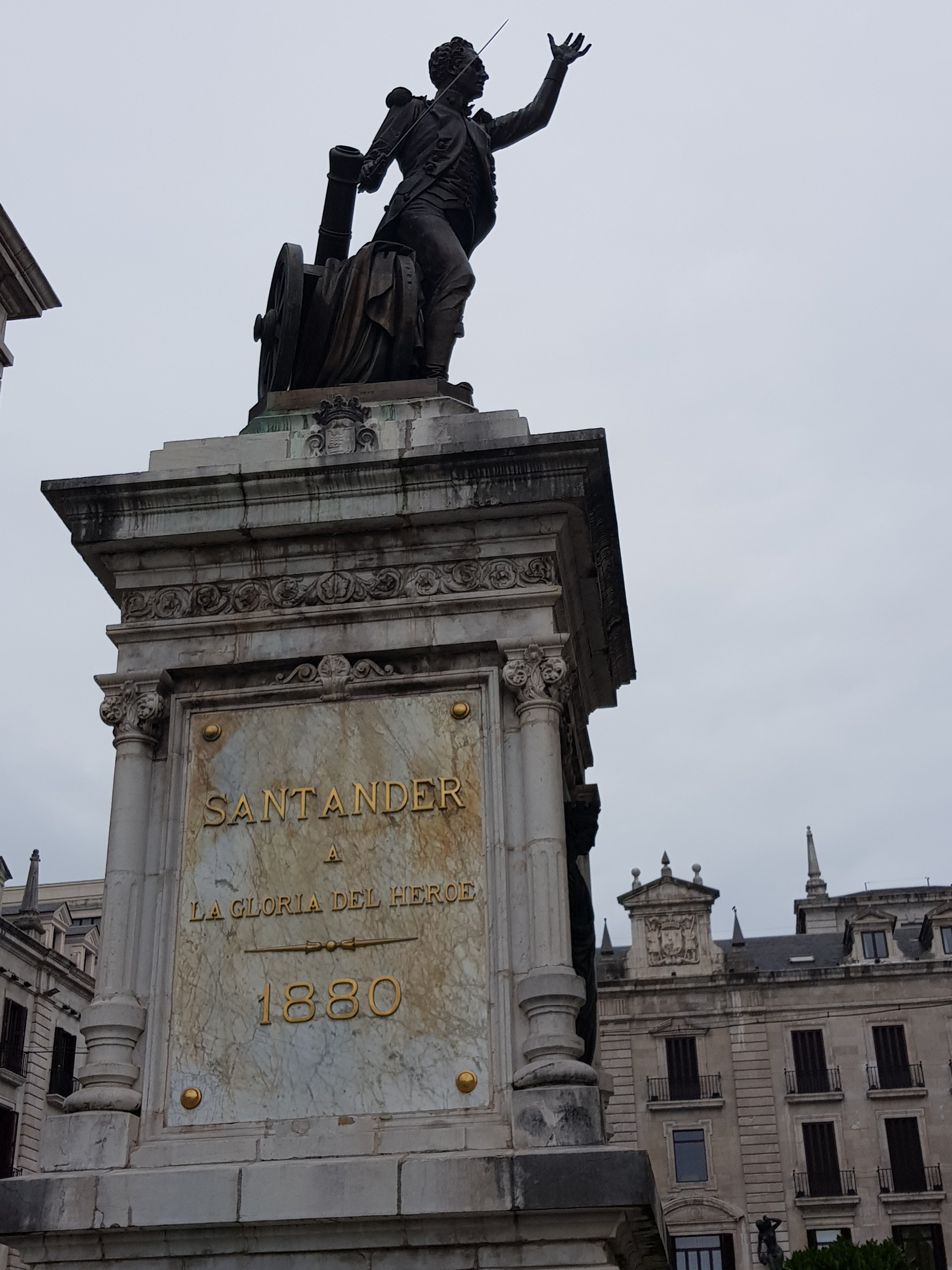
Anyway… back to the actual city. Santander is the capital of Cantabria, and is a coastal city. It has a port which includes bringing visitors over on ferry from Plymouth, it also has a few beaches, a palace, and lots of hills covered in shops, plazas and restaurants.

My rest day in Santander was a rainy one so I decided to stay in the busiest part of the city, close to the hostel. I stocked up more supplies, mainly medical ones, but also some nuts and fruit from the Mercado de Esperanza (market of hope). I got quite a lot of nuts and dried fruit for two euros. I always love to visit the local markets. It seems there are a few different ones in Santander. Another is the Mercado de Este (east market), this has a tourist information point, and lots of little artisan stalls and bars.

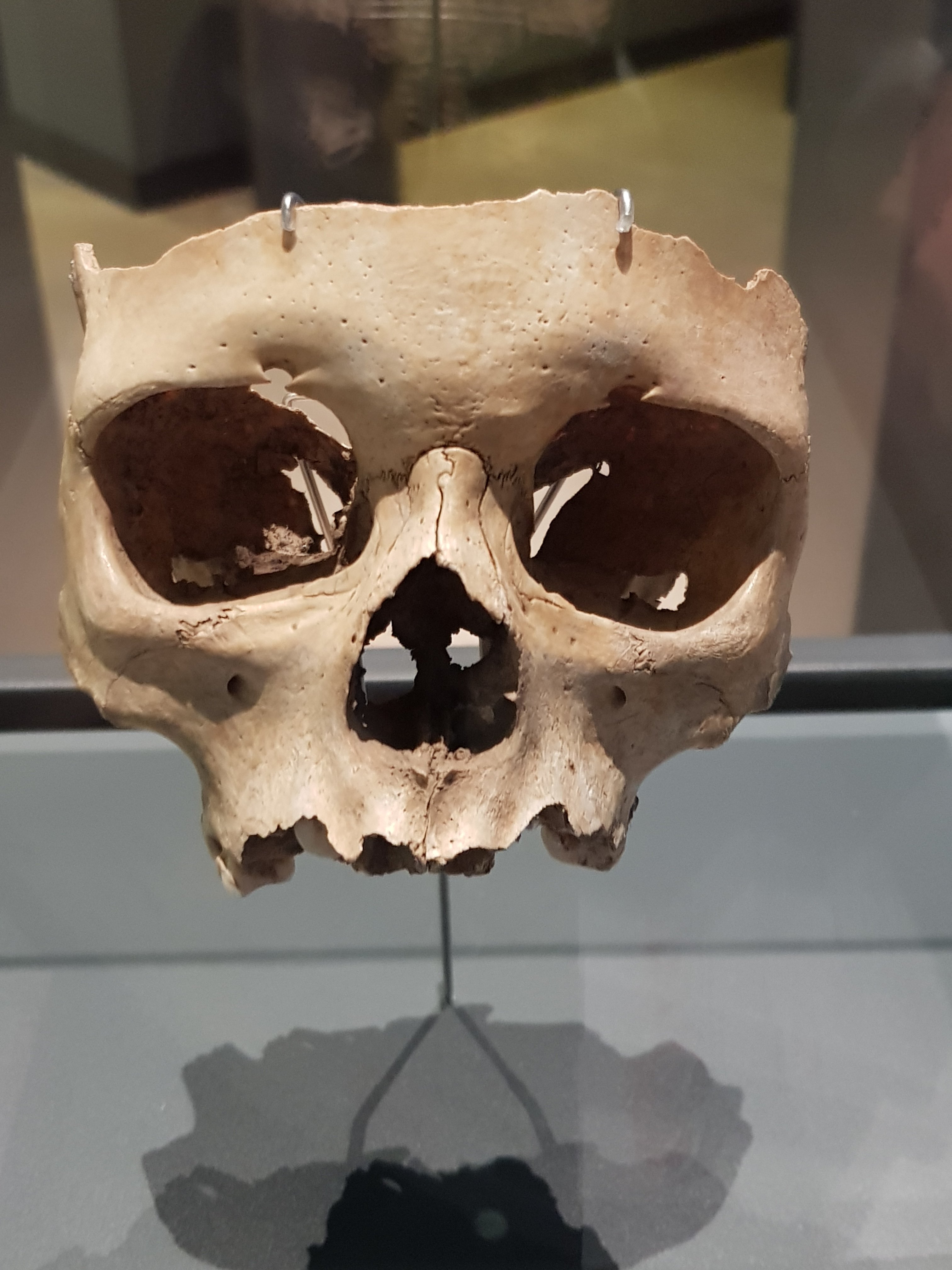
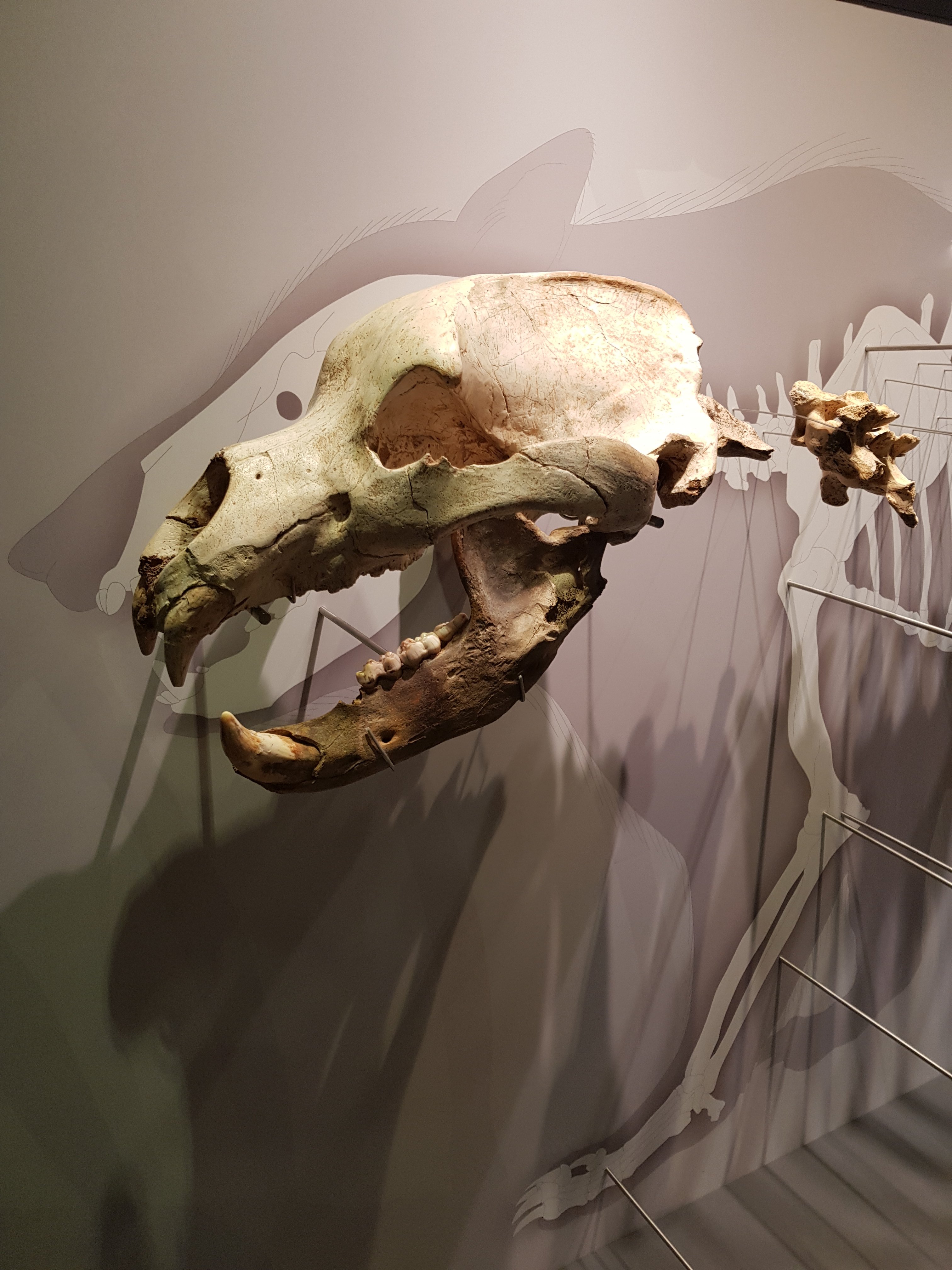
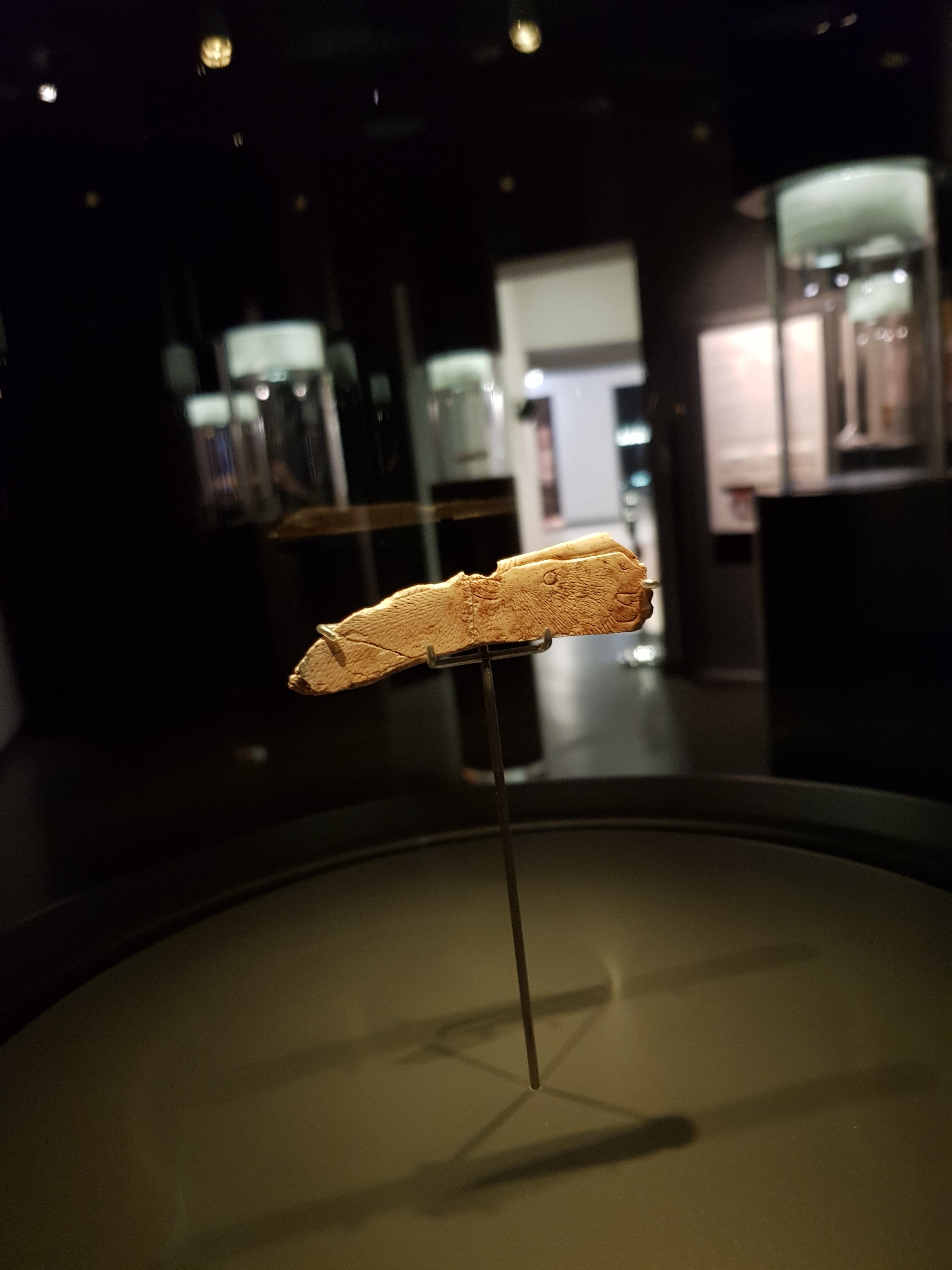
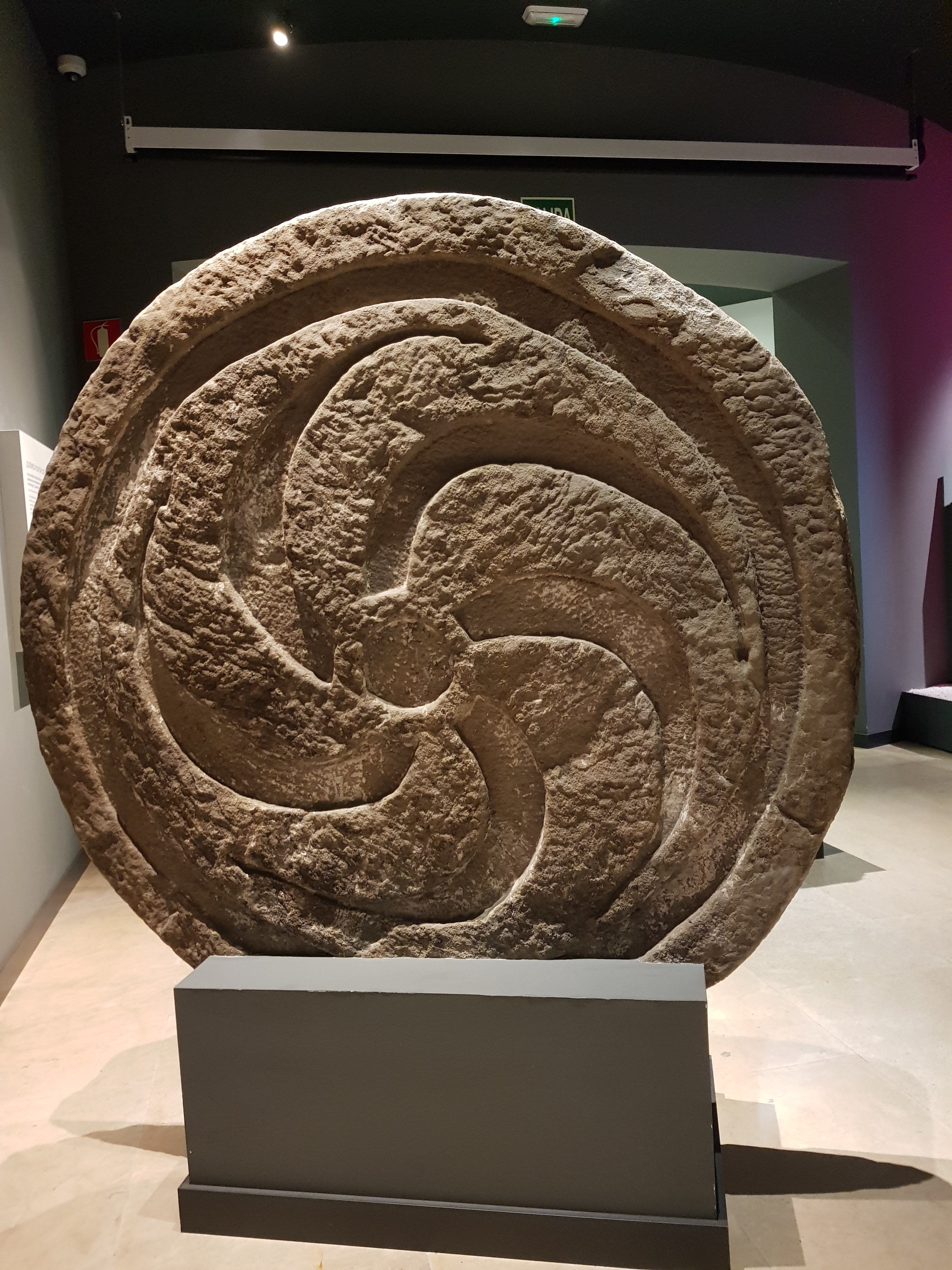
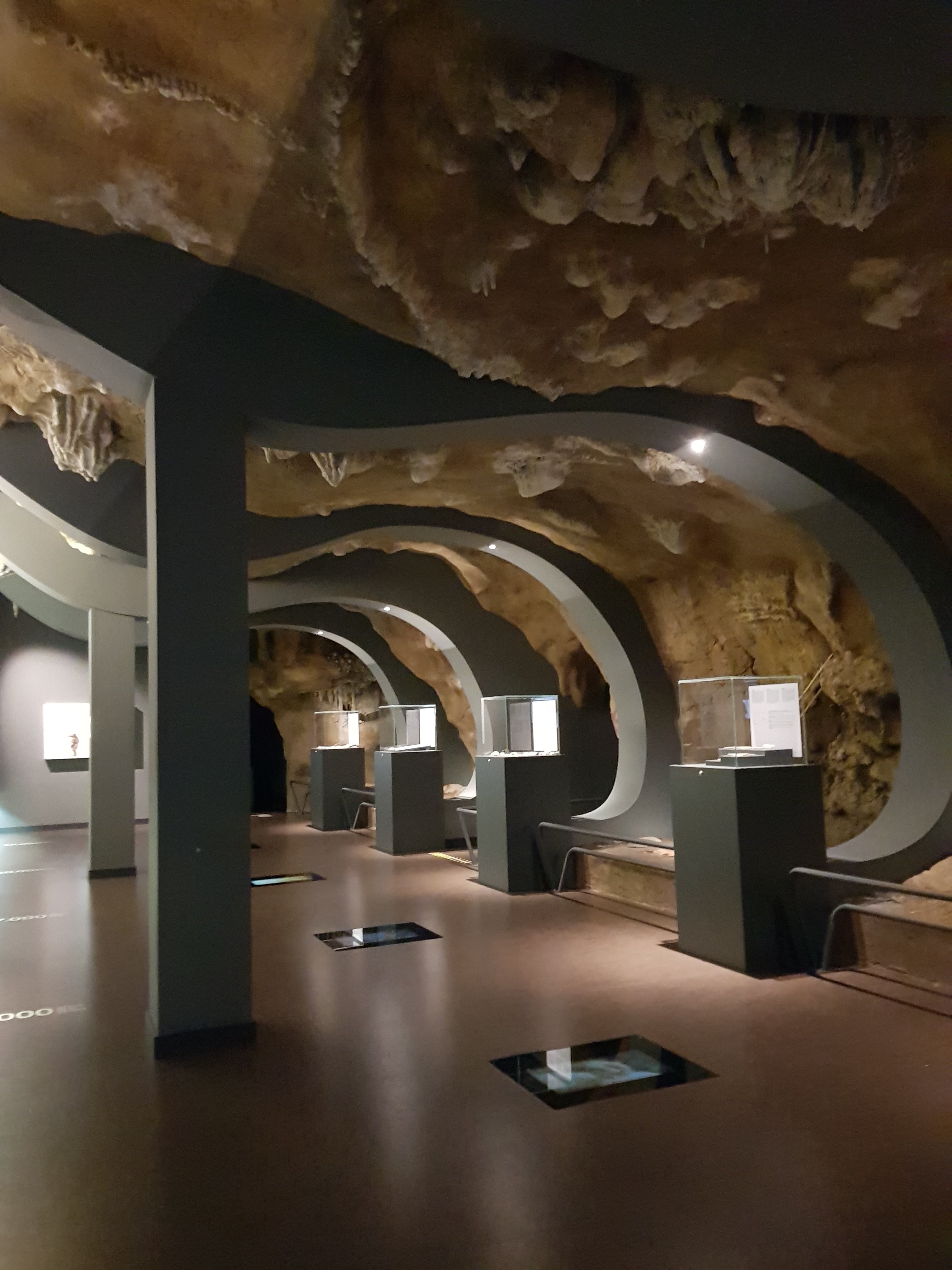
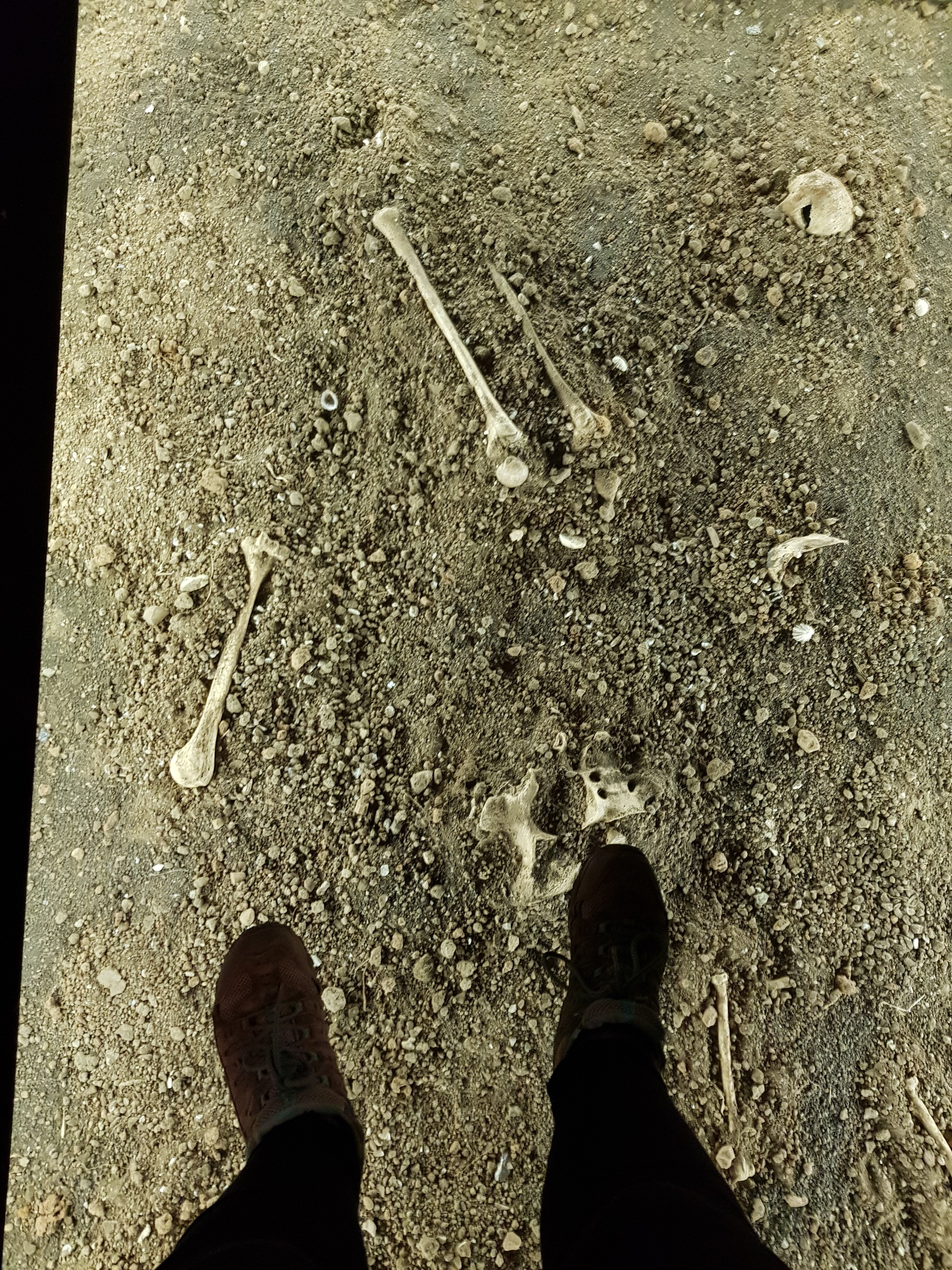
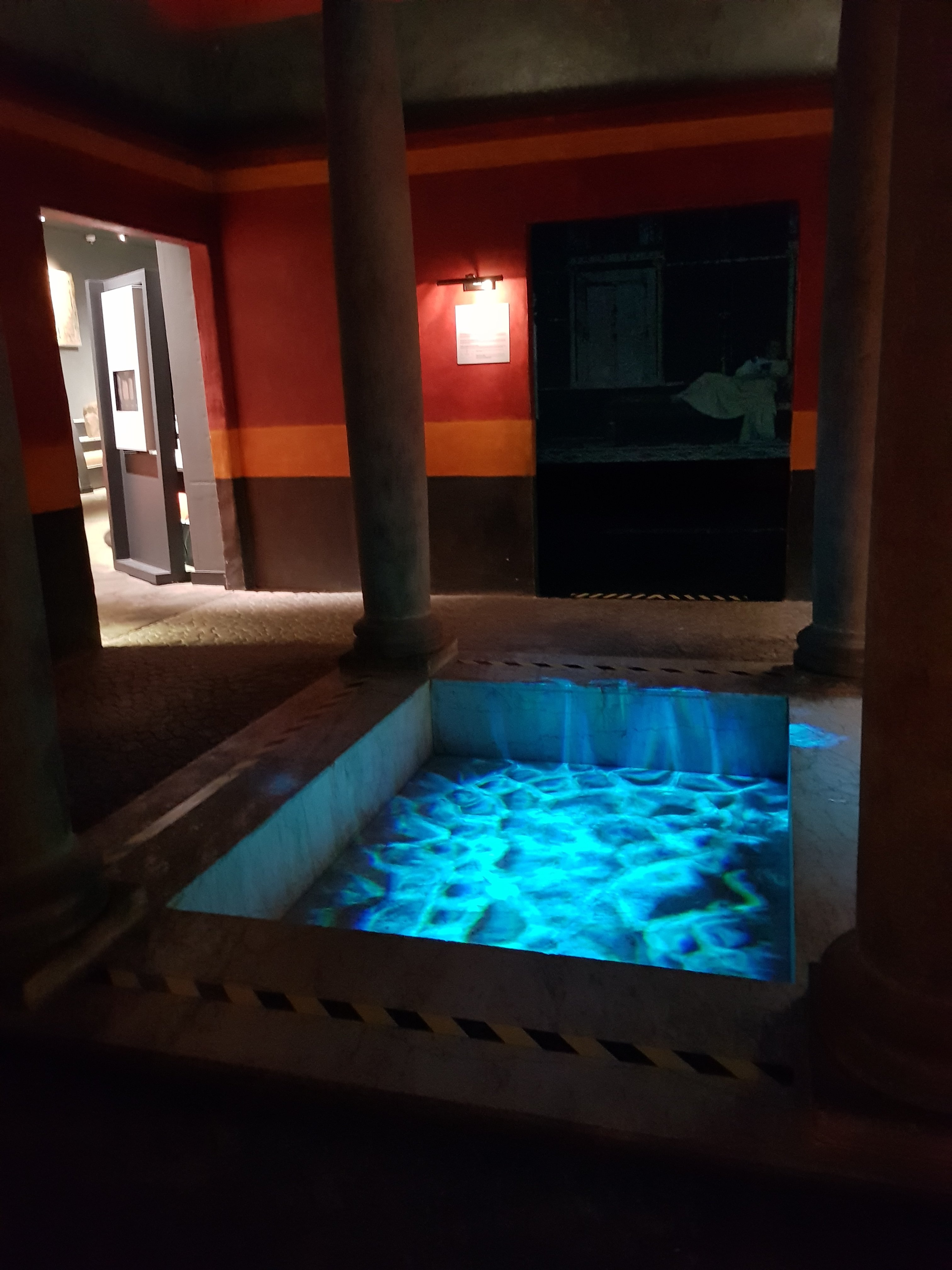
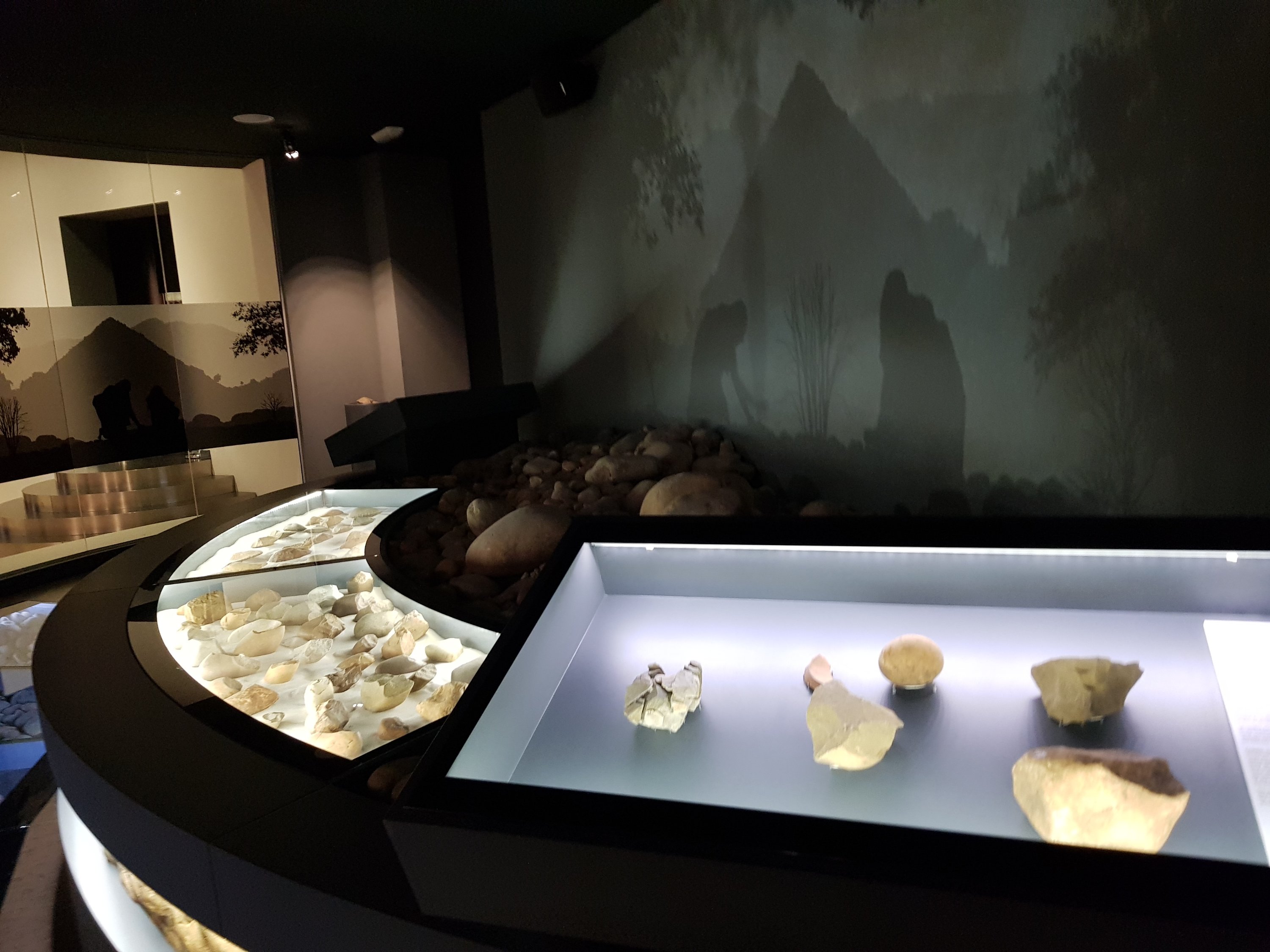
Interestingly, below the market is probably one of the best museums that I have ever visited, the Musuem of prehistoric and archeology of Cantabria. This underground museum is reasonably small, but packed with archeological finds from the region. Including human and animal skulls, ancient tools, artwork, and pottery.

I know that can all sound a little boring on its own, but this museum absolutely brings it to life. They have structured the rooms to make you feel as if you are in a cave network, created visual, audible, and touch displays. They have lots of information in different languages, and really make you interact with the exhibits, I thought it was brilliant! And only €4! 😀

My personal favourite was the museum’s use of tech to turn actual skulls into real faces!

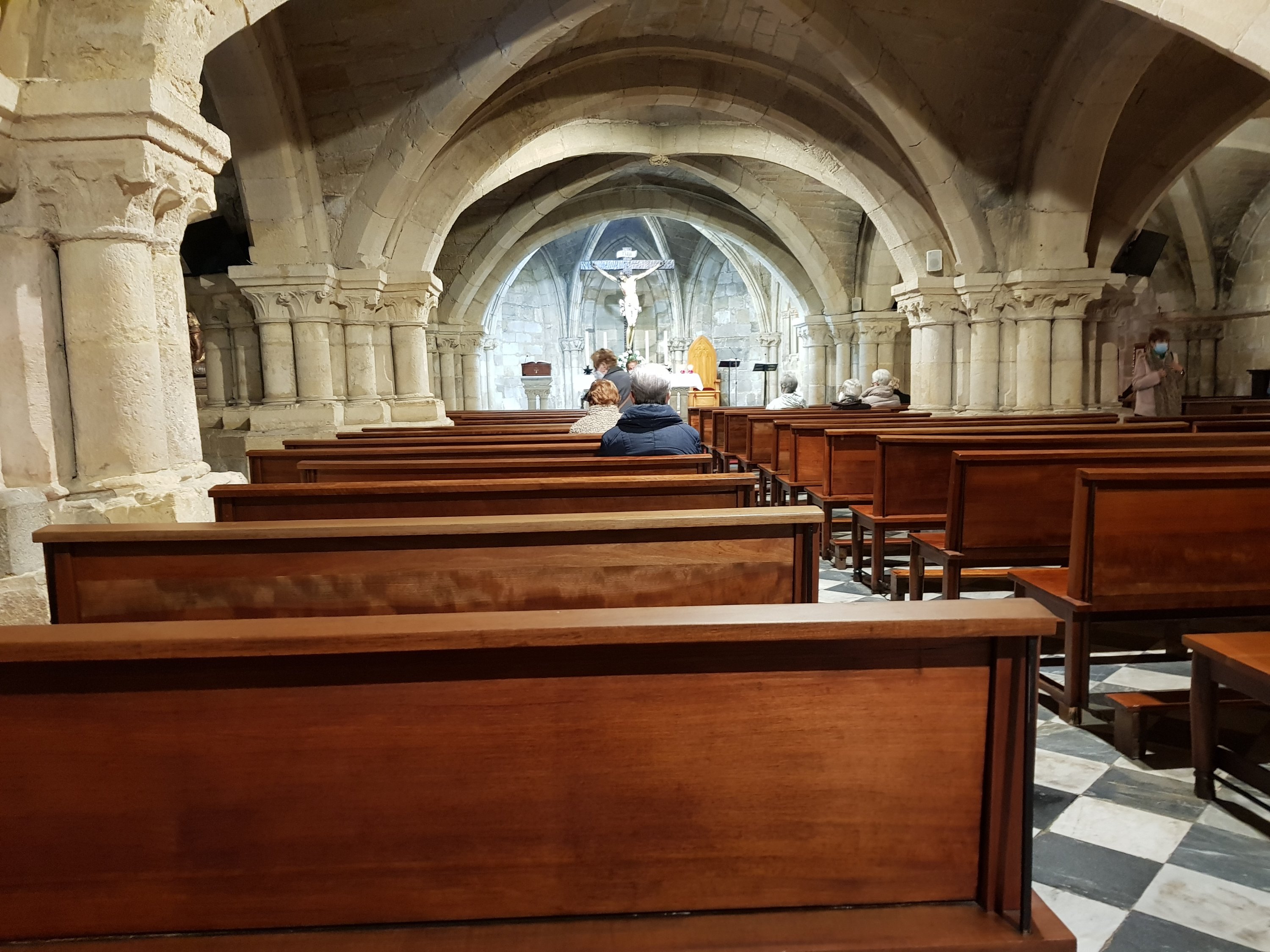
After this, I wondered over to the cathedral. It seemed that I had arrived, and I went through a door, but I was in a smaller church. It turned out that I had wondered into the Iglesia del Santismo Cristo. This church is actually underneath the cathedral itself. It has a warm atmosphere, beautiful arches, and two severed heads! These are relics of roman soldiers that were martyrs. Before I knew it, the door was shut behind me and I was in the mass. I just sat down and enjoyed it.

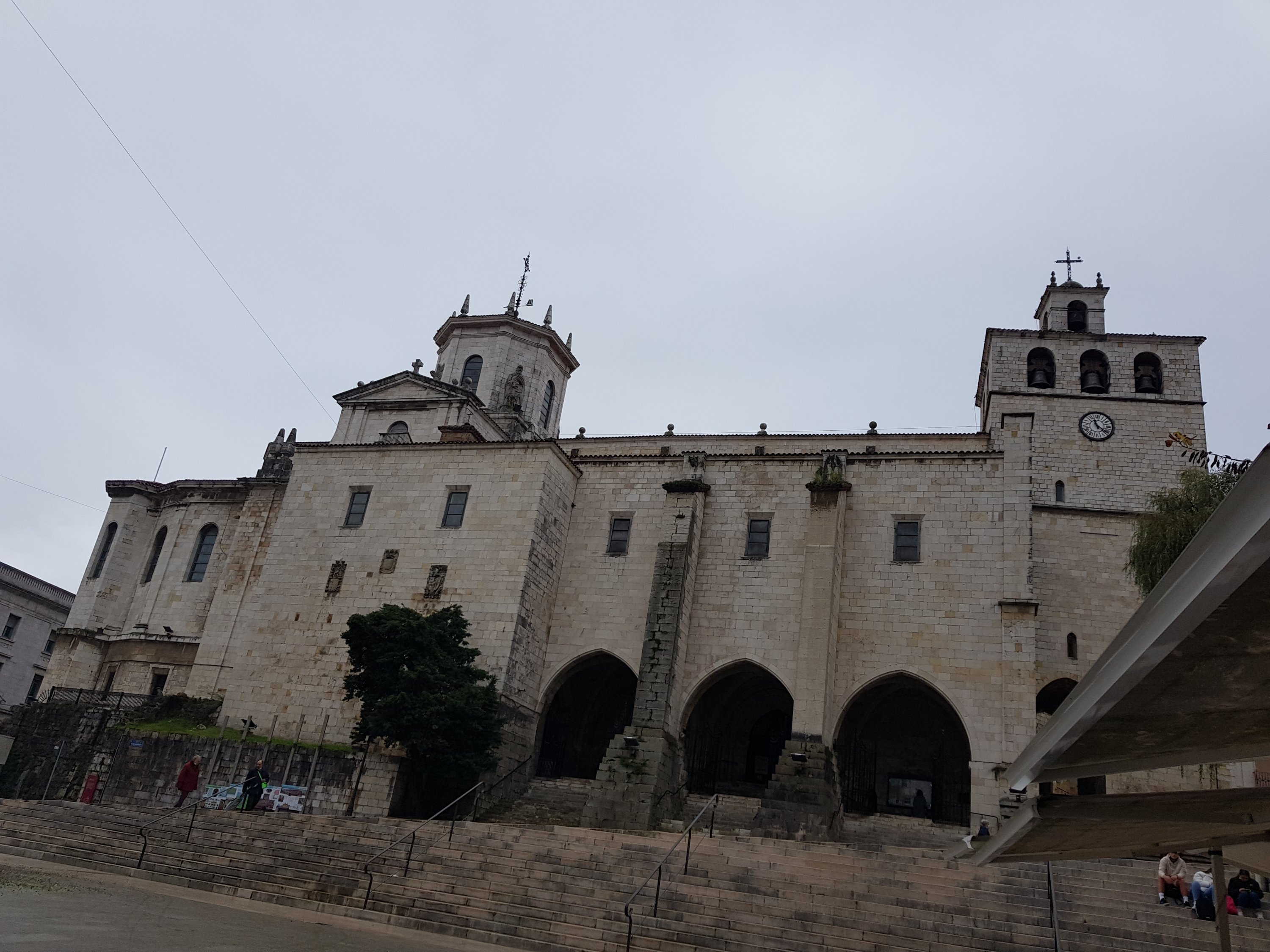
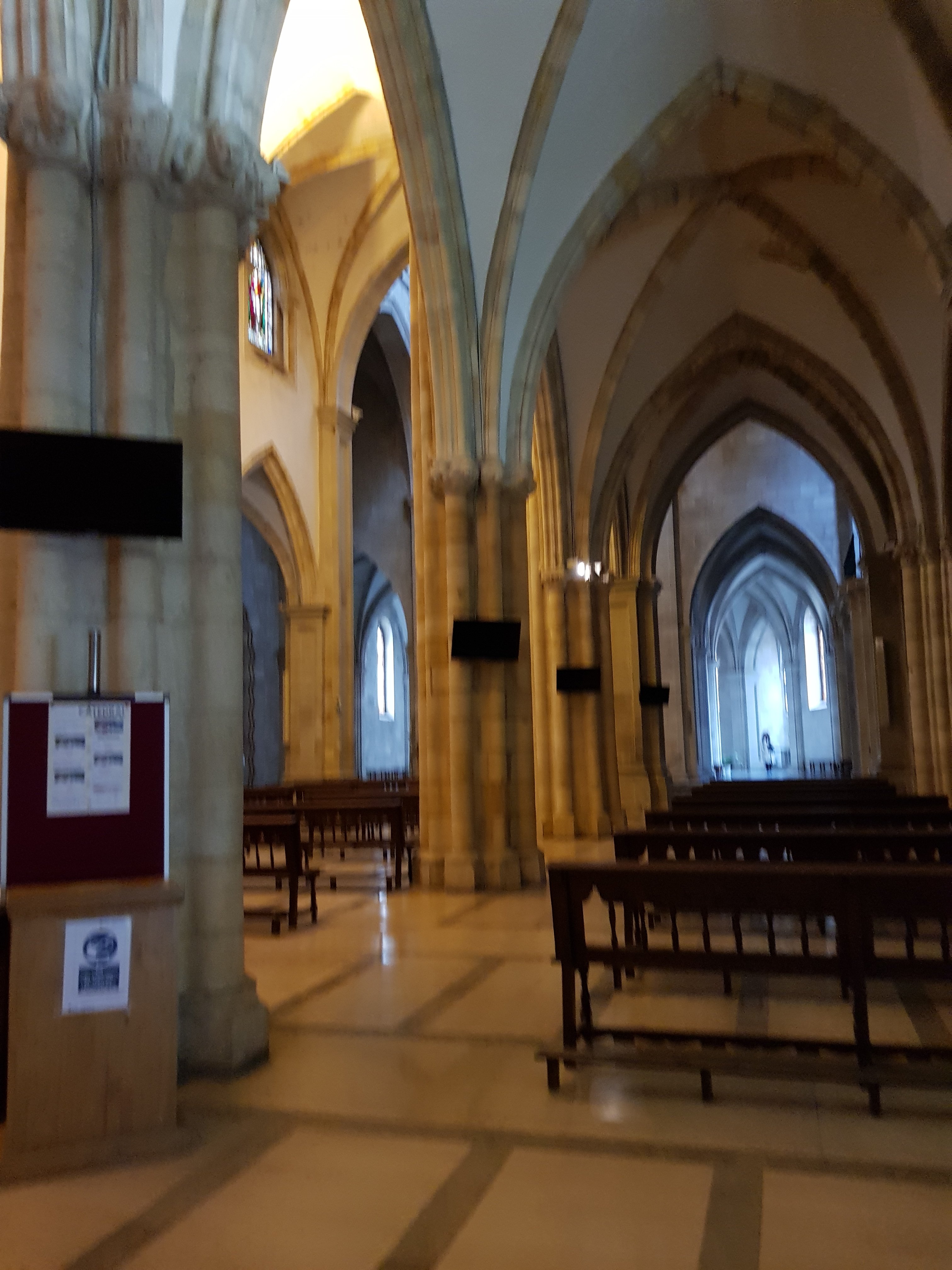
When it was over, I exited the church, climbed further up and found the official cathedral above where I had been. The cathedral interior is quite simple in comparison, and full of charming, light gothic architecture.

After all that, I returned to my lonely hostel, had a sandwich and took a nice long siesta, before heading out for dinner, and to enjoy some live music.

Overall, I think the jury is still out for me on Santander, because I wasn’t able to explore the beaches and palace, and I think the city probably has more of a rounded package in Summer. I did like the city though, and the museum really was a highlight.

I have walked a third of the Camino del Norte now, and my next and last city before Santiago de Conpostela is one week away. I hope my body can keep going! 🤞