Tag Archives: buenos aires

Buenos Aires, Argentina: Paris of the Americas (Part Two)

Following my first trip to Buenos Aires, I returned to the capital city at the end of my three month trip around Argentina to have a final week there, enjoying some attractions I had not been able to visit in my first visit. This time I was joined by a travel companion and was staying in a luxury hotel.

A focus on Evita

Following my first visit to Buenos Aires, and visiting the grave of Evita, a famous Argentine first lady, this time round, I visited the Evita museum. I was keen to learn more about her life and work for the state. The museum is housed in a previous home for the poor that was set up through a foundation that Evita begun. The museum has several rooms with projections of Evita’s film clips as an actress, her speeches as an activist and also a viewing gallery for her red carpet gowns.
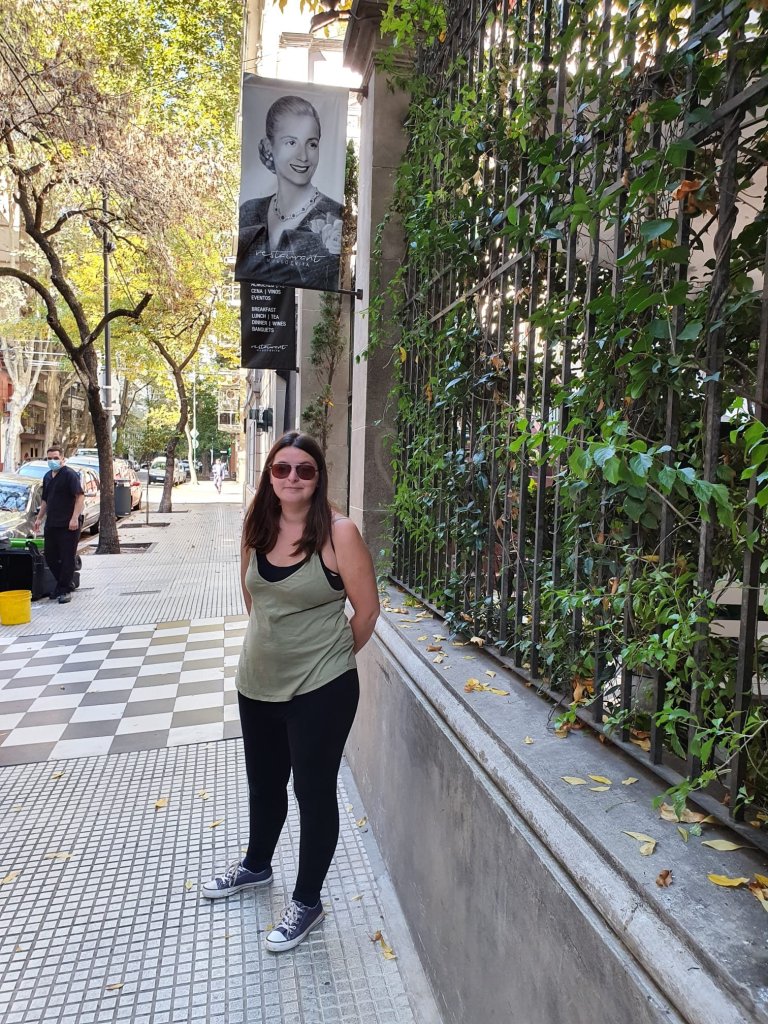
I found the museum to be really interesting but unfortunately photos were not allowed. The information was really good about her early life, career, relationship with president Peron, and her death. I learnt that she had a lot more involvement in charity work than I had realised. She also won the vice presidency but turned it down, which I was not aware of. After finishing our look around the museum, we had a tasty lunch in the museum’s restaurant which has a very nice courtyard.

A walk around the parks

I was able to visit a few more of the park’s in Buenos Aires this time, although not all of them, as the rosalade (rose garden) was closed for upkeep.. very annoying. I did manage to visit both the Botanical Garden and the Eco Parque which are next door to each other. This took a full morning, and both parks were worth a look, and free to enter.

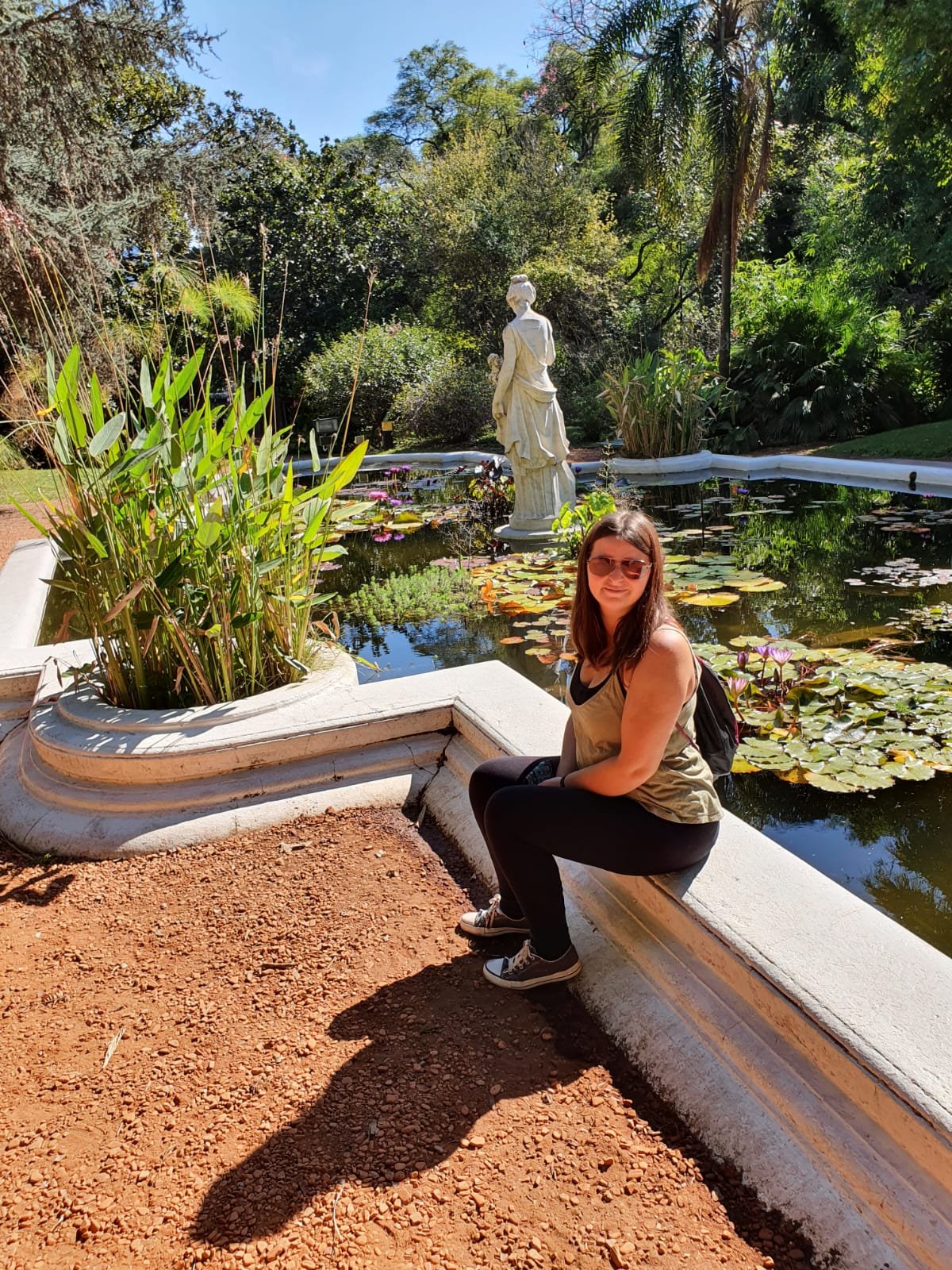
The botanical garden has many exotic plants and large trees as expected, and had attempted to theme different sections by different garden styles, for example french or italian.

The Eco Parque is a very different experience. This pretty park used to be a zoo with many large exotic animals, and elegant victorian styled animal houses. In recent decades, most of the animals have been moved to other locations, or sent back to their natural habitat.
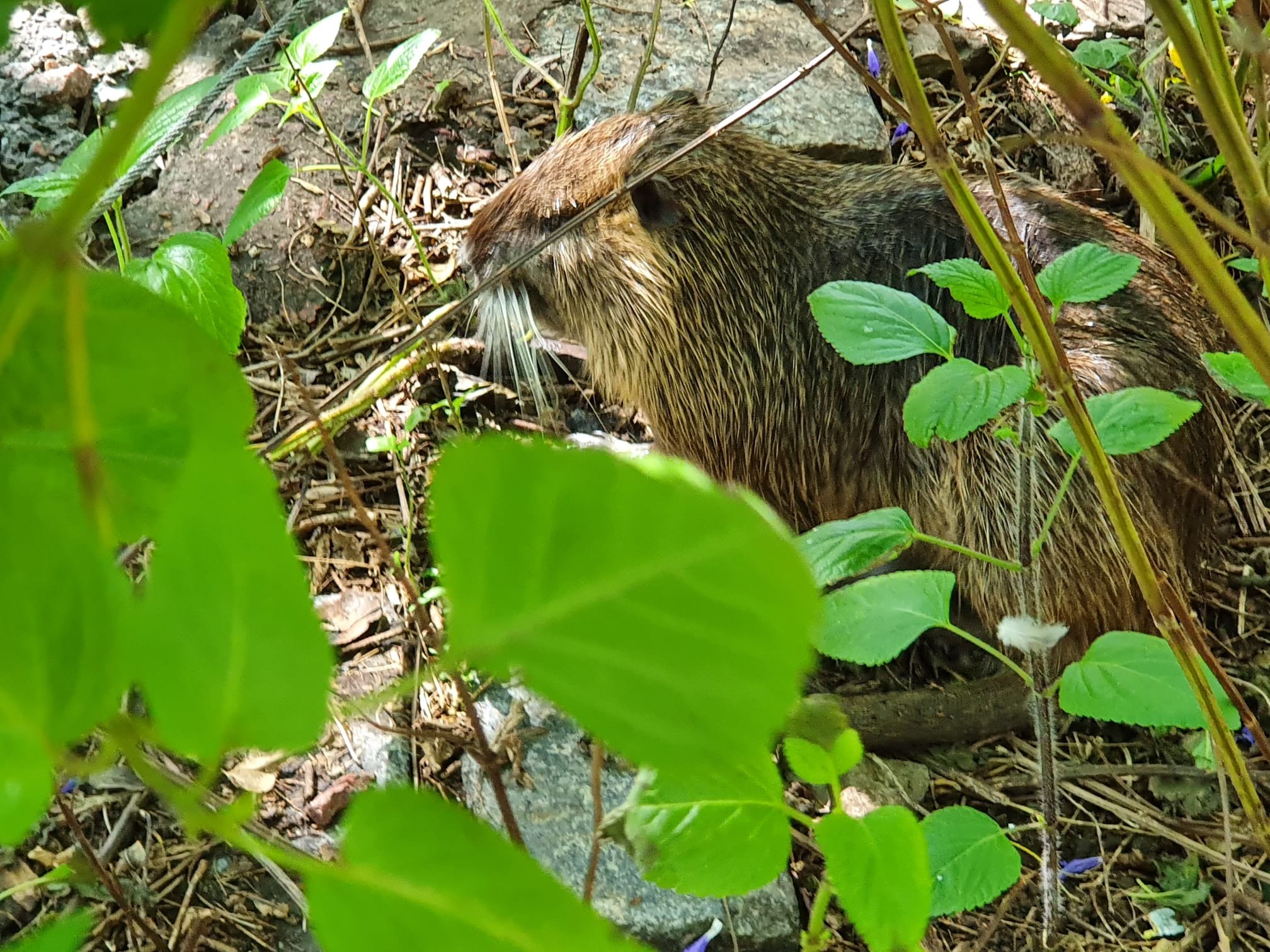
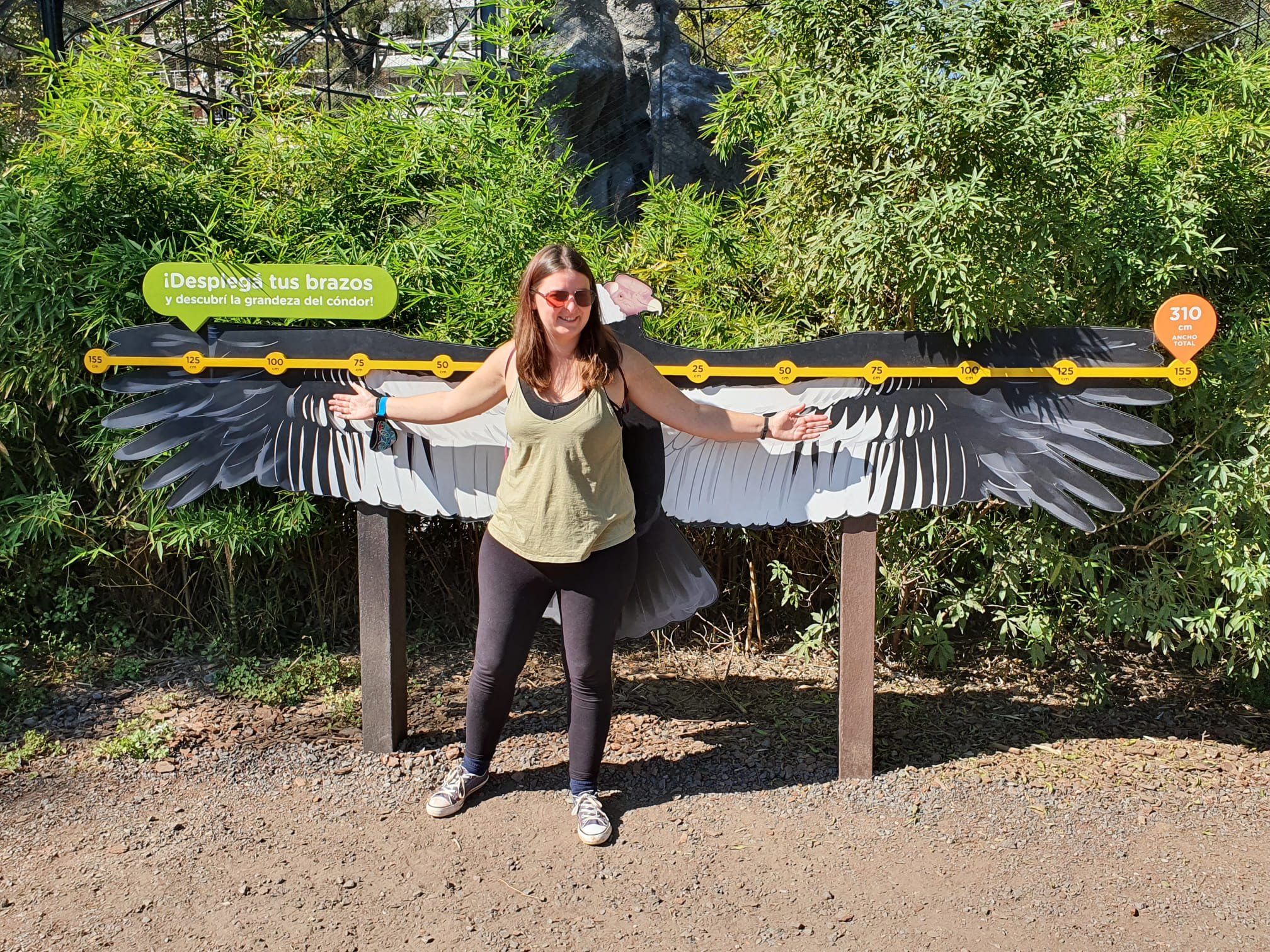
There are a few that still roam through the park though, because they are either too old or unwell to move, or do not need to be relocated. The park still has an old camel, plenty of capybaras, strange half rabbit half deer things, and even some monkeys. It is a pleasant place to take a walk in the middle of this huge city, as you never know what new animal will be around the corner.

Nightlife

In the evening, I was lucky enough to be rejoined by my German traveller friends again as they also finished their journey in BA. We headed out to Palermo Hollywood for a night of clubbing and mischief. After a night that lasted until around 6am, I was glad for my full hotel continental breakfast the next day!

La Plata

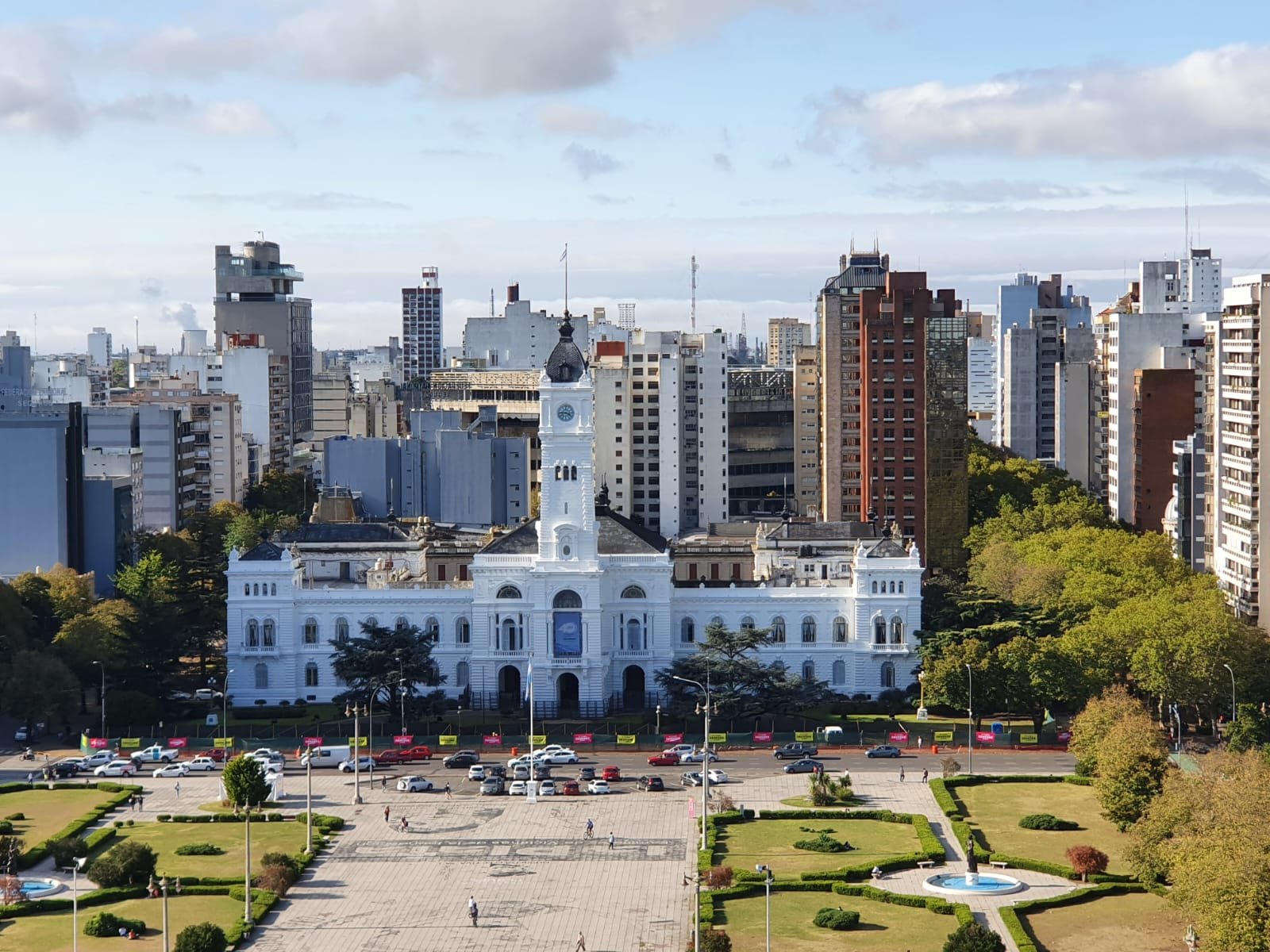
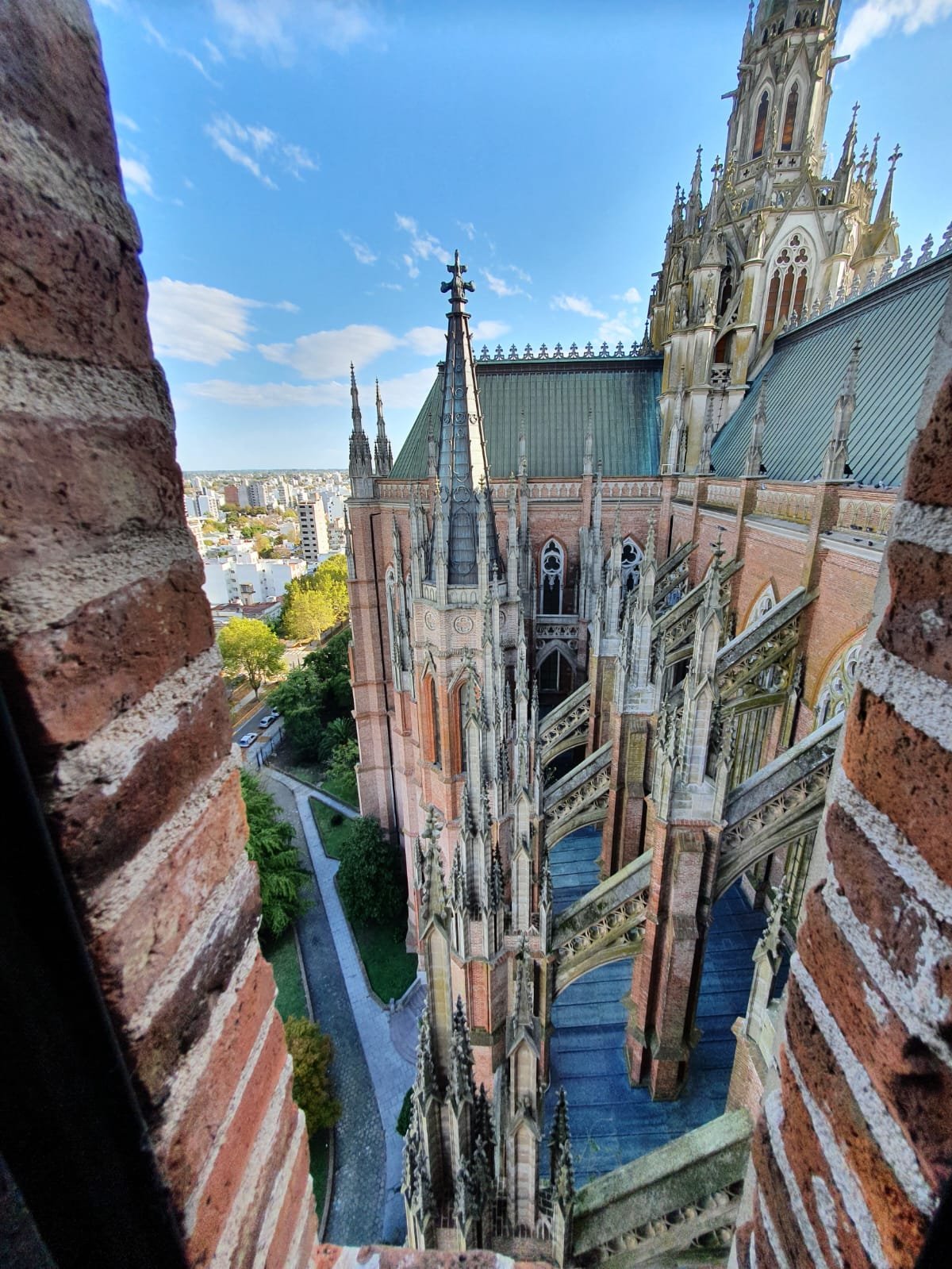
For a day out, we decided to visit the capital of the Province, the city called La Plata. The city was easy to get to, only 90 minutes on the train, and the main attraction there is a beautiful cathedral.

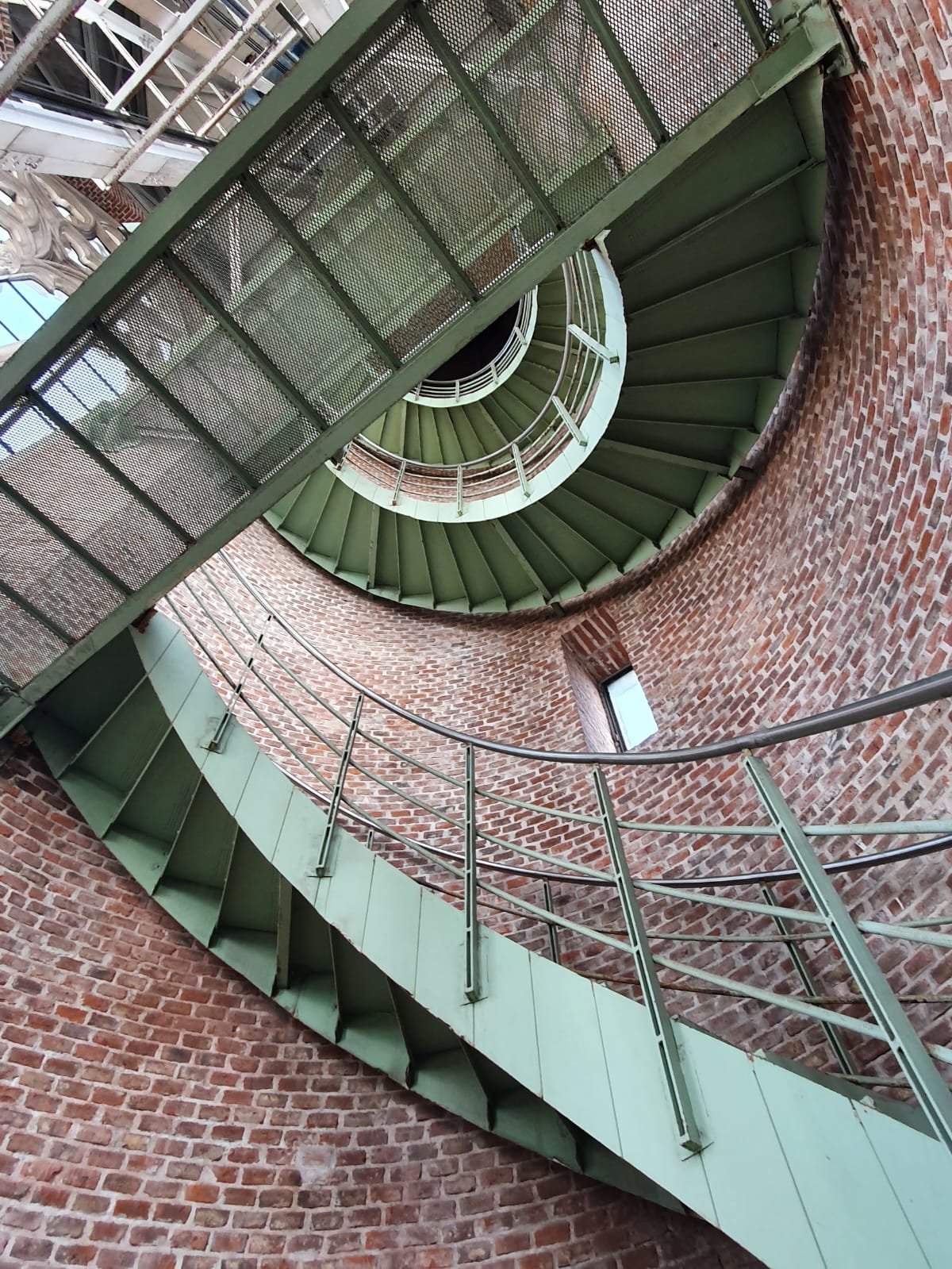
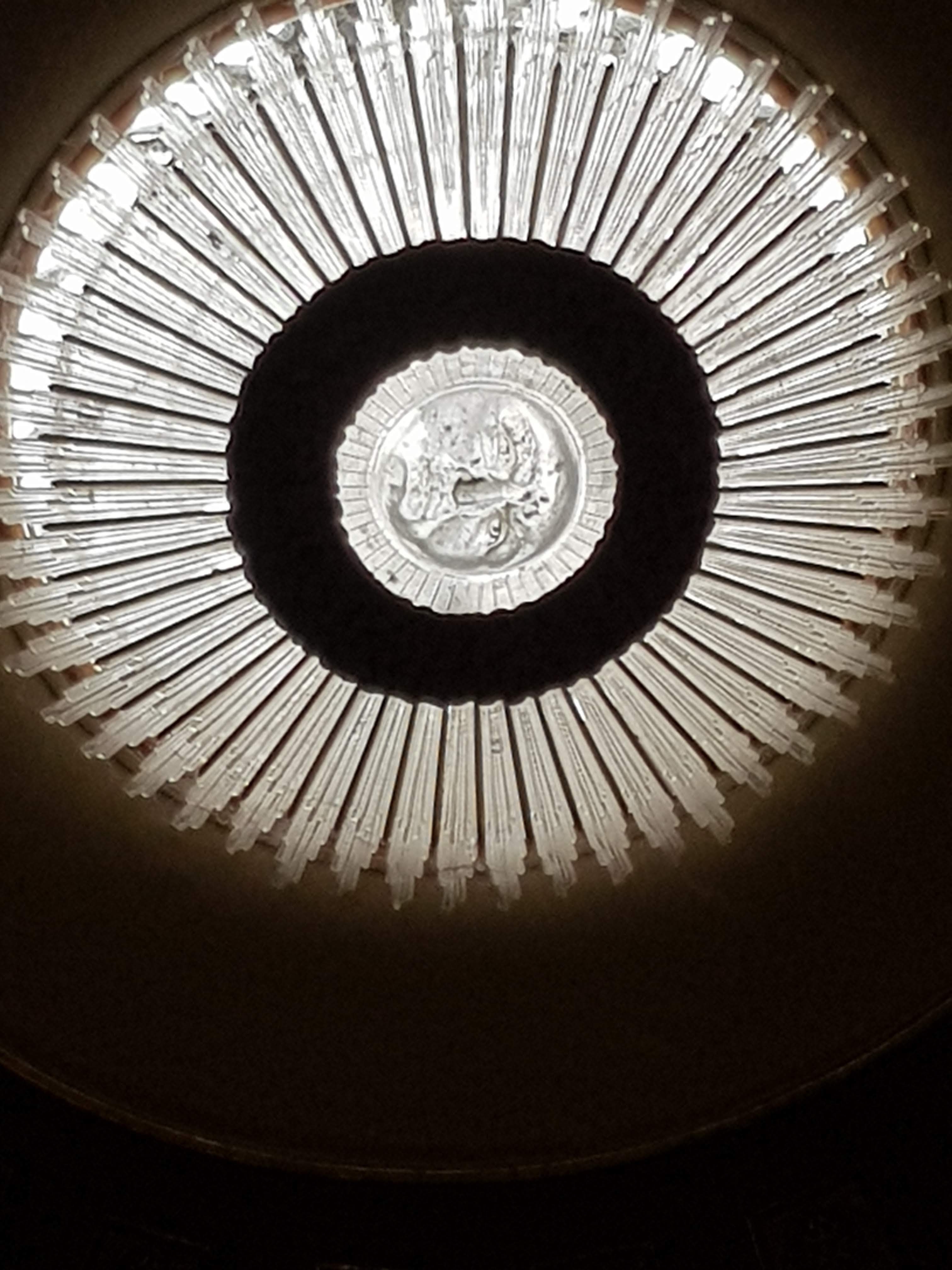
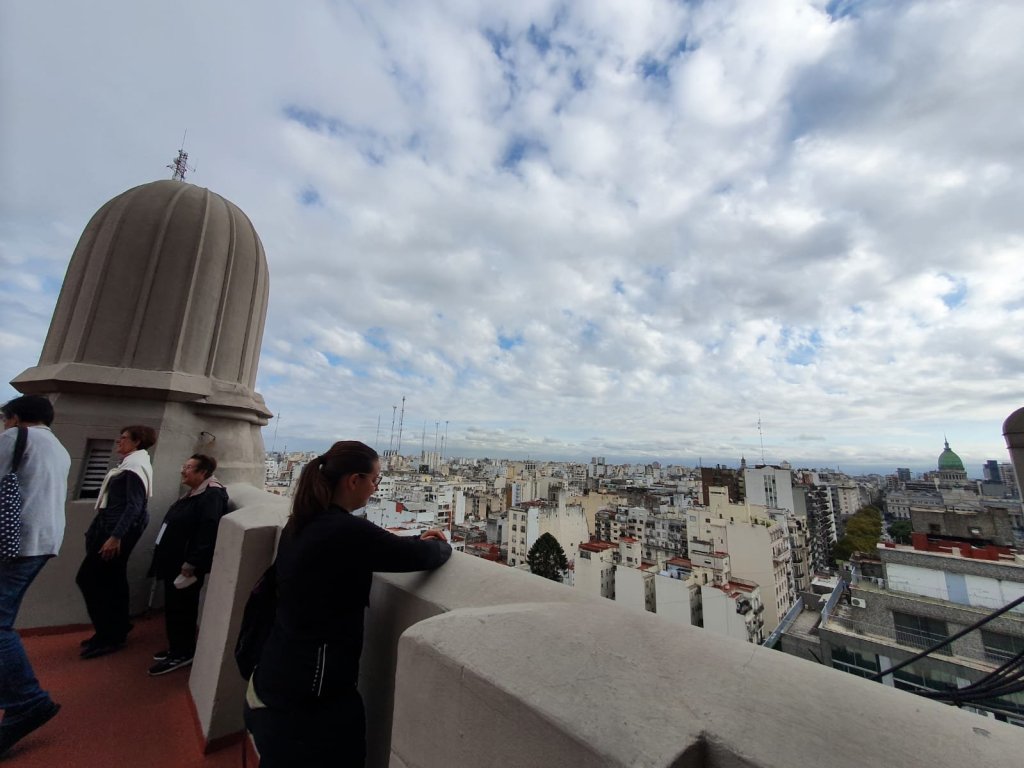
The cathedral is gorgeous on the inside, and as well as the main church, the attraction offers exploration of the crypt with a museum about its construction and original pieces, the opportunity to be lifted up the tower, and a sweet restaurant. A lovely morning out.

Horse riding in the Pampas

The province of Buenos Aires is part of the ‘Pampas’ region, and this is where the gauchos (Argentine cowboys) farm cattle the most. So, I decided to book us a day of horse riding in the area.

The four hour riding experience included a traditional asado lunch at the house of a local which was pretty special, and the horse riding itself was an unforgettable experience. For good and bad reasons…
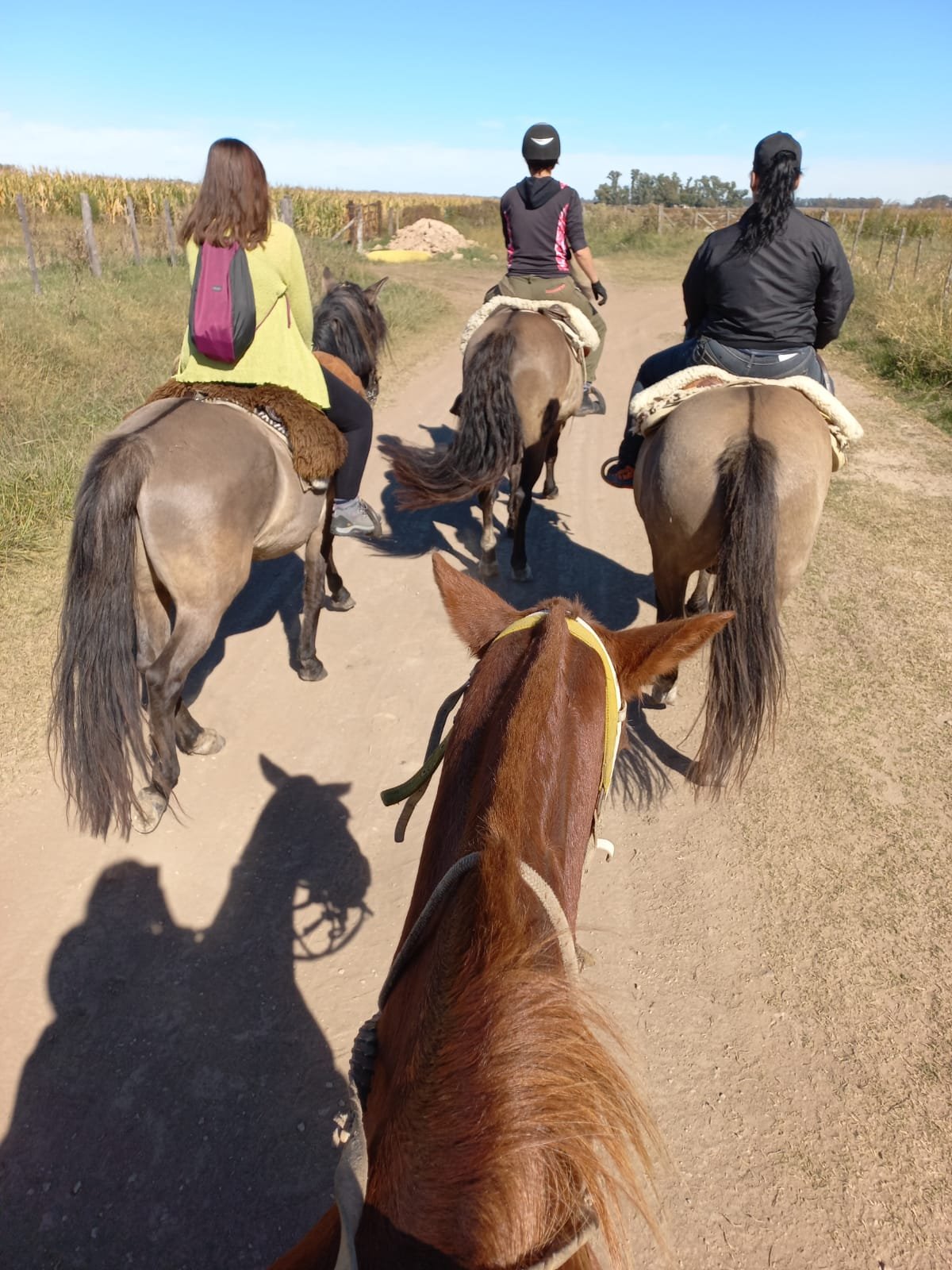
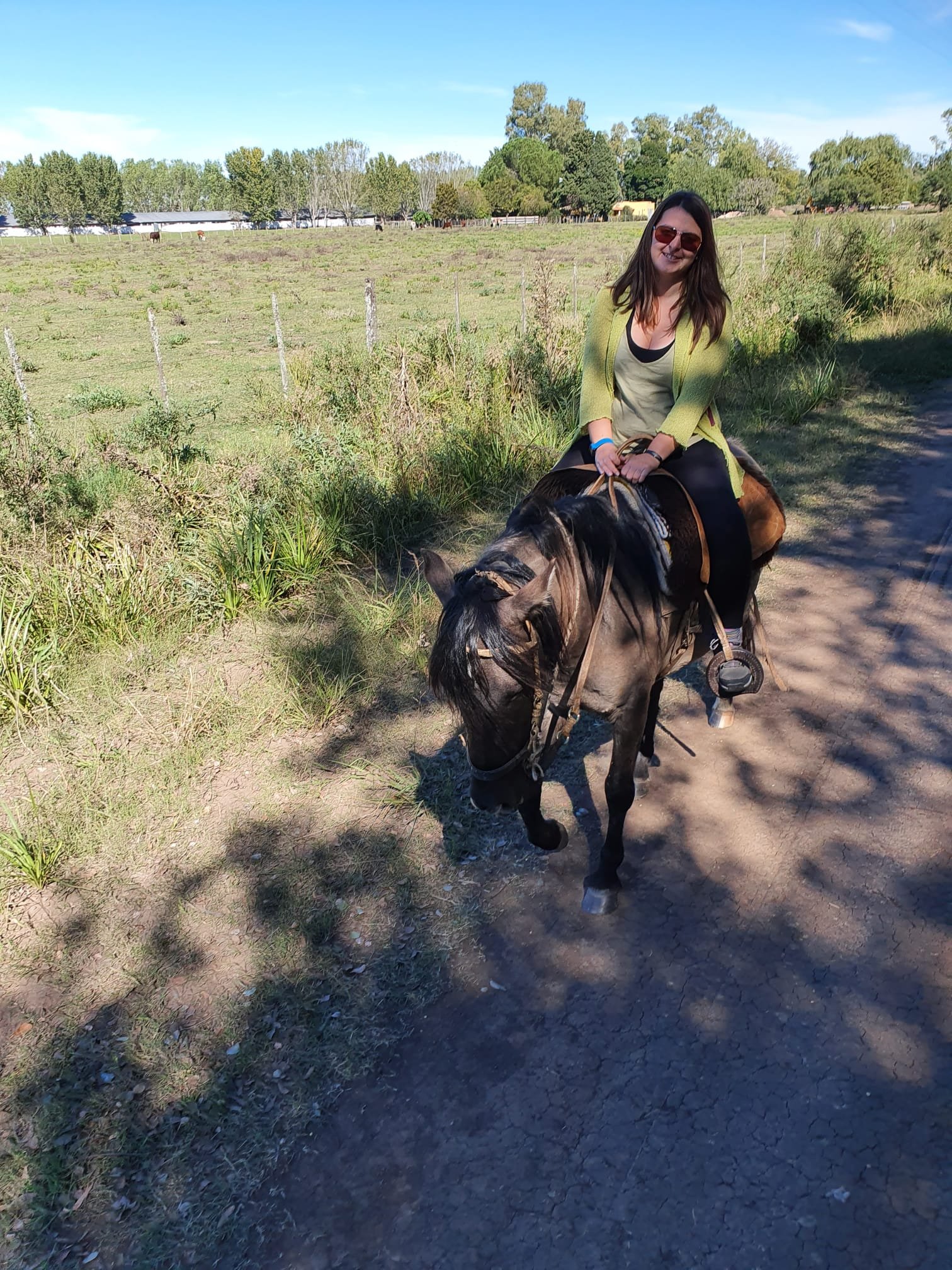
The horse I was given, was a little young and barely broken in. This was coupled by the style of gaucho riding which is very different compared to english riding. The saddles and riding kit on the horse is very different and there is no front to the saddles. You are also expected to ride one handed and without a riding hat.

Whilst a little nervous about my horse’s behaviour, I took on the challenge. We rode through long grasses, roads, ditches, and woodlands and after trotting, cantering and a little bucking by my horse, I did manage to stay on the horse! Even though I was a little banged up. The experience was good fun, but the major downer was the extreme amount of mosquito bites I endured all over my legs  i was rubbing toothpaste on my legs for days after! (Fun fact: it takes out the itch).

Lunch in Uruguay

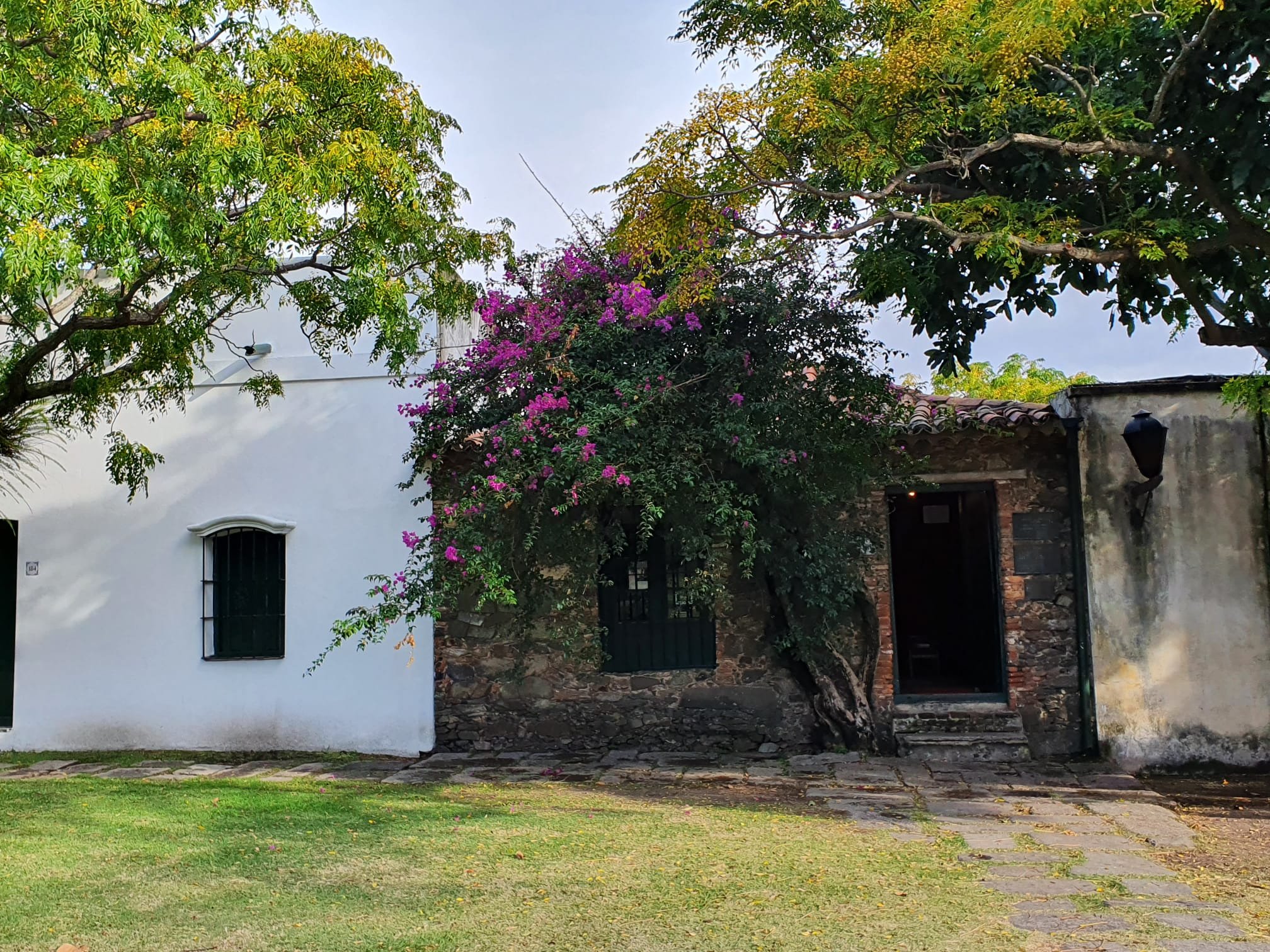
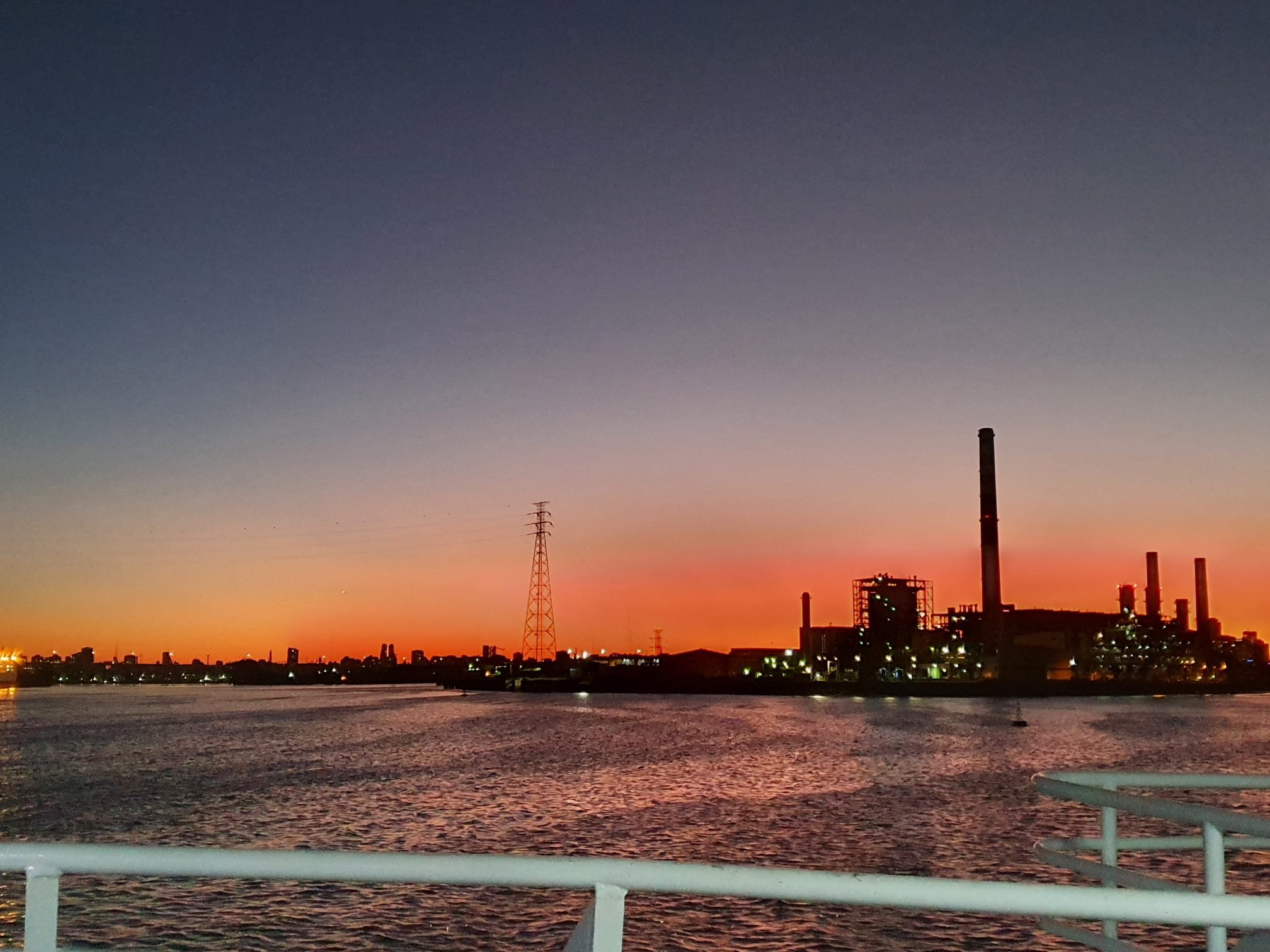
We became aware that you could visit Uruguay easily from Buenos Aires’ port by crossing in the river ferry for around an hour. It’s always tempting to cross another country off the list if the opportunity arises, so we booked our ferry tickets and took the pleasant ride across to a town called Colonia del Sacramento. From here you can also take a bus to Montevideo (Uruguay’s capital) but we decided to save that for another trip. Colonia del Sacramento is a picturesque town with a very portuguese style to it, from when it was colonised by Portugal.
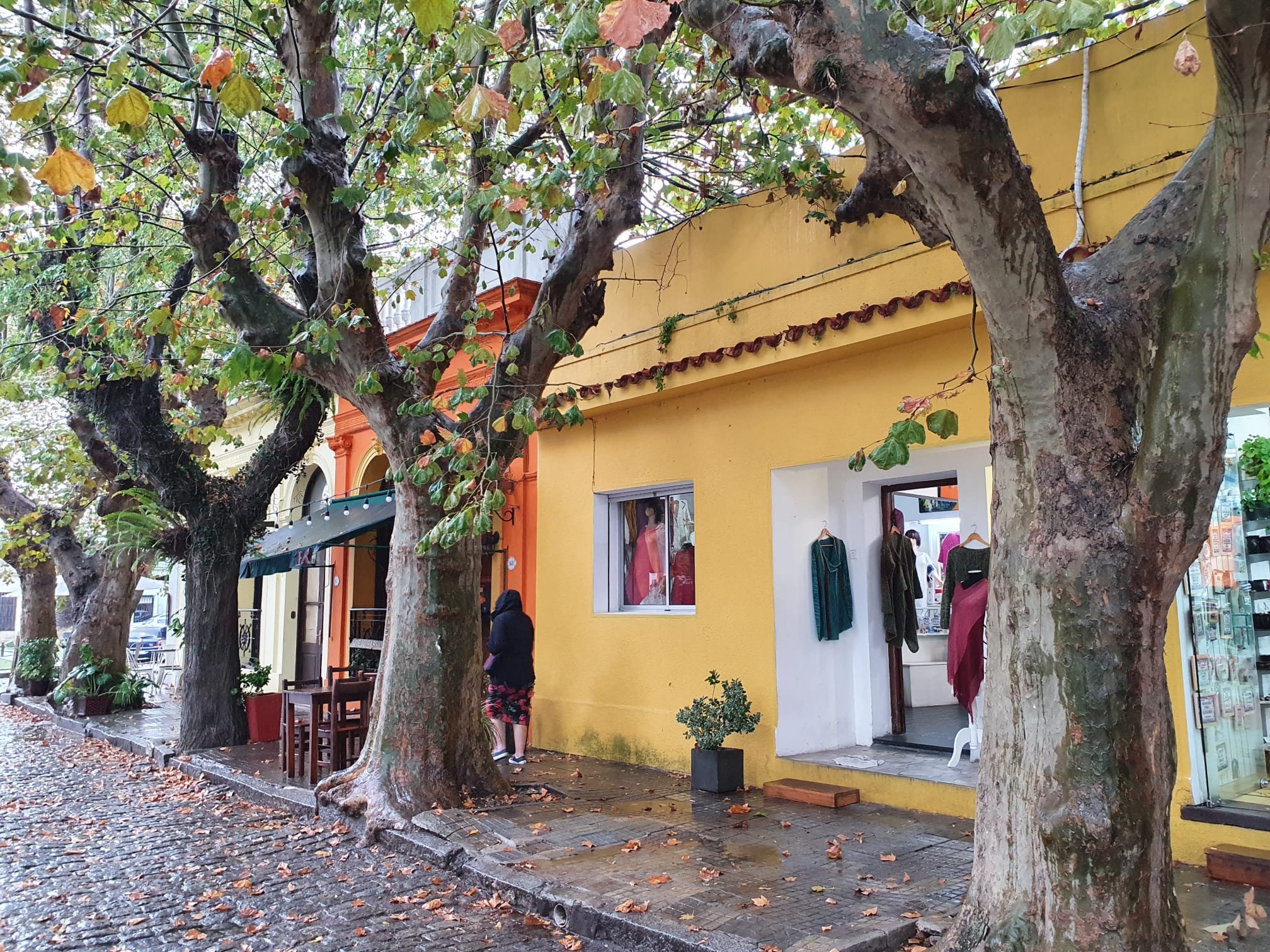
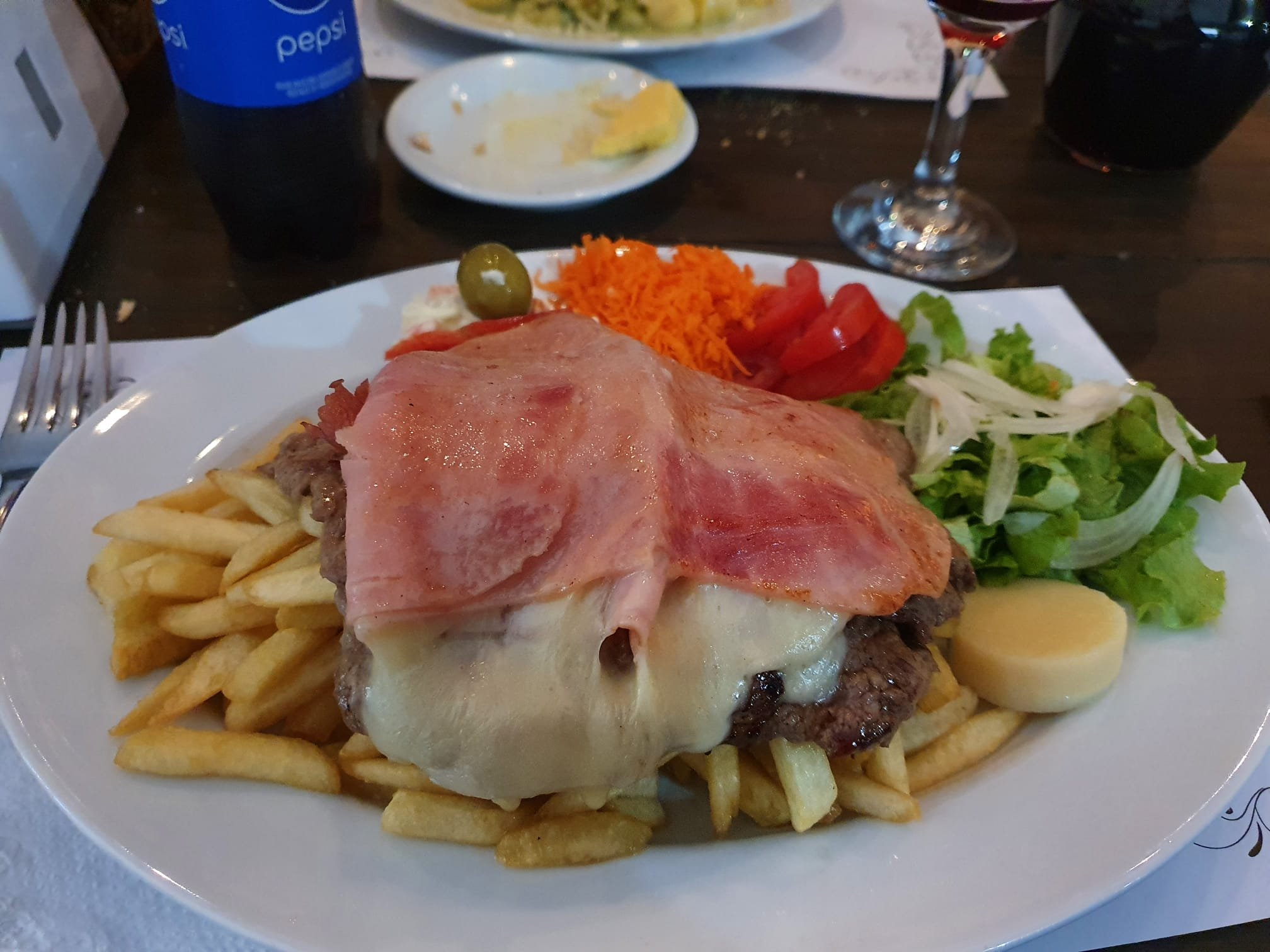
There are a couple of small museums and a church in the town to enjoy, and we had a long and luscious lunch of a traditional Uruguay dish called ‘chivito’. This is like a giant inside out meaty sandwich. Like Argentina, Uruguay also does not skimp on food portions.

Before we knew it, it was time to take the ferry back across the river. We had a good laugh about how we left the country just fot lunch though! 🤣

Tango

You can’t visit Buenos Aires and not watch a little Tango, as the traditional dance of the city. Not only can you see people dance this in the streets of Caminito in Boca, there are also plenty of theatres offering shows and classes. I wanted to do a class but they were multiple hours and I felt too lazy about it, plus I only had walking boots to dance with.

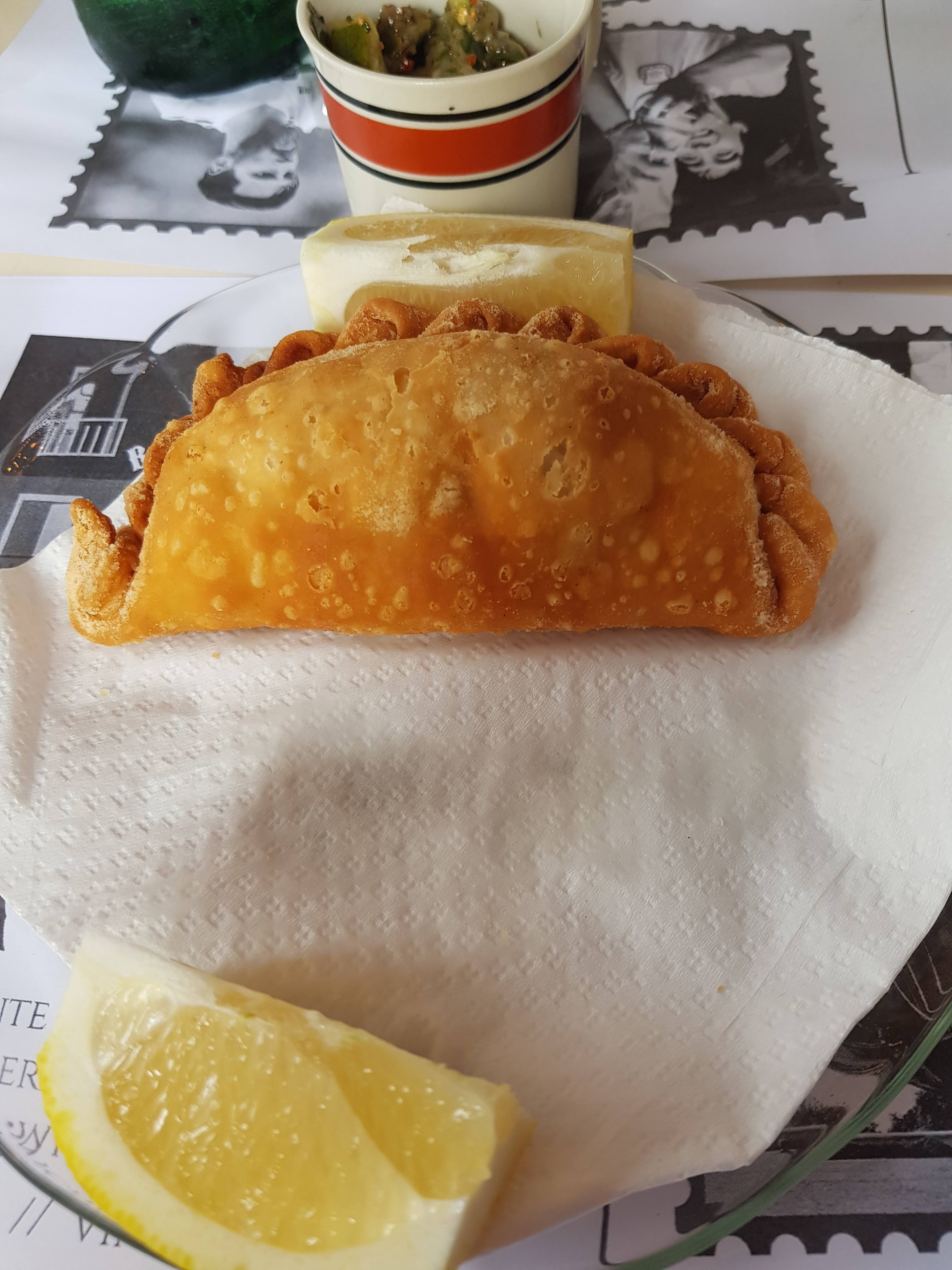
I did decide to book a show and after a little research, I booked a show at Teatro Porteno. You had an option of paying for the show on its own or with dinner included. I chose to purchase just the show which was about £23 but then on arrival, we were also provided with another menu to pick and choose food. We went for some empanadas and a delicious ham and cheeses board.
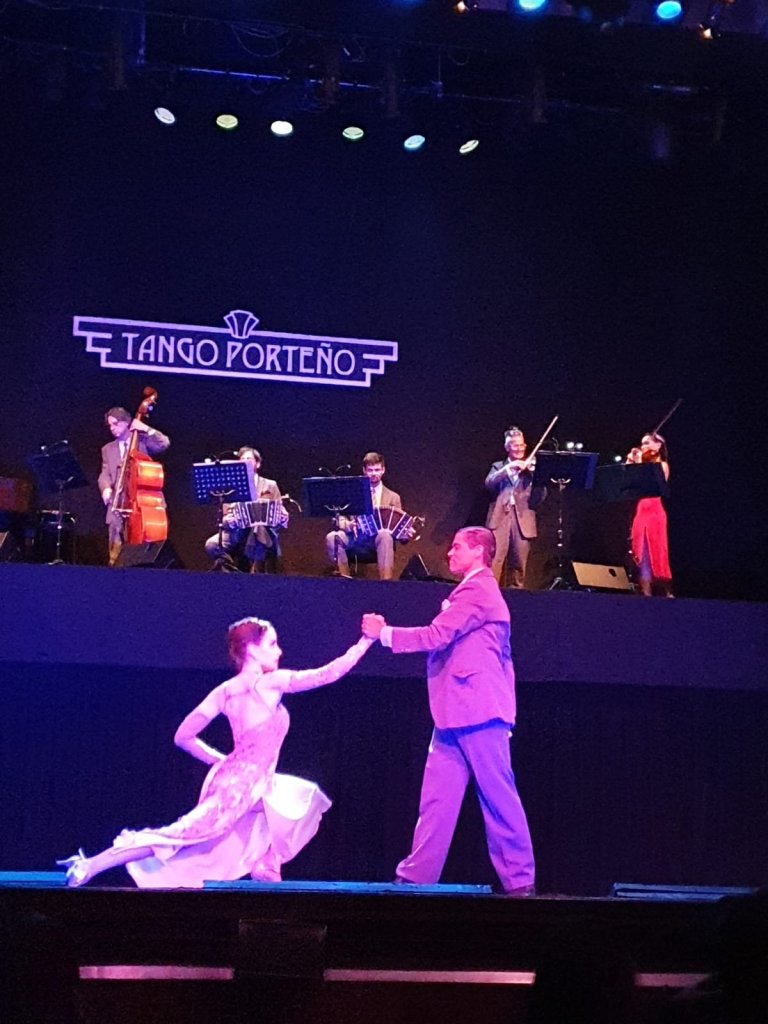
The show itself was amazing! Focused on locations around Buenos Aires, there was a variety of styles of Tango on display. They also had an act that used drums and cattle whips to create impressive rhythms with the music. I was really glad I visited.

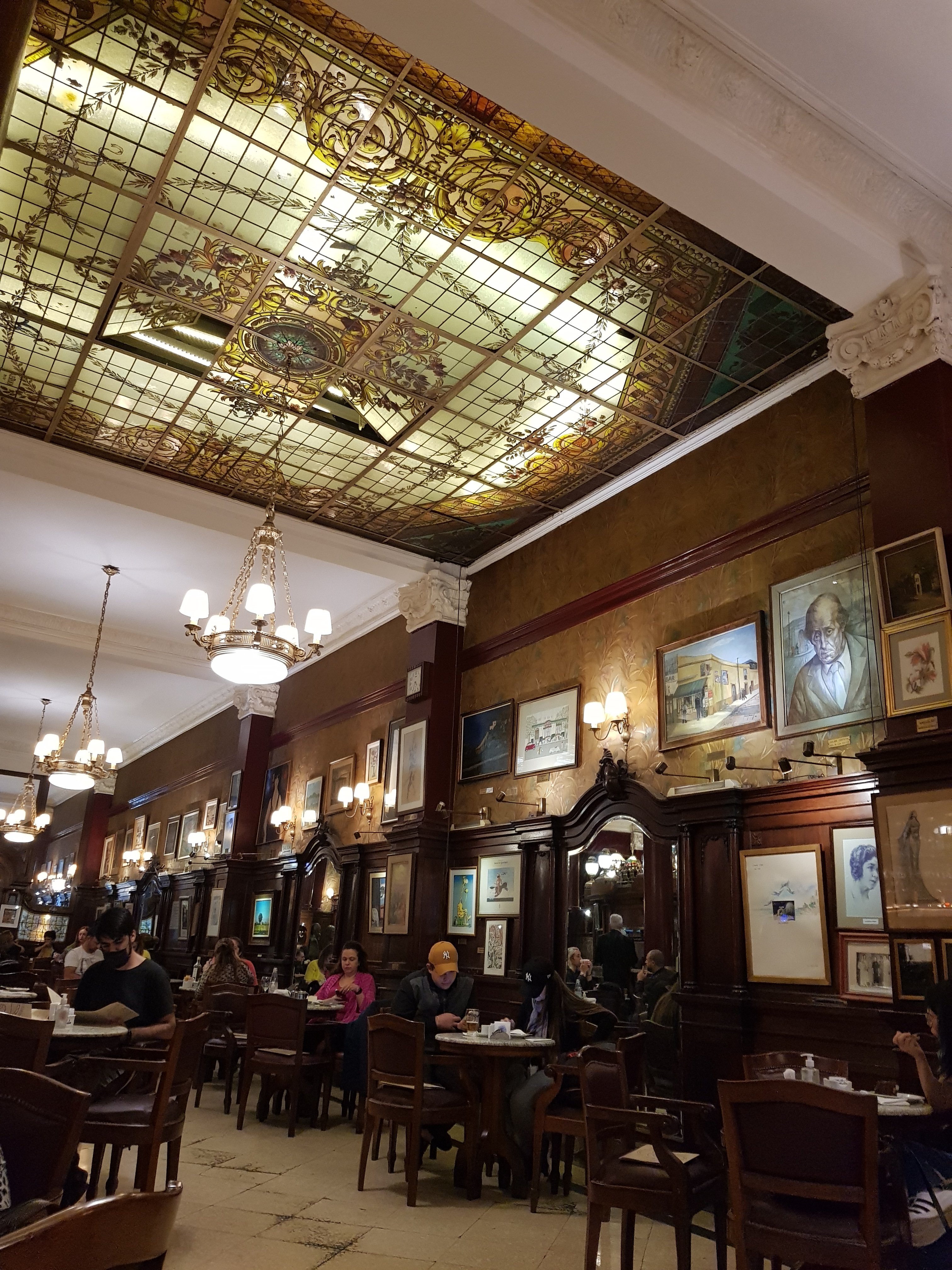
Another location where tango can be viewed and learnt is Cafe Tortoni. This is one of the oldest and most fabulous cafes in Buenos Aires. The decor is very traditional italian/ bohemian and many famous faces have eaten here. We decided to visit for a merienda (afternoon snack) and really enjoyed our visit with some great sandwiches and cake.
There were plenty of other bits and pieces I experienced in this bustling capital, but these were definitely the highlights. My return to the UK following Buenos Aires was a very long journey, but also gave me time to reflect on my amazing journey around this beautiful country.

After my return to the UK, I will soon be embarking on my next journey, working on board a cruise ship around the Mediterranean…
10 Interesting Facts about Argentina

Argentina has a unique identity amongst the countries of South America and whilst I have been exploring the country, I have discovered these 10 interesting facts about this wonderful country.

  • 1. A lot of things are free

    A surprising amount of services in the country are free to the general public, this includes healthcare, education (including higher education), and many cultural attractions and events such as music festivals and museums. I found this to be a pleasant idea, as the country is quite poor, but it still prioritises funding to these essential public services.
  • 2. They are football crazy

    The Argentines, especially Portenos (people from Buenos Aires), seem to be mad for football. It seems that if you did decide to go out in the city with your football club shirt on, you may well get stopped by someone to ‘discuss’ this. I was quite shocked that some people even knew where I was from (Norwich city) just because of our rubbish football team that goes in and out of the premier league regularly.
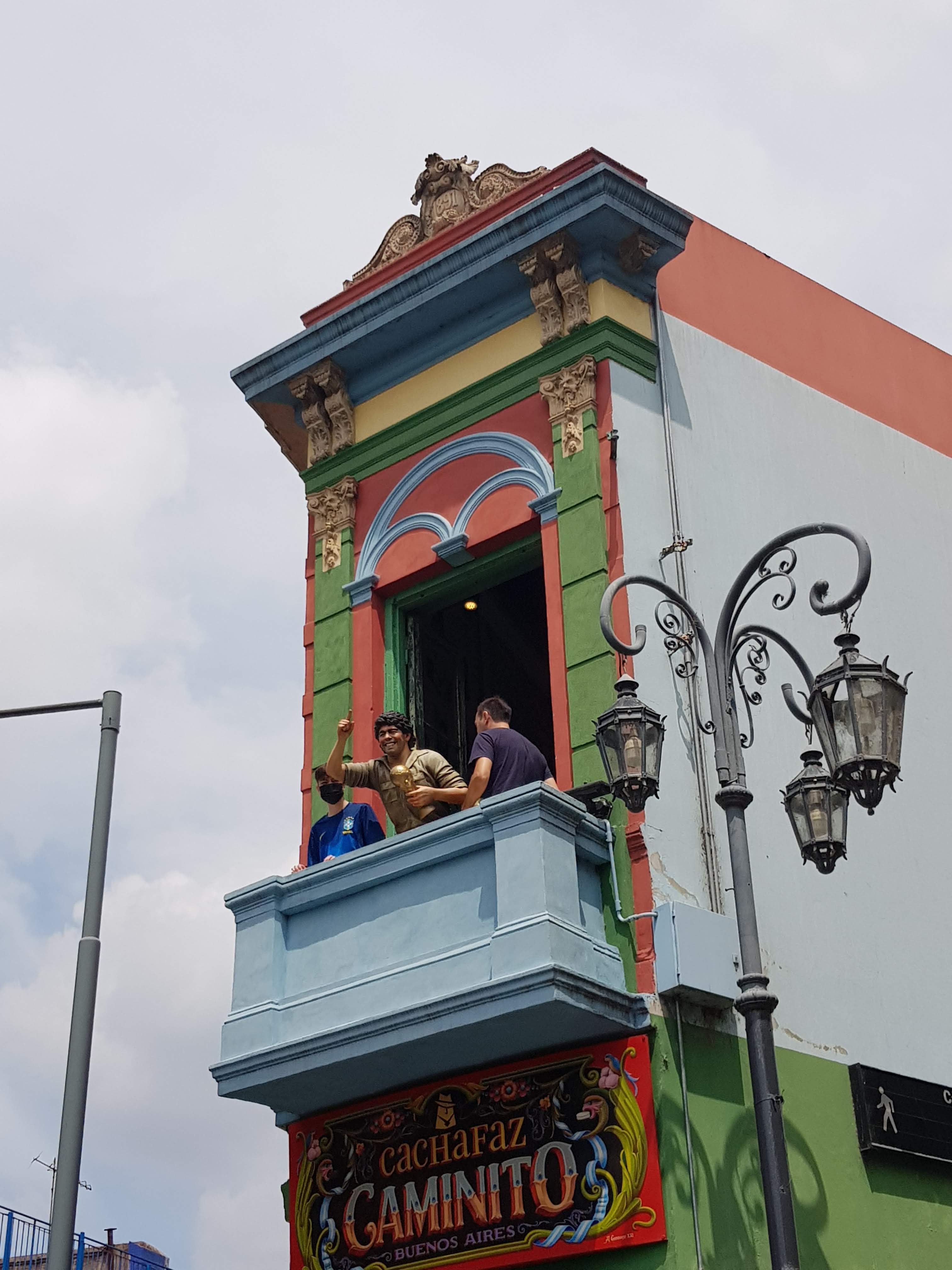
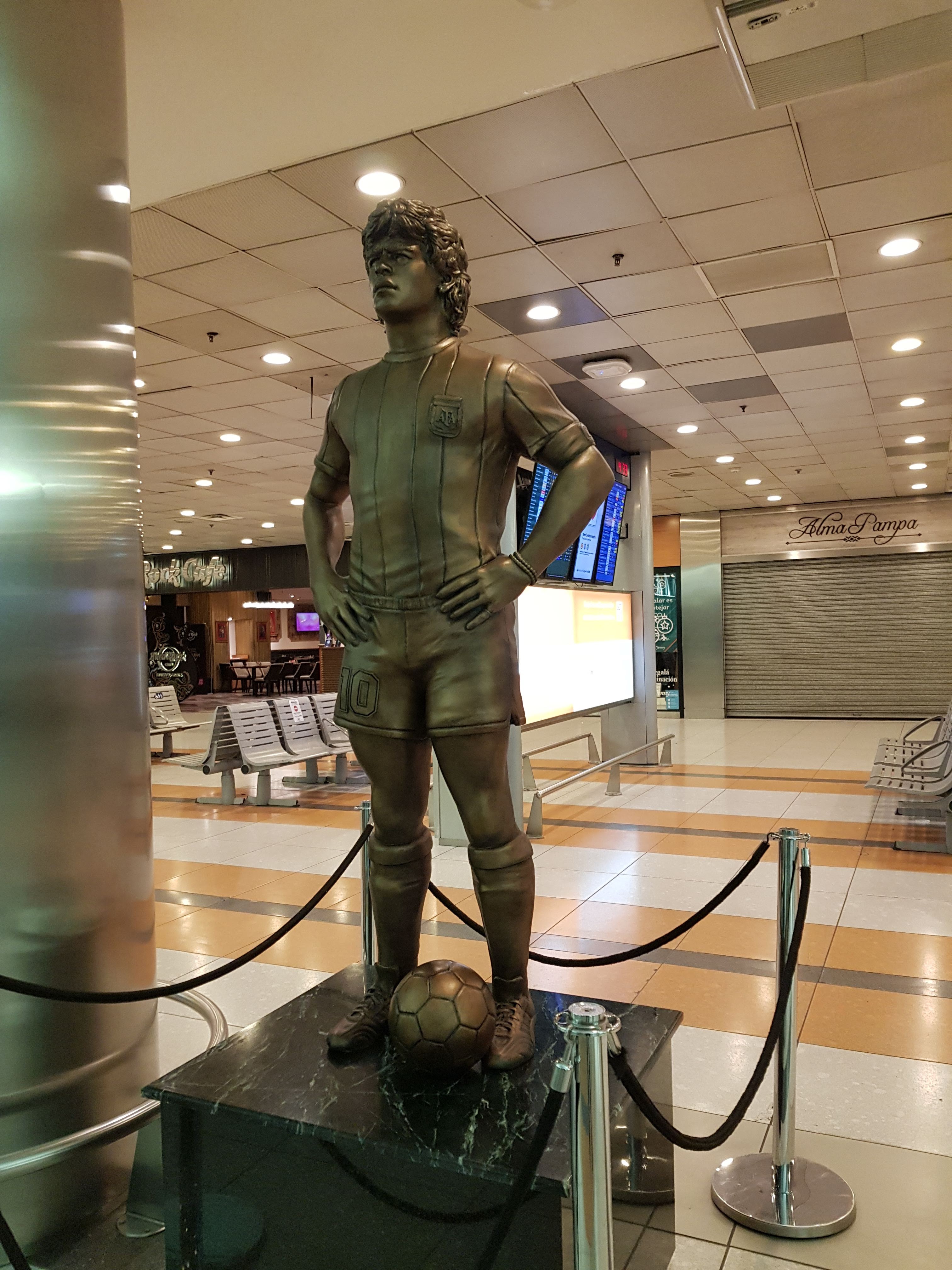
Boca photoshoot opportunity with a footballer
  • 3. They have their own unique pronunciations

    Spanish isn’t an easy language, as there is a lot of variety in the grammar, accents, words and pronunciations. Throughout Latin America, the pronunciation of the sounds for ‘c’, ‘ll’ and ‘y’ are different to most of Spain, but in Argentina there is an even more defined difference. Instead of sounding ‘ll’ as (ya) or (ja), they turn it into (sh). Multiple times, I was convinced my spanish was correct, only to realise the people of Argentina didn’t understand me because of this subtle change in sound.
    
  • 4. They are mad for Mate

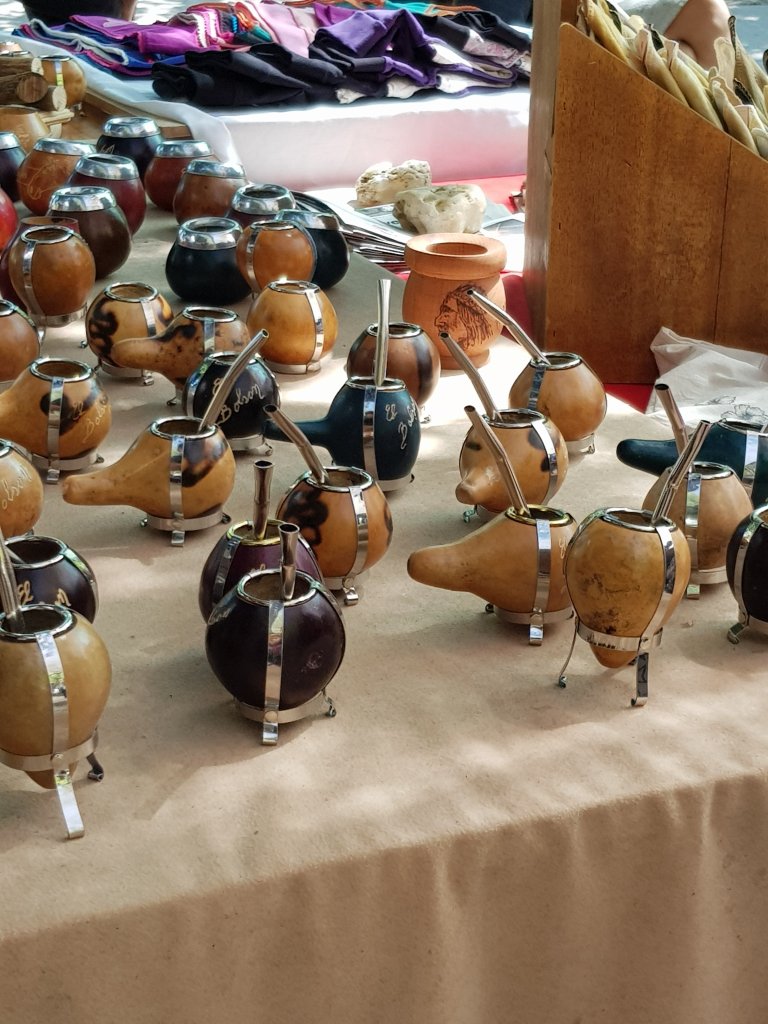
    Mate pronounced ‘matay’ is a type of herbal tea that is served in one special cup with a metal straw and shared between a group of friends and family. The people of Argentina are seriously committed to their mate sessions. Most people seem to drink mate throughout the day, and I was offered several mate sessions in my time in Argentina. It was very clear how important this drink was to the locals when I saw people trekking with a kettle and mate cup attached to their backpacks, ready for action.
Mate cups
  • 5. The country’s history is really complicated and includes lots of dates

    So it seems that the country has had a lot of politics and conflict since its founding. The culture is clearly very influenced by European heritage here, especially french, spanish and italian. Argentina had a lot of heartache to sever their political ties with Europe though, and become an independent republic. It is definitely worth learning about the history as it is very interesting, and the country is clearly very keen to memorialise their historic events. All the main streets are named after either important historical dates or people. It seems like every town’s main street is named after San Martin, who helped Argentina and other latin american countries become independent.
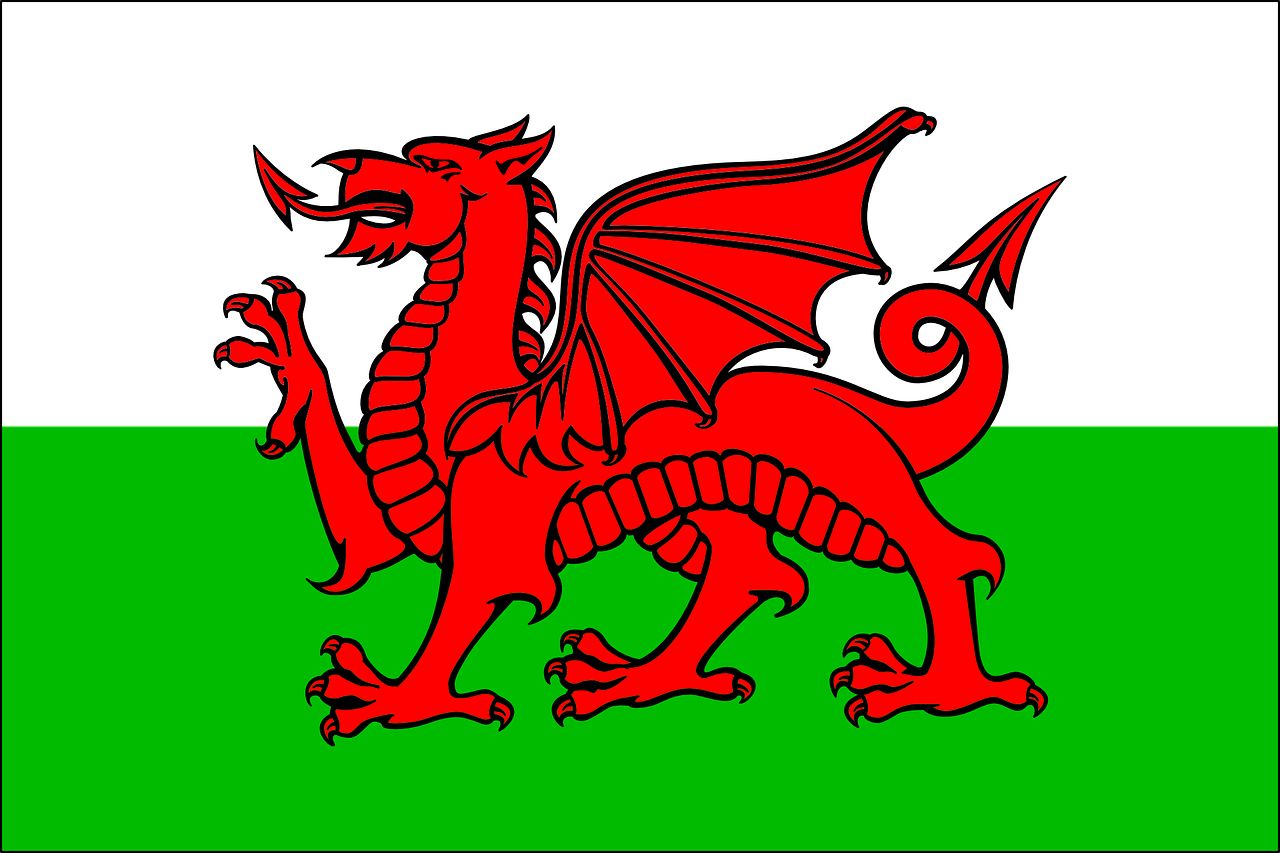
  • 6. They have a whole community of welsh people

    Super surprising to me. Within a part of Argentina’s Patagonia, near Puerto Madryn, there is an entire heritage based on settlers from Wales. These settlers wanted to settle in the area when it was still fairly new, so they could keep their culture alive within their own community. Every year, in July, the welsh community celebrate their culture with a schedule of welsh traditional activities. Throughout the year, visitors can enjoy Welsh tea and visit the historic chapels that the settlers built first on arrival.
  • 7. Drugstores do not sell any drugs

    Shops are a bit confusing in Argentina, and drugstores are a good example of this. There are a number of stores labeled as drug stores in Buenos Aires, but when you visit you will find it to actually be a convenience store of snacks and drinks. If you go to the supermarket, you will not be able to access any drugs either, I have yet to even see paracetamol sold there. The only place to find any meds is unfortunately a pharmacy, which is normally very pricey.
  • 8. They insult each other and swear quite a lot

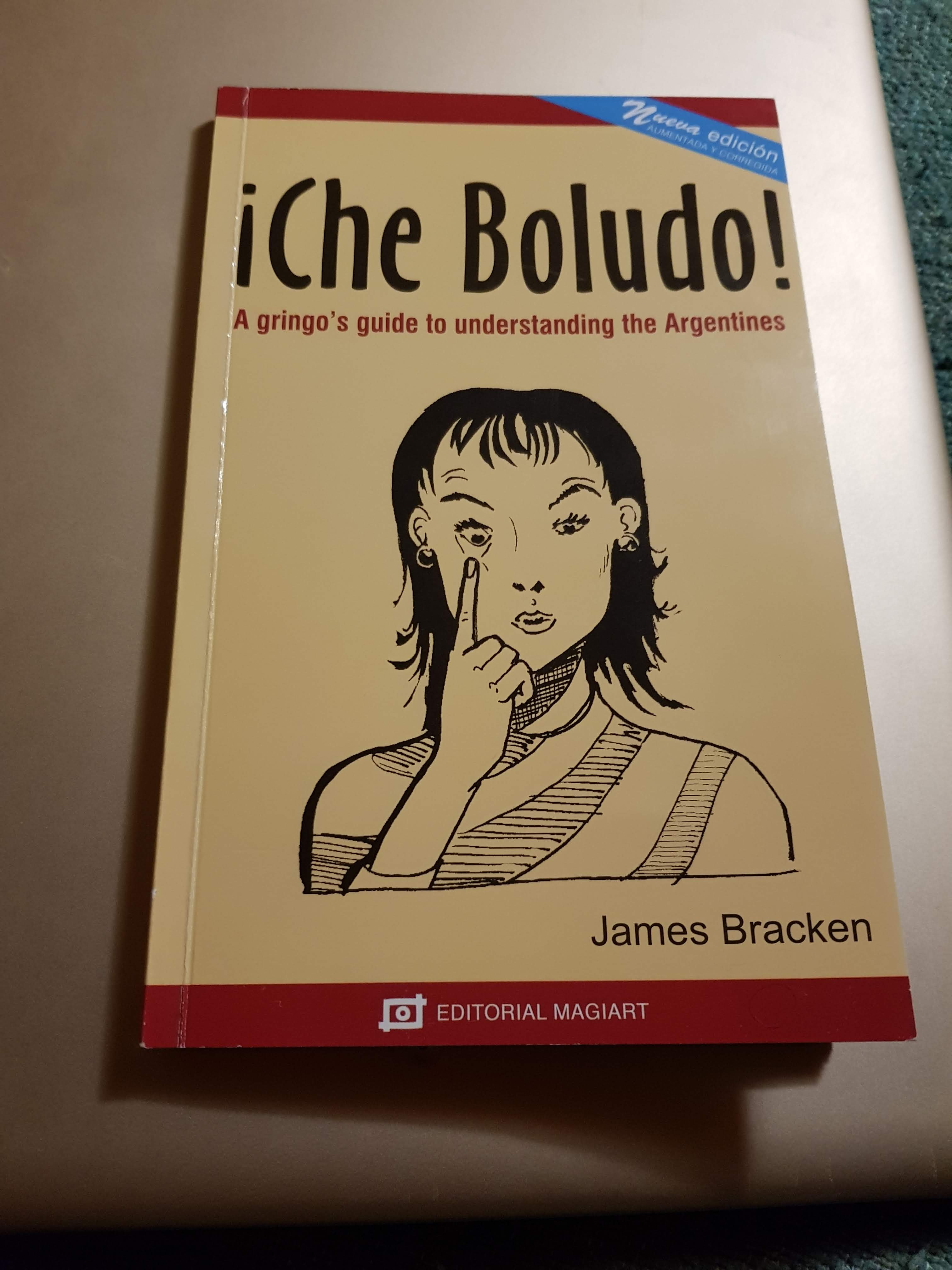
    Whilst in Argentina, I decided that I wanted to learn a little of the local slang that is specific to this country. I met a girl from Argentina that taught me some words, but I also found a well known book in a gift shop, ‘che boludo’. This book is devoted to the Argentine slang, and to my suprise, there are a serious number of ways to insult someone, or describe sex, and if they are literally translated, then they are super weird. For example… cerrado como una cola de la muneca… literally meaning closed like a dolls ass… actually they mean someone is narrow minded. Confusing right?
  • 9. Most people live in Buenos Aires province

    Maybe you won’t think this is interesting, but I felt it was strange. Considering that Argentina is the eighth largest country in the world, it seems odd that most people I met all lived in the same place. In fact 13 million of the population lives in the Buenos Aires area, where the capital resides. This provides some racional to why there is so little road infrastructure elsewhere in the country, most of it is just wilderness.
  • 10. They love a kiss or a fist pump

    So… if you are meeting a bunch of Argentine people at a party or gathering of friends, there is a pretty good chance that you are going to be kissed on both cheeks by every person there. I felt very strange about this as the reserved English lady that I am. My preference was the other national greeting which is much more casual, the traditional fist bump. Made me feel like part of a crew! haha

There are so many more interesting things about Argentina, but these are just a flavour of unique and unexpected customs and facts that I discovered when visiting. I would love to hear if you know of anymore?

Me with a mate

Buenos Aires: Paris of the Americas (Part one)

I have now spent a week in Buenos Aires to begin my journey through Argentina and Chile. This solo visit is the first time I have been to this city that makes me feel as if I never left Europe. I have dipped my toe into the main attractions and some of the culture here, before I revisit with a travel companion in three months time.

Travel to Argentina

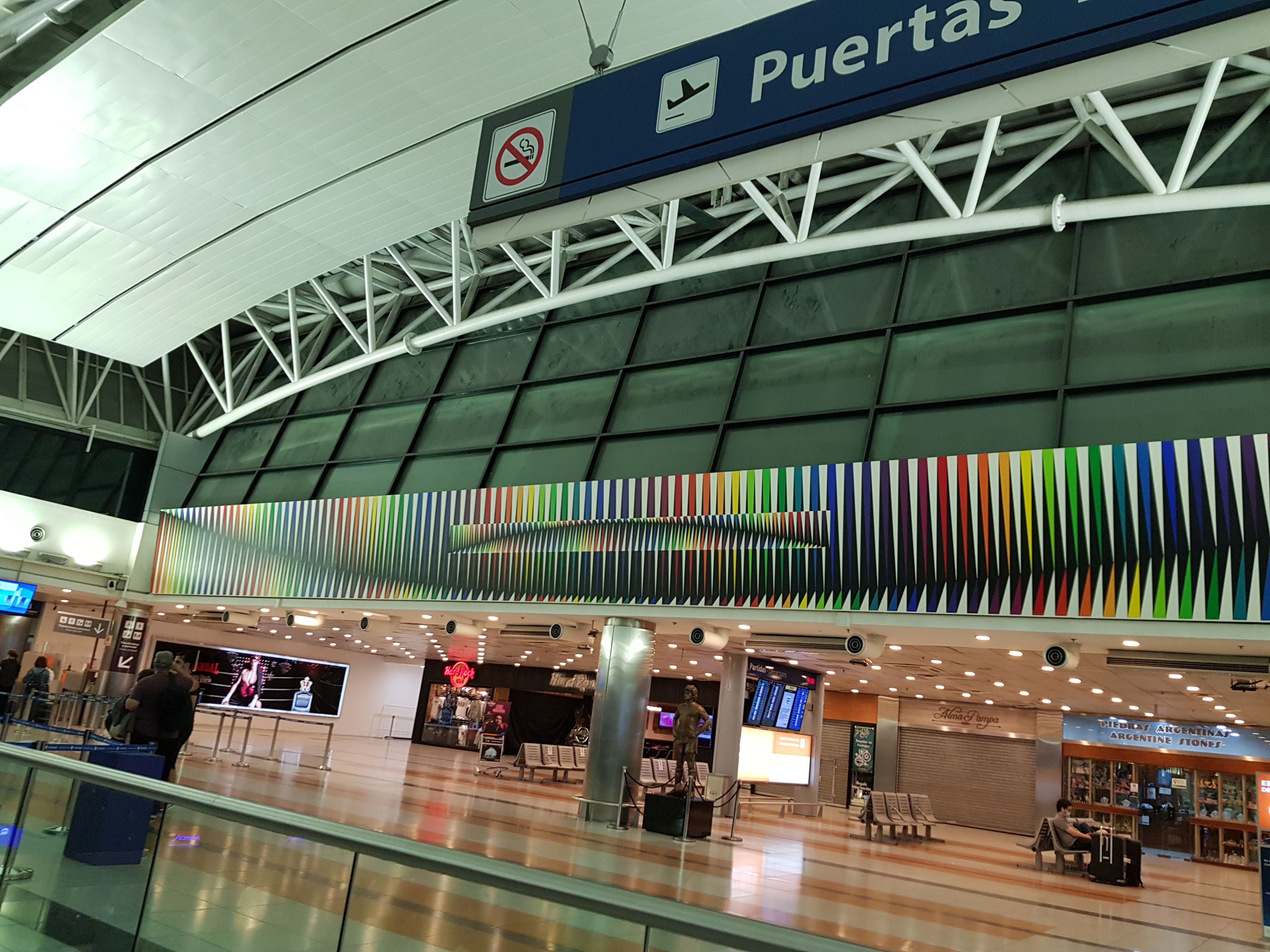
The journey to Buenos Aires from the UK was a very long one. At 3am on the Tuesday I left my home town on a coach to Stansted Airport. At 8am I flew to Madrid. Waited in a lovely airport lounge in Madrid until 6pm (spain time) then took a flight to Buenos Aires for about 13 hours, arriving 4am on the Wednesday (Argentina time). I then had to wait for Argentina to wake up before I could travel to my hostel and check in. It was long but comfortable.

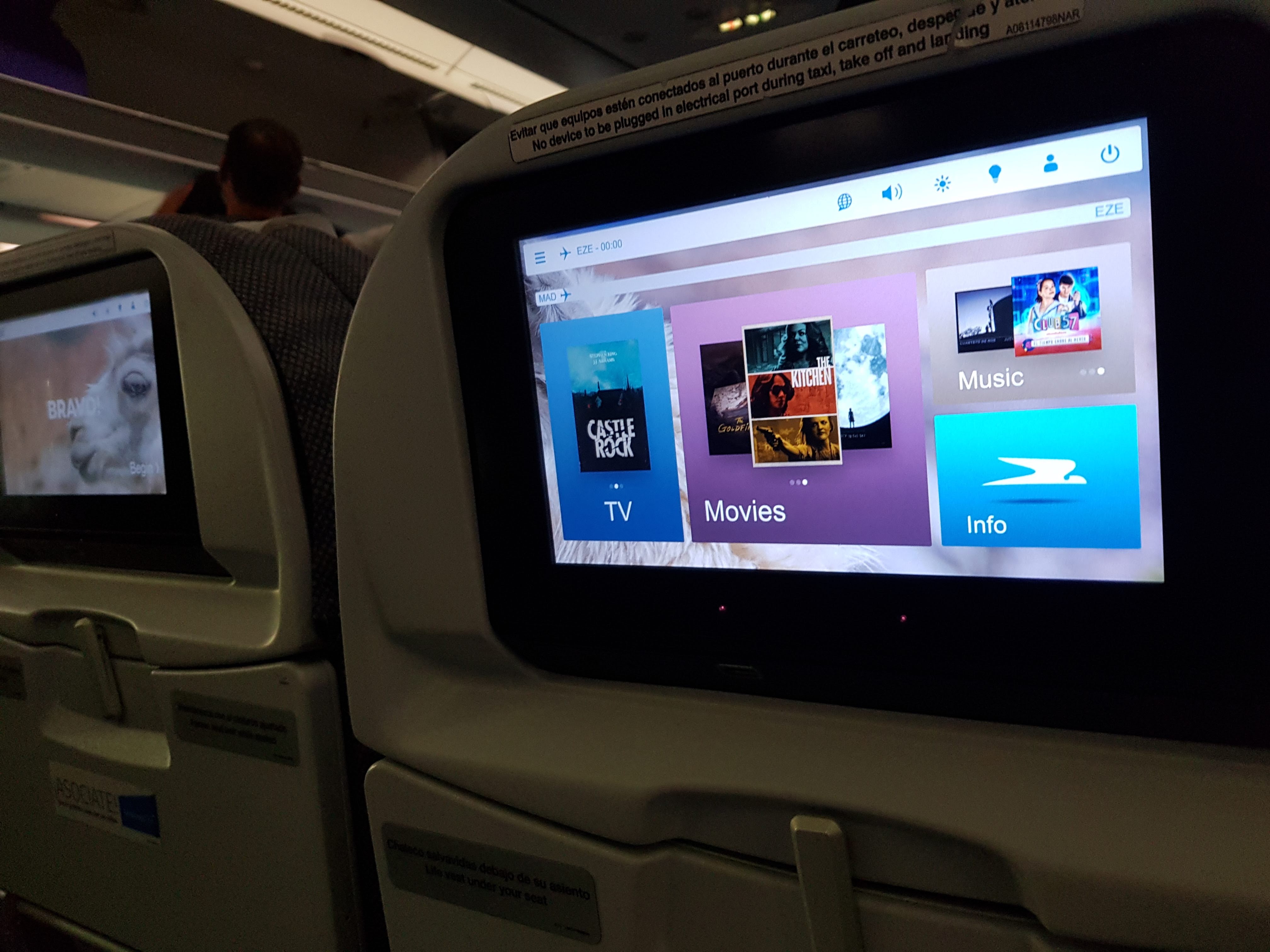
The coach was comfy, the airport lounge was relaxing and the flight to Buenos Aires was very pleasant. I travelled with Aerolineas Argentina (Argentina Airlines) and I had a decent seat, and an empty seat next to me, a personal TV with movies and music, and a blanket and pillow. They provided breakfast and dinner which was satisfying and they were very efficient. I booked a Taxi in advance at the other end, and the driver was really friendly and helpful, and we had a long conversation in Spanish.

First impressions

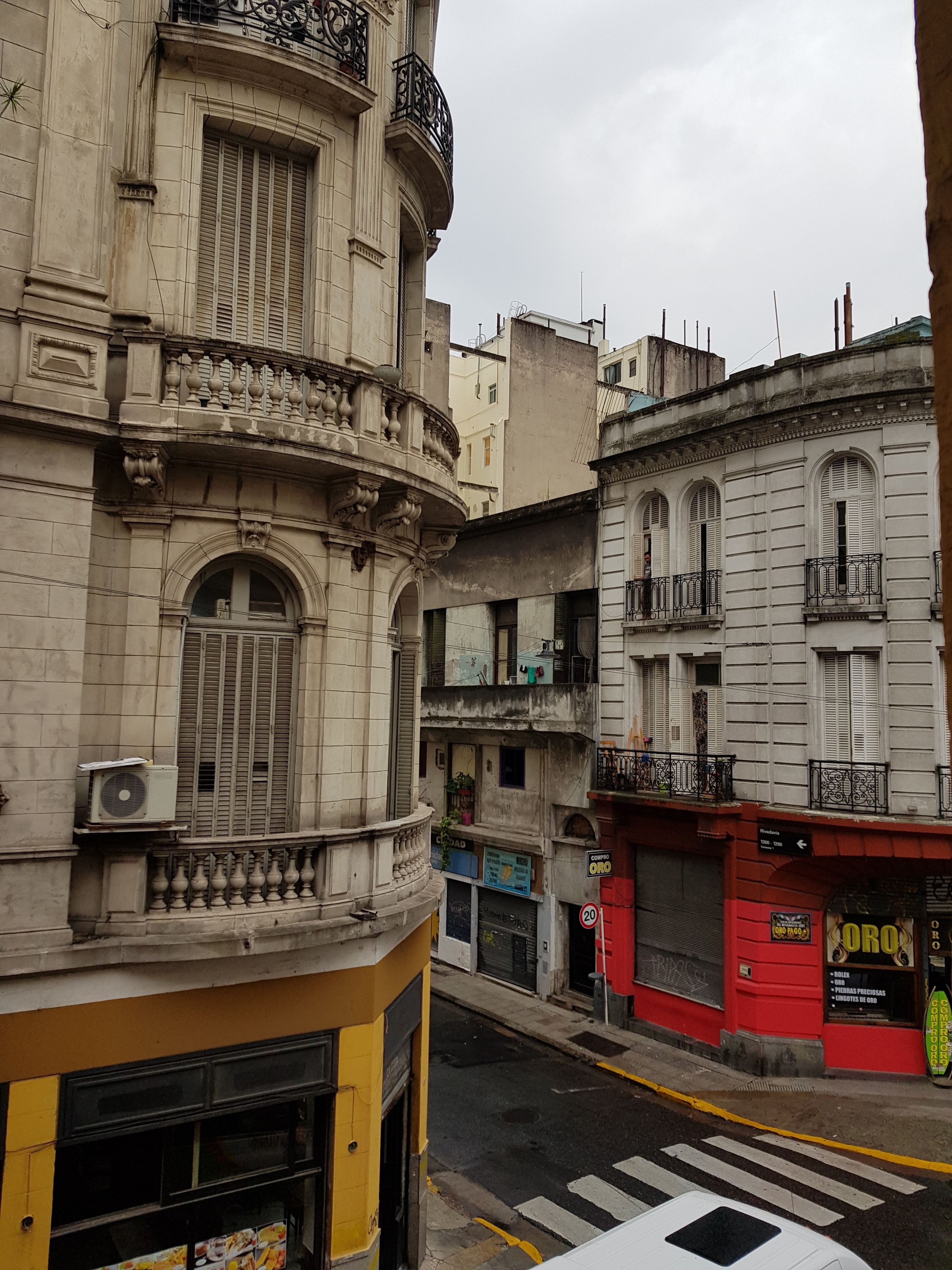
On leaving the airport, I could immediately be reminded that I was in a third world country. As a capital city, it struck me as very underdeveloped, with many buildings being dishevelled and outdated. Many of the businesses that I could see were targeting those needing quick cash. For example, there seems to be ‘cash for gold’ pawn shops on most streets in downtown.

On the other hand, the outdated buildings do offer a level of charming bohemian style. There is no pretending, many of the streets are just as they have been for many decades. This means their European influence is still very clear. There were many times where I actually felt like I was in Madrid, because of the style of the buildings around me.

My hostel was to a good standard, although bathrooms are definitely a problem here. The first time I used my hostel shared bathroom, the door handle broke off in my hand. I have been to other locations in the city where the restaurant or attraction seems great but the toilet is awful. I went to one restaurant where the door seemed to be from a piece of a shipping container, and you just had to wedge it shut, not lock it.

Supermarkets are also different, after being spoilt by European supermarkets, and being a picky eater too, this has been a challenge.. The supermarkets are much smaller, and offer much less fresh baked goods or easy meals. The fruit is surrounded by fruit flies and you have to search for a non bruised selection, and many of the things on offer are packeted. I have found some bits that I have really enjoyed, such as Pepas, which are their version of jam tarts. Very nice. Creativity definitely comes into play when creating meals from the supermarket.

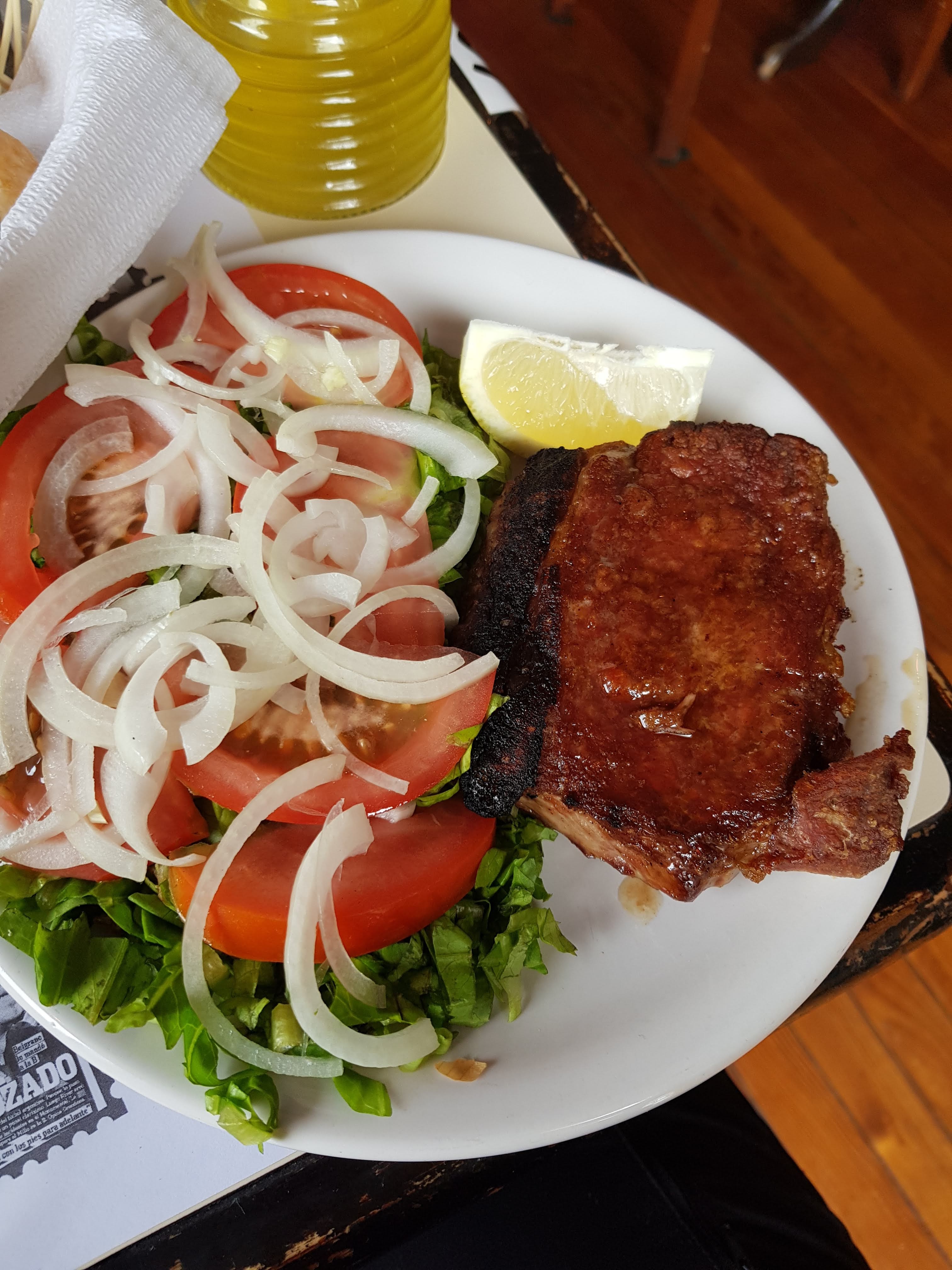
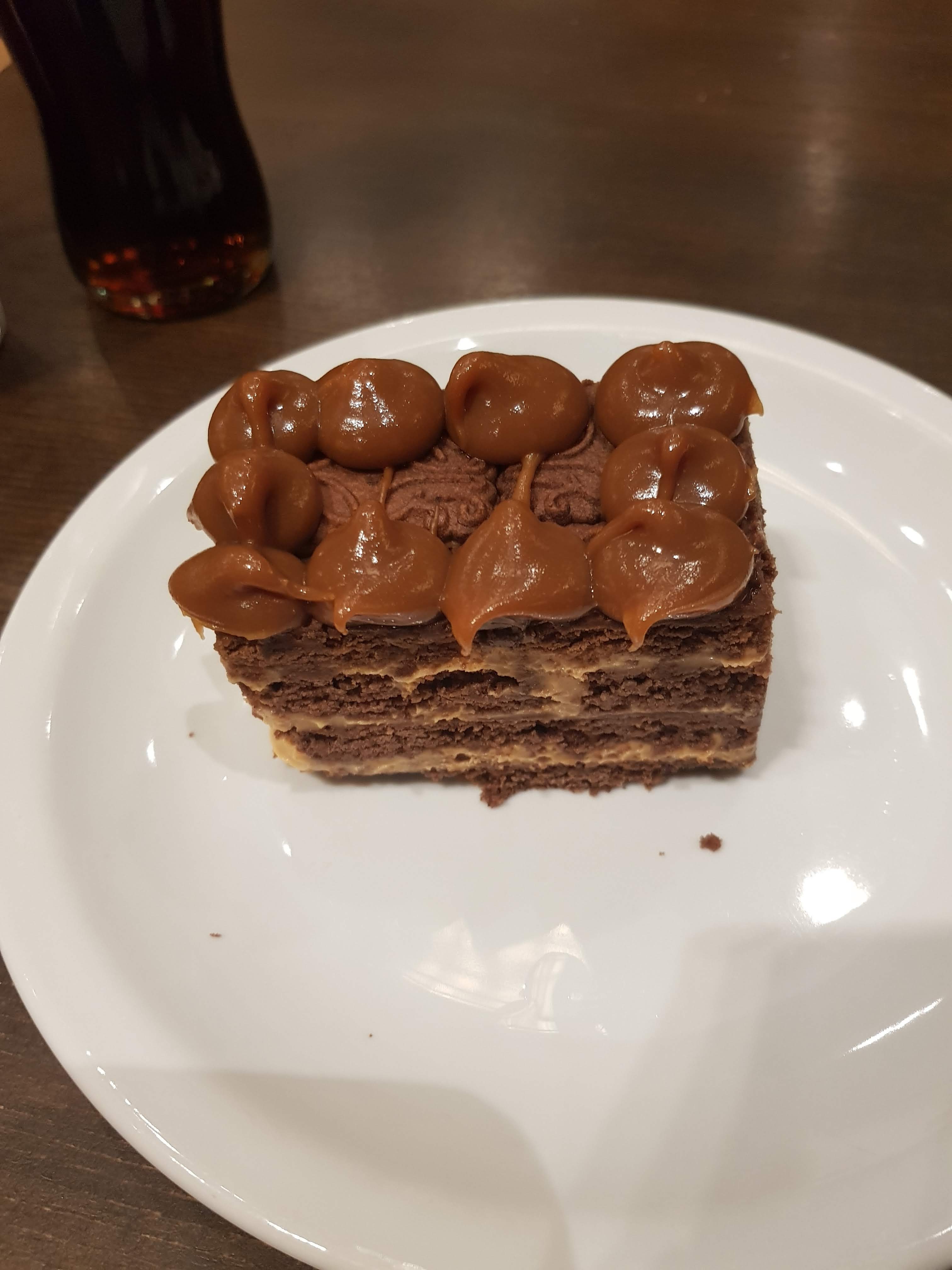
Food from restaurants and cafes are another story. Every meal or snack I have bought from a bakery or a cafe or a restaurant has been absolutely delicious! Empanadas are the traditional snack of the Argentines, and can be bought with ham and cheese, meat or in other flavours, this filled pastry is addictive, cheap and available in a lot of locations. An absolute winner! I also have tried some asado (their famous grilled steak) I don’t normally like steak, but Wow! This was good stuff! Deserts are amazing here, with dulce de leche (their tasty caramel) in large supply. It has been very hard to reign myself in and not eat tons whilst here!

Uptown and Downtown

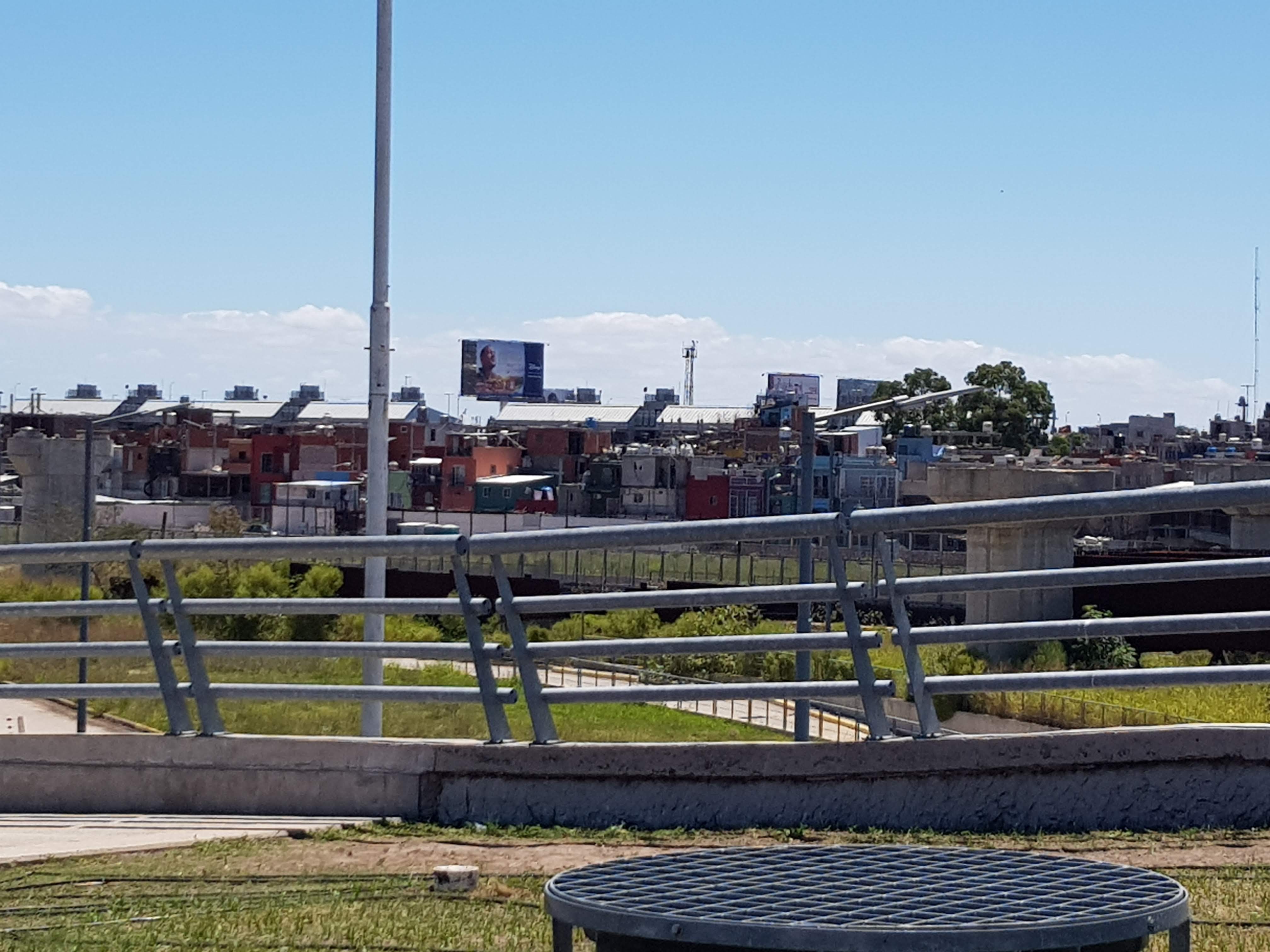
On my first full day in Buenos Aires, I took a city tour with a group of Argentines and Brazilians. The tour took us to several places in the North of the city, and then places in the South. The difference was obvious. Uptown is the place of the wealthy, and downtown is for those that are true working class and others that that are struggling to make ends meet. I don’t think I have ever been to a place where the difference is so huge geographically in one city. Apparently, everyone was mixed originally, but decades ago, an epidemic of Yellow Fever meant that those that could afford it, left downtown to move North where the infectious mosquitoes were less of an issue. Now, in the North of the city, you can see skyscrapers and people on their iphones and apple macs, and designer stores and flash hotels. Whilst in downtown, people keep their valuables hidden, the buildings are old and in need of repairs, and on the other side of the railway tracks, lie the slums where some people don’t even have a home. I felt very conflicted about this when in the same hour, you could see people buying designer clothes, you can see a group of six year olds looking through the street’s rubbish for food.

Buenos Aires slums from a distance

I have learnt that nearly 50% of the population are living under the poverty line, and so many areas of the city are off limits to visitors for safety, and tourist police patrol the biggest tourist sites. I didn’t really feel unsafe at any point, however I was cautious. I mainly just felt sorry that I couldn’t do more to help.

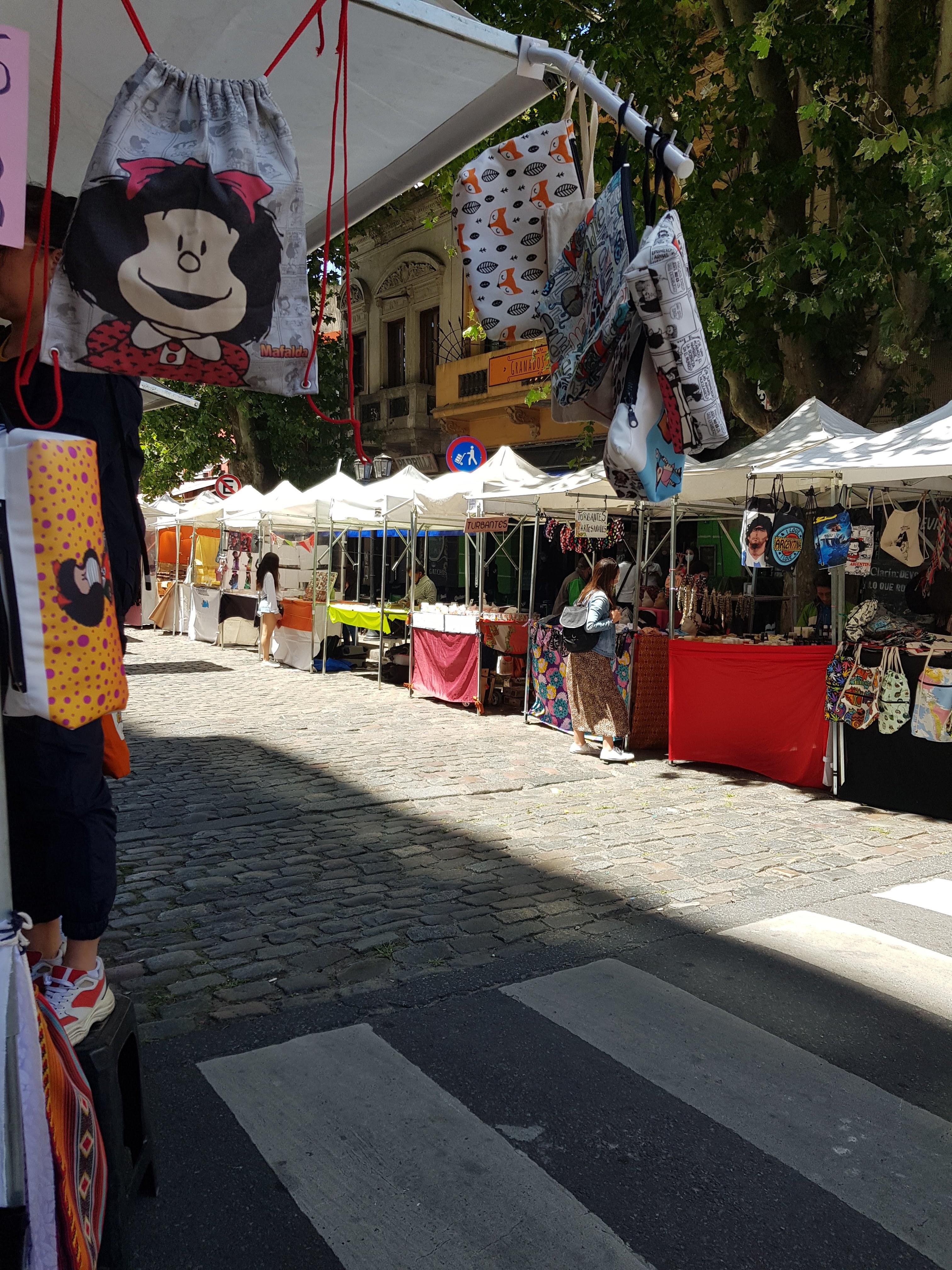
Despite the hardship present, the people of downtown Buenos Aires are clearly continuing to work hard and keep going as I witnessed numerous protests, and sellers of their own artisan crafts, determined to improve their circumstances. The attitude of these Portenos is inspiring, and everyone I met was so generous and lovely. On the Sunday of my visit, I visited the San Telmo Antiques fair, where people were selling their finds, and their crafts. There were some really beautiful items that I couldn’t resist, and I will definitely be coming back for homecoming gifts at the end of my trip.

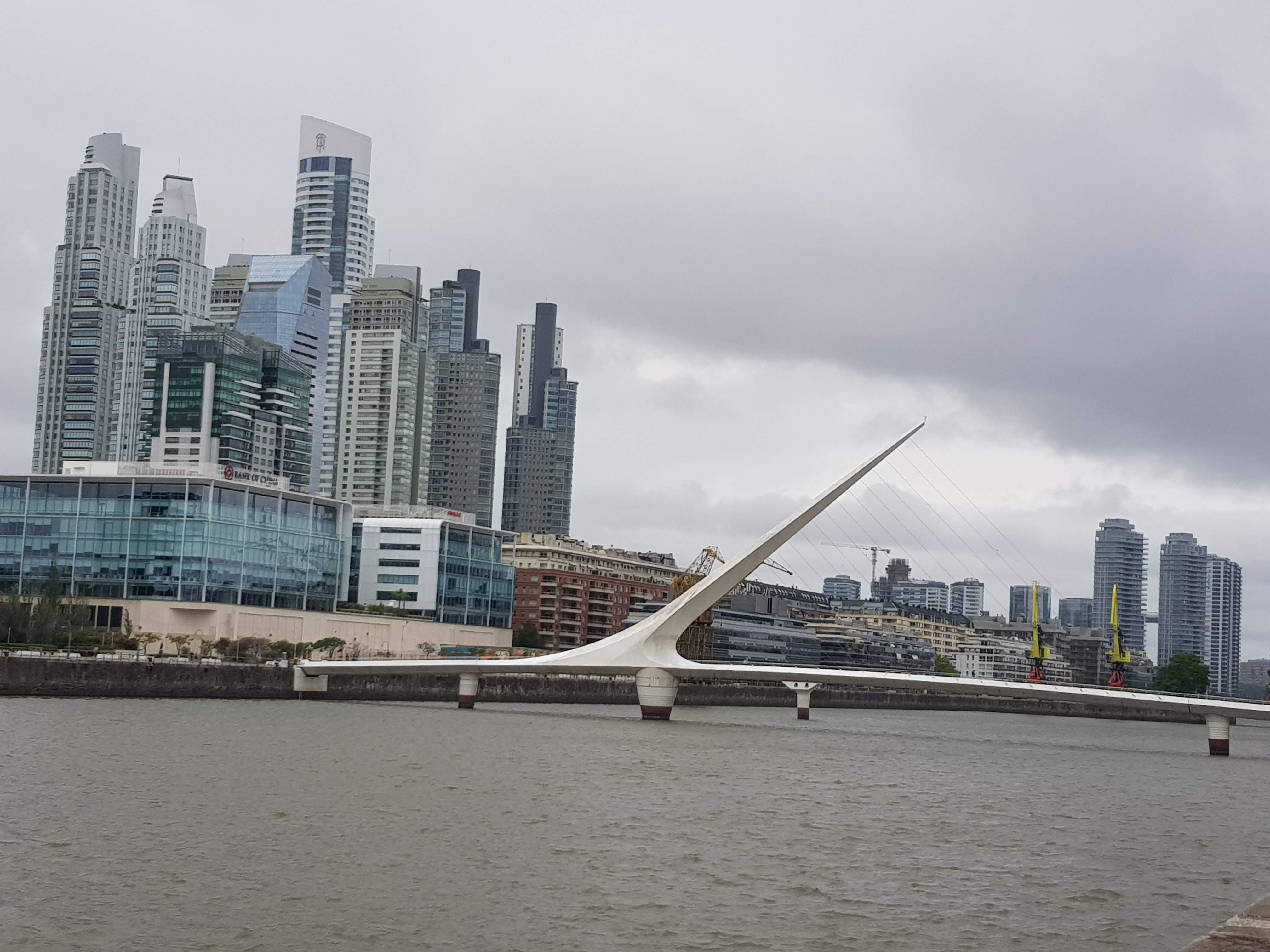
Not far from San Telmo are key attractions like the iconic obelisk of the city, which memorialises the first foundation of the city, this is in the centre of a huge avenue, and lots of shops and restaurants. A little walk to the river and you will find more restaurants and the striking Puente de Mujeres (Women’s Bridge), this pointy looking landmark, is symbolic of a couple dancing the tango, Argentina’s national dance.

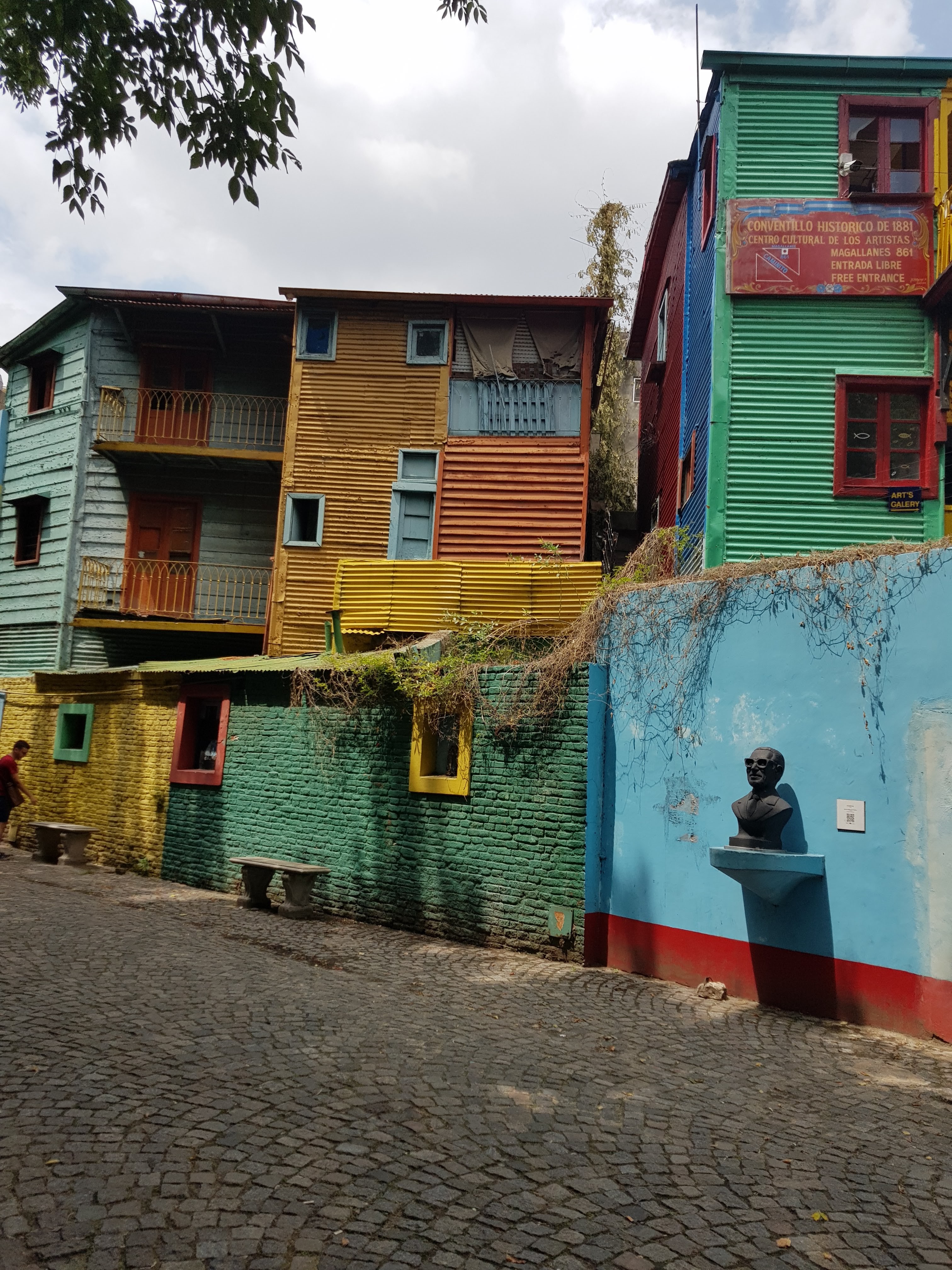
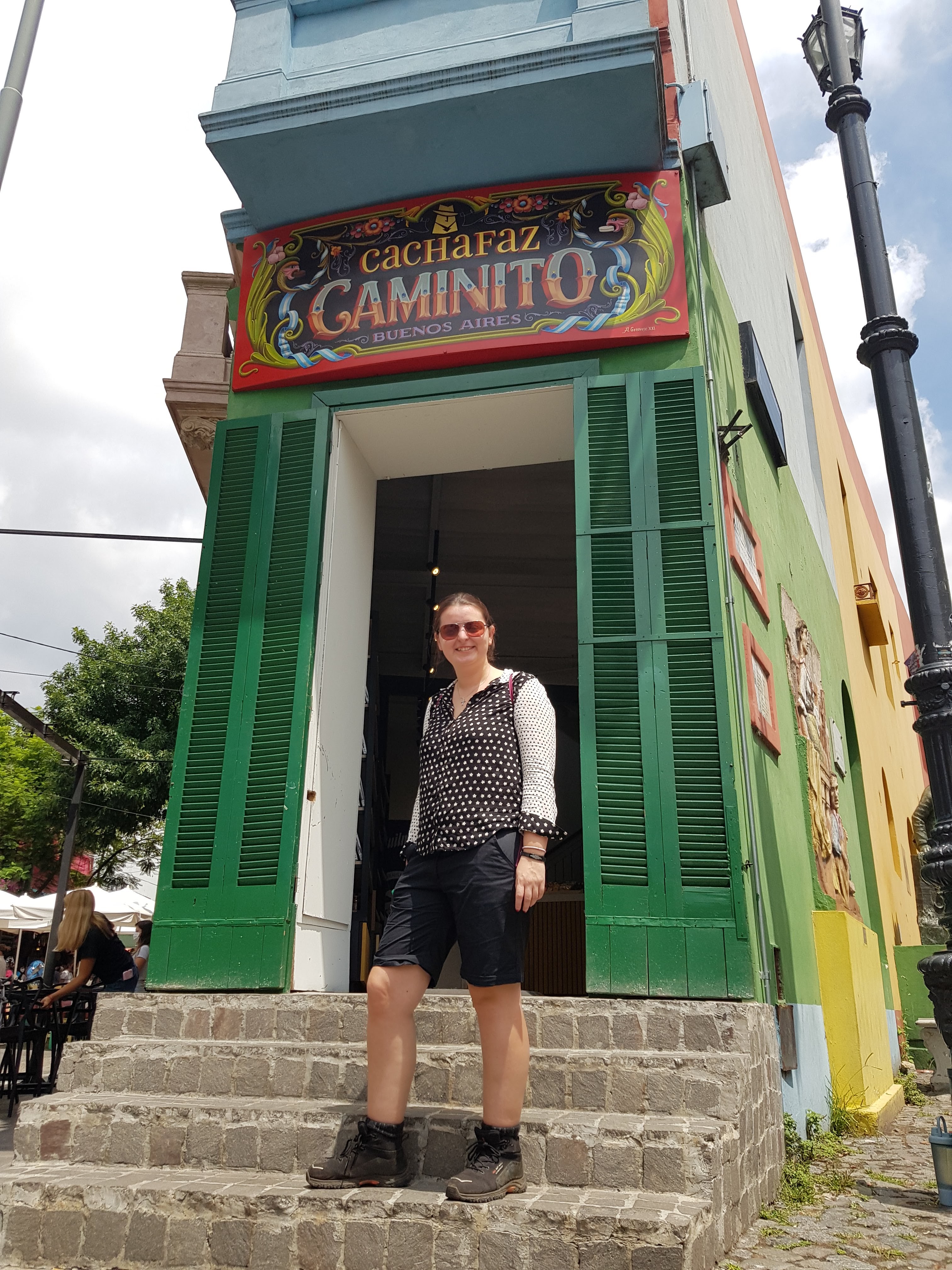
Another special thing to see in the city’s downtown, is Boca. This neighbourhood is full of colourful buildings, and the beloved football stadium. This small area is designated for tourists to visit, and their are many street performers and paid for photo opportunities. There is also a rope and bollards to separate the zone from a destitute area, discouraging tourists from entering it.

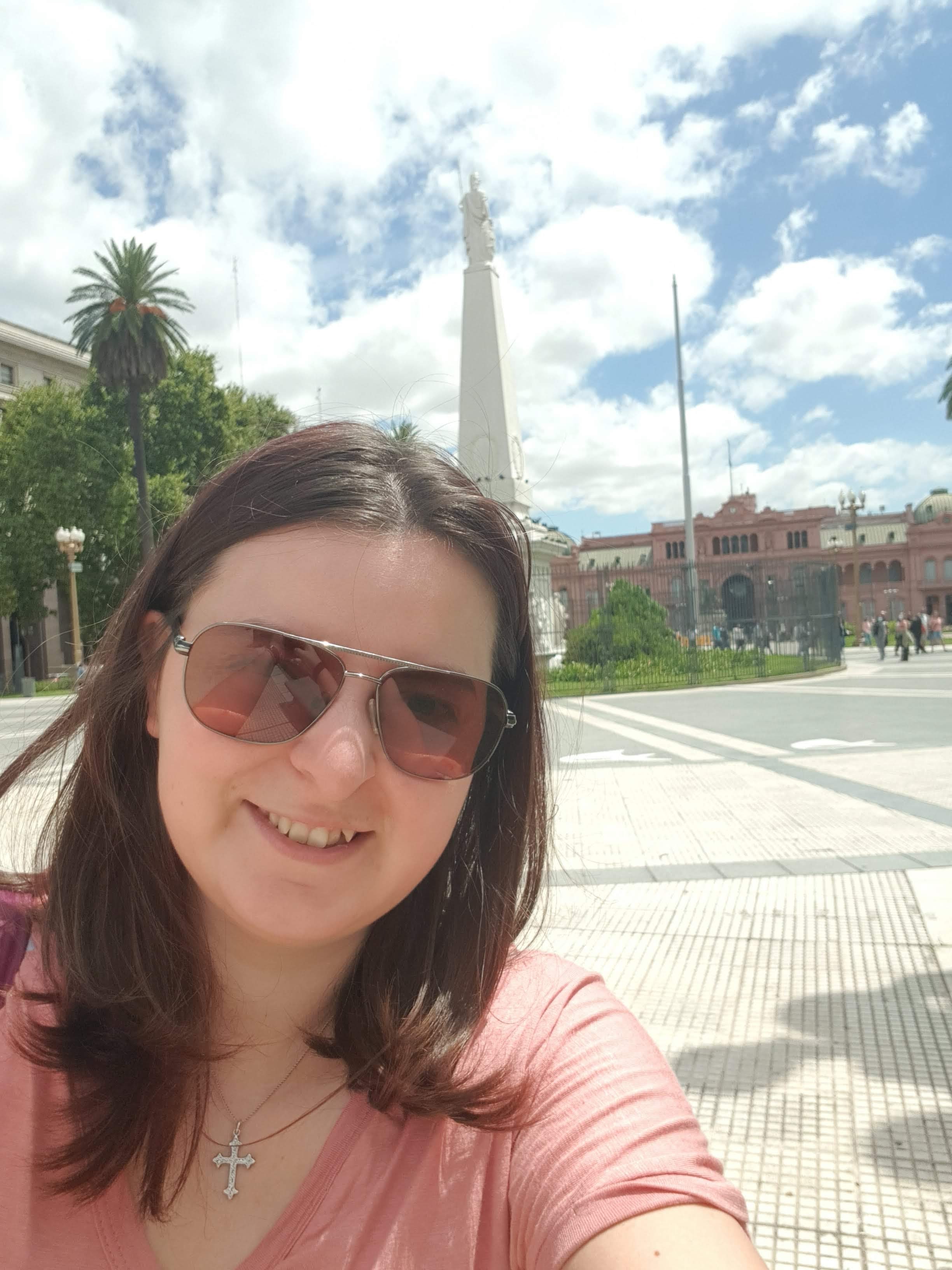
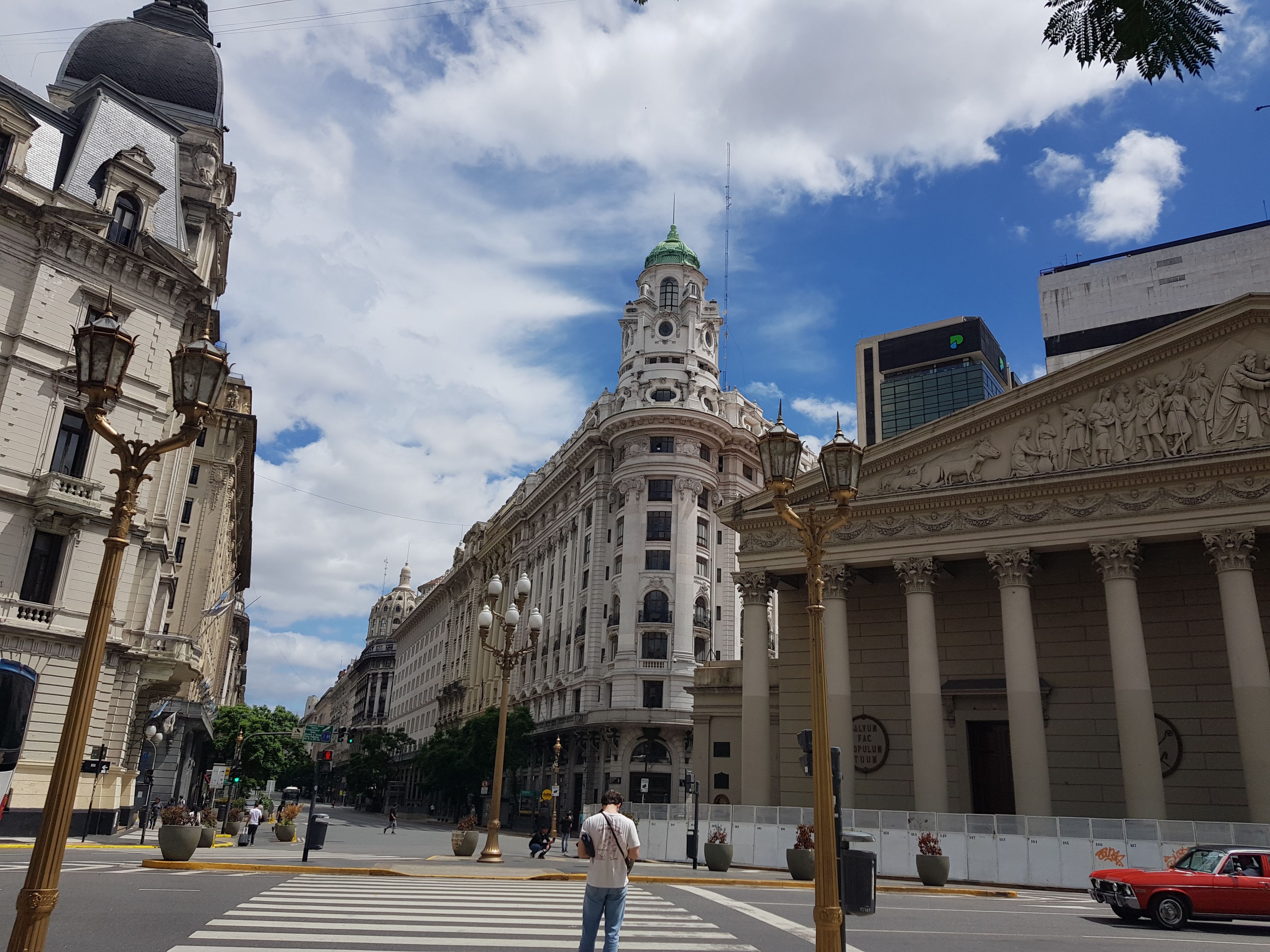
Plaza de Mayo is the biggest attraction in the microcentre of downtown. This popular square has multiple historic buildings including Casa Rosada which is a pink building and also the office of the president.

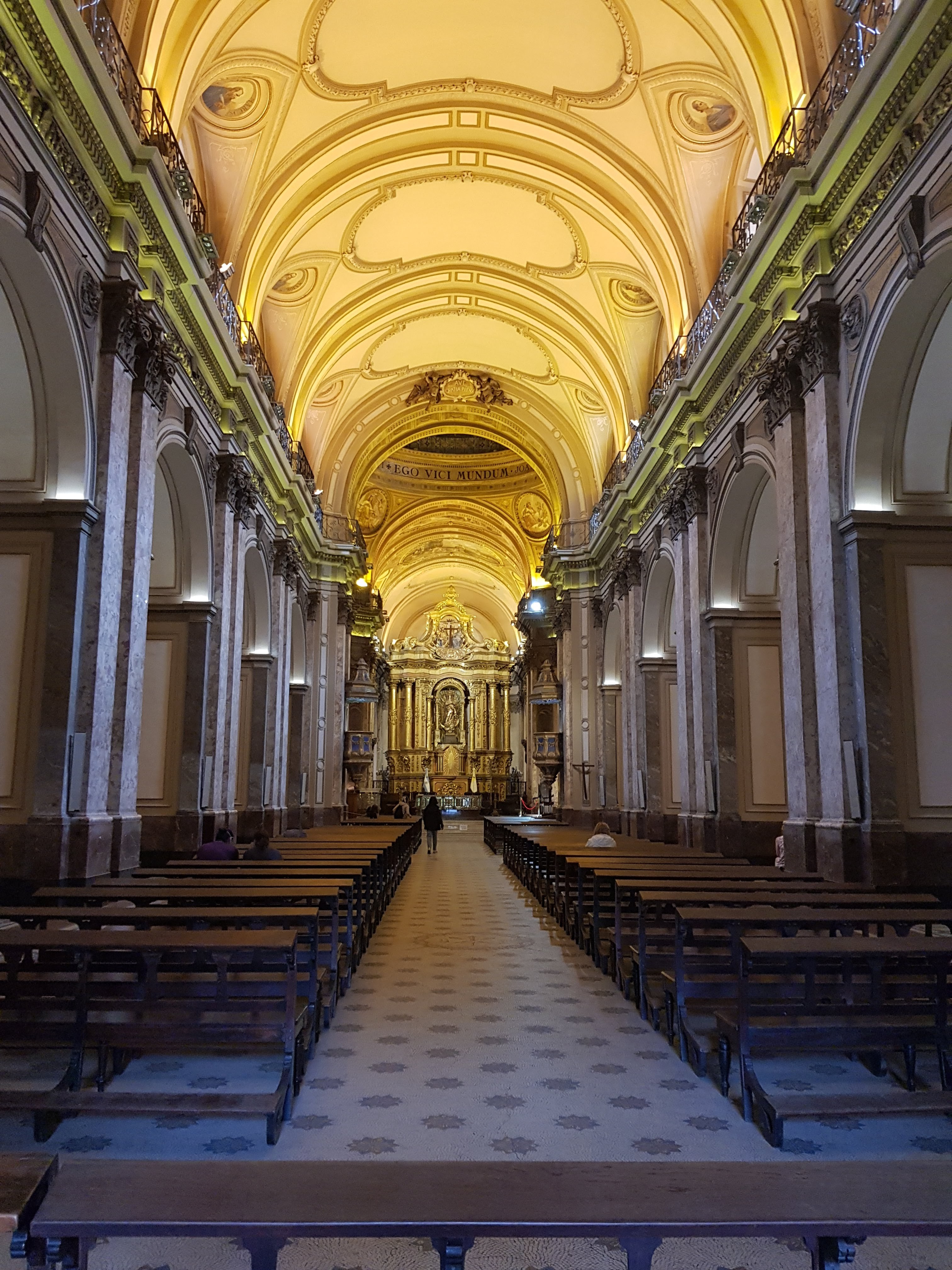
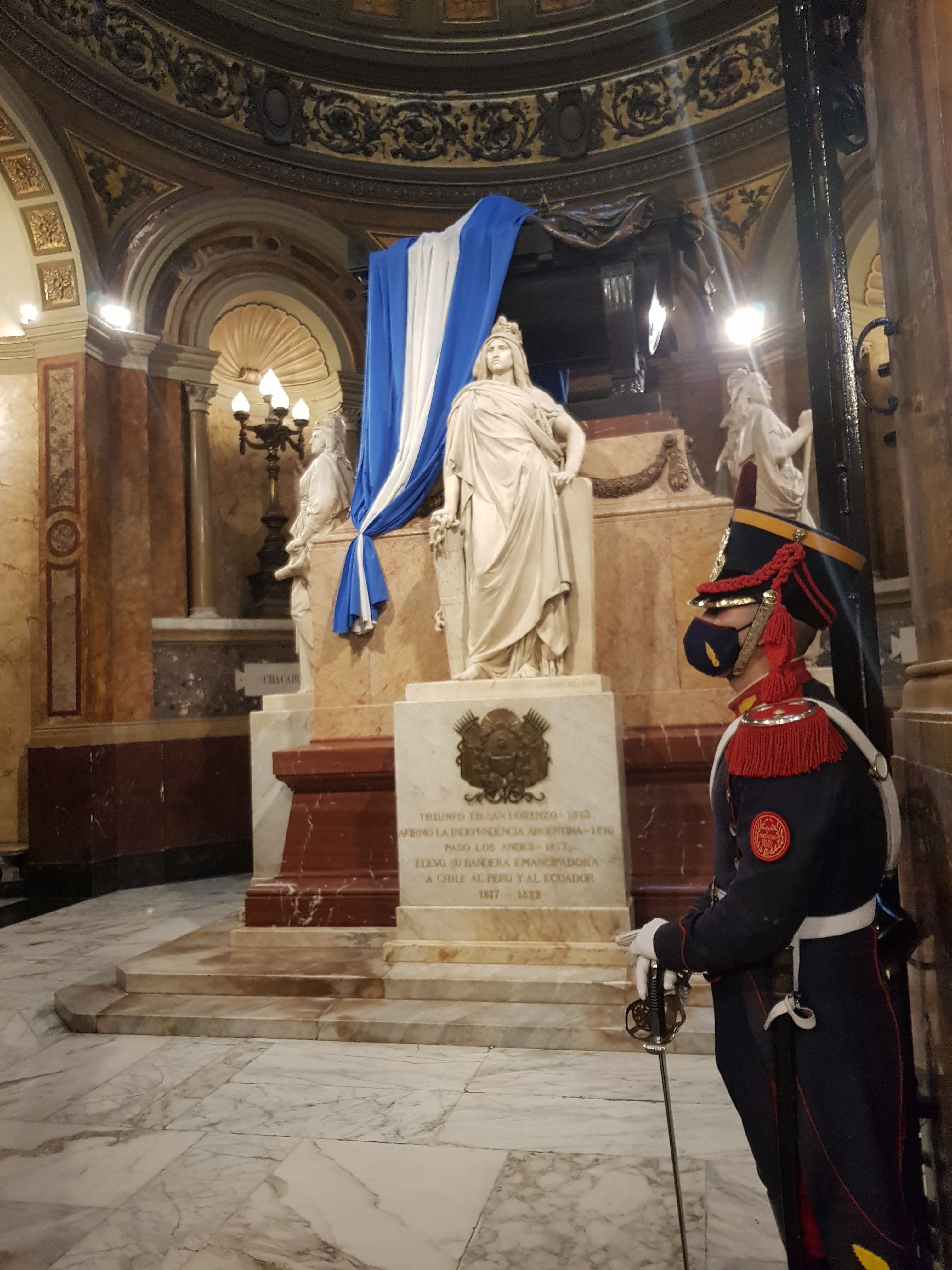
In the corner of the square is also the Cathedral. This was a lovely building to visit and had no fee. Not only did it have beautiful spaces, but it is also the location of a guarded tomb of the important General San Martin.

General Jose de San Martin is extremely important to many people across South America. The mausoleum remembers his notable role in freeing Argentina, Chile and Peru, and helping them gain their independence. According to my guide, San Martin remains are on the outside of the cathedral’s main nave, because he was actually not catholic, but a mason.

Uptown

Head to the North of the city to the neighbourhooods of Recocleta, Palermo and Barrio Norte, and you will see that everything becomes more polished and modern. Even the subway line ‘D’ is much nicer than the other subway lines. It is not a subtle change but dramatic.

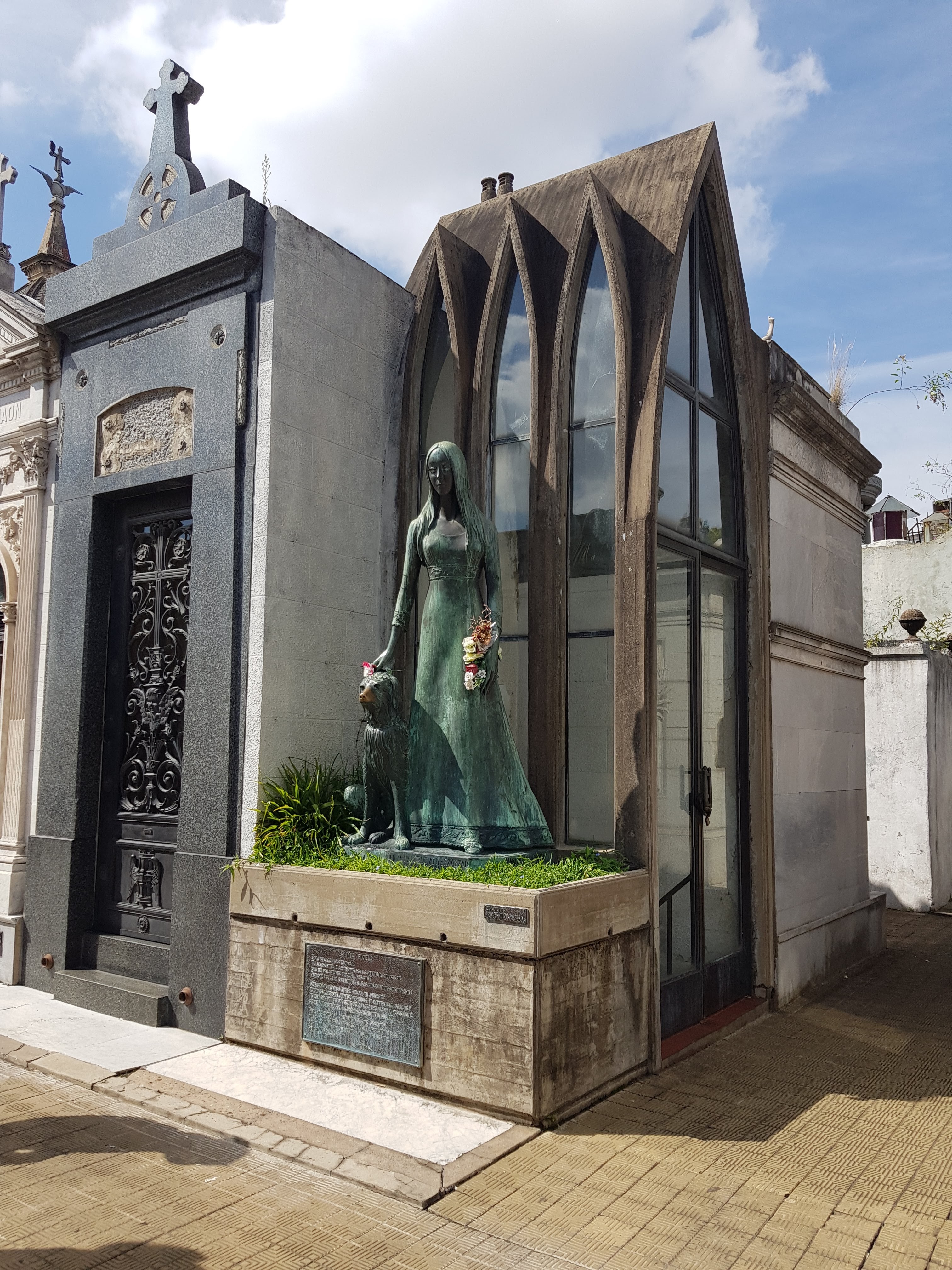
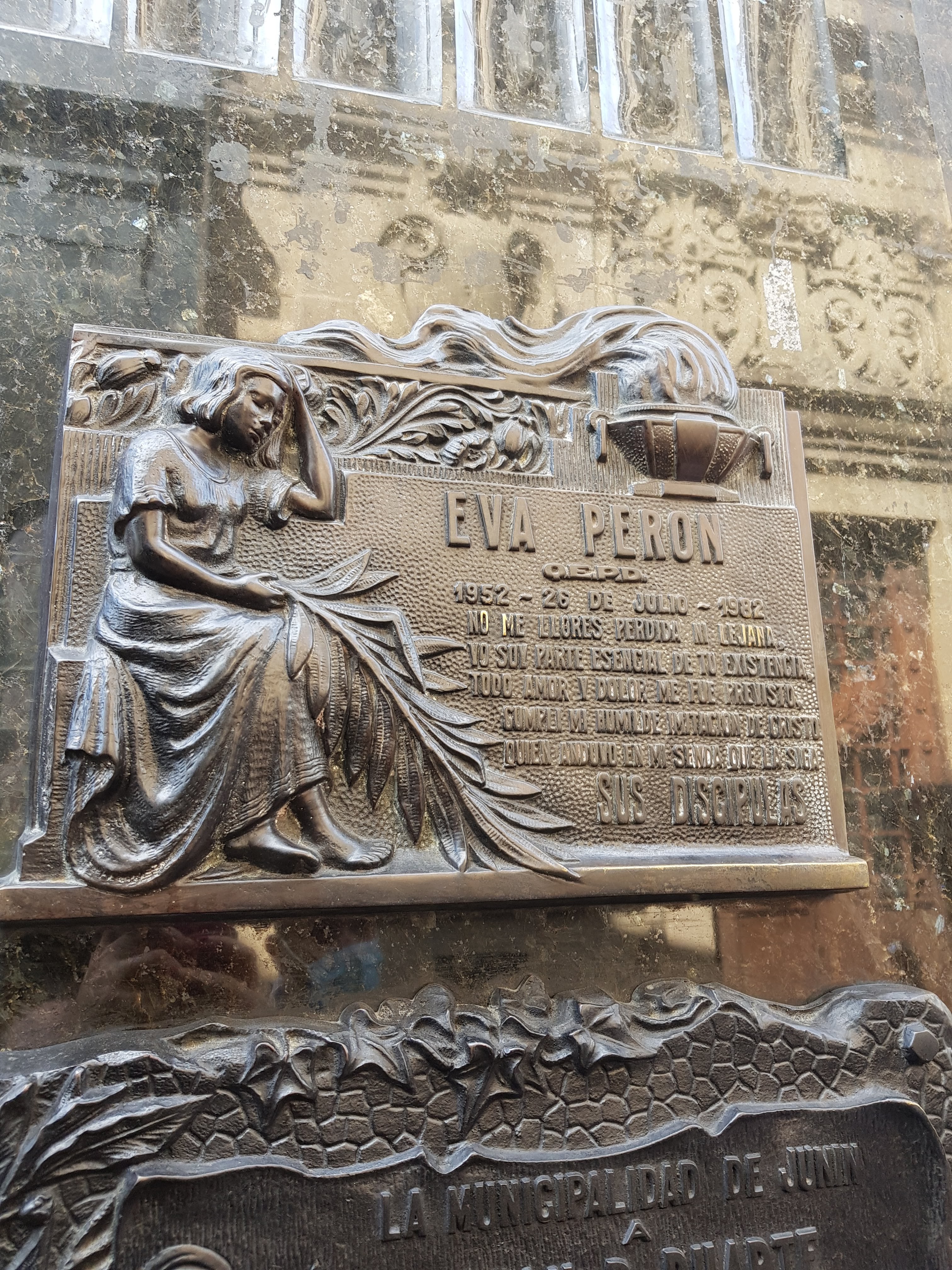
One of the biggest attractions is the Recocleta Cemetary as it is a beautiful site of memorials and grand tombs. Many of them have stories to go with them, but the most famous of all is the tomb of Eva Peron. Known by many as ‘Evita’ (little Eva), she is famous around the world for her acts as a socialist and as the wife of President Peron. She has even been played by Madonna in a very successful musical. There is a lot of love for Eva in Buenos Aires, and a museum about her short life, which I plan to visit on my return to the city.

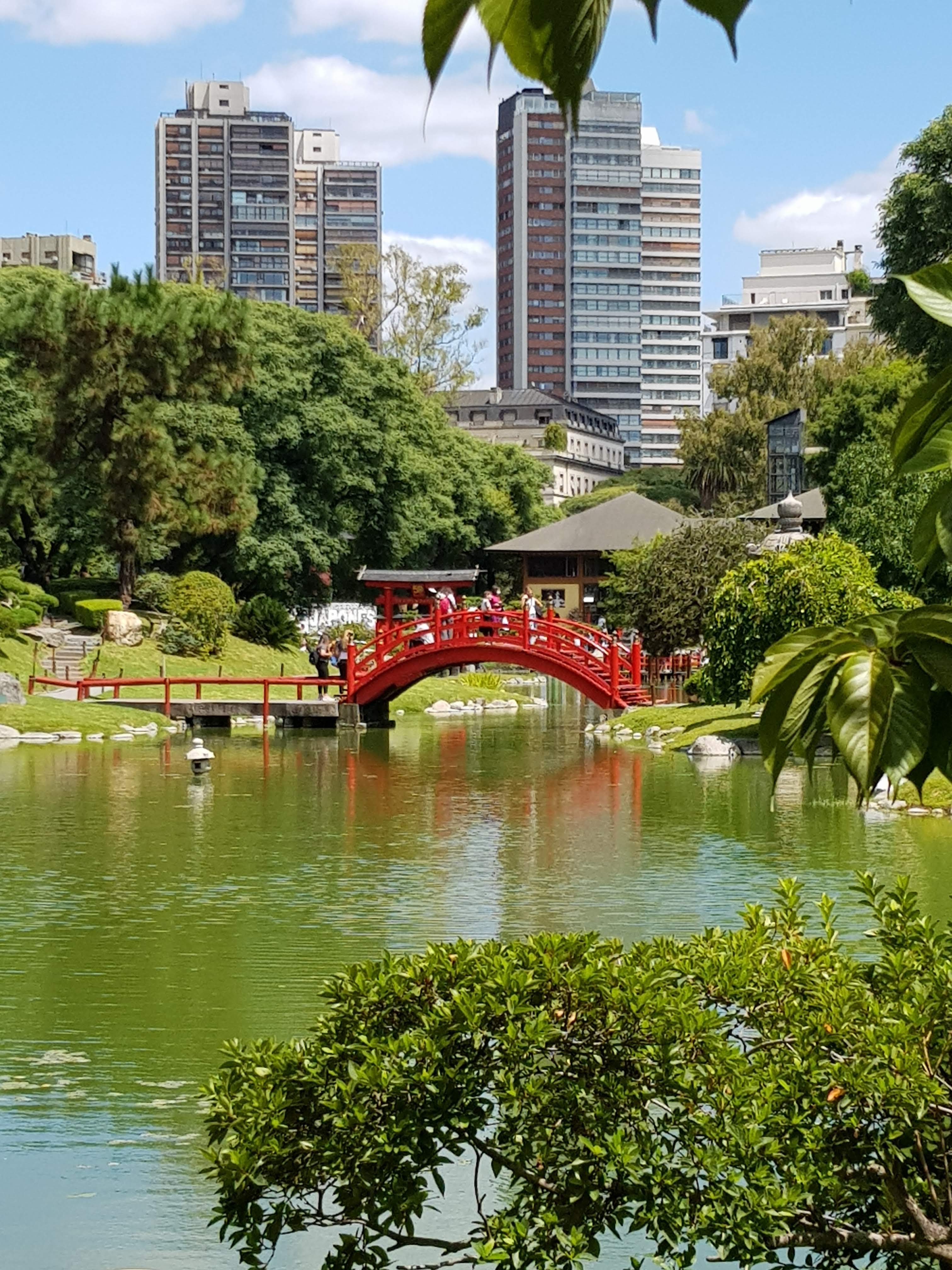
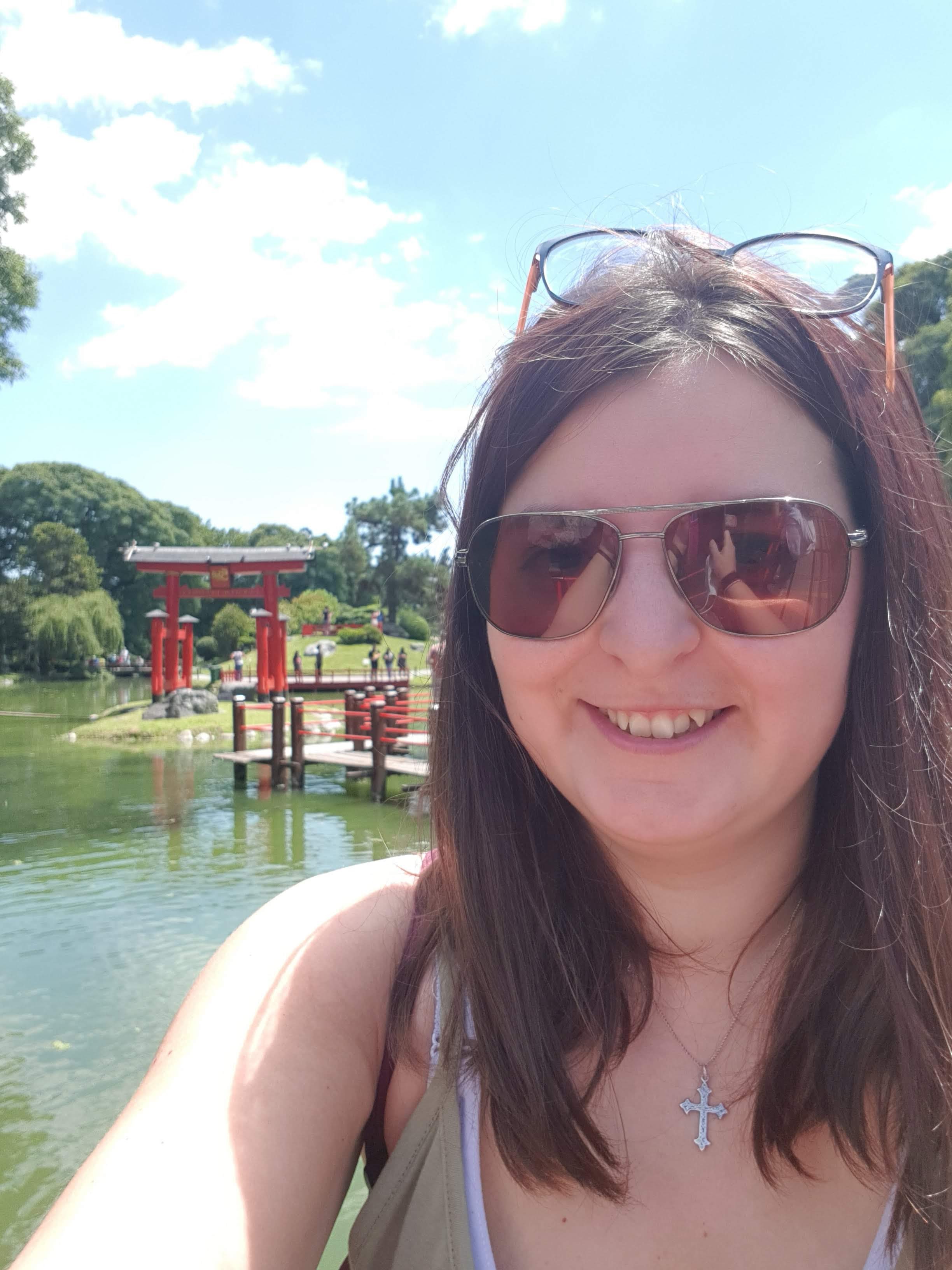
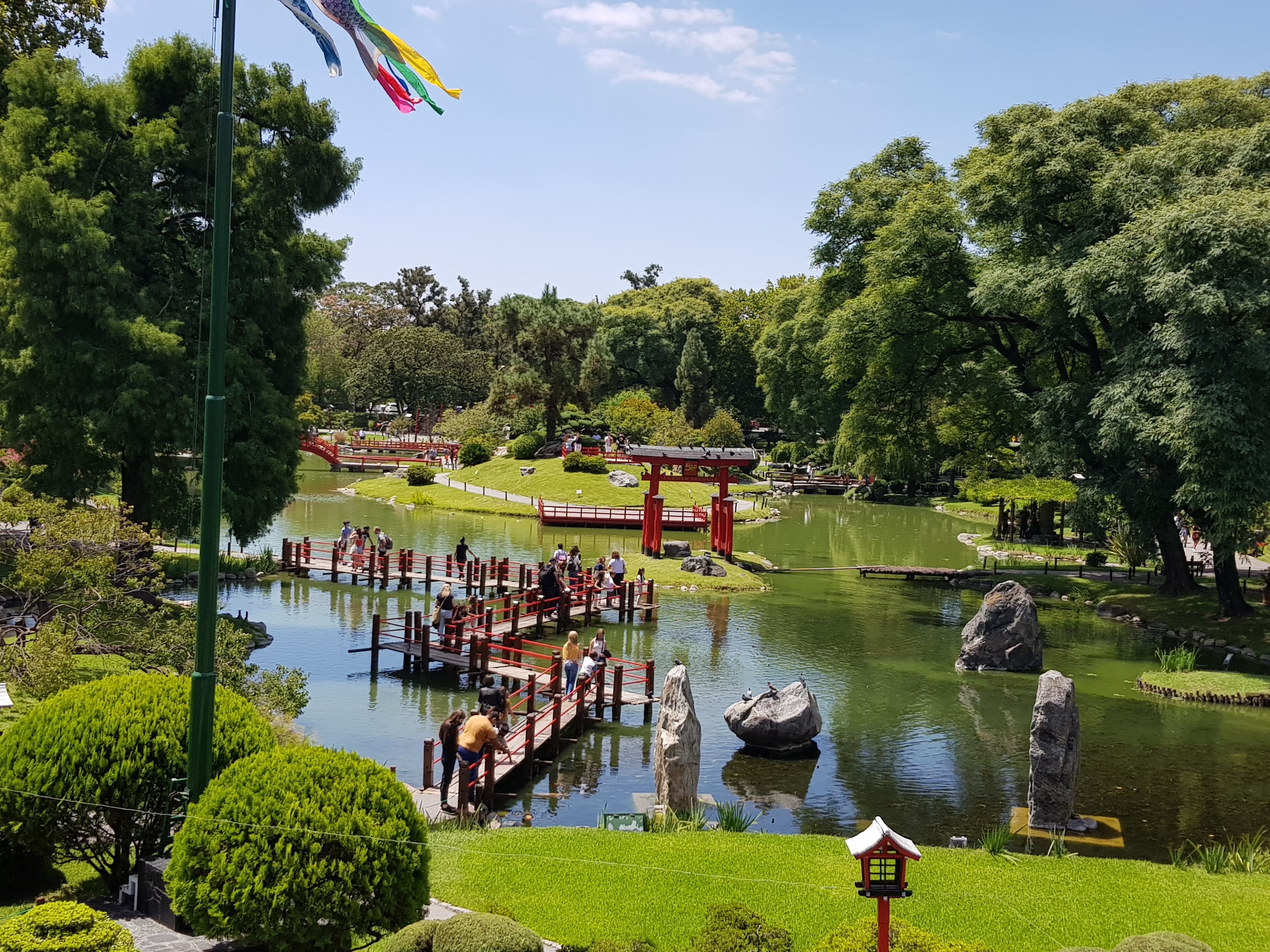
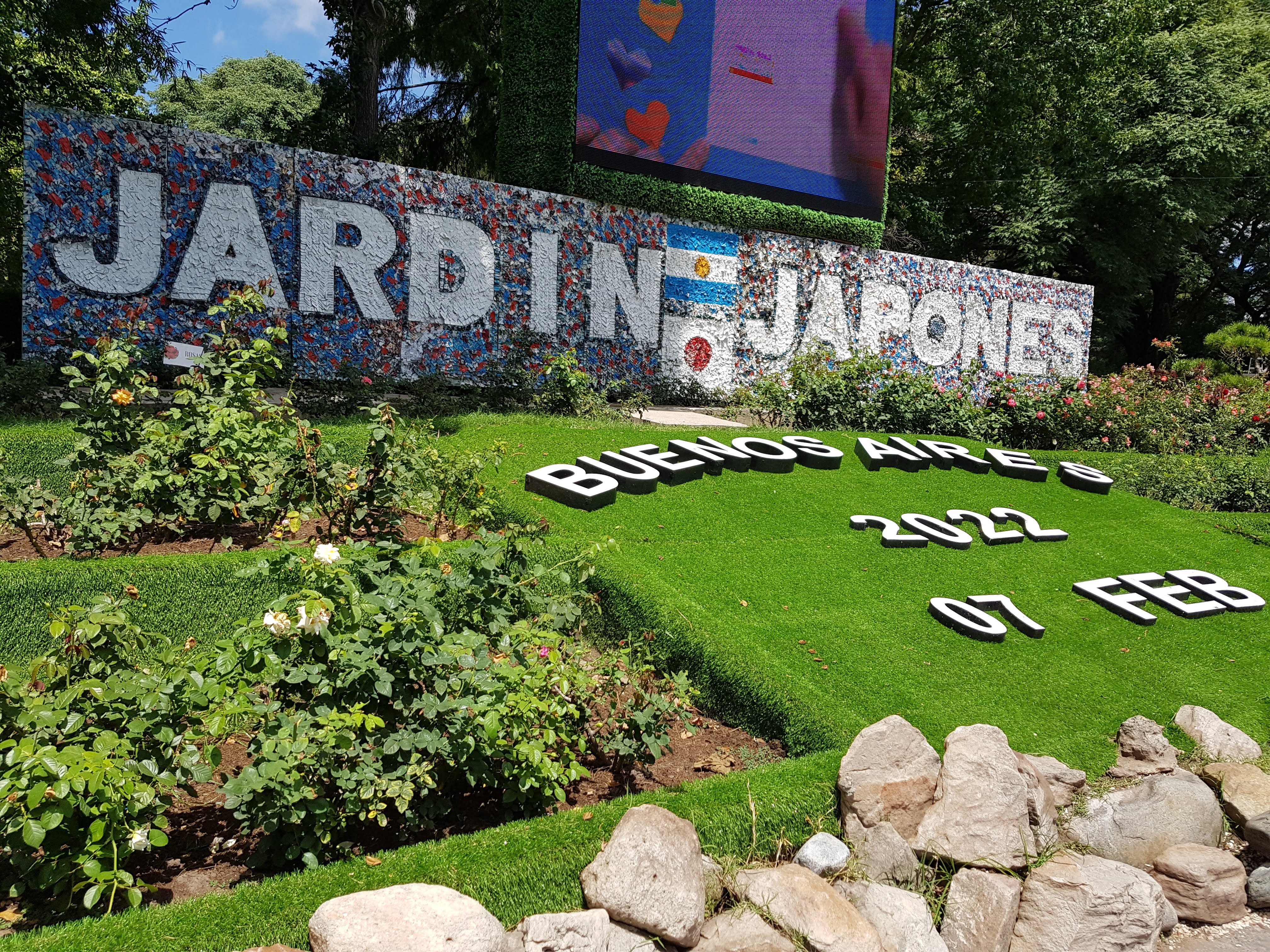
You will also find in the north of the city, a collection of parks, many of them were closed on the Monday that I visited and I will try them again in my second visit. I did manage to visit the popular Japonese Gardens though. This was only about £4 to enter and was a peaceful space in the city to relax and enjoy the pretty architecture and coy fish.

El Tigre

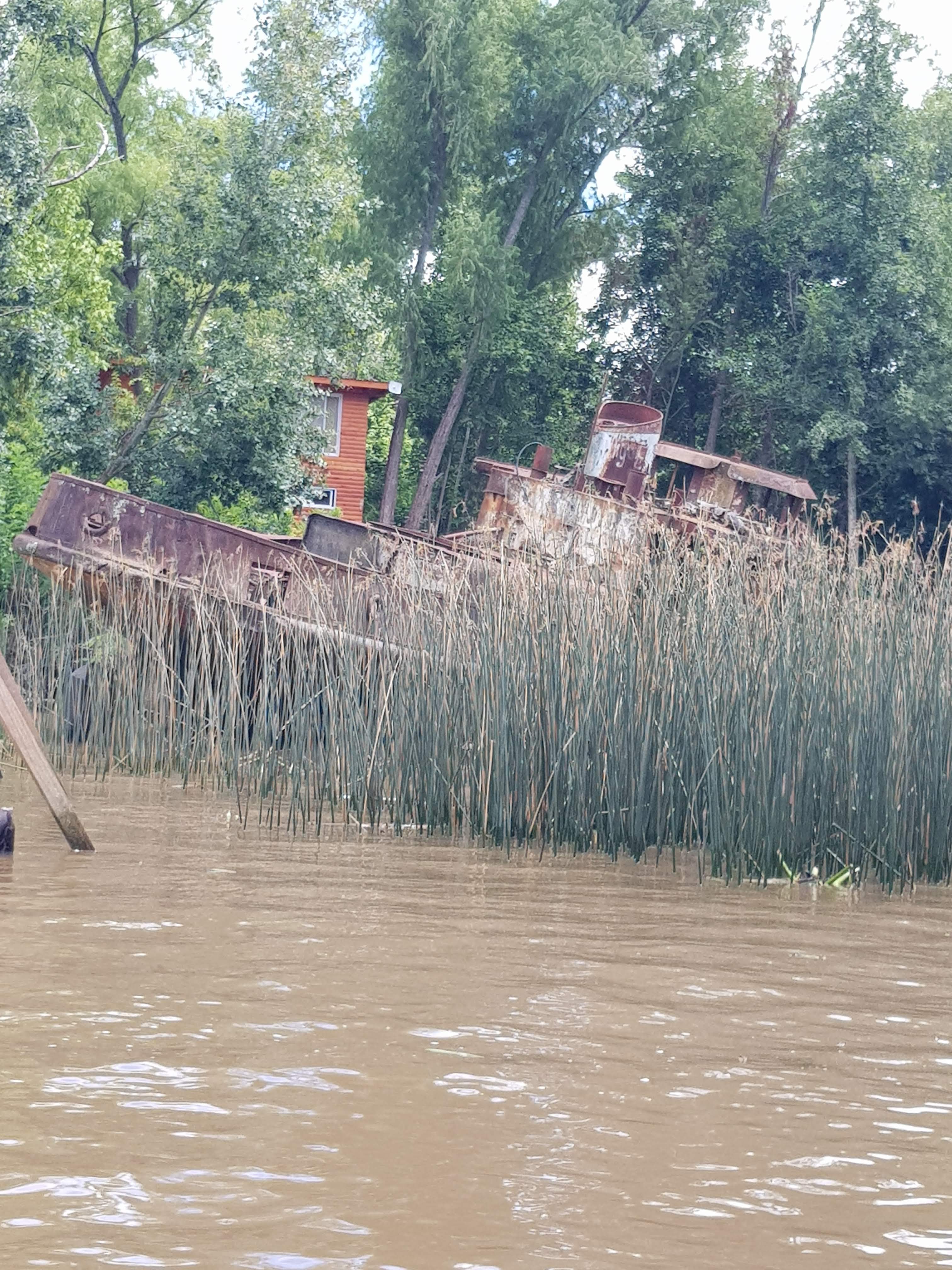
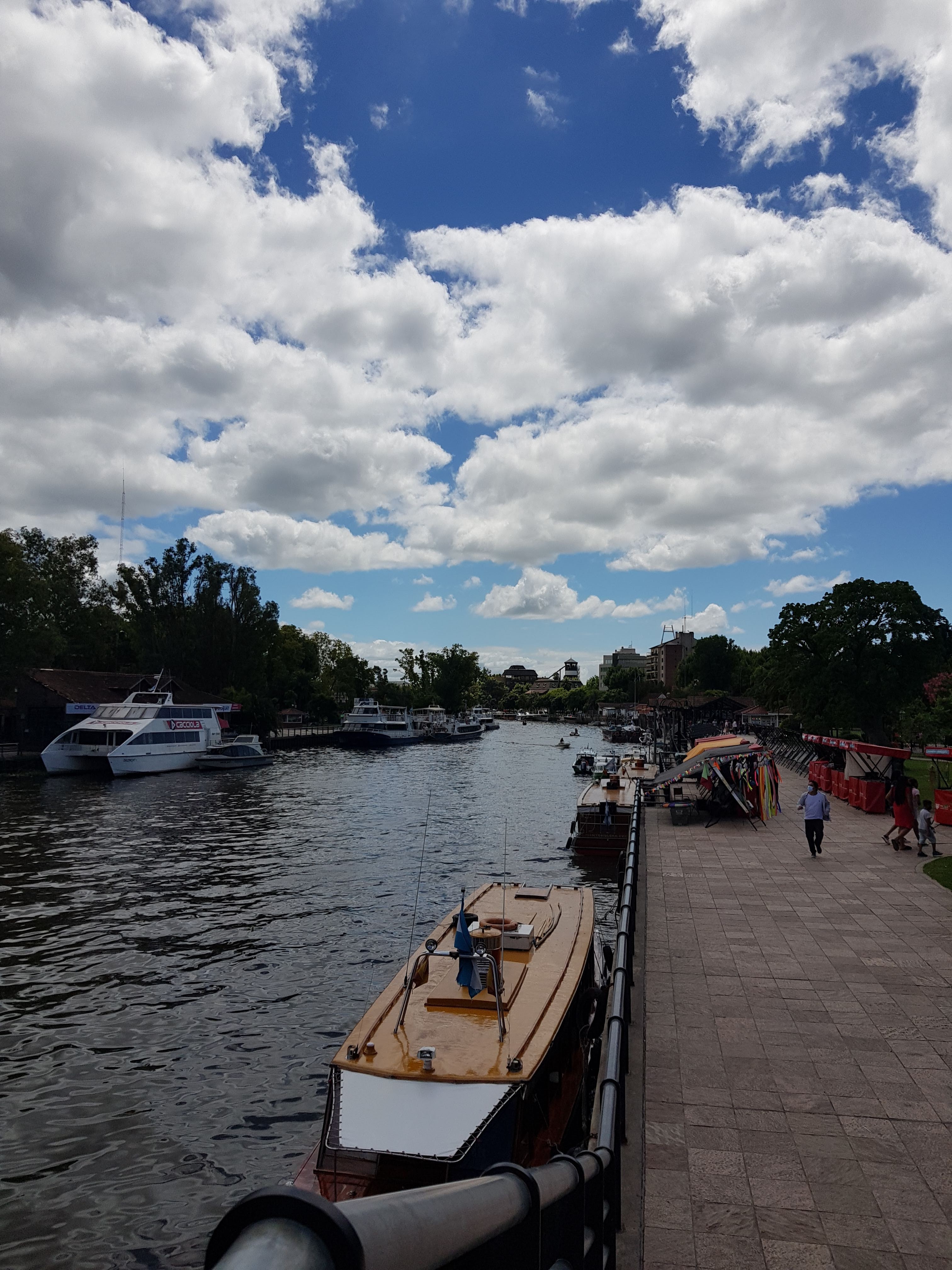
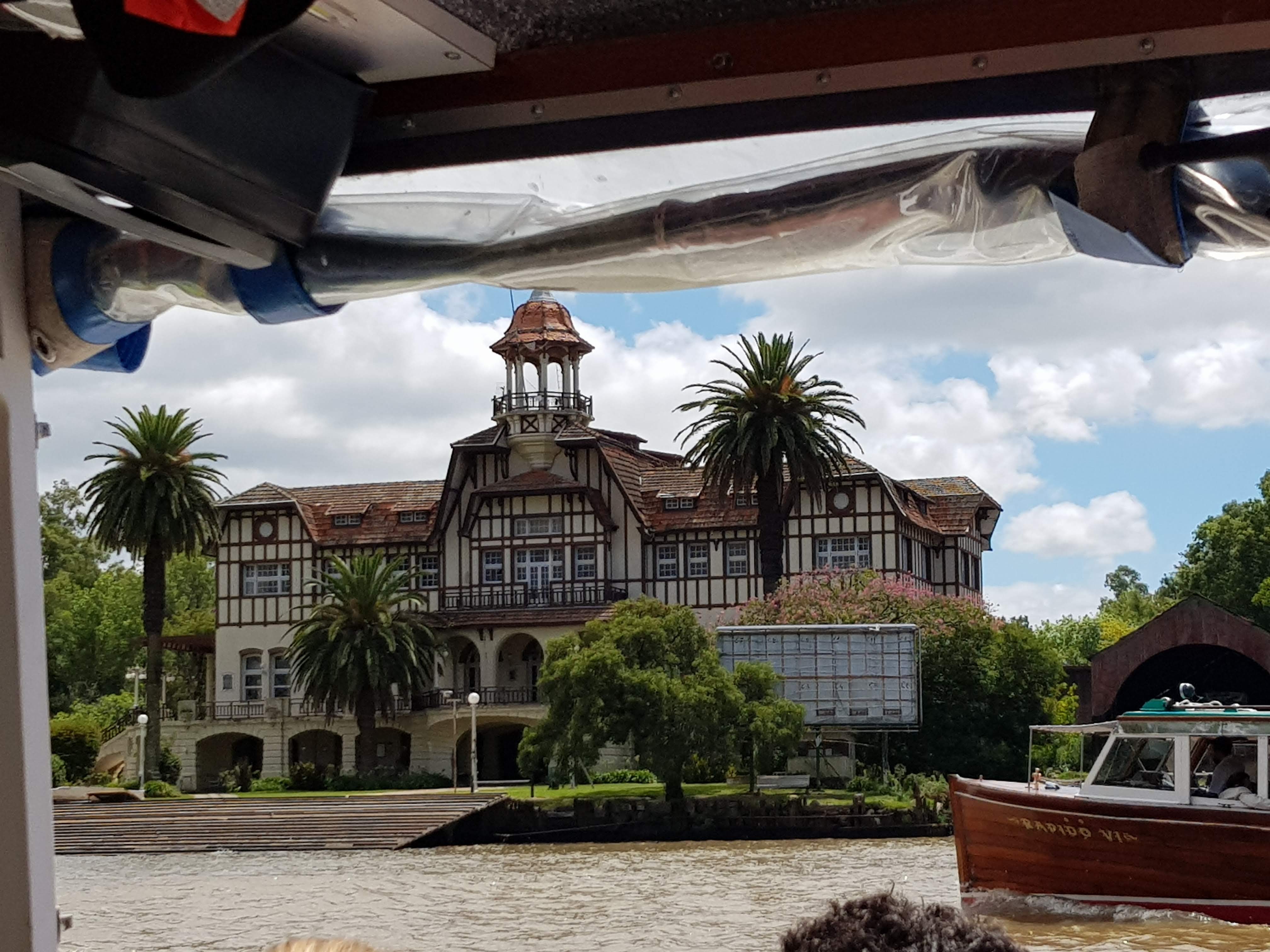
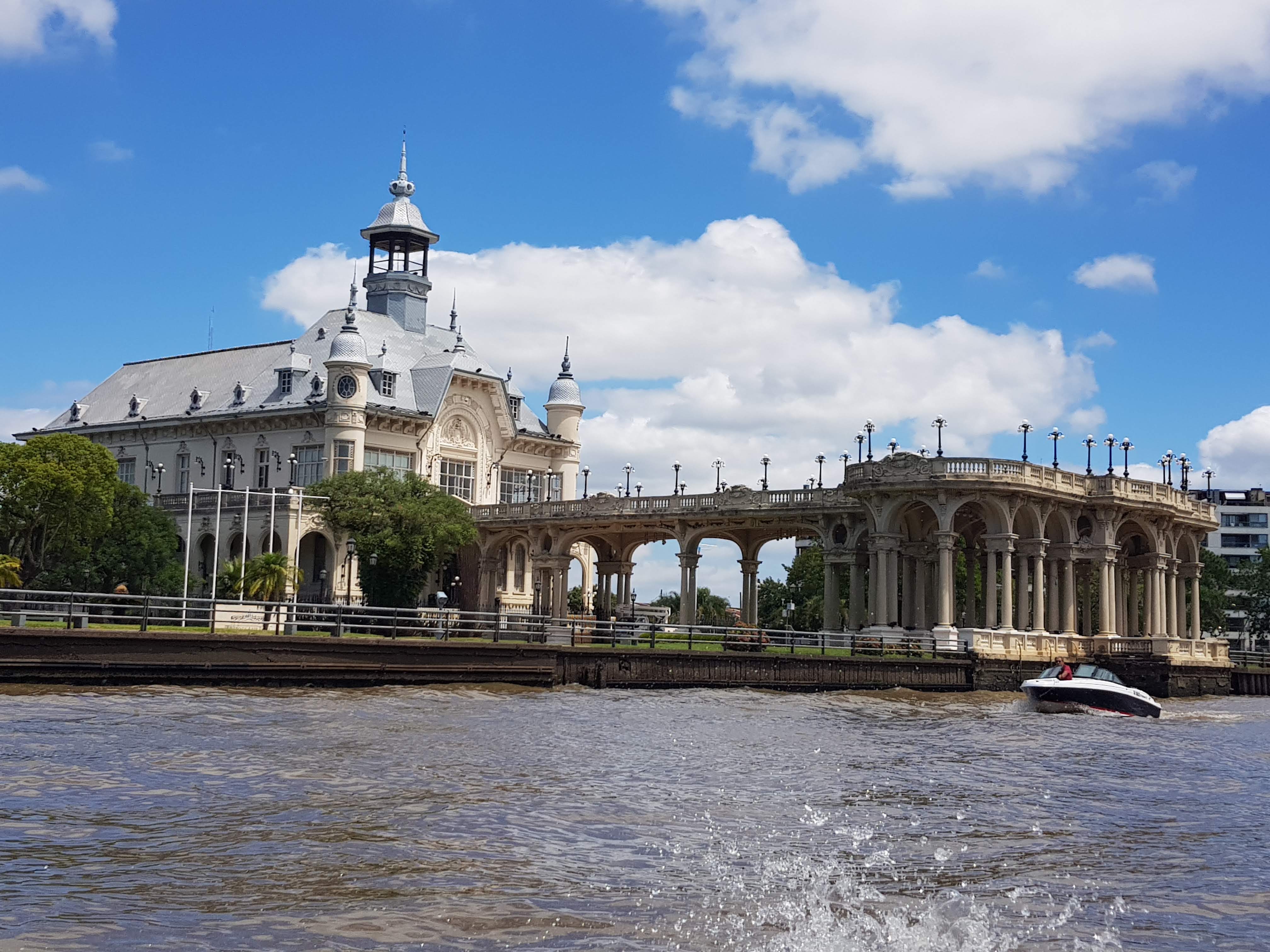
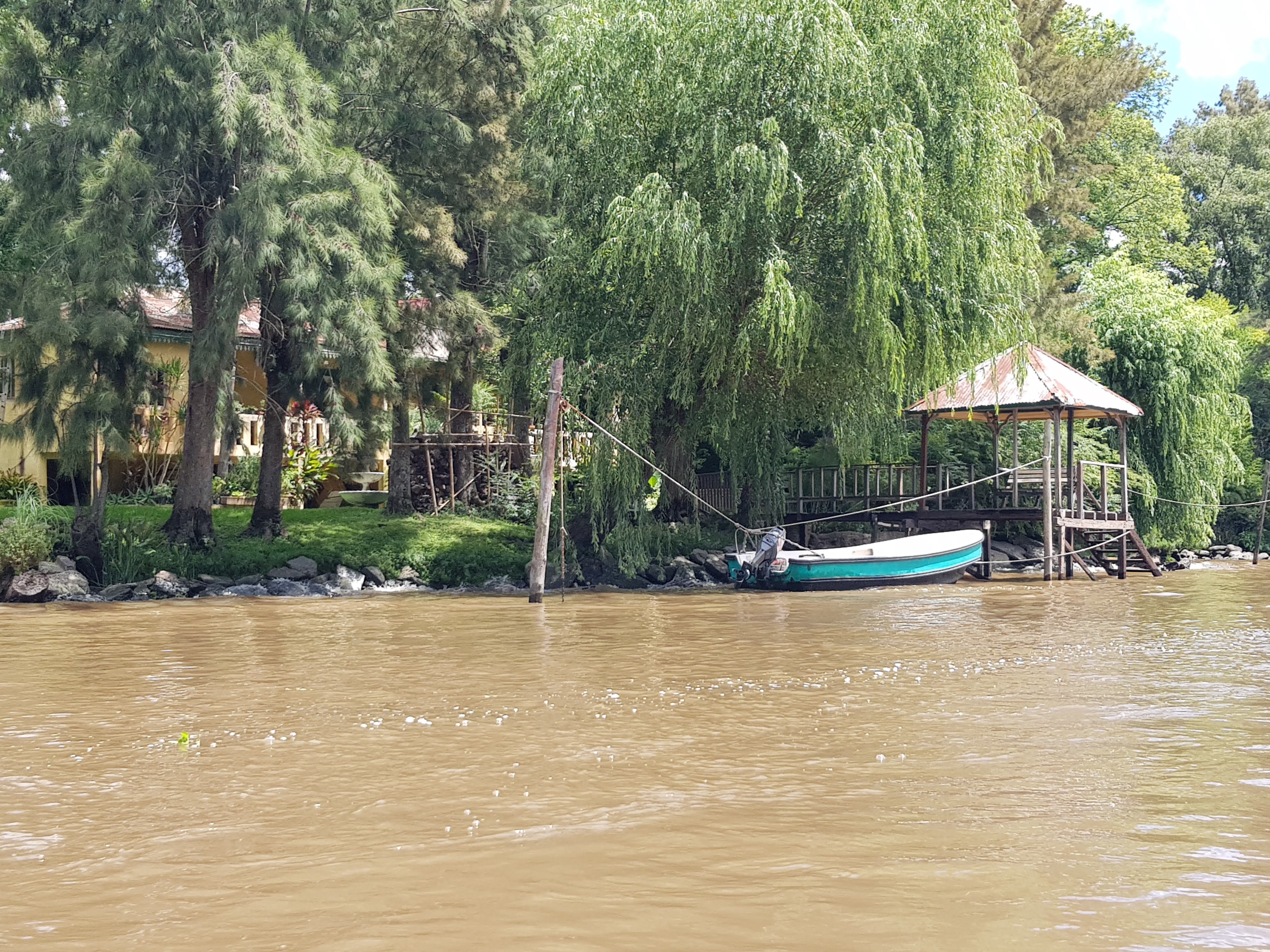
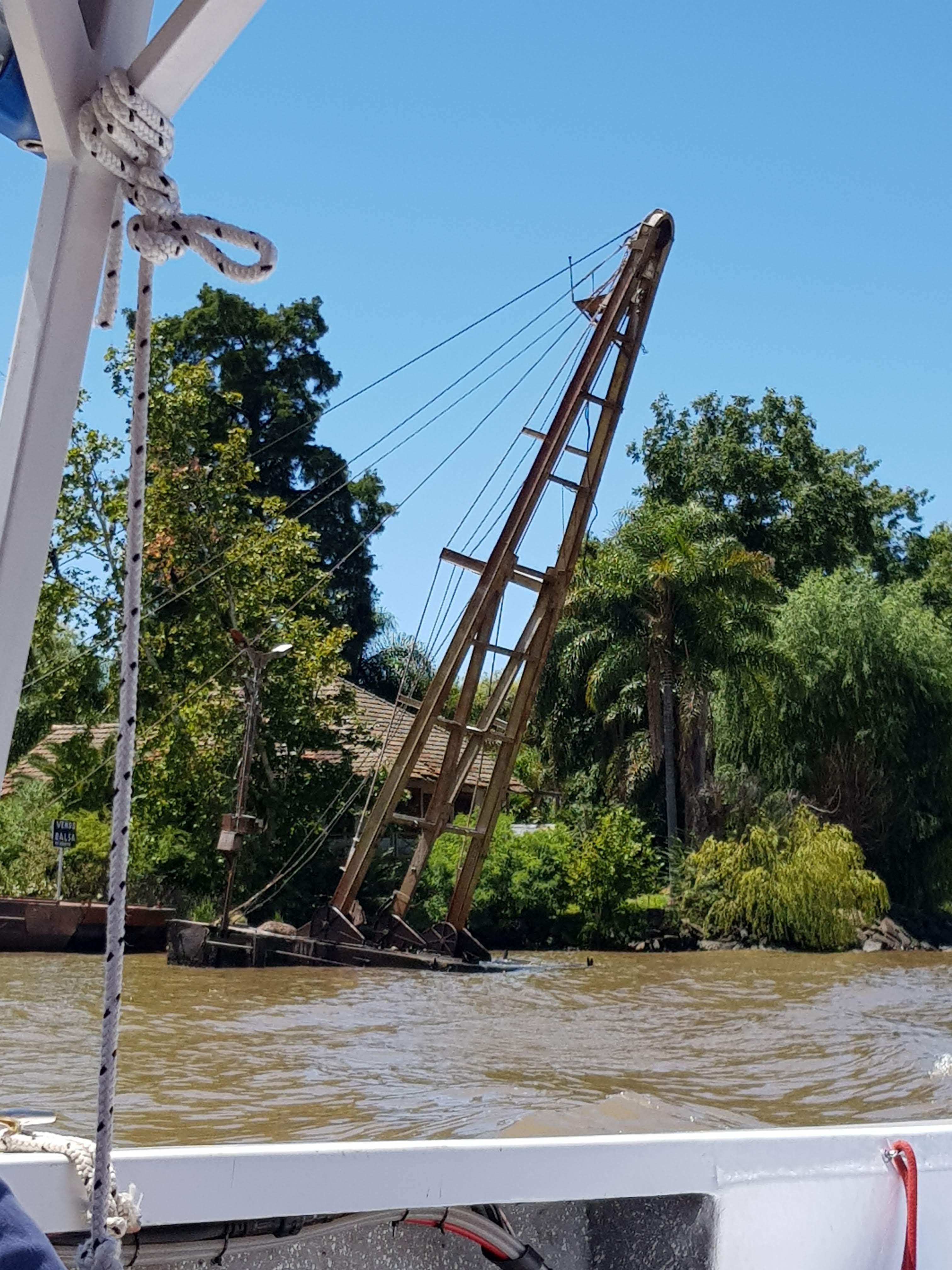
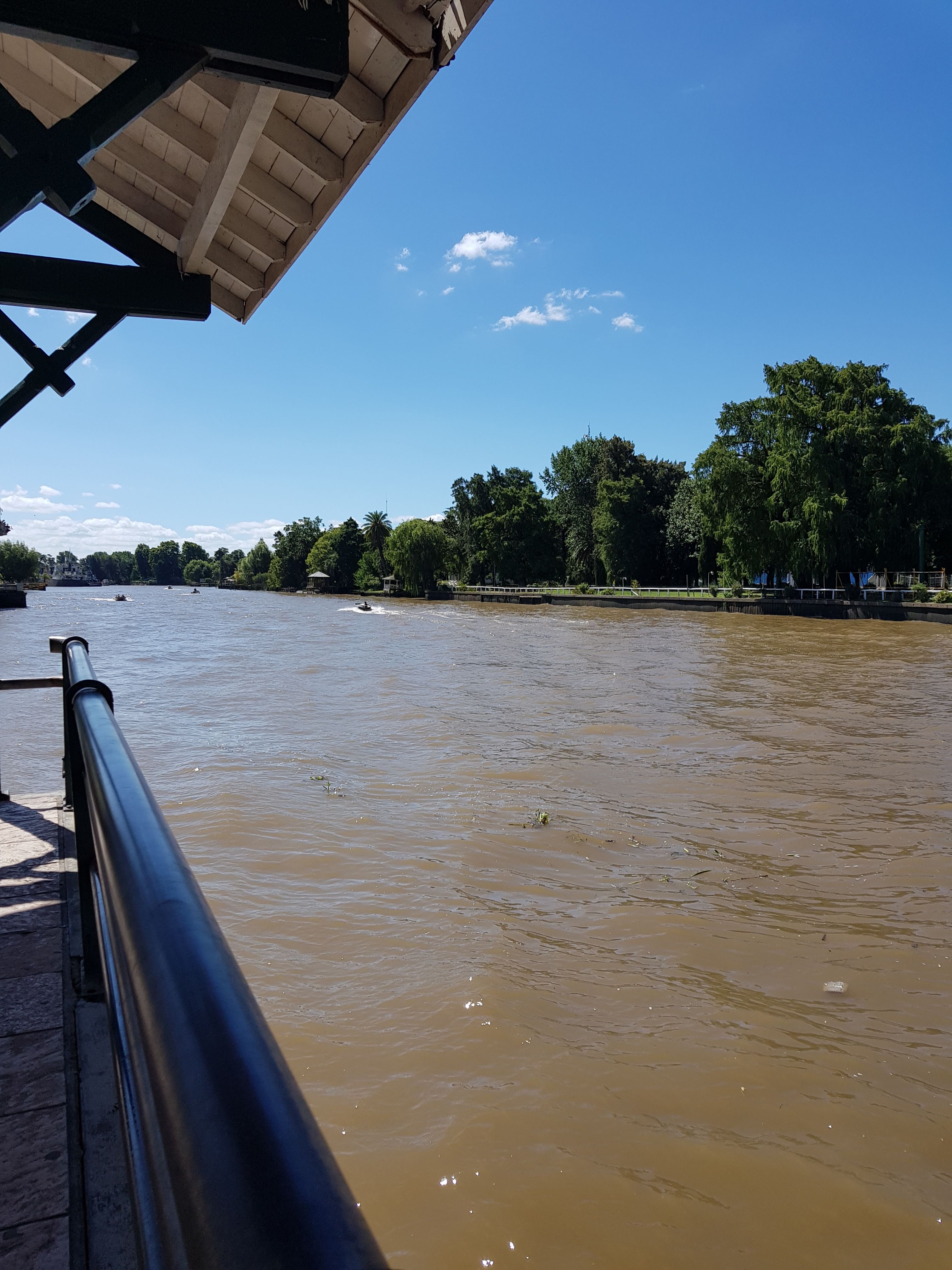
If you take a train and head further North, you will arrive at El Tigre. This town is the Argentinian version of Venice. It did also remind me of the Broads National Park in Norfolk a little too. The town is at the beginning of the wetlands on the Parana Delta, and is made up of a central town, and then a community of people that live on separate islands within a river network. Whilst there, I wandered around the promenade where there are some gorgeous buildings, and then took a little boat tour of the river. The boat rides on the river here are not for the sensitive types, I was glad I had not eaten yet, as the boat was lifted from the water and waves crashed down alongside me. It was quite an experience! The little houses on the side were very interesting to see, but what was more strange was all the abandoned items in the river. I saw at least two rusty shipwrecks, and a telephone pole that looked like it might come down at any moment. It was very odd! I would have like to have ventured into more remote parts of the delta, but my tour just stuck to the main strip.

With my first stop in Buenos Aires complete, I am now on my way into the Pampas and towards the Lake District of Argentina.

Me in Boca