Now the lockdown has been lifted, I decided to make a visit to the seaside location of Brighton, to spend time with my mum and visit my sister whom lives in the area. The city is certainly a busy location for visitors with a wonderful mix of urban appeal, coastal scenes and a national park close by.
Brighton is a colourful, and quirky area on the coast, within the city of Brighton and Hove. It is only 47 miles or about an hour on the train from London. I drove to the area from Norwich, and stayed in a lovely AirBnB place just 20 minutes away in Hassocks. In order to truly appreciate the town, it seems important to wonder through the entire breadth of the area there.
Brighton has great public transport links with multiple train and bus connections into the town. Whilst car parking is available in the town, it is very expensive in general. You can access much of the on street parking after 8pm and if you use websites such as ‘JustPark’, you can find cheaper parking spaces that are privately rented out. We took the train on one day, which was great quality and cheap, and we also found free car parking via ‘JustPark’ in a bingo hall car park.
On first arriving, the coastal promenade and pier seemed quite similar to many other UK seaside towns, and my first impression was not good. It seemed quite dirty, and ran down, with a horrible mix of 1960s buildings, letting down the setting of neighbouring Victorian architecture.
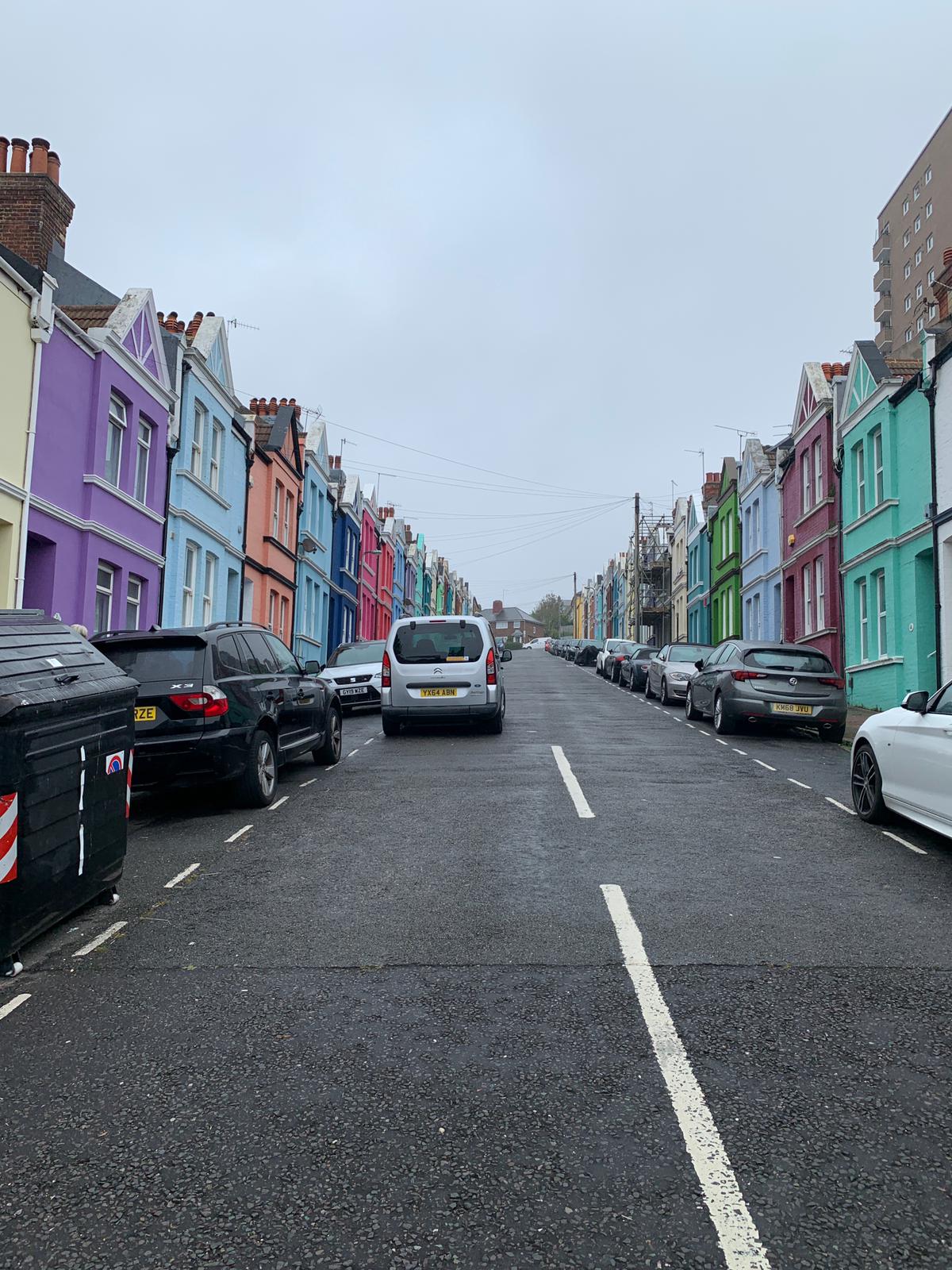
As I explored other roads though, it became clear that different elements of the town have their own feel, and have been transformed to meet the leisure demands of visitors and residents. The town has several hills running up from the coast, and as you wonder around, you will find streets that have been painted different colours and other buildings linking to the rainbow icon that is linked to Brighton’s LGBTQIA+ scene.
LGBTQIA+ (Lesbian, Gay, Bisexual, Transgender, Queer, Intersex, Asexual) scene
Brighton has historically become a sanctuary for those in the LGBTQIA+ community to express themselves, thrive, and a base for challenging prejudice behaviour. Many key locations such as the Marlborough pub & theatre or ‘the marly’ and Kemp town have been created as landmark locations.
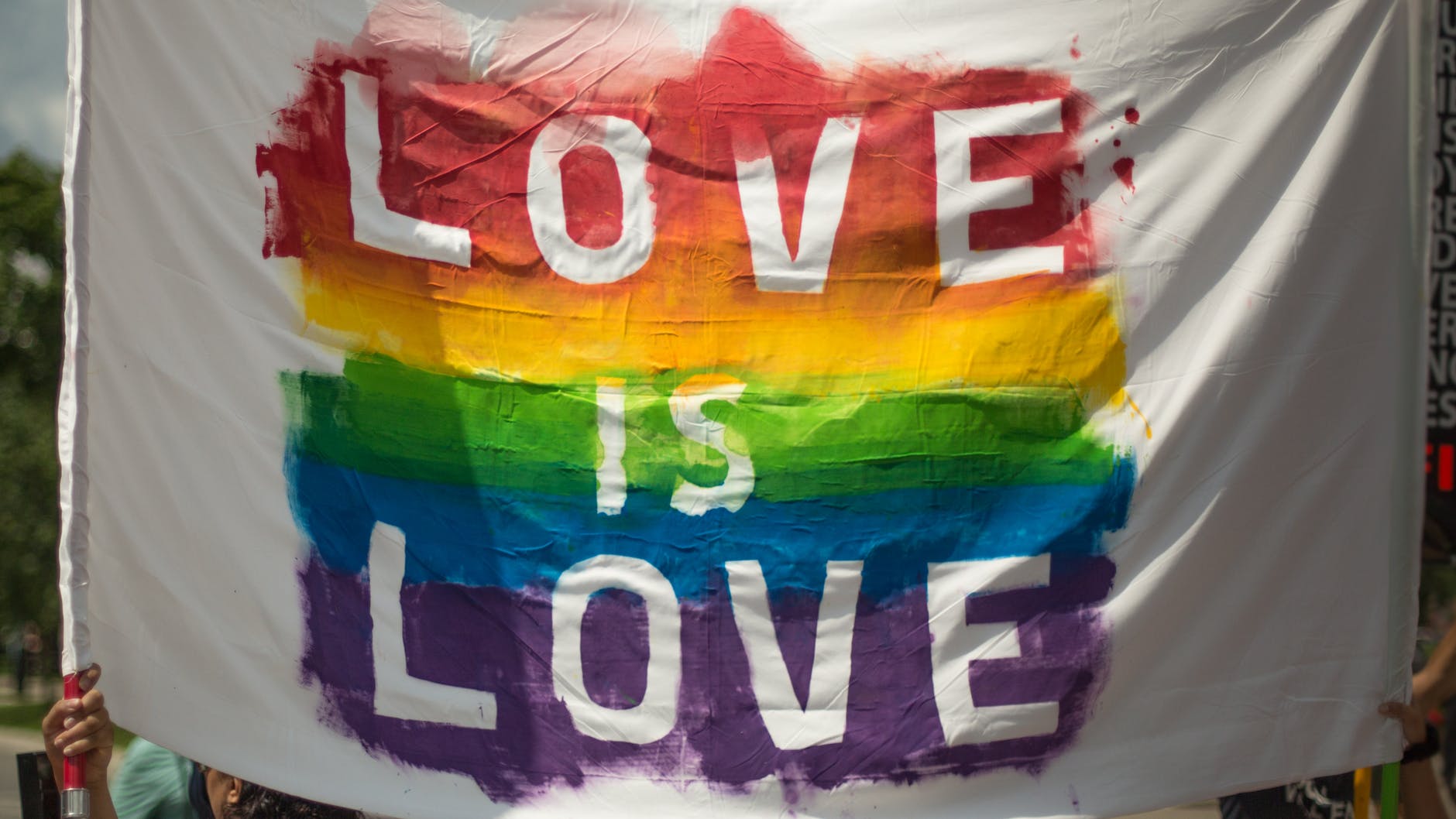
There is also a collection of landmark events such as ‘Brighton Pride‘ and ‘Trans Pride‘, and famous names that have made the town their haven and home, including key figure Oscar Wilde. In recent years, the community have struggled to keep hold of these statement locations, due to increased demand for development of housing, gentrification and the use of the LGBTQIA+ identity becoming an attraction itself, perhaps unethically, through the promotion of tourism. This has led to political friction between economics of the town, and the community identity. Currently, a large part of the LGBTQIA+ community are protesting against Brighton Pride, and other activities that create the feel of LGBTQIA+ people becoming a circus attraction. This phenomenon is known as pink washing.
Throughout the town, there is lots of street art expressing different social issues, topics and just generally impressive art. There is no cathedral in the city but a church that is considered to be the area’s nearest best thing, is St Bartholomew’s church, which is very large. The reason for this, is that the Victorian building was created to be approximately the size of Noah’s Ark, upside down. There is also an upside down house in Brighton… what a strange place!
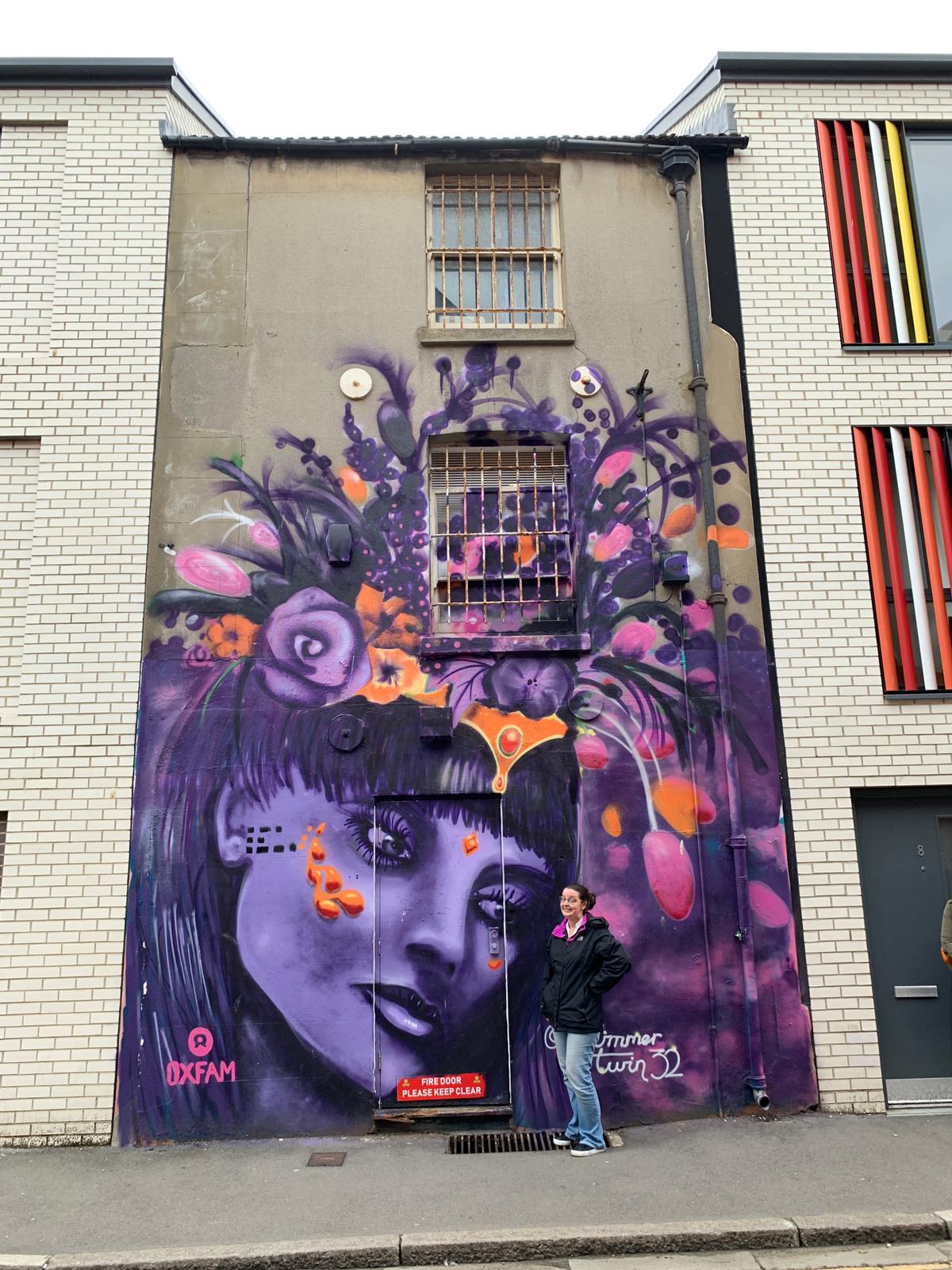
Mural 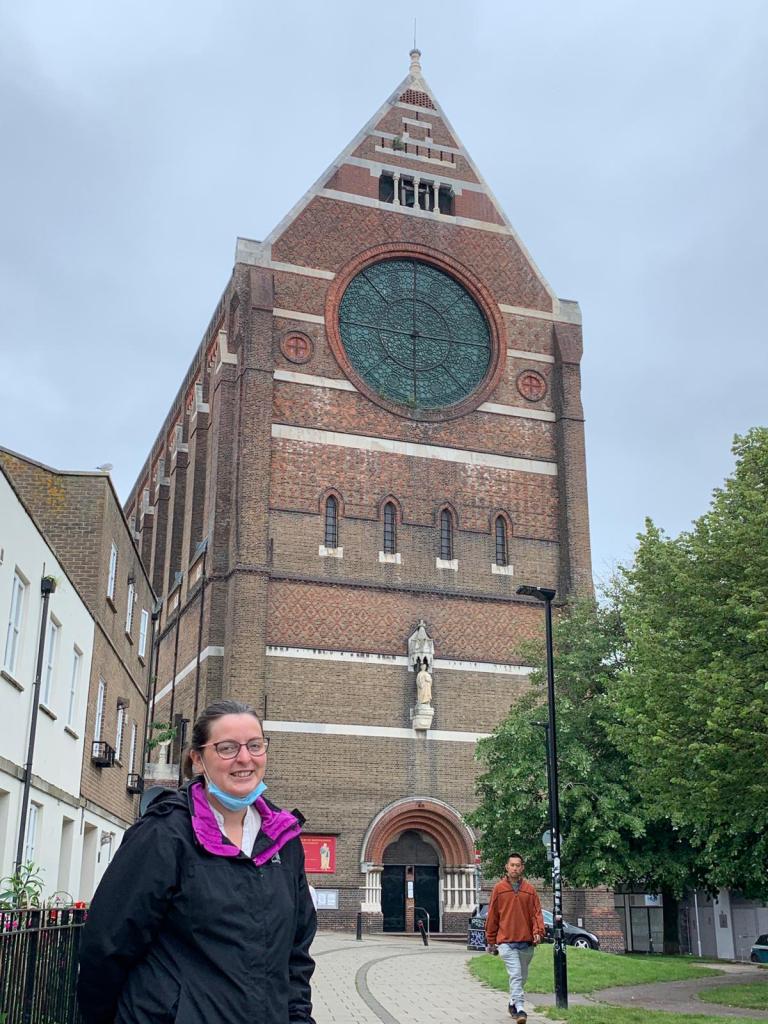
St Bartholomew Church
The Lanes & other popular spots
When it comes to spending your pennies, and enjoying food/drink as well as shopping, it seems that there are three main spots that are popular.
There are several chain stores and restaurants in the cheaper ‘marina’ area down the coast from the centre. This is accessible on foot by walking along the coast, a 20 minute bus ride, or by car.
When walking along the beach promenade below the road, you will see a number of restaurants, shops and attractions in what is known as the ‘seafront arches’. We visited the queer friendly ‘Loading Brighton’, a gaming café linked to ‘the marly’, and spent a few hours there enjoying milkshakes and board games in a few comfy sofas. You will also find the Brighton fishing museum in this stretch of bricked arches.
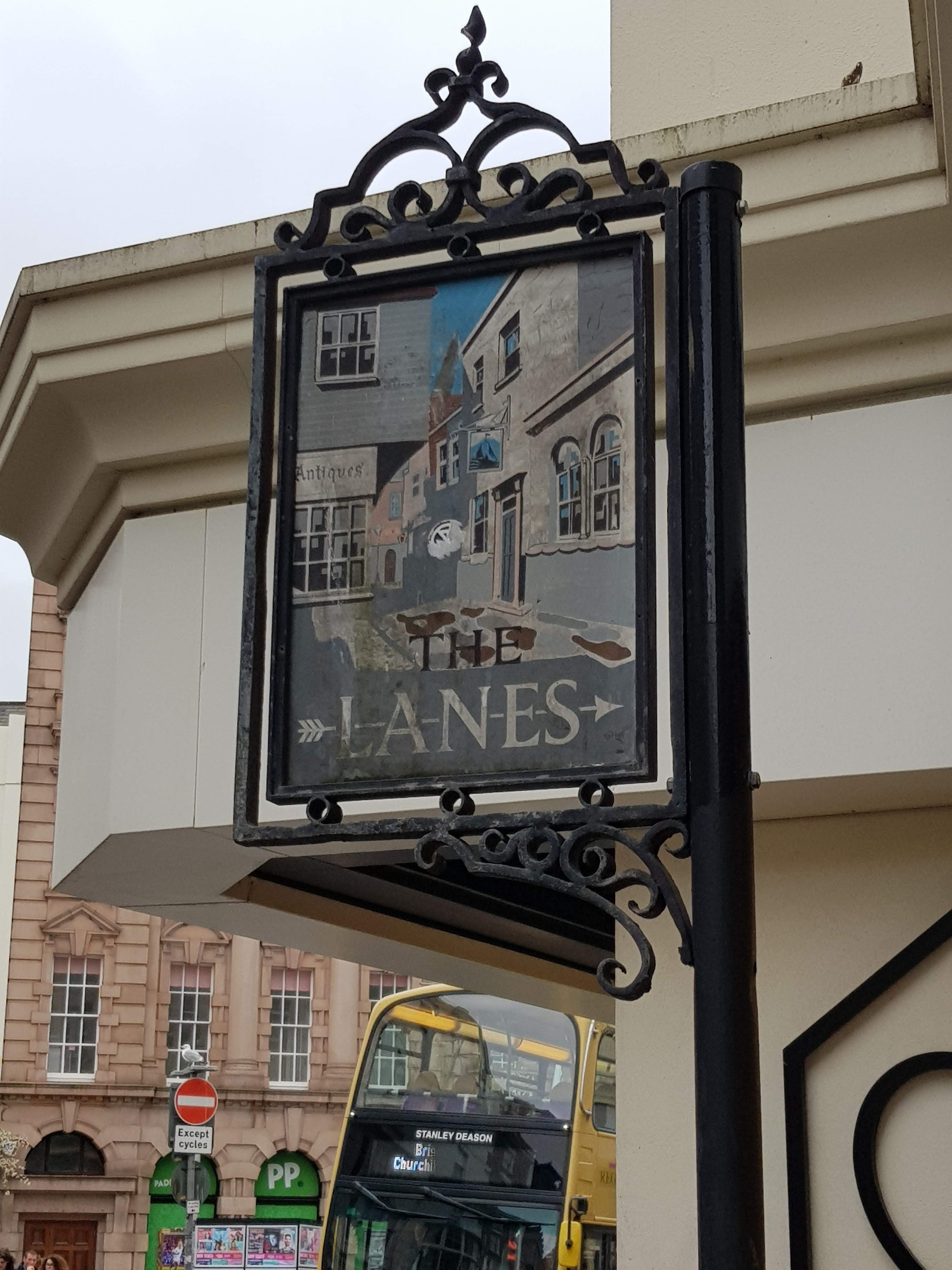
The most well known location for shopping and eating is an area further within the town, named ‘the lanes’. I had a feeling of what to expect here, as Norwich also has ‘the lanes’ as a concept. In Brighton, it is a network of small streets and alleys, that are bustling with independent shops and eateries. We also went down one road that was temporarily closed, which I can only assume was a Covid related innovation by the council. The retailers and restaurant owners were using this an opportunity to spill out into the street, and create a great market vibe. It was very busy, and full of bargains!
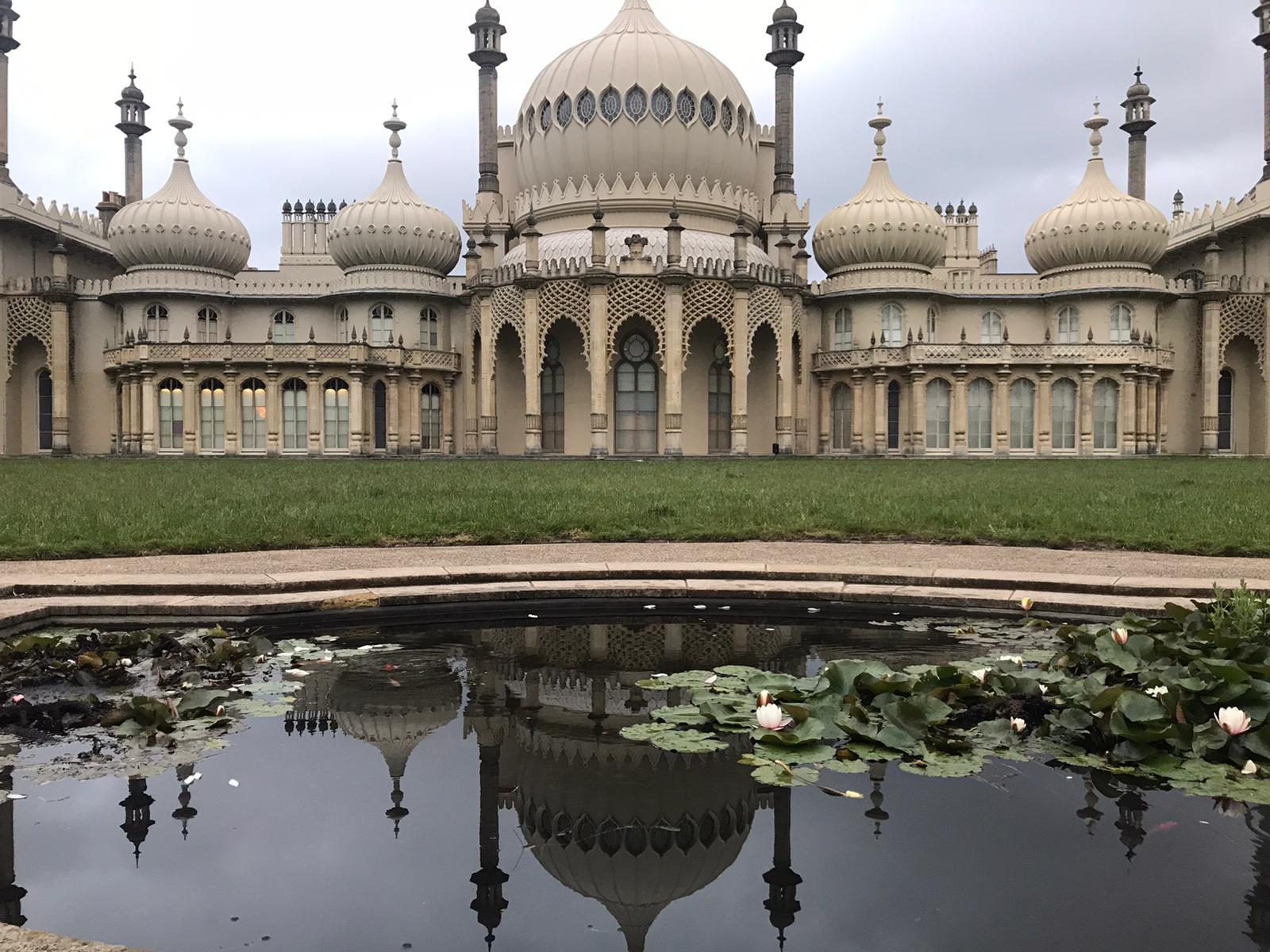
Royal Pavilion
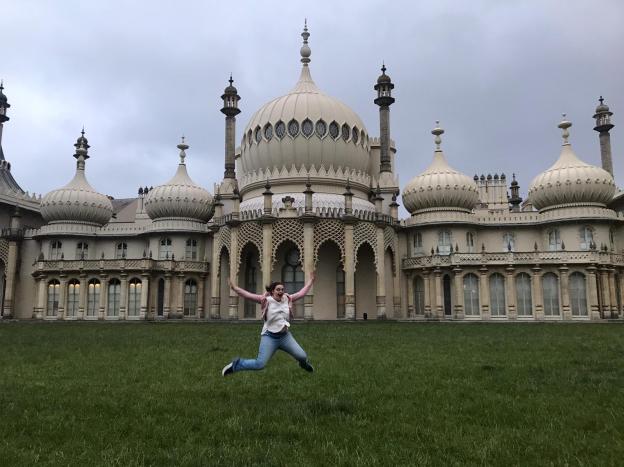
Just beyond the lanes, you will enter into the cultural quarter, this is the home of the world famous Royal Pavilion and Brighton Dome. This estate in the centre of the city is a Grade I listed former royal residence. Building work began in 1787, and acted as a seaside retreat for King George IV. George had an interest in Asian stylings and wanted to design the building and its interior to reflect his interest in Indian & Chinese design, although he never visited these countries himself. John Nash is the architect responsible for the current design, which was interesting to me as I am familiar with this well known Georgian designer. John Nash has also done a lot of work within Norfolk (my home county), in partnership with landscape designer, Humphry Repton, who also influenced the pavilion’s design.
The detail of the decorations within the many rooms is very inspiring to see. Visitors are constantly coming face to face with images of dragons, fish and snakes. Giant chandeliers and beautiful stained glass also hangs overhead. The palace buildings are also surrounded by charming gardens full of roses and shrubberies, the gardens are open to the public at all times.
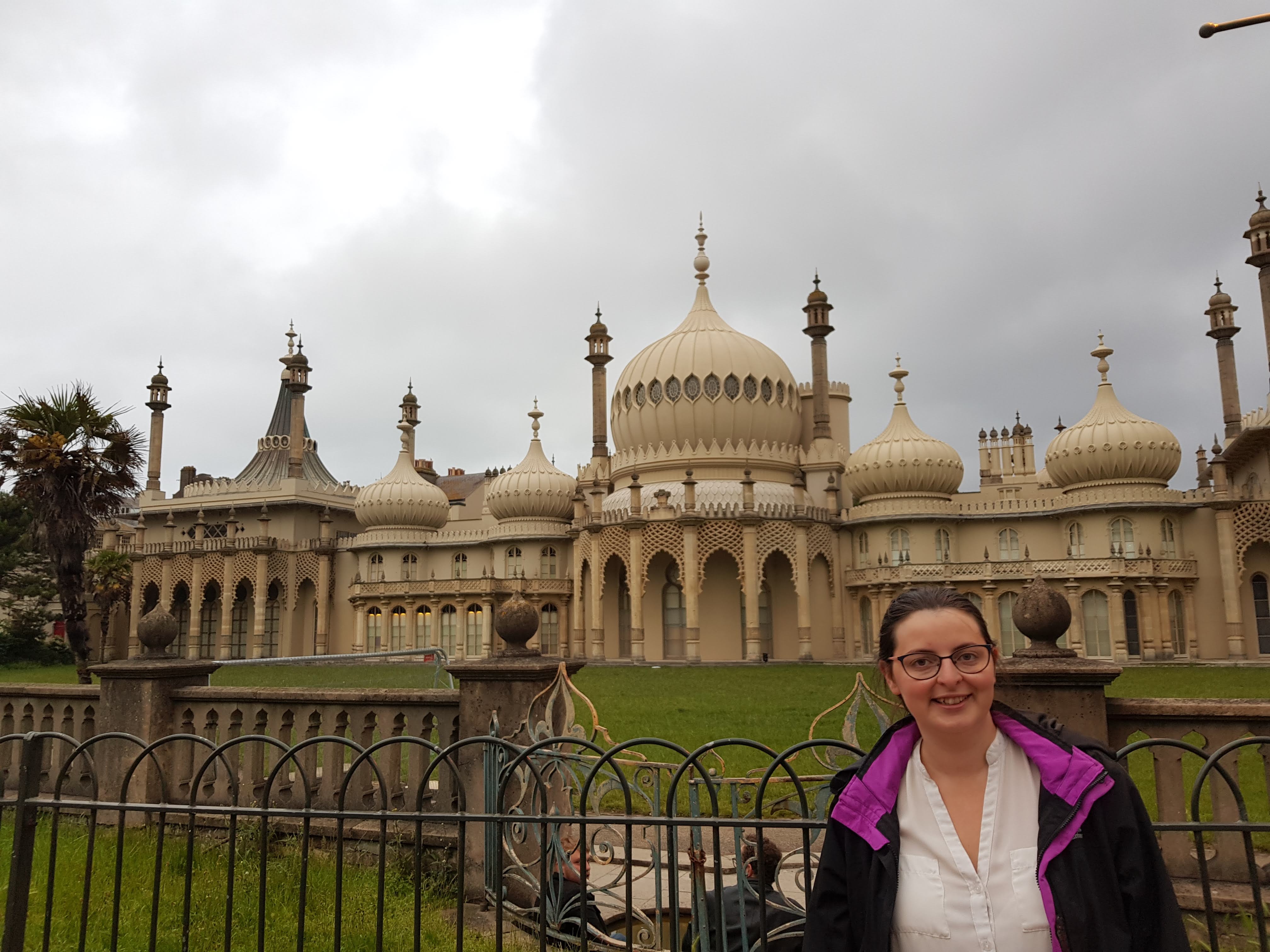
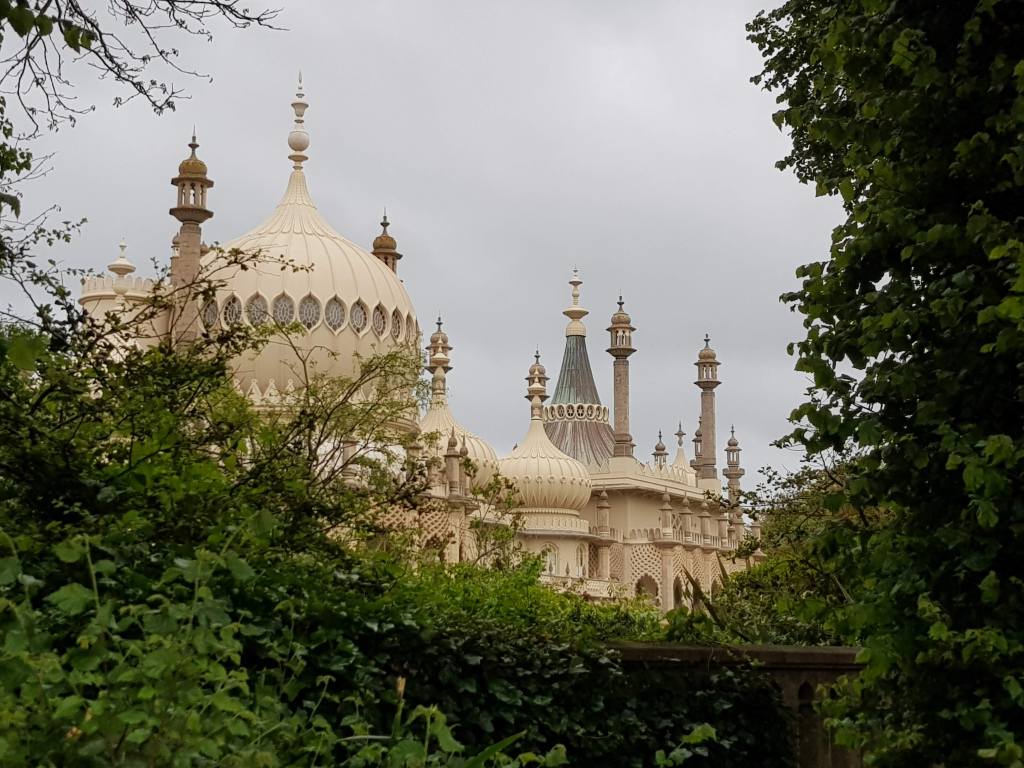
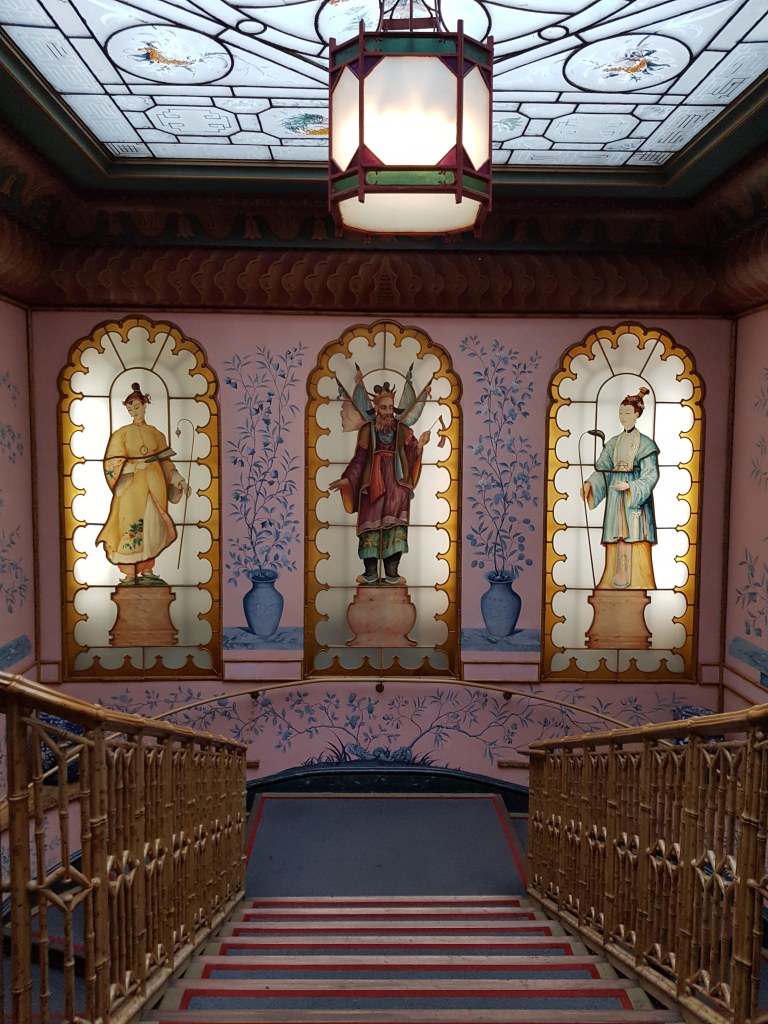
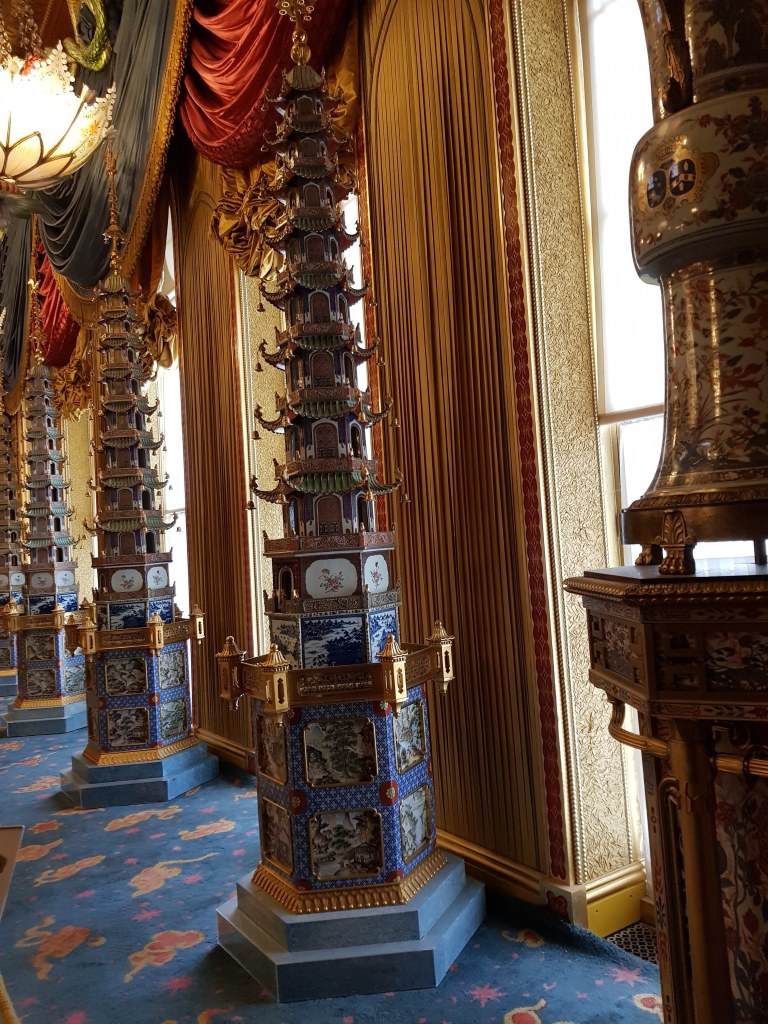
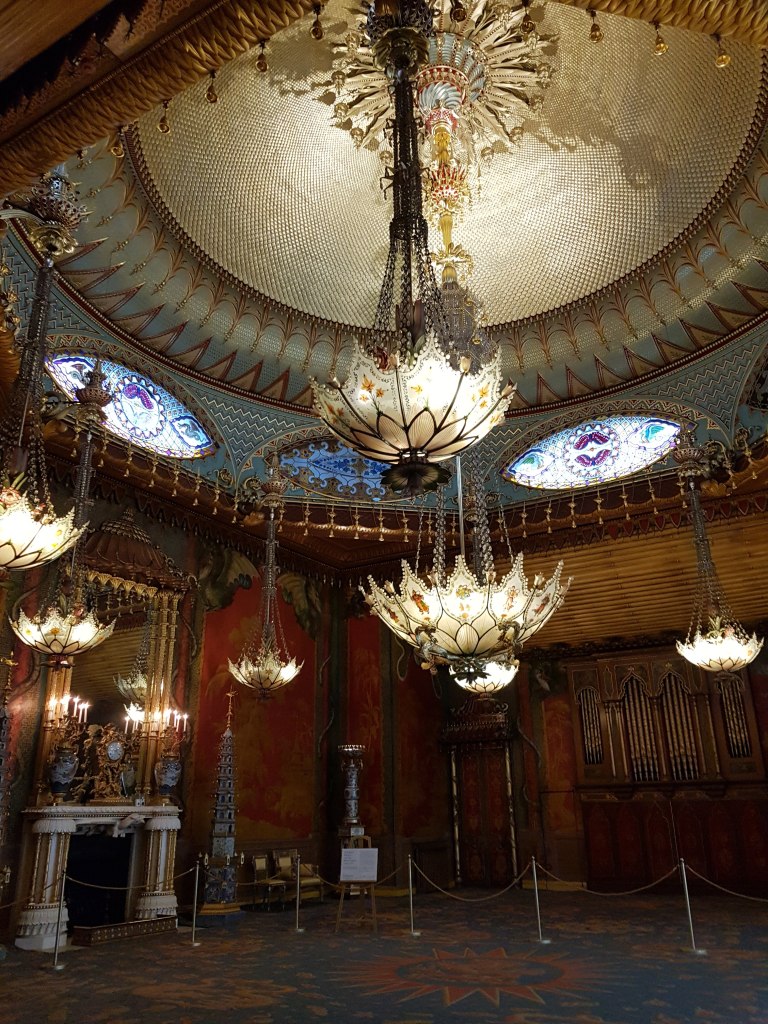

Once built, this extravagant building was used as a pleasure palace for the King, and later, was a retreat for Queen Victoria, and her family. The building has a room dedicated to information about Queen Victoria’s visits, based on historic records including her own diary entries. She wrote in her first visit “The Pavilion is a strange, odd Chinese looking thing, both inside and outside; most rooms low, and I only see a little morsel of the sea from one of my sitting-room windows, which is strange, when one considers that one is quite close to the sea.” She visited several times with her family, and enjoyed the easy rail connection between London and Brighton. Eventually, she decided to sell the building, as she felt too much amongst the public in the centre of town. It was later sold to the town council, and is the only royal palace in the country that is currently not owned by the crown.
During the First World War, it was transformed into a hospital for Indian soldiers. This was partially as a political move, to provide propaganda to India as an important country within the British empire. This element of the pavilion history is also exhibited within your visit to the attraction.
I truly expected to enter a shell of a building, and was hoping that at £16 per ticket, it would not be a waste of money. I was pleasantly surprised! The pavilions exterior and interior are amazing, and the information available for visitors is widely ranging. The attraction offers an audio tour that you can use on your phone, regular signs, and volunteer guides on duty. We were also told that our tickets would act as an annual pass, which is brilliant, and meant I could come back the following day for a second look!
Surrounding Brighton
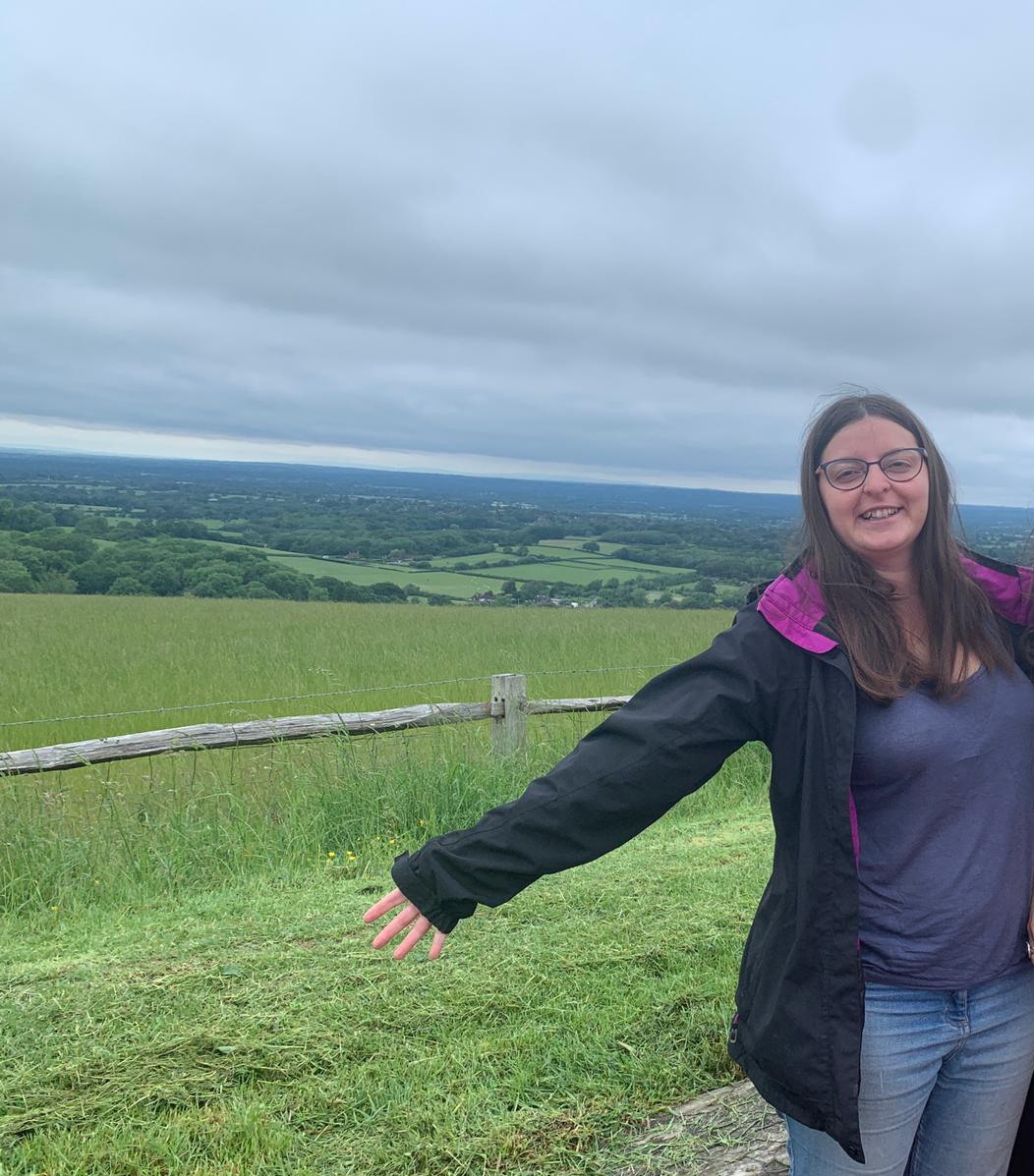
We were staying slightly outside Brighton and had access to a car, meaning it was easy to discover surrounding areas. We decided to visit the Jack & Jill Windmill which provided a beautiful view of the South Downs National Park, and we also visited the lovely town of Lewes.
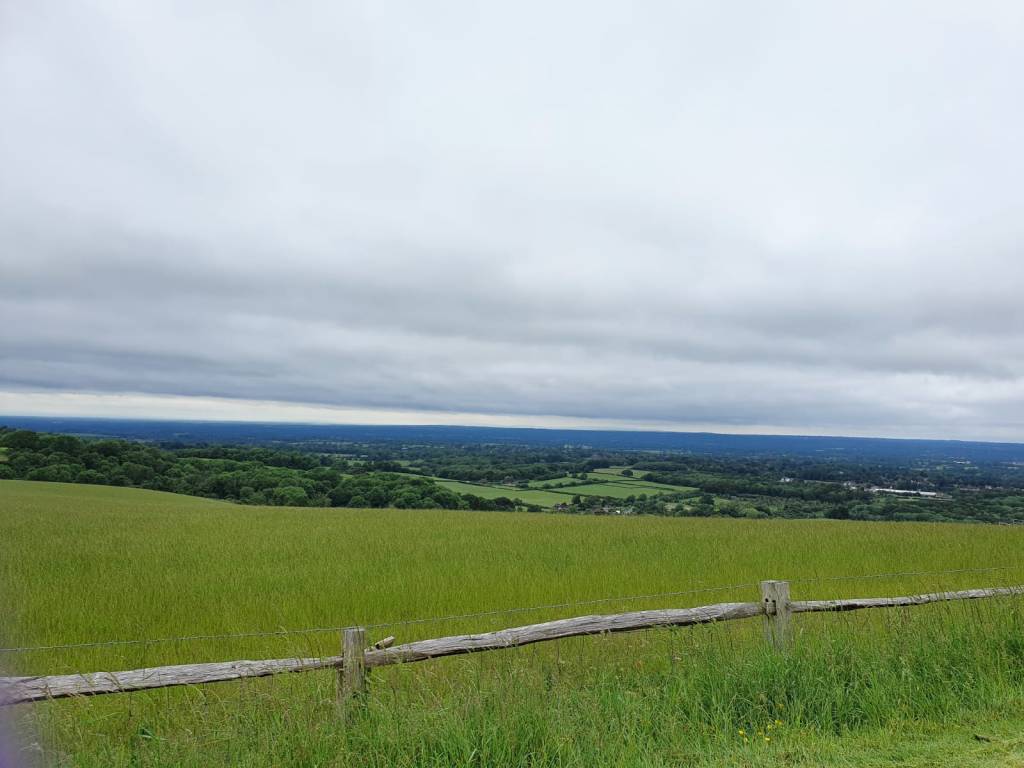
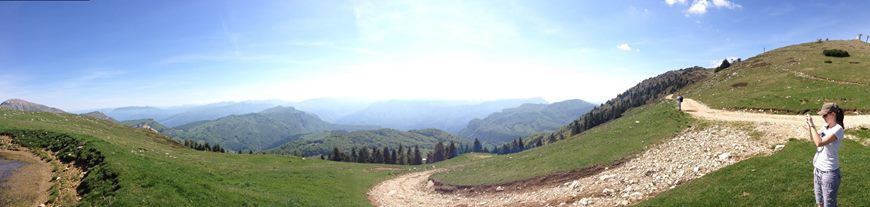
South Downs National Park view 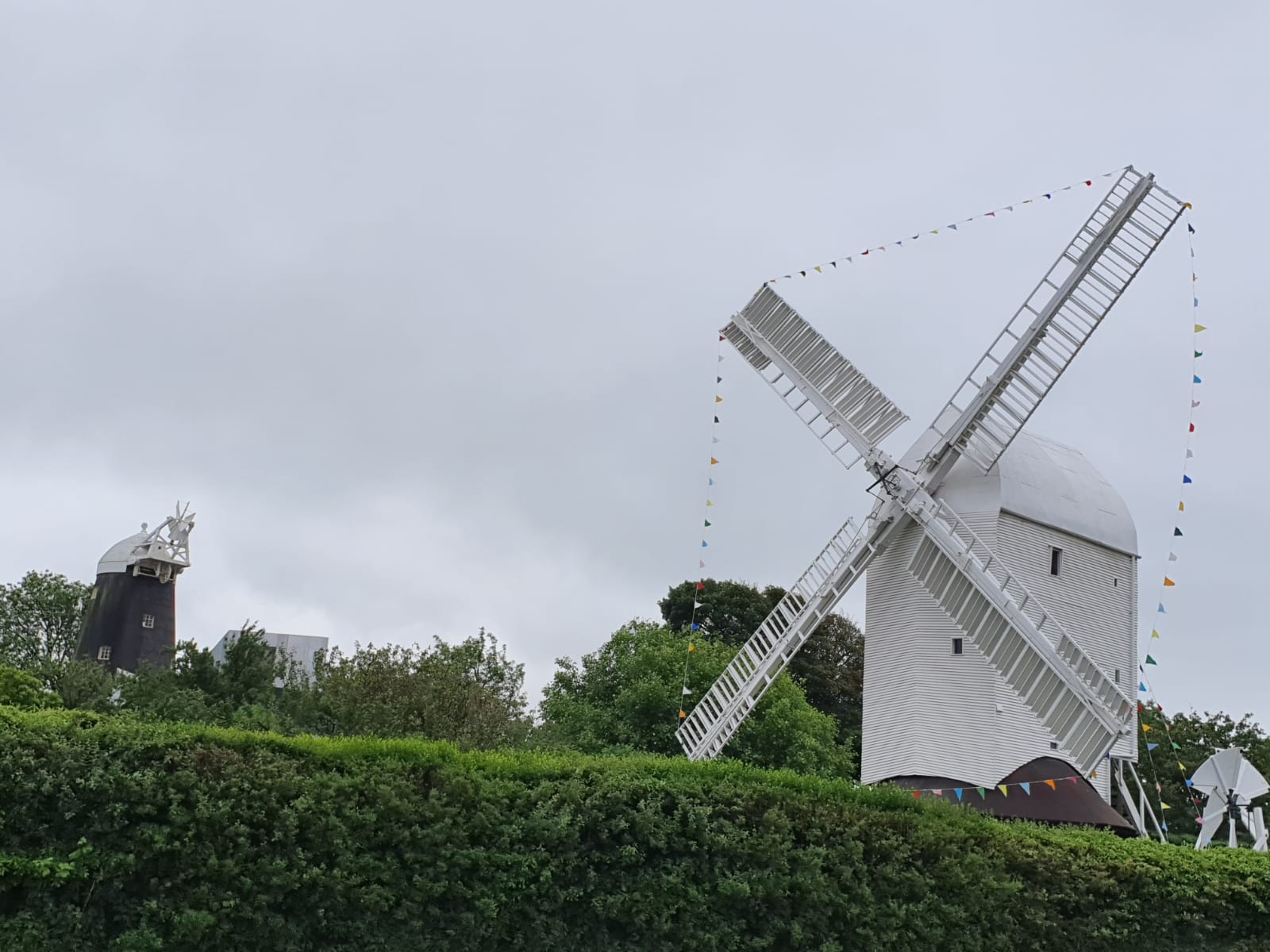
Lewes is built on the hills of the Ouse Valley, and is a delightful country town, with plenty of historic buildings and pleasant green surroundings to enjoy.
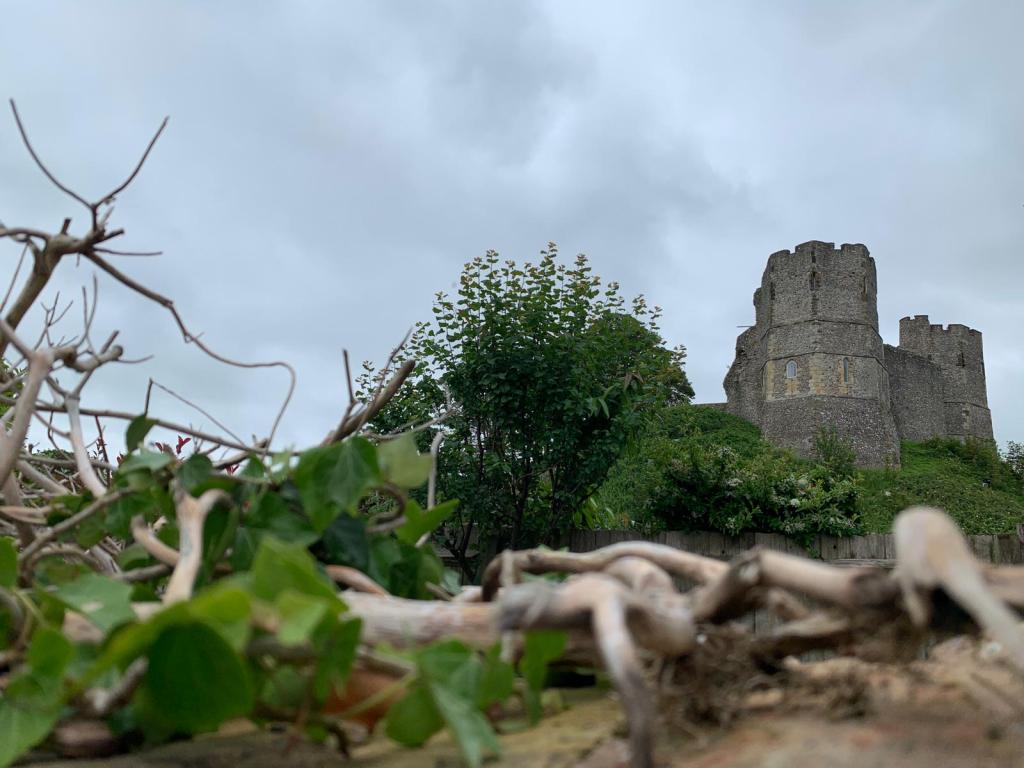
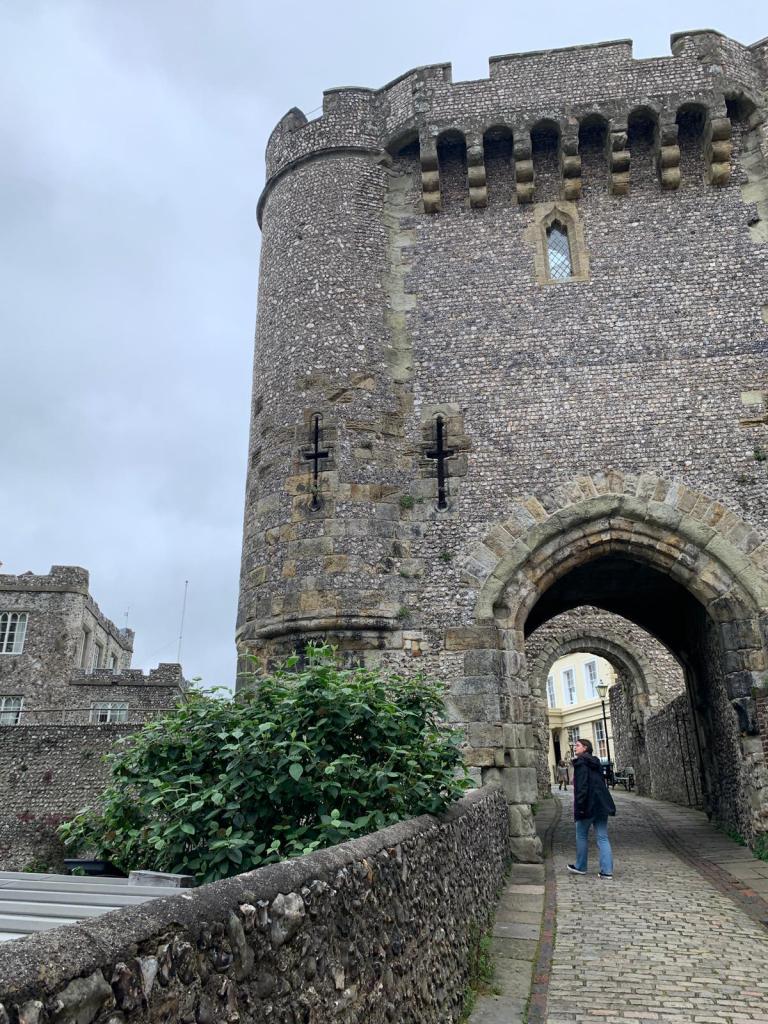
At the top of the hill is the castle which was built shortly after the Norman invasion in 1066. The battle of Lewes took place here and was one of two important battles within the Second Barons’ War. King Henry III was staying within the safety of the castle and nearby priory before heading into battle against the 6th Earl of Leicester, Simon de Montfort. The king was defeated in this battle. There are several pieces of interpretation around the site that you can access for free, that provide information about the battle and key locations. You can buy a ticket to enter the castle enclosure and museum, or walk around the castle walls and through the castle gate for free, as it is part of the public walkways.
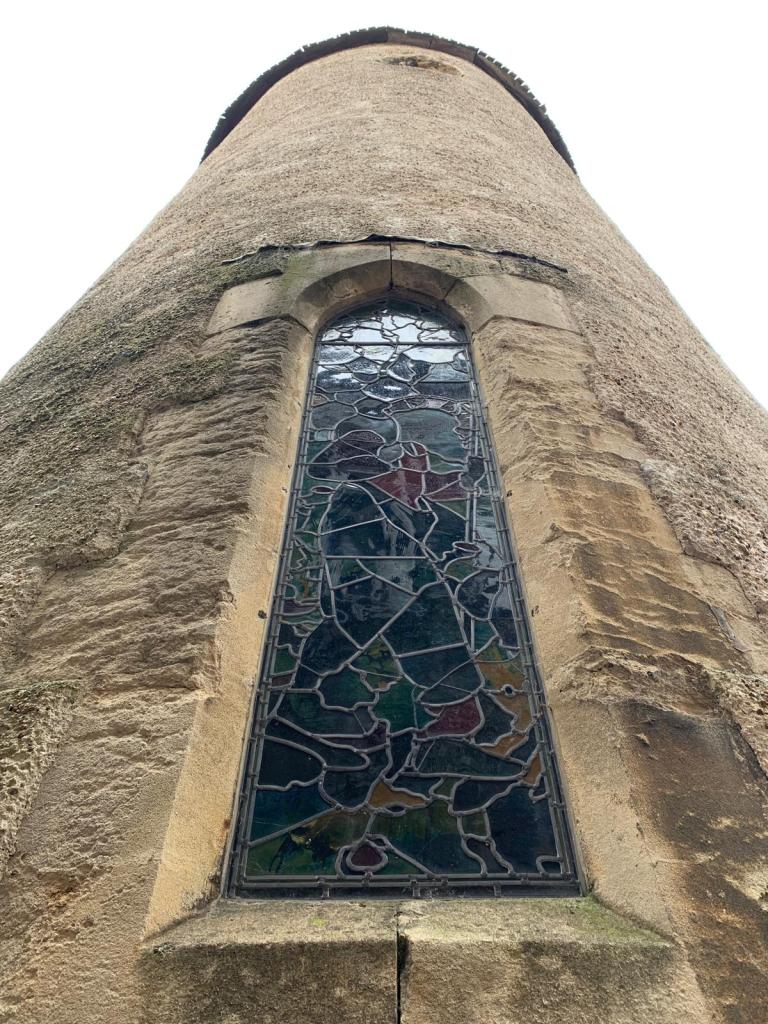
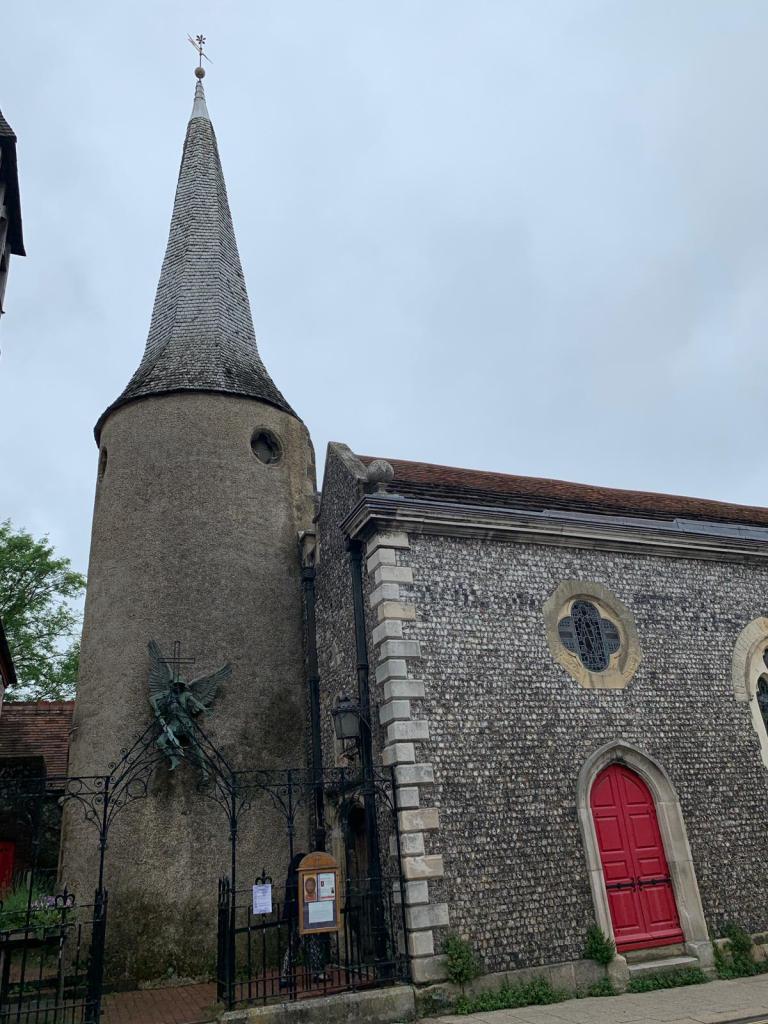
Within the town, you will also find several other buildings varying in age, from Norman, to the Tudor period and beyond. Some key locations include the priory, Ann of Cleves house, and also the pretty St Michael’s church which has a round tower dating from around 1200.
The town has many of the normal shops and chain cafes, but also hosts many independent retailers with unique goods to trade, and lots of information on the walls to tell you the significance of the street you are on.
Overall, I was very happy with my weekend in Brighton and the surrounding area. It definitely offers a diverse range of activities depending on your interest. I know that I have only scratched the surface though, so I look forward to going deeper into the area’s offering in the future.
 Go Go Chlo