An hour from Barcelona, is the charming Roman town of Tarragona, which continues to thrive as a peaceful place to shop, explore and relax. This pretty port city is a lesser known escape from the hustle and bustle of Gaudi’s Barcelona.
Tarragona, Write your own story video
I visited Tarragona for an afternoon in June and found it to be much more than I expected. All I knew was that it was Roman. I expected a village with some ruins. It is however a vibrant location where historic artefacts and modern lifestyle has been intertwined to create a remarkable space.
A World Heritage City
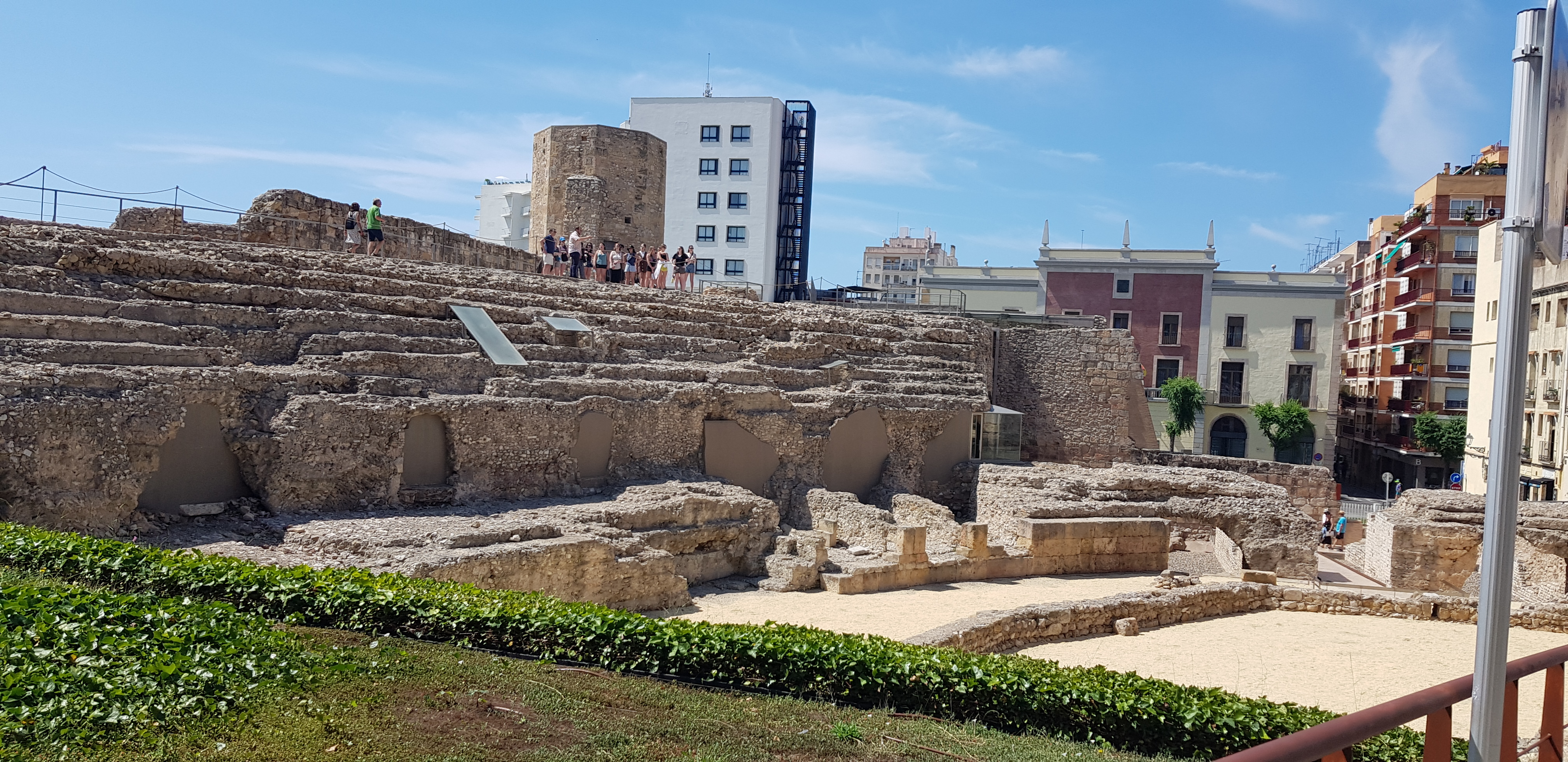
Tarragona is the only World Heritage City in Catalonia, and one of the main reasons is because of its Roman history. It was once the capital of the Roman’s Hispanic empire. The city was extremely important to the empire, and still has many monuments in existence today to visit and see. Not only can you visit individual monuments such as amphitheater, walls, aqueduct, and forum, but the city also offers a themed Roman walking route, tours, and even a Roman festival called Tarraco Viva to celebrate its heritage in May each year.
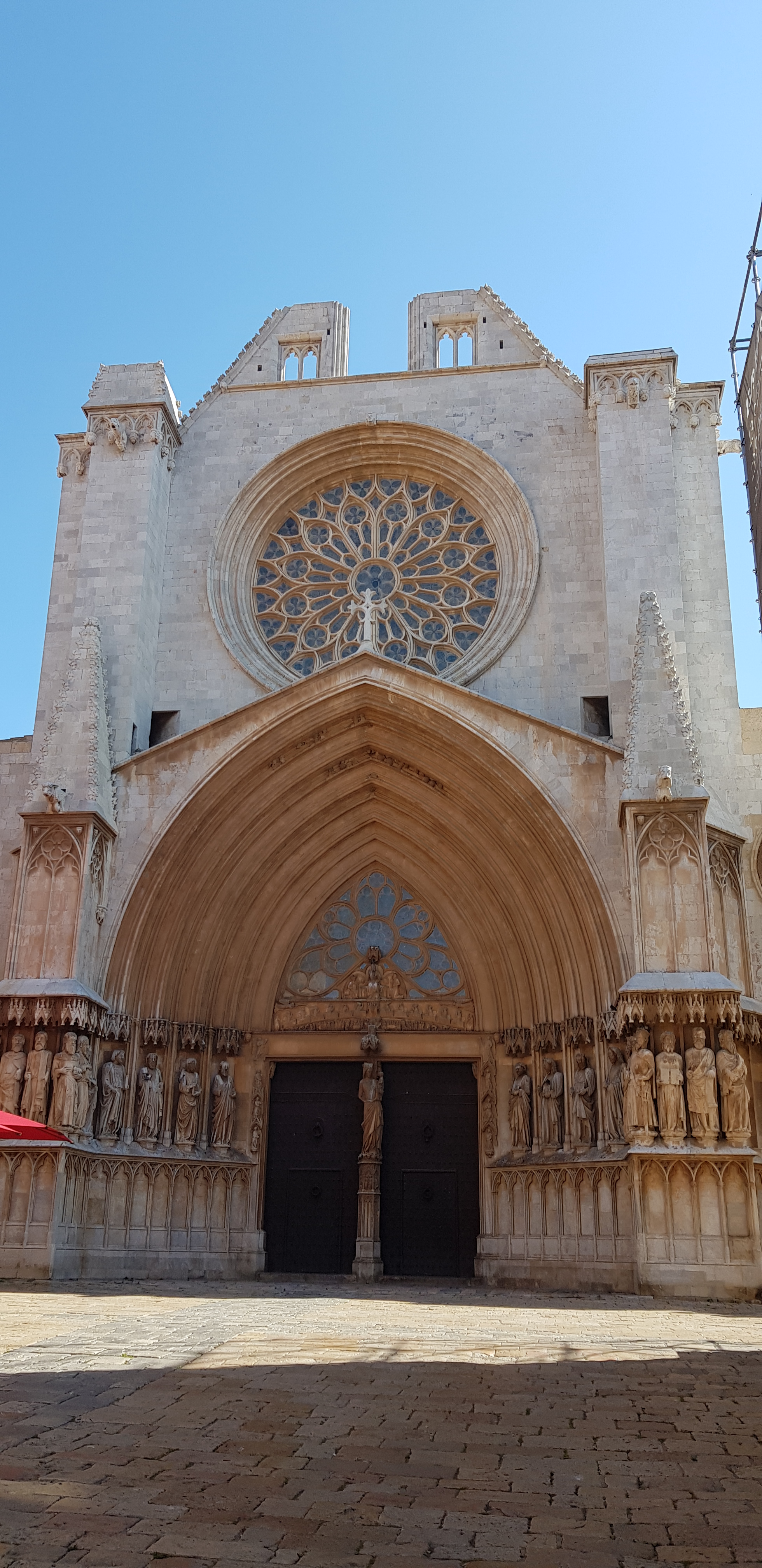
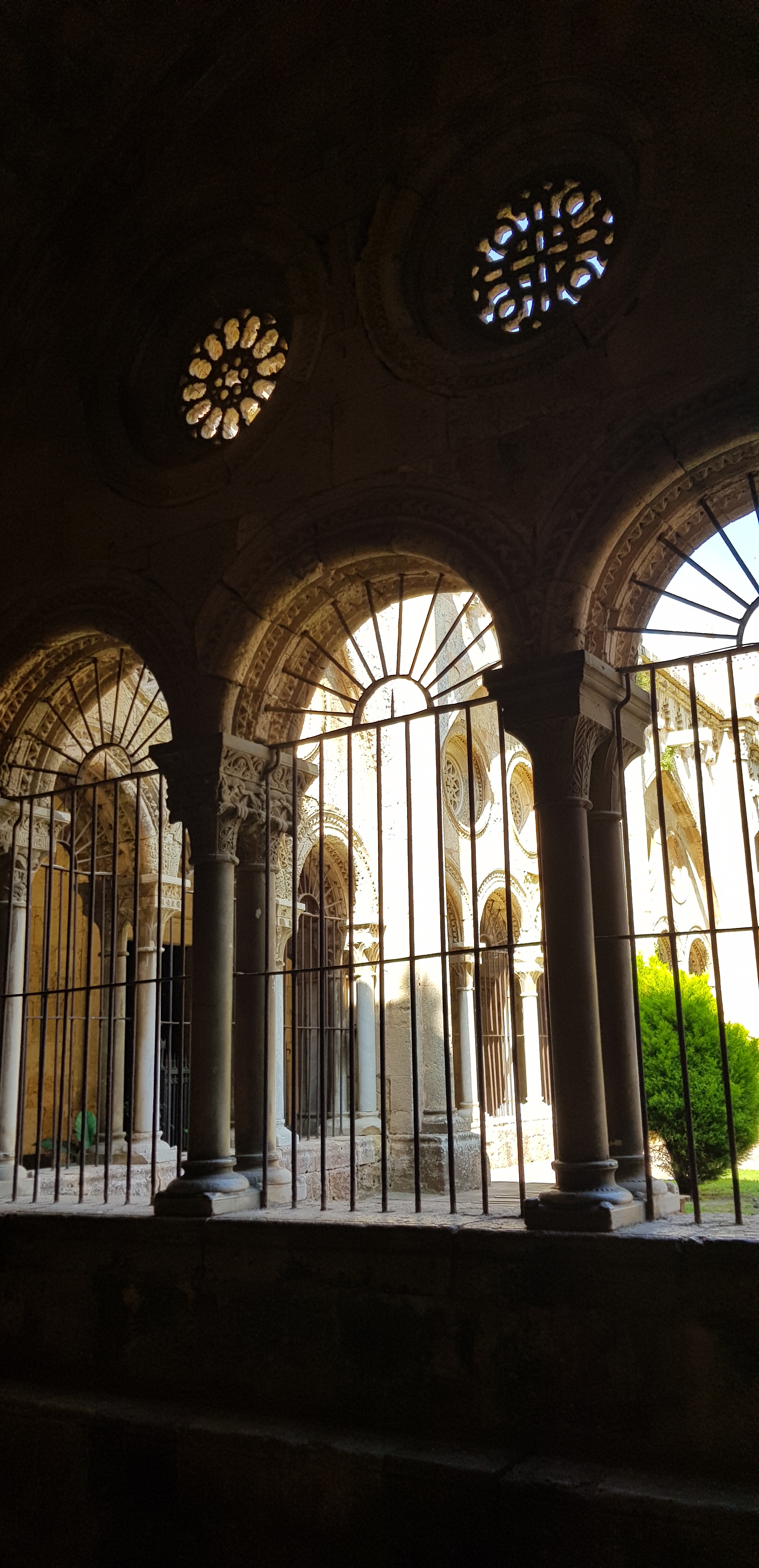
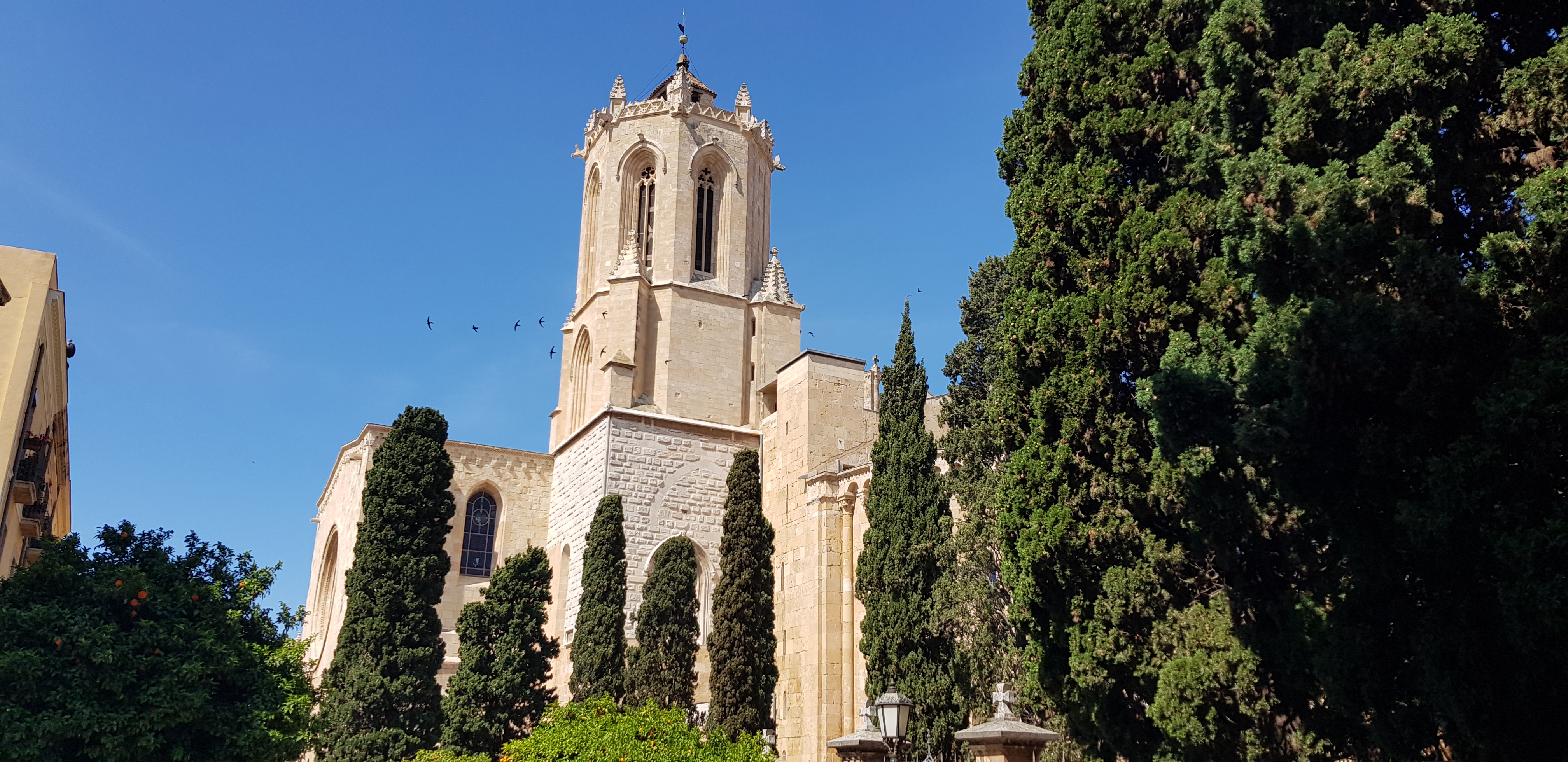
I am a huge history fan and so I was happy to see plenty of old buildings and structures, and hear the stories of the city and its importance to the Romans. I had a whistle-stop walk through of the cathedral, and I would have happily spent more time there as its quite a large space to explore.
The Cathedral is easy to recognize from many travel and culture documentaries, as the location that begins the walk of human towers. Human towers or castles ‘Colles Castelleres’ are exactly how it sounds. Originating in Tarragona from Valencian dancing, the events consist of large teams of people standing on each others shoulders to create a human tower. They then take a walk (as a tower) from the Cathedral and through the streets of the city. Visitors travel for many miles to watch this event and residents will open their balconies up to people to view. I would love to return to see this event from a short distance, but I am not totally convinced that I would want to be anywhere near the bottom of the tower… or the top! Apparently, the top of the tower is normally reserved for the tiniest members of the group, so young children and toddlers get the honor of being the shining star at the top!
Exploring the modern city
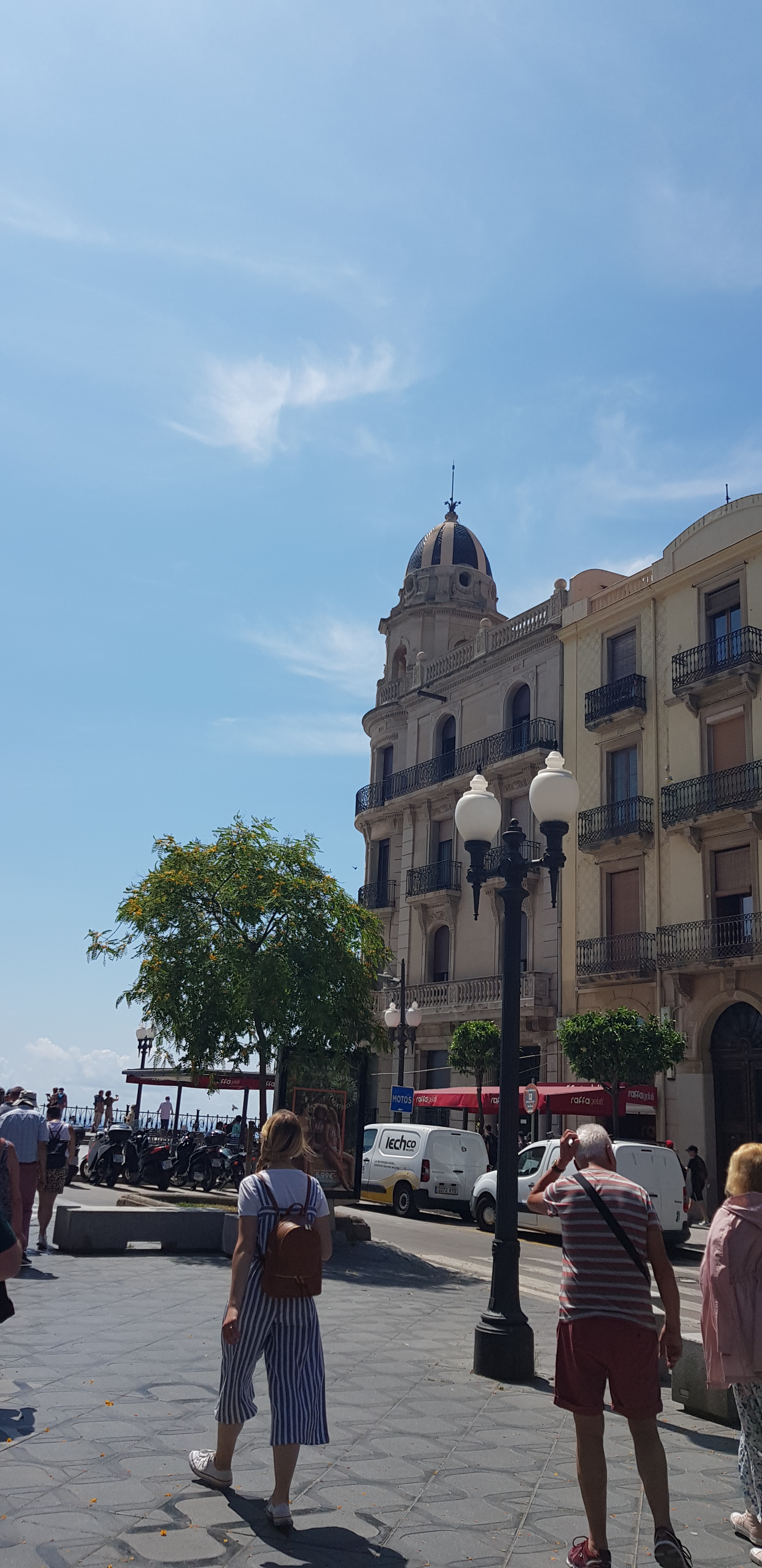
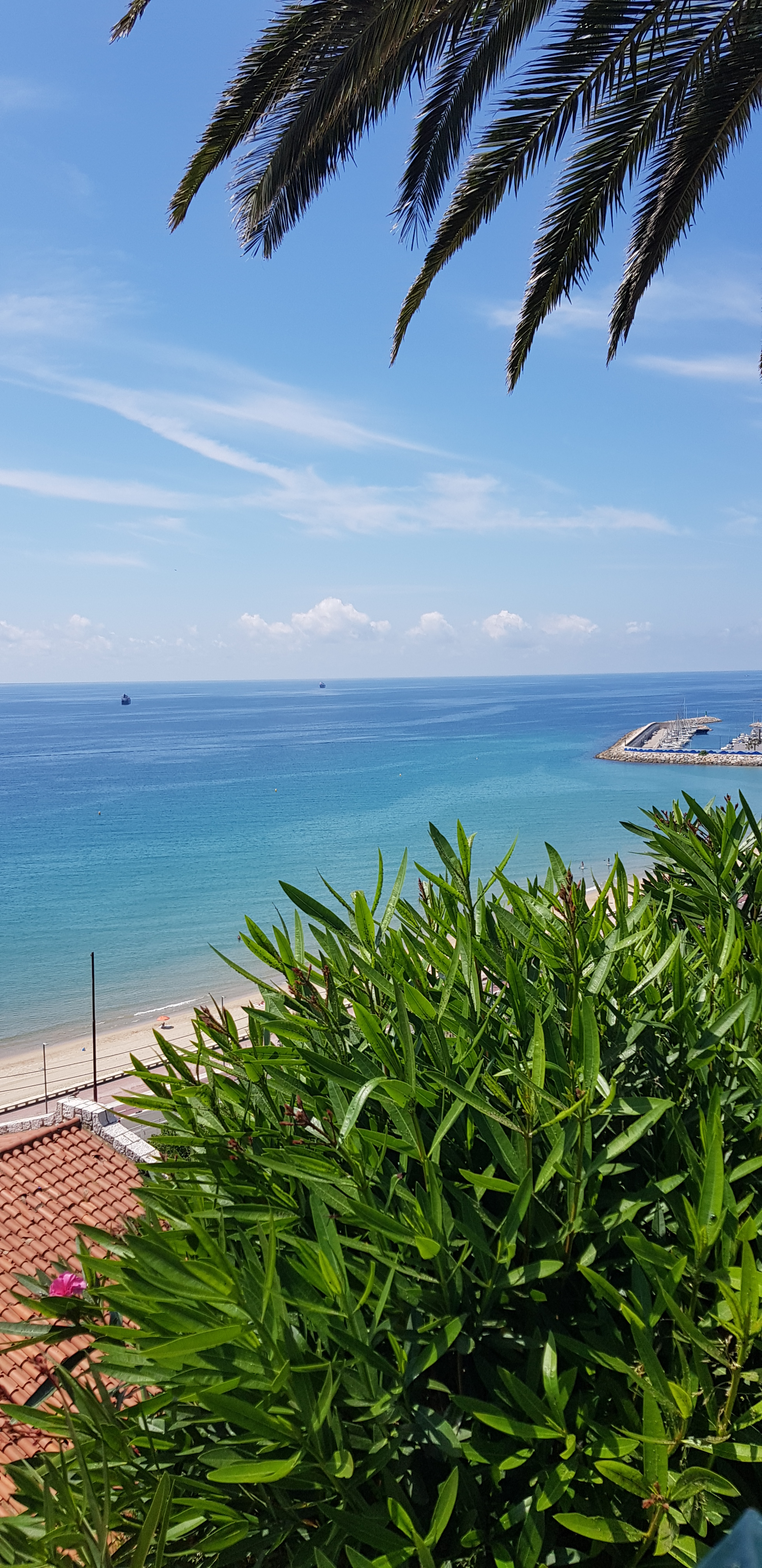
Whilst appreciating the historic framework of the city, you can also enjoy the facilities on offer today. Tarragona offers modern shopping and dining in its high street La Rambla Nova, as well as the opportunity to eat fresh cuisine at its central market. Looking to relax? You can make your way to the ‘Balcony of the Mediterranean’ at the top of La Rambla Nova. Here you can view a straight view along the coastline and relax on a bench or make your way down to the sandy beaches below. The only downside is that the beach and the town are separated by the railway track, so you have to walk quite far before you can cross over into the beach. The long balcony promenade provides a beautiful scene to wonder along the edge of the city and towards the marina.
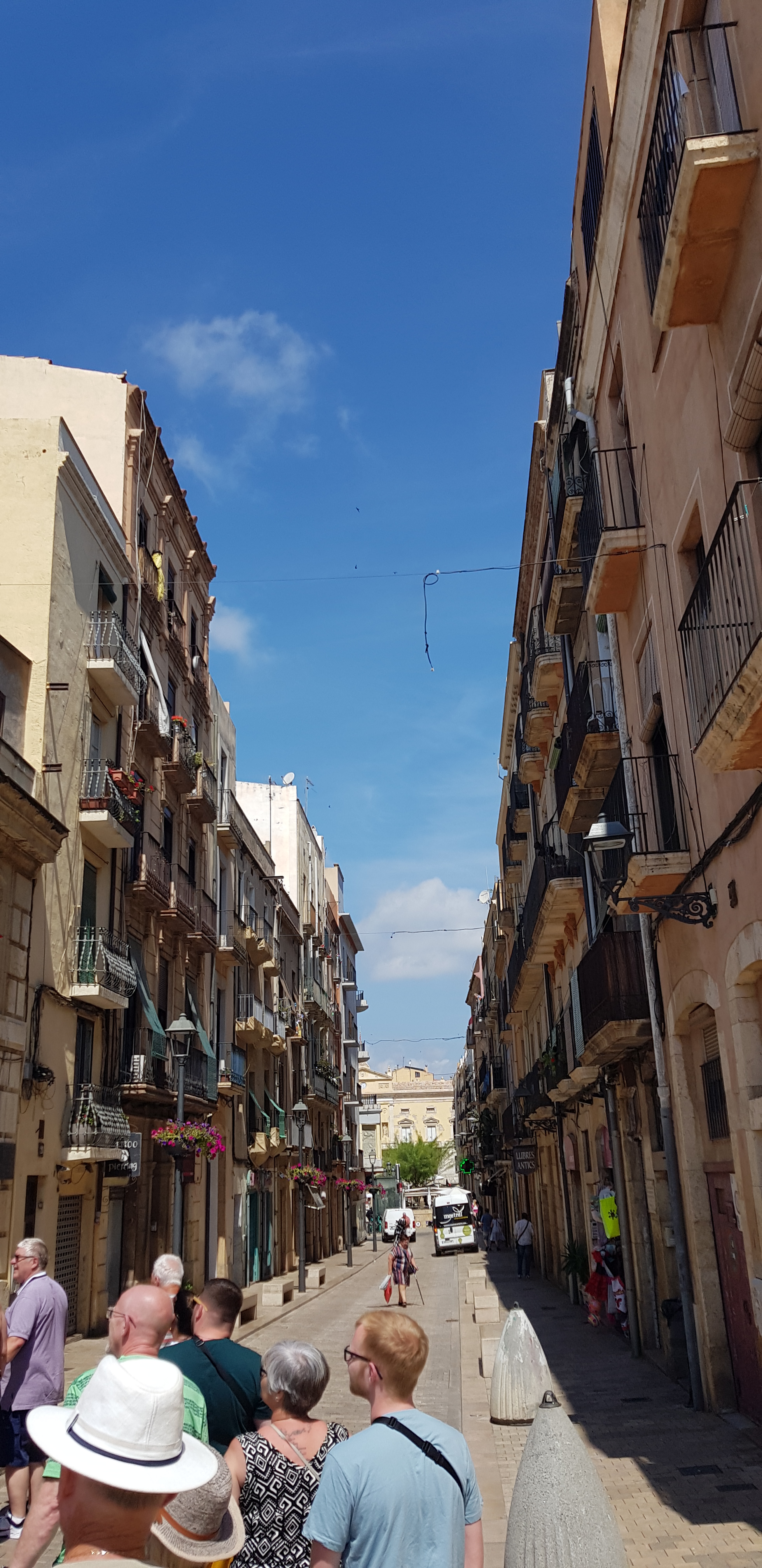
Tarragona streetTarragona La Rambla NovaTarragona Balcony of Med
Port and Serrallo area
In the port area of the city, typical seafood restaurants can be found, as well as beautiful scenery of fisherman pulling in the fresh day’s catch. This also happens to be the city’s museum district, being home to the port museum, archeological museum and the historic lighthouse and city clock.
Generally, I found Tarragona to be a very peaceful city with a lot to offer all in one place. I would happily visit again and even spend a good few days here.
I spent the Winter of 2022/23 sailing around the Eastern Caribbean, and discovering what this part of the world has to offer, other than the expected white sandy beaches and sapphire blue waters.
Local life and culture
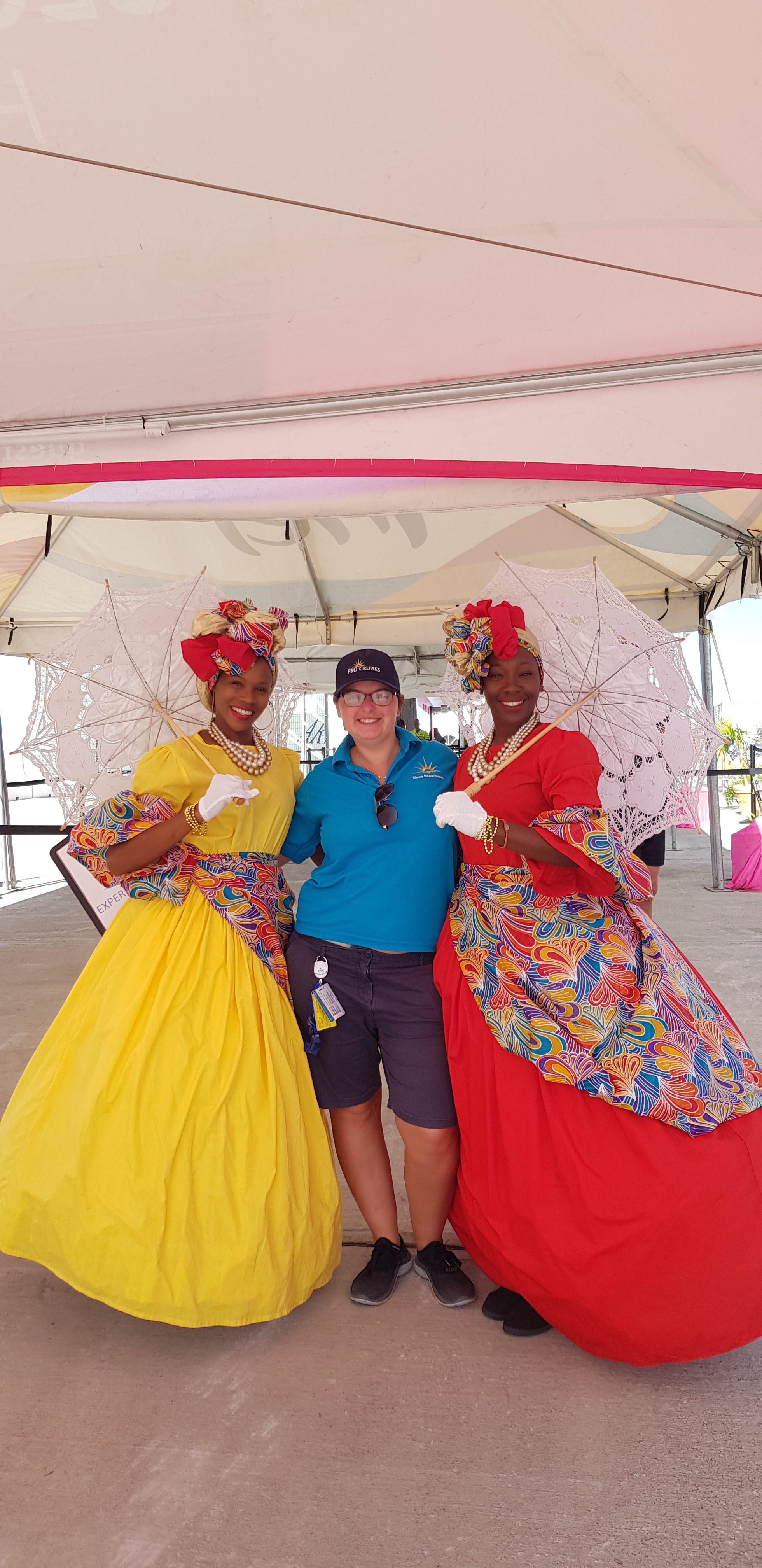
The Caribbean may dream up different images to different people. Perhaps the white sandy beaches, palm trees, men in dreadlocks and lots of rum. Whilst, this part of the world does have all those things, it’s actually much more complex than just that, with a rich diversity of culture as well as differing social constructs throughout the different islands.
The different islands are grouped and governed separately, some independently and some by European powers. Many of the islands’ native tribes were wiped out by European colonisers and much of this influence still shows today. Some islands speak French because they were once French, and some such as Martinique still are a part of France. There are also islands that are spanish speaking and ones that are Dutch or British.
The influence of a European governing body, will of course affect wealth and opportunities too. Many British influenced islands, have the British legal and education systems. The French and Dutch islands also benefit from the additional European funding and the ease of movement of tourists from the mainland.
In most cases, where islands have separated themselves from their colonizing parent country, they are living in developing world status. Consistent and devastating hurricanes and natural disasters add to this reality.
The situation means that the cost of living can be very high for locals and many people have to be entrepreneurial in order to make an income. That may mean selling tours, setting up a bar, selling coconuts or even offering photos with captured monkeys. It is understandable that locals need to make the most of the incoming load of tourists arriving each year.
The people are also very relaxed and generous. Whilst they can be direct, I have always found the caribbean people to be very uplifting and kind. They follow generally one of two main religions, Christianity or Rastafarian. I never previously realised that this is an actual religion but it very much is. For example the reason for the dreadlocks is because it is considered against the religion to cut your hair as it represents your strength. It’s not just a fashion statement!
I have had some really great interactions with locals whilst working in the area. From direct business partners to a handsome rasta that broke an aloe vera plant in half and massaged me with the sap on the beach. Conversations about life, culture and family. It helps me open my eyes to new ways of living. A more relaxed lifestyle that takes each day as it comes, because in a moment everything can change.
Safe to say, keeping the drinks flowing, the music loud, and the air smelling of ganga is a part of the way of life and it certainly seems relaxing.
Nature
Outside of sandy coastlines, many of the islands I have visited have been full of nature. Especially rainforests.
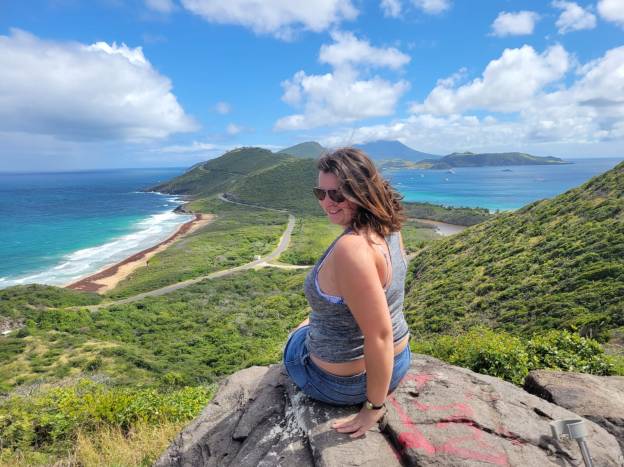
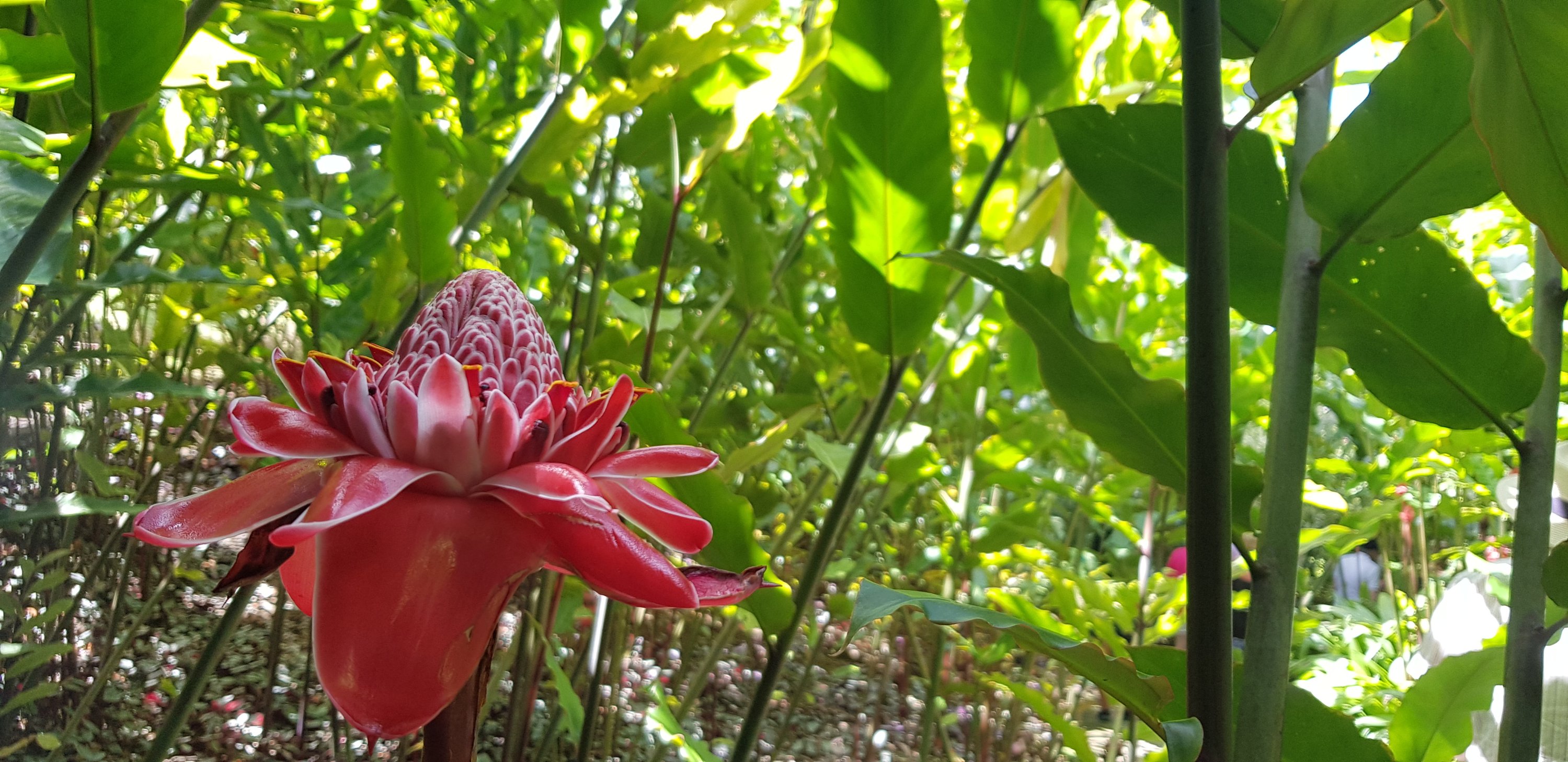
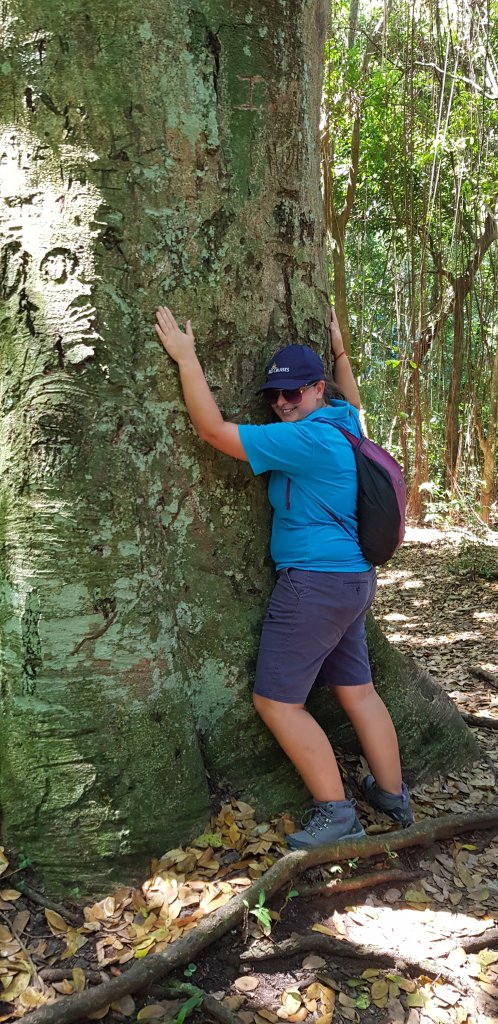
I have been fortunate enough to bathe in mud pools inside an active volcano in St Lucia, discover thorn covered trees and hang from vines in the deep rainforest of St Kitts, as well as cruise past the TV set of ‘survivor’ in a jungle in Dominican Republic.
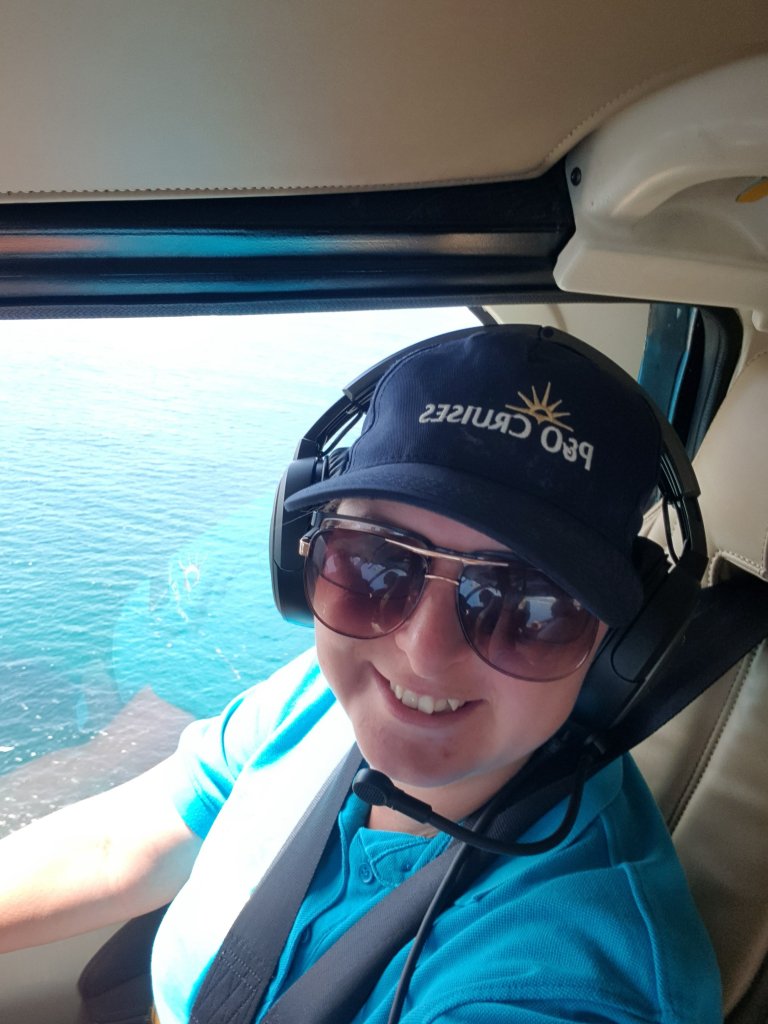
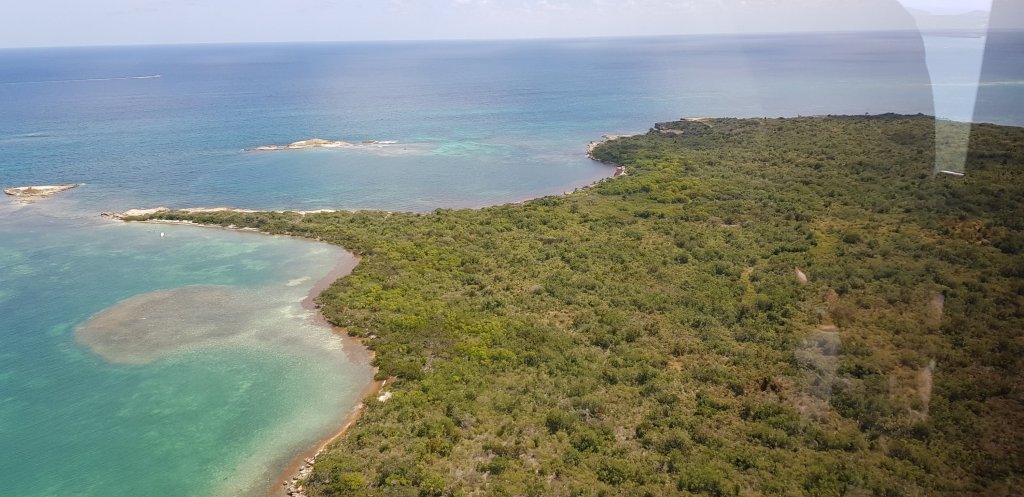
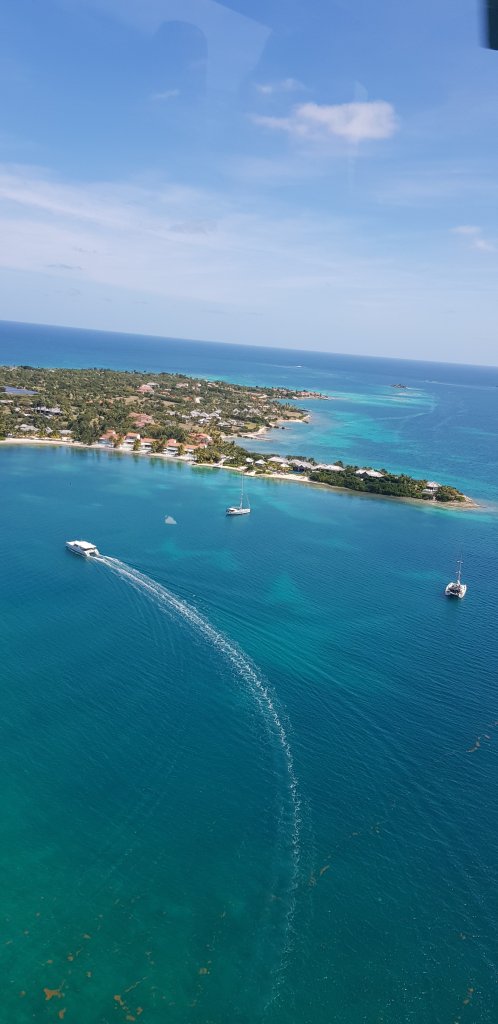
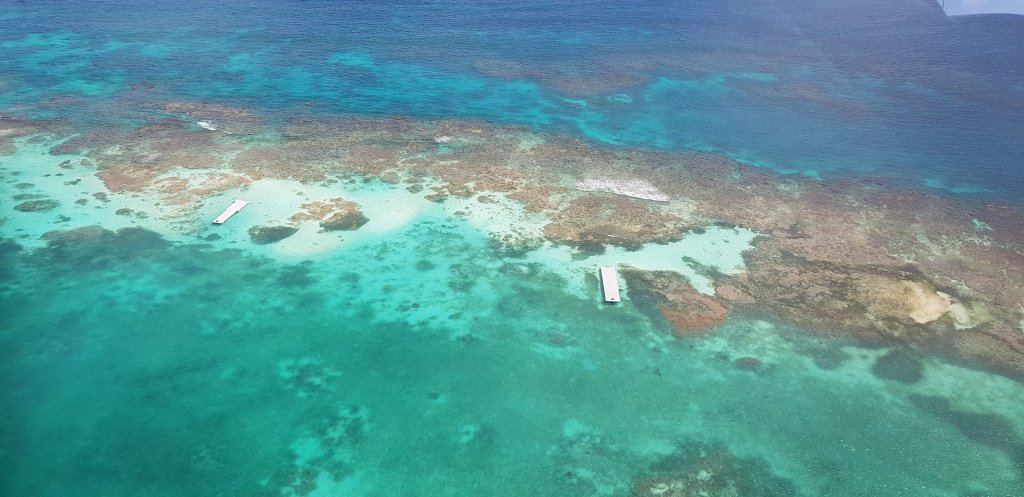
One of my favourite experiences has actually been flying over Antigua by helicopter. In that short flight I was able to see the shape of the island, the changes in the land from recent hurricanes, a good view of large coral reefs and coastal cliffs not accessible from land. During a flight, you can be lucky enough to see dolphins and whales, and you can also get a great bird eye’s view of places like Oprah’s holiday home!
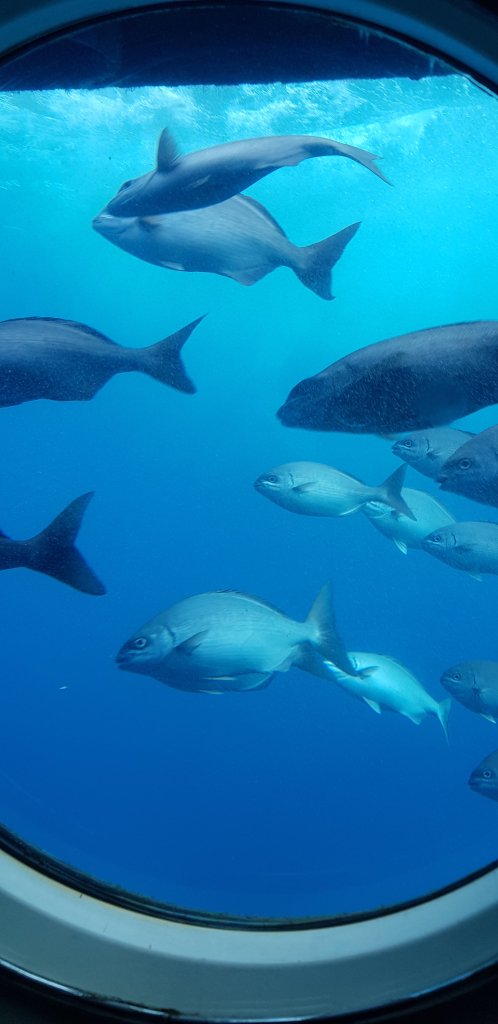
I was surprised that it was not as easy as I expected to see wildlife. Whilst, iguanas and pelicans are commonplace, exotic fish, monkeys and mongoose are not as easy to track down. My best option to see the fish was by snorkelling or submarine, where i had the fun experience of seeing stingray and turtles, not always the easiest to spot when crowds of tourists are also trying to spot them..!
Of course, I can not neglect to mention the coastlines. Not every beach is like the postcard, many are on the Atlantic sea and can be choppy and unclear. But… the ones that are in the Caribbean Sea are magnificent. Antigua and Barbados won the beach lottery, but they also are bitter sweet for me, as the sea claimed two pairs of specs and a hat from me in only a few weeks!
Overall, I liked the Caribbean. It was not everything I expected but in some ways it was more. I think the people are my favourite part of the place, and I will be happy to return again next year!
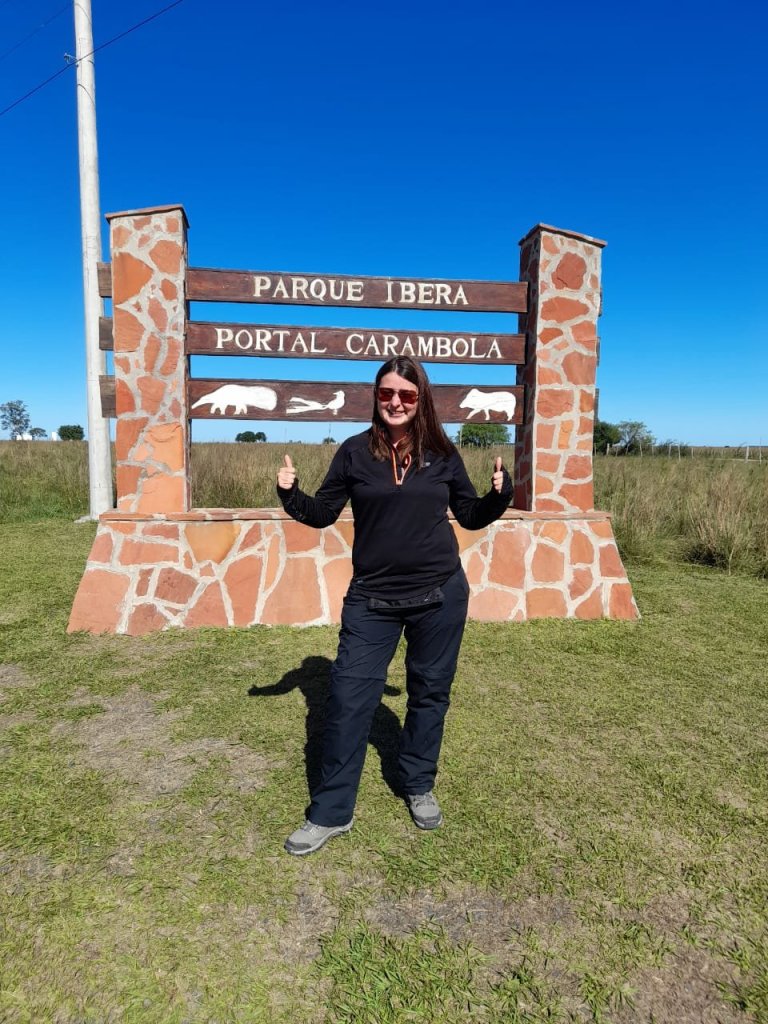
Corrientes city was supposed to just be a stopover on my way to Iguazu National Park, but due to the bus schedules, I had to stay for almost three nights. This ended up being a stroke of luck as not only could I enjoy the city, but especially because I was able to visit Argentina’s biggest National Park, and the world’s second largest wetland, Ibera National Park.
Corrientes city is the capital of the Corrientes province in the North of Argentina. I wasn’t sure what to expect as many people asked me ‘why are you going there?’. There is little publicised about this city or the nearby national park to visitors. It is still one of the world’s less explored locations. I am very happy about this. The city has a mix of some modern amenities but also a lot of old school traditions. Ever seen a road sign that says that pulling your horse and wagon through is prohibited? Now, I can say that I have. There are plenty of people still using horses to get around, and it is brilliant to see. Made me feel that maybe I could get picked up and trotted away by a local cowboy!
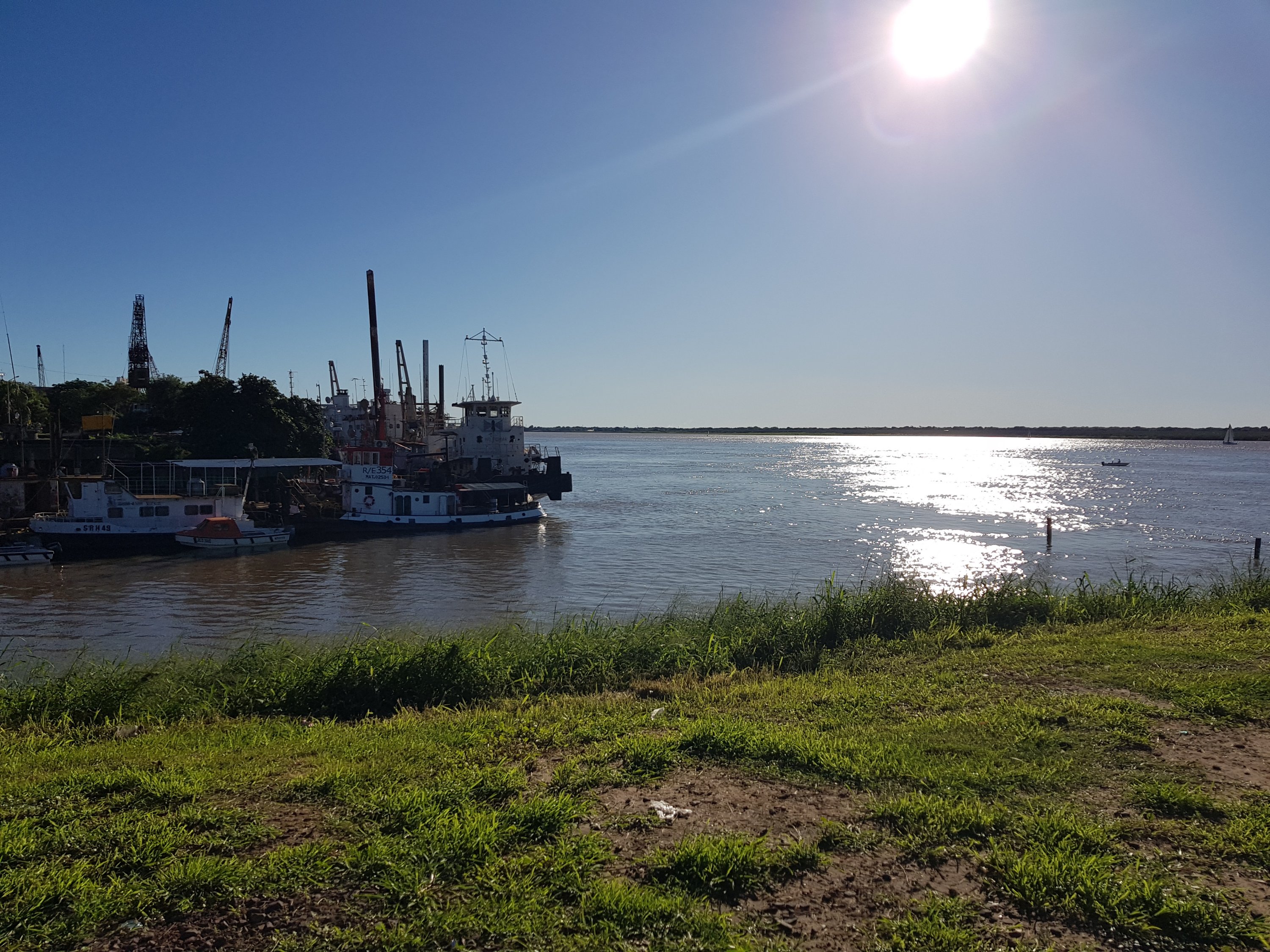
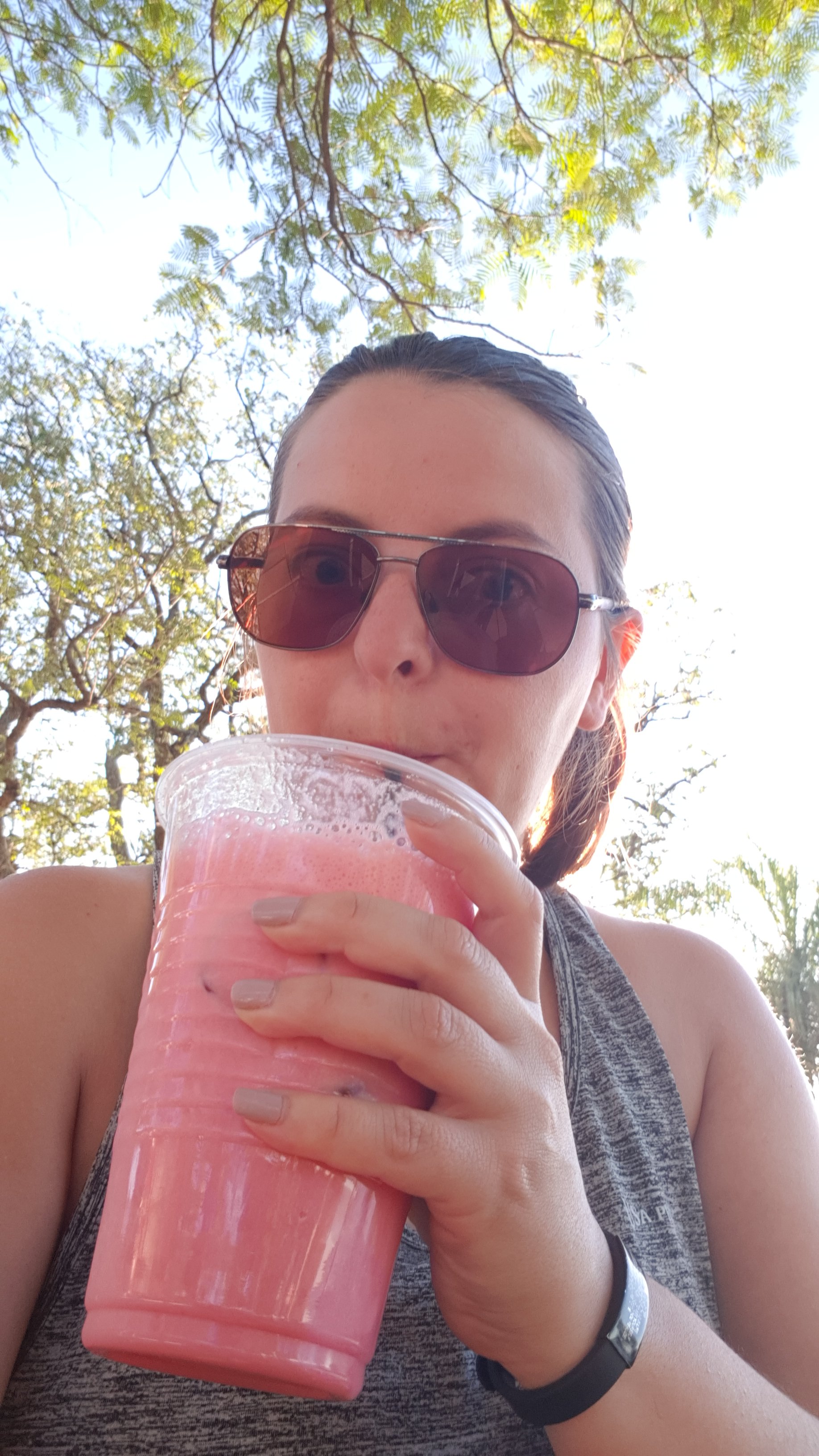
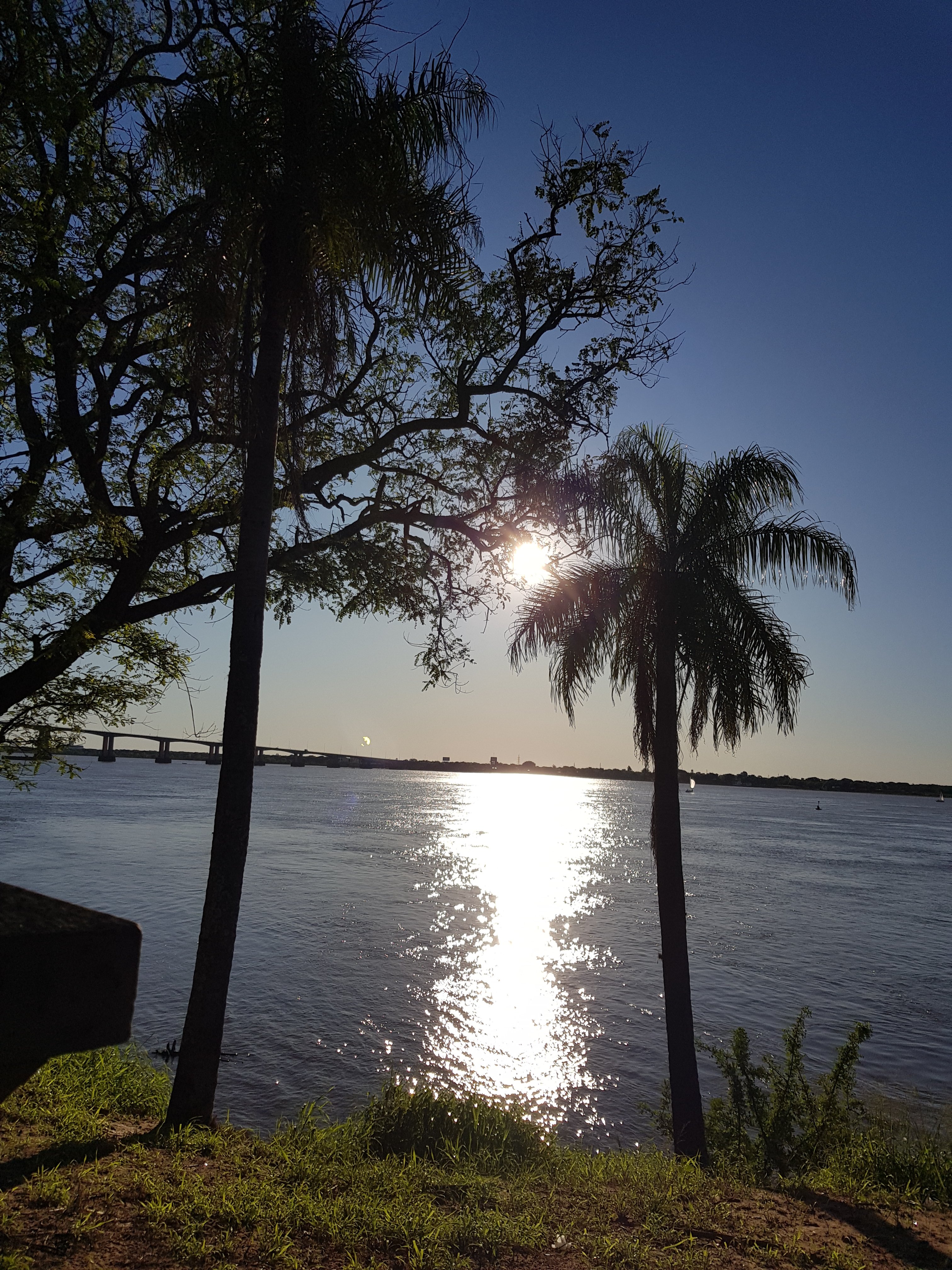
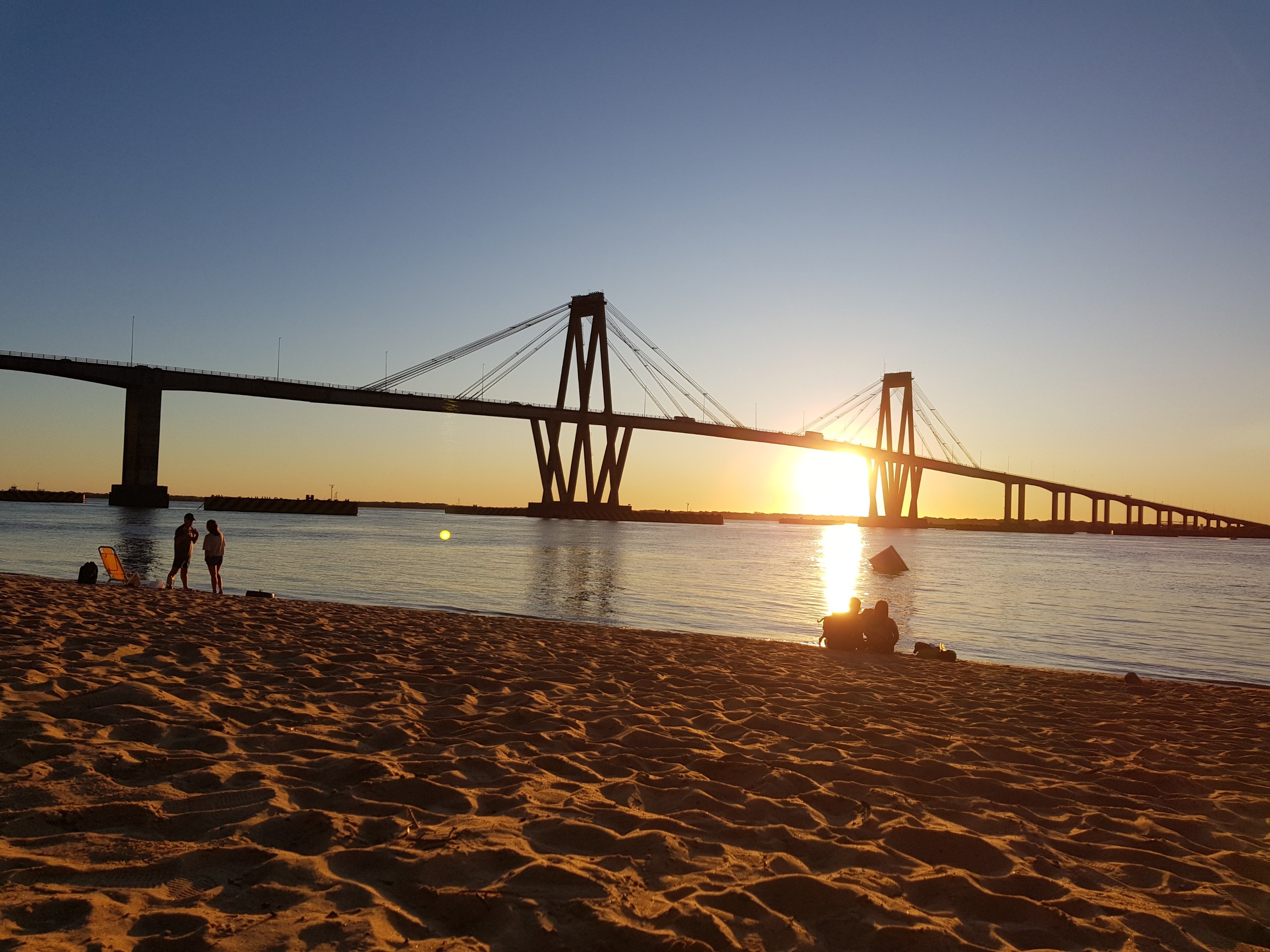
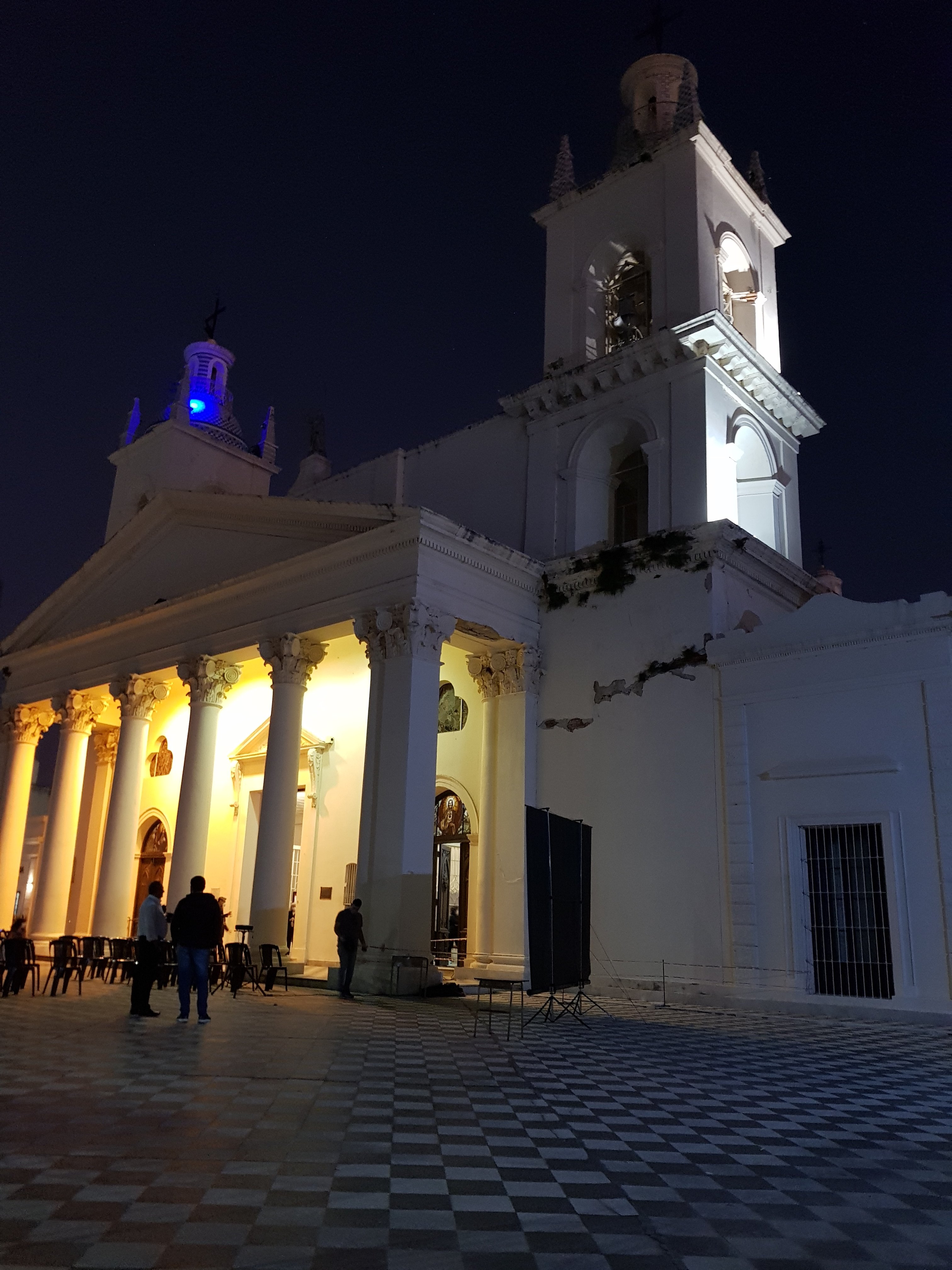
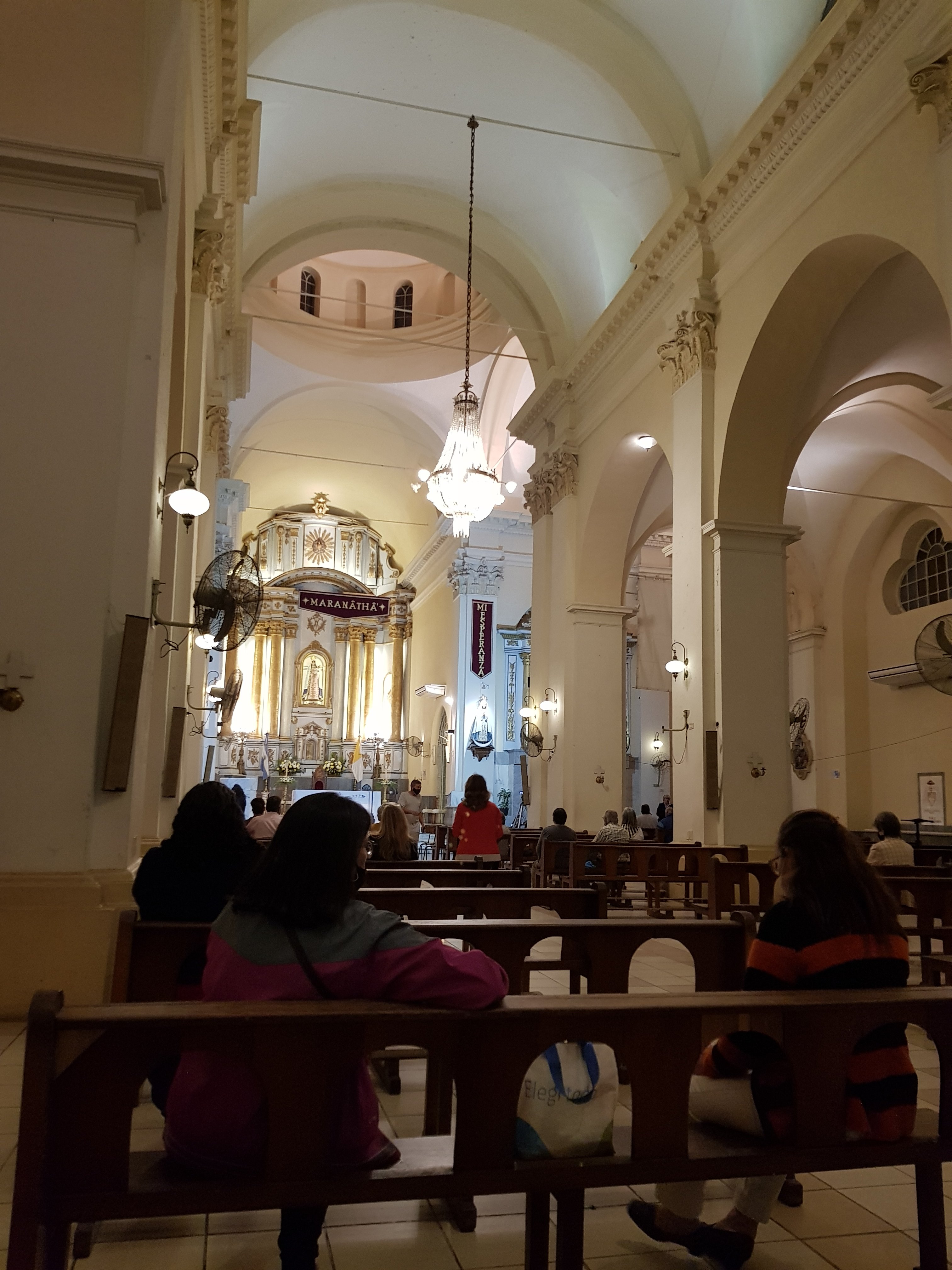
The city sits within this huge wetland area and has the huge Parana river separating it from the next big town. This huge river provides a promenade to enjoy and some beaches, so it is a good place to relax. I enjoyed a local ‘chipa’ (dough cooked over bamboo) and a smoothie whilst enjoying the sunset here. Later in the evening, I had a pleasant experience at the holy week mass in the main cathedral.
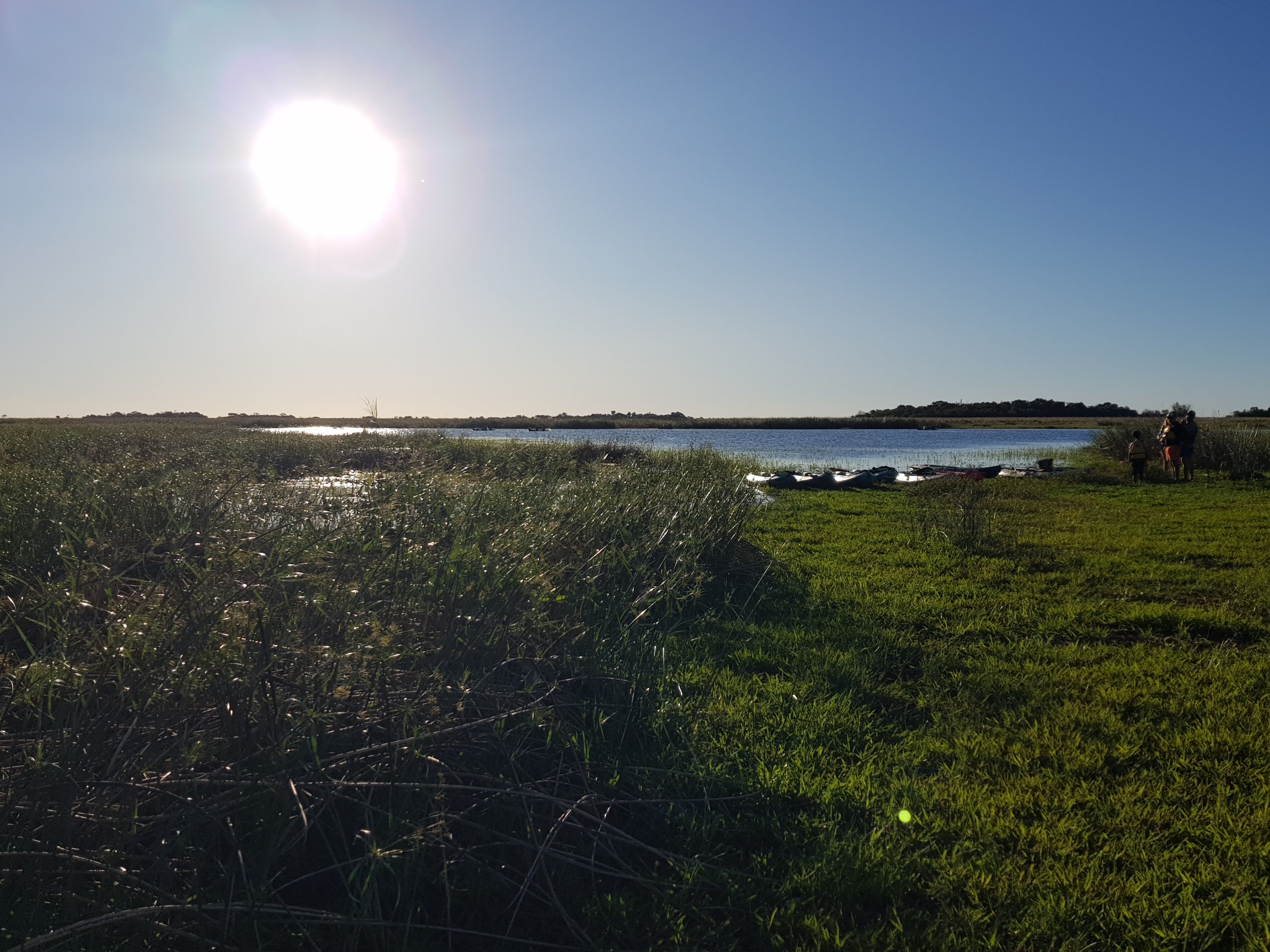
It was the week of Easter when I visited, and so all the local tour agencies were very busy. I was worried I would not be able to get out to Ibera National Park (also known as Esteros del Ibera), as it is 2.5 hours from the city, and I didn’t have the confidence to hire a car alone to this wild area. After some long whatsapp conversations with a few agencies, they managed to arrange a private transfer to Concepcion, which is a town that offers one of the access points into the park, and a long kayak trip on the rivers and bogs!
The Park is about 1 million and three hundred thousand acres in size. It not only comprises of rivers, bogs and lakes, but also grasslands, forests and savannas, depending on the part of the park you are in. The park is abundant in wildlife and is used to reintroduce many indigenous species. Deers, anteaters, caimans, and even tigers called Yaguareté can be found here.
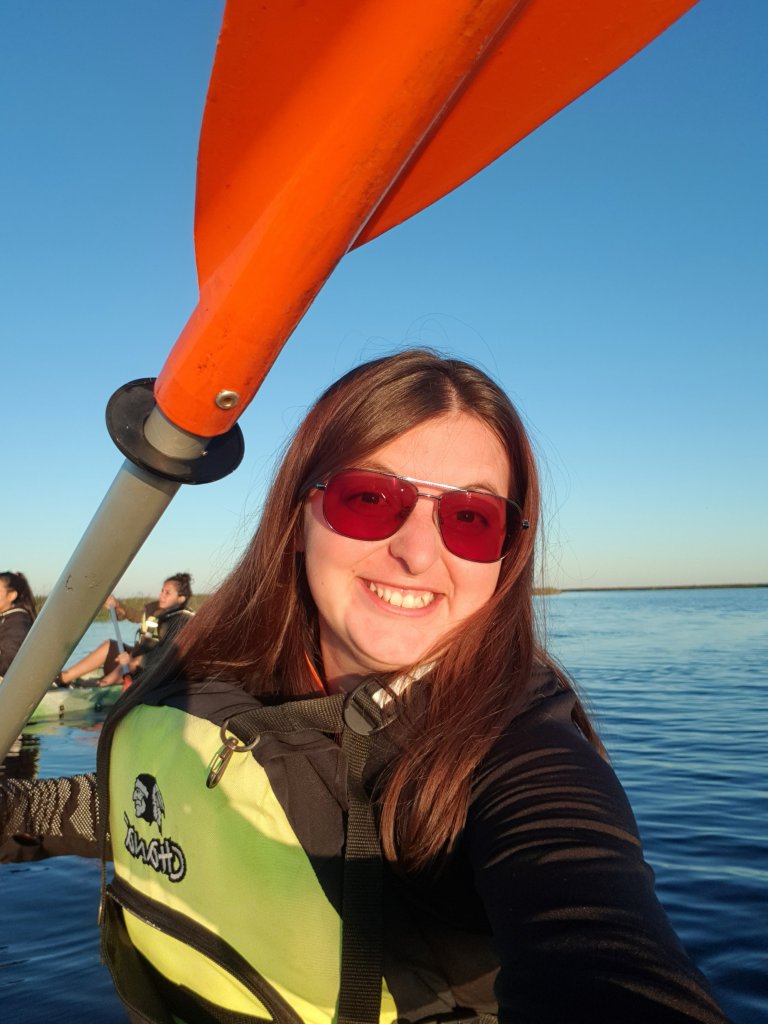
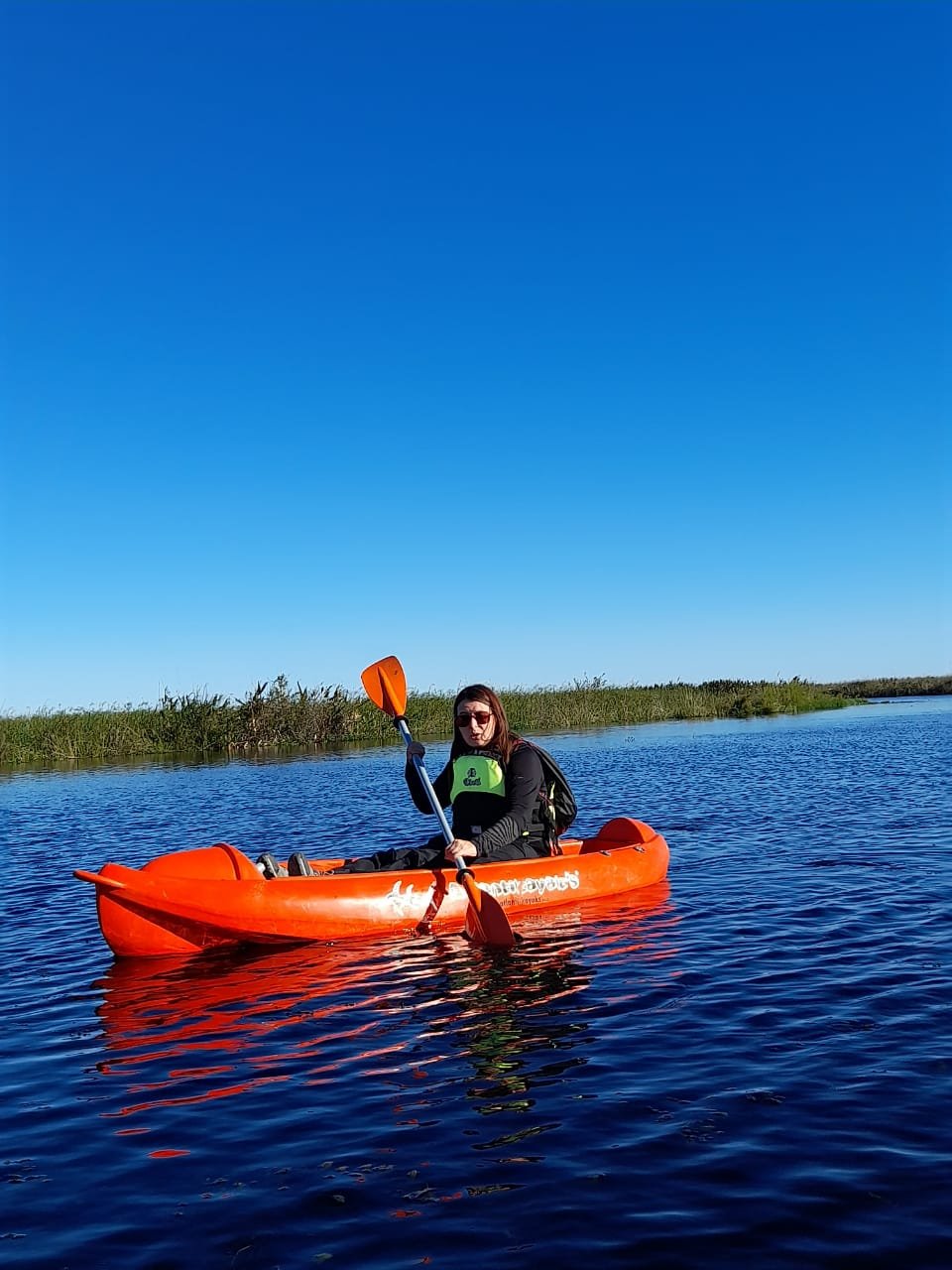
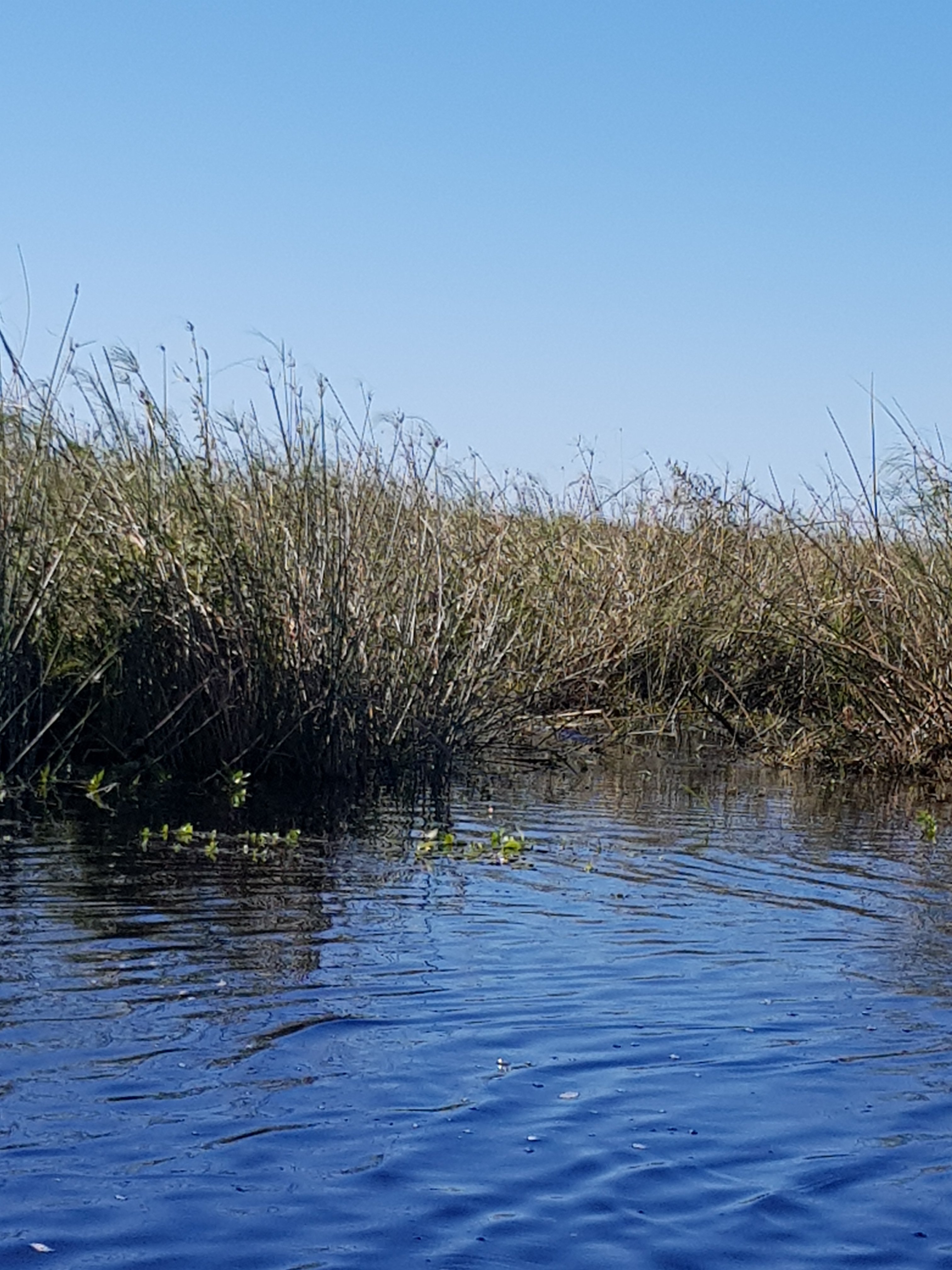
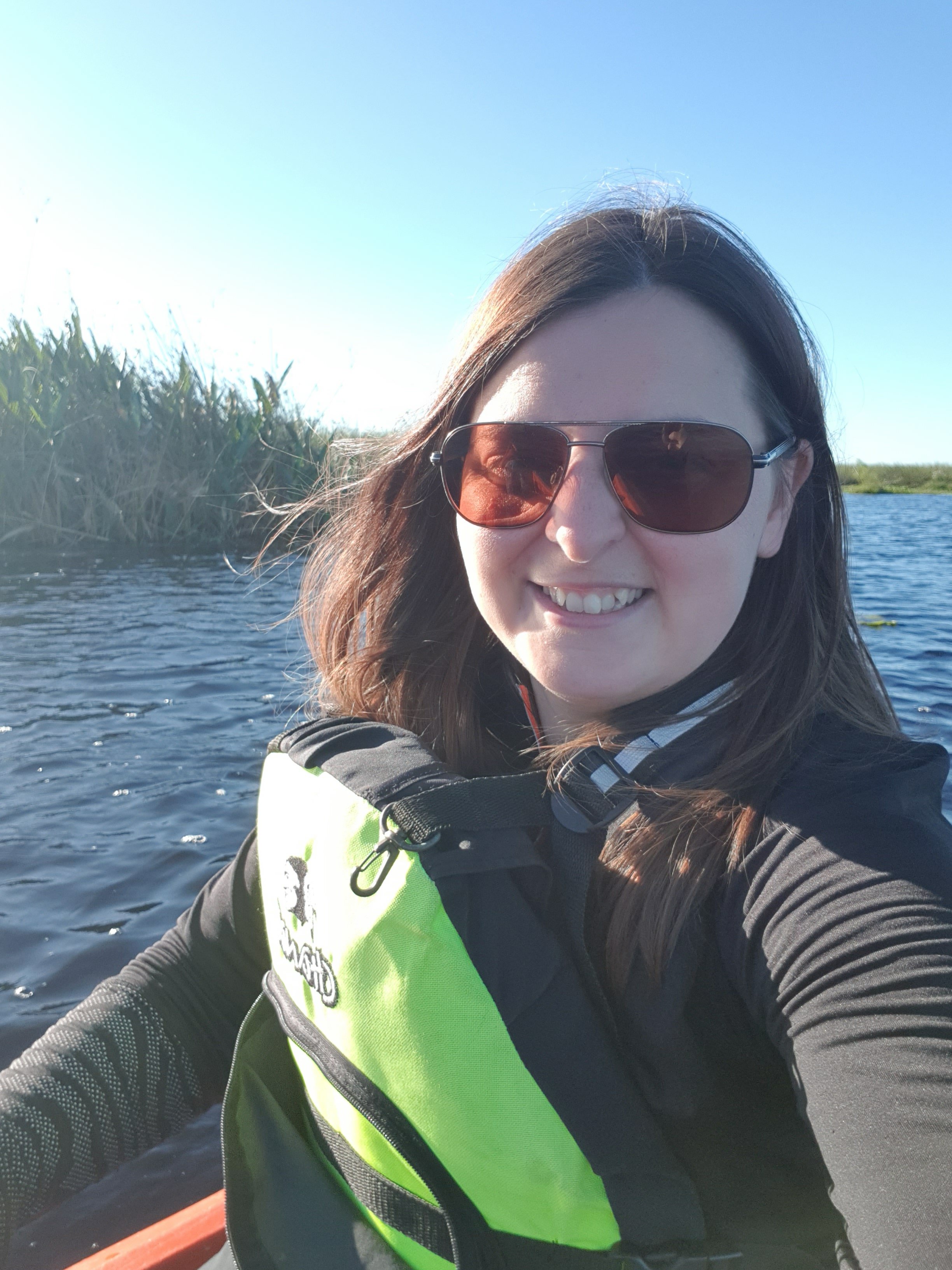
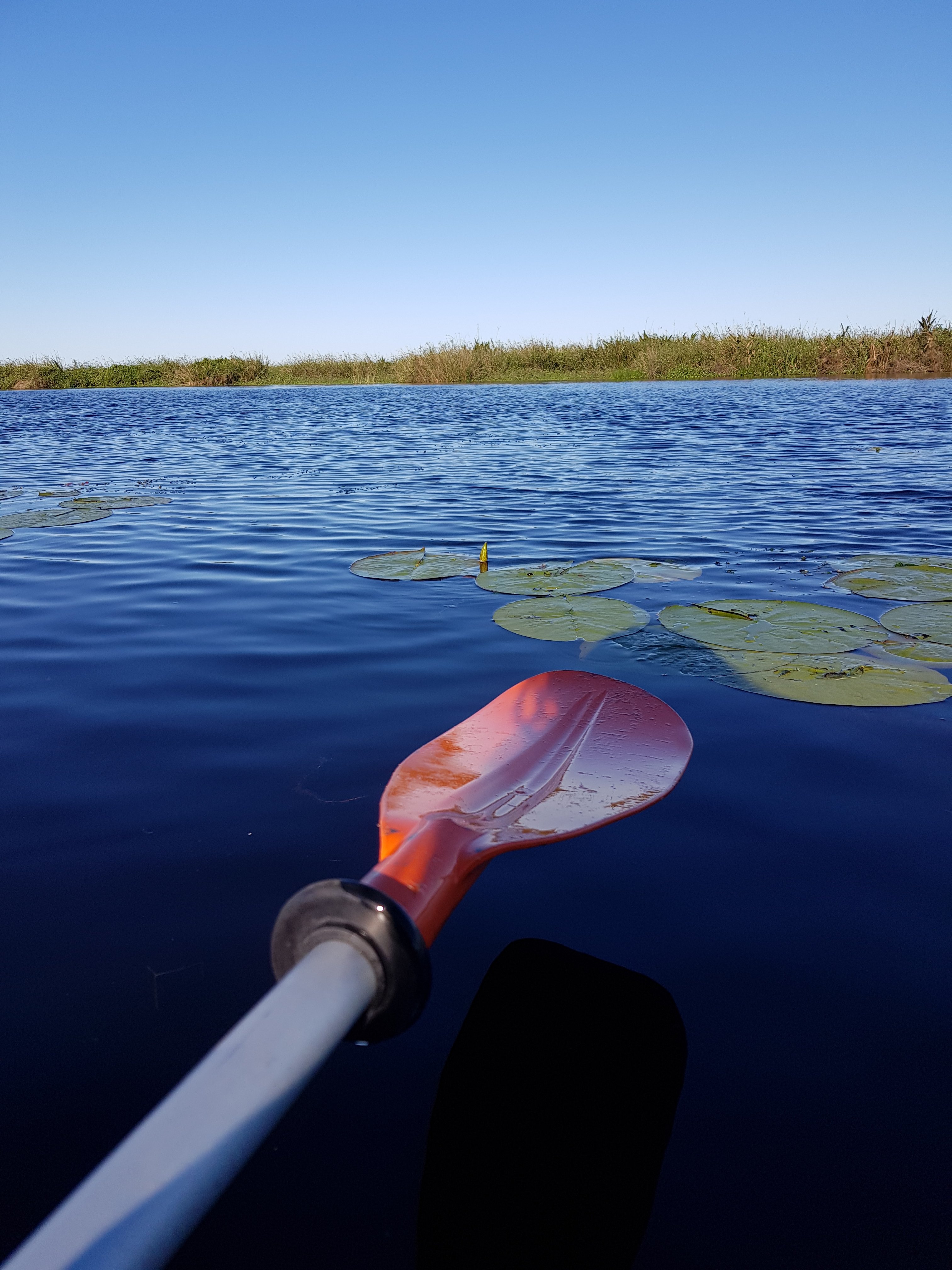
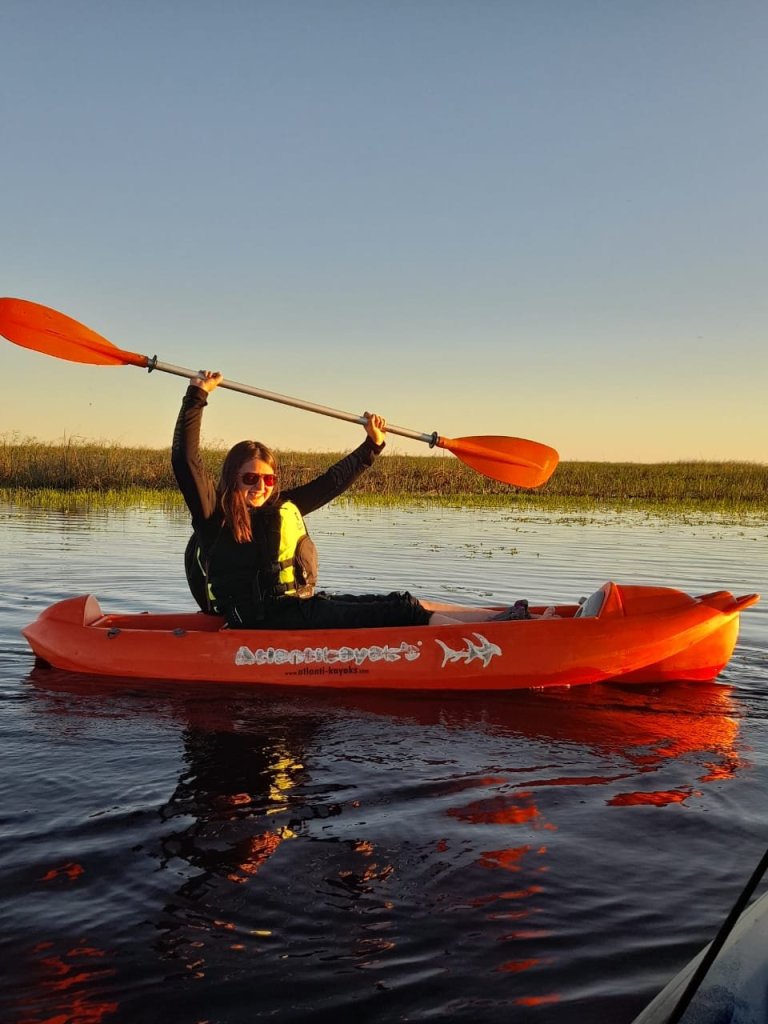
I set off in my kayak with a group of Argentine people surrounded in marshy waters with lily pads all around. Within ten minutes I saw my first caimen, specifically a Yacare caiman which is medium sized (growing up to 3 metres). It was just poking out of the water, until I got a little closer, then I could see it slip away with that long tail swimming side to side. Amazing! Within half an hour, I had seen another two. It was such a cool experience. I was a little nervous, but the guide assured me that they would not attack, and they did seem quite timid really.
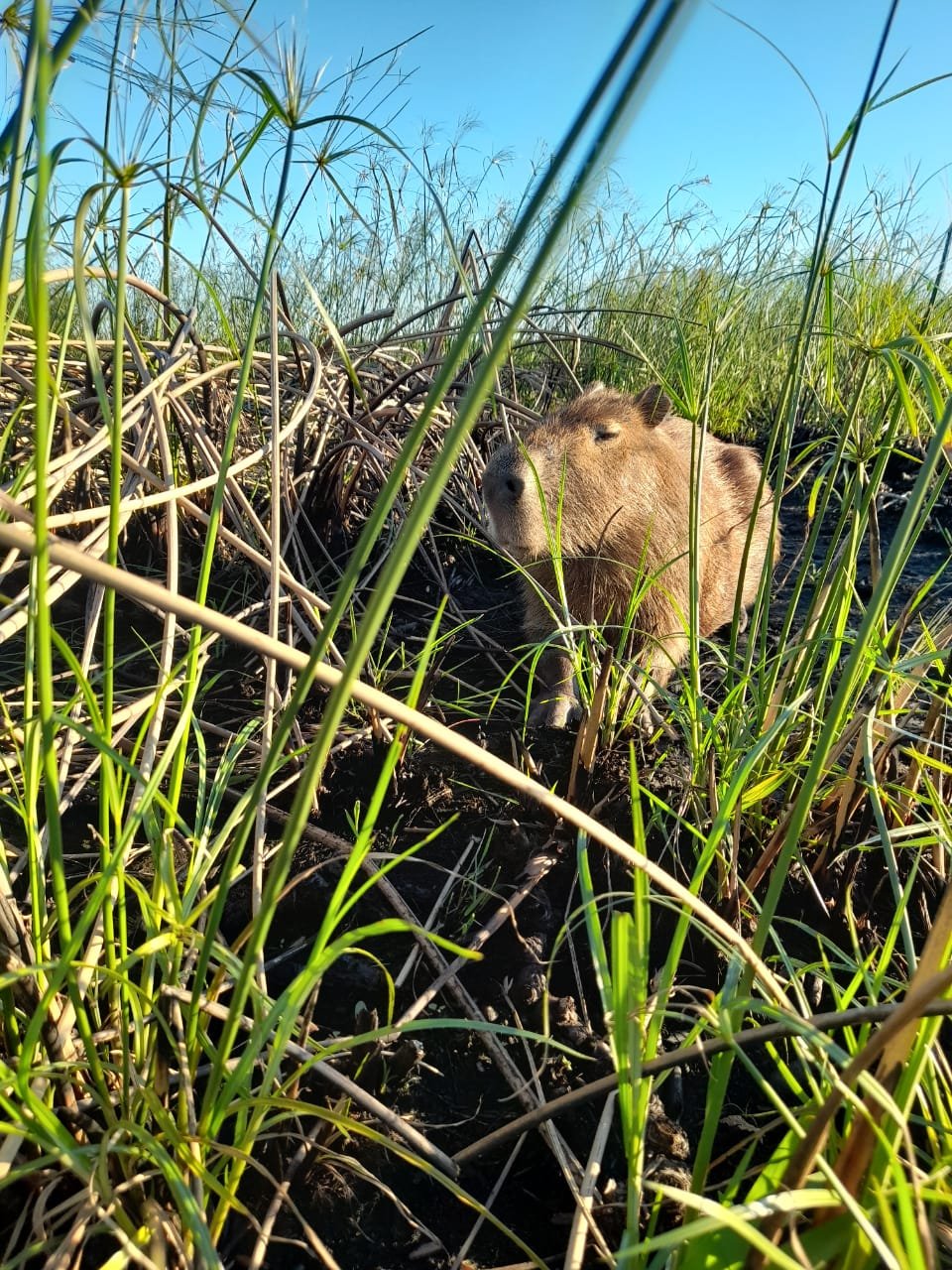
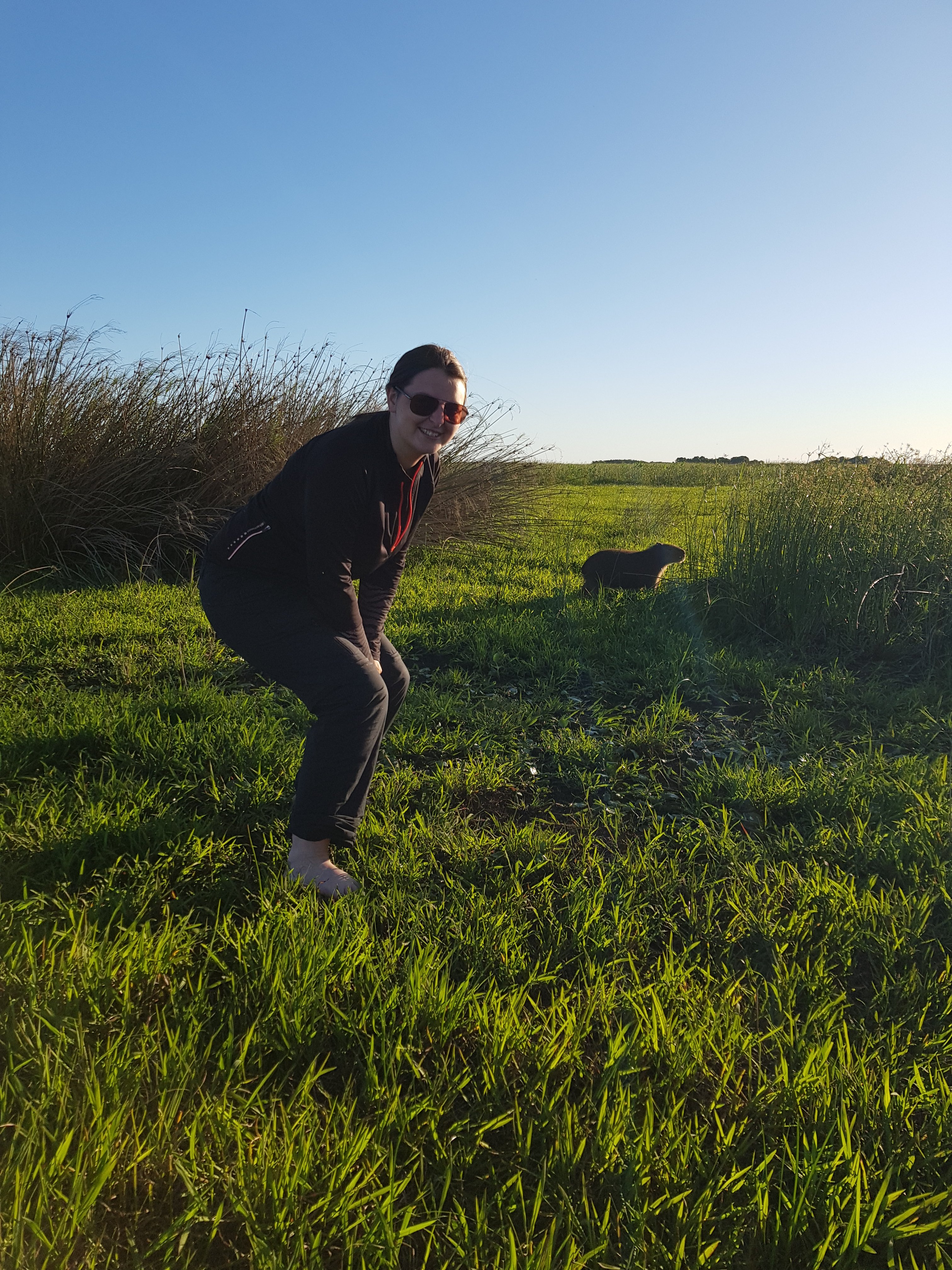
As I continued to row along, I saw beautiful and noisy birds of different colours, and enjoyed the scenery. We stopped for a picnic on top of the grasses, and as we began to dig into our sandwiches, a big Carpincho came by to have a look. These animals are known for being the biggest rodents in the world, and there are plenty of them in this national park. Shortly after this we saw a deer, followed by an owl, and even a south american racoon! I was very happy, I felt like all the animals had come out to see us.
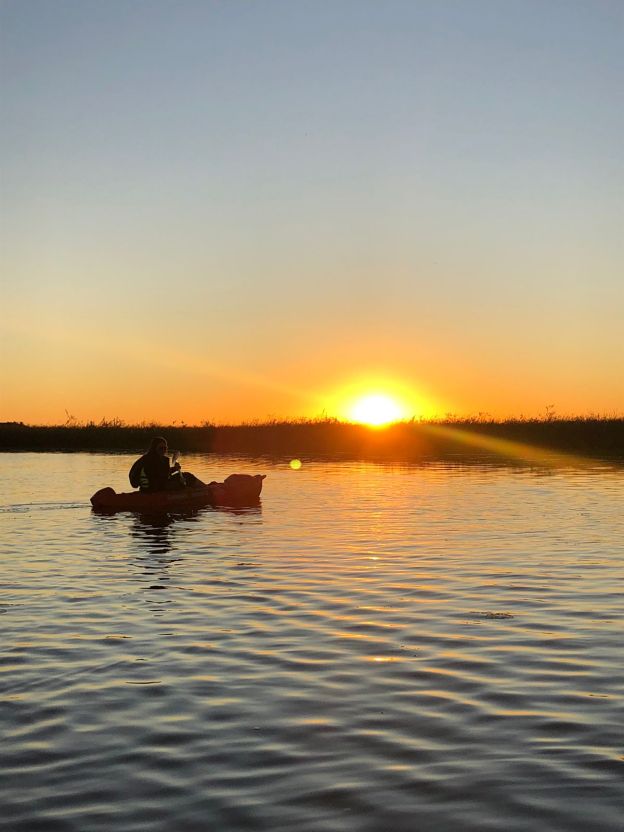
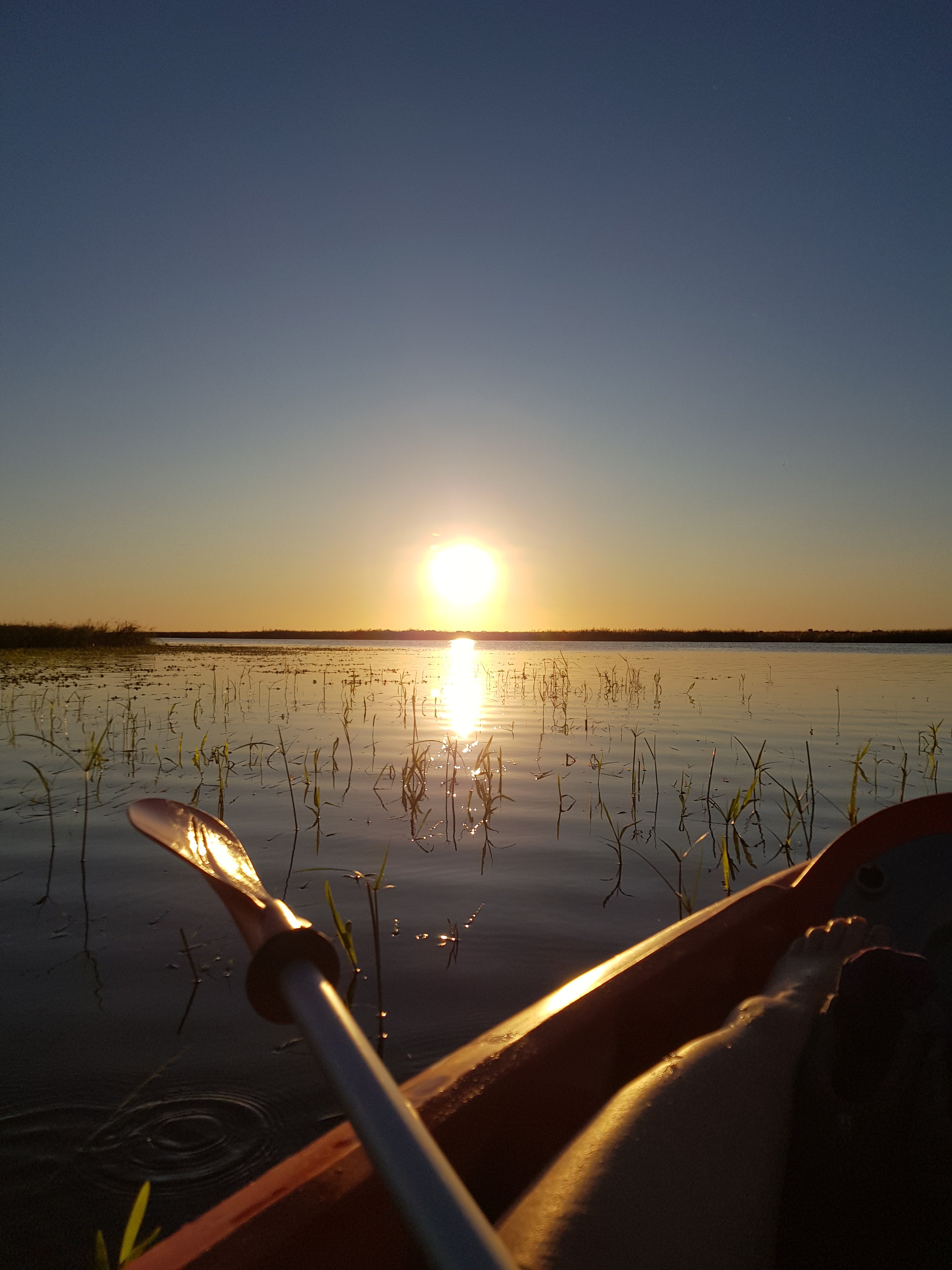
I began to row back with a view of the sunsetting on one side, and a full moon on the other. One of the most beautiful scenes of my life.
The park can be explored by kayak, motor boat and by horse! Although.. you and the horse will have to get a little wet. I would love to return here and stay in the park itself for a few more days exploring other parts, because, just WOW!
The adventure isn’t over yet though, next stop Iguazu National Park! EEEEeeekkkk!
After a few days of bus journeys via Bahia Blanca and Neuquen, meeting a group of hippies and enjoying a local music festival, I finally made it to Patagonia and the Argentine Lake District. A ‘postcard perfect’ landscape.
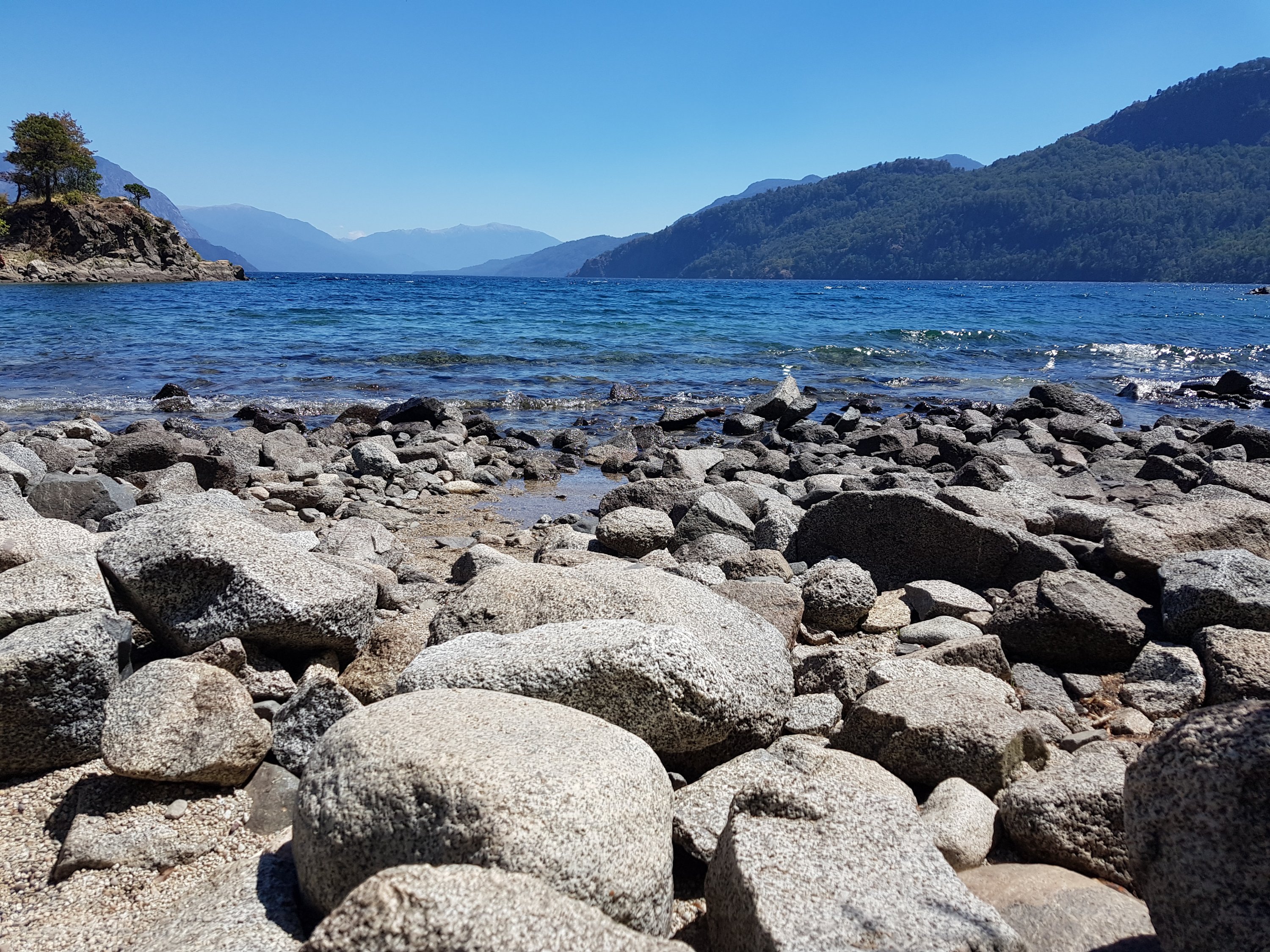
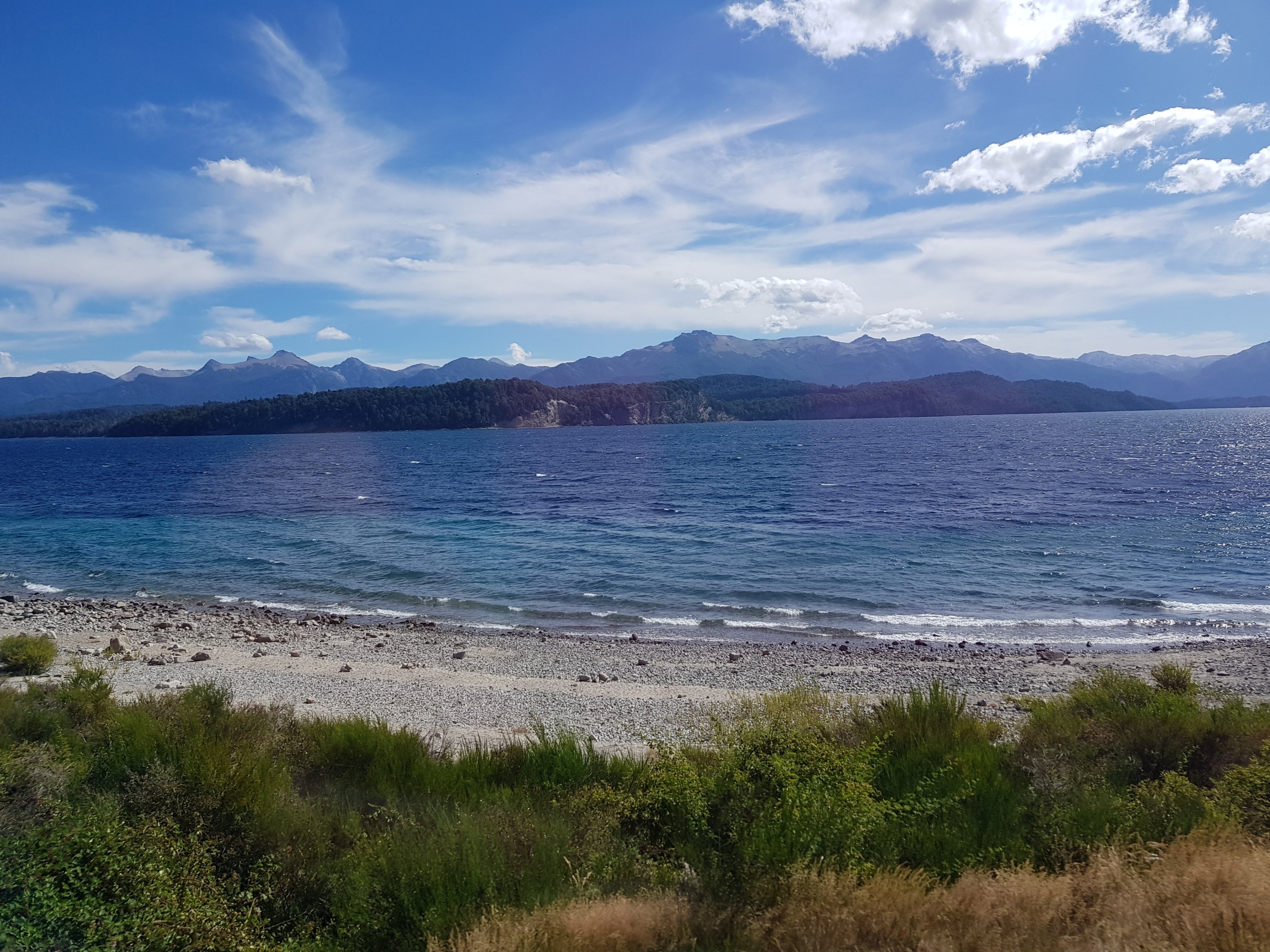
Argentina’s Lake District sits within the Northwest of Patagonia, near the border of Chile. Patagonia is the Southern region of Argentina, world famous for its scenery, and trekking, climbing, and general adventure sport opportunities. The climate and landscape varies throughout the region and within the lake district are obviously several lakes and rivers dotted around the Andes mountains.
I visited three spots within the lake district, as these were major points on the coach route. They were: San Martin de los Andes, San Carlos de Bariloche, and El Bolson. I stayed in each for 1-2 nights.
San Martin de Los Andes
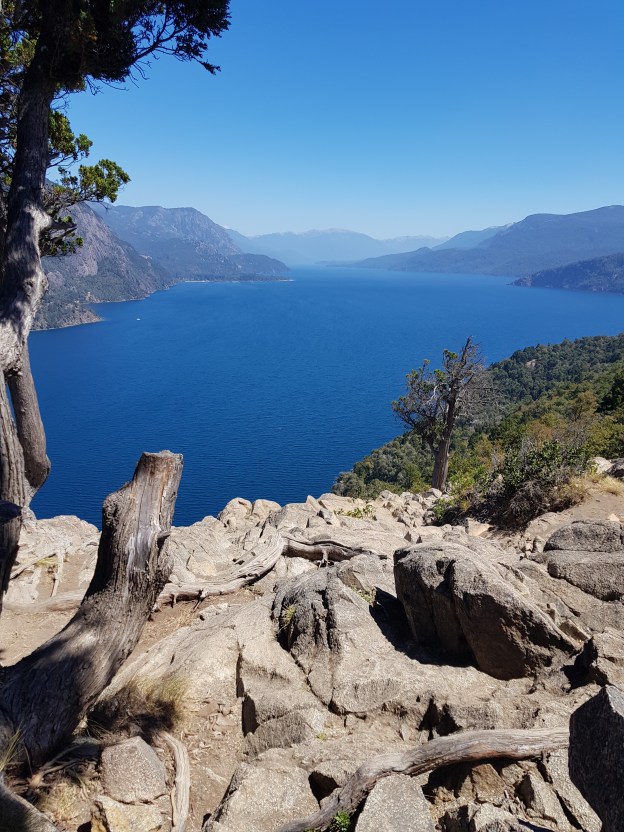
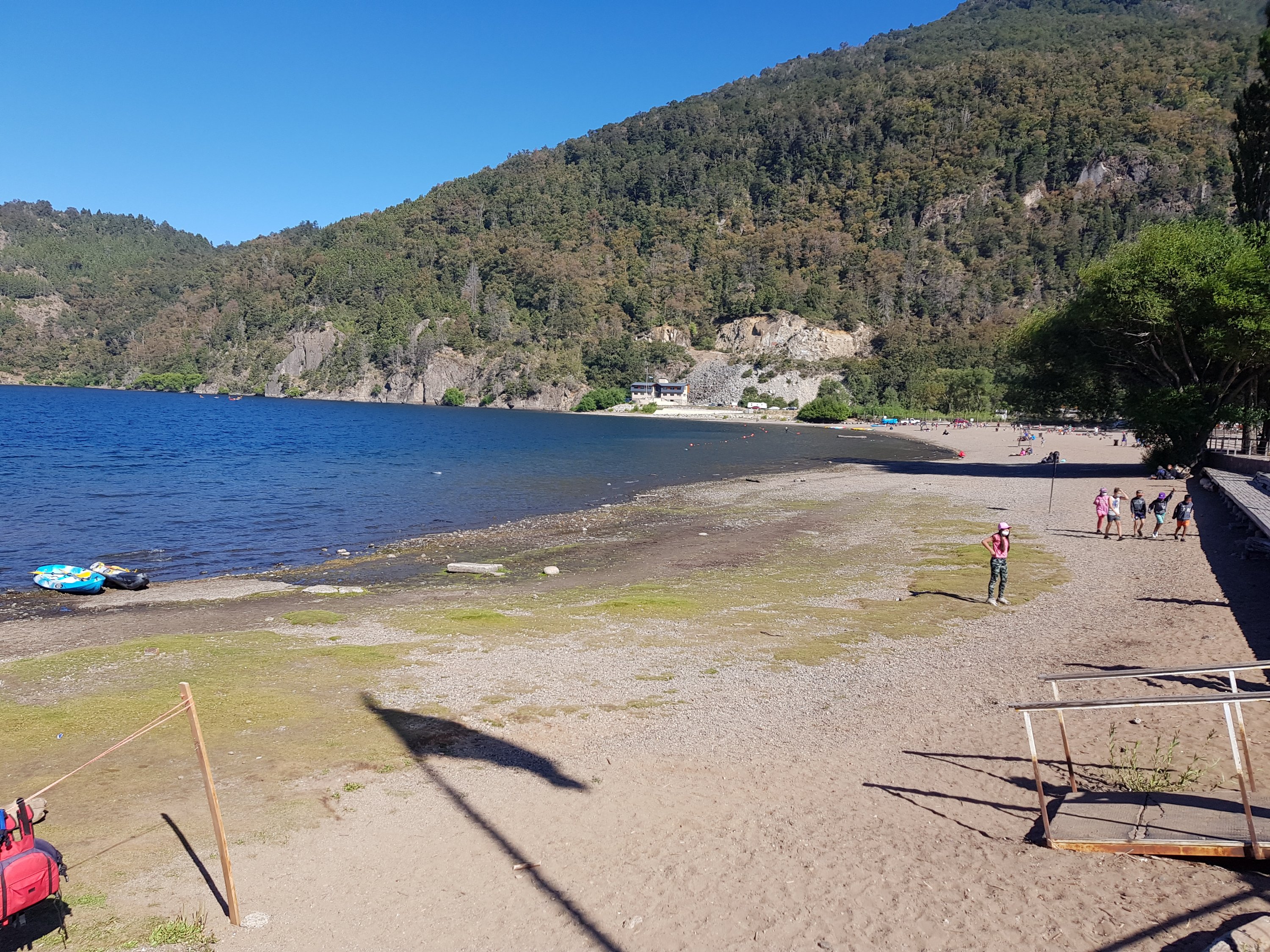
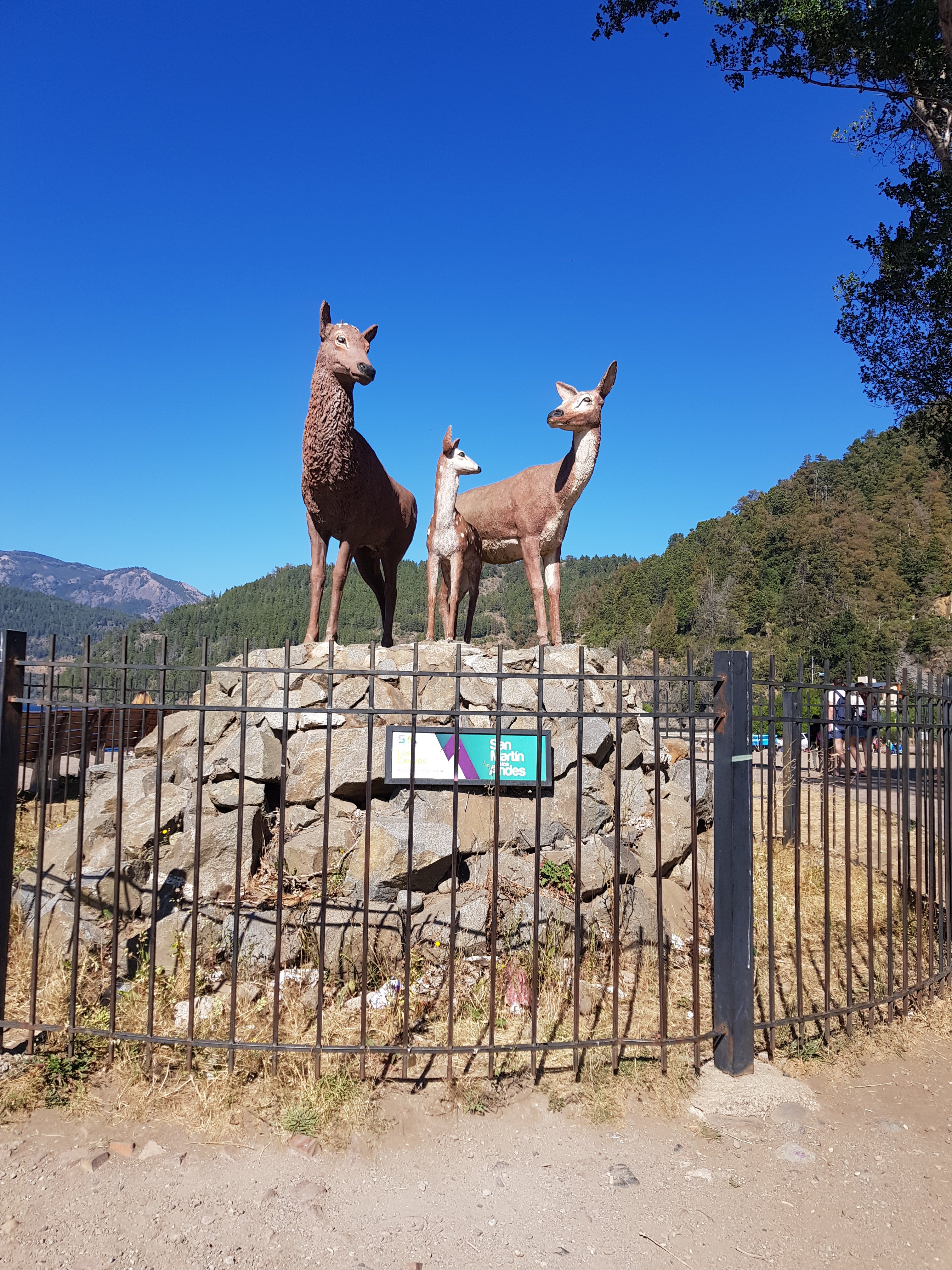
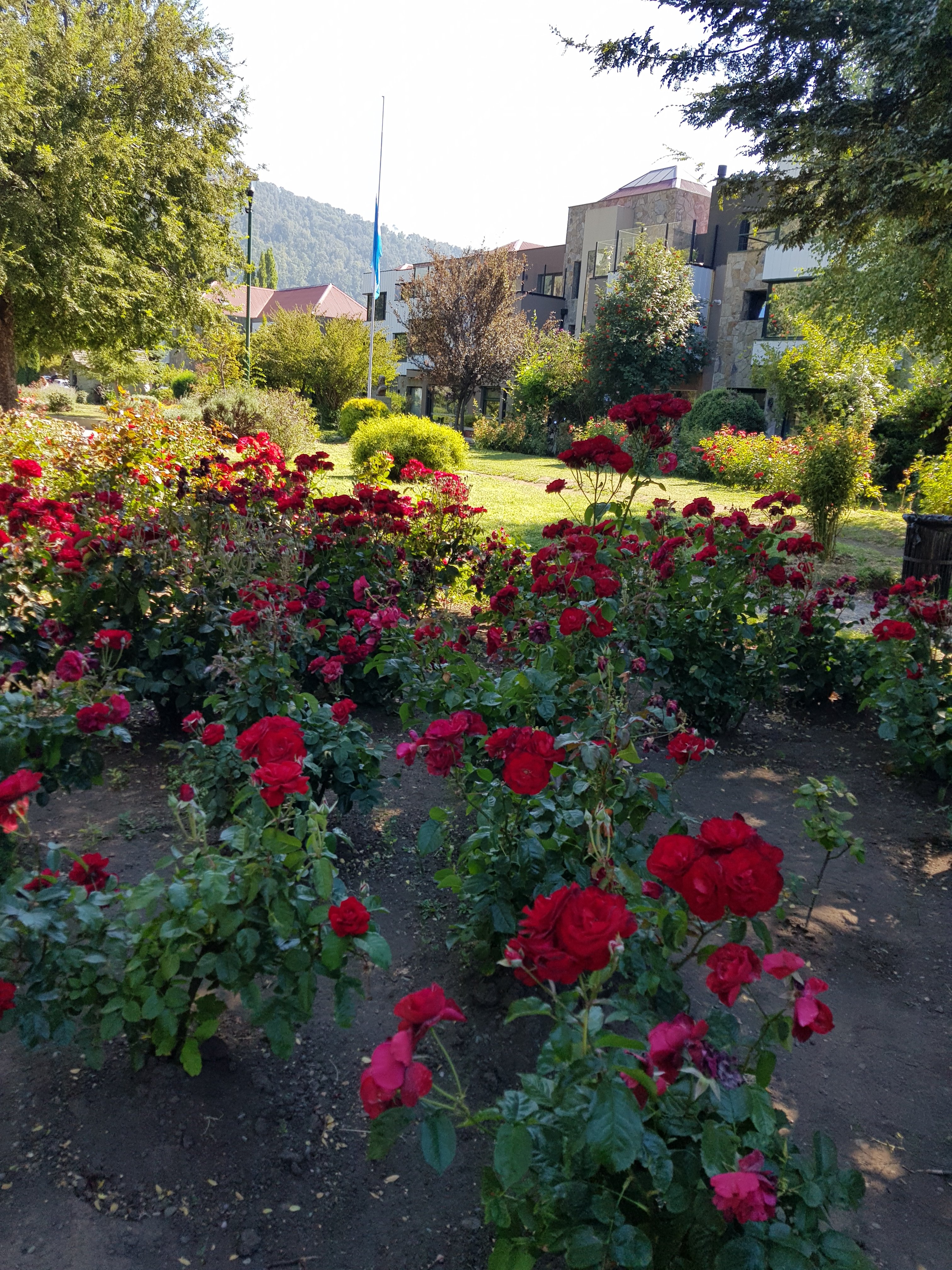
San Martin de Los Andes sits in the Lanin National Park, named after the local volcano. It is the gateway town to Patagonia for many people, and it is very touristy as a result. It is full of cabin style buildings that make you feel that you have somehow arrived in the Swiss Alps. The town is small but has plenty of bars and restaurants, a few rose gardens to sit in, and San Martin sits on a huge lake named Lacar. You can enjoy swimming in the lake or take a boat out to different places along the shoreline.
I decided to do a short hike of about 10km (about 3 hours) to a viewpoint and then onto a small beach with a little island. I enjoyed a swim here and basked in the sun, although the beach is very rocky, crocs are advised! I looked like a fool sliding around on the rocks. The water was really lovely and clear though, and everyone was respectful of the environment.
San Carlos de Bariloche
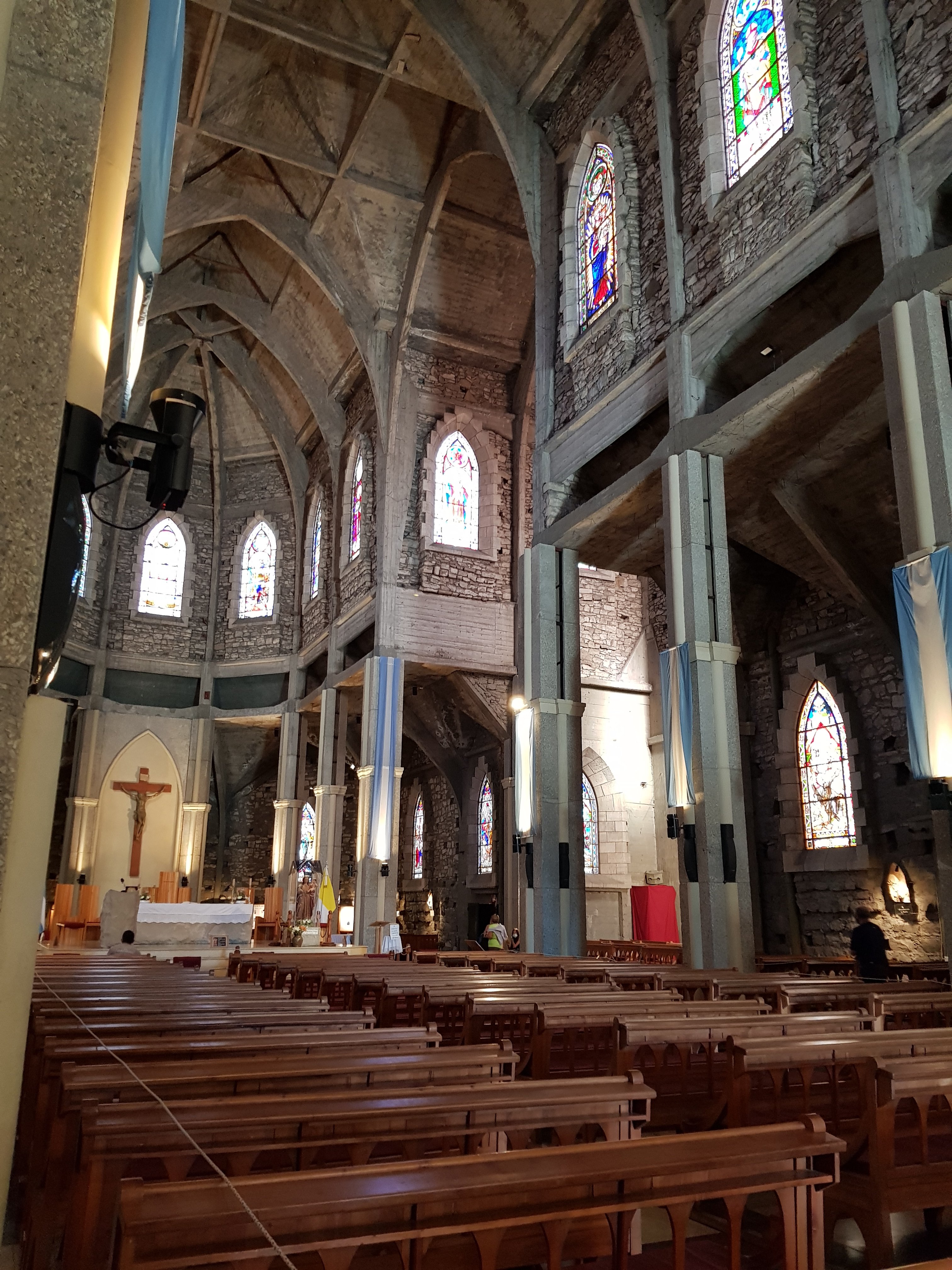
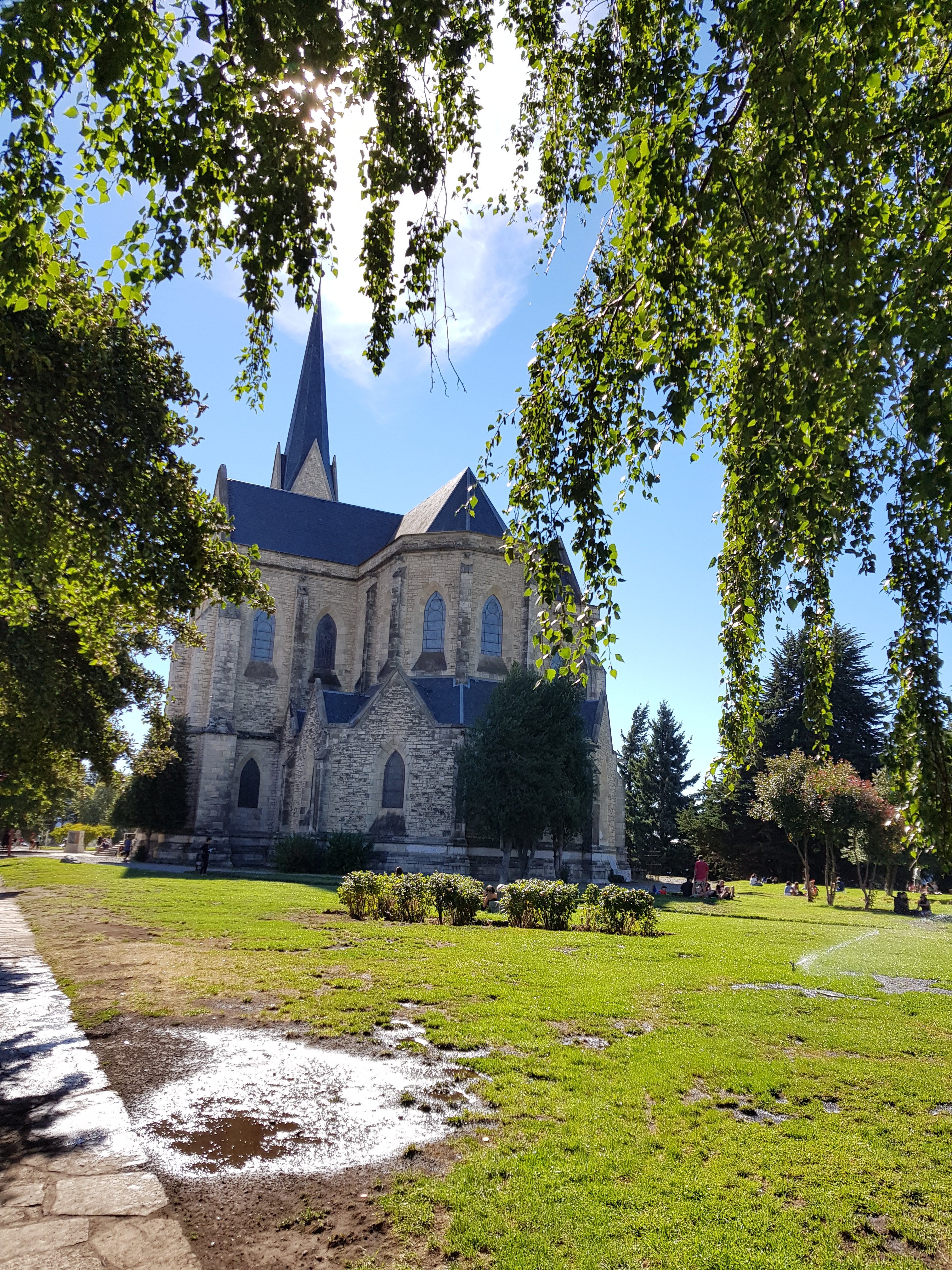
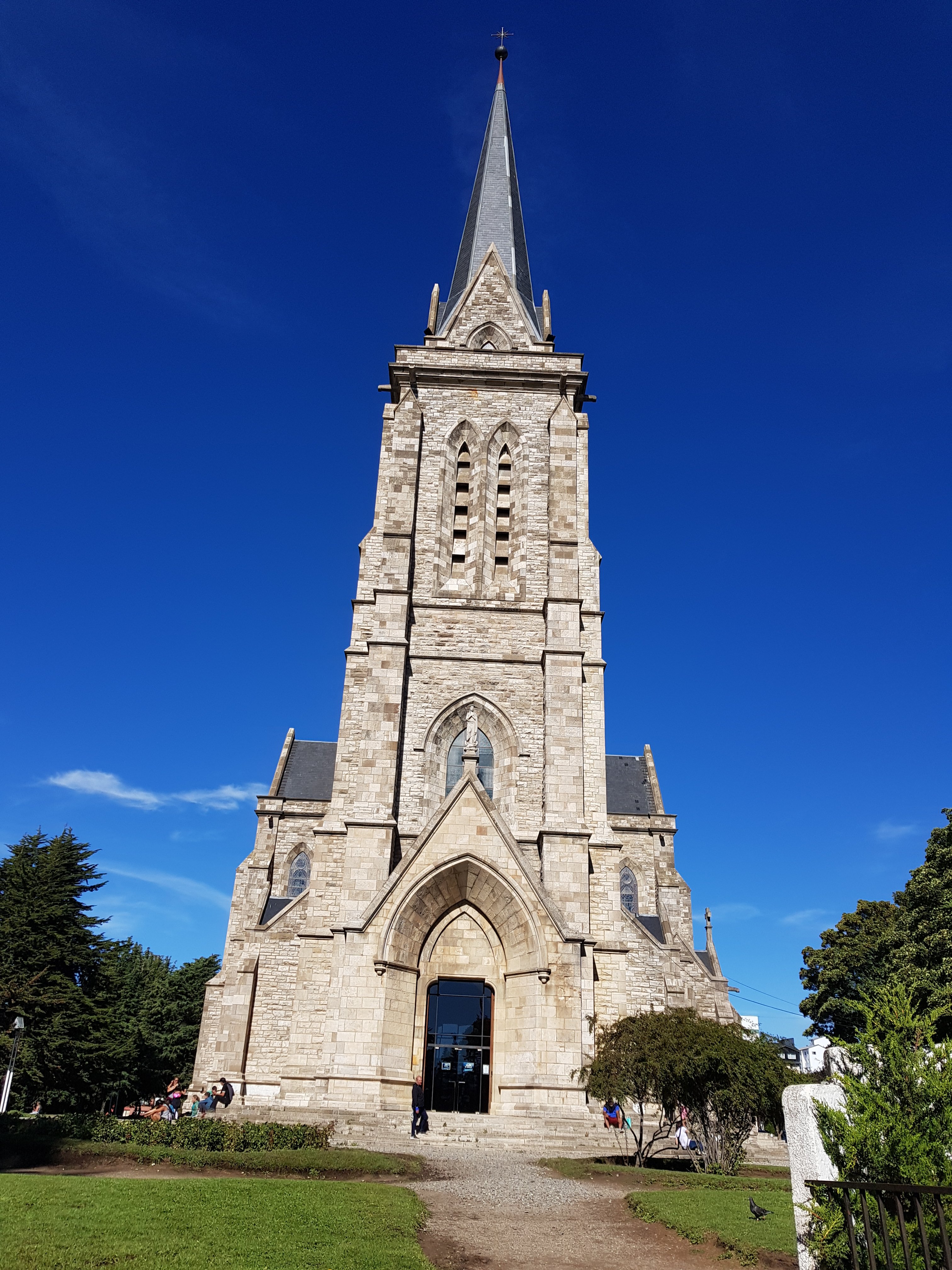
Bariloche is a working city that is less tourist heavy, but it’s scenery is absolutely postcard perfect. The town is surrounded by a huge lake and endless mountain scenes. There are not many attractions in the town, and I really just used this for a rest day and to save a little money by cooking from the supermarket. I did manage to visit the local cathedral though. This was a very pleasant building with lots of stonework. You can also walk right up to the lake and sit on the stony beach if you want to.
El Bolson
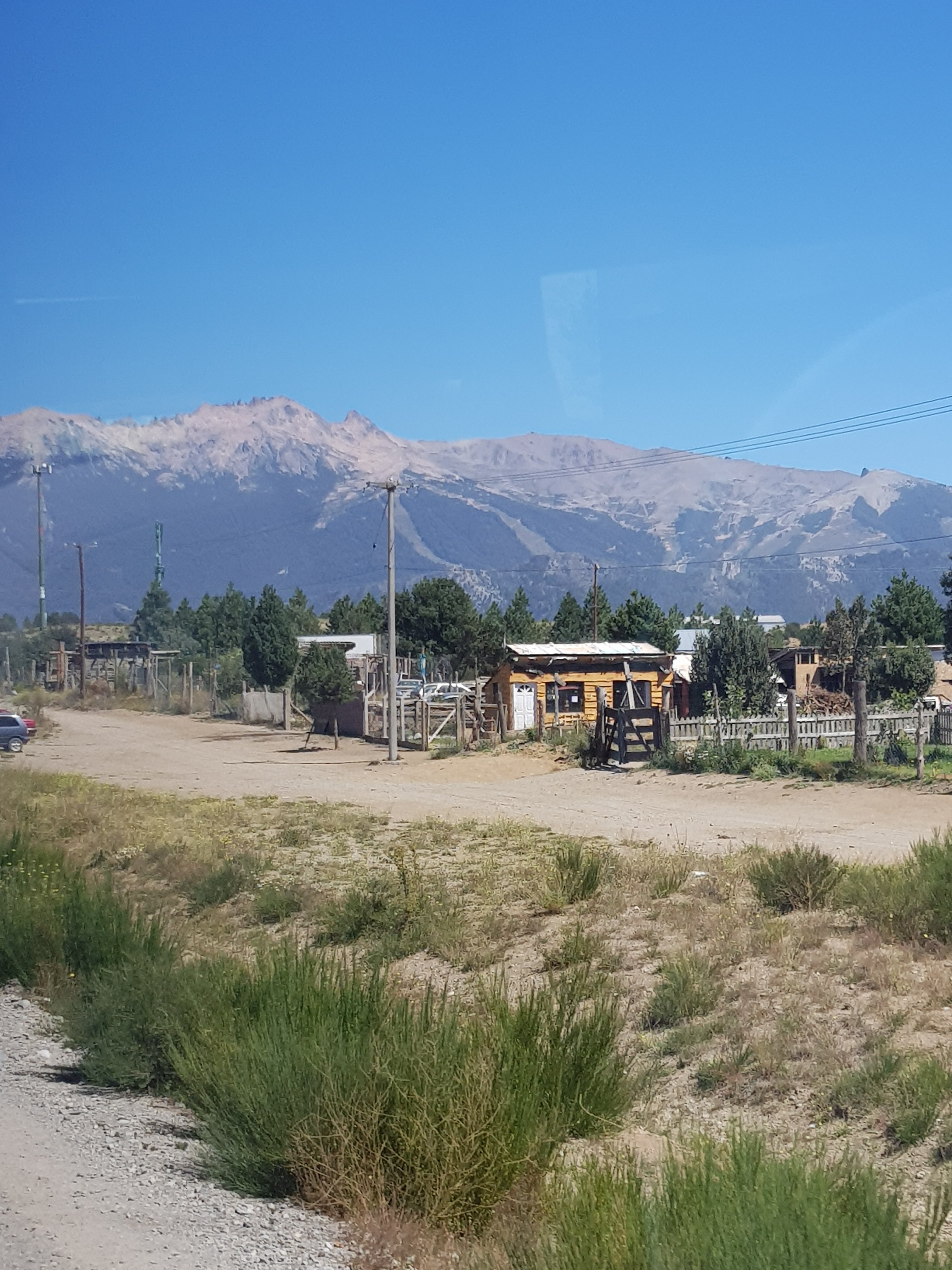
On the bus to my third stop in this region, El Bolson, I continued to travel along the famous route 40. This very long highway, connects all of these beautiful locations from the North to South of the country. It has now become well known for its gorgeous scenery, and thankfully, the buses use this road too!
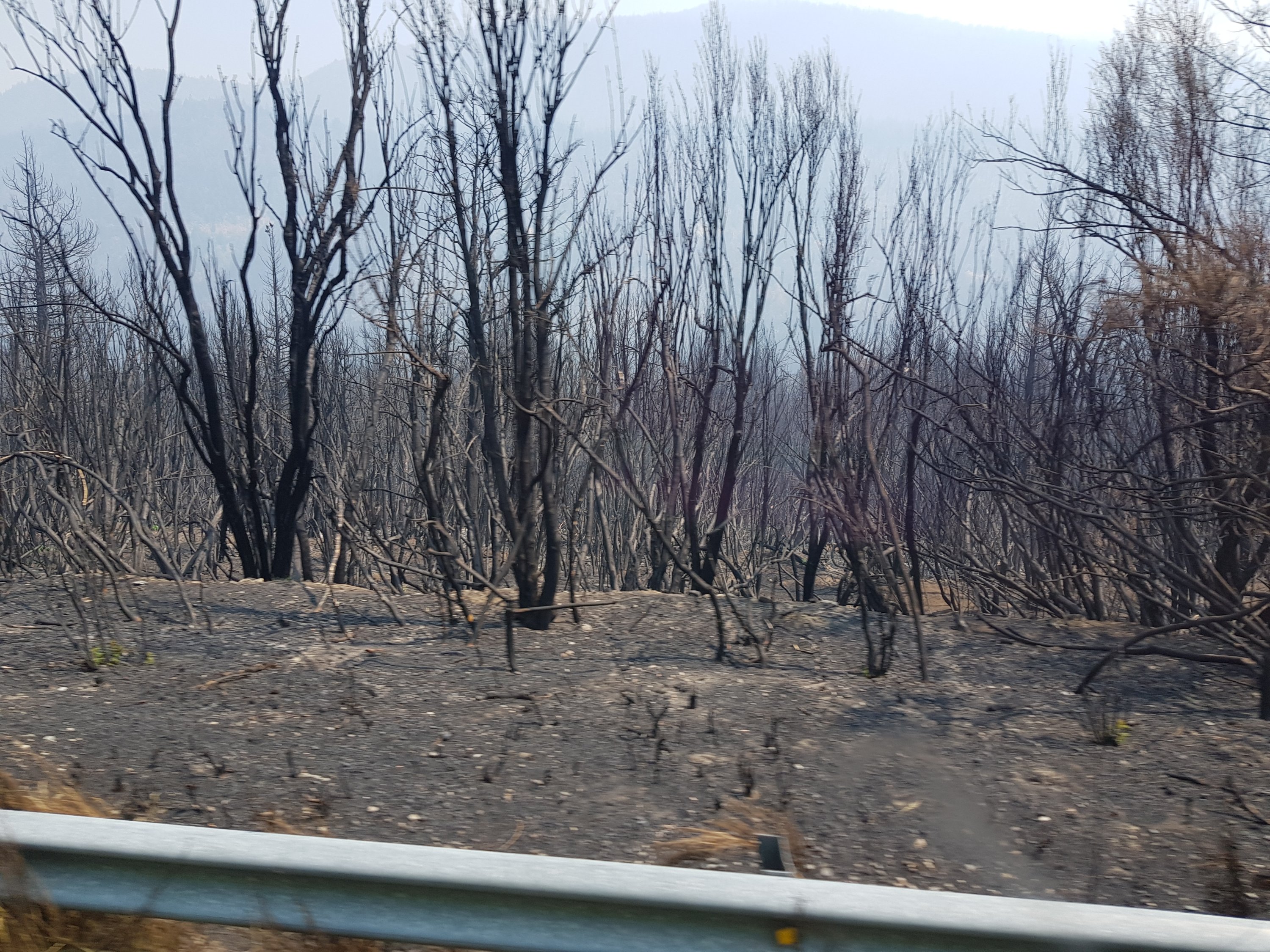
Along the way, I saw the damage of the forest fires in the national park the day before. This was quite shocking to see, It seems that it is a common occurrence here though. It created a foggy atmosphere among the mountain scenes.
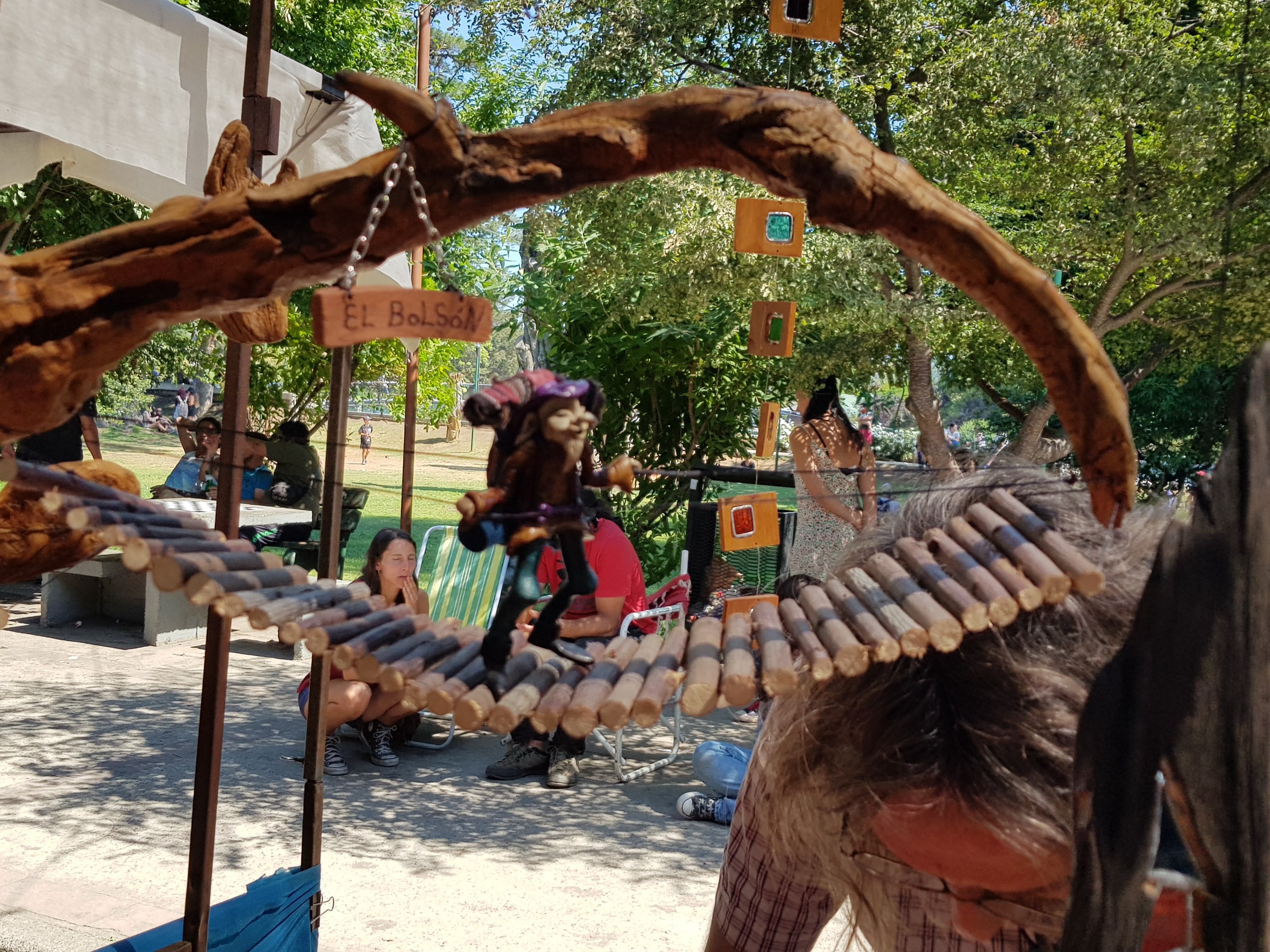
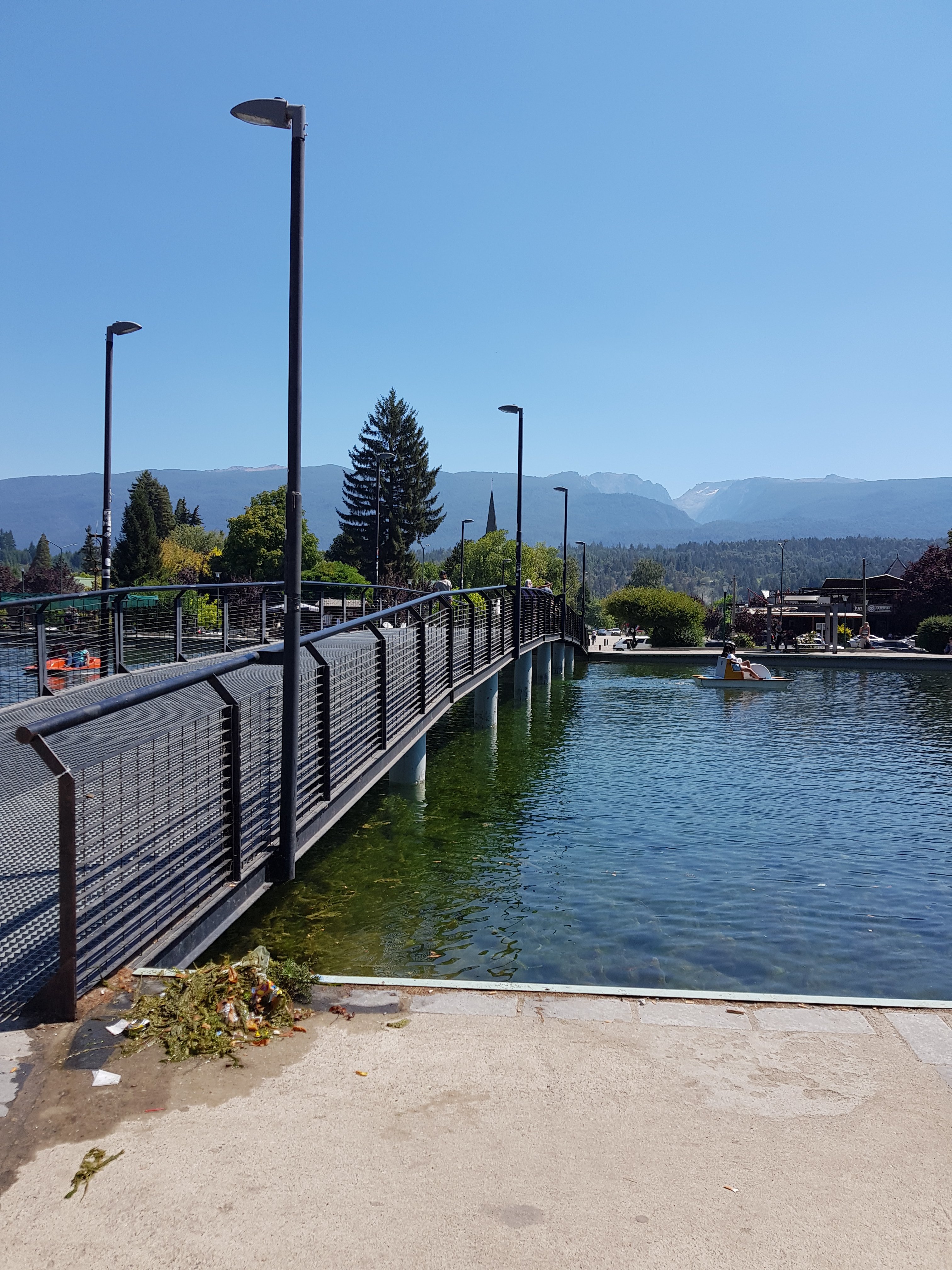
On arrival to El Bolson, I stumbled upon a huge feria (market/fair) with lots of artisan stalls and food vendors, besides a lovely river scene where people were enjoying pedal boats.
I think El Bolson is my favourite stop of the three, as it had a lovely mix of authenticity and fun for tourists. It was clean, and had lots of facilities. A lot of people that stop here do the 1-2 day hike to Cerro Piltriquitrón but I only had a day here and so not enough time. If I could do it again I would stay up to 4 days here. I did manage to make use of some other nearby hikes though.
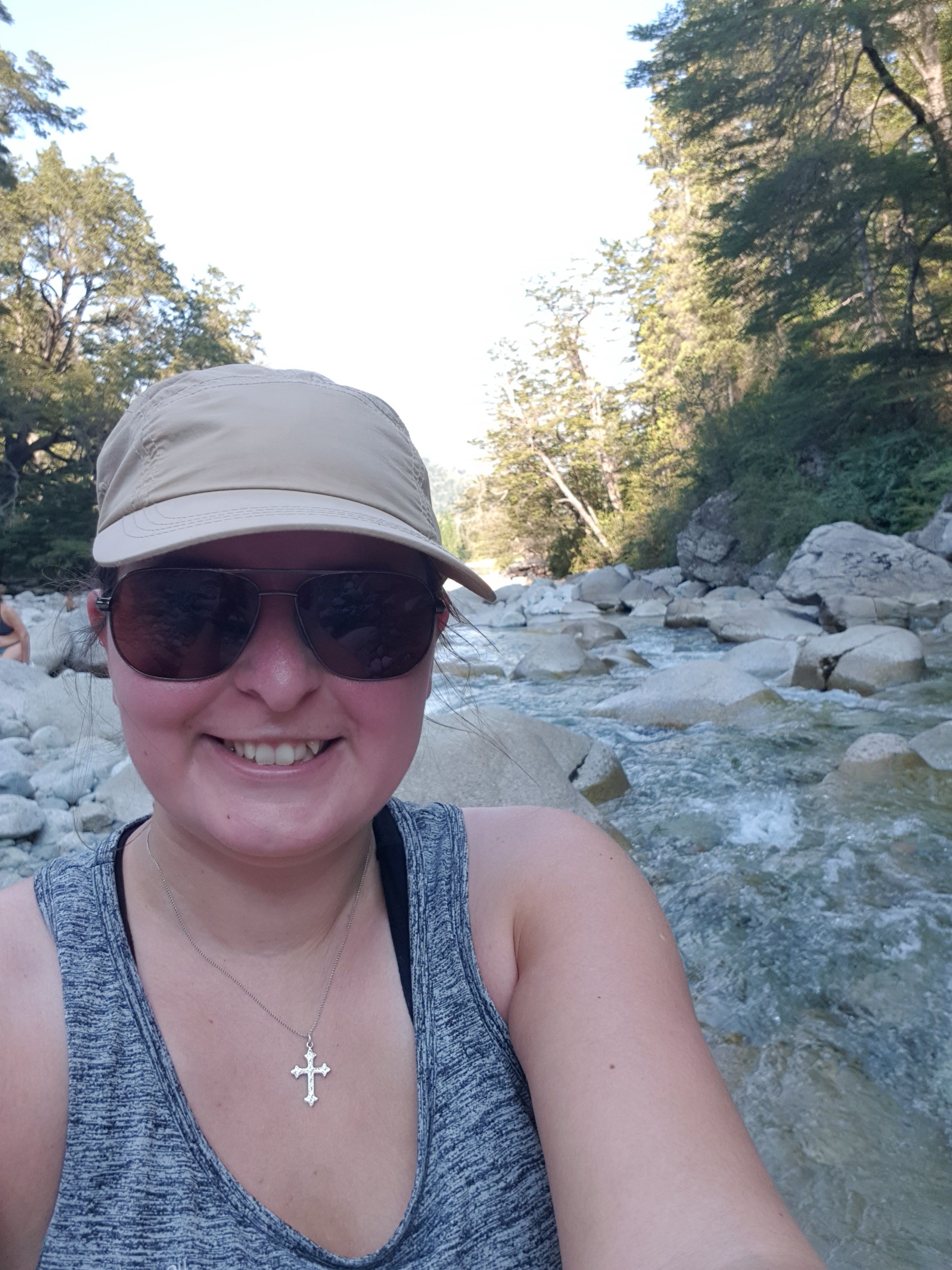
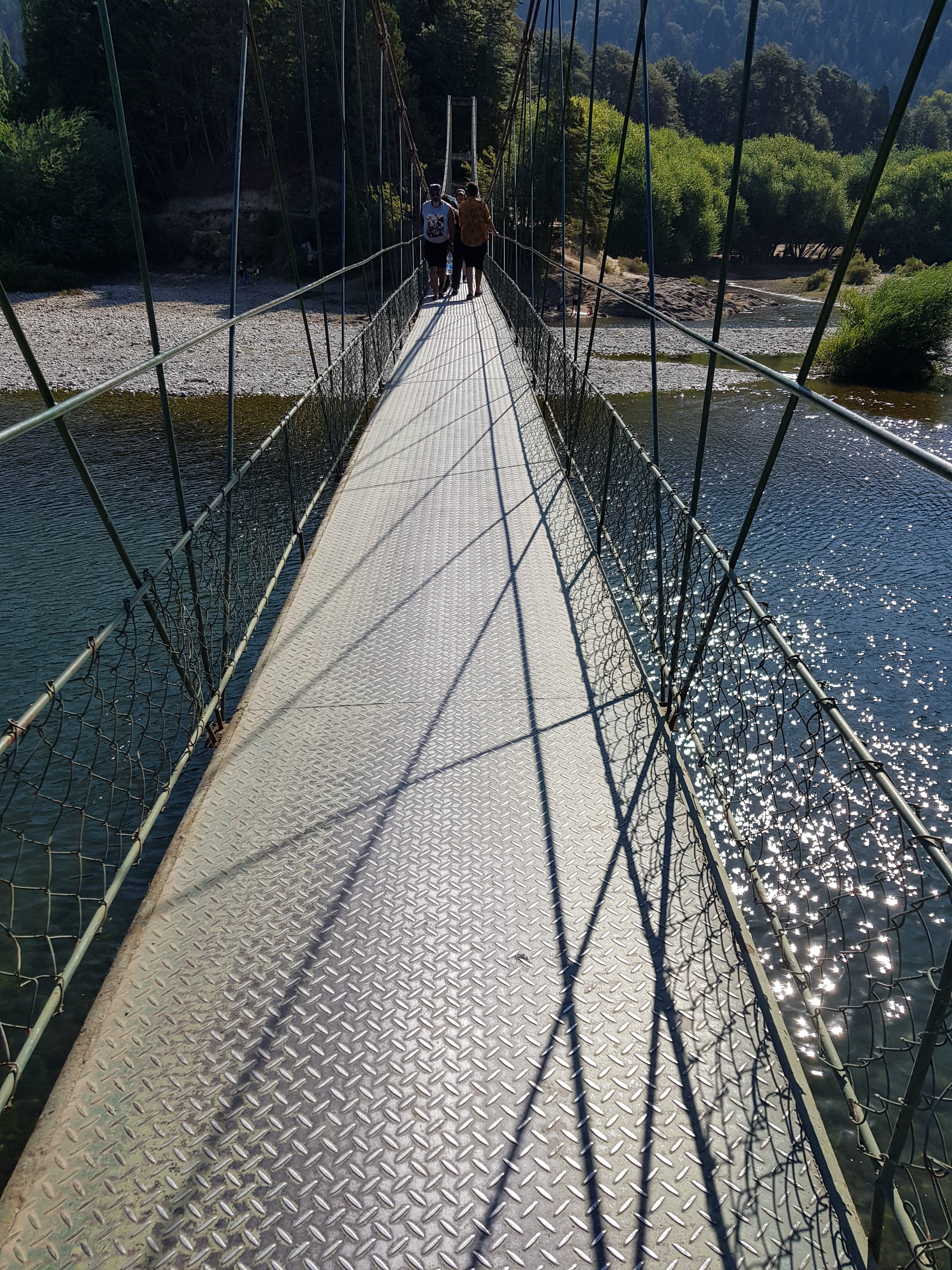
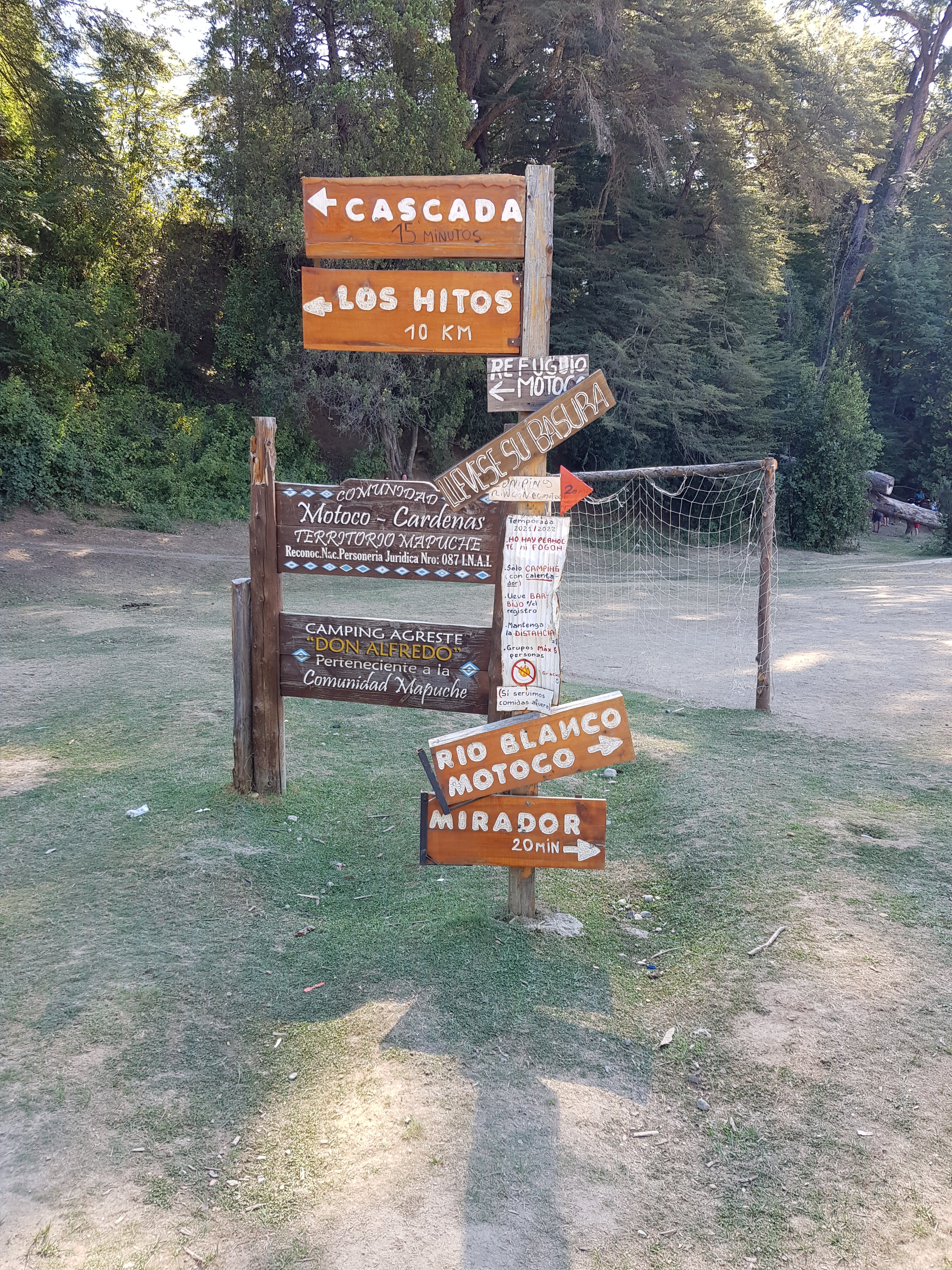
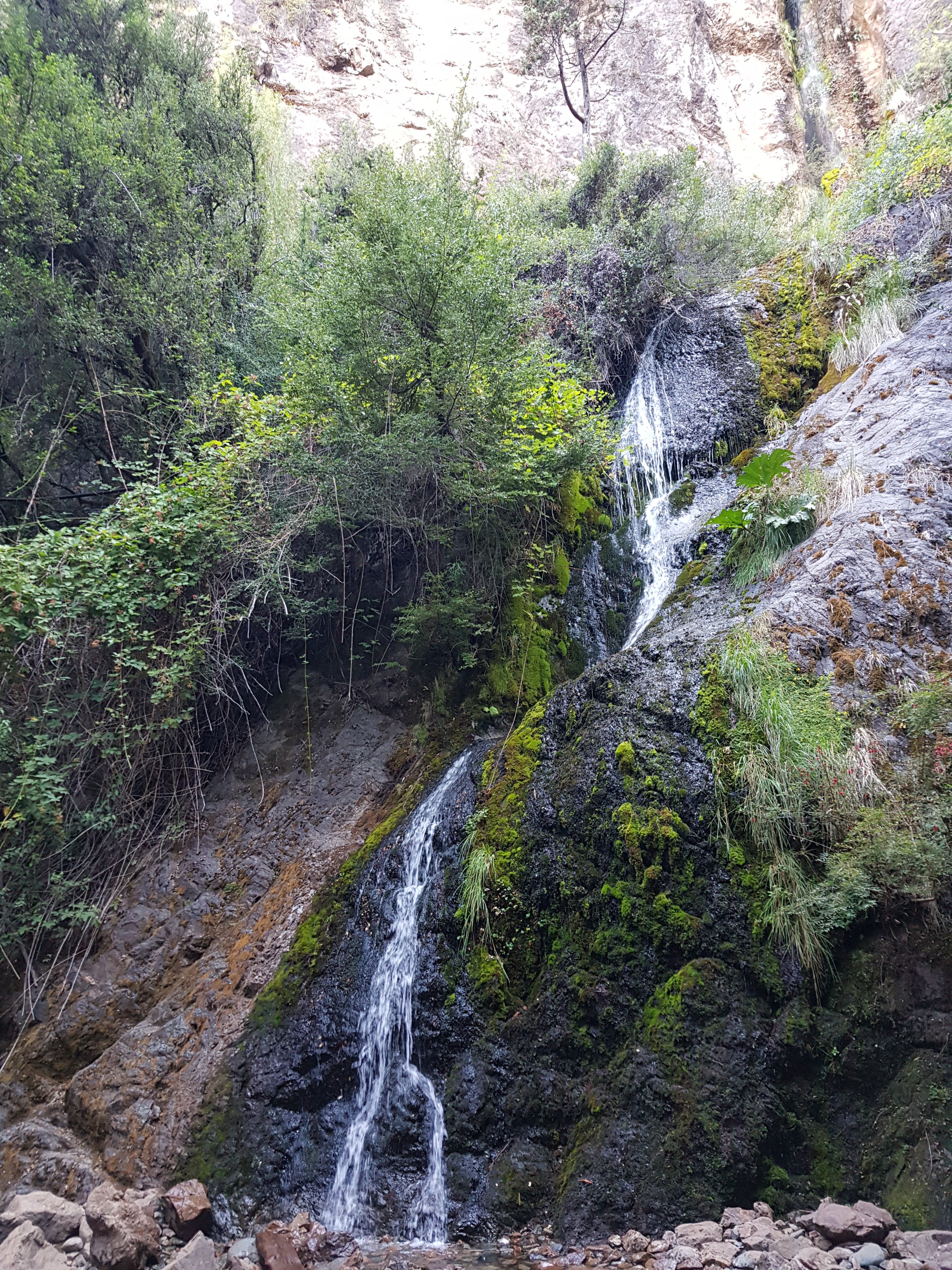
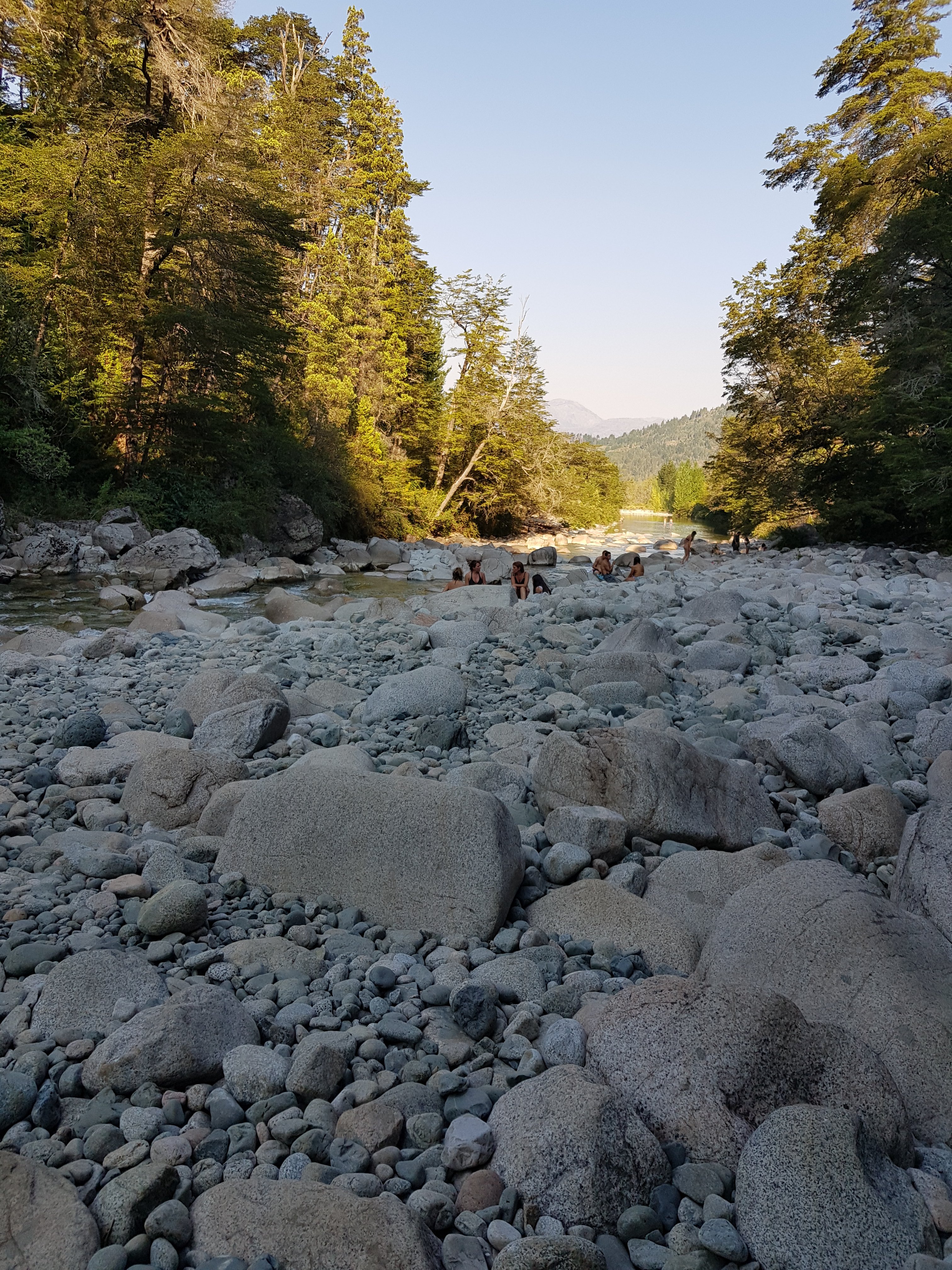
I took a cheap local bus out to a natural site that is part of the aboriginal Mapuche territory called La Pasarela. On arrival, I had no idea where I was. I approached a local aboriginal girl, in my best spanish, and she led me there, explaining that it is hard to find on a map. When I found the right spot there was a river with people swimming, and a little information point. The site is completely free to visit, and has many trails and things to see. I visited a waterfall, and then took a second hike to sit by the River Blanco. It was really refreshing on such a hot day.
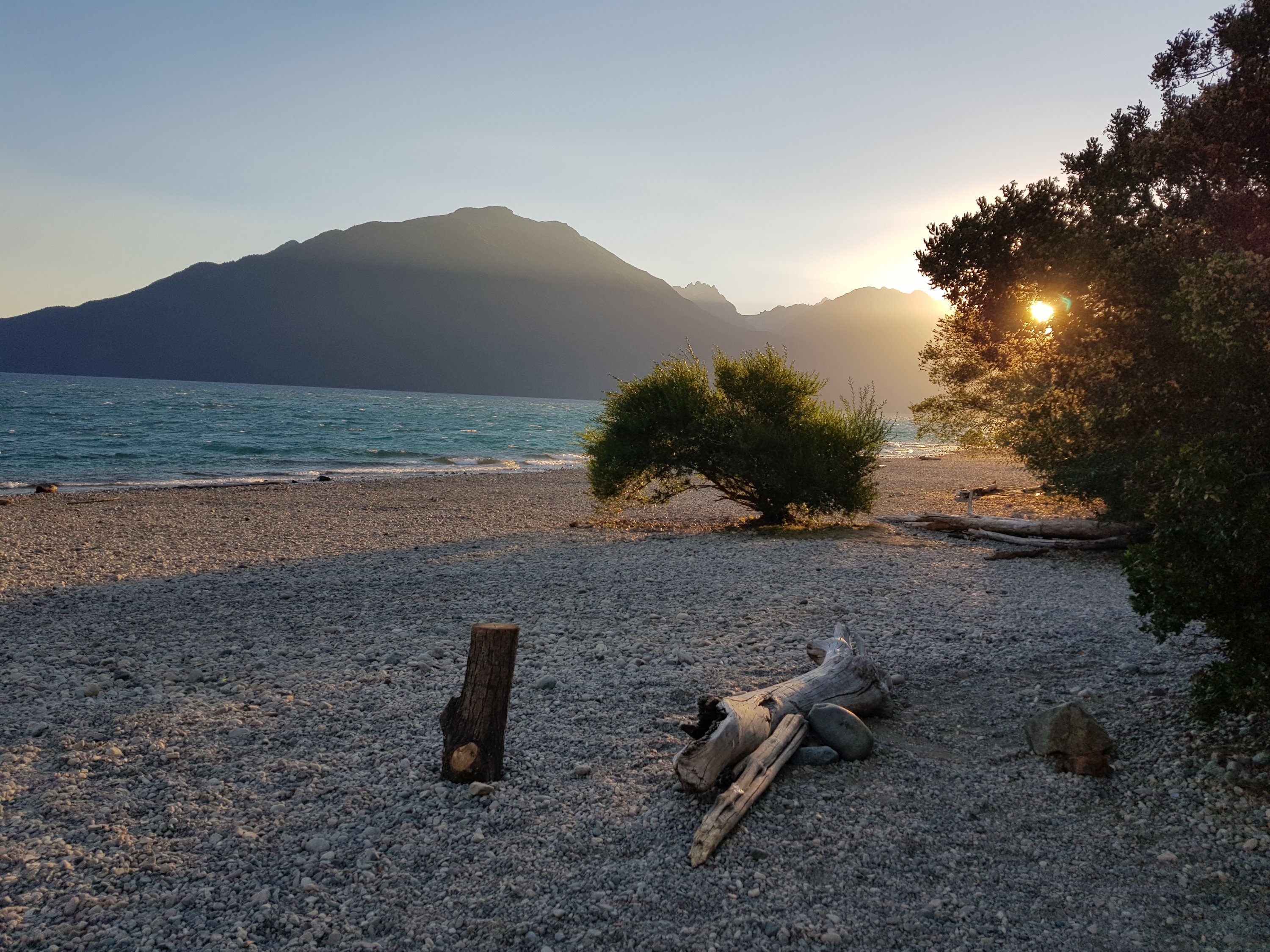
After visiting La Pasarela I hopped back on the bus for another 15 minutes down the road to Lake Puelo and enjoyed the views of this huge lake among the sunset.
Overall, the Lake District in Argentina is absolutely stunning. There is plenty to see as a nature lover. If I had the chance to travel in my own car, then I would definitely visit more smaller communities, and I would perhaps do more camping, as many people were spending long periods of time in each place whilst camping. For now, I travel further South!
Another week of walking has gone by, and this time the distances were much longer, and the terrain was more varied.
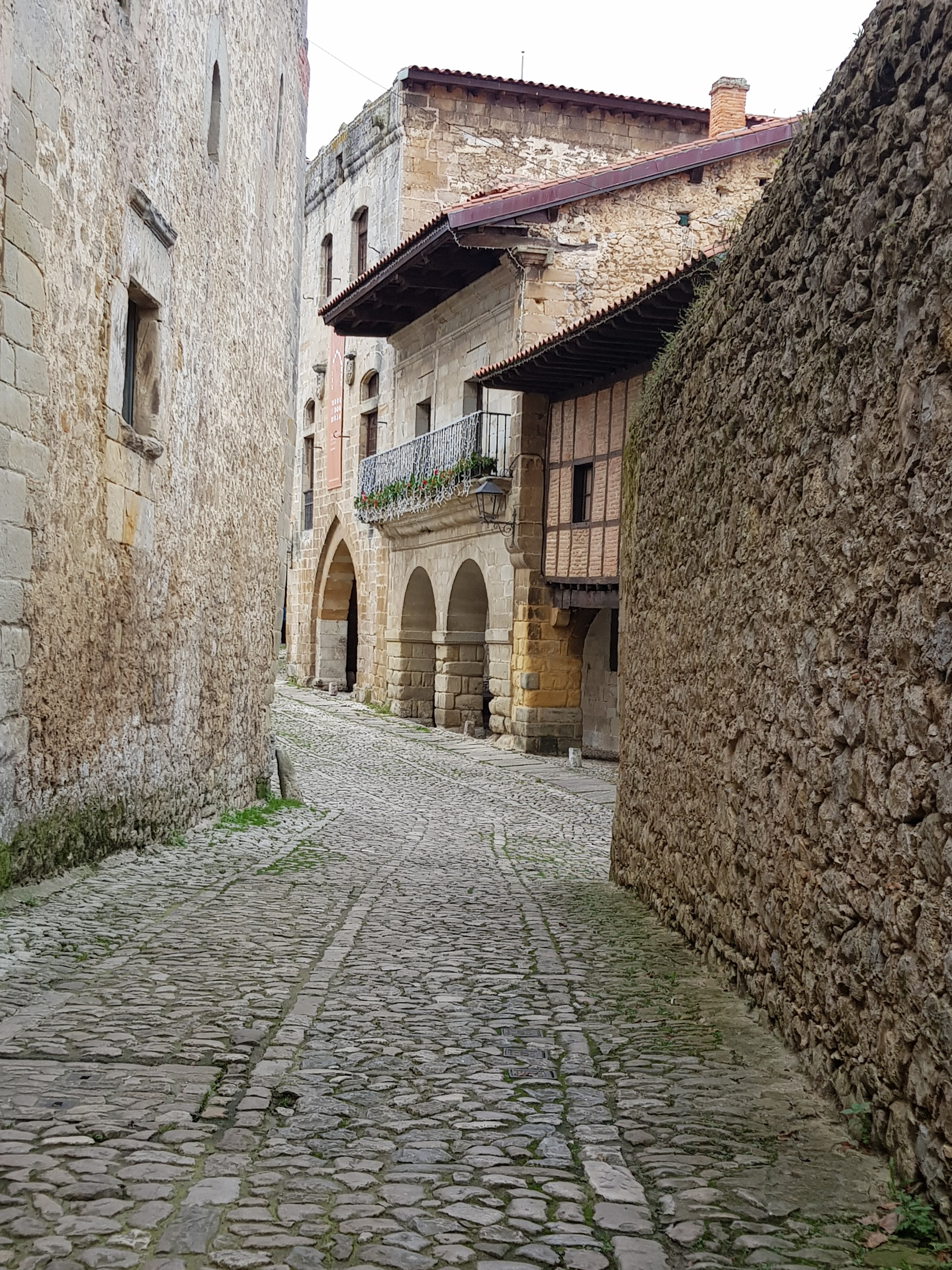
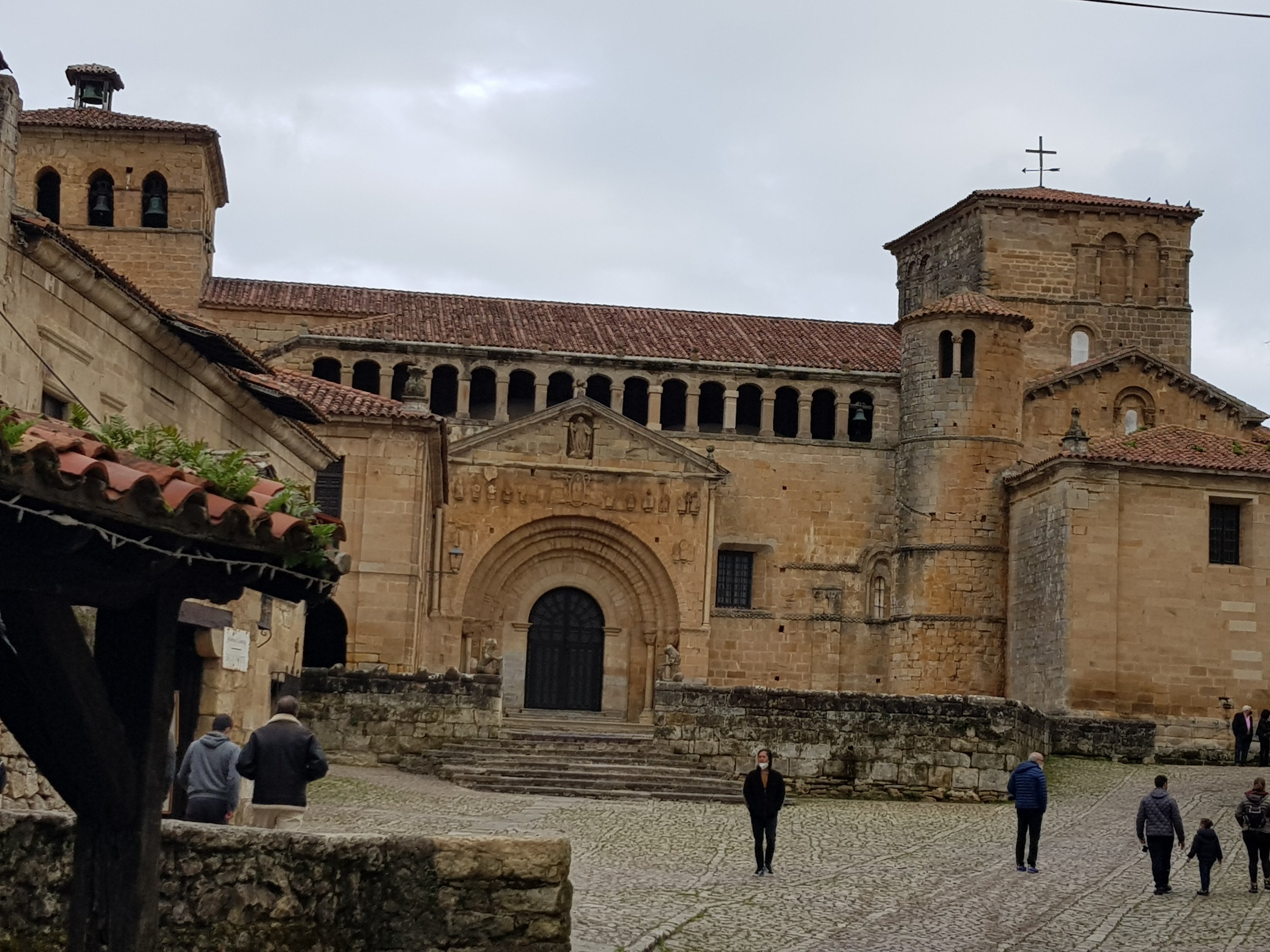
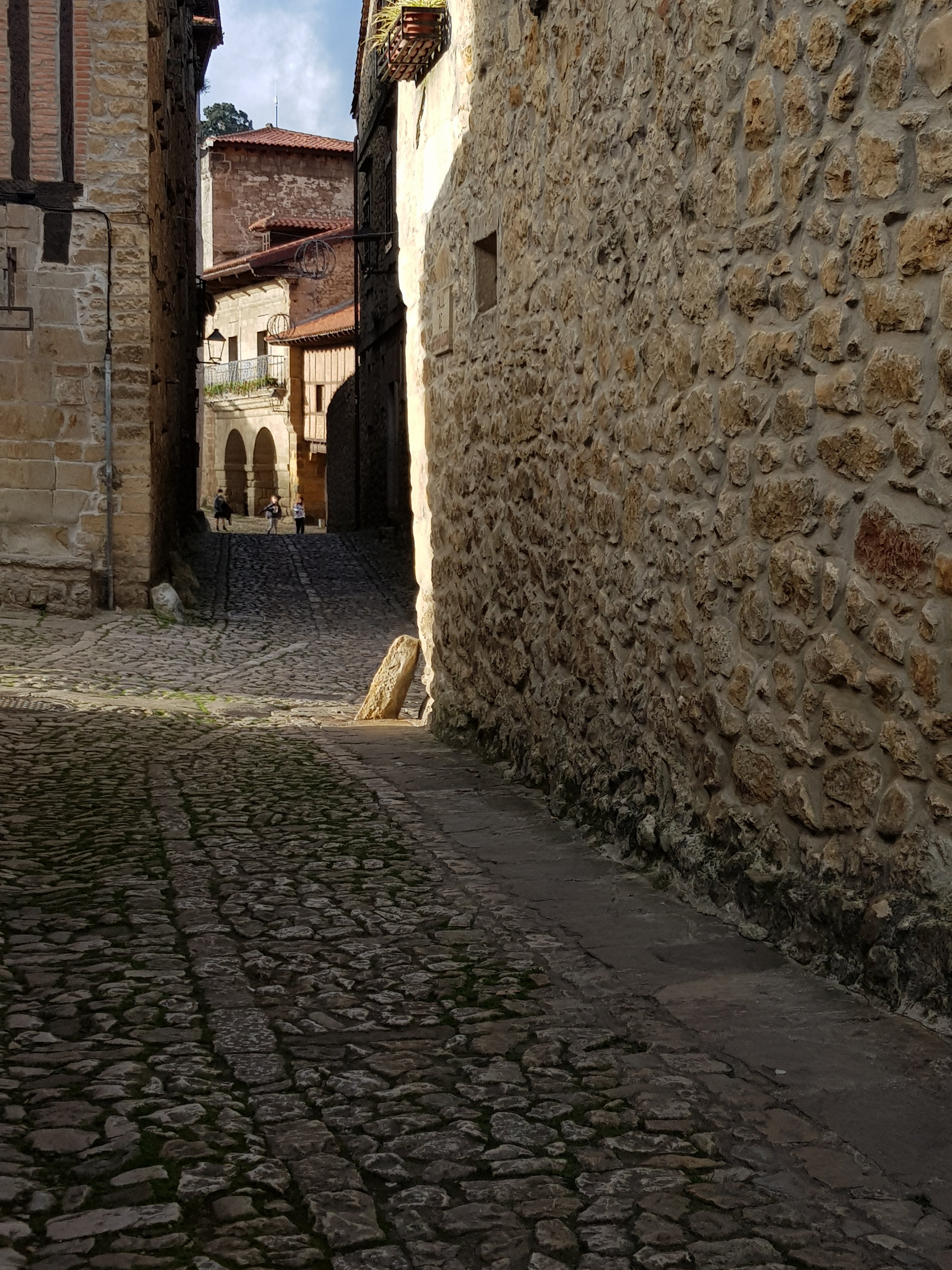
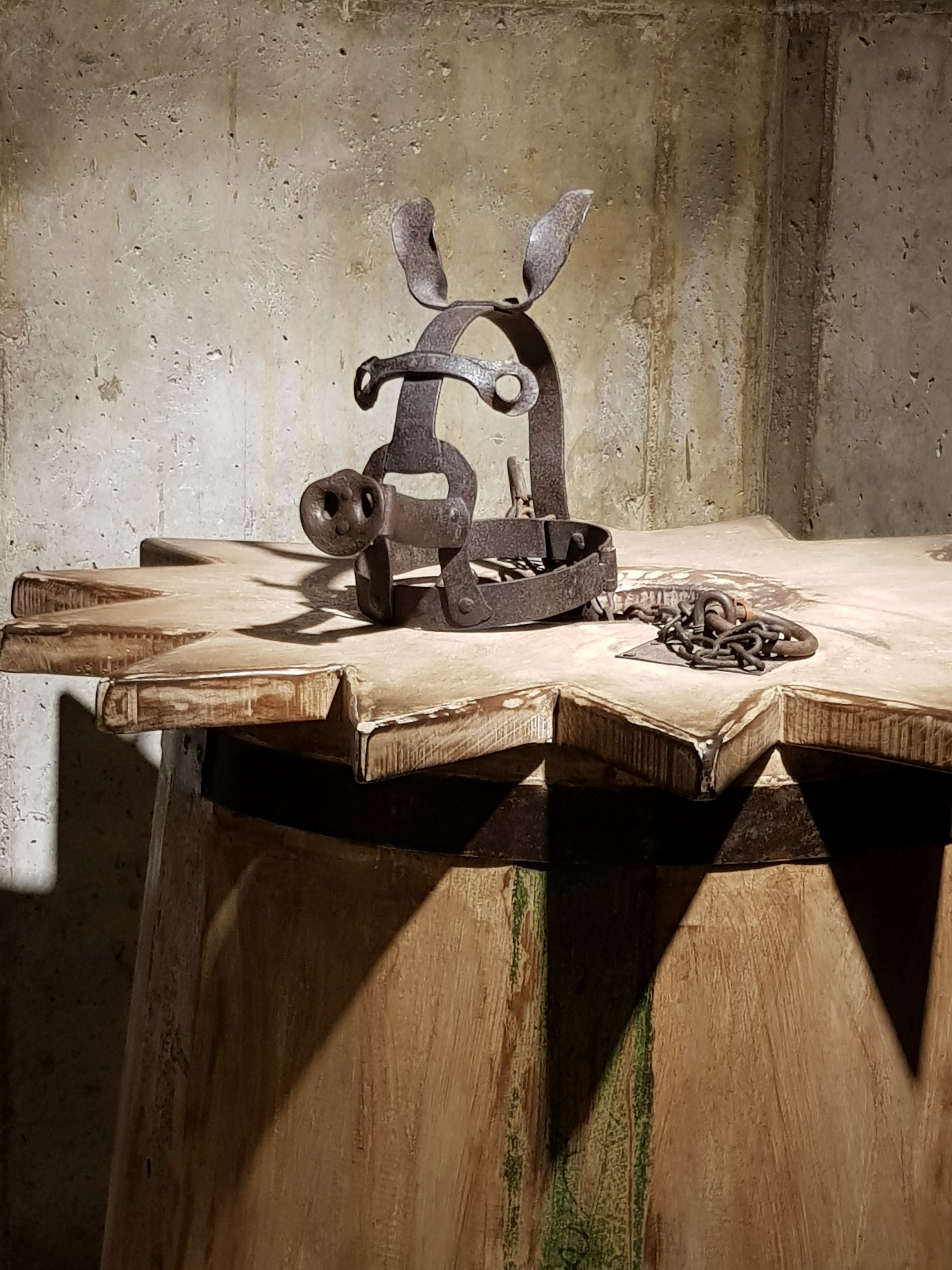
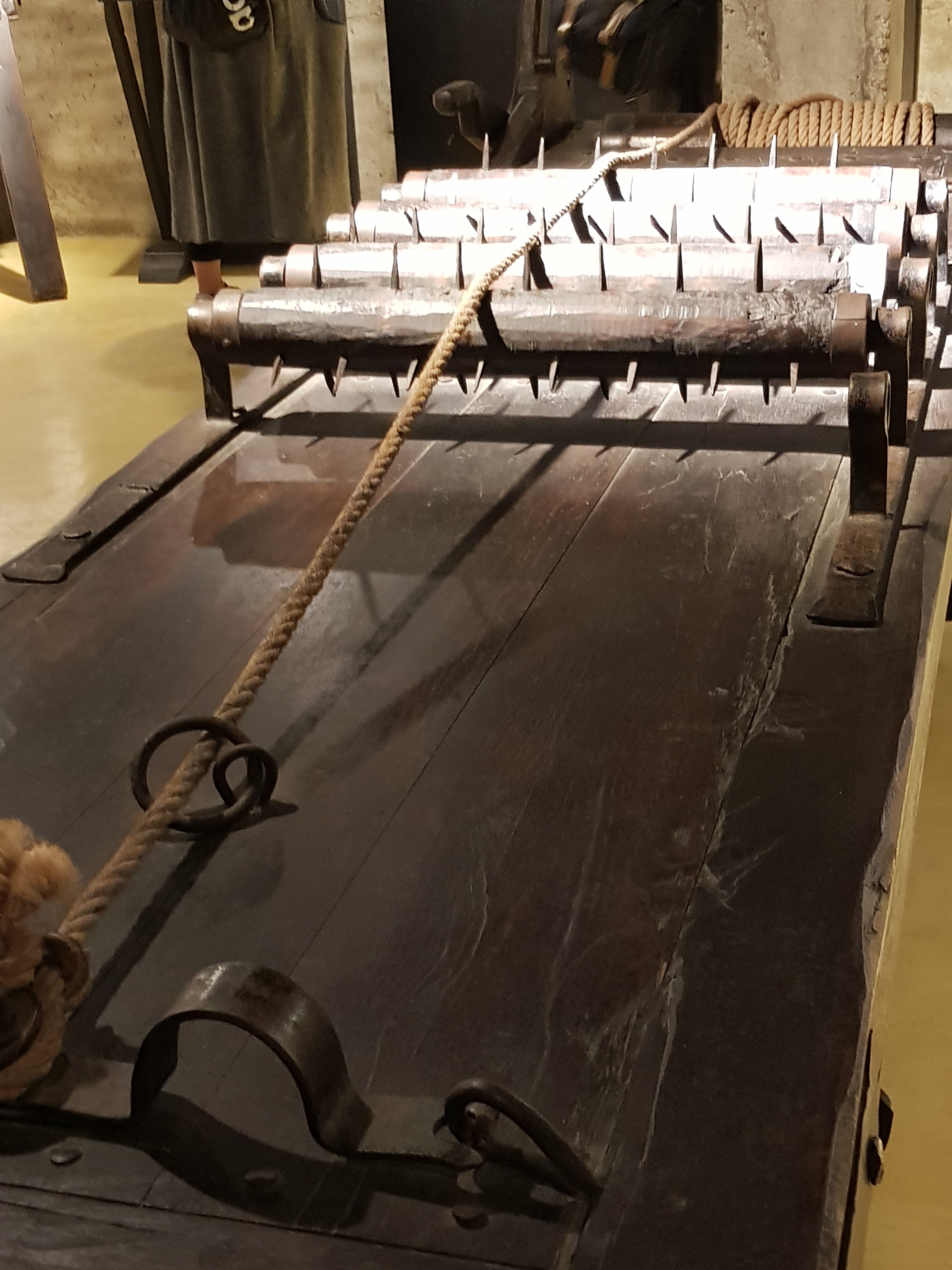
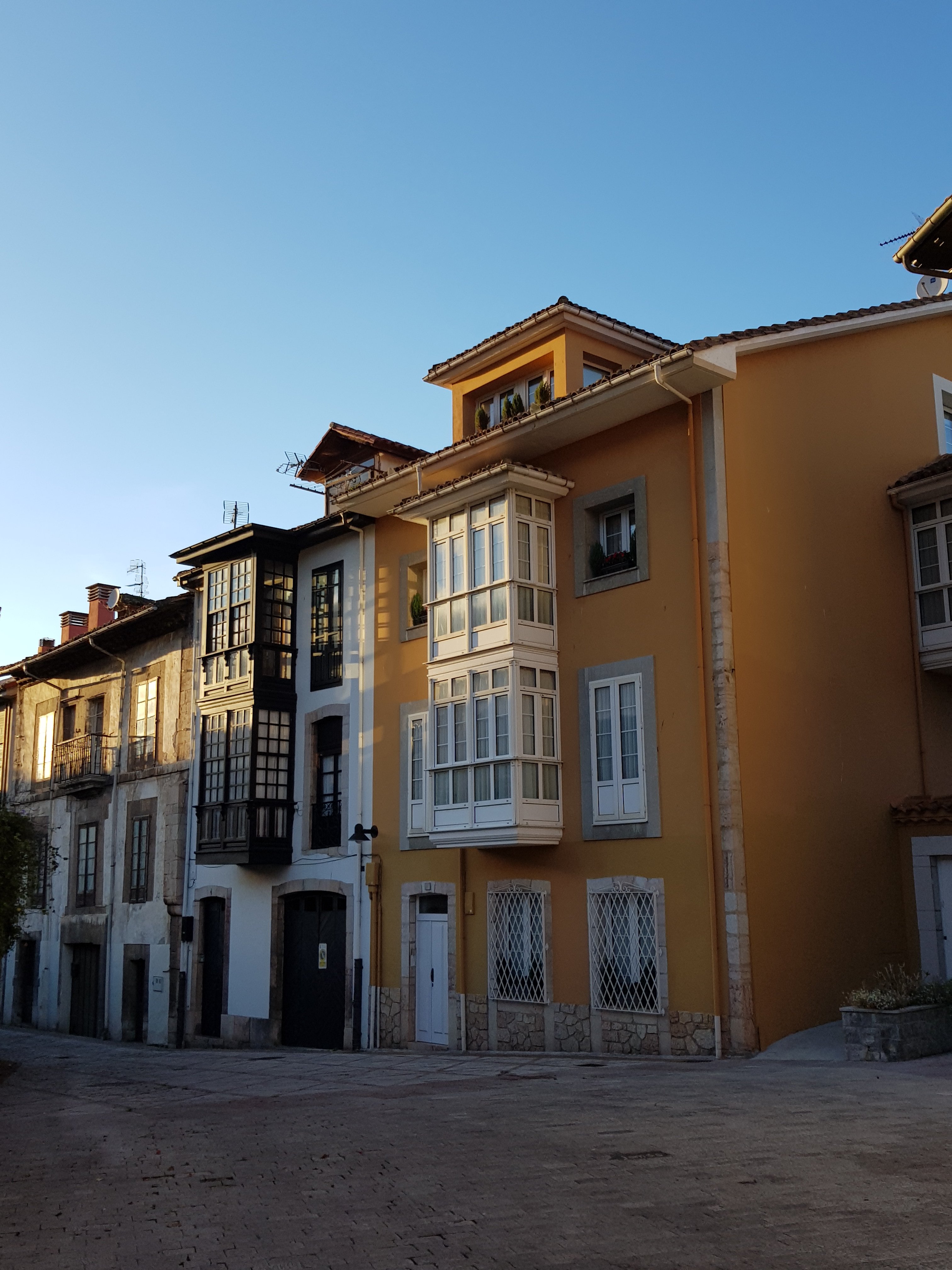
First stop was a stay in Barreda, and a visit to Santillana de Mar. A beautiful town that makes you feel as if you have gone back in time. The streets are cobbled and old stone is all around, they have lots of bars and restaurants, and a tourist information point. Also some museums. I visited the Torture Museum!
The museum was quite interesting but also very gruesome. It also made me wonder what sort of person would acquire a collection like this… The animal masks were particulary weird, apparently it was to silence the speech of women and other lowly folk at the time, and also a symbol of public humiliation.
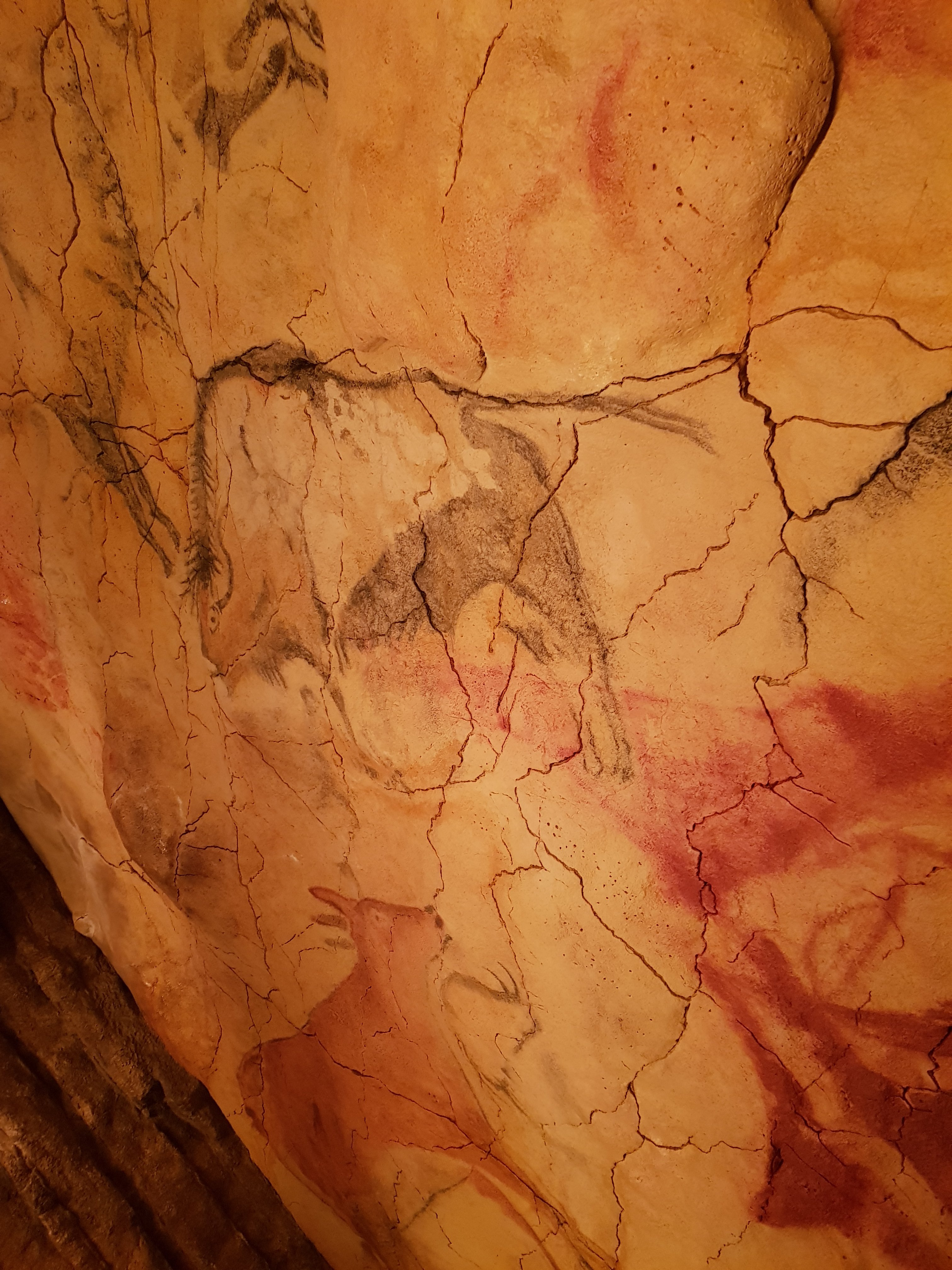
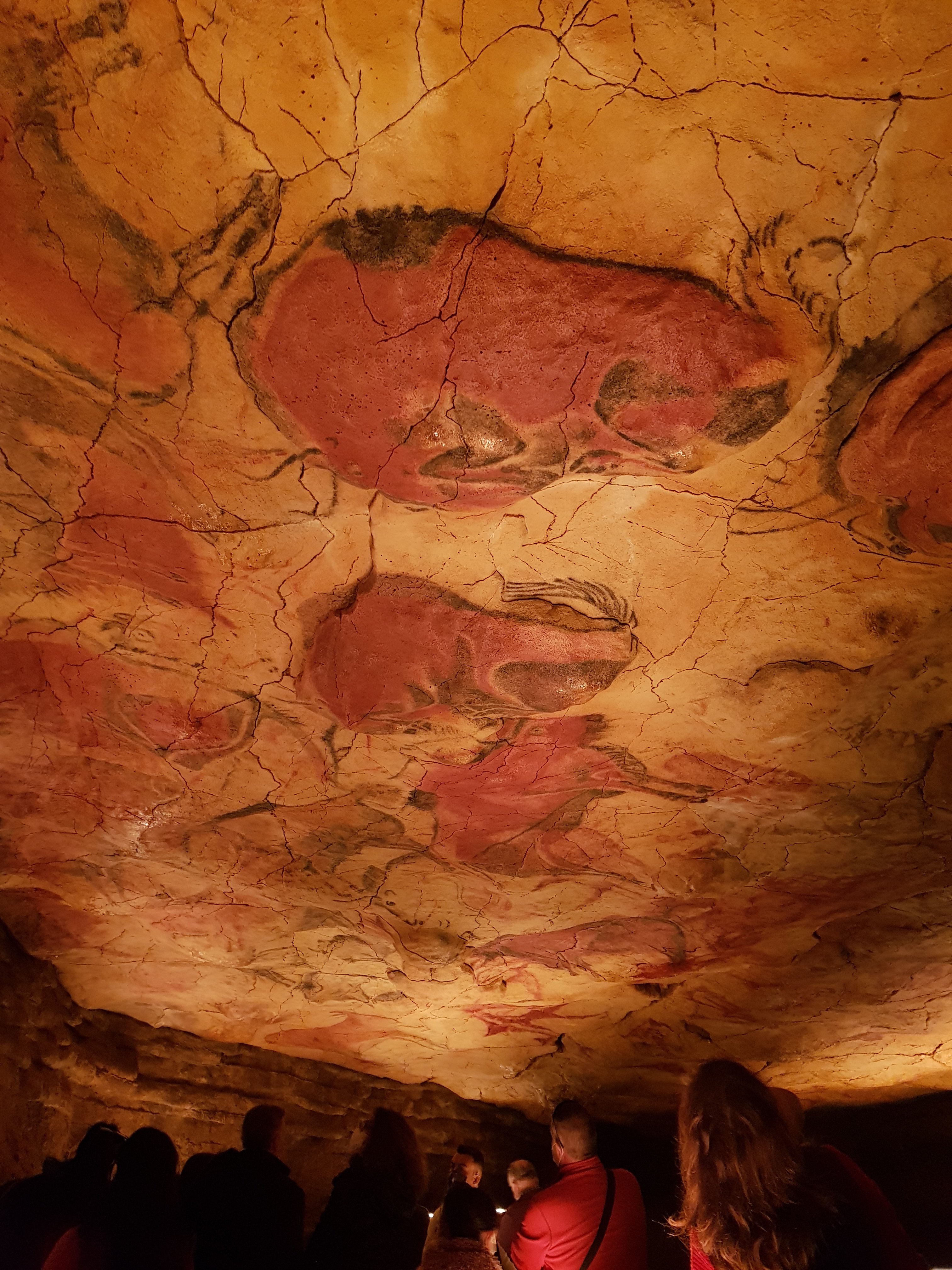
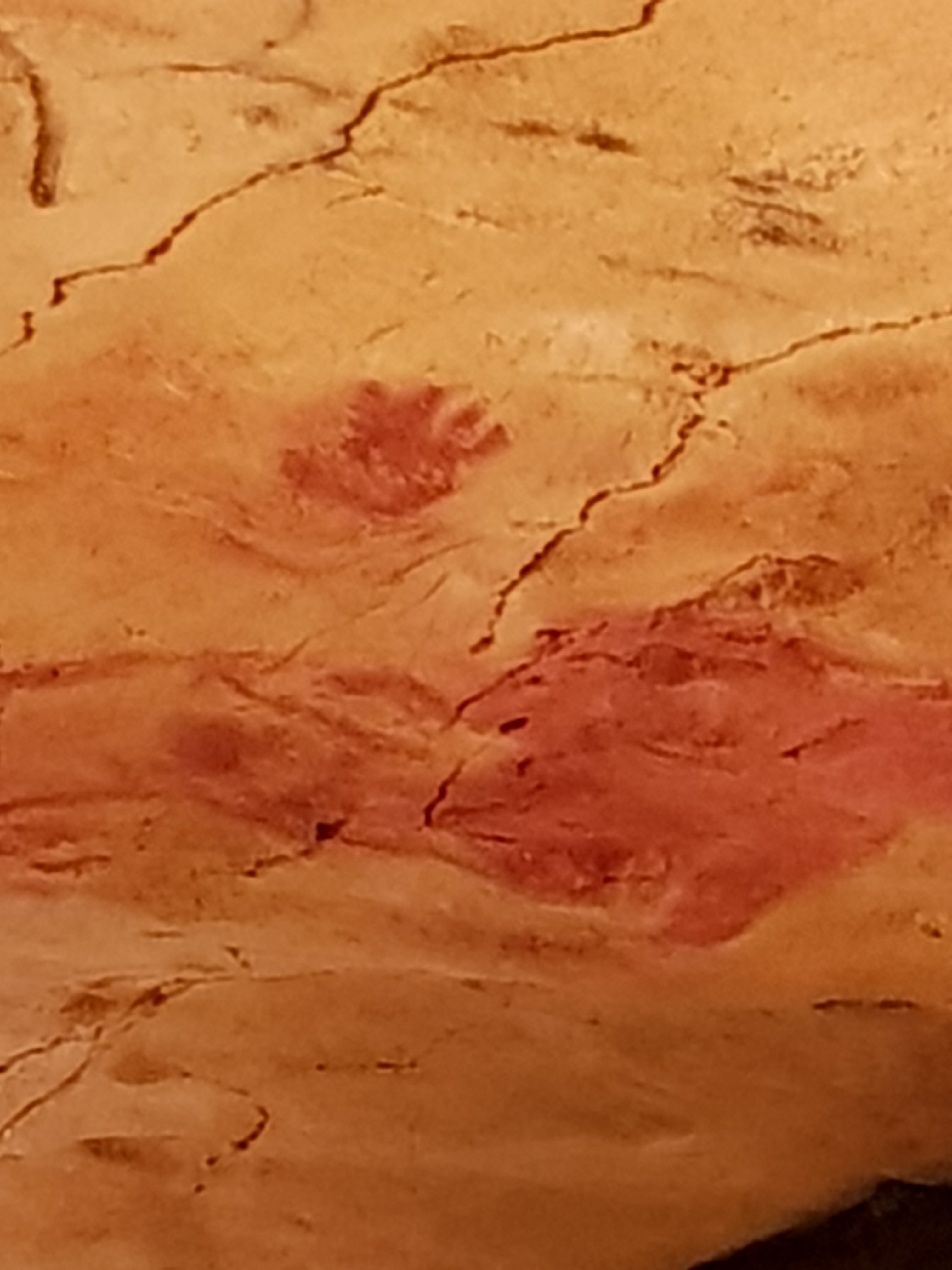
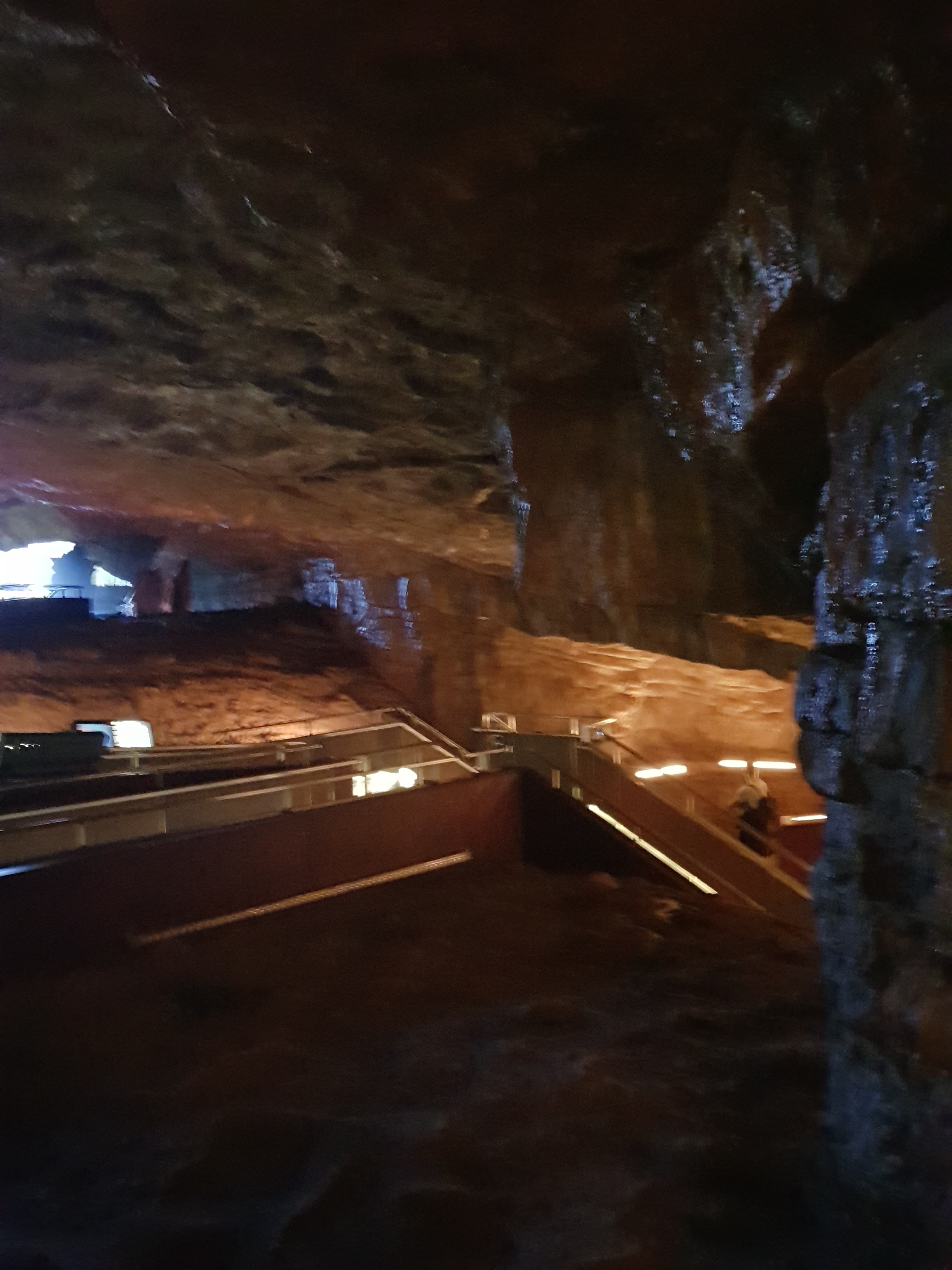
2km down the road is also the world heritage site, the Caves of Altamira. The caves were discovered in the 1800s and have a collection of pretholific paintings inside, and a system of spaces for different uses. The caves were so popular to visit that they began to become damaged, and had to be closed to the public. Now, only five people per week are selected to visit the original cave. The museum has painstakingly created an exact replica for the general public though.
I visited the replica, it was still underground and very dark but certain areas of importance were highlighted. There were many paintings of animals, that were surprisingly detailed, and a pressed in hand print. This whole experience was a lot better than expected and only cost €4! I was also able to wonder down to the outside of the original caves.
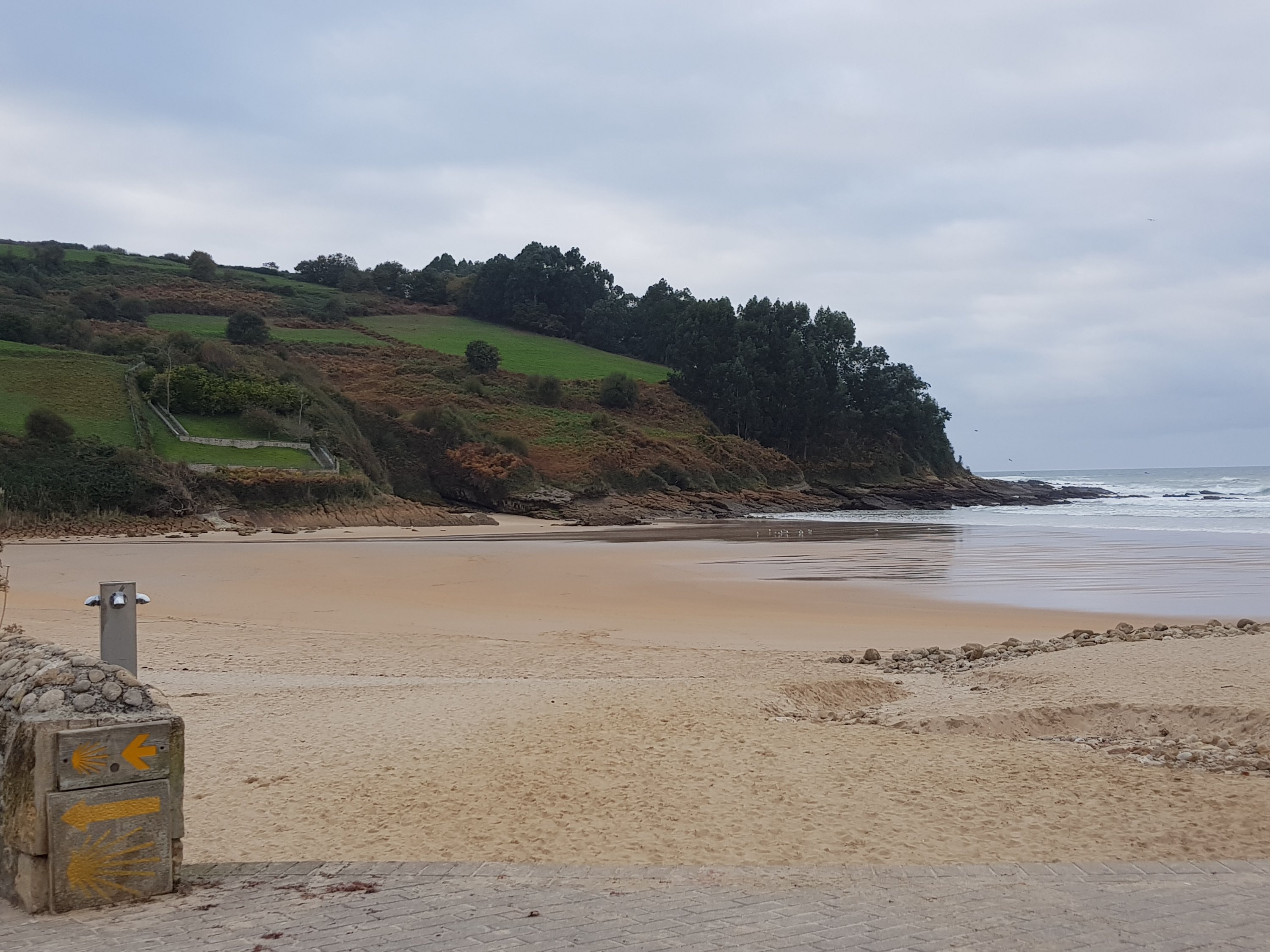
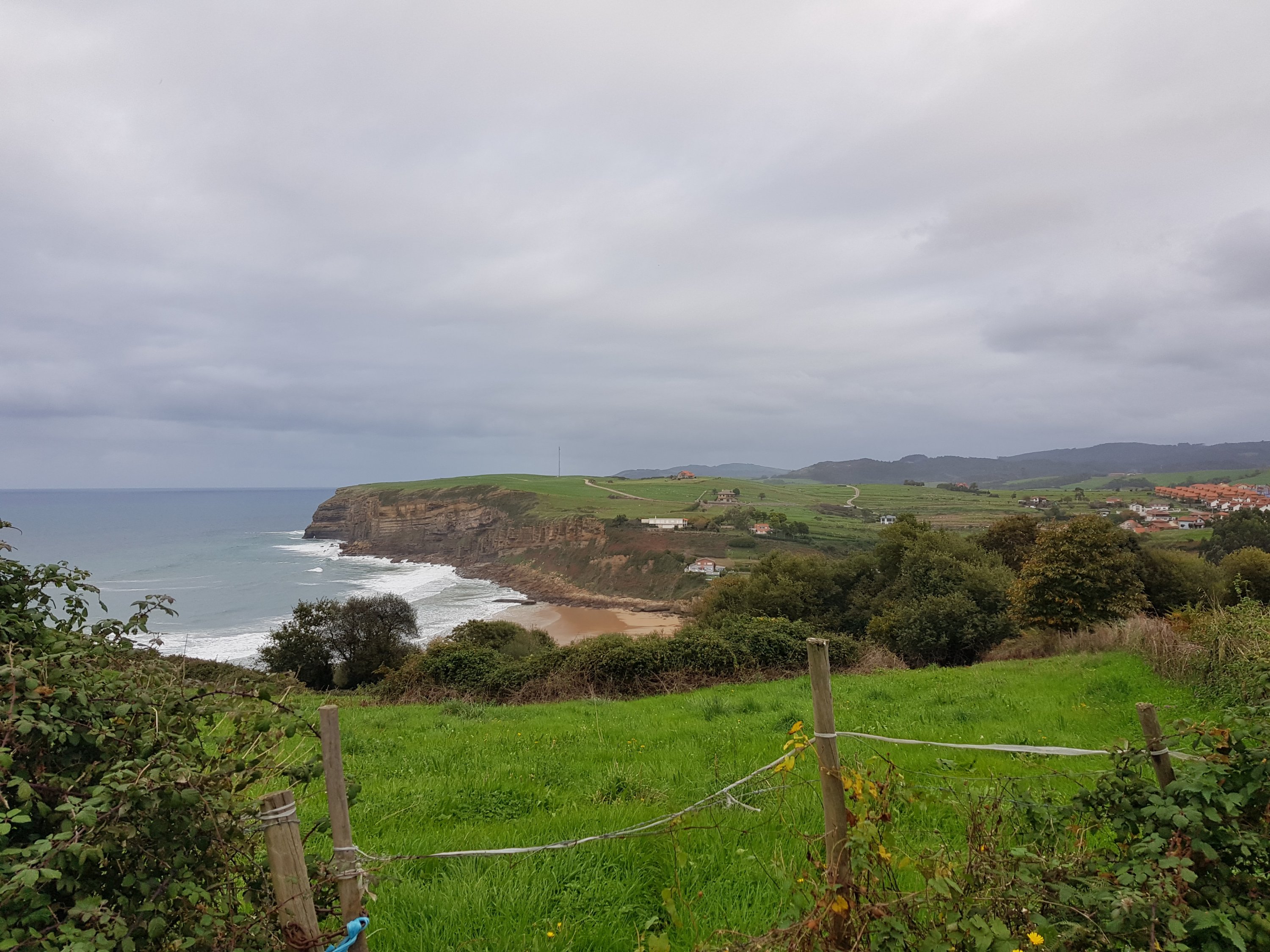
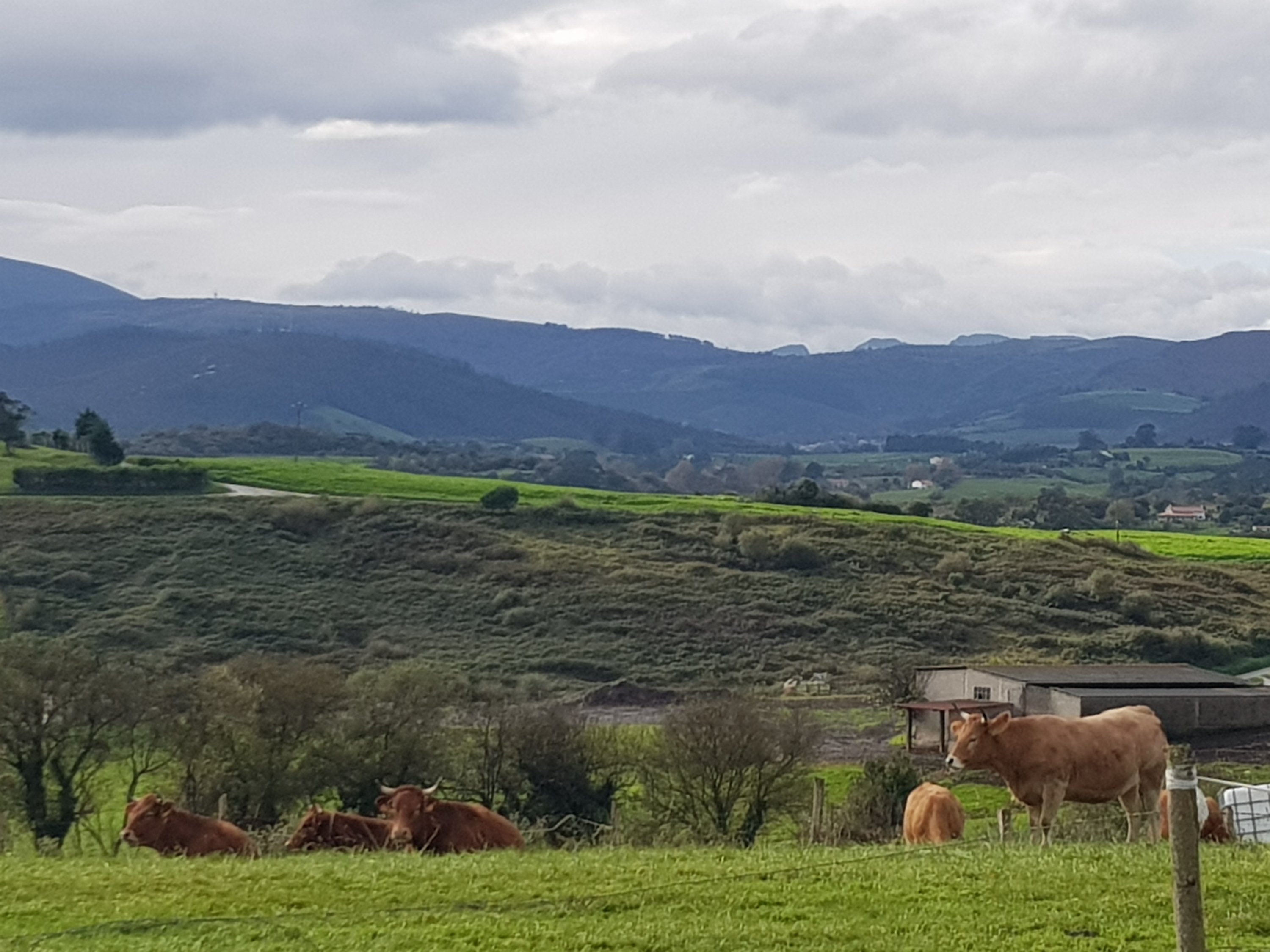
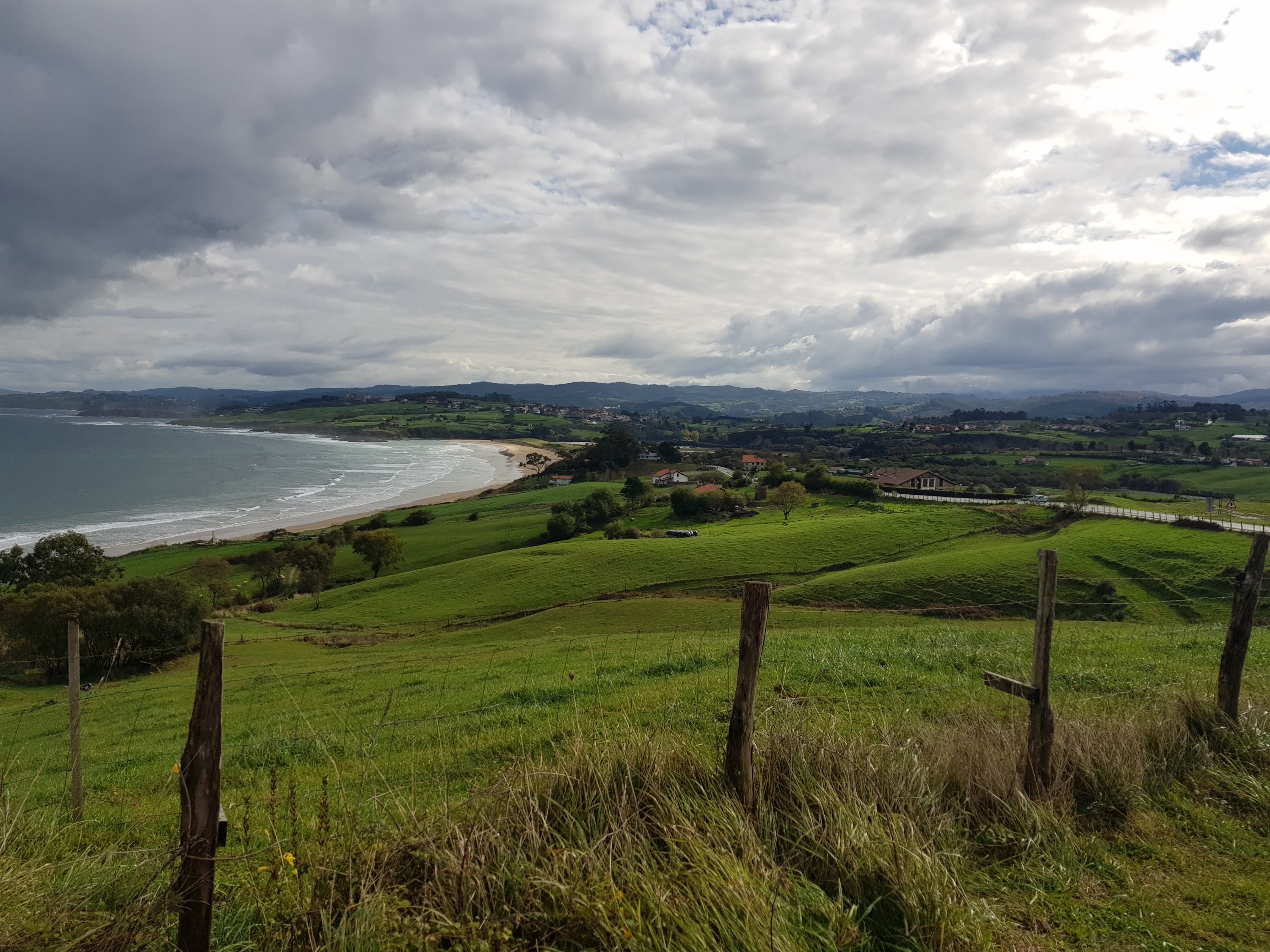
Whilst walking the camino to the next stop in Comillas, the seaside views and sites of farms became very familiar, and I also went hunting for more caves!
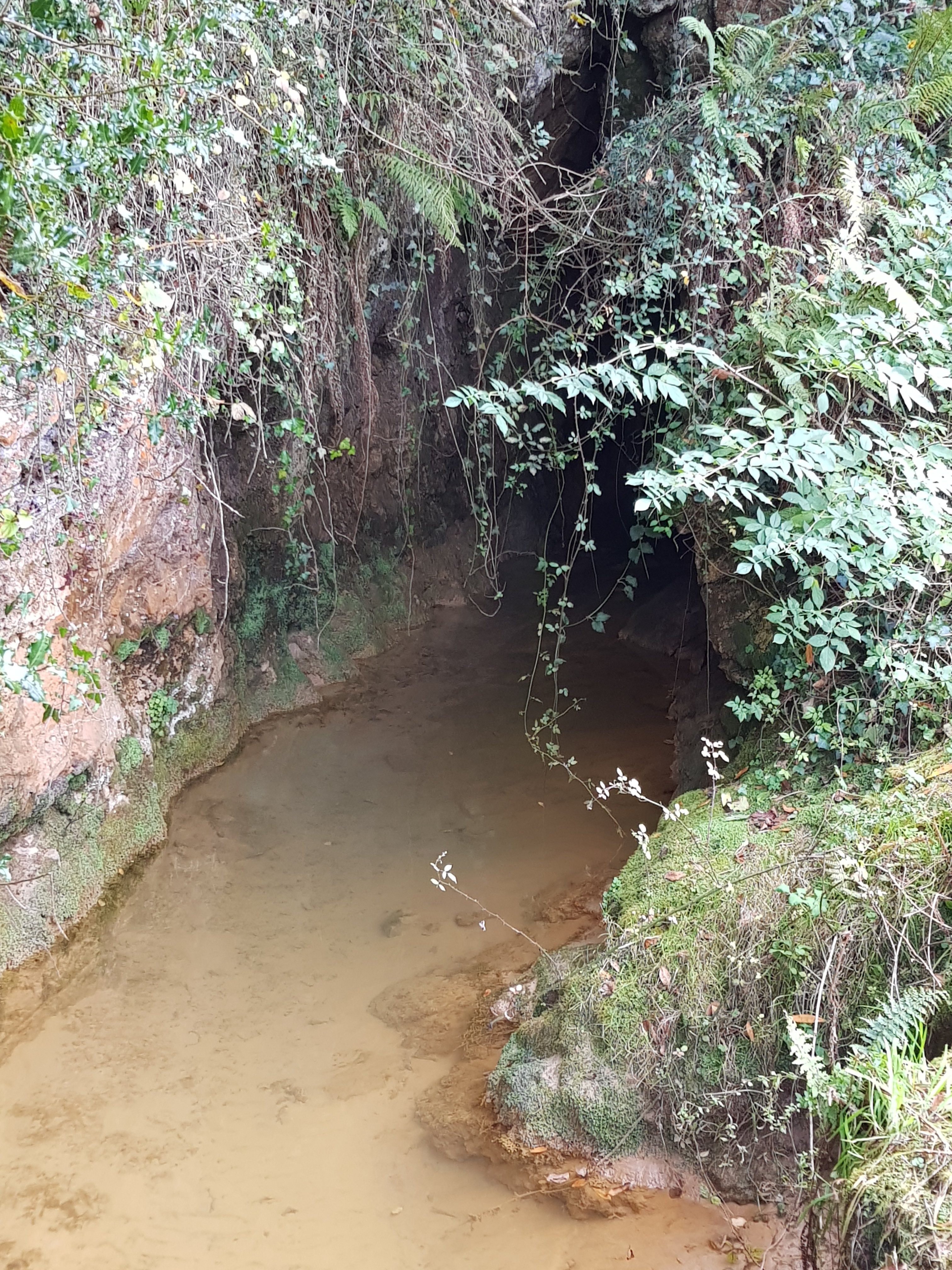
Nearby to the path, I had seen on the map that there was a cave in a woodland that had been discovered to have ancient paintings again, and you could have this one all to yourself. La cueva de aguas was about 20-30 minutes off the track, and was very exciting!
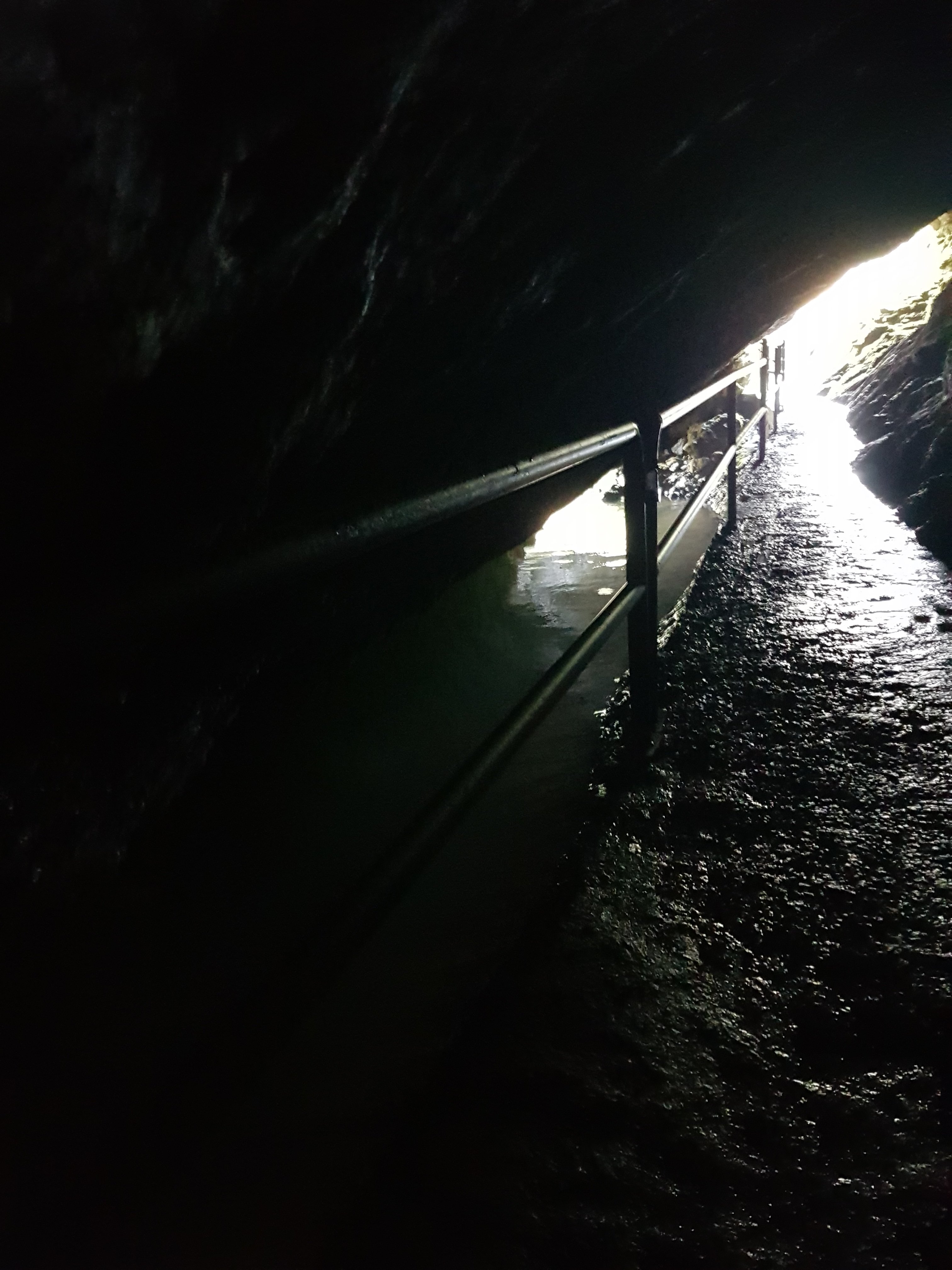
In this small cave, deep in the woods, I had to ditch my backpack outside, and crouch to get in. It is completely pitch black, and I could hear the loud sound of water. When i finally got my torch going (I had resisted, as I was afraid of bats), I realised there was water gushing around my feet, and a waterfall running through the cave!
It was really amazing to find, and I could just make out the higher level in the cave, where the cave people would have made home. This cave was on the route of the miners, and another small cave can also be seen on the path, but is inaccessible.
After the excitement of the cave, I had fallen behind schedule, on this very long stretch. I walked as quickly as I could through more roads, woodland, and past a gorgeous beach, trying to get to town before sunset.
I spent the last few hours frantically calling pensions and hotels in town to try to find a room. I kept coming up against the same response, ‘we are closed for winter’. Forty minutes walk away, and already night time by now, I sat in a bus shelter, and seriously considered sleeping there. It looked like quite a well built shelter, but I didn’t like the idea of being 40 minutes behind on tomorrow’s walk. In a final attempt, I phoned a golf club in the town, and managed to rent a 3 bedroom apartment for one night, for 85 euros. So with no food, and sore feet, I dragged myself there and managed to get a bed for the night. Bright side – it had a washing machine!
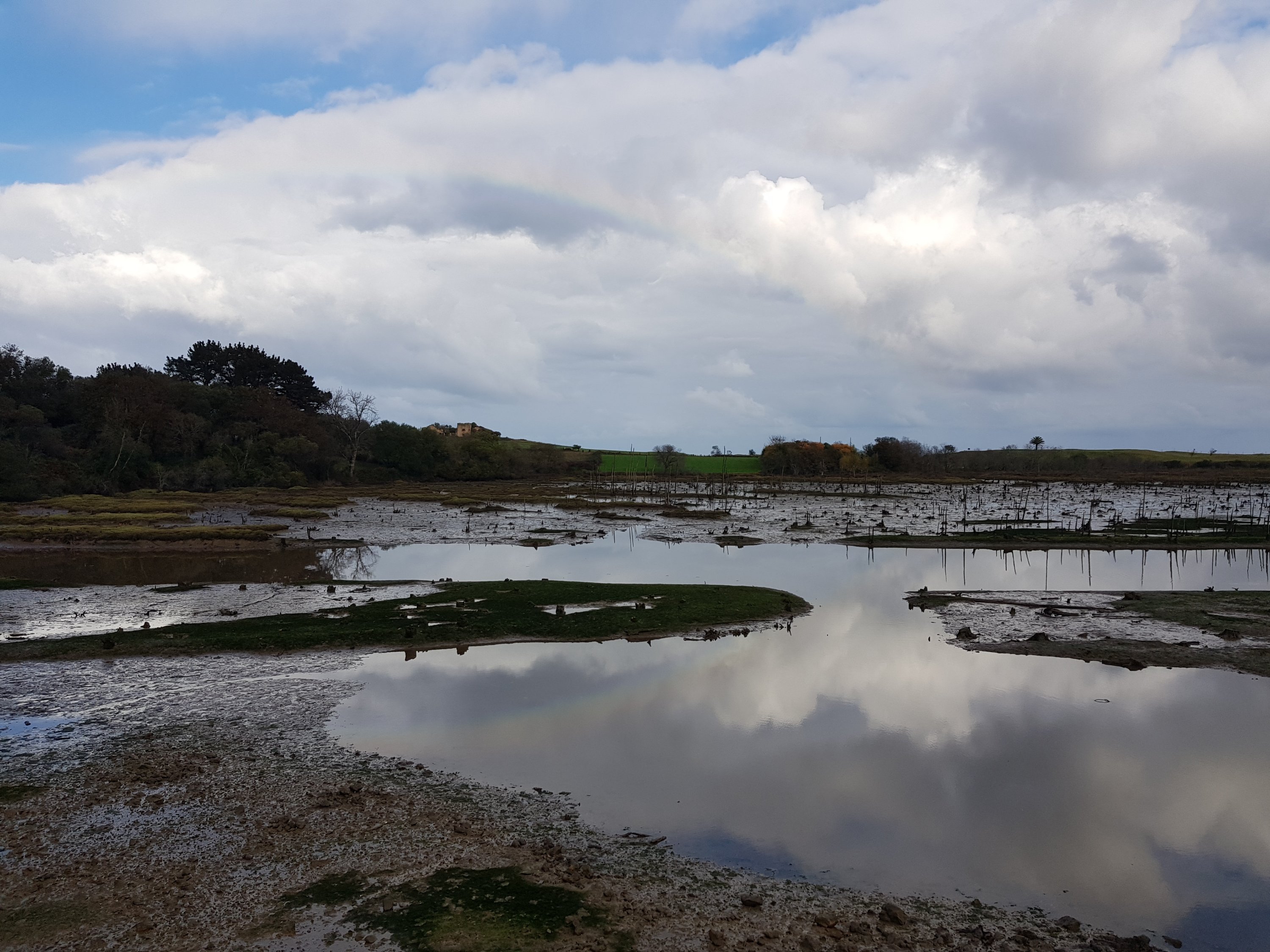
The next day, I left late, got my stamp from the tourism office, and headed out for a shorter walk to San Vincente. The day began with a lot of rain, and going uphill. After the stressful night before, and being hammered by rain, my will power was running low. Then all of a sudden, I was at a beautiful nature reserve, the sky cleared, and a rainbow appeared, and everything was better again.
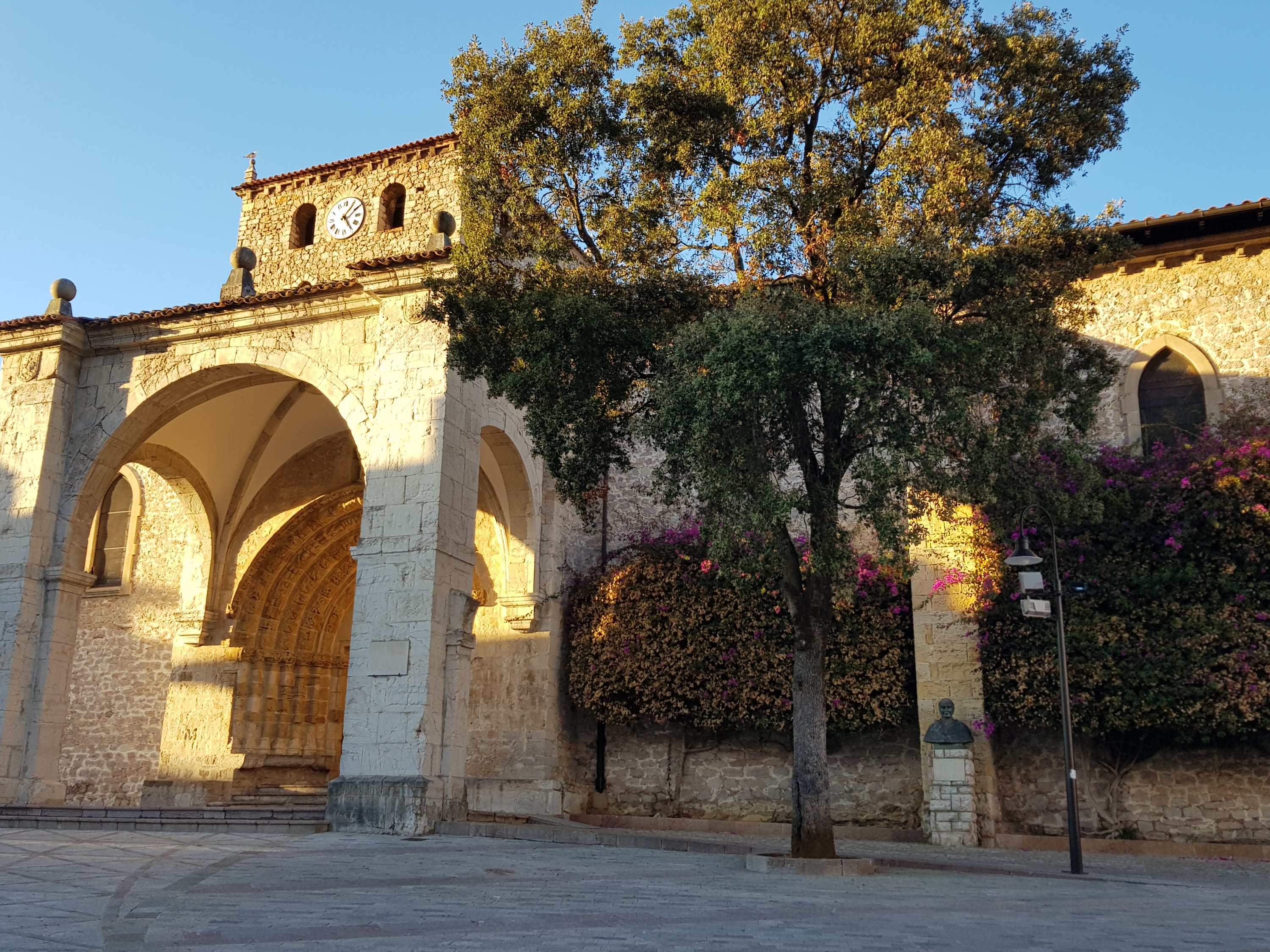
San Vincente was a big town with a beautiful old church on the hill, (that used to serve as a hospital for pilgrims), a castle, and then a pleasant restaurant and bar scene below. I met a fellow traveller over dinner, and we talked about our trips and exchanged stories. It was great to have a good conversation, it had been a few days, since I had spoken to anyone.
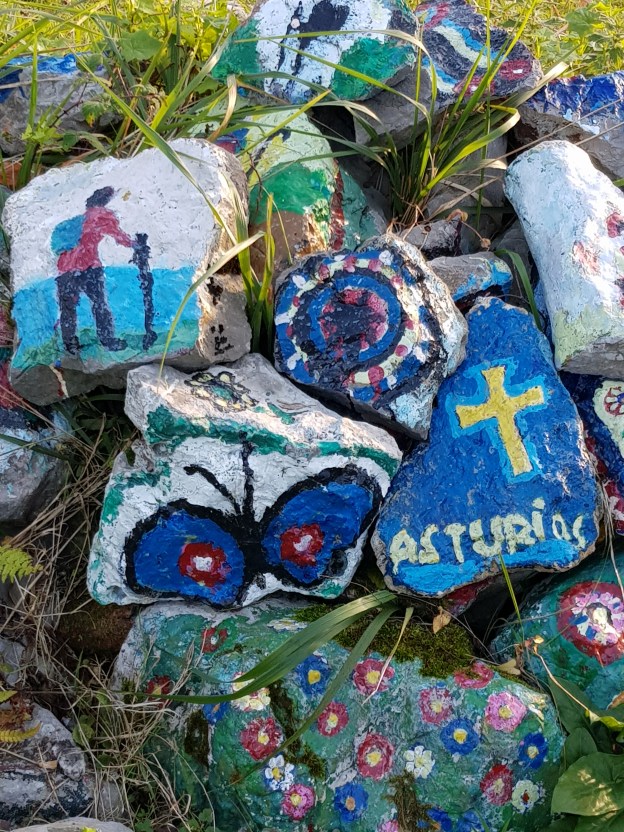
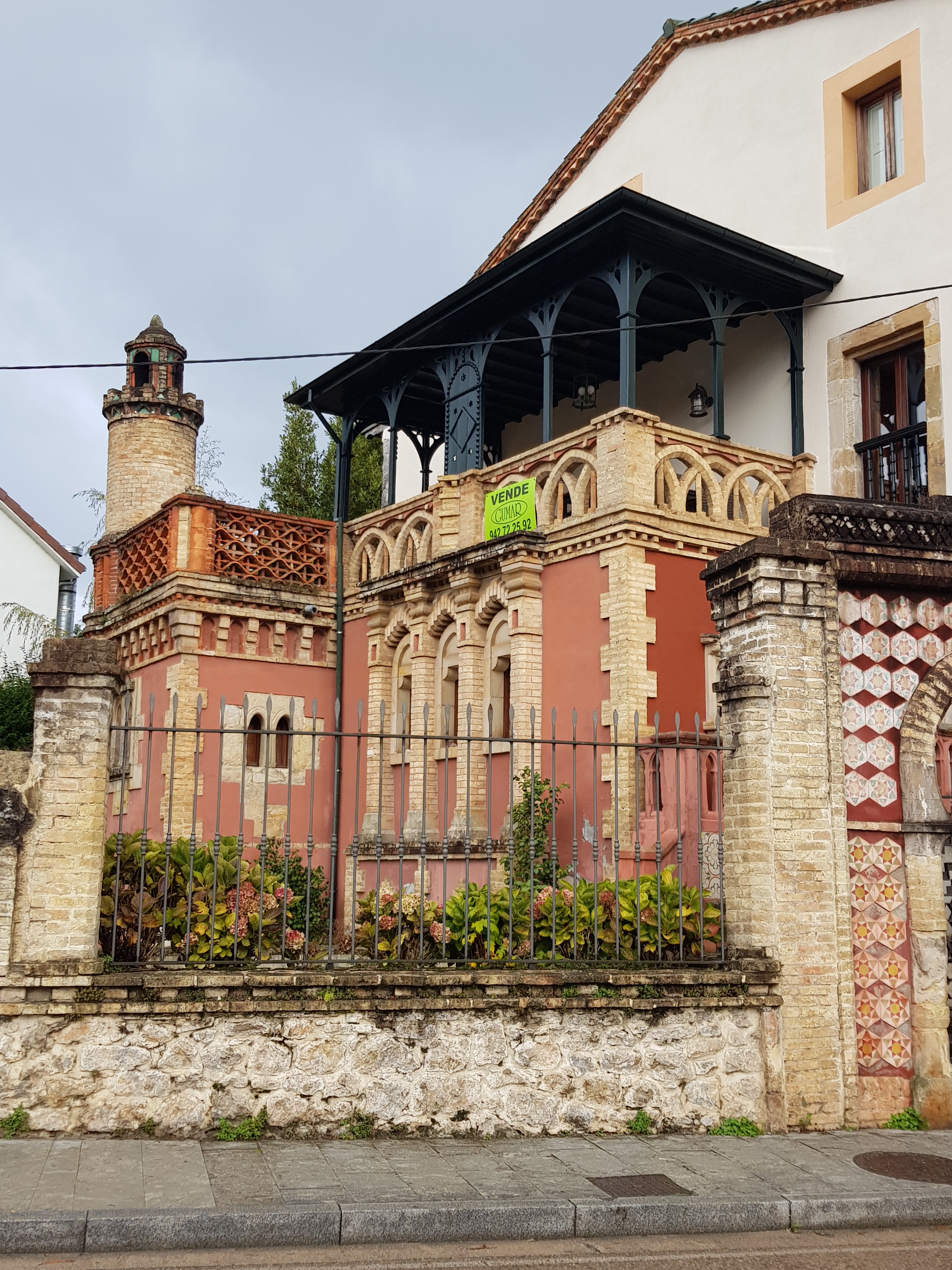
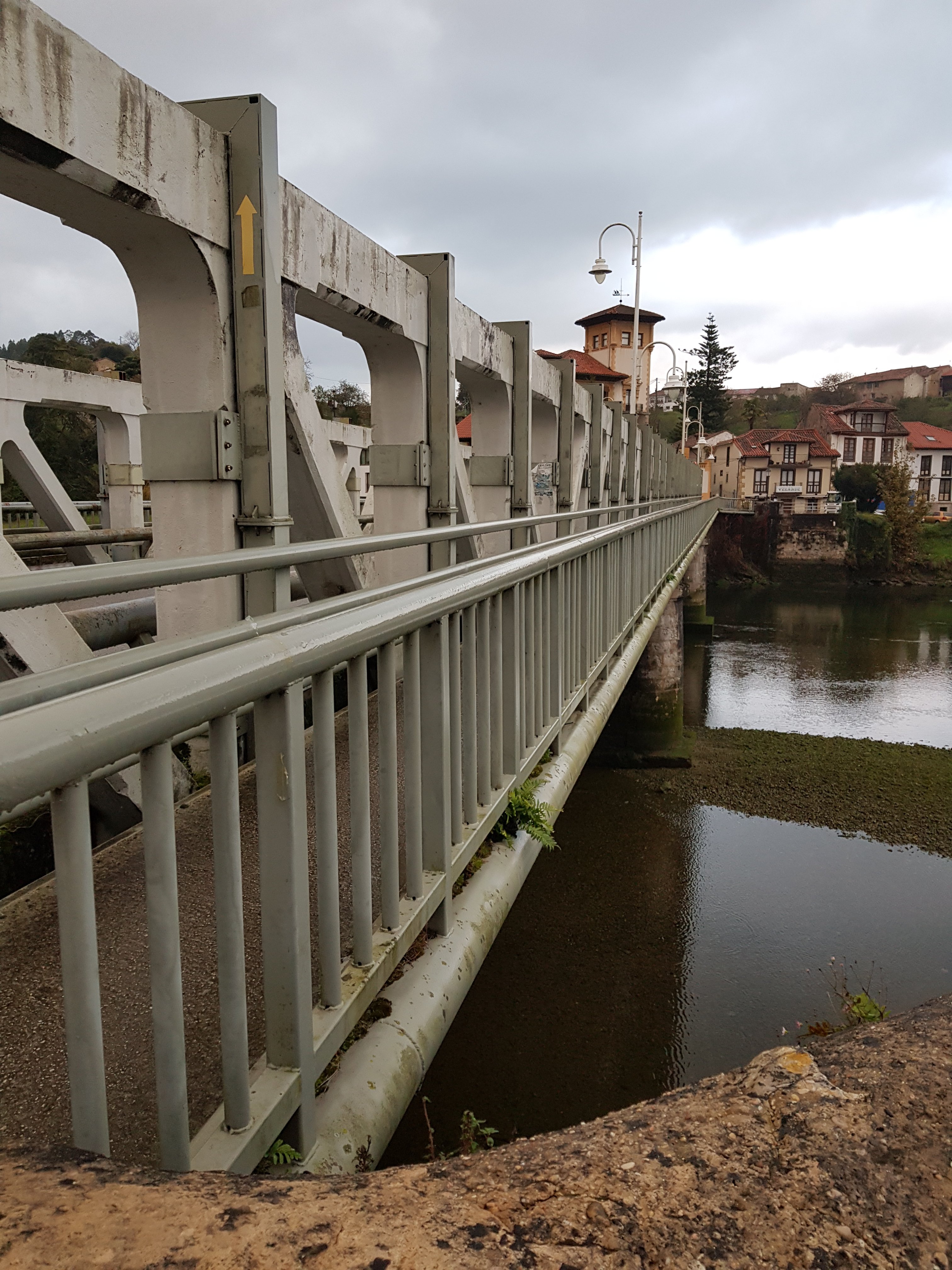
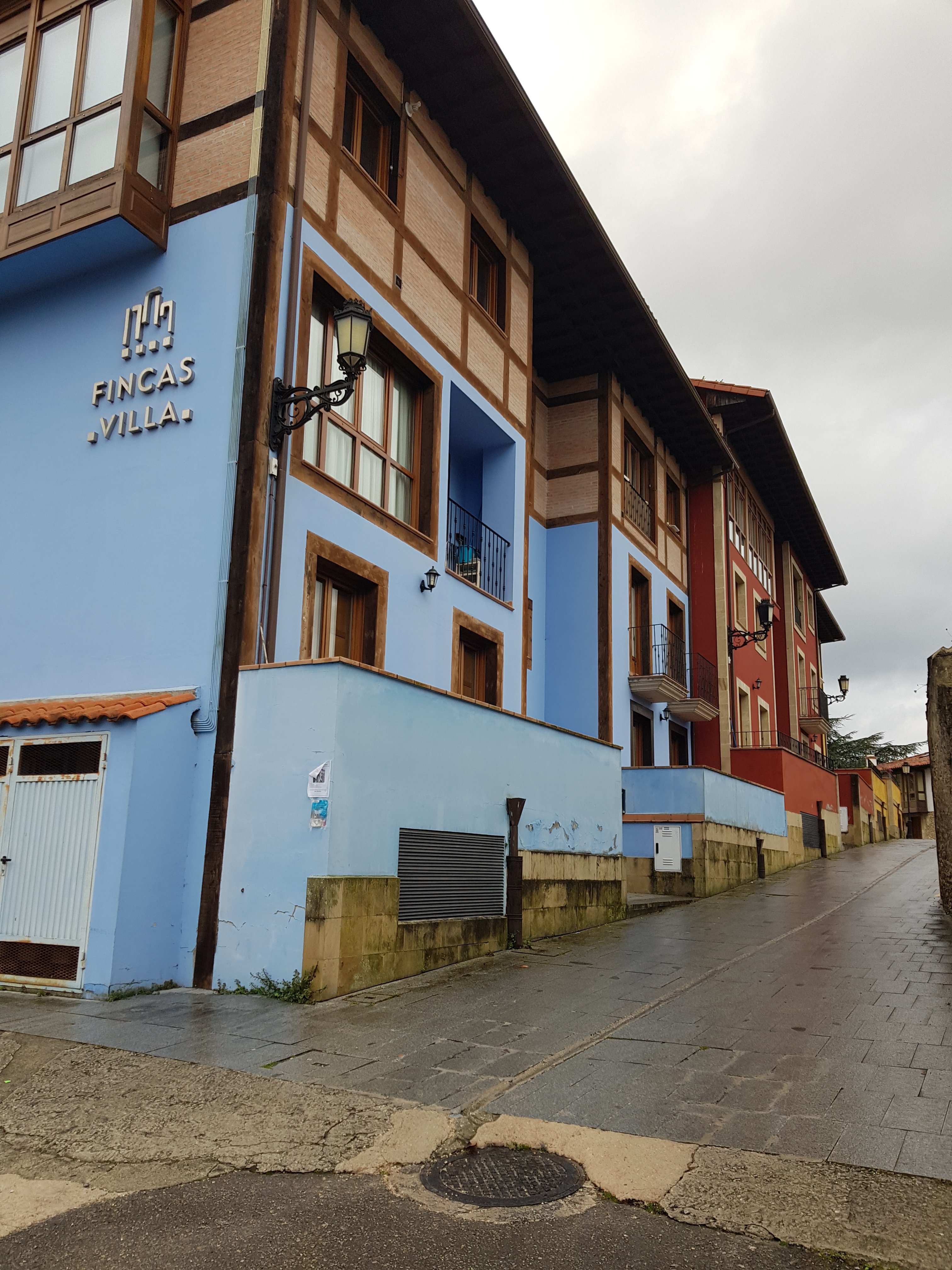
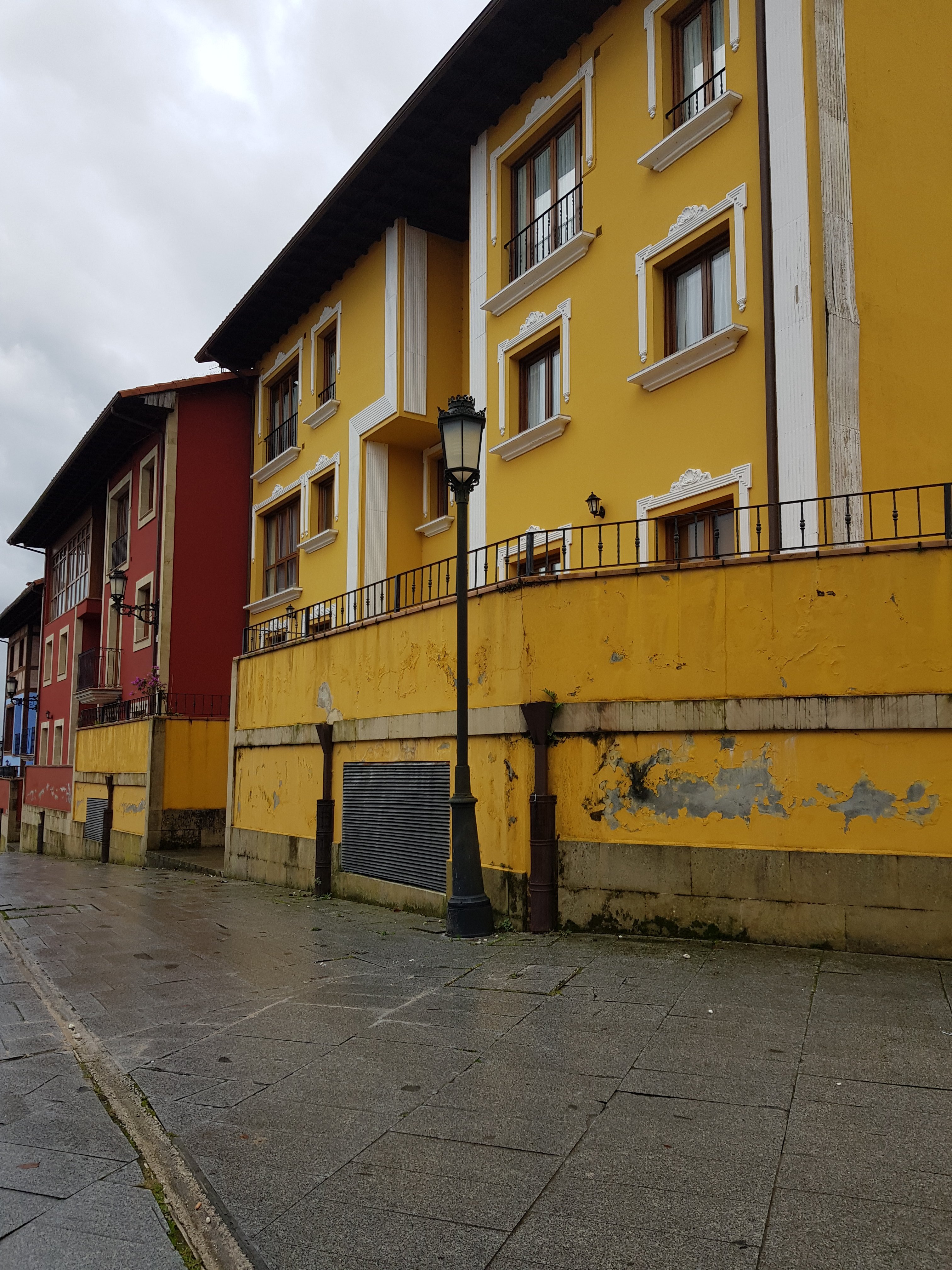
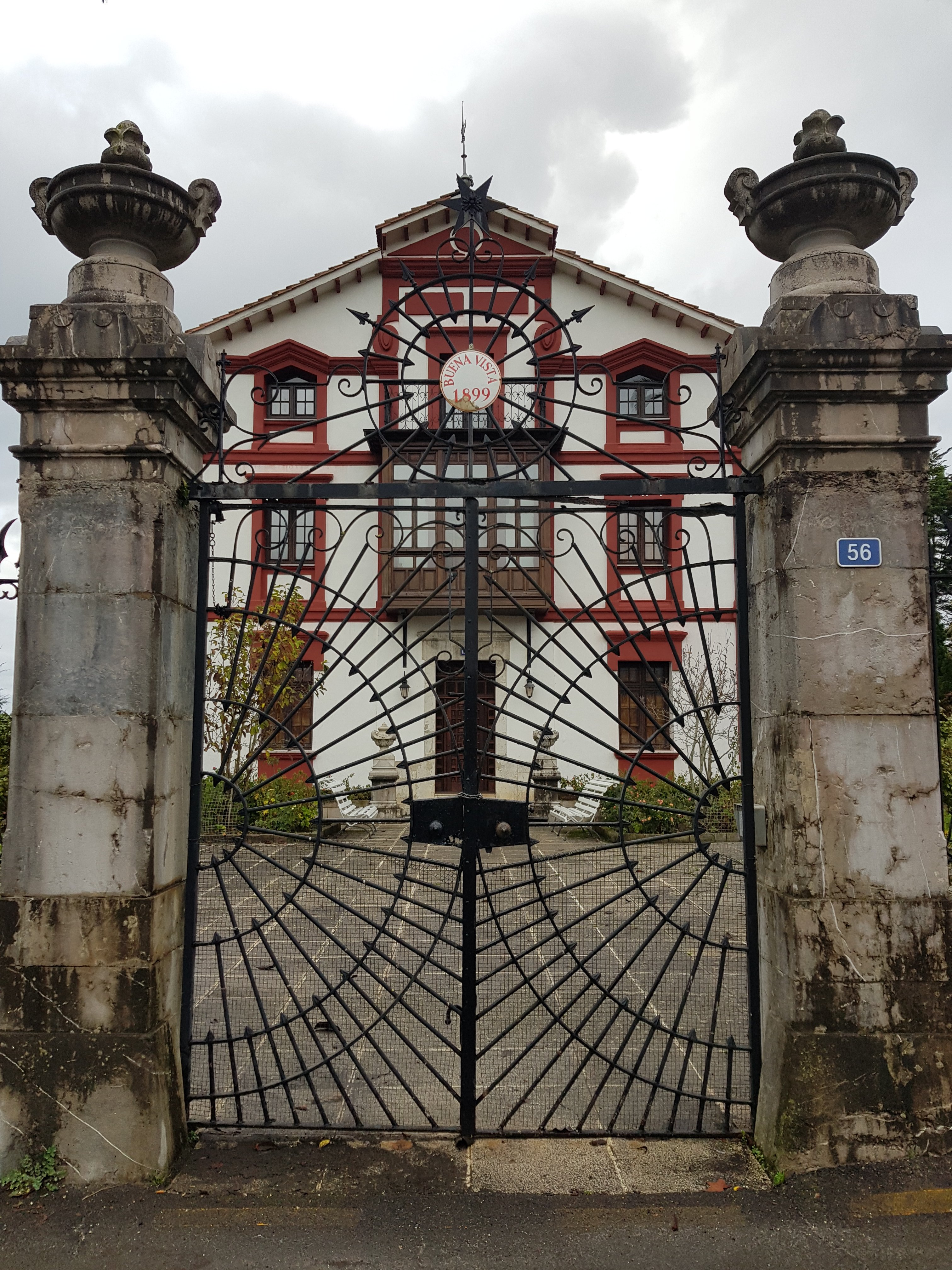
Next, I crossed the river into Asturias region, the third of four in the walk. I could immediately see the differences in the area from Cantabria. Many of the buildings were brightly coloured and beatifully built in the 1800s. They were built by ‘indianos’, spanish people that went to South America, made their fortune, then returned and built beautiful lavish homes for themselves.
I stayed in Llanes for the night, in the train station albergue, and the influence was clear here. It also had a gorgeous ancient quarter of the town, as well as a port once famous for whaling. There are quite a few shops here but it is on the pricey side.
Next day, was the 20 mile hike to Ribadesella. The day before I had to cut my walk short, as my foot was so sore it had started bleeding. I was worried about making the hike but feeling determined.
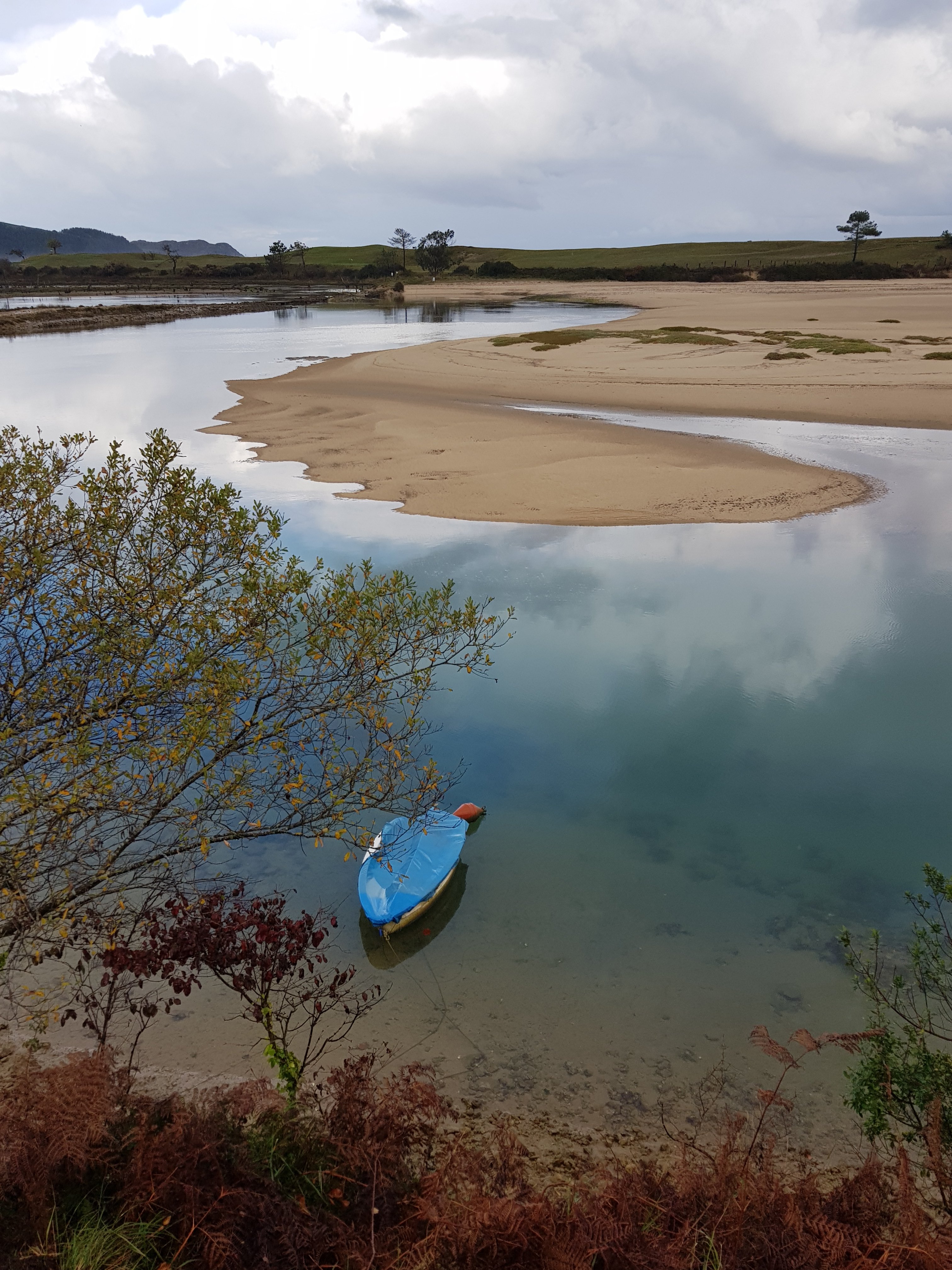
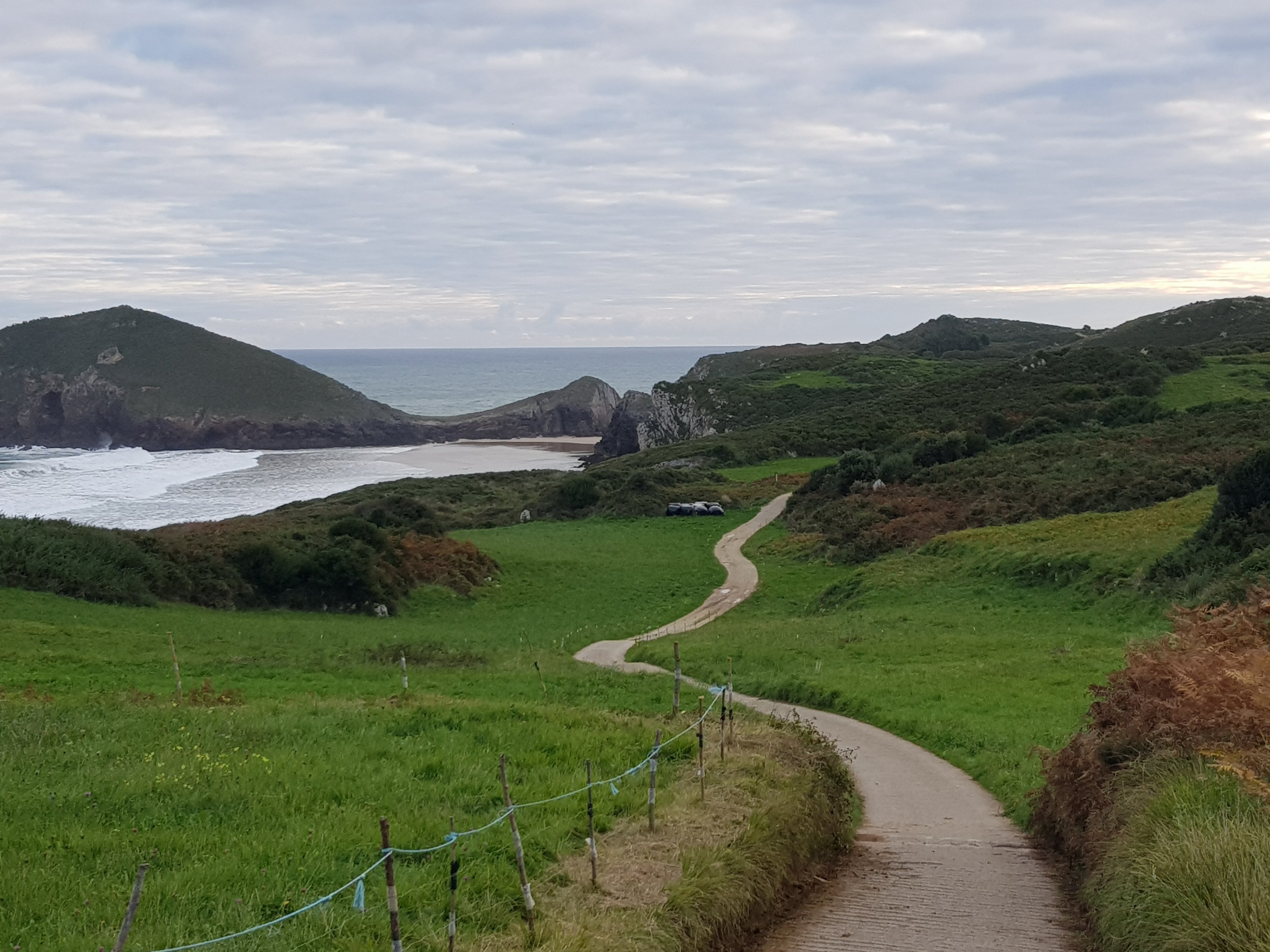
The walk was very varied, with the Picos de Europa mountain range on the left and beaches to the right, woodlands and farmland. It was really enjoyable and had amazing scenery. It was only in the final two of eight hours I began to be just dragging myself along to the end!
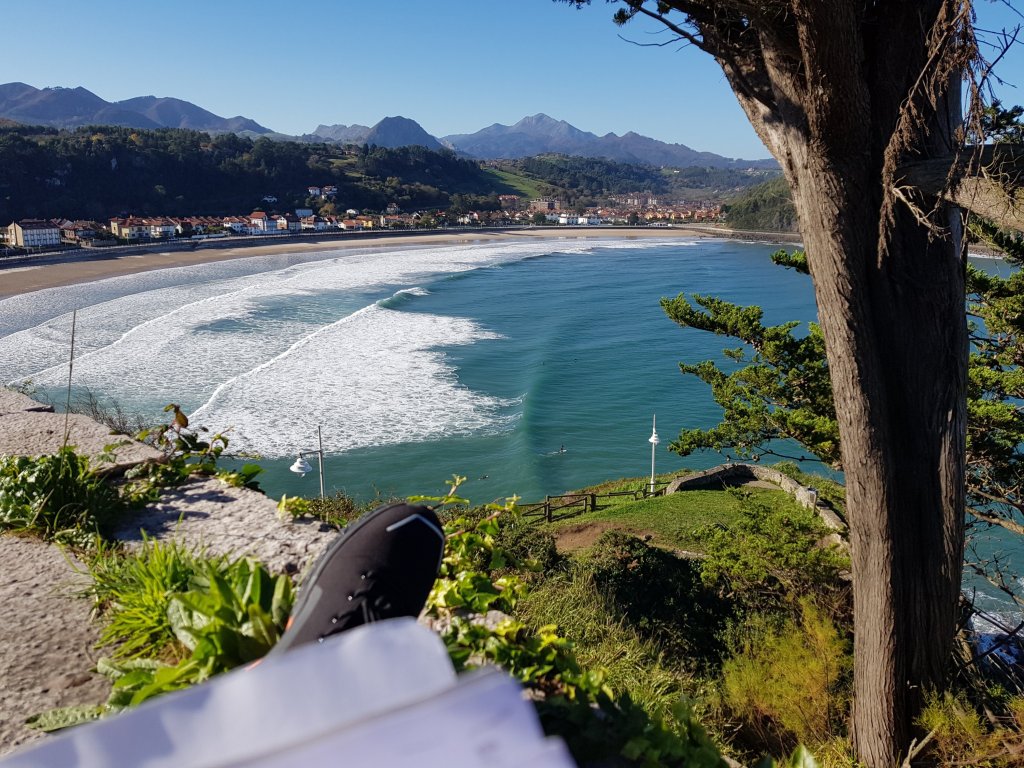
Ribadesella is another coastal town, with a harbour, and another gorgeous beach. I hiked to the viewpoint and did some sketching, and just chilled. There are some more caves near this area, but on this day I decided to keep them as a mystery. It always gives me a reason to return!
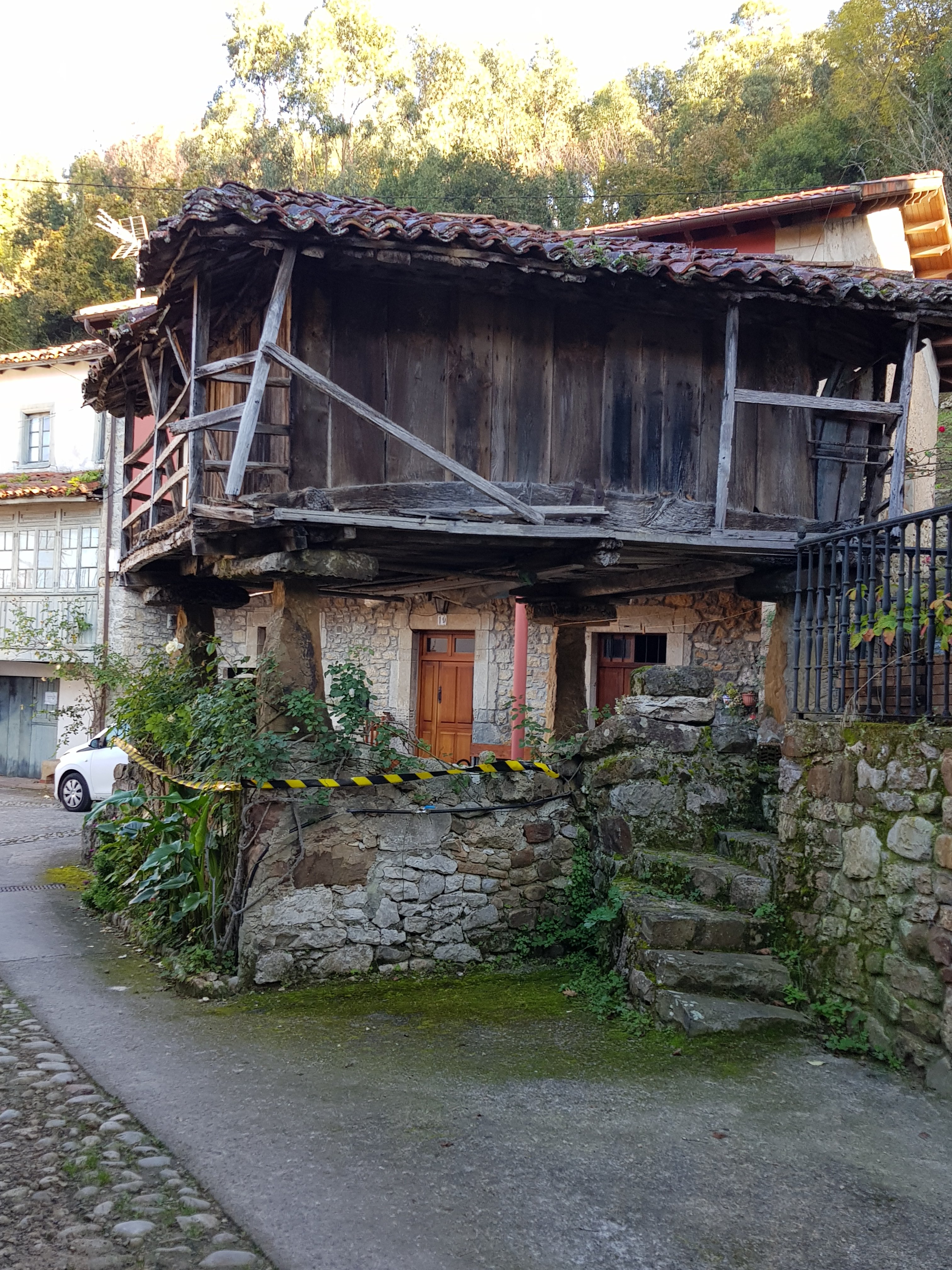
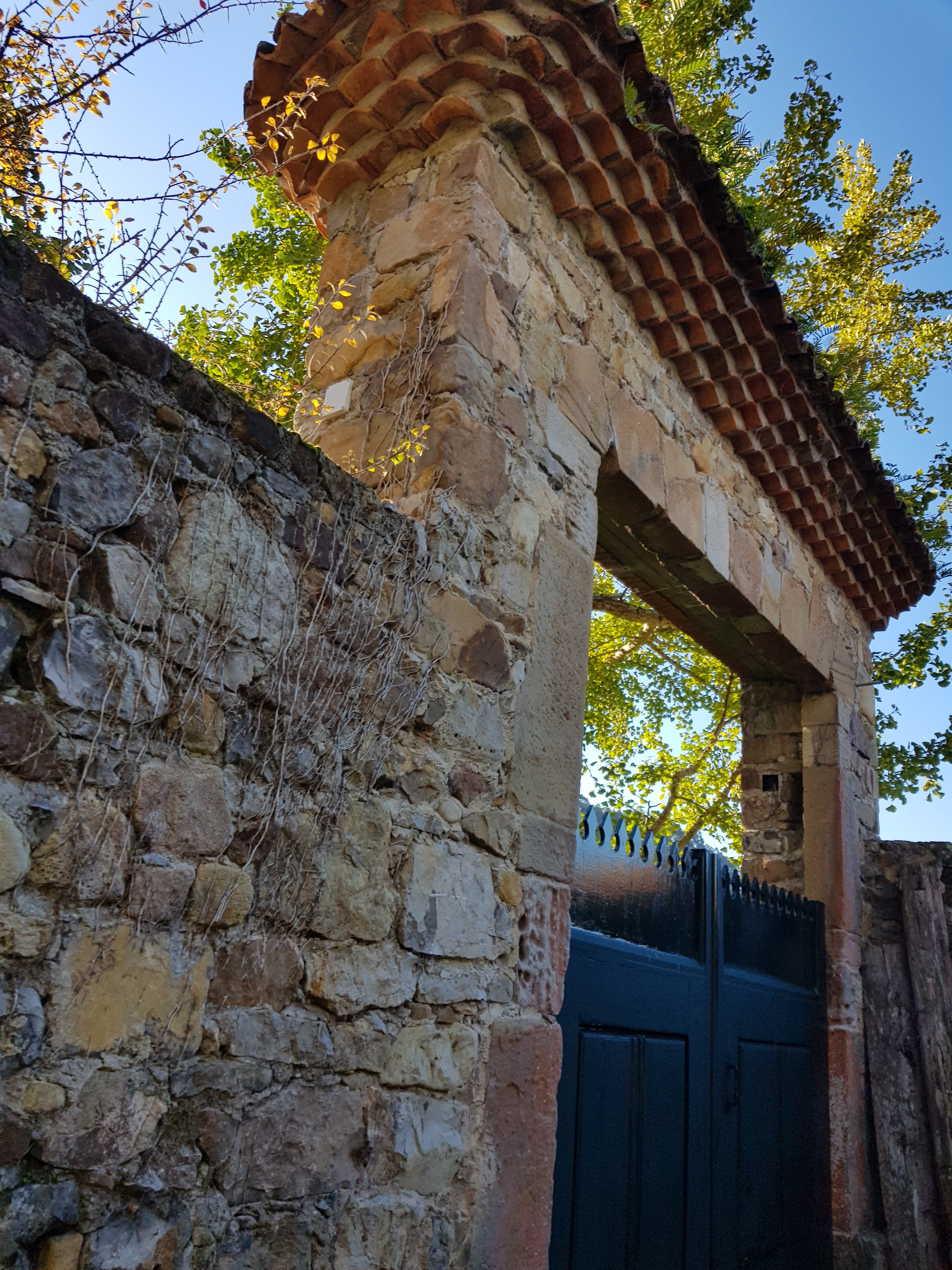
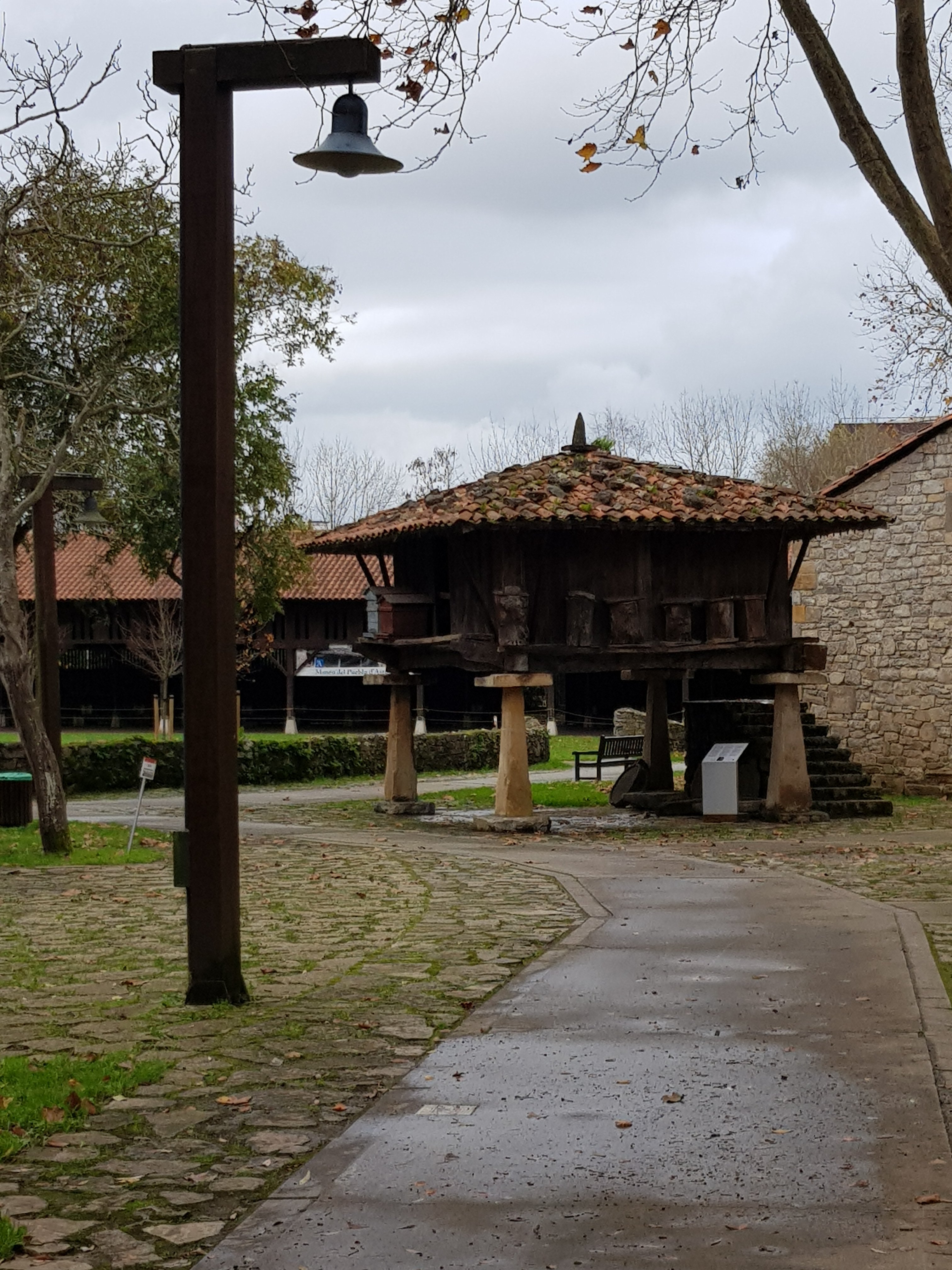
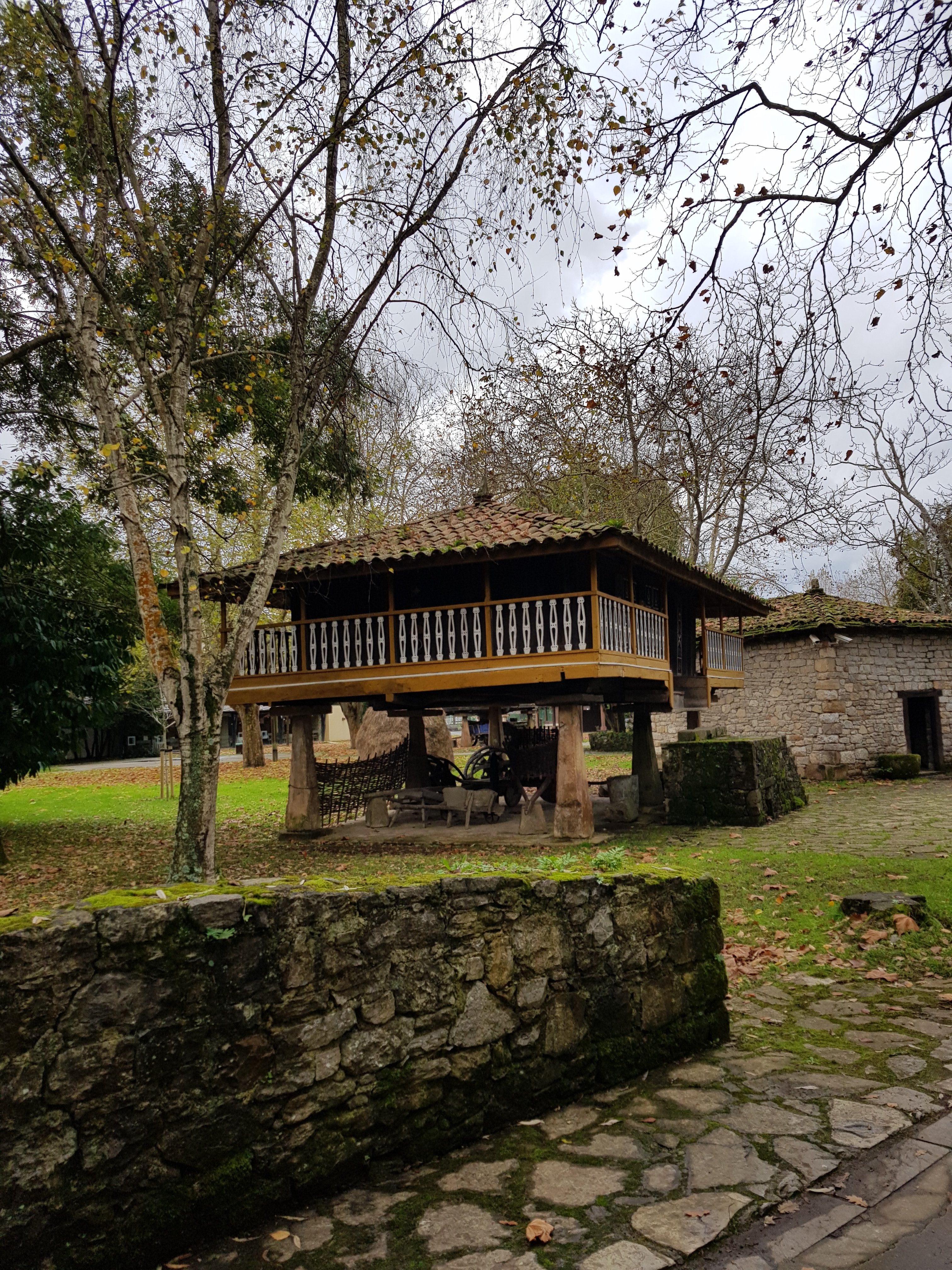
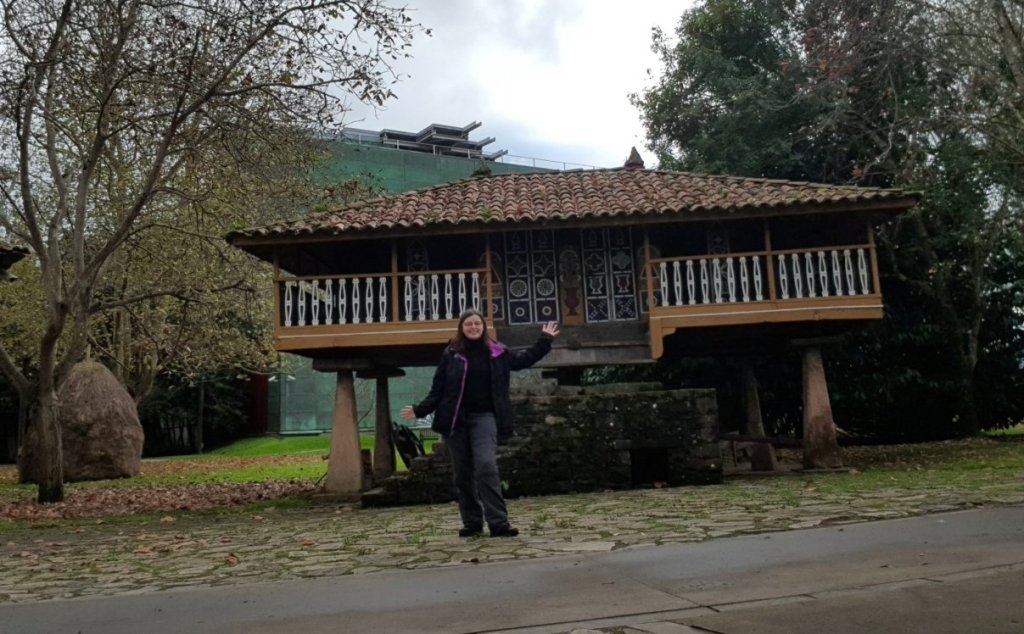
The next walk to Colunga, was still full of beautiful beaches, but also some other things that I have noticed only in Asturias. Gateways with a weird style of layered tiles that I can only assume is decorative, a unique way of pouring cider that has maximum splash impact, (it turns out Asturias is famous for its cider)… and these unstable looking sheds… called horreos or paneras.
They seem to be dotted all along the rural villages. They are all wooden huts, sitting on top of stacked stones. I would be very nervous to go inside these, as they look so wobbly. Traditionally they were used to stock dry grains away from rodents (I have seen rats climb though…) Now, people continue to use them to store firewood, hay, and I even saw some people living in them! Planning permission must be a breeze here… they are everywhere!
Gijon
After a rainy day and night in the pretty town of Villaviciosa, I finally arrived in the city of Gijon. I stayed in a hostel right on the beach.
The city has countless cider houses, and whilst I did not spot a cathedral, it has several churches and a basilica. This was my last opportunity to stock up on supplies before I arrive in Santiago de Compostela in another two weeks or so. I hit the supermarket for more plasters, high protein snacks etc. Hopefully, I will be okay!
With only a day in Gijon, I had to be picky about what to see. Gijon has a set of roman ruins that I was tempted by, but the pull to find out more about those wooden sheds I had seen, was much stronger. So, I walked to the edge of the city, to the Museum of the people of Asturias.
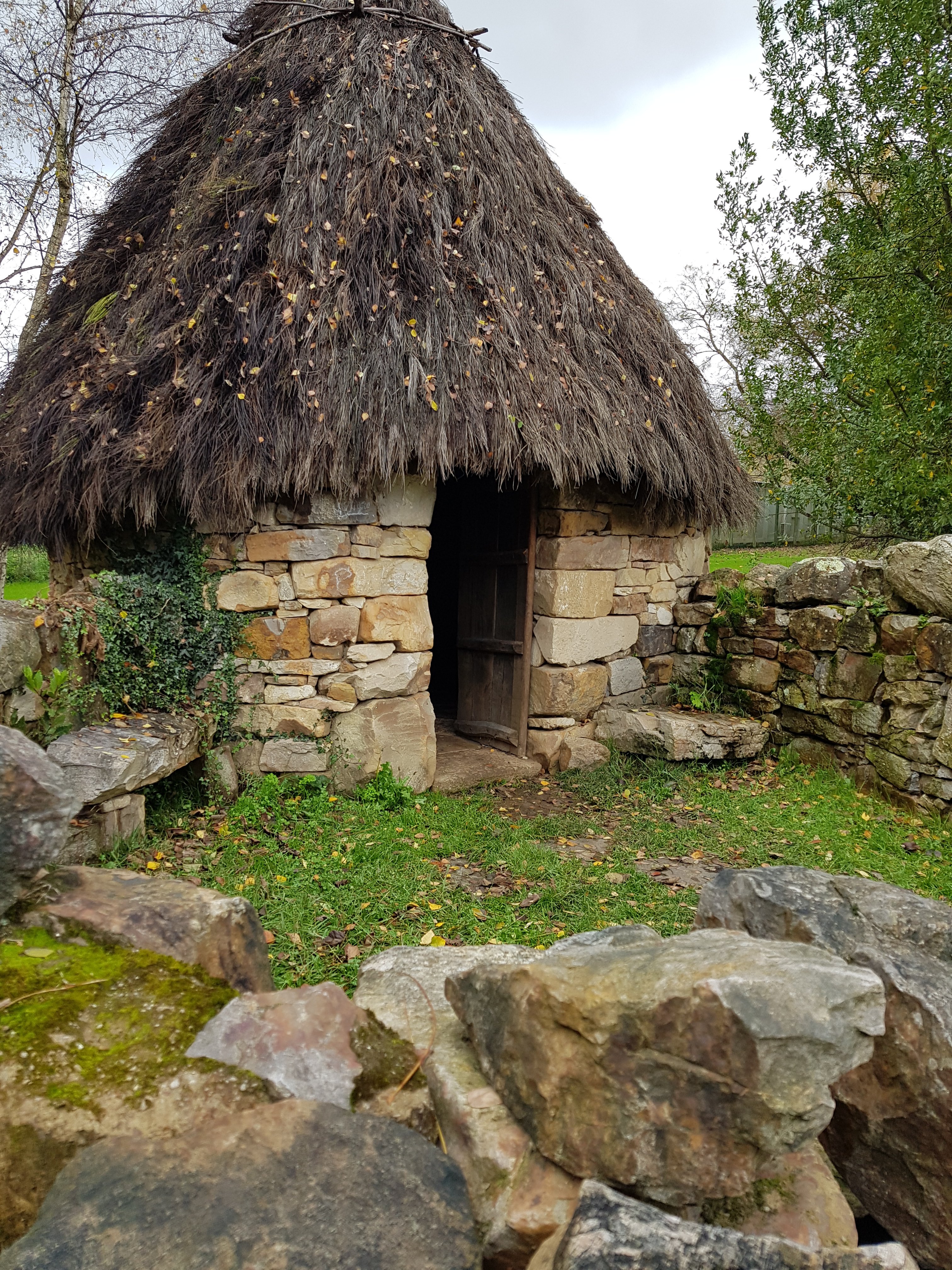
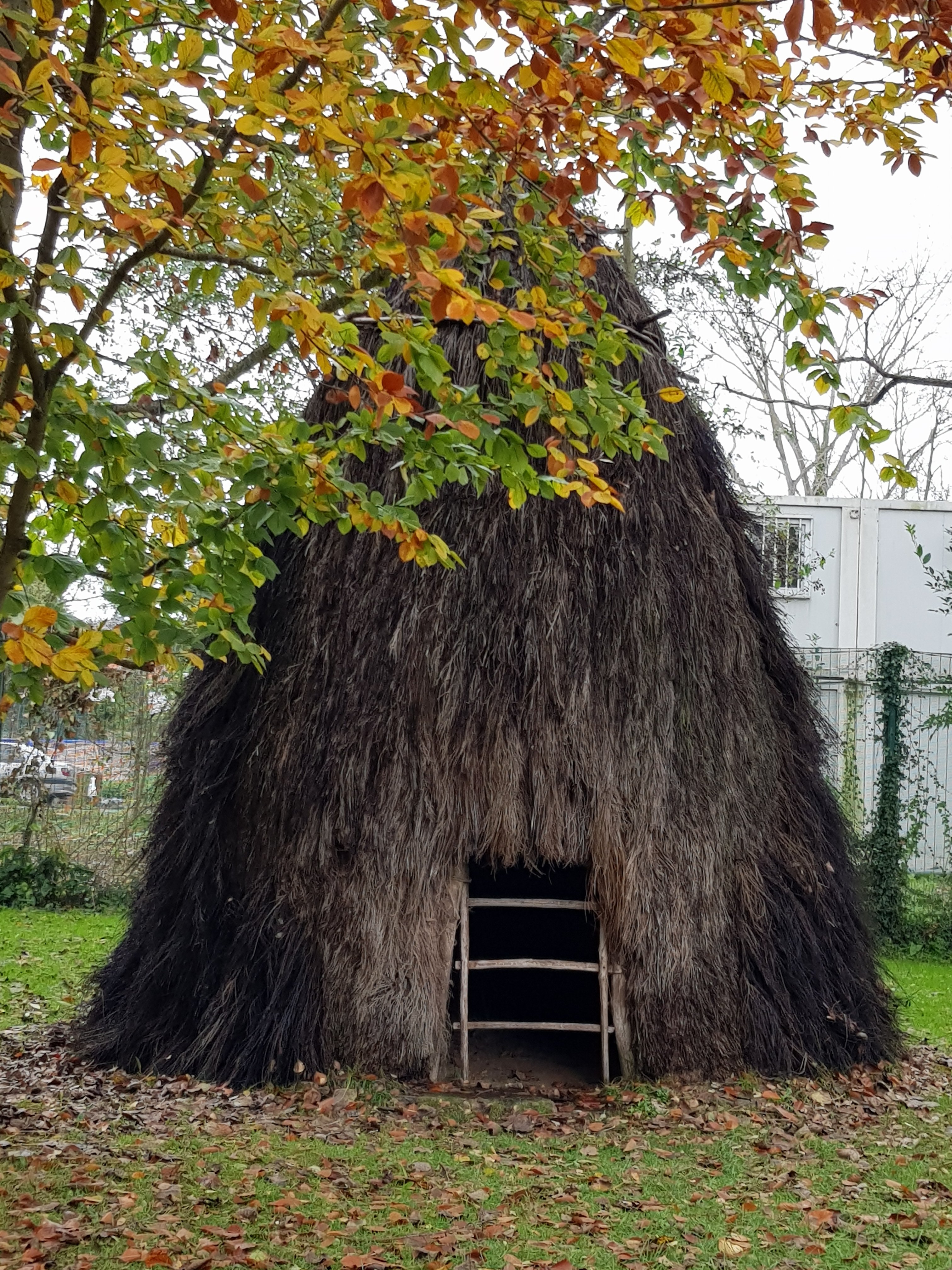
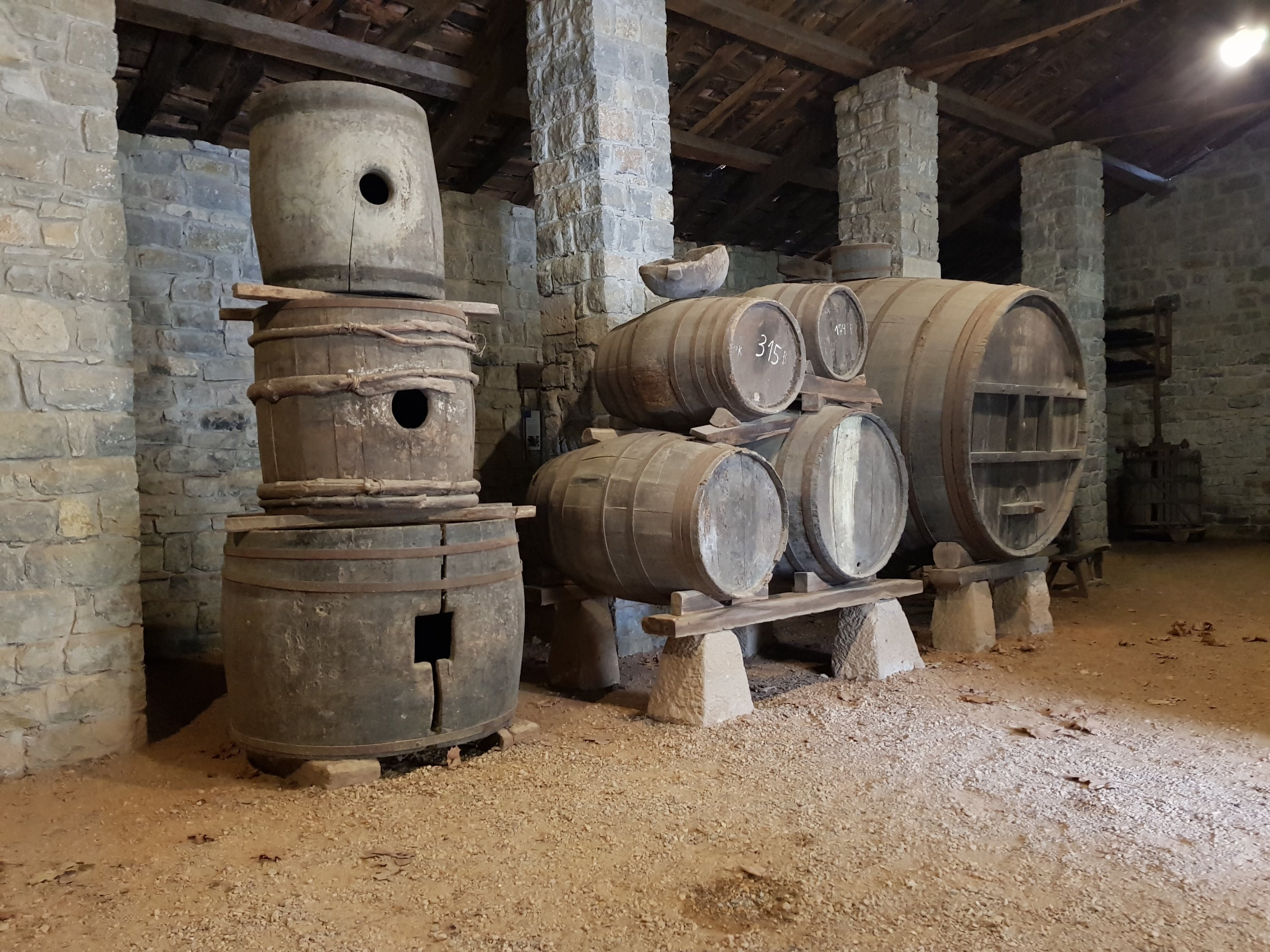
The museum was way better than I expected. For a start, it was free! YAY! I thought that it would be just a few boards with photos and objects, but the museum was actually mostly outside. The biggest part of the site is devoted to the actual traditional buildings of the region. These buildings such as horreos, shepherd refuges, and country houses, have all been actually dismantled from their original location and reassembled at the site. Pretty impressive. You can enter many of the buildings and see how it would have looked. For example, the peasant house has the rooms and fireplace set out as it would have looked, and there is a cider press with huge equipment and barrels in place.
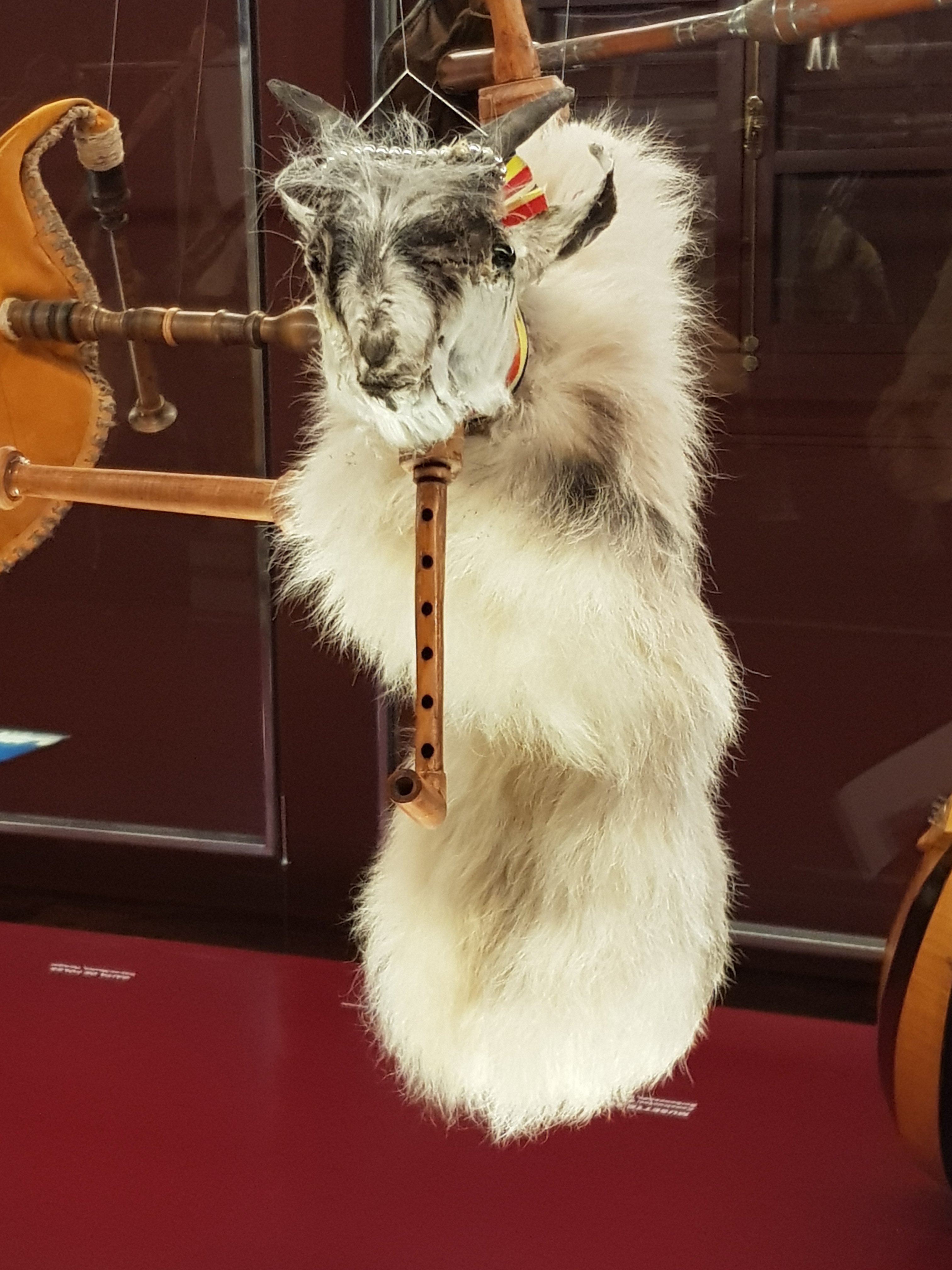
The museum also had temporary exhibitions, and a bagpipes museum! Apparently bagpipes are big in Asturias tradition! As well, as some very odd looking bagpipes, there are a variety of other traditional instruments on show, and details about how they are made.
If you want to make the walk extra worthwhile, the museum is also next to another museum, the football stadium, sports centre and a lovely park.
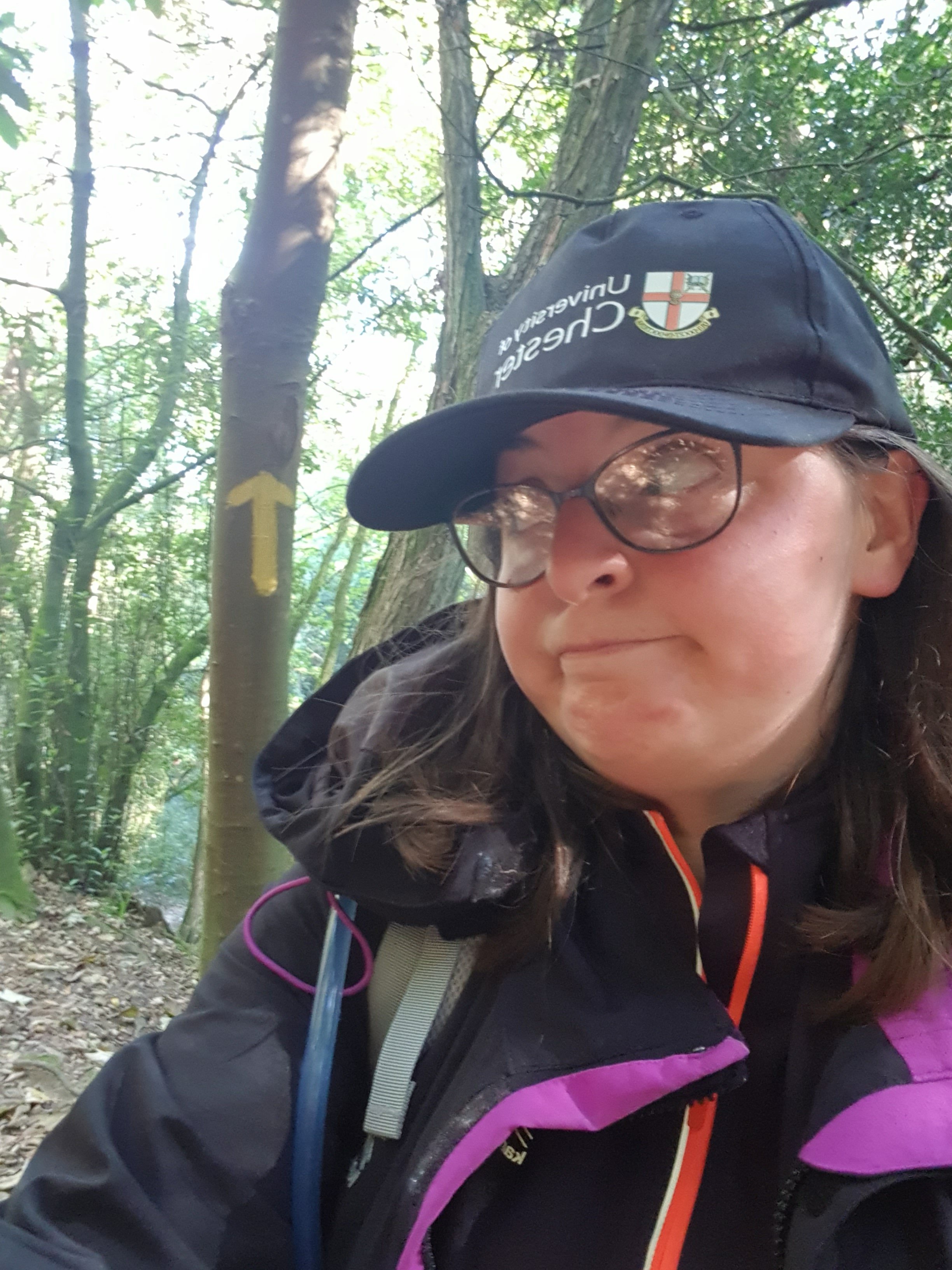
Overall, I think whilst I am now becoming physically exhausted from all the walking, the Camino continues to prove itself as totally worth it. The walk this past week was colourful and varied, and I really liked Gijon. Time to follow those yellow arrows… see
To mark the end of the first half of the walk, I have made a little video..
Last week I spent five days walking the Camino del Norte to Bilbao. The route is full of tough terrain, with mountains and slippery paths throughout. Like my journey… this blog is a long one. Prepare yourself.
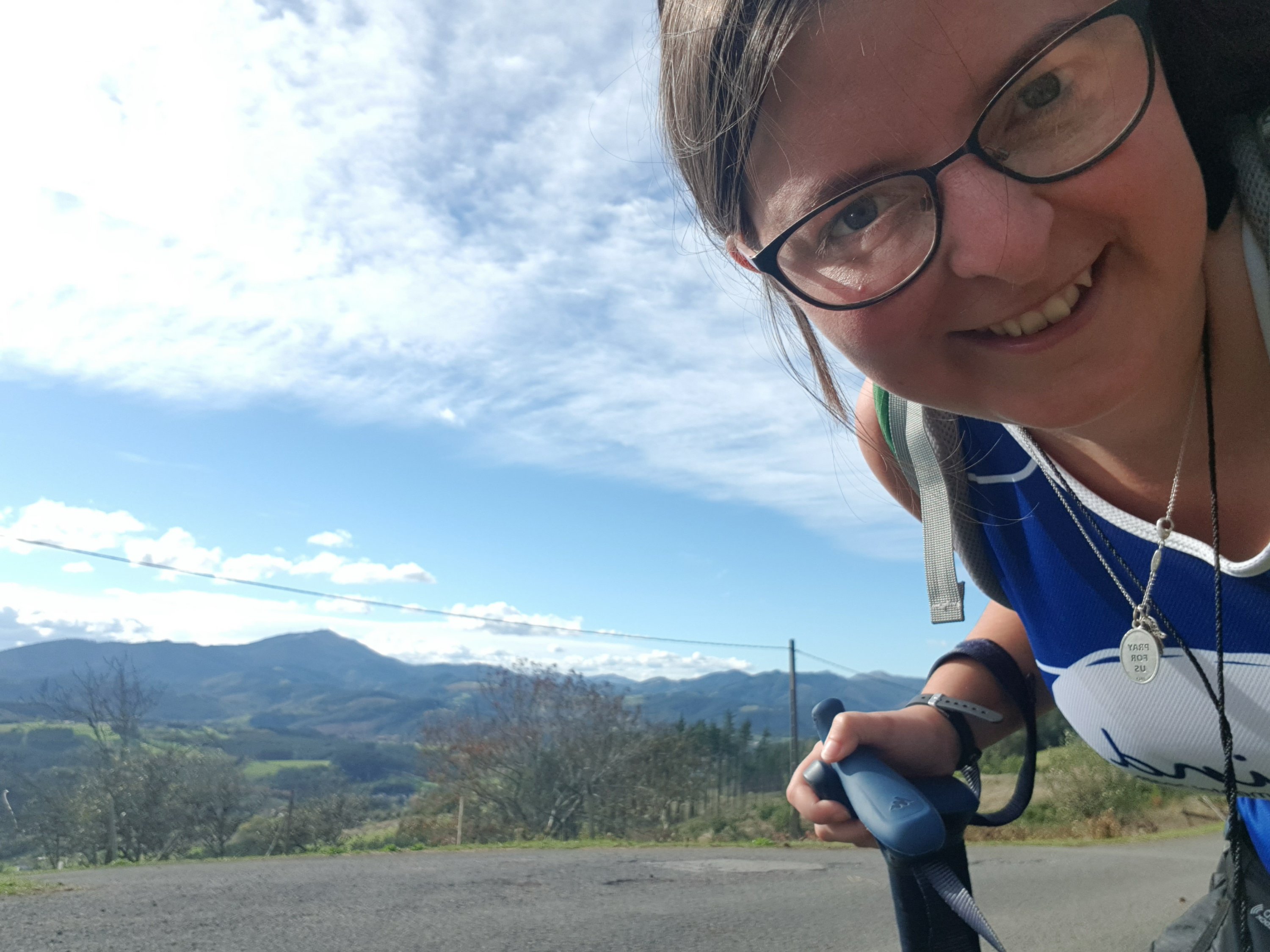
Me taking a well earned rest after coming over Mount Avril and finally seeing Bilbao
Basque Country
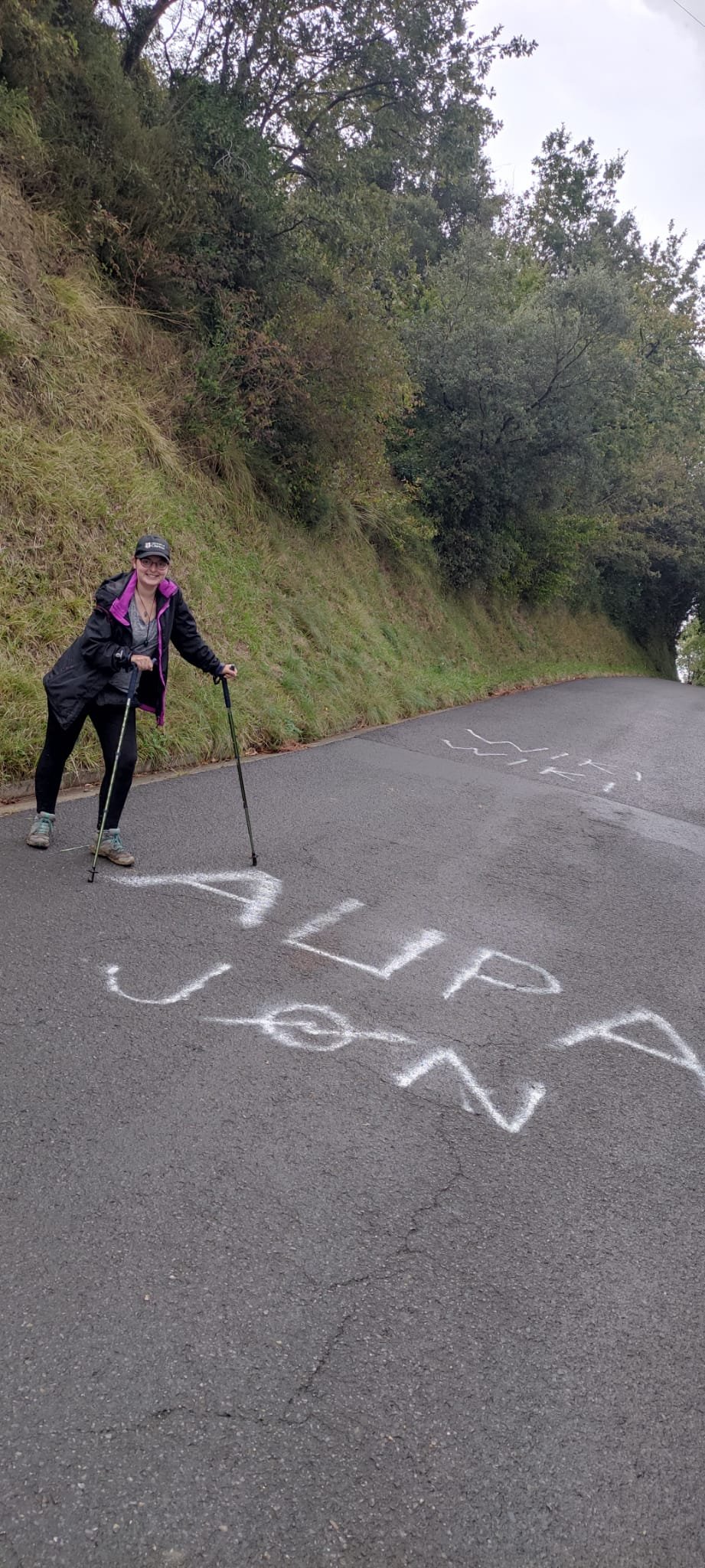
The area of Spain that this walk goes through is in the Basque region. This historic area sits next to the french border, but has its own culture independent of France and Spain. The people in the basque country are very proud of their heritage. This is made clear through frequent displays of their local flag and colours, multiple museums and exhibitions about basque tradition, and many graffiti pieces asking for independence for the basque people.
The basque people have their own language, which is nothing like spanish or french, it actually predates them. It has lots of Zs, Ks, and Xs, and I can not pronounce any of it.
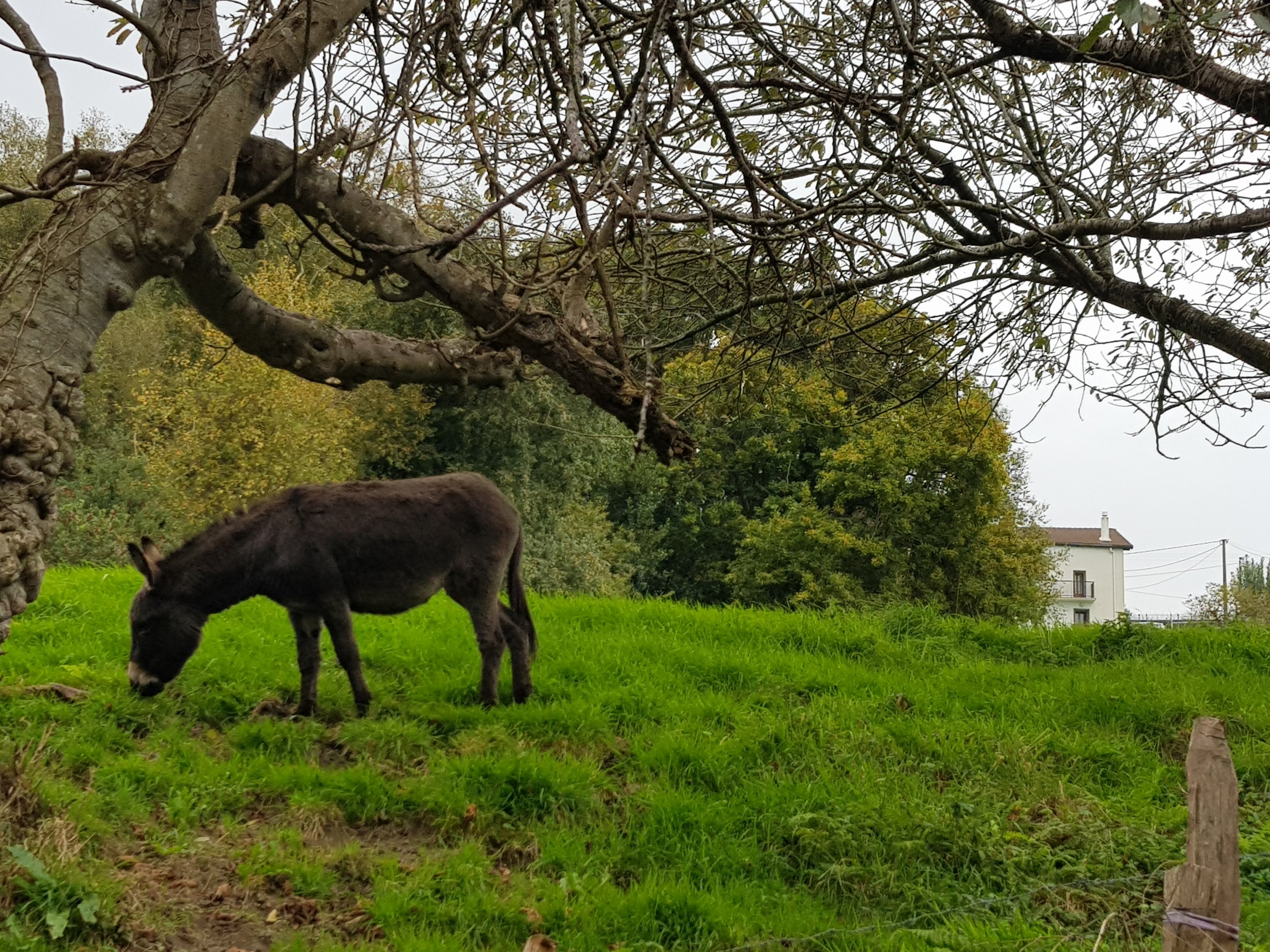
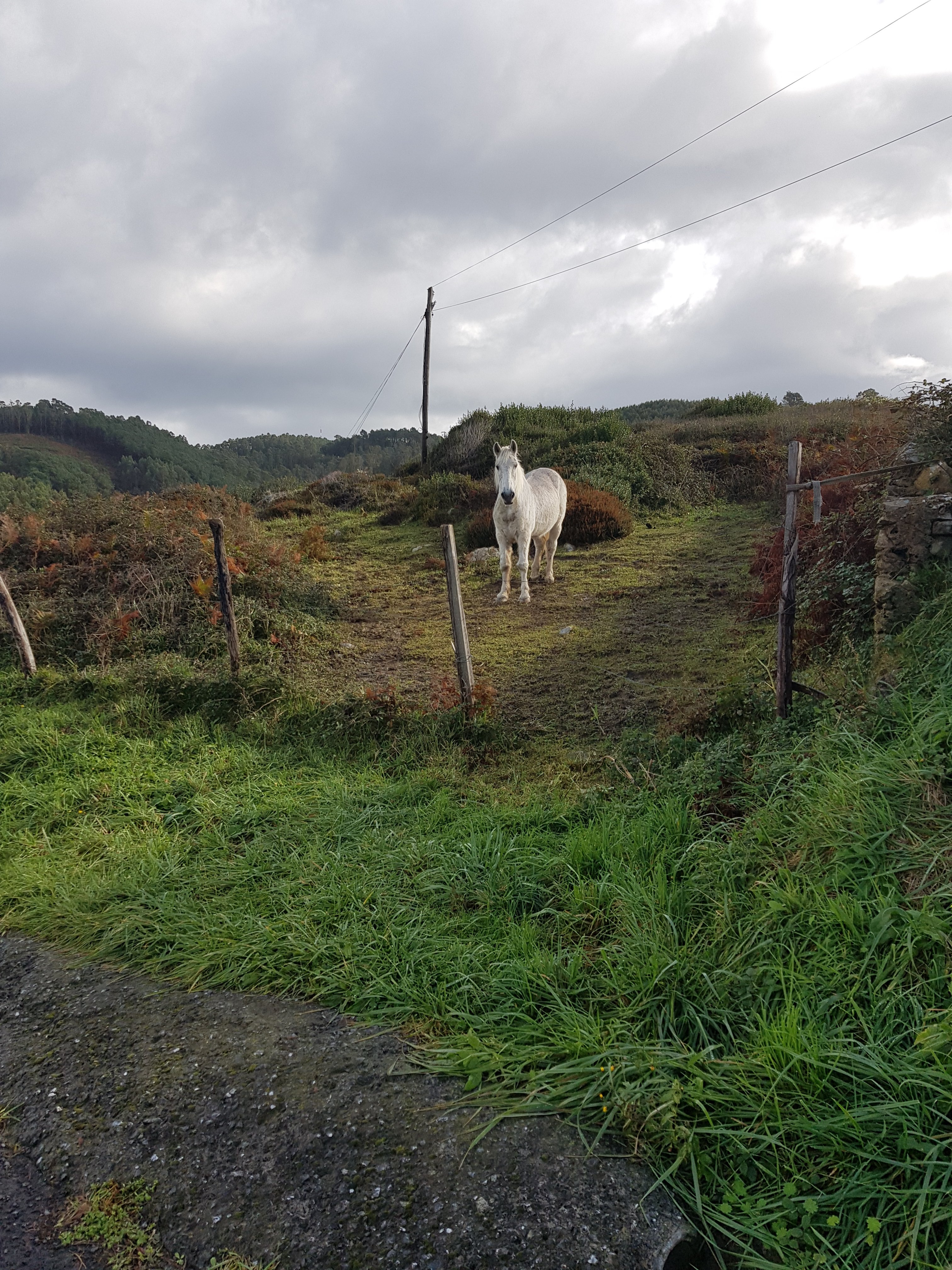
Many people seem to farm local produce, and animals seem to be a key part of the culture. Everywhere I went on my walk, I was never far from a donkey, goat or horse. This links quite nicely with the area’s great reputation for food.
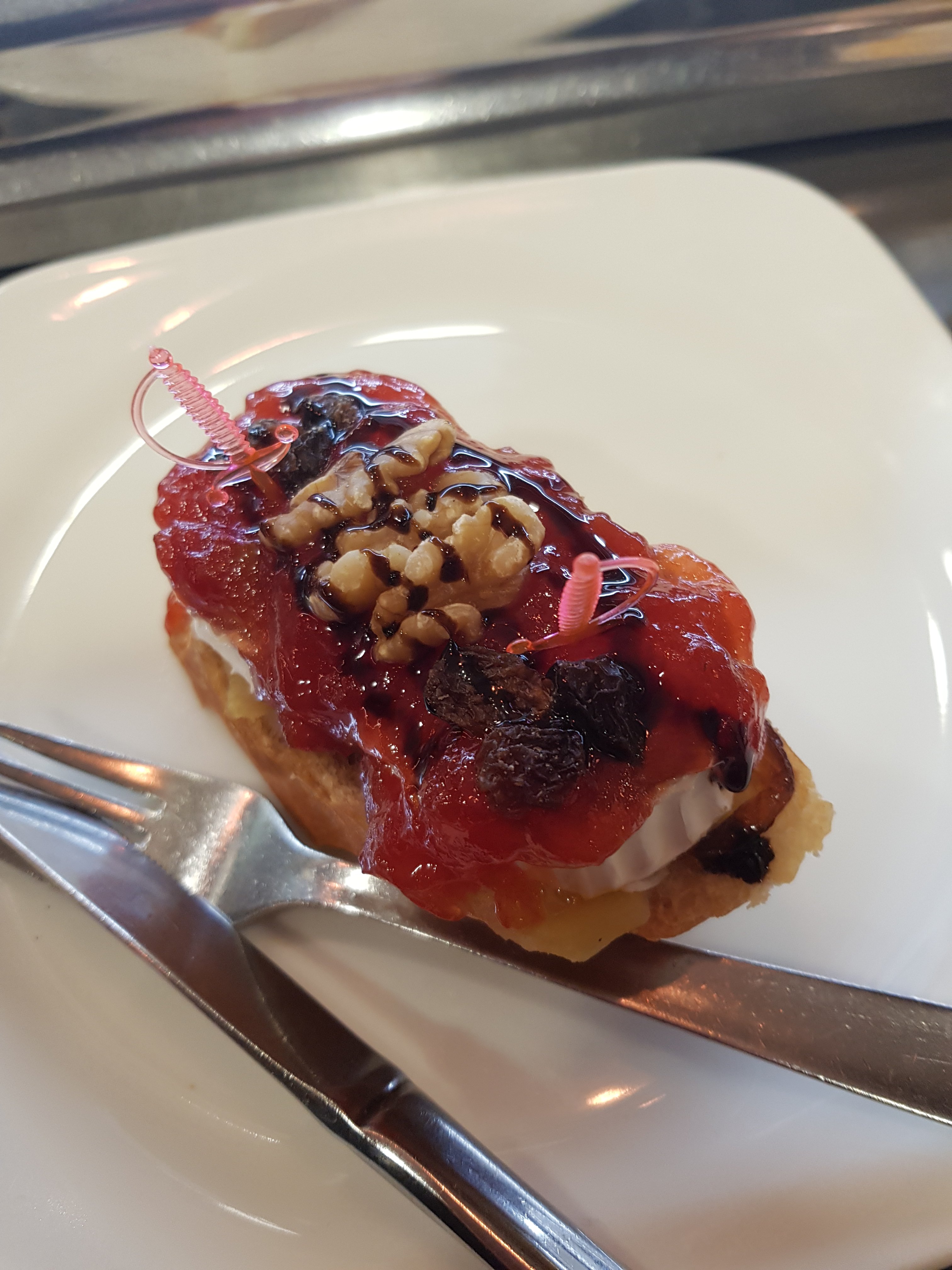
The basque have their own style of cuisine, and especially well known are pintxos. These are small snacks (the size of canopes), available in bars most of the day. This is useful to know, as you cannot access a main meal during siesta time. The basque clearly love their food. I went to one bar and asked for a menu for some quick lunch, and they just began to bring me out huge dishes one after another… bean/sausage stew… bread… gammon and potatoes… bread…. fruity pudding… fruit. I had to look up the spanish for ‘please stop, I am full’. The chef looked disappointed in me!
The mountain trails
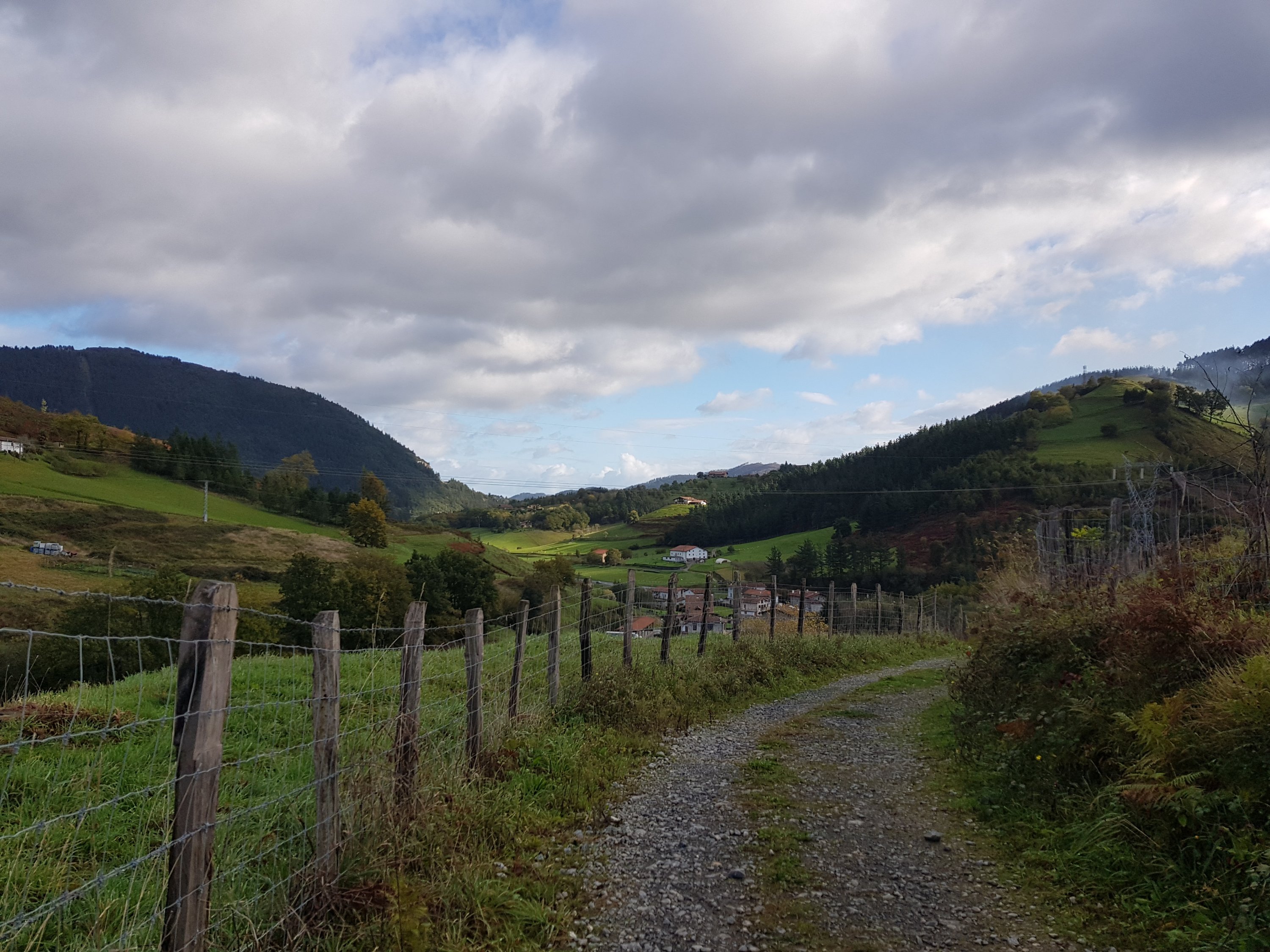
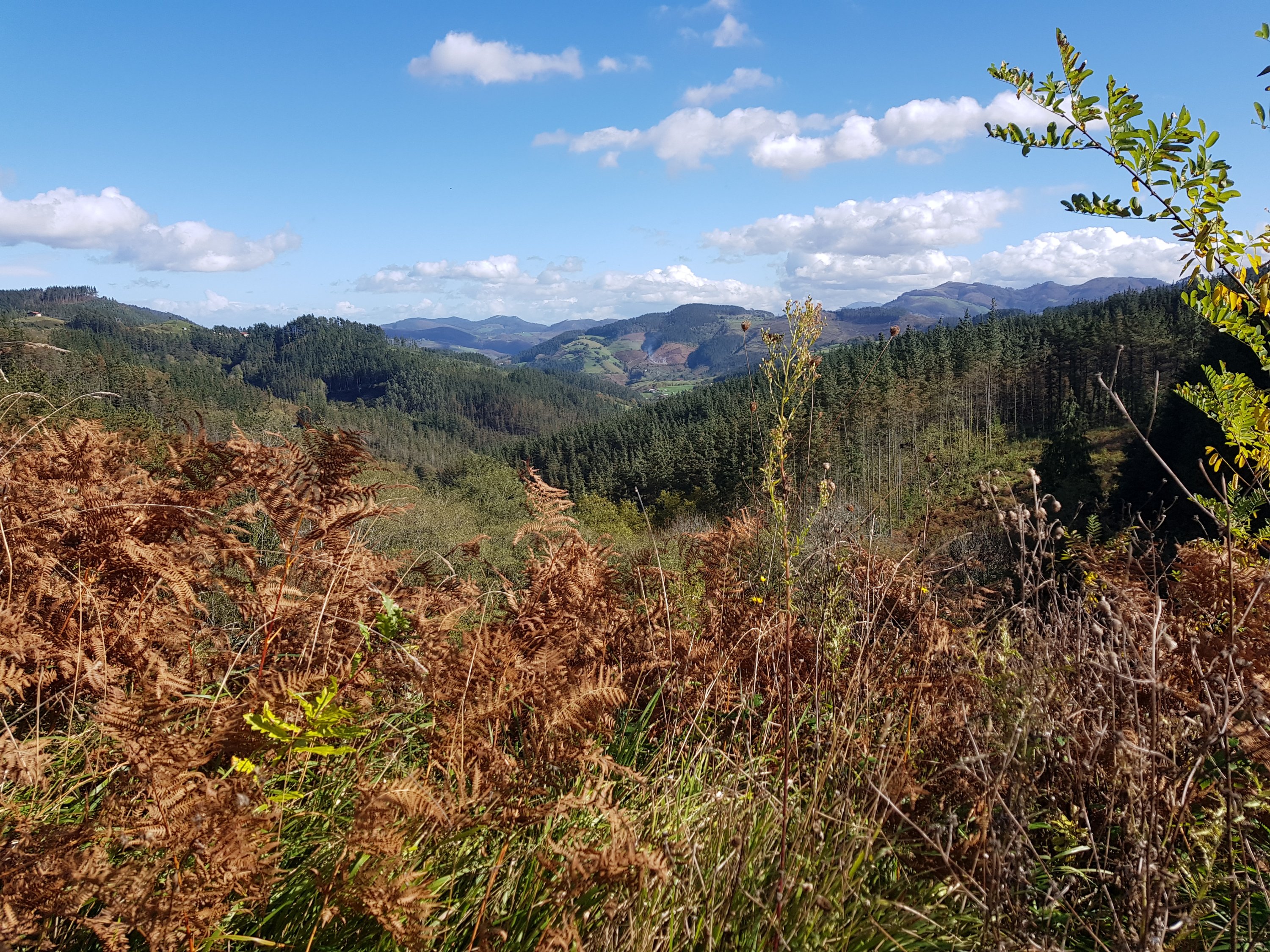
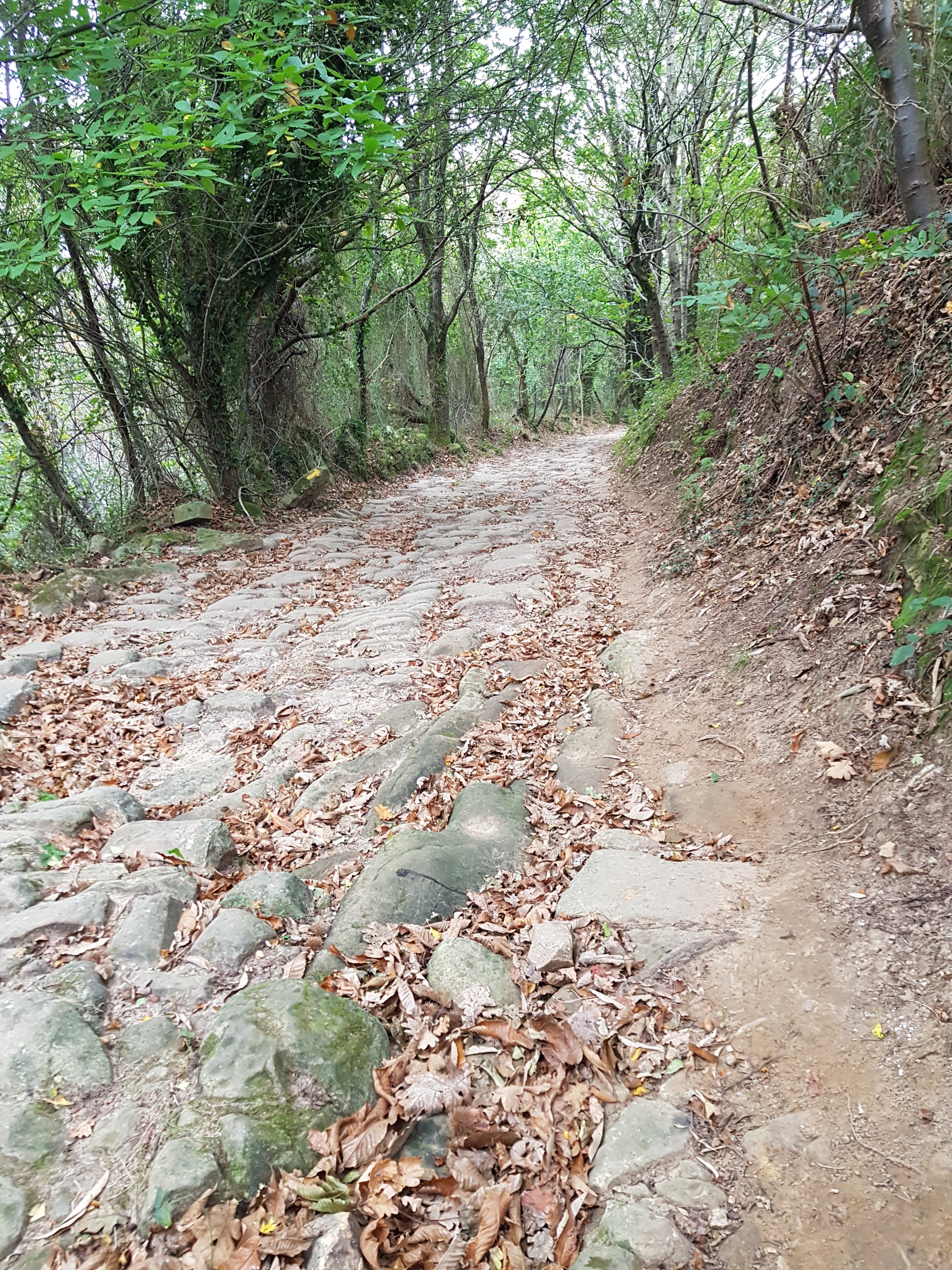
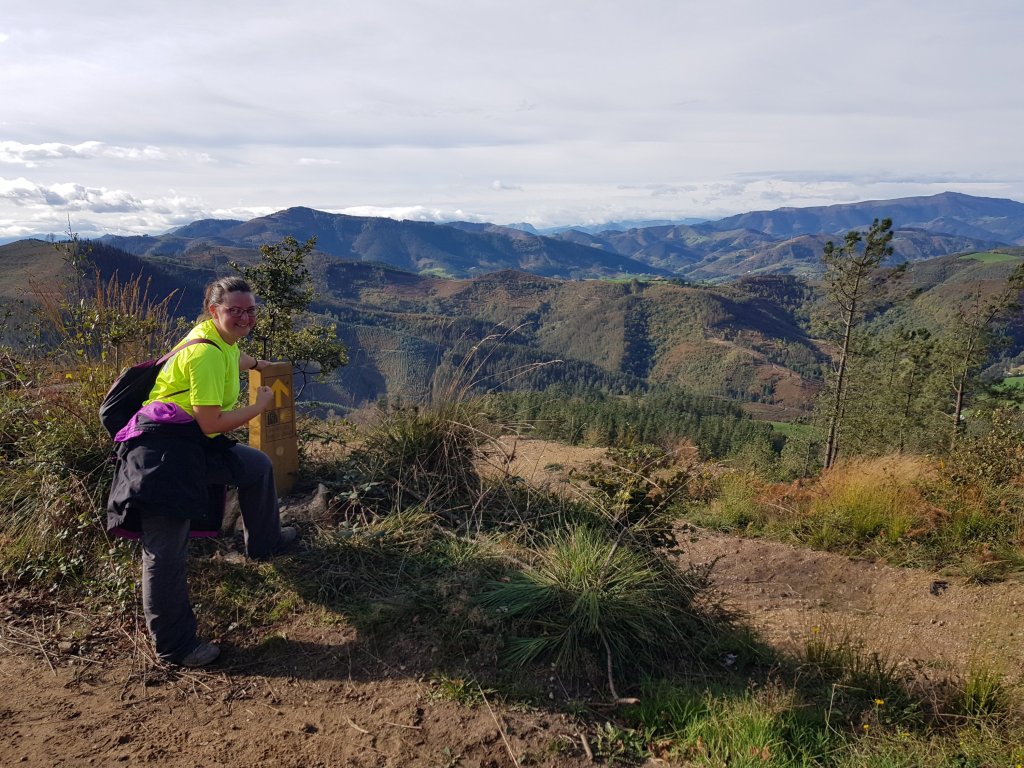
There are so many mountains in this area, and I was really grateful for my walking sticks to help get up them. The paths are a mix of road, track and uneven rocky slopes. The scenery is gorgeous, with lots of screensaver worthy backdrops, and pretty streams and waterfalls. Many mountains have villages (as in three houses), at the top, and small towns in the bottom of the valleys.
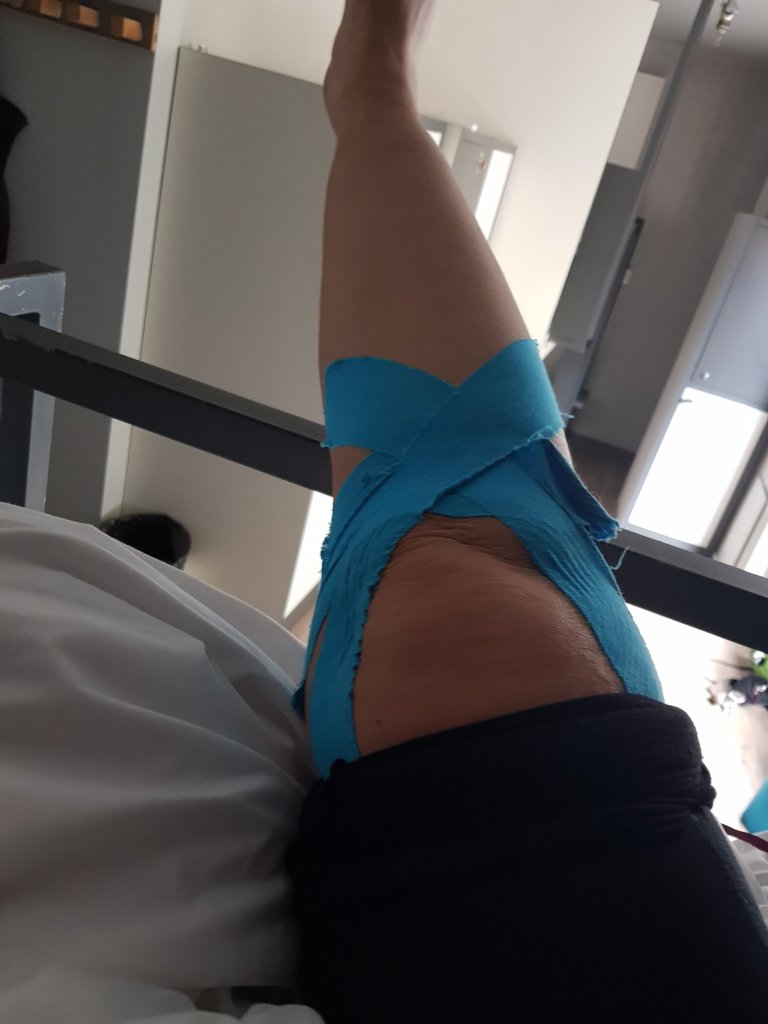
I think it is really important to take it slow during the ascents and descents. It is not worth rushing, and hurting yourself by losing your footing or pulling your knee. I started to get a ‘hiker’s knee’ after a few days, and strapped my leg up with K-tape. This really helped, but lots of breaks are also essential.
5 day old strapped up knee
When heading over a mountain before Lezama I actually met a local lady, who was selling snacks to passing pilgrims from her driveway. For a euro, she gave me mandarins, and a slice of chocolate swiss roll. She also let me sit on her porch and enjoy the views whilst we chatted in Spanish. I really enjoyed this little interaction. The only negative was that she got me excited and told me my destination was only 3km away on flat terrain… it was 8km and not flat at all. I was cursing her a little on my ascent for misleading me! I am past it now though, and all is forgiven.
Mountain maths is very confusing! There were many occasions when I thought I was nearly there but I was not… For example, on one day, the map said I was 4km from my accommodation. I thought, ‘great, I can walk 5km per hour, less than an hour to go’. Nope… it was 2.5 hours walk away, but only 15 minutes by car. I was pissed… and confused. My calculations were not taking into account, the elevation, and terrain. It was 4km, but on the other side of the mountain. Cars could drive through a tunnel going though the mountain. This makes calculating the duration of your walk, really hard. I generally have added at least an hour to each estimate I make.
Forests of autumn colours
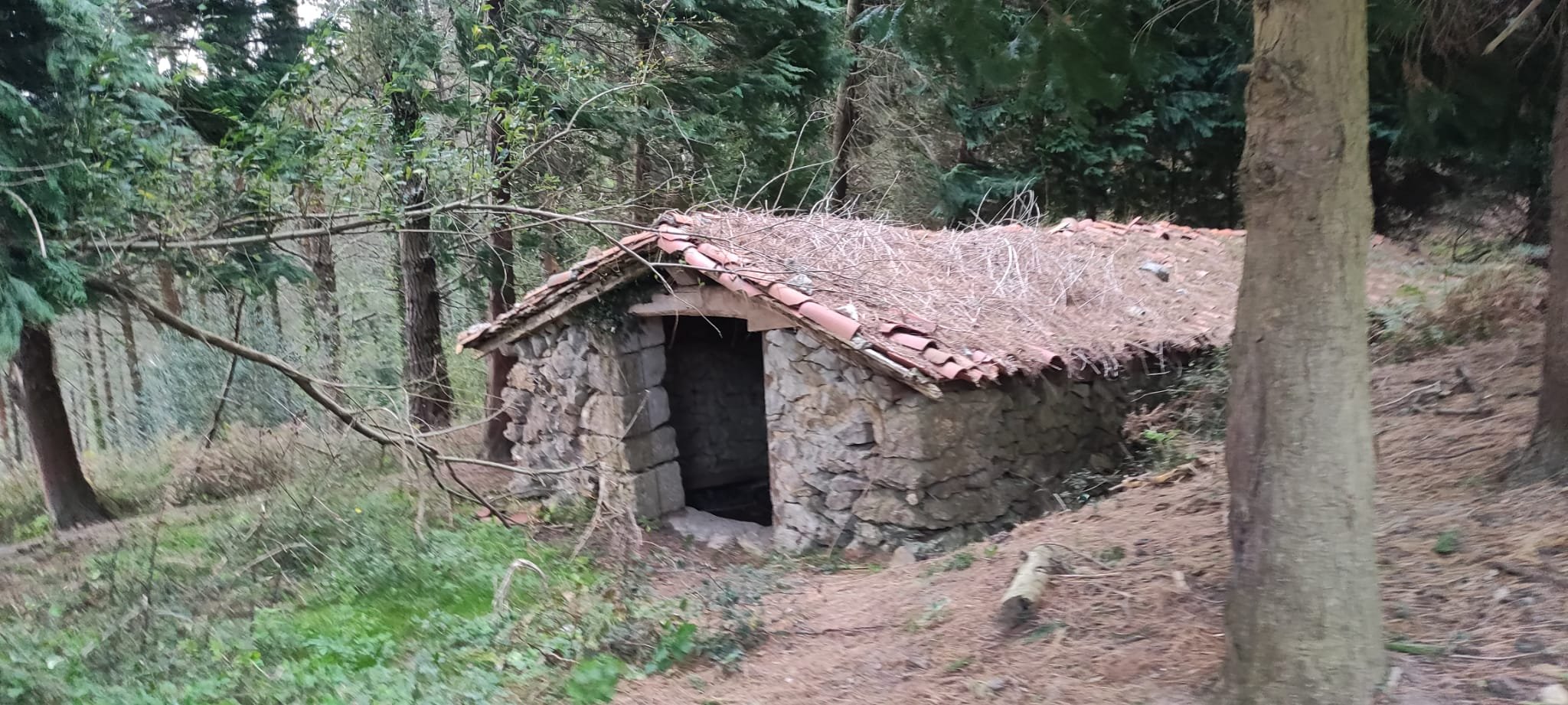
The forests I wondered through, were really beautiful because of all the colours. I much prefer the forest floor underfoot (more dry and bouncy, plus kicking big orange leaves is fun!) It was really tranquil and there was the odd shack which I imagine a few pilgrims have made camp in. I have met quite a few people who are camping even in the wet November weather. A highlight for me was seeing a group of vultures flying really close to me on the trail. They probably thought I would be easy pickings!
It hasnt all been sweetness and light…
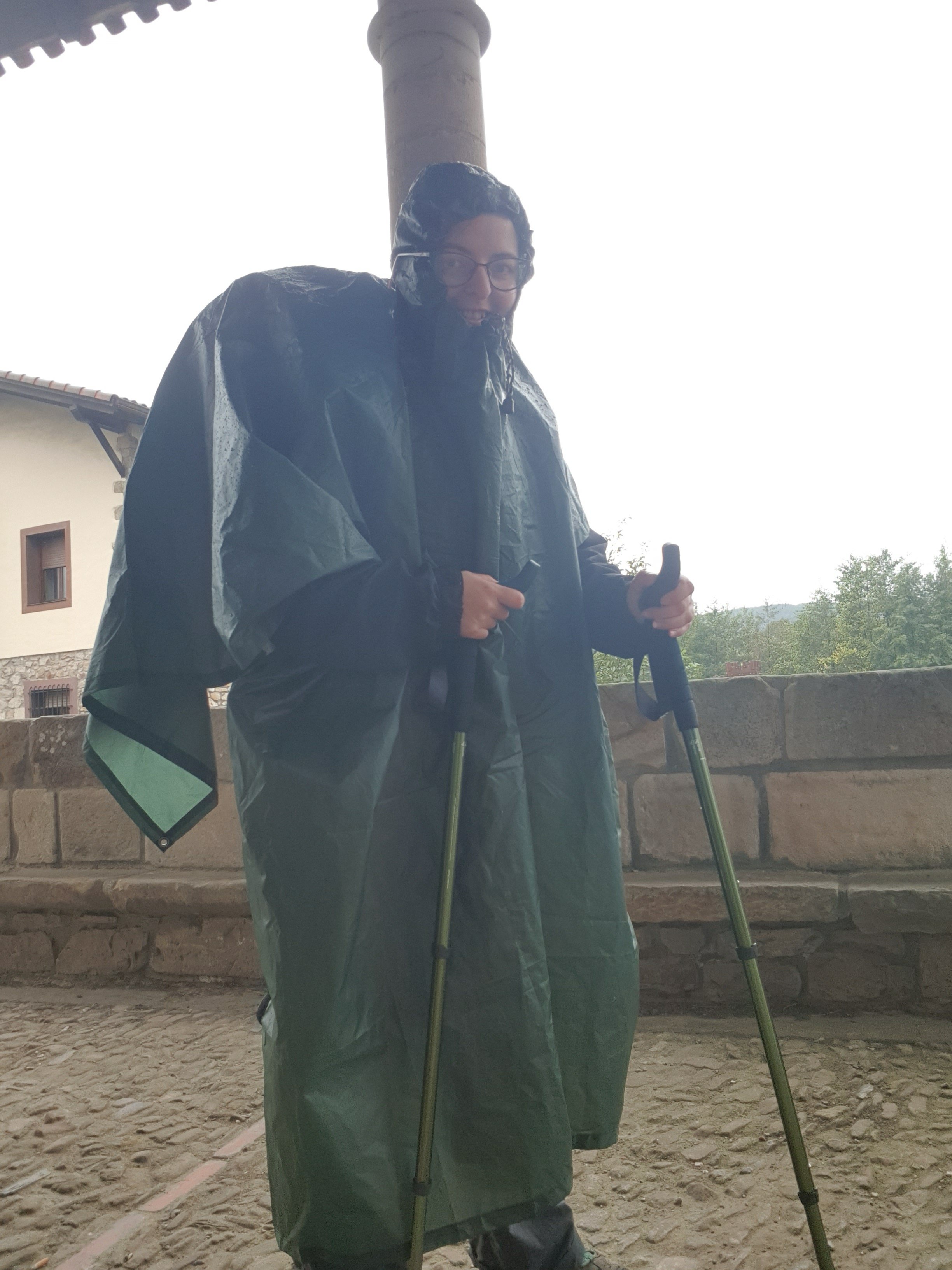
The rain in the last few days to Bilbao was relentless. The poncho has been out but it is a pain because you need help to put it over your backpack.
The rain has made my socks wet.. equalling blisters. I was managing to avoid them until my shoes started getting too wet.
Some paths are so uneven, that they take ages to navigate carefully. They are also really slippery.
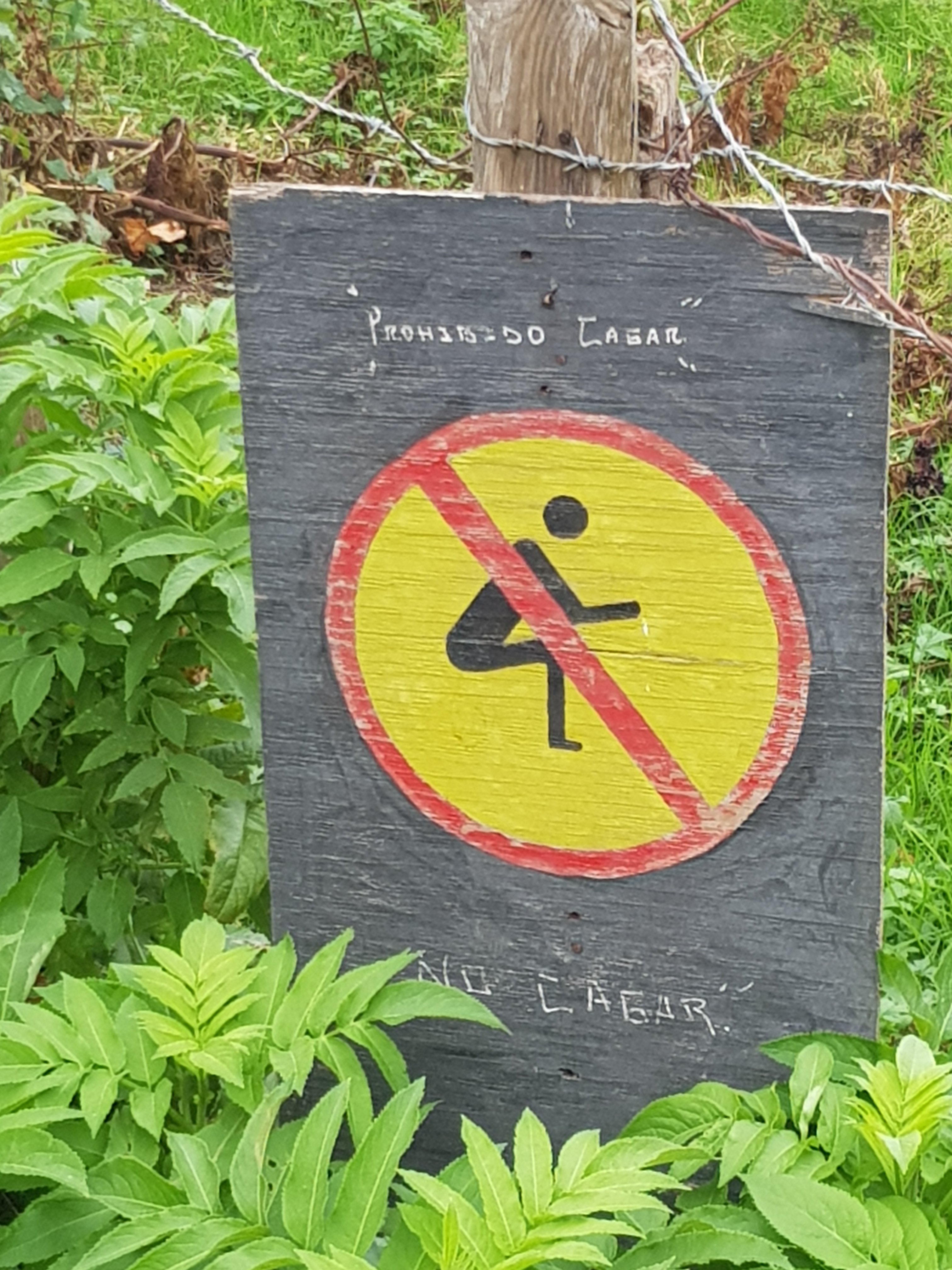
Toilets and other facilities can be very far away at times. This is a positive and a negative, because it is nice to feel in a remote location, but it does lead to wees in the woods. Tricky to do when you have a huge backpack on. Keep leaning forward ladies!
Special highlights on the walk
Seeing the flysch
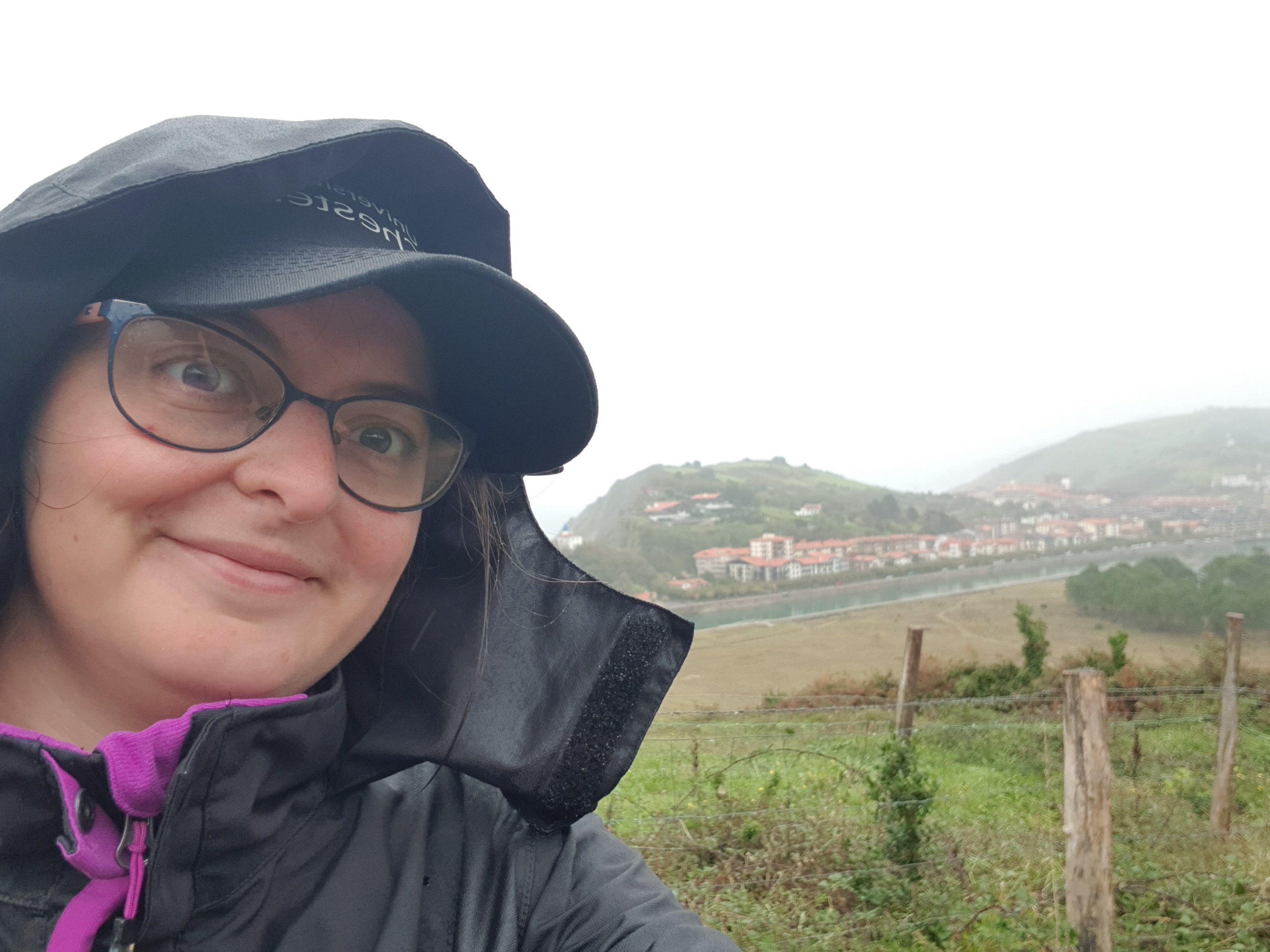
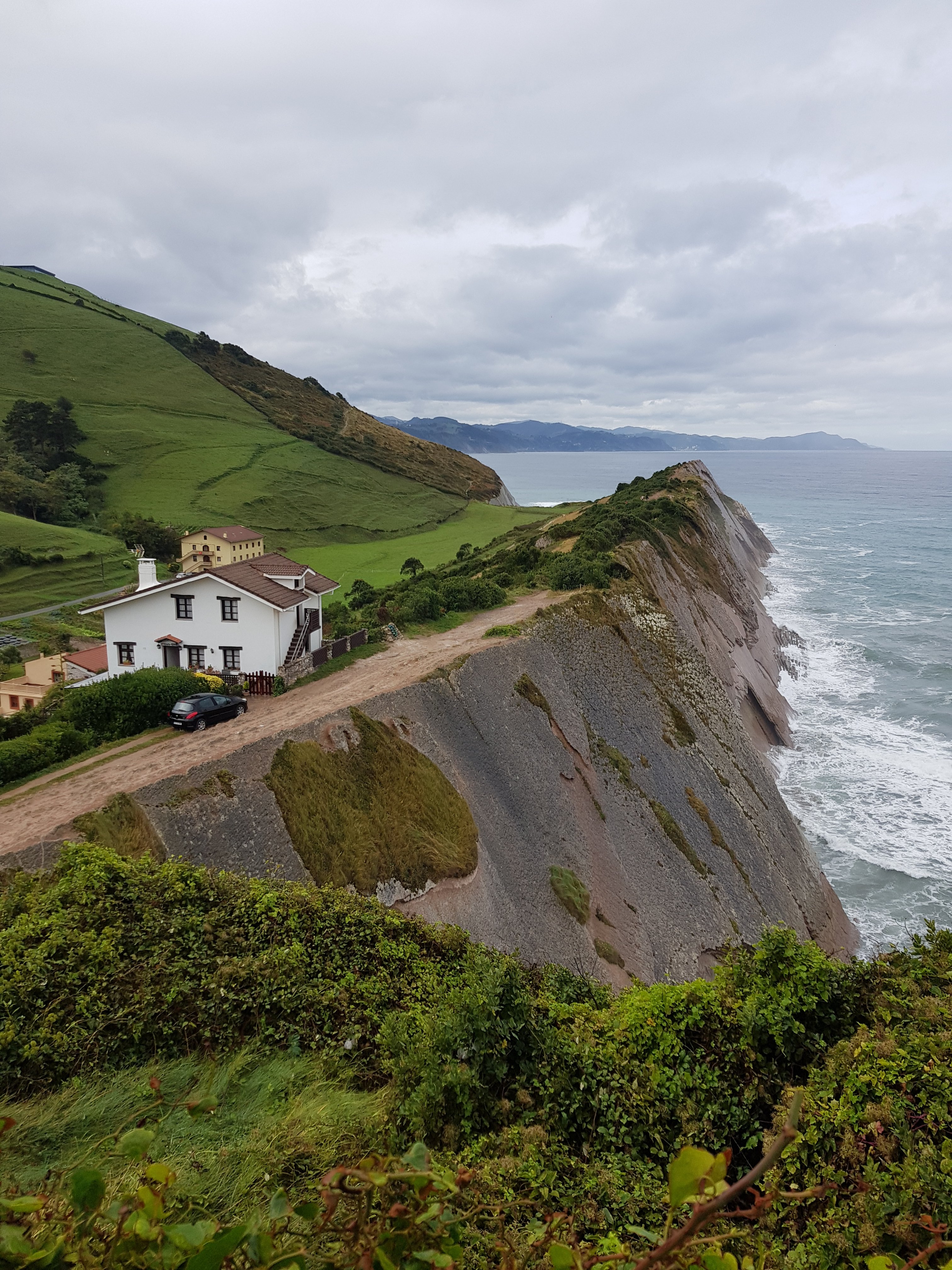
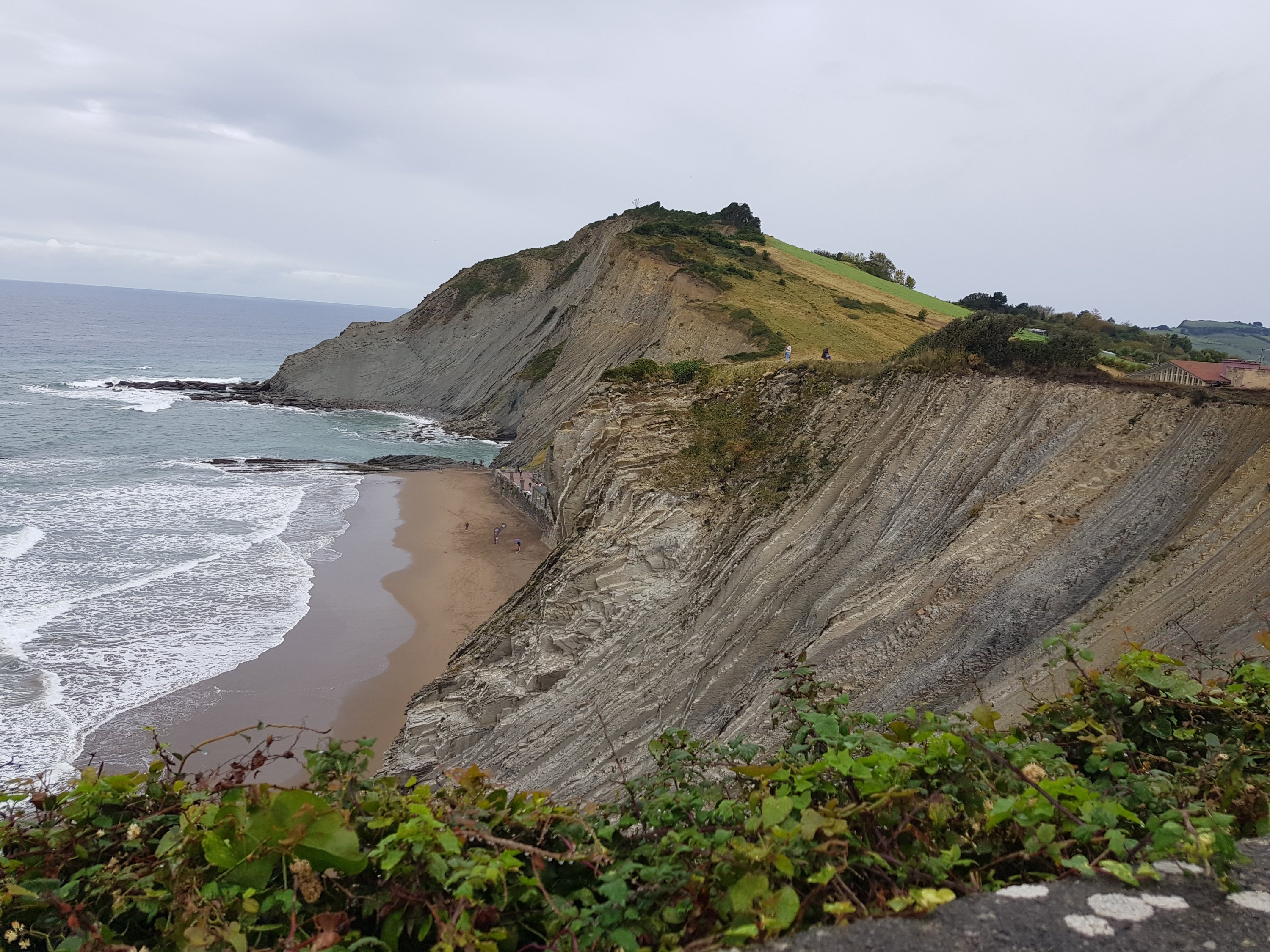
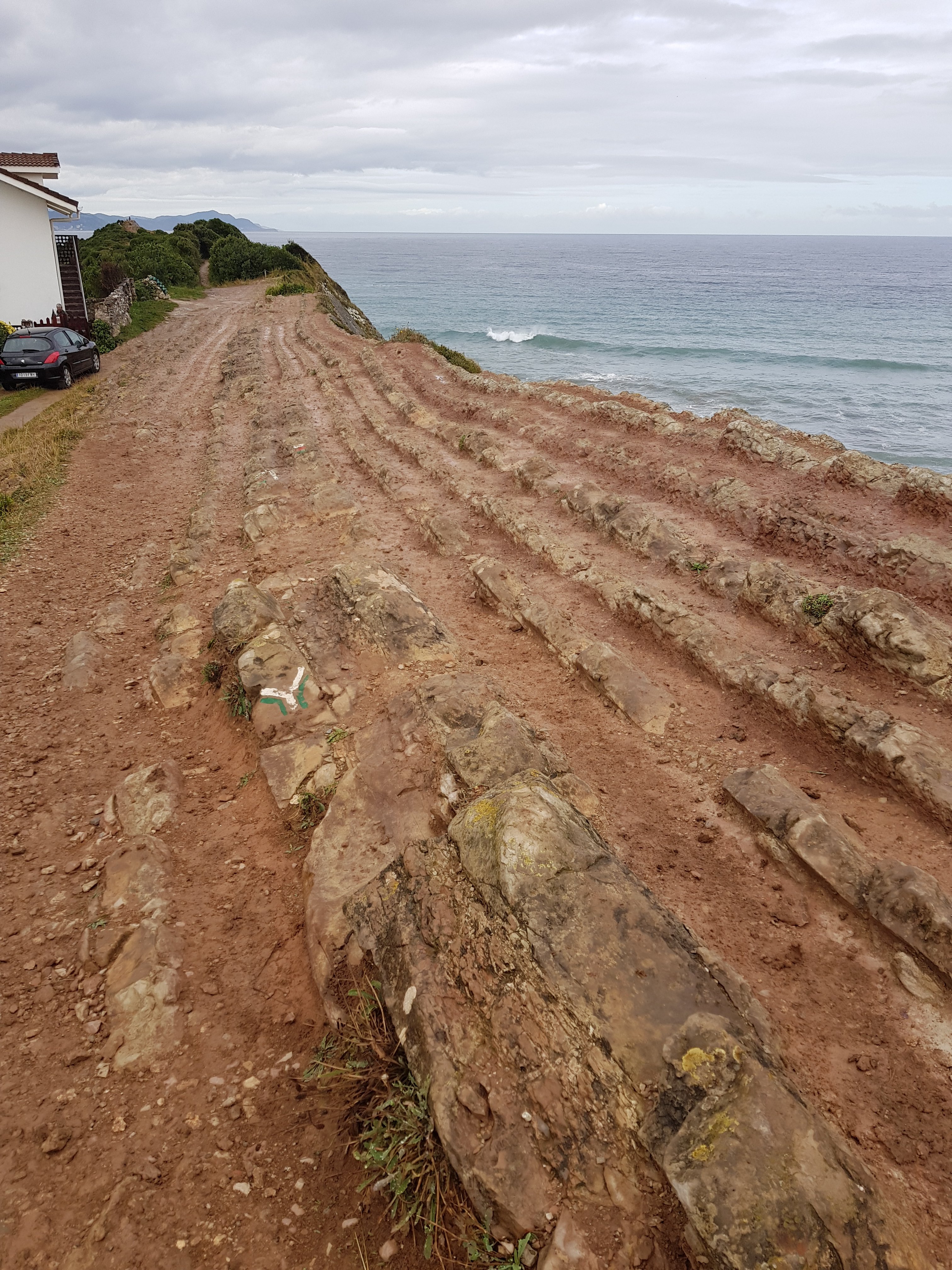
When I got to Zumaia, I decided to follow a different track for a little bit. I did this so that I could see a special rock formation in the cliffs there called ‘flysch’. It is a type of erosion that creates straight lines in the rocks. Very strange, but cool!
The downside was that to rejoin my path, I had to walk up the cliffside. After lots of rain, it was basically a mudslide, and very scary. I had to be really careful, and it took ages. I would probably not recommend doing this if it has been raining a lot.
Monastery and day of the dead
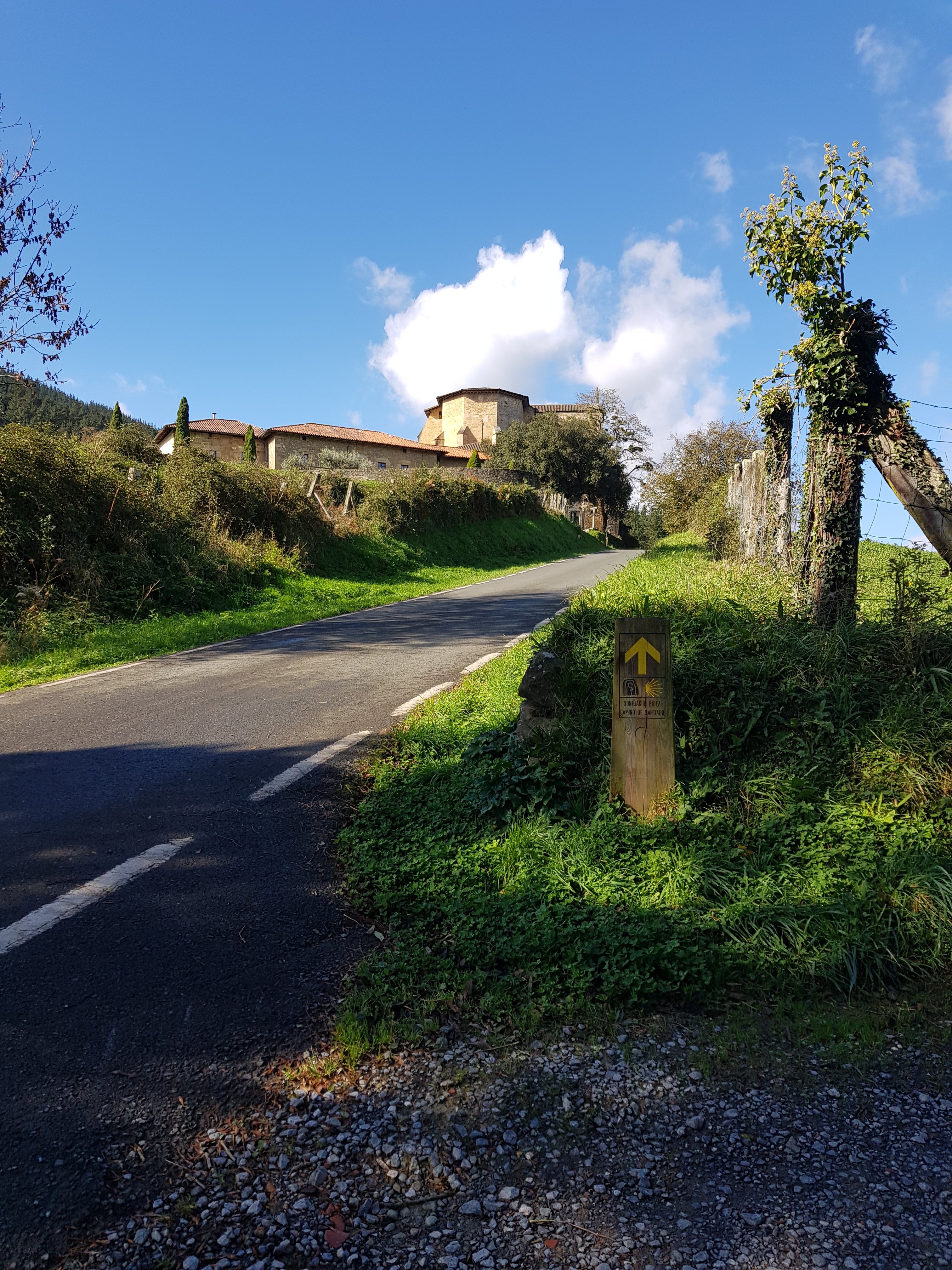
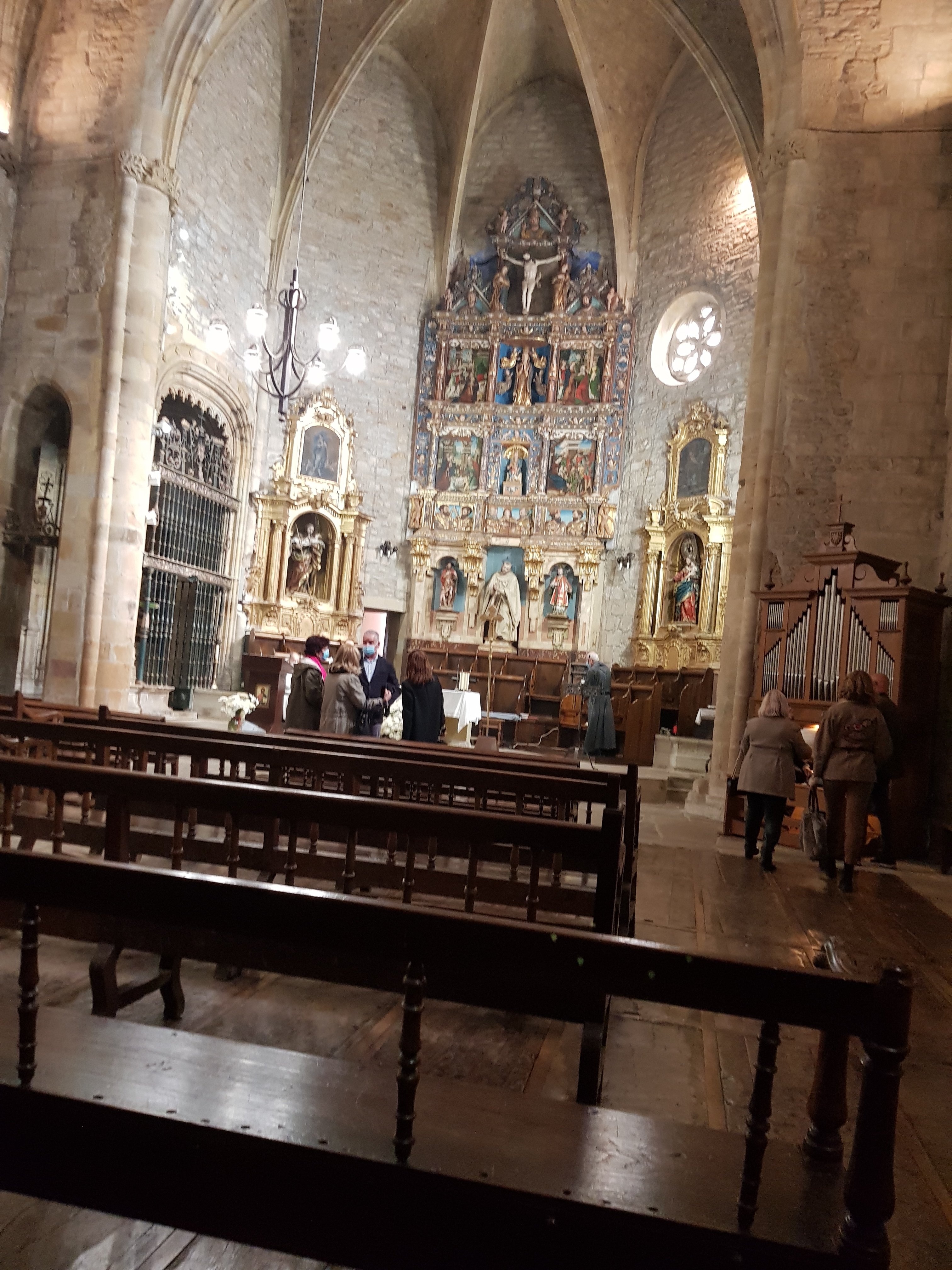
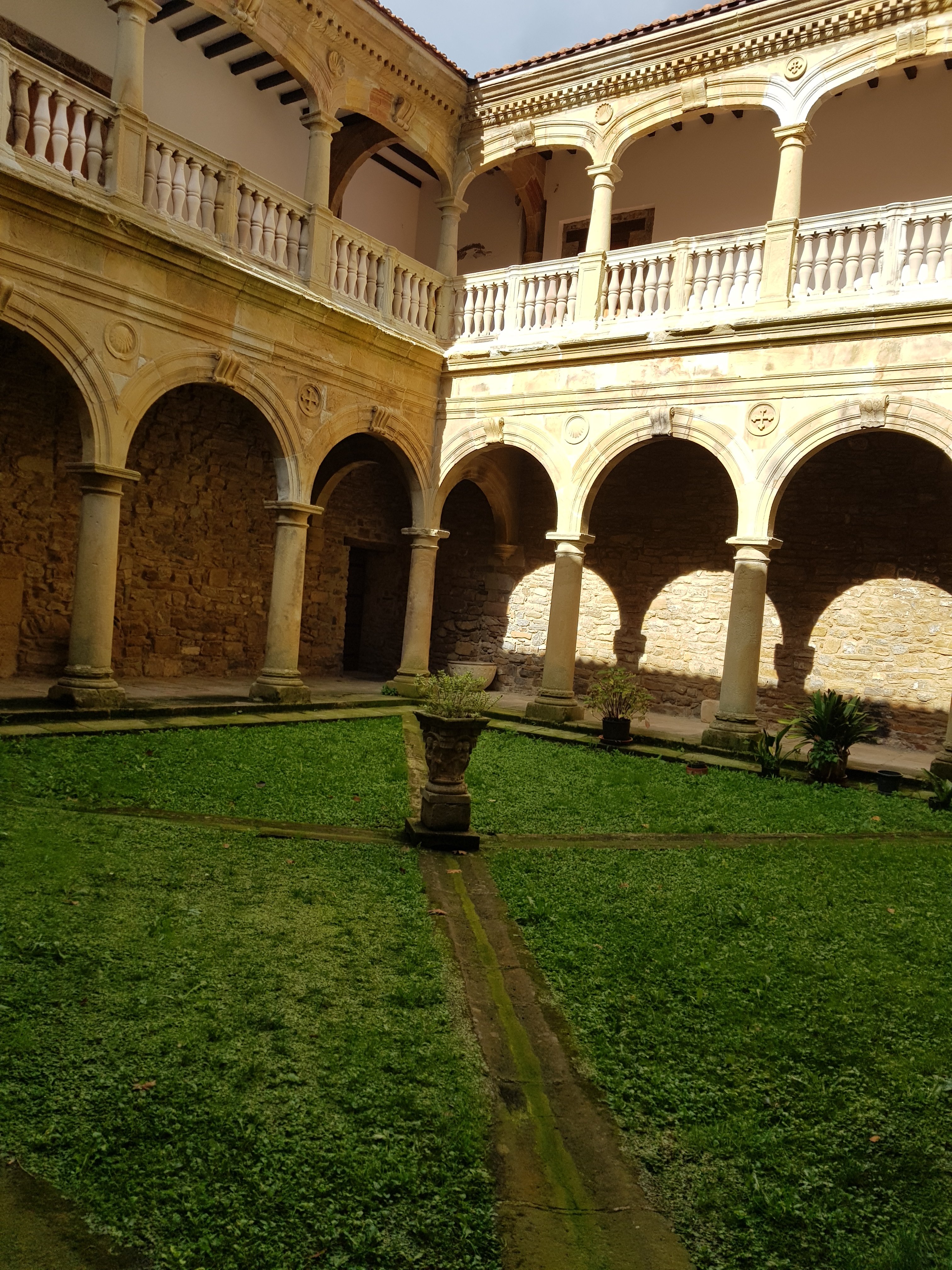
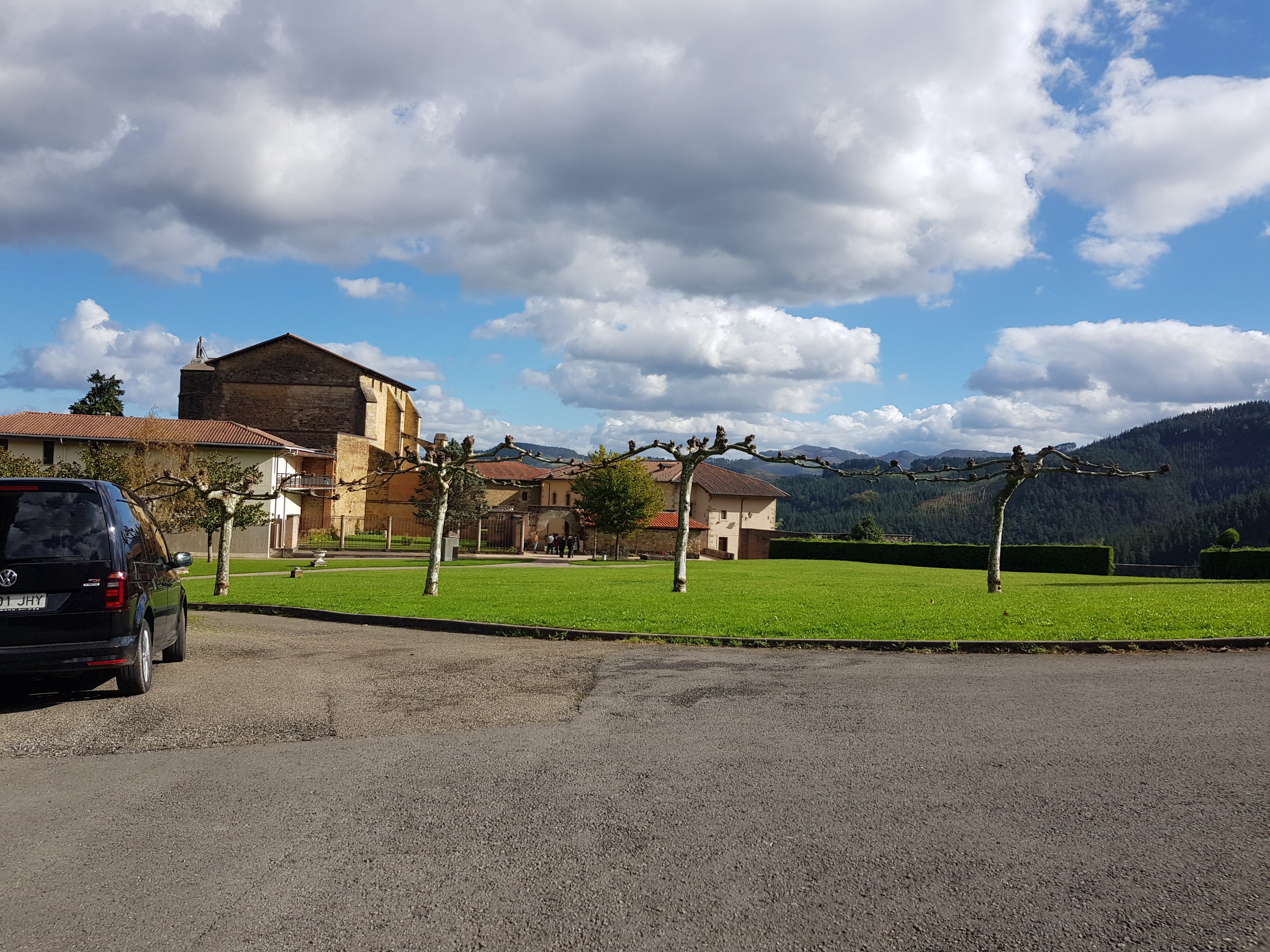
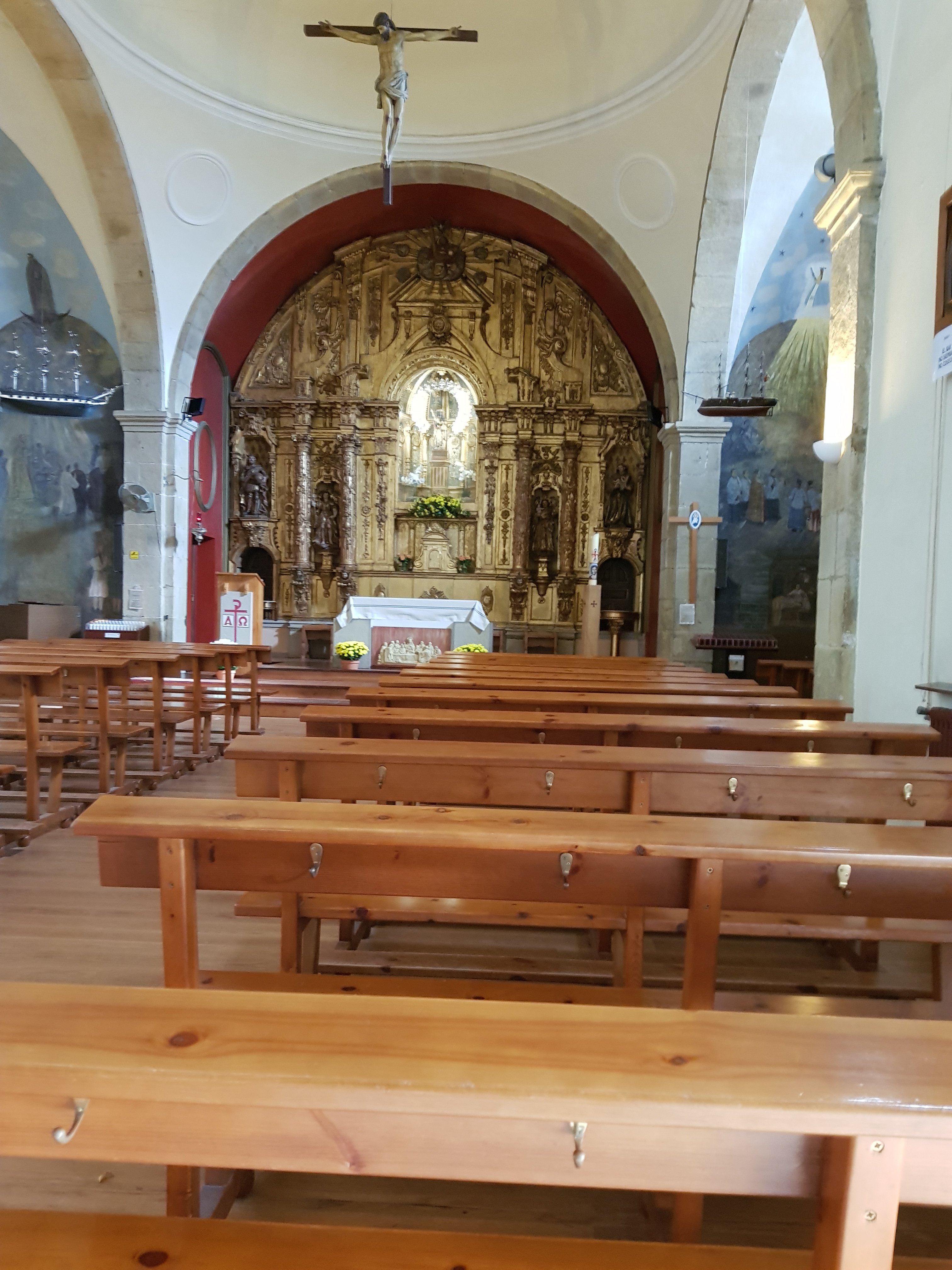
On part of the trail, you pass through a beautiful monastery. Pilgrims can actually sleep here with the monks for a donation. I didn’t sleep here, but I did take the mass which was lovely and rejuvenating.
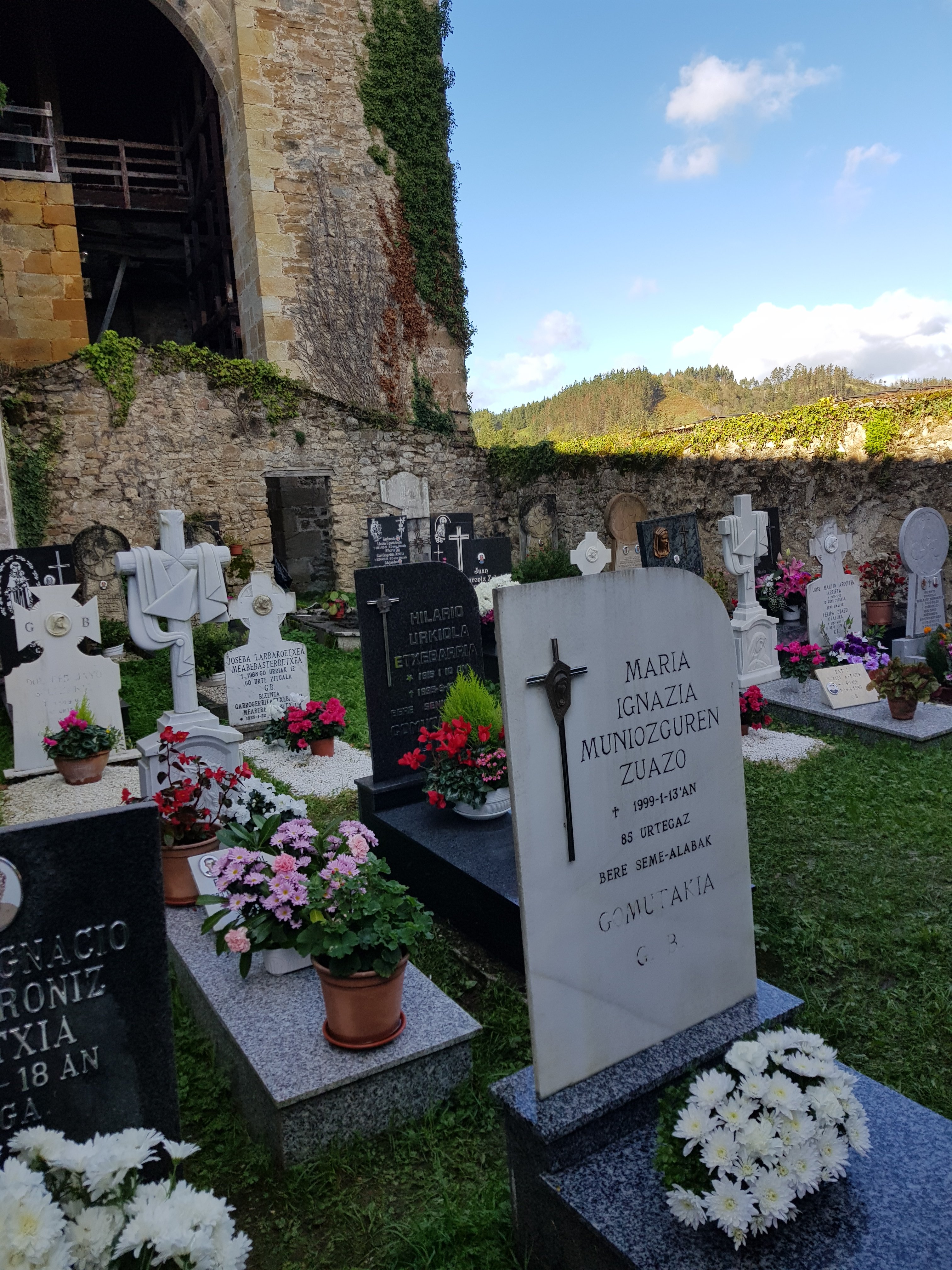
I happened to be passing on the day of the dead or all saints day. This is the day after halloween. Whilst some spaniards are starting to trick or treat and do the american halloween, it is mostly not done in Spain. They do celebrate the life of their loved ones though. Many people bring flowers and other offerings to the graves of their loved ones, and the day is a bank holiday.
This did make finding food a bit tricky, as most places were shut. I spent my day eating buttered bread from my backpack.
Guernika
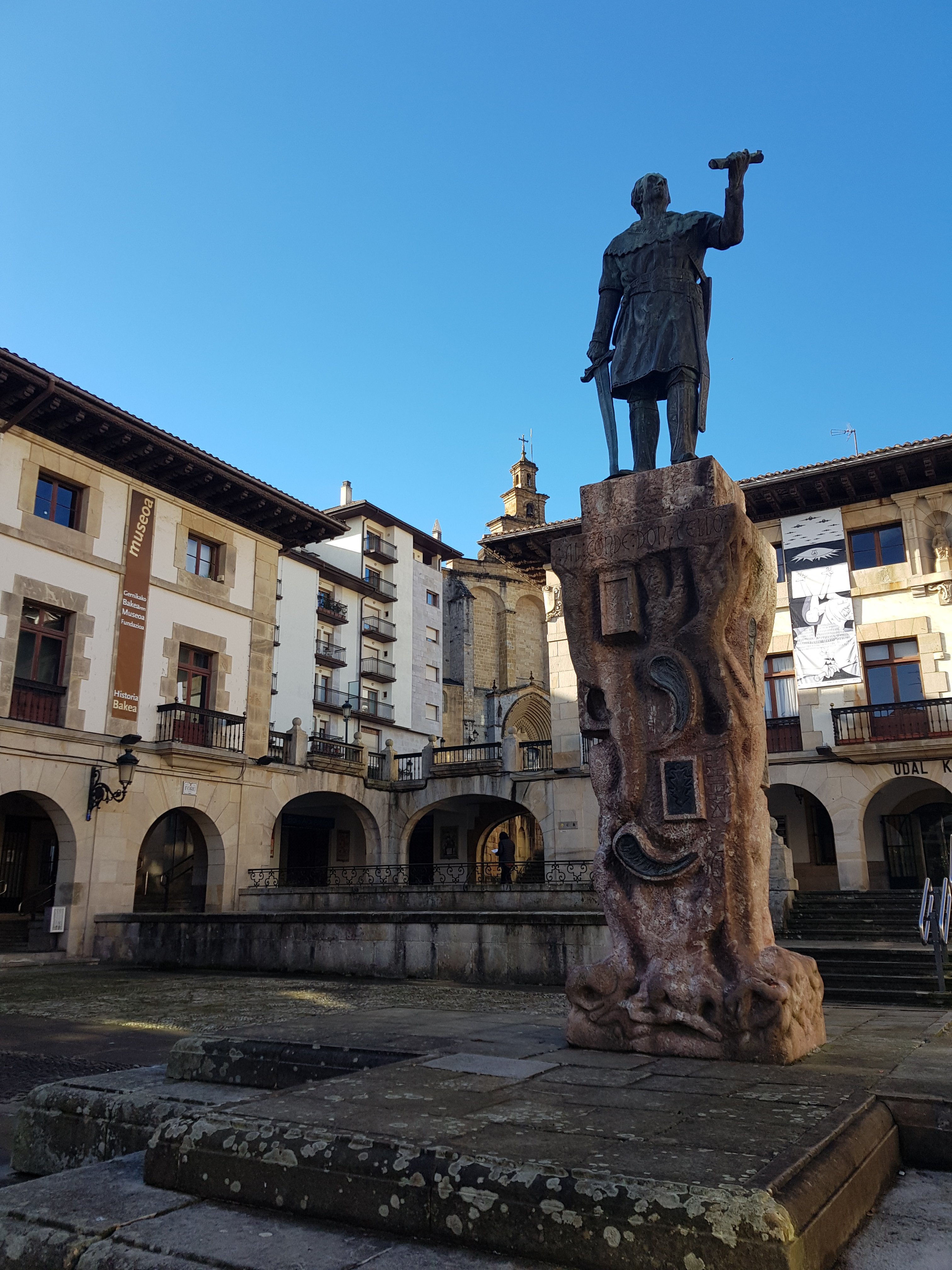
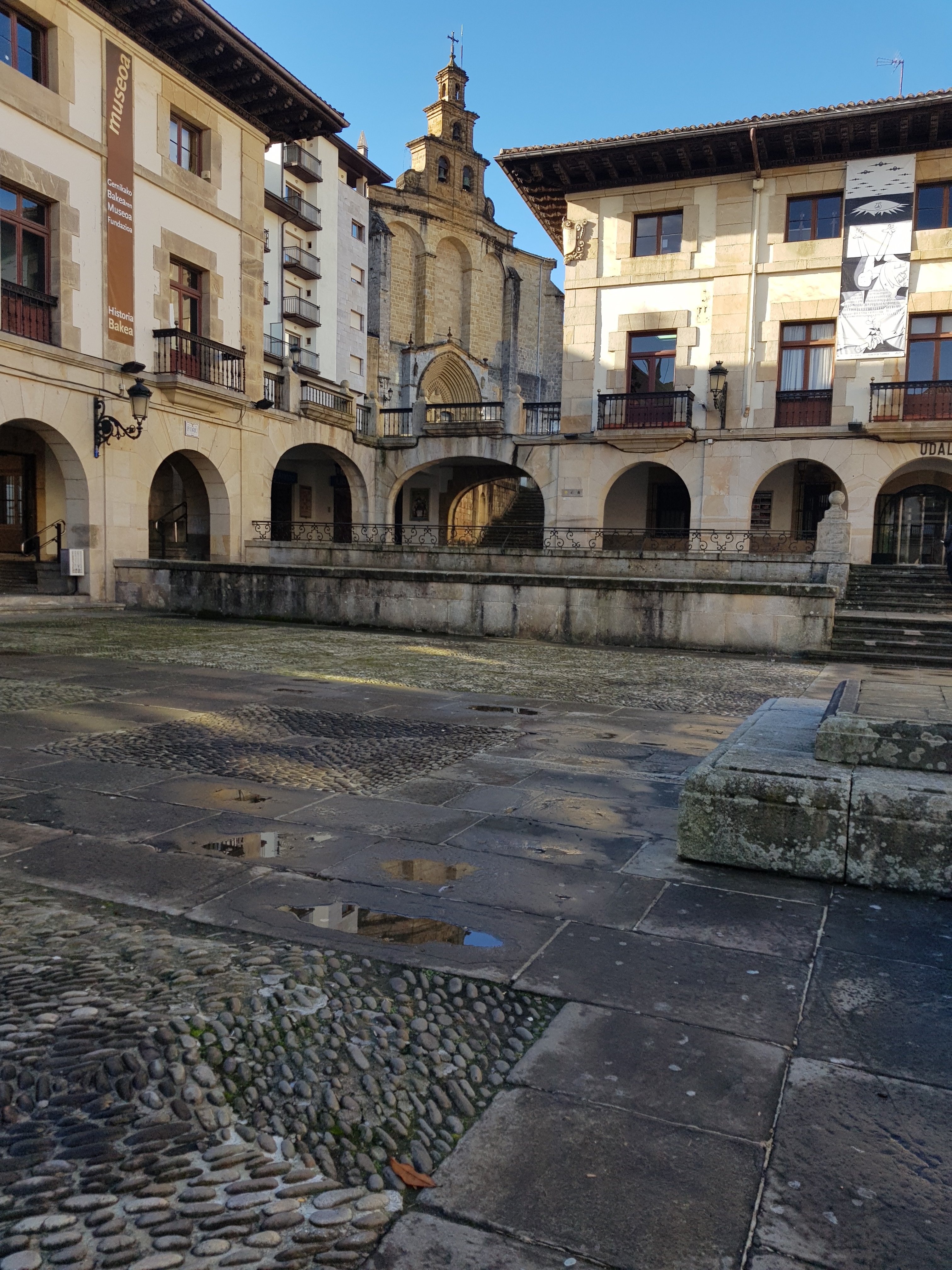
Guernika is a town on the walk that is full of character and clearly proud of the basque culture. It has quite a few monuments related to well known basque figures from history, and two museums. I would have liked to spend another night here, but I had to move on to the next section of the walk. Apparently this town is a stop on many guided tours from Bilbao though, if you want the highlight reel on a quick trip.
Bilbao
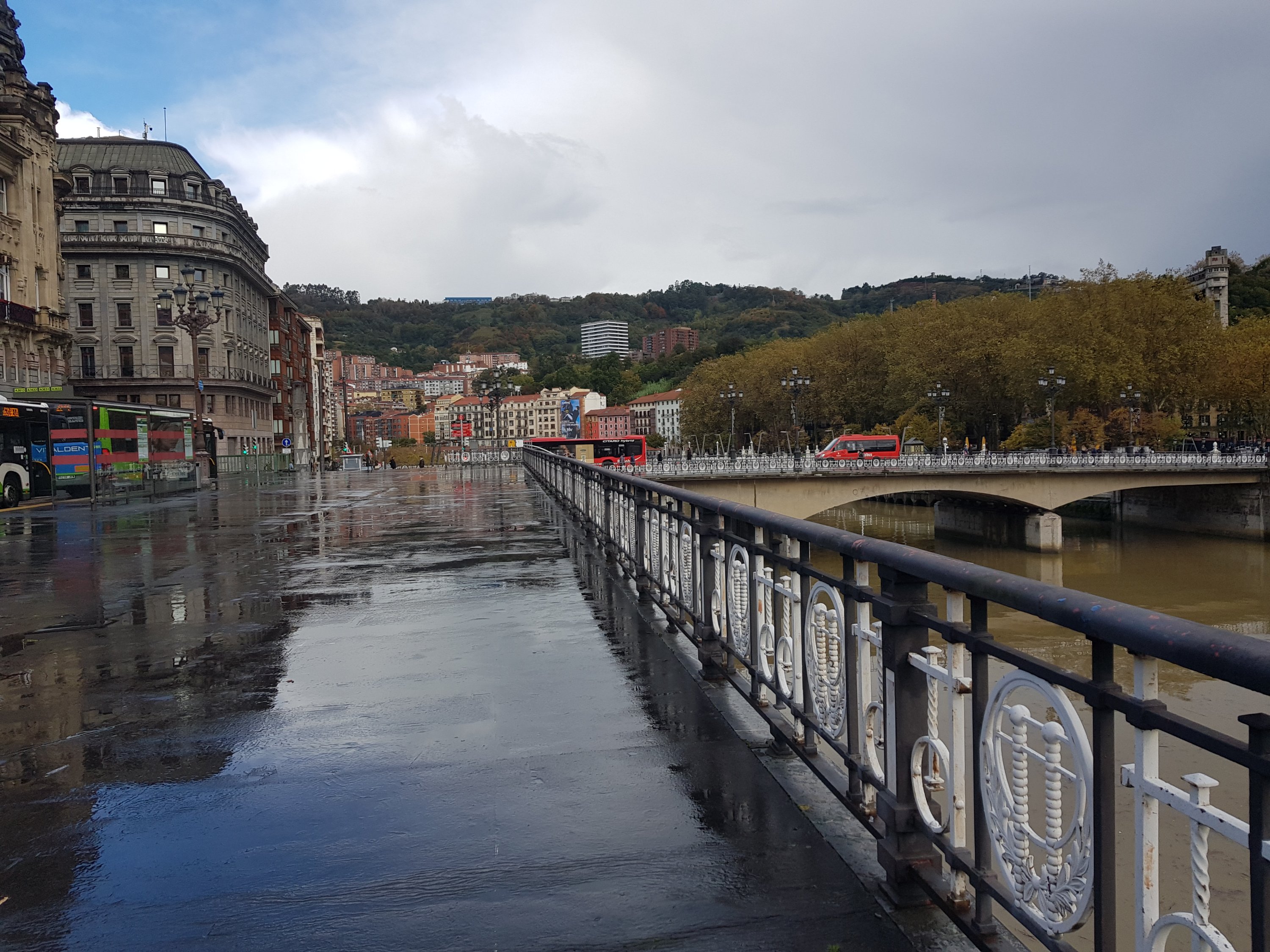
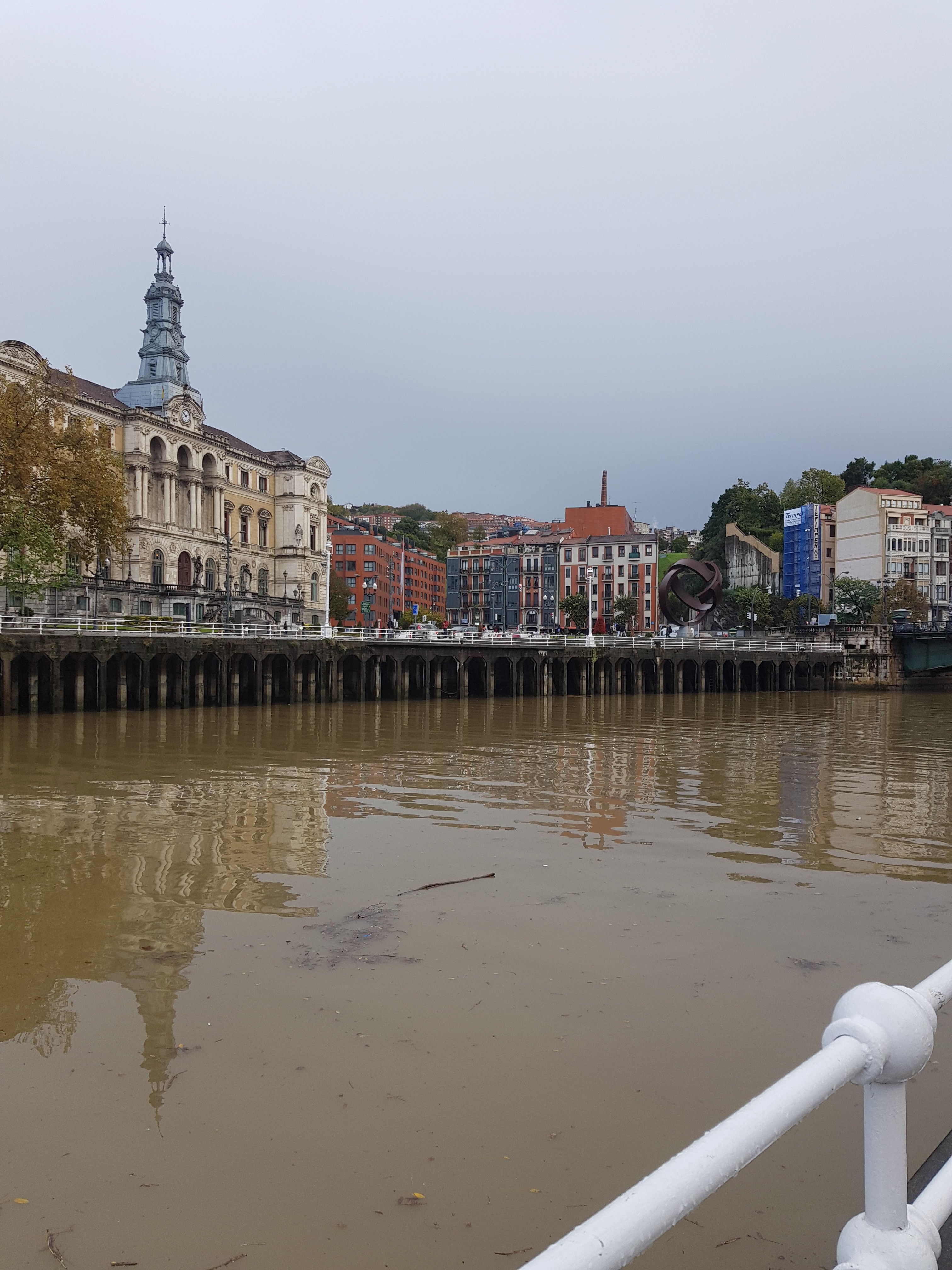
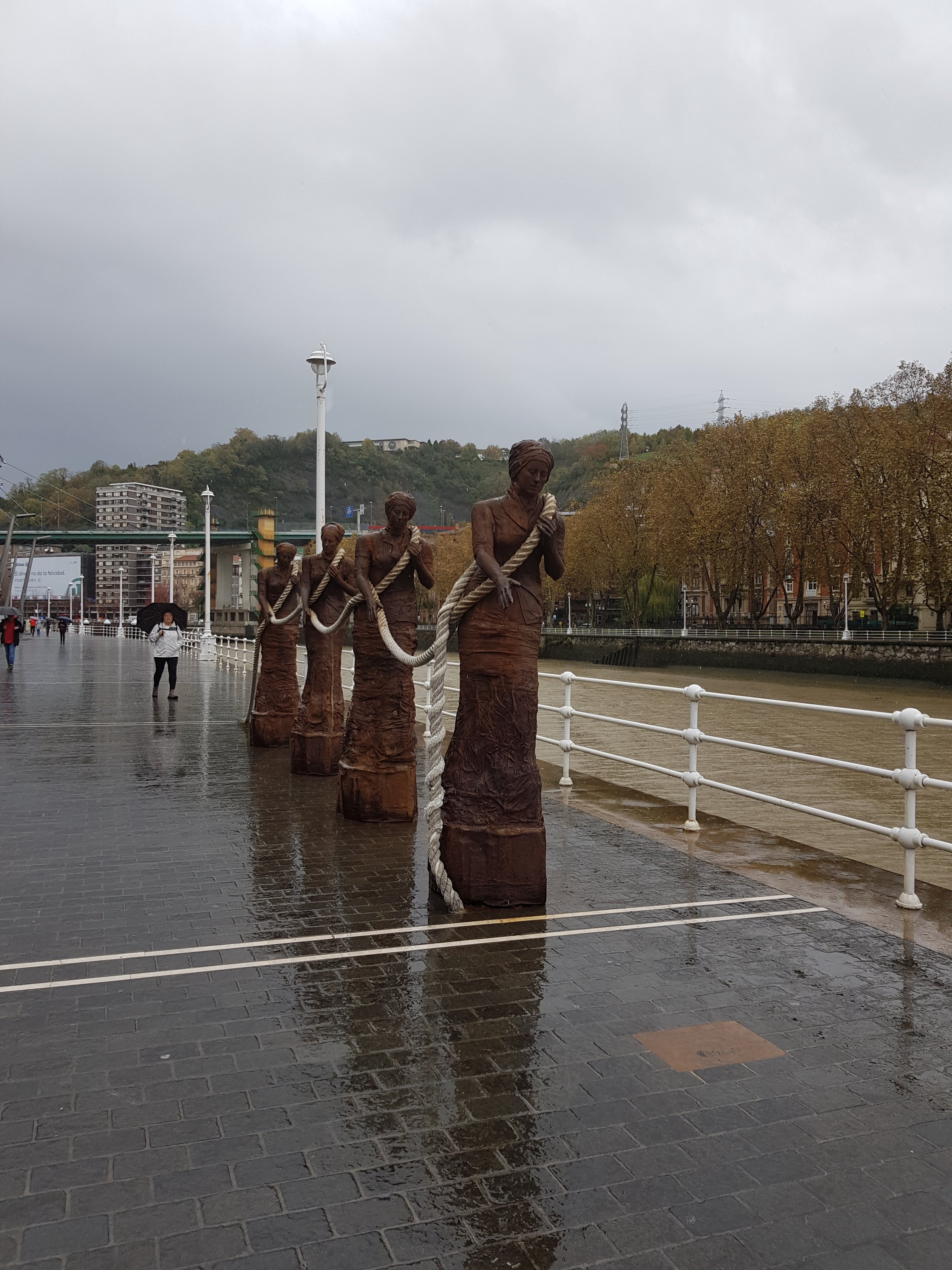
Reaching Bilbao was a great milestone for me. I felt soggy and more tired than I was before the walk, but also stronger and more confident. Bilbao is a huge city, with a lot to see but I only had two nights, and the first night, I basically went into a coma.
It poured during my whole visit, but determined, I stuck some carrier bags in my shoes and went out to explore.
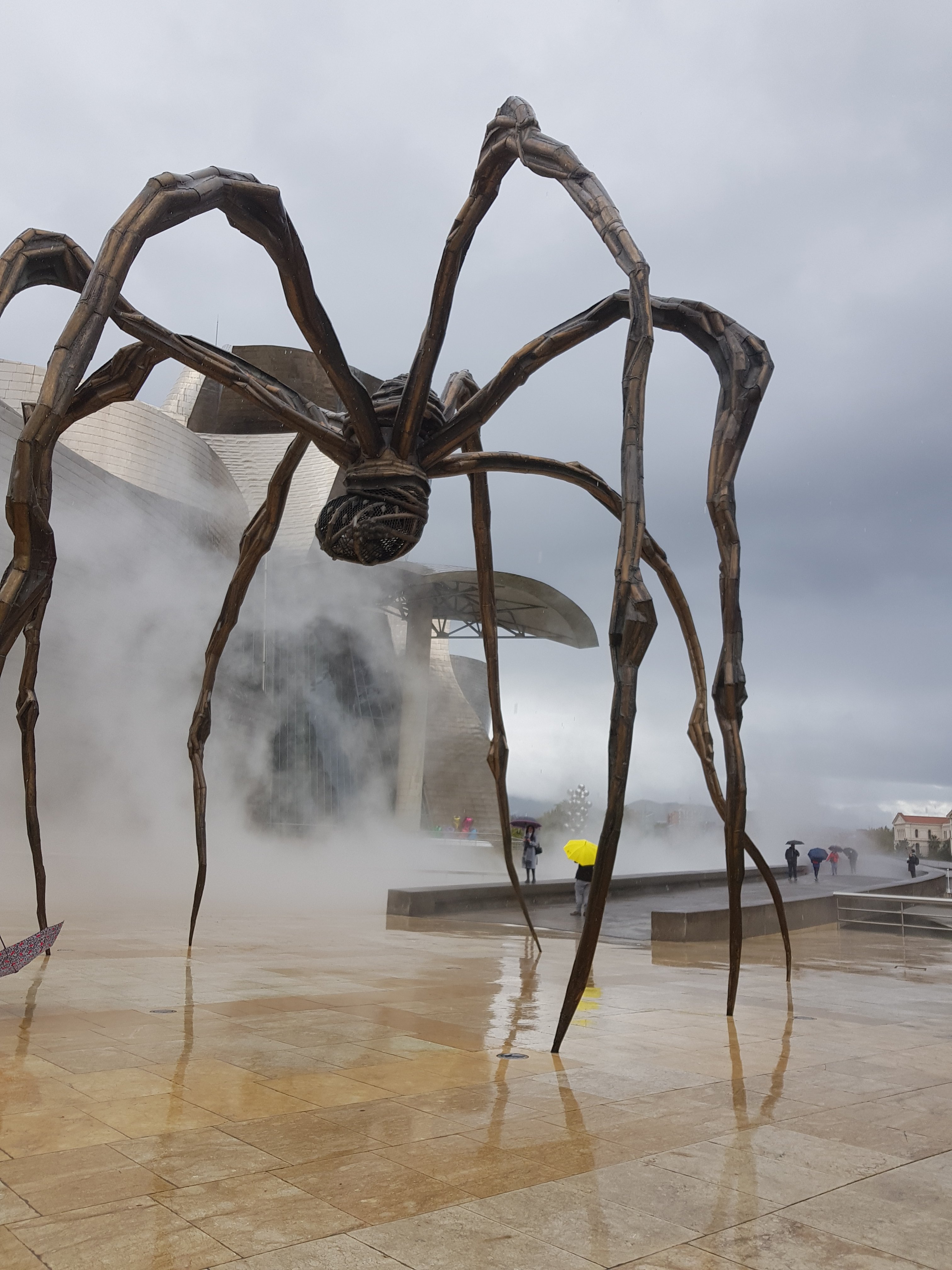
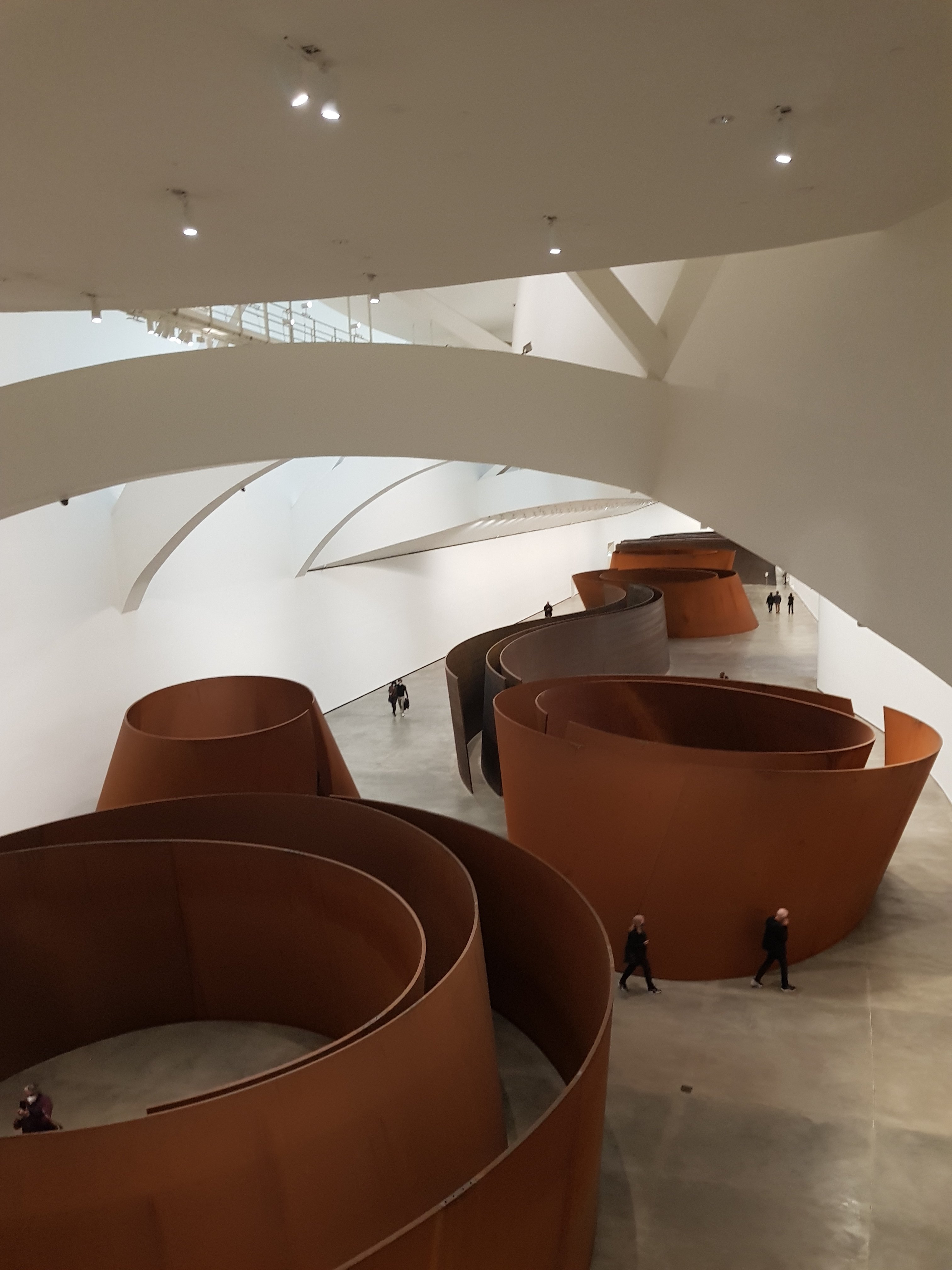
Guggenheim museum
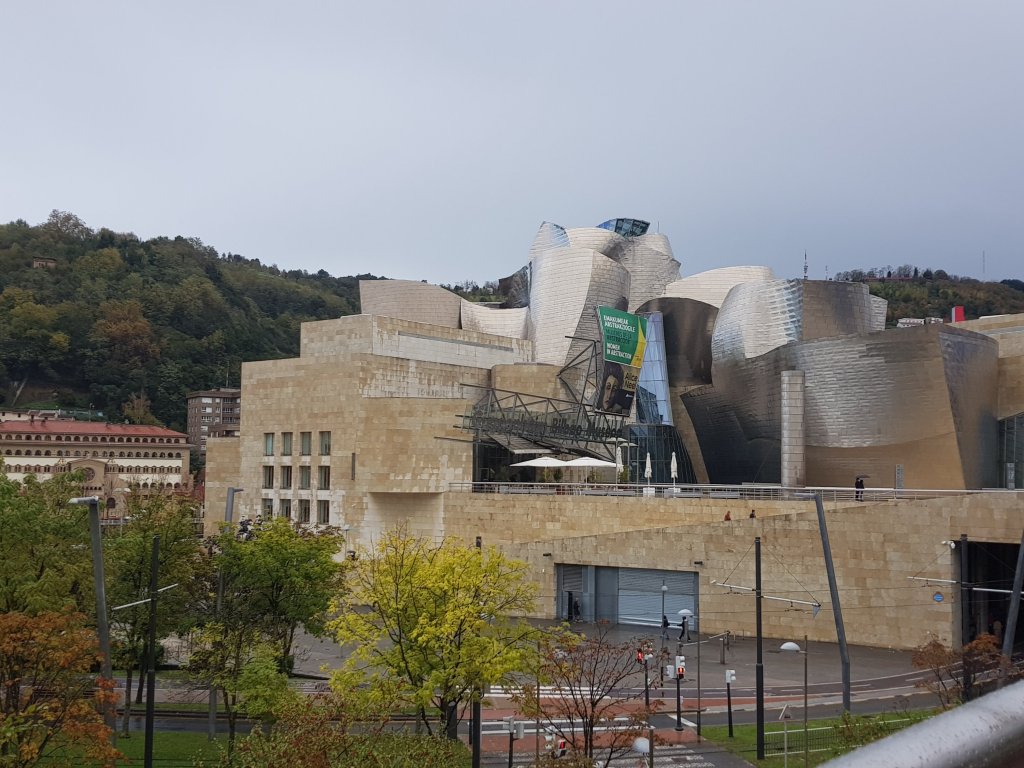
The Guggenheim is a landmark attraction for Bilbao, and is what most people think of when they imagine the city. The museum is for contemporary art, and the architecture of the building itself is unique. It is located on the riverside, a little past the centre.
I am not very big on contemporary art, I prefer traditional portrait paintings, but once I reached the museum to see the outside, I was soaked. I wanted to dry off, and I was also curious, so I wondered in, squelching as I went.
The cost for the museum was €15, which I thought was pretty steep, more than I have paid for most attractions on my journey so far.
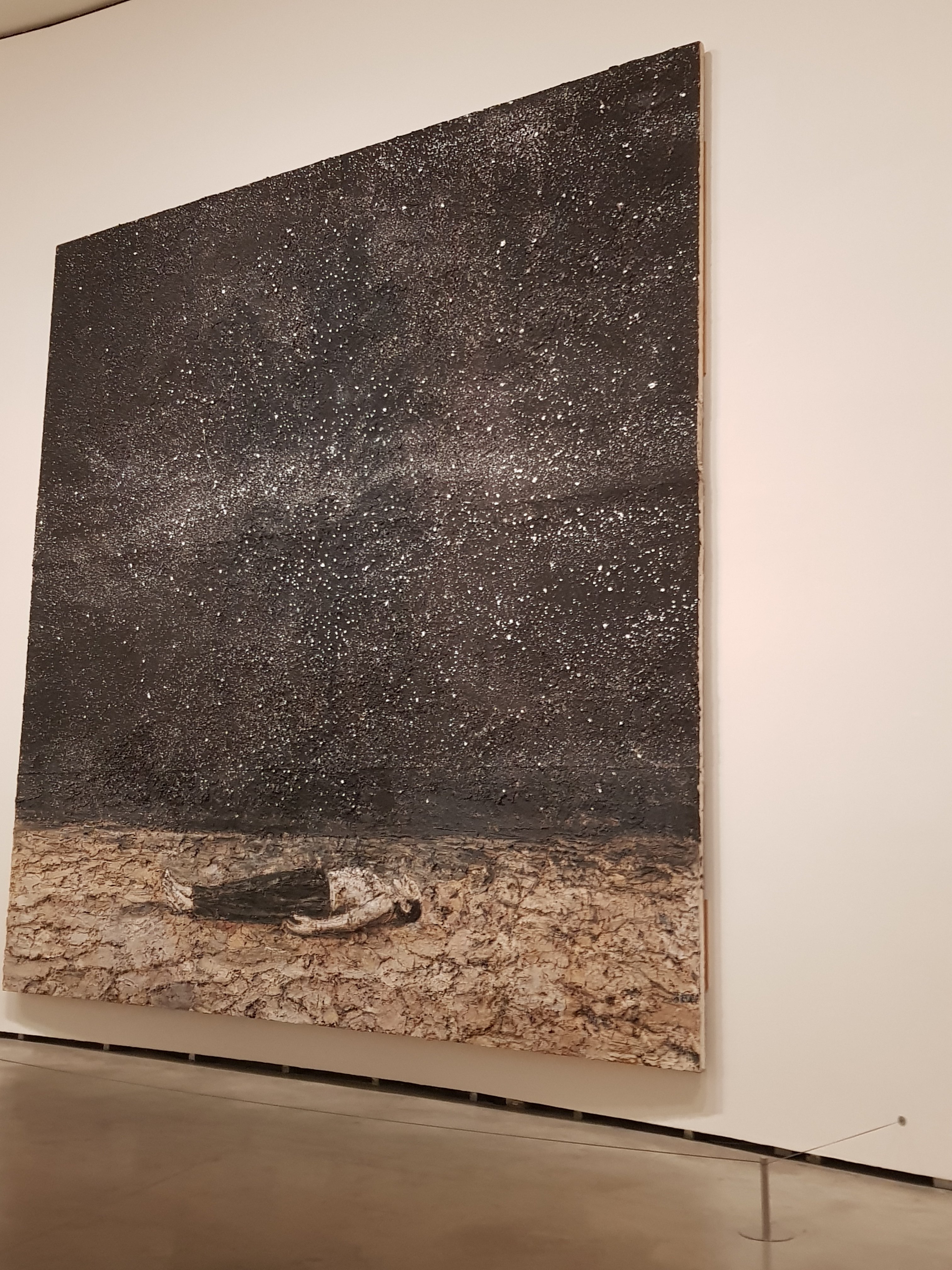
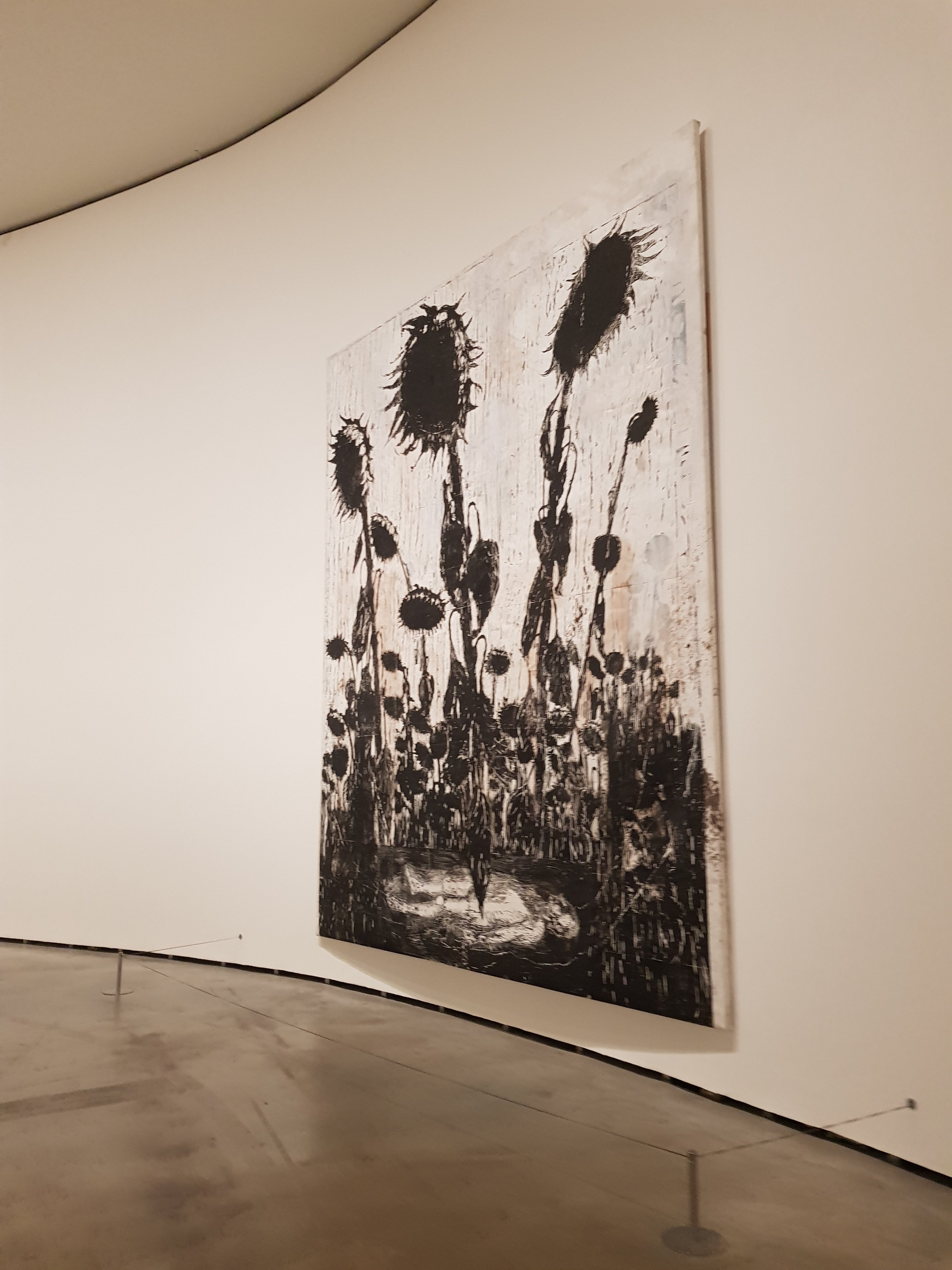
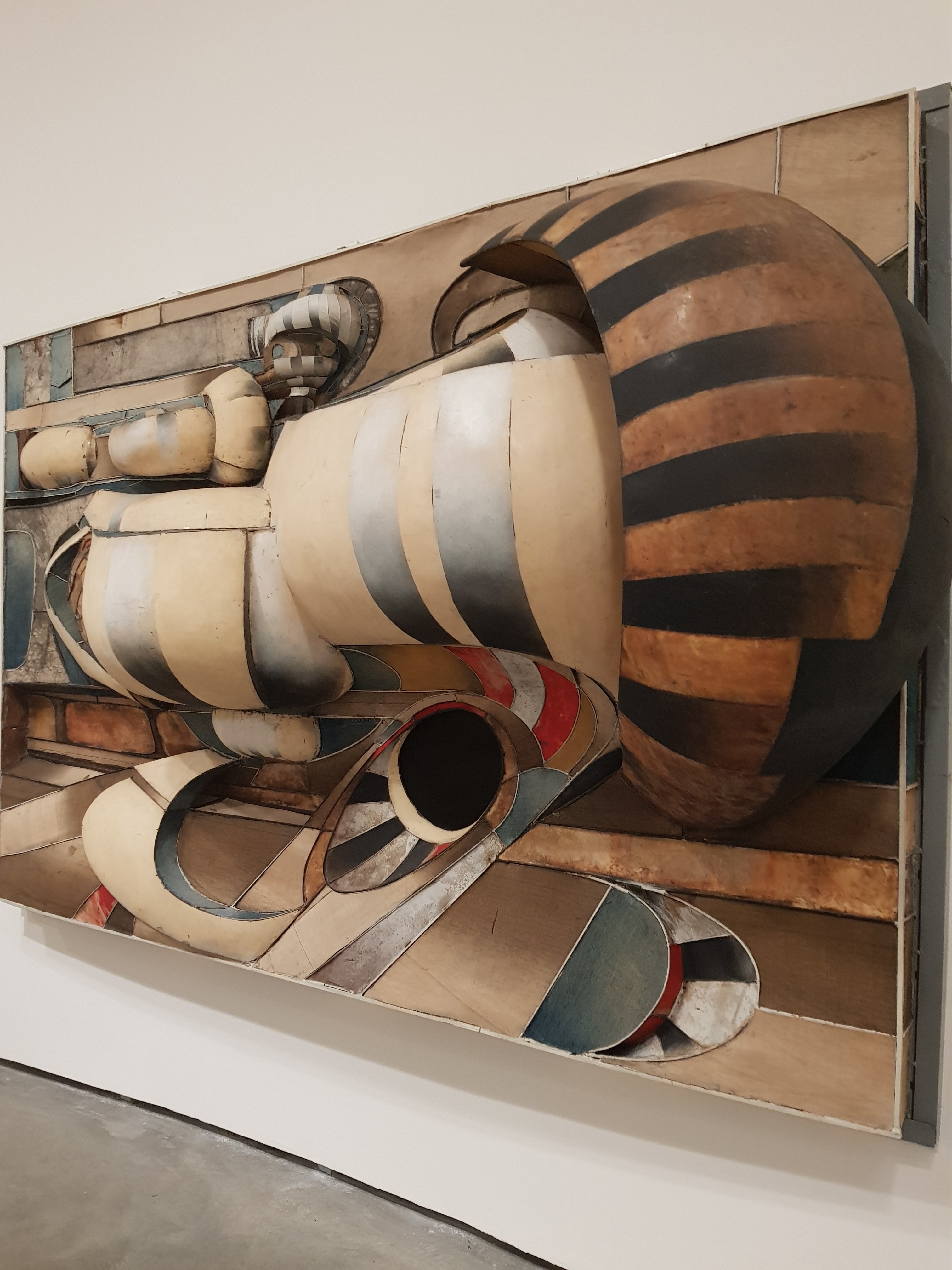
The building is spectacularly designed, and the rooms inside are huge, with thankfully lots of places to sit. I think the art was lost on me though. I had no idea what I was looking at most of the time. At one point, I saw a canvas that was almost completely black, and thought ‘this seems like easy money’. These thoughts were even more solidified when I saw a big piece of paper that I think had been folded into a paper aeroplane and unfolded again, so now just flattened creases…
I am probably not a good judge of these works to be fair, and there were plenty of people taking their time to look and discuss what they saw. There were two pieces I liked. One of what looked like a mushroom that was coming out of the canvas. That was cool.
One of the reasons that I walked up to the museum in the first place, was to see a giant puppy made of flowers. I was wondering around for 30 minutes following my google maps to try and find it. Getting more and more annoyed as it was raining, and I was confused. I finally realised that the puppy was covered in scaffolding and I had been circling it. Apparently they were swapping out the flowers, so I guess it is wrapped up often, which is a shame.
Casco Viejo (Old Town)
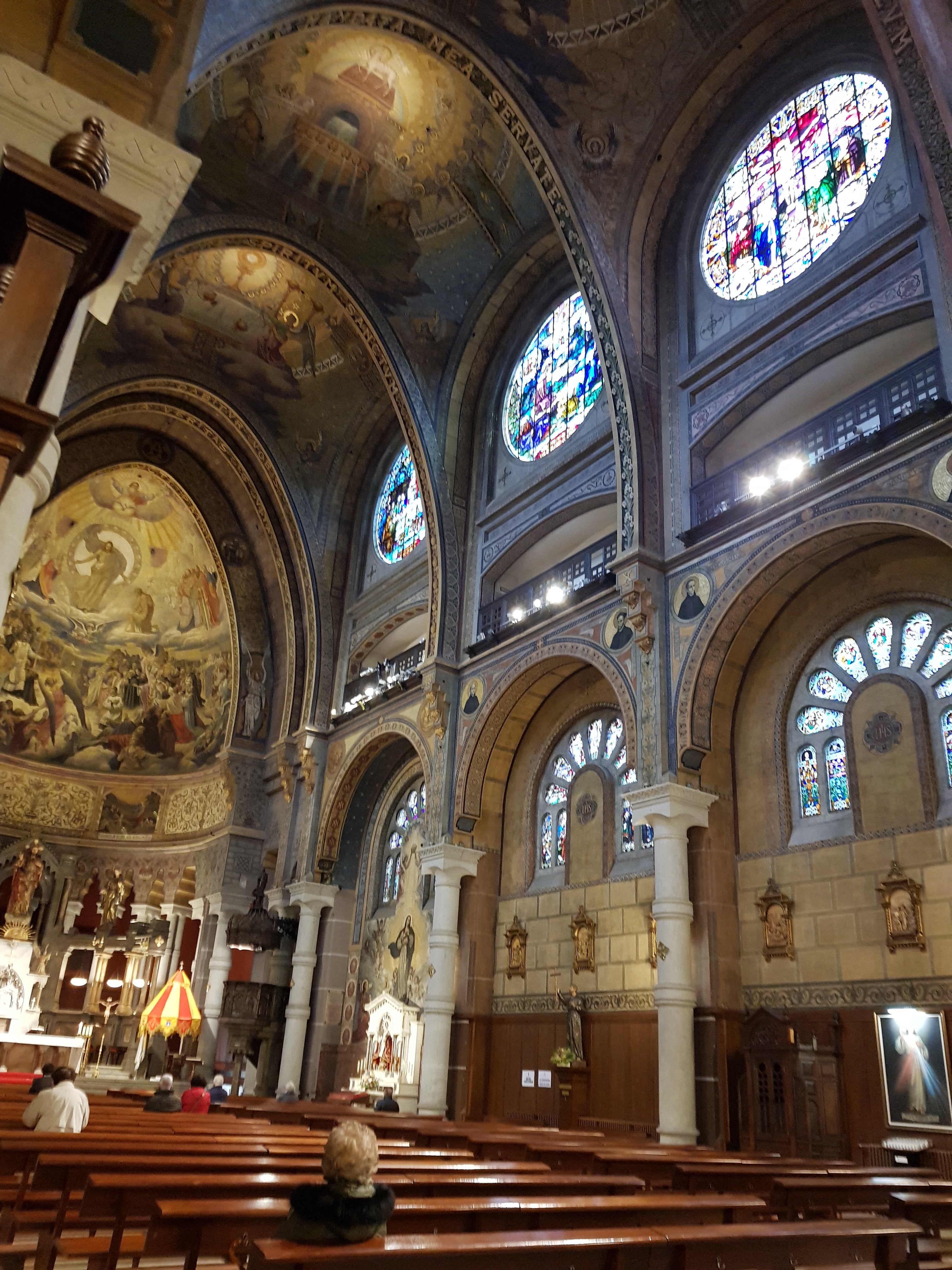
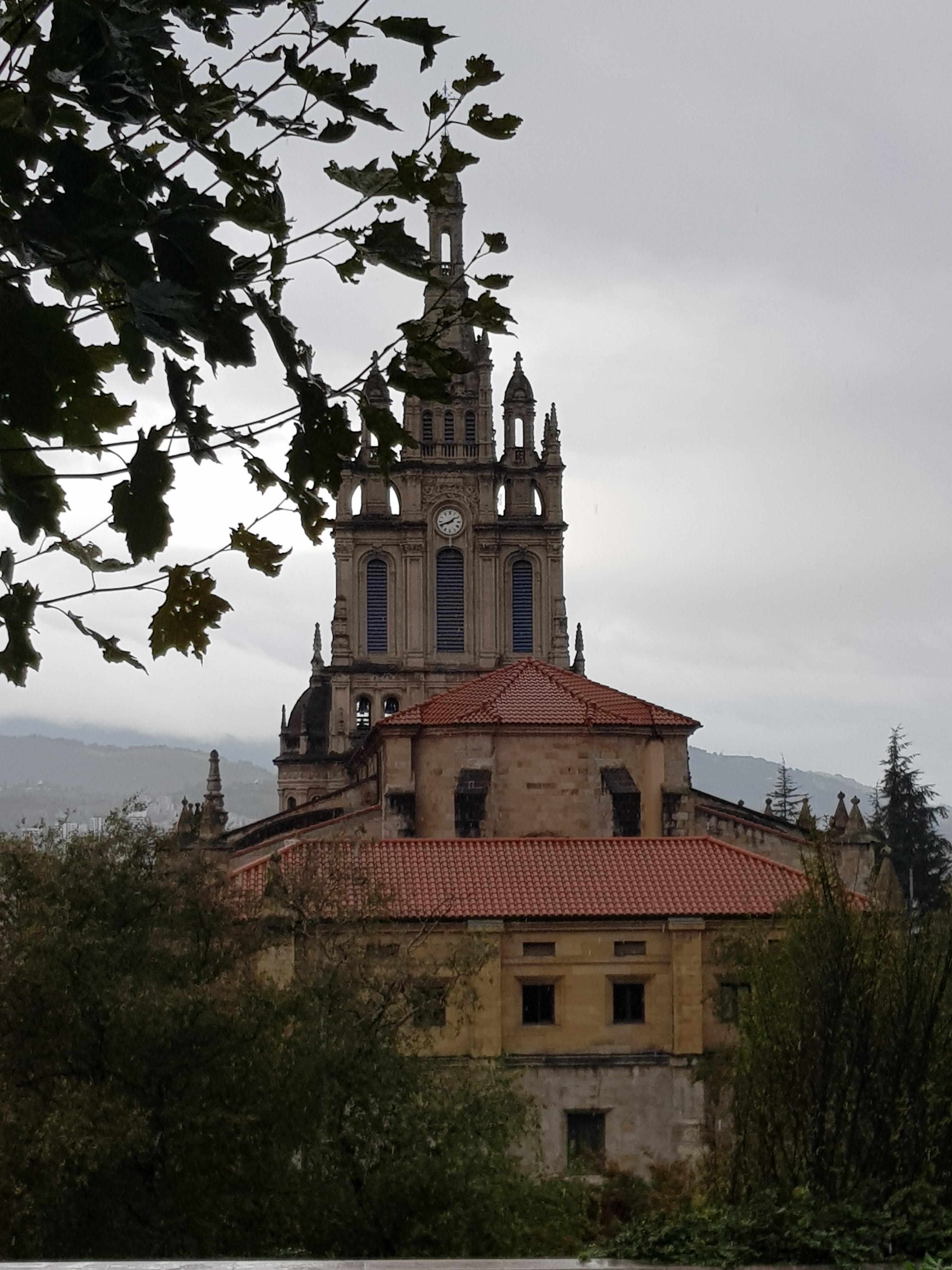
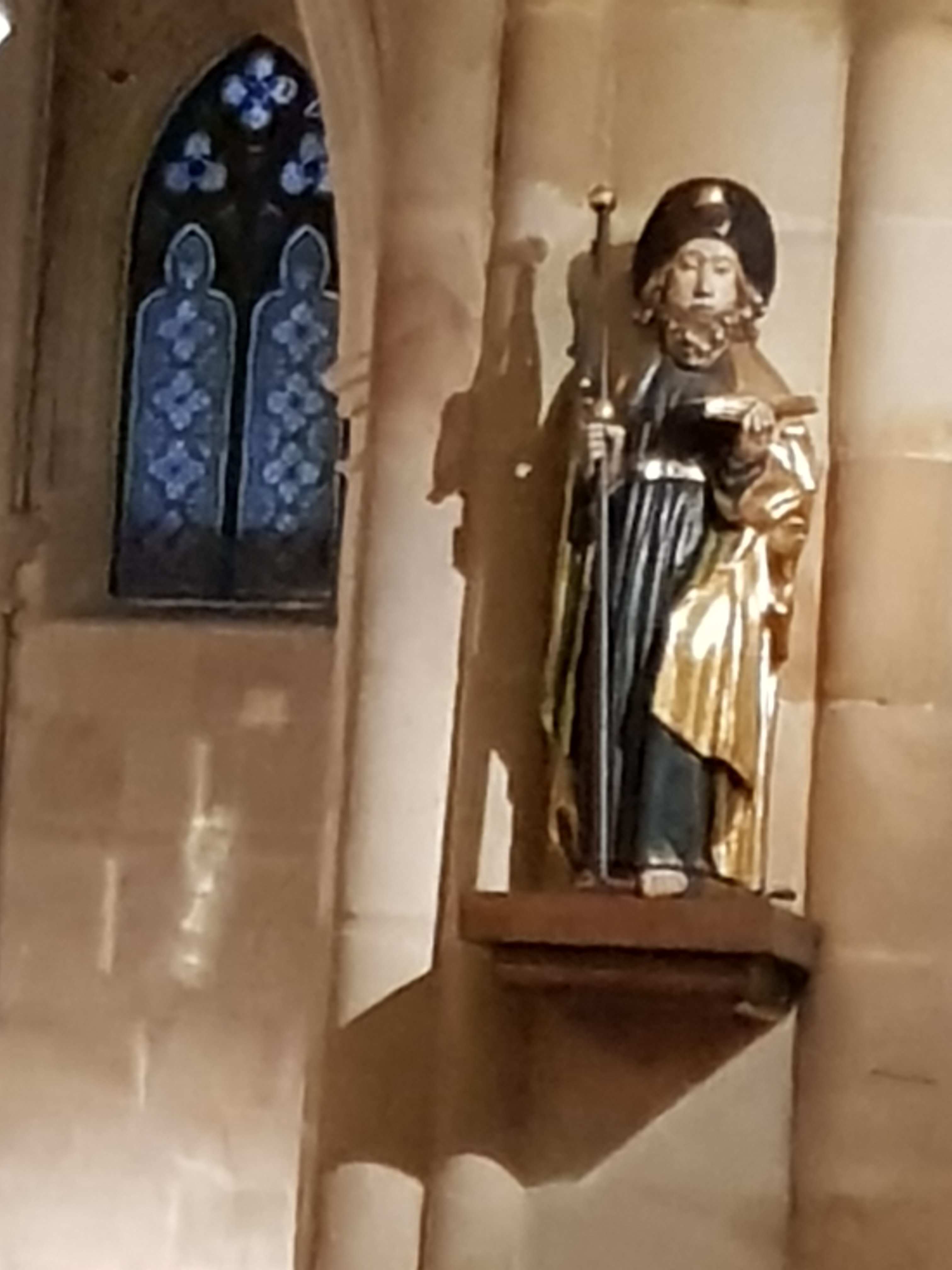
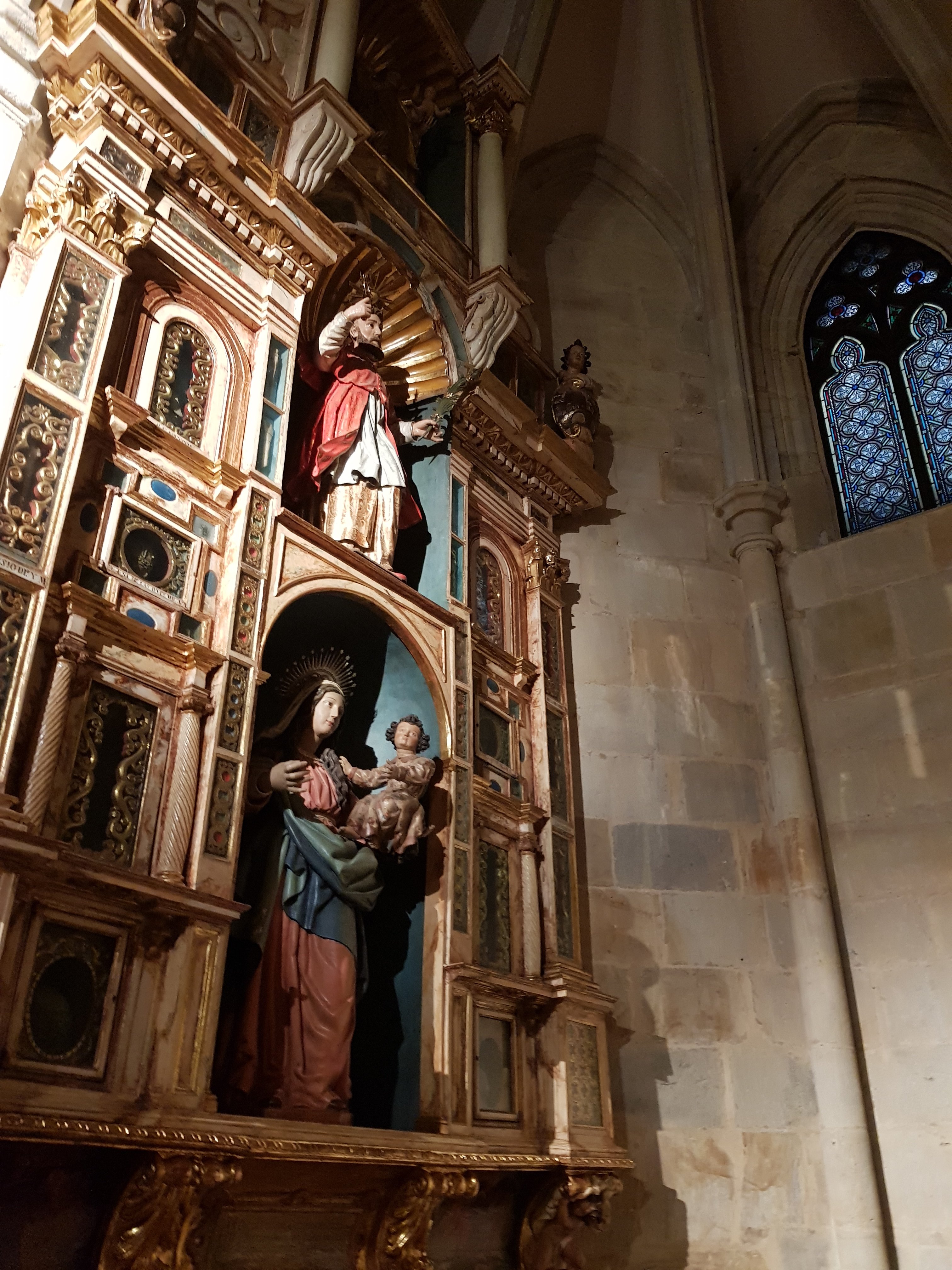
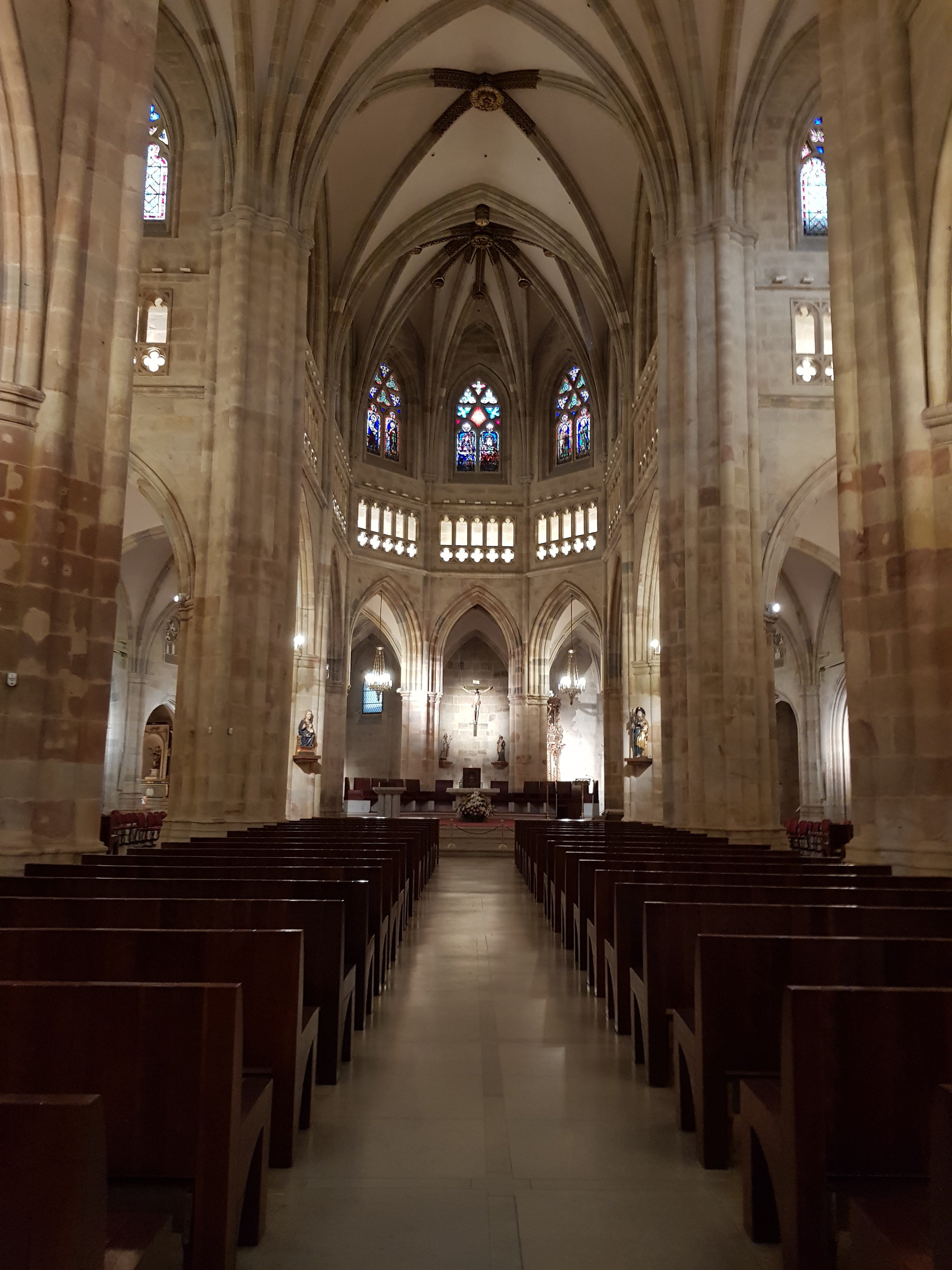
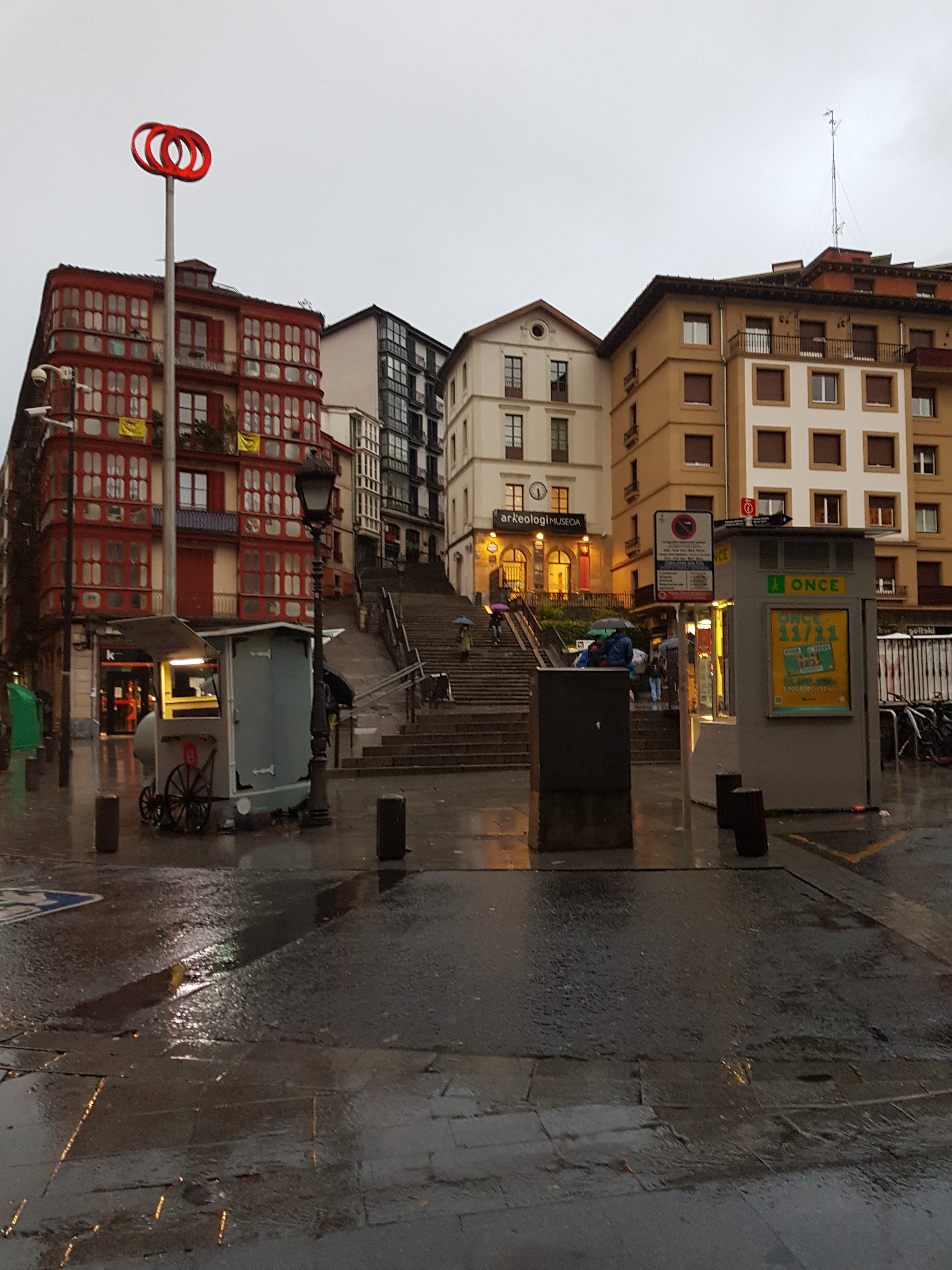
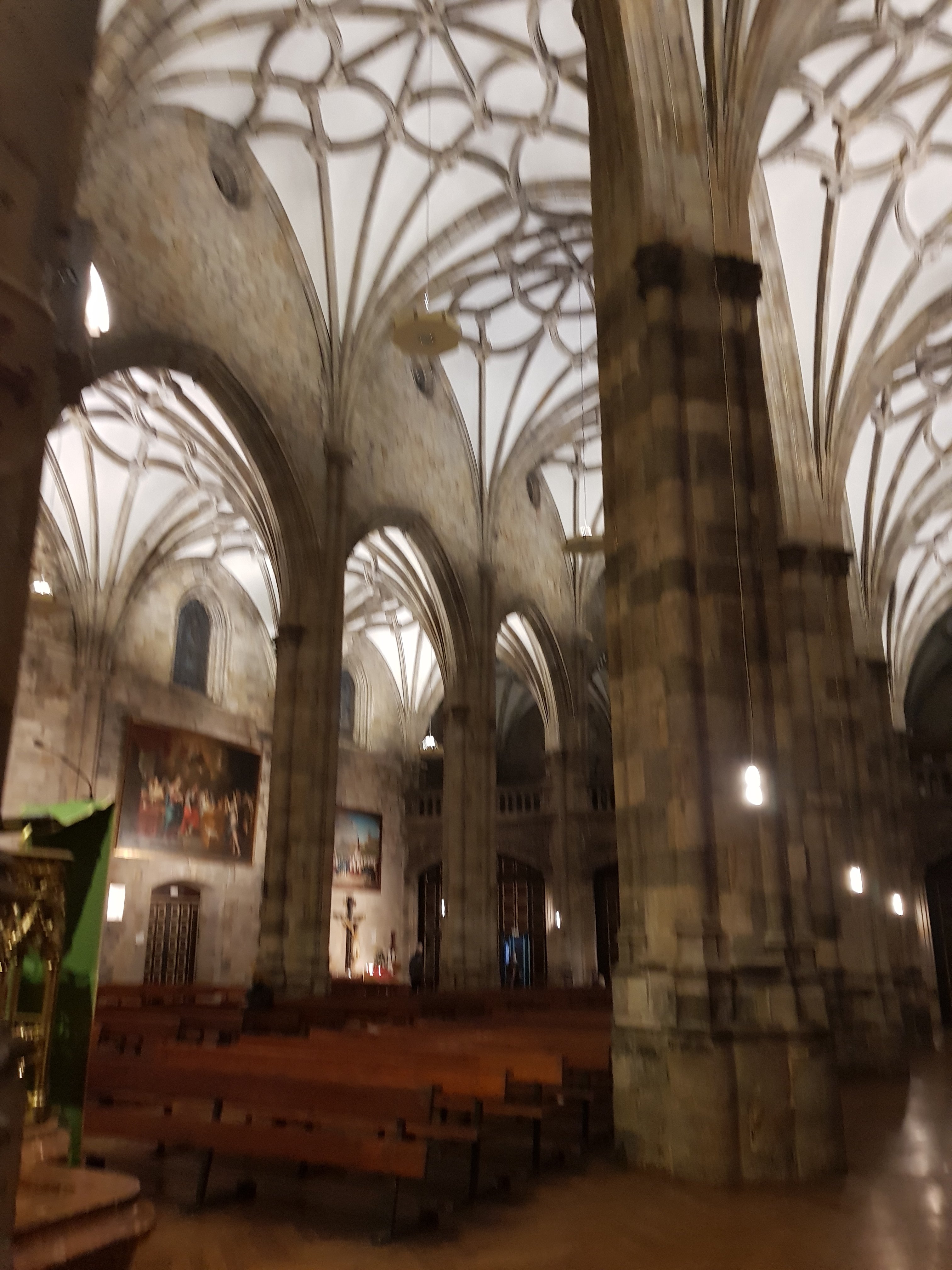
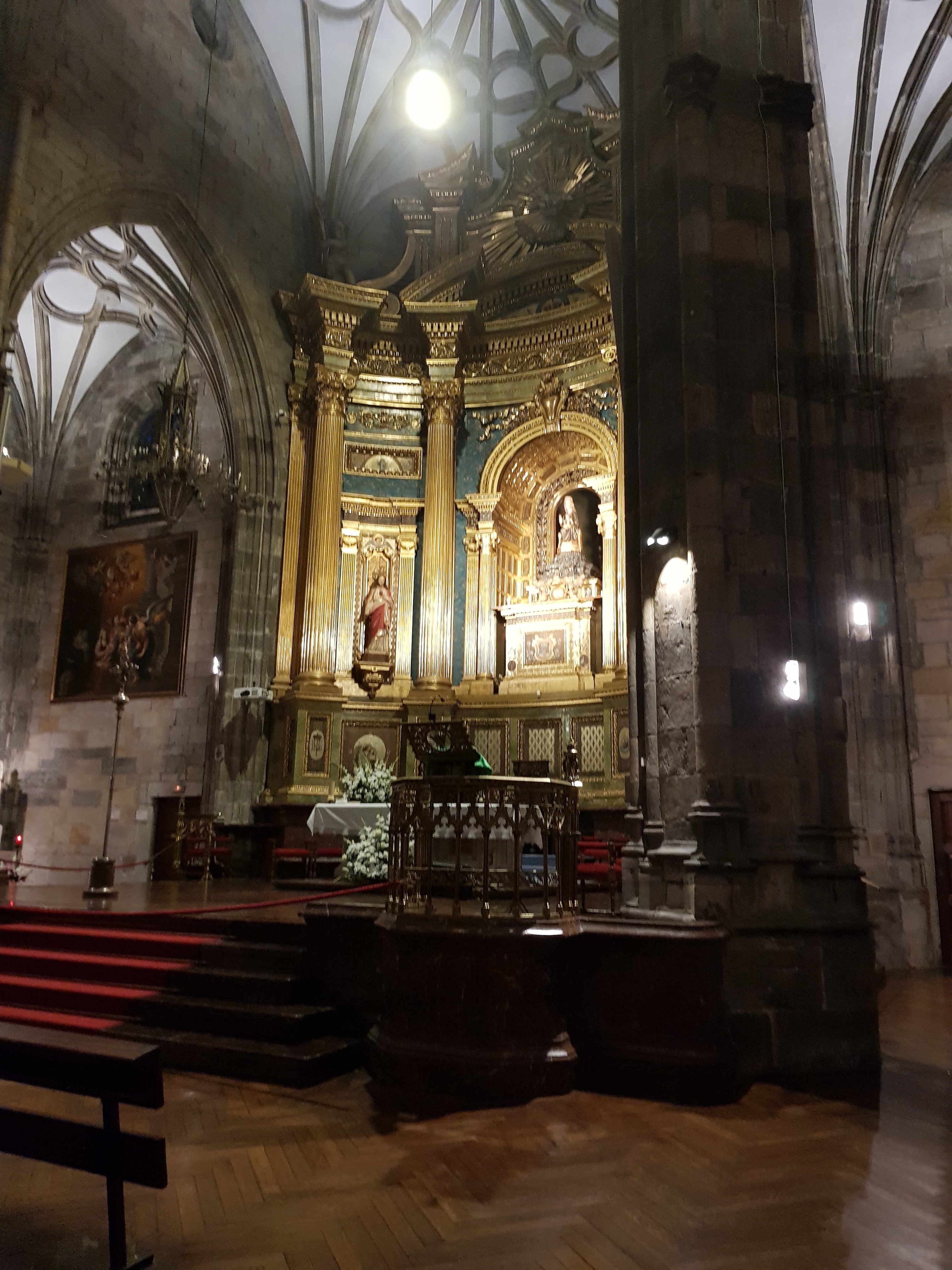
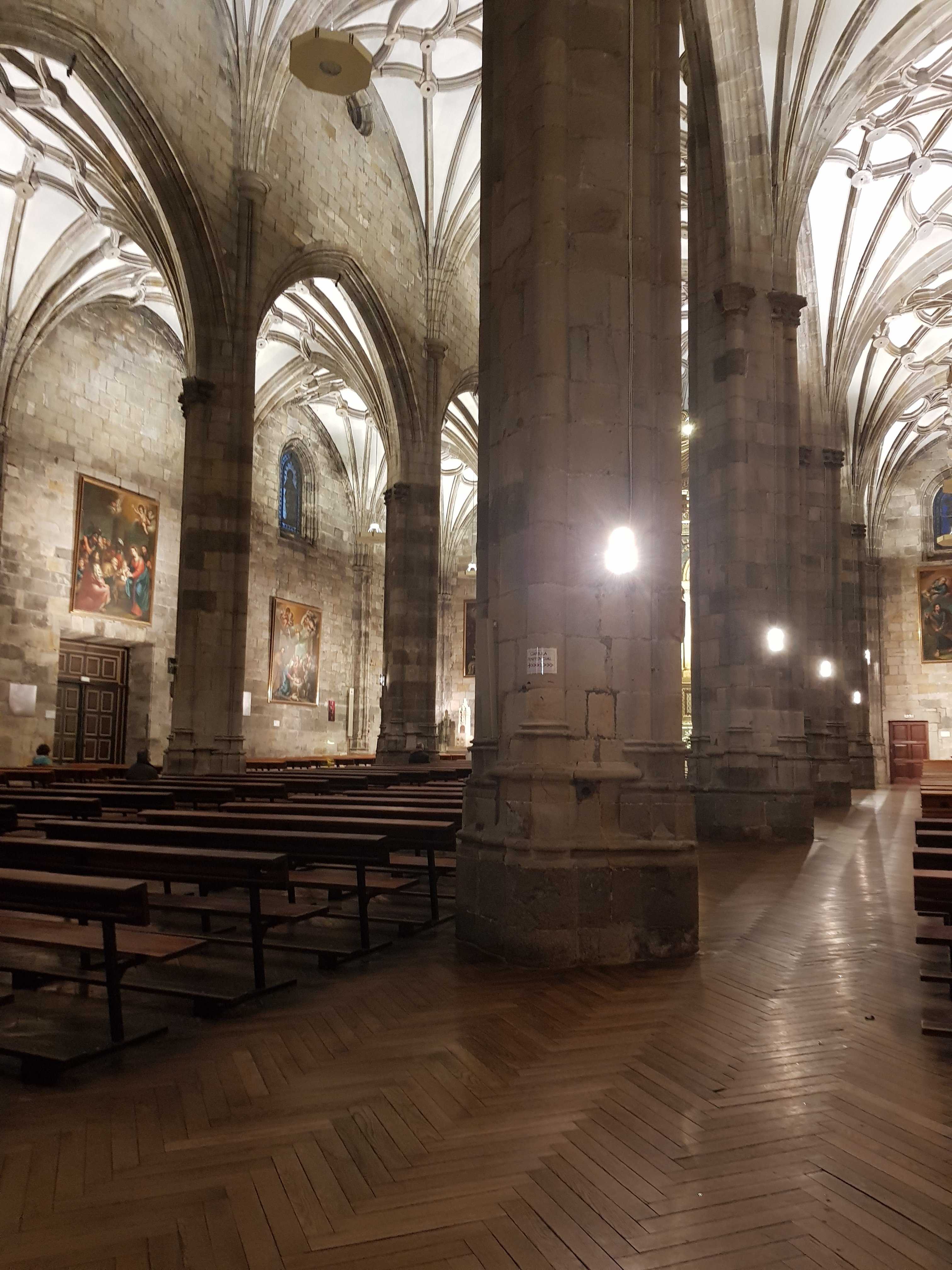
The old town in Bilbao is home to many narrow streets, and the cathedral dedicated to Santiago (St James). Due to this, it turned out that it was free admission for pilgrims 😀 I still paid €2 for an audio guide, which was useful to explain the artwork and architecture. The building is basque gothic, and has three naves which is unusual to me.
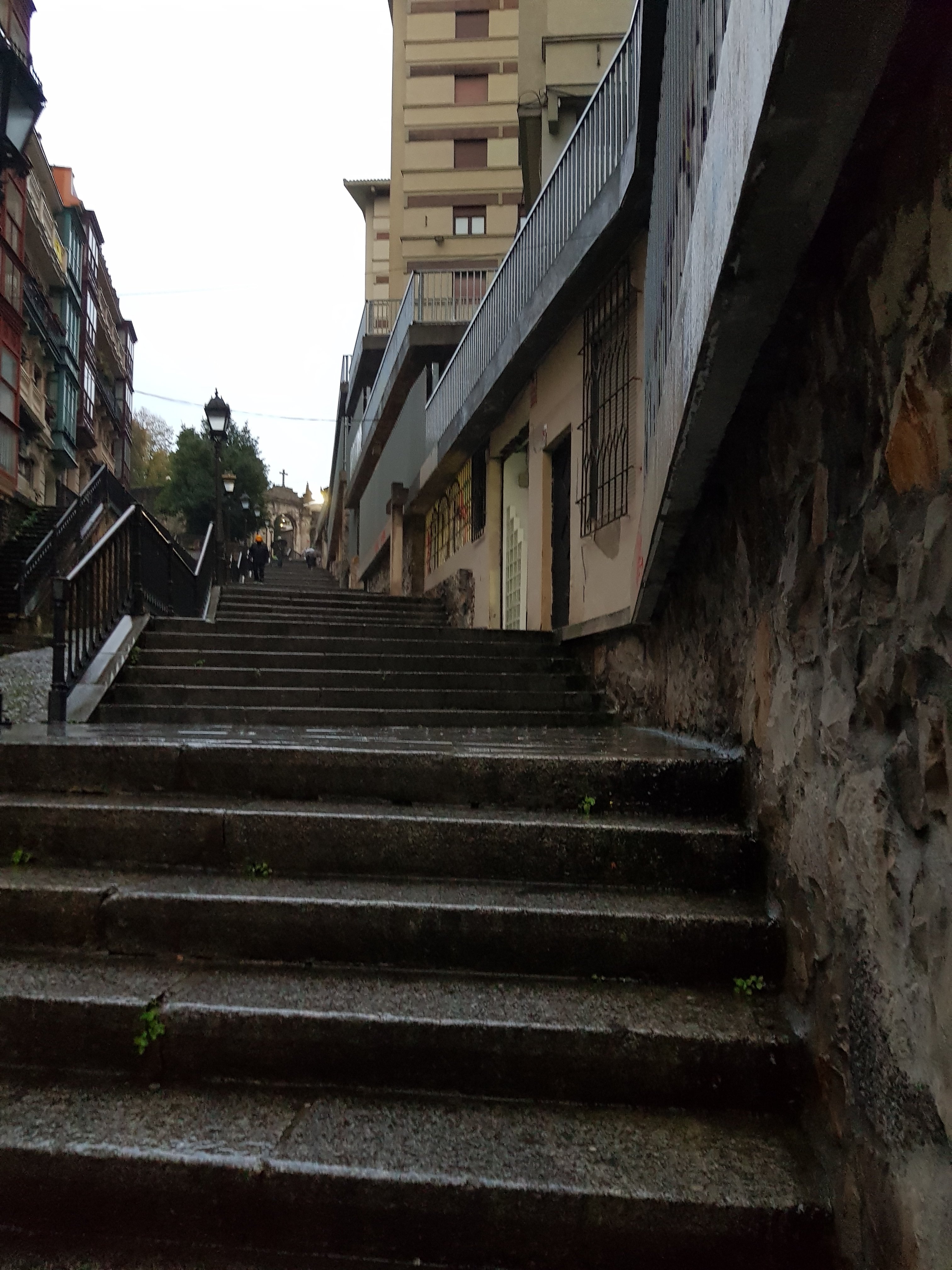
I also visited the basilica of Burgos which is on top of the hill up literally hundreds of steps… I walked to the top of these in the rain, then I saw the elevator…🥵😤
I really liked the style in the basilica, and the atmosphere was really calm. I would recommend a visit, on your way into Bilbao, (to avoid going up the steps).
San Juan de Gaztelugatxe
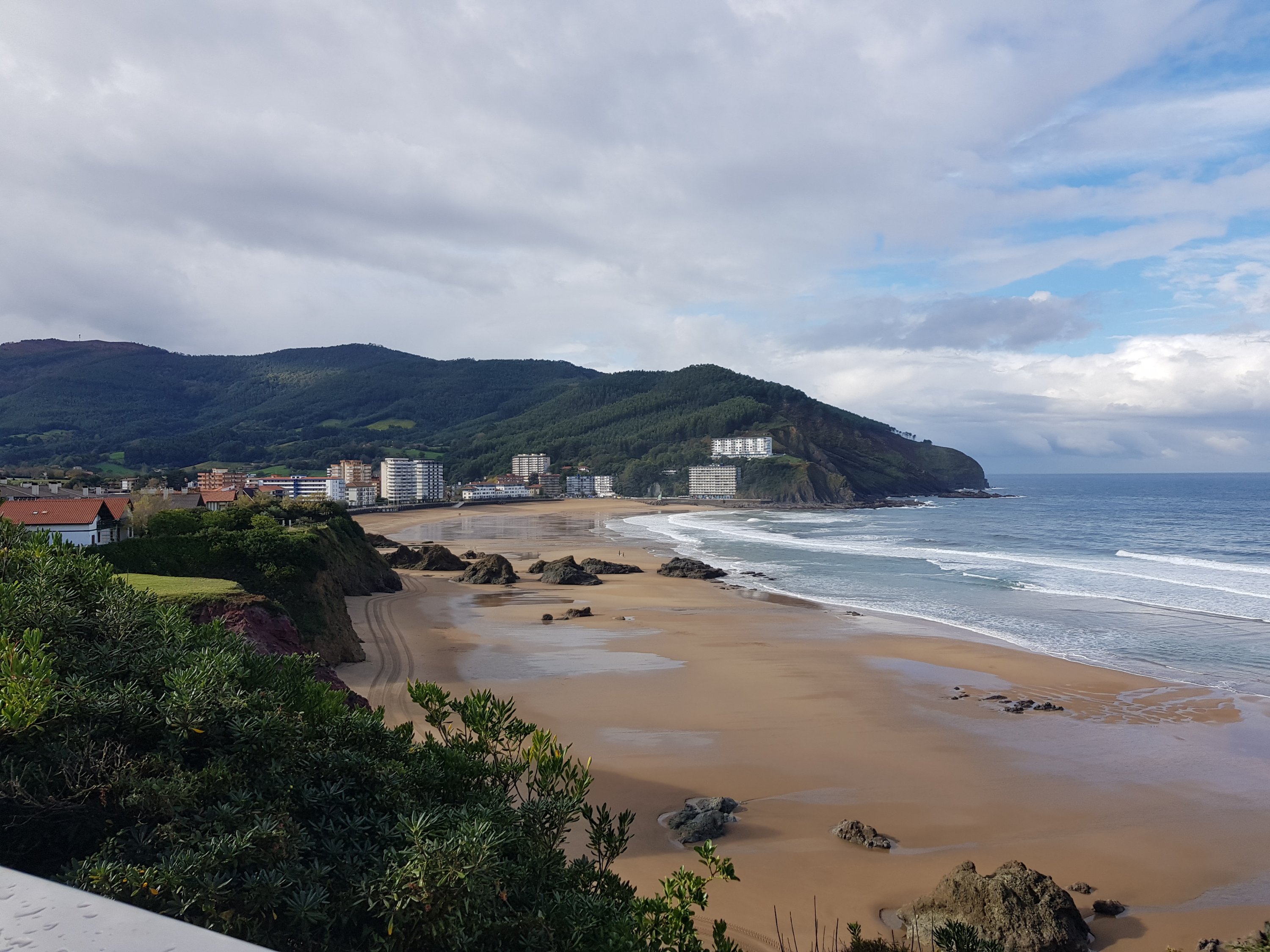
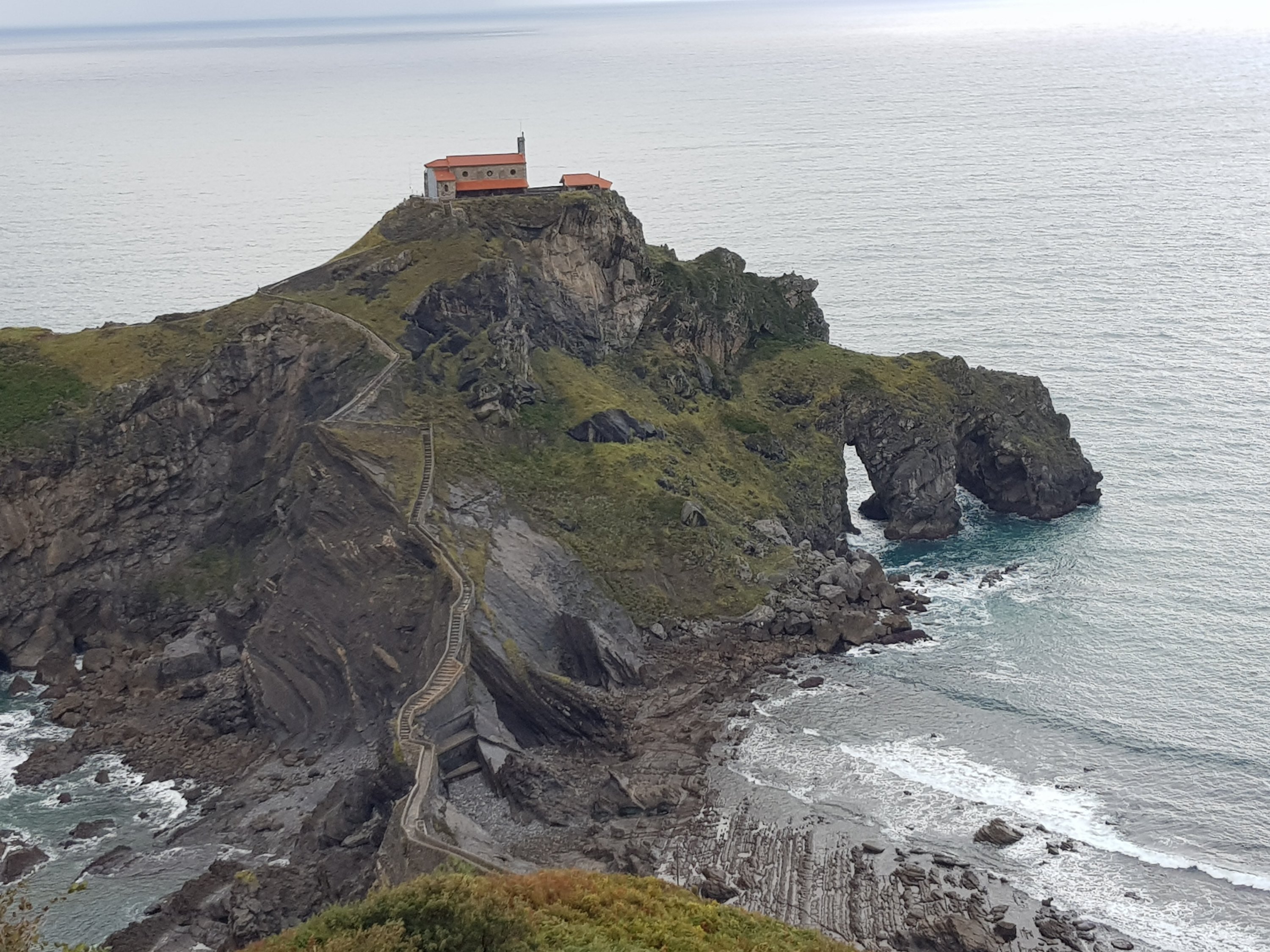
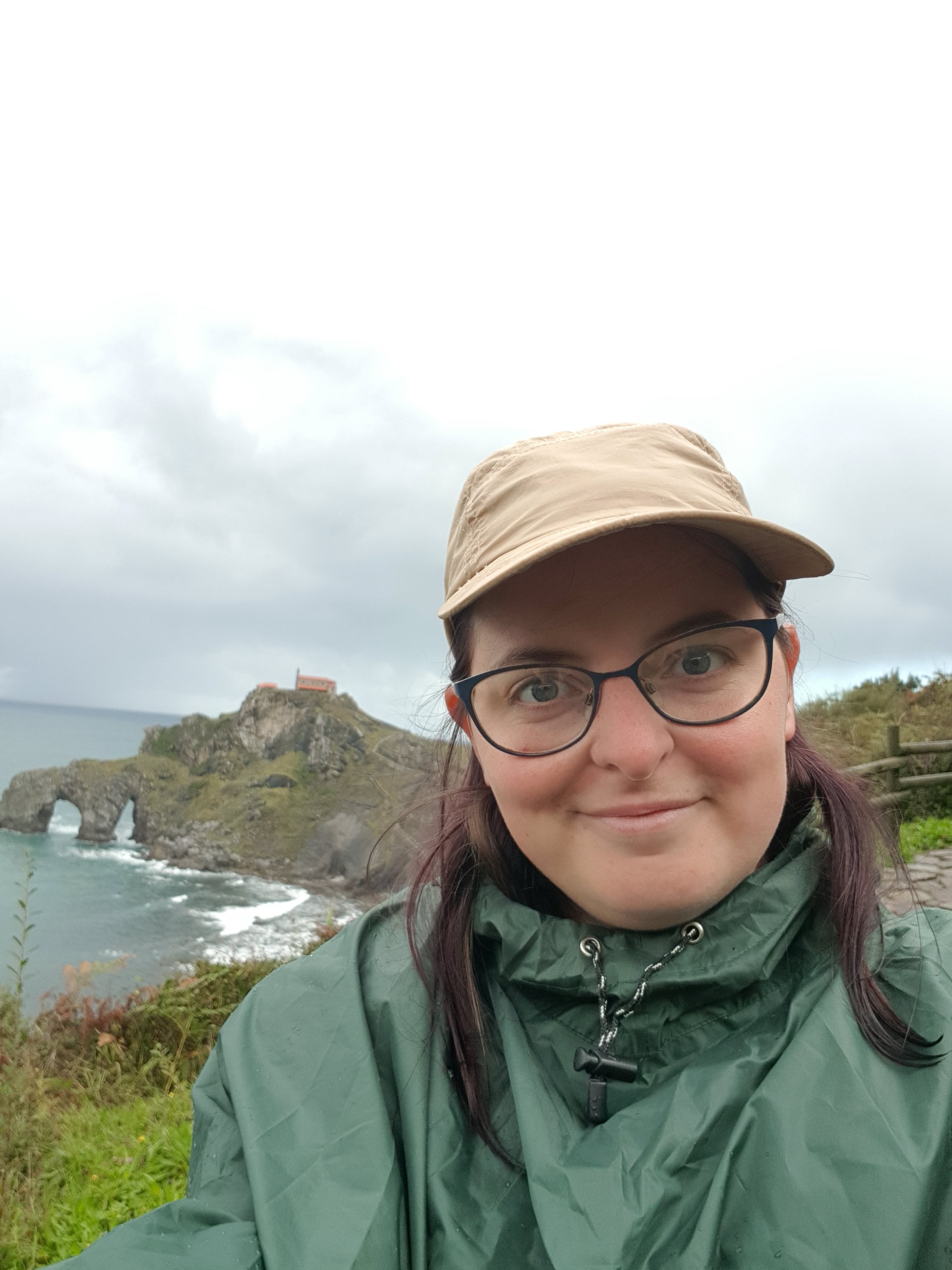
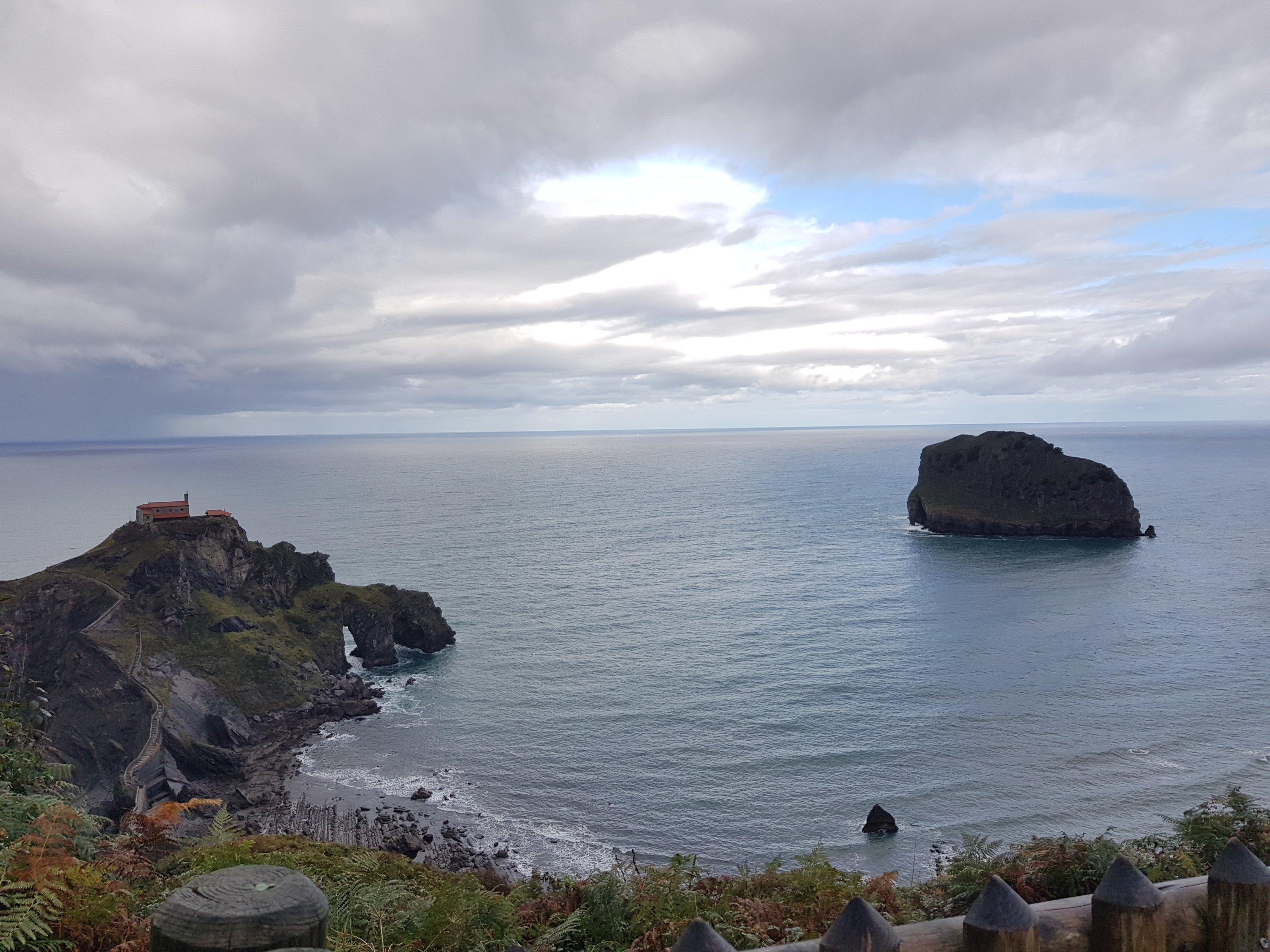
I decided that on the last morning of my stay in Bilbao, I would take a bus (for only €2.50 each way) to Bakio, and walk the steep 30 minute trek to San Juan de Gaztelugatxe. This is unique location, as an island off the coast connected by a stone bridge, and topped with a hermitage building. It is also ‘Dragonstone’ from Game of Thrones. Another one off my GoT list! ✅✅✅
The past week has been tough. I have walked through about 26 villages and towns and walked over at least six mountains with over 10kg on my back. The views have been amazing though and I can feel myself getting stronger! Physically, and mentally.
Now I just need to decide if I should keep walking or take a few more days off. The weather will get wetter and colder, but I am due for some days of flat terrain, which should be a welcome relief. What do you think?
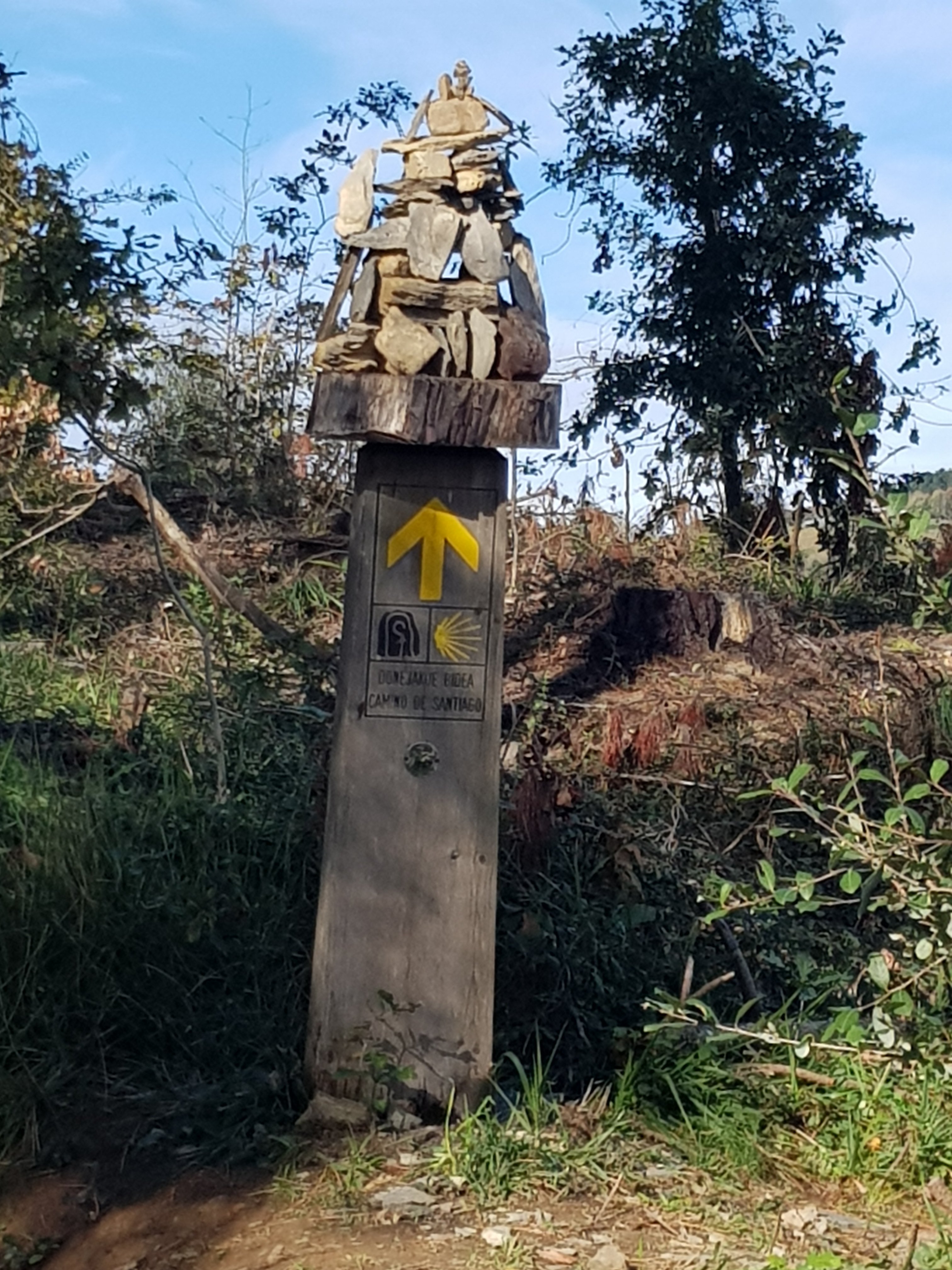
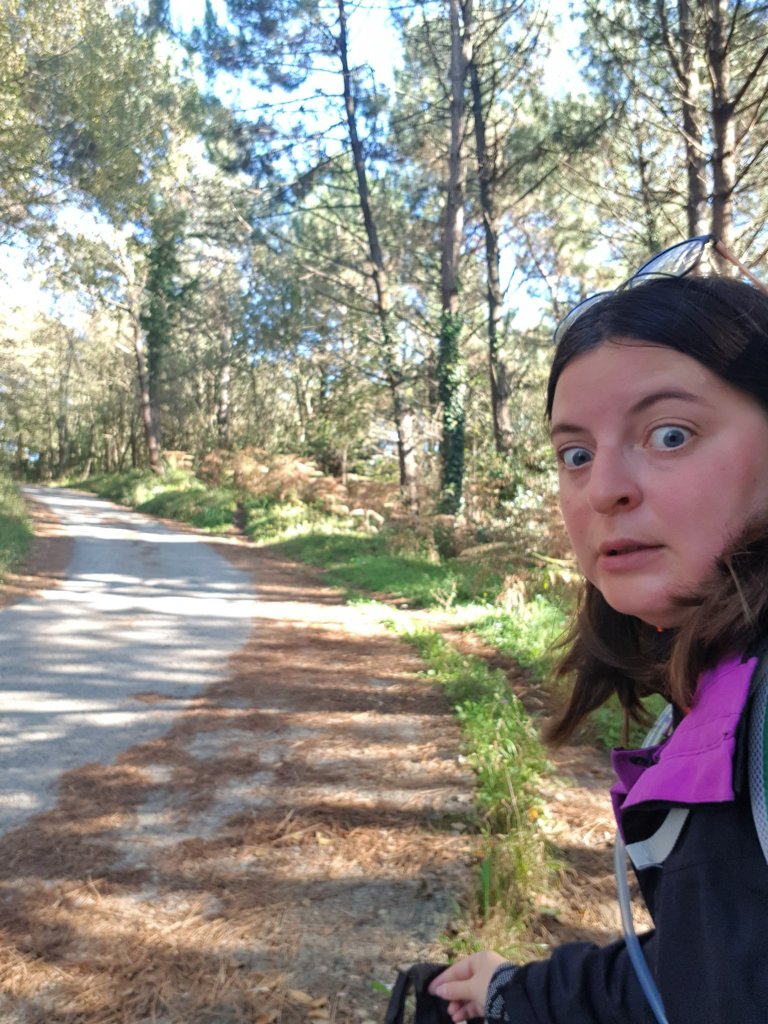
So, this week, I started my long journey to Santiago de Compostela (over 800km) from Irun. I will be walking for as many days as I physically can, and enjoying rest days in cities and some towns a long the way.
The journey to Irun from Zaragoza took a few hours on the train with a change in a town that I could not even pronounce. Most people go to Pamplona for a day first, as it is an easier transport connection and I think in hindsight, perhaps I should have. I had already booked my accommodation and train though, so I didn’t want to alter it. I also just wanted to get started on the walk before the weather turned, and I think it was the right decision, as I had three days of sunshine.
Most people attempt to do the journey from Irun to San Sebastian in one day, but this is about 25km and includes a mountain hike. I decided to start gradually, and split my first stage over two days, with an overnight stay just outside of Lezo.
This was definitely the right decision. The hike was very steep and a shock to the system, after several days sightseeing on flat terrain.
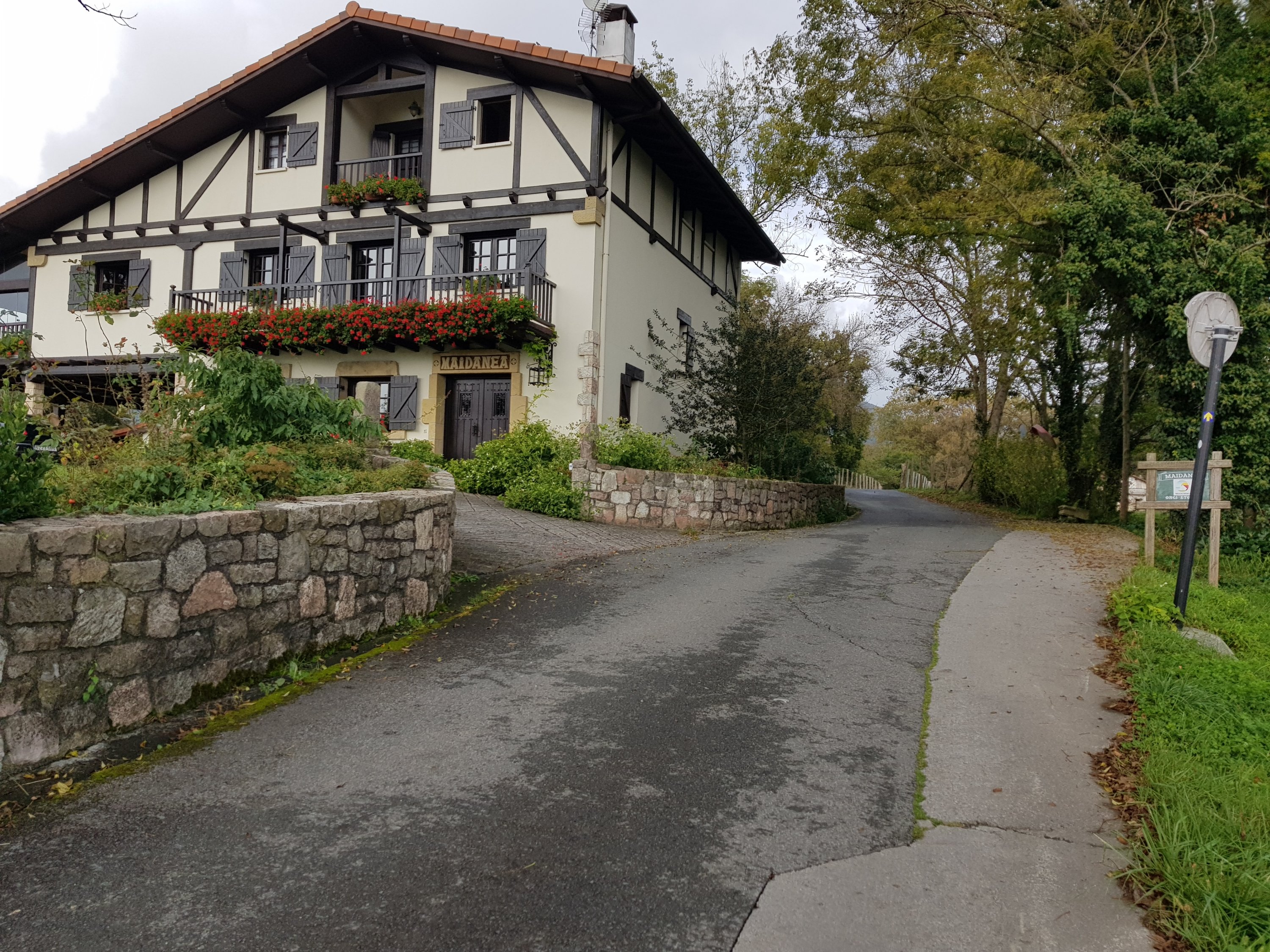
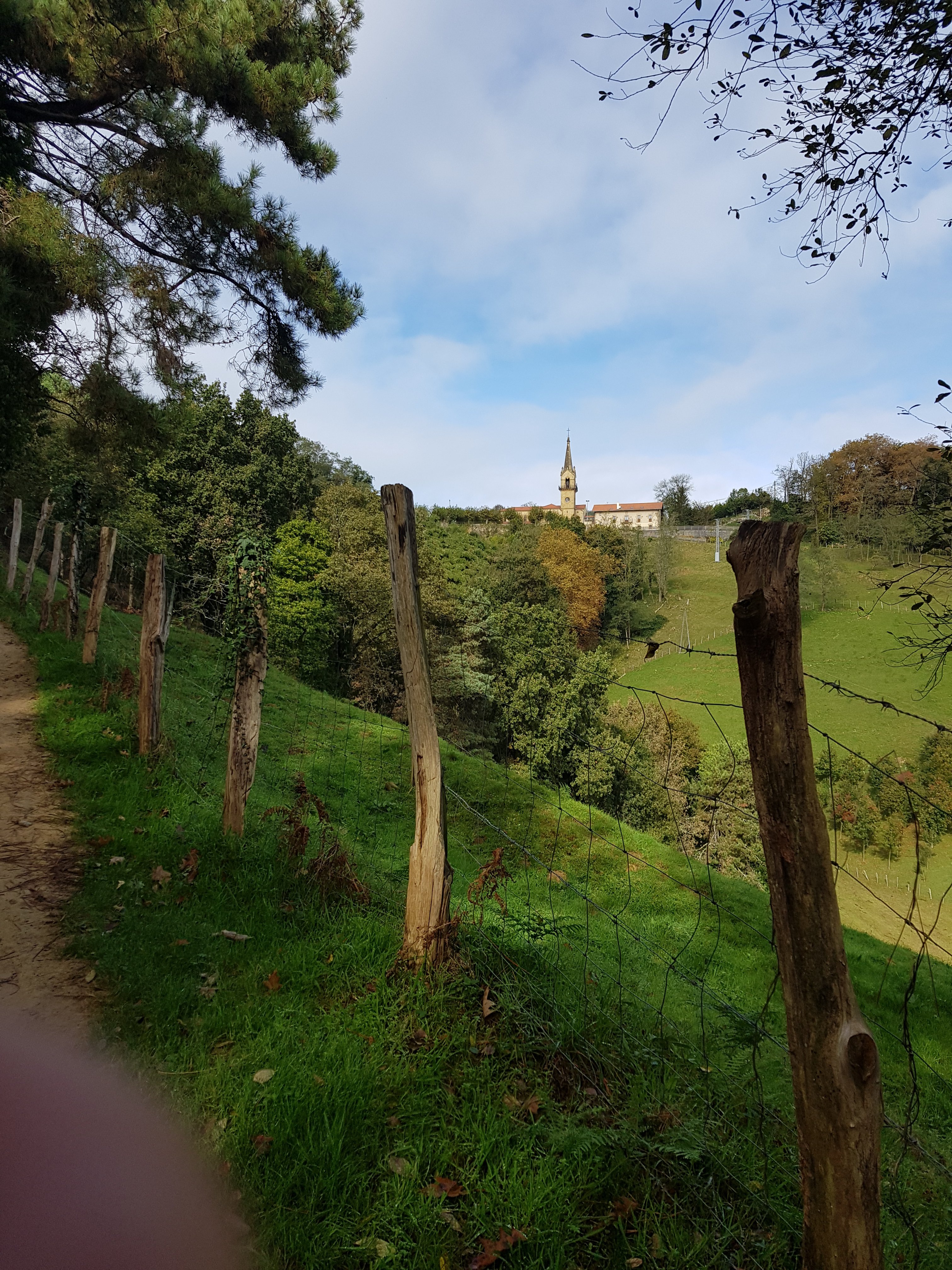
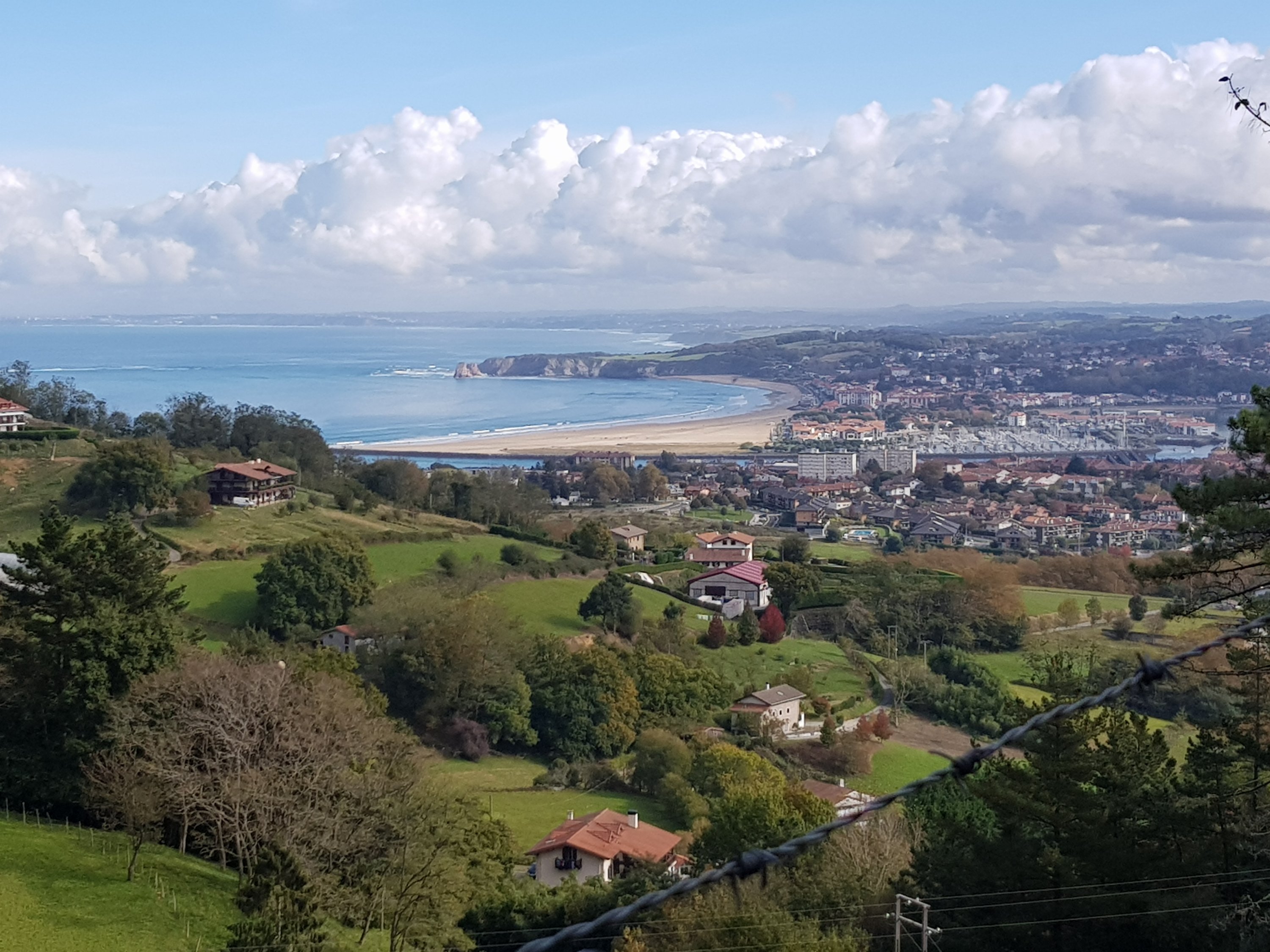
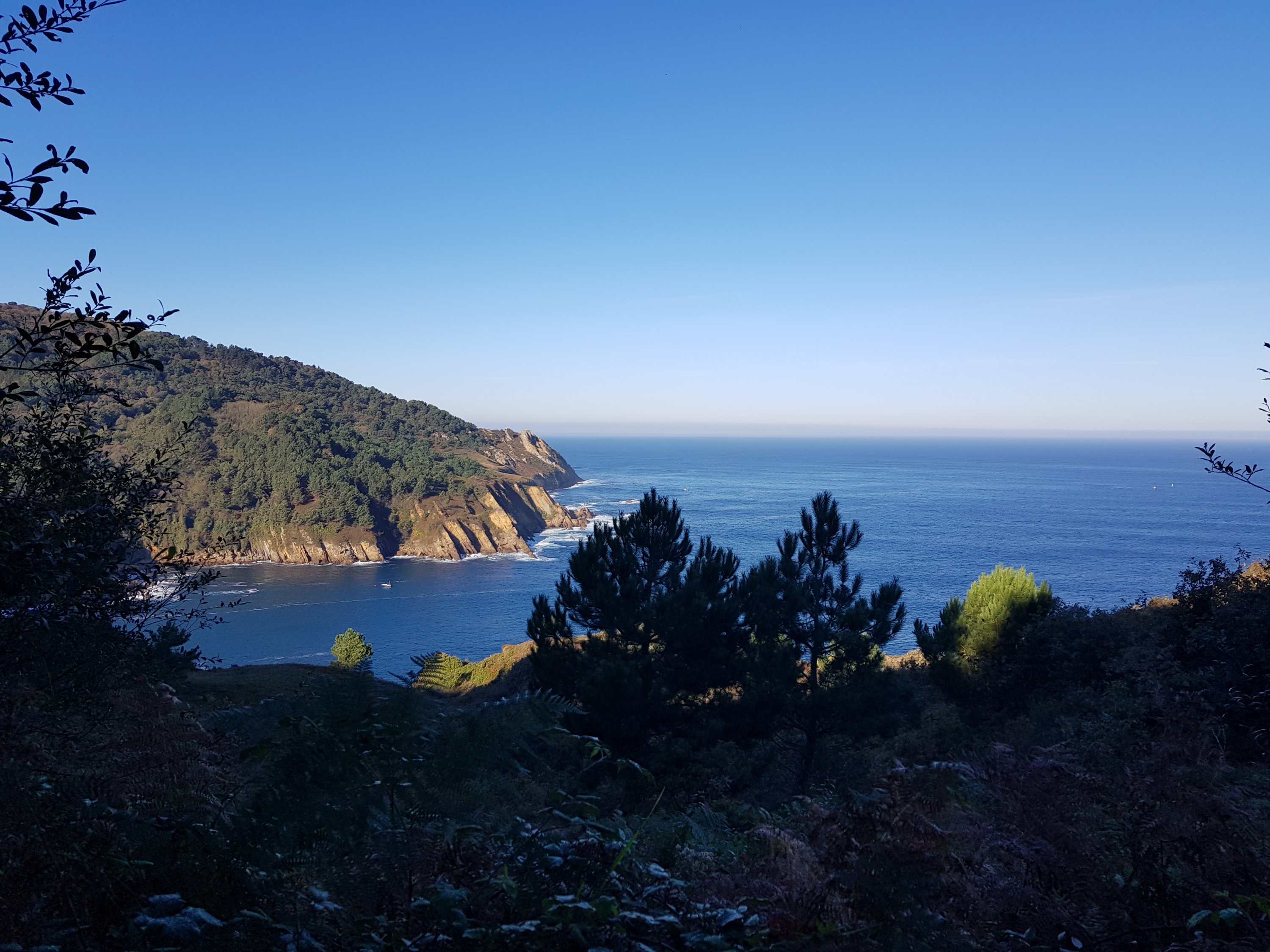
The walk took me up the mountain, with views of the sea and nearby beaches, coupled with traditional small farms, and picturesque houses.
After the lovely views of the mountain and the gruelling walk down, I realised something unfortunate.. The hostel that I booked on the outside of Lezo, was on a major highway. I came to a busy roundabout with no crossing, and was perplexed at what to do. My options were few:
To climb back up the mountain and find another path to town, and then doubleback on myself..
To attempt to cross the highway and potentially be hit by a car at 80kmph.
Hitch-hike and hope someone took pity on me.
I considered my options carefully, and decided the best thing to do was wave someone down, and beg for a lift in my broken spanish.
I waited about 40 minutes and asked three drivers before I found someone that would take me across the motorway. A lady with her teenage daughter and a horse trailer on the back of her truck felt sorry for me and agreed. This was a blessing. I ended up talking in Spanish with them the whole journey to the hostel, and they were very chatty. I also felt like this was a great opportunity to get over any ‘stranger danger’ fears I had.
Once I was at the hostel, I met several men that I was sharing a room with, including many Spaniards and a frenchman that spoke great English too. They were very friendly and the frenchman offered to drive me into the town the next morning, which again was super useful as the motorway was too dangerous to walk. I must make it clear that the motorway is not part of the route, and was a poorly planned detour by me.
So the walk continued on! I had some beautiful towns to wonder through as well as a cute little boat taxi crossing for 90 cents.
On the other side, there was a steep climb through a town when I came across the most craziest and beautiful thing… a set of escalators in the street! I felt a pang of guilt and then I got over it… this took me up three streets and I just thought it was part of the fun really! I have now discovered that many of the large towns and cities in this mountainous area have escalators and elevators to take you up to other streets higher up. There are even elevators that go underground to take you to disguised car parking and public toilets areas. The mountain people know how to live! 😀
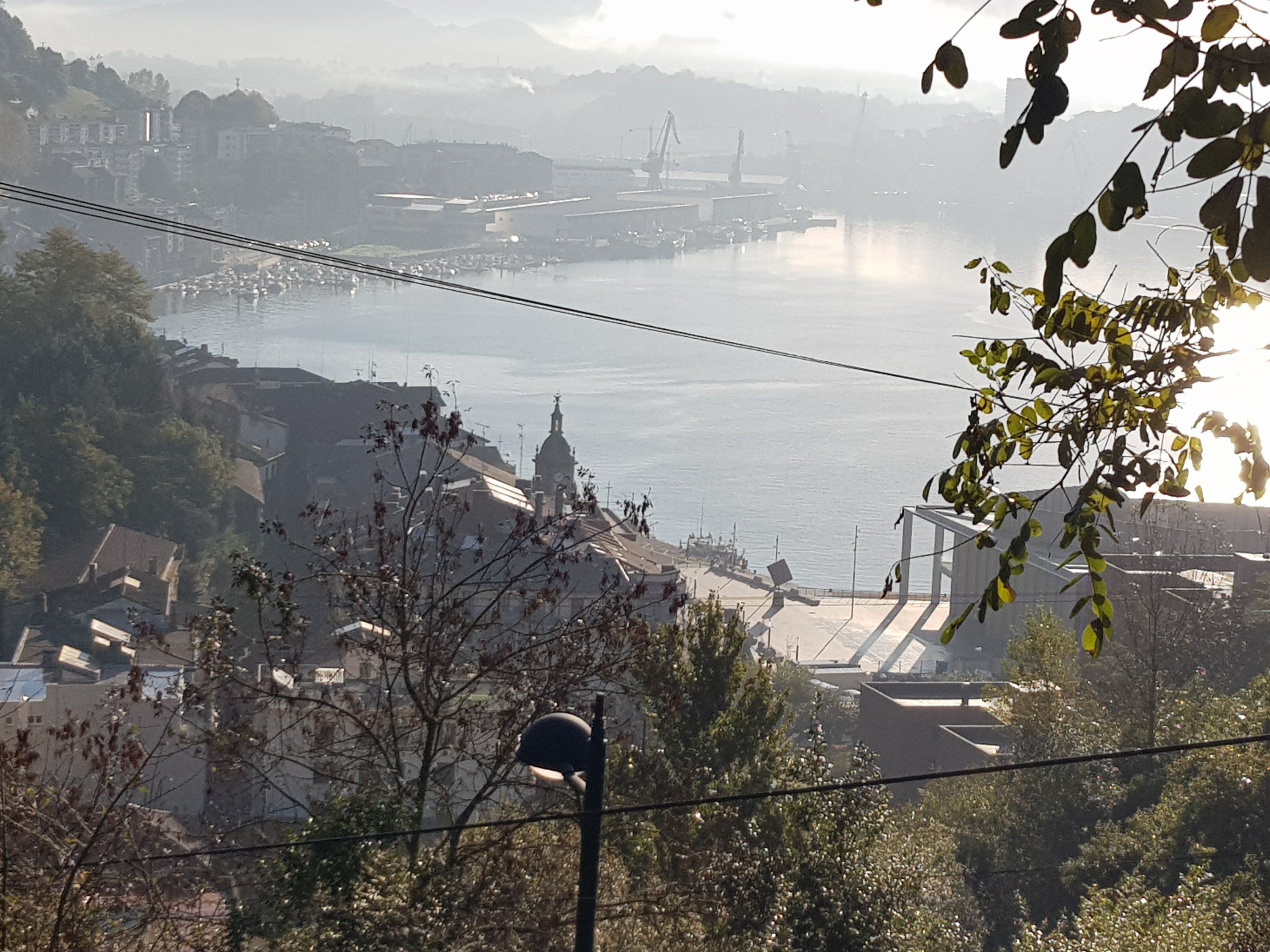
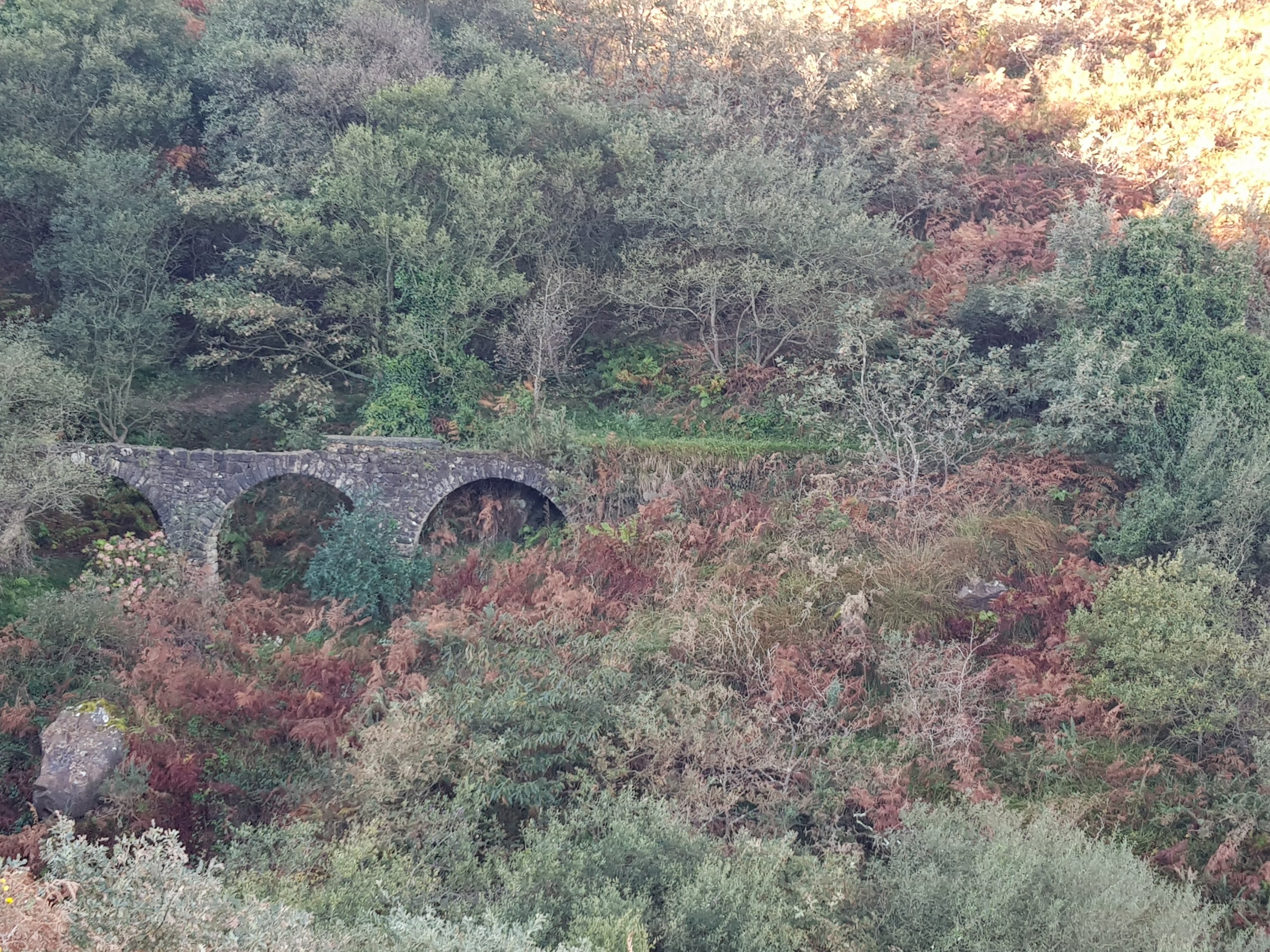
More hills, and mountains, and what felt like never ending ascents, and I began to come out through forests. The Autumn colours are in full swing now (late October), and this was really beautiful. There were even historic bridges, and forts hidden in the woods, between the foliage.
By the time I got to the bottom, I really wanted to be there by now. It had been over six hours and my legs hurt. The views could no longer take the pain away… and then I saw it. SAN SEBASTIAN! HALLELUJAH!
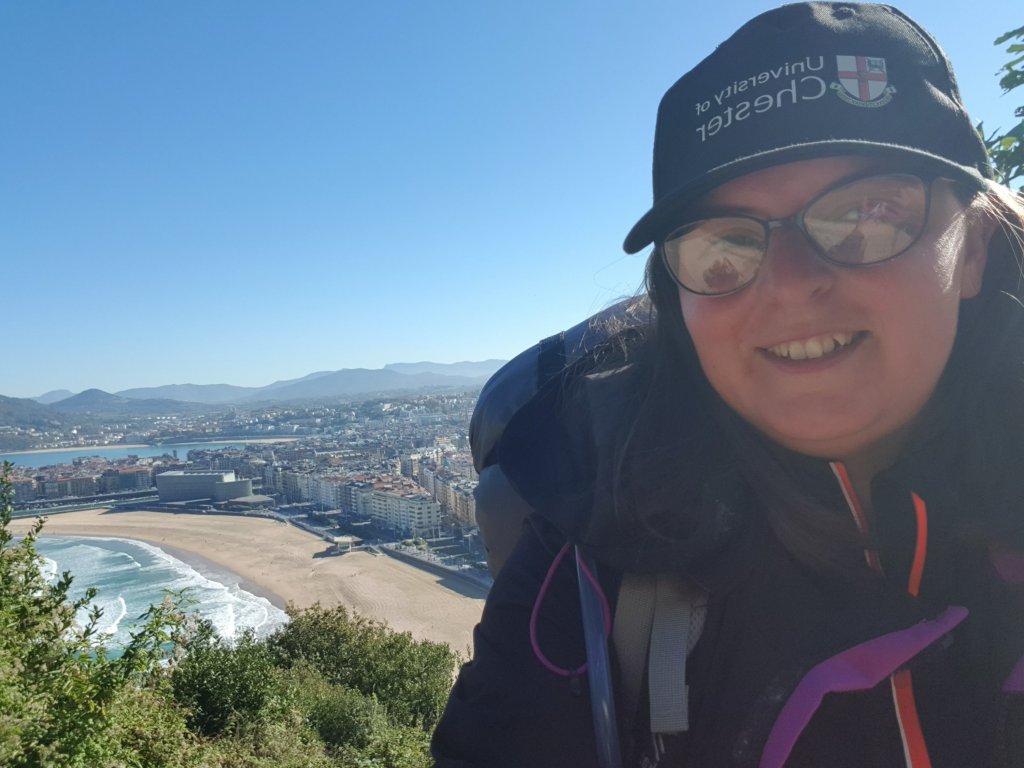
I had two nights in San Sebastion, so that I could rest after my first stage. This city is gorgeous, I think this with each new city that I go to, they just get better!
San Sebastian / Donastia
This city on the water, is really huge, and my hostel turned out to be 30 minutes from the seafront 😢 but the atmosphere at the accommodation was good so I got over it.
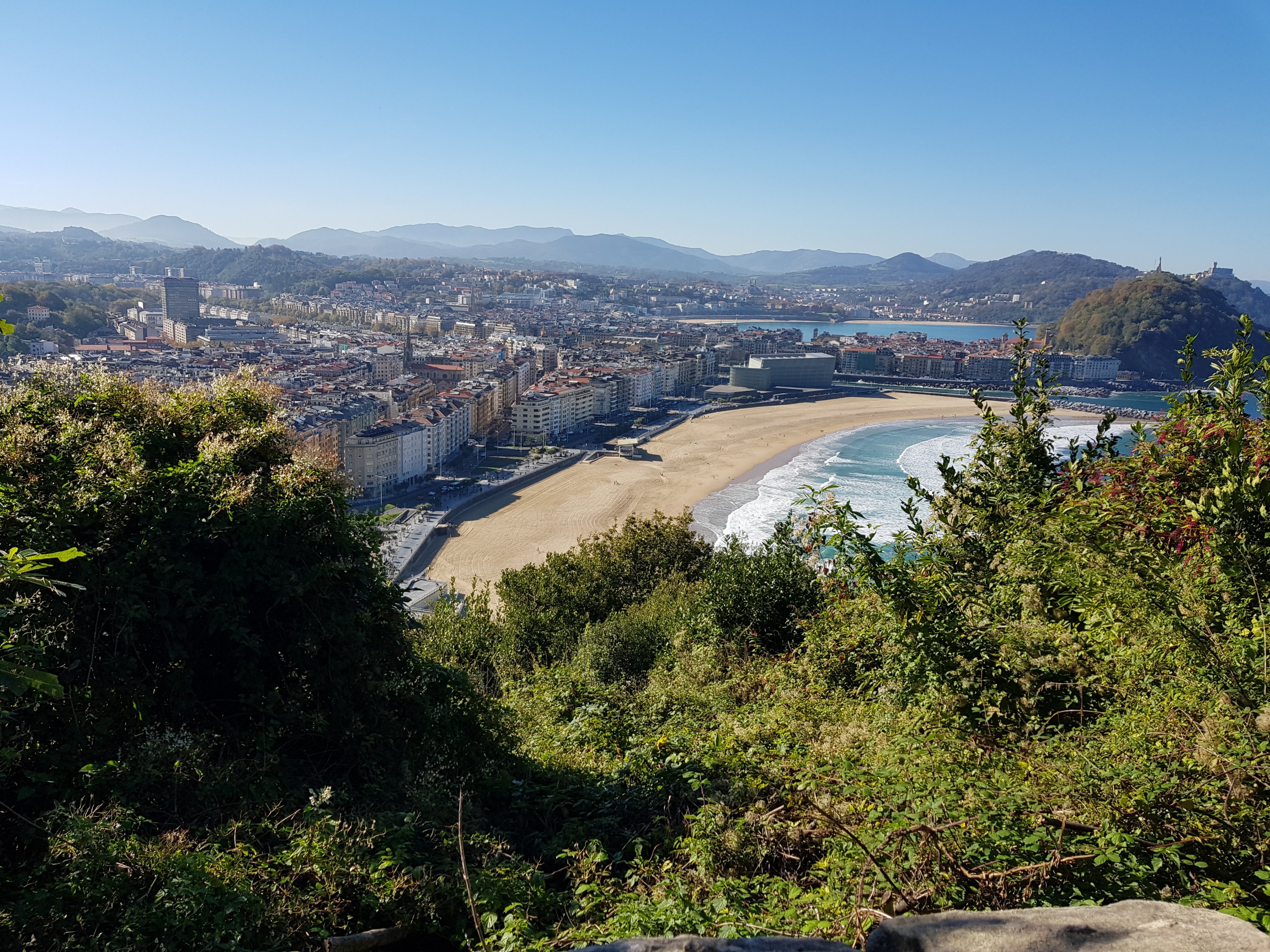
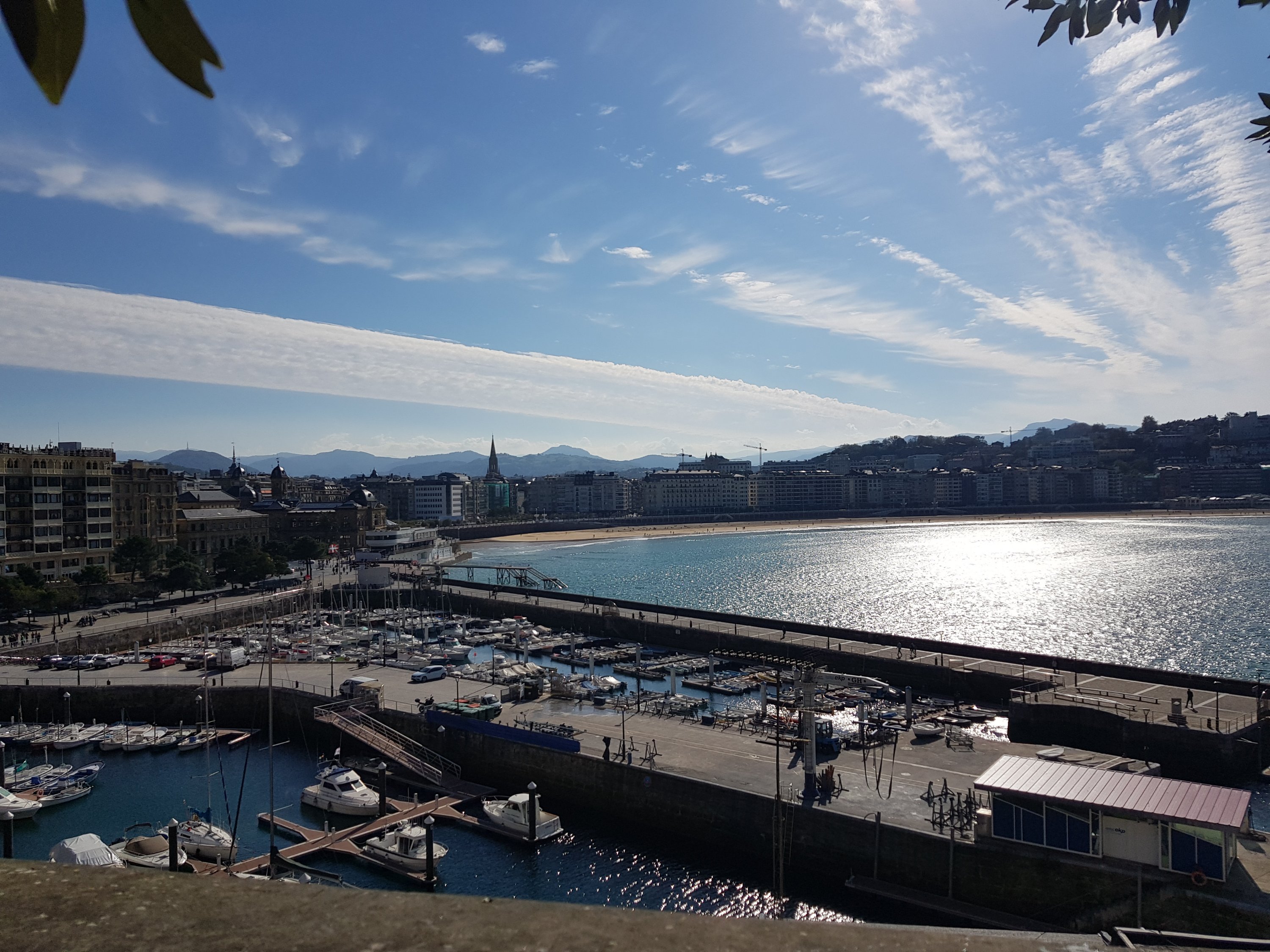
The city seems to have several elements; a beachfront and promenade, a harbour, busy centre, old town, a castle on a hill, and then outskirts of communities and work places.
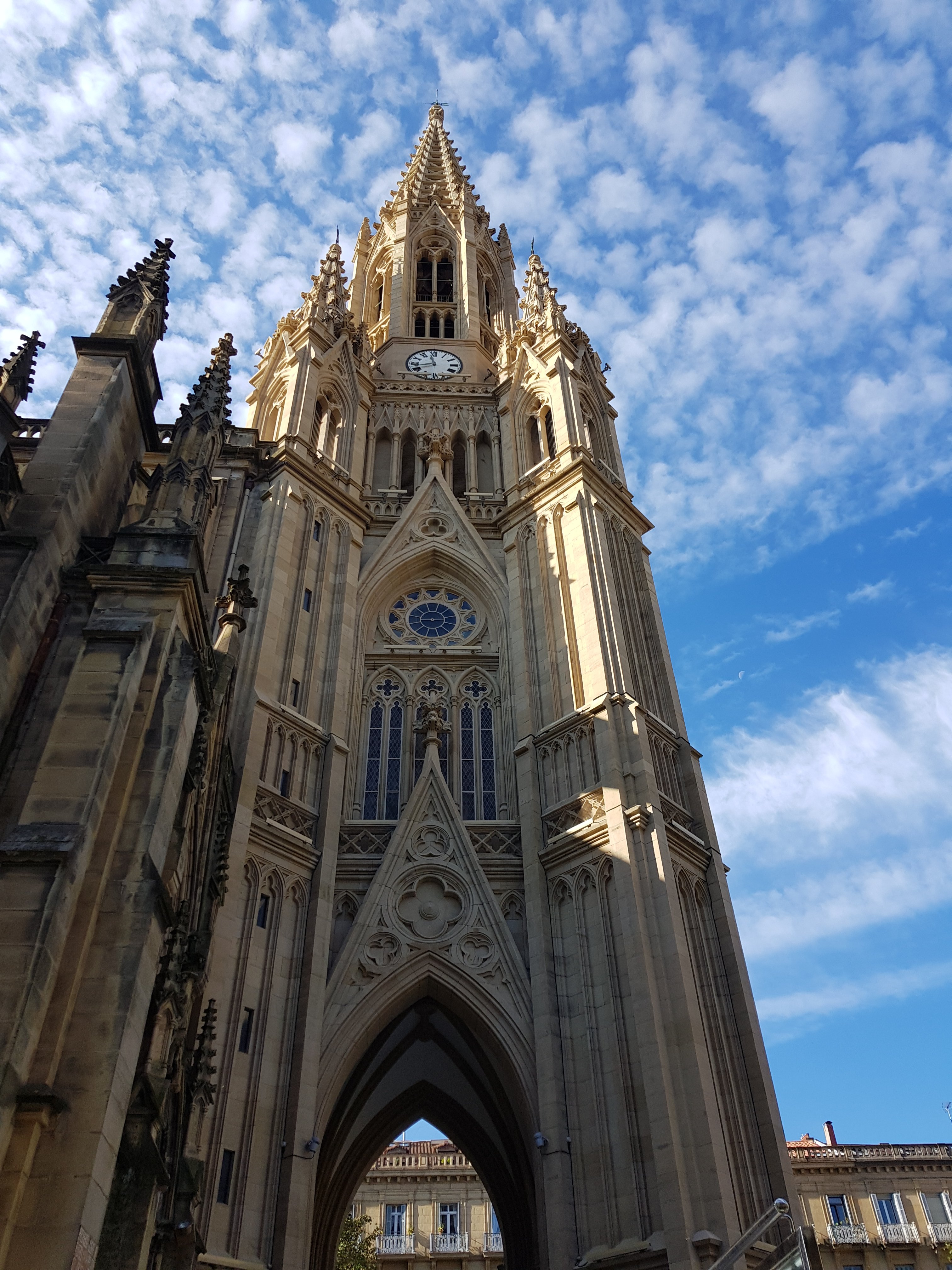
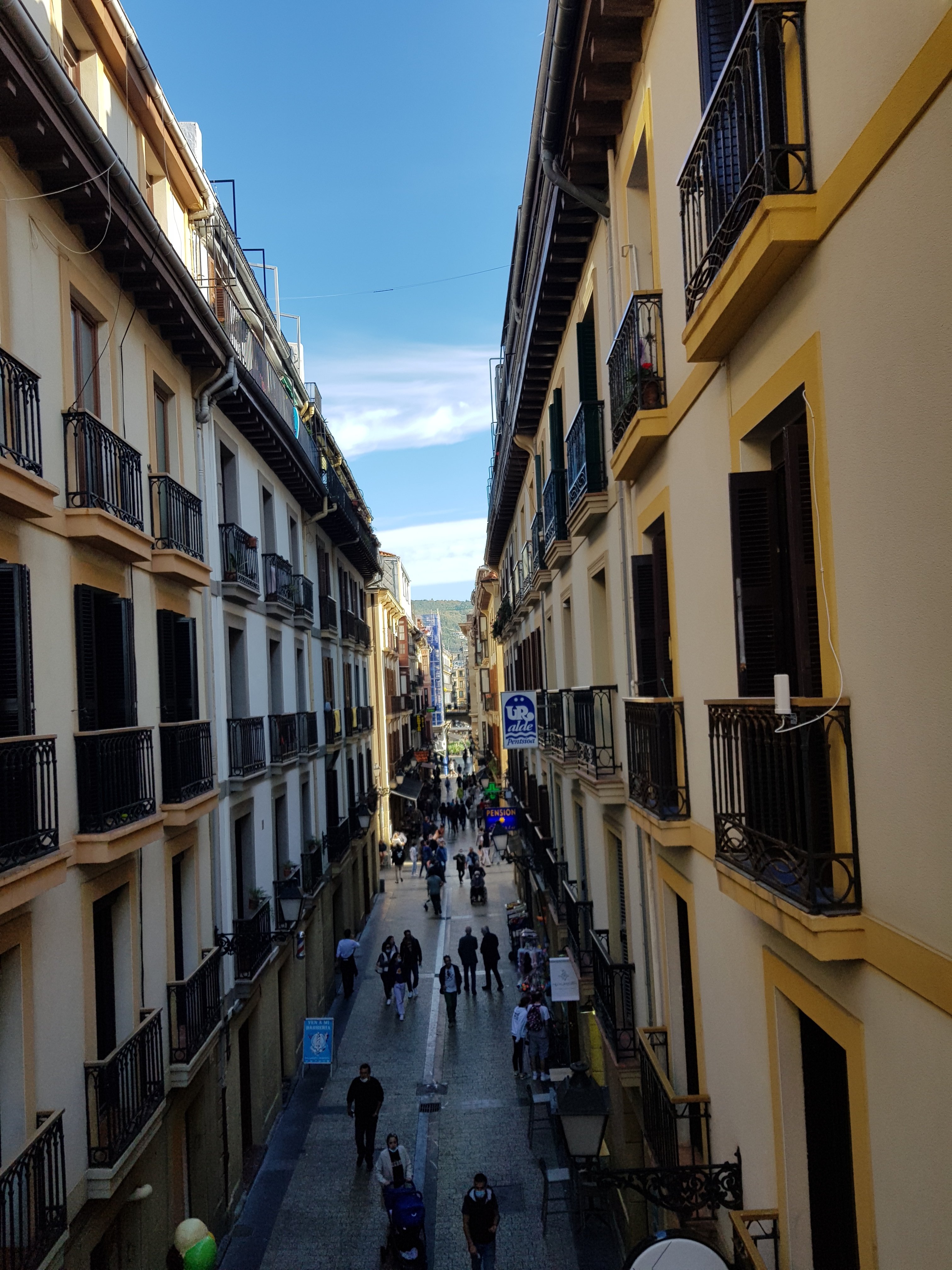
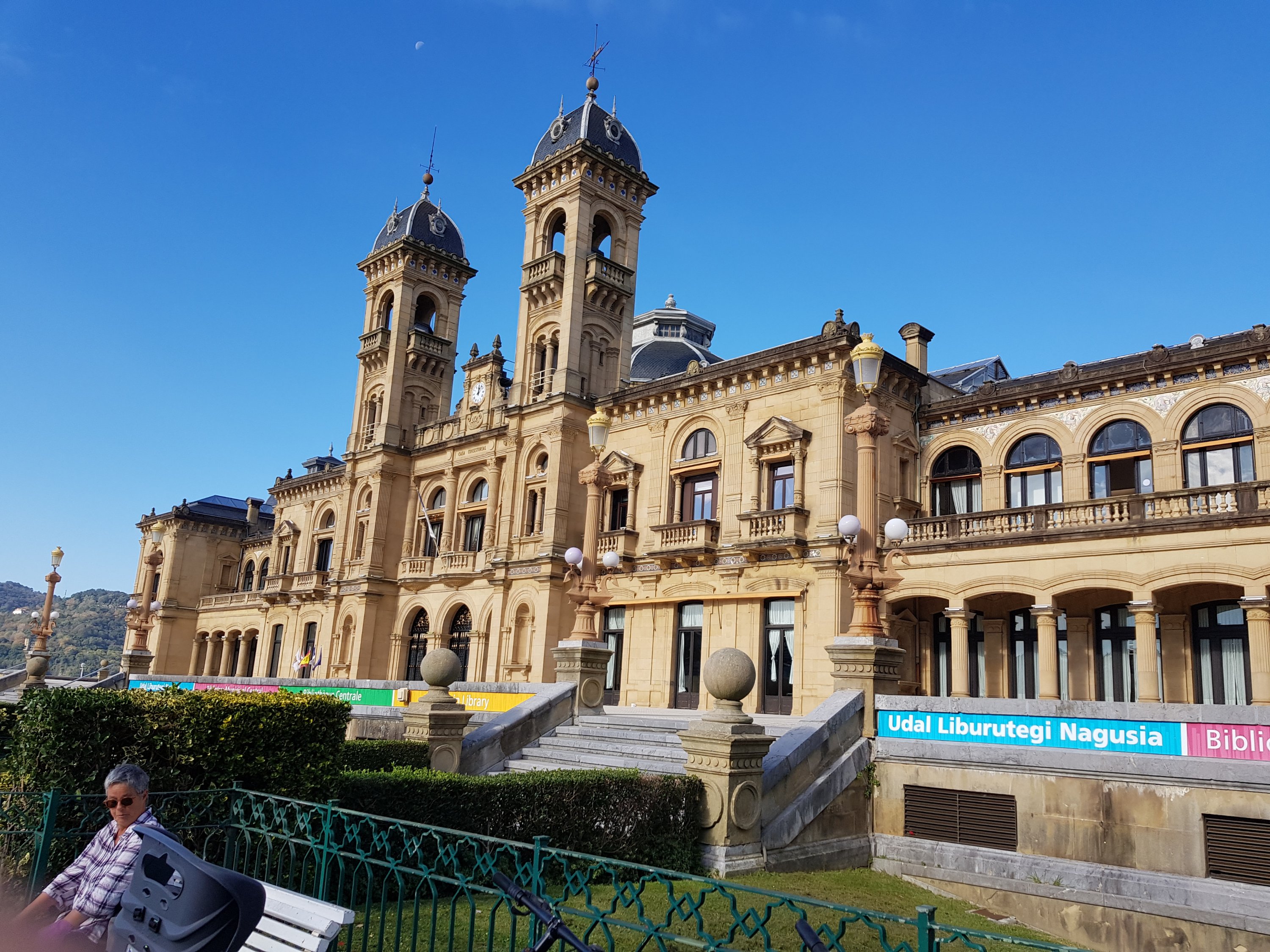
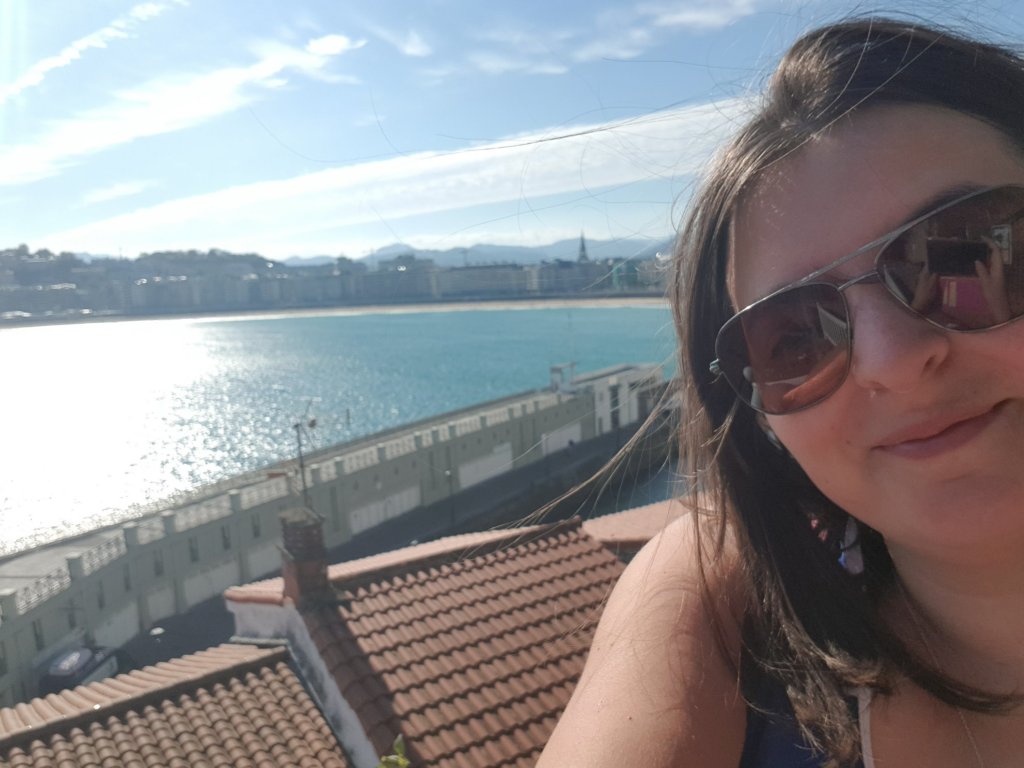
I visited the Cathedral and collected my stamp in my special pilgrim passport, and wondered around the city’s edge and old town. The old town is very pretty but quite touristy, and if you venture a little further along to where the market is, it is a little nicer. You can also walk all around the sea walls and what seems to be the old city walls. I would really recommend doing this walk, there are plenty of nice views and benches to sit and just enjoy it.
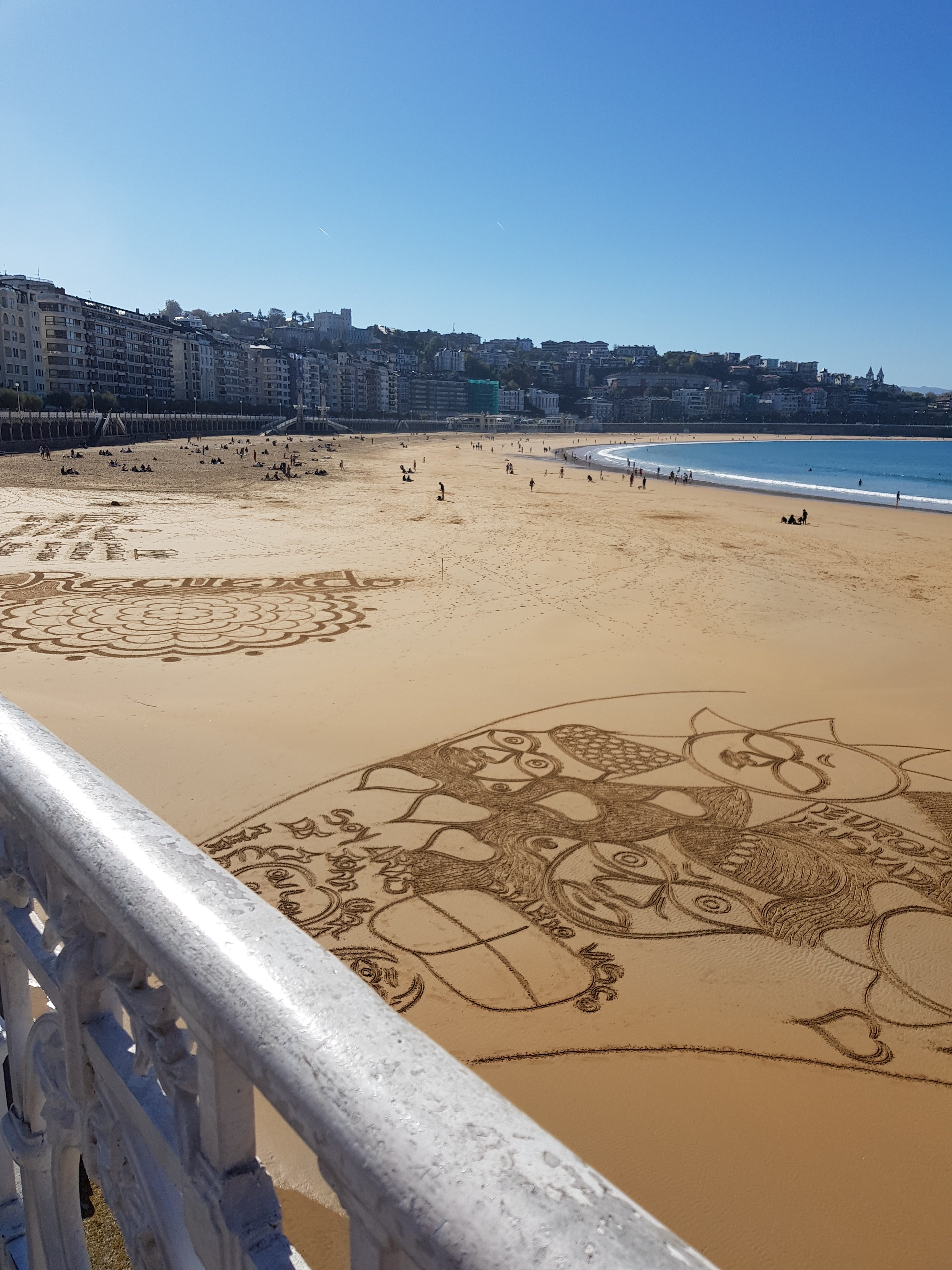
I had to remind myself that I was supposed to be resting, so after my little stroll, I sat down.. I ate a lovely chocolate brownie, definitely breaking my set budget, and then laid for several hours on the beach. It was the last day of 22’c and sunny, so I am so glad I did this.. even if I had to sit on my laid out trousers as I had nothing else.
In the evening, I decided to become part of the local scenery and continue sitting. So, I took myself to the local cinema, and I watched the new James Bond movie in Spanish. It was an excellent evening.
I really loved San Sebastian, and the pretty towns I went through to get there. It is nice to start slowing down for once, and just enjoy my surroundings.
Before my journey to spain, I took a week in a little Portuguese corner of Europe
This week, I took a short break in Portugal in the Algarve’s South Western region.
I stayed in a villa near Budens which is near to Sagres. Staying in a villa on your own is a rather strange thing to do and I wouldn’t visit this way if it weren’t for the fact that I could stay here for free through family. It does however have a benefit of a washing machine and my own kitchen which keeps my costs down, when I need to eat, I can just cook up a storm.
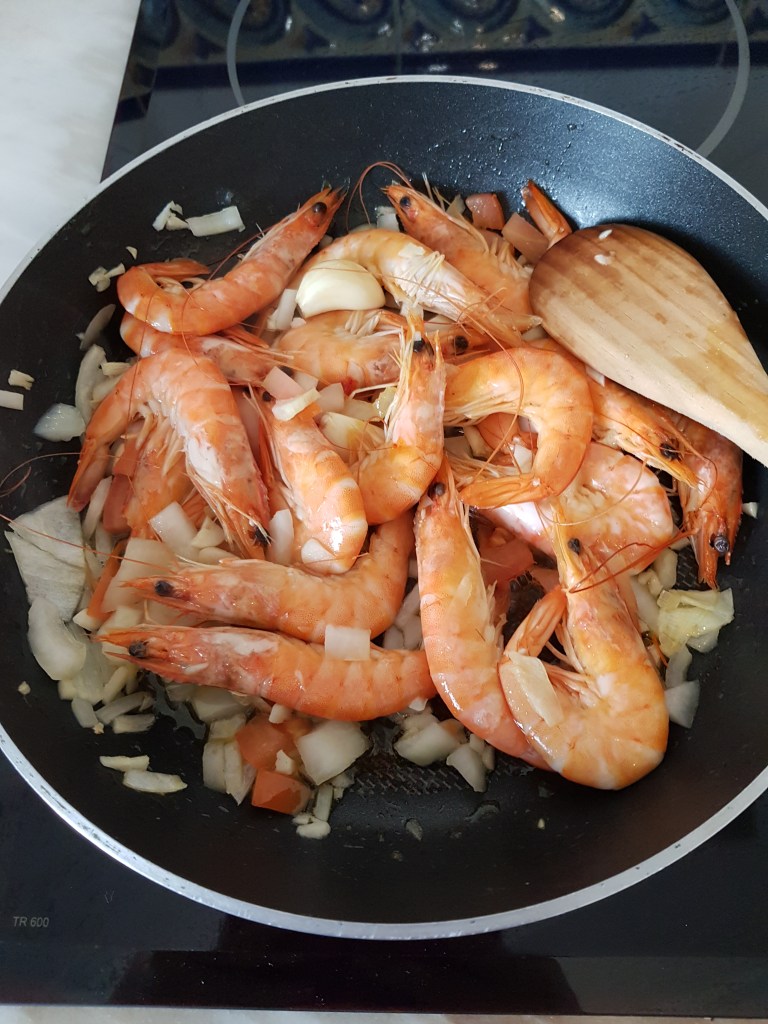
Maybe buying a kilo of shellfish was over optimistic… the kitchen stunk of fish for days 😝🦐🦐
I have previously stayed down the road in Portimao on another holiday, and something that I have found in both vacations is that the Algarve can be quite a tricky place to navigate, if you do not have a hire car. I needed to rely on public transport and this can either be expensive through the use of taxis or it can be unreliable through buses that only run every 2 – 4 hours until 8pm… This is definitely a place to come if you are simply looking to wine, dine and unwind. It is fine if you are happy to stay in just one place, or to visit several beaches and enjoy some tourist shopping experiences.
For me, I like to have a little adventure and culture so i needed to look a little harder here . I decided to venture to nearby smaller villages to look at what was on offer and managed to identify key places to visit that would interest me. I also discovered that the area benefits from a nationally recognised walking trail along the coast.
Lagos
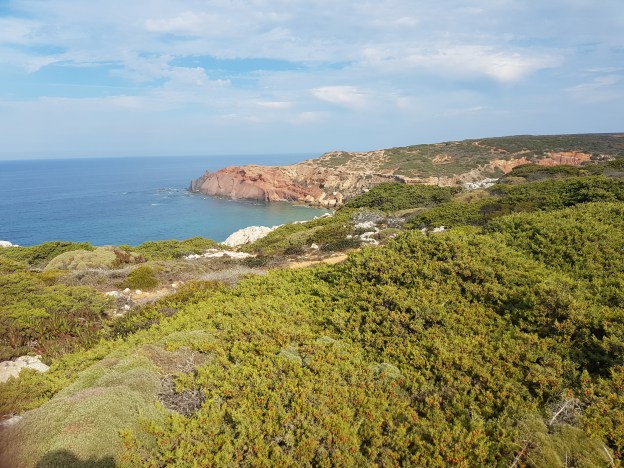
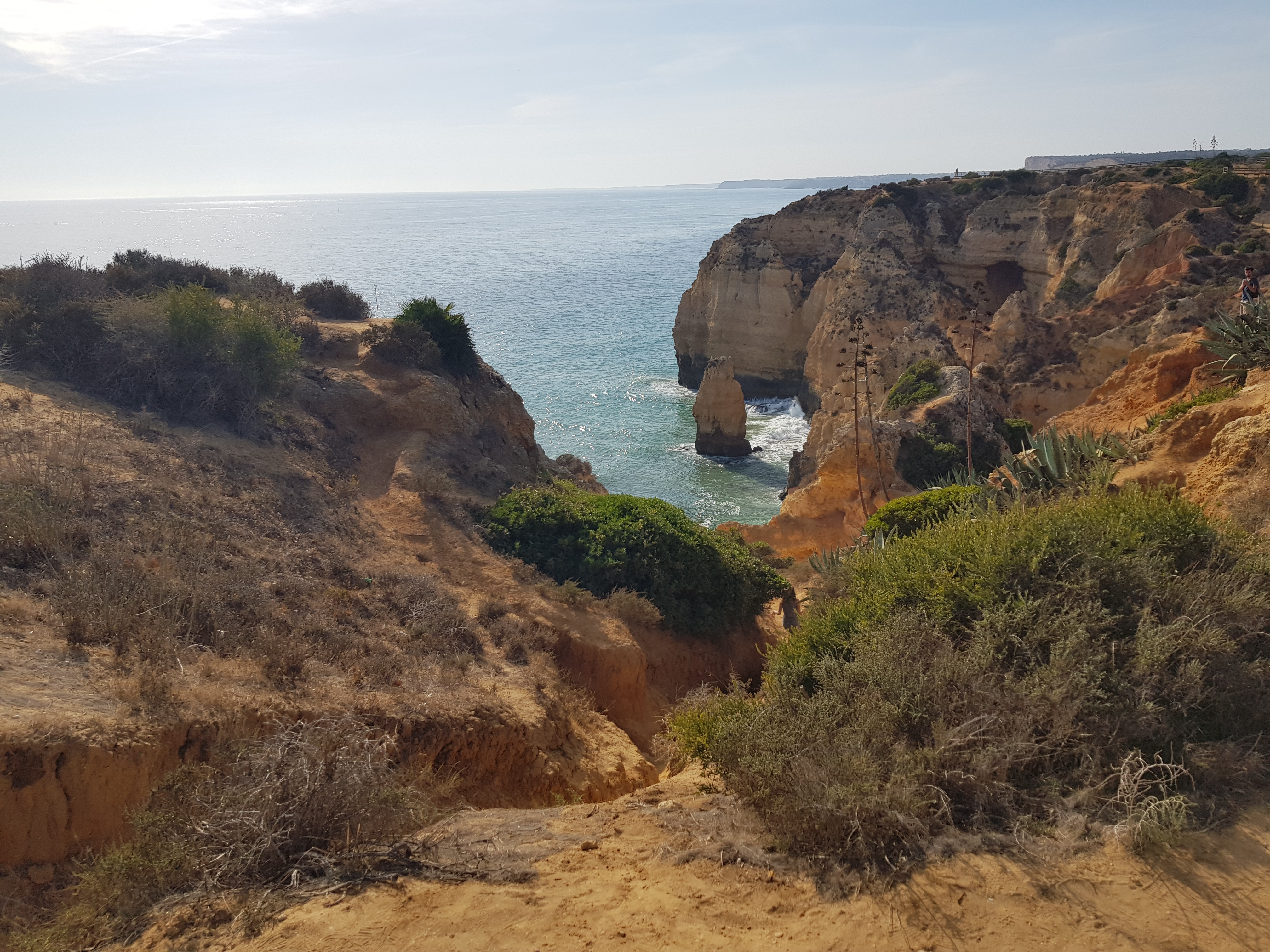
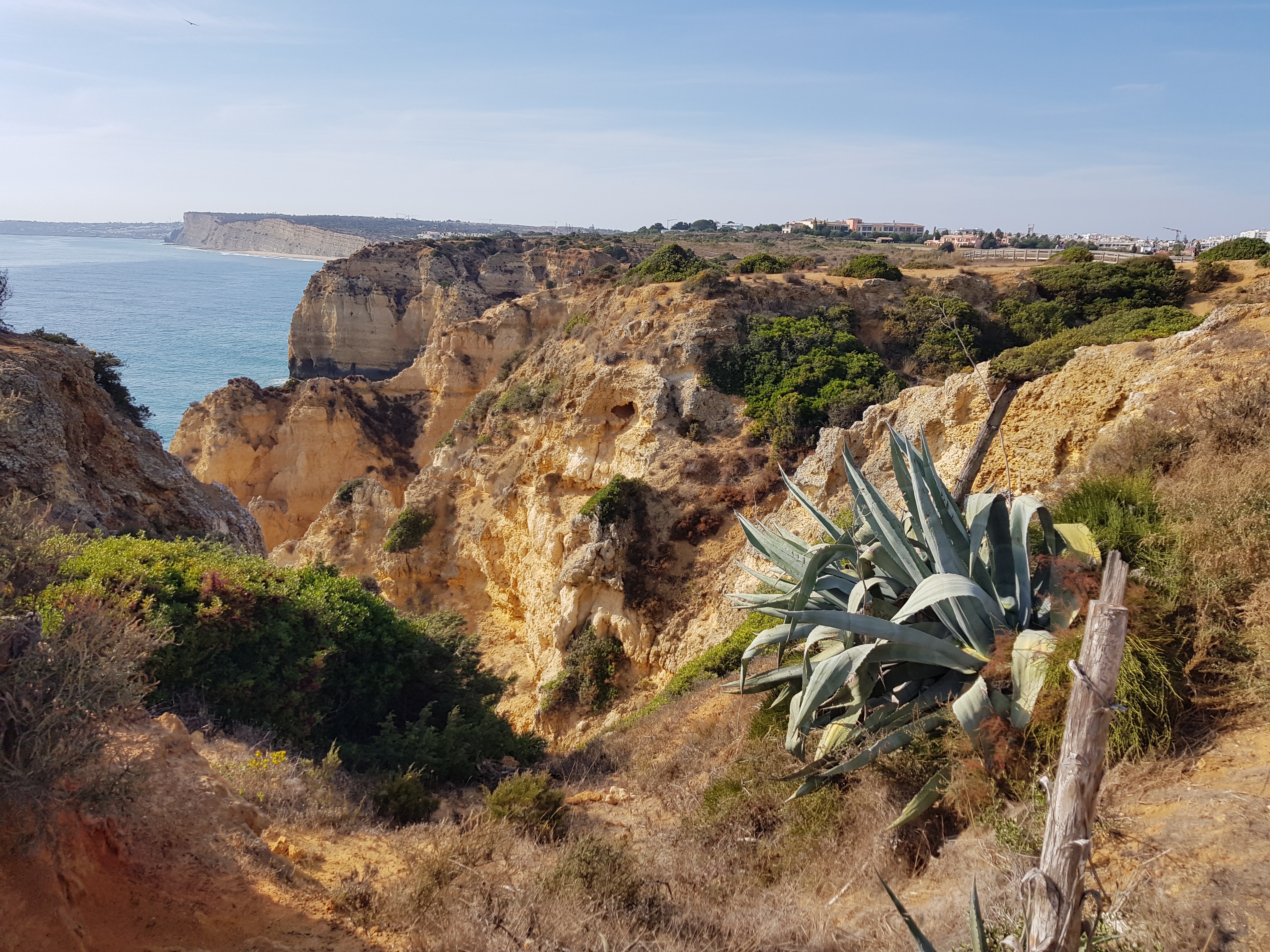
Whilst the landscape in Portugal is very dry and barron there is a certain beauty to the sand and rocky cliffs that overhang the coast. When visiting Lagos, (which was a 40 minute bus drive) I took the hop on hop off train tour to the lighthouse area, and wondered part of the long coast line path laid out for visitors. Whilst there, you can see the powerful waves crashing beneath you.
Ponta de Piedade
This path is a part of the Rota Vicenta, which i was keen to explore as part of my training for the Camino de Santiago.
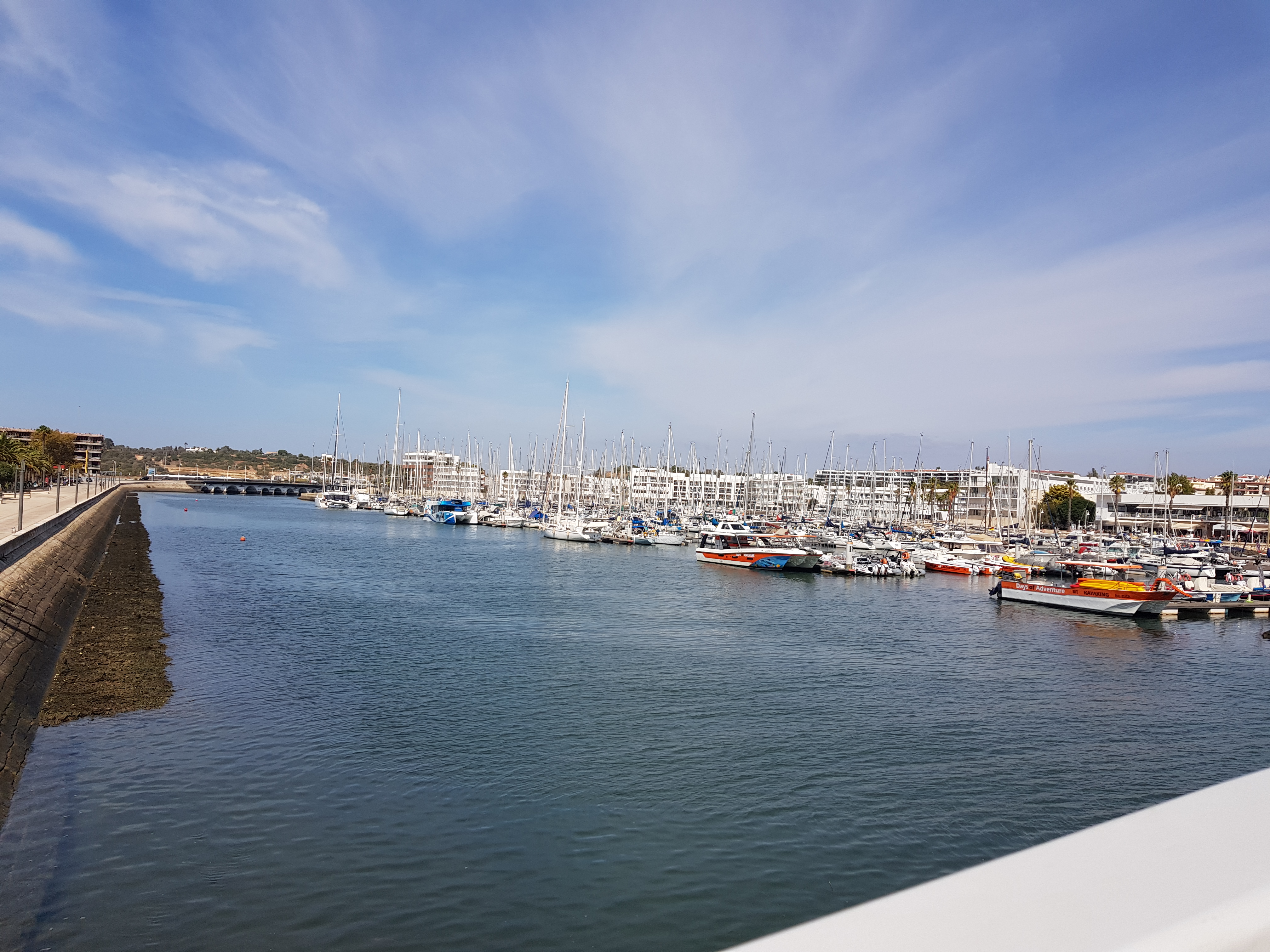
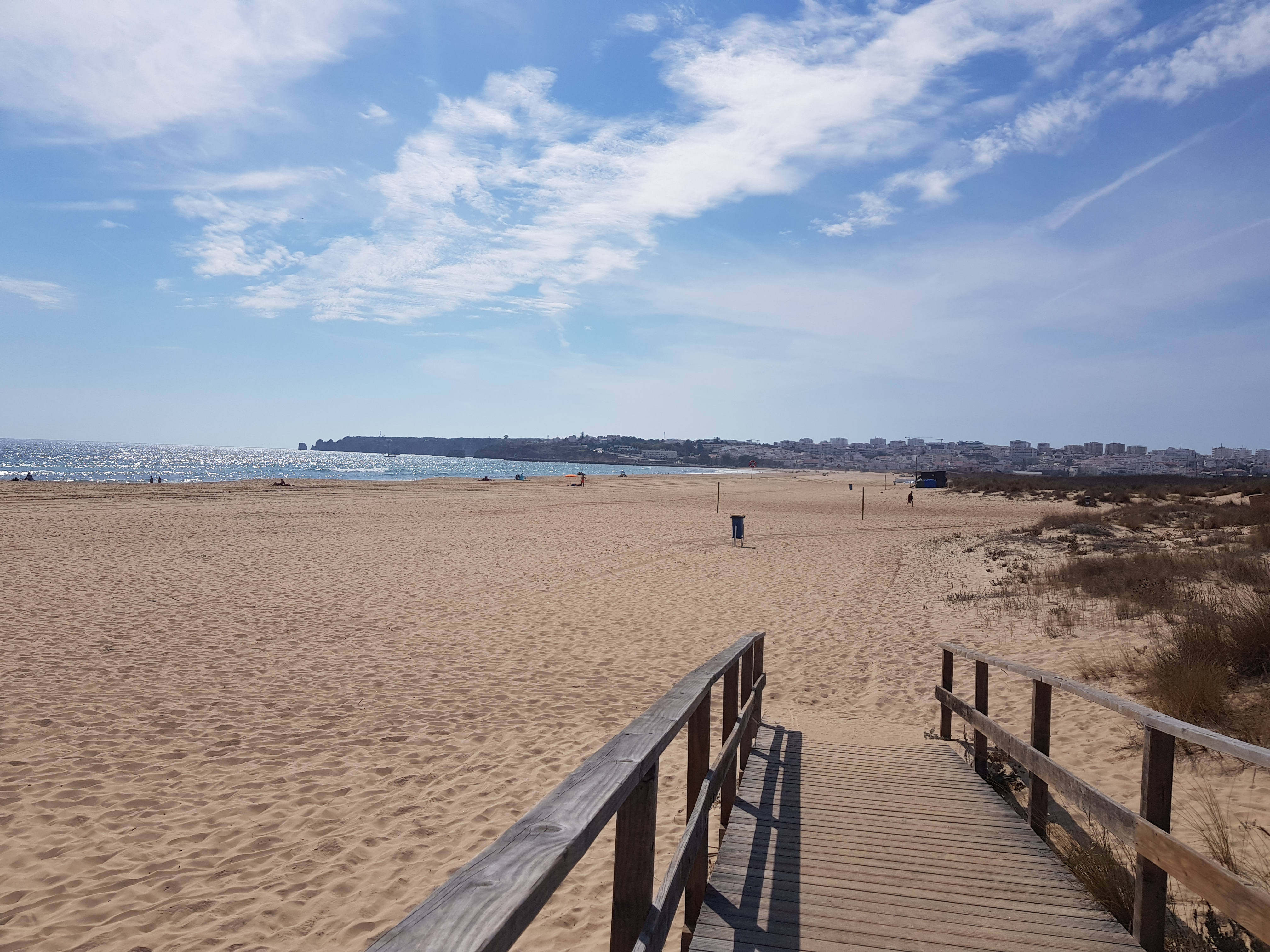
Lagos also offers long stretches of sandy beaches and warm sea waters . Multiple shopping experiences including their municipal market selling fresh produce to visitors and locals. There is also a pleasant marina area with several popular restaurant chains along with local options. I also spotted that they have their very own Madame Tussauds in Lagos, I spotted signs for this wax museum but did not have the time to explore it .
Lagos
There was also an ancient fort complex that I would like to have the opportunity to see again. It would also be great to be able to go on a kayaking tour the next time I am in town.
Rota Vicenta – Vila do Bispo to Sagres
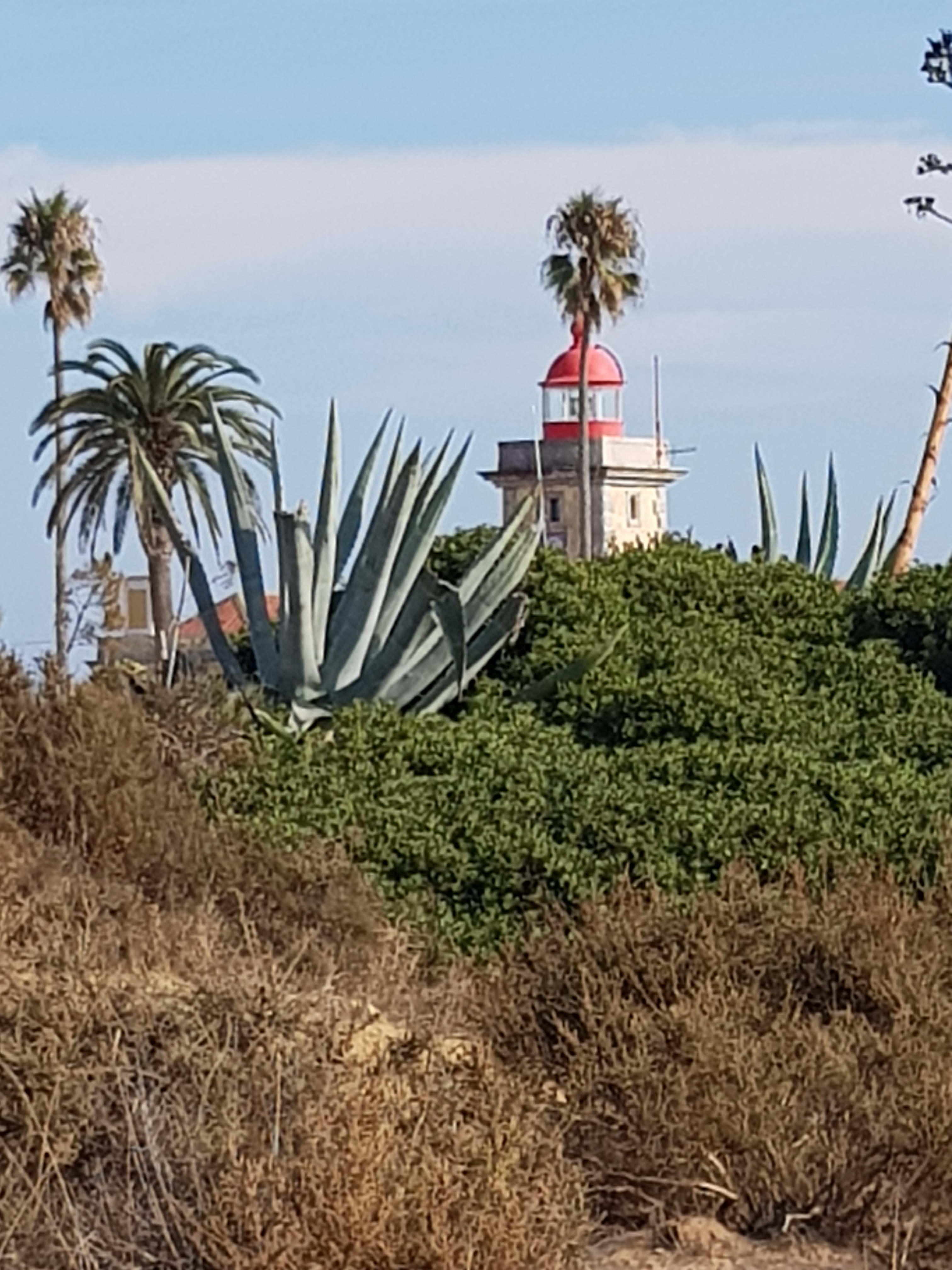
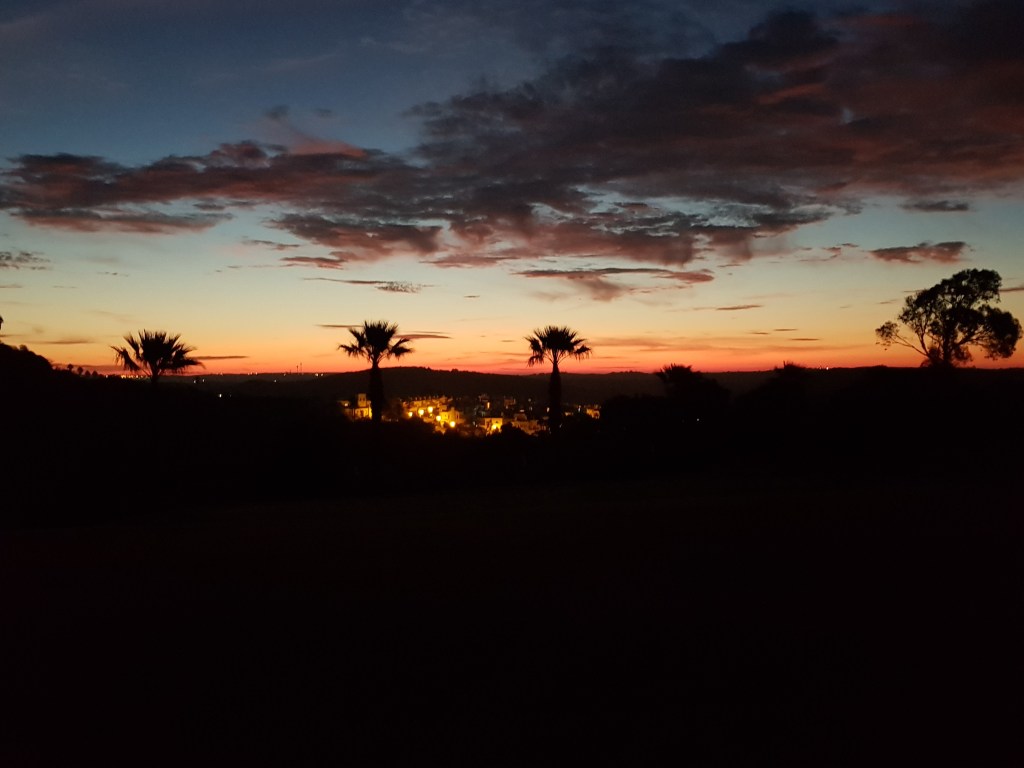
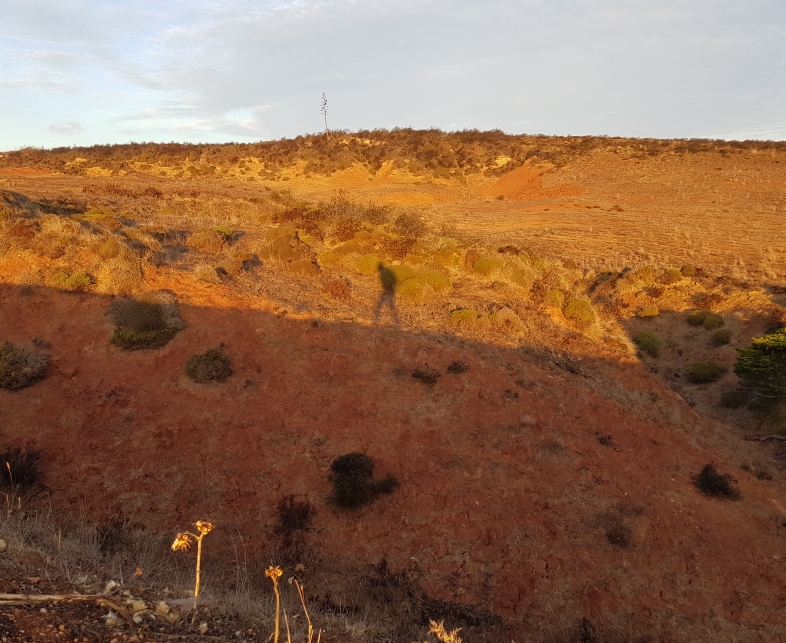
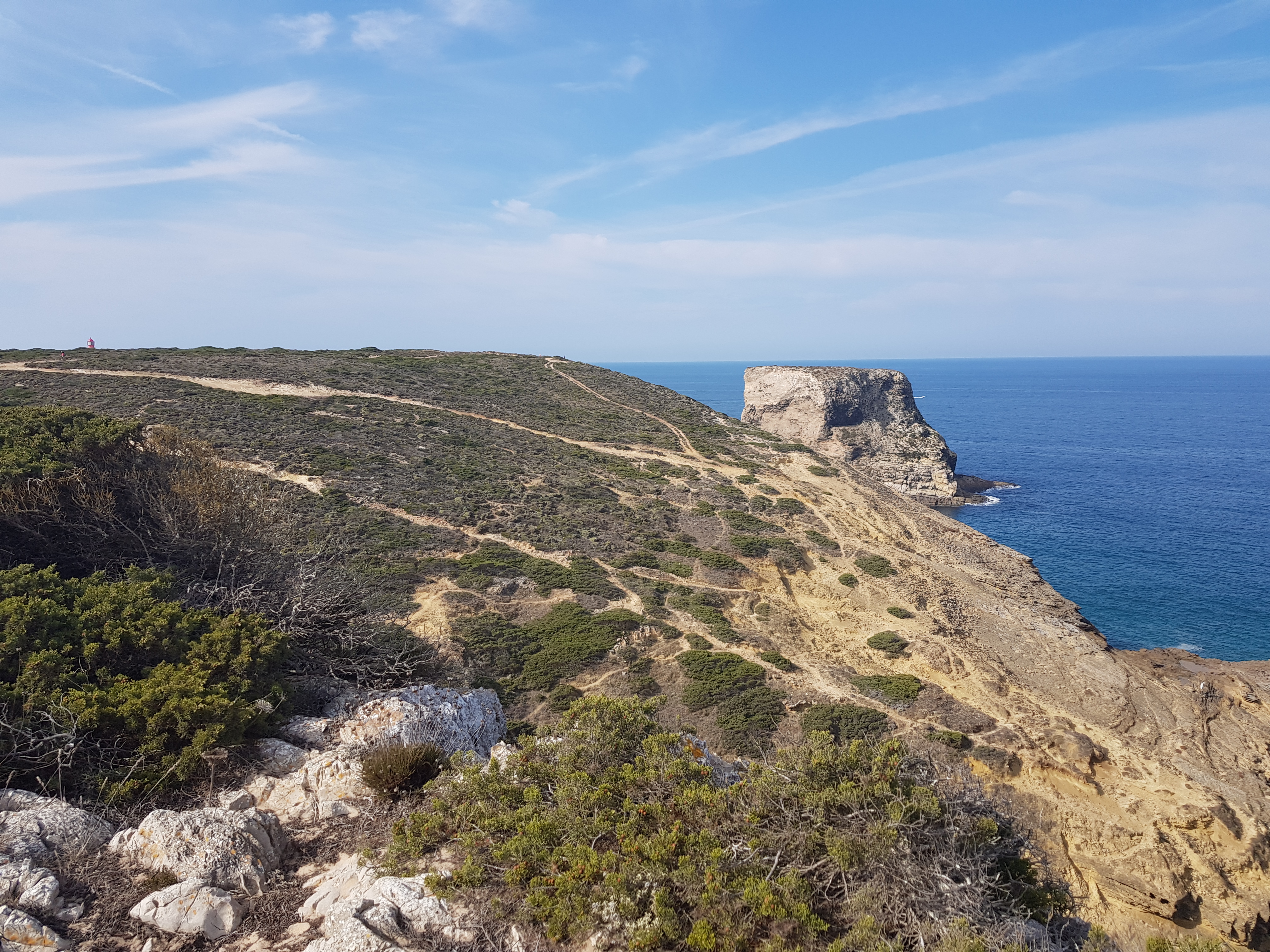
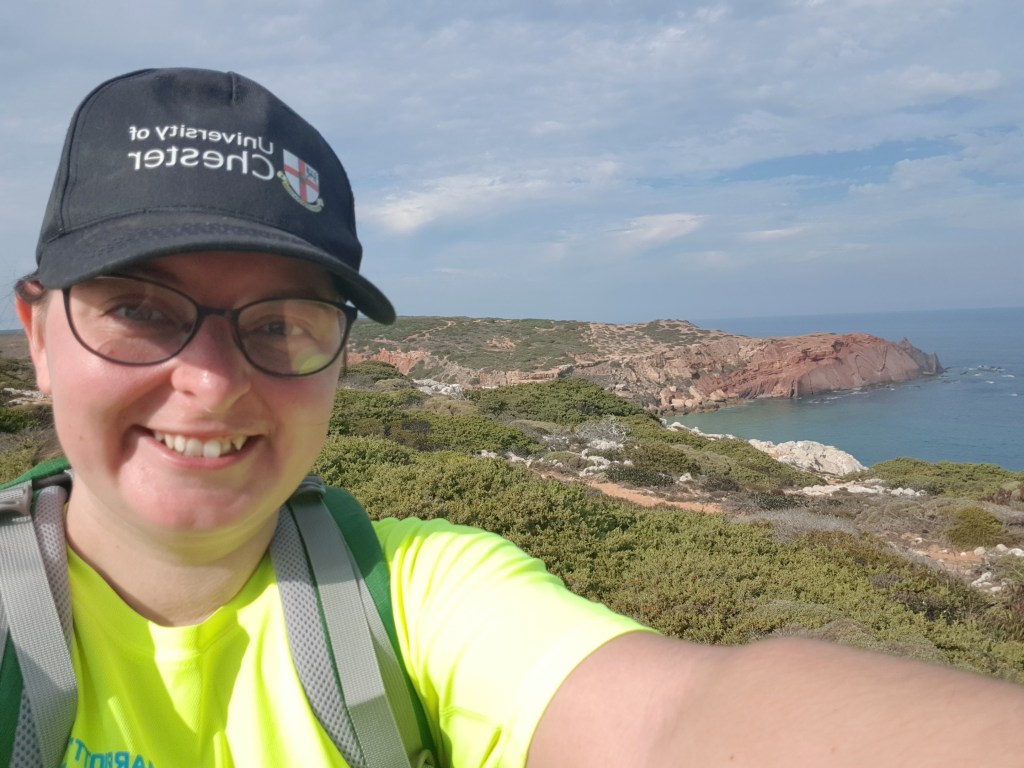
The section of the walking route that I decided to walk was one of the final stages of the historical way and ran from Vila do Bispo to Cabo de Vincente. The destination was a lighthouse stationed at the most South Westernly point in Europe. Due to this, I was recommended by a local to make my visit there at sunset, but because I was walking alone I was forced to make the safer choice of doing my walk there in the early morning, to avoid the dark of night, and the midday heat. This was a good decision as the temperature on the day was over 25’c, and I still got to enjoy the sunrise.
Sunrise hike
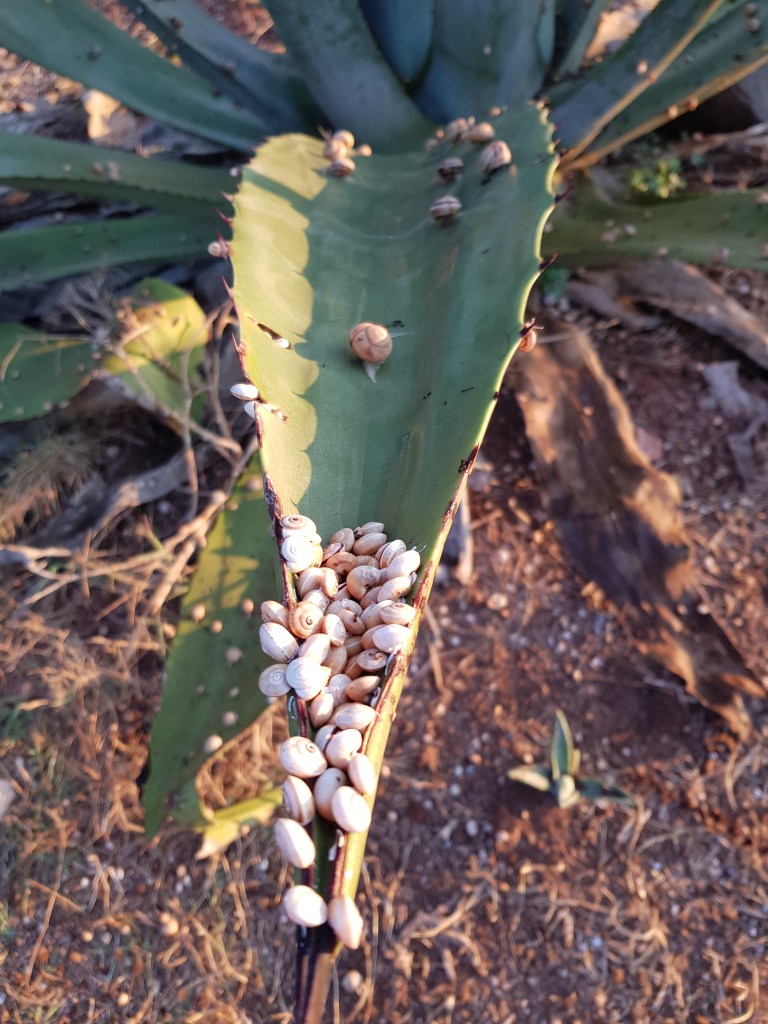
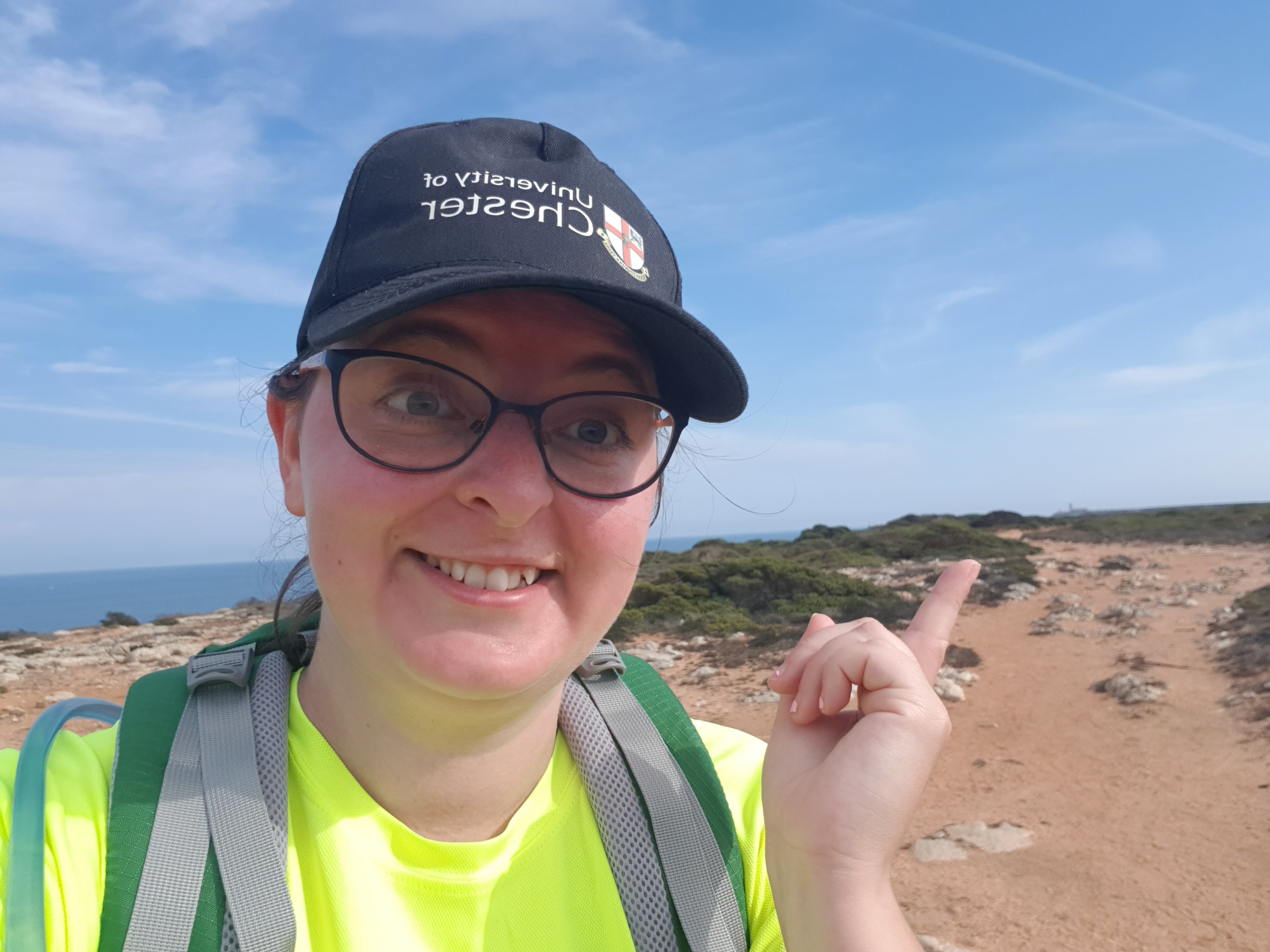
The walk started wierdly with a Jehovah’s Witness approaching me in the street at 7am with his bathrobe on. After that, I didn’t see another person for hours, just cattle, migrating birds and intriguing behaviour from ants and snails. I am never normally up so early, so it was nice to appreciare nature. I saw huge lines of ants marching along, and snails huddled together on top of succulents.
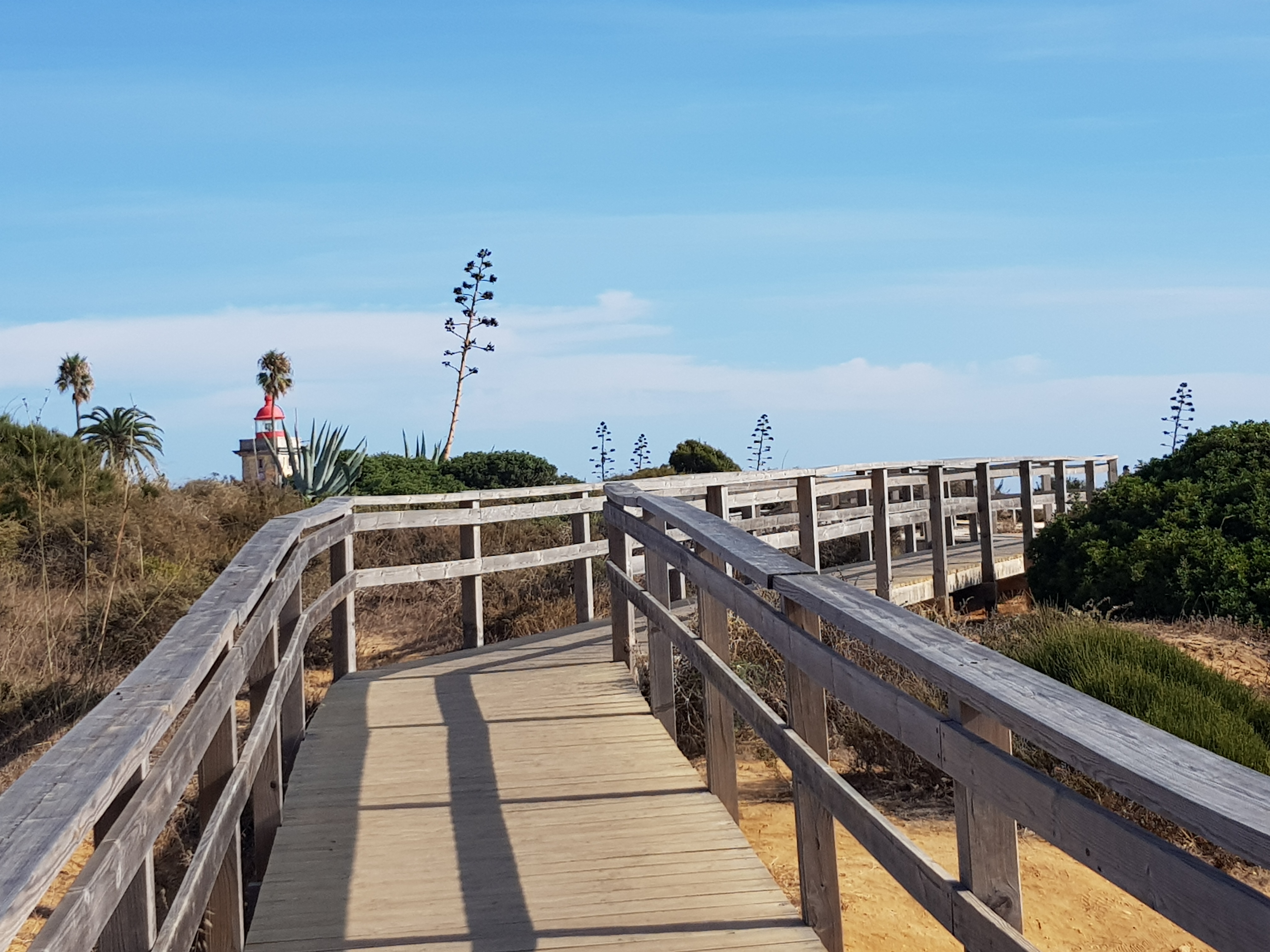
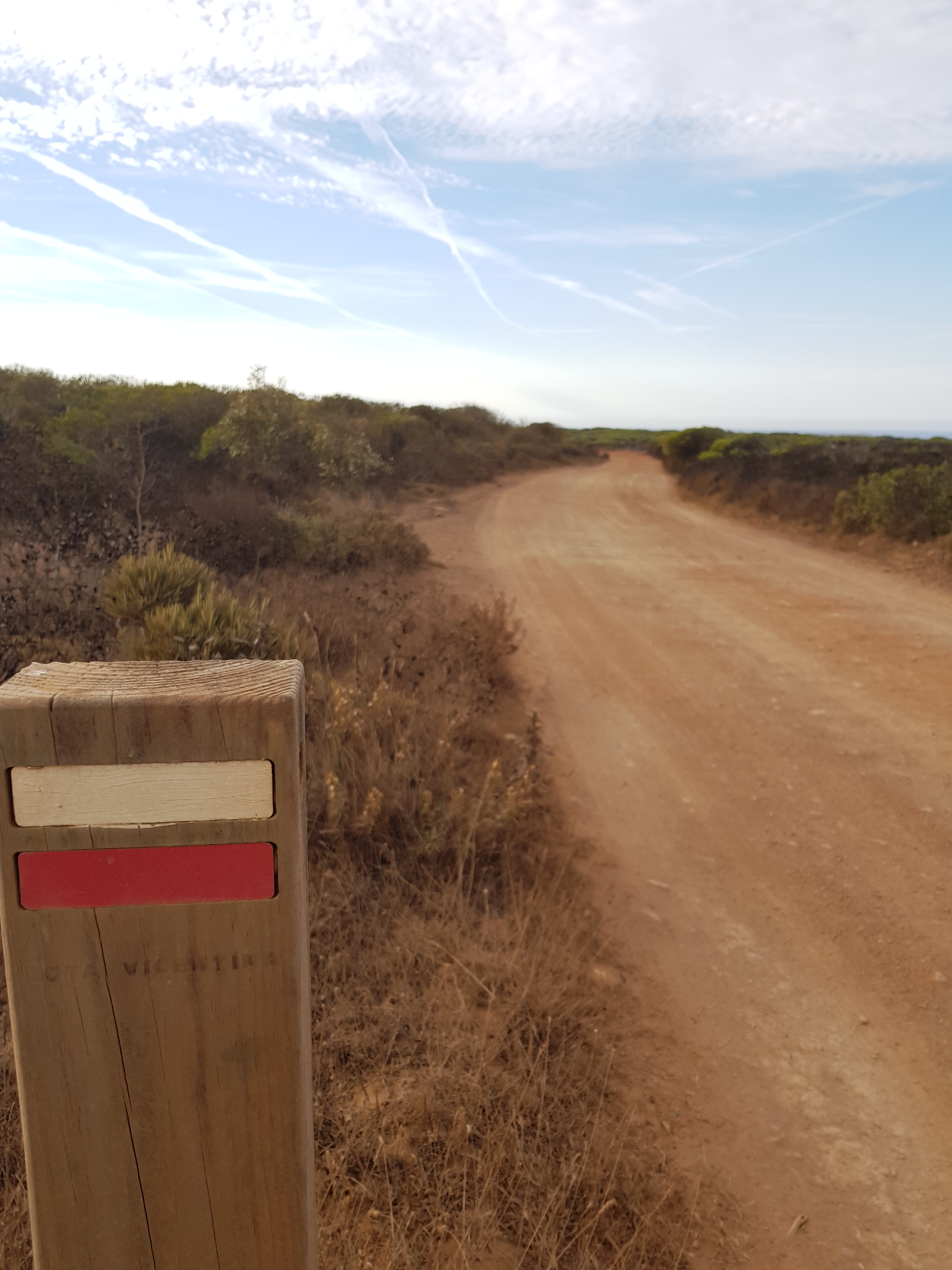
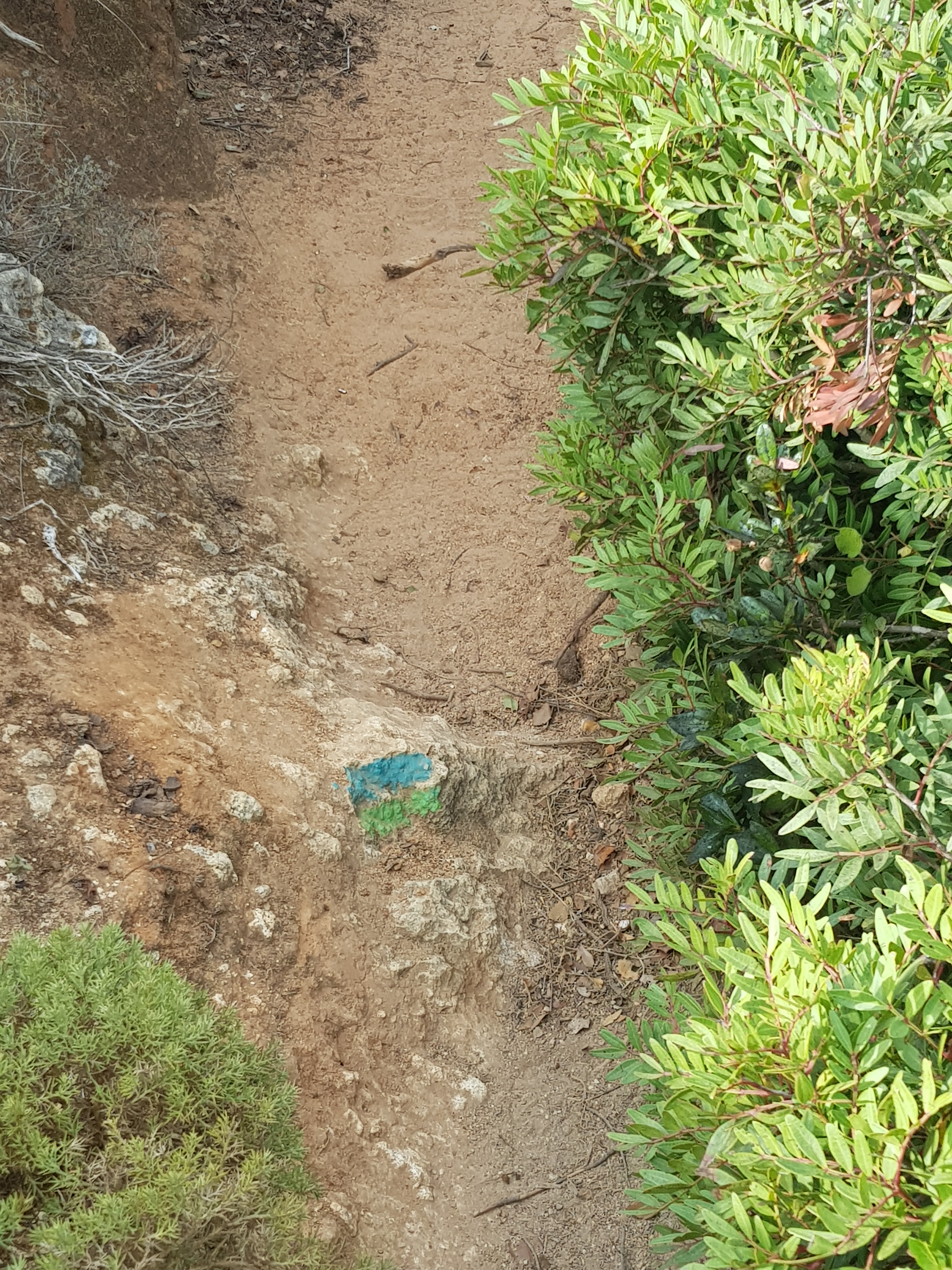
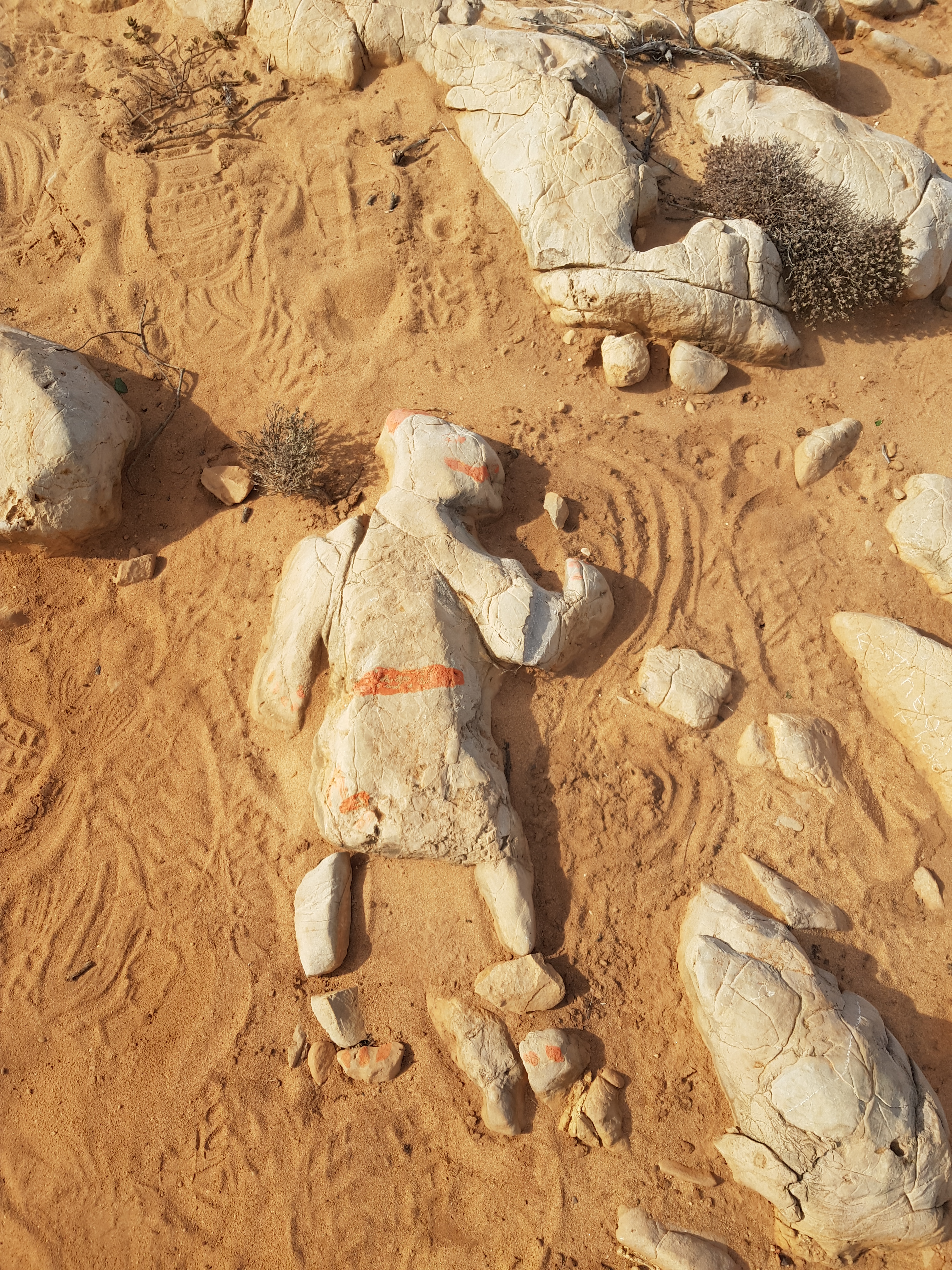
It was really well signposted throughout, and the volunteers had even got creative by painting rocks and random pieces of buildings to help walkers along.
Waymarking
I am still getting used to these walks and had a brand new water bladder to try out. This is basically a sack of water inside your backpack, that connects to a tube running out to your mouth. I am teased by my friends for how little water I drink and so it was deemed necessary to walk along with water constantly running into me.. this did mean dropping my trousers in the middle of nowhere to emergency wee four times though! Who wees four times in three hours..?! it concerns me.
Me against the sunrise
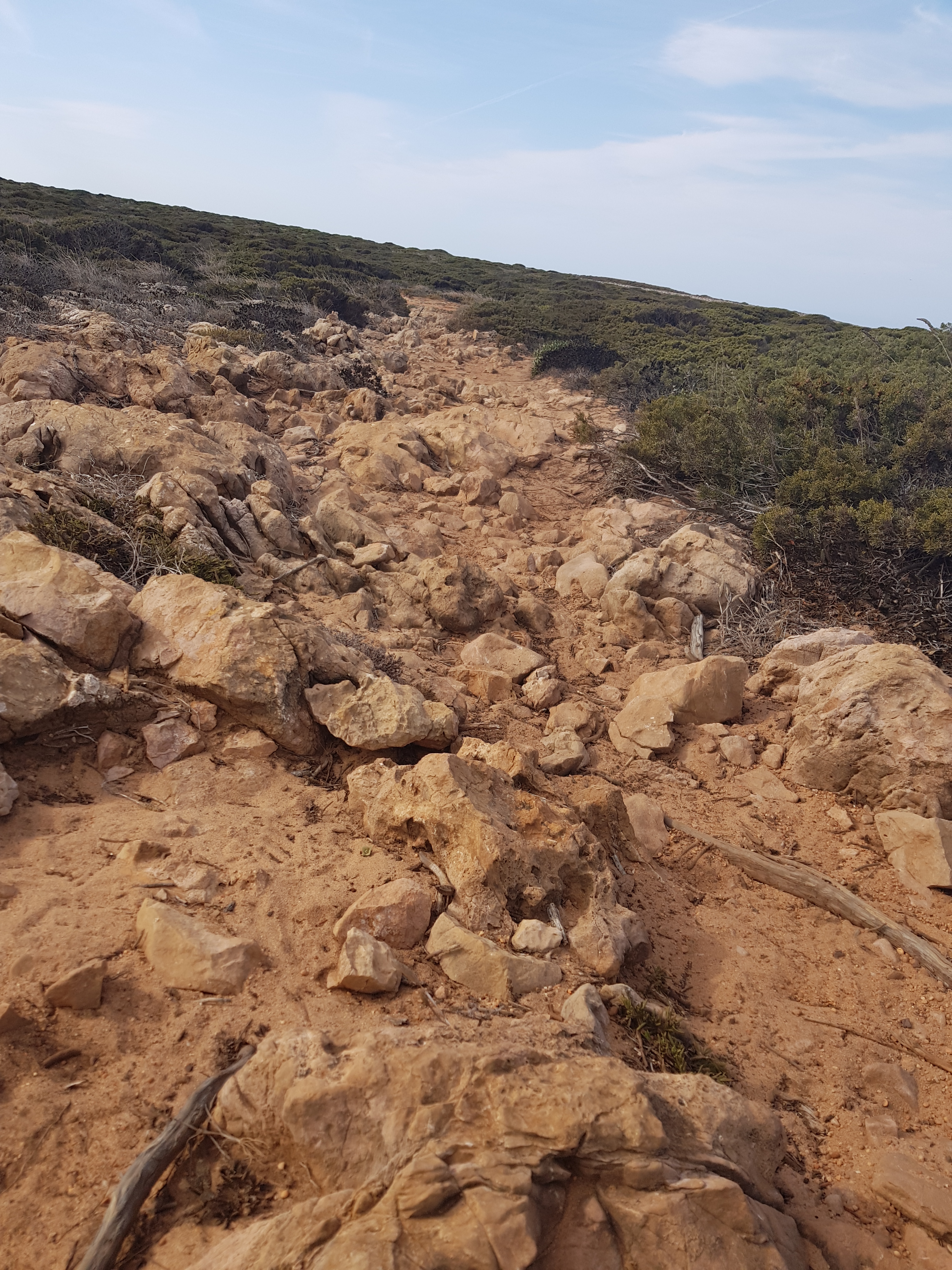
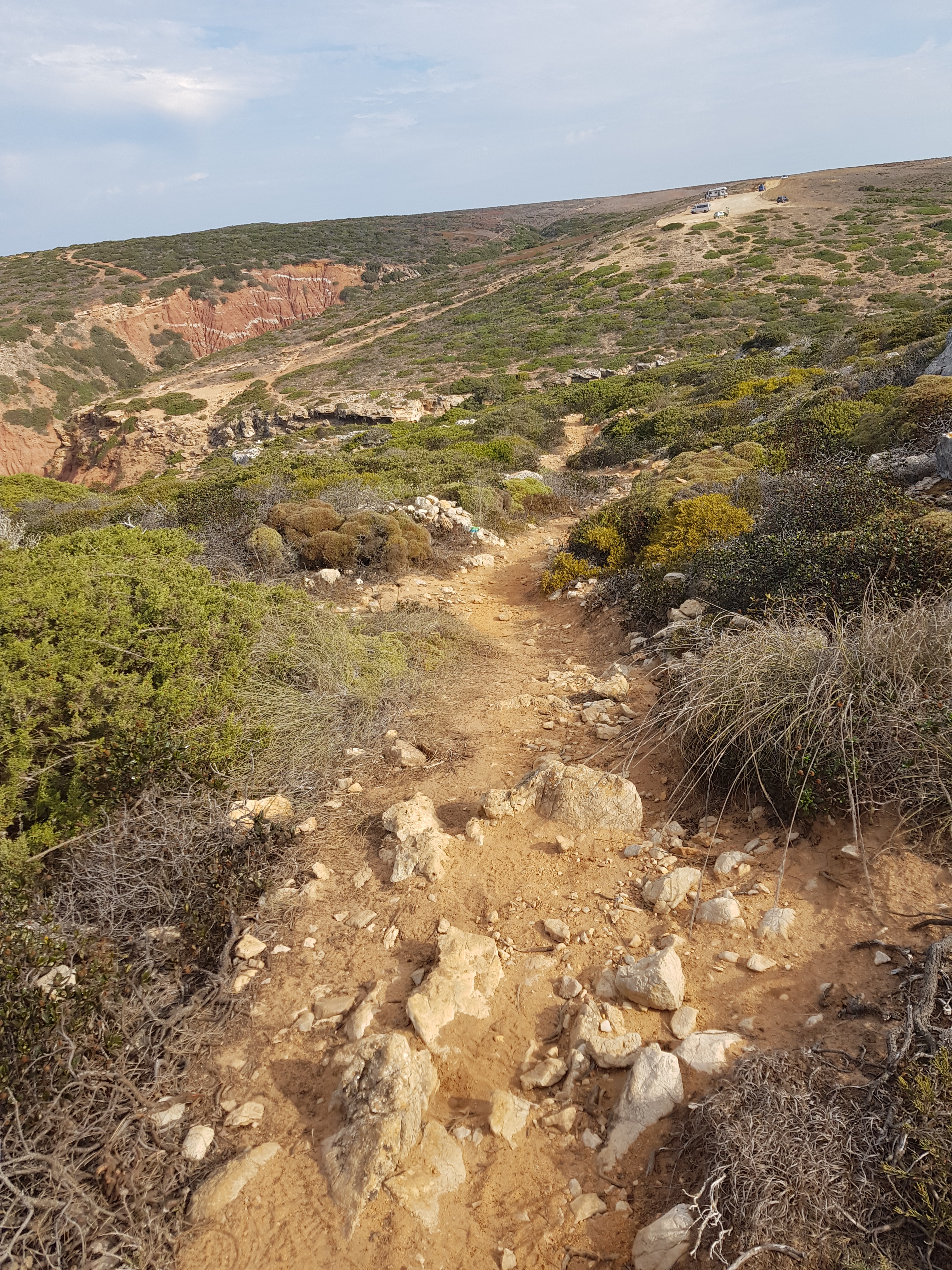
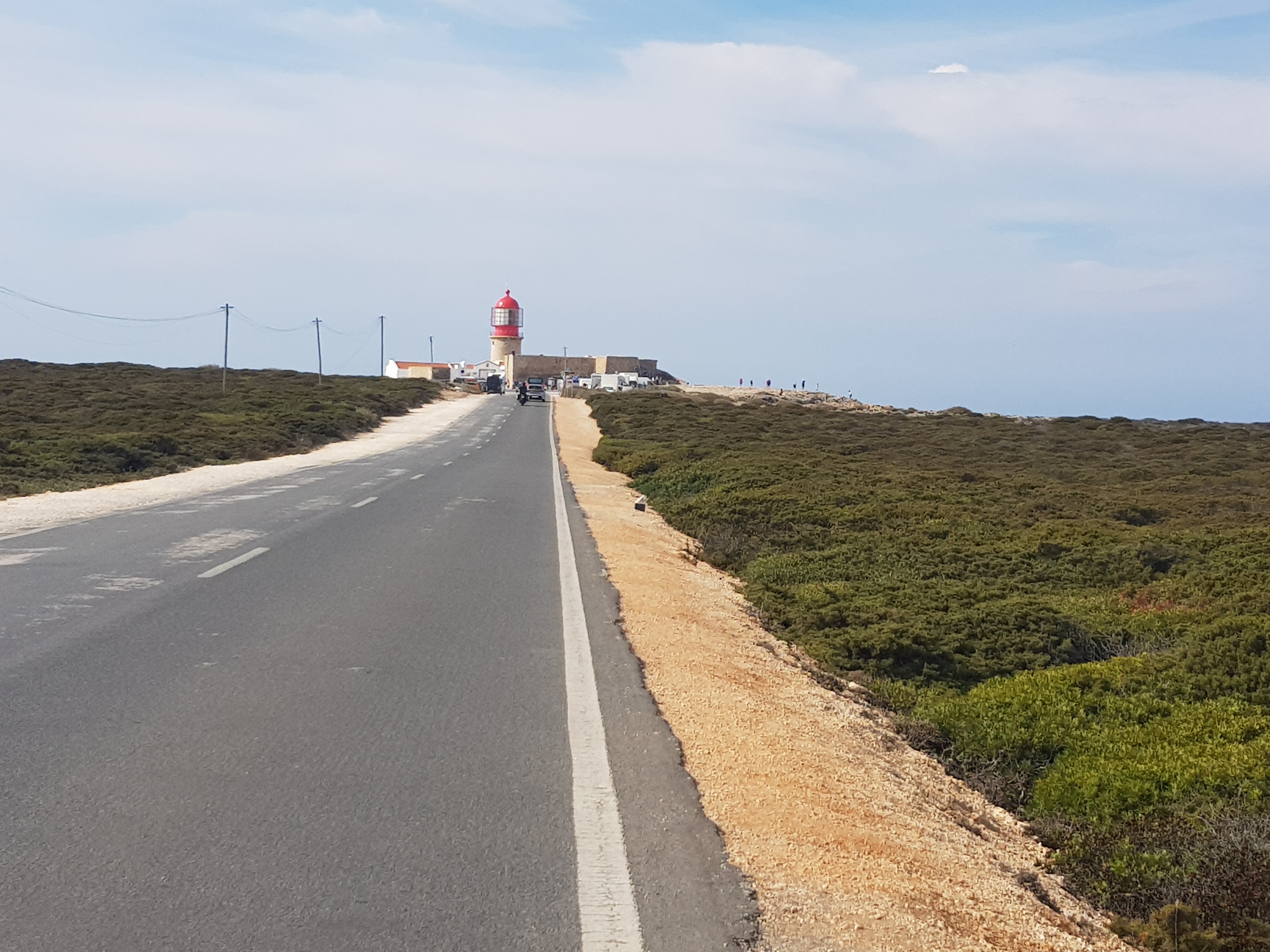
After about two and a half hours I could see the lighthouse in the distance! Truly impressed with myself, as the total walk is supposed to take four hours. Naively thinking of myself as an expert hiker now, I decided to switch course and get closer to the sea cliffs and small beaches on ‘Fisherman’s Walk’. BIG MISTAKE! This led to a dramatic slow down in pace as I had to carefully scurry over rocks and literally a boulder filled path… how I longed to be back on the nice flat path I’d been skipping along and had so foolishly abandoned.
The lighthouse kept bobbing in and out of view as I went up and down in elevation. I realised that I was probably losing my patience too much, when a Jack Russell dog passed me jumping happily over the rocks without fear. I felt bitter towards that damn dog. I was carefully planning my every step to avoid injury!
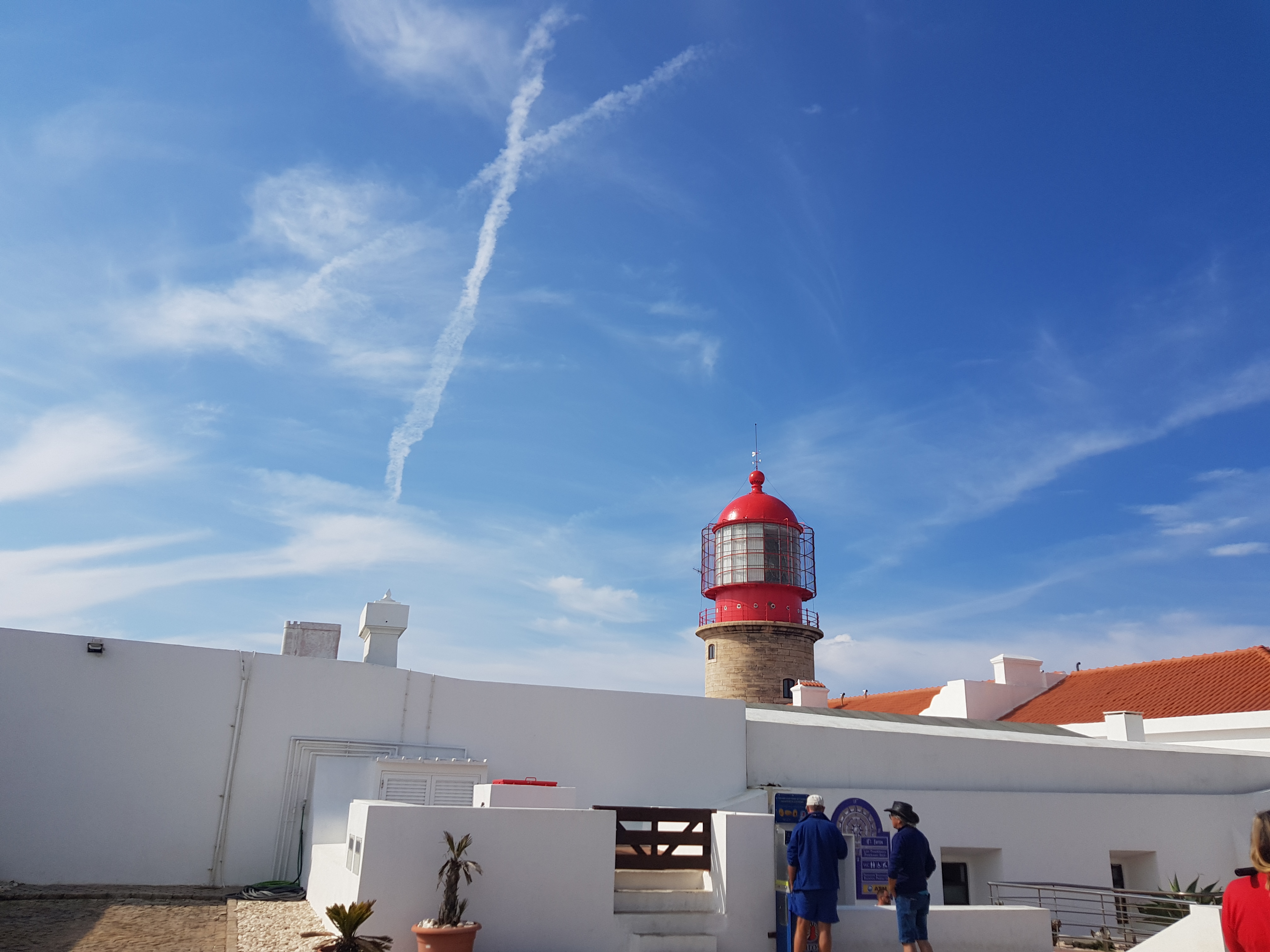
Eventually after three and a half hours, I reached the lighthouse…. and found the nearest ice cream man and comfy chair! The lighthouse has a few vendors, gift shop, cafe and viewing telescopes. You can see some remaining building work from when it was previously a monastery, and there is plenty of parking as most people drive.
Lighthouse at Cabo de Vicente
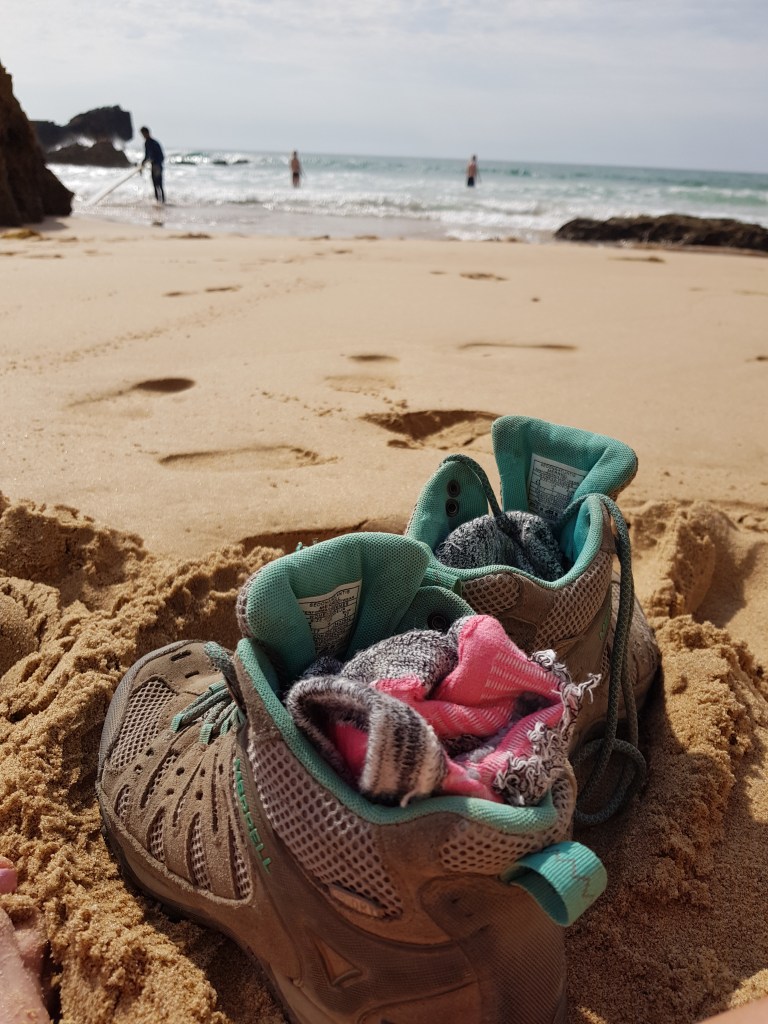
I then ‘decided’ (the next bus was 1.5 hours away) to walk another 6km to Sagres, the next big town. This passed a fort and then there is another fort complex and lighthouse. I focused on getting to Tonel beach and then collapsed against a rock and laid my feet in the sea. I had nothing left in the tank, and I was out of water. It was time to resign, after 21km, and non stop walking since dawn.
Once the shoes were off, there was no going back.
Overall, the towns and villages I visited during my stay, were sweet and cultured, and were quite good for just enjoying a nata and a natter (see what i did there.😉)
The walk was great and it was lovely to start so early, I wish I had known how uneven the ground was before I changed course though. I would also say that when visiting one of the lesser known beaches you are taking your life into your hands. Literally… there are signs telling you to enter at your own risk 😖 safety measures could be better, but I suppose that I say that as an English woman that comes from a country with intense health and safety focus. If the beaches had handrails and man made steps everywhere, perhaps they would not be as special anymore for their unkept natural beauty.
For years my partner and I have been thinking of visiting the well known Giant’s Causeway in Northern Ireland… this summer we went and it did not disappoint.
Deciding on Northern Ireland…
A few years ago my boyfriend and I visited Dublin for my birthday and found the Irish spirit something to be admired and enjoyed. Dublin had a variety of day time activities to enjoy, a great music scene and an interesting history. This visit inspired us to look into other areas of Ireland that looked intriguing and the Giant’s Causeway seemed like the best place to go next…
Exploring the coast
Ballygalley, Ballintoy & Knocknacarry are just some of the local village names that we passed whilst driving on the scenic Causeway coast of Northern Ireland… These small villages boast of a traditional and rural life with small castles and farmlands plotted throughout the area. Every turn on the coastal road to the Giant Causeway showed another beautiful piece of landscape until landing at the iconic UNESCO World Heritage Site.
Northern Ireland
Ballygalley castle
Ballygalley
A particular place that stood out to me as extra beautiful and a great place to visit on the coastal route was Carrick -a- Rede and its rickety rope bridge. Whilst there is a little uphill walking, the views are certainly worth it. You can see clear waters below the cliffs and flocks of birds overhead, we even saw a dolphin below whilst walking the path. At the end of the path you will come to the rope bridge which is an experience in itself being that it is a little scary! The bridge was only a few years ago just simply a bit of rope above a long drop but it is now much safer and has helpful National Trust workers on either side. To cross the bridge is only £6.
On reaching the Giant’s Causeway entrance there was a long walk to the mysterious rocky beach… but not to worry as there is also a bus service down for only £1. On first glance of the strange shore you do ask yourself how the rocks came to be there… Our guide told us the local story of how the beach came to be, the tale involves an actual giant falling in love and having to go against another giant from Scotland. Although the site may seem like a magical formation of some kind, science dictates that it was really a result of a volcanic eruption… I know which story I prefer though.
After climbing the pillars of rock you can wonder back to the top of the beach and enjoy a tasty meal at the local ‘Nook’ pub. This quaint Irish pub had a selection of delicious food & drink to enjoy including a gorgeous variety of sandwiches. I had goat’s cheese and caramelized onions – it was gorgeous!
Giant Causeway
Carrick -a- Rede Rope Bridge
Giant Causeway
Carrick -a- Rede
A Hollywood twist
Something that was nice to include in our tour of the coast was some of the many locations used in our favourite show ‘Game of Thrones’, much of the scenes in ‘The North of Westeros’ were shot in Northern Ireland and this is heavily promoted there. The locations used are unique, interesting and perfectly fitted to the scenes in the show. A particularly interesting location is ‘The Dark Hedges’ which was originally a manor driveway to which the family planted lines of beech trees too close together to create the overhanging look. This rare site was used for Ayra’s escape from King’s Landing.
We must also remember that Northern Ireland has also been the setting and inspiration for other great film and literature such as: The Fall, Boogaloo & Graham, Dracula Untold, Starred Up and even the epic Chronicles of Narnia.
Ballintoy Harbour – Seen in GoT as Theon Greyjoy’s home, the Iron Islands
Caves used in GoT for scene with birth of shadow demon
Ballintoy
Dark Hedges – seen in GoT when Ayra escapes Kings Landing
Staying in Belfast
During our time in Northern Ireland we stayed in the capital city of Belfast. It was clear throughout the trip that the city had some very interesting history and a very promising future. Belfast hosts four city quarters each with a unique character and story; Cathedral Quarter, Titanic Quarter, Queen’s Quarter, Gaeltacht Quarter and of course there is also the City Centre…
I was most impressed with the Titanic Quarter as it seemed that new life had been put into the Belfast dock area whilst still keeping the quarter’s proud history at the center. It was clear that this area had been subject to a lot of regeneration and was a great area for visitors to gather and learn about the city’s maritime highs and lows. Whilst much of the area is based around the Titanic which was built in Belfast, there is also the HMS Caroline, the world’s largest dry dock and even the Titanic Museum itself talks about many other topics.
The Cathedral Quarter was the site of our hotel and is known as a hot spot for bars and live music. Although we were somewhat disappointed with the amount of buildings empty during the busy summer period. After speaking with a local we were told that many businesses have been put off by the high rent in the quarter which is a shame because what was there was excellent. Both the Harp bar and the Dirty Onion were great bars and we enjoyed both traditional Irish and modern live music whilst there.
We didn’t have enough time to venture far into the Queen’s Quarter and Gaeltacht Quarter but what we did see was very interesting. The Queen’s Quarter is the student area and the University buildings are beautiful. This quarter is also home to the Ulster Museum and the Botanic Gardens. The Gaeltacht Quarter is where you will find the international wall murals which depicts the community’s views on world events, this is also an area which is known for its strong Irish culture and practice of the Irish language. The Crumlin Gaol is worth a visit in this area, for less than £10 you can learn about the interesting history of a prison that only closed its doors 20 years ago. The penitentiary has an underground tunnel, a mysterious graveyard and a secret door… as well as a nice restaurant and gift shop!
In the hustle and bustle of the City Centre you will find a number of well known high street stores, some cafes and several pubs but one thing to definitely fit in is the City Hall. Visitors can enjoy a very professional guided tour of the historic City Hall completely free of charge and also access the Titanic Memorial Gardens on the site. The tour guide was very knowledgeable and gave a brilliant tour where we were even give the opportunity to sit in the council chamber seats and another very special chair… We didn’t think the tour could impress us anymore when finally at the end we were given a free guidebook too. Superb.
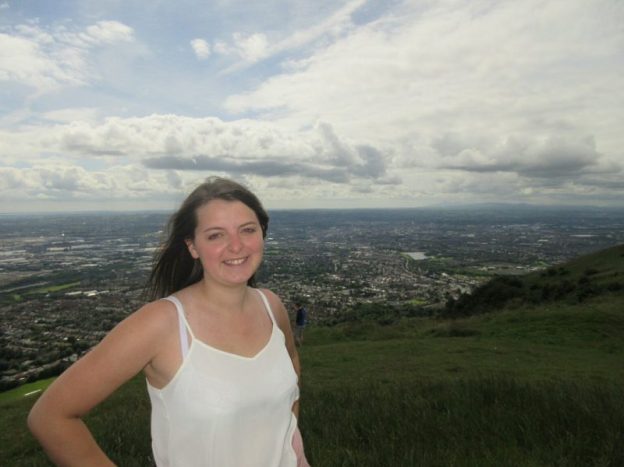
Finally it is worth making a mention to a little haven just on the outskirts of the city which is Belfast Castle and Cavehill Country Park. On joining the motorway from Belfast towards the coast we spotted the castle up in the hills and thought even then that it looked very grand, but up close it was even better. Plotted in Cavehill Country Park this is the perfect way to spend a morning away from the hustle and bustle of the capital. Within the park you can walk three different trails we of course decided to go for the most strenuous; the Cavehill trail. This trail took us through marvelous views of the castle, the city of Belfast and even the Belfast Zoo where we spotted two bears! Not normally something you are happy to see on a walk outside!
Cavehill Country Park
Belfast Docks
Belfast Docks
Cavehill Country Park
Belfast City Hall
Belfast Crumlin Gaol
Crumlin Gaol
Harp Bar
Where next in the British Isles..?
The more I see of our beautiful homeland the more I want to see recently, especially with the fact that I have a few more mountains left to climb. I would love to go to Edinburgh next and visit the castle as well as hike Arthur’s Seat for those great views… Plus I can actual travel to Edinburgh from my local airport – big plus!































 Go Go Chlo