Tag Archives: arabic

Zaragoza: hidden gem of Aragon

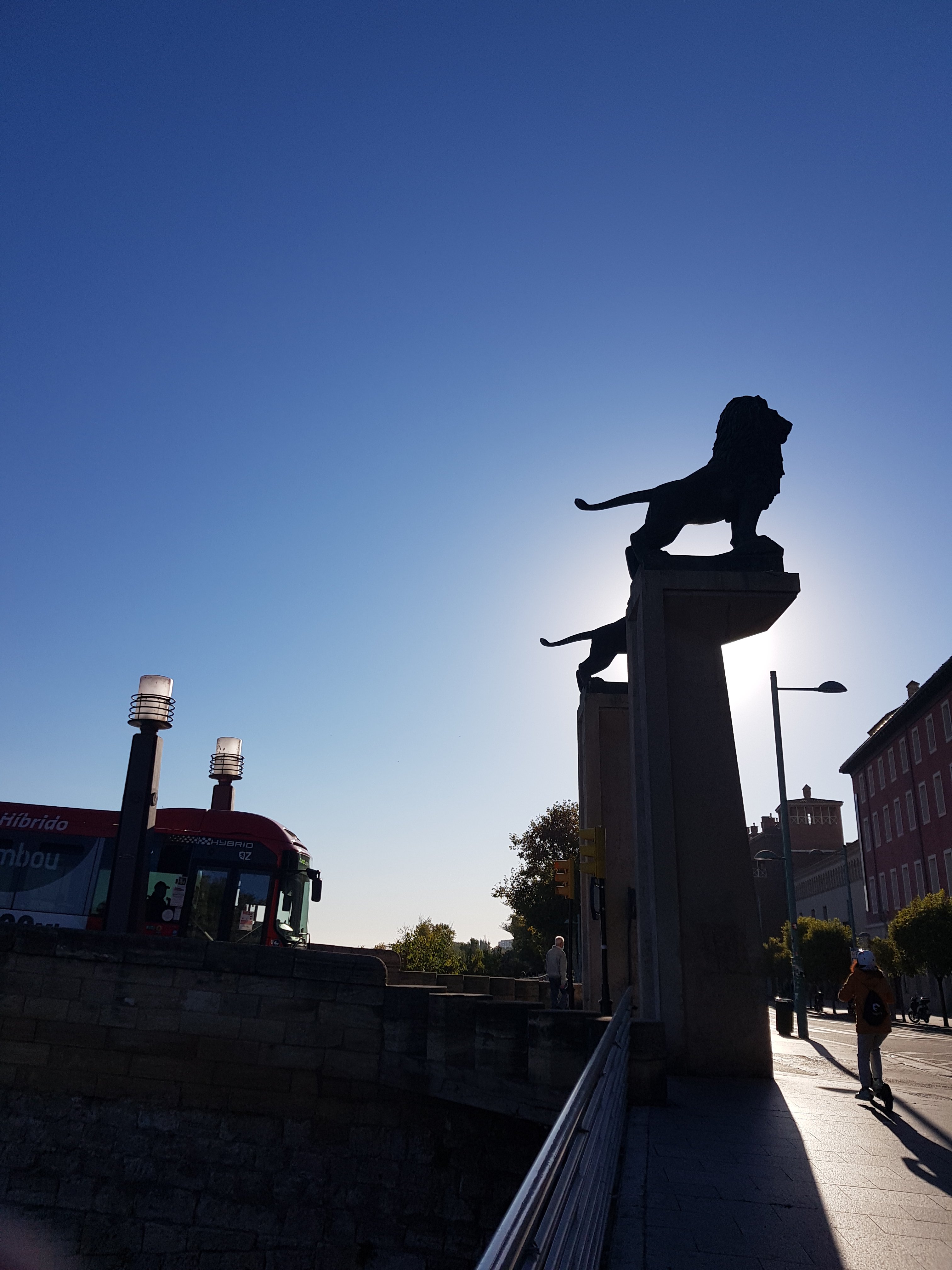
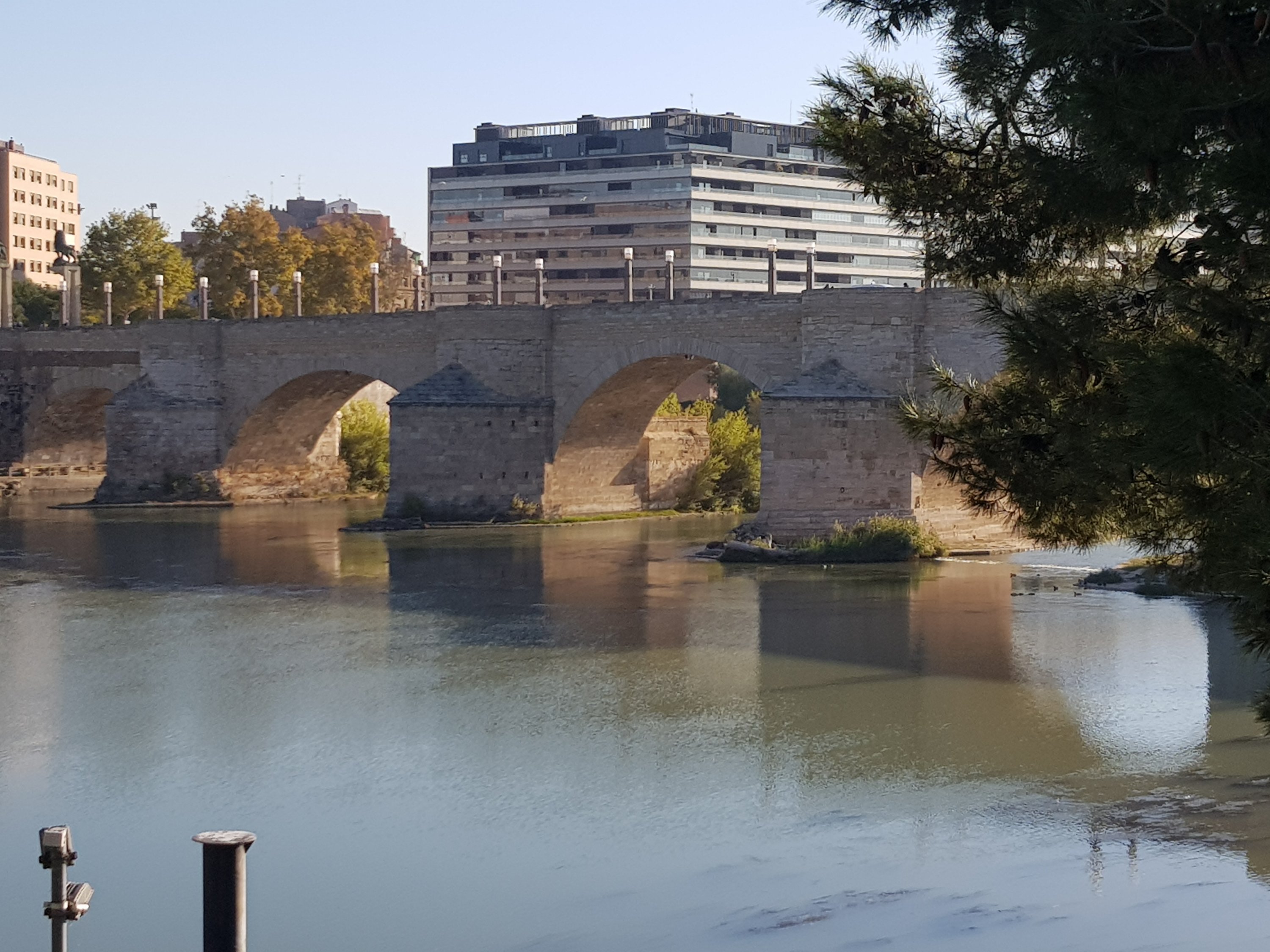
Last week, I made it into Aragon, (which until now, I had thought was a made up place…), and into the pretty city of Zaragoza!

I left Madrid with a full blown hangover, and met up with a local, Alejandro, who was driving to Zaragoza for work. I used the rideshare app ‘Bla Bla Car’ to link up with him, and this saved me over a hundred euros in train fare. It also made his car journey more efficient!

I had hoped that it would be a good opportunity for me to practice my spanish… Unfortunately, I had been having too much fun the night before in Madrid, and had to make my entire focus of the journey, not being ill…

Anyway… back to Zaragoza! I had been told by a man in Madrid ‘why are you going to Zaragoza, its really small, and nothing there’. This worried me, as I already had my stay booked. I am happy to report that he was quite wrong though!
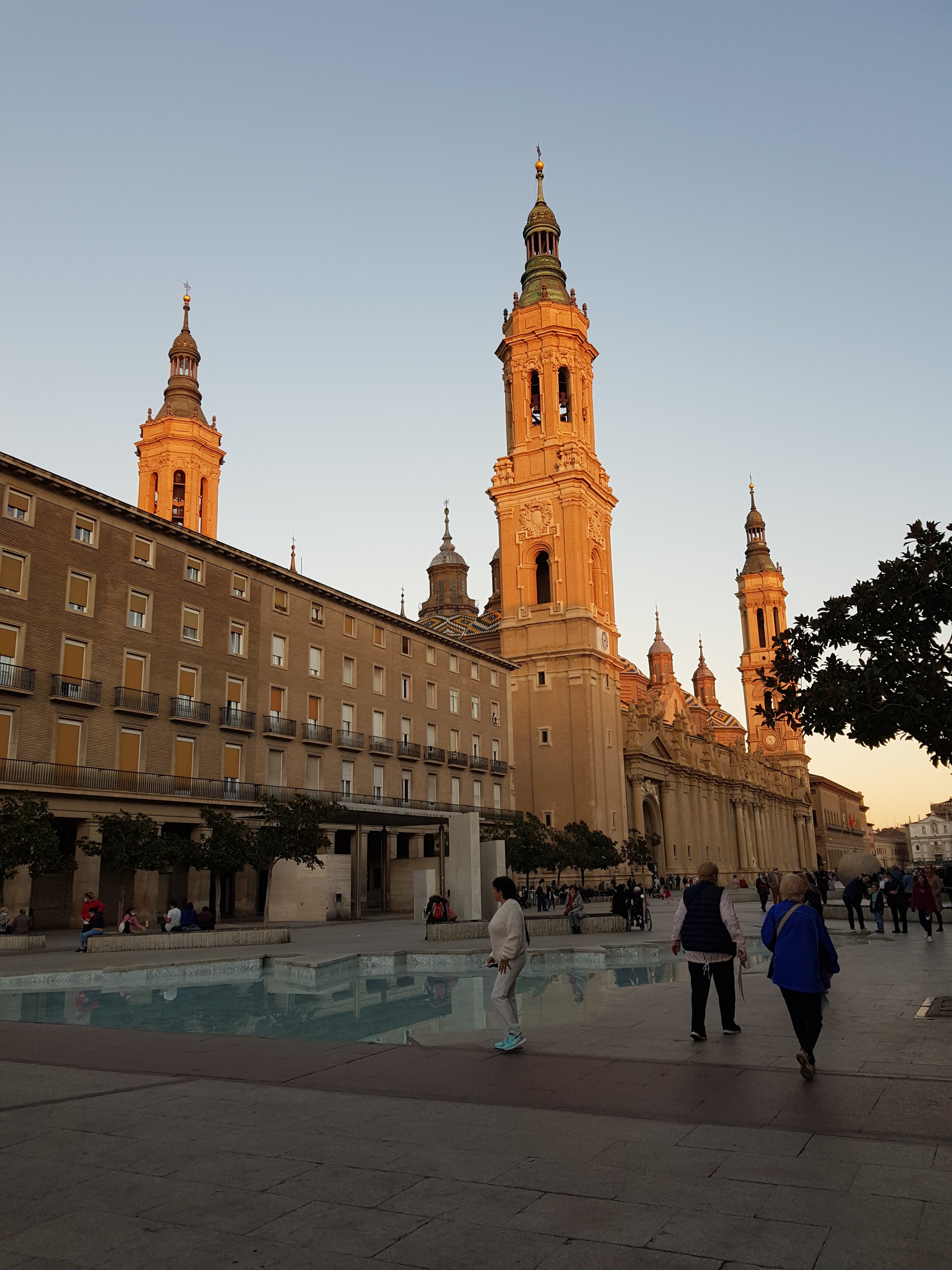
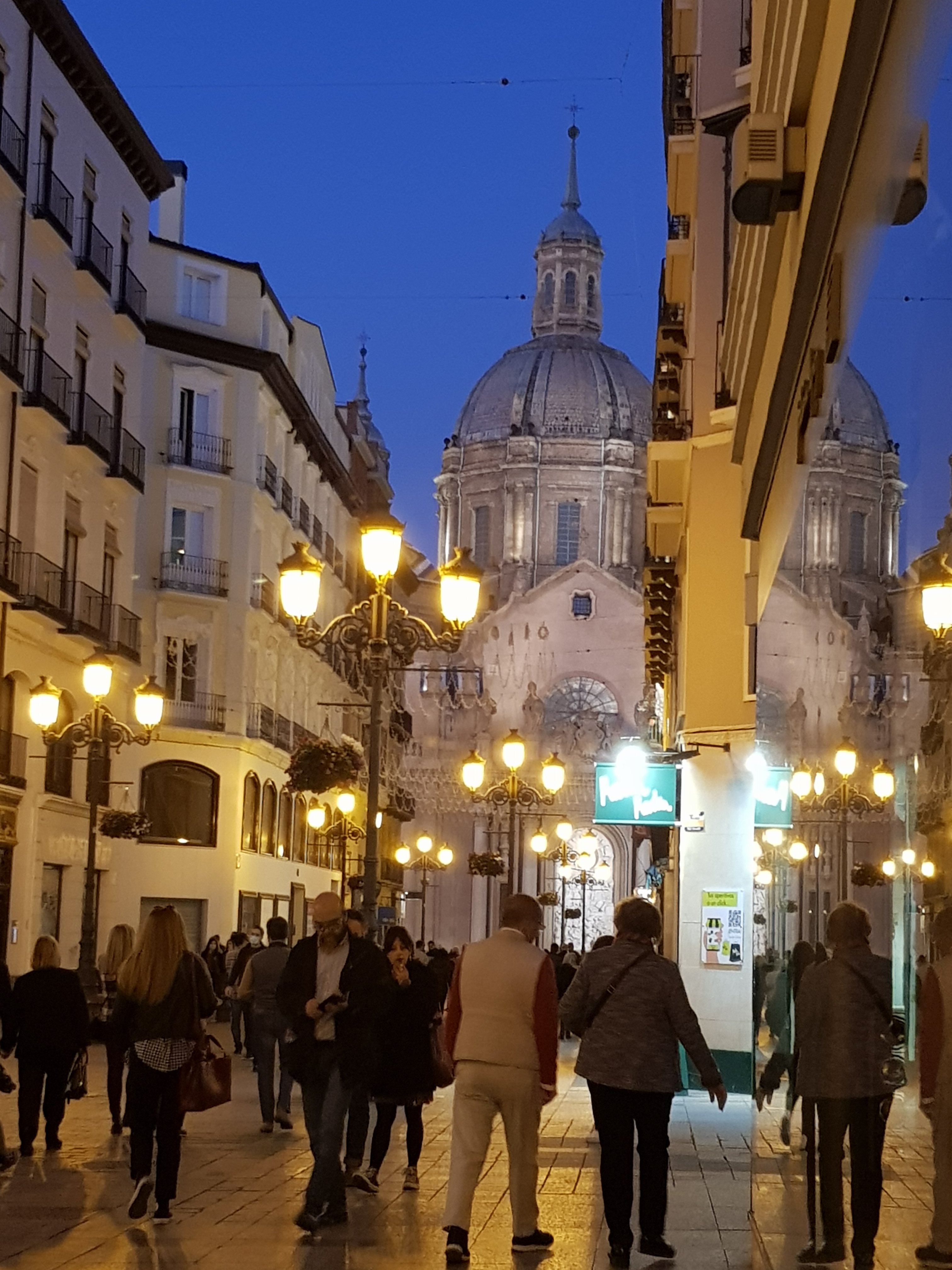
Zaragoza is actually the fifth largest city in Spain. As someone, that personally walked 22km around the centre exploring, I can confirm that there is a fair bit there..

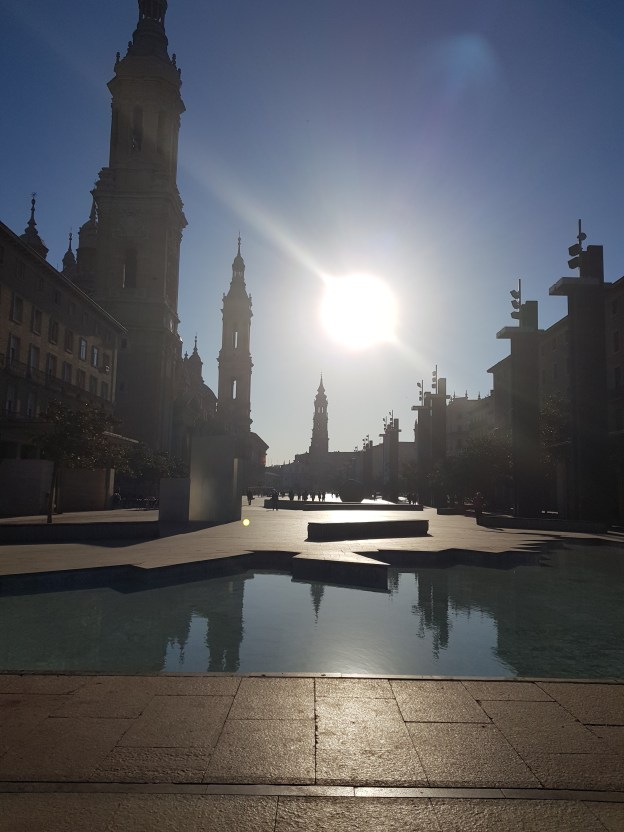
As soon as I ventured into the ‘old town’, I was greeted with beautiful architecture and a pleasant and huge plaza to enjoy.

Seo Cathedral & Pilar

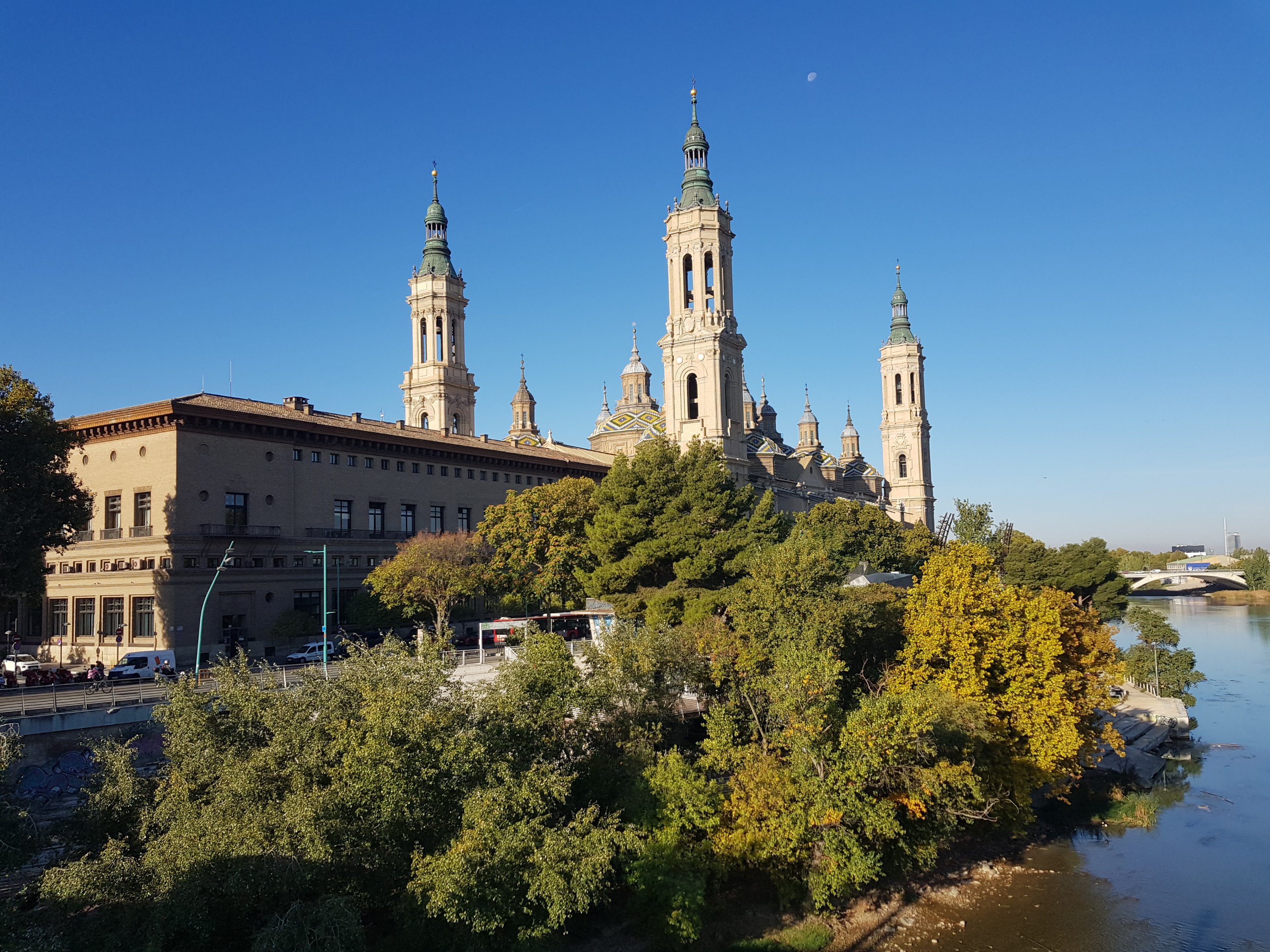
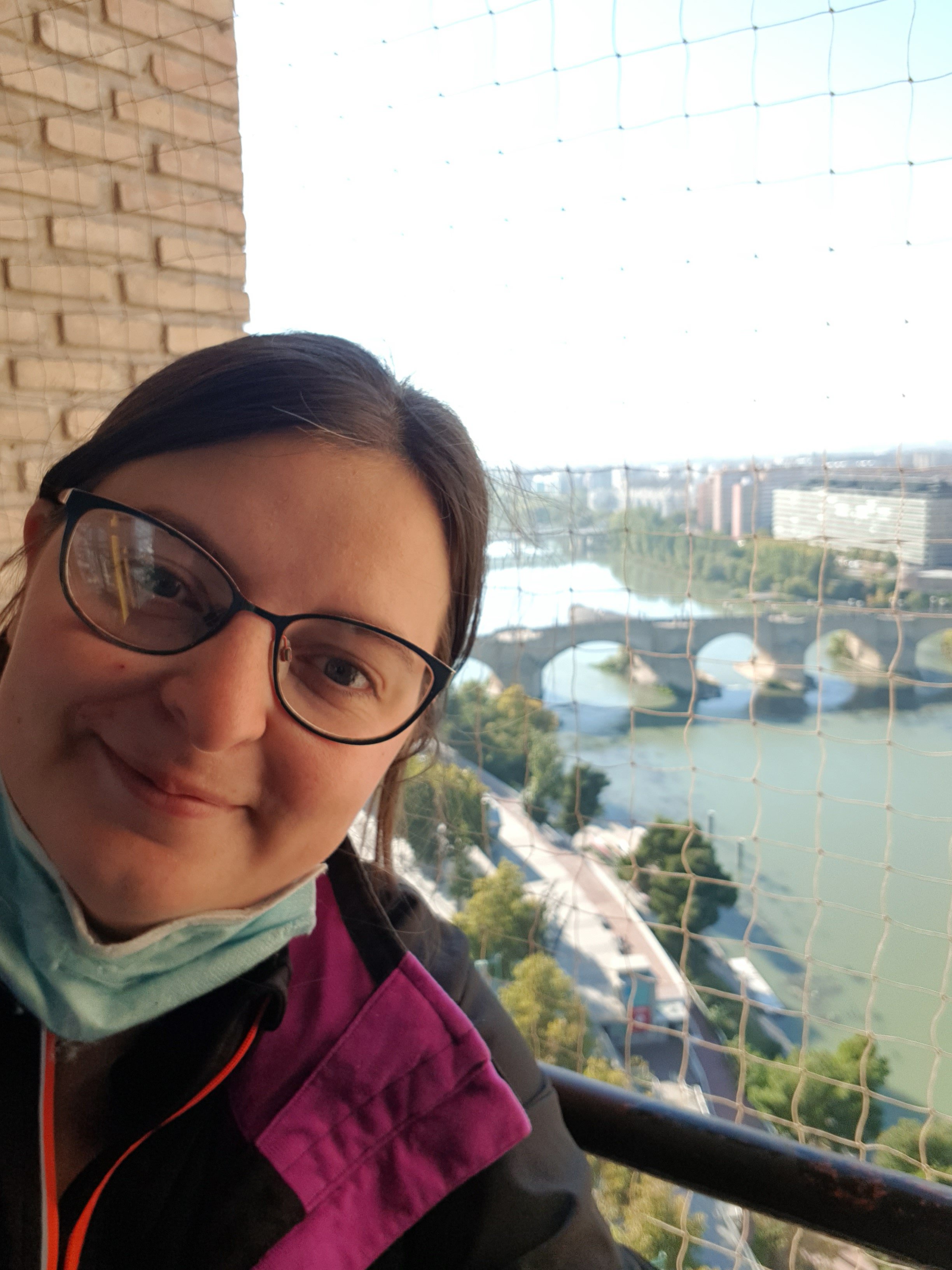
There are two cathedrals to see, and helpfully, they are next door to each other! That is the Basilica de Nuestra Señora del Pila and the La Seo: Catedral del Salvador. They also share one joint ticket (although you don’t need a ticket for the Pilar, but this way you are supporting them). It also gives you access to other attractions in the city, and for one euro more you can access the top of the tower for a panoramic view. I did opt for this, and was pleased to see an elevator. 😍
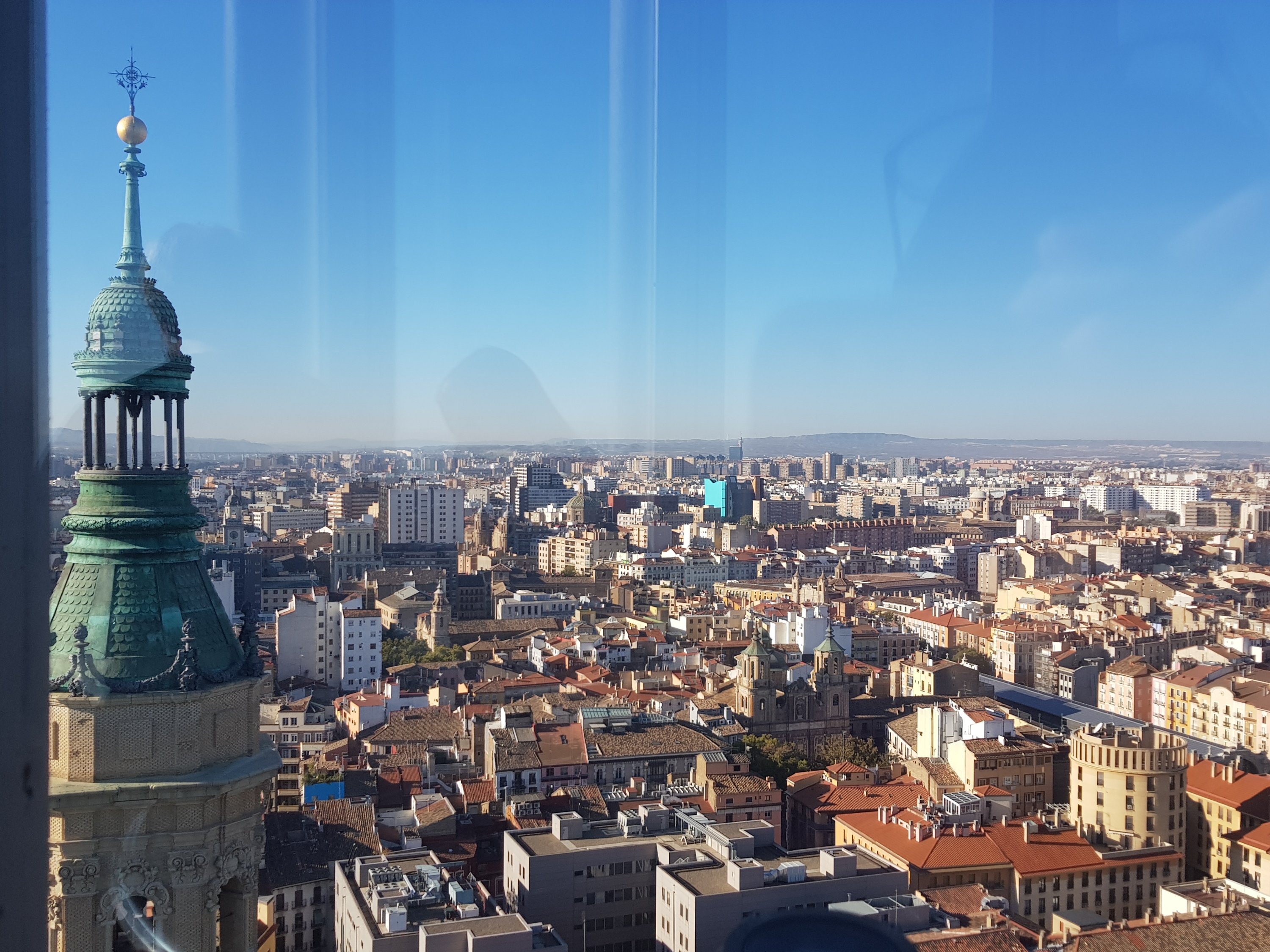
The views are quite pleasant and for only a euro it is worth it!

Both the Pilar and the Seo Cathedral are beautiful, but the weird thing I found was that both looked one way on the outside and was the opposite on the inside. For example, the Seo Cathedral looked fairly ordinary from the outside, but inside, it was stunning. Sadly, they do not allow photos, so I only have my memories… I can tell you that the ceilings and alters were beautifully designed though.
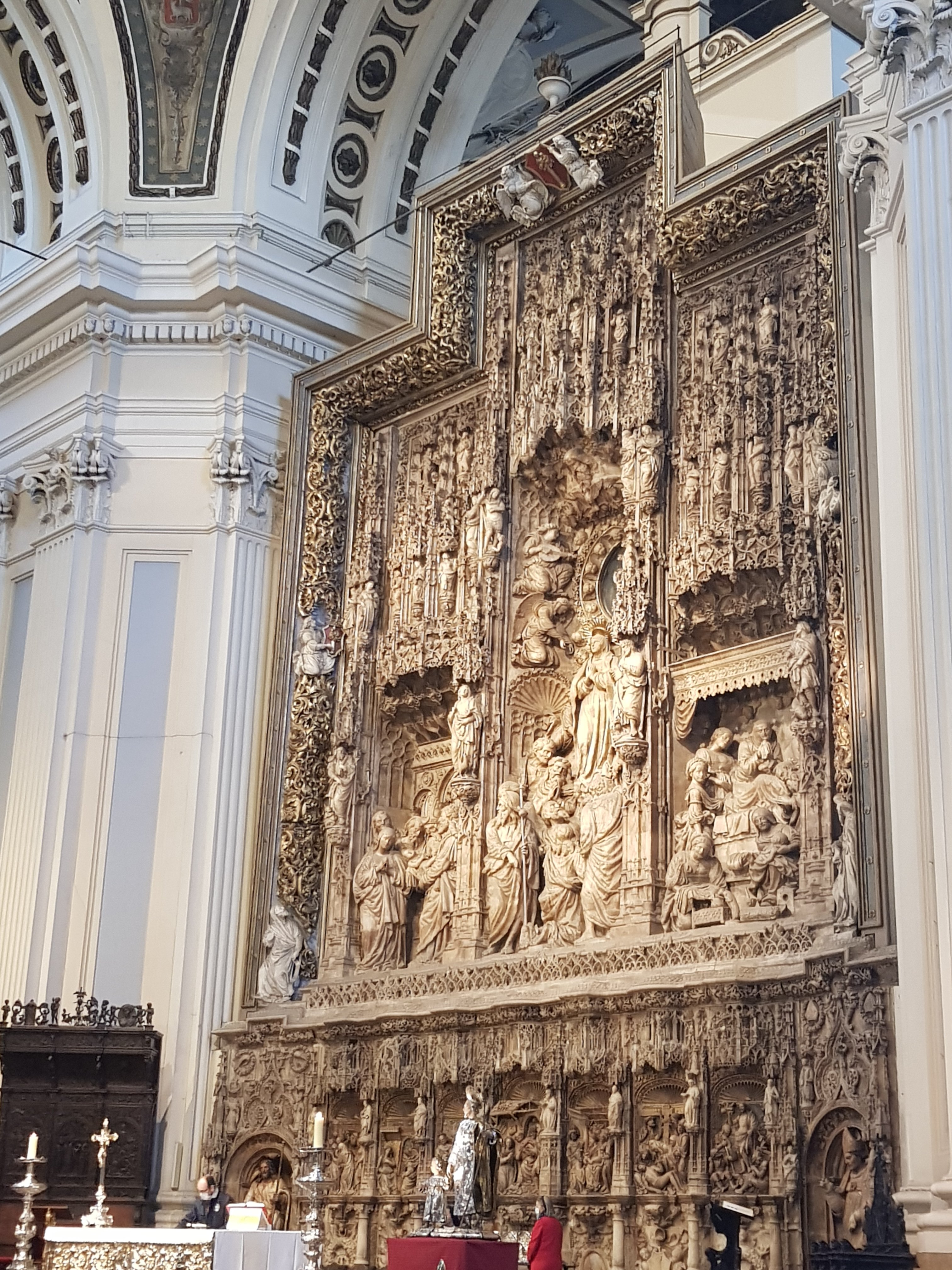
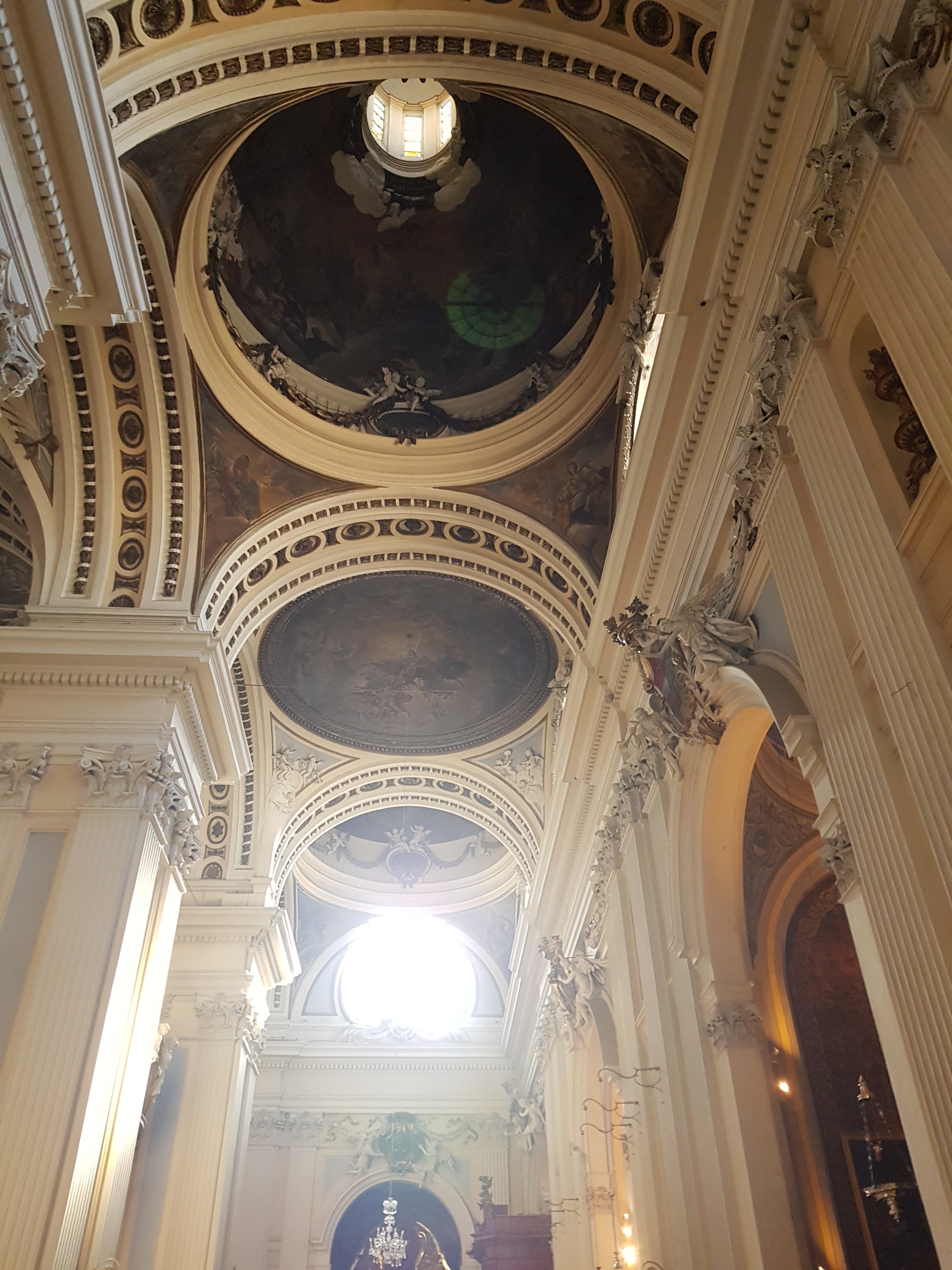
The only frustrating limitation to these two sites, and in general with religious buildings in Spain, is that they all shut during midday. I had a train at 5pm, so I had to squeeze both buildings into the morning. The receptionist told me that I should spend an hour in the Cathedral. I only had 20 minutes… I managed it though! Even managed to sit on a pew for a minute. I am very church efficient!

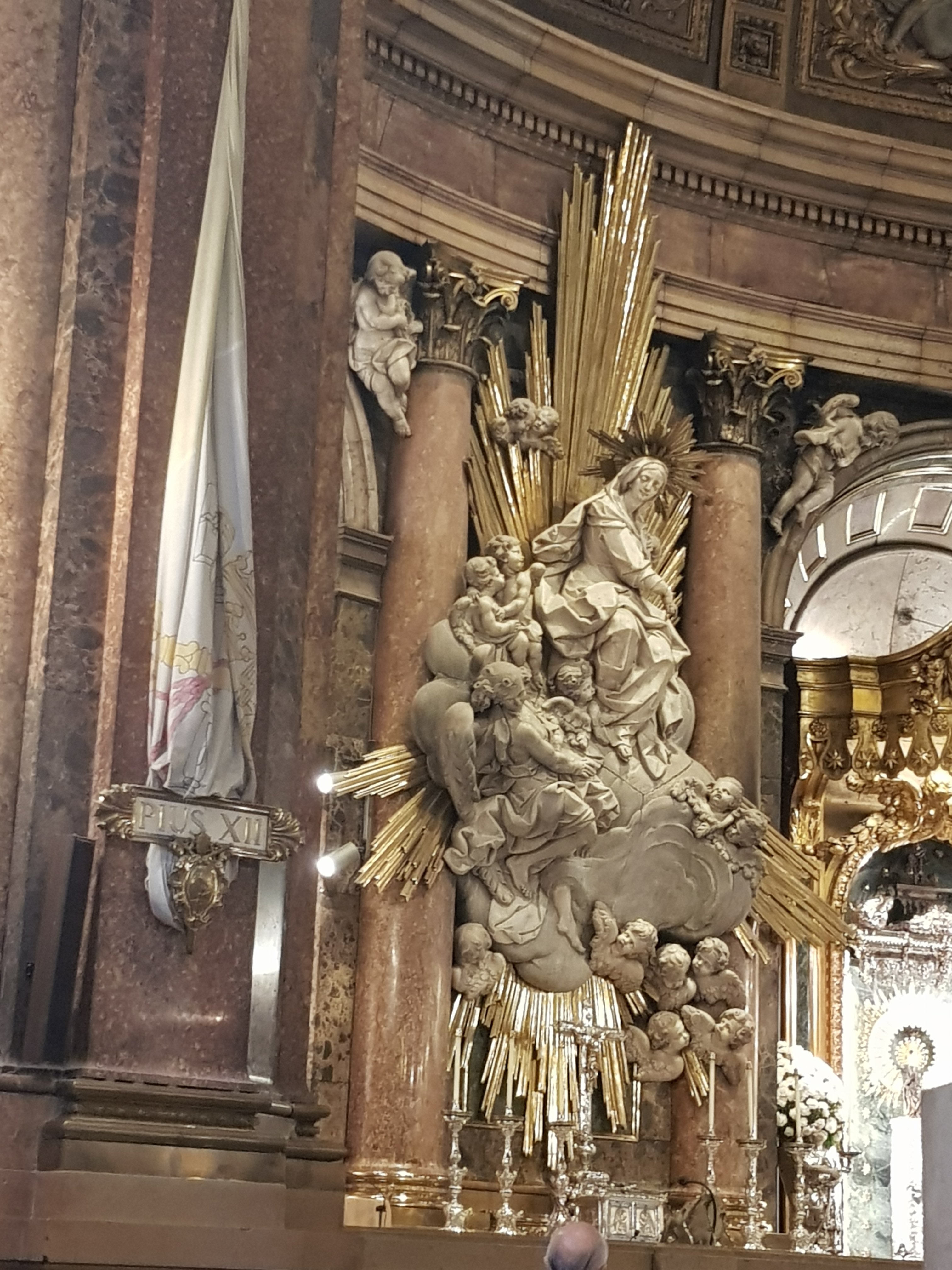
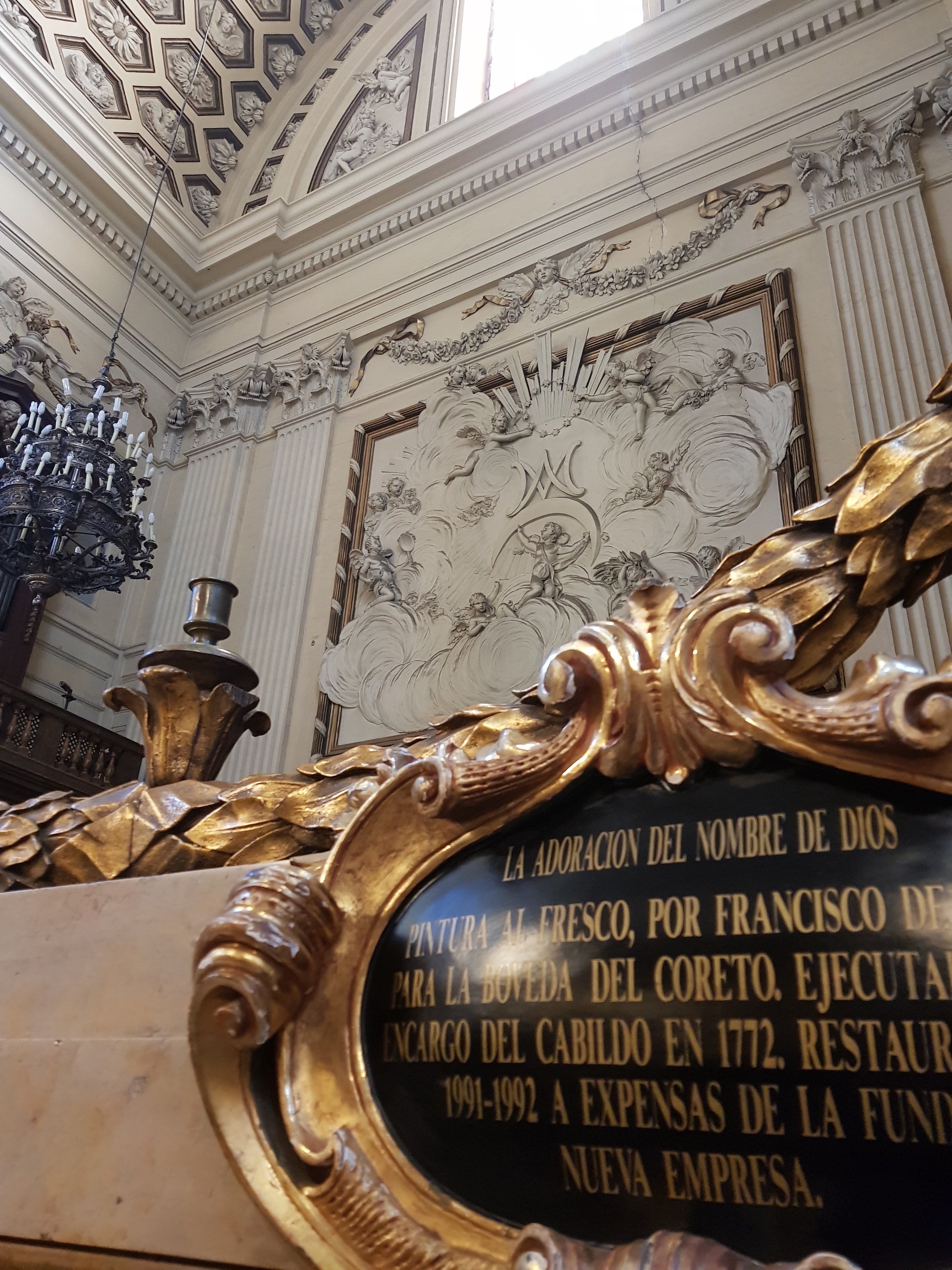
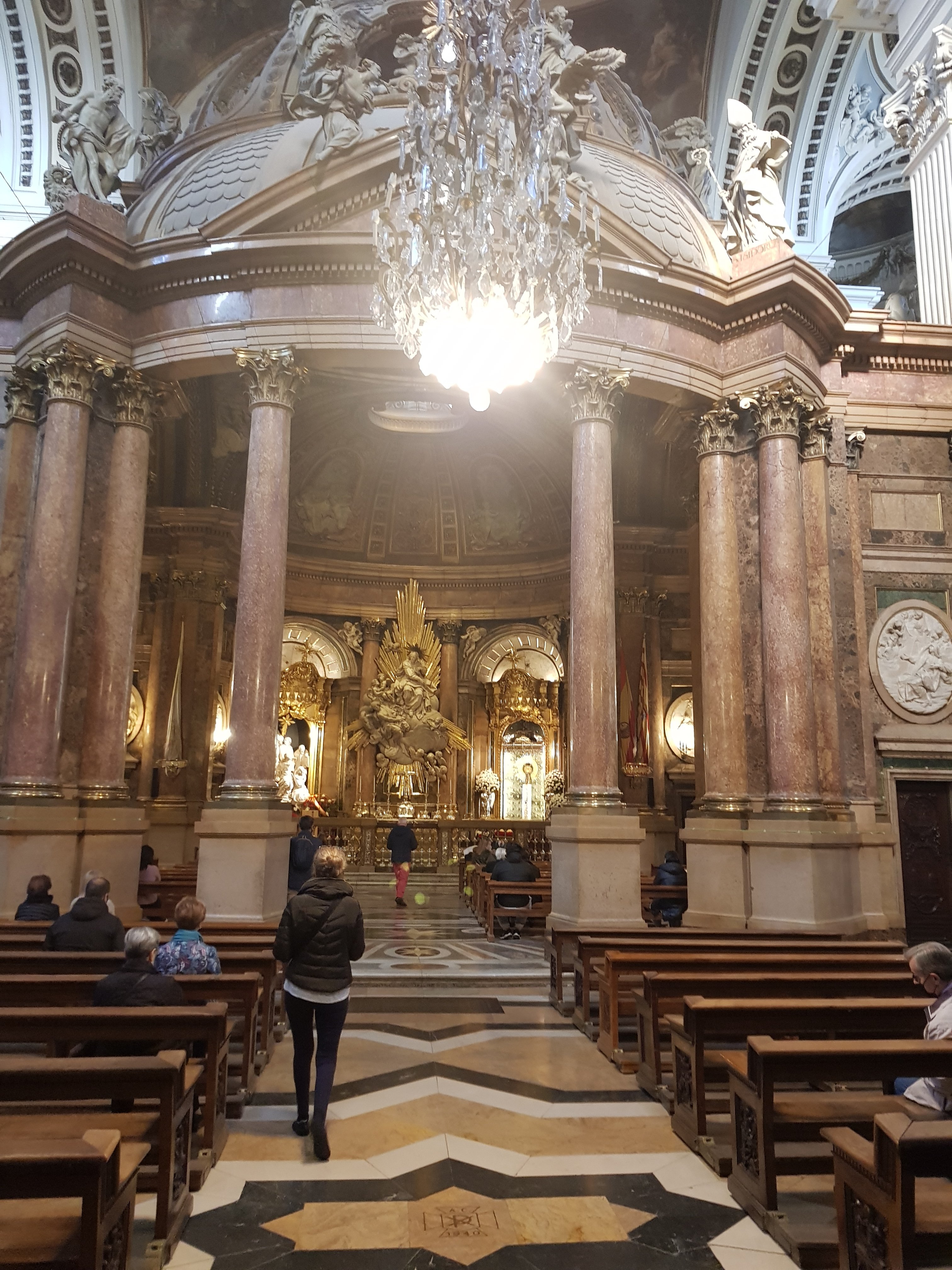
With the Pilar, it was impressive outside, but generally traditional inside. I think I am just spoilt at this point to be honest! The special thing in El Pilar and why it is called this, is because this is supposed to be the location that Santiago (St James- Patron Saint of Spain) was approached by the Virgin Mary when he was feeling discouraged. Mary gave him a jasper pillar and told him to build a temple to her in that place. James did this, and supposedly it became the first church dedicated to Mary. There is a huge chapel dedicated to it inside, and many people make pilgrimage to see the spot where the pilar is thought to be.

Courts of Aragon / Palace of Alajaferia

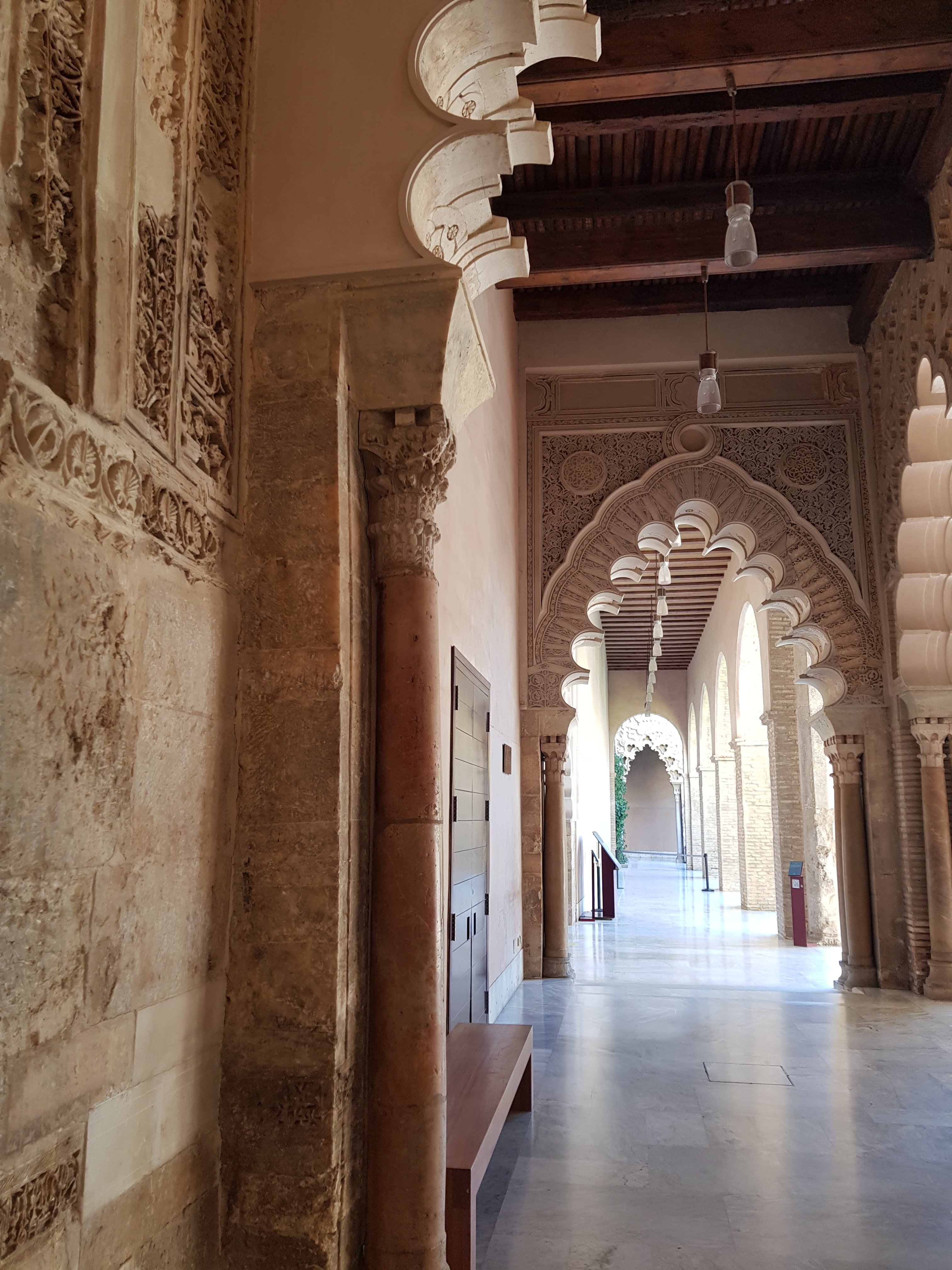
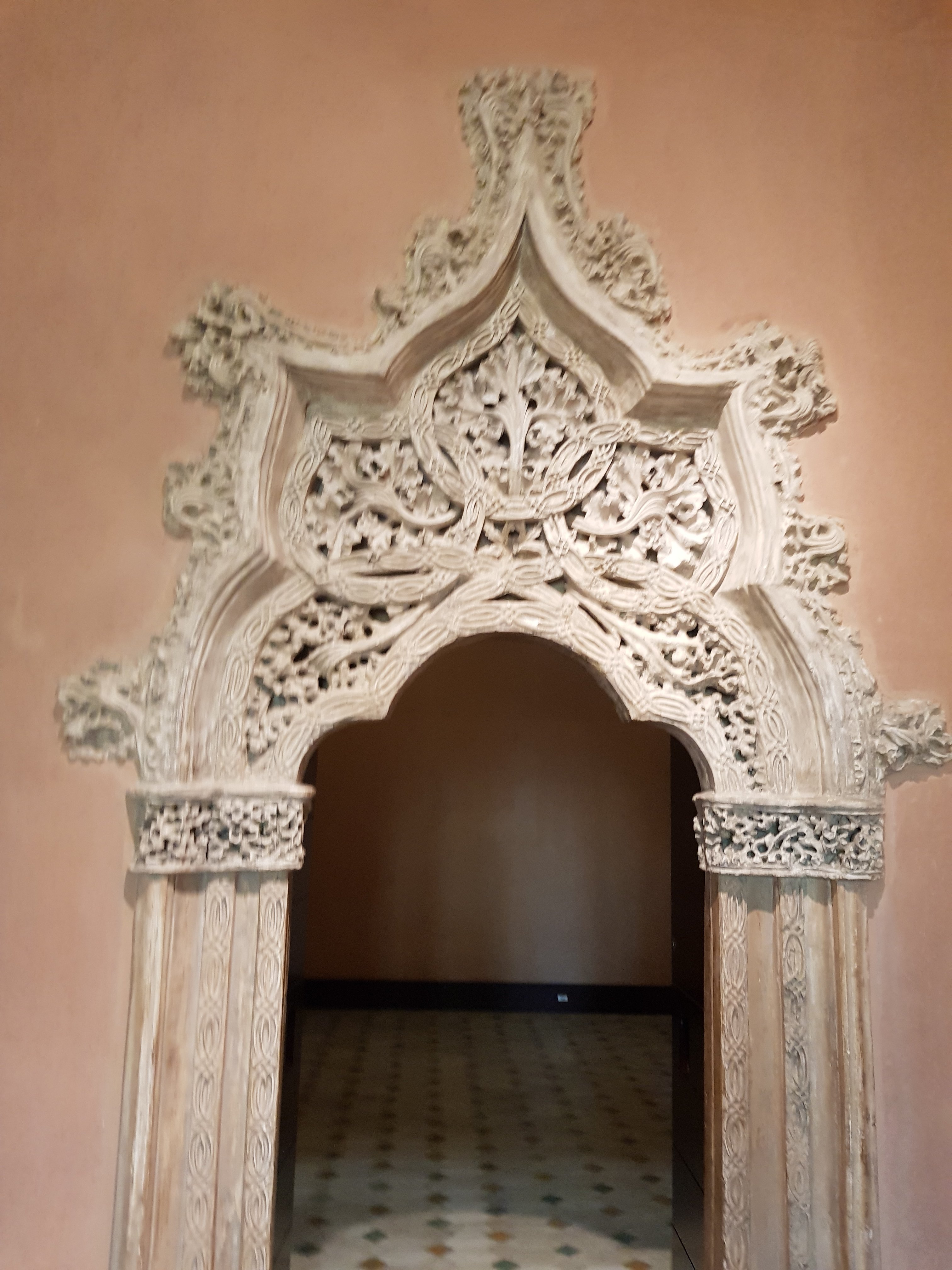
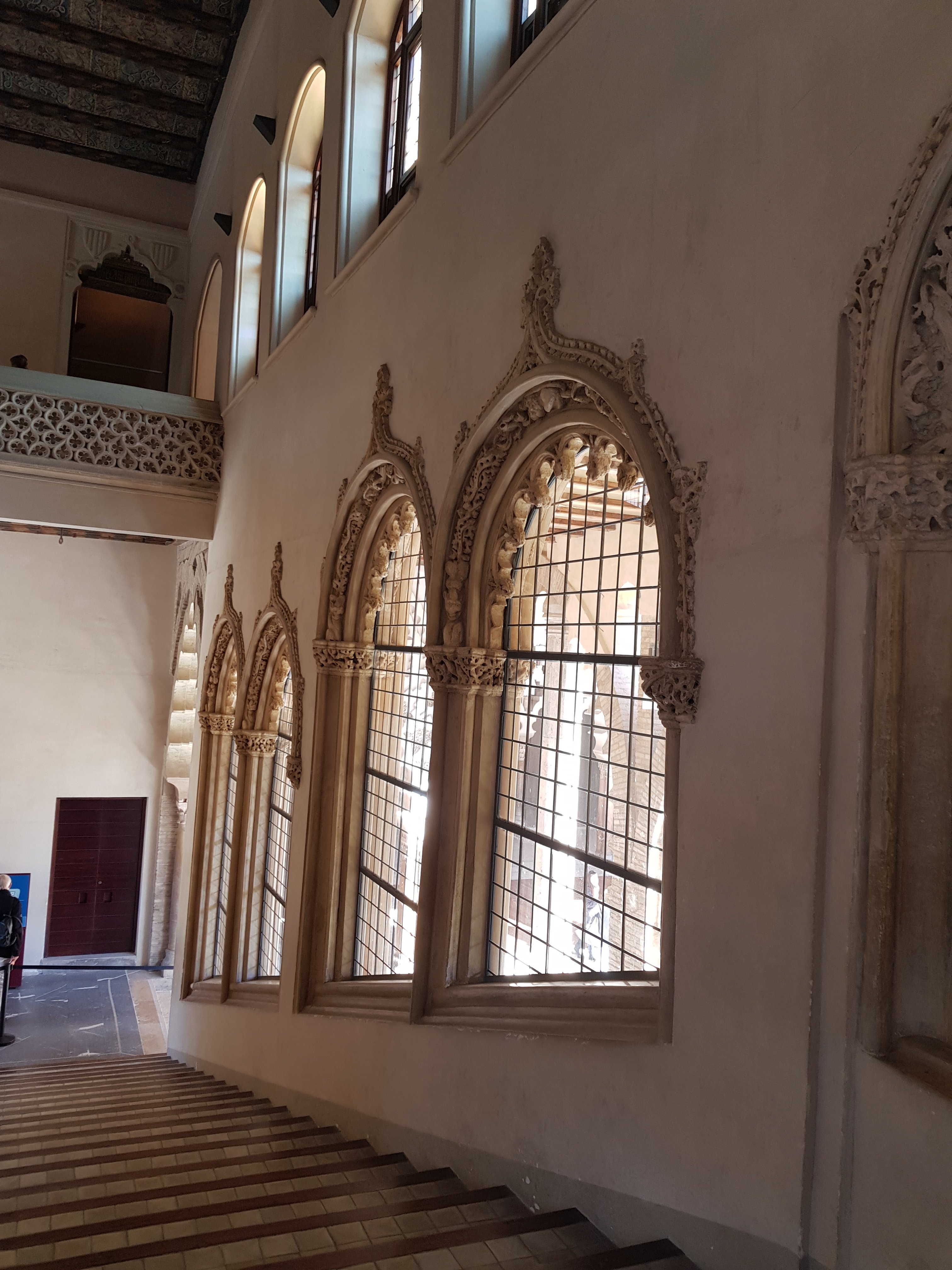
I made a special effort to reserve a visit to the former palace (now courts building) whilst I was visiting. This was very cheap (€5), and you just needed about an hour. The palace still retains lots of muslim designed decor, which I thought was unique to see outside of Andalucia.
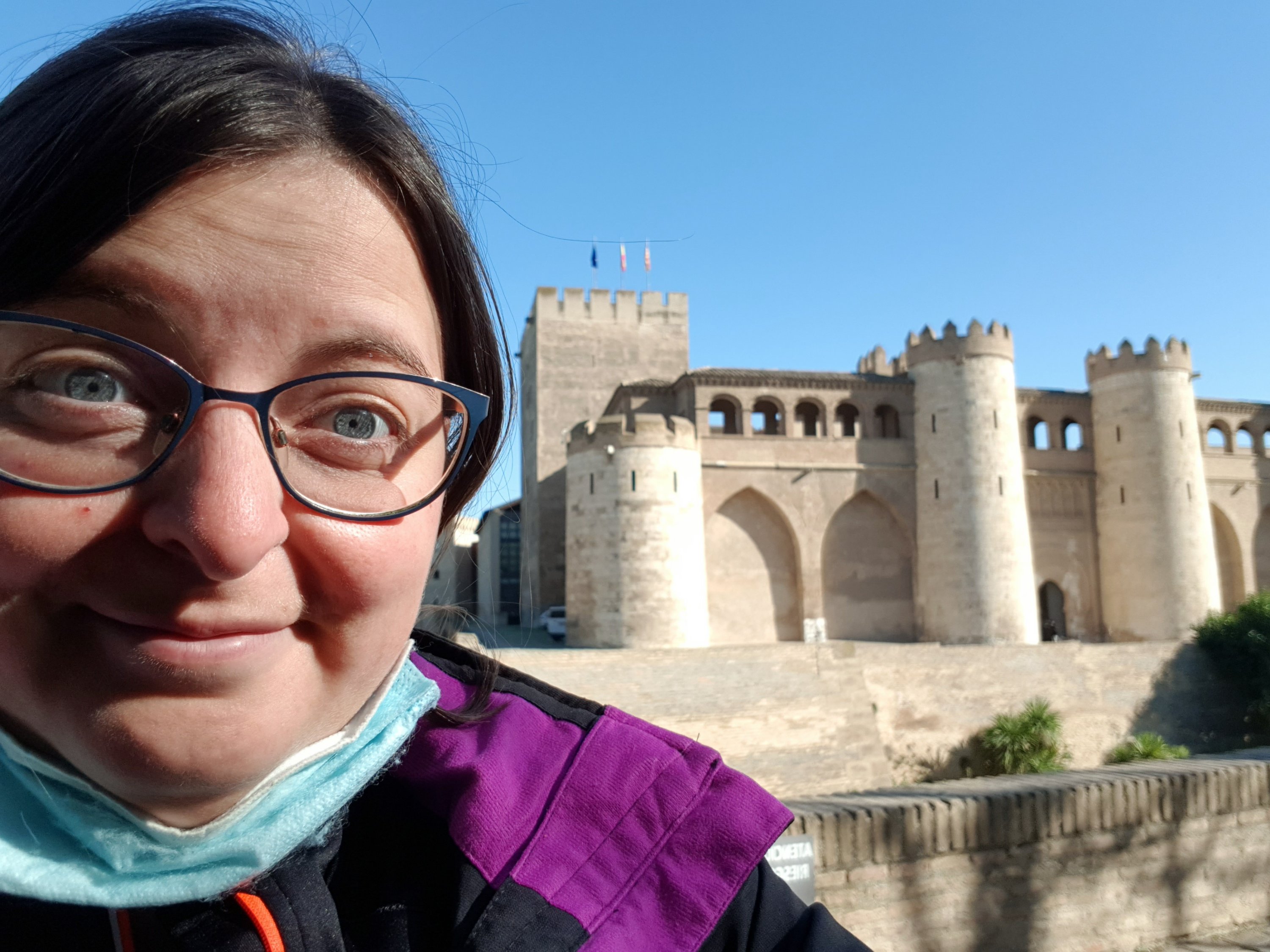
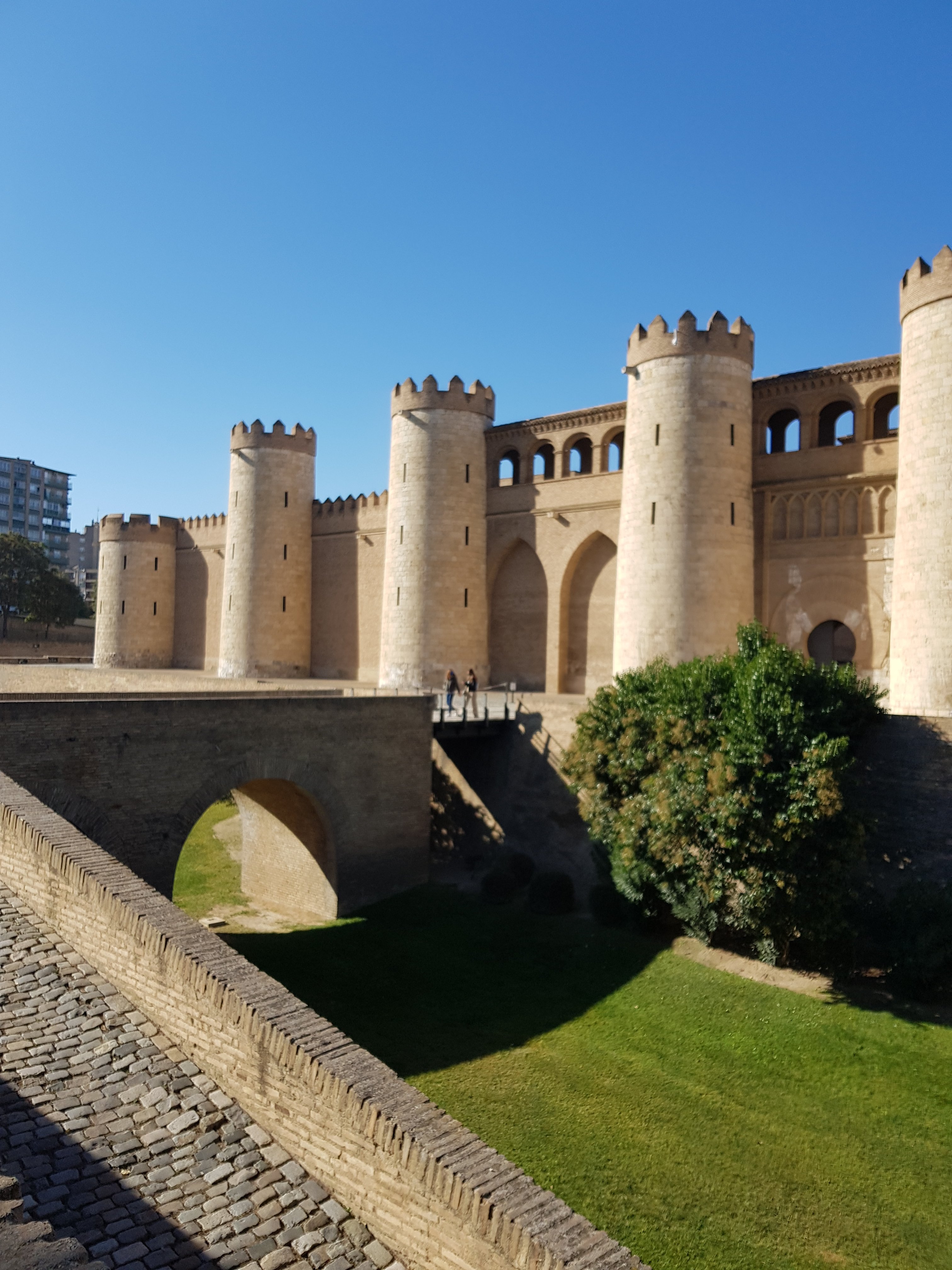
The really great thing about the visit was that the tickets are limited to small numbers of visitors. So this is a great opportunity for taking photos and looking at the detail in this sort of architecture, without crowds. Once you go through security, you can make your way round the one way route of the site, unsupervised, very special.

Parque Grande José Antonio Labordeta

After a long walk across the city, whilst everyone was taking their siesta, I managed to make it to the park that I wanted to explore. The city’s biggest green space, Parque Grande Jose Antonio Labordeta.

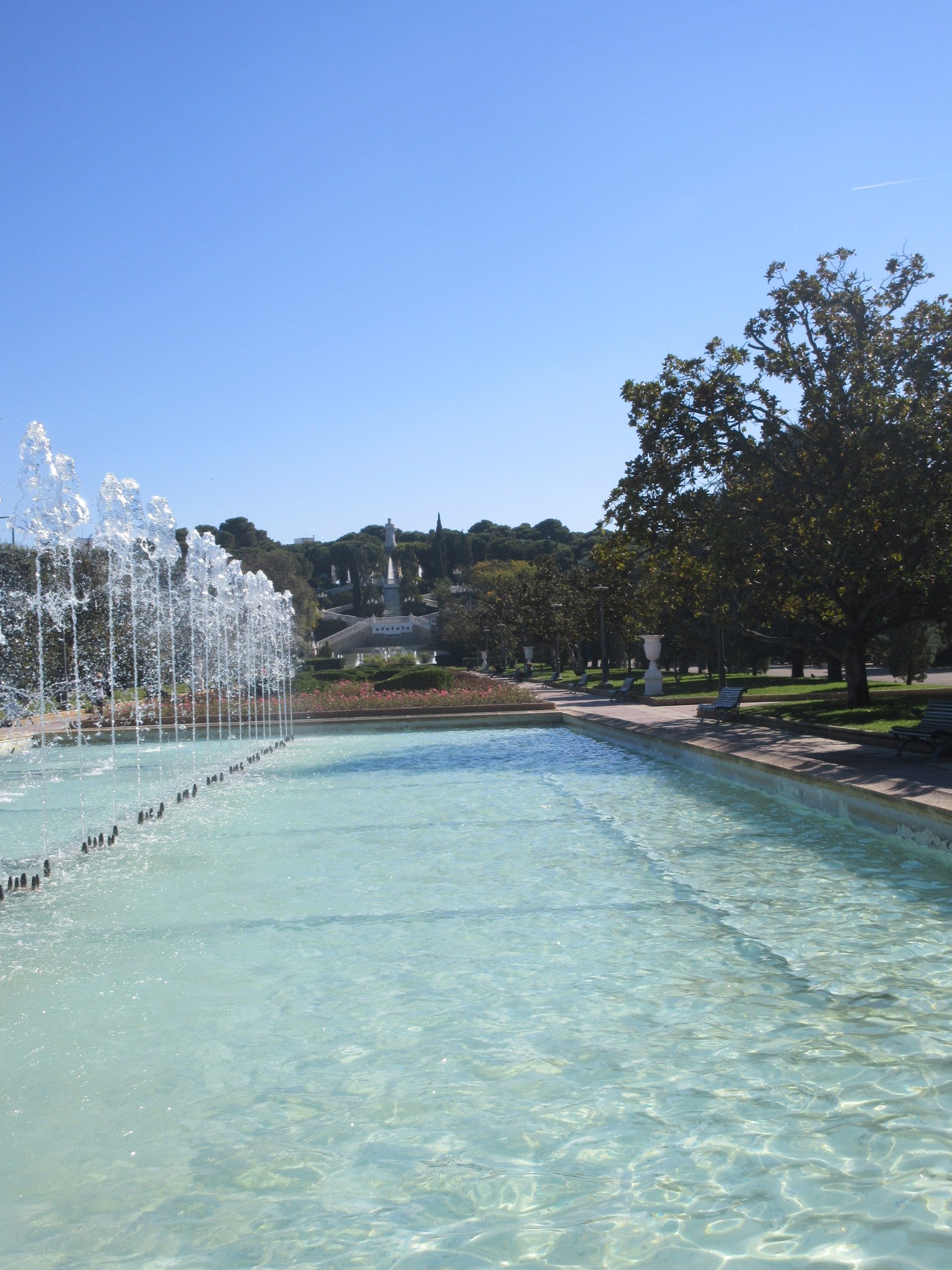
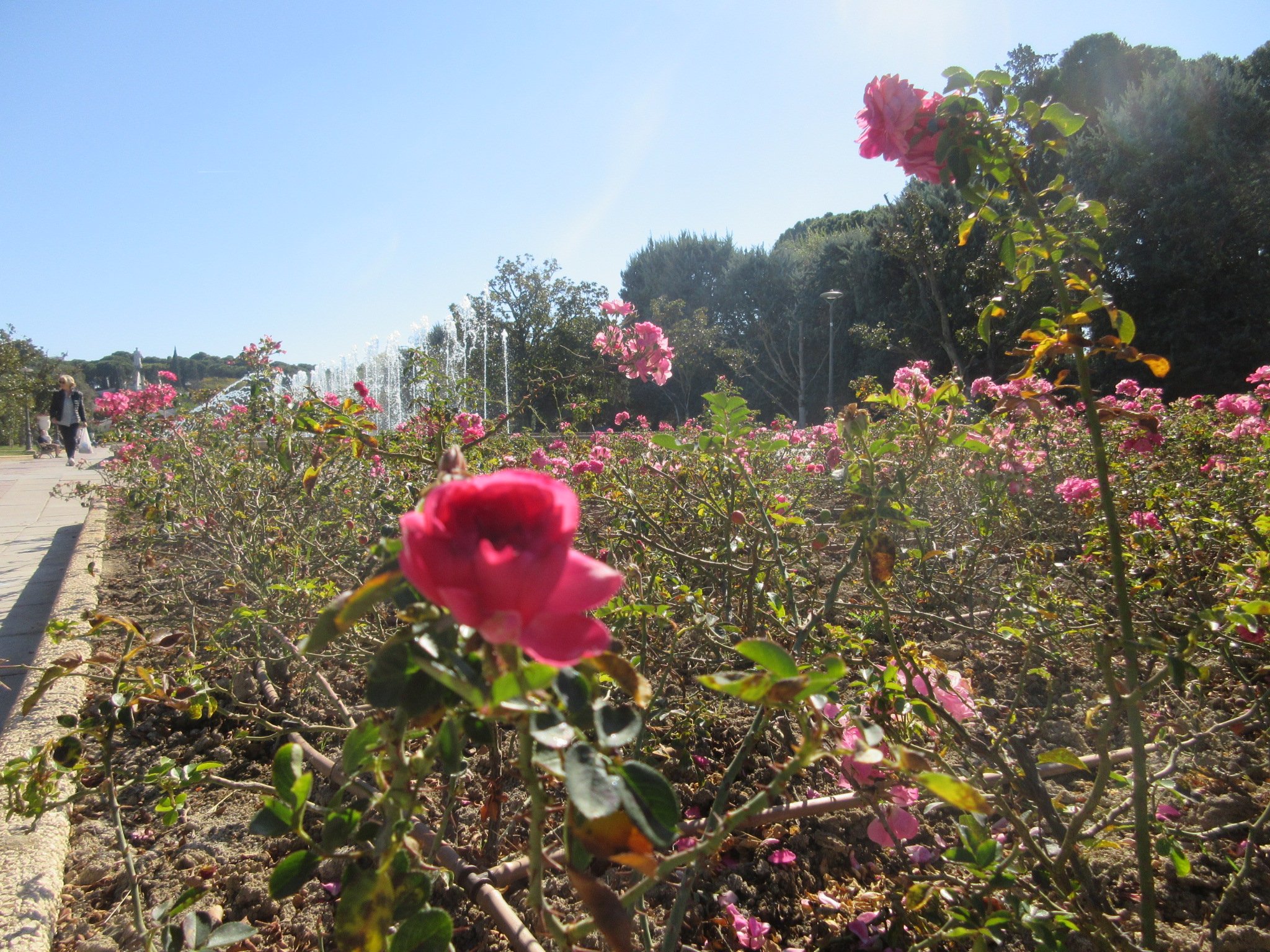
Public parks in Spain are generally gorgeous, with sculptures, fountains, and roses. This one in particular has one very good first impression. On entering the park, you are greeted with a line of fountains in a row, and overshadowed by a grand white staircase with a waterfall. Very fancy!
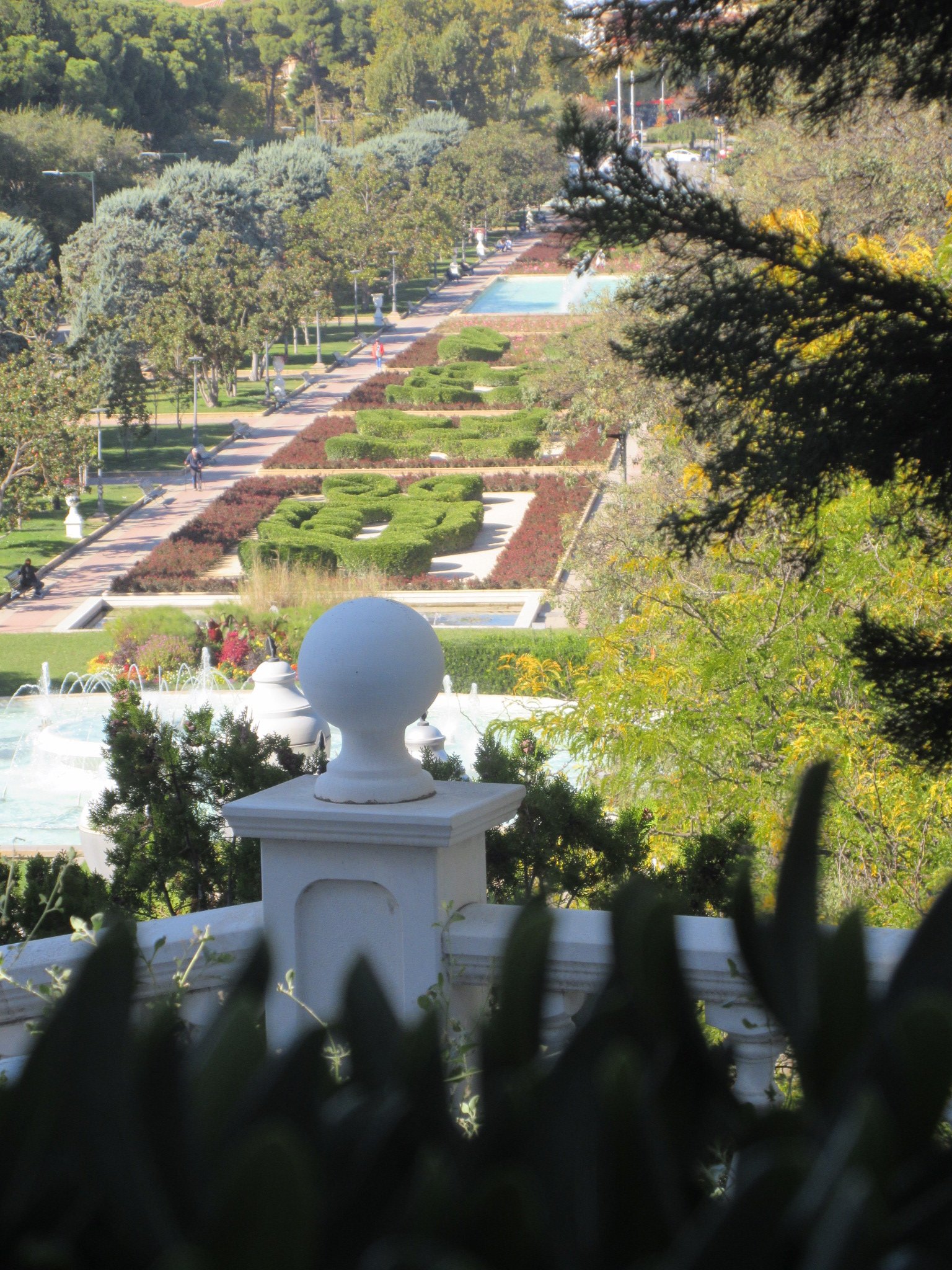
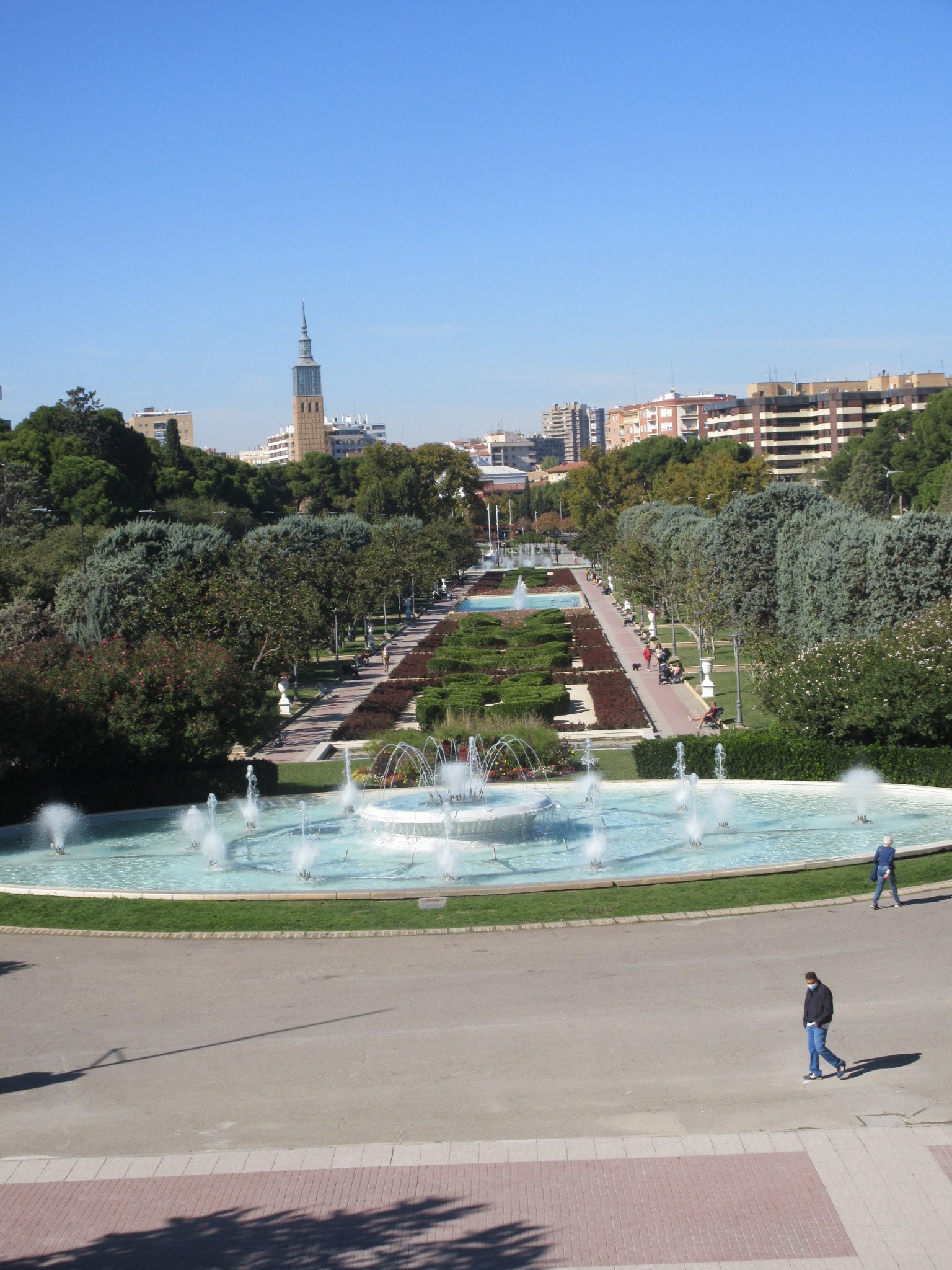
It was quite a big walk to get to the park, and in hindsight, it would have been better if I was there for more than one day, as I was rushing through it too much. It deserved a good lounge around with a sketch book in hand.

So overall, Zaragoza definitely has some great things to shout about. Most of all, I just thought it was a very relaxing place to be.

Next stop… Irun, for the beginning of my Camino!

Sevilla: Pearl of Andalucia

Following on from a week in Portugal, I decided to travel four hours by bus, to one of Andalucia’s best known cities, Seville (or Sevilla).

The journey to Seville was reasonable by bus, and cost only about €30 from Lagos, Portugal. There was no border restrictions and I didn’t even have to go through a passport check. The only downside was that the bus was very hot! It was 30’c outside and hotter inside the bus. Thankfully, we made plenty of service station stops to get some air and water.. (makes me sound like a car haha).
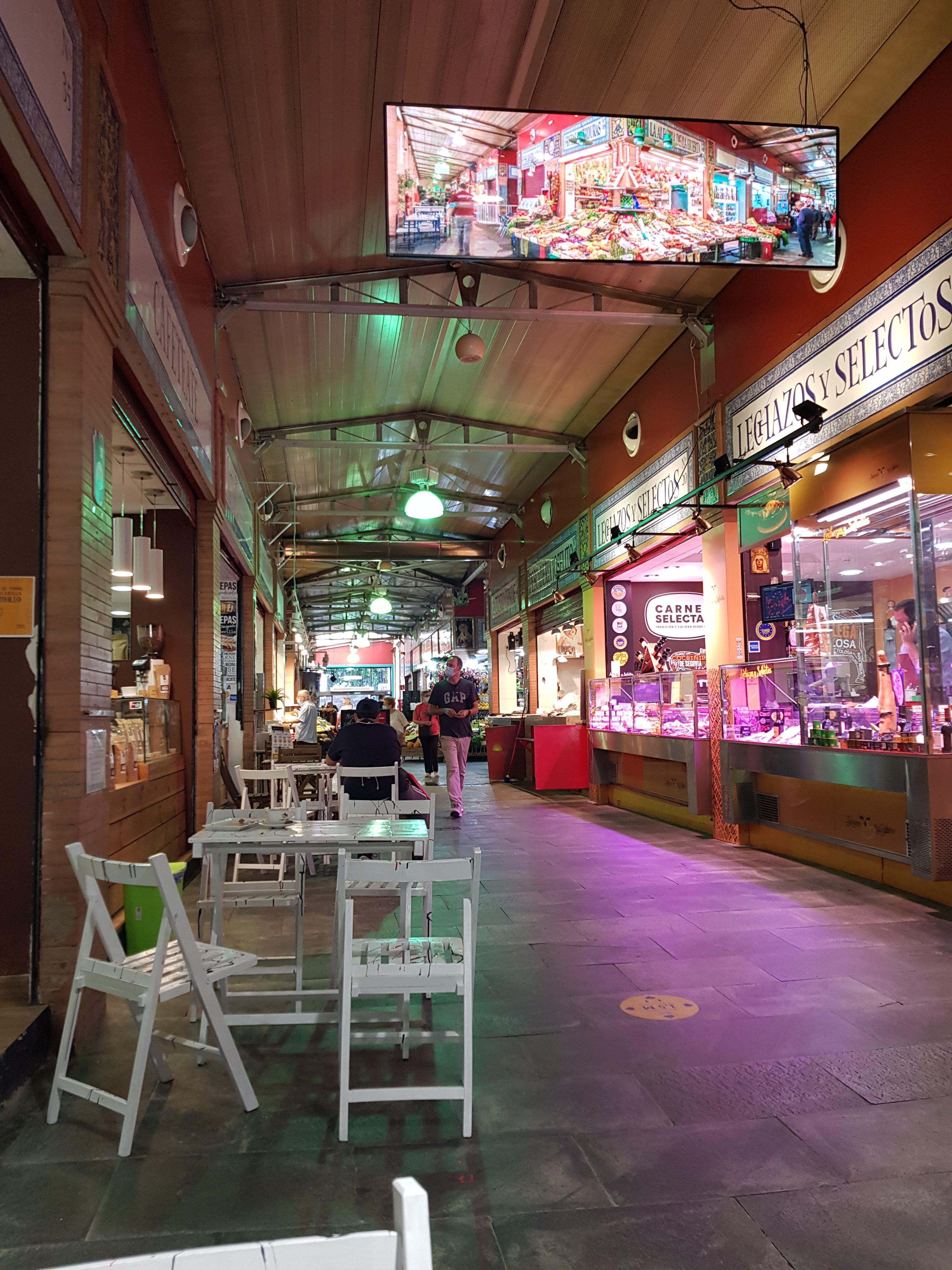
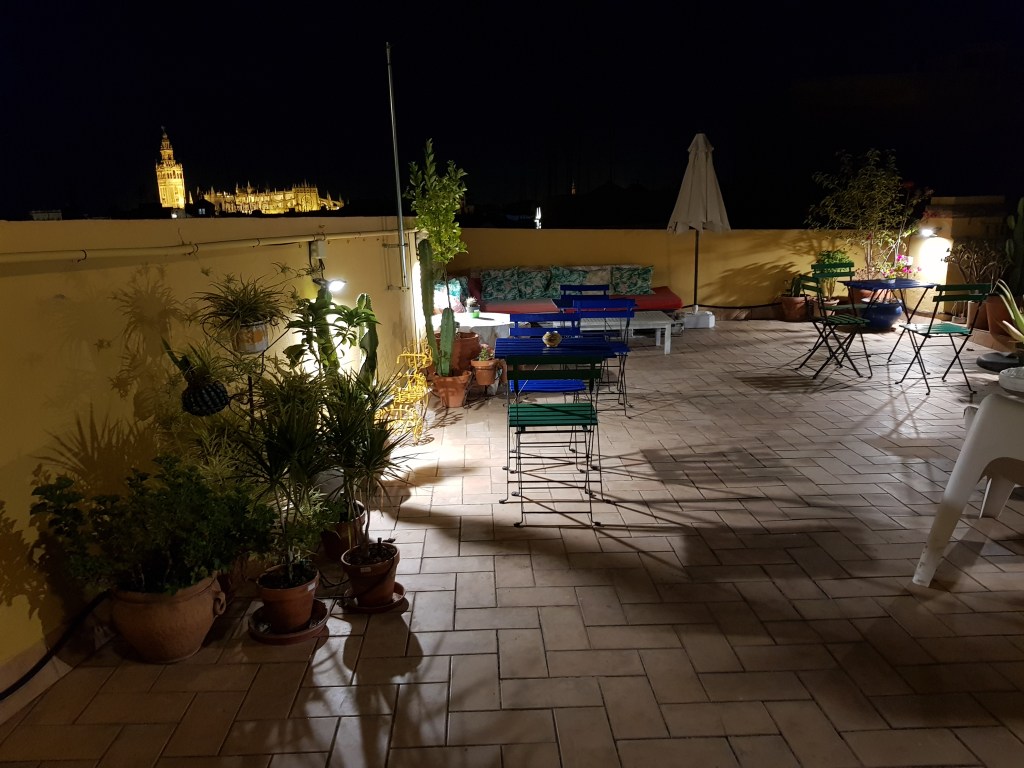
On arriving to Seville, I was able to walk the short route to my hostel. I definitely had lots of strange looks though, carrying a huge backpack and sleeping bag on my bag in 30’c weather. I must have looked mad, in a place where no one even owns a coat, as apparently it hasn’t rained for five years! I stayed at the La Flamenka hostel in the city centre, and this was a lovely place to stay. The staff and volunteers were very friendly and helpful and the environment makes it really sociable. Due to a chilled out kitchen and terrace layout, I was able to strike up conversation and befriend a Brazilian, a Norweigan, an Austrian, and a Barcelonina. Great practice for my language skills! All guests were solo travellers too, so we all had that in common.

La Flamenka hostel terrace at night

Alcazar

On my first day, I had prebooked a visit to Seville’s Alcazar through Viator, which also included a guided walk of Santa Cruz neighbourhood, and a visit to the Cathedral & Giralda.

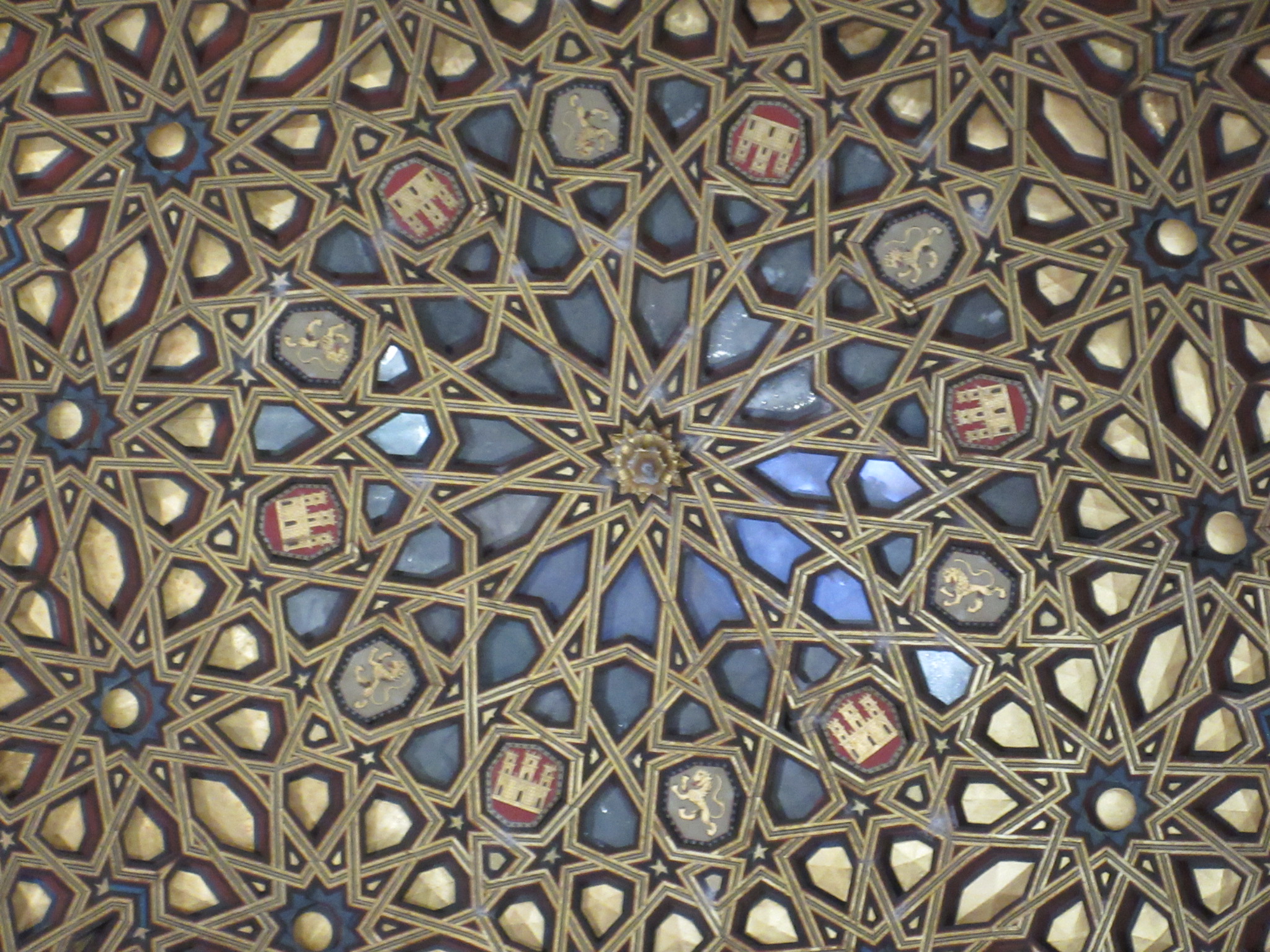
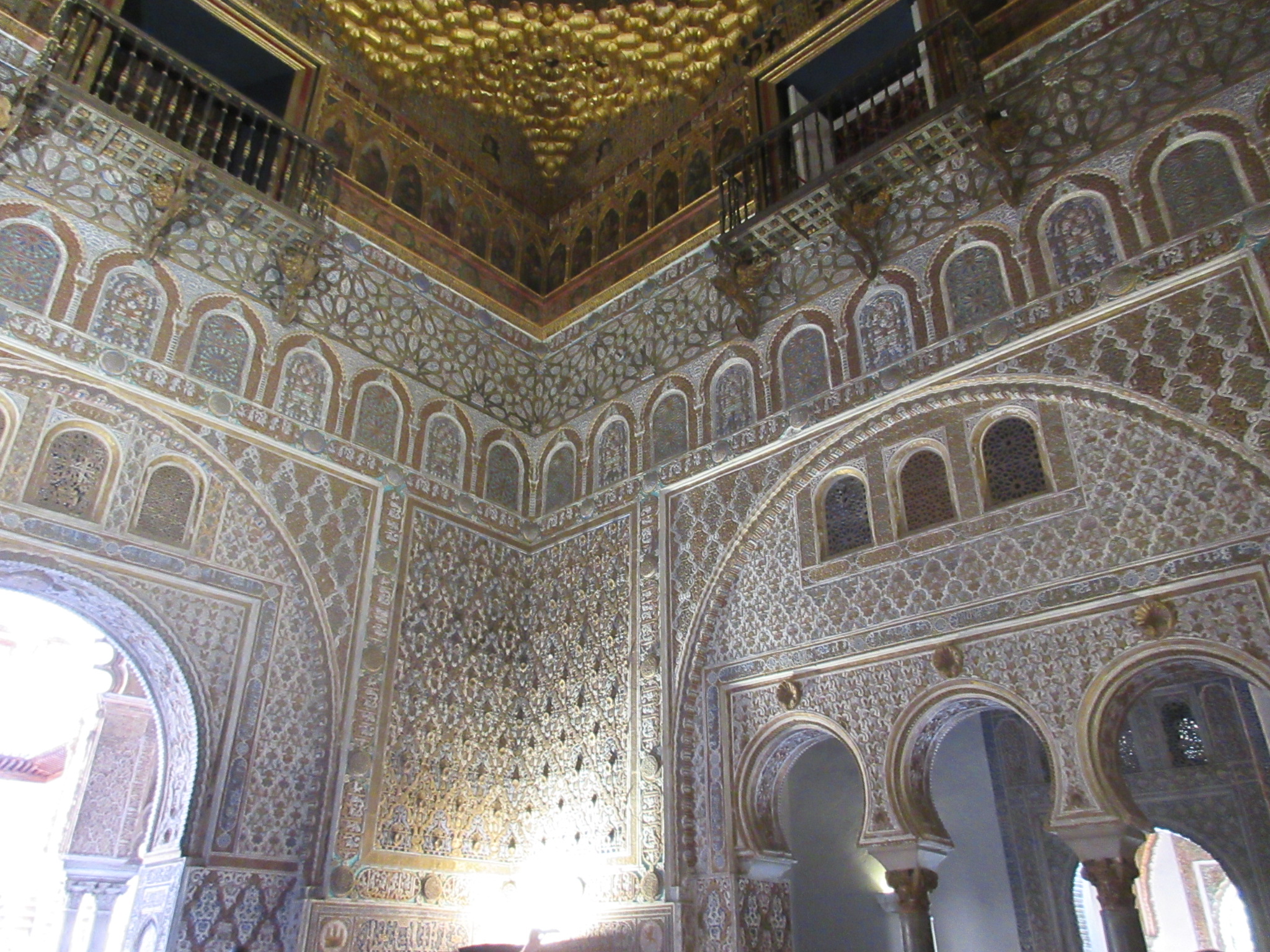
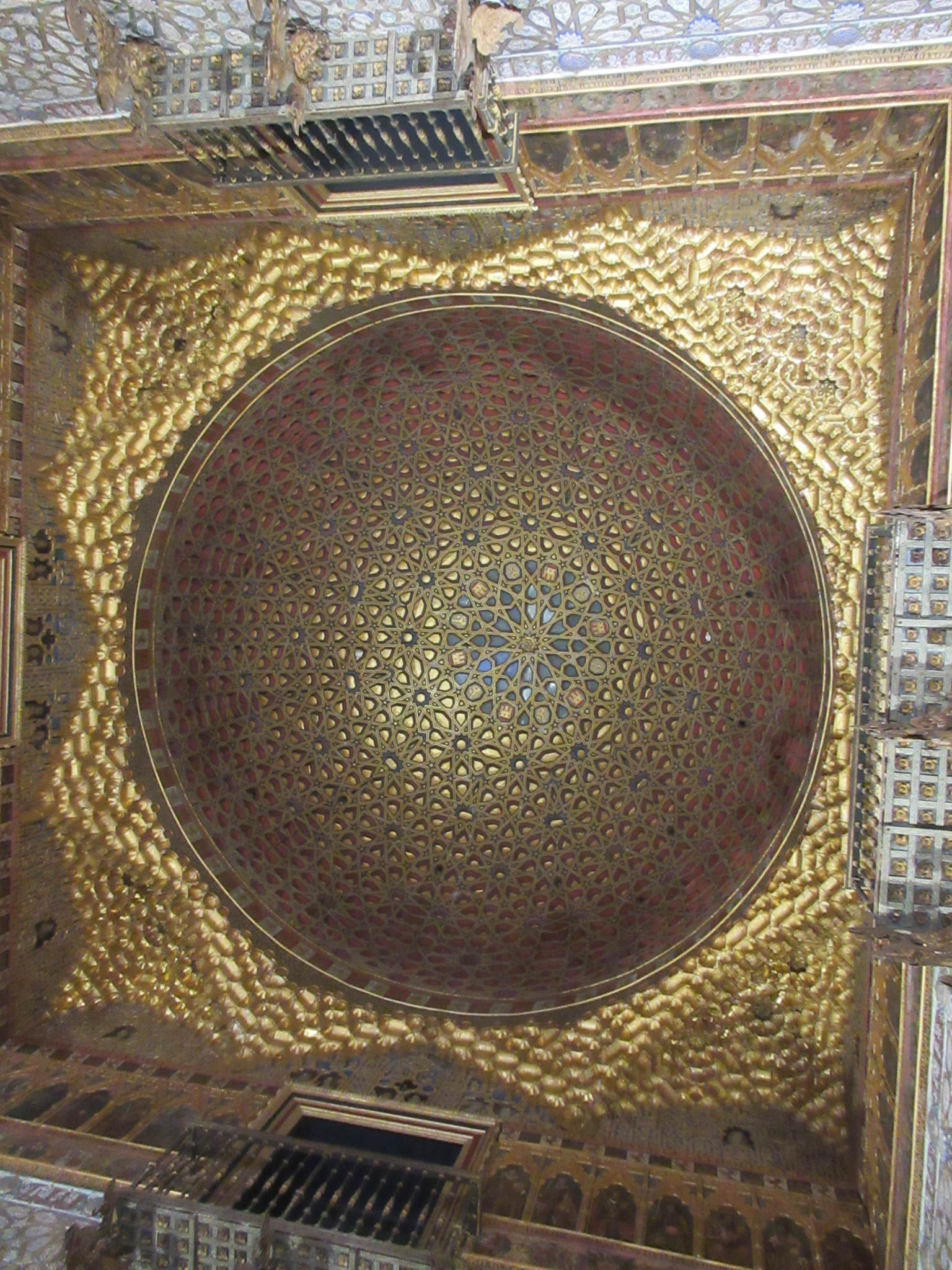
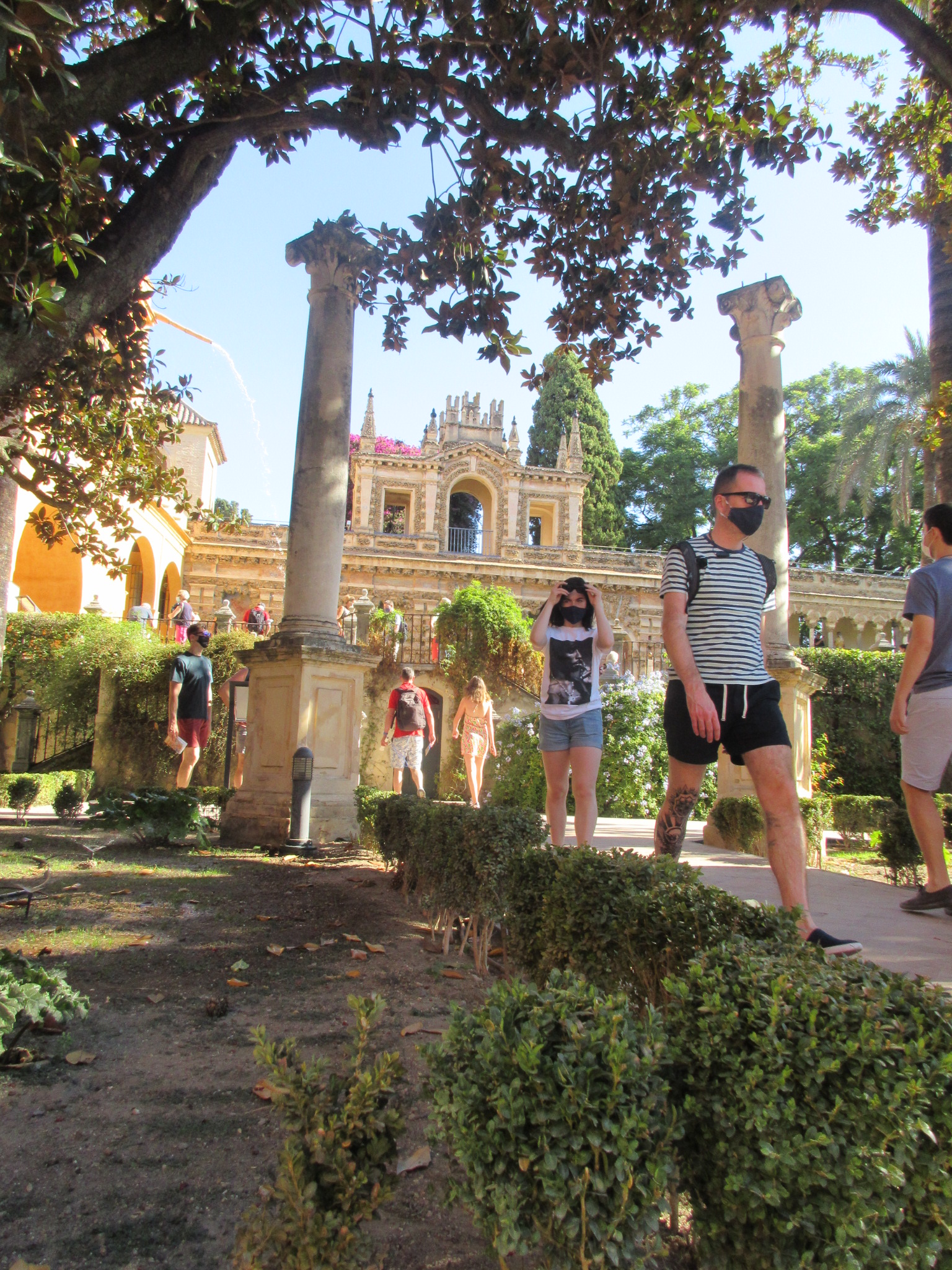
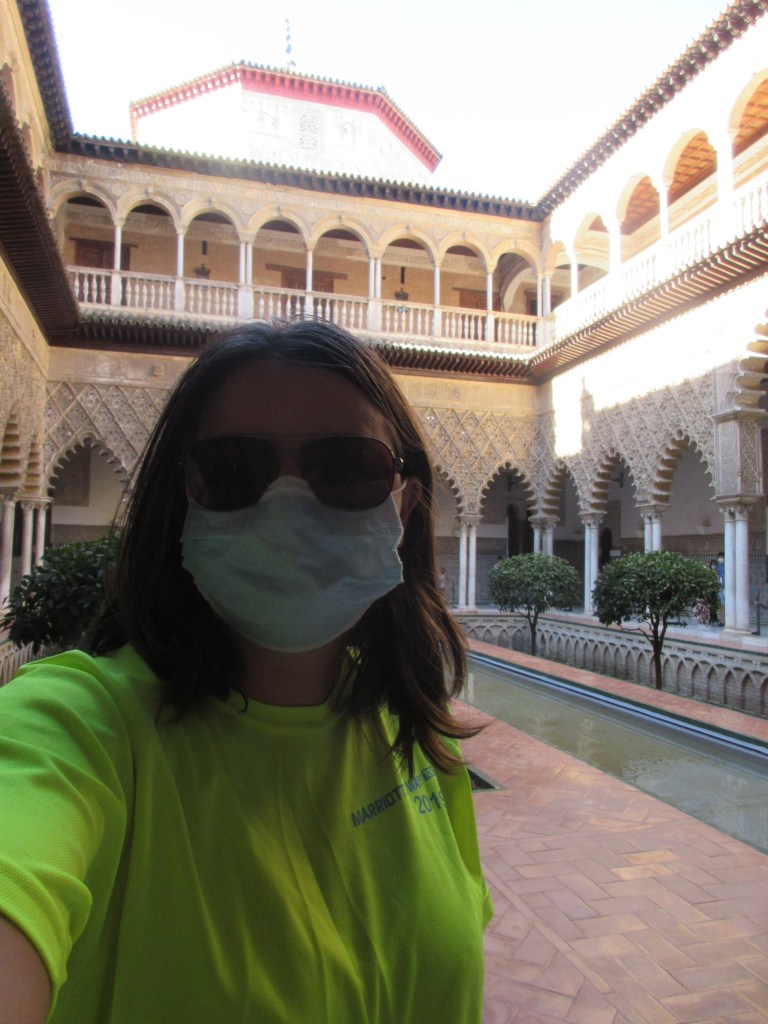
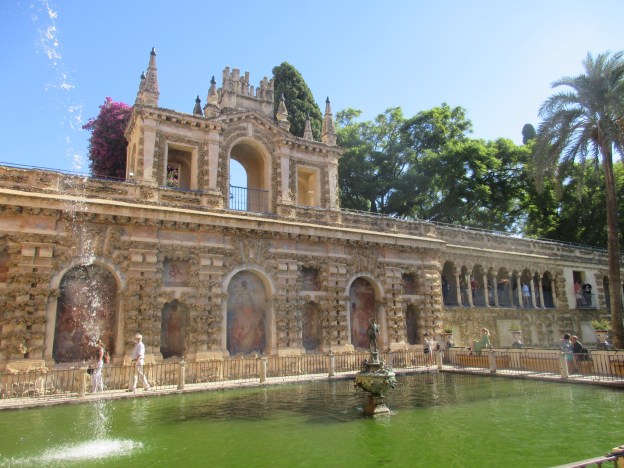
I have visited Granada’s Alhambra on a previous trip, so I knew somewhat of what to expect in this Alcazar visit. The Alcazar in Seville is still beautiful though, and has its own charm. It seemed to have a lot more gold in the decoration and many more tiles and christian influence too.

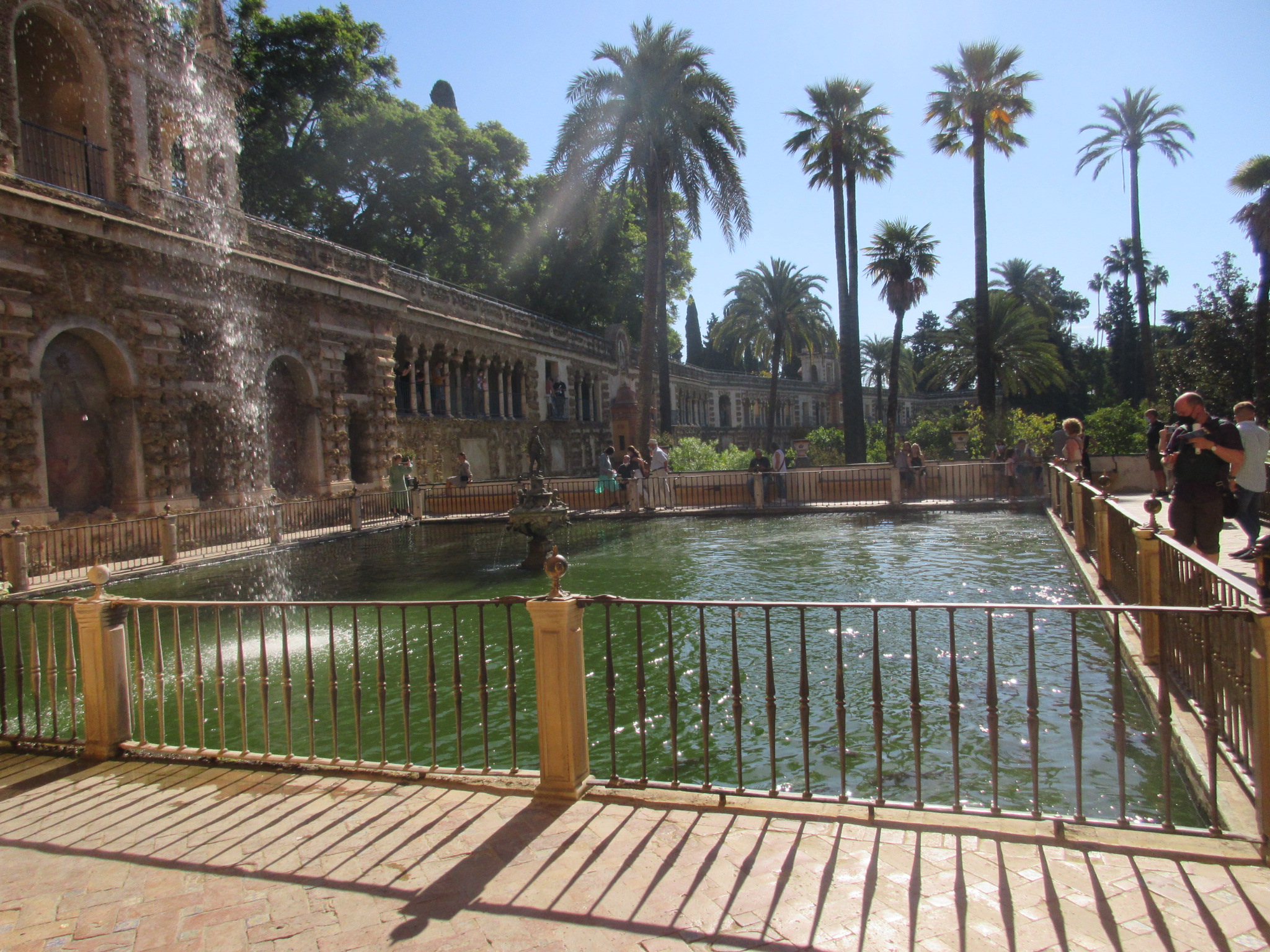
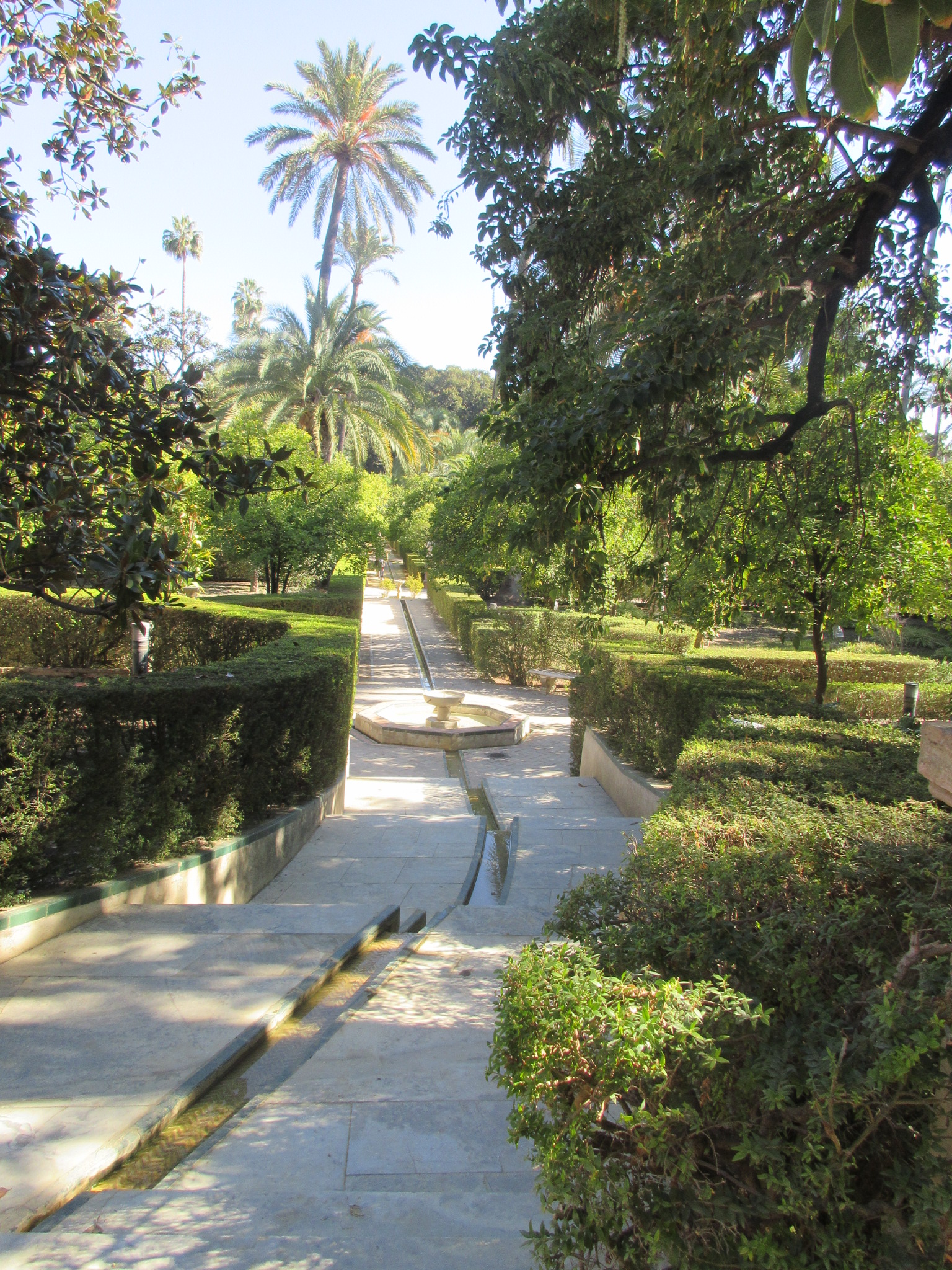
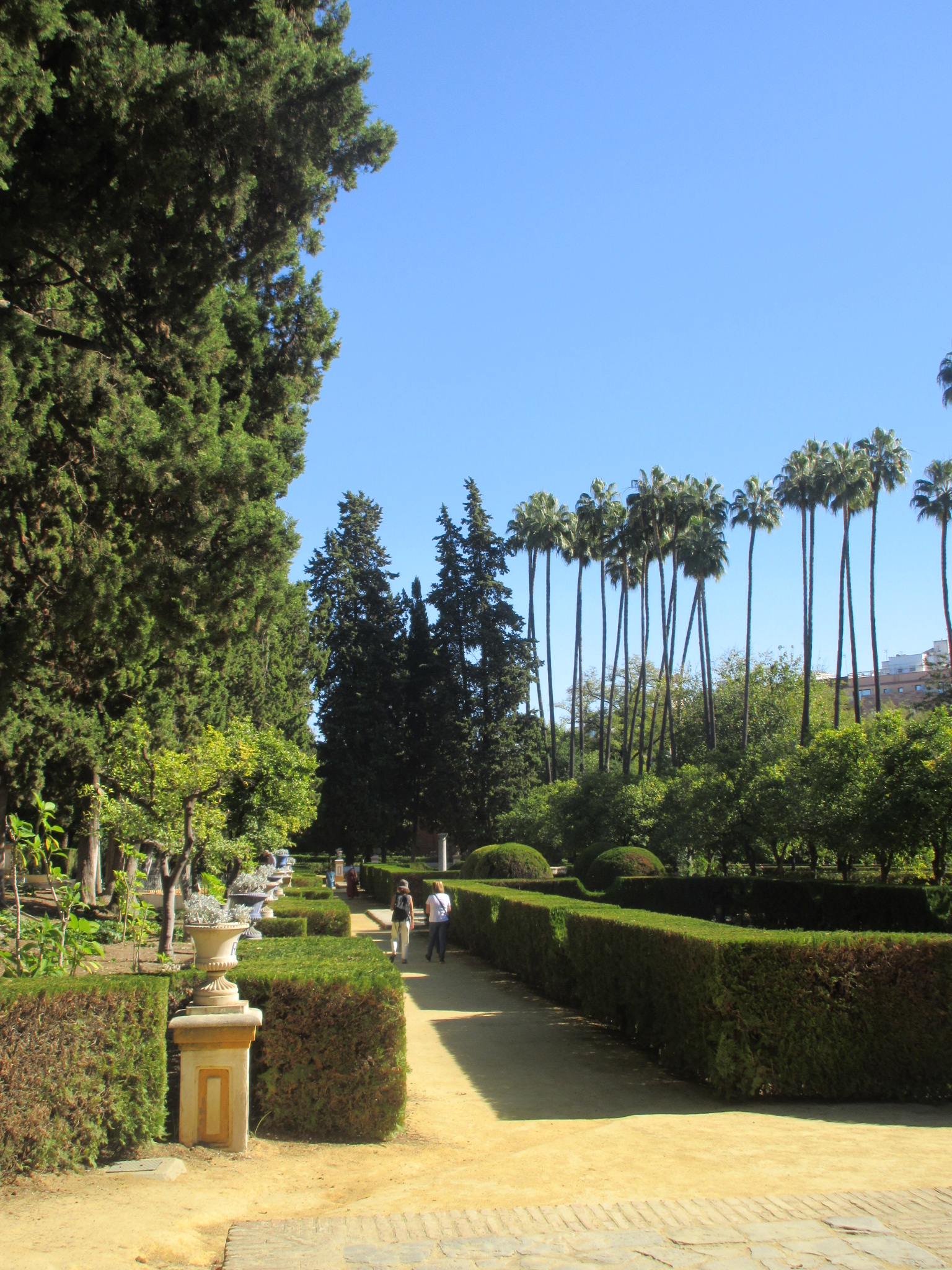
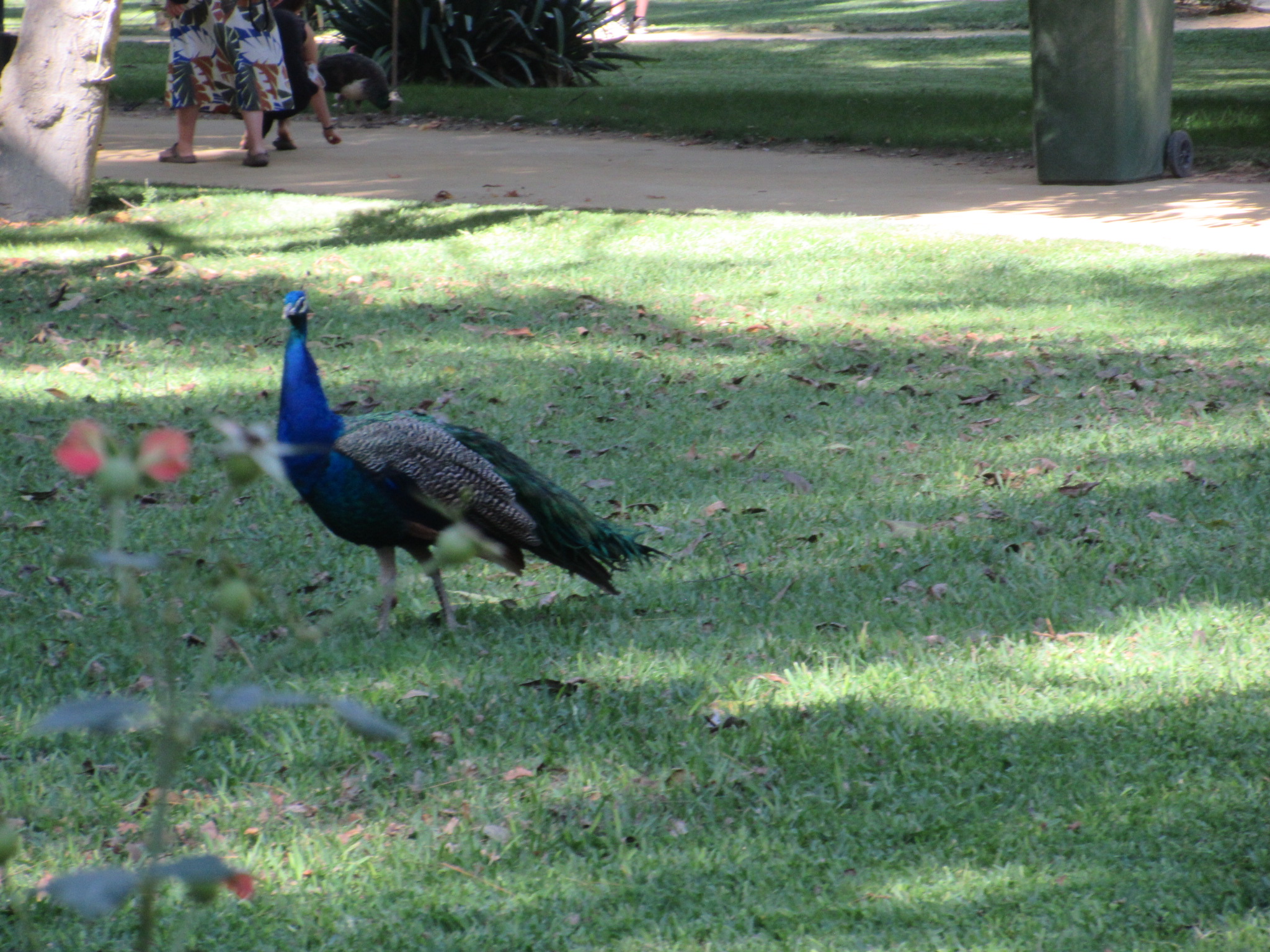
The site also had several lovely gardens which set themselves apart as unique, due to different sections being created based on different styles from around the world. There is a french garden, italian, and even english! The english garden is home to many wondering peacocks, I was wondering if I had missed something in this, are peacocks English…? 🤔

I also ticked off another Game Of Thrones filming location from my list! The site was used as one of the locations for imaginary kingdom of ‘Dorne’. ✅✅✅

GoT location in Seville’s Alcazar

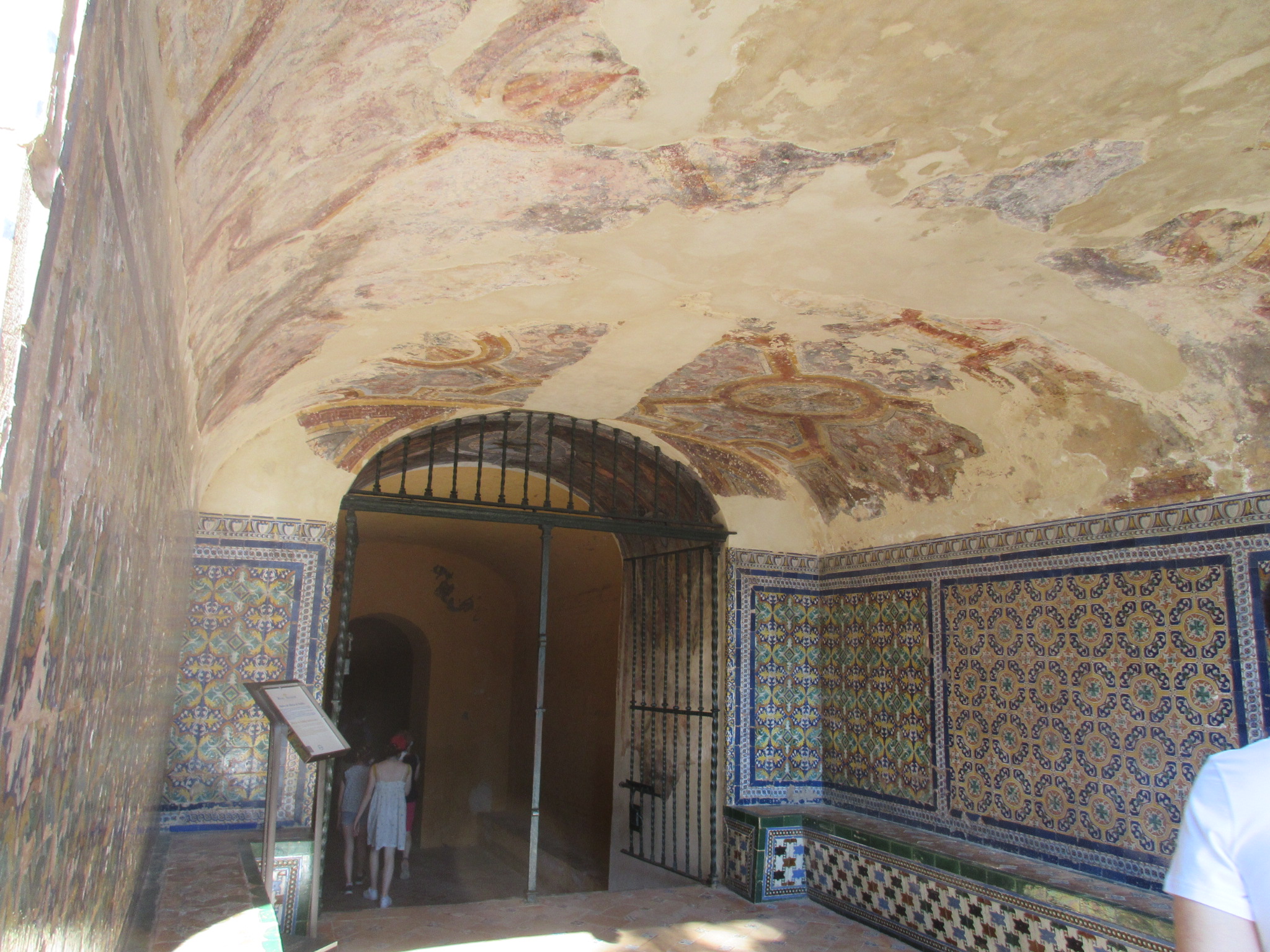
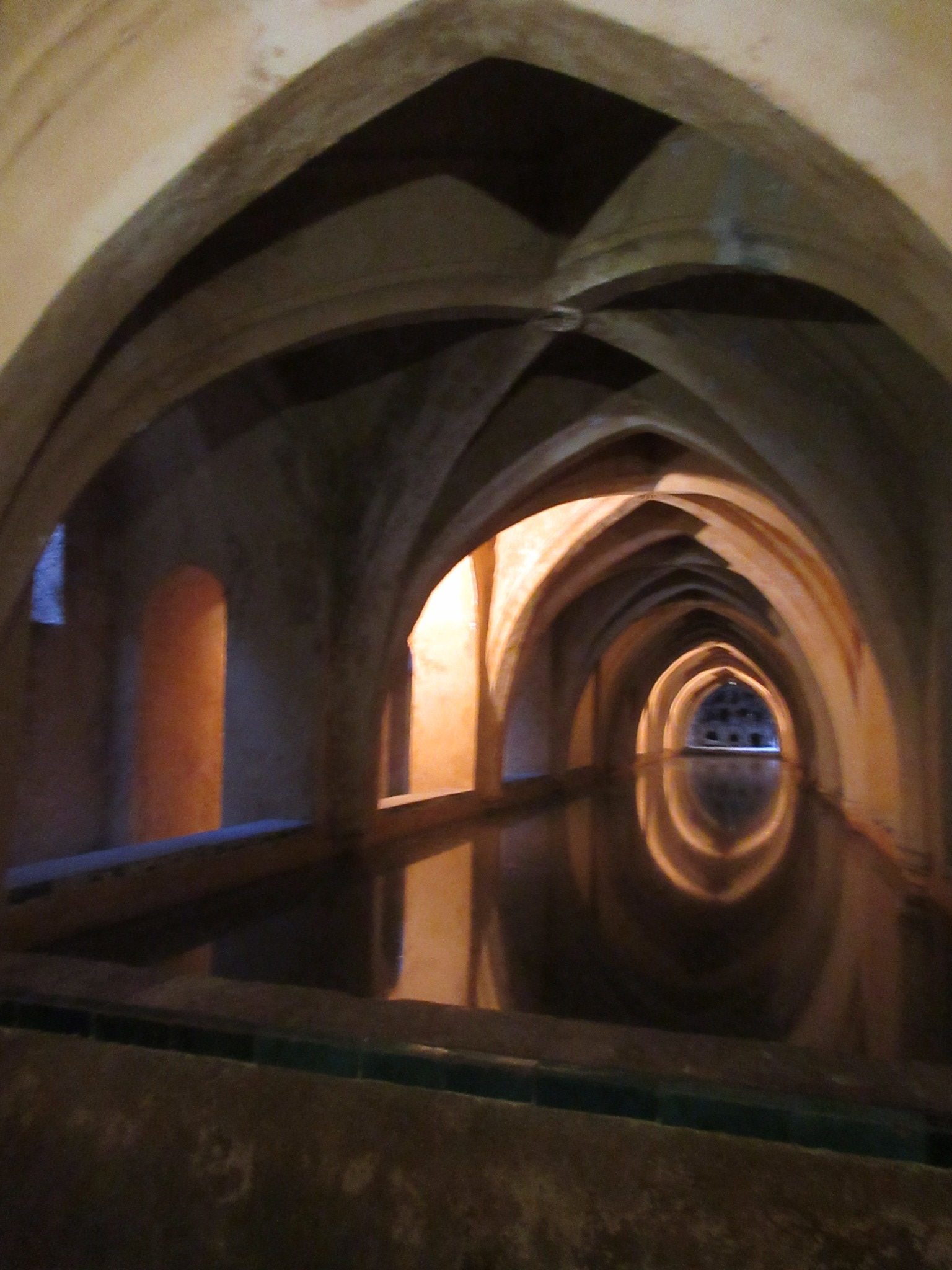
There is also a hidden away area in the garden which is quite cool. That is the mistress’ bath underground. Apparently, the Peter ‘the cruel’ built this bath for the the lady he was wooing, so she would have somewhere refreshing to relax. Considering the heat here, that seems like an act of true love to me! The bath is accessed through a tunnel and is a very pretty space.

Seville Cathedral

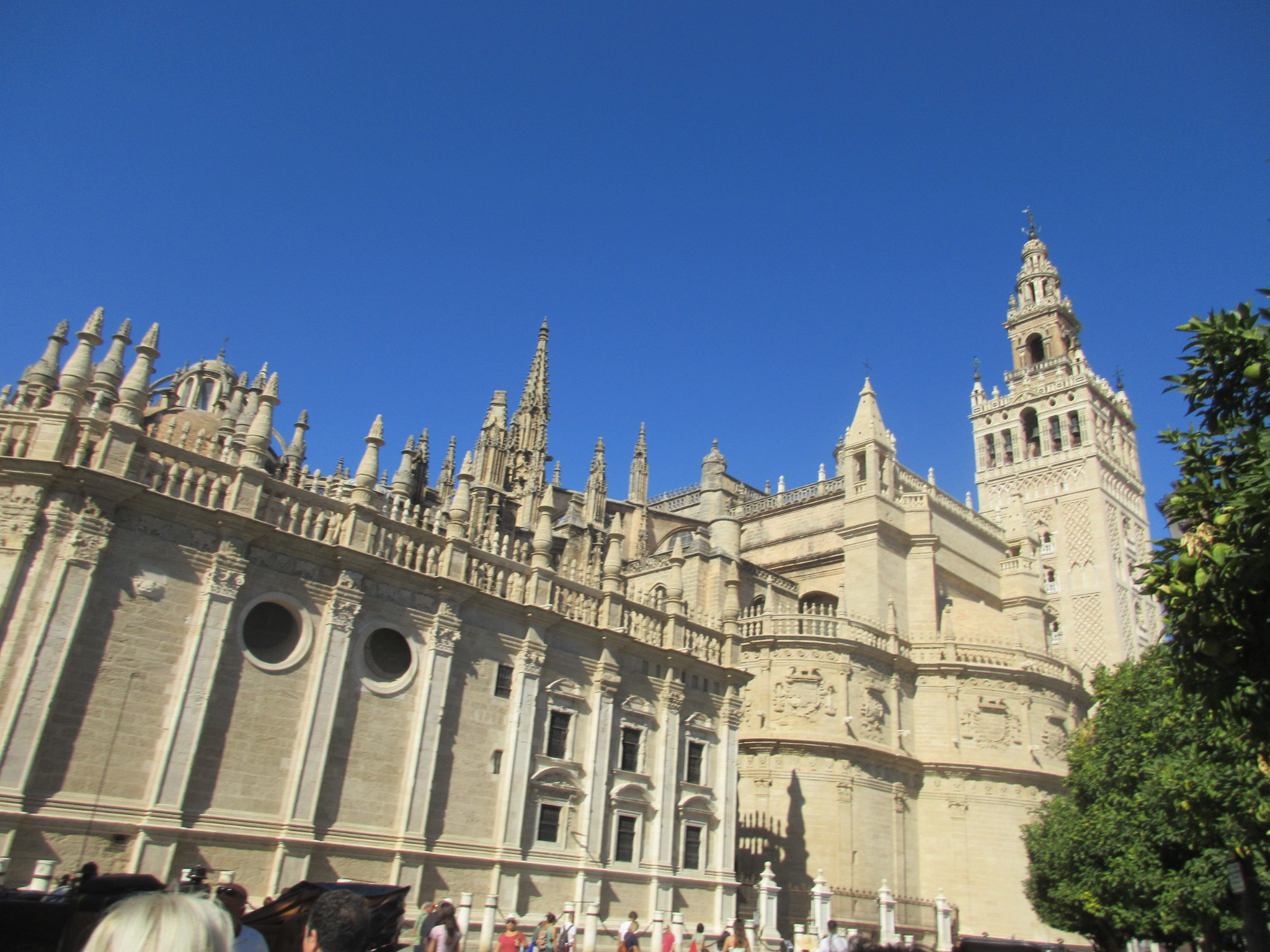
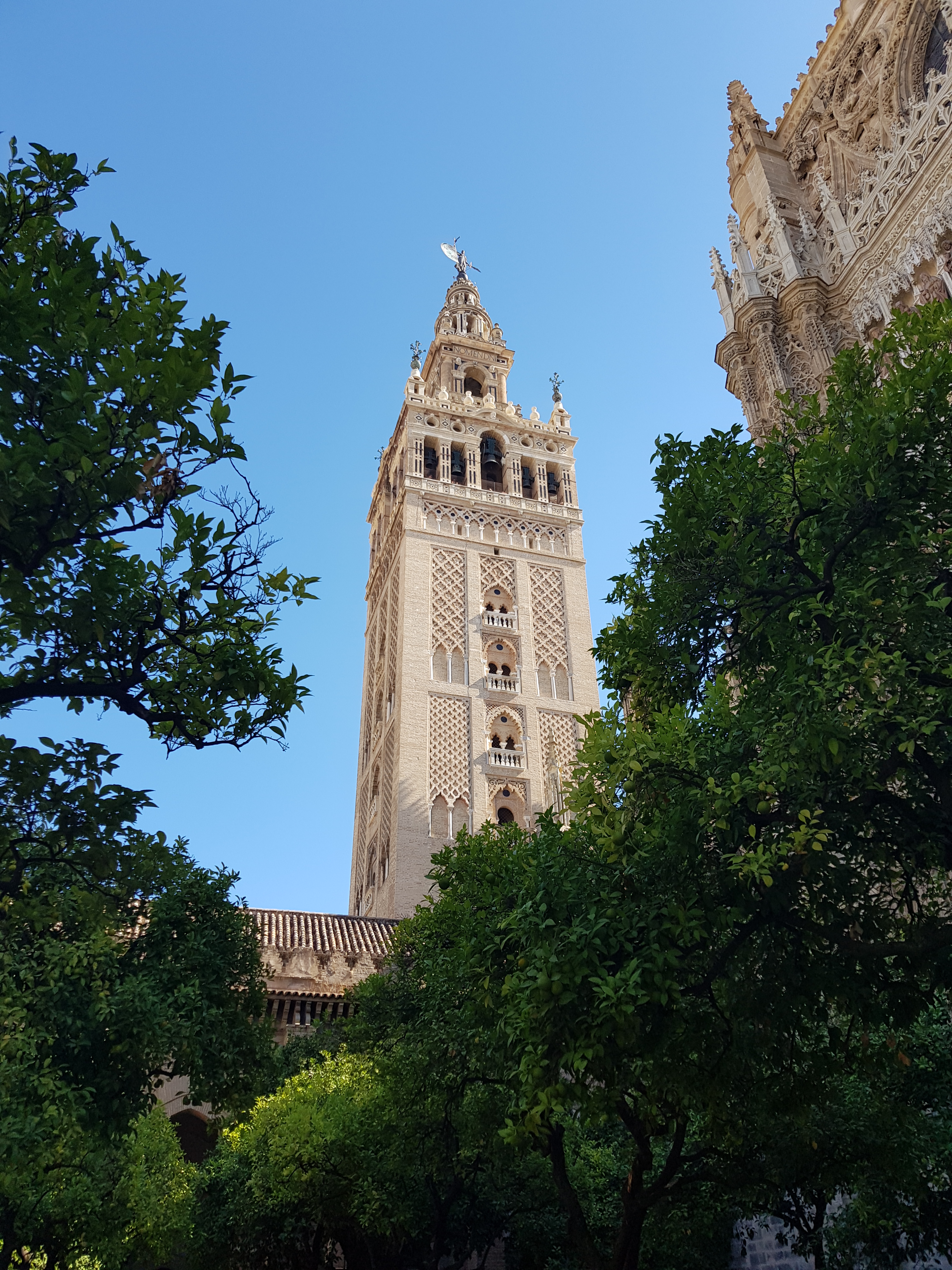
Connected to the Alcazar, is Seville’s Cathedral. The Cathedral is built on the site of the former mosque. The mosque was gradually destroyed after the Christian conquest of 1248, except for the minaret or Giralda that remains today. The cathedral is very grand inside as you would expect from any catholic cathedral, but it does have some additional advantages.

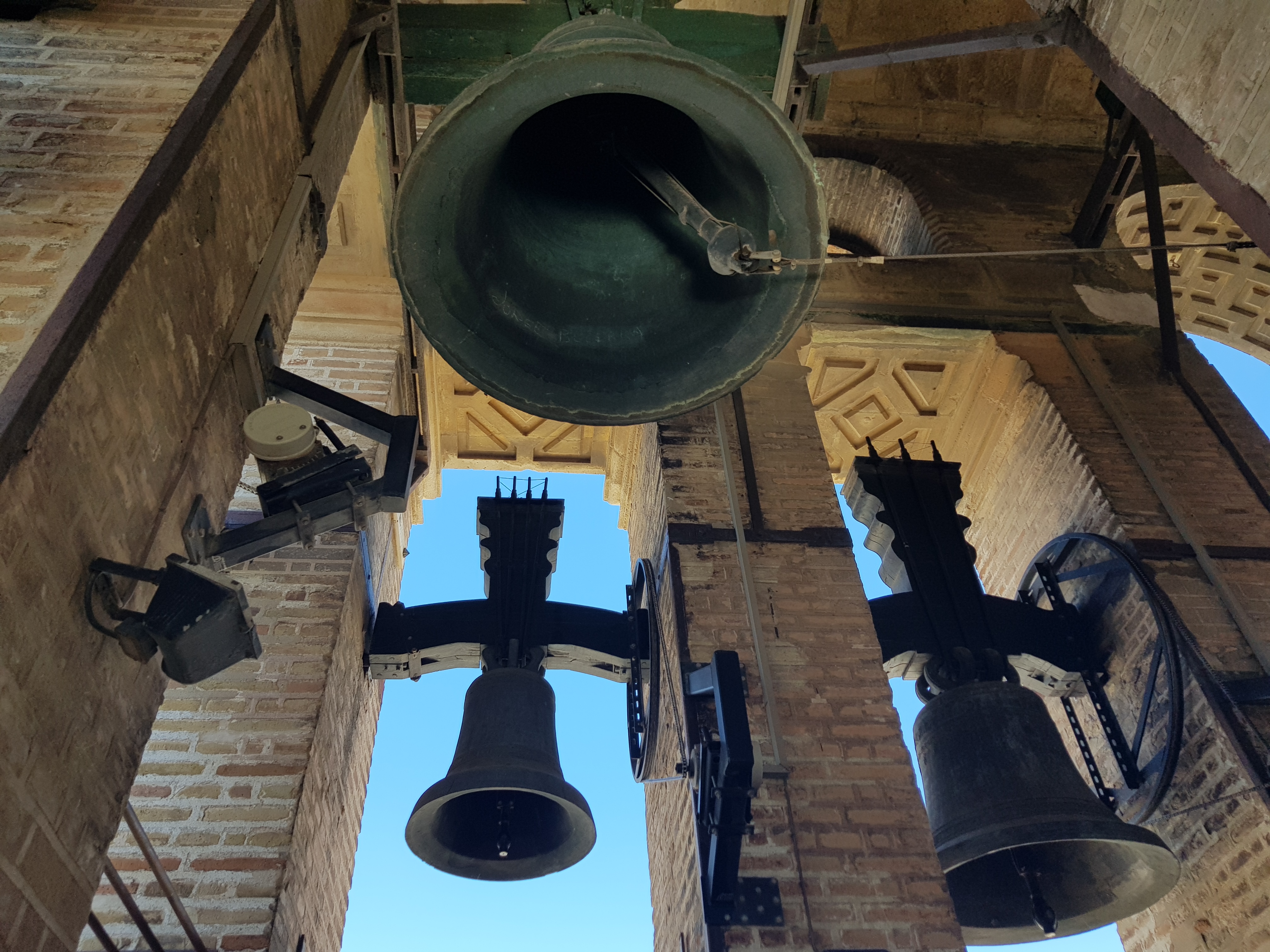
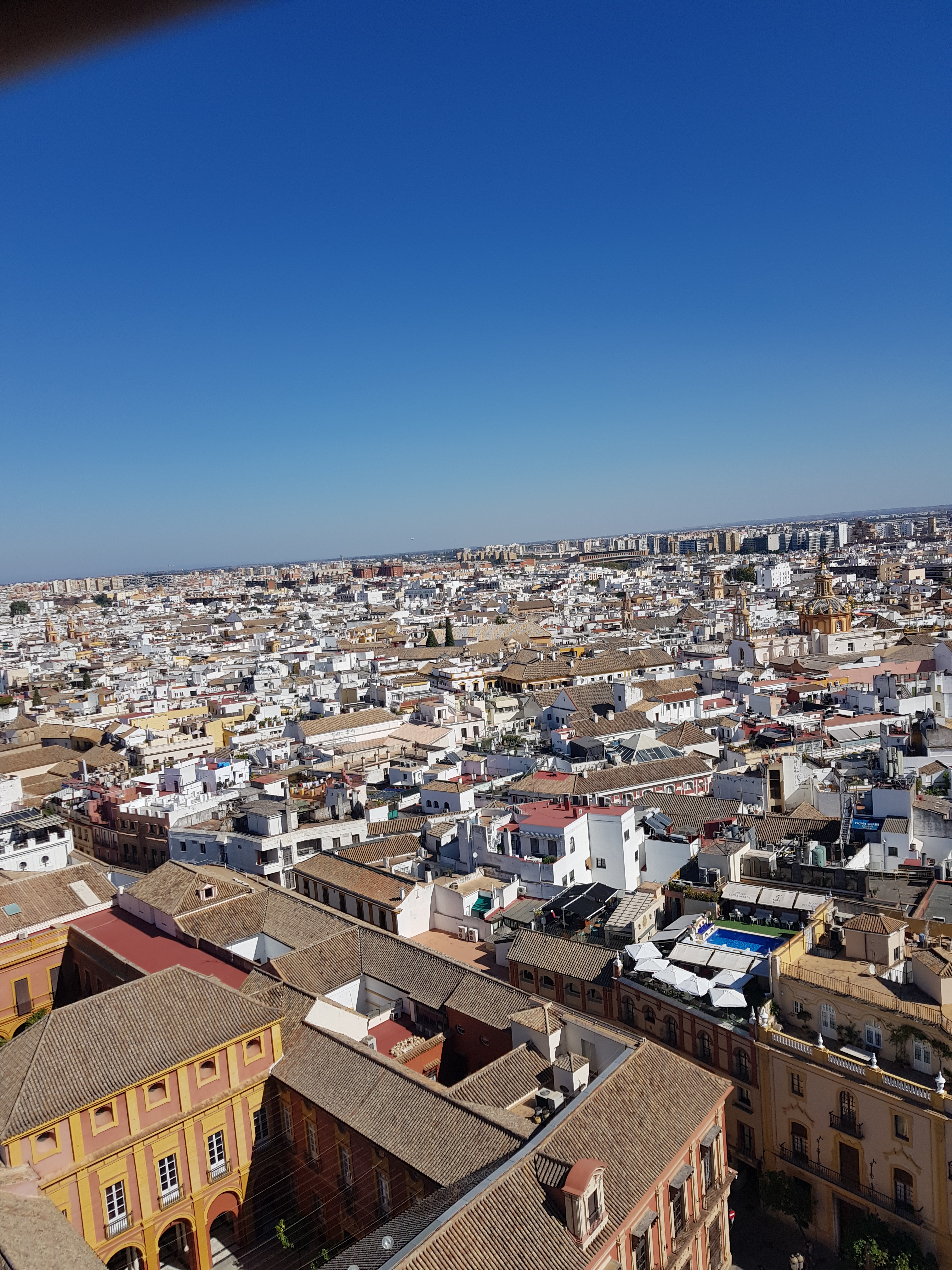
There is the Giralda, which actually means ‘weather vane’, (I had to question the guide about this as I knew tower is ‘torre’.) You can climb this to the belfry area and get a good view of the city. Wierdly, it has 35 ramps rather than staircases, so there really is no excuse!

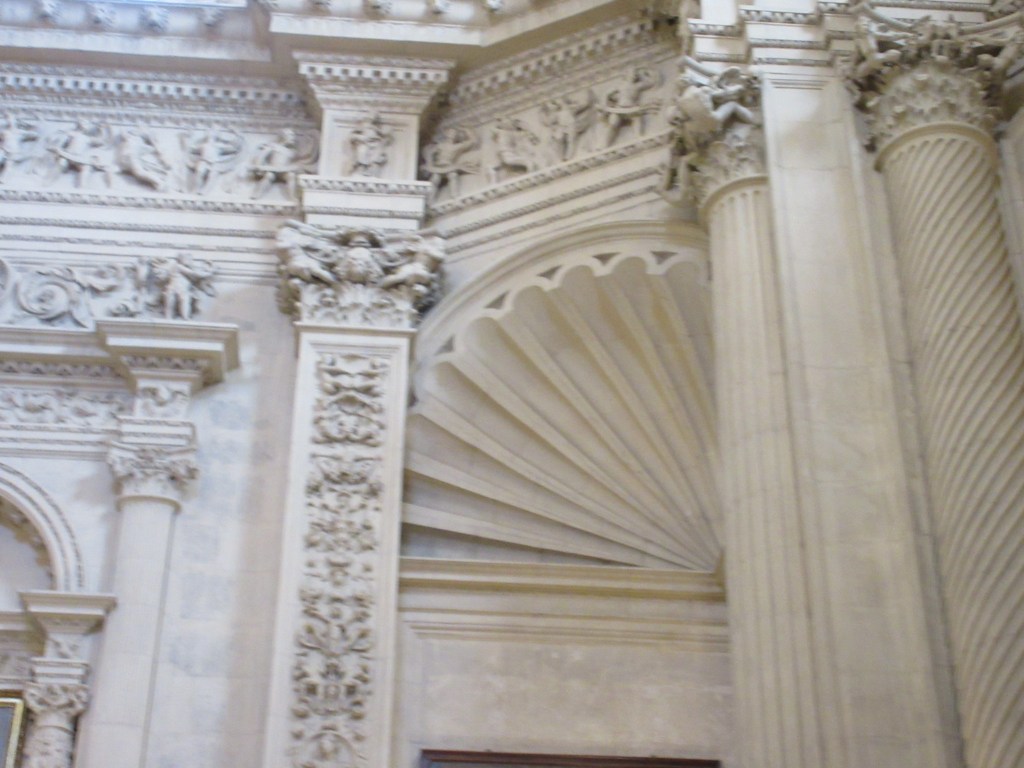
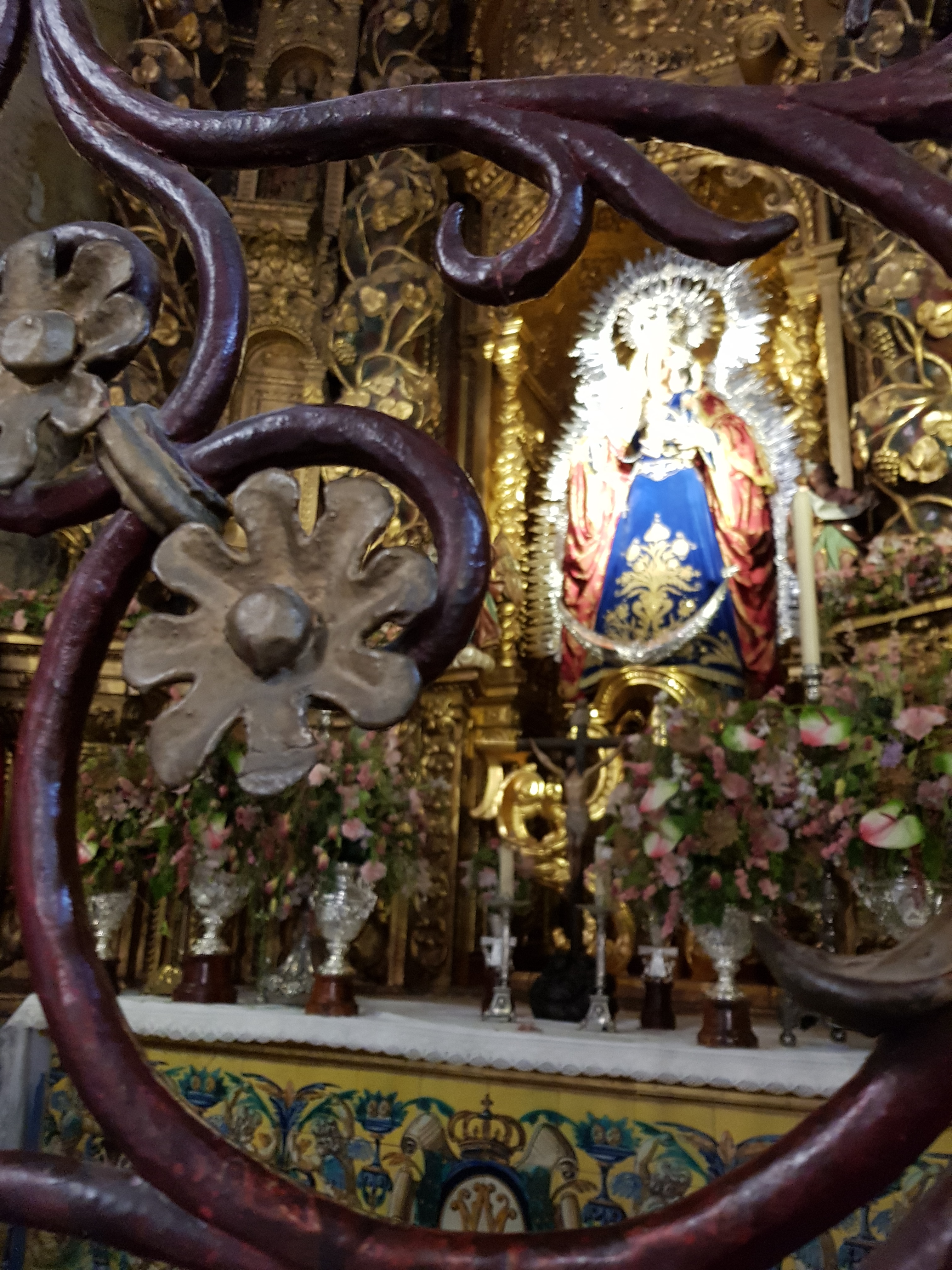
The cathedral also makes links to lots of important figures. I was very excited about the abundance of seashells used as shapes in the decor to symbolise Saint James (Patron Saint of Spain) and the symbol of my upcoming pilgrimage.

Sign of St James

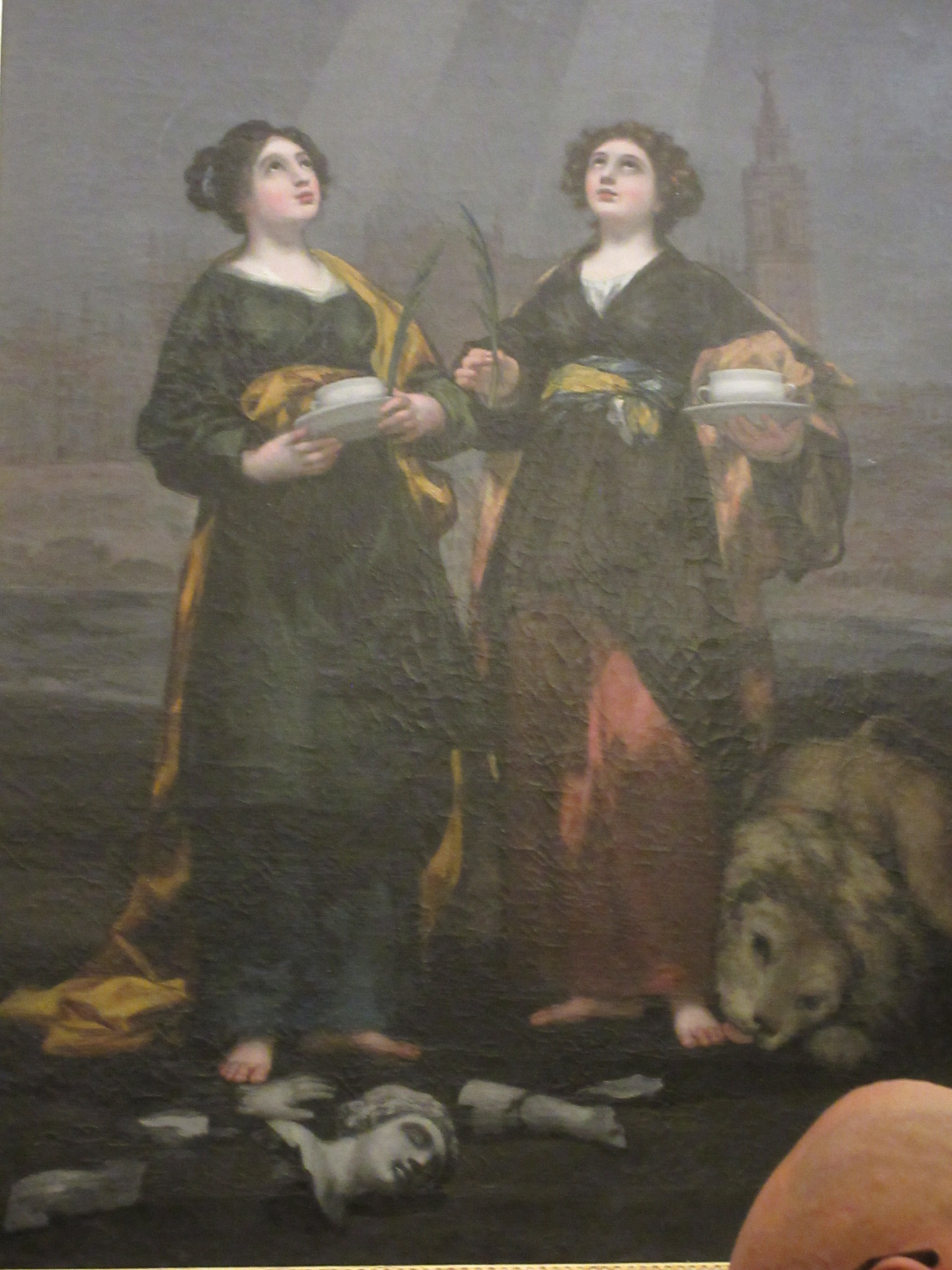
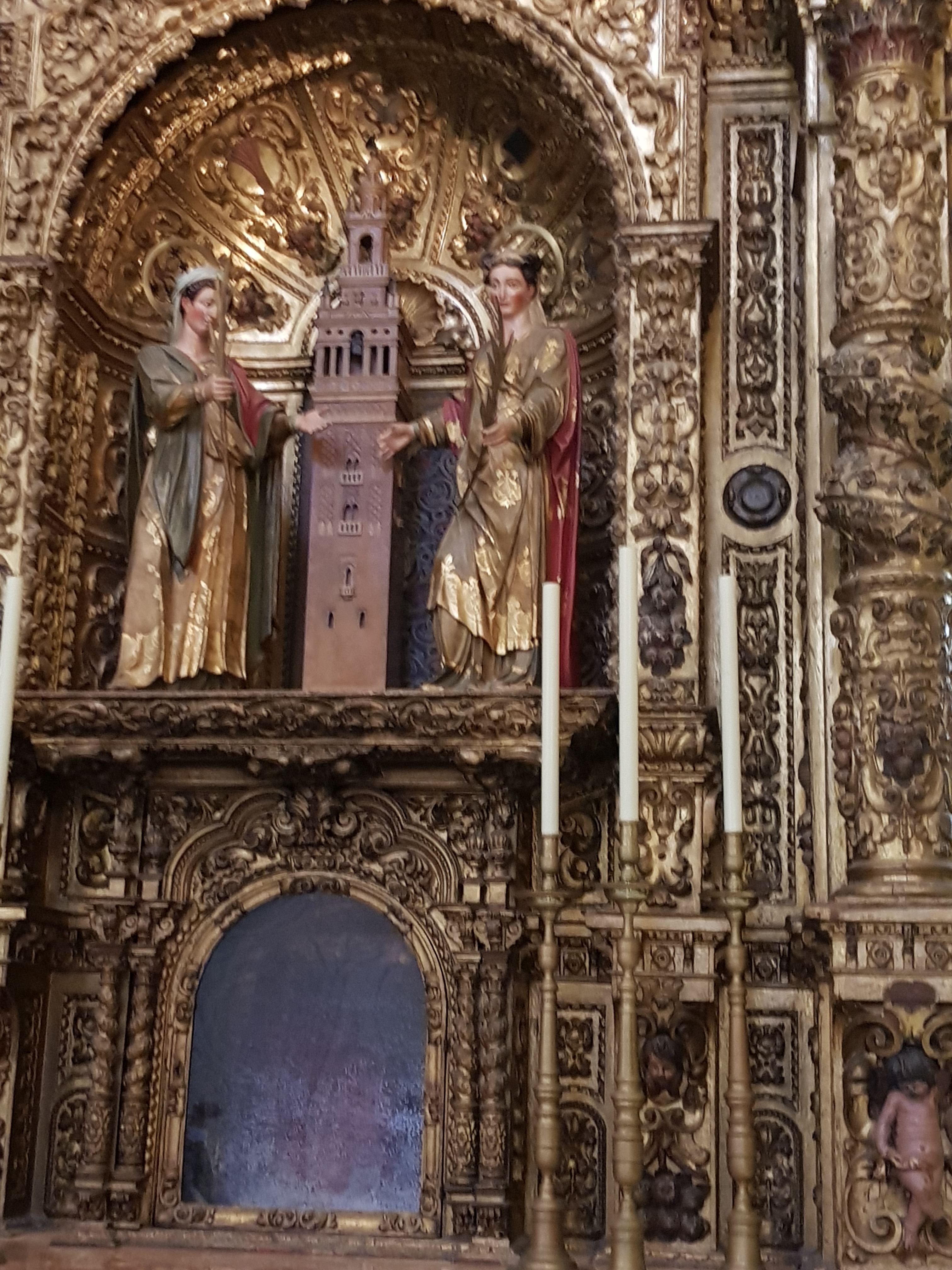
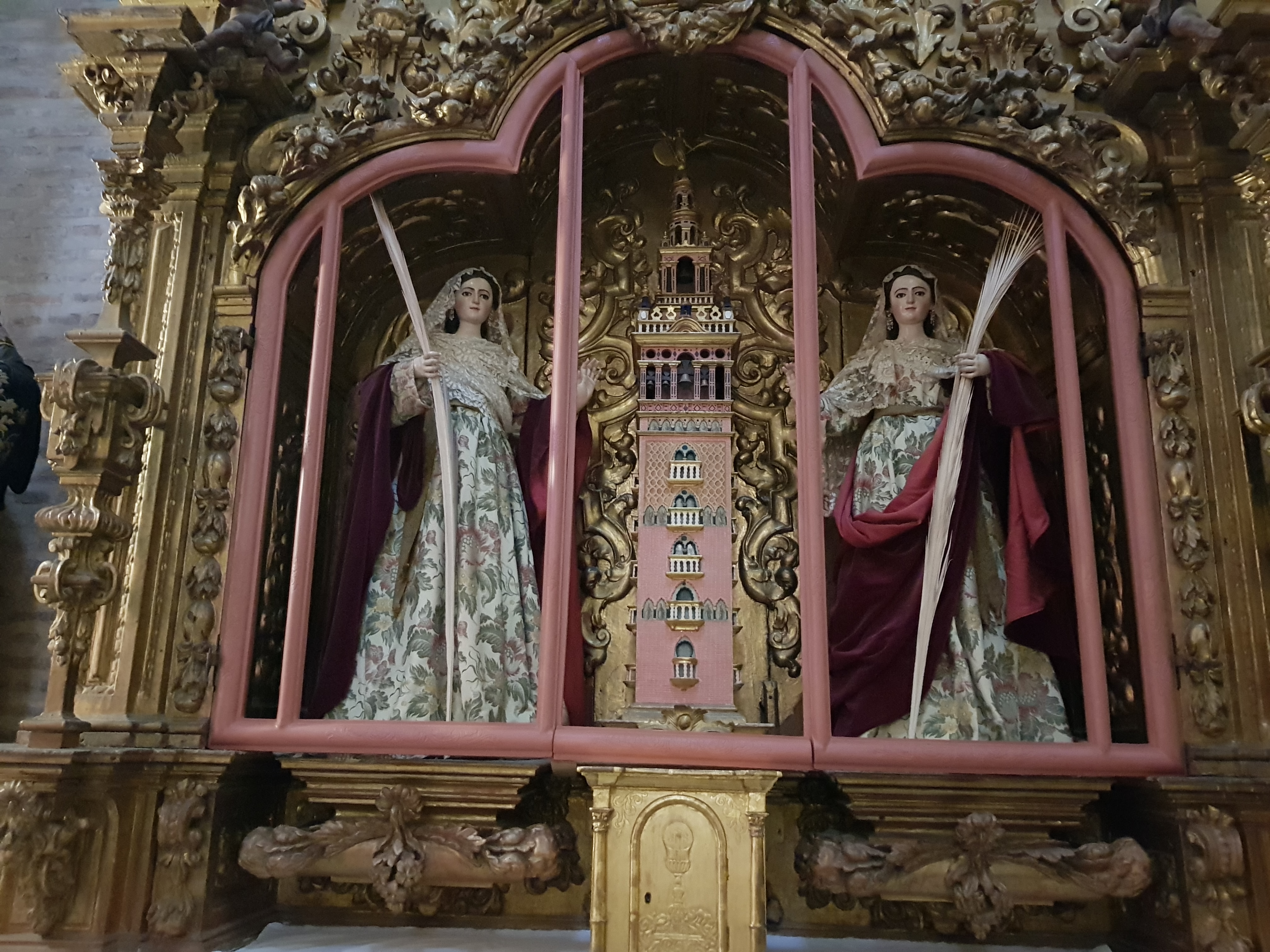
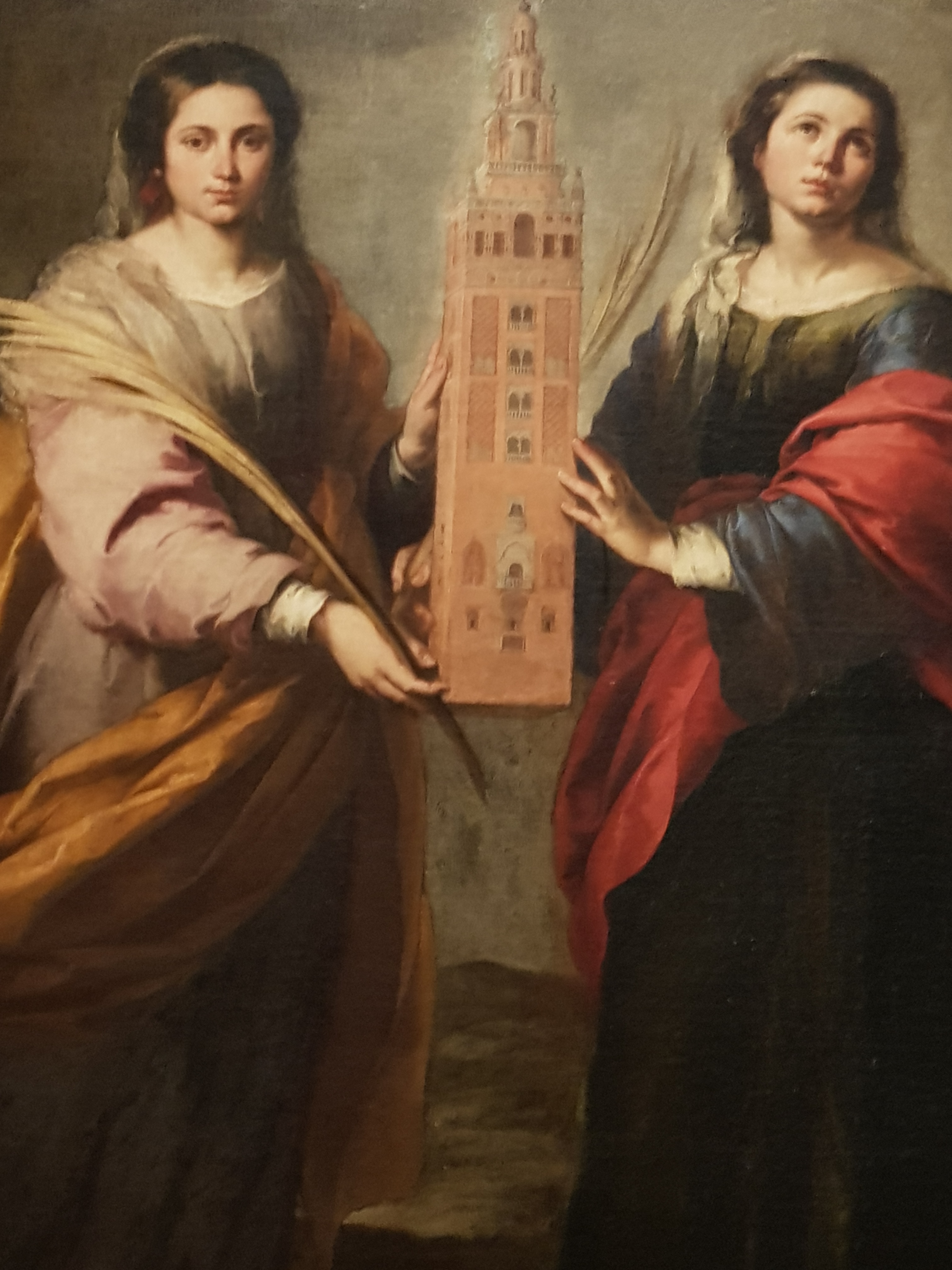
They also pay tribute to Justa & Rufina, in the cathedral and all over the city. These were two sisters who lived as potmakers across the river, in 3rd century. They became martyrs when they refused to take part in a pagan festival due to their faith and broke a statue of Venus. For this, the authorities, imprisoned, tortured, starved and killed them. They are remembered all over the place!

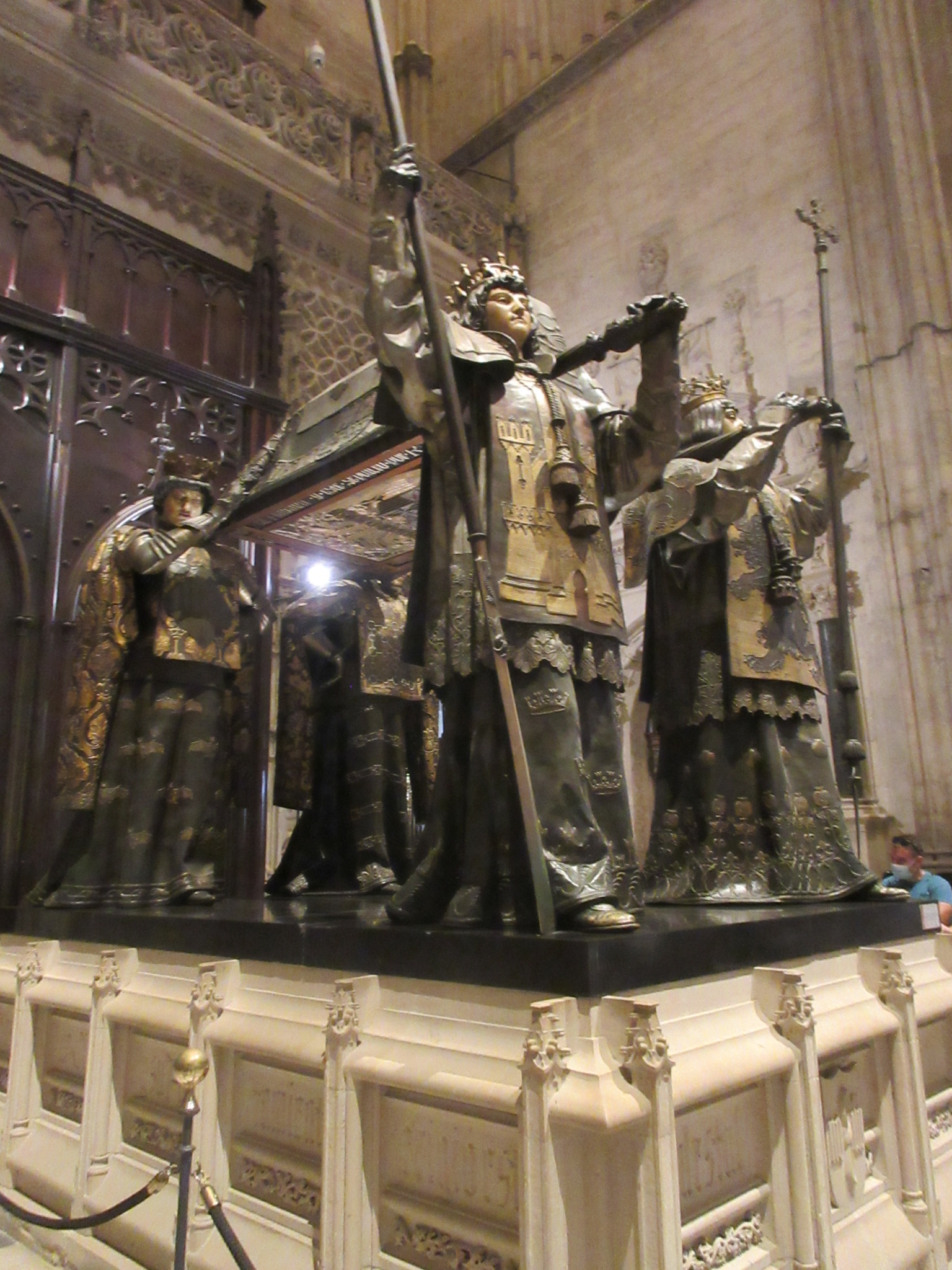
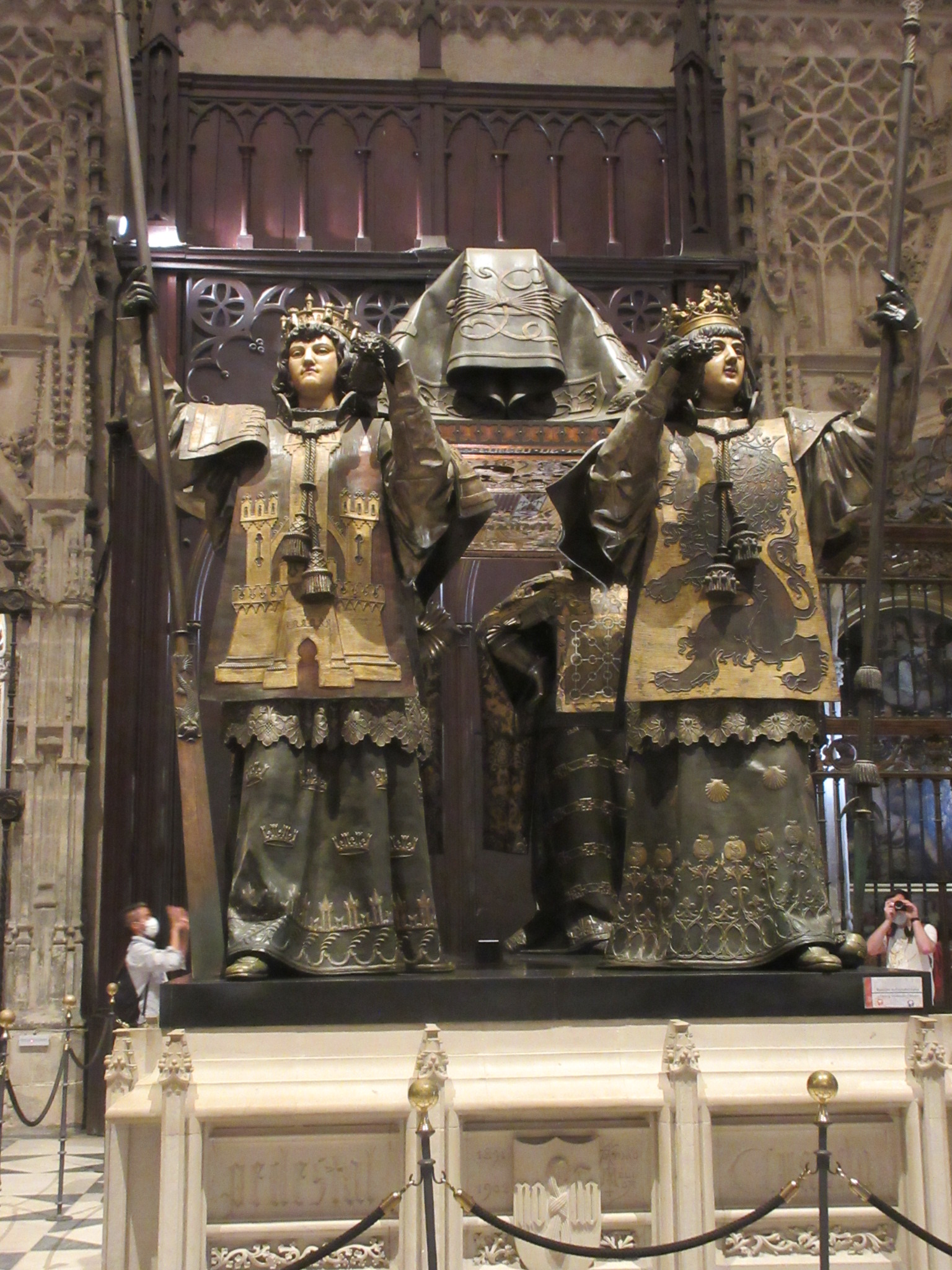
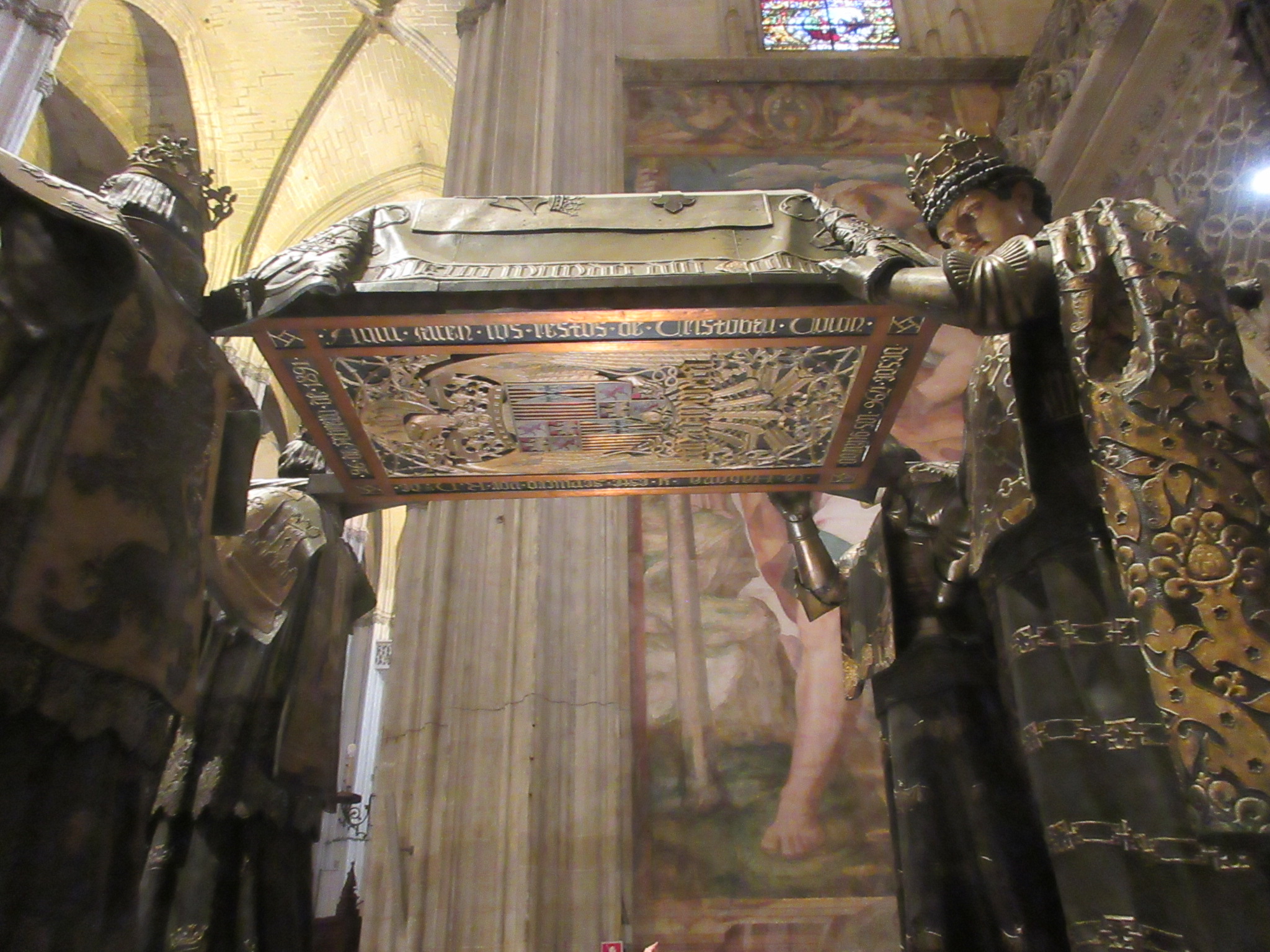
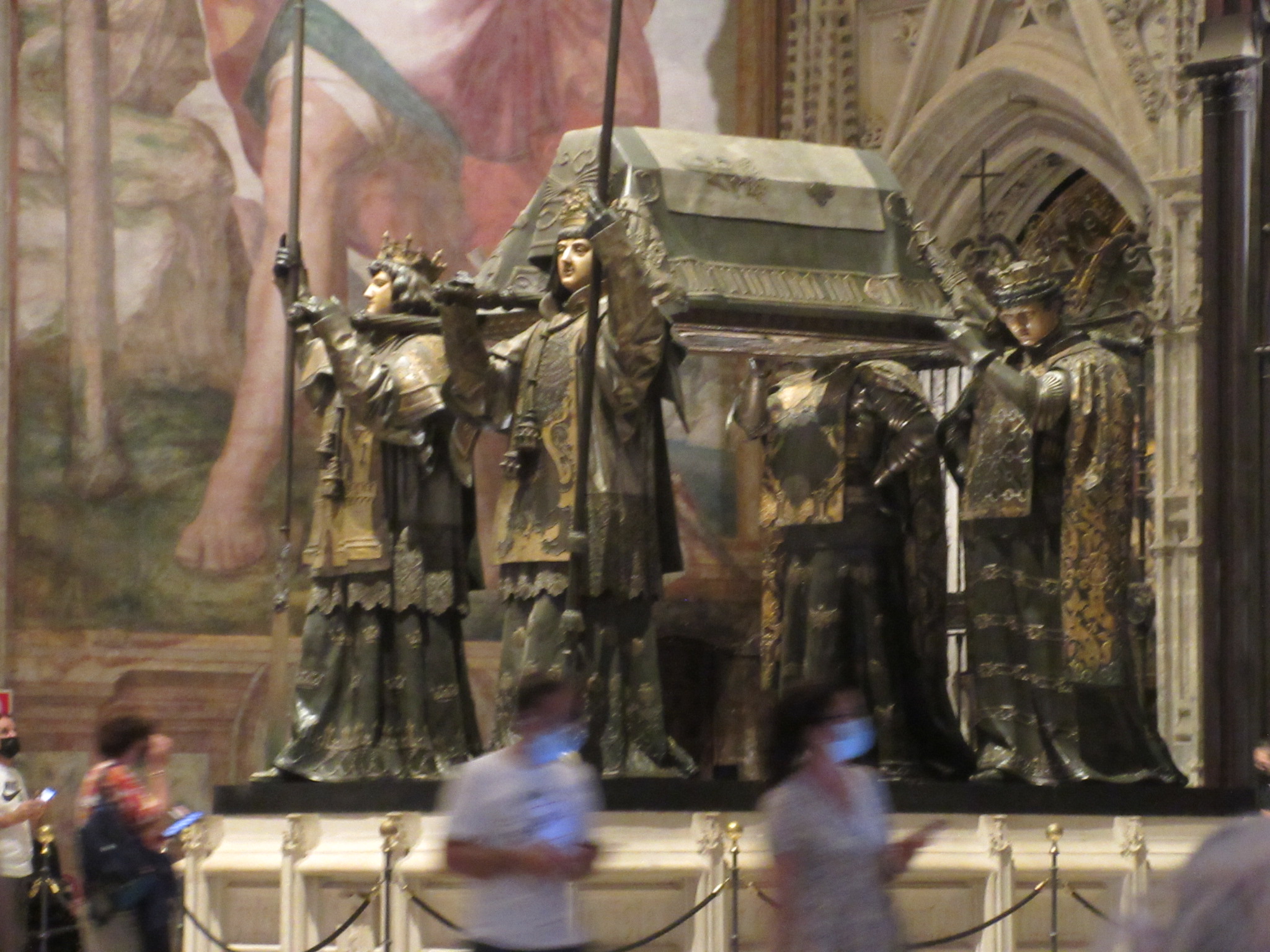
Lastly, the Cathedral is the place that you will find the only DNA certified tomb of Christopher Columbus. His body has moved around the world to different countries before finding its way back to Spain. It makes sense that he is in Seville, as he set sail from nearby town of Huelva, before first discovering America.

Not only is this an interesting figure but the tomb itself is very beautiful and unique. Columbus is not buried underground, but is actually overhead. His tomb rests on the shoulders of four men which represent the different kingdoms of Spain (Castile, Leon, Aragón and Navarre) symbolising that not one kingdom can claim his accomplishments, but they belong to all of Spain as a union.

More art

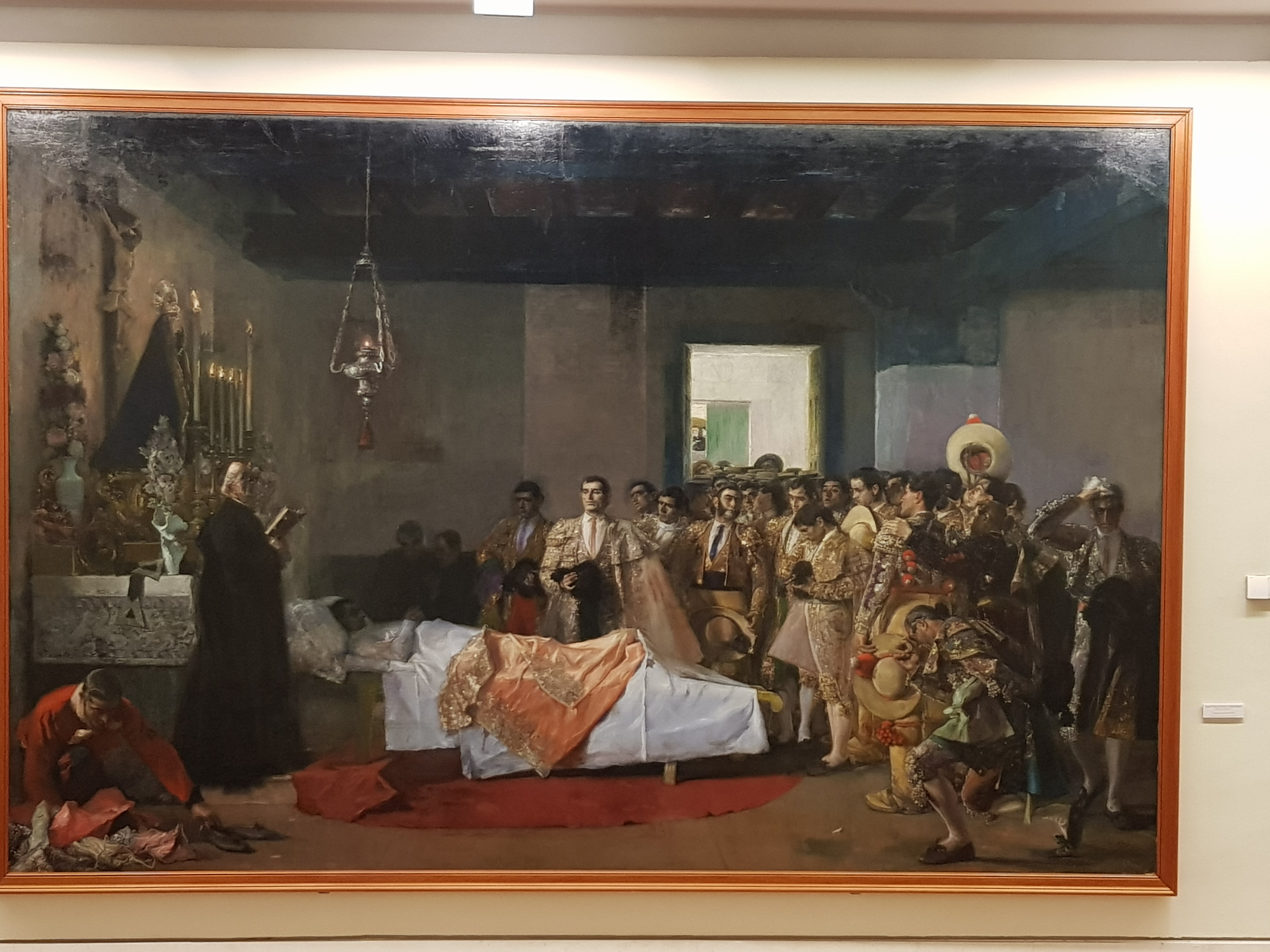
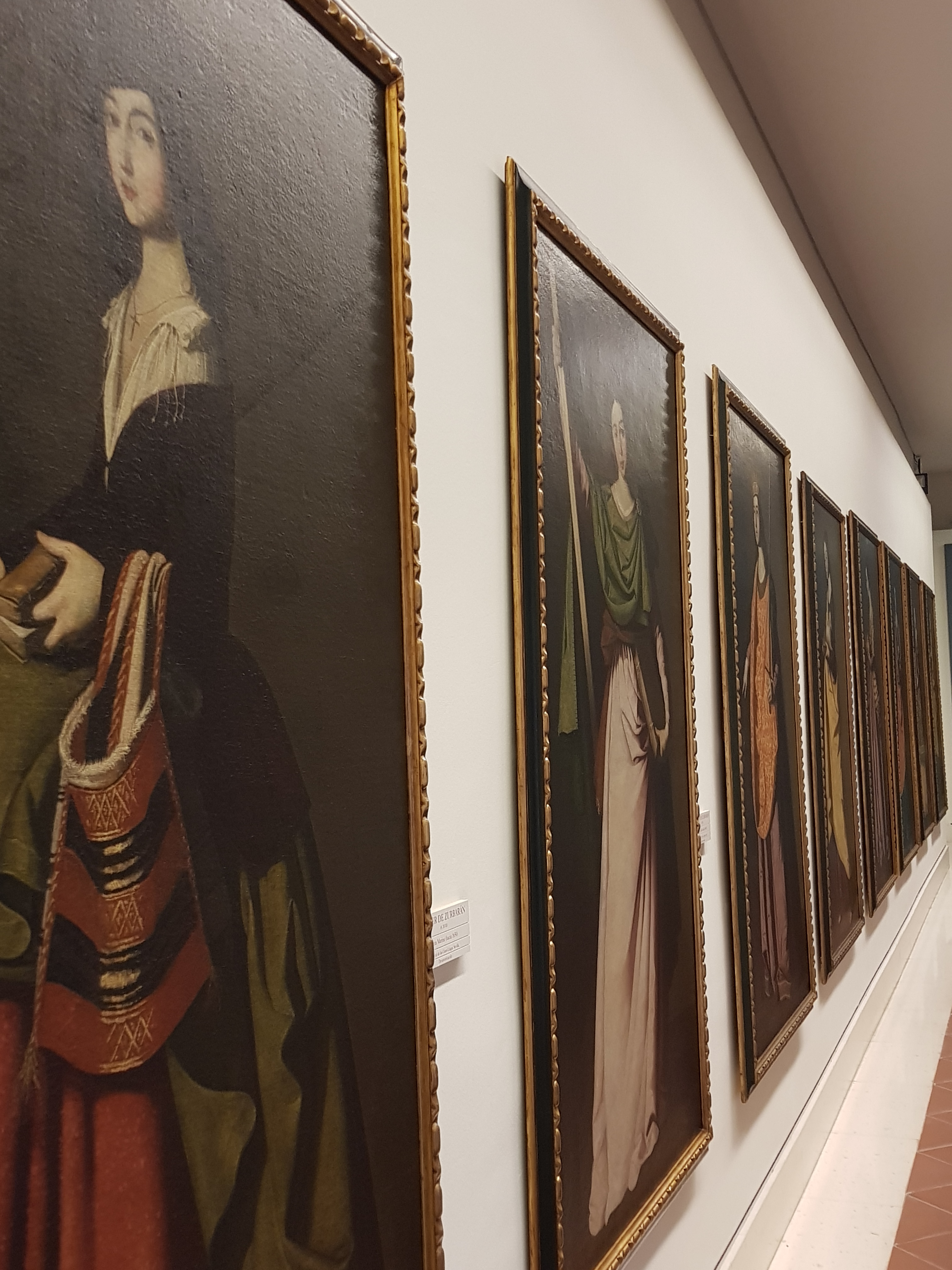
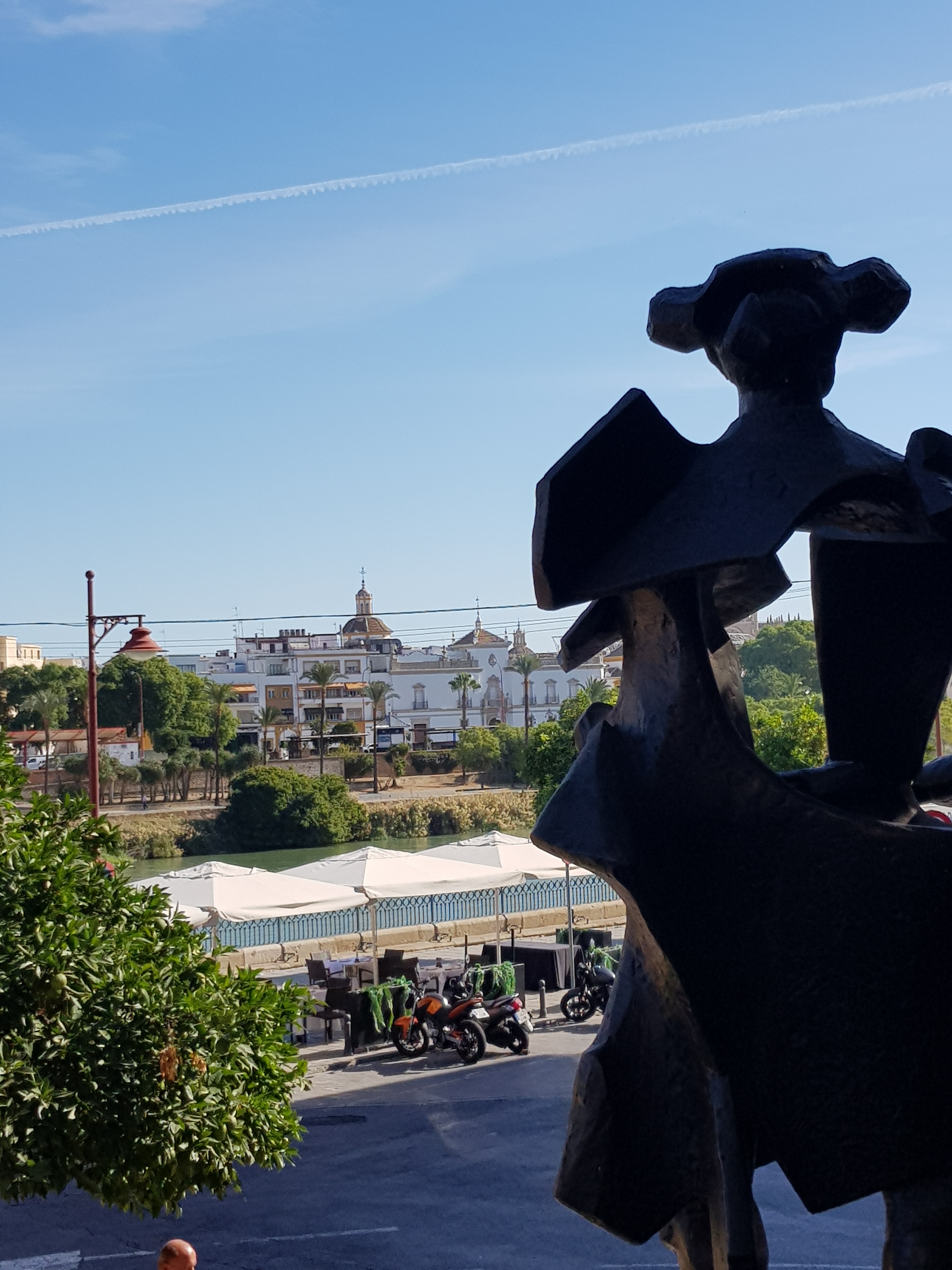
As well as seeing beautiful art and sculptures at the Cathedral and Alcazar, there are many pieces in city plazas, numerous churches and galleries/museums.

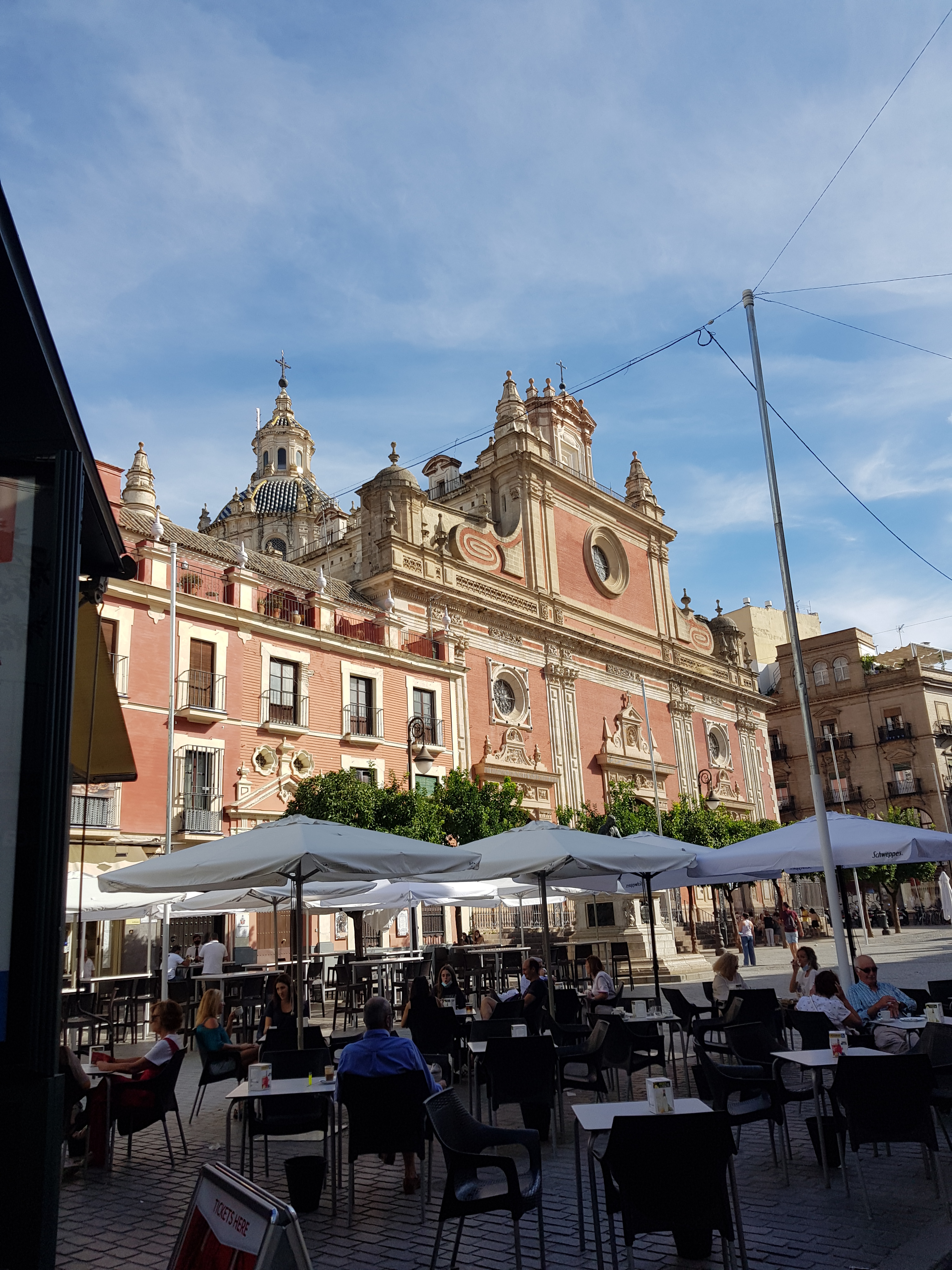
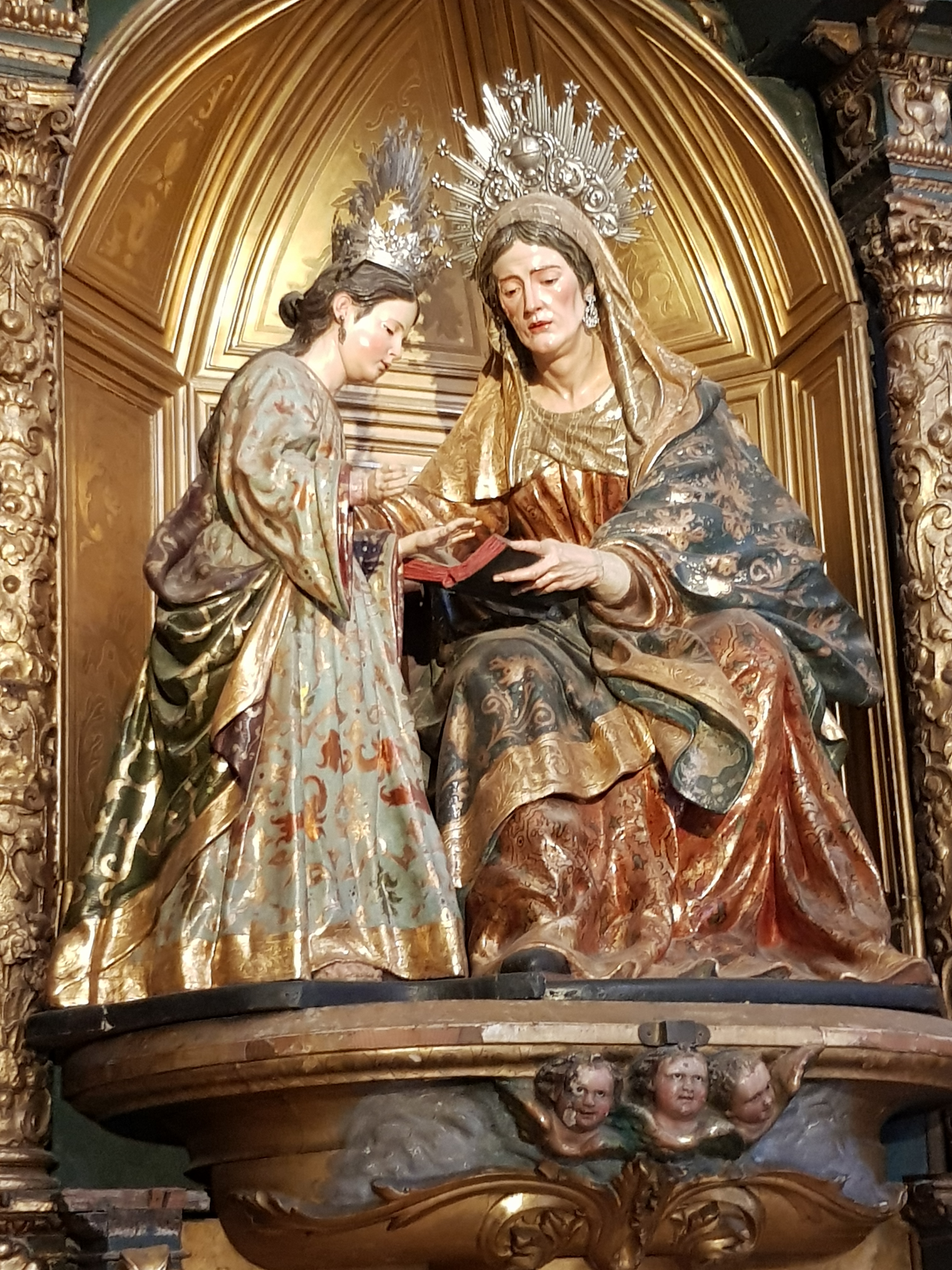
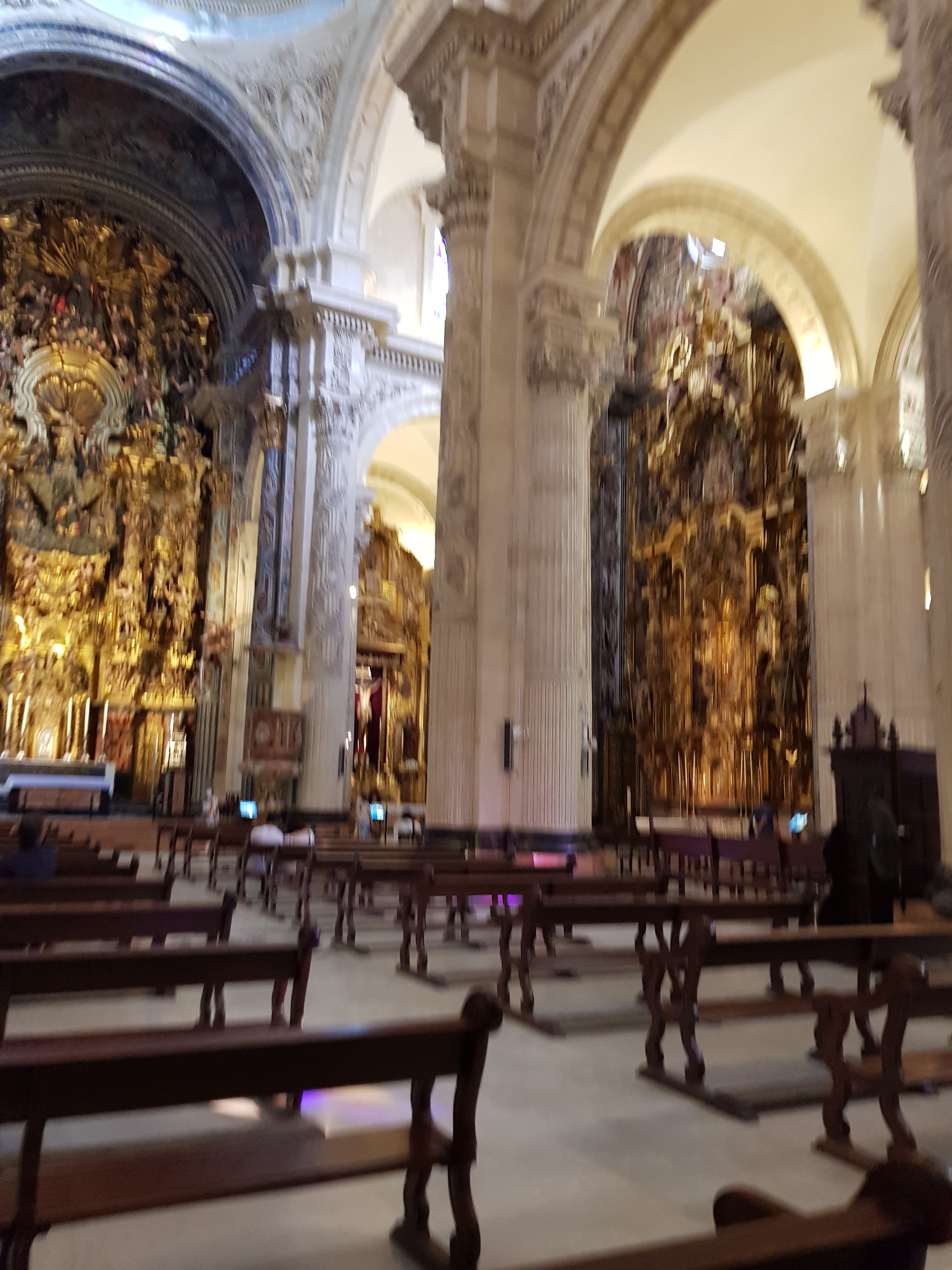
I visited both the church of San Salvador in the centre and Santa Ana church in the neighbourhood across the river, called Triana. I would definitely recommend wondering into Triana, as it has a very sociable vibe and lovely views from across the river. Prices are slightly better too. Both these churches were very cheap to visit, under 5 euros each.

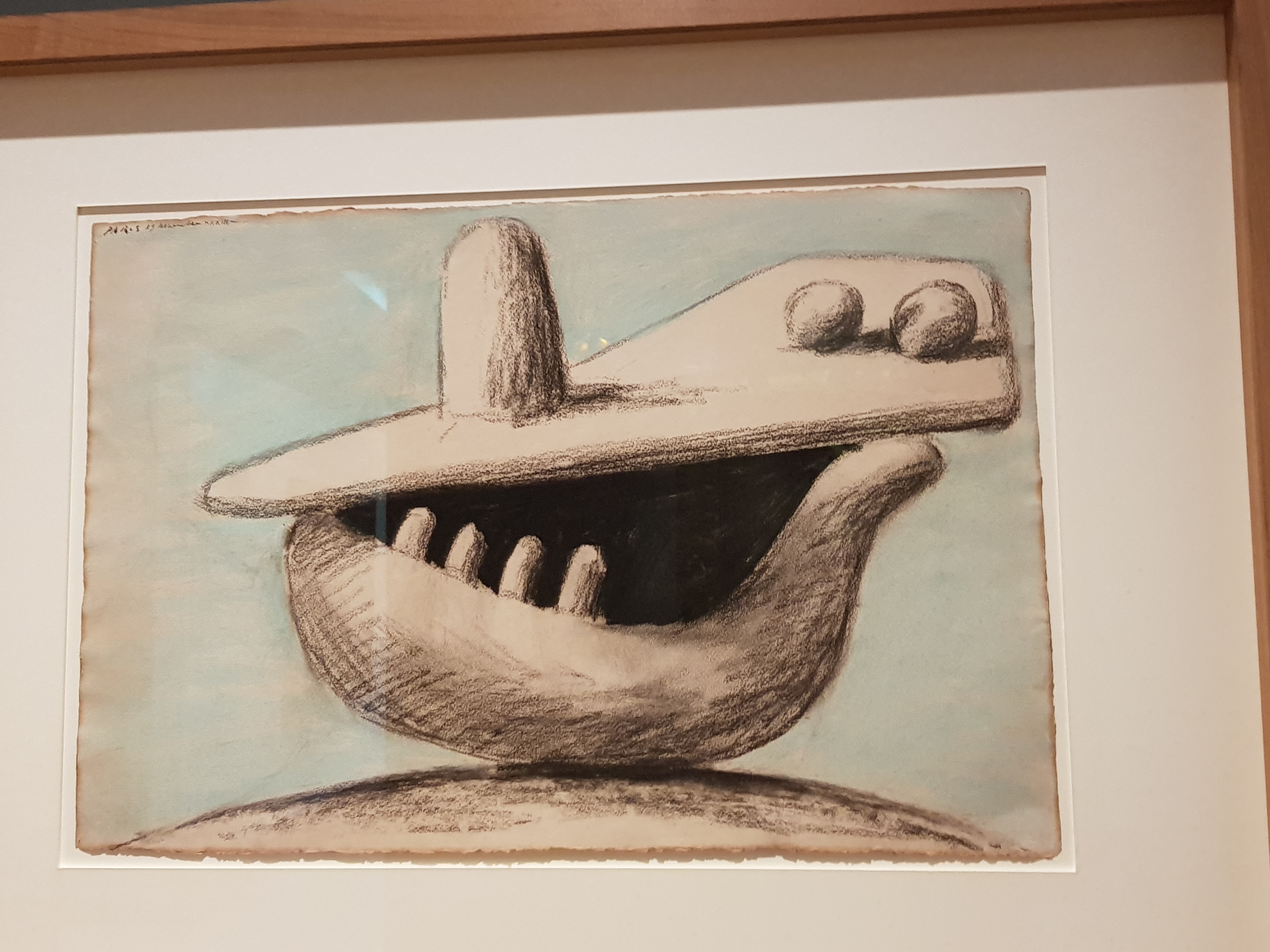
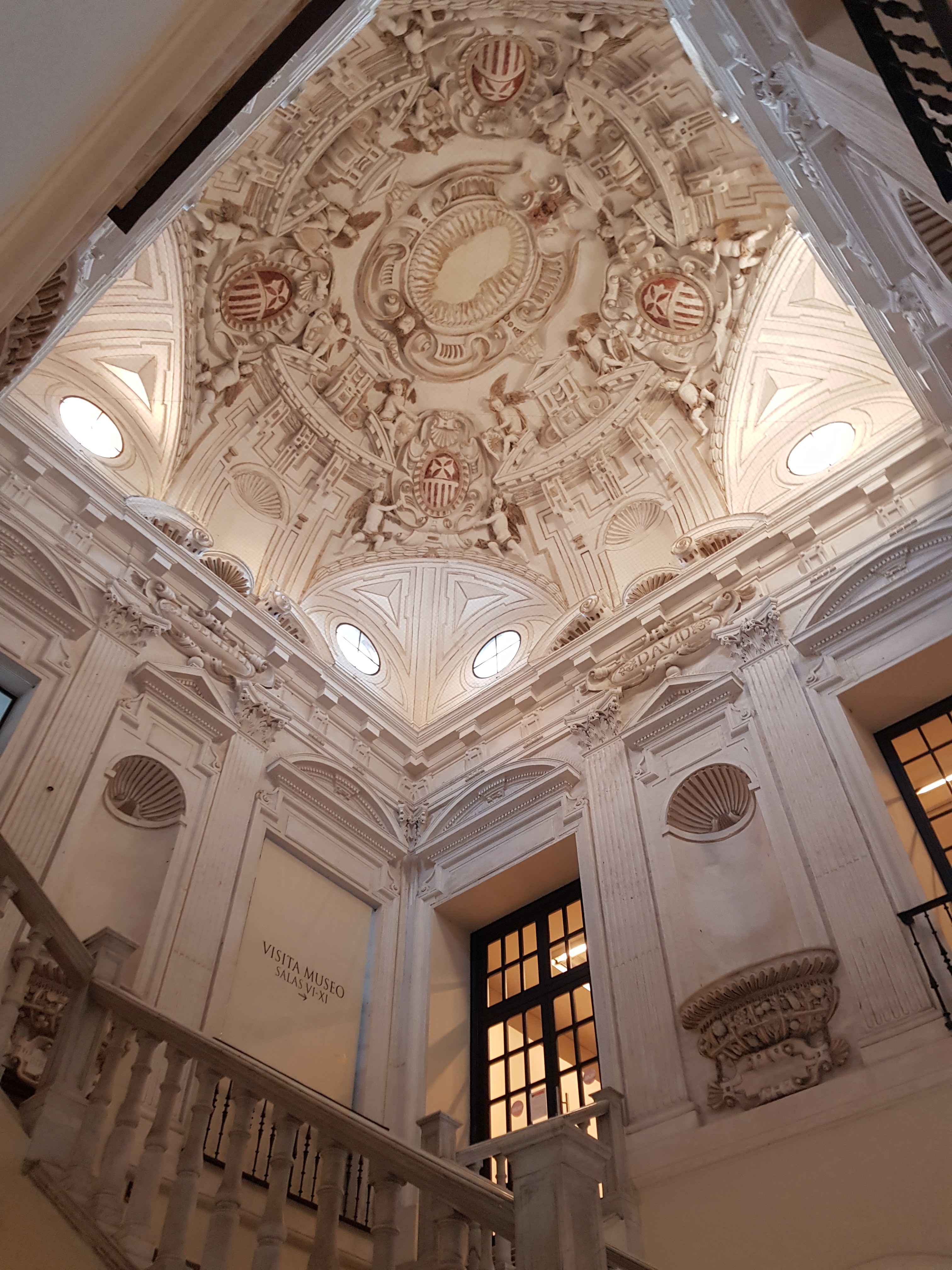
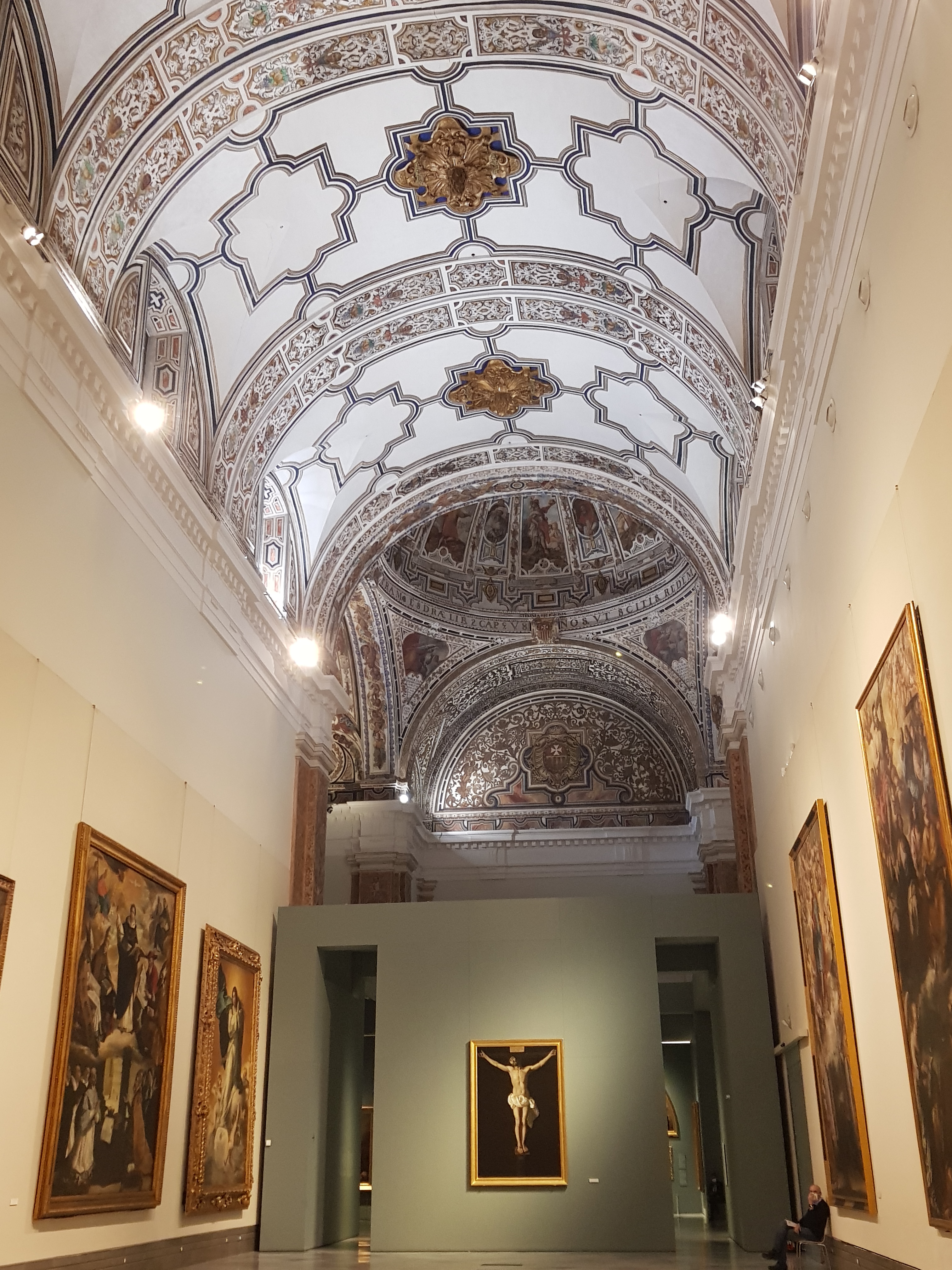
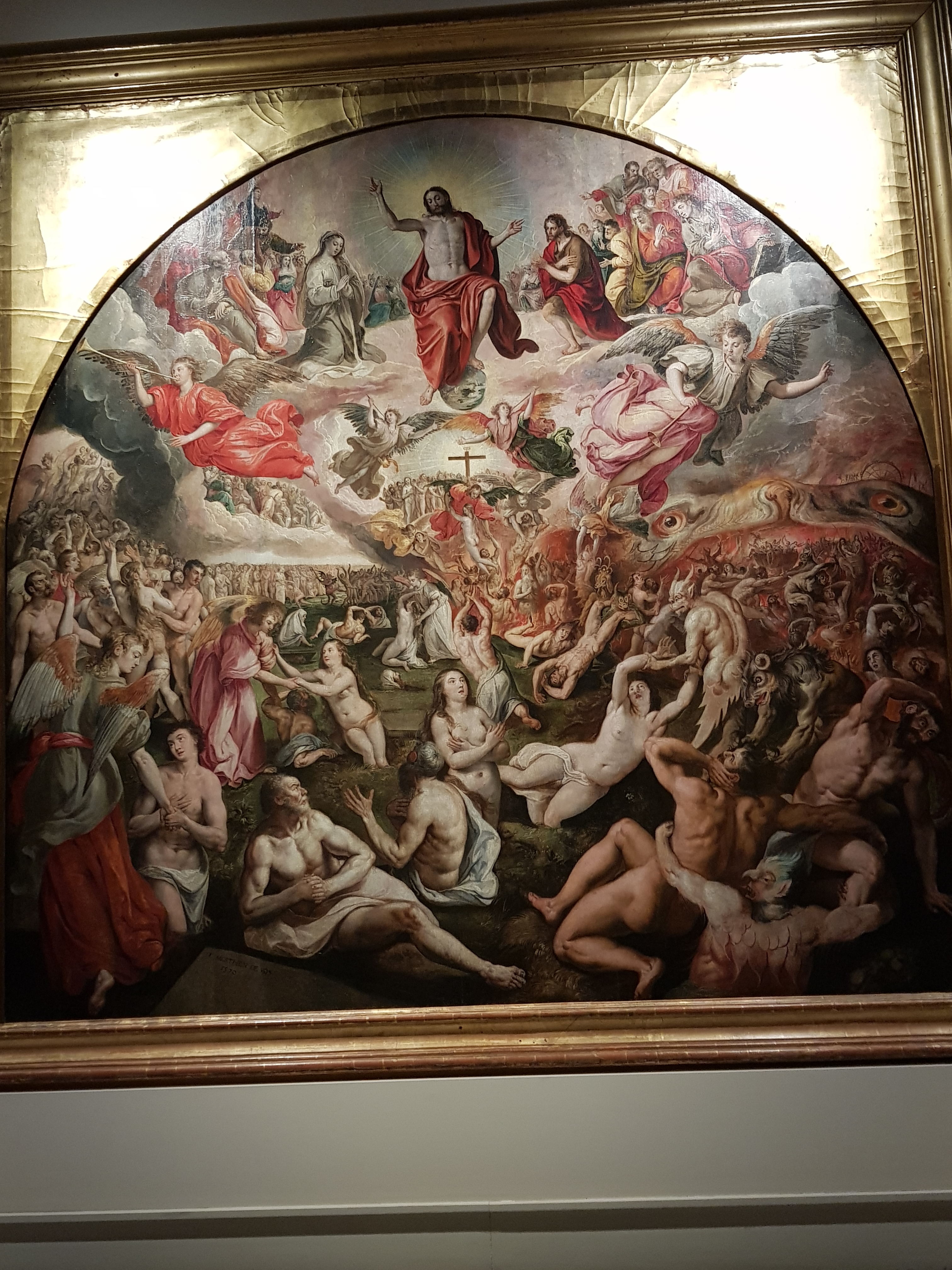
I also enjoyed free admission and air conditioning 😀 from the art museum ‘Museo de bellas artes de Sevilla’. The art displayed in this ex- convent is a mix of very renowned artists such as Murillo and Picasso. I must admit that I was not a fan of all the Picassos as they are so odd. There were many portraits and religious art that I loved though. The building is really beautiful and has many courtyards to sit and relax in. The gallery is only two levels so not too intense which is nice.

Other ideas for a fun time in Sevilla:

  • Spend some extra time across the river in Triana. The atmosphere is great here and you can also visit the local food market at the bridge for an affordable and fresh lunch.
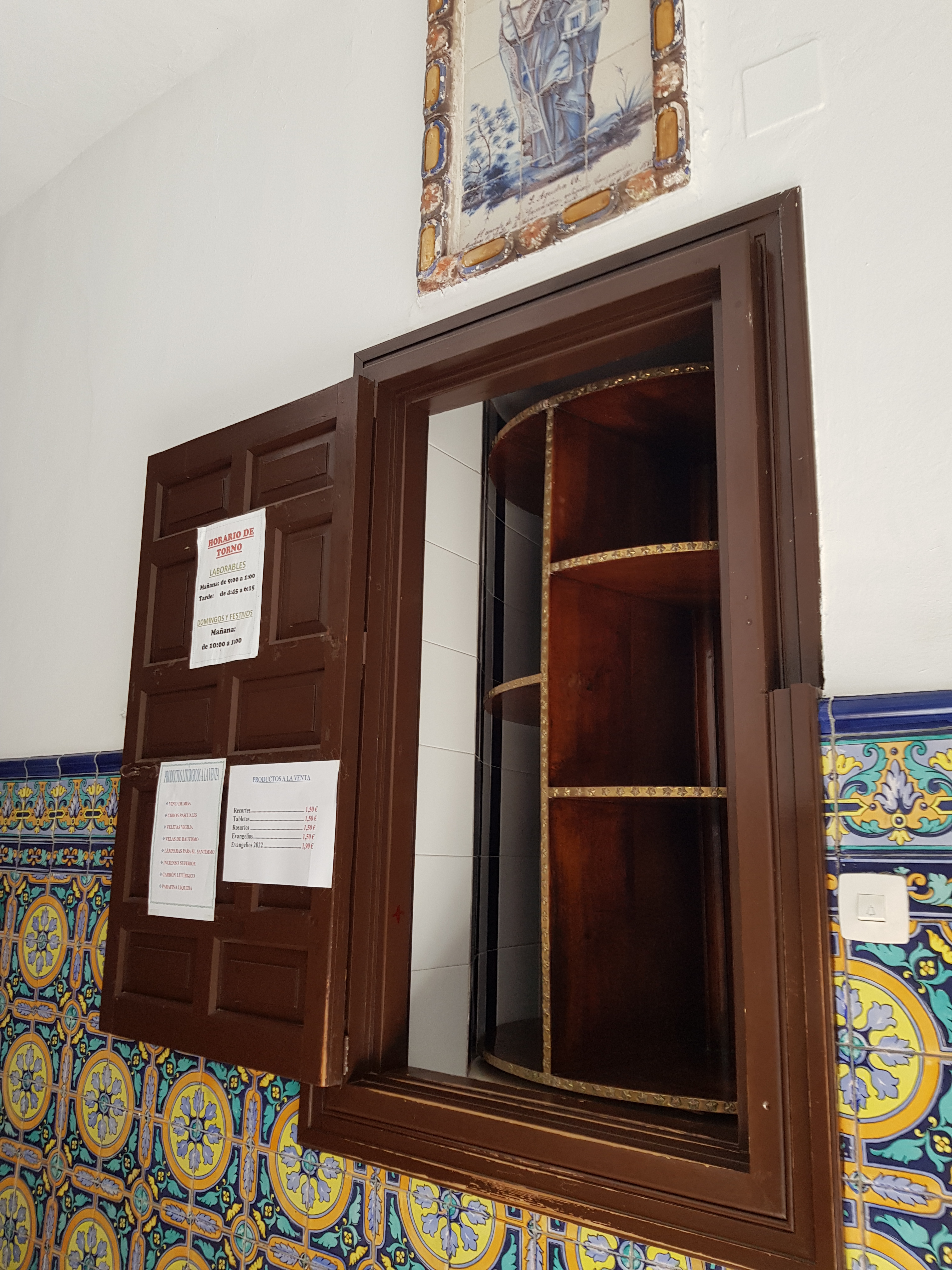
  • Visit one of the many convents in the city and purchase something from a nun. Many convents and monasteries sell goods to sustain themselves, often you can get homemade sweets. I went to one in Sevilla, and bought from a nun though a strange turntable window!
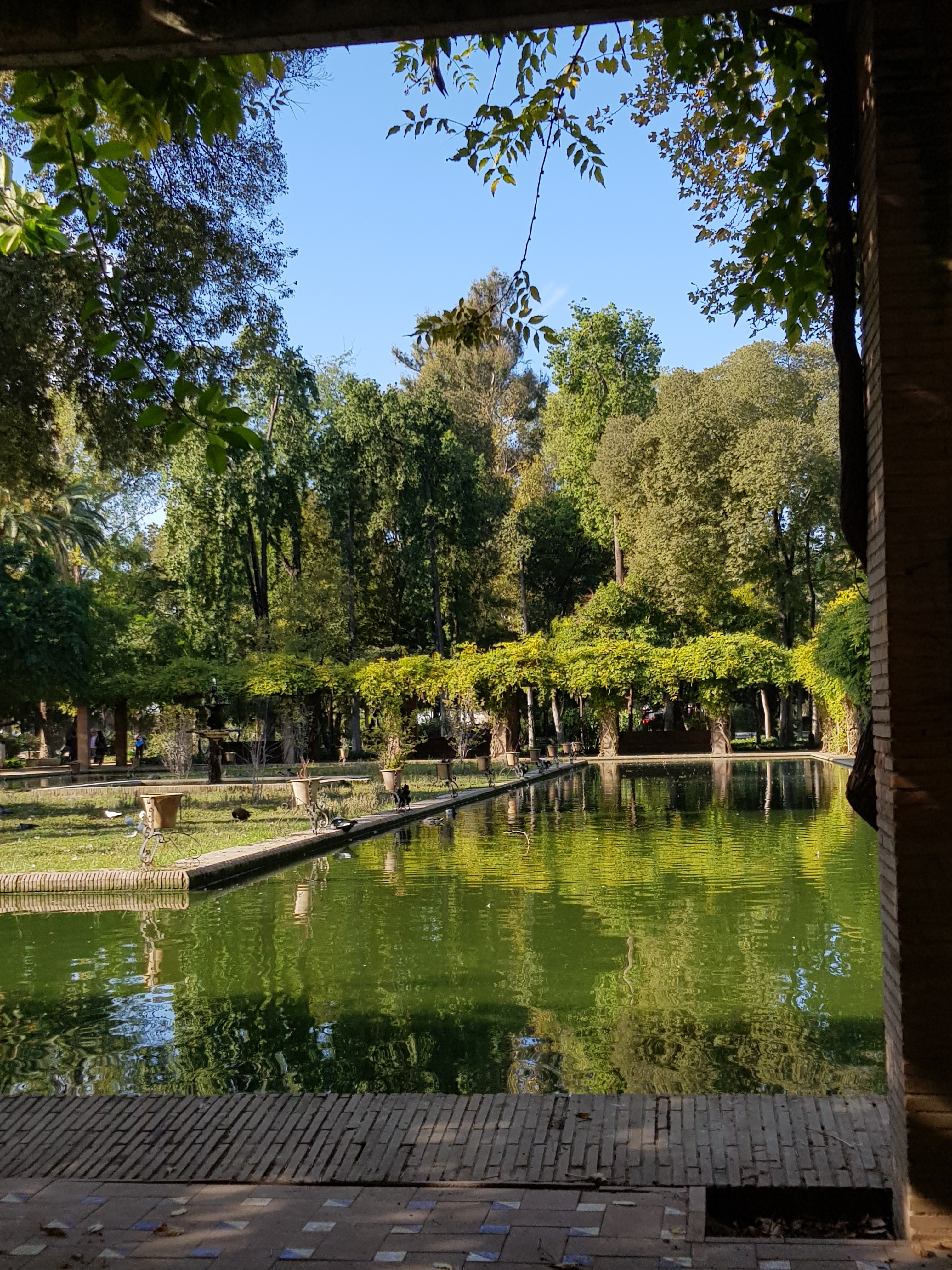
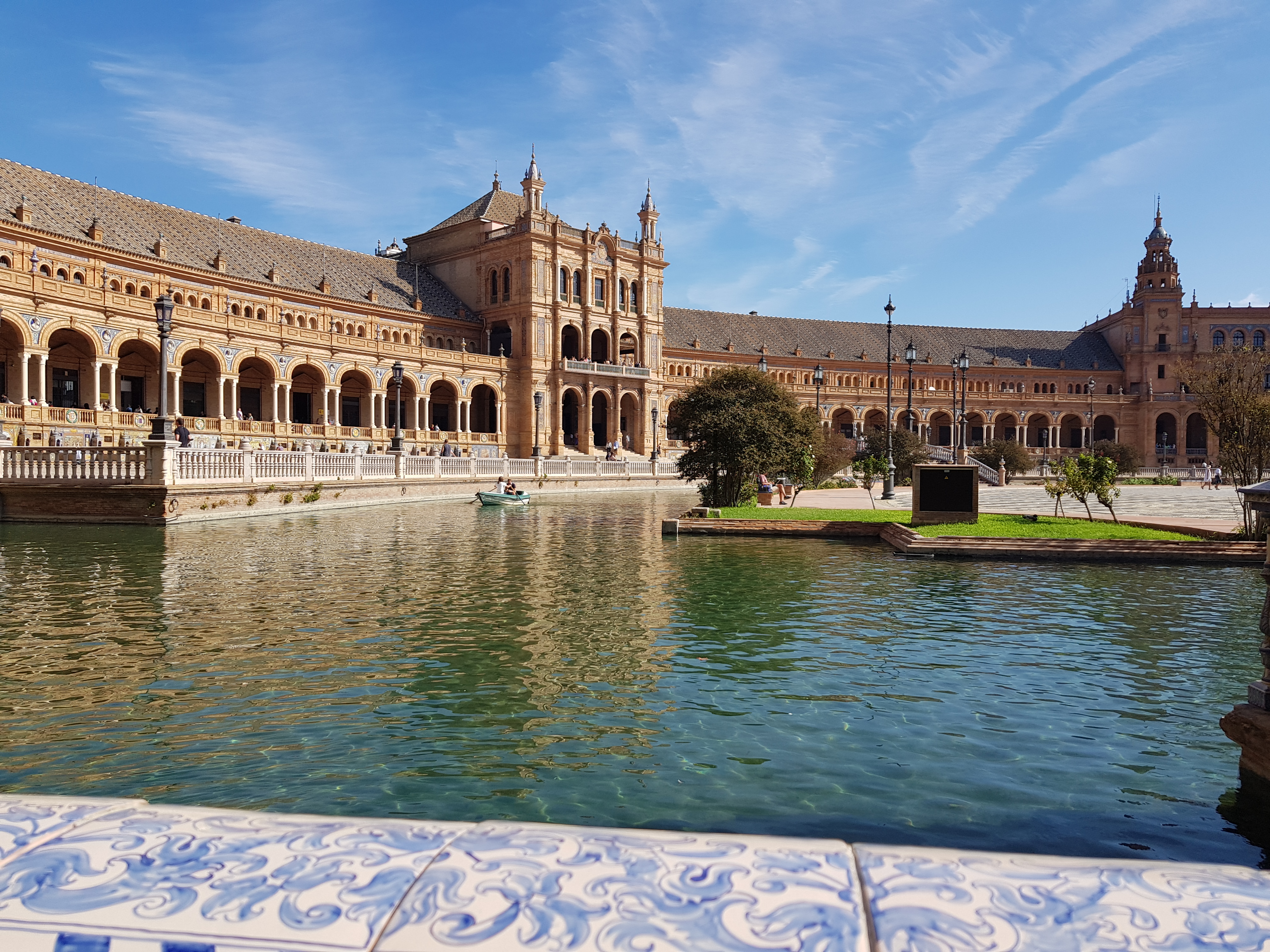
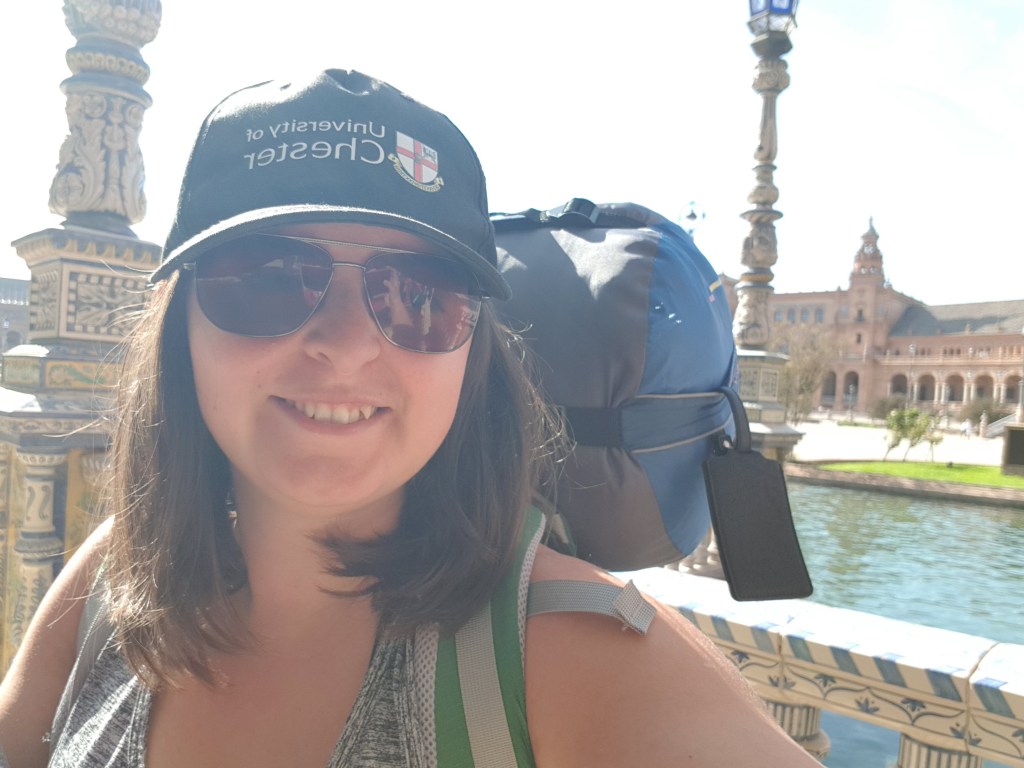
  • Visit the Plaza de Espana and the park. The plaza is an obvious tourist spot, and very pretty, but the adjoining park of Marie Luis, is full of beautiful places to sit and relax in the shade.
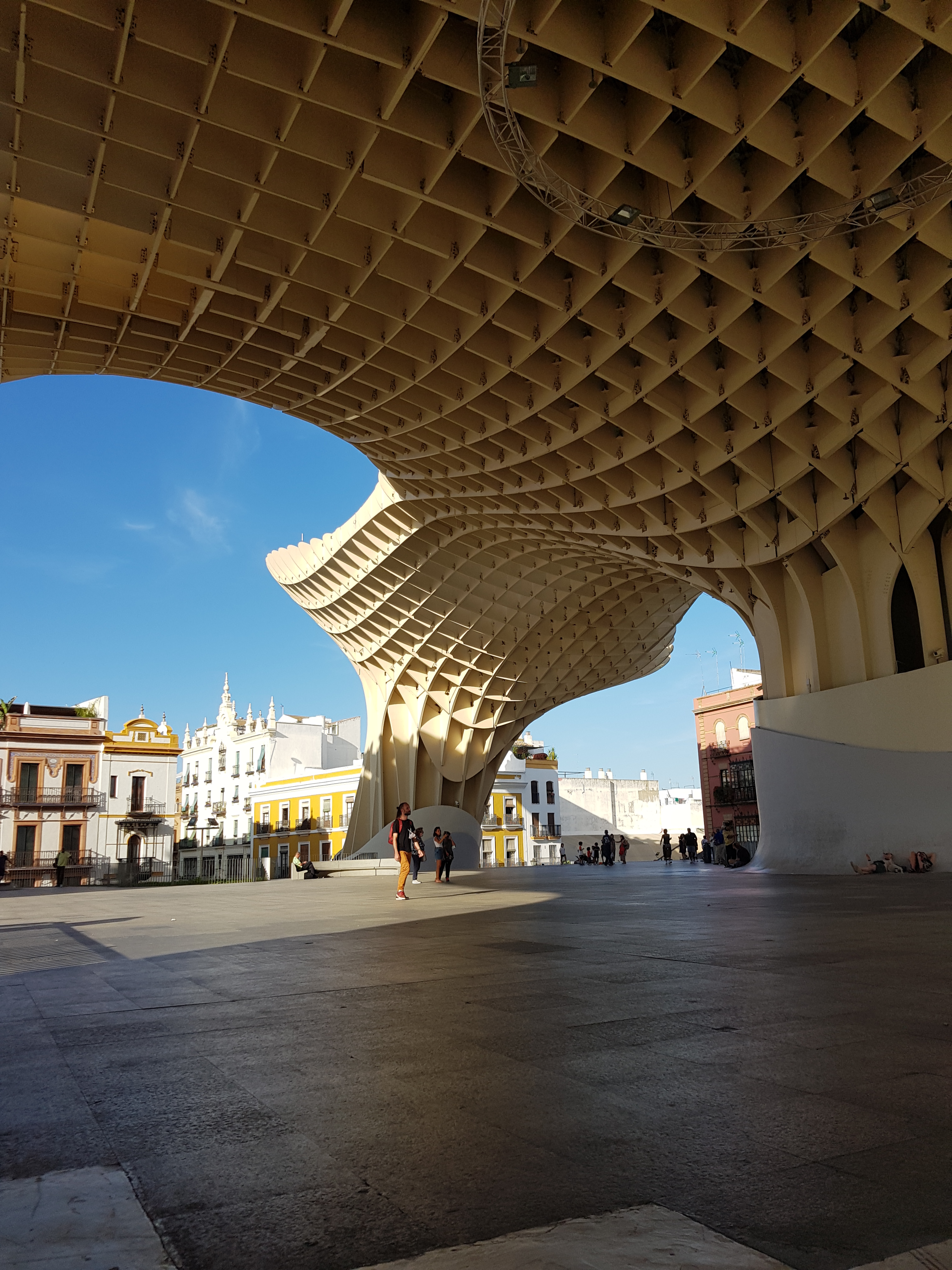
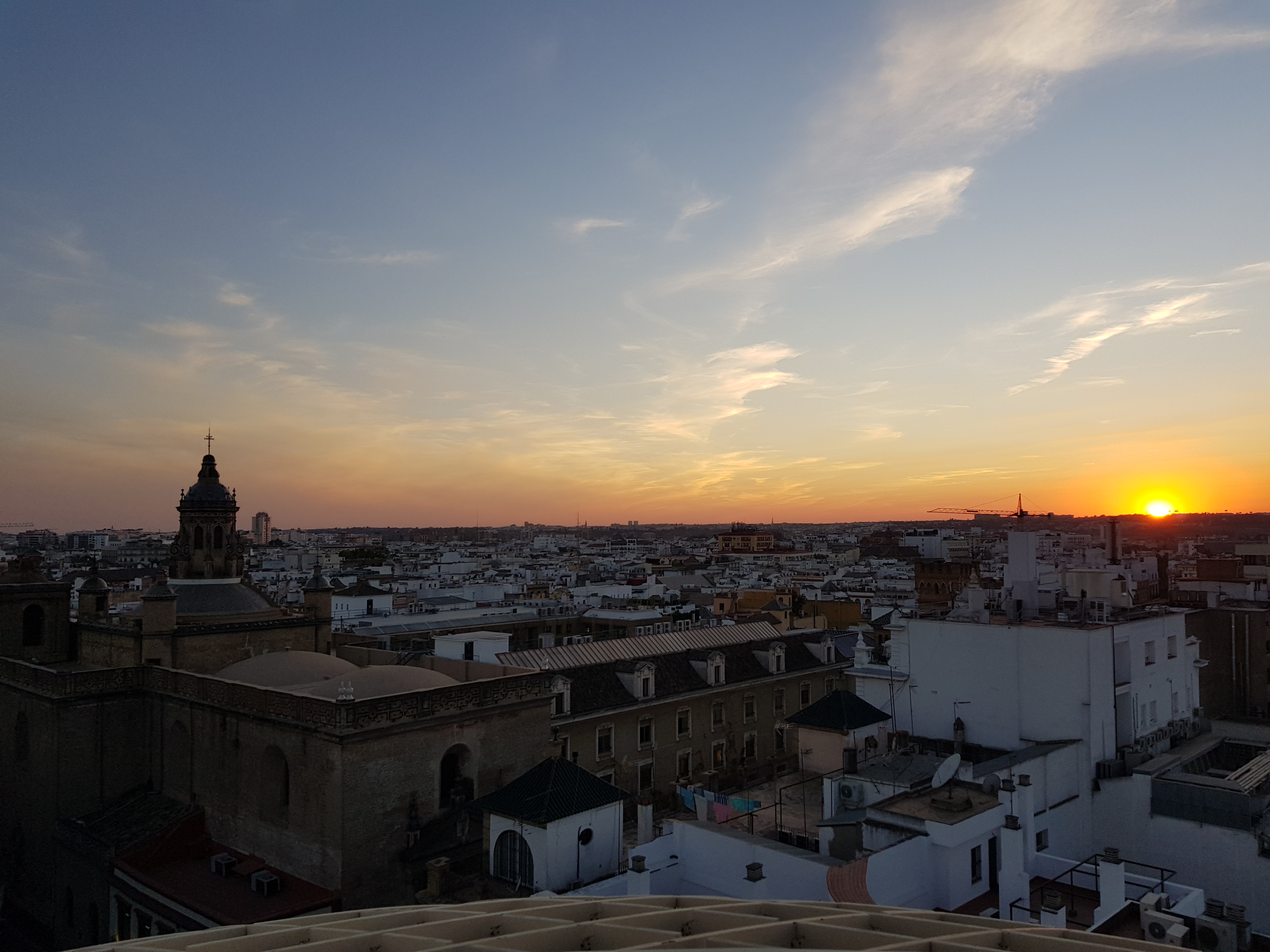
  • Head to the big mushrooms in the sky! The huge ‘setas’ monument is named this because it is the shape of mushrooms. Get there a little before sunset, and you will see wonderful views of the city.

Overall, I thought Sevilla was a very romantic and beautiful destination. It was also easy to walk around and had good transport connections, and of course reliable weather! I would certainly visit again.

Next stop… Cordoba!

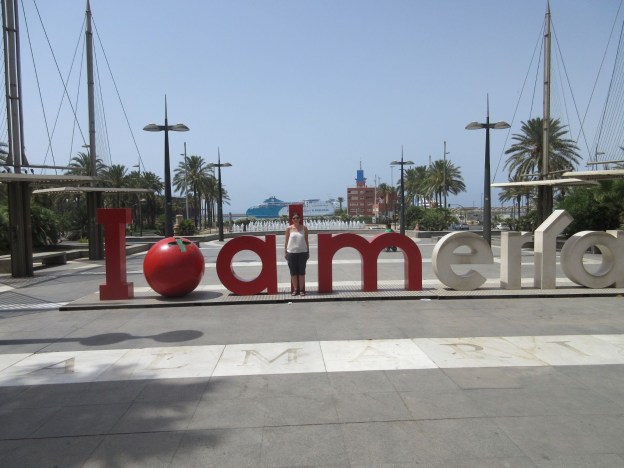
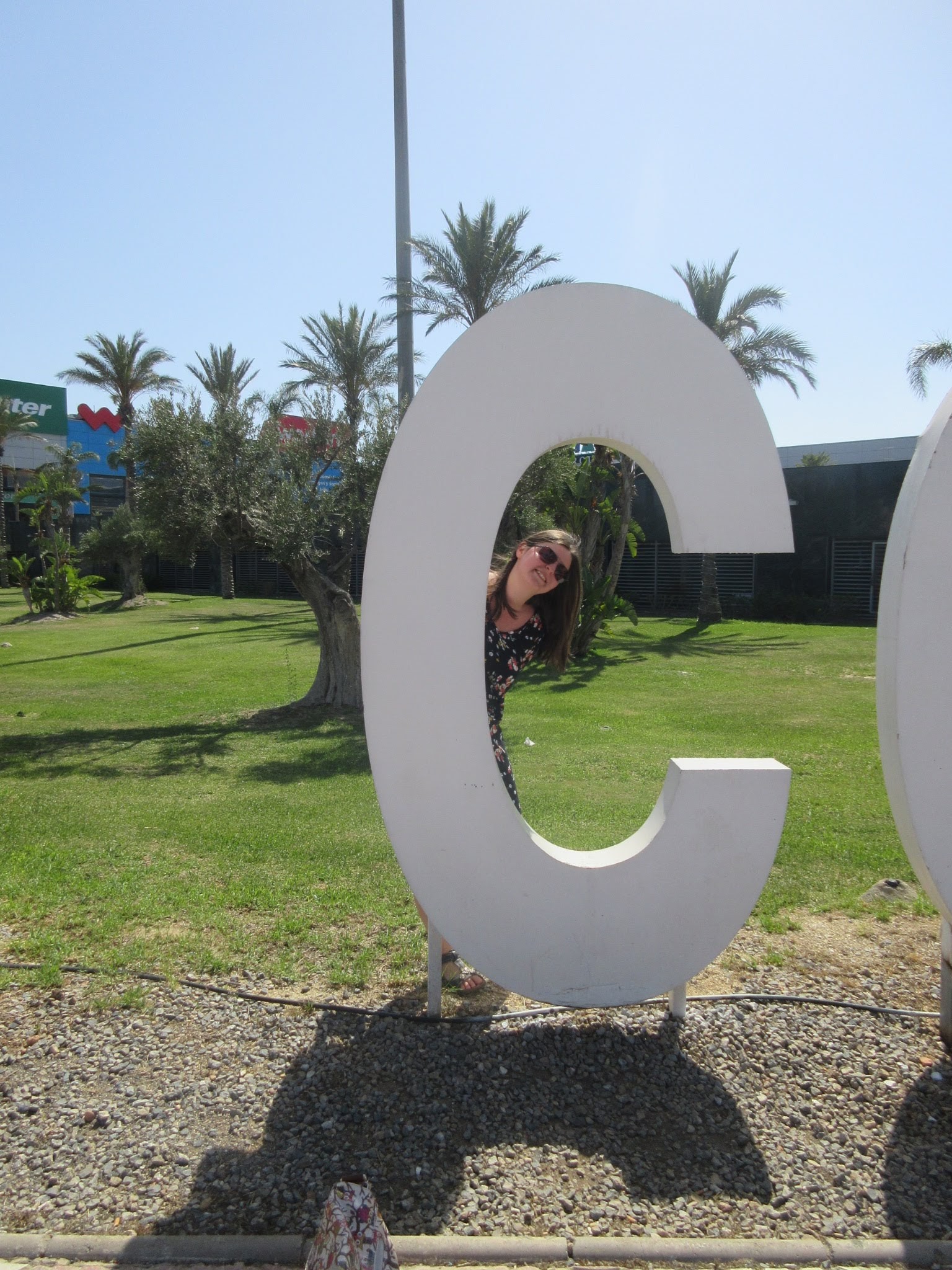
almeria sign

Alcazabas and flamingos in Almeria & Granada

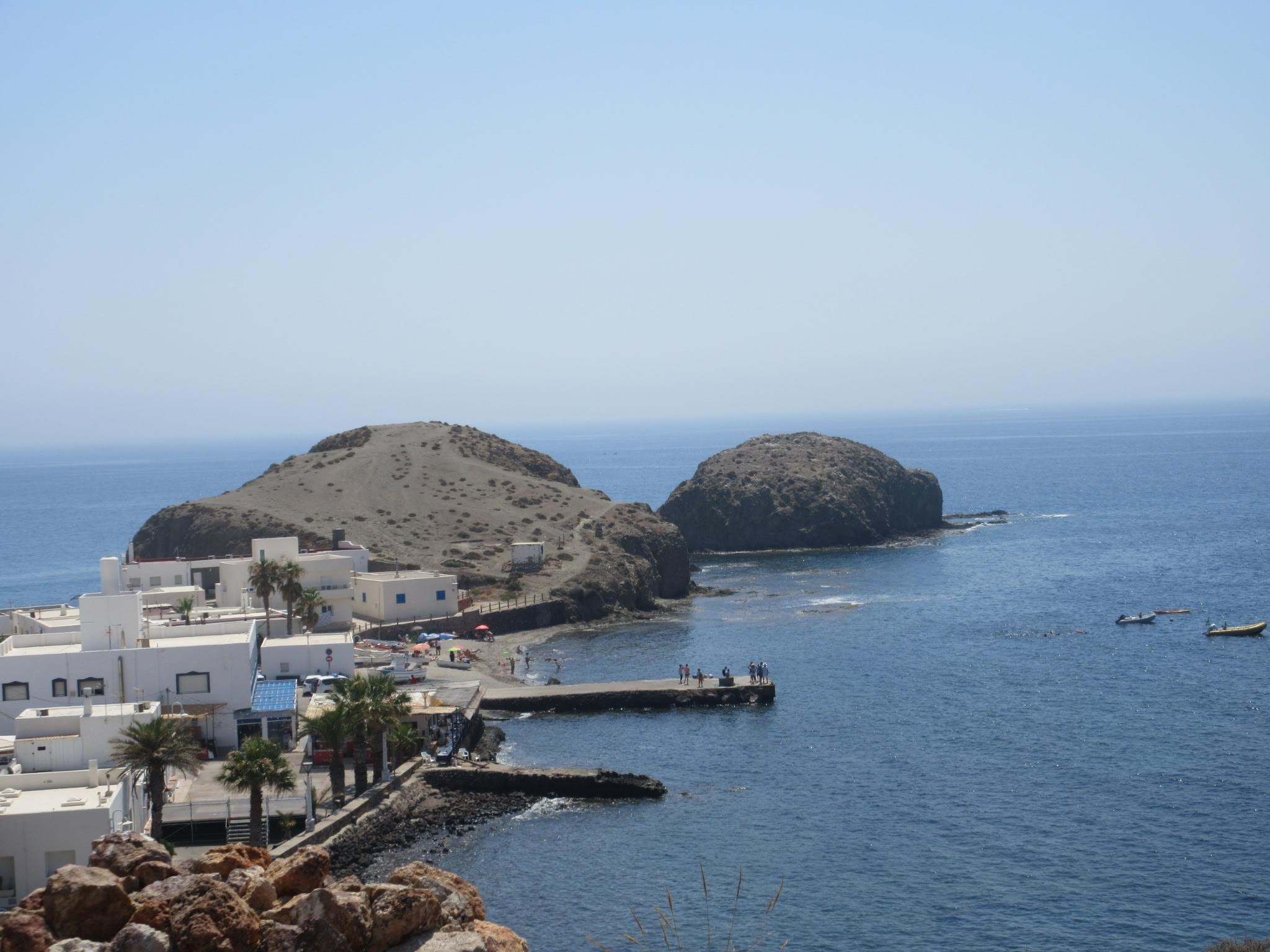
In 2019, before the world fell into Covid chaos, I holidayed in the province of Almeria, in the Andalusian region, south of the Iberian Peninsular in Spain. This two week trip was full of relaxation, culture and of course lots of opportunities to practise my spanish!

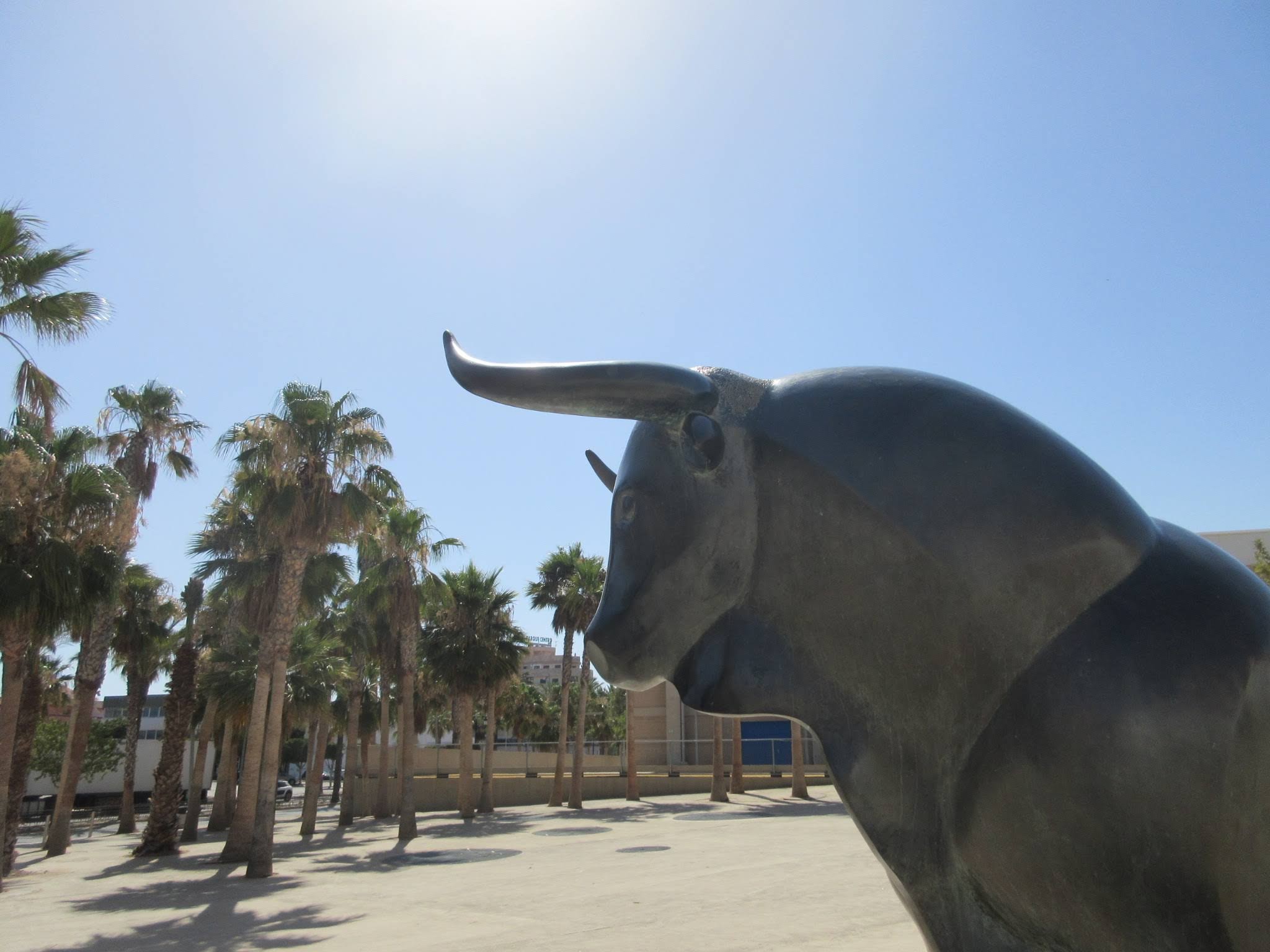
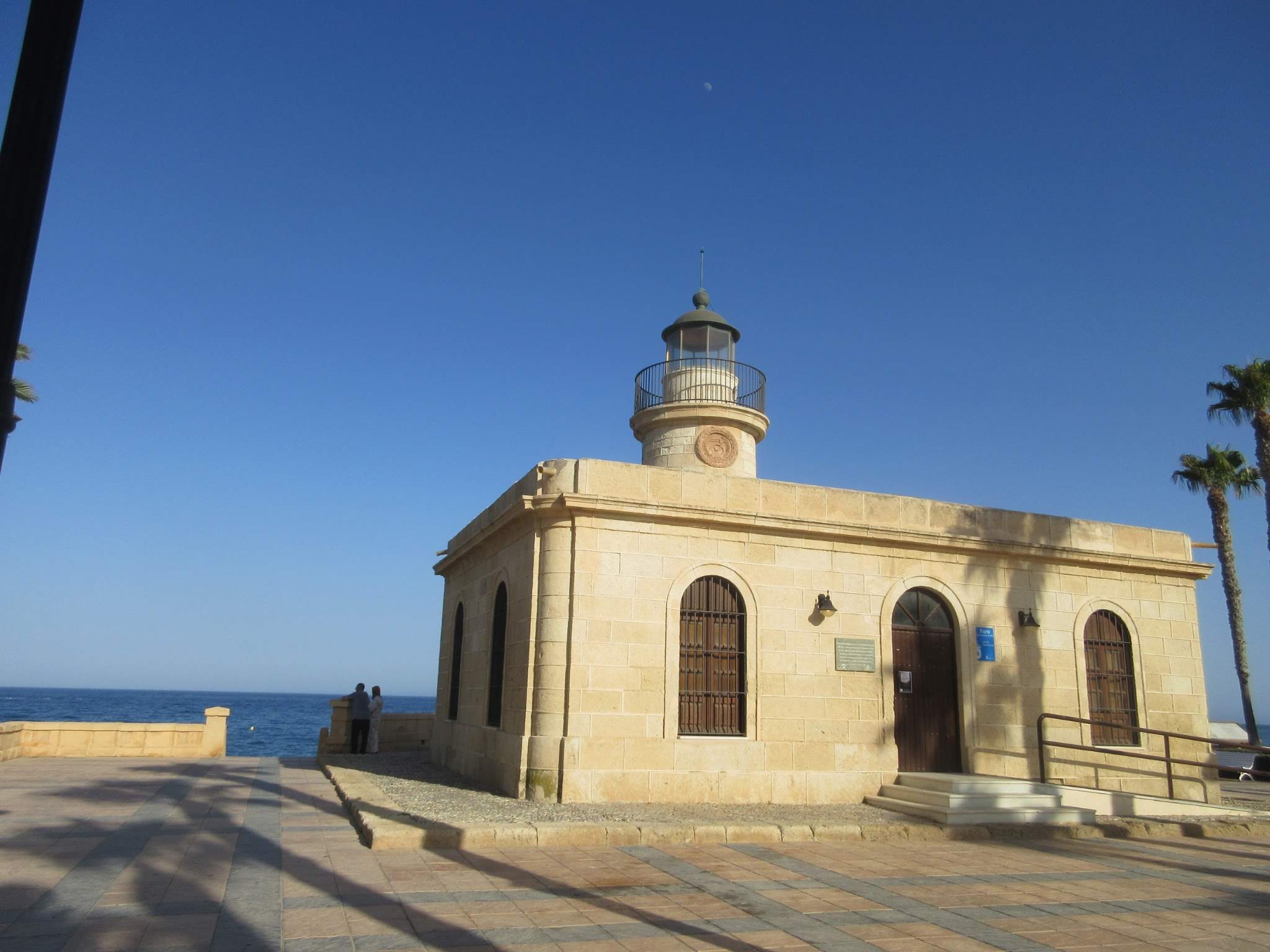
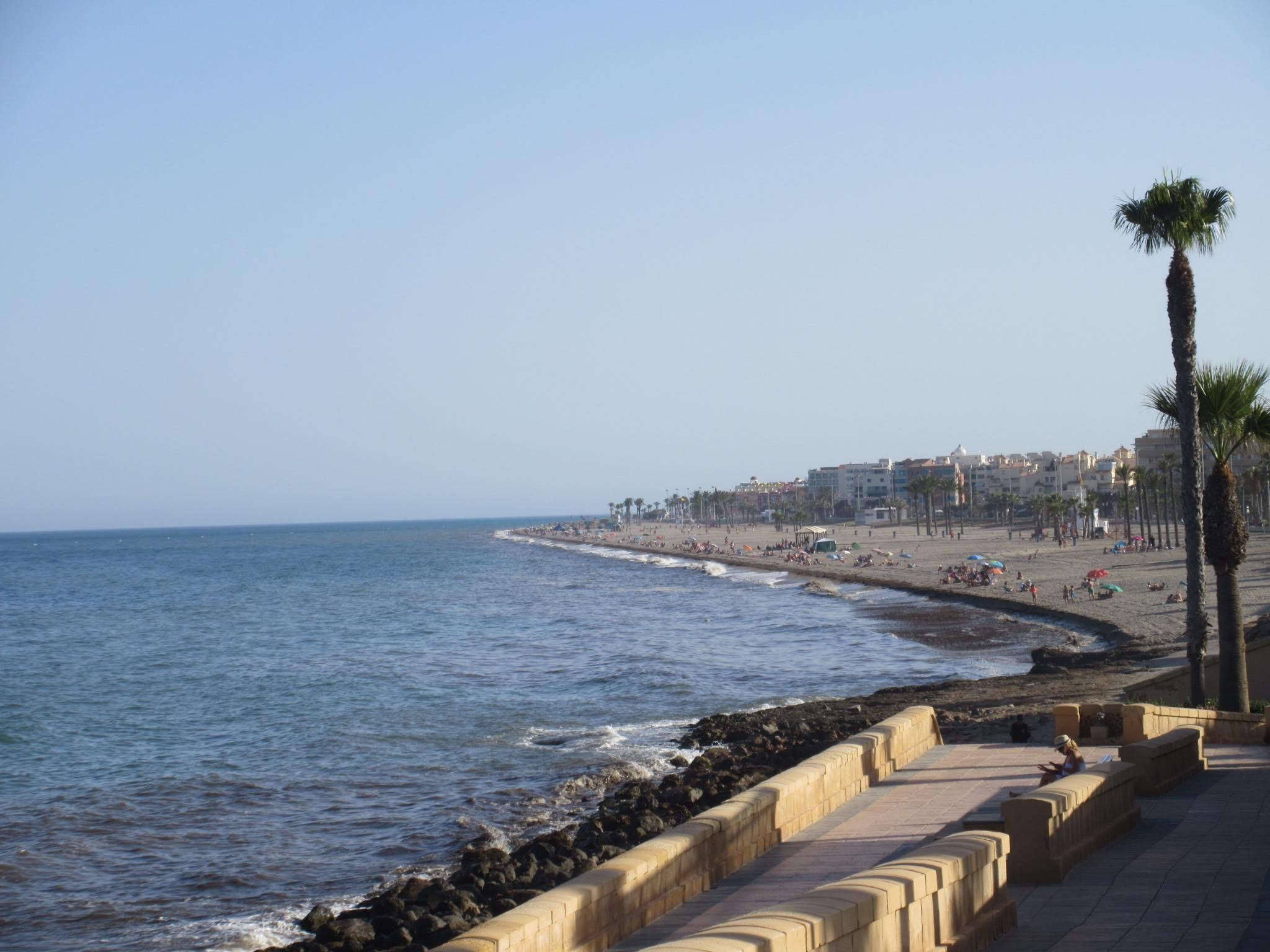
Andalusia is in the South of Spain and is well known for its Moorish architecture, hot climate, and dry landscapes. We found a brilliant apartment to stay in within the Almeria province, in Las Marinas near Roquetas de Mar. The town had plenty to enjoy, including shopping areas, a beautiful beach, and a bull ring (though we didn’t go inside the bull fighting complex). We found our apartment on AirBnB, and spent much of our days chilling by the pool and the evenings singing karaoke on the balcony.

Whilst staying in Las Marinas we hired some bikes (which I negotiated for in espanol – and got compliments for it… just saying..) and enjoyed cycling up and down the coast on the bike lanes available along the promenade. We also went off road into the Paraje Natural de Punta Entinas – Sabinar, a nearby nature reserve at the end of the beach. The reserve had several salt lakes which attracted wild flamingos. It was great to see the birds in their natural environment. The reserve is patrolled so you cannot get too close to the birds or go too far off the tracks, but you can still see everything wonderfully.

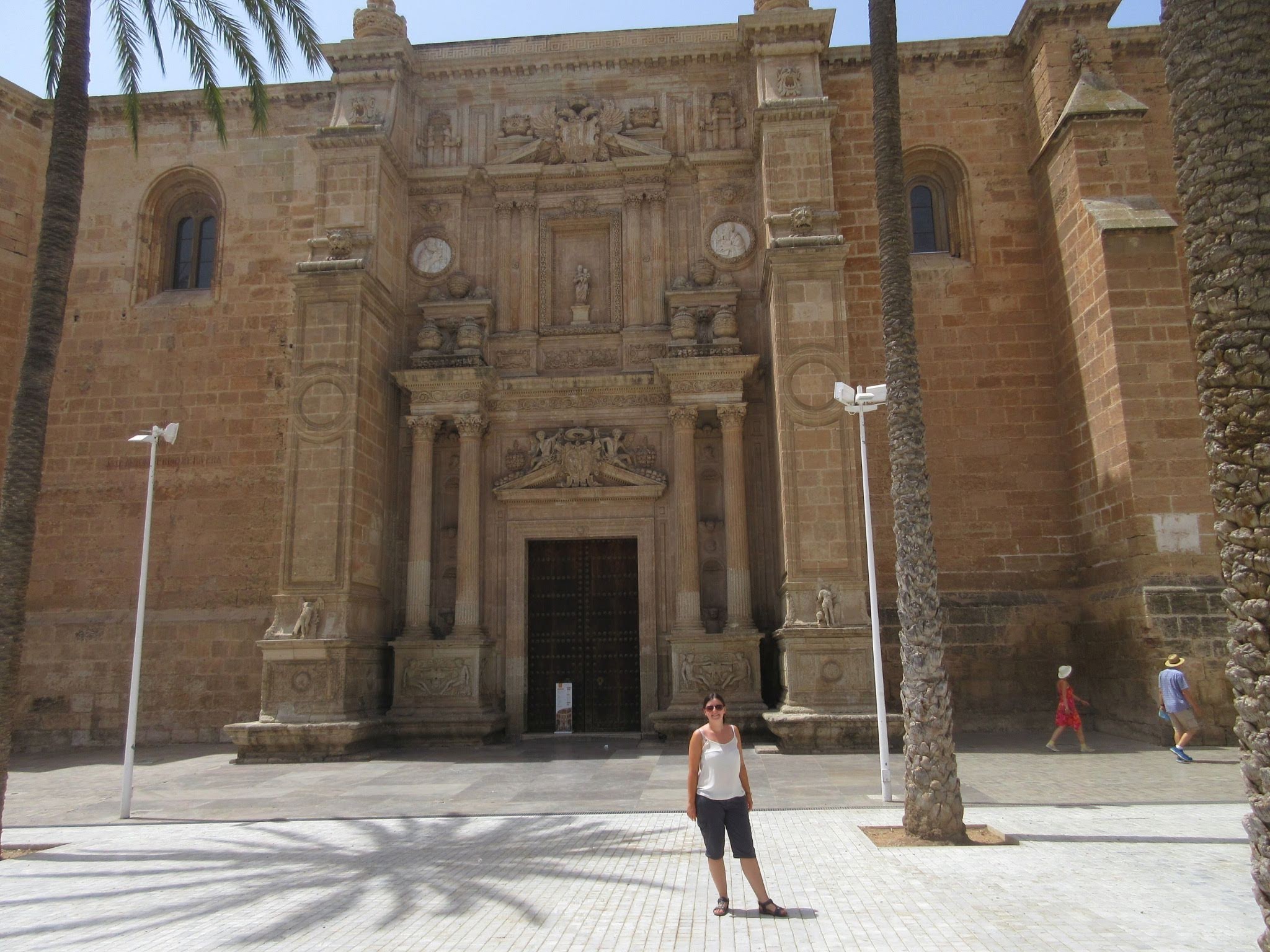
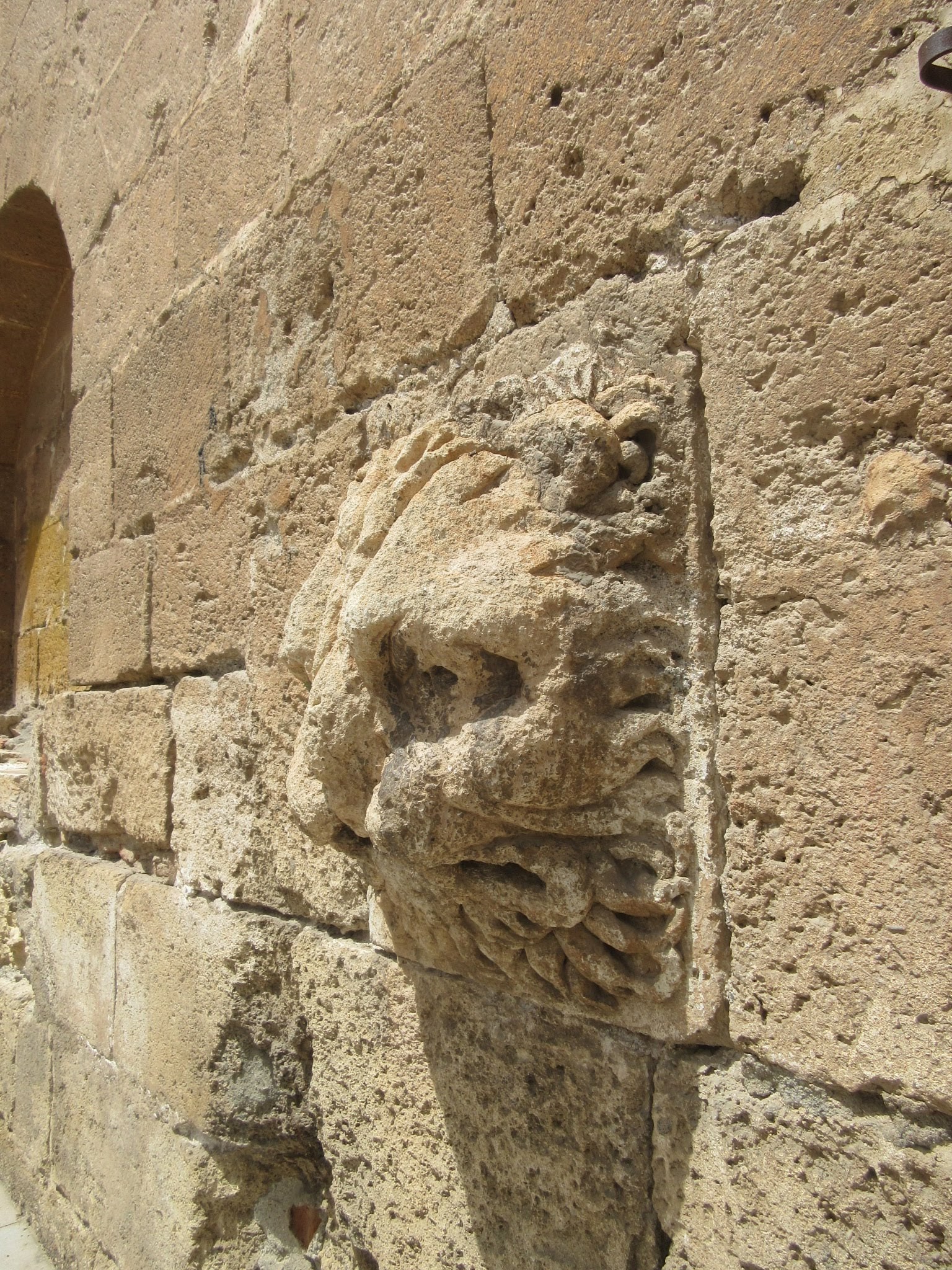
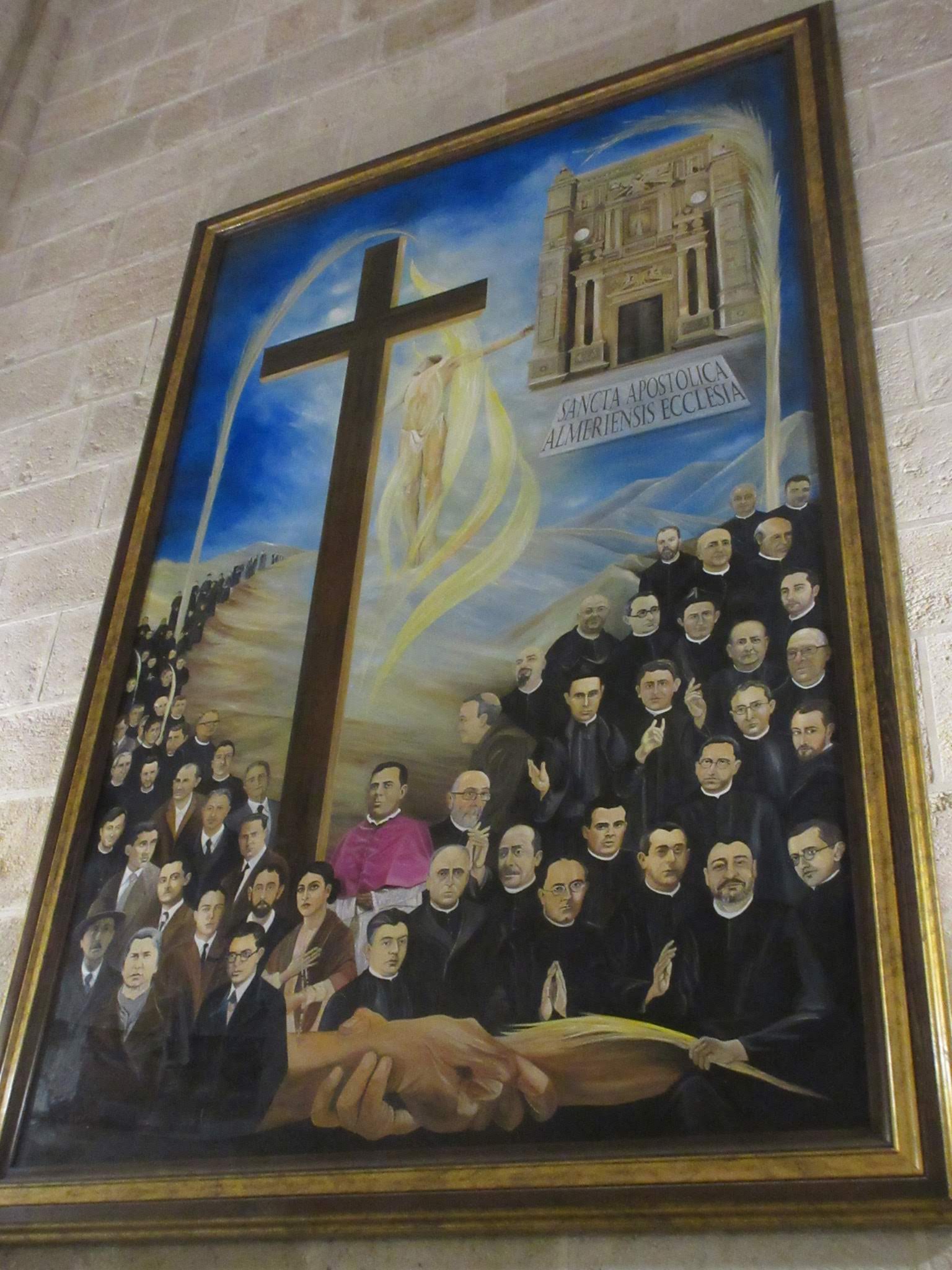
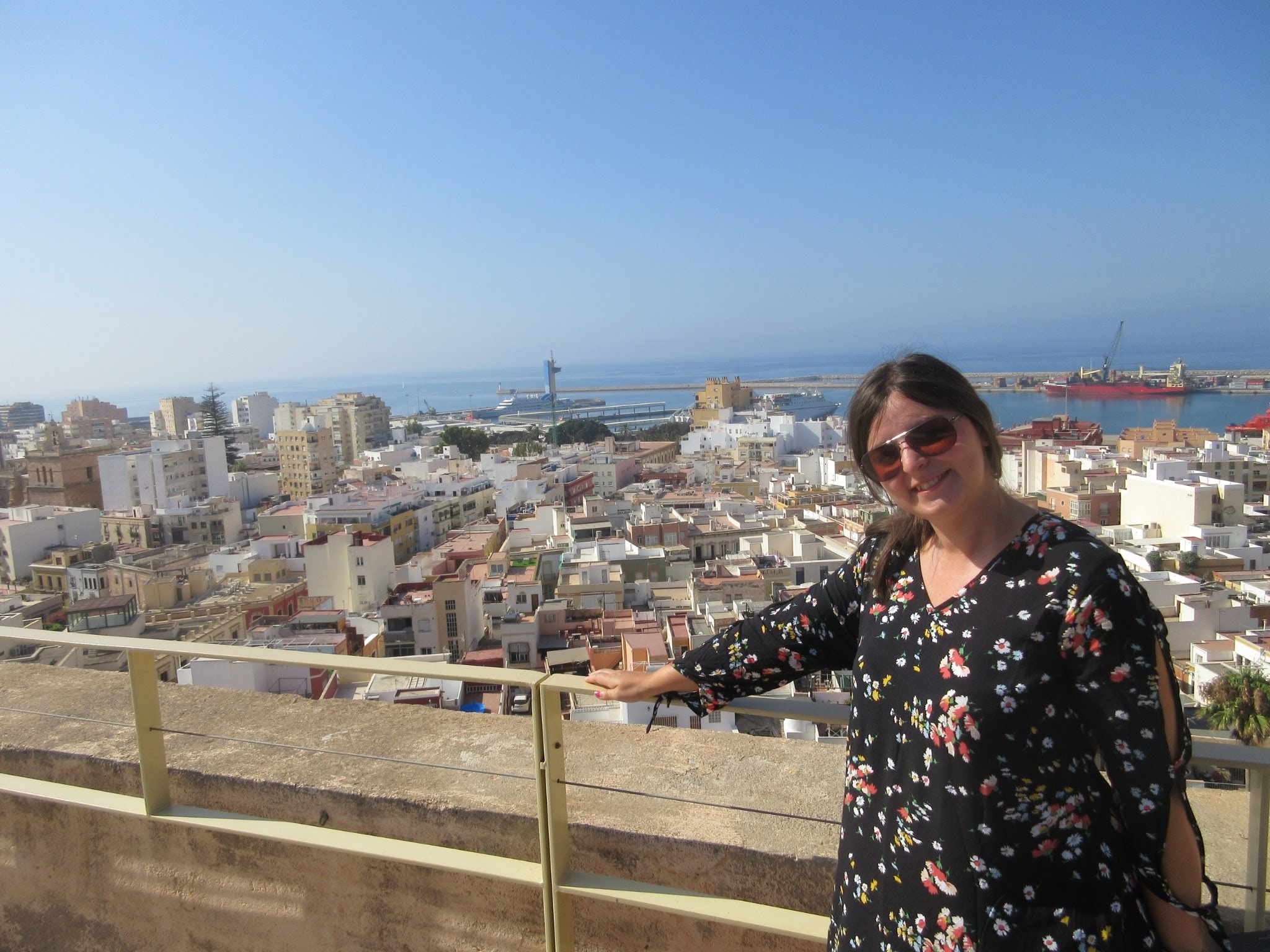
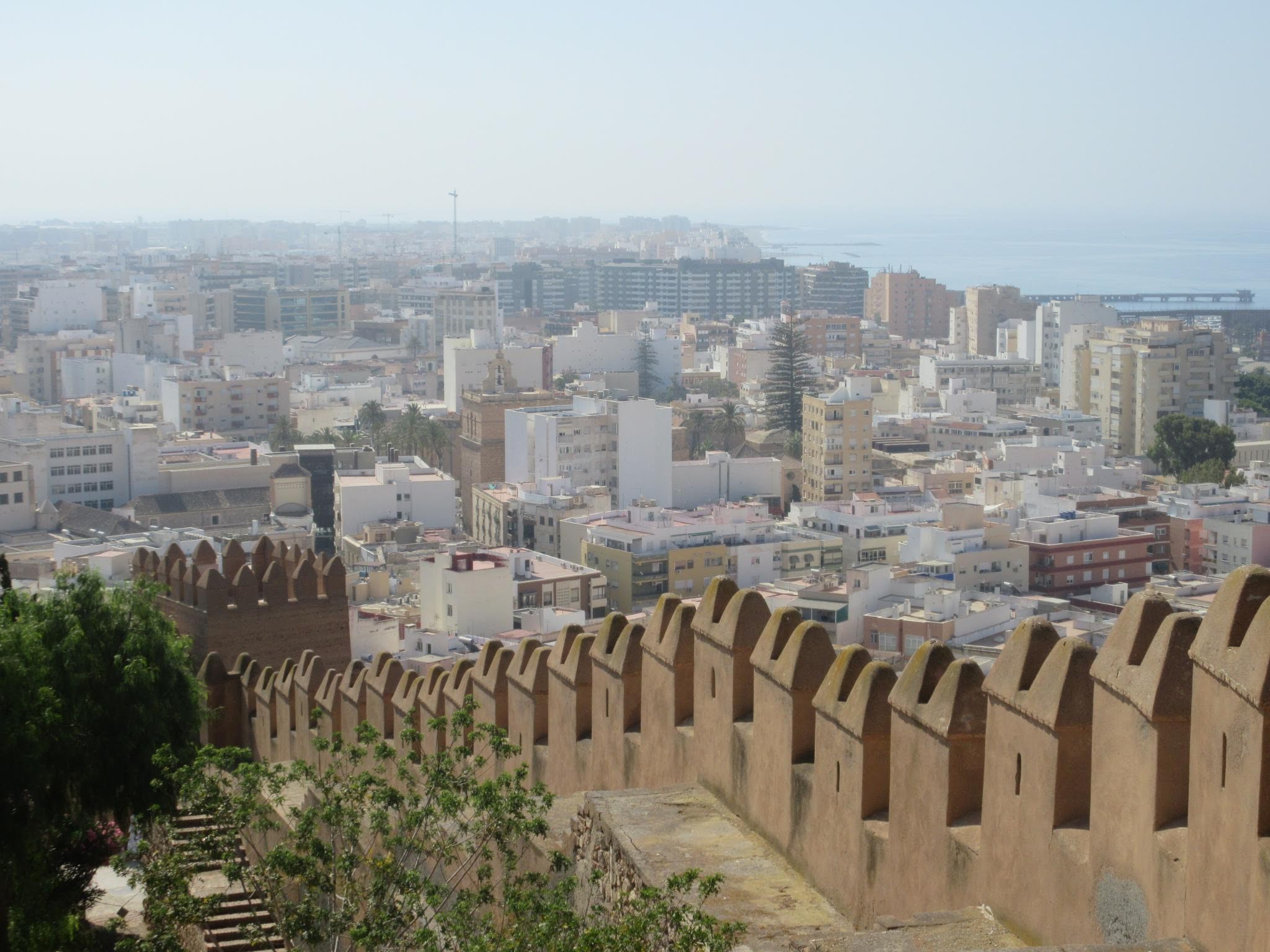
We spent two days enjoying the actual town of Almeria. The city is on the coast, and is popular as a cruising destination, and you can see lots of cruise ships rolling into the port. Whilst we were there we also visited the Almeria Cathedral, built in 1524. The cathedral’s original purpose was to be able to serve as a cathedral-fortress, because it was built for both religious worship and to shelter the population from attacks by Barbary pirates. The architectural decoration outside is really intricate and there are large spaces around the building to show off its magnitude. You can also access self guided tour information.

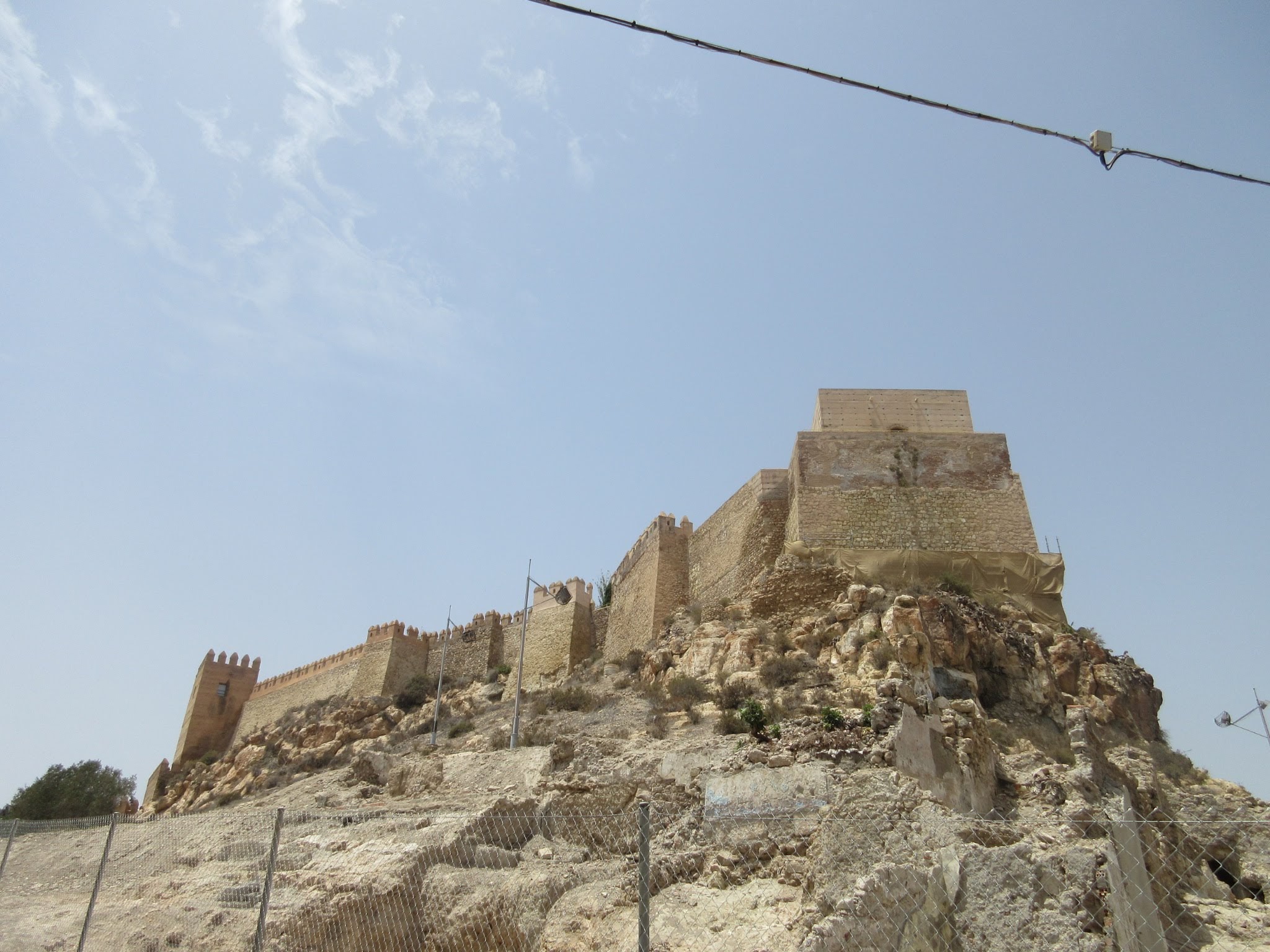
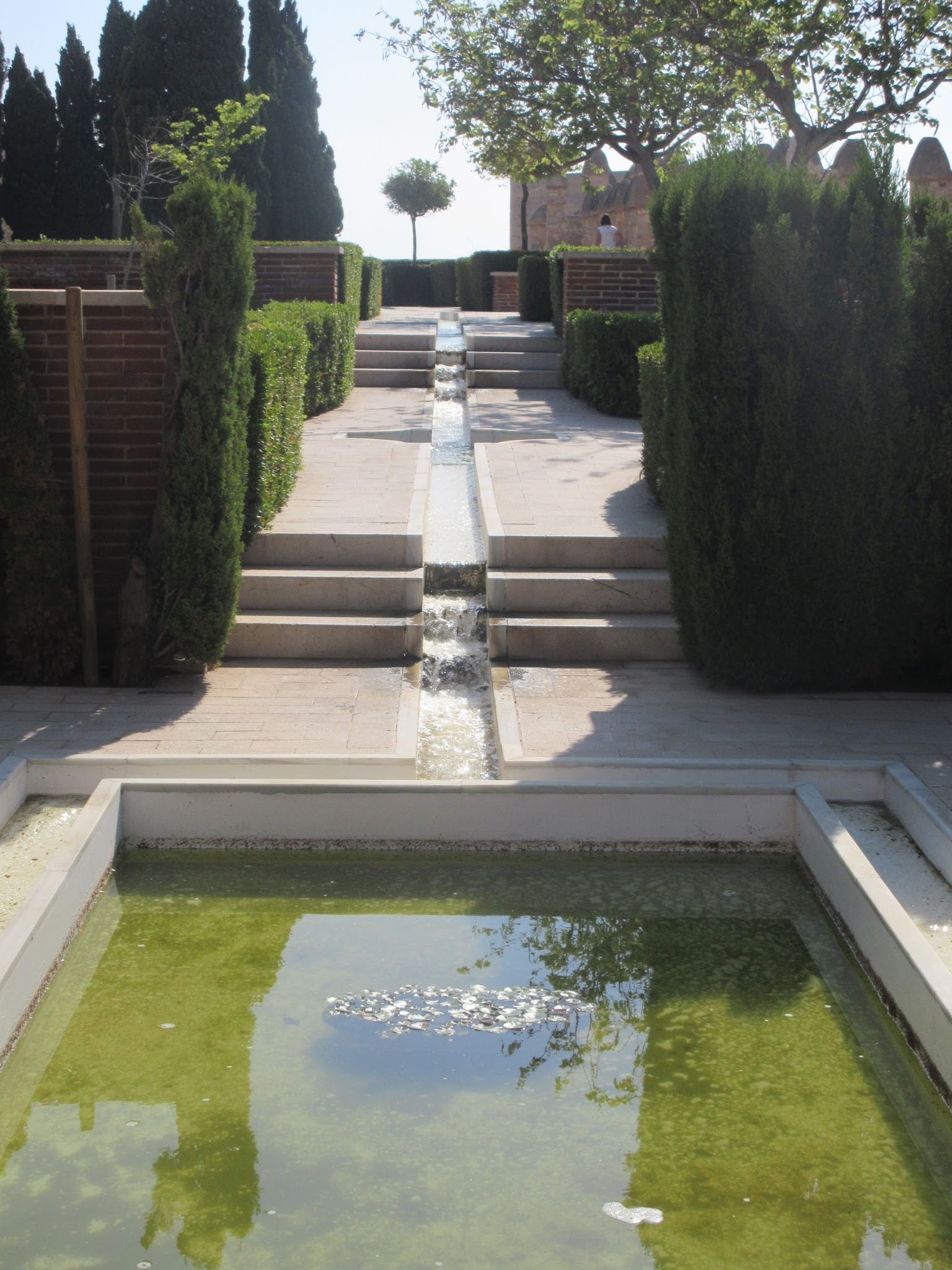
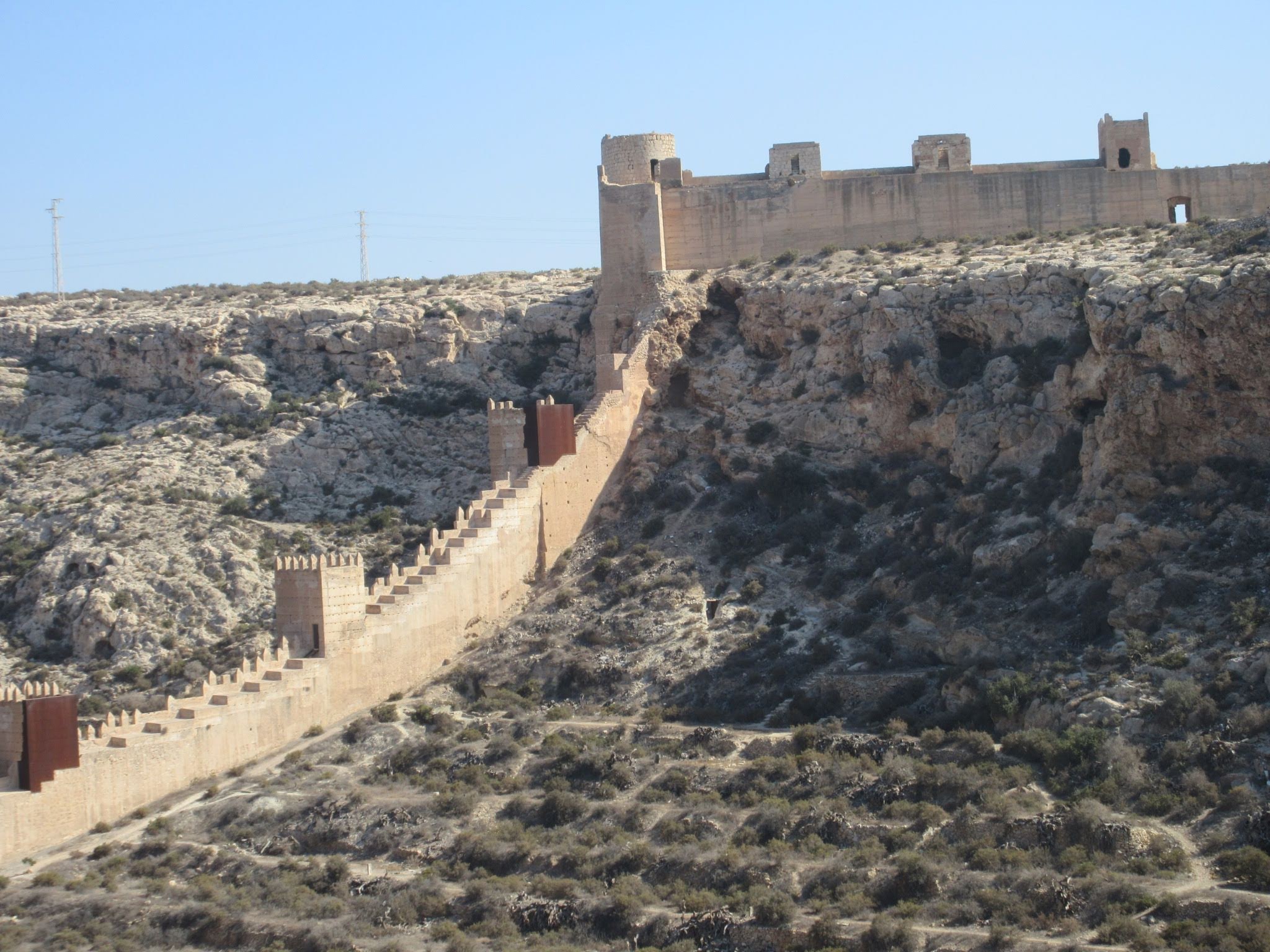
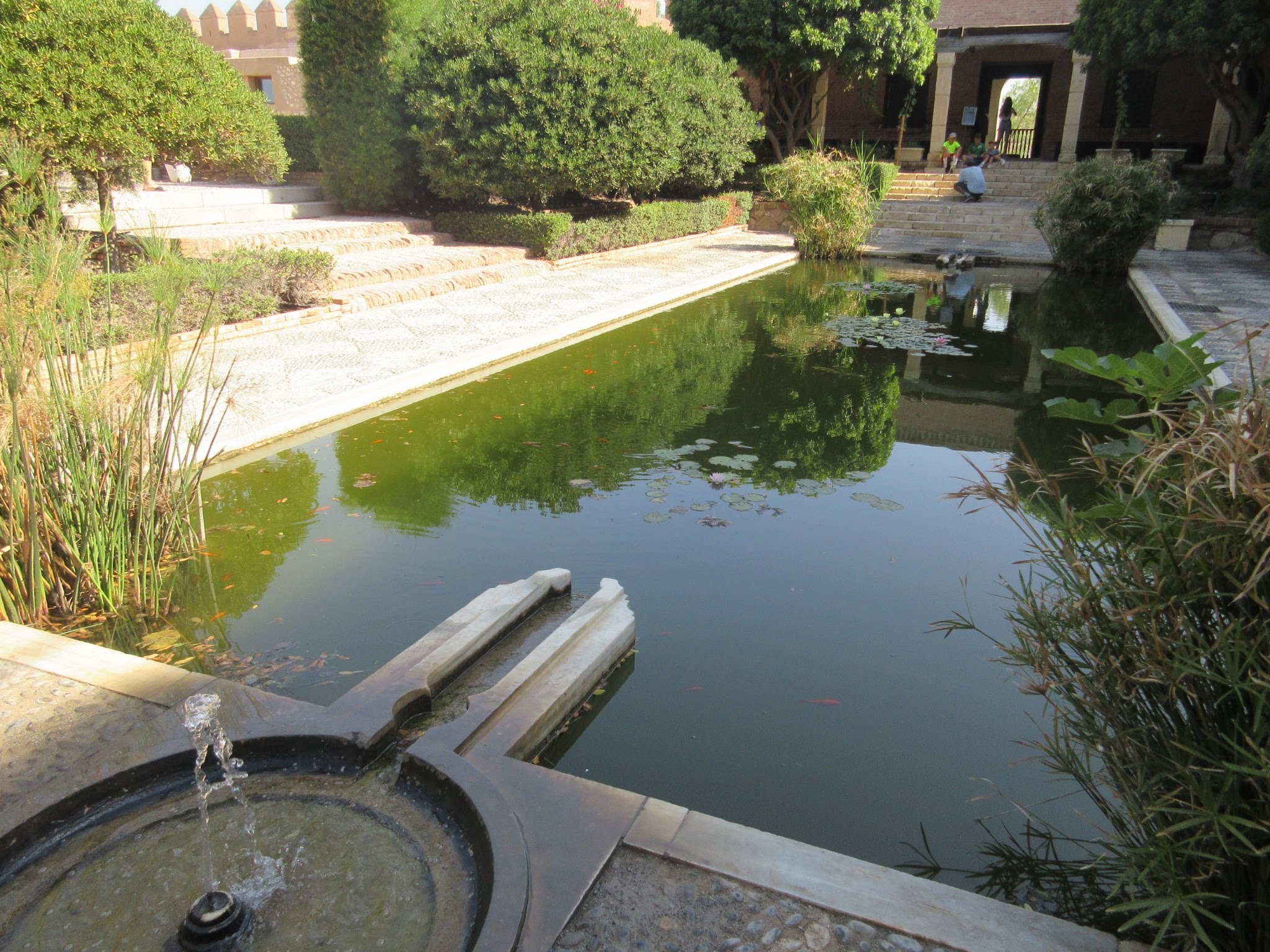
A must see monument, that we visited was the Alcazaba in Almeria, which is a Moorish fort. This would have been of extreme importance to the Muslim conquerors in the area at the time of building in 955. Whilst there are several remaining alcazabas left in the peninsular today, Almeria’s is the largest Muslim citadel in the country. When visiting you can see detail in the sculpting, simple gardens, and most interestingly the use of water flowing throughout the passages of the area. You can also rely on getting some great views from this structure, on the top of the hill.

Interesting fact… when we were visiting we felt like there was something familiar about one of the gardens. It turned out that we were right! The spot is used in one of our favourite TV series – Game of Thrones! It poses as part of the House Martell.

Spot for Game of Thrones scene at Alcazaba in Almeria

Wider Almeria

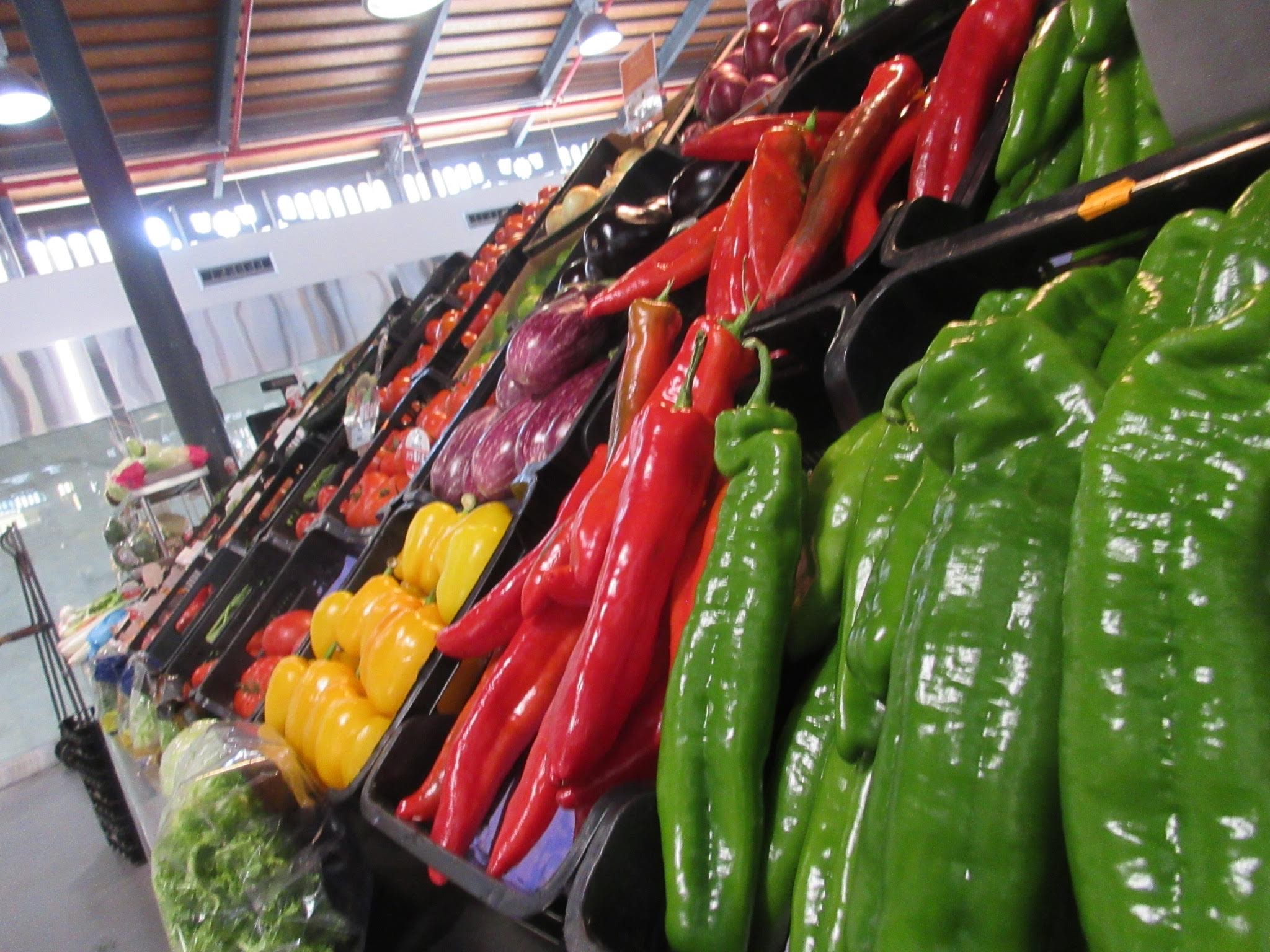
During our stay we decided to go further afield to take in some of the wider landscape of the region and took a coach tour. This region is actually the driest part of Europe, and you can really see that in the landscape, which is covered in rocks, deserts and vast spaces. Whilst travelling along the roads, you will also notice thousands of plastic structures across wide areas, these are actually greenhouses, where tomatoes, peppers and other fruit is being grown commercially. I think it does spoil some of the landscape’s beauty, but I suppose this is the way of doing agriculture in this region.

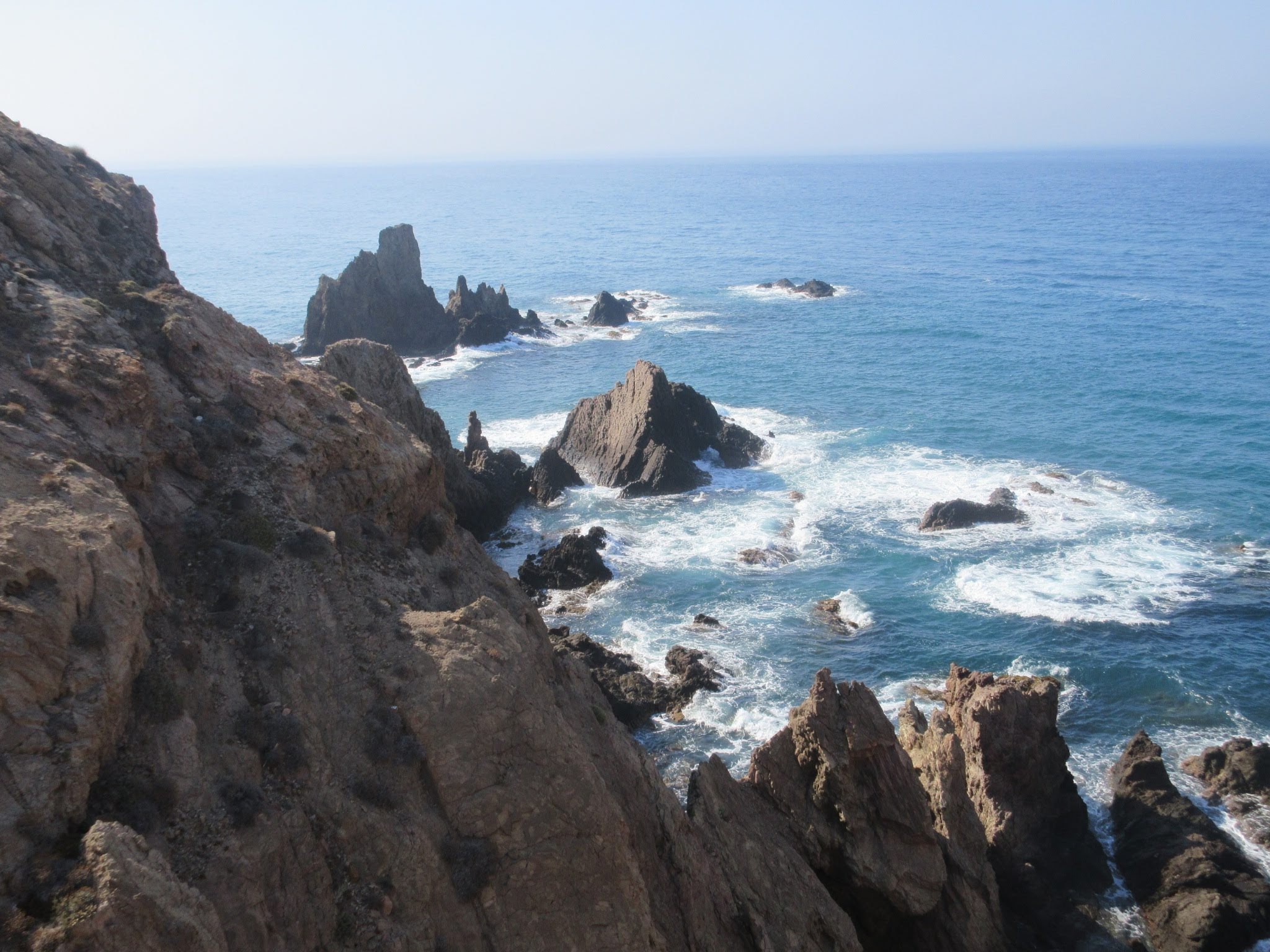
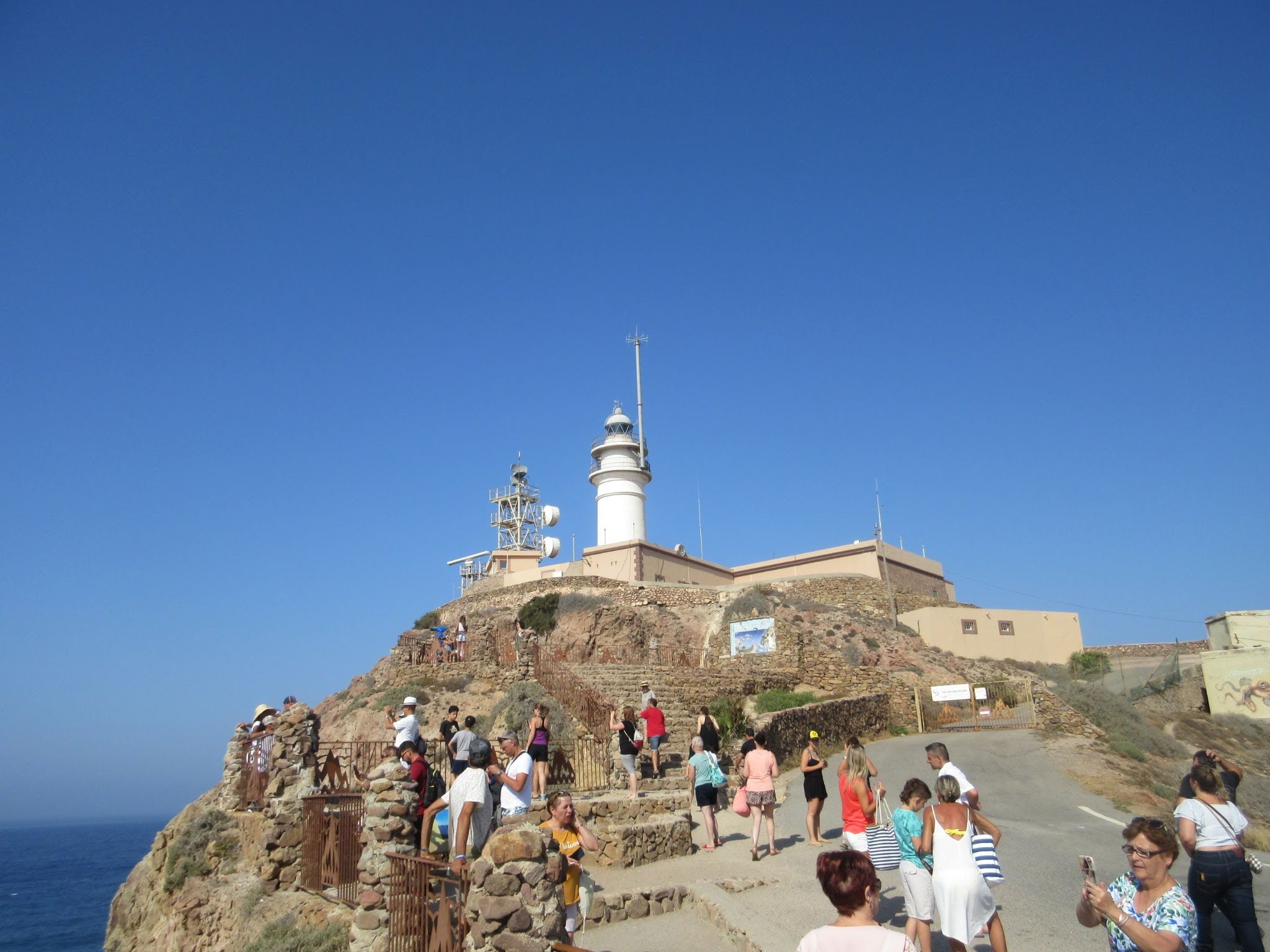
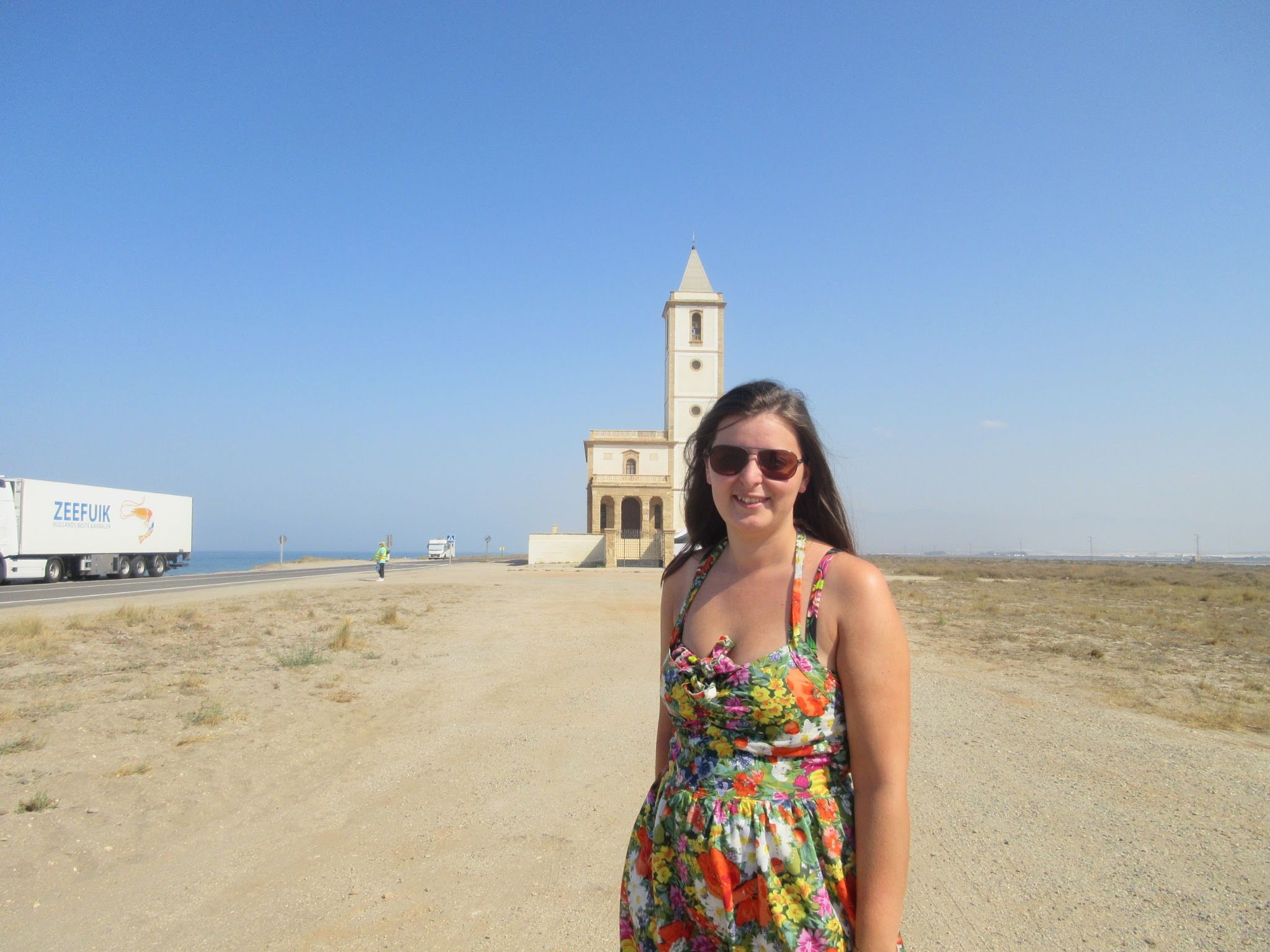
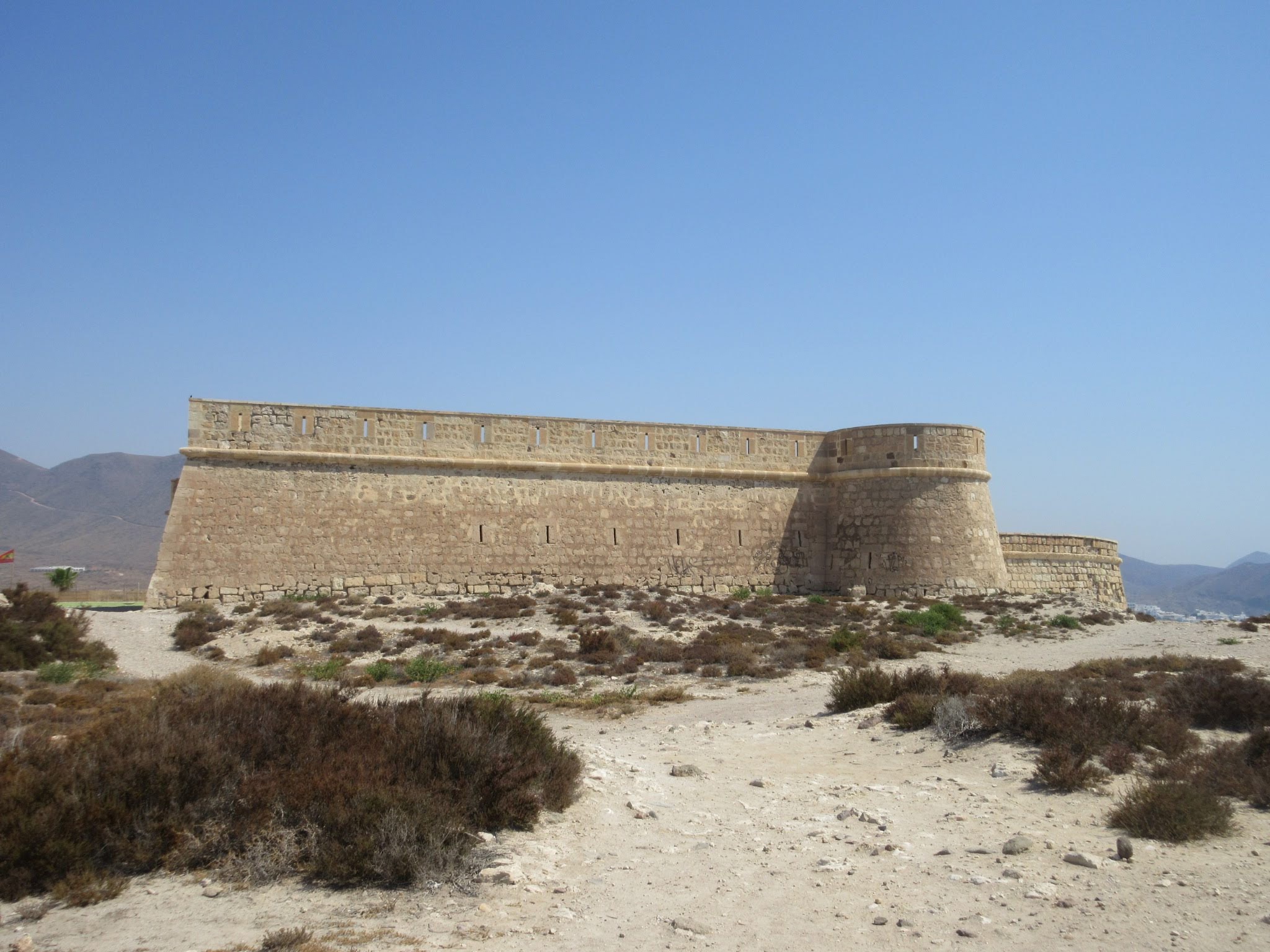
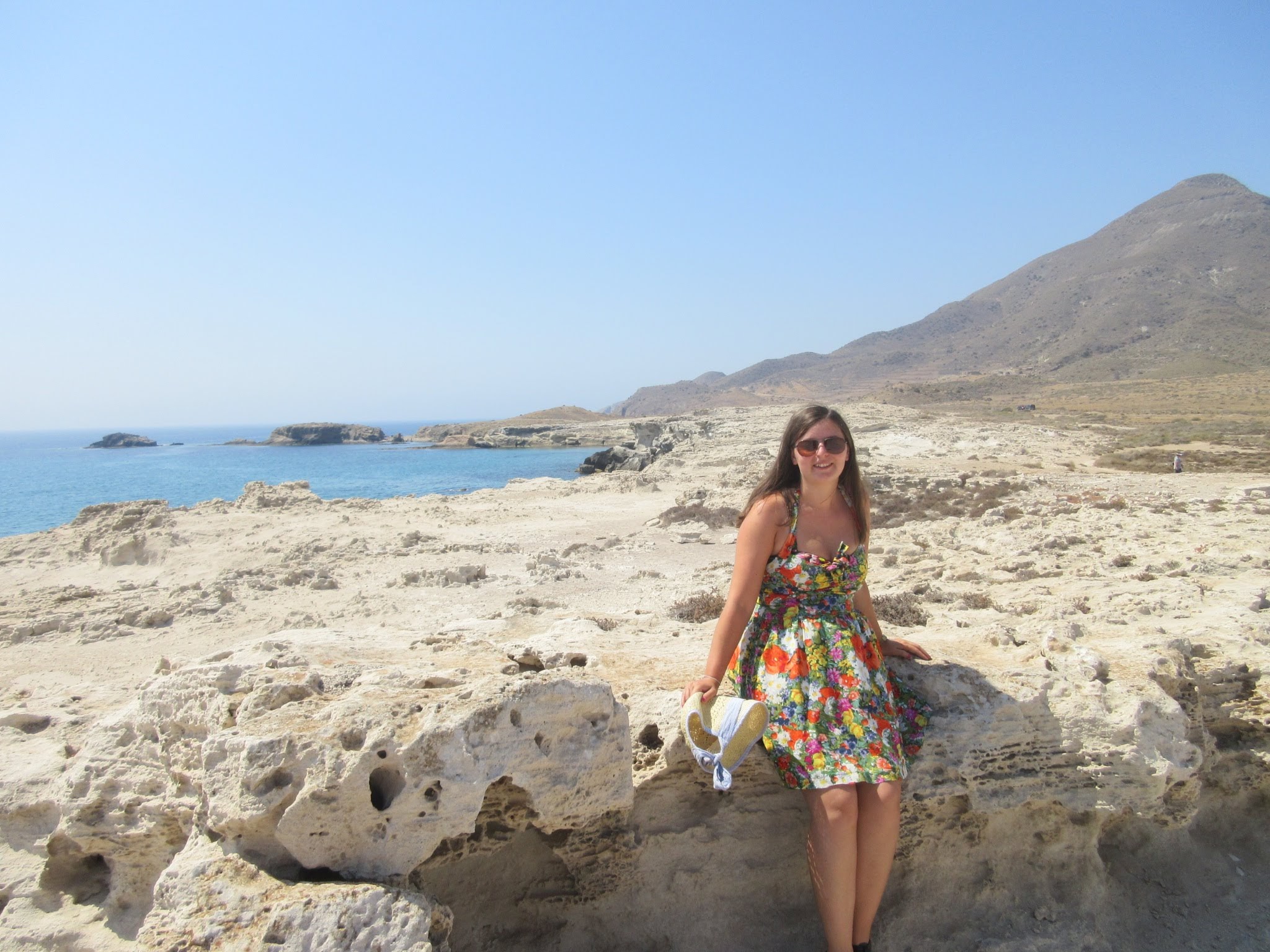
The area’s Cabo de Gata-Níjar Natural Park conserves most of the coastline and has special geological qualities linked to a volcanic setting. The park hosts remains of some historic buildings and also interesting locations such as Los Escullos. Los Escullos is a famous natural location because it is an area of fossilised sand dunes! So wierd! The area of Cabo de Gata was also used for many of the dry desert scenes within Game of Thrones and other TV & film productions.

Granada & the Alhambra

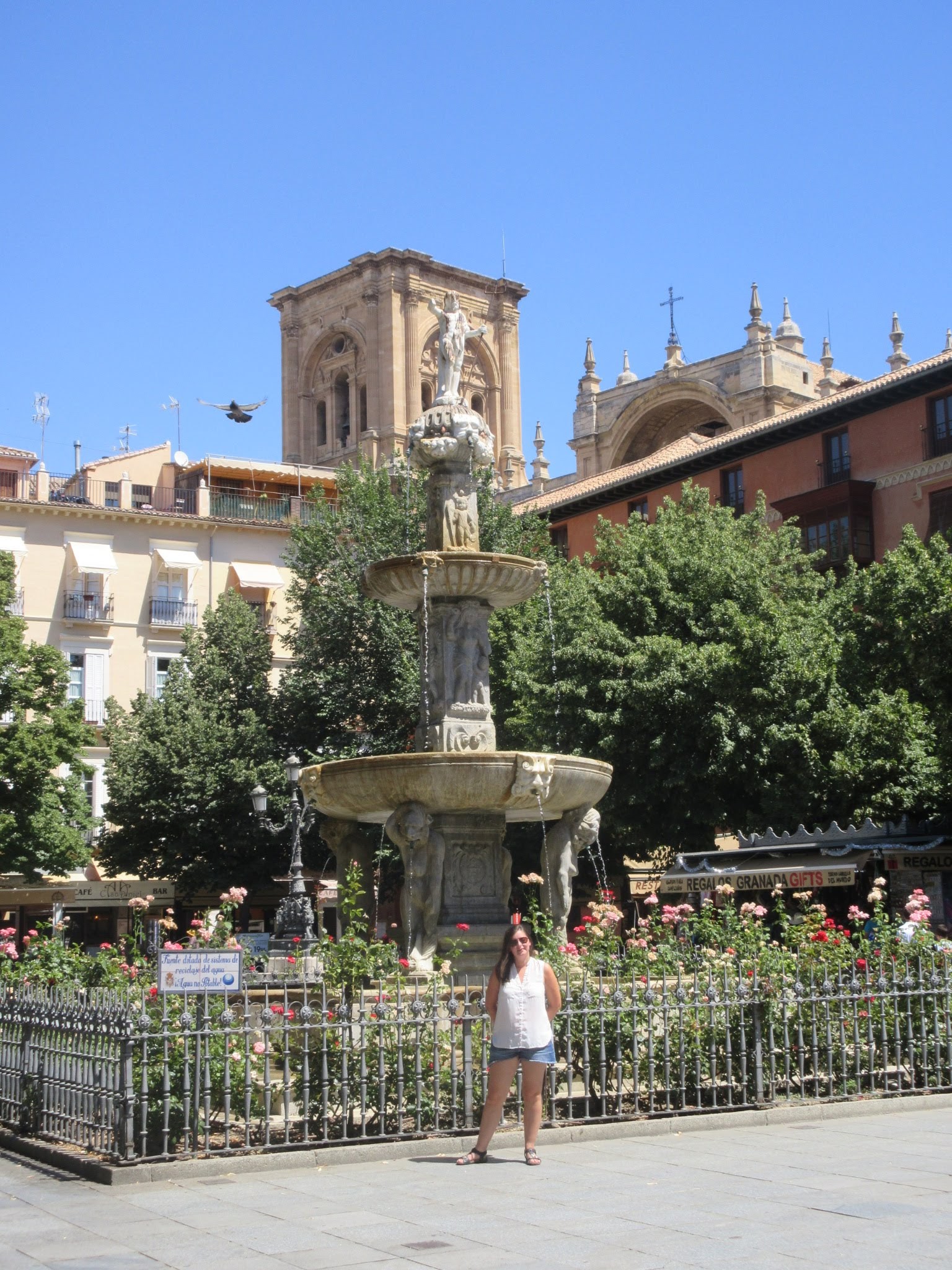
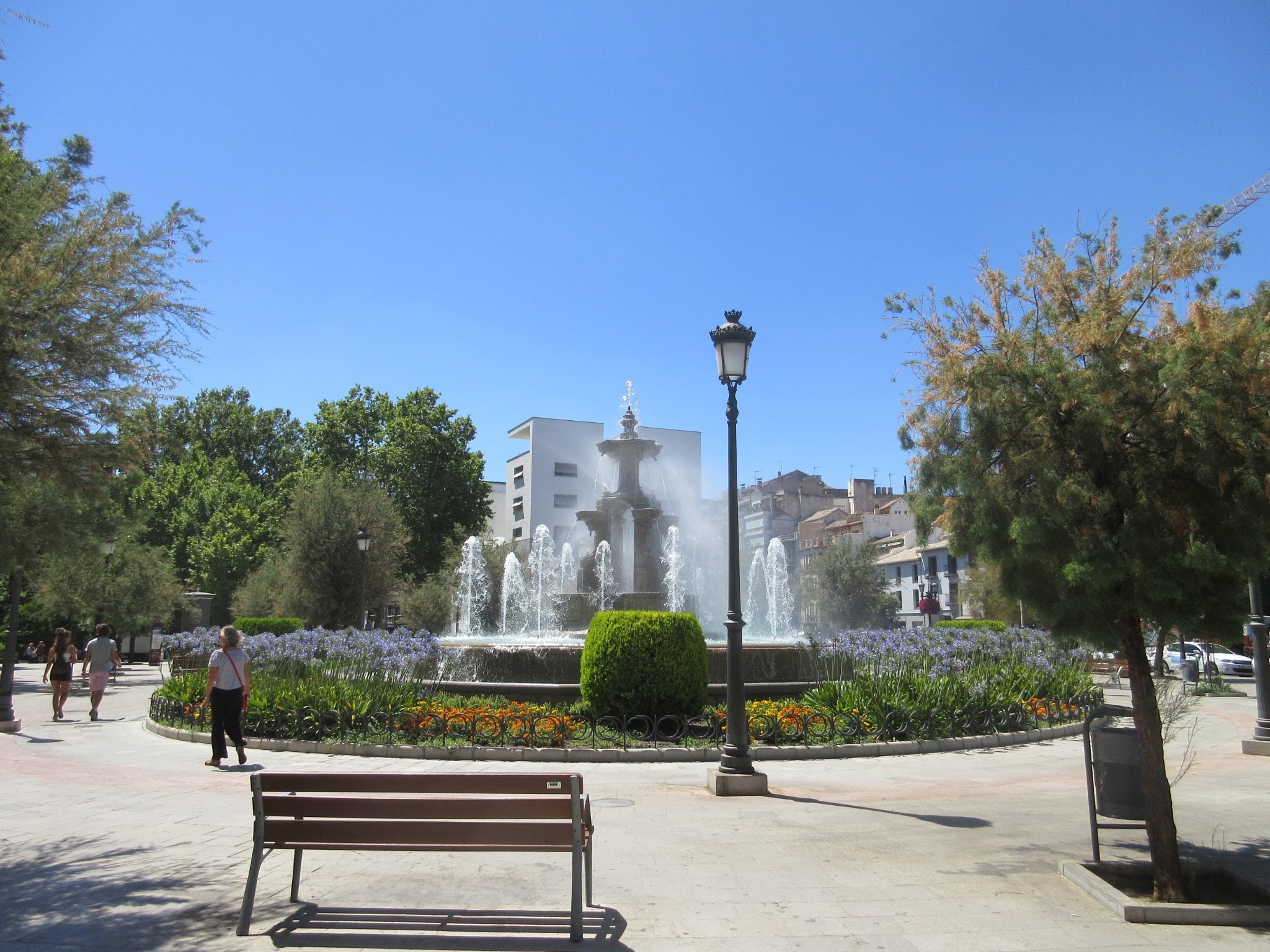
Two and a half hours from Las Marinas is the beautiful city of Granada. We decided to take a day trip here, but I will definitely be returning to explore more of the city. On travelling to Granada, the landscape changes as you climb to new altitudes and pass the Sierra Nevada mountain range. We travelled by coach as a large group and then spent the first few hours enjoying lunch in this pretty city with beautiful fountains and plazas all around.

I had desperately wanted to visit the famous Alhambra complex in Granada, but tickets need to be booked quite far in advance, and there is no ‘buy at the door’ option. I decided to try my luck, and using my skills in espanol, I managed to secure us with tickets from our tour guide. There was a catch though… the security restrictions at the complex are so strict that he could only sell me six tickets that were already in the name of other tourists that had not shown up. So we all became a group of Germans temporarily, and had to keep our fingers crossed that we wouldn’t get found out on their spot checks on IDs. We got away with it, and it was so worth it!

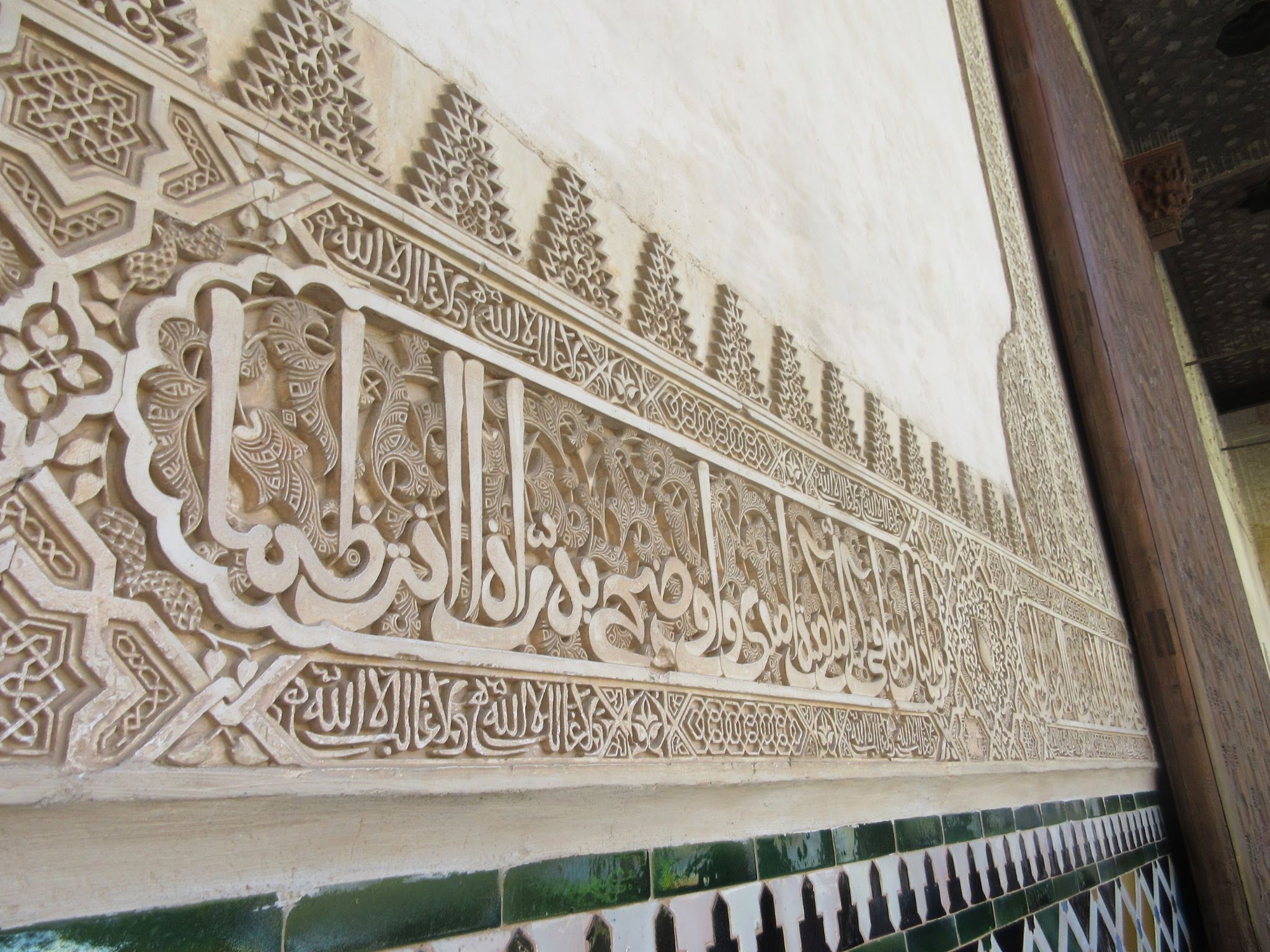
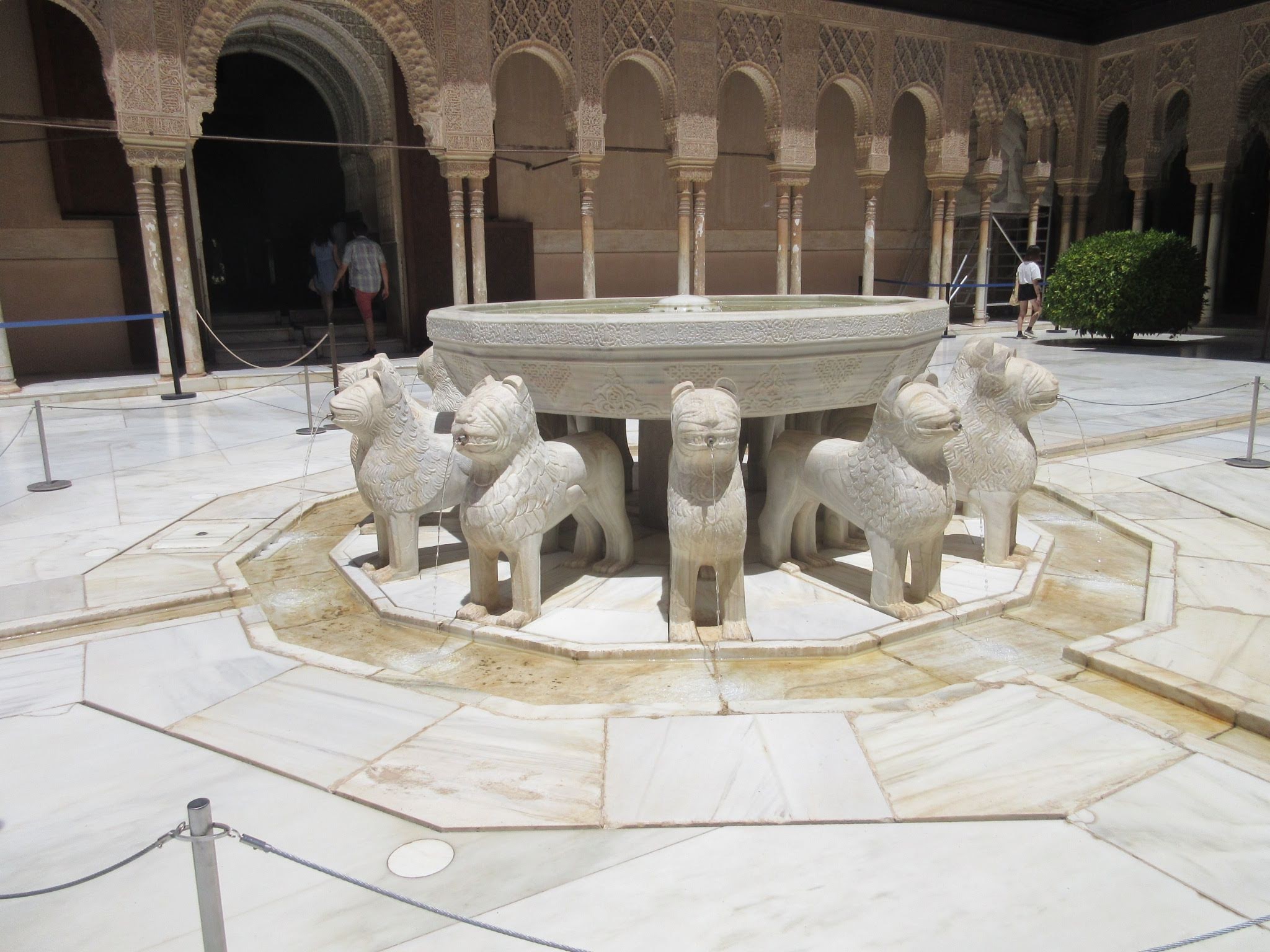
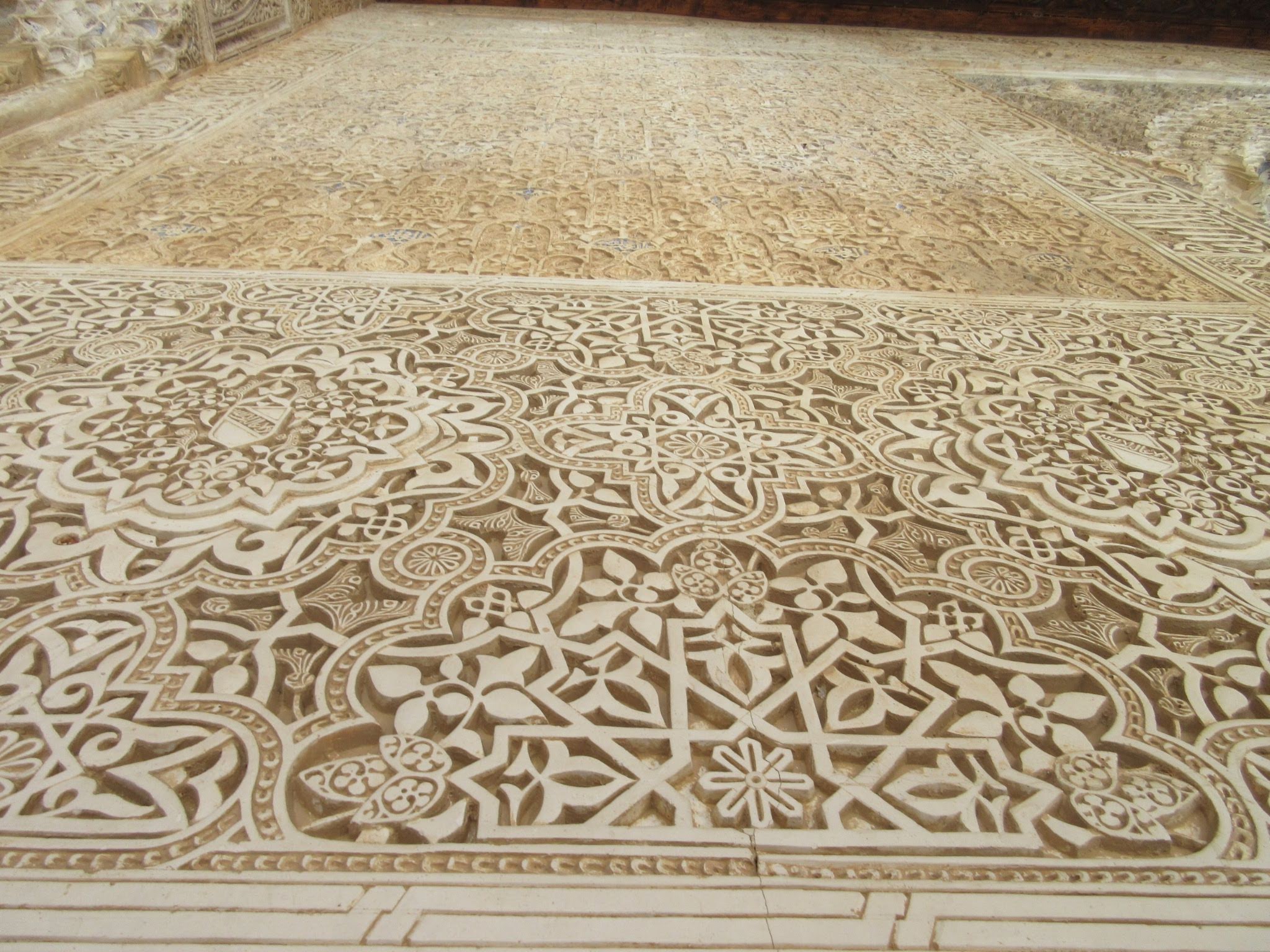
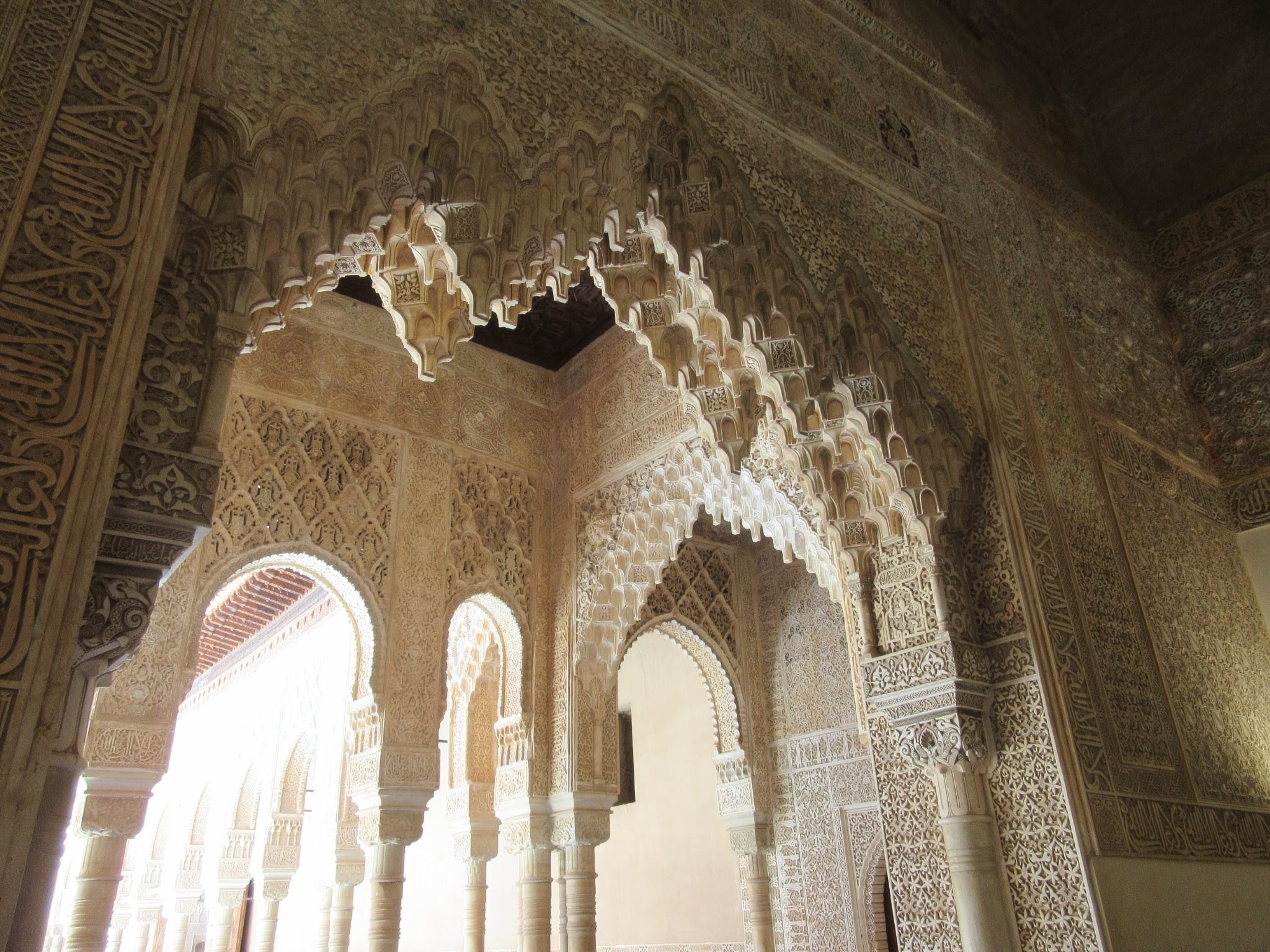
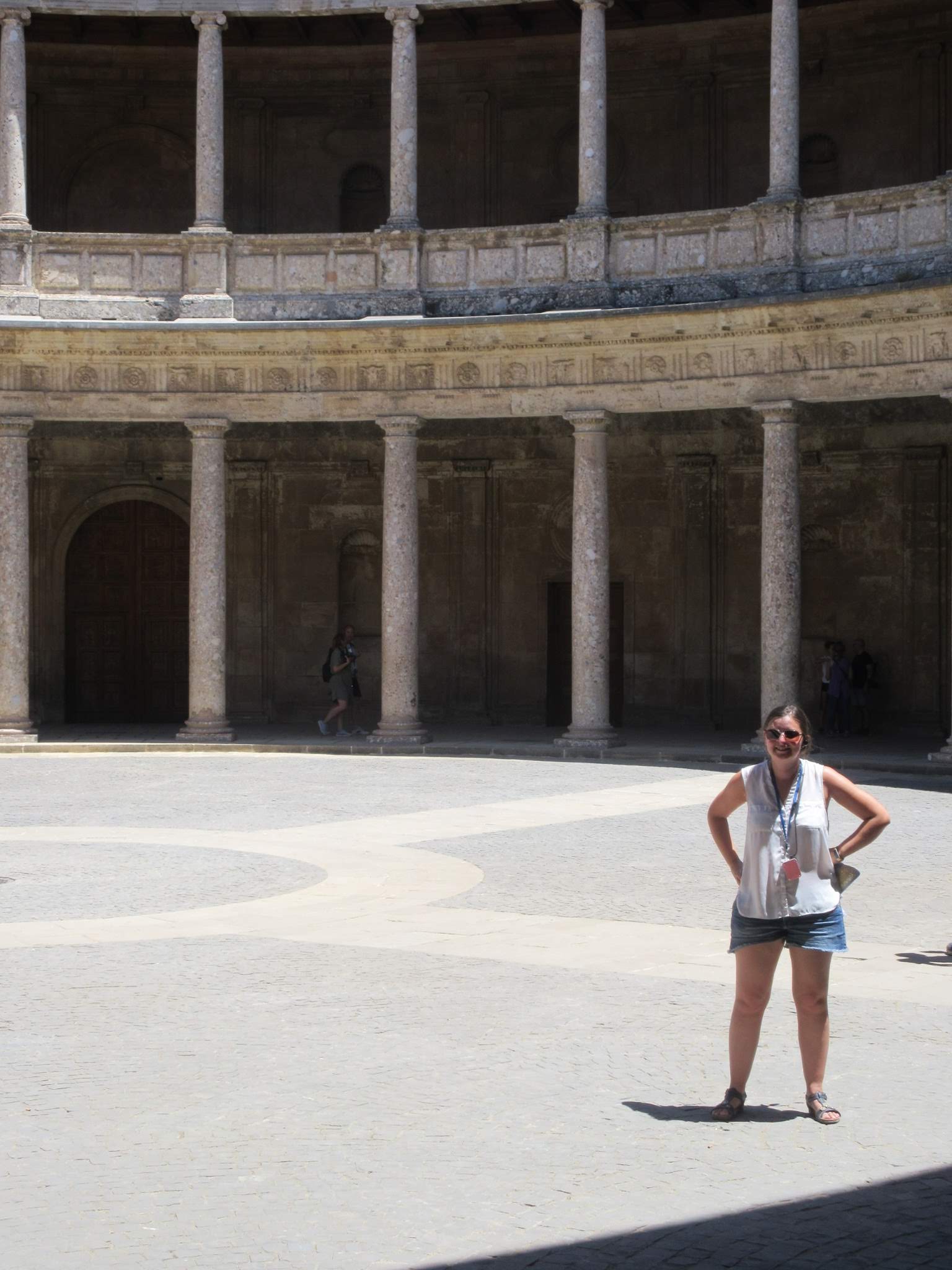
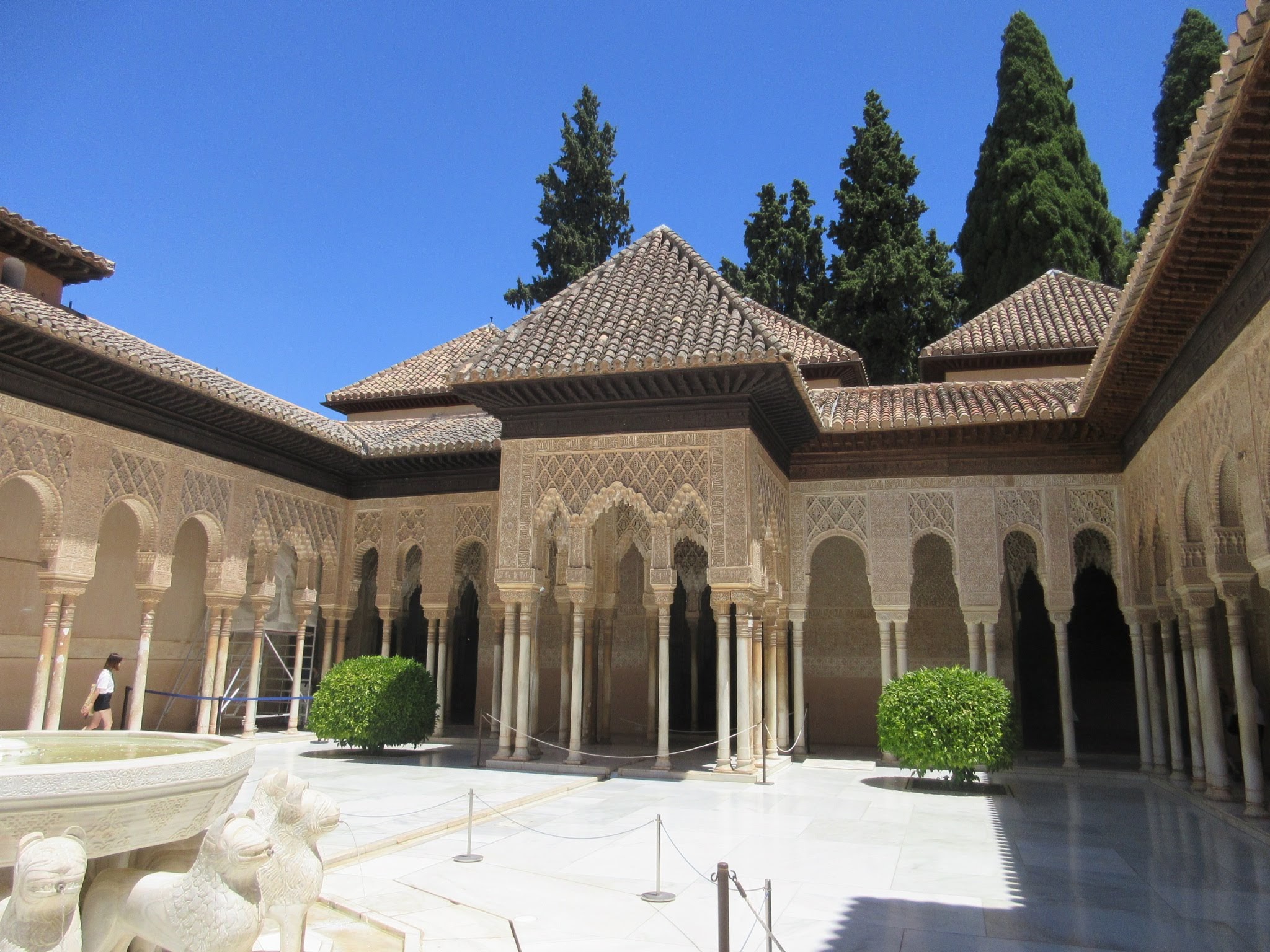
The Alhambra is another alcazaba and also a palace complex, and is extremely well preserved. It was the final stronghold of the Moorish rule in Spain, before Catholics reconquered the country. The Muslim designs are created to provide tranquillity and contemplation, and also happen to be amazing works of art! When looking at some of the ceilings, you would be forgiven for thinking that your eyes had gone funny, because of the impressive 3D sculpting. Using faces goes against the Muslim tradition, and so many walls have beautiful Arabic passages carved into them, with examples including:
“And the peninsula was conquered with the sword” and “There is no victor but God.”

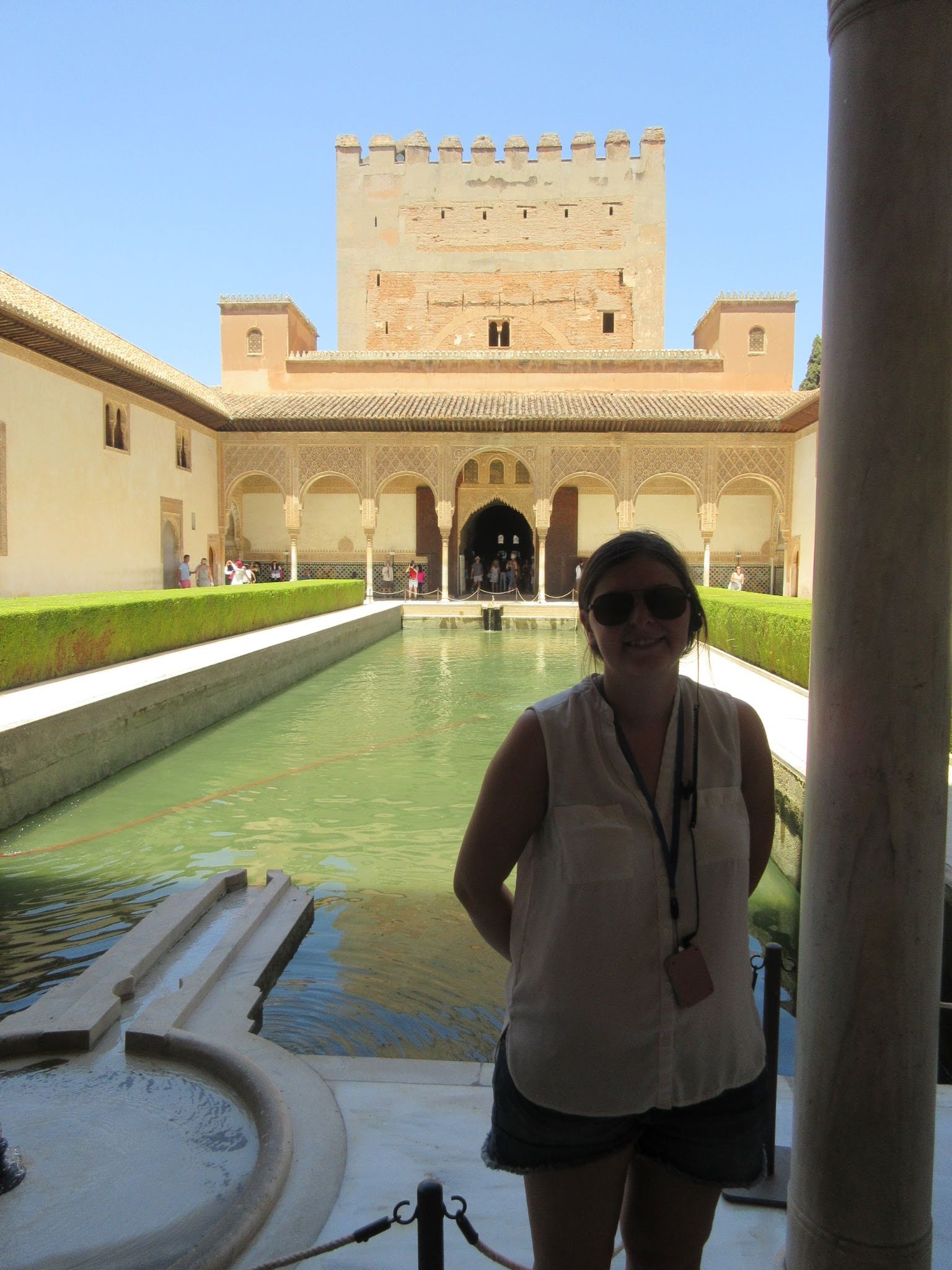
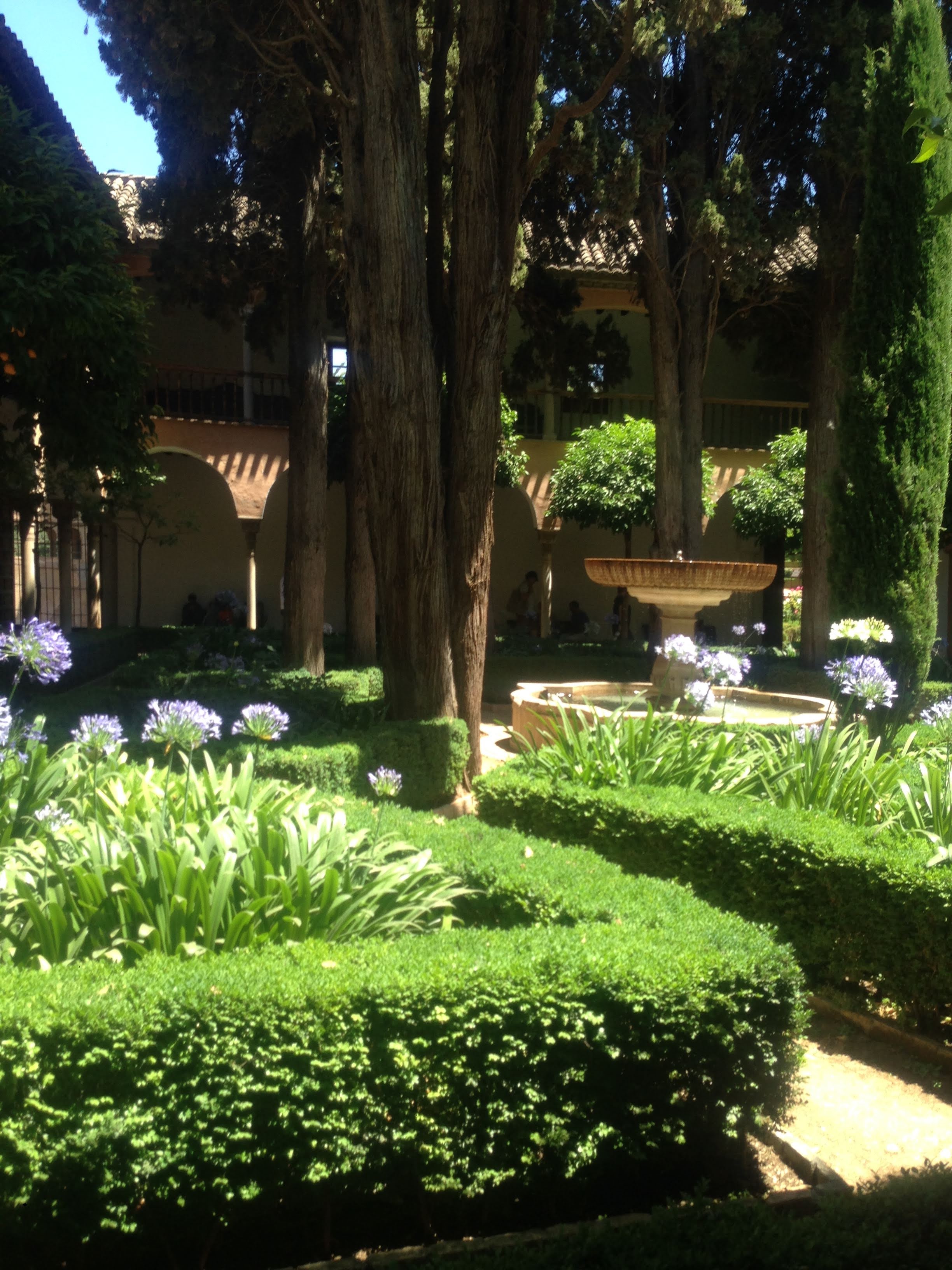
There is also of course some amazing fountains, pools and rose gardens, which will make you feel like you are in a little piece of heaven. We were told in the tour that the layout and movement of the sun was carefully considered in the design of these gardens by the Sultan and for the benefit of his wives and court, to carefully consider water, light and shade. Apparently, the sultan’s wives would have separate areas to enjoy away from the gentleman’s sections of the palace. It seems that the use of water features has an especially important part to play in Moorish architecture, and this may be because it was so precious to them, in such a dry part of the world.

The complex is huge, and there is quite a lot of walking involved. It is also important to make sure you are well hydrated beforehand. They are extremely strict and so do not allow visitors to drink within the buildings section of the tour (which is the first part). We were boiling and I was forced to dunk my head under a water fountain as soon as we moved into the gardens.

This is an amazing place to visit and I will definitely return. I love the culture, language and architecture of this region, and I am already planning a road trip around wider Andalusia, for when the world opens up again! In the meantime, “hasta luego”!

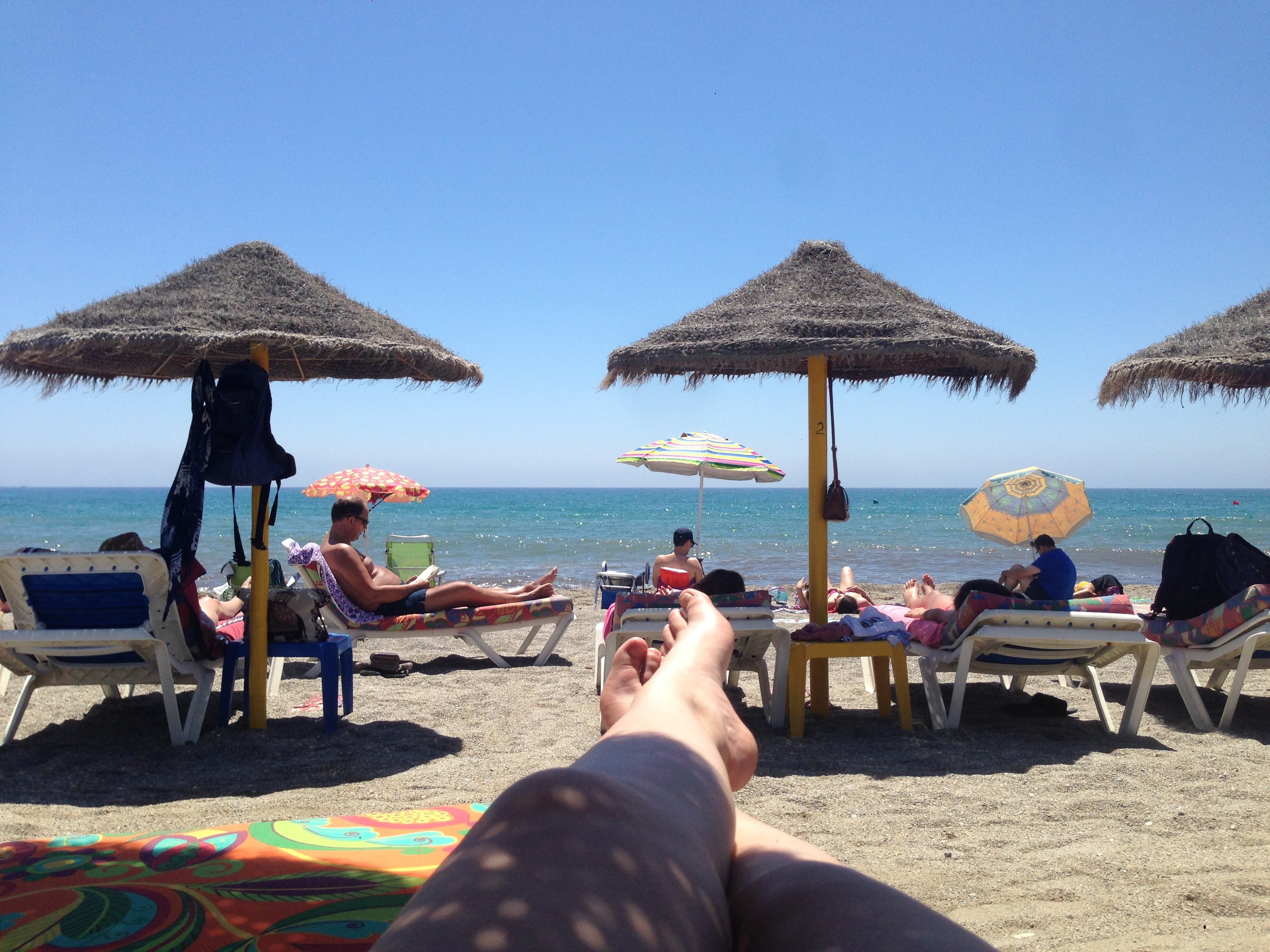
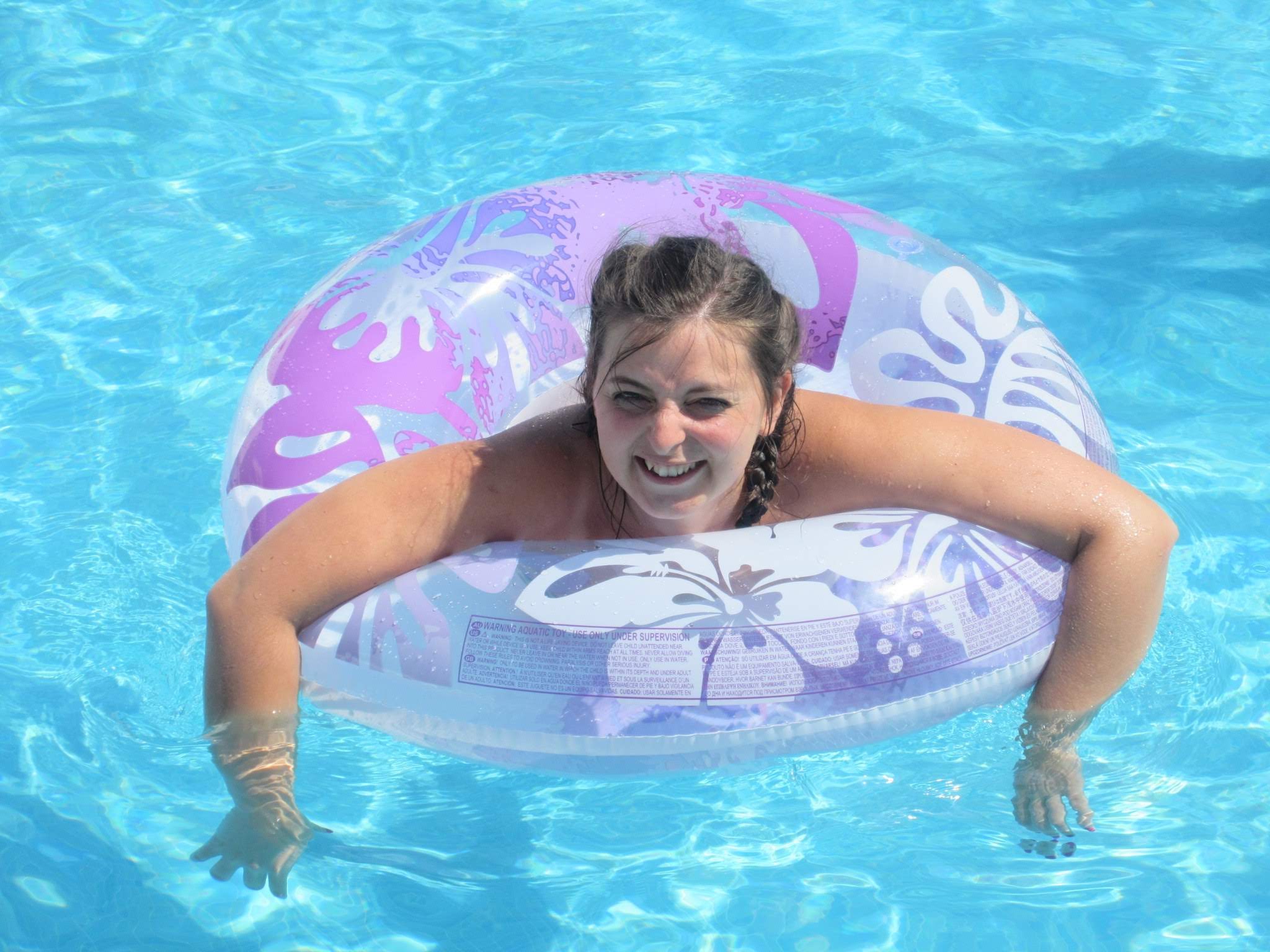
Me in the pool 🙂