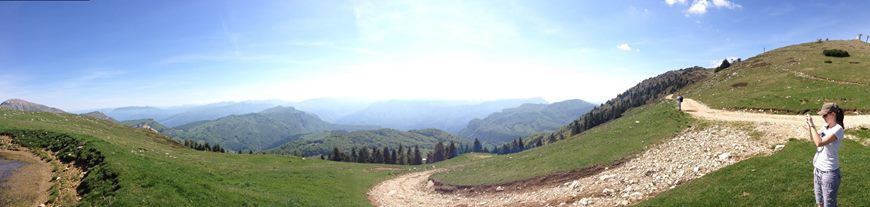
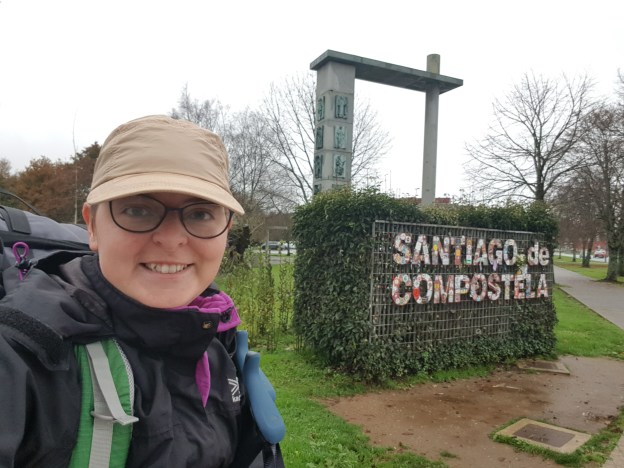
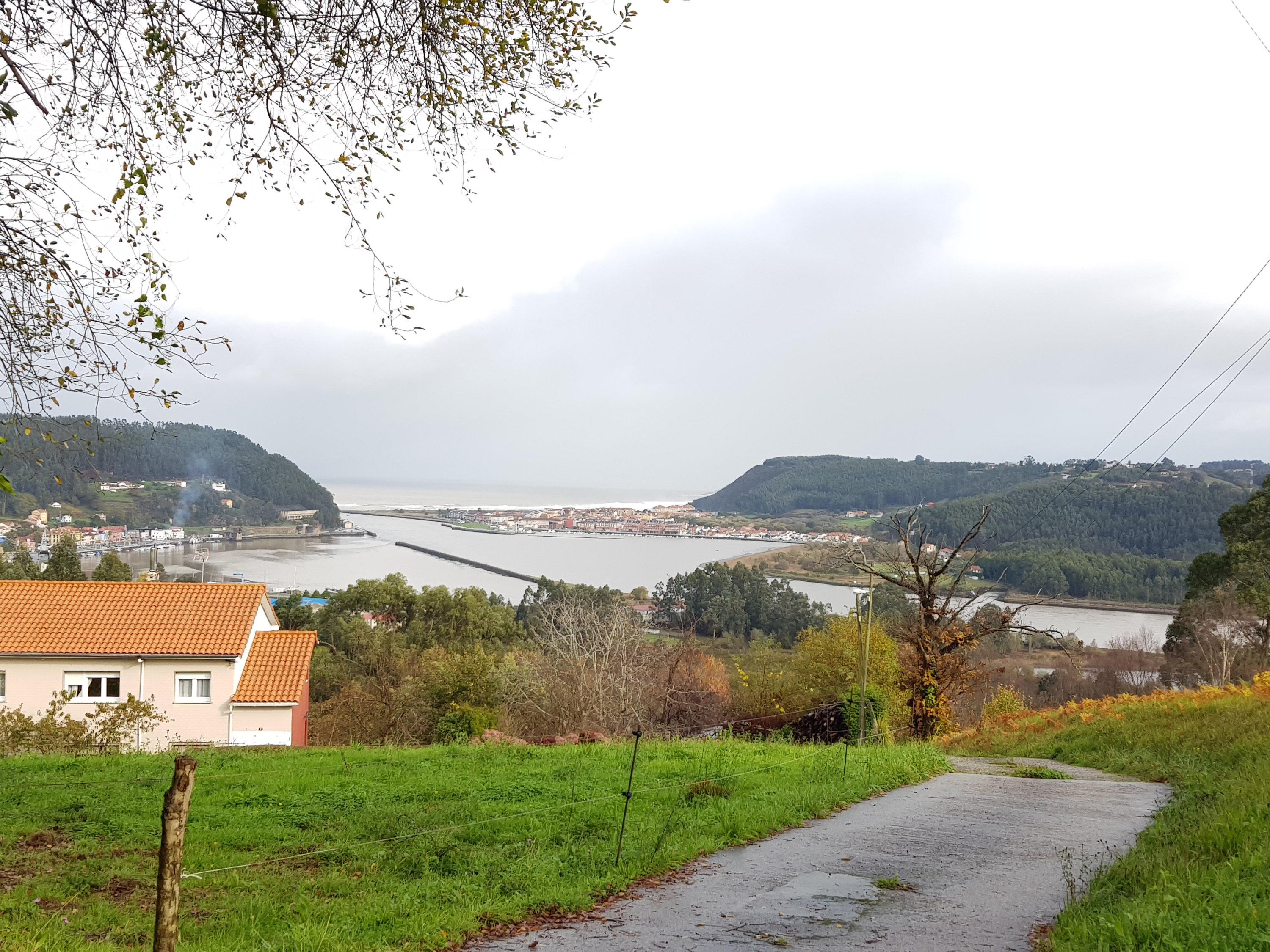
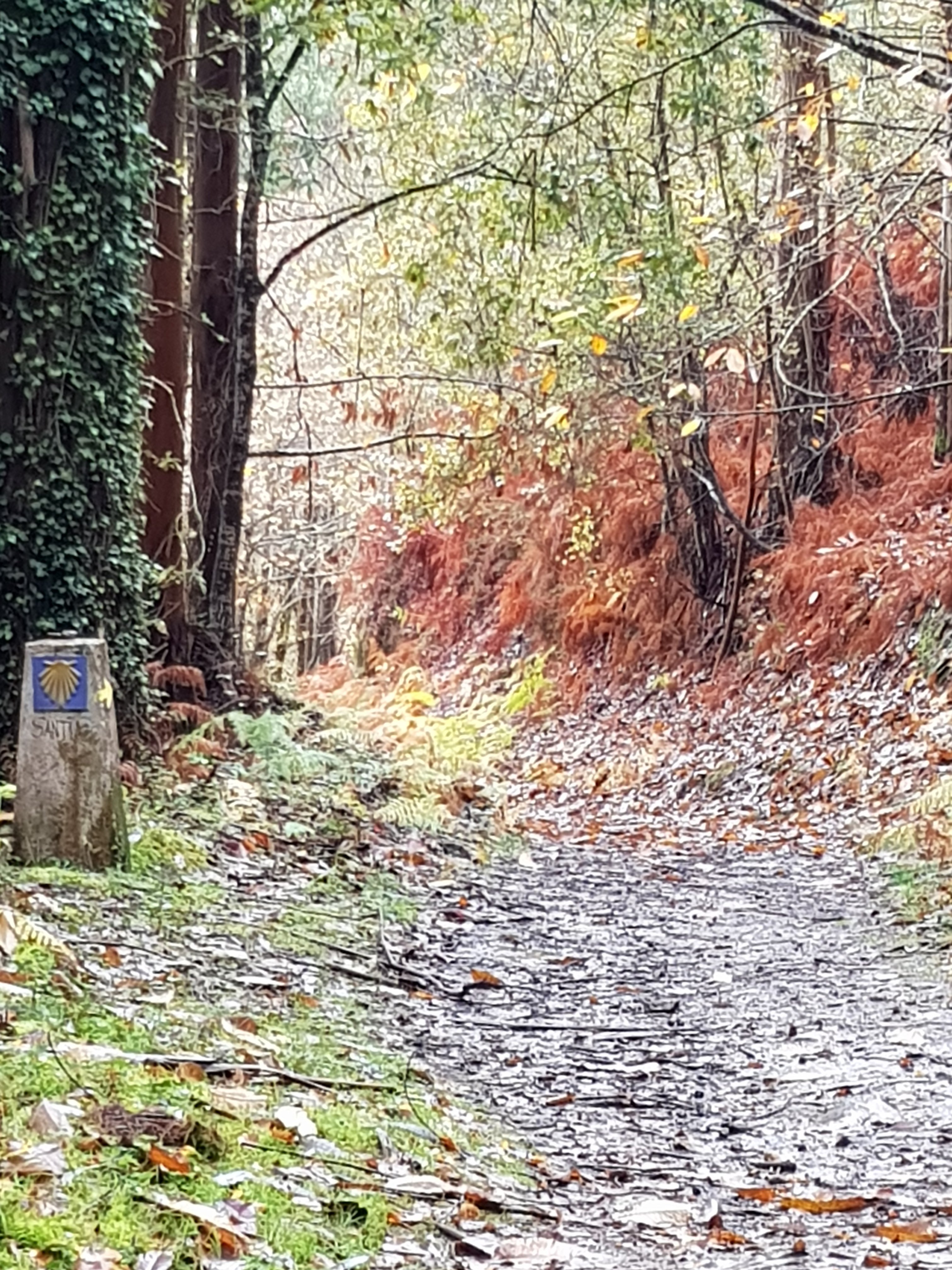
After two months walking Camino del Norte through all sorts of weather and terrain, these are my top tips.
1. Walking poles
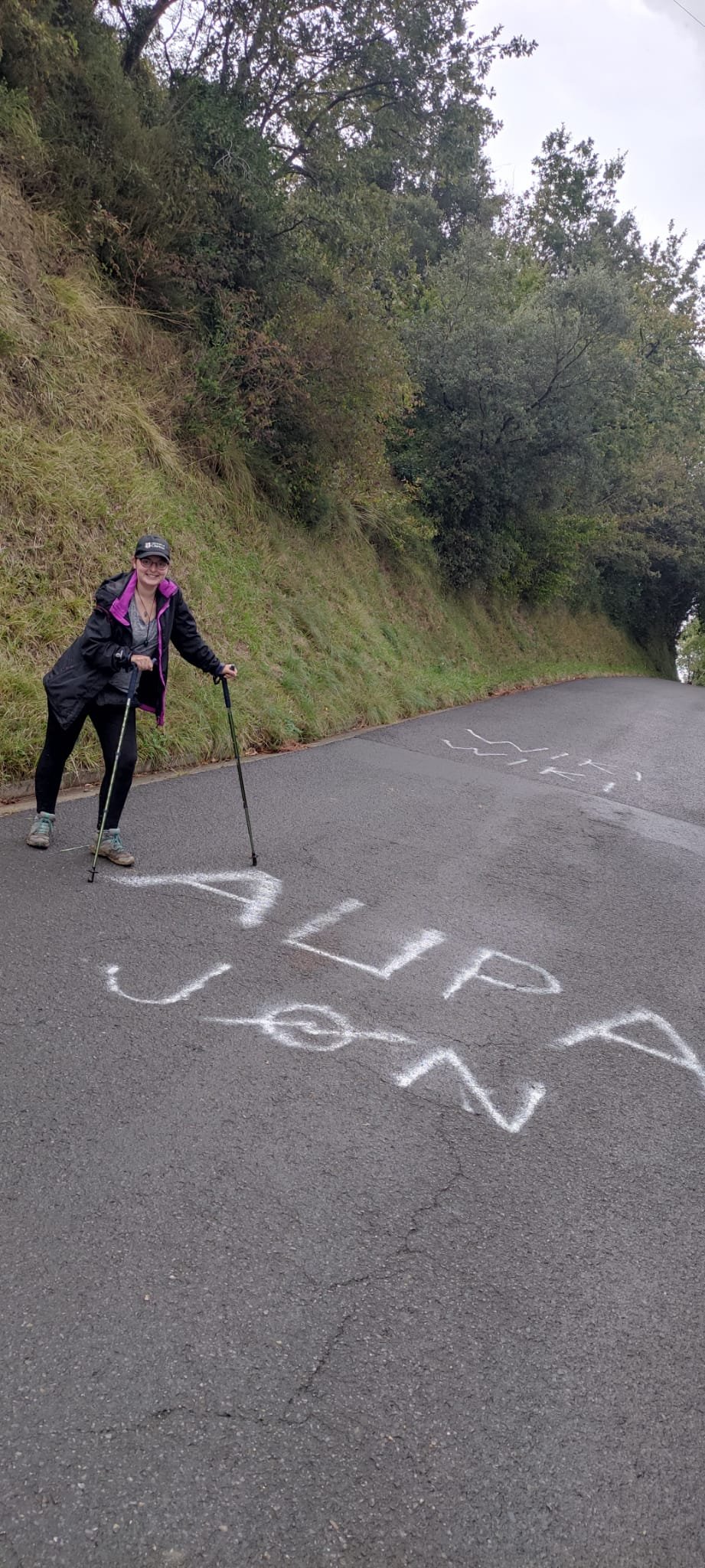
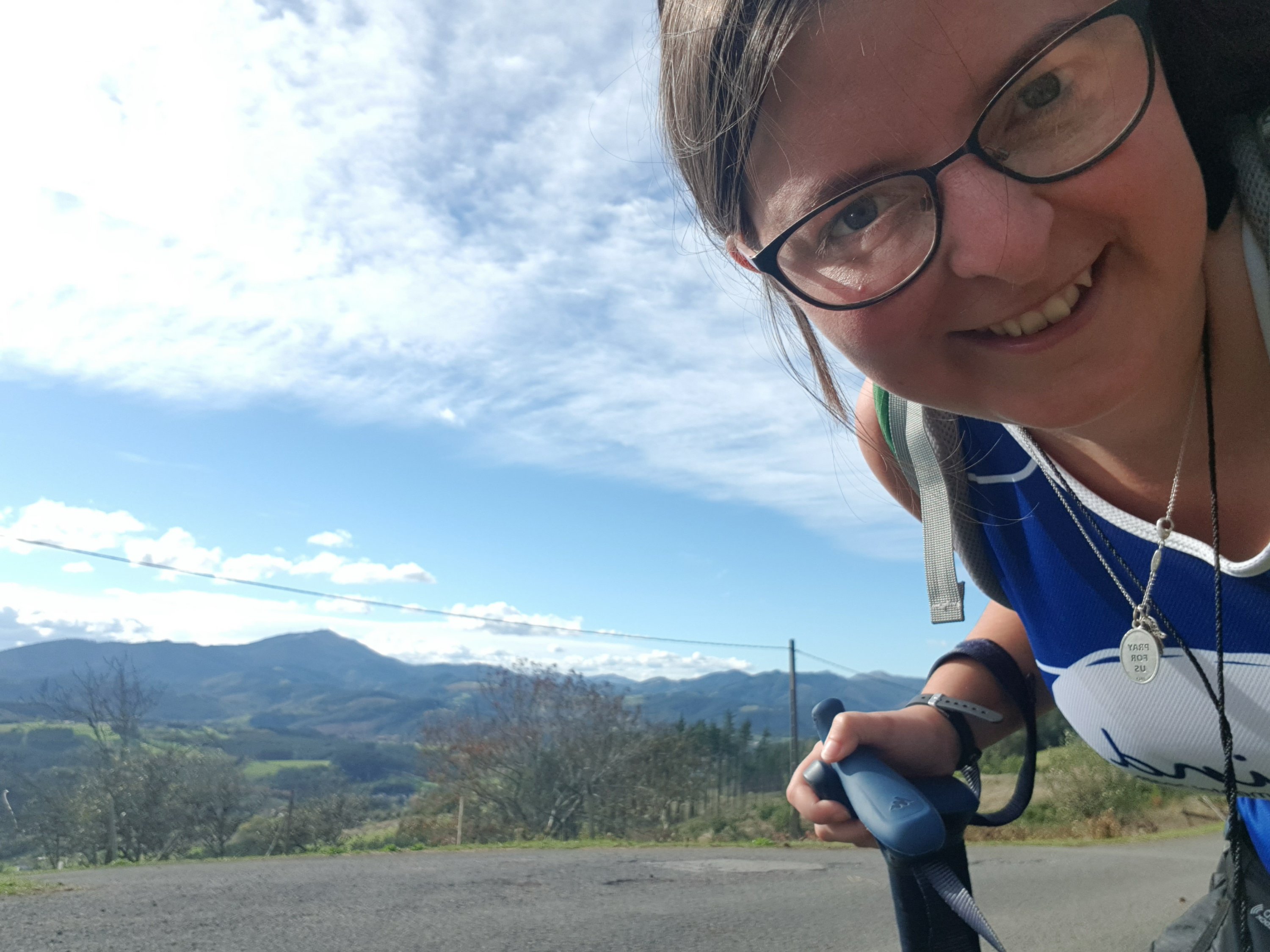
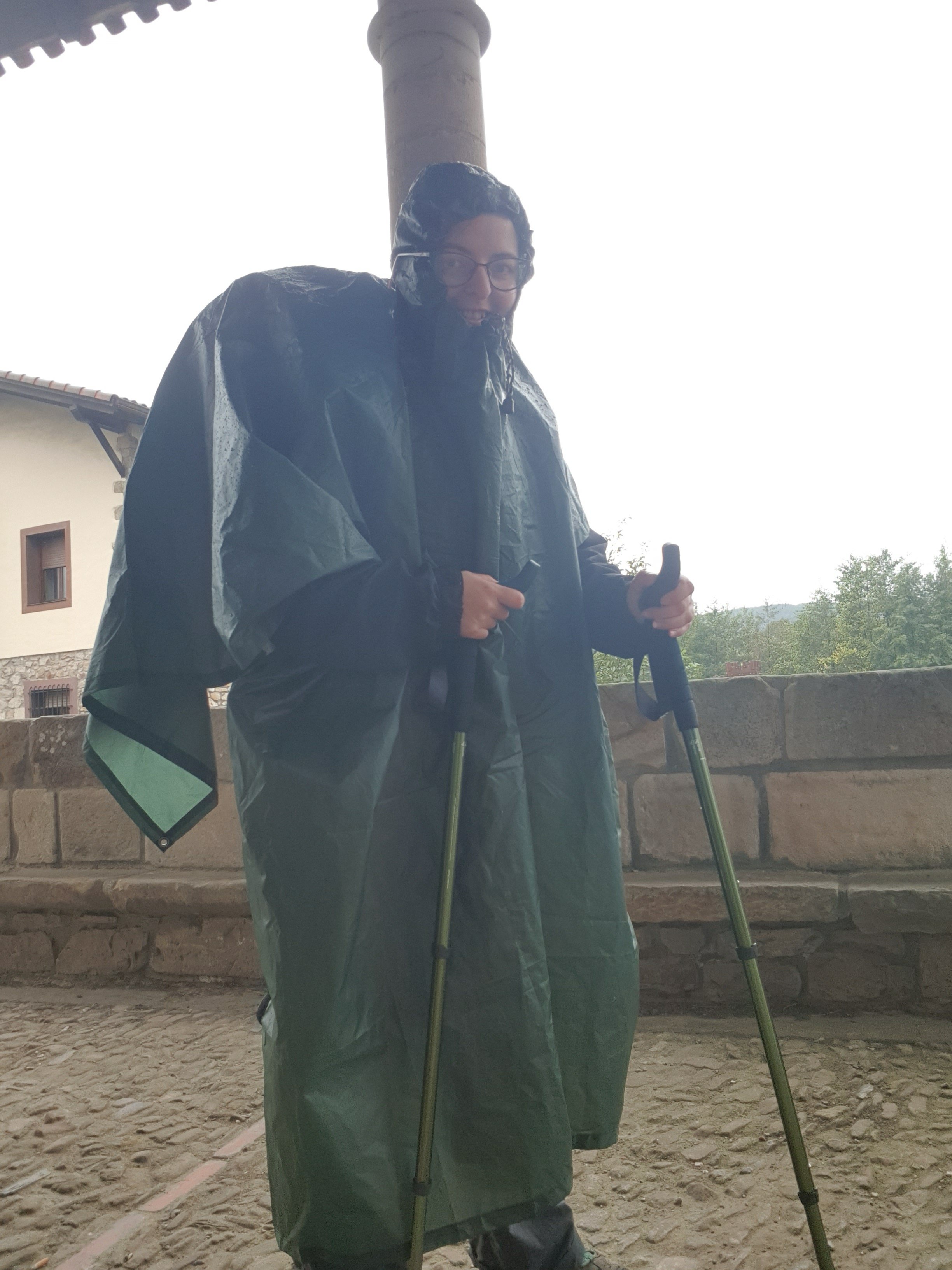
Lots of people walk without trekking poles, and it is a personal preference. For me, after so many consistent days of walking, I don’t think I could have finished without them. They take the pressure off your legs, offer you something to lean on when there is no dry seat, allow you to test the depth of mud, catch you when you fall, and make good weapons if you need them!
2. Getting used to bread and ham
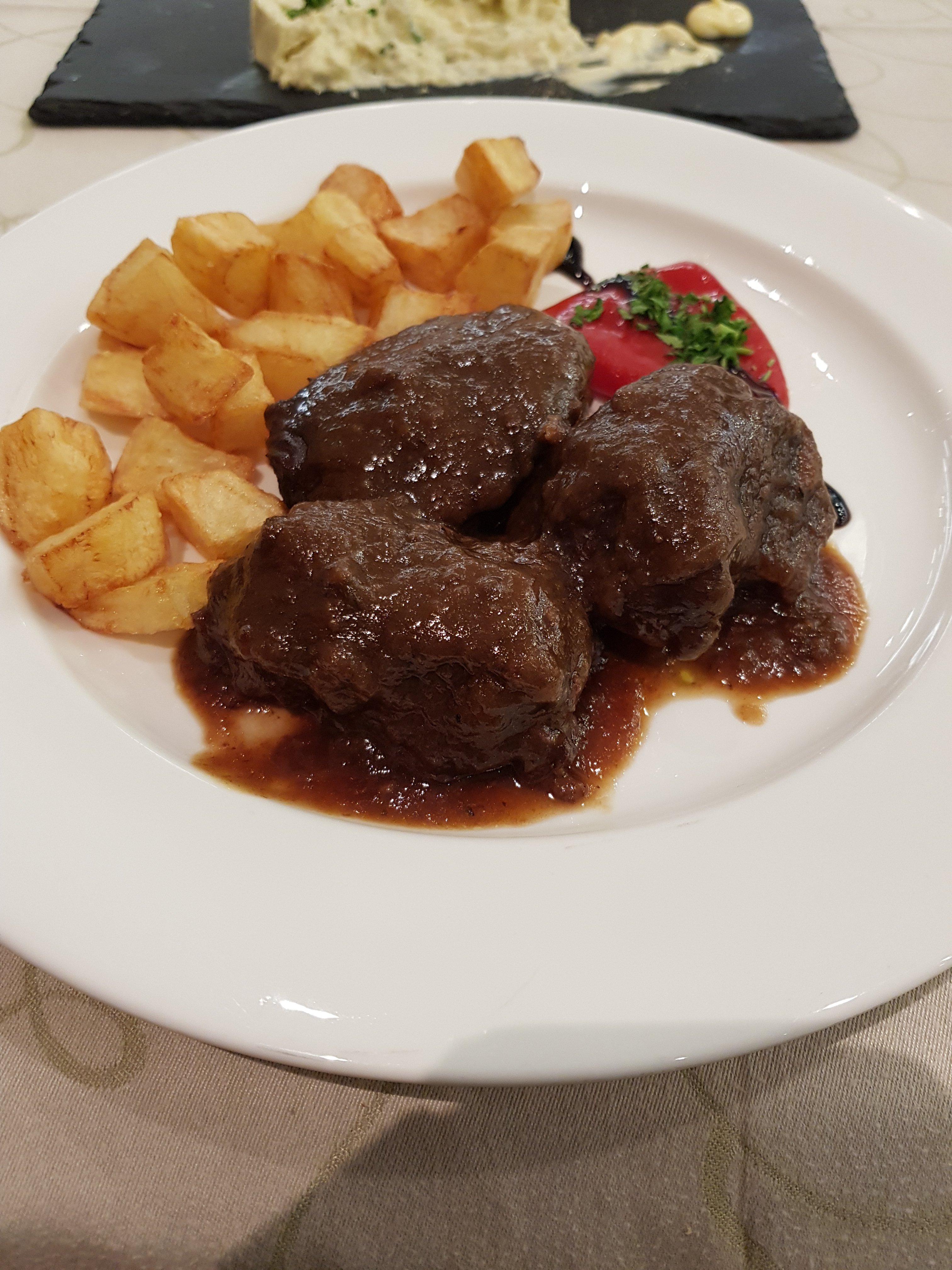
Always keep a little bread and some snacks in your backpack. There are many stretches without services, and the walking schedule does not match the spanish eating schedule. Supermarkets close on Sundays and many restaurants are shut on mondays. Restaurants will not serve meals until their meal times (3pm and 8pm). The only thing you will get is a ham sandwich. Get ready to get sick of ham real fast!
3. Energy drink powder
I never used to use energy drinks or add anything to my water before the camino. I decided to buy some on the way and start using some strawberry flavoured powder. I ended up really being able to tell the difference between days I had it, and when I didn’t. It also helps to supplement the lack of access to meals as I mentioned above.
4. Sending your backpack on
Correos, Spain’s postal service, offer a backpack transport service for pilgrims. This runs all year on the french way but only up to the end of October on other routes. I used it for my first three days and final two days. If you can do it, I would recommend doing it for the beginning at least, so you can gradually get used to the trek. Especially, if doing the North route, with lots of mountain climbing at the start! The service is really good, and cheap!
5. Download the Buen Camino app
I used the Buen Camino app every few hours. It was really a great tool. The app has an up to date map, with the official route and alternative paths and shortcuts. Also, up to date information about issues on the route, attractions and accommodation. I cannot recommend it enough.
6. Bring a portable charger
My phone is a little on the old side, but regardless, bringing a portable charger is a really good idea. You are likely to be without a plug outlet for up to 10 hours at a time on some days, whilst draining your phone with music, photos and apps. This helped me out a bunch of times.
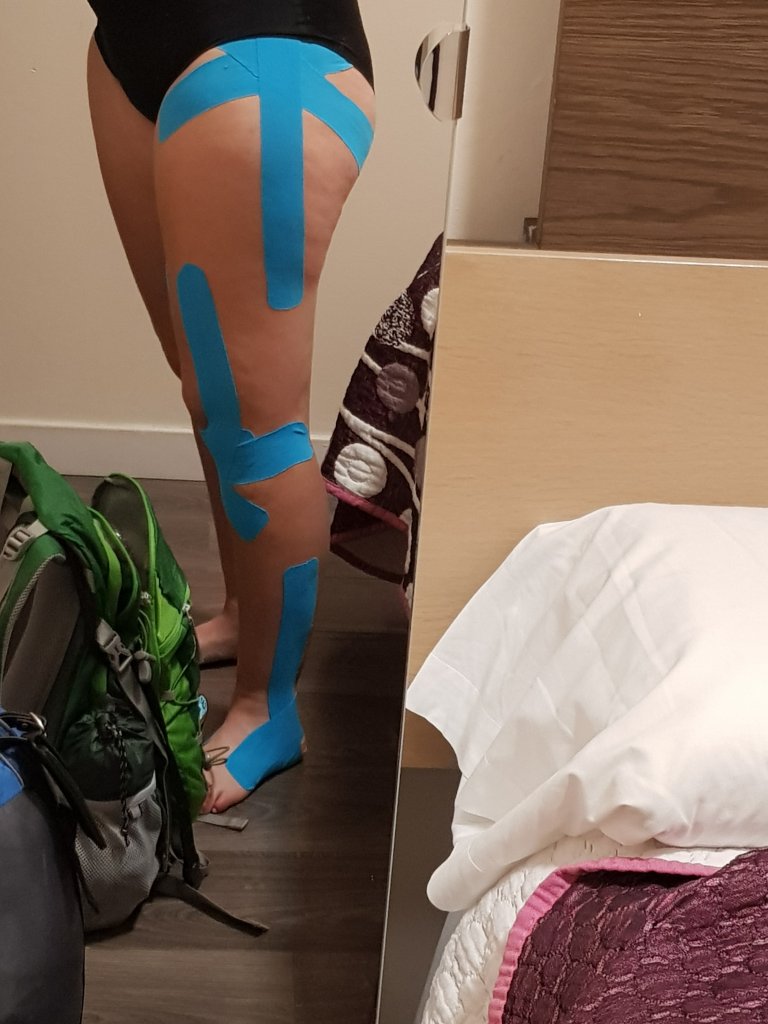
7. K-Tape
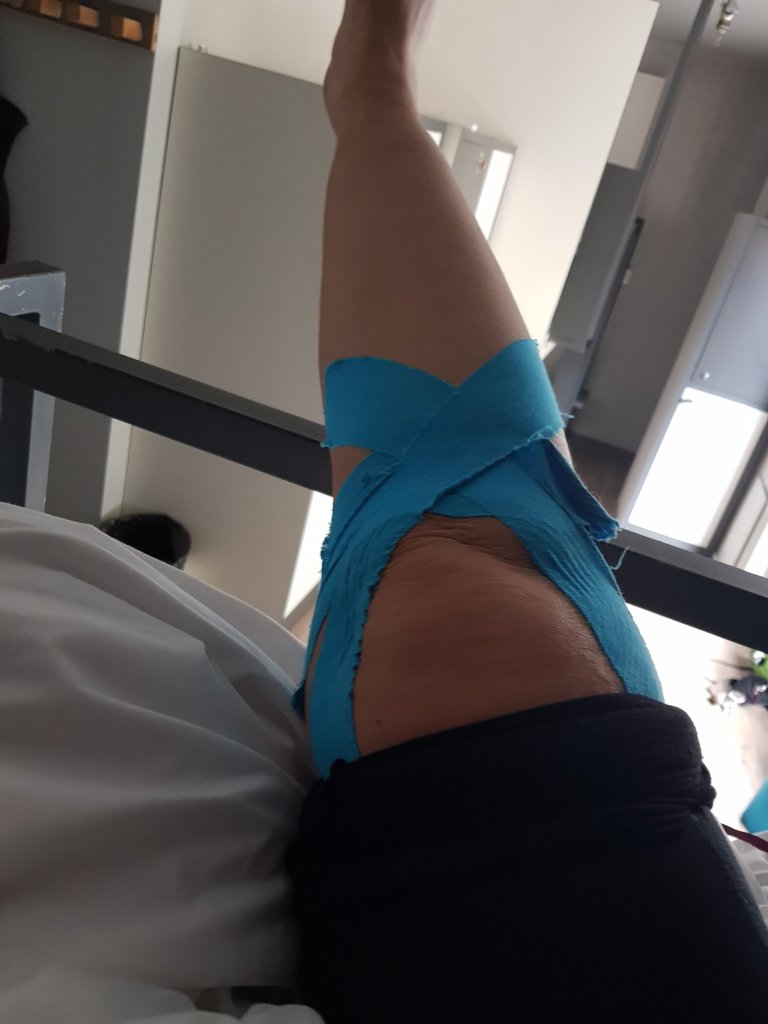
I used K-tape on my sore muscles for the first few weeks. It really helped me to feel better, and prevent hiker’s knee. There are plenty of YouTube videos on how to apply it.
8. Paper tourist map
When in a city or large town for more than a day, it can be a good idea to get a paper map from the tourist office. This is a prevention method like the portable charger. When all your devices fail you after a long day out sightseeing, you will still be able to find your way back to your bed. Plus they are fun!
9. Plastic bags and newspaper
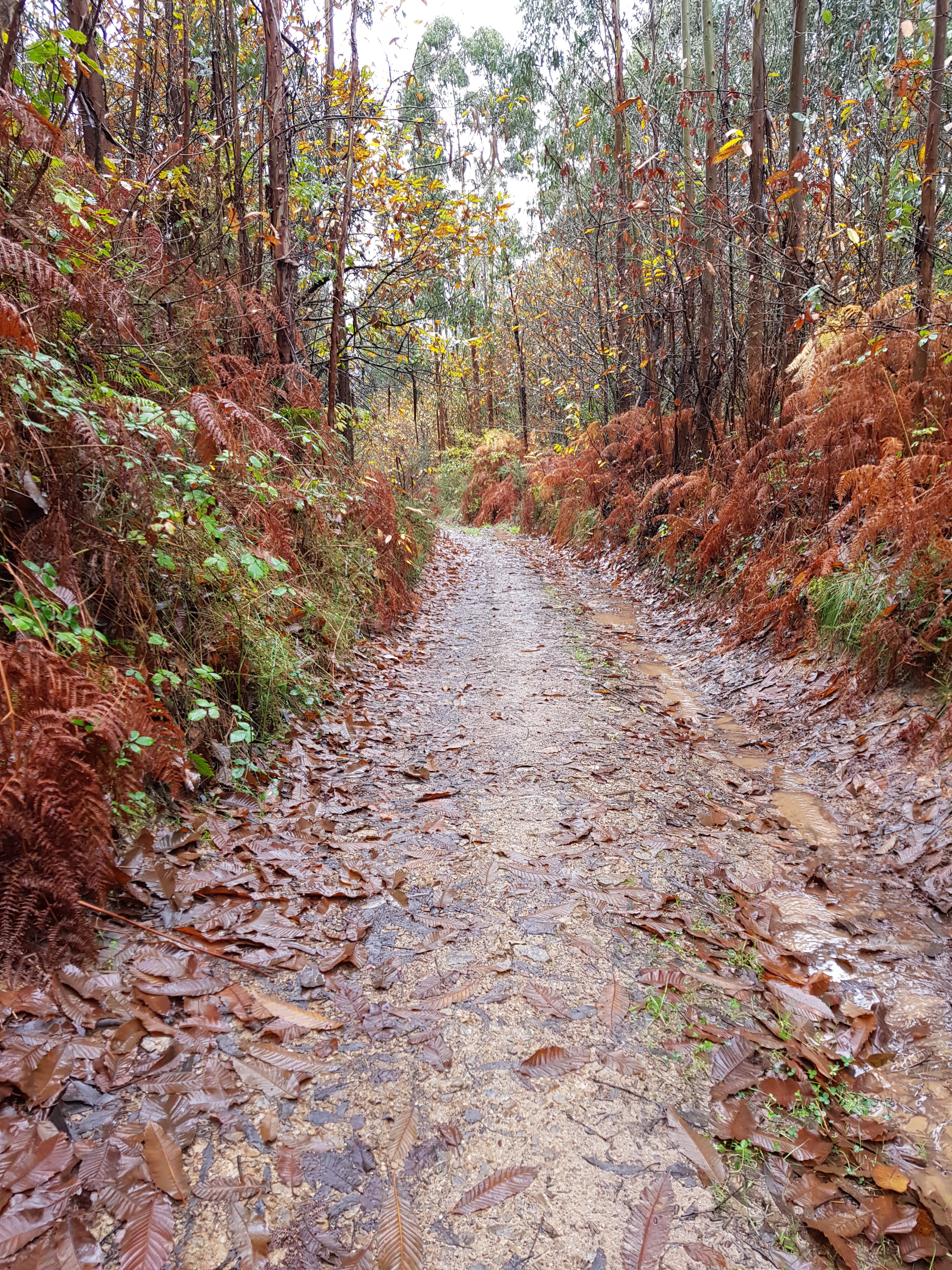
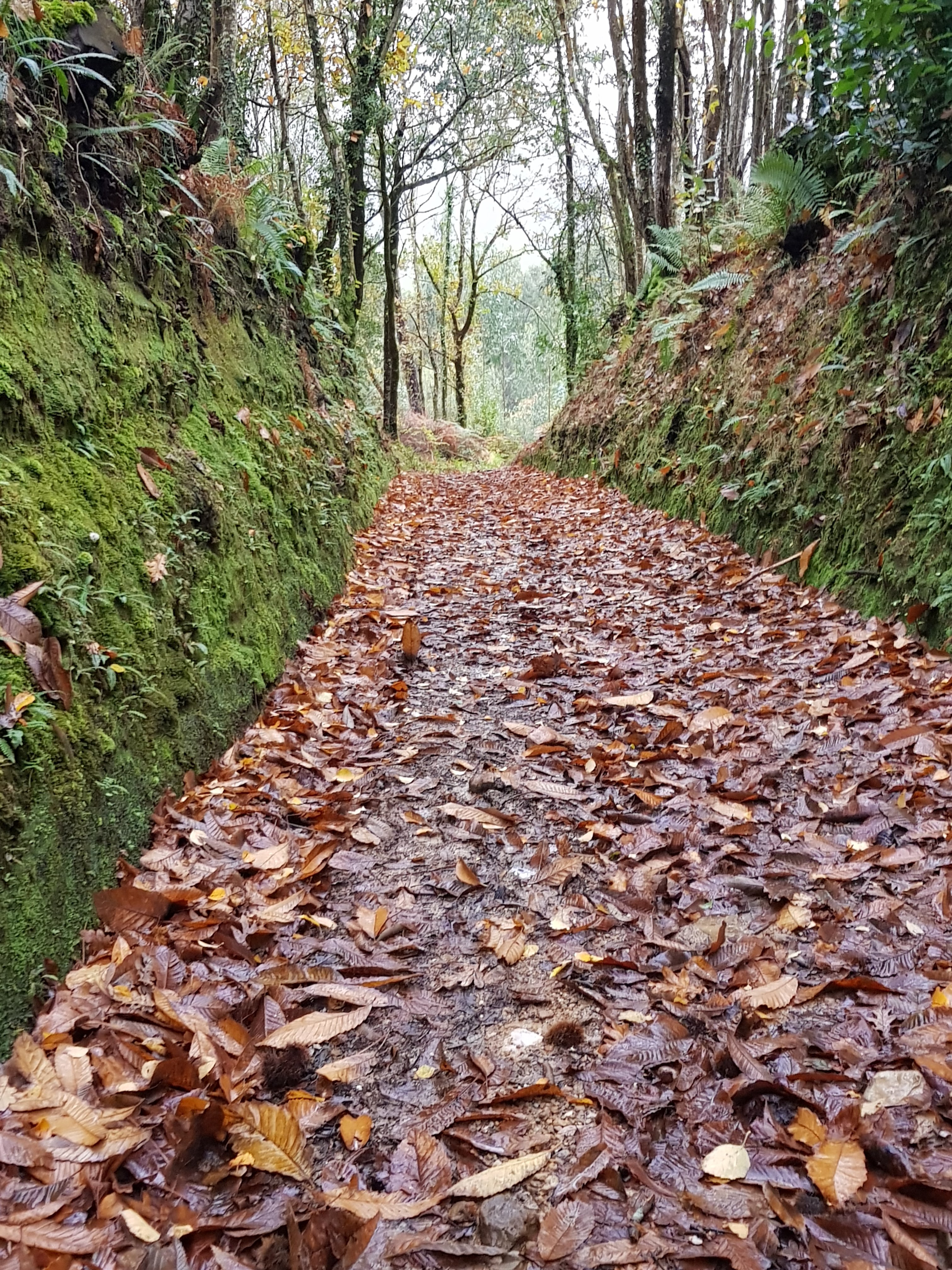
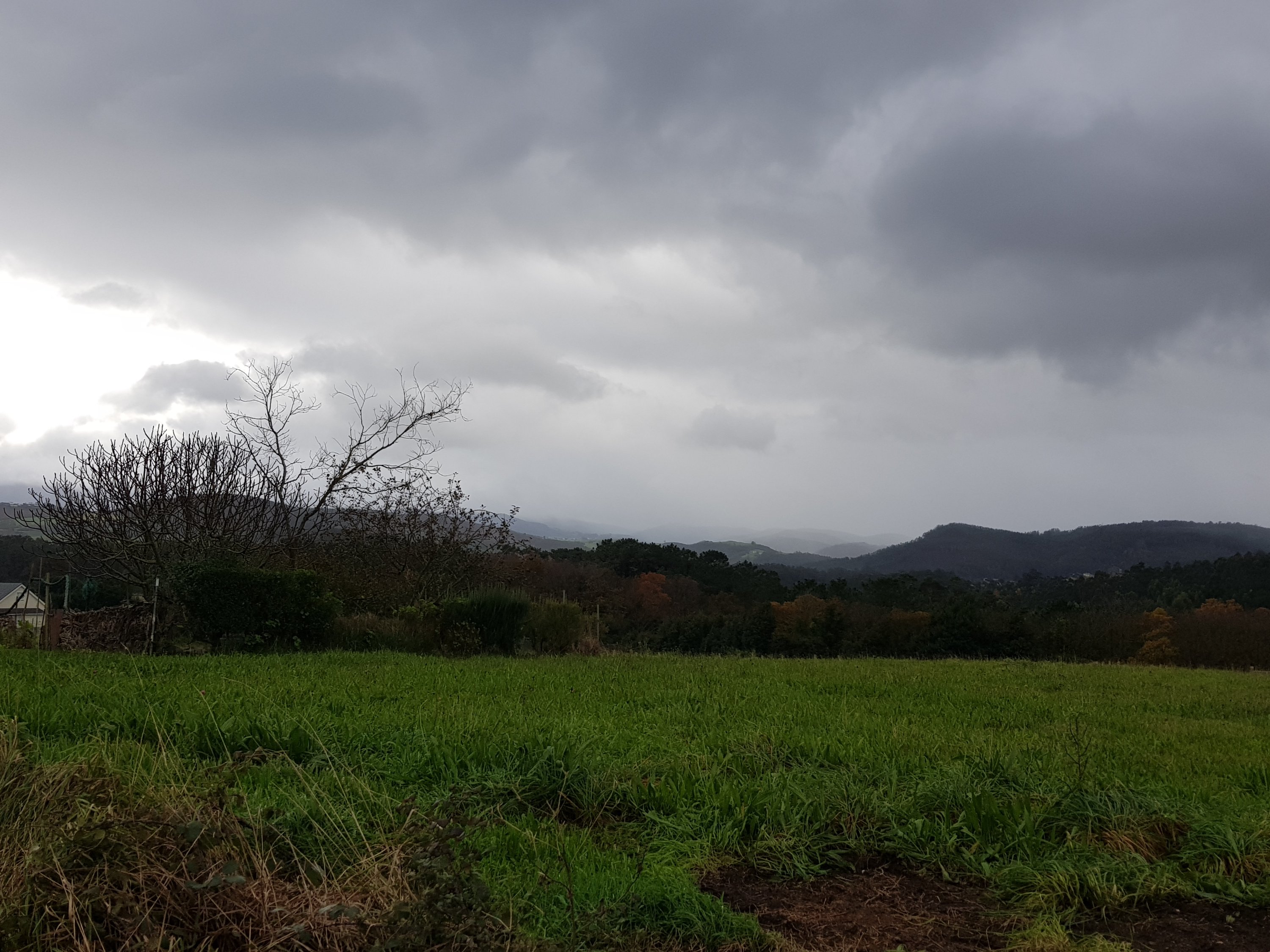
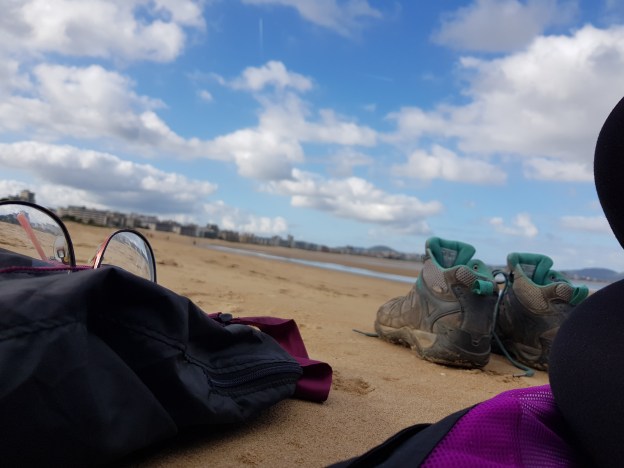
If you are walking during a wet time of the year, although you can still expect rain at some point, have plastic bags and newspaper handy. I have now learnt that there is no such thing as a waterproof shoe. No shoe can stand up against the rain of the autumn/winter camino. Putting plastic bags around your feet is a temporary prevention that helps. To dry your shoes overnight, stuff them with newspaper balls, this sucks out the water.
10. Have small change
Spain has not yet become a cashless society. Do not kid yourself that you will be able to wonder around with only ‘contactless’. Many shops, cafes and albergues will not accept card payments, and will be moody if you give them big notes. Many of the washing machines and dryers are also coin operated, so you will need to keep some coins handy if you want to wash your two outfits!
11. Check your check in times and leave early in the morning
Many accommodation providers have random check in and check out times, and if you turn up late they will not let you in! There is also likely to be situations where you have to phone the reception from a locked door outside, as many do not man the receptions full time. Additionally, I would recommend leaving early in the morning. You never know how long a walk is really going to take, and you want to maximise daylight hours, and rest time in the evening.
12. Take lots of short breaks and dont sit for long
I tried to sit for about five minutes roughly every two hours and up to 30 minutes for lunch half way through. If you sit too often or for too long, it will just keep getting harder to get up and going again!
13. Don’t think too far ahead
Don’t think about how far away it is to Santiago, or even the town you are trying to get to at the end of each day. It is too overwhelming, and frankly discouraging. It is better to think of lots of short distances whilst walking, for example the next town or landmark. Then when you have done that, you look at how far to the next one. It makes each one, a little win.
14. Accept that there is a good chance that you will need to take public transport sometimes.
You may well do the camino entirely walking, but don’t beat yourself up if one day you just have to take the bus. There will be days when you just have nothing in the tank, or the weather is too dangerous to walk, or you might have an injury.
15. Don’t forget to stretch and take your ibuprofen!
Pretty self explanatory, but I forgot to stretch often, and it makes a difference. I also really needed ibuprofen by the end!
Buen camino!



























 Go Go Chlo