Most people go on holiday and try and always bring back a fridge magnet, a funny t-shirt, a pack of fags or generally something that they could easily find in the airport duty free shop. Us long term globetrotters though… we always have to be a bit different… and our collections are abit stranger.
I realised after a short time of backpacking that if I would buy regular souvenirs everywhere I went, my money would run out fast, my bag would get very heavy and eventually when im home again, my house would be full of crap… so I came up with some other ideas of what to collect!
Rocks and shells
When I started travelling and didn’t want to spend much money or add much weight to my bag, I would carefully select a pebble or shell from interesting places I visited. I had gravel from volcanic springs of iceland, and shells from ushuaia at the end of the world.
The initial intention was to end up with a beautiful catalogued display. Good intentions don’t always work out though.
For starters, many countries will not allow you to take out or bring in natural materials like shells. So you have to know the rules where you are.
Secondly, whilst pebbles are sturdy, shells tend to break, and when a shell breaks into hundreds of sharp small pieces in your bag full of all your clothes, you tend to have regrets.
The final nail in the coffin that ended my collecting these though was when i was moving around my boxes of rocks that had all been labelled with cute string tags. The box got shook, and all the labels fell off and so now all my rocks are without labels and I cant remember where each one came from. Rendering them abit pointless!
Passport stamps
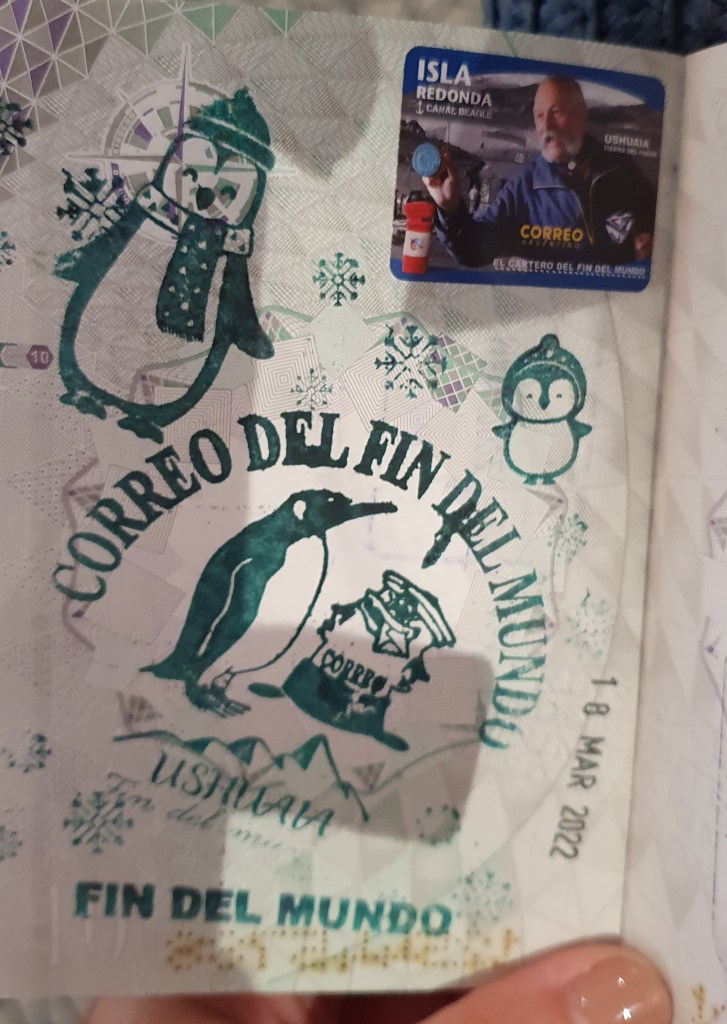
After I got a very unique stamp in my passport from ushuaia, and after collecting stamps in my pilgrim passport during my camino, I started to get quite excited about getting my passport stamped at immigration.
I am now in a habit of counting how many passport pages I have left and how many stamps it might take to fill it. I have seven years left on my current passport and about six pages so im hopeful that I can fill it!
Its a bit bad actually as it makes me want do extra stops in countries just for the stamp!
Badges / Patches
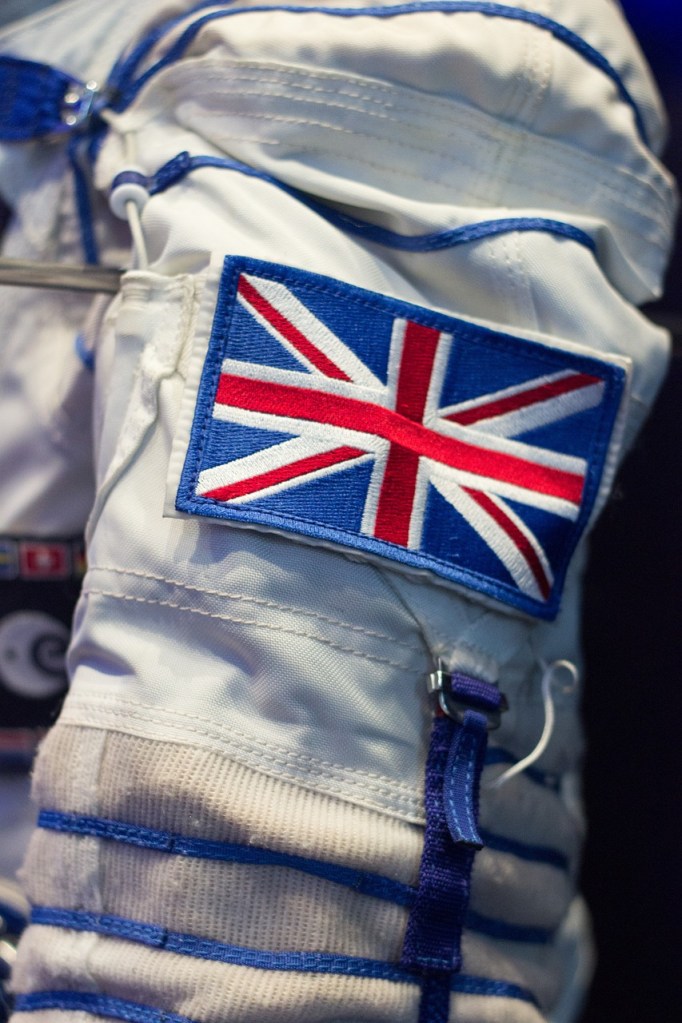
I always felt a bit jealous seeing experienced travellers with so many cool patches or badges on their bags or jackets and so I decided to start collecting these.
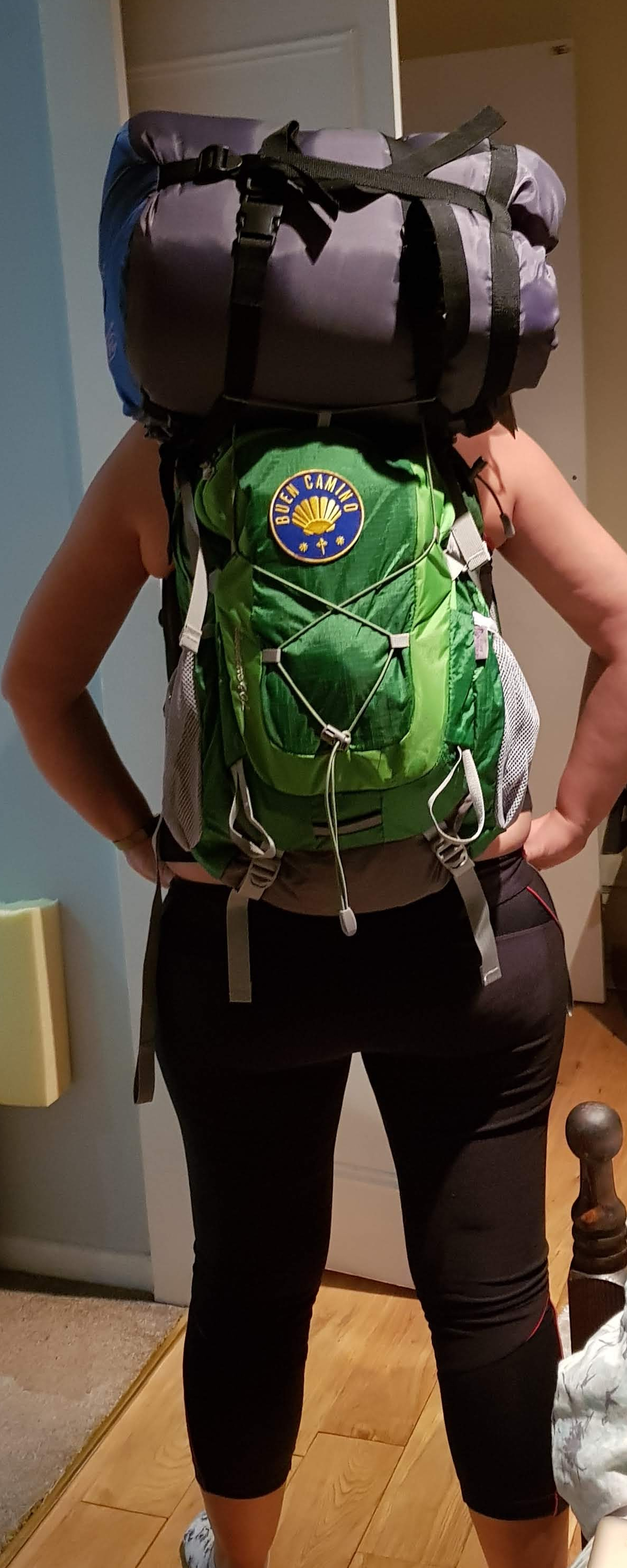
I have a bright green 40L backpack and I want to slowly cover it with patches but the downside is that it takes a lot of effort to sew them all on, and eventually I will run out of space and have to start a new one… but then all my patches won’t be together.
I may have started something difficult to end, especially when your are a little OCD like me!
Postcards
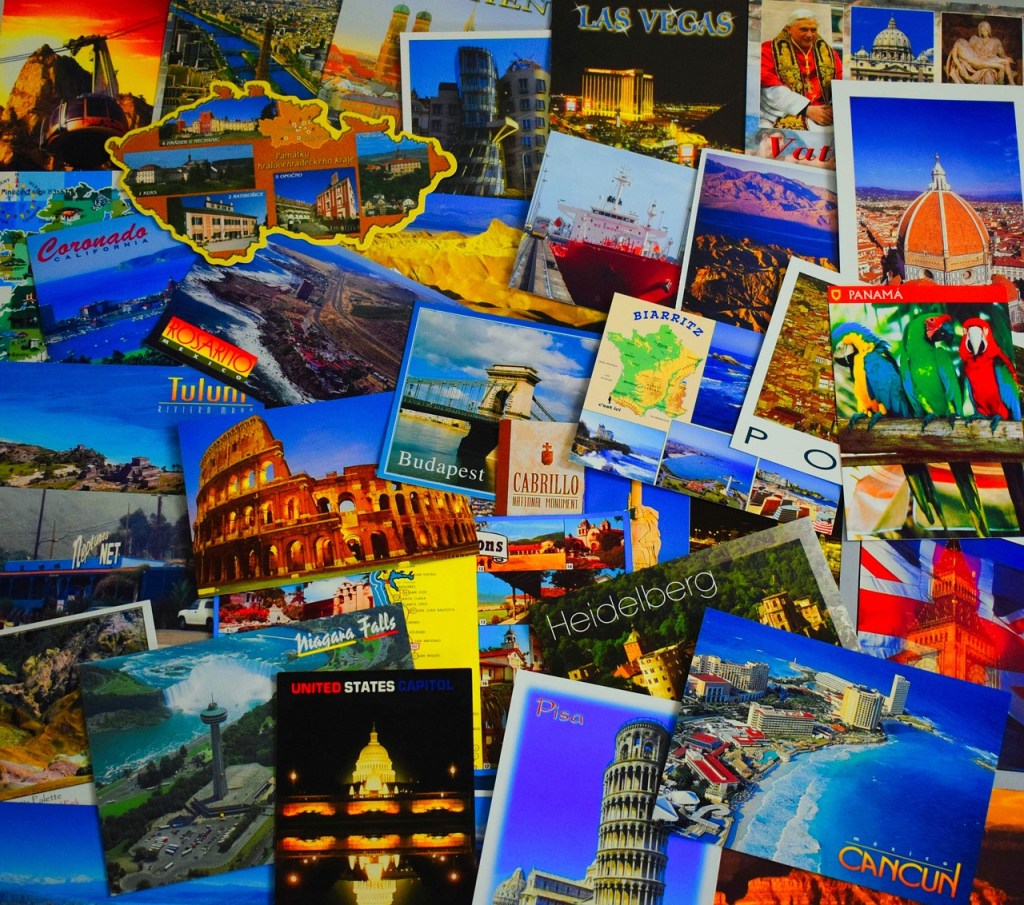
A bit more of a standard one, one postcard per country is a nice way to have a really good photo at the beginning of my photo albums.
I love sending postcards even though it is getting more and more pricey for the stamps. I always buy an extra one for me just for the photo though.
Aprons
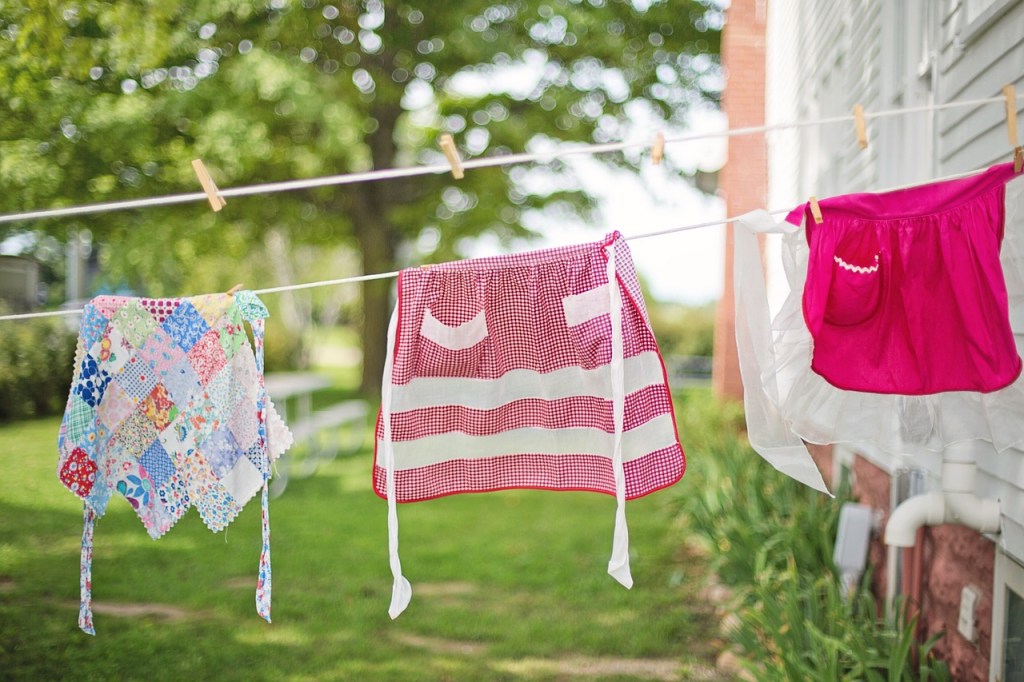
This one is not mine but I decided to include it as its a wierd one. Another traveller I know likes to collect aprons for her mum with the names of the locations on. This is because her mum loves to cook.
This isnt the easiest thing to collect though as its not the standard souvenir. I have been with her many times before when she has struggled to find one!
Basic words and profanities of different languages
I keep a note page in my phone of all the phrases (helpful, funny and rude) that I have learnt from my international friends.
It is always fun to suprise people by responding in their own language when they are not expecting it! The only problem is when they then try to have a full conversation with you and you only know the few phrases…
So far I have collected phrases in hindi, urdu, swahili, romanian, german, spanish, chilean slang, vietnamese, tegalog, and hebrew.
The amount of Indian friends I have now, I feel inspired to try to learn more hindi and I have already downloaded an app but we will see how this affects my spanish learning!
Ideas
Of course the one thing I end up collecting in abundance with each new place and new travelling companion I meet, is more ideas on where to go next. This is definitely my most costly collection but will also end up being the most memorable…
I’m curious to know what other travellers collect, leave a comment below!
Argentina has a unique identity amongst the countries of South America and whilst I have been exploring the country, I have discovered these 10 interesting facts about this wonderful country.
1. A lot of things are free
A surprising amount of services in the country are free to the general public, this includes healthcare, education (including higher education), and many cultural attractions and events such as music festivals and museums. I found this to be a pleasant idea, as the country is quite poor, but it still prioritises funding to these essential public services.
2. They are football crazy
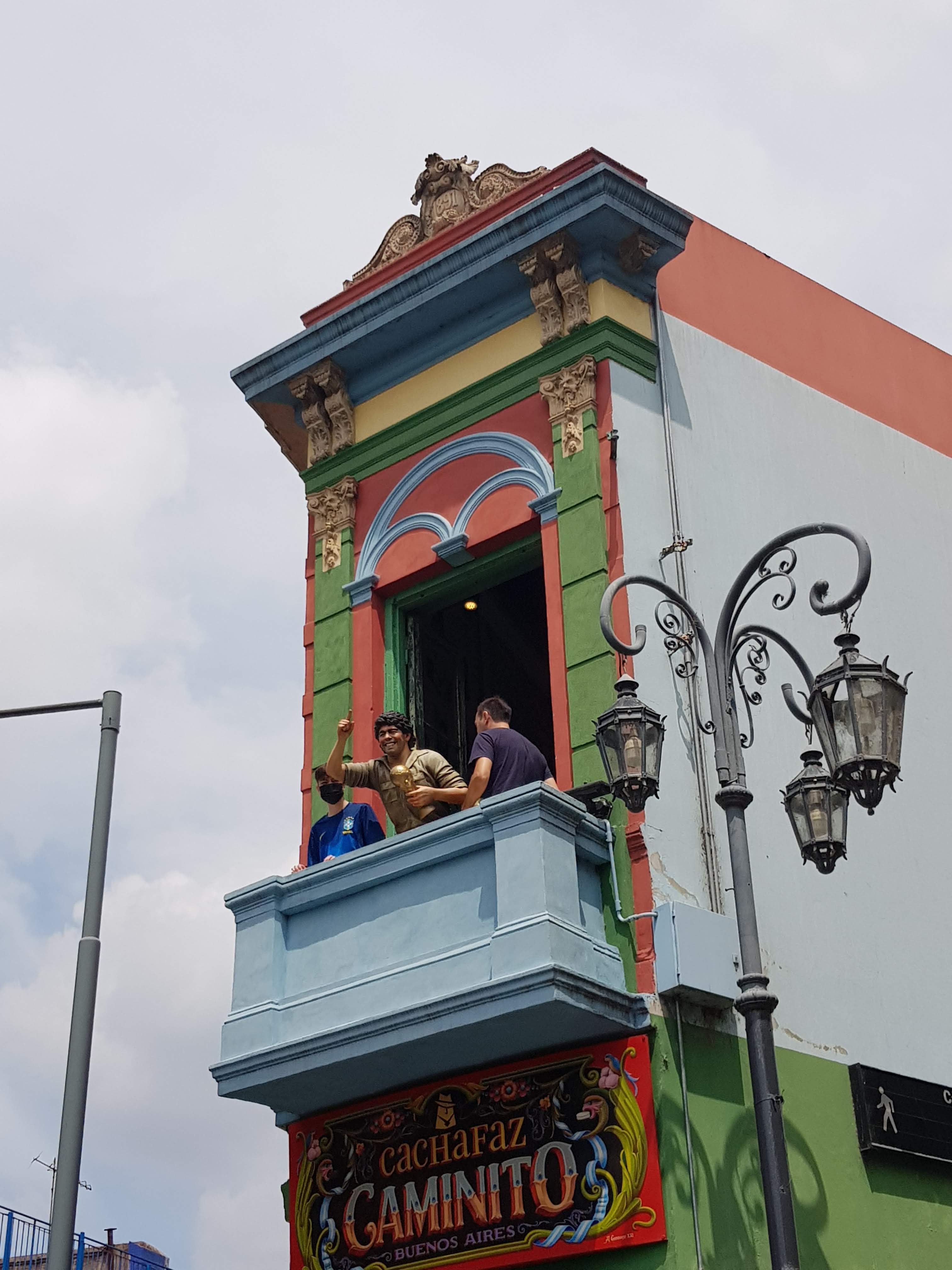
The Argentines, especially Portenos (people from Buenos Aires), seem to be mad for football. It seems that if you did decide to go out in the city with your football club shirt on, you may well get stopped by someone to ‘discuss’ this. I was quite shocked that some people even knew where I was from (Norwich city) just because of our rubbish football team that goes in and out of the premier league regularly.
Boca photoshoot opportunity with a footballer
3. They have their own unique pronunciations
Spanish isn’t an easy language, as there is a lot of variety in the grammar, accents, words and pronunciations. Throughout Latin America, the pronunciation of the sounds for ‘c’, ‘ll’ and ‘y’ are different to most of Spain, but in Argentina there is an even more defined difference. Instead of sounding ‘ll’ as (ya) or (ja), they turn it into (sh). Multiple times, I was convinced my spanish was correct, only to realise the people of Argentina didn’t understand me because of this subtle change in sound.
4. They are mad for Mate
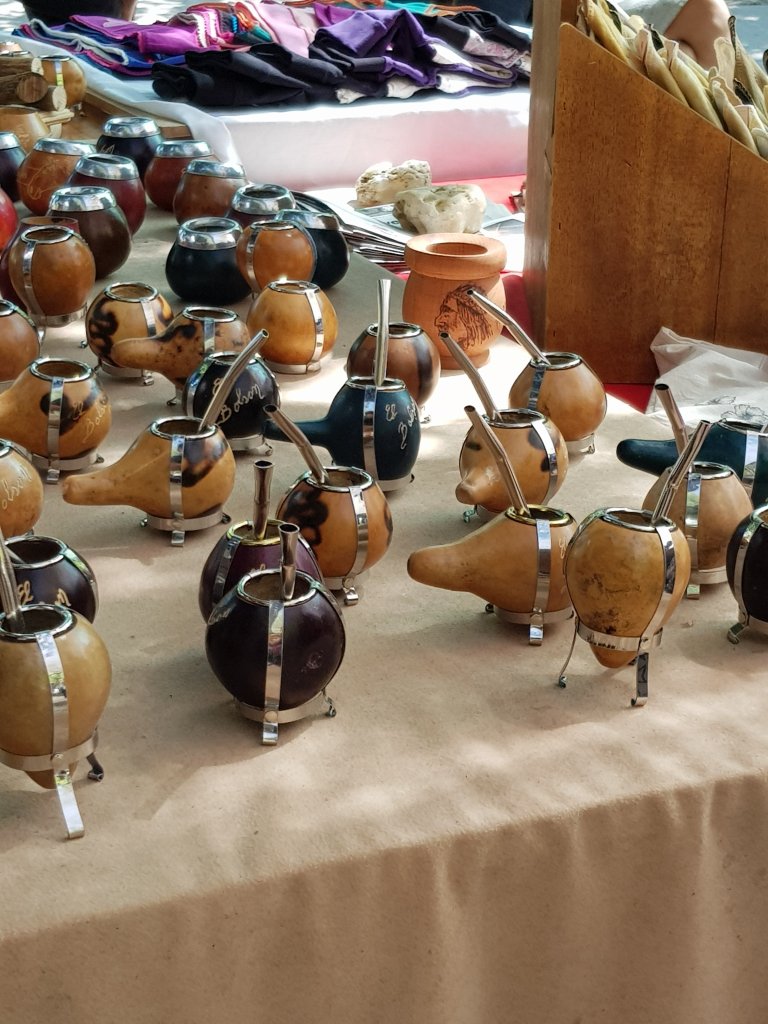
Mate pronounced ‘matay’ is a type of herbal tea that is served in one special cup with a metal straw and shared between a group of friends and family. The people of Argentina are seriously committed to their mate sessions. Most people seem to drink mate throughout the day, and I was offered several mate sessions in my time in Argentina. It was very clear how important this drink was to the locals when I saw people trekking with a kettle and mate cup attached to their backpacks, ready for action.
Mate cups
5. The country’s history is really complicated and includes lots of dates
So it seems that the country has had a lot of politics and conflict since its founding. The culture is clearly very influenced by European heritage here, especially french, spanish and italian. Argentina had a lot of heartache to sever their political ties with Europe though, and become an independent republic. It is definitely worth learning about the history as it is very interesting, and the country is clearly very keen to memorialise their historic events. All the main streets are named after either important historical dates or people. It seems like every town’s main street is named after San Martin, who helped Argentina and other latin american countries become independent.
6. They have a whole community of welsh people
Super surprising to me. Within a part of Argentina’s Patagonia, near Puerto Madryn, there is an entire heritage based on settlers from Wales. These settlers wanted to settle in the area when it was still fairly new, so they could keep their culture alive within their own community. Every year, in July, the welsh community celebrate their culture with a schedule of welsh traditional activities. Throughout the year, visitors can enjoy Welsh tea and visit the historic chapels that the settlers built first on arrival.
7. Drugstores do not sell any drugs
Shops are a bit confusing in Argentina, and drugstores are a good example of this. There are a number of stores labeled as drug stores in Buenos Aires, but when you visit you will find it to actually be a convenience store of snacks and drinks. If you go to the supermarket, you will not be able to access any drugs either, I have yet to even see paracetamol sold there. The only place to find any meds is unfortunately a pharmacy, which is normally very pricey.
8. They insult each other and swear quite a lot
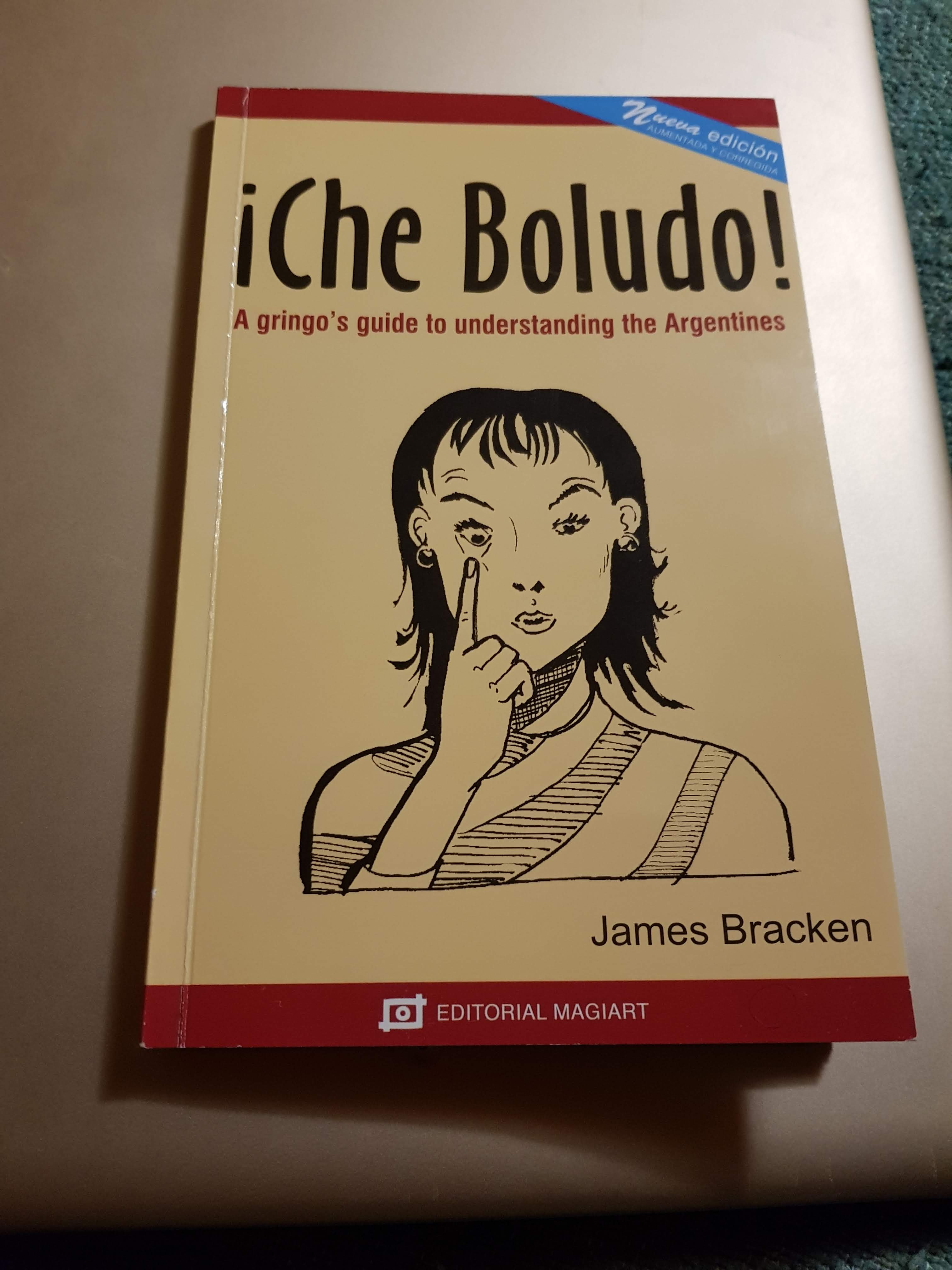
Whilst in Argentina, I decided that I wanted to learn a little of the local slang that is specific to this country. I met a girl from Argentina that taught me some words, but I also found a well known book in a gift shop, ‘che boludo’. This book is devoted to the Argentine slang, and to my suprise, there are a serious number of ways to insult someone, or describe sex, and if they are literally translated, then they are super weird. For example… cerrado como una cola de la muneca… literally meaning closed like a dolls ass… actually they mean someone is narrow minded. Confusing right?
9. Most people live in Buenos Aires province
Maybe you won’t think this is interesting, but I felt it was strange. Considering that Argentina is the eighth largest country in the world, it seems odd that most people I met all lived in the same place. In fact 13 million of the population lives in the Buenos Aires area, where the capital resides. This provides some racional to why there is so little road infrastructure elsewhere in the country, most of it is just wilderness.
10. They love a kiss or a fist pump
So… if you are meeting a bunch of Argentine people at a party or gathering of friends, there is a pretty good chance that you are going to be kissed on both cheeks by every person there. I felt very strange about this as the reserved English lady that I am. My preference was the other national greeting which is much more casual, the traditional fist bump. Made me feel like part of a crew! haha
There are so many more interesting things about Argentina, but these are just a flavour of unique and unexpected customs and facts that I discovered when visiting. I would love to hear if you know of anymore?
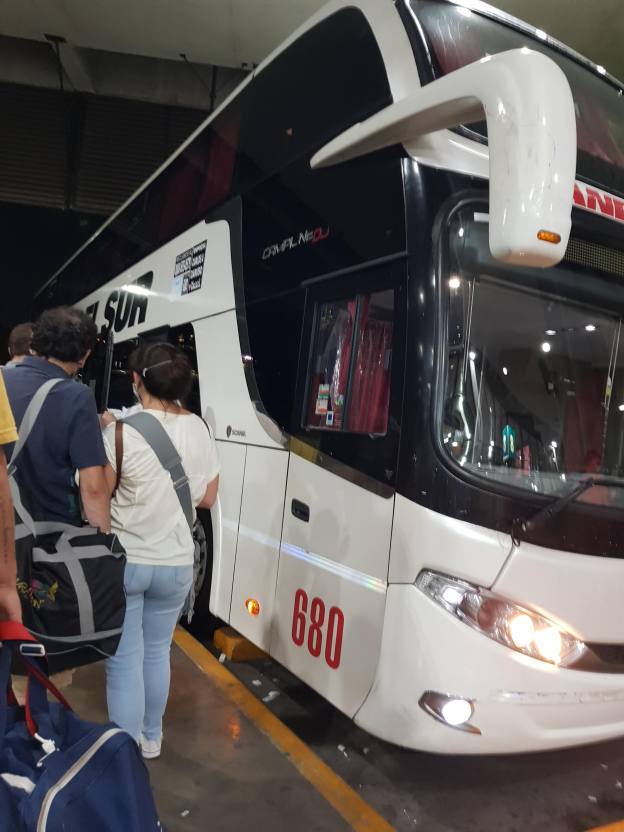
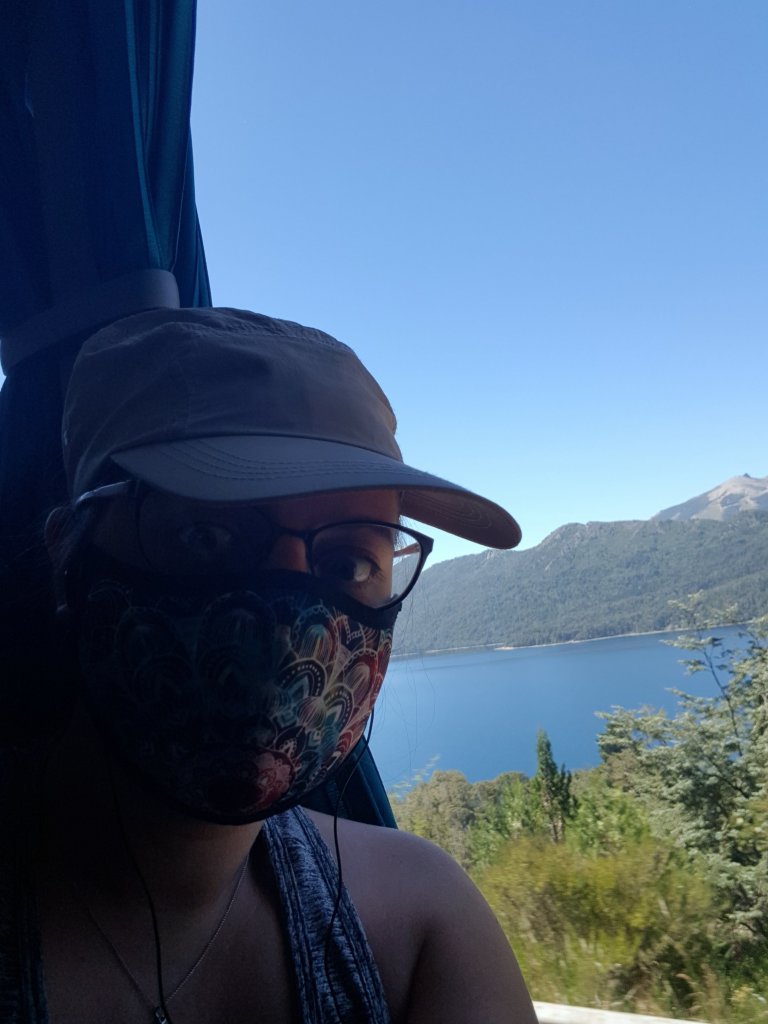
When travelling in South America, large buses/coaches/colectivos/micros are the main form of long distance transport. It is not uncommon to travel for over 24 hours on the bus to get to your destination, as the distances between towns and cities are vast. Whilst the scenery might be amazing, you can only look out of a window for so long. Thankfully, most of the buses offer decent seats, the occasional rest stop and if you are lucky then you could have a shared TV playing movies (in spanish or silent). To survive the inevitable boredom, it is wise to follow some of the below tips.
Snacks
I have seen a few hopeless tourists embark on a 24+ hout bus journey with no food in hand, and then moan about being hungry for several hours. There are normally rest stops but you cannot guarantee what food will be on sale, or the regularity of the stops. Go prepared. There will not be a fridge so choose savoury items that will keep. Empanadas is a great choice. A large bottle of water is a good idea, but also kids sized fruit juice cartons can come in handy, to give you some much needed vitamins. I made sure to keep all my snacks in a separate bag to my main rucksack so that I could keep it on the seat with me, and not disturb everyone each time I needed something from the overhead shelf.
Batteries
Whilst some of the buses have USB chargers over the seats, this is not the case with all of them. I have found a portable charger (fully charged beforehand) to be invaluable. You can bet that you will not be able to access any signal or internet for the majority of your journey either so there is no need to waste charge on your phone trying and failing to get 4G. Put your phone on airplane mode, and you will be surprised how long it lasts you.
Bathrooms
There is normally one toilet on the bus and toilets at your infrequent rest stops. You can be assured that the hygiene of toilets being occupied by 30+ people in a short period, will not be good. Not only can you expect poor hygiene, but also dodgy locks and no toilet paper is common. Take tissue and anti-bacterial gel with you, I can not stress this enough. It is also not a bad idea to carry some pills to avoid any unexpected stomach problems on a strenuous and very shared journey. To give you an example of the demands of the on bus toilet… on a 26 hour journey, I put off going in the bus toilet as long as I could, until I could wait no more. I took myself to have a wee, to the toilet which by this point (hour 20 maybe) was a state. There was not only no tissue, but also no water in the tap, and I had thought the door was locked. Apparently not. When I went to pull up my pants, another lady threw the door open, and said “I’m sorry but I have to go in, I am going to be sick”. She then vomited into the only toilet for a bus full of people about four times. I did not use the toilet again that journey.
Offline entertainment
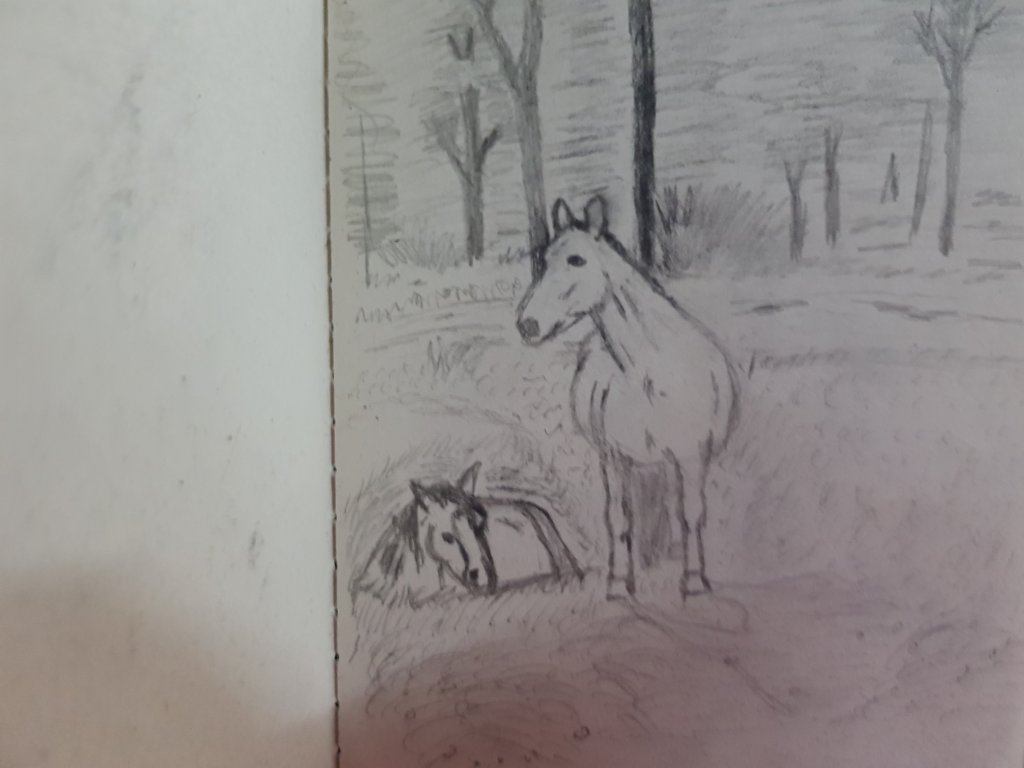
Before your long journey, do an audit of your phone/tablet/laptop apps. How many of them can you use offline? There are actually a lot of games that you can access offline that can provide some easy entertainment. I have become a regular player of the offline chess.com app at the this point, but I am still struggling to beat the computer… Previously downloaded tv series and movies on streaming services like Netflix or Disney+ or music from Spotify can also be a great way to kill off the long hours. You can also take to the traditional pencil and paper, and do some sketching, or journaling. I have been improving my sketching by drawing copies of photos I have taken of local scenery and wildlife. If all else fails, maybe bring a book?
My recent sketches in my pocket notepad
Offline work
If you have the sort of job that you can work offline with, such as writing, then this can easily be a way to lose some time. If you are feeling like you want to put that time to good use. It is a good idea to test this out before your journey by disconnecting yourself from WiFi at your hostel, to see that everything works okay before you start promising on deadlines to be completed. I have been burnt by this myself when I assumed that the Microsoft Word on my chromebook would still work okay offline, it turned out that it was still powered by an online service, so I missed out on doing hours of work.
Sleeping
If you are on a long journey by bus, you will be travelling overnight, and testing out those reclining seats to the maximum. It can be cold on the bus in the evening, as you have not been moving around much, and the drivers always seem to crank up the AC for some reason. Probably to stay awake themselves. The problem is, this also keeps me awake. If you have a light blanket or something to put over yourself, make it reachable. I tried to get my coat from the overhead shelf in the middle of the night (4am), and it was very dark, and very awkward when in pulling my coat out, I accidently knocked a shoe off the shelf and it fell and hit the sleeping passenger in the face who was sitting in front of me. It was really bad.
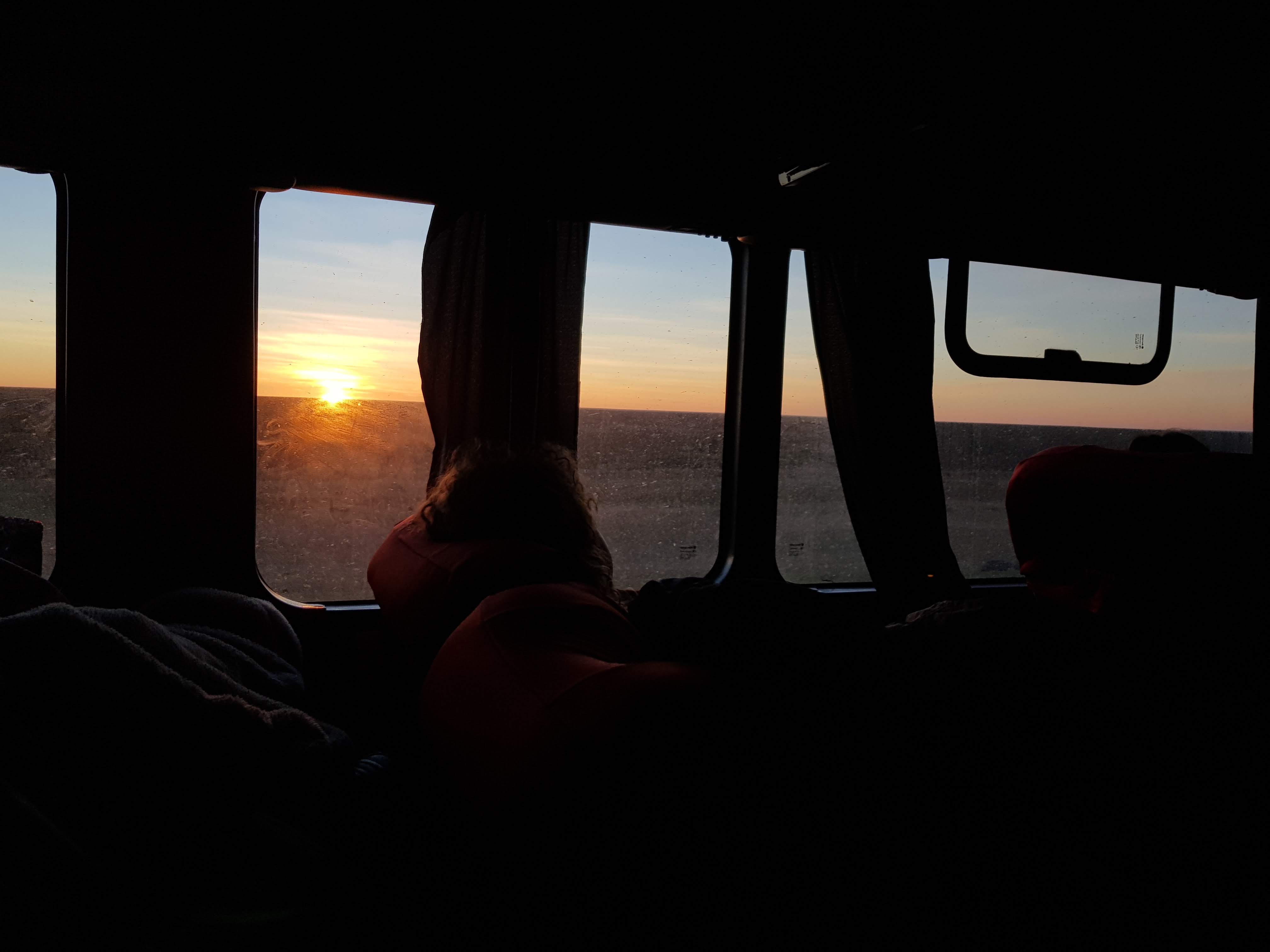
Sometimes, being awake when everyone else is asleep can be a blessing though. It is super quiet, and you might see an amazing sunrise that everyone else misses. That is what happened to me on one journey…
Overall, don’t underestimate the planning needed before your long road trip. If you put in a little effort to prepare, you will be glad you did.
Airport Lounges have long been represented as stylish hang outs for first and business class passengers whilst they wait to board their flight. I have now tried multiple Airport Lounges for myself and from my current seat in Madrid’s Cibeles Lounge have decided to reveal all I have learnt, about these coveted spaces.
It is no surprise that many people choose to escape to an Airport Lounge, when the hustle and bustle of the main dining and seating halls of the departures areas in airports are often so noisy, and uncomfortable. Airport Lounges are more affordable than ever now, and us mere mortals from Economy are finding our way into these spaces, to treat ourselves to pre flight relaxation.
There are different levels of Airport Lounges, with some being specific to frequent or prestigious flyers of specific airlines, and many that are simply ran by the airport and vary by quality. I have spent time in some excellent lounges, as well as ones that did not feel very special at all. The main way to determine if it is worth it, is to find out in advance what is on offer.
What to expect
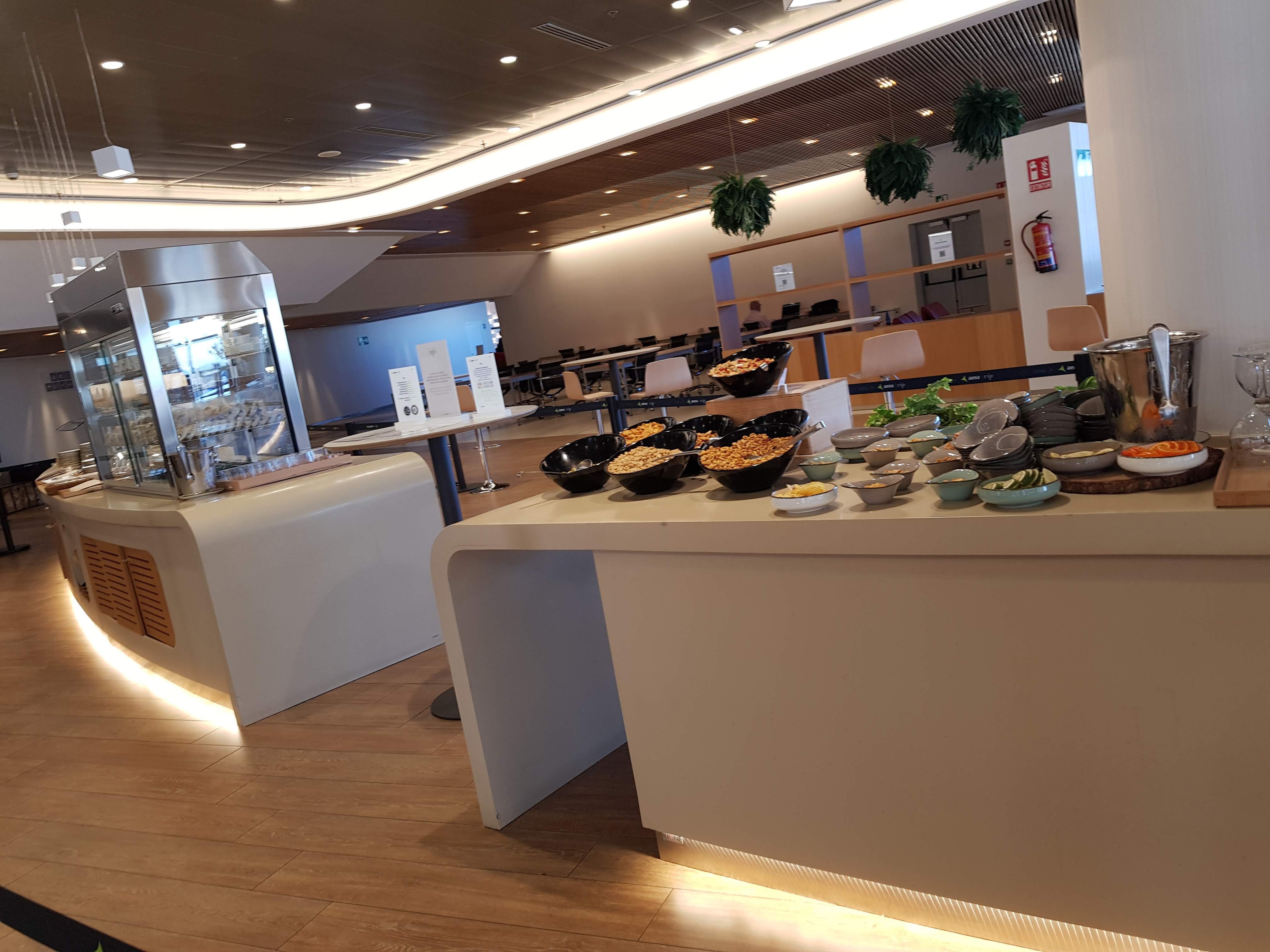
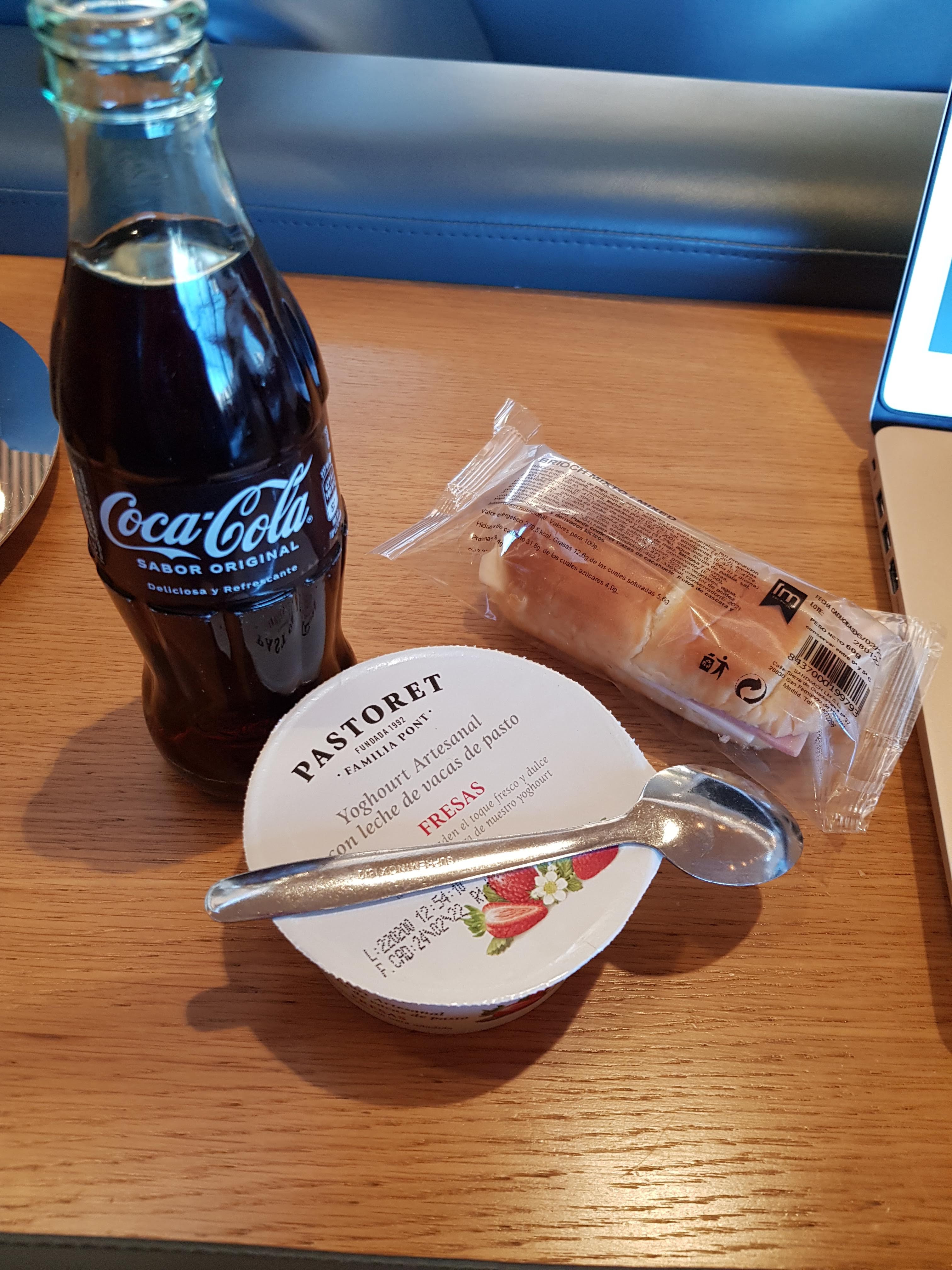
In all airport lounges, you can expect to have unlimited food and drink (including house wine and beer), comfy seats and WiFi access. The quality of these three things can vary though, so it is always worth looking for reviews and photos before you book.
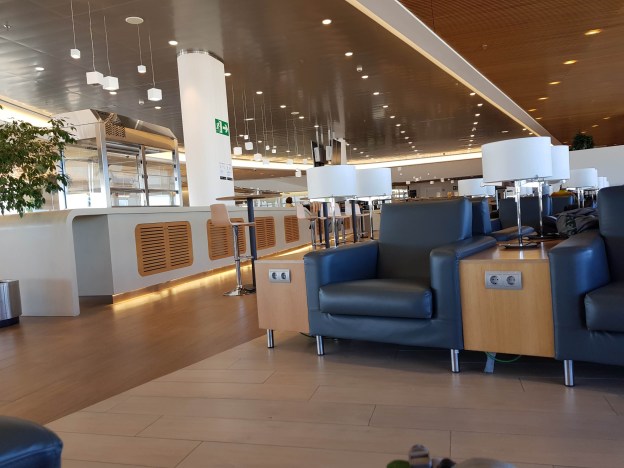
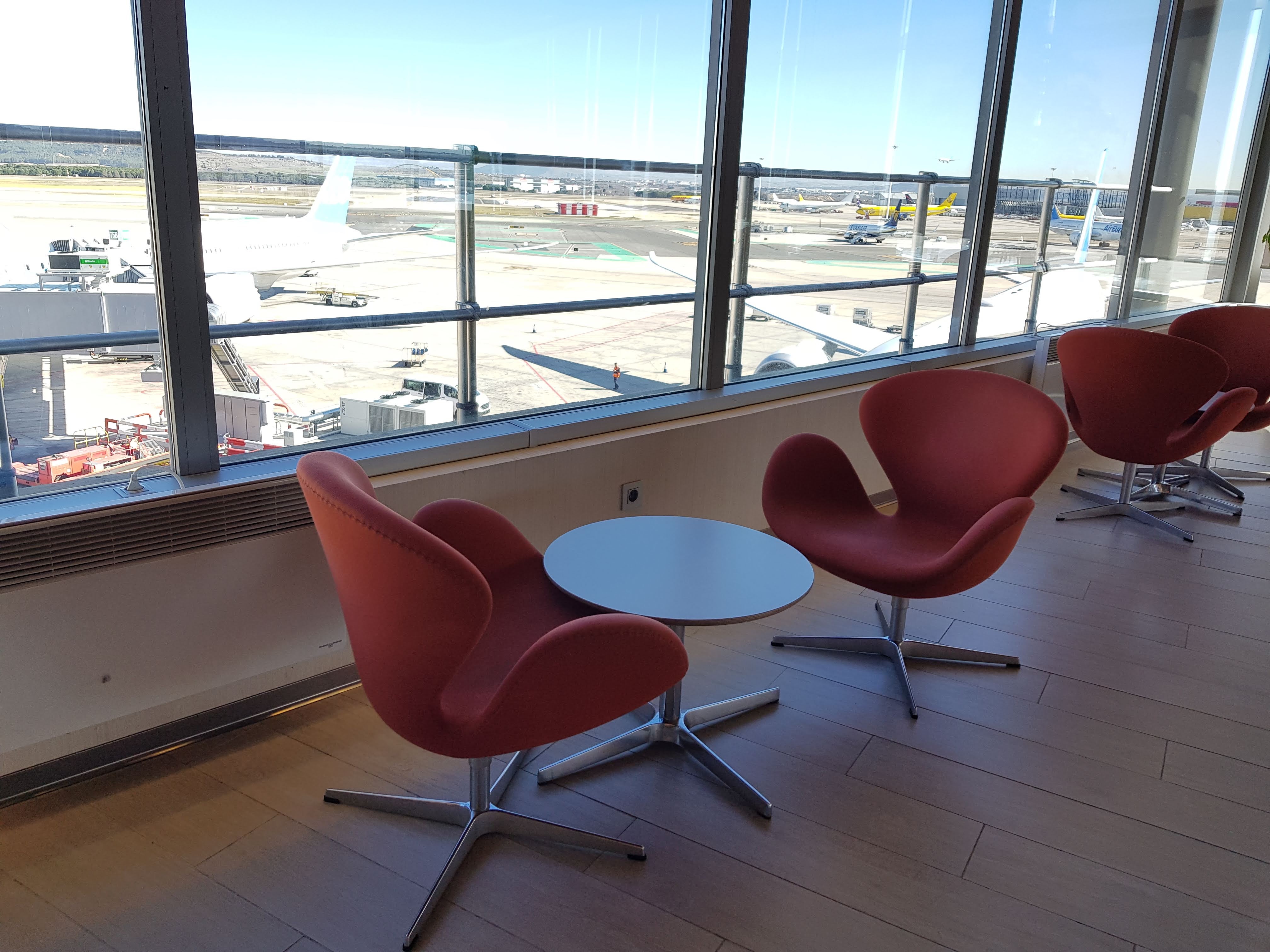
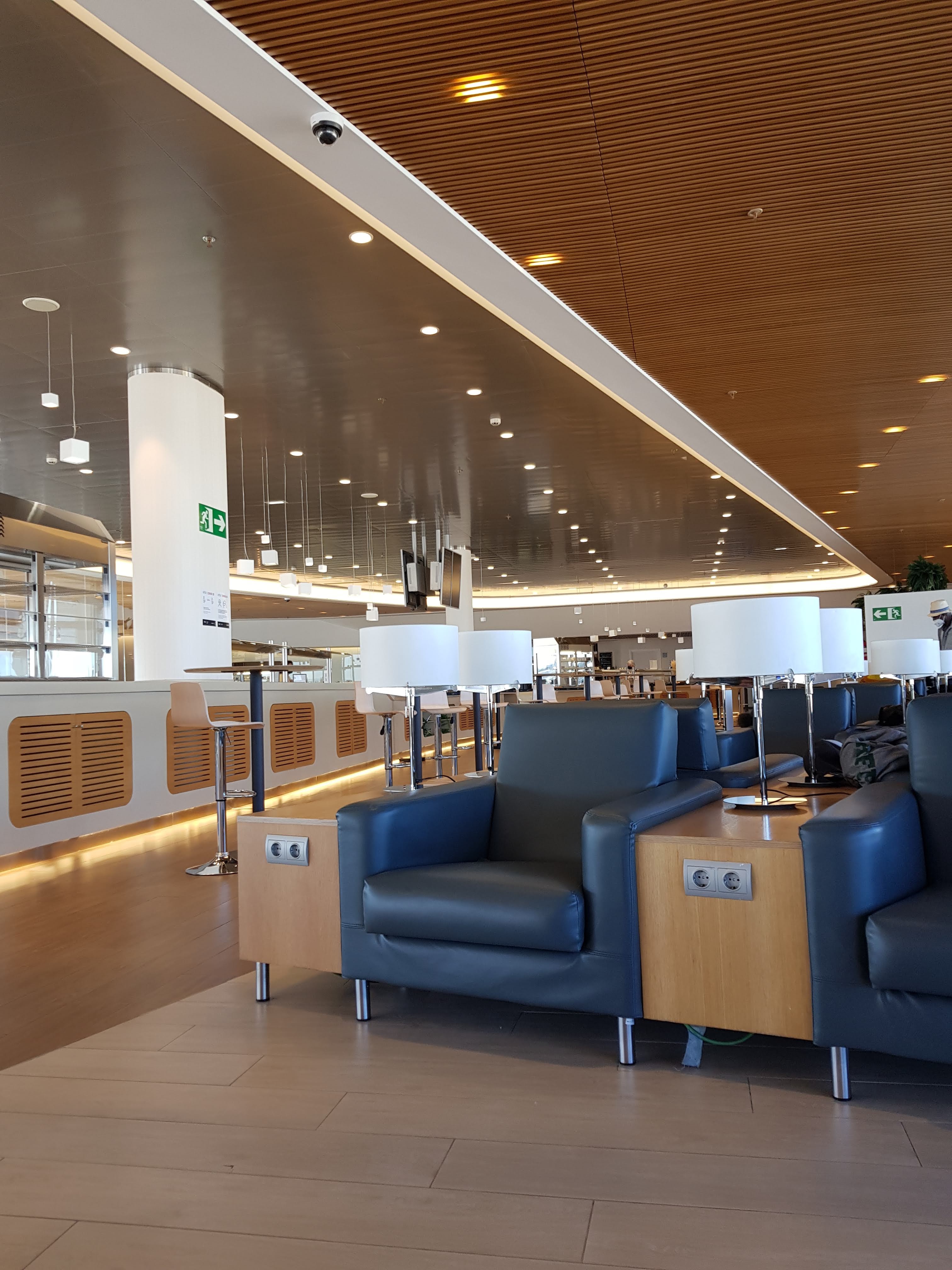
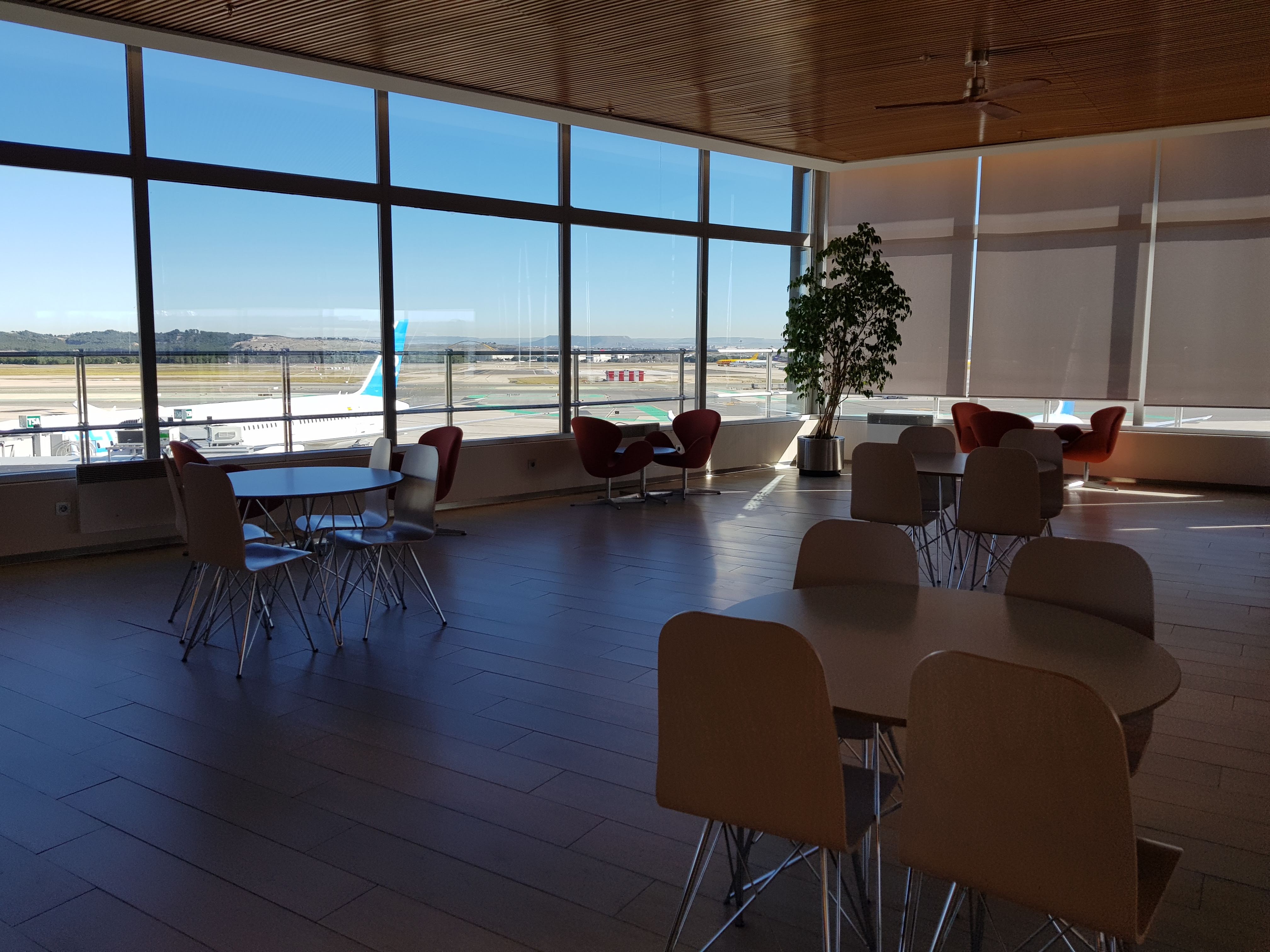
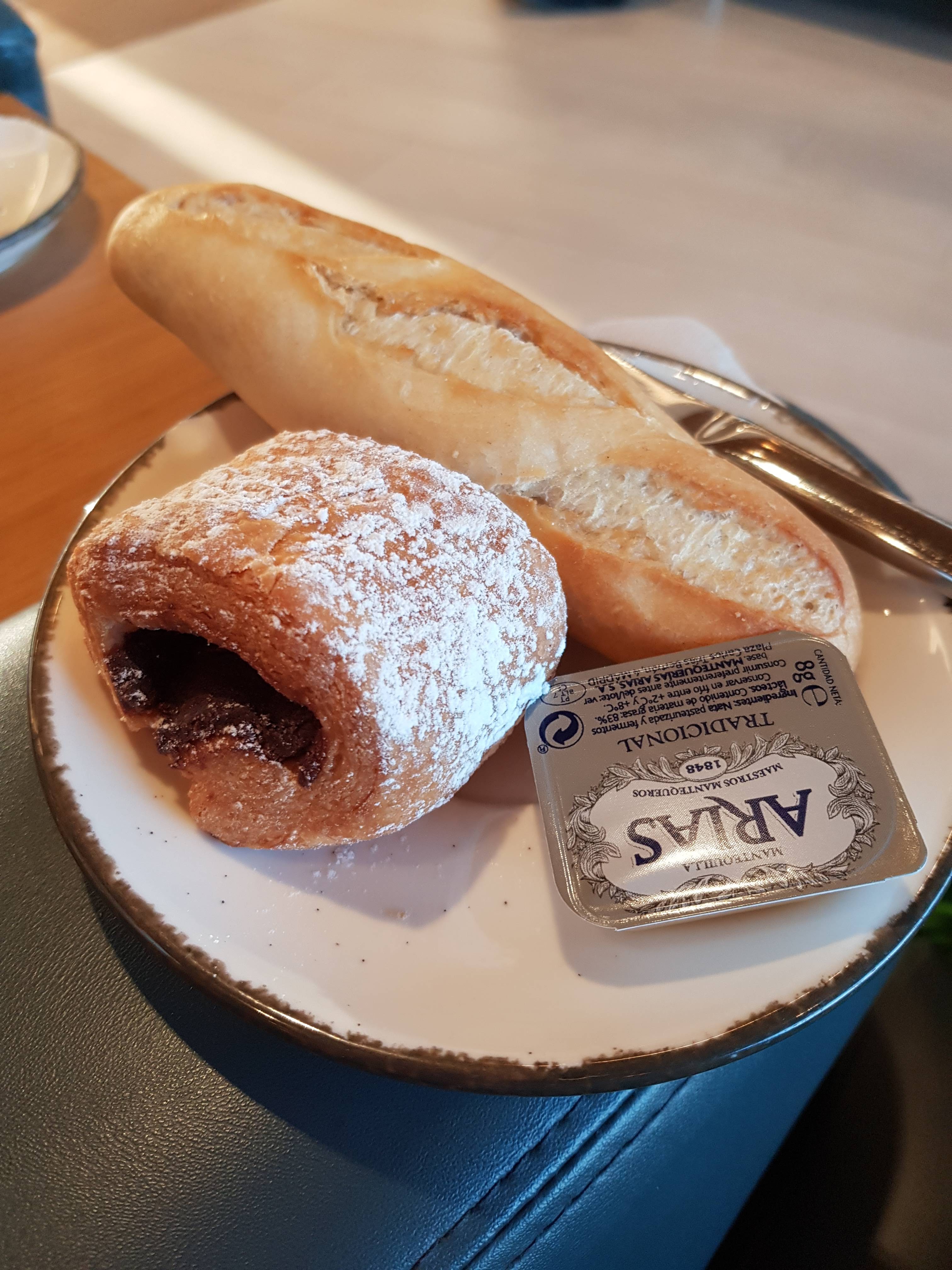
In Madrid’s Cibeles lounge the Wifi is good but you still have to log into it every hour as it is time limited… a little annoying and not really an advantage over the main airport WiFi here. The food is nice, but of course very local and basic, so mainly pastries, breads, and salads. The seats are awesome! There is a mix of seating areas, a desk area for those wishing to work on laptops, a dining table area, and an armchair area. Every seat has individual access to a power outlet so I am enjoying my comfy armchair with my computer.
In some extra special lounges you could access benefits such as a restaurant service, hot food at all times, free alcoholic beverages, a concierge service, a place to shower and even somewhere to take a nap. Some lounges have gone the extra mile to create a relaxing experience with special rooms for playing video games, or in the case of Virgin Atlantic’s Clubhouse Lounge at Heathrow, you can get a complimentary spa treatment with the right pass. That sounds really good to me…
Normally, you can access your lounge for up to three or four hours before your flight. There can be exceptions though. Cibeles were good enough to allow me an extra two additional hours because I was already in the airport as a transit passenger.
How to get in
Some lounges are still reserved for the elite passengers; those with a business or first class ticket, or with membership to an airline. If you are lucky enough to afford a better ticket, then you can enjoy all its benefits for hours before departure.
Many lounges can now be accessed by all classes of passenger thankfully, and there are several ways to access the space.
Depending on the popularity of the lounge, you could purchase access face to face on arrival, but this is risky, as some can become very busy. It is safer to book in advance. You can do this through either an agency or directly with the airport. Many airport websites will have the ability to book a lounge direct.
The other method, is through an agency website. Websites, such as Holiday Extras, Wowcher, and Lounge Buddy are all examples of easy platforms to book a lounge, and receive a printable voucher to take with you. This costs on average about £30 per visit.
If you are a regular flyer (with different airlines) then you could consider investing in an annual pass that gives you access to over 1300 airport lounges across the globe. Priority Pass offers either 10 free lounge visits and then discounted visits for $299 USD or unlimited lounge visits for $429 USD. This includes all the lounge benefits, plus access to customer support, and their app.
Either way, the rules to remember when you are going to book your lounge, (assuming that I have convinced you of the benefits) are:
Book in advance where ever possible
Book the correct time of arrival, to give you the maximum benefit of the allocated time, so after when you expect to get through security, but before your 45 minute pre departure boarding time.
Book the correct lounge in the airport! If it is a big airport, make sure you are booking a lounge in your terminal of departure.
Check the reviews and photos of the lounge.
Check the serving times for any hot food menu (I was caught out by this in the Cibeles).
A new year brings new possibilities, and after two years of Covid travel restrictions, and a worldwide vaccination programme fighting off the latest variant, everyone can finally start to consider their well deserved holiday breaks. So the question is, where to go?
I have a good idea of what locations are on my list to visit during 2022, perhaps you would agree with my top ten choices for this year. Hopefully, I can tick at least some of them off this year.
Patagonia (Argentina & Chile)
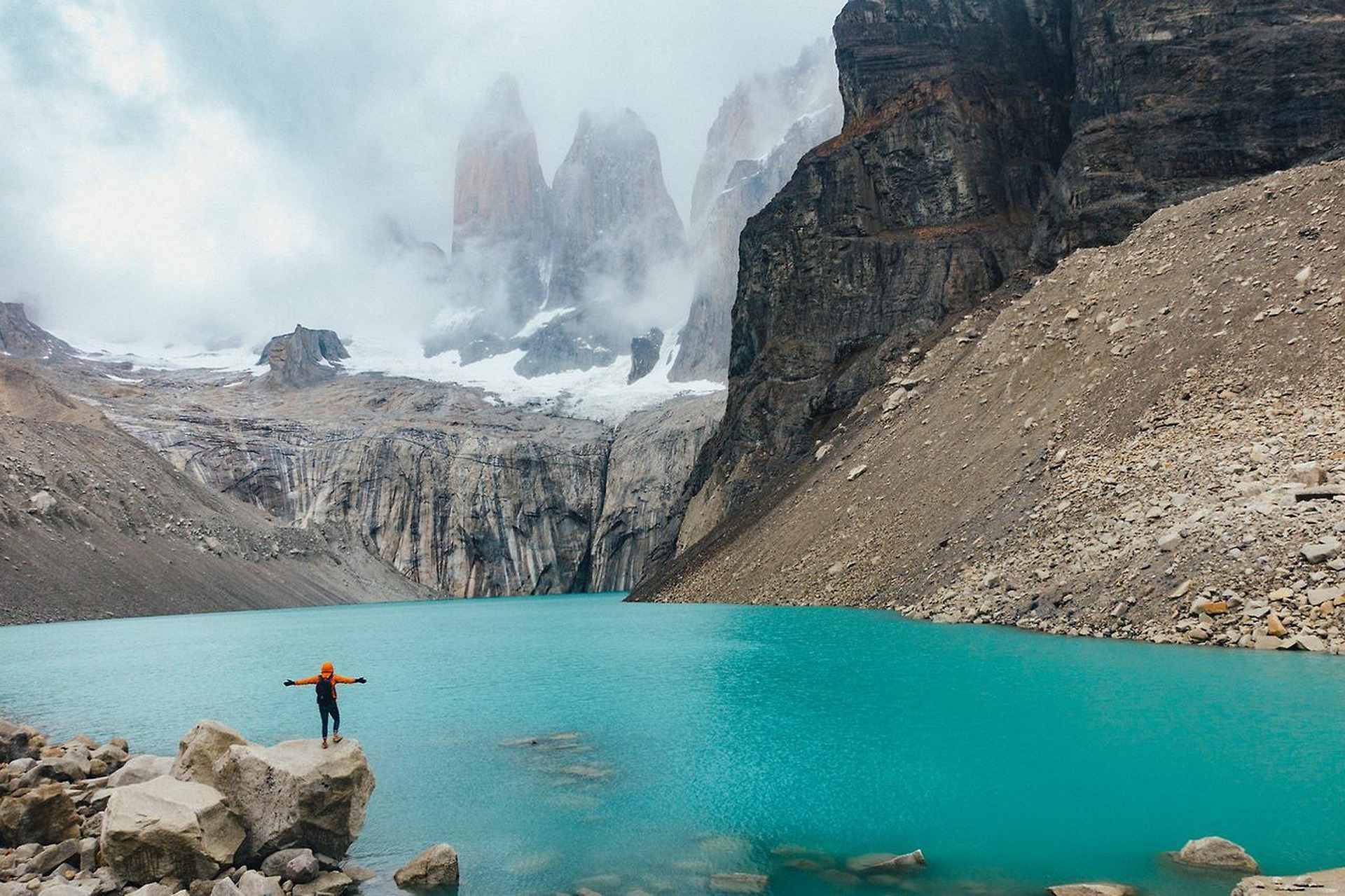
Patagonia, the place, not the clothing line. With my tickets already bought, I am very excited to be visiting Patagonia this year. The region of Patagonia is shared between the South American countries of Argentina and Chile. It is an untamed area of 400,000 square miles, full of mountains, lakes, and glaciers. This area is as far South as you can go before you hit Antarctica.
Popular with nature lovers and active travellers, it is full of activities but can only be visited at certain portions of the year, as during the Winter, it becomes too cold and dangerous to inhabit. I plan to hike as many national parks as I can, as well as visit wild penguins and if I am lucky, see some whales!
Scottish Isles
Another one, for a good bit of hiking and bird spotting, I can not believe that I have not yet visited Scotland! I keep meaning to head up the road to visit the land of the Scots, but I have not yet got to it. If I can get the cash together, I would like to purchase a van, do a campervan conversion, and use Scotland as my testing ground for the vehicle.
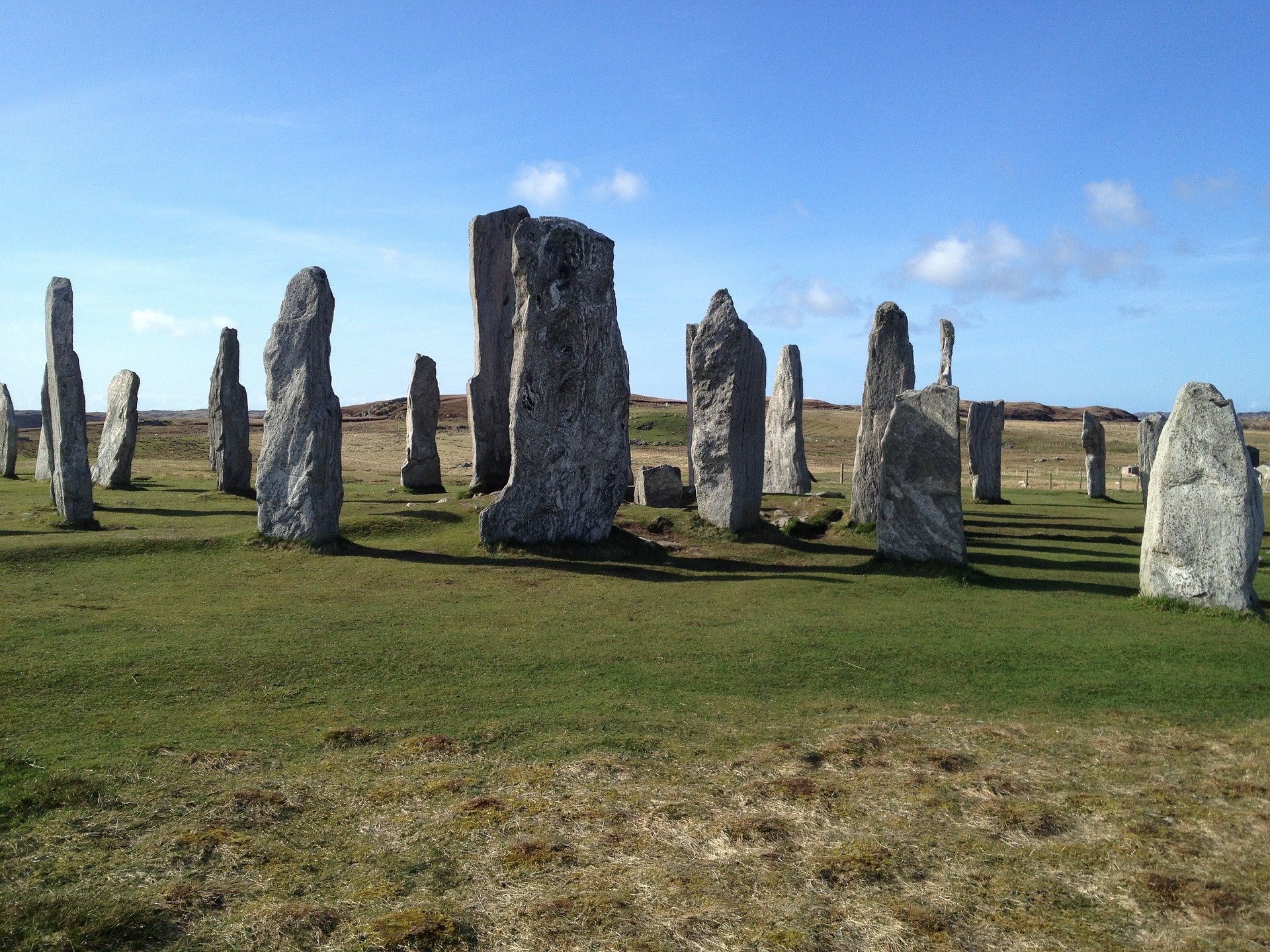
There are so many islands surrounding scotland, (over 900 in fact), making this a beautiful region to enjoy. These isles benefit from rolling wilderness, gorgeous beaches, castles and further whale watching! I am particularly interested in visiting Calanais Standing Stones which is actually older than Stonehenge.
Valencia, Spain
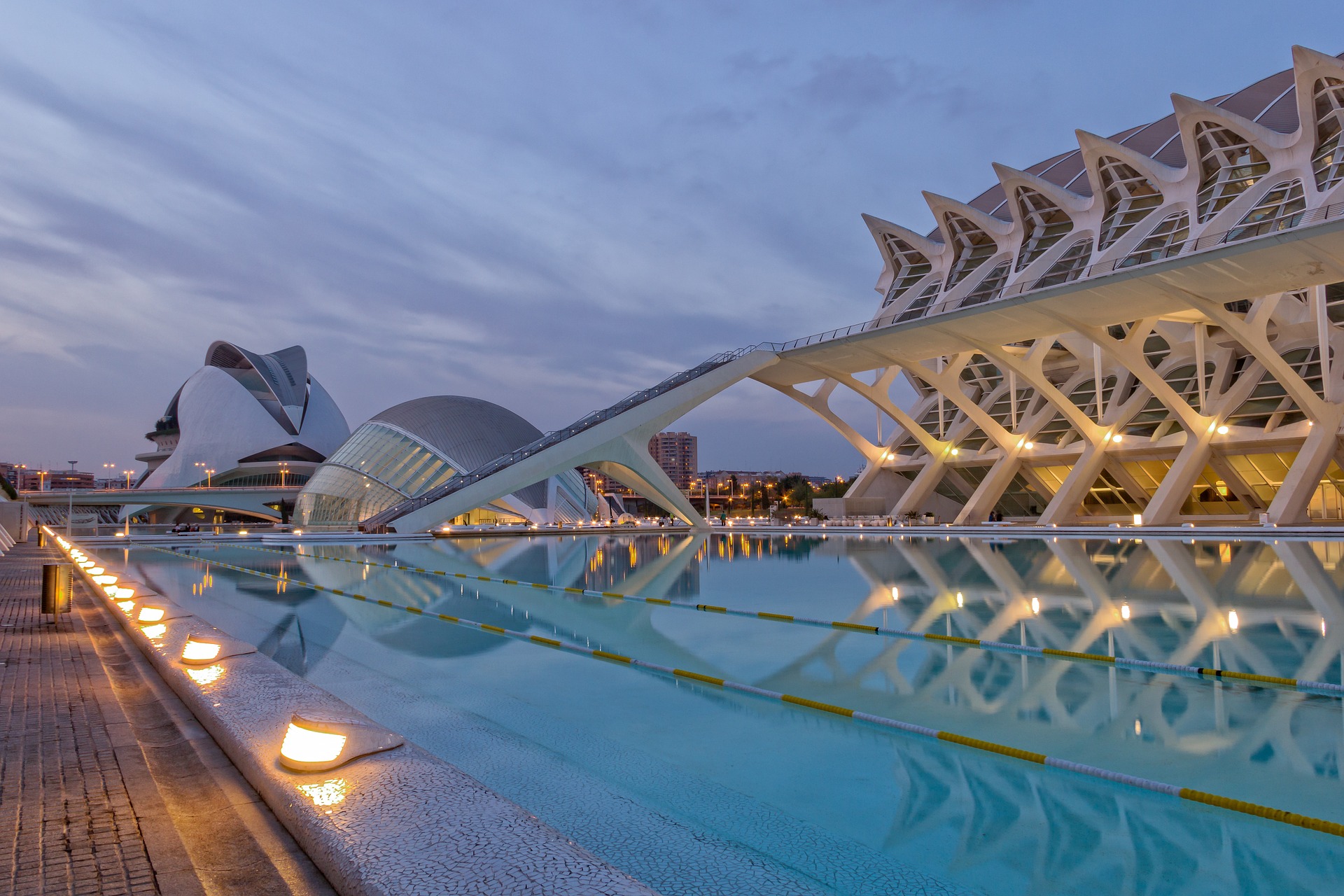
Valencia is the place to go to get warmed up, it has over 300 days of sunshine each year, and 2000 years of history to explore. During a city break, ancient and modern monuments, as well as beaches can be found. It is also the origin place of Paella!
I was due to visit the romantic city of Valencia during 2021, but I had to come home early due to Covid restrictions. I am determined to rectify the situation this year, and I am also lucky enough to have a local friend who can show me around the area.
British Columbia, Canada
British Columbia is the must see tourist region in Canada, and home of the rocky mountains. I was all booked up to visit the area before the pandemic, but then my trip was cancelled. The area is massive, and of course includes lots of mountain sport and trekking activities, but you can also travel through the area more gently on a luxury train.
The region is bursting with wildlife and I am determined to see some bears when I visit, but I also want to visit Calgary (which is the gateway town for those flying from the UK). Calgary is the location for the Calgary Stampede, which is a summer agriculture show and rodeo. It is world famous, but was cancelled during the pandemic, I hope it will be back in full action over the next year.
Costa Rica
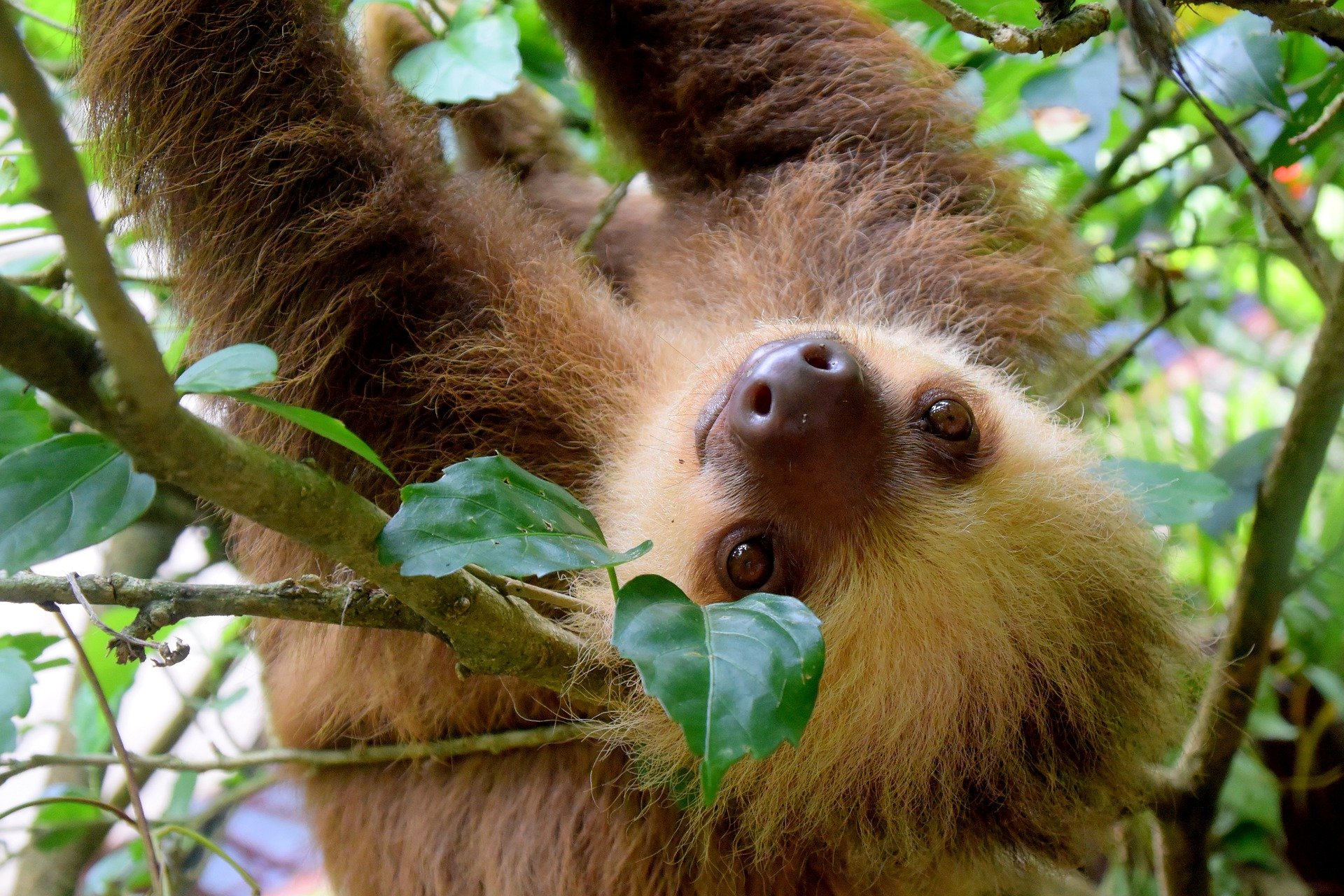
Costa Rica seems to be in the media a lot at the moment, and for good reason. This small country makes up 5% of the planet’s biodiversity, as it is full of rainforests, volcanoes, and wonderful experiences involving wildlife and culture. It is also not short of a white sandy beach…
I have known about the destination for a while, because of its passion for conservation and eco-tourism. Costa Rica has 29 national parks, 19 wildlife refuges, 8 biological reserves, and a series of protected areas. I can just see myself abseiling down waterfalls, and camping out amongst the wild animals.
Ljubljana, Slovenia
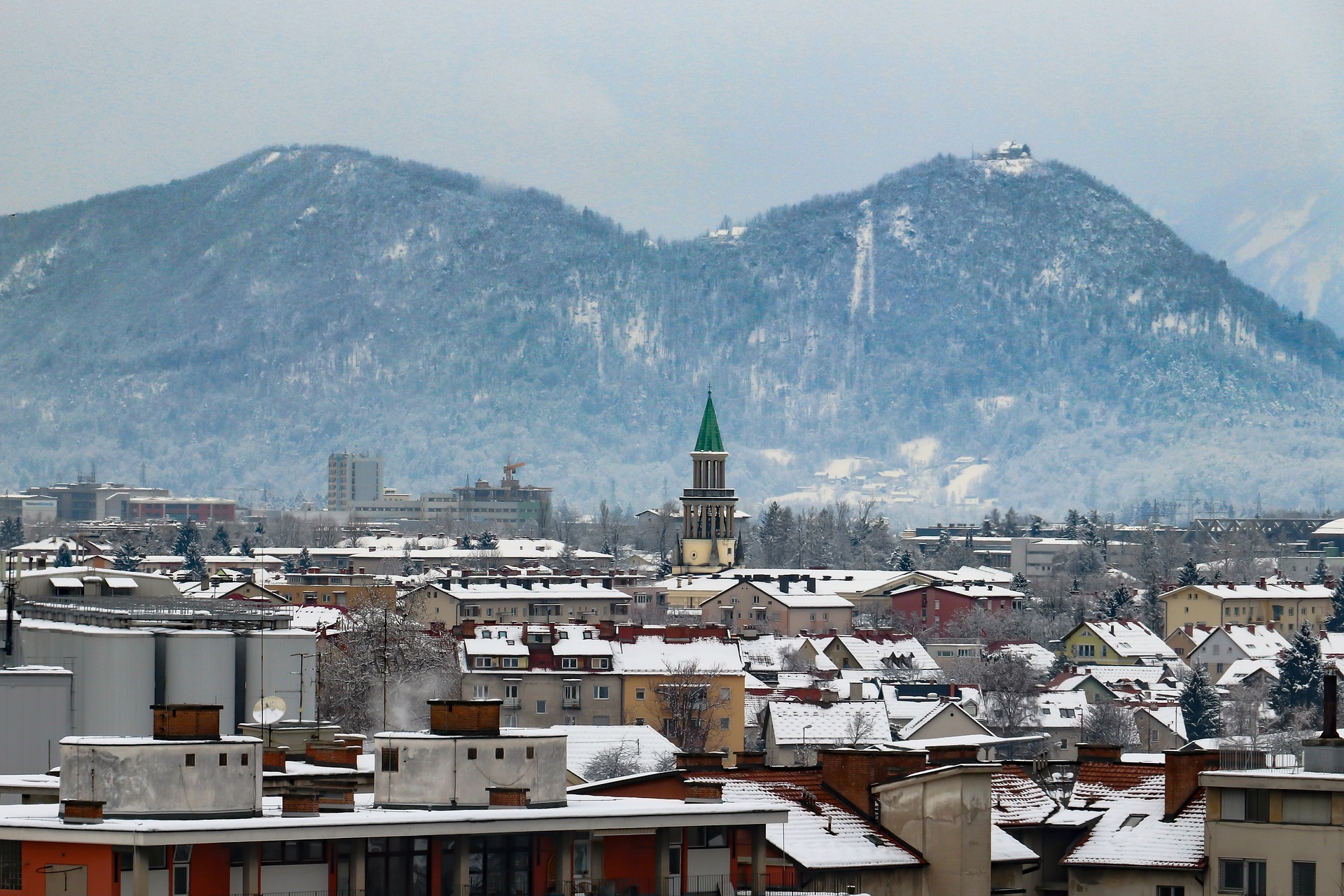
Another location that catches my eye because of its eco friendly credentials, Ljubljana in Slovenia, is one of Europe’s smallest capital cities. With a backdrop of snowy mountains, nature seeps into the city as they have created multiple outdoor spaces. It sounds really inspiring to see and I can just imagine taking a super nice breath of fresh air there.
Ljubljana has things to do and see throughout the year, and is another place where hiking is easily accessible. The Velika Planina seems to be a particularly unique attraction, as an area with small huts that look particularly pretty.
Norway
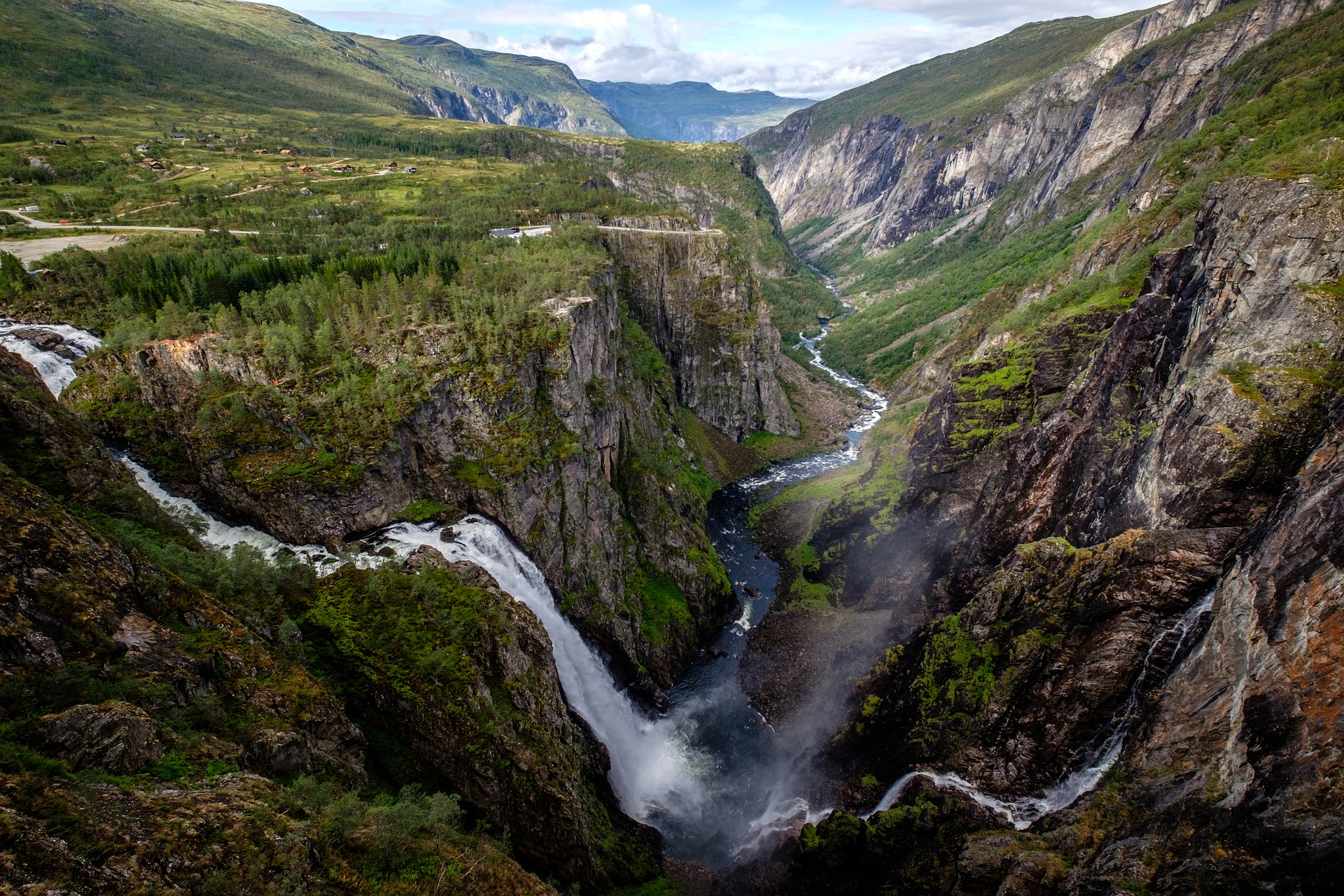
Norway, is a place that I (and probably many other people) now highly associate with either the movie ‘Frozen’, or superhero/god, Thor. As well as these mythical beings, the country has stunning fjords, glaciers, and the ‘northern lights’. It just seems to be a magical place to exist in.
I would love to travel by boat around some of the 1000+ fjords and hopefully not get too much seas sickness… I have also discovered that Norway now has an attraction that can be visited, which is very unique; an ancient ice tunnel below the highest mountain in the Alps. I am not normally one for cold places, but this seems like a must!
York, UK
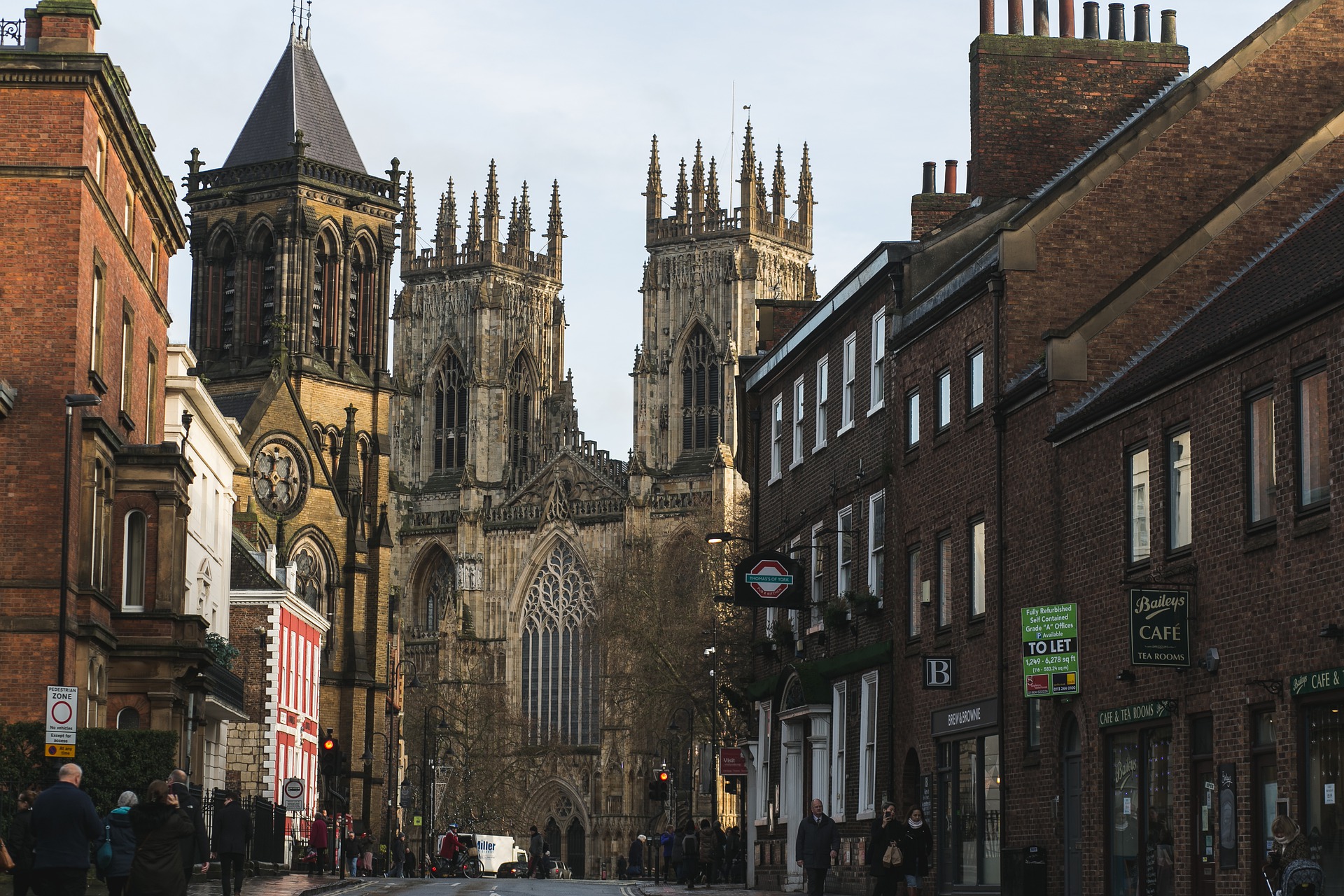
I have done the Yorkshire Three Peaks (technically, I struggled through two…), but I have not actually visited the city of York yet. York, is supposedly very similar to my home town of Norwich, and of course has the famous York Minster, which I would like to visit. York seems to be heritage heavy, which is really up my street, and along side some great places to eat and relax, it sounds like the perfect retreat.
North York Moors National Park is a great place outside of the city to set up the telescope, and enjoy the dark starry skies. I would be happy to add on some camping there, and the end of a city break in York.
Zakopane, Poland
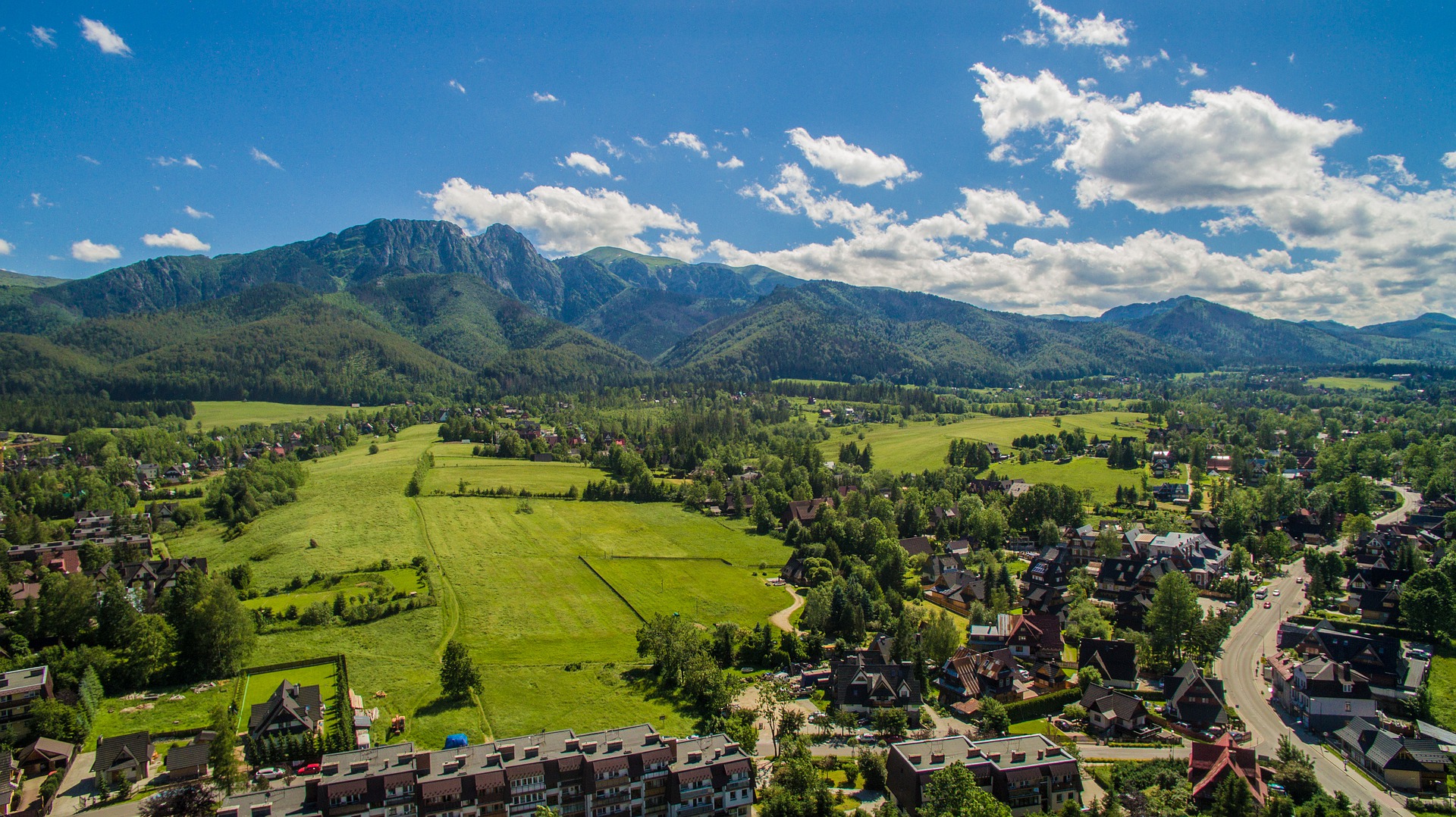
Zakopane, is a resort town in Poland on the other side of the border from Slovakia. It has picturesque wooden chalets and plenty of outdoor activities to enjoy in the surrounding mountains. The town also has plenty of thermal spas to relax in.
Poland is still a very cheap place to visit, and I also have some contacts in the country, that I could visit as part of my trip. This could certainly be an easy break to make happen.
Columbia
Columbia is a country with a mixed brand of coffee, politics, and now disney’s ‘Encanto’. For a long time, I knew little about Columbia, but I now have a dear friend, who is Columbian. He has described to me about the friendliness of the Columbian people, and the lush jungle and mountain scenery. So, now I am intrigued.
This huge nation has several large cities, with beautiful colonial architecture, and a thriving nightlife. In the wild rural areas, there are plenty of opportunities for trekking, sport fishing, diving, and bird watching. I hope to visit with my friend when he next visits. It is always great to be with someone that knows the area.
Fingers crossed, I can find the time and funds to make it out to all these places. There is a good mix of seasons and price ranges involved, so I think I stand a good chance! I hope this year brings as many adventures to you, as possible.
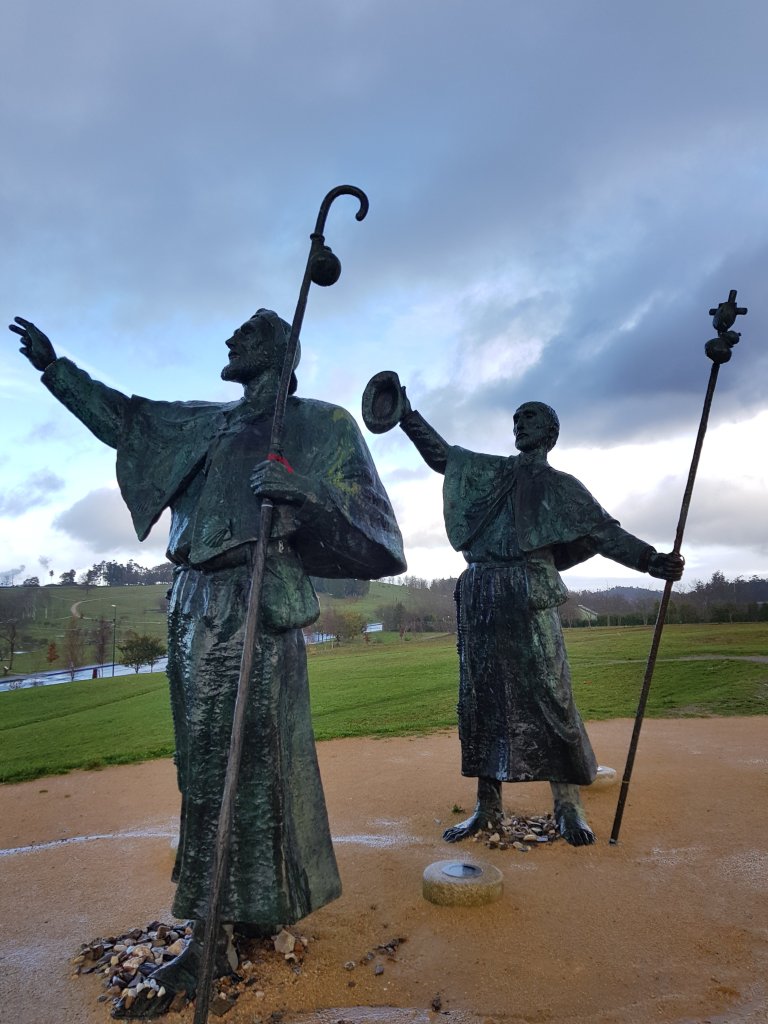
Before walking the Camino de Santiago, I had thought that people were being cheesy and over sensitive when they talked about their camino experiences. After 828km of different cultures, landscapes, and physical and emotional challenges, I know better now.
It is hard to explain why I began this great challenge in the first place. I liked walking, I wanted to practice my spanish, and I suppose I wanted to prove something to myself, but the truth is that it goes a lot deeper than that. It has a lot more to do with feeding the soul (I know that sounds corny, but it is true).
‘Normal’ life is so fast paced, and so fixed on superficial goals; making the most money you can, being the best at your job, being popular, educated, prosperous in all things. I found that I had become lost in the noise of it all, unable to relax, nor ever fully able to satisfy the expectations of others. Life was not energizing me, and after suffering the loss of loved ones too, I could not see a way out of the maze I was in.
When I decided to leave everything behind to start travelling and begin walking the camino, many people told me that they envied my courage. The truth is, whilst it is brave to leave your comfort zone, that is not what led me to walk ‘the way’. When you get so desperate to live happily, you will try anything to reconnect.
The Camino de Santiago is not a leisurely walk, or even just a physical endeavour. It is a spiritual journey full of physical anguish, beautiful moments and life changing epiphanies. That is what my life needed.
Every day, there was only one goal, to follow the bright yellow arrows, and find the next place of refuge. The only priorities are food, water, shelter and occasionally if I was lucky, heat & hygiene.
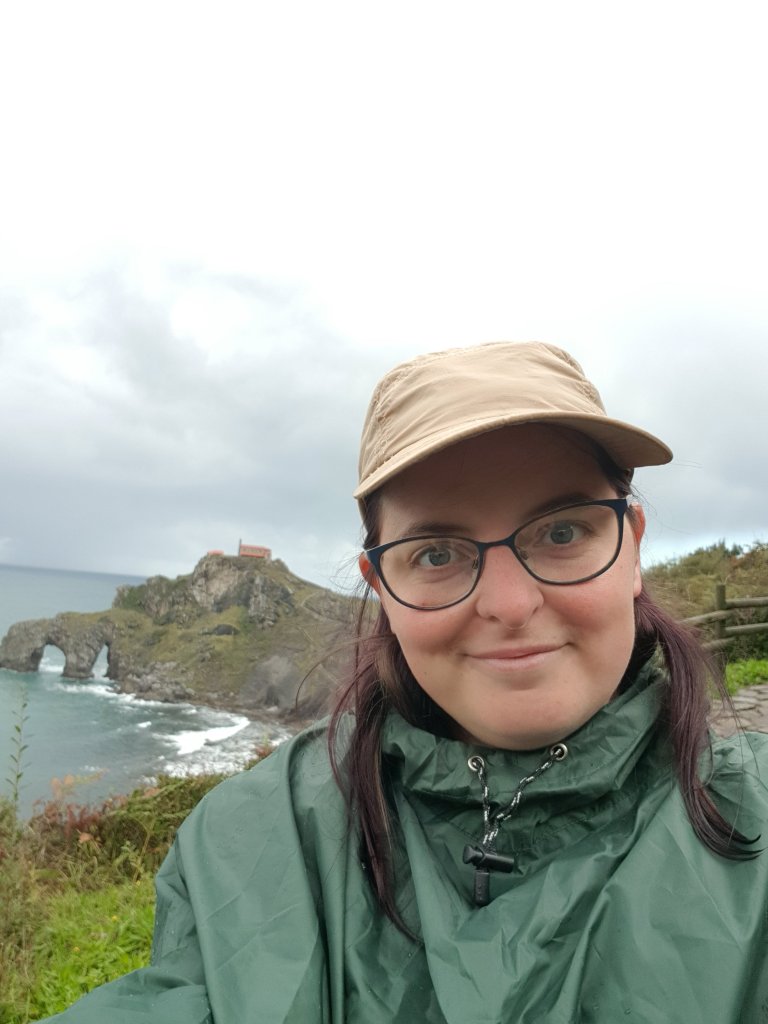
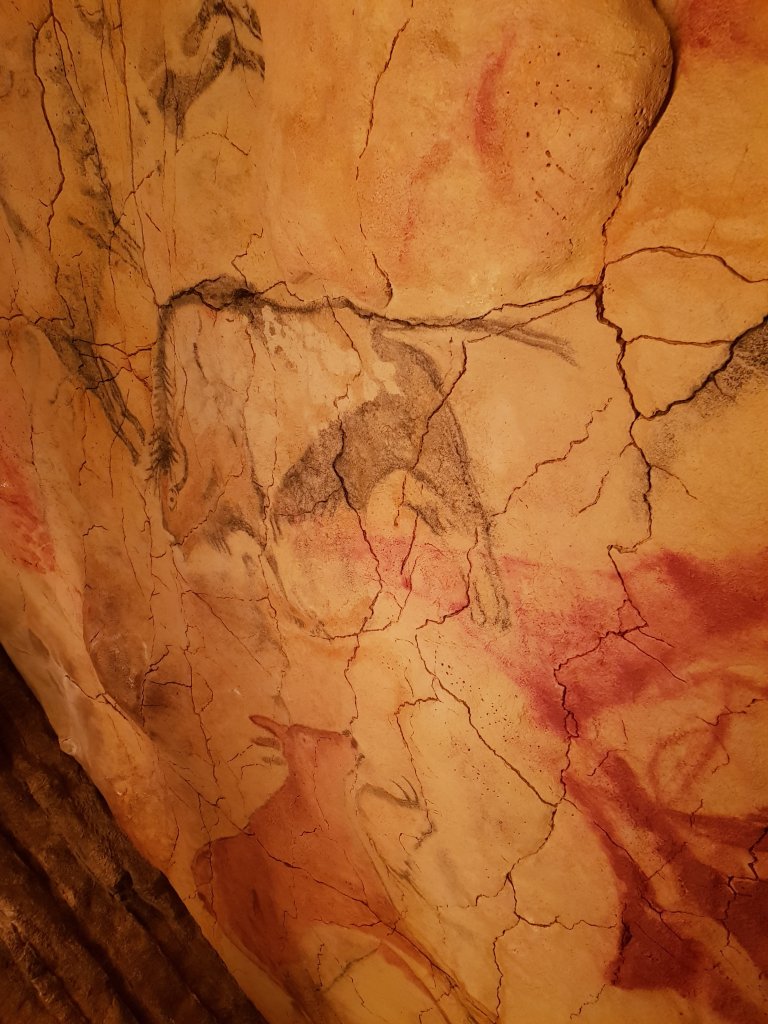
There were moments when putting one foot in front of the other was agonising. With blistered feet, tired muscles, sweat streaming down my face, as I carried everything I had on my back. I’d wonder if I made the right choice, if I could carry on. Then, something would happen, something small and natural, and it would change my thoughts. Things like finding an ancient cave, seeing a rare eagle fly just next to me, or a beautiful mountain view.
I had one day, when I had been walking for two hours in the rain, uphill, I was in pain and not enjoying myself. Then, suddenly, the rain cleared and I was at a natural park with views of the sea and rivers running past, birds swooping down to the water below… and then above me a rainbow appeared. This almost moved me to tears. It rejuvenated me and reminded me that all storms are followed by beautiful light and life.
But isn’t that what life is about?
Working through the struggle to get to the happier moments. Life is a constant search, not for happiness as a constant state, as this is not possible. It is a search for moments of happiness, contentment and peace. You cannot have moments of happiness without the contrast of pain and struggle.
Quite a few times during the walk, I compared it to what I imagine childbirth is like to some degree. Your feet swell, your back hurts, you have an agonising physical experience, then when it is over, you forget all the pain and can only think about the amazing result.Often, people forget about the pain so easily, that they want to do it again!
What is perhaps more important that this, is that the more pain you have endured, the more happiness you have the capacity to appreciate. I used to wish that the bad things that had happened in my life, hadn’t happened, but if they hadn’t how could I have the strength and search for happy moments that I have. If you never stumble, how can you learn to get up?
Many people already have all they need to live happily. Medieval pilgrims would have seen normal people today as rich in all they have, and expect us to know our blessings. In the western society though, people no longer can appreciate it. I would now argue that we have become too comfortable, too lacking in the struggle to survive. This is why it is harder to feel happy moments when they come, instead you feel nothing at all.
If you lived in nature, and it began to rain, you would need to find or build shelter to escape it. You may also rejoice the rain, because after long drought, your survival depends on it. I cannot count all the times I have cursed the rain, and been angry about it, simply wishing it would stop, meanwhile I effortlessly wonder into my home, that I did not take any risk in acquiring.
When exploring the ancient lives of paleolithic cave people during my walk, and visiting their shelters, I realised how ungrateful I had been. These people had barely anything, and what they did have, they spent long periods of time making themselves. They lived in damp hard holes in the ground, and had to fight bears and other animals for the right to be there.
This made me reconsider things. I should be grateful for the rain that many others might pray for still today, and the home that I did not have to bleed for.
Once I began to change my mindset, I started to appreciate things. Everything became more special. Whilst the rain may not be may favourite weather, I could now look up and smile in it.
A piece of bread was now vital substance, my socks and shoes were precious gems, and passing animals became welcome friends. I watched the snail slide down the same path as me, and considered his struggle, following the same hard terrain with no tools, and his home on his back. I found a new respect for many creatures that do not possess the aids that we have. I could not match the struggle of the snail, the donkey or the stray cat. I must remember and appreciate this.
It all comes down to perspective, and there is plenty of that around on the camino, from the scenery to the people you meet.
I met so many different people, and had such varied conversations. From simple laughs with local bar tenders, to deep life conversations with diners on the next table to me. Most of the pilgrims I met were searching for the same thing as me. Meaning.
I met a couple that had already been cycling for four months from their home in Germany, wanting to find more joy in their lives. I spoke with an Englishman that wanted to live day to day, and a man from Belgium, who was looking for a new direction.
The nuns, farmers, small business owners and simply just other pedestrians, we were all sharing the same need to slow down. The culture of Spain in general is very relaxed, and people savour their meals and take their time to talk to strangers and neighbours alike. The amount of times I was stopped by a local that wanted to talk with me and ask about my journey, is hard to count! It was so warming, and it just made me feel connected to these people.
Whilst I have met many people, most of my time was spent alone with my thoughts. Friends have asked me if it’s horrible being alone, and don’t I get lonely.. well I did get lonely, and sometimes it made me sad, but more often I was happy.
I could sing as loud as I wanted to songs that I do not know the words, cry about stuff that only mattered to me, and work through my thoughts. I know that it can be scary to face your thoughts and feelings, but it is the only way to move past them.
I don’t believe these are things that someone could have told me and I would have then understood. They needed to be lived. Going back to basics as far as possible, this was the shock I needed, to remember what I have and what life offers us all. To be able to be grateful to just be on this planet and living this moment, and enjoy it!
It truly is a pilgrimage, and a journey to explore yourself, and I would recommend that anyone who feels lost, walks ‘the way’.
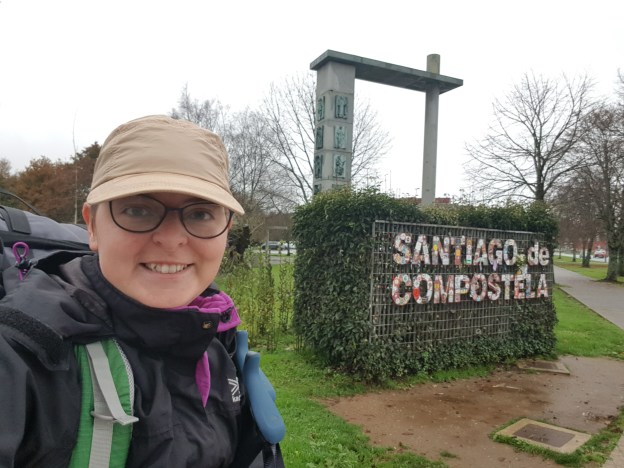
During my two months following the Camino del Norte from Irun to Santiago de Compostela, I have stayed in all sorts of places. Some were absolute luxuries and some were absolute horror stories. I have now narrowed down my top ten.
On the Camino de Santiago’s many routes there are lots of accommodation types on offer:
Albergue / Hostel
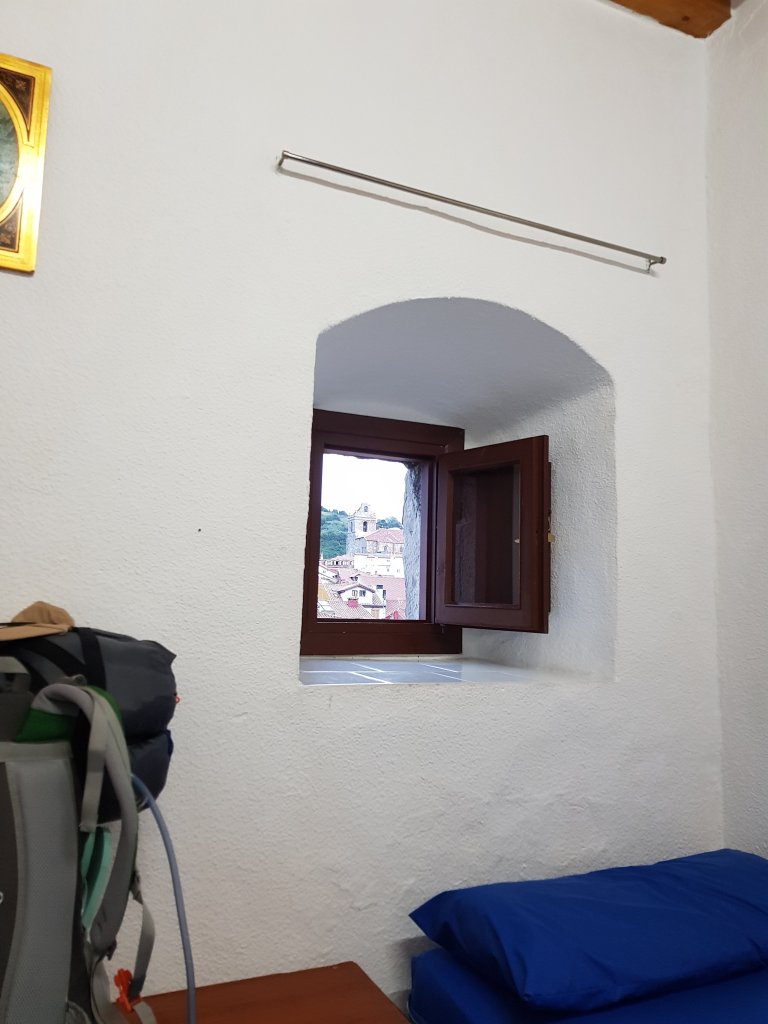
Very similar to each other, many are pilgrim only. The main differences to remember are that in an albergue you generally have one main hall for everyone, lights out and lock up at 10pm and have to be out by 8am. Many have no heating, and you have to keep your fingers crossed for a bottom bunk, as after a week of walking, you won’t want to be climbing a ladder each time you need to wee.
Pension
This is normally a guesthouse but sometimes a pension might have a bunk room, and extra services. Normally it is owned by a husband and wife team, and they will have a bar/restaurant next door.
Pasada / Country Lodge
These are like luxurious pensions and tend to be in a rural scenic location, in a small village, and possibly the only place to stay.
Hotel
I would say that a hotel is obvious, but it is not. There are many different standards and many hotels have no services at all, and are really pensions. For me, a hotel needs to have a manned reception, this was only common in hotels above three stars.
Top 10
To make it to the top, the accommodation has to have the big three; great location, great price, and a great bed.
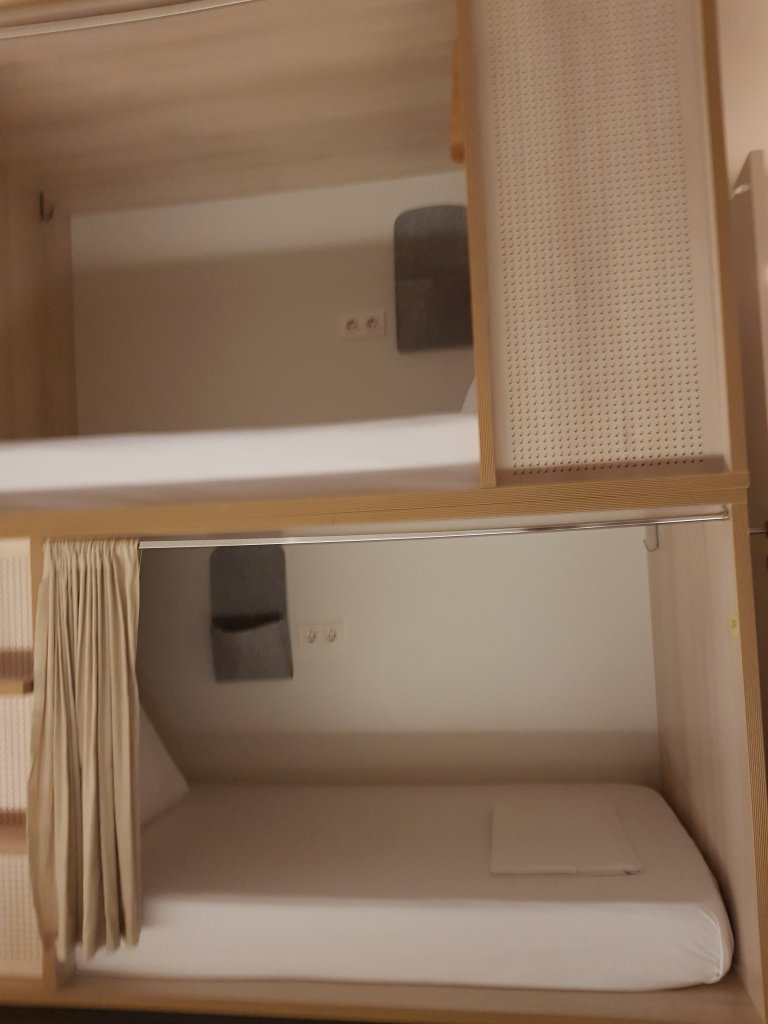
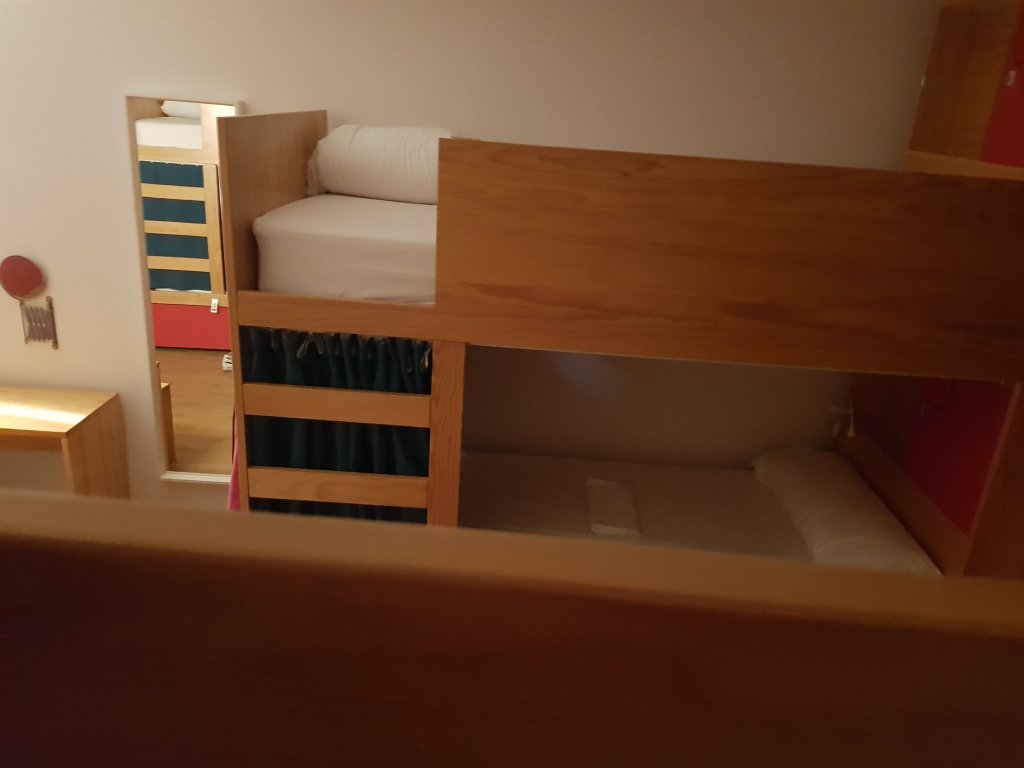
1. Blai Blai Hostel, Zarautz
I had a really comfy stay at the Blai Blai. The hostel is in a popular location for not only pilgrims but also lots of surfers. The woman on reception was very nice and helpful. There is a supermarket above and to the side of the hostel, so very convenient. The rooms are very clean and modern, with all the outlets you need in your own little bunk. The only cons were that there was no oven (not uncommon), and no in house washing machine, I had to go to the laundarette down the street.
2. Albergue Bide-Ona, Portugalete
Unfortunately, I don’t have a photo of this one. The guy managing the albergue is really friendly, and helped a lot with information and route planning. The albergue is clean and organised, and has a really chilled vibe to it. There is also a really reasonably priced cafe down the road where I got a giant bowl of cesar salad that was delicious.
3. Pasada Villa Rural, Guemas
Again, another one with no photo. This is pretty much the only place to stay in Guemas, as it is a tiny village. The lodge is really nice quality though, and the owners have a restaurant next door which is handy. The views from the rooms are really nice and you can enjoy sitting on the terrace too.
4. Canal Hotel, Unquera
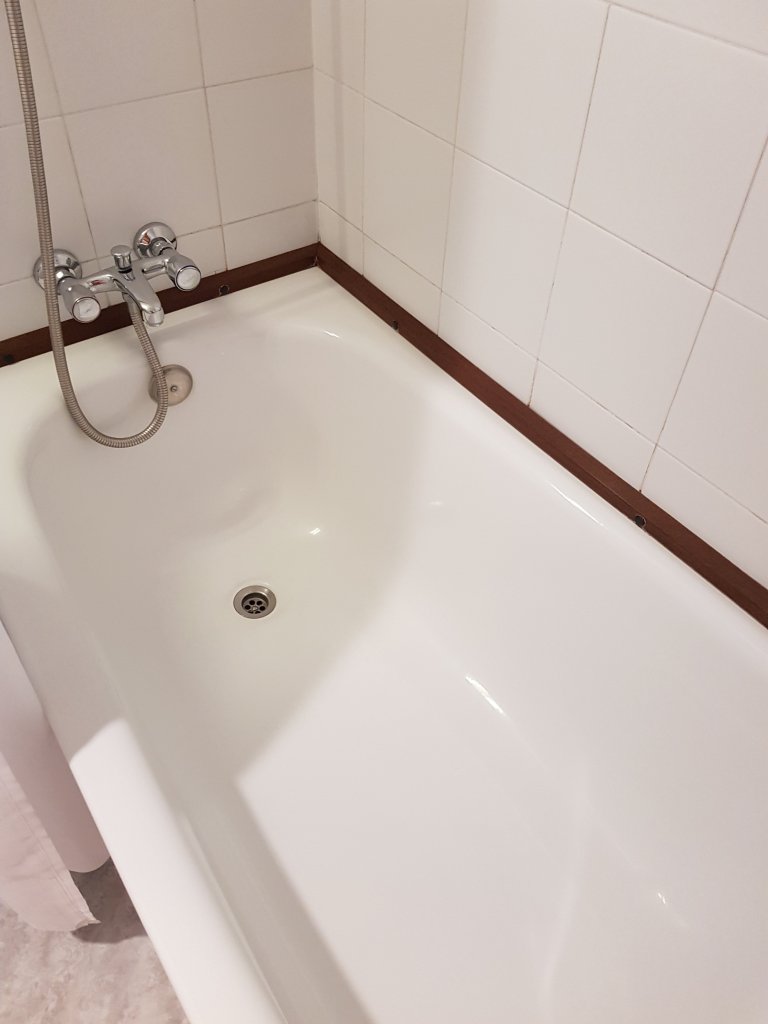
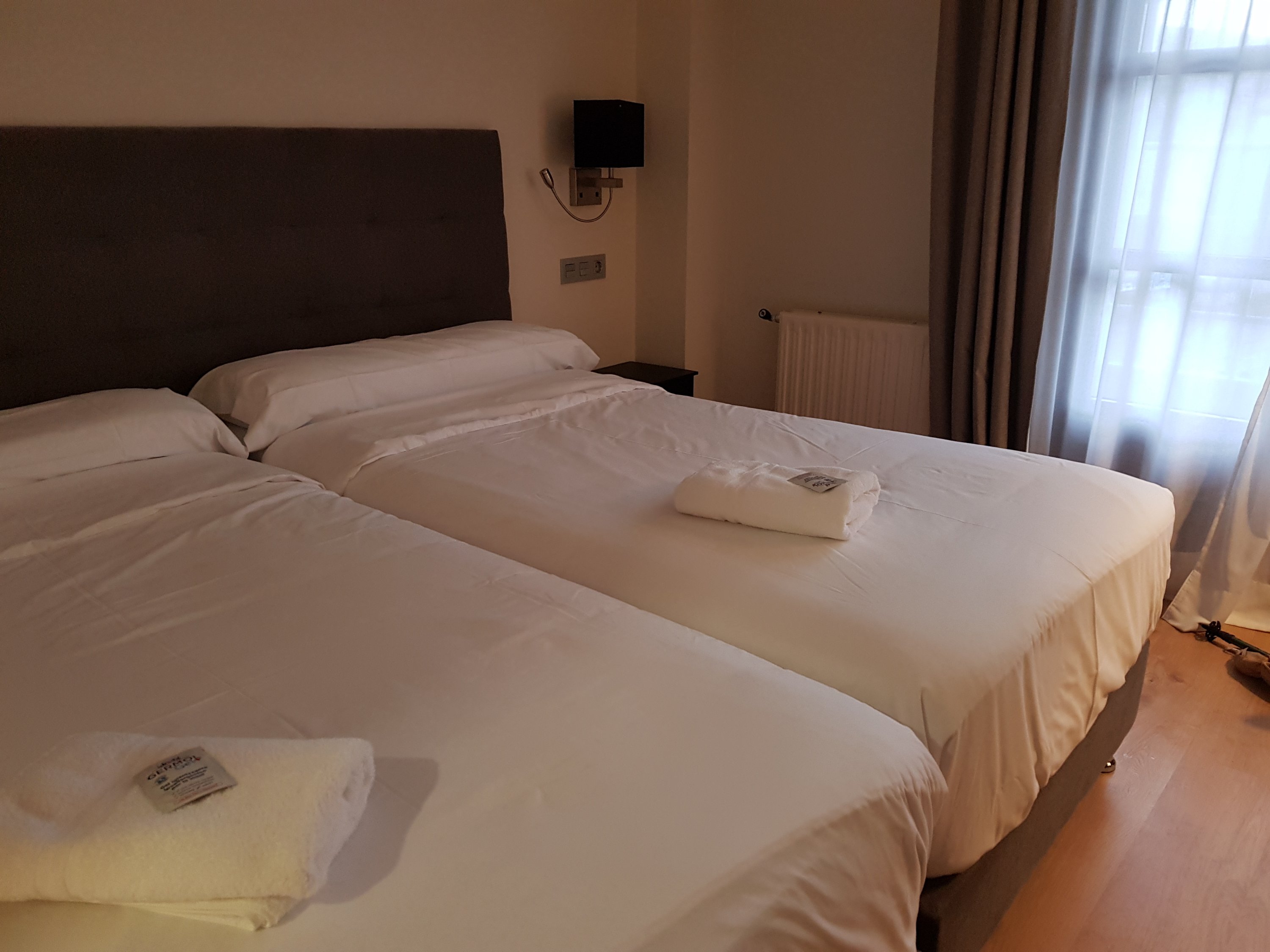
I think the photo below is enough to earn the Canal Hotel a place on the list! In general though, it was a pleasant hotel, with clean rooms, friendly staff, and a free breakfast.
5. Casa de la trinidad (San Francisco Convent), Laredo
This convent had no heating but otherwise it was great! The nuns sign you in, and then buzz you in and out when you go for dinner. The rooms are very clean, and there is a kitchen available. It felt very special to sleep in the convent, and I had the room to myself (there are only two beds to a room).
6. Casa Espana, Villaviciosa
I really thought I had a photo of this hotel but apparently I don’t, and that is very annoying! It is a very pretty hotel! It is a historic building and has a gorgeous appearance outside and inside. In my room was lots of hard wood antique furniture. Everything was very clean. The staff were also very helpful.
7. Boogalow Hostel, Gijon
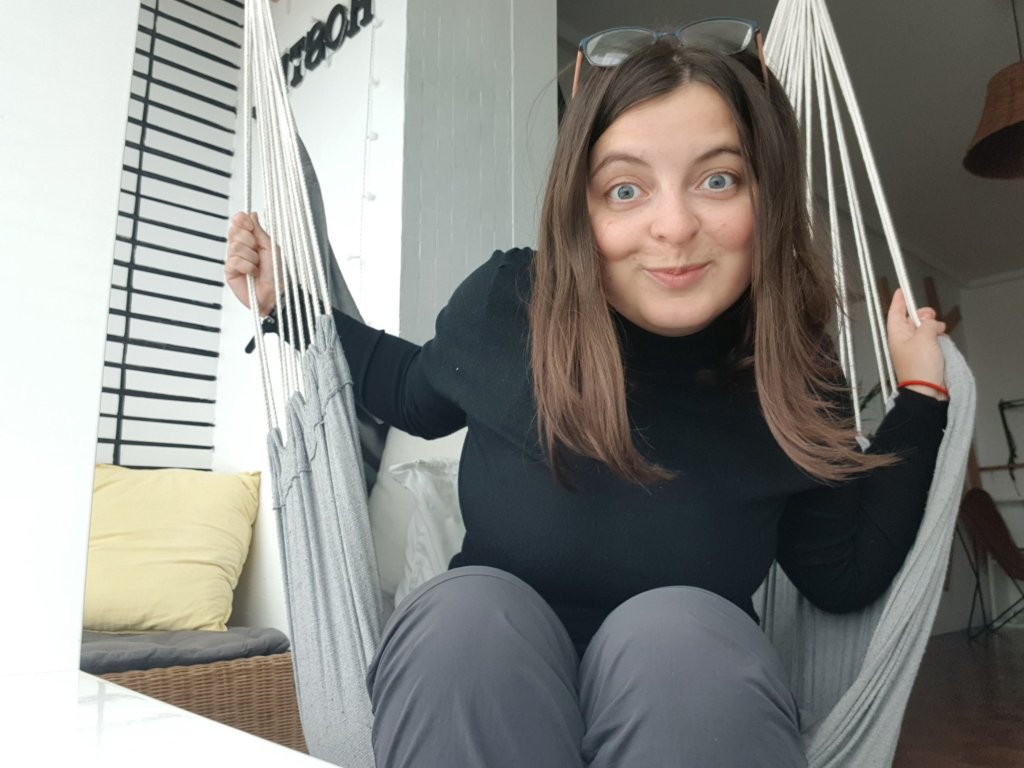
The Boogalow hostel is still fairly new and it is a really comfy stay. A great location, facing the beach and with sea views. There is fun decor including games and best of all, a swing chair! The hostel offer lots of free muffins and snacks etc, the only downside was they needed a few more bits of kitchen equipment, in case there are lots of guests wanting to cook at once.
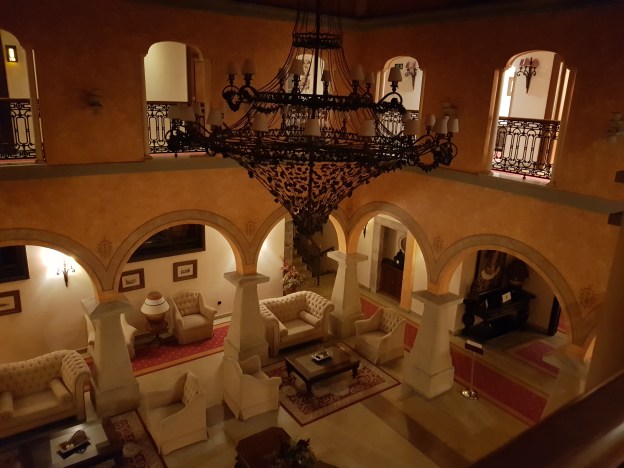
8. Hotel Palacio de la Magdalena, Soto del Barco
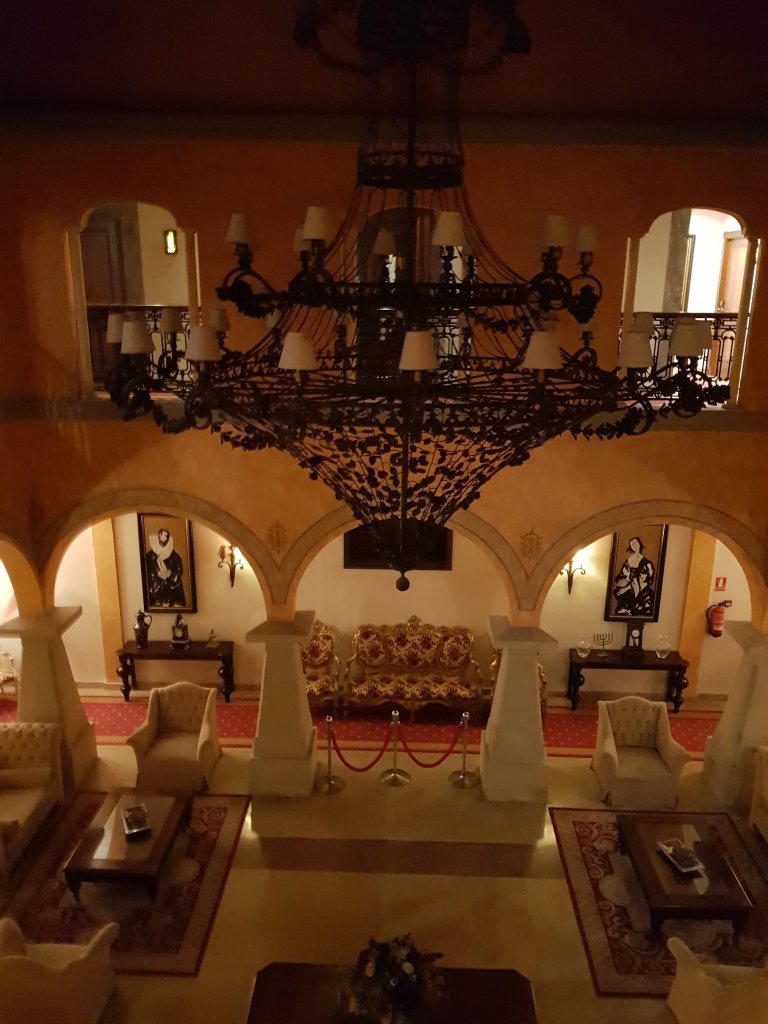
This former palace is beautiful and very luxurious! I had so much time in the bathtub, and laying on the comfy bed. They even gave you your own dressing gown. I realised later that there was also a spa! Unfortunately, I was only there one night and did not have any swim gear so could not take advantage. I did use the hotel restaurant which was very fancy and still reasonable at only €16 for the menu of the day. Plus, they gave me complementary leek cake!
9. Casa de Manas, Grove
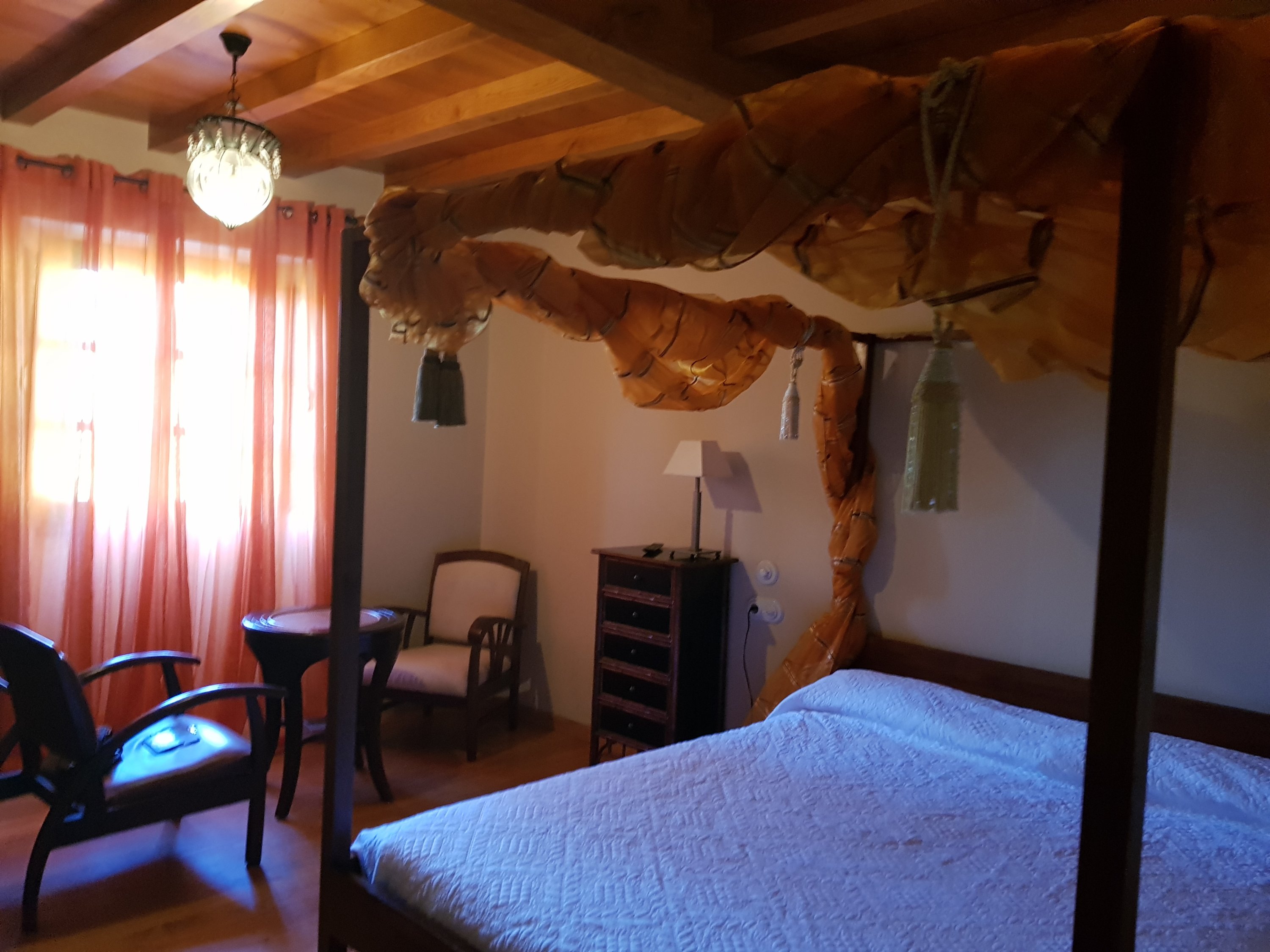
Beautifully finished country lodge, surrounded by a river and cows. The bed was very ‘princess and the pea’ style, the radiators looked like marble, and the bath was a jacuzzi. Very nice! The owners were also very helpful and provided a free breakfast at the restaurant a little up the hill.
10. Hotel San Marcus, Sobrado dos Monxes
Comfy room, and nice bathroom. Very cosy, with a balcony to sit on and views of the monastery. The lady running the hotel also made free drinks and snacks available 24/7 and breakfast was included.
Doing the camino off season, did leave me with less options to choose from this year, but I am so glad I managed to get a bed at these locations. I would recommend to anyone doing the walk, to mix it up and sprinkle some different types of stay into your trip. You deserve a little luxury after walking for 40km in one day, and the baths really help!
After two months walking Camino del Norte through all sorts of weather and terrain, these are my top tips.
1. Walking poles
Lots of people walk without trekking poles, and it is a personal preference. For me, after so many consistent days of walking, I don’t think I could have finished without them. They take the pressure off your legs, offer you something to lean on when there is no dry seat, allow you to test the depth of mud, catch you when you fall, and make good weapons if you need them!
2. Getting used to bread and ham
Always keep a little bread and some snacks in your backpack. There are many stretches without services, and the walking schedule does not match the spanish eating schedule. Supermarkets close on Sundays and many restaurants are shut on mondays. Restaurants will not serve meals until their meal times (3pm and 8pm). The only thing you will get is a ham sandwich. Get ready to get sick of ham real fast!
3. Energy drink powder
I never used to use energy drinks or add anything to my water before the camino. I decided to buy some on the way and start using some strawberry flavoured powder. I ended up really being able to tell the difference between days I had it, and when I didn’t. It also helps to supplement the lack of access to meals as I mentioned above.
4. Sending your backpack on
Correos, Spain’s postal service, offer a backpack transport service for pilgrims. This runs all year on the french way but only up to the end of October on other routes. I used it for my first three days and final two days. If you can do it, I would recommend doing it for the beginning at least, so you can gradually get used to the trek. Especially, if doing the North route, with lots of mountain climbing at the start! The service is really good, and cheap!
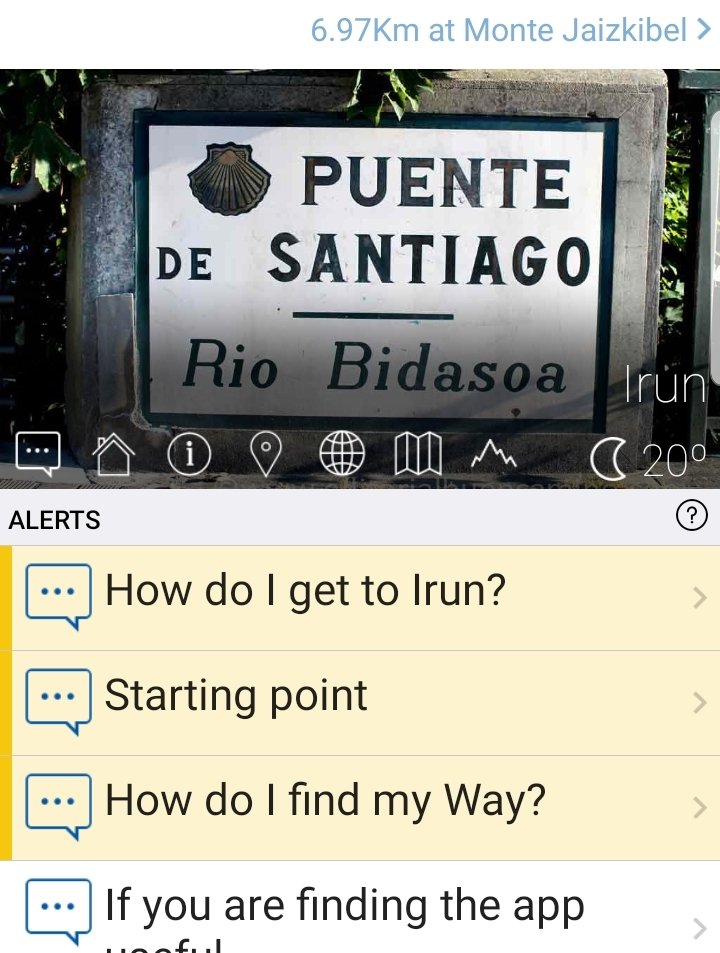
5. Download the Buen Camino app
I used the Buen Camino app every few hours. It was really a great tool. The app has an up to date map, with the official route and alternative paths and shortcuts. Also, up to date information about issues on the route, attractions and accommodation. I cannot recommend it enough.
6. Bring a portable charger
My phone is a little on the old side, but regardless, bringing a portable charger is a really good idea. You are likely to be without a plug outlet for up to 10 hours at a time on some days, whilst draining your phone with music, photos and apps. This helped me out a bunch of times.
7. K-Tape
I used K-tape on my sore muscles for the first few weeks. It really helped me to feel better, and prevent hiker’s knee. There are plenty of YouTube videos on how to apply it.
8. Paper tourist map
When in a city or large town for more than a day, it can be a good idea to get a paper map from the tourist office. This is a prevention method like the portable charger. When all your devices fail you after a long day out sightseeing, you will still be able to find your way back to your bed. Plus they are fun!
9. Plastic bags and newspaper
If you are walking during a wet time of the year, although you can still expect rain at some point, have plastic bags and newspaper handy. I have now learnt that there is no such thing as a waterproof shoe. No shoe can stand up against the rain of the autumn/winter camino. Putting plastic bags around your feet is a temporary prevention that helps. To dry your shoes overnight, stuff them with newspaper balls, this sucks out the water.
10. Have small change
Spain has not yet become a cashless society. Do not kid yourself that you will be able to wonder around with only ‘contactless’. Many shops, cafes and albergues will not accept card payments, and will be moody if you give them big notes. Many of the washing machines and dryers are also coin operated, so you will need to keep some coins handy if you want to wash your two outfits!
11. Check your check in times and leave early in the morning
Many accommodation providers have random check in and check out times, and if you turn up late they will not let you in! There is also likely to be situations where you have to phone the reception from a locked door outside, as many do not man the receptions full time. Additionally, I would recommend leaving early in the morning. You never know how long a walk is really going to take, and you want to maximise daylight hours, and rest time in the evening.
12. Take lots of short breaks and dont sit for long
I tried to sit for about five minutes roughly every two hours and up to 30 minutes for lunch half way through. If you sit too often or for too long, it will just keep getting harder to get up and going again!
13. Don’t think too far ahead
Don’t think about how far away it is to Santiago, or even the town you are trying to get to at the end of each day. It is too overwhelming, and frankly discouraging. It is better to think of lots of short distances whilst walking, for example the next town or landmark. Then when you have done that, you look at how far to the next one. It makes each one, a little win.
14. Accept that there is a good chance that you will need to take public transport sometimes.
You may well do the camino entirely walking, but don’t beat yourself up if one day you just have to take the bus. There will be days when you just have nothing in the tank, or the weather is too dangerous to walk, or you might have an injury.
15. Don’t forget to stretch and take your ibuprofen!
Pretty self explanatory, but I forgot to stretch often, and it makes a difference. I also really needed ibuprofen by the end!
This year, after being trapped at home, I decided to pack up my life, and start my wanderings across the globe. The beginning of this journey starts with a physical and mental challenge.
I am travelling by train to Irun, Spain, and walking West across the Northern Spain coastline, along an ancient path to Santiago de Compostela. This path or ‘camino’ has been travelled on for hundreds of years, ever since the remains of St James was discovered in Santiago de Compostela in 9th century, and pilgrims made their way to see his tomb.
If you have seen my other posts, you may have picked up on the fact that I love churches, and with this being traditionally a religious route, it really appeals to me, because of all the churches I will see. I also love walking, and have been learning Spanish for four years, so it seemed like the perfect way to start the year ahead.
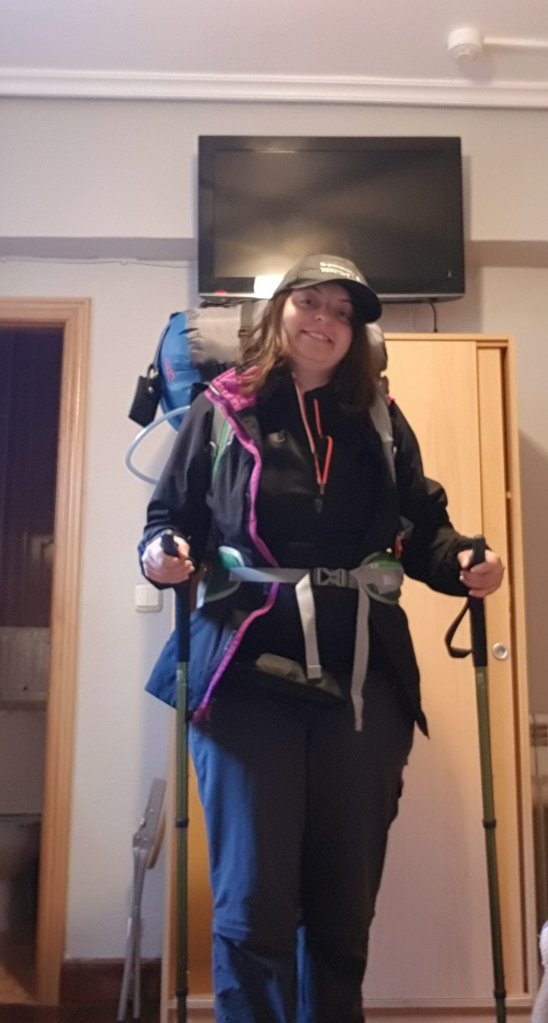
Wow though! There has been a lot of preparation to get ready for the trip! The pilgrimage involves carrying everything you need on your back, and staying every night in a different location, as well as lots of training.
Training
I am not the fittest person, and whilst I enjoy walking, I have never done such a consistent walking itinerary. I have done mountain climbing, but never walked over them over several days. Most people recommend 12 weeks of training to prepare for the challenge (especially as the Northern route is one of the most rugged).
I had less than eight weeks…
Practice walking in Portugal
On average, pilgrims must be able to walk approximately 21-25km (13-15 miles) per day, and one of the longest stretches goes as high as 39 kilometres. Since deciding to do this challenge, I have been slowly increasing my walking distances from walking 7 miles every other day and having a big walk at the weekend, and slowly getting up to regular 21km walks. I was also mixing this in with using an exercise bike, swimming and a better diet. It was all going well until two weeks into training, I sprained my ankle. I then had to start again from scratch. I now feel confident that I can walk the distance, but my speed is very dependant on the weather (which is likely to be rainy), the terrain (which is likely to be uneven), my ankle (which is going to be strapped up), and my backpack (likely to be very heavy)!
Accommodation and Covid-19
The route normally has traditional accommodation for pilgrims to stay in, called ‘albergues’. These are generally public buildings such as monasteries, halls, or train stations, that have bunks for pilgrims to sleep in for very little money. Unfortunately, Covid-19 has meant that many albergues did not open this year, and even some that did, will be shutting for the end of the high season when I arrive. So, booking the accommodation has been a little trickier than expected, and in some places I will need to walk further each day to make it to my bed. I now have my first week of accommodation booked, this is made up of a mix of albergues, hostels, pensions (guesthouses), and hotels. If I ever get caught out though, I do have a poncho that doubles as a rain shelter, so it’s all good!
Hostel bunks
Booking the accommodation, I used regular booking platforms, and also directly contacted albergues and tourist information centres by email in spanish. This has been very successful so far. I would recommend using a cashback platform when making bookings, to earn back some of your money. I have used TopCashback for almost all my accommodation so far, and made over £30 back in cash so far (for about 10 days of hostels). It is completely free to benefit from this scheme, so it is an obvious win.
I have put all these extra earnings into a giant spreadsheet, along with all my expected expenses for the trip. The three months total I will be spending in Spain, should hopefully total under £4000.
Covid-19 has also meant that I have had to be more cautious with my documentation and vigilant of checking the .gov website. For example, I am travelling into Portugal before I go into Spain over land. Portugal were previously accepting the NHS vaccination pass, but has since changed their advice to say that you must have an EU vaccine card, you can only get this if you are an EU citizen. Thanks a lot BREXIT! Very frustrating. So I will now need to test before entering Portugal, but thankfully the over land travel between Spain and Portugal, does not require testing..
Technology
The ancient pilgrims never had to worry about what tech they would need, because they just followed the sun and the other travellers, West to their final destination. In our modern world, I have been encouraged to use apps and tech available to me to make sure I am as safe as possible. It does feel a little like cheating though!
I have available to me:
2 Portable chargers
Digital camera
Two apps about the pilgrimage, with maps, updates, photos, and resources
A panic alarm app, SOS emergency app, and emergency services app.
My Strava and Fitbit accounts
NHS digital covid pass
And of course, good old, Google Maps.
Screenshot of Buen Camino app
I do have a traditional map and compass, just in case I still want/need to use traditional methods of orienteering. I will still be using my torch rather than moonlight though.
Packing
Packing has been a real challenge of distinguishing the absolute must have items from the luxuries. For example, I now consider the following items as ‘luxuries’; shampoo and conditioner, a third evening shirt, a wired bra, and a razor. That’s right… I am going to be a stinky, hairy mess of a woman for a few months! I am quite excited to let loose! Haha
The advice is to not carry more than 10% of your body weight on your back. I already invested in a heavy sleeping bag, as I will be travelling during a cold season, so sacrifices had to be made. The weight of my backpack now consists of the following proportions:
20% – map, compass, documents, torches
25% – walking clothes and one pair of flip flops
40% – foot care items and first aid kit
10% – rain protection
5% – personal items/money/phone
I hope I am prepared physically now. I just need to prepare my emotions for the challenge ahead of me, and remember to enjoy every second of it!!!
I will be posting regularly about my adventure on this platform, as well as on my JustGiving page, set up to raise funds for Mind.
Many of us have been unable to travel lately due to the pandemic. This means that we have needed to get a little creative with how we spend our spare time to keep it interesting. Day trips out are a big part of this, and in this blog I will give you some tried and tested quirky day trip ideas for you to explore!
With most of our leisure time being spent nearer to home this year, why not try something a bit unusual in your area.
Metal detecting
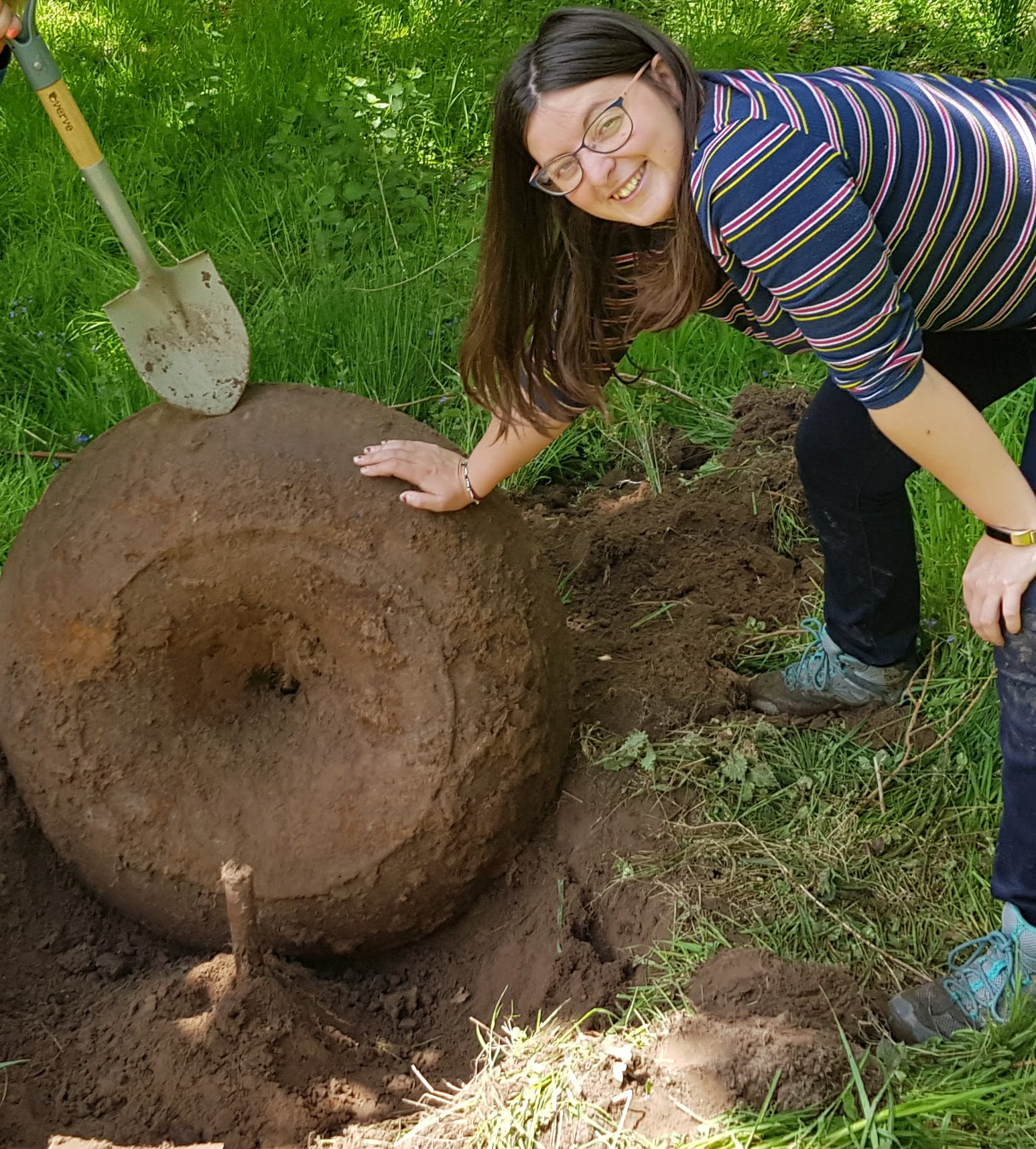
Metal detecting dig find
Many people have an interest in metal detecting with so many TV programmes about discoveries and salvages. I decided to have a go, and see if I could find some long lost treasure. A lot of people head to beaches, and back gardens with their metal detectors, and you do have to consider permissions from landowners when you do this. You might also need to agree the split you will get from any profit you make!
I wanted to try some fields, and my dad happens to have some land that I could investigate. The fields have been used for a few centuries by nurseries, farmers, scrap yard owners, and for other unknown purposes. This makes it a very mysterious place under the earth.
In the first two hours around 20 items were found, including several door handles, a light switch and a pig feeder, which could be recycled into a lovely bird bath.I didn’t find my fortune on that occasion, but I will keep looking. Either way, the experience is a fun one, and you do get a thrill from digging something out and trying to figure out what it is!
If you get really into this activity, you can apparently upgrade to a smarter metal detector which will tell you exactly what the metal is, so you can narrow your searches. This is a fun way to spend half a day with a friend or as a family, just bring your metal detector, a spade for everyone involved, and be prepared for everyone to get filthy!
Beach cleaning/litter picking
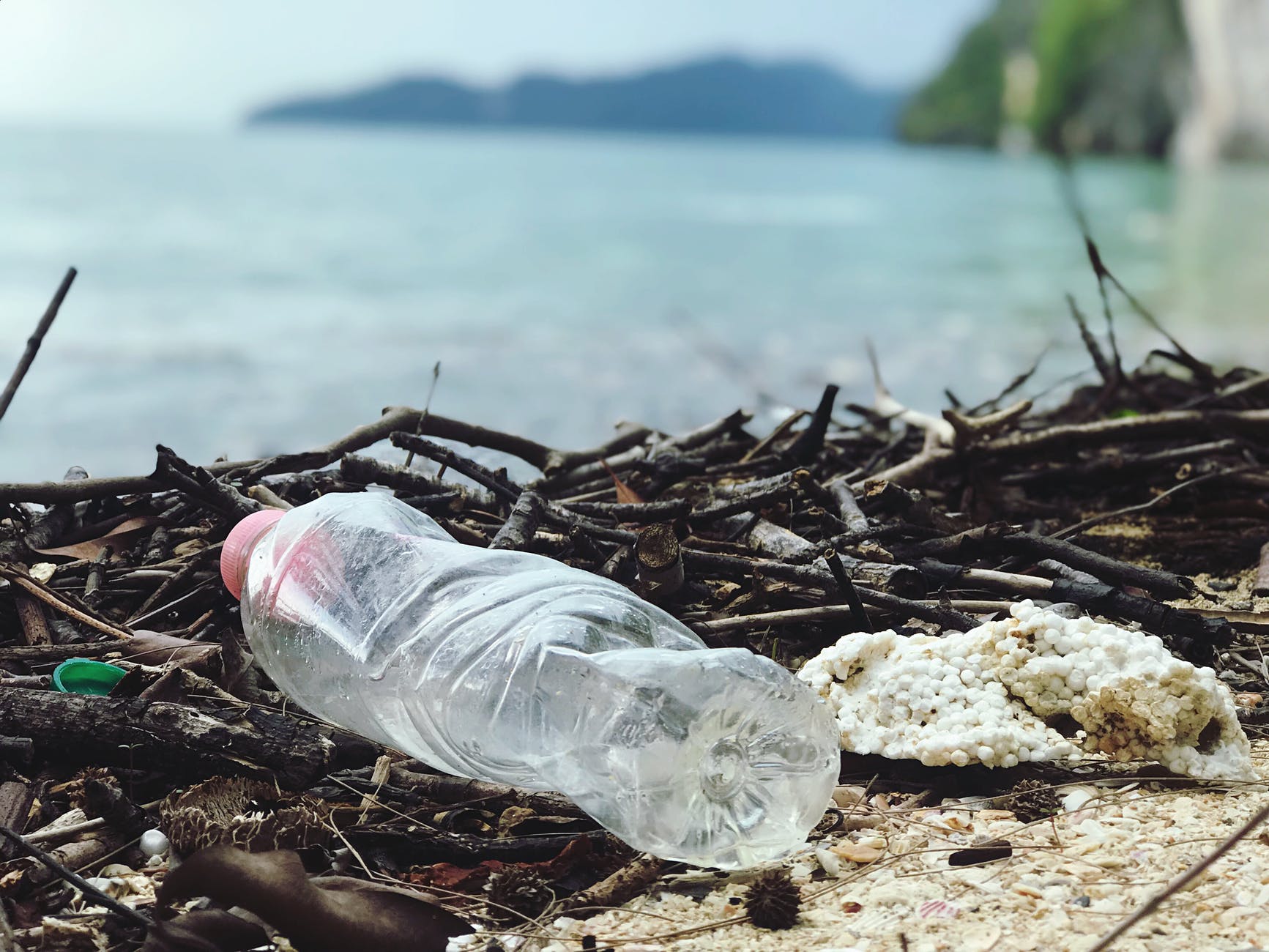
I like to keep the planet clean, and so naturally I hate litter! Of course, within waterways and oceans, the pollution, especially plastics, is extremely harmful for animals and us. If you want to do your part, or teach your kids about giving back, and the harm of littering, then a clean up event is great fun!
Many local groups and national charities such as the Marine Conservation Society, will organise beach and river clean ups, and other litter pick events regularly. These tend to be with a group of differently aged volunteers, and the group leader will provide you with a high viz, litter picker, gloves and bin bags. These events are especially popular during the off season when less people are visiting the beaches and riversides. ‘Keep Britain Tidy‘ creates several campaigns throughout the year in Britain, to encourage people to take pride in their open spaces and keep them litter free, such as the ‘Great British Spring Clean’ event.
I have done several litter picks before, and I always feel good afterwards, it is also a great way to get some exercise, and enjoy outdoor spaces that you may have not visited before. It can be quite addictive, and you can become quite competitive about how much you pick up. I got so into it, at one event, that I was climbing the sea barriers to retrieve a discarded shoe and fishing nets!
Foraging
Ever wondered if you could survive an apocolyptic event? Well, a day out foraging, might give you some idea. You may have tried the odd herb, or picked blackberries before, but you can go much further!
Foraging is becoming more popular as people become more interested in their green spaces, and lots of people are providing information on how to do this, and what greens to look out for in your area. You can even go on foraging tours and events to learn all about it. The Woodland Trust provide a great monthly calendar on what to look out for when you are out and about. The organisation will also allow you to forage in several of their woodlands, as you must ask permission before foraging in an area. You should also be sure of what you are picking, no poison berries! Lastly, you should minimise your impact, by only picking the fruit (not the plant) and only take what you need.
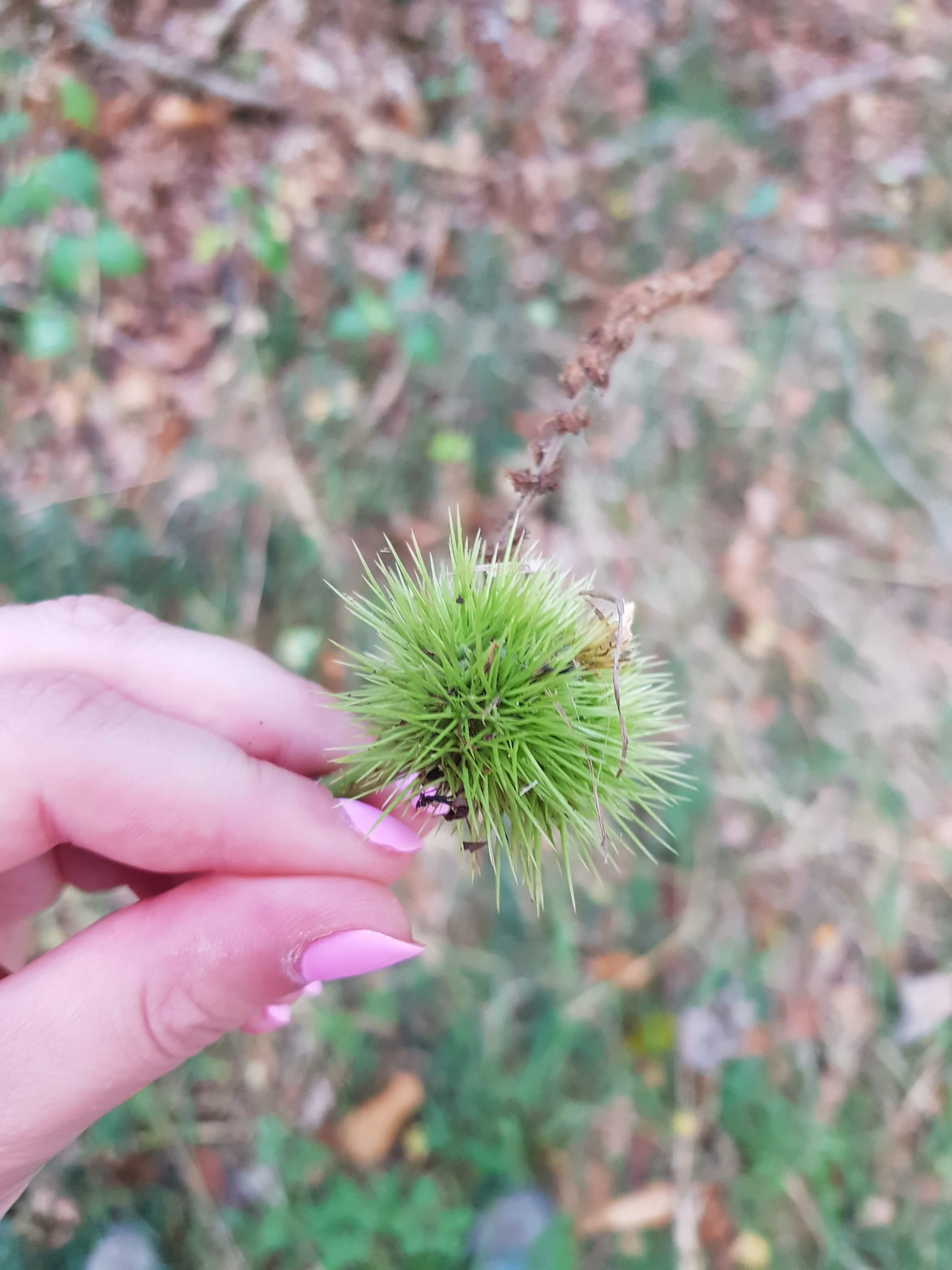
chestnut husk
On my visit to the woods, I downloaded two apps on my phone to identify edible plants and see how they were to be consumed. Woodland Trust also has an app for identifying trees. I have previously collected blackberries, nettles, dandelions and chestnuts. I have been able to use these items to make teas, desserts, and soups, but I know there are lots of recipes available to try. Autumn is certainly the best time for this activity, I would like to try to find more varieties of nuts in the woods… if I can beat the squirrels to them! I would also be really interested in spending a day with an experienced forager, to learn about some of the more unheard of plants.
Exploring community gardens
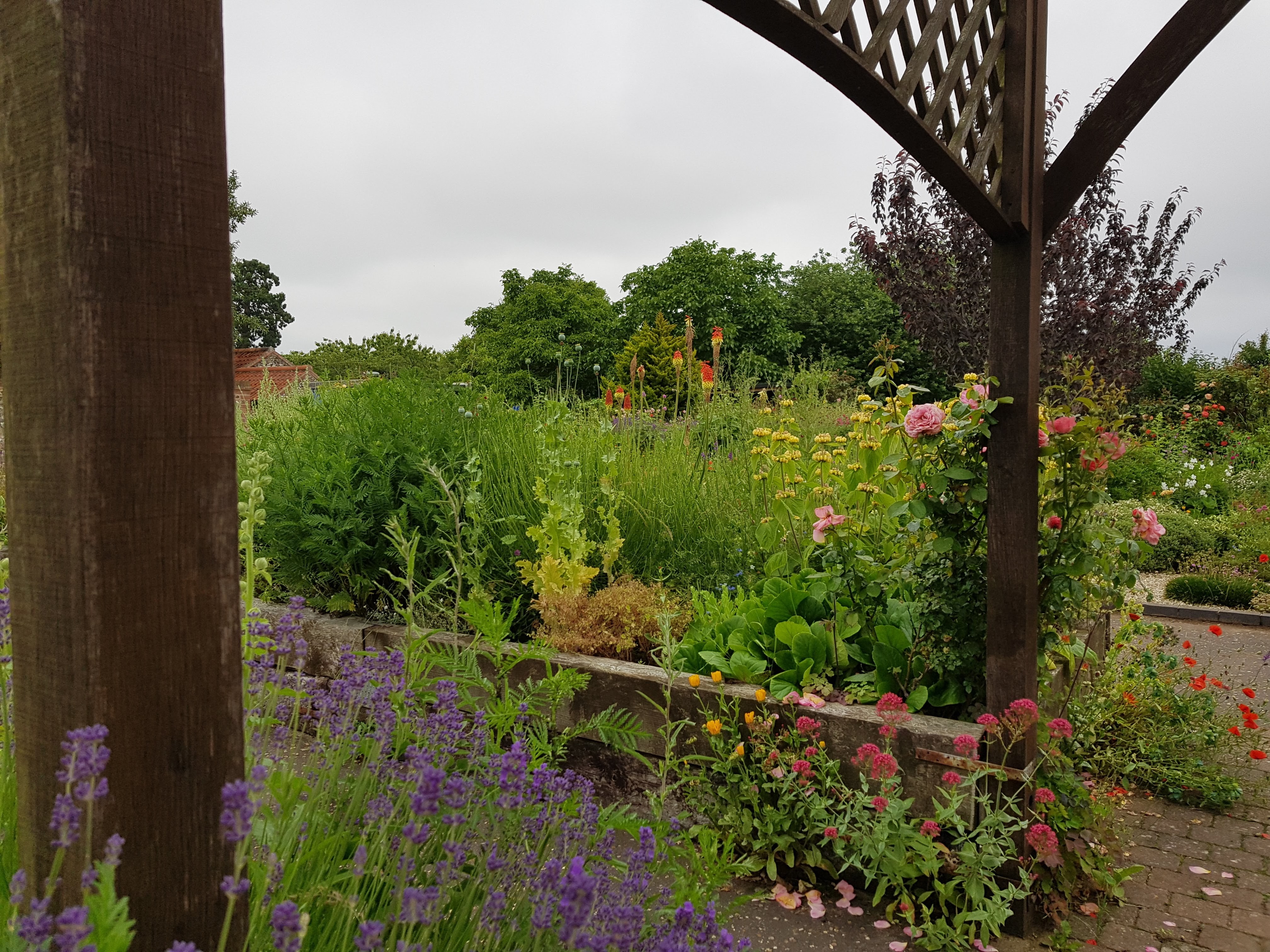
community garden near me
If you live in an urban area, you may be unaware of a network of community gardens that are taken care of by locals. There is more and more demand for green spaces within towns and cities, and locations that locals could grow their own food & cutting flowers. There are a few national schemes that you can use to look up gardens and social farms in your area, some are open all the time, and some have set open days. Some examples are Social Farms & Gardens, Community Supported Agriculture, and National Garden Scheme. You can also speak to your local parish council about what is nearby to you.
I love to explore local community gardens and allotment areas when I am out walking. You can see the individual styles that have been incorporated across the plots and garden spaces, and get some really quirky ideas for your own gardening. It is a lovely contrast to a formal garden at a stately home, and it is also free, so lots of reasons to visit! If you explore enough that you like, you might even find that you want to volunteer to get involved with one local to you.
Geocaching
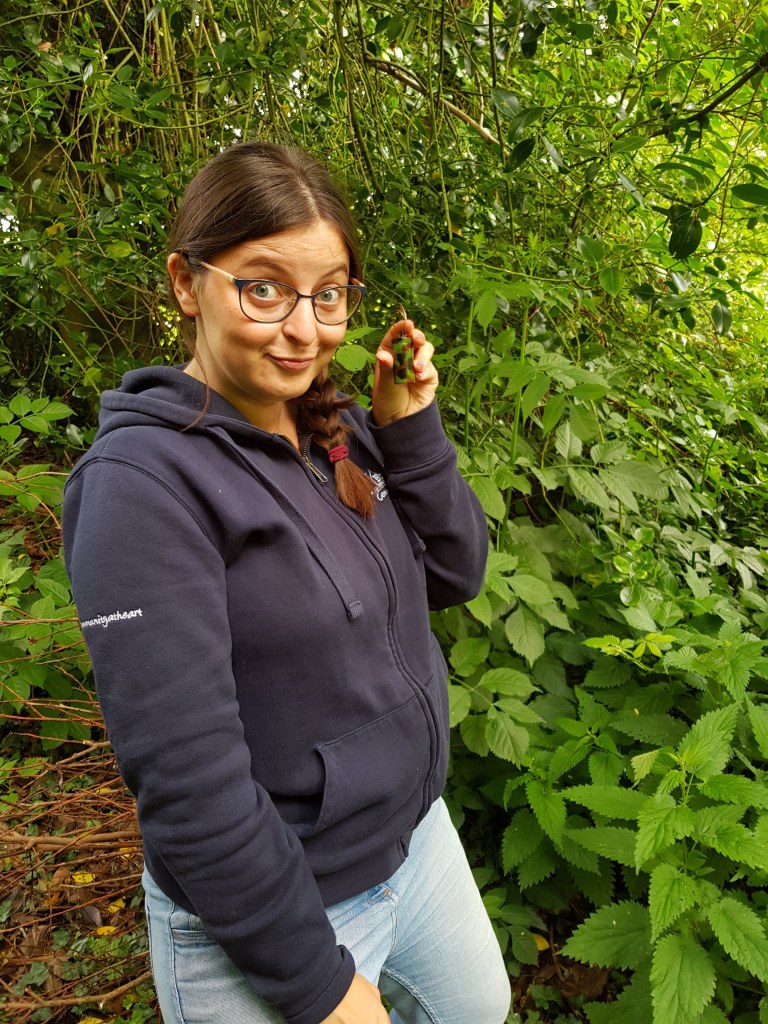
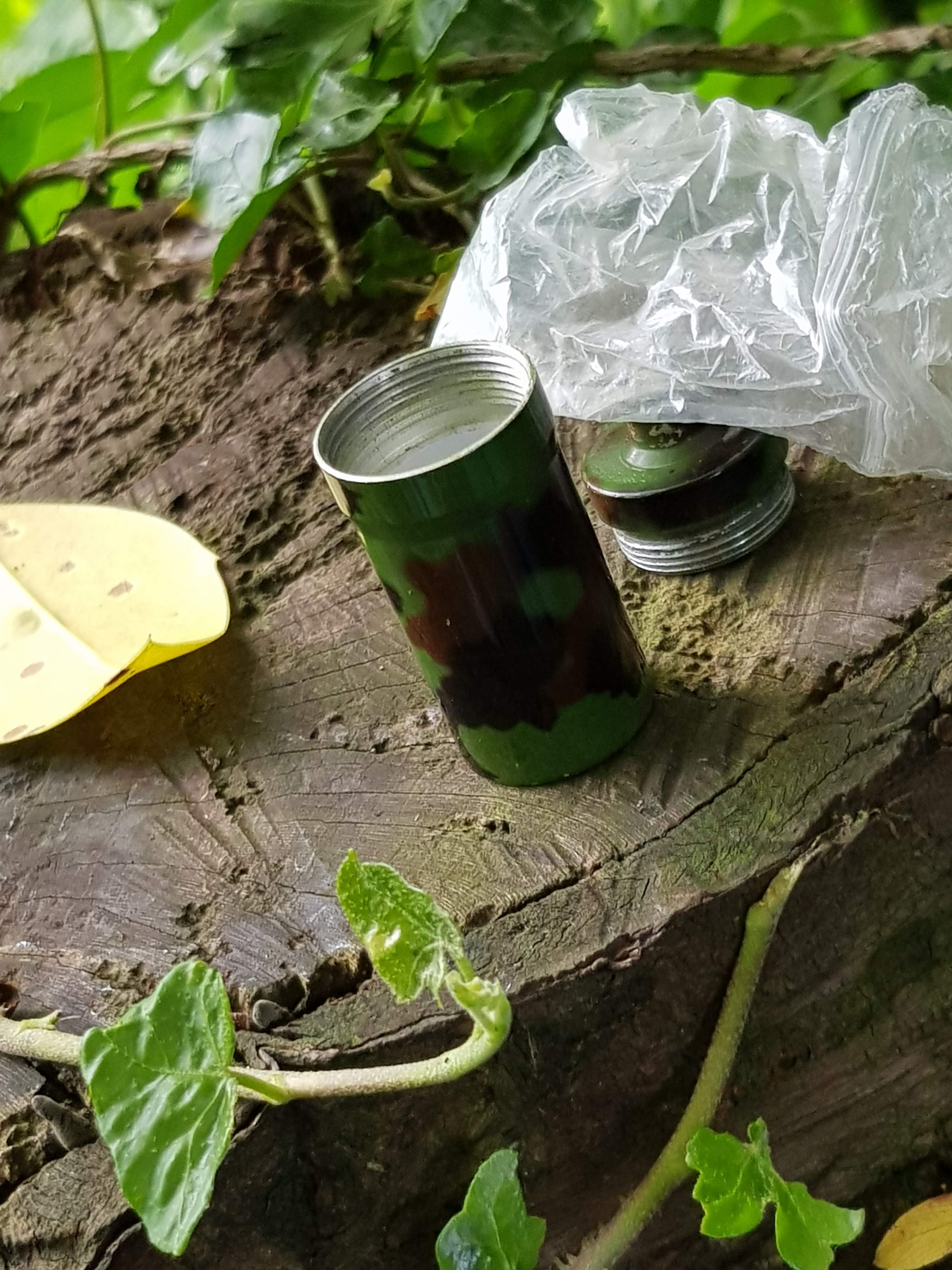
Geocaching is an activity of following GPS co-ordinates to find hidden containers that others have placed. Often these are hidden in very creative hiding spots, and when you find the container, you can add your name to a list of finders inside. Geocaching has a huge following, and is a great way to make your next walk a bit more interesting. Geocaching.com calls the activity ‘the world’s largest treasure hunt’ and invites you to download the application onto your phone for free and get started!
Me geocaching in norfolk
I have done this with quite a few different friends, and some containers are easier to find than others. A friend of mine once had me looking around all of Covent Garden for a specific geocache, for over an hour. We found it though! The buzz of finding it is quite satisfying, and I can see why people get really into doing this on their days out. Geocaching is so popular, you are very likely to have some in your area, so why not give it a go?!
Bird watching
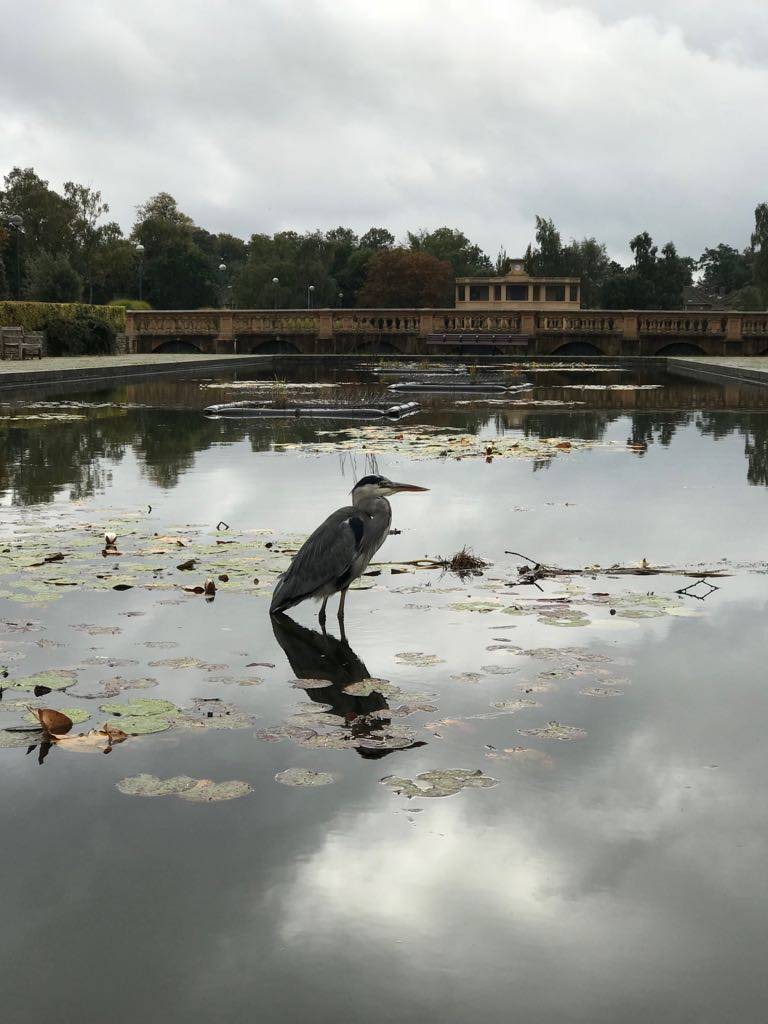
If you love getting outside and experiencing nature then birdwatching is a popular hobby to take up. There are so many nature reserves dedicated to wildlife conservation, and offering brilliant facilities for ‘twitchers’ to enjoy. I have enjoyed visiting various RSPB nature reserves in my time, and have my own pair of binoculars! You can take it as seriously as you want to, but the more dedicated you are, the more likely you are to spot a rarer bird.
I am happy with whatever bird I see, as long as it surpasses the status of a pigeon… It is quite interesting to learn the different bird names though, and actually try to identify what you are looking at. You can equally do the same thing with creepy crawlies, if you are more that way inclined!
Crabbing & Rockpooling
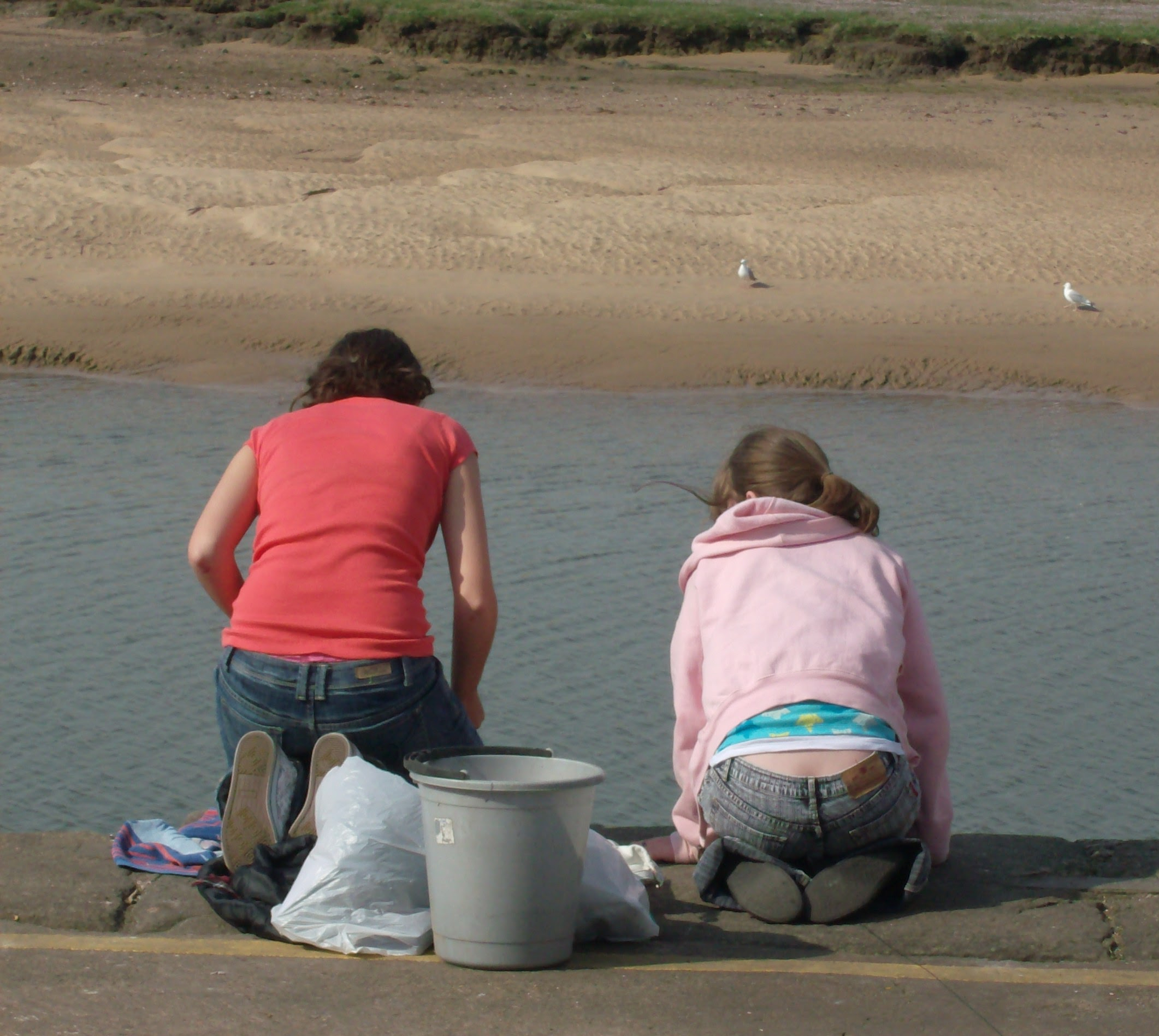
Just a ‘ponds throw’ from bird watching… (see what i did there..) looking for crabs can be quite a fun way to spend a few hours, especially for kids. This is a really popular activity where I am from, in Norfolk. Every day that the sun is shining, there are people sitting at the edge of a beach pier, hanging bacon from a string, in the hope of catching a crab. Equally, you will see kids jumping over rocks to dig for crabs in the shallow pools of the beach.
Norfolk crabbing
I have done this with my family, although with little success (my fishing skills are lacking). My sisters were normally the ones to find the crabs, and then we would enjoy looking at the little fellow for half an hour, before gently releasing him back into the sea.
Church / Cemetery crawling
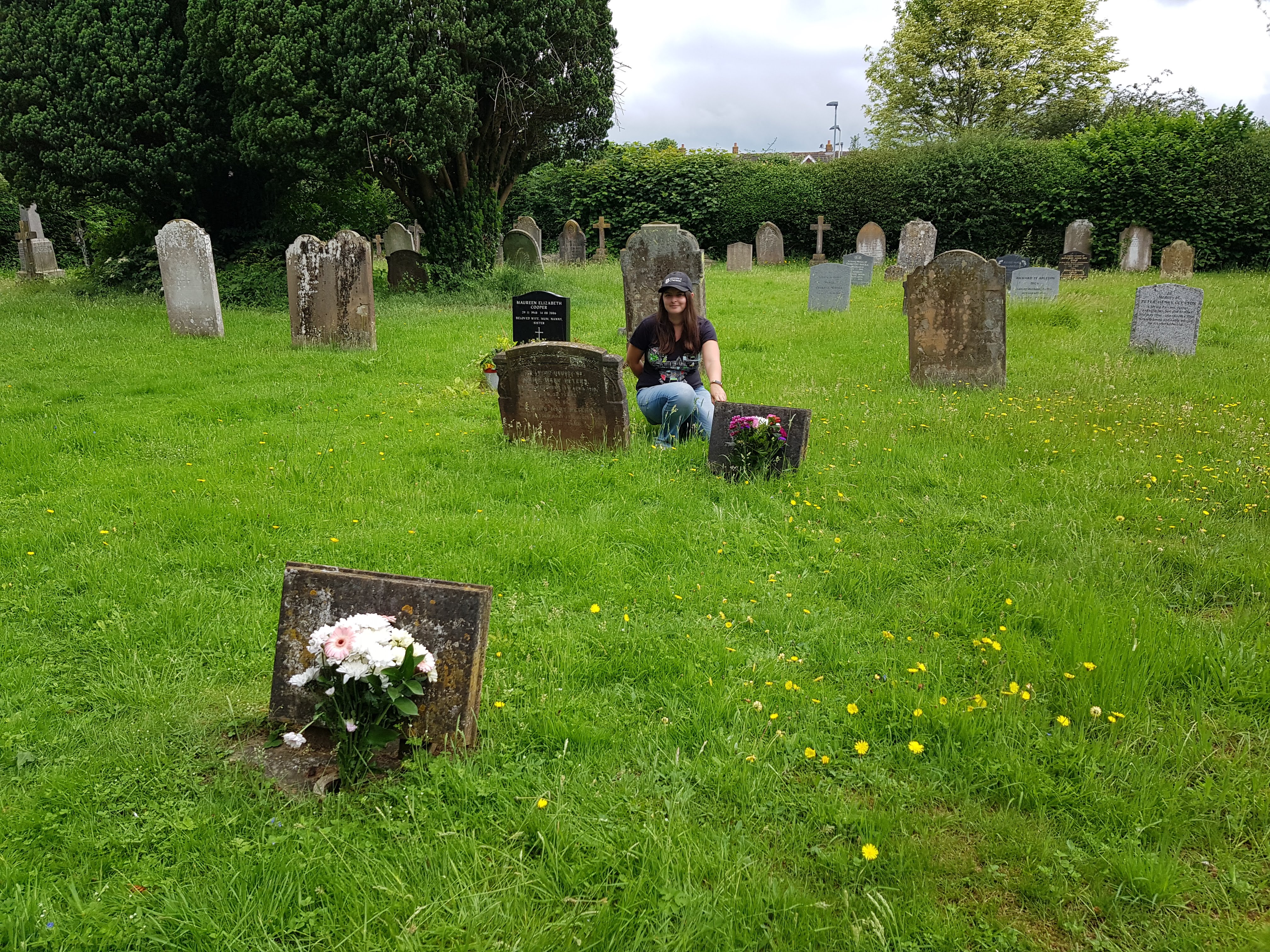
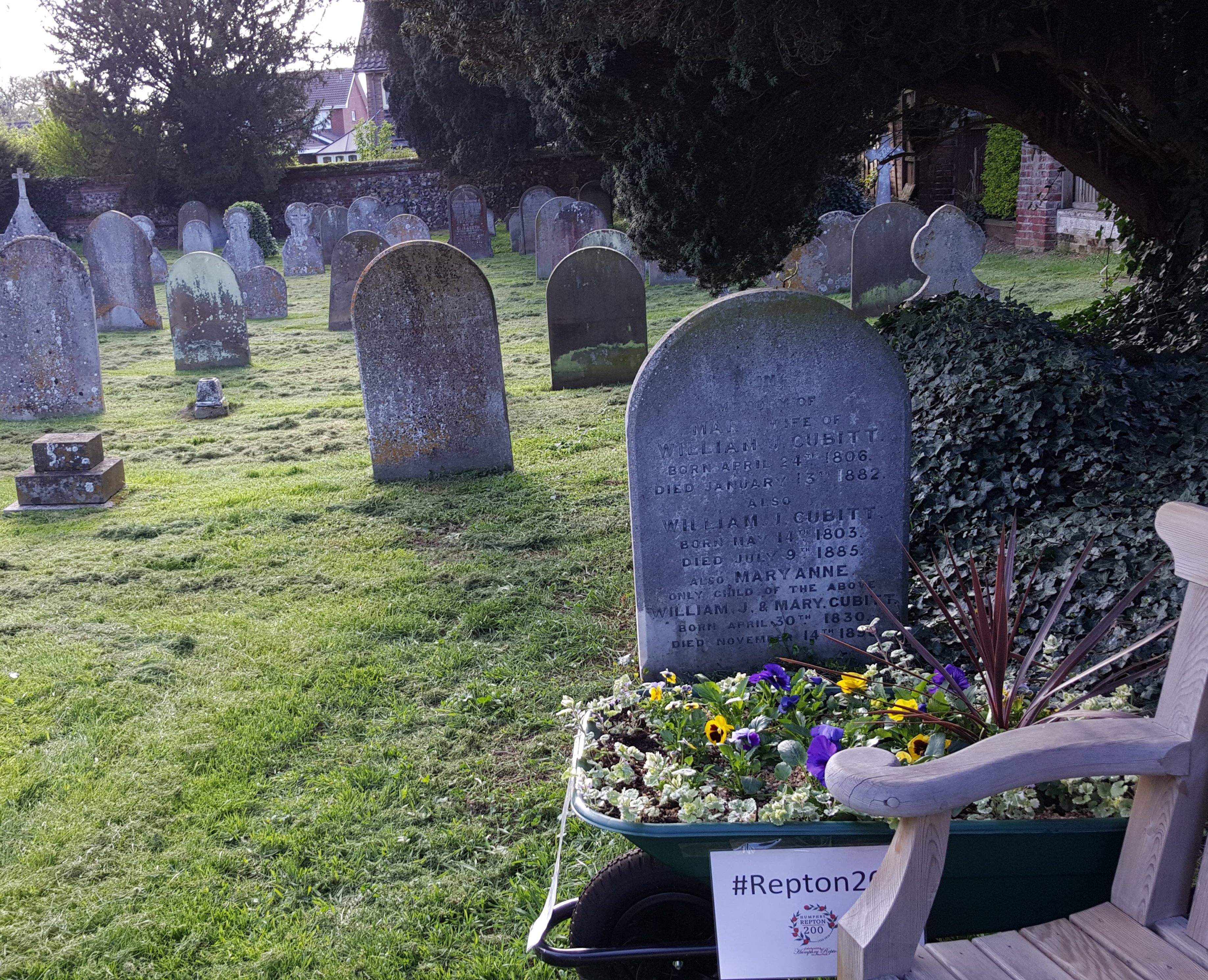
Those of you that like history, and specifically ancestry, may find this to be a particularly wonderful day out, especially in the days where you want to be indoors or in the shade. There is so much history to a parish church, and most are open all the time for visitors to walk in and explore. Equally cemeteries have become an attraction in themselves…
I started to take an interest in walking around cemeteries so that I could find specific graves of ancestors, and discovered Ancestry.co.uk and a website where you can find and record grave stones in local cemeteries to keep records up to date, and digital for all researchers. Once I then started visiting the cemeteries more, I began to appreciate the artwork, verses and style of the various tombstones. A lot of people also like to visit cemeteries as part of tours, or on their own, to pay respect to well known public figures that are buried there.
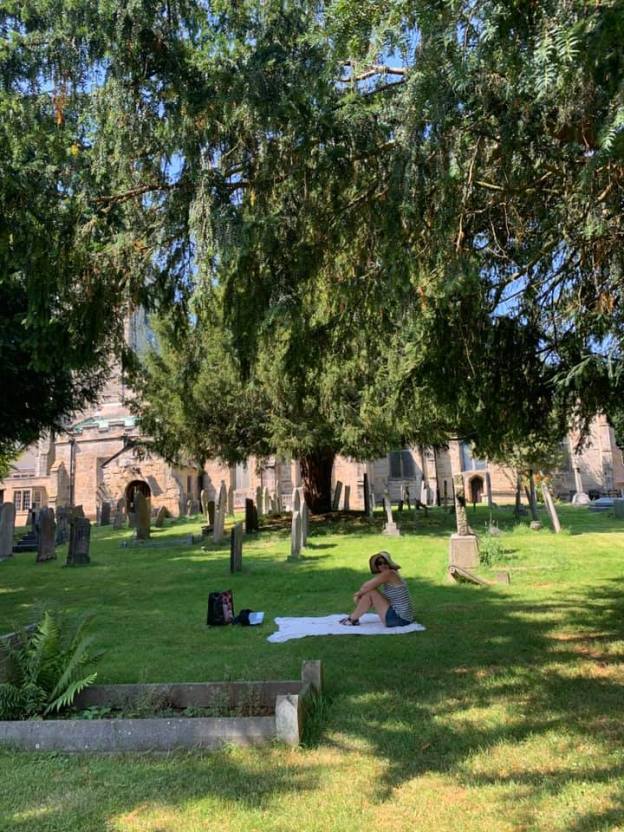
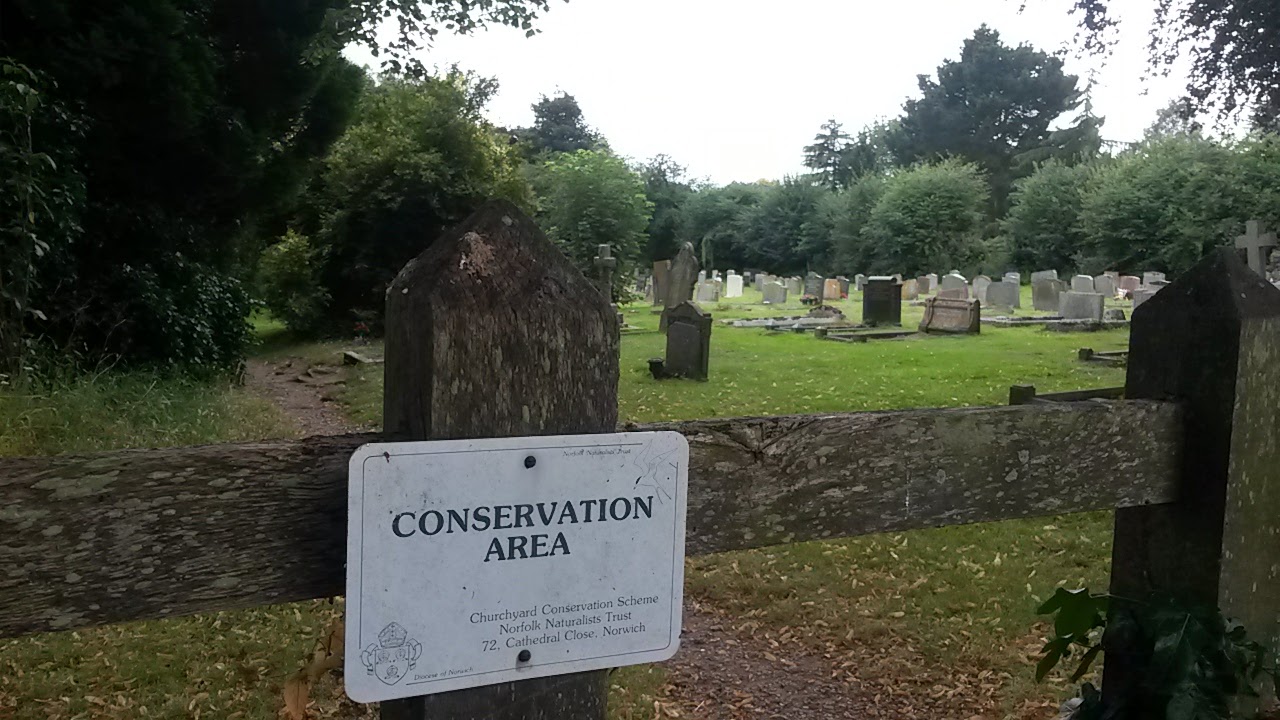
A final reason that they are nice to visit, is that they are generally beautiful, peaceful and often wild places to relax in. Many UK cemeteries have become accredited as mini nature reserves, for their wildlife credentials. I have even had a picnic in a cemetery before, as it was a pretty spot and also pleasantly shady on a warm day!
Fossil hunting and Flint knapping
If you want to do something that is really unique and one to write home about, then consider the world of geology! There are several locations across the UK where you can get permission to go fossil hunting, or join an organised event. The UK Fossils Network seems to be a great source of information about locations within the UK, and also guidance on how to do this activity safely. I have so far been unsuccessful in my lone wonderings to find fossils, but I may try one of the group events as it seems that they provide the equipment and safety bits you need to get more serious about it.
If you want to do something even more niche, then you may want to consider learning about flint knapping! I haven’t tried this myself, but I understand that you can take workshops in this, in my home county. Flint knapping is the act of finding flints, and then hitting them into the shape of weapons, that you would have used in prehistoric times!
Self guided tours/ trails
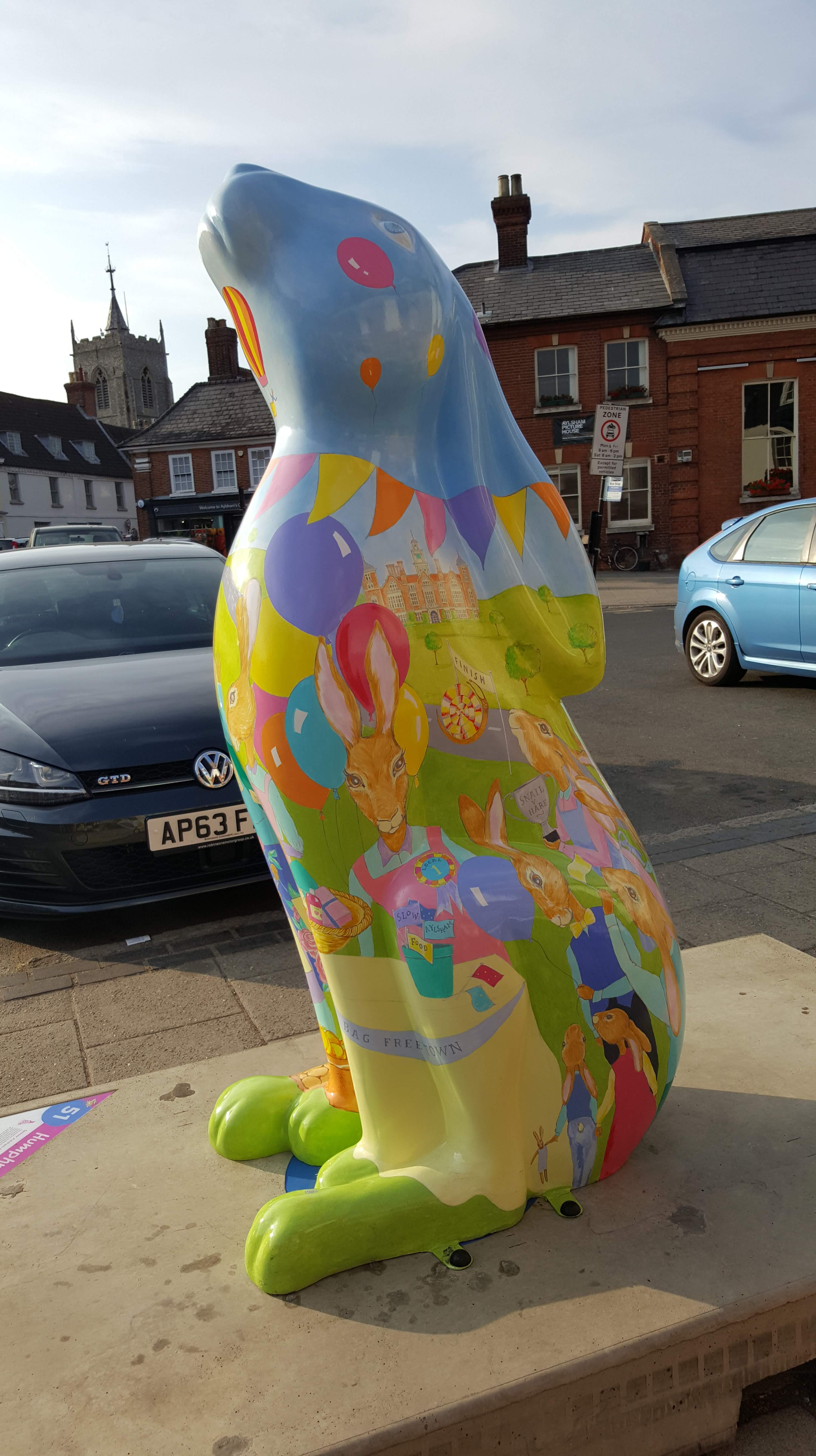
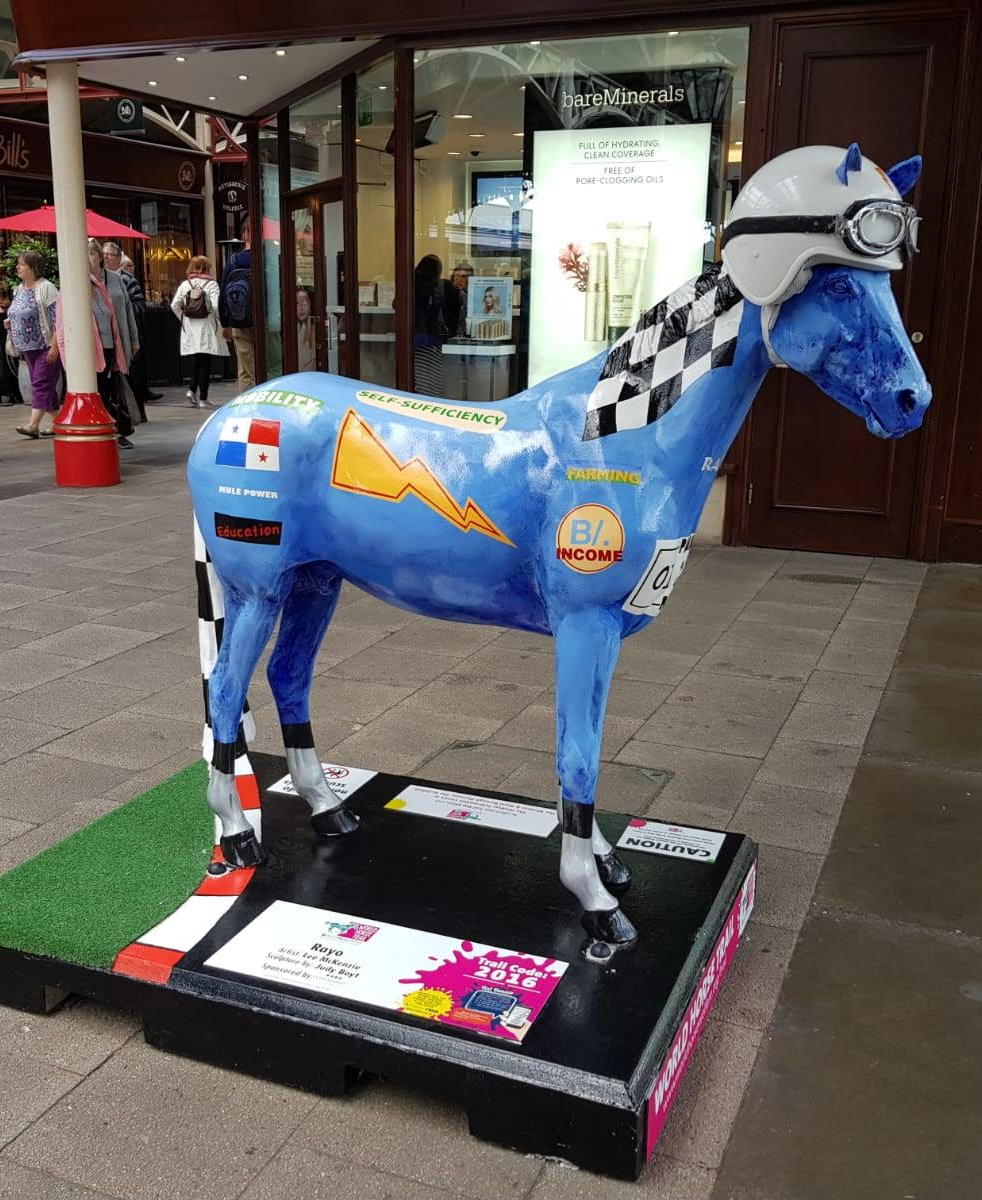
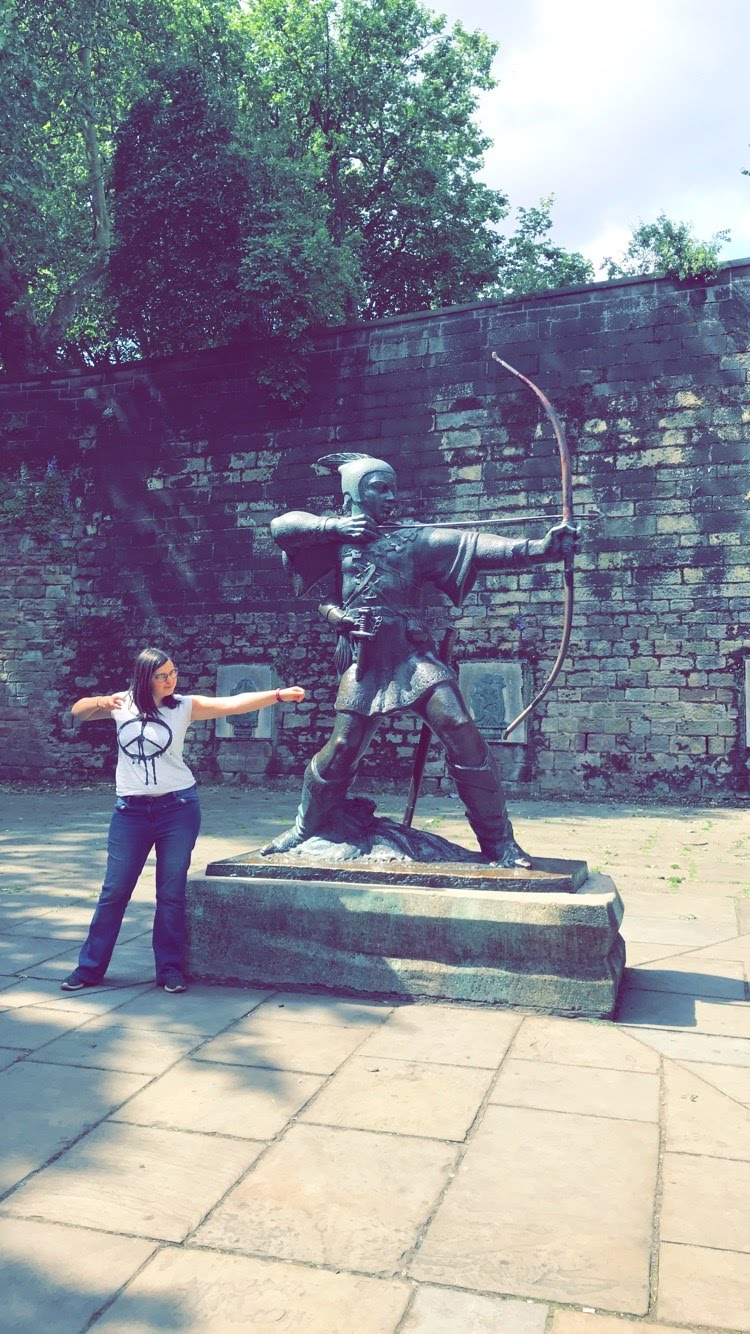
Taking yourself on a self guided tour of a city or town is a really traditional and easy way to spend a day out. Lots of locations will provide you with a map or app for following a trail of blue plaques, or local murals. In some locations, you can even walk up to a local statue and listen on your phone to a recording about who the figure was. This is part of the ‘talking statues‘ scheme.
I have walked several self guided trails in different cities, and have found that the more interactive, and unusual, the better. I especially like to do trails where you have to follow clues, as i find this more challenging. ‘Treasure Trails‘ is a great scheme that offers trails with clues to solve at different levels, across the UK.
Go Go Hares trail
Racehorse trail
Wheelbarrow trail
To summarise…
If you are heading out for the day, why not make a proper day of it, and try an experience you won’t forget! I hope the above ideas may have tickled your imagination, and made you think about what is nearby to where you live.















 Go Go Chlo