As I sit in my room, unable to travel due to Covid -19, it seems like a good time to catch up on my draft blogs! So… this short piece is all about a day trip we made to the city of Ely.
Ely is a small city (second smallest in England) in Cambridgeshire, less than two hours drive or train journey from where I live. If you have read my previous blogs you will see that I have a strong interest in history, and especially churches. So for my birthday a few years ago, we decided to visit Ely as I heard lots of good things about the cathedral there and the special Stained Glass Museum!
It was really easy to travel to the city and park and the drive was actually quite pleasant as you pass by many long stretching fenlands. The area is actually so clear and flat that you can see the cathedral dominating the landscape as you approach the city.
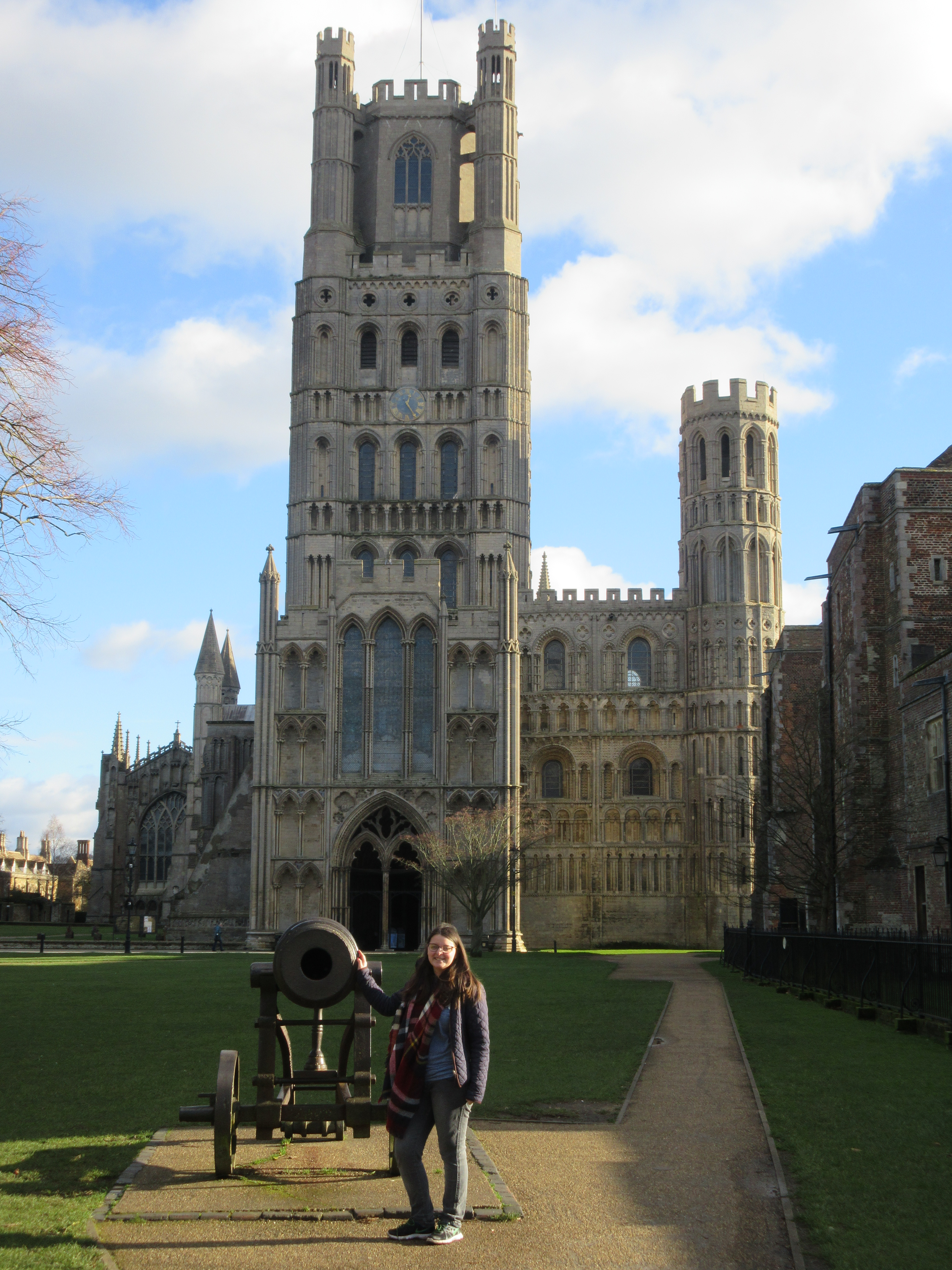
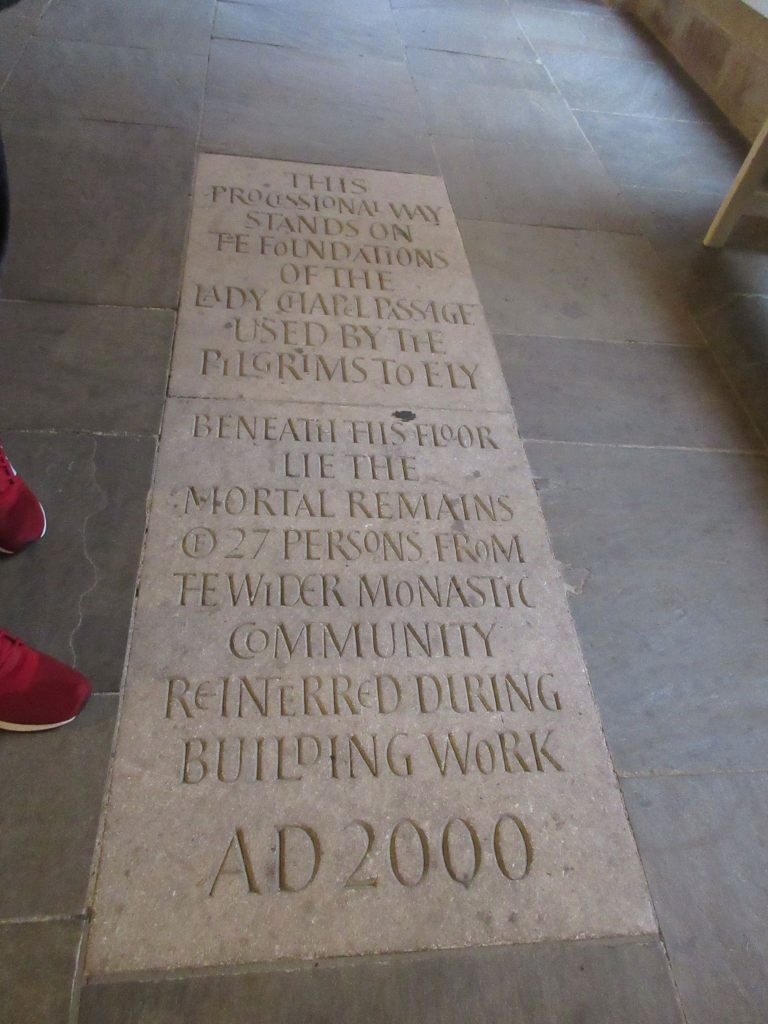
The Ely cathedral site was originally a monastery founded by St Etheldreda, the granddaughter of an East Anglian King. She died of ill health, and later became a saint, and a shrine was built for her at the site, which pilgrims to the area would visit. In 970 it was refounded as an abbey for Benedictine monks (same as the Norwich Cathedral)! The current building was created in the 11th century and the abbey became a cathedral in 1109. It continued to have a monastic purpose until 1539 when Henry VIII dissolved all the monasteries in England. Unfortunately, St Etheldreda’s Shrine was destroyed due to this, but there is a marker within the cathedral, to show visitors where it once stood, and St Etheldreda is still remembered there.
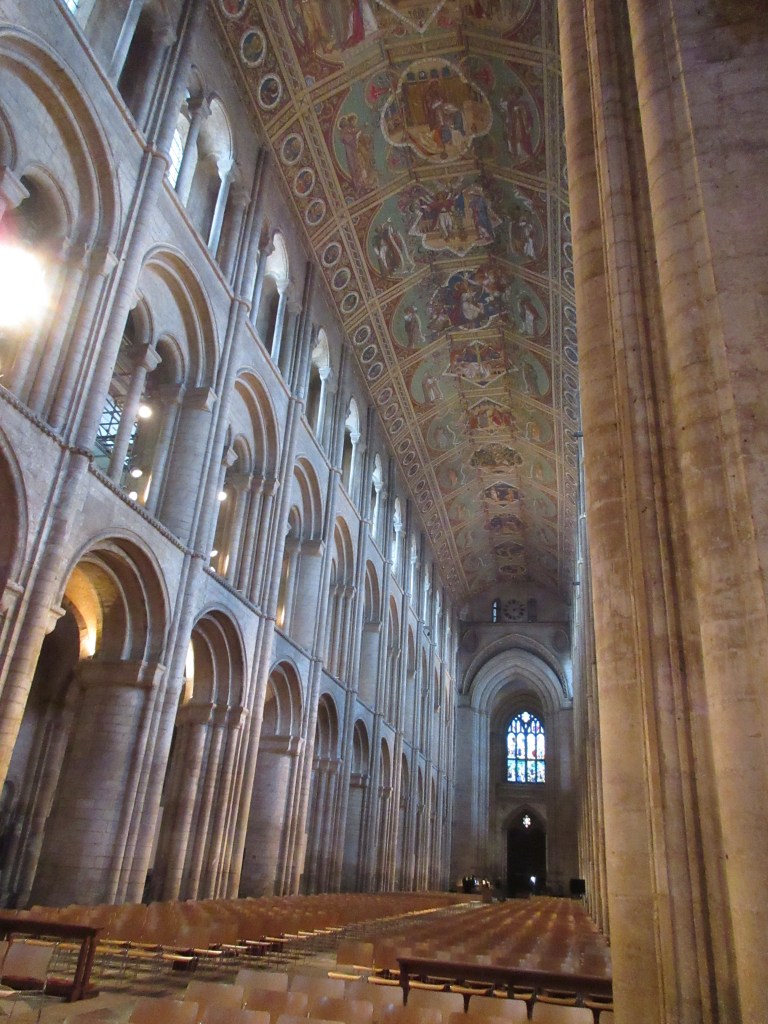
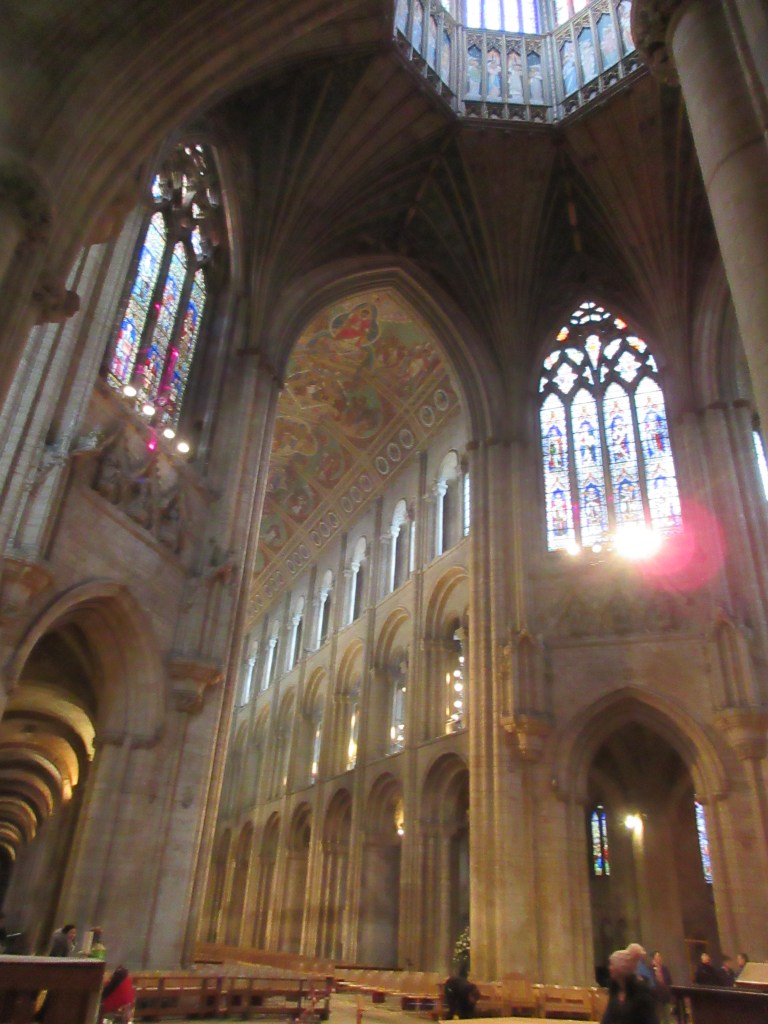
The cathedral itself is famous for its unique Octagon tower and for being a very long cathedral (fourth longest in the country at 537ft). It does seem as if the cathedral goes on forever and it looks quite magnificent against the landscape there. It is actually nicknamed the ‘ship of the fens’. When we went, we found lots of interesting features to discover inside, especially some of the poses of various statues and the grandeur of the lady chapel and art there.
Tower Tour
We were welcomed quickly on arrival by volunteers, and decided to book onto a tower tour to climb the various levels of the cathedral, see the lantern area and get up onto the roof! At the time, I think that we paid around £20 each for this, but from looking at the website today, it seems that they are charging more at the moment, due to the extra safety measures in place.
Tower Tour Views 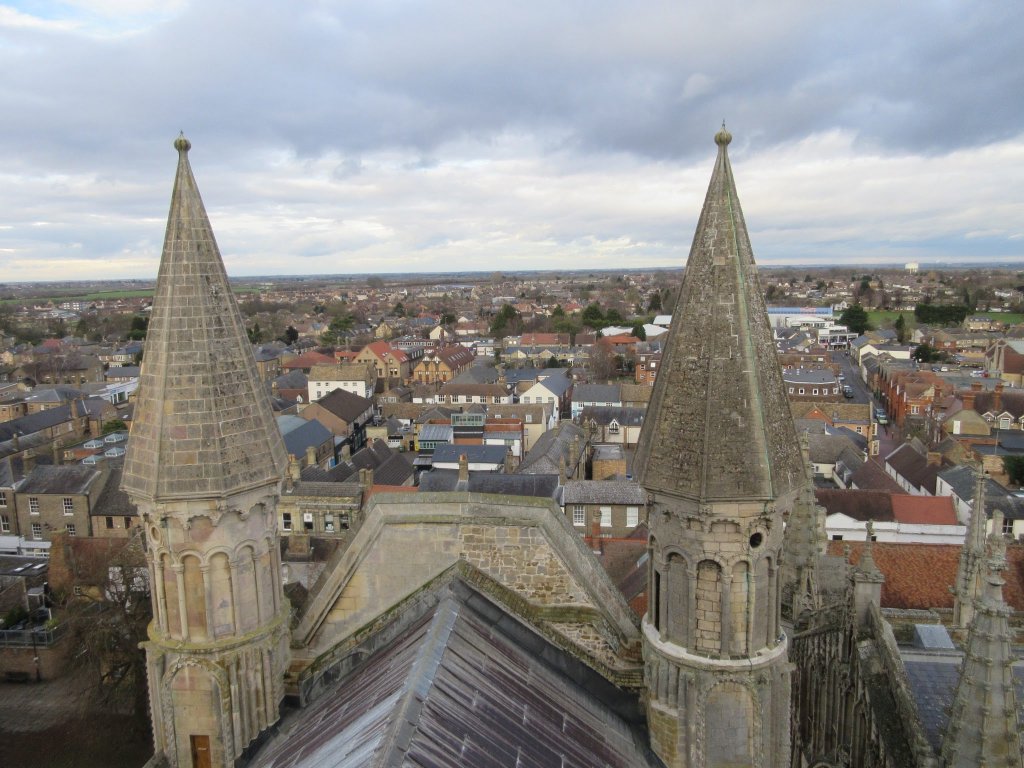
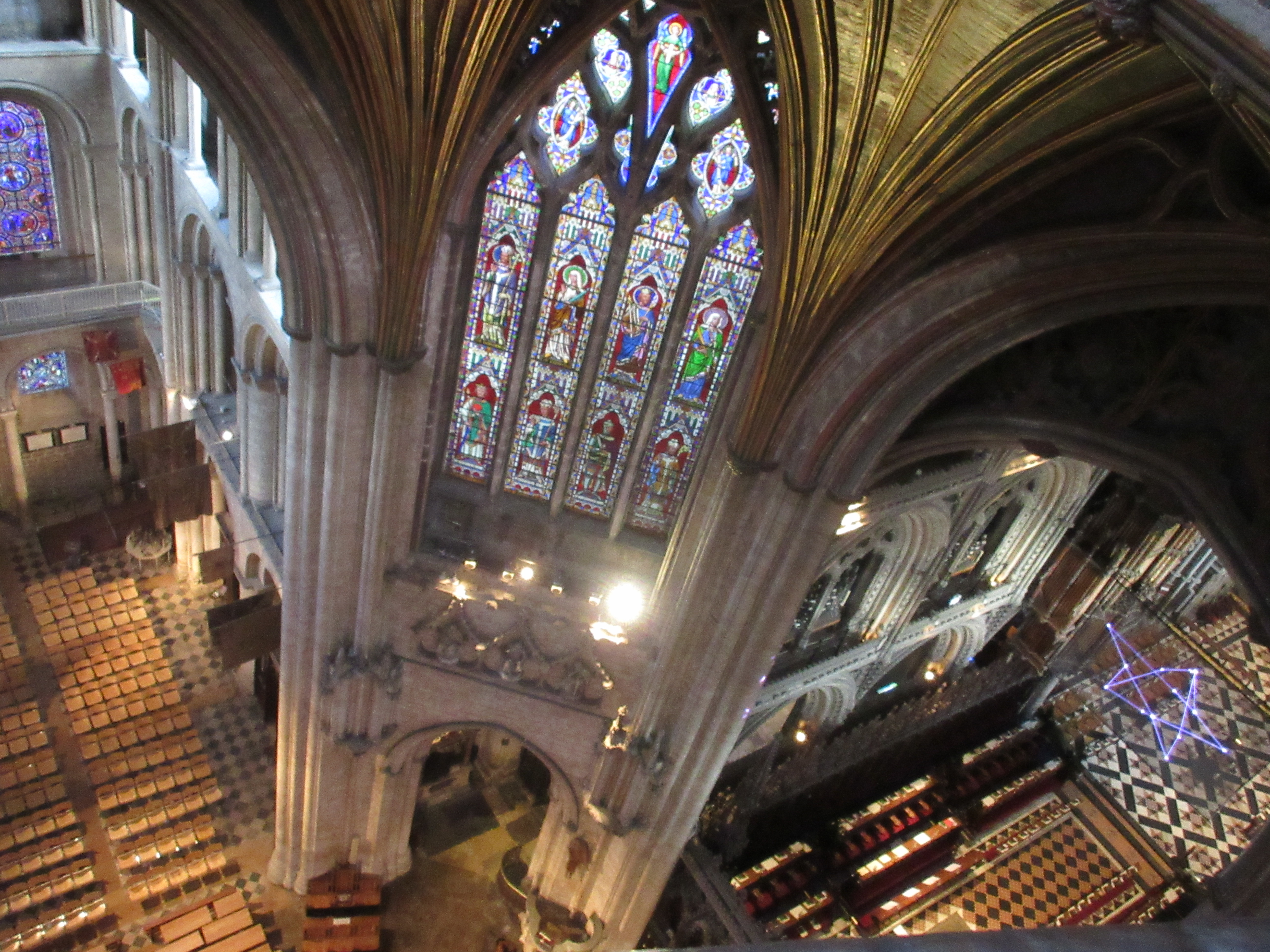
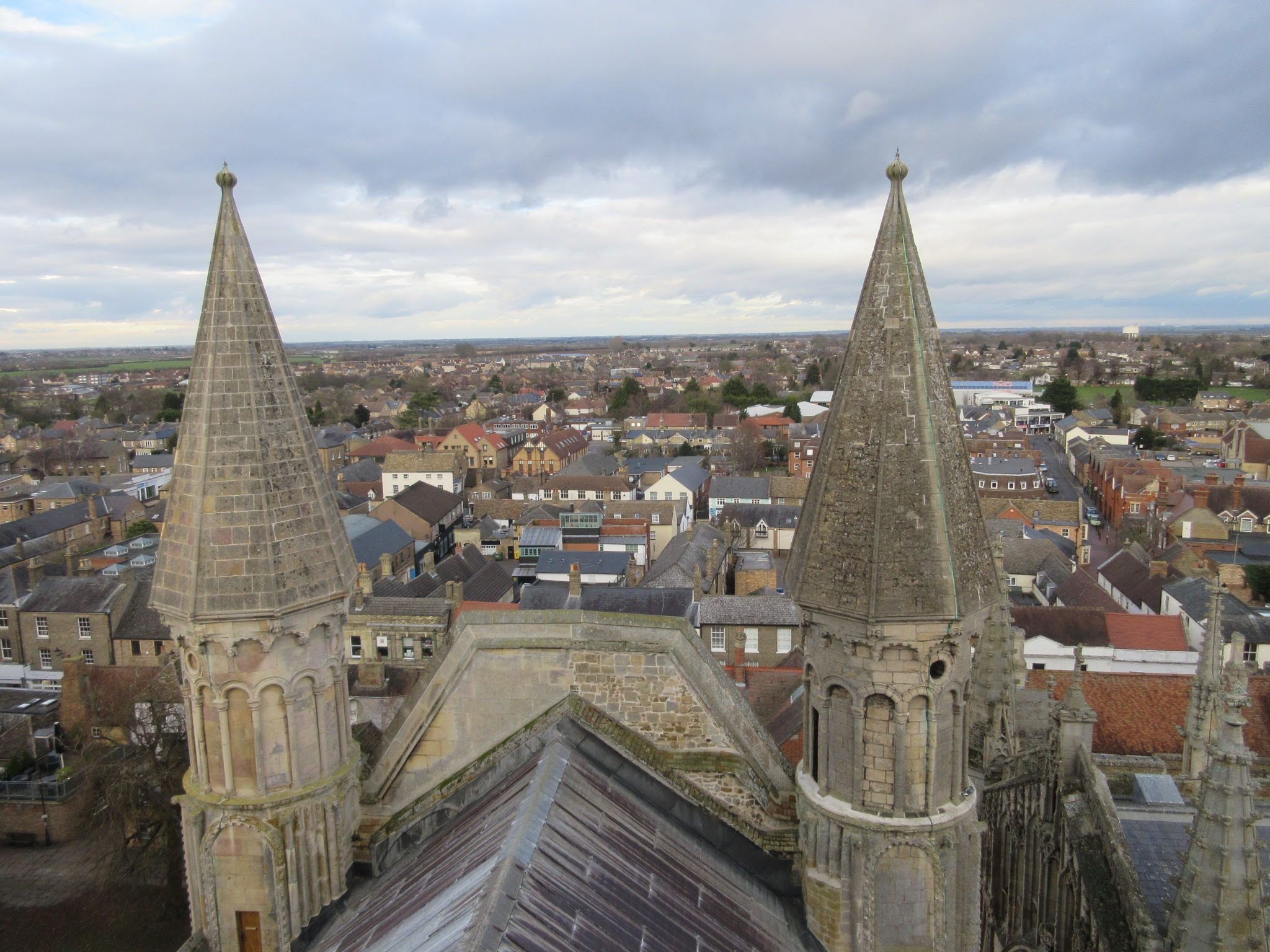
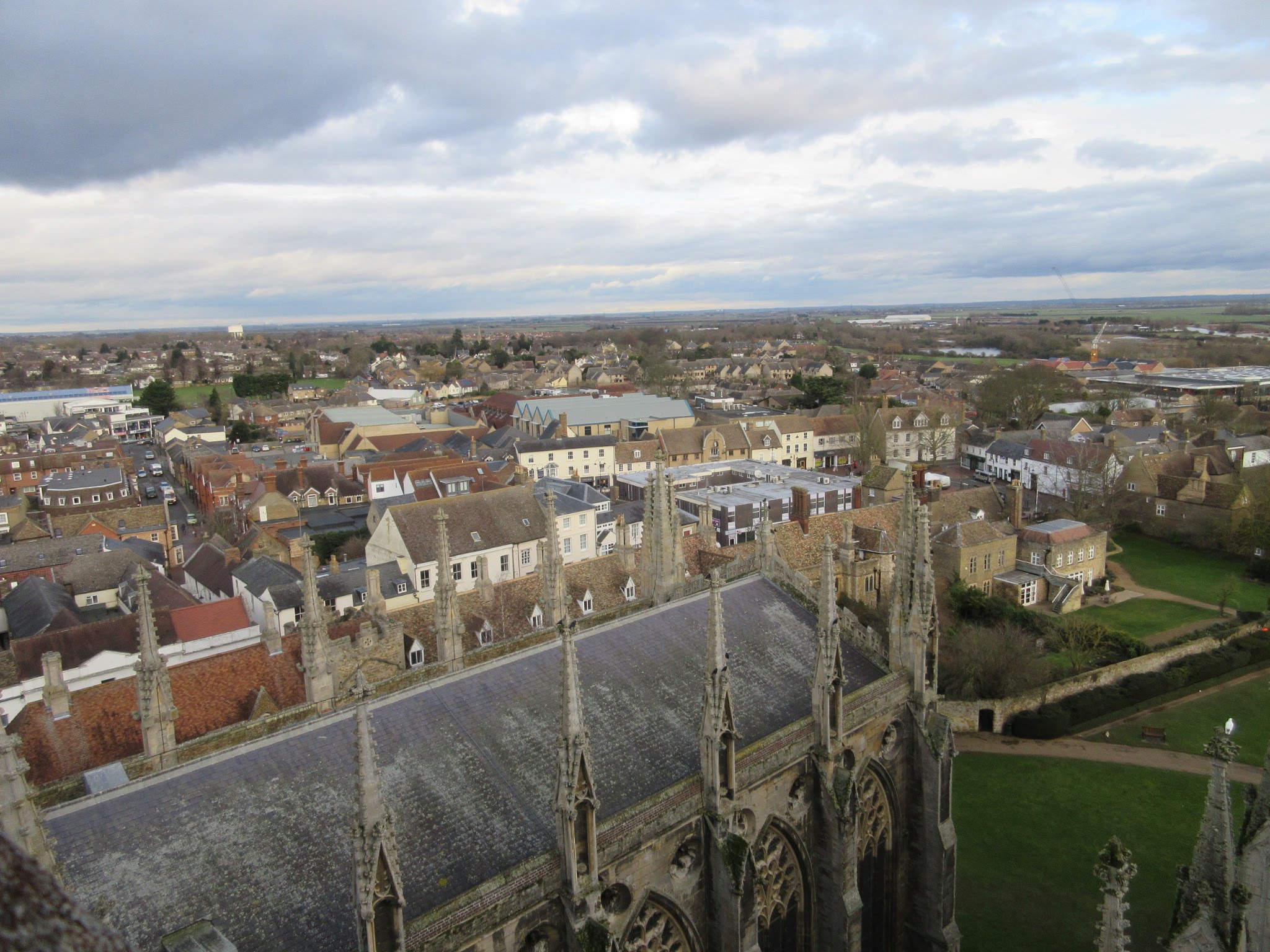
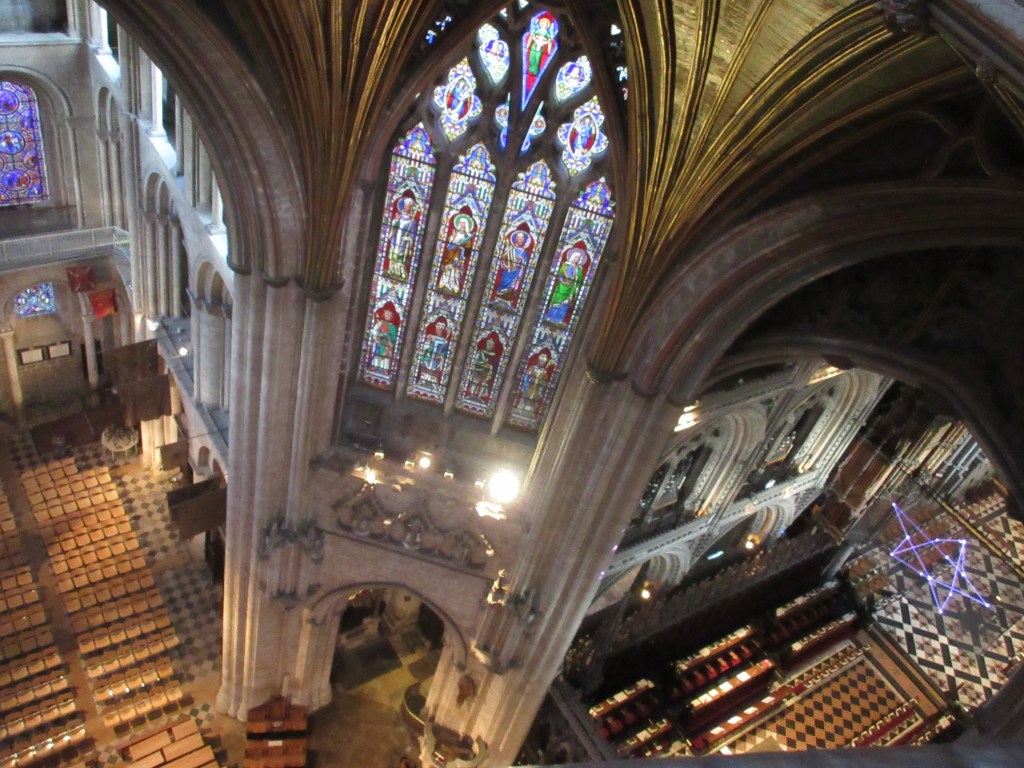
The views throughout the tour were brilliant! It seemed extremely high when climbing the steps, and you had to be a little careful in places. As you’d expect, the higher you get, the more narrow and un-nerving the climb can become. Getting up to the roof is well worth it though, to see the detailed stone work of the roof design up close, and the view of the city and fens stretching out in front of you.
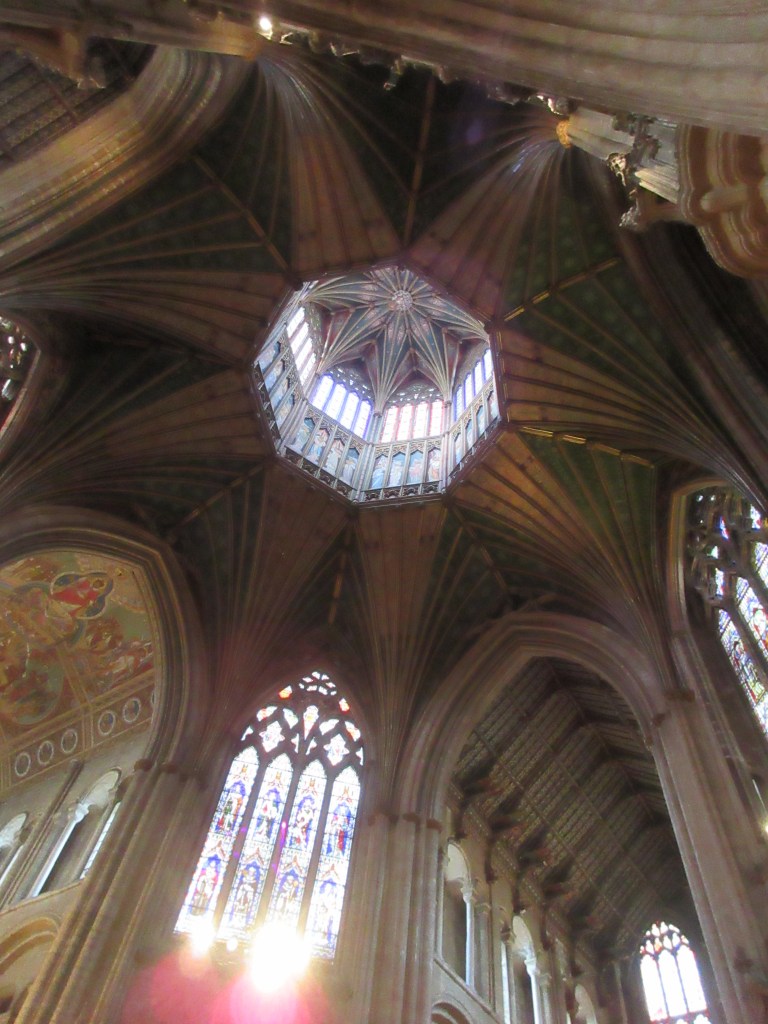
The coolest part of the tour, in my opinion… was the lantern area. The octagonal shape came about following a rethink of the tower when the original Norman one was replaced. It took eighteen years to build and apparently the shape is a symbol that relates to the link between earth and heaven, and time/ eternity. The whole cathedral is centred around the octagon.
The lantern (an internal open space within the tower structure), really blew me away. Mostly, because of the materials used. The lantern area is constructed by hundreds of tons of wood and lead. You can see how raw this wood is up close though, the giant (60ft long) oak beams are pretty much entire trees diagonally stretching the space. Each one is around 1000 years old and still extremely strong. When we went on the tour, you could look up close and touch the wood, and it feels like you are actually able to visualise the ancient forests that these would have travelled from. The oak beams also have a number of graffiti markings carved in from key times in history, which adds to how special it is!
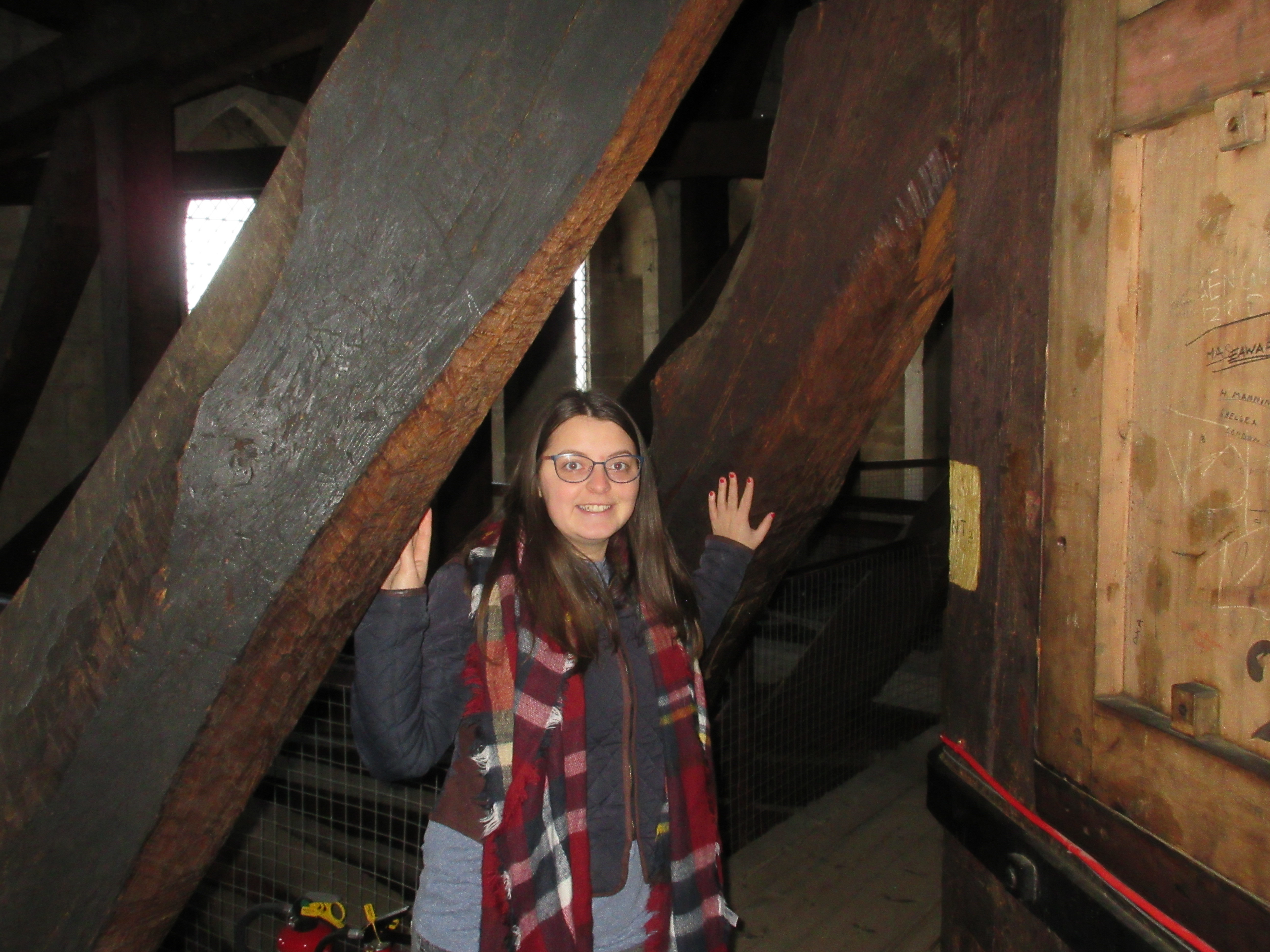
Stained Glass Museum
Of course, the other amazing thing to see in the cathedral is the Stained Glass Museum! I love stained glass, and had been hearing about the museum for a while. I believe there is only the Ely museum and a museum in central London that specialises in the history of stained glass. In Ely, you can pay a little more for your cathedral ticket, so that it includes the museum entry too.
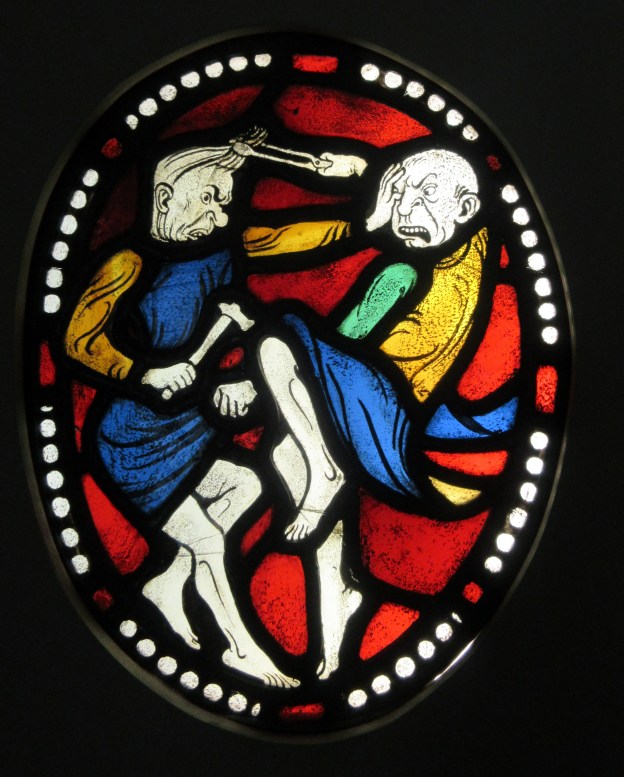
When we visited, the museum was under some refurbishment, but we were still fully able to enjoy our visit. There was an introductory video explaining to visitors how stained glass was originally made, and some of the history. They then have a full gallery of stained glass over time from different locations. The varying images and stories within the stained glass was really interesting and the craftmanship is so professional that you can really respect this ancient art. Something that I picked up from the visit which I have found useful since, was the fact that you can tell the older glass from the later glass, from the colour pallette used. Originally the artists only had use of a very limited number of colours and methods to place them on the glass. Artists used yellow frequently, so if it is heavy in yellow and little else, it is probably quite old!
Loved all the below windows!
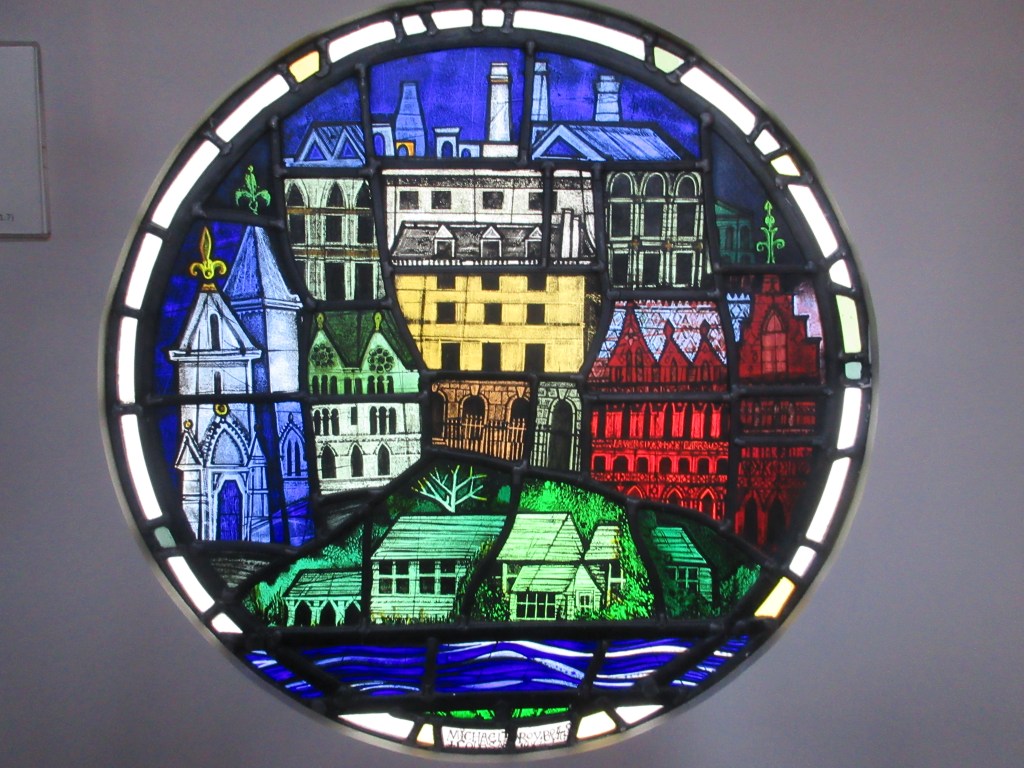
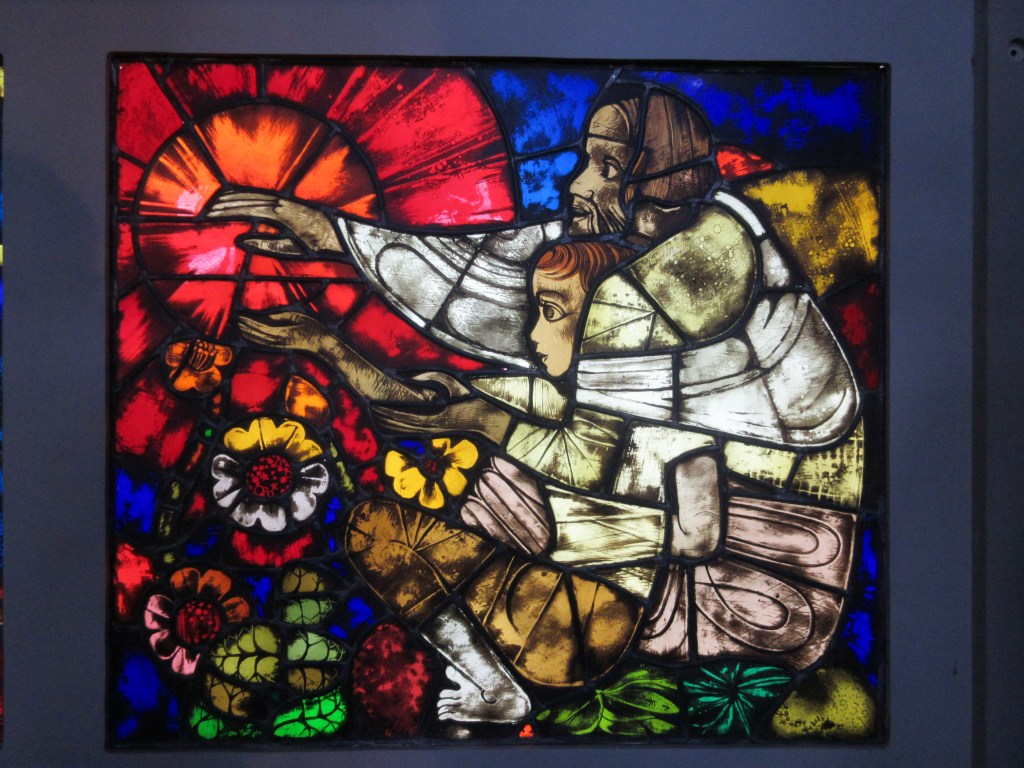
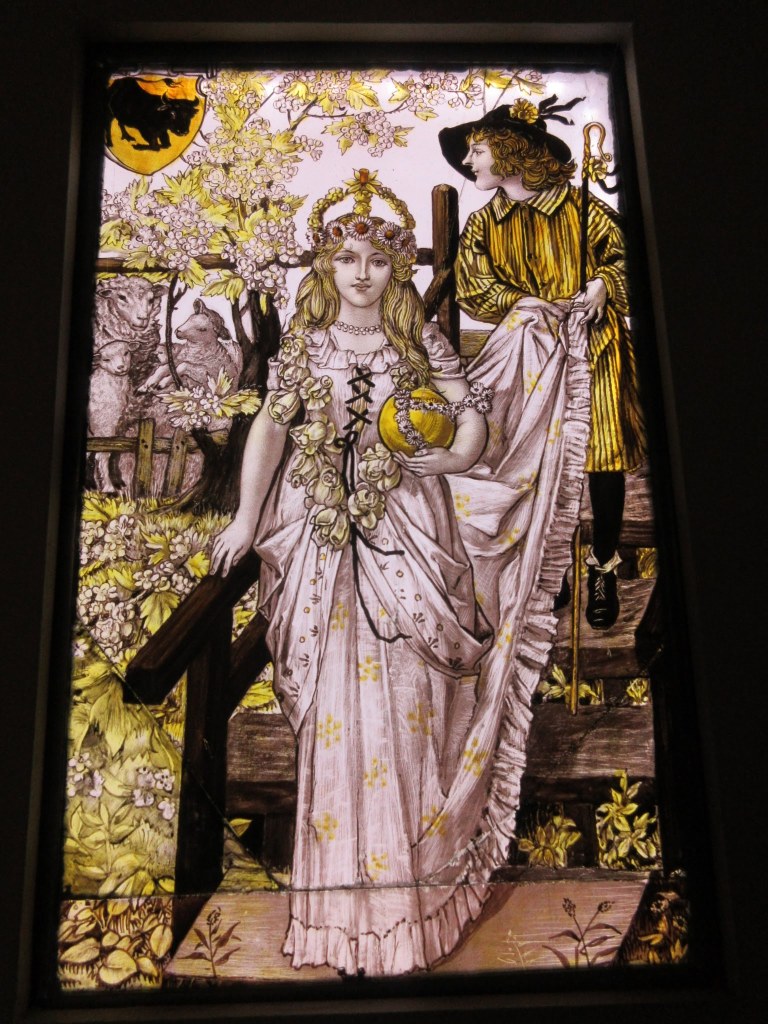
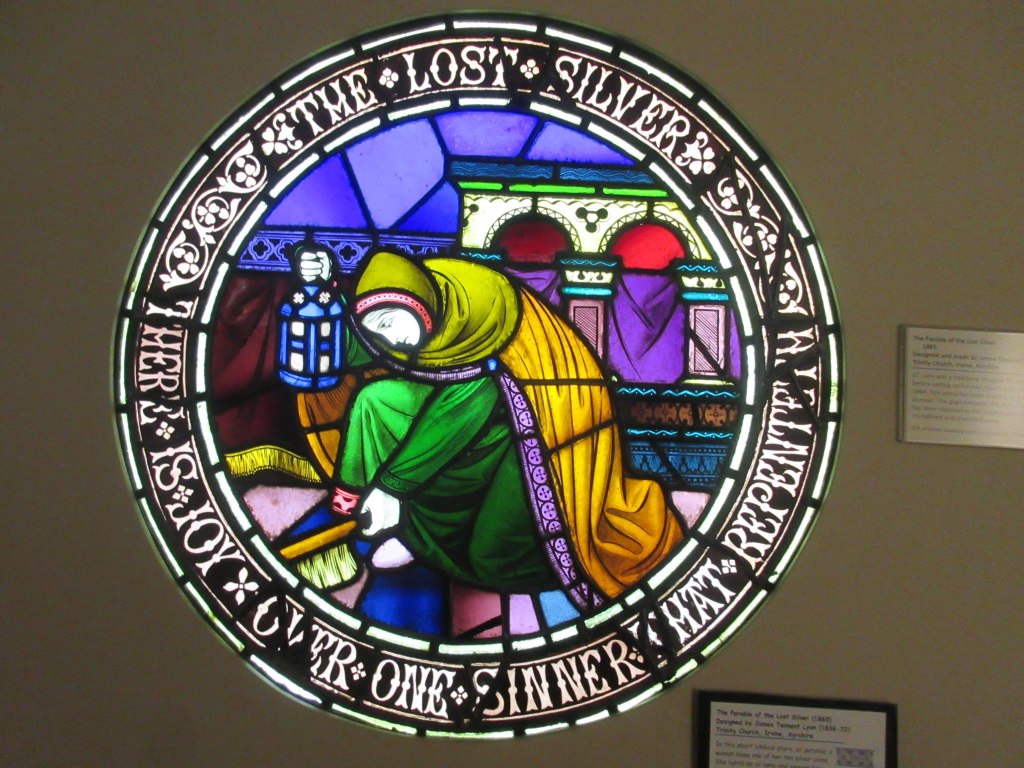
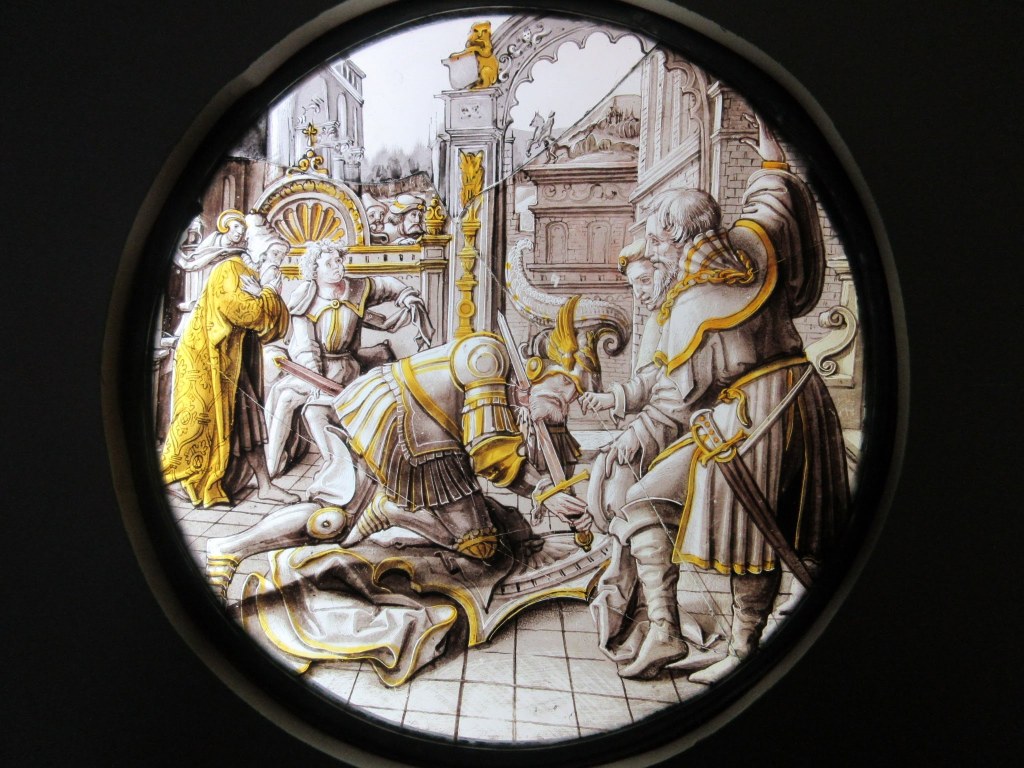
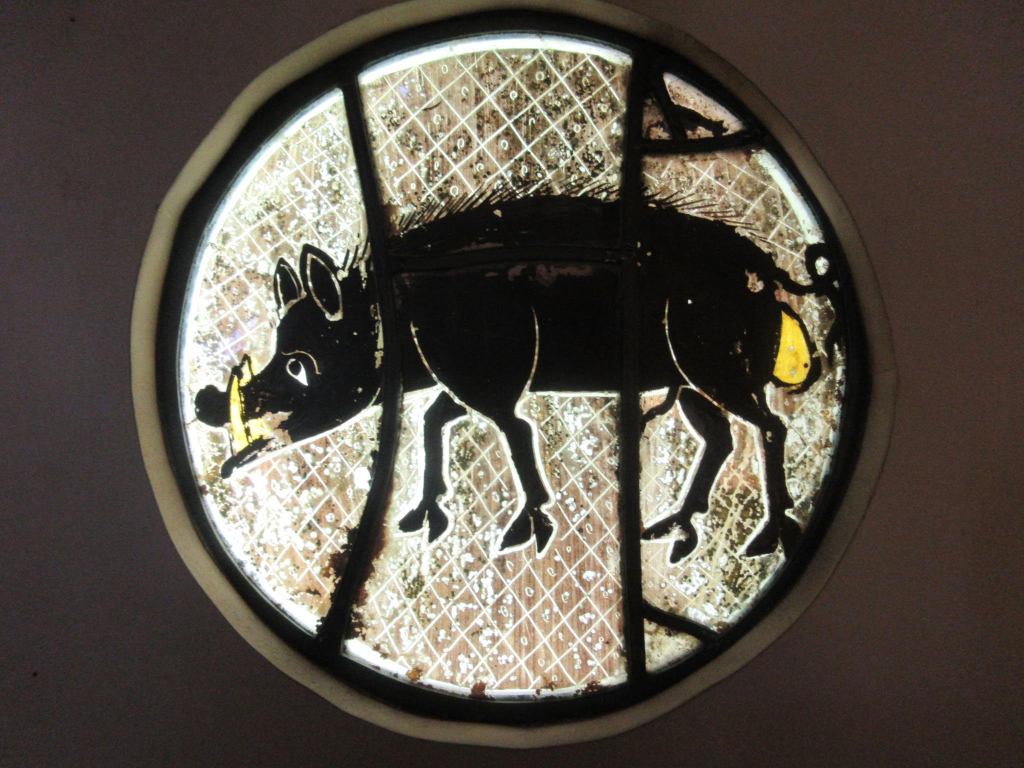
We spent a lot of time enjoying the cathedral, our tower tour and the stained glass museum, and with the addition of lunch, the day was almost gone. We did have time for a final short walk around the city and lovely waterside before heading home, though. This is when we realised that Ely was also the home of Oliver Cromwell!
Oliver Cromwell was an English General who took over the ruling of the British Isles in 1653 under the name of Lord Protector. This was after he led armies against King Charles I during the English Civil War. He ruled the country as a dictator until his death, five years later.
Oliver Cromwell’s parents were from Ely and he lived here with his own family for about ten years. You can visit their former house which also houses information about the civil war and doubles as the Tourist Information Centre. Unfortunately, we didn’t have enough time left to visit, but I certainly would like to come back and visit this as the English Civil War seems really intriguing to learn about, when the Parliamentarians (Roundheads) and Royalists (Cavaliers) fought for power over the way Britain was governed.
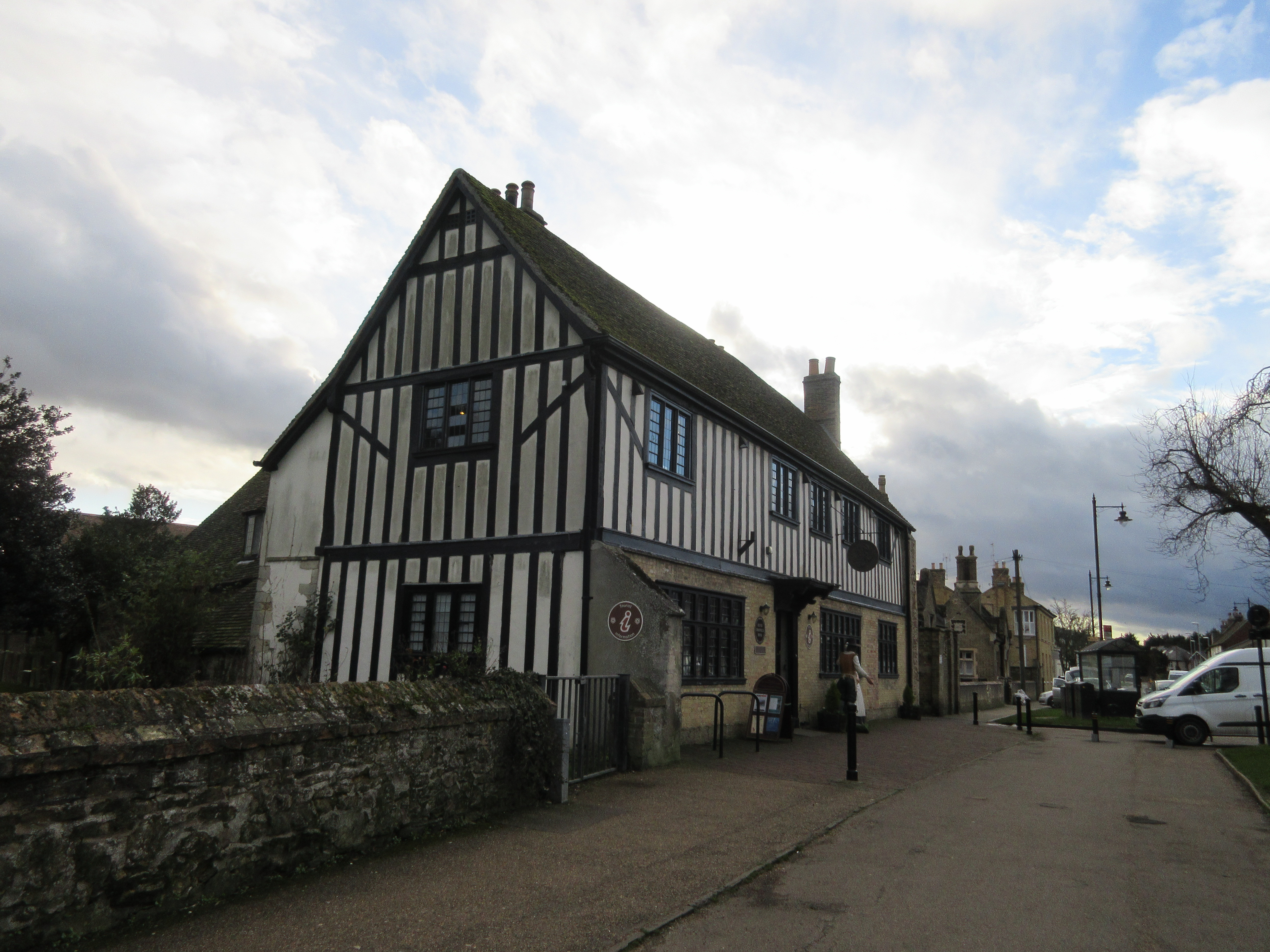
Overall, I thought Ely was very pretty, and the history is fascinating. I will definitely return as it is so close to Norwich, and perhaps spend the weekend there, next time.



















 The Roman Baths












 Go Go Chlo