Category Archives: Going Green Blog

Topics around how we can travel and live more sustainably to better benefit the health of the planet

Preparation for the Camino del Norte

Getting ready to travel 824 kilometres on foot.

This year, after being trapped at home, I decided to pack up my life, and start my wanderings across the globe. The beginning of this journey starts with a physical and mental challenge.

I am travelling by train to Irun, Spain, and walking West across the Northern Spain coastline, along an ancient path to Santiago de Compostela. This path or ‘camino’ has been travelled on for hundreds of years, ever since the remains of St James was discovered in Santiago de Compostela in 9th century, and pilgrims made their way to see his tomb.

If you have seen my other posts, you may have picked up on the fact that I love churches, and with this being traditionally a religious route, it really appeals to me, because of all the churches I will see. I also love walking, and have been learning Spanish for four years, so it seemed like the perfect way to start the year ahead.

Wow though! There has been a lot of preparation to get ready for the trip! The pilgrimage involves carrying everything you need on your back, and staying every night in a different location, as well as lots of training.

Training

I am not the fittest person, and whilst I enjoy walking, I have never done such a consistent walking itinerary. I have done mountain climbing, but never walked over them over several days. Most people recommend 12 weeks of training to prepare for the challenge (especially as the Northern route is one of the most rugged).

I had less than eight weeks…
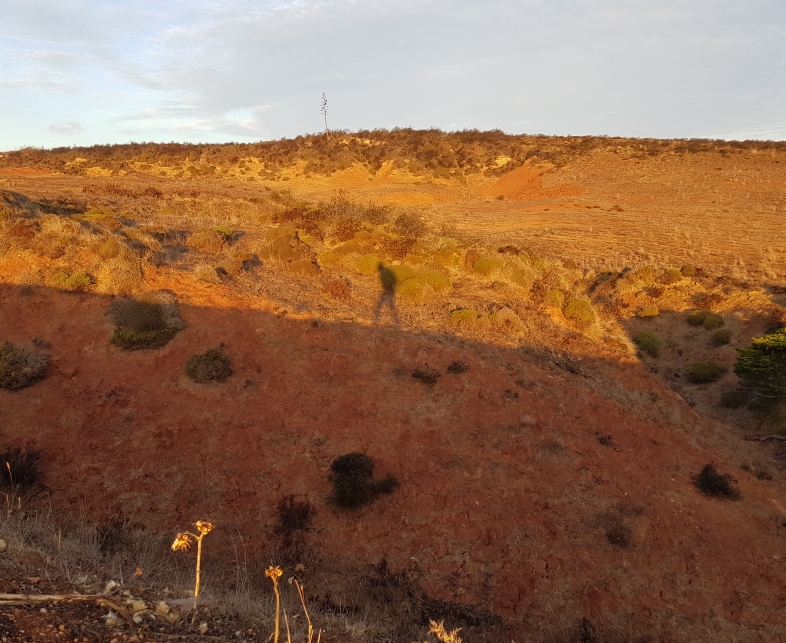
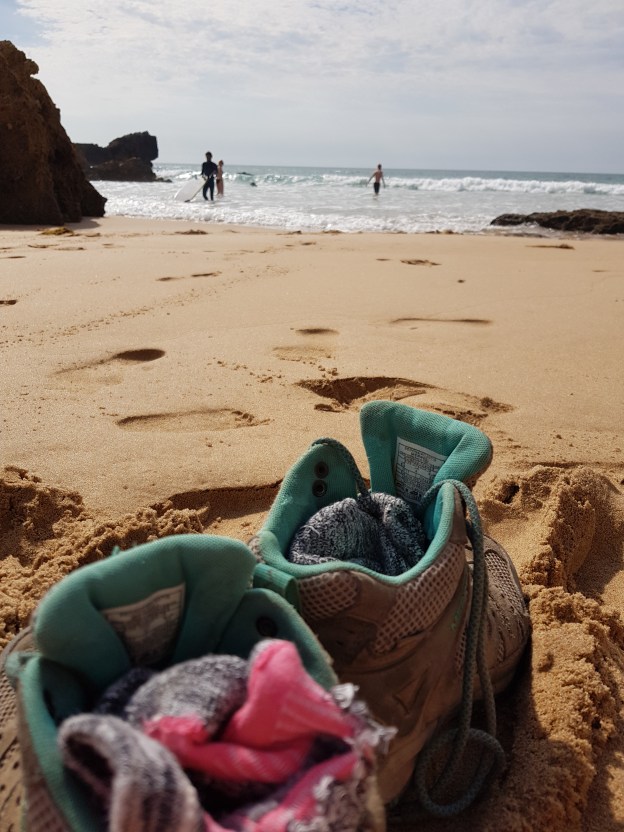
Practice walking in Portugal

On average, pilgrims must be able to walk approximately 21-25km (13-15 miles) per day, and one of the longest stretches goes as high as 39 kilometres. Since deciding to do this challenge, I have been slowly increasing my walking distances from walking 7 miles every other day and having a big walk at the weekend, and slowly getting up to regular 21km walks. I was also mixing this in with using an exercise bike, swimming and a better diet. It was all going well until two weeks into training, I sprained my ankle. I then had to start again from scratch. I now feel confident that I can walk the distance, but my speed is very dependant on the weather (which is likely to be rainy), the terrain (which is likely to be uneven), my ankle (which is going to be strapped up), and my backpack (likely to be very heavy)!

Accommodation and Covid-19

The route normally has traditional accommodation for pilgrims to stay in, called ‘albergues’. These are generally public buildings such as monasteries, halls, or train stations, that have bunks for pilgrims to sleep in for very little money. Unfortunately, Covid-19 has meant that many albergues did not open this year, and even some that did, will be shutting for the end of the high season when I arrive. So, booking the accommodation has been a little trickier than expected, and in some places I will need to walk further each day to make it to my bed. I now have my first week of accommodation booked, this is made up of a mix of albergues, hostels, pensions (guesthouses), and hotels. If I ever get caught out though, I do have a poncho that doubles as a rain shelter, so it’s all good!
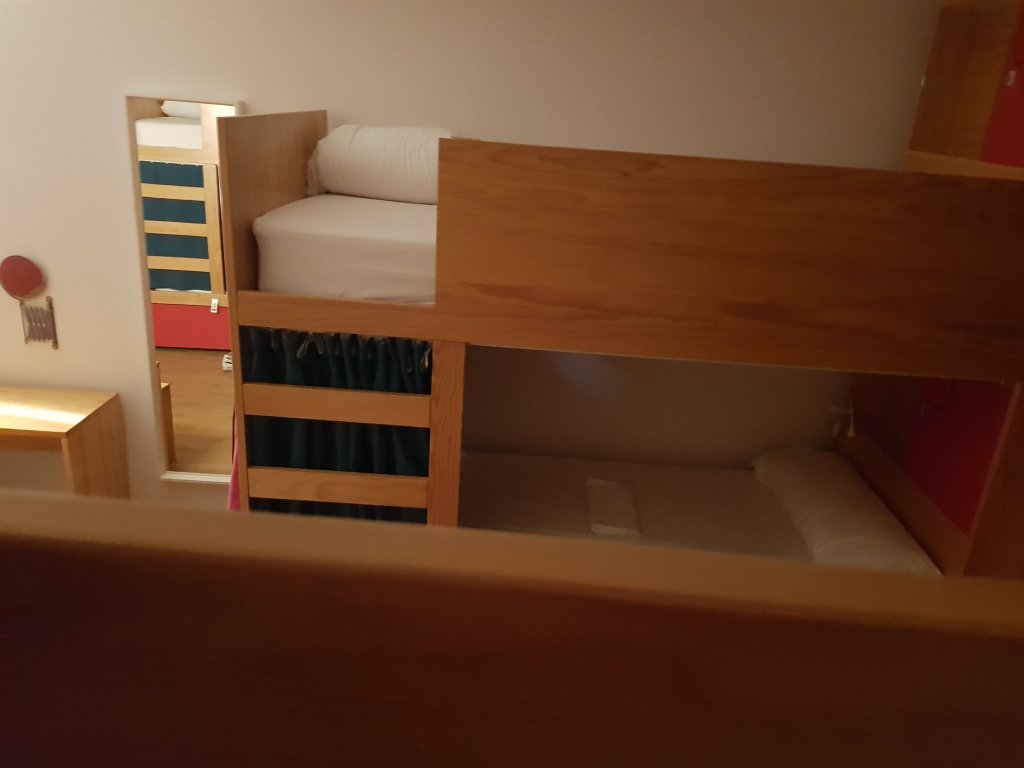
Hostel bunks

Booking the accommodation, I used regular booking platforms, and also directly contacted albergues and tourist information centres by email in spanish. This has been very successful so far. I would recommend using a cashback platform when making bookings, to earn back some of your money. I have used TopCashback for almost all my accommodation so far, and made over £30 back in cash so far (for about 10 days of hostels). It is completely free to benefit from this scheme, so it is an obvious win.

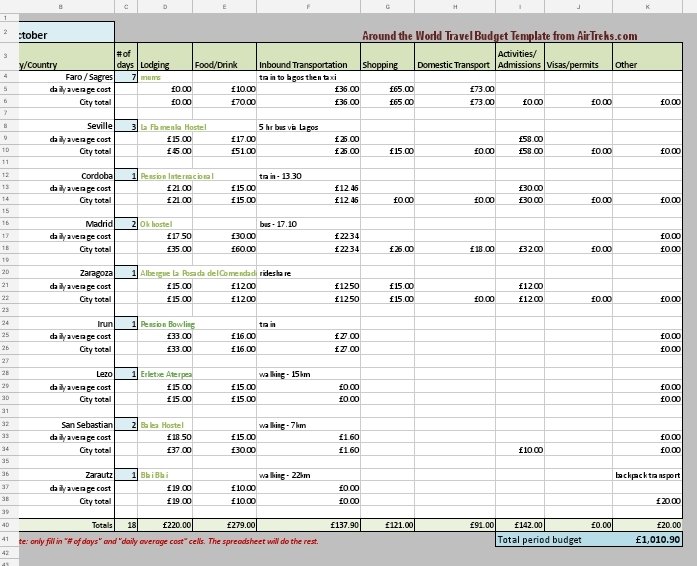
I have put all these extra earnings into a giant spreadsheet, along with all my expected expenses for the trip. The three months total I will be spending in Spain, should hopefully total under £4000.
Covid-19 has also meant that I have had to be more cautious with my documentation and vigilant of checking the .gov website. For example, I am travelling into Portugal before I go into Spain over land. Portugal were previously accepting the NHS vaccination pass, but has since changed their advice to say that you must have an EU vaccine card, you can only get this if you are an EU citizen. Thanks a lot BREXIT! Very frustrating. So I will now need to test before entering Portugal, but thankfully the over land travel between Spain and Portugal, does not require testing..

Technology

The ancient pilgrims never had to worry about what tech they would need, because they just followed the sun and the other travellers, West to their final destination. In our modern world, I have been encouraged to use apps and tech available to me to make sure I am as safe as possible. It does feel a little like cheating though!

I have available to me:

  • 2 Portable chargers
  • Digital camera
  • Two apps about the pilgrimage, with maps, updates, photos, and resources
  • A panic alarm app, SOS emergency app, and emergency services app.
  • My Strava and Fitbit accounts
  • NHS digital covid pass
  • And of course, good old, Google Maps.
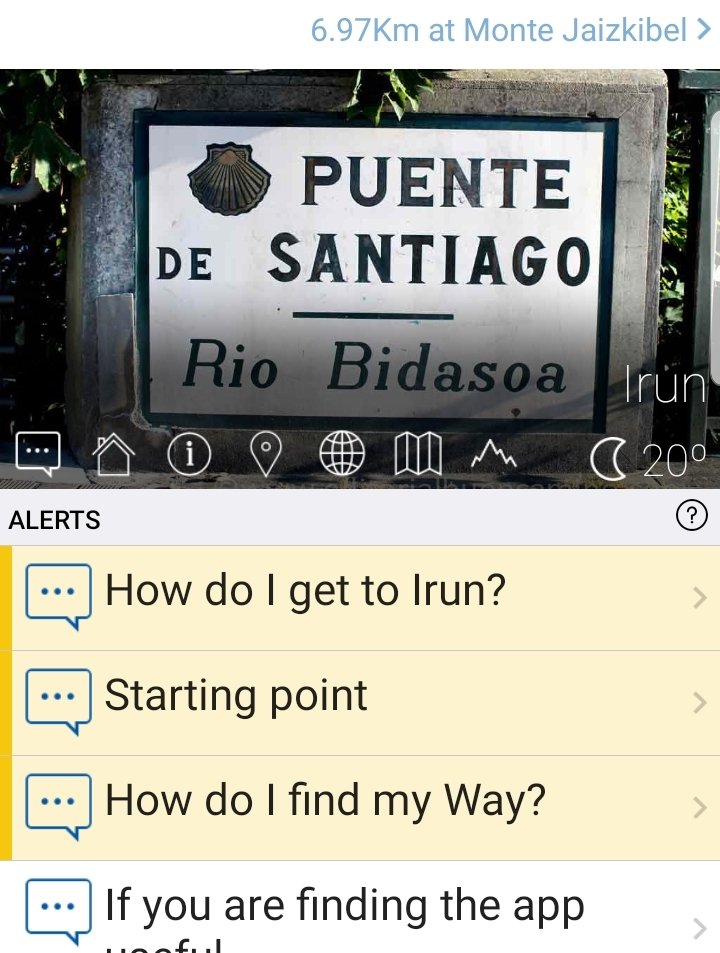
Screenshot of Buen Camino app

I do have a traditional map and compass, just in case I still want/need to use traditional methods of orienteering. I will still be using my torch rather than moonlight though.

Packing

Packing has been a real challenge of distinguishing the absolute must have items from the luxuries. For example, I now consider the following items as ‘luxuries’; shampoo and conditioner, a third evening shirt, a wired bra, and a razor. That’s right… I am going to be a stinky, hairy mess of a woman for a few months! I am quite excited to let loose! Haha

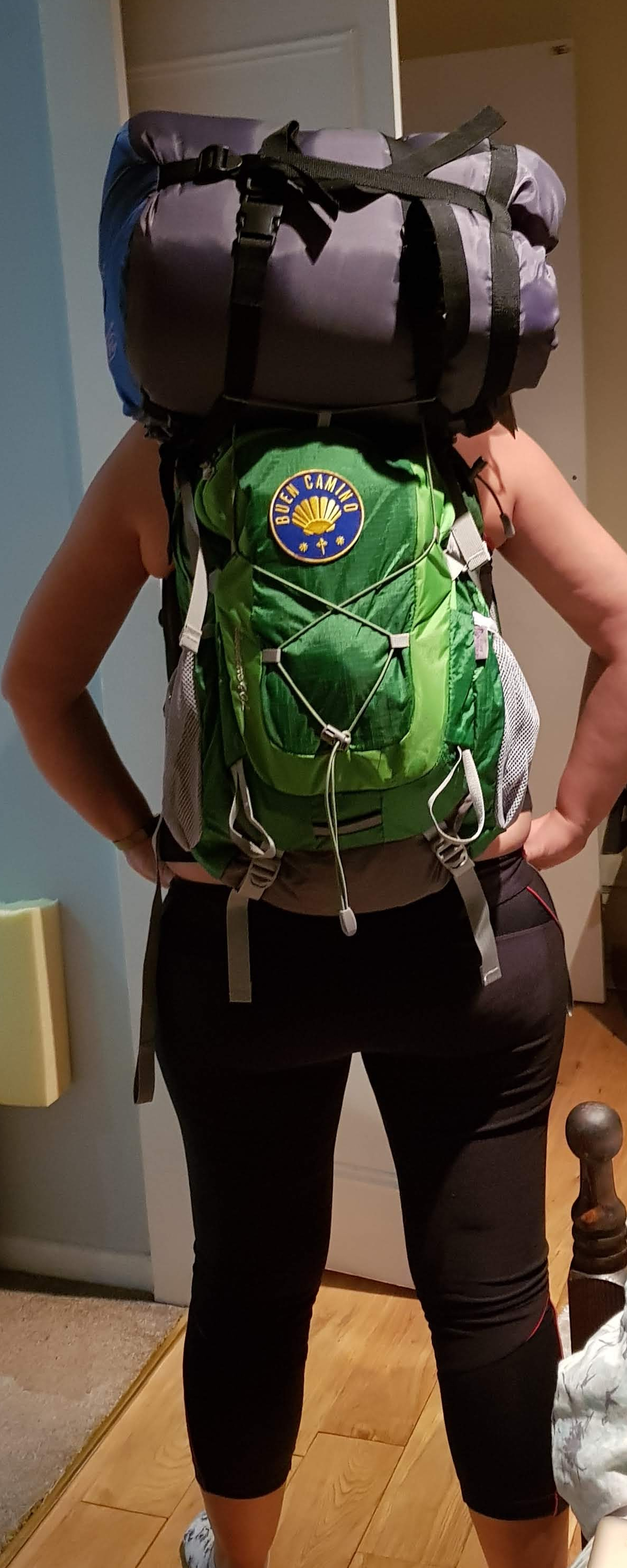
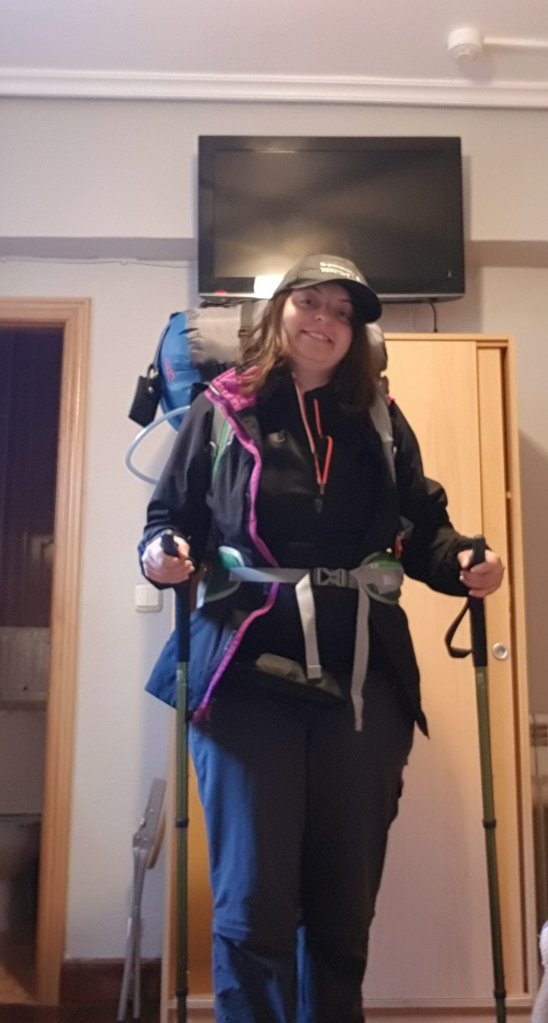
The advice is to not carry more than 10% of your body weight on your back. I already invested in a heavy sleeping bag, as I will be travelling during a cold season, so sacrifices had to be made. The weight of my backpack now consists of the following proportions:

  • 20% – map, compass, documents, torches
  • 25% – walking clothes and one pair of flip flops
  • 40% – foot care items and first aid kit
  • 10% – rain protection
  • 5% – personal items/money/phone

I hope I am prepared physically now. I just need to prepare my emotions for the challenge ahead of me, and remember to enjoy every second of it!!!

I will be posting regularly about my adventure on this platform, as well as on my JustGiving page, set up to raise funds for Mind.

Buen Camino!
Quirky day trip ideas!

Many of us have been unable to travel lately due to the pandemic. This means that we have needed to get a little creative with how we spend our spare time to keep it interesting. Day trips out are a big part of this, and in this blog I will give you some tried and tested quirky day trip ideas for you to explore!

With most of our leisure time being spent nearer to home this year, why not try something a bit unusual in your area.

Metal detecting

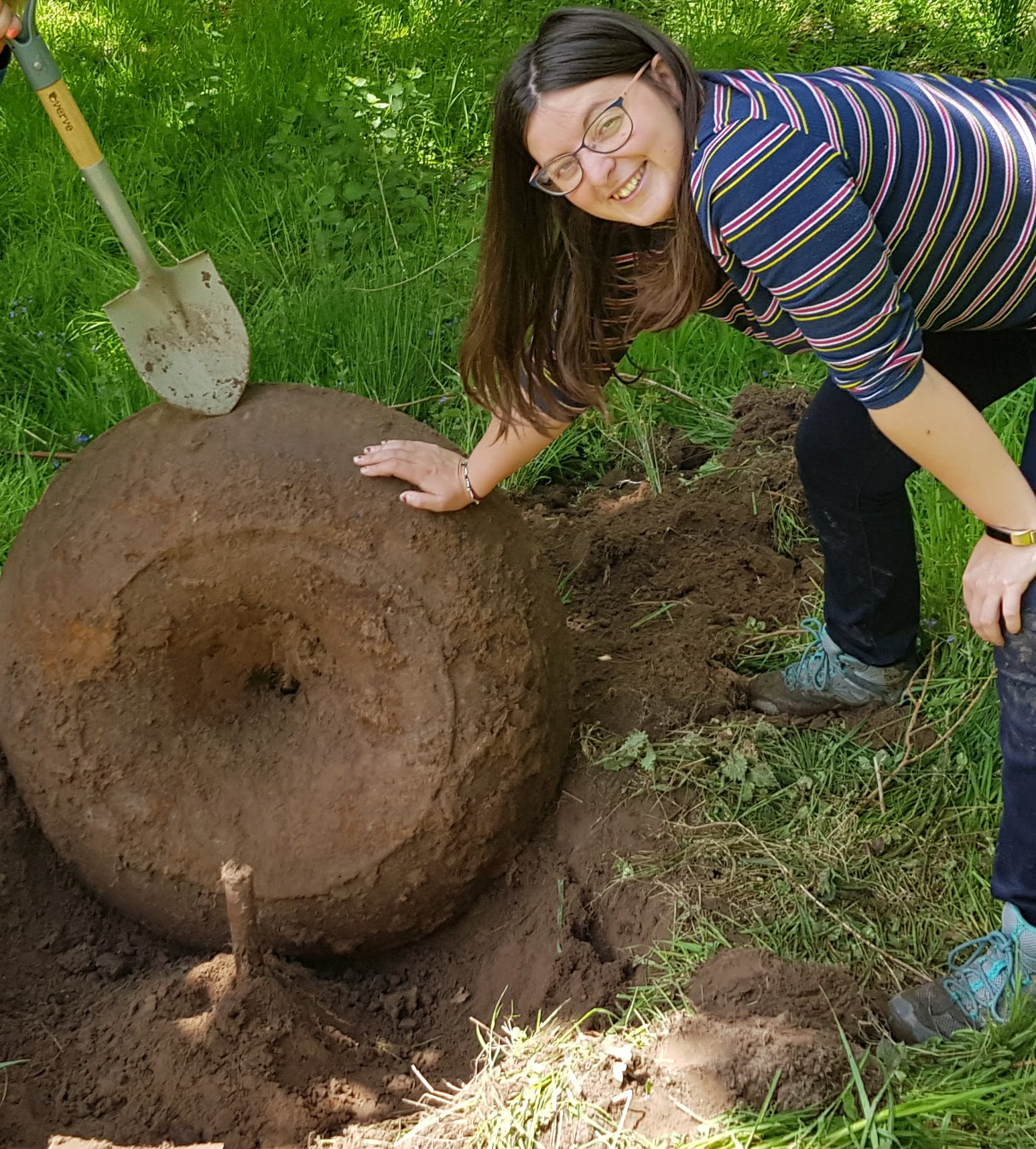
Metal detecting dig find

Many people have an interest in metal detecting with so many TV programmes about discoveries and salvages. I decided to have a go, and see if I could find some long lost treasure. A lot of people head to beaches, and back gardens with their metal detectors, and you do have to consider permissions from landowners when you do this. You might also need to agree the split you will get from any profit you make!

I wanted to try some fields, and my dad happens to have some land that I could investigate. The fields have been used for a few centuries by nurseries, farmers, scrap yard owners, and for other unknown purposes. This makes it a very mysterious place under the earth.

In the first two hours around 20 items were found, including several door handles, a light switch and a pig feeder, which could be recycled into a lovely bird bath.I didn’t find my fortune on that occasion, but I will keep looking. Either way, the experience is a fun one, and you do get a thrill from digging something out and trying to figure out what it is!

If you get really into this activity, you can apparently upgrade to a smarter metal detector which will tell you exactly what the metal is, so you can narrow your searches. This is a fun way to spend half a day with a friend or as a family, just bring your metal detector, a spade for everyone involved, and be prepared for everyone to get filthy!

Beach cleaning/litter picking

I like to keep the planet clean, and so naturally I hate litter! Of course, within waterways and oceans, the pollution, especially plastics, is extremely harmful for animals and us. If you want to do your part, or teach your kids about giving back, and the harm of littering, then a clean up event is great fun!

Photo by Catherine Sheila on Pexels.com

Many local groups and national charities such as the Marine Conservation Society, will organise beach and river clean ups, and other litter pick events regularly. These tend to be with a group of differently aged volunteers, and the group leader will provide you with a high viz, litter picker, gloves and bin bags. These events are especially popular during the off season when less people are visiting the beaches and riversides. ‘Keep Britain Tidy‘ creates several campaigns throughout the year in Britain, to encourage people to take pride in their open spaces and keep them litter free, such as the ‘Great British Spring Clean’ event.

I have done several litter picks before, and I always feel good afterwards, it is also a great way to get some exercise, and enjoy outdoor spaces that you may have not visited before. It can be quite addictive, and you can become quite competitive about how much you pick up. I got so into it, at one event, that I was climbing the sea barriers to retrieve a discarded shoe and fishing nets!

Foraging

Ever wondered if you could survive an apocolyptic event? Well, a day out foraging, might give you some idea. You may have tried the odd herb, or picked blackberries before, but you can go much further!

Foraging is becoming more popular as people become more interested in their green spaces, and lots of people are providing information on how to do this, and what greens to look out for in your area. You can even go on foraging tours and events to learn all about it. The Woodland Trust provide a great monthly calendar on what to look out for when you are out and about. The organisation will also allow you to forage in several of their woodlands, as you must ask permission before foraging in an area. You should also be sure of what you are picking, no poison berries! Lastly, you should minimise your impact, by only picking the fruit (not the plant) and only take what you need.

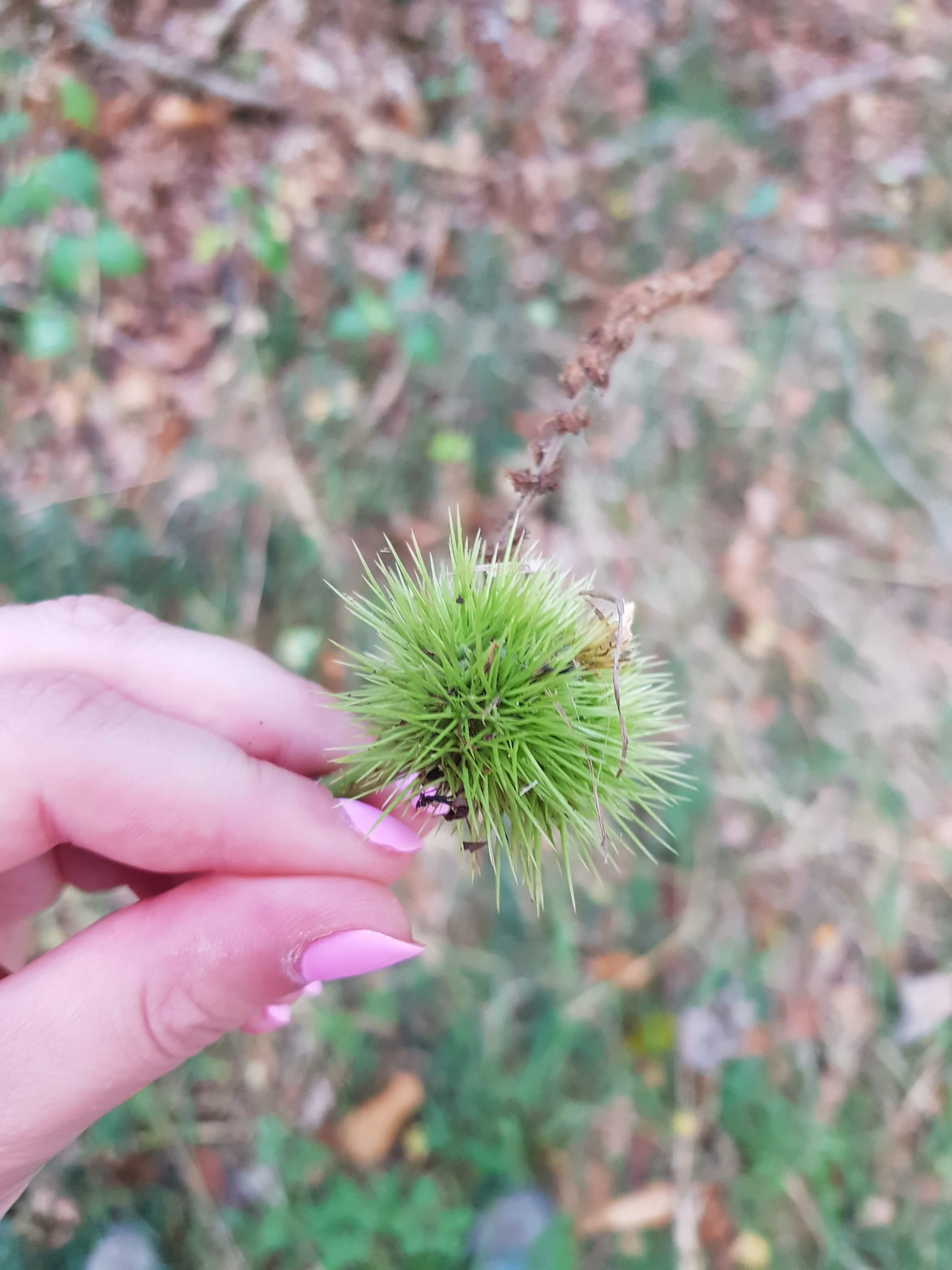
chestnut husk

On my visit to the woods, I downloaded two apps on my phone to identify edible plants and see how they were to be consumed. Woodland Trust also has an app for identifying trees. I have previously collected blackberries, nettles, dandelions and chestnuts. I have been able to use these items to make teas, desserts, and soups, but I know there are lots of recipes available to try. Autumn is certainly the best time for this activity, I would like to try to find more varieties of nuts in the woods… if I can beat the squirrels to them! I would also be really interested in spending a day with an experienced forager, to learn about some of the more unheard of plants.

Exploring community gardens

If you live in an urban area, you may be unaware of a network of community gardens that are taken care of by locals. There is more and more demand for green spaces within towns and cities, and locations that locals could grow their own food & cutting flowers. There are a few national schemes that you can use to look up gardens and social farms in your area, some are open all the time, and some have set open days. Some examples are Social Farms & Gardens, Community Supported Agriculture, and National Garden Scheme. You can also speak to your local parish council about what is nearby to you.

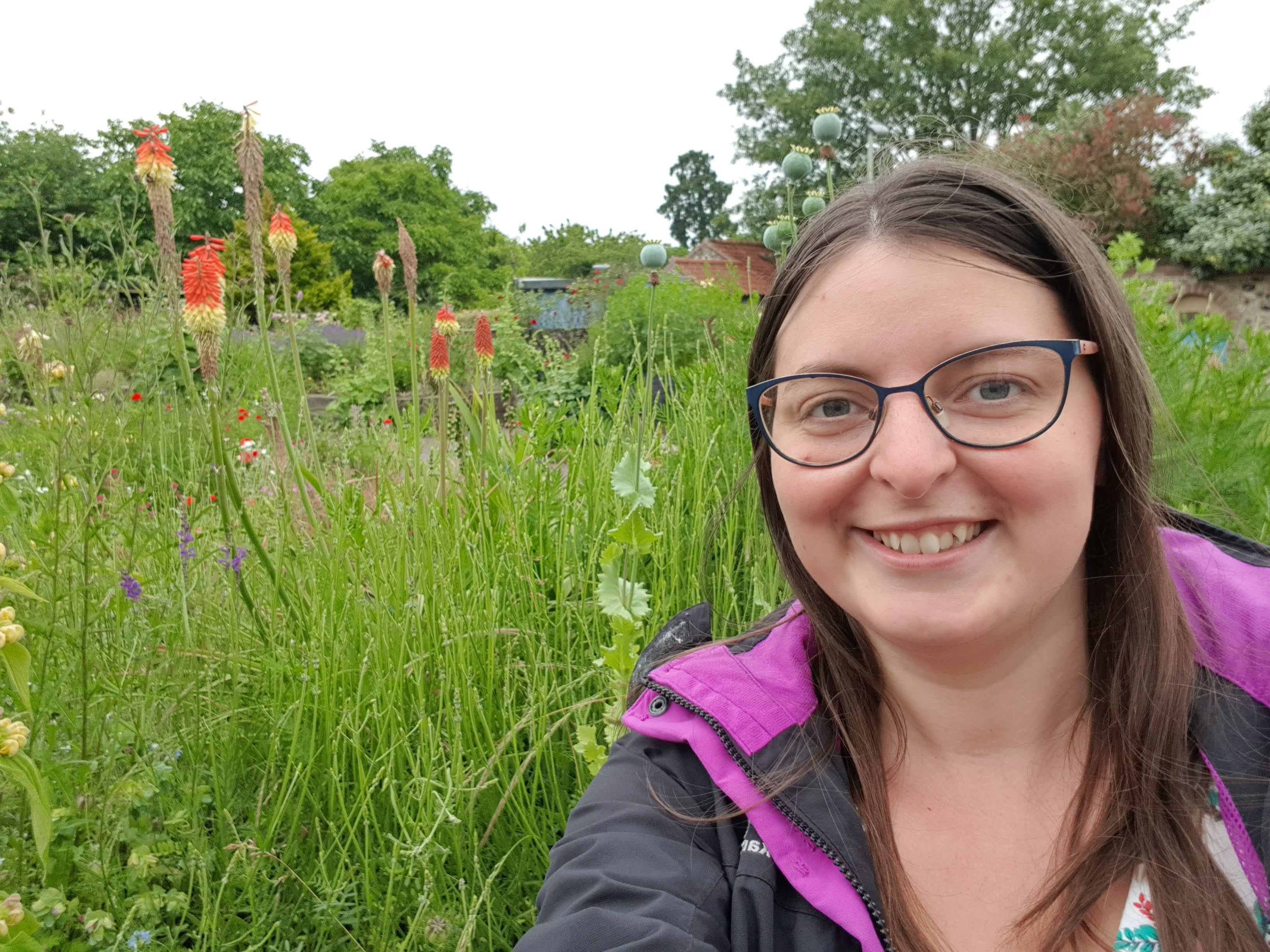
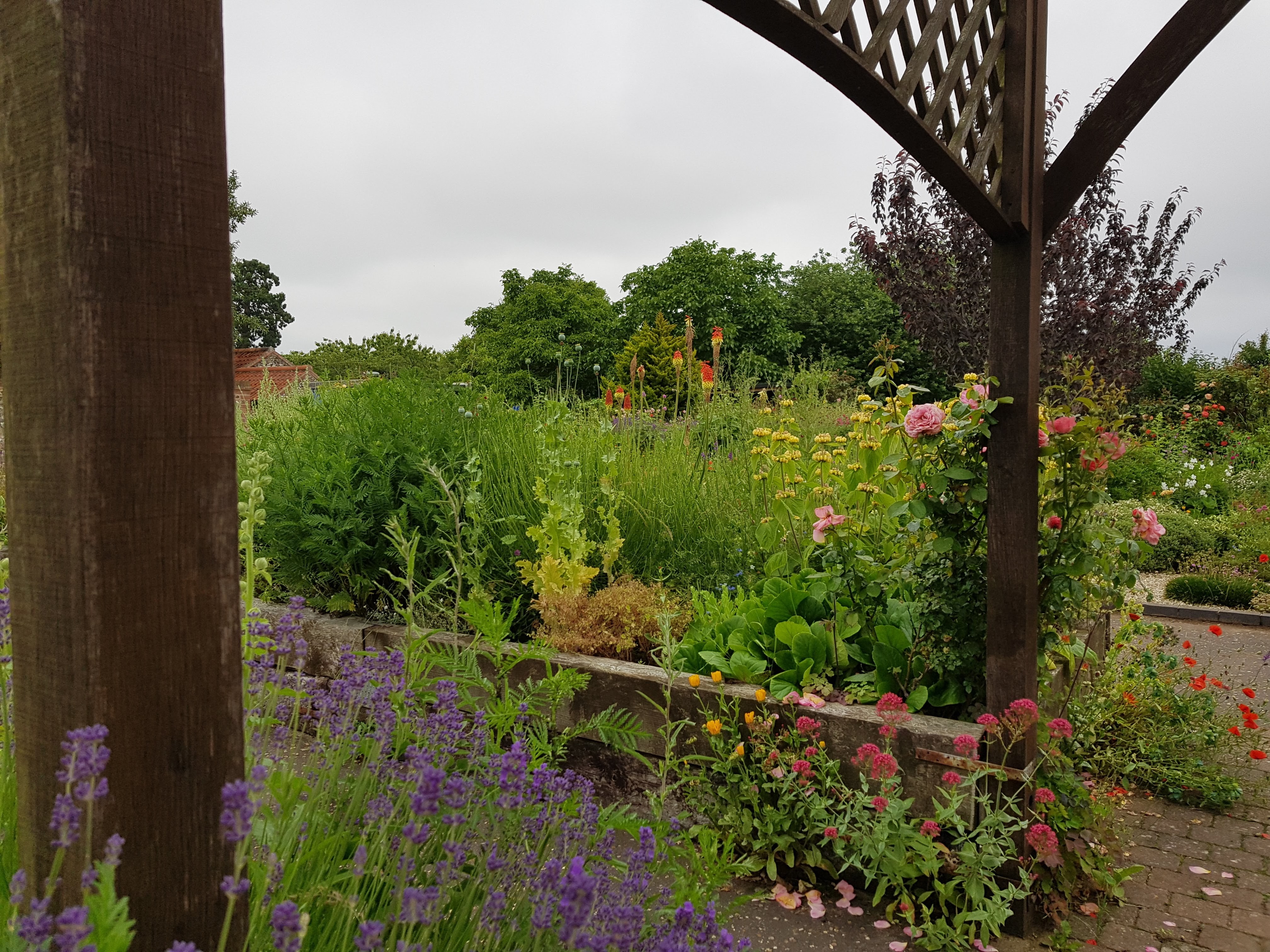
I love to explore local community gardens and allotment areas when I am out walking. You can see the individual styles that have been incorporated across the plots and garden spaces, and get some really quirky ideas for your own gardening. It is a lovely contrast to a formal garden at a stately home, and it is also free, so lots of reasons to visit! If you explore enough that you like, you might even find that you want to volunteer to get involved with one local to you.

Geocaching

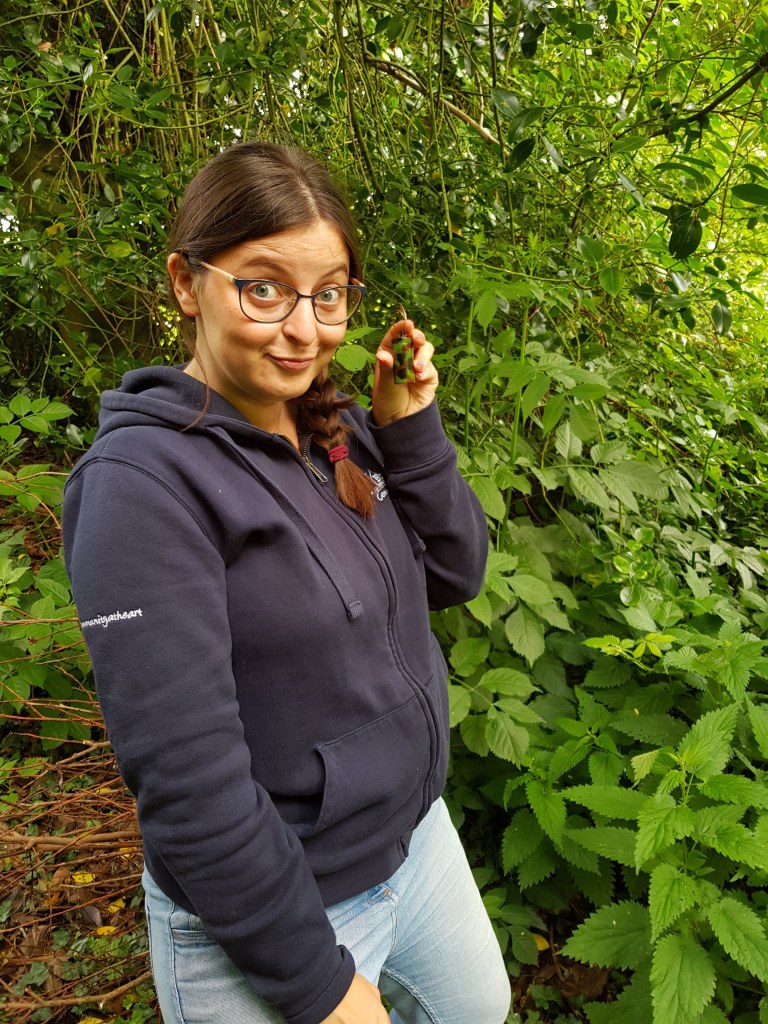
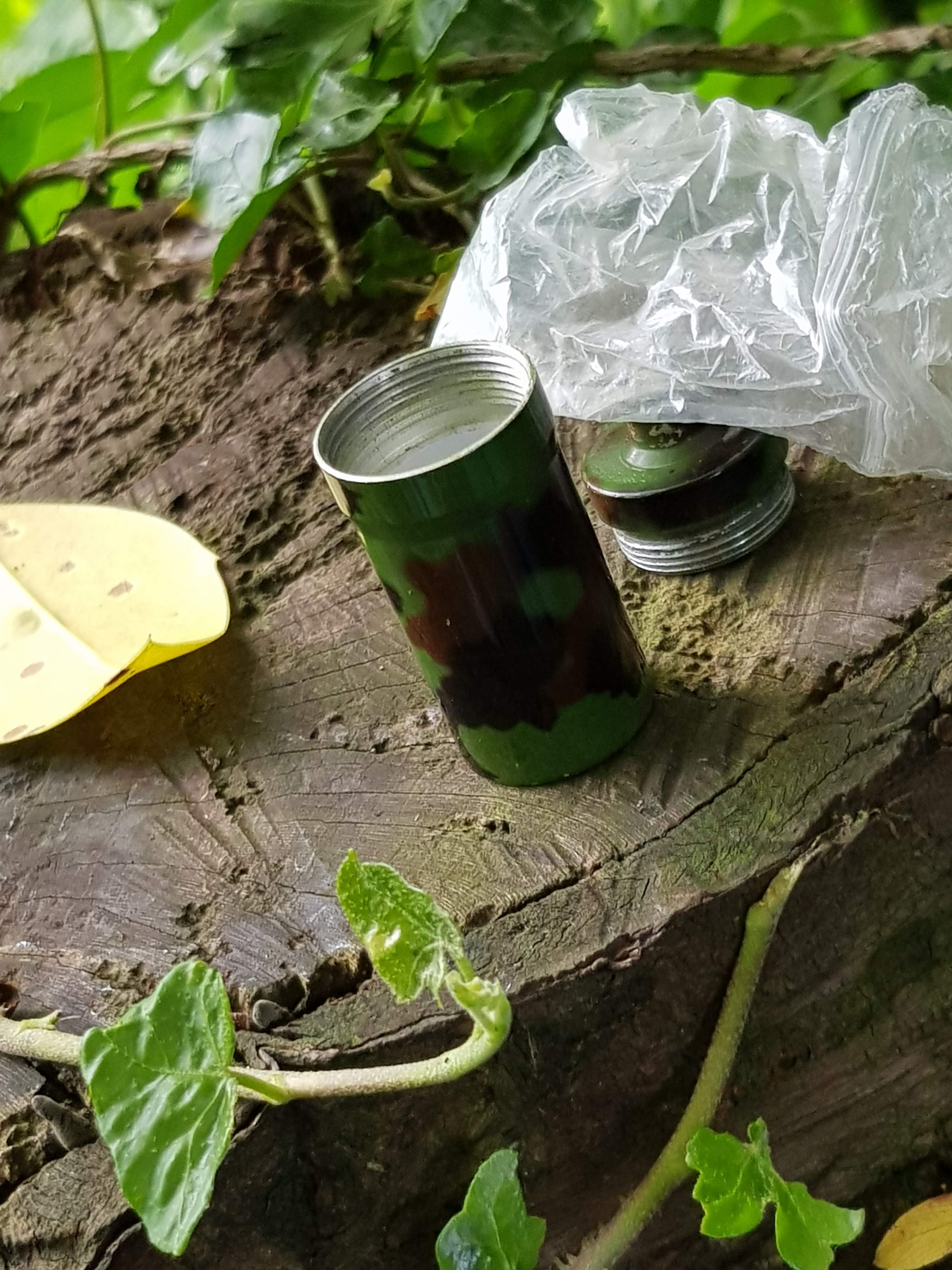
Geocaching is an activity of following GPS co-ordinates to find hidden containers that others have placed. Often these are hidden in very creative hiding spots, and when you find the container, you can add your name to a list of finders inside. Geocaching has a huge following, and is a great way to make your next walk a bit more interesting. Geocaching.com calls the activity ‘the world’s largest treasure hunt’ and invites you to download the application onto your phone for free and get started!

I have done this with quite a few different friends, and some containers are easier to find than others. A friend of mine once had me looking around all of Covent Garden for a specific geocache, for over an hour. We found it though! The buzz of finding it is quite satisfying, and I can see why people get really into doing this on their days out. Geocaching is so popular, you are very likely to have some in your area, so why not give it a go?!

Bird watching

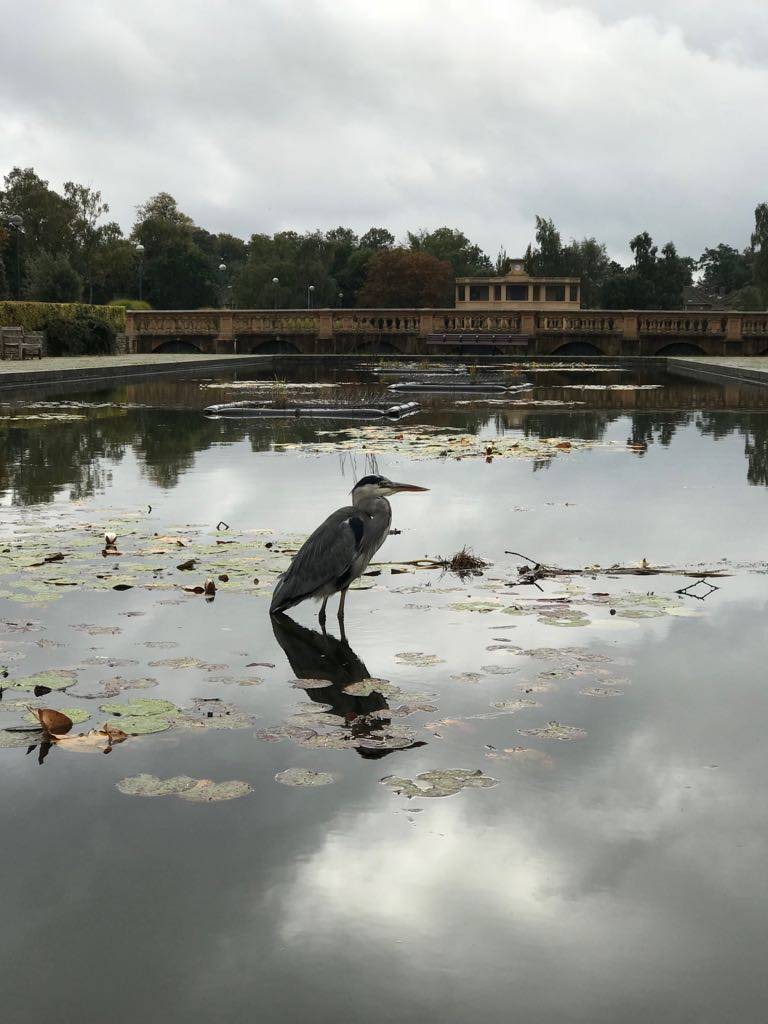
If you love getting outside and experiencing nature then birdwatching is a popular hobby to take up. There are so many nature reserves dedicated to wildlife conservation, and offering brilliant facilities for ‘twitchers’ to enjoy. I have enjoyed visiting various RSPB nature reserves in my time, and have my own pair of binoculars! You can take it as seriously as you want to, but the more dedicated you are, the more likely you are to spot a rarer bird.

Heron at Eaton Park

I am happy with whatever bird I see, as long as it surpasses the status of a pigeon… It is quite interesting to learn the different bird names though, and actually try to identify what you are looking at. You can equally do the same thing with creepy crawlies, if you are more that way inclined!

Crabbing & Rockpooling

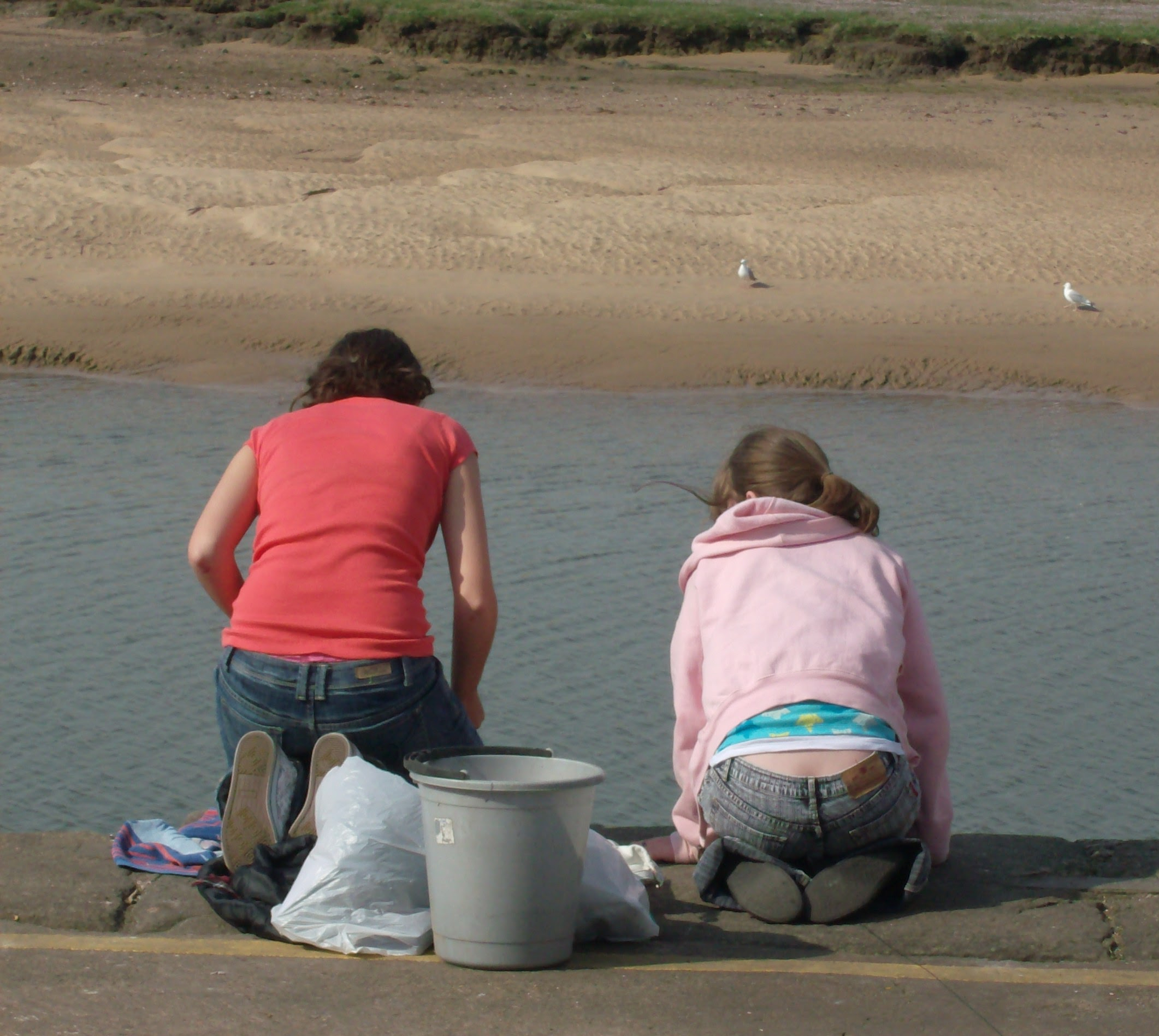
Just a ‘ponds throw’ from bird watching… (see what i did there..) looking for crabs can be quite a fun way to spend a few hours, especially for kids. This is a really popular activity where I am from, in Norfolk. Every day that the sun is shining, there are people sitting at the edge of a beach pier, hanging bacon from a string, in the hope of catching a crab. Equally, you will see kids jumping over rocks to dig for crabs in the shallow pools of the beach.

Norfolk crabbing
Norfolk crabbing

I have done this with my family, although with little success (my fishing skills are lacking). My sisters were normally the ones to find the crabs, and then we would enjoy looking at the little fellow for half an hour, before gently releasing him back into the sea.

Church / Cemetery crawling

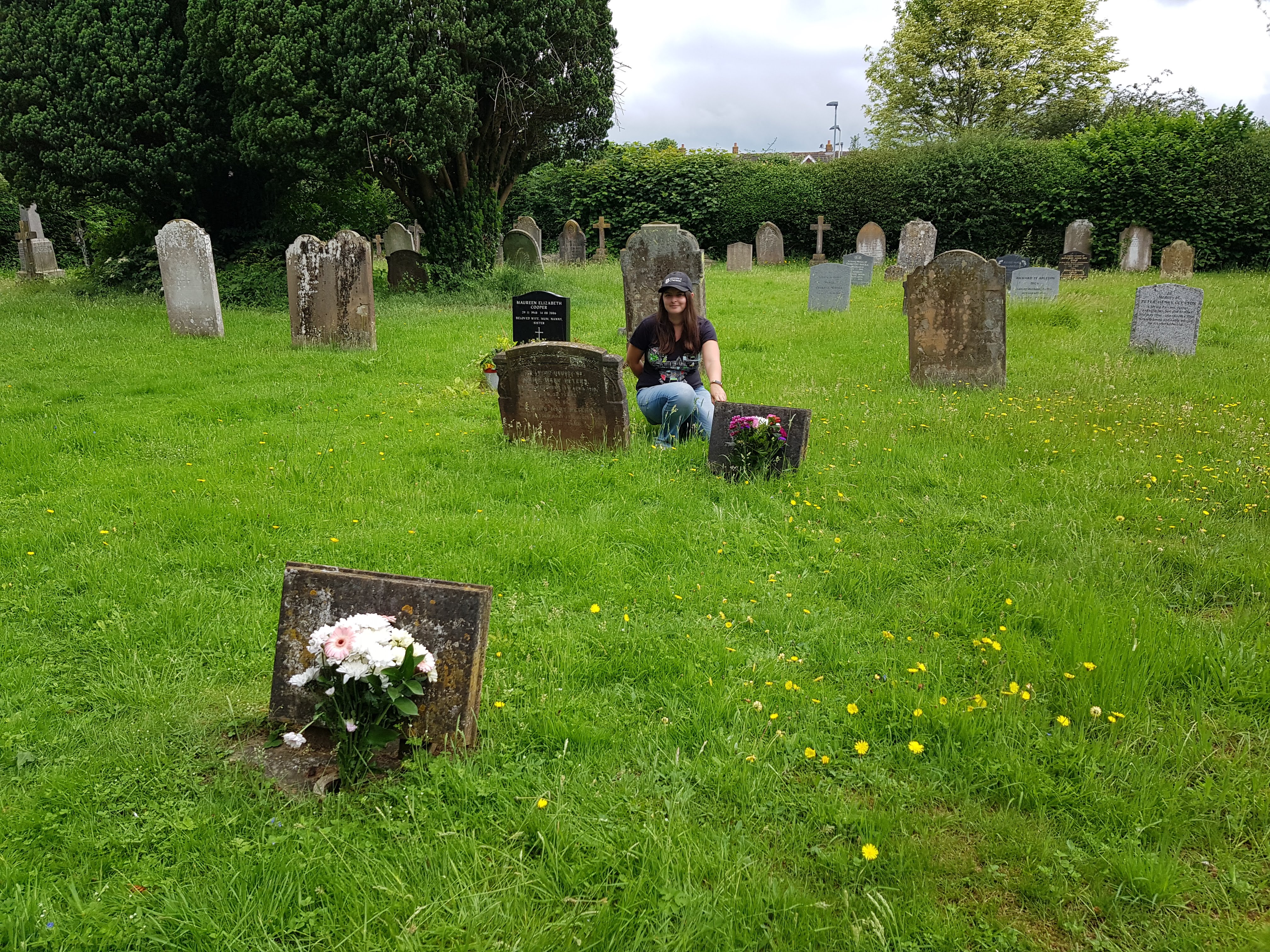
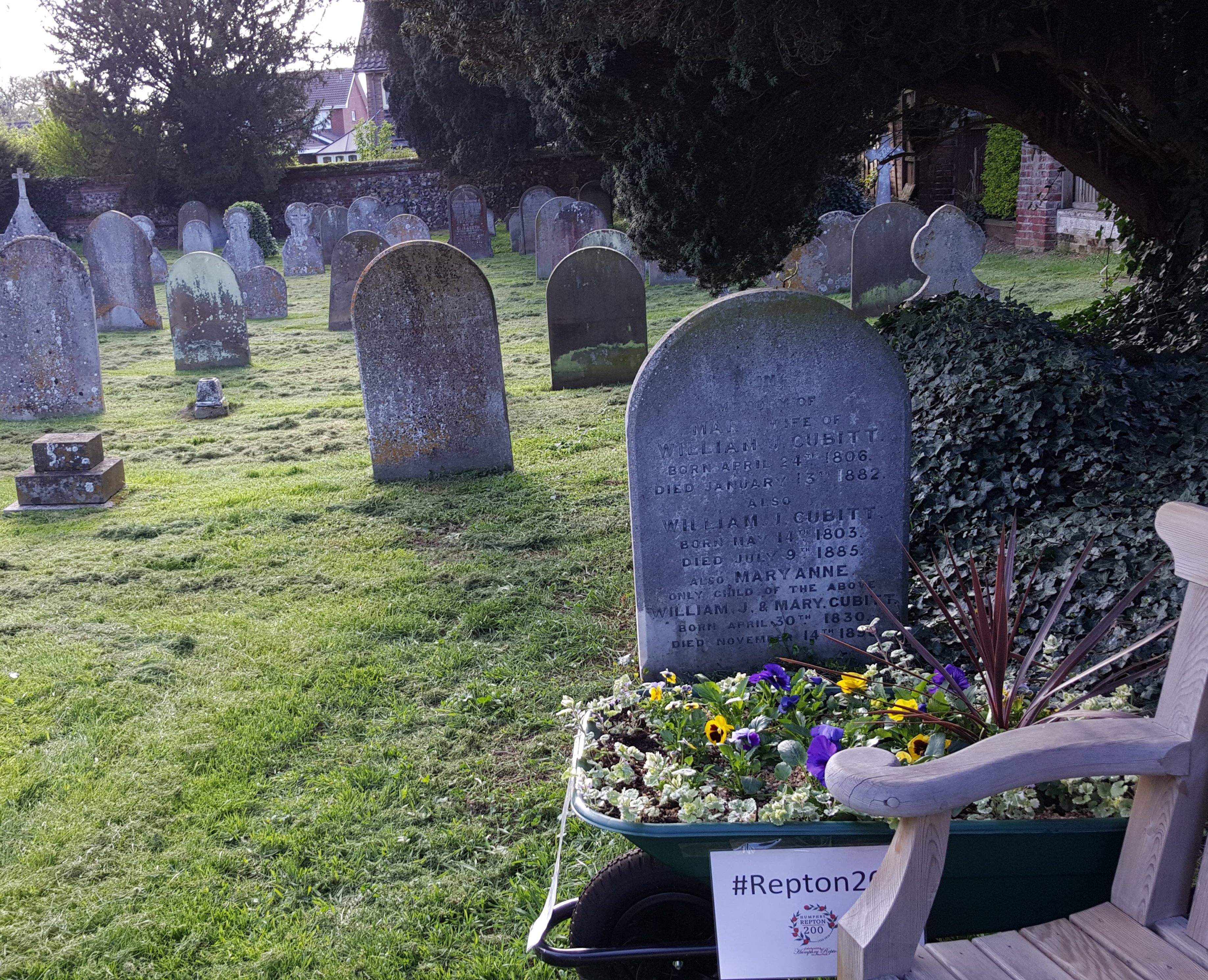
Those of you that like history, and specifically ancestry, may find this to be a particularly wonderful day out, especially in the days where you want to be indoors or in the shade. There is so much history to a parish church, and most are open all the time for visitors to walk in and explore. Equally cemeteries have become an attraction in themselves…

I started to take an interest in walking around cemeteries so that I could find specific graves of ancestors, and discovered Ancestry.co.uk and a website where you can find and record grave stones in local cemeteries to keep records up to date, and digital for all researchers. Once I then started visiting the cemeteries more, I began to appreciate the artwork, verses and style of the various tombstones. A lot of people also like to visit cemeteries as part of tours, or on their own, to pay respect to well known public figures that are buried there.

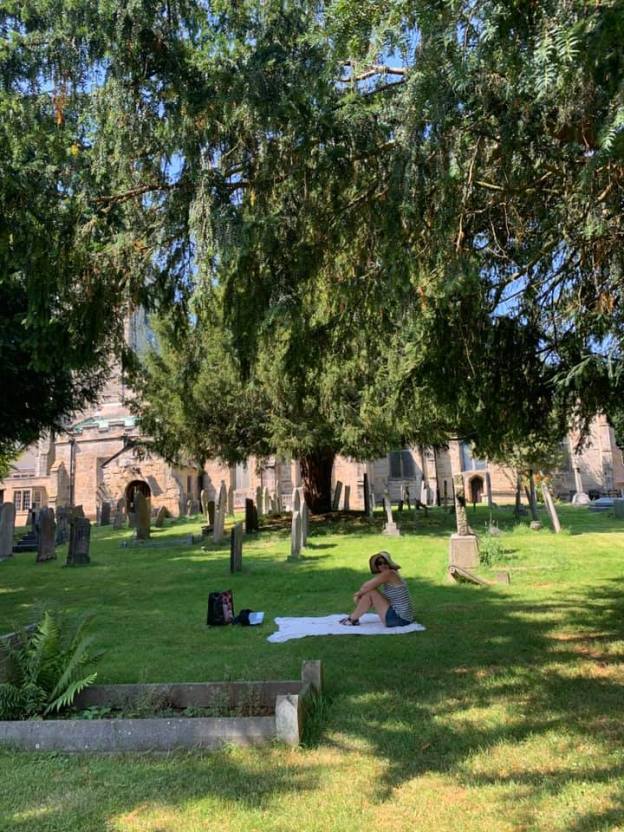
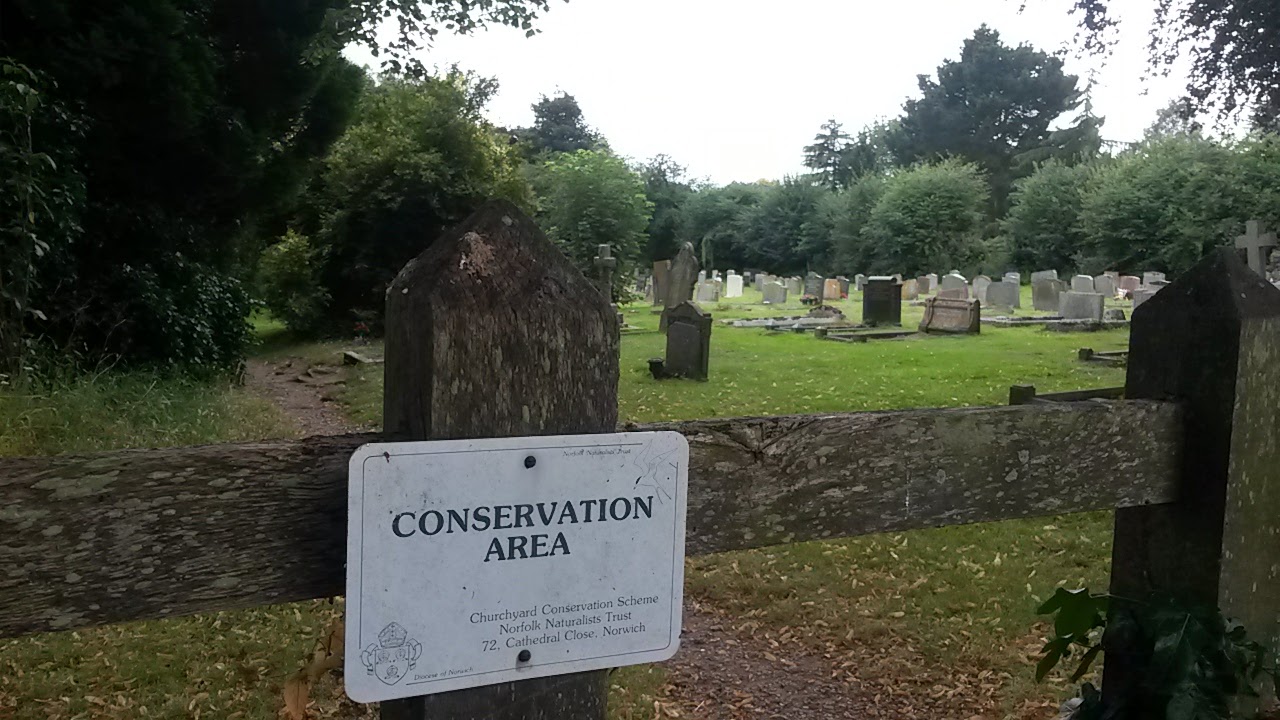
A final reason that they are nice to visit, is that they are generally beautiful, peaceful and often wild places to relax in. Many UK cemeteries have become accredited as mini nature reserves, for their wildlife credentials. I have even had a picnic in a cemetery before, as it was a pretty spot and also pleasantly shady on a warm day!

Cemetery conservation area

Fossil hunting and Flint knapping

If you want to do something that is really unique and one to write home about, then consider the world of geology! There are several locations across the UK where you can get permission to go fossil hunting, or join an organised event. The UK Fossils Network seems to be a great source of information about locations within the UK, and also guidance on how to do this activity safely. I have so far been unsuccessful in my lone wonderings to find fossils, but I may try one of the group events as it seems that they provide the equipment and safety bits you need to get more serious about it.

If you want to do something even more niche, then you may want to consider learning about flint knapping! I haven’t tried this myself, but I understand that you can take workshops in this, in my home county. Flint knapping is the act of finding flints, and then hitting them into the shape of weapons, that you would have used in prehistoric times!

Self guided tours/ trails

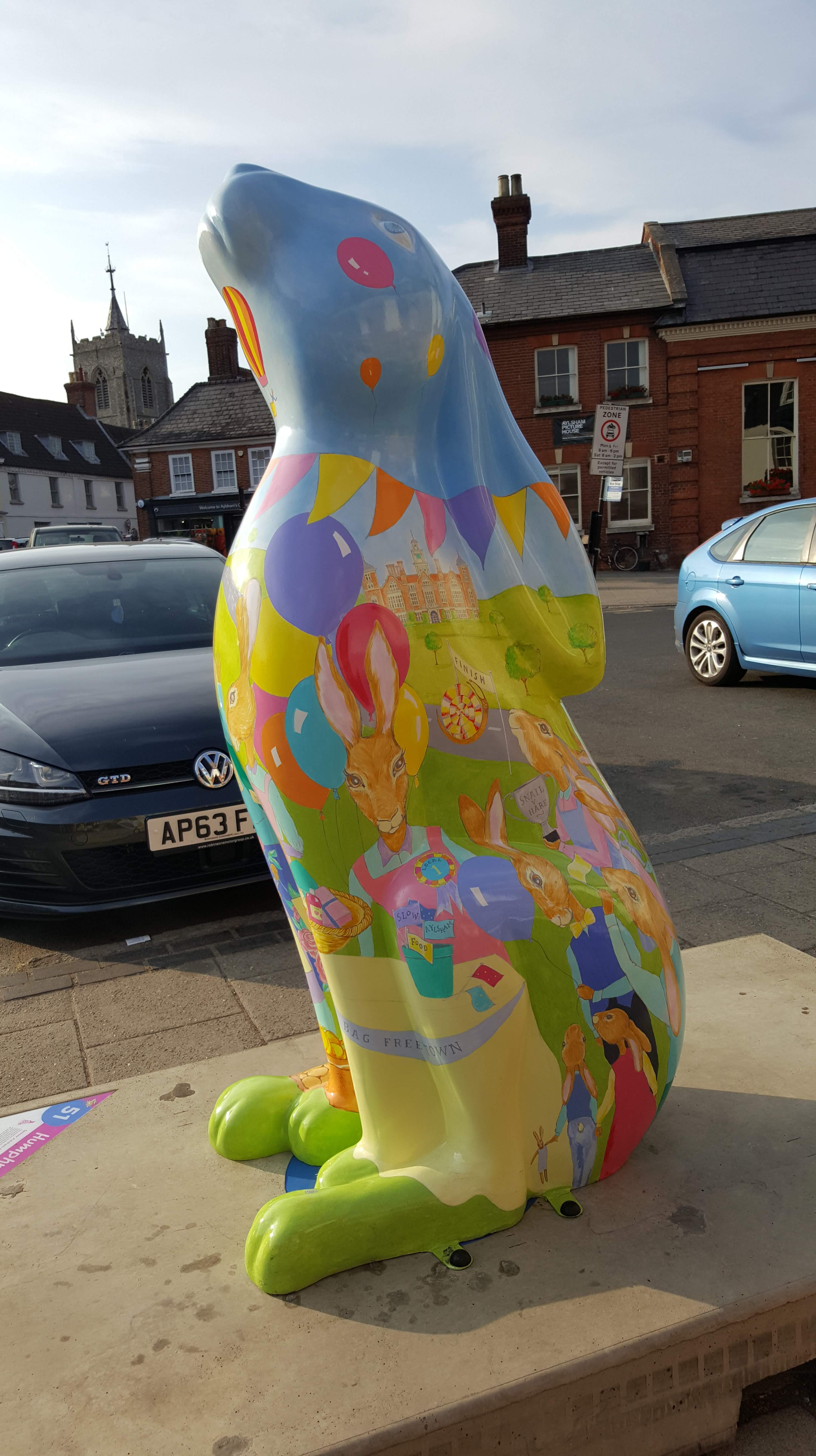
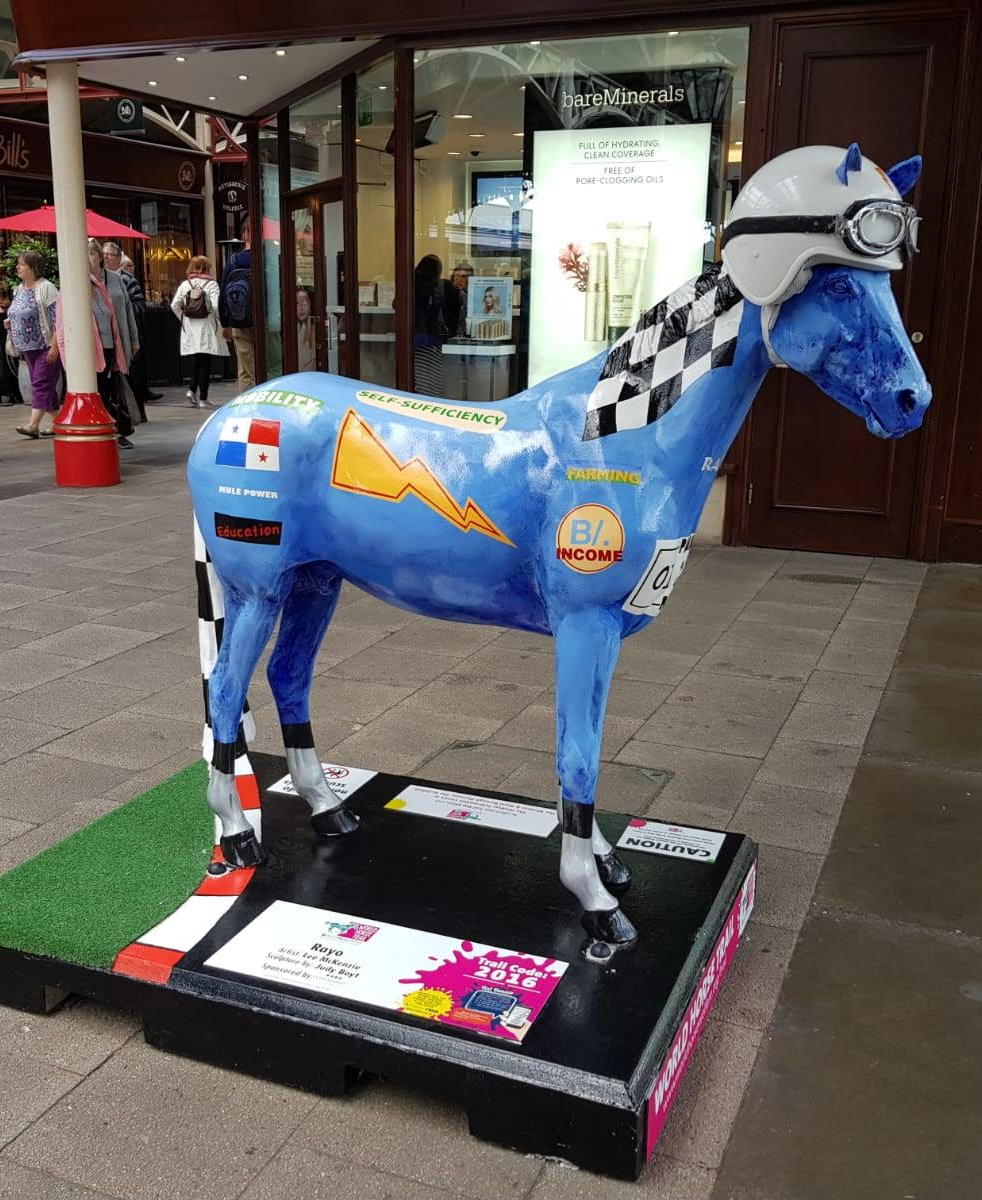
Taking yourself on a self guided tour of a city or town is a really traditional and easy way to spend a day out. Lots of locations will provide you with a map or app for following a trail of blue plaques, or local murals. In some locations, you can even walk up to a local statue and listen on your phone to a recording about who the figure was. This is part of the ‘talking statues‘ scheme.

I have walked several self guided trails in different cities, and have found that the more interactive, and unusual, the better. I especially like to do trails where you have to follow clues, as i find this more challenging. ‘Treasure Trails‘ is a great scheme that offers trails with clues to solve at different levels, across the UK.

To summarise…

If you are heading out for the day, why not make a proper day of it, and try an experience you won’t forget! I hope the above ideas may have tickled your imagination, and made you think about what is nearby to where you live.

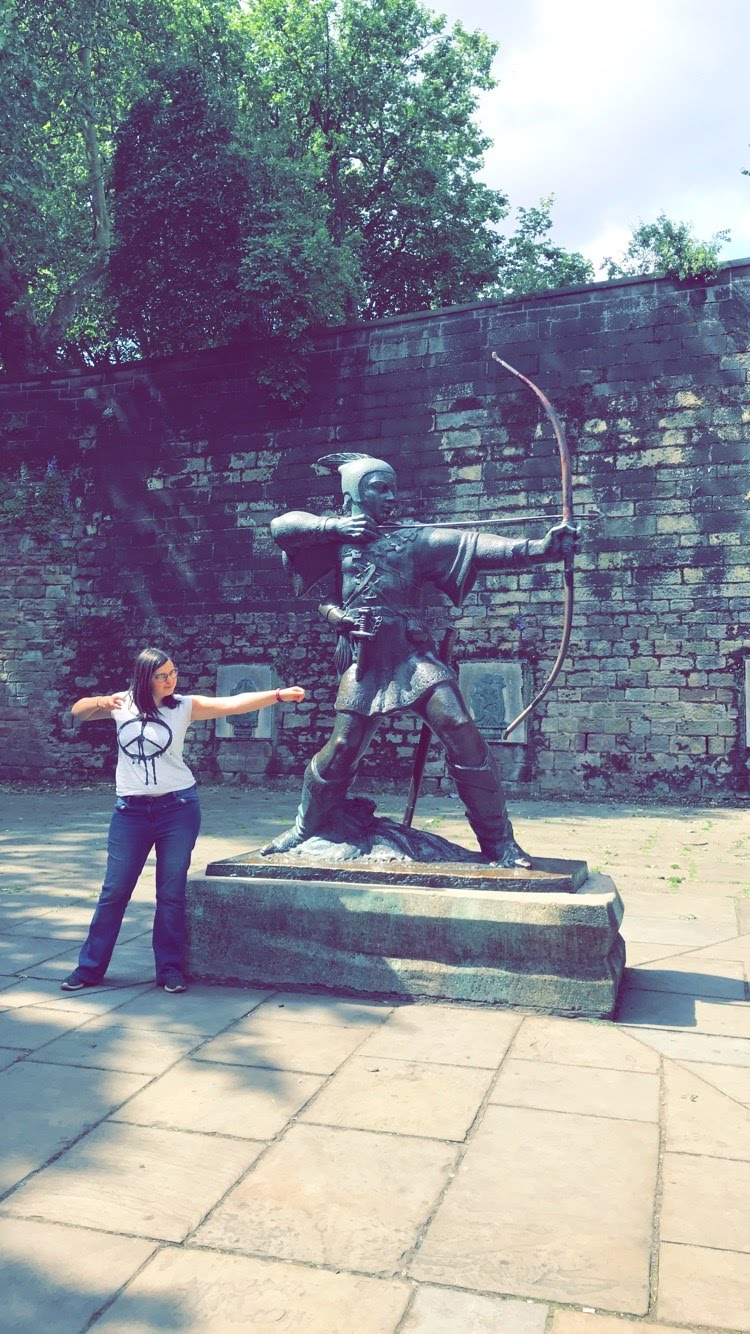
me and robin hood nottingham