Category Archives: Food Places

My blog on my favourite foods and dining spots.

Smells and tastes of Vietnam

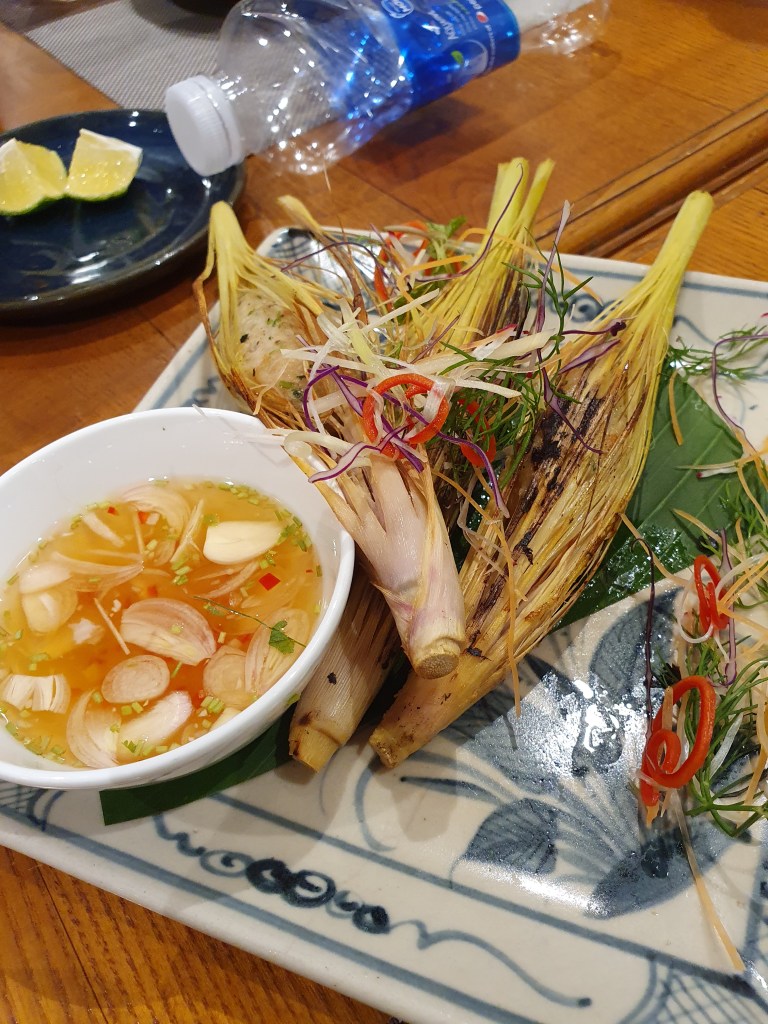
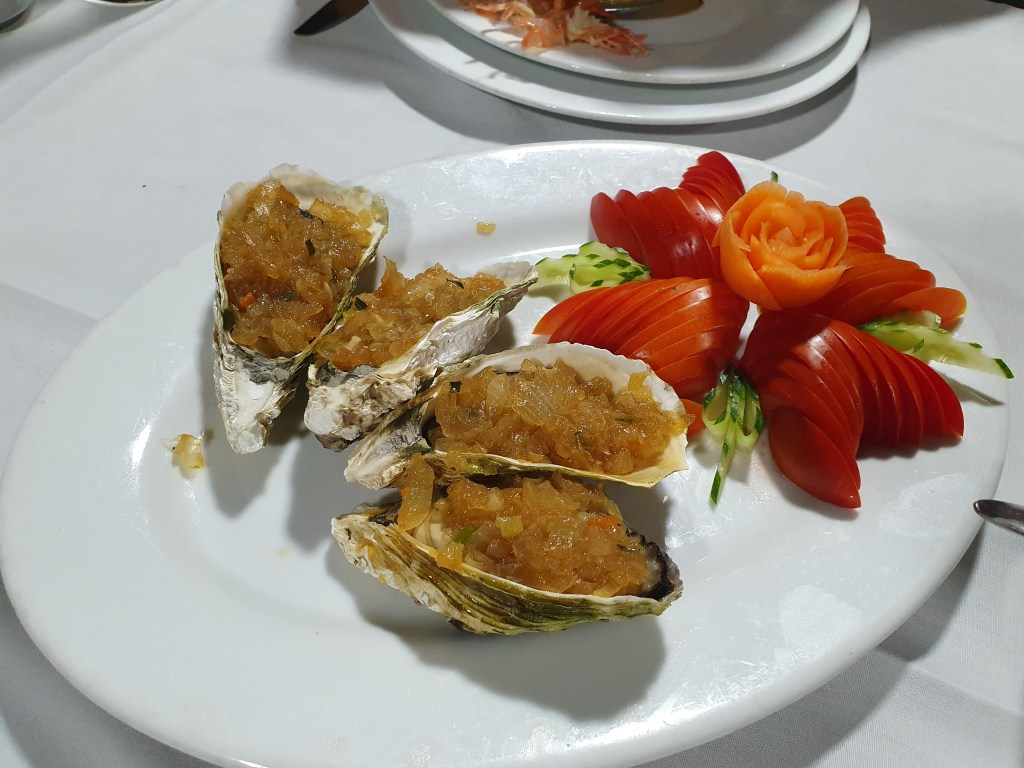
During my time in Vietnam I had many opportunities to sample the local dishes and have been potentially converted to this refreshing diet.

From Garden to Plate

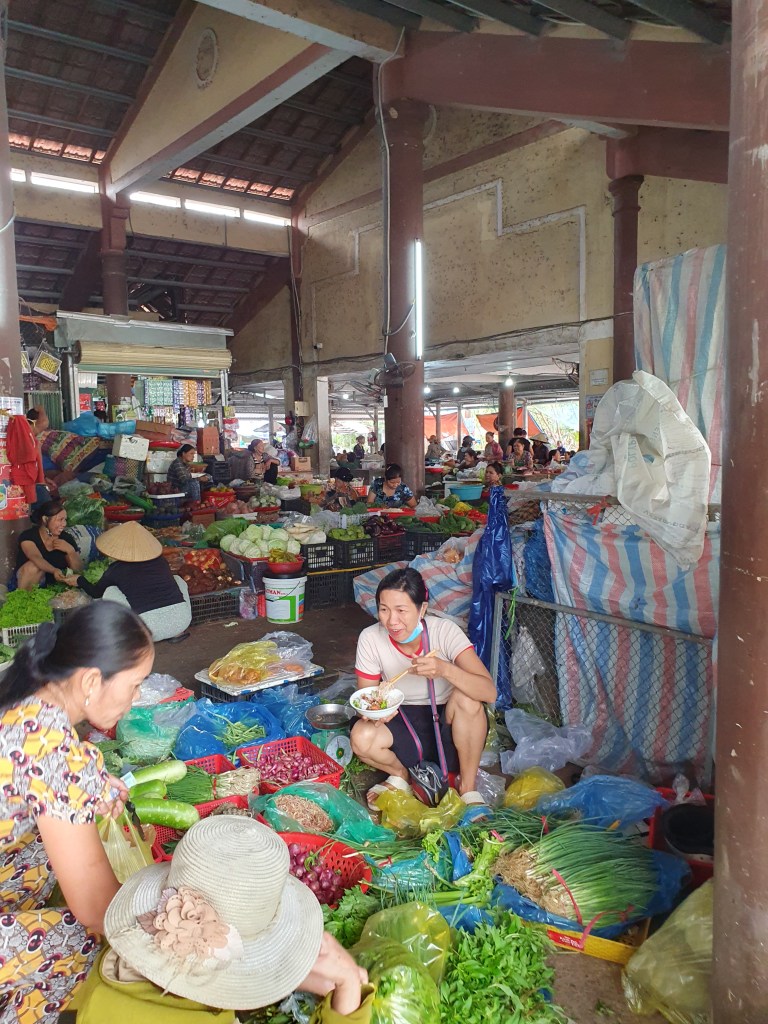
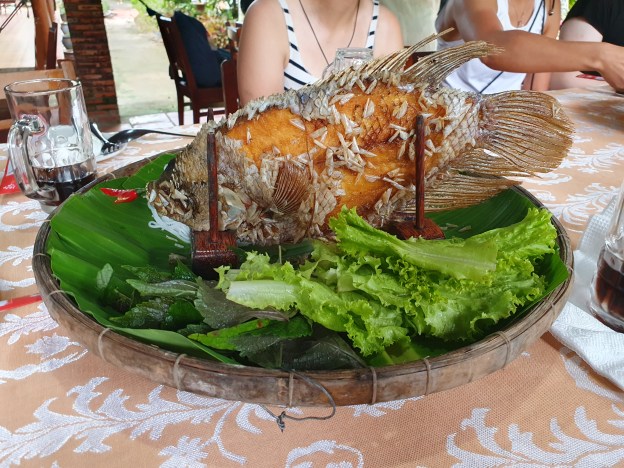
If I could describe the food in Vietnam in one word, it would be ‘fresh’! Vegetables are grown in the small farms and gardens of the local people around the country. It’s also a normal scene to see chickens and even pigs kept at the back of someone’s house outside of the large cities.

People then cook from their own supply or these products are taken every morning to the wet markets that seem to be in each large village and town. These markets are a shock to the more delicate western senses. The smells are strong…

Every trader rents a space and generally lay out close to or straight on the floor. Some traders are selling vegetables, some are selling dried goods, but the most fresh is the meat and fish. Tin baths full of fish still swimming, and if you order one it will be pulled out of the water and laid out to suffocate, and sold whole. With meat, it is a little less miserable, the chickens running around just have their necks snapped straight away. More straightforward. What was most sad was when i saw the tiny, fluffy ducklings for sale. They were being sold to grow up into big ducks to eat.
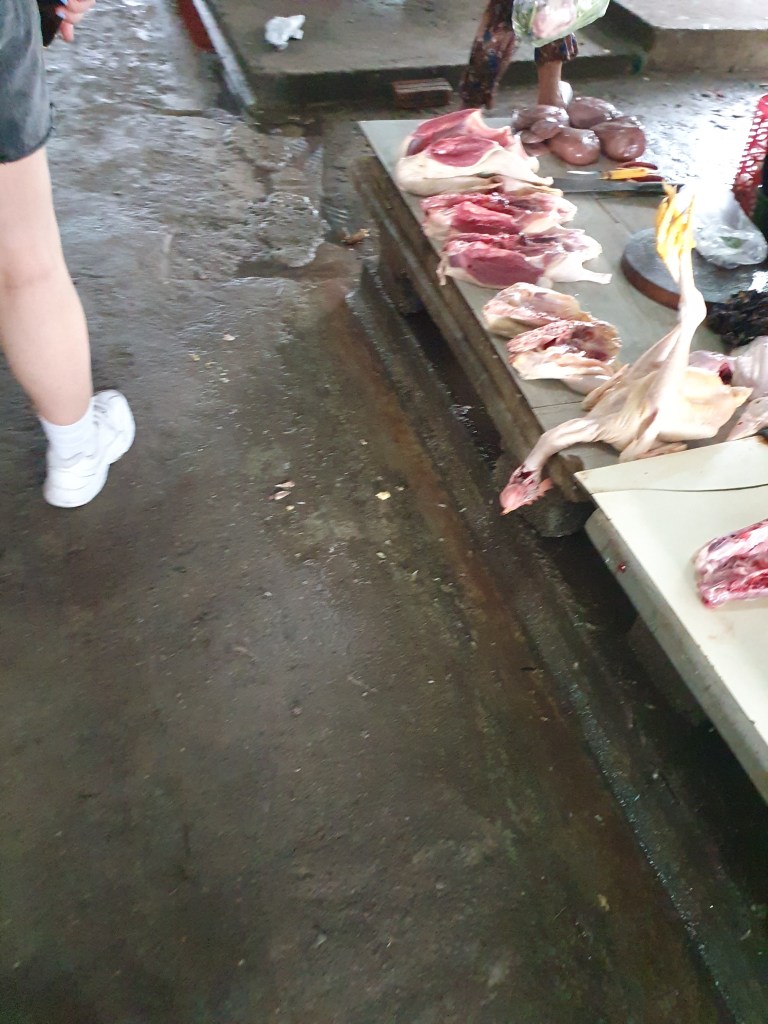
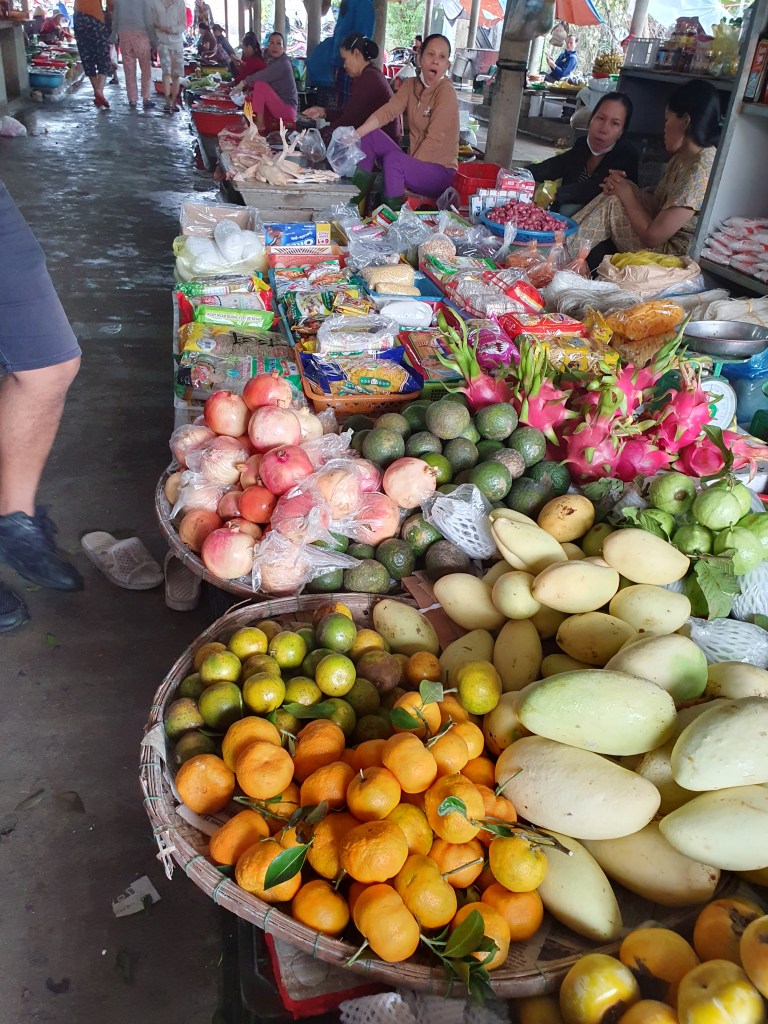
It was actually useful to see this as I think in the UK we have become too far removed from the food on our plate. When we buy a frozen chicken it does not look much like a bird. When you buy one in Vietnam it still has its head, neck and claws.

By the time I left, I understood that when you see a motorbike with a cage full of live chickens on the back (quite strange to see), you can bet they are heading to the market to sell them.

At one point whilst shopping in town, I saw a small cage full of beautiful puppies, I hope they were for petting not eating though. Apparently cats and dogs are still eaten there but it is now unusual and you have to seek out specialist locations to get some ‘hotdog’.

Rice

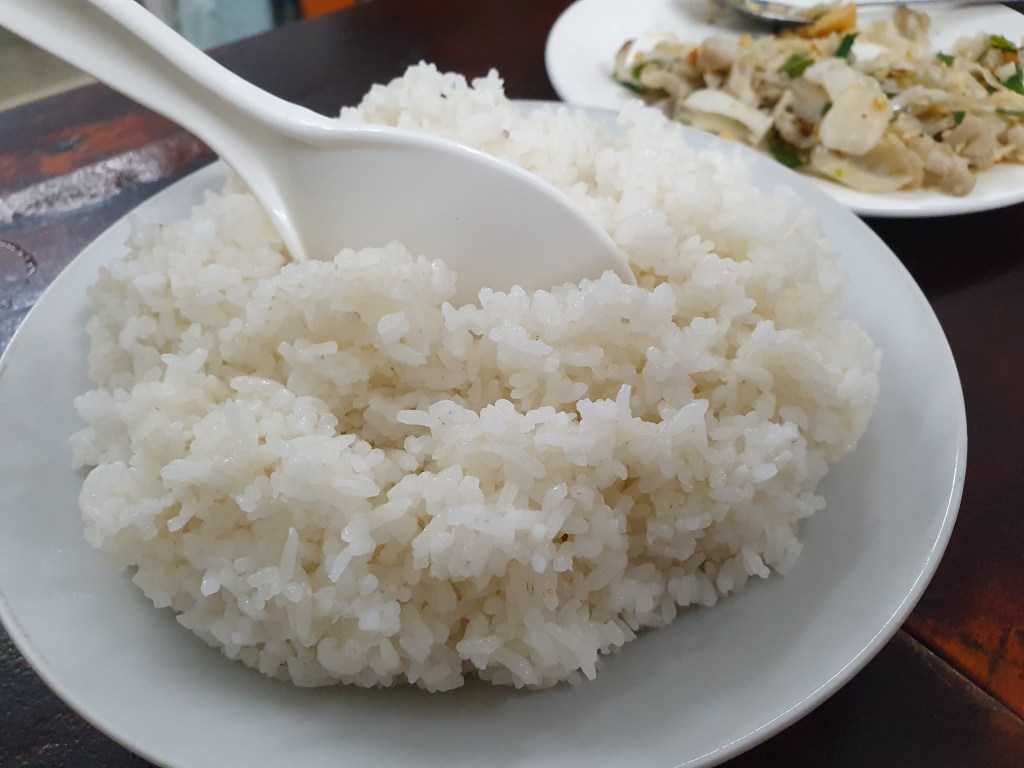
I felt rice deserved its own paragraph as its so important to the Vietnamese way of life.   The people of Vietnam rely on the growing of rice for their local economy, as a staple for most of their recipes, as a fuel for fire, and even as a key ingredient in their liquor. The effort that goes into production of rice is massive, and Vietnam is one of the world’s biggest suppliers.
The Flavours

The flavours of the Vietnam diet are really exciting. I always felt like I was filling up on light, fresh and interesting recipes. Herbs are used frequently in dishes, especially coriander and garlic. Some of my favourites!
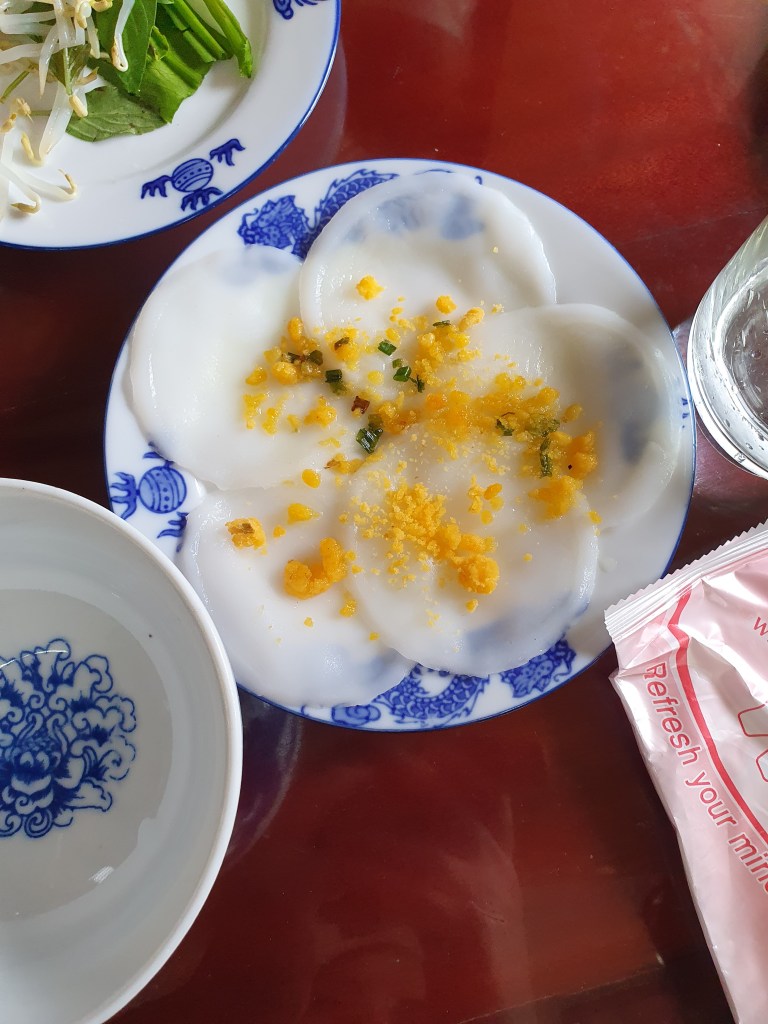
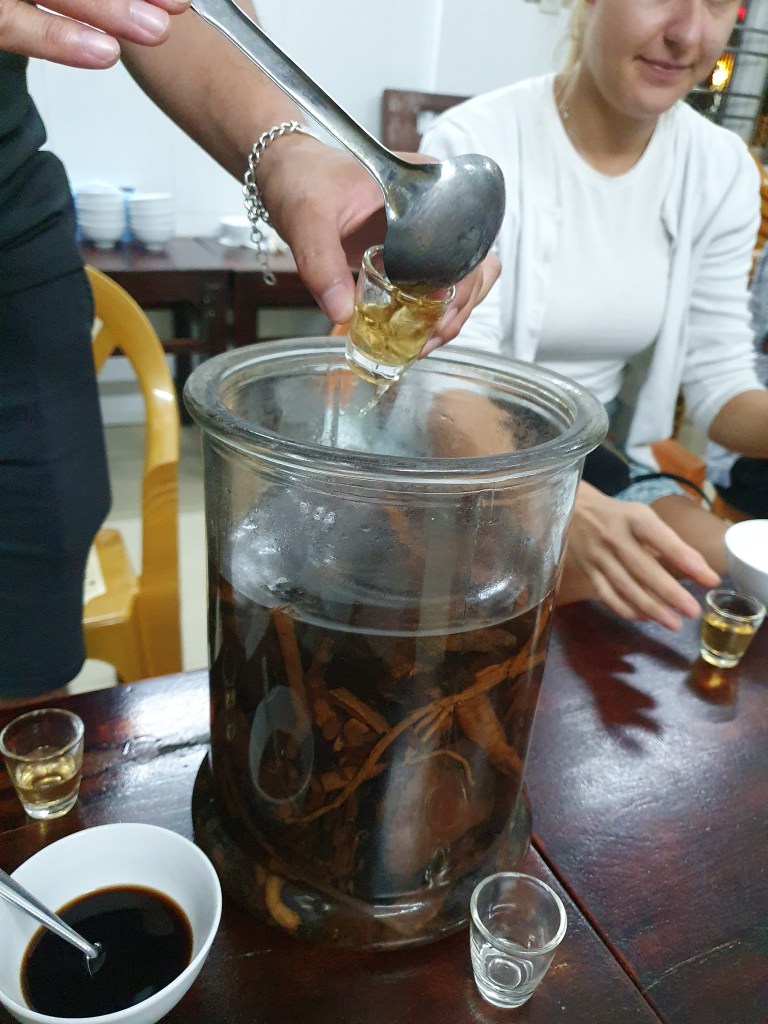
Nuts are used quite a lot, especially peanuts. I don’t normally like peanuts but the way that they used them in meals was really complimenting the food. I started thinking that maybe I had been using them wrong this whole time…

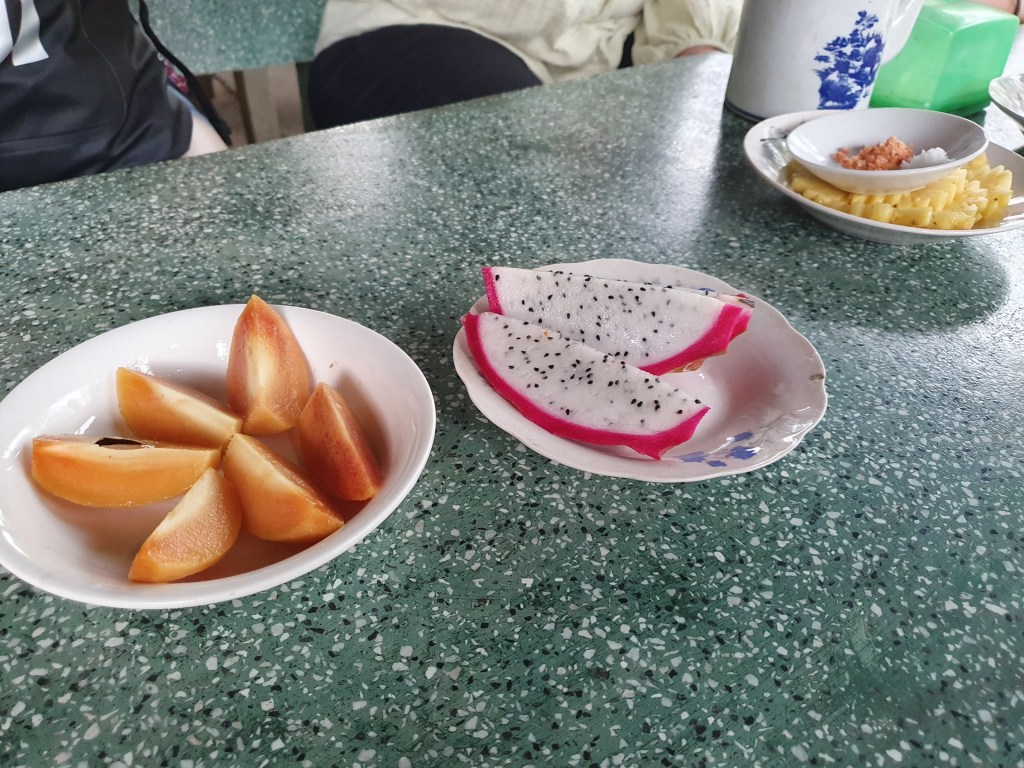
Fruit is also used abundantly, which is not a suprise when it is grown so easily and with such a great variety. Traditionally the vietnamese don’t eat sweet desserts, just fruits. They also use fruits with their mains, the best example I had of this was sliced pork marinated in passionfruit. Actually so suprisingly delicious!

The Dining Experience

There were different ways you could enjoy food in Vietnam. Especially in the main cities.
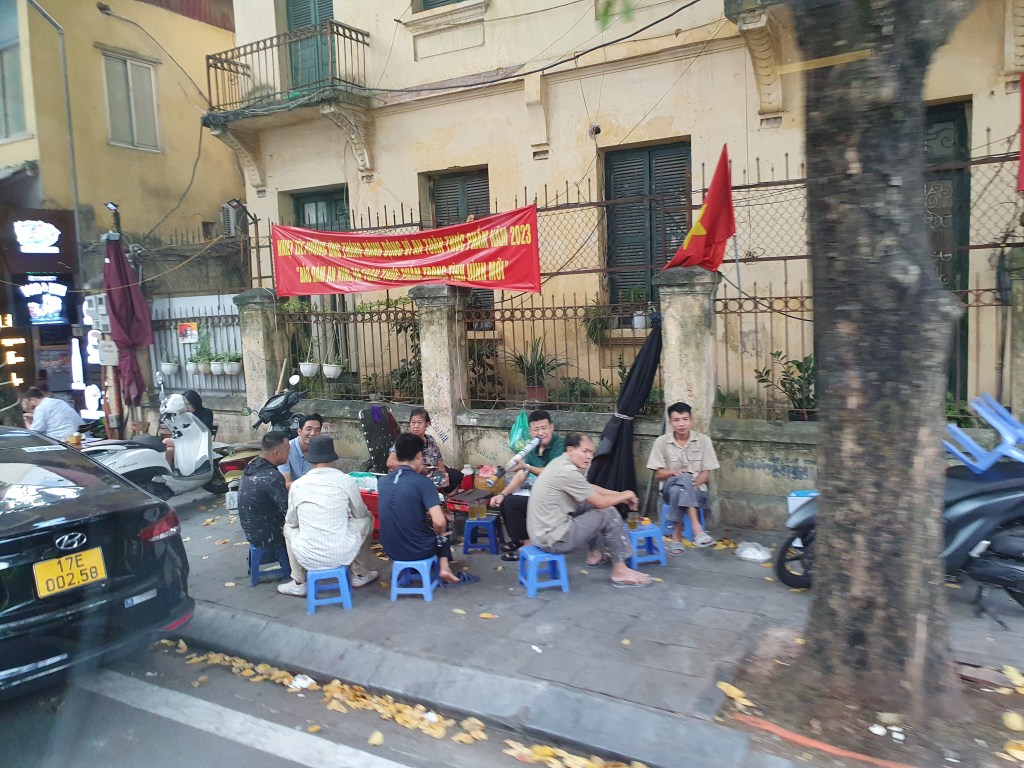
Street food is probably the most famous and you could buy this to take away or to sit on the street. In the tiny gaps on the pavement between the hundreds of motorbikes parked up over the pedestrian space, you would find someone with a little fire pit on the ground and groups of people sitting on little plastic stools. I felt certain that I would snap these chairs in half if I tried to sit on them as well as not feeling confident in the hygiene of the food. Even my guide said to be weary of the street food because the kitchen space is far from the cooking and eating area.

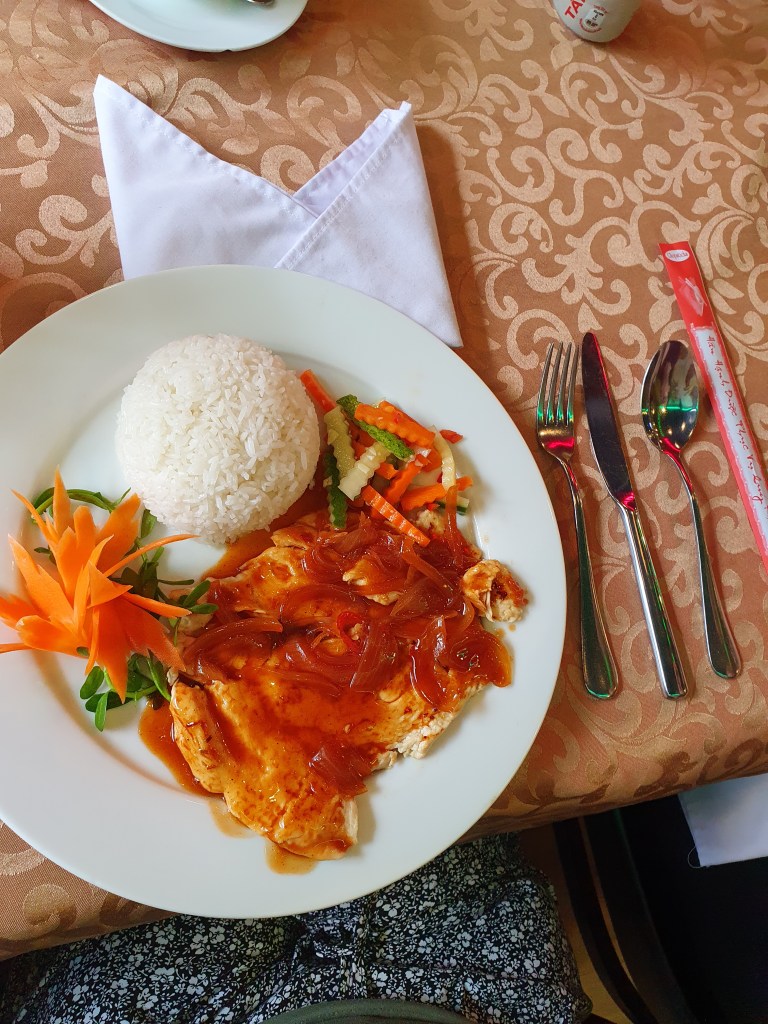
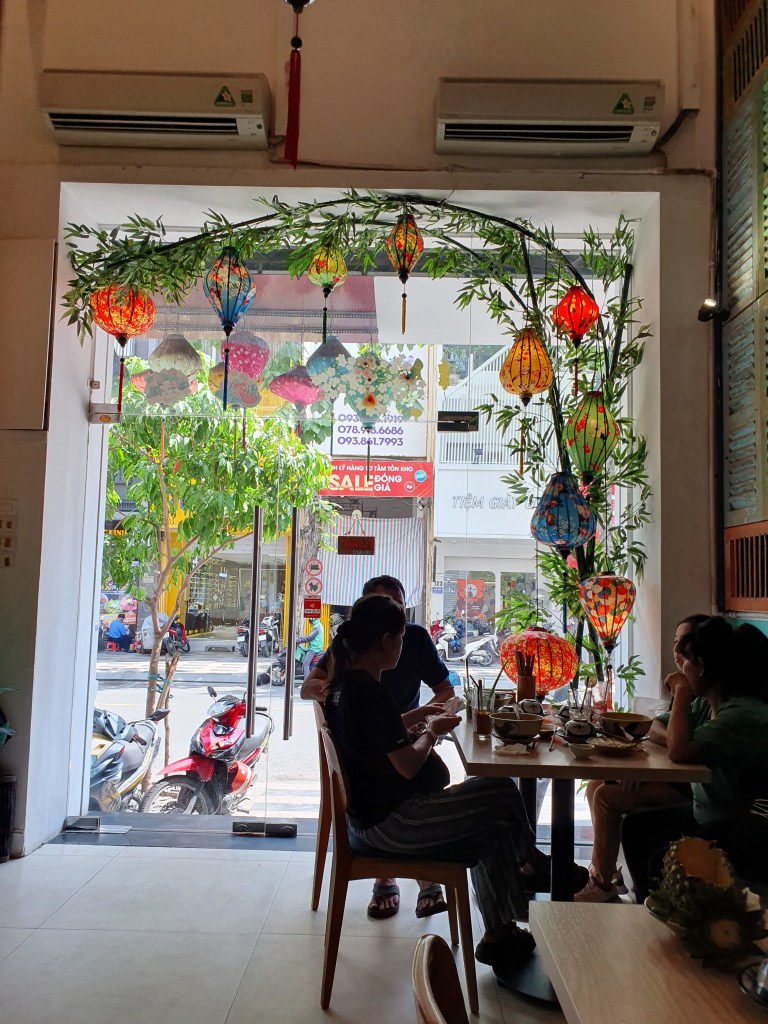
Good quality restaurants are plentiful and much more comfortable. I much preferred this, and the food is still extremely cheap. I spent on average about £6 for a 2 course meal and drink.
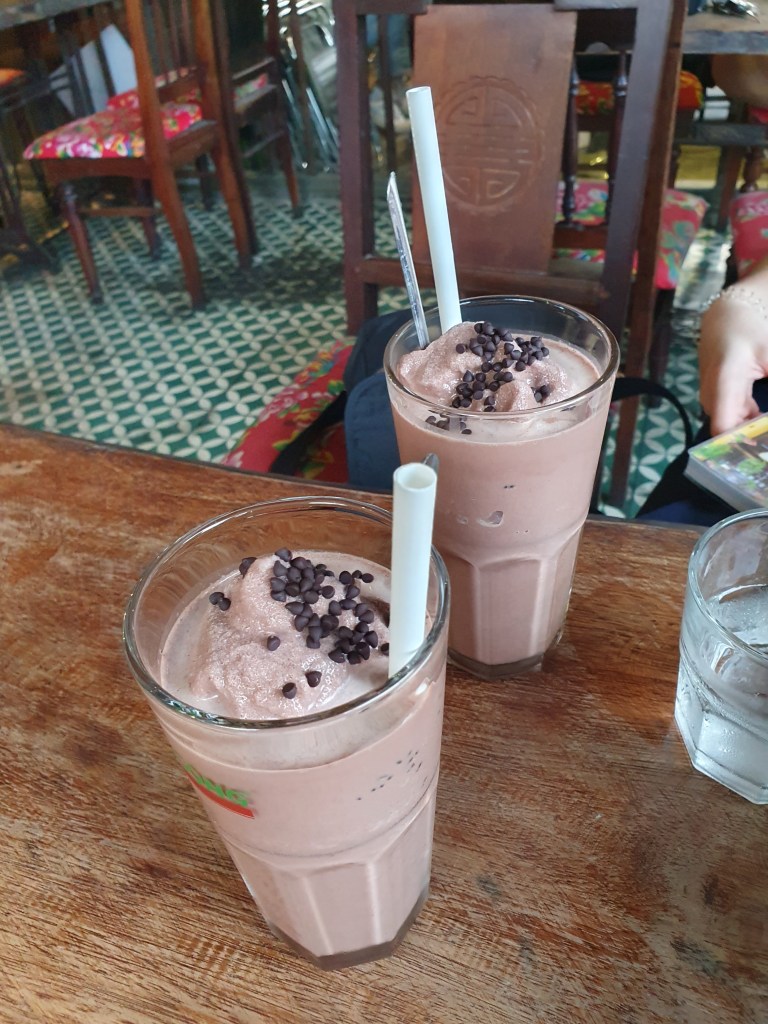
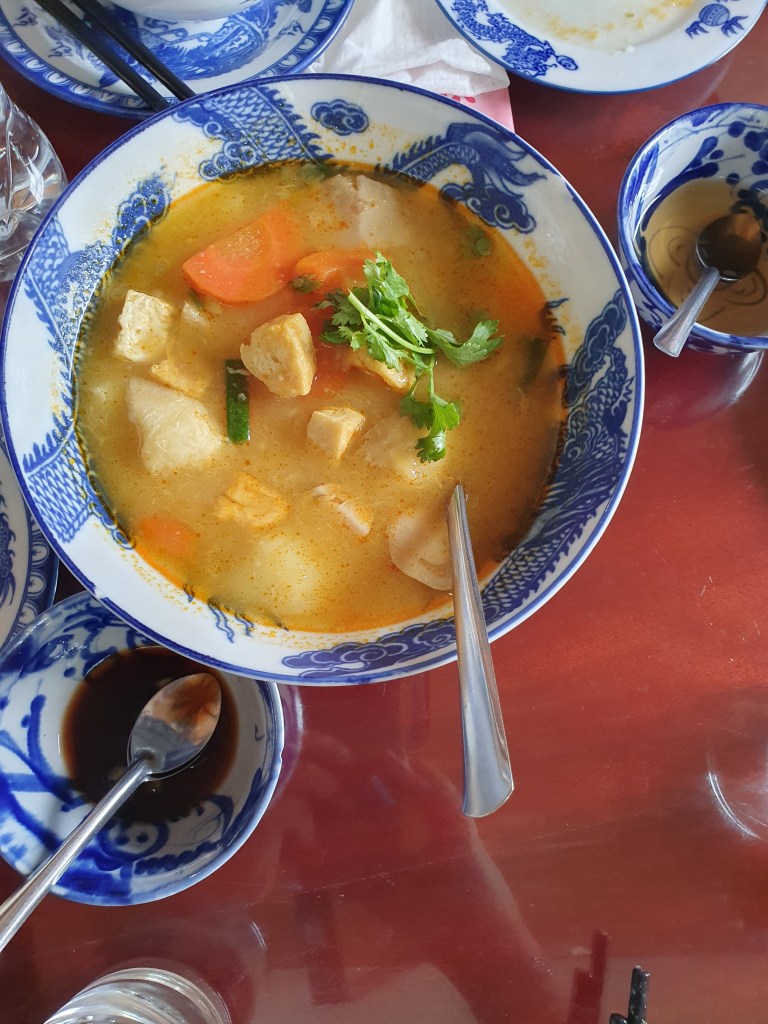
When choosing from the menu, choosing local dishes is always going to serve you well as these are the dishes they make regularly and do well. Don’t expect the local vietnamese small time chef to make an awesome italian pizza, it is just unrealistic as well as a waste.

I think my favourite choice of dining had to be eating in the homes of local families. If you get the chance, it is well worth it. You can have good conversation, see inside a local home and get fresh food that you are likely to see cooked and learn to eat the ‘right way’.
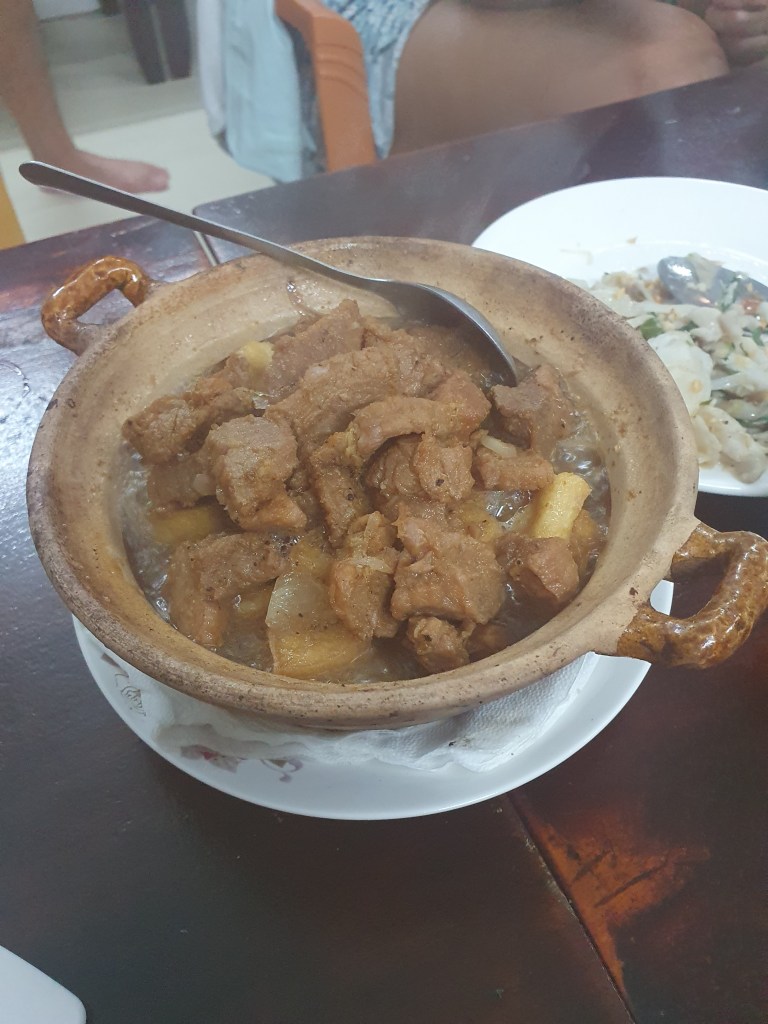
Overall, dining in Vietnam has opened my taste buds to some new dishes that I would not have considered before, and reminded me the importance of fresh herbs!

What an Airport Lounge is really like

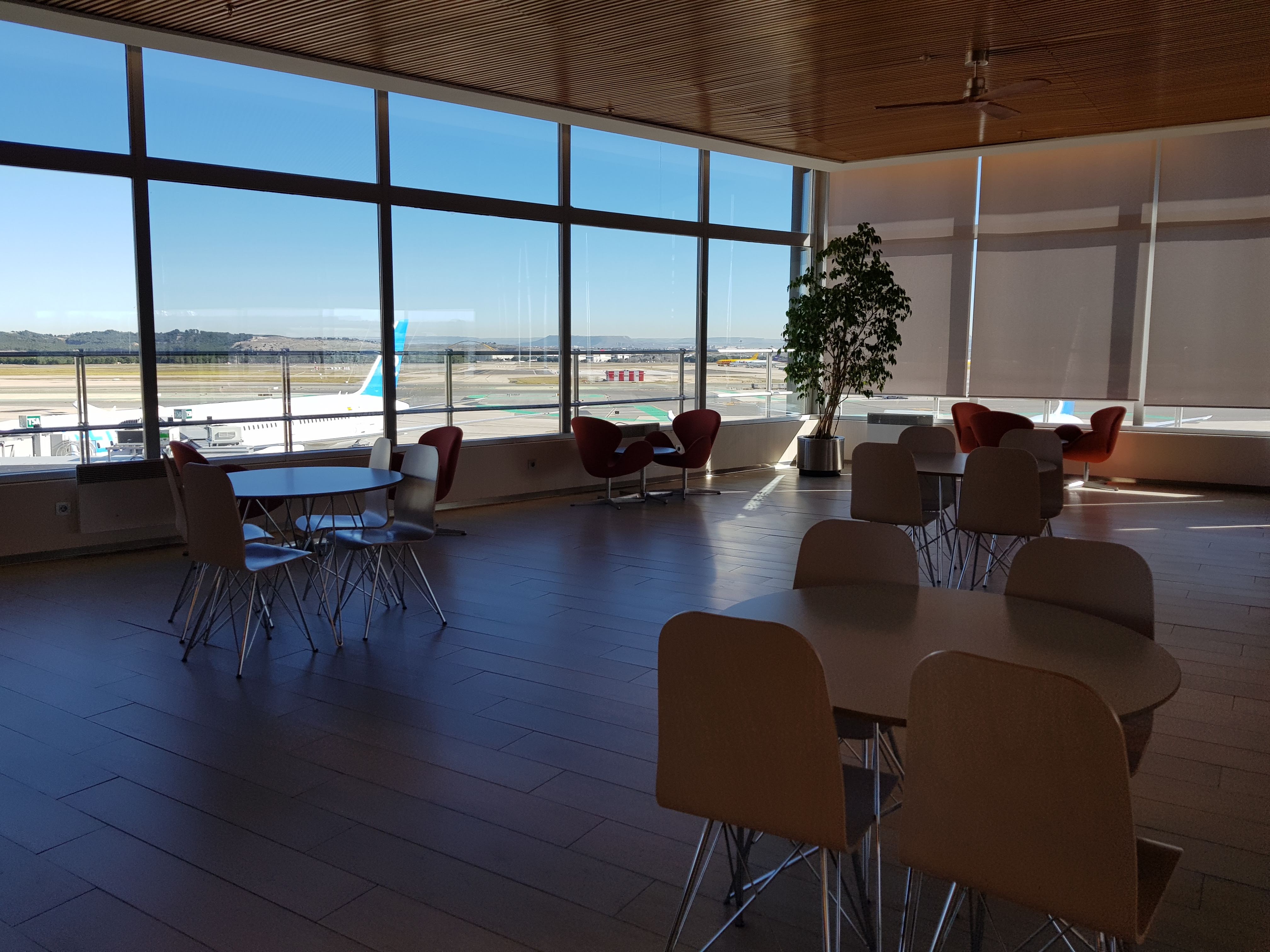
Airport Lounges have long been represented as stylish hang outs for first and business class passengers whilst they wait to board their flight. I have now tried multiple Airport Lounges for myself and from my current seat in Madrid’s Cibeles Lounge have decided to reveal all I have learnt, about these coveted spaces.

It is no surprise that many people choose to escape to an Airport Lounge, when the hustle and bustle of the main dining and seating halls of the departures areas in airports are often so noisy, and uncomfortable. Airport Lounges are more affordable than ever now, and us mere mortals from Economy are finding our way into these spaces, to treat ourselves to pre flight relaxation.

There are different levels of Airport Lounges, with some being specific to frequent or prestigious flyers of specific airlines, and many that are simply ran by the airport and vary by quality. I have spent time in some excellent lounges, as well as ones that did not feel very special at all. The main way to determine if it is worth it, is to find out in advance what is on offer.

What to expect

In all airport lounges, you can expect to have unlimited food and drink (including house wine and beer), comfy seats and WiFi access. The quality of these three things can vary though, so it is always worth looking for reviews and photos before you book.

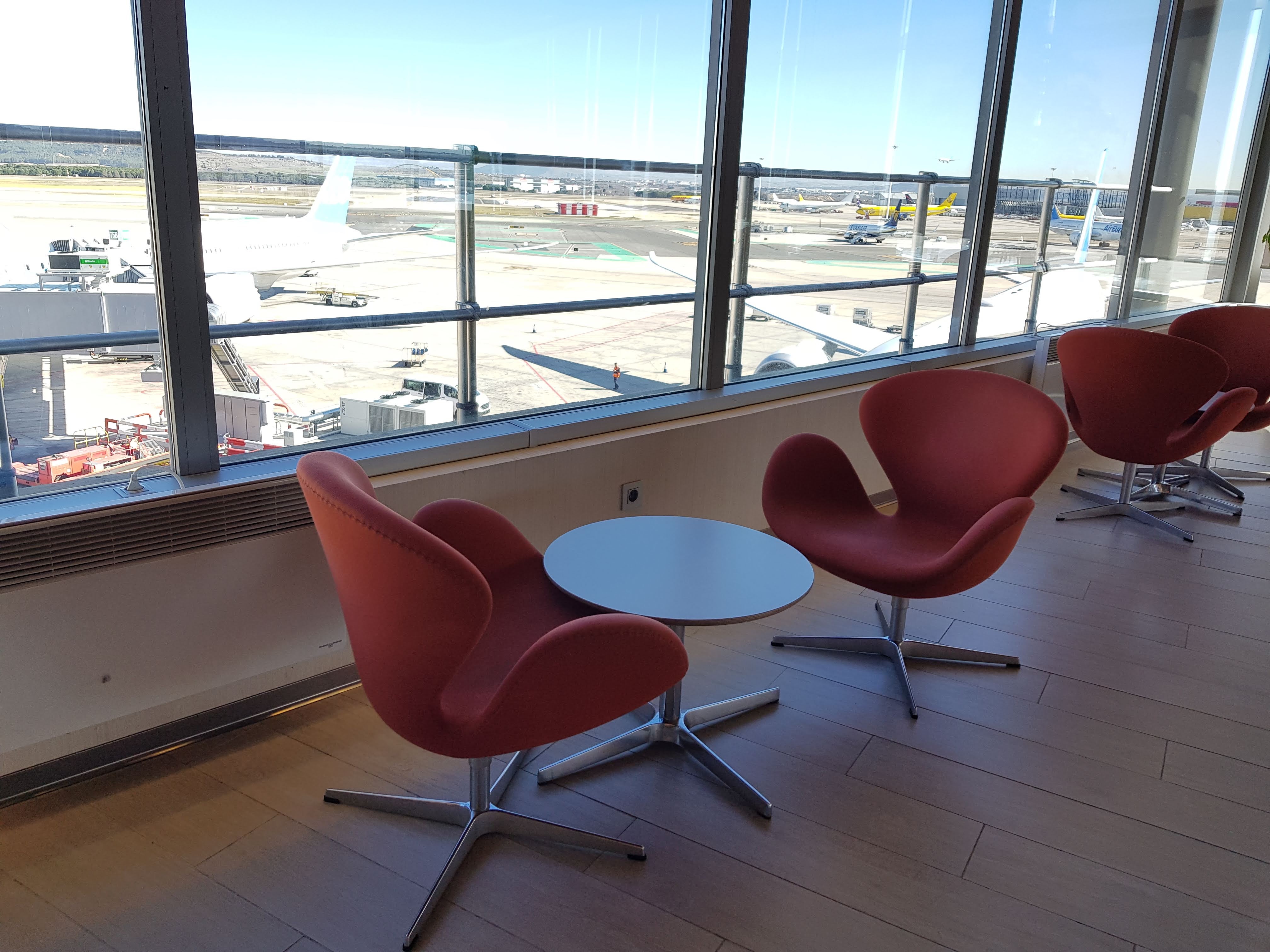
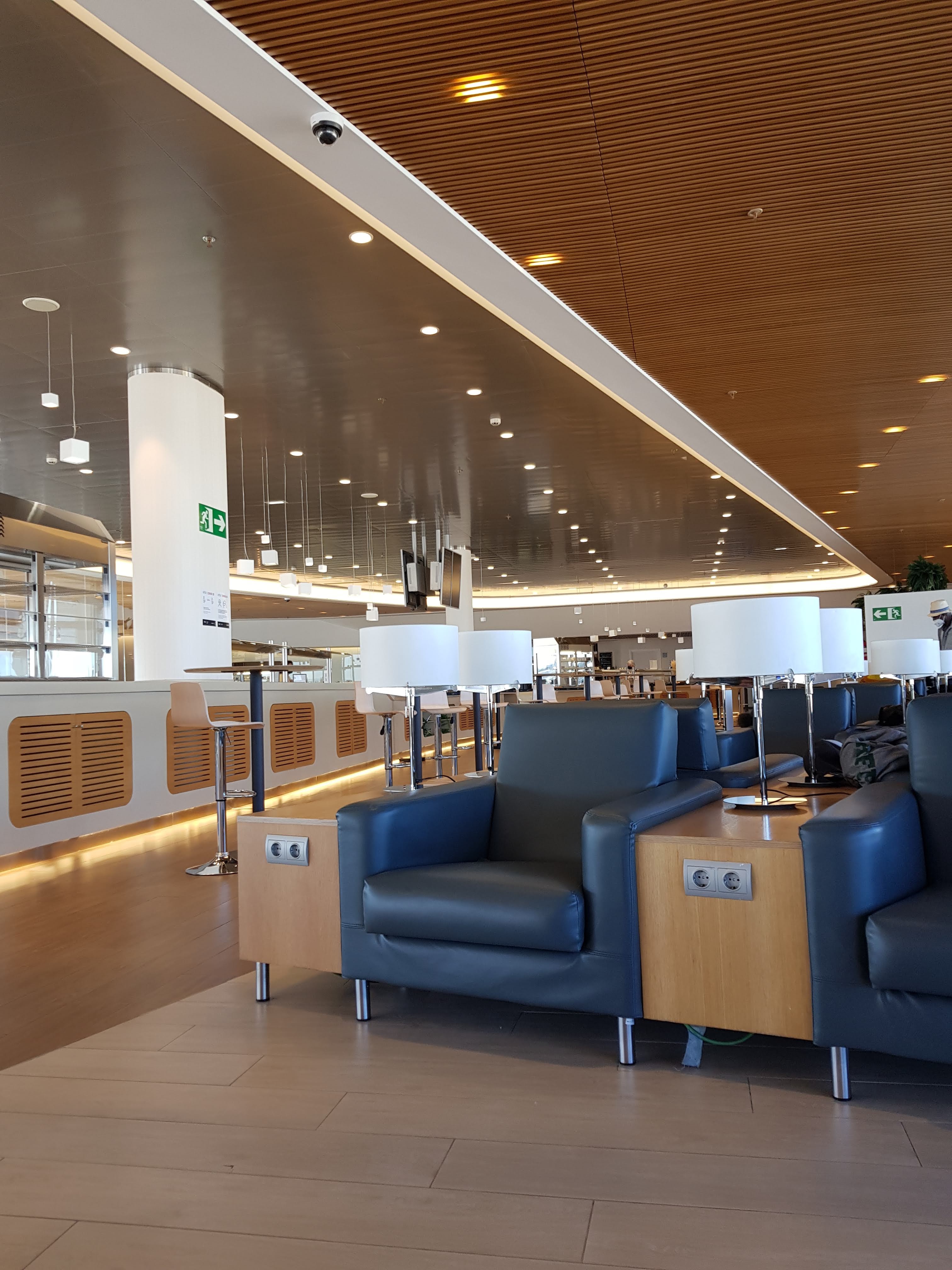
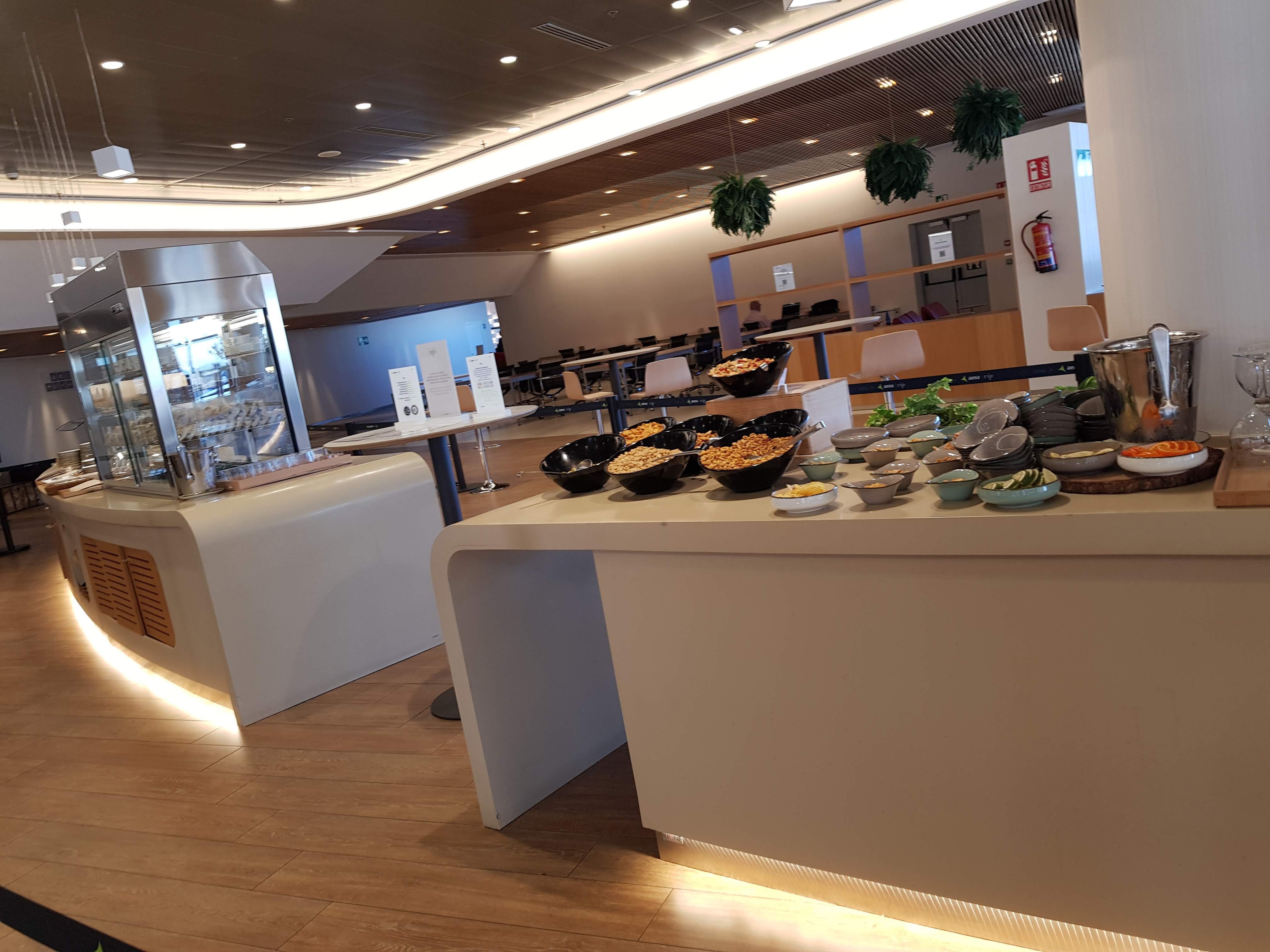
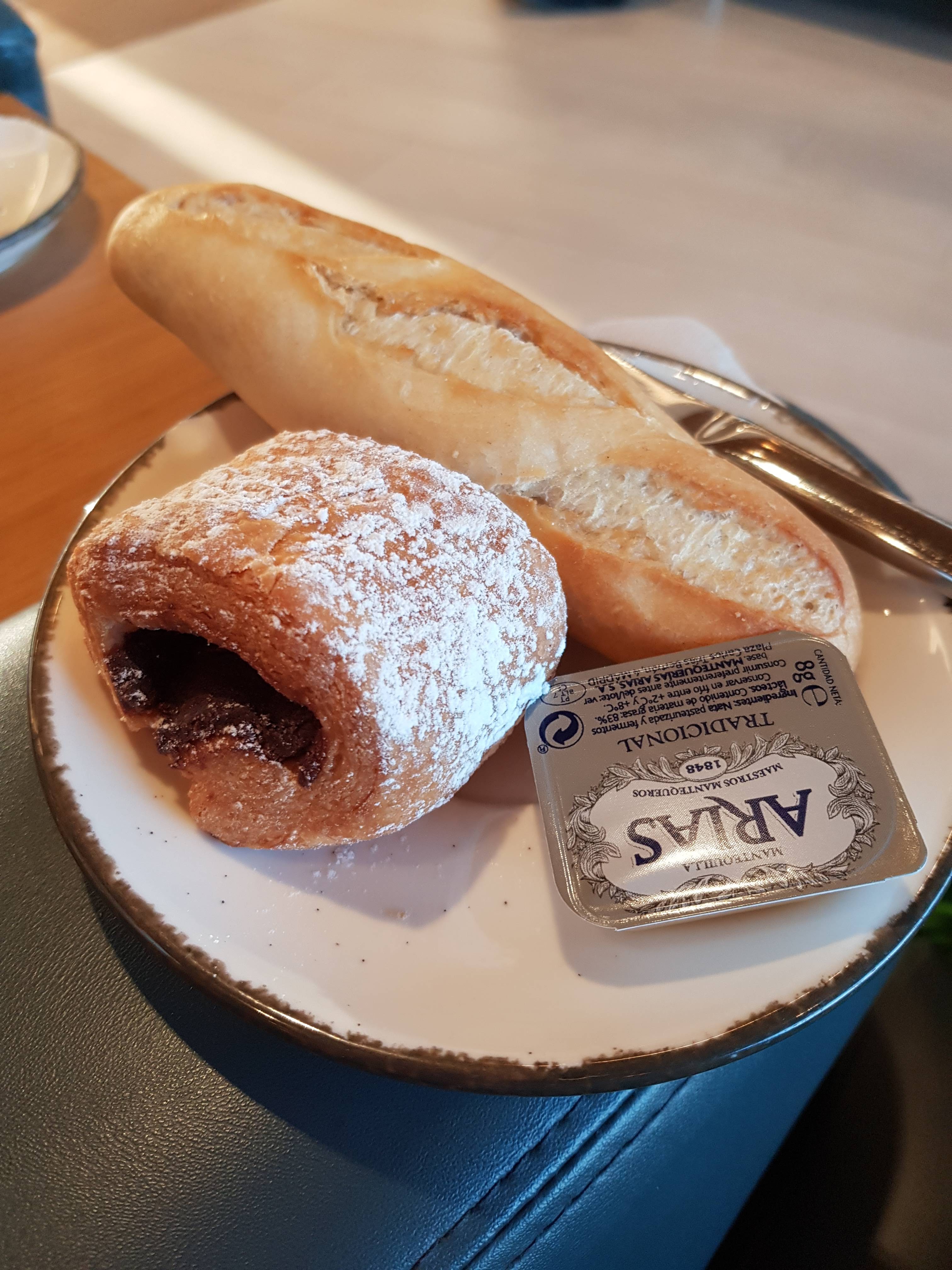
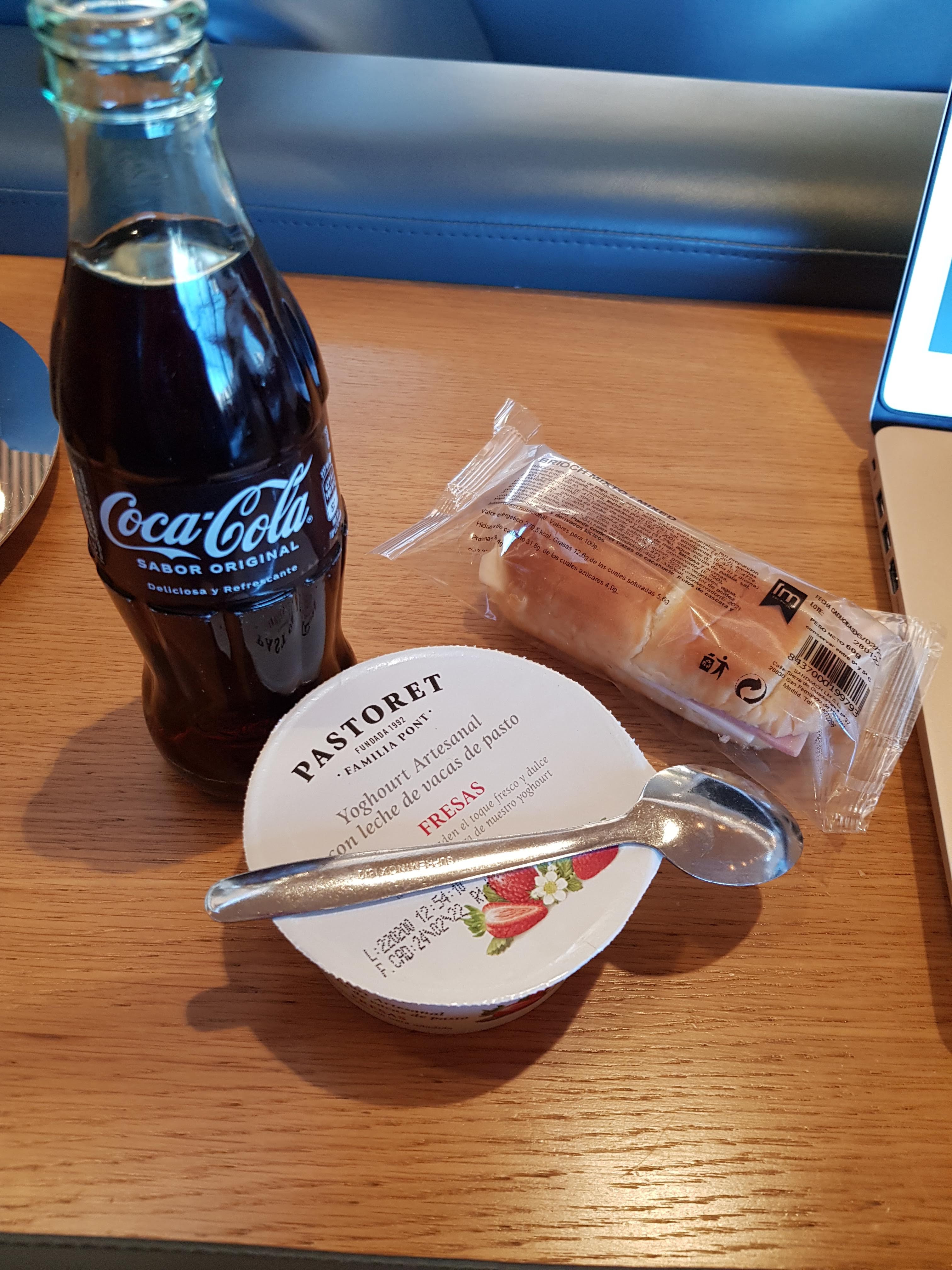
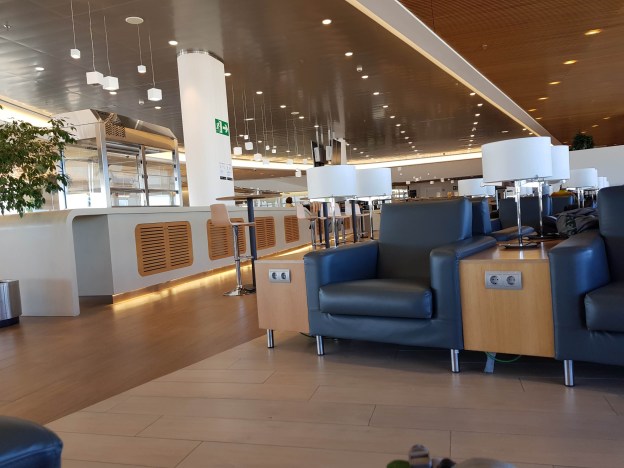
In Madrid’s Cibeles lounge the Wifi is good but you still have to log into it every hour as it is time limited… a little annoying and not really an advantage over the main airport WiFi here. The food is nice, but of course very local and basic, so mainly pastries, breads, and salads. The seats are awesome! There is a mix of seating areas, a desk area for those wishing to work on laptops, a dining table area, and an armchair area. Every seat has individual access to a power outlet so I am enjoying my comfy armchair with my computer.

In some extra special lounges you could access benefits such as a restaurant service, hot food at all times, free alcoholic beverages, a concierge service, a place to shower and even somewhere to take a nap. Some lounges have gone the extra mile to create a relaxing experience with special rooms for playing video games, or in the case of Virgin Atlantic’s Clubhouse Lounge at Heathrow, you can get a complimentary spa treatment with the right pass. That sounds really good to me…

Normally, you can access your lounge for up to three or four hours before your flight. There can be exceptions though. Cibeles were good enough to allow me an extra two additional hours because I was already in the airport as a transit passenger.

How to get in

Some lounges are still reserved for the elite passengers; those with a business or first class ticket, or with membership to an airline. If you are lucky enough to afford a better ticket, then you can enjoy all its benefits for hours before departure.

Many lounges can now be accessed by all classes of passenger thankfully, and there are several ways to access the space.

Depending on the popularity of the lounge, you could purchase access face to face on arrival, but this is risky, as some can become very busy. It is safer to book in advance. You can do this through either an agency or directly with the airport. Many airport websites will have the ability to book a lounge direct.

The other method, is through an agency website. Websites, such as Holiday Extras, Wowcher, and Lounge Buddy are all examples of easy platforms to book a lounge, and receive a printable voucher to take with you. This costs on average about £30 per visit.

If you are a regular flyer (with different airlines) then you could consider investing in an annual pass that gives you access to over 1300 airport lounges across the globe. Priority Pass offers either 10 free lounge visits and then discounted visits for $299 USD or unlimited lounge visits for $429 USD. This includes all the lounge benefits, plus access to customer support, and their app.

Either way, the rules to remember when you are going to book your lounge, (assuming that I have convinced you of the benefits) are:

  • Book in advance where ever possible
  • Book the correct time of arrival, to give you the maximum benefit of the allocated time, so after when you expect to get through security, but before your 45 minute pre departure boarding time.
  • Book the correct lounge in the airport! If it is a big airport, make sure you are booking a lounge in your terminal of departure.
  • Check the reviews and photos of the lounge.
  • Check the serving times for any hot food menu (I was caught out by this in the Cibeles).
  • Print out your voucher if you can.

And enjoy!

A review of Kingswood Arms

On my recent visit to Surrey, I had a delicious meal at the historic village pub, Kingswood Arms.

This century old pub and conservatory restaurant is a delightful place to enjoy a nice drink, a meal or even a summer BBQ!

We decided to visit the Kingswood Arms for both a lunchtime drink and an evening meal. The service proved to be excellent, and the food was even better…

We enjoyed a full rack of ribs and a cheeseburger and it was absolutely amazing! All clearly handmade and quality, and locally sourced. Whilst the restaurant was somewhat pricey, it was good value and a really enjoyable atmosphere.

This was clearly a venue for both the older generation and young families, as the inside was filled with fine dining and class, whilst the back garden was full of families, BBQ and a bouncy castle.

I look forward to my next visit!

Review – Banana Tree, Oxford

Banana Tree – Indo-Chinese Cuisine

My sister recommended that we take a trip to Banana Tree to try out their Asian cuisine and at first look at the menu I was a little concerned by the sight of words like ‘Aubergine Half With Aromatic Caramel Sauce’ and ‘Tamarind Crispy Fish with Thai Basil Glaze’.

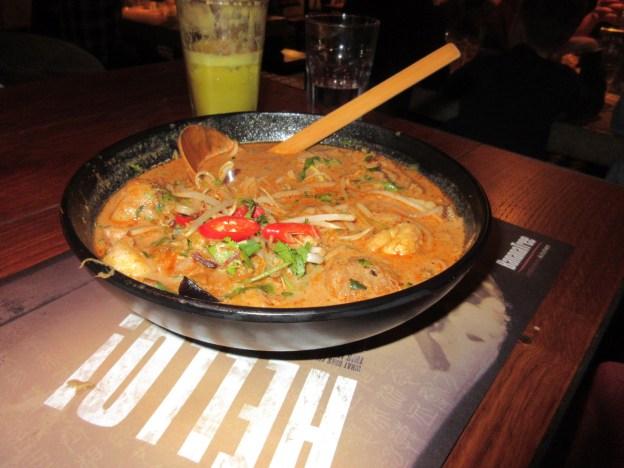
I wasn’t sure what to go with but in the end I decided Gaeng Keo Wan Green Curry! This was fairly unusual as I am not used to eating tofu but turned out to be pretty nice,similar to a normal Thai Green Curry but much more rich in flavour! Although I enjoyed the flavours I did find this a little messy and it was difficult to tell what it was that you were munching on because of the many ingredients involved.

I also tried some other dishes on the table including a noodle soup and a Rendang. There were a lot of spices on the table and I must say that Rendang was very spicy and you will need plenty of their juicy cocktails to keep you from getting too hot!

After the main course we enjoyed some delicious desserts, including Banana ‘Frotiteroles’ and Warm Chocolate Indo- Fondunt, which was very sweet and offset the previous spices brilliantly. If I visit again I will definitely be trying the Coconut Stuffed Green Thai Pancakes.

In conclusion, I would say that Indo-chinese food is not necessarily my thing but if it is yours then you can certainly get adventurous at this dining spot!