My partner and I decided to visit Bath in Somerset on our way from Norwich to Pembrokeshire in Wales. This was a great place to stop as it was a nice half way point to break the journey up and had lots to keep us busy during our one night stay. I hadn’t realised until arriving that Bath is actually the only place in England with hot springs and just how important it was to this city’s initial existence.
 The Roman Baths
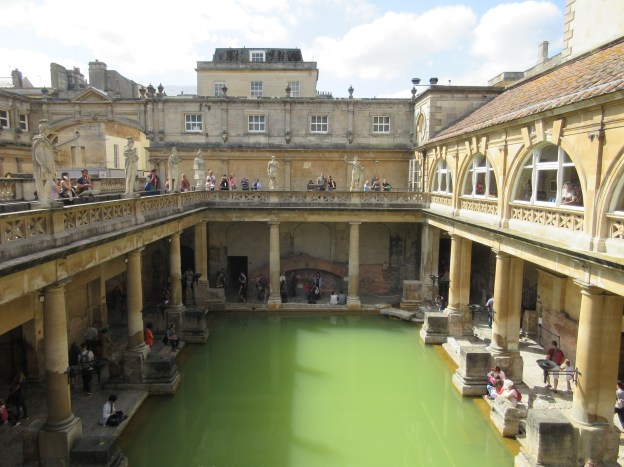
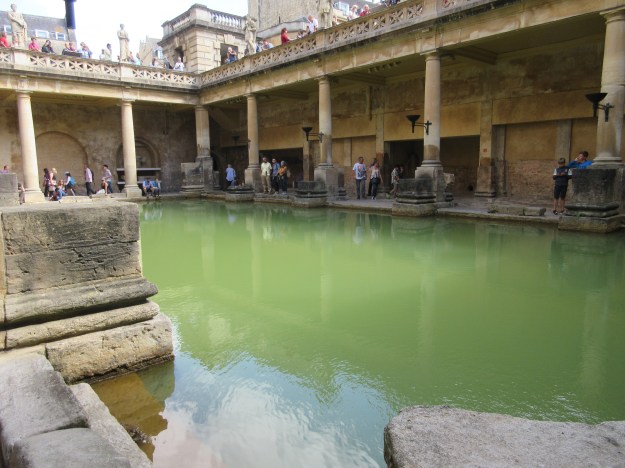
Of course we visited the historic Roman Baths that Bath is famous for. The visitor attraction was well laid out taking you through different parts of the building and the museum before you arrived outside by the main bath. Self guided audio equipment was available to use and there were regular free guided tours to enjoy that gave some insight into the history. It turns out that the springs in Bath were first discovered as warm bubbling mud by the Celts who thought it was a gift from the goddess Sulis. Later when the Romans came along they recognised the water with the god Minerva, but not to upset the locals, they kept the Celt name, and the area became known as Aquae Sulis, “the waters of Sulis”.
The tour was brilliant and explained to us all the strange beliefs that the Romans had which the baths played a key part in. For example 130 metal tablets were found at the bottom of the baths which Romans visiting the bath had written on and thrown in, in an attempt to curse people they didn’t like, mainly people that had stolen their clothes. We were also able to handle replicas of the sort of tools servants would use to shave and clean the visitors to the baths and the process in which people came in and used the facilities.
The baths were lost for a number of years when they fell into disrepair, however they were rediscovered by the Victorians whom rejuvenated them. This is evident in the baths when visiting, the only original remains is the building work from the knee down, above that is Victorian & Georgian additions, which were put in place to replicate the original Roman layout.
Overall the museum and attraction experience were top notch, we even got to try a taste of the water at the end… although I was not a fan of the taste, it was a nice touch!


Thermae Bath Spa
Previous to visiting the town, we had read that going to the Thermae Bath Spa to bathe in the spring waters was a must, so I was really excited to do this. The Spa experience was expensive though and difficult to decide on, because you are given an option of either paying for the single small Georgian bath to bathe in, or the more expensive package of all the modern other baths, wellness suite and rooftop bath, but this excludes the Georgian bath. So already before going in you have to decide if you want the historical atmosphere or the relaxation factor.
We went for the more expensive package to get more out of our ticket and see more of the attraction, in hindsight though I think this might have been the wrong choice. Whilst the facilities were good inside, and quite clean (which is a very important factor in a public bath), I did find the experience to be quite underwhelming and overpriced. The main bath indoors just had the feel of a leisure center pool, and the rooftop pool had uninspiring views and crowds of people inside it. The wellness suite was somewhat interesting but each room was quite less than you expected, except for the Roman steam room which was quite good because it had just SO much steam and felt slightly more authentic and themed than the rest of the spa.
For the price we paid, I had hoped to be amazed by the spa but if you weren’t reading signs that said you were in the spring water, you wouldn’t even know you were in a Bath spa, rather than any other spa in the country. Having spent time abroad at the Blue Lagoon in Iceland and at Turkish and Roman spas elsewhere, it was quite disappointing.
Bath Abbey & Georgian Architecture
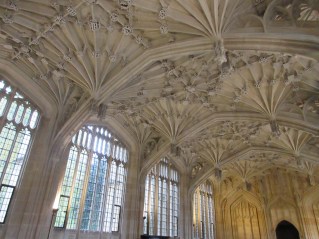
All around the town of Bath is Georgian architecture and the matching Bath stone. This includes at the Bath Abbey which was beautifully designed with huge and detailed stained glassed windows. The building was unusually covered throughout with wall and floor memorials, many more than you would normally see in a church or cathedral of this size. We were very lucky to witness the choir whilst visiting as well giving us a great atmospheric visit, and whilst inside we could hear the hymns, stepping outside was a square full of musical busking.


The town center has plenty to offer shoppers with a variety of local independent and chain stores, as well as street traders and entertainment. We really enjoyed looking around and seeing what was on offer, including having a delicious dinner at the Aqua restaurant. We read the great reviews for the restaurant and decided to see if they could squeeze us in. We managed to get a table and had a lovely evening. The restaurant was set out to match the bath theme with blue mosaics and was set in a former church so immediately got a ‘big tick’ from me. We had a great waiter that offered us a selection of Italian cuisine. I had the Linguine Gamberoni & my partner had Pork Cheeks, both meals were amazing. I would highly recommend the restaurant for a bit of fine dining.


In general, we really enjoyed Bath and I would be happy to stay there again on my next trip to the West side of the country. It has great history, shopping and lots of outside places to enjoy.




















 Go Go Chlo