This Easter weekend, I threw my bag over my shoulder and took a six hour train ride to Edinburgh! The capital of Scotland became my base to explore my neighbouring country with friends.
The journey from Norwich was much faster than I expected, and a lot easier than I think driving would be. On arrival in Edinburgh’s train station, we were already surrounded in shopping and restaurant opportunities as well as the gorgeous Prince Street Gardens. A great introduction to the city. We made our way to our AirBnB on the edge of the city centre, and got ready for a night on the town!
Exploring Edinburgh
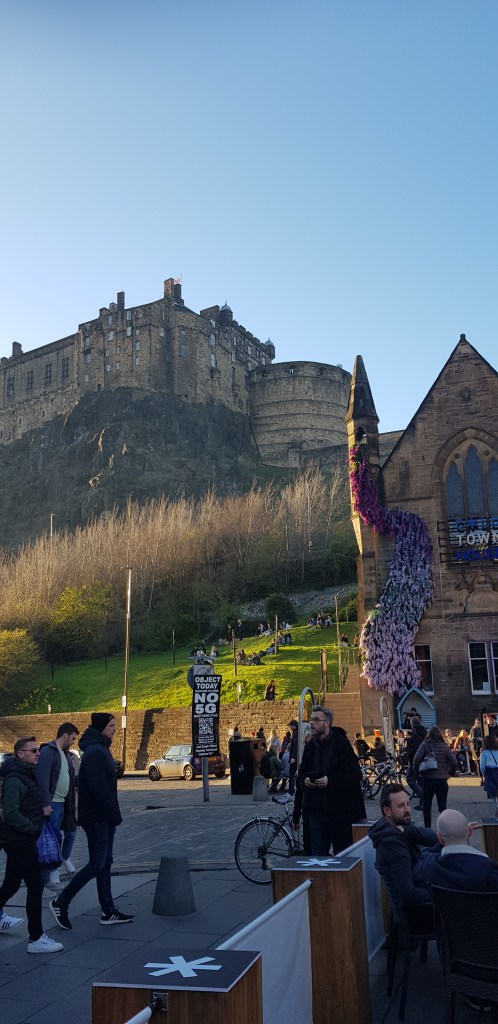
As a capital city, there is of course a lot of areas to explore during the day and at night. We found the most buzzing area was just down the hill from the castle, where the market takes place and there are lines of restaurants and bars with outdoor seating to enjoy the living city atmosphere. I would say that the city can be expensive for an evening out, especially if you want to enjoy a cocktail… or two… or three! That may have a small part to do with the high number of stag and hen do groups we saw stumbling around town dressed in kilts and veils!
On our first full day we ticked off a bunch of the main attractions and had a fab time doing it, in one of the most rare sunny days that Scotland has mustered!
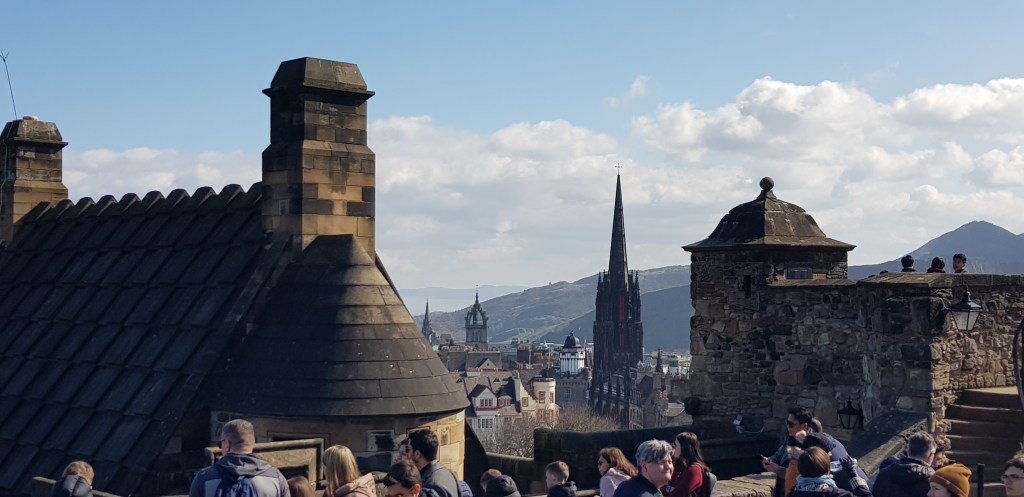
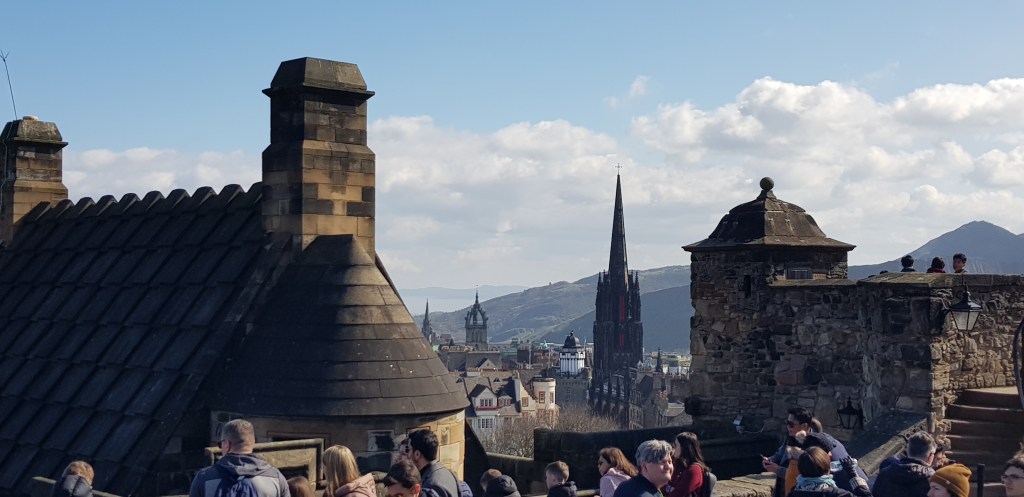
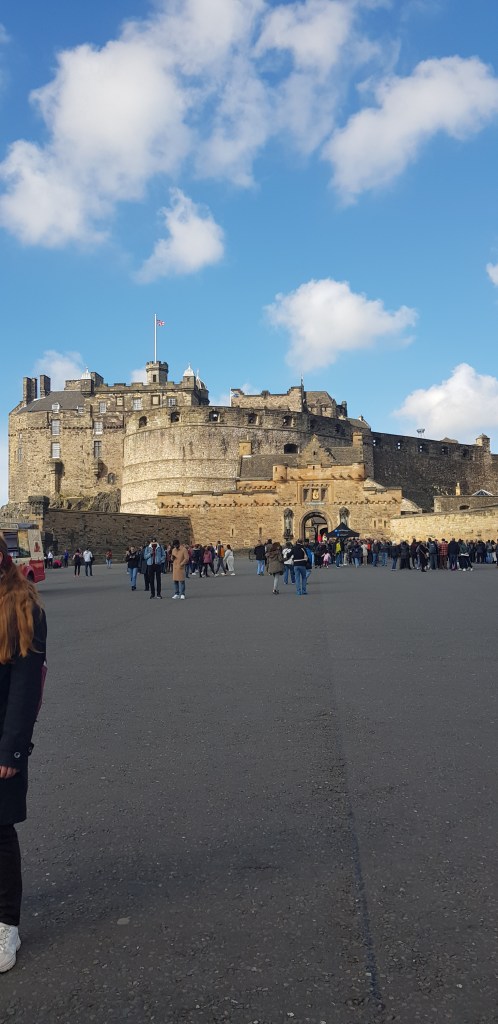
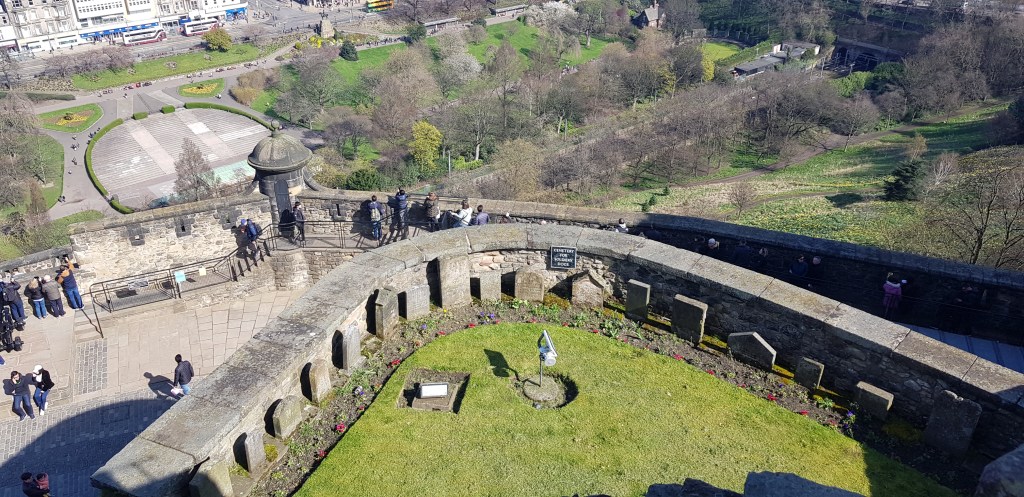
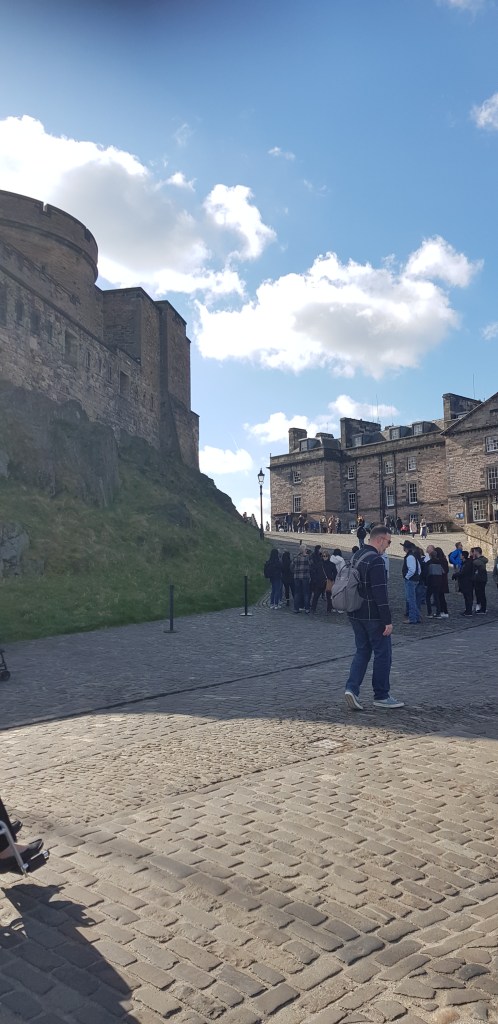
One of the most popular attractions that we saw was Edinburgh Castle. Once I recovered from climbing the steps, I was able to appreciate the awe of the castle that was surrounded by tourists. From the entrance of the castle you can see an amazing view of the city, and as you enter into the castle complex, the views continue from different angles, including far away landmarks, and up close ones; like the soldier’s dog cemetery…
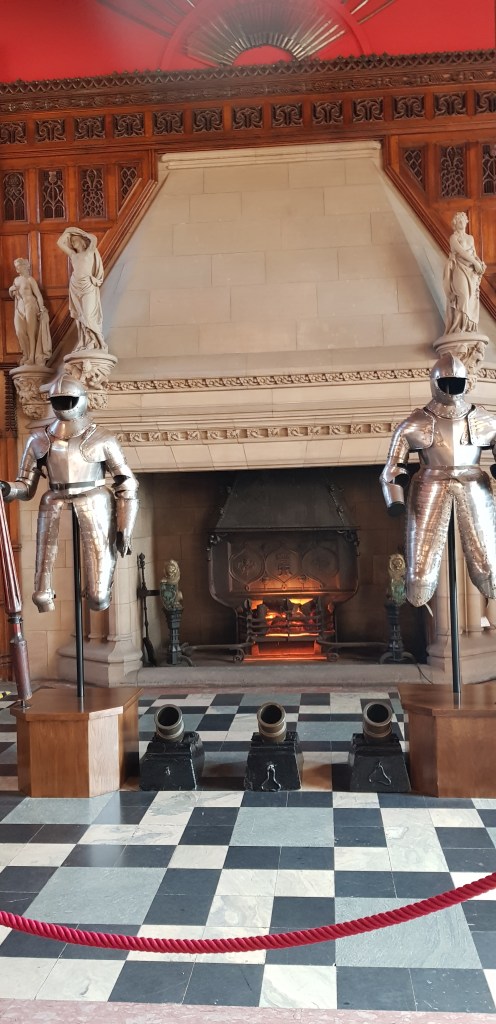
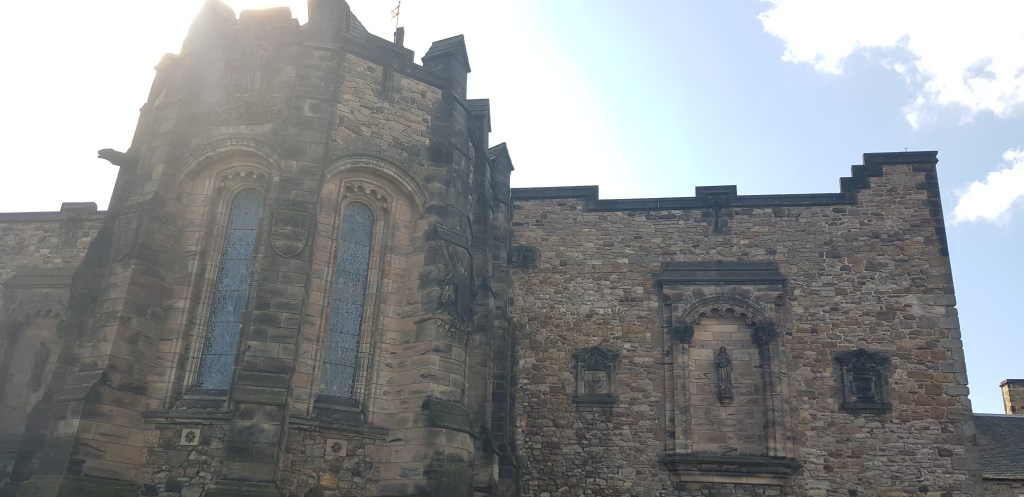
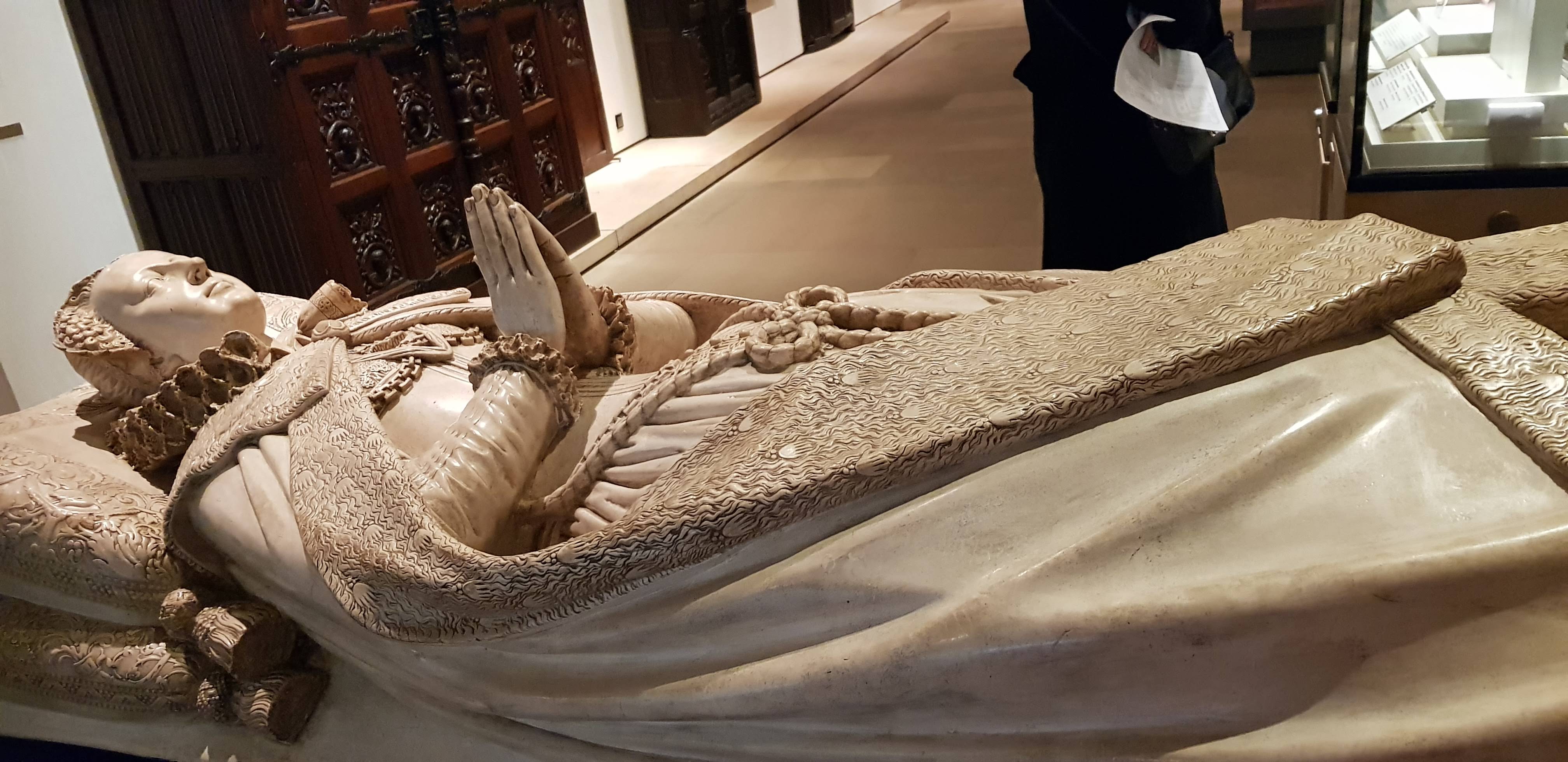
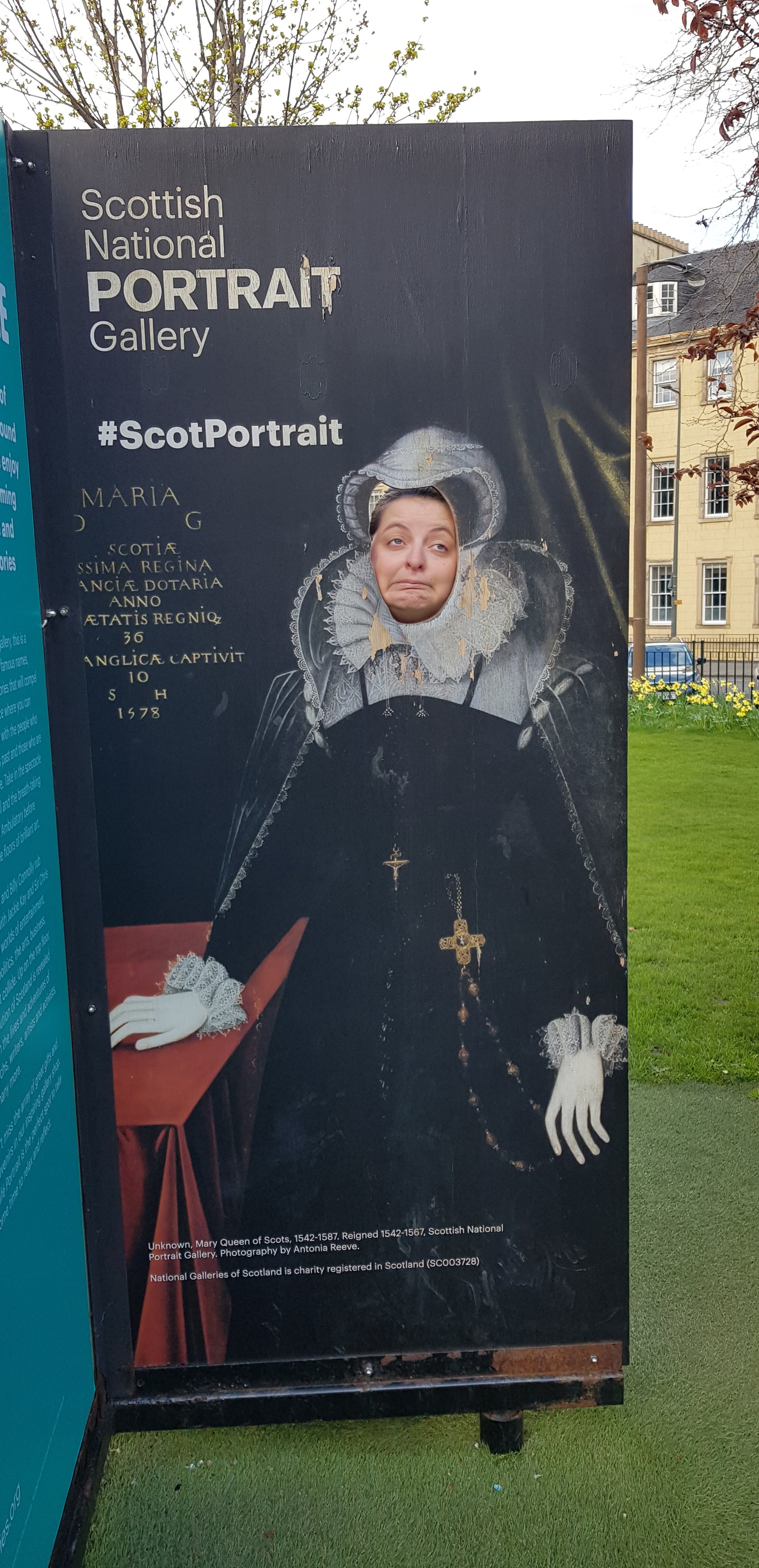
From inside the castle, you can visit the old chapel, prisons, crown jewels, staterooms and much more. The information provided was really good and I particularly enjoyed learning more about the Scottish Monarchy and particularly Mary, Queen of Scots, who is an extremely interesting woman in history. She spent her life fighting for her rights as Queen and being sought out by her enemies, and she was very unlucky in love repeatedly. She still managed though to bring life to the first King of both Scotland and England.
Two very different images of Mary, Queen of Scots
If you only had a few hours to in Edinburgh and wanted to learn about the history and see the whole city at once, the castle is definitely, the ‘must see’ place.
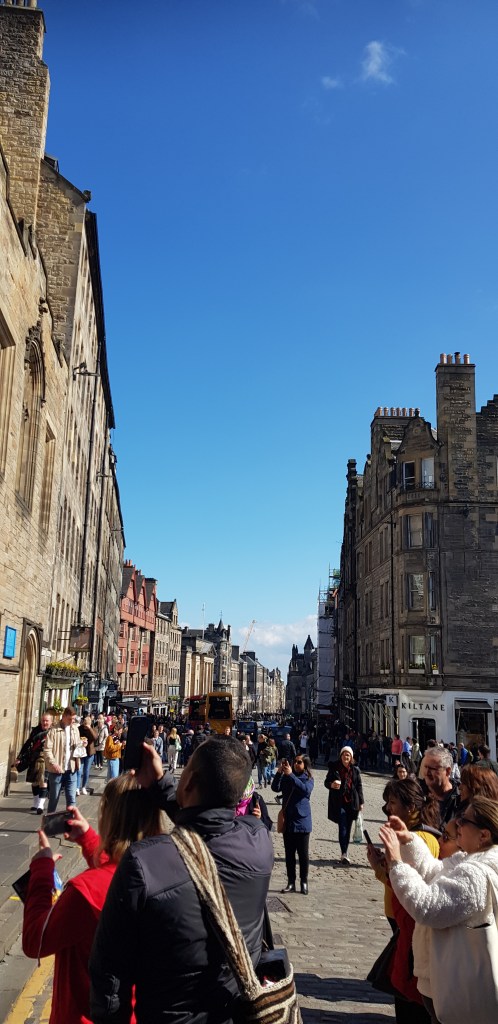
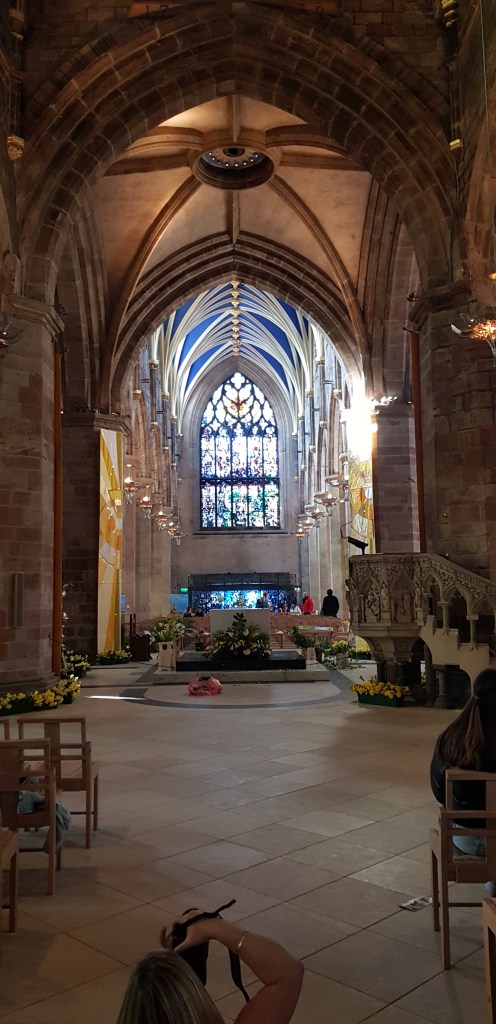
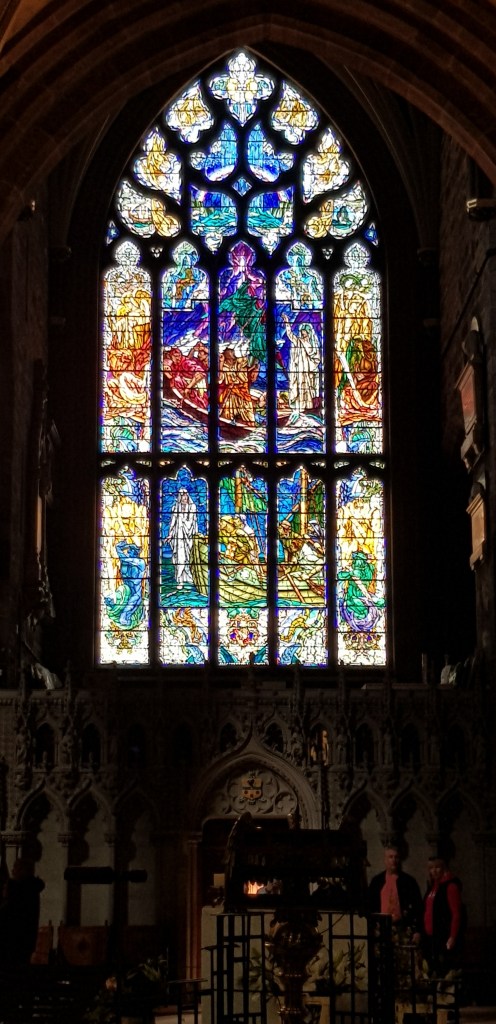
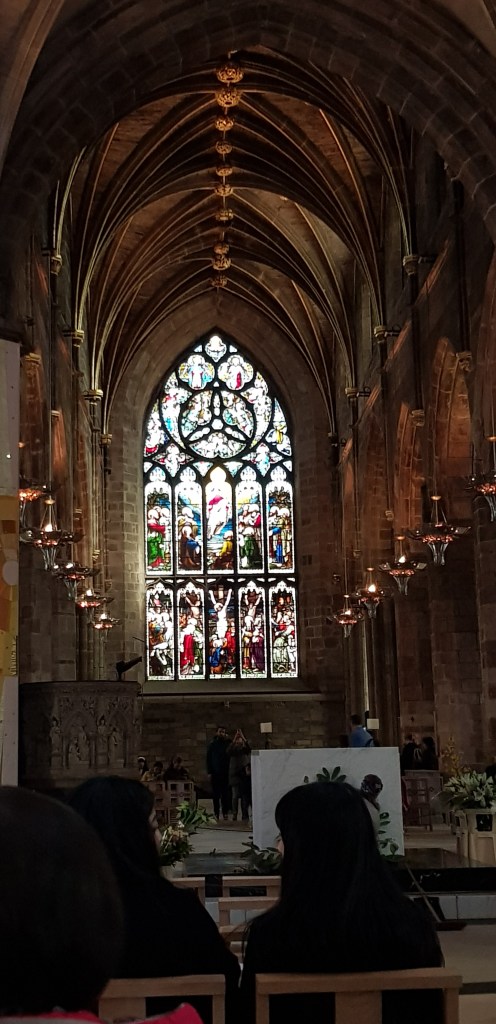
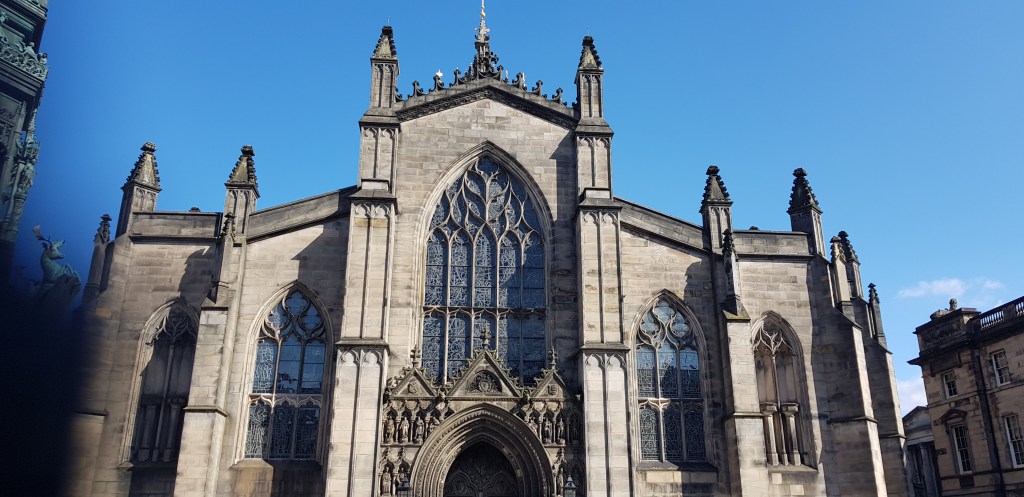
After leaving the castle we wondered down the ‘mile’ which is the long tourist filled street where you are never short of hearing a bagpipe or being able to find yourself your own brand of Tartan. Not far along, I came to the St Giles Cathedral, which was a nice place to just take a seat and enjoy the ambience, and the cool escape from the hectic busy centre outside the doors.
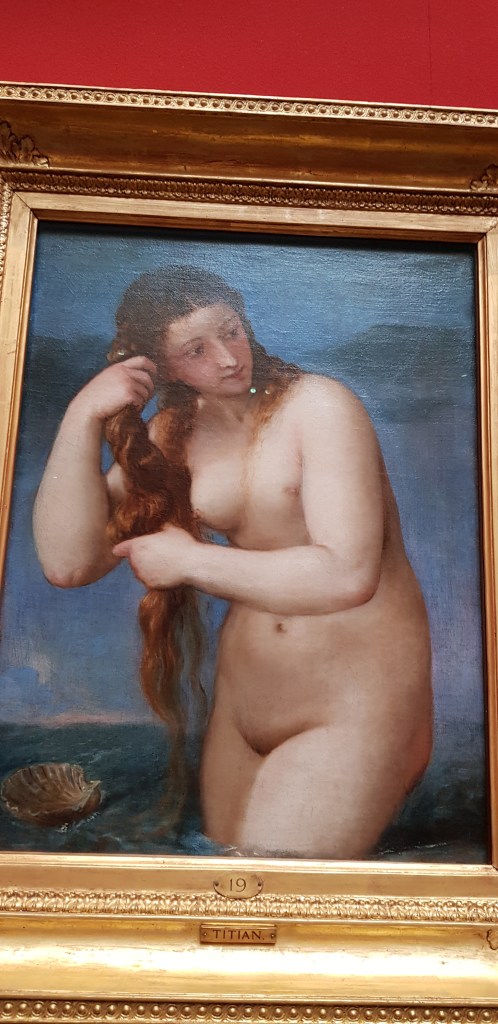
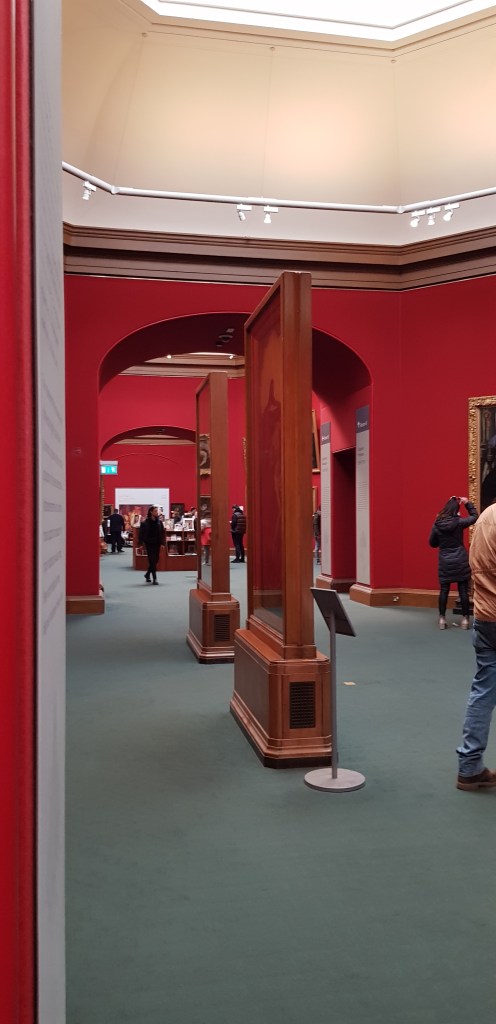
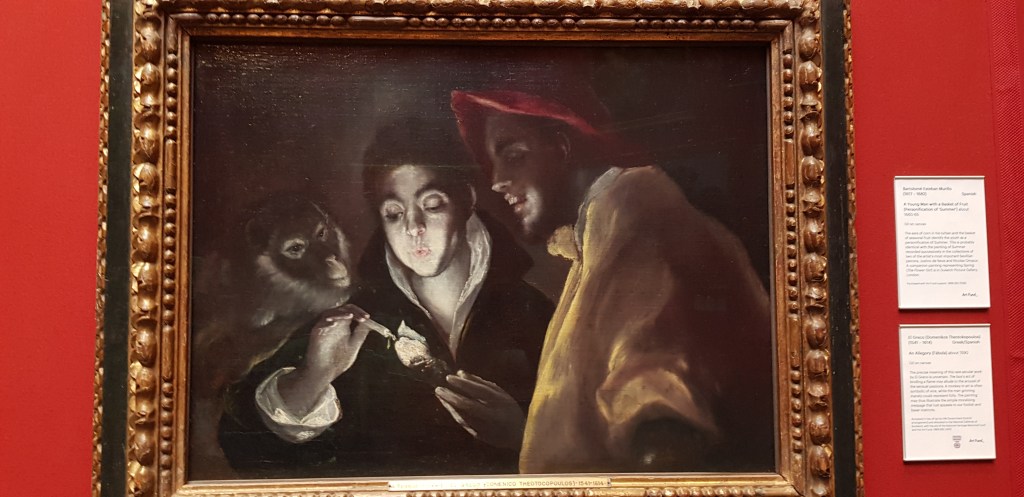
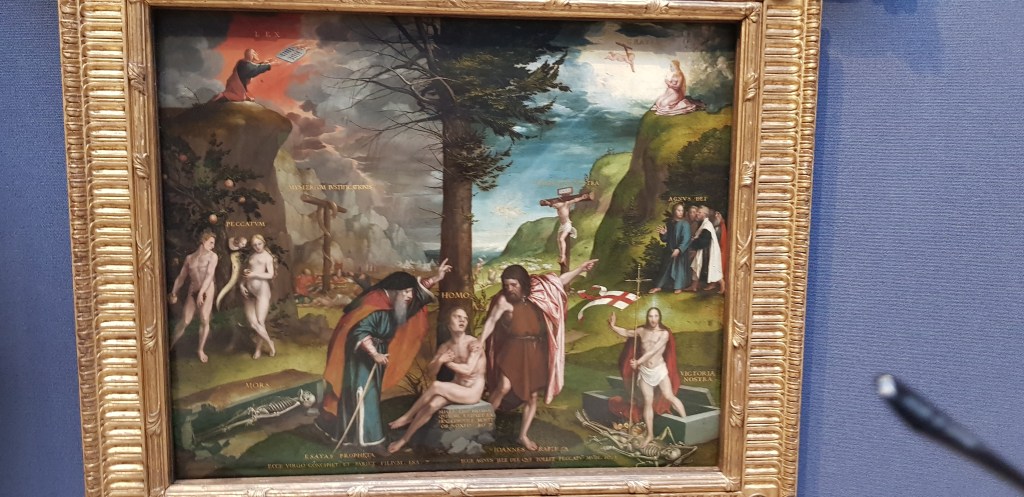
After a little break, I delved into more inspiring arts and information by visiting both the National Gallery and the Museum of Scotland. Both had great information and exhibits, but the gallery was definitely less daunting than the very large museum.
The Scottish Highlands within easy reach…
On our last full day which also happened to be Easter Sunday, we decided to go on a full day tour of the highlands. The tour was on a coach with many other visitors from around the world, and was led by a very good looking Scot in a kilt, who kept insisting he did not feel the cold when he blasted the air conditioning on full and me and my friends were going blue…
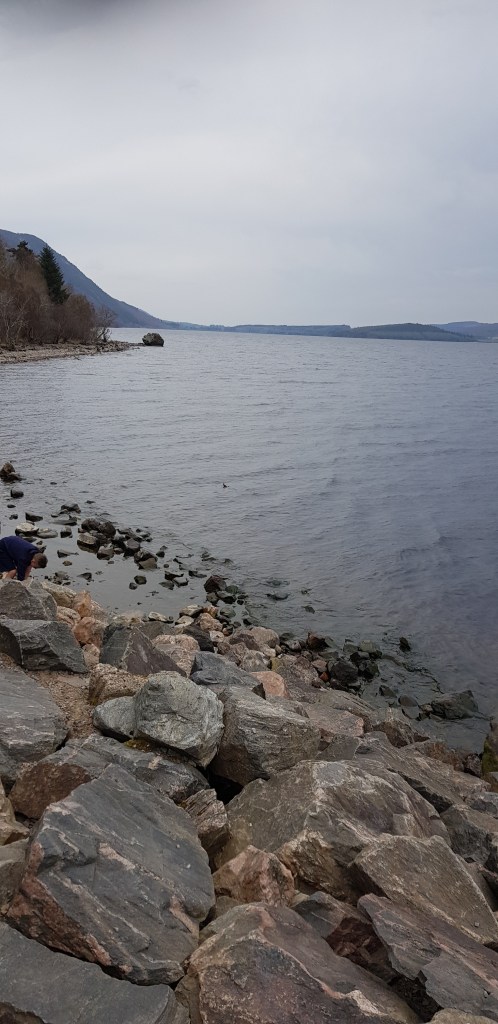
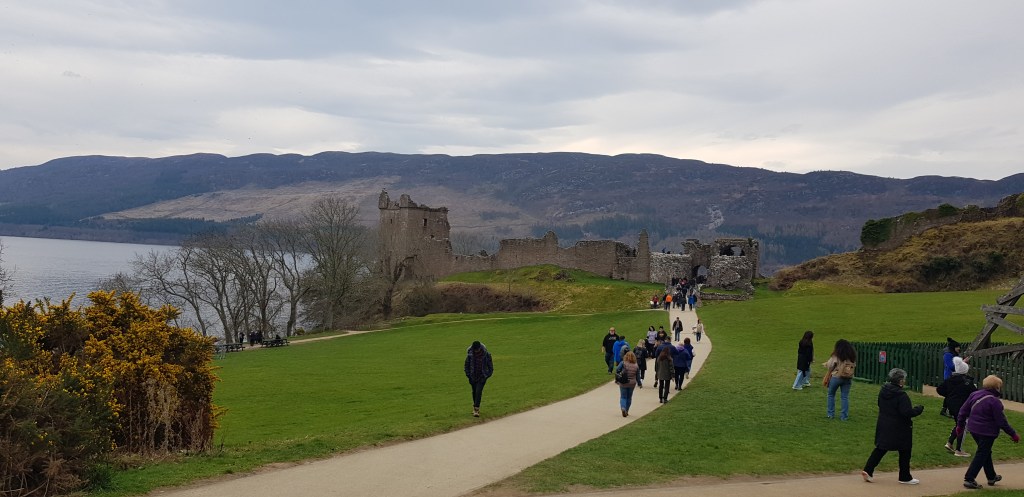
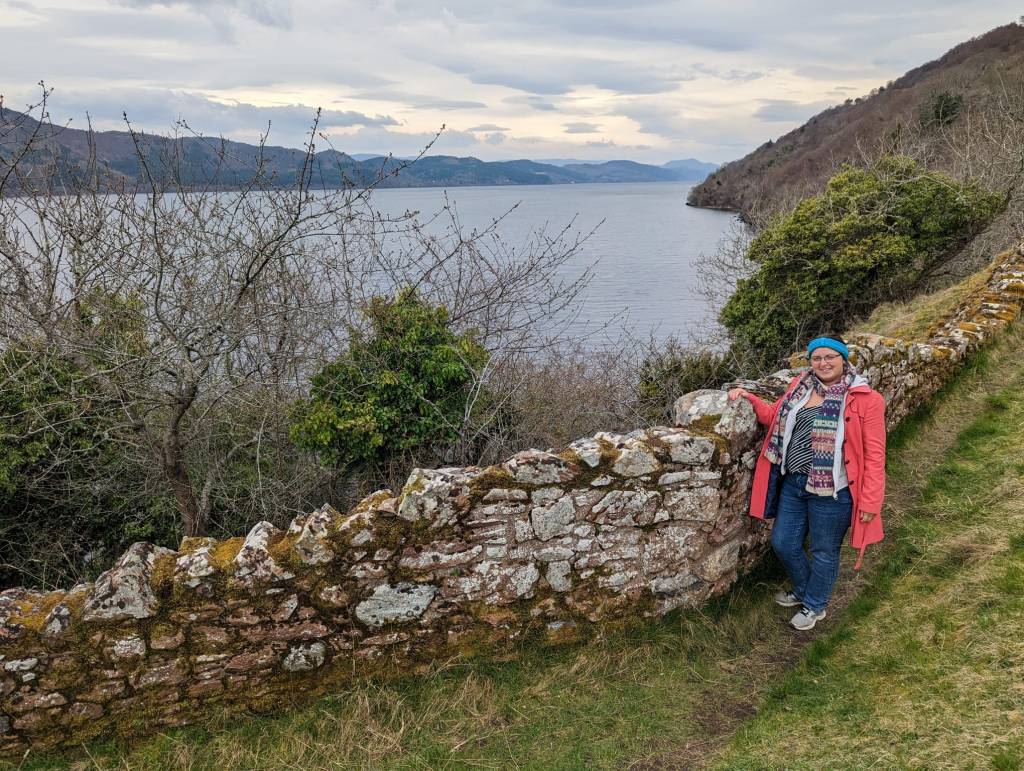
The tour visited some key locations like Glen Coe, and local castles and villages, but the big one was Loch Ness. We visited in by road, and then took a cruise on the lake, which in hindsight was very crowded with tourists, and this was during the beginning of Spring, so not the busiest time of the year. The lake itself though is incredibly large! It apparently is so deep and wide that you could fit the whole population of the world inside several times over. I don’t know why, but I was expecting something a bit smaller, so I was impressed. It is just a shame that this was the day that the Scottish weather came to visit and we were all stuck in the wind and cold, but we did avoid the rain!
Farewell to Edinburgh
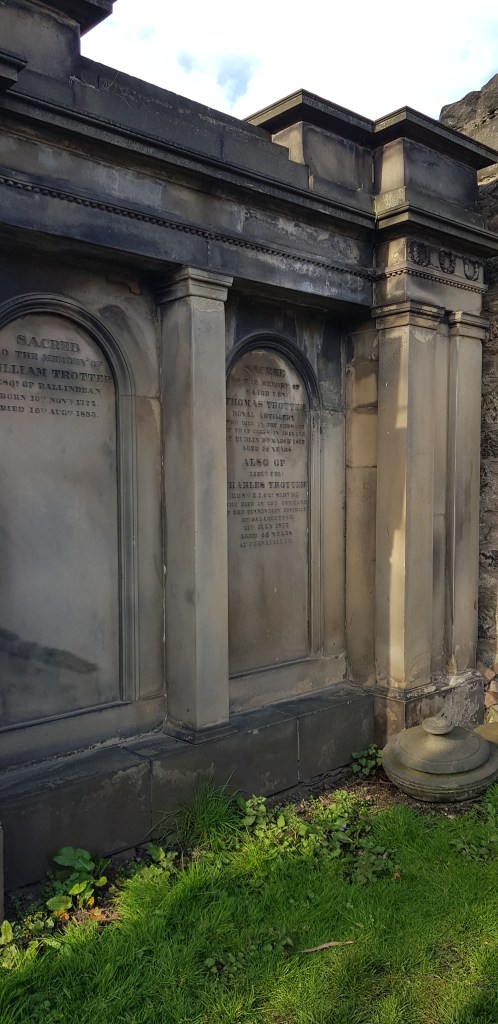
Before leaving the city on our final morning, we did a little exploring of the local cemetery and were able to see and secure photos of the grave of the infamous Thomas Riddle. That’s right, the dark lord himself. Well… actually, it is the grave of someone with the same name, apparently J K Rowling took the names of many of the Harry Potter characters from this very same graveyard. Spooky!
Finally, it was time to jump back on the train and bid farewell to the capital of Scotland. I pondered on it, and decided that I would be happy to return to Edinburgh and see more of the highlands and Isles too, but for now it was just time to take a long nap all the way home…
Whilst the world began to prepare for the Christmas season, I decided to jump on the train (in the middle of a train strike) and take a solo adventure to the North East of England, ticking more cathedrals off my list.
York
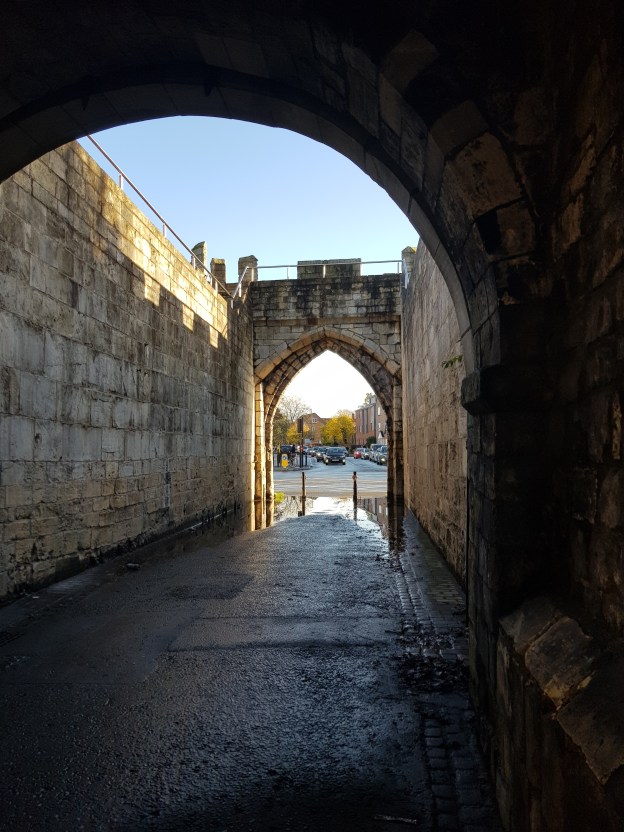
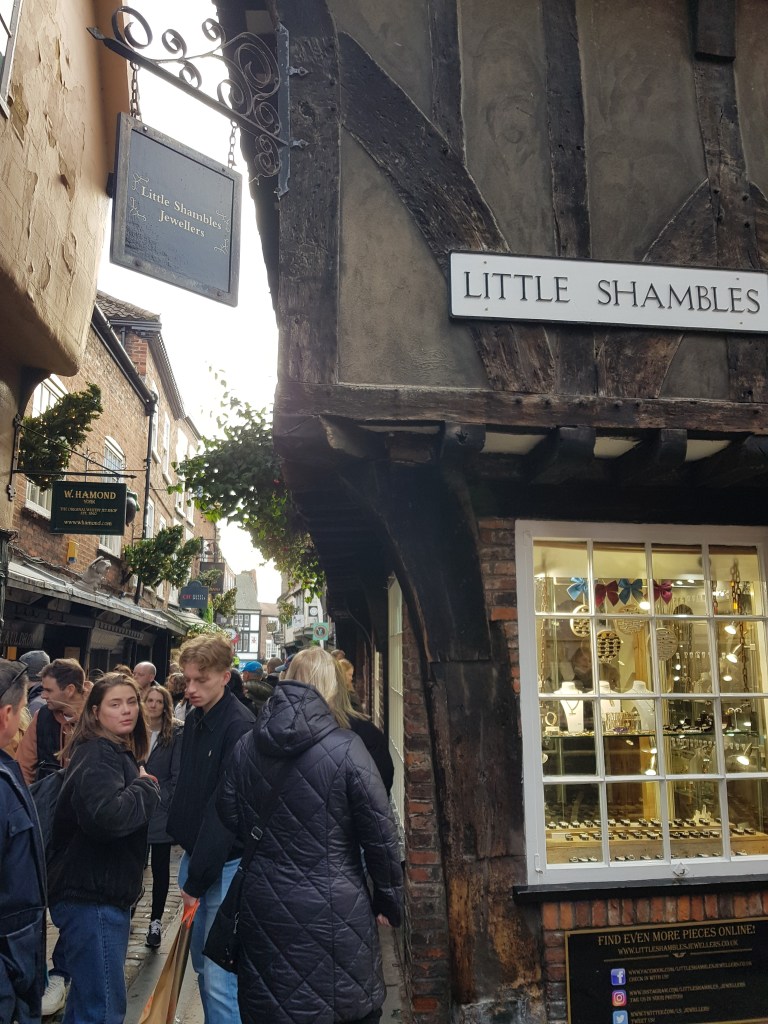
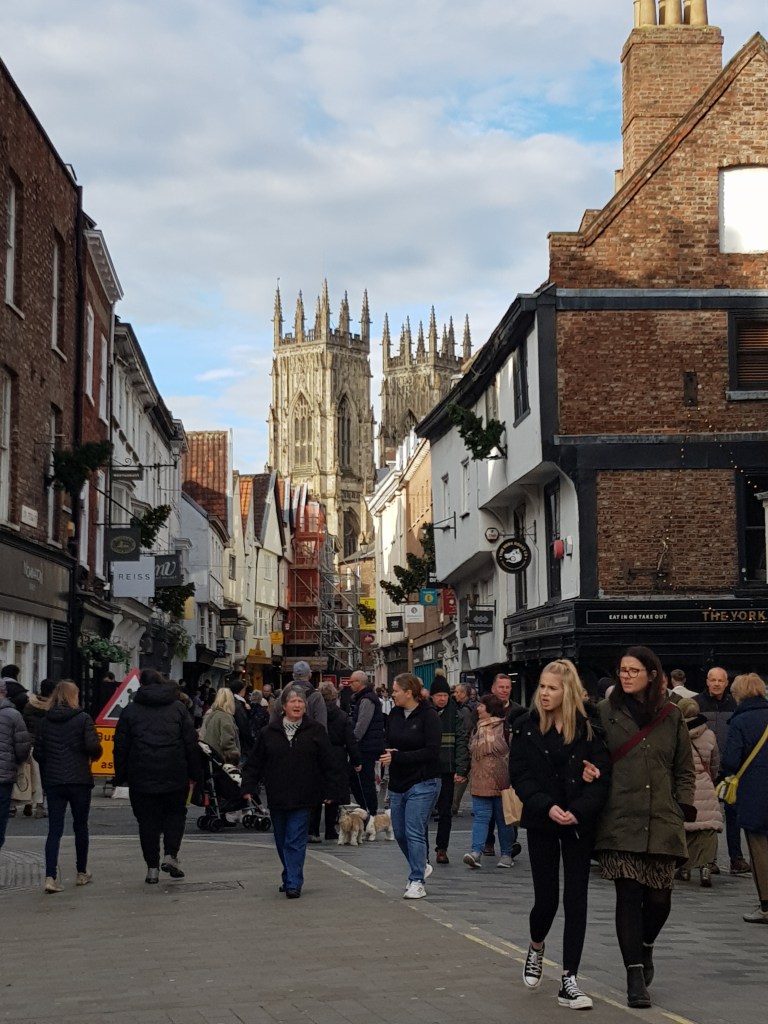
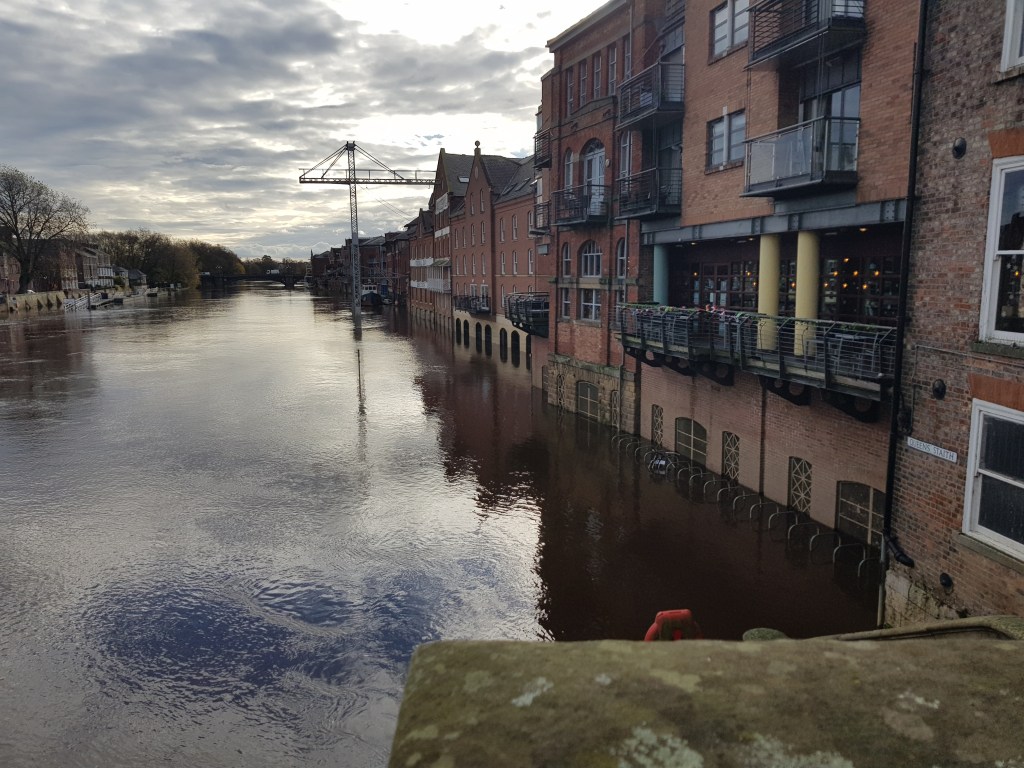
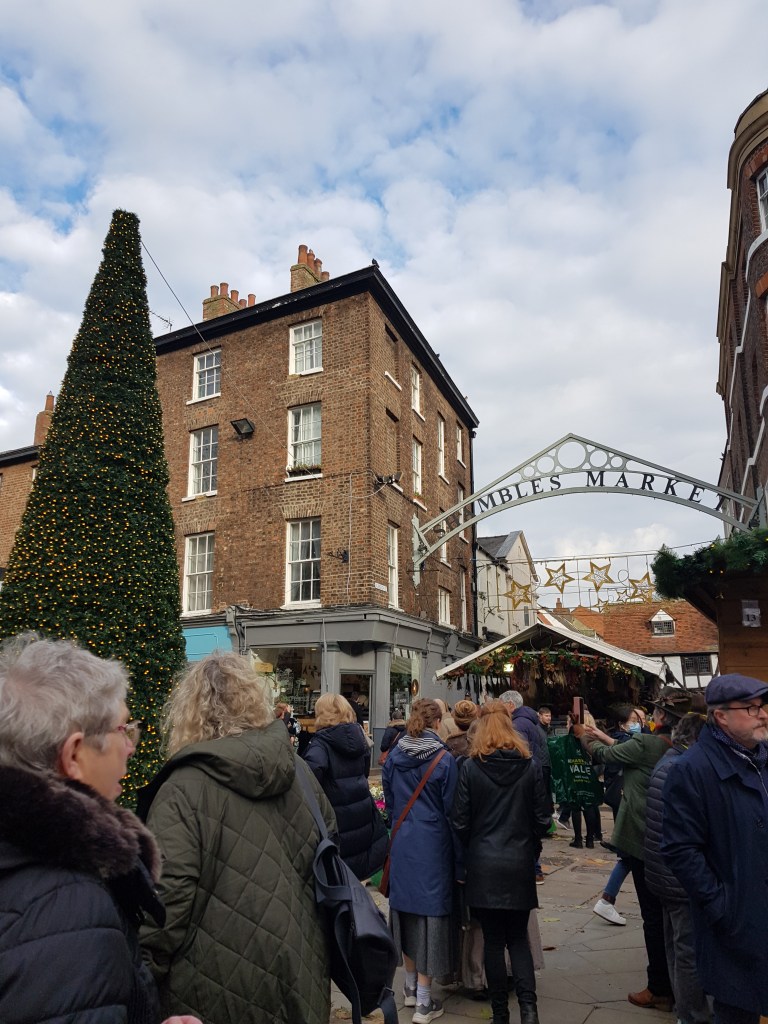
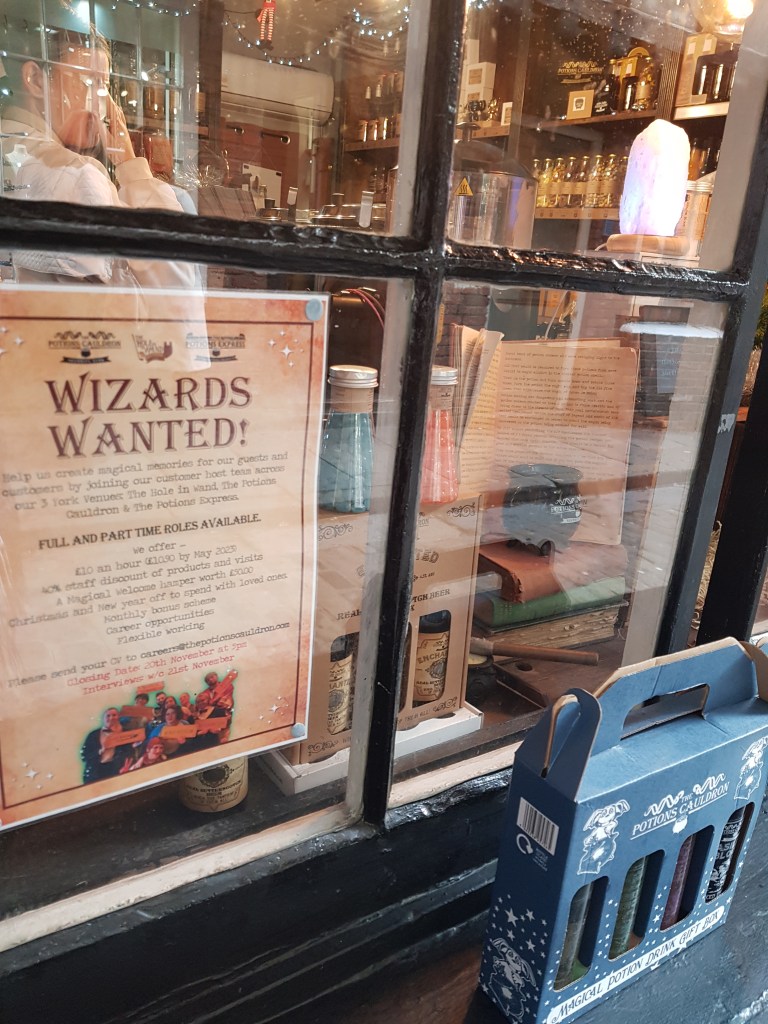
I set up a base in York for my week in the North, at a hostel nearby to the center. York has a lot to offer, being good for shopping, historic walks and interesting attractions. I spent my afternoons there wondering the streets that were used for Harry Potter’s Diagon Alley, which now have wand shops, and novelty potion brewers. As well as a great shopping offer throughout the historic city, you can also walk the entire length of the historic roman walls, this walk takes less than a few hours but it does give you spectacular views of the city and the splendid York Minster.
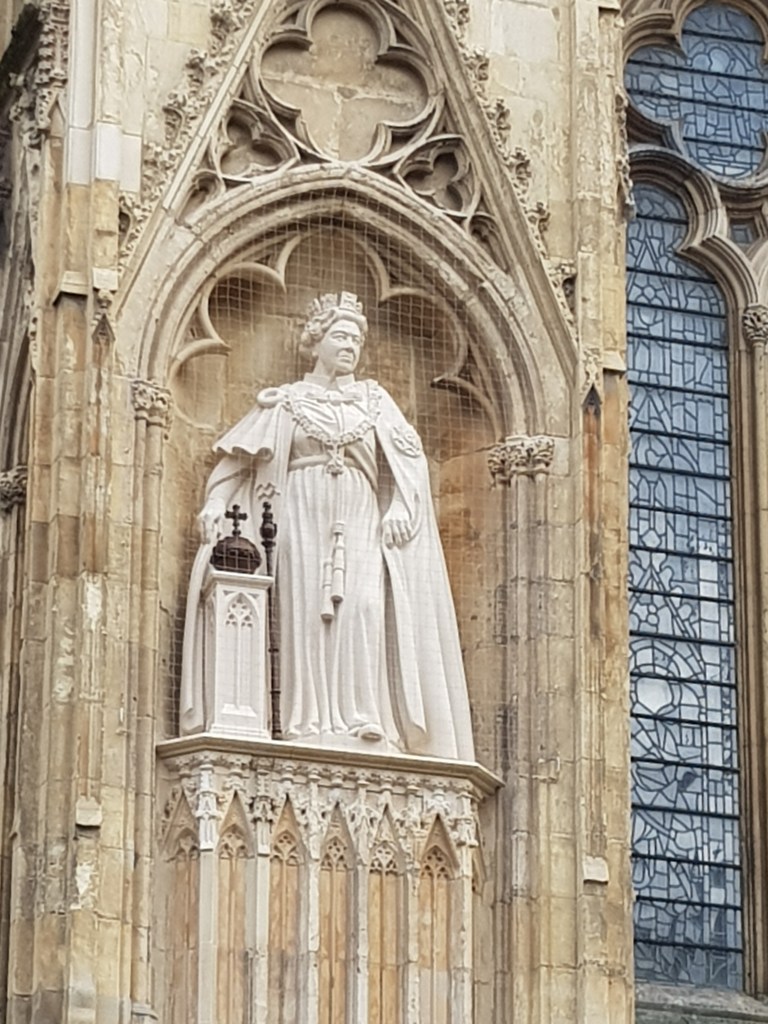
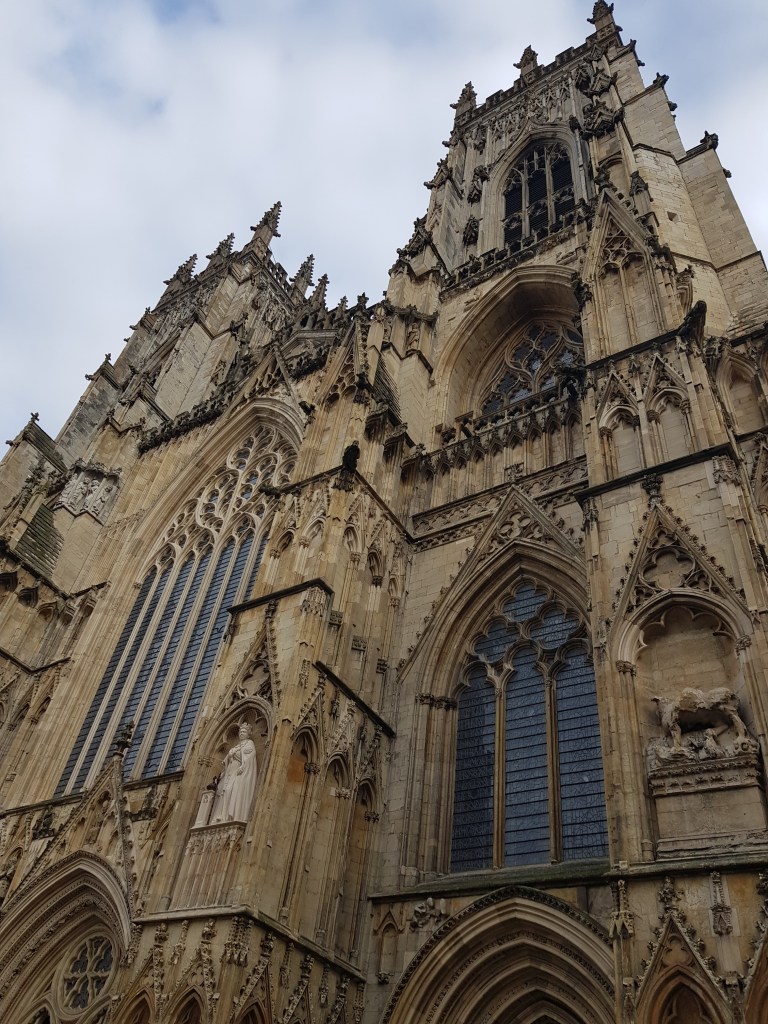
York Minster is the cathedral for the area and the largest gothic cathedral in North Europe. It is dated from 1200s onwards and is a very important venue to the church of England and the English monarchy. The space inside is huge and features a huge rose window with significant symbols of white and red roses relating to the symbols of past monarchs.
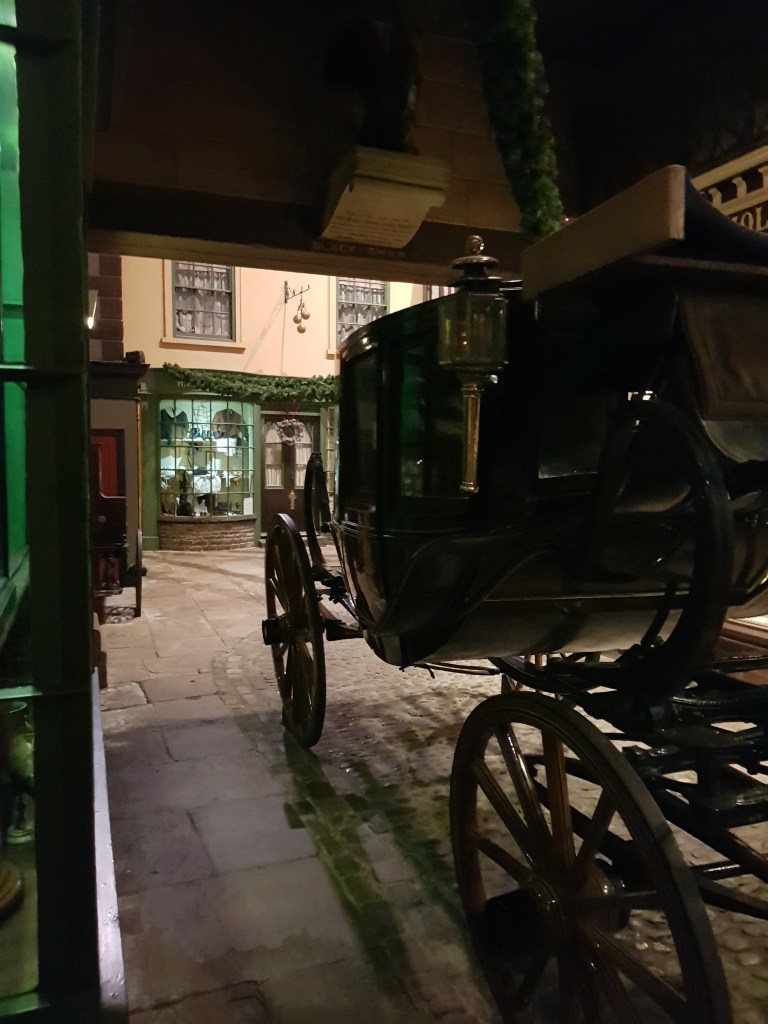
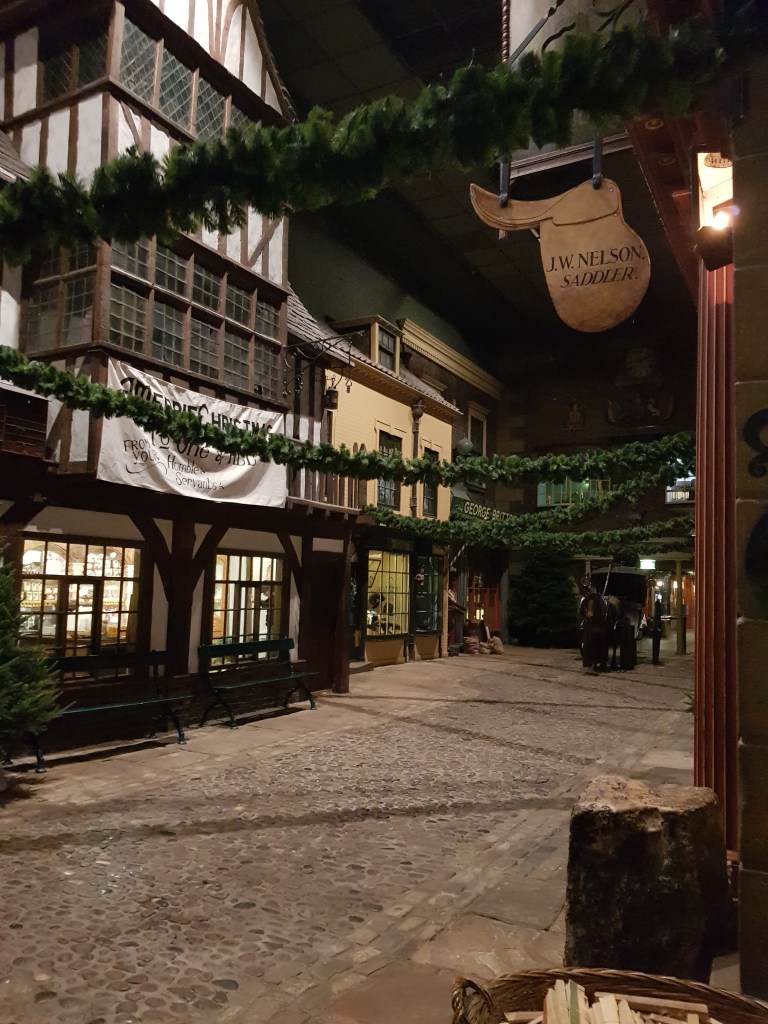
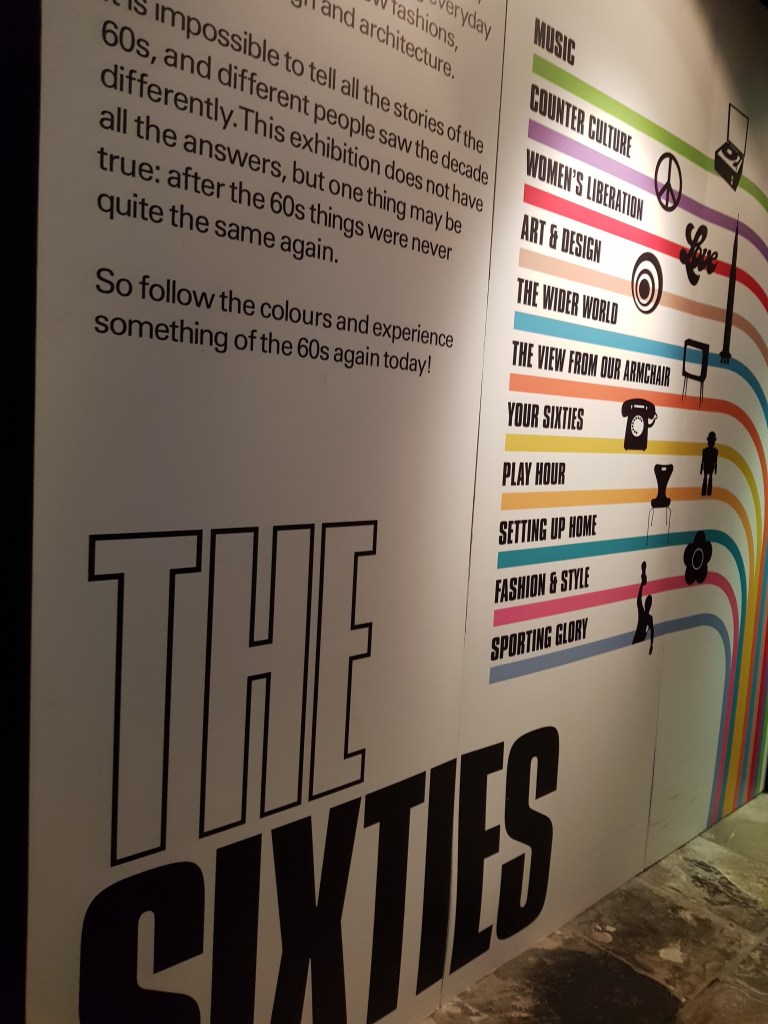
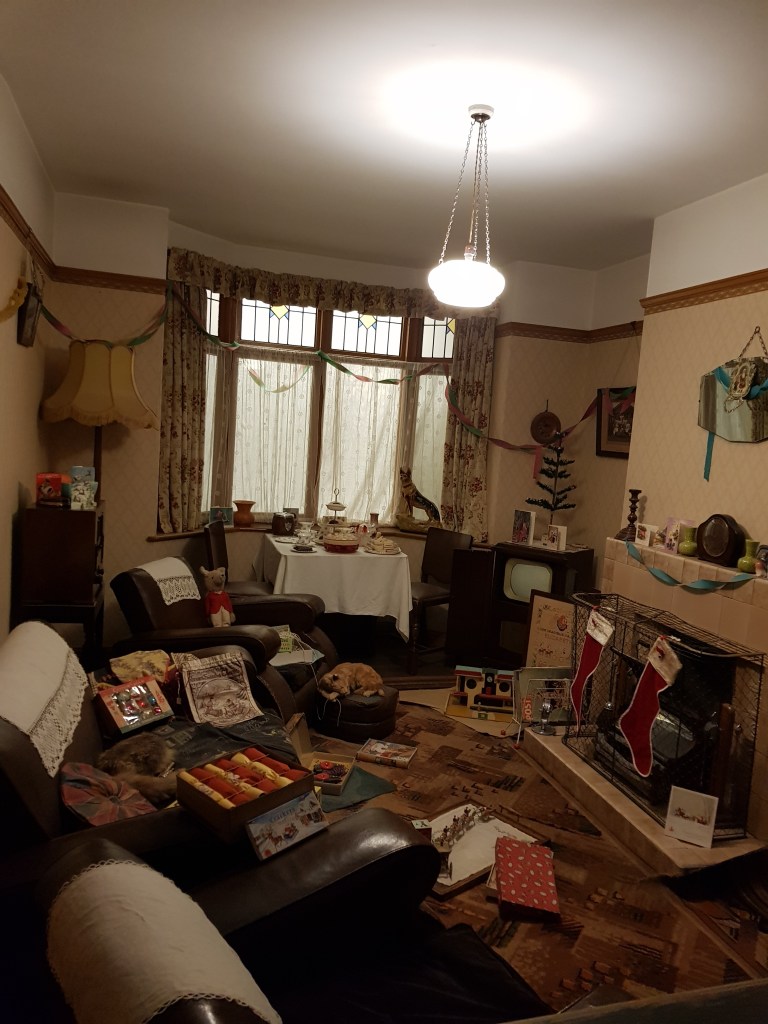
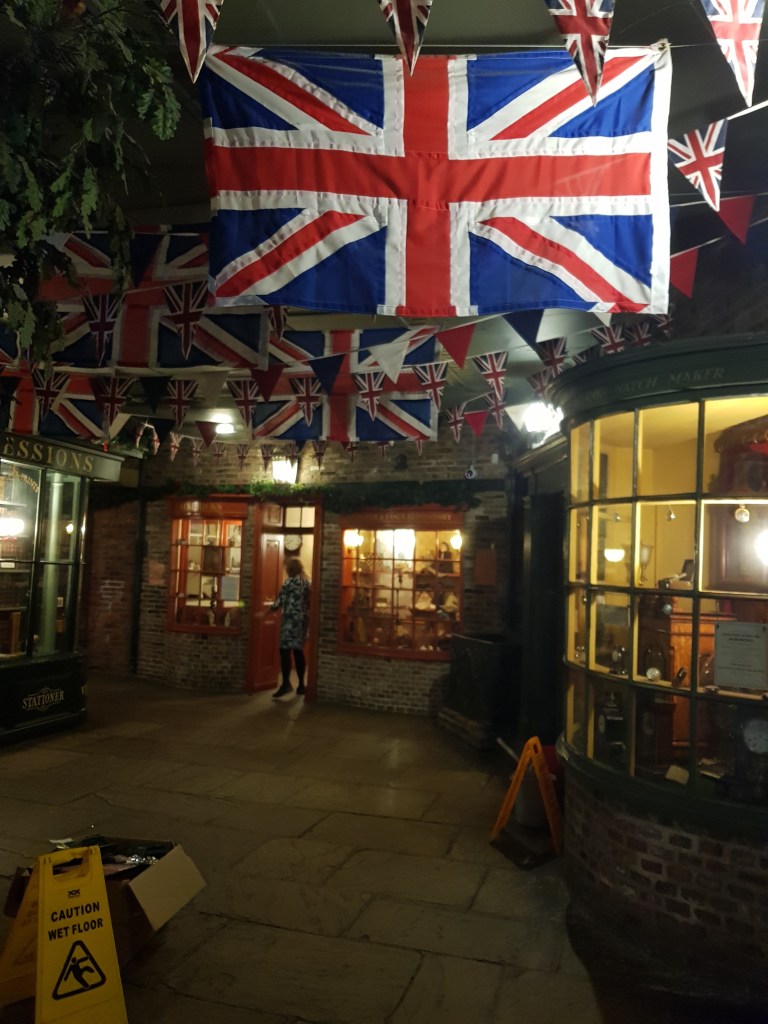
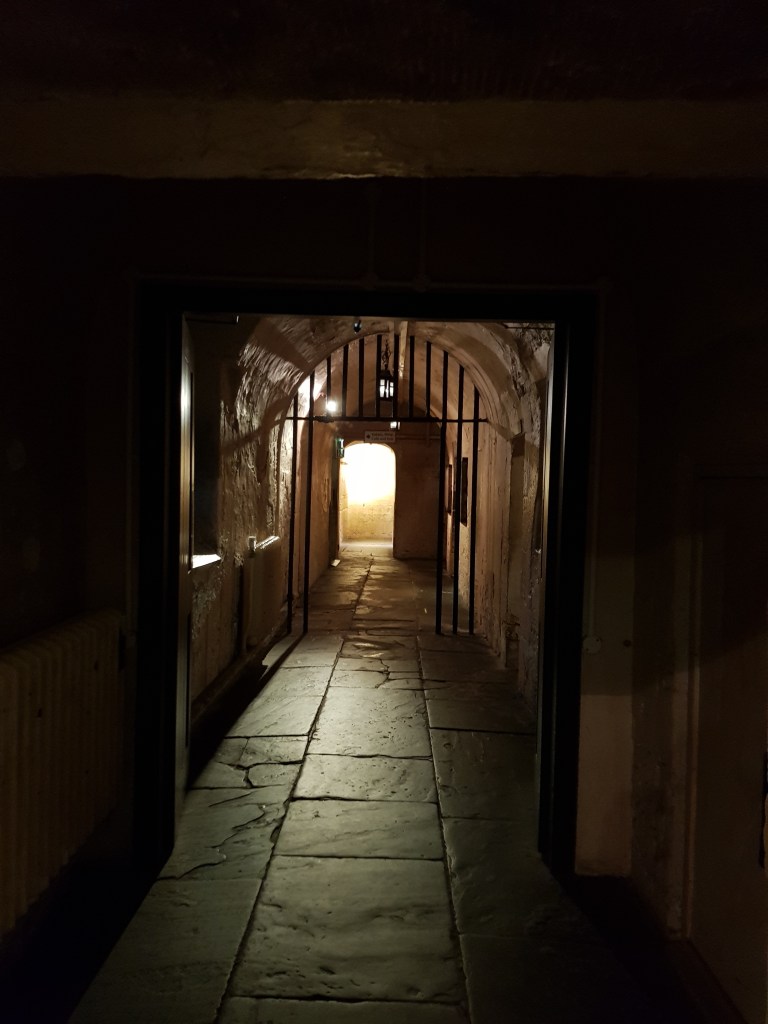
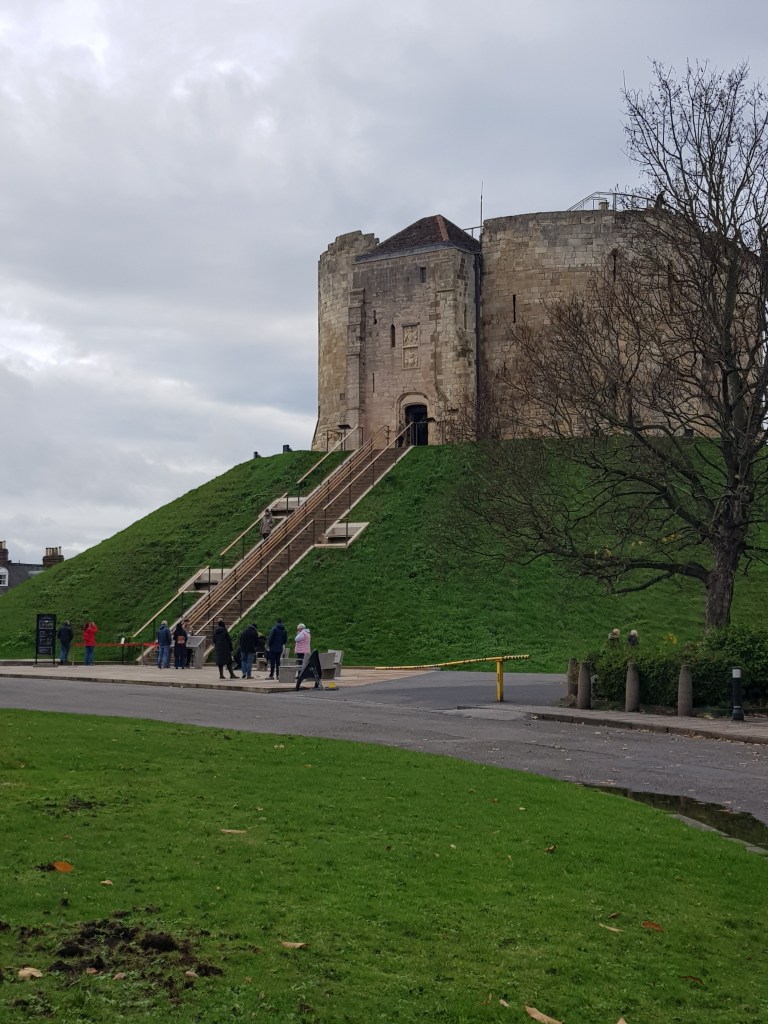
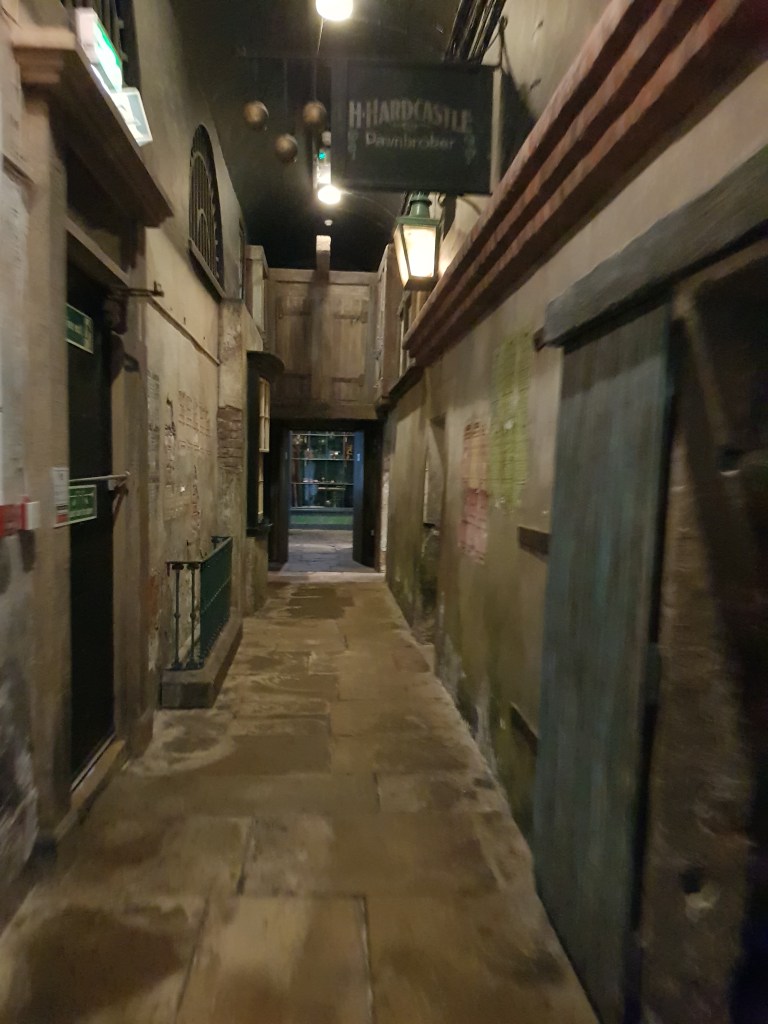
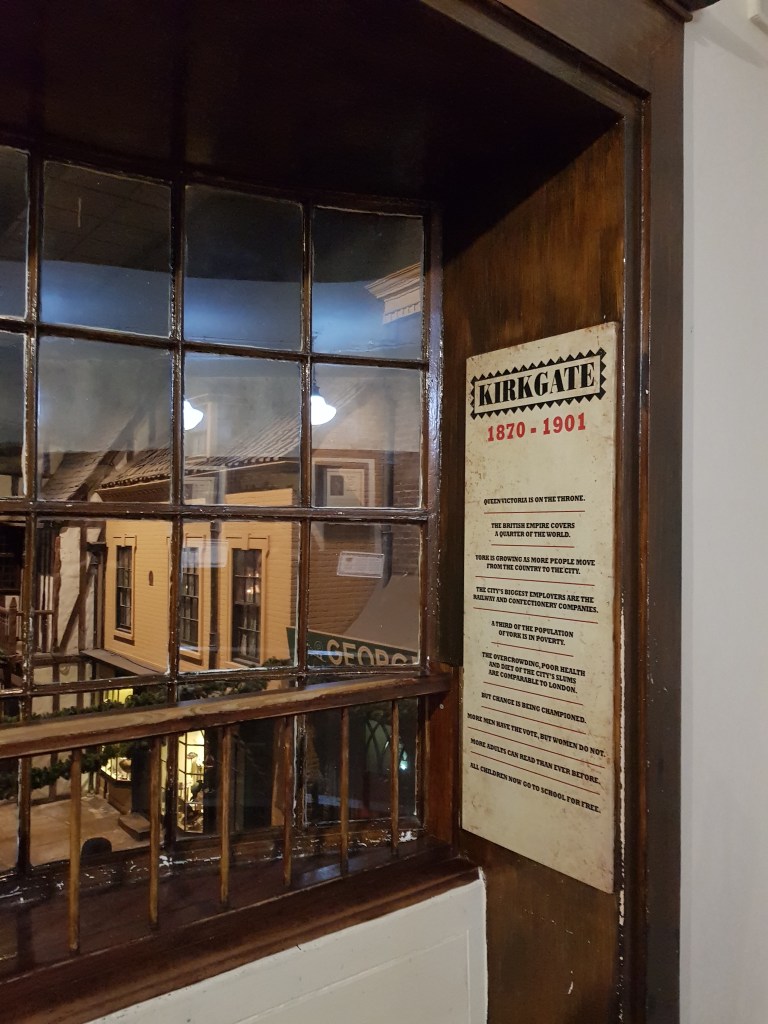
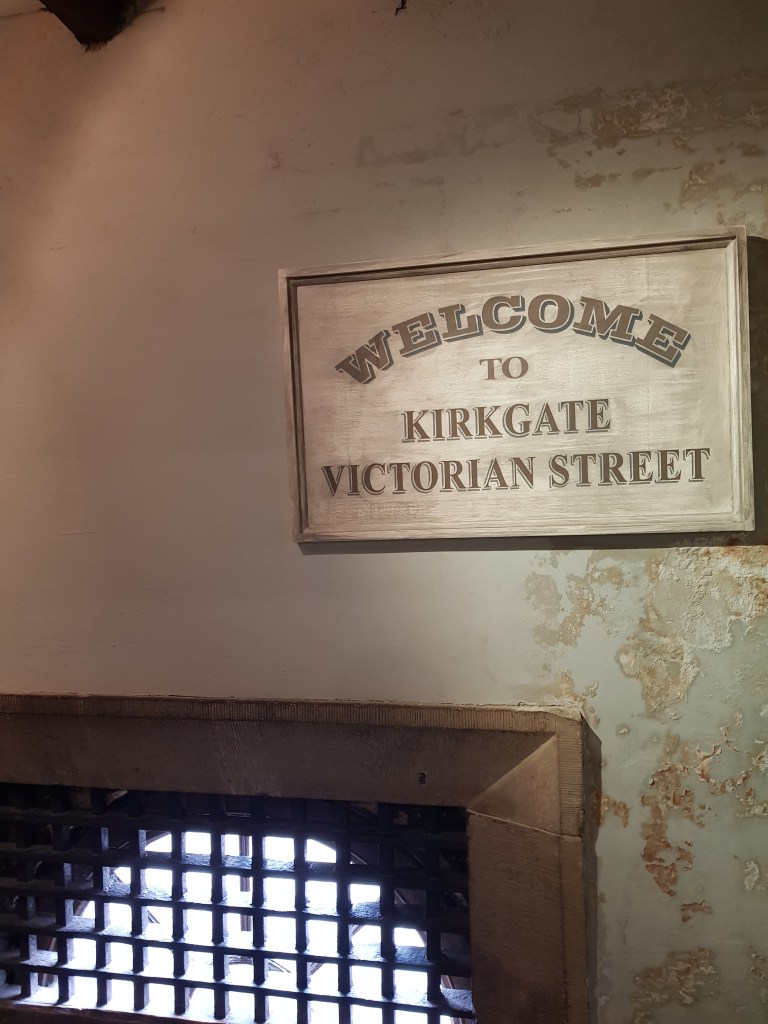
York’s castle and museum is also well worth a visit. The museum has very visual exhibitions, split between the old prison, a sixties exhibit, and a unique victorian street that looks straight out of Oliver Twist! Definitely a fun place to visit!
Going further North
One of the days in the week, I headed further North to Newcastle with a stop in Durham on the way back.
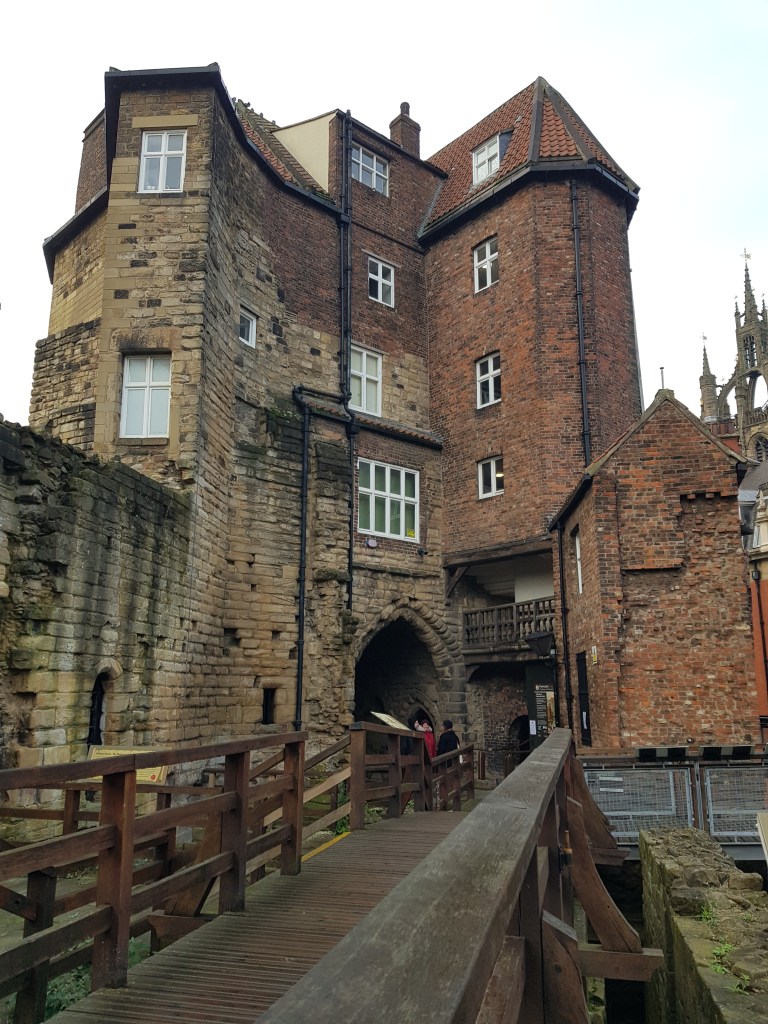
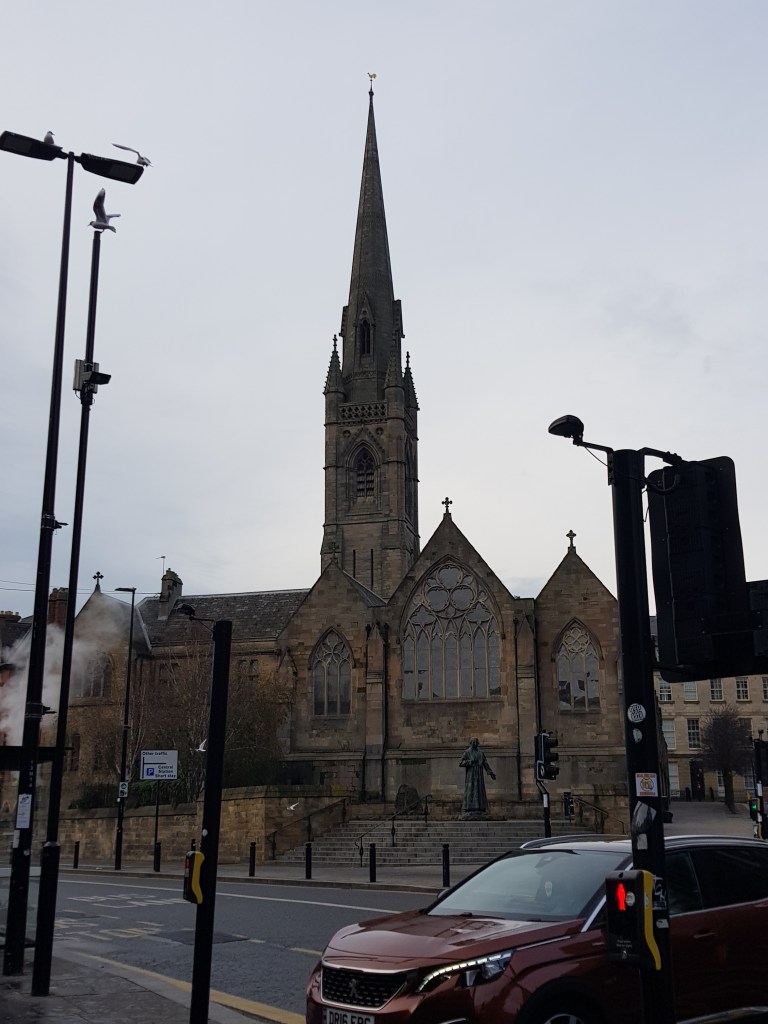
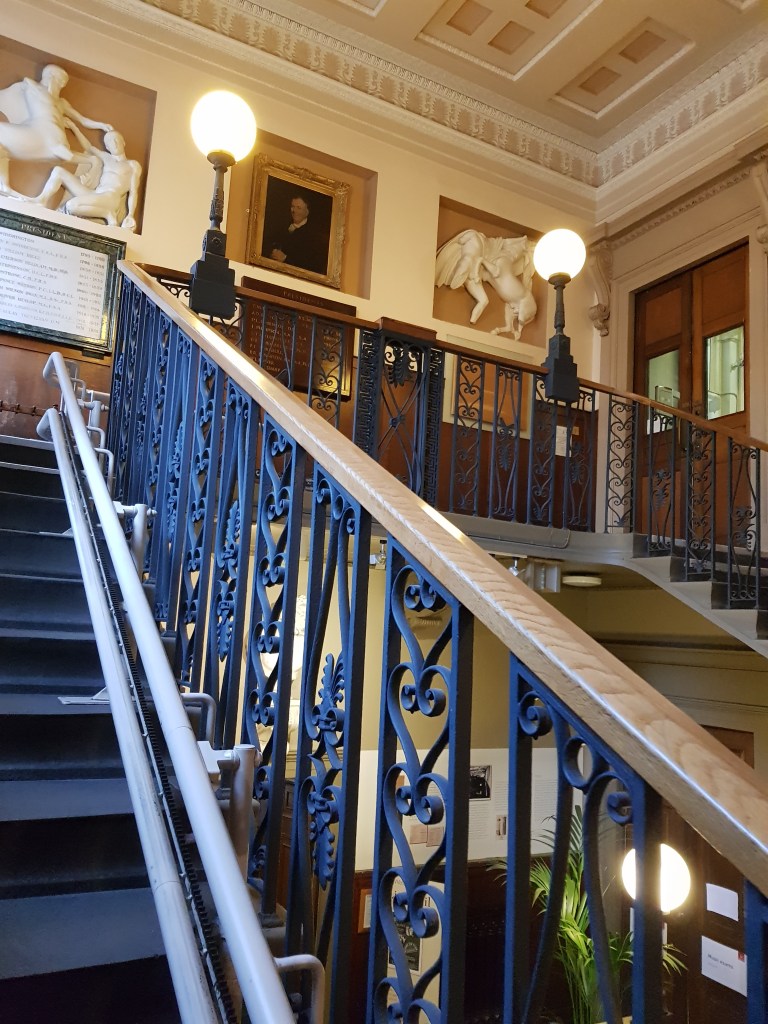
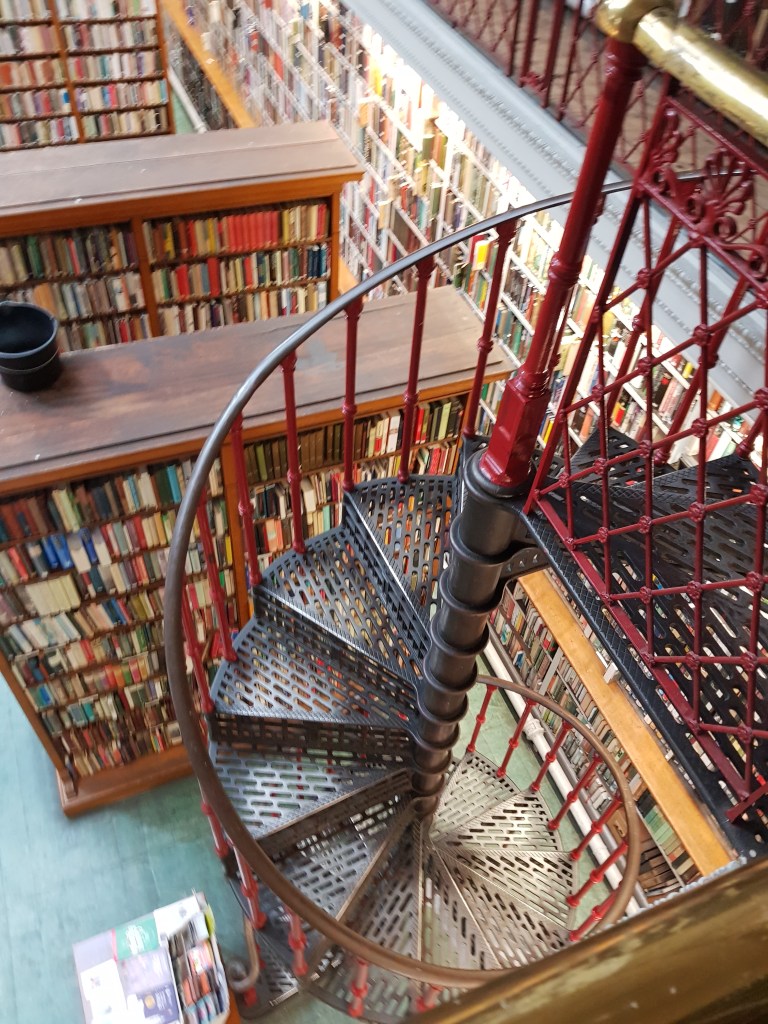
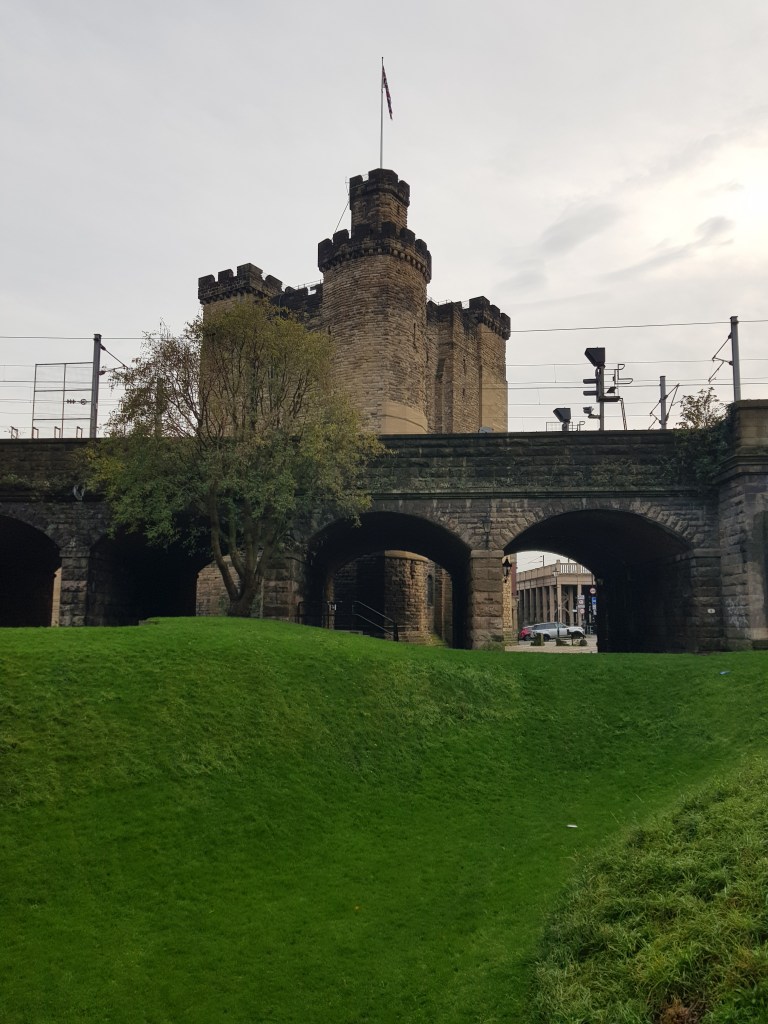
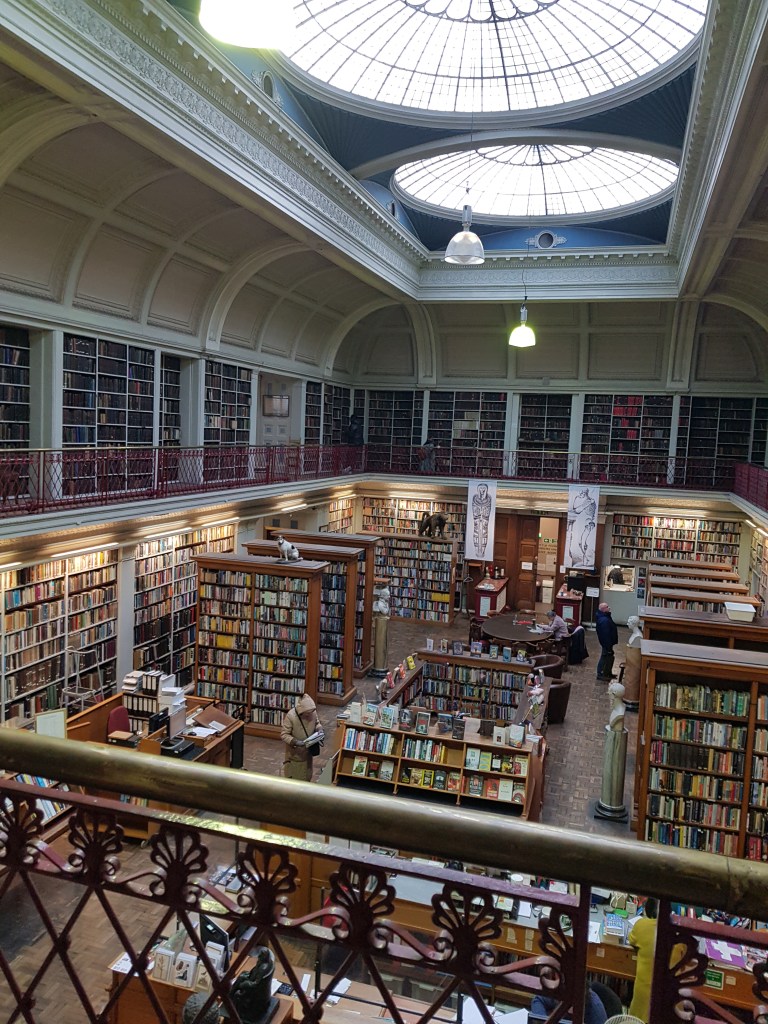
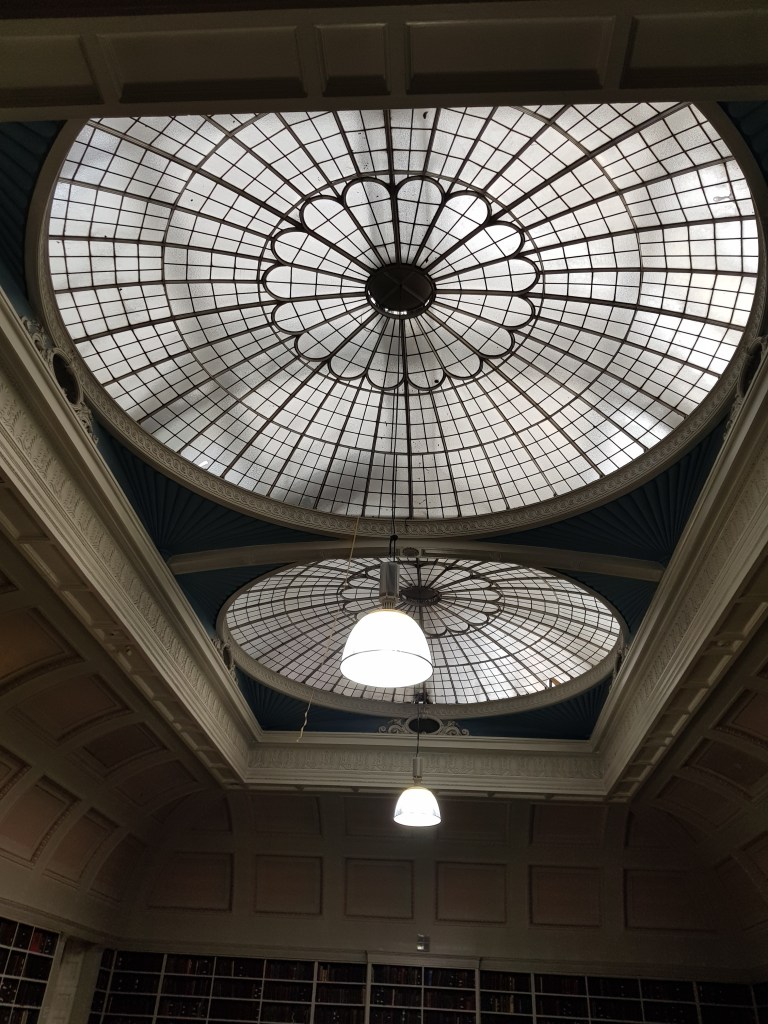
Newcastle was a whistle stop tour with a historic cathedral, the actually castle that the town is named after, which is today in some ruins, and I even found a beautiful historic gallery and library close to the train station on my way back. The library is still open to the public but is a great photo stop!
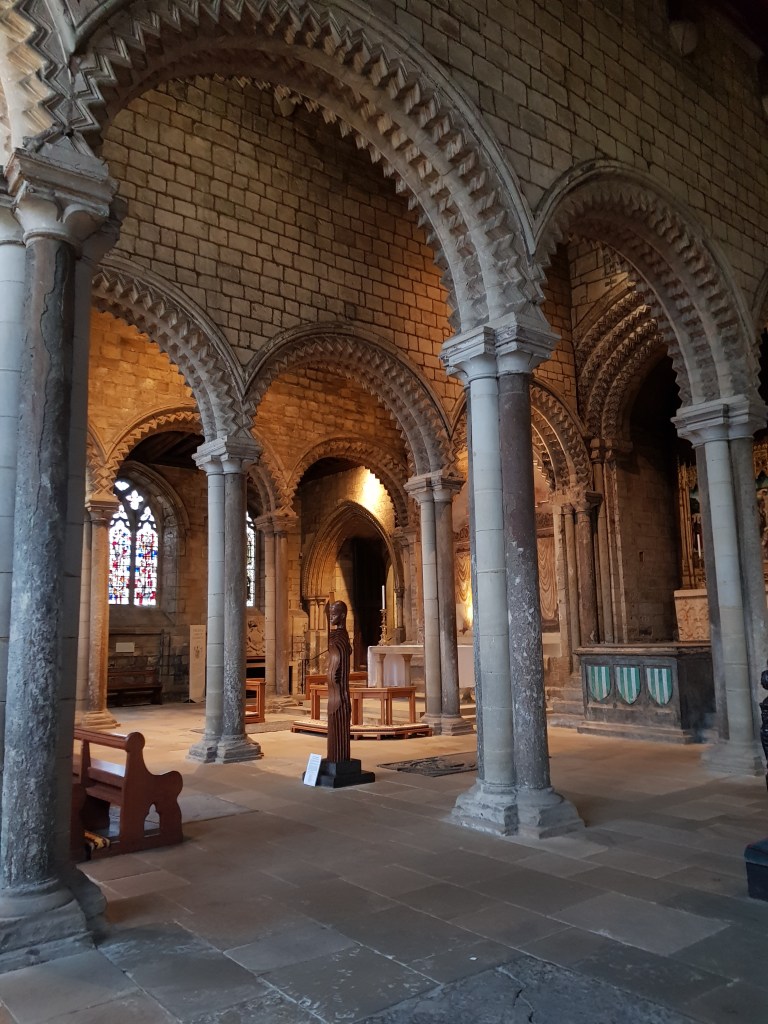
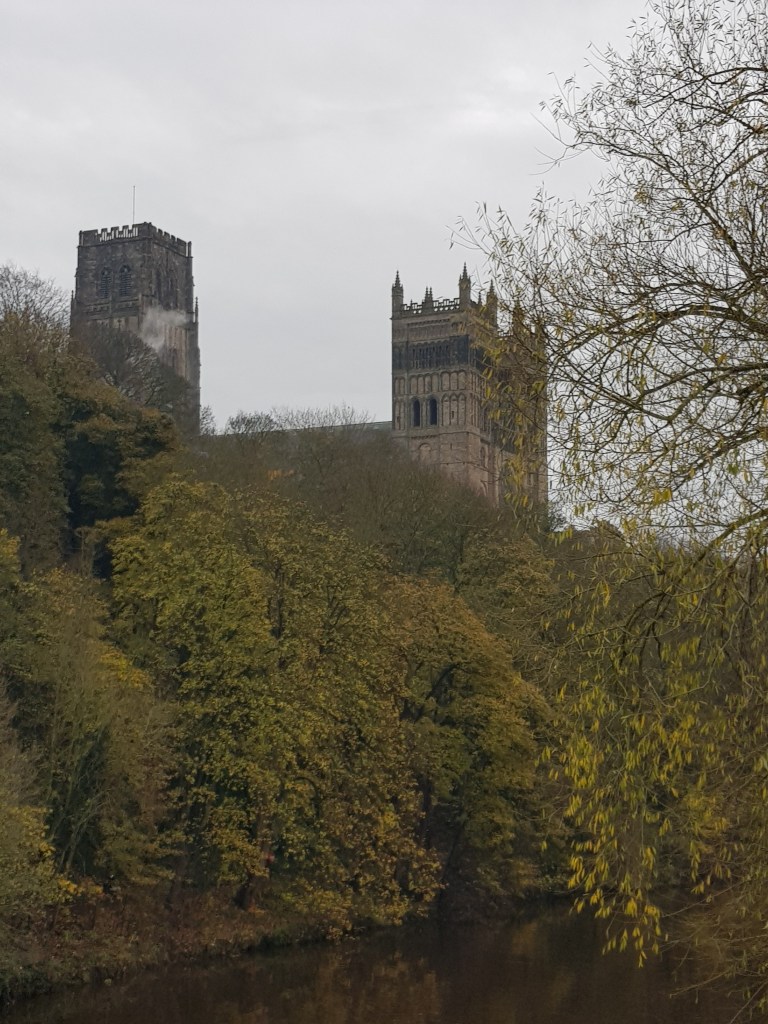
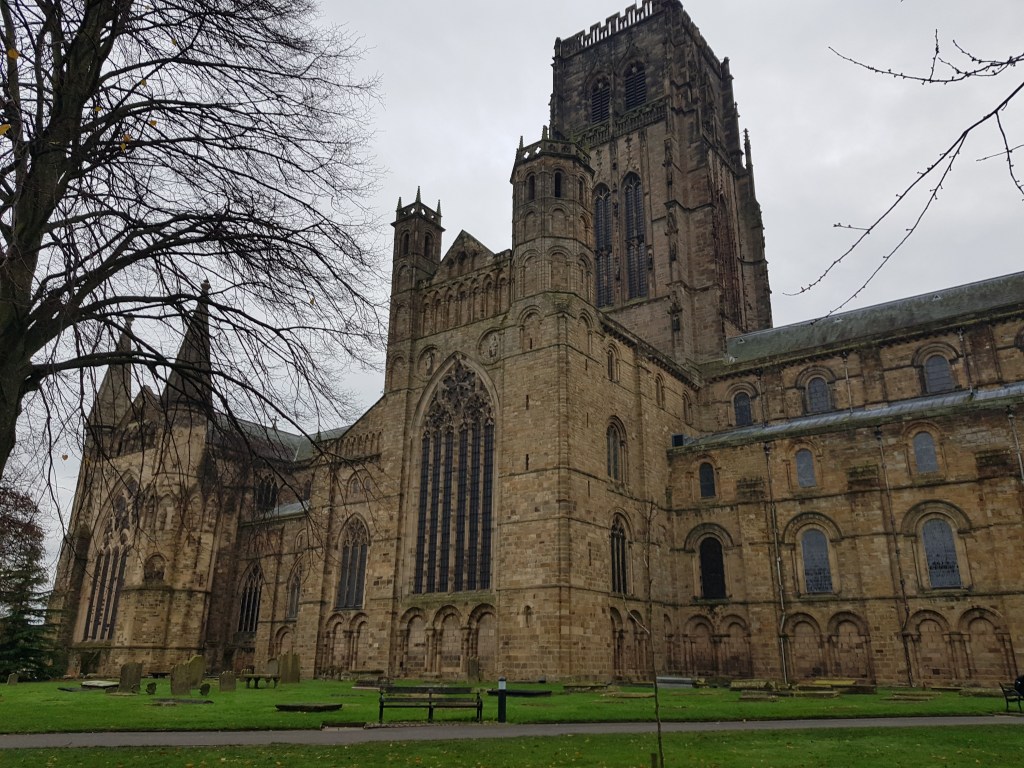
On the return journey, I stopped in Durham, which is a beautiful university city, to see what is thought of by many, as one of the most beautiful cathedrals in the UK. I can see why!
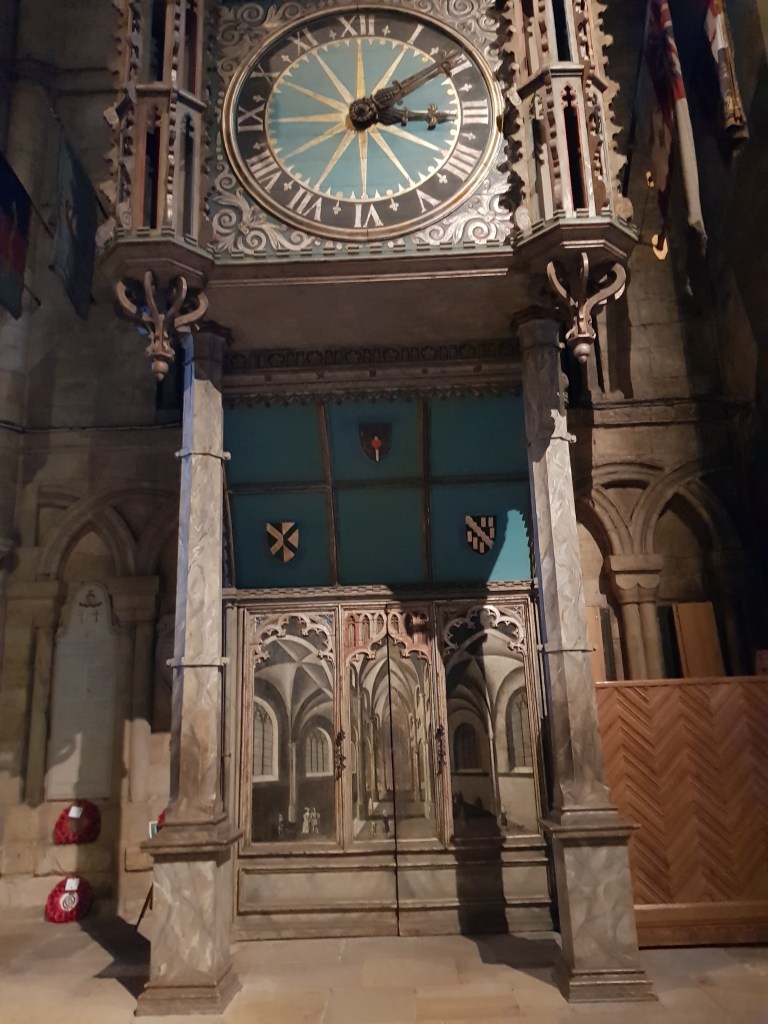
The windows and stonework are beautiful, and the cathedral even has a gorgeous medieval clock. It is next to university buildings and so you cannot help but be jealous of the students that get to live and study in the amazing surroundings.
Finally, I took a half day stop in Bradford in order to visit the small cathedral there, which turned out to be a pretty building to see, and was smack in the middle of a thriving town center and Christmas light display.
I am slowly getting there with my quest to see all the Cathedrals of England! A bit more than a few still to go though!
On my quest to visit all the cathedrals in England, I headed to the center of the country to tour around the cities that offer interesting histories and charming atmosphere.
Nottingham
Making Nottingham my base for the week, I stayed at my sister’s place in the centre of town where I could enjoy all that this historic city has to offer. Nottingham is probably best known for the legend of Robin Hood, where the tales of a hero from Nottingham that steals from the rich to give to the poor and hides out in Sherwood Forest, brings many tourists to the city. Whilst this romantic tale, provides a fairytale backdrop for the city, its current offering also has a lot to be proud of.
Nottingham offers historical charm in old pubs and underground city networks that can be explored, but also a vibrant shopping and entertainment experience. I stayed in the main high street areas, and each night there were the sounds of live music from varying pubs and a lot of activity to be heard. I wouldn’t doubt that some of this is because of the two thriving universities in the city. The city council seem to be very committed to creating free entertainment and events in the city, and I have seen festivities frequently within the main town squares.
My top picks of things to do in and near Nottingham city would be:
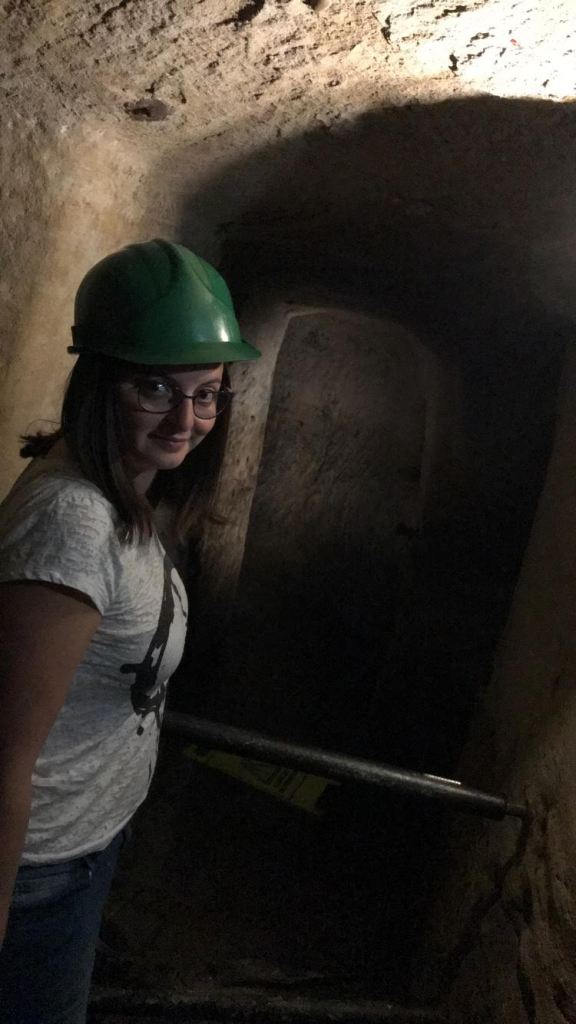
City of Caves – entering from the shopping centre, you can pop on a hard hat and explore the ancient city under the streets of the city.
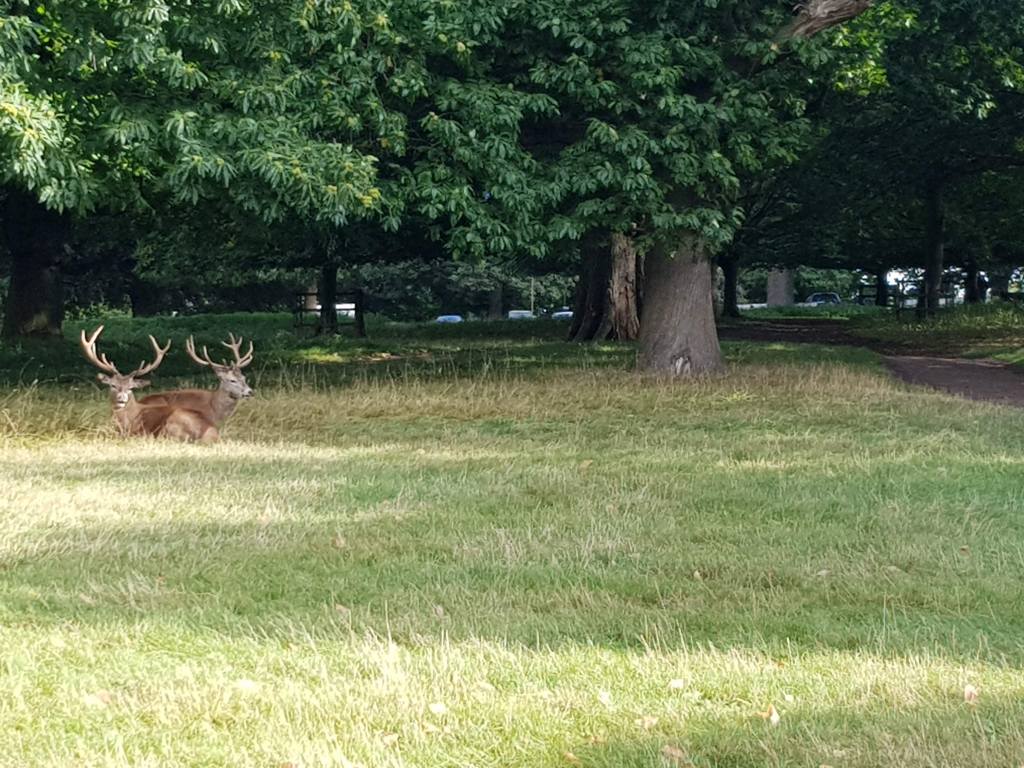
Wollaton Hall – this historic estate and deer park is a beautiful location for taking a walk, and enjoying a picnic. It also hosts many free events to enjoy.
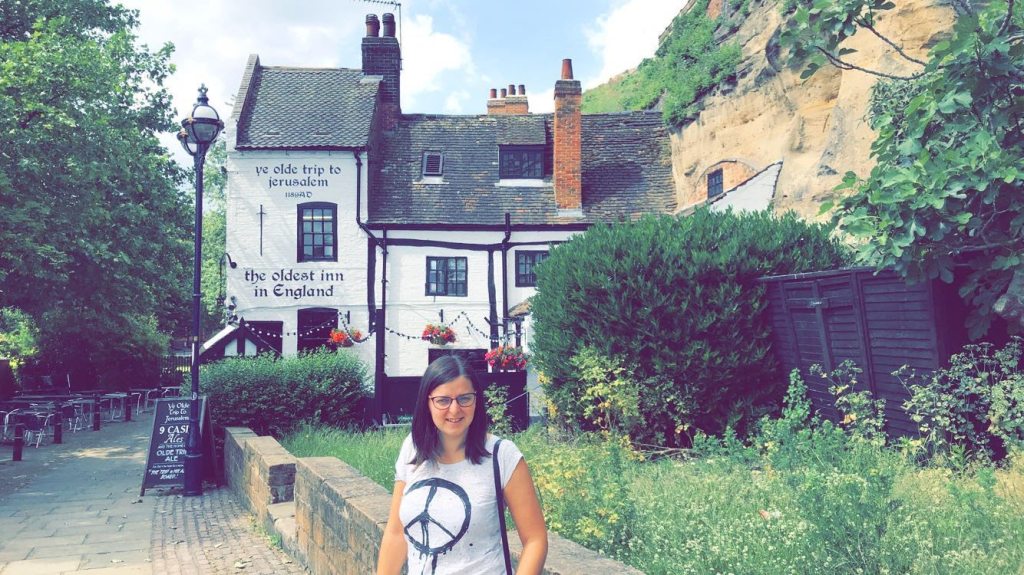
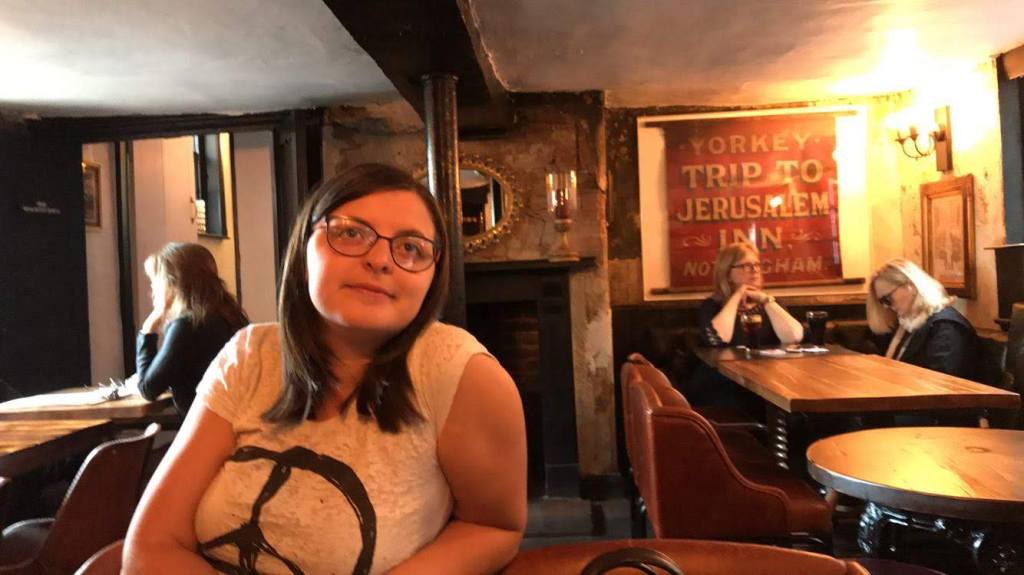
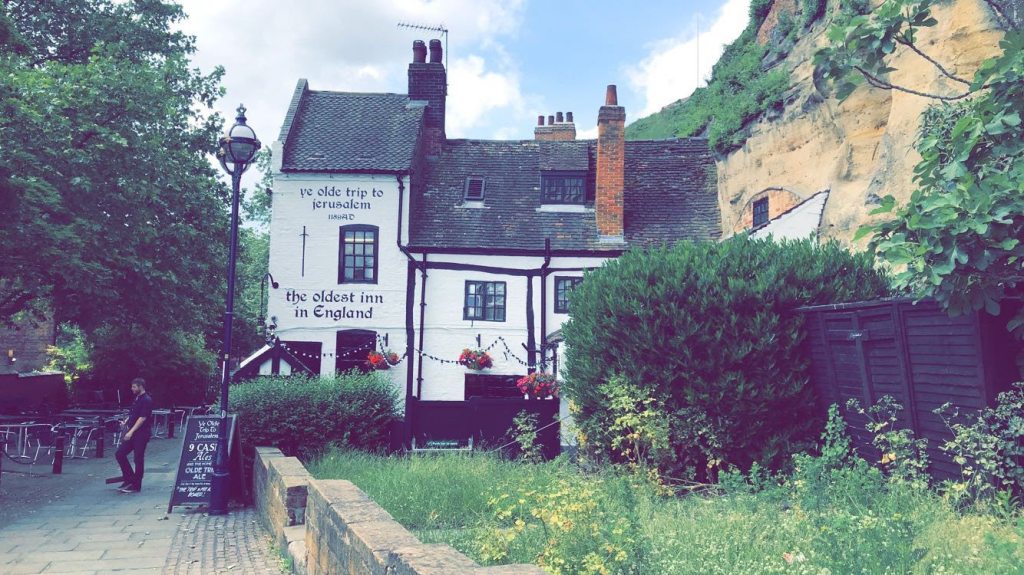
Lunch in ‘Ye Olde Trip to Jerusalem’: The oldest Inn in England – This pretty little pub is a lovely place for a bit of food amongst traditional decor.
Leicester
A short trip from Nottingham, is the city of Leicester. I was not sure what to expect of this little city but in an afternoon I explored the city and had a tasty dinner here. The claim to fame for Leicester is King Richard III.
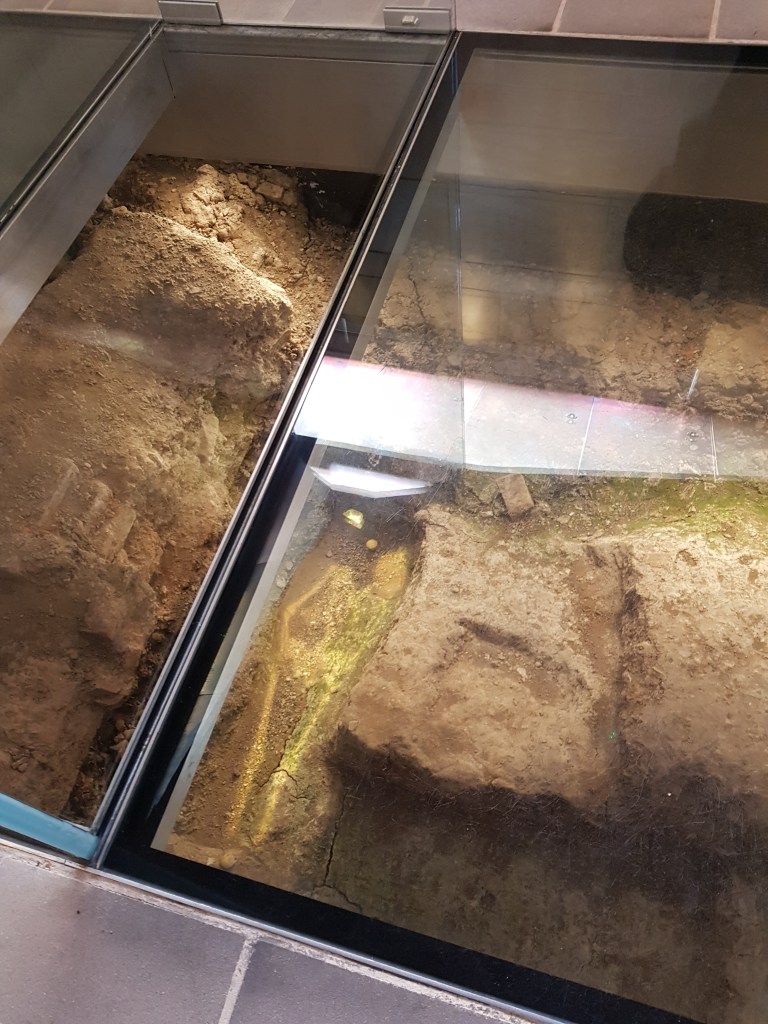
This famous English King was long debated in history as either a deformed monster of a man, or a brilliantly talented soldier. He had been portrayed by Shakespeare and in many other writings. He had died in battle and his body was lost for centuries. Up until 2012, he was lost and debated, but then the news broke, that his remains had been discovered in a carpark in Leicester! His body was recovered and tested, and his story could finally have some evidence to coincide with it.
The car park, is now a visitor centre, and I spent several hours here, learning about his story. It was a really brilliant museum, and he is certainly an interesting character. He now lies to rest in the cathedral, which was unfortunately closed for restoration during my visit. That is okay though, as it gives me more reason to return!
Derby
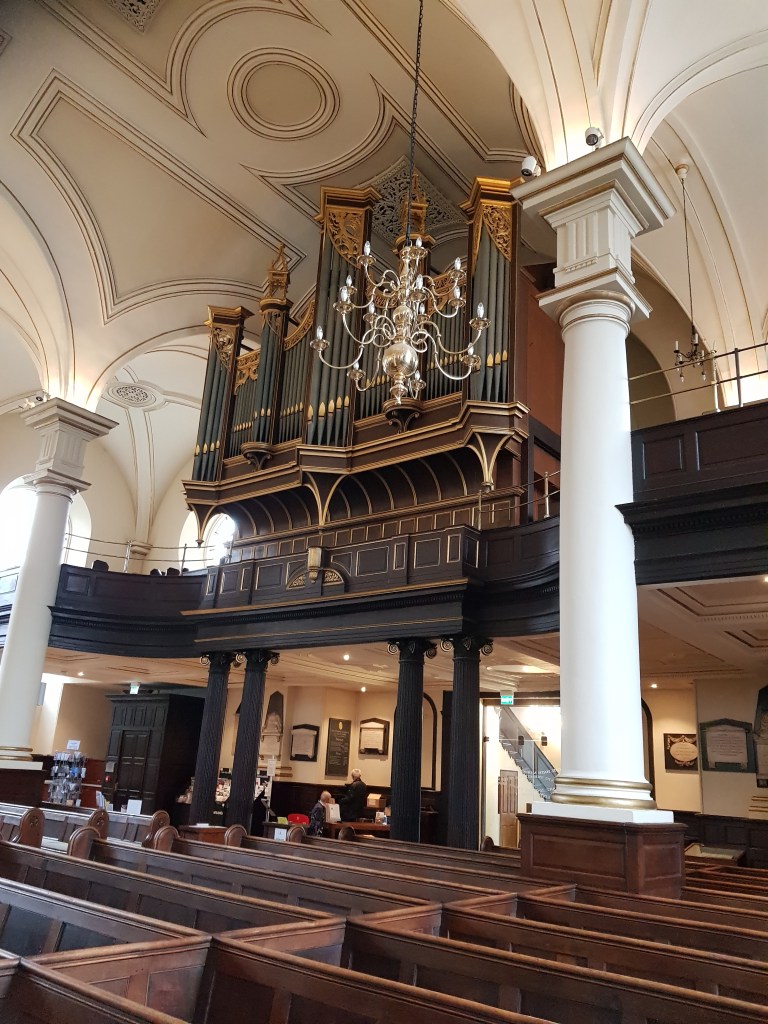
I have visited Derby briefly a few times over the years, normally when I am between trains and travelling as it is such a central location in the UK, and often I have visited just the shopping area for a little retail therapy and food. This time round I made a choice to spend the morning doing a proper visit to the city, and I found a gem within the city.
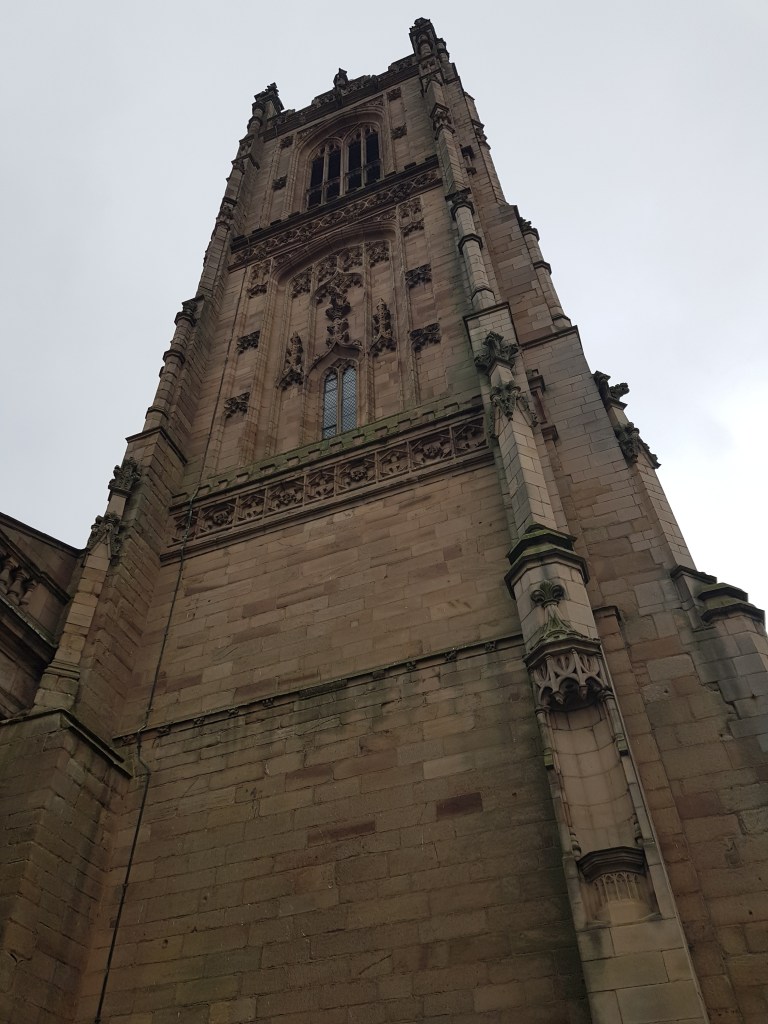
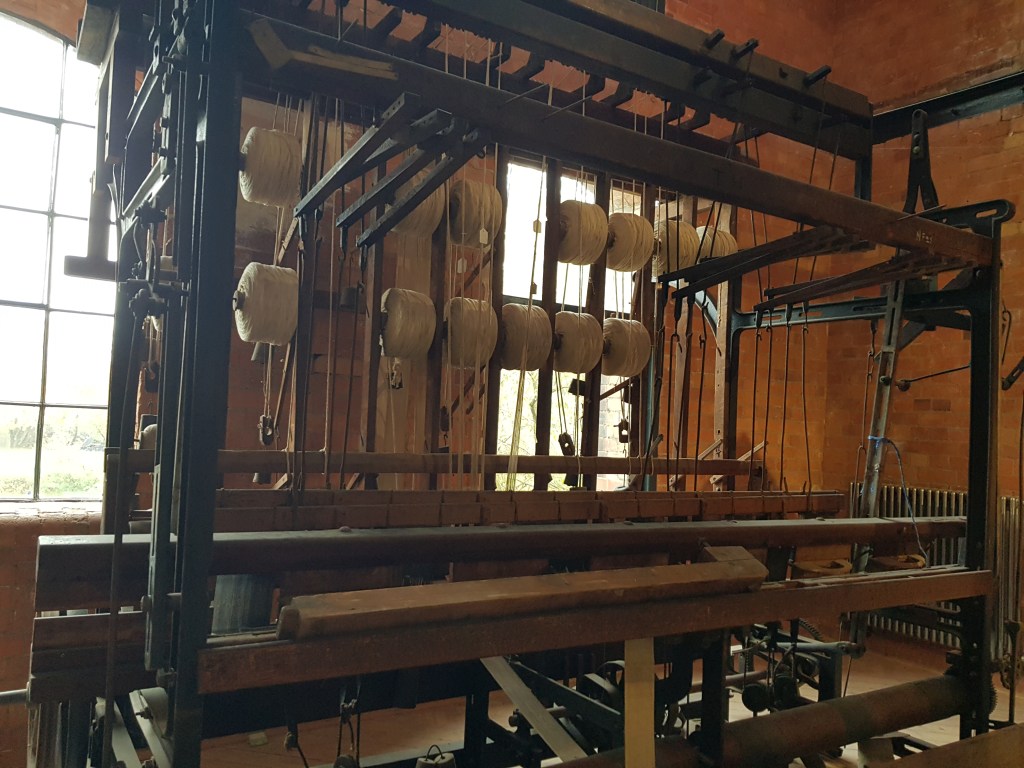
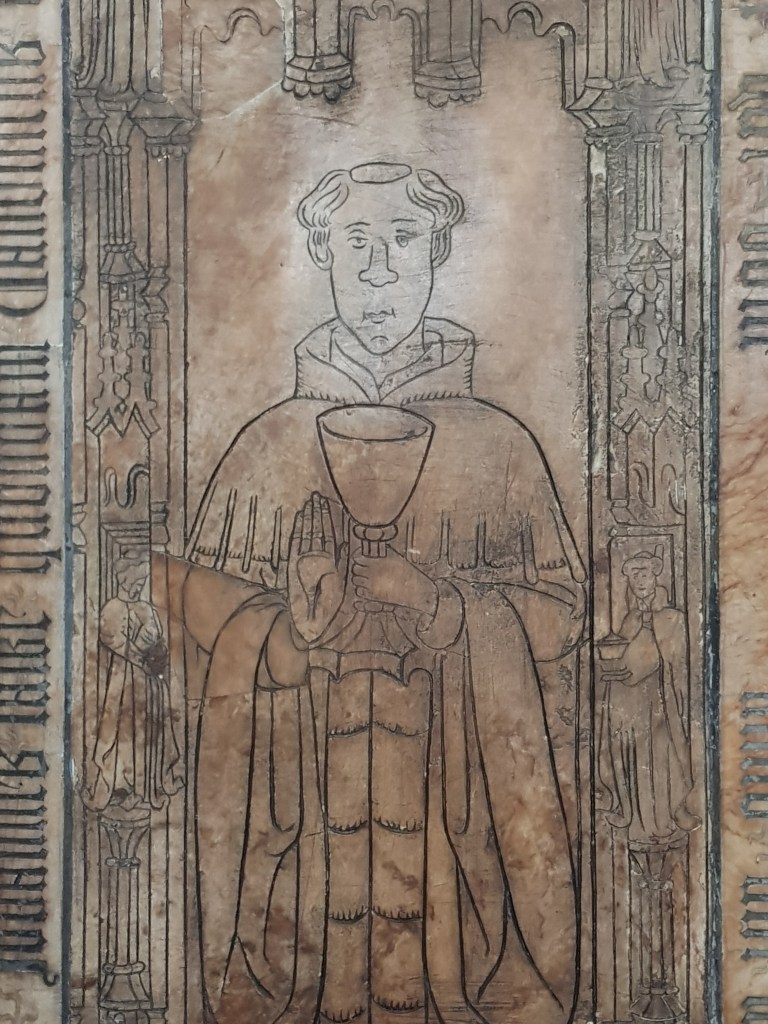
As well as visiting the sweet and simplistic cathedral that Derby has to offer, I wondered along the river and came to a wonderful new attraction called the ‘Museum of Making’. Situated inside a building which is widely regarded as the world’s first modern factory, Derby’s old silk mill. This building draws you in as a curious visitor, and as I am also a keen crafter in my free time!
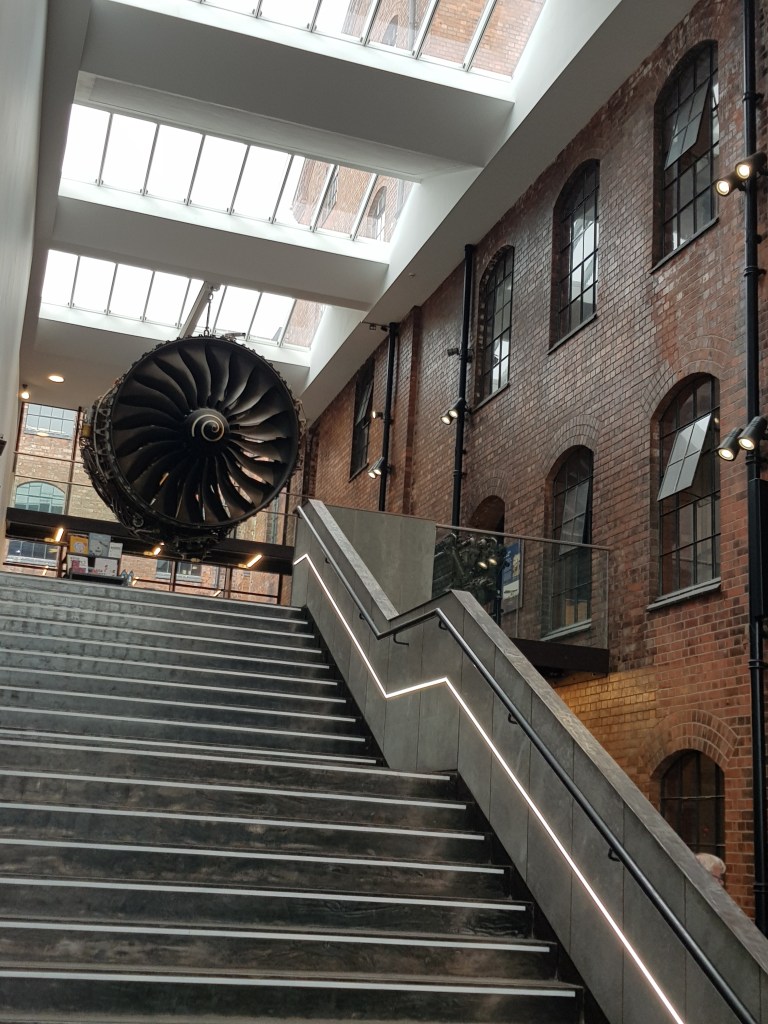
The museum is a very open space and has a restaurant, conference area, workshop space and exhibitions. It is all about learning about different materials and the manufacturing of goods over history, and links very well with the importance that the midlands had,in England’s industrial history.
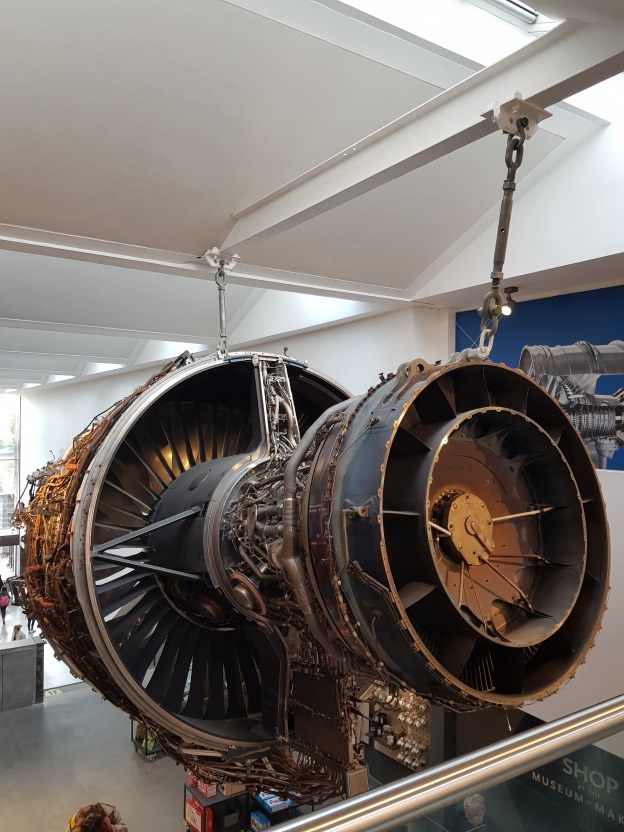
There are huge examples like aeroplane and car parts taken apart to show the inner workings, but then also an entire section devoted to wood works for example. There is also a large space devoted to the regional train networks that were so important, and a large model train to admire, worked on by volunteers. The museum is a really lovely space to visit and does really well to demonstrate the history of the area and the pride people have in their trades here.
Birmingham
The last stop of the week was a visit to Birmingham. I’ve visited this huge city before for conferences with work, as they have a big meeting and conference offering for businesses in this modern city. On this occasion, I only visited the Cathedral.
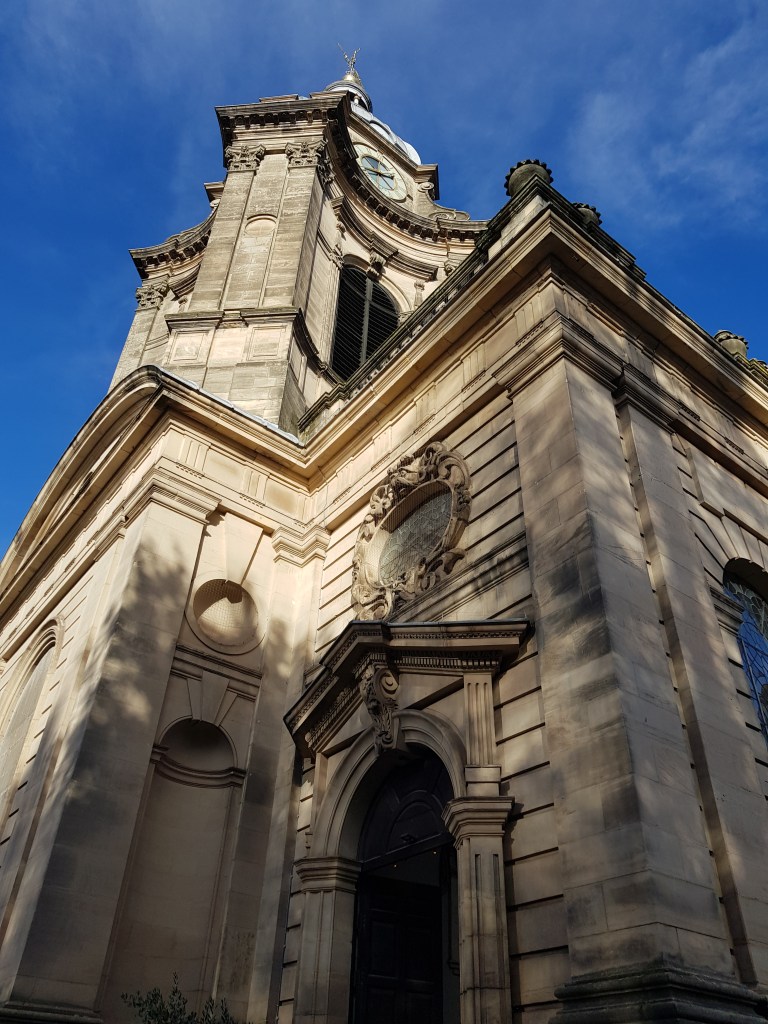
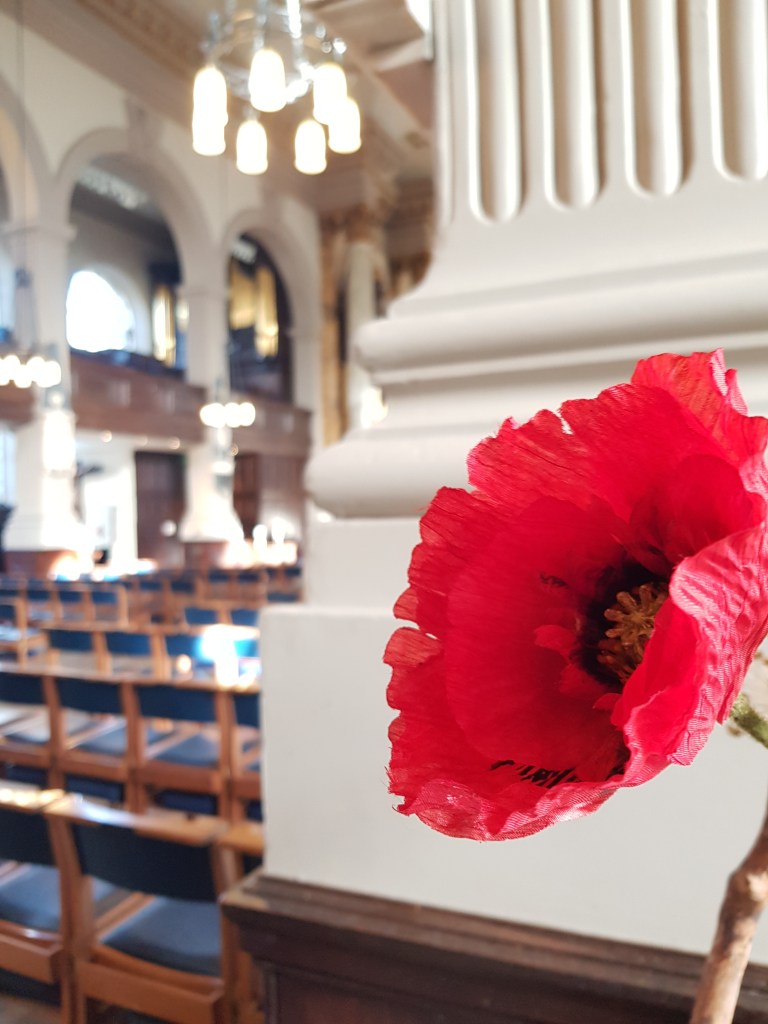
The cathedral is full of colourful stained glass and is in the centre of a bustling city square.
Outside the cathedral, Birmingham offers plenty of museums, galleries as well as family experiences like the Sea Life Centre and Cadbury World.
Now the cathedrals around the midlands area have been taken in, I take my travels North East, as I head to the city of York, in the weeks leading up to Christmas!
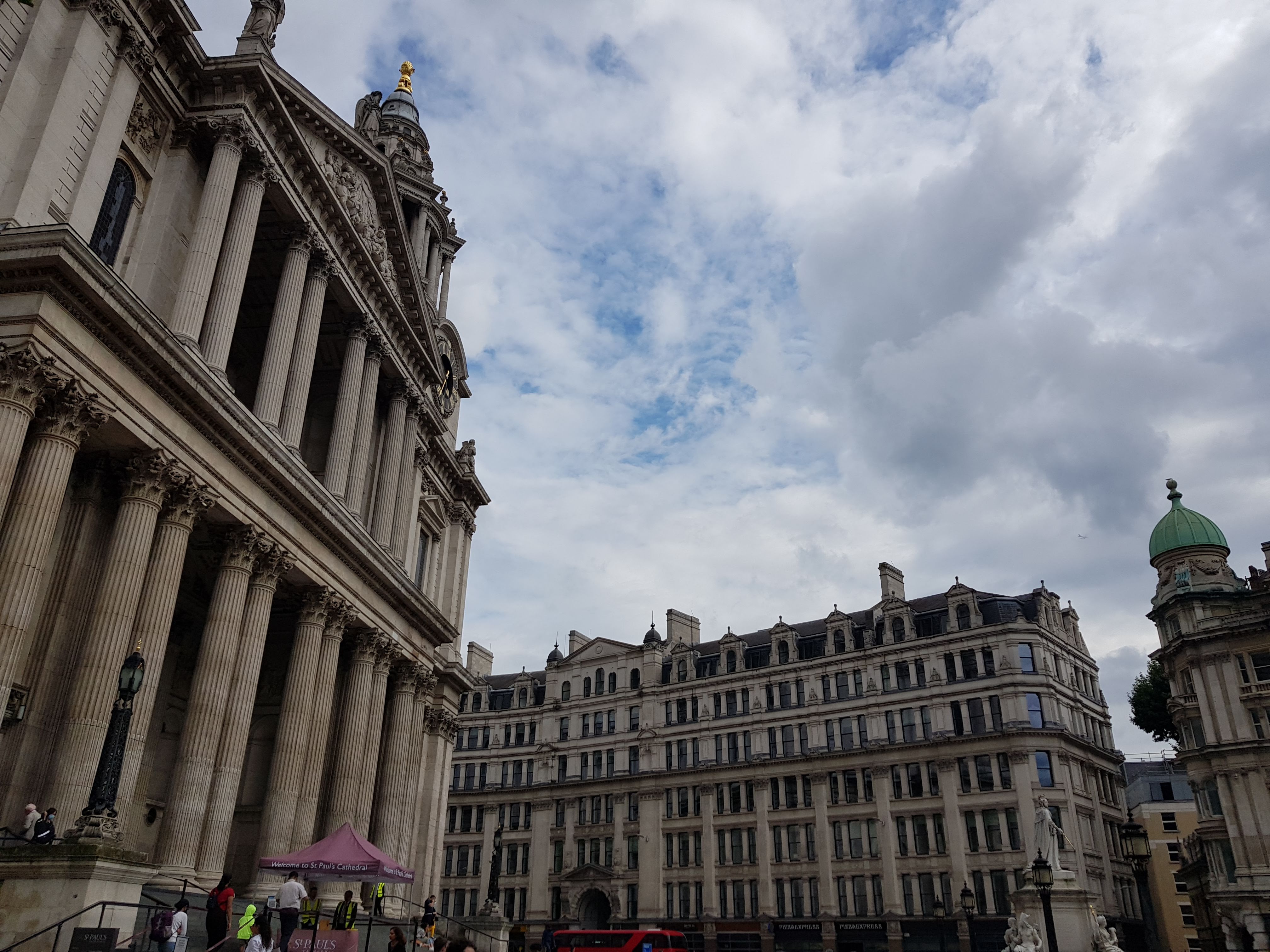
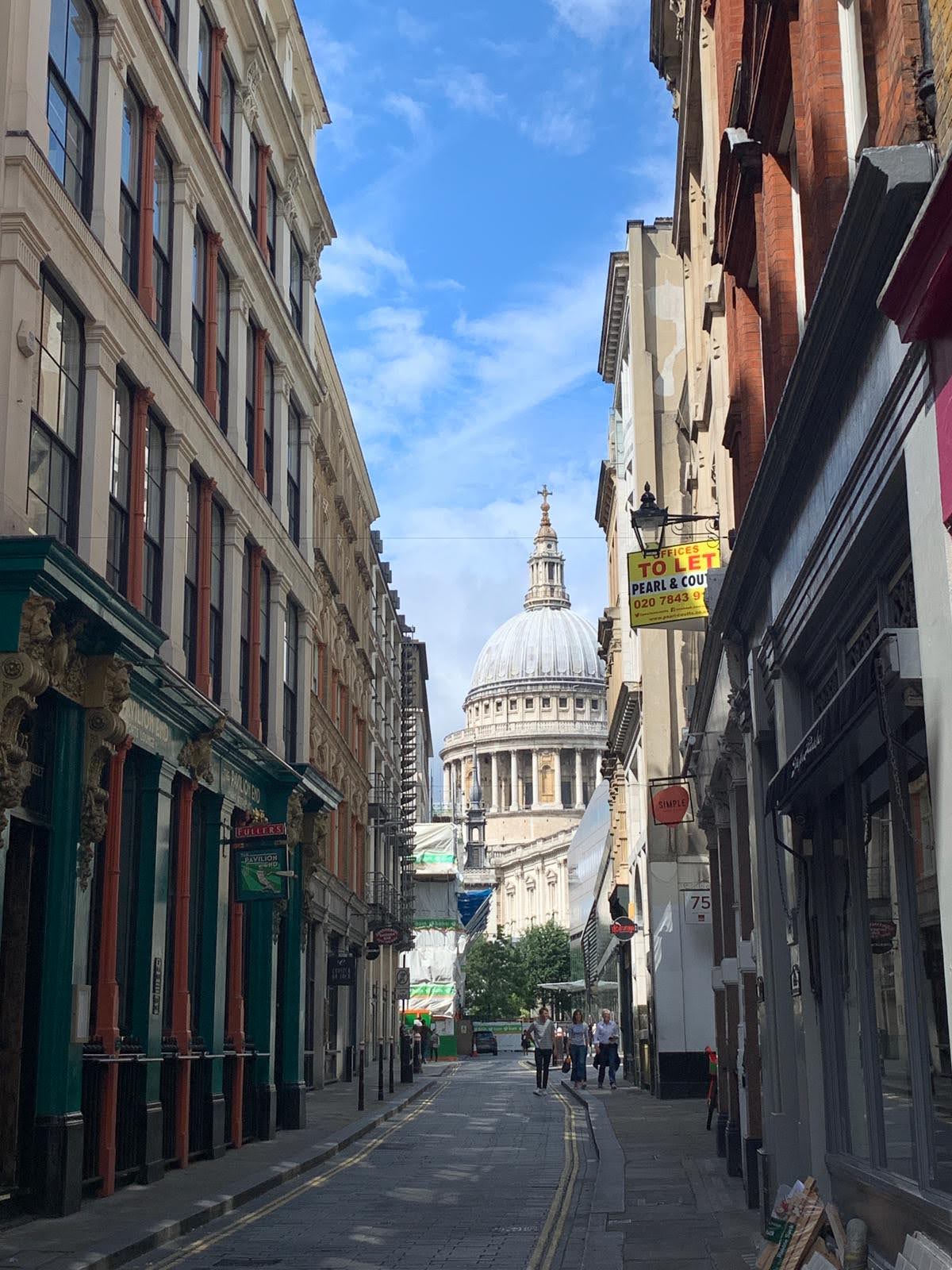
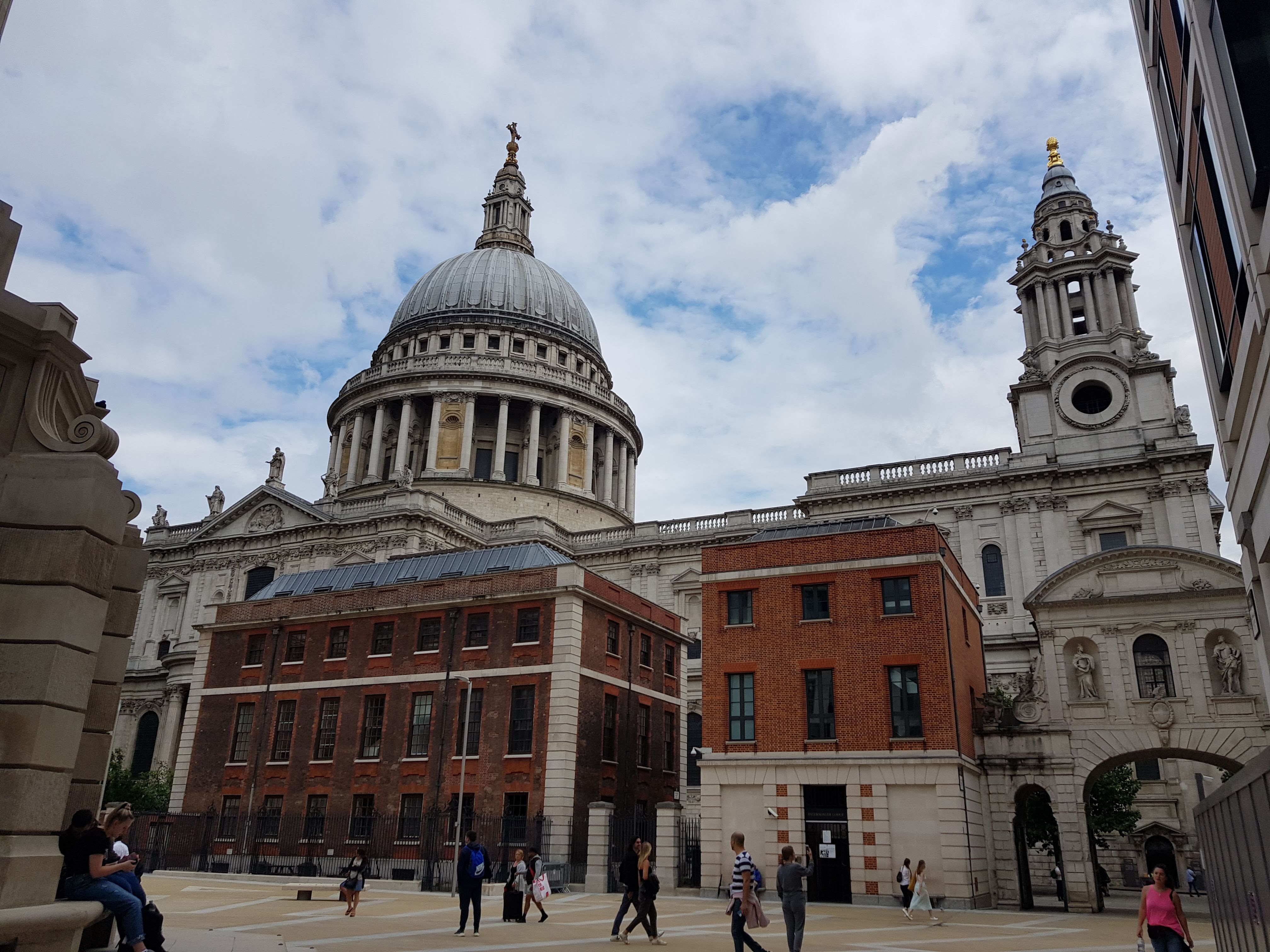
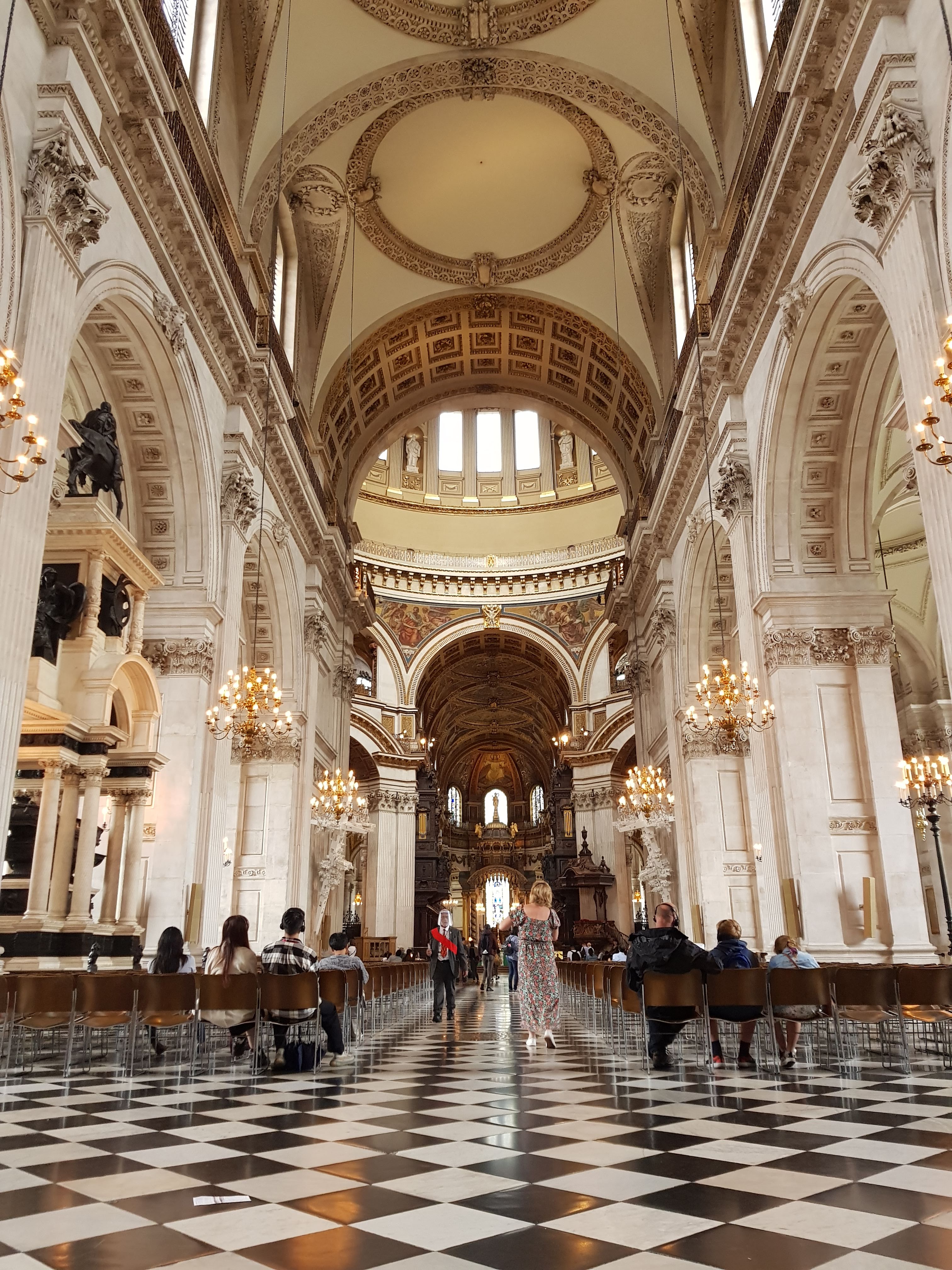
I recently had a visit to St Paul’s cathedral in central London, and found it to be a stunning example of architecture, art and history. This church is recognisable across the world as an important site for ceremonial events, and a centrepiece to the historic London skyline.
Surrounding St Paul’s
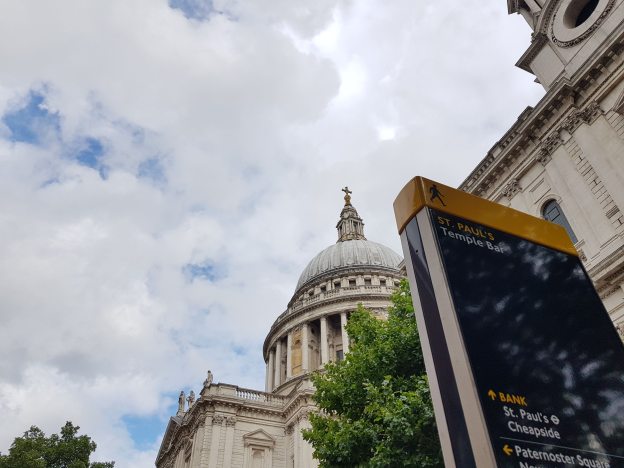
St Paul’s cathedral is in the centre of London and has a dedicated underground station down the street, St Paul’s station. It is recognisable from a distance, by its large dome, but I also think of the front of the building and its iconic steps and open space…. this may be somewhat led from my childhood memories of watching Mary Poppins! The church is used in the film for the song ‘feed the birds’…
Feed the birds!!!!
I know you’re probably singing it along in your head now! Oops! Sorry!
Around the cathedral, there is a plethora of shops and restaurants to enjoy, and on the site, St Paul’s also has a well kept set of gardens and cemetery to meander within. St Paul’s is also in close proximity to the iconic Millennium bridge, and the Museum of London.
What’s on offer
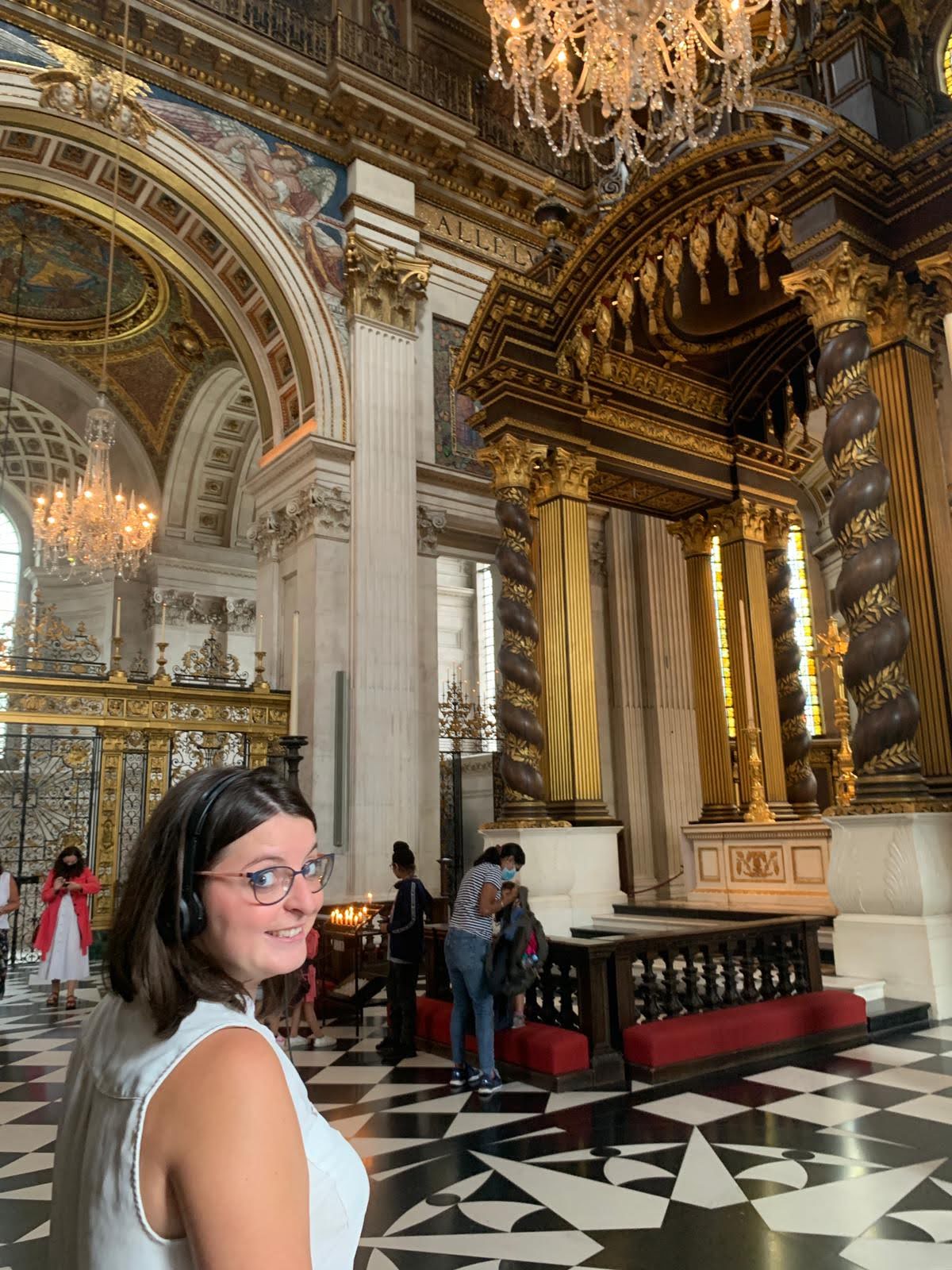
We booked our tickets into St Paul’s the day before, and this was well worth doing, as we were able to walk straight into a clear queue, past many people that had just walked in. As part of your ticket, you can access an audio guide and headphones that have lots of useful information about the cathedral. It breaks the content up into different sections of the cathedral geographically, by topic, or how much time you have. So, if you only want the highlights version then you can still benefit from an audio guide.
There are also guided tours freely available throughout the week at lunch times, as well as private tours which you can book. If you want to slip into the background and enjoy the atmosphere, you can also take part in a daily service of Eucharist or Evensong. The full schedule of services can be found on the St Paul’s website.
Me listening to my audio guide
Architecture
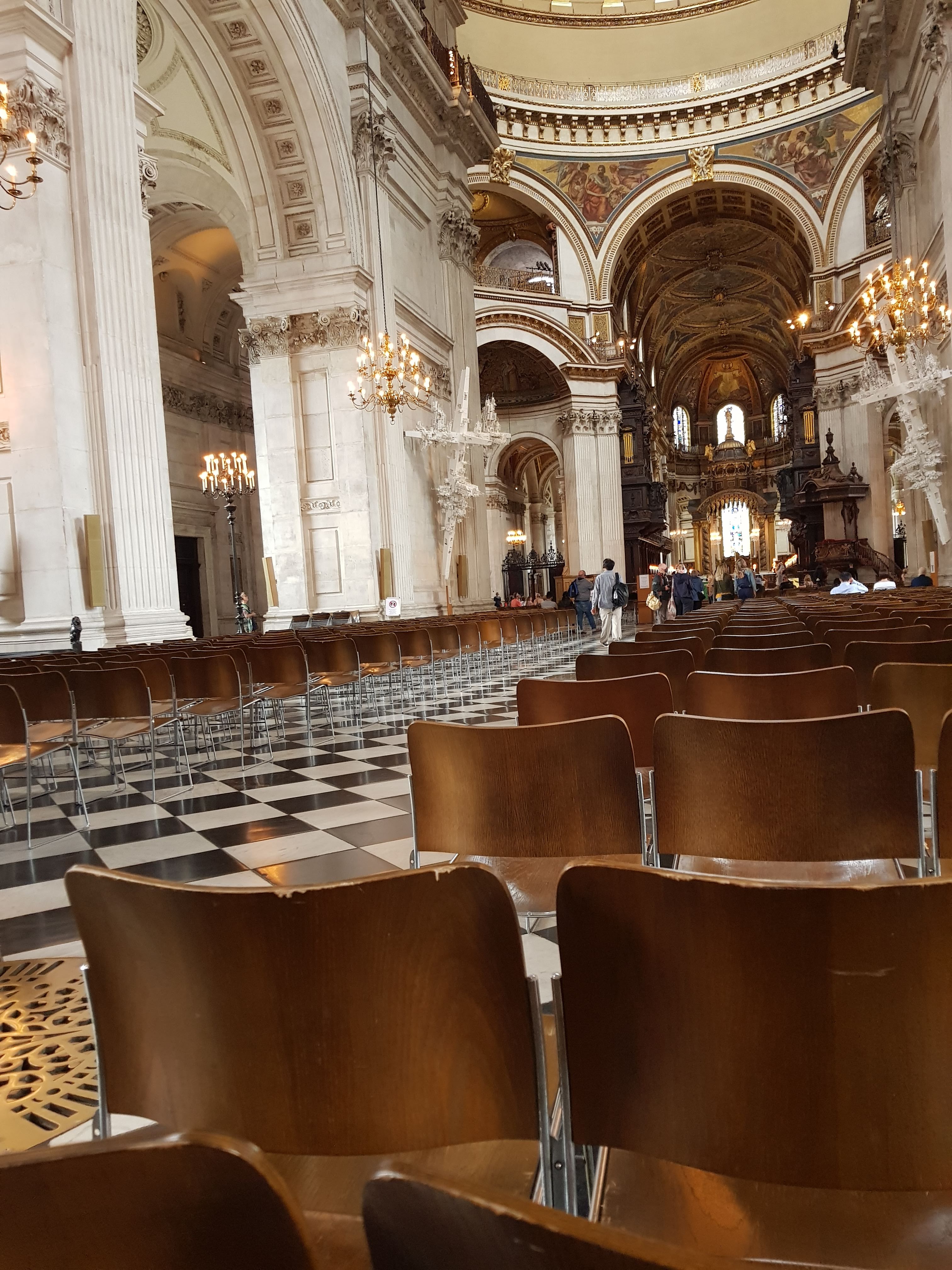
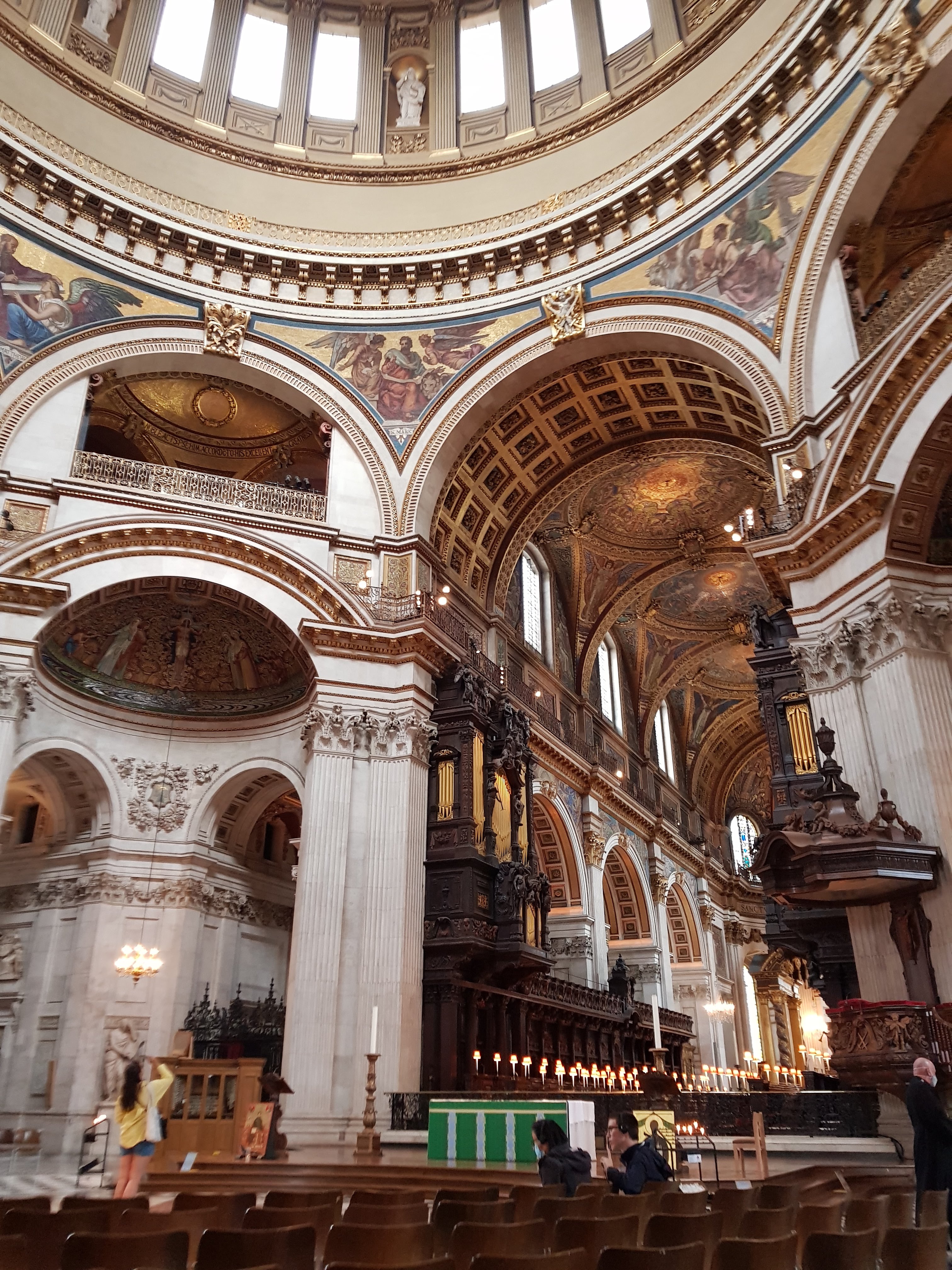
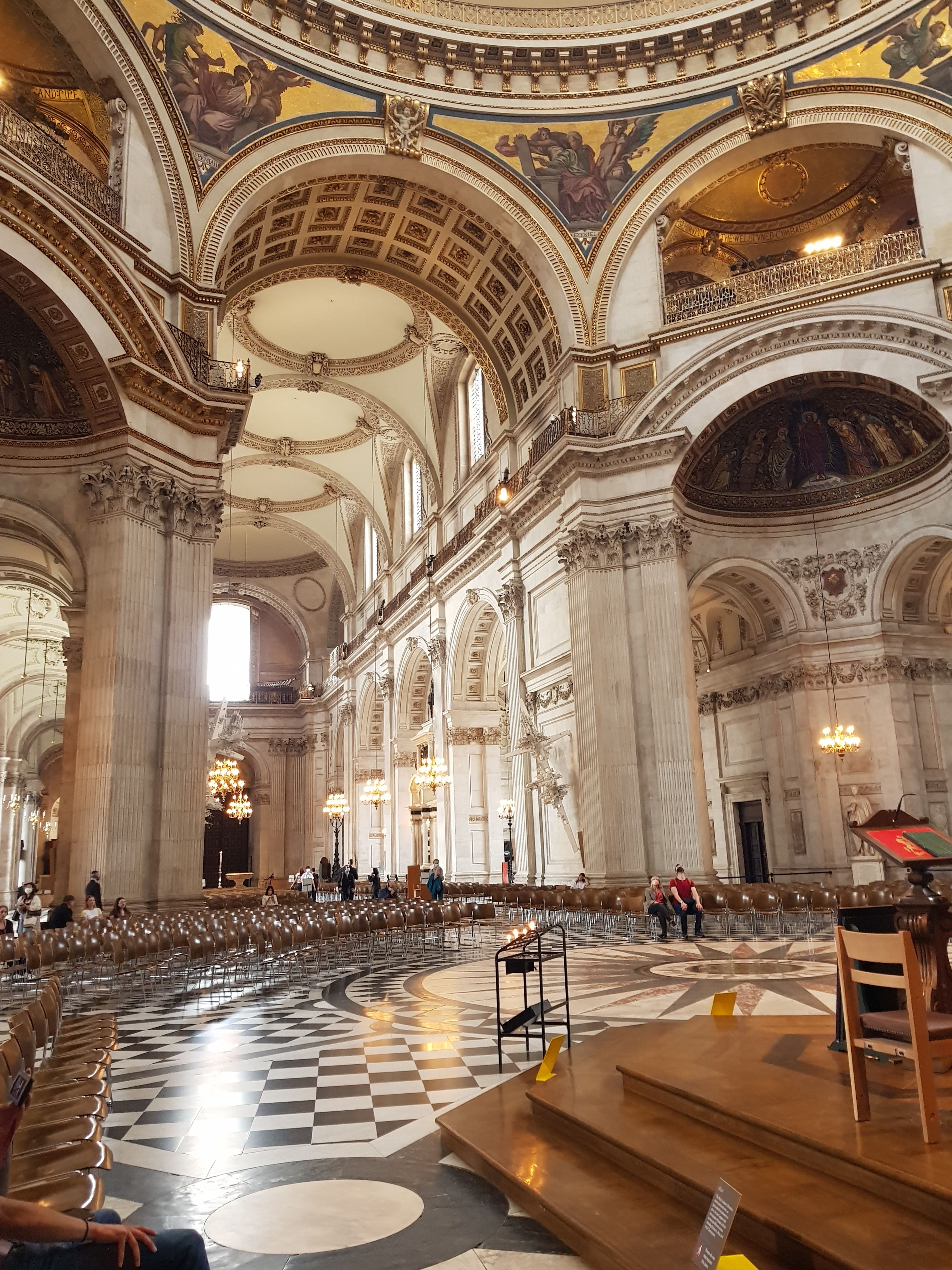
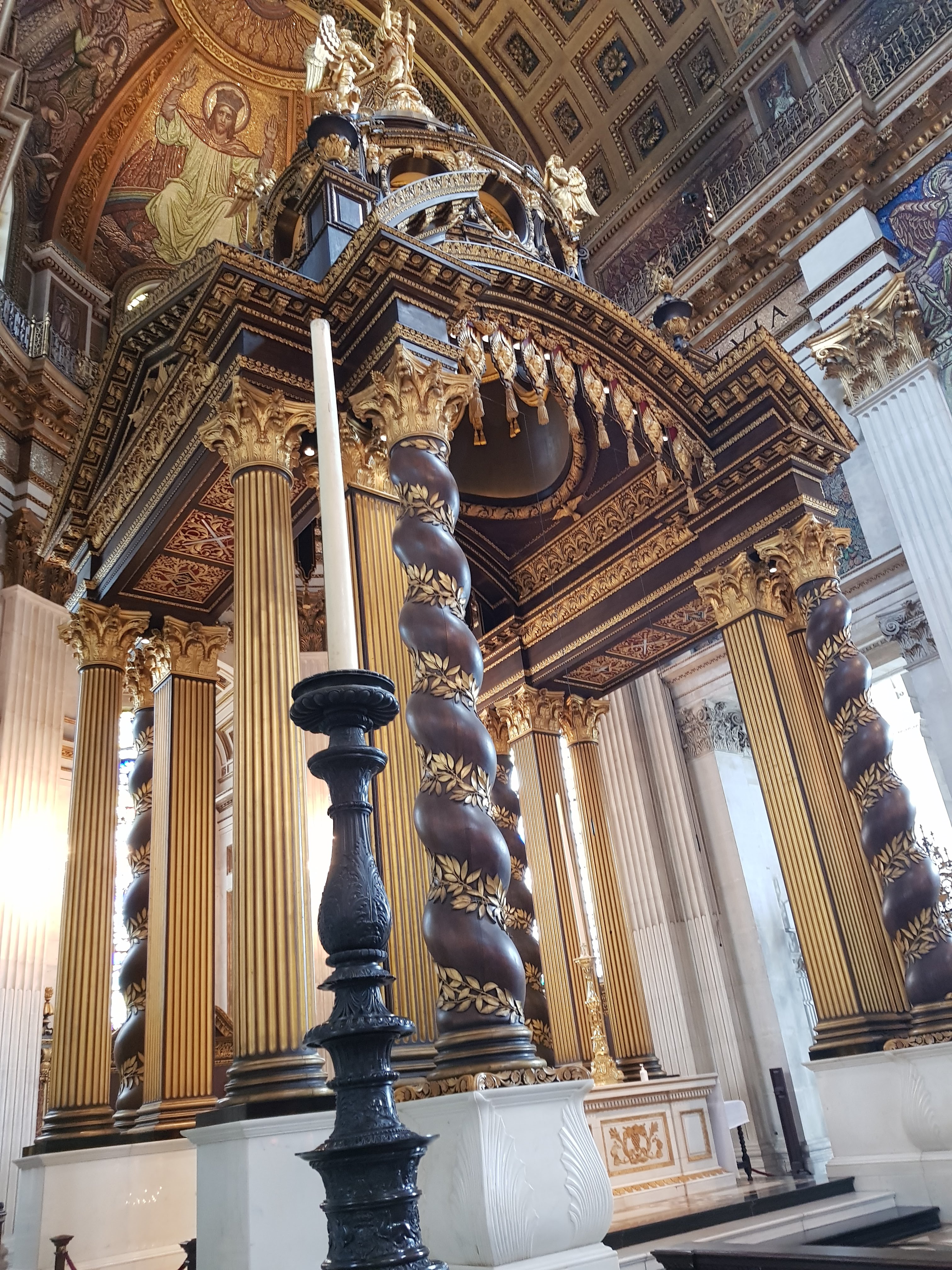
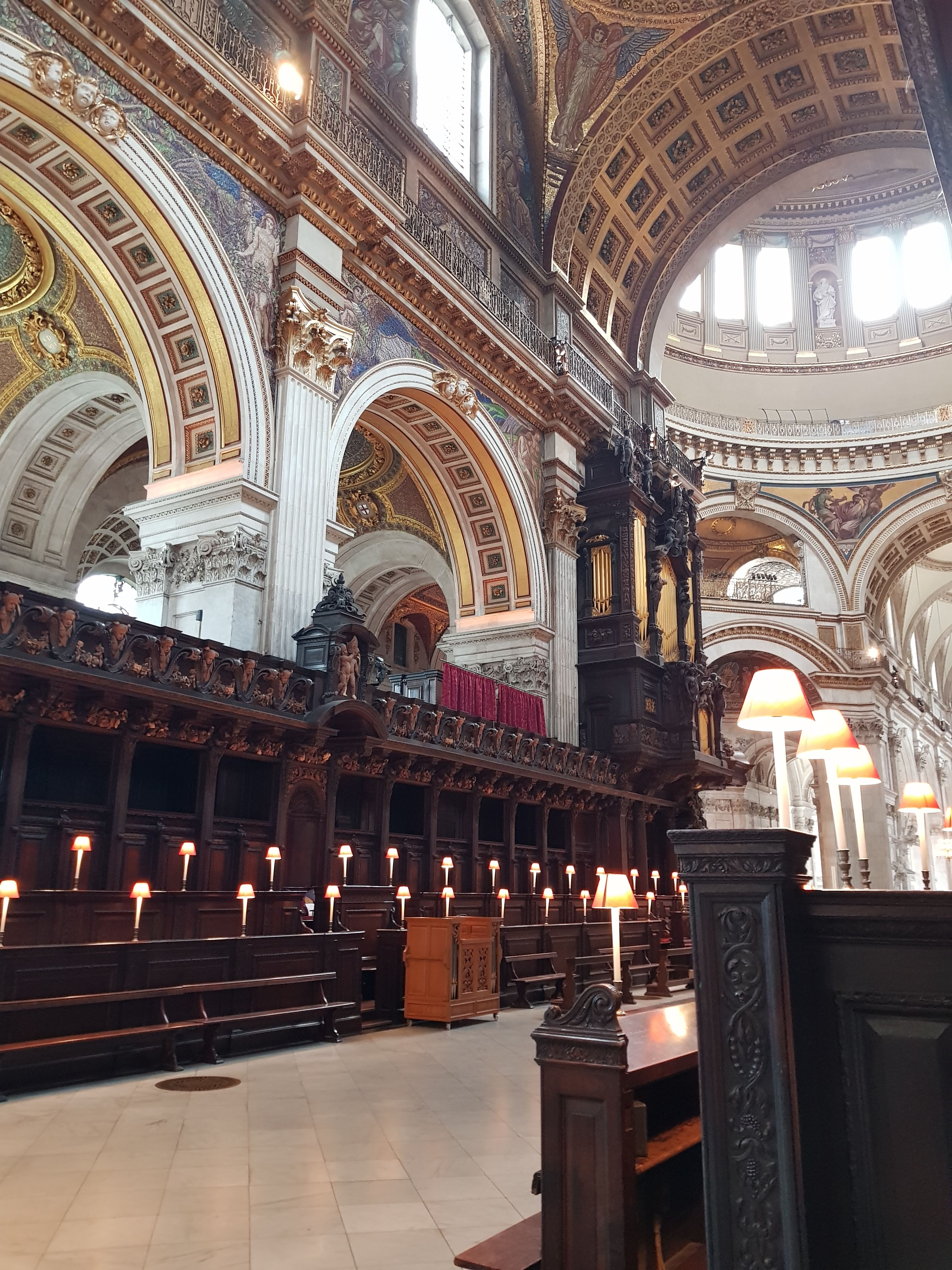
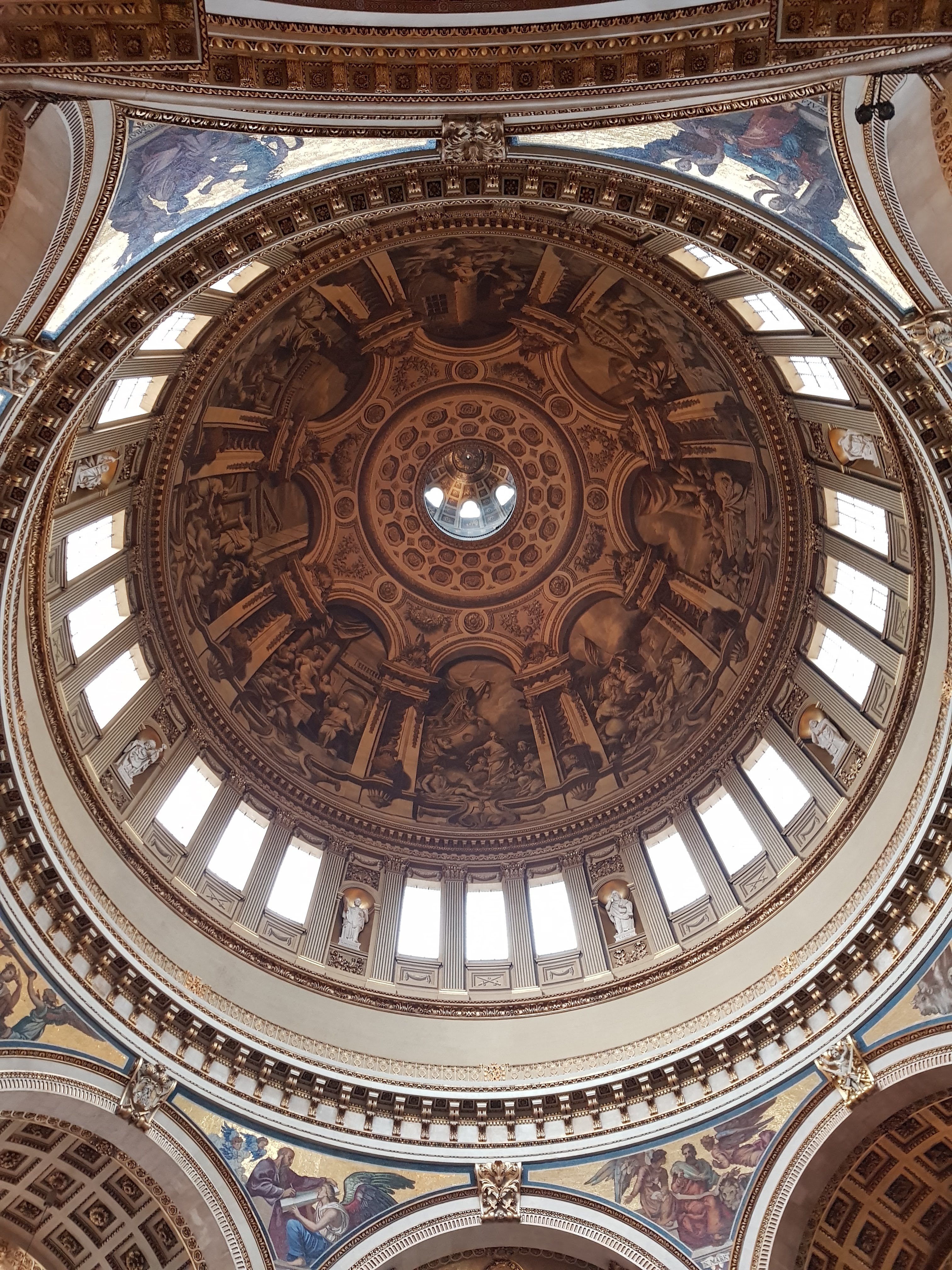
The architecture within the cathedral is very striking. I really enjoyed taking photographs of the church from different angles, as there are so many arches, curves and also geometrical shapes, both high and low. The styles and colours of white and gold, did remind me more heavily of a European cathedral, specifically, ones I have seen in Italy. The church certainly did not feel English. I think this is rather ironic, considering it is one of the biggest religious attractions that international visitors see, and represents the country across different medias around the world.
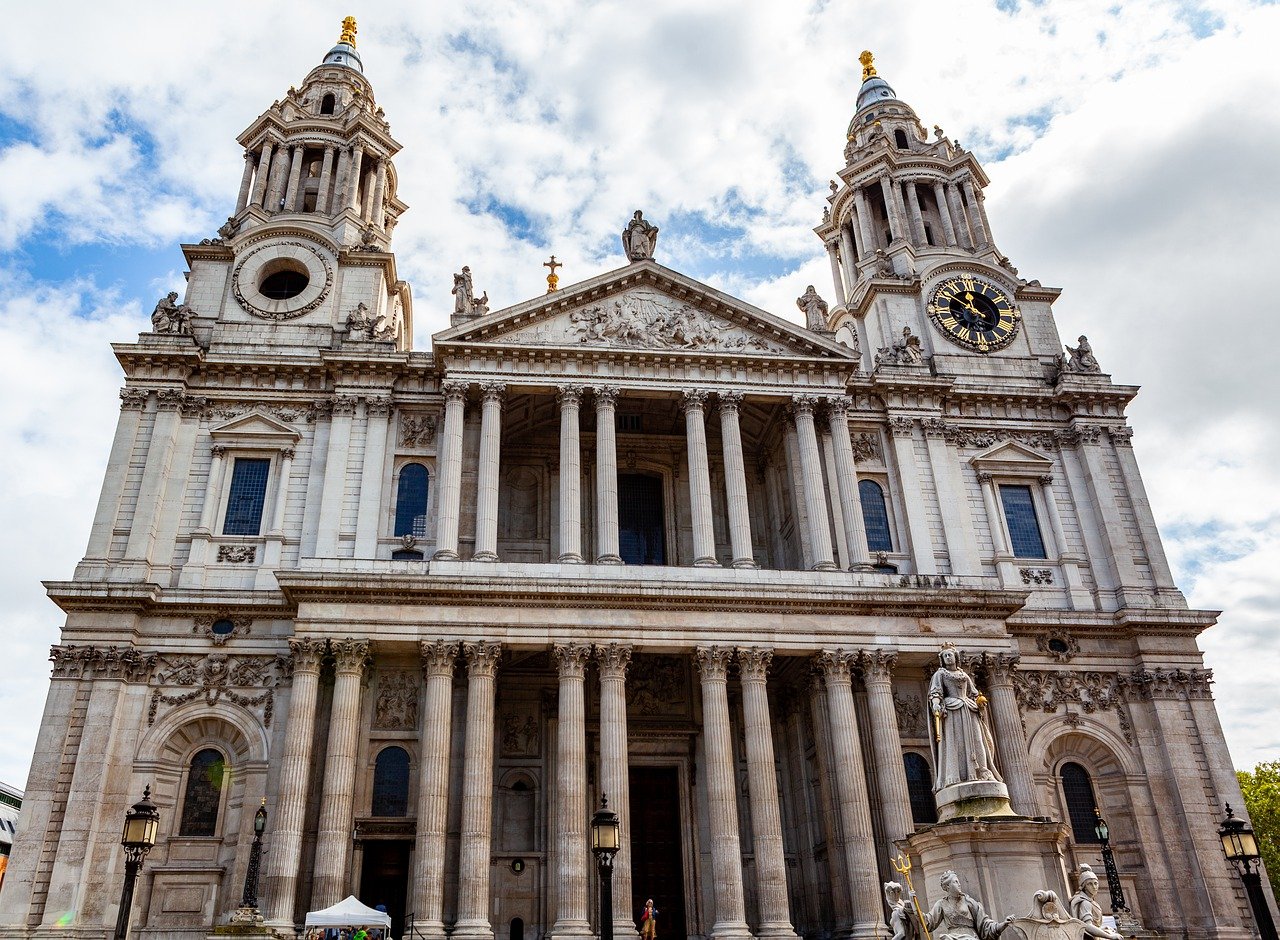
The original St Paul’s was much more English looking, and looked similar to cathedrals of Salisbury, Canterbury or Norwich. That church was destroyed in the Great Fire of London, and this new structure was built between 1675 and 1710. The architect, Christopher Wren, attempted to approve several designs before the King eventually signed off on the plans. It seems that Wren attempted to put his own twist on the Baroque style which was becoming popular in Europe at the time, interestingly as a counter action against Protestantism. He coined this as ‘English Baroque’.
The similarities between the two styles are obvious though, if you take a look at the two images below of the towers of St Paul’s vs Santiago de Compostela, Spain… you can see for yourself!
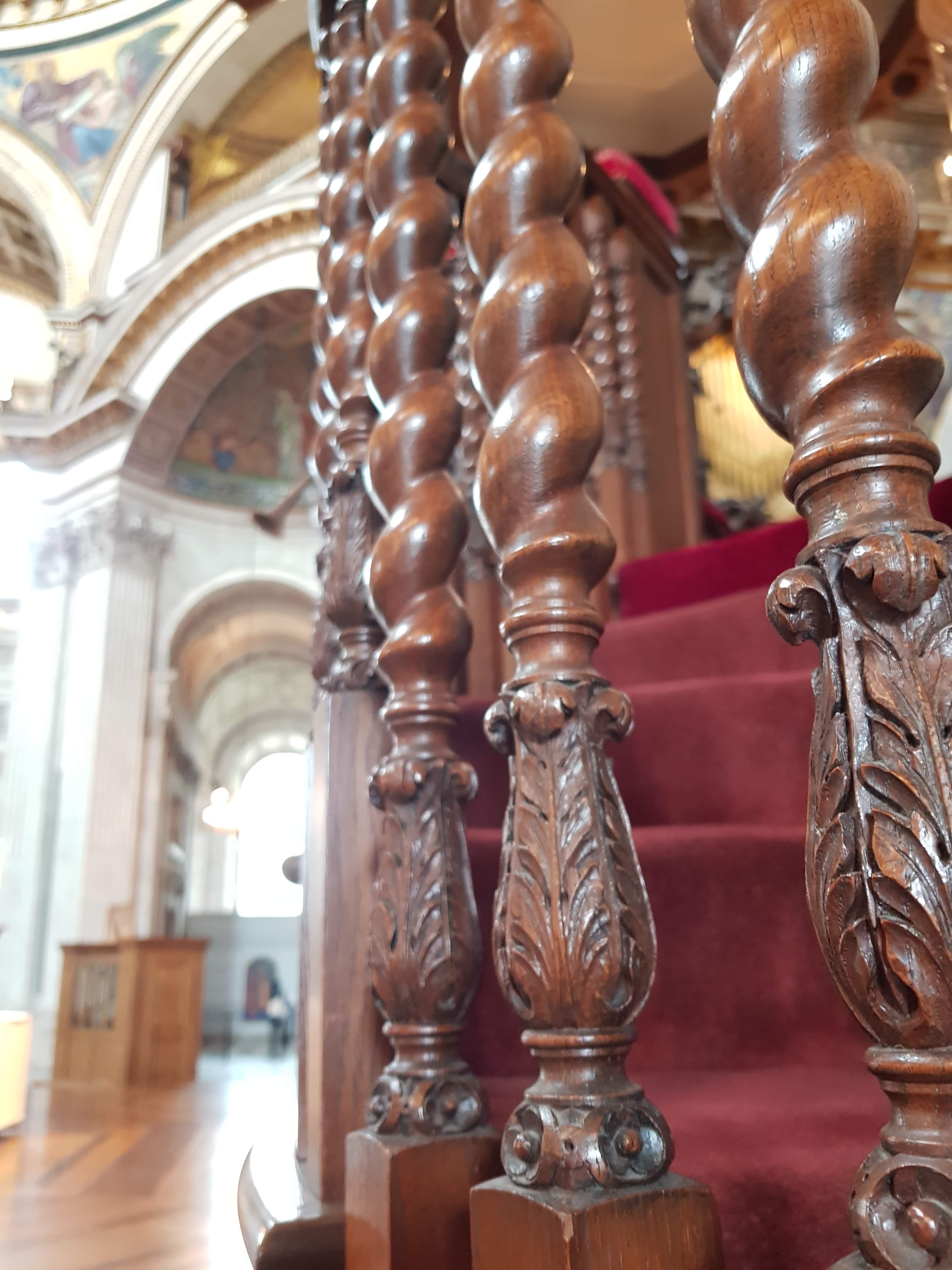
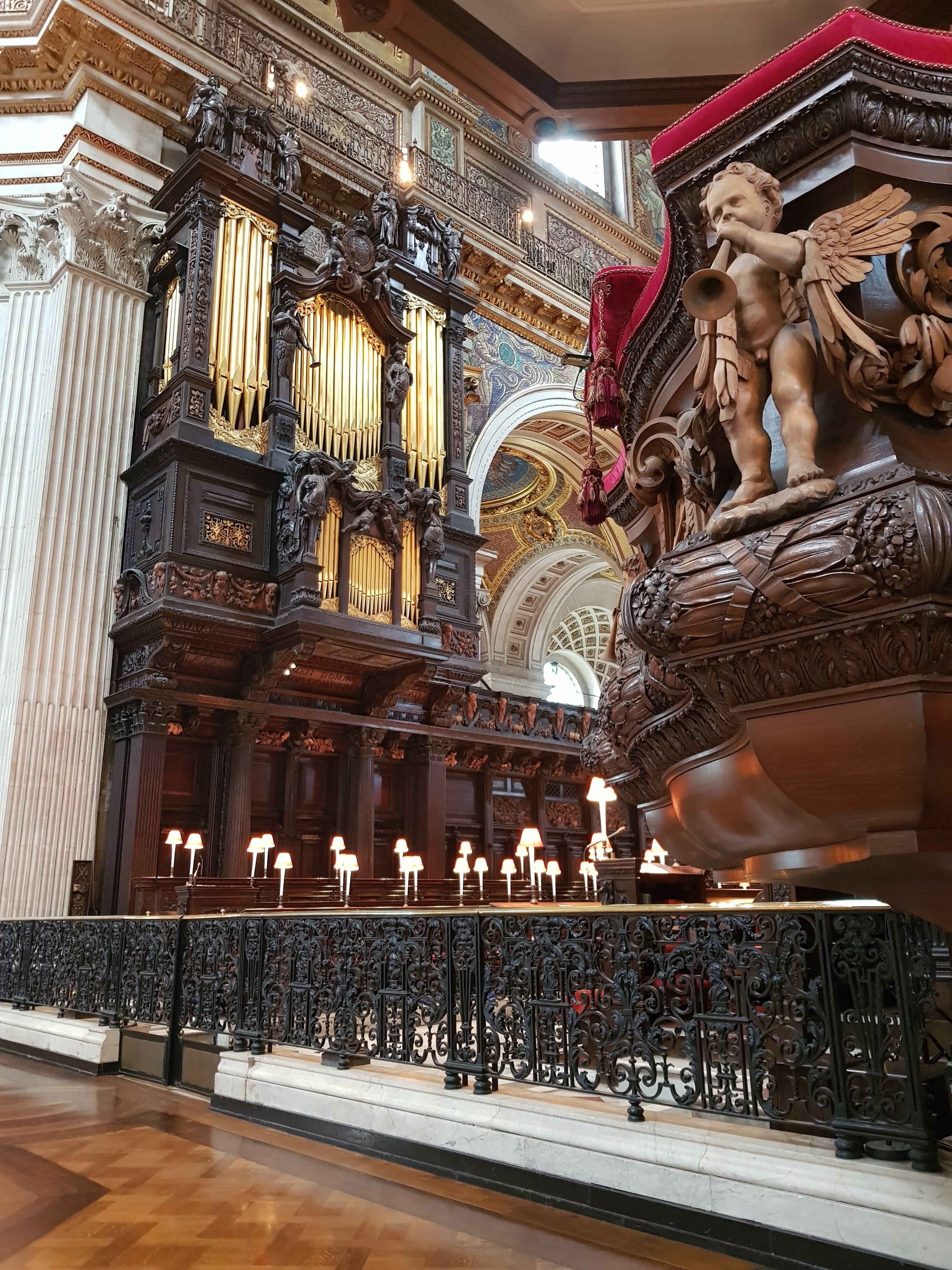
St Paul’s also boast some very beautiful English features, including 18th century delicate wooden carpentry, the third largest organ in the UK, and of course a good level of stained glass windows!
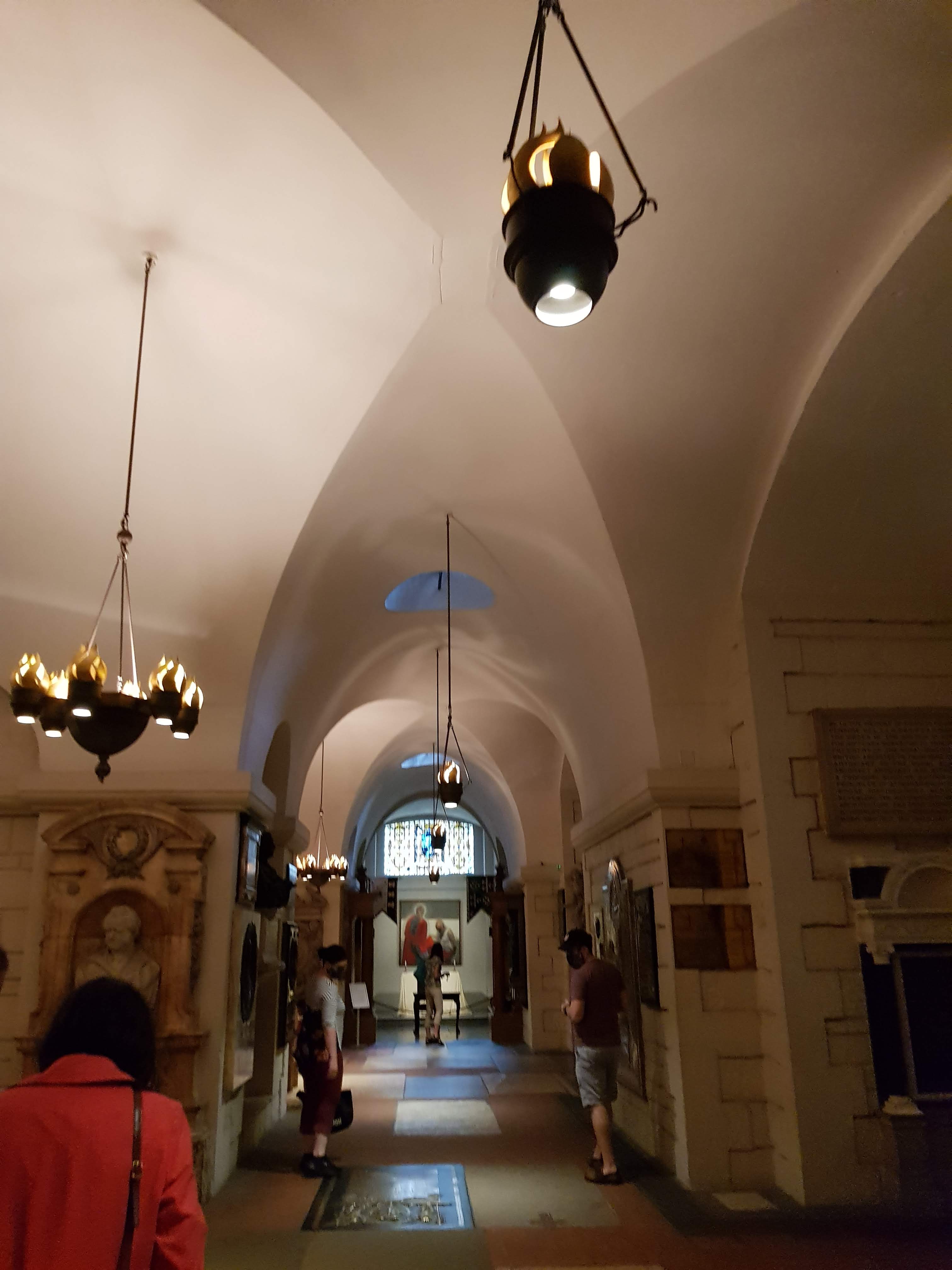
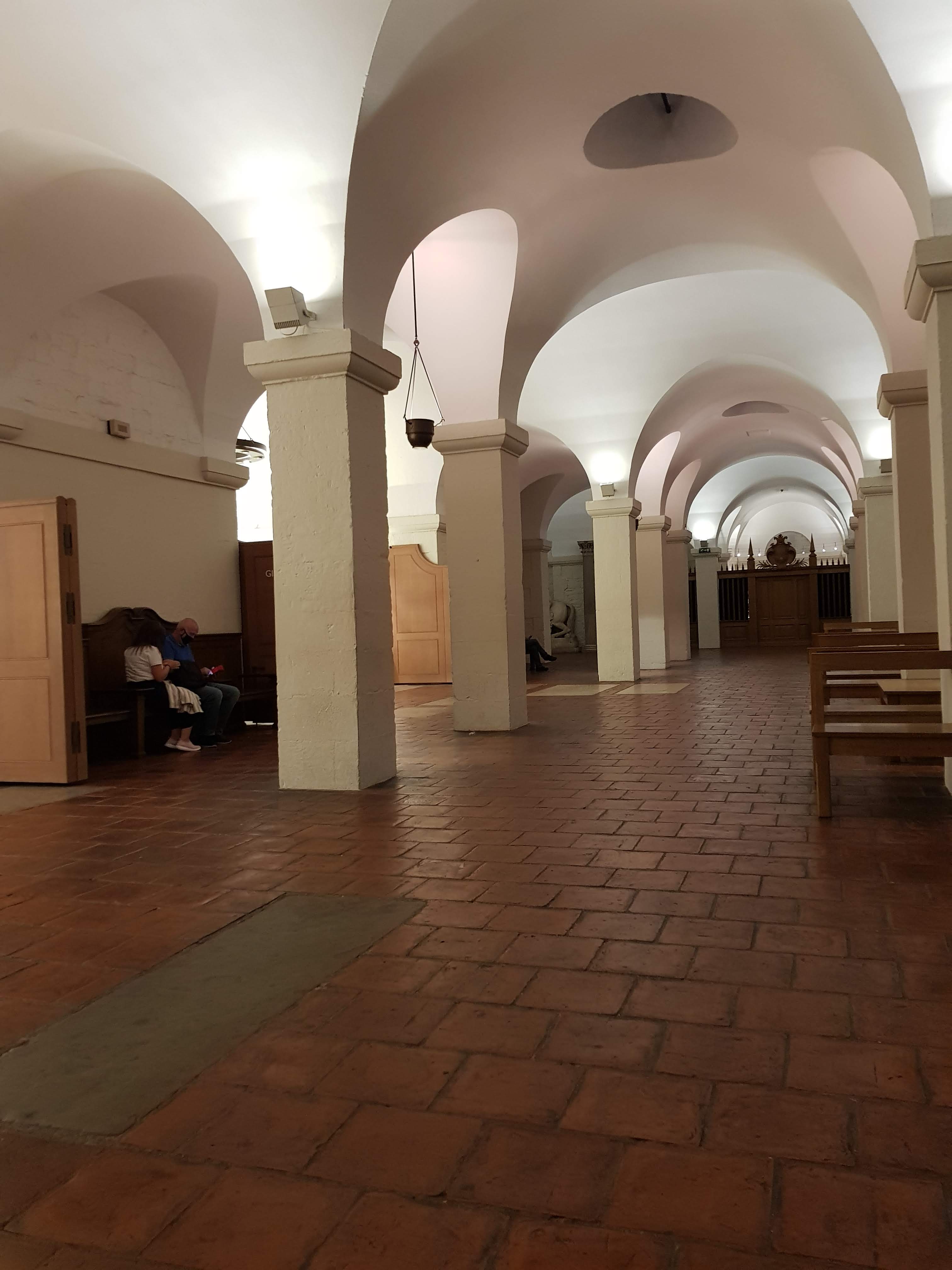
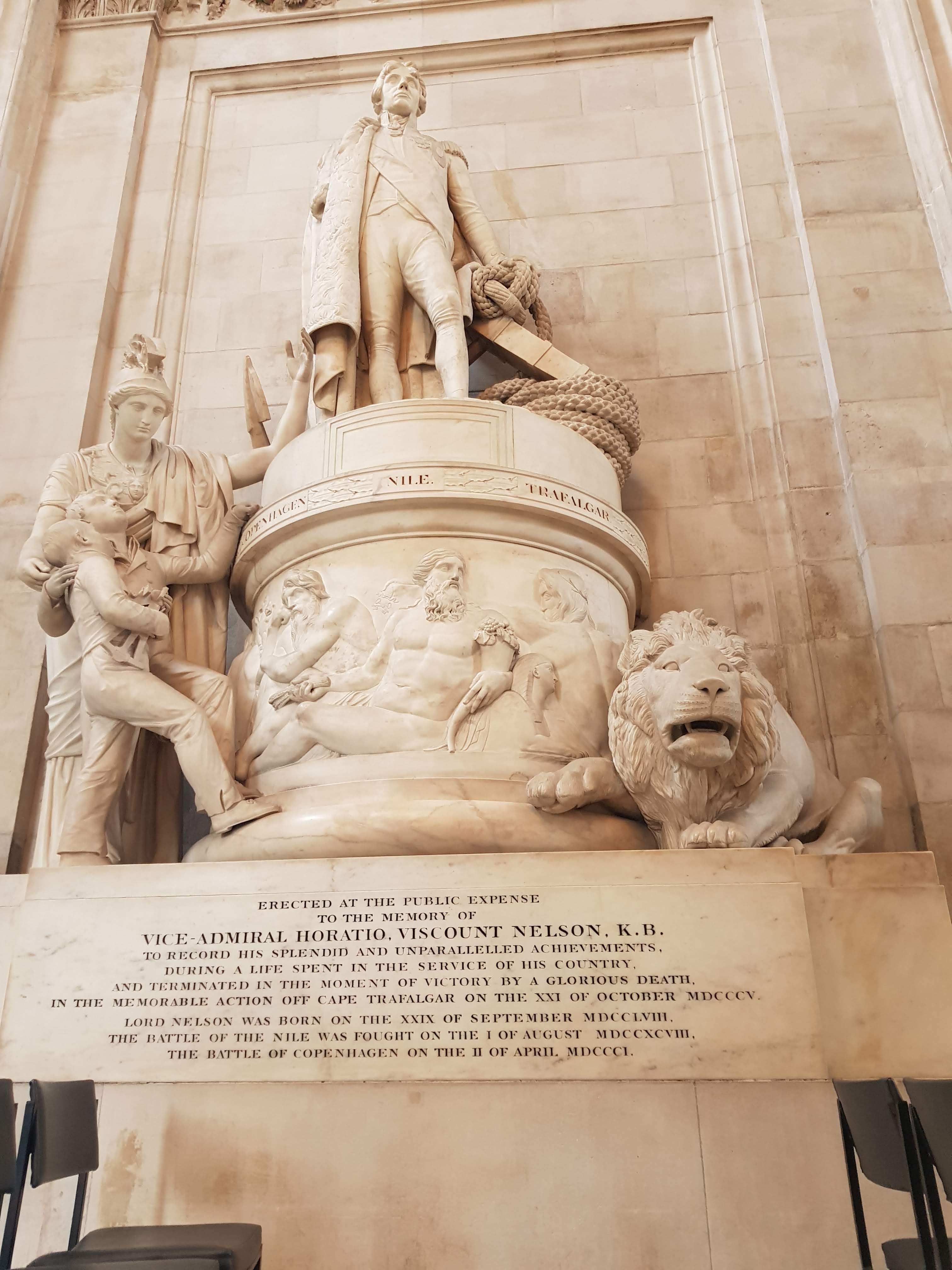
The ground floor of the cathedral is not the only level available to visitors. Visitors can also go up to the galleries, and go downstairs into the crypt of the cathedral. Other crypts that I have seen, have had very rough walls, dingy smells and pokey spaces. This is not the case at St Pauls, I was really suprised at the look and feel of the crypt. It is a large, reasonable open, and light space. It actually has a very modern, and contemporary feel to it. This seems so strange, in such a historic building. In this part of the cathedral, there are some memorials and tombs of important figures from English history, such as Norfolk’s very own Horatio Nelson. There is also a chapel space to sit peacefully, toilets and a gift shop!
Artwork
There is a mix of artwork at the cathedral, from beautiful ceiling paintings, to wooden and stone sculptures. The focus is clearly on the magnificent ceiling paintings of bible figures and scripture such as the apostles, and so in the nave, the sculptures/memorials are fairly thinned out except for a few large pieces. On the other hand, in the south aisle alongside the nave, there are several memorial sculptures detailing key figures in English history and their achievements.
Steps to roof and galleries
Arguably, the most iconic part of St Paul’s Cathedral is the dome, and within the dome and below it are two galleries that visitors can see. Unfortunately, these were both closed when I visited, but I still had the ‘pleasure’ of climbing the 376 steps to the roof, before I discovered I could not access the galleries that day. On the bright side though, whilst the stairs left me breathless (not in a good way), there were lots of seats to stop at on the way up, and medieval graffiti carved into the walls that i could appreciate whilst trying to stabilise myself!
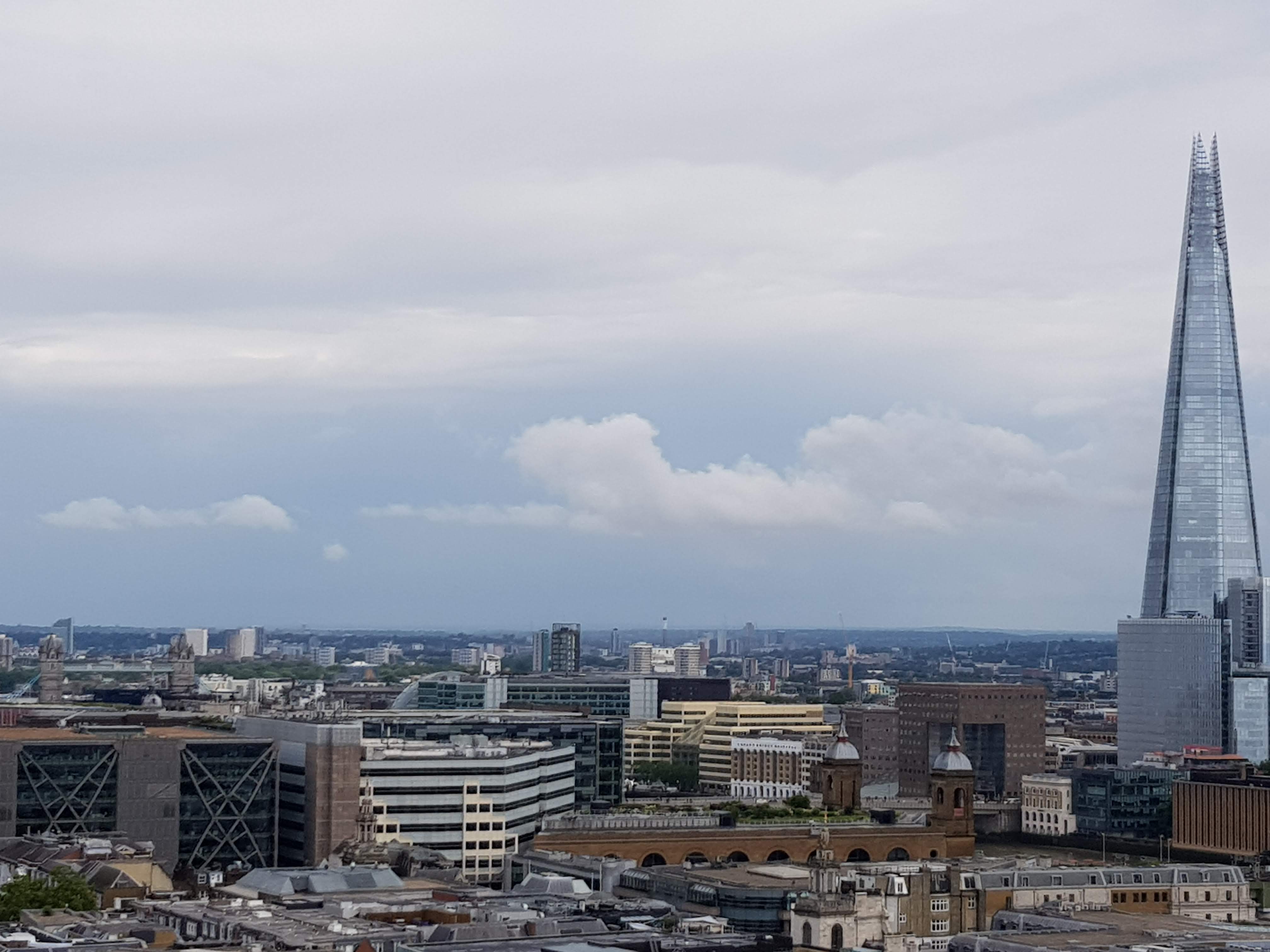
View from St Paul’s – Shard
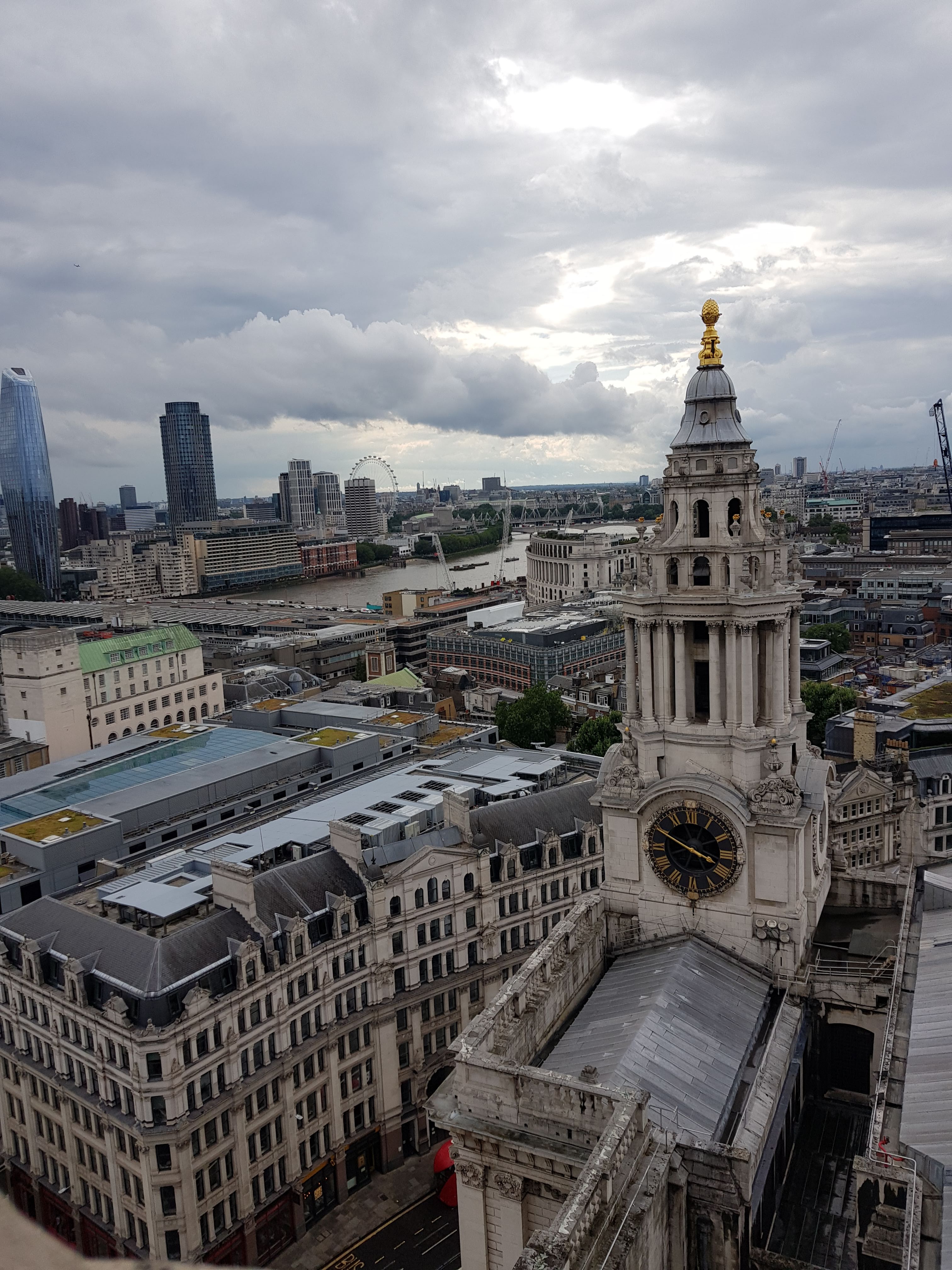
The climb wasn’t a waste! From the roof, you can still walk around the dome and see the London skyline, including the shard, sky garden, london eye, and look more up close at St Paul’s bell towers. I actually happened to be on the roof when the bells were ringing out, which I thought was pretty special.
View from St Pauls – London Eye & Bell Tower
Overall, I think that St Paul’s was very interesting, had a great booking system, and good content. I was disappointed that I could not see the galleries, but the views made up for it, and I understand their need to do renovations, especially whilst they are quieter. I would recommend a visit, and if you are brave enough, climb the steps and listen to the bells…. equally if you really do struggle, there is an elevator… they just wouldn’t let me use it!
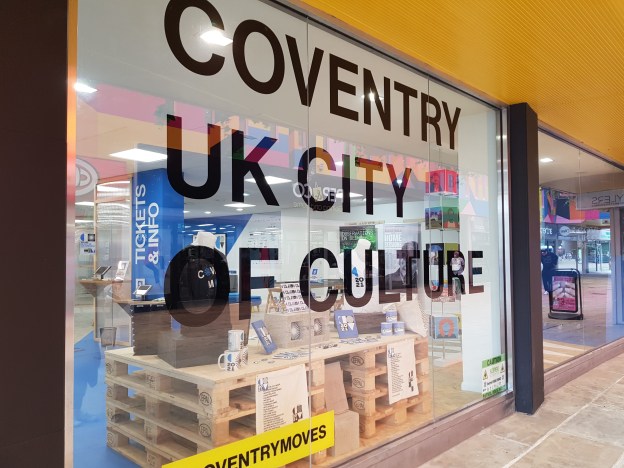
Coventry has been declared the city of culture in the UK this year, and it is not hard to see why. On a weekend away in Coventry, a few weeks ago, I discovered that the city is bursting with culture, art and life!
I always like to visit new places, and Coventry was a great choice when deciding on a weekend away this year, as it is smack bang in the middle of the country, and so was easy for me to meet a friend there, who lives across the other side of the UK.
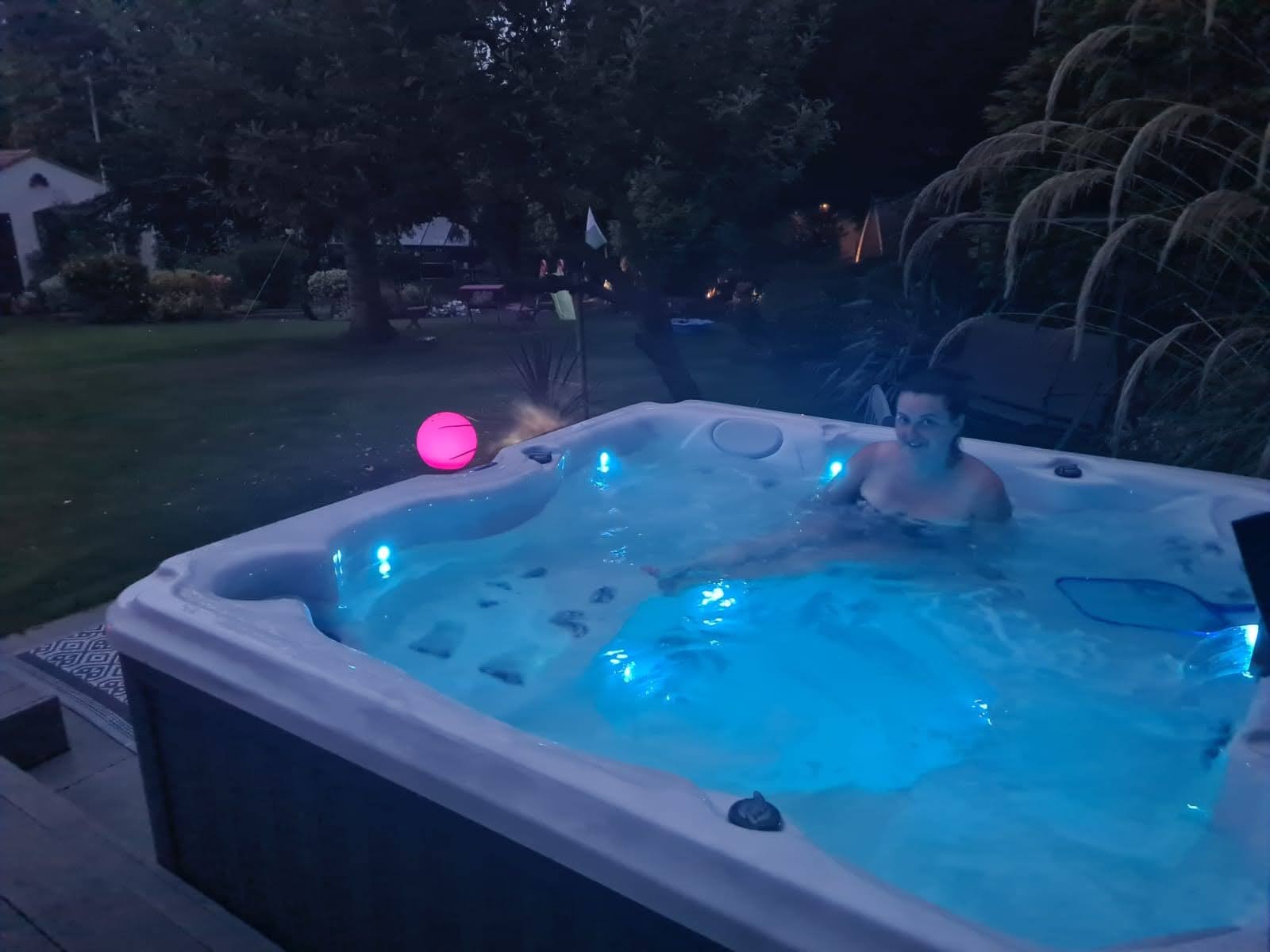
We stayed in a gorgeous AirBnB only ten minutes from the city centre. Within our accommodation, we enjoyed a full entertainment system, a garden and barbecue, a hot tub and even a lovely welcome pack of snacks. We enjoyed some late night cocktails in the tub and even saw a fox in the garden, at the ‘Foxes den‘, I would definitely recommend a stay.
Enjoying the hot tub!
I thought it would be a good idea to use the nearby park and ride to travel into the city, and better for the environment, but this ended up being a moral about never assuming you already know what is best! The park & ride ended up costing us about £8 and we still had to wait 30 minutes for a bus. I believe that just simply using the bus service from our accommodation would have been cheaper. Equally, we discovered on the second day, that there are actually some ridiculously cheap car parks in Coventry city centre, so never assume! It is always worth checking out Just Park or Parkopedia to be sure!
Visual arts
I was aware that Coventry had been declared the City of Culture this year, but I wasn’t sure how much culture was on offer. My previous experiences of the city had been rushed conferences and a university open day many years ago. From the first day of wondering the city though, I could see the reasons it had achieved this accolade.
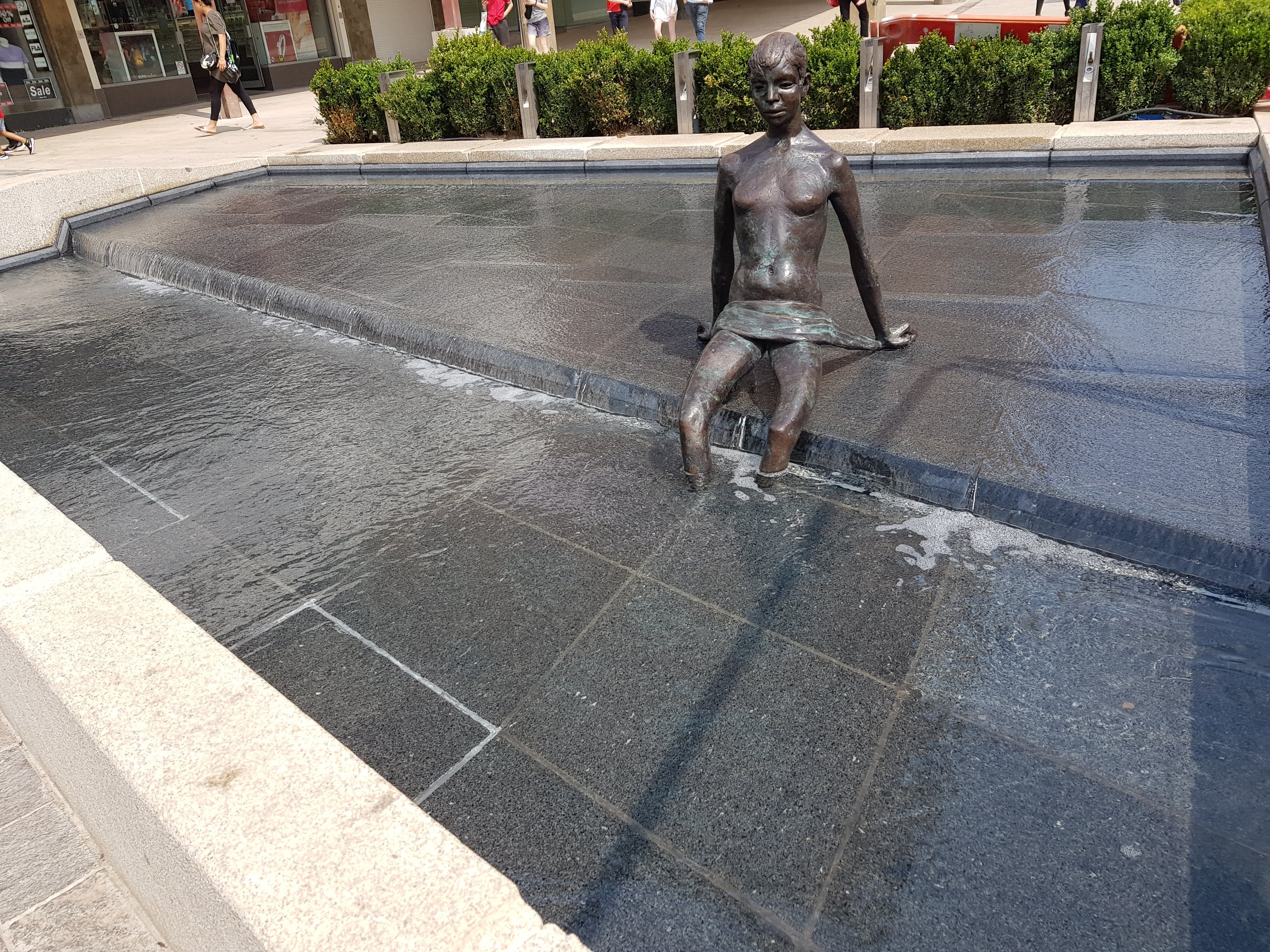
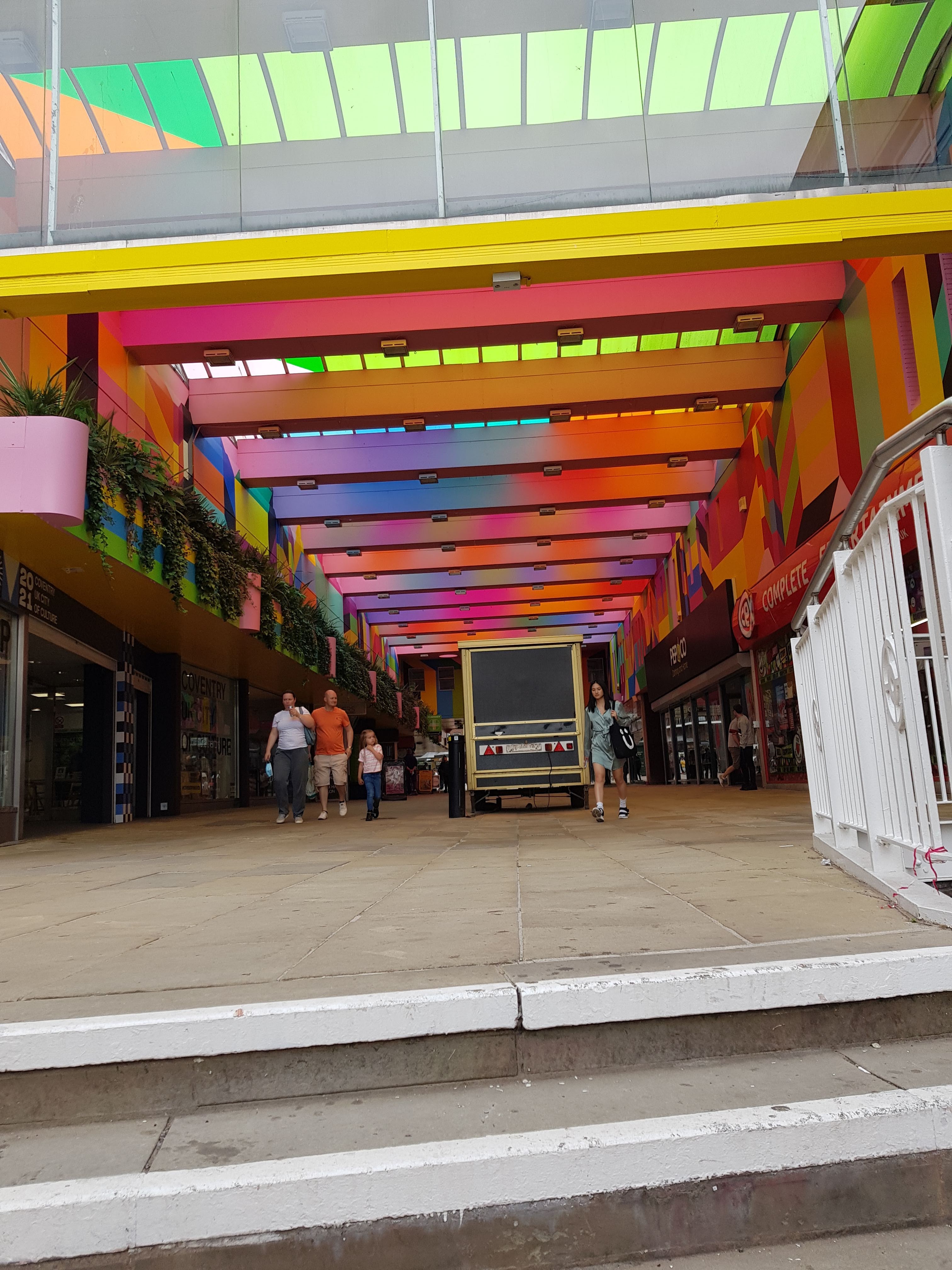
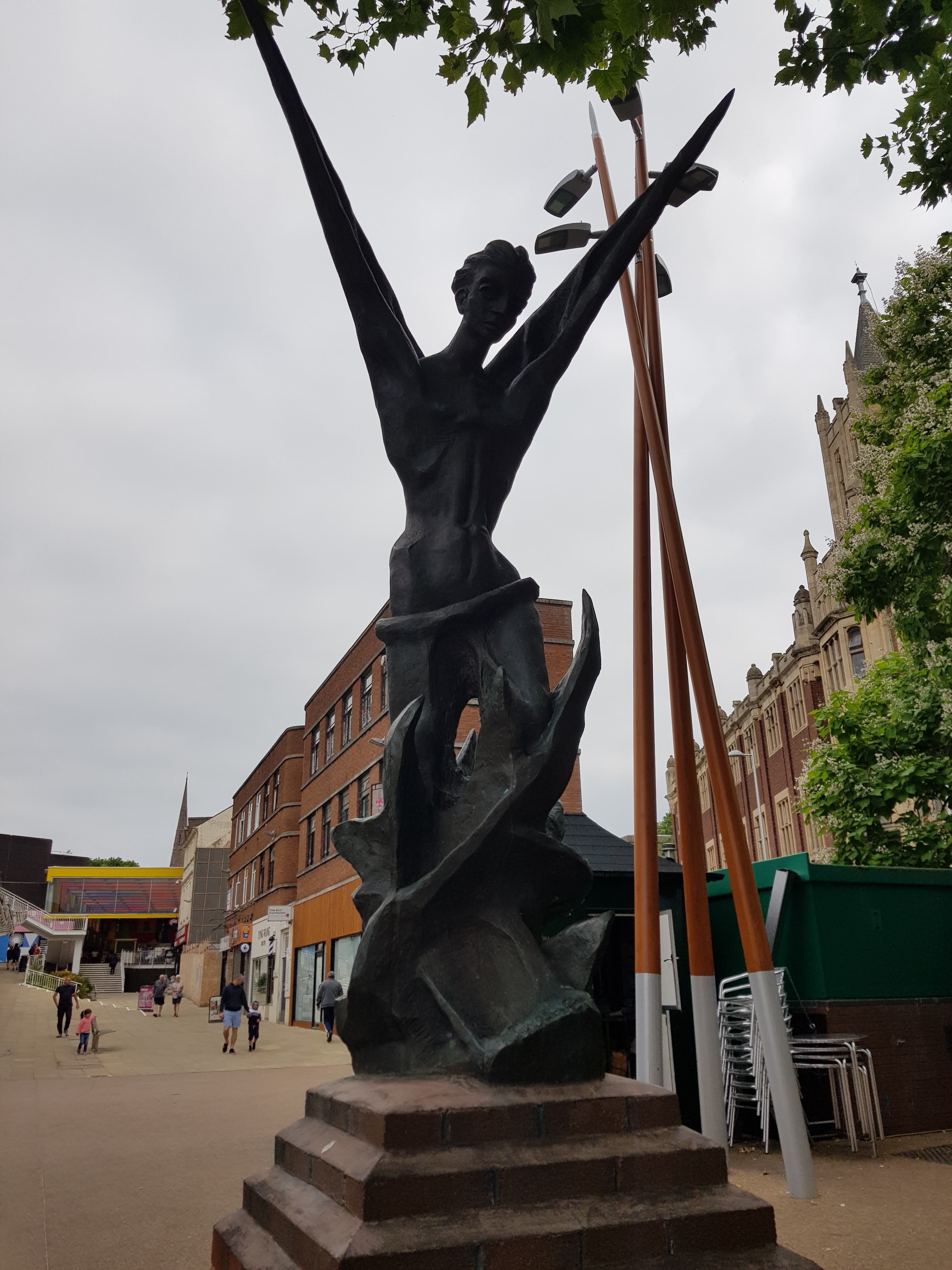
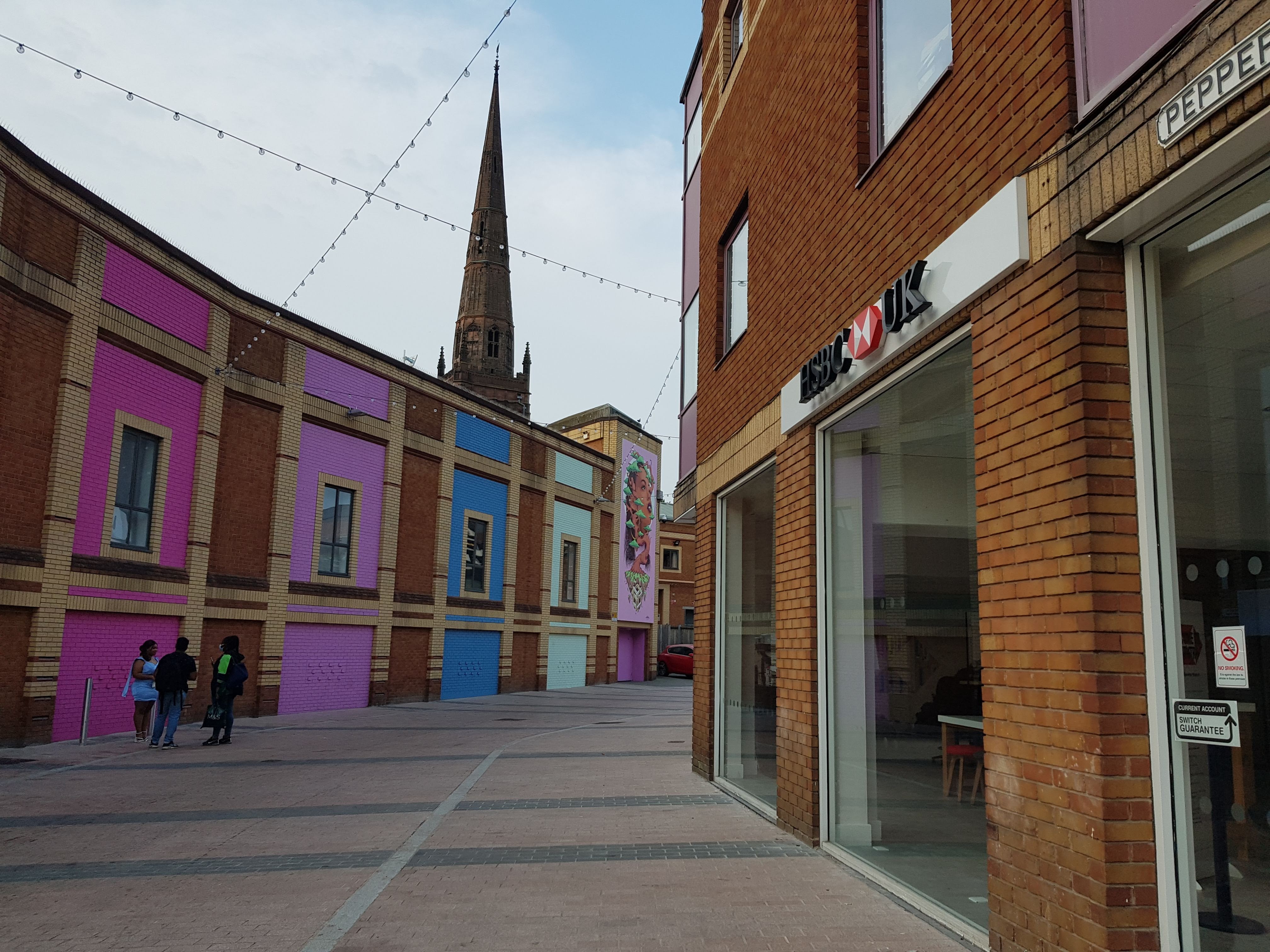
There are thought invoking sculptures and visual art pieces throughout the city, as well as various performances and events. There were lots of colours around through walkways, decorations and painted buildings. I especially enjoyed a rolling fountain instalment in front of one of the main shopping centres.
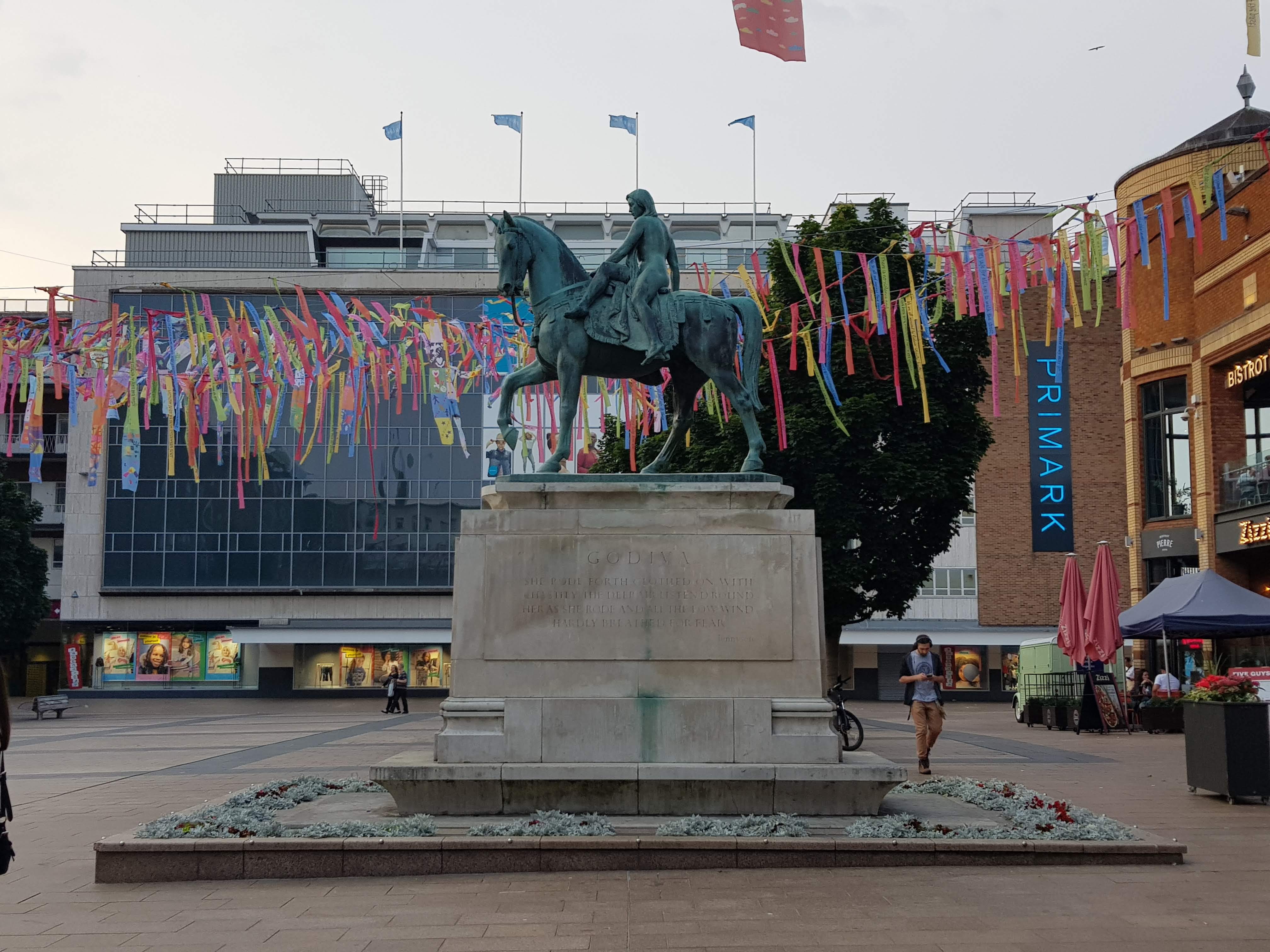
Lady Godiva
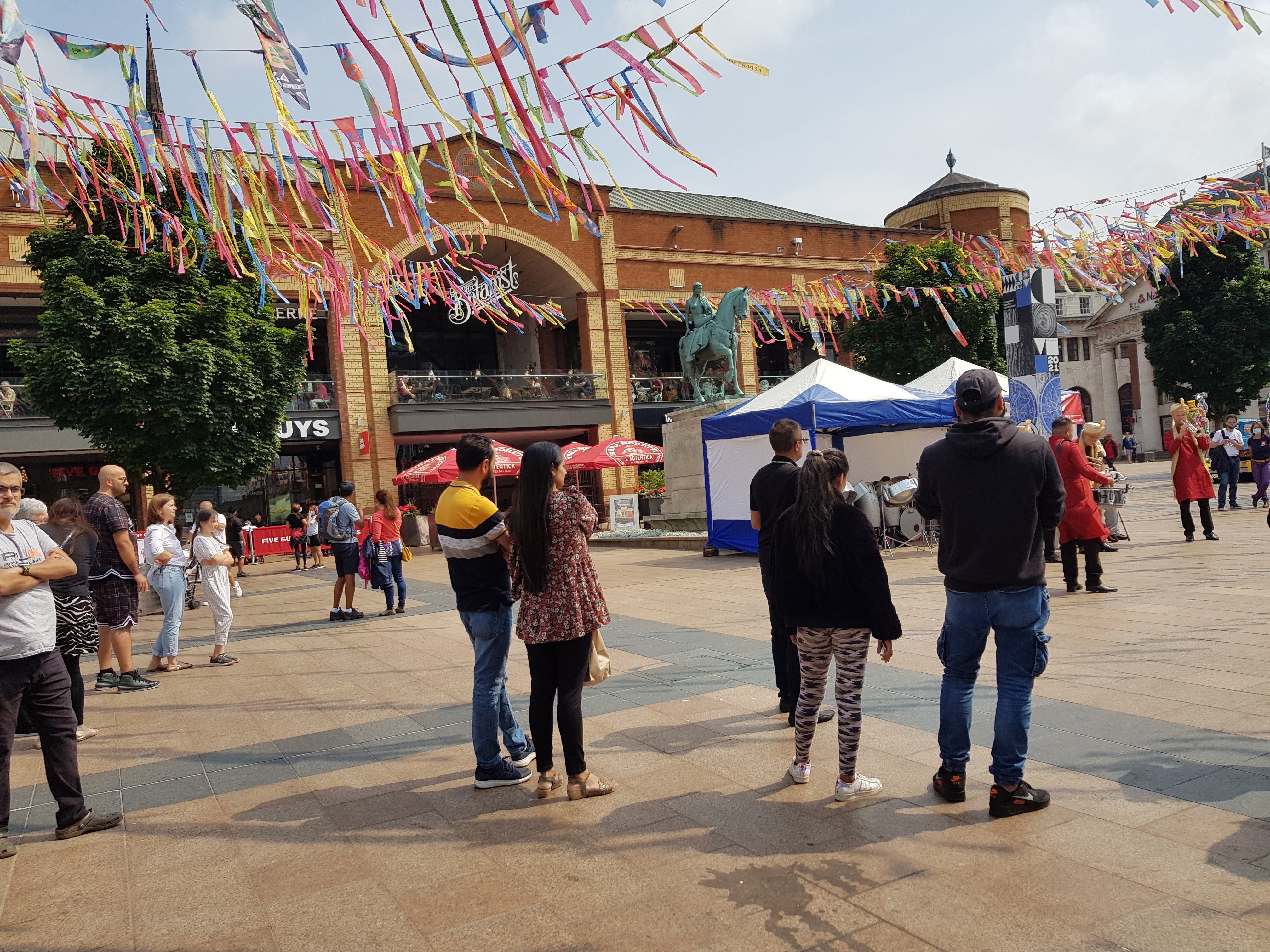
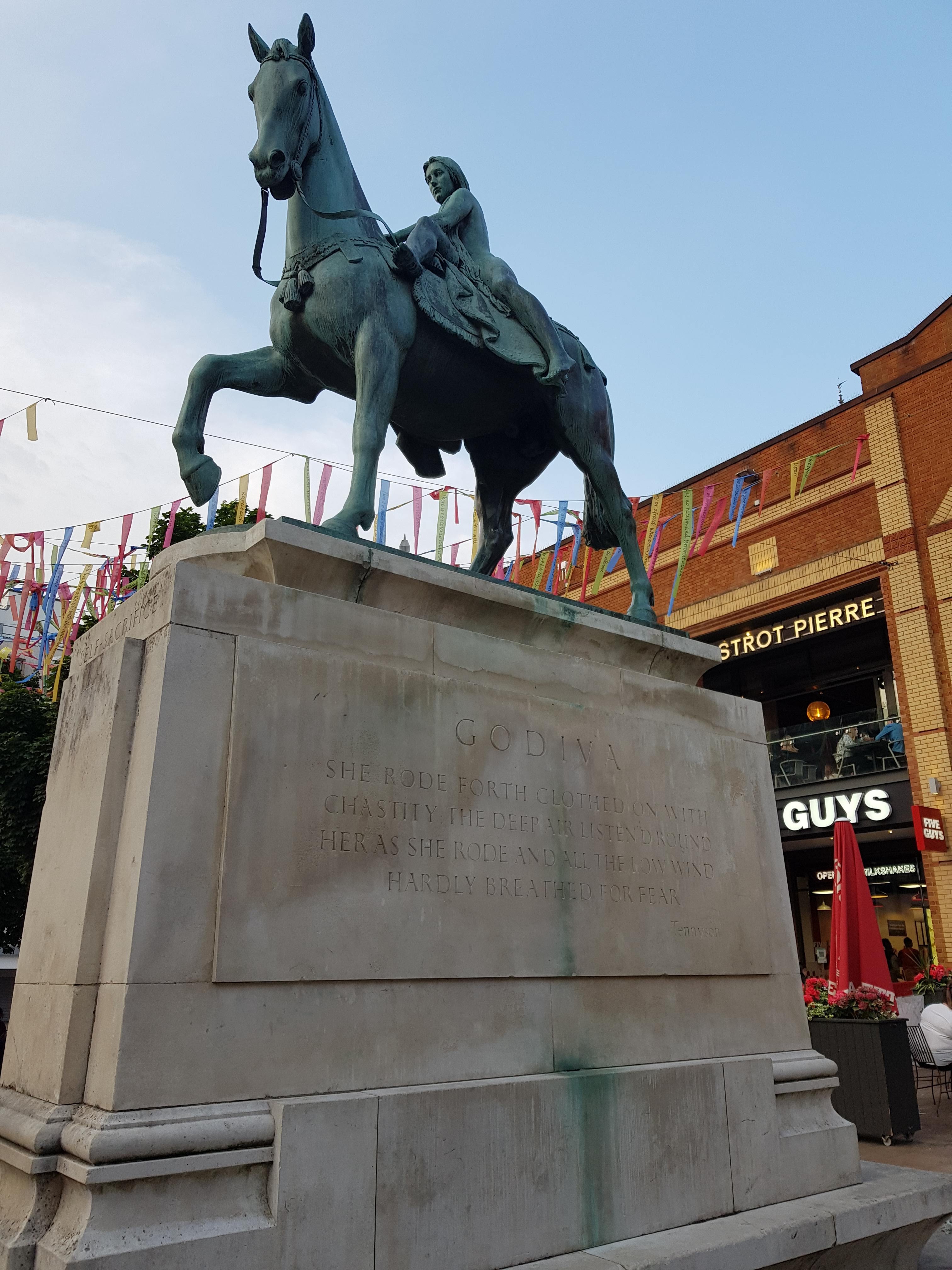
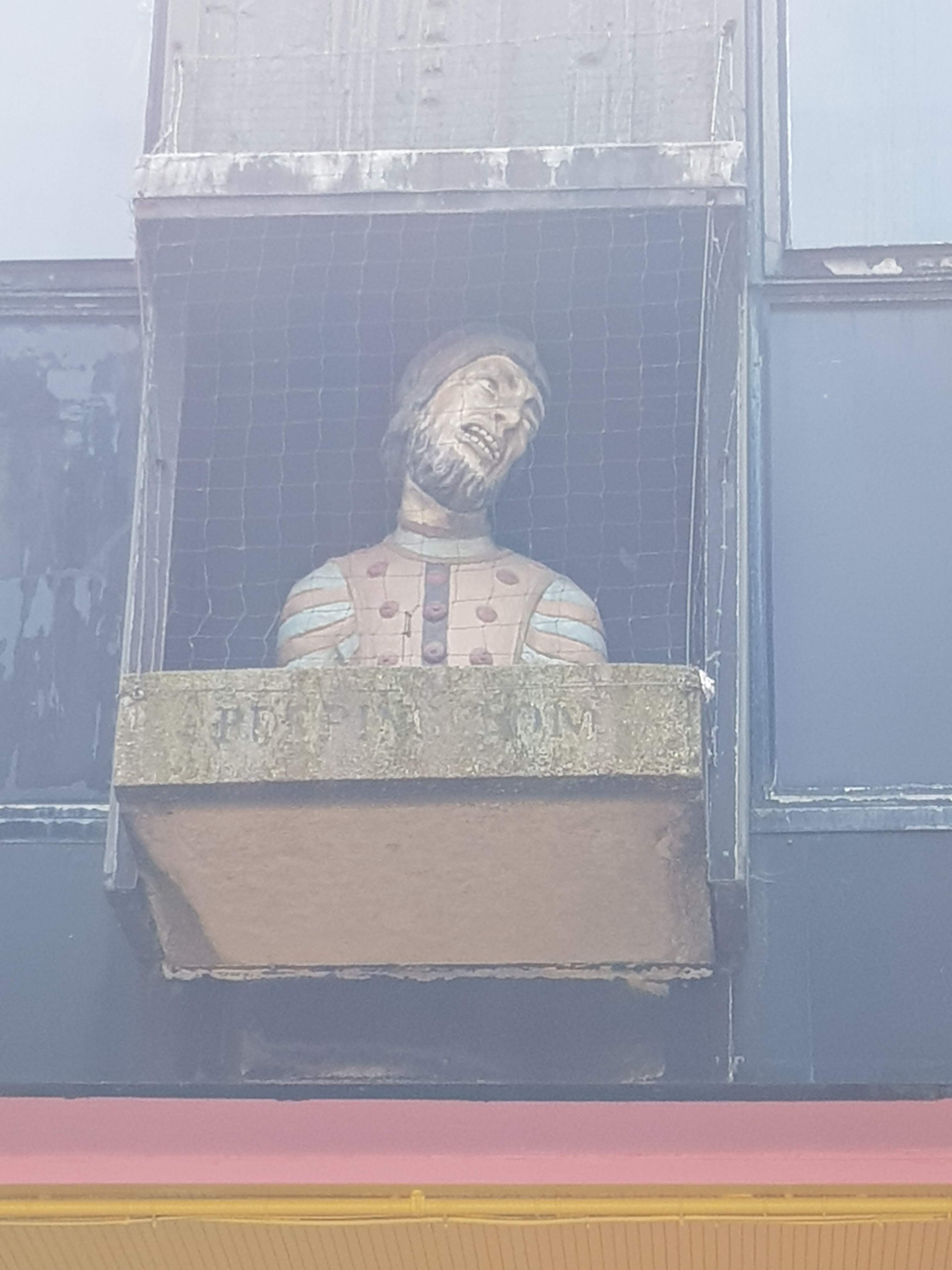
There is quite a lot of references to Lady Godiva around Coventry. Including a large statue in the centre of a vibrant square full of restaurants. According to legend, Lady Godiva was a woman who rode through the city of Coventry, completely naked in protest against her husband’s high taxes of the poor people of the city. The story says that she asked all the town people to close their window shutters and not look upon her, but one man looked and was immediately blinded as a result. This was ‘peeping Tom’. Obviously, this story is very debatable, but it is nice to have folk stories like this and Lady Godiva, as a key figure, is clearly well celebrated by the city.
Lady Godiva Statue
Peeping Tom
Lady Godiva Statue
History
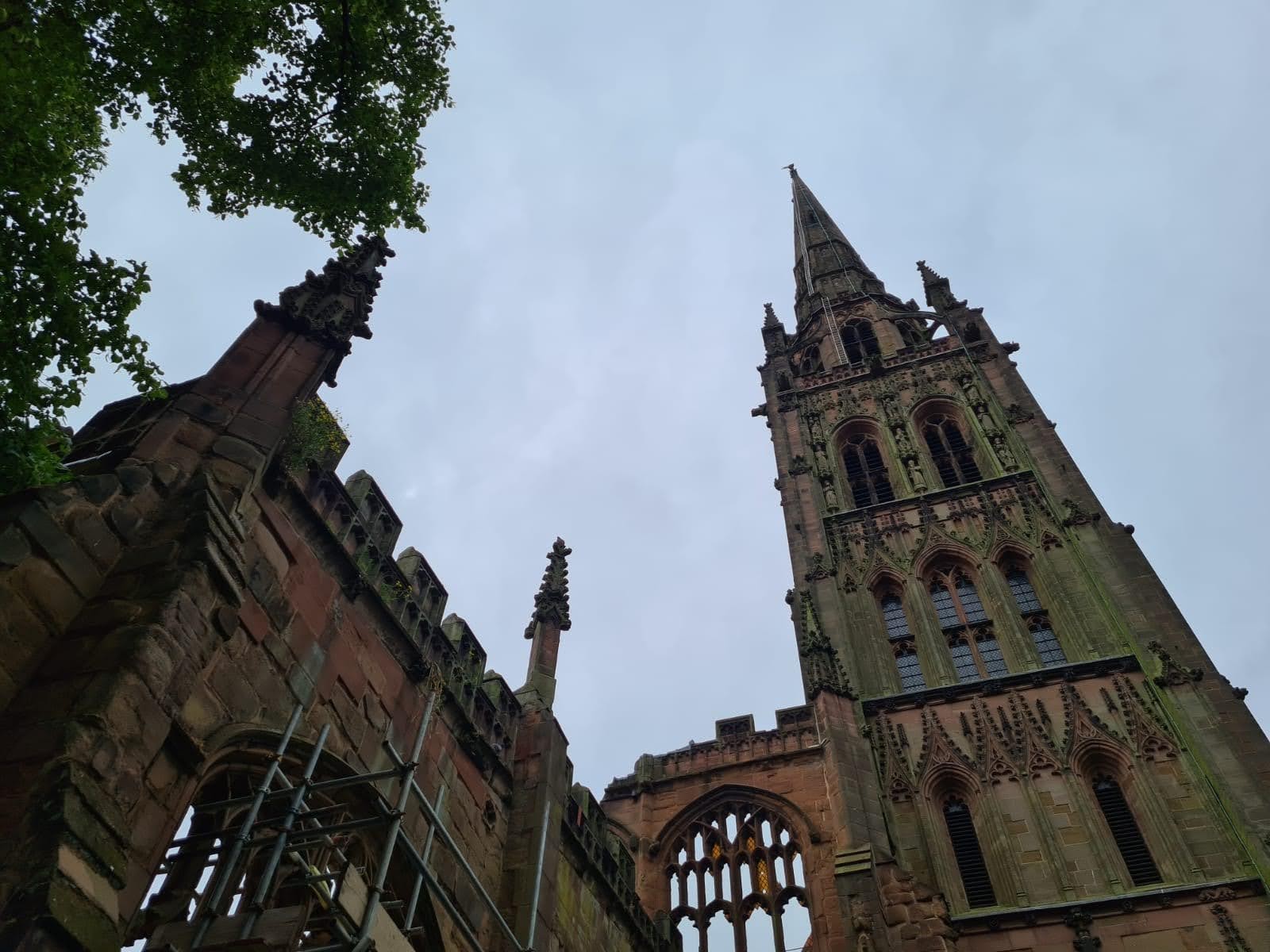
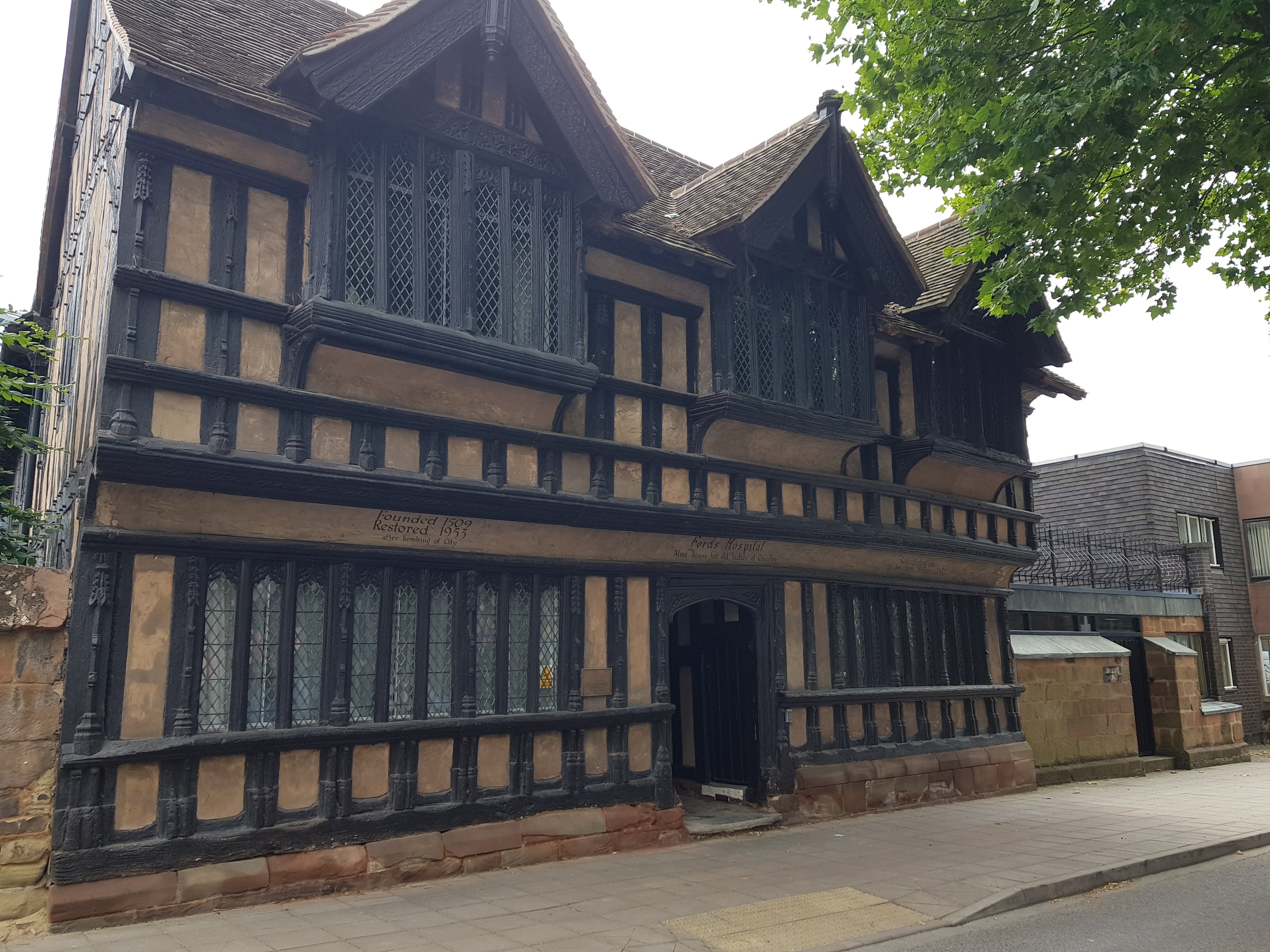
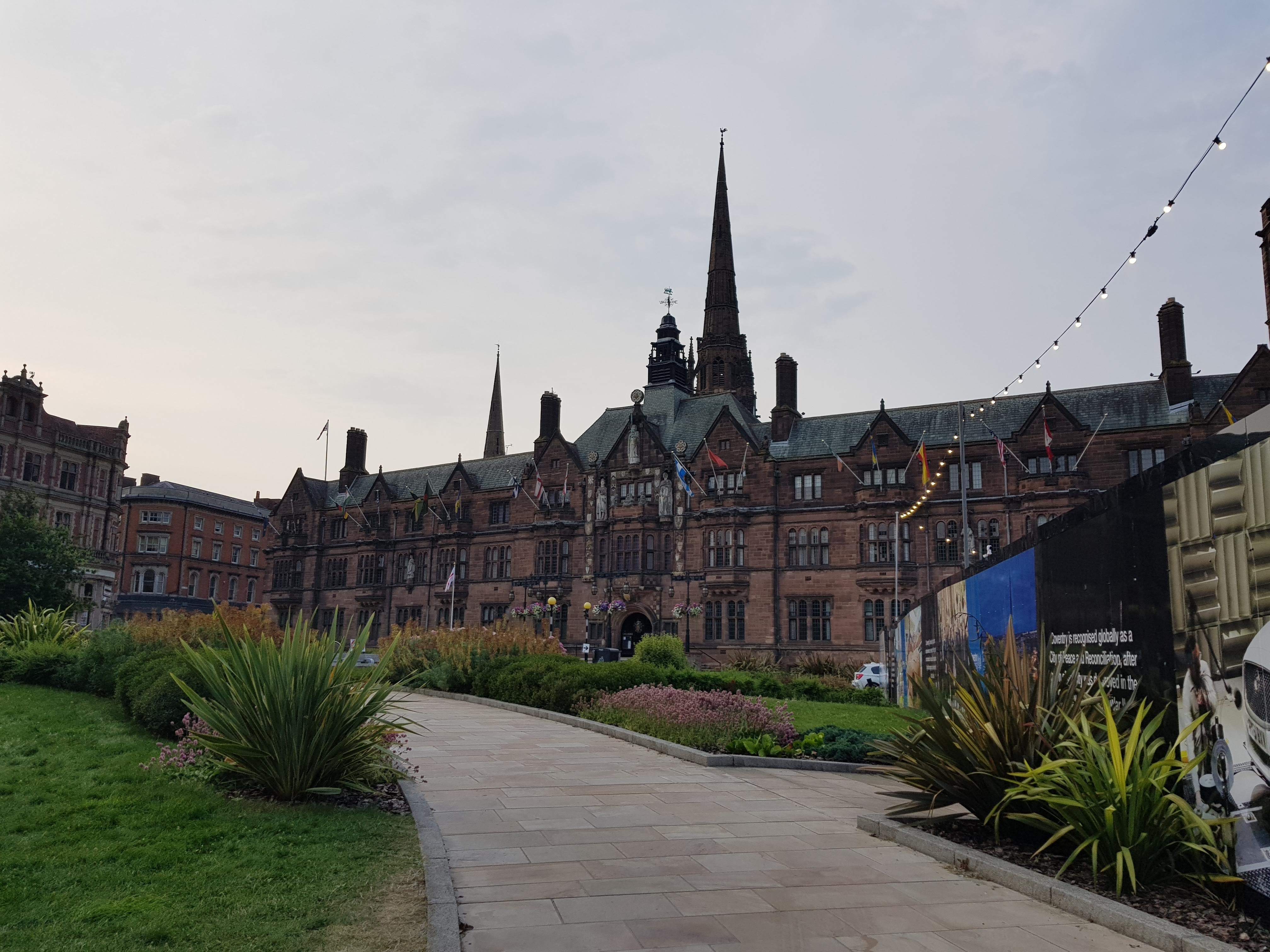
The city of Coventry has been around since before the Norman invasion of 1066, and dotted around the city are small remnants of the old walled city that once stood here. You can wonder through the old priory gardens, a medieval almshouse that is known as one of the finest examples of a timber work building in England, and of course the old cathedral ruins. The original cathedral was a priory dedicated to St Mary, and was founded as a Benedictine community by Leofric, Earl of Mercia, and his wife, Lady Godiva in 1043. This fell into neglect following the dissolution of the monasteries, under Henry VIII. Later, the parish church of St Michael was consecrated as the cathedral of Coventry in 1918. This cathedral did not stand for long though, as it was unfortunately the victim of bombing during the second world war, and was burnt down a long side many other buildings in the city. Shortly after, the community decided to rebuild the new and current cathedral as an act of faith, trust and rebirth. The building was consecrated in 1962 and still stands today next to the ruins of the old cathedral.
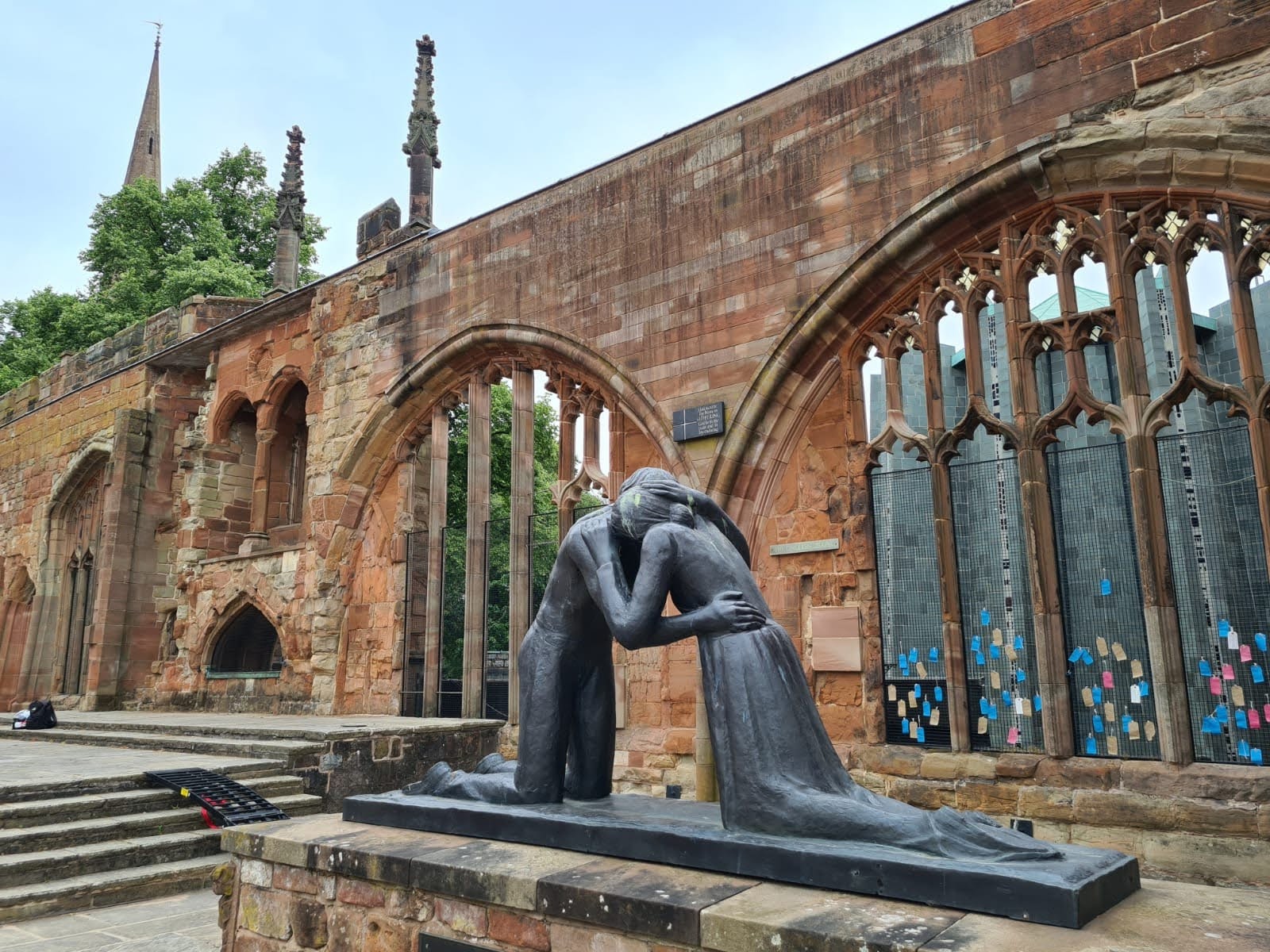
The old cathedral still has fragments of original stained glass hanging in place, easy for passersby to see. It is also a useful open space now, which can be used for events and exhibitions. There was even a classic car show inside the space when I visited. The space also has a number of sculptures that are captivating to the eye, especially the reconciliation statue. This symbolises the reconciliation and reunion of neighbours, loved ones, and countries following the second world war.
Old Cathedral Ruins
Reconciliation statue
Medieval Almshouse
The new cathedral
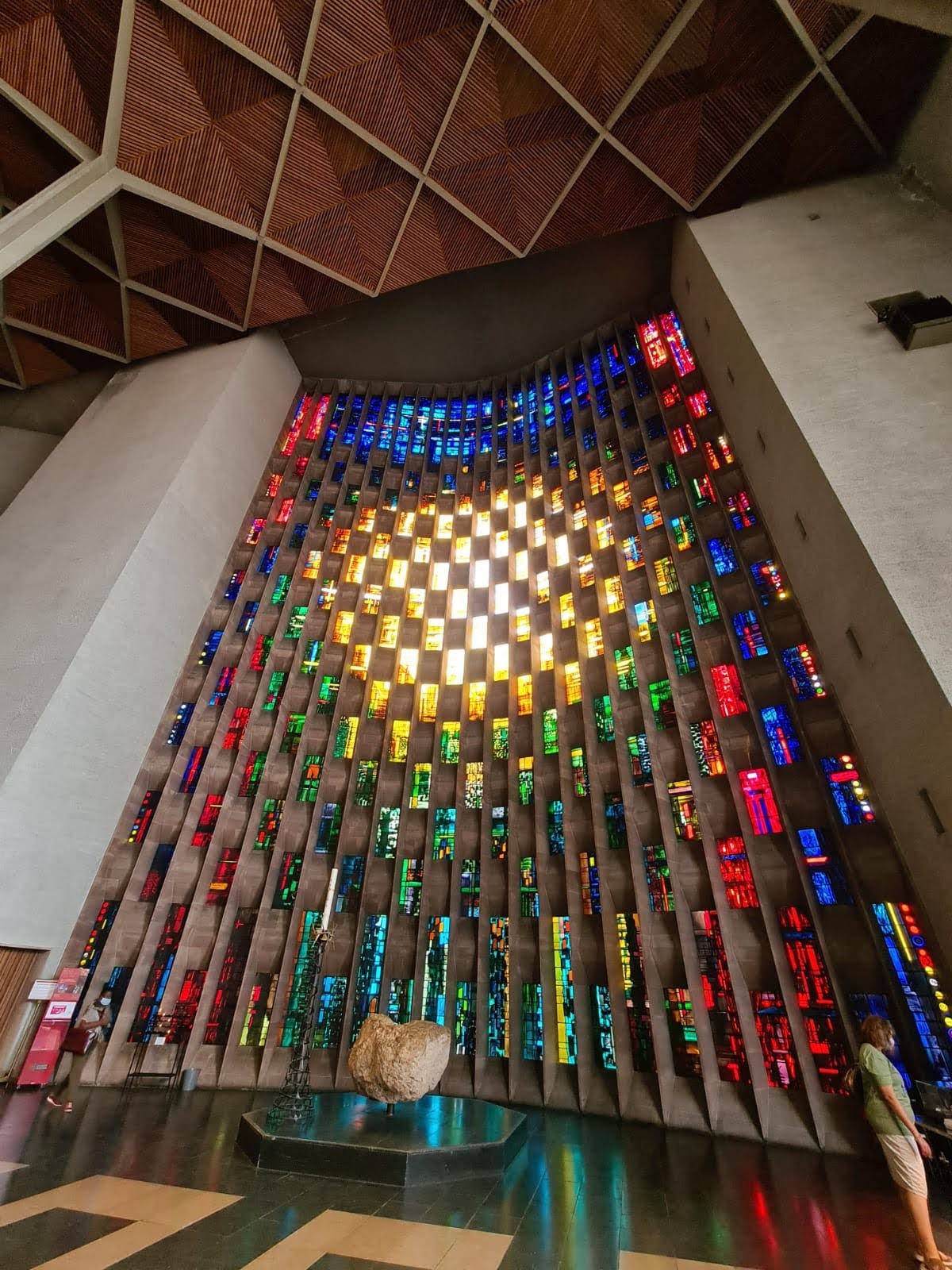
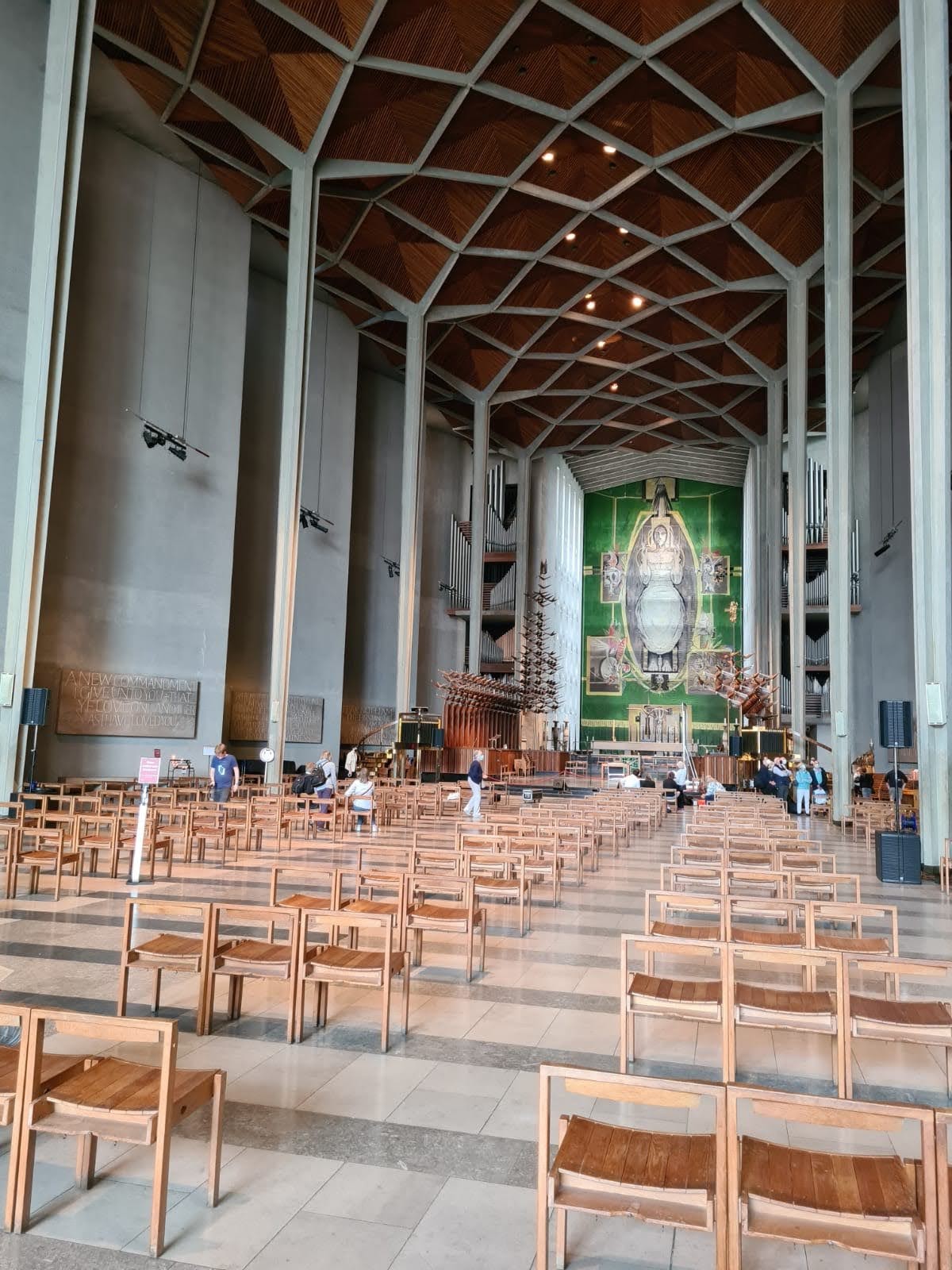
The current cathedral is a work of art in itself, it is a large cement based building, but has huge stained glass windows, and wide open spaces. It is a great example of a modern cathedral that has still mastered being a place of peace and reflection. We did have a booked time slot for the cathedral, but this wasn’t actually checked when we arrived, and we were able to just walk straight in.
Nightlife
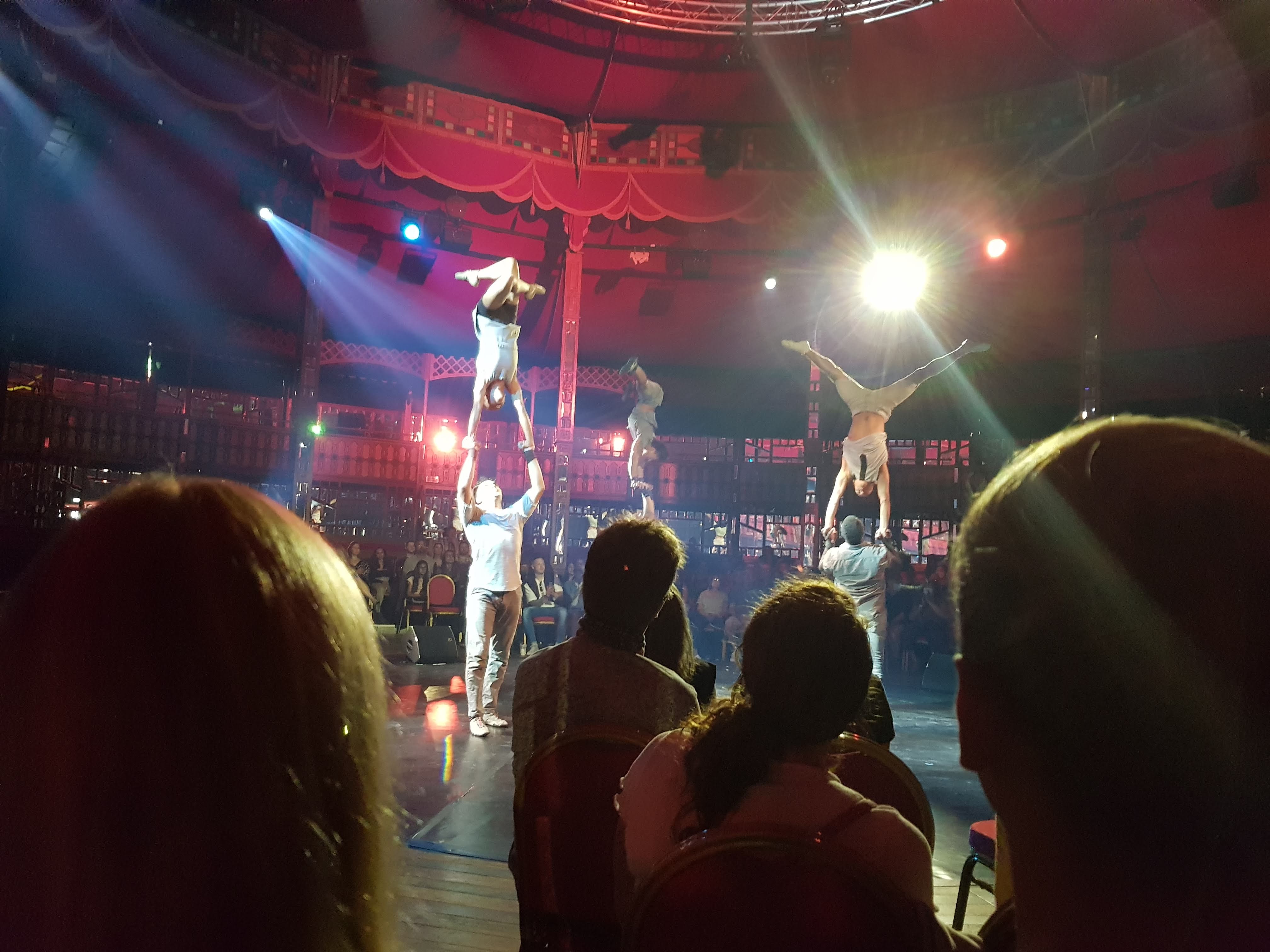
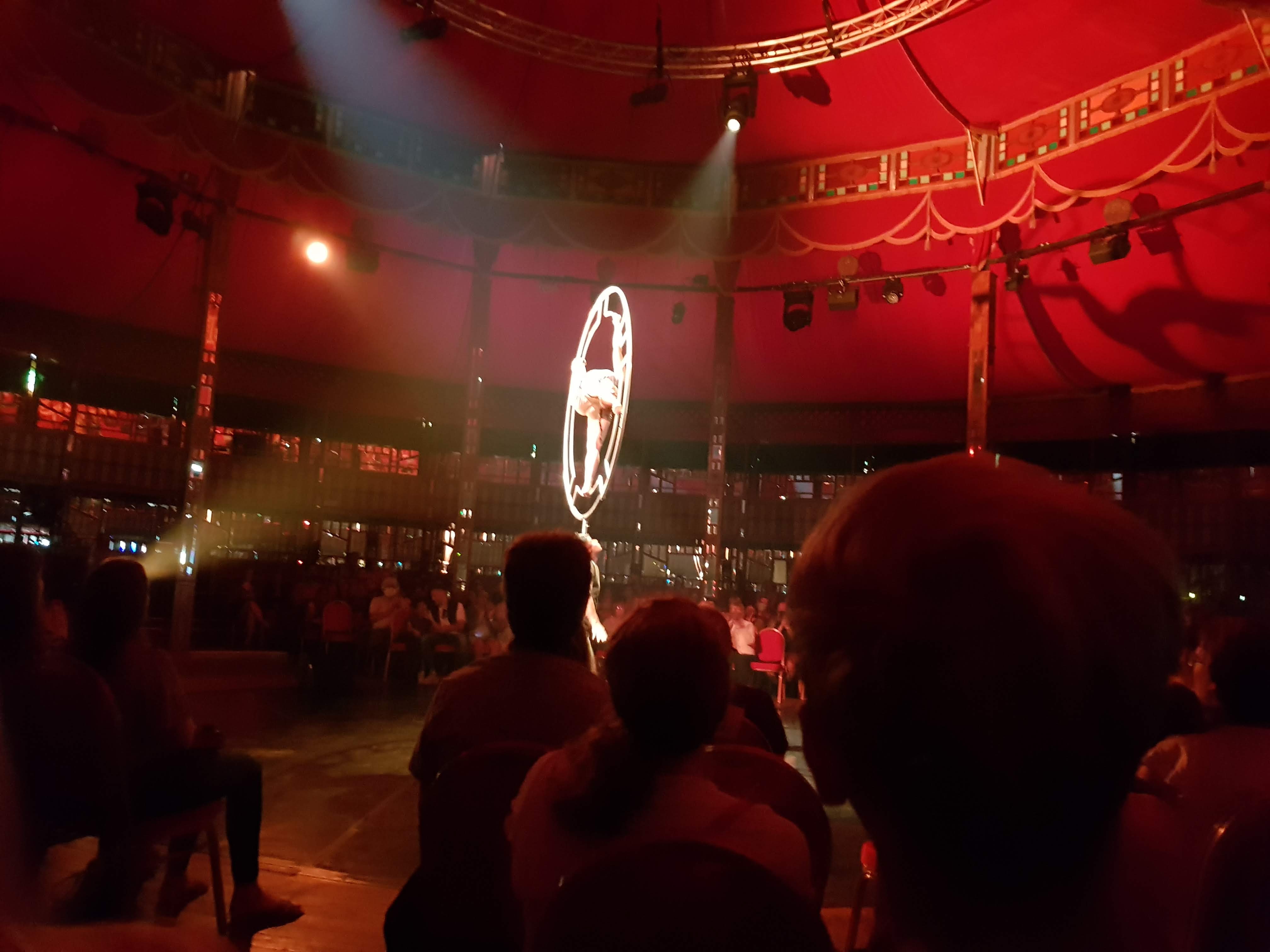
Whilst I was visiting, the city centre was holding a cultural festival in the assembly garden grounds, which seemed to be a pop up seating area with bars, mobile catering, stages and performance tents. Something that we booked for only £20 each was the Circolumbia show, which was brilliant value for money, and a great start to the evening. This was a circus, acrobatics, singing and dancing performance, that was done entirely by Columbian artists and themed on Columbian culture and music. This was so brilliant, and i spent a lot of the time during the show, gripping my seat, as the performers were doing things like standing on top of each other’s heads!
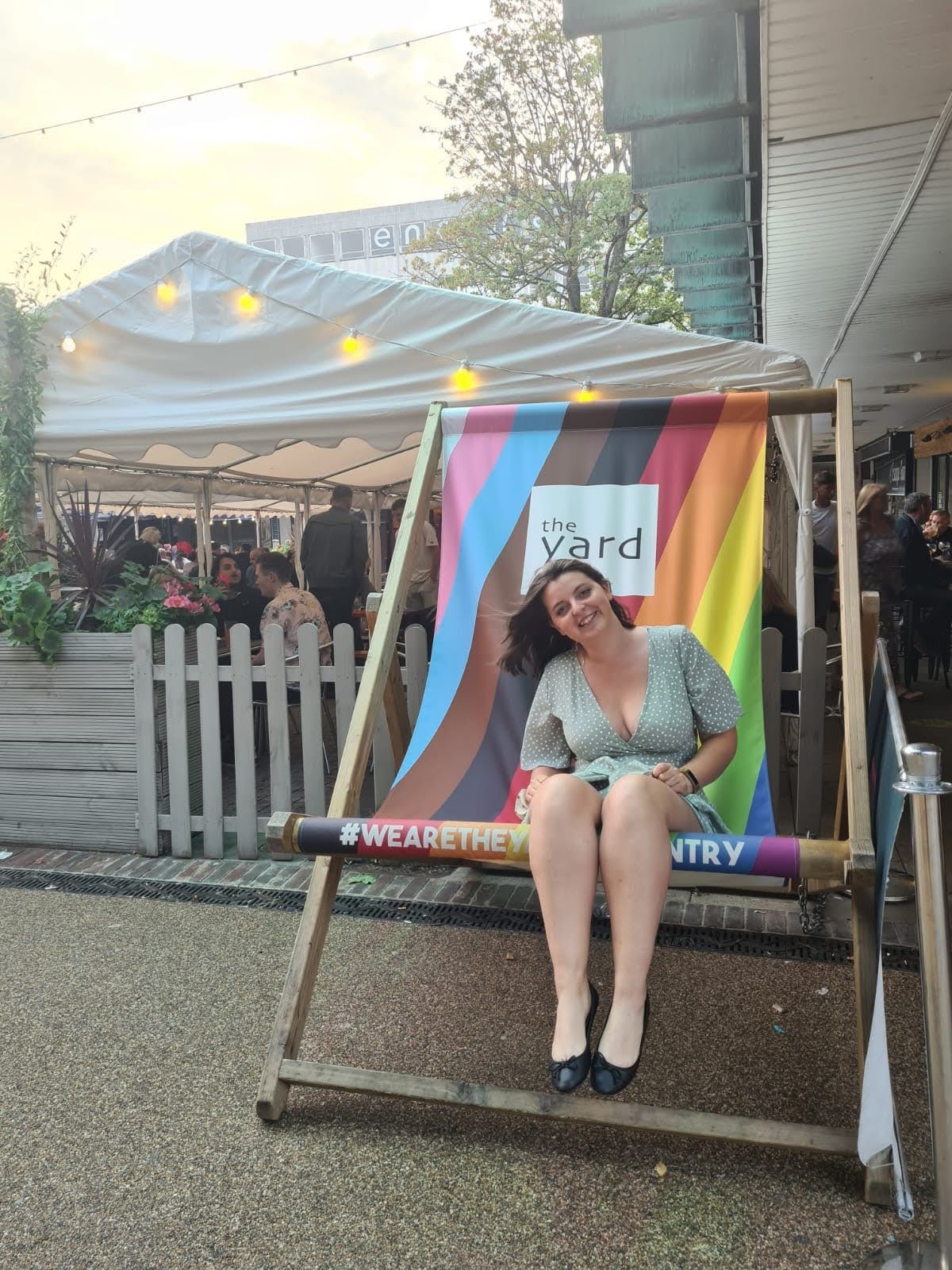
I also had a brilliant night at a bar/club called ‘The Yard’, which is known as the best and biggest LGBTQ+ venue in the city. The venue offered such an amazing time, we were there on a Saturday night, and they run a drag / cabaret show every weekend, so we were able to enjoy this. There was seating inside and outside, and we spent the evening dancing away with cocktails in hand, and managed to get an Uber back very cheaply at the end of the night.
Me at the Yard Coventry
Me at The Yard, Coventry
In conclusion, I think Coventry is certainly full of culture, and a great place to let your hair down and just have a relaxing time, with lots of entertainment and engaging arts to be engrossed in. I would definitely revisit. It is also worth mentioning that it is in close proximity to Leicester, Nottingham & Birmingham, if you wanted to make multi centre tour out of the trip!
Now the lockdown has been lifted, I decided to make a visit to the seaside location of Brighton, to spend time with my mum and visit my sister whom lives in the area. The city is certainly a busy location for visitors with a wonderful mix of urban appeal, coastal scenes and a national park close by.
Brighton is a colourful, and quirky area on the coast, within the city of Brighton and Hove. It is only 47 miles or about an hour on the train from London. I drove to the area from Norwich, and stayed in a lovely AirBnB place just 20 minutes away in Hassocks. In order to truly appreciate the town, it seems important to wonder through the entire breadth of the area there.
Brighton has great public transport links with multiple train and bus connections into the town. Whilst car parking is available in the town, it is very expensive in general. You can access much of the on street parking after 8pm and if you use websites such as ‘JustPark’, you can find cheaper parking spaces that are privately rented out. We took the train on one day, which was great quality and cheap, and we also found free car parking via ‘JustPark’ in a bingo hall car park.
On first arriving, the coastal promenade and pier seemed quite similar to many other UK seaside towns, and my first impression was not good. It seemed quite dirty, and ran down, with a horrible mix of 1960s buildings, letting down the setting of neighbouring Victorian architecture.
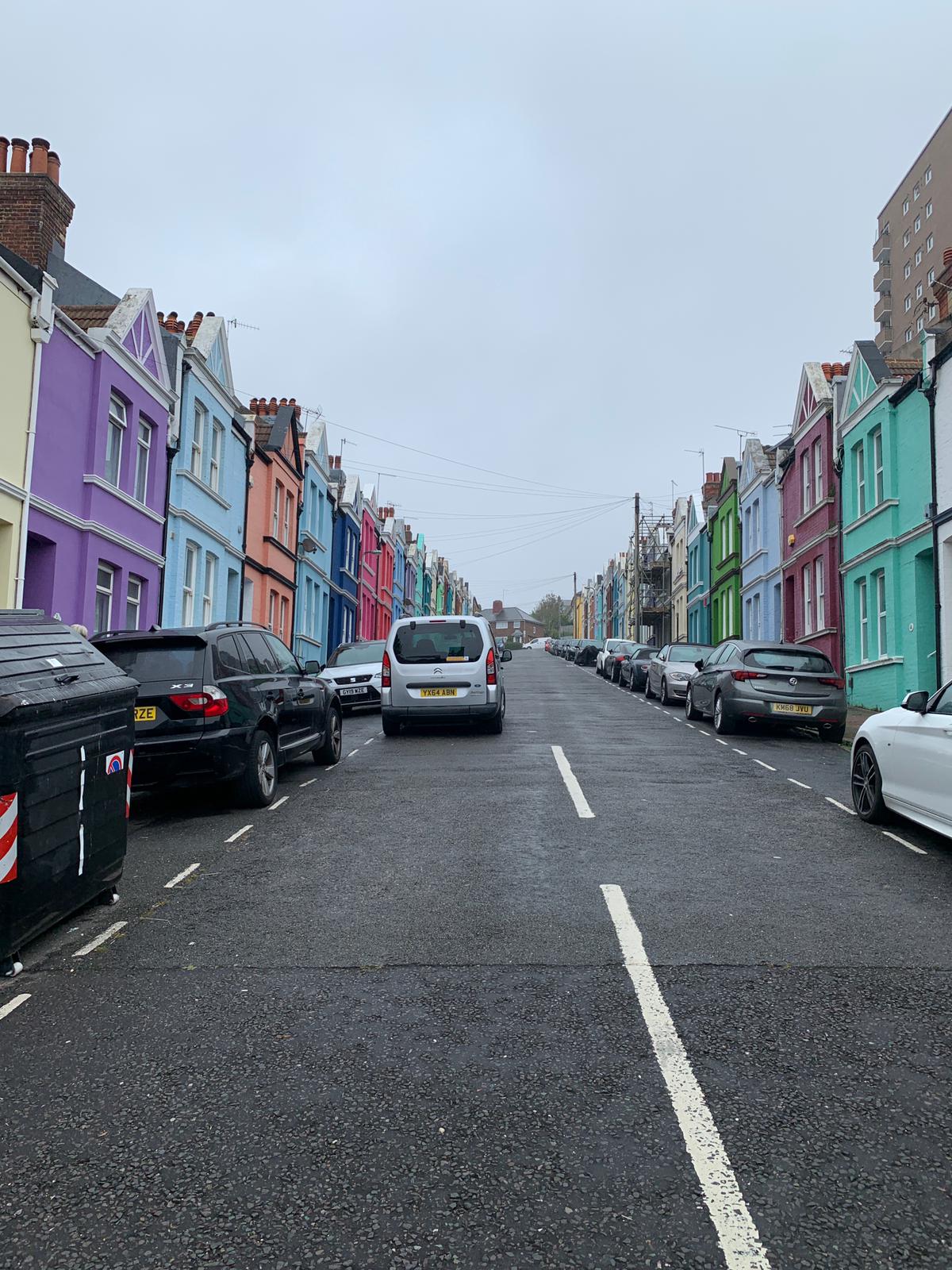
As I explored other roads though, it became clear that different elements of the town have their own feel, and have been transformed to meet the leisure demands of visitors and residents. The town has several hills running up from the coast, and as you wonder around, you will find streets that have been painted different colours and other buildings linking to the rainbow icon that is linked to Brighton’s LGBTQIA+ scene.
LGBTQIA+ (Lesbian, Gay, Bisexual, Transgender, Queer, Intersex, Asexual) scene
Brighton has historically become a sanctuary for those in the LGBTQIA+ community to express themselves, thrive, and a base for challenging prejudice behaviour. Many key locations such as the Marlborough pub & theatre or ‘the marly’ and Kemp town have been created as landmark locations.
There is also a collection of landmark events such as ‘Brighton Pride‘ and ‘Trans Pride‘, and famous names that have made the town their haven and home, including key figure Oscar Wilde. In recent years, the community have struggled to keep hold of these statement locations, due to increased demand for development of housing, gentrification and the use of the LGBTQIA+ identity becoming an attraction itself, perhaps unethically, through the promotion of tourism. This has led to political friction between economics of the town, and the community identity. Currently, a large part of the LGBTQIA+ community are protesting against Brighton Pride, and other activities that create the feel of LGBTQIA+ people becoming a circus attraction. This phenomenon is known as pink washing.
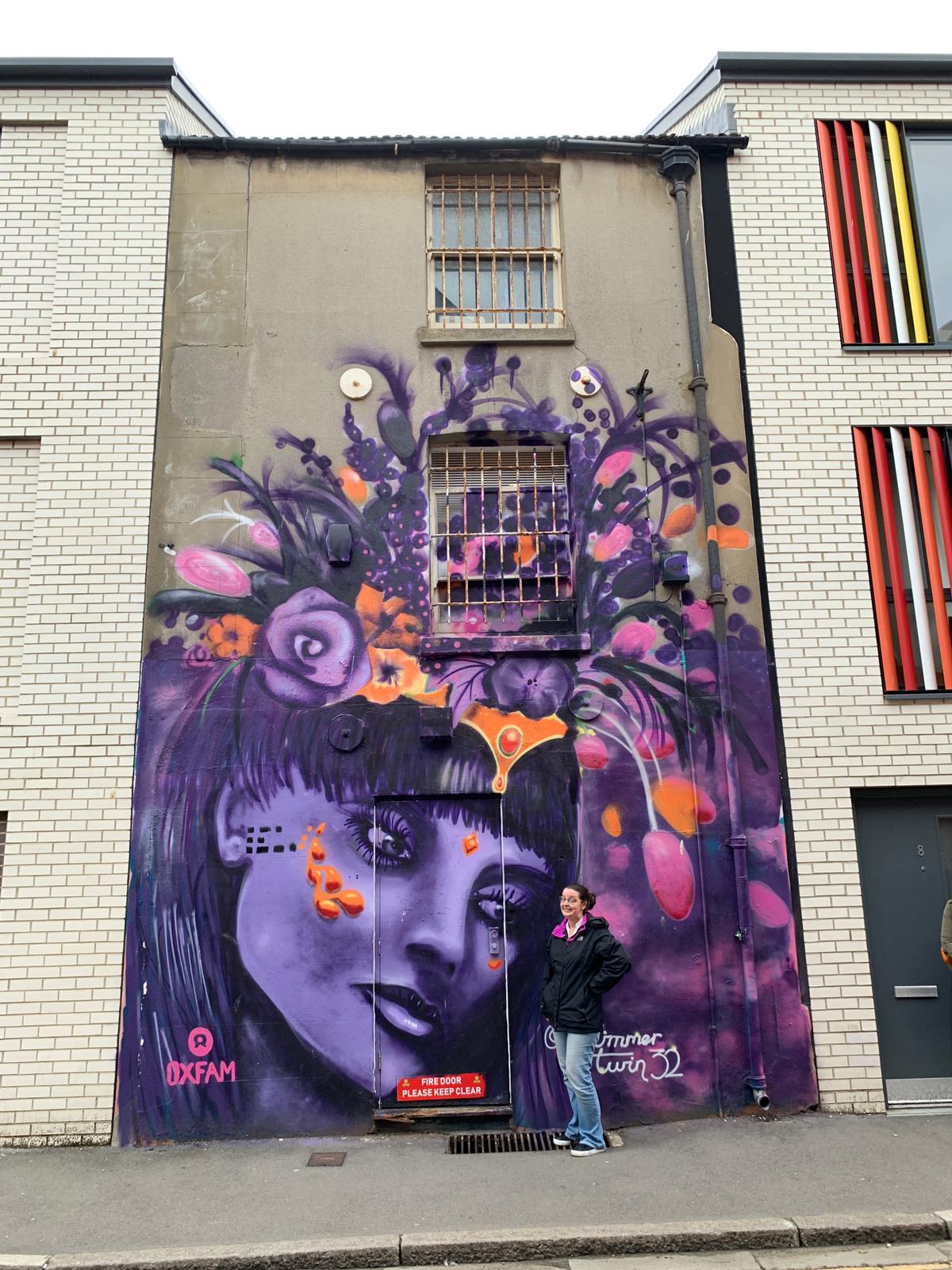
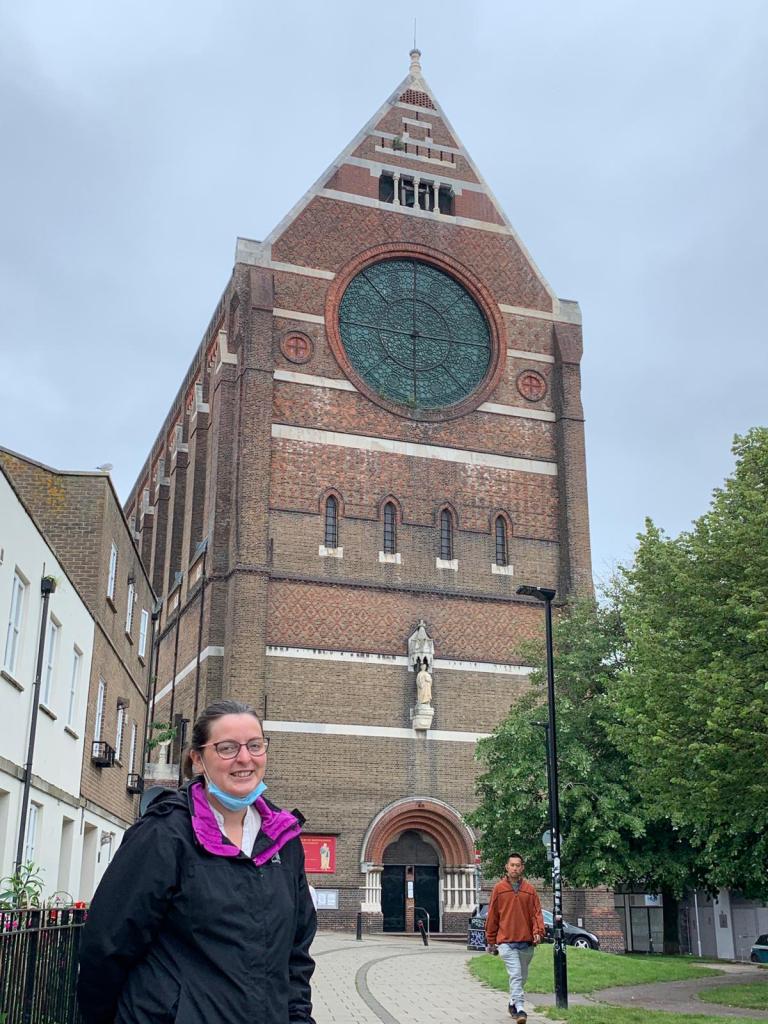
Throughout the town, there is lots of street art expressing different social issues, topics and just generally impressive art. There is no cathedral in the city but a church that is considered to be the area’s nearest best thing, is St Bartholomew’s church, which is very large. The reason for this, is that the Victorian building was created to be approximately the size of Noah’s Ark, upside down. There is also an upside down house in Brighton… what a strange place!
Mural
St Bartholomew Church
The Lanes & other popular spots
When it comes to spending your pennies, and enjoying food/drink as well as shopping, it seems that there are three main spots that are popular.
There are several chain stores and restaurants in the cheaper ‘marina’ area down the coast from the centre. This is accessible on foot by walking along the coast, a 20 minute bus ride, or by car.
When walking along the beach promenade below the road, you will see a number of restaurants, shops and attractions in what is known as the ‘seafront arches’. We visited the queer friendly ‘Loading Brighton’, a gaming café linked to ‘the marly’, and spent a few hours there enjoying milkshakes and board games in a few comfy sofas. You will also find the Brighton fishing museum in this stretch of bricked arches.
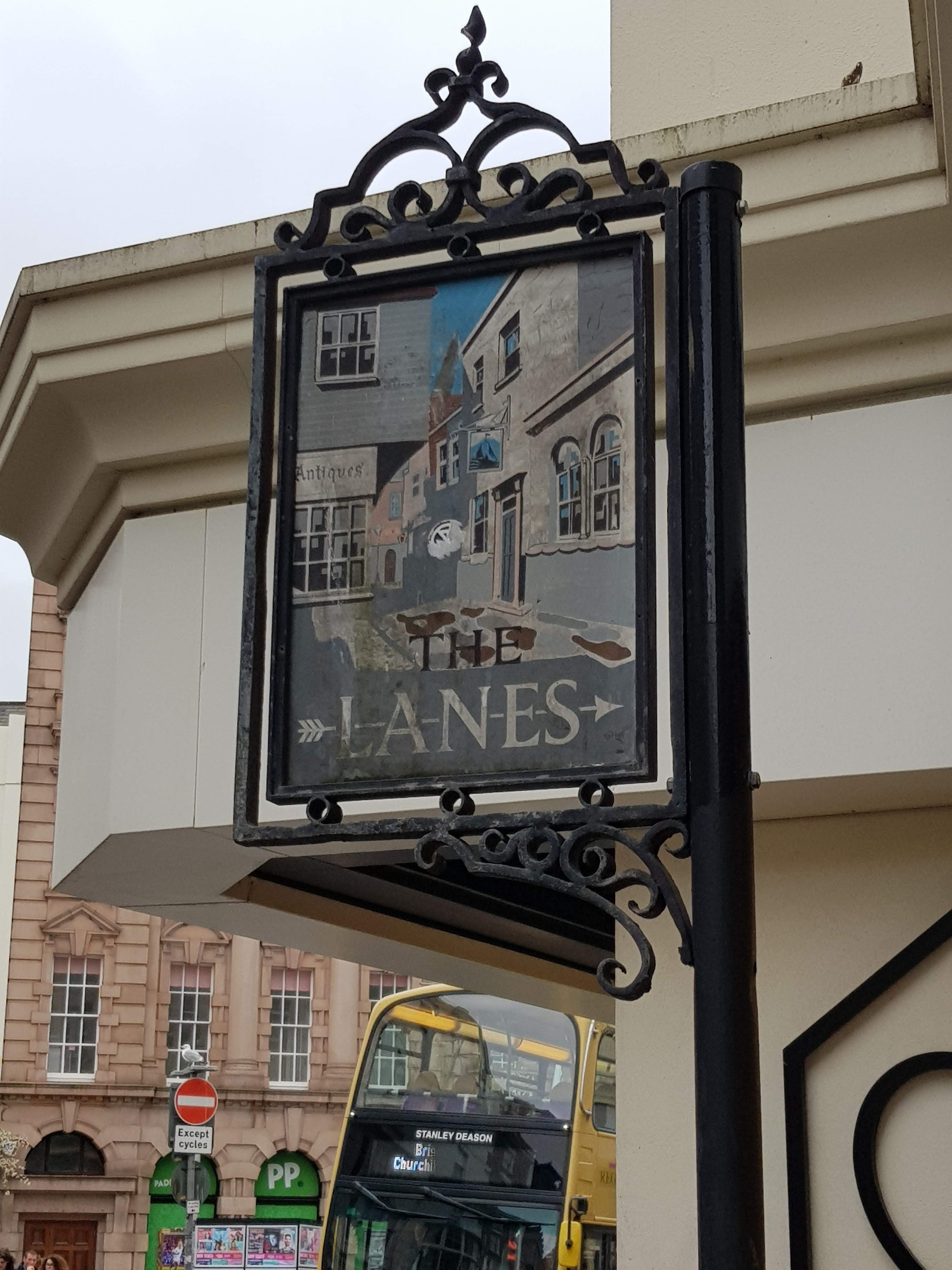
The most well known location for shopping and eating is an area further within the town, named ‘the lanes’. I had a feeling of what to expect here, as Norwich also has ‘the lanes’ as a concept. In Brighton, it is a network of small streets and alleys, that are bustling with independent shops and eateries. We also went down one road that was temporarily closed, which I can only assume was a Covid related innovation by the council. The retailers and restaurant owners were using this an opportunity to spill out into the street, and create a great market vibe. It was very busy, and full of bargains!
The Lanes
Royal Pavilion
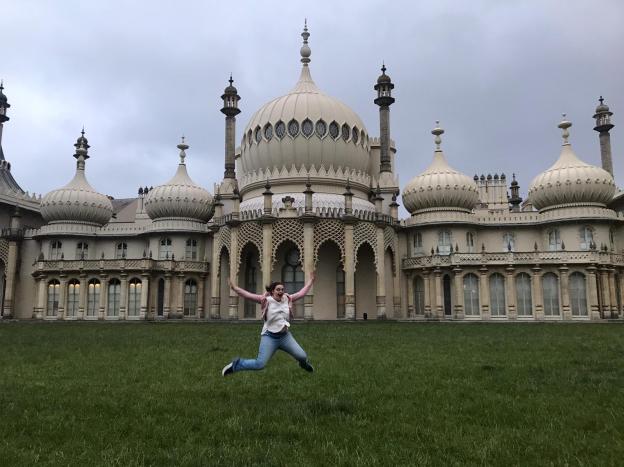
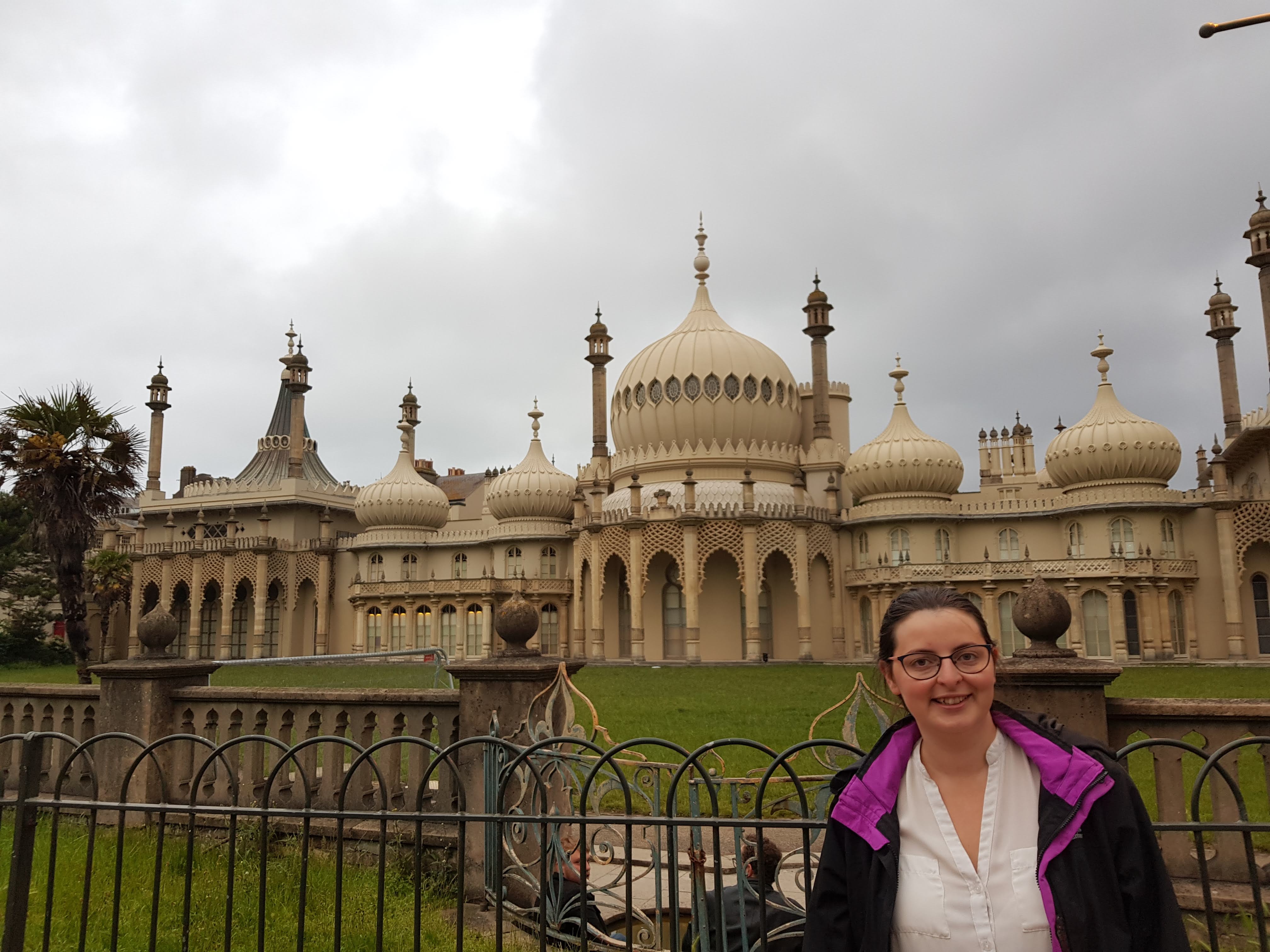
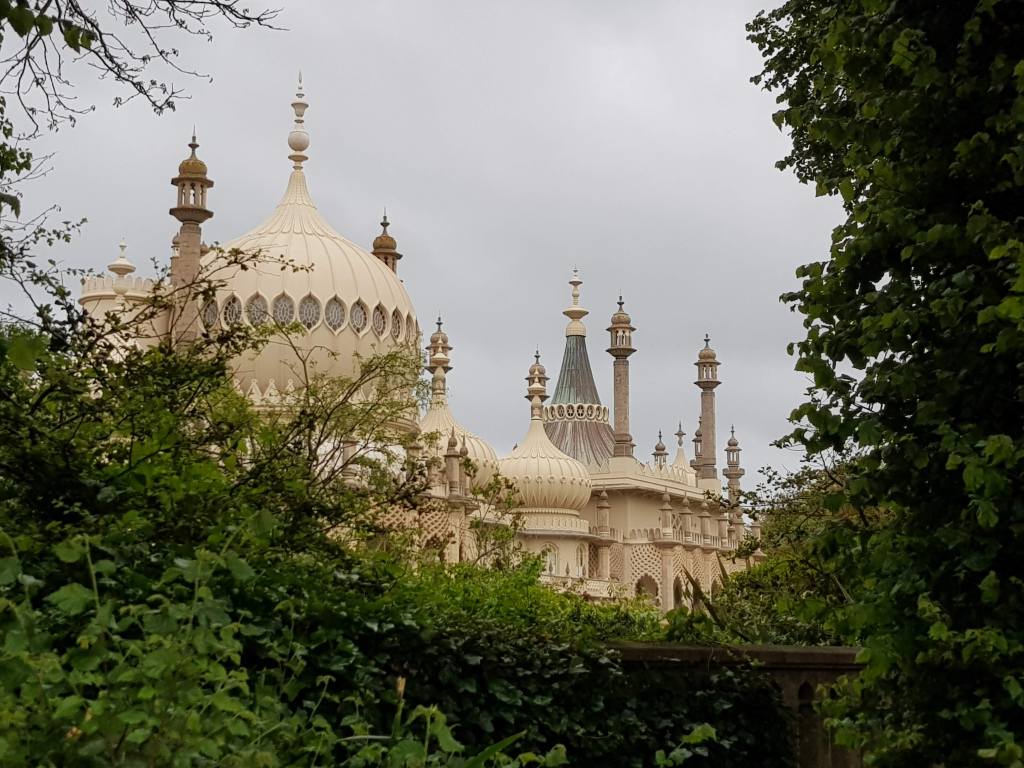
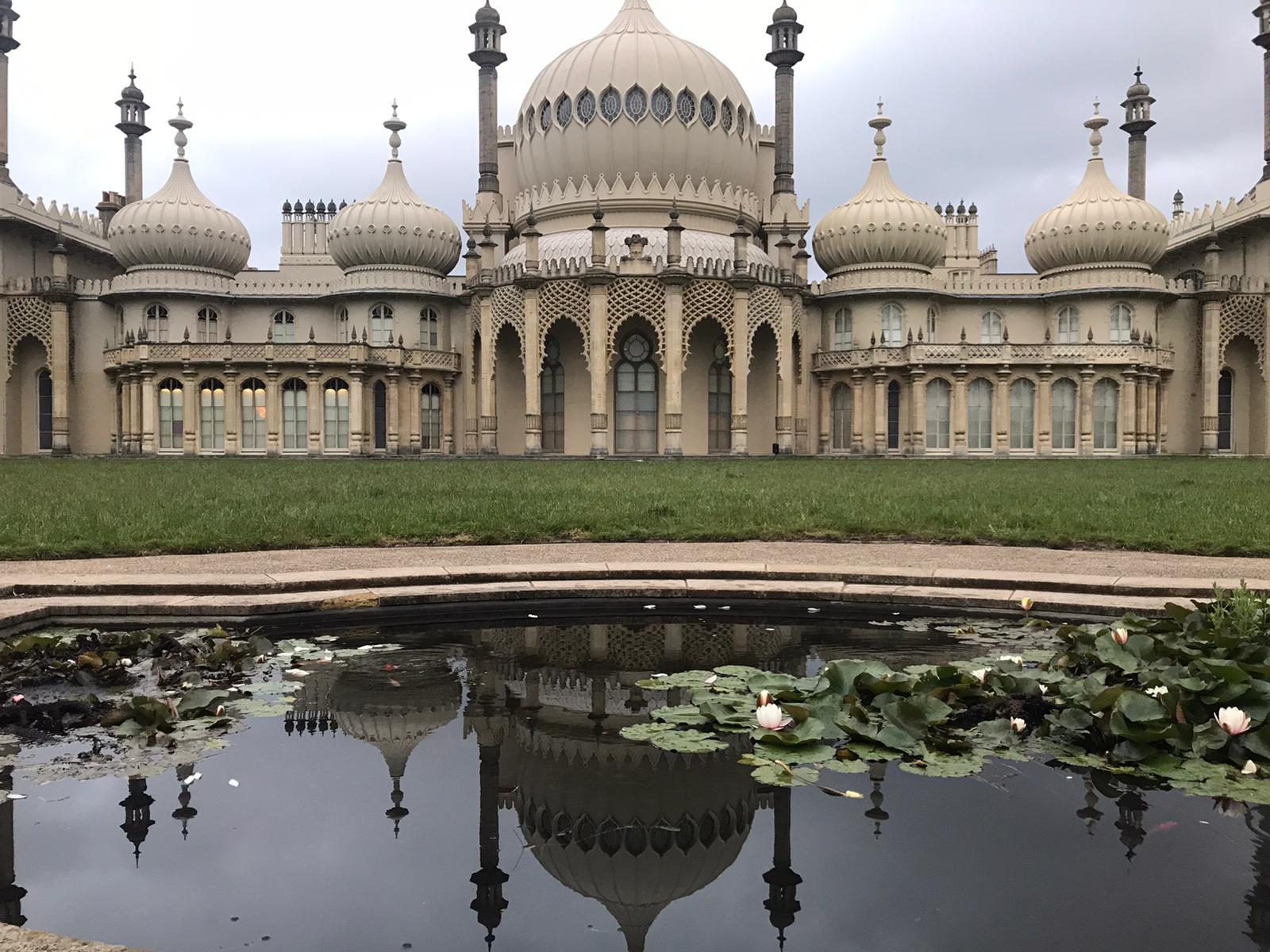
Just beyond the lanes, you will enter into the cultural quarter, this is the home of the world famous Royal Pavilion and Brighton Dome. This estate in the centre of the city is a Grade I listed former royal residence. Building work began in 1787, and acted as a seaside retreat for King George IV. George had an interest in Asian stylings and wanted to design the building and its interior to reflect his interest in Indian & Chinese design, although he never visited these countries himself. John Nash is the architect responsible for the current design, which was interesting to me as I am familiar with this well known Georgian designer. John Nash has also done a lot of work within Norfolk (my home county), in partnership with landscape designer, Humphry Repton, who also influenced the pavilion’s design.
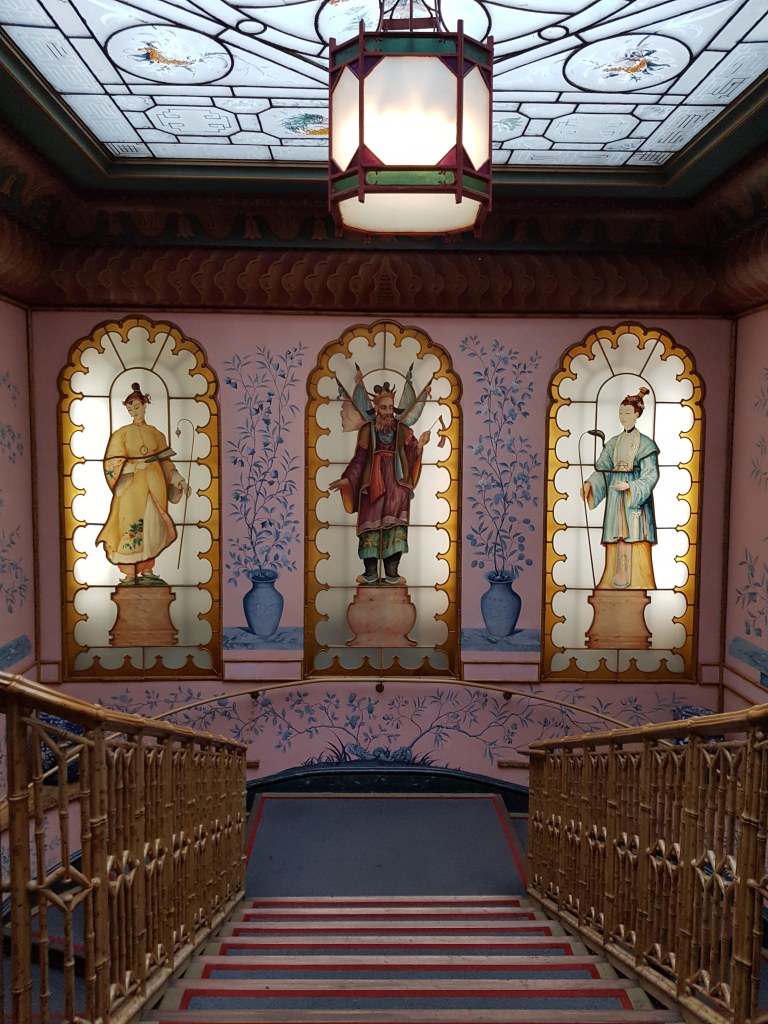
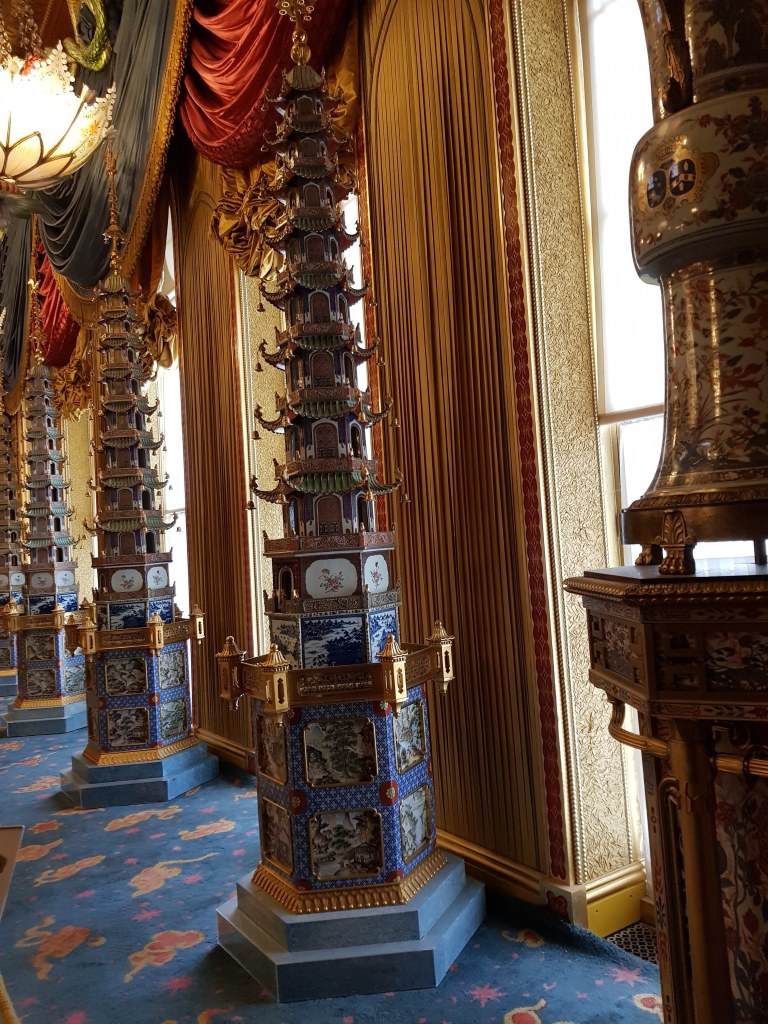
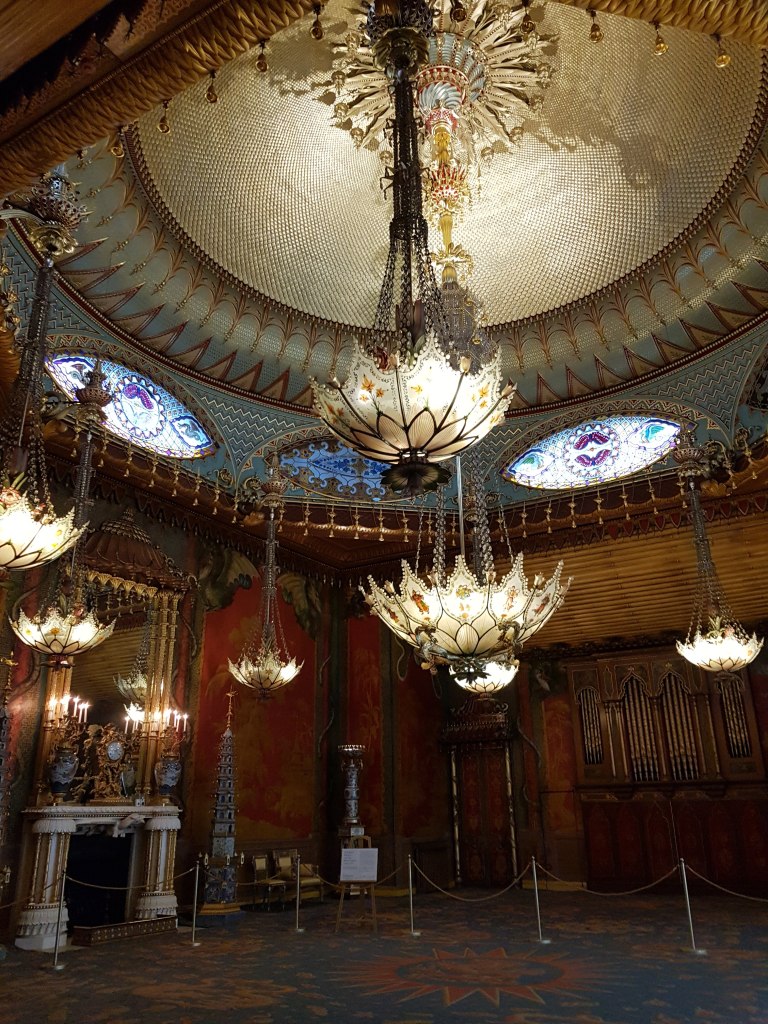
The detail of the decorations within the many rooms is very inspiring to see. Visitors are constantly coming face to face with images of dragons, fish and snakes. Giant chandeliers and beautiful stained glass also hangs overhead. The palace buildings are also surrounded by charming gardens full of roses and shrubberies, the gardens are open to the public at all times.
Once built, this extravagant building was used as a pleasure palace for the King, and later, was a retreat for Queen Victoria, and her family. The building has a room dedicated to information about Queen Victoria’s visits, based on historic records including her own diary entries. She wrote in her first visit “The Pavilion is a strange, odd Chinese looking thing, both inside and outside; most rooms low, and I only see a little morsel of the sea from one of my sitting-room windows, which is strange, when one considers that one is quite close to the sea.” She visited several times with her family, and enjoyed the easy rail connection between London and Brighton. Eventually, she decided to sell the building, as she felt too much amongst the public in the centre of town. It was later sold to the town council, and is the only royal palace in the country that is currently not owned by the crown.
During the First World War, it was transformed into a hospital for Indian soldiers. This was partially as a political move, to provide propaganda to India as an important country within the British empire. This element of the pavilion history is also exhibited within your visit to the attraction.
I truly expected to enter a shell of a building, and was hoping that at £16 per ticket, it would not be a waste of money. I was pleasantly surprised! The pavilions exterior and interior are amazing, and the information available for visitors is widely ranging. The attraction offers an audio tour that you can use on your phone, regular signs, and volunteer guides on duty. We were also told that our tickets would act as an annual pass, which is brilliant, and meant I could come back the following day for a second look!
Surrounding Brighton
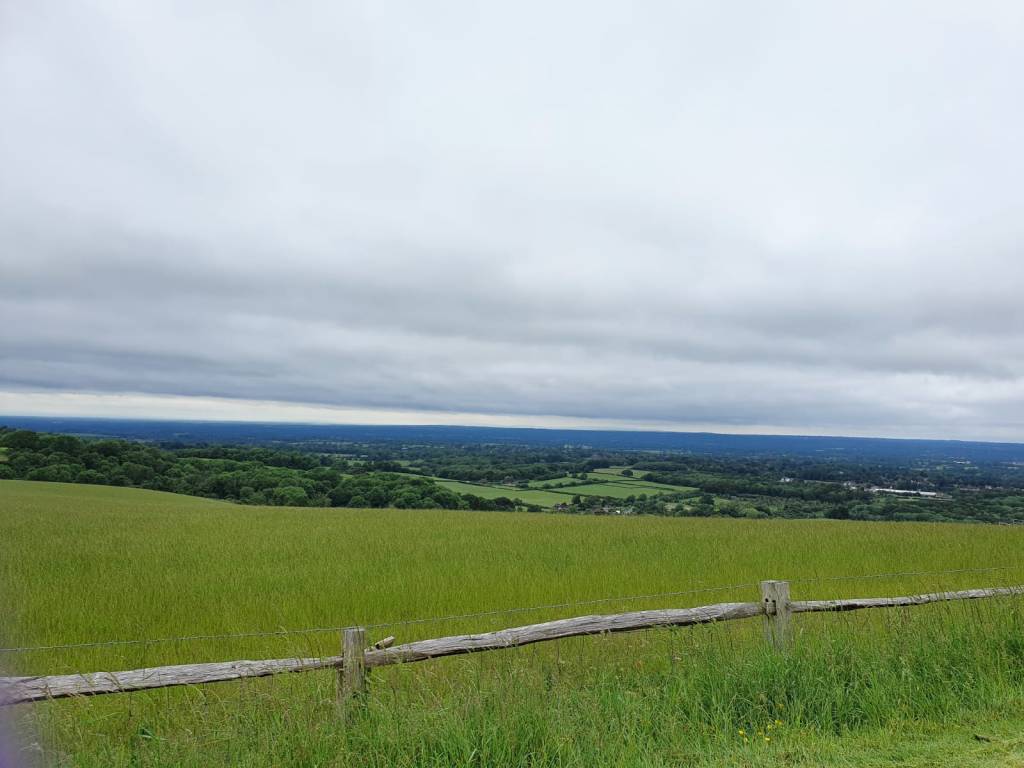
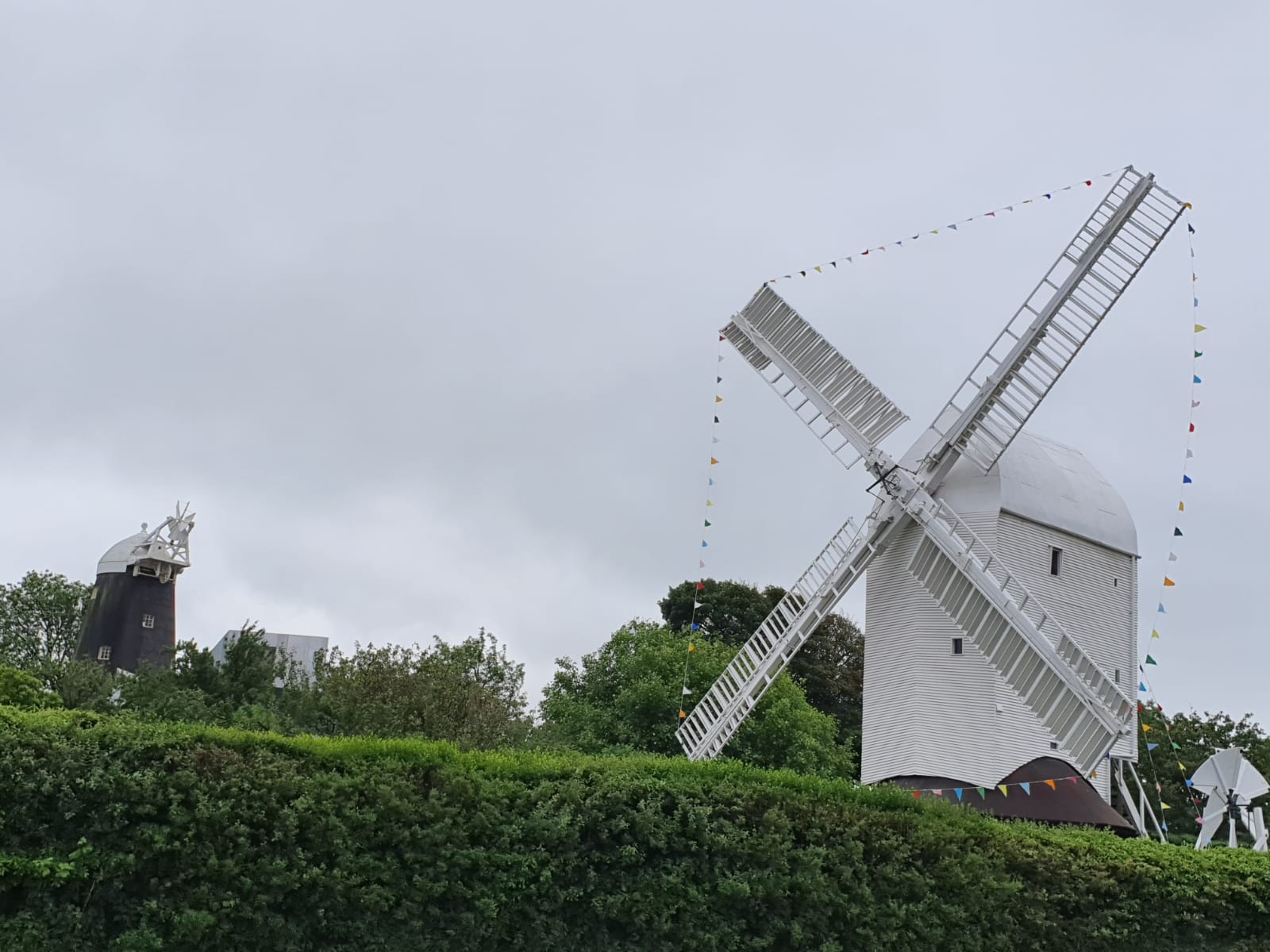
We were staying slightly outside Brighton and had access to a car, meaning it was easy to discover surrounding areas. We decided to visit the Jack & Jill Windmill which provided a beautiful view of the South Downs National Park, and we also visited the lovely town of Lewes.
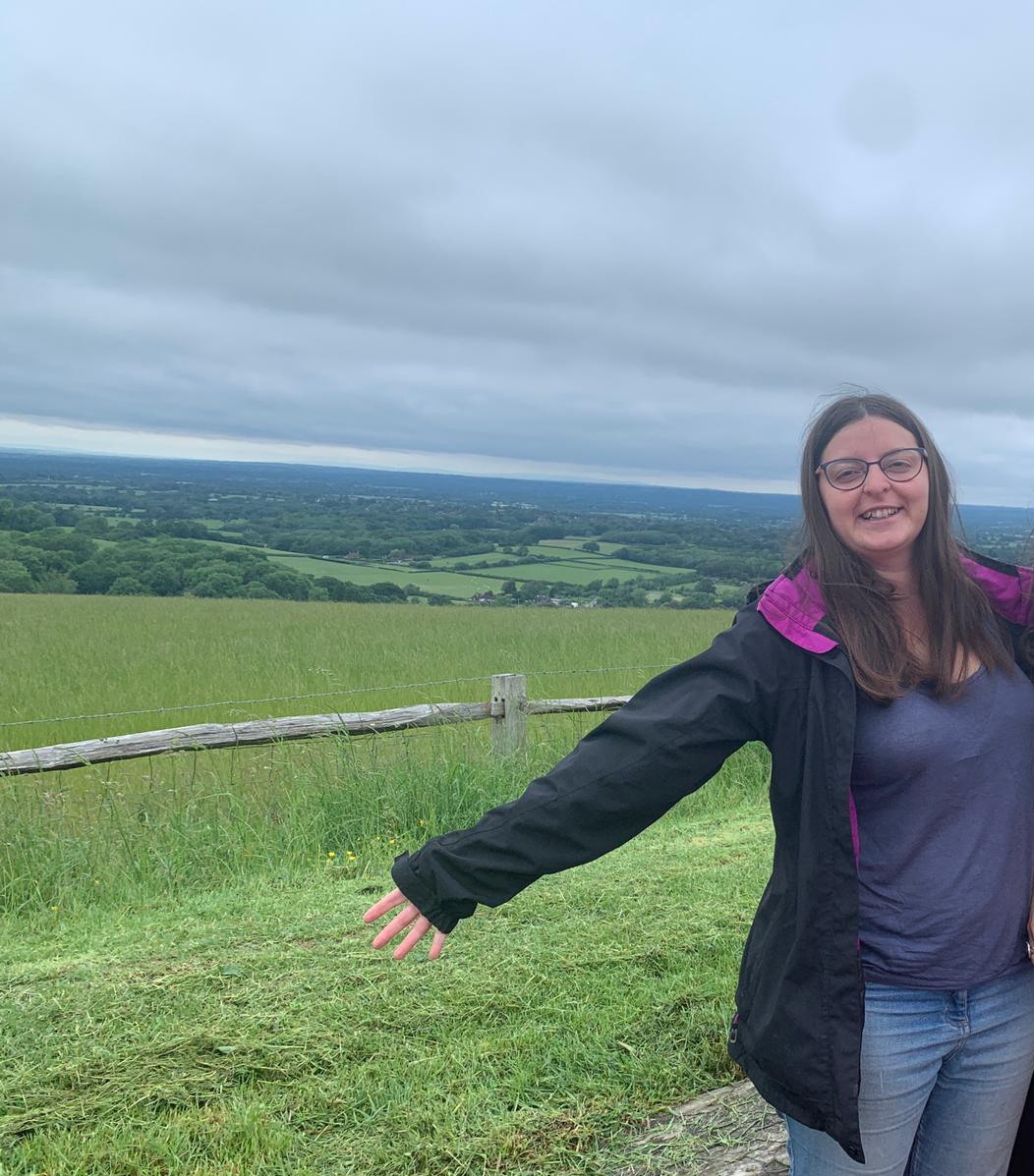
South Downs National Park view
Lewes is built on the hills of the Ouse Valley, and is a delightful country town, with plenty of historic buildings and pleasant green surroundings to enjoy.
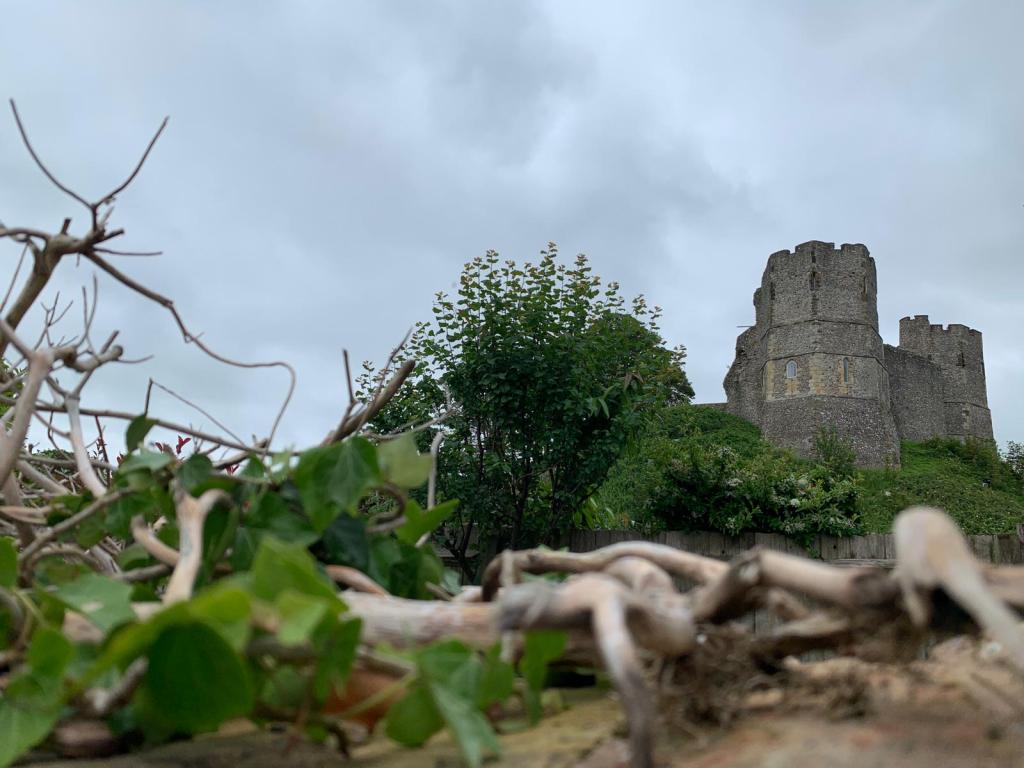
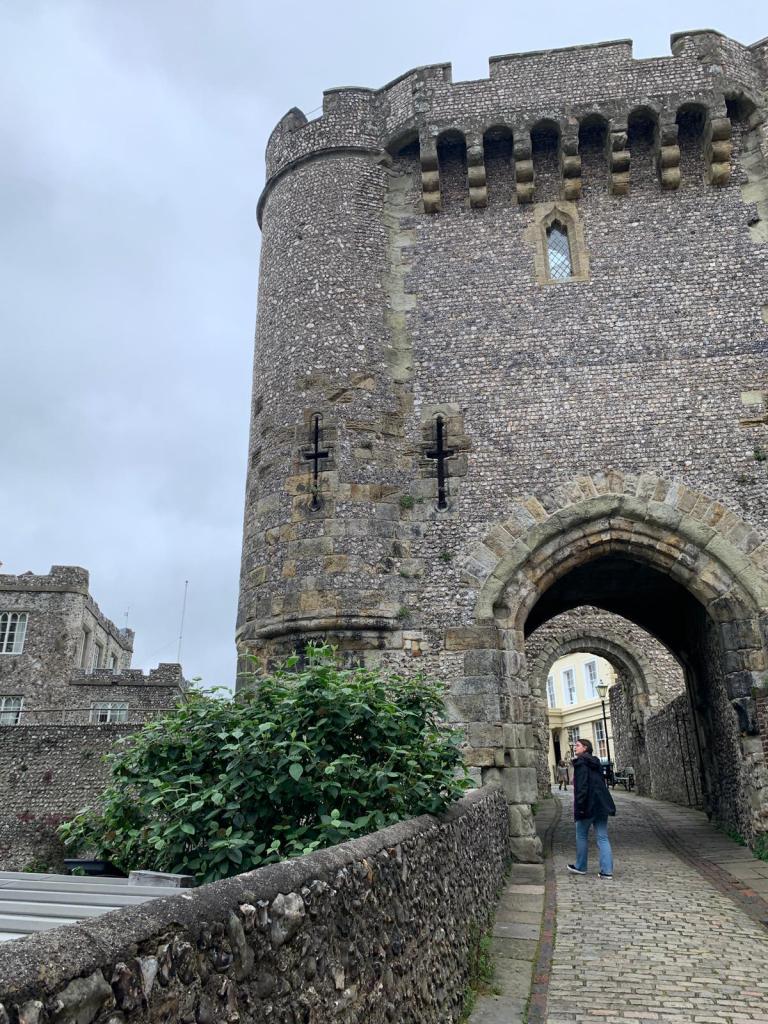
At the top of the hill is the castle which was built shortly after the Norman invasion in 1066. The battle of Lewes took place here and was one of two important battles within the Second Barons’ War. King Henry III was staying within the safety of the castle and nearby priory before heading into battle against the 6th Earl of Leicester, Simon de Montfort. The king was defeated in this battle. There are several pieces of interpretation around the site that you can access for free, that provide information about the battle and key locations. You can buy a ticket to enter the castle enclosure and museum, or walk around the castle walls and through the castle gate for free, as it is part of the public walkways.
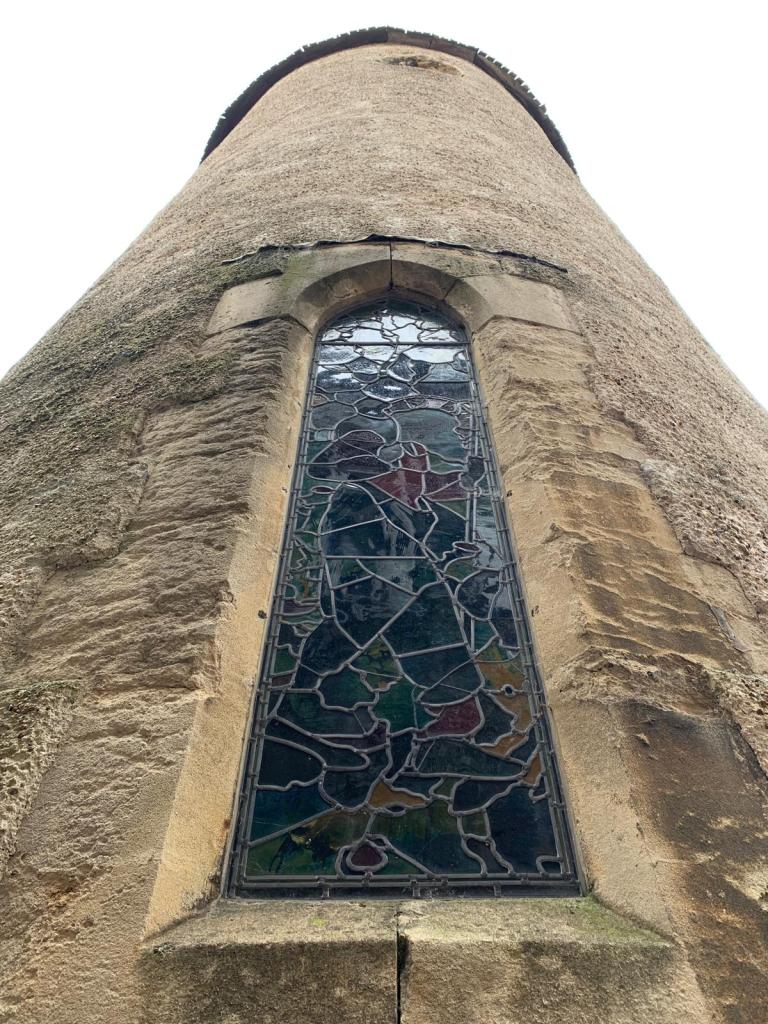
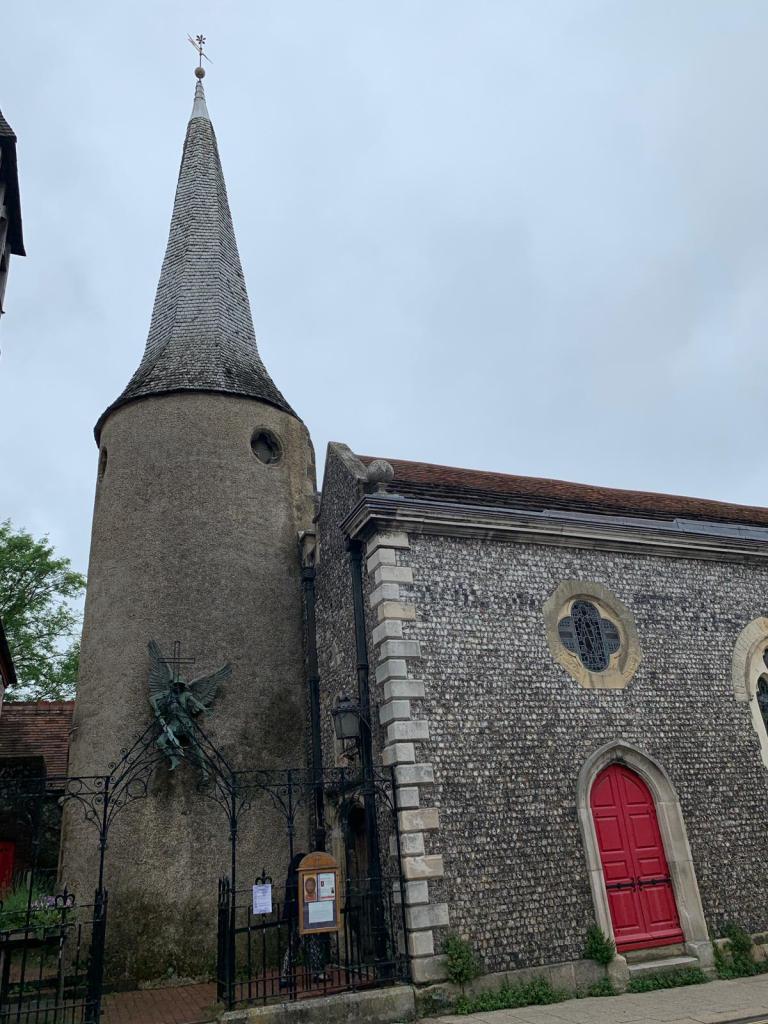
Within the town, you will also find several other buildings varying in age, from Norman, to the Tudor period and beyond. Some key locations include the priory, Ann of Cleves house, and also the pretty St Michael’s church which has a round tower dating from around 1200.
The town has many of the normal shops and chain cafes, but also hosts many independent retailers with unique goods to trade, and lots of information on the walls to tell you the significance of the street you are on.
Overall, I was very happy with my weekend in Brighton and the surrounding area. It definitely offers a diverse range of activities depending on your interest. I know that I have only scratched the surface though, so I look forward to going deeper into the area’s offering in the future.
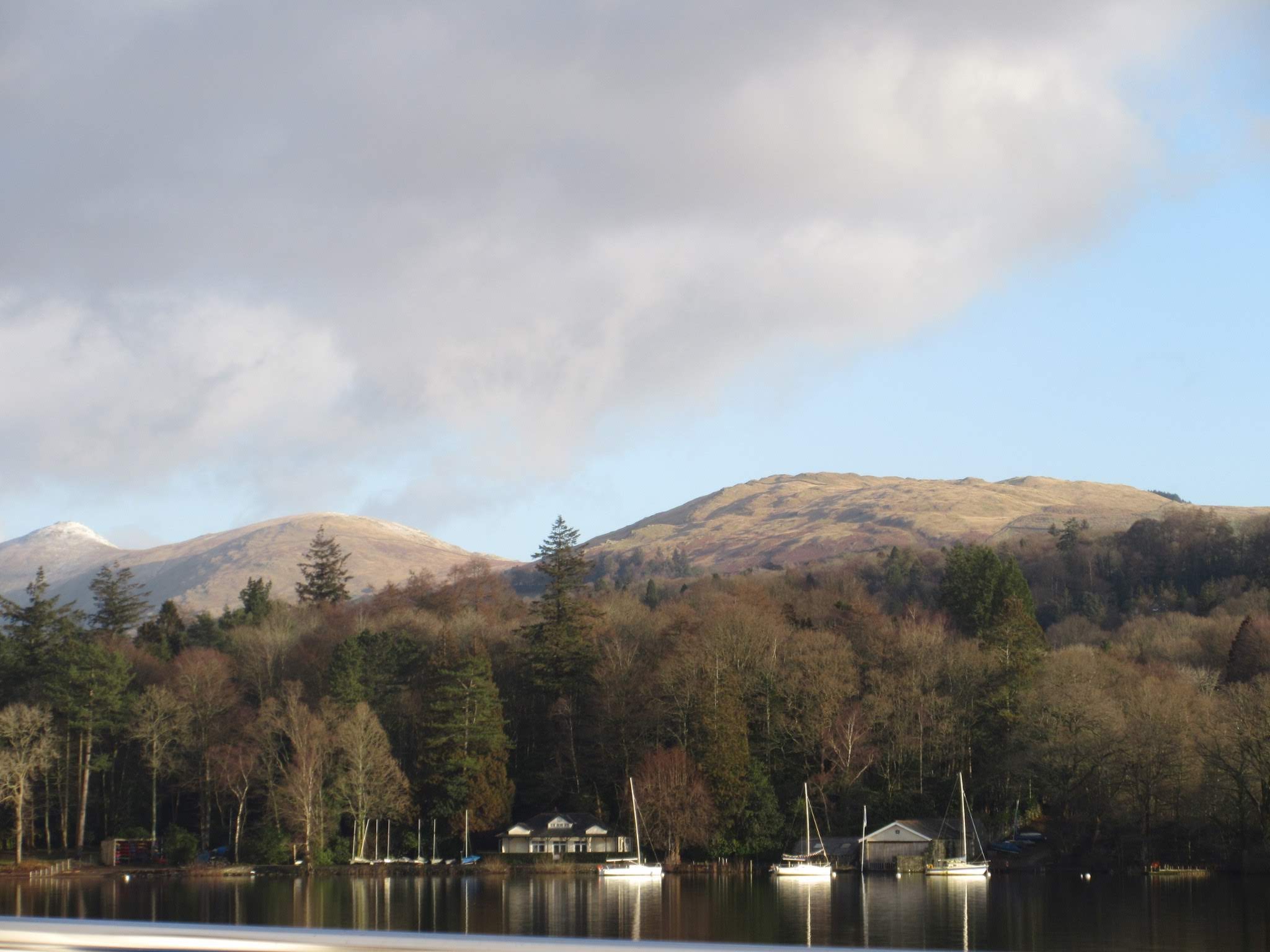
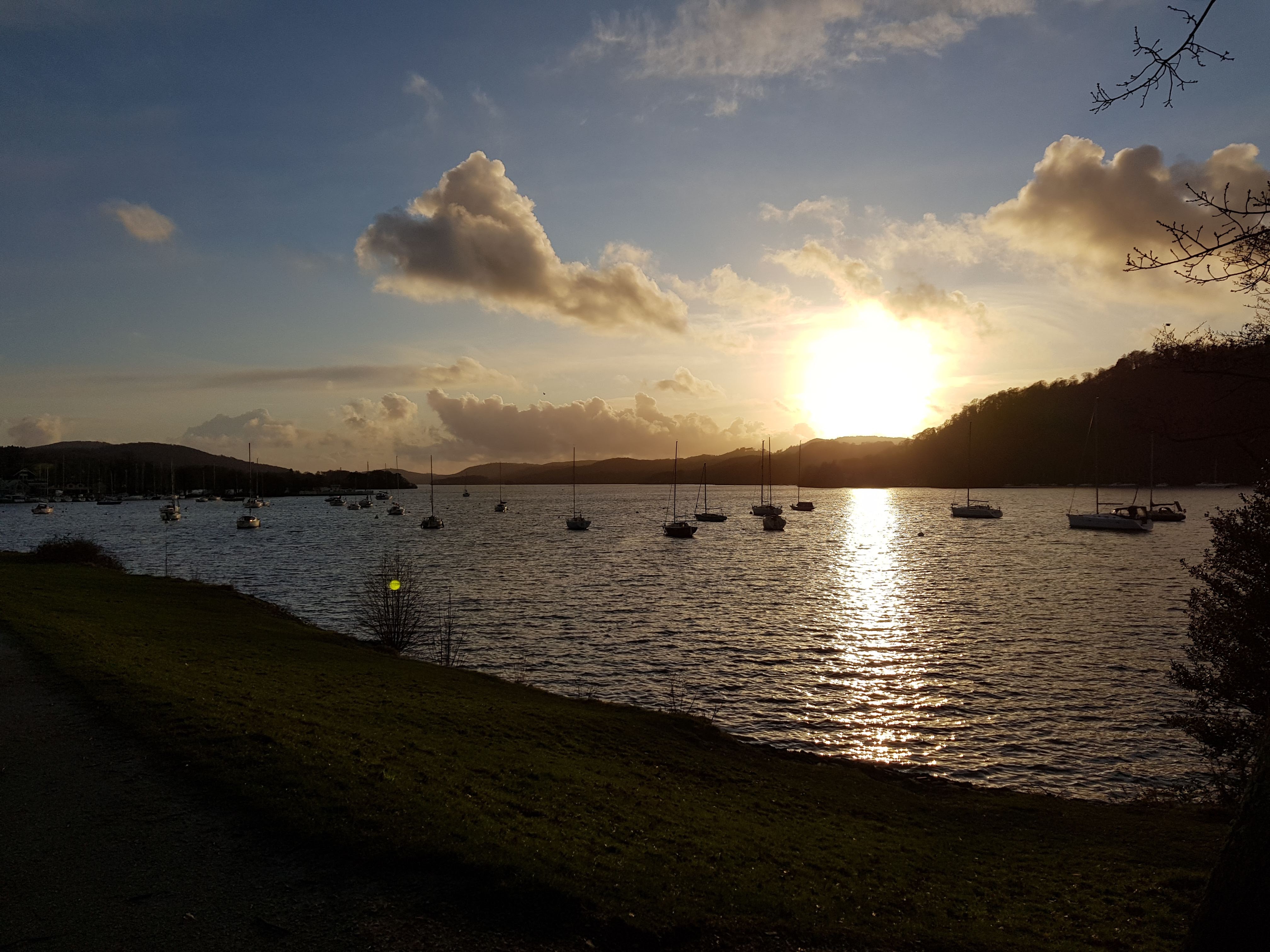
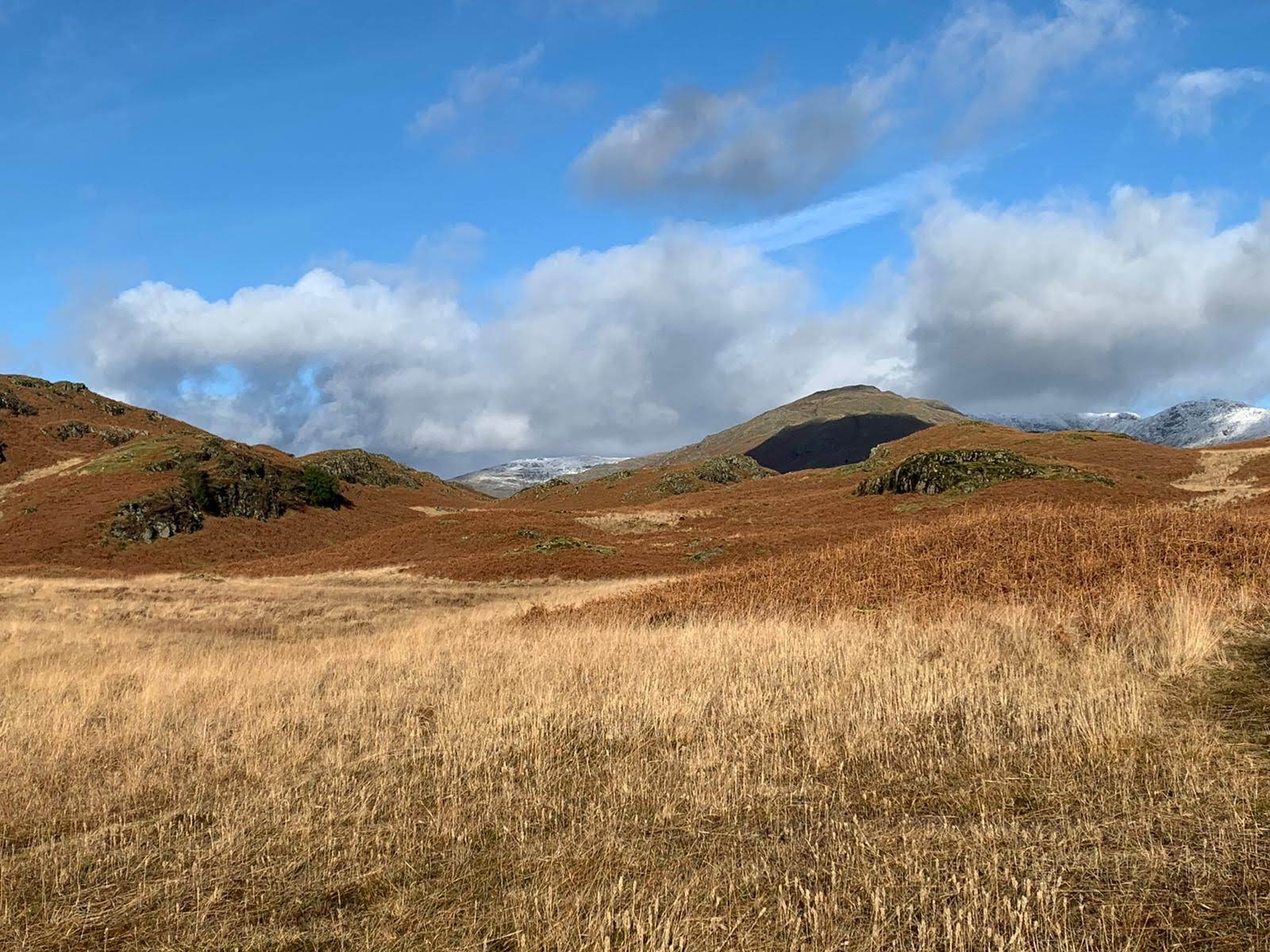
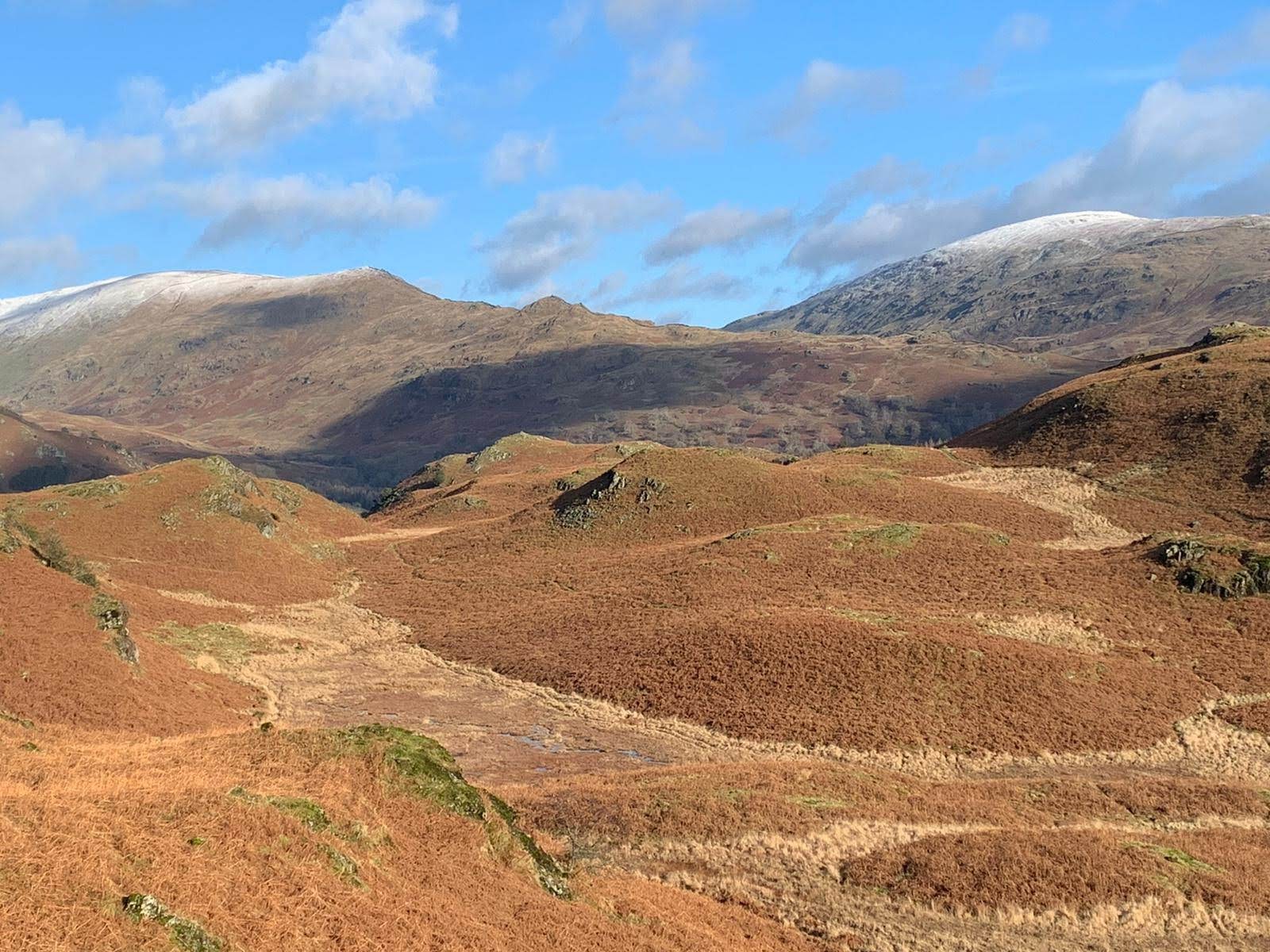
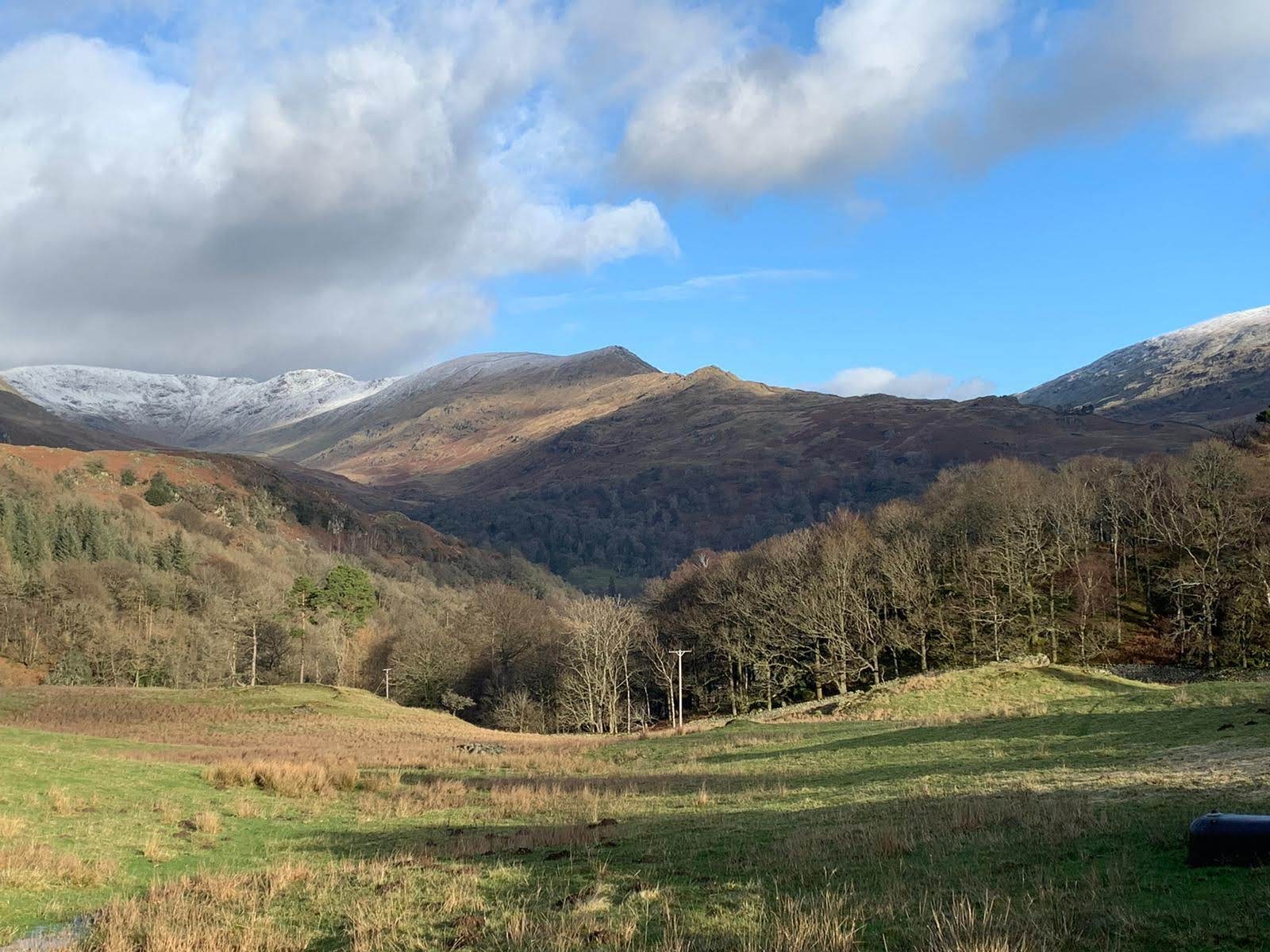
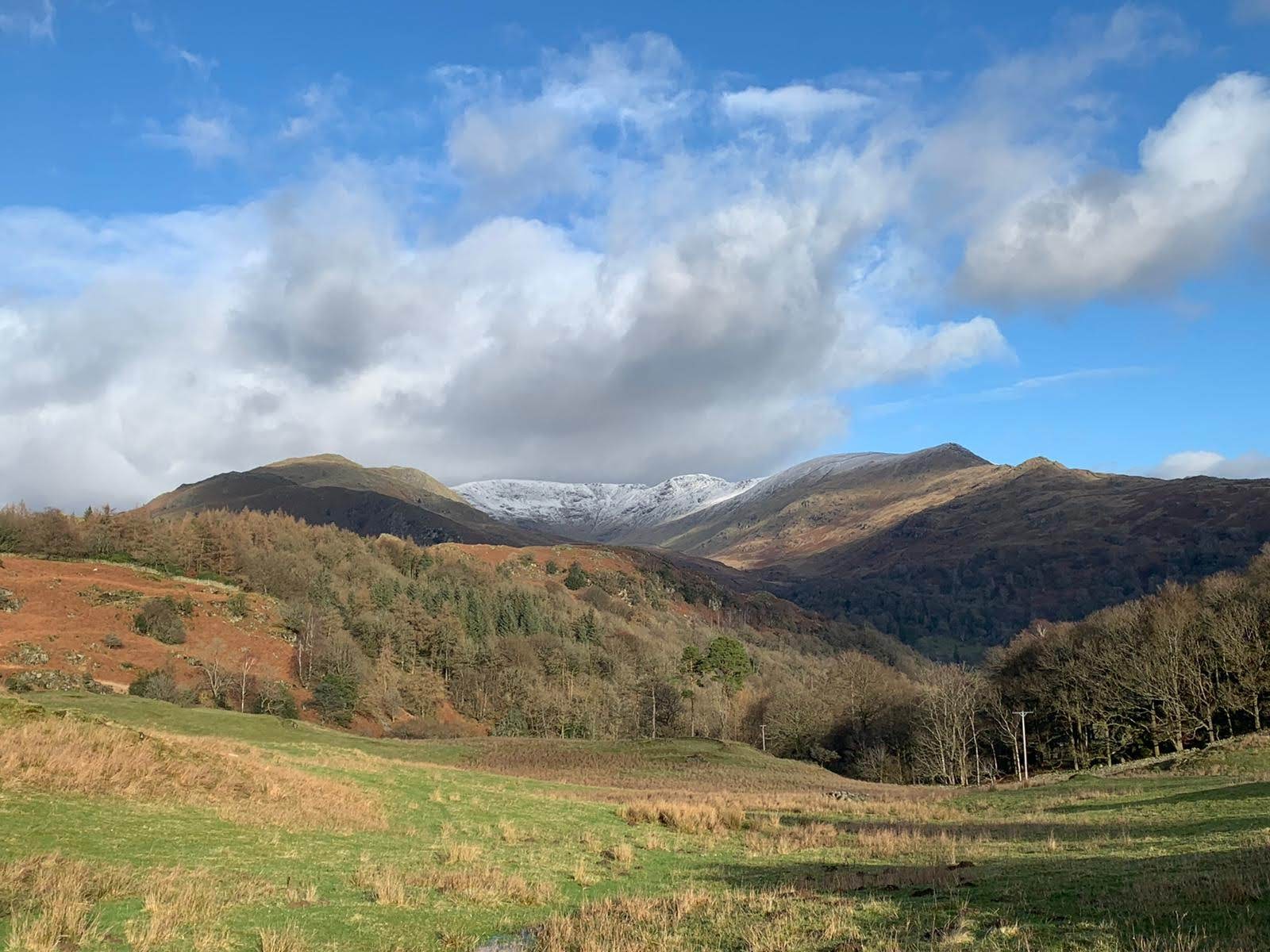
A few months before the country locked down due to the pandemic, my partner surprised me with a weekend trip to the Lake District National Park. Considering it was January, we had a great time exploring the beautiful scenery in this area.
Driving around the Lake District, we found ourselves making good use of first and second gear, as we climbed the huge hills. It is a long drive from Norfolk but very pleasant, as you get into lakeland and can enjoy amazing views, and feel like you are suddenly in another country.
We stayed in a lovely little B&B, (of which there are many..) in Bowness on Windermere, on the side of the Windermere lake; England’s largest lake. This is a busy village in the National Park, and has several amenities, and The World of Beatrix Potter attraction. We did see this from the outside, but we didn’t go in. Even though I loved ‘Peter Rabbit’ as a child, I cannot really get away with it now! Interesting fact though… the area gets lots of Japanese visitors, as they love Beatrix Potter stories!
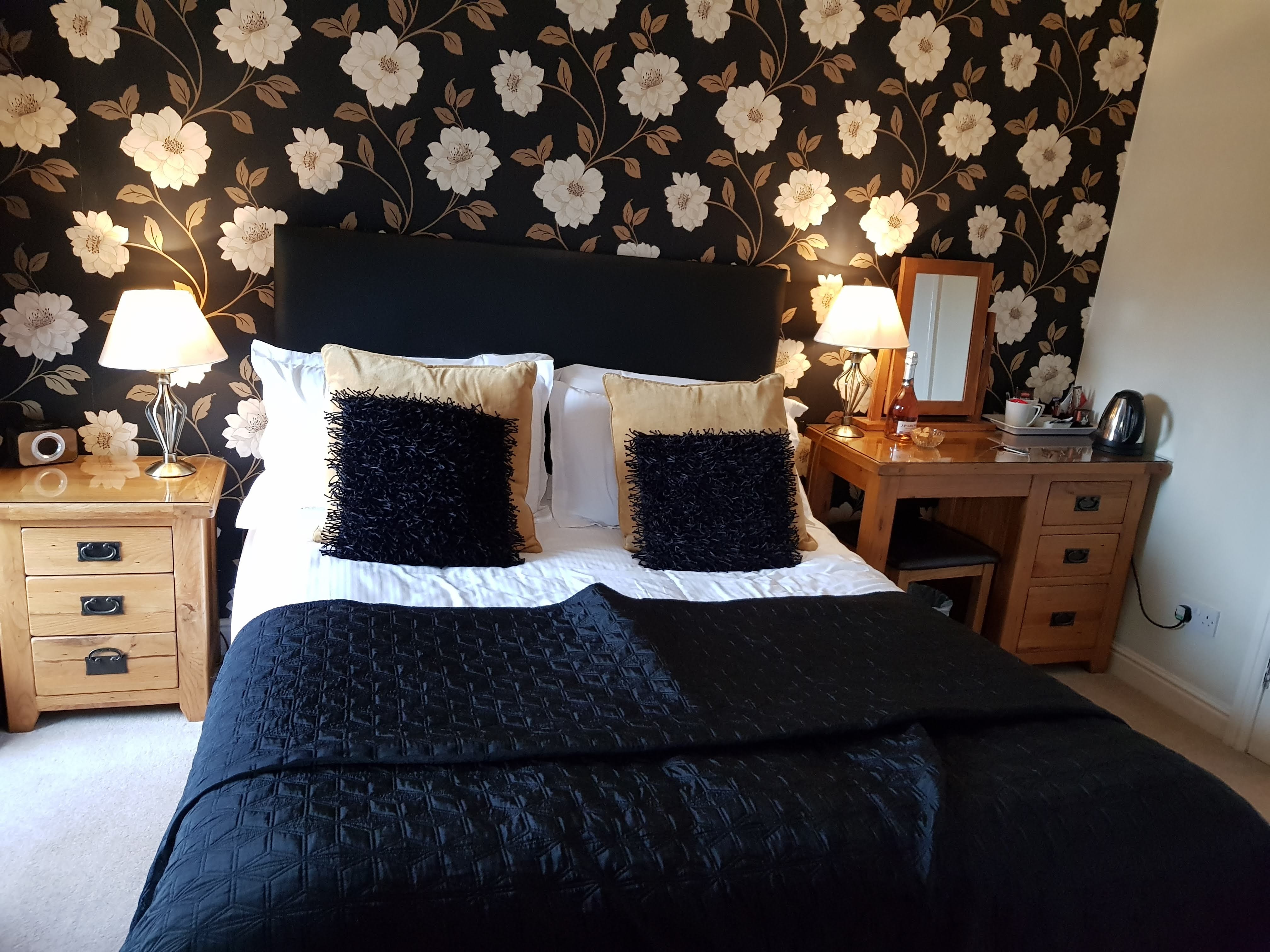
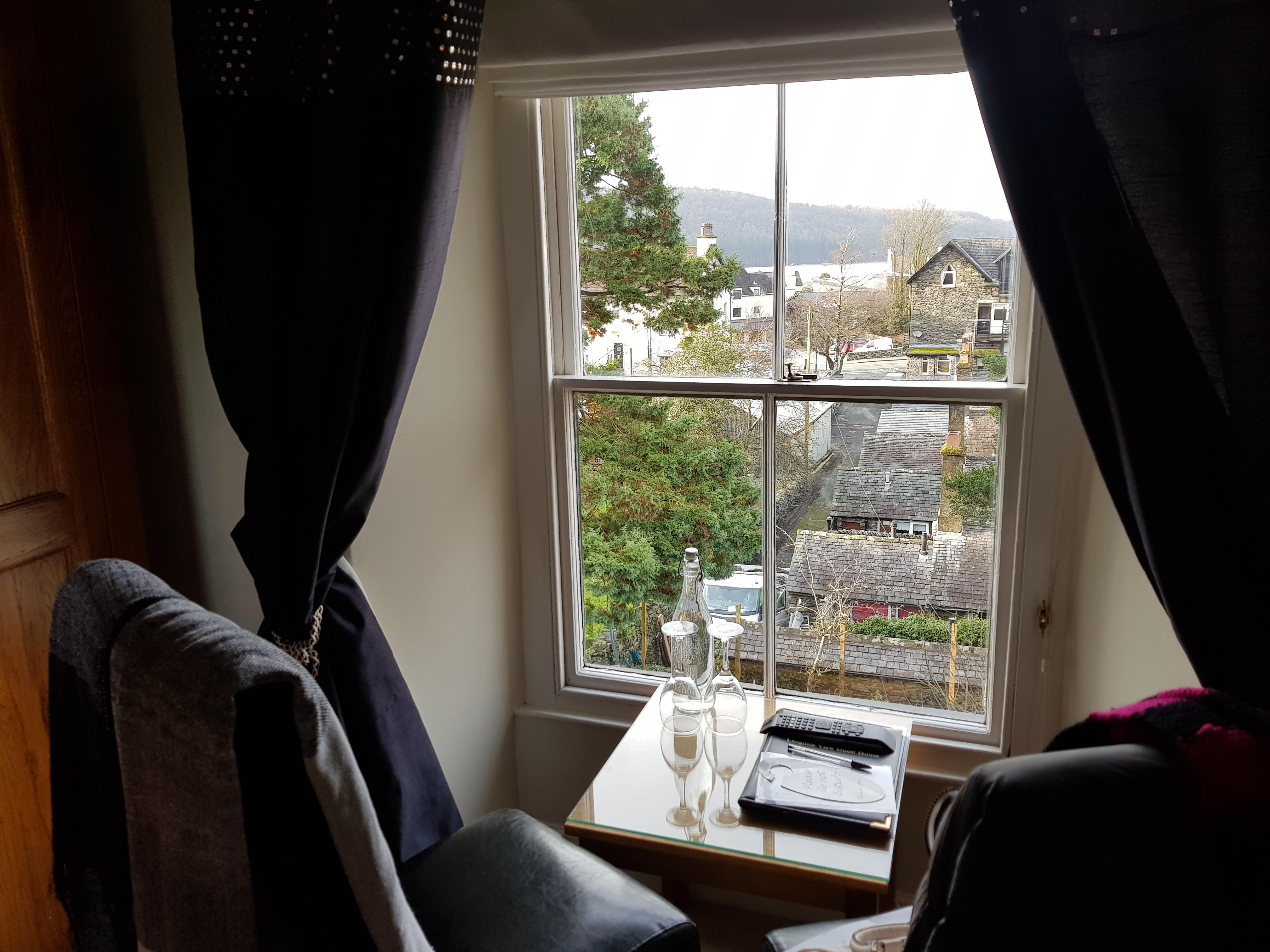
We had a great stay in the B&B as it felt really traditional but had lots of nice modern decor. Plus we had great breakfasts, could get recommendations/free maps and also they gave us free fudge!
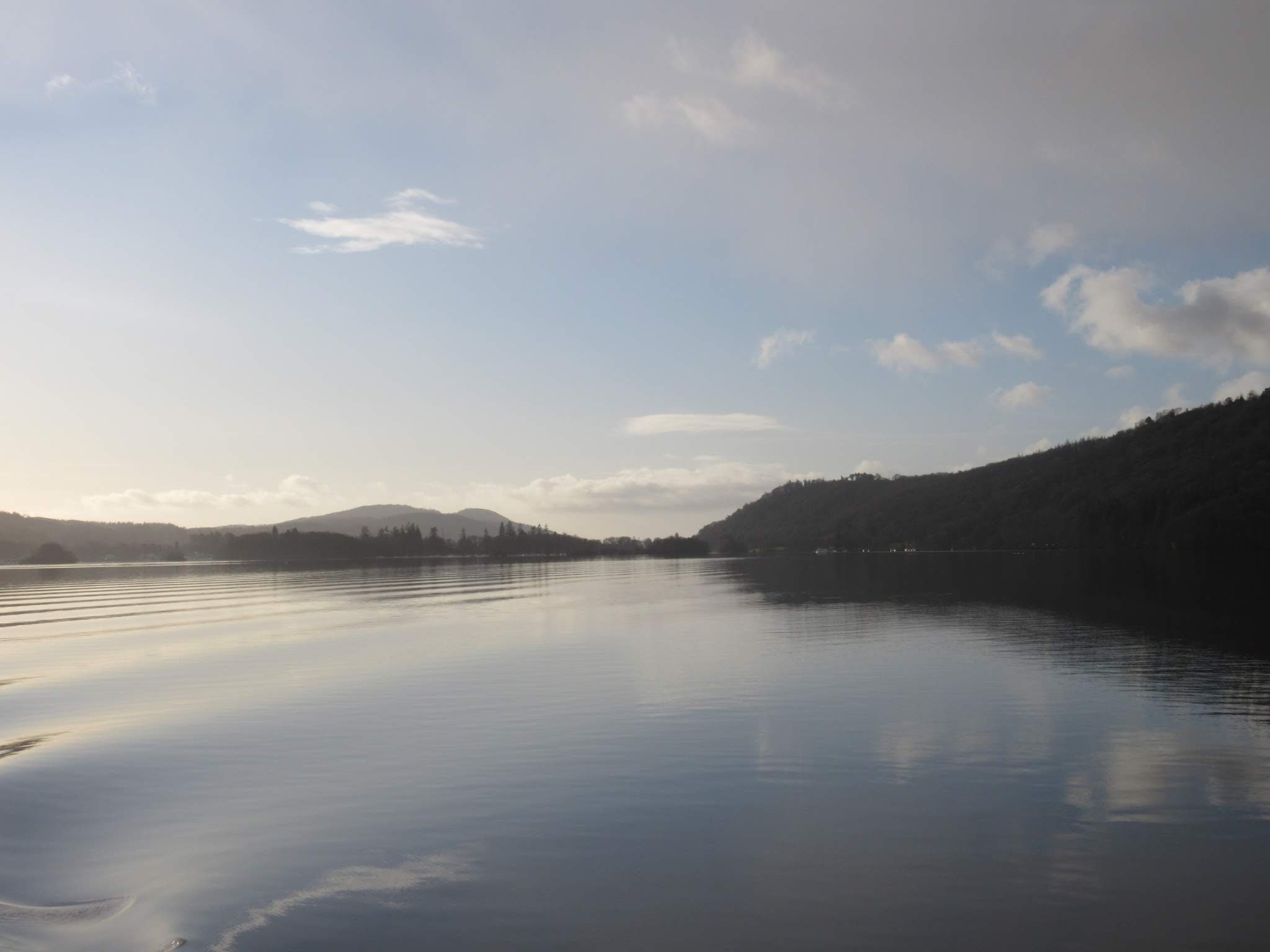
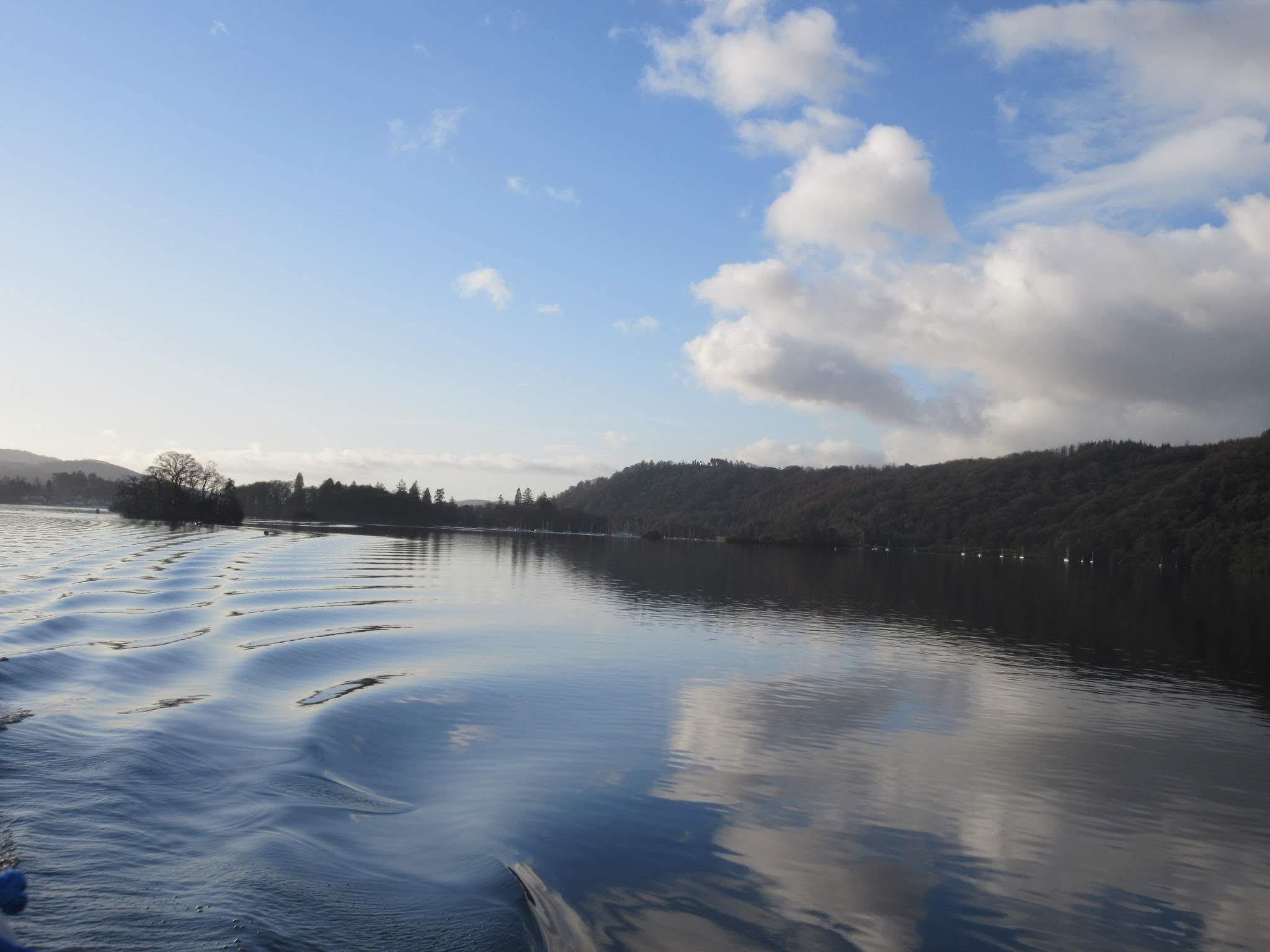
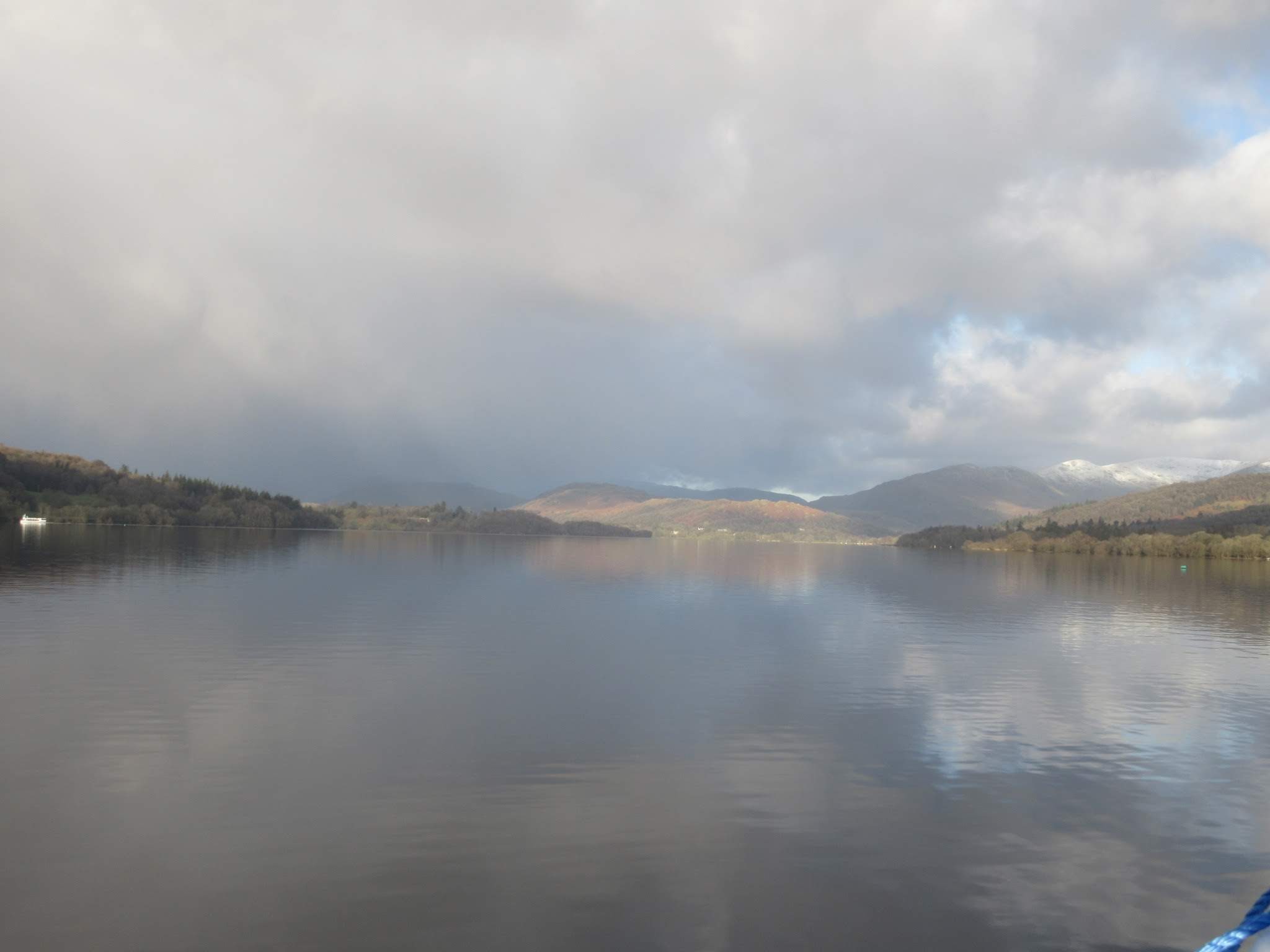
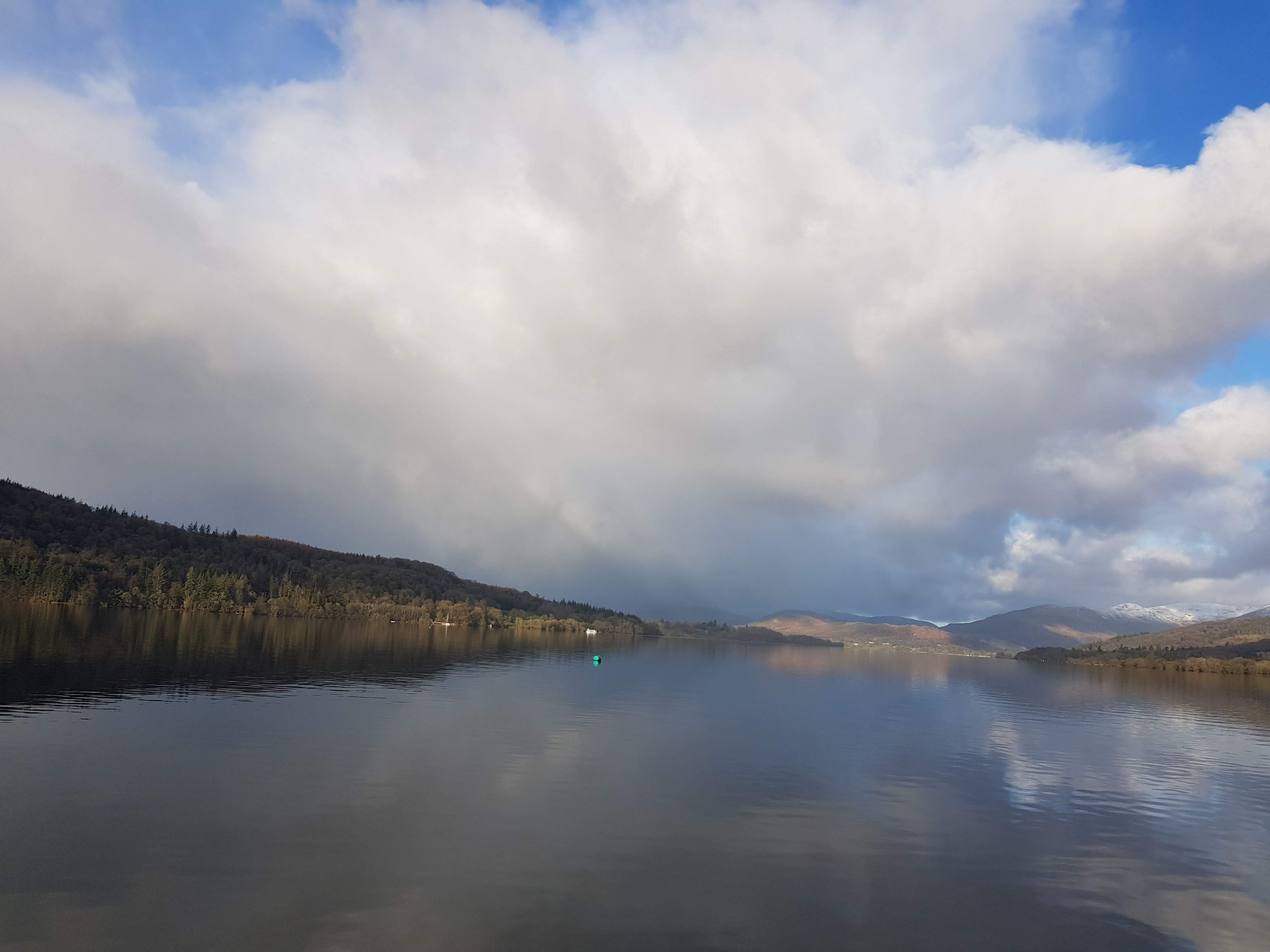
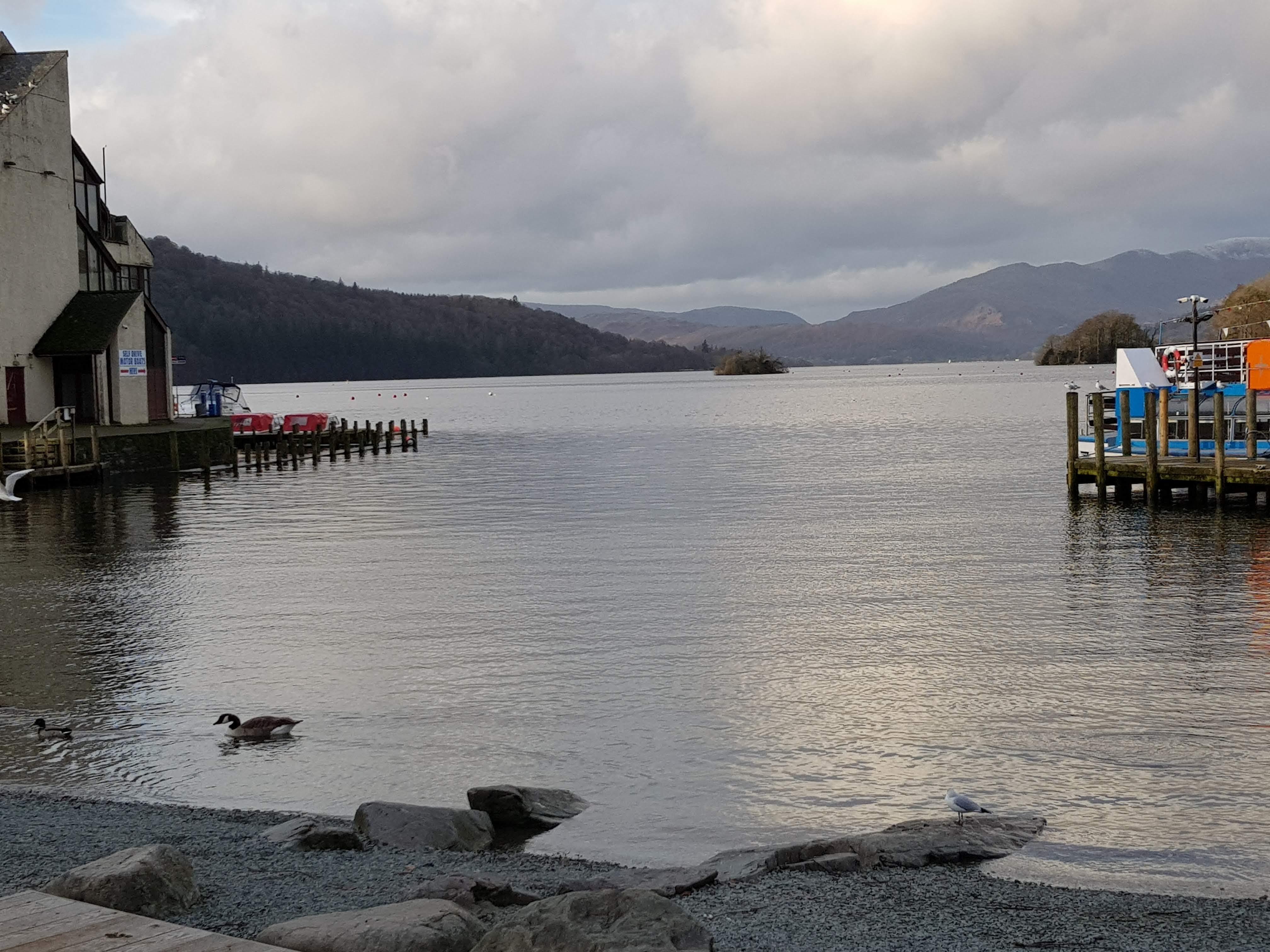
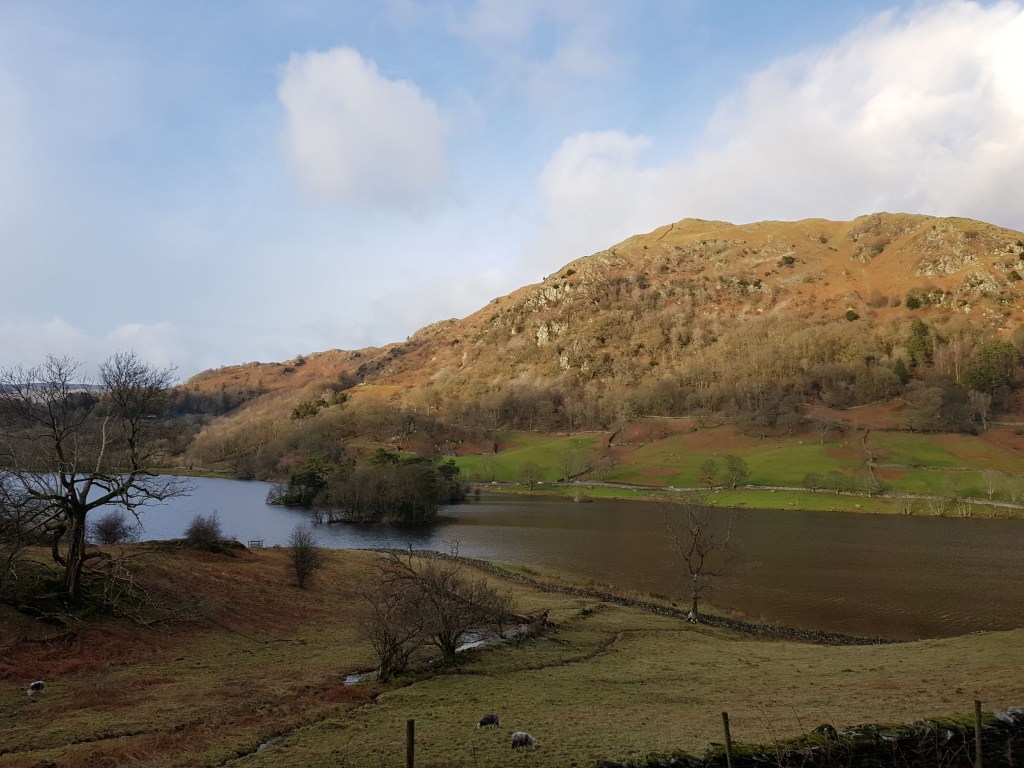
One of the other great things about staying in Bowness on Windermere, was the close proximity to the lake’s ferry service. There is an information centre and booking office where you can buy tickets for the ferry cruises that run regularly up and down the lake. The Windermere Lake Cruises company offer several boat services taking different routes around the lake, you can also charter a boat. We crossed the lake to Ambleside and it was quite a rainy trip across, but it was January… and it meant we had rainbows! There was some information provided on the cruise and there was an inside and outdoor space.
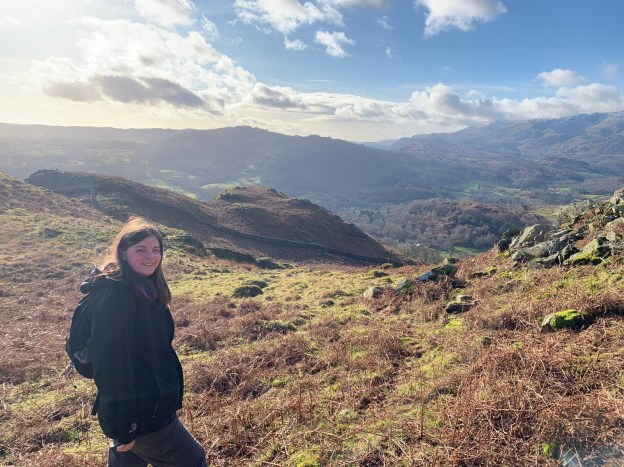
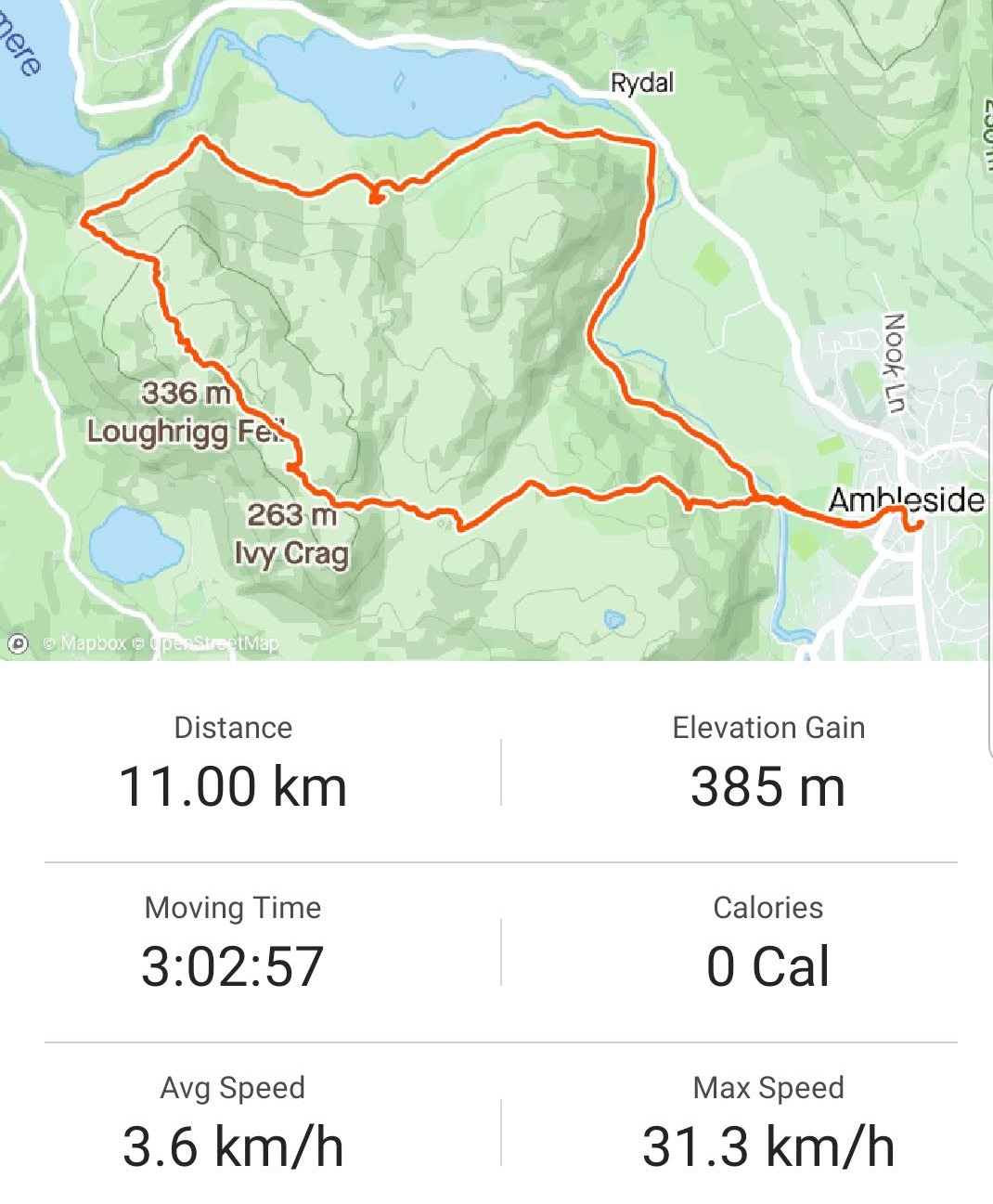
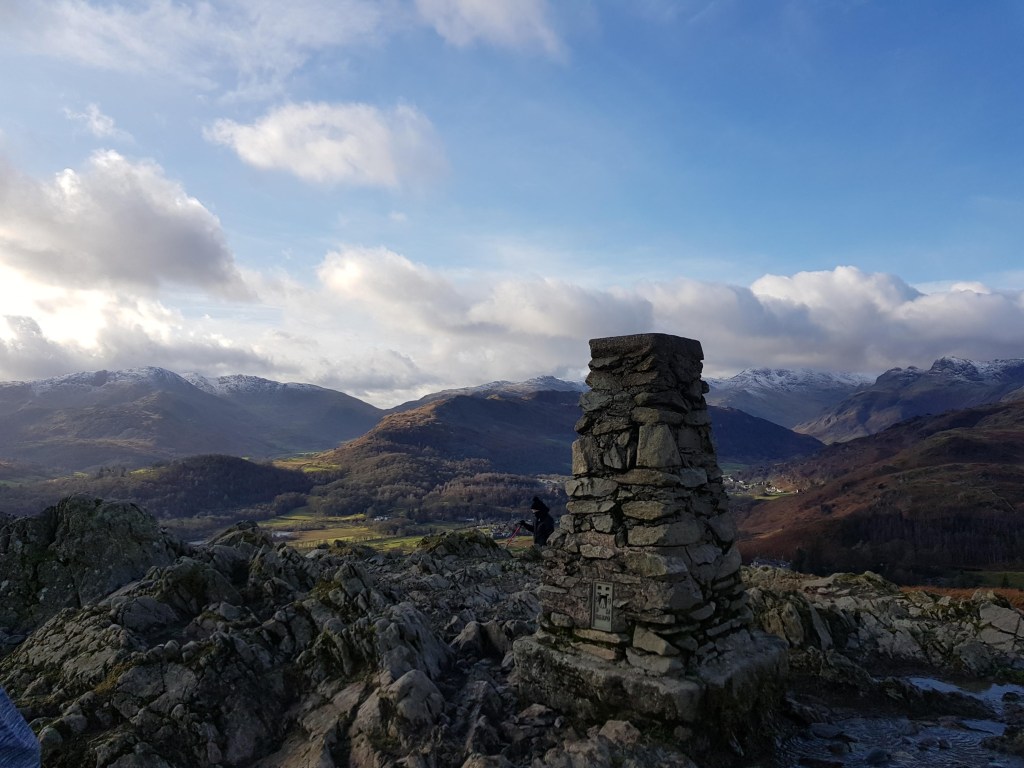
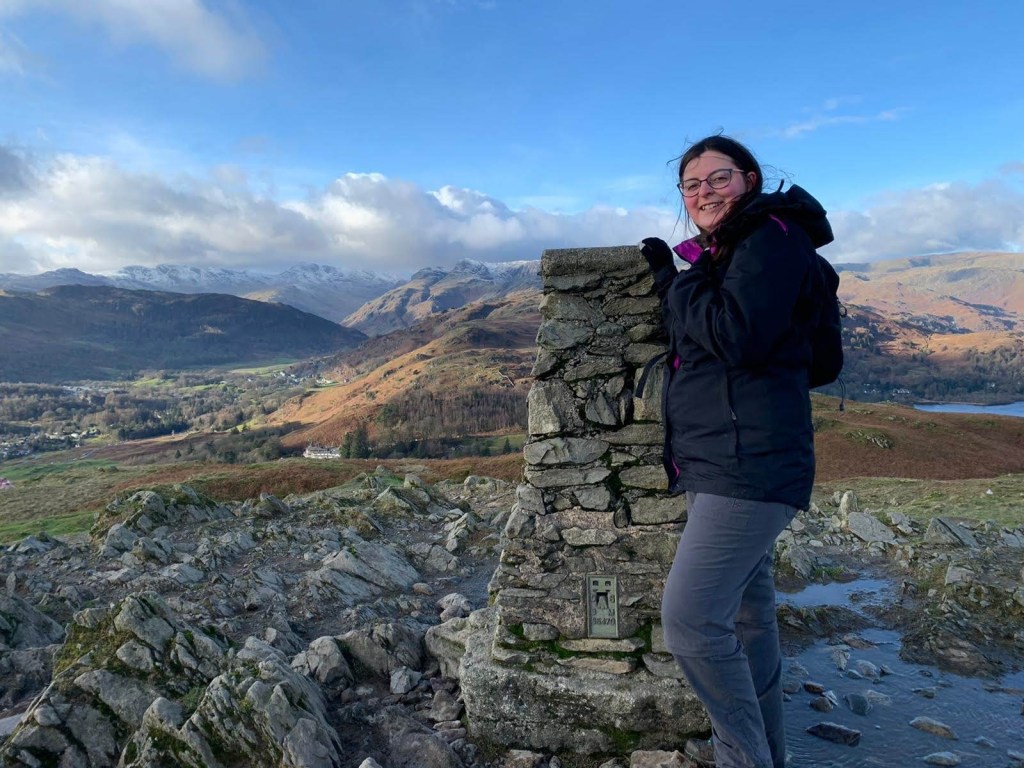
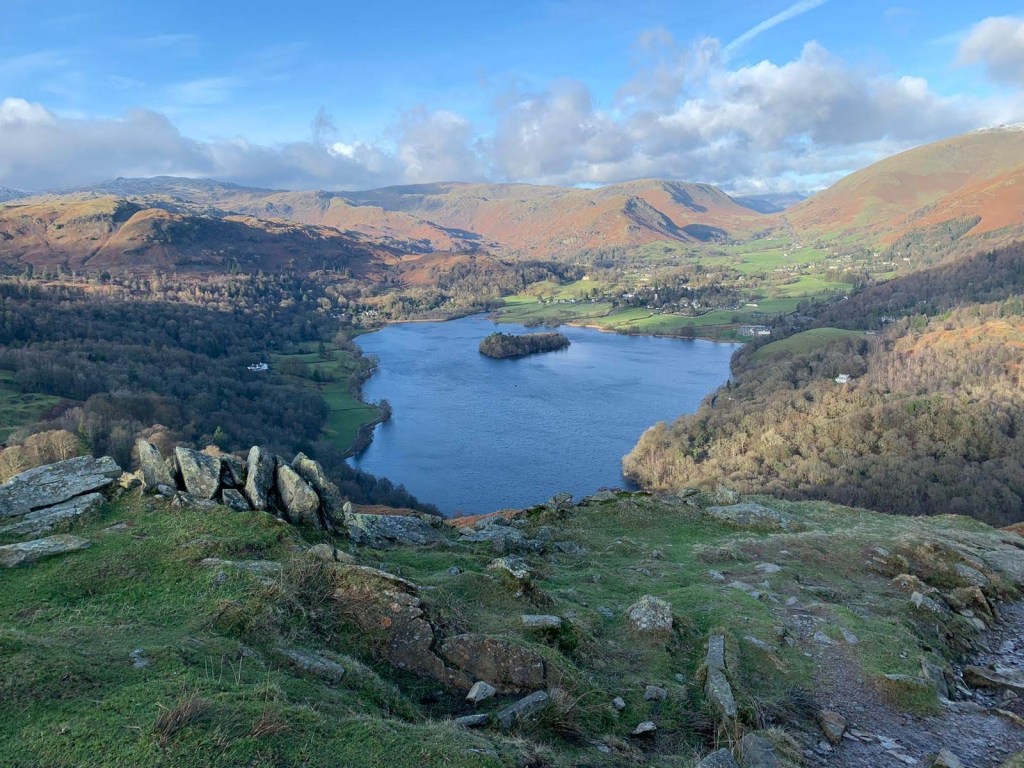
When we arrived in Ambleside, the sun came out and we started a 3 hour hike up Loughrigg Fell. This ‘low fell’ felt very mountainous to us, and clearly I am not ready for Scafell Pike quite yet!
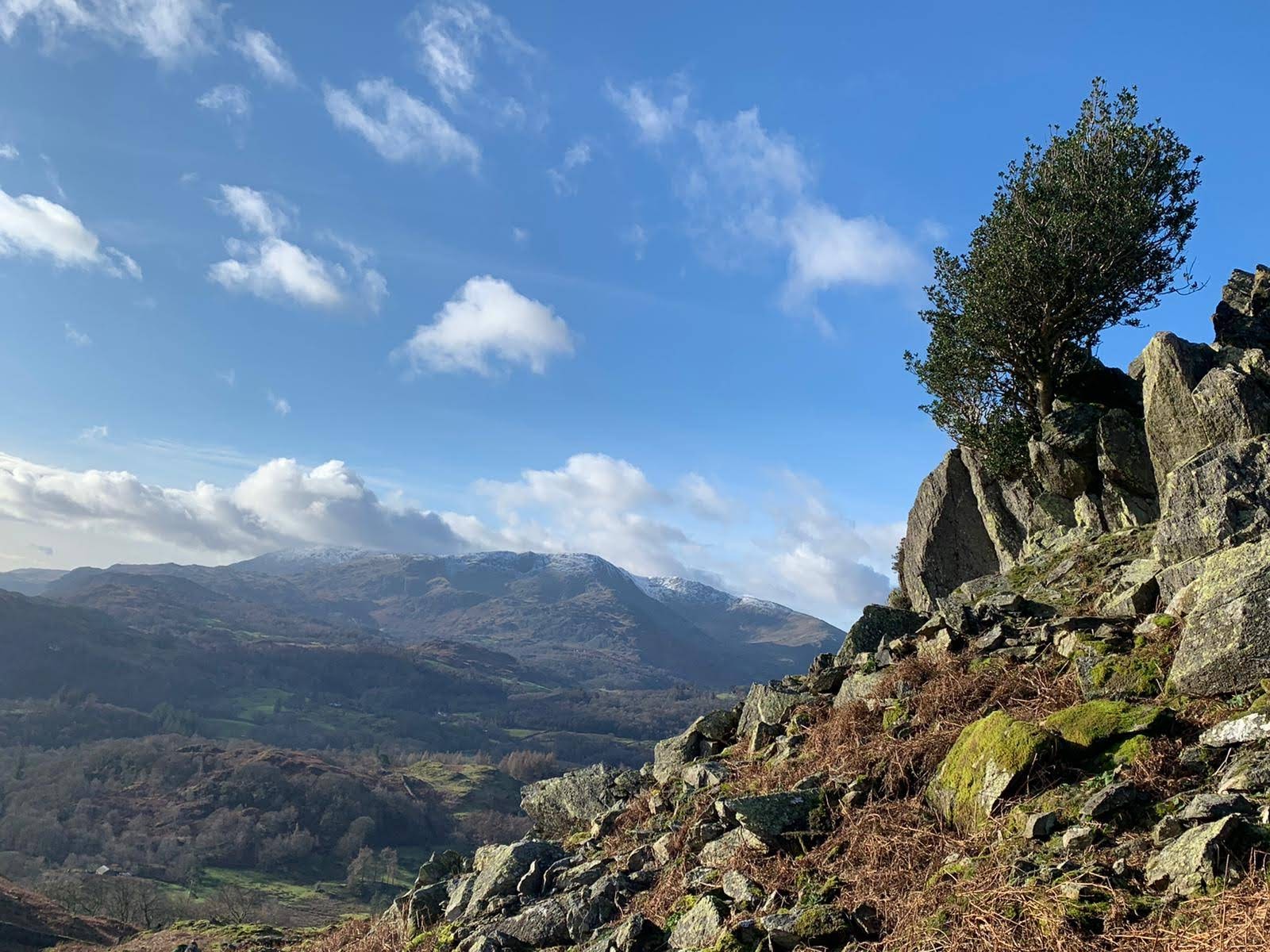
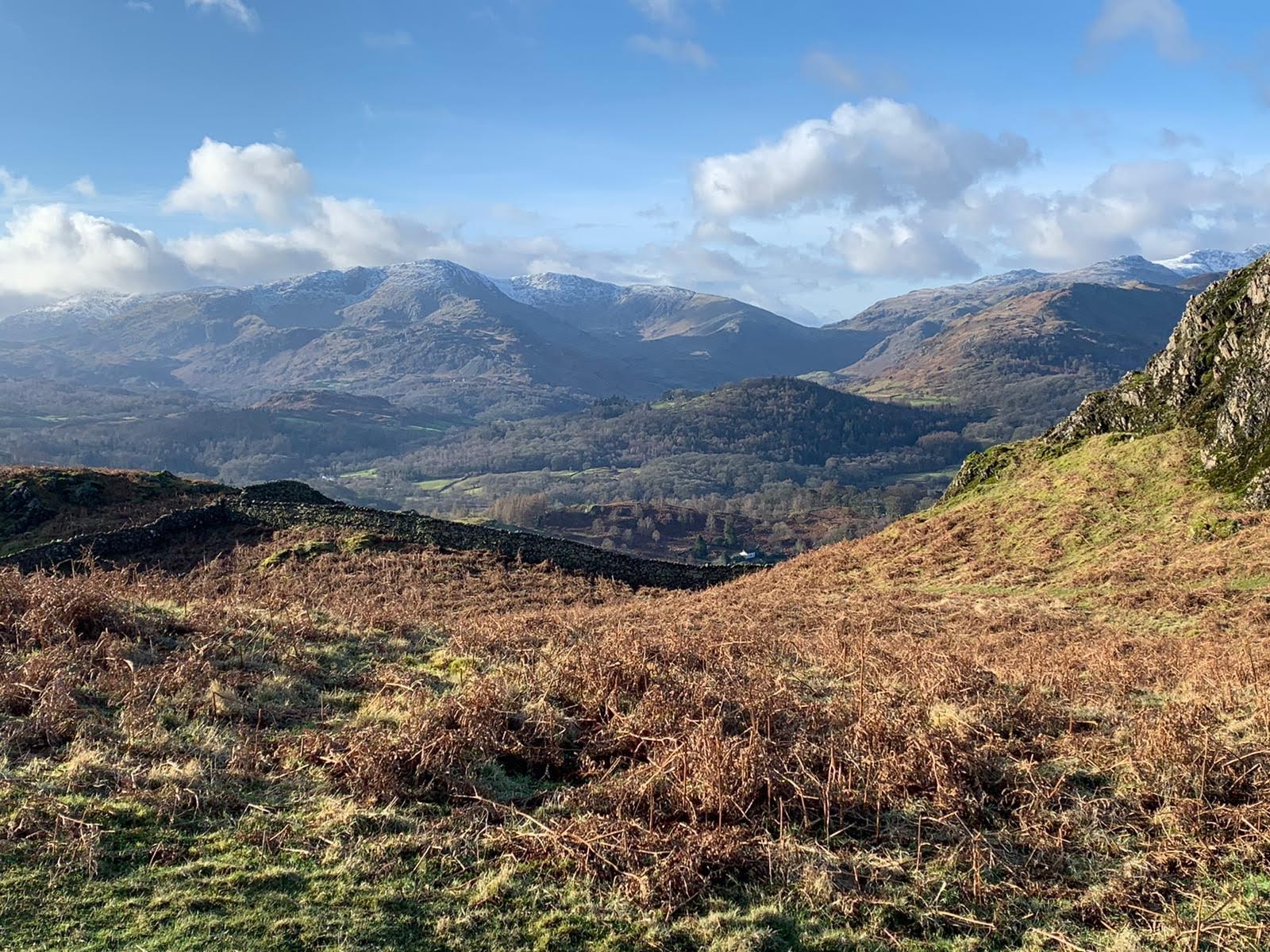
The hike had absolutely beautiful views and different things to see on the way up and down…. including a false peak (be ready for that heart wrenching moment). We had a tasty picnic on the way up, and were sat next to a bird of prey that was simply perching on the cliffside.
Bird sitting on the rocks at Lake District hike
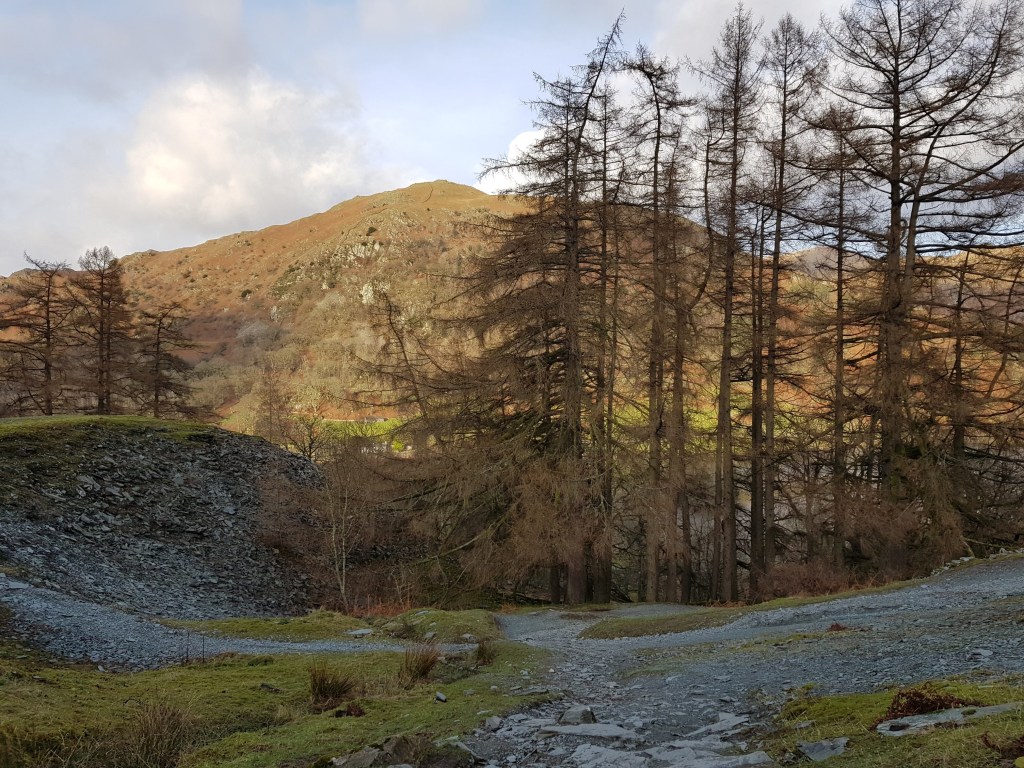
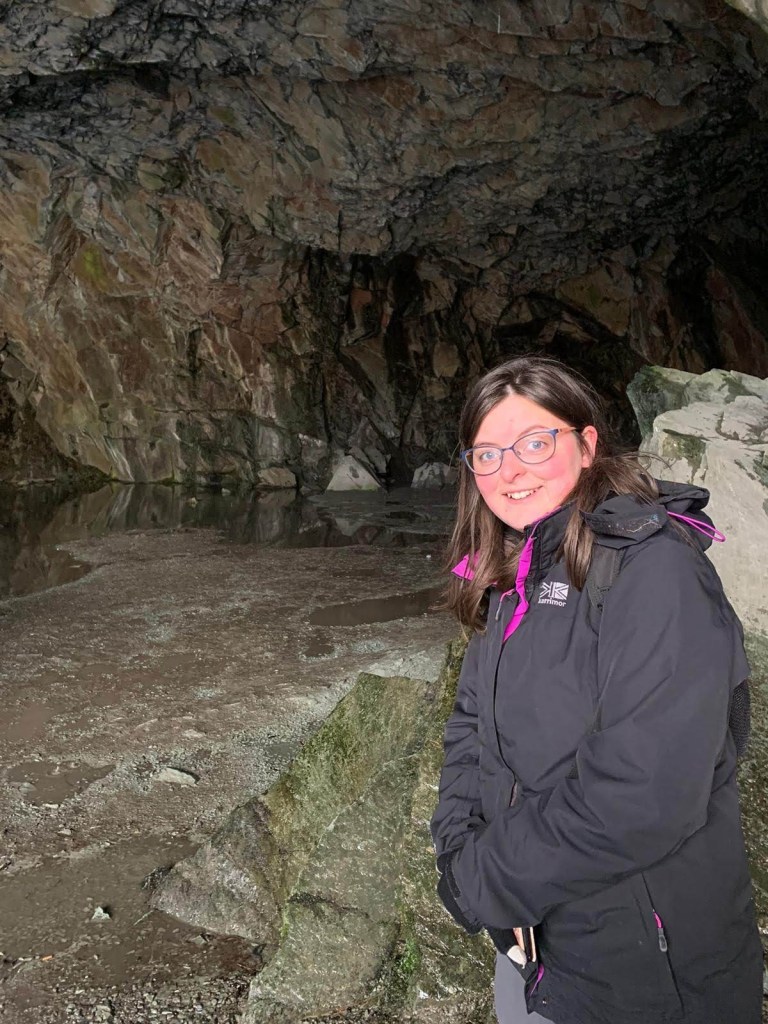
After being battered by wind at the peak, we started carefully making our way down. On the way down, we enjoyed views of the lakes, streams and a huge watery cave. When we eventually finished we could enjoy sitting on our cruise back looking over our gorgeous photographs, and relaxing. Later in the evening, we took advantage of a special pamper package that the B&B had running with a nearby health centre, and spent the evening in the pool and jacuzzi, soaking our muscles!
Peak
Cave
There were also plenty of places to dine out in the area and relax. We had a couple of lovely dinners both near to our B&B in Bowness on Windermere, and in Windermere town itself. If we had been there for longer than a weekend, we would have visited more of the towns and villages around the lake. Unfortunately, we only really had the Saturday, and then a long drive back on Sunday. We did drive from the top to the bottom of the lake before turning out on a misty morning, and the views were still breath taking.
I think I would definitely visit again for some more hikes, mixed in with good food. I would like to stay for a week. I would probably stay there during the winter again as well as I hear it is very busy in the Summer, and I wouldn’t want too many tourists to spoil our tranquil experience.
In the Autumn of last year we made a day trip to Bury St Edmunds & National Trust property, Ickworth House. The autumn colours were lovely, and I ticked another cathedral off the list!
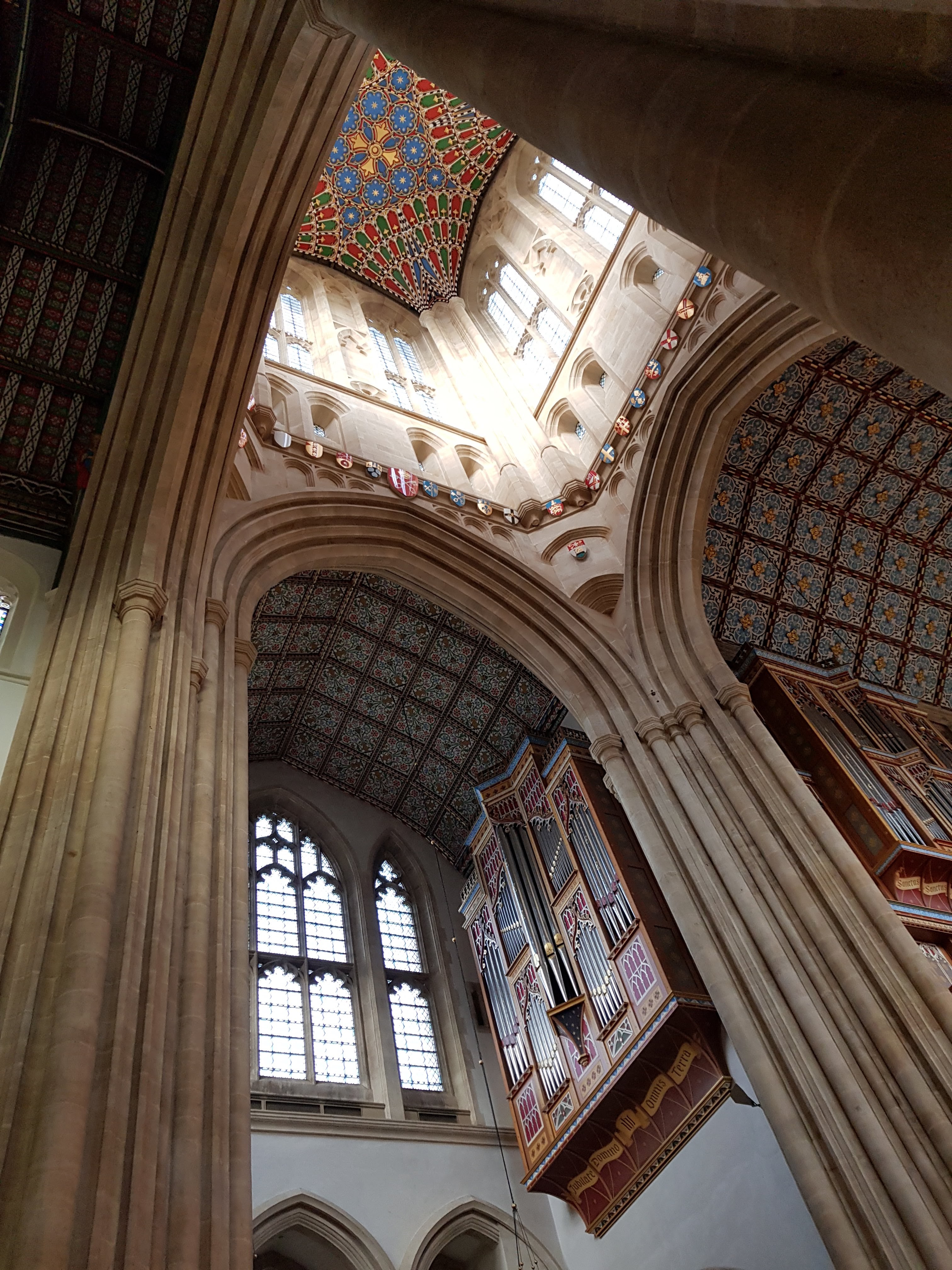
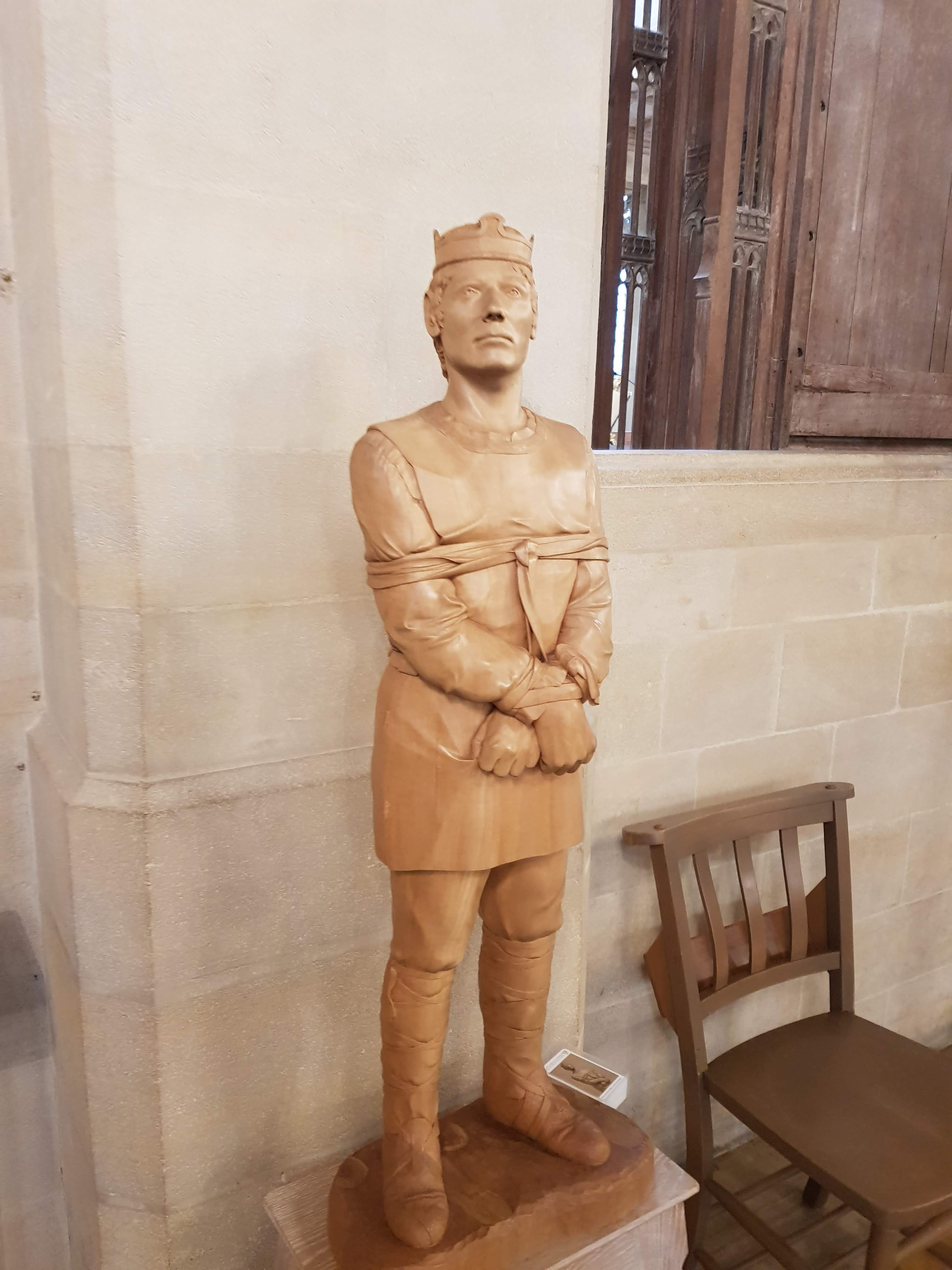
Bury St Edmunds is a short distance from where I live, so it is a great choice for a day trip. The town is named after St Edmund. Edmund was the King of East Anglia, and was killed by the Vikings in 869, (the detail of which is depicted in art at the Cathedral). He became a saint and a martyr, and was buried at the town. His shrine made Bury St Edmunds popular with pilgrims. Today, the town is a great location for visitors to enjoy, with lots of opportunity for shopping, events and great dining experiences, as well as the below attractions.
St Edmundsbury Cathedral & Abbey
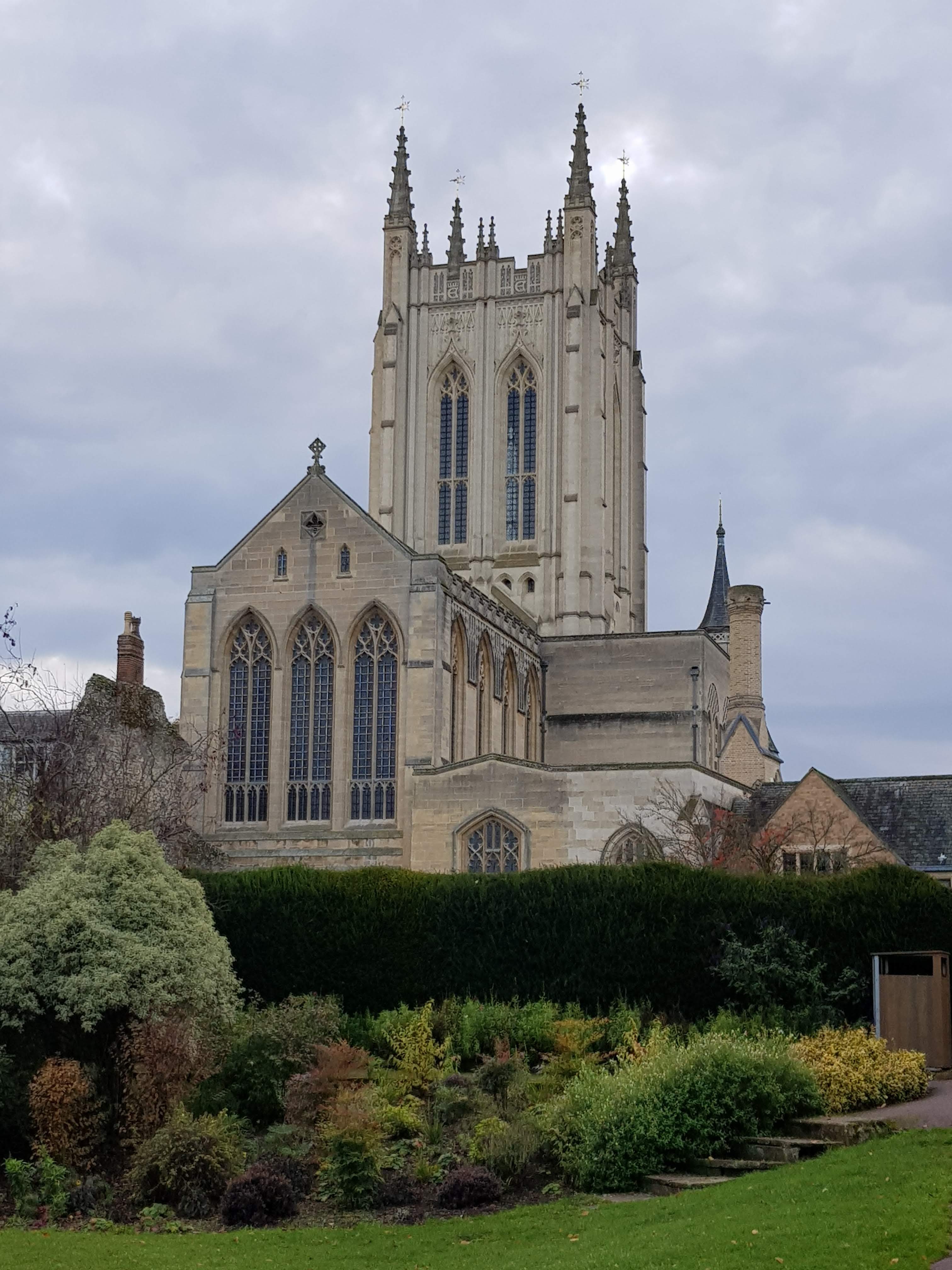
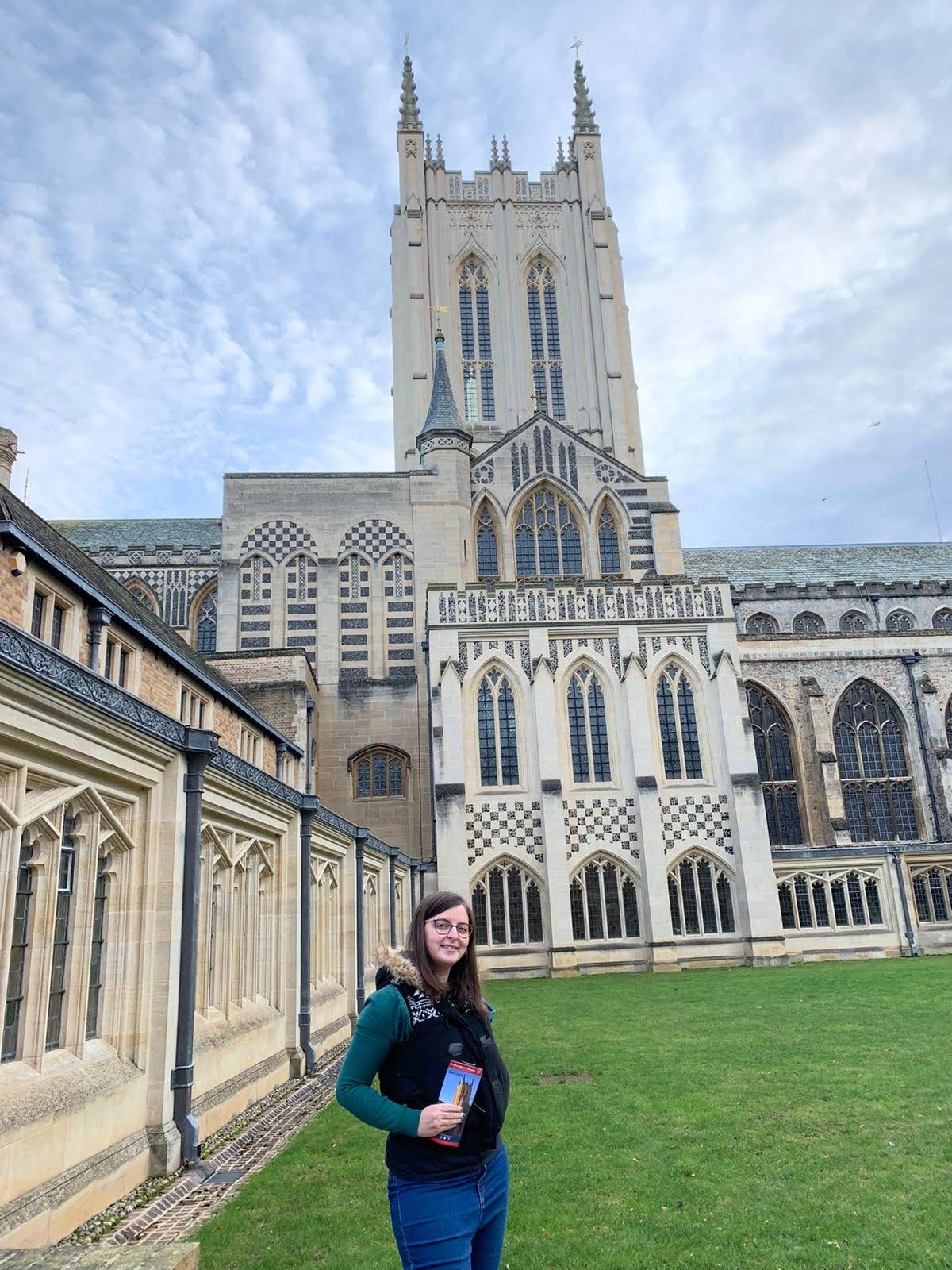
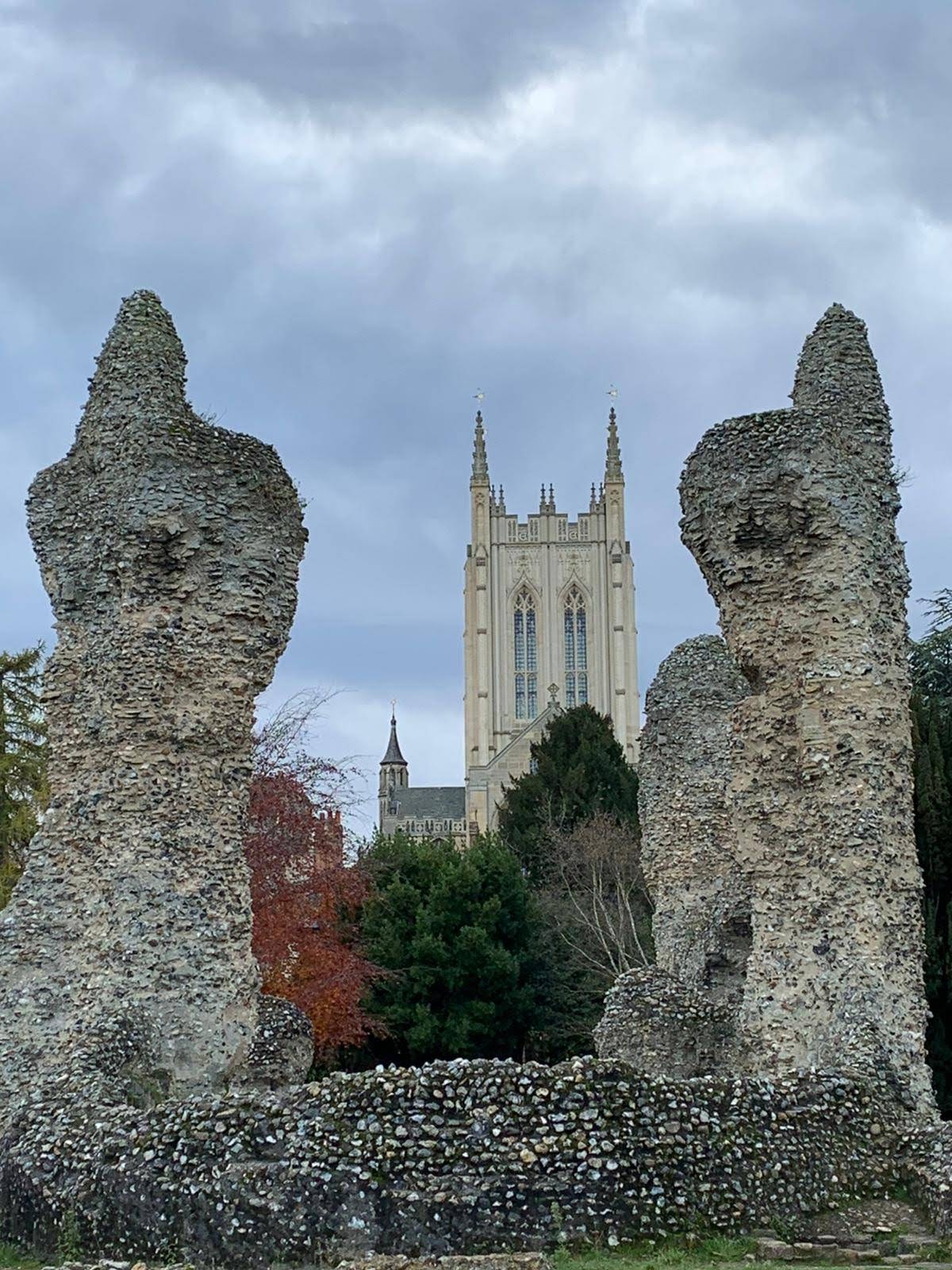
Originally built as a church as part of the wider abbey complex in Bury St Edmunds, the previously called ‘St James’ church didn’t become a cathedral until 1914. It certainly deserves to be a cathedral, from the sheer size of it! You can see the scale of it as it dominates over the rest of the town centre.
On entering the cathedral, you are welcomed by a volunteer (like all quality cathedrals…) and can pick up one of their useful information leaflets which will allow you to have a self guided tour. The cathedral also offers tower tours, I wish that I had done this on the day, and I think I will need to return in order to take advantage of this experience and hopefully see great views.
The cathedral has lots of information and imagery regarding St Edmund, and other big names from local history. There is also a large lego model of the cathedral which you can donate £1 to add a brick. This was quite impressive, and I don’t really like lego, so that means a lot! They have paused the “building work” during the pandemic but you can still put a donation forward online for your brick to be added, and see some photos. Check it out on the cathedral website here.
St Edmund
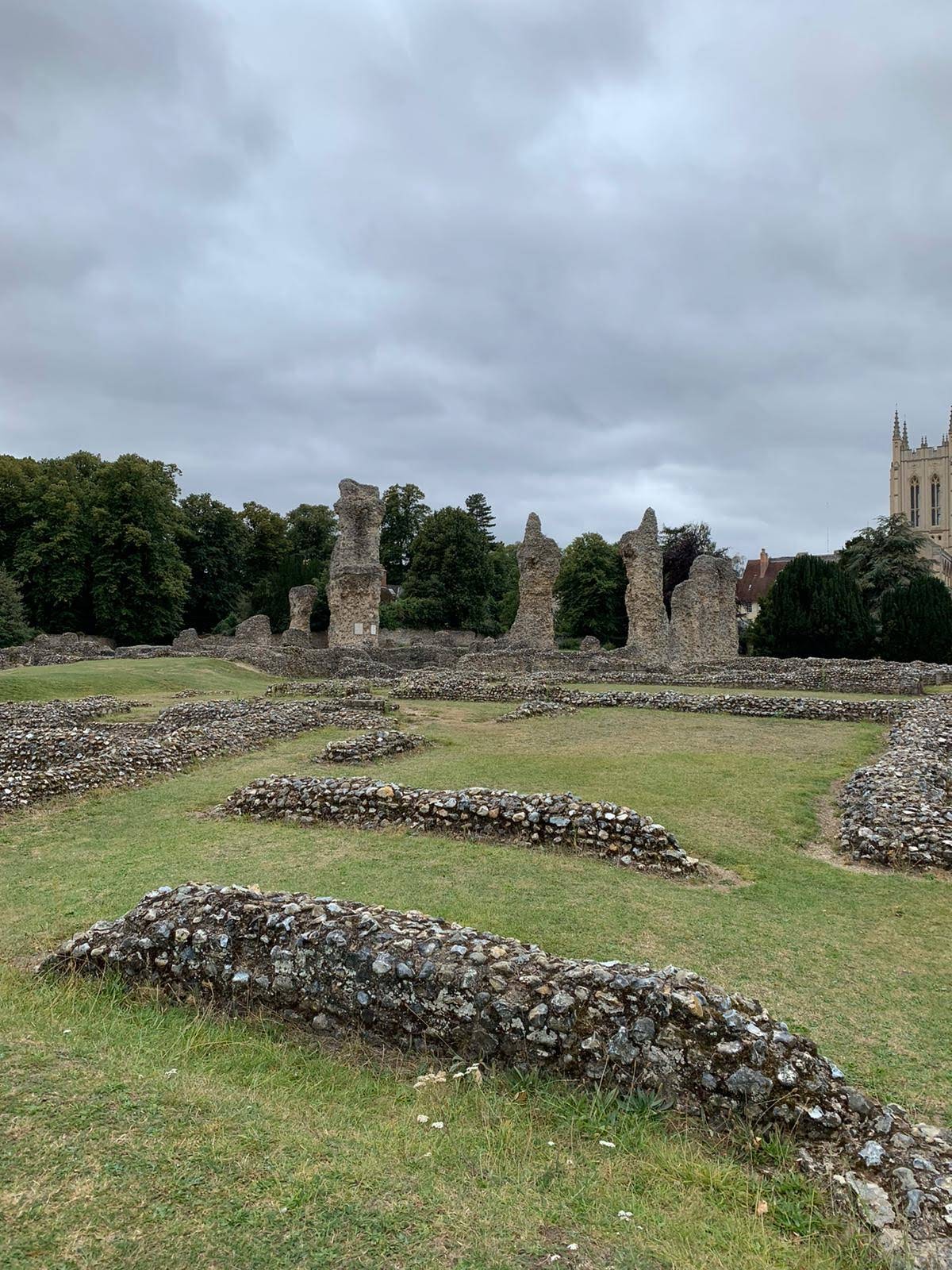
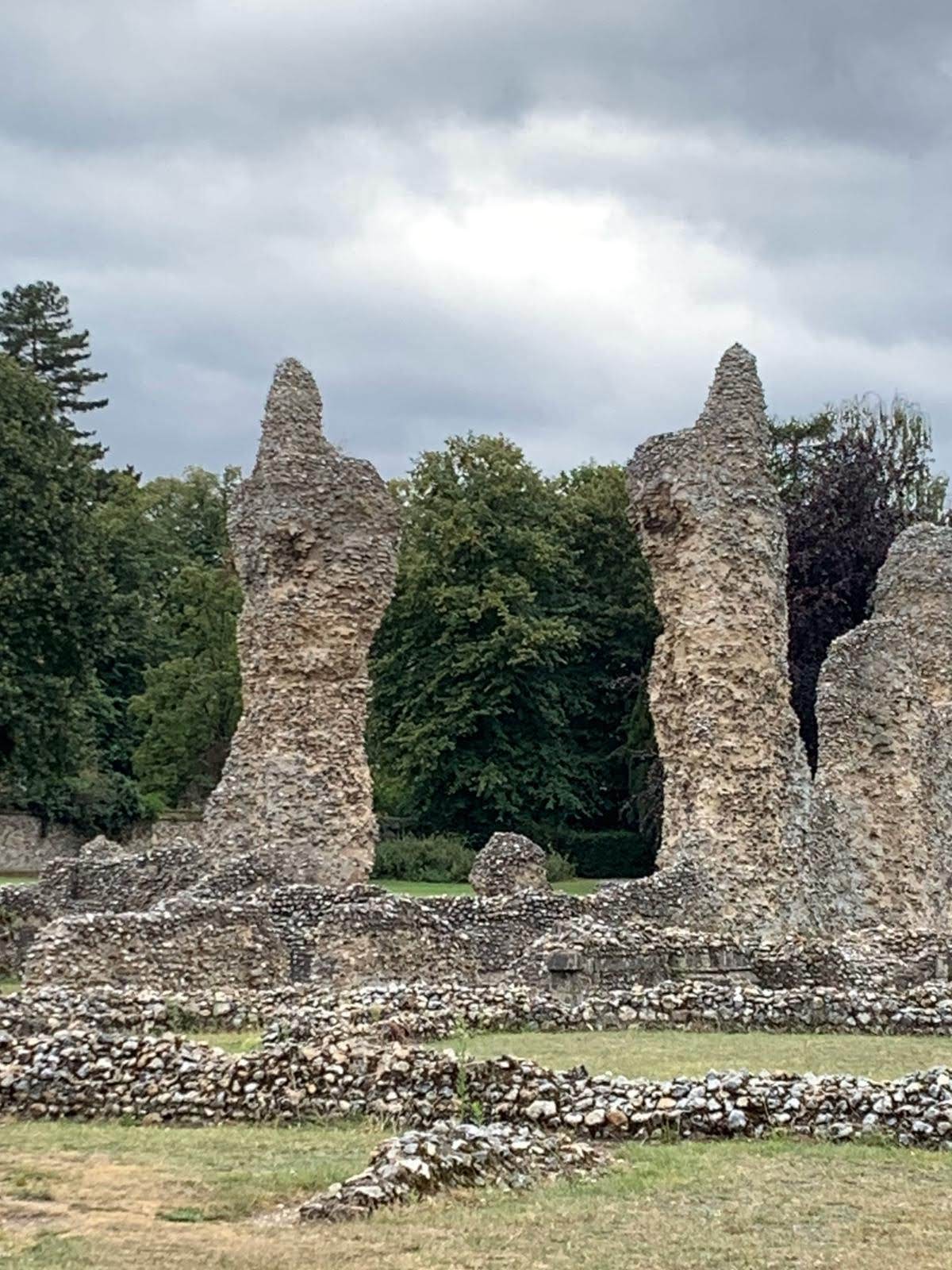
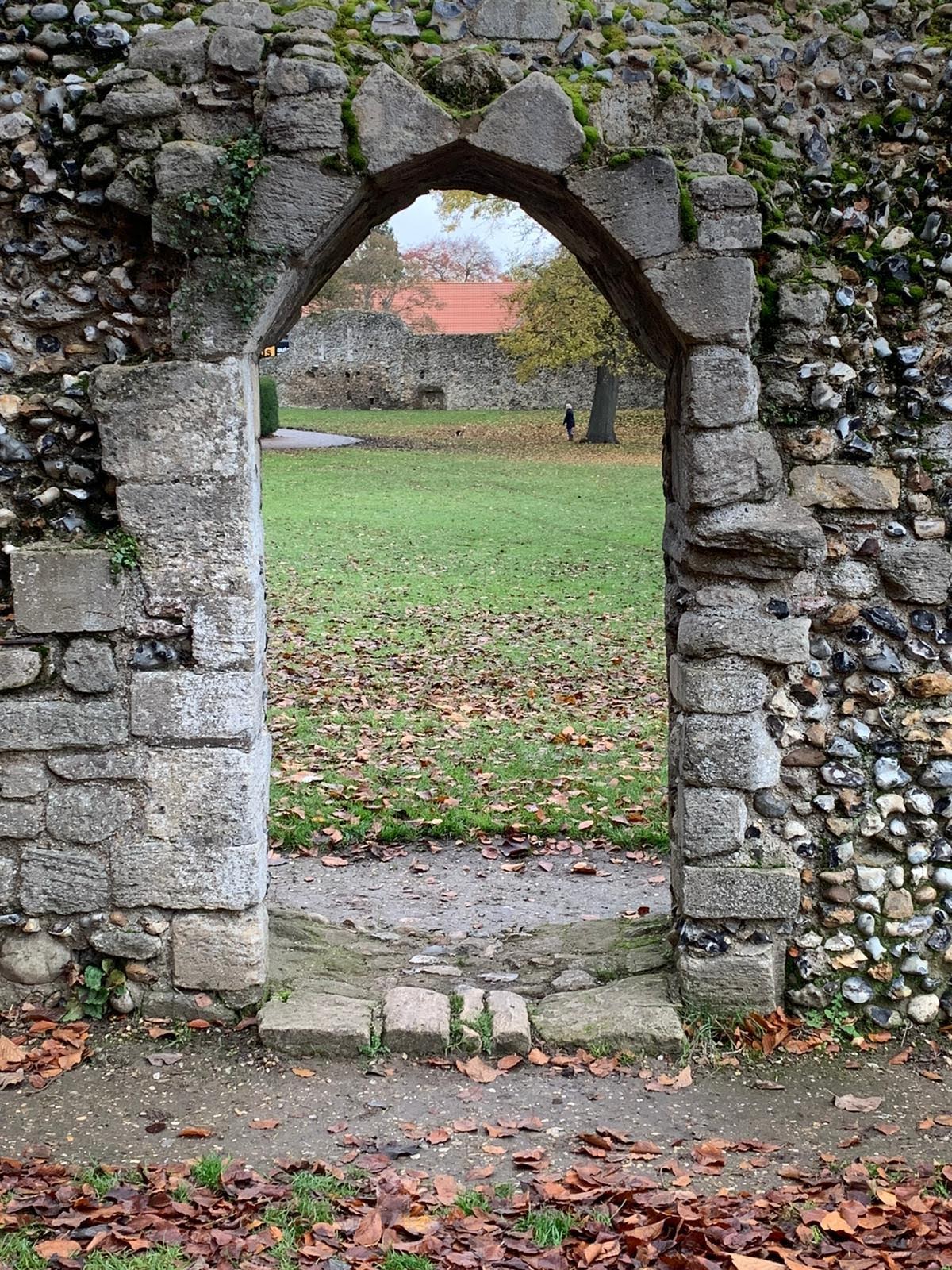
Next door to the cathedral, are the ruins of the original abbey complex. You can also see the old abbey gates still in tact in front of the road. The abbey was actually in existence before the town, and was used by Benedictine monks. The monks actually designed the town to be in a grid formation to benefit them economically, and the abbey did prove to be one of the richest in the country for some time. The abbey has a history of good and bad fortune over the centuries until eventually in 1539 is was stripped bare during the Dissolution of the Monasteries.
I enjoyed wondering the large area and trying to work out which rooms the different foundations might have belonged to. My partner and I also enjoyed trying to improve our photography skills, as there are so many different shapes and shadows to photograph. The abbey ruins are part of the abbey gardens which is a public park which everyone can enjoy. I thought that it was very nice that the park and ruins were settled into each other, as it means that the community engages with the site regularly. Whilst we were exploring the ruins, we actually came across a community gathering for a Remembrance Day memorial service which was very moving.
Ickworth House
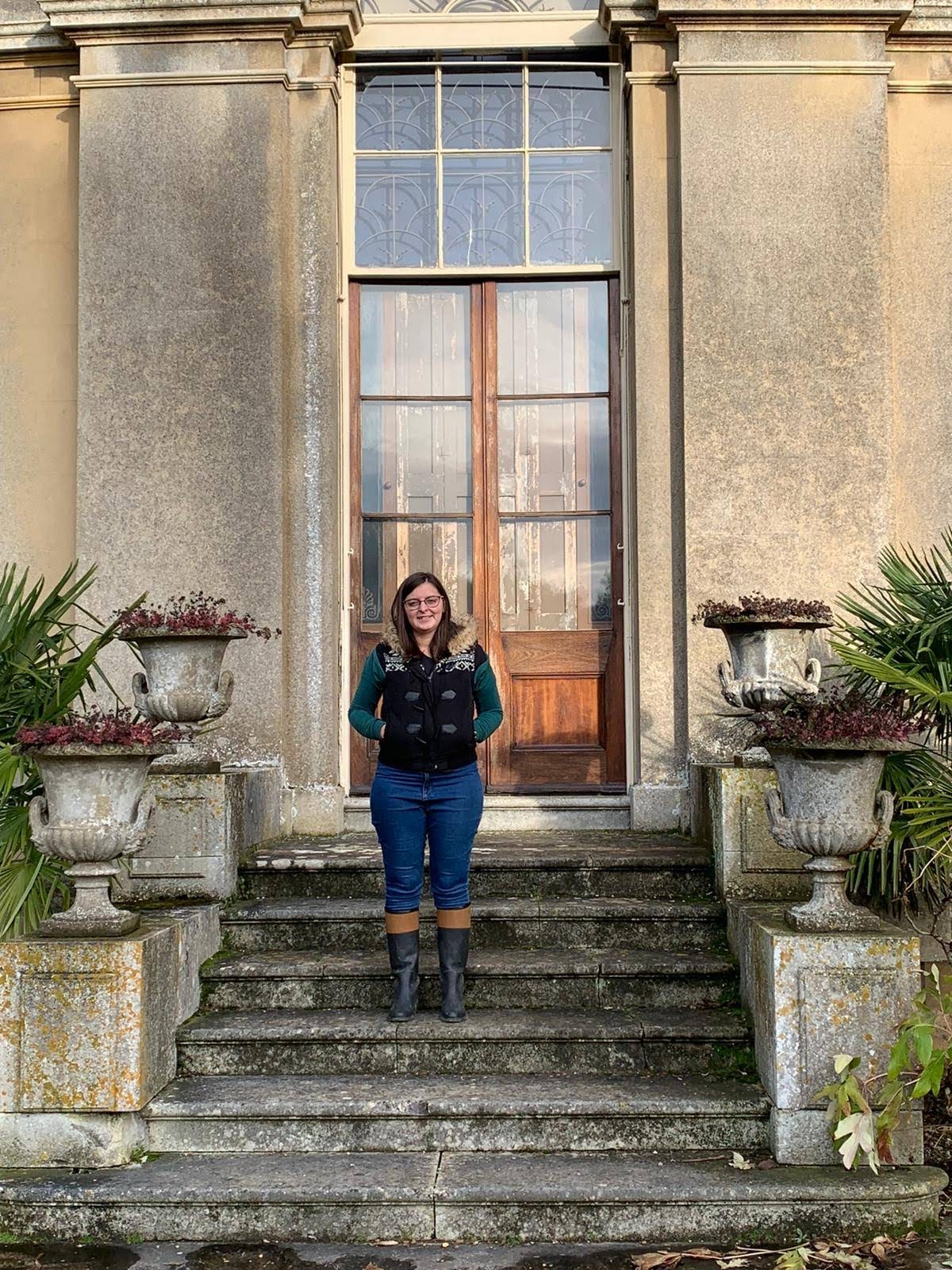
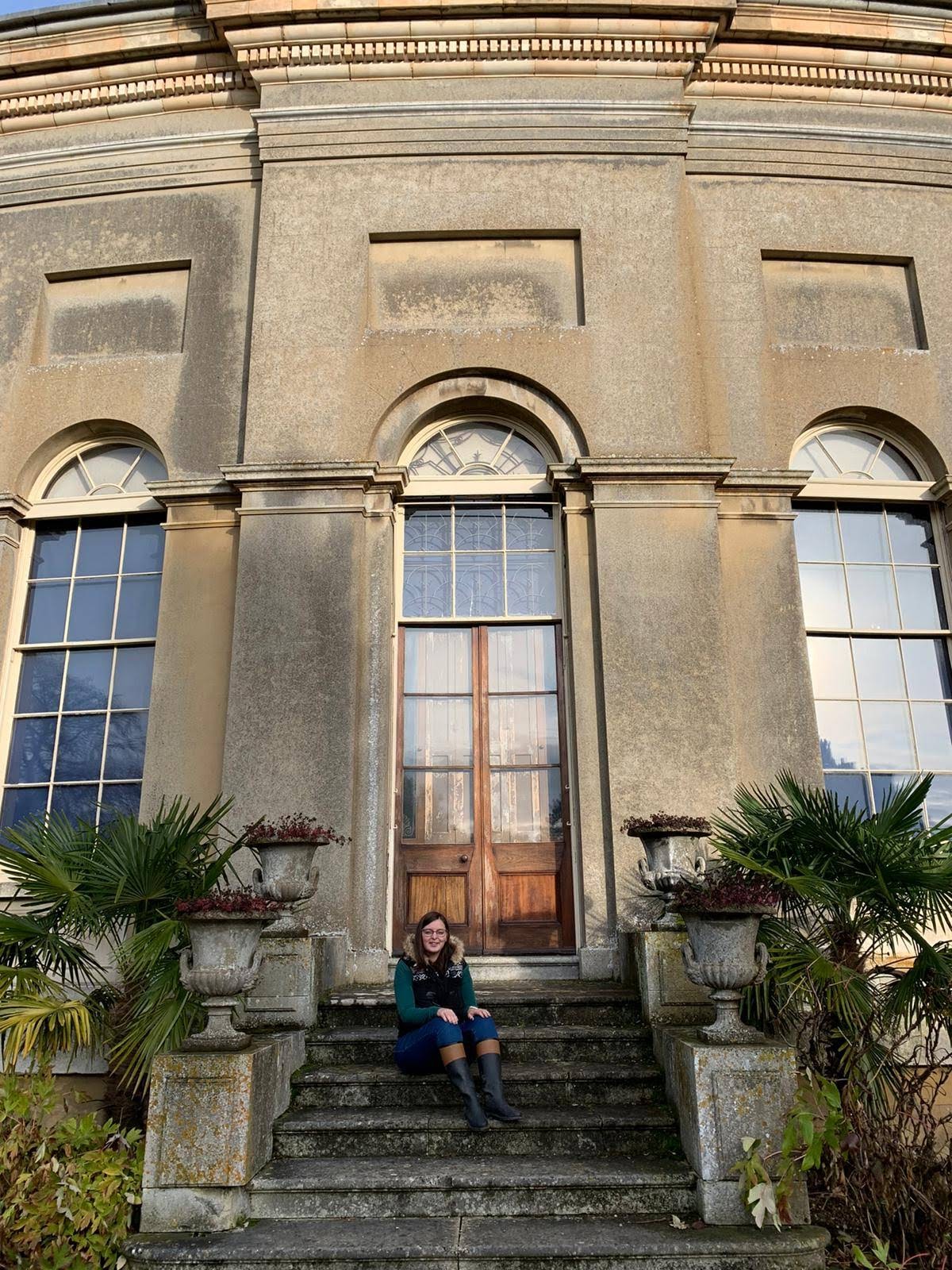
After enjoying the town centre, we made our way to Ickworth House. This National Trust property is on the outskirts of the town, and is a great place for a walk! It is a country house shaped like an observatory (formally it is called a ‘rotunda’), which is quite cool and was originally built in the 18th century. The entire place has an Italian theme to it, and you can really tell this in the look of the building and gardens.
When we visited, the outside of the front of the house was covered in scaffolding which was a shame, but it still looked great at the back, and we could still go inside and see what was once the servant’s quarters and kitchens.
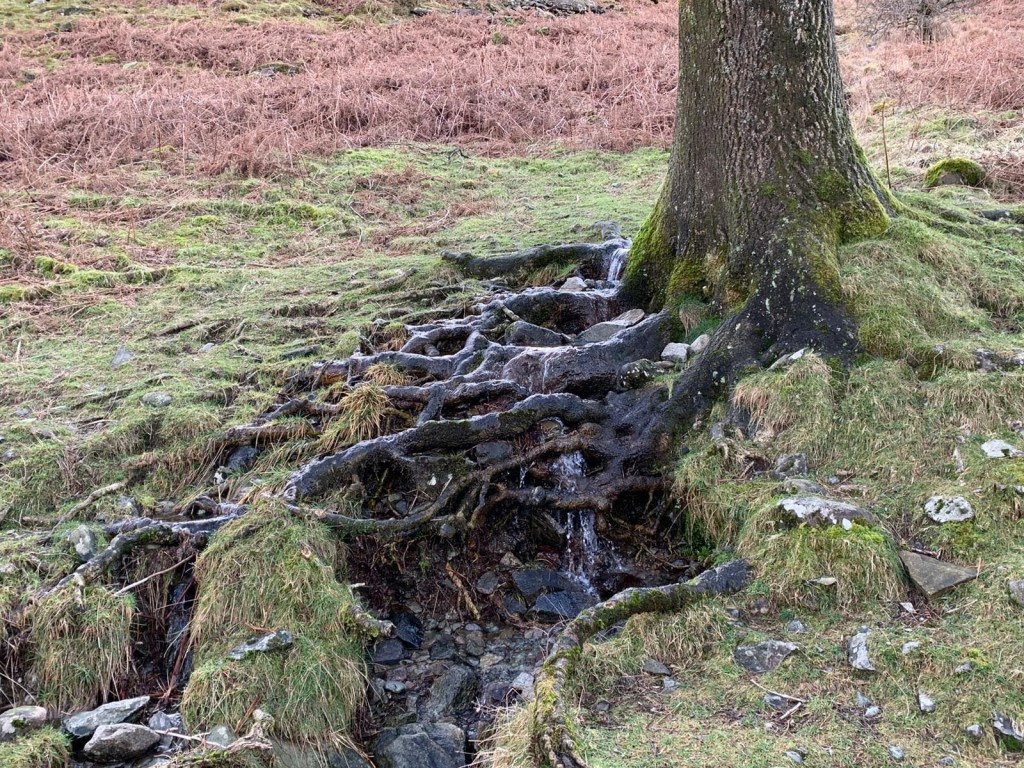
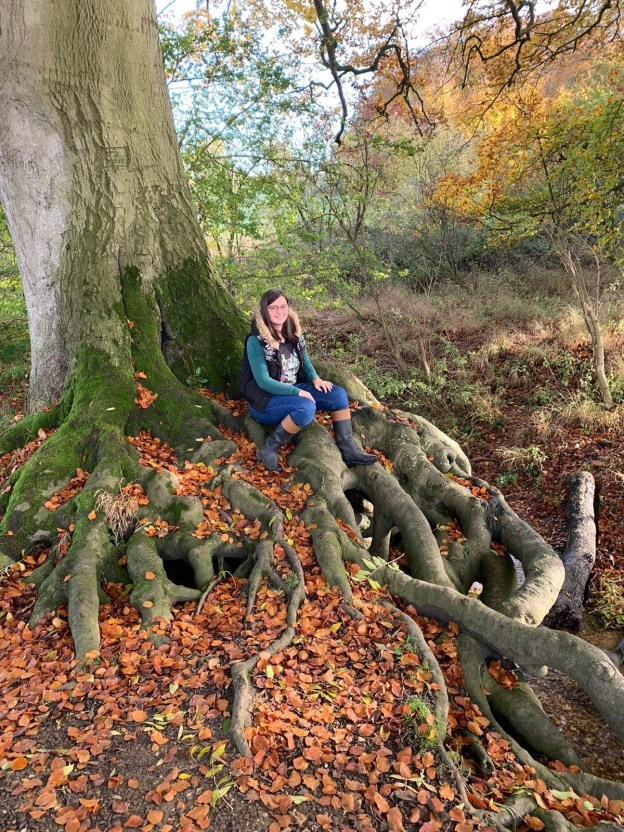
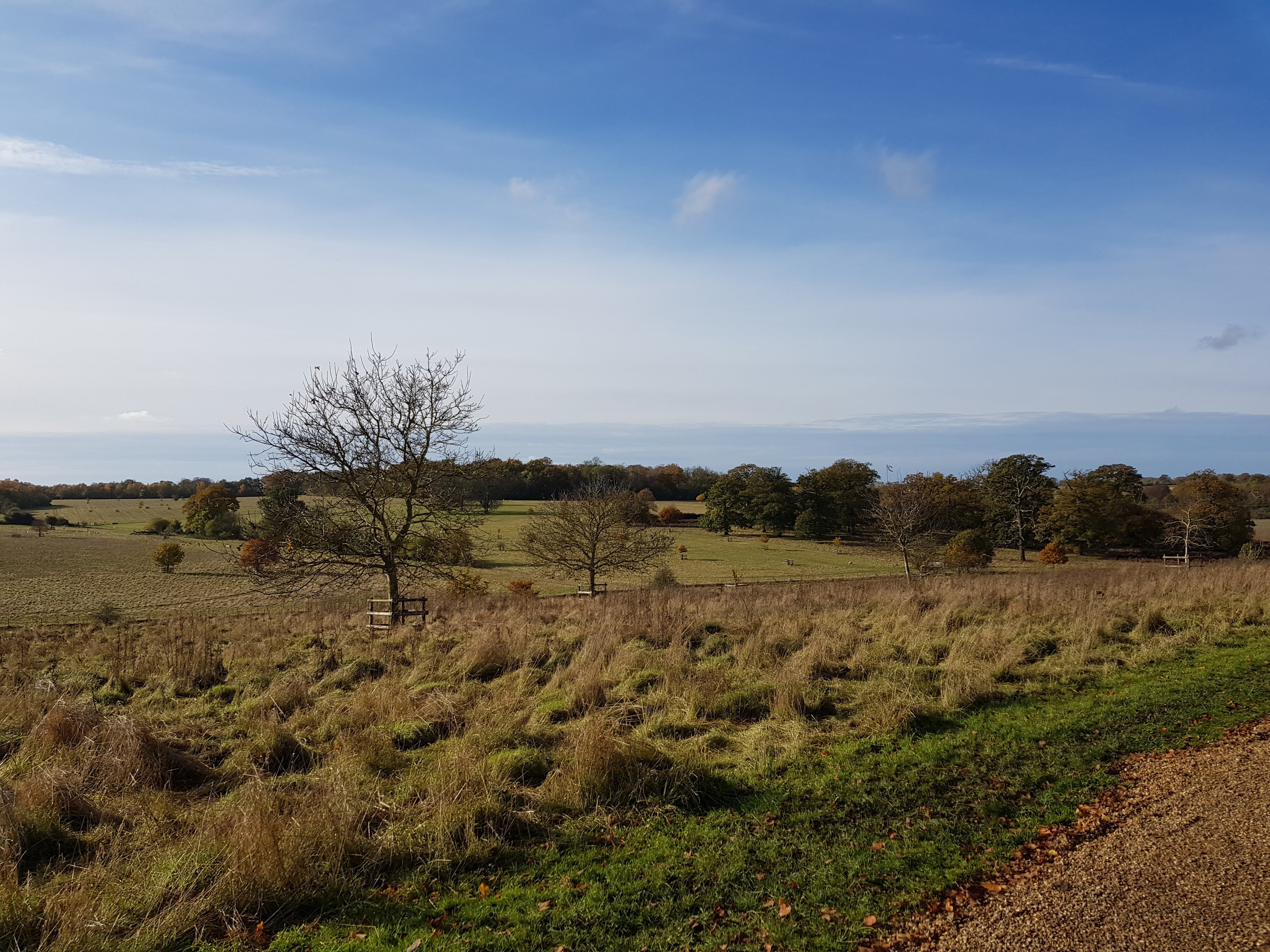
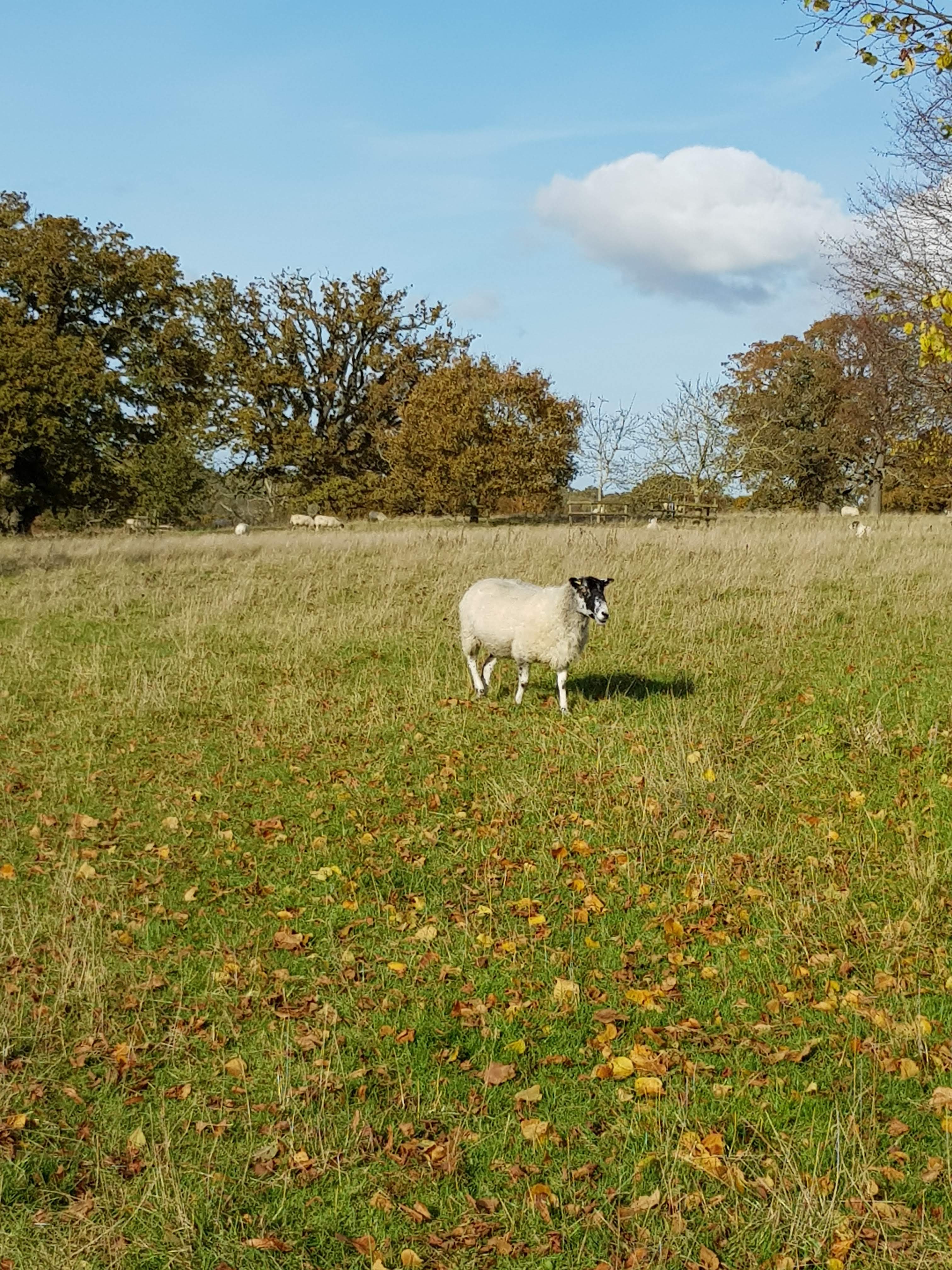
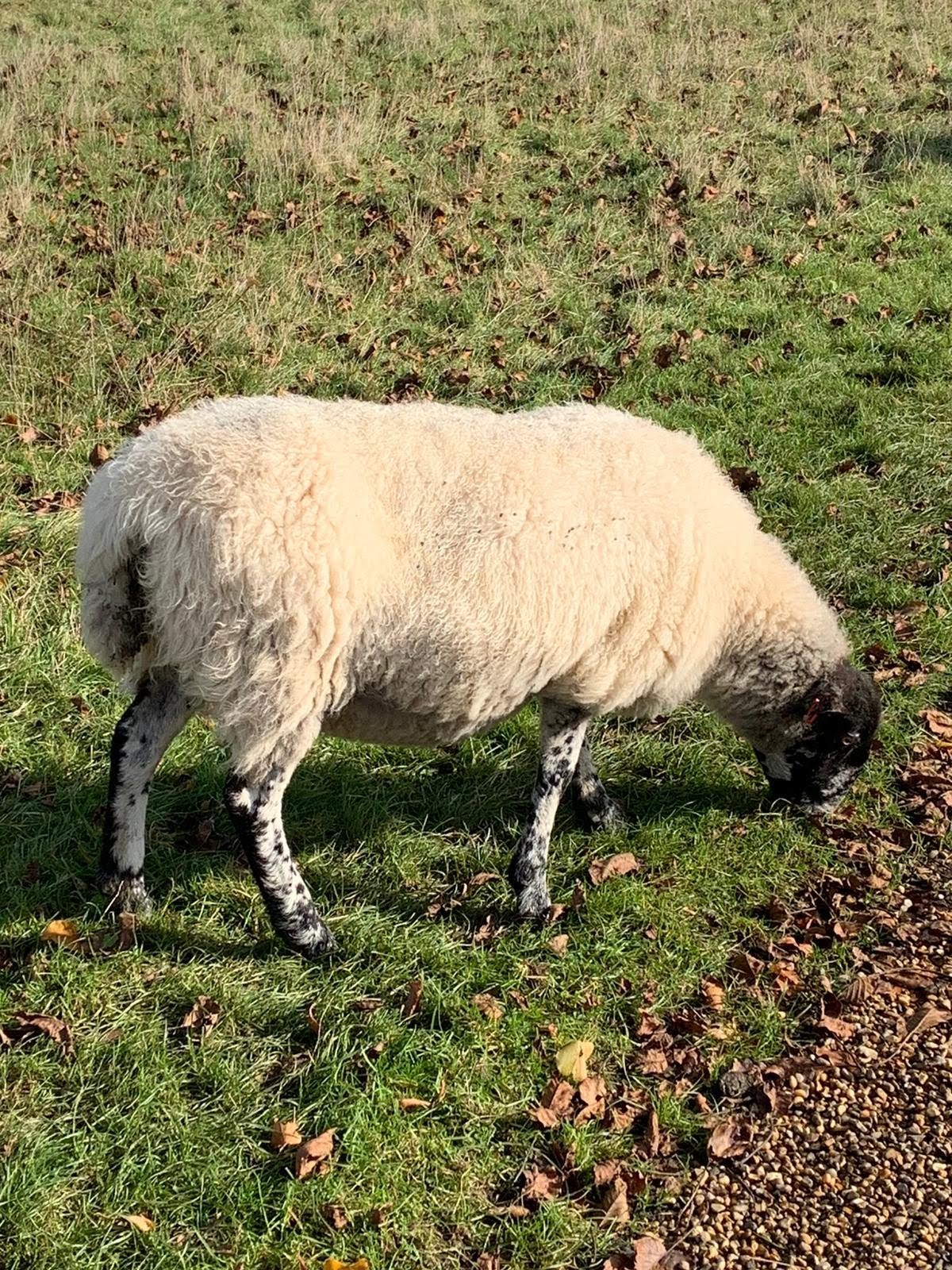
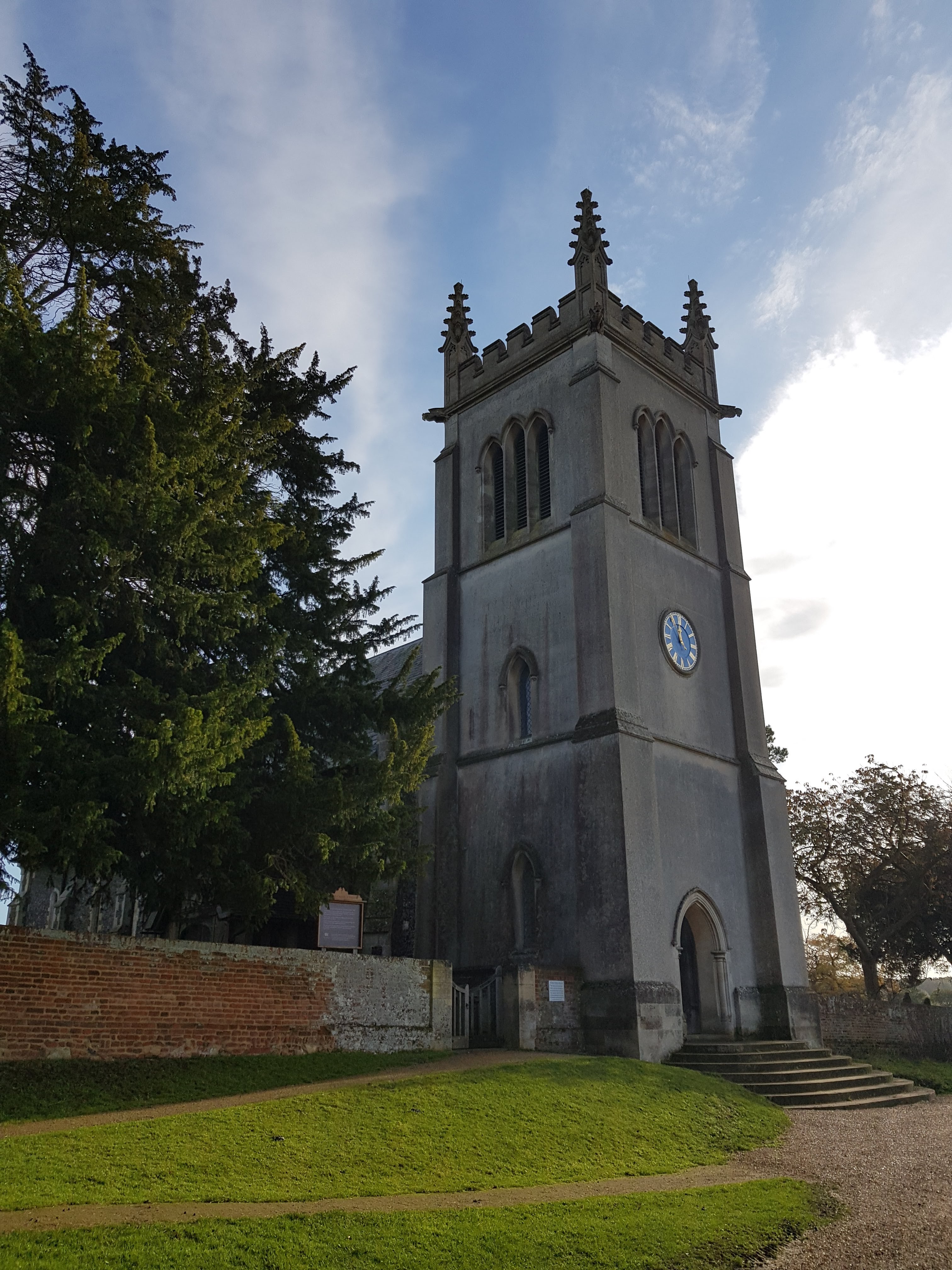
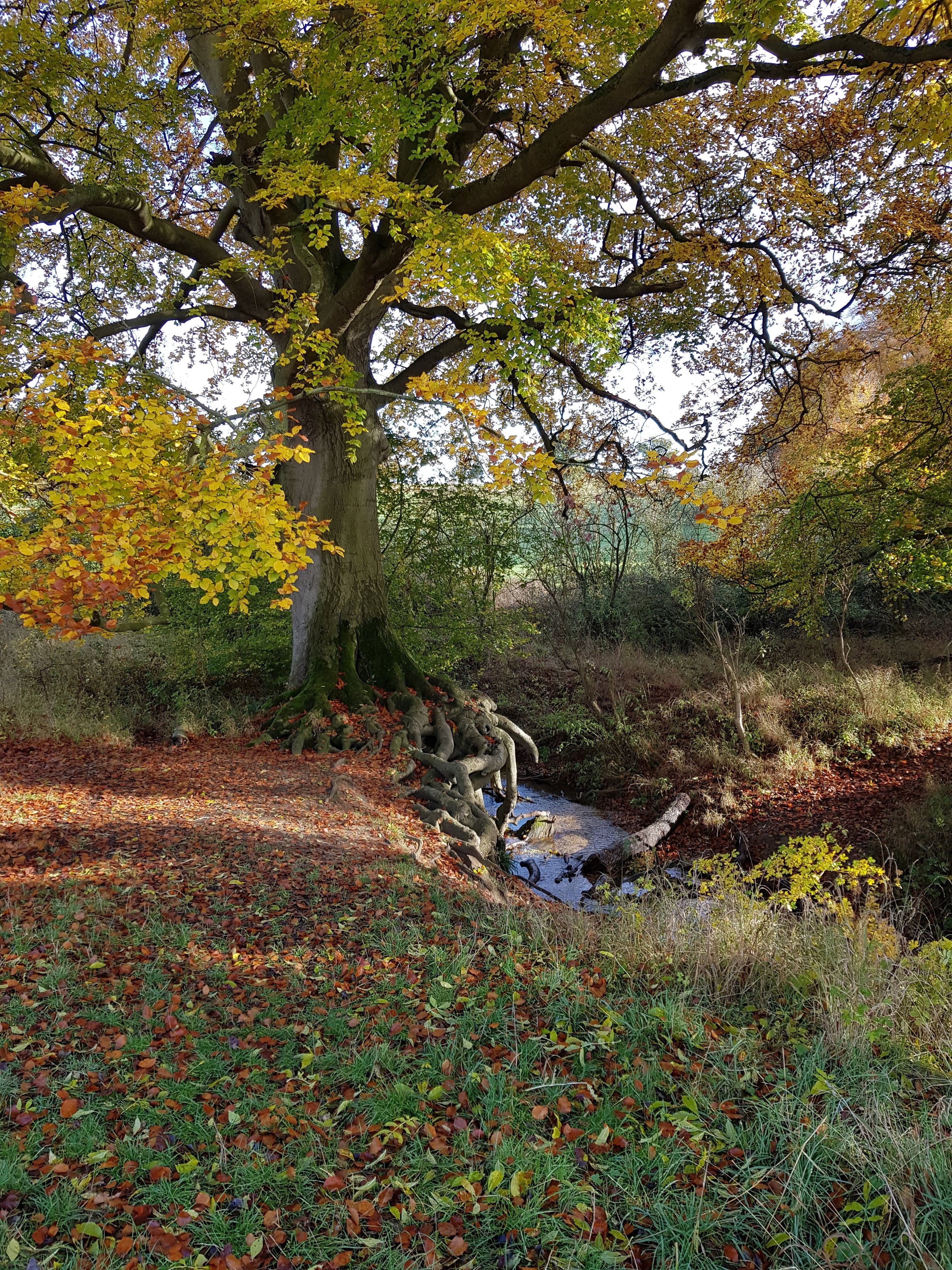
We mainly enjoyed going on a long walk across the parklands, where you can see great views and lots of sheep! We really enjoyed seeing all the autumn colours, and it made some great photographs. This was especially the case when we found a tree that had dramatic roots that were over spilling into the stream (photo below). There are multiple different walking routes available within the huge parkland area, and many of them will take you past key monuments/structures/views, such as St Mary’s church that lies within the estate, and is the oldest part of the grounds.
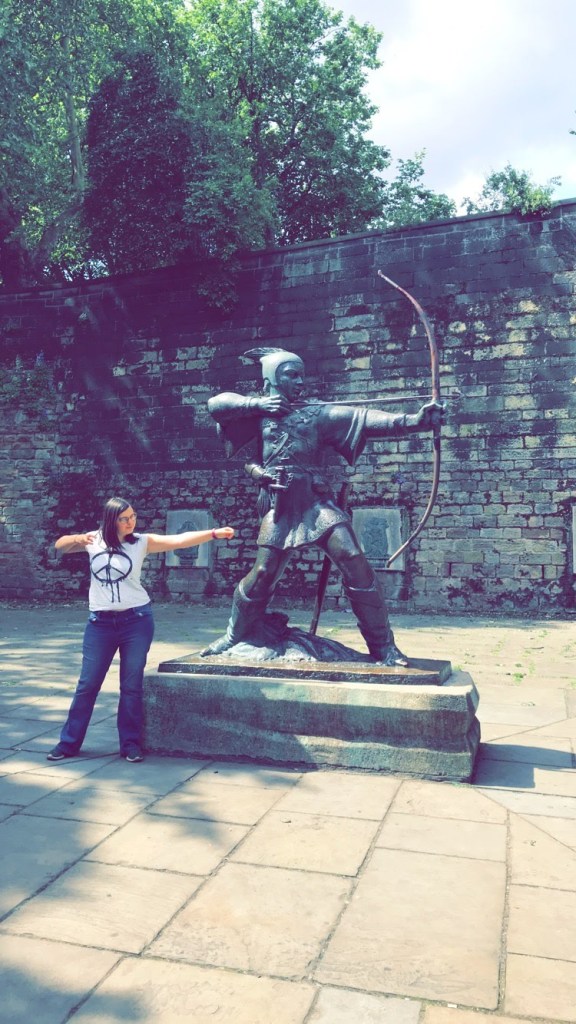
I think I will definitely make more visits to both the town and Ickworth House in the future, as I really enjoyed myself and it was great to stretch my legs on the walk! If possible, I think I will also try to check out the West Stow Anglo-Saxon Village & Country Park. It is a totally reconstructed early Anglo-Saxon village, and looks like a lot of fun to explore and maybe attend a re-enactment event. They do archery there… I am AWESOME at archery! Obviously I was born in the wrong era.
As I sit in my room, unable to travel due to Covid -19, it seems like a good time to catch up on my draft blogs! So… this short piece is all about a day trip we made to the city of Ely.
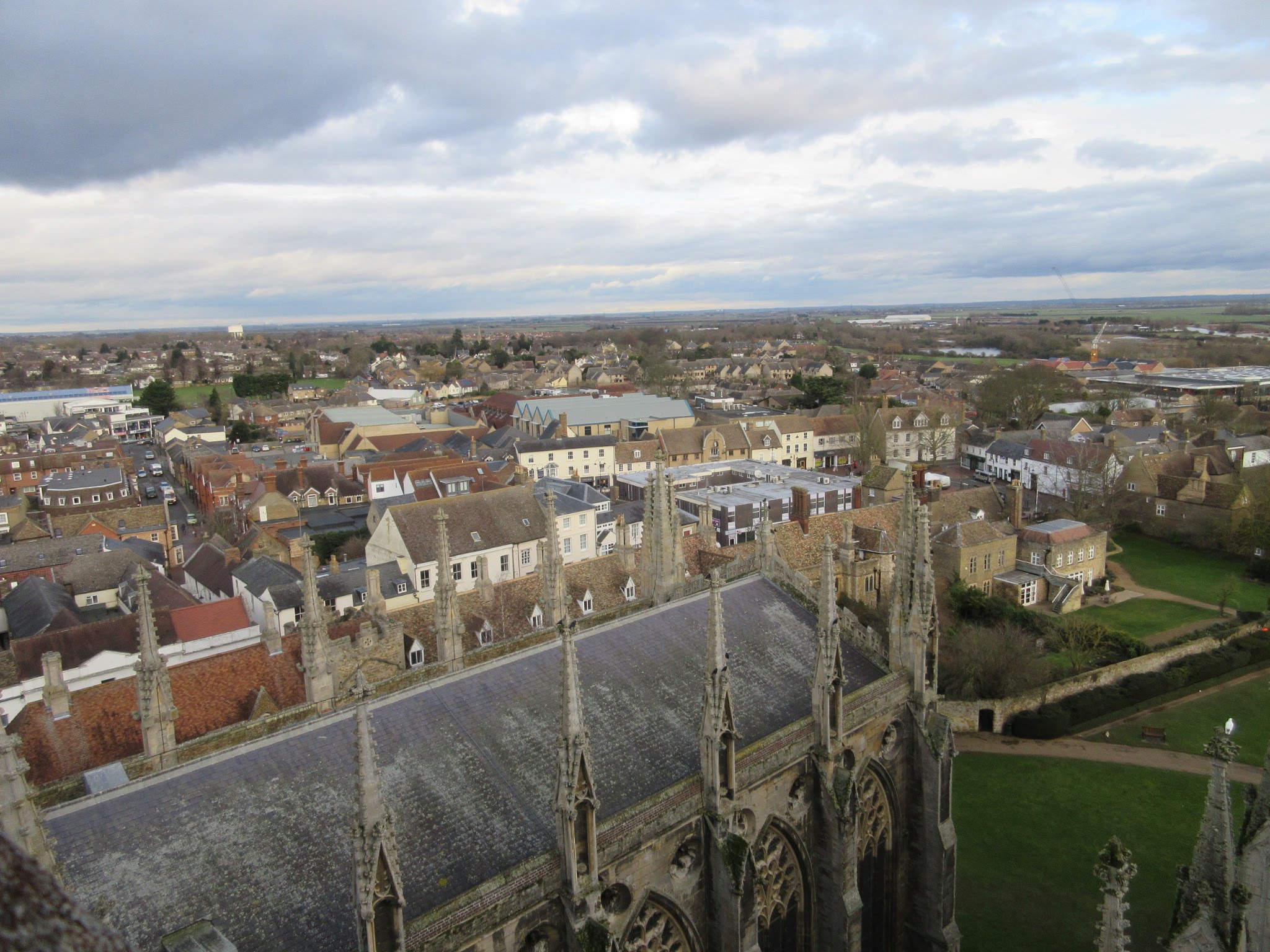
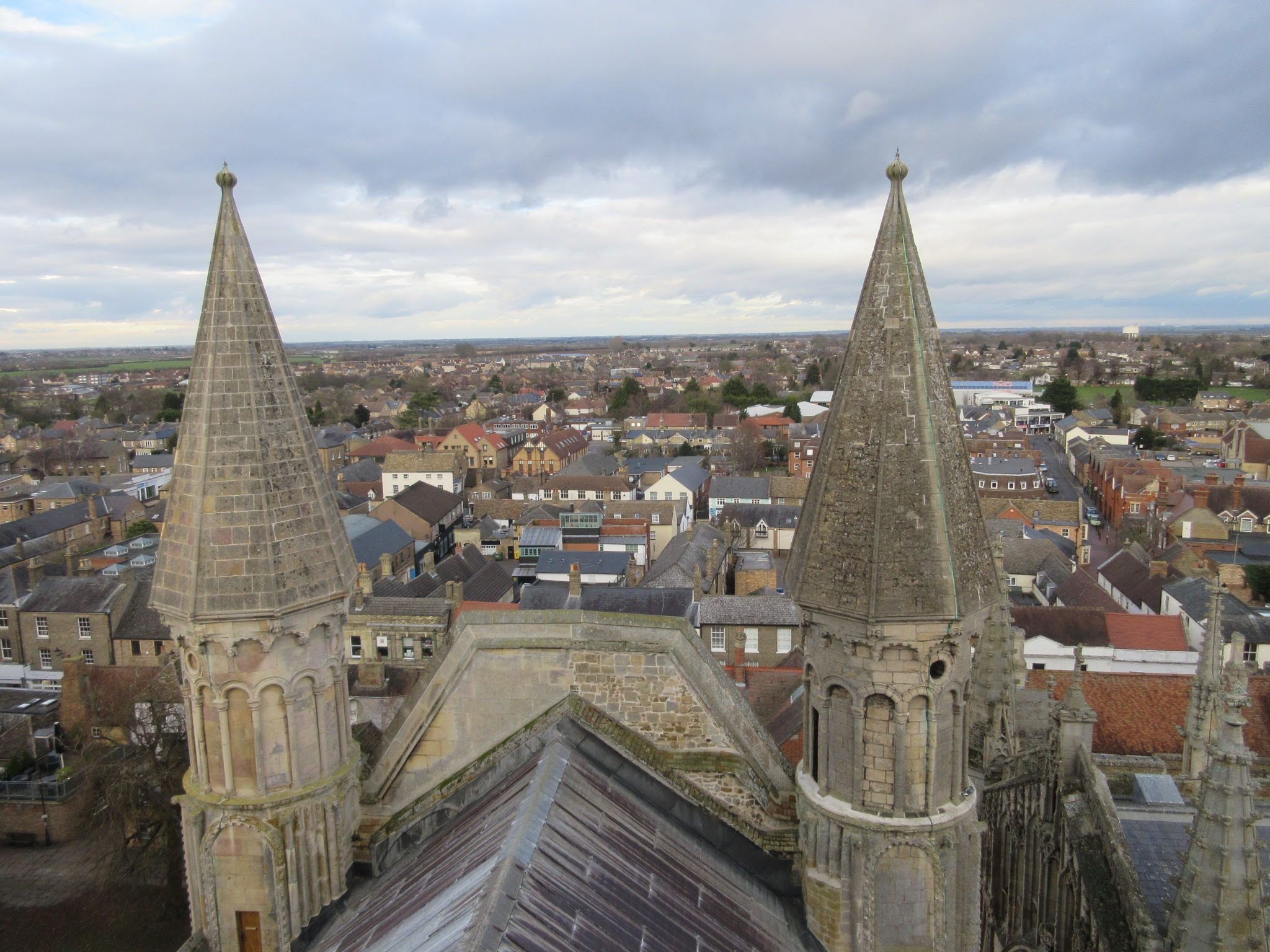
View from Ely Cathedral roof
Ely is a small city (second smallest in England) in Cambridgeshire, less than two hours drive or train journey from where I live. If you have read my previous blogs you will see that I have a strong interest in history, and especially churches. So for my birthday a few years ago, we decided to visit Ely as I heard lots of good things about the cathedral there and the special Stained Glass Museum!
It was really easy to travel to the city and park and the drive was actually quite pleasant as you pass by many long stretching fenlands. The area is actually so clear and flat that you can see the cathedral dominating the landscape as you approach the city.
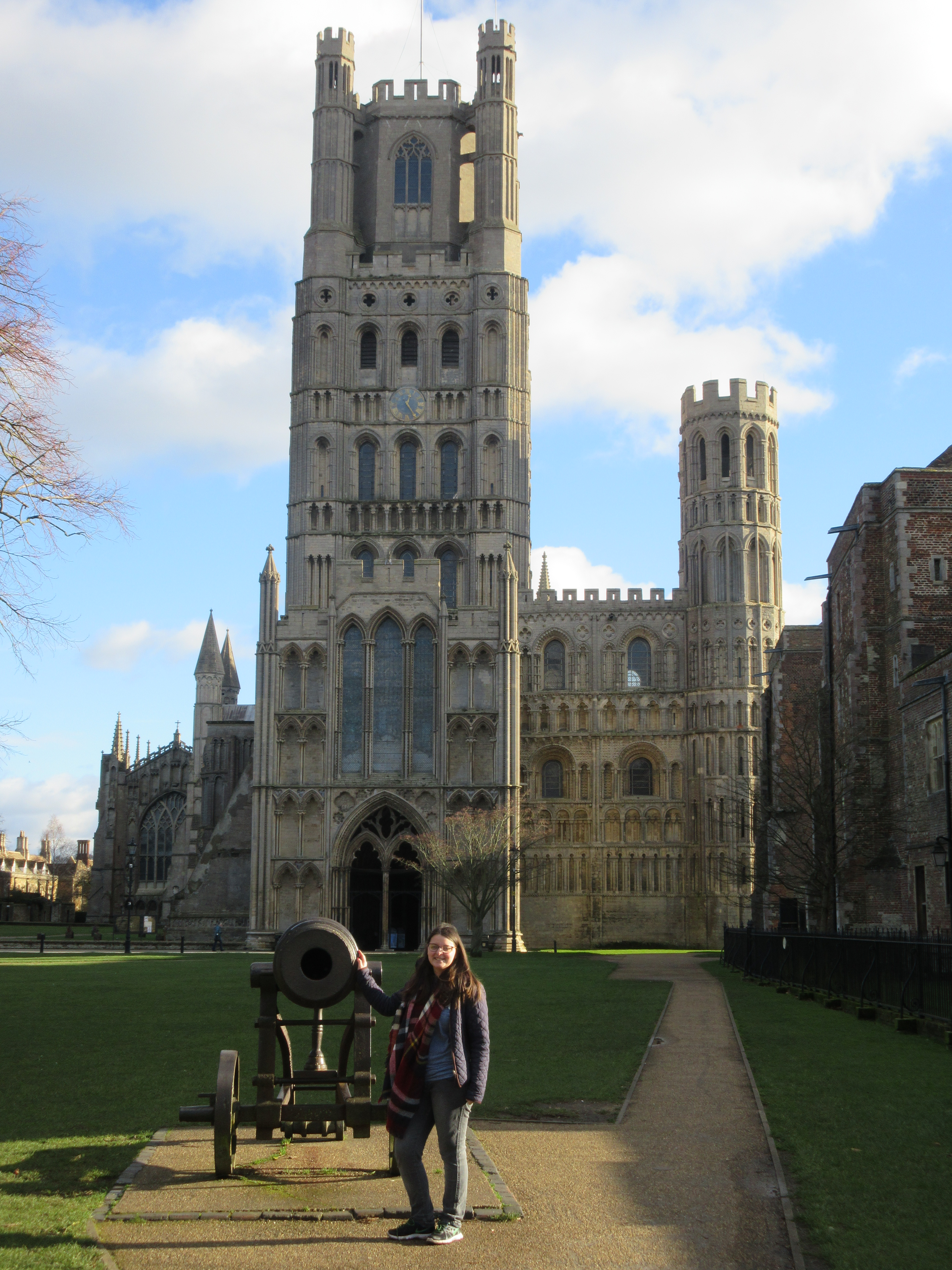
Ely Cathedral
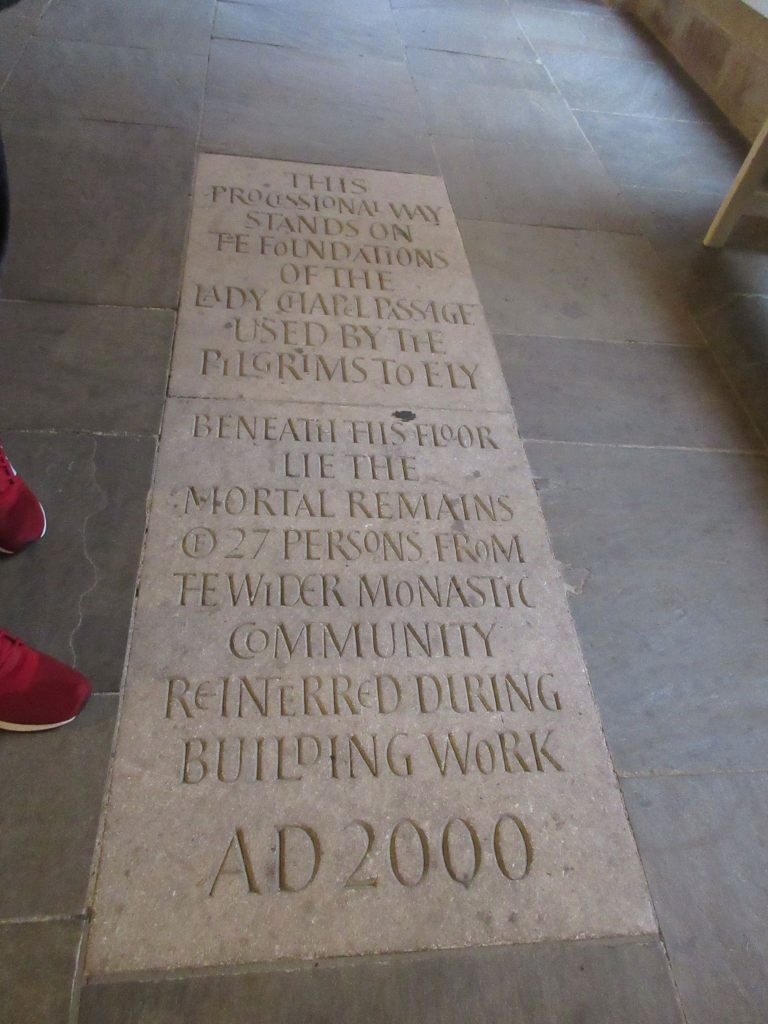
The Ely cathedral site was originally a monastery founded by St Etheldreda, the granddaughter of an East Anglian King. She died of ill health, and later became a saint, and a shrine was built for her at the site, which pilgrims to the area would visit. In 970 it was refounded as an abbey for Benedictine monks (same as the Norwich Cathedral)! The current building was created in the 11th century and the abbey became a cathedral in 1109. It continued to have a monastic purpose until 1539 when Henry VIII dissolved all the monasteries in England. Unfortunately, St Etheldreda’s Shrine was destroyed due to this, but there is a marker within the cathedral, to show visitors where it once stood, and St Etheldreda is still remembered there.
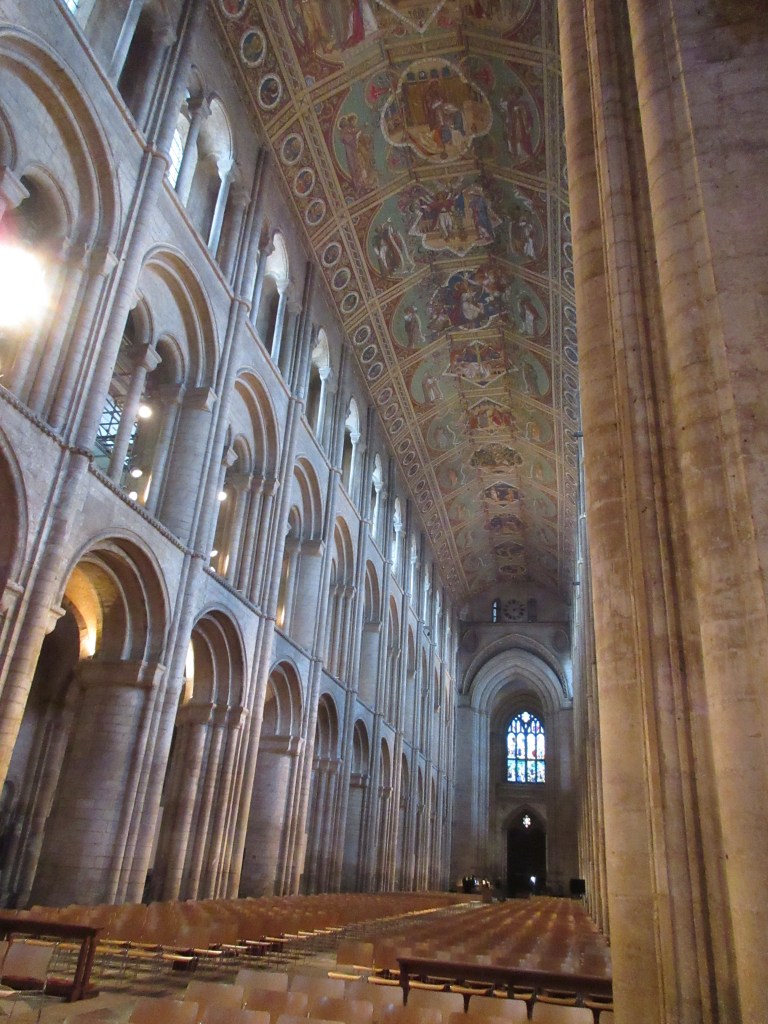
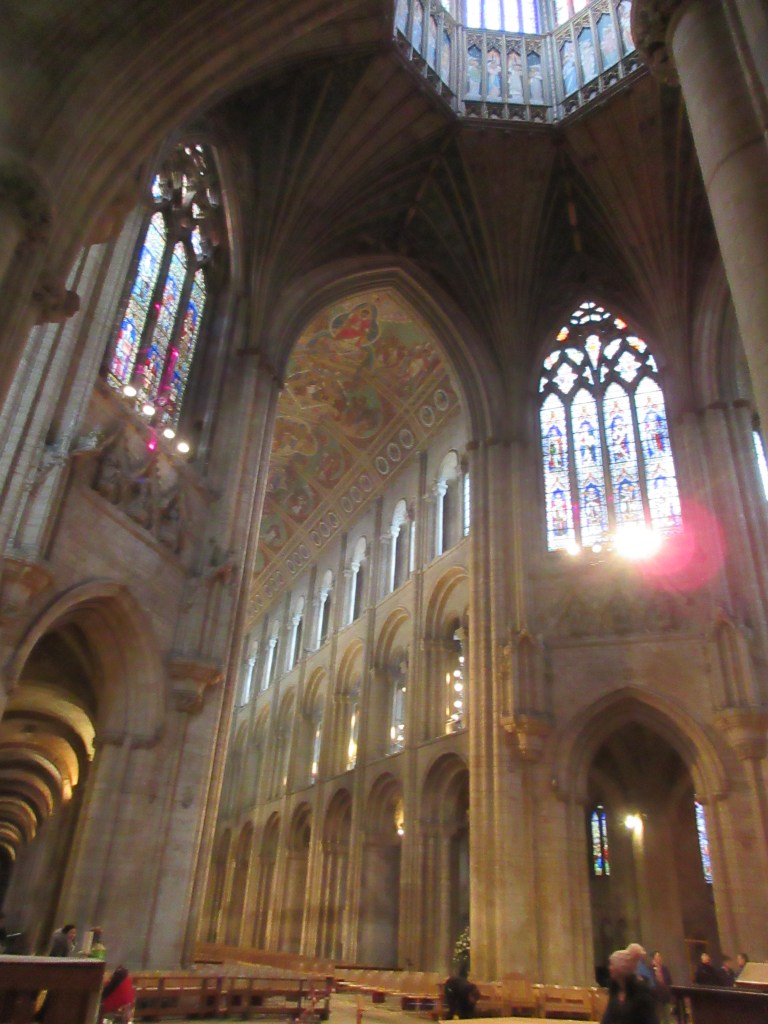
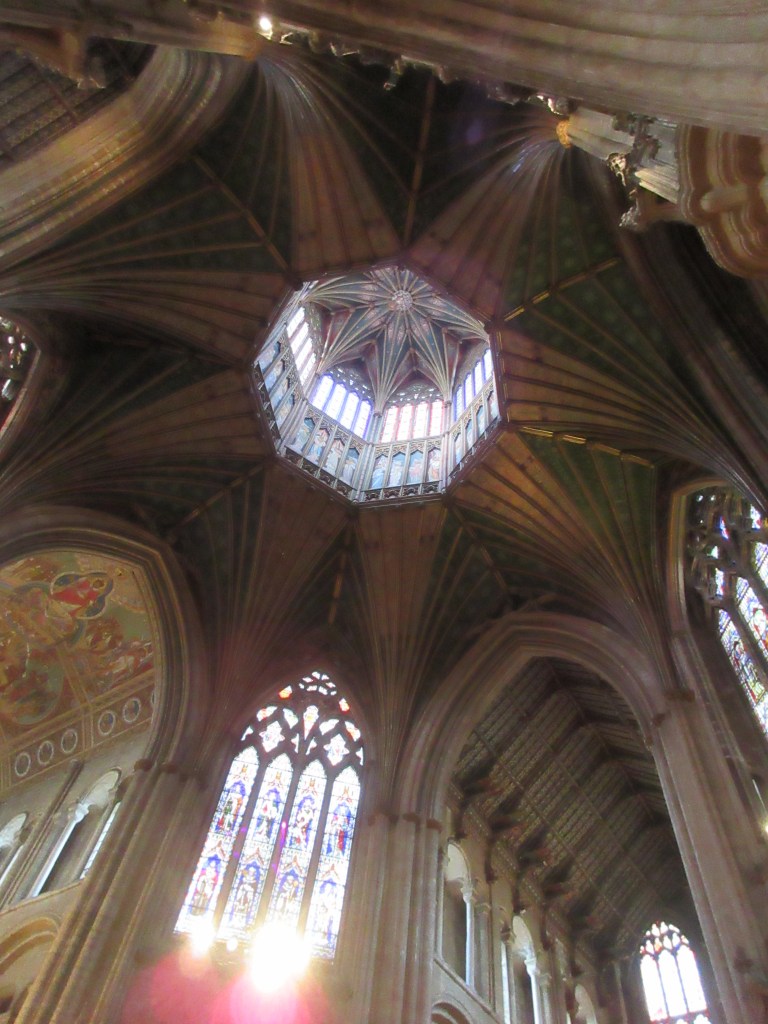
The cathedral itself is famous for its unique Octagon tower and for being a very long cathedral (fourth longest in the country at 537ft). It does seem as if the cathedral goes on forever and it looks quite magnificent against the landscape there. It is actually nicknamed the ‘ship of the fens’. When we went, we found lots of interesting features to discover inside, especially some of the poses of various statues and the grandeur of the lady chapel and art there.
Tower Tour
We were welcomed quickly on arrival by volunteers, and decided to book onto a tower tour to climb the various levels of the cathedral, see the lantern area and get up onto the roof! At the time, I think that we paid around £20 each for this, but from looking at the website today, it seems that they are charging more at the moment, due to the extra safety measures in place.
Tower Tour Views
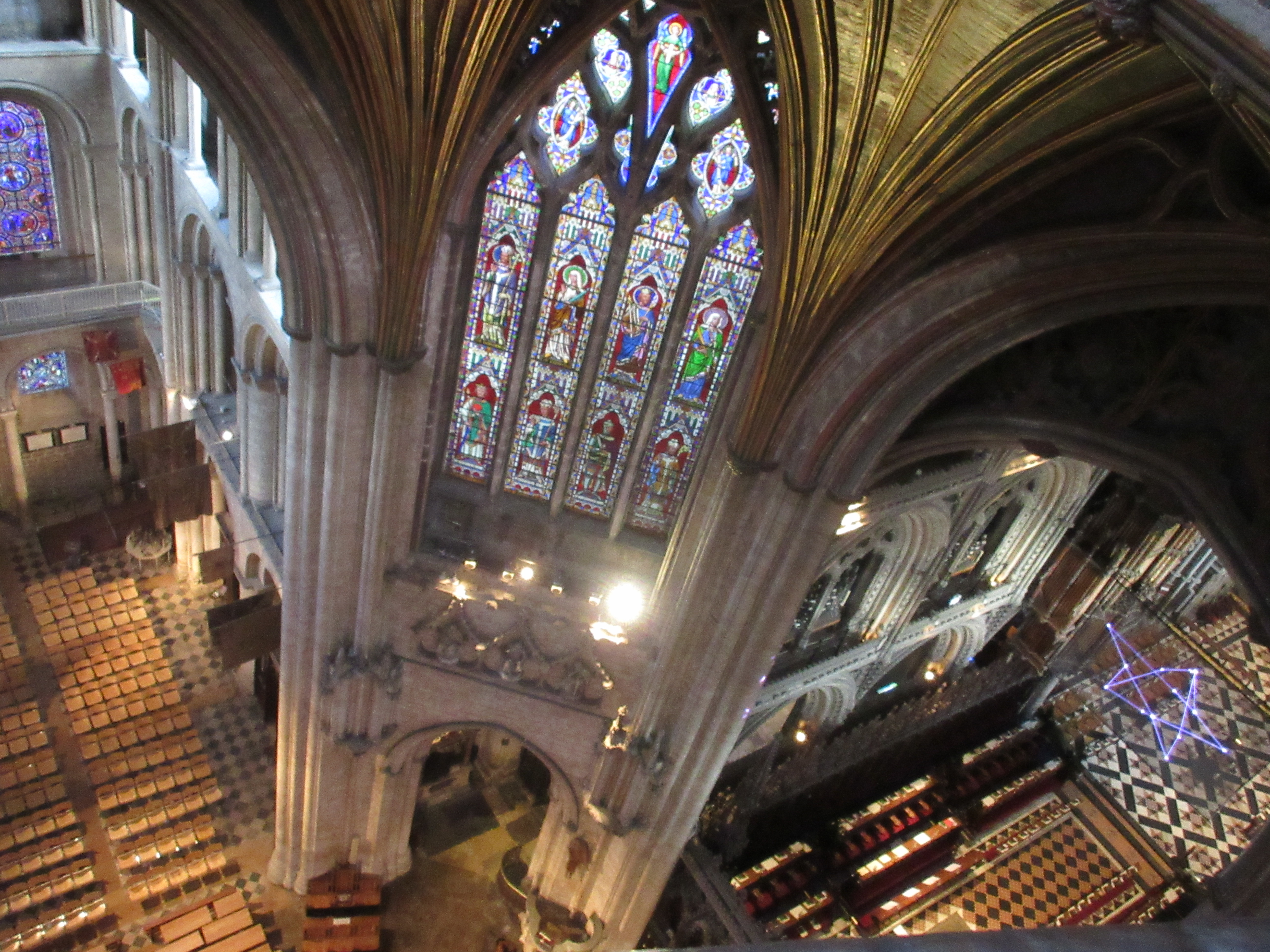
The views throughout the tour were brilliant! It seemed extremely high when climbing the steps, and you had to be a little careful in places. As you’d expect, the higher you get, the more narrow and un-nerving the climb can become. Getting up to the roof is well worth it though, to see the detailed stone work of the roof design up close, and the view of the city and fens stretching out in front of you.
The coolest part of the tour, in my opinion… was the lantern area. The octagonal shape came about following a rethink of the tower when the original Norman one was replaced. It took eighteen years to build and apparently the shape is a symbol that relates to the link between earth and heaven, and time/ eternity. The whole cathedral is centred around the octagon.
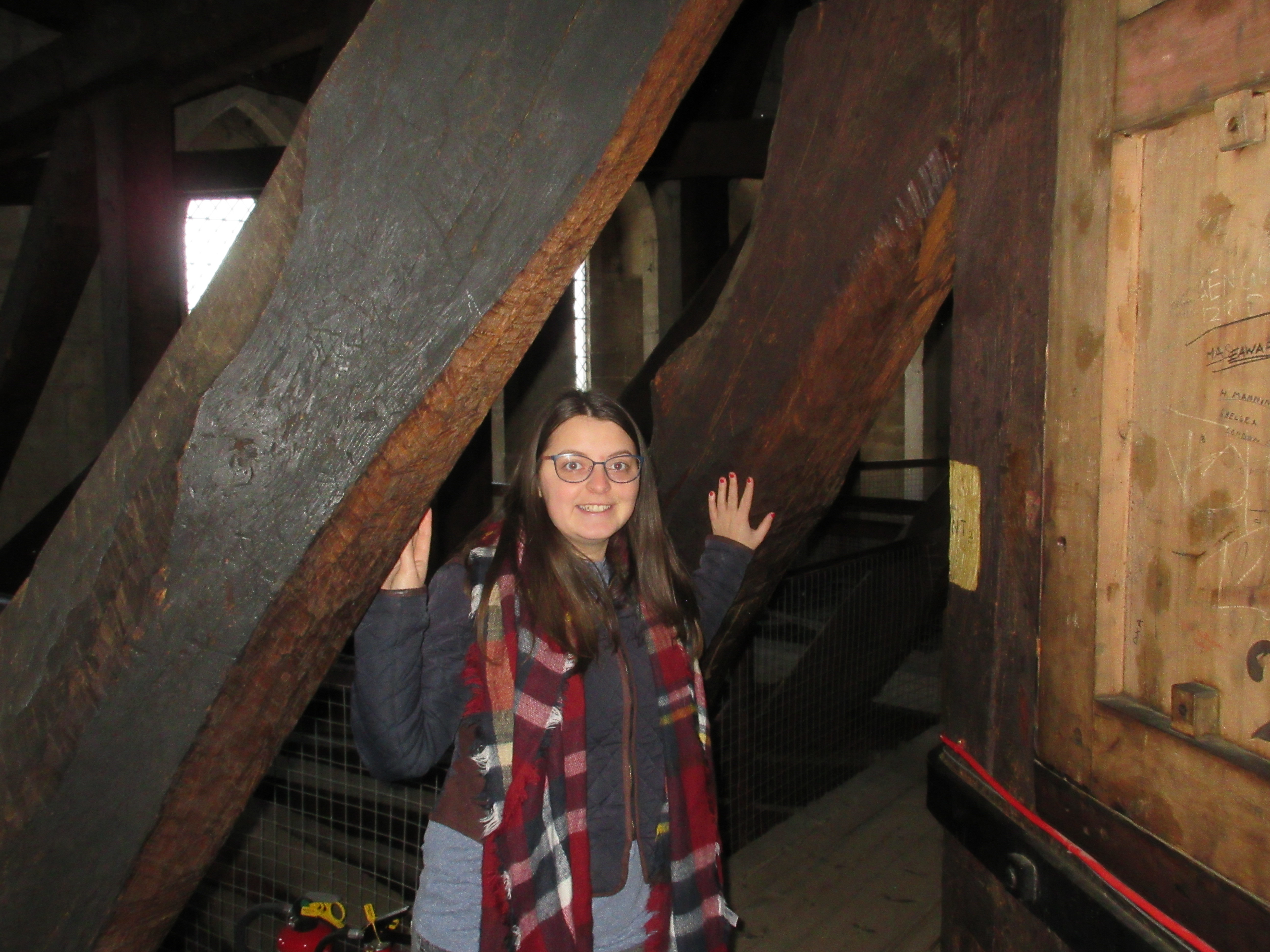
The lantern (an internal open space within the tower structure), really blew me away. Mostly, because of the materials used. The lantern area is constructed by hundreds of tons of wood and lead. You can see how raw this wood is up close though, the giant (60ft long) oak beams are pretty much entire trees diagonally stretching the space. Each one is around 1000 years old and still extremely strong. When we went on the tour, you could look up close and touch the wood, and it feels like you are actually able to visualise the ancient forests that these would have travelled from. The oak beams also have a number of graffiti markings carved in from key times in history, which adds to how special it is!
Amazing lantern area
Stained Glass Museum
Of course, the other amazing thing to see in the cathedral is the Stained Glass Museum! I love stained glass, and had been hearing about the museum for a while. I believe there is only the Ely museum and a museum in central London that specialises in the history of stained glass. In Ely, you can pay a little more for your cathedral ticket, so that it includes the museum entry too.
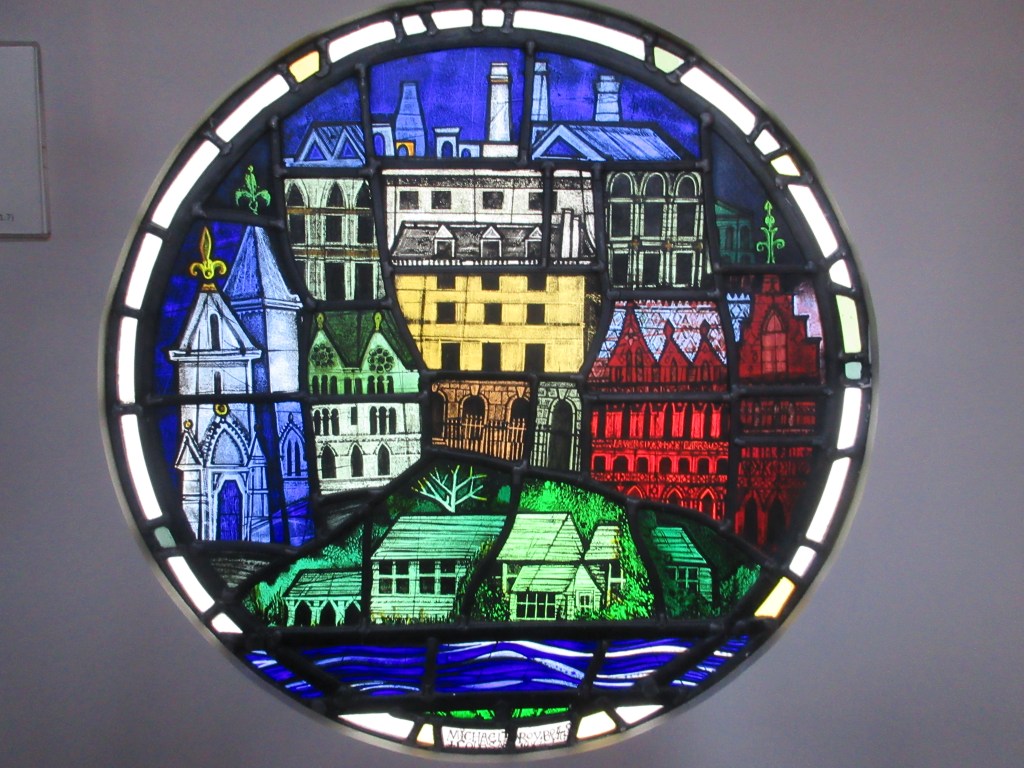
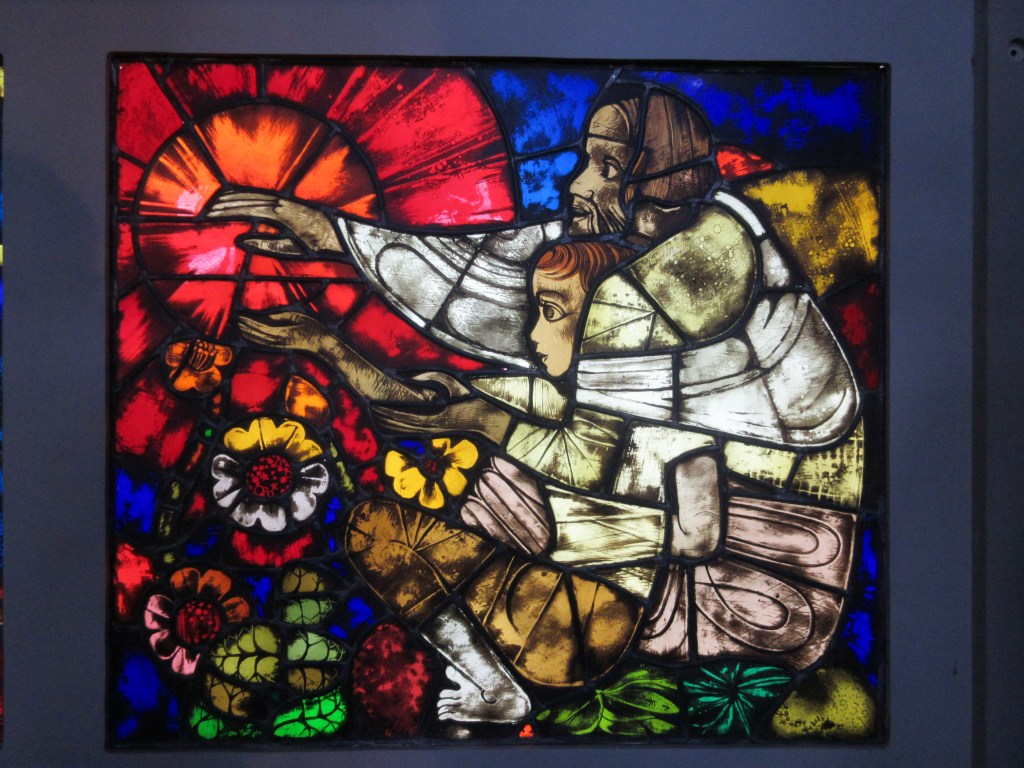
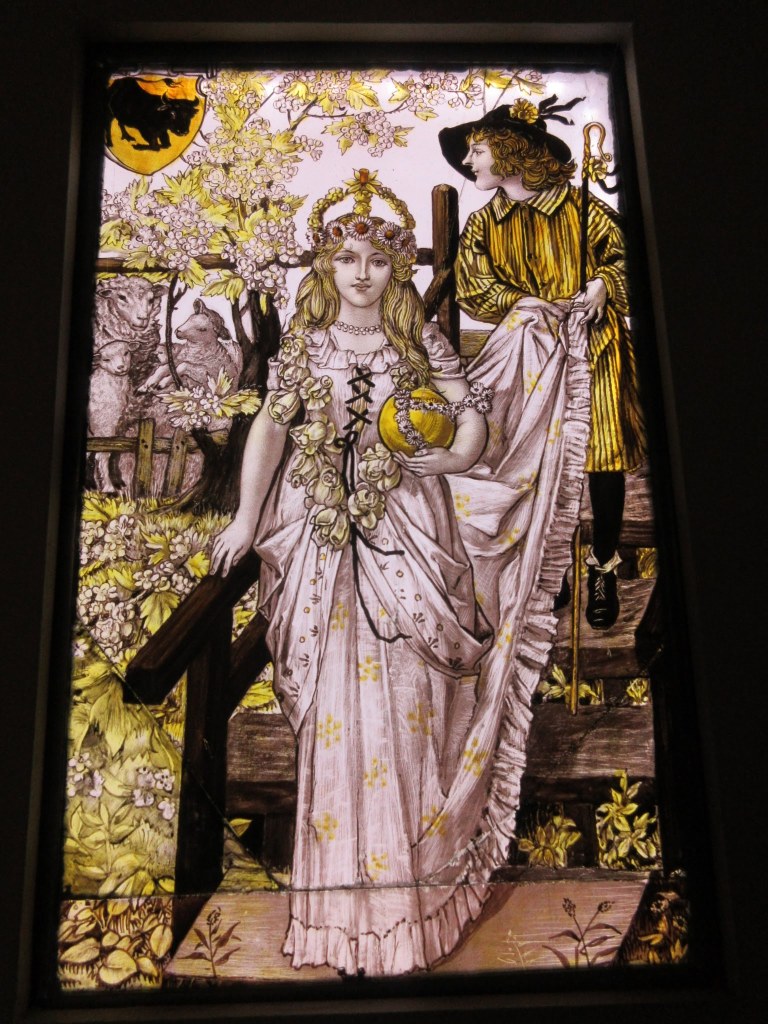
When we visited, the museum was under some refurbishment, but we were still fully able to enjoy our visit. There was an introductory video explaining to visitors how stained glass was originally made, and some of the history. They then have a full gallery of stained glass over time from different locations. The varying images and stories within the stained glass was really interesting and the craftmanship is so professional that you can really respect this ancient art. Something that I picked up from the visit which I have found useful since, was the fact that you can tell the older glass from the later glass, from the colour pallette used. Originally the artists only had use of a very limited number of colours and methods to place them on the glass. Artists used yellow frequently, so if it is heavy in yellow and little else, it is probably quite old!
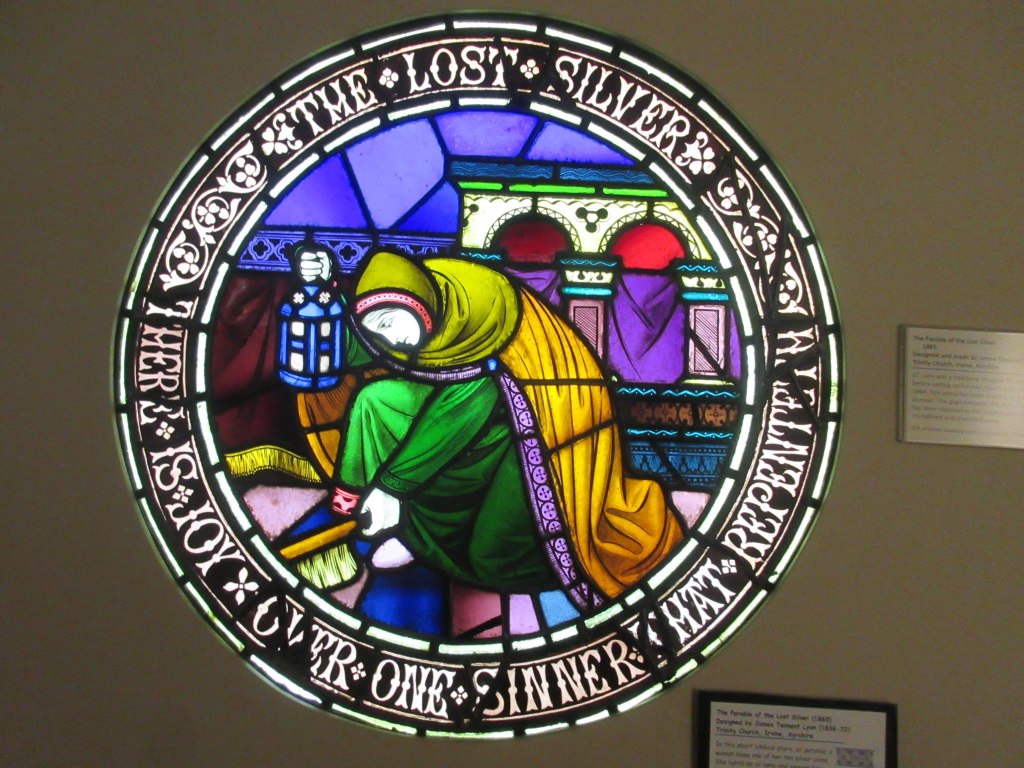
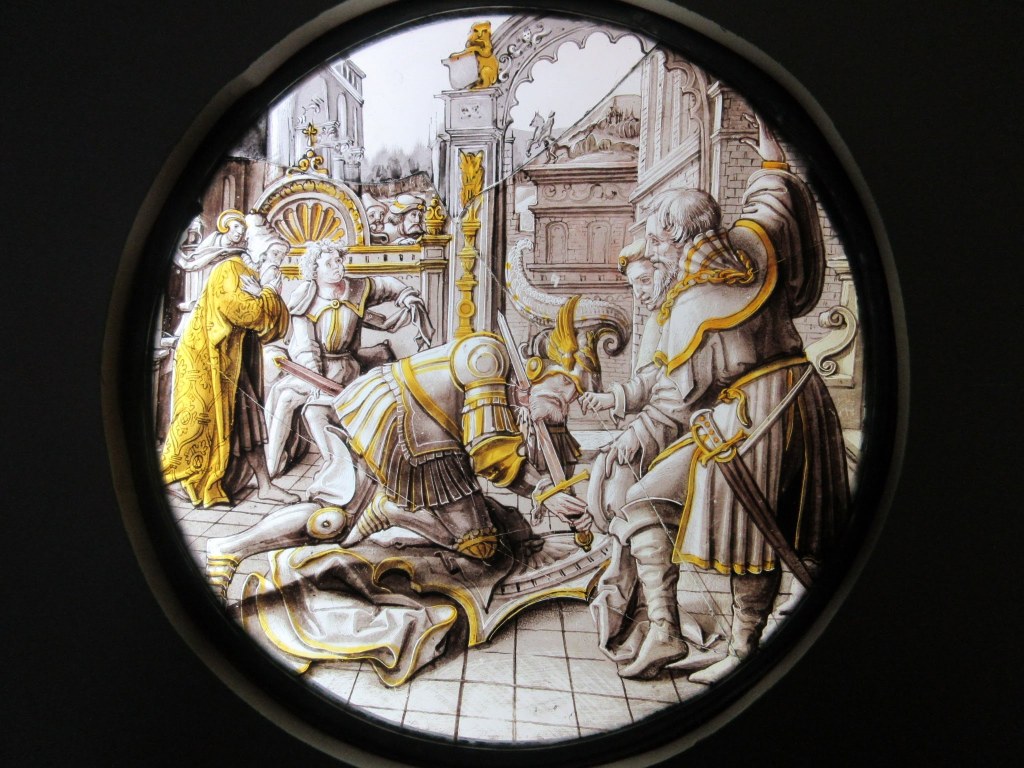
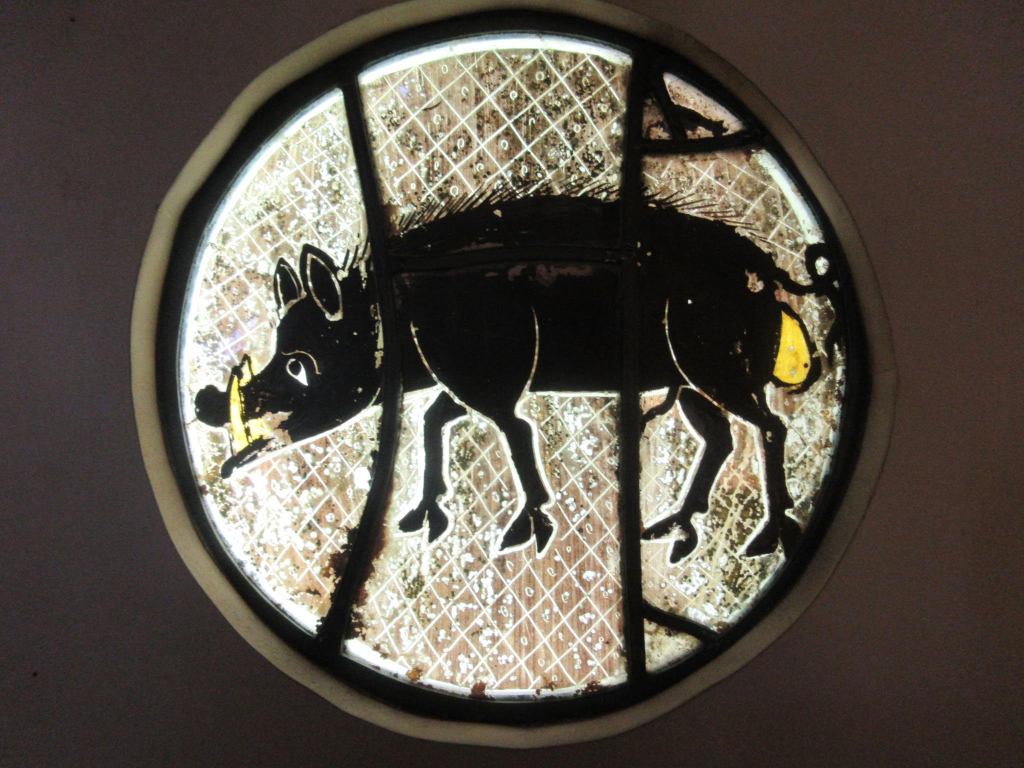
Loved all the below windows!
We spent a lot of time enjoying the cathedral, our tower tour and the stained glass museum, and with the addition of lunch, the day was almost gone. We did have time for a final short walk around the city and lovely waterside before heading home, though. This is when we realised that Ely was also the home of Oliver Cromwell!
Oliver Cromwell was an English General who took over the ruling of the British Isles in 1653 under the name of Lord Protector. This was after he led armies against King Charles I during the English Civil War. He ruled the country as a dictator until his death, five years later.
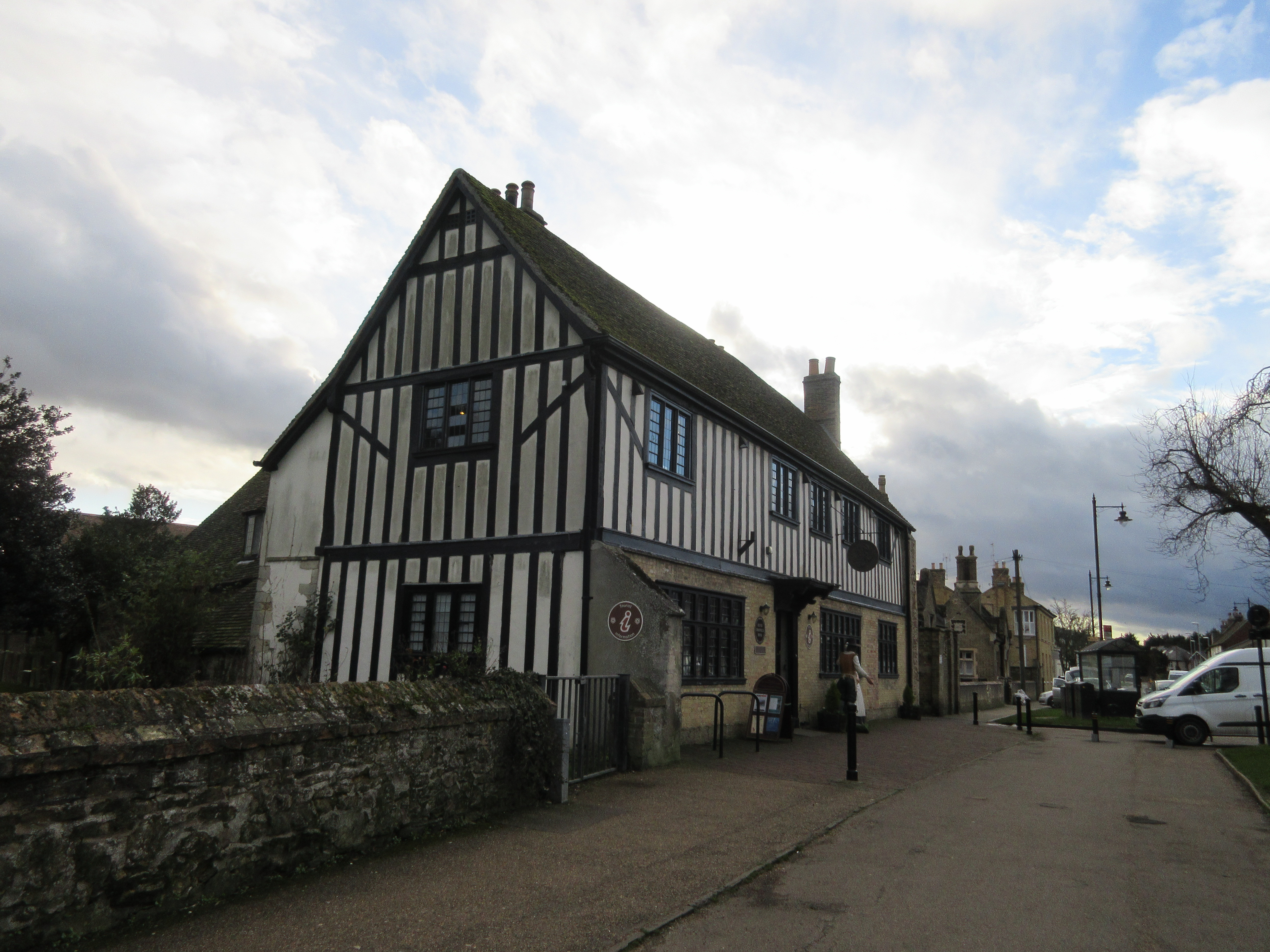
Oliver Cromwell’s parents were from Ely and he lived here with his own family for about ten years. You can visit their former house which also houses information about the civil war and doubles as the Tourist Information Centre. Unfortunately, we didn’t have enough time left to visit, but I certainly would like to come back and visit this as the English Civil War seems really intriguing to learn about, when the Parliamentarians (Roundheads) and Royalists (Cavaliers) fought for power over the way Britain was governed.
Cromwell’s house
Overall, I thought Ely was very pretty, and the history is fascinating. I will definitely return as it is so close to Norwich, and perhaps spend the weekend there, next time.
This Summer I took a family trip to the Pembrokeshire coast in Wales. This was a fabulous trip full of activity and fun, and one I would definitely be keen to repeat.
We stayed in a small seaside village called Amroth which was a lovely area with a sandy beach and a few nice bars. It was also close to the National Trust property of Colby Woodland, which was a nice natural attraction to explore nearby to our cottage. The village was also perfectly connected along the coastal path.
Colby Woodland
Colby Woodland Stream
Colby Woodland Money Tree
Getting active
There are tons of walking opportunities in the area with the coastal path providing plenty of connections to local sights, views and seaside towns. We did two main walks whilst staying there for the week.
Our first long distance walk was from Newgale to Solva. Newgale is a popular surfing spot, full of campers and water sport shops. The walk from here starts with a steep hike to the top of the cliffs, and took us up and down among the hills before flattening to a more pleasant stroll. The walk took us through views of the sea, beaches and Oystercatchers, and ended with us walking through fields of cattle and one last walk over a shingle beach before reaching Solva. This was a pleasant little seaside town where we could enjoy a well deserved lunch. This five mile walk took us around three hours to do and was very rewarding to complete.
Newgale to Solva Walk
Newgale to Solva Walk
Newgale to Solva Walk
The next walk we decided to go for was much more flat and so for me more leisurely. It also had a lot of different terrain to keep it interesting. This was the walk of Stackpole Quay around the coast and turning back through Bosherston and the Eight Arch Bridge.
Much of this area was covered by the National Trust, meaning there was plenty of very good car parking and cafe facilities. The first part of the walk is only a short inclining trail towards Barafundle Bay, which is one of the UK’s most beautiful beaches. We stopped here for a first break and enjoyed the sunshine before continuing on.
Me on Stackpole walk
Barafundle Bay
Barafundle Bay
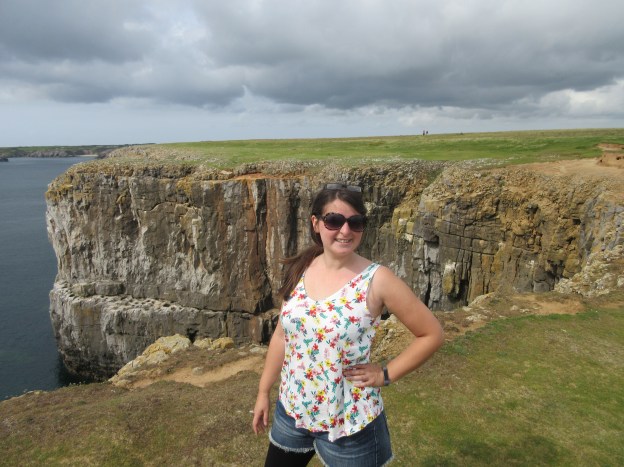
Next we found ourselves going through some foliage before coming to the cliff side of Stackpole Head. From here, the next section of the walk was an exploration of the cliffs, where you could see many people taking advantage of the great rock climbing opportunities. As the cliffs end, we found ourselves at Broad Haven beach, a huge sandy beach with plenty of visitors and more opportunity to get some food.
Bosherston Lily Ponds
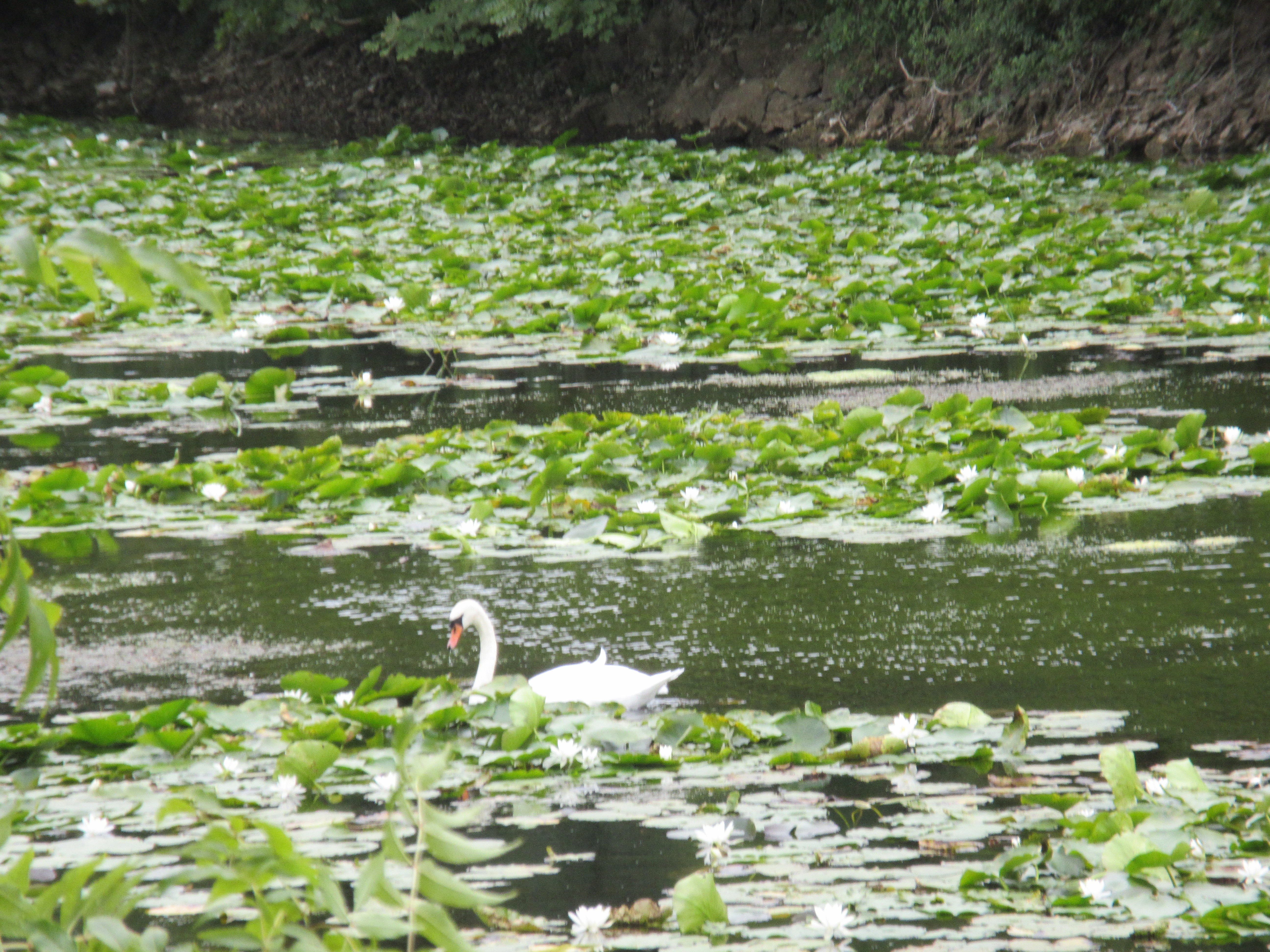
From here there is the option to continue walking along the coast towards St Govan’s Head and Chapel or inwards to Bosherston Lily Ponds. Unfortunately, St Govan’s Chapel sits within a military training ground which means it is closed to walkers during certain times when training takes place. This conflicted with our walk which meant we couldn’t visit during our walk. Instead we went inland to the Bosherston Lily Ponds. This was a beautiful area with millions of lilies jam packing the water and plenty of wildlife. It was a truly unique outdoor area, unlike anything I have seen before.
Eight Arch Bridge
Eight Arch Bridge
Bosherston Lily Ponds
After seeing the vast large ponds, the walk continues on wards to the Eight Arch Bridge, which is very picturesque. Apparently, otters can be regularly seen from this spot, although I didn’t manage to see any! Did see a Heron though! Another thirty minutes or so through farmlands will take you back to Stackpole Quay. This was a gorgeous six mile walk, and I would thoroughly recommend it!
Kayaking in Tenby
Jellyfish in Tenby
Kayaking in Tenby
With Pembrokeshire also being a coastal area there is also plenty of opportunity to get active on the water. There are plenty of spots to do this, but we decided to head to Tenby, which is a very popular seaside town and a good place to get out on the water. We decided to hire a couple of kayaks for a few hours and explore the sea. We found a number of small beaches only accessible by water, and we even had a huge jellyfish pass under our boats. I saw a number of massive jellyfish whilst exploring the water in Wales, apparently they had a particularly high number of them over this Summer due to the warm climate.
Someone we saw coasteering!
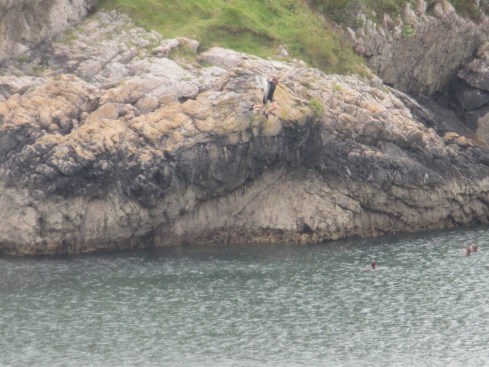
We saw a number of people coasteering in Pembrokeshire whilst there, meaning they were jumping off the cliffs into the ocean… but I wasn’t quite brave enough for this!
Caldey Island
Caldey Island is a peculiar island off the coast of Tenby that we decided to visit. It is inhabited entirely by a community of monks. This was a particularly interesting attraction for me as a lover of religious tourism. Regular trips can be taken to the island from the dock in Tenby over to the island. Once on the island, visitors can explore the various landmarks, including; the old priory, the lighthouse area, various monastic ruins, the island’s churches and even the monastery’s very own chocolate factory! We did indulge in some delicious monk made fudge! There is also a few shops on the island for visitors and trails to explore.
Old Priory on Caldey Island
Chocolate Factory on Caldey Island
Monastery on Caldey Island
This was a brilliant experience and very unusual!
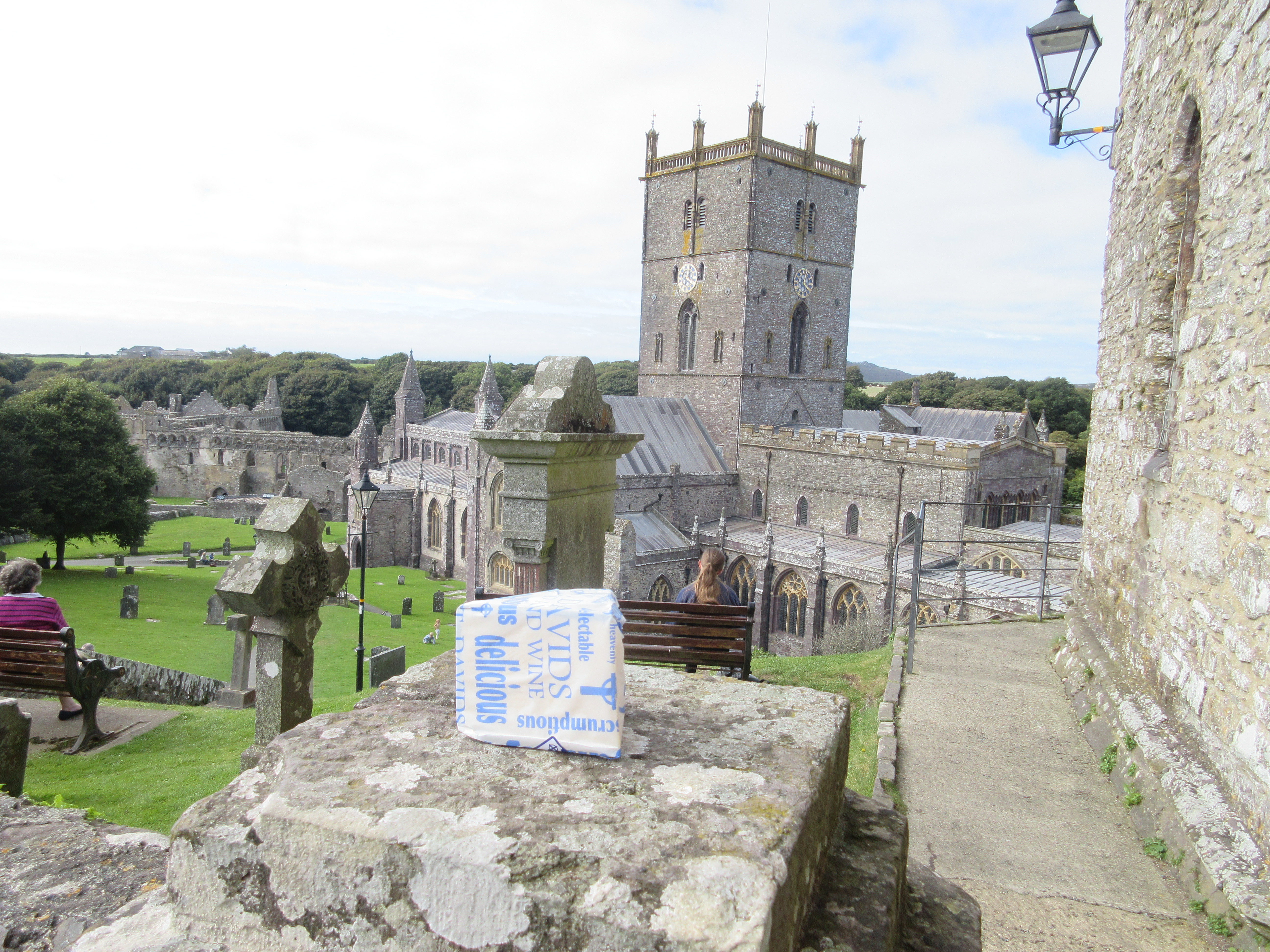
We also visited St Davids whilst in Pembrokeshire, which is a well known town and famous for it’s St Davids Cathedral. Unfortunately, I was not allowed to take any photos of inside the cathedral, but I must tell you that this was one of the most beautiful cathedrals I have ever visited. I can see why they need the town after it!
St David’s Cathedral… plus cheese
St Govan’s Head & Chapel
Whilst we didn’t manage to see the chapel during our walk we luckily managed to reattempt a visit later in the week. We were successful in finding the hidden away chapel, which was another unusual site in Pembrokeshire, tucked away in the rocky cliffs. The steep walk down to the little chapel is well worth it, and does make you wonder why they chose to build a chapel in such a strange place. Head to the chapel to discover the legends surrounding its history, which involves Irish pirates and a mystery bell.
Heatherton World of Activities
We did decide to take a break from all the walking one morning and visited Heatherton World of Activities. This was an interesting attraction which included all sorts of activities for kids and adults, from Mini – Golf to Go Karting and Tree Top Climbing. On arrival you buy a number of tokens which you can use for various activities. I got extremely excited to be victorious in Mini- Golf, and Archery, however I did find that I need a lot more practice on the Pistol Shooting.
Castles!
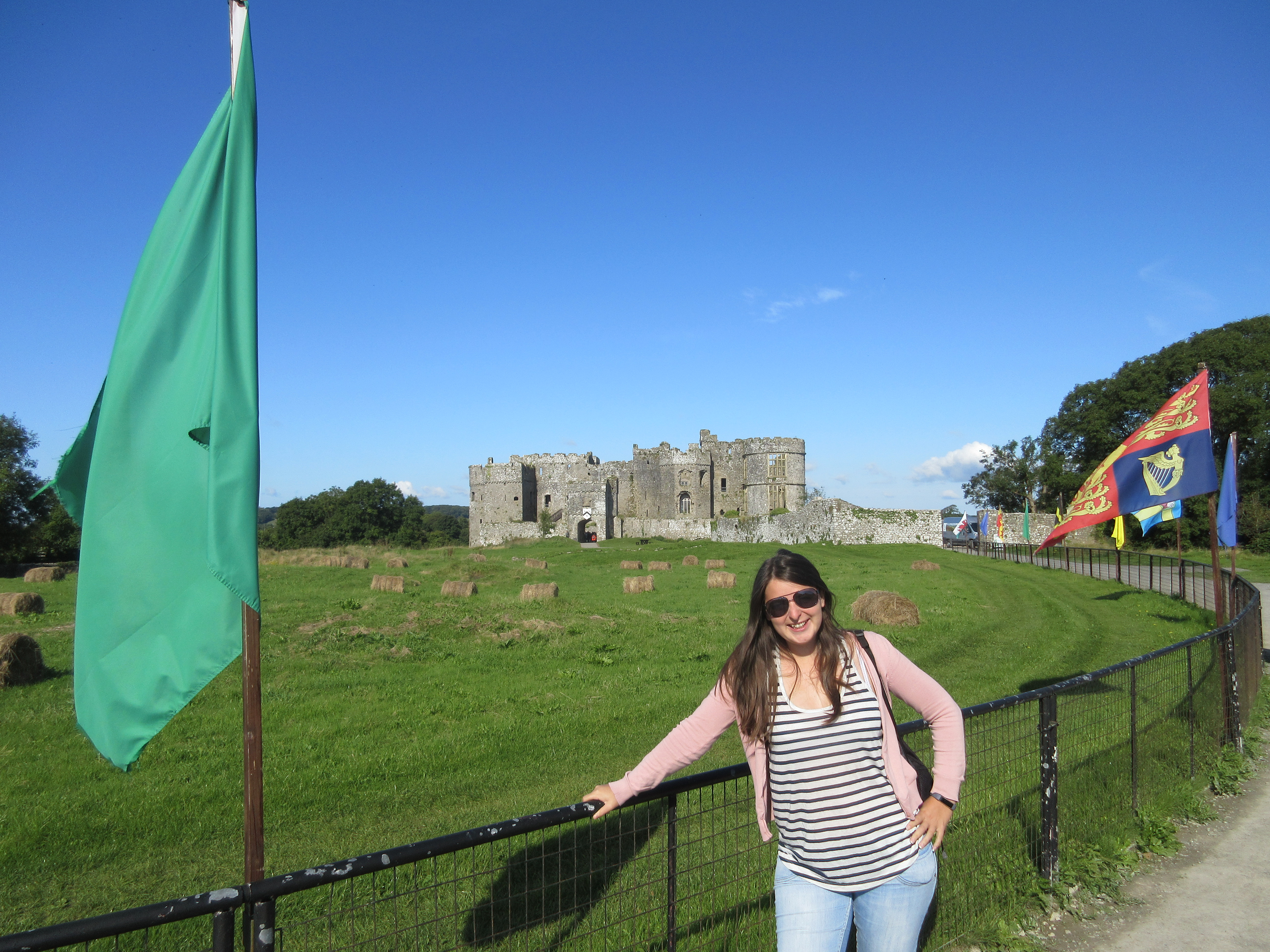
Wales is the place to be when you want to find a castle! We were on castle overload this holiday, but I loved it! We went to visit Pembroke, Corfe, Carew, and Manorbier Castles, as well as Lamphey Bishop’s Palace which is another set of ruins. Many of the castles offered free tours, guidance, and activities such as falconry experiences. This was a great way to enjoy a few hours and learn a little history whilst you’re at it.
Carew Castle Pembrokeshire Coast
Carew Castle Pembrokeshire Coast
Castle Pembrokeshire Coast
Generally, Pembrokeshire was a lovely place and I would really like to revisit and explore the towns I didn’t manage to make it out to. We had a week there, but I would happily go there for two weeks and spend more time relaxing on the beach as well as getting active. I just need to hope for another week of perfect weather like we were lucky enough to get!






























 Go Go Chlo