I have now spent a week in Buenos Aires to begin my journey through Argentina and Chile. This solo visit is the first time I have been to this city that makes me feel as if I never left Europe. I have dipped my toe into the main attractions and some of the culture here, before I revisit with a travel companion in three months time.
Travel to Argentina
The journey to Buenos Aires from the UK was a very long one. At 3am on the Tuesday I left my home town on a coach to Stansted Airport. At 8am I flew to Madrid. Waited in a lovely airport lounge in Madrid until 6pm (spain time) then took a flight to Buenos Aires for about 13 hours, arriving 4am on the Wednesday (Argentina time). I then had to wait for Argentina to wake up before I could travel to my hostel and check in. It was long but comfortable.
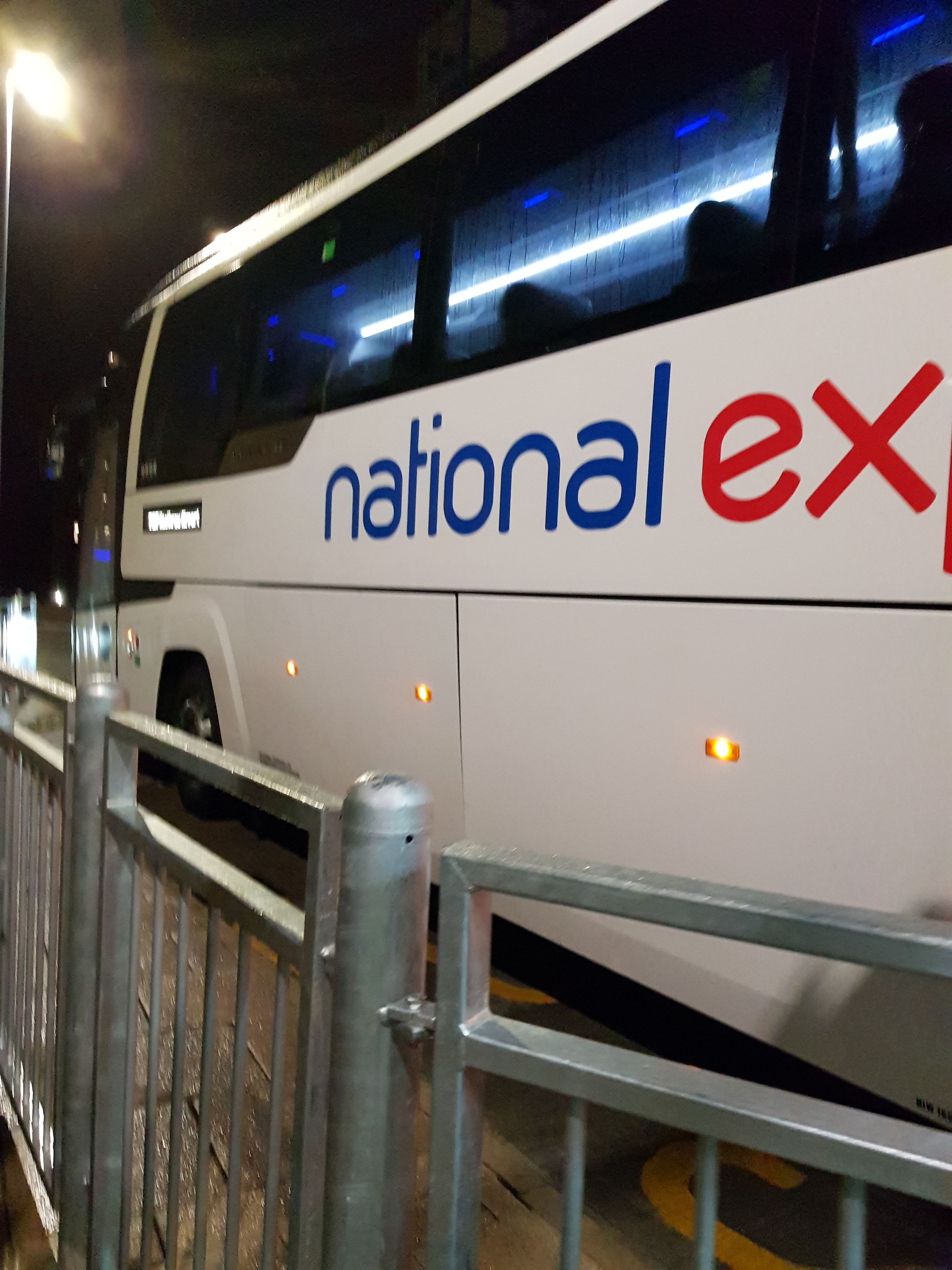
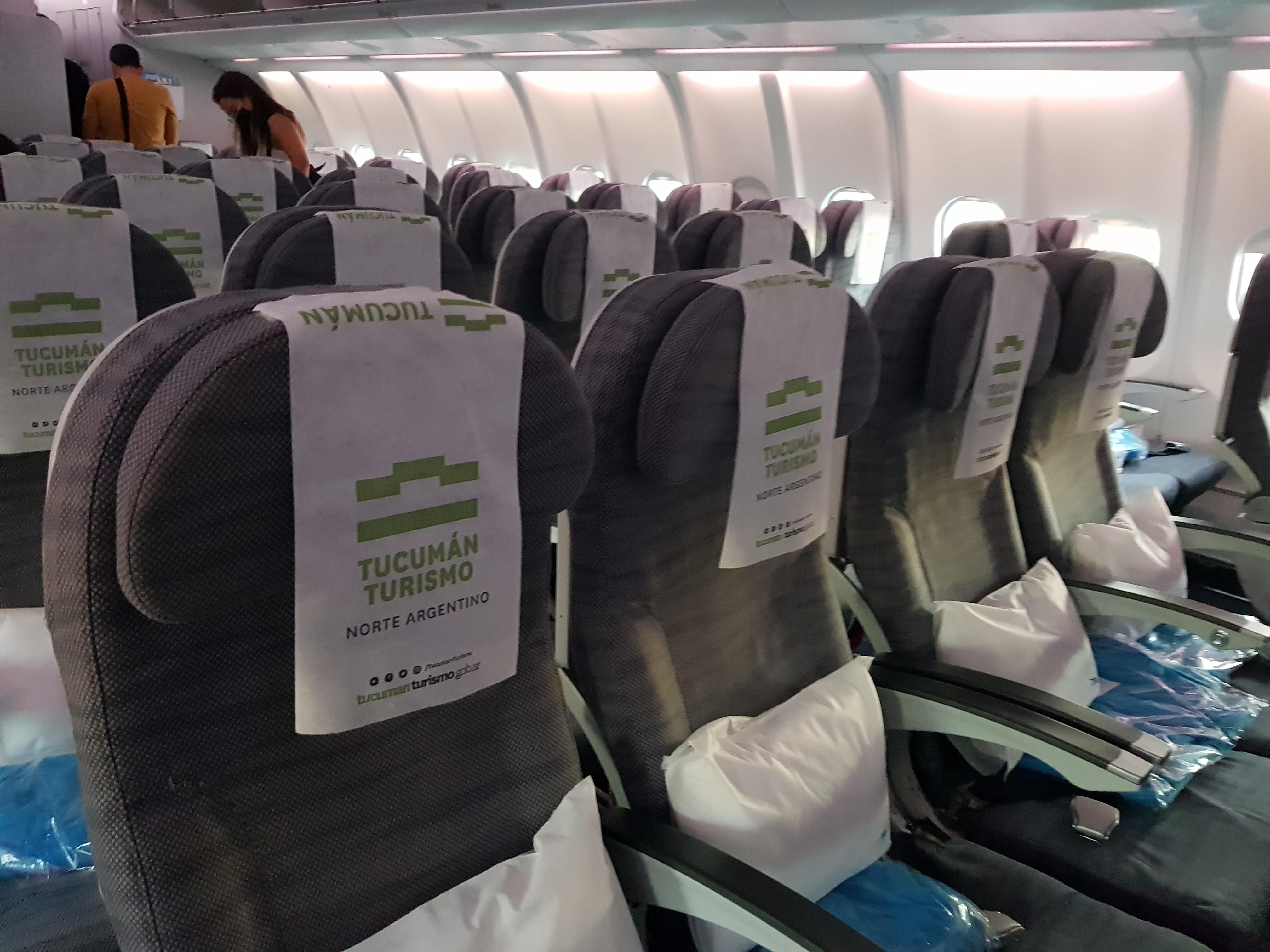
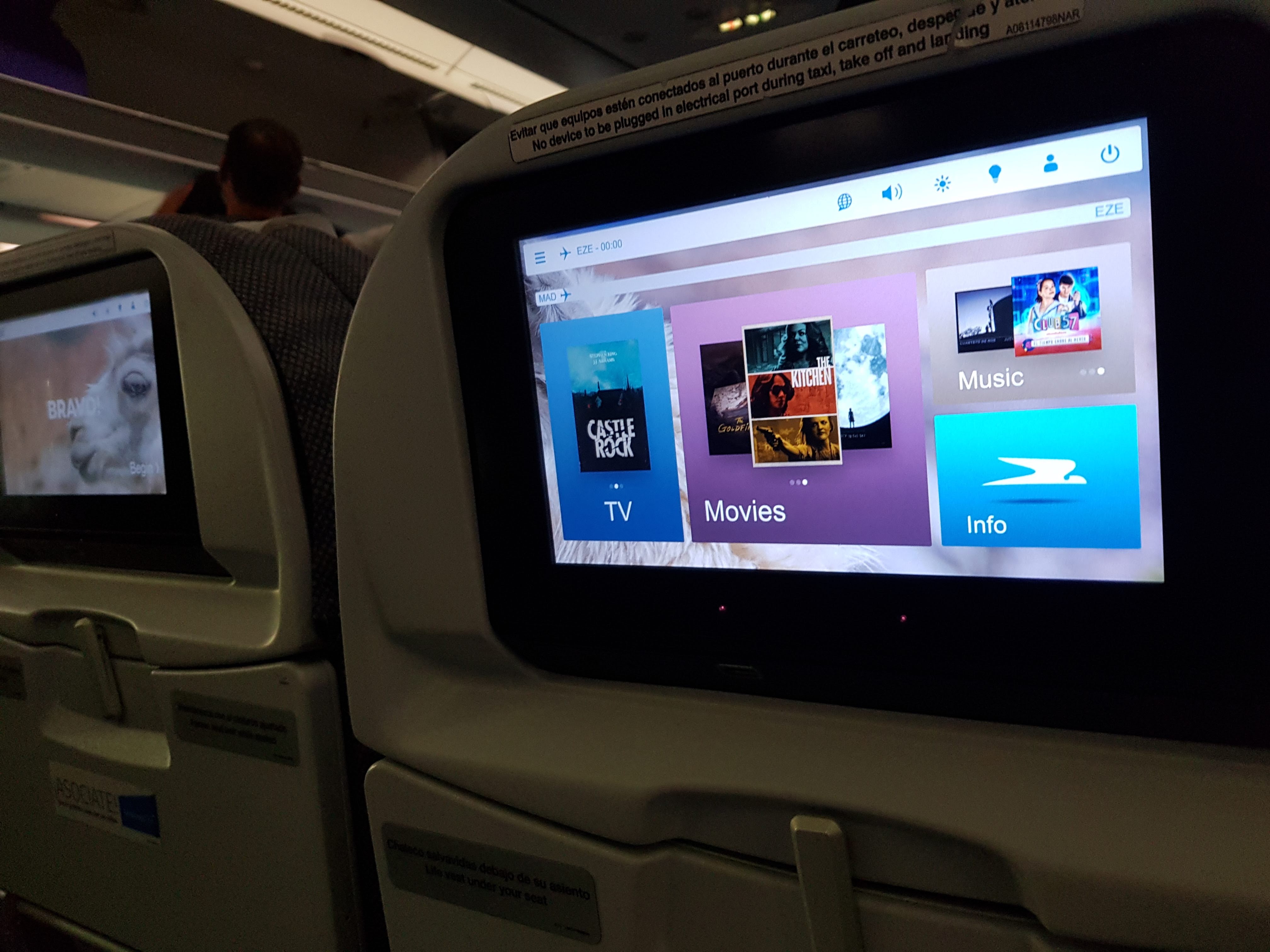
The coach was comfy, the airport lounge was relaxing and the flight to Buenos Aires was very pleasant. I travelled with Aerolineas Argentina (Argentina Airlines) and I had a decent seat, and an empty seat next to me, a personal TV with movies and music, and a blanket and pillow. They provided breakfast and dinner which was satisfying and they were very efficient. I booked a Taxi in advance at the other end, and the driver was really friendly and helpful, and we had a long conversation in Spanish.
First impressions
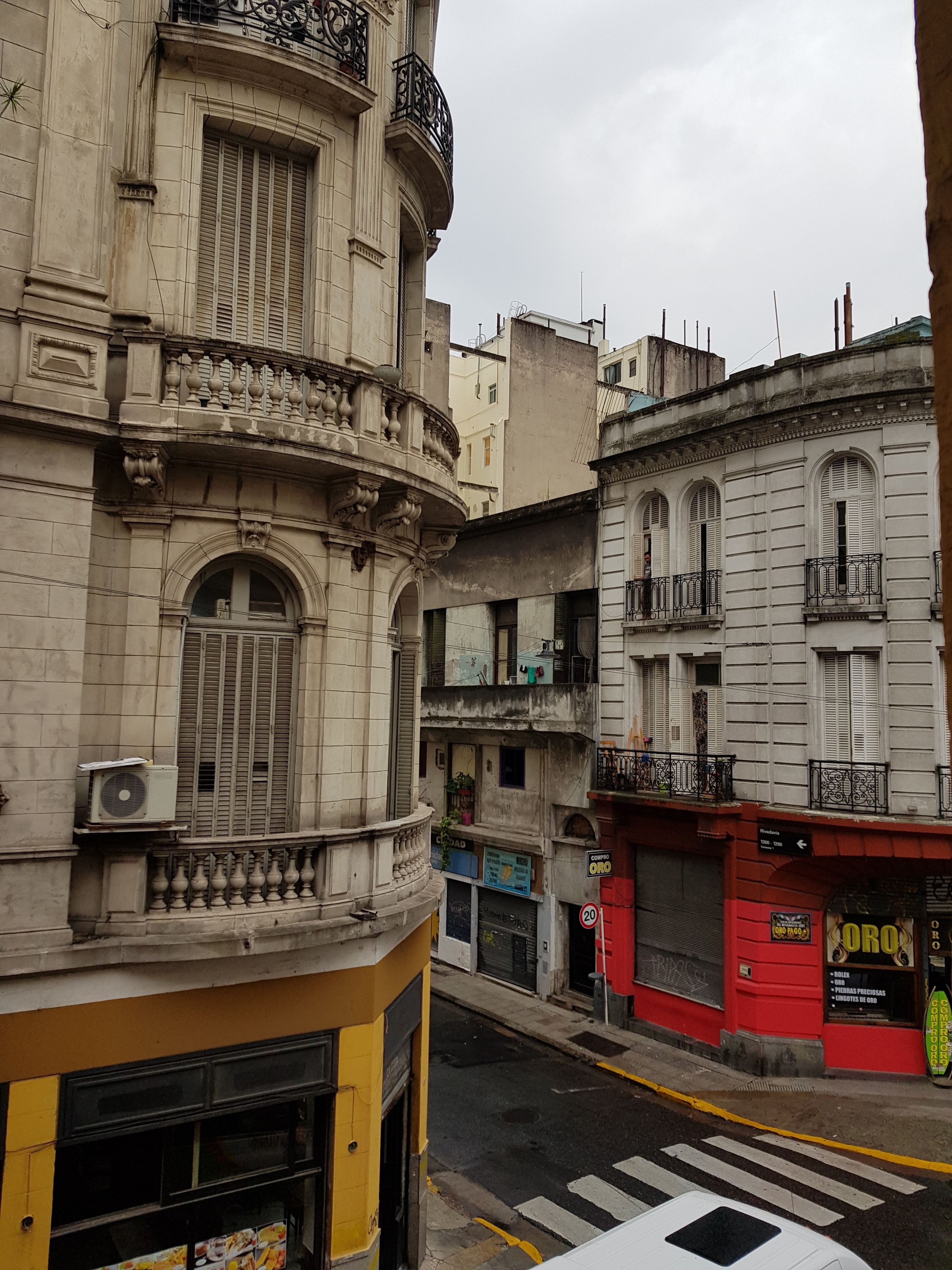
On leaving the airport, I could immediately be reminded that I was in a third world country. As a capital city, it struck me as very underdeveloped, with many buildings being dishevelled and outdated. Many of the businesses that I could see were targeting those needing quick cash. For example, there seems to be ‘cash for gold’ pawn shops on most streets in downtown.
On the other hand, the outdated buildings do offer a level of charming bohemian style. There is no pretending, many of the streets are just as they have been for many decades. This means their European influence is still very clear. There were many times where I actually felt like I was in Madrid, because of the style of the buildings around me.
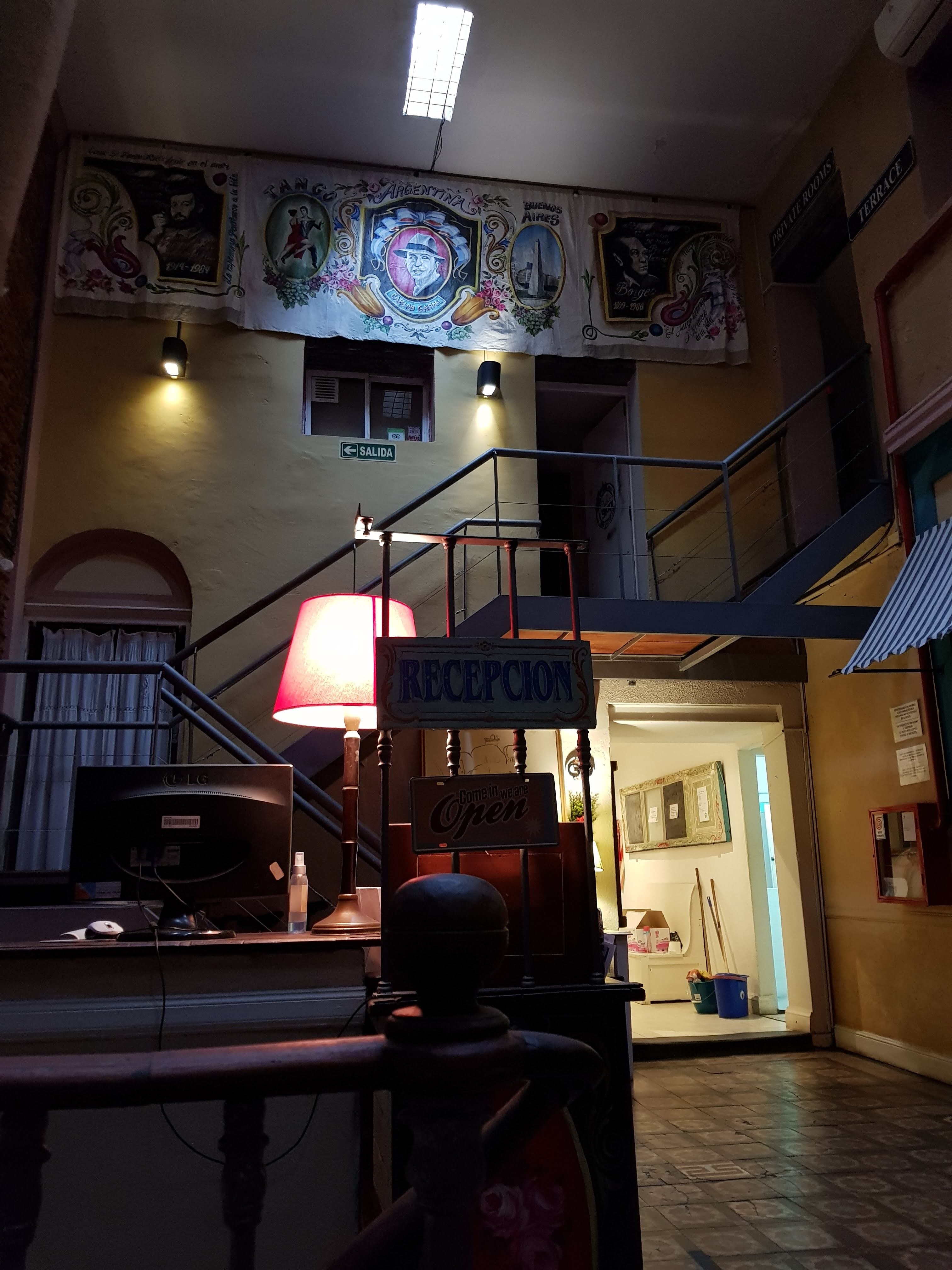
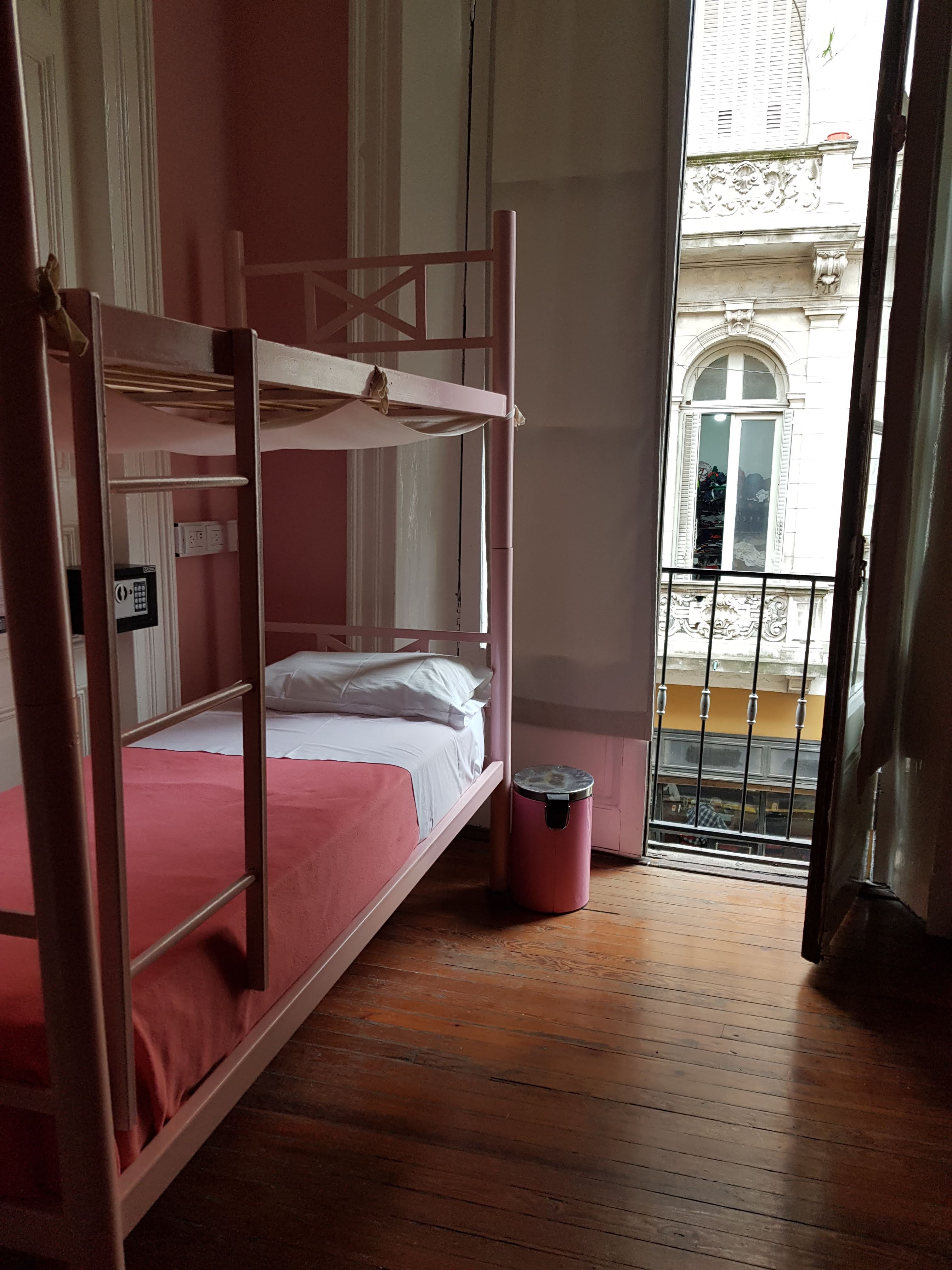

My hostel was to a good standard, although bathrooms are definitely a problem here. The first time I used my hostel shared bathroom, the door handle broke off in my hand. I have been to other locations in the city where the restaurant or attraction seems great but the toilet is awful. I went to one restaurant where the door seemed to be from a piece of a shipping container, and you just had to wedge it shut, not lock it.
Supermarkets are also different, after being spoilt by European supermarkets, and being a picky eater too, this has been a challenge.. The supermarkets are much smaller, and offer much less fresh baked goods or easy meals. The fruit is surrounded by fruit flies and you have to search for a non bruised selection, and many of the things on offer are packeted. I have found some bits that I have really enjoyed, such as Pepas, which are their version of jam tarts. Very nice. Creativity definitely comes into play when creating meals from the supermarket.
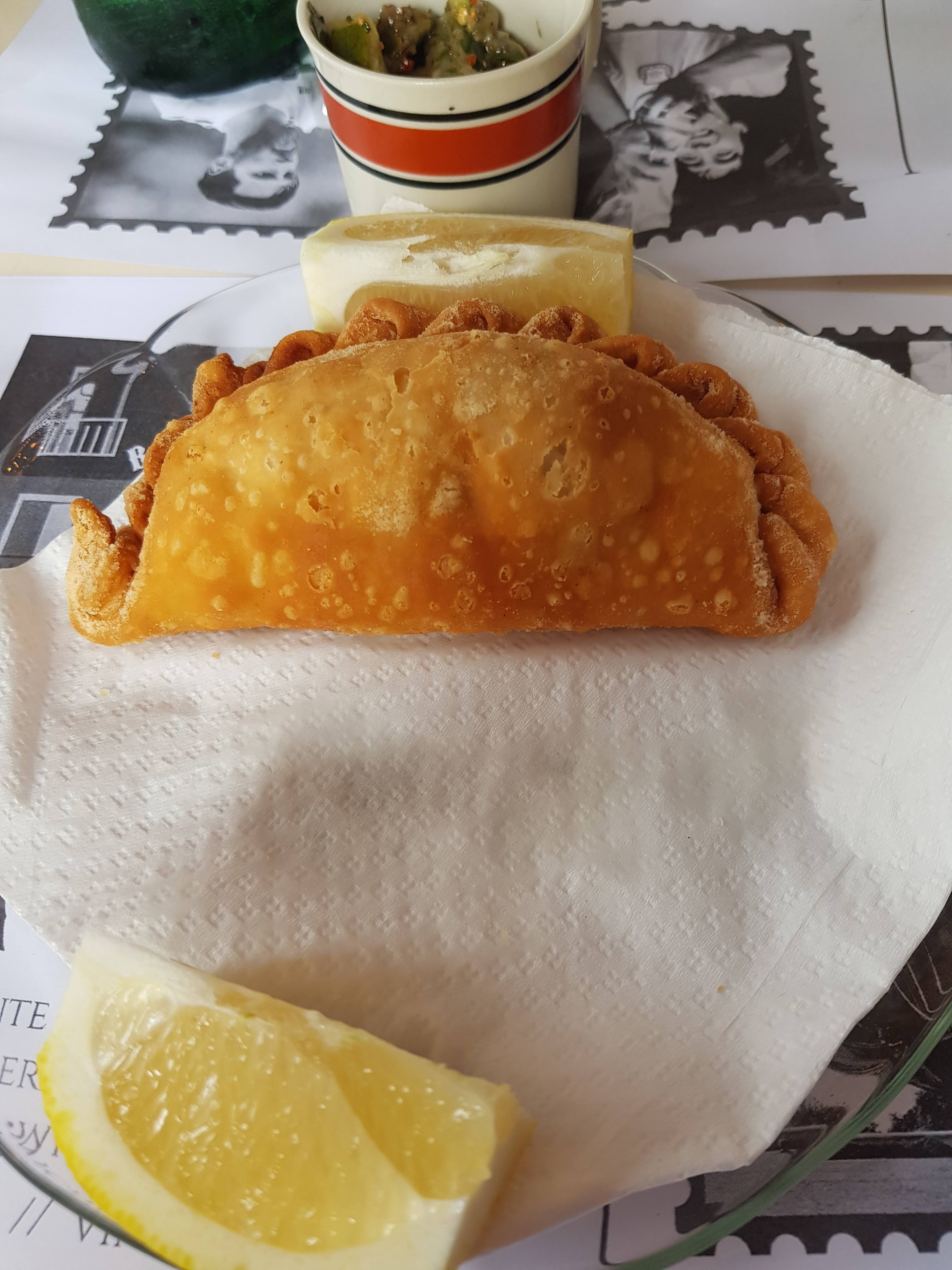
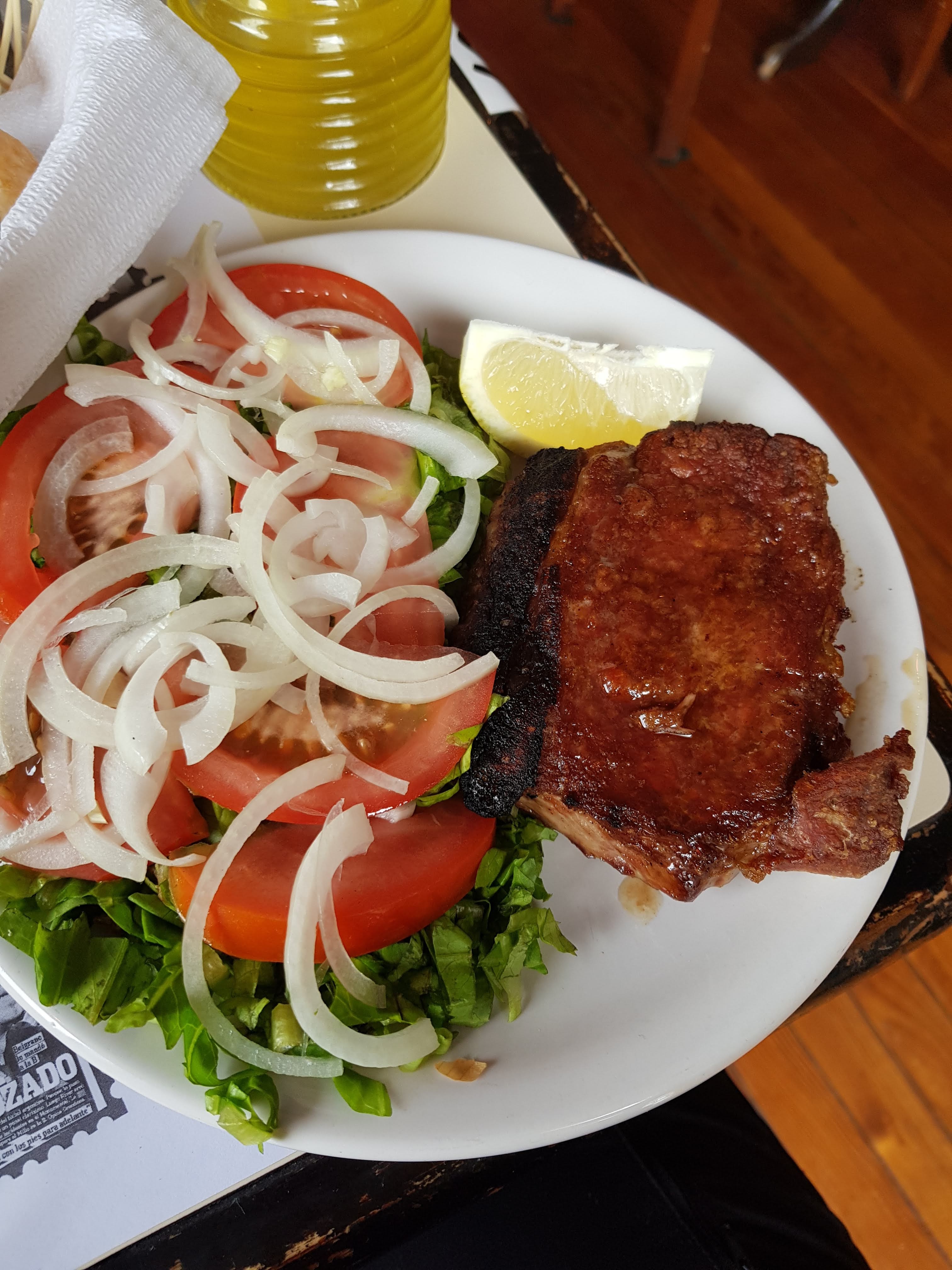
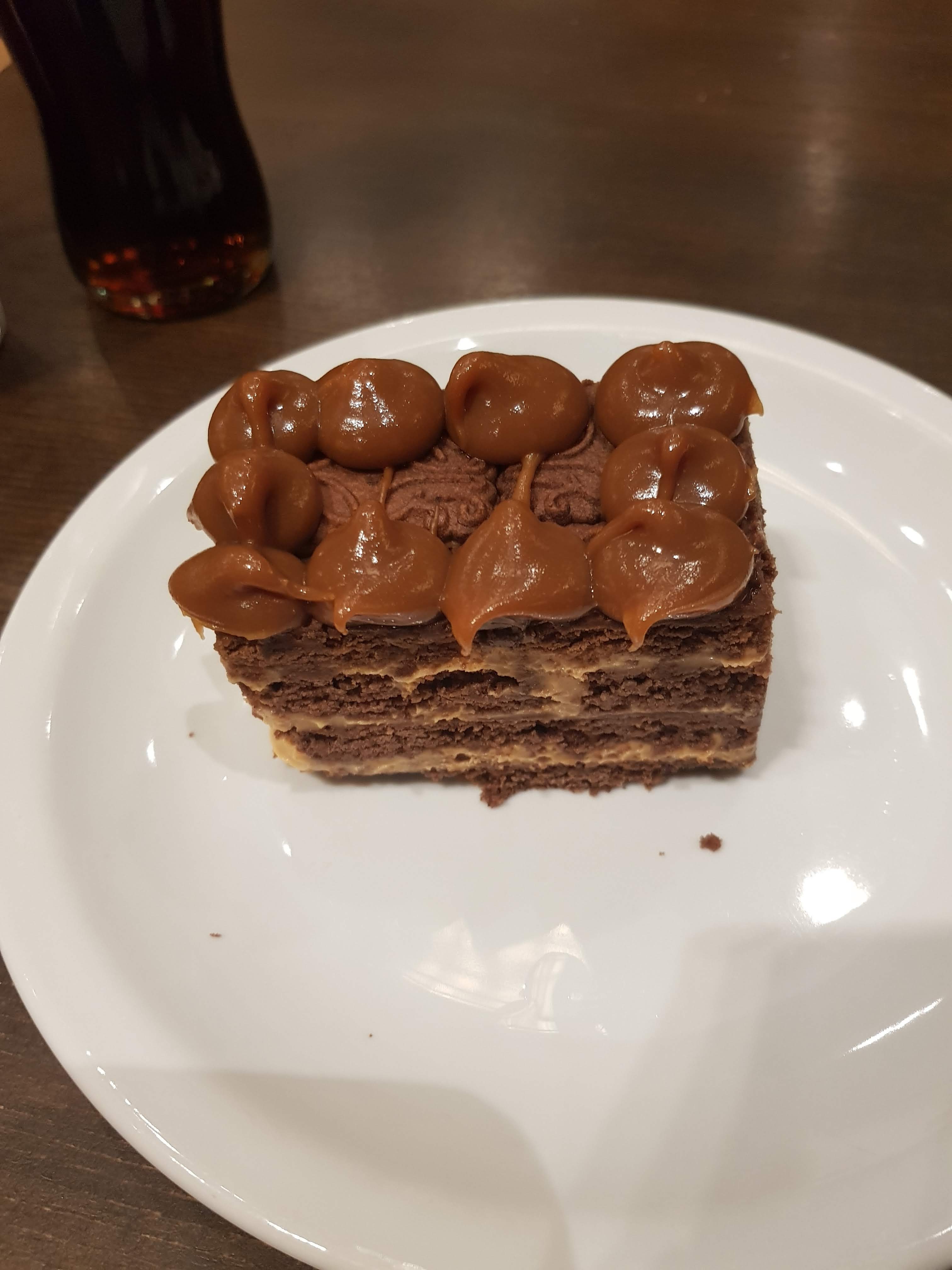
Food from restaurants and cafes are another story. Every meal or snack I have bought from a bakery or a cafe or a restaurant has been absolutely delicious! Empanadas are the traditional snack of the Argentines, and can be bought with ham and cheese, meat or in other flavours, this filled pastry is addictive, cheap and available in a lot of locations. An absolute winner! I also have tried some asado (their famous grilled steak) I don’t normally like steak, but Wow! This was good stuff! Deserts are amazing here, with dulce de leche (their tasty caramel) in large supply. It has been very hard to reign myself in and not eat tons whilst here!
Uptown and Downtown
On my first full day in Buenos Aires, I took a city tour with a group of Argentines and Brazilians. The tour took us to several places in the North of the city, and then places in the South. The difference was obvious. Uptown is the place of the wealthy, and downtown is for those that are true working class and others that that are struggling to make ends meet. I don’t think I have ever been to a place where the difference is so huge geographically in one city. Apparently, everyone was mixed originally, but decades ago, an epidemic of Yellow Fever meant that those that could afford it, left downtown to move North where the infectious mosquitoes were less of an issue. Now, in the North of the city, you can see skyscrapers and people on their iphones and apple macs, and designer stores and flash hotels. Whilst in downtown, people keep their valuables hidden, the buildings are old and in need of repairs, and on the other side of the railway tracks, lie the slums where some people don’t even have a home. I felt very conflicted about this when in the same hour, you could see people buying designer clothes, you can see a group of six year olds looking through the street’s rubbish for food.
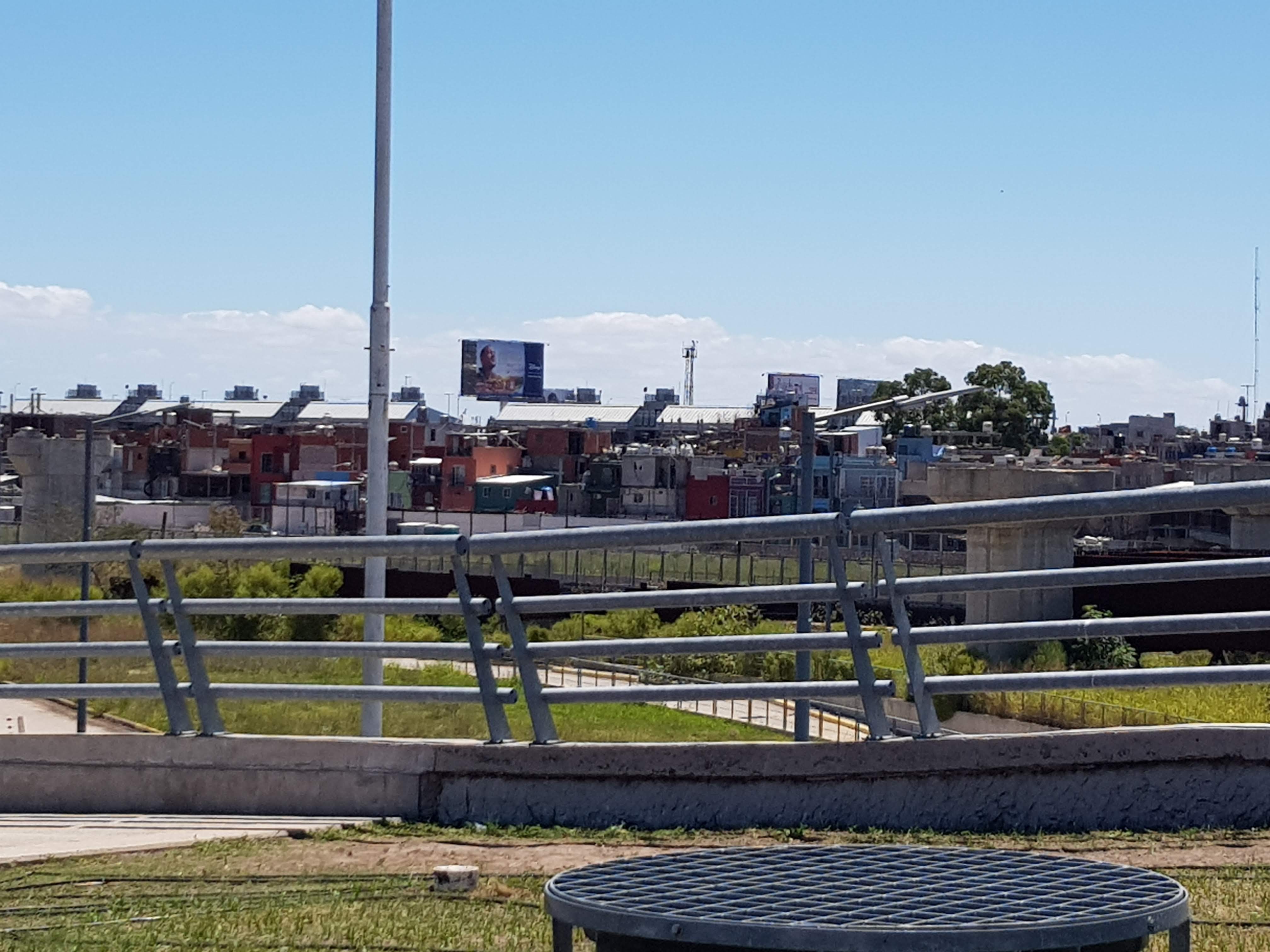
I have learnt that nearly 50% of the population are living under the poverty line, and so many areas of the city are off limits to visitors for safety, and tourist police patrol the biggest tourist sites. I didn’t really feel unsafe at any point, however I was cautious. I mainly just felt sorry that I couldn’t do more to help.
Despite the hardship present, the people of downtown Buenos Aires are clearly continuing to work hard and keep going as I witnessed numerous protests, and sellers of their own artisan crafts, determined to improve their circumstances. The attitude of these Portenos is inspiring, and everyone I met was so generous and lovely. On the Sunday of my visit, I visited the San Telmo Antiques fair, where people were selling their finds, and their crafts. There were some really beautiful items that I couldn’t resist, and I will definitely be coming back for homecoming gifts at the end of my trip.
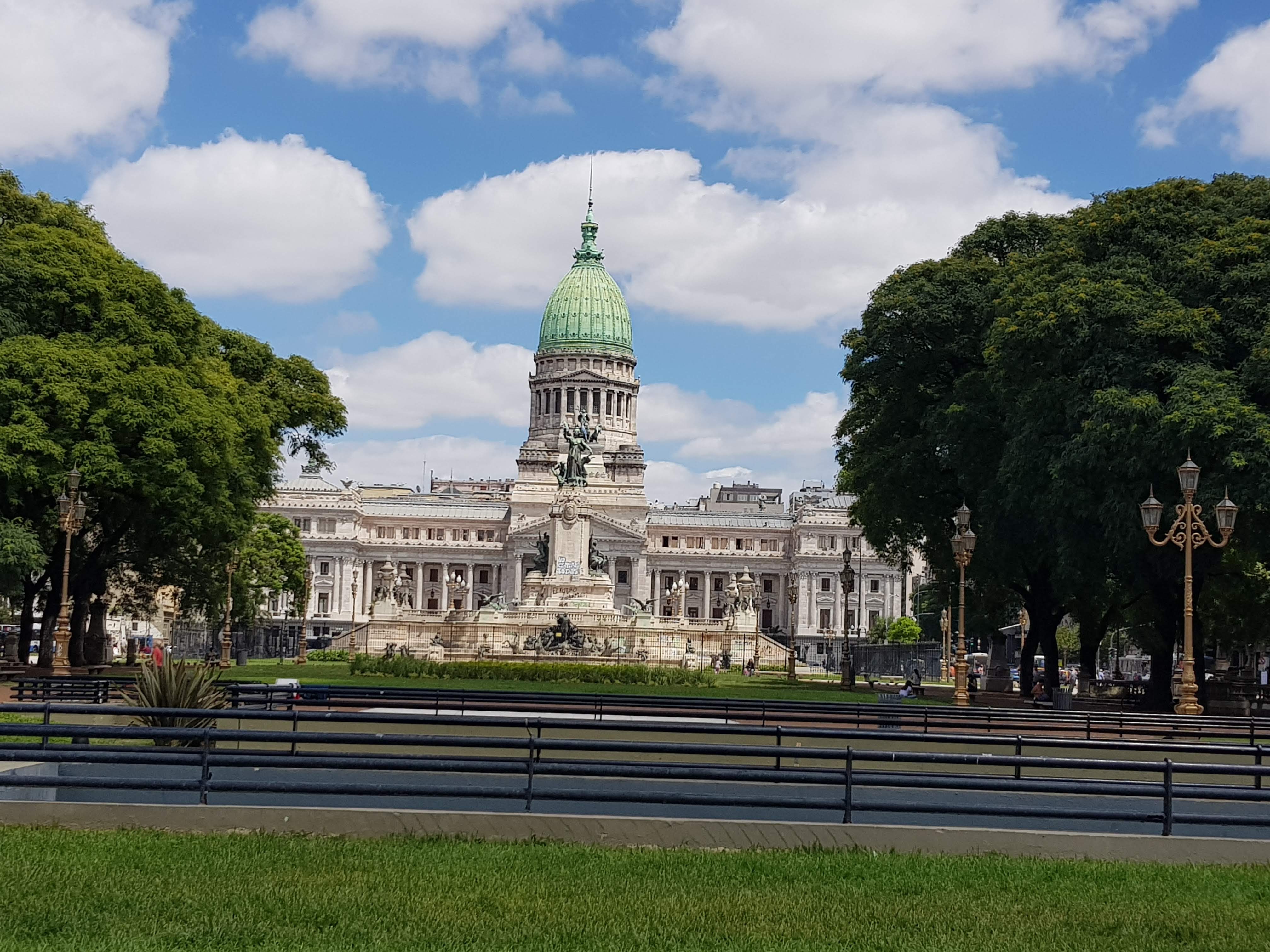
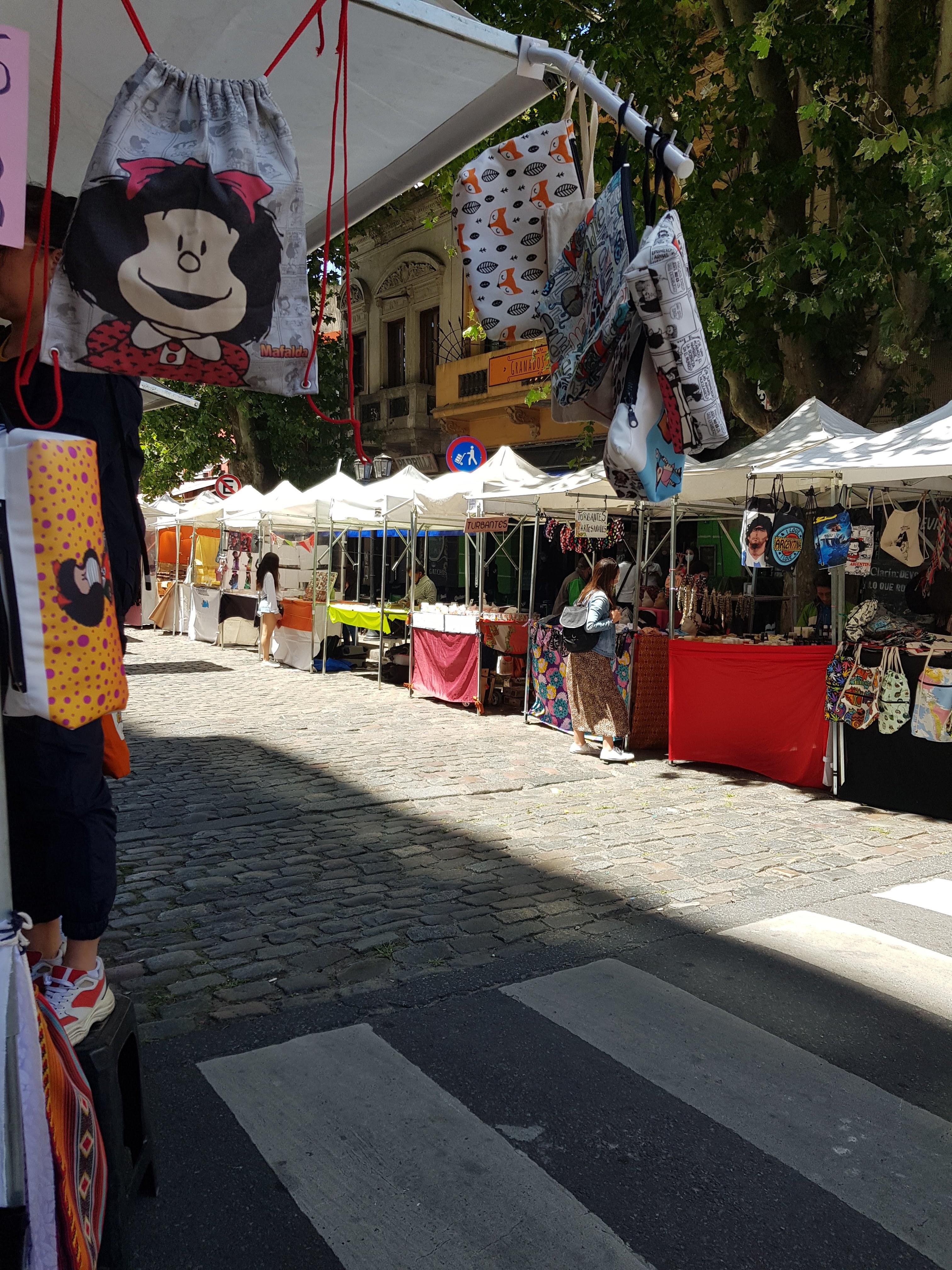
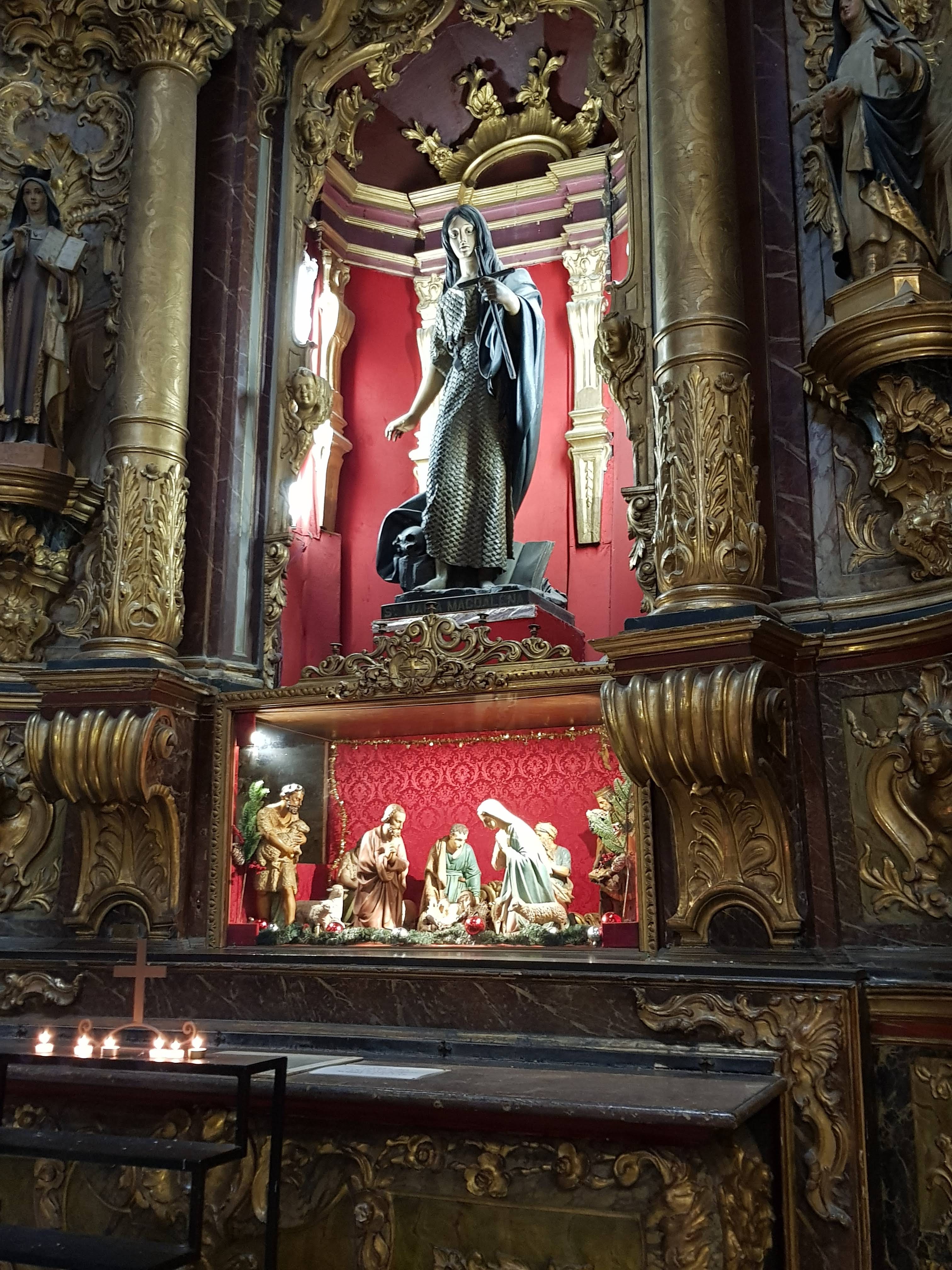
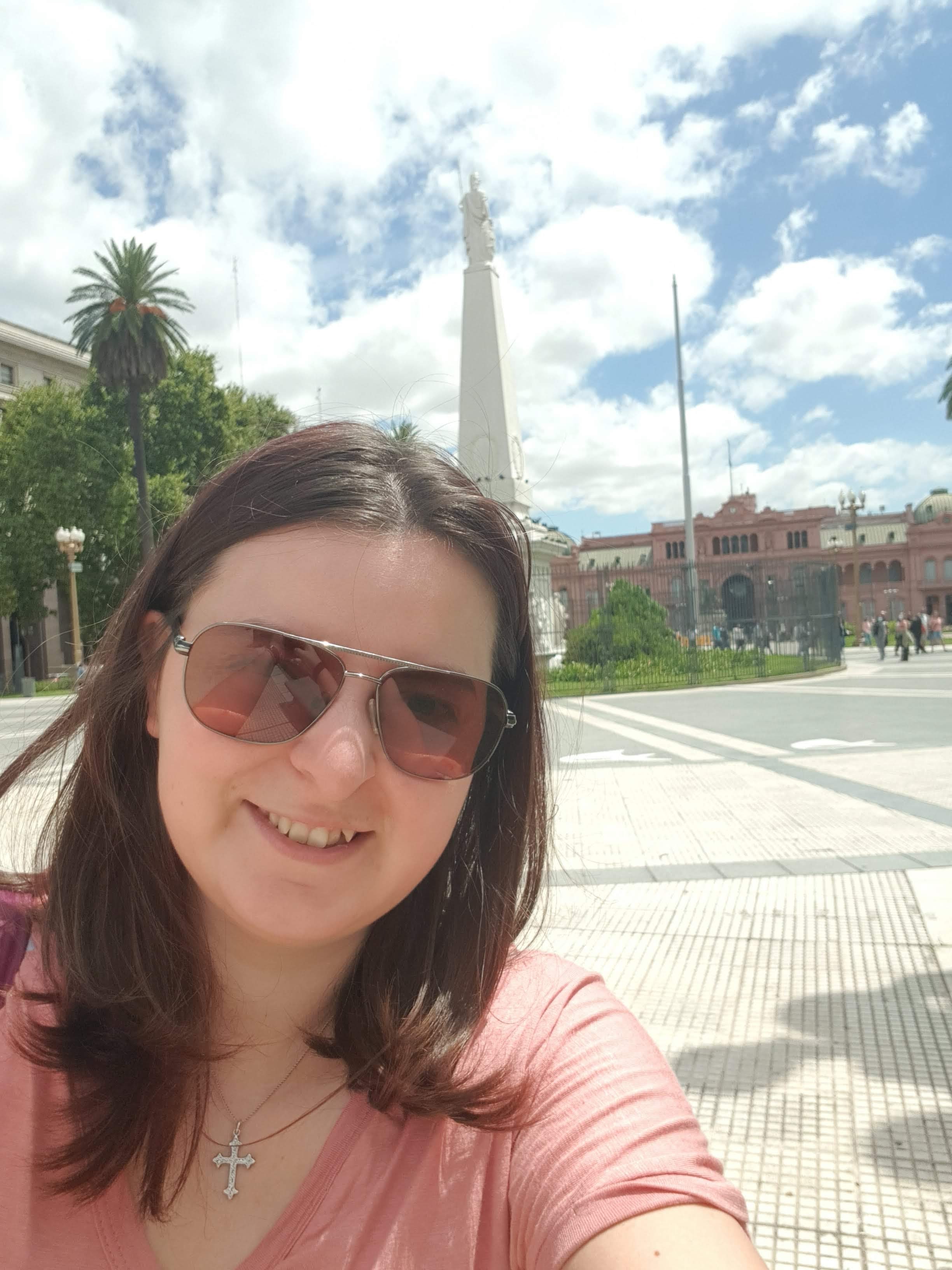
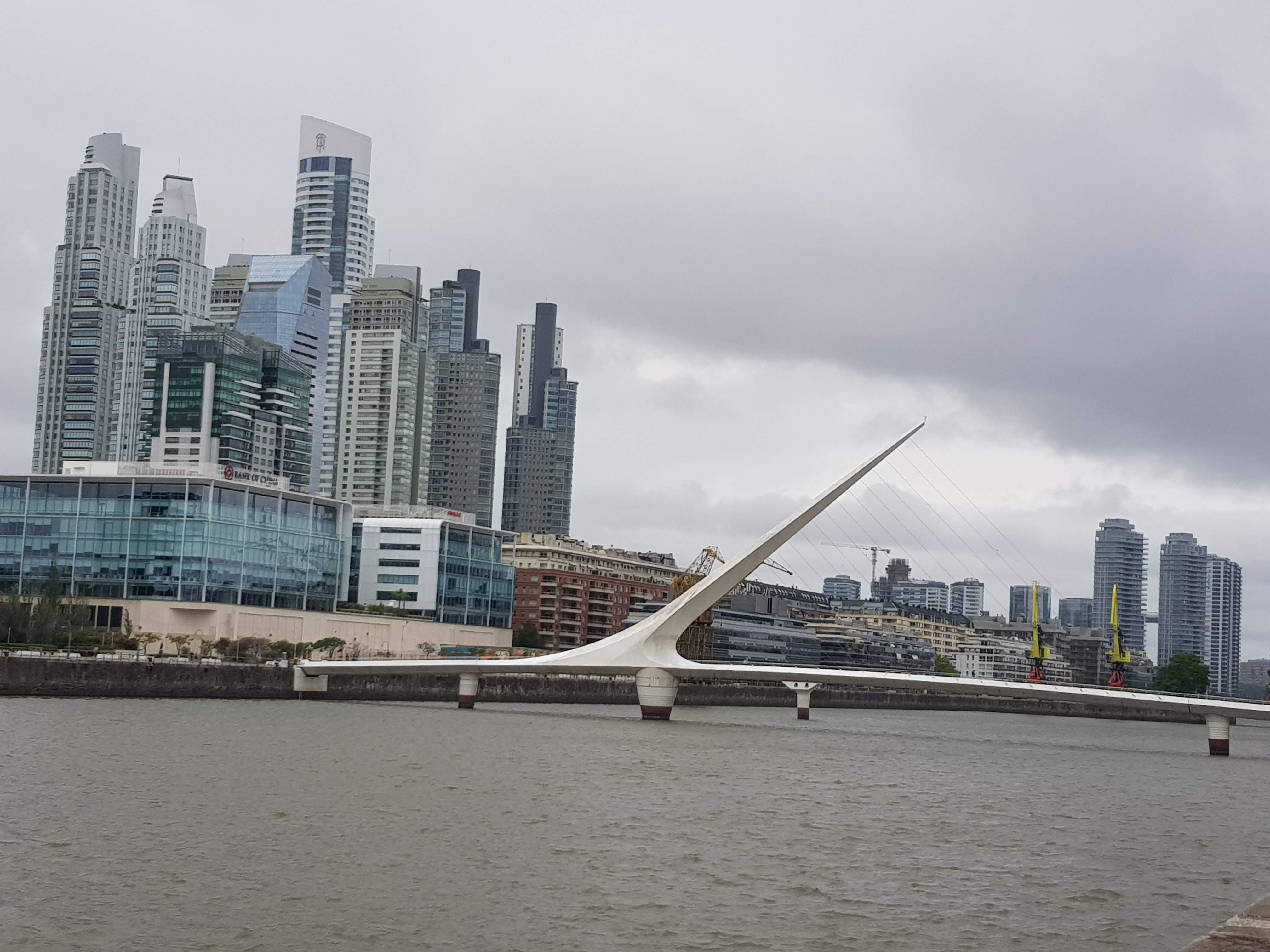
Not far from San Telmo are key attractions like the iconic obelisk of the city, which memorialises the first foundation of the city, this is in the centre of a huge avenue, and lots of shops and restaurants. A little walk to the river and you will find more restaurants and the striking Puente de Mujeres (Women’s Bridge), this pointy looking landmark, is symbolic of a couple dancing the tango, Argentina’s national dance.
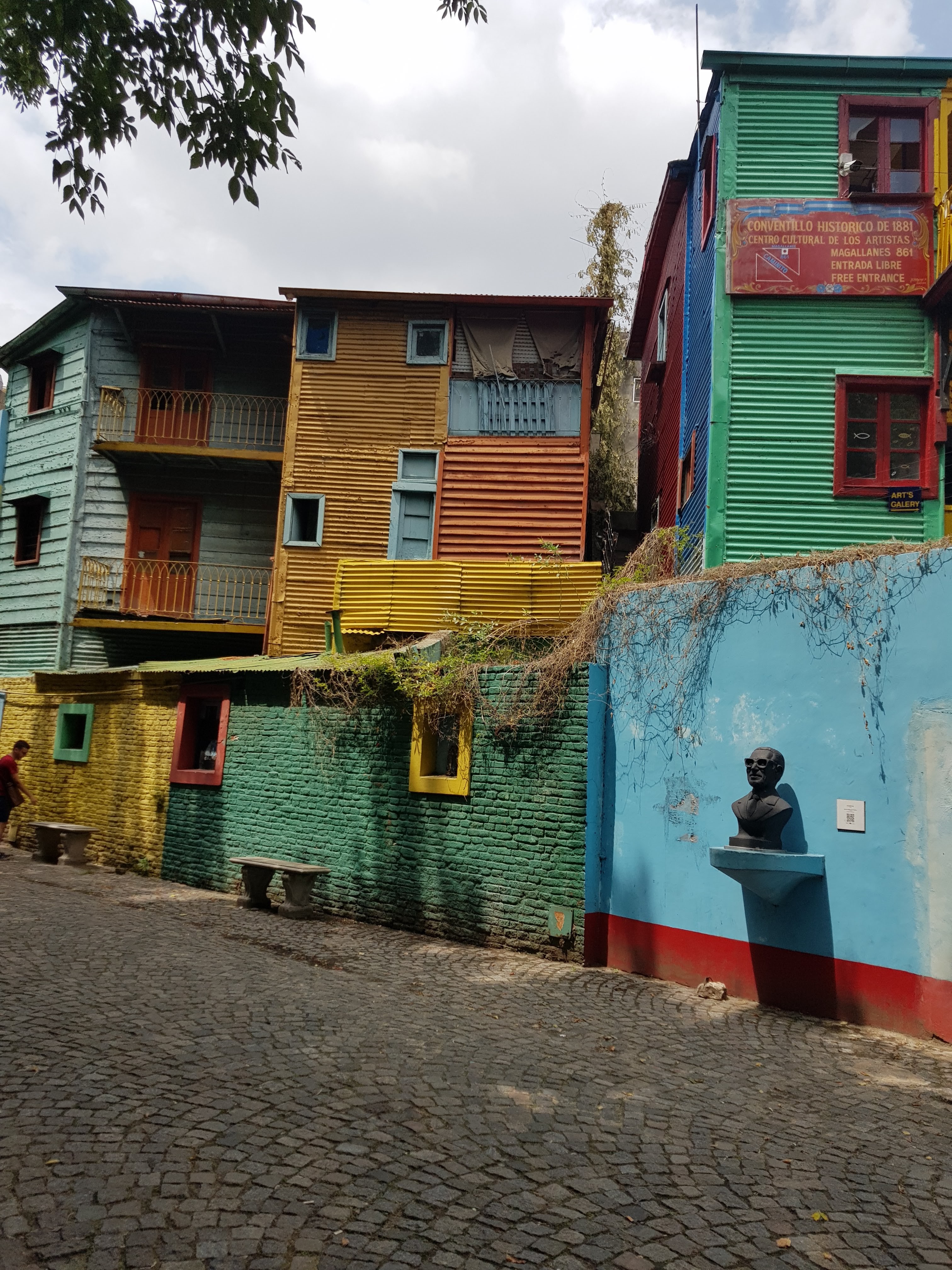
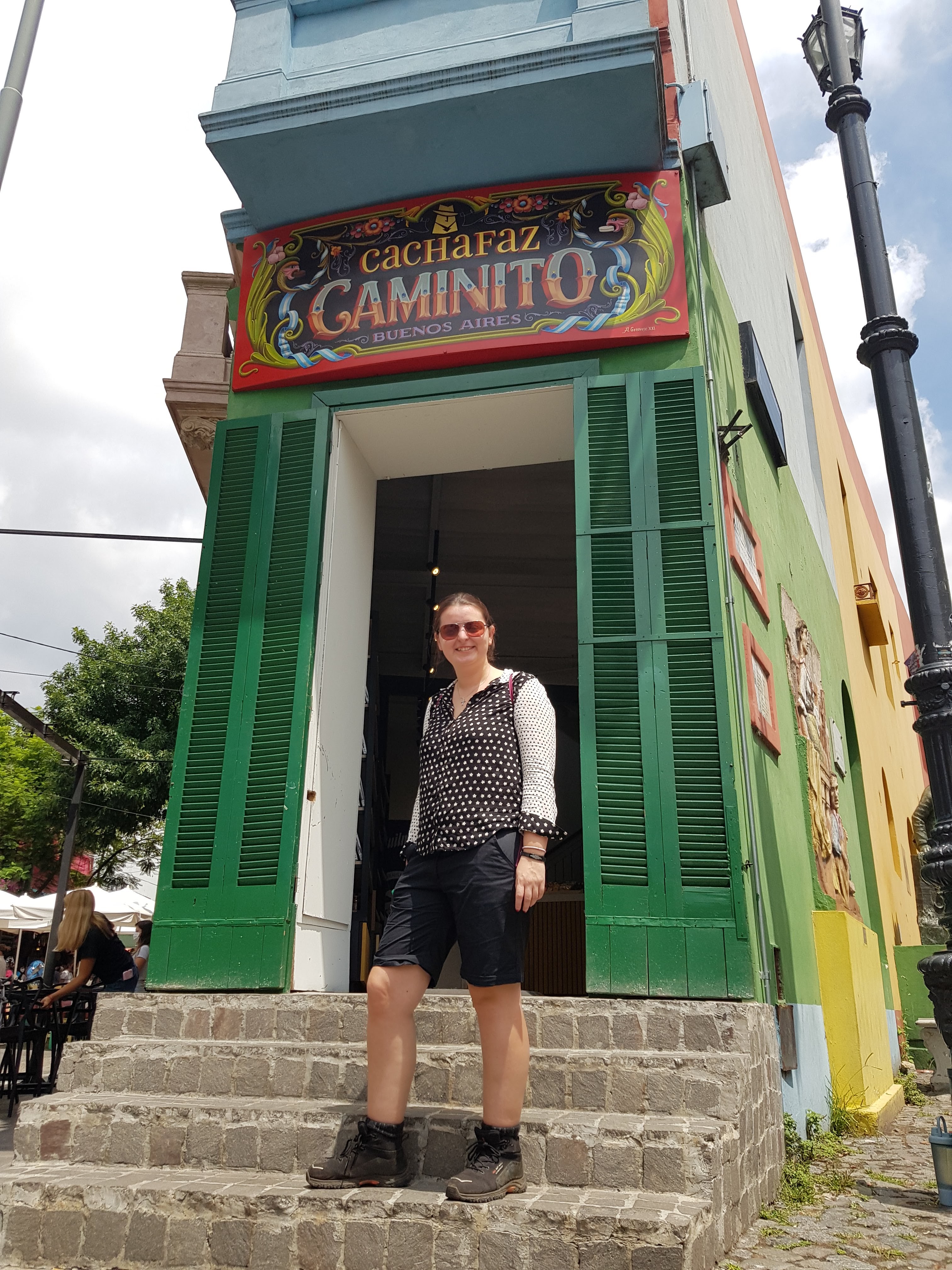
Another special thing to see in the city’s downtown, is Boca. This neighbourhood is full of colourful buildings, and the beloved football stadium. This small area is designated for tourists to visit, and their are many street performers and paid for photo opportunities. There is also a rope and bollards to separate the zone from a destitute area, discouraging tourists from entering it.
Plaza de Mayo is the biggest attraction in the microcentre of downtown. This popular square has multiple historic buildings including Casa Rosada which is a pink building and also the office of the president.
In the corner of the square is also the Cathedral. This was a lovely building to visit and had no fee. Not only did it have beautiful spaces, but it is also the location of a guarded tomb of the important General San Martin.
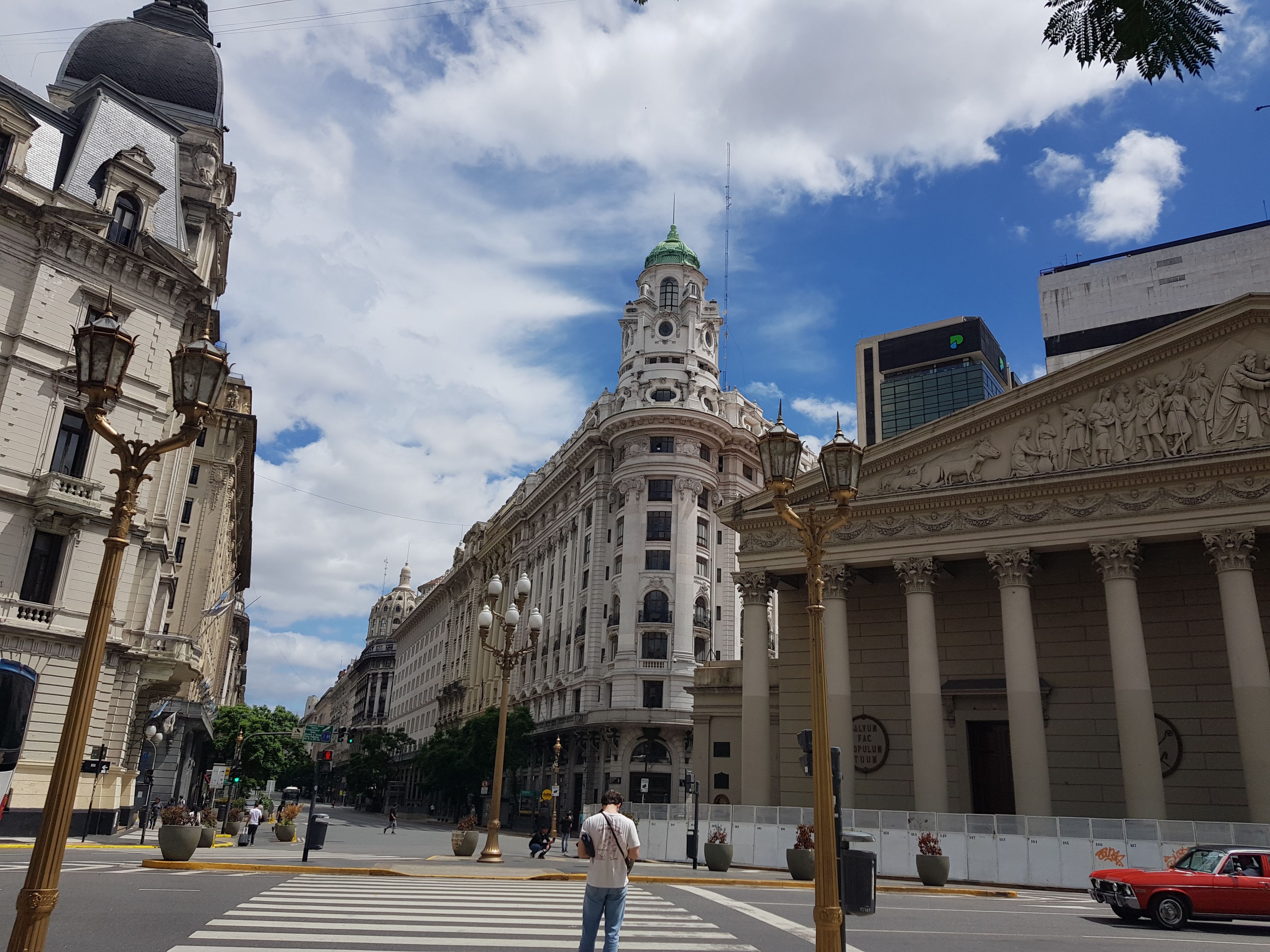
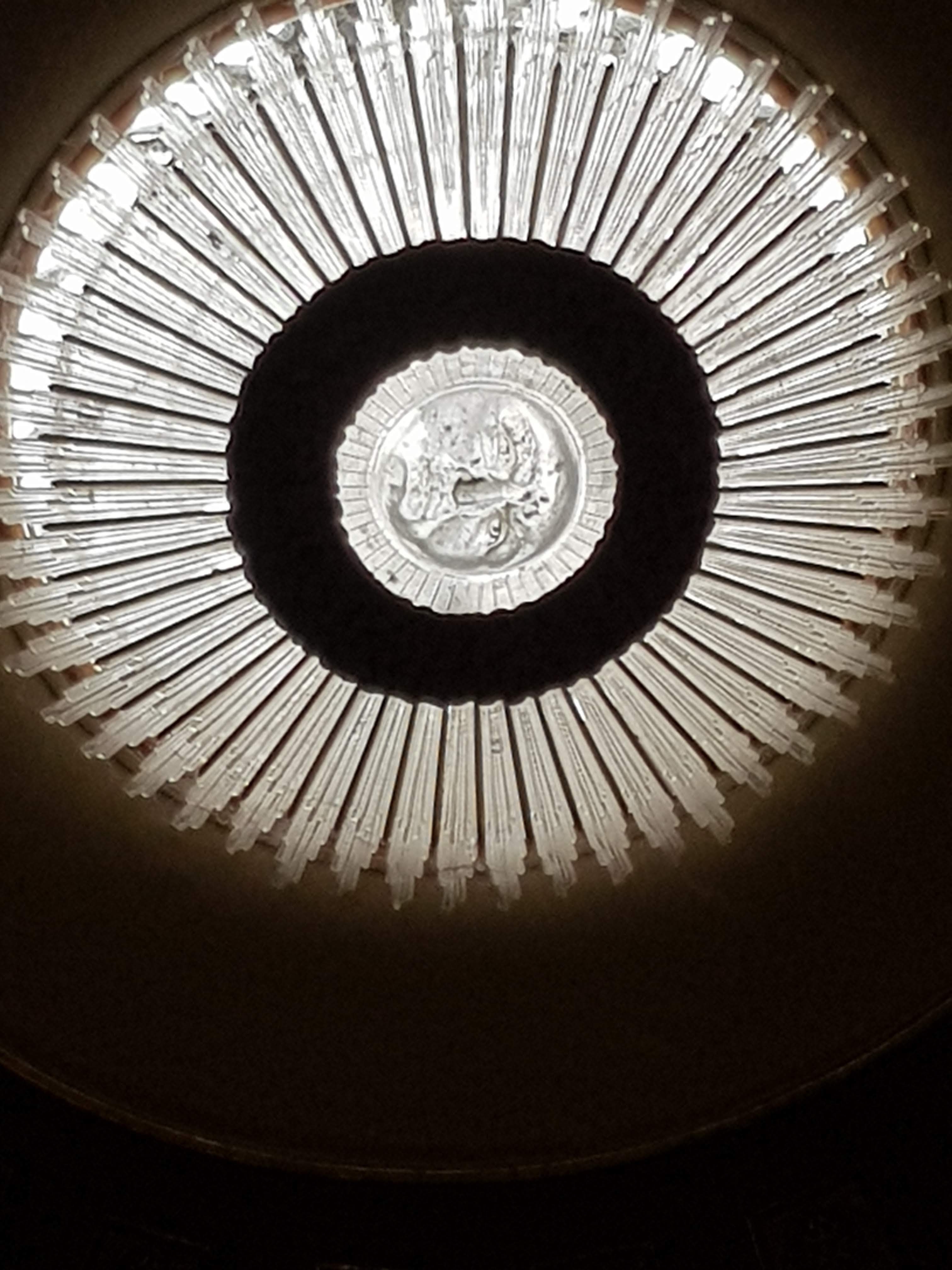
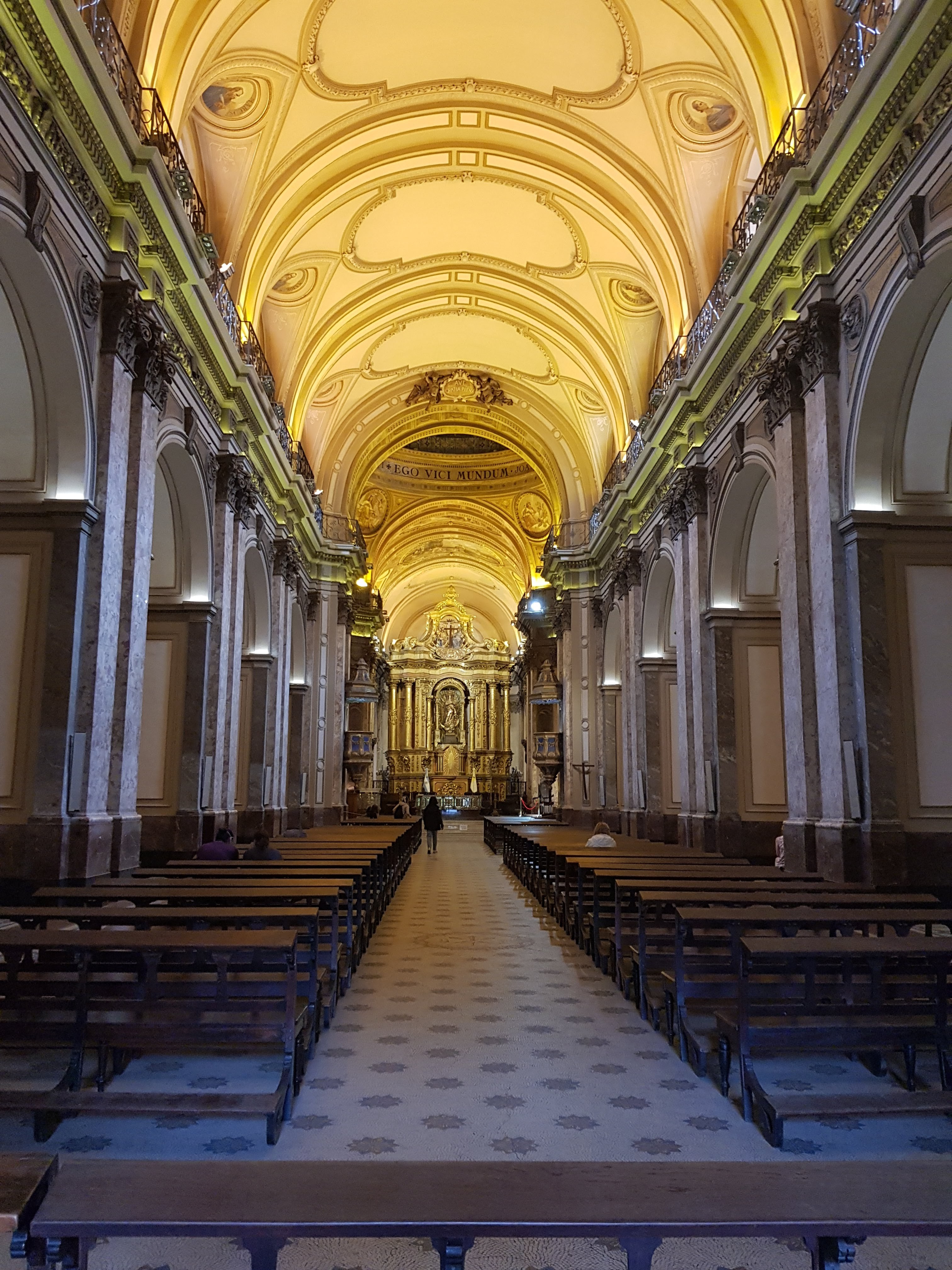
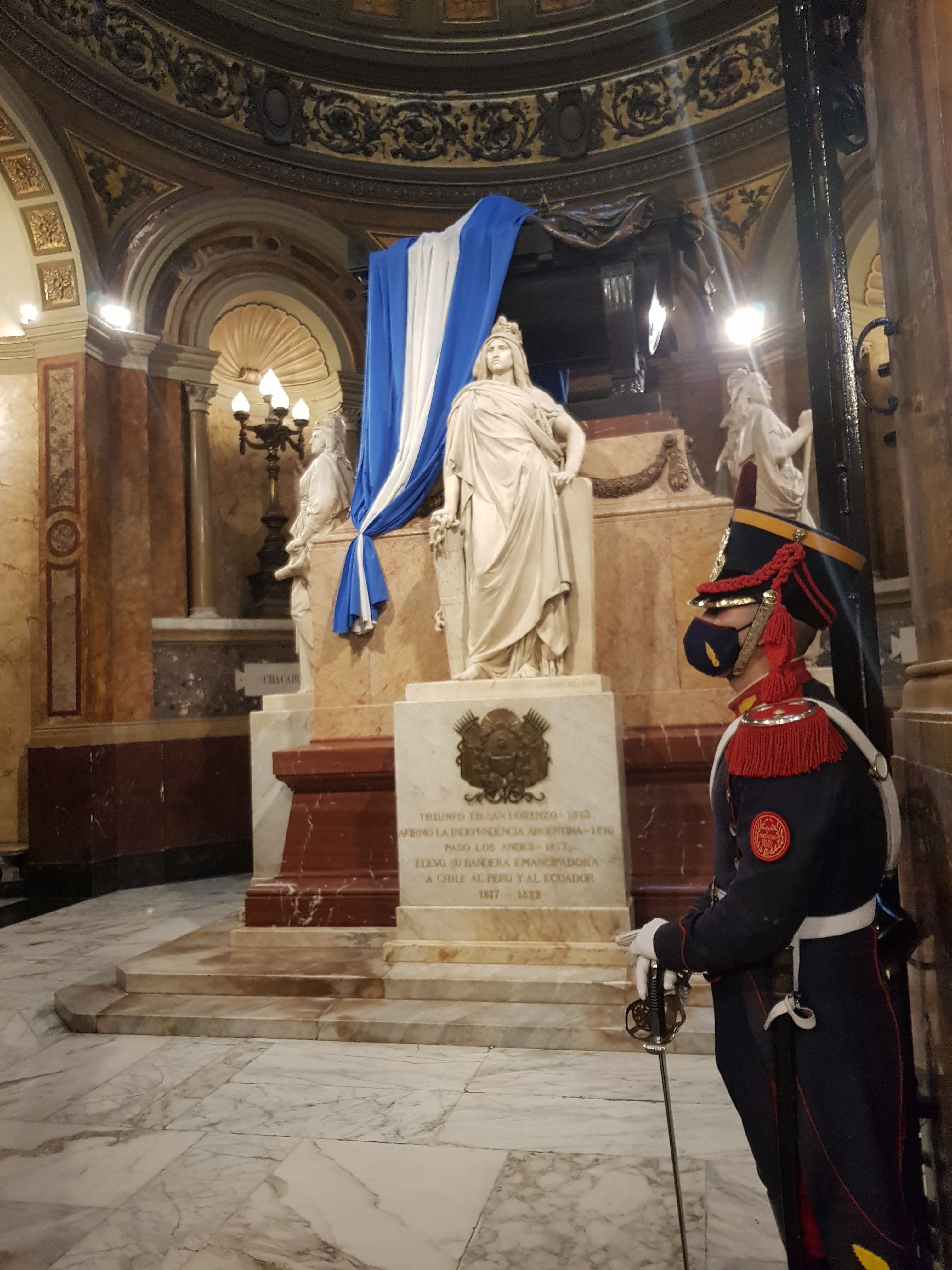
General Jose de San Martin is extremely important to many people across South America. The mausoleum remembers his notable role in freeing Argentina, Chile and Peru, and helping them gain their independence. According to my guide, San Martin remains are on the outside of the cathedral’s main nave, because he was actually not catholic, but a mason.
Uptown
Head to the North of the city to the neighbourhooods of Recocleta, Palermo and Barrio Norte, and you will see that everything becomes more polished and modern. Even the subway line ‘D’ is much nicer than the other subway lines. It is not a subtle change but dramatic.
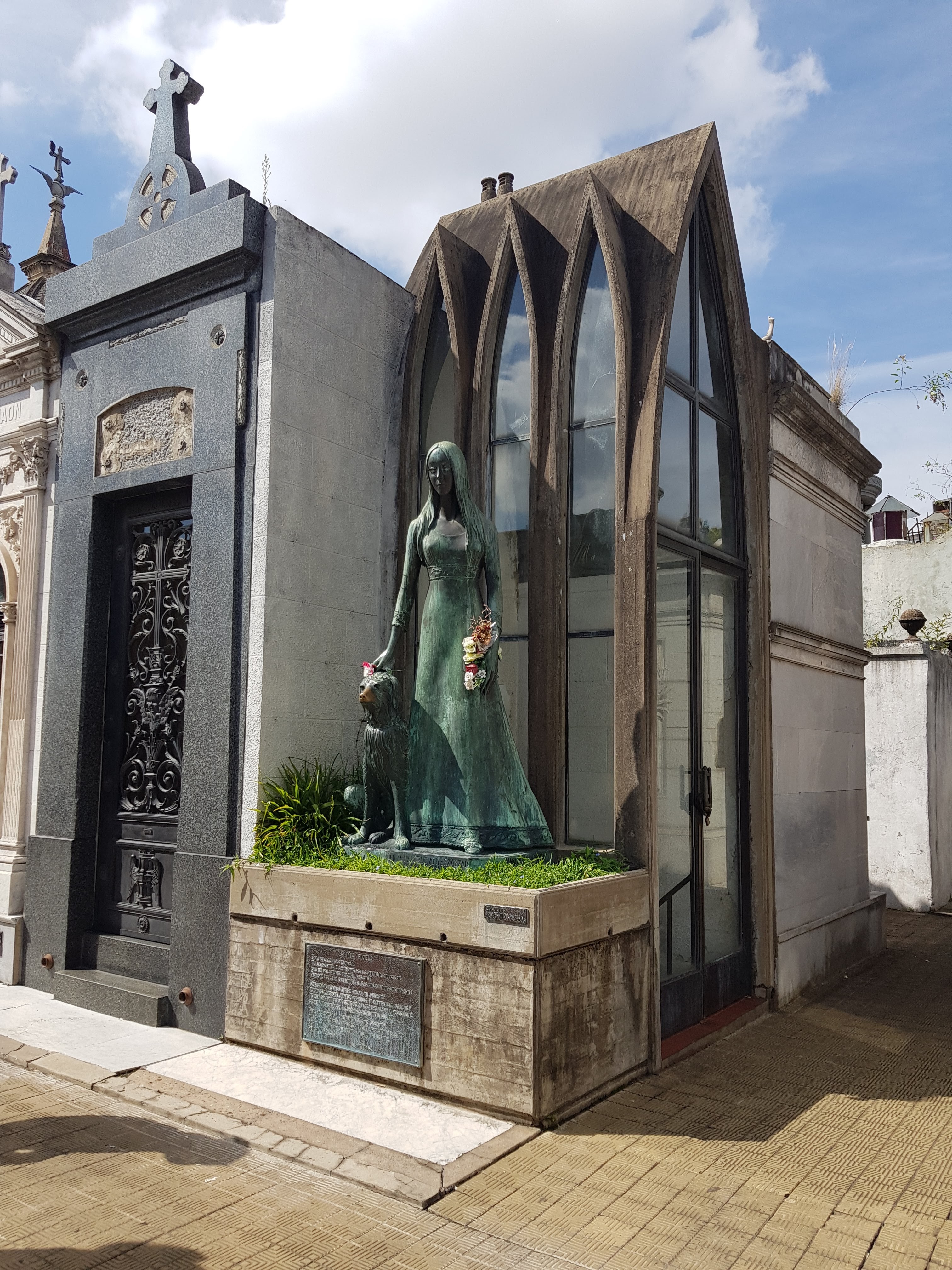
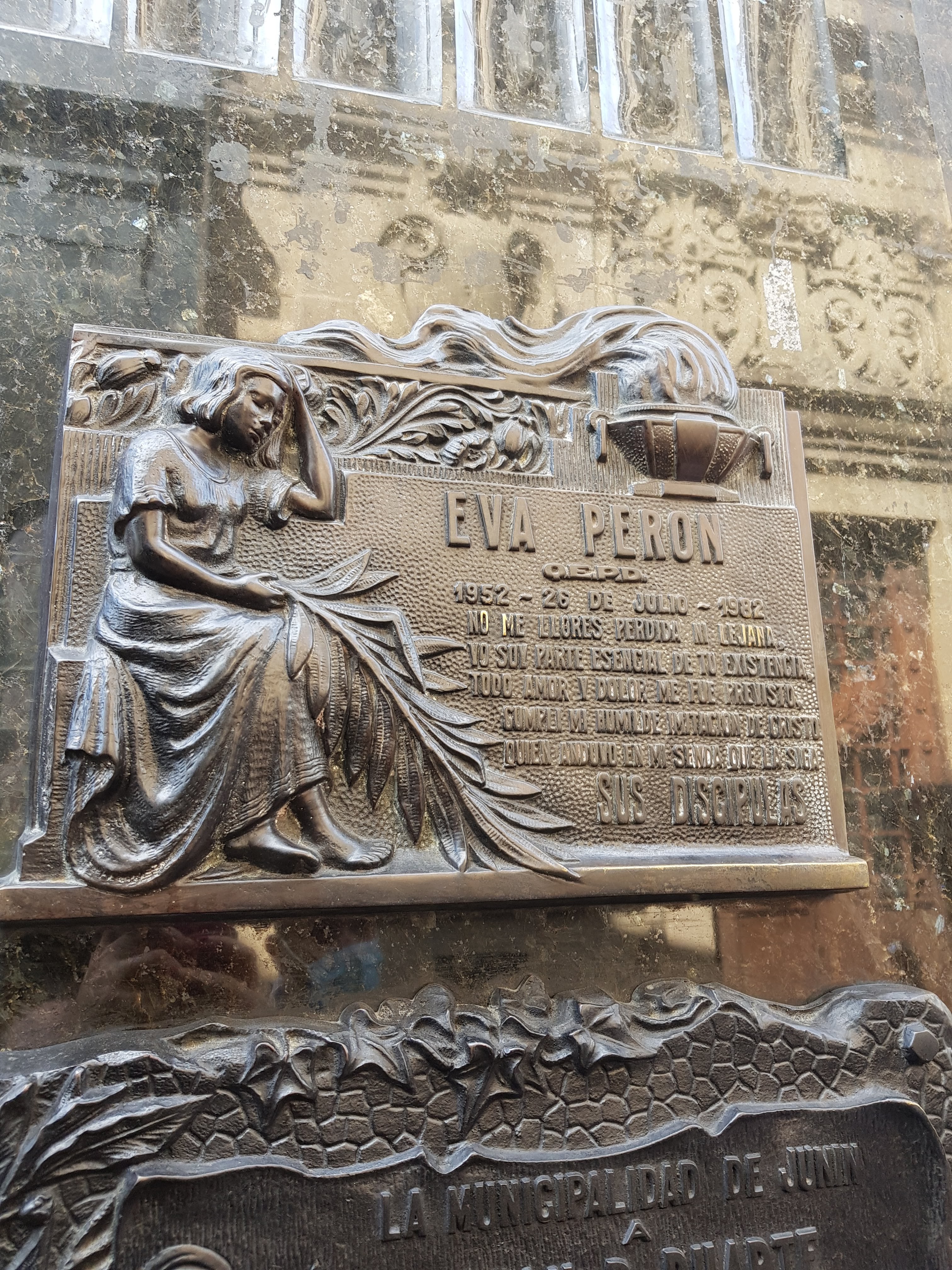
One of the biggest attractions is the Recocleta Cemetary as it is a beautiful site of memorials and grand tombs. Many of them have stories to go with them, but the most famous of all is the tomb of Eva Peron. Known by many as ‘Evita’ (little Eva), she is famous around the world for her acts as a socialist and as the wife of President Peron. She has even been played by Madonna in a very successful musical. There is a lot of love for Eva in Buenos Aires, and a museum about her short life, which I plan to visit on my return to the city.
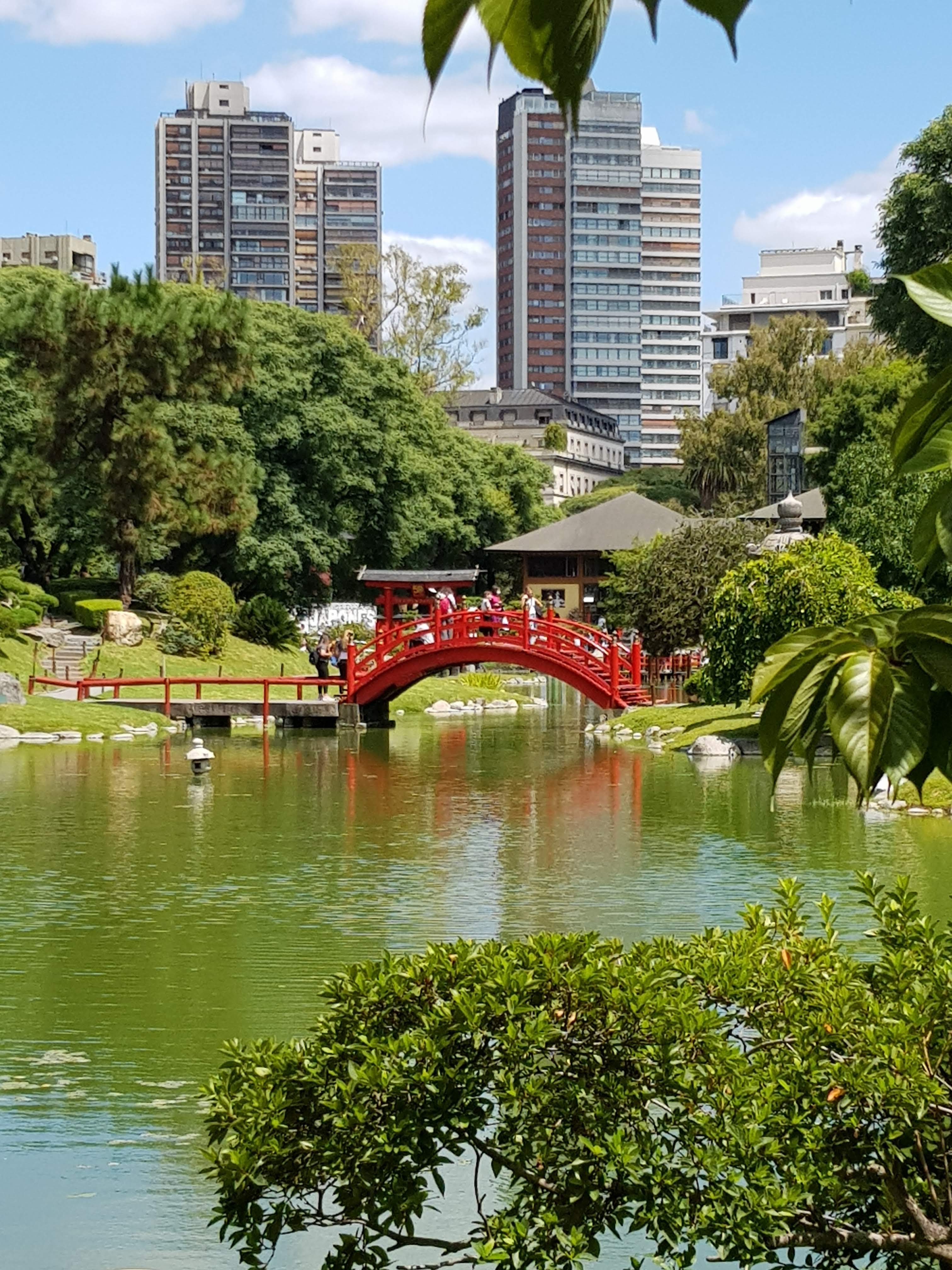
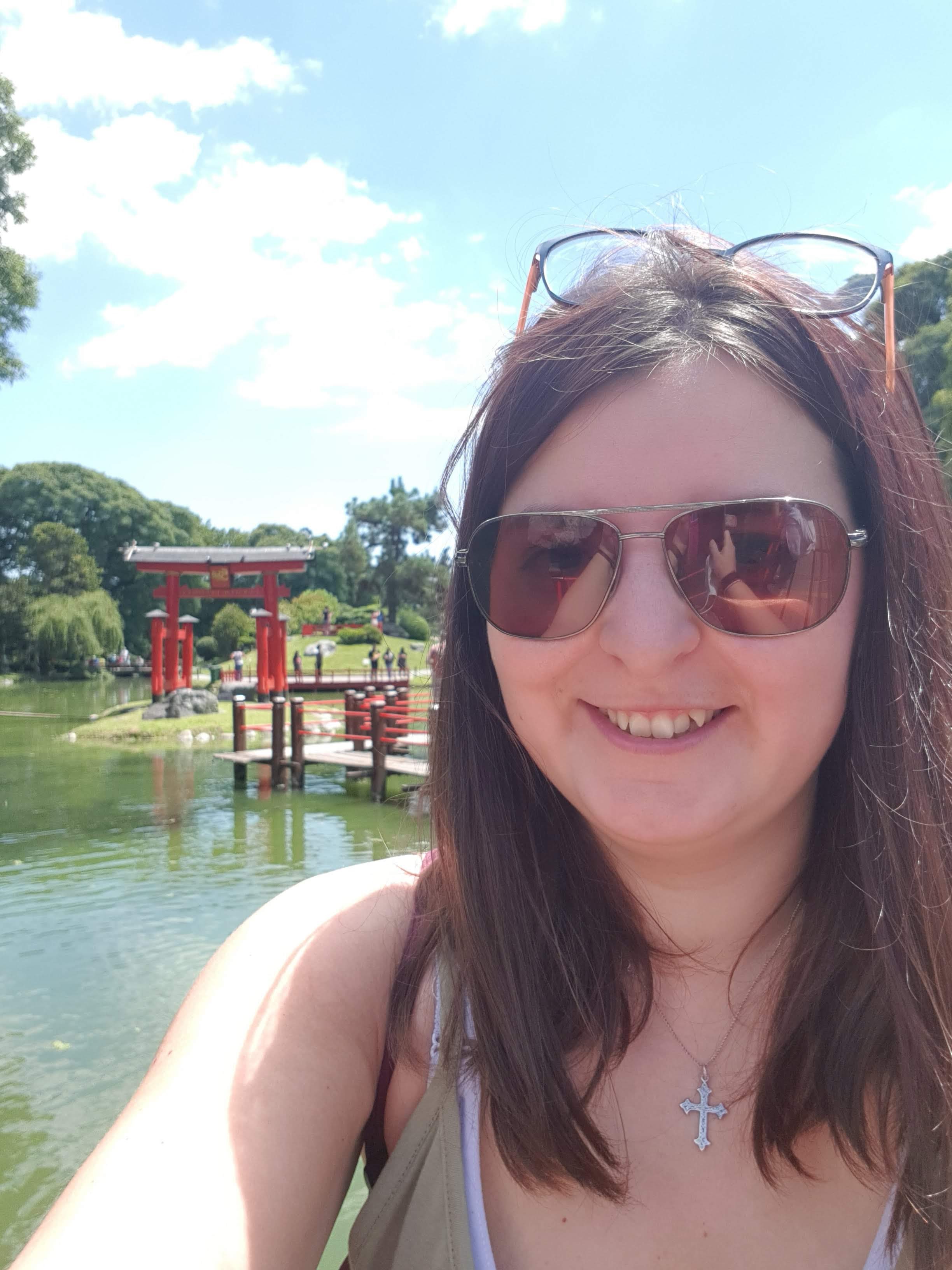
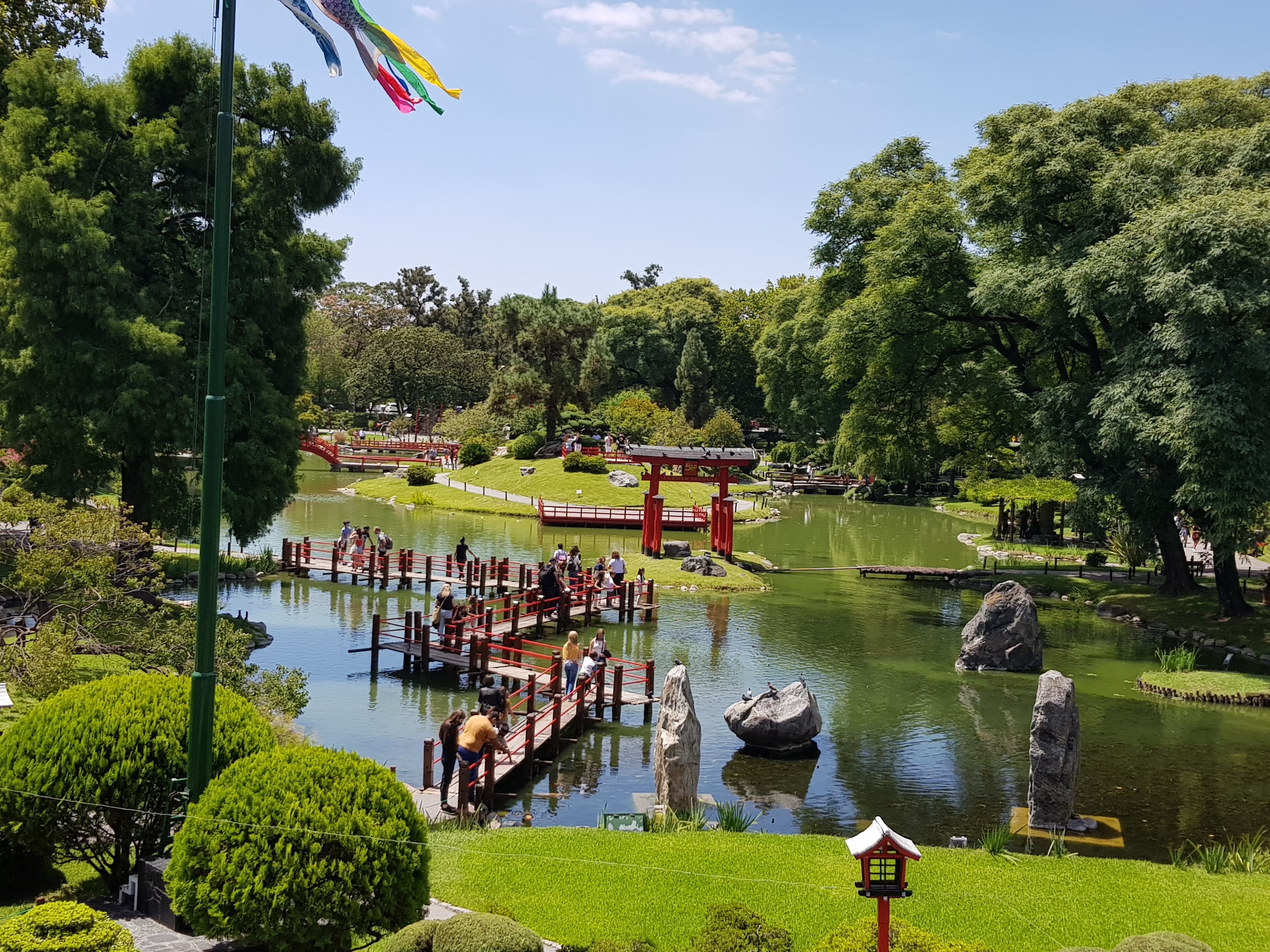
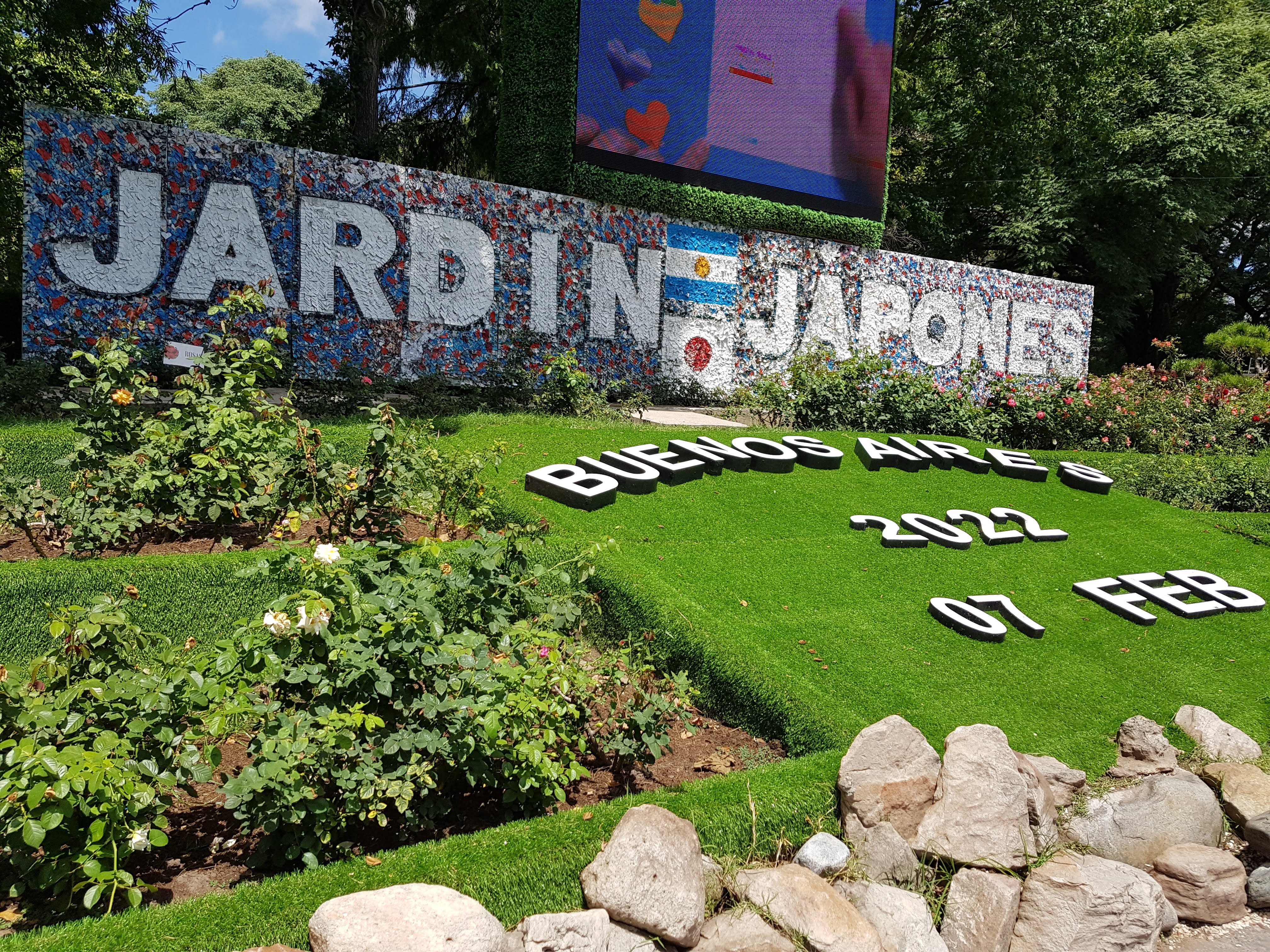
You will also find in the north of the city, a collection of parks, many of them were closed on the Monday that I visited and I will try them again in my second visit. I did manage to visit the popular Japonese Gardens though. This was only about £4 to enter and was a peaceful space in the city to relax and enjoy the pretty architecture and coy fish.
El Tigre
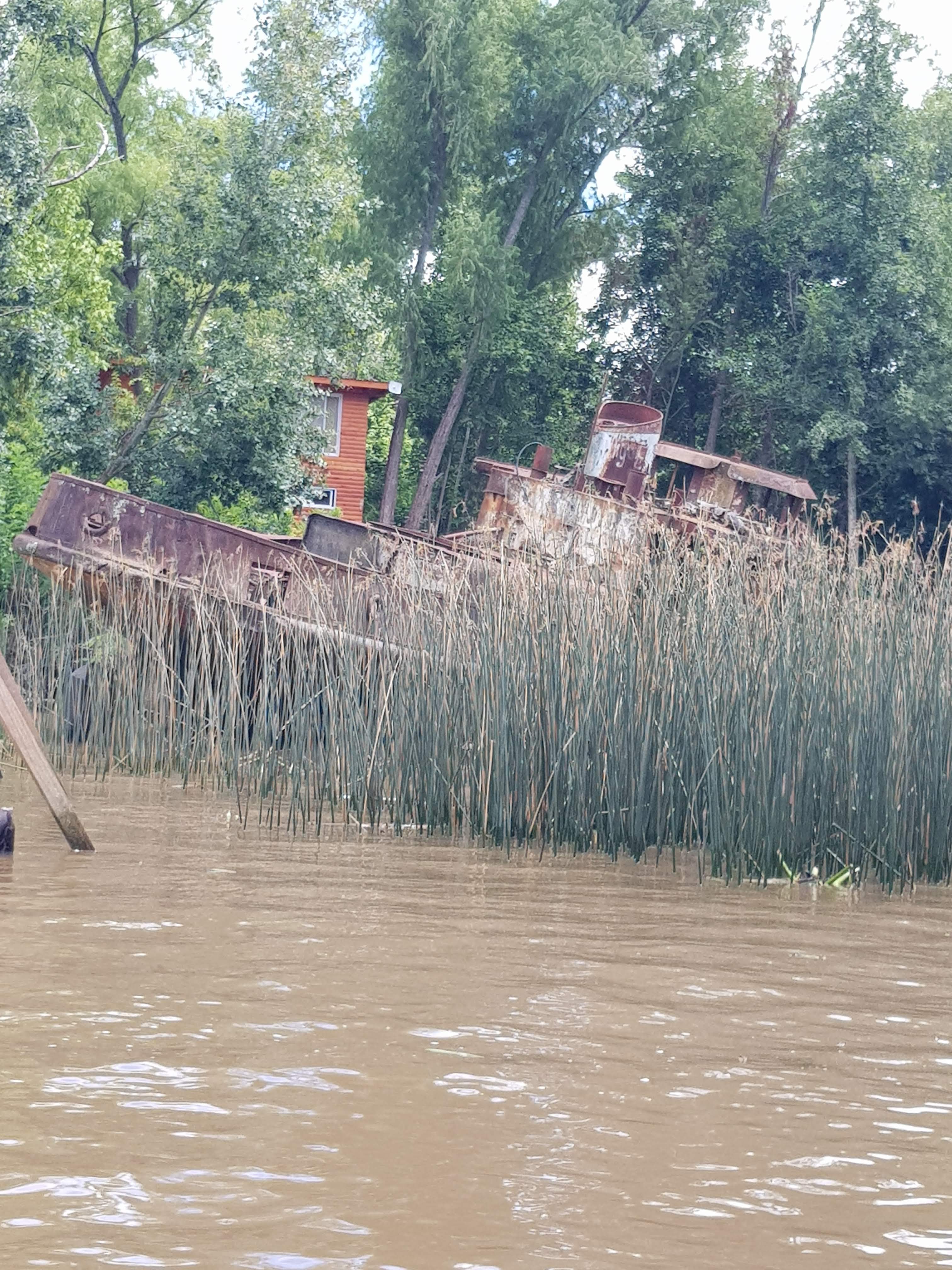
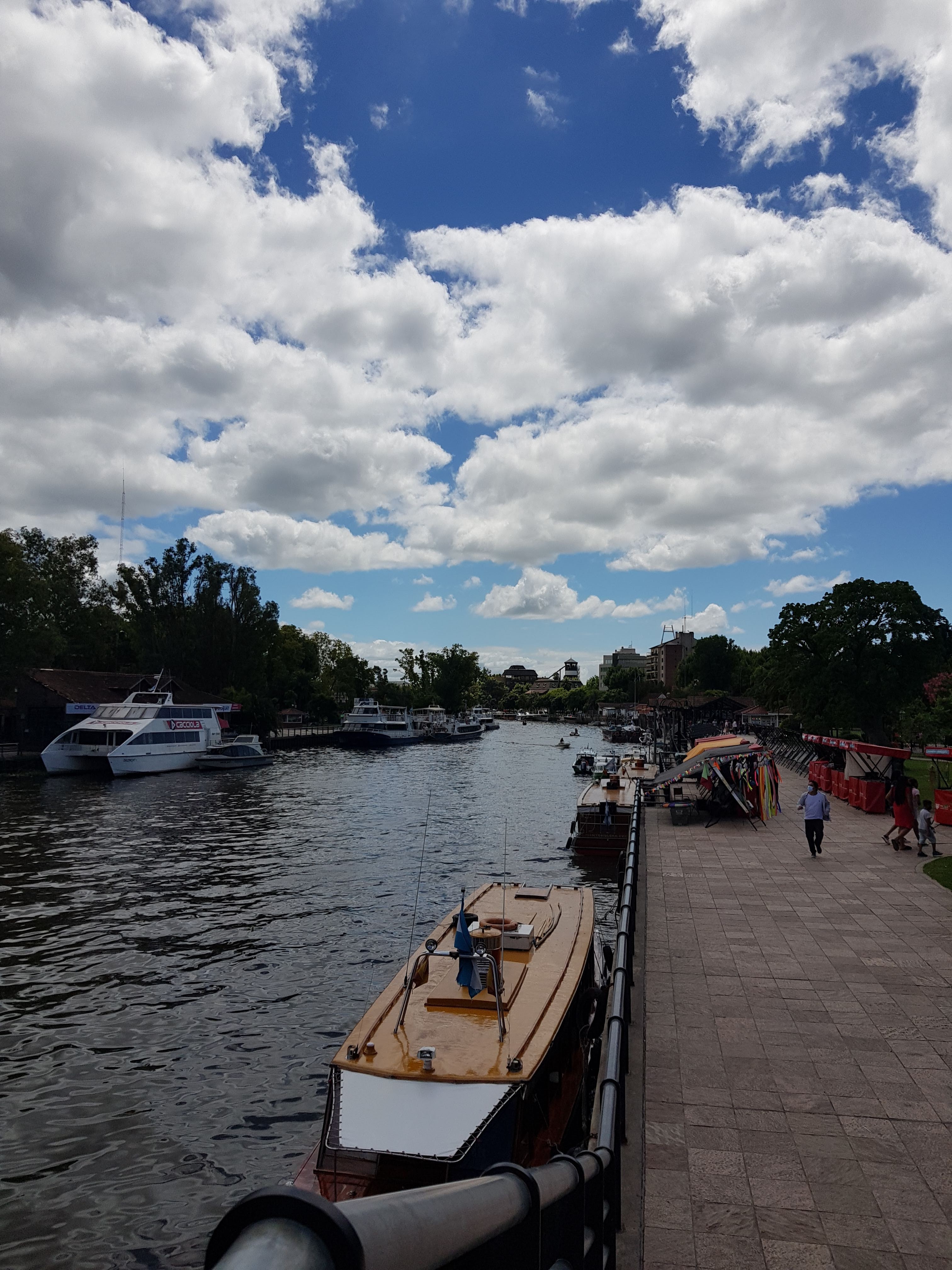
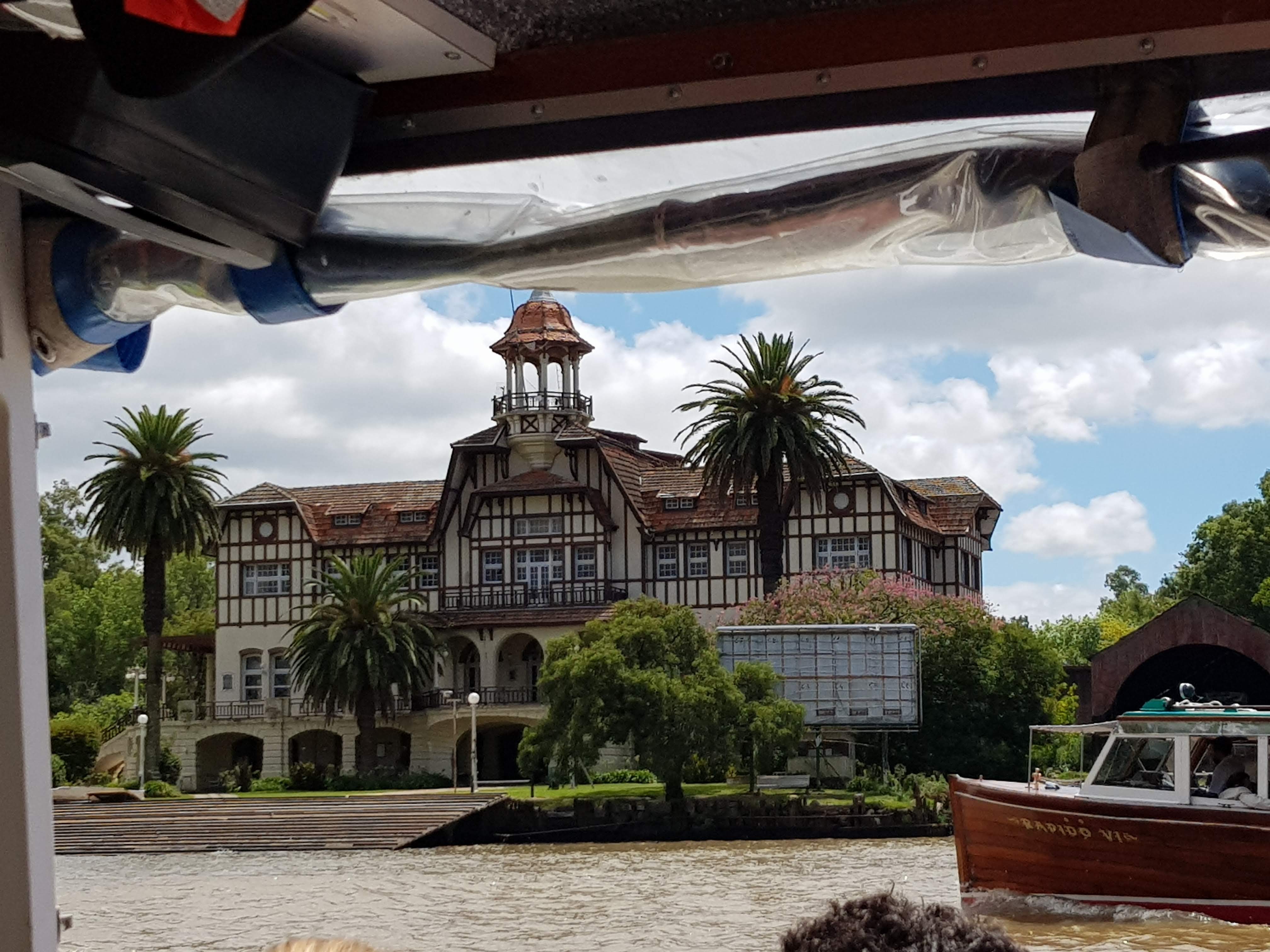
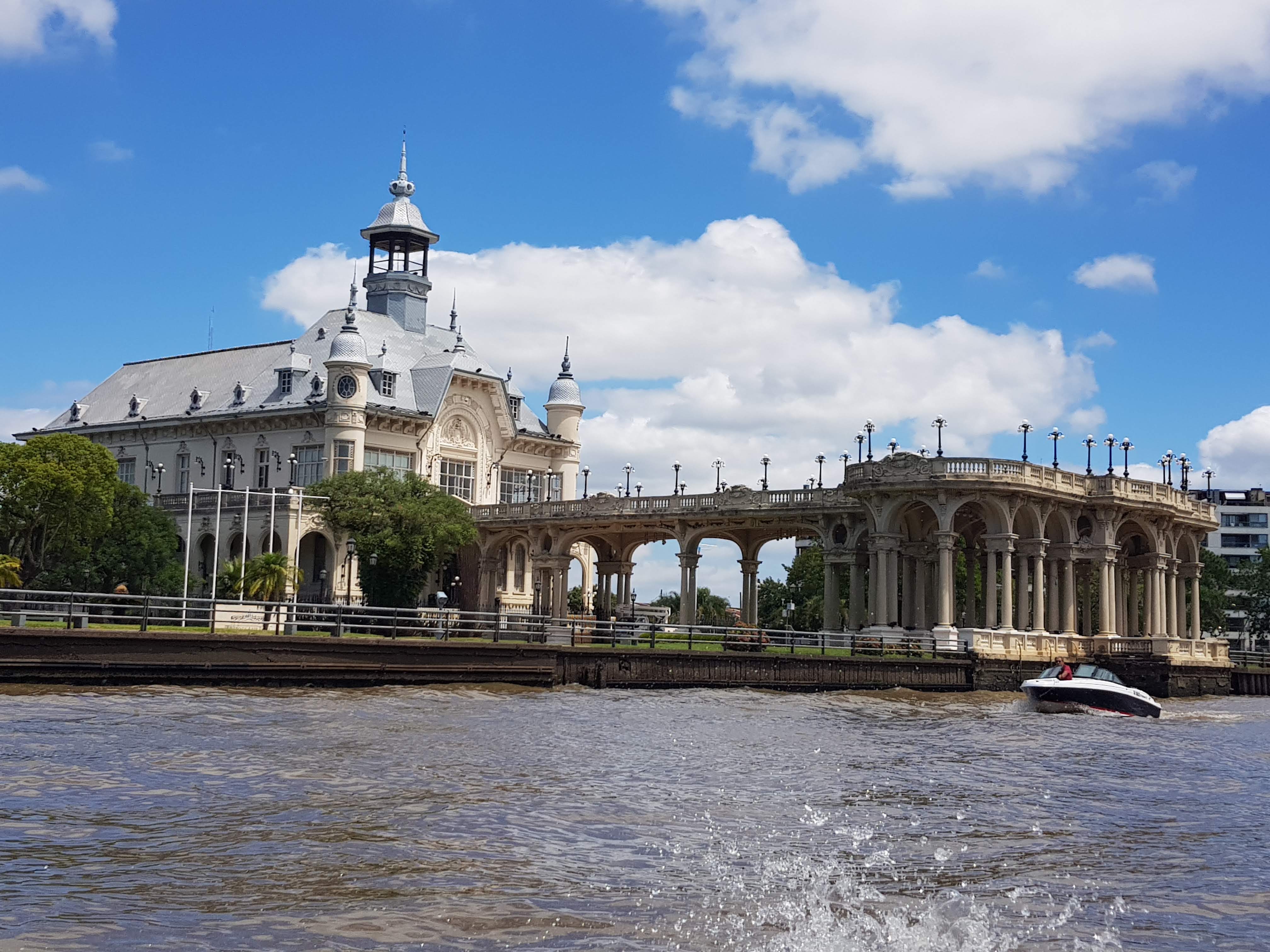
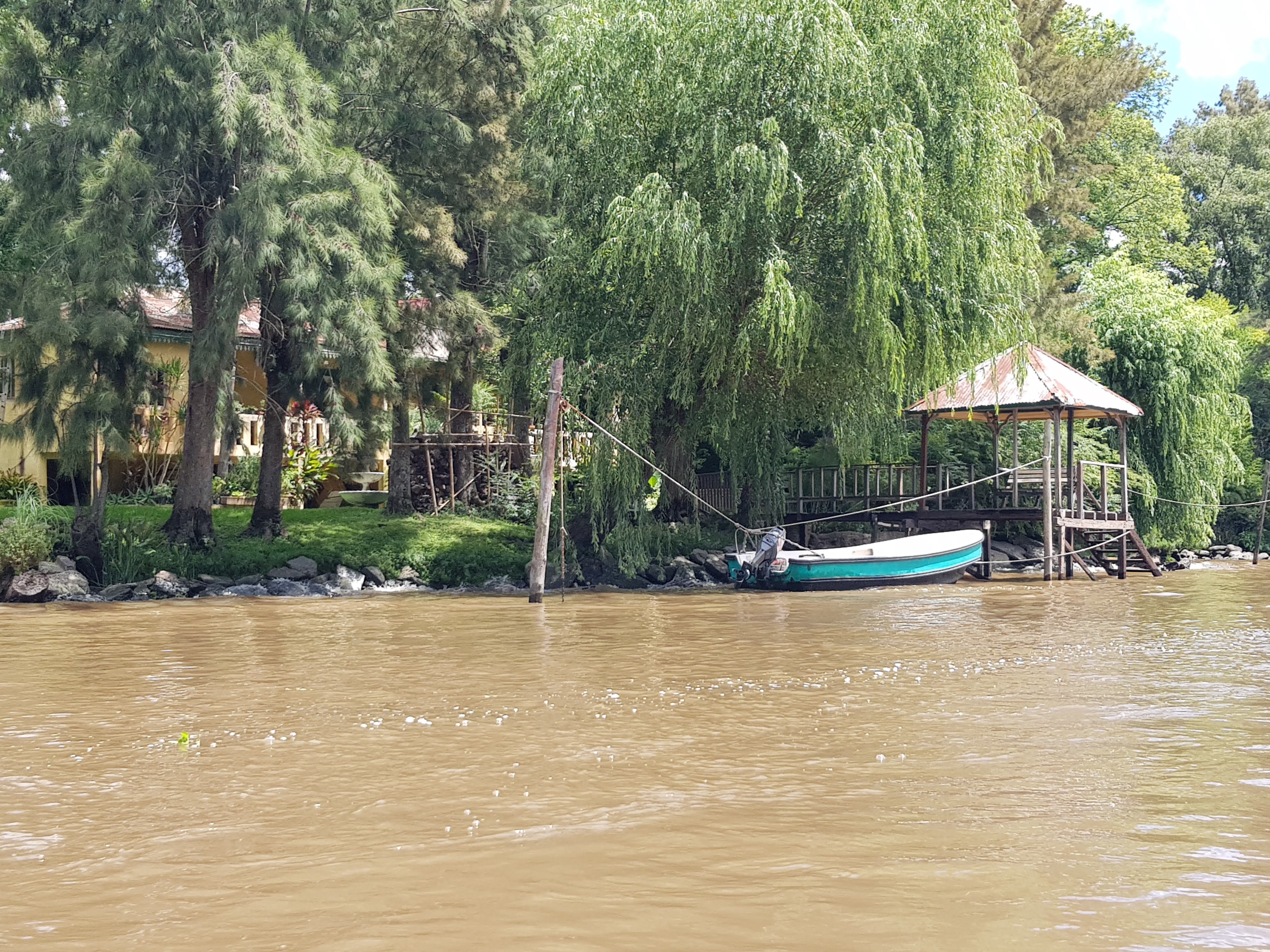
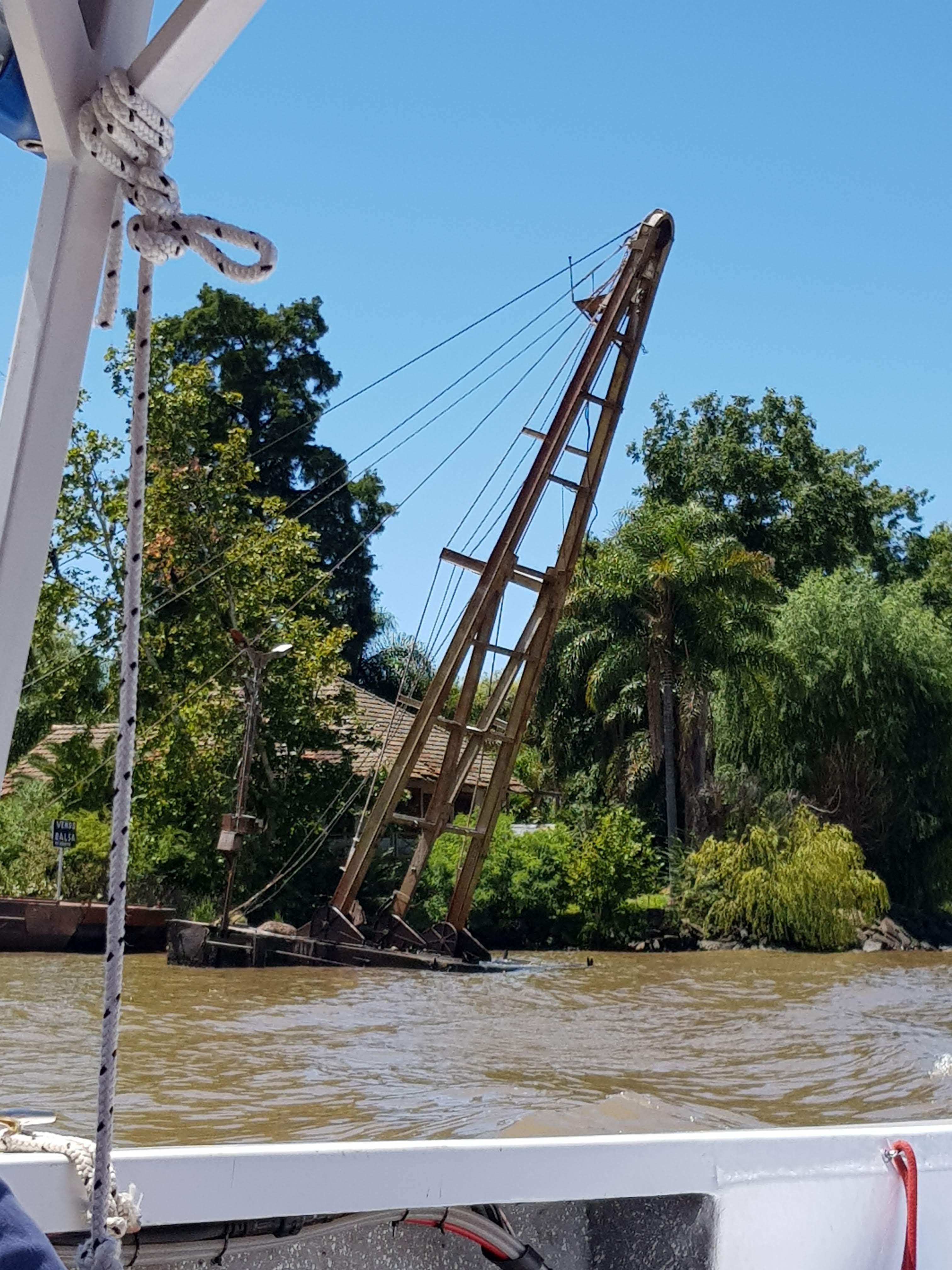
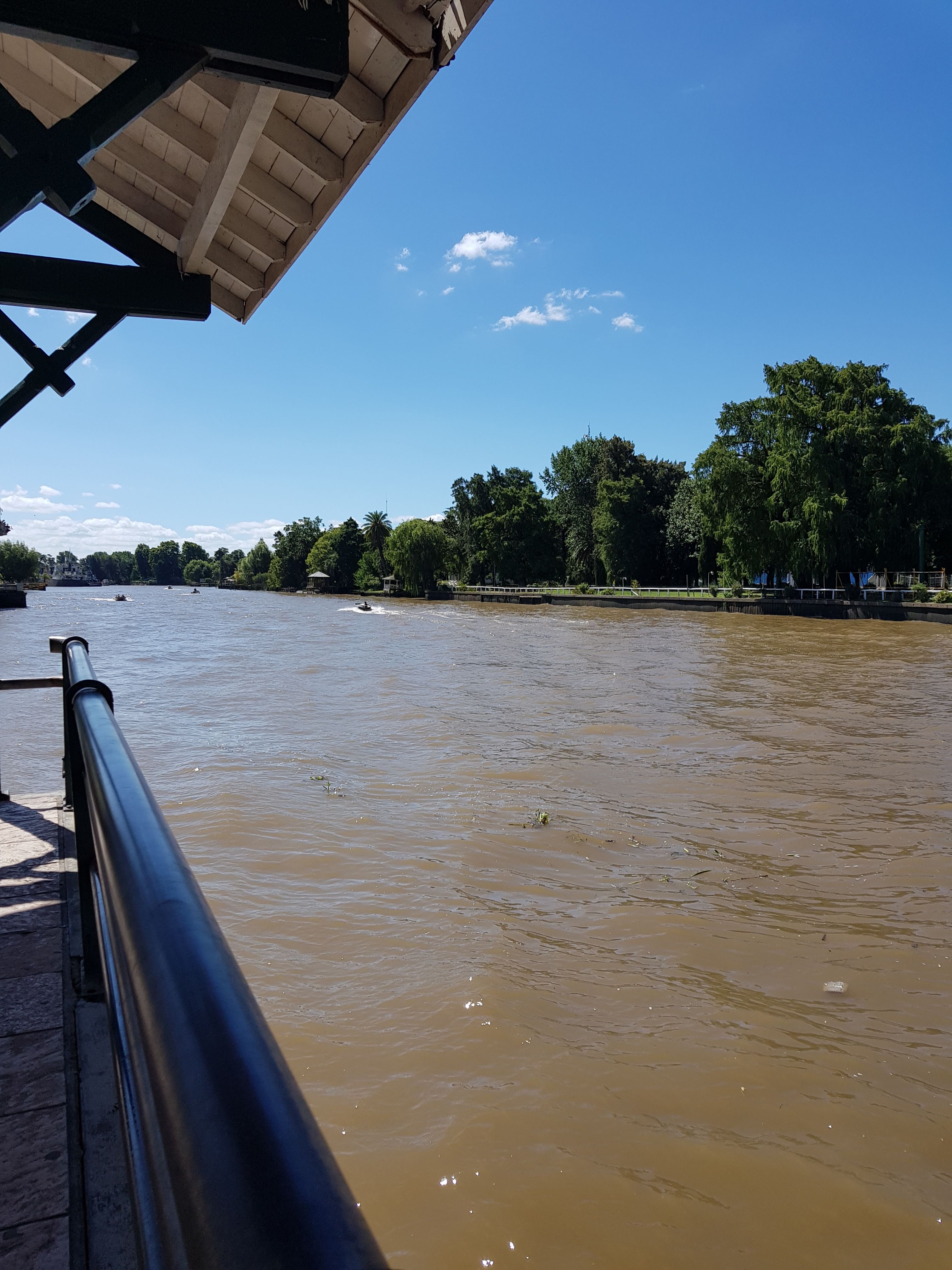
If you take a train and head further North, you will arrive at El Tigre. This town is the Argentinian version of Venice. It did also remind me of the Broads National Park in Norfolk a little too. The town is at the beginning of the wetlands on the Parana Delta, and is made up of a central town, and then a community of people that live on separate islands within a river network. Whilst there, I wandered around the promenade where there are some gorgeous buildings, and then took a little boat tour of the river. The boat rides on the river here are not for the sensitive types, I was glad I had not eaten yet, as the boat was lifted from the water and waves crashed down alongside me. It was quite an experience! The little houses on the side were very interesting to see, but what was more strange was all the abandoned items in the river. I saw at least two rusty shipwrecks, and a telephone pole that looked like it might come down at any moment. It was very odd! I would have like to have ventured into more remote parts of the delta, but my tour just stuck to the main strip.
With my first stop in Buenos Aires complete, I am now on my way into the Pampas and towards the Lake District of Argentina.
 Go Go Chlo