Category Archives: South America

Buenos Aires, Argentina: Paris of the Americas (Part Two)

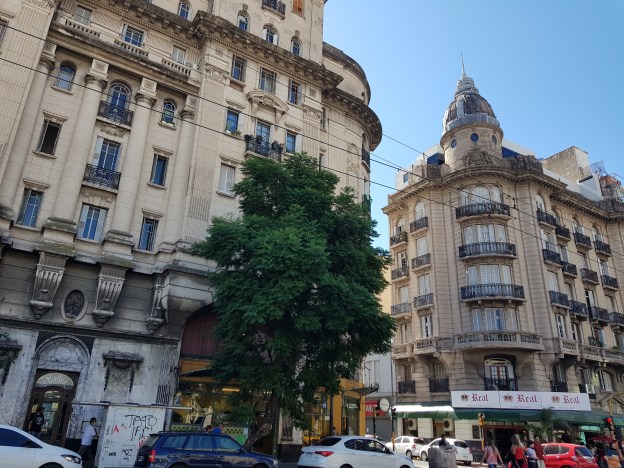
Following my first trip to Buenos Aires, I returned to the capital city at the end of my three month trip around Argentina to have a final week there, enjoying some attractions I had not been able to visit in my first visit. This time I was joined by a travel companion and was staying in a luxury hotel.

A focus on Evita

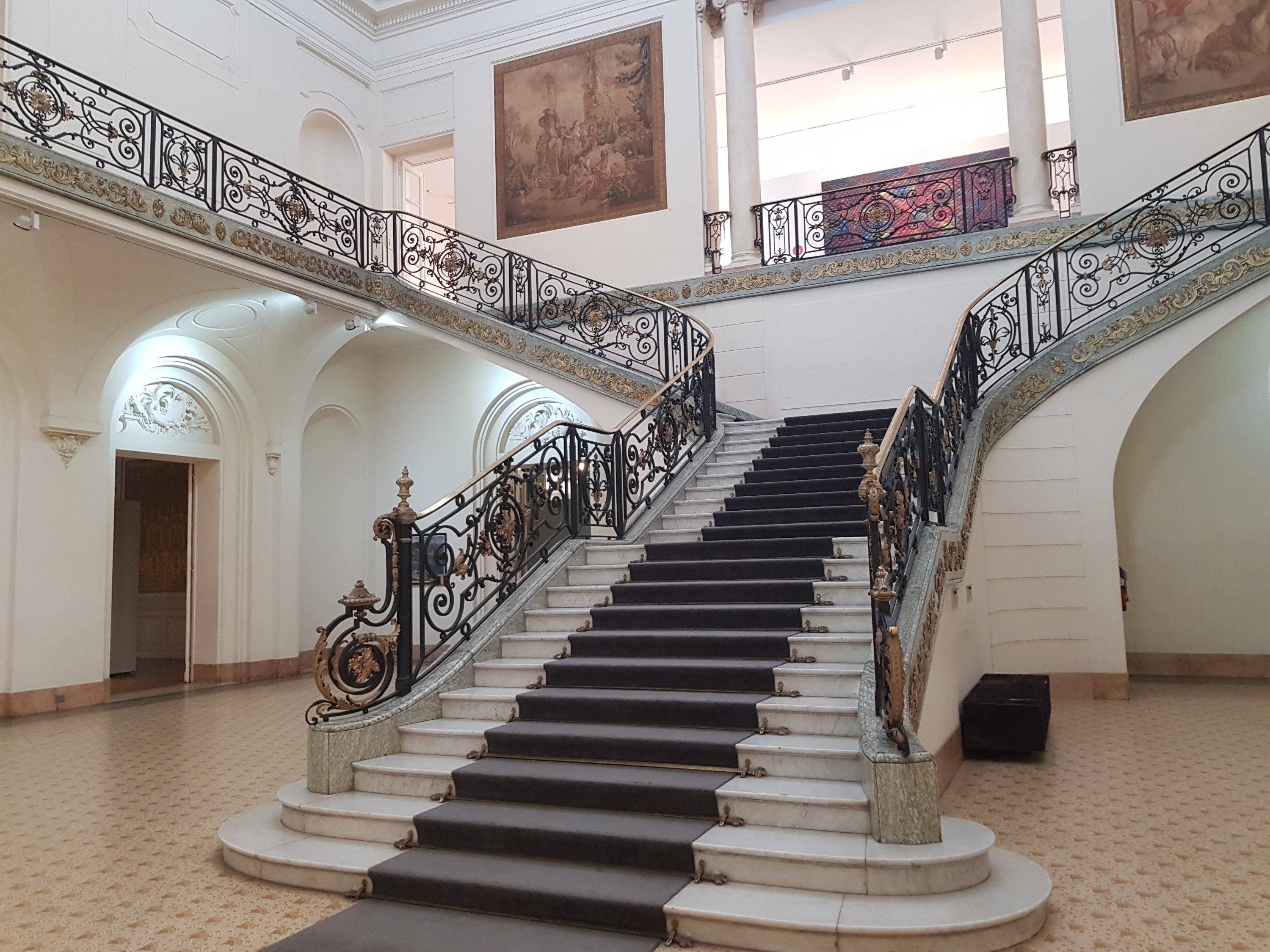
Following my first visit to Buenos Aires, and visiting the grave of Evita, a famous Argentine first lady, this time round, I visited the Evita museum. I was keen to learn more about her life and work for the state. The museum is housed in a previous home for the poor that was set up through a foundation that Evita begun. The museum has several rooms with projections of Evita’s film clips as an actress, her speeches as an activist and also a viewing gallery for her red carpet gowns.
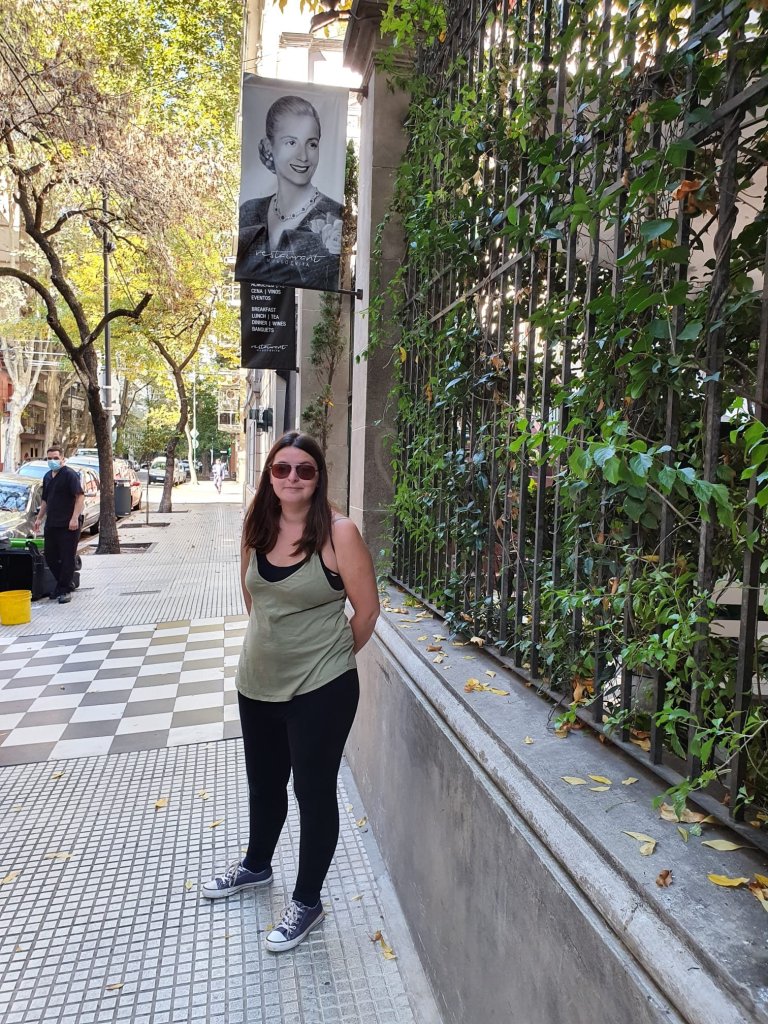
I found the museum to be really interesting but unfortunately photos were not allowed. The information was really good about her early life, career, relationship with president Peron, and her death. I learnt that she had a lot more involvement in charity work than I had realised. She also won the vice presidency but turned it down, which I was not aware of. After finishing our look around the museum, we had a tasty lunch in the museum’s restaurant which has a very nice courtyard.

A walk around the parks

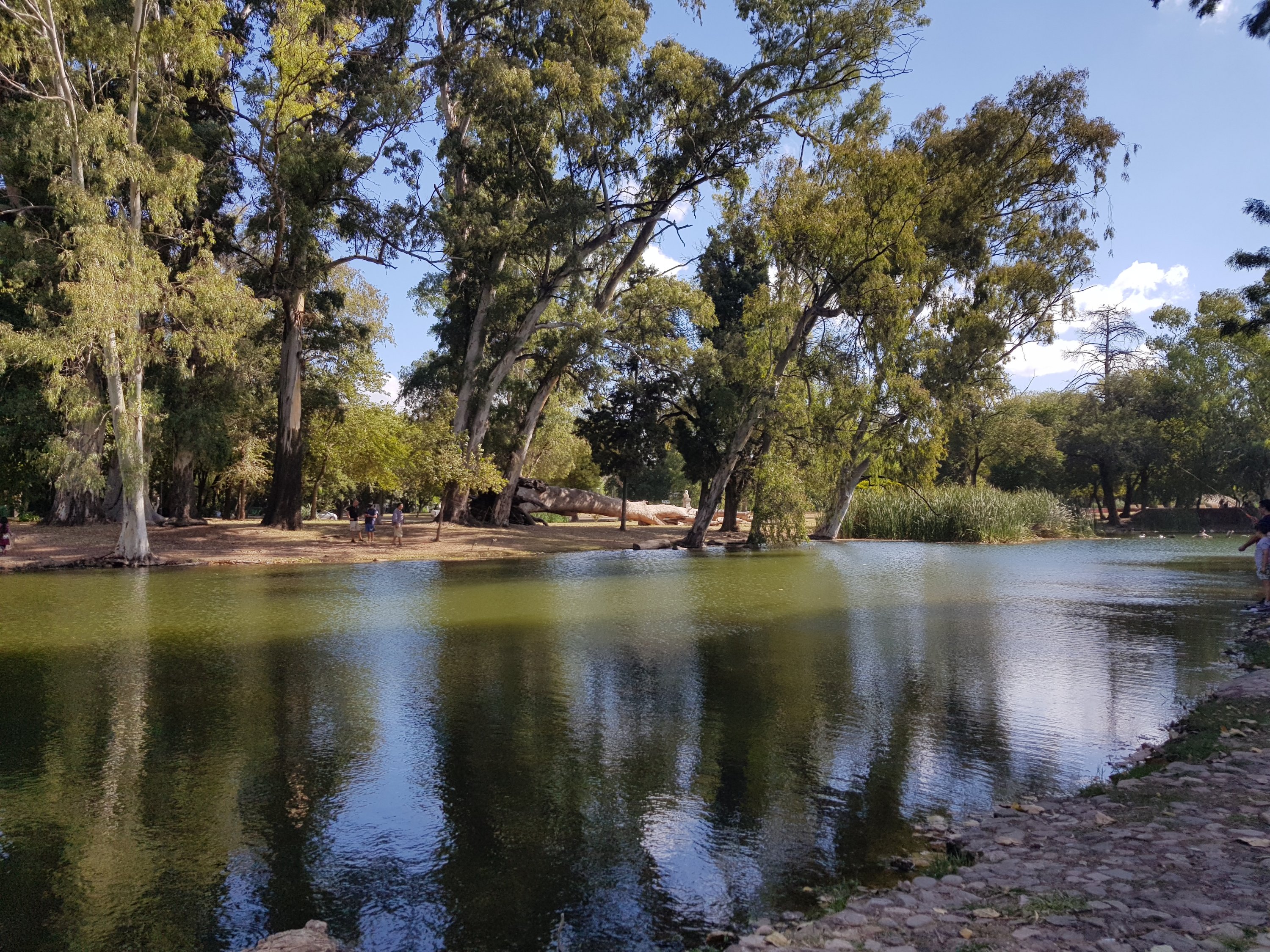
I was able to visit a few more of the park’s in Buenos Aires this time, although not all of them, as the rosalade (rose garden) was closed for upkeep.. very annoying. I did manage to visit both the Botanical Garden and the Eco Parque which are next door to each other. This took a full morning, and both parks were worth a look, and free to enter.

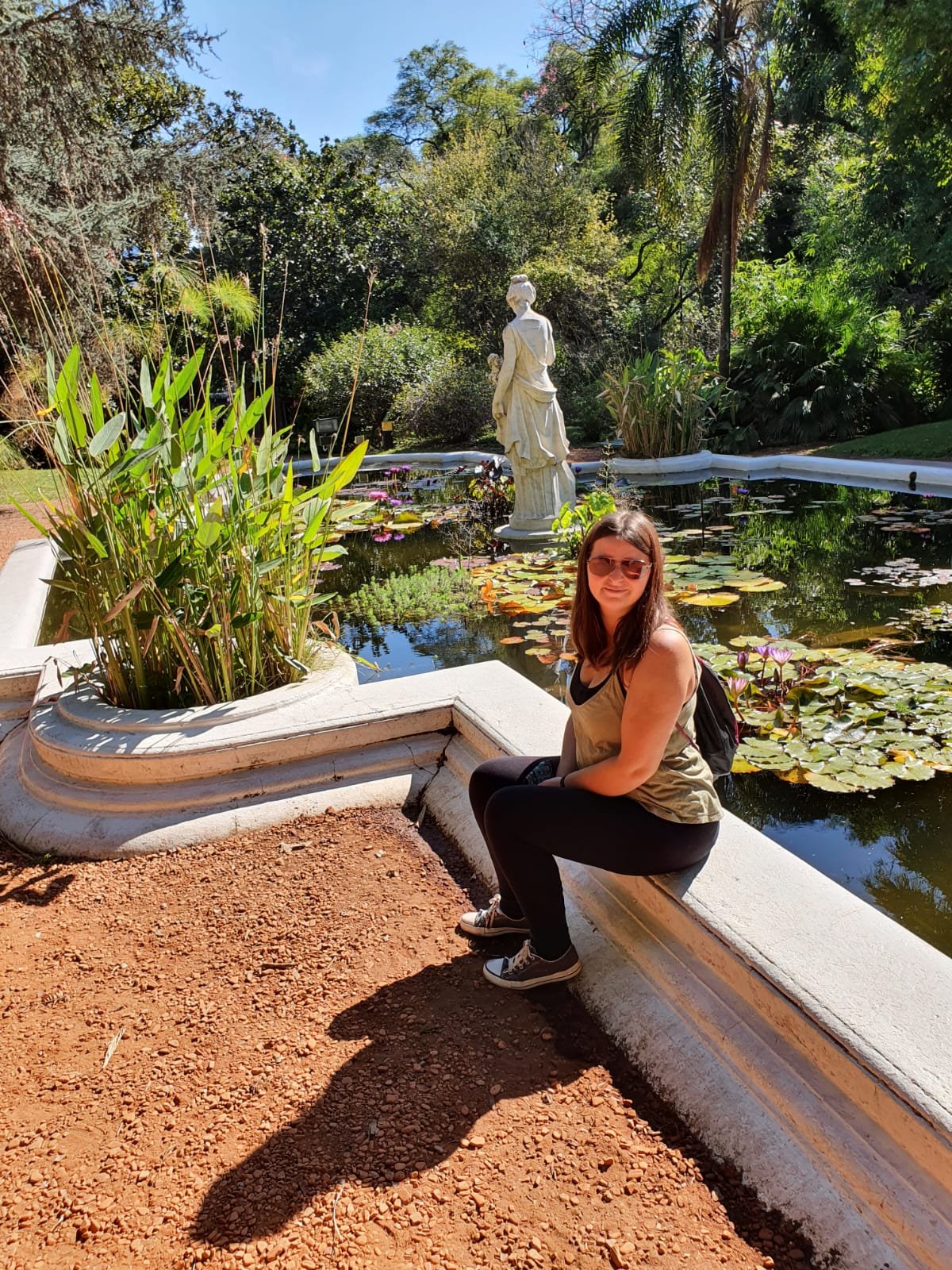
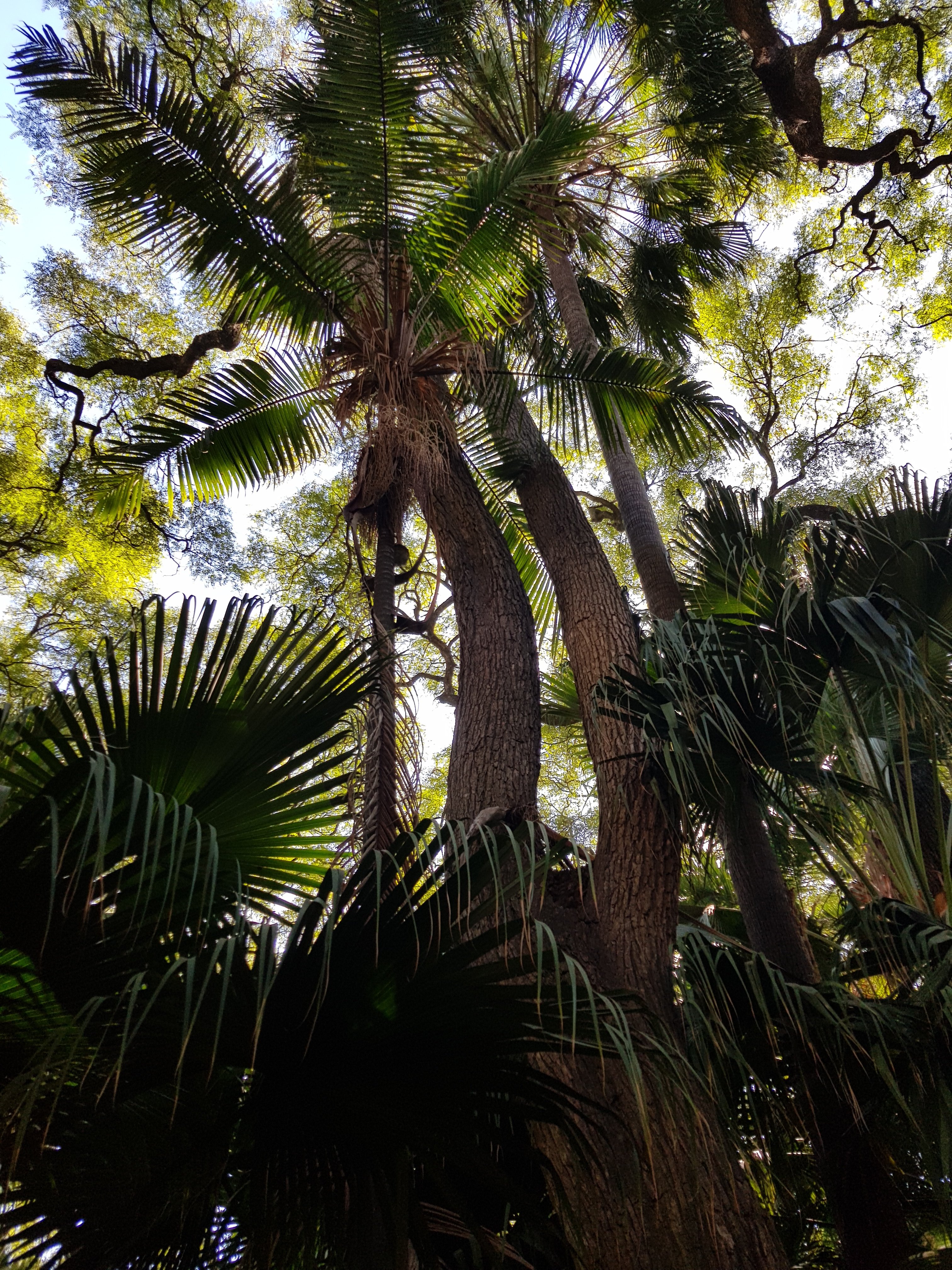
The botanical garden has many exotic plants and large trees as expected, and had attempted to theme different sections by different garden styles, for example french or italian.

The Eco Parque is a very different experience. This pretty park used to be a zoo with many large exotic animals, and elegant victorian styled animal houses. In recent decades, most of the animals have been moved to other locations, or sent back to their natural habitat.
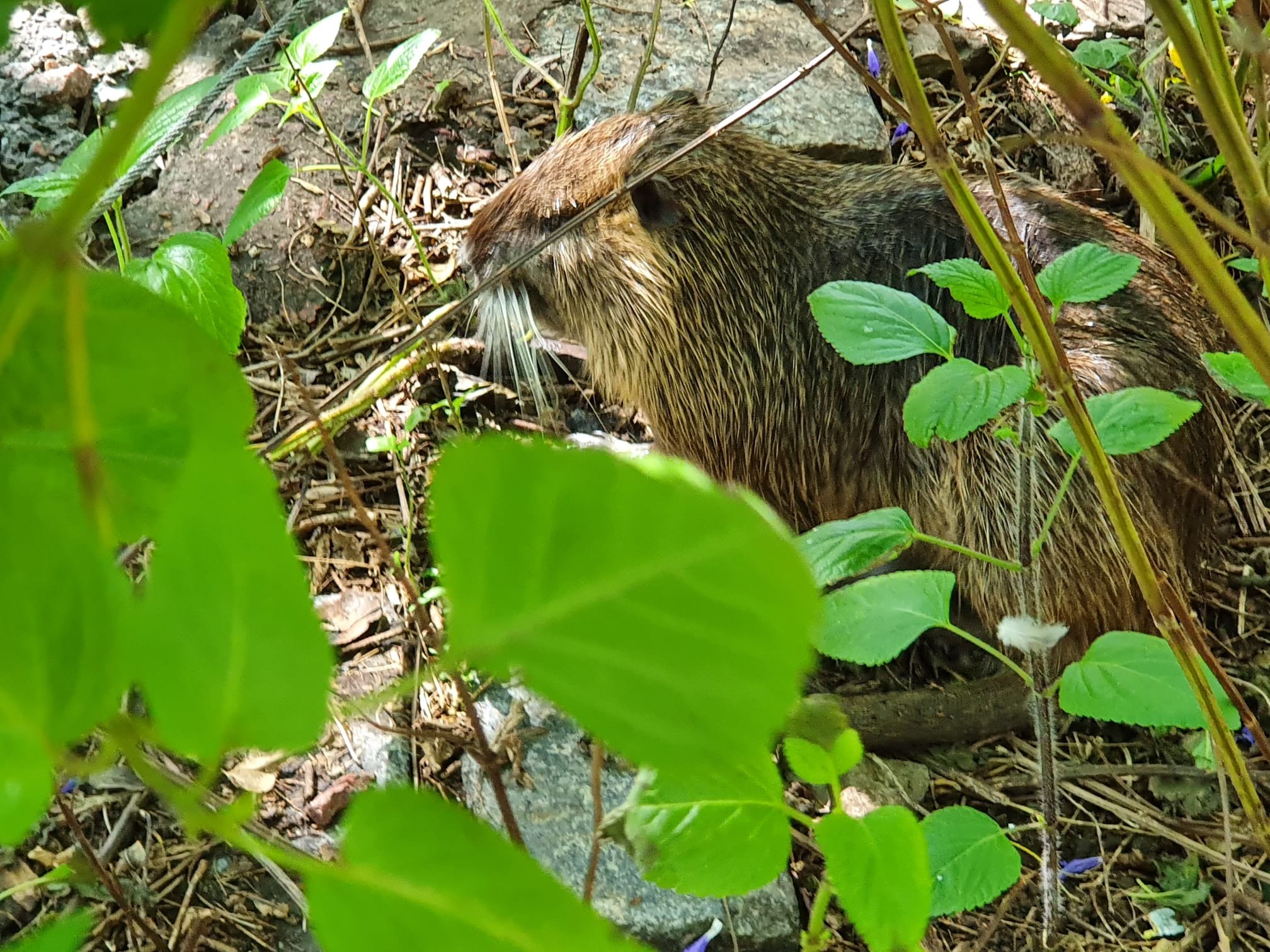
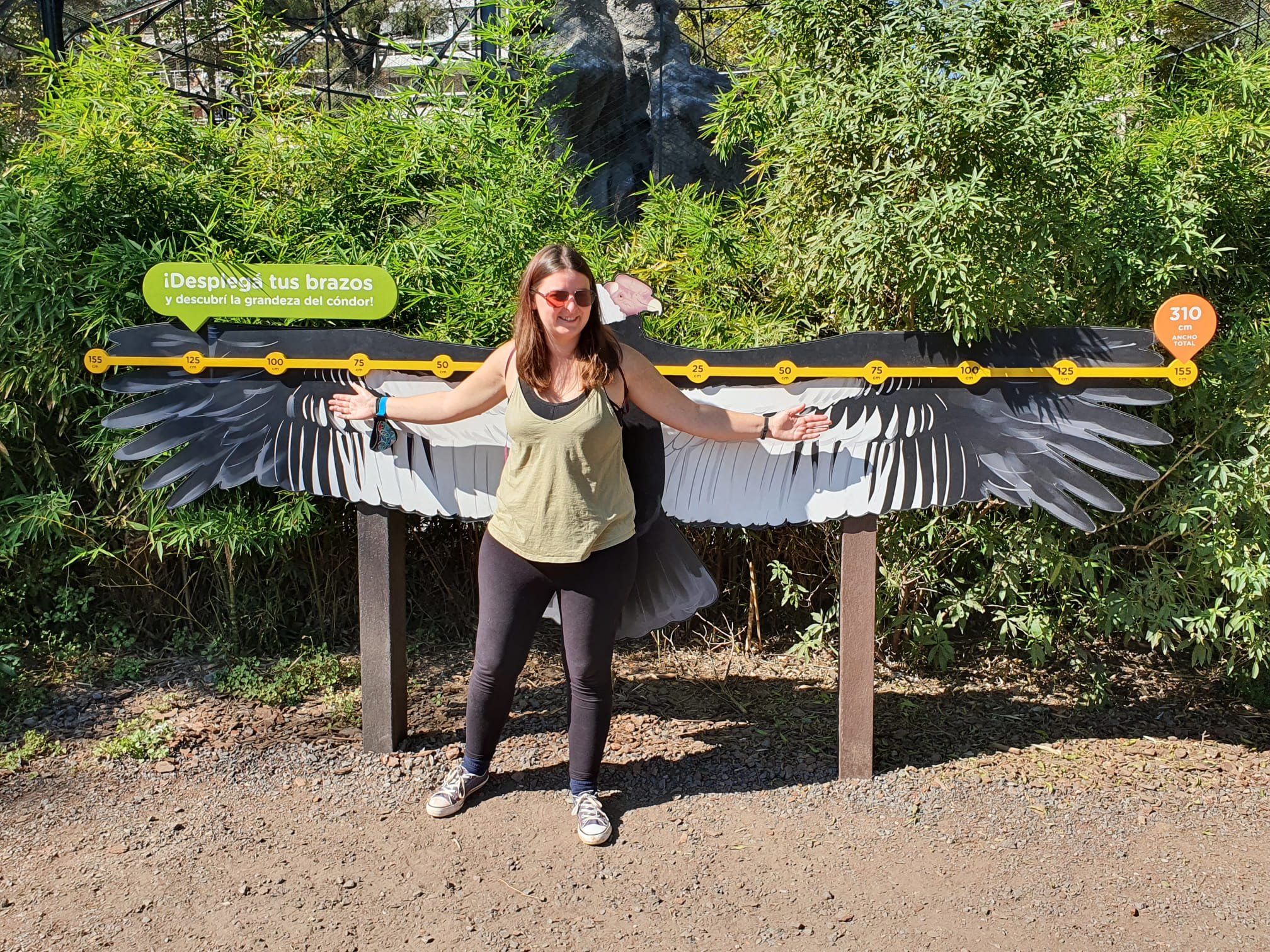
There are a few that still roam through the park though, because they are either too old or unwell to move, or do not need to be relocated. The park still has an old camel, plenty of capybaras, strange half rabbit half deer things, and even some monkeys. It is a pleasant place to take a walk in the middle of this huge city, as you never know what new animal will be around the corner.

Nightlife

In the evening, I was lucky enough to be rejoined by my German traveller friends again as they also finished their journey in BA. We headed out to Palermo Hollywood for a night of clubbing and mischief. After a night that lasted until around 6am, I was glad for my full hotel continental breakfast the next day!

La Plata

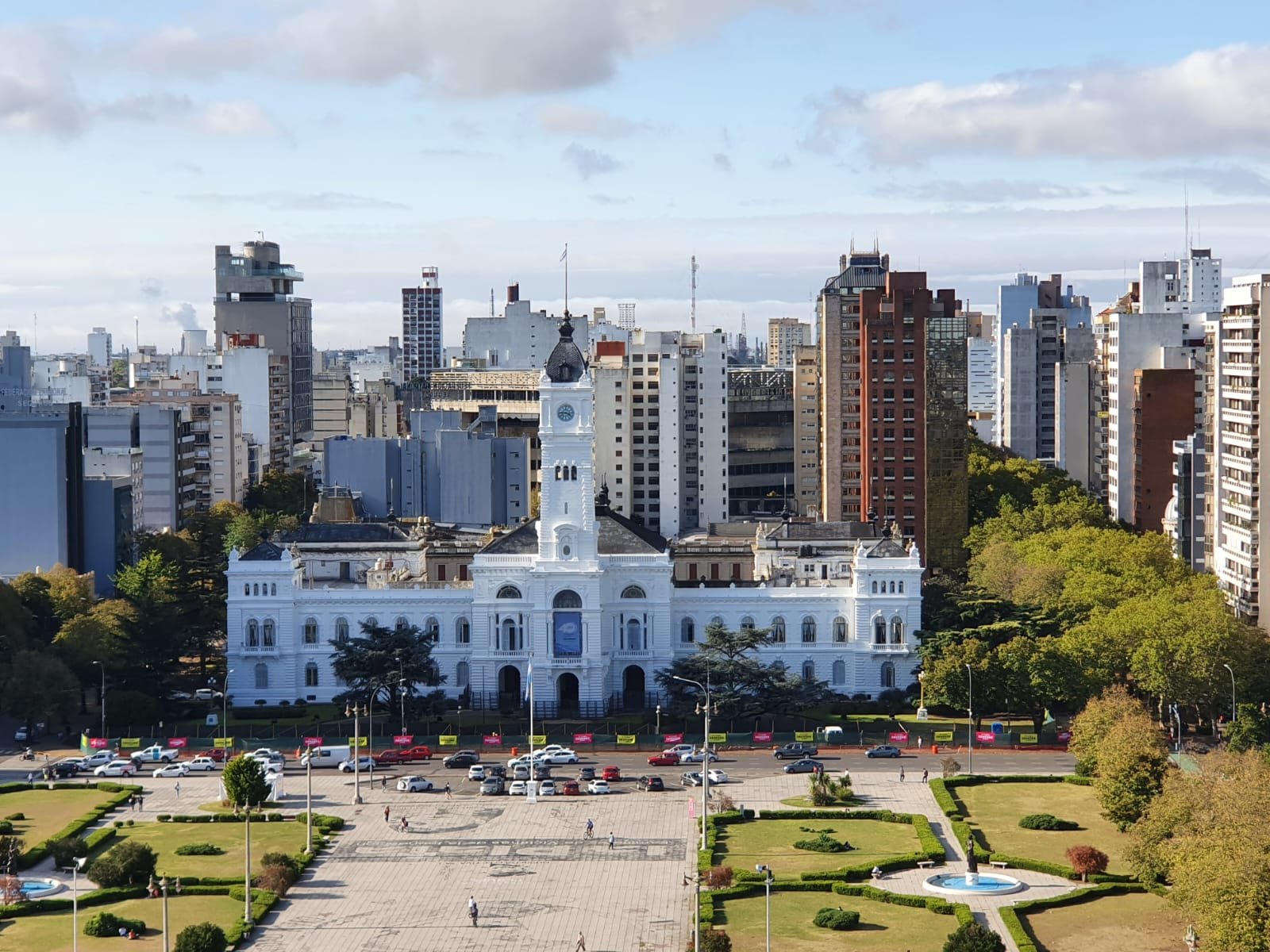
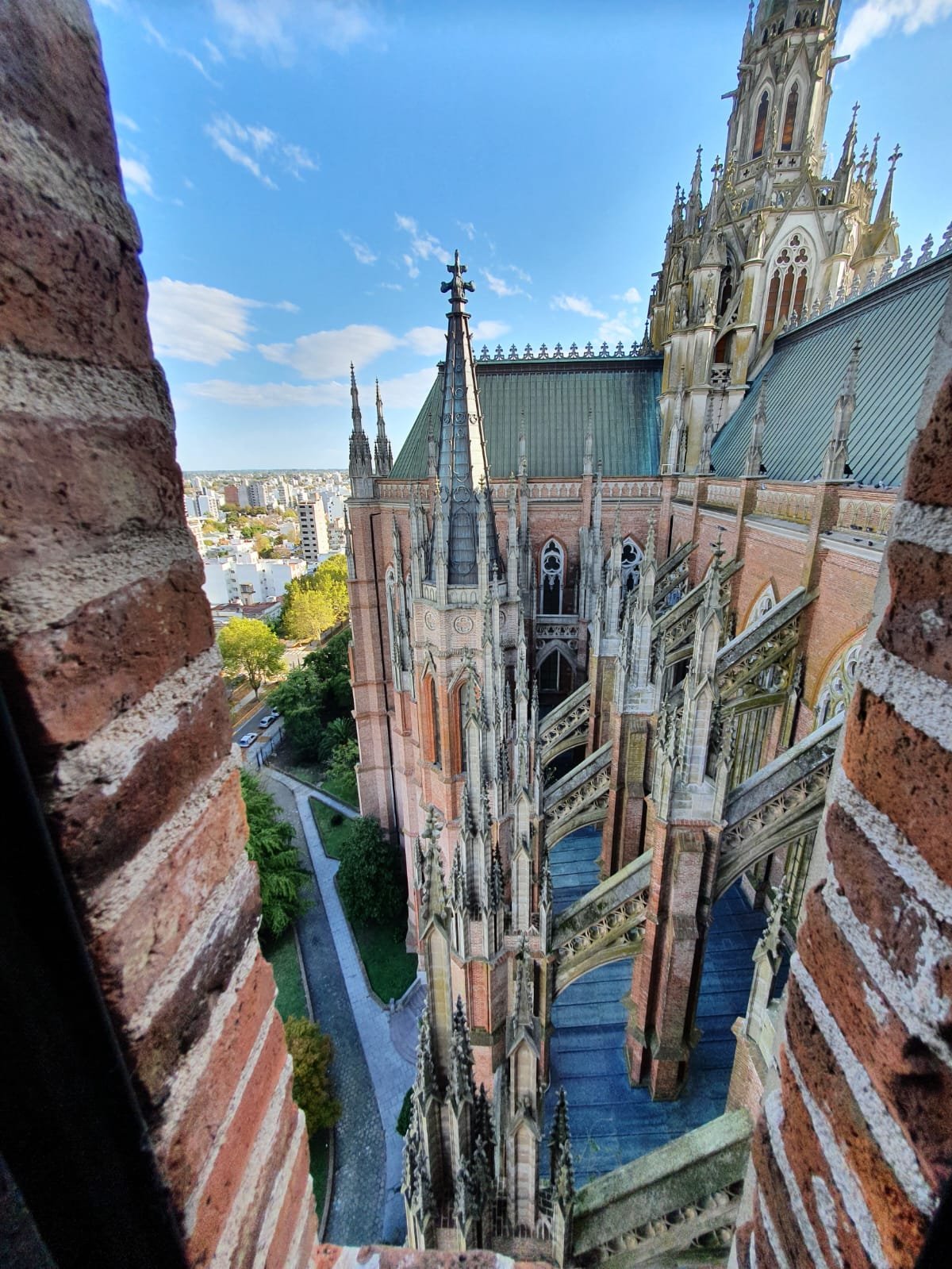
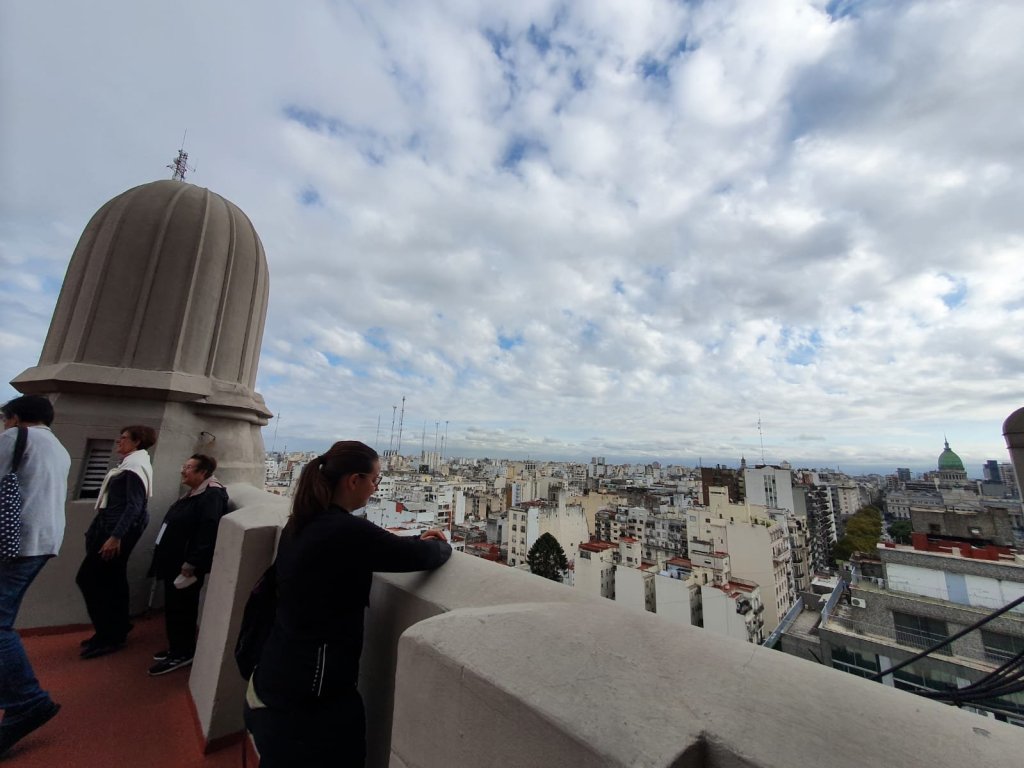
For a day out, we decided to visit the capital of the Province, the city called La Plata. The city was easy to get to, only 90 minutes on the train, and the main attraction there is a beautiful cathedral.

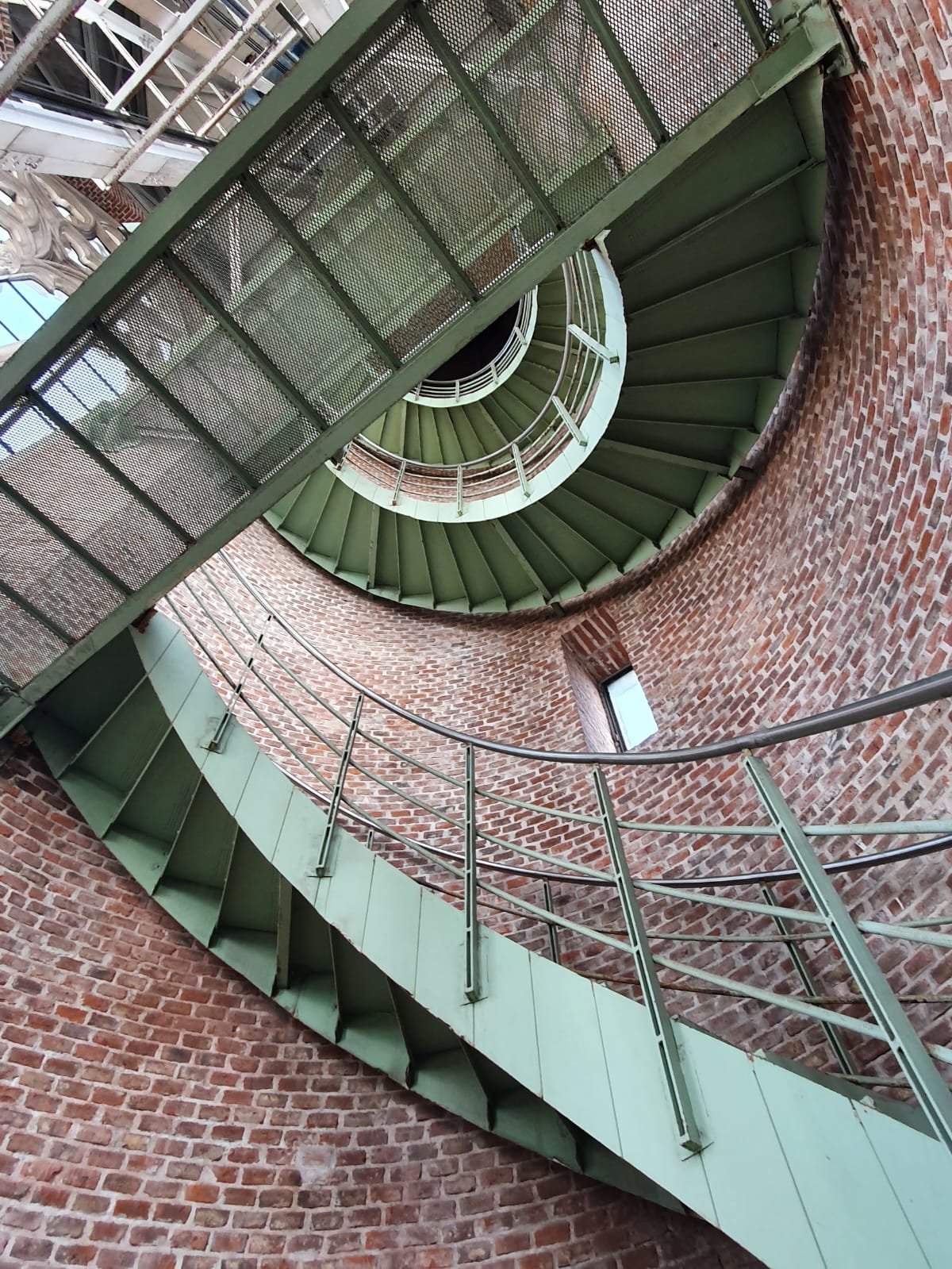
The cathedral is gorgeous on the inside, and as well as the main church, the attraction offers exploration of the crypt with a museum about its construction and original pieces, the opportunity to be lifted up the tower, and a sweet restaurant. A lovely morning out.

Horse riding in the Pampas

The province of Buenos Aires is part of the ‘Pampas’ region, and this is where the gauchos (Argentine cowboys) farm cattle the most. So, I decided to book us a day of horse riding in the area.

The four hour riding experience included a traditional asado lunch at the house of a local which was pretty special, and the horse riding itself was an unforgettable experience. For good and bad reasons…
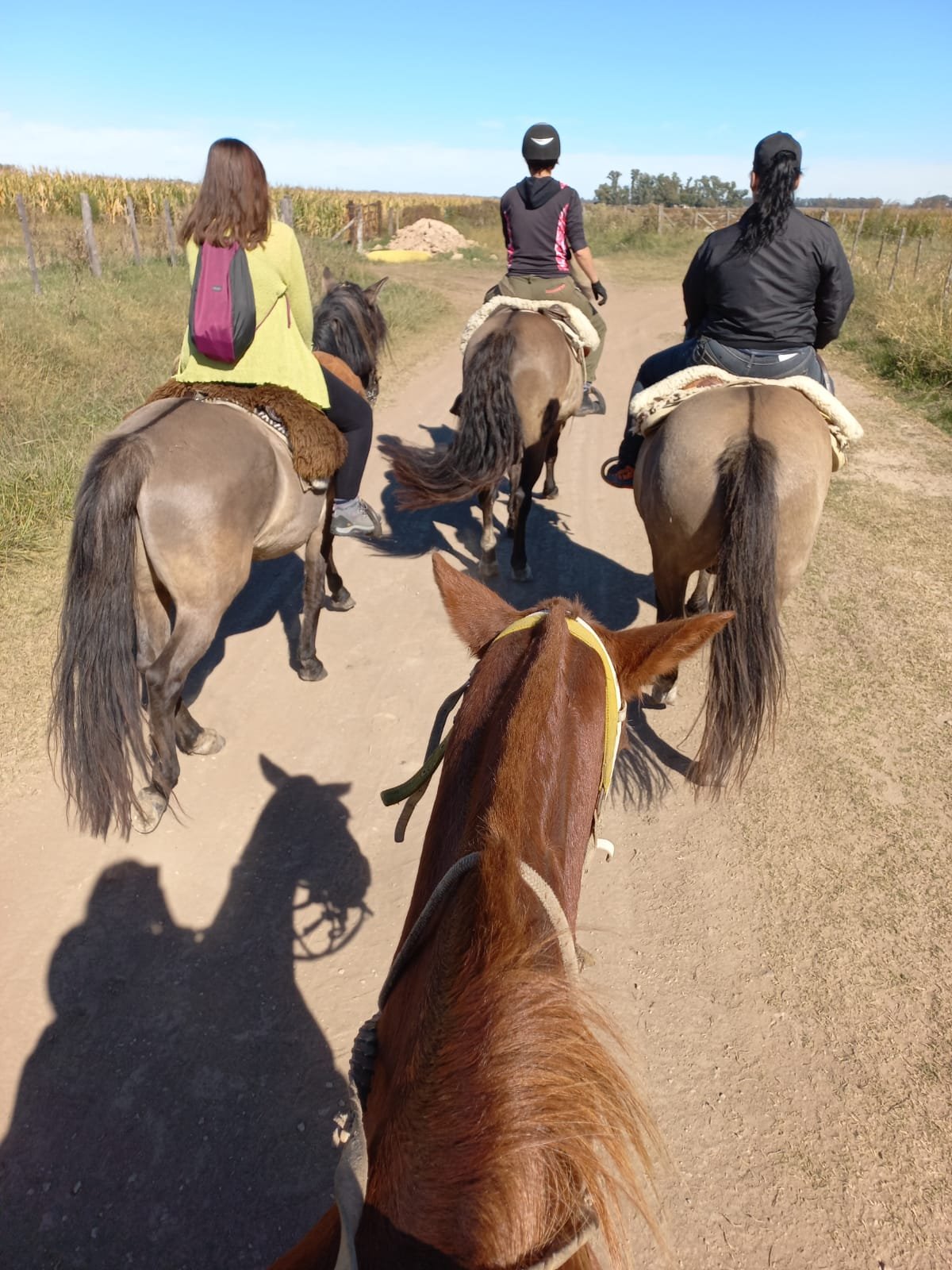
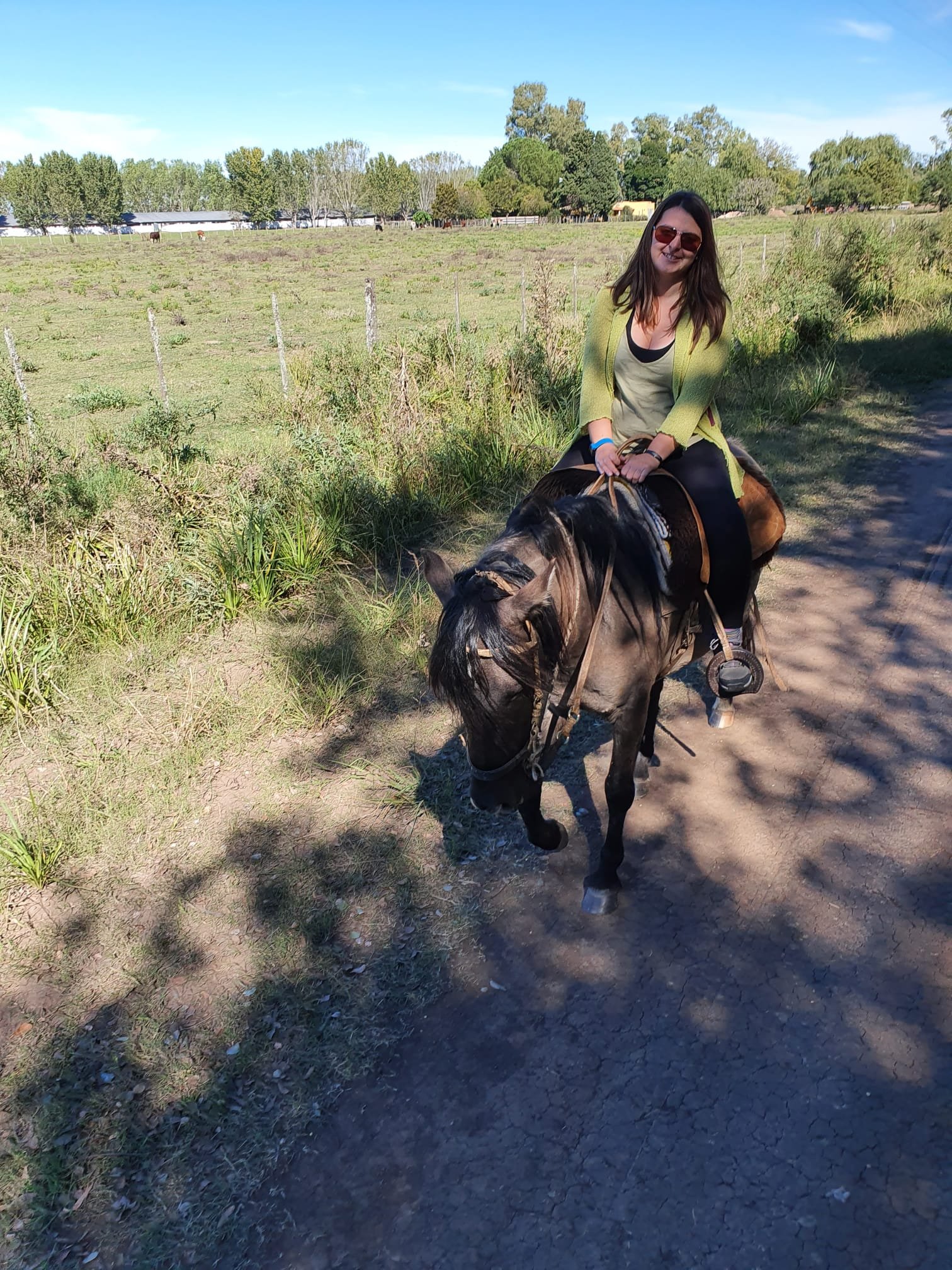
The horse I was given, was a little young and barely broken in. This was coupled by the style of gaucho riding which is very different compared to english riding. The saddles and riding kit on the horse is very different and there is no front to the saddles. You are also expected to ride one handed and without a riding hat.

Whilst a little nervous about my horse’s behaviour, I took on the challenge. We rode through long grasses, roads, ditches, and woodlands and after trotting, cantering and a little bucking by my horse, I did manage to stay on the horse! Even though I was a little banged up. The experience was good fun, but the major downer was the extreme amount of mosquito bites I endured all over my legs  i was rubbing toothpaste on my legs for days after! (Fun fact: it takes out the itch).

Lunch in Uruguay

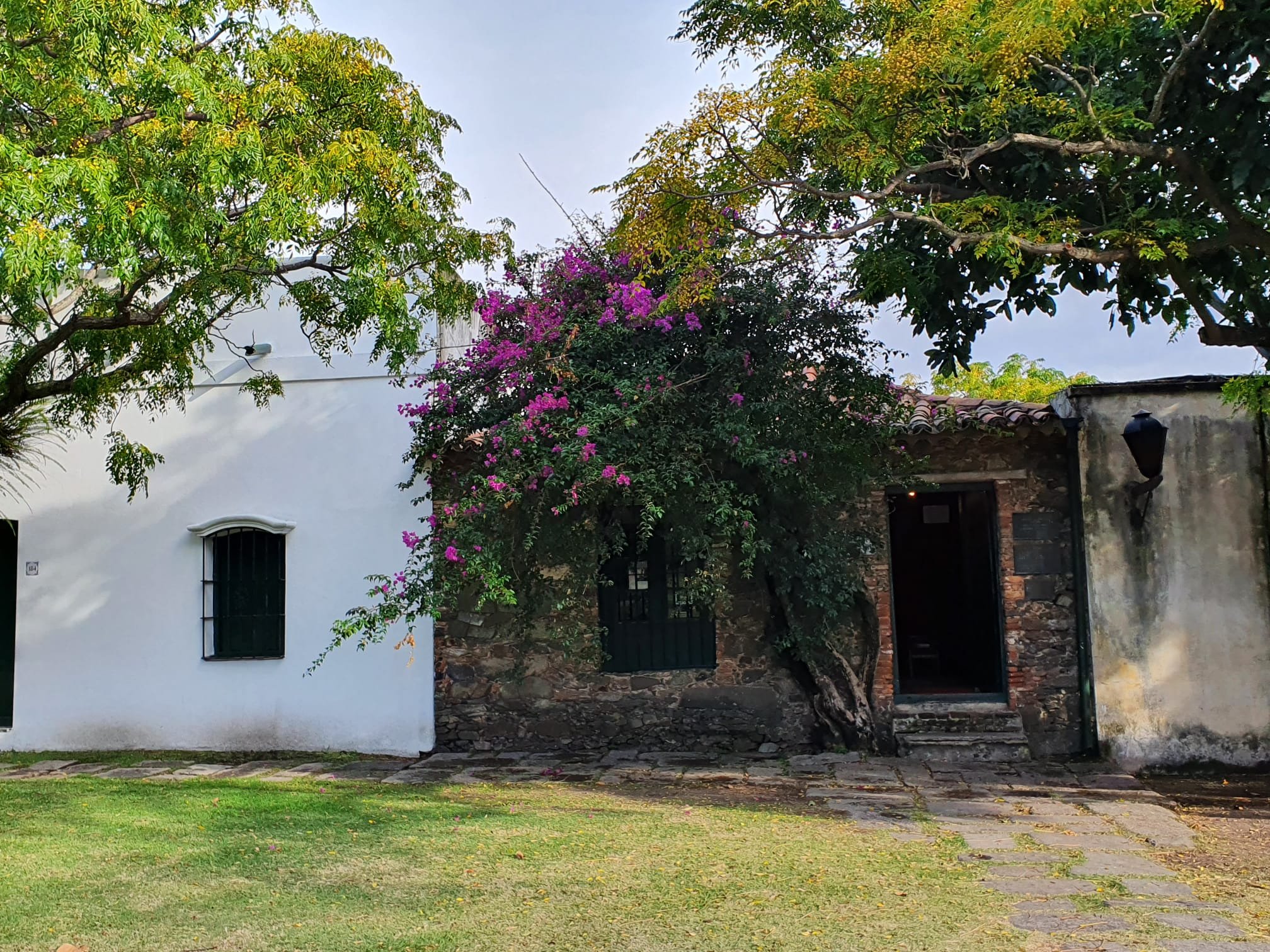
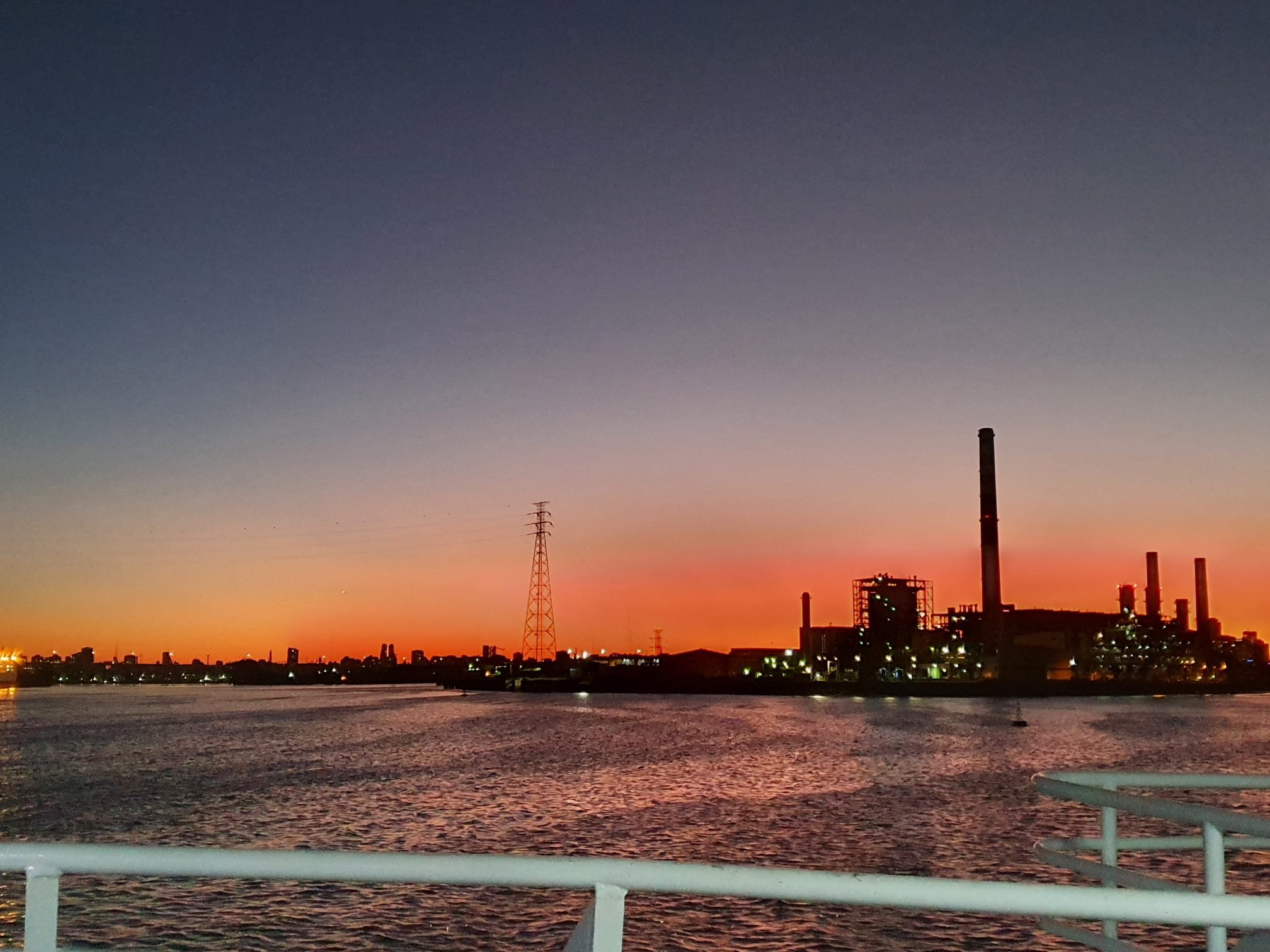
We became aware that you could visit Uruguay easily from Buenos Aires’ port by crossing in the river ferry for around an hour. It’s always tempting to cross another country off the list if the opportunity arises, so we booked our ferry tickets and took the pleasant ride across to a town called Colonia del Sacramento. From here you can also take a bus to Montevideo (Uruguay’s capital) but we decided to save that for another trip. Colonia del Sacramento is a picturesque town with a very portuguese style to it, from when it was colonised by Portugal.
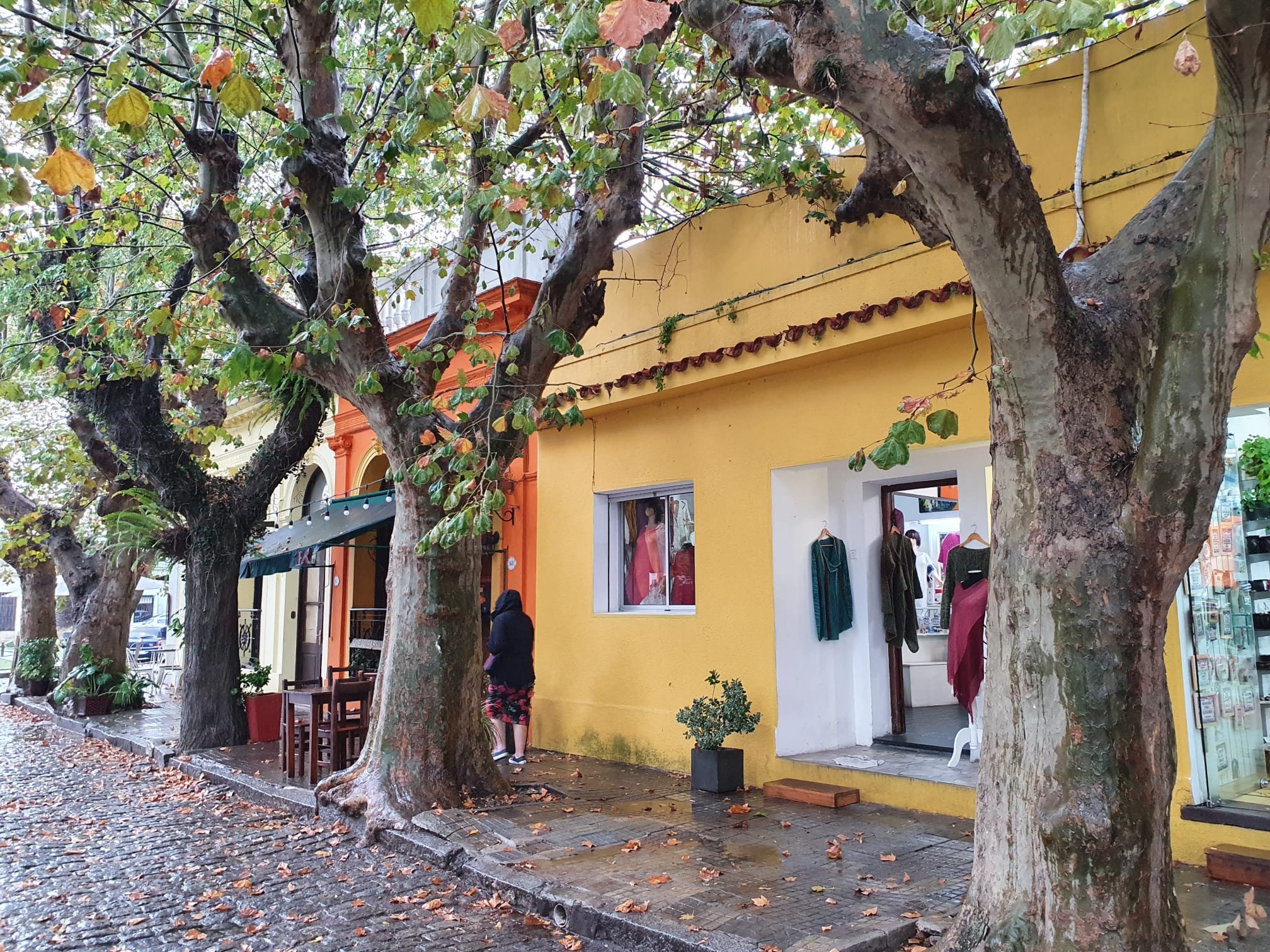
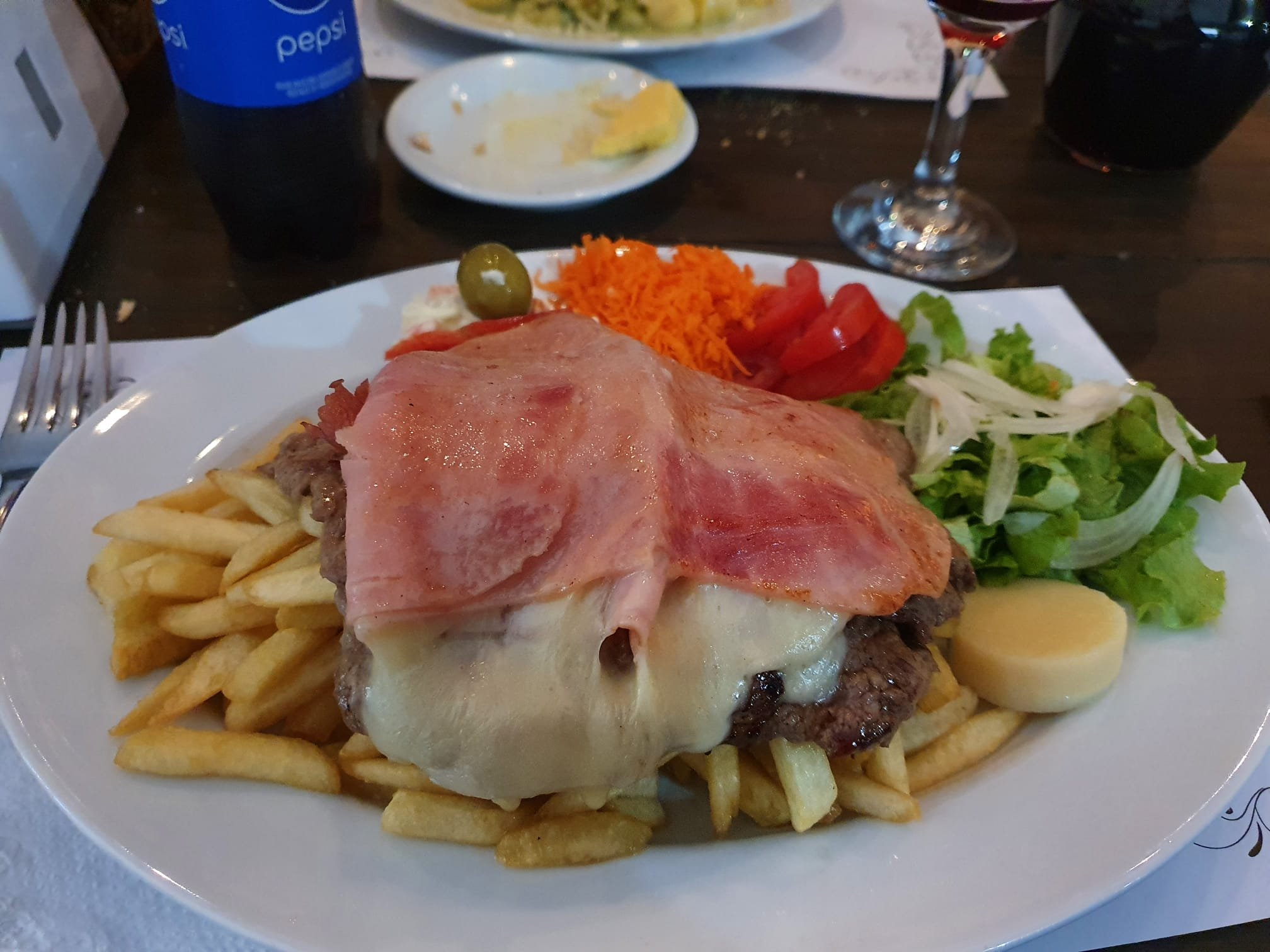
There are a couple of small museums and a church in the town to enjoy, and we had a long and luscious lunch of a traditional Uruguay dish called ‘chivito’. This is like a giant inside out meaty sandwich. Like Argentina, Uruguay also does not skimp on food portions.

Before we knew it, it was time to take the ferry back across the river. We had a good laugh about how we left the country just fot lunch though! 🤣

Tango

You can’t visit Buenos Aires and not watch a little Tango, as the traditional dance of the city. Not only can you see people dance this in the streets of Caminito in Boca, there are also plenty of theatres offering shows and classes. I wanted to do a class but they were multiple hours and I felt too lazy about it, plus I only had walking boots to dance with.

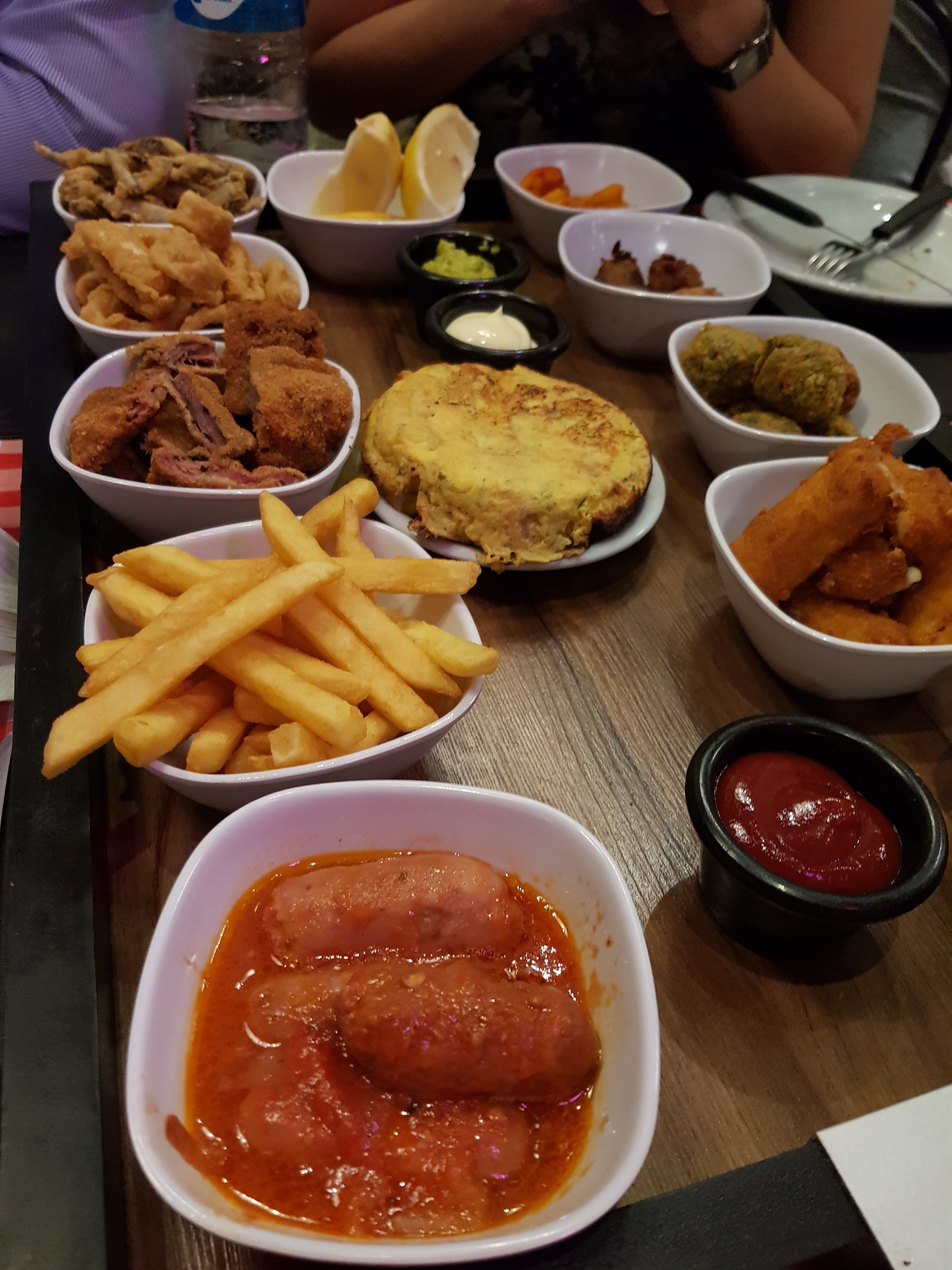
I did decide to book a show and after a little research, I booked a show at Teatro Porteno. You had an option of paying for the show on its own or with dinner included. I chose to purchase just the show which was about £23 but then on arrival, we were also provided with another menu to pick and choose food. We went for some empanadas and a delicious ham and cheeses board.
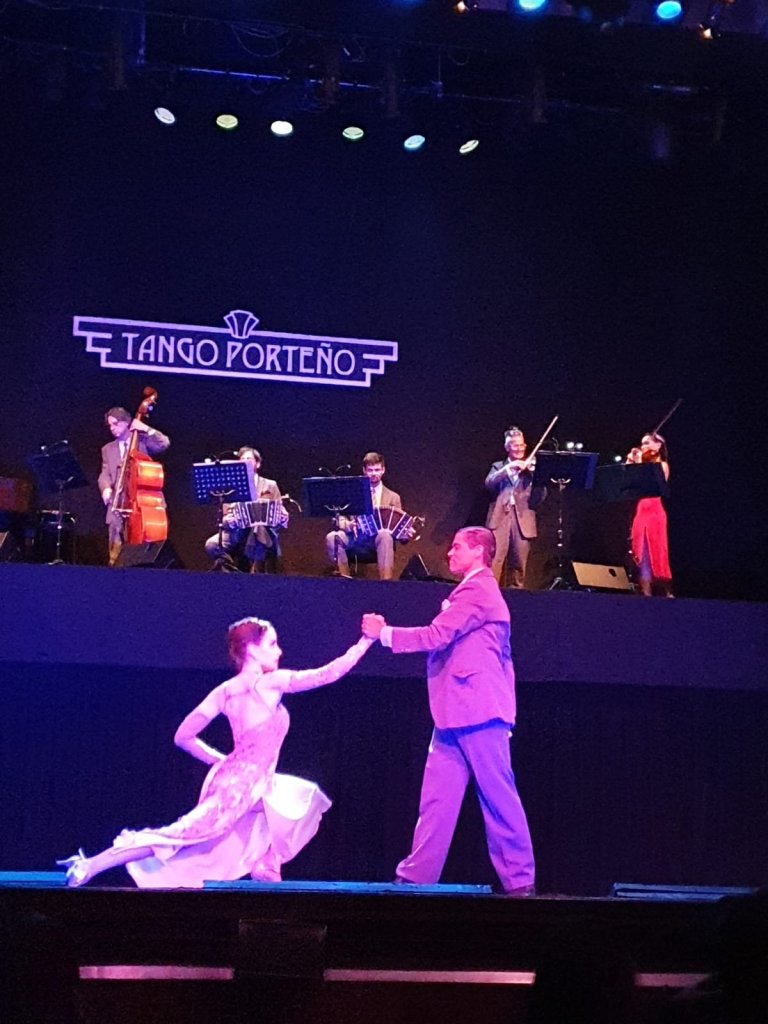
The show itself was amazing! Focused on locations around Buenos Aires, there was a variety of styles of Tango on display. They also had an act that used drums and cattle whips to create impressive rhythms with the music. I was really glad I visited.

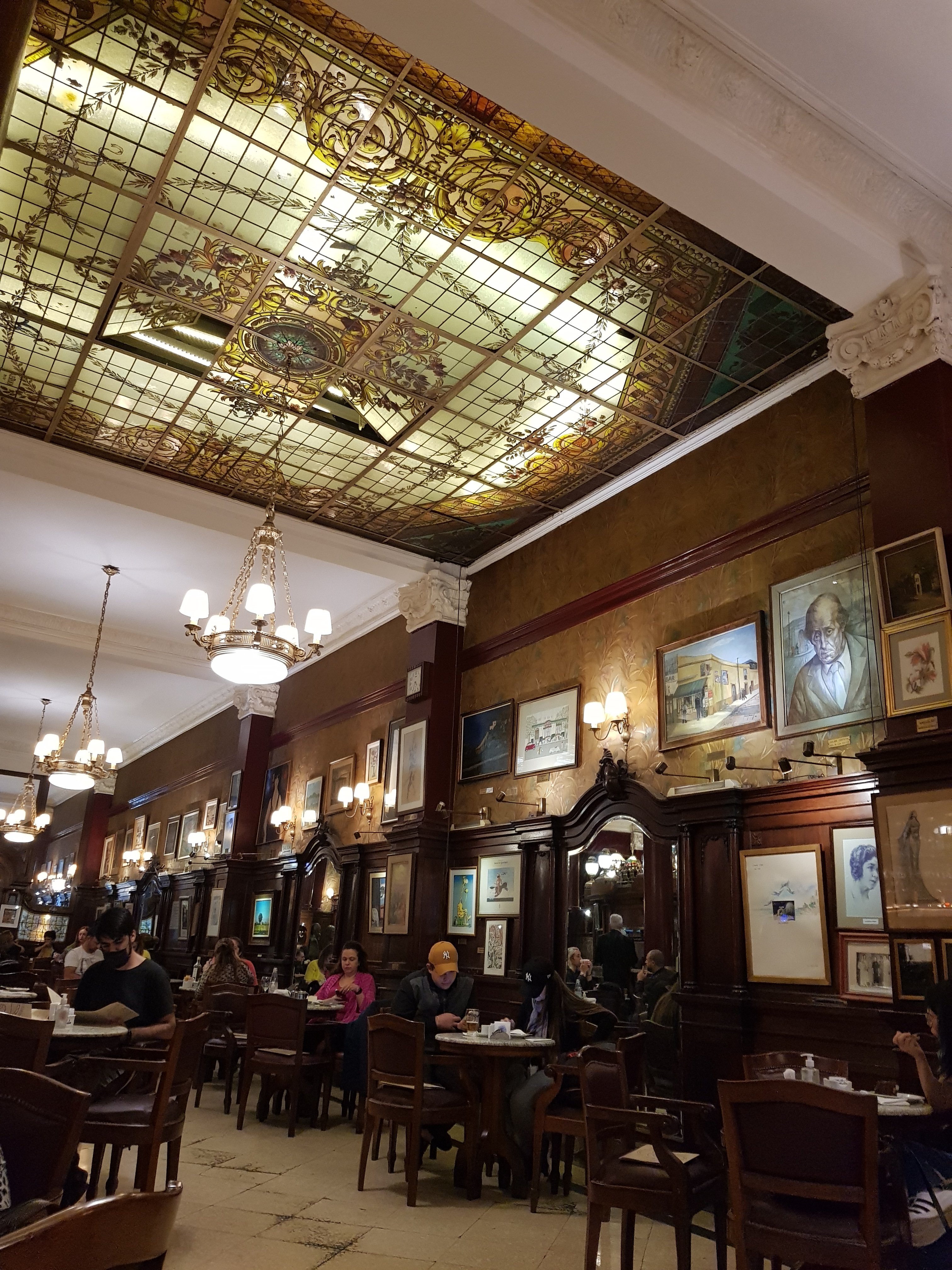
Another location where tango can be viewed and learnt is Cafe Tortoni. This is one of the oldest and most fabulous cafes in Buenos Aires. The decor is very traditional italian/ bohemian and many famous faces have eaten here. We decided to visit for a merienda (afternoon snack) and really enjoyed our visit with some great sandwiches and cake.
There were plenty of other bits and pieces I experienced in this bustling capital, but these were definitely the highlights. My return to the UK following Buenos Aires was a very long journey, but also gave me time to reflect on my amazing journey around this beautiful country.

After my return to the UK, I will soon be embarking on my next journey, working on board a cruise ship around the Mediterranean…
Iguazu Falls, Argentina; World Wonder of Nature

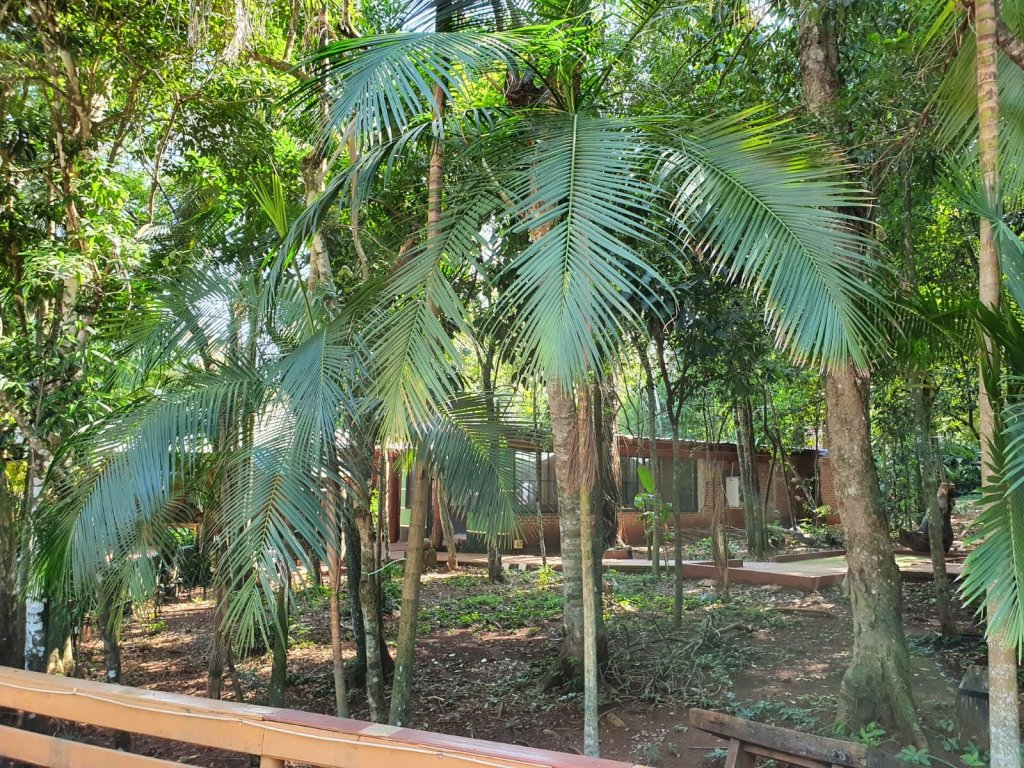
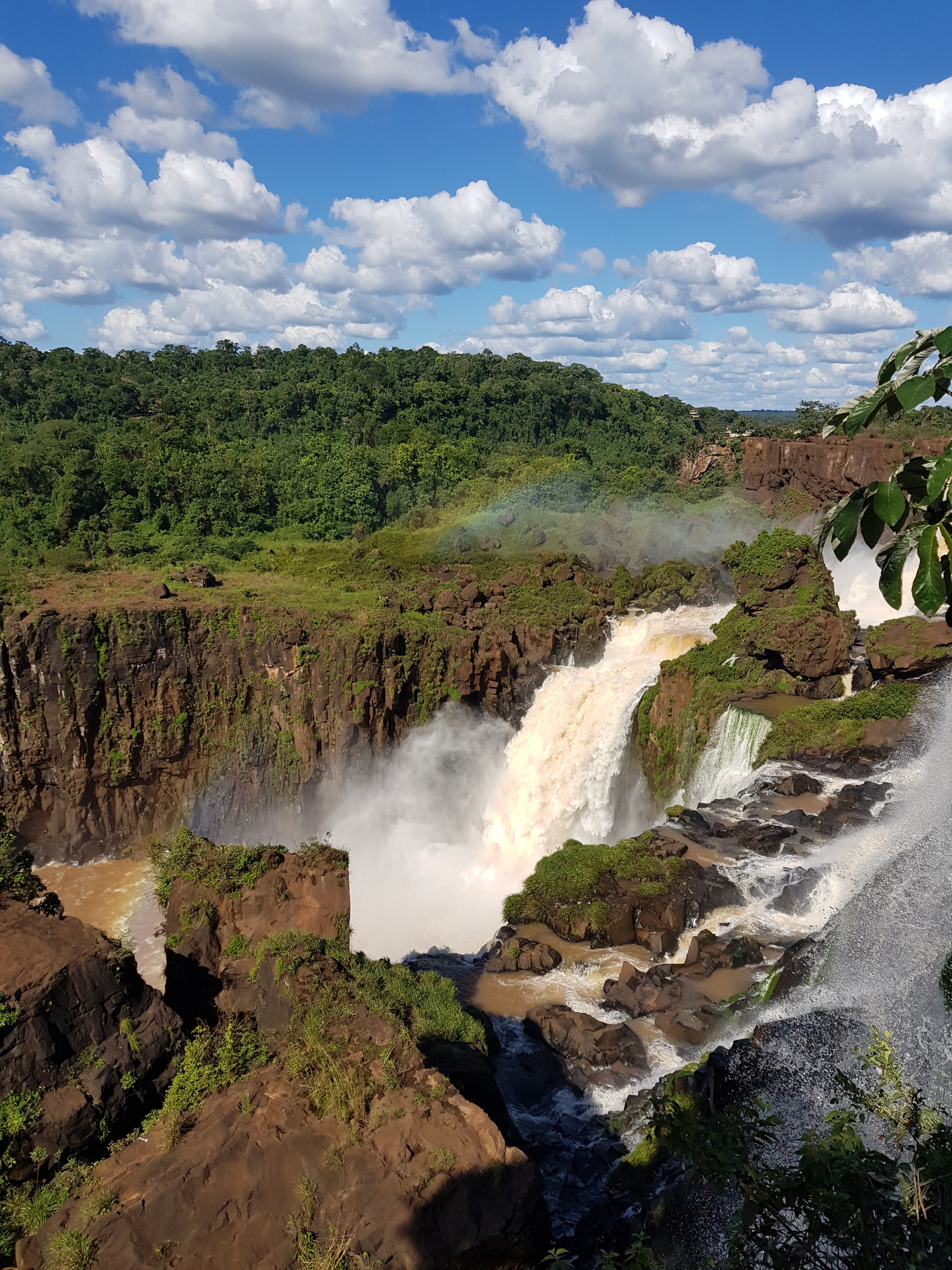
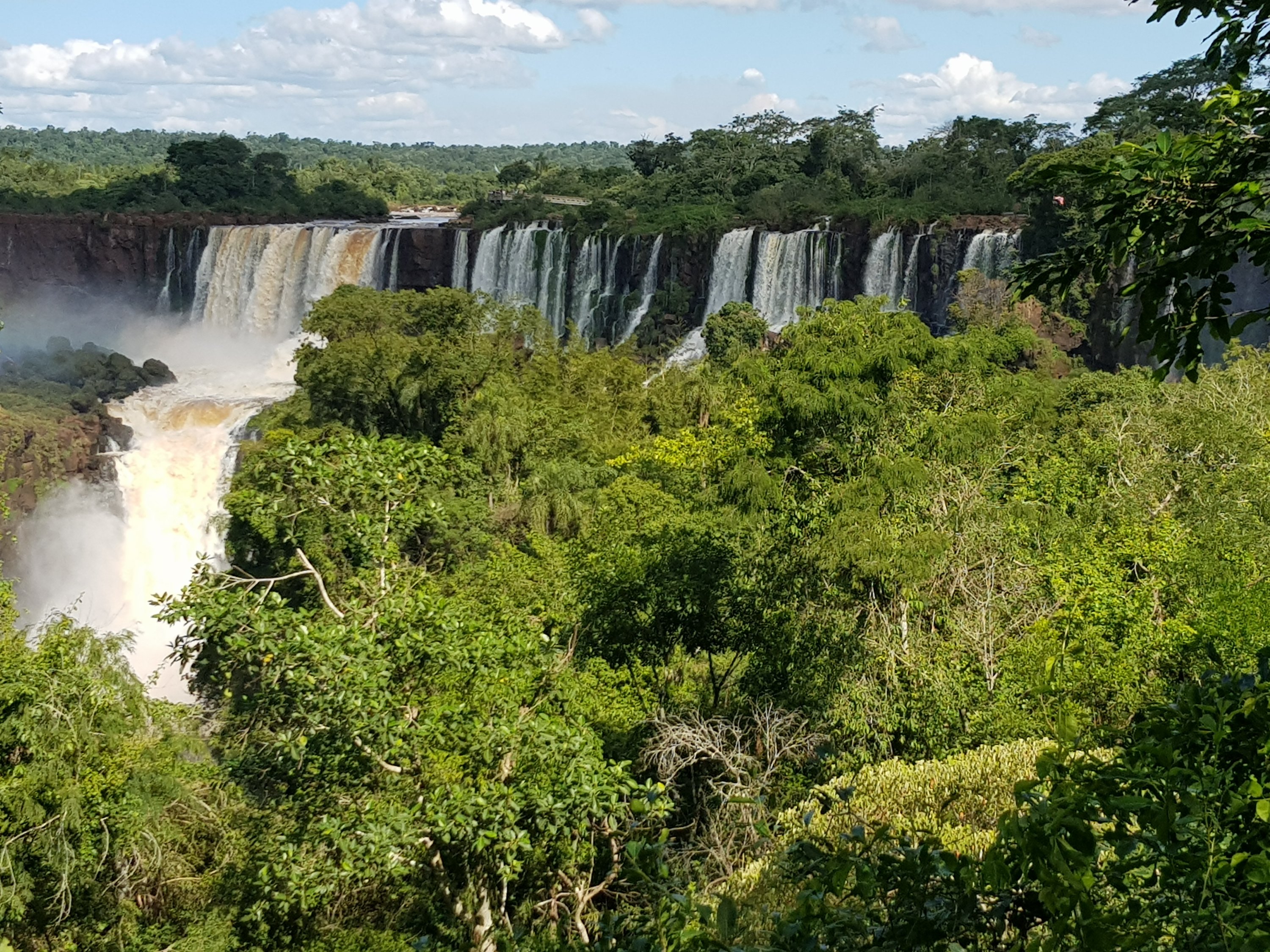
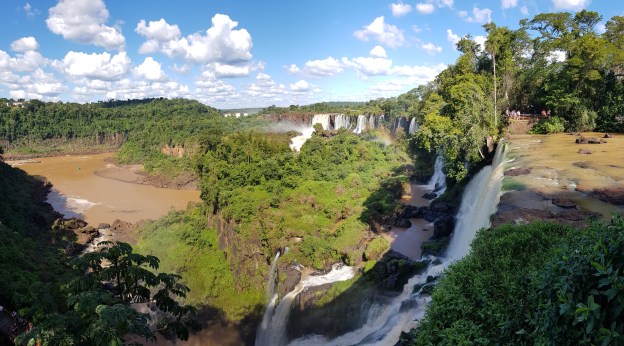
The Iguazu Falls meaning ‘big water’ in the native Guarani language, is a huge set of waterfalls set within the Misiones Jungle, at the Iguazu National Park. This world wonder provides a border between Argentina and Brazil, and a unique habitat for plants, trees, birds and other rare wild animals. I visited Iguazu for two days of exploring in the jungle and relaxing with good food and company.

Arriving in Puerto Iguazu

After a fifteen hour bus journey from Corrientes, I finally arrived at Puerto Iguazu. This town is the nearest settlement to the Argentina side of the Iguazu National Park. The town has several hotels and plenty of restaurants for relaxing evenings after exploring the jungle. I met up with a travel companion at this point, and we stayed in a hotel that was surrounded in jungle plants and had a very nice pool!

The jungle by day

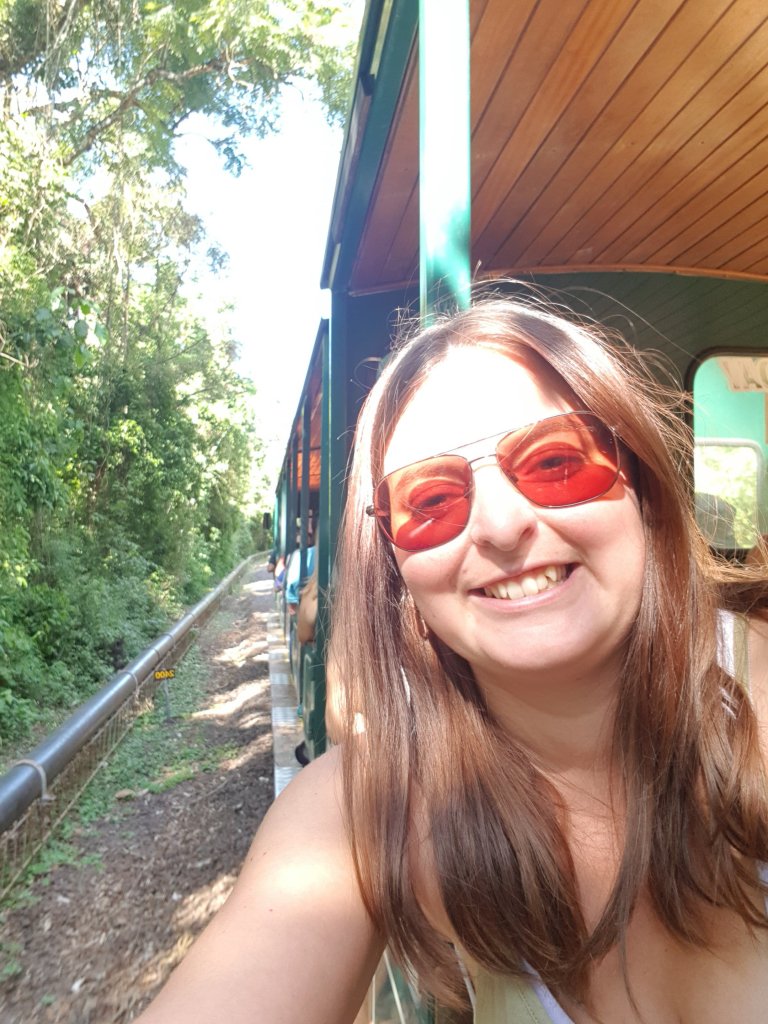
During my two days in Iguazu, I visited the national park on both days. The national park is under 30 minutes from the town, and on arrival there is a large visitor centre, cafe, and ticket offices. The park also has paved pathways to lead you through specific parts of the jungle, and various refreshment points. The most surprising piece of infrastructure was the park’s jungle train. It runs on a 3km track to take visitors to the largest fall that is furthest away, and is included in the admission for the park. It is also worth knowing that your second day in the park gets a discount if you show your previous ticket.

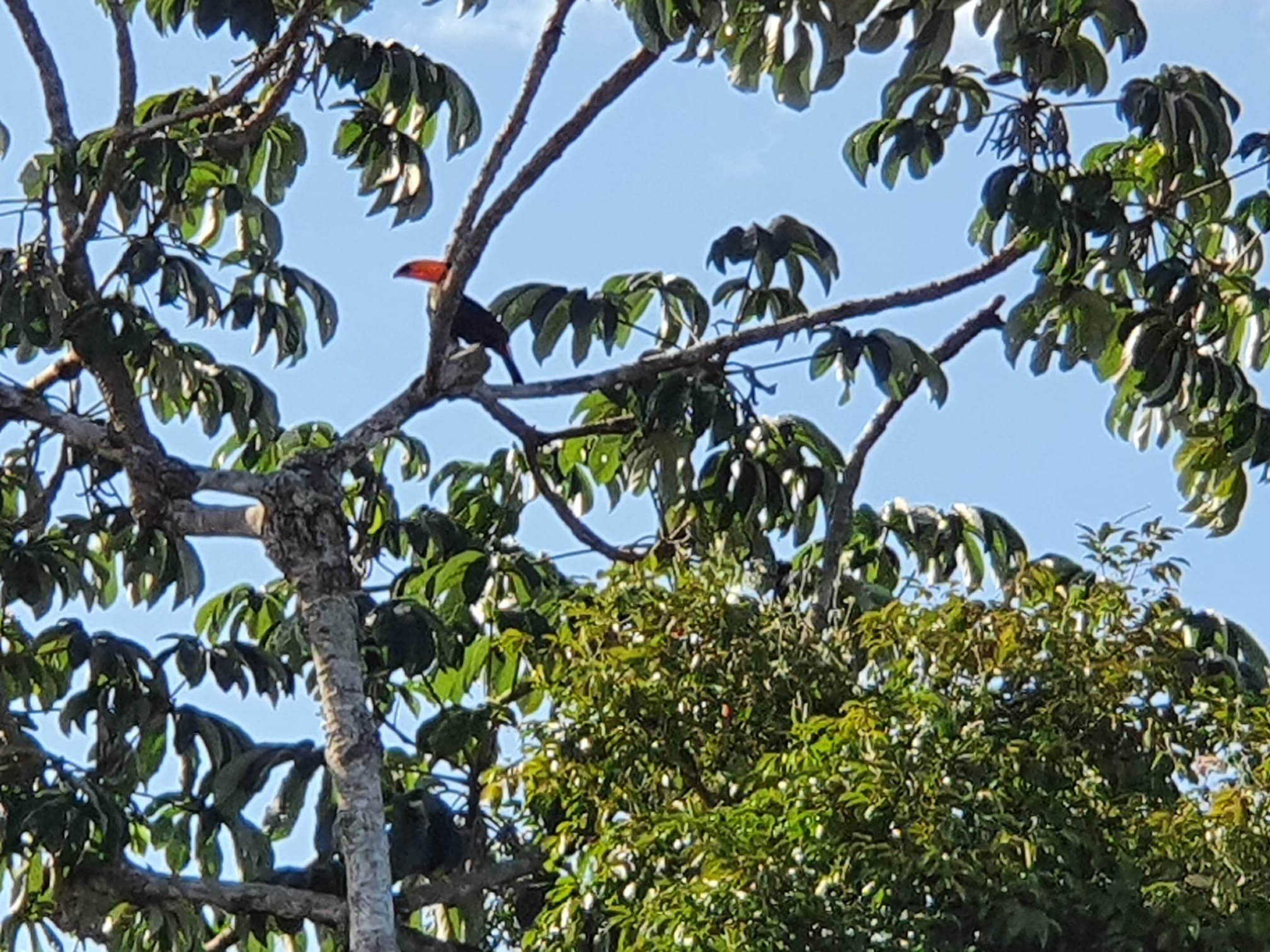
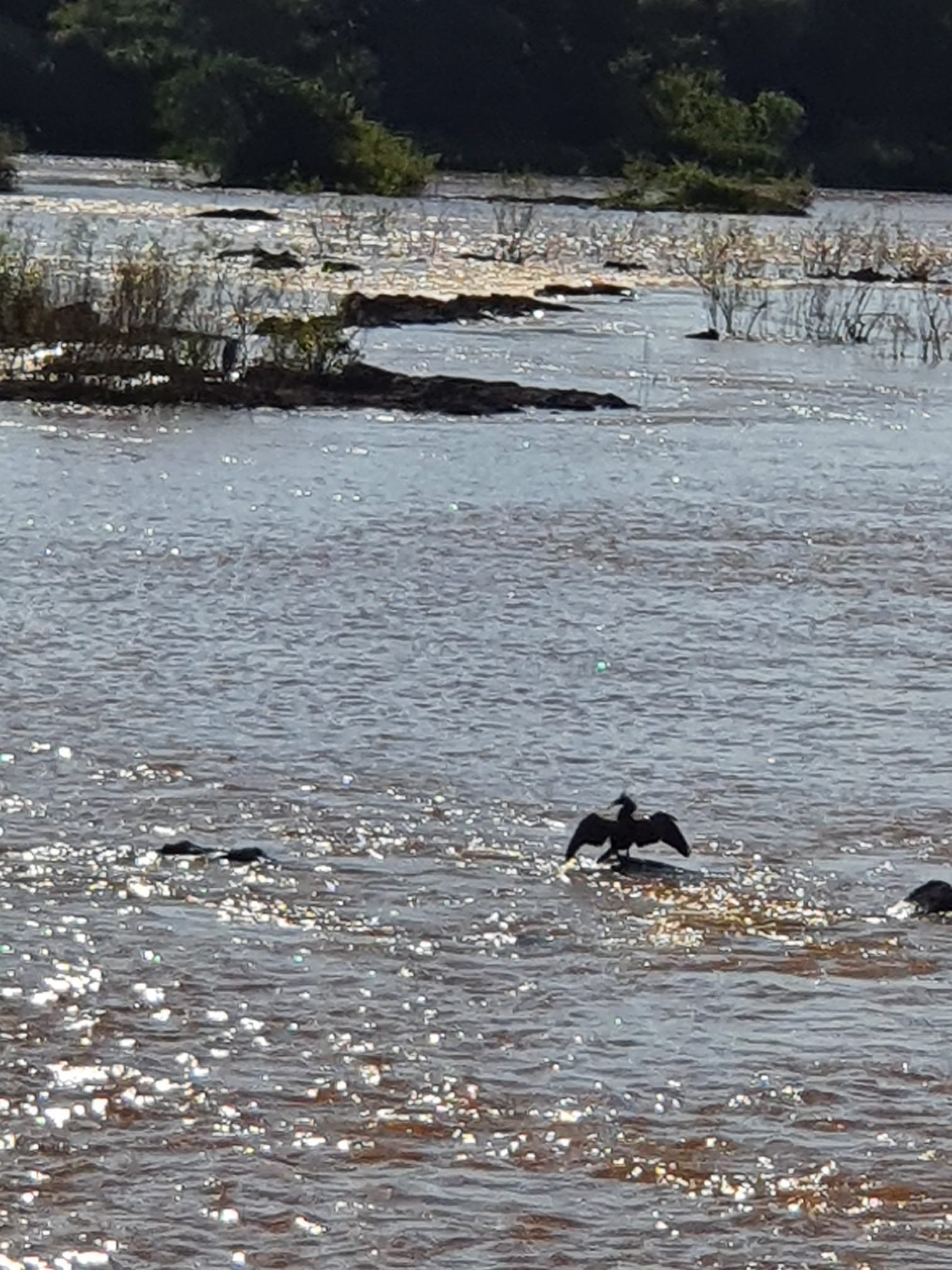
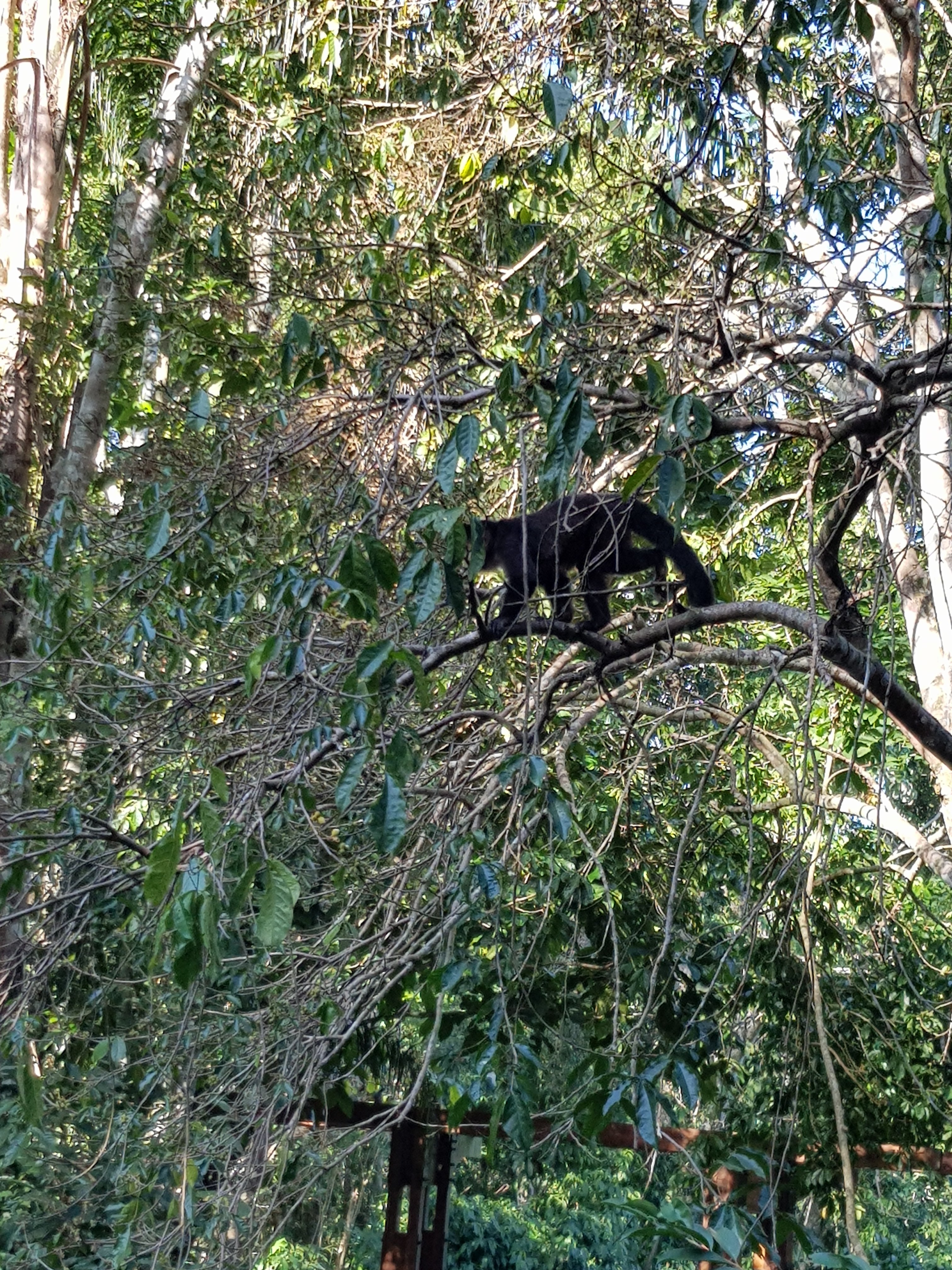
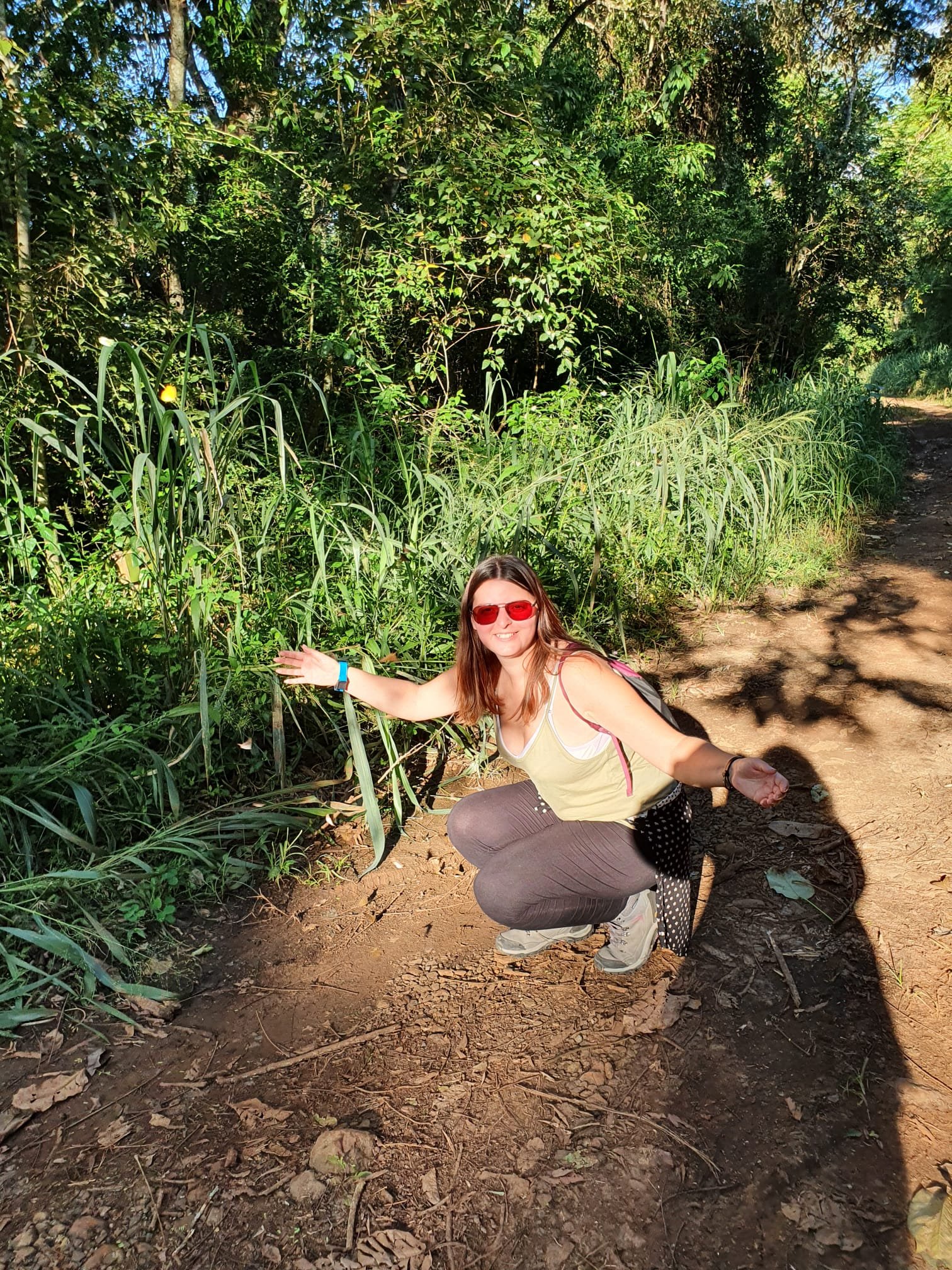
Whilst there was some human structures, the park in no way looked ‘well kept’. It is a very wild area and I was amazed at the amount of animals that I was able to see roaming around. In my short time there I was able to see monkeys, capybaras, coatis, toucans, parrots and condors. There were also beautiful insects to see such as colourful butterflies, and huge ant hills with ants carrying leaves back and forth. There were also pumas and jaguars in the park, but they kept to themselves!

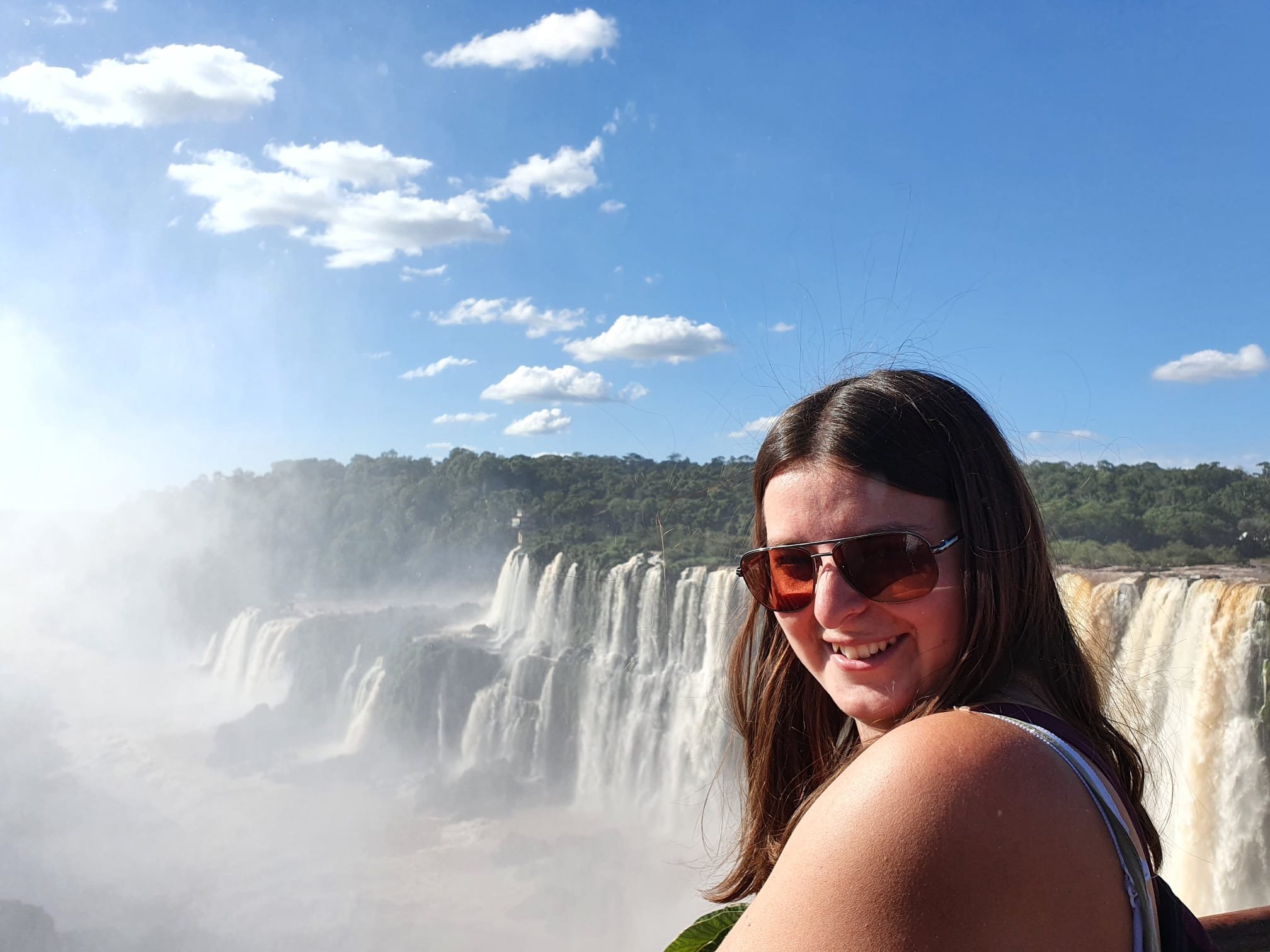
The jungle path led us through overlapping canopies of huge and unusual trees, until we reached the huge Iguazu river that flows through the park. To cross, there is a number of metal bridges to lead visitors to the largest fall ‘Giganta Del Diablo‘ (Devil’s throat). From here you can view the huge fall from a platform. There are several other paths to the other falls and other features of the park too. It seemed that everywhere you turned, there was a new wonder to behold! We only chose to walk around but other experiences are also offered, such as a river cruise, 4×4 drives, and repel experiences.

The jungle by night

Once a month, during a full moon cycle, there are a few days when you can visit Iguazu Jungle during the night, for a moonlight walk. I was excited to book this, and emailed the national park administration in advance to arrange my moonlight walk, followed by a traditional Argentine buffet.

There were at least twenty people in my group walk, and a guide that gave us a little information, but mostly warned us to not stray from the group, as the Jaguars would be out hunting! Slightly terrifying!

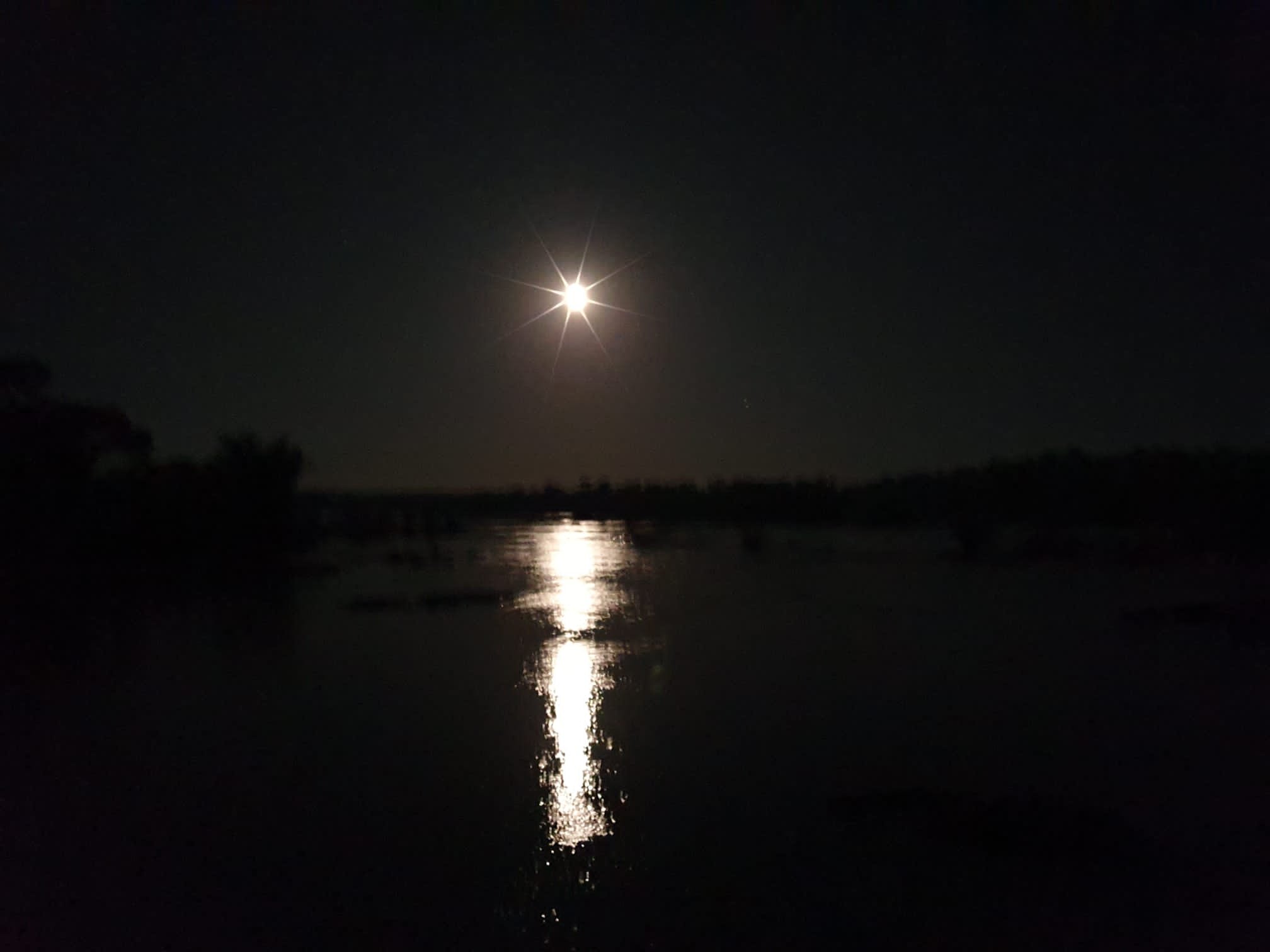
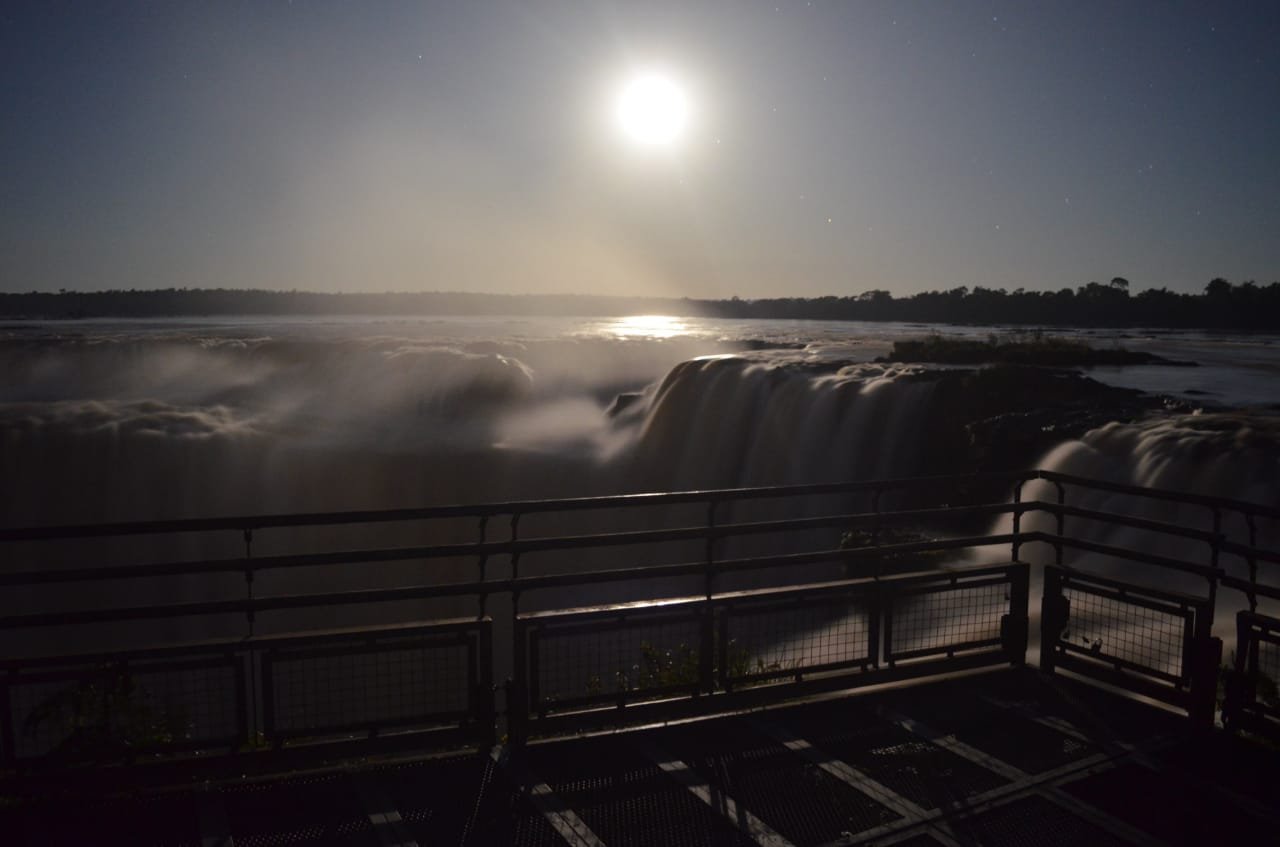
The tour used no lighting at all, not even a flashlight, we were entirely guided by moonlight. This made it quite special, as we could mainly just rely on the sounds of the jungle. We made our way through to the Devil’s Throat, over the many bridges, with the moon reflecting over the river water. The humidity in the jungle during the day had now dropped down to the ground, causing the bridges to be wet and slippery, which really added to the fear factor.

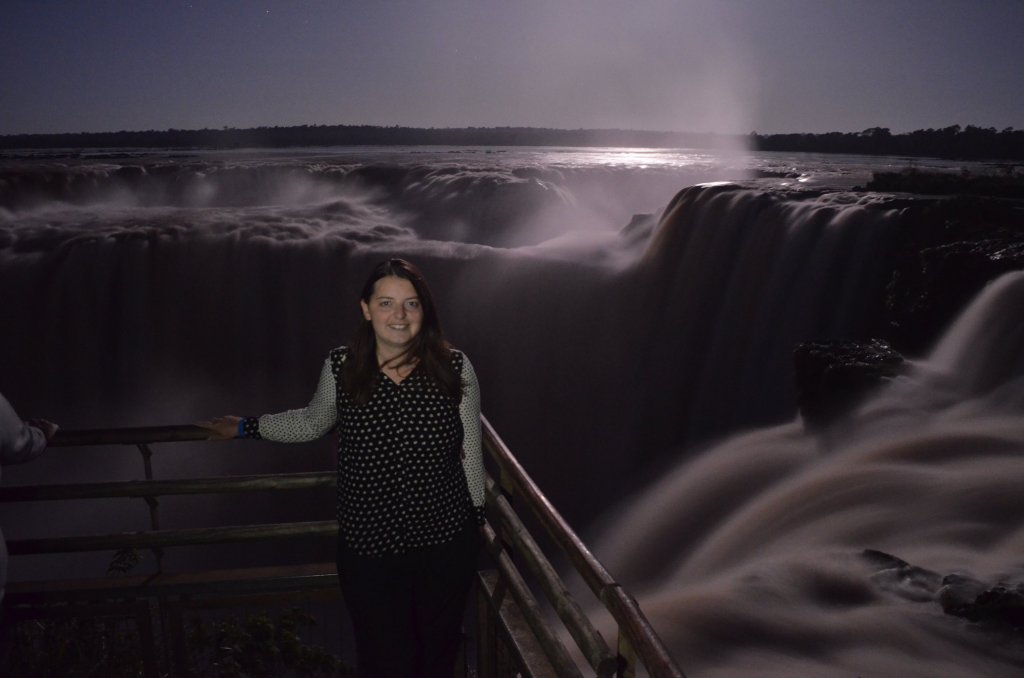
When we finally arrived at the waterfall, it was absolutely beautiful to see by moonlight. It shimmered in white and silver as it fell to the depth below, and the noise of it was deafening amongst the silence.

After the moonlight walk, we wondered to the national park’s restaurant for our traditional buffet. The restaurant was quite fancy, and had a huge parilla barbeque cooking meat of all kinds. I must have had at least three plates of food at that restaurant, as well as a dessert. I was stuffed, but it was also absolutely delicious!

After my weekend in the jungle, I set off to return to Buenos Aires for my final two weeks in Argentina. Iguazu certainly earns its title as a natural world wonder, it is an astonishing place with an abundance of wildlife, and I would be happy to revisit!

Corrientes, Argentina & Ibera National Park

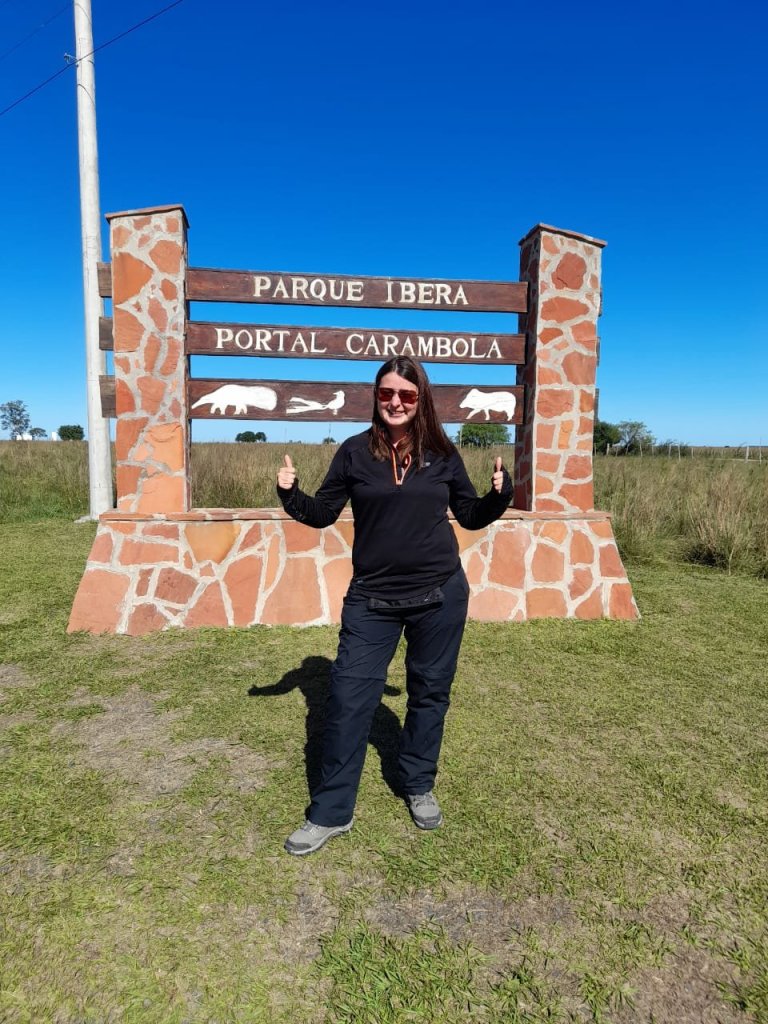
Corrientes city was supposed to just be a stopover on my way to Iguazu National Park, but due to the bus schedules, I had to stay for almost three nights. This ended up being a stroke of luck as not only could I enjoy the city, but especially because I was able to visit Argentina’s biggest National Park, and the world’s second largest wetland, Ibera National Park.

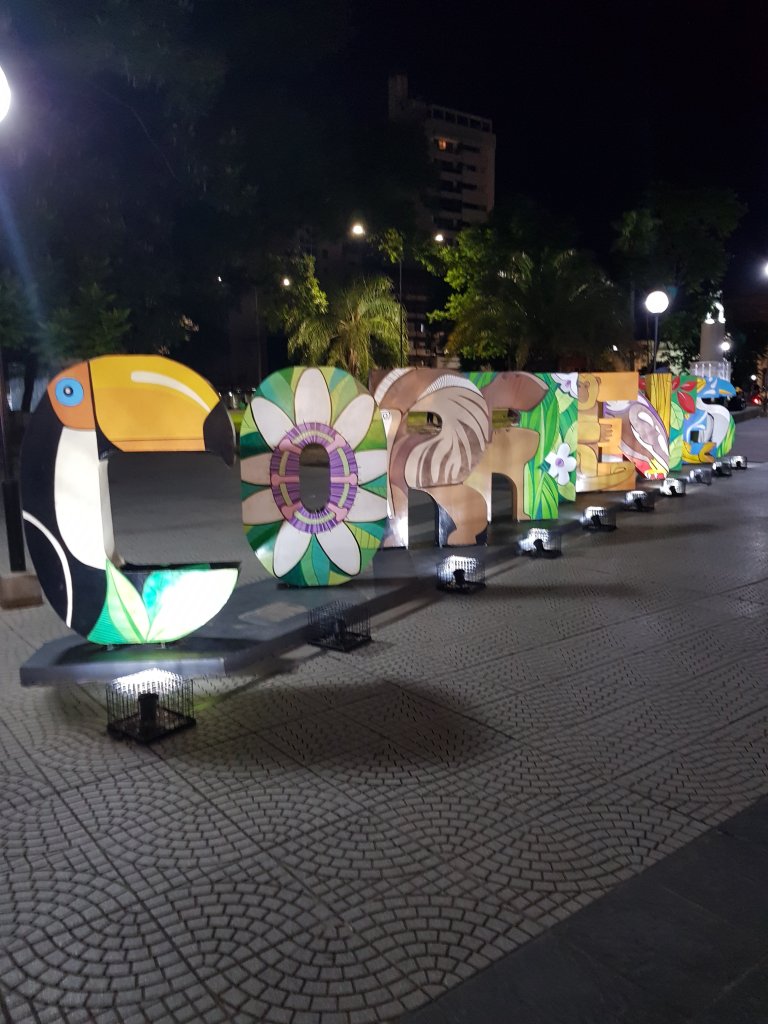
Corrientes city is the capital of the Corrientes province in the North of Argentina. I wasn’t sure what to expect as many people asked me ‘why are you going there?’. There is little publicised about this city or the nearby national park to visitors. It is still one of the world’s less explored locations. I am very happy about this. The city has a mix of some modern amenities but also a lot of old school traditions. Ever seen a road sign that says that pulling your horse and wagon through is prohibited? Now, I can say that I have. There are plenty of people still using horses to get around, and it is brilliant to see. Made me feel that maybe I could get picked up and trotted away by a local cowboy!

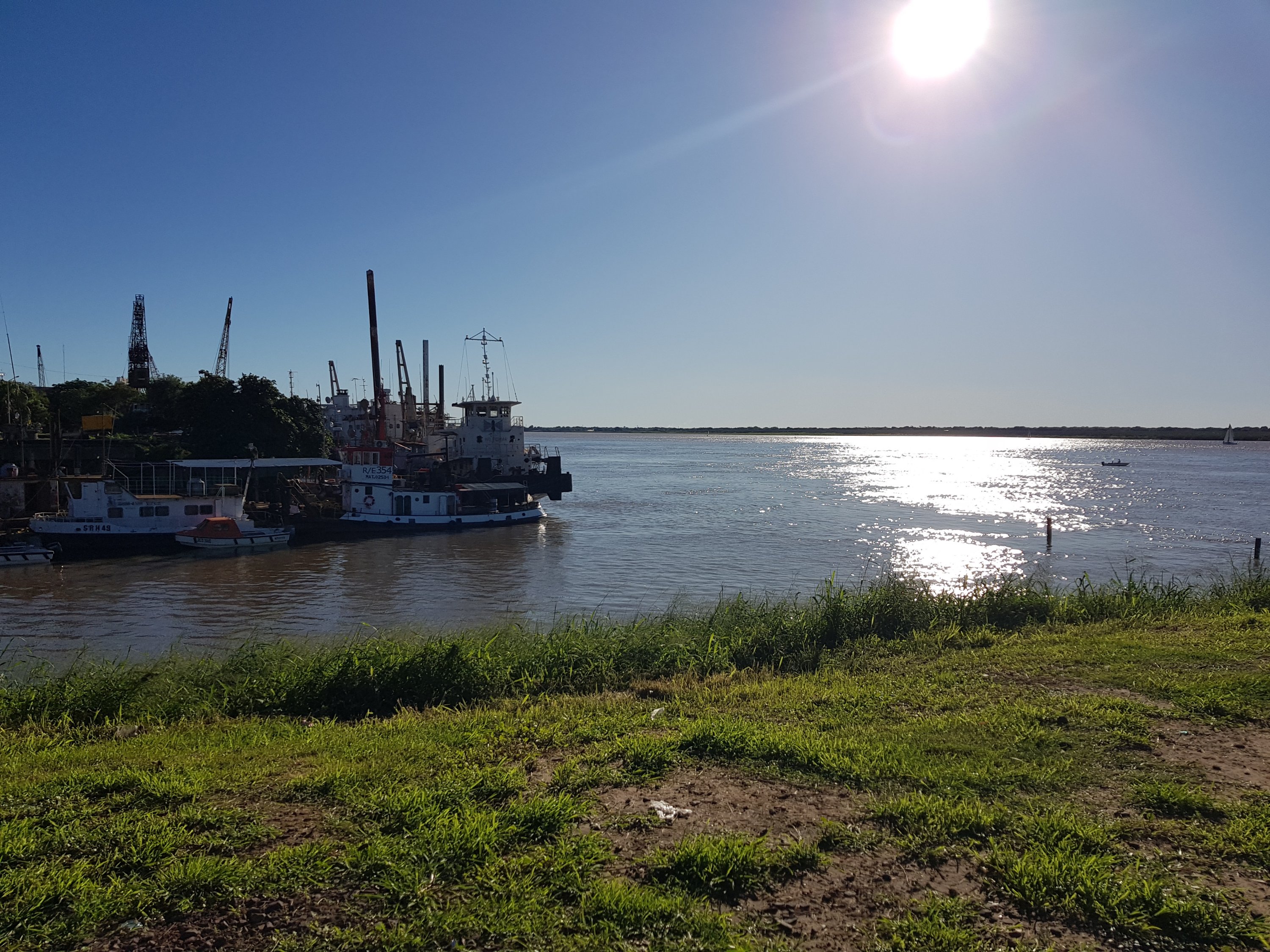
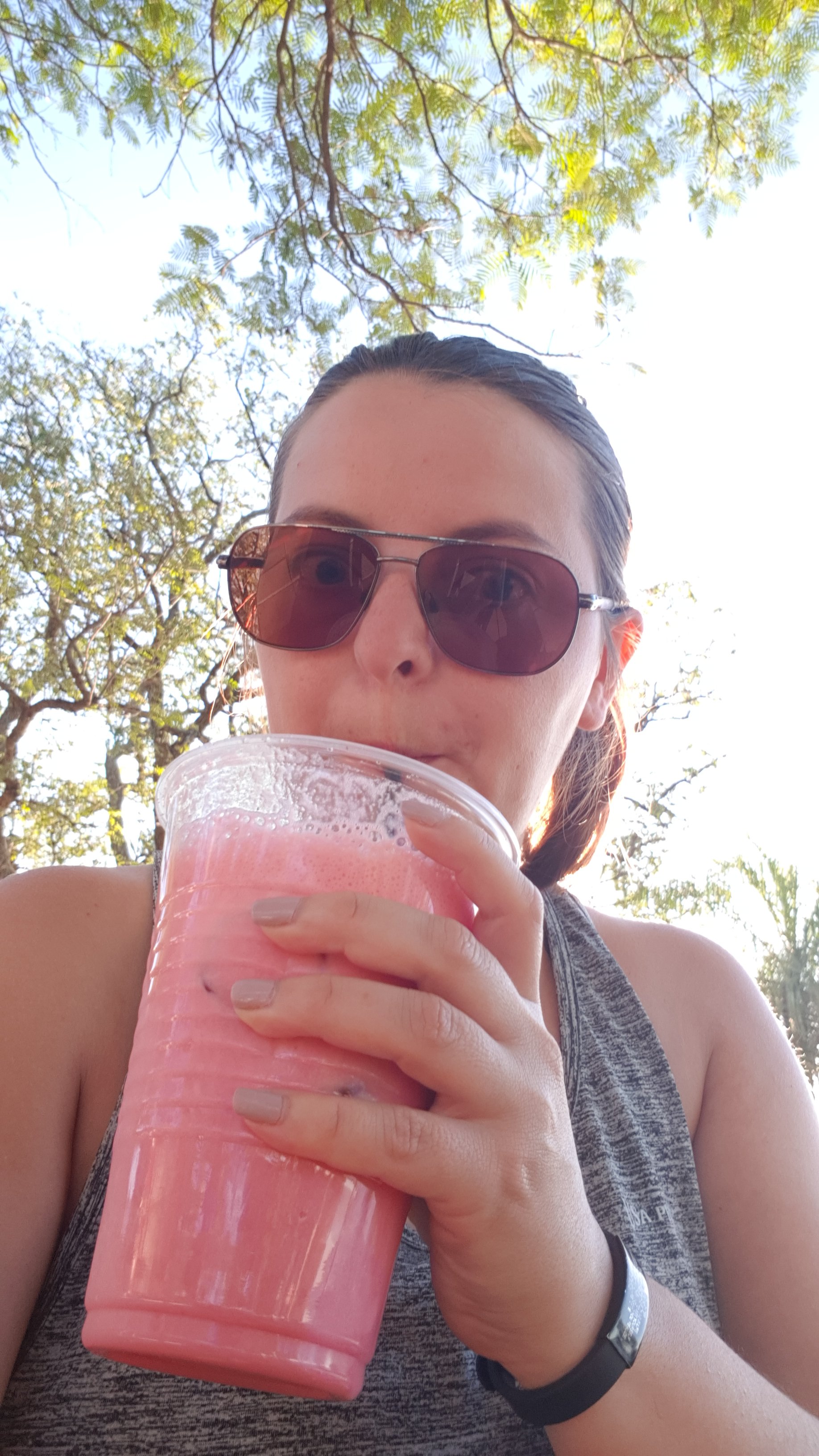
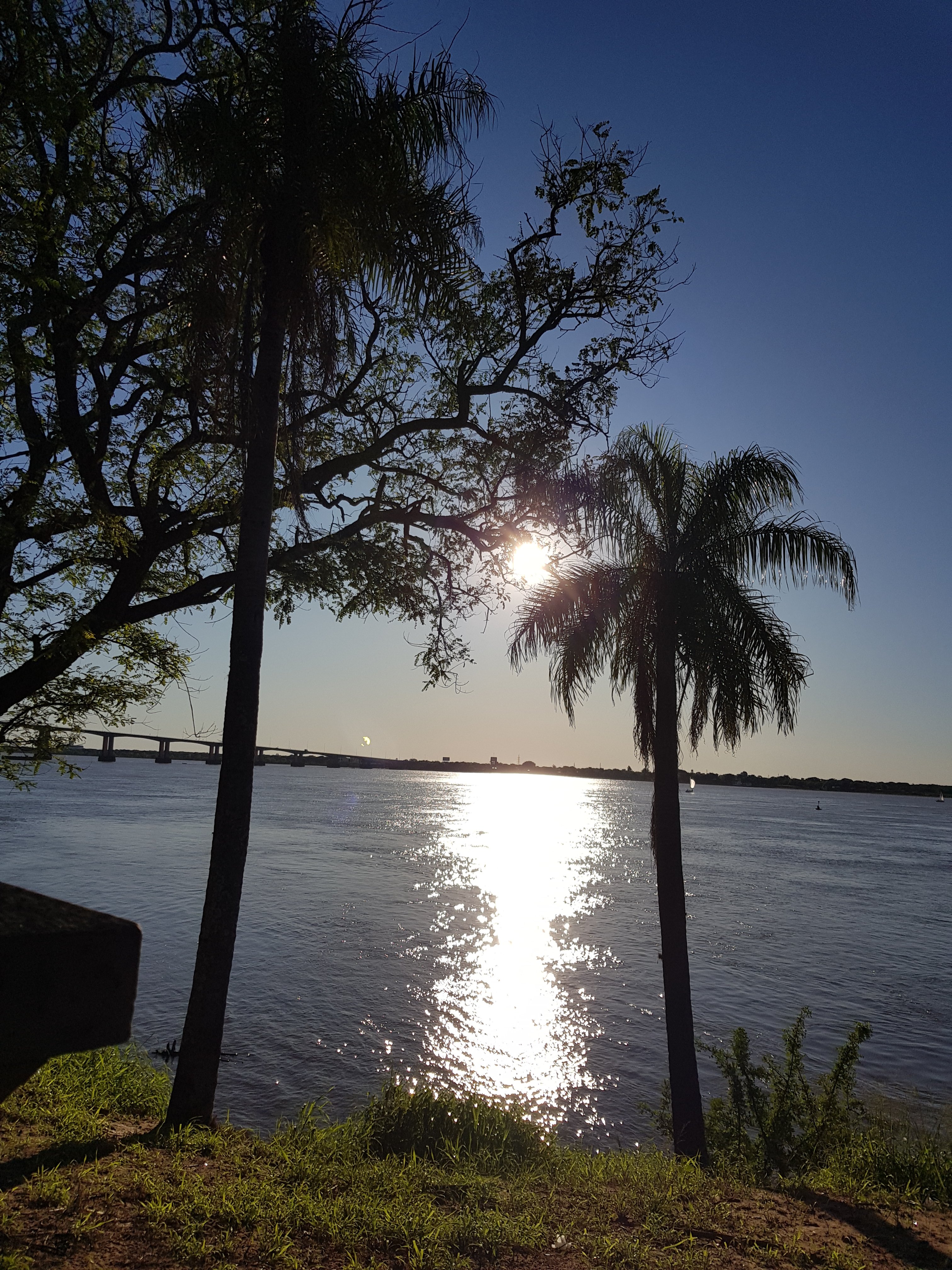
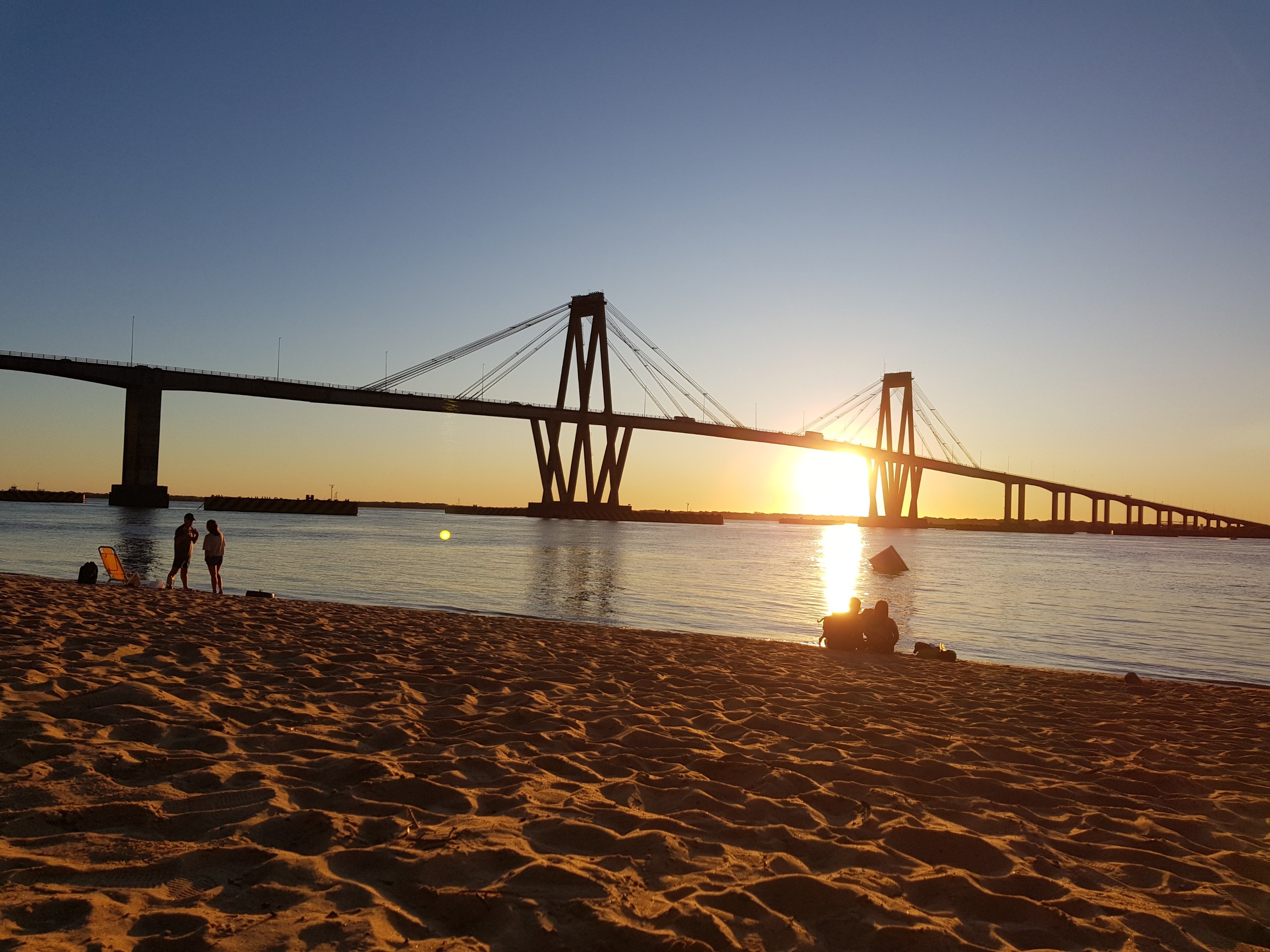
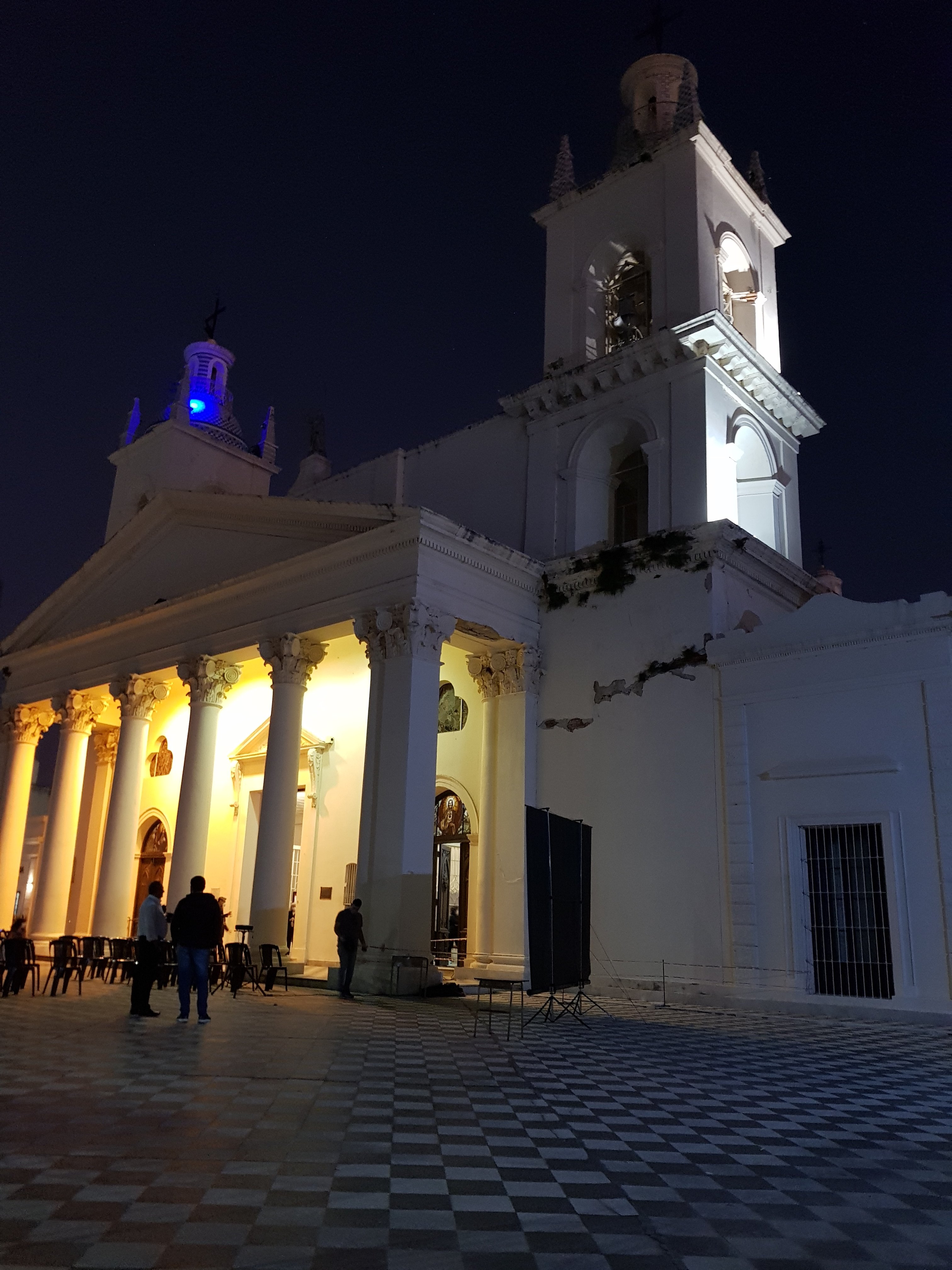
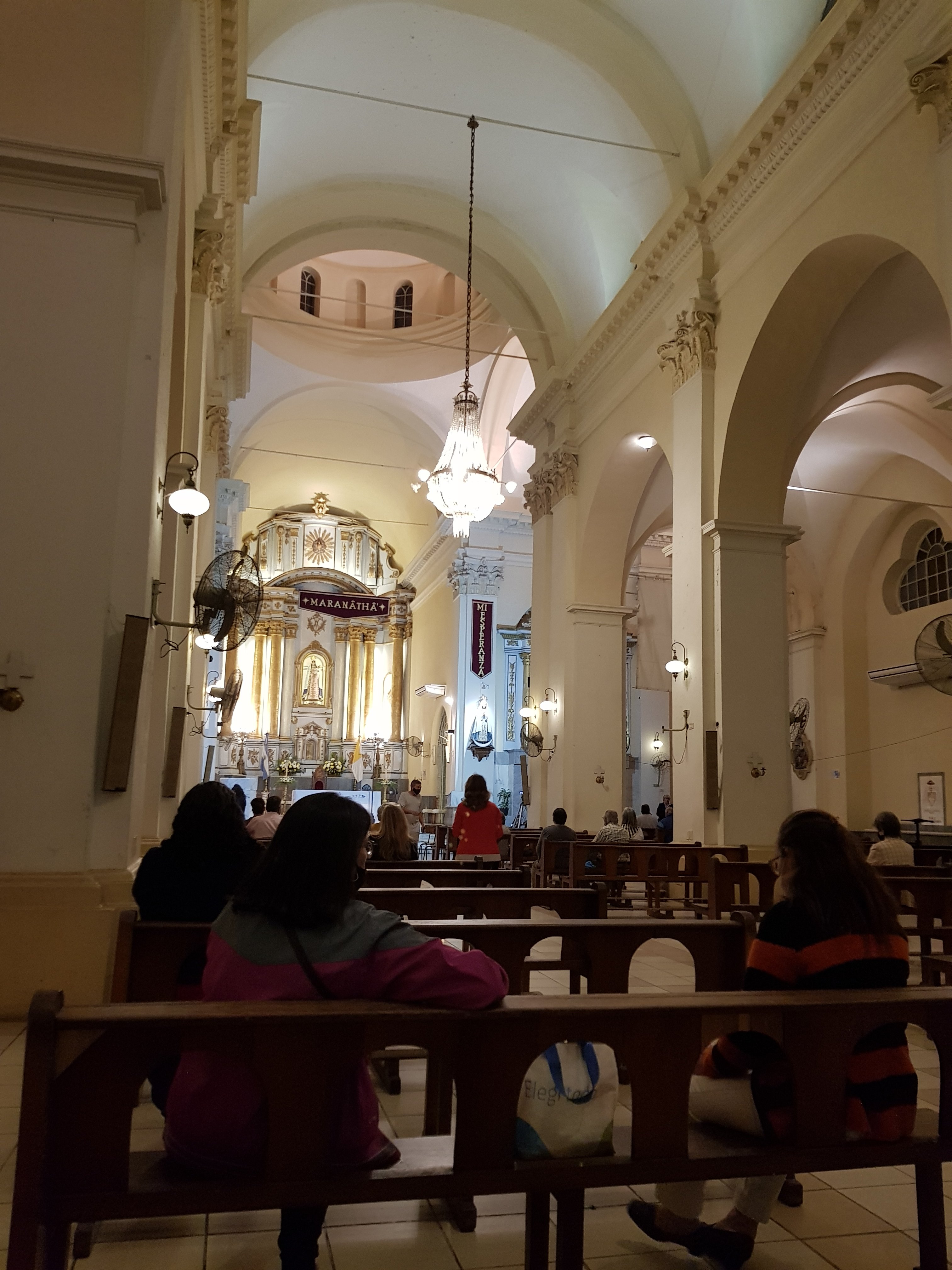
The city sits within this huge wetland area and has the huge Parana river separating it from the next big town. This huge river provides a promenade to enjoy and some beaches, so it is a good place to relax. I enjoyed a local ‘chipa’ (dough cooked over bamboo) and a smoothie whilst enjoying the sunset here. Later in the evening, I had a pleasant experience at the holy week mass in the main cathedral.

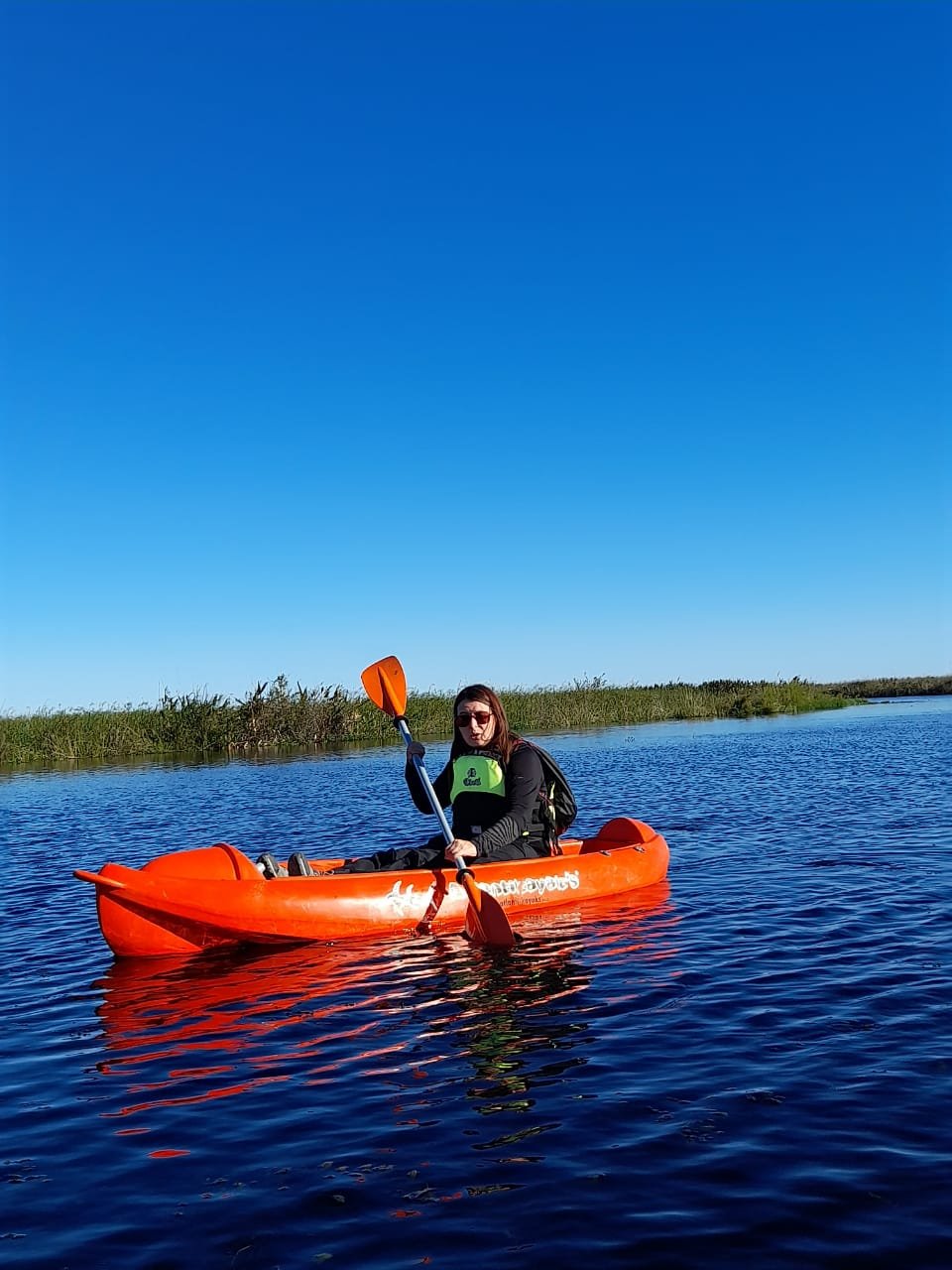
It was the week of Easter when I visited, and so all the local tour agencies were very busy. I was worried I would not be able to get out to Ibera National Park (also known as Esteros del Ibera), as it is 2.5 hours from the city, and I didn’t have the confidence to hire a car alone to this wild area. After some long whatsapp conversations with a few agencies, they managed to arrange a private transfer to Concepcion, which is a town that offers one of the access points into the park, and a long kayak trip on the rivers and bogs!

The Park is about 1 million and three hundred thousand acres in size. It not only comprises of rivers, bogs and lakes, but also grasslands, forests and savannas, depending on the part of the park you are in. The park is abundant in wildlife and is used to reintroduce many indigenous species. Deers, anteaters, caimans, and even tigers called Yaguareté can be found here.

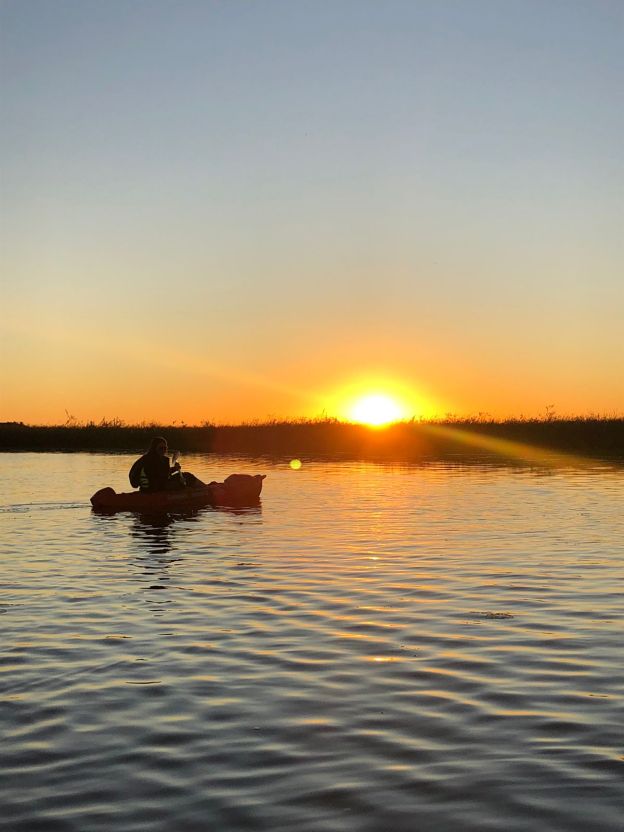
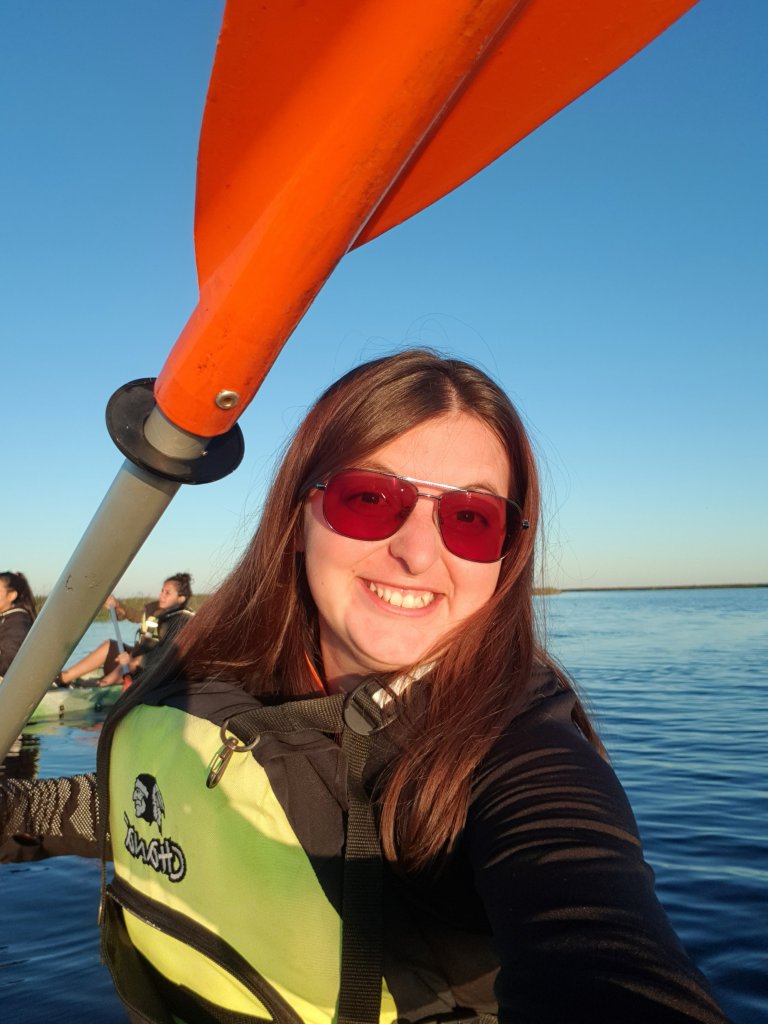
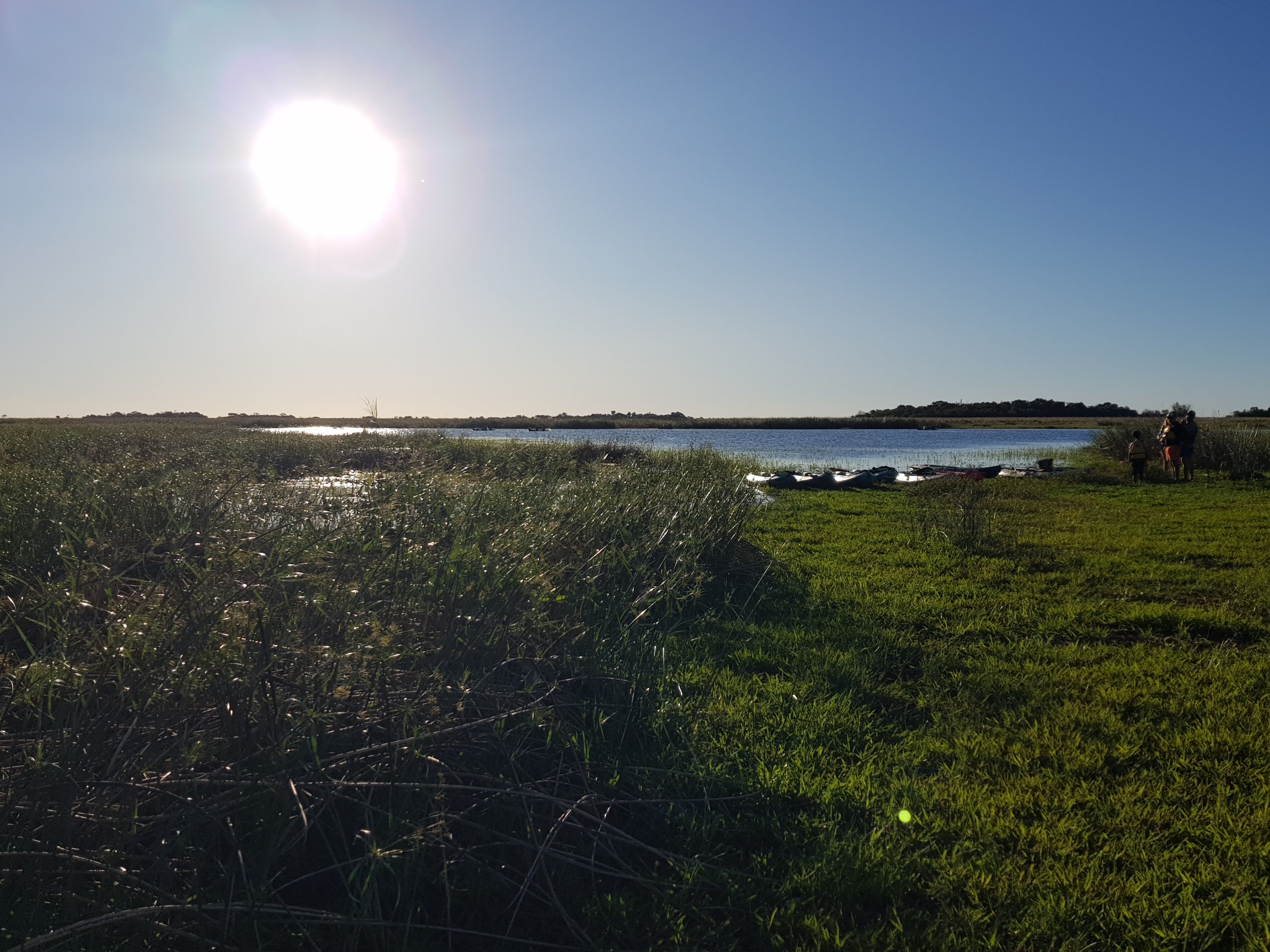
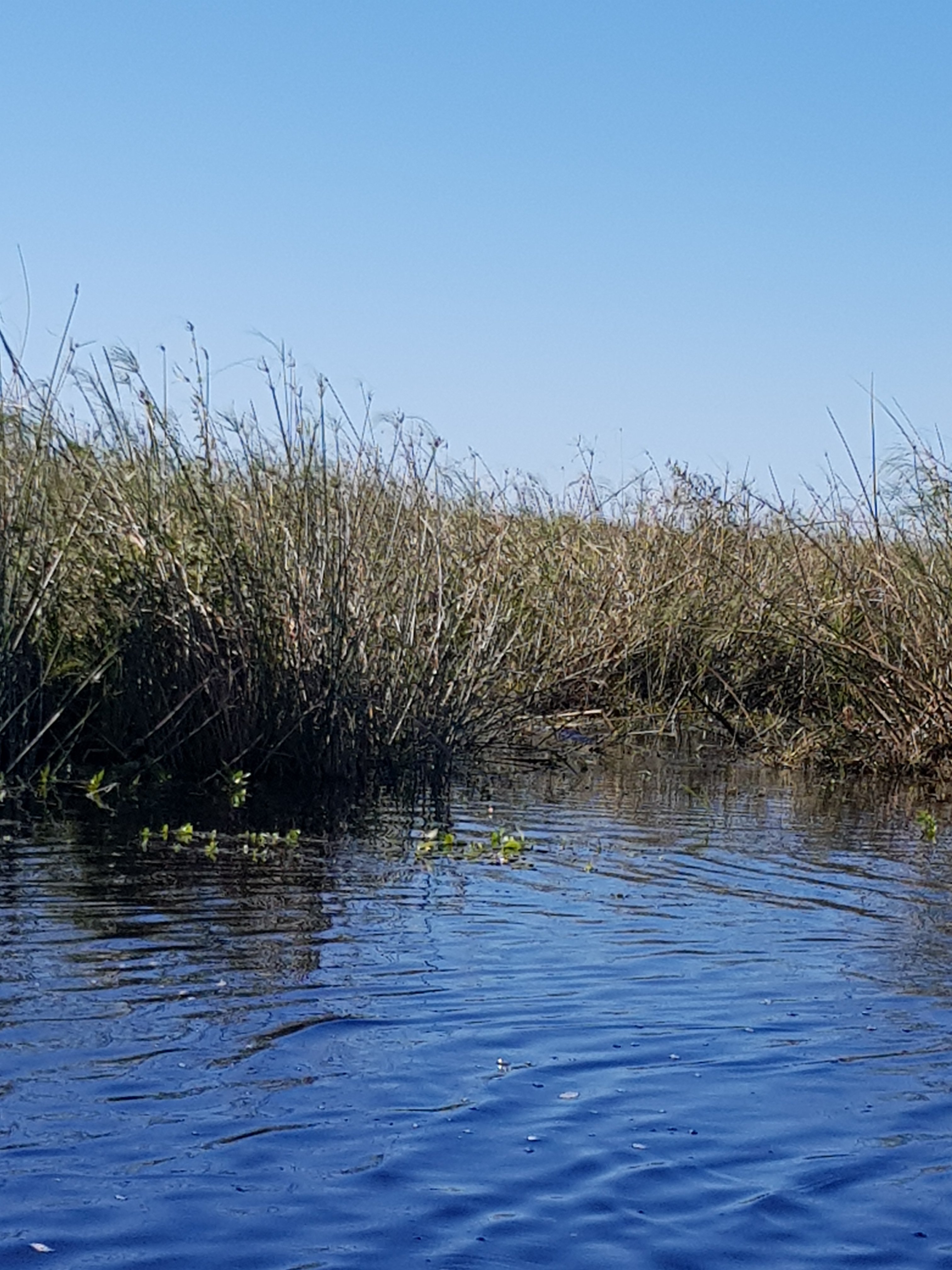
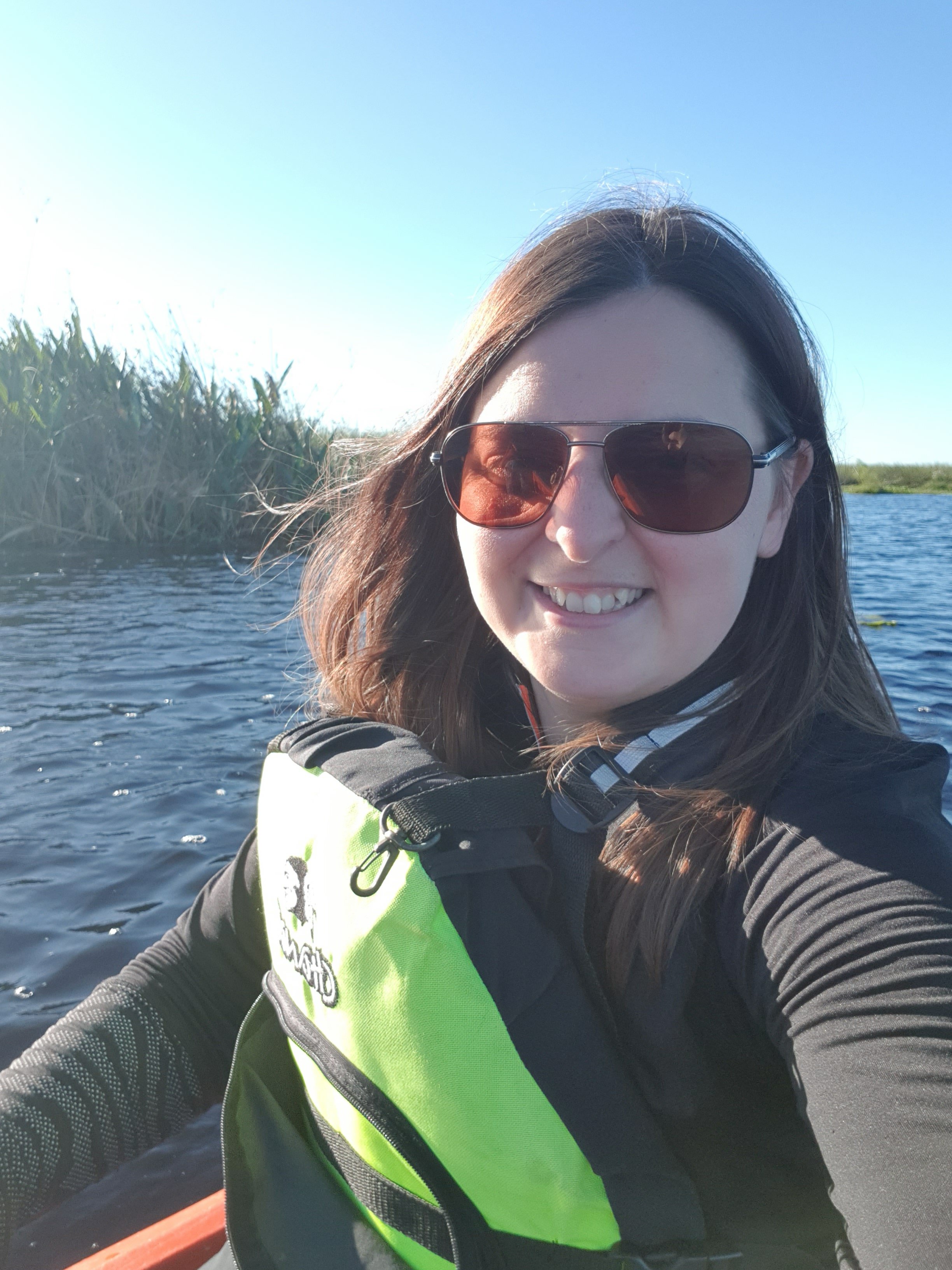
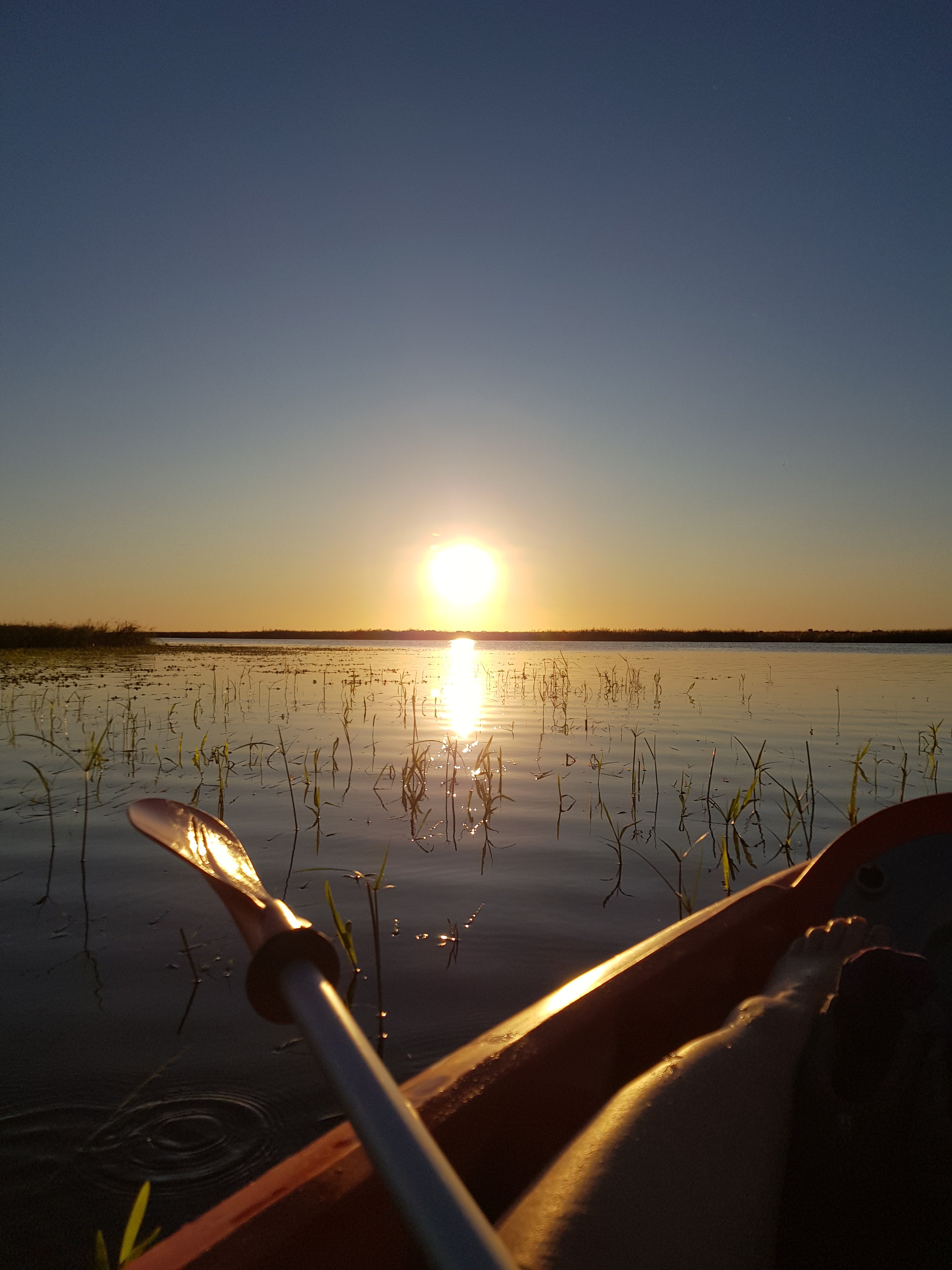
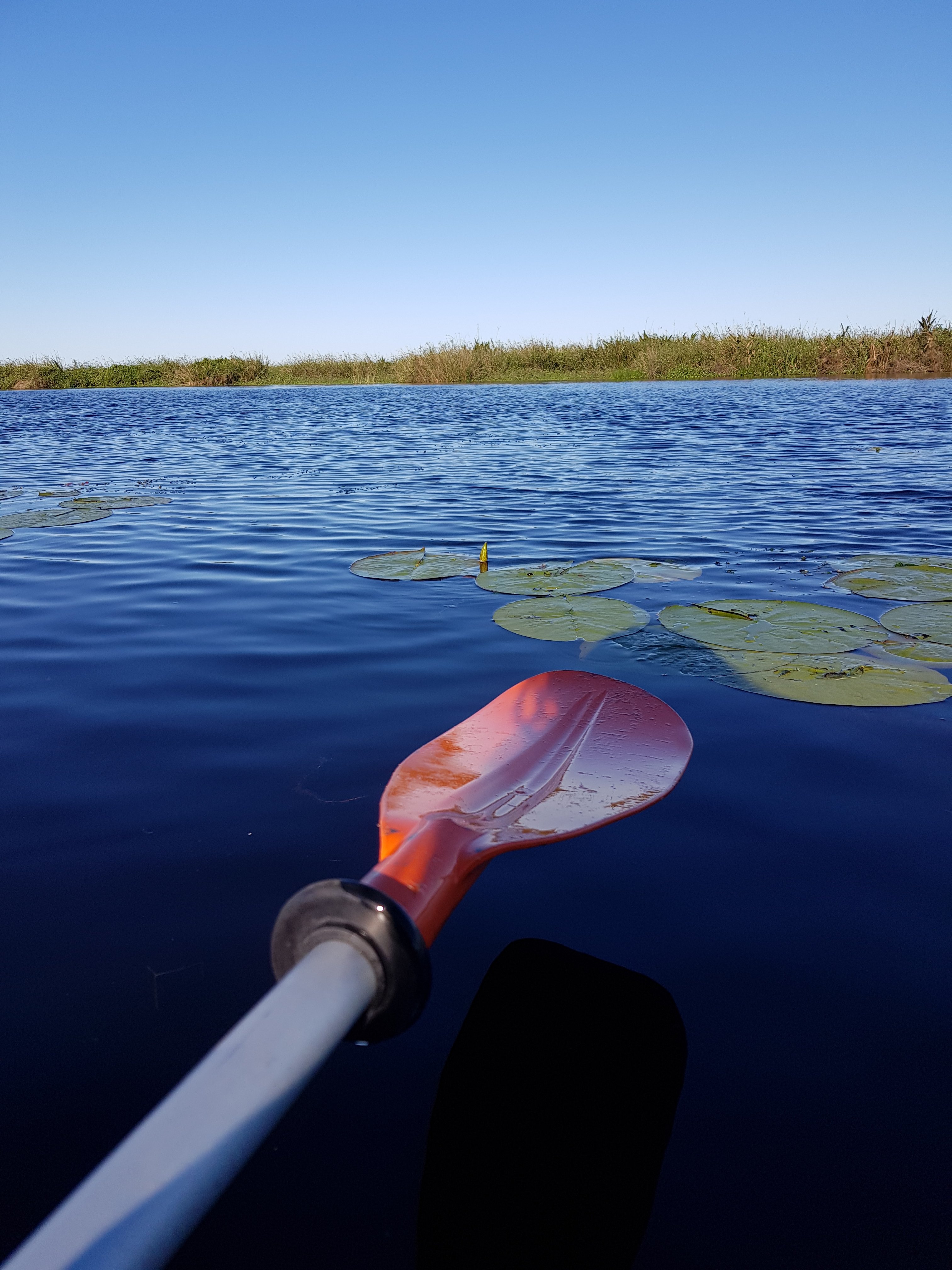
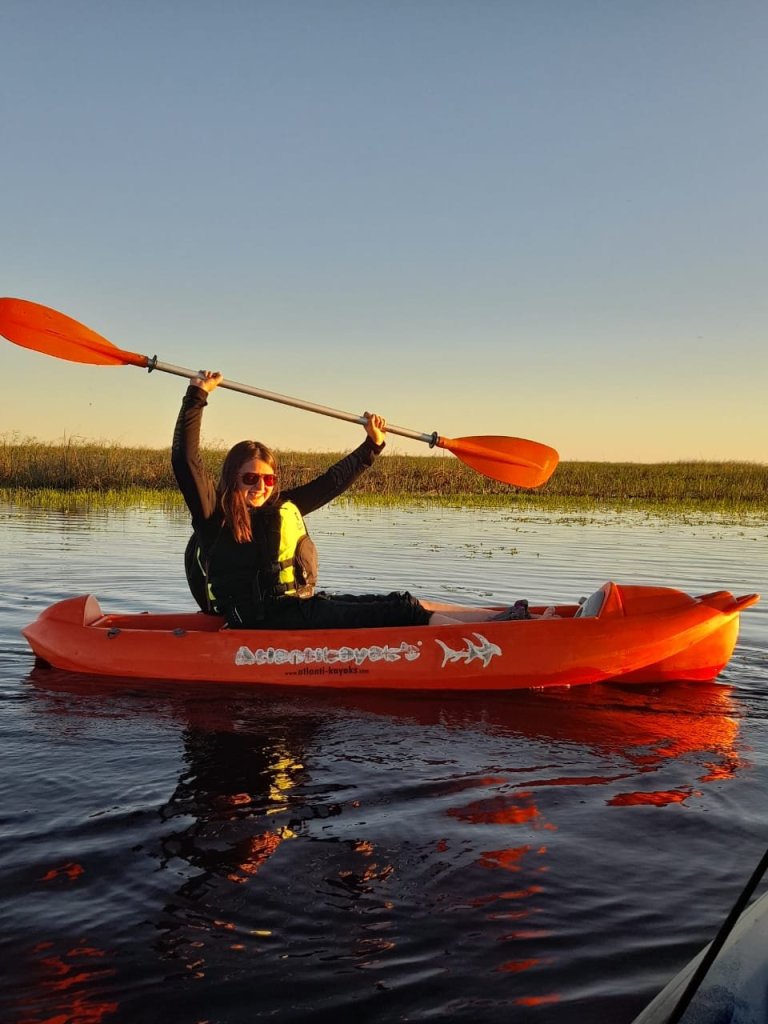
I set off in my kayak with a group of Argentine people surrounded in marshy waters with lily pads all around. Within ten minutes I saw my first caimen, specifically a Yacare caiman which is medium sized (growing up to 3 metres). It was just poking out of the water, until I got a little closer, then I could see it slip away with that long tail swimming side to side. Amazing! Within half an hour, I had seen another two. It was such a cool experience. I was a little nervous, but the guide assured me that they would not attack, and they did seem quite timid really.

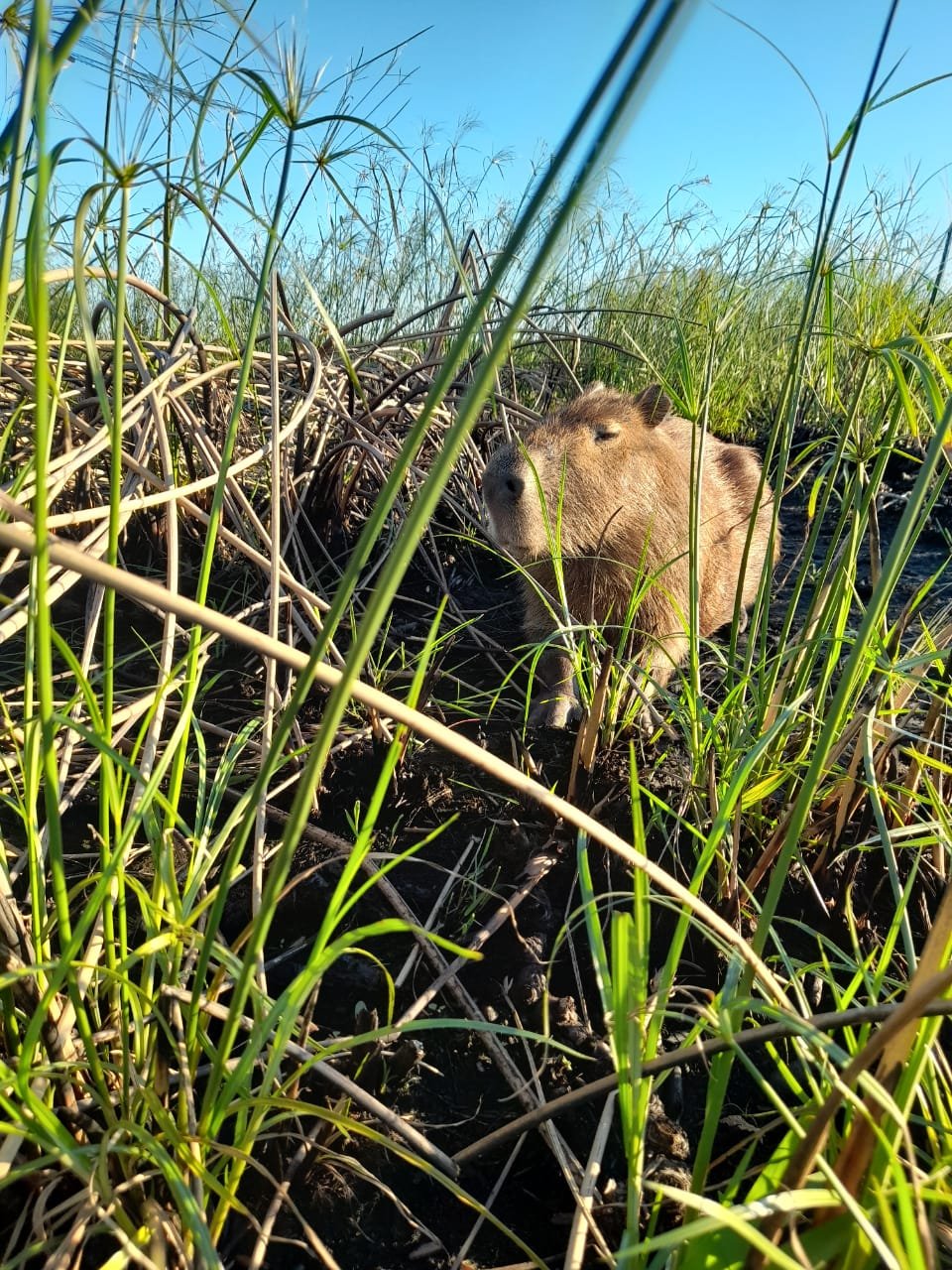
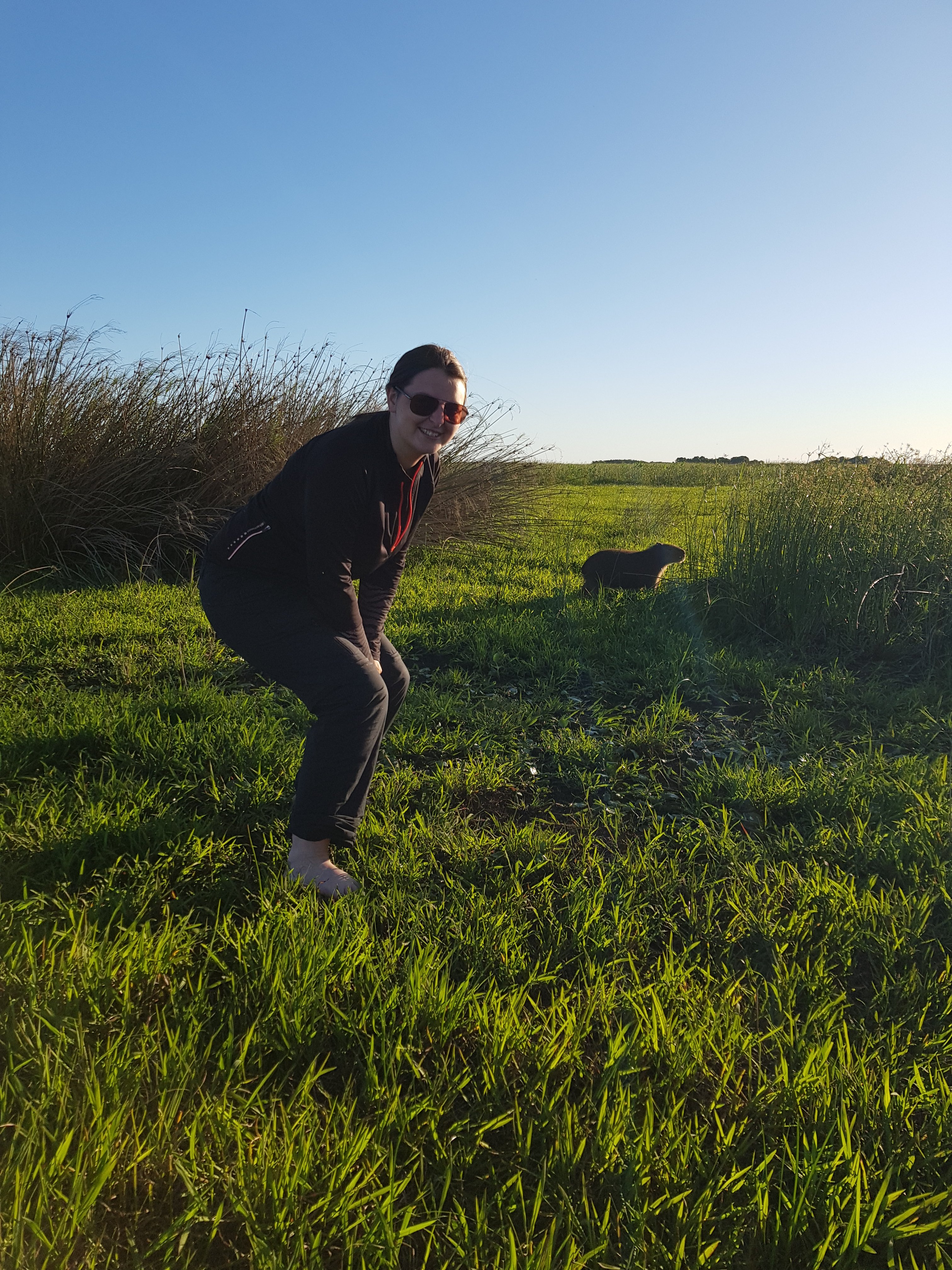
As I continued to row along, I saw beautiful and noisy birds of different colours, and enjoyed the scenery. We stopped for a picnic on top of the grasses, and as we began to dig into our sandwiches, a big Carpincho came by to have a look. These animals are known for being the biggest rodents in the world, and there are plenty of them in this national park. Shortly after this we saw a deer, followed by an owl, and even a south american racoon! I was very happy, I felt like all the animals had come out to see us.

I began to row back with a view of the sunsetting on one side, and a full moon on the other. One of the most beautiful scenes of my life.

The park can be explored by kayak, motor boat and by horse! Although.. you and the horse will have to get a little wet. I would love to return here and stay in the park itself for a few more days exploring other parts, because, just WOW!

The adventure isn’t over yet though, next stop Iguazu National Park! EEEEeeekkkk!

Cordoba, Argentina: ‘City of Bells’ / ‘La Docta’ / Cultural Capital

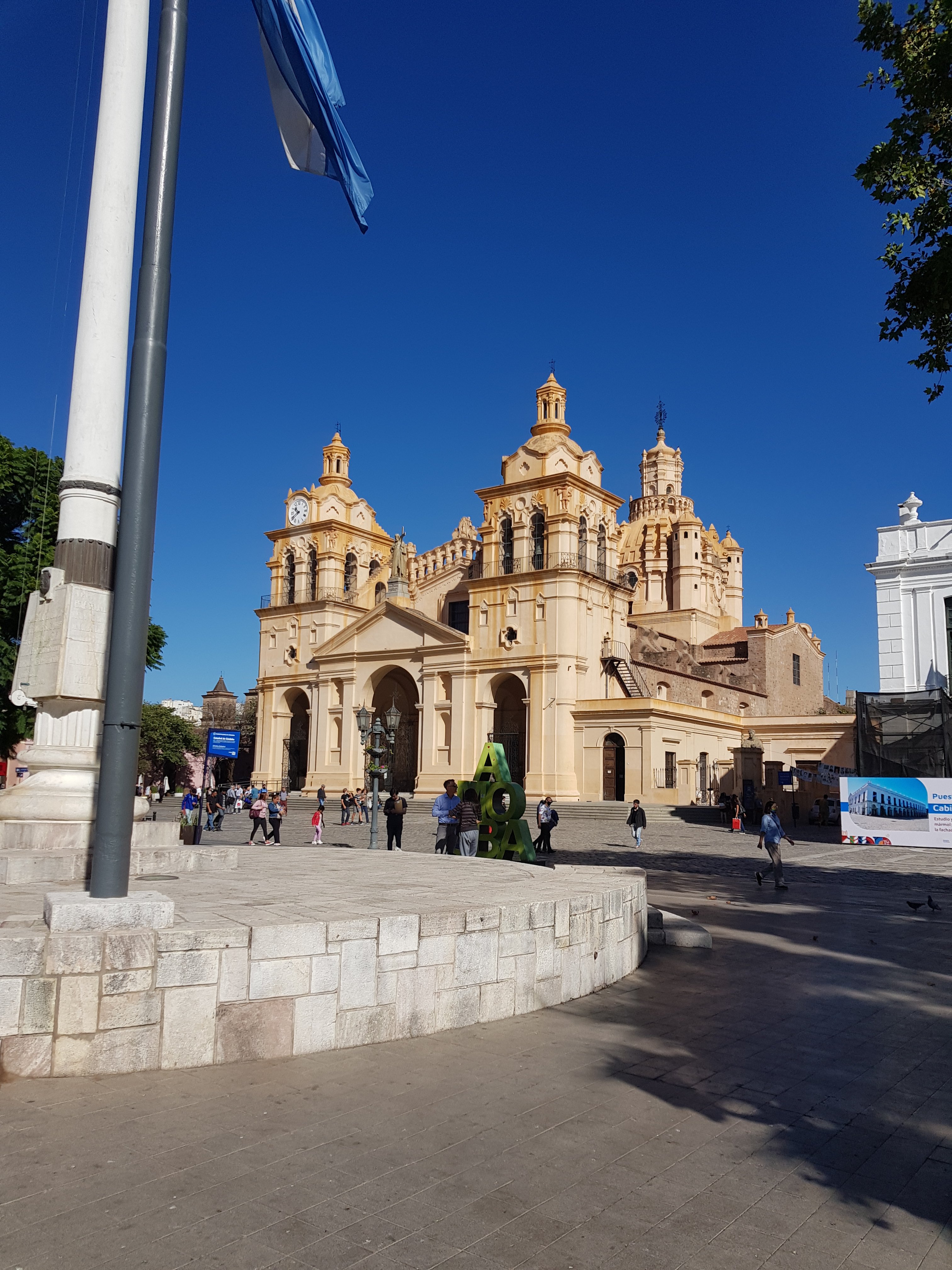
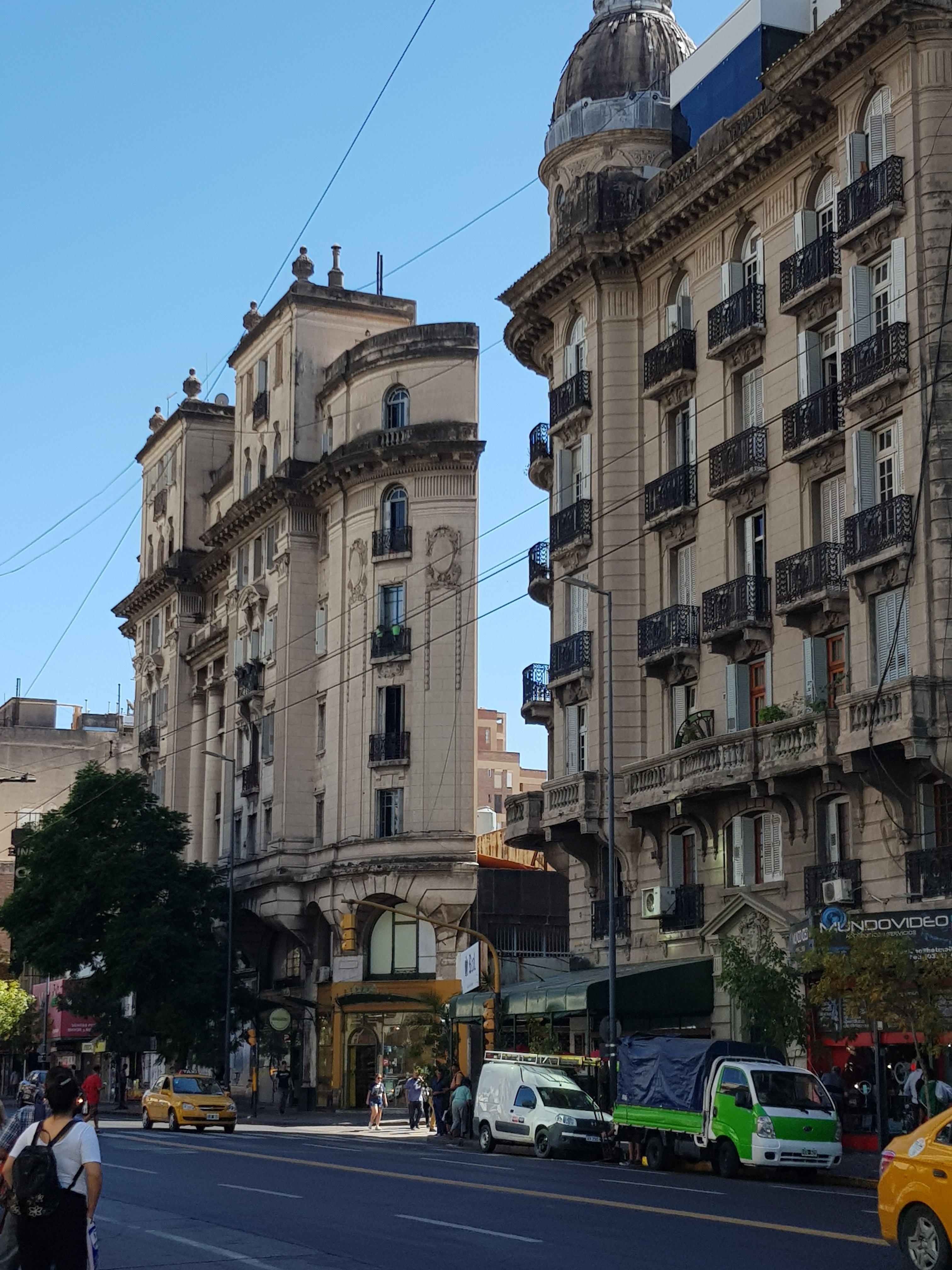
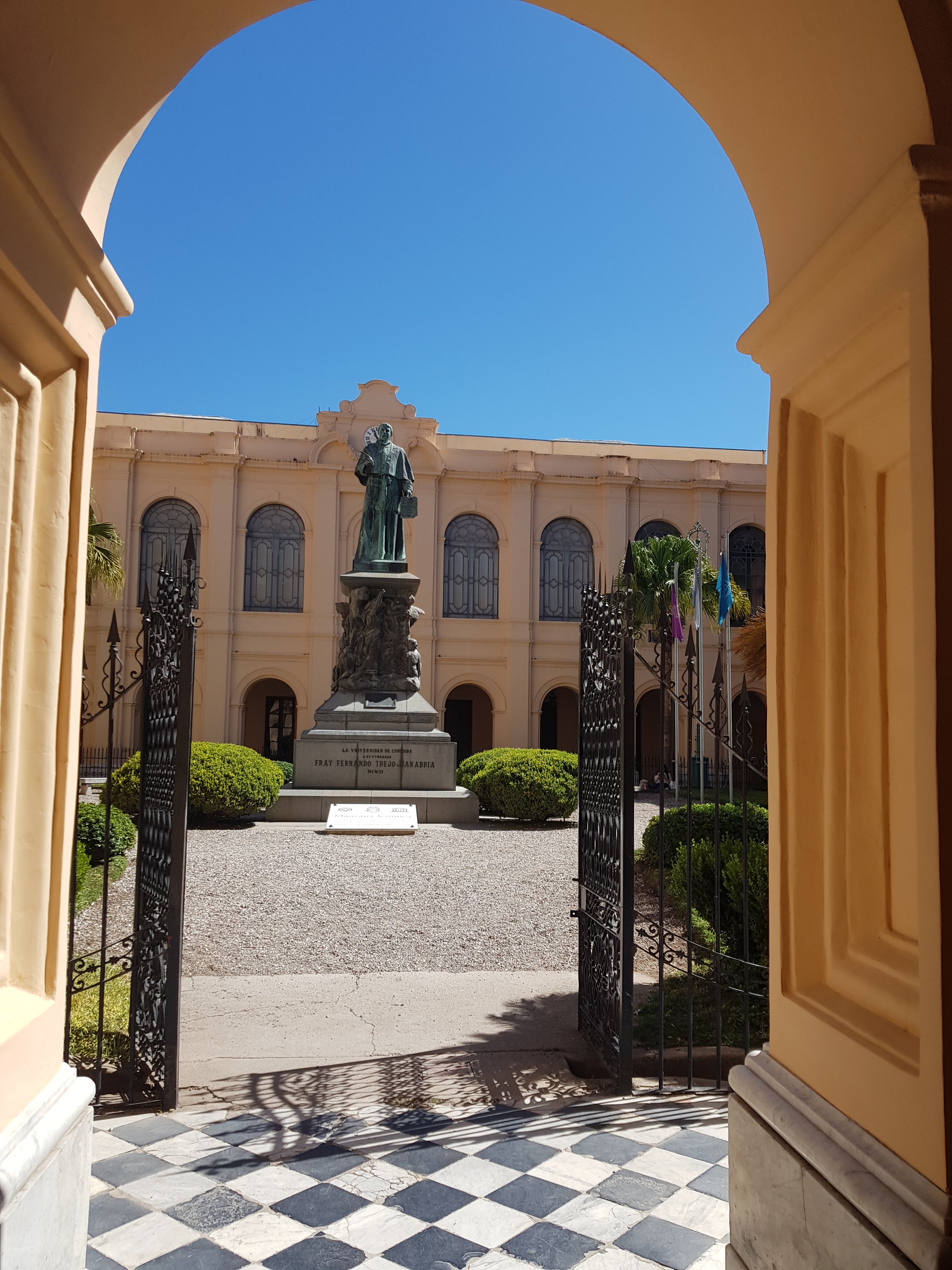
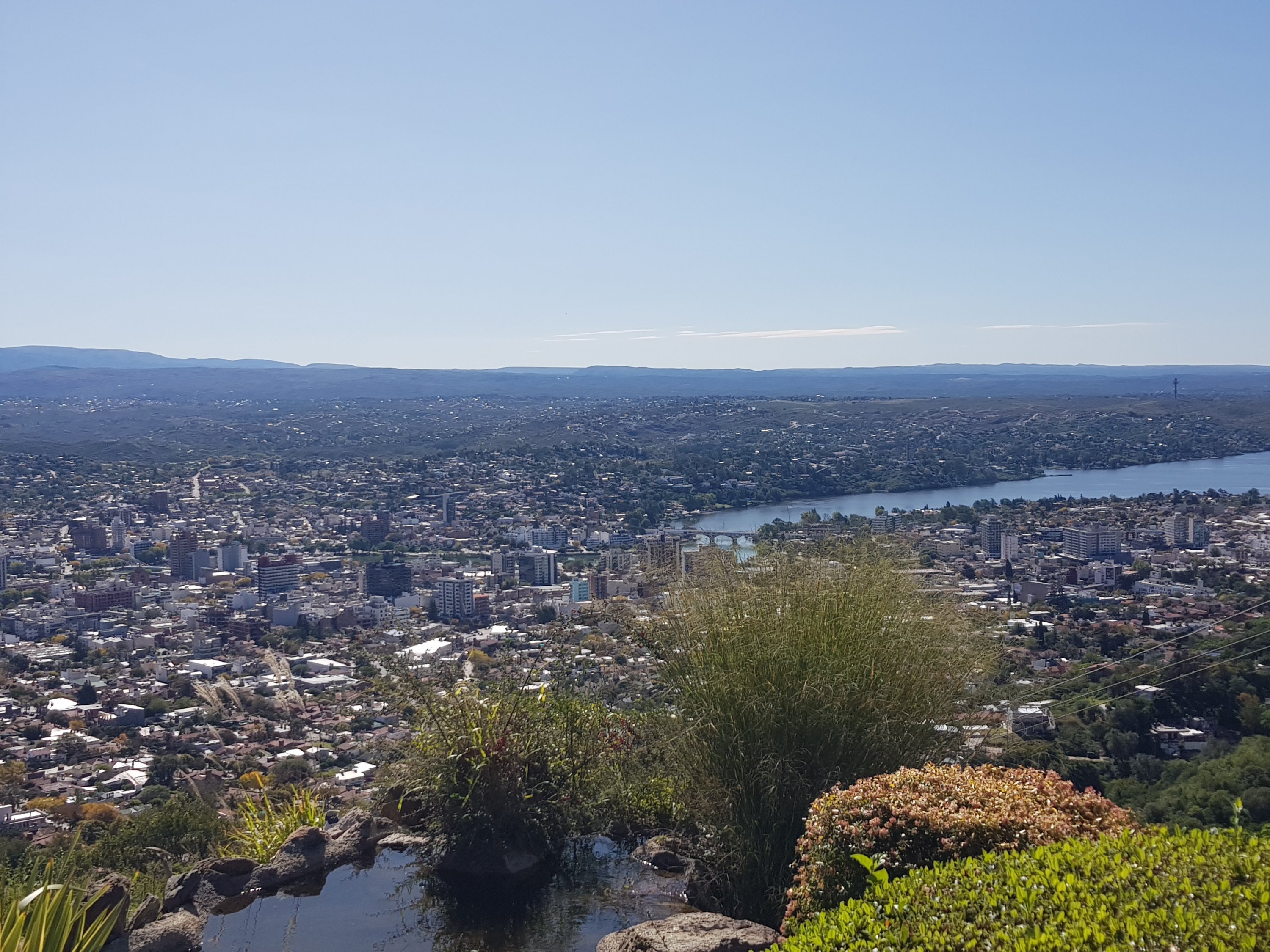
The second largest city in Argentina, after Buenos Aires, Cordoba links the Capital and Pampas region to the North West. This huge city is well known for many things, and sits within the rolling Sierras landscape. It was founded by Jesuits, leading to one of its many nicknames ‘la docta’ meaning ‘the wise’, because of the Jesuits founding the first university there that became a jewel for the city. The city is thought to have been named Cordoba in honour of the founder’s wife who was from Cordoba in Spain. What a romantic gesture! Anyway… I was in Cordoba for six nights and had a blast!

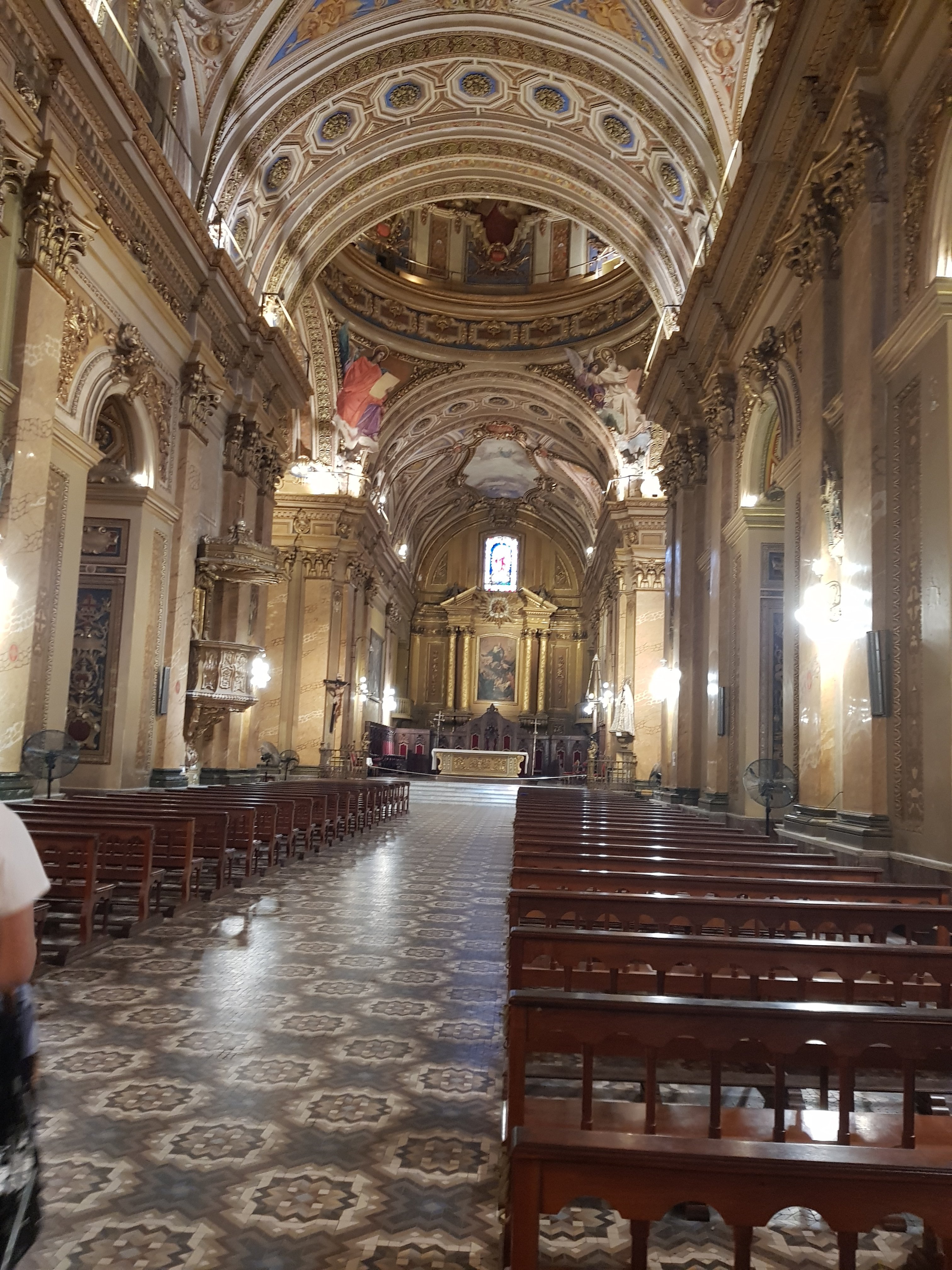
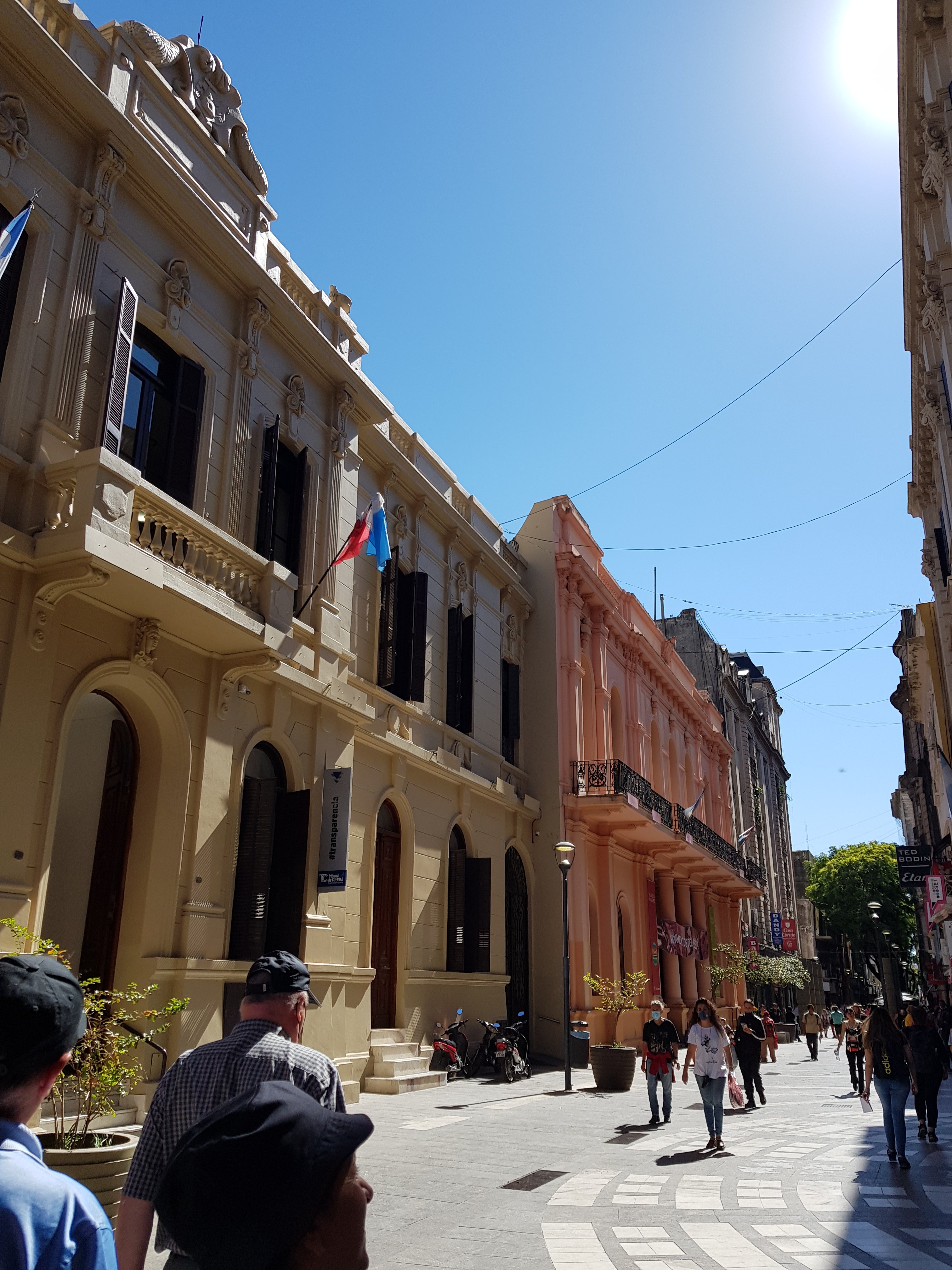
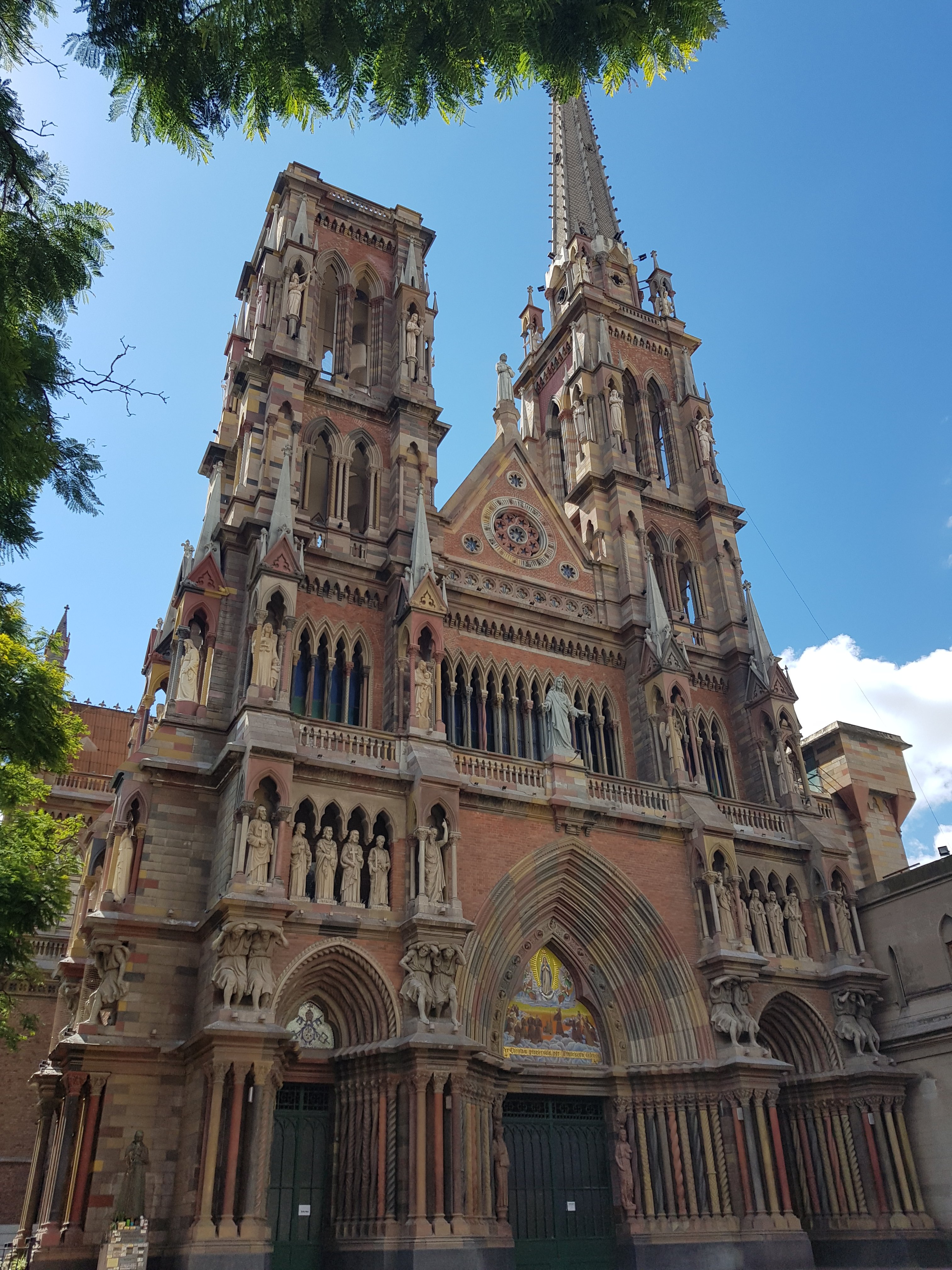
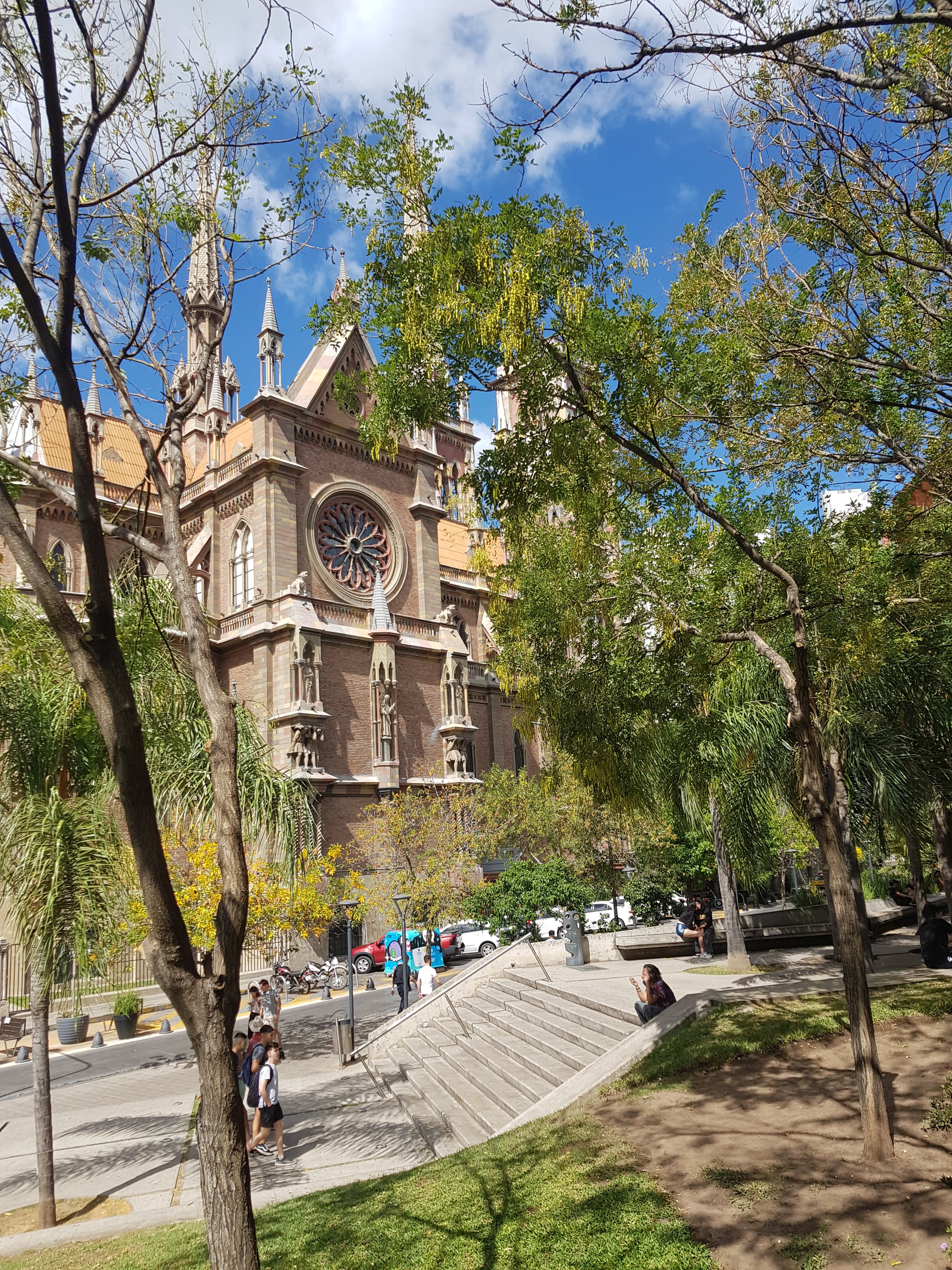
The city has not only history, culture and good food, but is also bustling with modern amenities and a great nightlife. On my first day in Cordoba, I went on a free walking tour which showed me around the old part of the city, and inside the gorgeous cathedral.

In this tour I made friends that I would enjoy the company of for the rest of the week. As well as a feisty Mexican and two South Koreans in my hostel, and two locals I enjoyed dinner with. 🙂

I joined my new friends in the first evening for a night in Guemes. This bohemian part of the city, has a collection of trendy restaurants, bars and clubs. We danced the night away to the modern music of Argentina and the odd hit for the states until 4am. It was a good night.

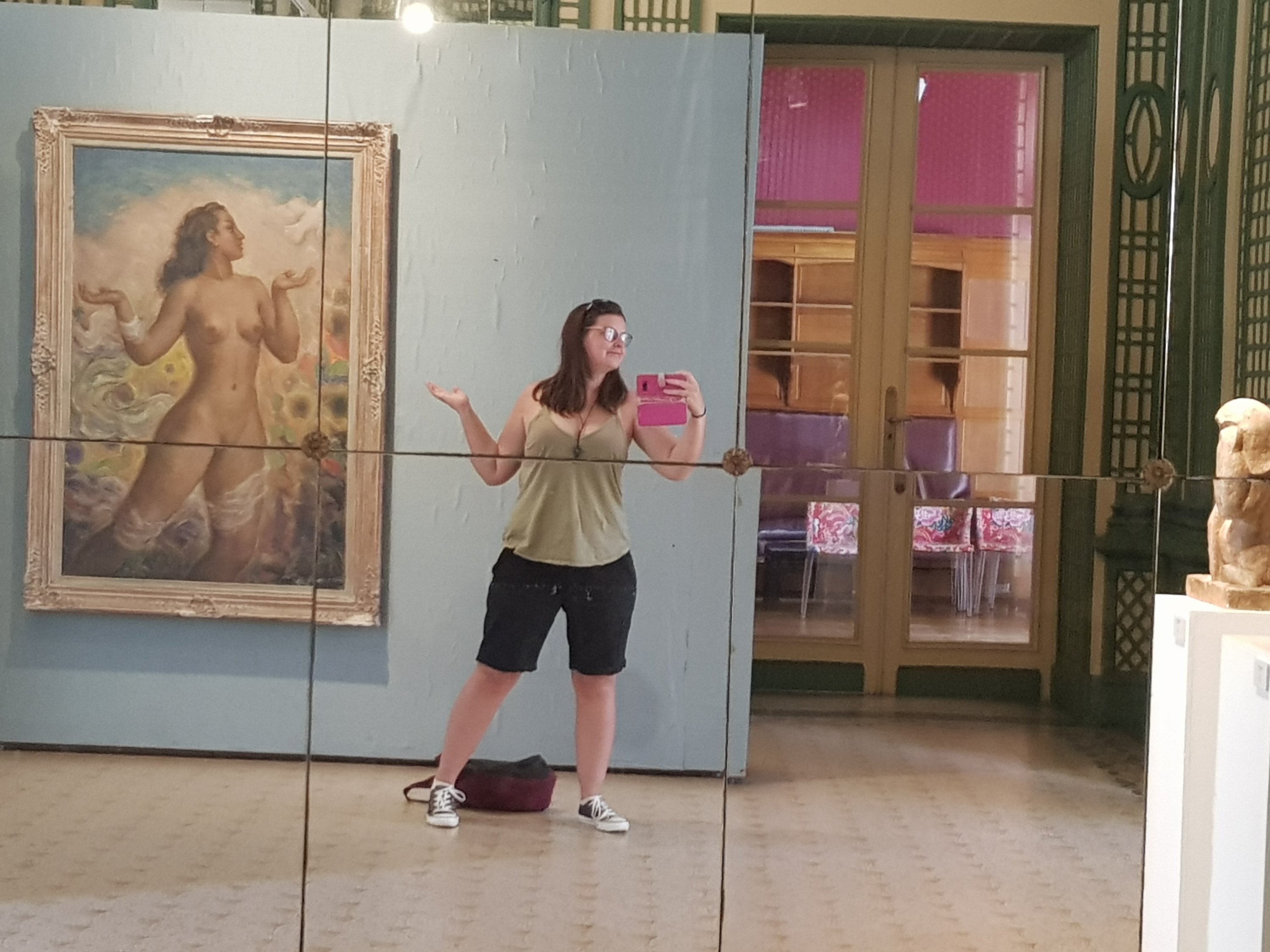
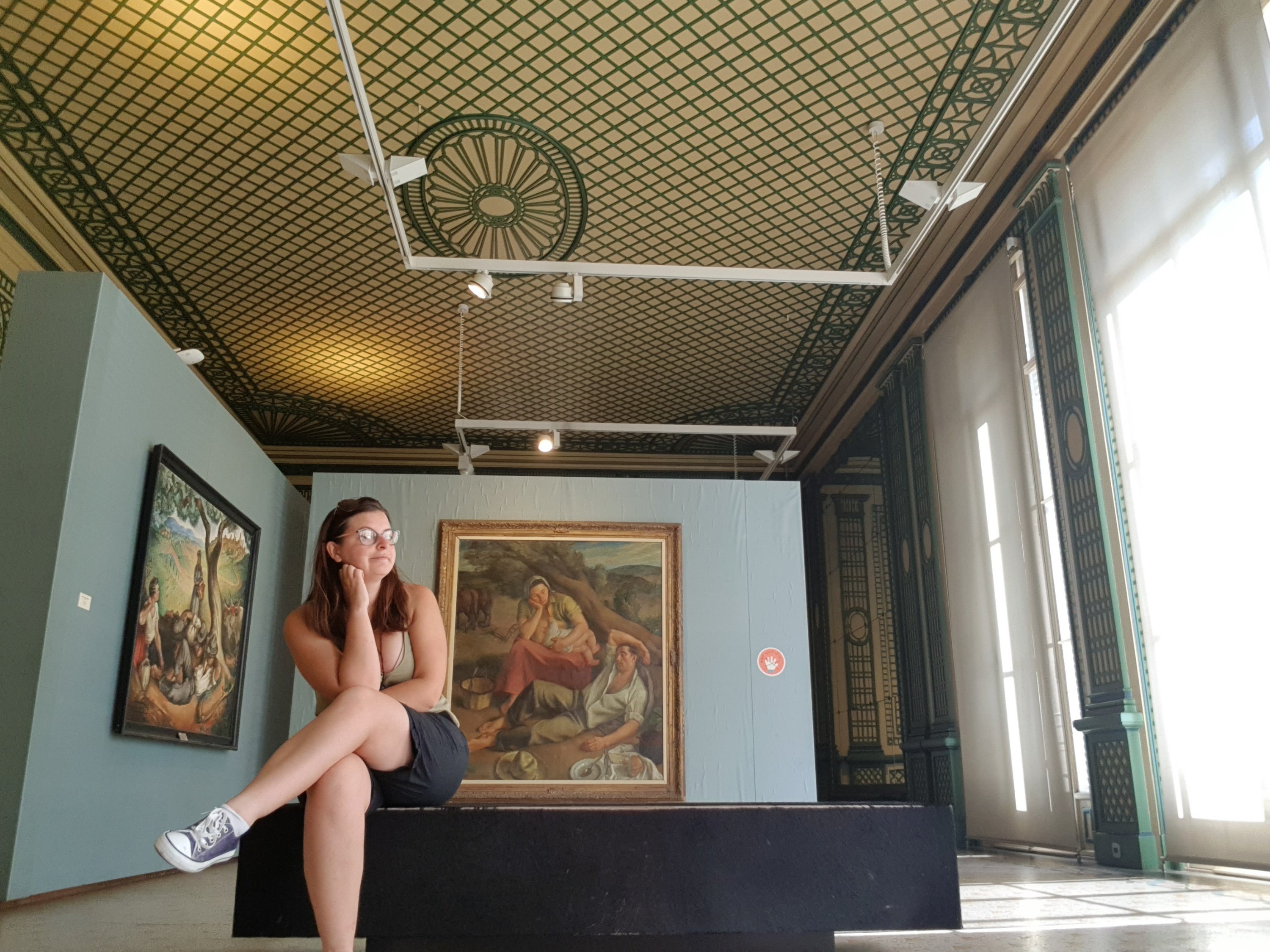
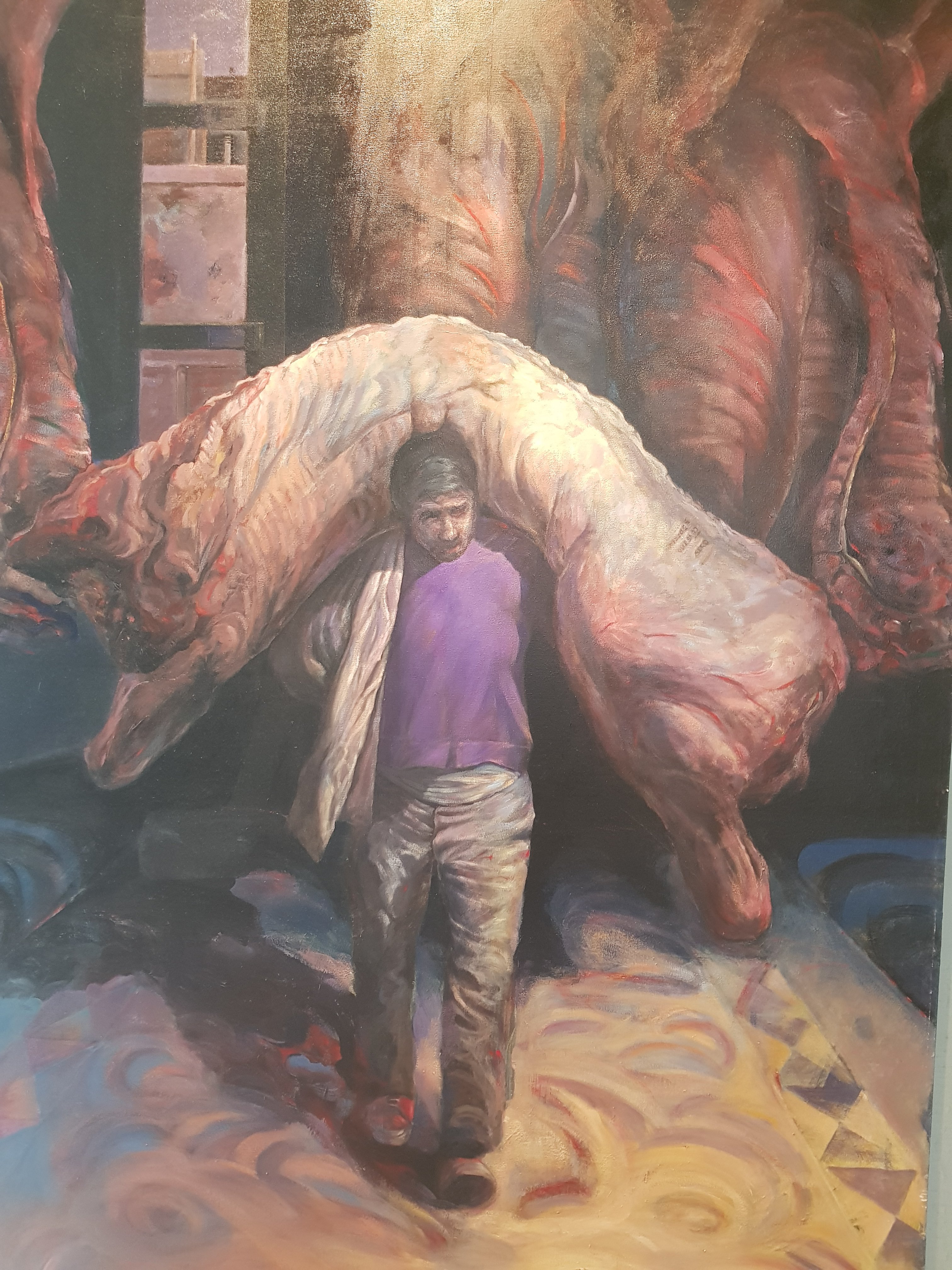
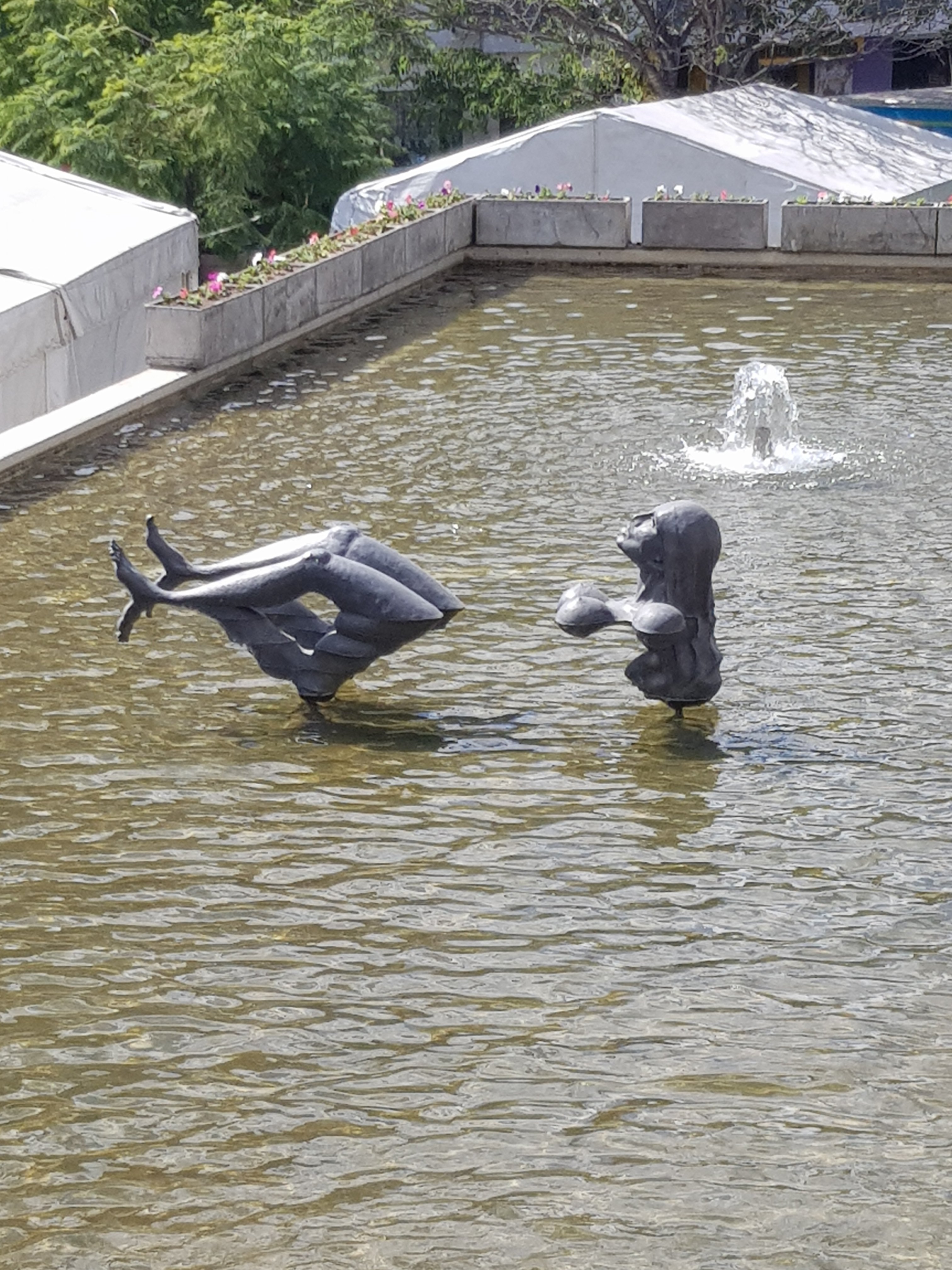
There are plenty of museums and things to enjoy inside the city, and I had particular fun visiting the various shops and one of the fine art museums.

‘Dirty War’

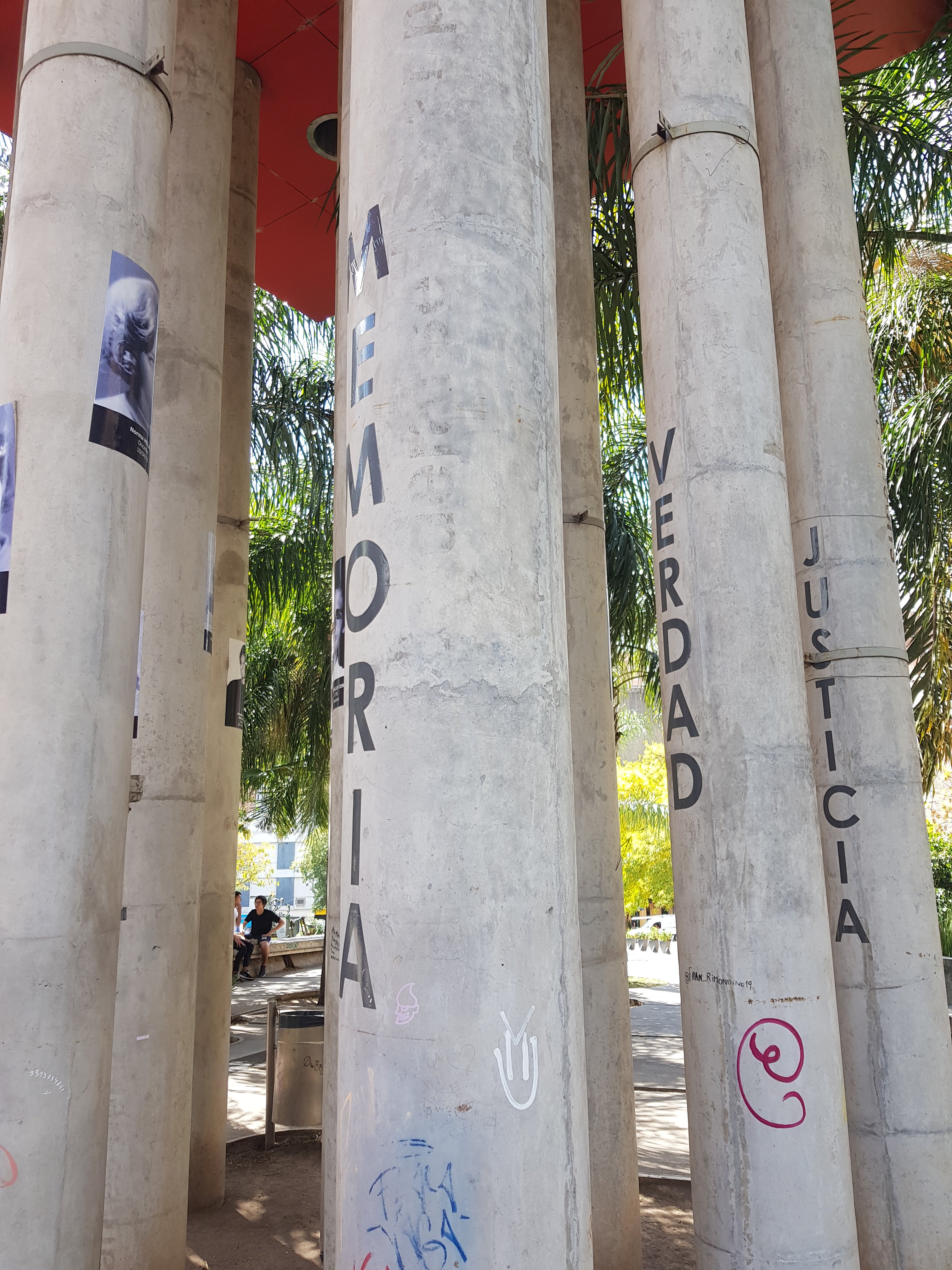
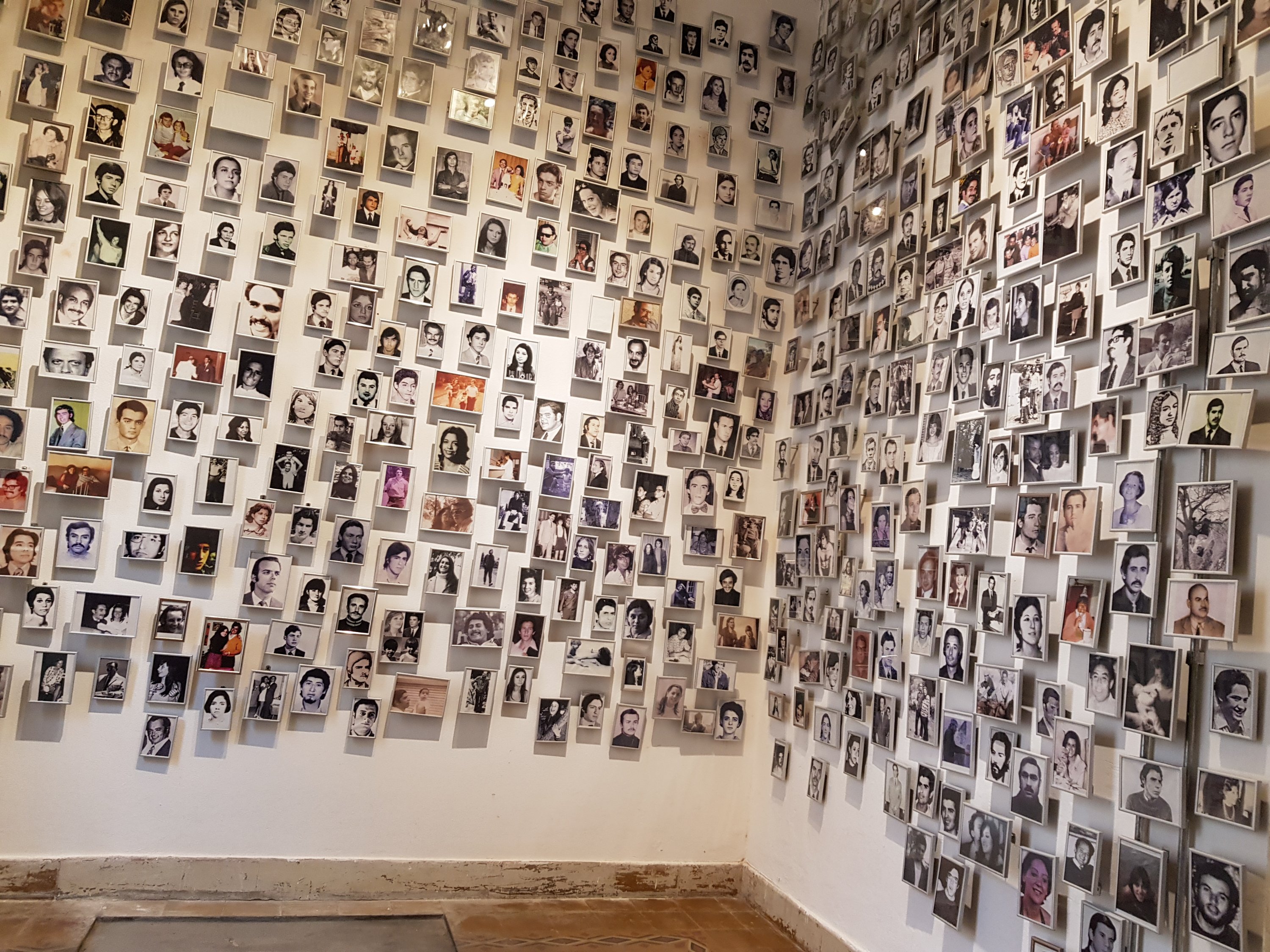
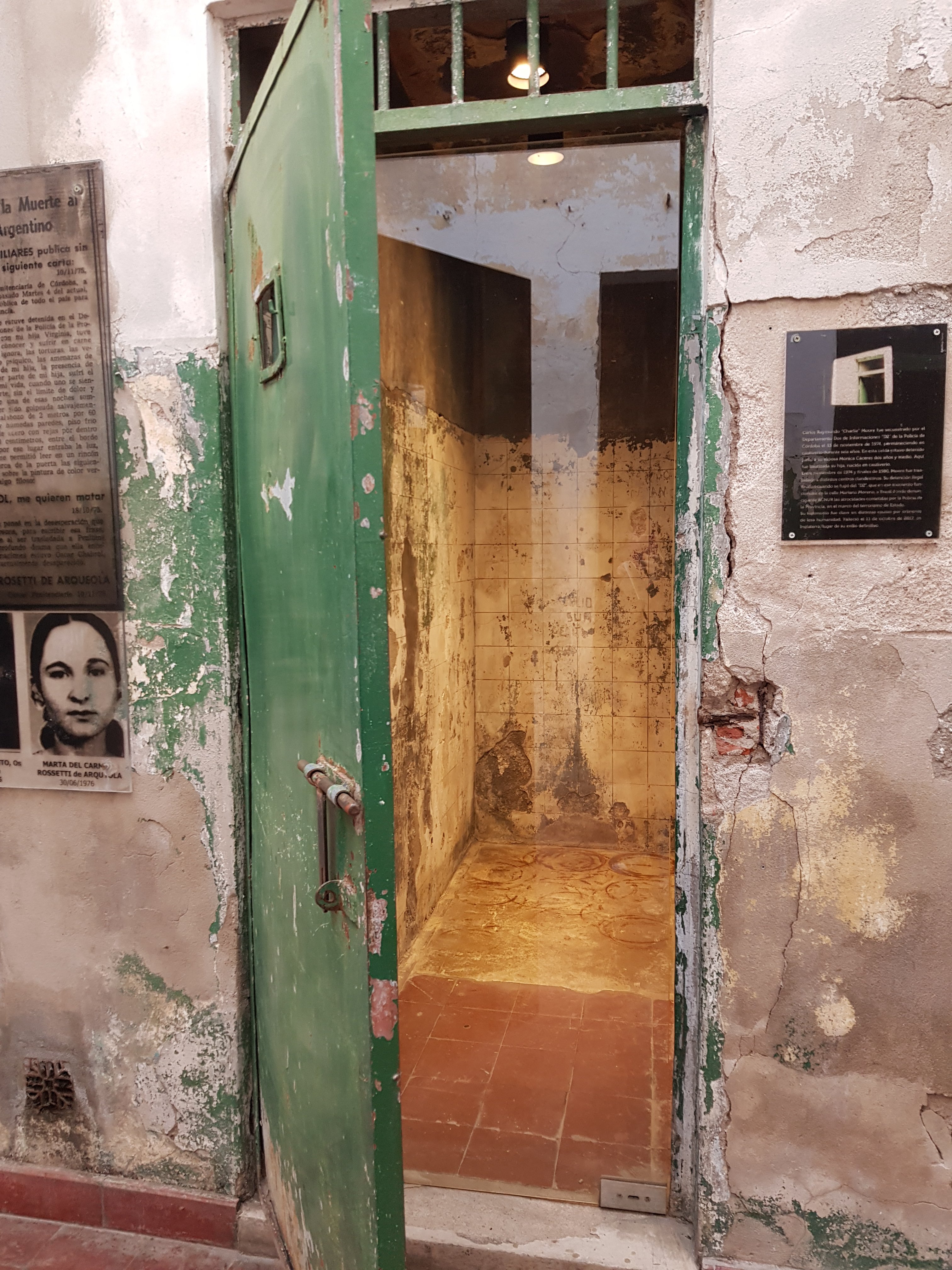
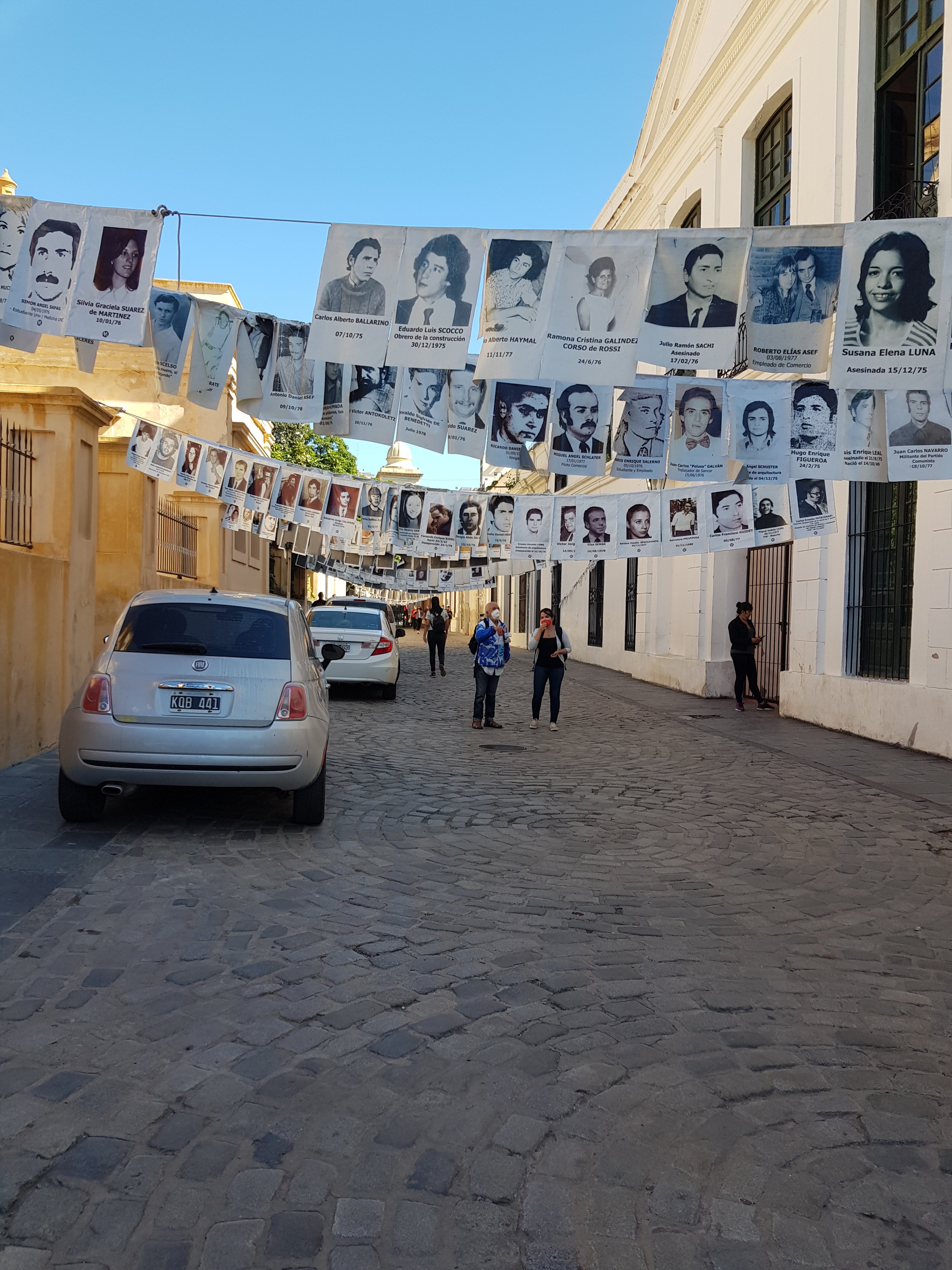
Another interesting piece of history that was clearly dominant in Cordoba,was the remembering of the ‘Dirty War’. During the ’70s there were a series of kidnappings, torturings, and murders of Argentine people by their military government at the time. Anyone that criticised or opposed the government in anyway was abducted, and many were never seen again, becoming one of ‘the disappeared’.

There were up to 30,000 people that went missing including students and pregnant women. Many of the pregnant women were killed and their babies were illegally adopted by government officials. Every thursday people still gather to protest what happened and ask for any information about what happened to their loved ones. If an Argentine person has questions about their identity, they can even access a free DNA test to check that they are not one of the stolen children.

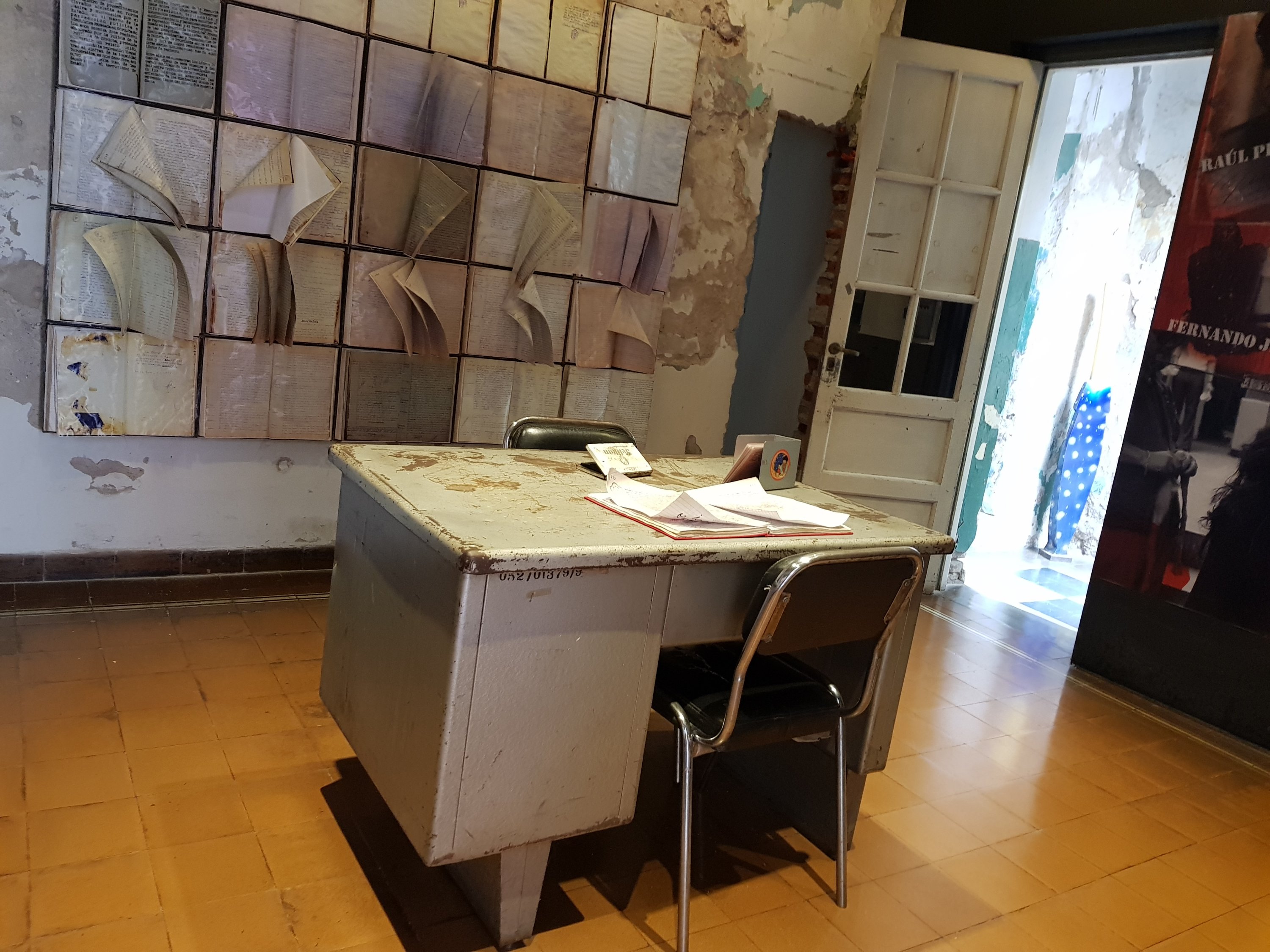
The history is shocking, and appalling and there is a museum to remember this in the centre of Cordoba. It is housed in the former official building where people were taken, tortured, and killed. It has several testimonies of people that were present there, photographs and possessions of victims. The city itself also has statements, photos and symbols in memory of the tragedy around different parts of the city, even though this happened throughout the country.

Surrounding the city

Outside of the city, there are plenty of towns and scenic drives to enjoy. There are also a few towns that were colonised by Germans, and so have German style architecture and attractions. Unfortunately, the tours to these locations were all booked so I could not visit, but I did enjoy the authentic company of my new German friends, so I was happy with that! Some of my new travel buddies had hired a car for the day, and invited me to join them on a tour of the area.

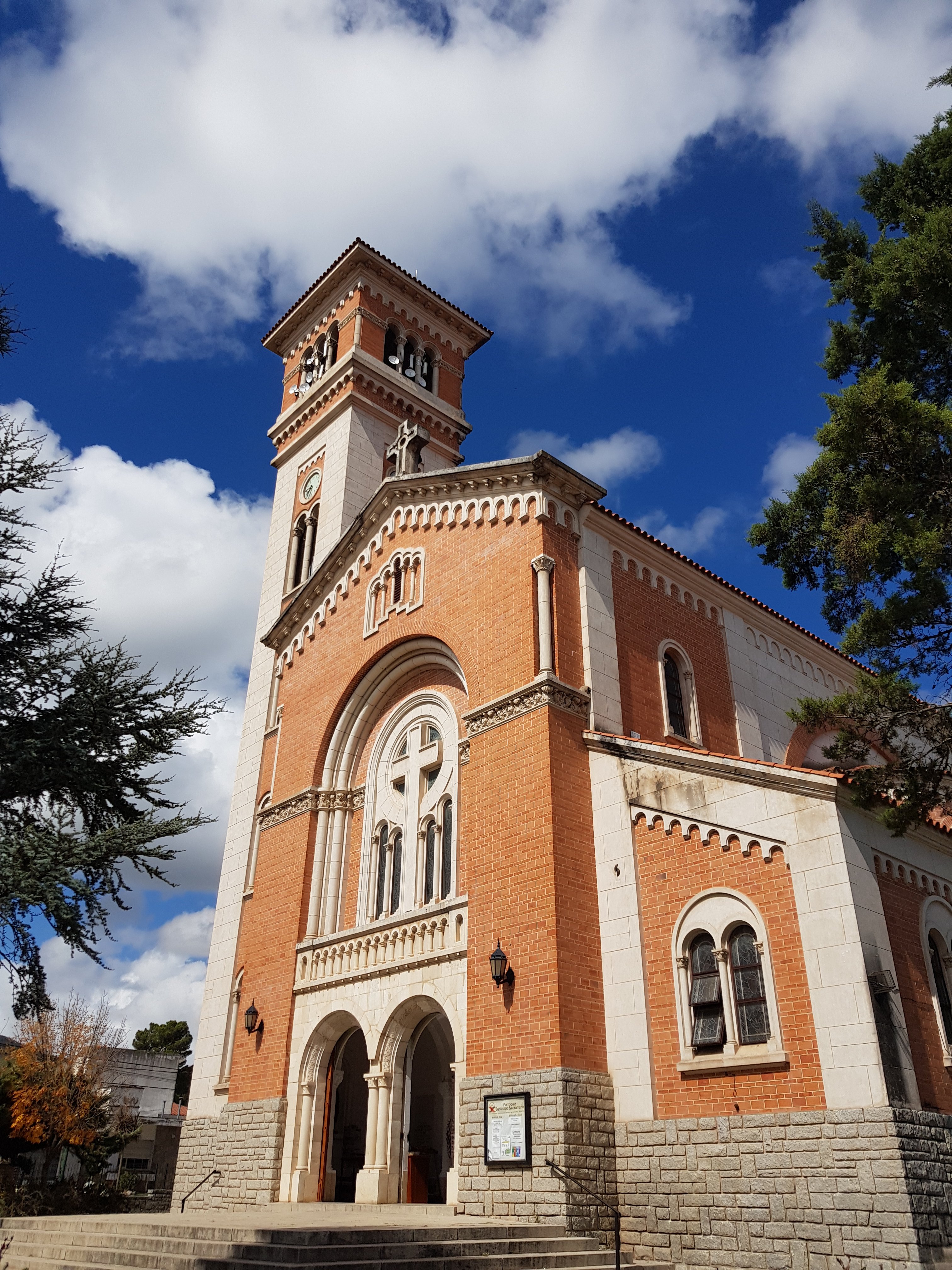
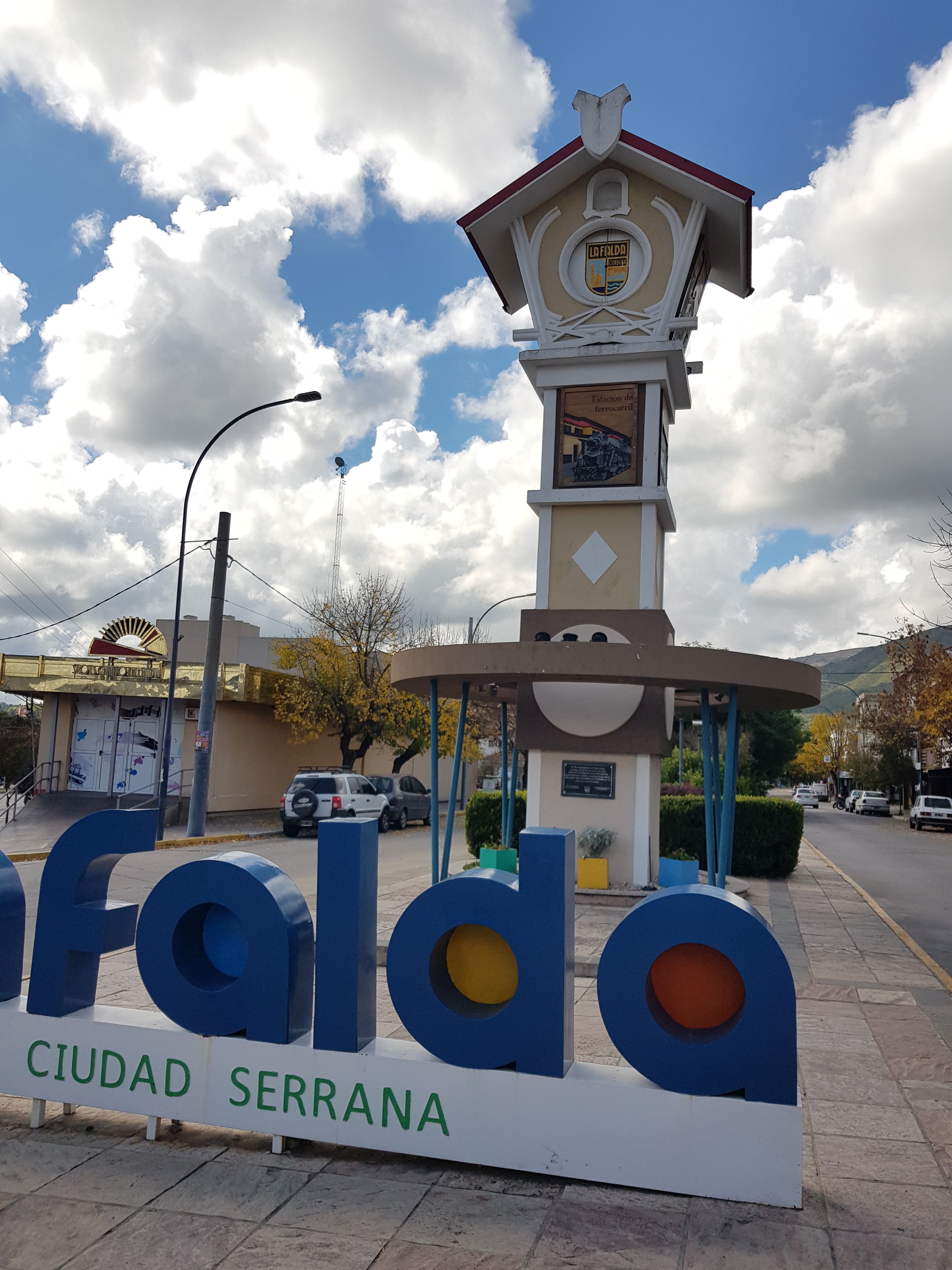
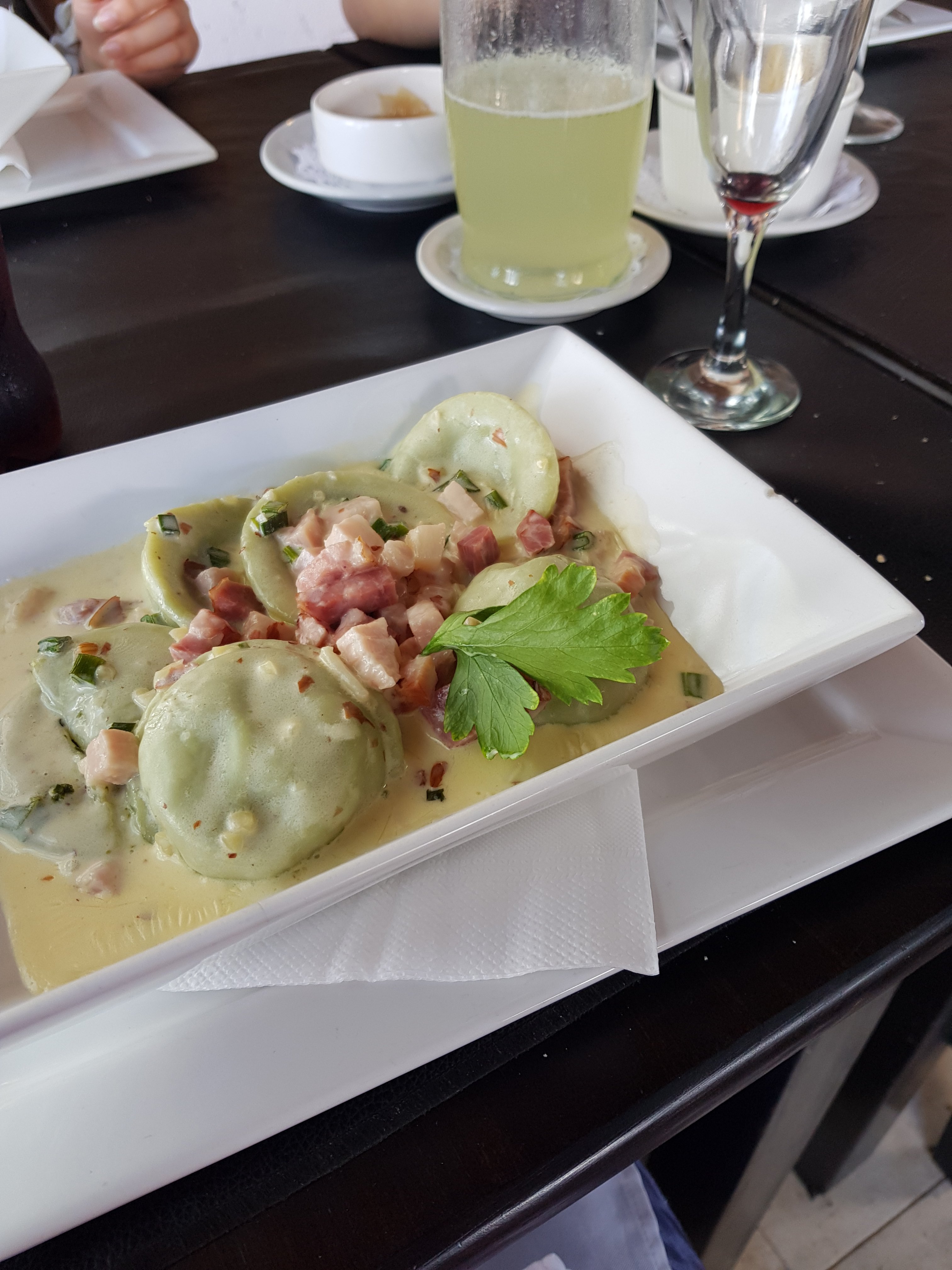
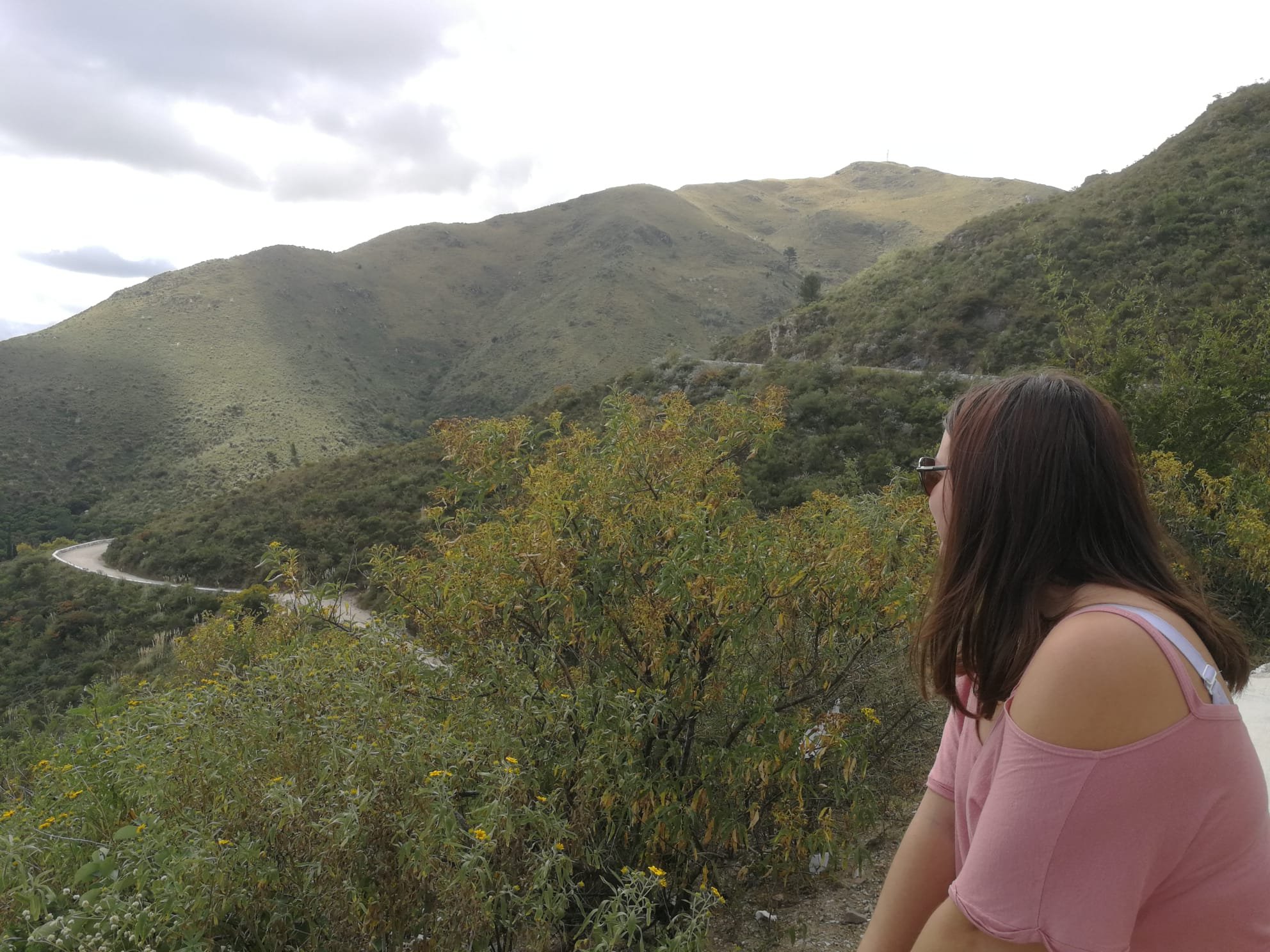
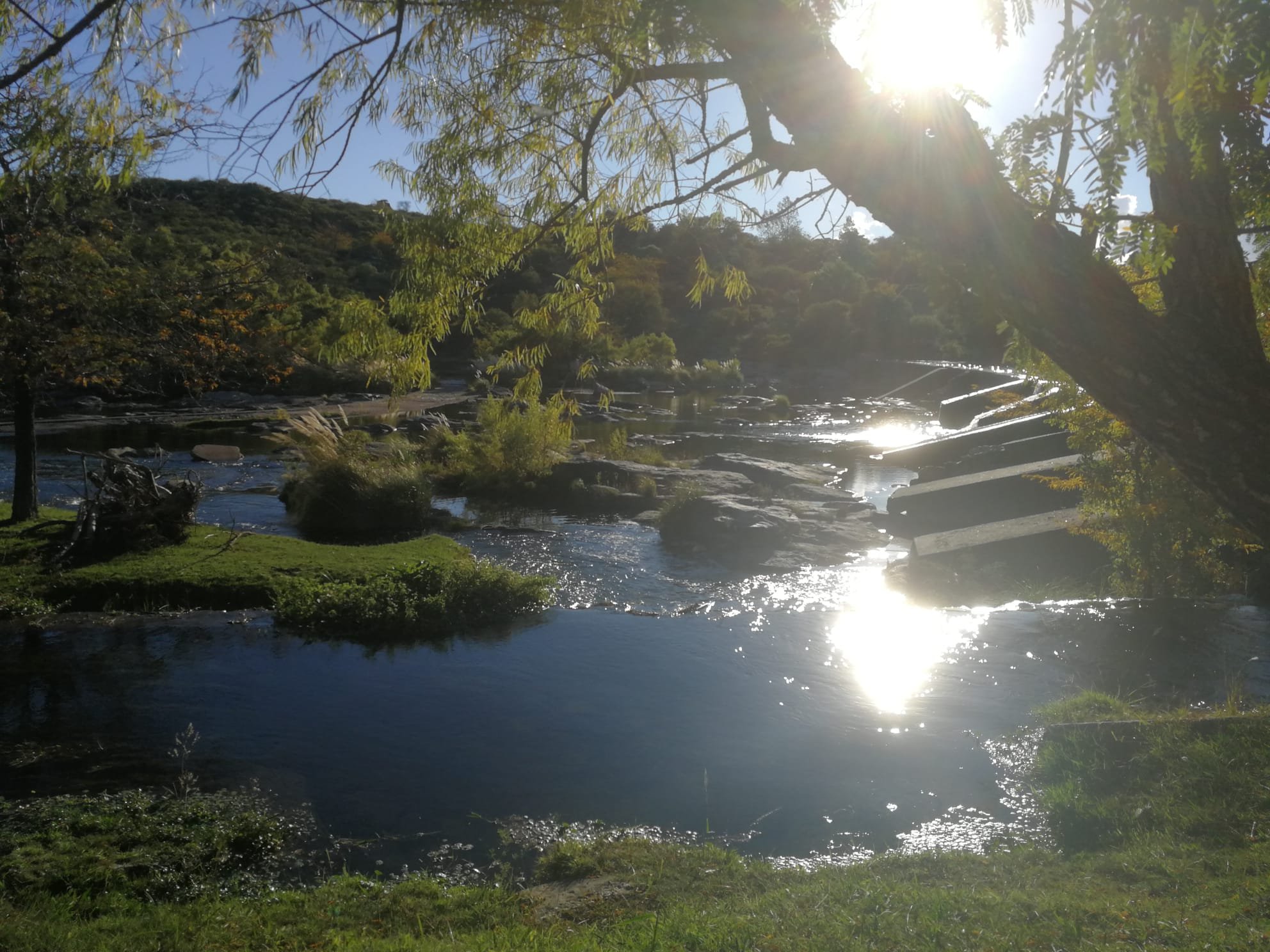
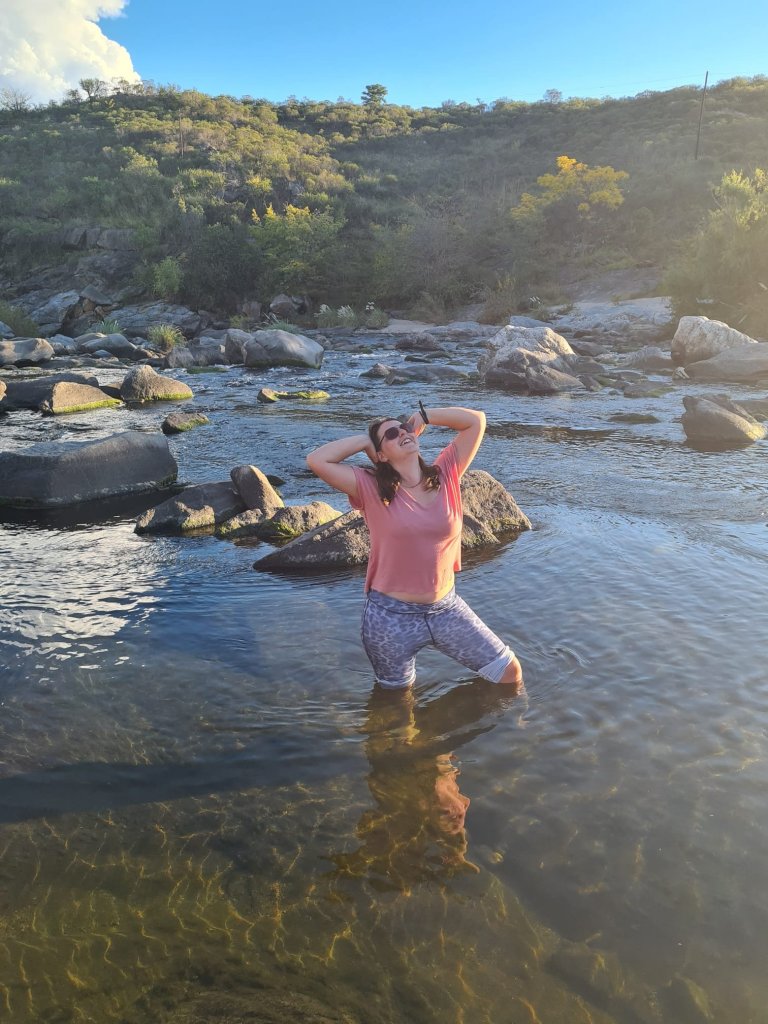
We followed google maps out into the hills and drove along the ‘El Camino del Cuadrado’ a road that winds around mountains, and takes you to a town called La Falda. This town has a pretty little church, a cuckoo clock, and a restaurant with heavenly pasta, and complimentary sangria! We stopped in a nature reserve on the way back and joined the locals in a dip in the river under the sunset, and it was super relaxing. On the way back over the hills, we drove back to the city amongst lightning throwing clouds, with the radio blasting.

Later in the evening, I joined the Germans at their hostel for some games, drinks and laughs. Our friend from Holland joined later, and brought some friends from her hostel. There was plenty of laughter and conversation at our little party in the hostel, with two guys from Germany, a guy from Ireland, a girl from Holland, a girl from France, a guy from Brazil, a guy from Argentina, and little English me. These last minute adventures and meetings of like minded people are so rewarding, and possibly the best part about travelling.

I spent the following days recovering from the late nights, relaxing and visiting nearby towns within easy reach from the bus station.

Cordoba is a great city, and I would say that it has something for everyone, but ultimately it is a place to relax, dine and enjoy. Next stop.. Corrientes.

Salta, Argentina: ‘la linda’

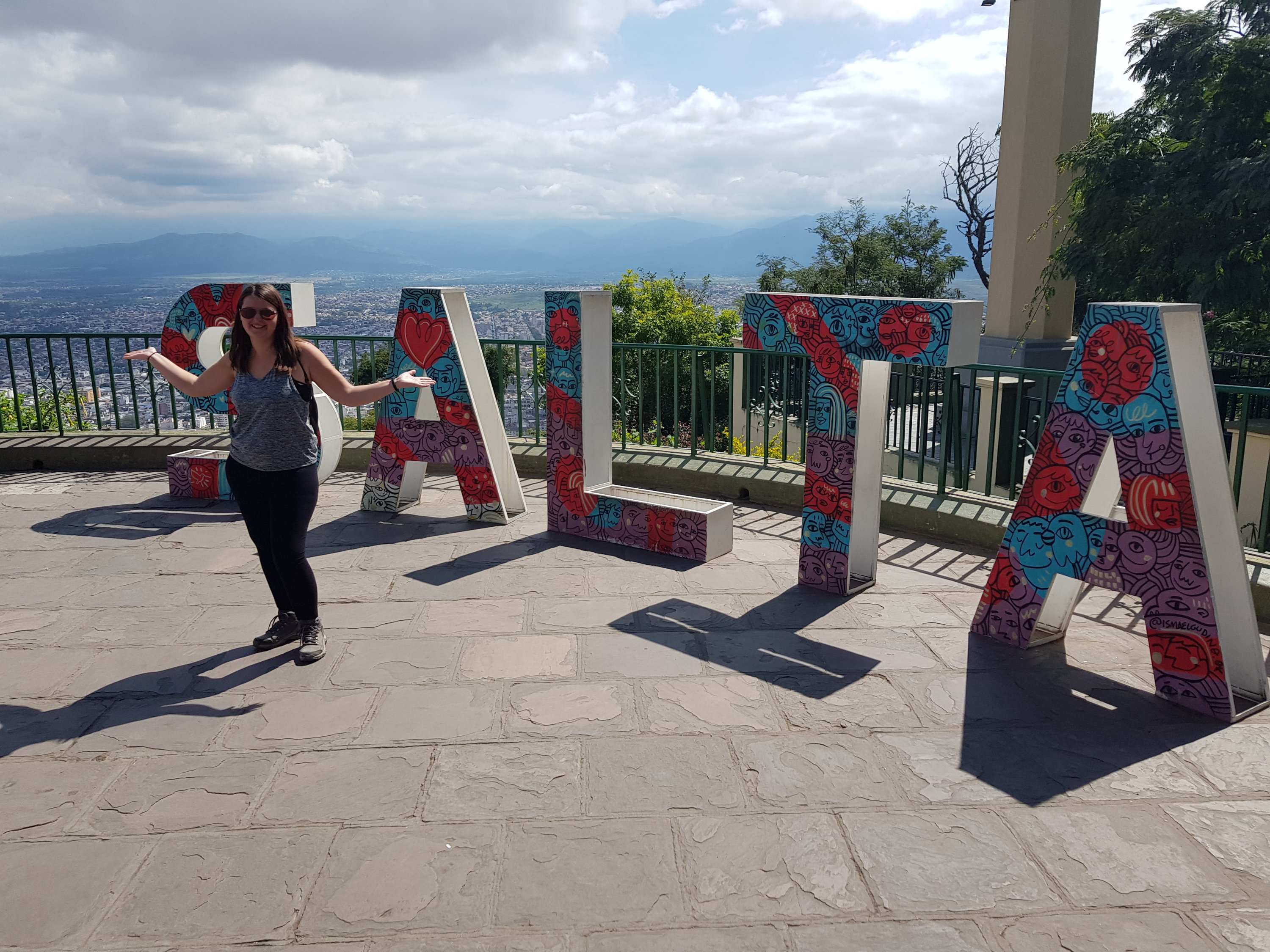
I had a six day stay in ‘la linda’ (the beautiful) city of Salta. This gorgeous city truly deserves its nickname, as it is without doubt the most beautiful city I have visited in Argentina. The city is inviting with friendly people, great architecture and intense surrounding landscapes.

Salta is located in the North West of Argentina, and has a surprisingly green landscape considering that this is where the country’s desert landscape starts to come into play, as the roads begin to lead towards Bolivia.

Inside the city

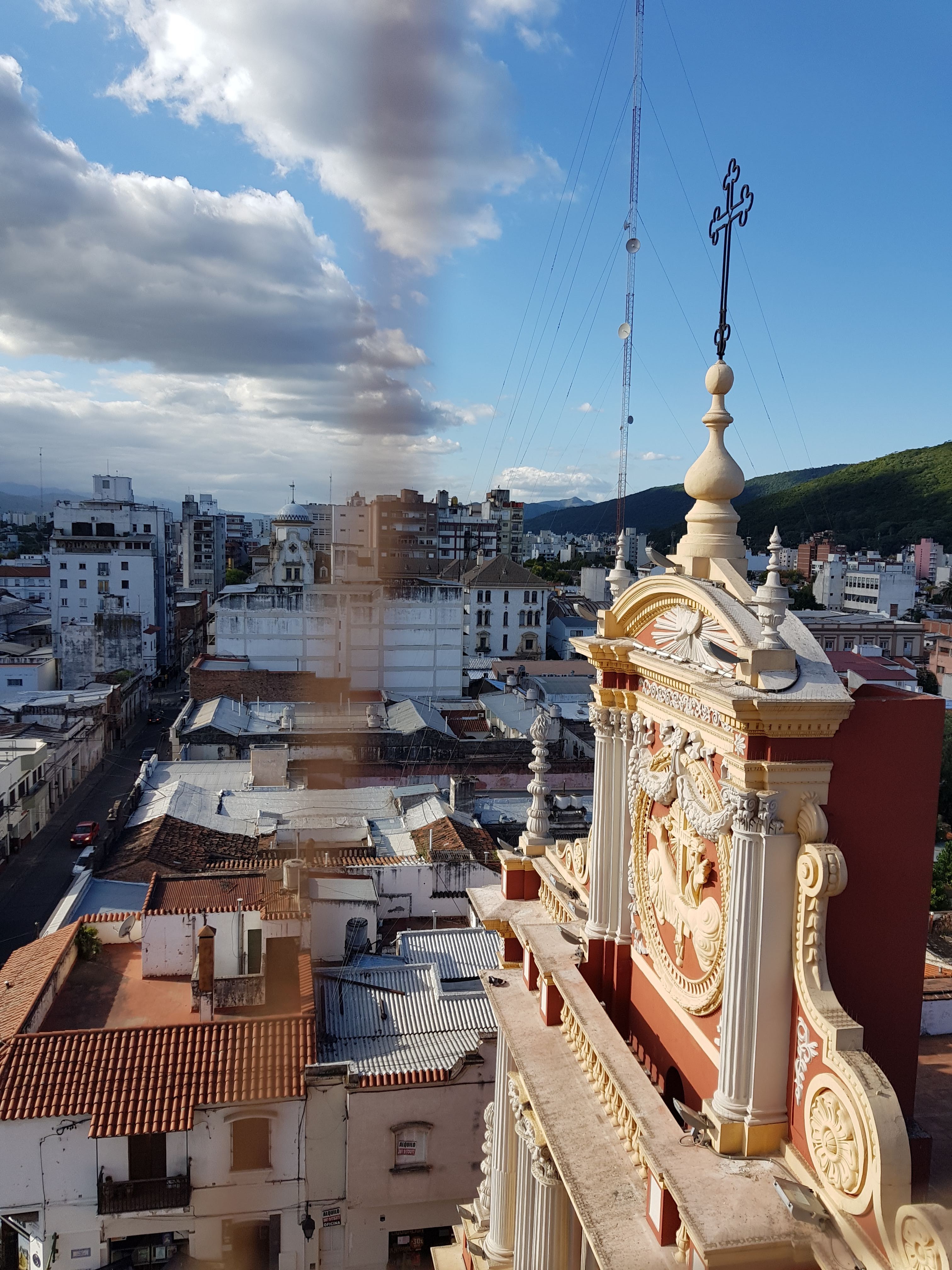
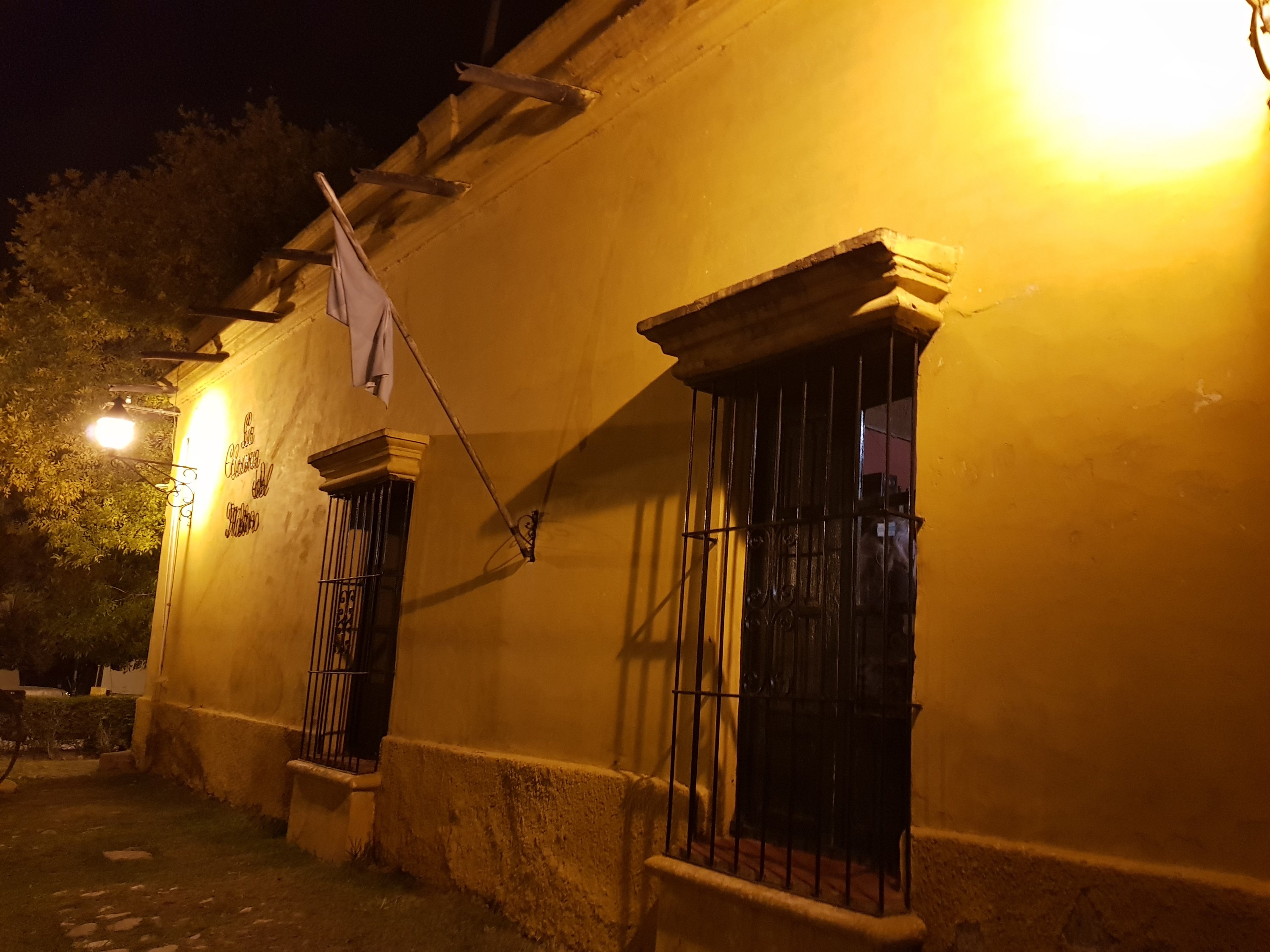
Within the city surrounded by lush green hills, there are plenty of old churches and buildings to explore. From San Martin’s plaza in the centre, spanning out, it is a pleasure to the eyes to look at the colorful and colonial buildings.

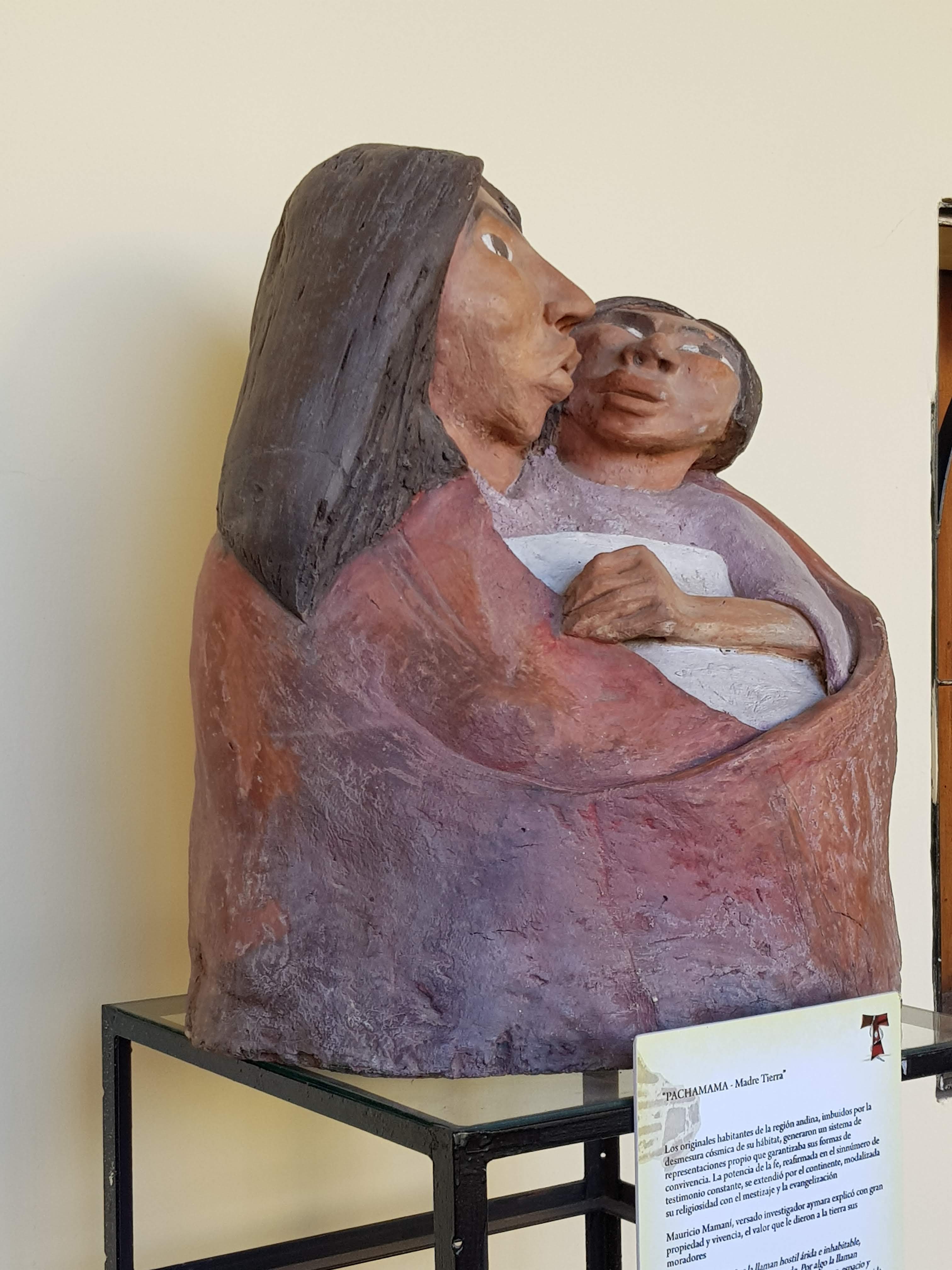
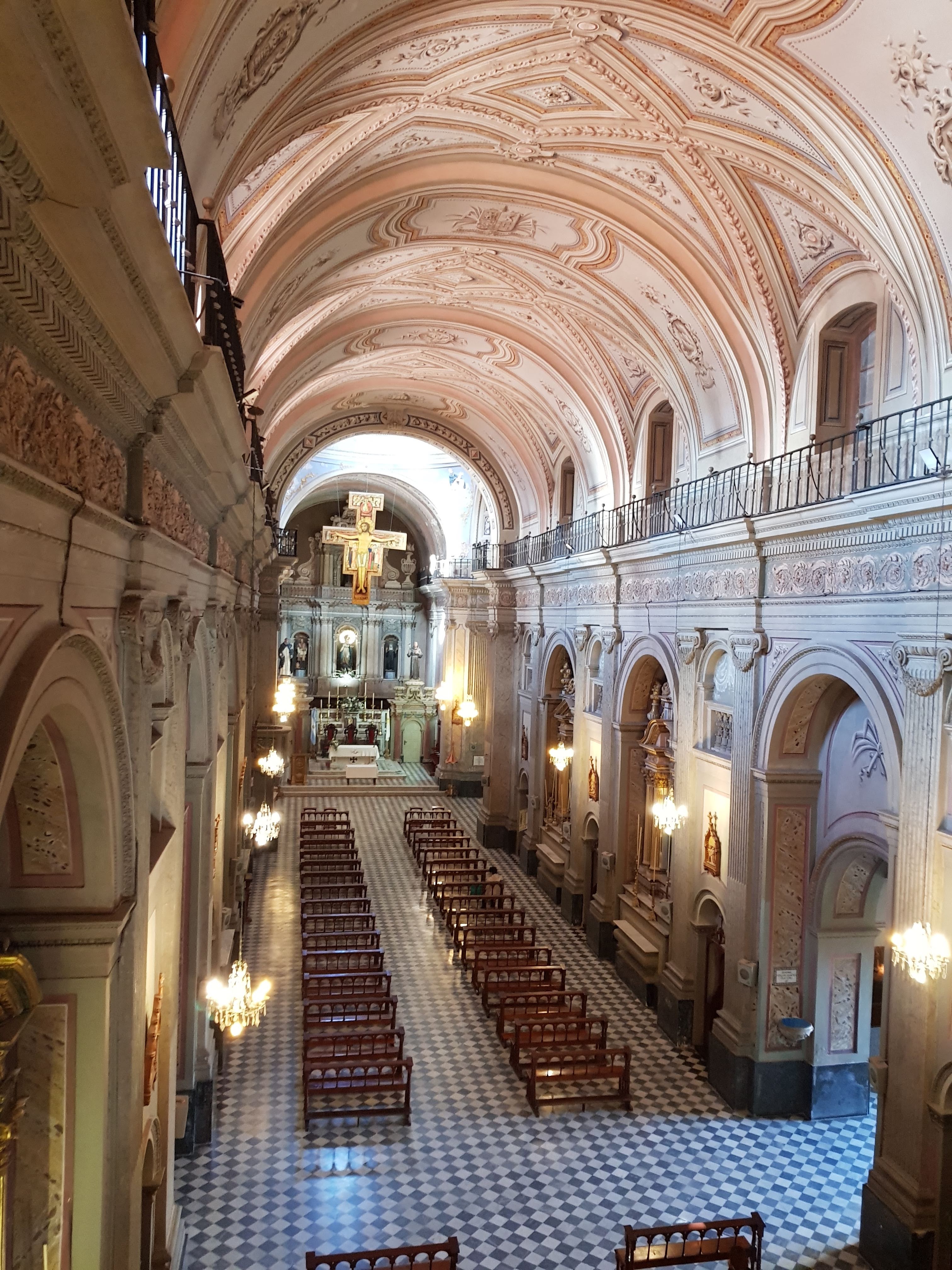
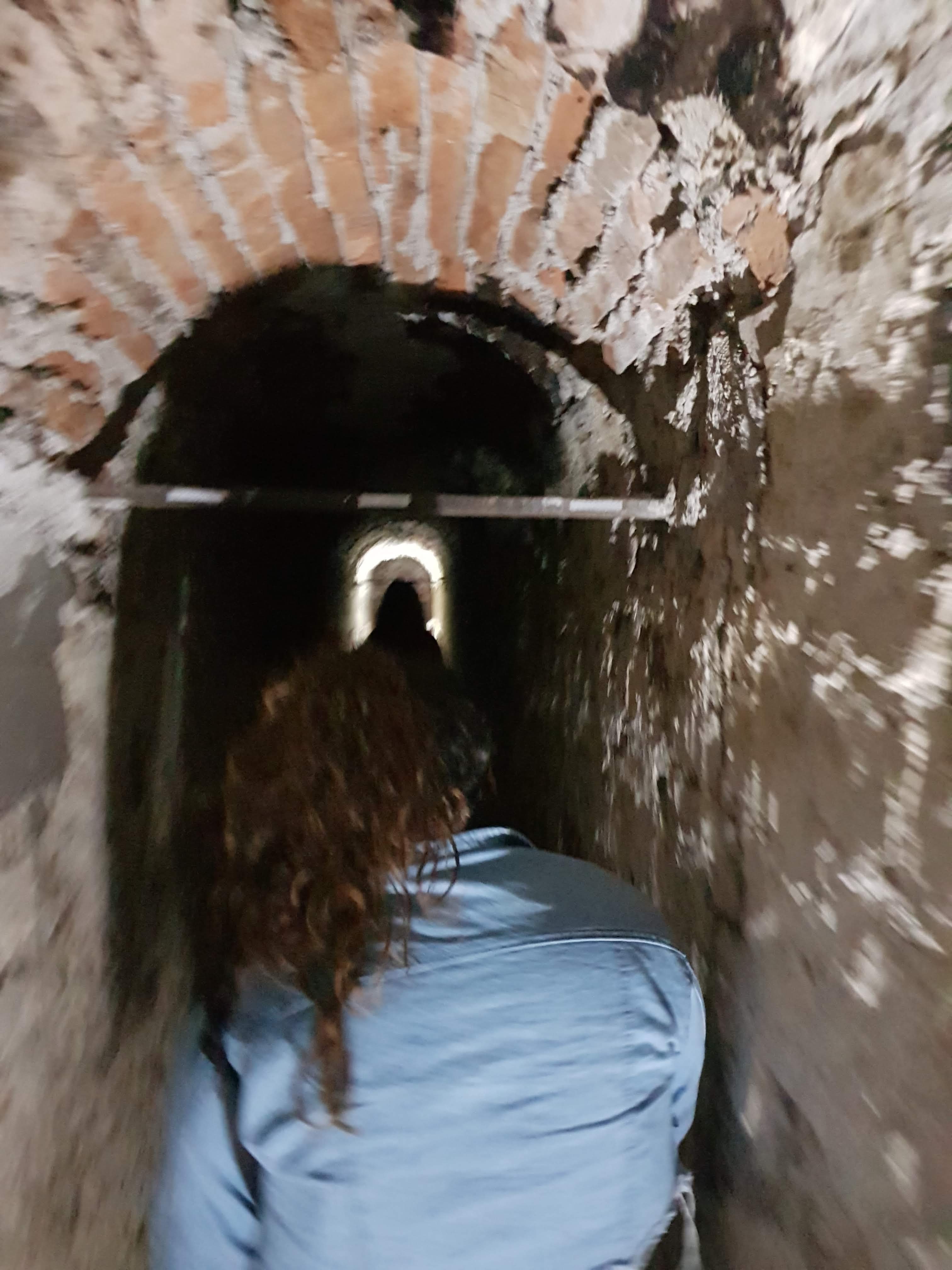
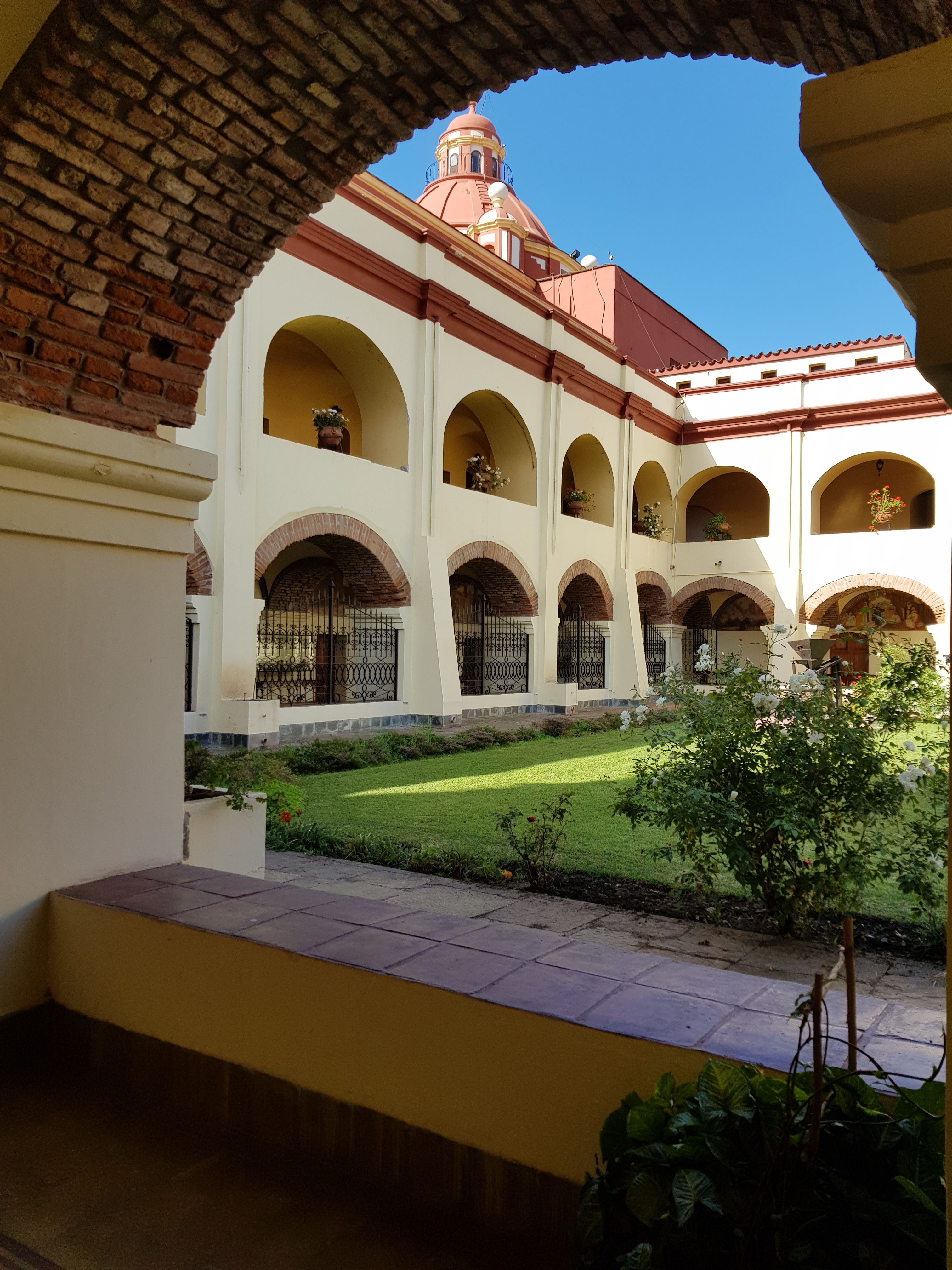
The cathedral is of course a must see, but there is also a church and monasetry to San Francisco. I stopped here to see the museum to find that there was a tour provided in Spanish and English of the monastery. This was an excellent tour which cost the equivalent of £2.50! The guide took us through old tunnels, and courtyards, to the top of the church nave, and we were able to climb the bell tower. This was a good moment for me, as everyone else was struggling to climb the tower, and I was fine! This is unusual, obviously, my months of trekking have been effective!

On the tour, I befriended a lady from England, we had drinks together and it turned out that her husband was working near Salta, to set up a lithium mine! Lithium mines are big money in Argentina and Chile at the moment apparently, I never even realised that they existed!

As well as churches, the city has a number of excellent museums to explore. I went to several, and there were two that were really impressive. The first museum is the museum of high altitude archeology. This small museum is centred around the nearby mountains and the ancient inca people. Unfortunately, I could not take any photos inside, but it was astonishing.

The main discovery that the museum focuses on is the find of three inca children that were sacrificed on top of a nearby mountain. They were found with several dolls and other objects, all in pristine condition… including the bodies of the three children. Frozen by the cold conditions, these three inca children (2 girls and a boy of different ages) are preserved and on display (one per season). When I visited, the 7 year old boy was on display, he is huddled over and still has all his skin, clothes and his hair! You can even see the dead lice in his hair. I have never seen anything like it before. Of course, it is amazing but also very sad. This museum is a must visit, if you can stomach seeing the kids.

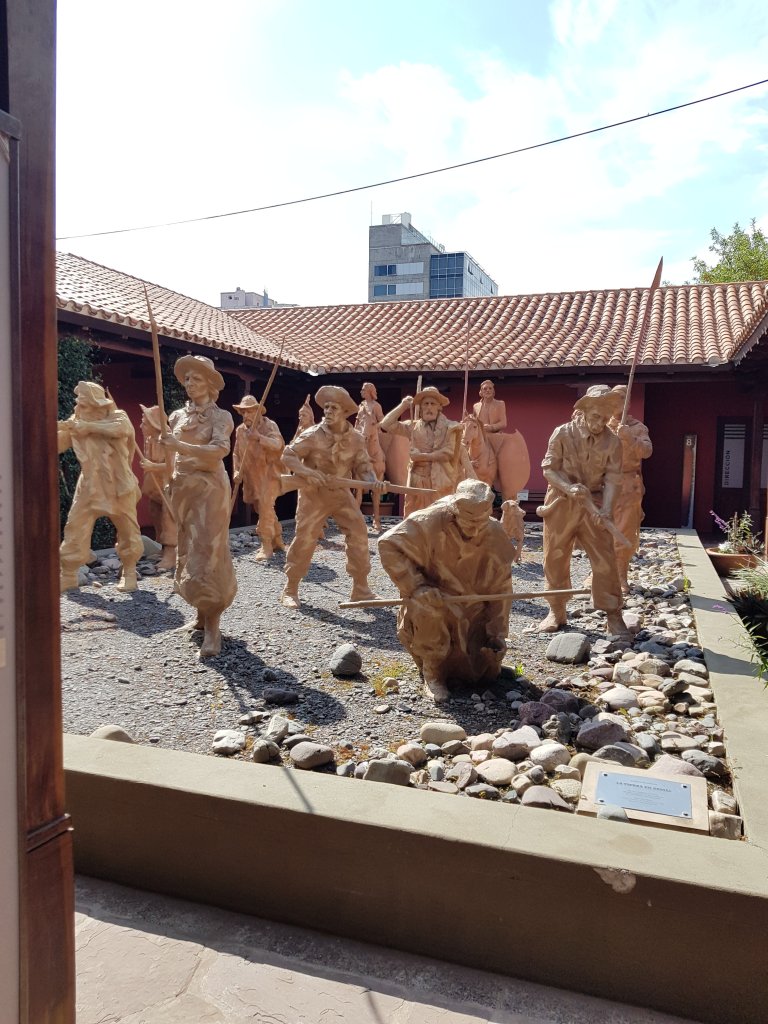
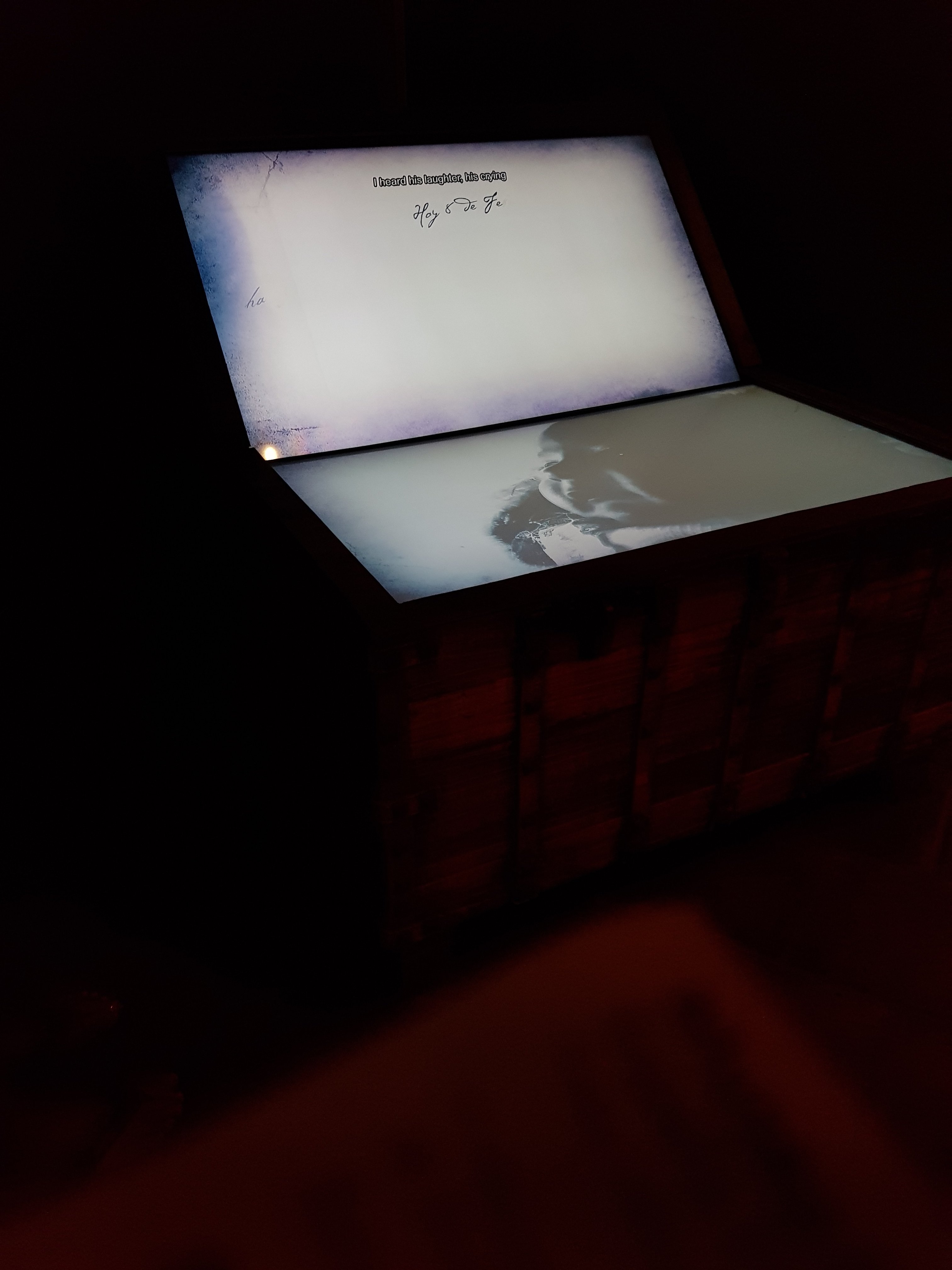
Another museum, that was very good was a bit of a surprise. All week long, I had heard (in spanish) bits and pieces about General Guemes. A historic hero of Argentina, but I was struggling to understand the history, so I visited the Guemes museum. This museum is housed in the original family home of Guemes. The great thing about the museum is that with the use of sensors and projections it is completely immersive. Pictures and treasure chests coming alive in front of your eyes to tell you the story of Guemes. It turned out he was a Gaucho (Argentine cowboy) that led an army of Gauchos over many years to resist invasion from Royalists. He seemed to be very impressive, and by the end actually sacrificed himself in order to not surrender.

During another day of my trip, I had the good fortune to spend the day with a lovely guy from the city. We spent some time at another museum, had lunch in a historic bodega overlooking the central square, and then rode the cable car to the top of the nearby hill/mountain for a gorgeous view of the city below. The area at the top of the cable car attraction has a few restaurants, the view point, and a winding path of waterfalls to relax by.

Day trips

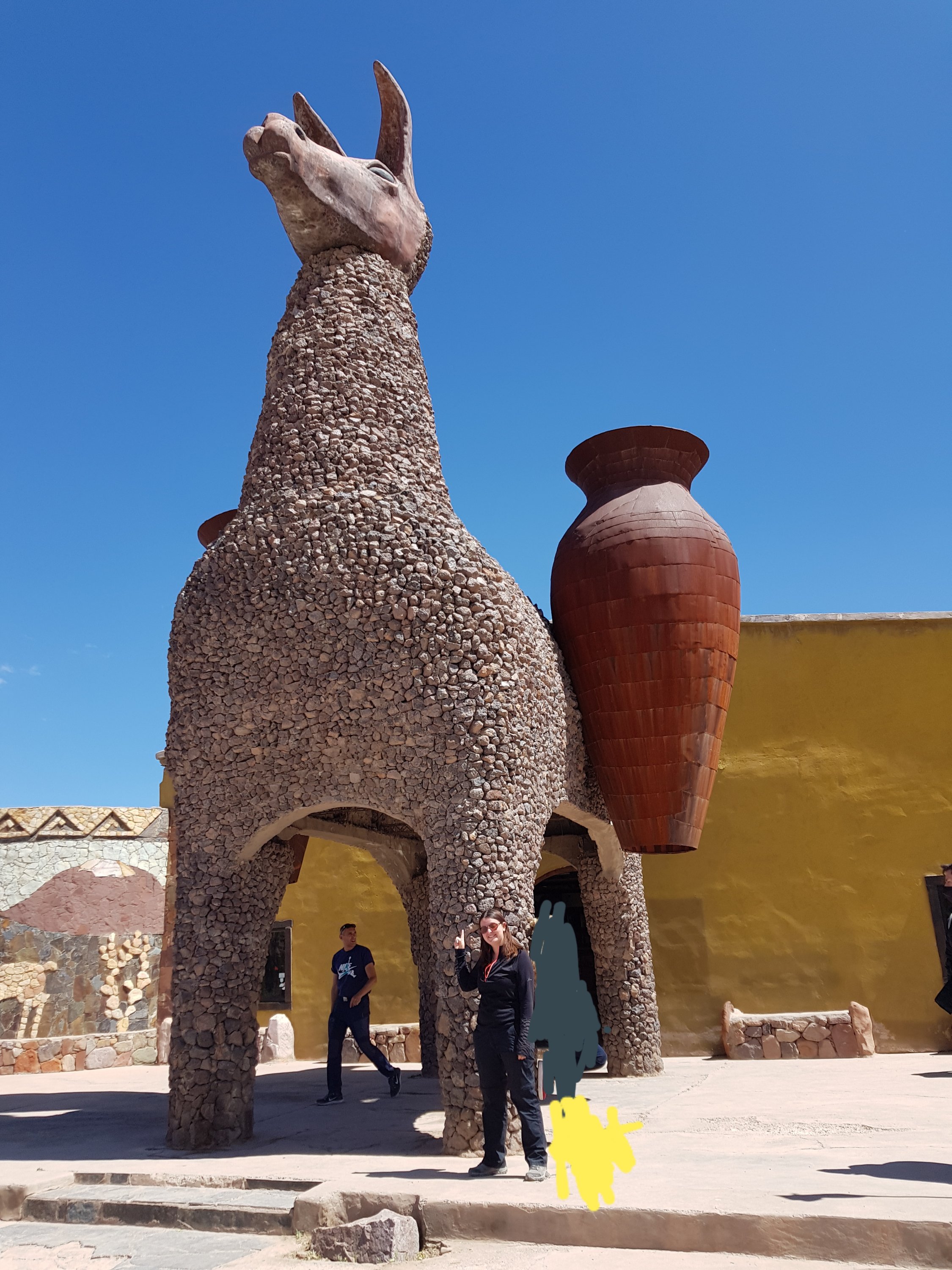
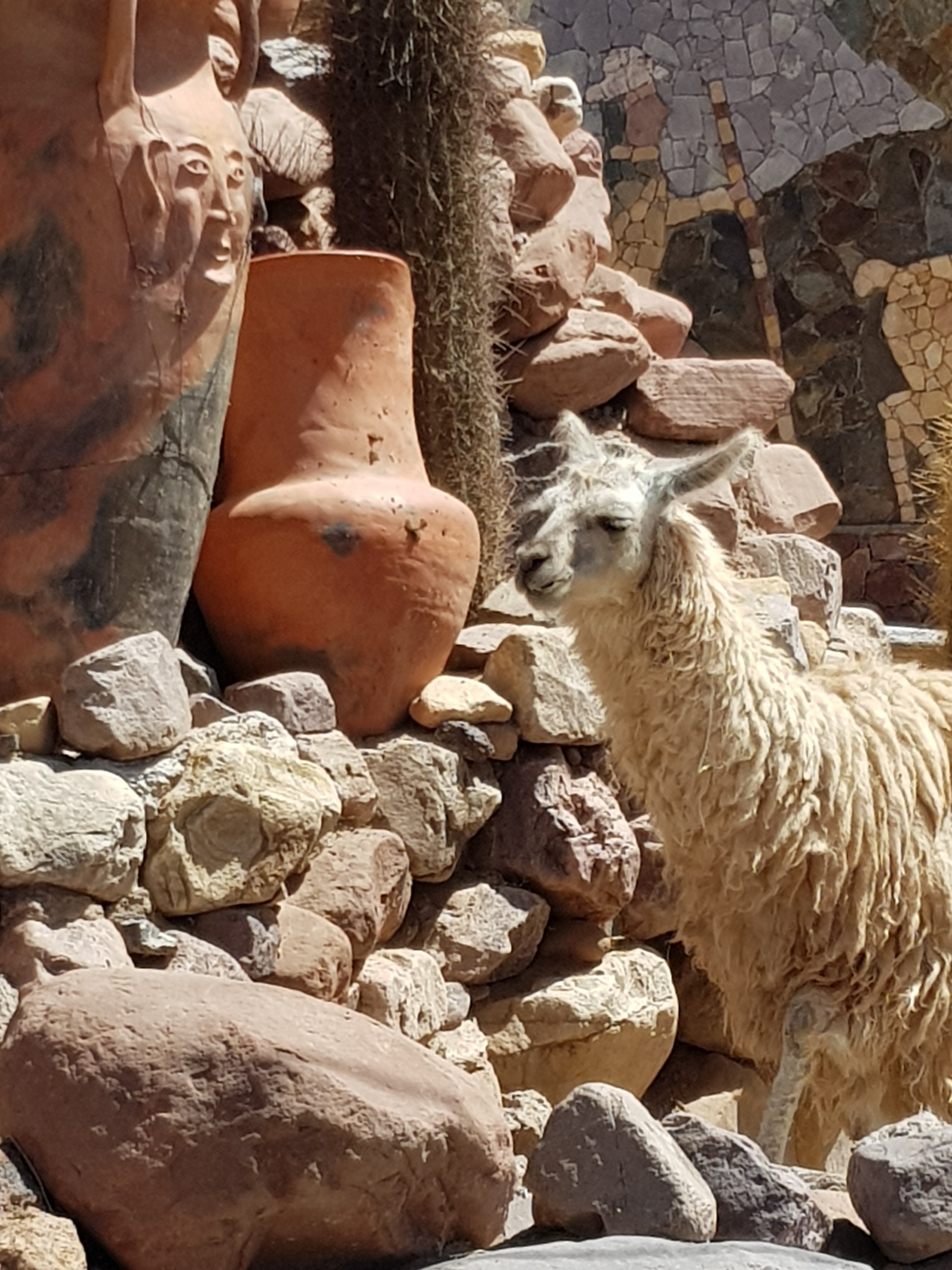
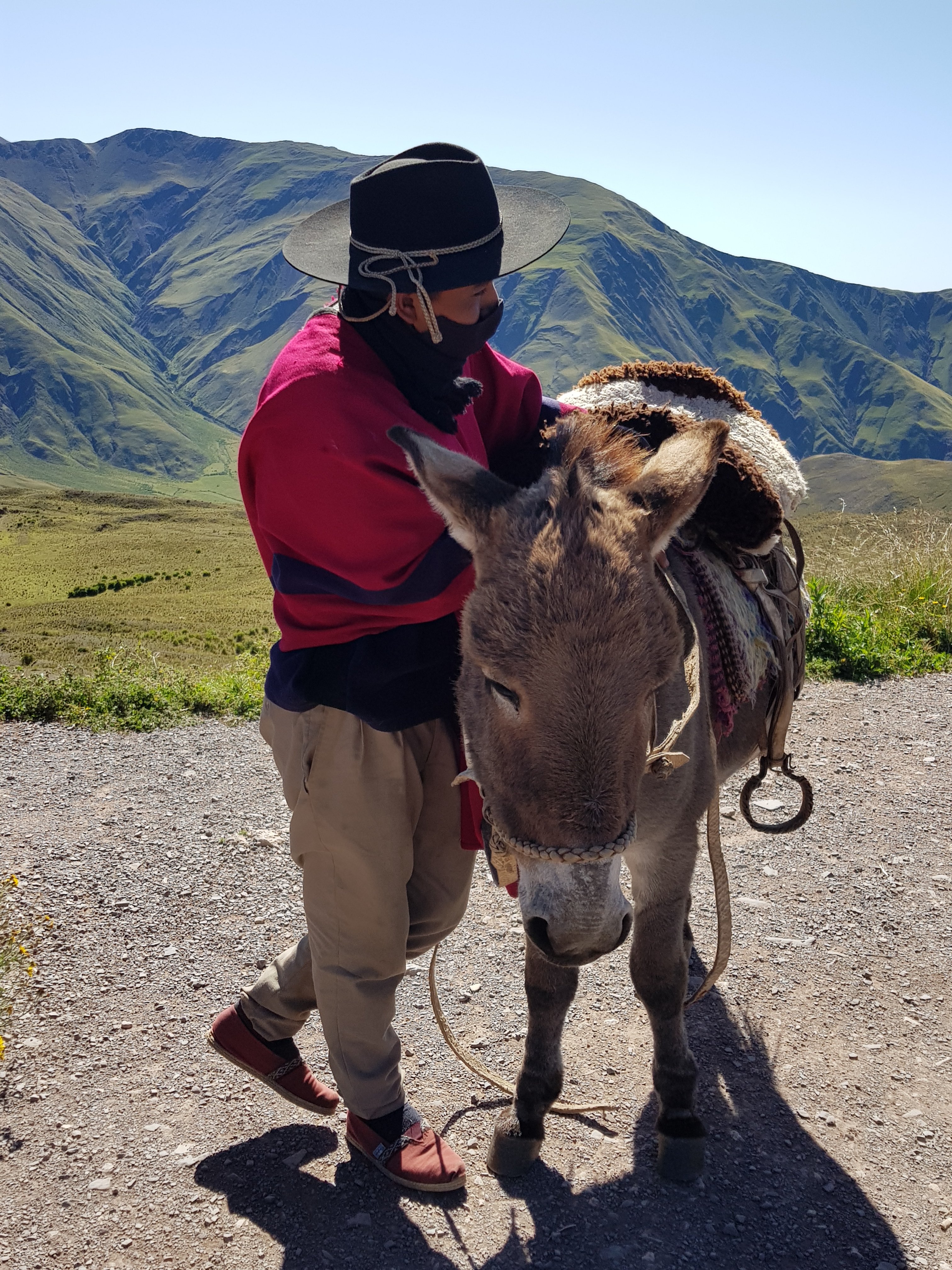
During my time in Salta, I went on three separate day excursions. There is so much to visit in this region, that you need to be choosy about what you visit. There are several villages and towns where you can enjoy local culture, buy artisan crafted gifts, and enjoy authentic cuisine. I was even able to visit a demonstration of how local pottery is made, fired and used, on a local llama farm!

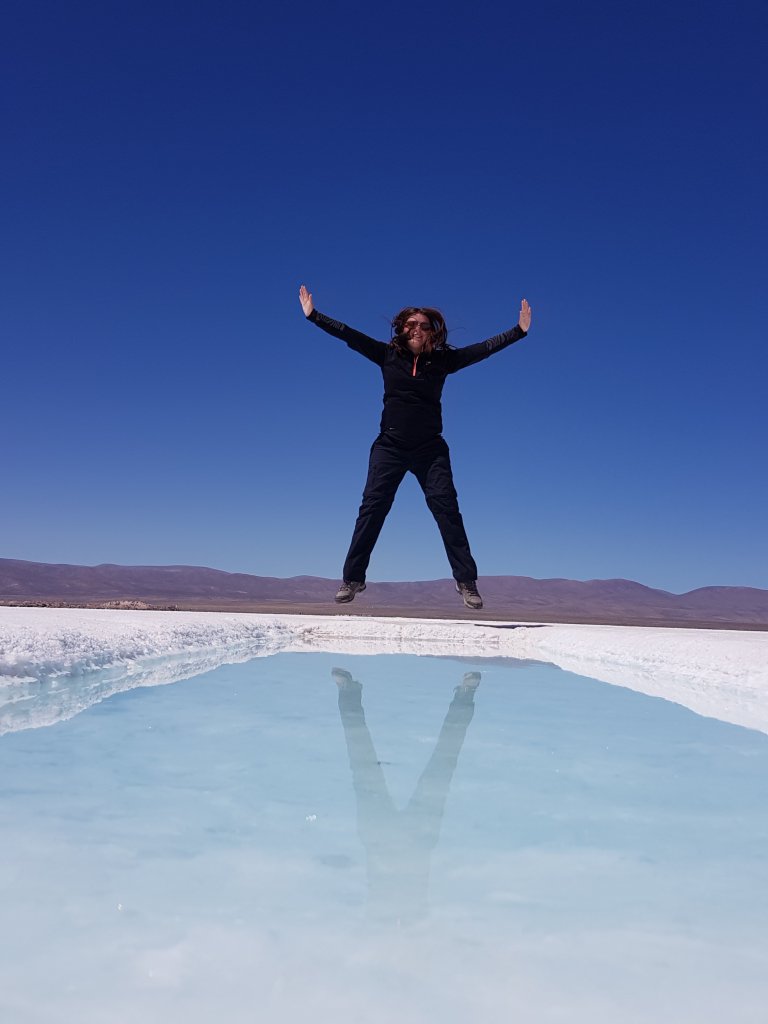
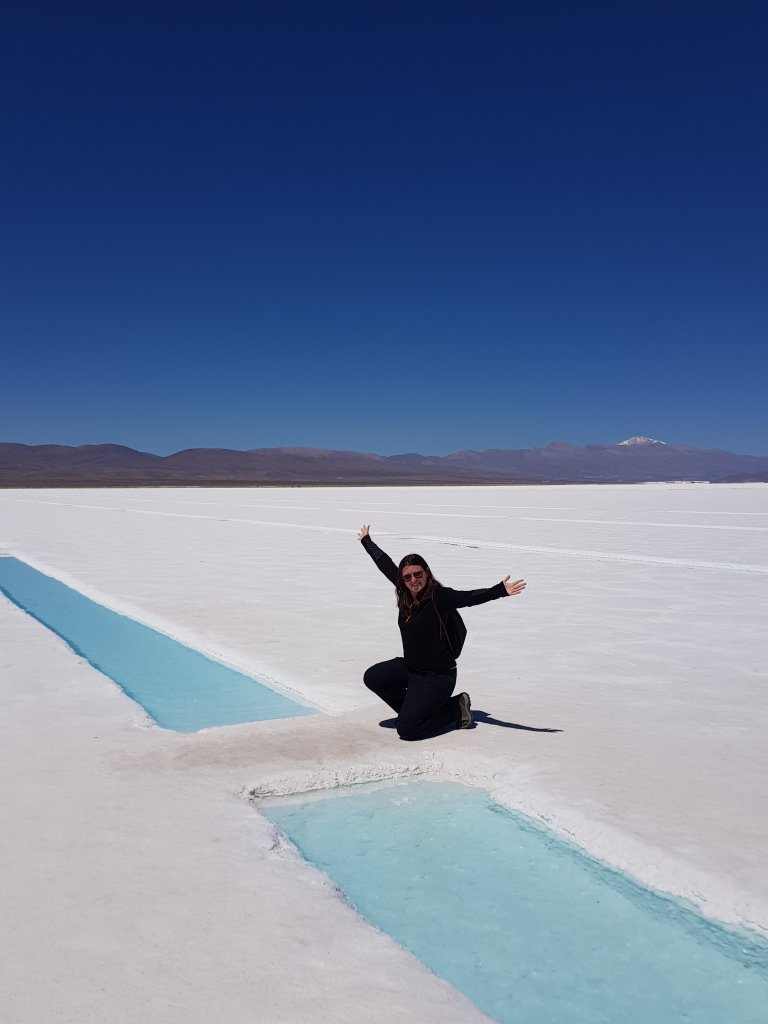
The highlights for me were two very different landscapes available to see a few hours (in different directions) from the city. The first, was found following a network of jungle landscapes and climbing to altitude of over 4000 metres. Eventually climbing down again to a huge area of salt flats, called Salinas Grandes.

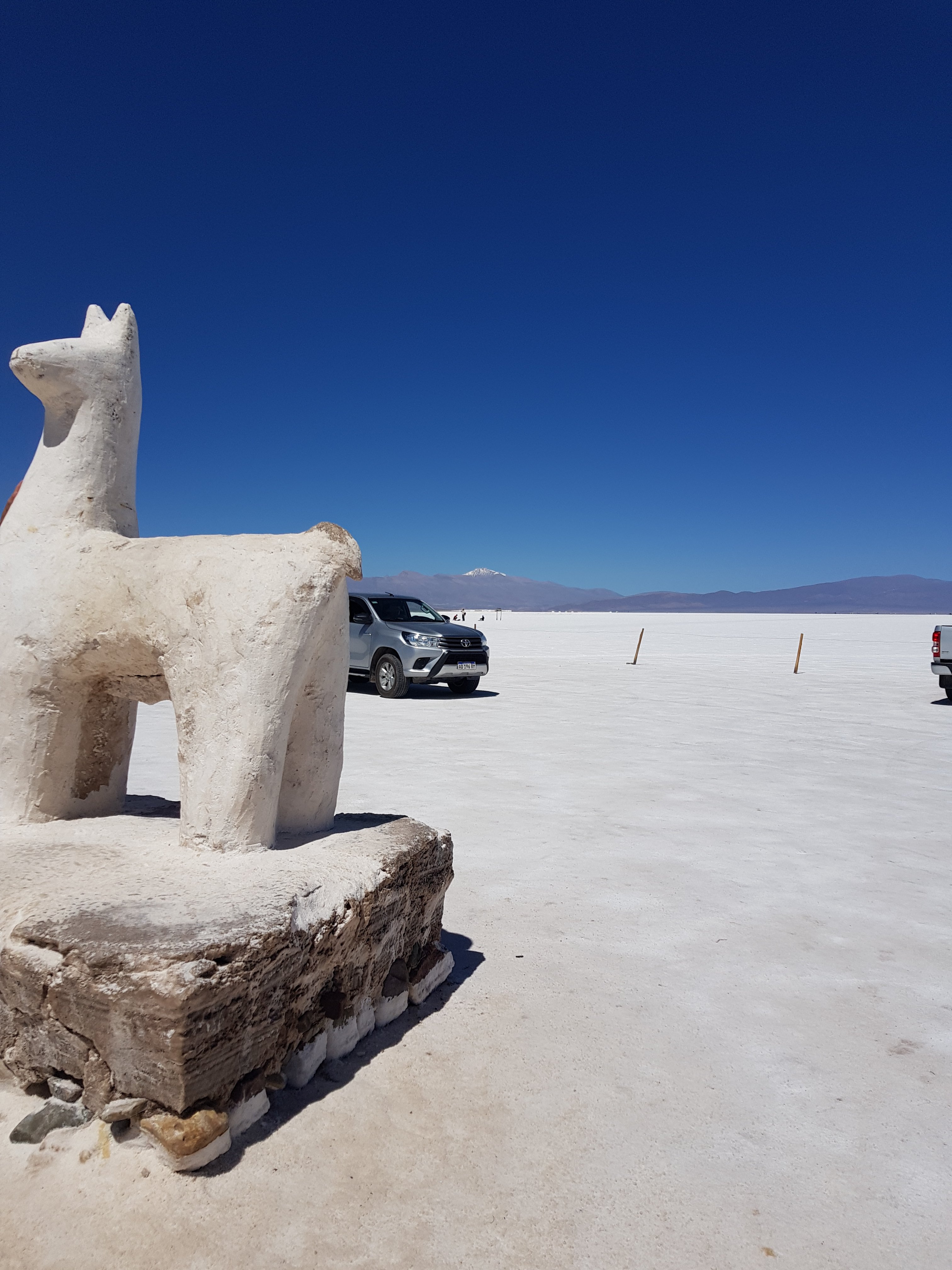
Similar to the salt flats in Bolvia, this site is simply a flat bright white landscape as far as you can see. Salt is mined from here, and for a few quid you can wonder the salt flats and take amazing photos. The local people also gather here to sell gifts crafted from the salt. I bought a little llama made of salt!

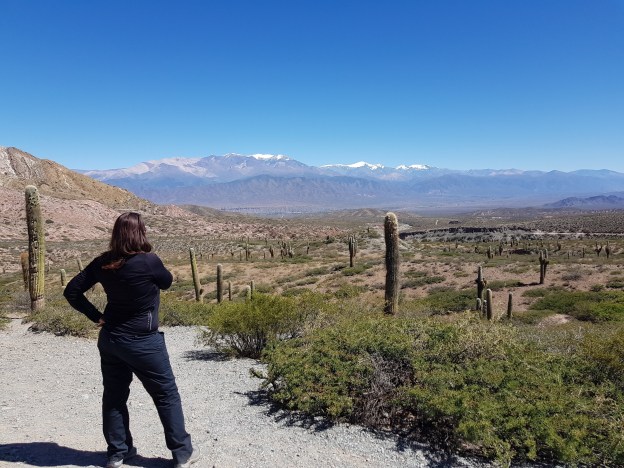
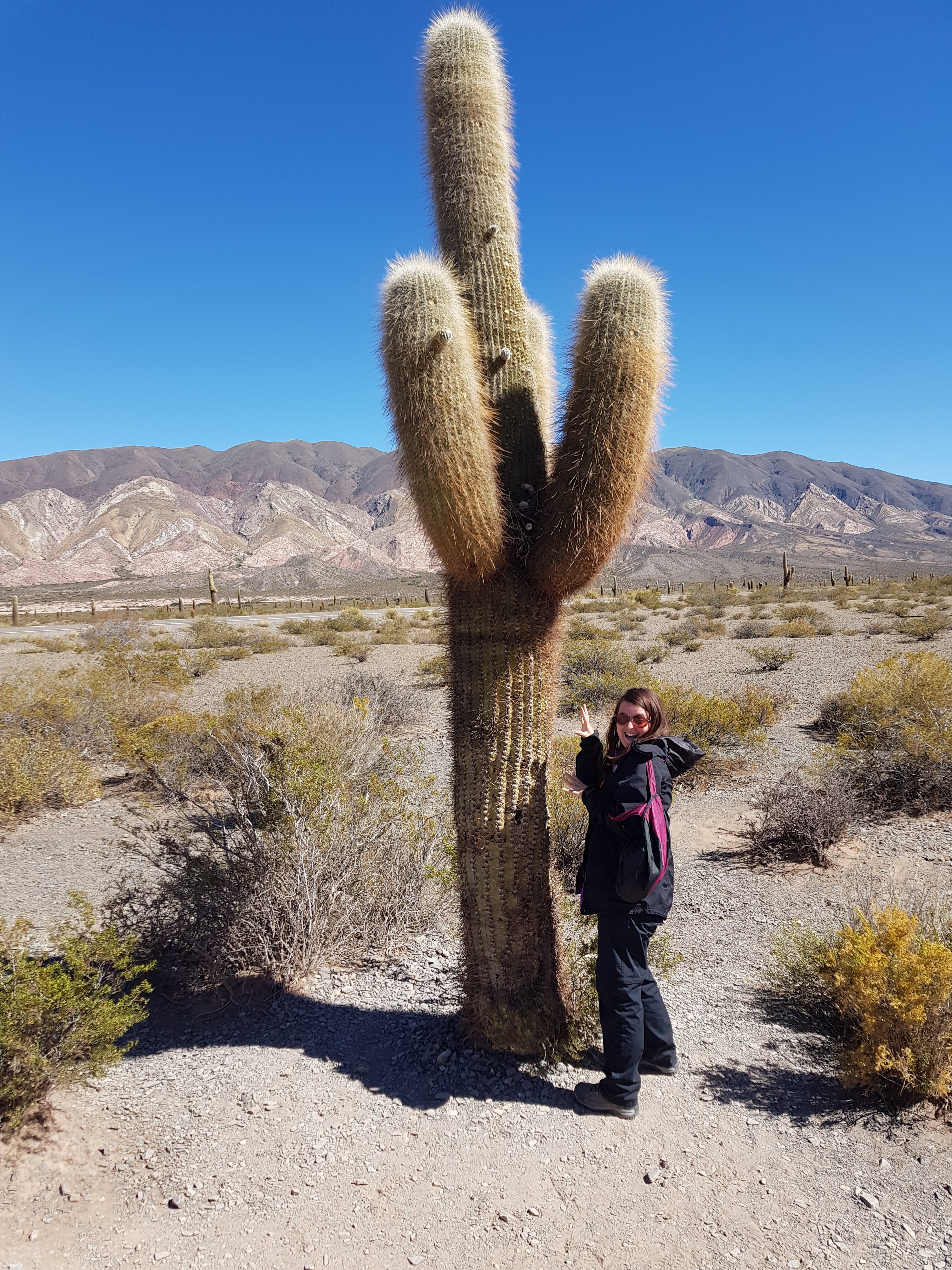
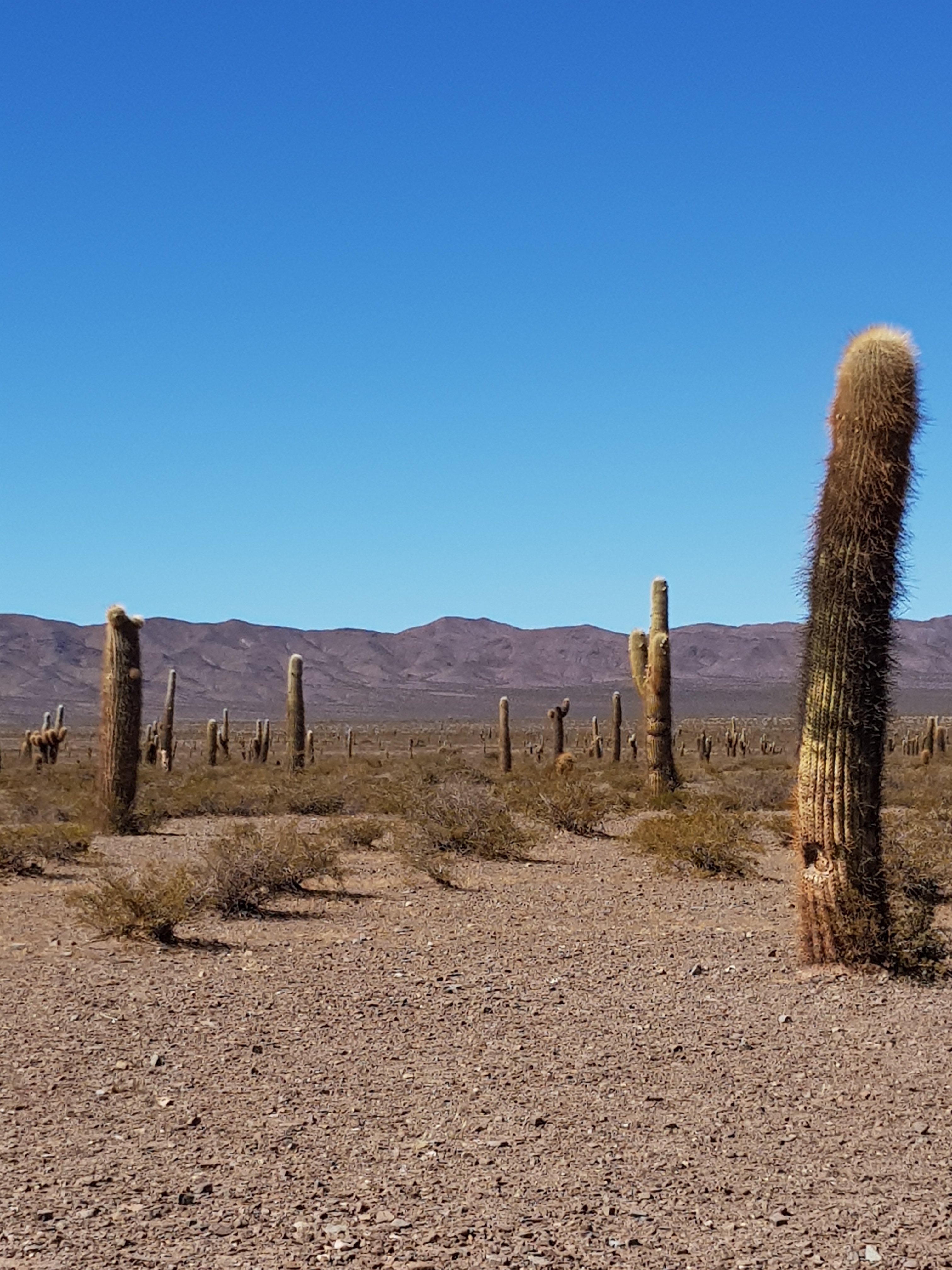
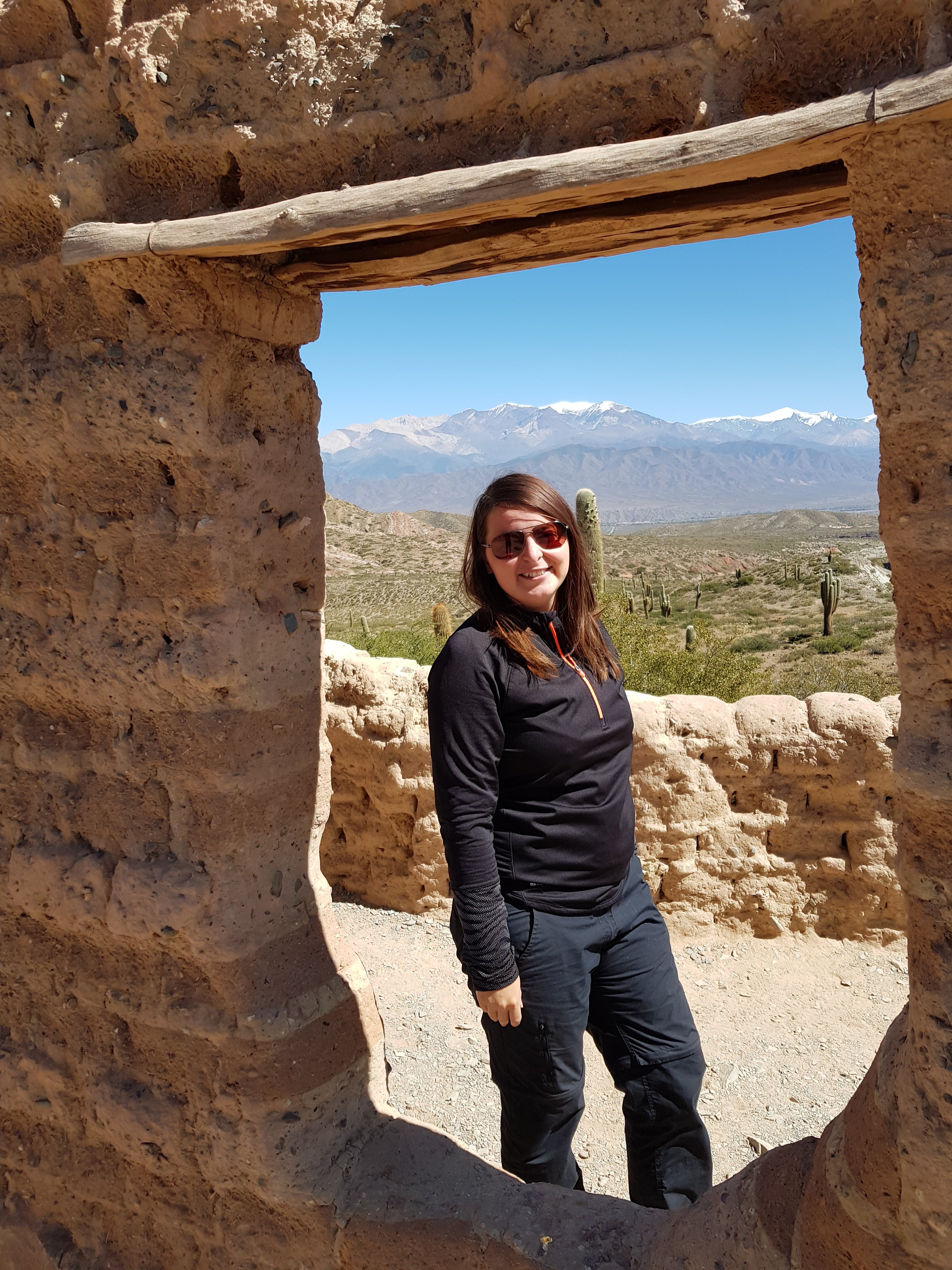
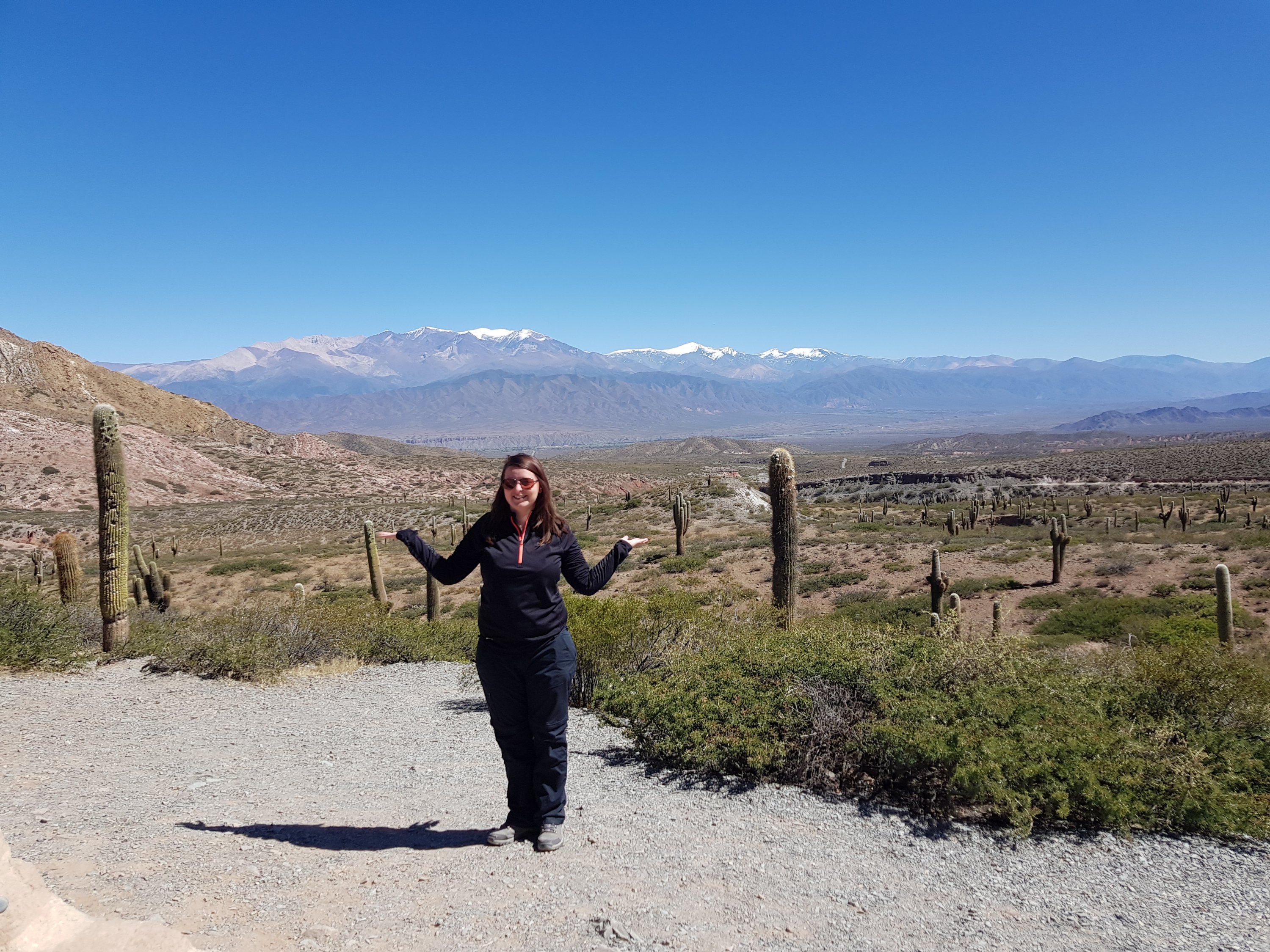
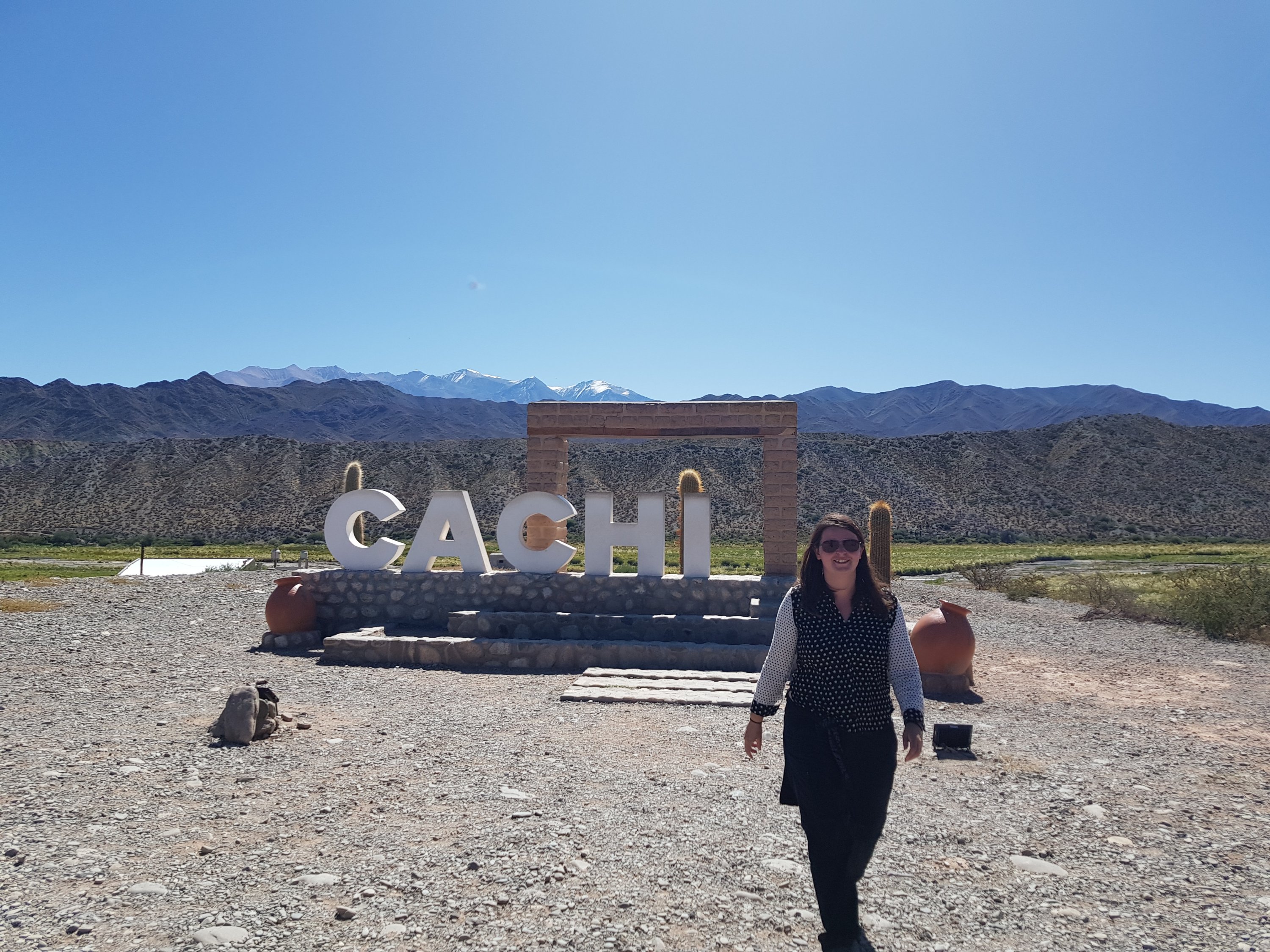
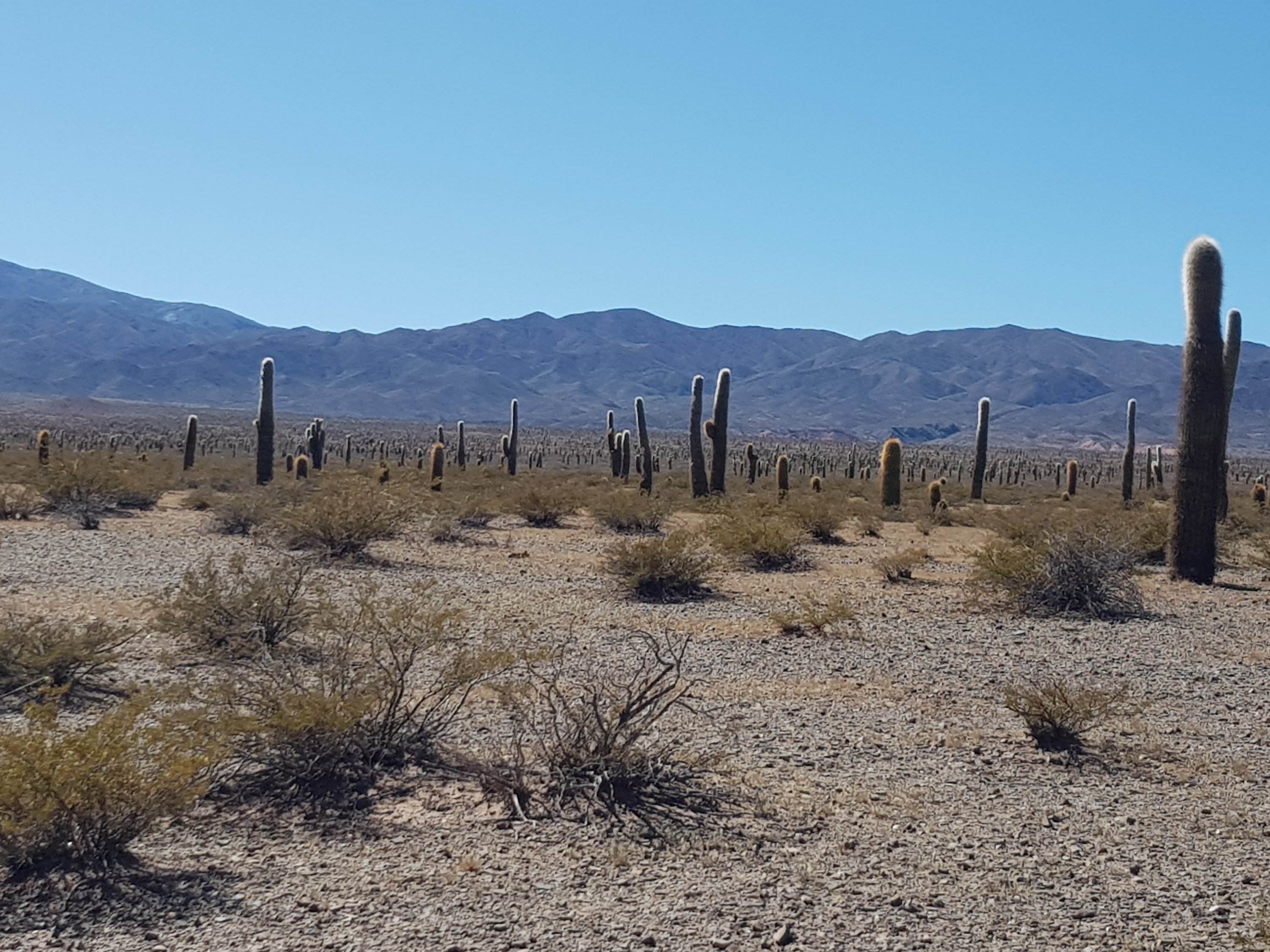
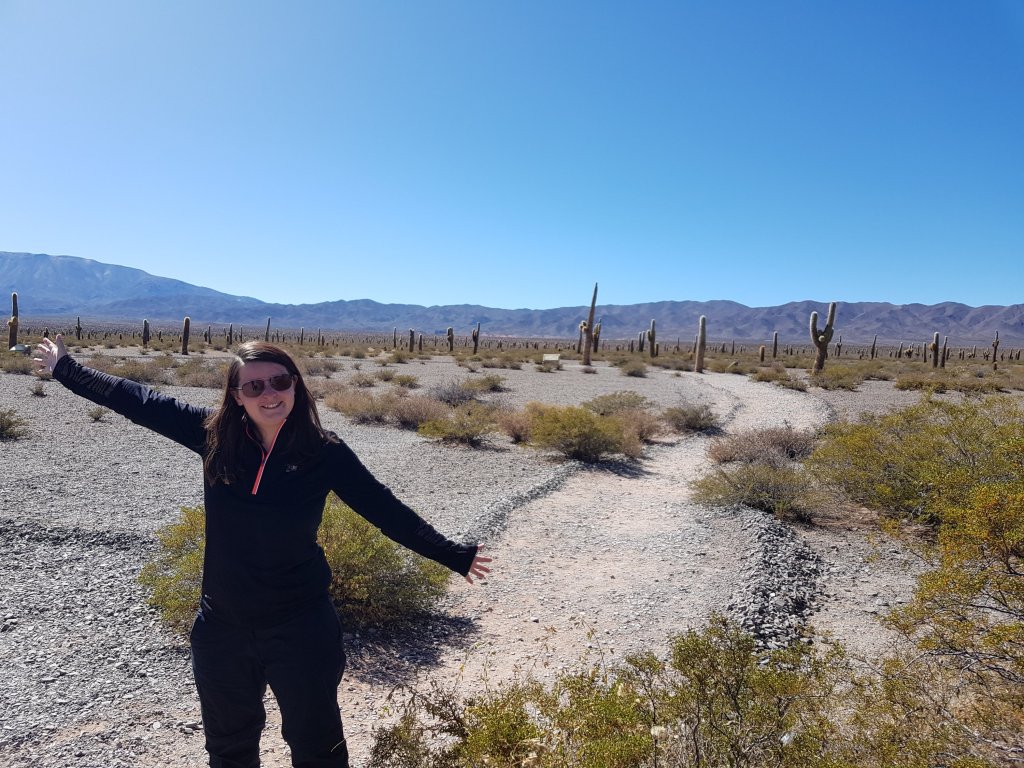
The other amazing landscape, was in the Los Cordones National Park on route to a town called Cachi. This is a desert of giant cacti. Easily over 8 or 9 metres in height, these cacti tower over everything else and go for many miles and up in to the hills. Apparently, it is because of this that many of the old ‘wild west’ movies were filmed in this area. I felt like it was definitely the right setting for it, and I was very aware of where the minibus was the entire time, so not to get left out in this very baron area.

Evenings

I spent my evenings relaxing with a great new friend from Brazil. We enjoyed dining in the range of restaurants in the city, and also visited a local Pena scene. A Pena is a local folklore show, but the restaurant we visited, had performances in different rooms of this old house by the diners themselves. Every time music in one room stopped, another room began to sound out with acoustic guitar or beautiful singing. It was a unique experience.

Overall, Salta stole my heart a little. A beautiful place in every way, with rich culture and history. I would definitely visit again, and would recommend a visit there to anyone in the area. Next stop, Cordoba…

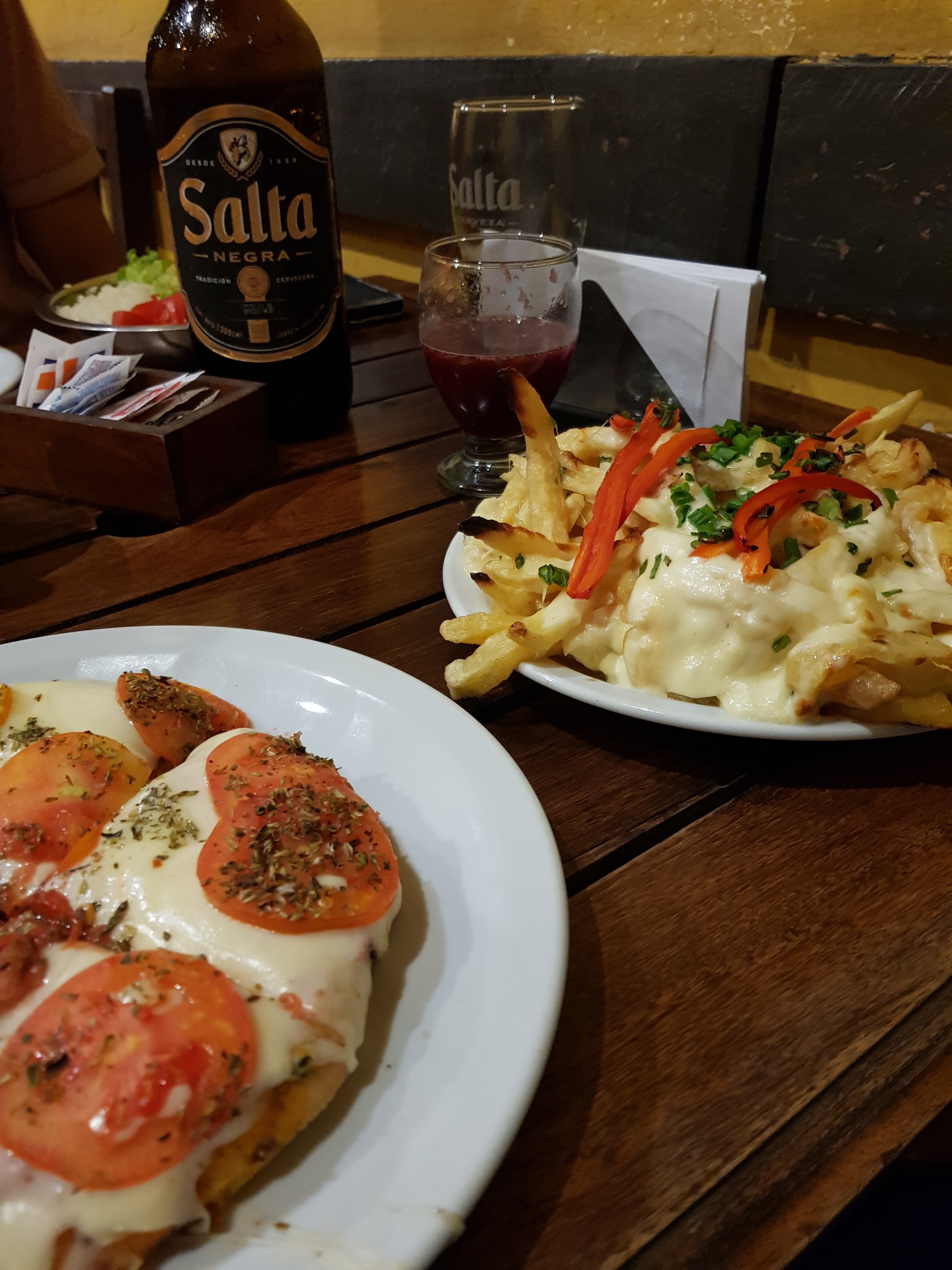
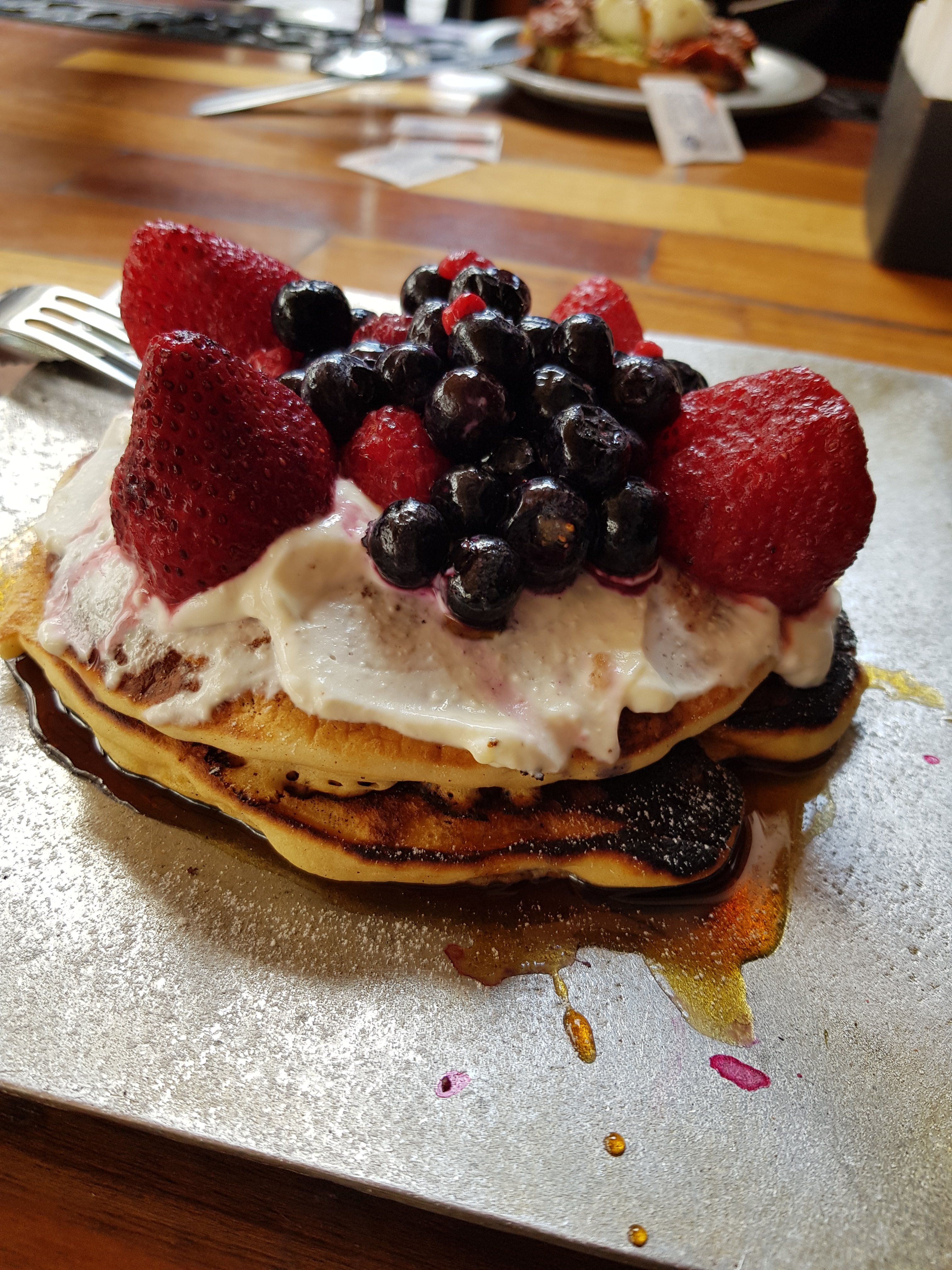
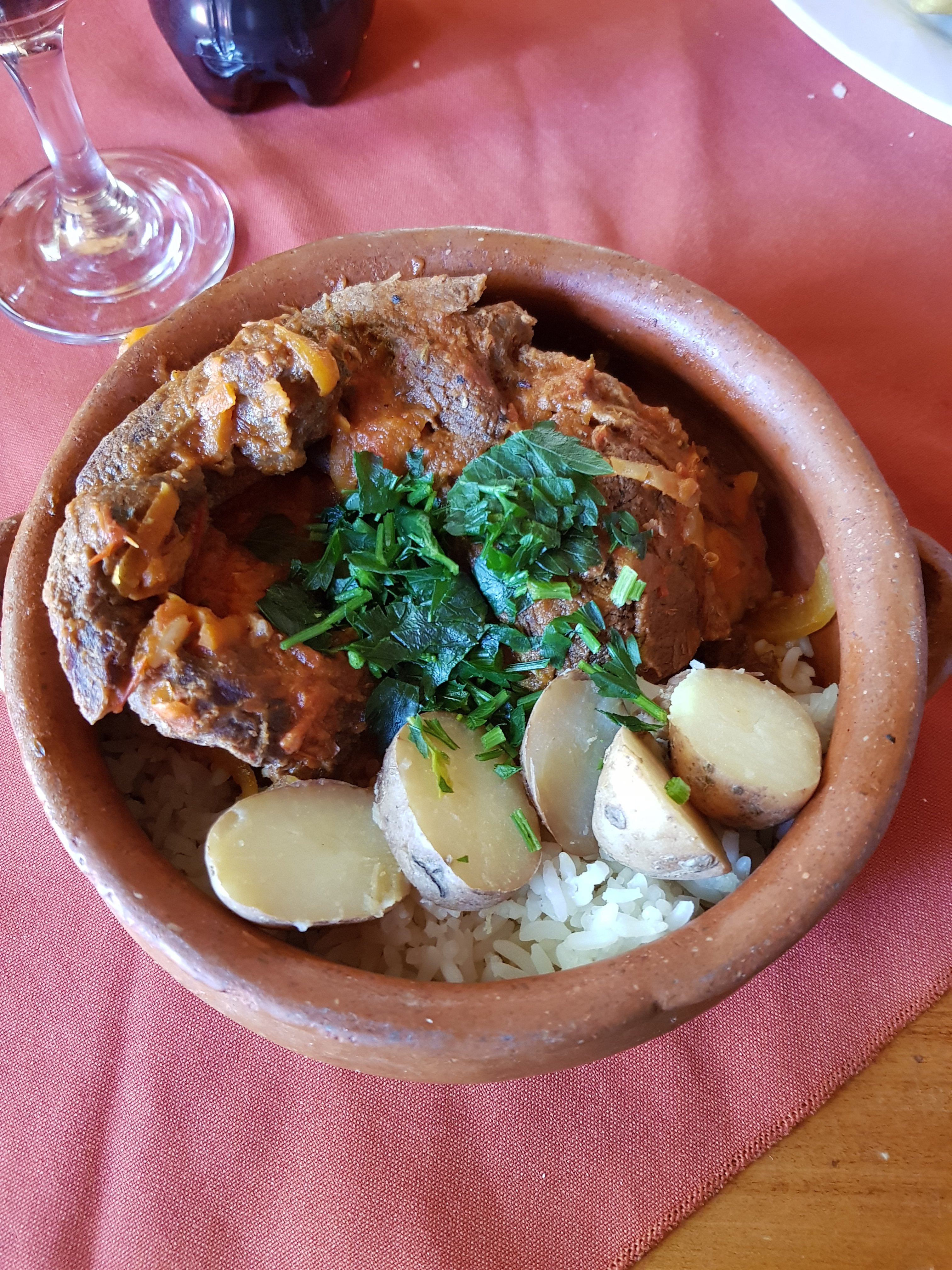
Mendoza: Argentina’s Culinary Capital

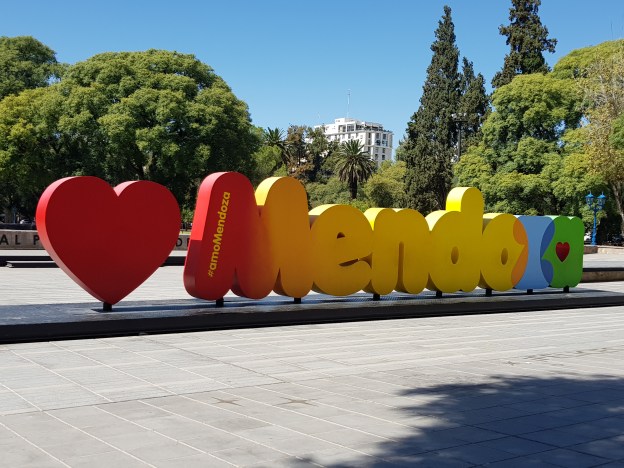
Mendoza is located in the North of Argentina, close to the border of Chile and it’s capital city of Santiago. It is well known for being Argentina’s key wine making region, as well as being a small city with several suburb neighbourhoods. I visited Mendoza for a few days on my way across the North of Argentina.

I travelled to Mendoza from Ushuaia over several days, mainly by bus. My main overnight stop being in Bariloche again, where I enjoyed an unexpected hostel party before my final bus. On arrival to Mendoza, I checked into my hostel, (which was not very desirable), and relaxed quite a bit on my first day, but the humidity of the city did mean that I was eaten alive by mosquitos.

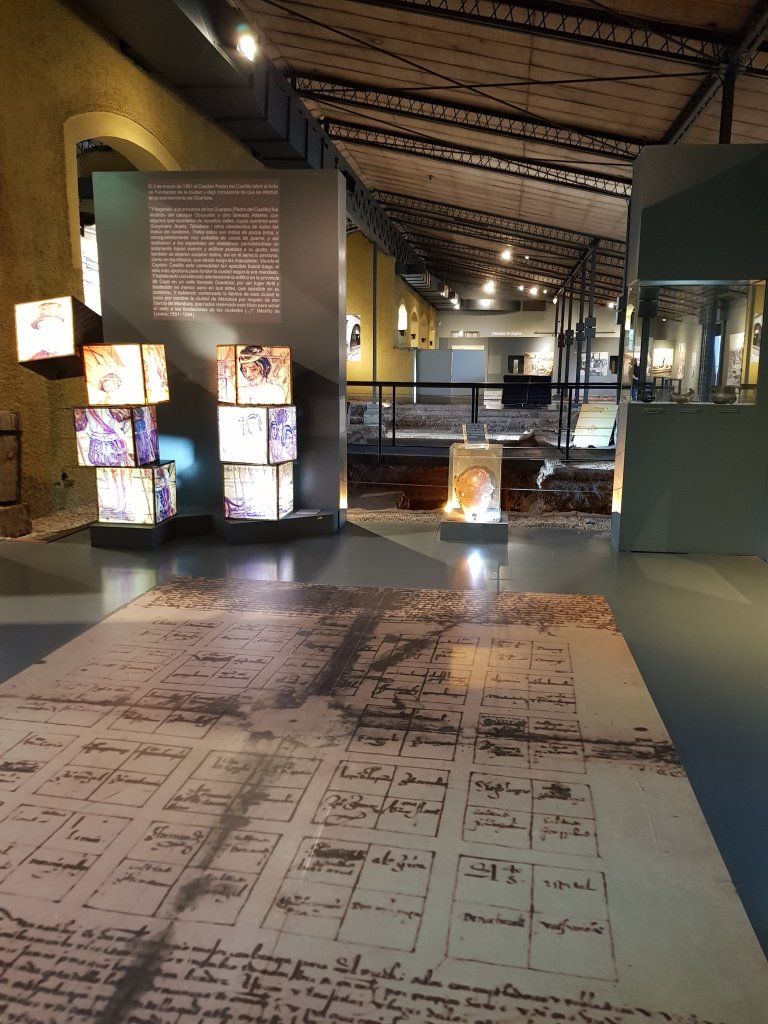
Following my rest, I began to explore. Mendoza is a reasonably small city with many small suburbs and hills surrounding it. The city has plenty of restaurants and shops, and of course several opportunities to taste wine along side Argentina’s famous asado dish. Unfortunately, the city is lacking in other things to do and see. There is a museum dedicated to the city’s foundations, which was somewhat interesting, but it is quite small and with little information in english. Next door, are the ruins of the original church, but the entire experience takes less than an hour.

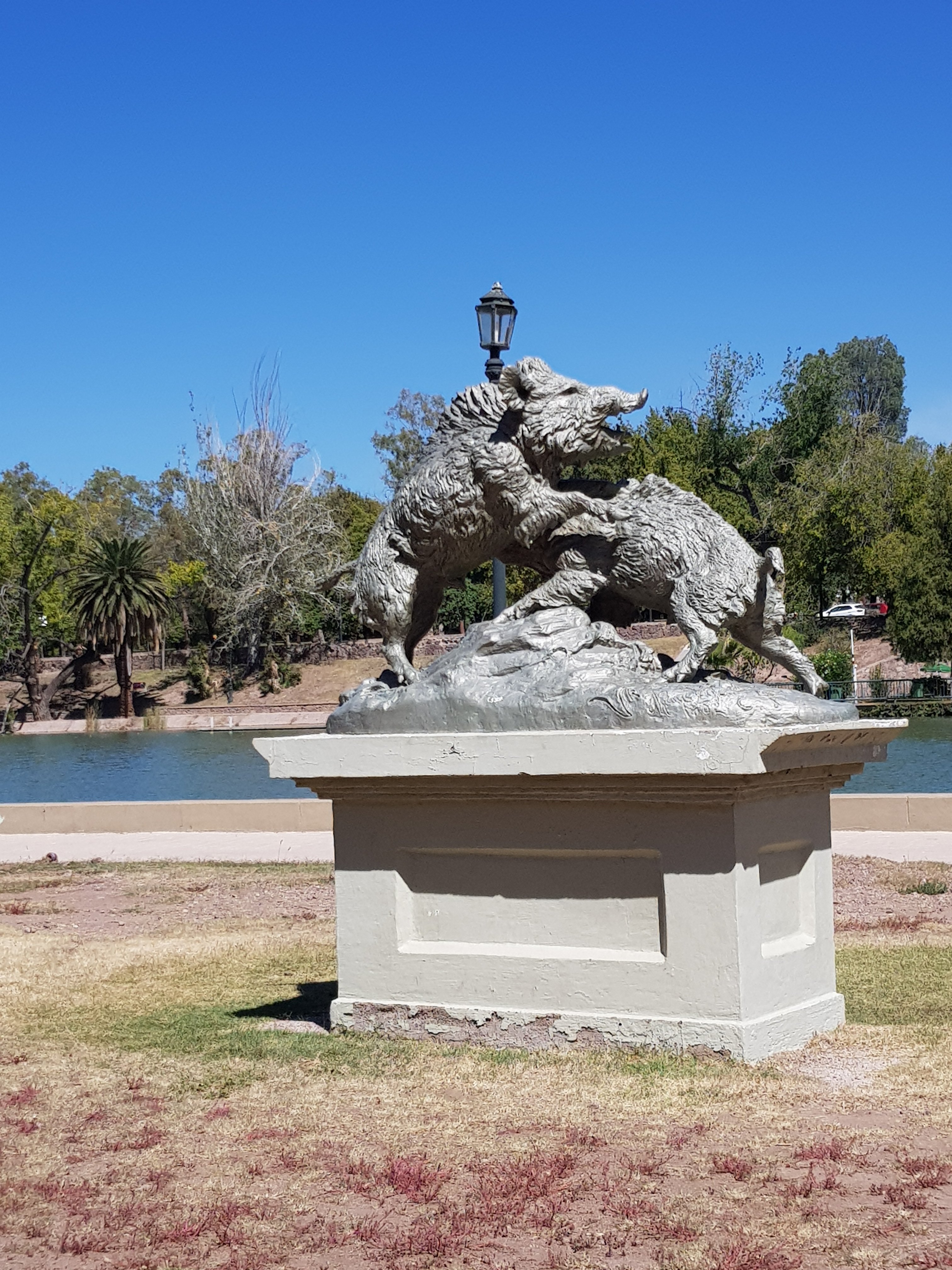
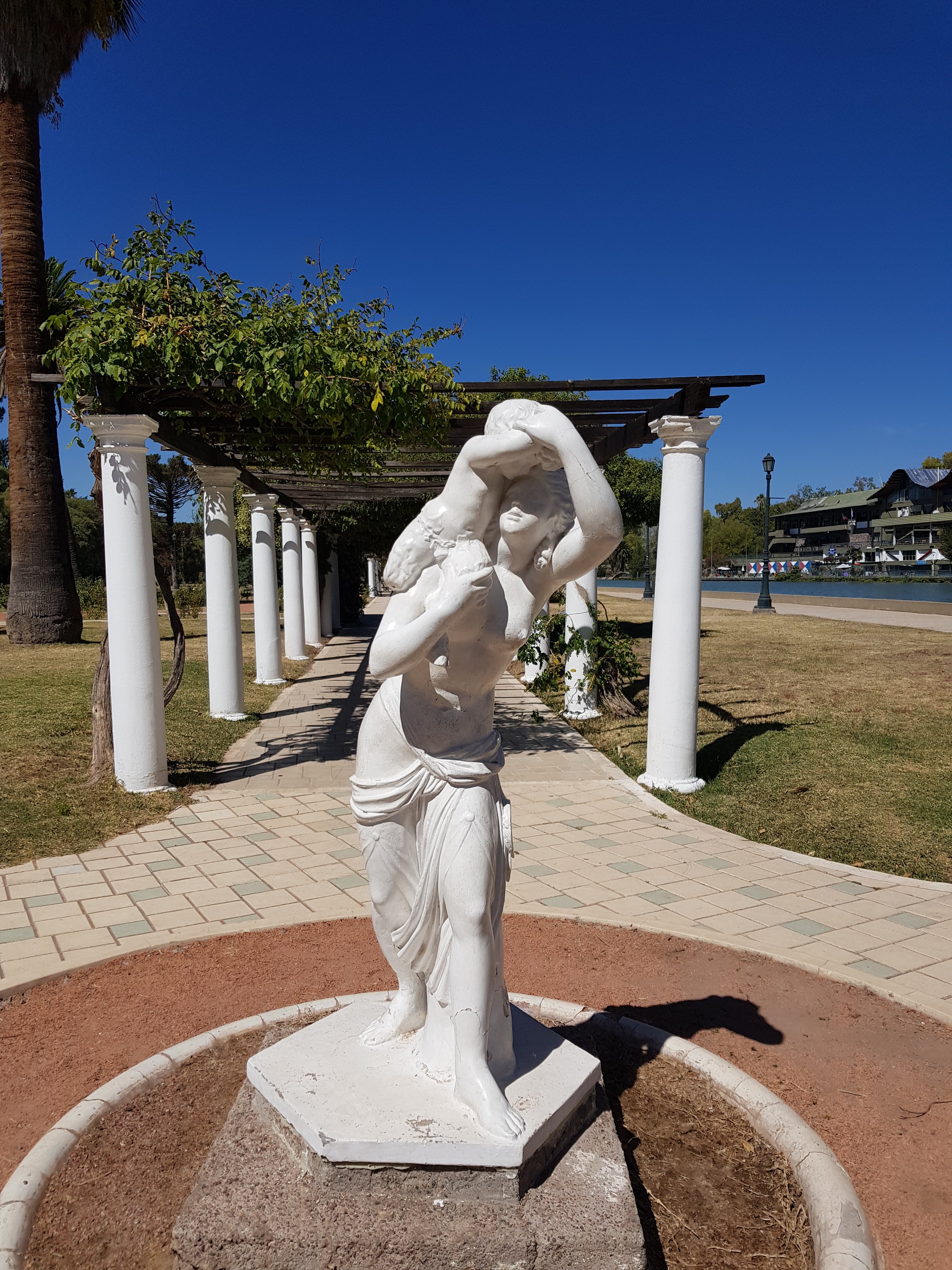
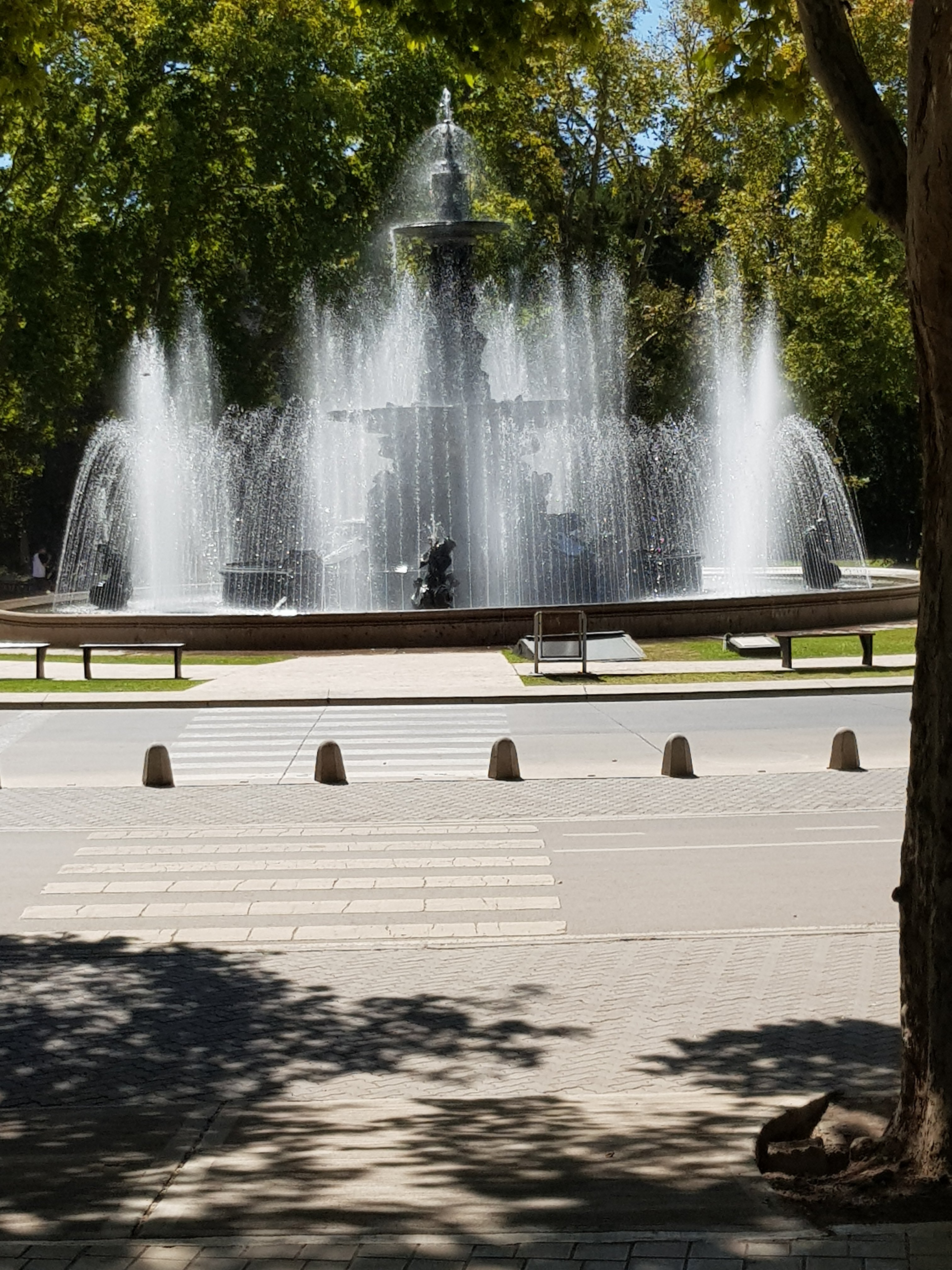
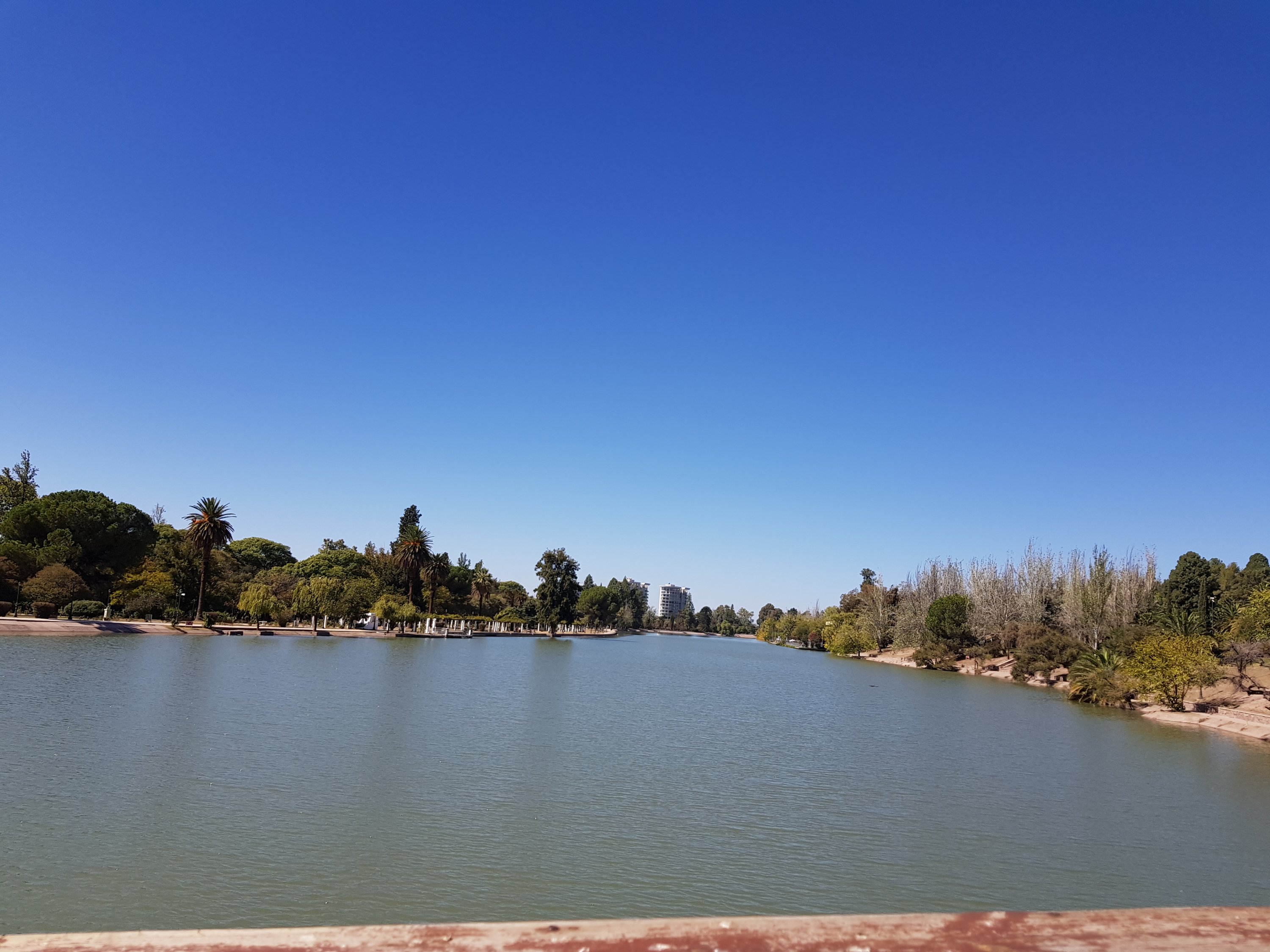
The other thing to see is the Parque San Martin. This is a huge park which you can relax within, it has a huge lake, and a museum of natural sciences. I did enjoy a pleasant lunch in front of the lake following the one exciting thing there is to do in this city… paragliding!
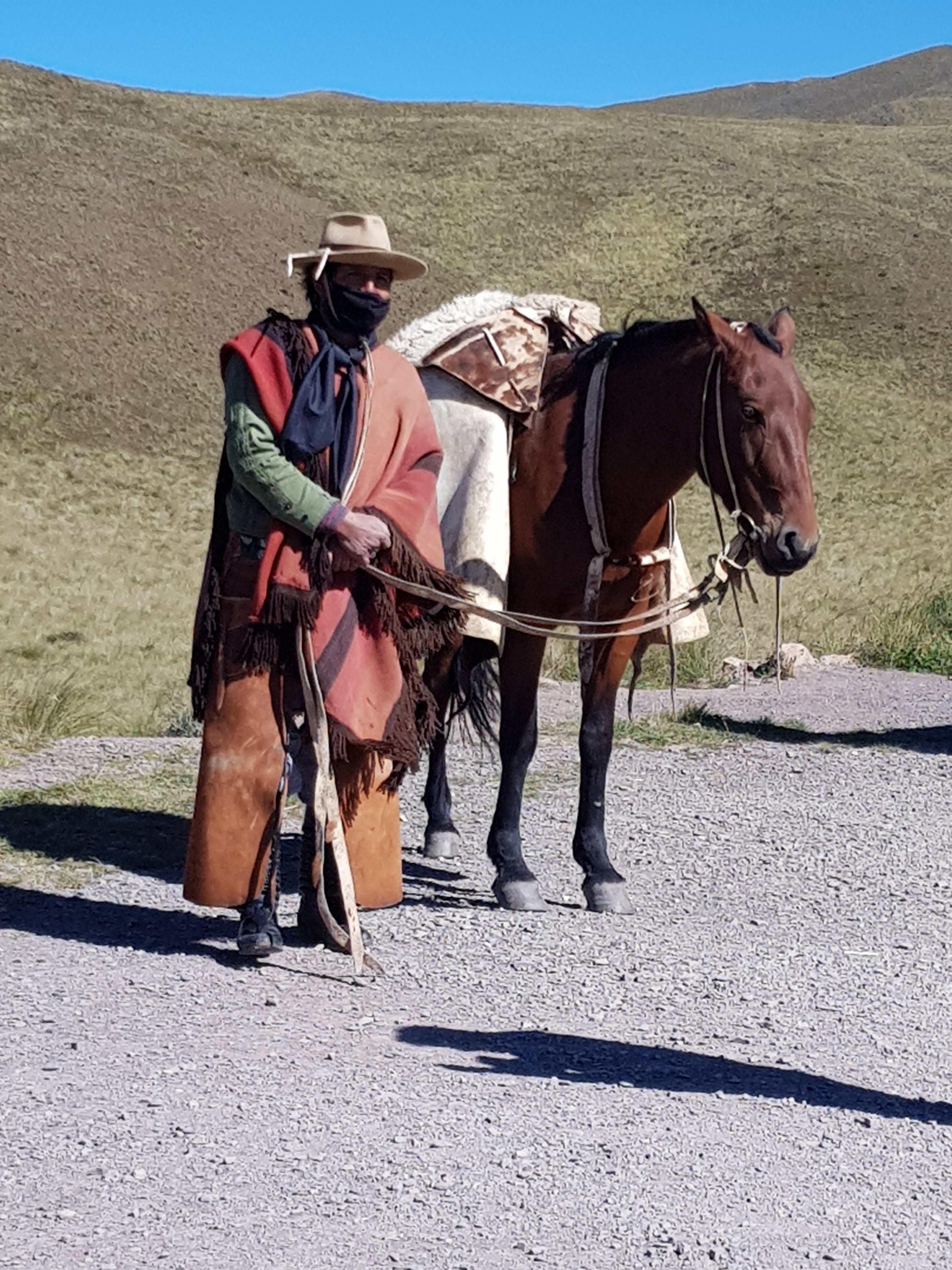
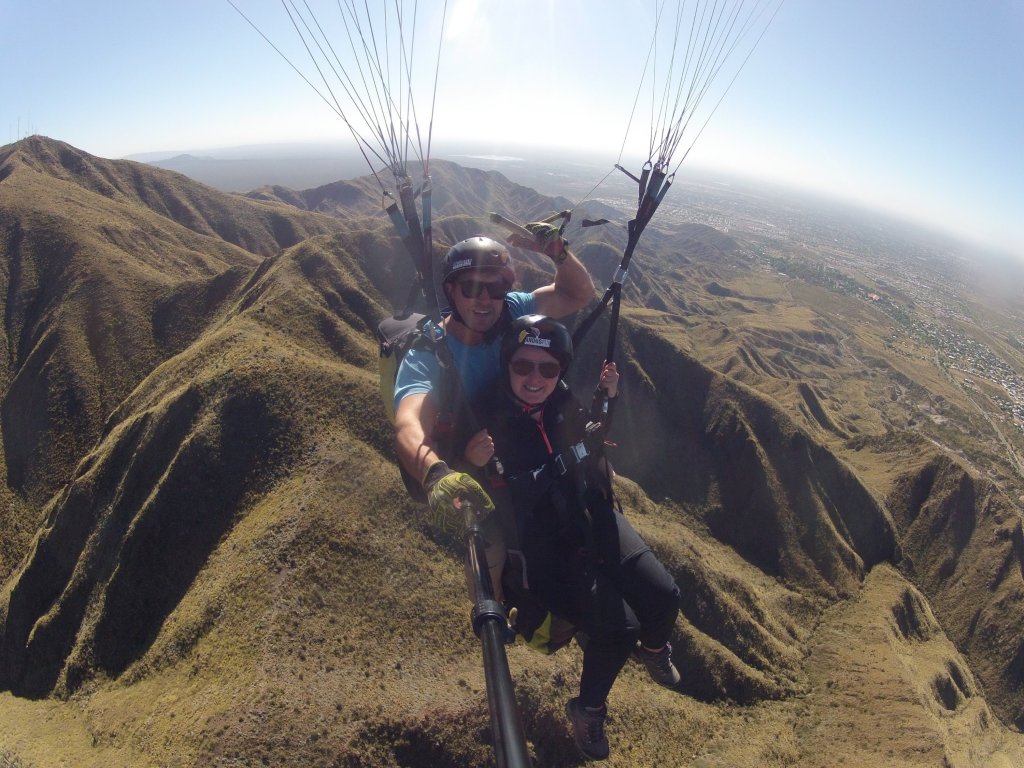
I decided to ‘tale the leap’ and enjoy a short paragliding experience from the 100 metre cerro (mountain). I thought it would be more scary, but you did not have the chance to get scared, you are simply strapped in and pushed off! Then you can float over the city for 15 minutes, and enjoy some complimentary acrobatics from the pilot, which were fun but almost made me vomit!

As well as paragliding, there are other adventure sports available around Mendoza, for those that do not want to spend their time just drinking and eating. Rapid rafting, repellling, climbing and hiking are all available, and Mendoza provides accessible trips to the tallest mountain in the Americas, Mount Aconcagua. I was happy with the paragliding as my bit of adventure for that time, as I was only there a few days.

I realized that I could not come to Mendoza without visiting the wineries, even though I do not drink much wine normally. There are countless tours selling full day and half day guided tours to the ‘bodegas’ which are the wineries. These were quite pricey, and as I knew this was not very important to me personally, I decided to find a cheaper way to do it. I found out that some of the bodegas offer tours for free, so I made a reservation directly with one of them.

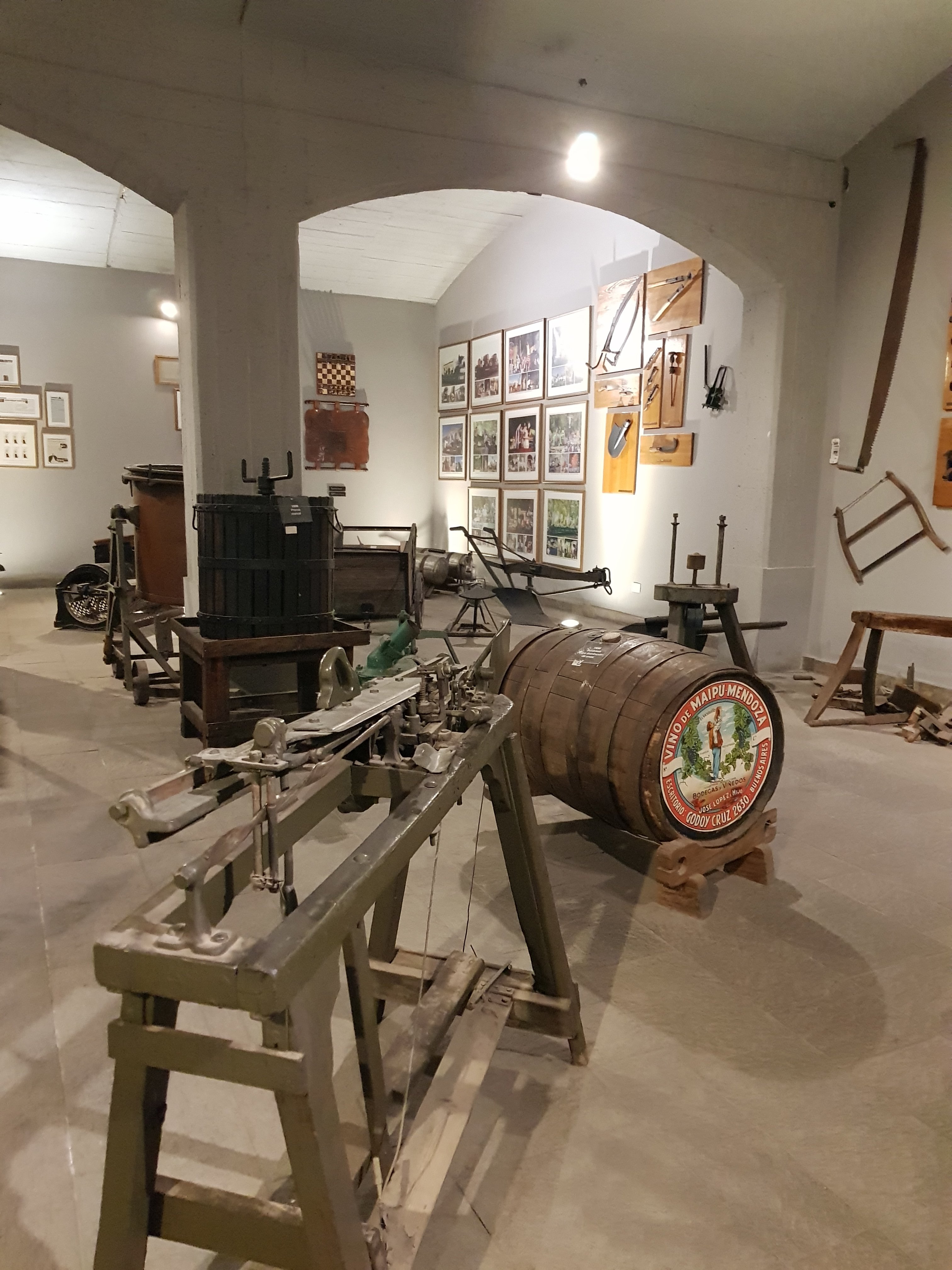
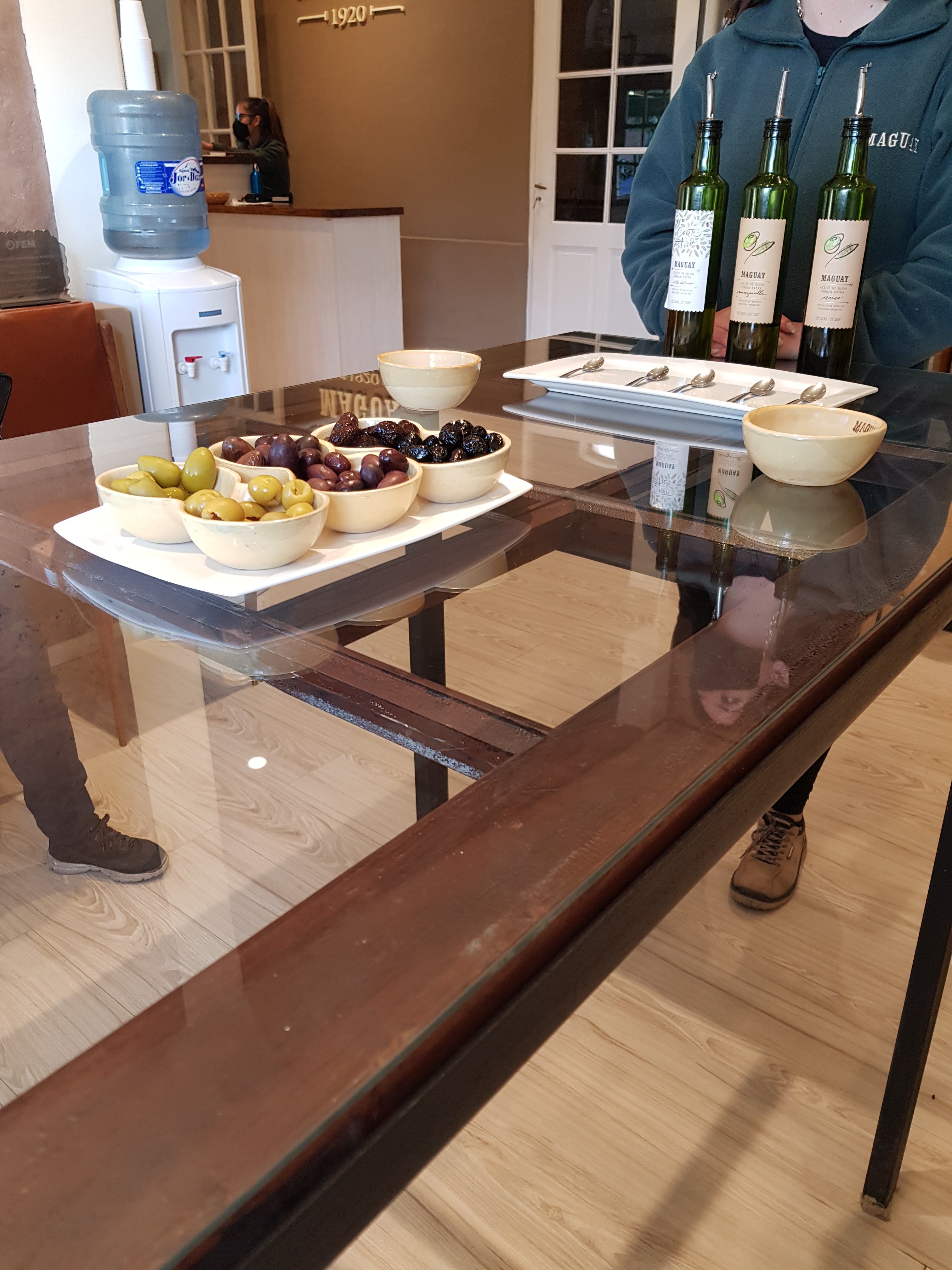
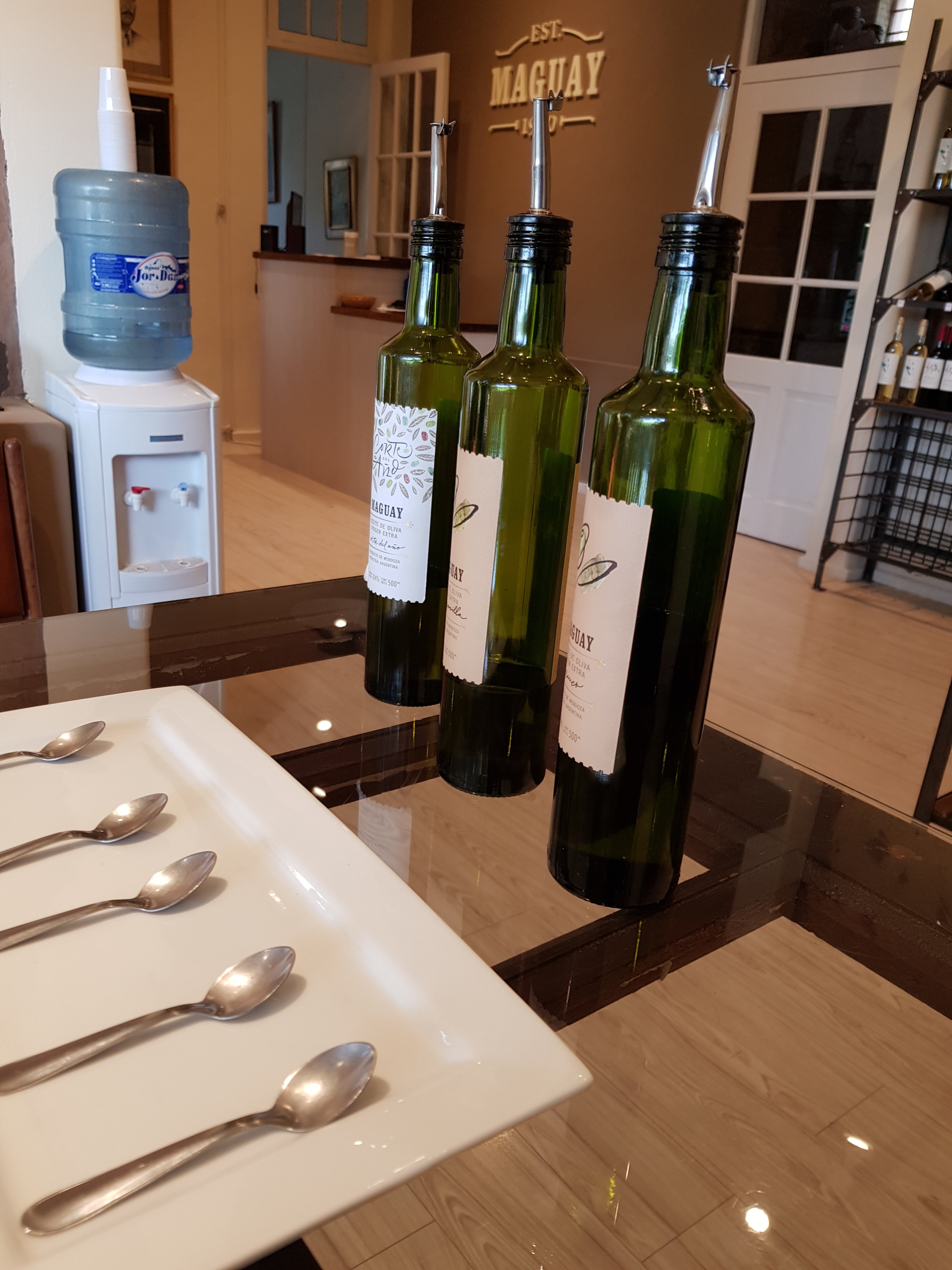
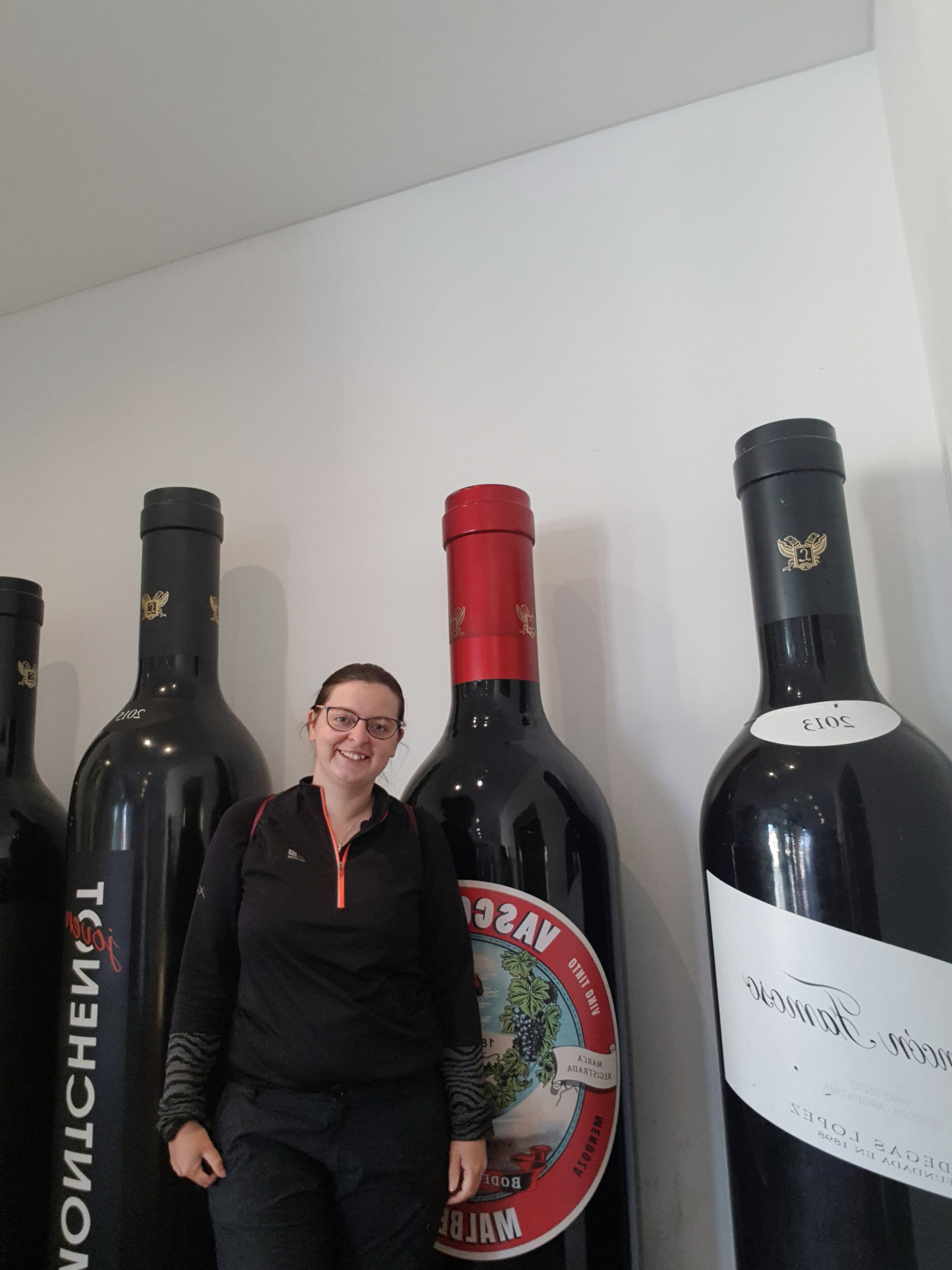
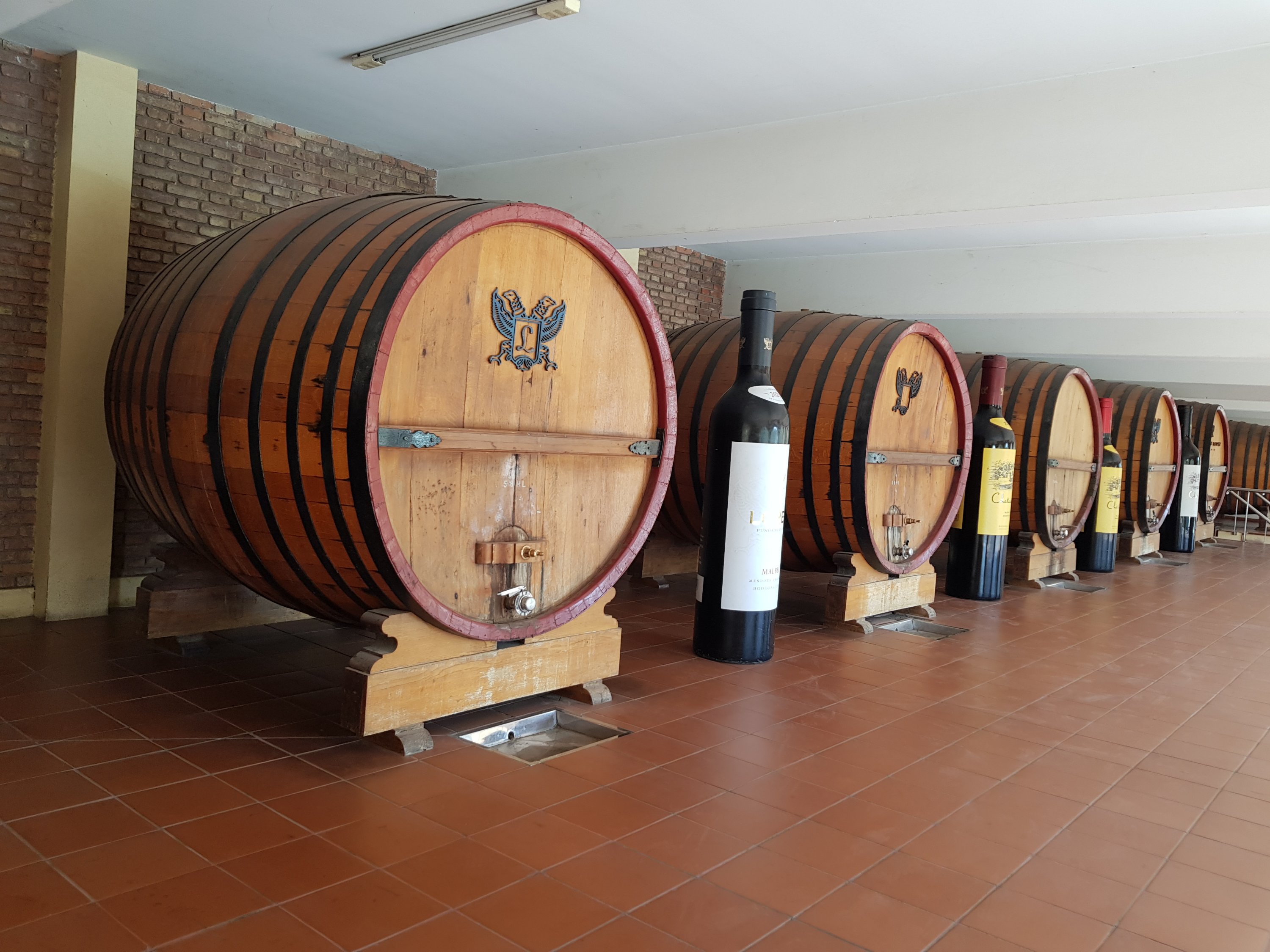
I booked a one hour tour with the Lopez family Bodega in Maipu which is only a 25 minute bus ride from the centre. Down the road from there is also an olive growing farm where you can also access tours directly. So my day became sorted for very little money at all, saving me around £100, and I still got to have the tastings. The winery had giant wooden barrels storing their oldest wines, and a small museum about the history of the bodega, and it was quite interesting to learn a little about the process. Equally, the olive farm was very pleasant, and I learnt that to have a mature olive tree that produces enough olives to be commercial it takes several decades, so they have to be quite dedicated.

Overall, I think Mendoza is a pleasant city and especially well suited to those visitors that like a little luxury and love their wine and grilled meat, but if you are a little more of a commoner like myself, it is best not to visit unless you are prepared to part with a good bit of your cash and have some adventurous activities!

Onwards and upwards. Next I visit Salta!

A Journey to the End of the World: Tierra del Fuego

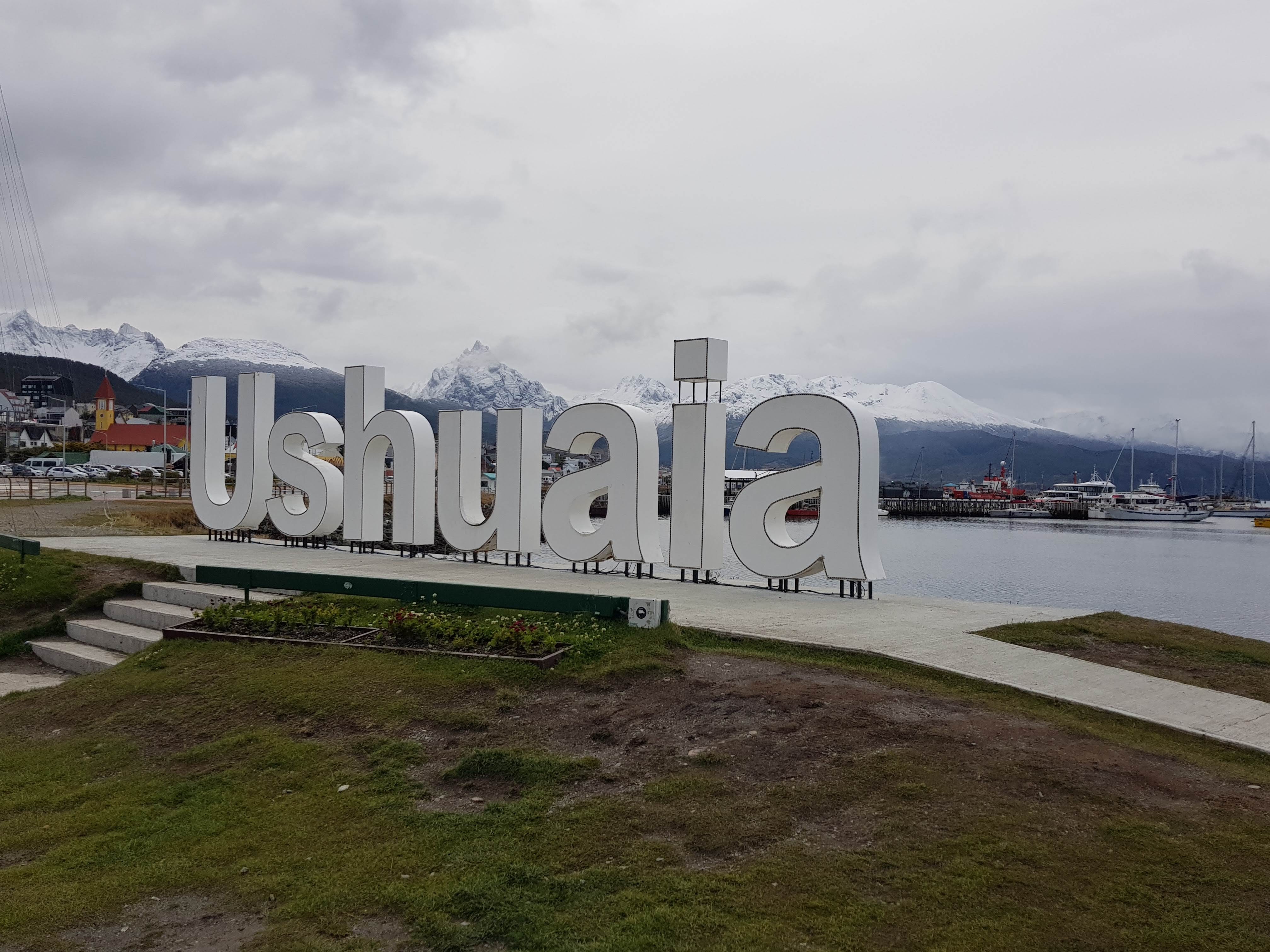
After re-entering Argentina, I took a twelve hour bus South, to find myself in the most Southern city on the planet, Ushuaia, on the island of Tierra del Fuego.

Crossing to Tierra del Fuego

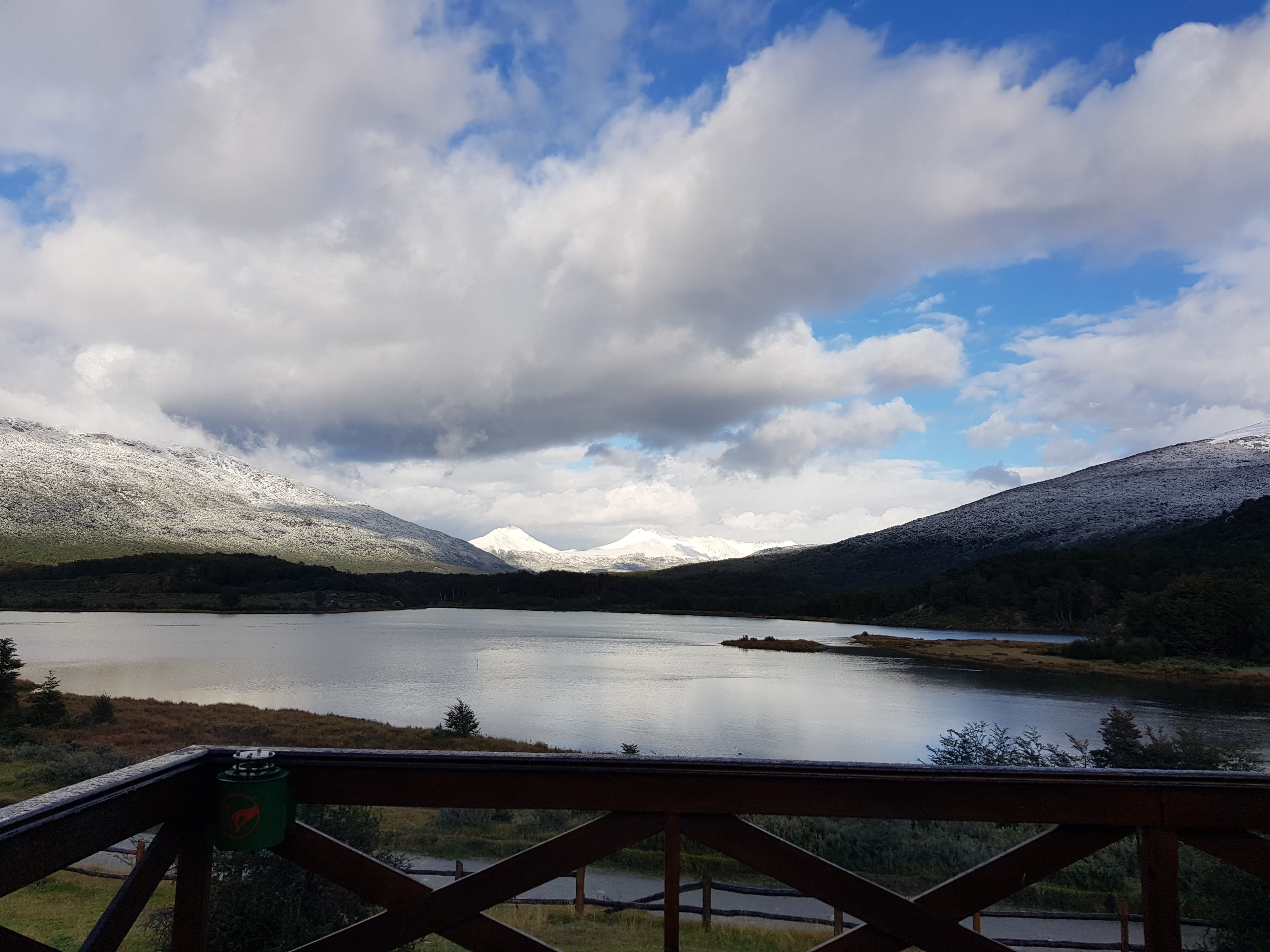
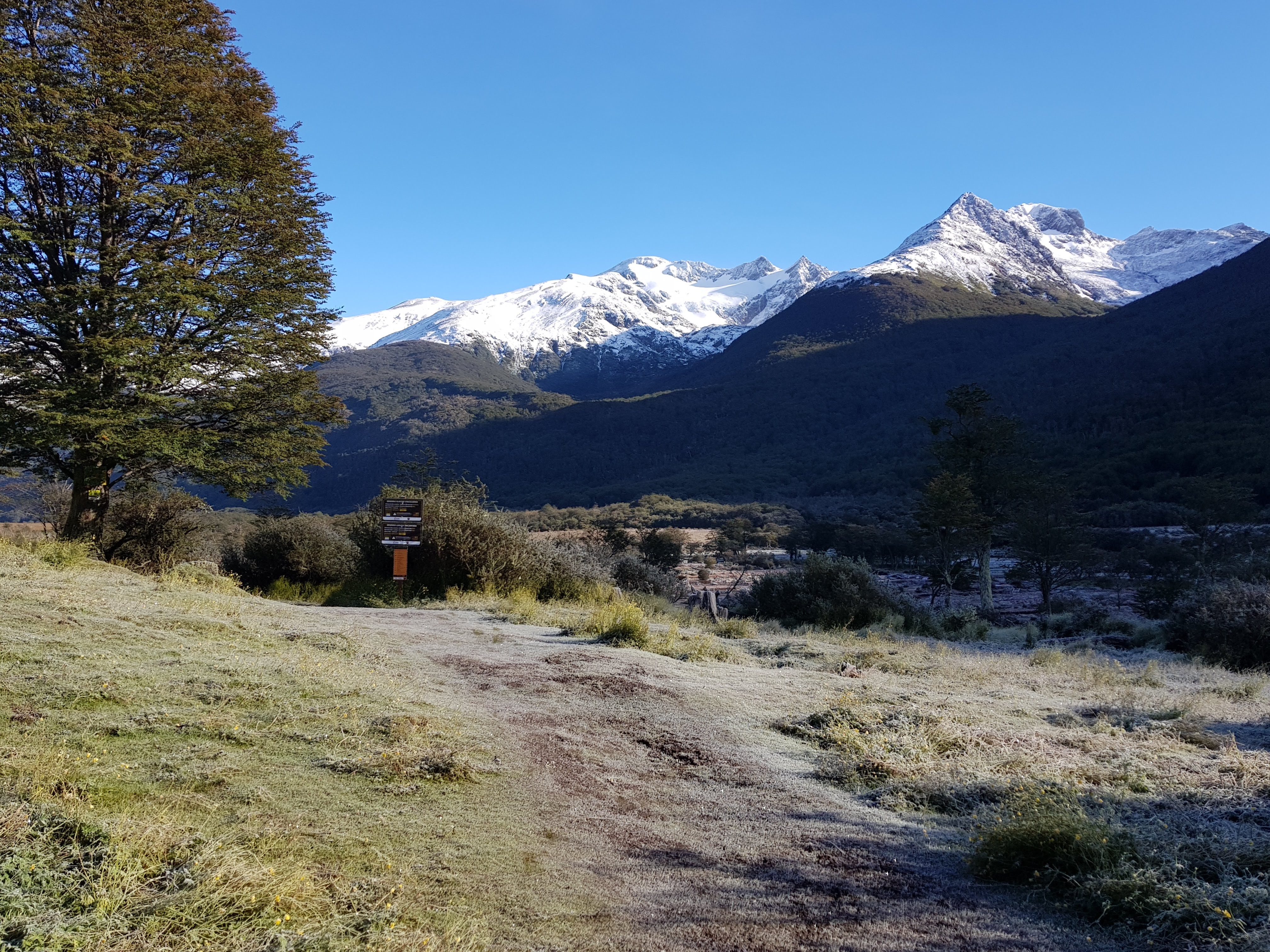
After returning to Argentina, I travelled from Rio Gallegos, back down the motorway, and across the Magellan Strait by ferry, to arrive on the island of Tierra del Fuego. This island is split between Chile and Argentina, and sits within the islands of Antarctica. Therefore, whilst I visited in Summer, it was still snowing frequently. It is also home to Ushuaia, the most southern city in the world.

Ushuaia

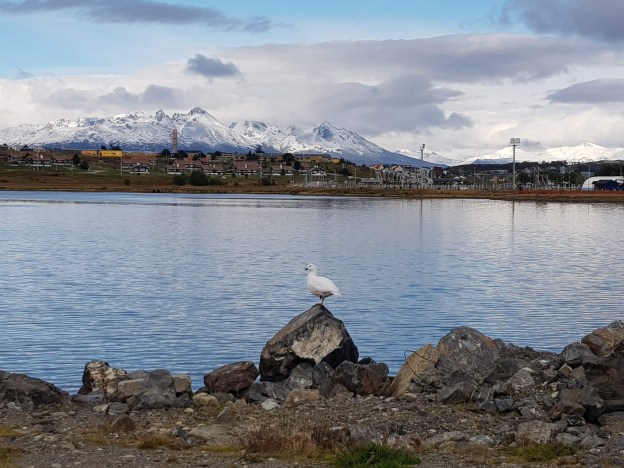
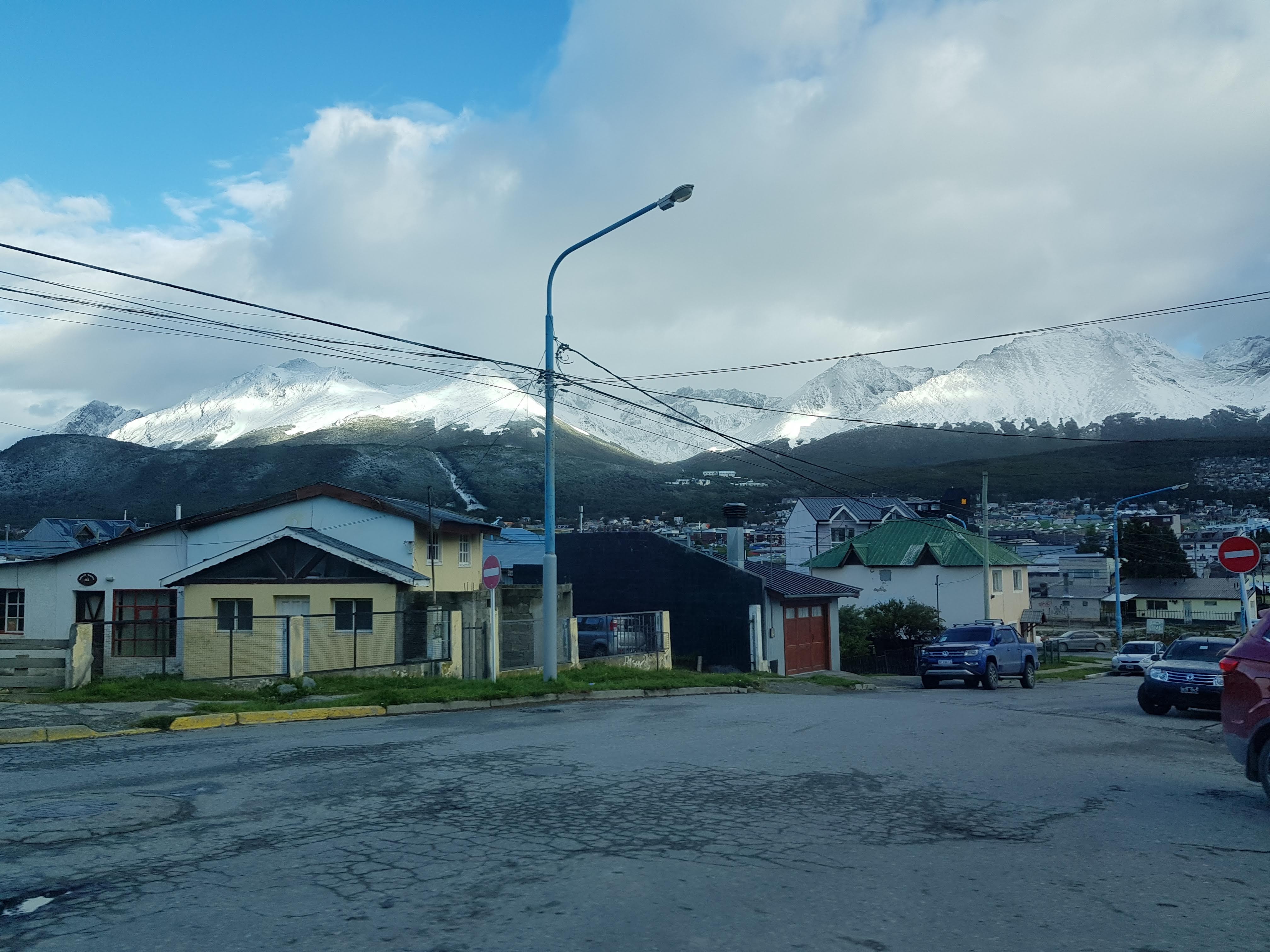
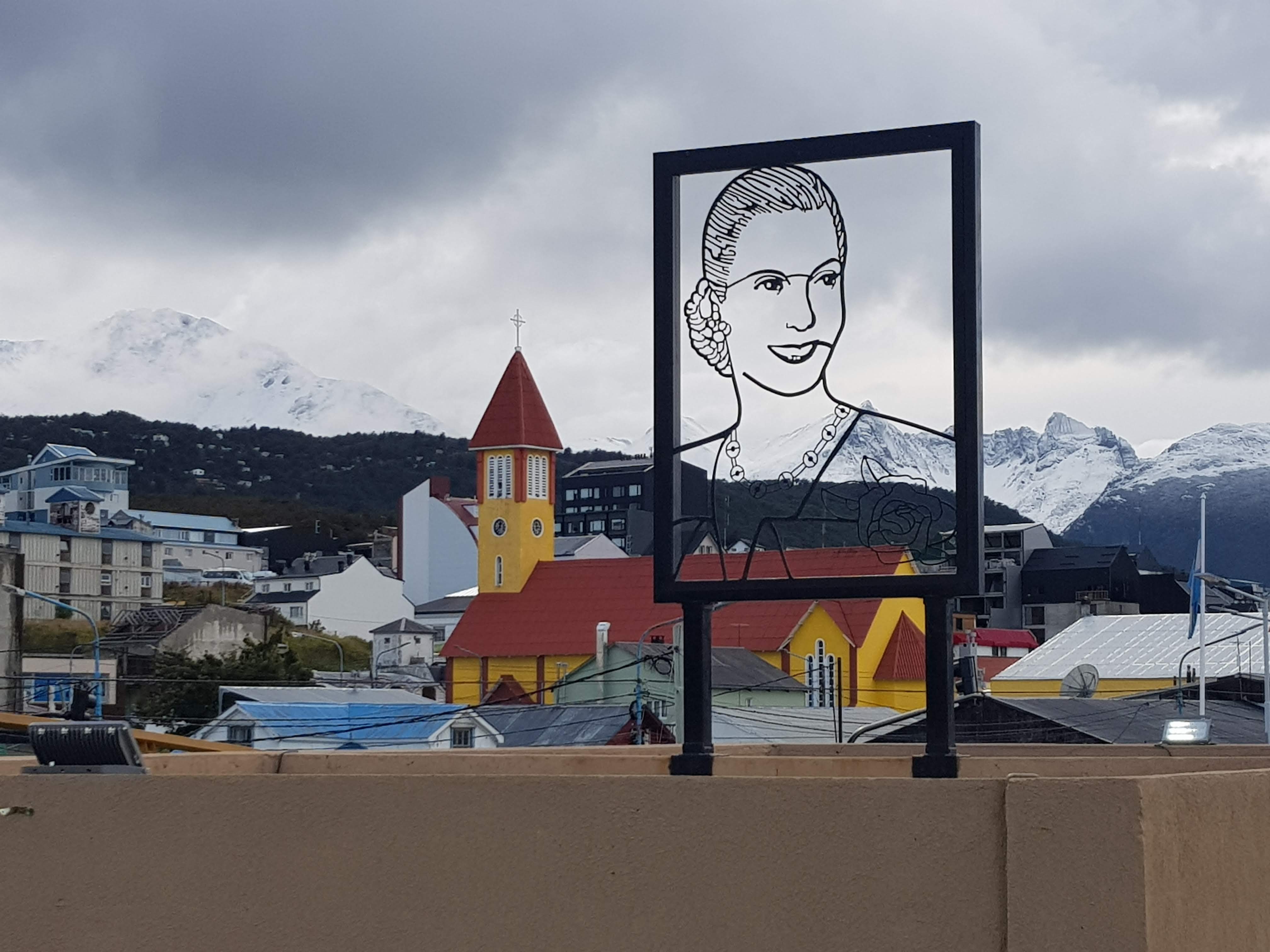
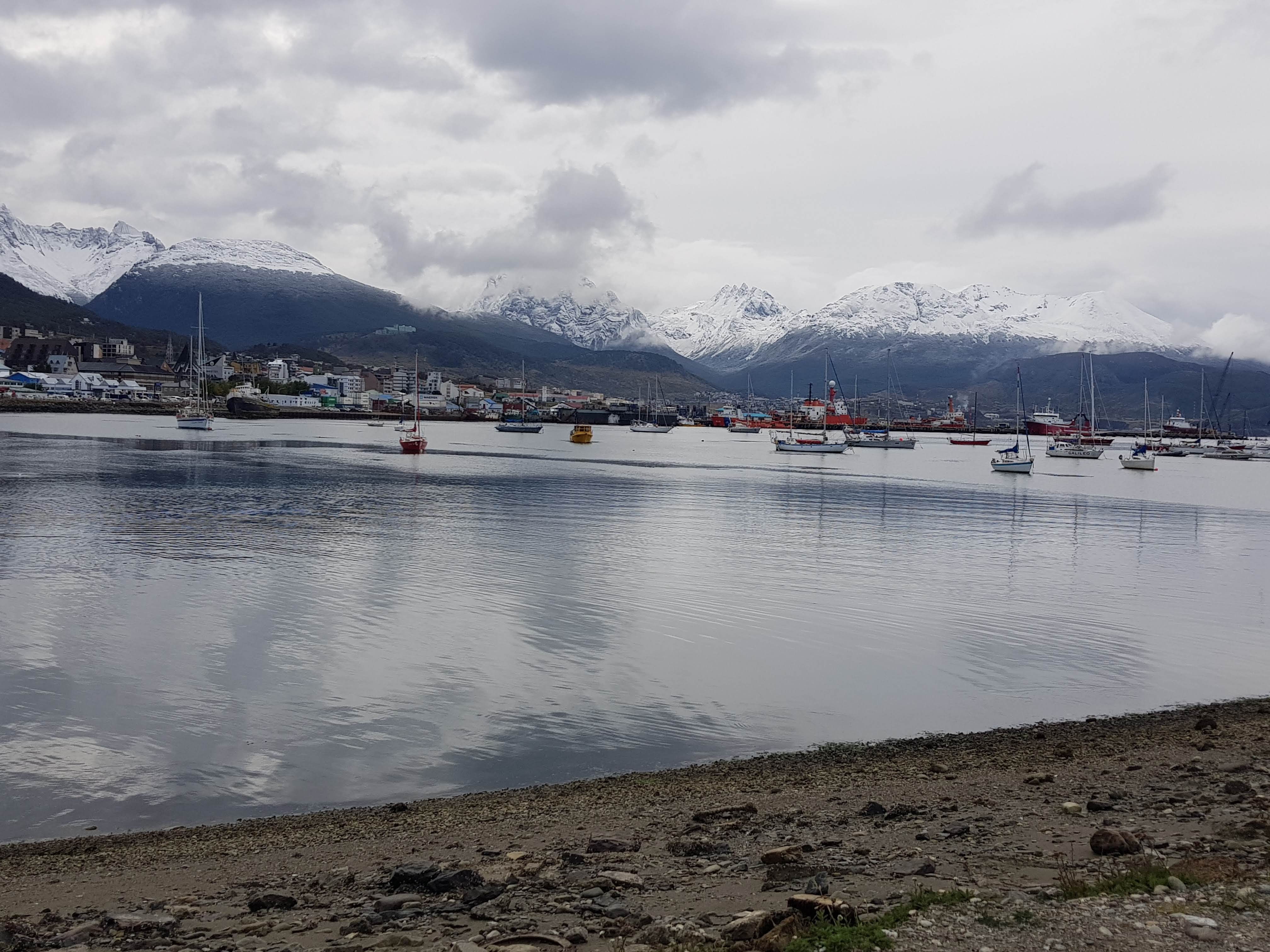
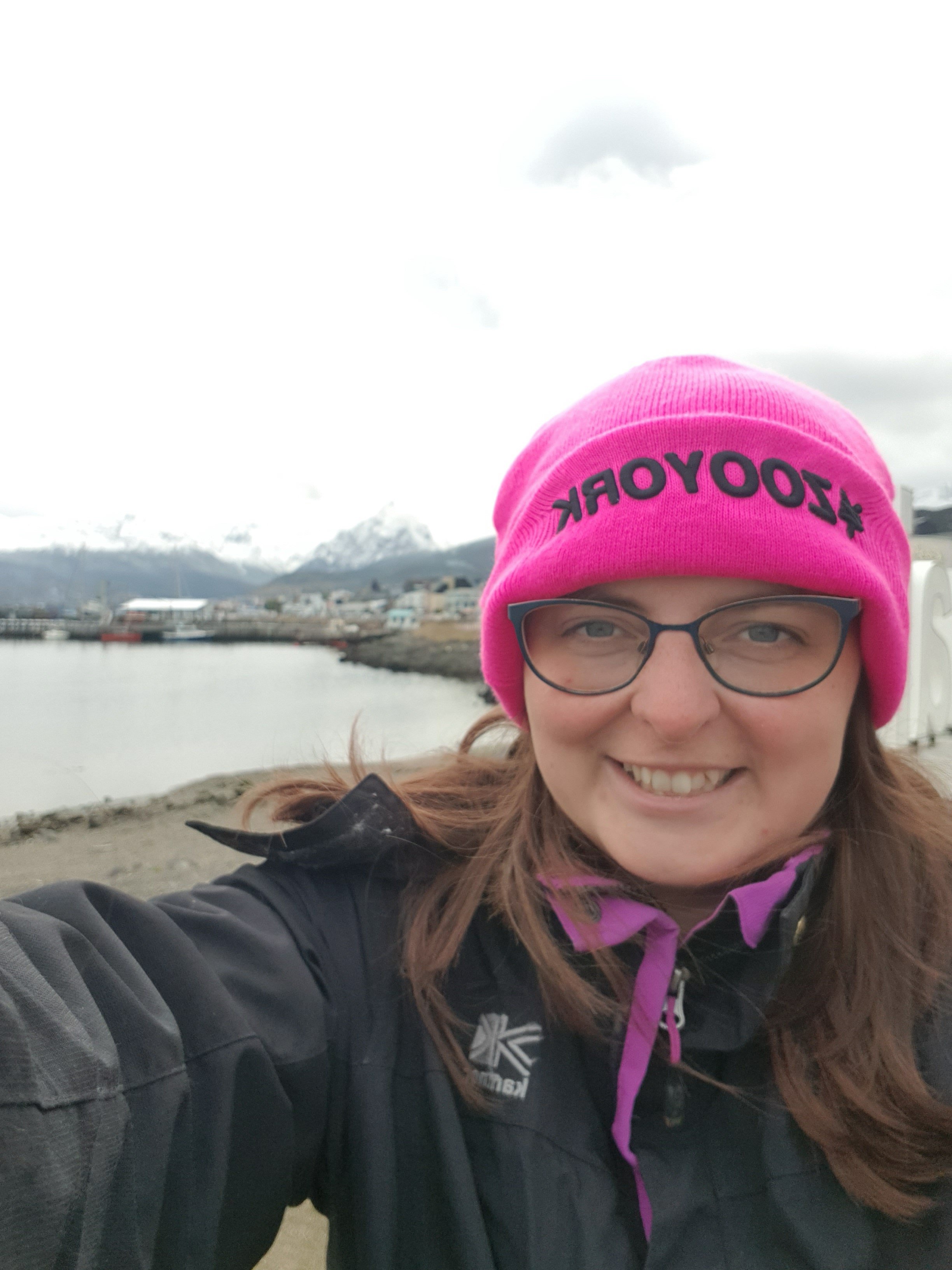
Ushuaia is a small city that is surrounded by snowy mountains and ocean. It is popular with tourists from all around the world, and my hostel was full of french and israeli people especially. This was great fun, as I never expected to share a jewish feast with a group of new friends teaching me hebrew in the bottom of South America.

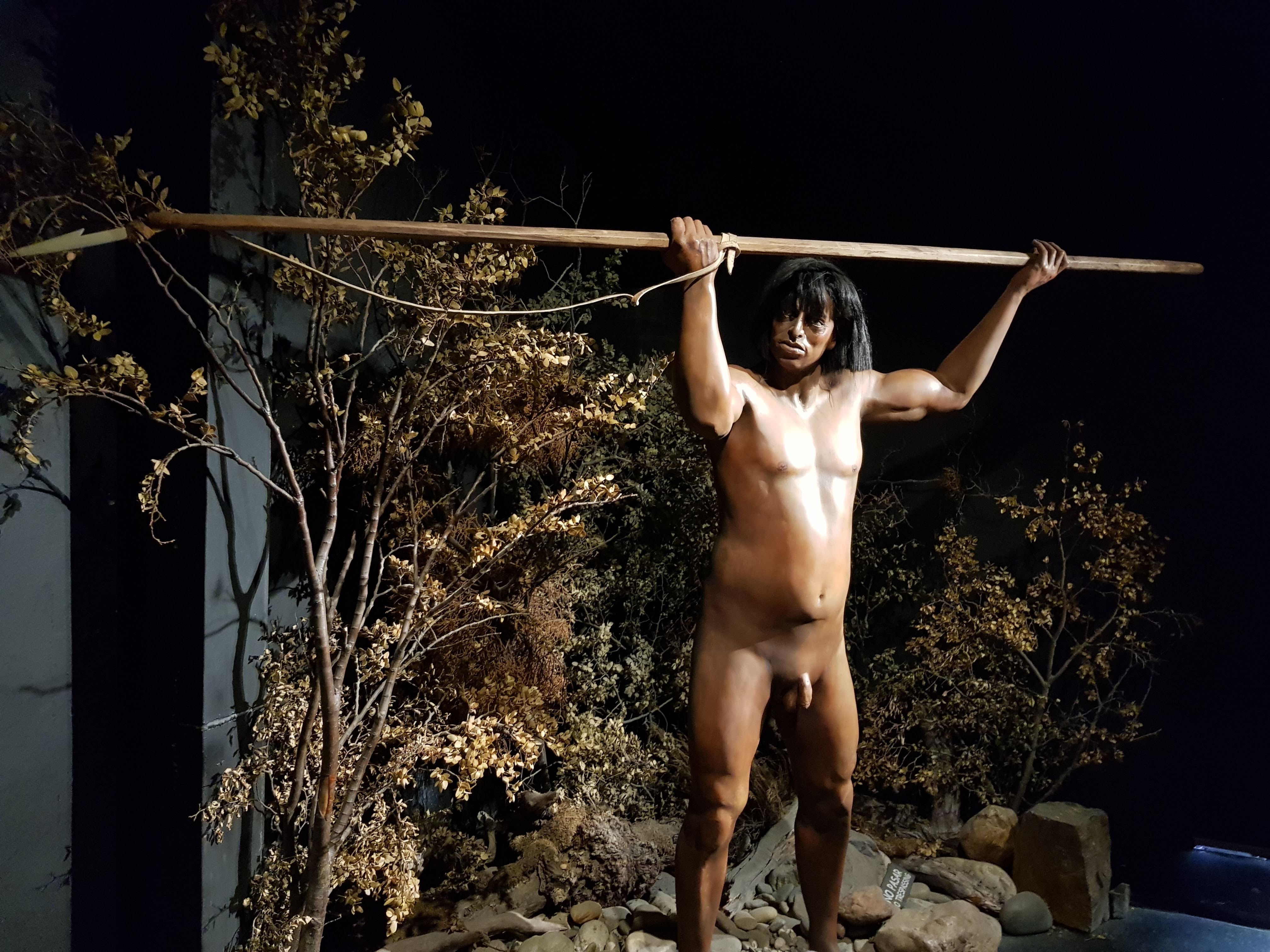
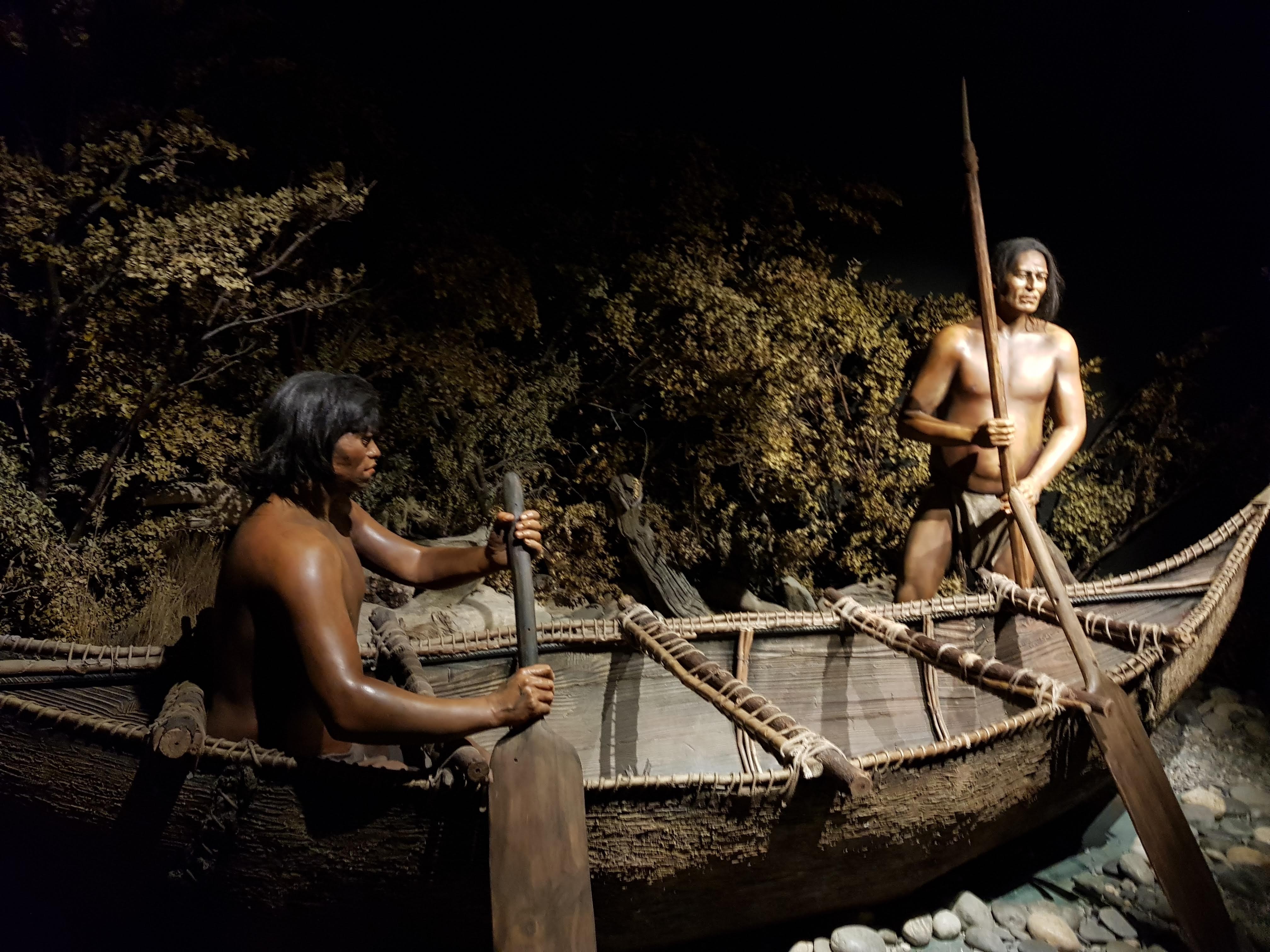
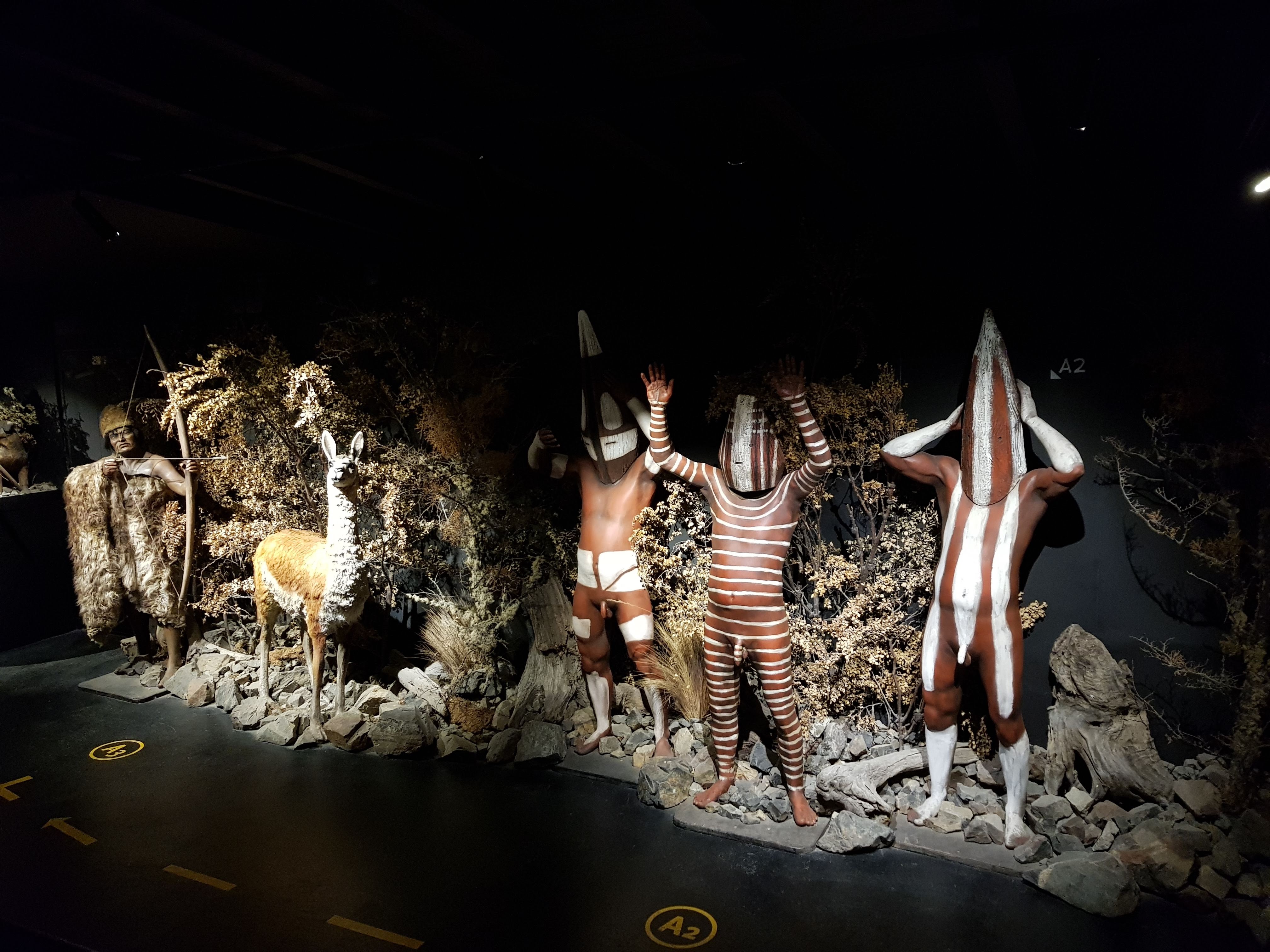
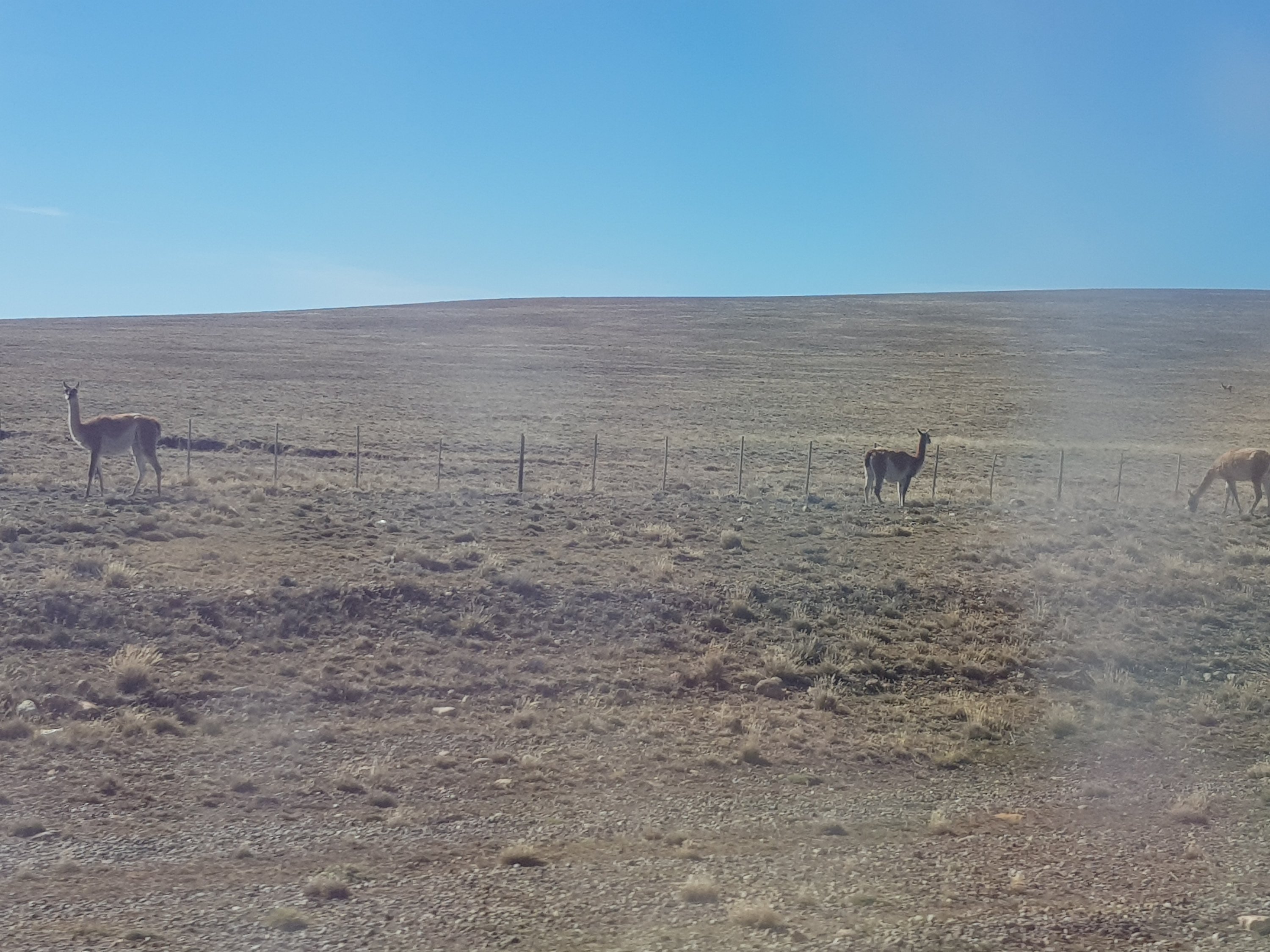
This land once inhabited native people that lived on shellfish, seals or guanaco (like alpacas), several tribes survived here, but after discovery and studies of the island by famous adventurers like Darwin, the Europeans slowly wiped the natives out. Learning about how they survived in the climate here was fascinating.

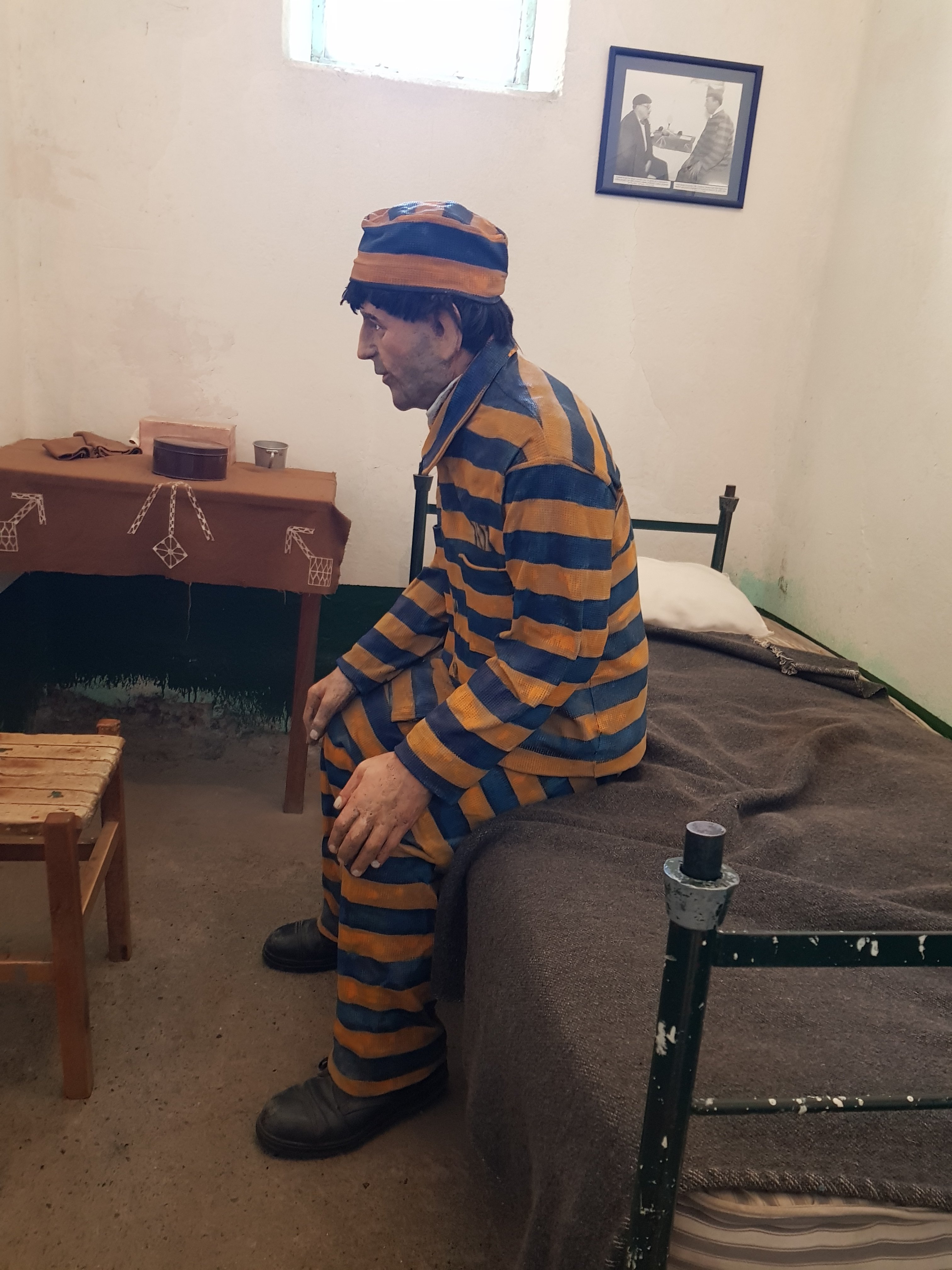
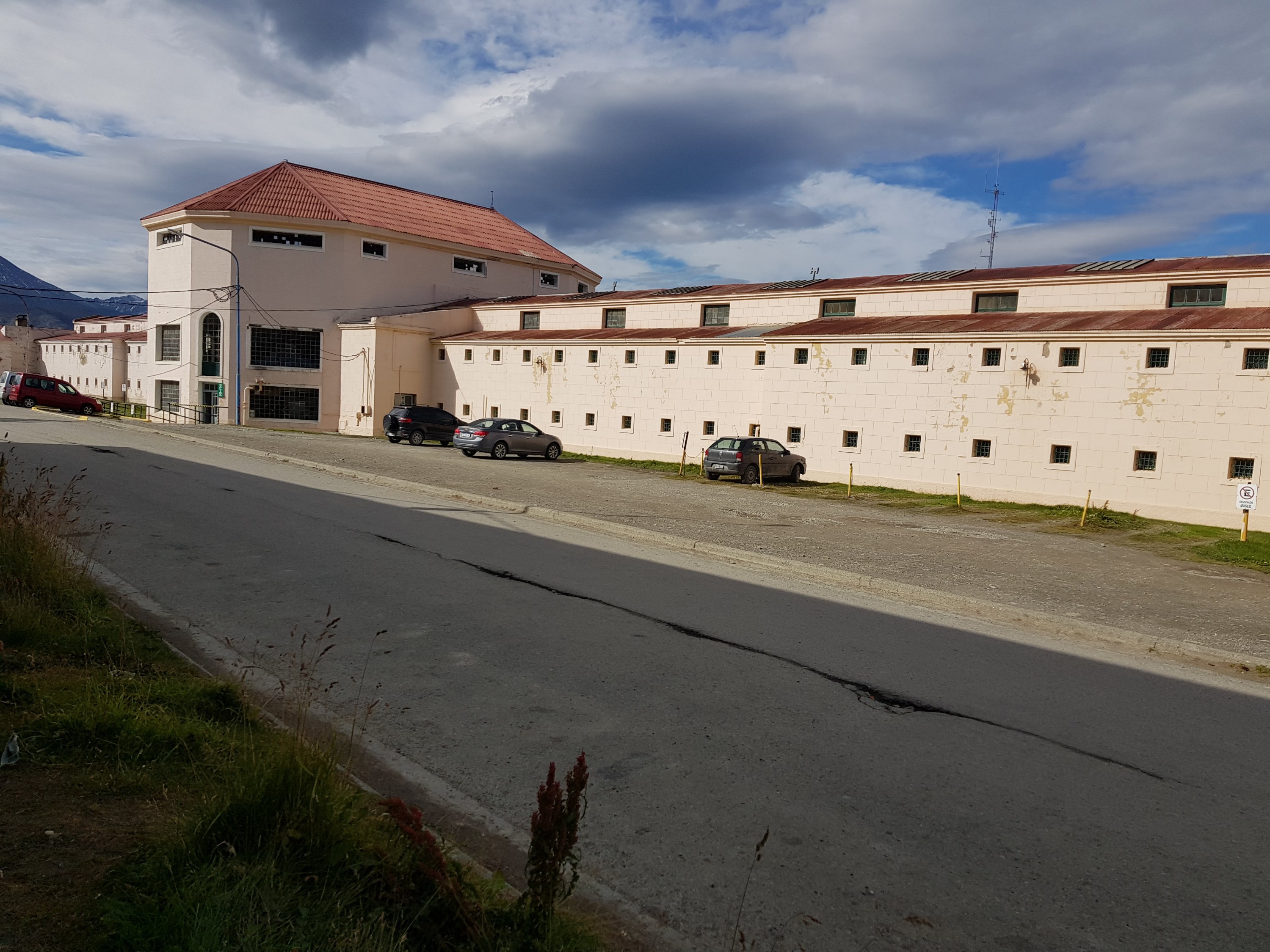
Later, the town was used to imprison Argentina’s most significant political and criminal prisoners. The prisoners built their own prison by hand from local materials, and were also made to work, building structures for the town. Much of the city’s most important amenities today, exist thanks to the inmates of Ushuaia.

Today, the city is full of restaurants, shops and also some museums that invite you to learn about the history of the city at the bottom of the world. I visited the former prison building that is now a collection of museums, especially featuring the local maritime history. It was very interesting to visit this building and there was more information than I could read! It is a great way to spend a few hours in the town.

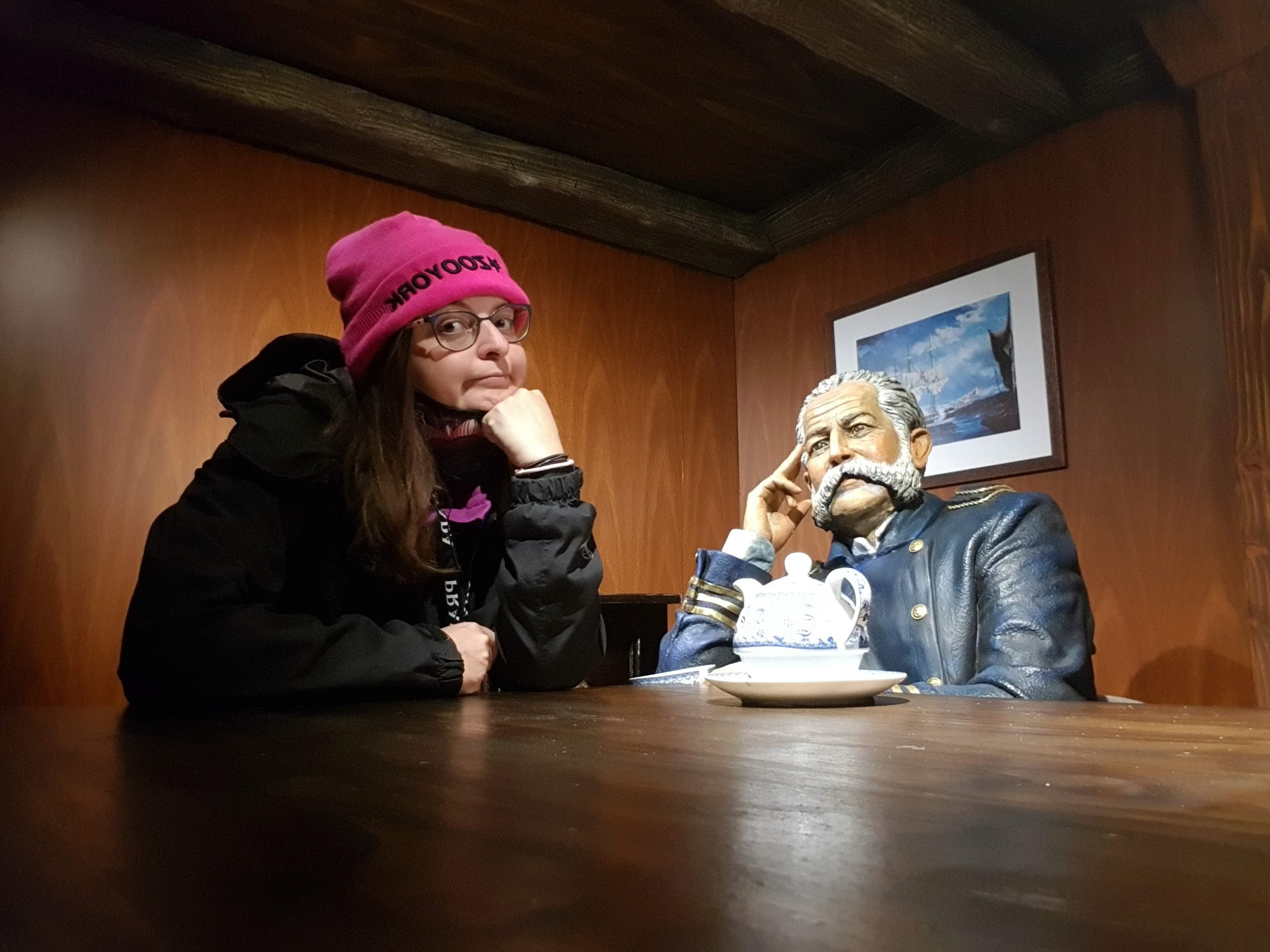
I also visited the thematic gallery museum, which is a museum of figures that is quite interactive and provides information about the native people, and the discovery and development of the island. They provided an audio guide, a movie and lots of photo opportunities with the exhibits. I really had fun at this museum!

Tierra del Fuego National Park

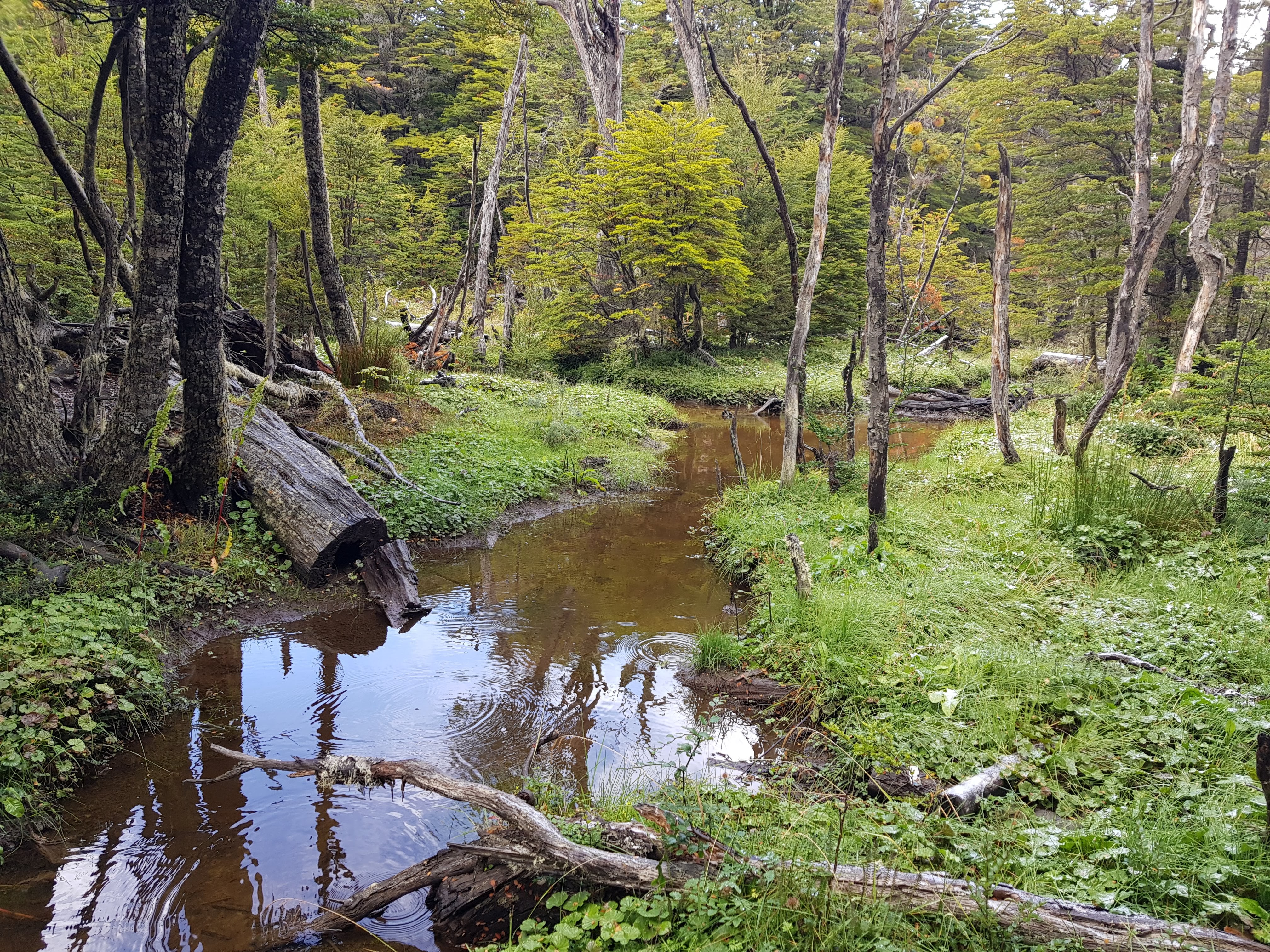
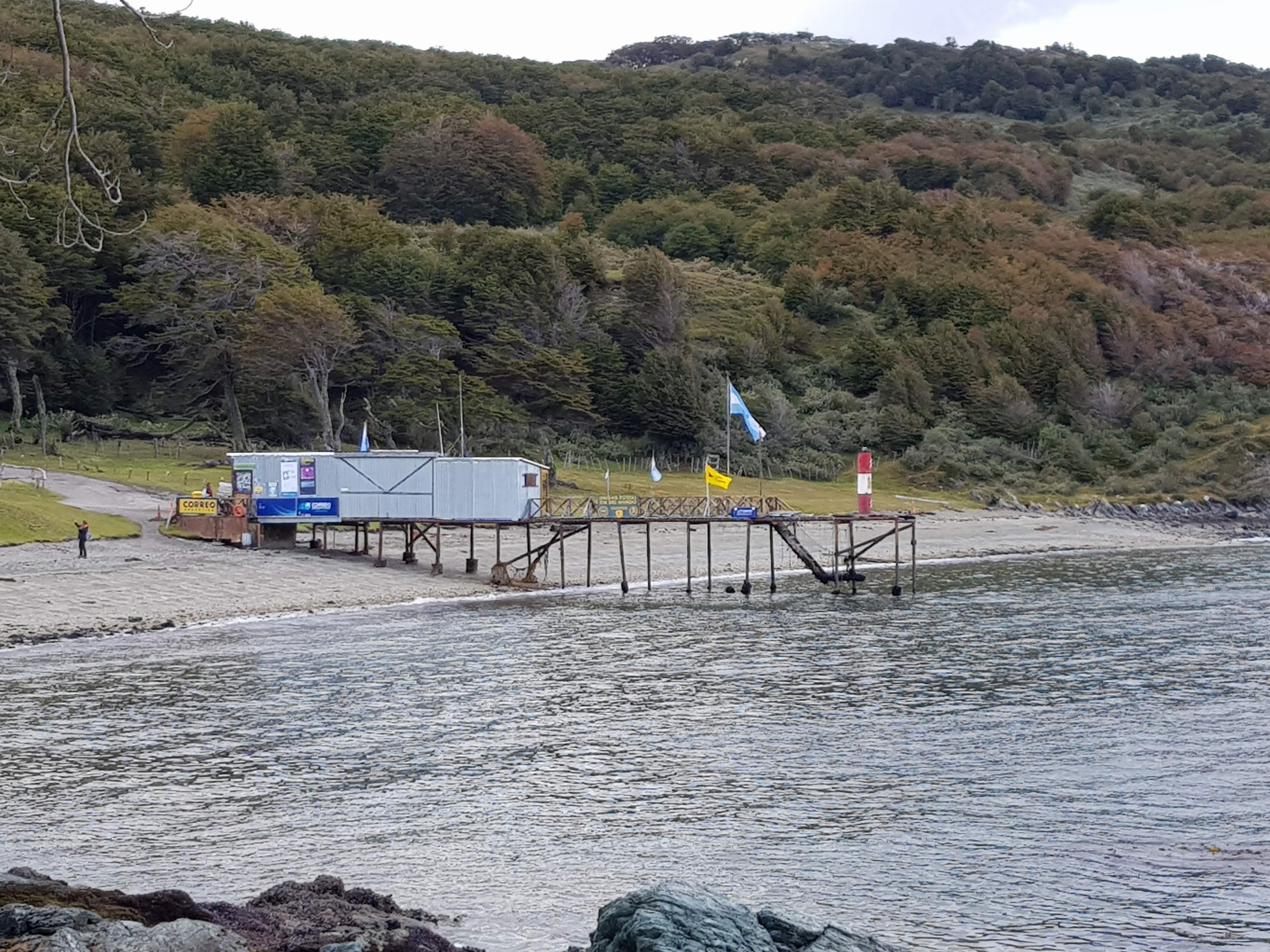
Twenty minutes away from Ushuaia is the Tierra del Fuego National Park. You can get a bus from the town to the park and visit for either a day at a time or camp overnight at the park for multi day trekking. Not only does the park have multiple treks that you can enjoy, but it also has kayaking activities, a train attraction and the world’s most southern post office.

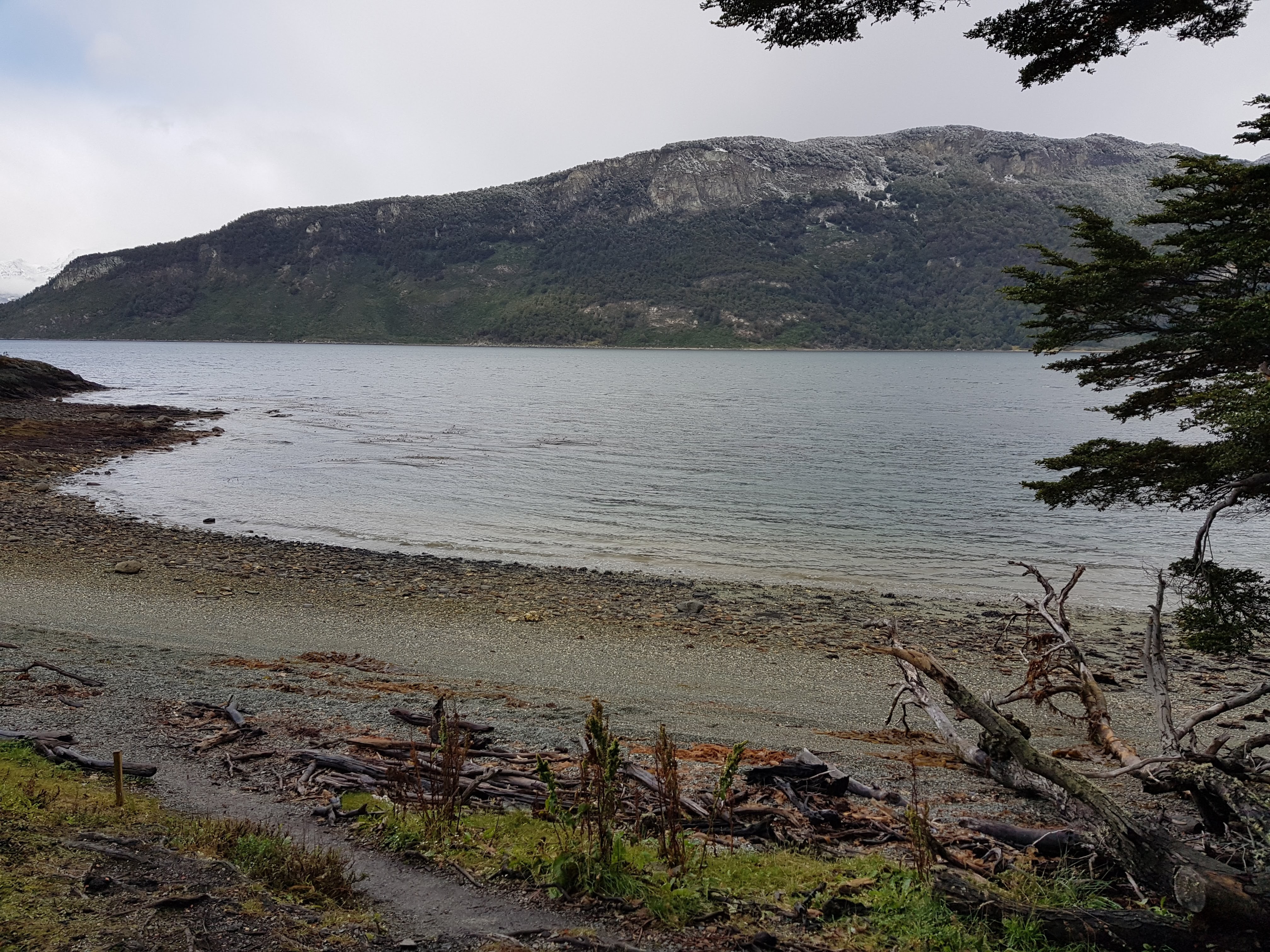
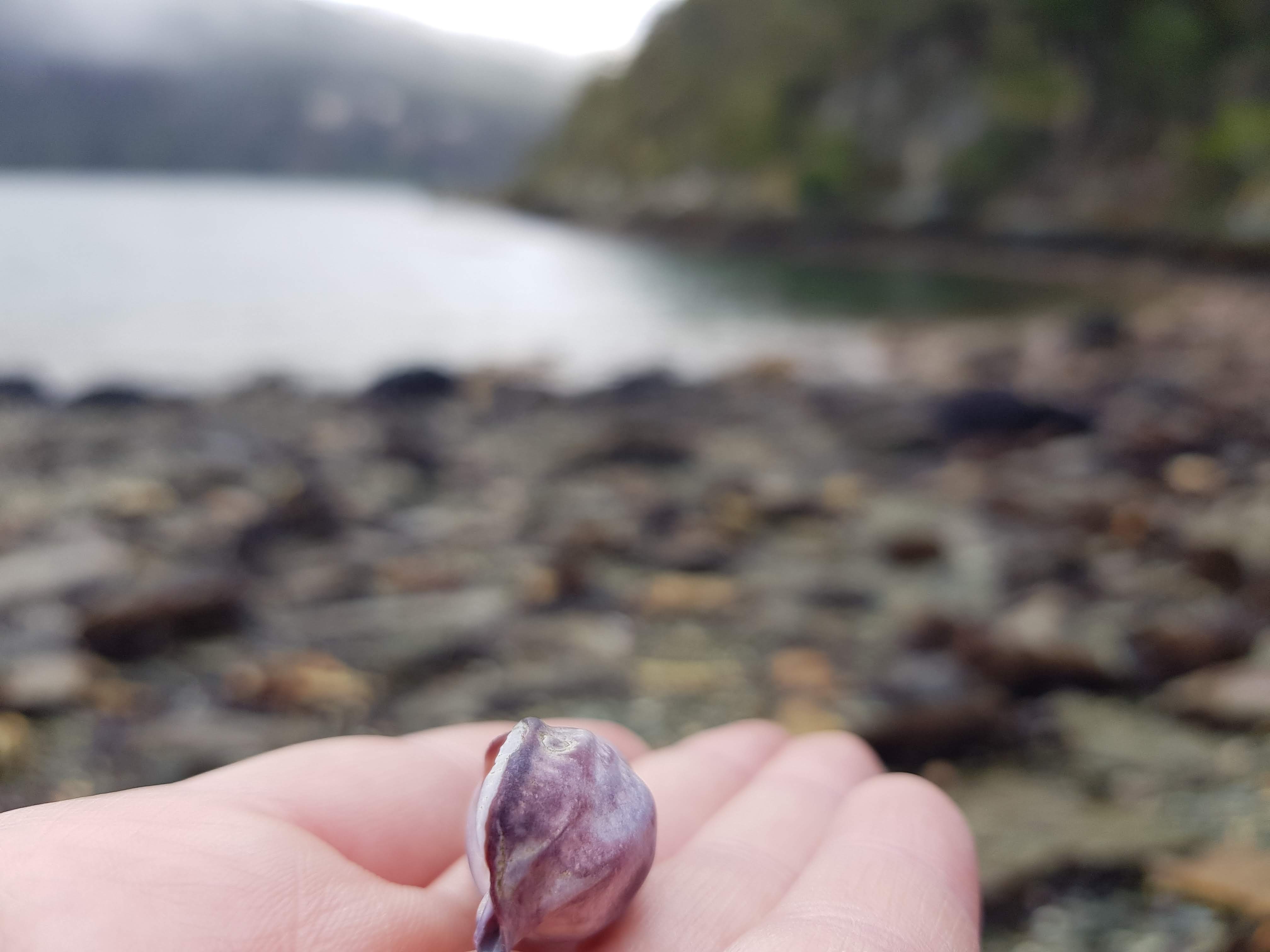
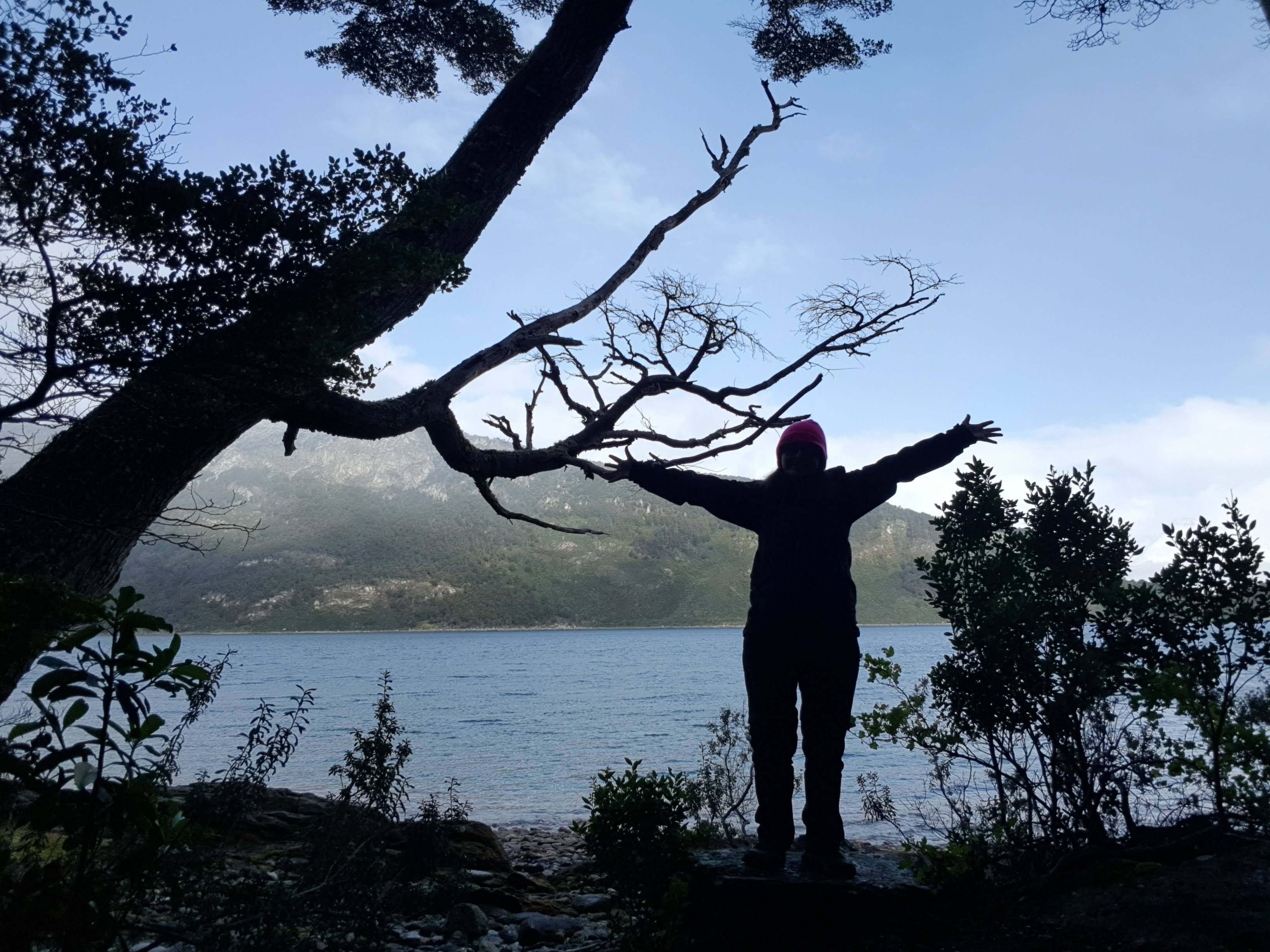
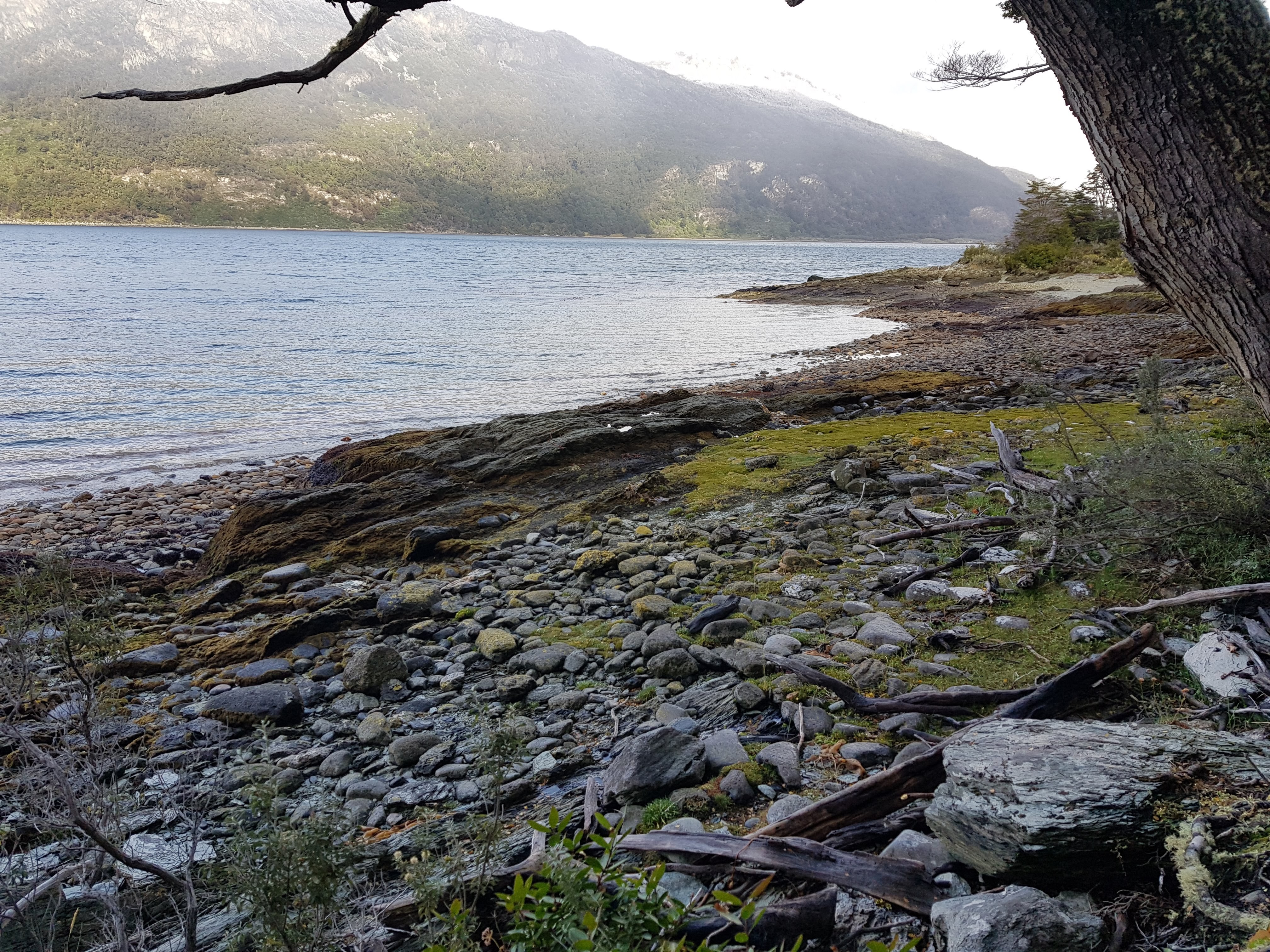
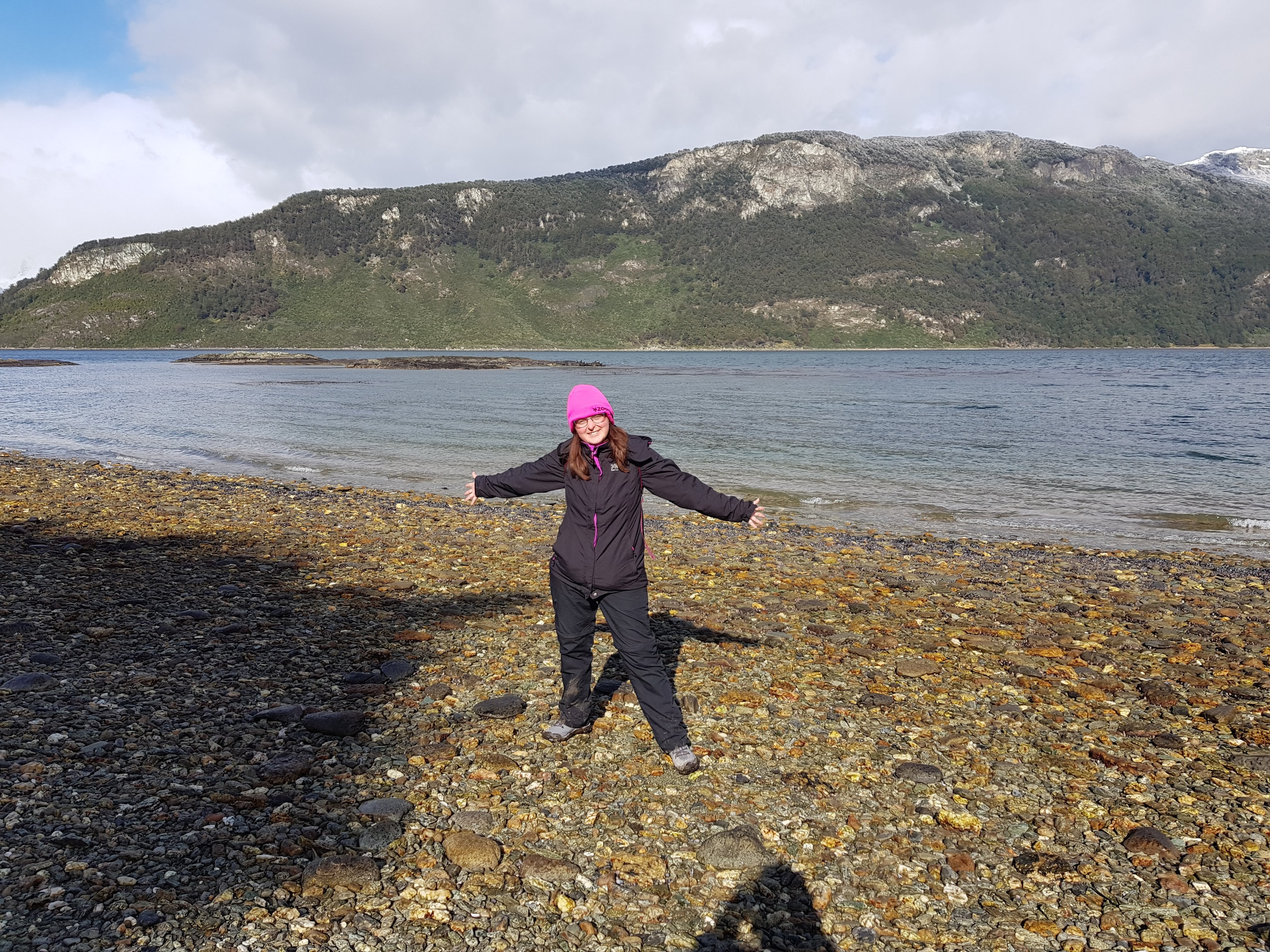
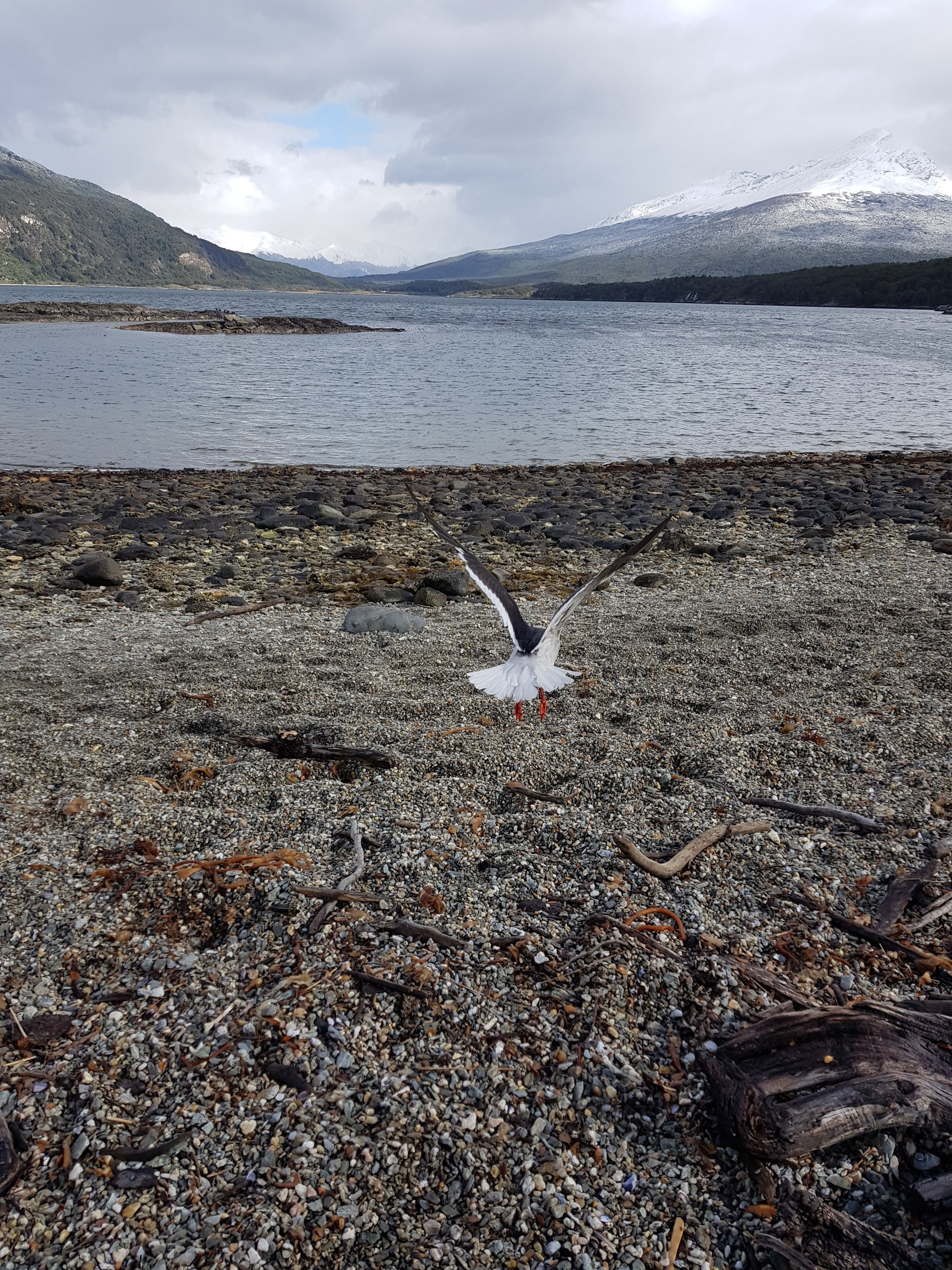
I decided to do an easy three hour trek along the coast which had beautiful views of the mountains, and forest, and the beaches were covered in mussels and beautiful clusters of shells. I also visited the post office so I could send a postcard from the end of the world, and got my passport stamped with the extra special ink stamp!

Other activities around the area

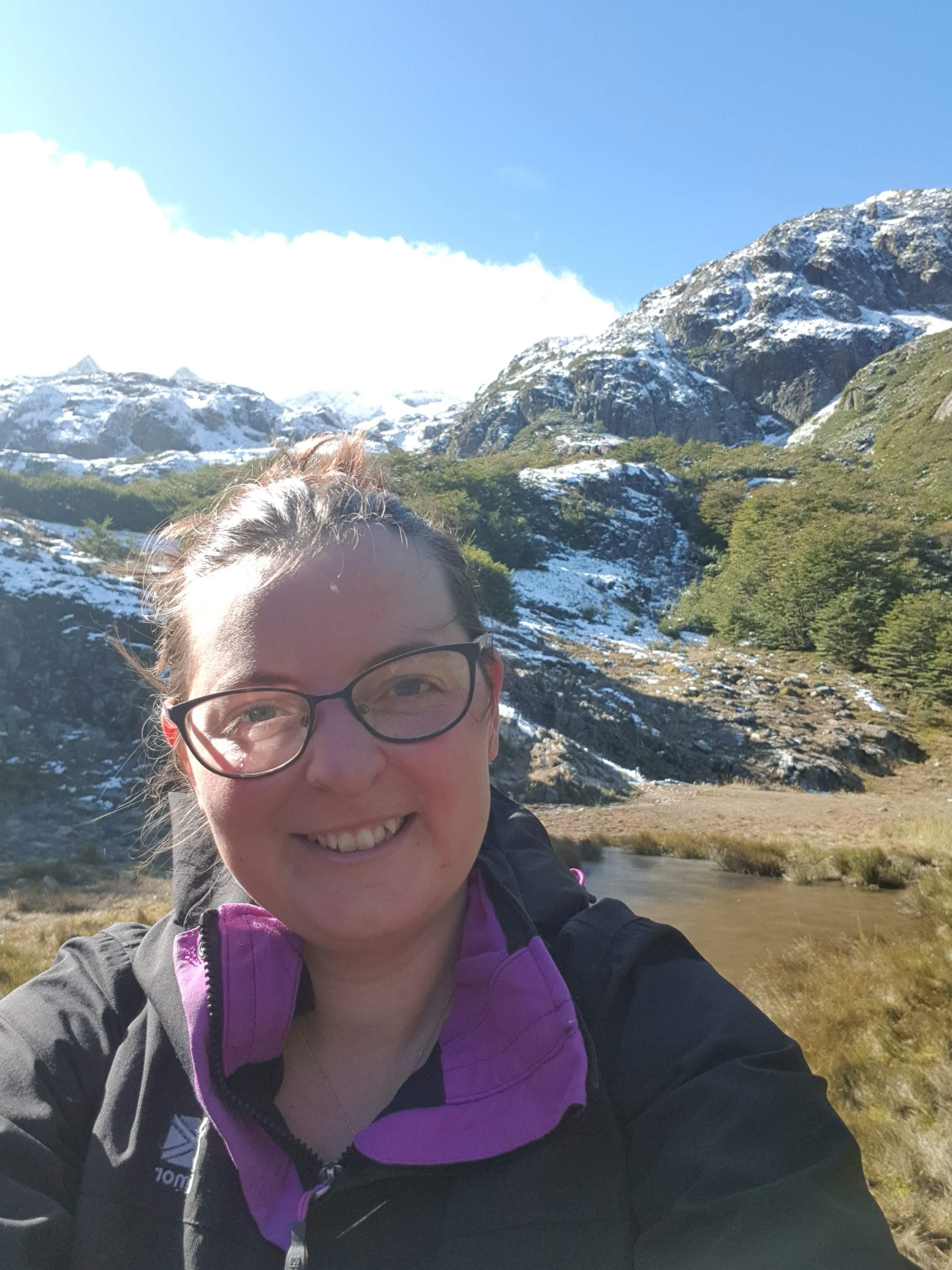
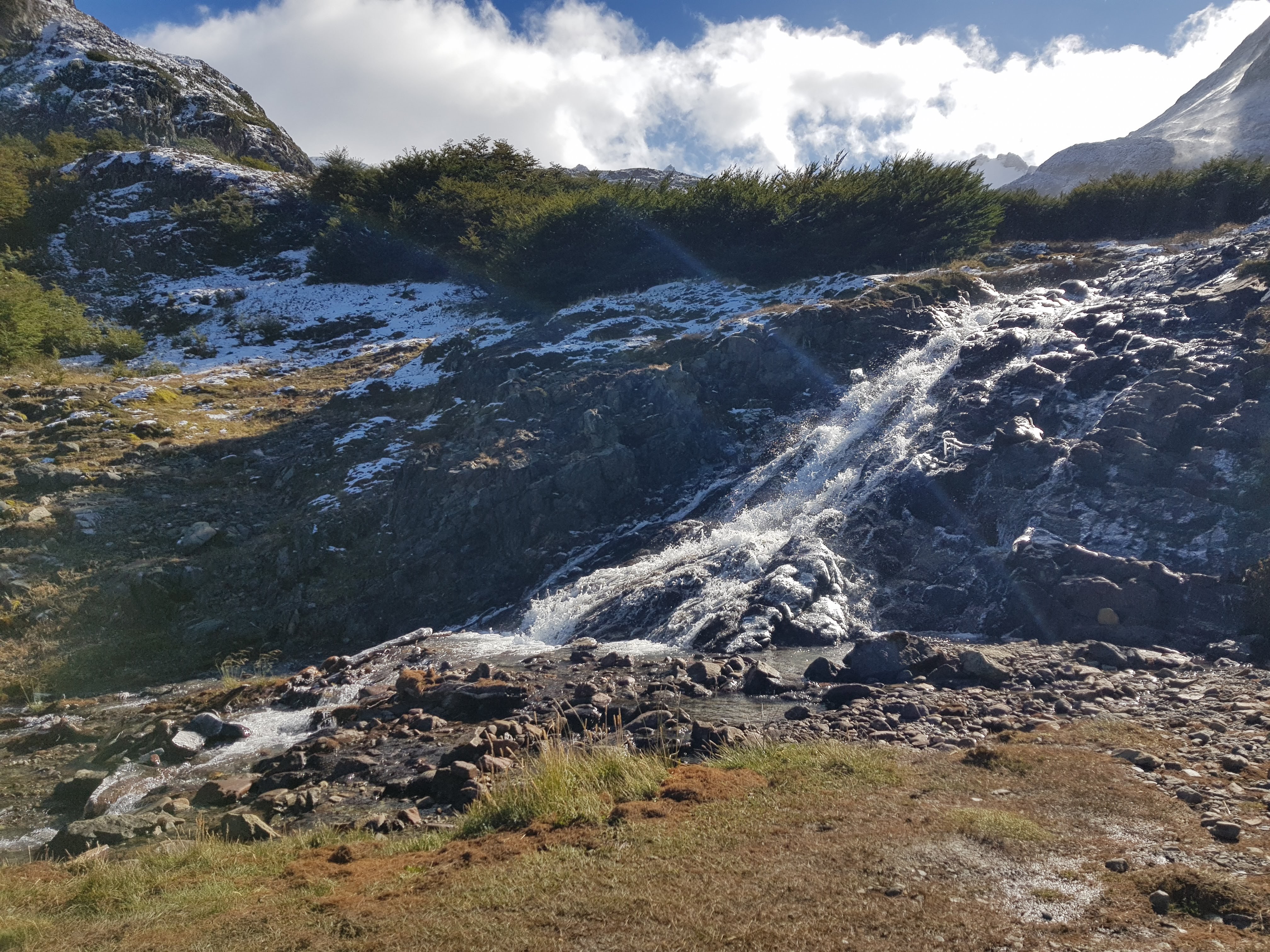
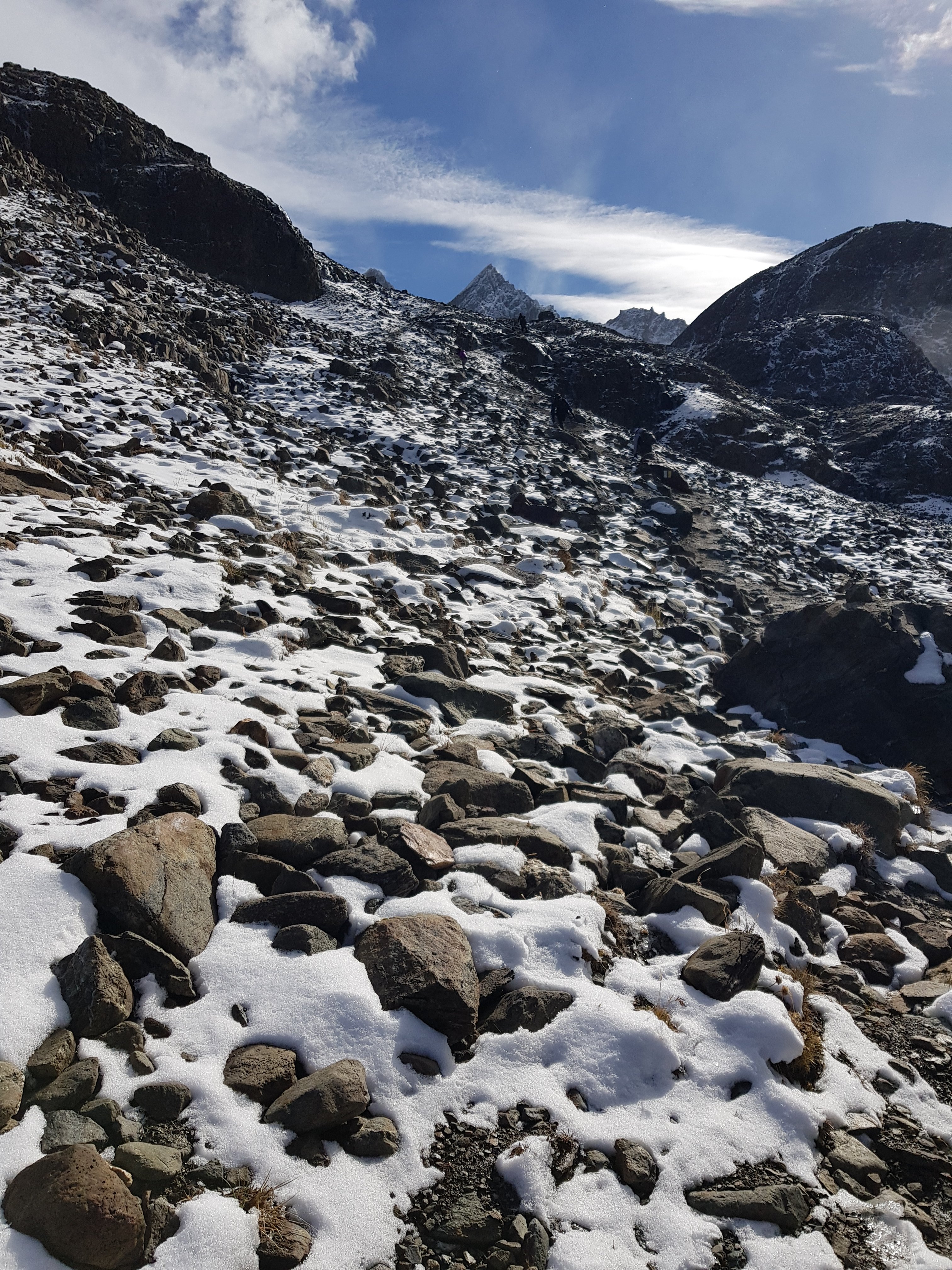
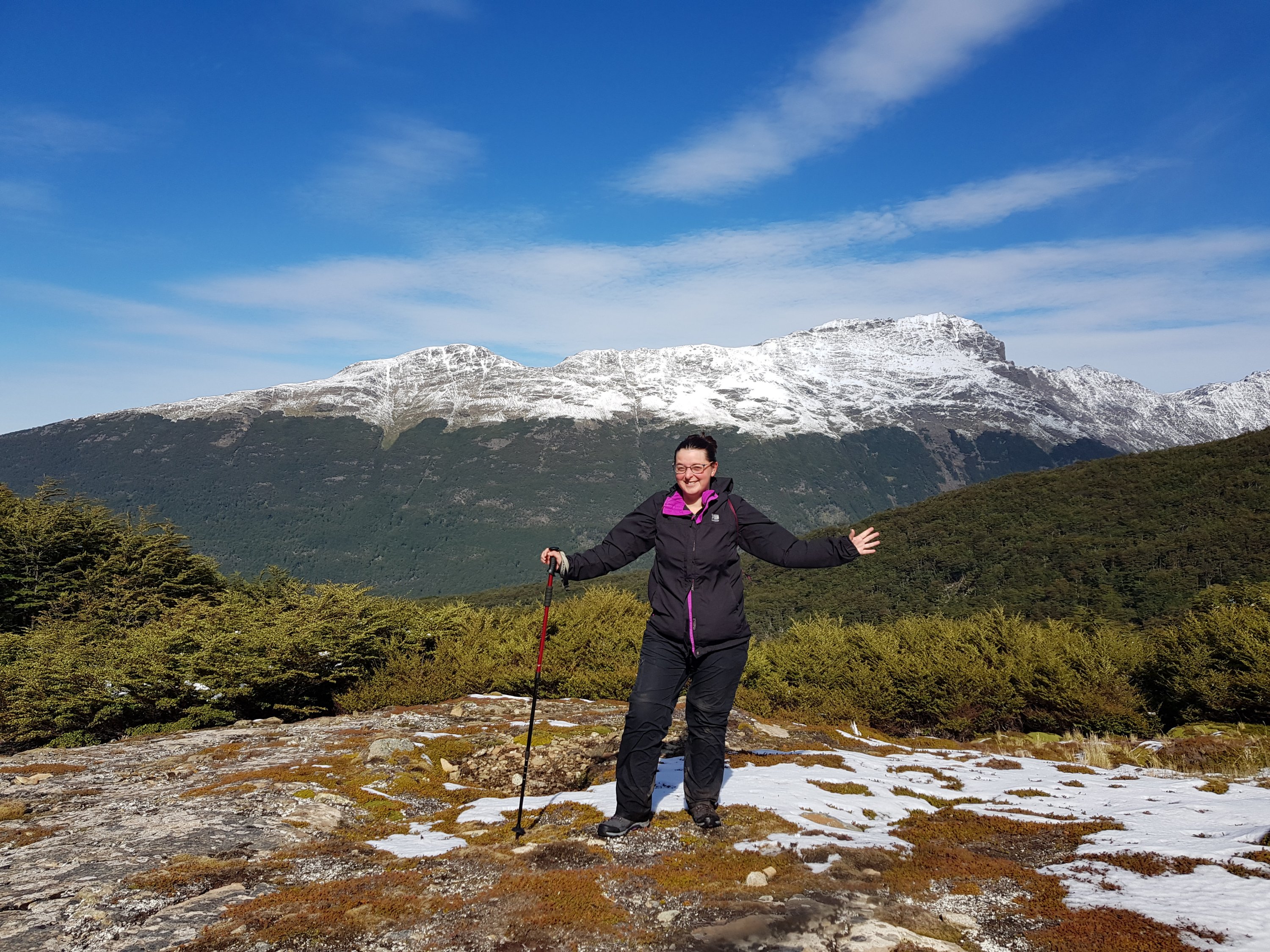
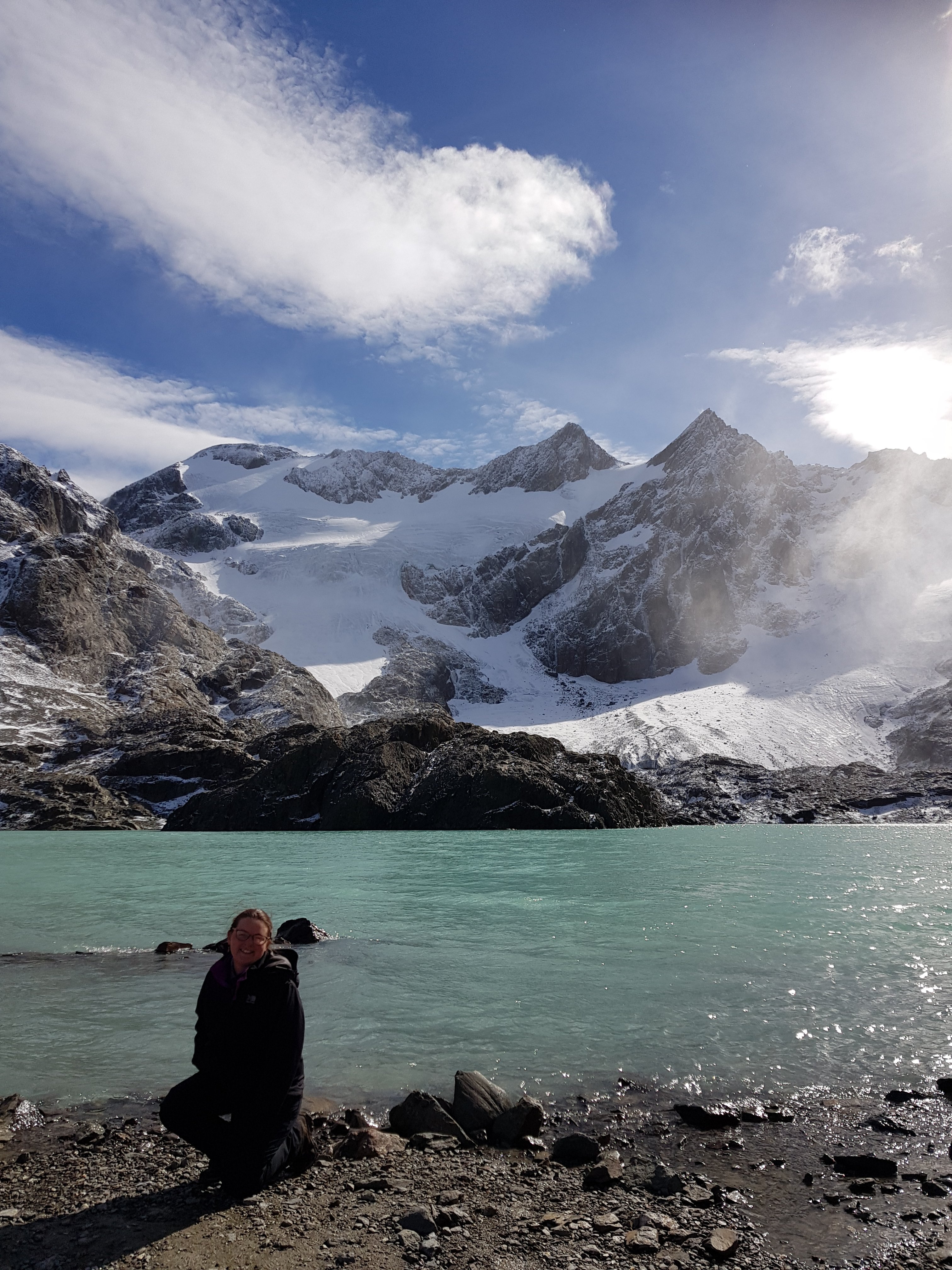
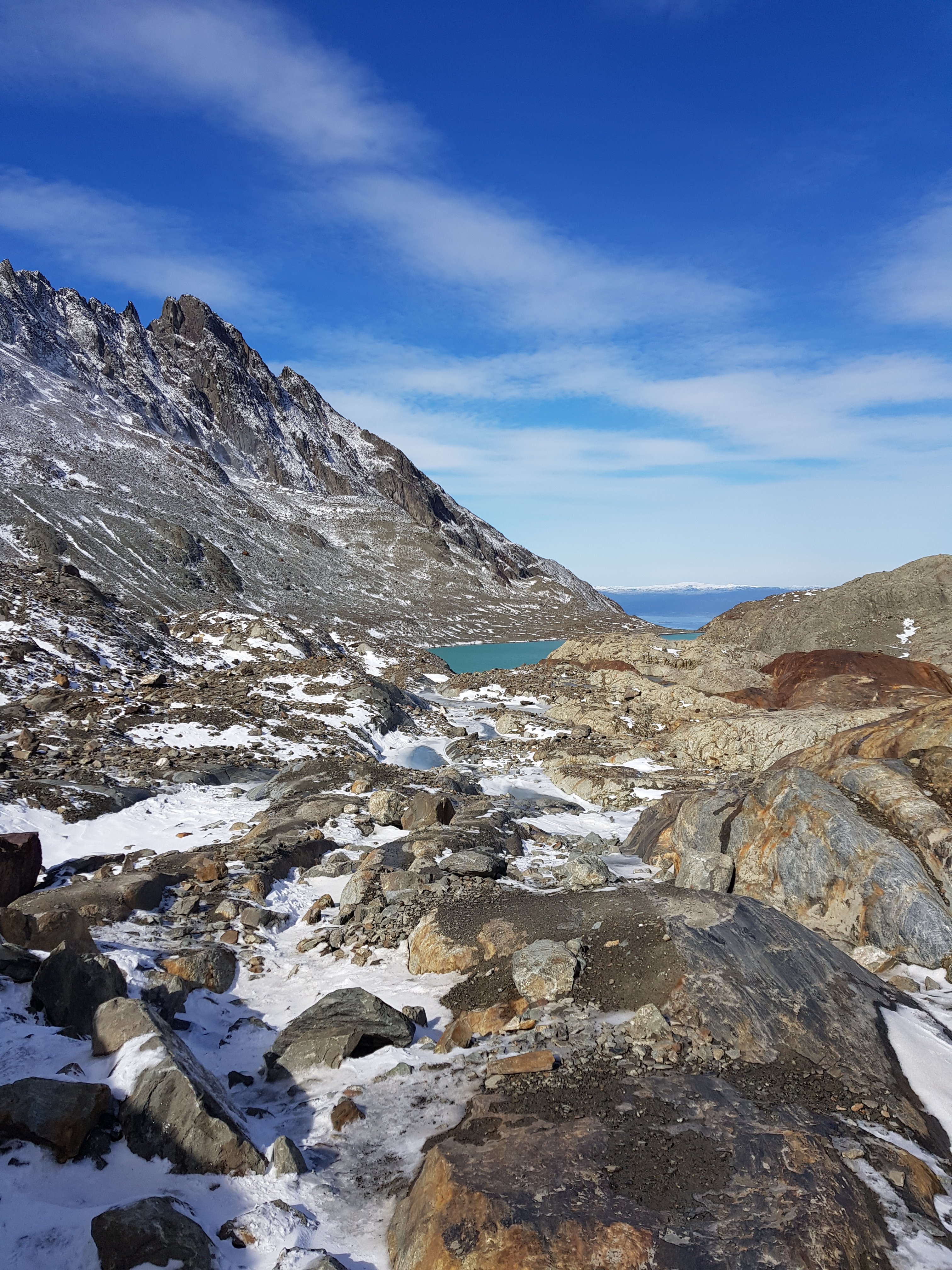
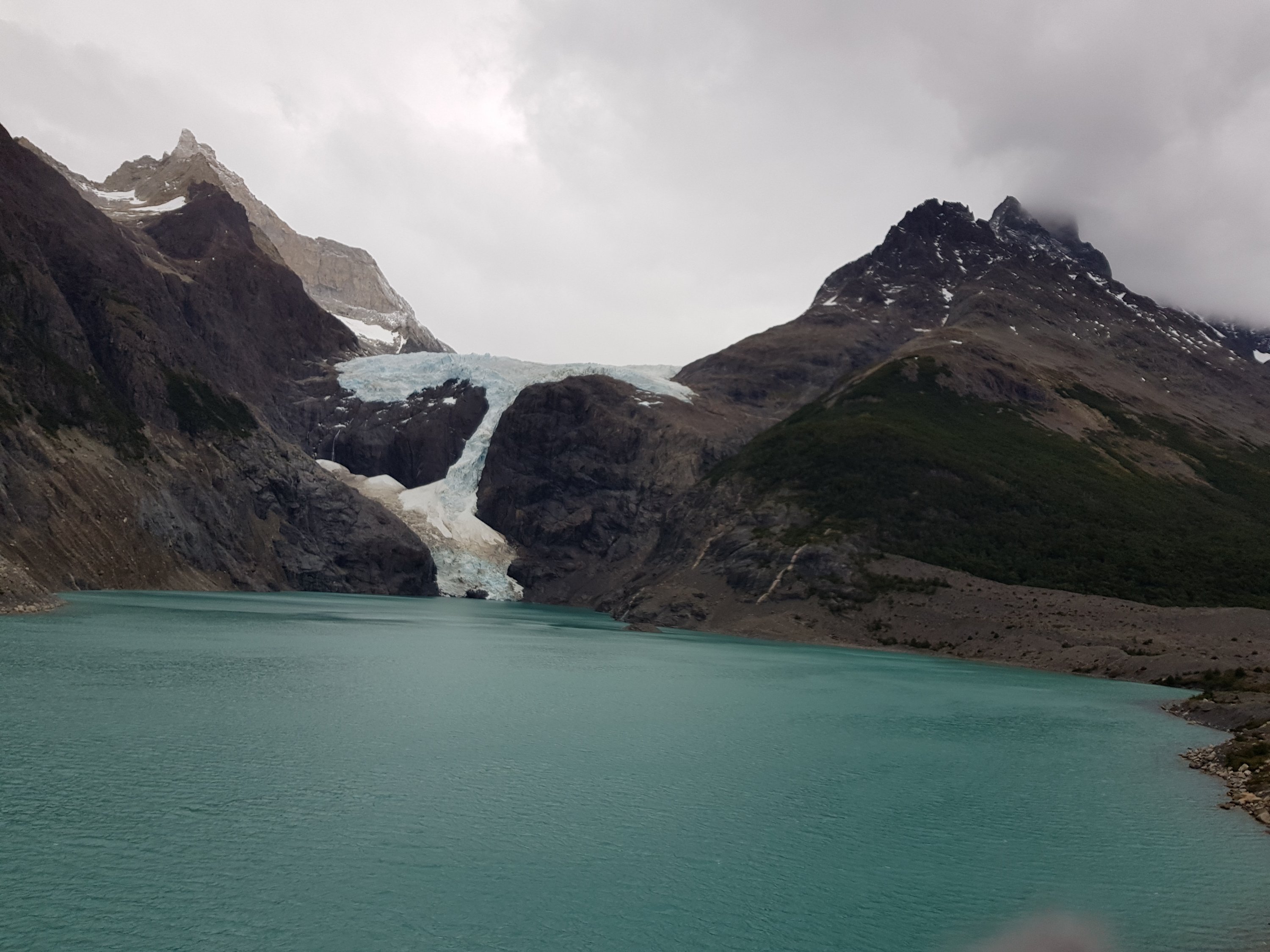
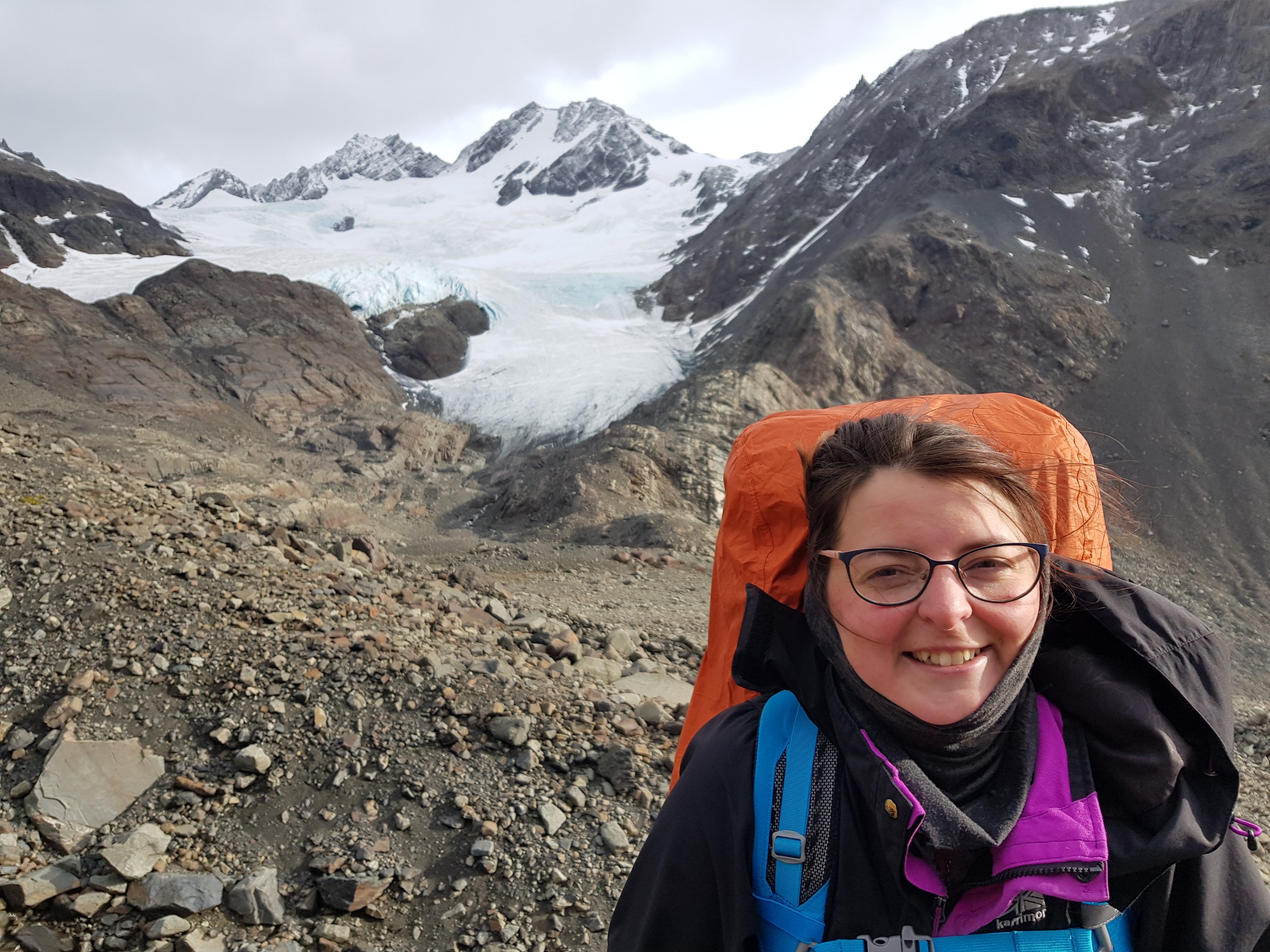
There are also other treks that you can carry out around the area, as well as excursions to see wildlife such as penguins that are only found in this remote area. I had already done a penguin excursion in Punta Arenas, so I decided not to do this in Tierra del Fuego. I did do a six hour trek to a beautiful glacier though. I climbed a steep ascent through forests, streams and over a waterfall. I grappled over ice and snow to the Glacier Vinciguerra.

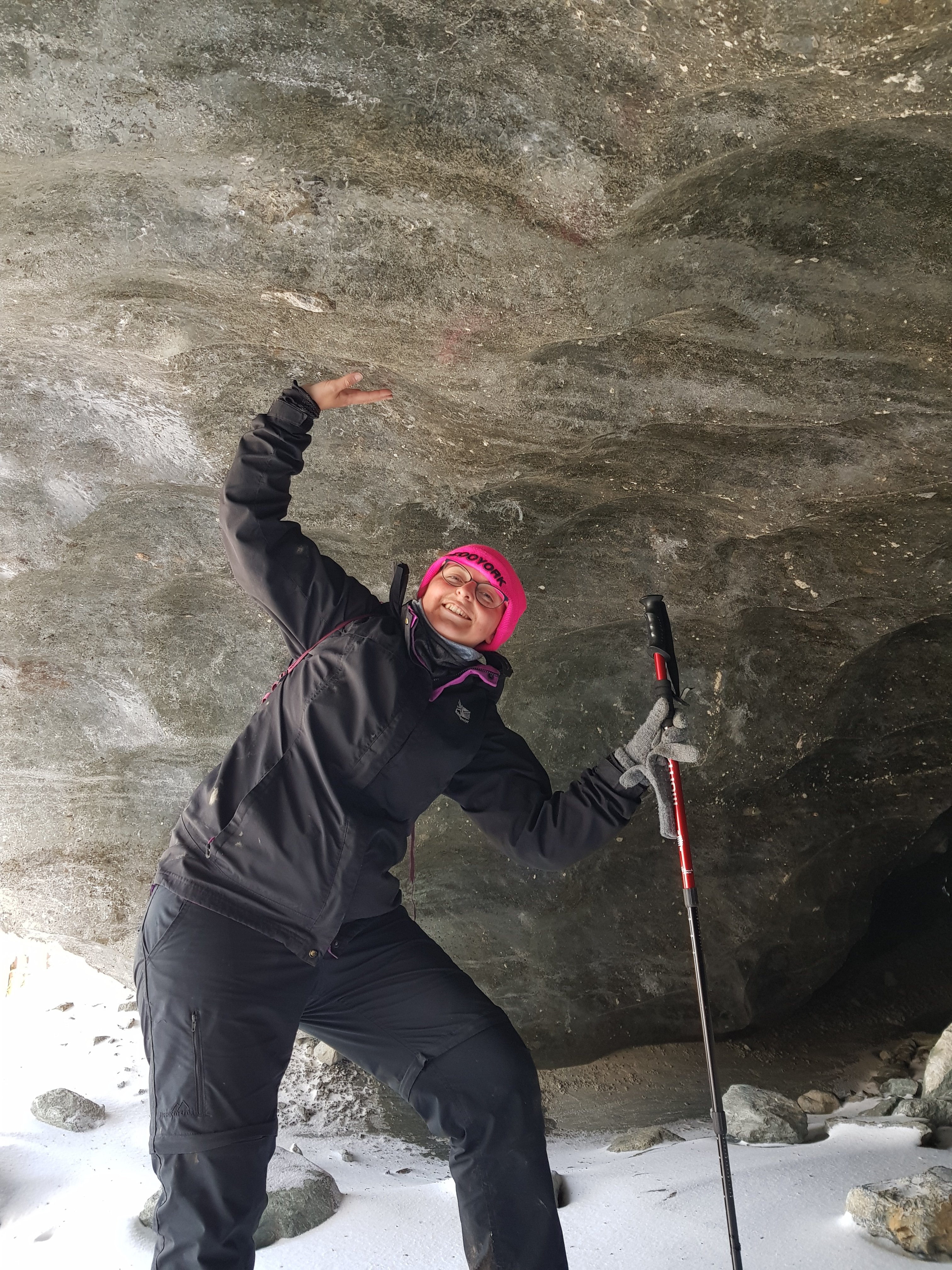
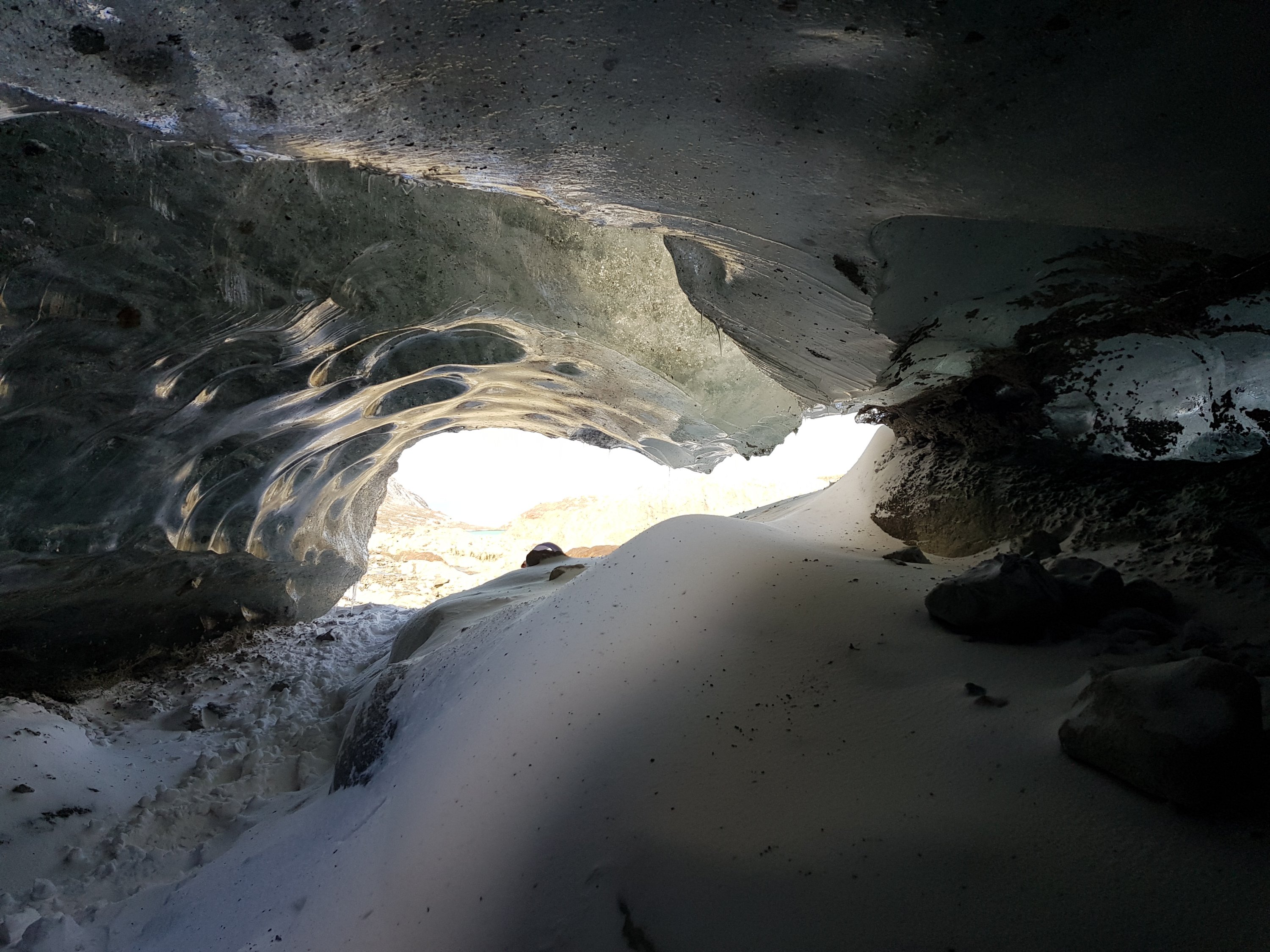
At the glacier, there is a huge lagoon, and a snowy trail to the glacier’s overhang to see ice caves! This was a little nerve wracking as there were many frozen pools of water, and snow covered voids, that would be very dangerous if you stepped in the wrong place. The ice cave was astonishing though. It was an amazing feeling to be underneath a thick clear ice ceiling, with small sediment deposits scattered amongst it. The only downside to the walk was my very cold and wet feet after walking on such thick snow and ice!

Overall, Tierra del Fuego was a unique location and certainly the place to be for hiking and winter activities. The atmosphere was very friendly here, and It was interesting to think that all that visit and live here, have a sense of adventure, that has led them to the end of the earth.

From South to North. Now, I have reached Antarctica, I will be turning around, and attempting the several days of bus journeys to the North of Argentina, and hopefully will arrive in Mendoza in about a week.

Chile’s Torres del Paine National Park – ‘O’ circuit

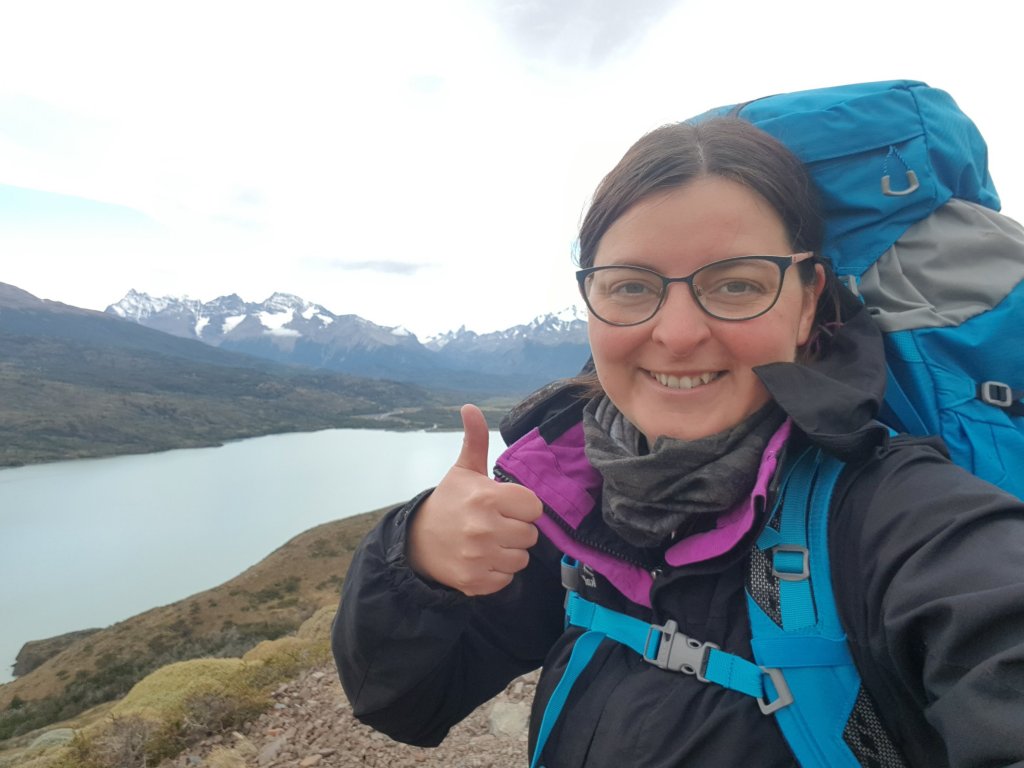
After a month in Argentina, I made my way on foot through one of the only open borders into Chile. I spent five days in Punta Arenas in Southern Chile and a few nights enjoying the hiking base of Puerto Natales, before heading into the wilderness for my 8 day hike of Torres del Paine’s ‘O’ Circuit.

Crossing the border

The pandemic is still a serious issue in South America, and Chile is probably the most strict country on the continent when it comes to entering and leaving the country. This has caused many borders to be closed, so there are limited places to cross over land from Argentina, and many people are paying extra cash to take multiple flights instead.

Border crossing at Intergracion Austral

I took two taxis (as buses are currently not allowed through) to get through the border and this was a three hour process on the way in, and a six hour nightmare on the way out. At least I have loads of stamps in my passport now though! The strangest parts of it were that so much of the process still relied on paperwork and physical paper stubs (not ideal when standing outside in high wind). Also, the fact that the crossing at Integral Austral is in the middle of nowhere and has a kilometre of no man land between the two countries.

Punta Arenas

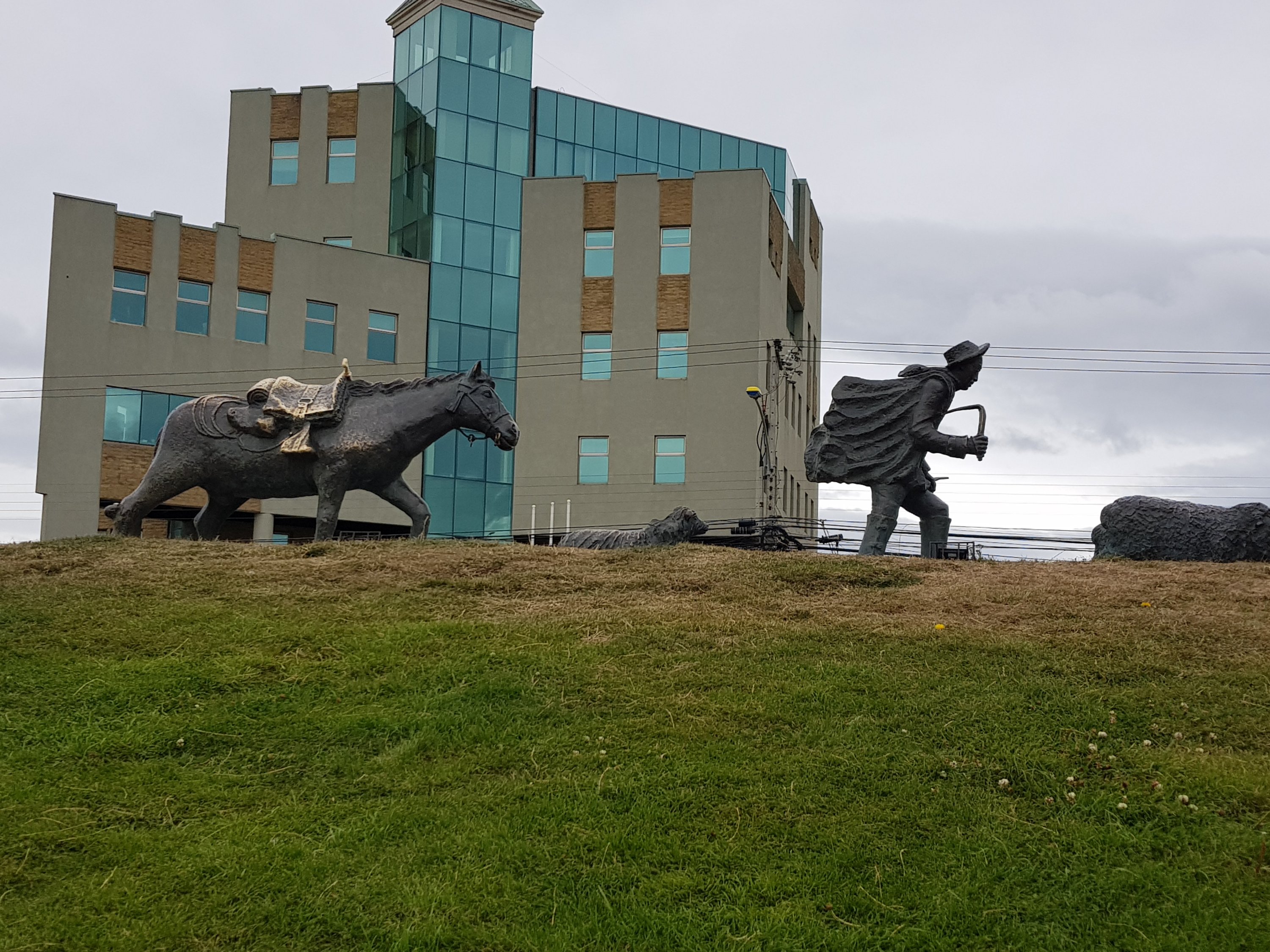
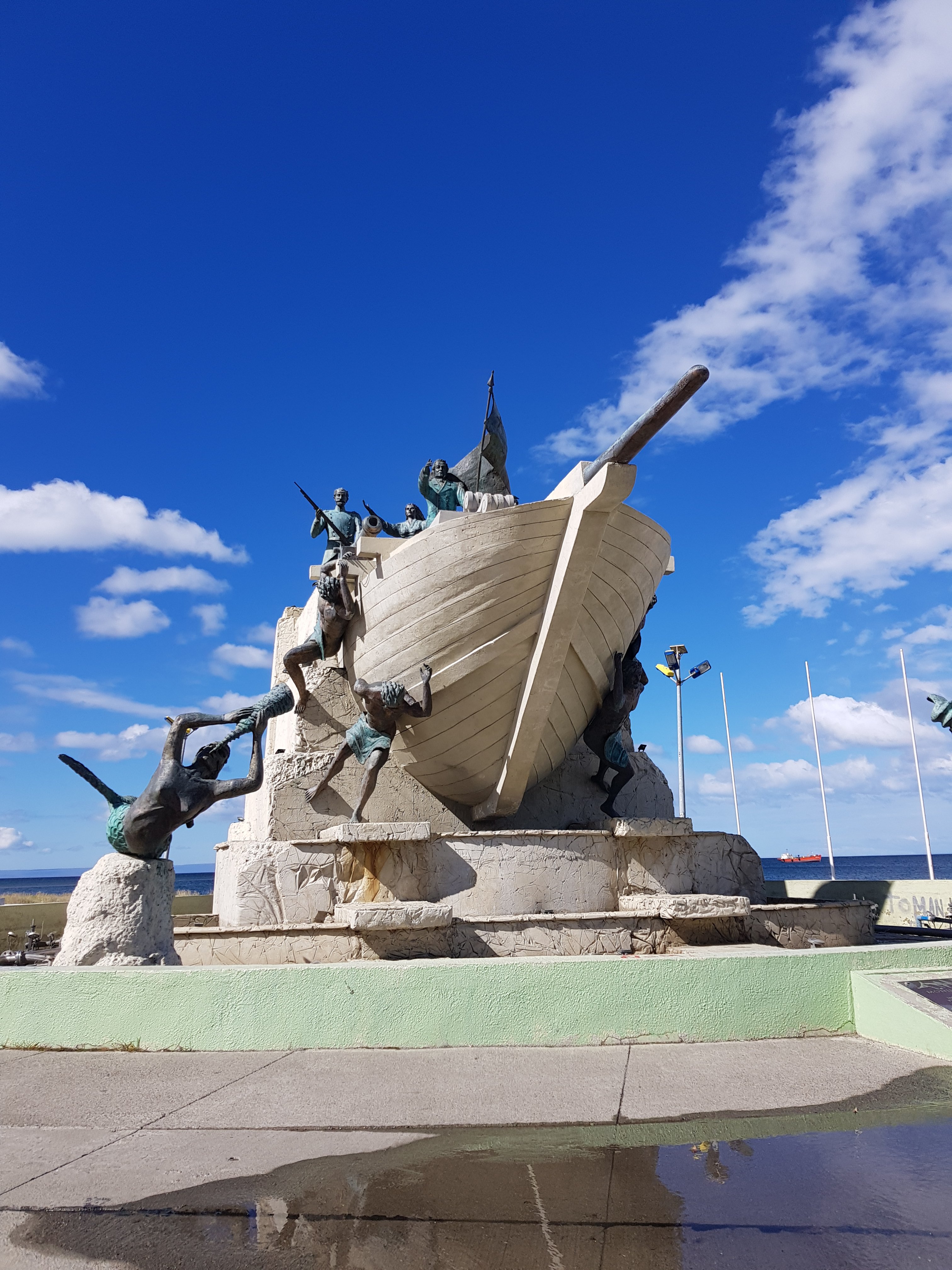
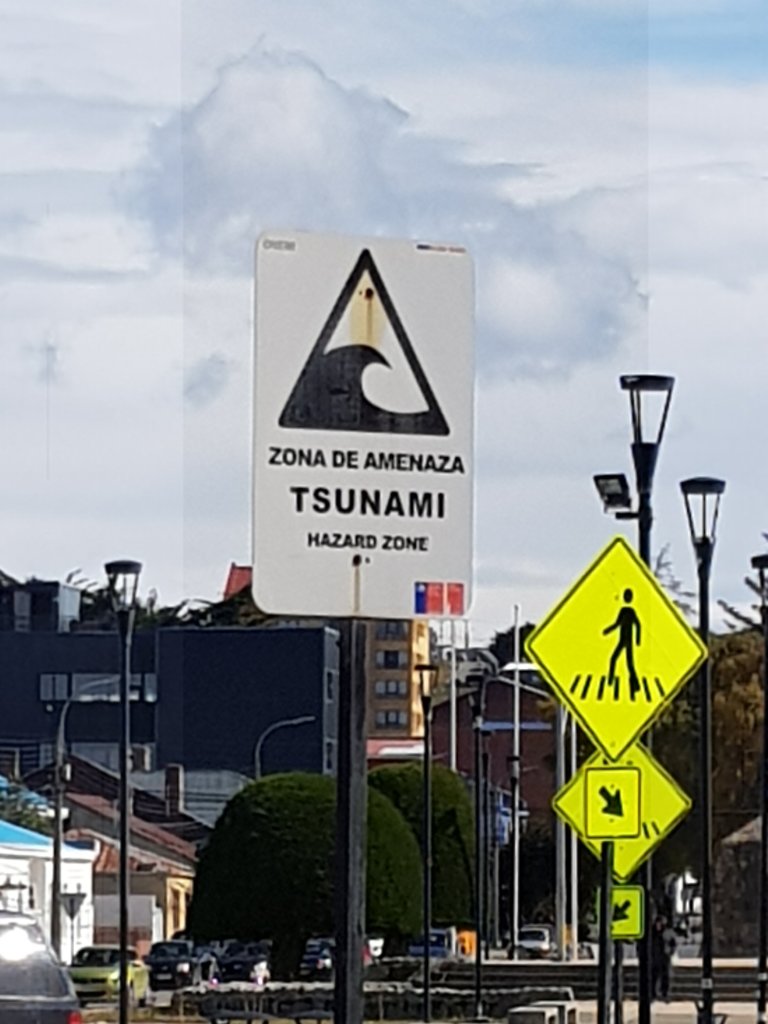
After crossing the border, I made Punta Arenas my base for five days, this large Chilean town is not very touristy but it does offer some good cafes, and stores to gather supplies for the upcoming trek, for better, local prices. There is a promenade of sculptures that runs along the shoreline, and a very strong maritime vibe, but the best local thing I did was visit a nearby national park, for some practice trekking. The Magallanes National Reserve is a twenty minute taxi ride to the top of the town, and as you travel higher you start to see various safety signs, to tell you that this is the place to be if there is a tsunami. A little off putting..

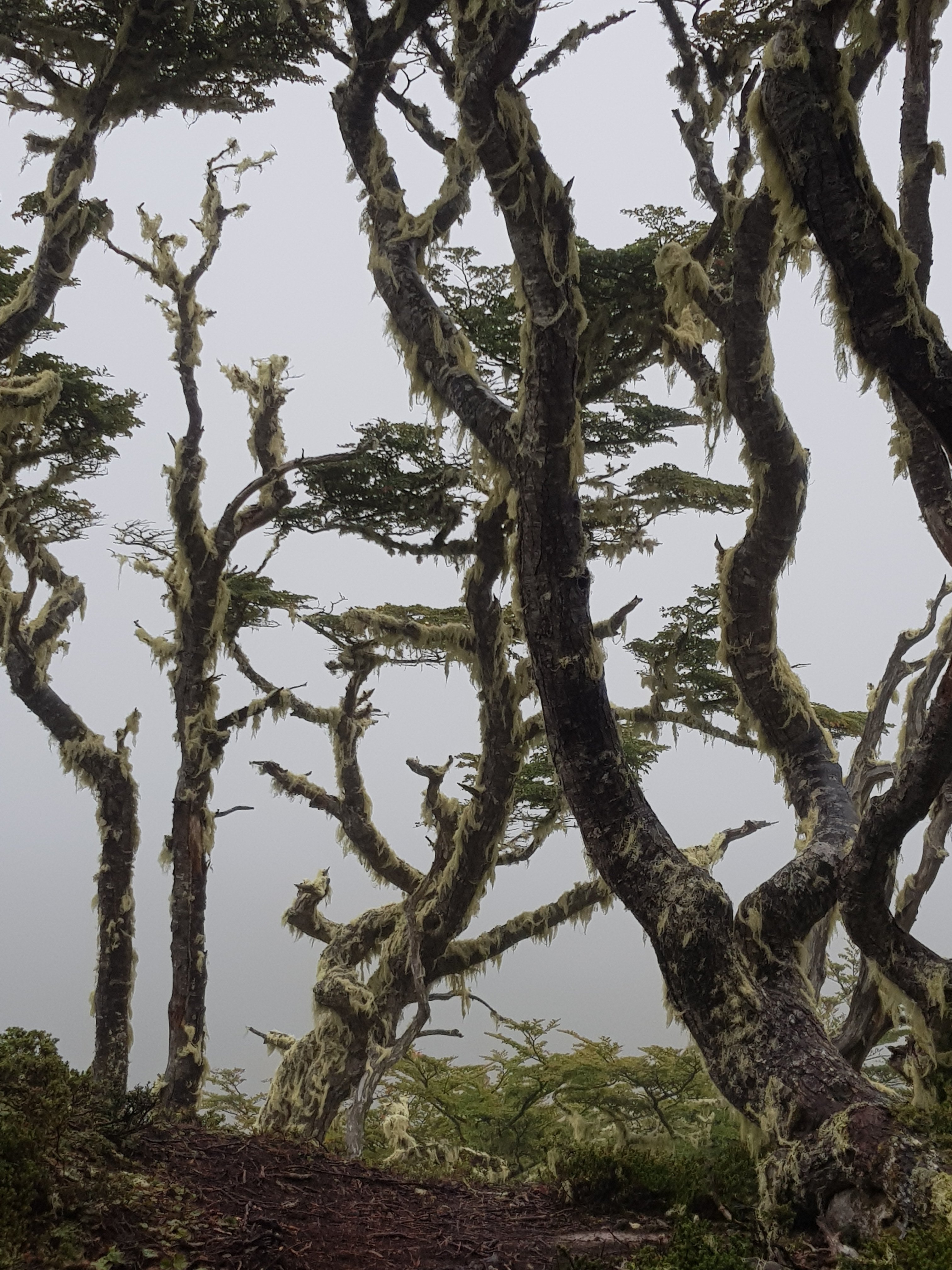
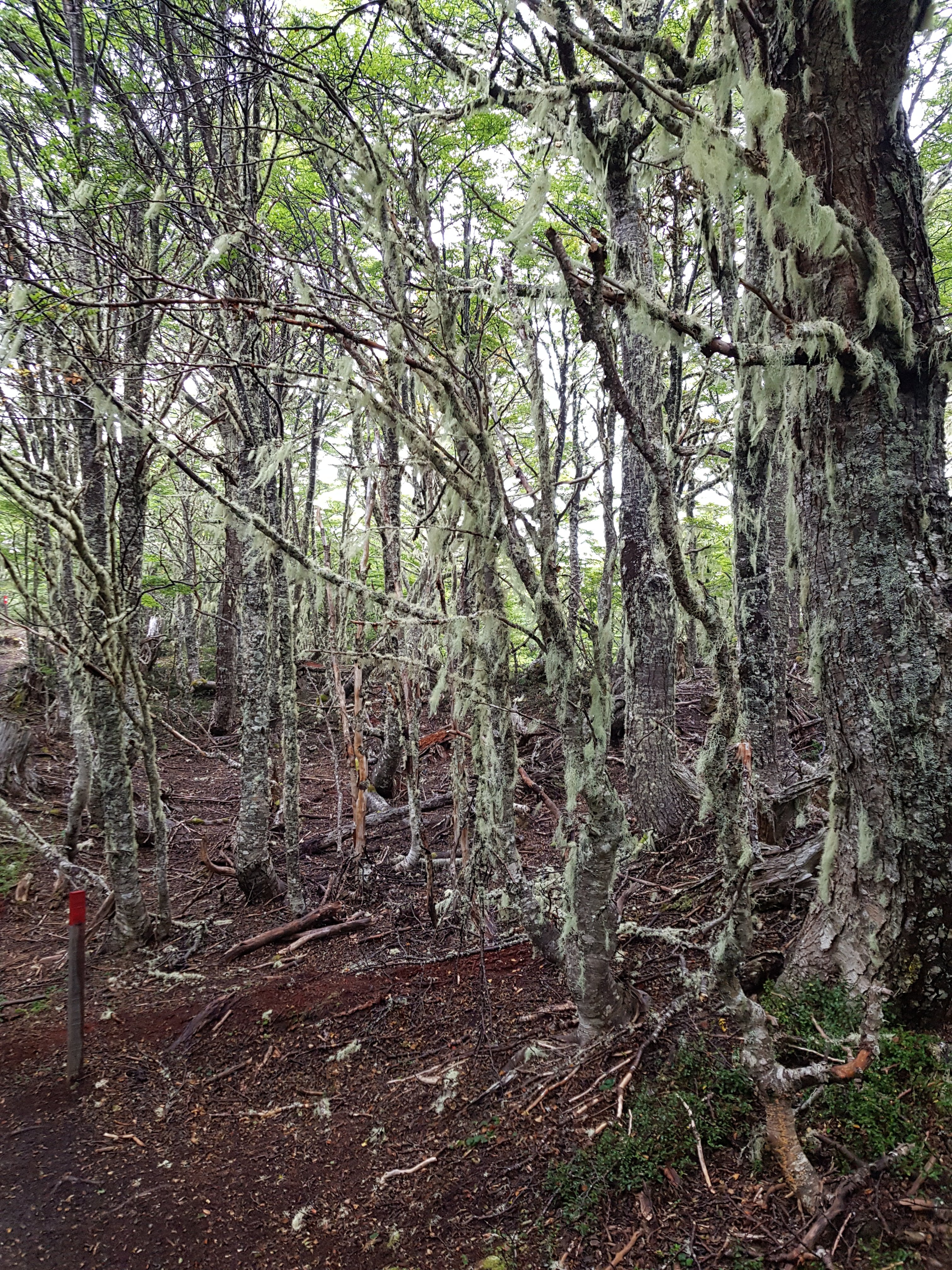
It is about £5 to enter the park, and then there are several trails available with many lookout points that can keep you busy for hours. I went on a very misty day so I did not see many views but the plants and trees especially were cool to see.

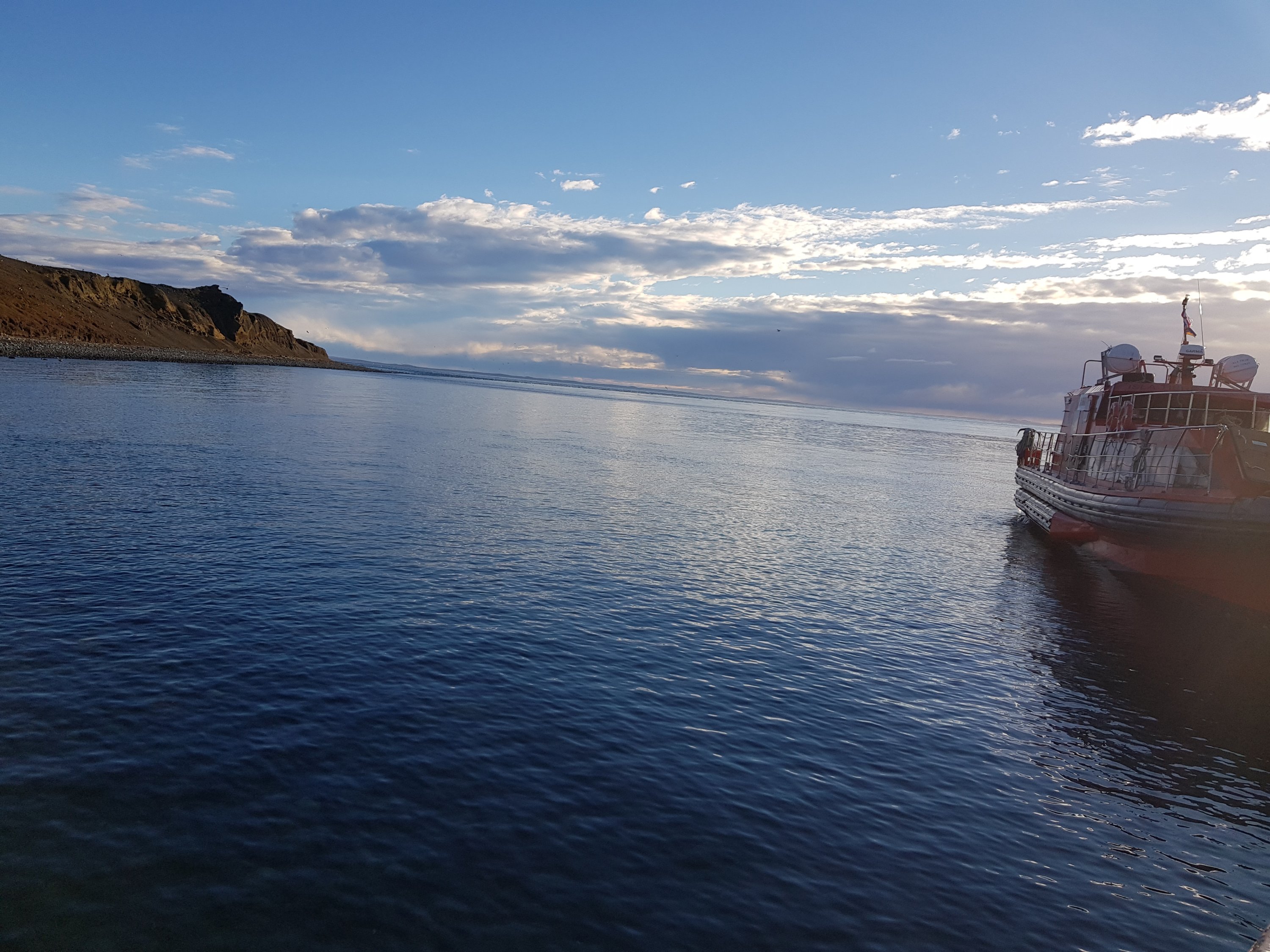
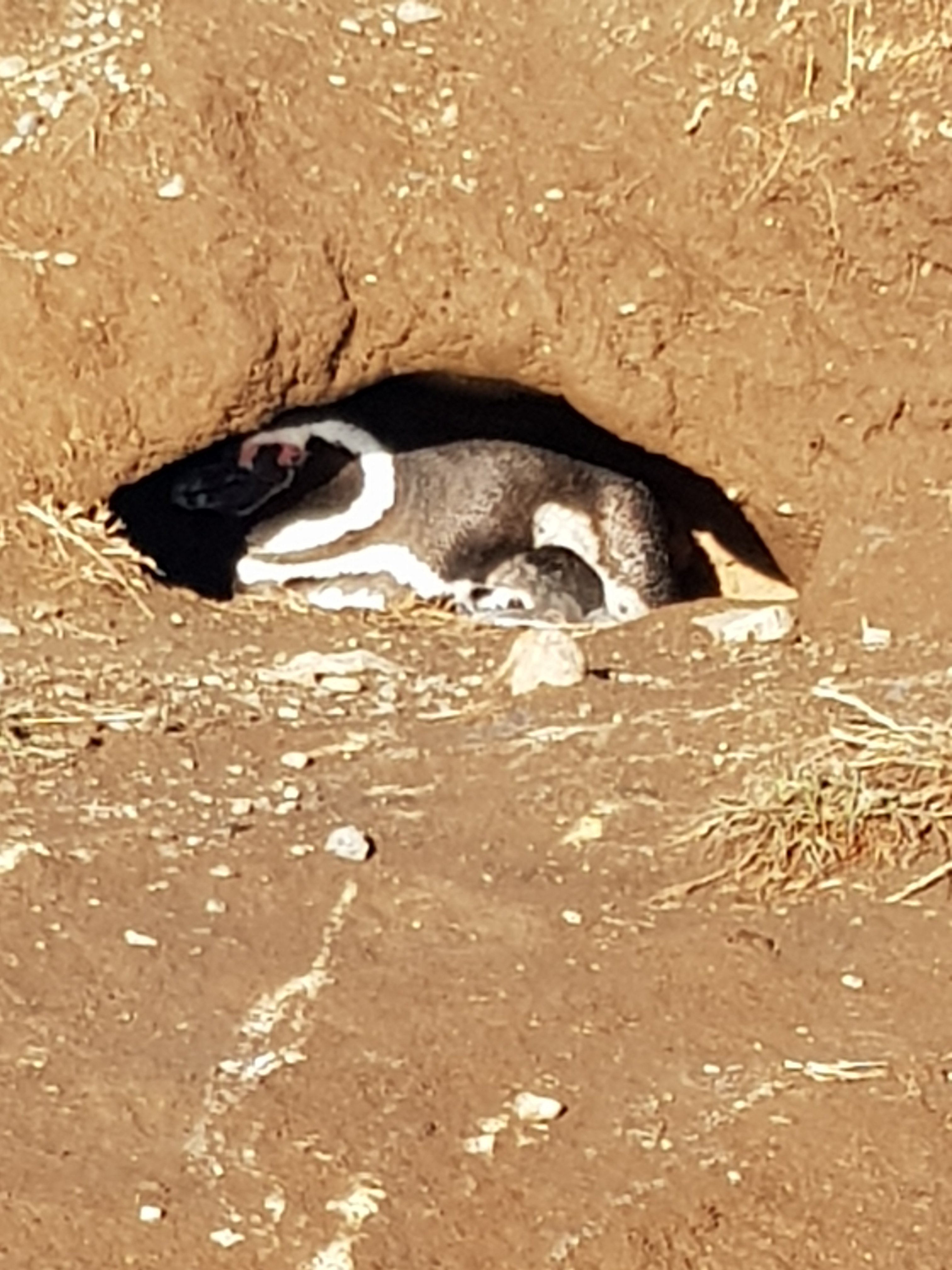
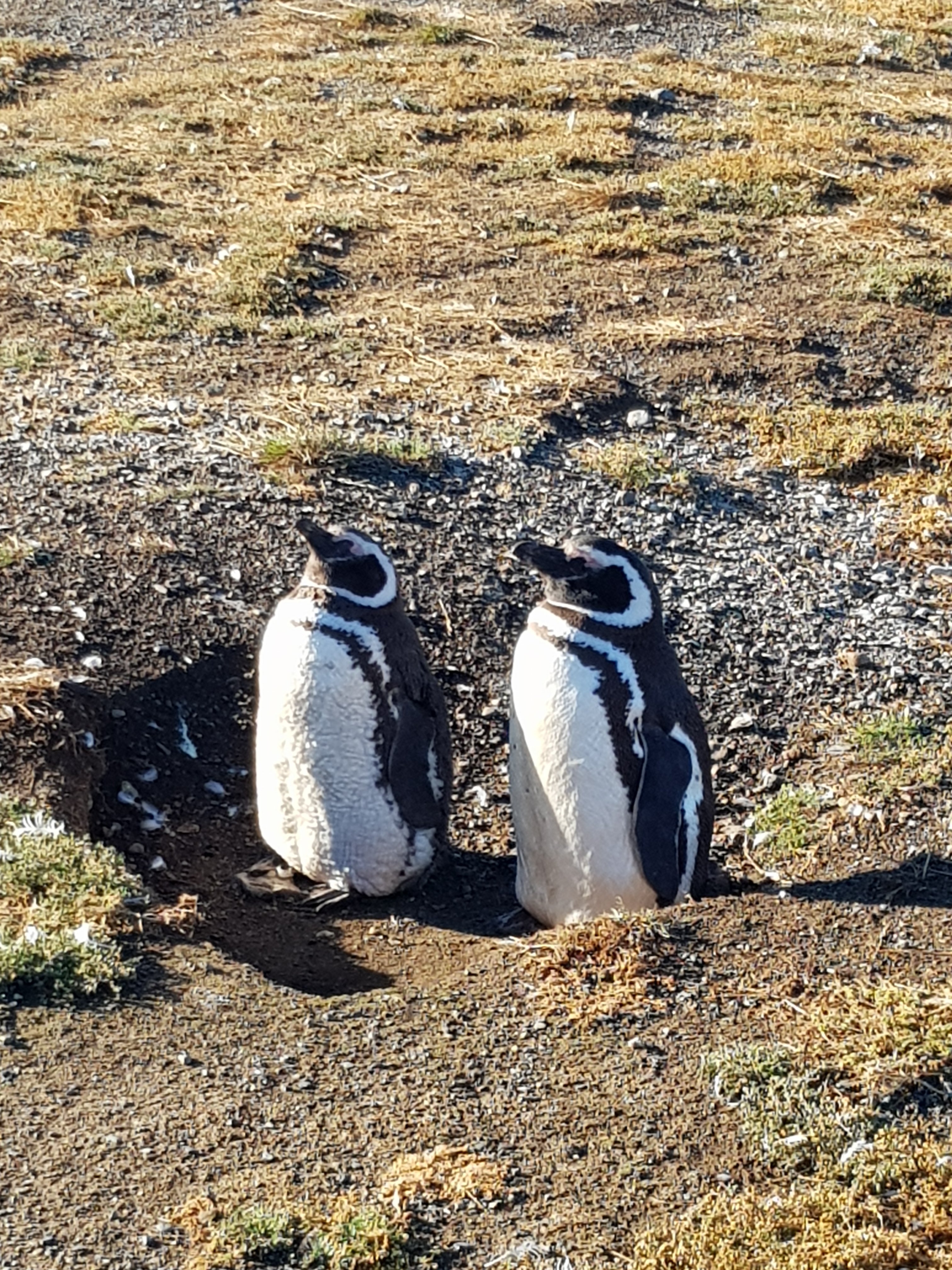
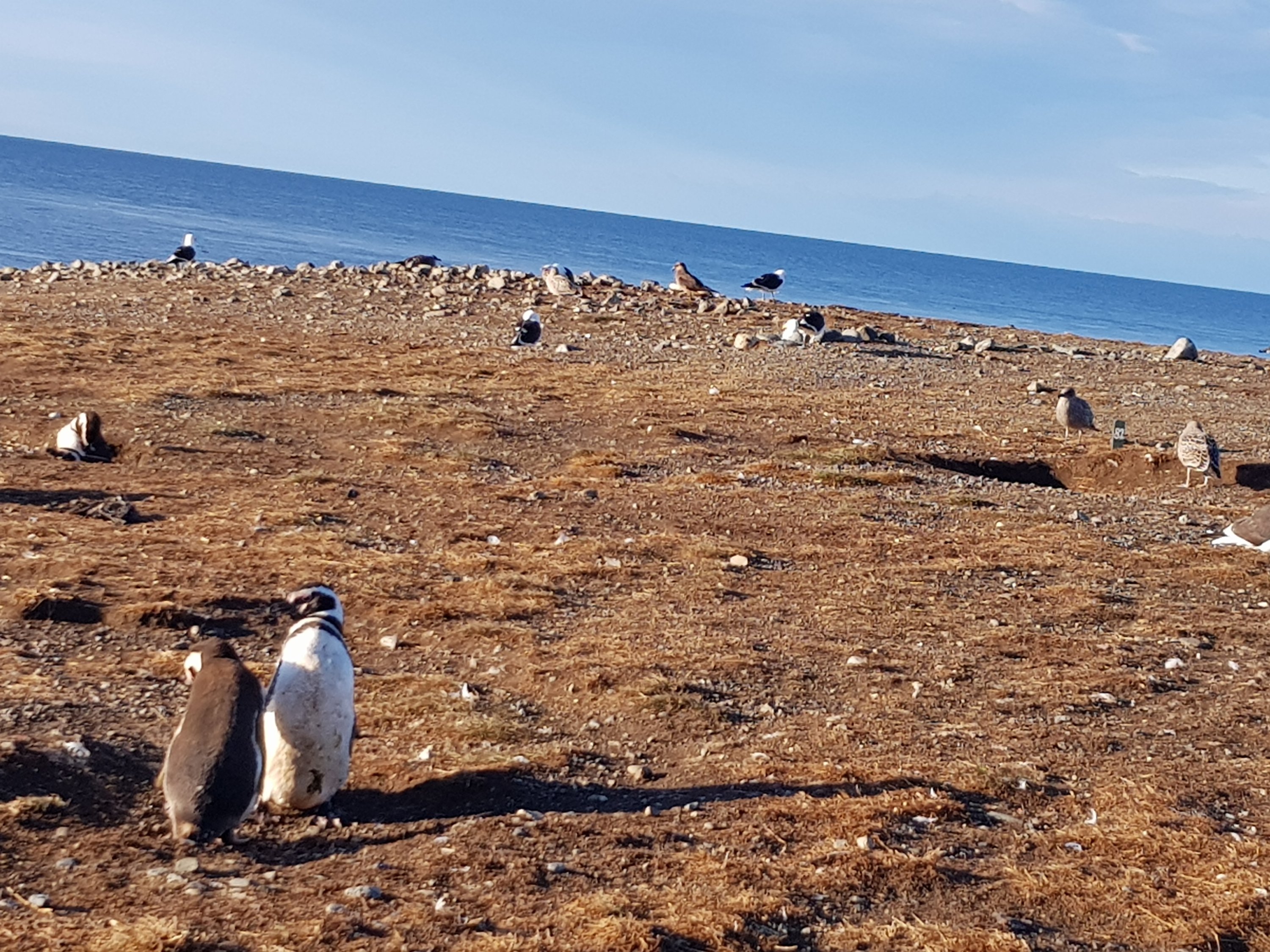
From Punta Arenas you can also take an excursion to see penguins and sea lions. I did this on thankfully the warmest day of the week. It is an early start followed by a few hours on a coach and then an hour journey to the main island by boat. Dotted around this small island are thousands of penguins, meandering within their couples. You can walk very close to the birds and follow a trail around the island to the lighthouse and back to the boat.

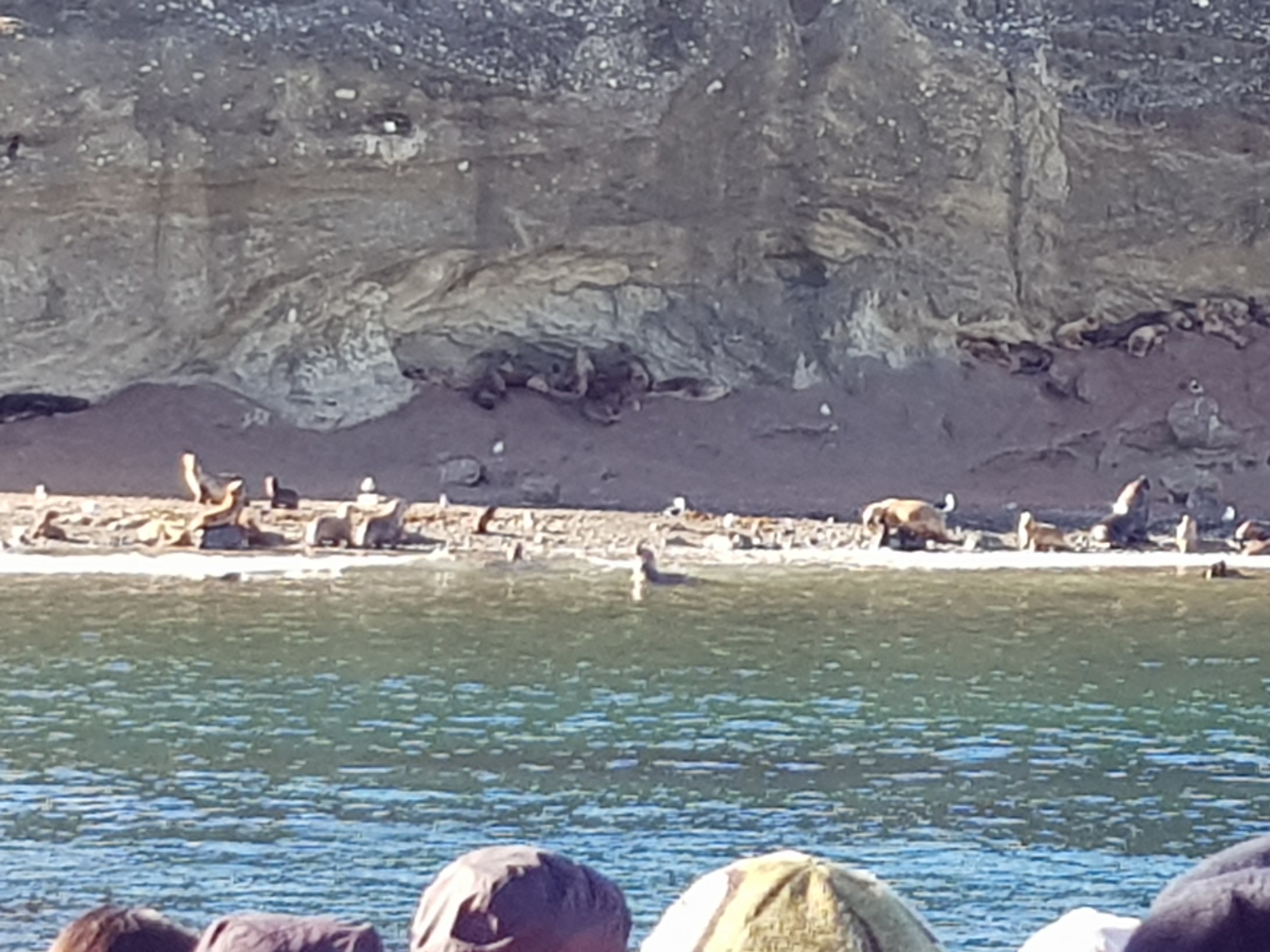
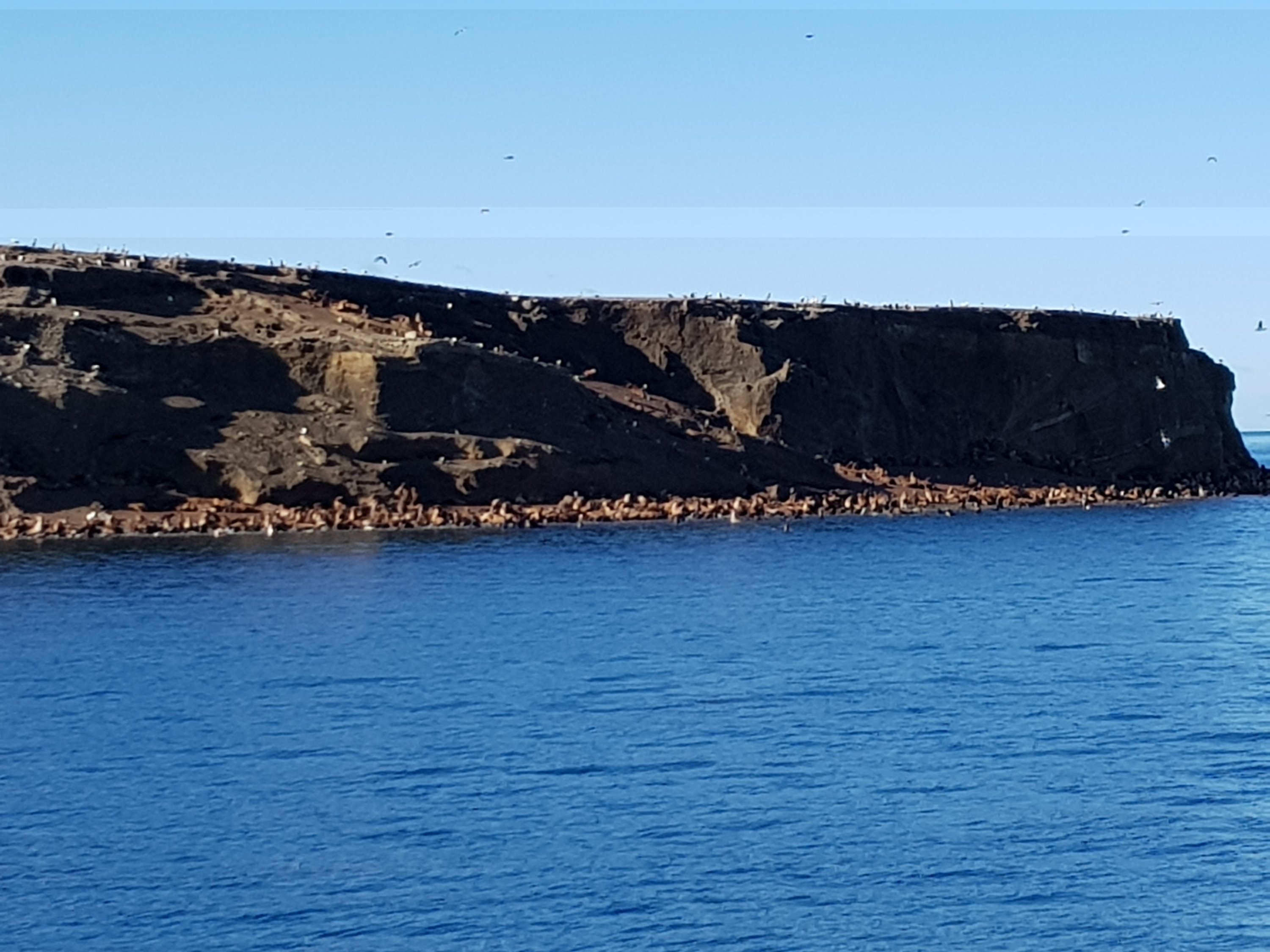
The tour then travelled to an even smaller island that was home to hundreds of roaring sea lions clambered together on a beach and swimming close to our boat. It was very nice to see these animals in their natural habitat as oppose to a zoo, and it was great to get out from the town and be on a boat for a few hours.

Puerto Natales

The next town which is the base for the Torres del Paine National Park, is Puerto Natales. This small town is full of hostels, camping shops and restaurants. I only spent a short time here to sleep and eat at the beginning and end of my trek, but there was little else to do than that as it is just set up to drain tourists of their leftover pesos.

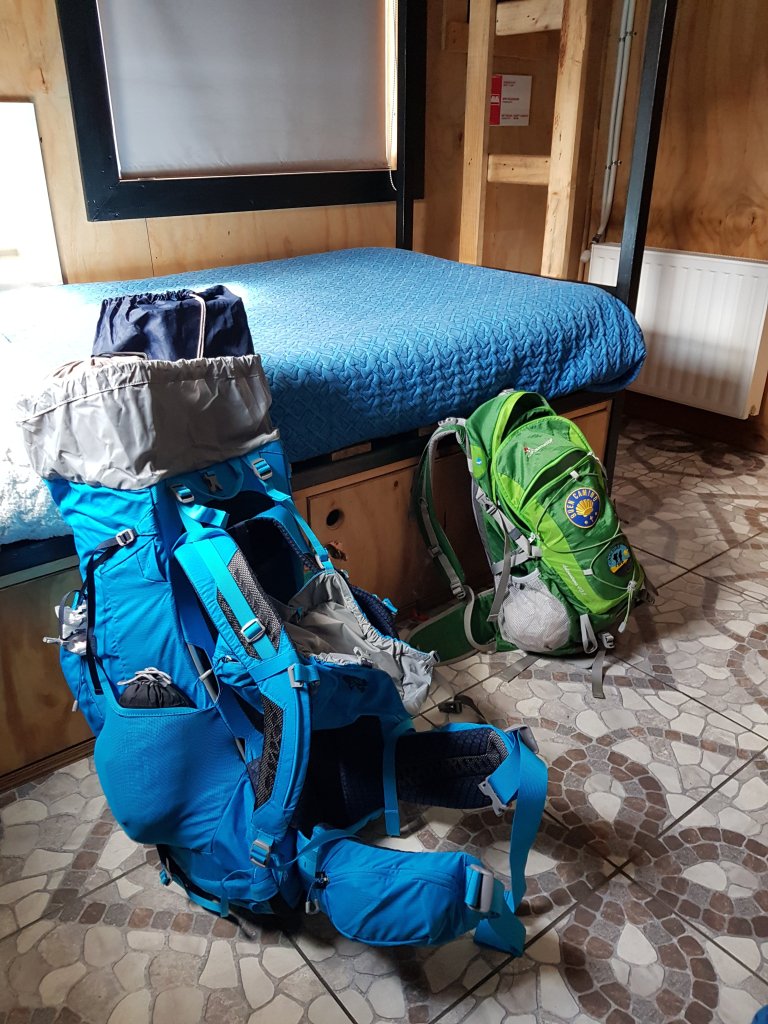
My trek bag vs my regular bag

Prepping for the ‘O’ Circuit trek

There are two main overnight treks that can be done at the Torres del Paine National Park. They are the ‘W’ and the ‘O’, named after the shapes their routes make on the map. The ‘W’ is the most popular and is known around the world for its views, but some people that have longer and want to see more of the park, choose to walk the ‘O’. this is the full circuit. It has several campsites on route and most people do it over 8 days. Each day of the trek varies in landscape, and the walks are between three and twelve hours, more or less.

Feeling like an experienced trekker, I decided to push myself to complete the ‘O’. I must say though that I forgot how out of shape I am, again. To prepare for the trek, I had to book my reservation to the campsites about three months in advance. I was able to use a new booking website that pulled it all together easily for me, instead of going to several different suppliers which could be quite complicated.

I decided to pay for my meals to be cooked and provided to me everyday, to avoid carrying a stove and heavy food. There is also an option to pay extra to have a tent provided and set up for you. I didn’t do this but met several people who did, and their tents varied in quality but their walks were obviously much easier than those of us carrying a tent. I rented a tent, sleeping bag, mat, and 65L rucksack from Rental Natales in town, and they were really helpful in getting everything sorted and providing me with advice.

I stocked up on nuts, cereal bars, and a bar of chocolate for some snacks for the first day, and midnight treats. I also took a Swiss army knife (although I never used it), a first aid kit (I did use part of this), and my phone power bank (charging is limited in the parks and signal is non existent, air plane mode was switched on the entire time). There are not any laundry facilities so a decision needed to be made about how many clothes to bring. I went with 4 outfits, and I made the conscious decision to smell rancid after half the week. Unfortunately, I still did not find an open launderette for two days after I had finished. Very gross.

The campsites

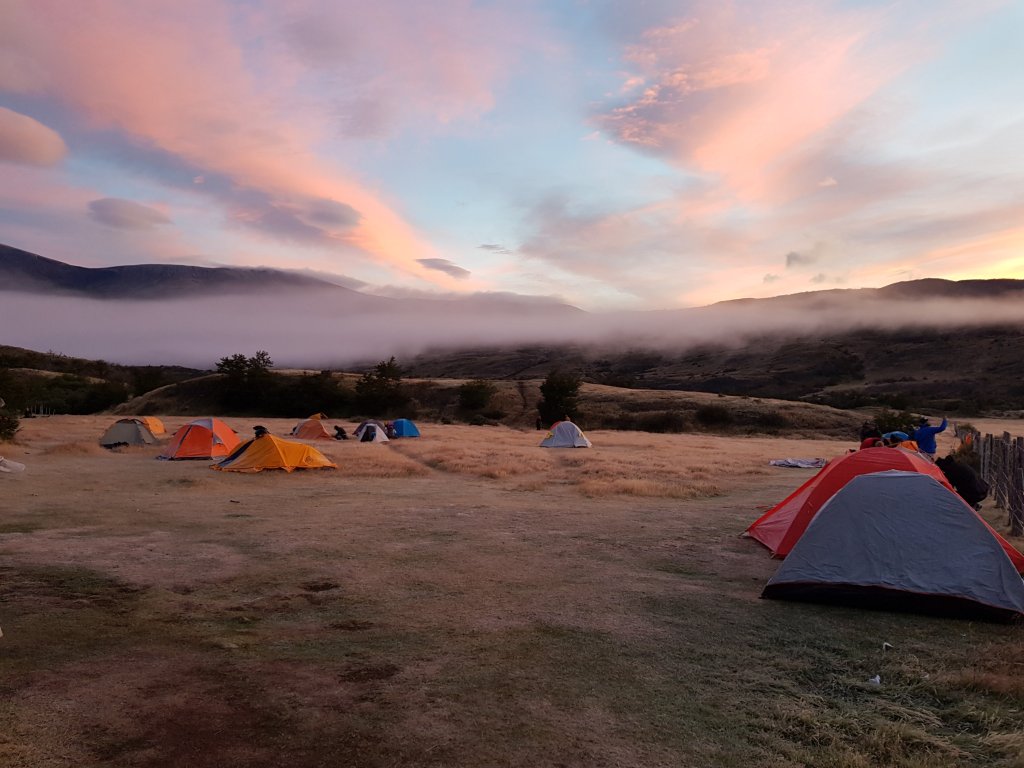
The campsites on the ‘O’ varied in quality, but I am happy to say that they all had real toilets. I was very thankful for this. I was scared I would be falling into a poo hole in the ground in the middle of the night. All the campsites had some sort of kiosk which sold snacks and most of the campsites had a bar/restaurant where you could buy drinks or enjoy your prepaid meal. Some of the campsites have refuges or domes as well so that you can sleep in luxury rather than a tent if you have the right reservation, and some of the sites had wooden platforms to pitch your tent on instead of the ground. I would argue that the ground is better though, as you are less likely to trip, and its easier to set up the guidelines, and pegs, and its actually a bit warmer than having a void underneath you.

Seron campsite at sunrise

The food I was given during my stay was generally excellent and although it was pricey to do this option, it was well worth it, to not have the hassle. I always had more food than I needed because the portions were very generous. There was always a warm breakfast, a large lunch pack and a four course dinner with different dietary options. The only downside was that hot chocolate was extra and I don’t drink coffee!

I spent time with a great mix of people whilst staying on the ‘O’ circuit campsites. I befriend a group of US visitors, a man from New Zealand and many groups of Chileans. It was great practice for my spanish, especially as in Chile, they have a unique slang. For example the word for egg is what you might call a

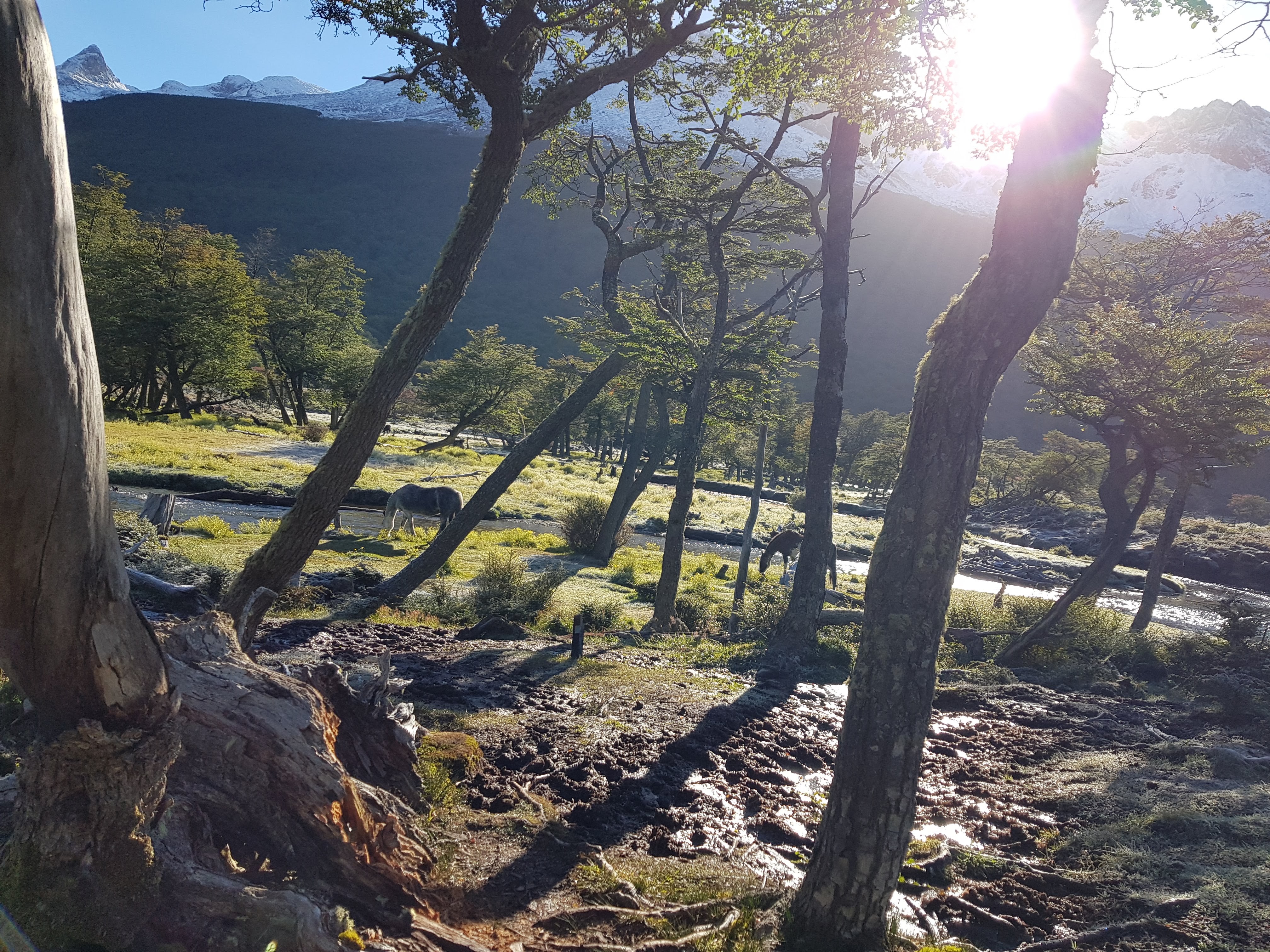
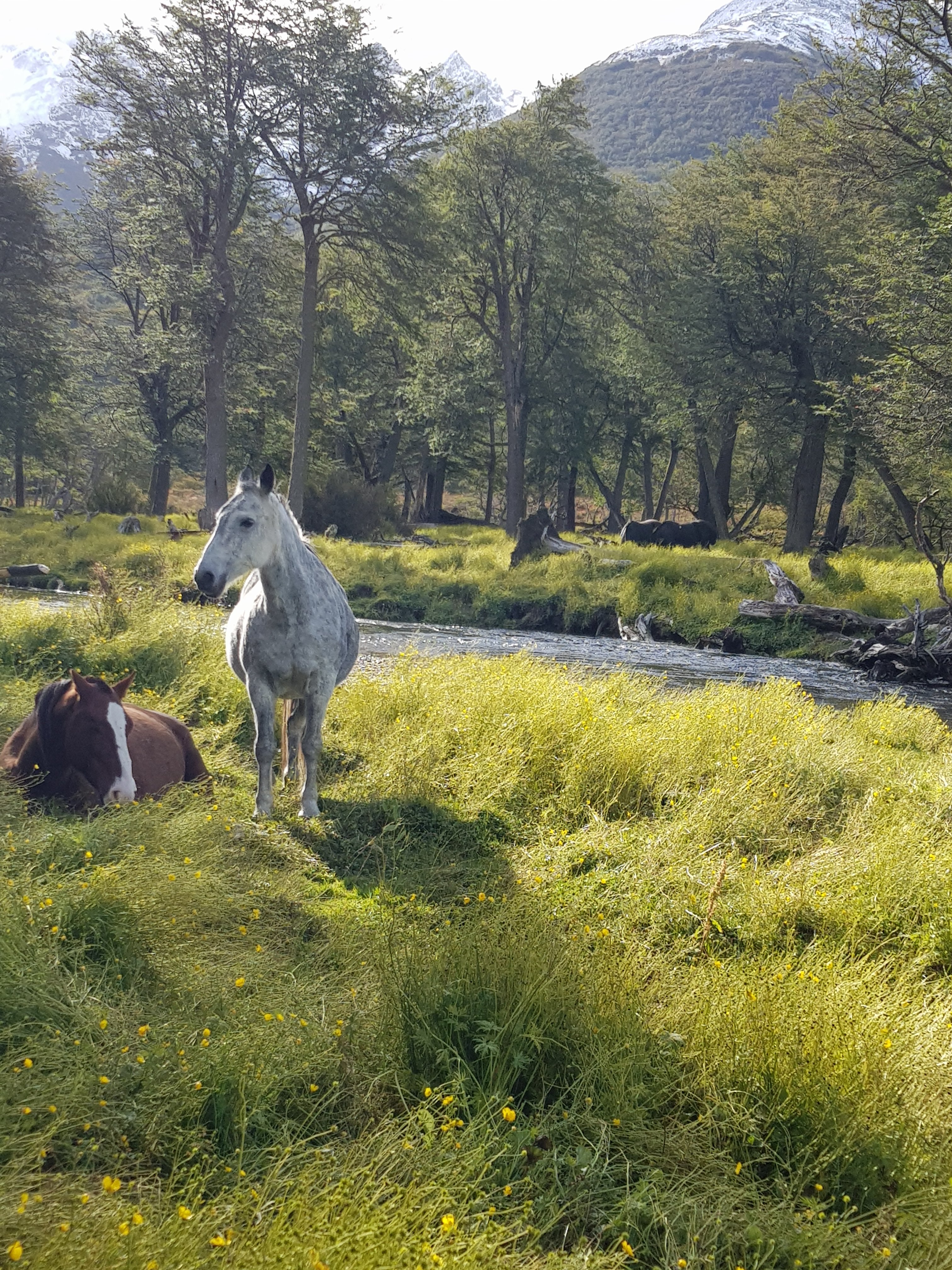
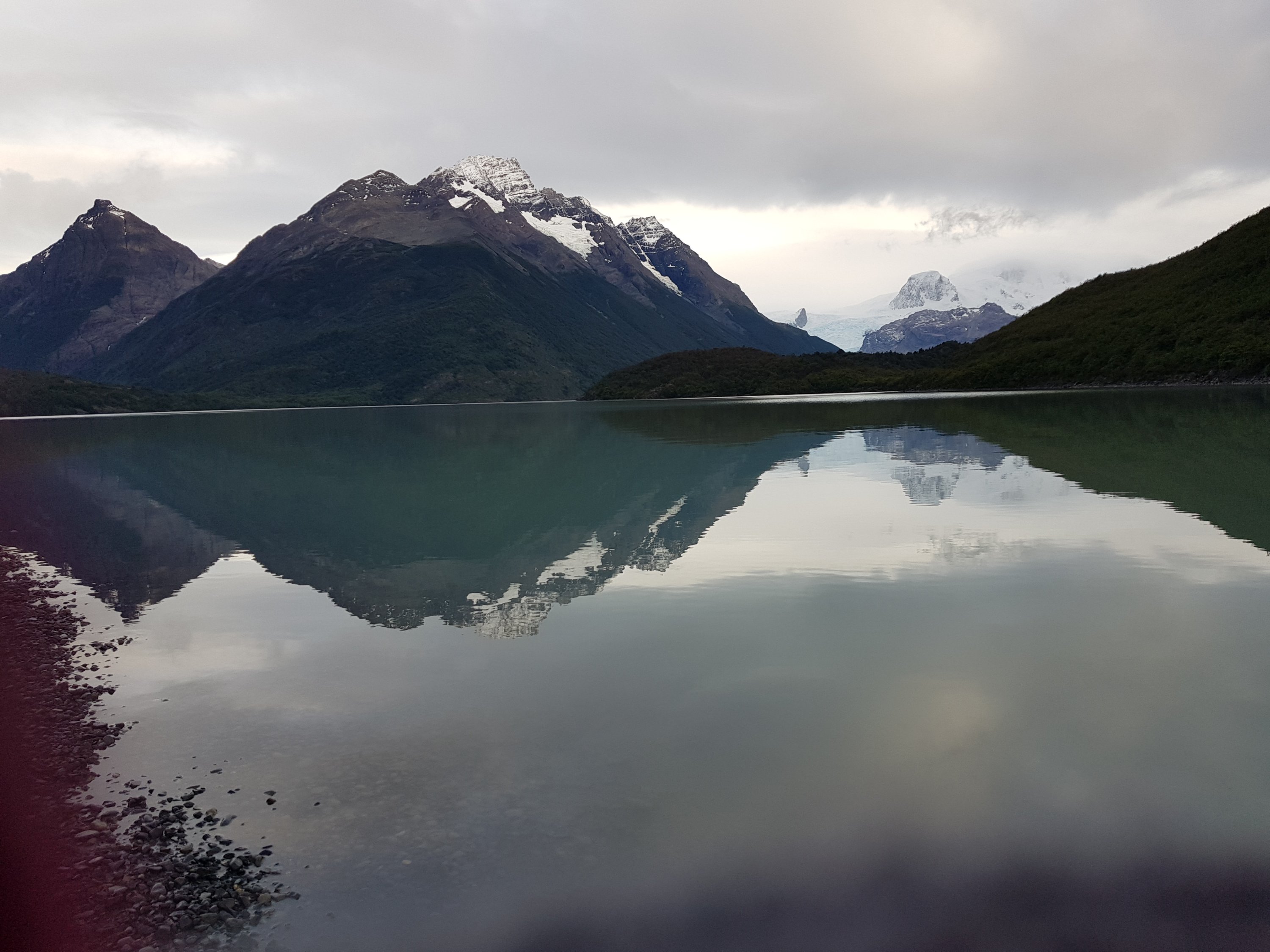
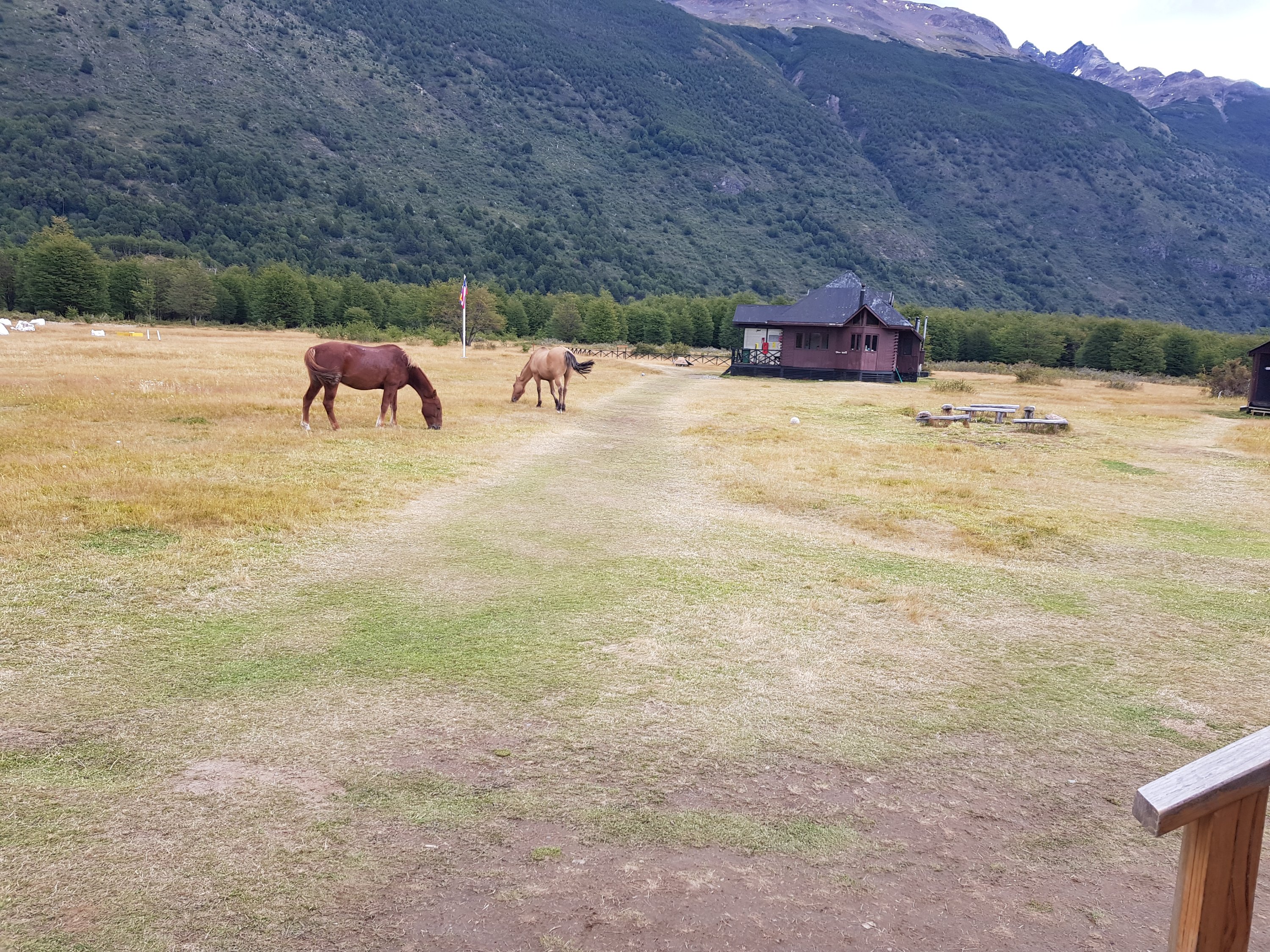
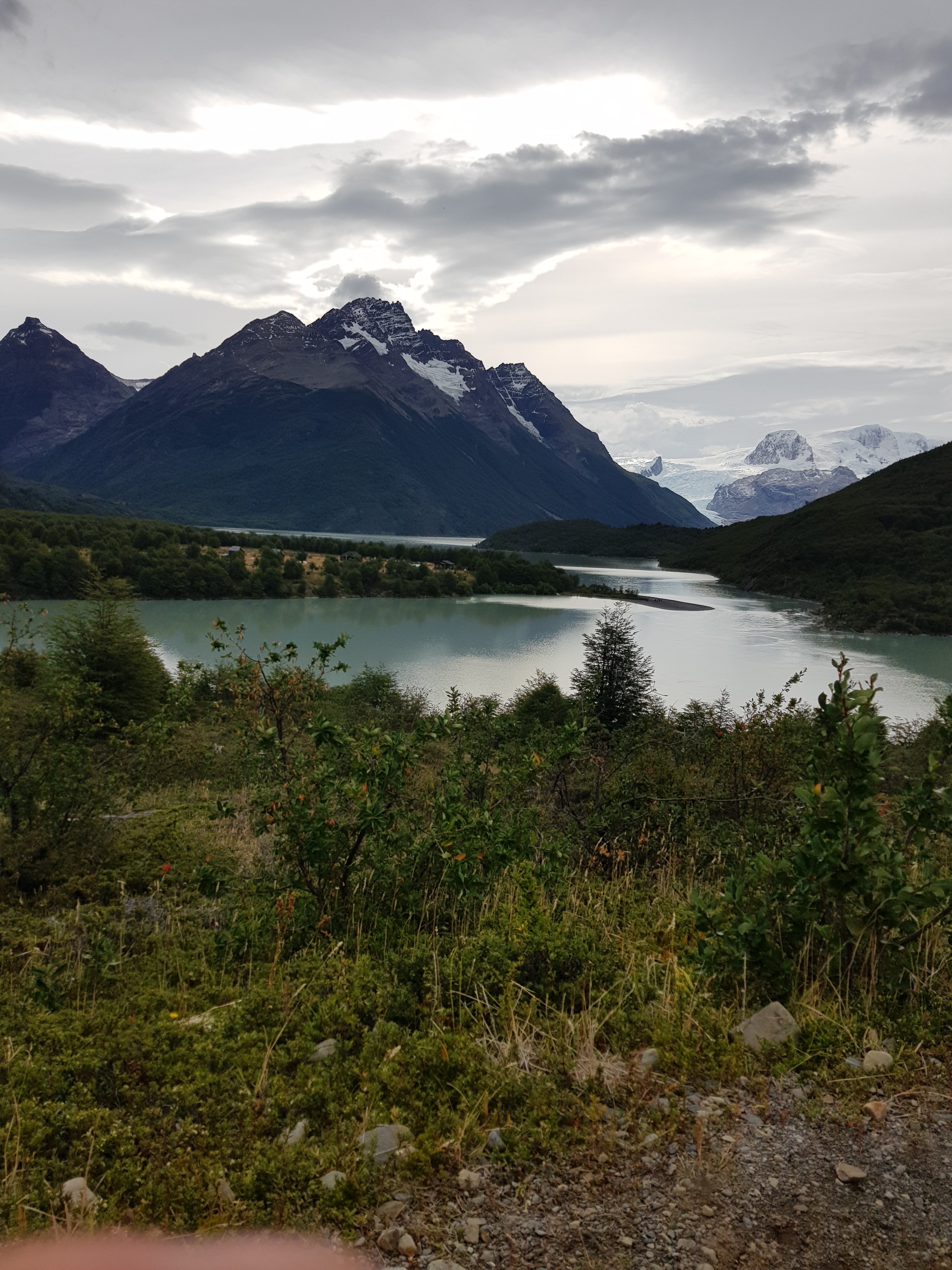
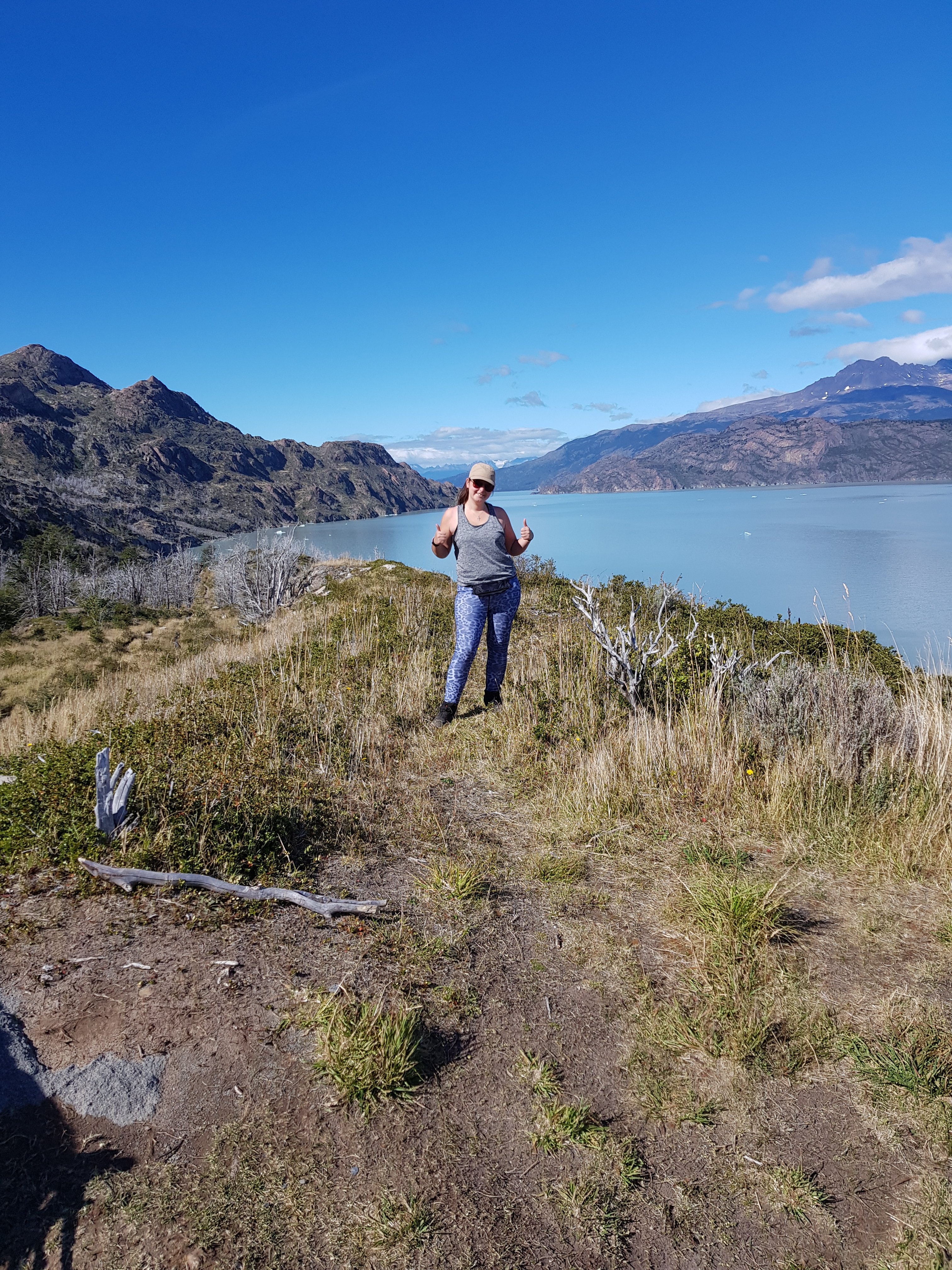
Favourite campsite: Dickson. This campsite was on a piece of land surrounded by lake and glacier, and also had a beautiful ranch feel with horses roaming around amongst the tents.

Least favourite campsite: Frances. Frances had what was needed but it is located in a shady and damp forest, and all the facilities are far away from the tents and down a hill…

The landscape

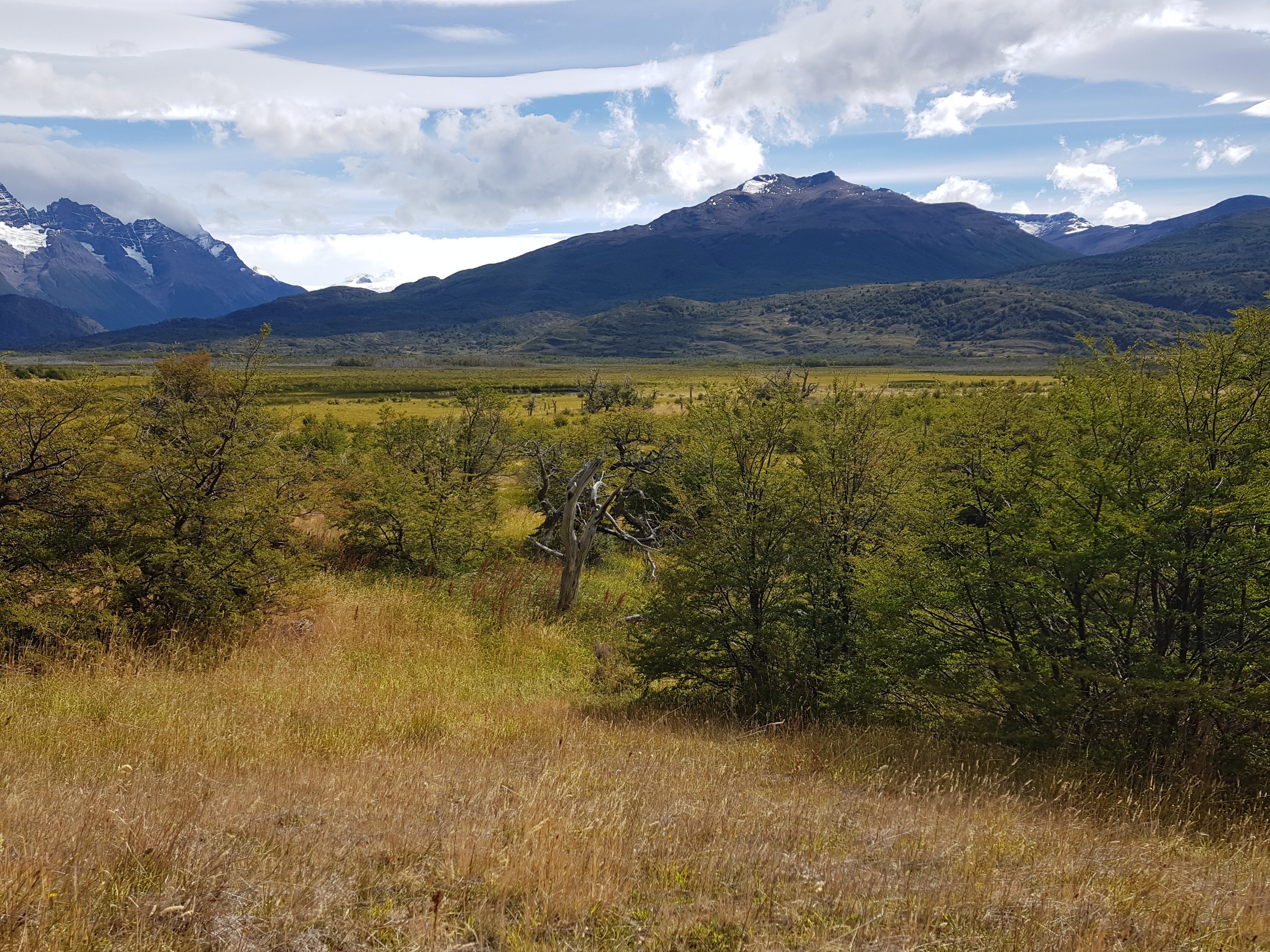
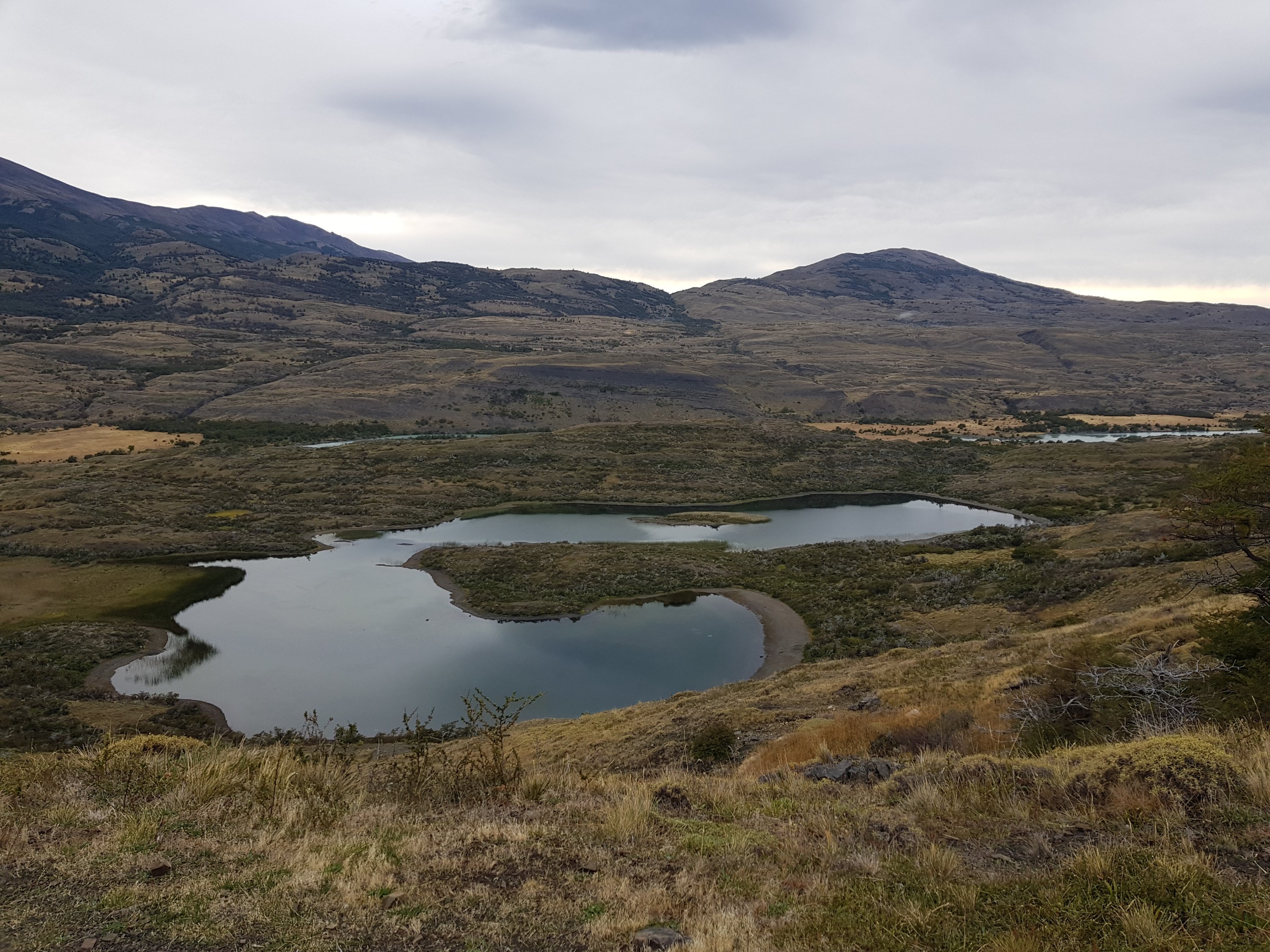
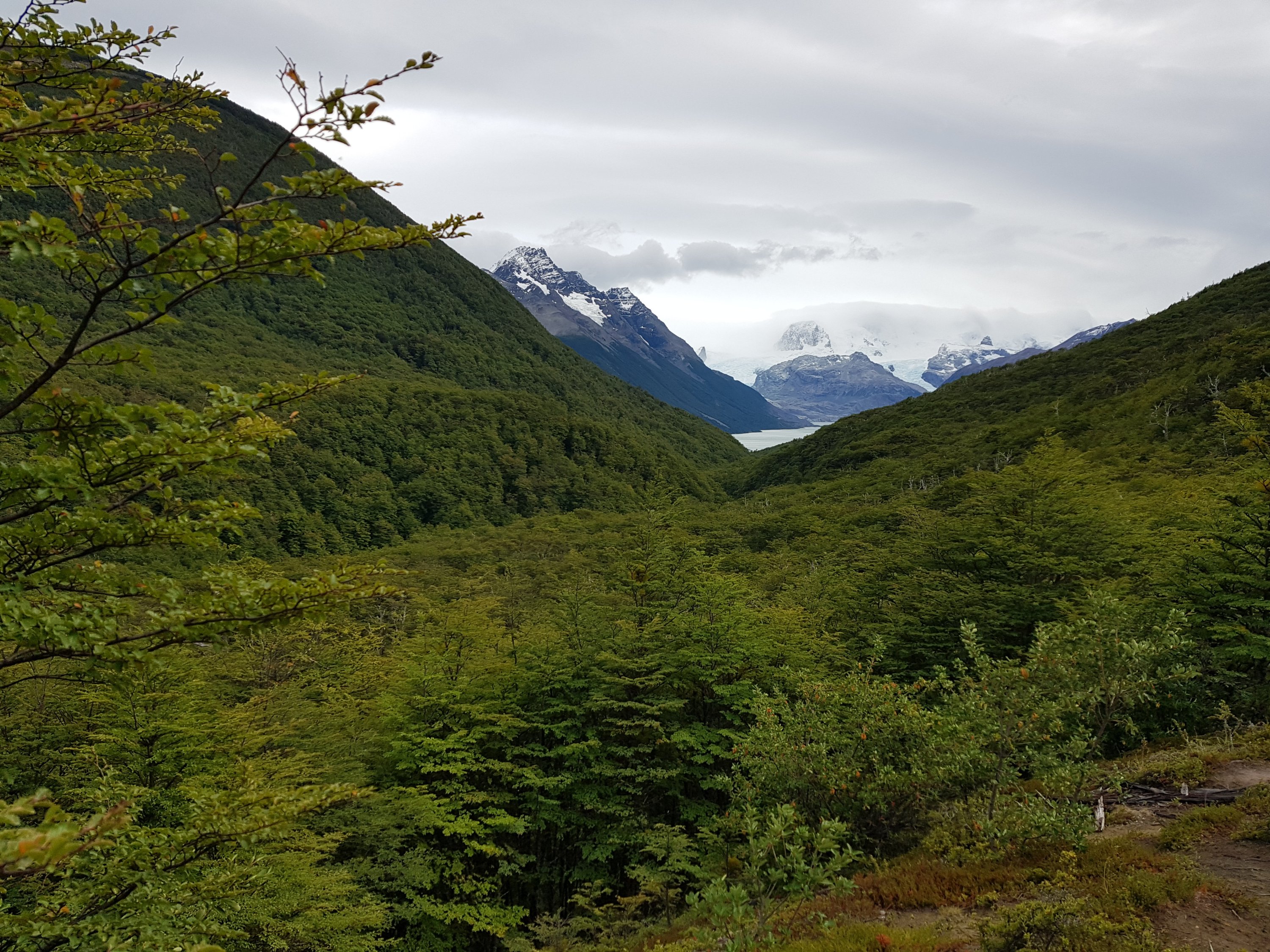
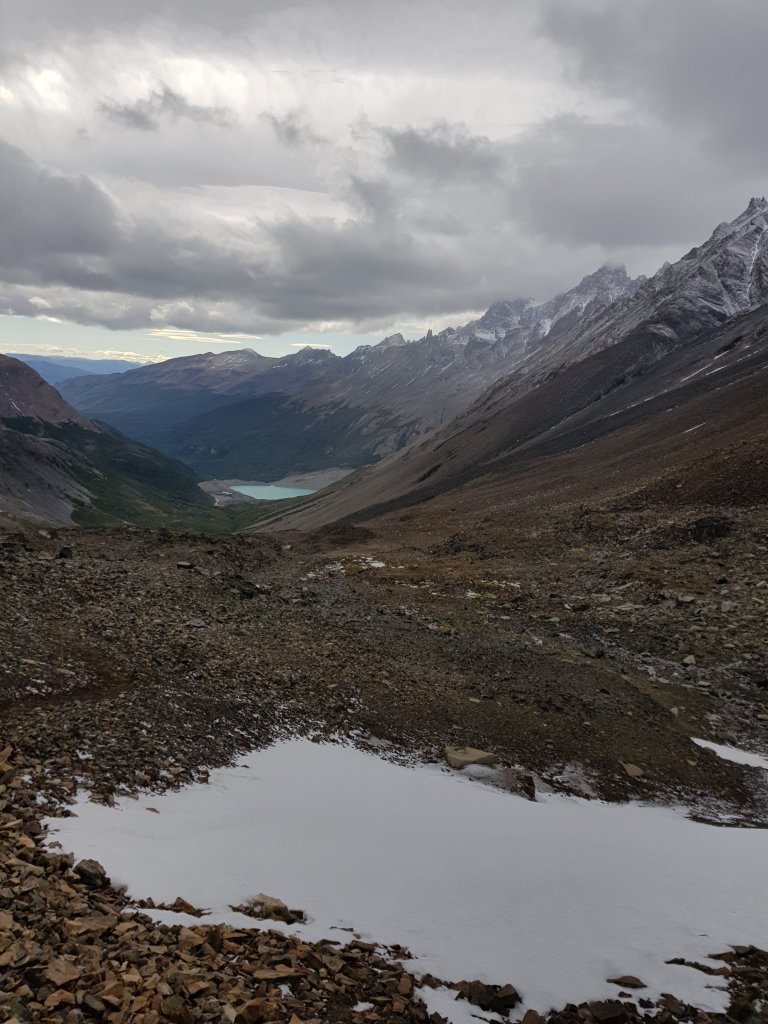
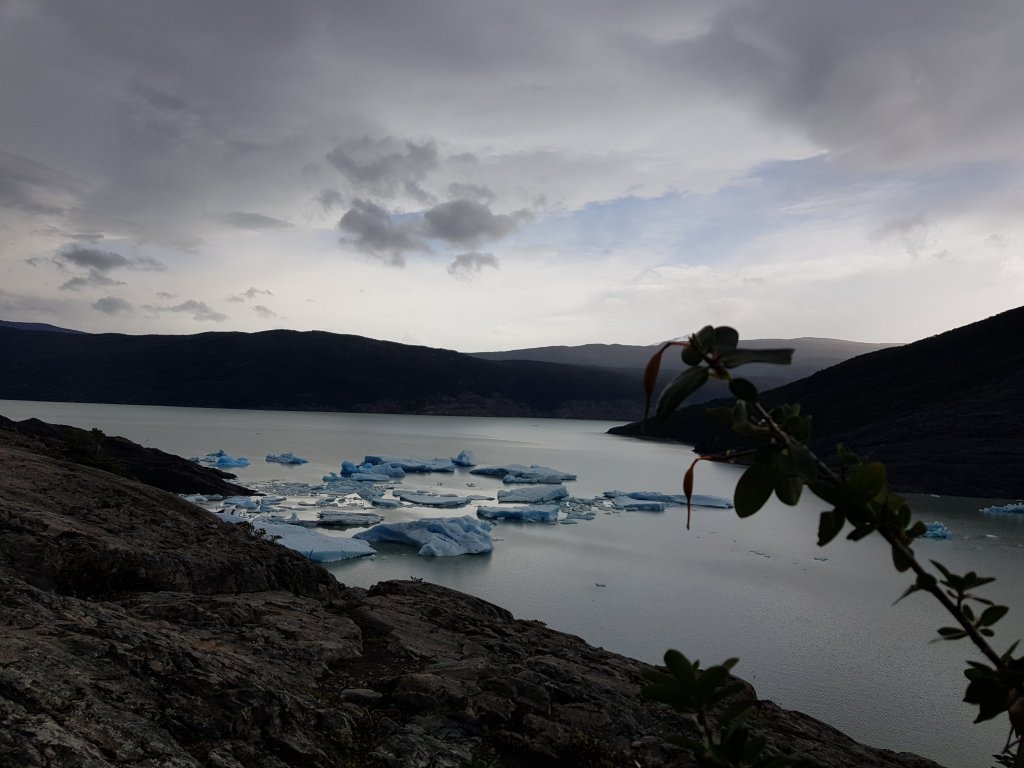
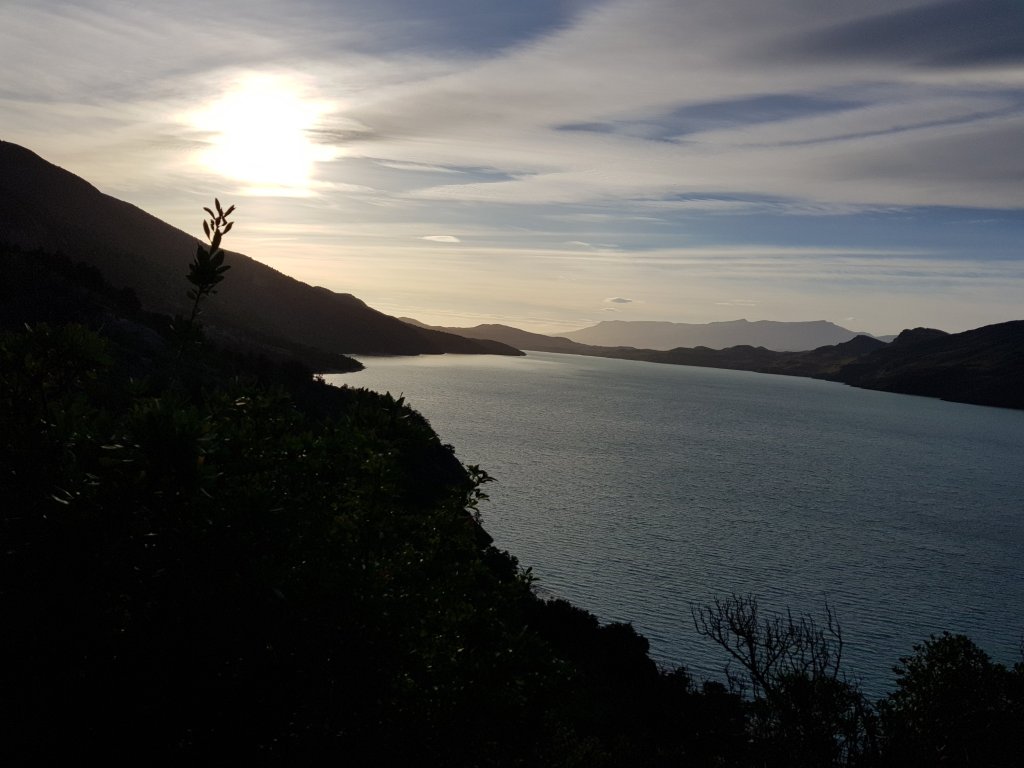
The trek itself is over 100km of varied landscape, and climates! The first day I was walking through long grasslands in hot weather, on the fourth day I was shivering in the snow and wind whlilst gazing over the Patagonian Icefield. Many people will simply do their chosen circuit, whilst others may add in the extra viewpoint trails, or you can even just do a full day walking, sailing or riding excursion through the park.

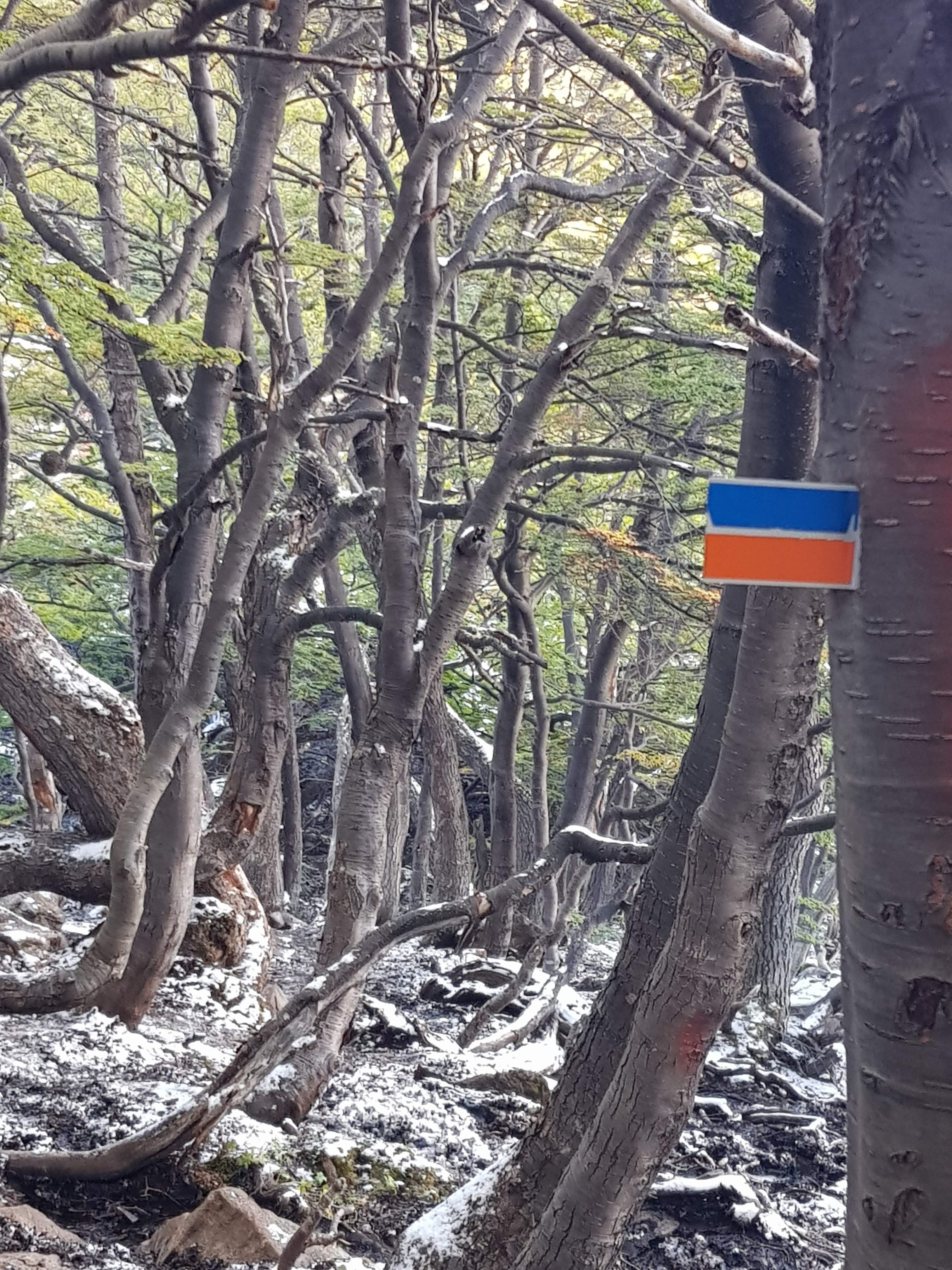
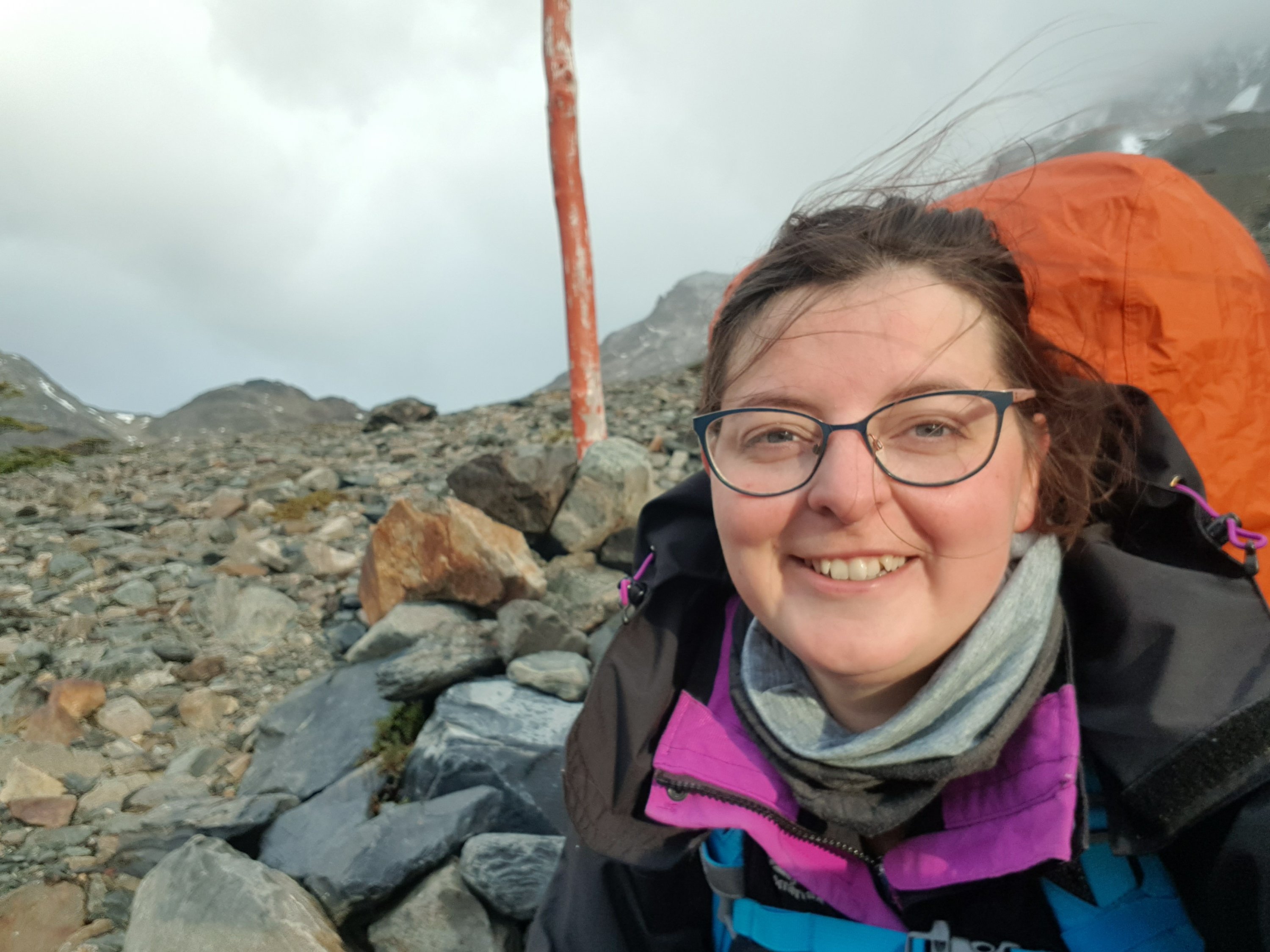
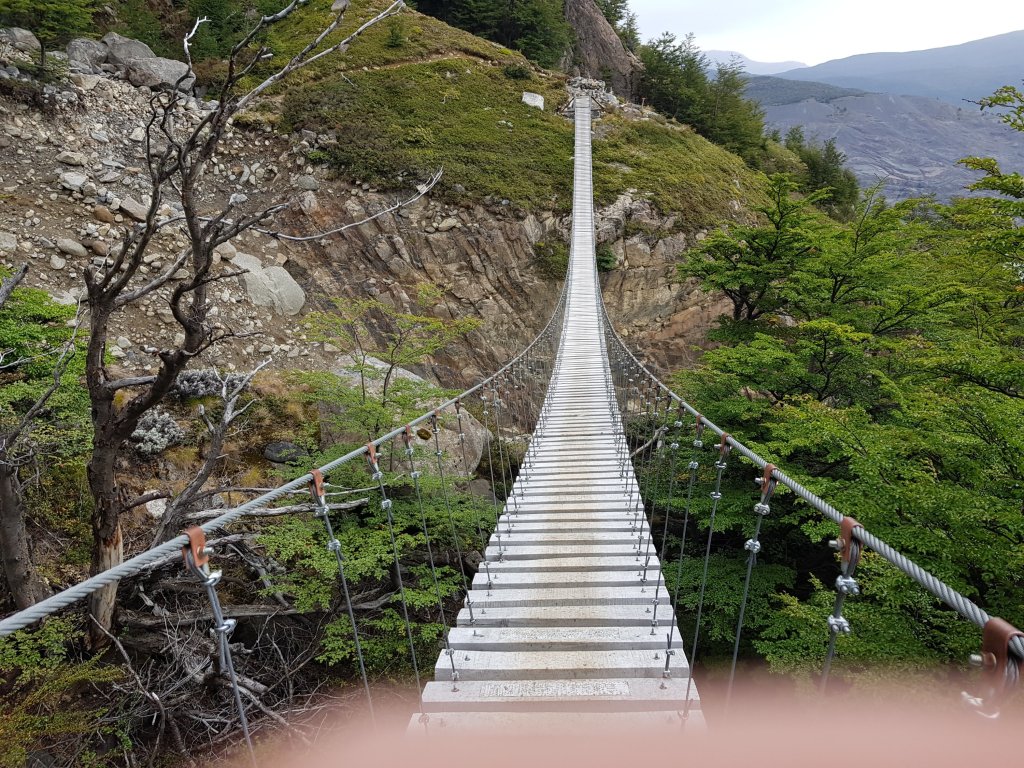
I found the hikes very challenging at times, especially as a solo walker. This was mainly because of some of the heights of the rock faces on the trail. I had to throw my very heavy bag ahead of me and boulder a couple of times which was nerve wracking with no one there. Whilst the paths are very rough, the way markers are very consistent and I was impressed by the placement of some of them.

There is a variety of plants and animals to see, I was very nervous about coming face to face with a puma as they live in the park, but in the end my only animal sightings were a noisy woodpecker above my tent and the poo left behind by a fox! If you are determined to see a puma though (I was not) you can join special expert tours to track and watch them.

Having done the full circuit now, I would definitely recommend the ‘O’ to anyone that thinks they could manage it. The authenticity, and atmosphere were better than the ‘W’ circuit which is much more commercial. The park is absolutely beautiful and I would love to visit again and do more activities there.

Argentina: Central Patagonia (Santa Cruz Province)

Following my visit to Argentina’s Lake District, I continued my journey South into the center of the Patagonian region and one step closer towards the bottom of the world. This area is full of mountains, and glaciers, and many national parks!

Perito Moreno

After a 13 hour bus journey from El Bolson, I made it to the small town of Perito Moreno. I was the only person to exit the bus at 1am and make my way to my little wooden cabin in the town centre. I had come here for only one reason, to see the Cueva de las Manos, only accessible by car or tour.

Cueva de las Manos (Cave of Hands)

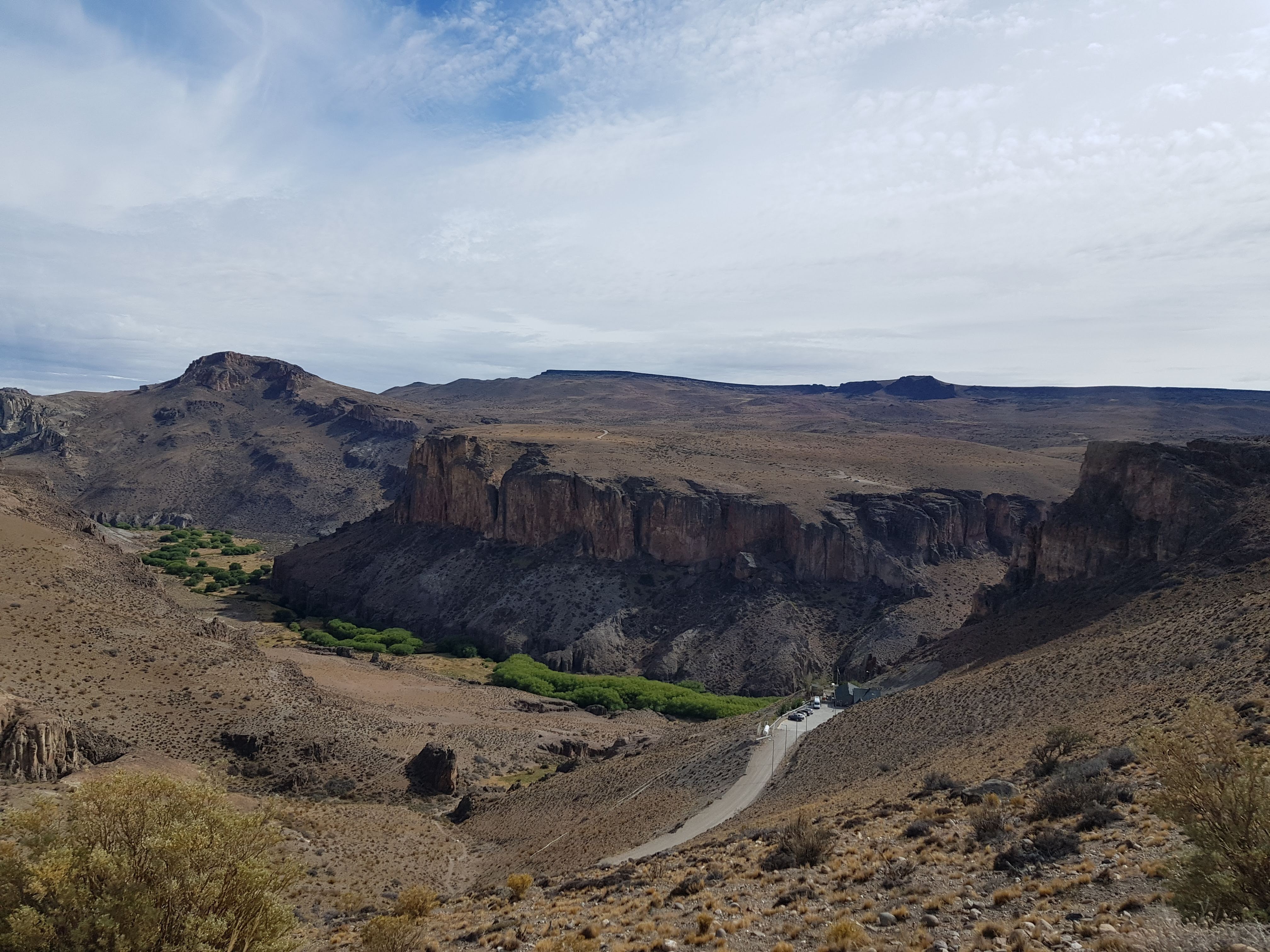
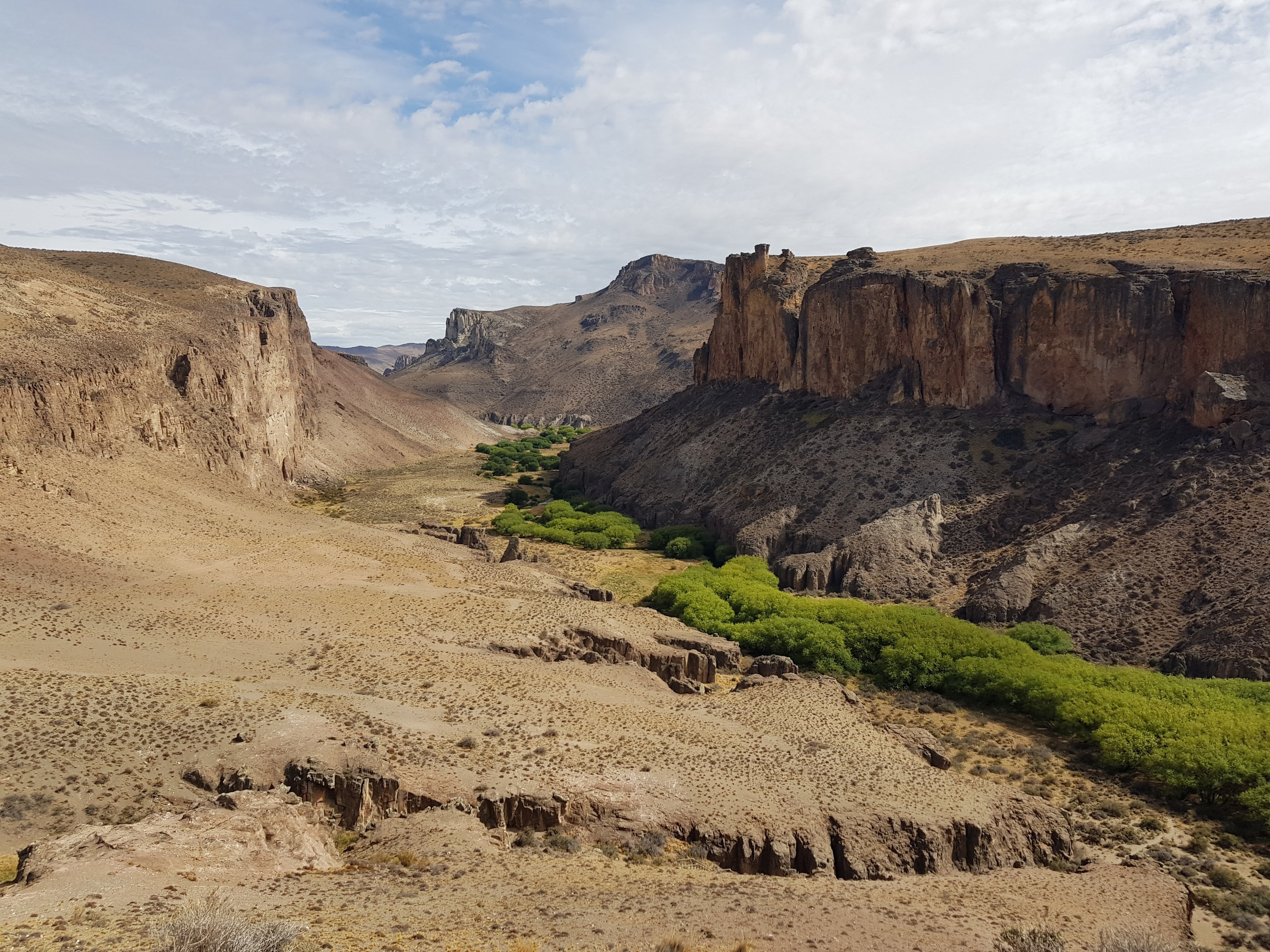
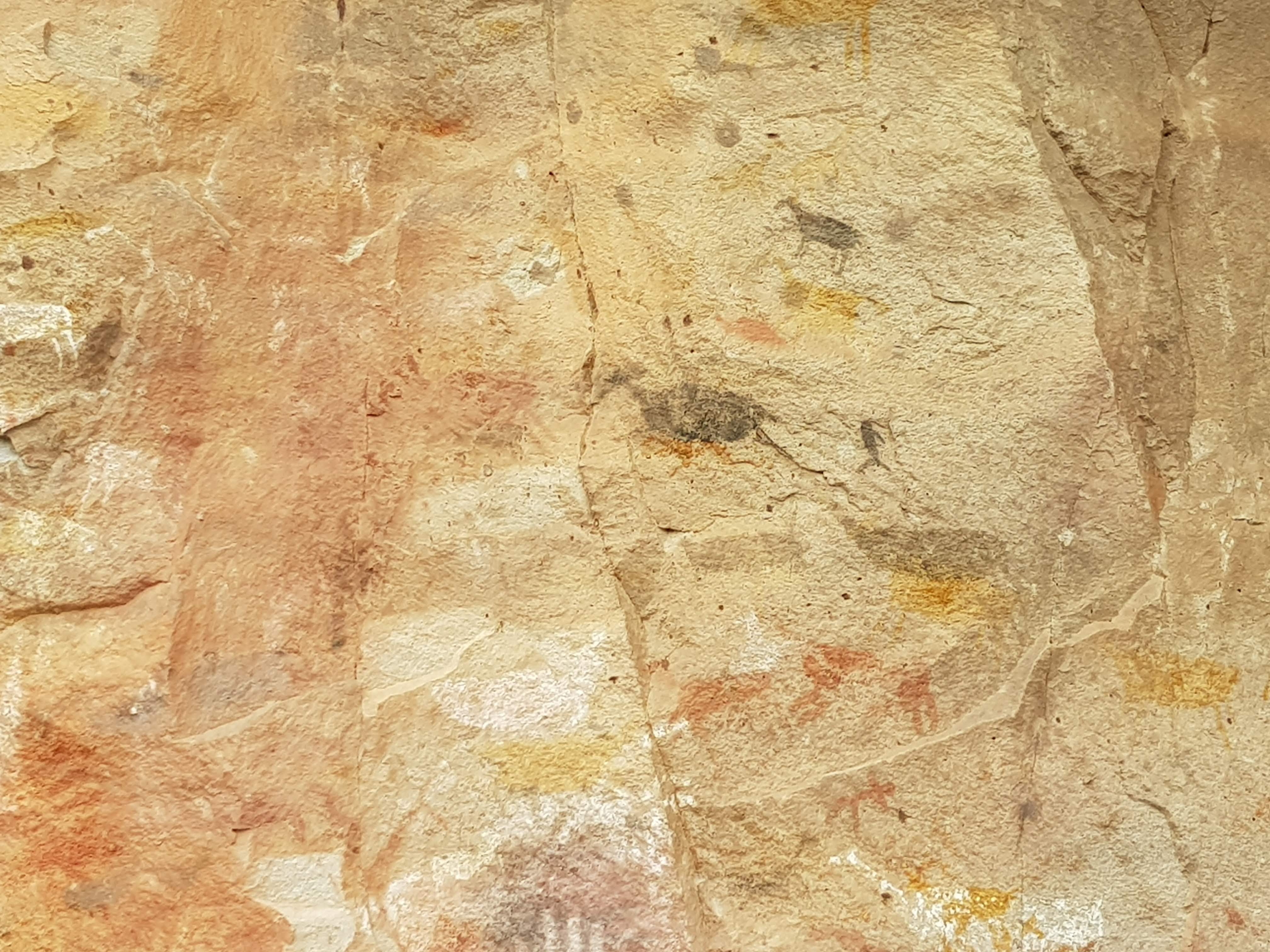
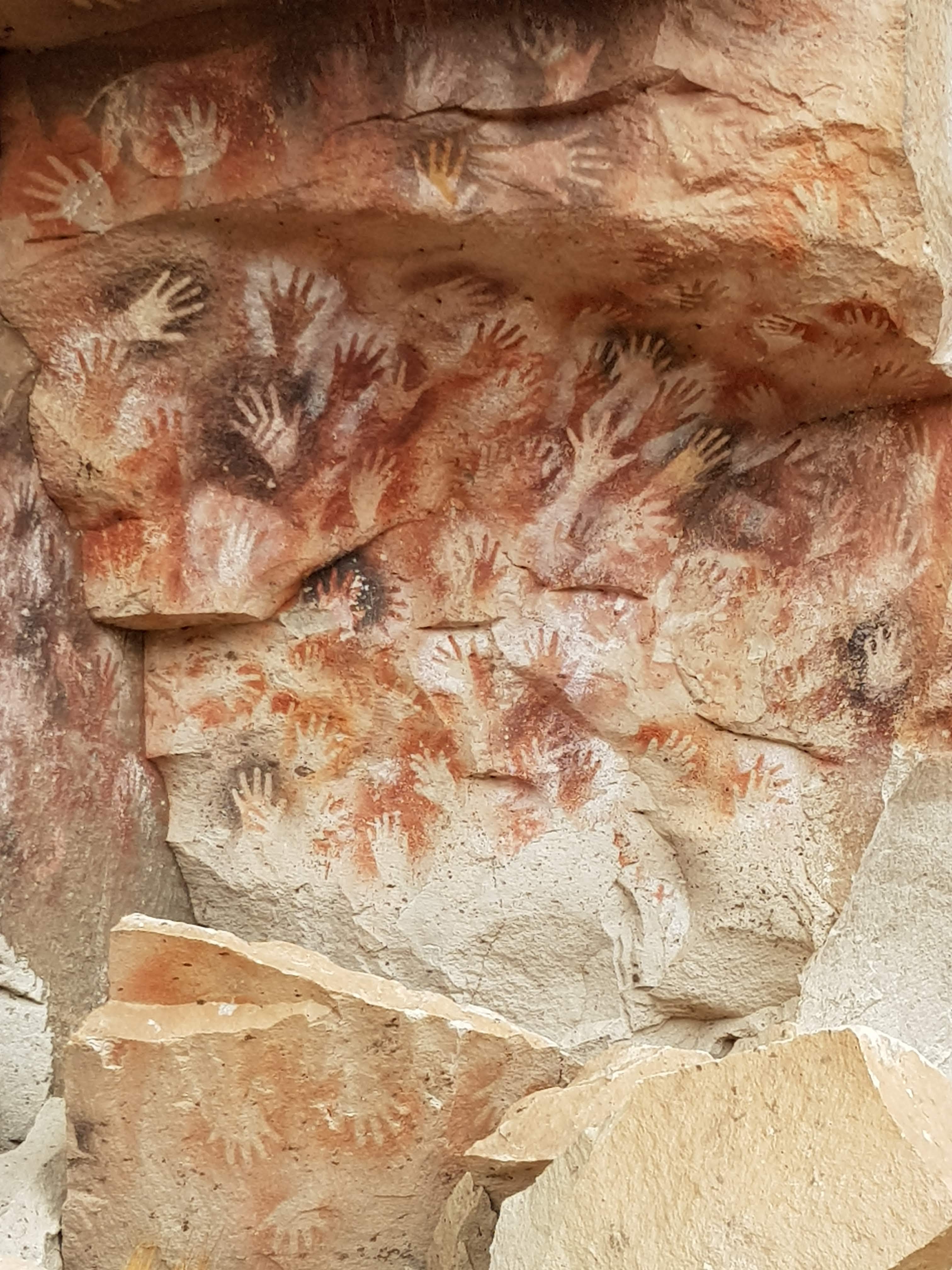
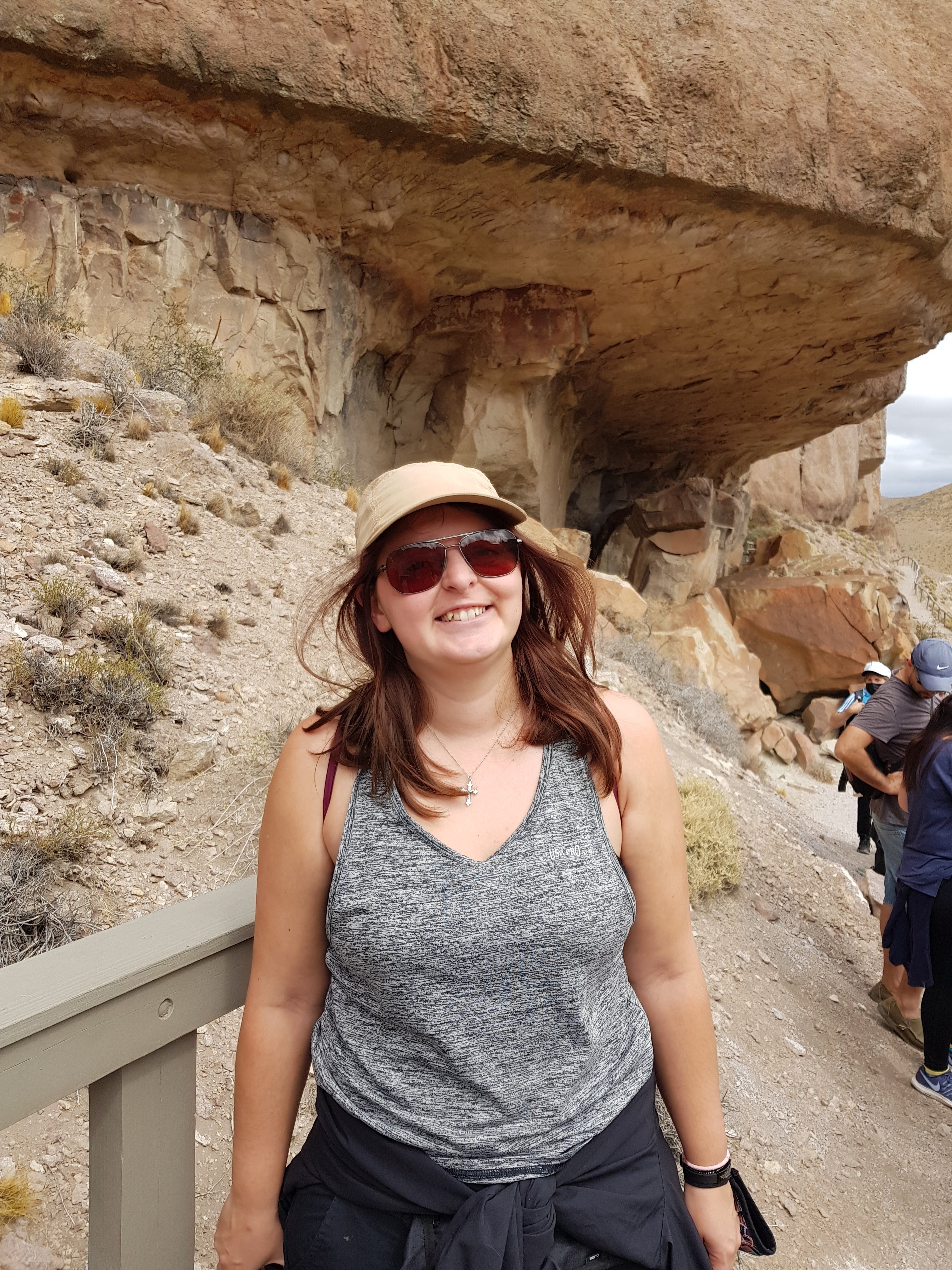
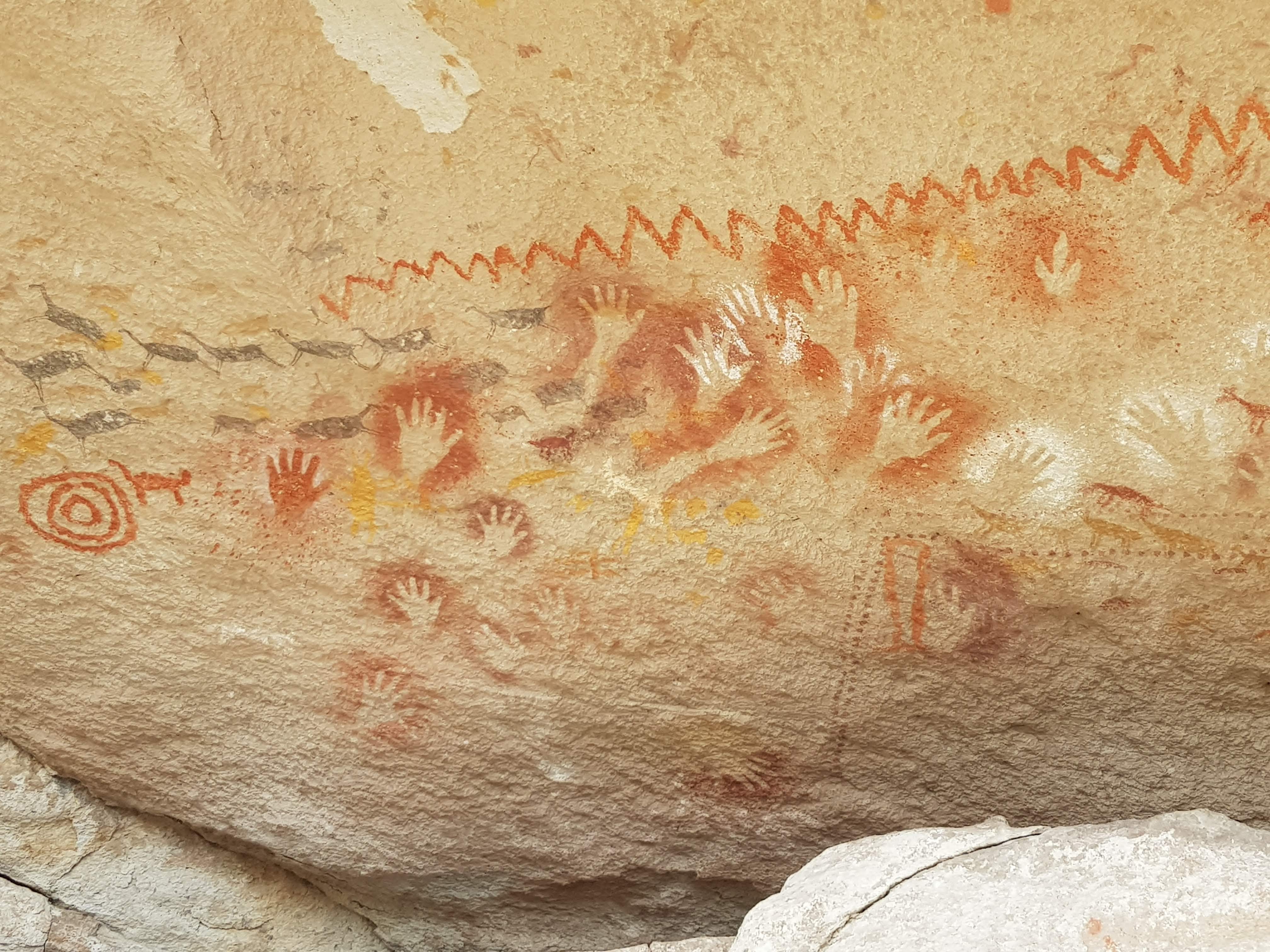
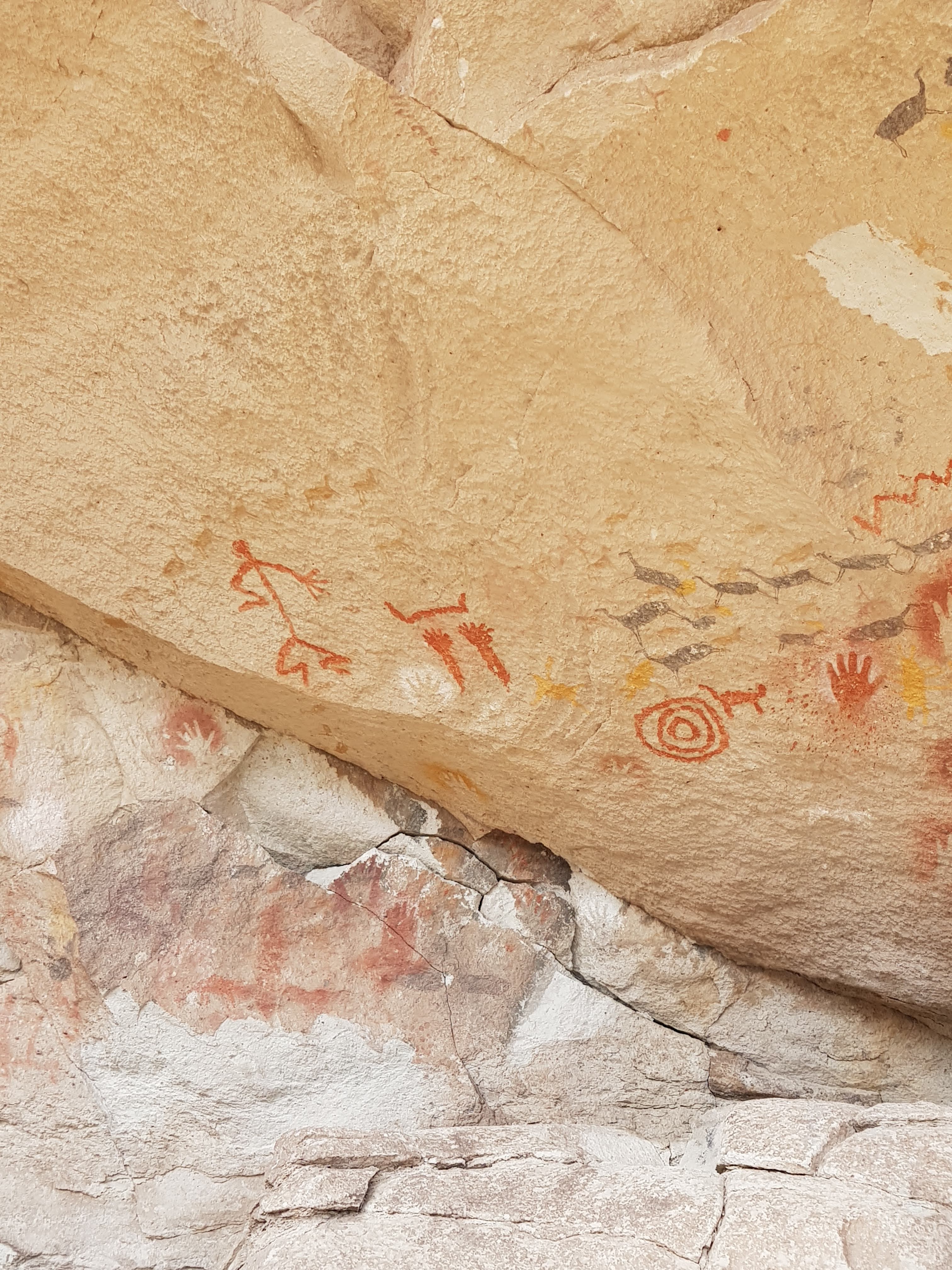
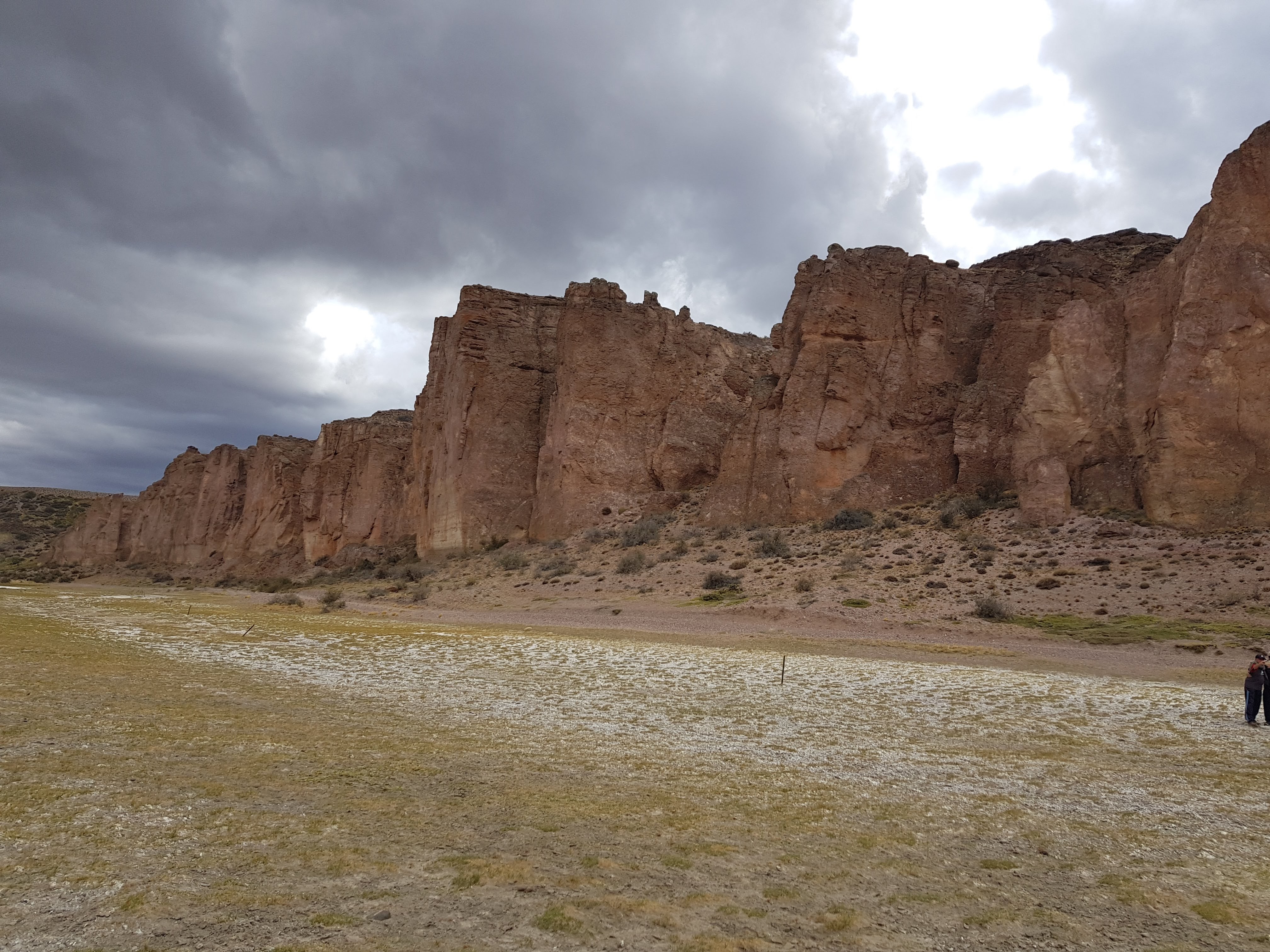
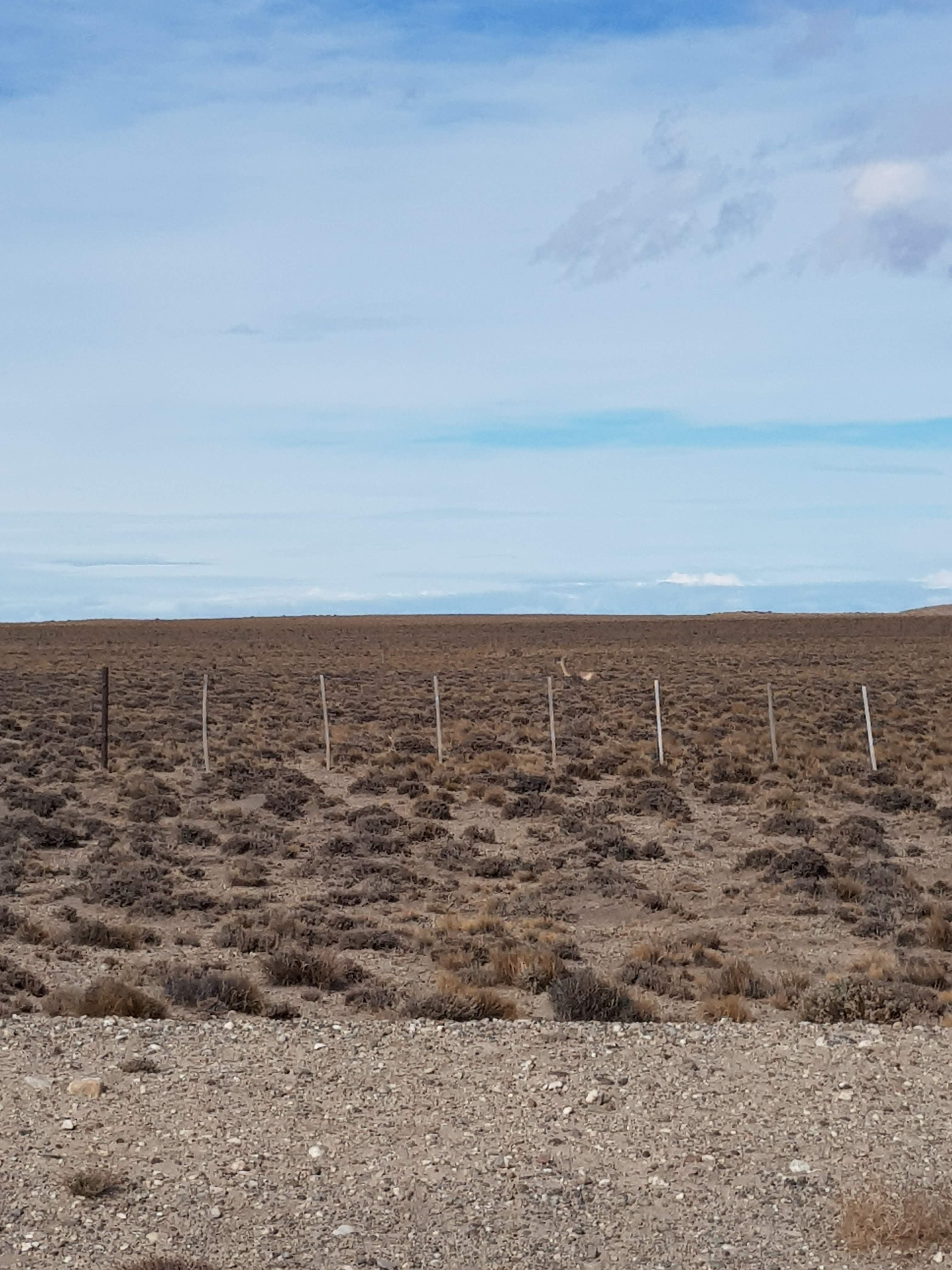
I joined a tour group of Argentine people, and we made our way across some very bumpy roads and past wildlife and huge canyons, before finally arriving at the UNESCO site of Cueva de las Manos. This world famous spot has an amazing collection of ancient cave paintings and hand prints, not inside the cave but across the front of it, along a huge rock face. The guide on the site escorted our group through a long boardwalk running across the side of the paintings and with views of a canyon on the other side.

These amazing paintings crowd the walls and include handprints of adults and children from possibly three different times. You can also see illustrations of animals that they would hunt, geometric shapes, that are suspected to represent a map, and there is even a suspected paw print of a puma! The whole collection is made up of different colours, including yellows and bright blues, and are made from different natural materials. I imagine that the person that discovered this must have been completely astonished by all the haunting raised hands.

Patagonia Park

The tour also included visits to other interesting locations nearby such as the Patagonia Park, which had huge salt flats to see.

The locals prepared a lunch for our group of traditional and locally produced food. It was delicious and in true Argentine style, the portions were huge. I tried to tell the people in the group that I was full, but the little old ladies in the group said they wanted to fatten me up and they are like my ‘abuela’ (grandma) and want to look after me! haha

Coloured mountains

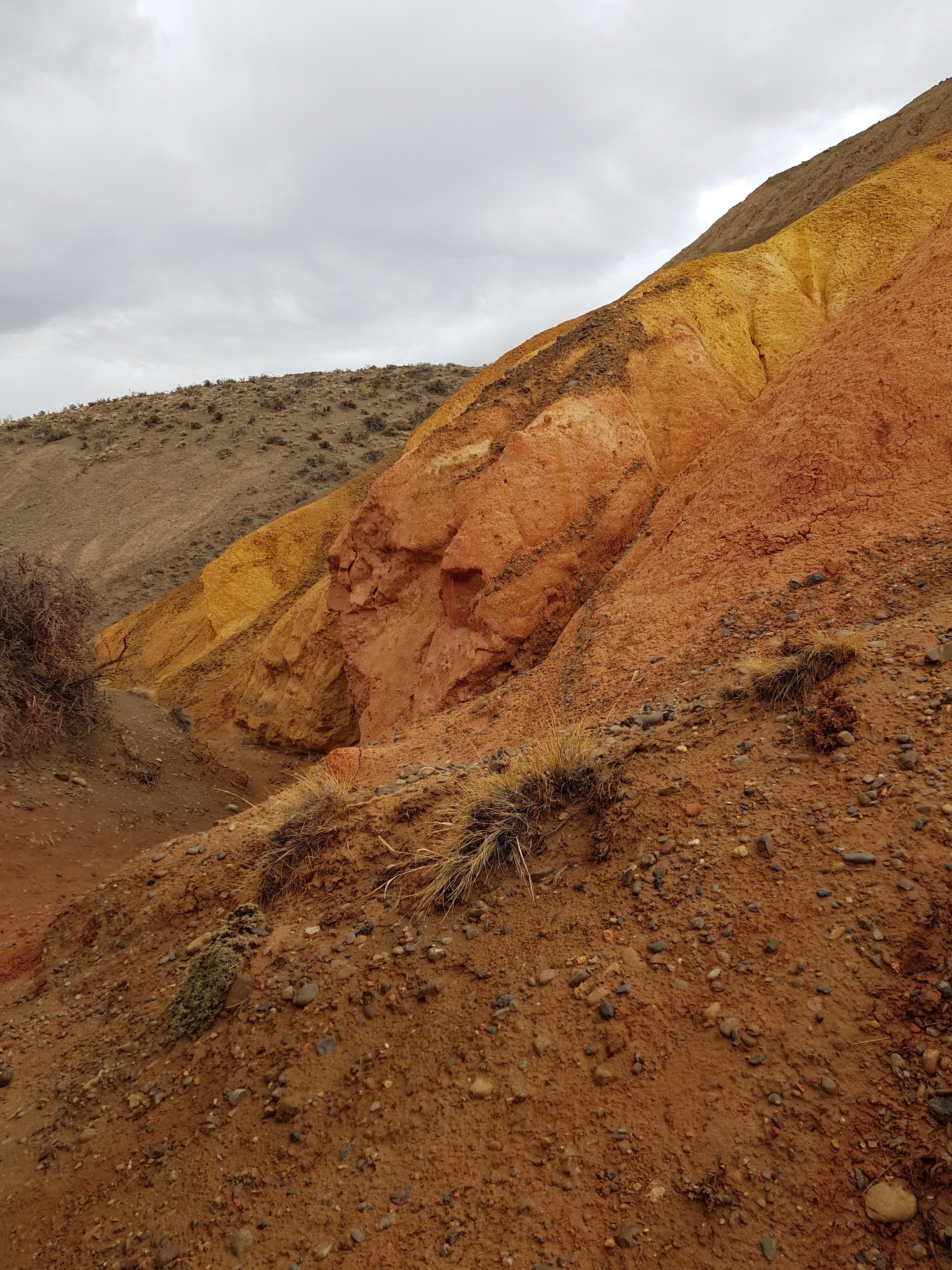
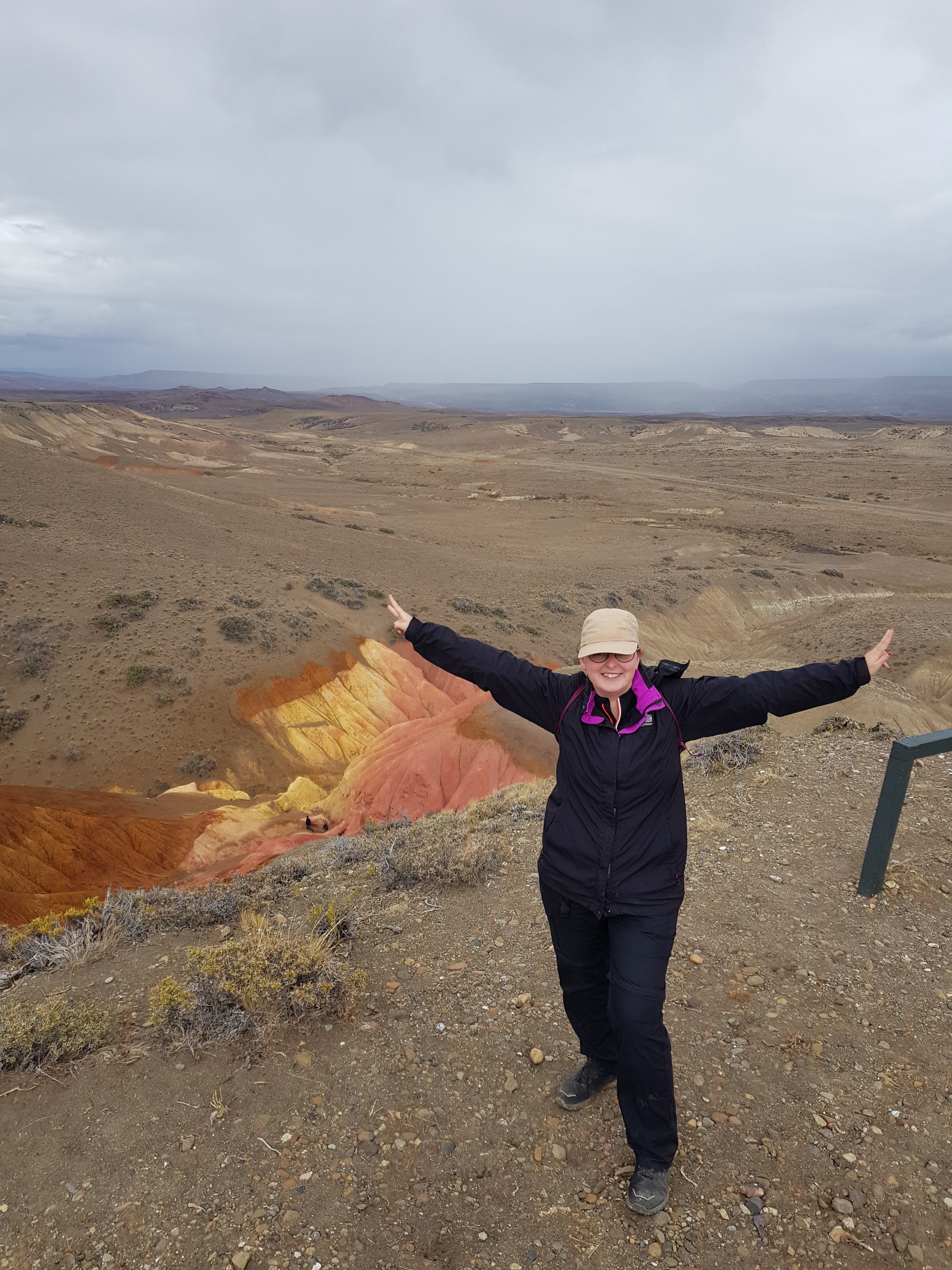
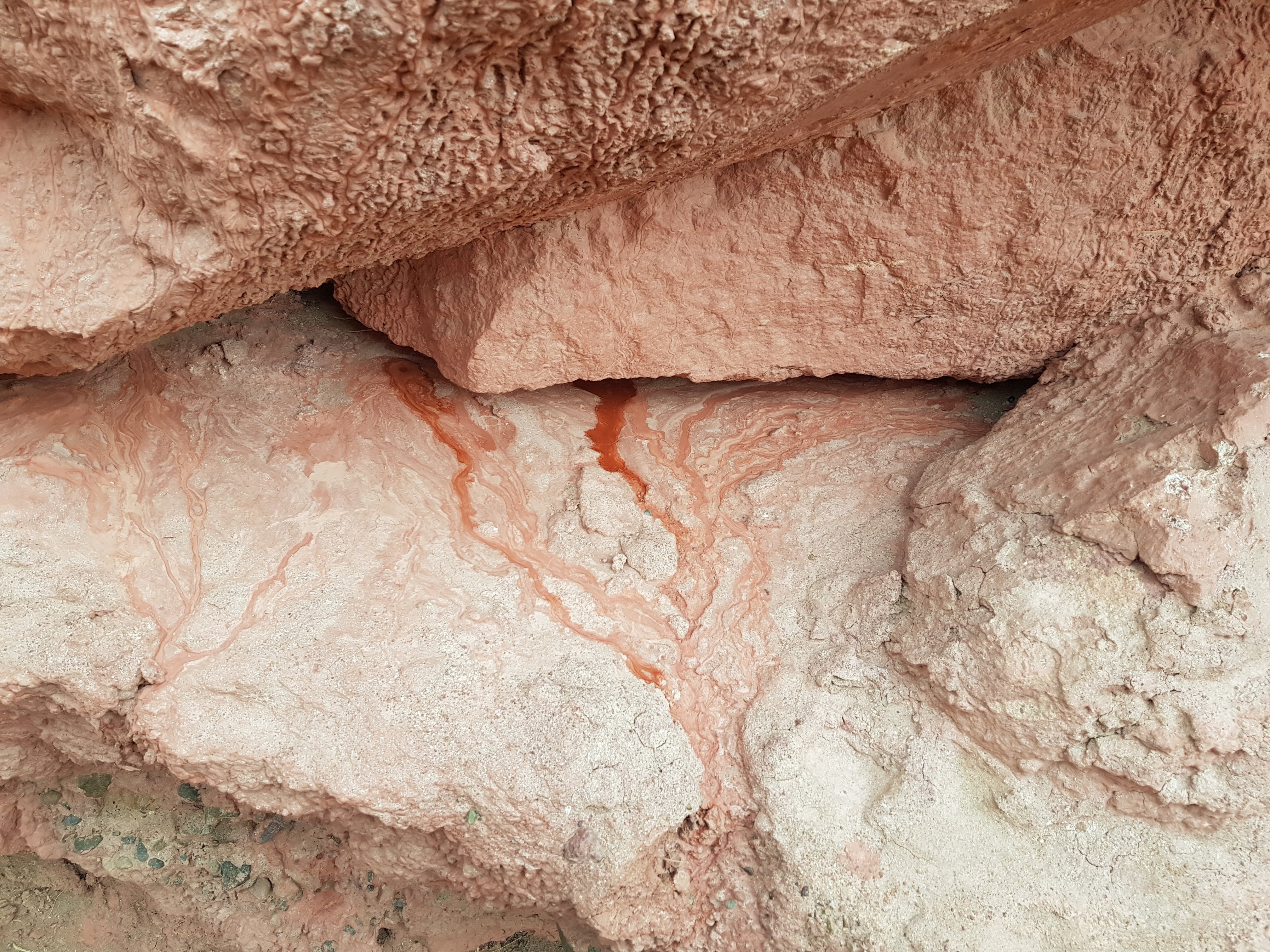
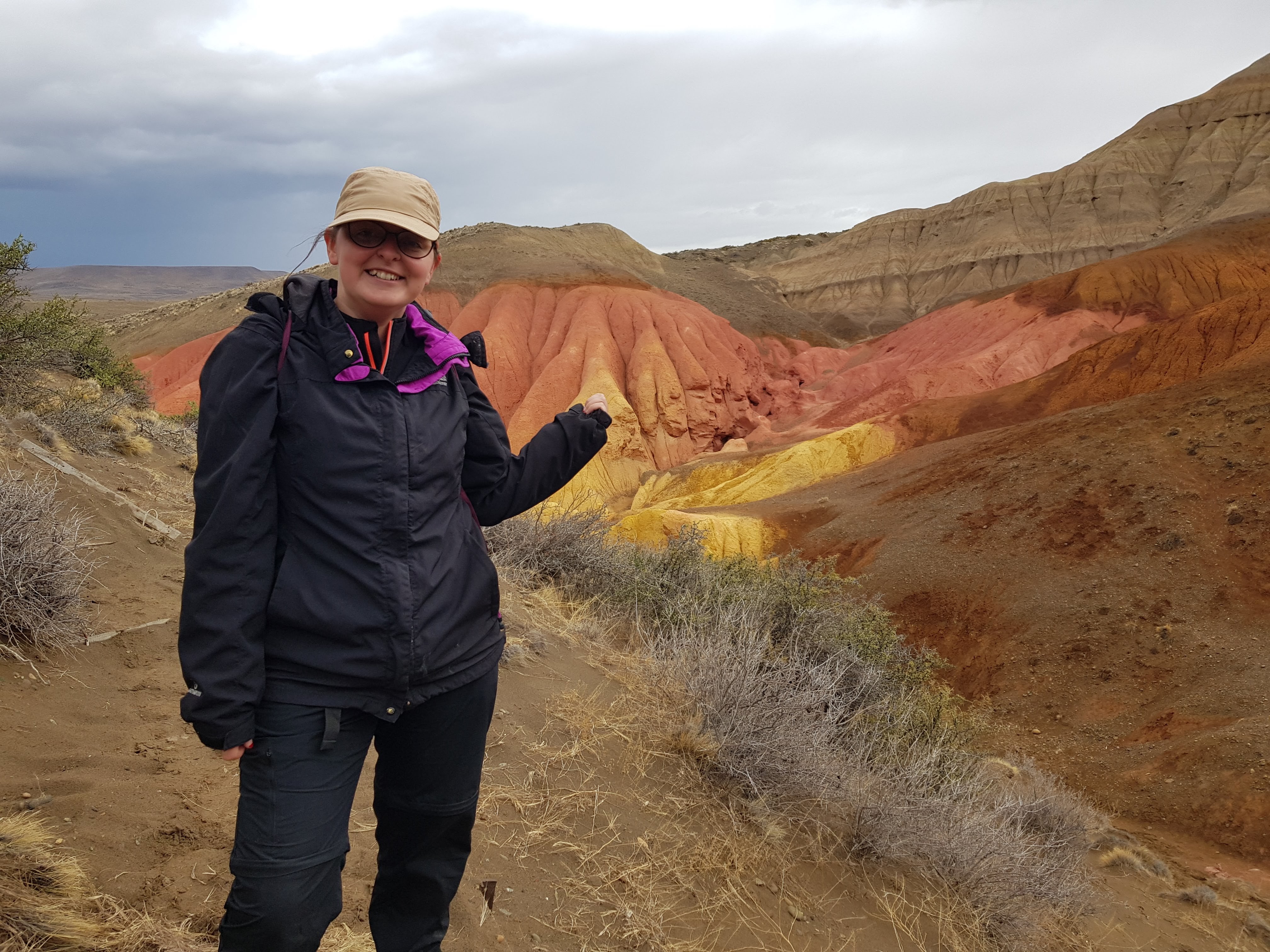
The last stop was an hour hike over some amazing hilltops/mountains that were brightly coloured in oranges, red and yellows. This is due to the properties in the rocks and all the minerals being brought out by rainfall. It was pretty awesome, and the short walk to the top gives you an amazing view!

El Chalten & Fitz Roy

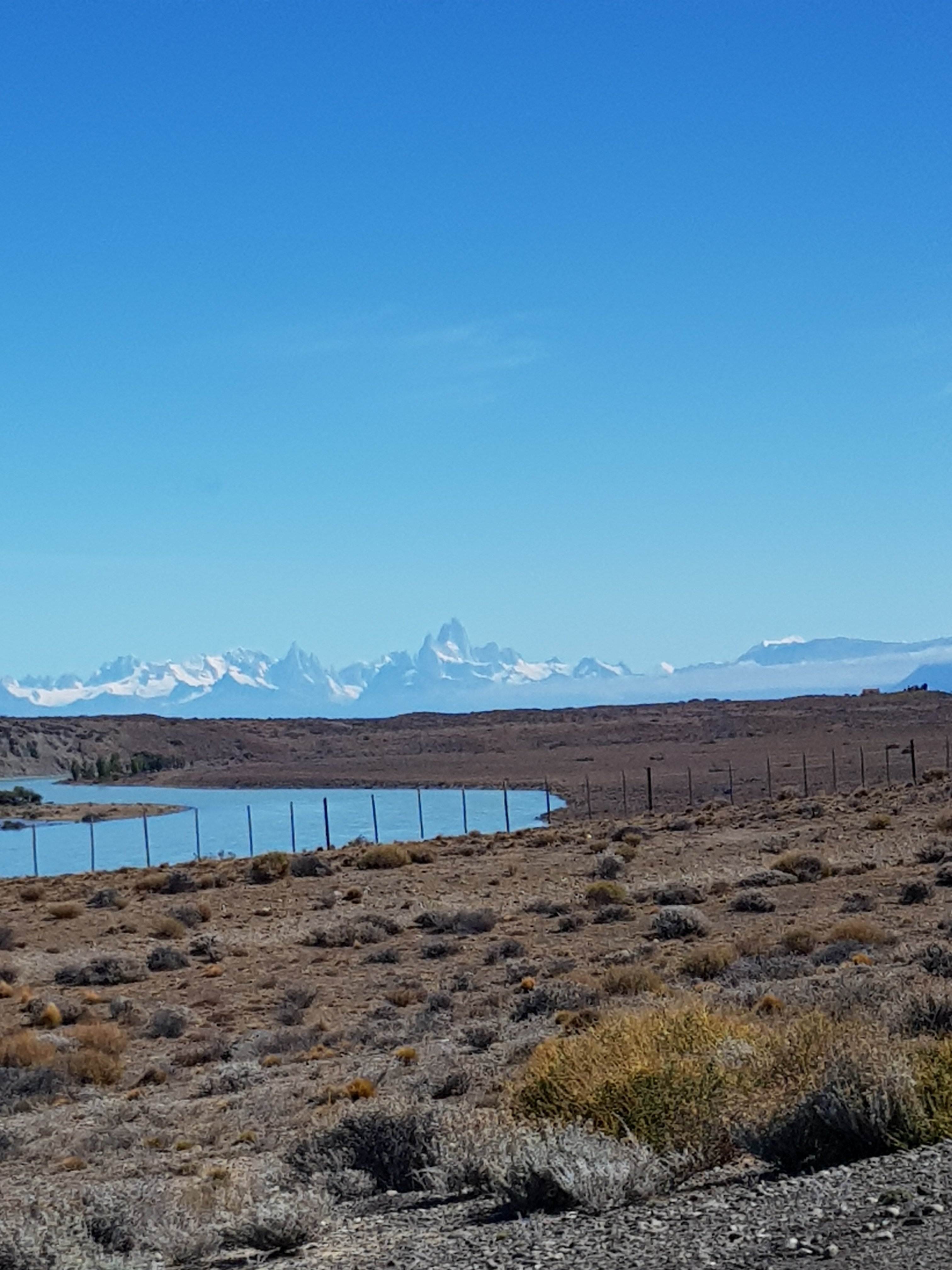
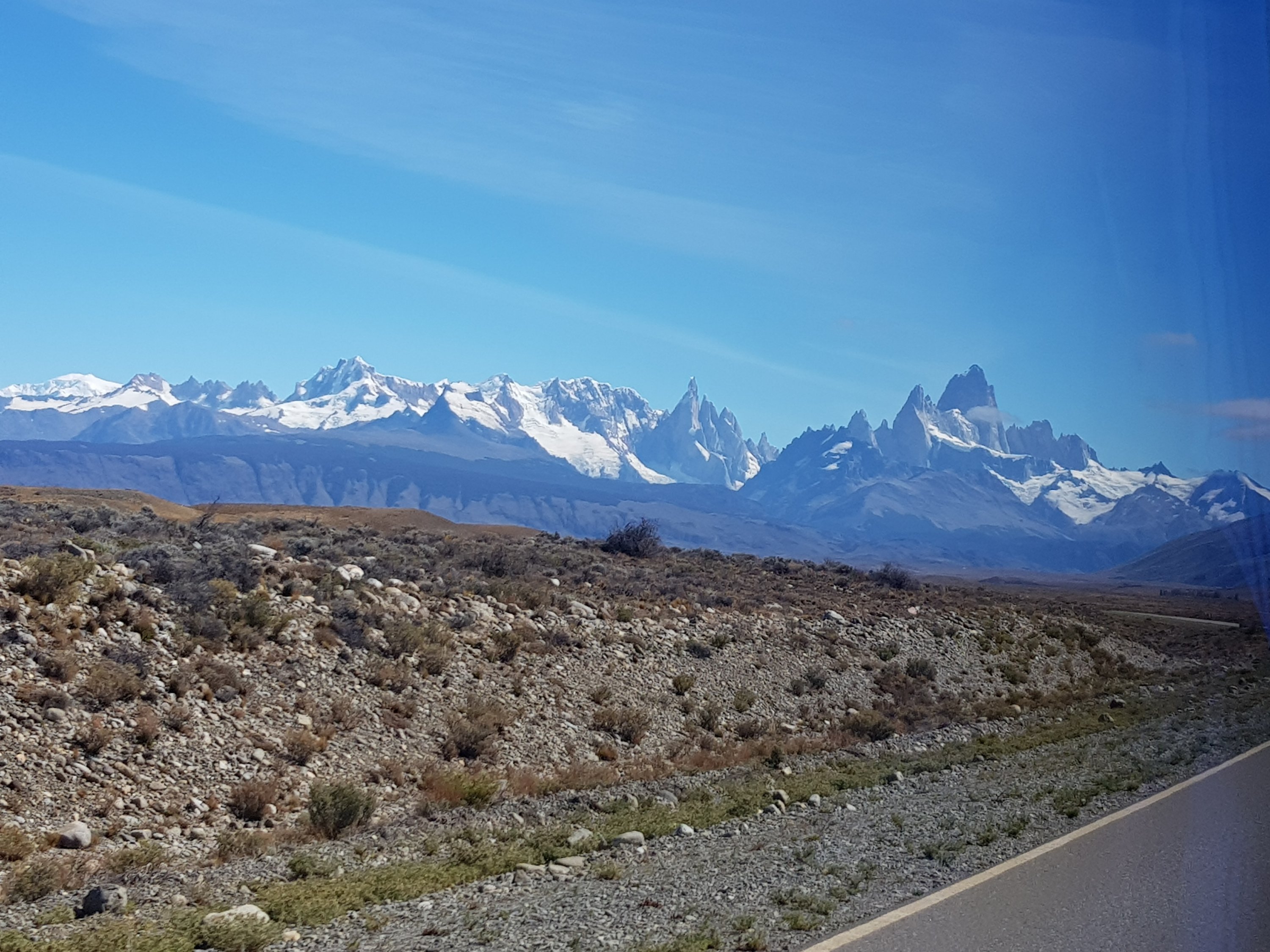
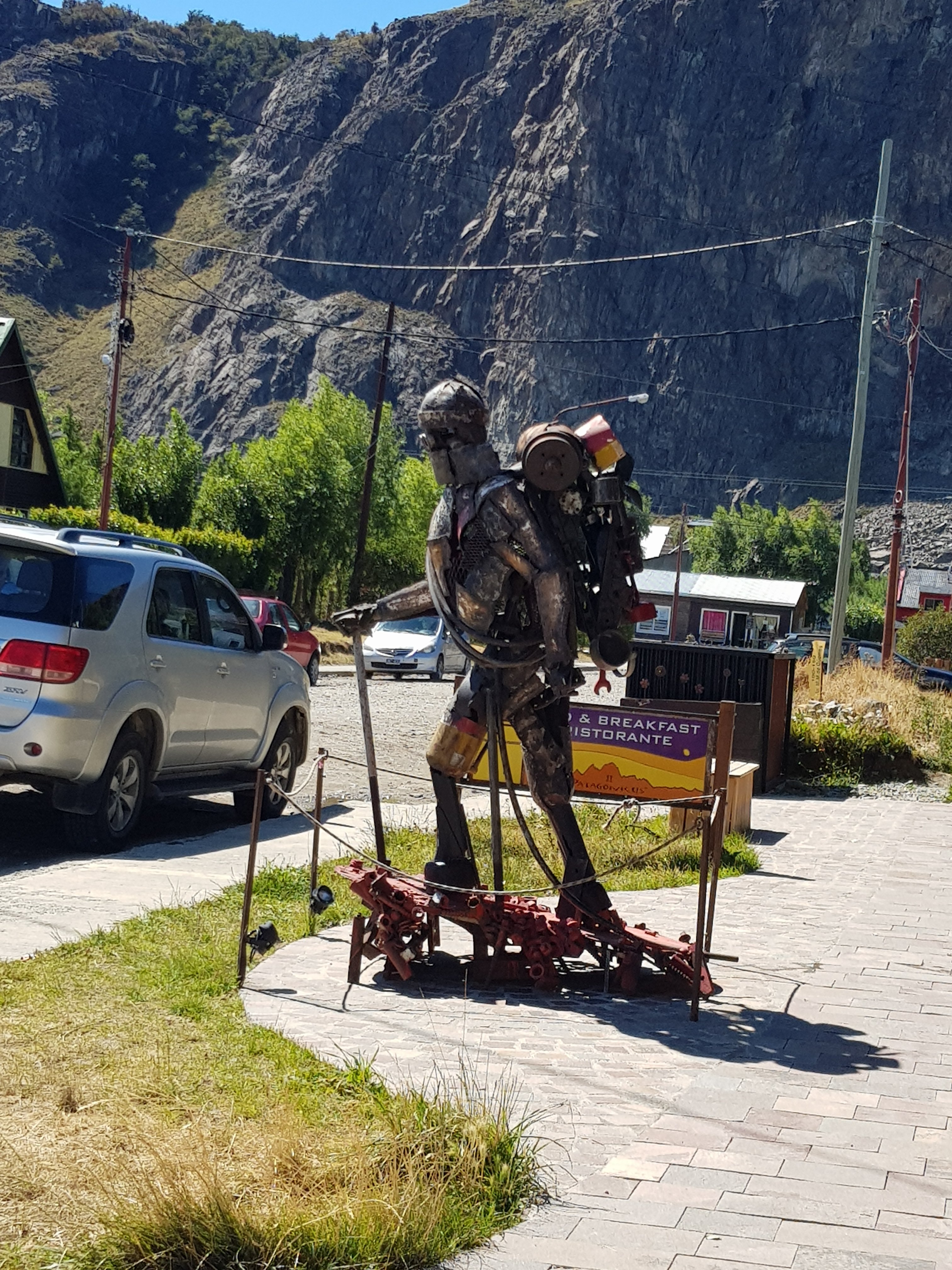
Next stop on my trip was to the little town of El Chalten. Getting there was a struggle. It had been raining the night before, and so they rerouted the bus to the only other motorway that took us to the bottom of the country then we turned back around and went back up… A 10 hour journey took 18 hours… craziness.

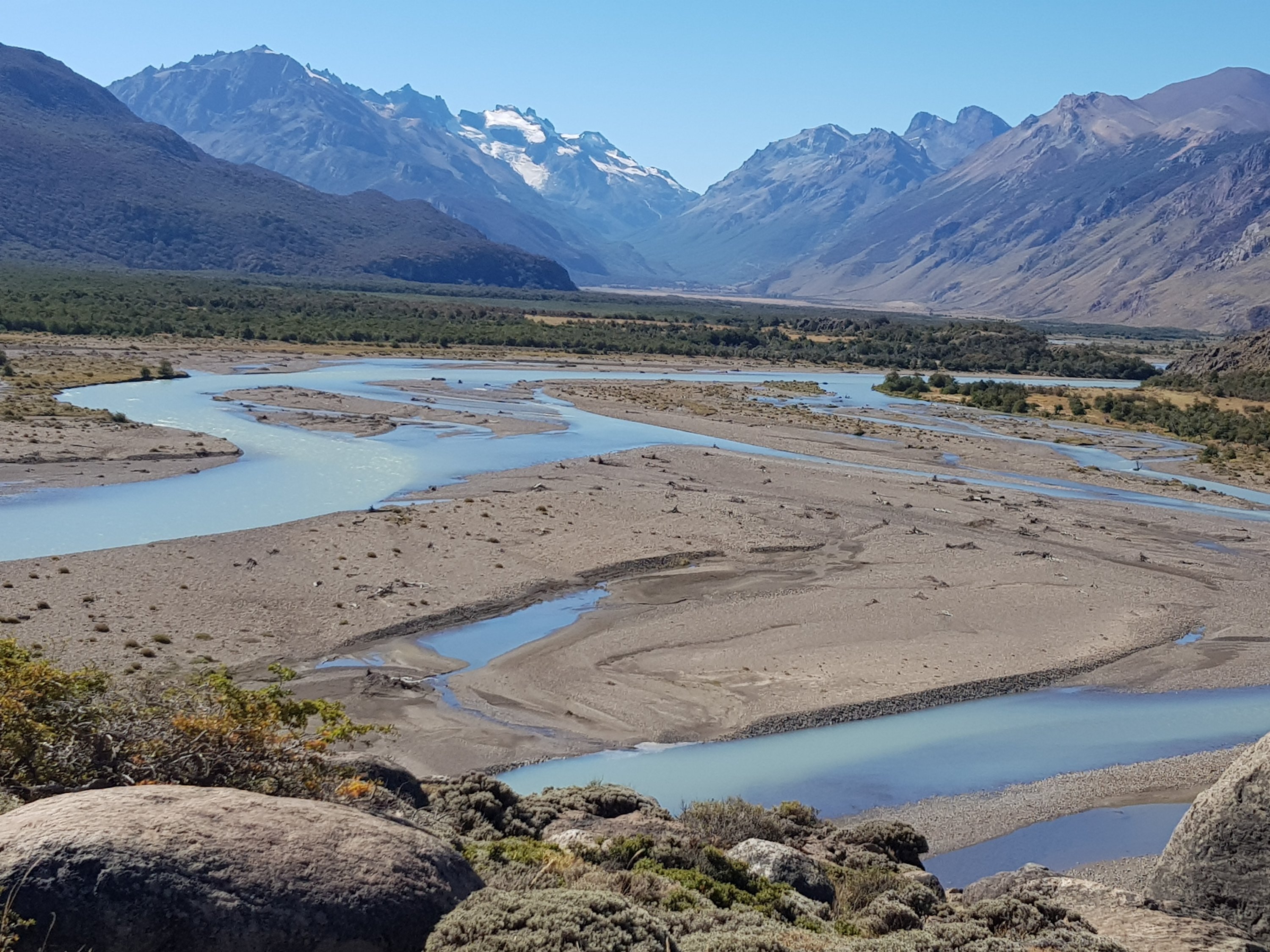
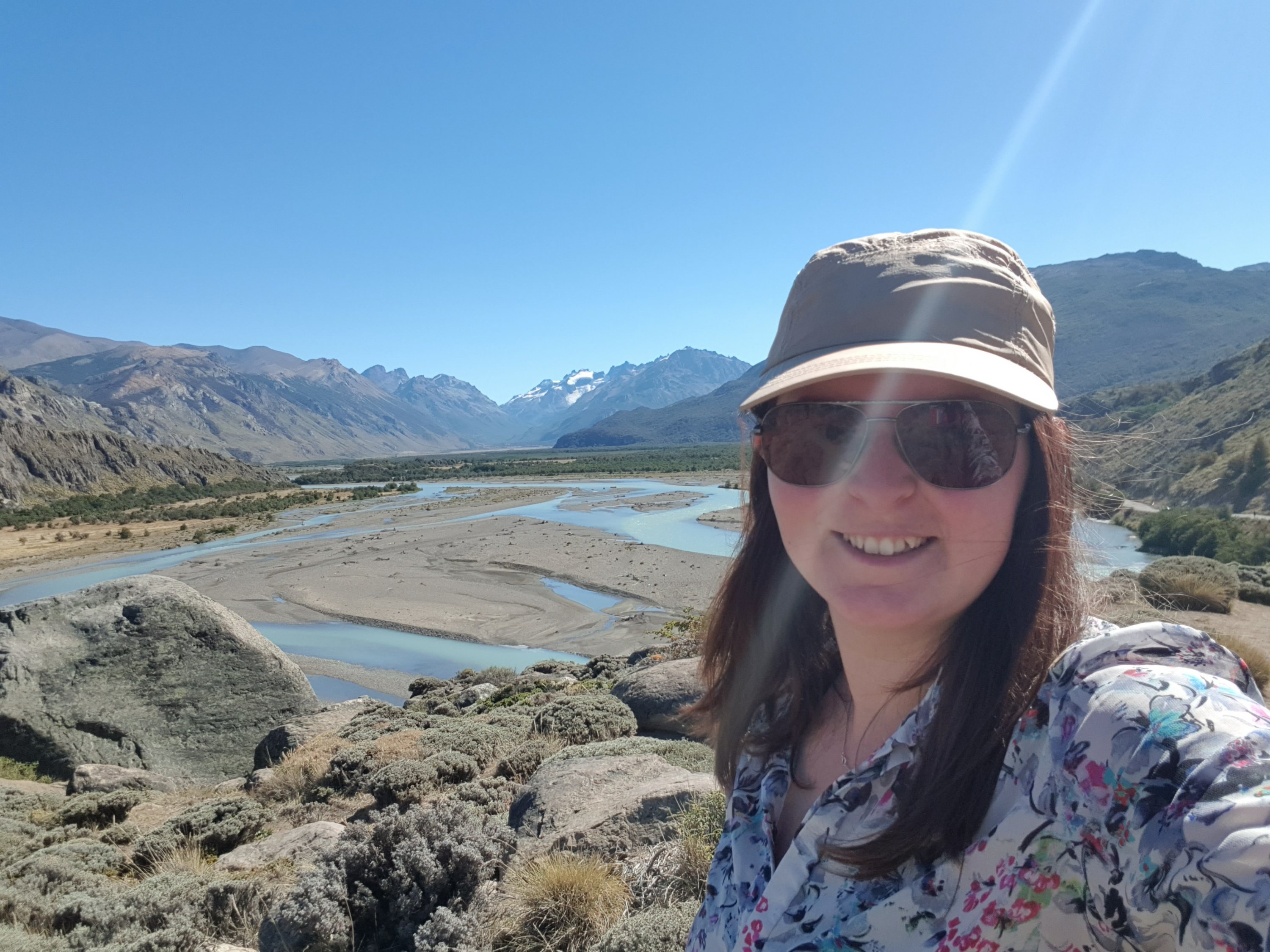
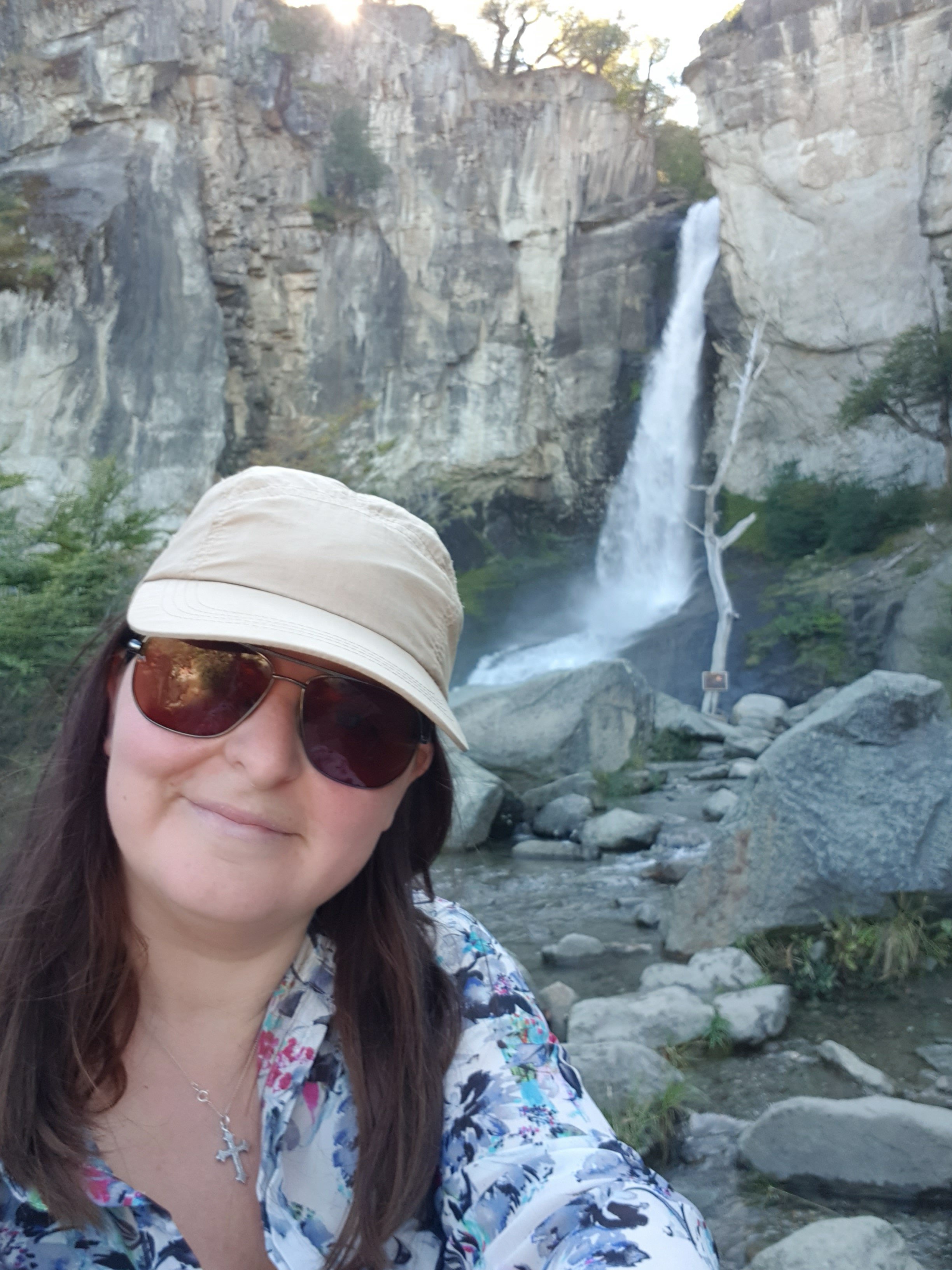
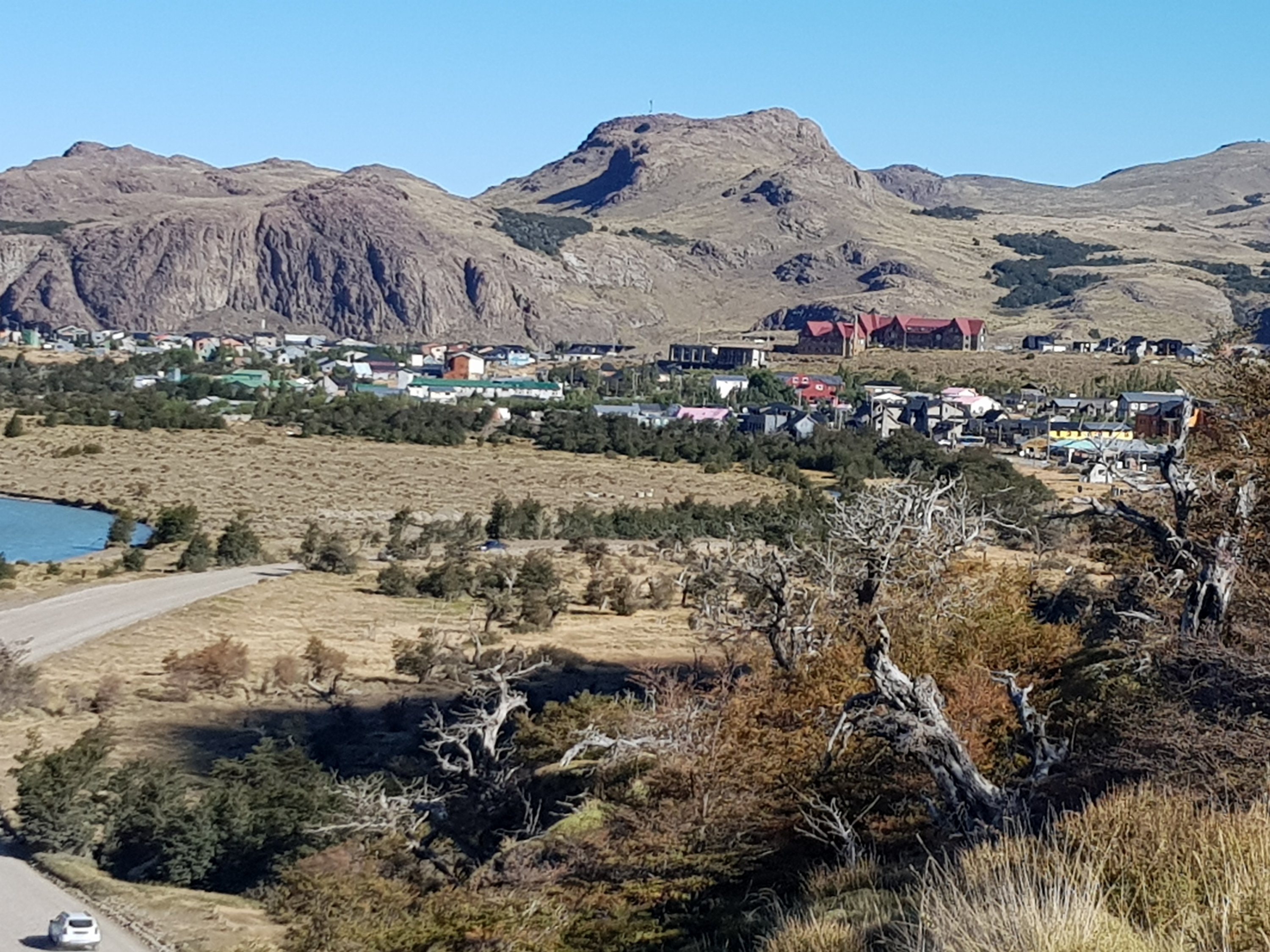
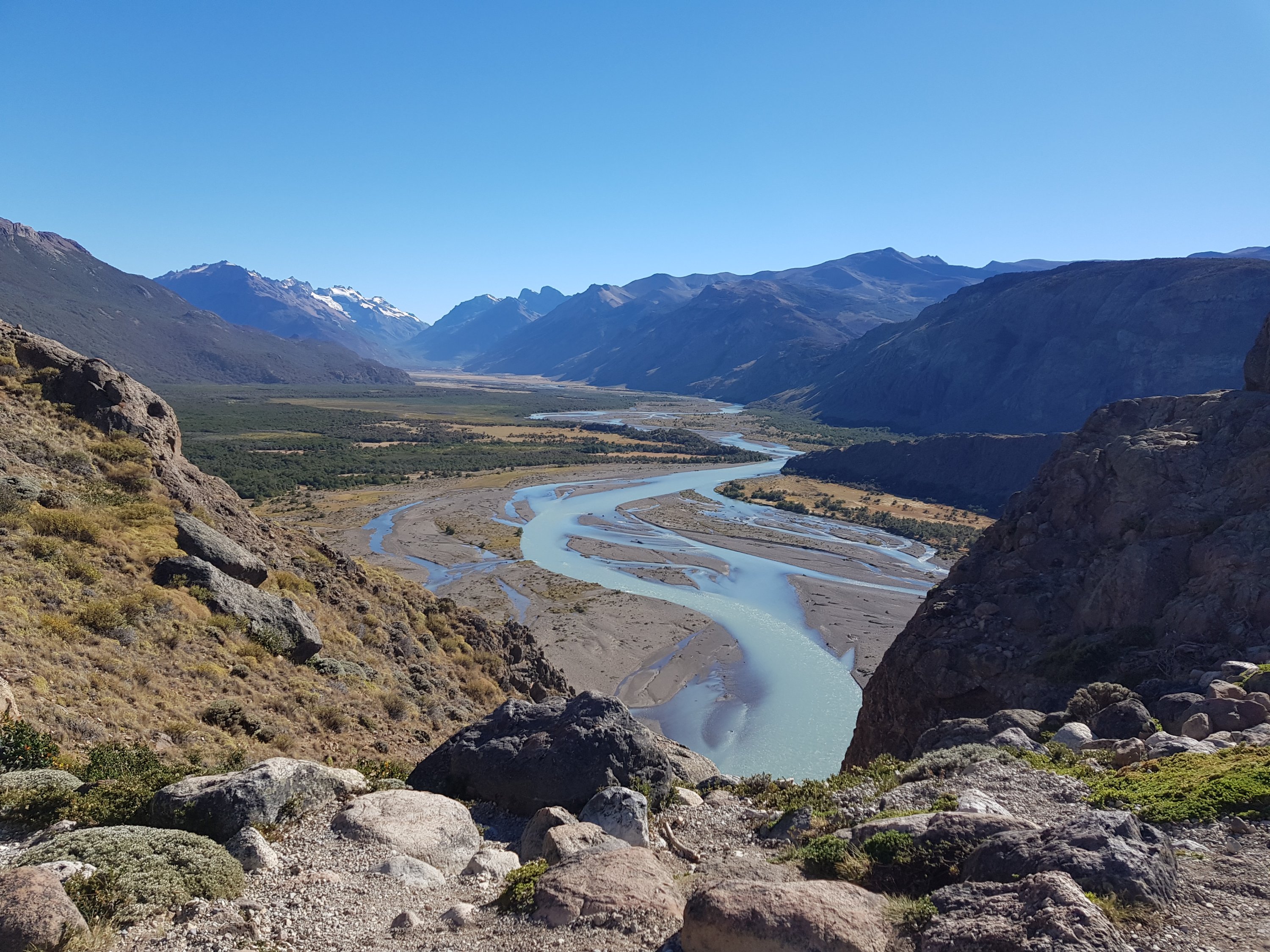
On finally arriving, I headed straight out for a short hike to a nearby waterfall. It was great to get some fresh air and put my head under the flowing glacier water. I also got great views of the landscape and the town. El chalten is a part of this natural landscape and is an absolute haven for hikers and climbers.

Laguna de los tres

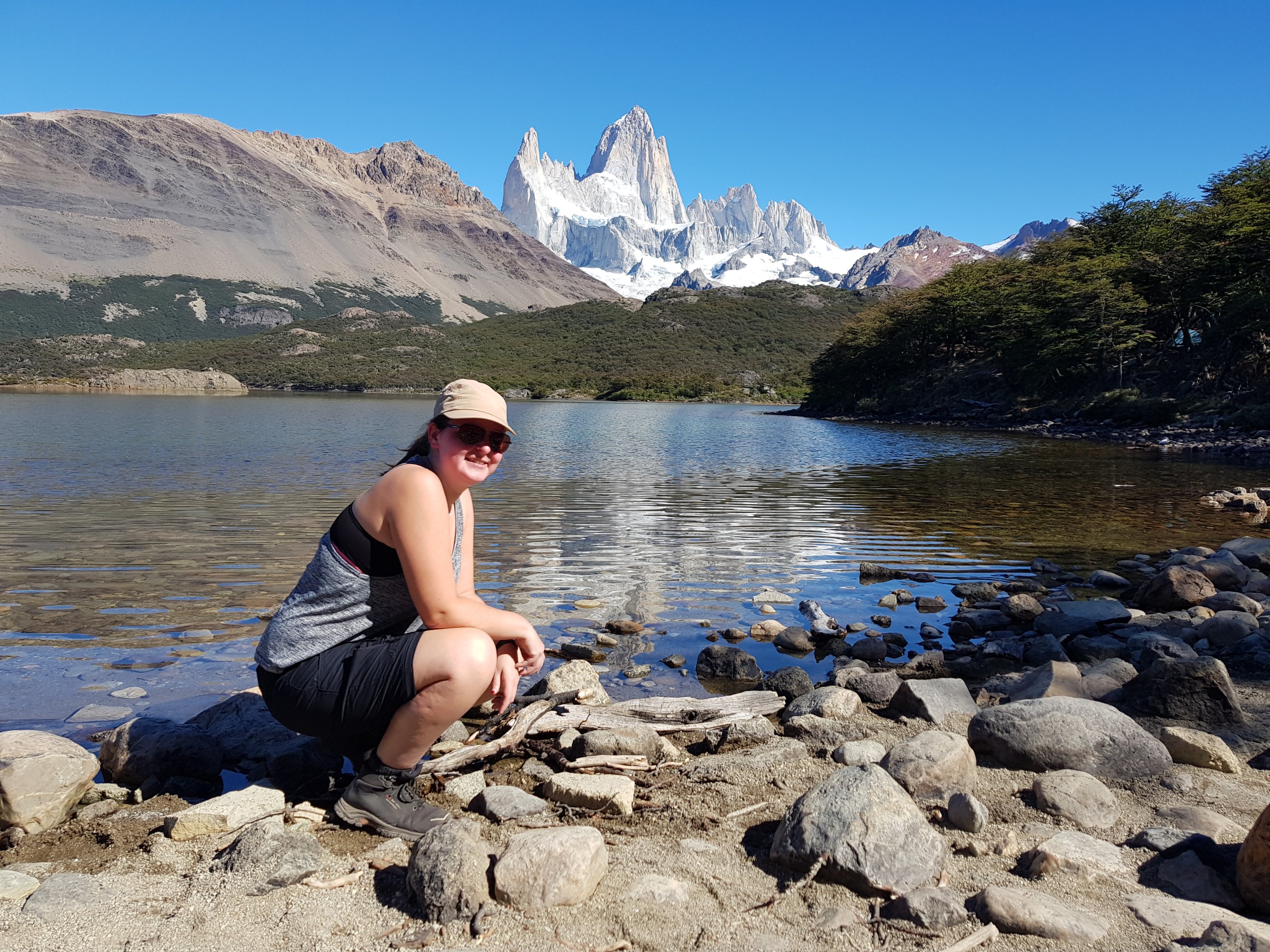
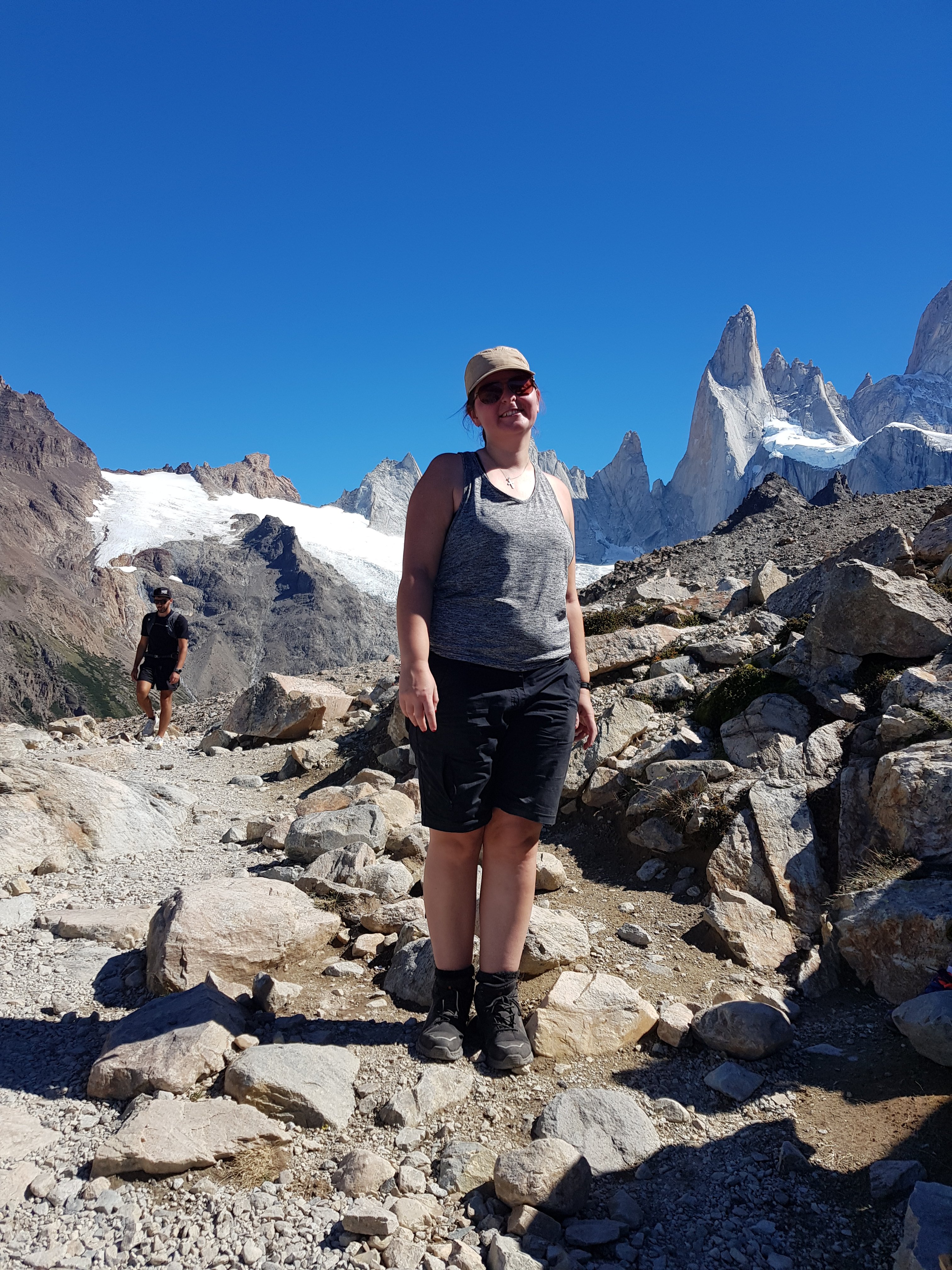
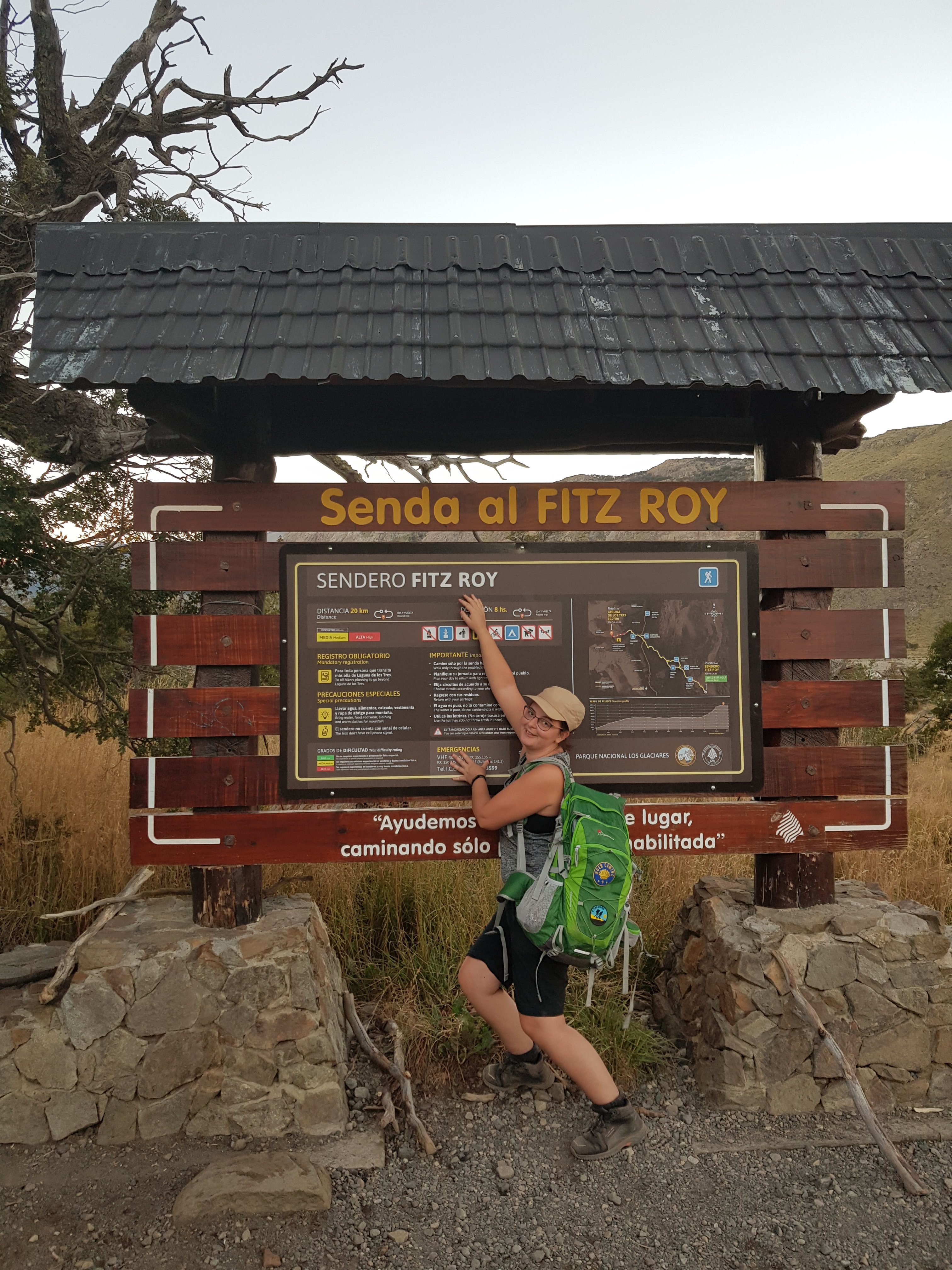
The next day, I started the strenuous hike of Laguna de los tres to Fitz Roy mountain. This hike is only 20 km but it took me about 9 hours. The final km took about two hours as the climb was a directly up ascent on difficult terrain. Normally I walk 4-5 km per hour.

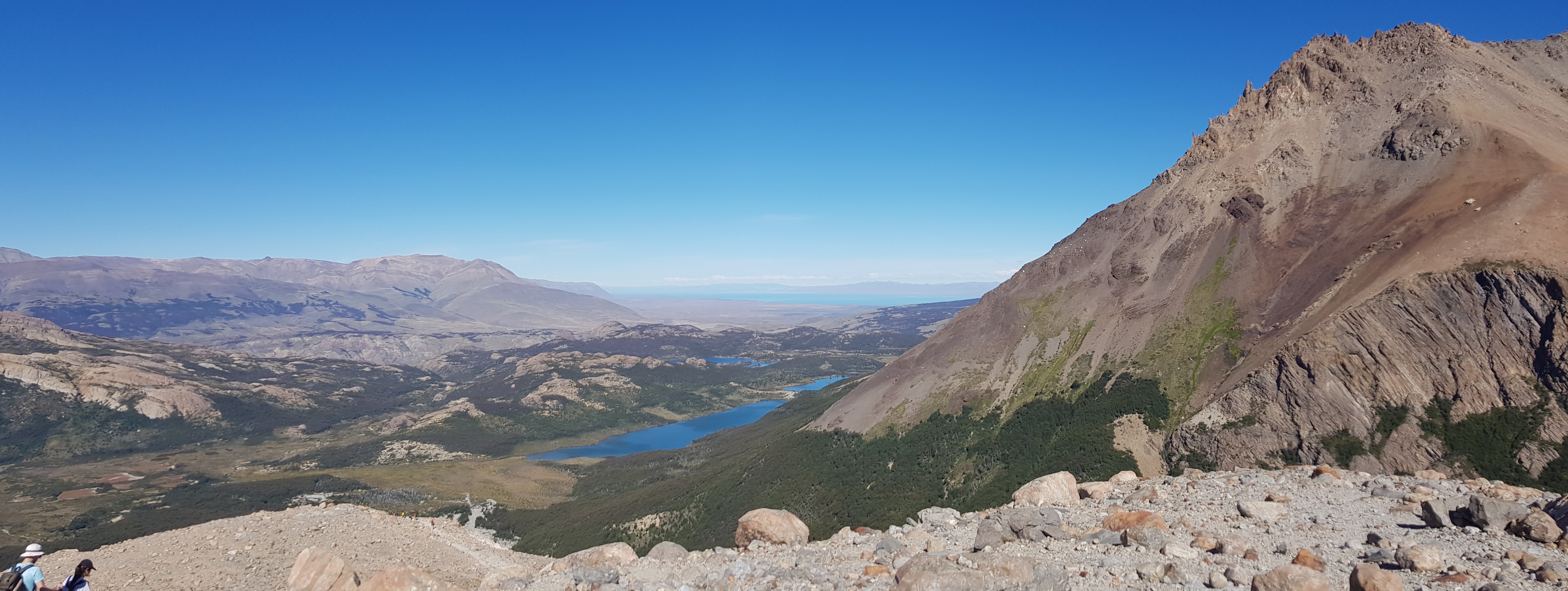
The trail passes through forests, rivers, lakes and grasslands, as well as going through two campsites. It was a very warm and busy day on the trail, but this gave me the opportunity to meet many people. During my day of trekking, I befriended two different groups from Argentina and a girl from Spain. Making conversation with strangers is one of my favourite parts of solo trekking, as I meet so many interesting people from all around the world.

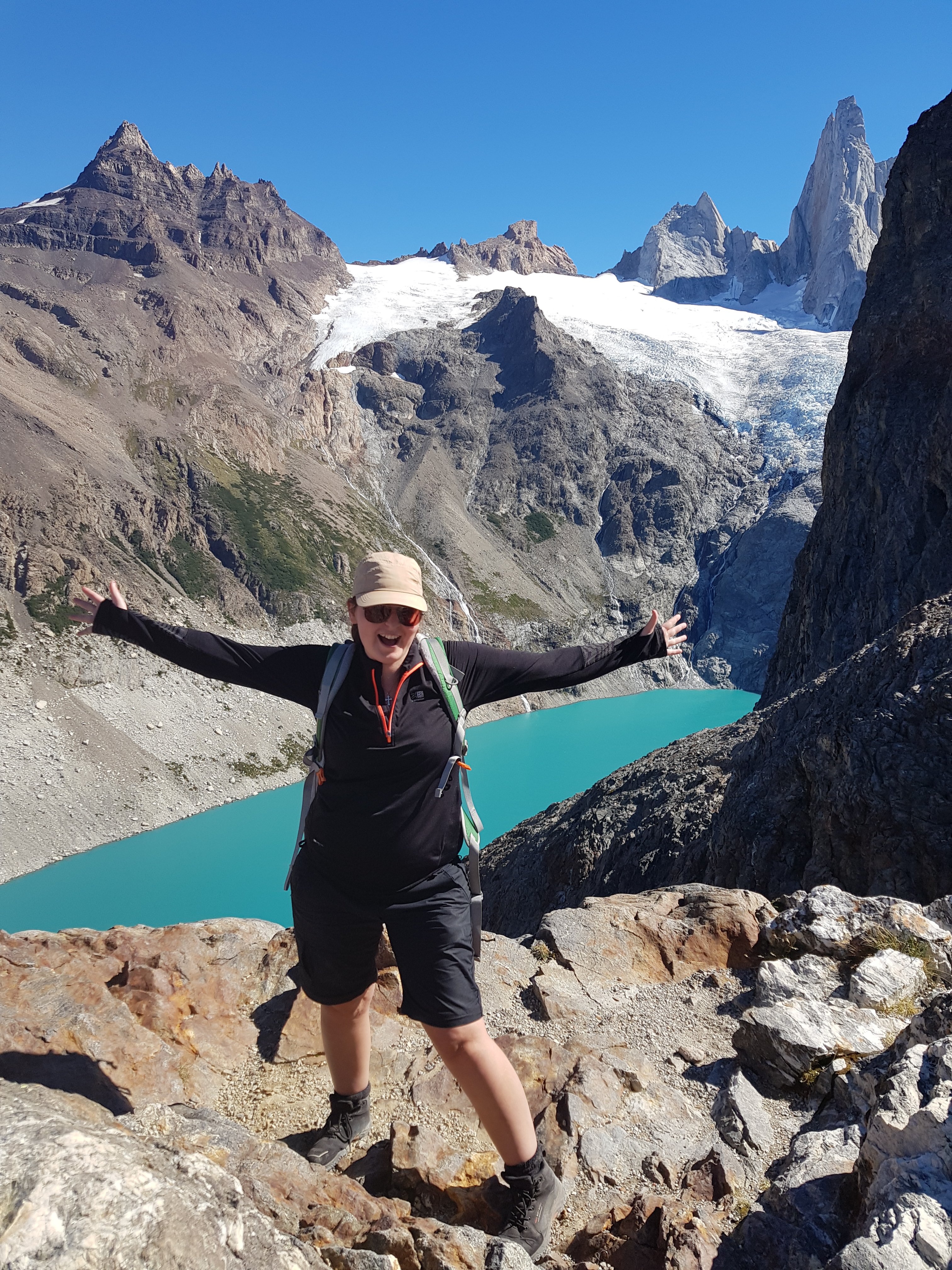
On reaching the top, I collapsed in a pile for a few minutes, then made my way to the lake that was formed by the melting glacier, and took an icy drink, before taking a dip. I spent a few hours here, relaxing and enjoying the sights of the Fitz Roy mountain and the falling water to the drop below.

El Calafate

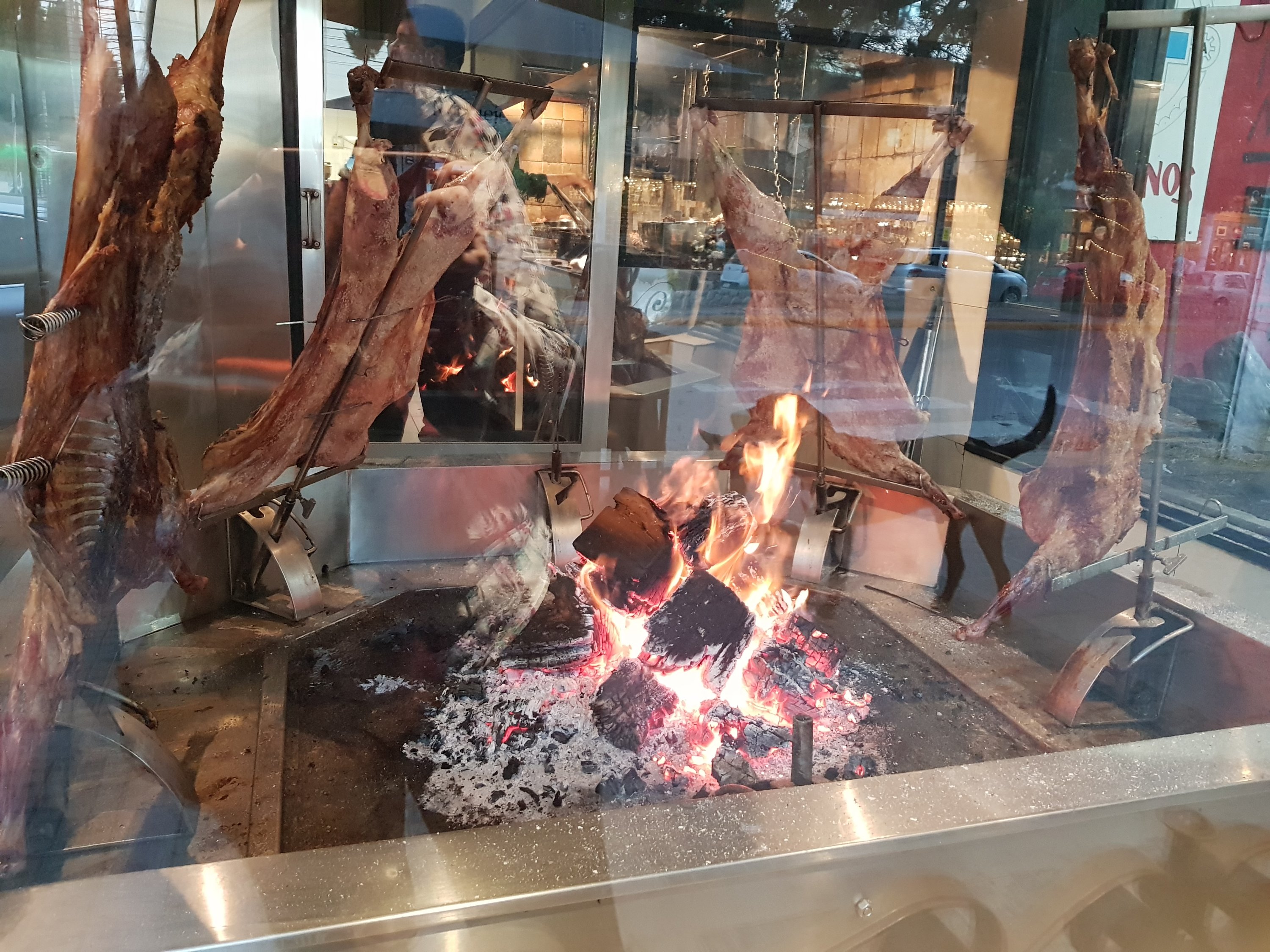
Next day, I was off to Calafate, on the other side of the National Glacier Park from El Chalten. This town is bustling with tourist shops and restaurants. I have a dwindling budget so I cooked whilst I was there, but still managed to admire the Patagonian Lambs being roasted over the fire through the restaurant windows.

Perito Moreno Glacier

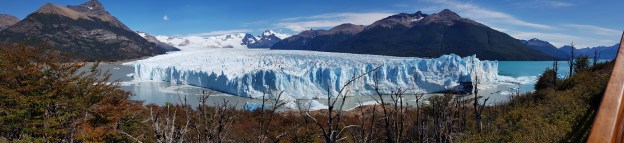
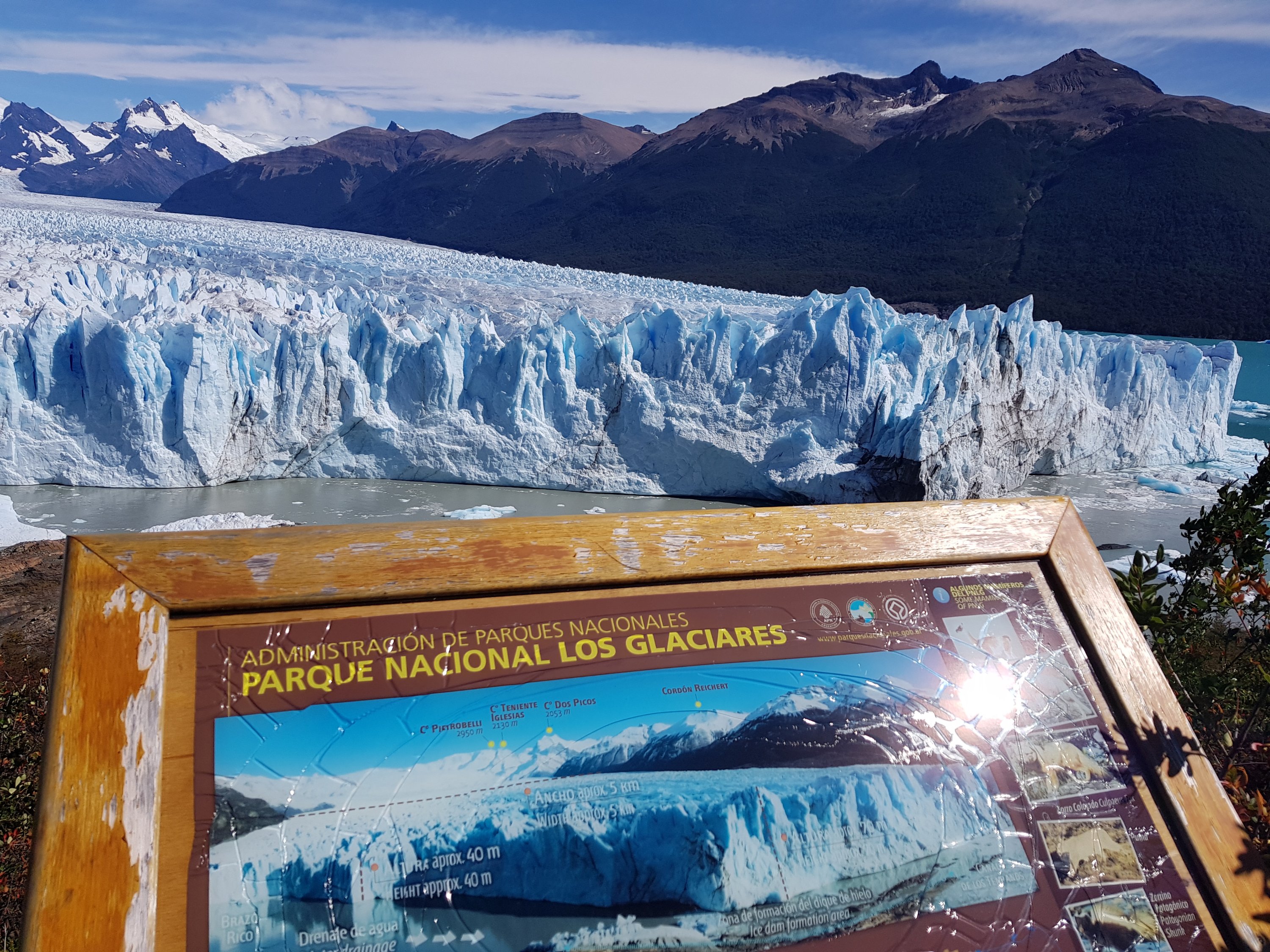
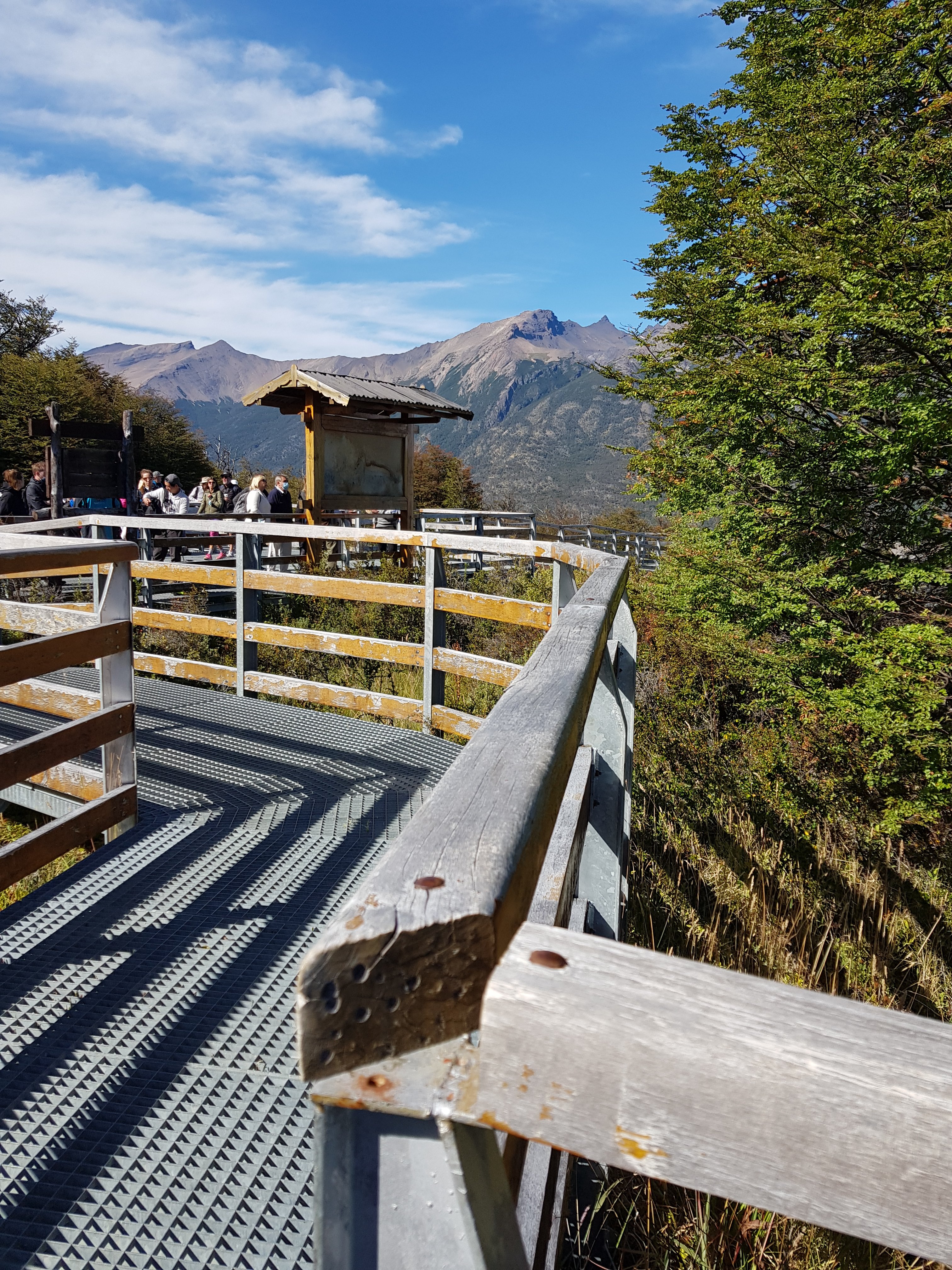
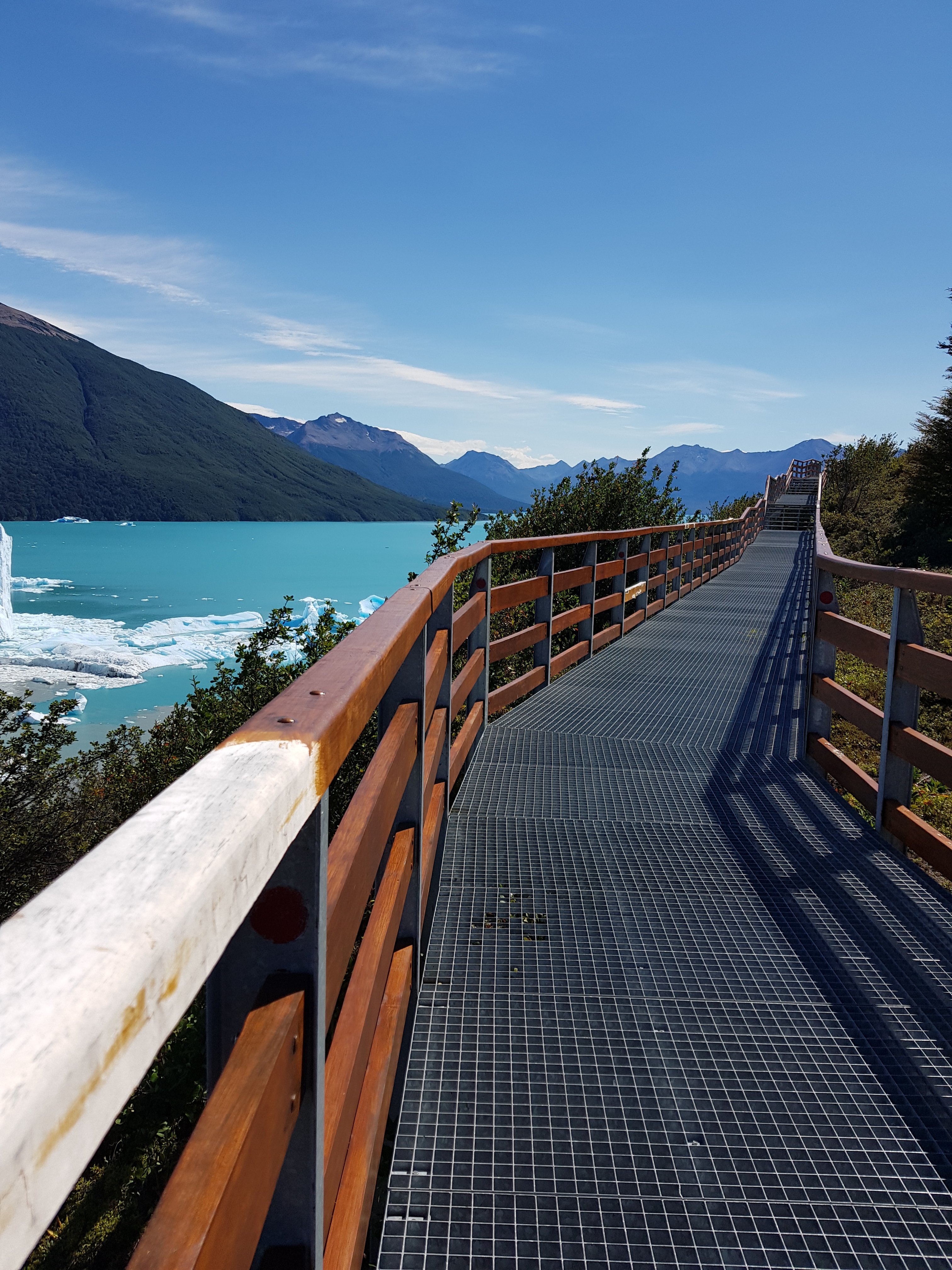
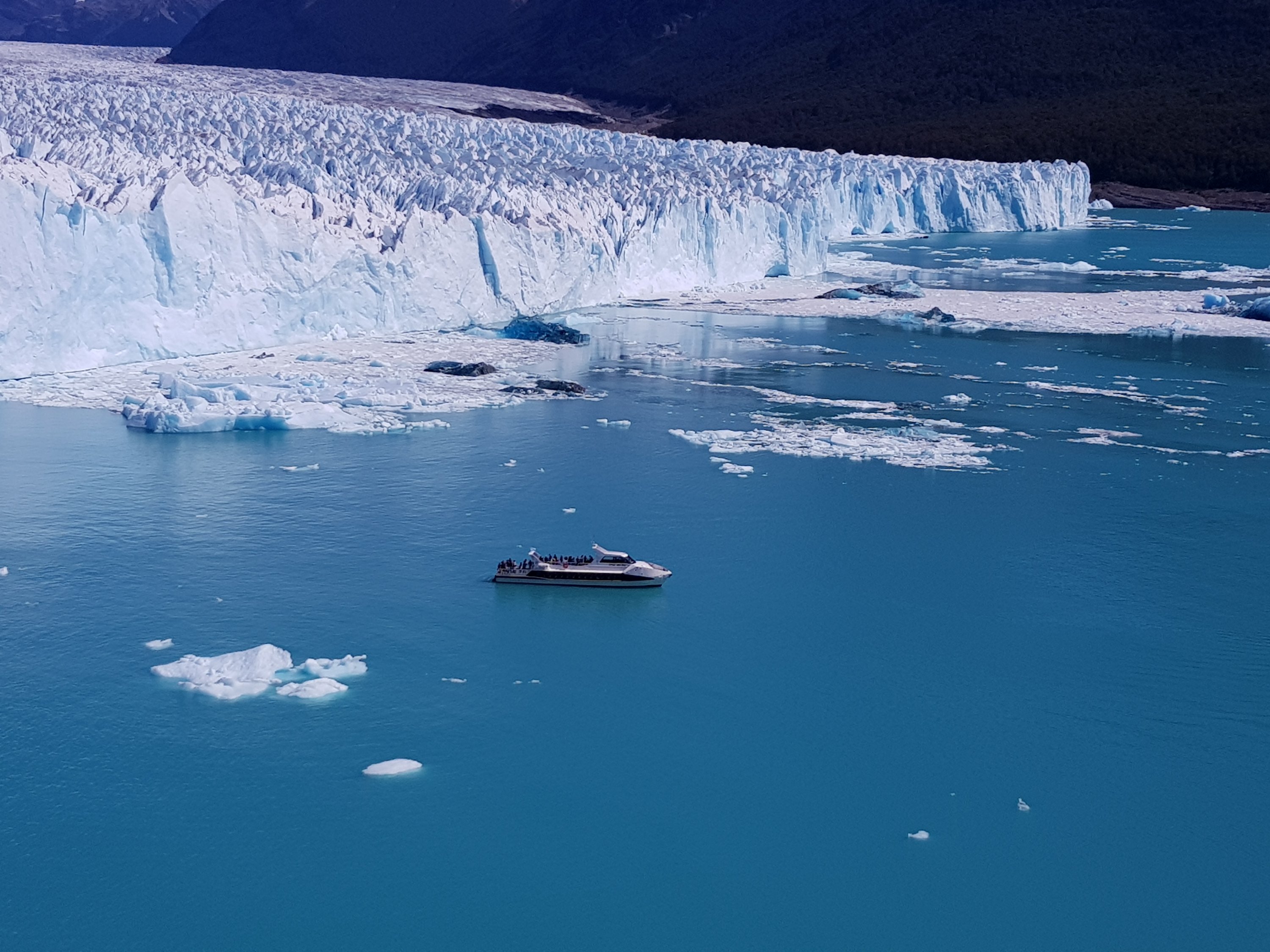
The main excursion to take from El Calafate is to see the huge Perito Moreno Glacier. You have to take a tour which costs about £35 to get to the glacier which is a few hours away. There is then a small charge for the entrance to the park. We were given four hours in the park. I was given a choice to pay extra for a one hour boat ride that takes you closer to the glacier, but I chose not to take this option, and just enjoyed the various boardwalk routes around the front of the glacier.

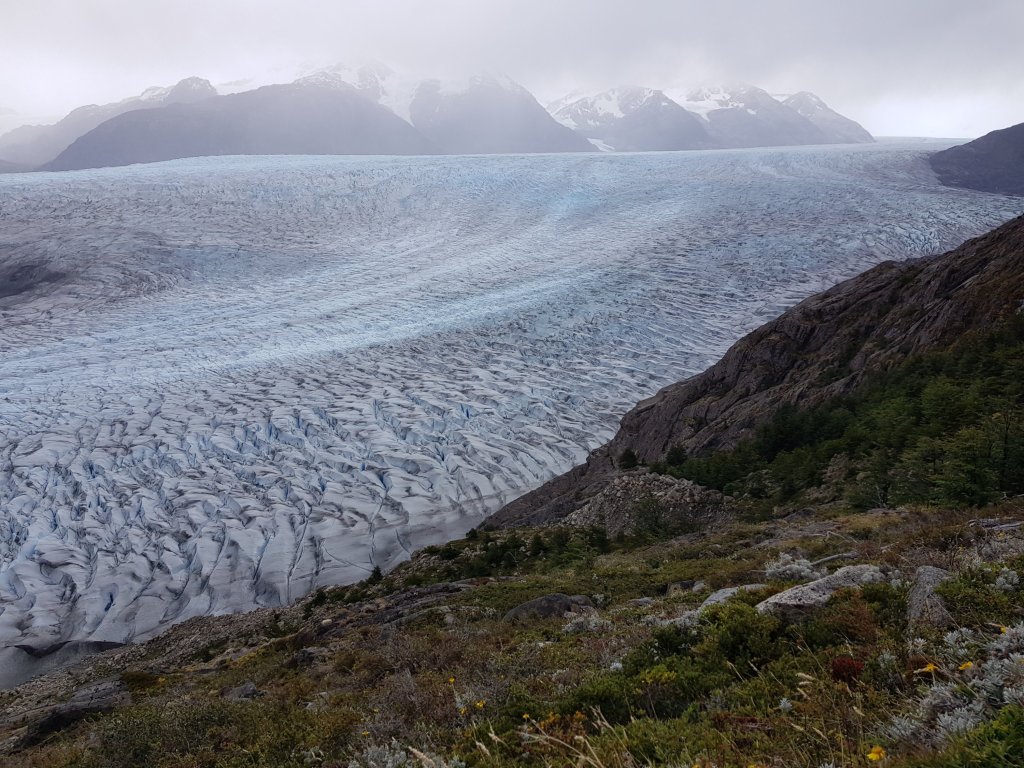
This huge glacier is very unique and larger than the entire city of Buenos Aires (which blew my mind)! The glacier is apparently in balance,meaning that it loses the same amount of ice each day as is returned to it, due to how the water flows around it. There are three different routes you can take around the glacier’s boardwalk, and they vary by height and length. I did all three, and found the boardwalk system to be very efficient and plentiful in relaxing balconies where you could eat your lunch and watch pieces of the glacier fall into the water below. This phenomenon was amazing. I saw not only the ice fall and splash against the lake, but also the lower layer of ice boil up to the surface and spin around in circles. Very cool.

Rio Gallegos

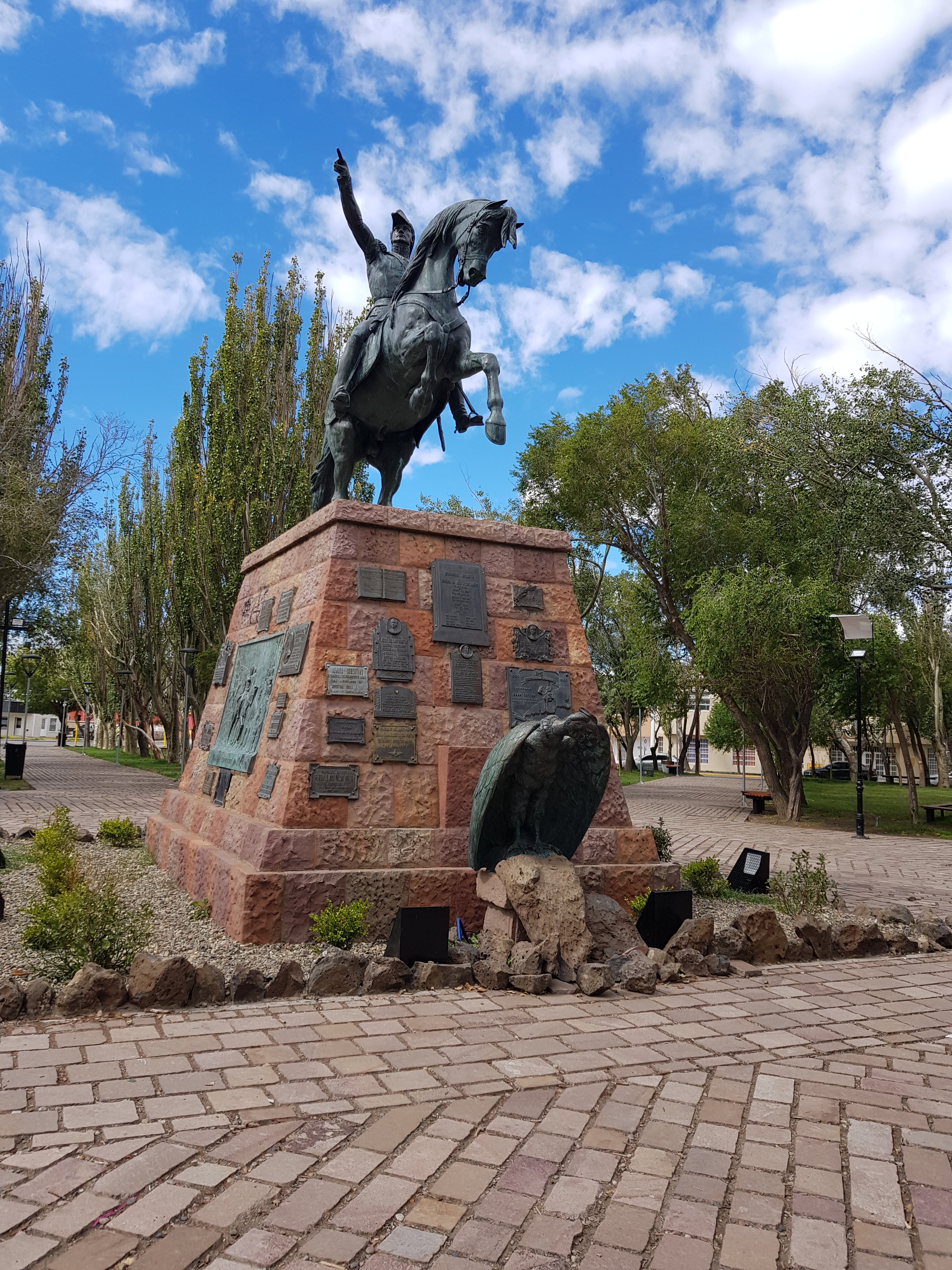
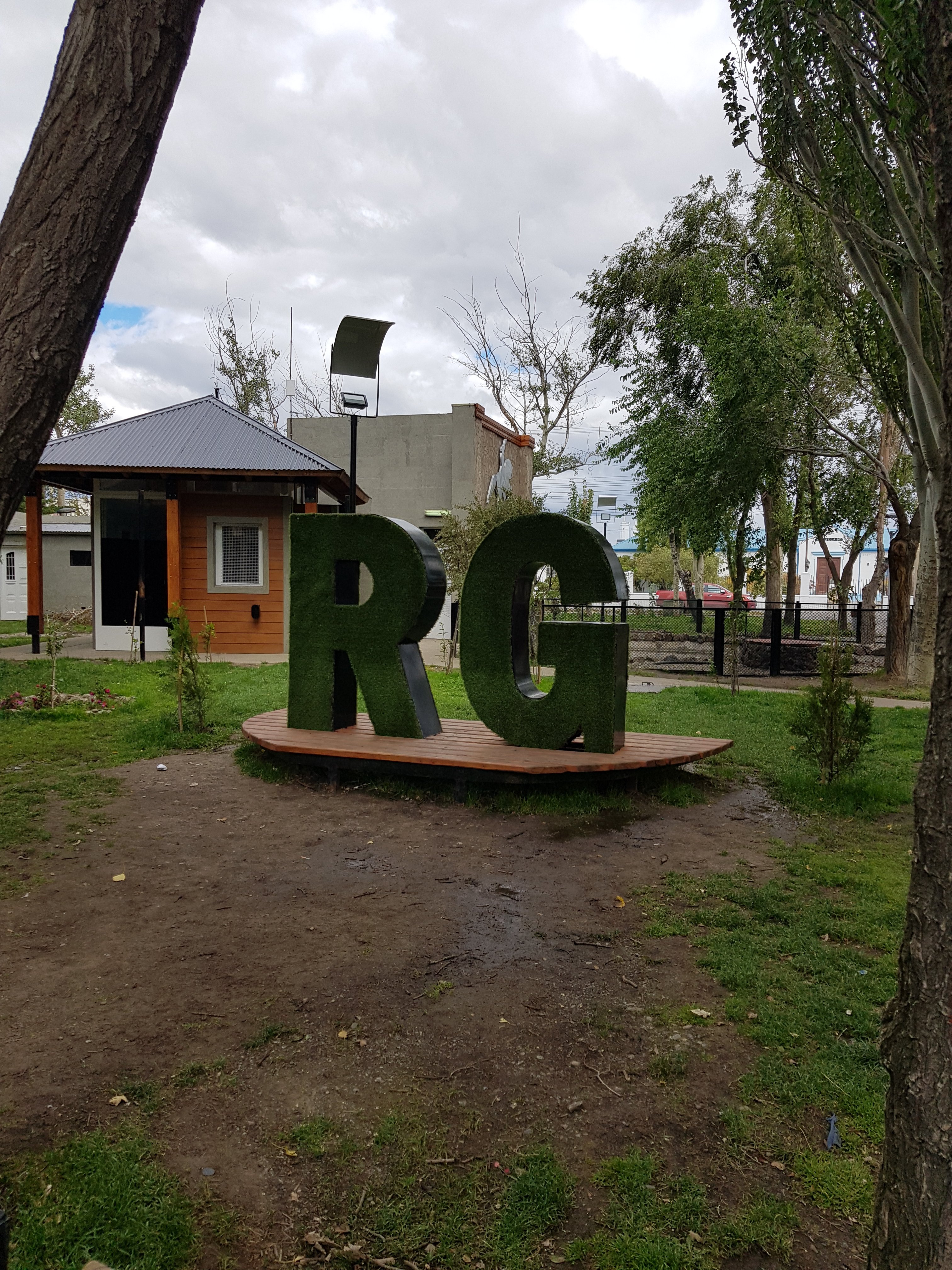
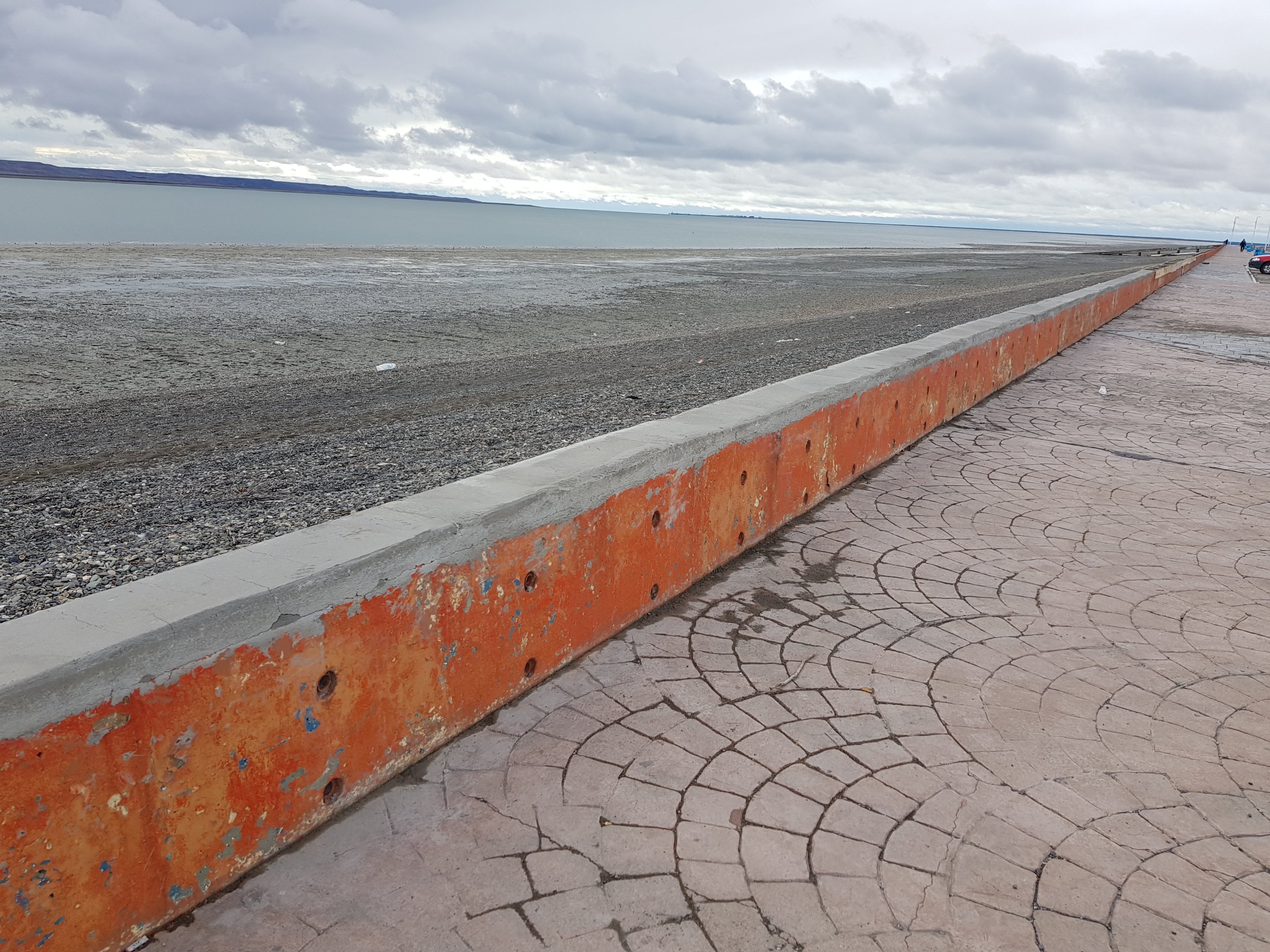
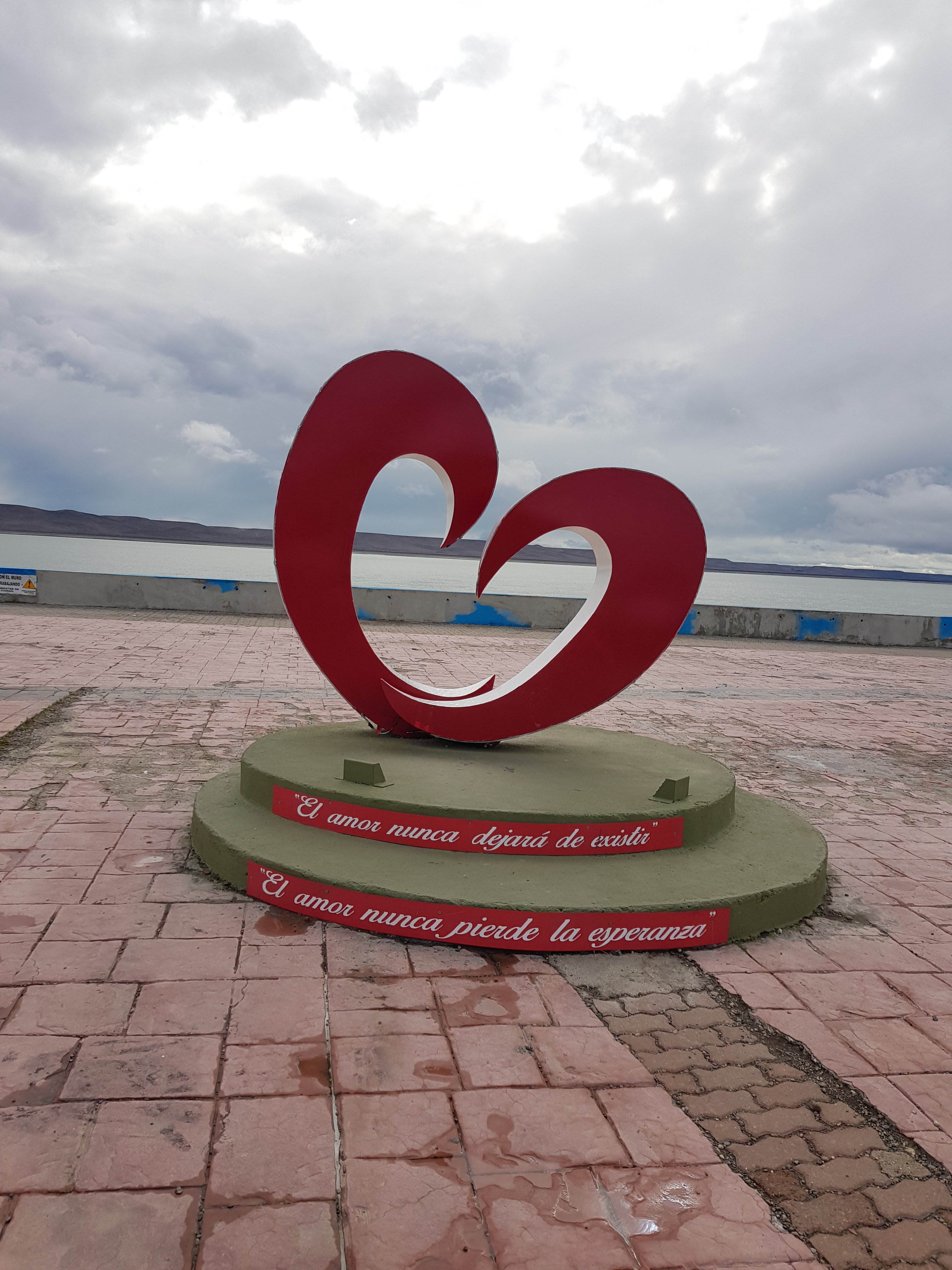
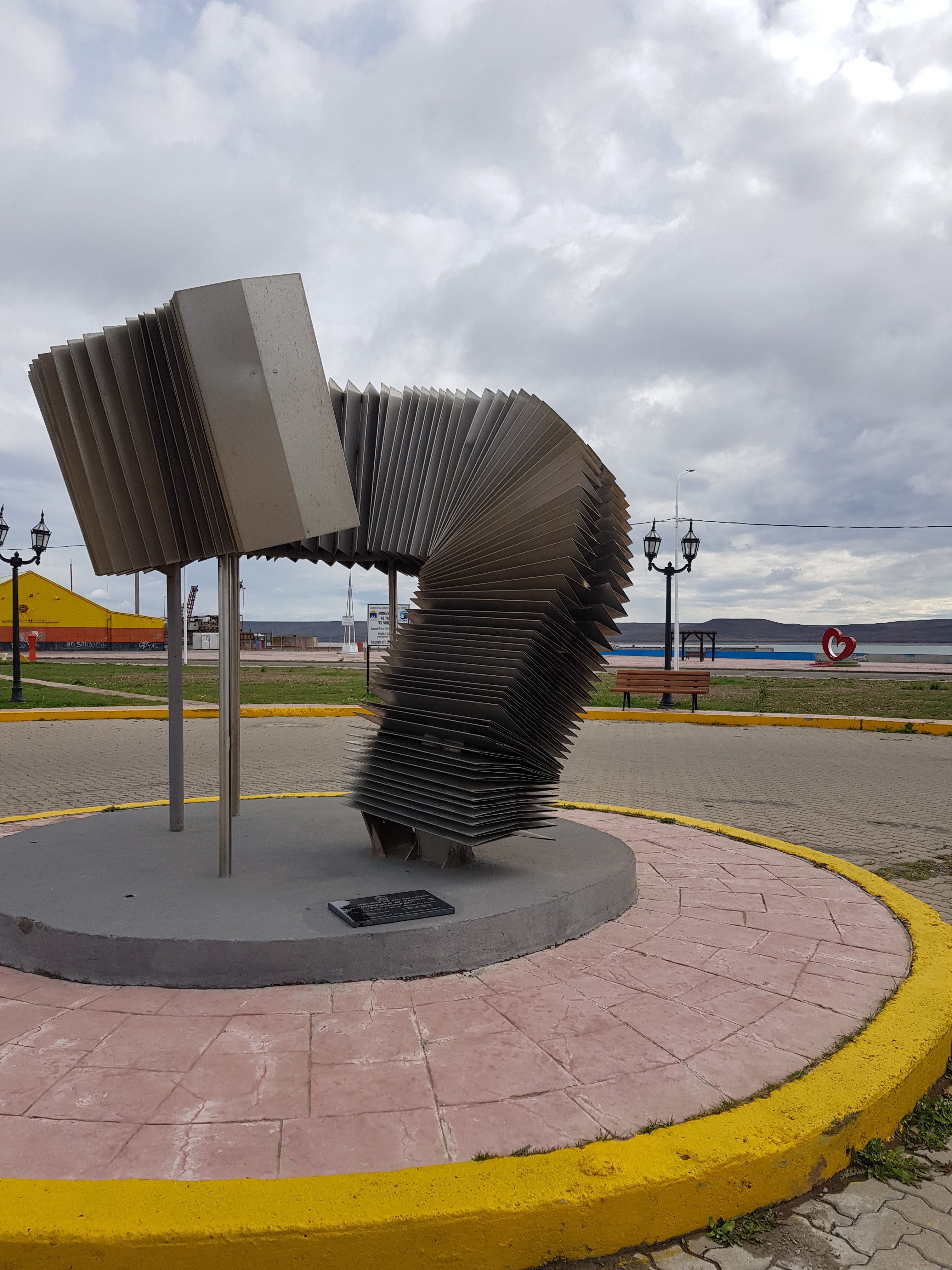
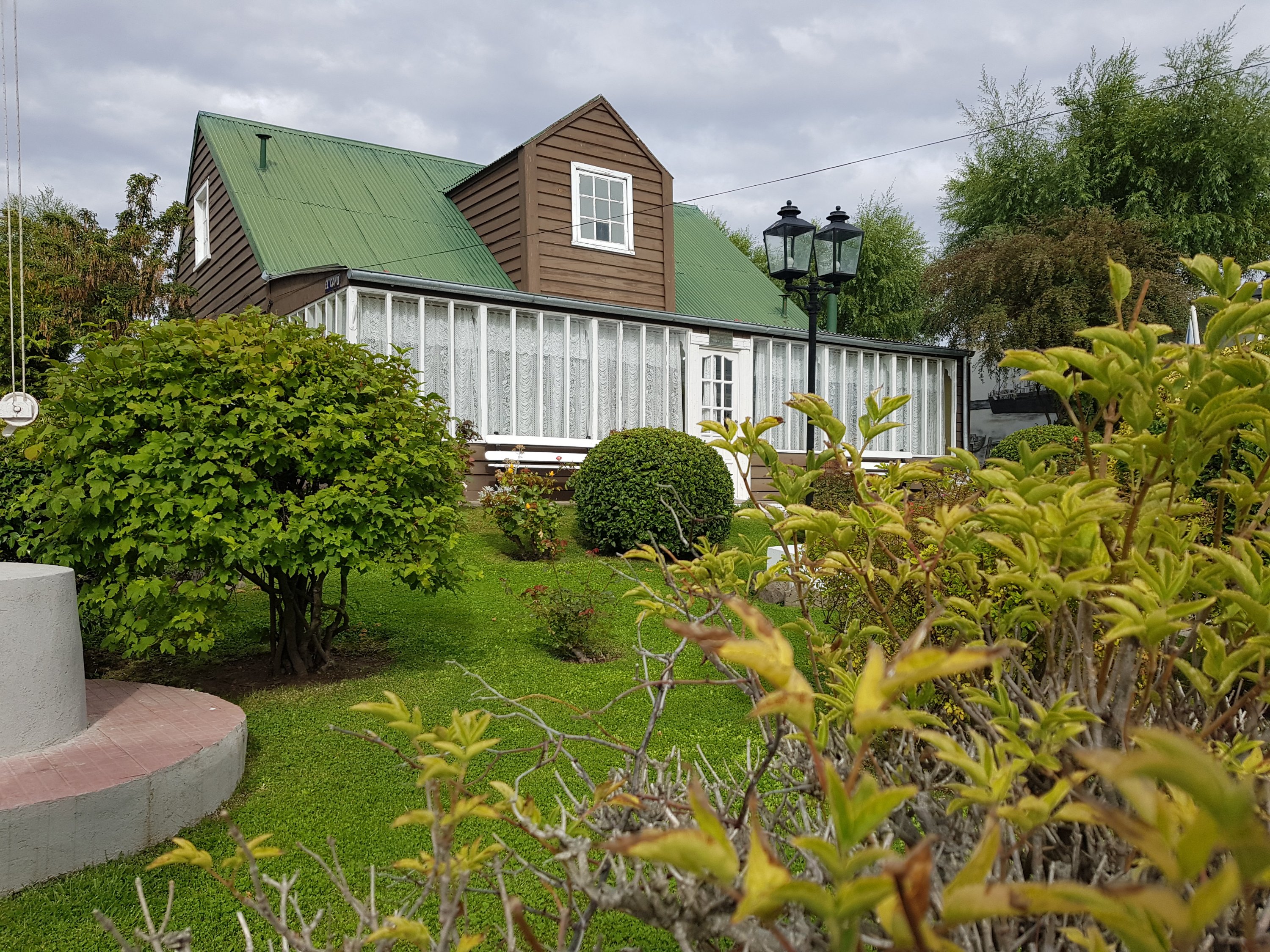
My last stop in Argentina for a while, was Rio Gallegos. I came here to the bottom of mainland Argentina, to cross the border into Chile. There is not much to see here but it is a good supply stop, and there are some sculptures along a promenade walk and a small house that you can visit as a free museum.

For now, I am off to Chile, for some more trekking and to see the other side of Patagonia, before I return to Argentina, to visit the bottom of the world…

Argentina’s Lake District

After a few days of bus journeys via Bahia Blanca and Neuquen, meeting a group of hippies and enjoying a local music festival, I finally made it to Patagonia and the Argentine Lake District. A ‘postcard perfect’ landscape.

Argentina’s Lake District sits within the Northwest of Patagonia, near the border of Chile. Patagonia is the Southern region of Argentina, world famous for its scenery, and trekking, climbing, and general adventure sport opportunities. The climate and landscape varies throughout the region and within the lake district are obviously several lakes and rivers dotted around the Andes mountains.

I visited three spots within the lake district, as these were major points on the coach route. They were: San Martin de los Andes, San Carlos de Bariloche, and El Bolson. I stayed in each for 1-2 nights.

San Martin de Los Andes

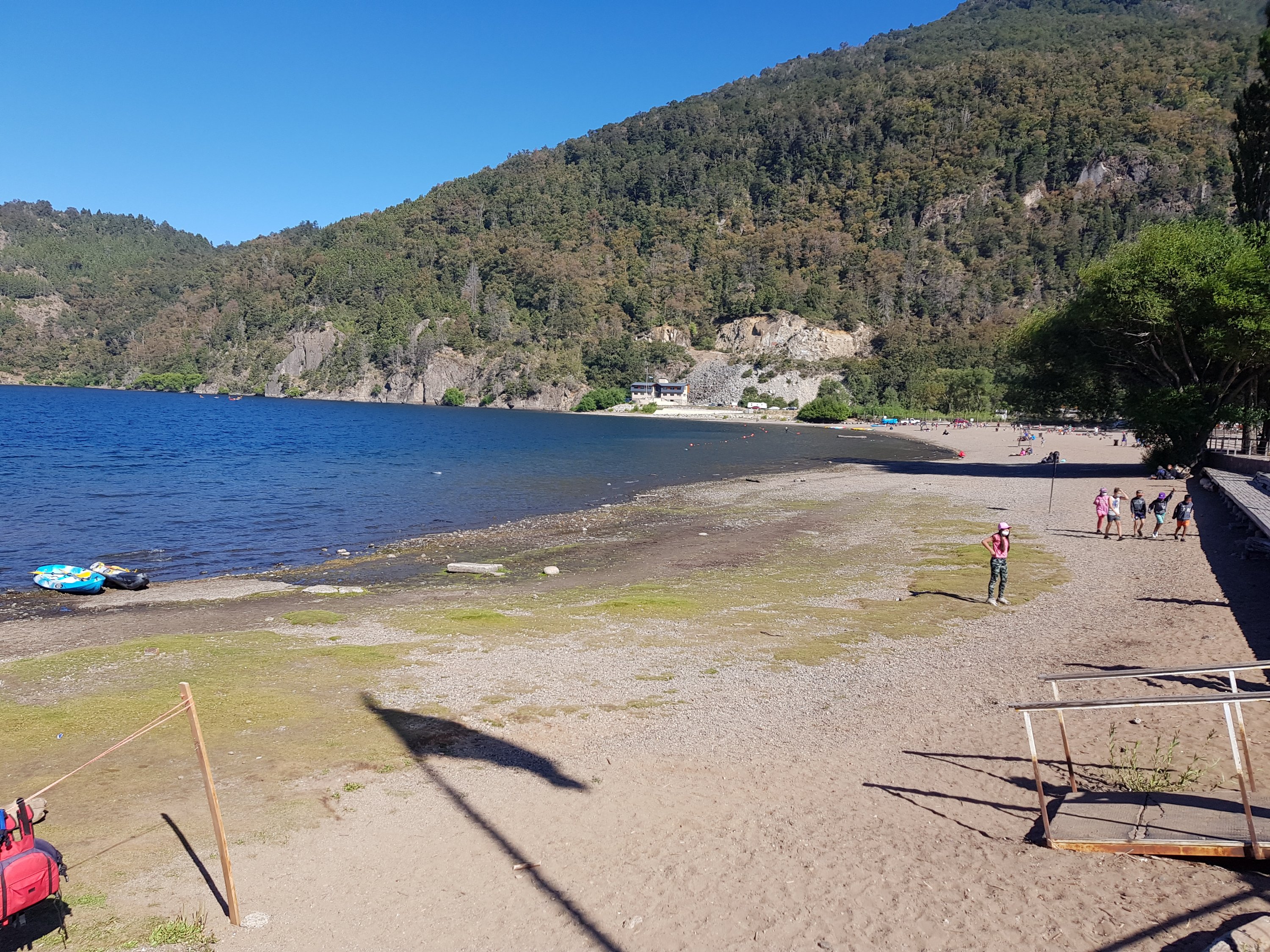
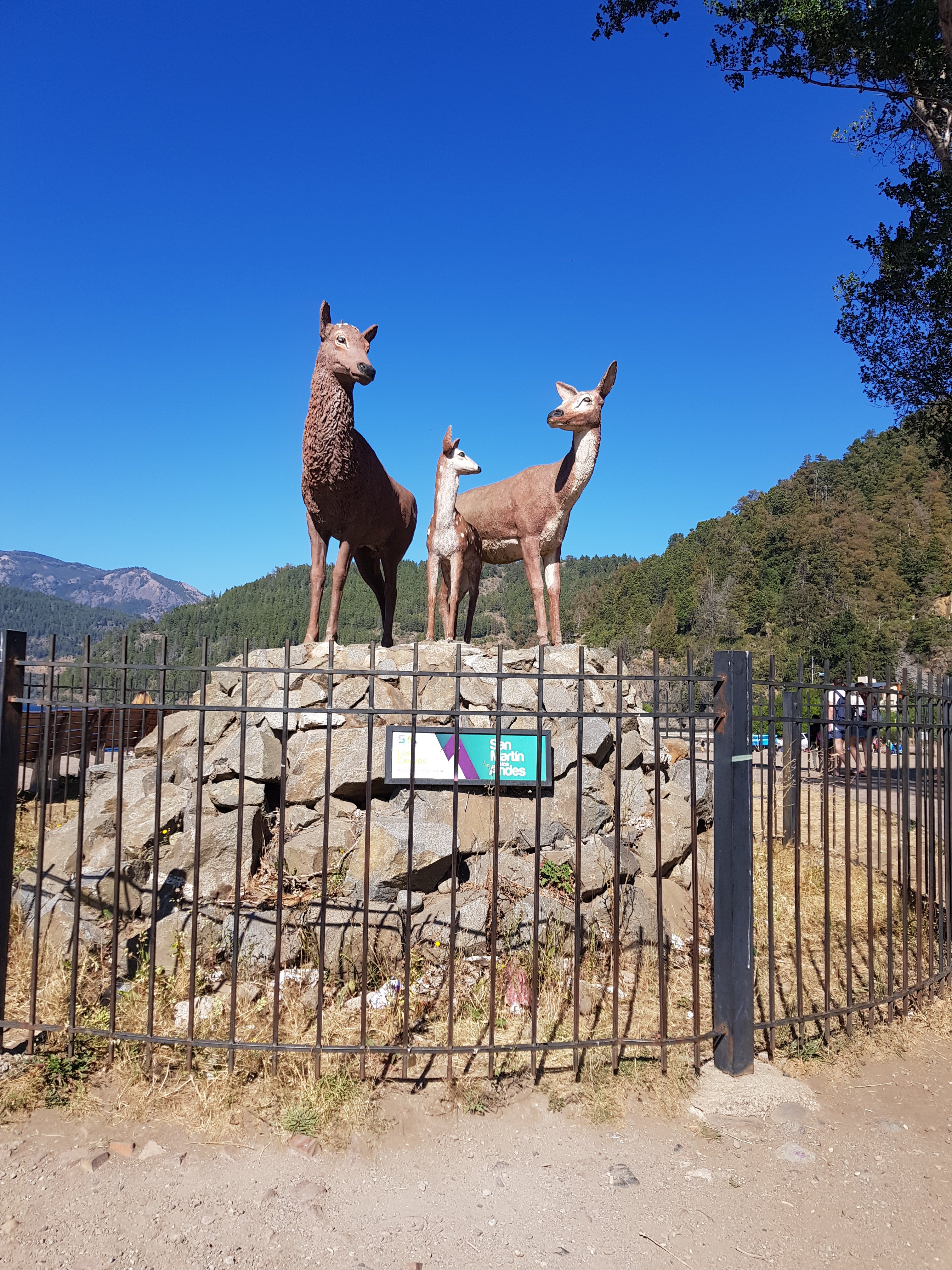
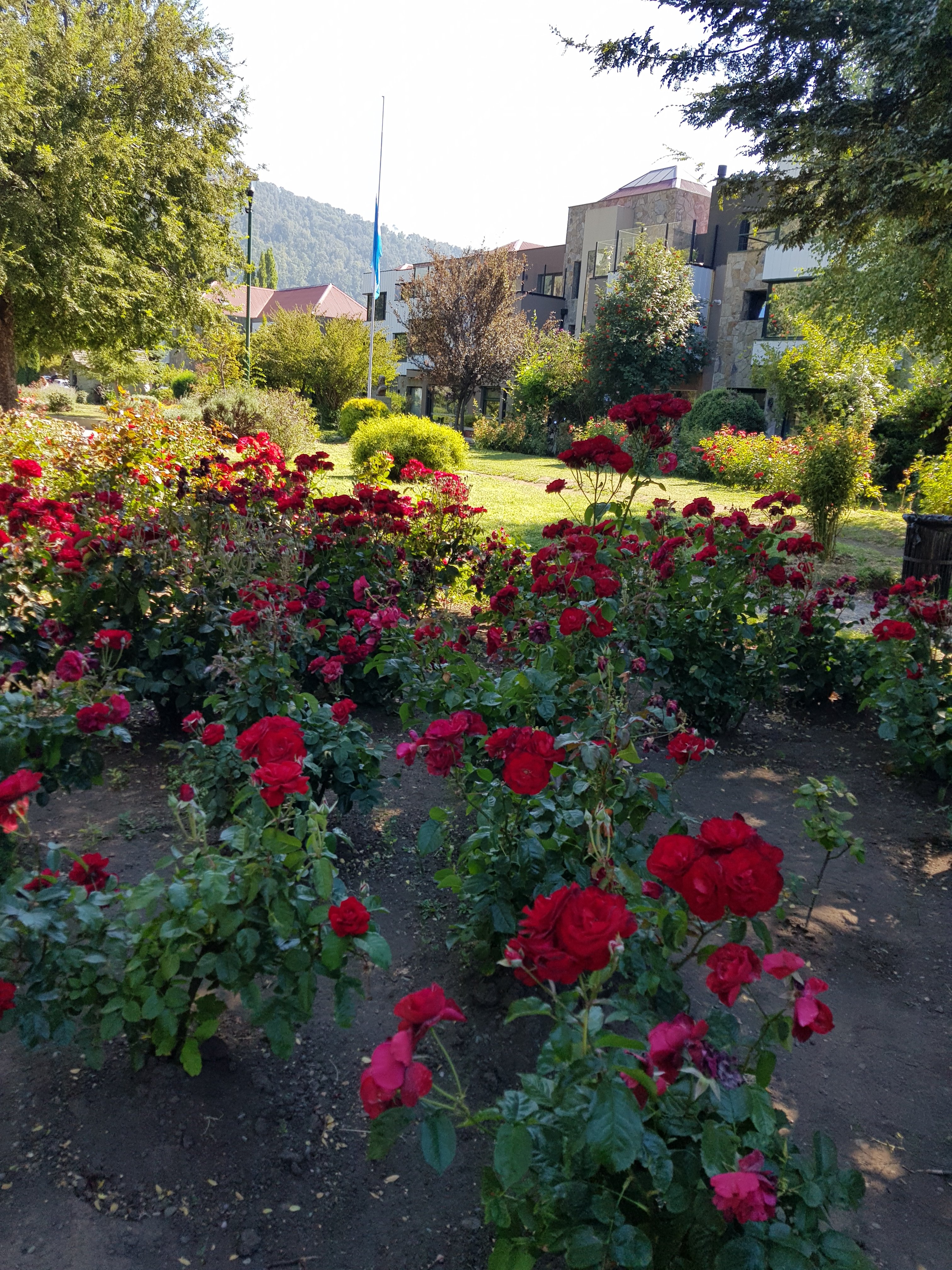
San Martin de Los Andes sits in the Lanin National Park, named after the local volcano. It is the gateway town to Patagonia for many people, and it is very touristy as a result. It is full of cabin style buildings that make you feel that you have somehow arrived in the Swiss Alps. The town is small but has plenty of bars and restaurants, a few rose gardens to sit in, and San Martin sits on a huge lake named Lacar. You can enjoy swimming in the lake or take a boat out to different places along the shoreline.

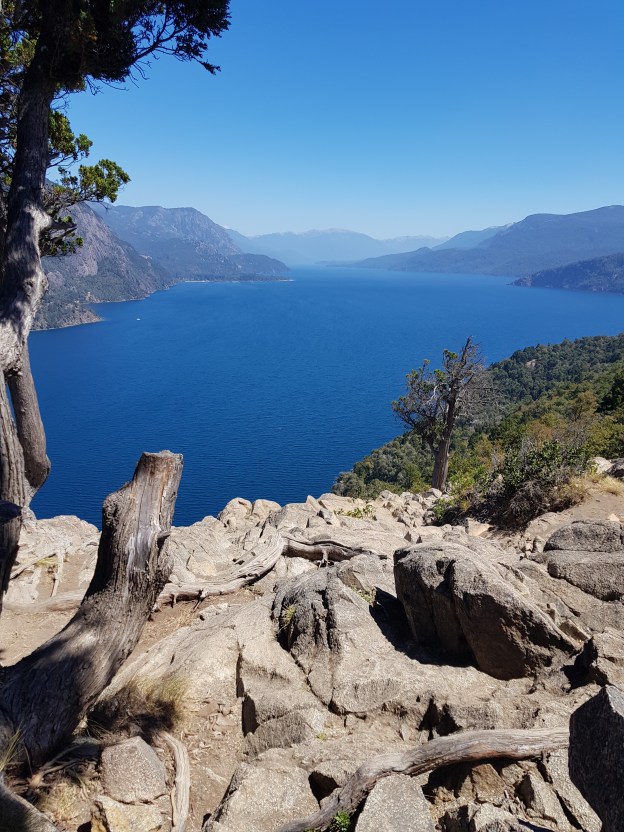
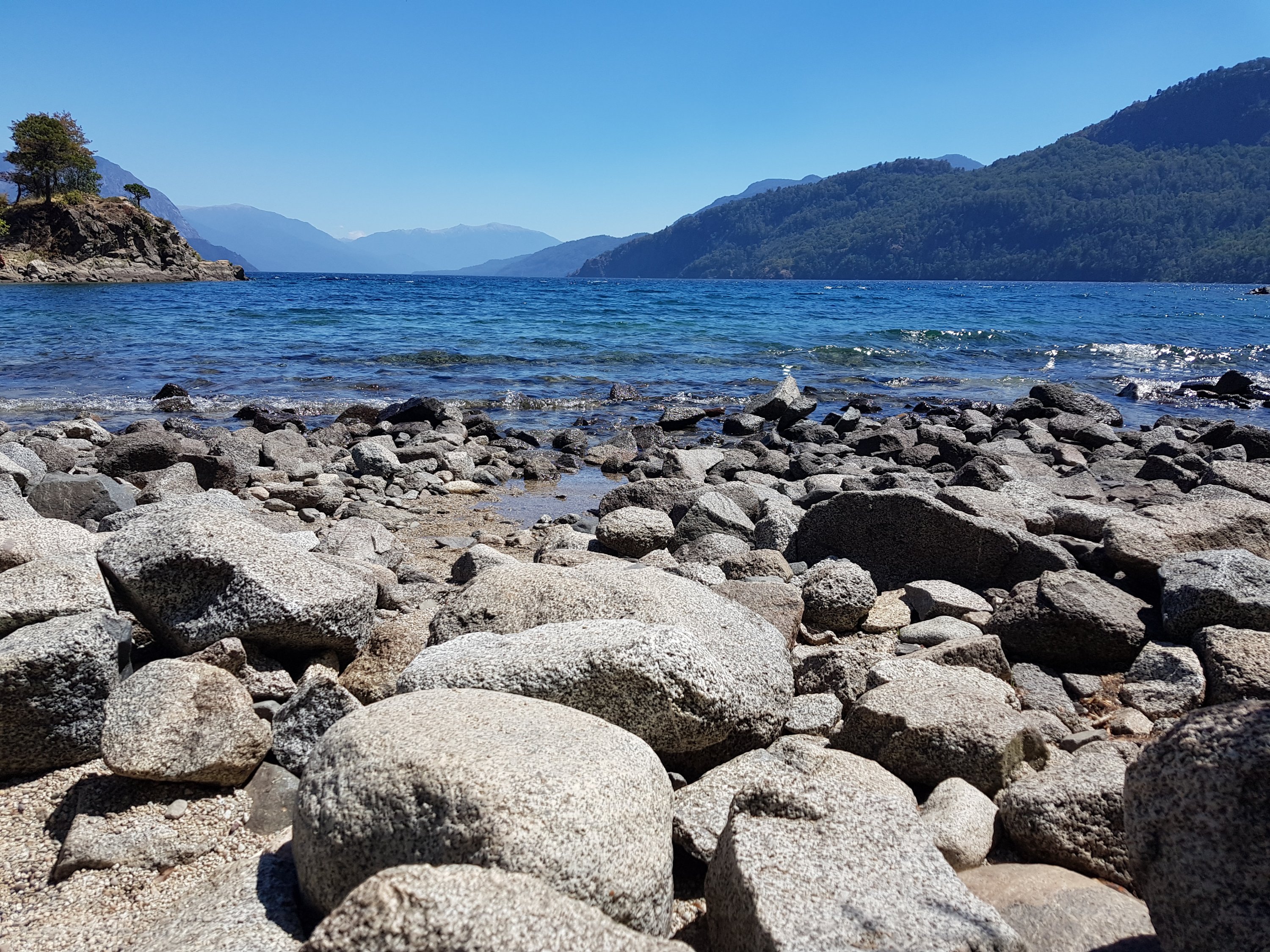
I decided to do a short hike of about 10km (about 3 hours) to a viewpoint and then onto a small beach with a little island. I enjoyed a swim here and basked in the sun, although the beach is very rocky, crocs are advised! I looked like a fool sliding around on the rocks. The water was really lovely and clear though, and everyone was respectful of the environment.

San Carlos de Bariloche

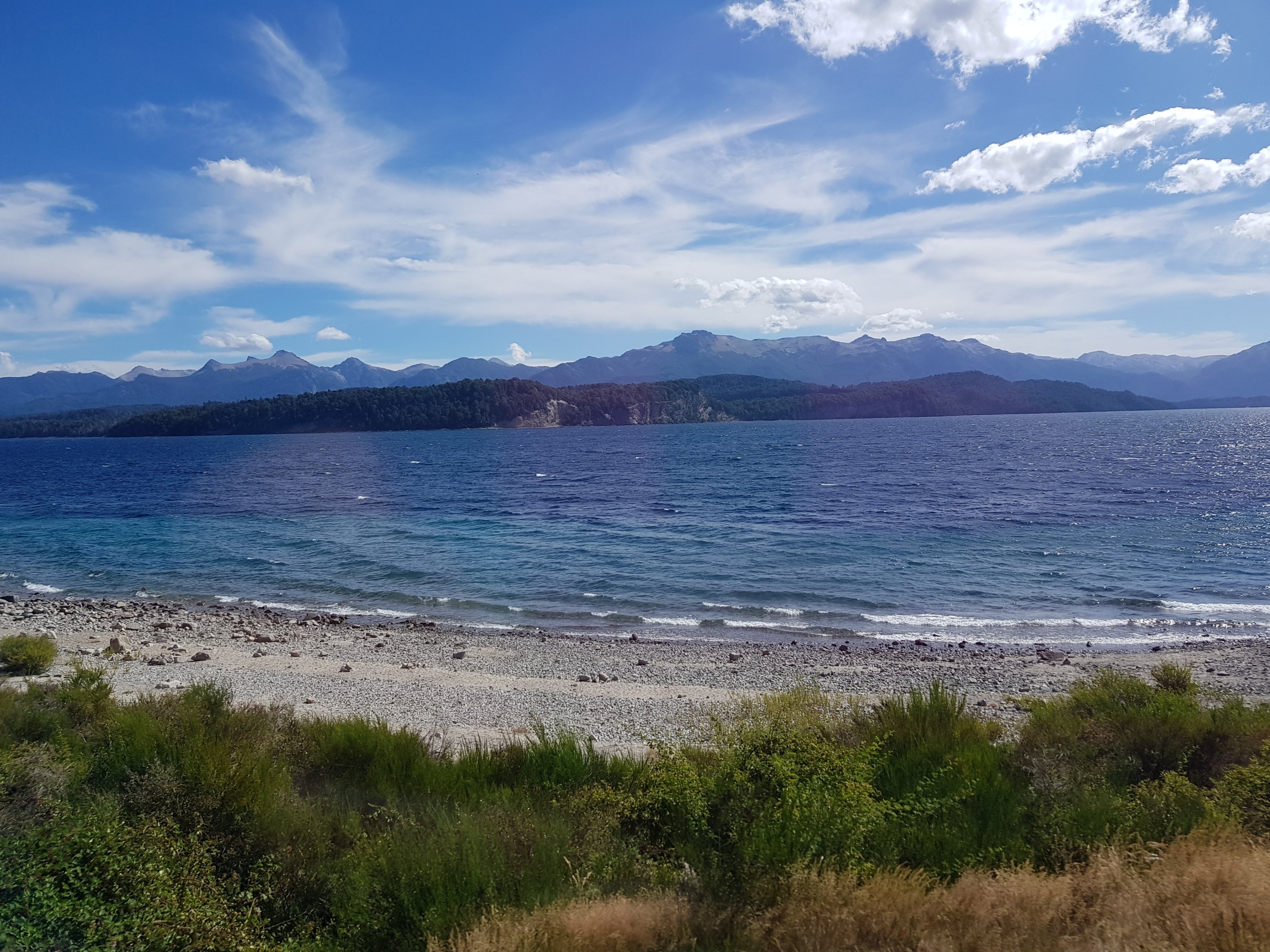
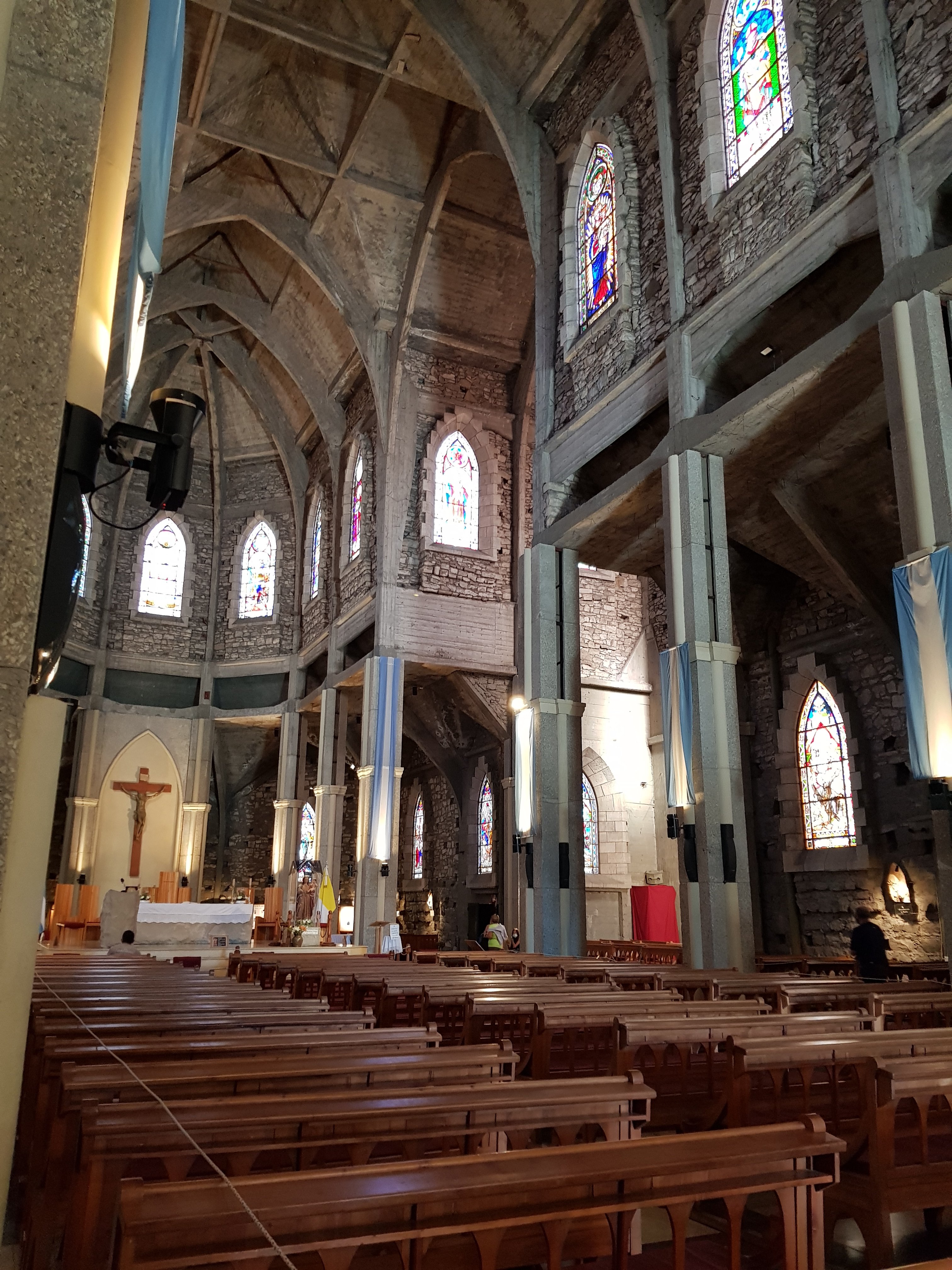
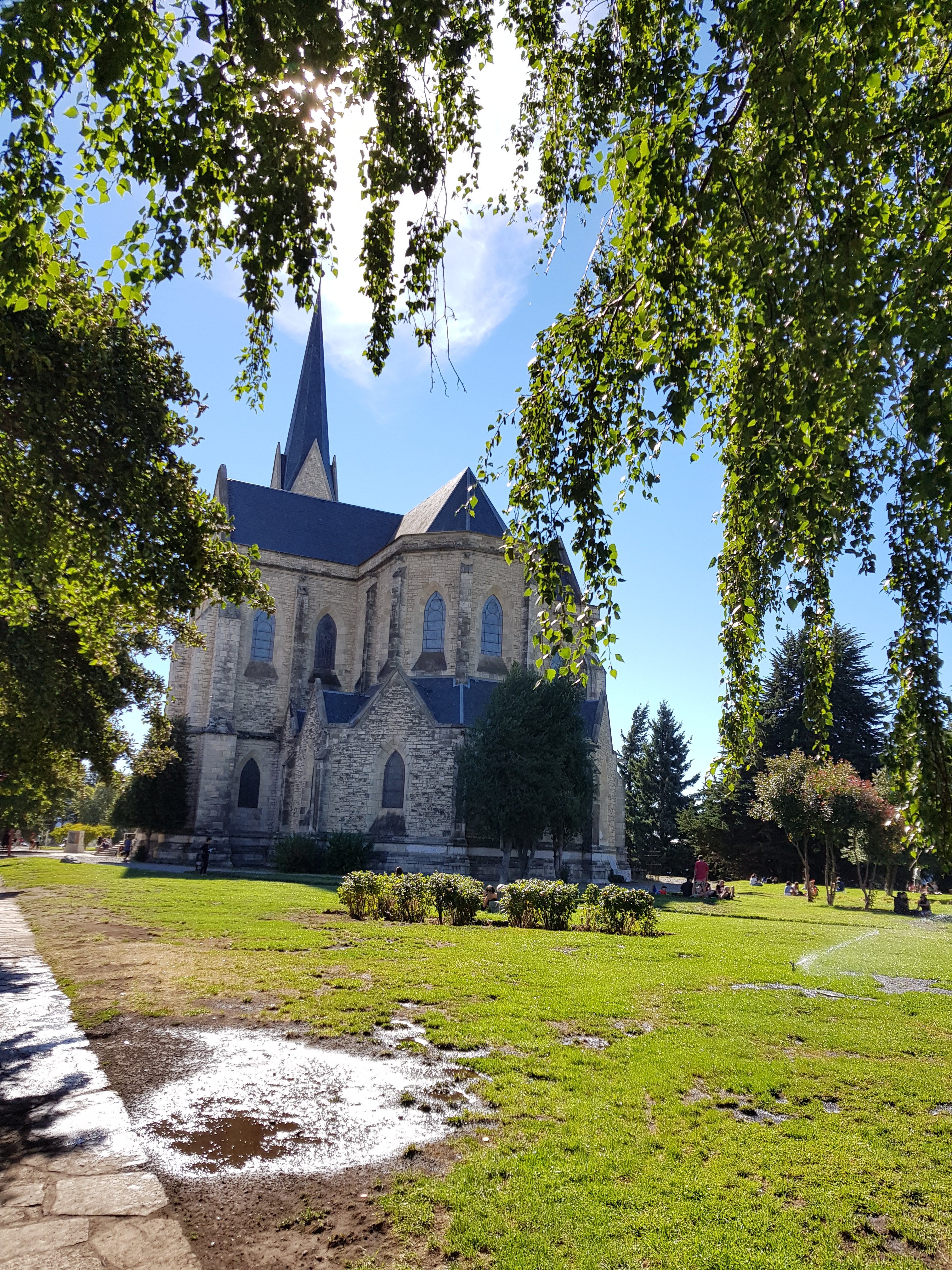
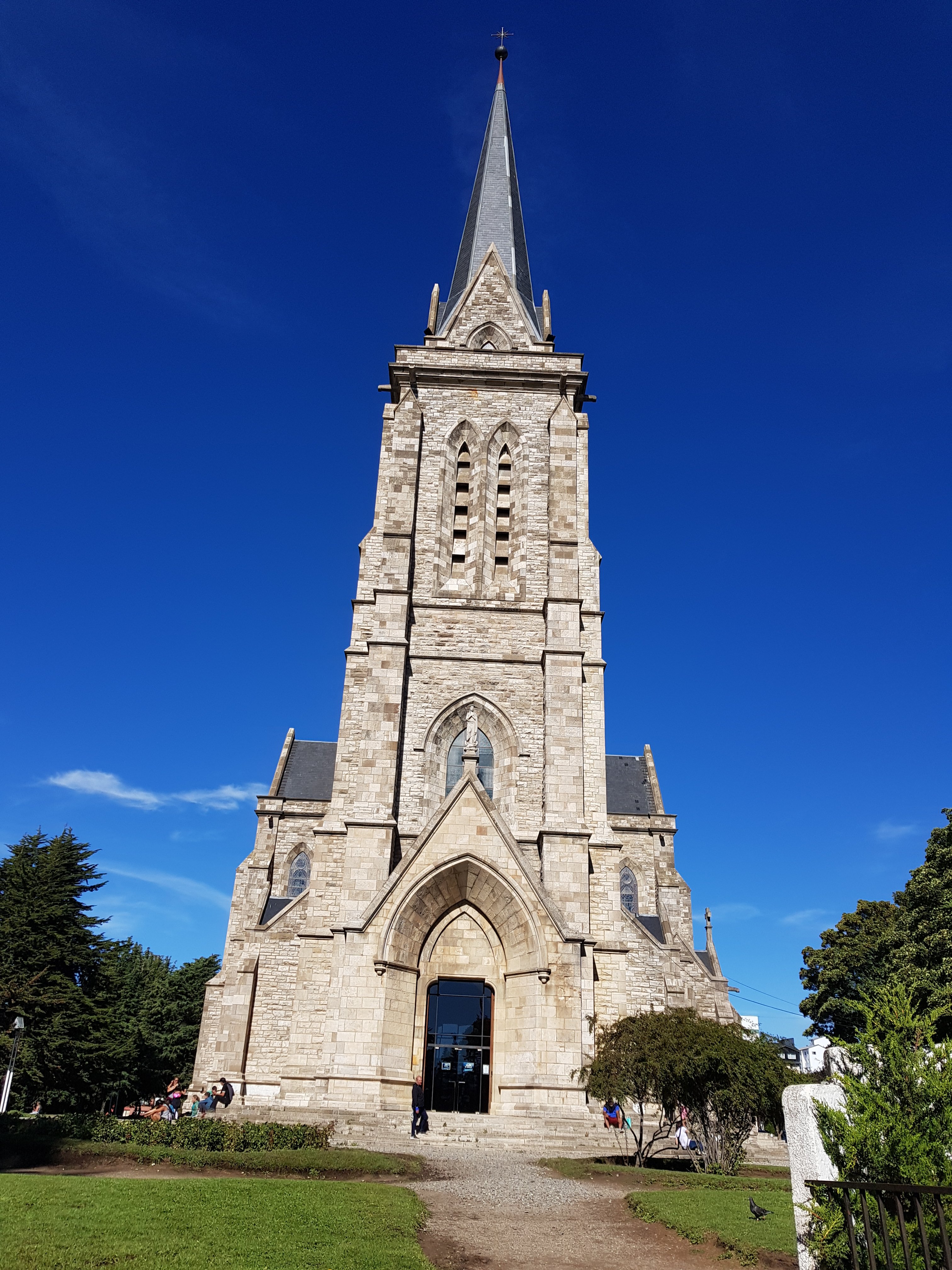
Bariloche is a working city that is less tourist heavy, but it’s scenery is absolutely postcard perfect. The town is surrounded by a huge lake and endless mountain scenes. There are not many attractions in the town, and I really just used this for a rest day and to save a little money by cooking from the supermarket. I did manage to visit the local cathedral though. This was a very pleasant building with lots of stonework. You can also walk right up to the lake and sit on the stony beach if you want to.

El Bolson

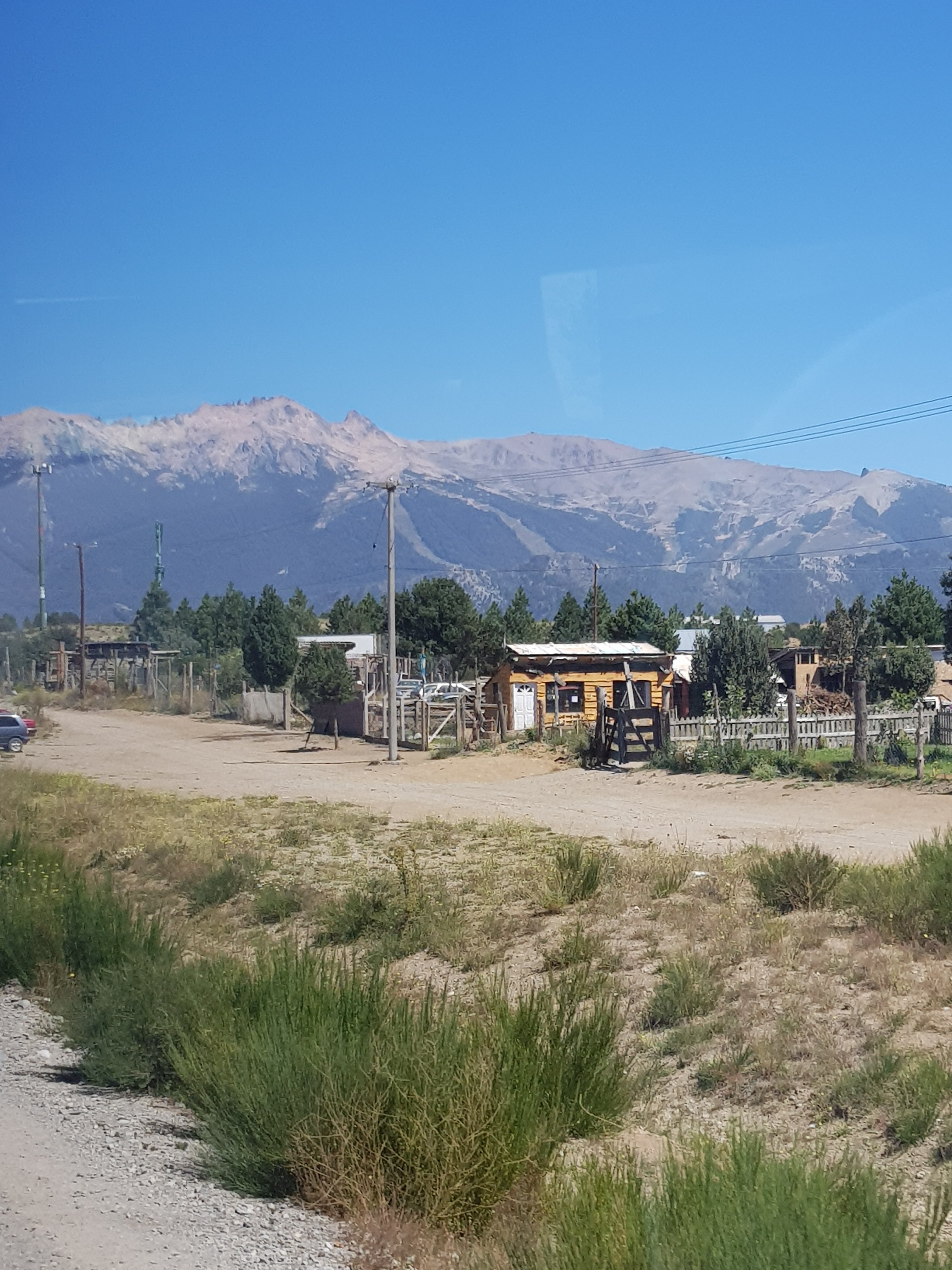
On the bus to my third stop in this region, El Bolson, I continued to travel along the famous route 40. This very long highway, connects all of these beautiful locations from the North to South of the country. It has now become well known for its gorgeous scenery, and thankfully, the buses use this road too!

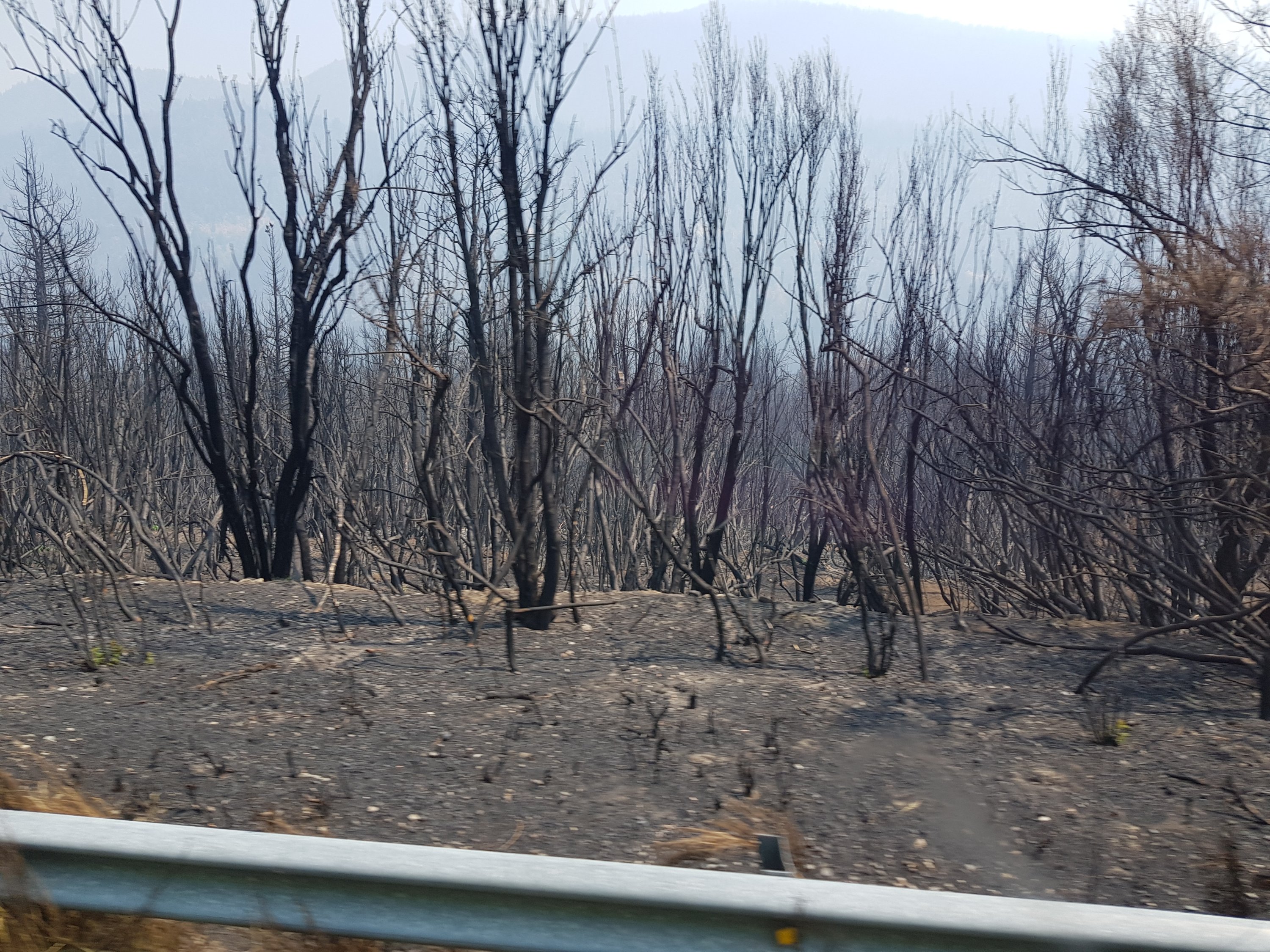
Along the way, I saw the damage of the forest fires in the national park the day before. This was quite shocking to see, It seems that it is a common occurrence here though. It created a foggy atmosphere among the mountain scenes.

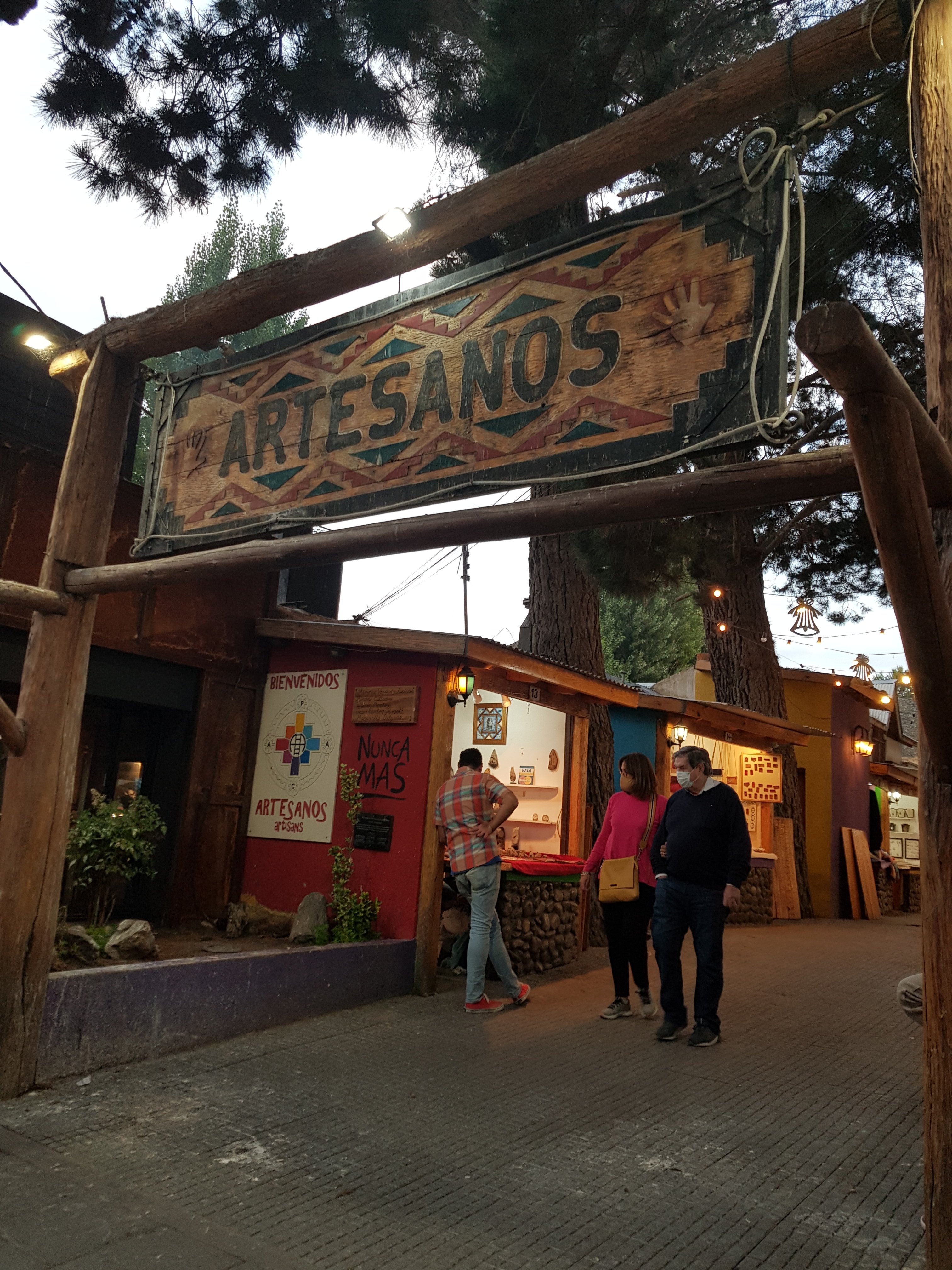
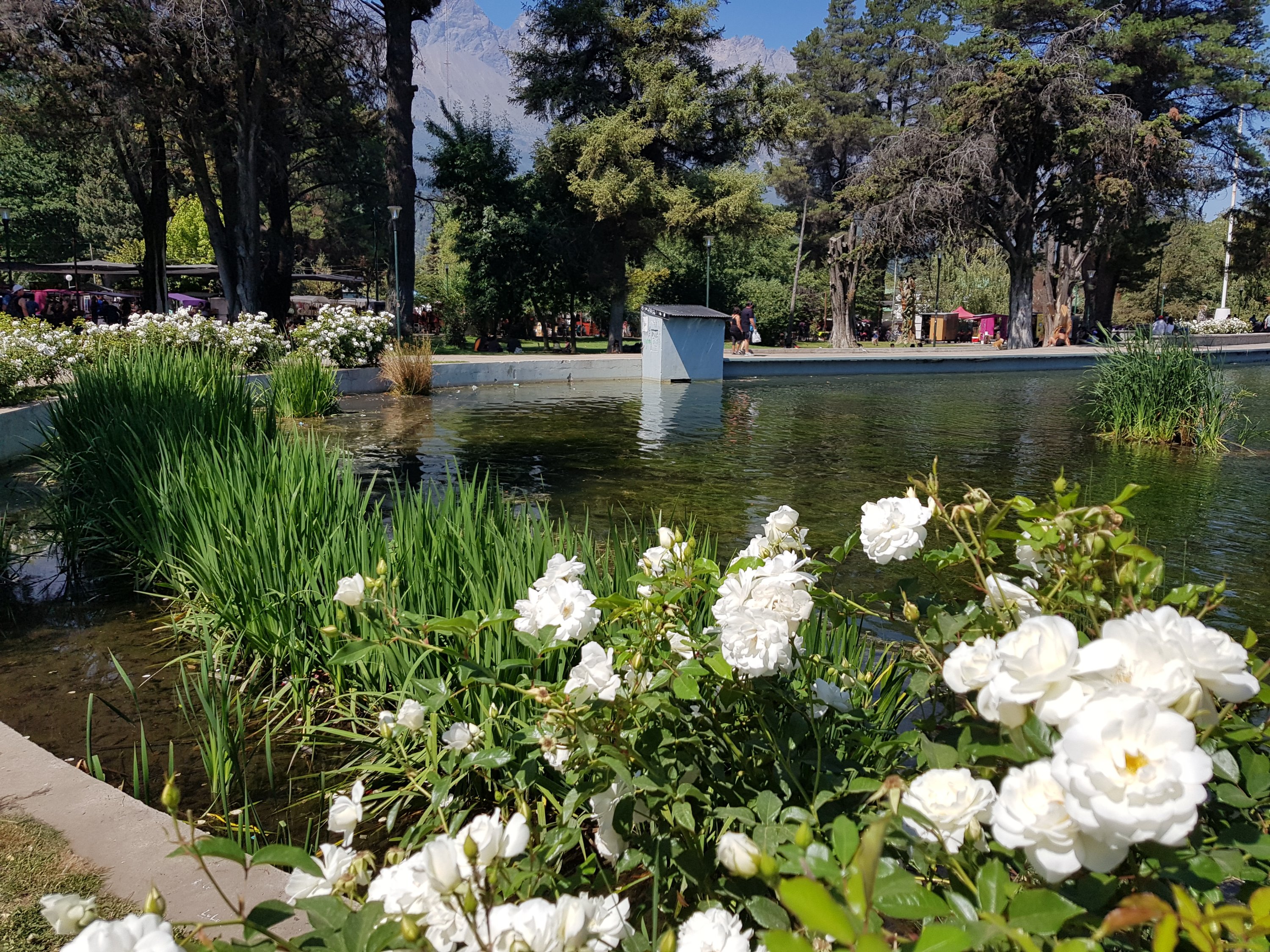
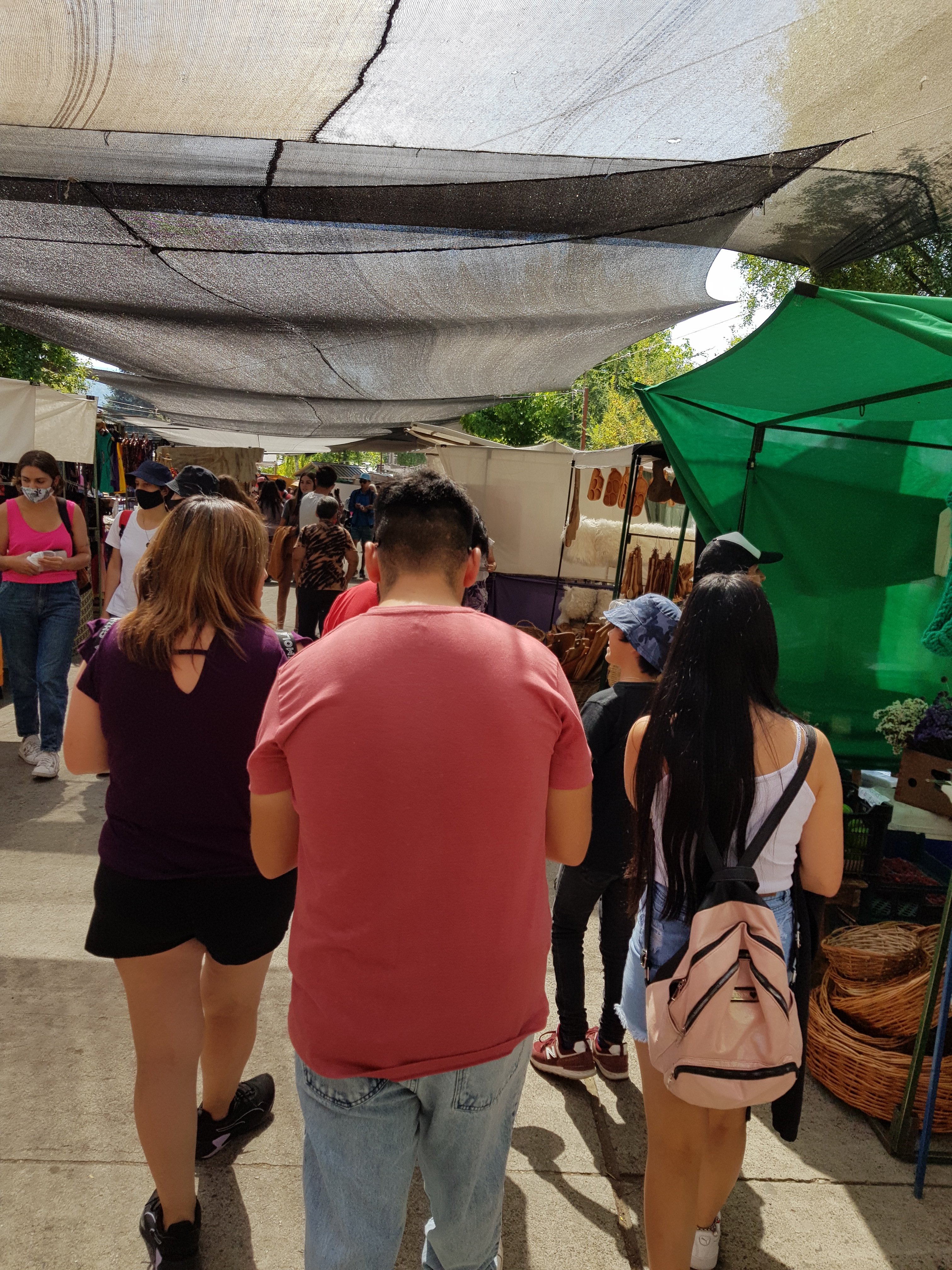
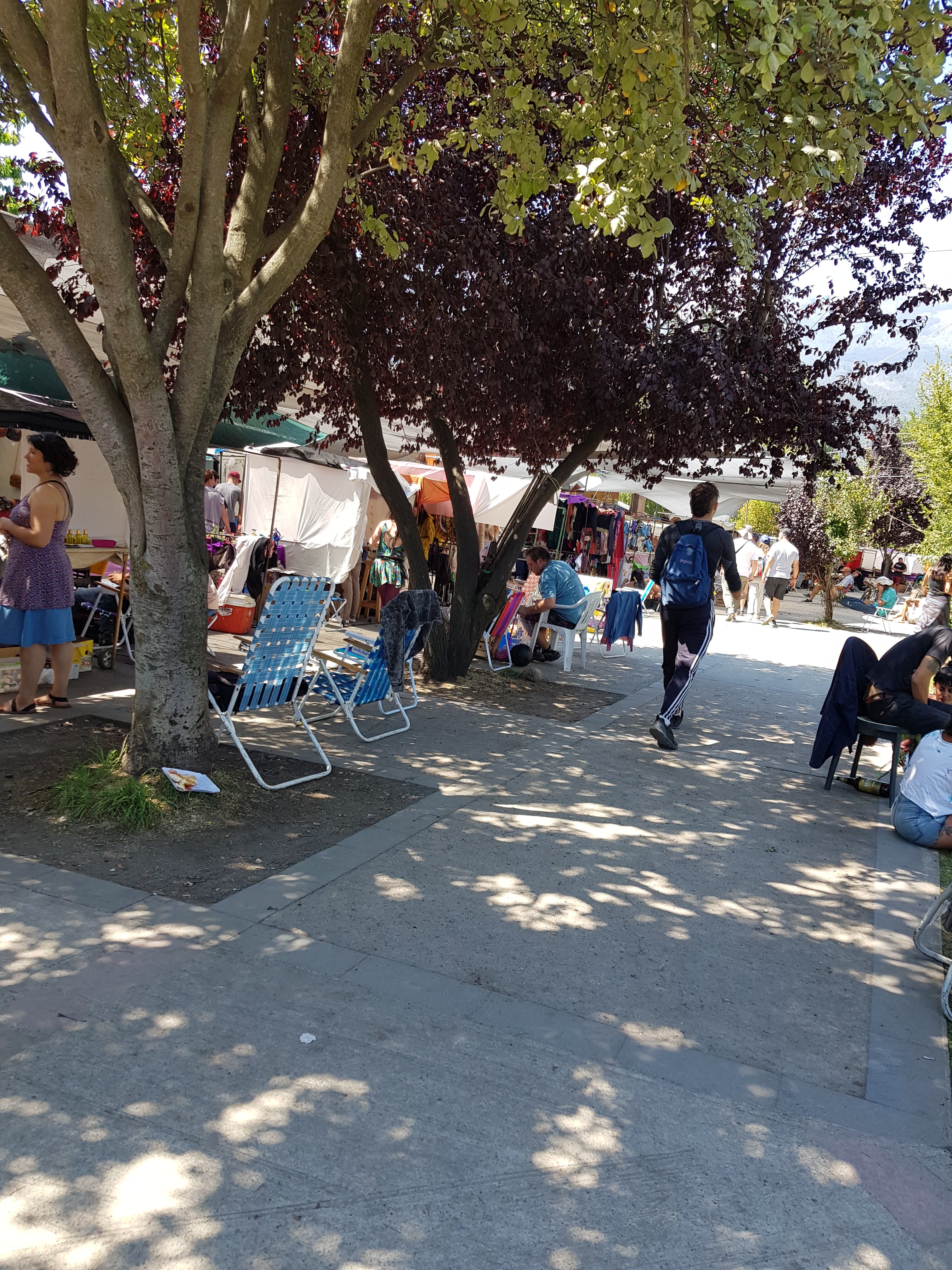
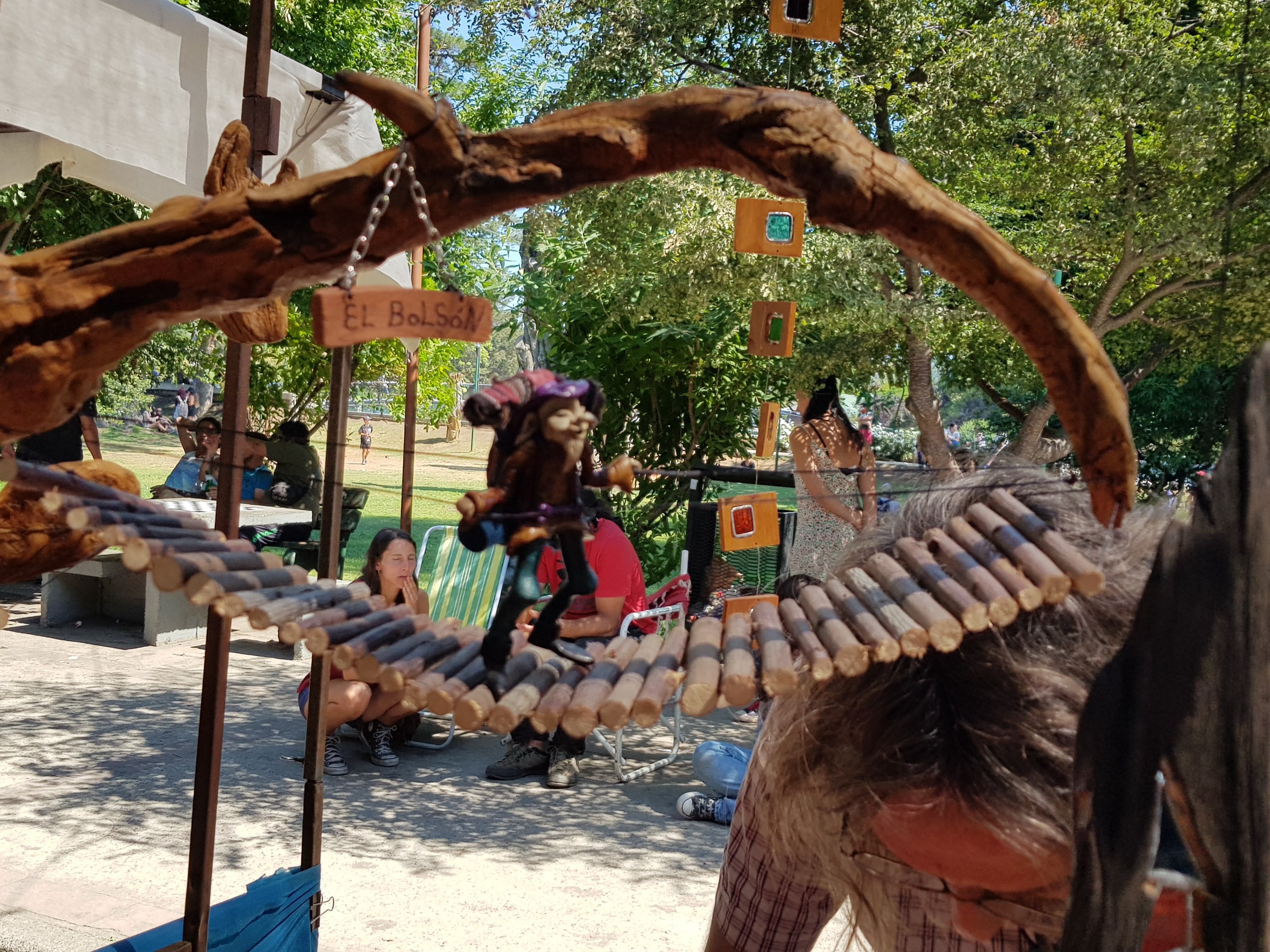
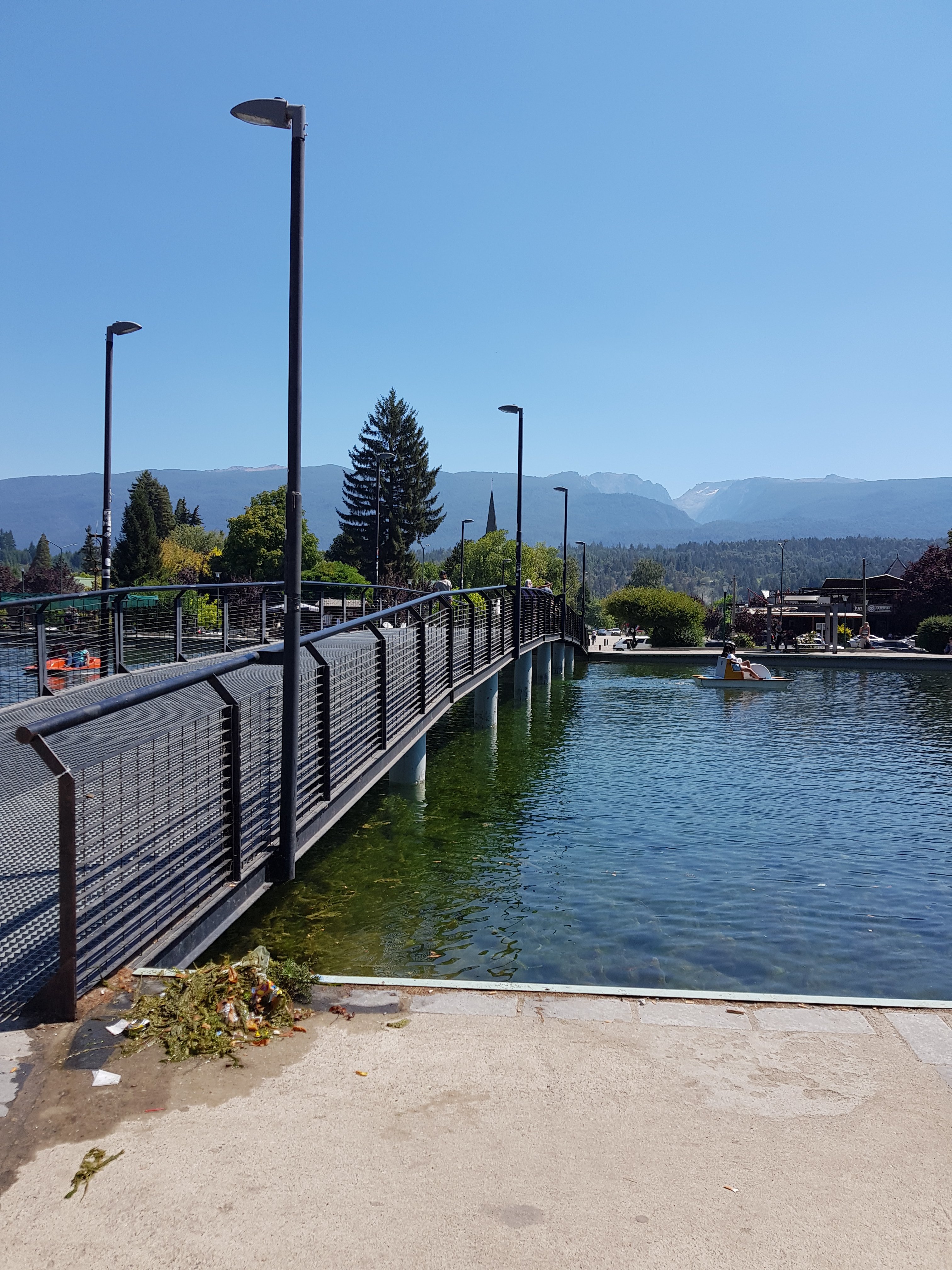
On arrival to El Bolson, I stumbled upon a huge feria (market/fair) with lots of artisan stalls and food vendors, besides a lovely river scene where people were enjoying pedal boats.

I think El Bolson is my favourite stop of the three, as it had a lovely mix of authenticity and fun for tourists. It was clean, and had lots of facilities. A lot of people that stop here do the 1-2 day hike to Cerro Piltriquitrón but I only had a day here and so not enough time. If I could do it again I would stay up to 4 days here. I did manage to make use of some other nearby hikes though.

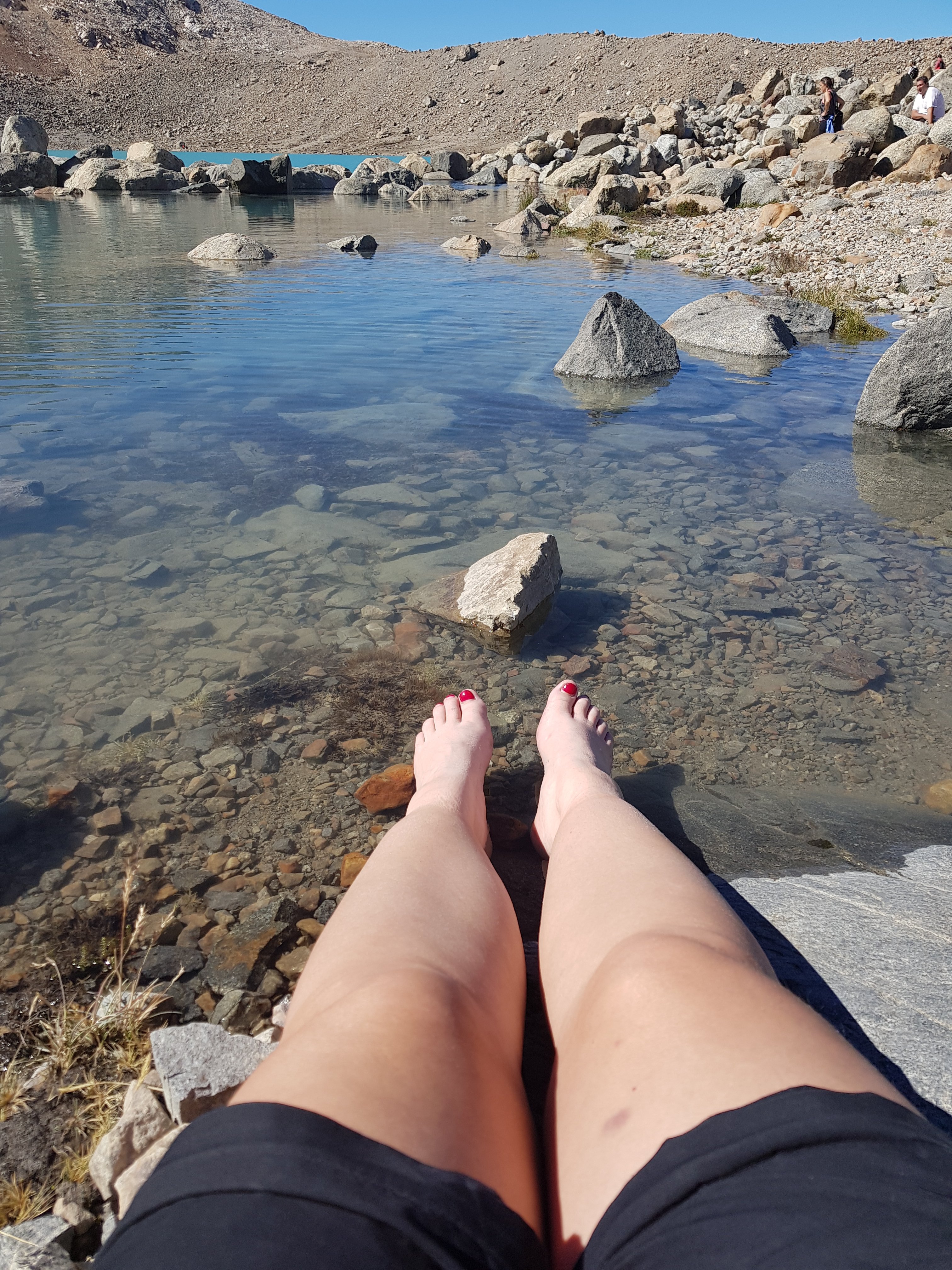
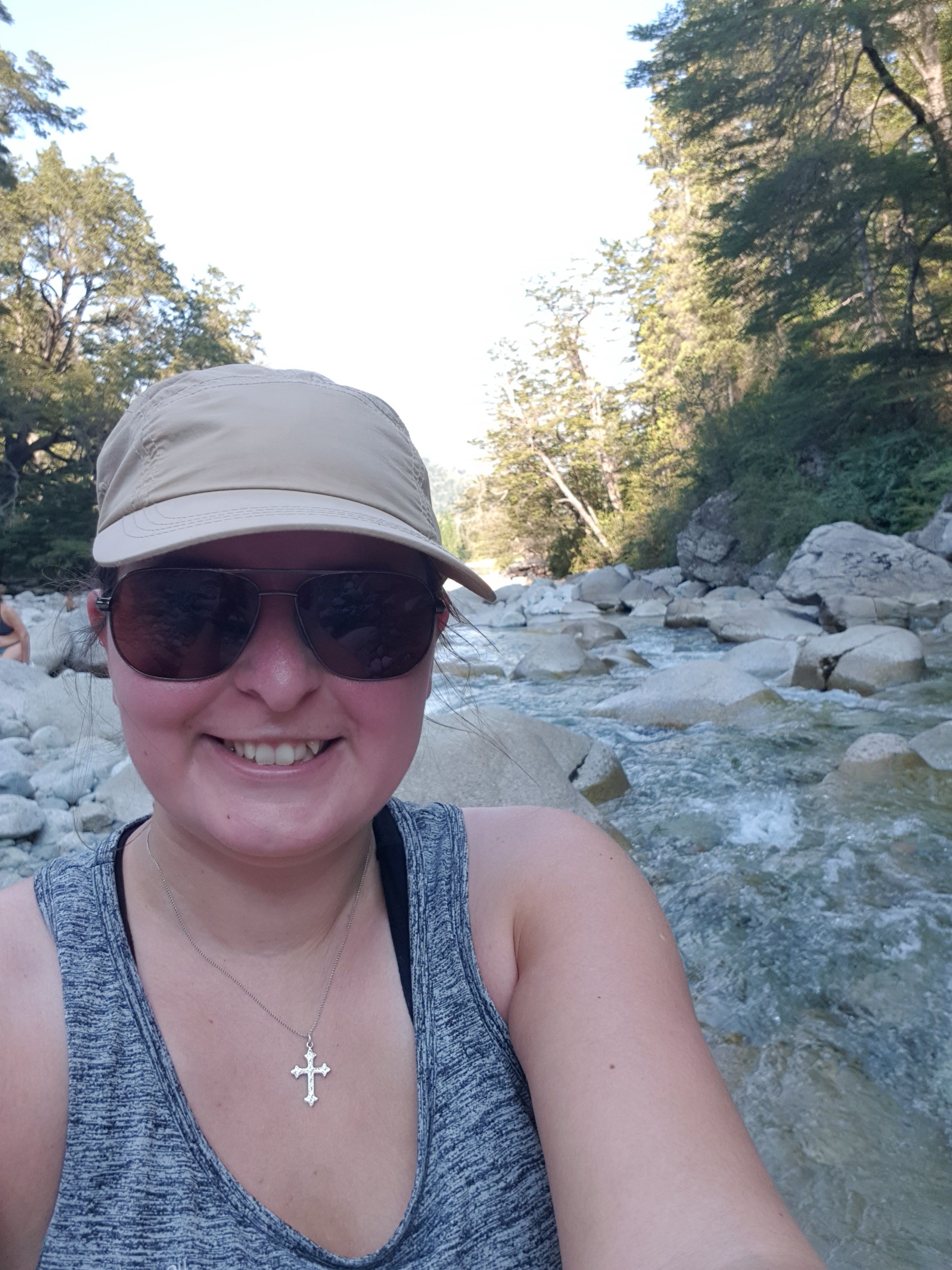
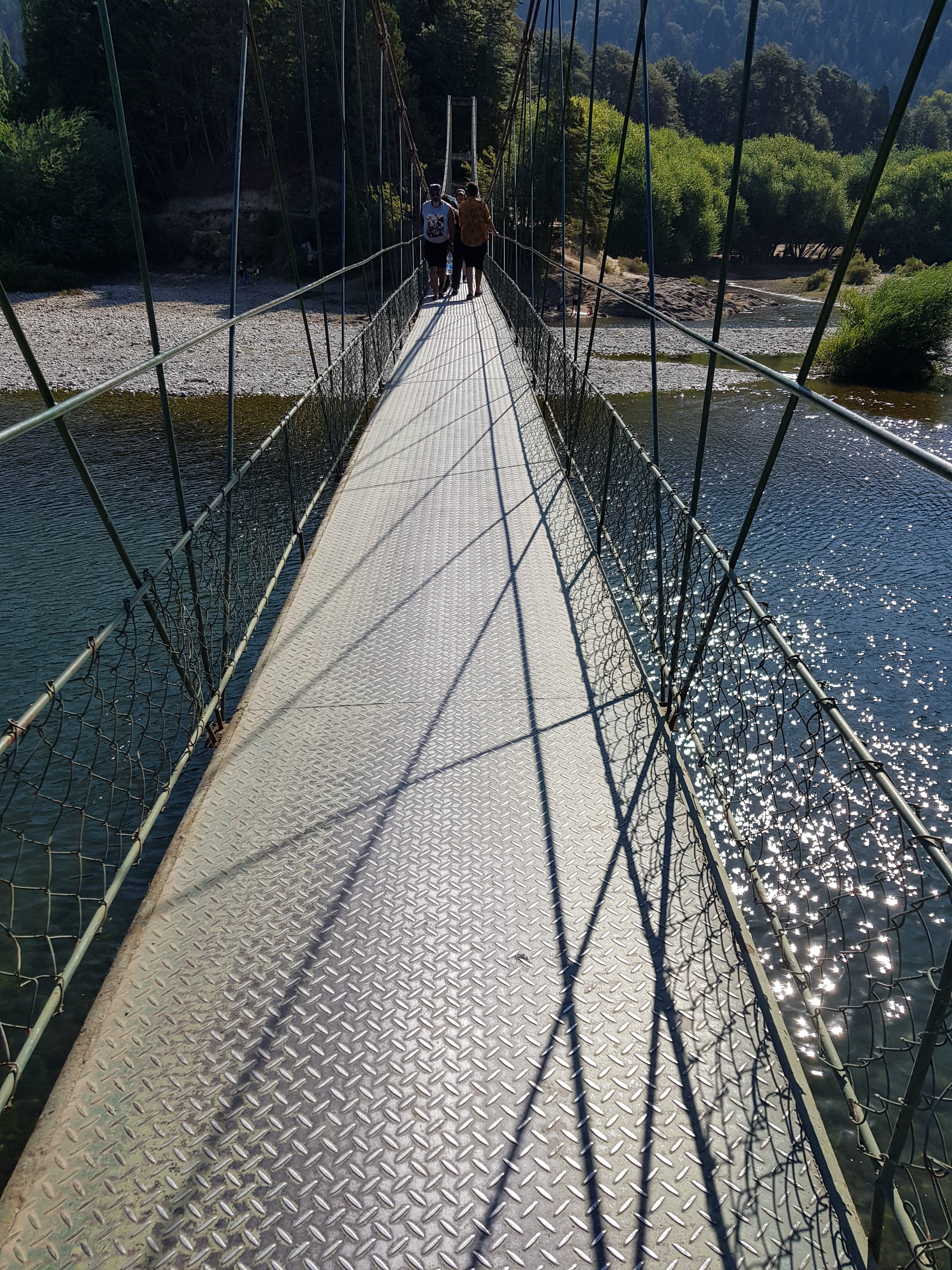
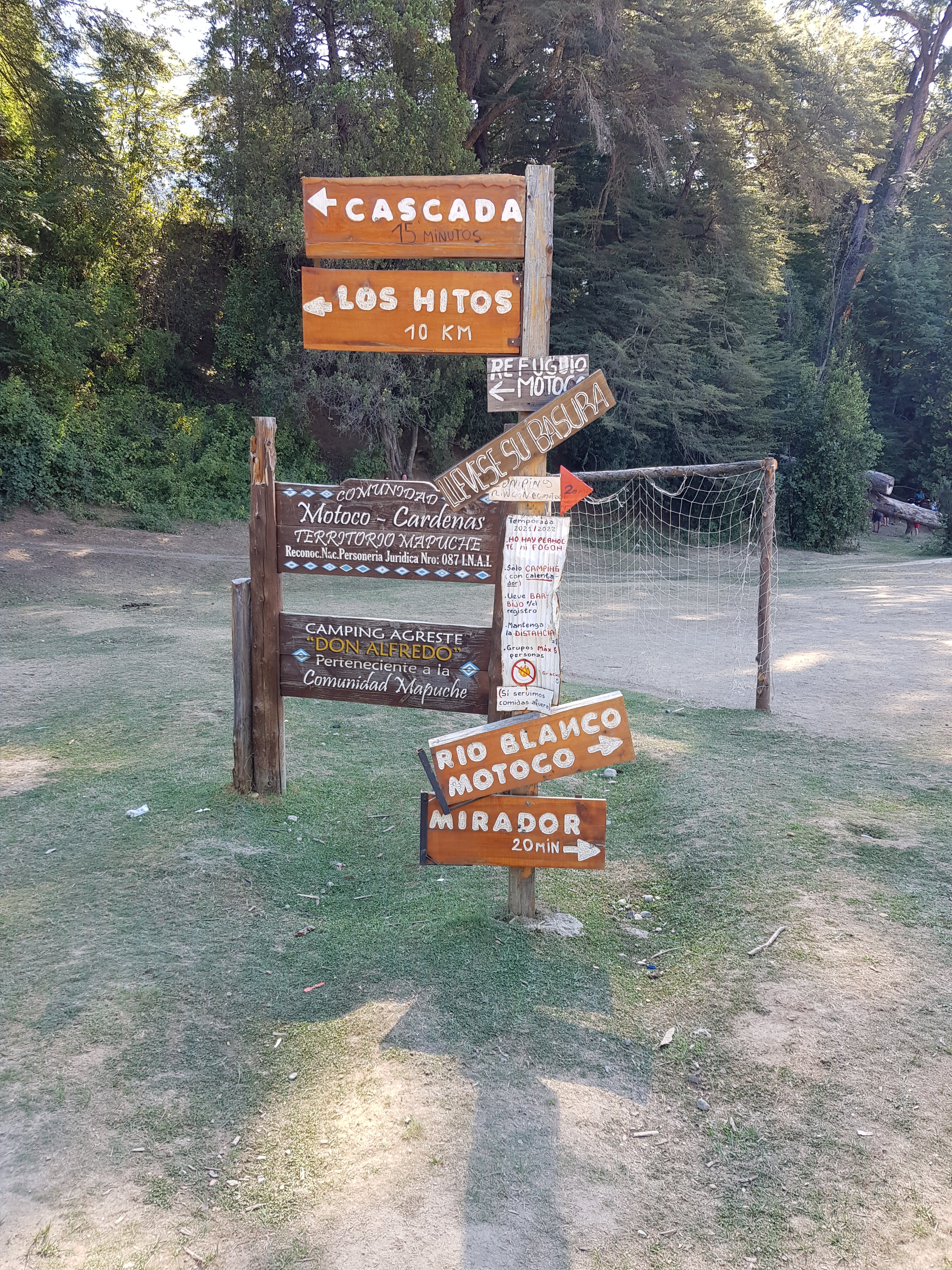
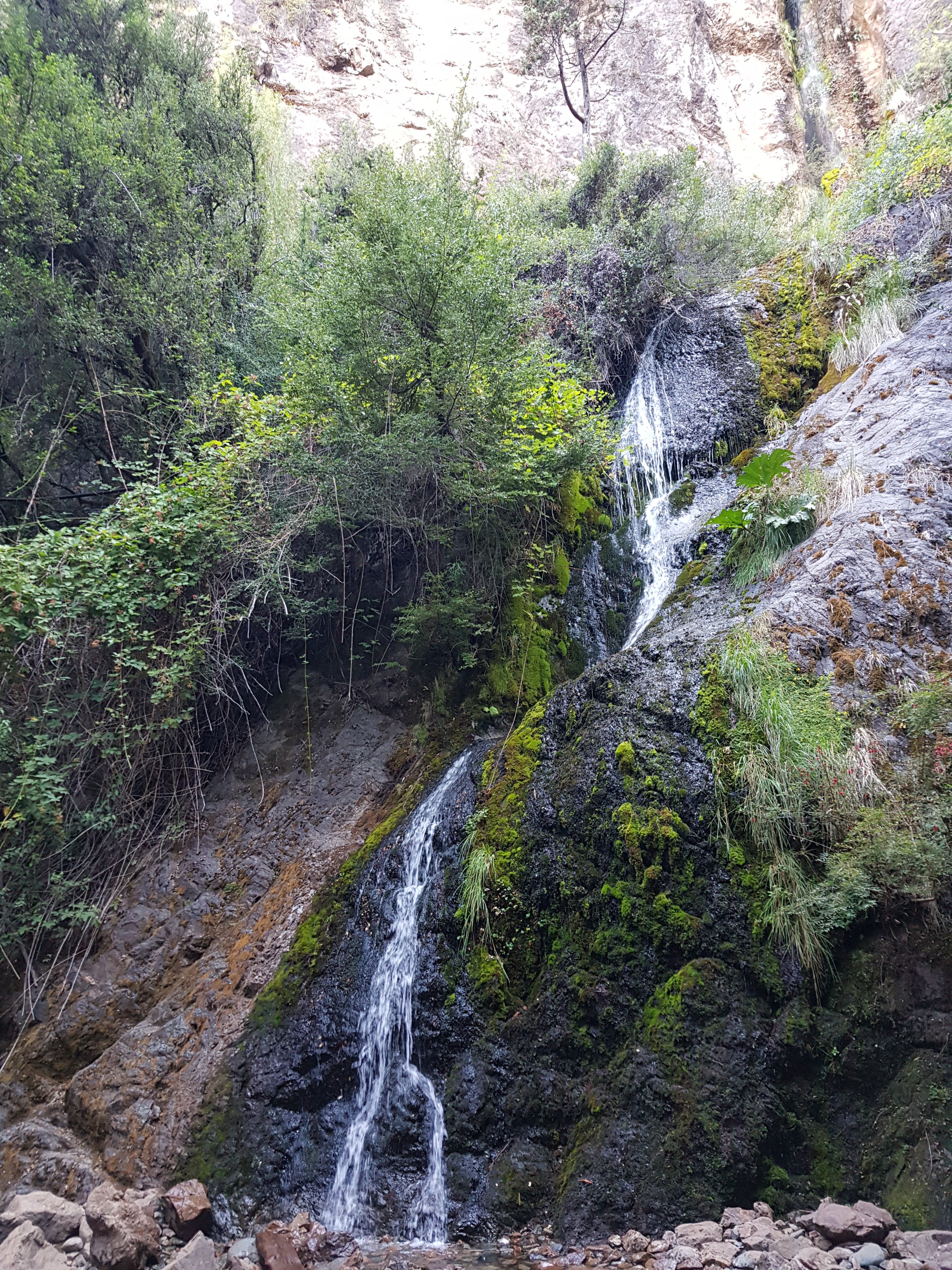
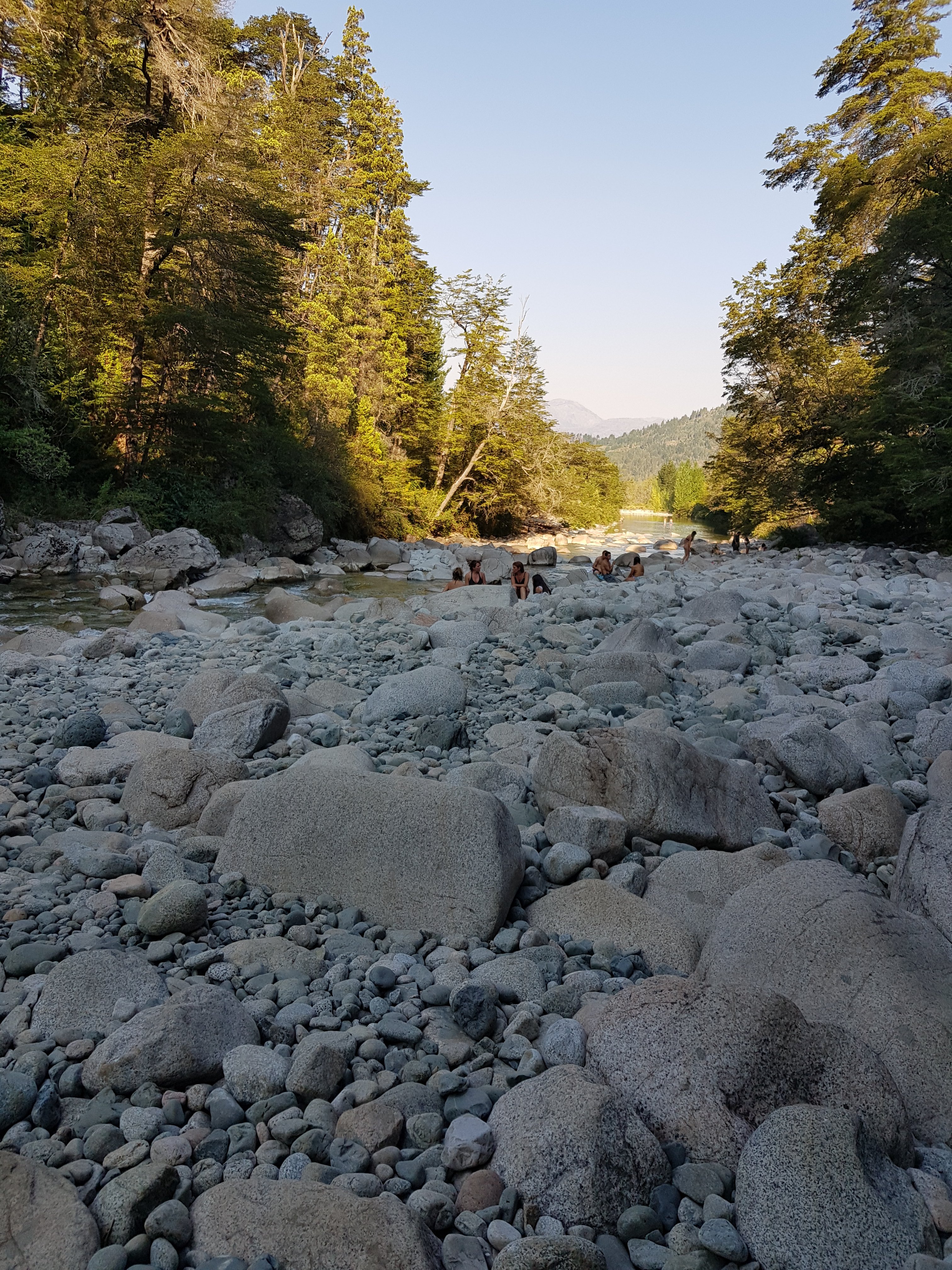
I took a cheap local bus out to a natural site that is part of the aboriginal Mapuche territory called La Pasarela. On arrival, I had no idea where I was. I approached a local aboriginal girl, in my best spanish, and she led me there, explaining that it is hard to find on a map. When I found the right spot there was a river with people swimming, and a little information point. The site is completely free to visit, and has many trails and things to see. I visited a waterfall, and then took a second hike to sit by the River Blanco. It was really refreshing on such a hot day.

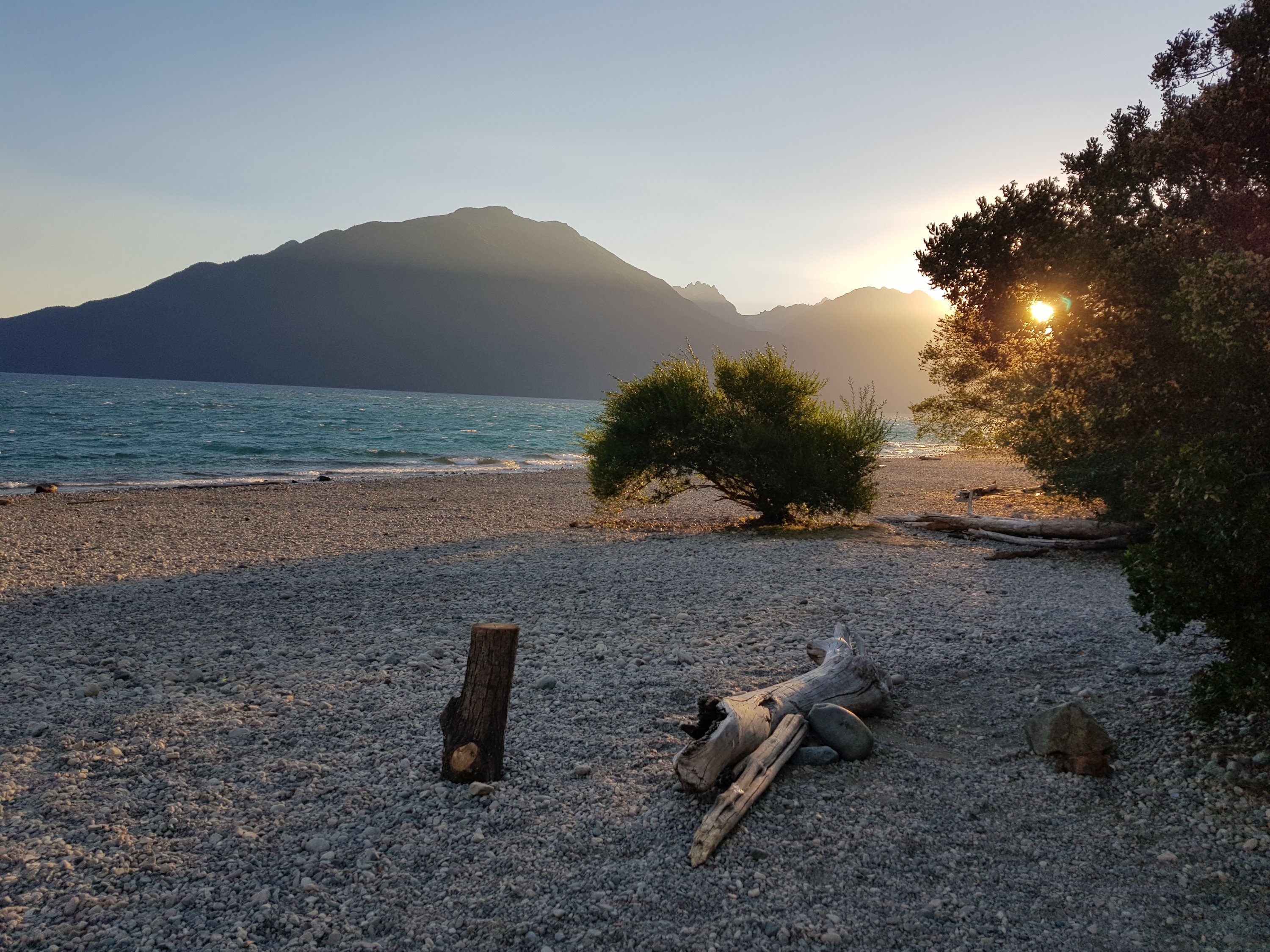
After visiting La Pasarela I hopped back on the bus for another 15 minutes down the road to Lake Puelo and enjoyed the views of this huge lake among the sunset.

Overall, the Lake District in Argentina is absolutely stunning. There is plenty to see as a nature lover. If I had the chance to travel in my own car, then I would definitely visit more smaller communities, and I would perhaps do more camping, as many people were spending long periods of time in each place whilst camping. For now, I travel further South!