Category Archives: Destinations

Camino de Santiago: Irun to San Sebastian

So, this week, I started my long journey to Santiago de Compostela (over 800km) from Irun. I will be walking for as many days as I physically can, and enjoying rest days in cities and some towns a long the way.

The journey to Irun from Zaragoza took a few hours on the train with a change in a town that I could not even pronounce. Most people go to Pamplona for a day first, as it is an easier transport connection and I think in hindsight, perhaps I should have. I had already booked my accommodation and train though, so I didn’t want to alter it.  I also just wanted to get started on the walk before the weather turned, and I think it was the right decision, as I had three days of sunshine.

Most people attempt to do the journey from Irun to San Sebastian in one day, but this is about 25km and includes a mountain hike. I decided to start gradually, and split my first stage over two days, with an overnight stay just outside of Lezo.

This was definitely the right decision. The hike was very steep and a shock to the system, after several days sightseeing on flat terrain.
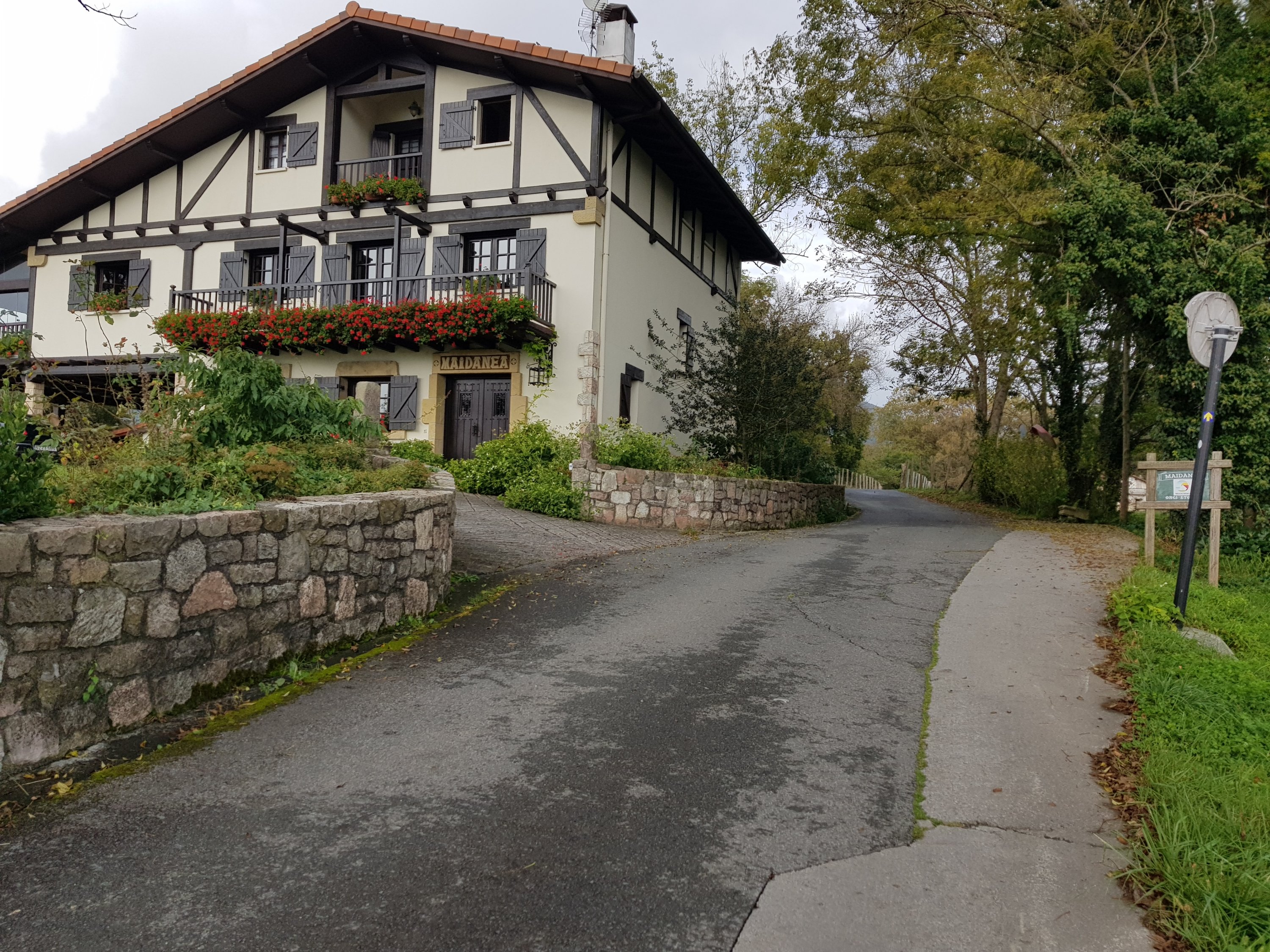
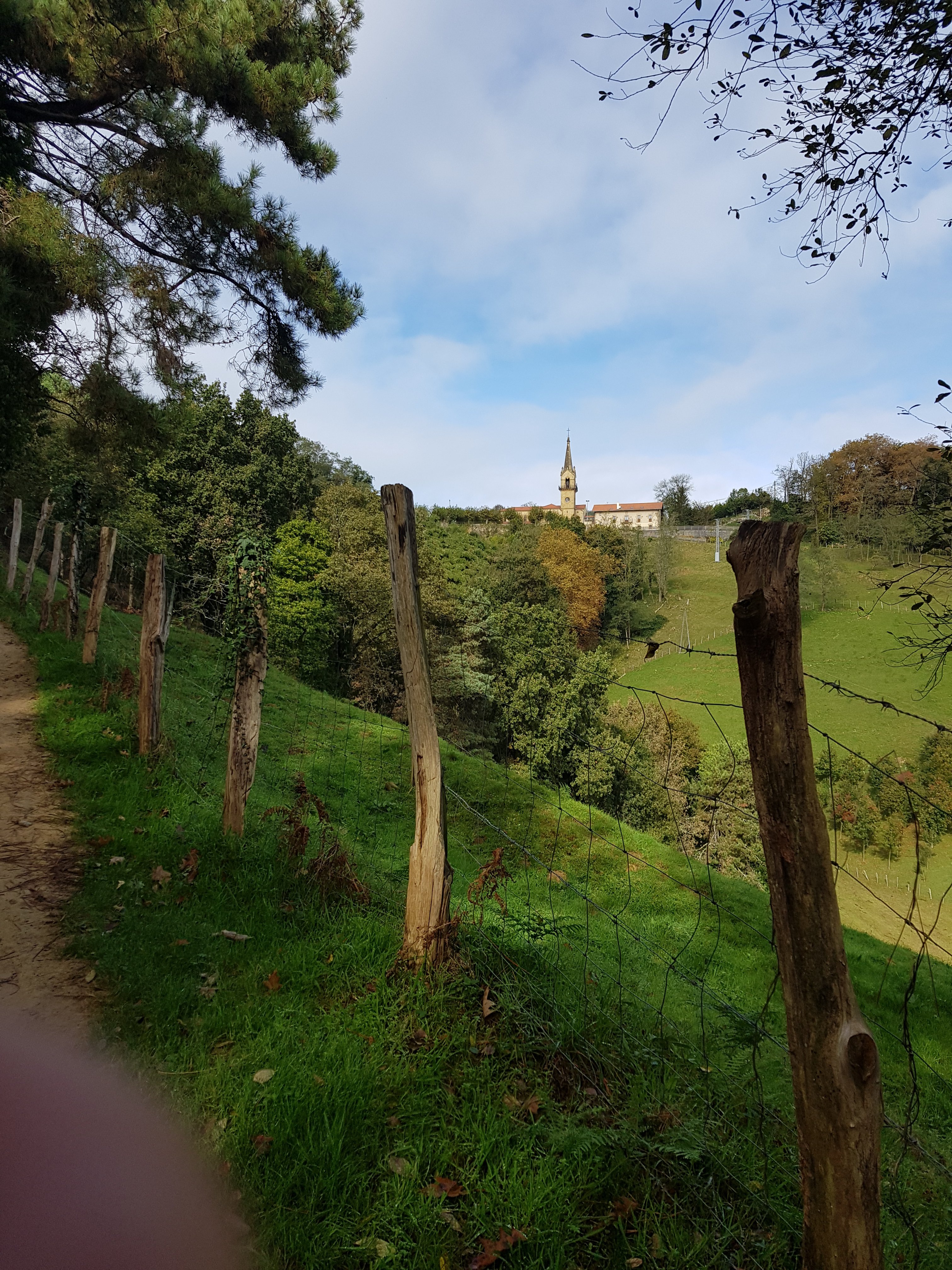
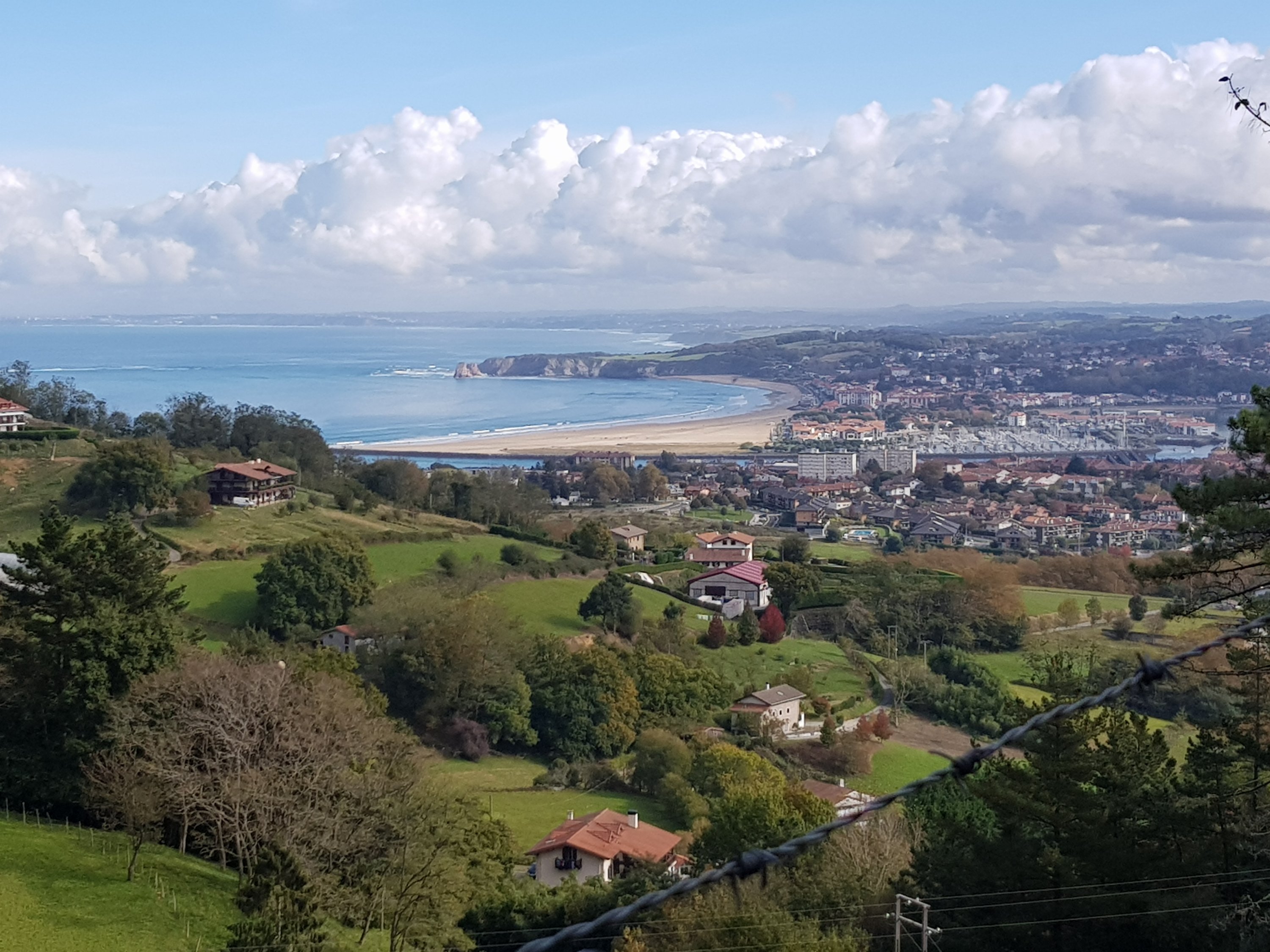
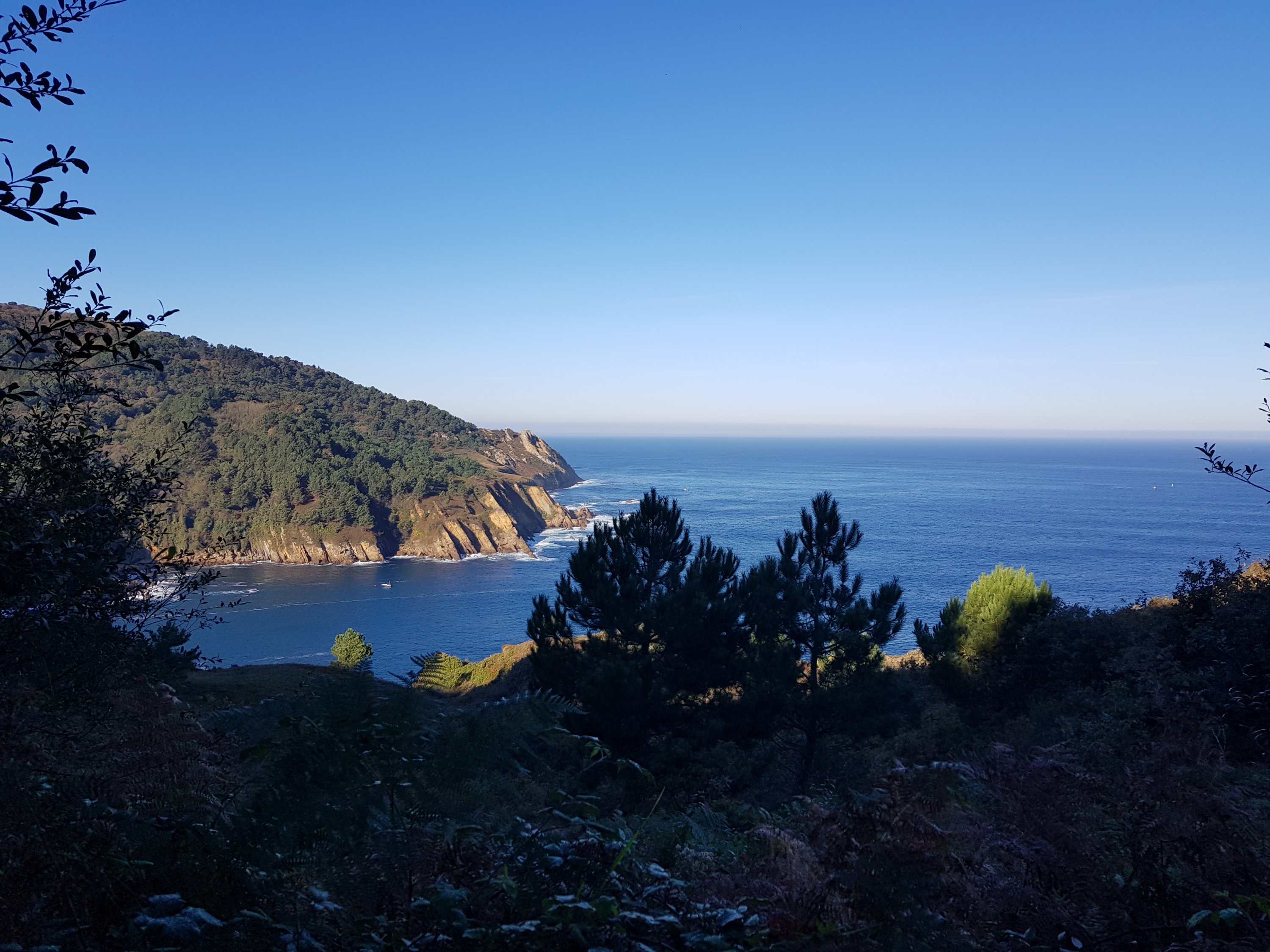
The walk took me up the mountain, with views of the sea and nearby beaches, coupled with traditional small farms, and picturesque houses.

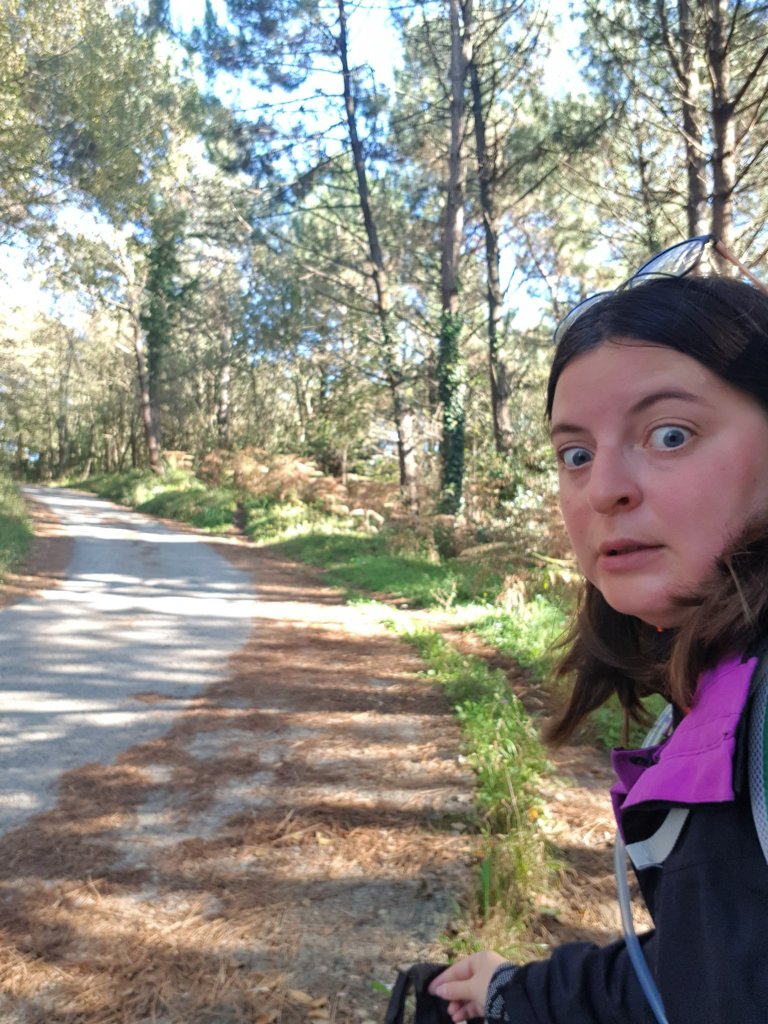
After the lovely views of the mountain and the gruelling walk down, I realised something unfortunate.. The hostel that I booked on the outside of Lezo, was on a major highway. I came to a busy roundabout with no crossing, and was perplexed at what to do. My options were few:

  • To climb back up the mountain and find another path to town, and then doubleback on myself..
  • To attempt to cross the highway and potentially be hit by a car at 80kmph.
  • Hitch-hike and hope someone took pity on me.

I considered my options carefully, and decided the best thing to do was wave someone down, and beg for a lift in my broken spanish.

I waited about 40 minutes and asked three drivers before I found someone that would take me across the motorway.  A lady with her teenage daughter and a horse trailer on the back of her truck felt sorry for me and agreed. This was a blessing. I ended up talking in Spanish with them the whole journey to the hostel, and they were very chatty. I also felt like this was a great opportunity to get over any ‘stranger danger’ fears I had.

Once I was at the hostel, I met several men that I was sharing a room with, including many Spaniards and a frenchman that spoke great English too. They were very friendly and the frenchman offered to drive me into the town the next morning, which again was super useful as the motorway was too dangerous to walk. I must make it clear that the motorway is not part of the route, and was a poorly planned detour by me.
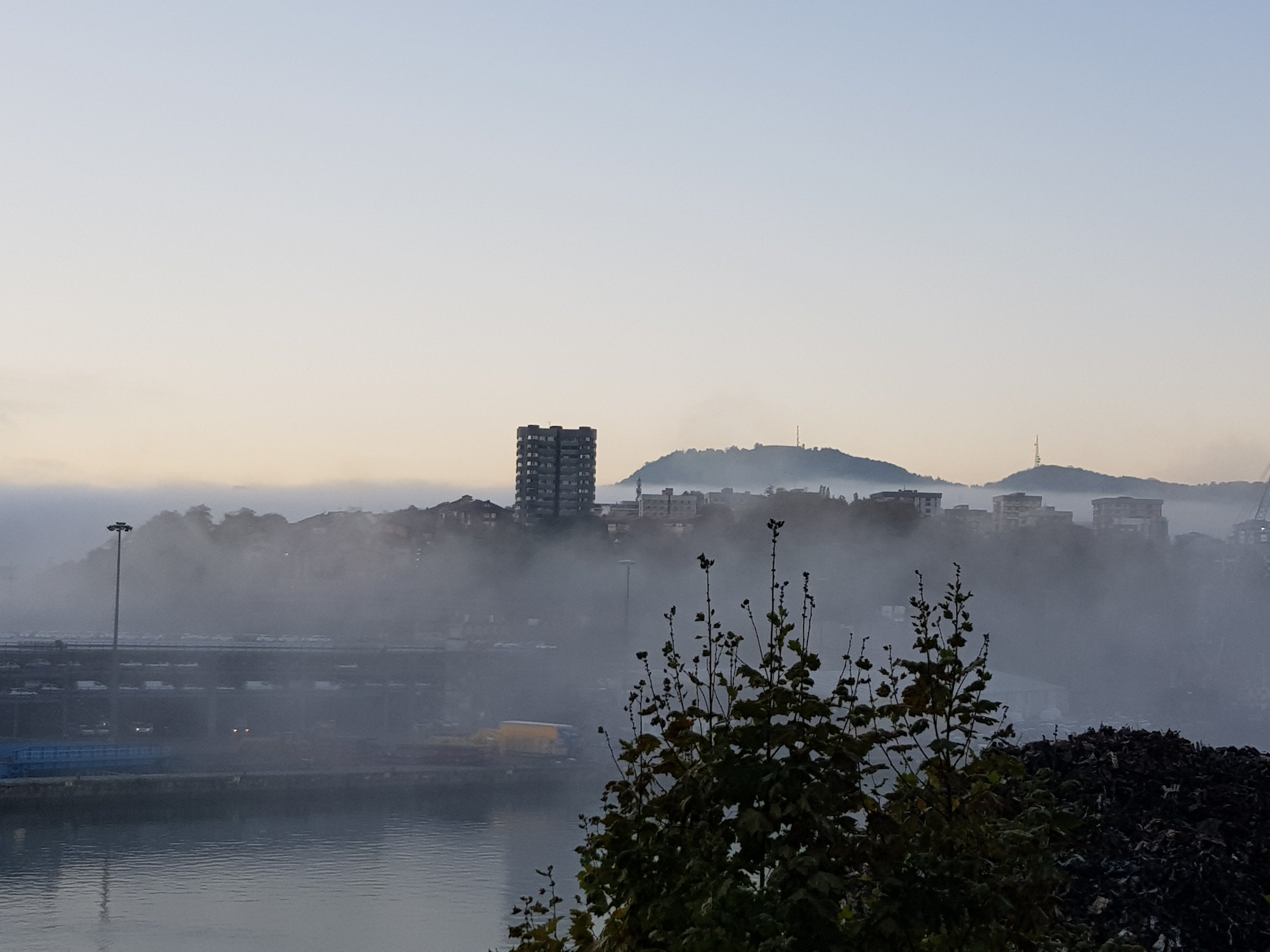
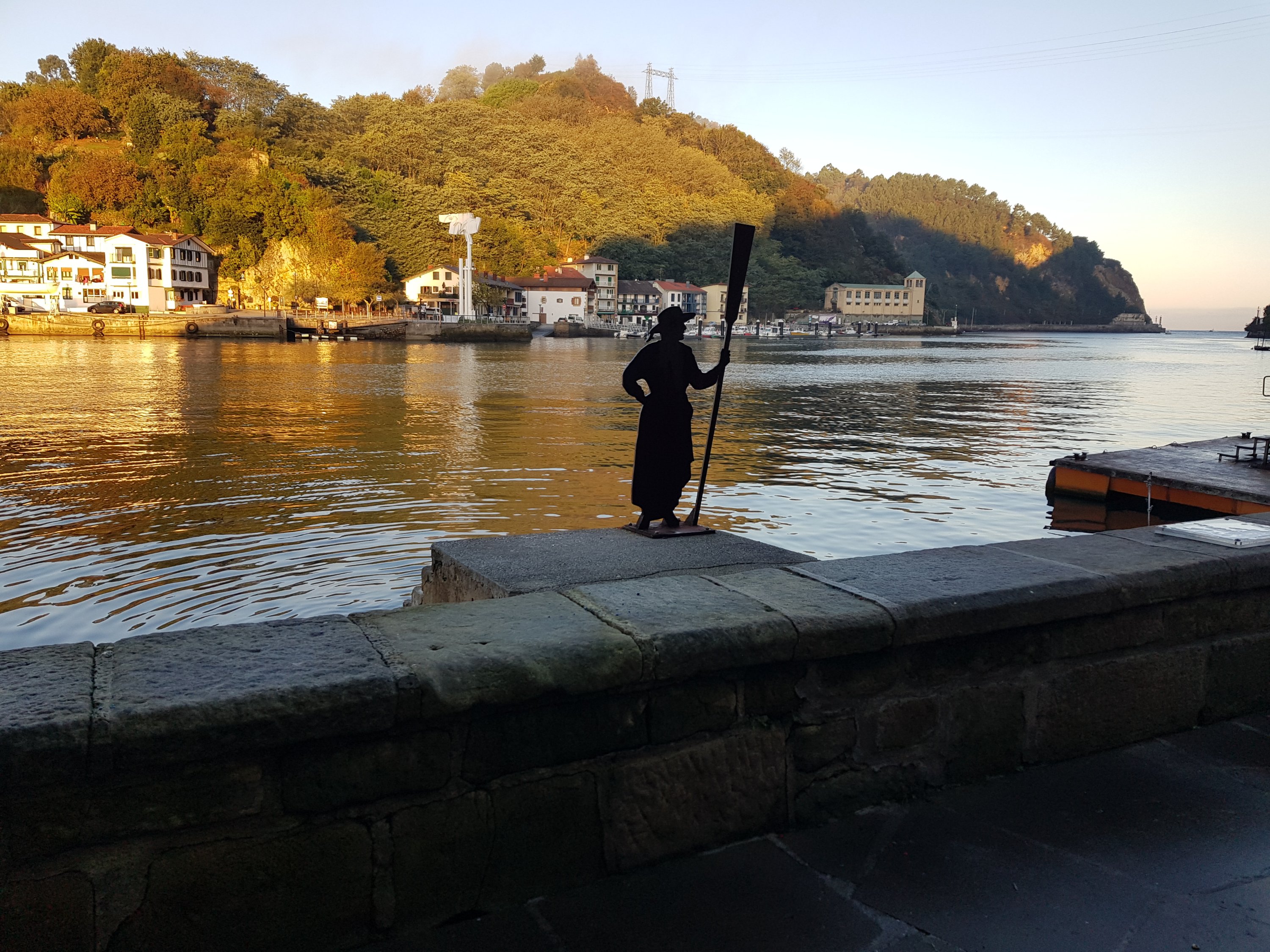
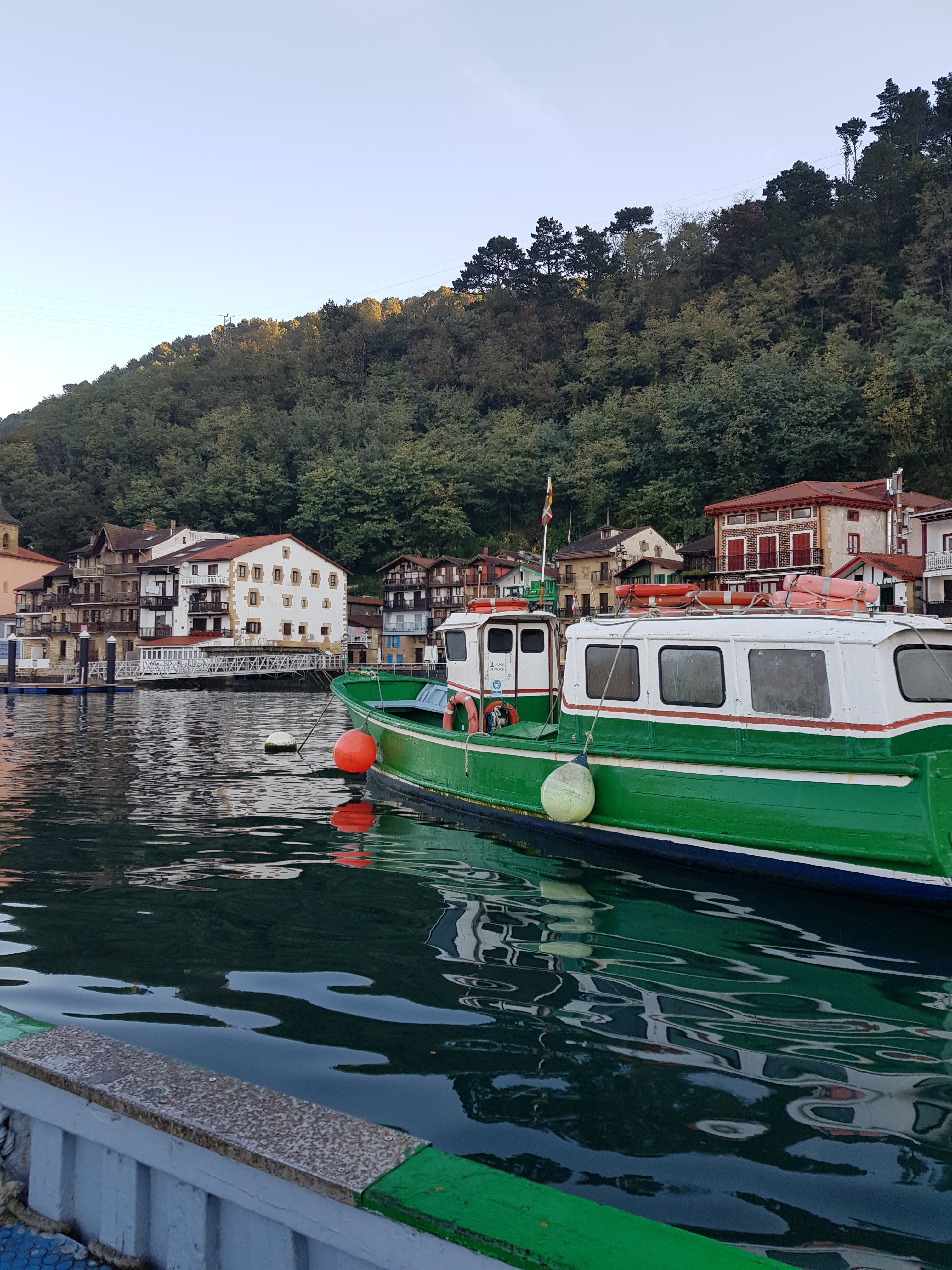
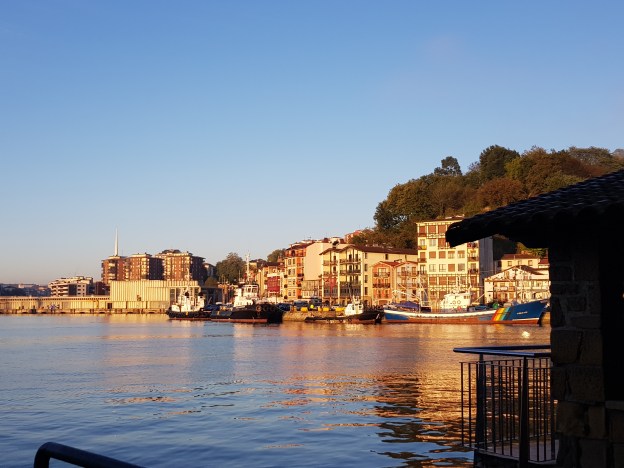
So the walk continued on! I had some beautiful towns to wonder through as well as a cute little boat taxi crossing for 90 cents.

On the other side, there was a steep climb through a town when I came across the most craziest and beautiful thing… a set of escalators in the street! I felt a pang of guilt and then I got over it… this took me up three streets and I just thought it was part of the fun really! I have now discovered that many of the large towns and cities in this mountainous area have escalators and elevators to take you up to other streets higher up. There are even elevators that go underground to take you to disguised car parking and public toilets areas. The mountain people know how to live! 😀

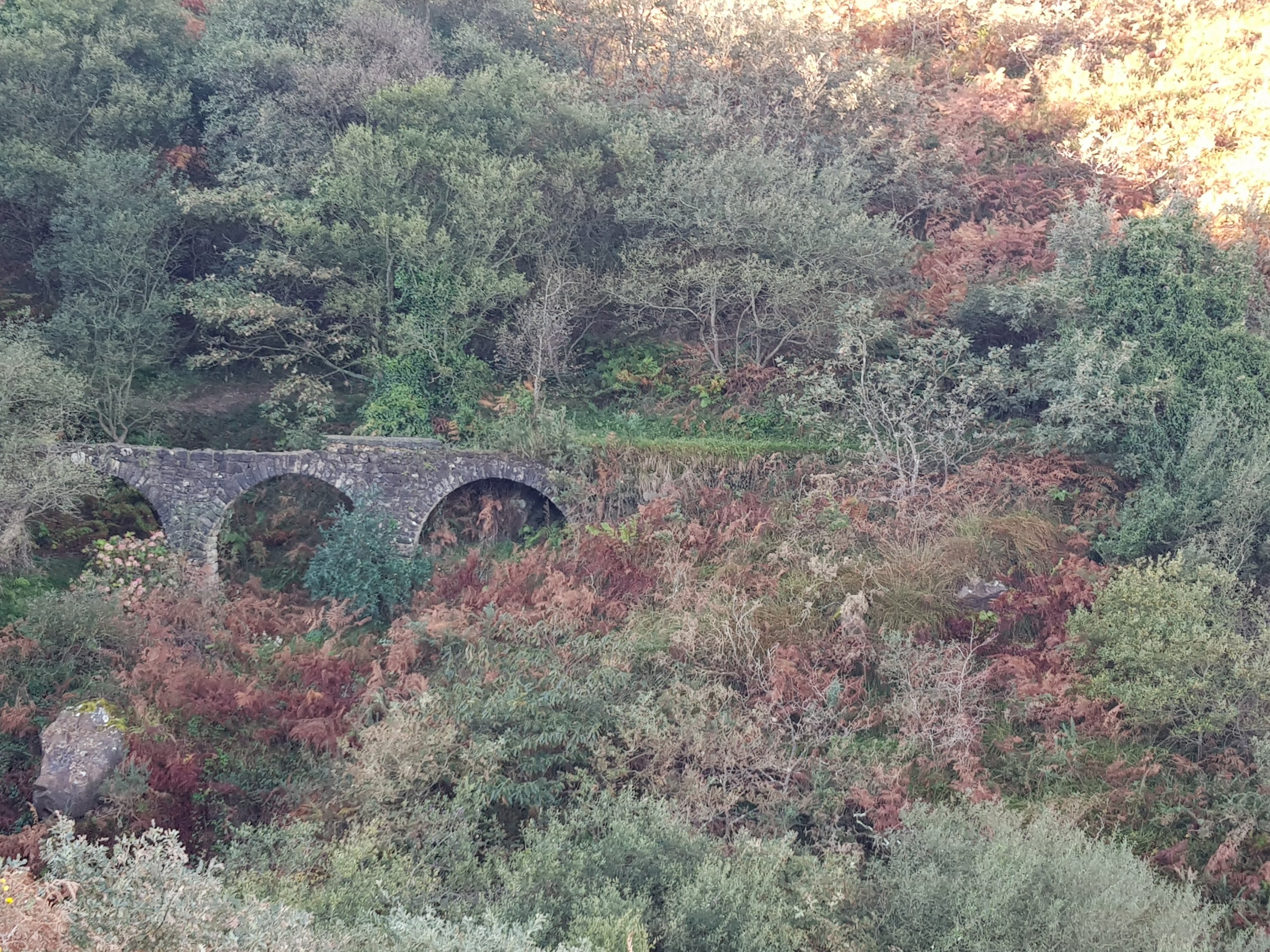
More hills, and mountains, and what felt like never ending ascents, and I began to come out through forests. The Autumn colours are in full swing now (late October), and this was really beautiful. There were even historic bridges, and forts hidden in the woods, between the foliage.
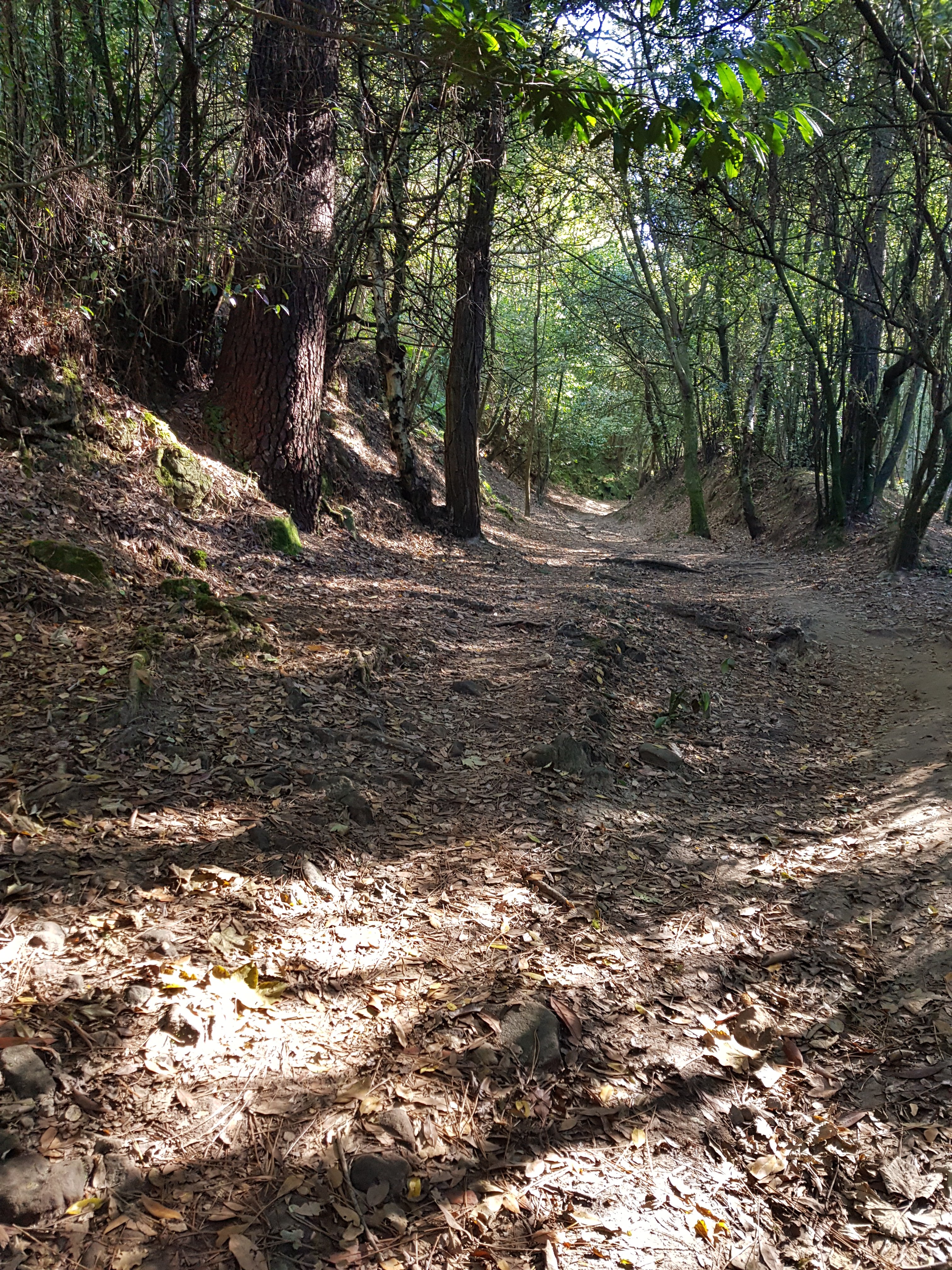
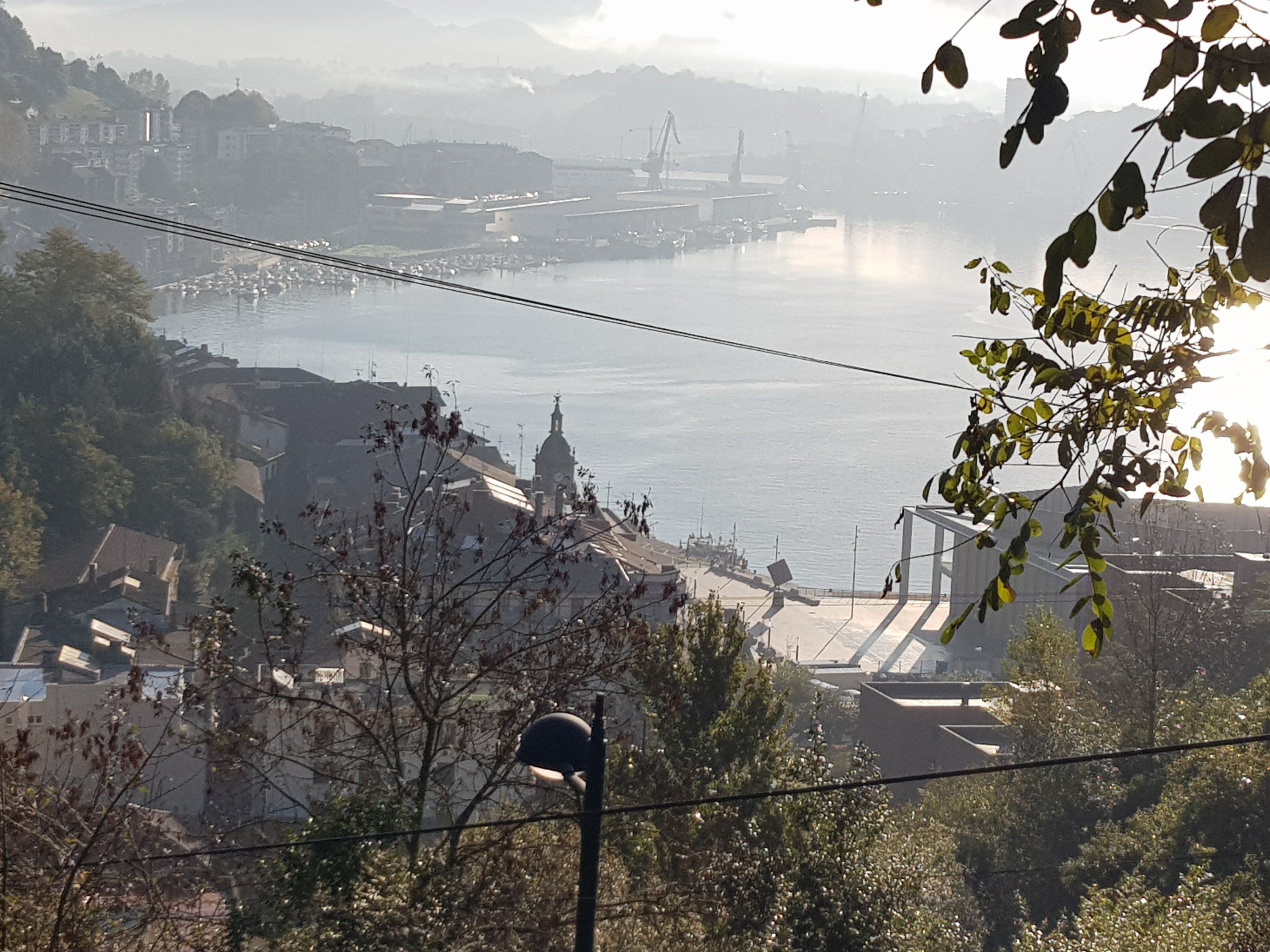
By the time I got to the bottom, I really wanted to be there by now. It had been over six hours and my legs hurt. The views could no longer take the pain away… and then I saw it. SAN SEBASTIAN! HALLELUJAH!
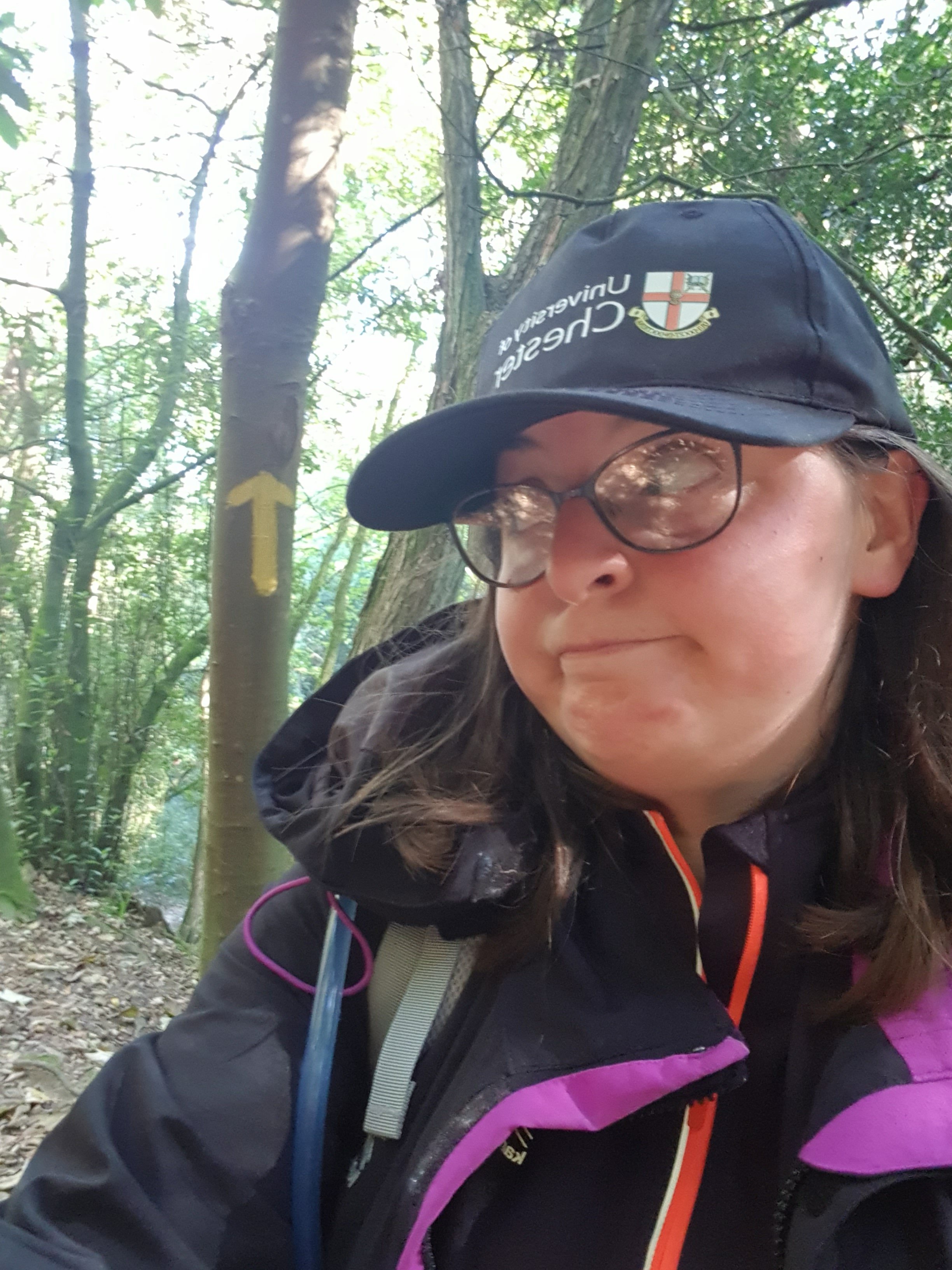
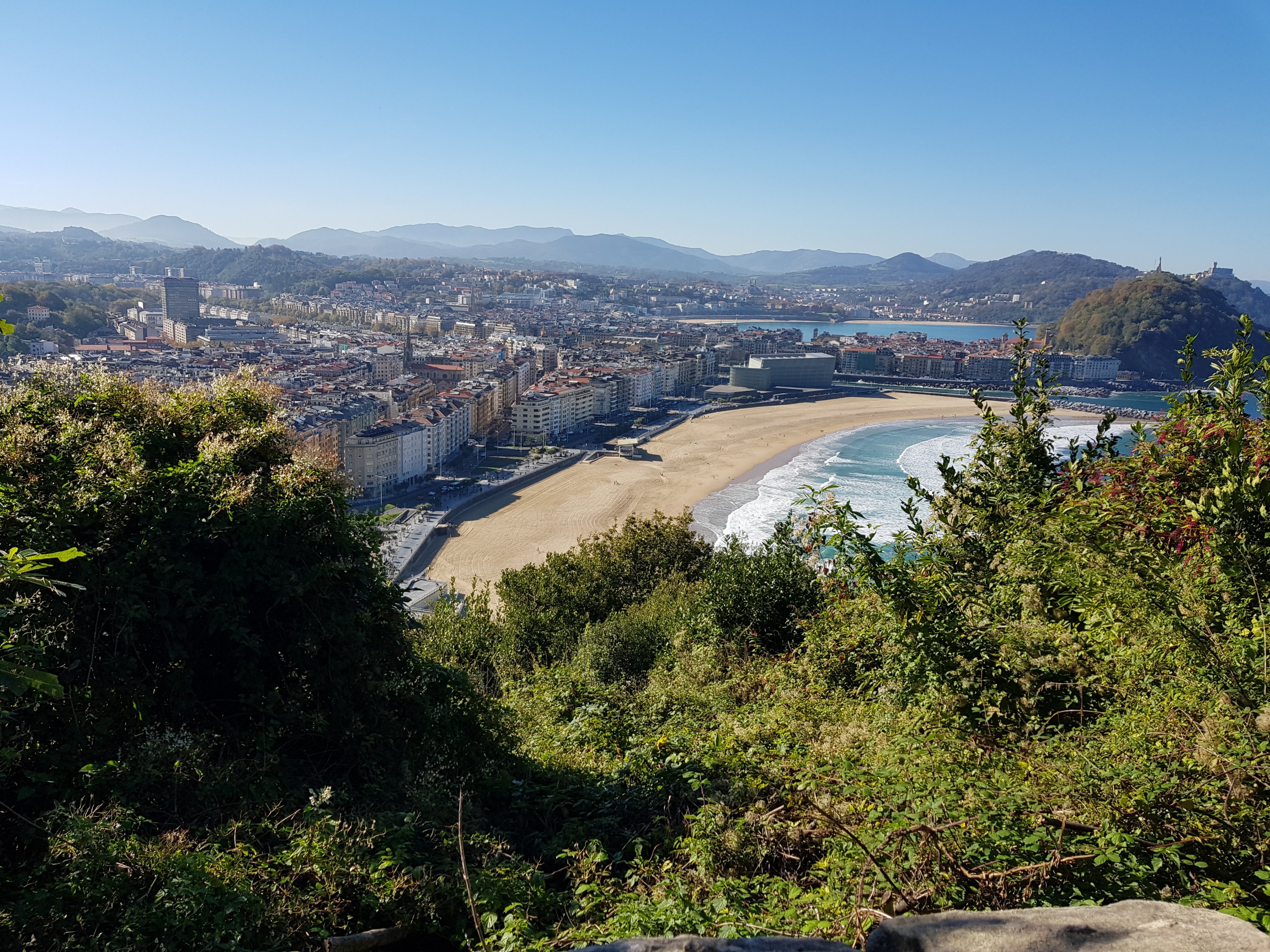
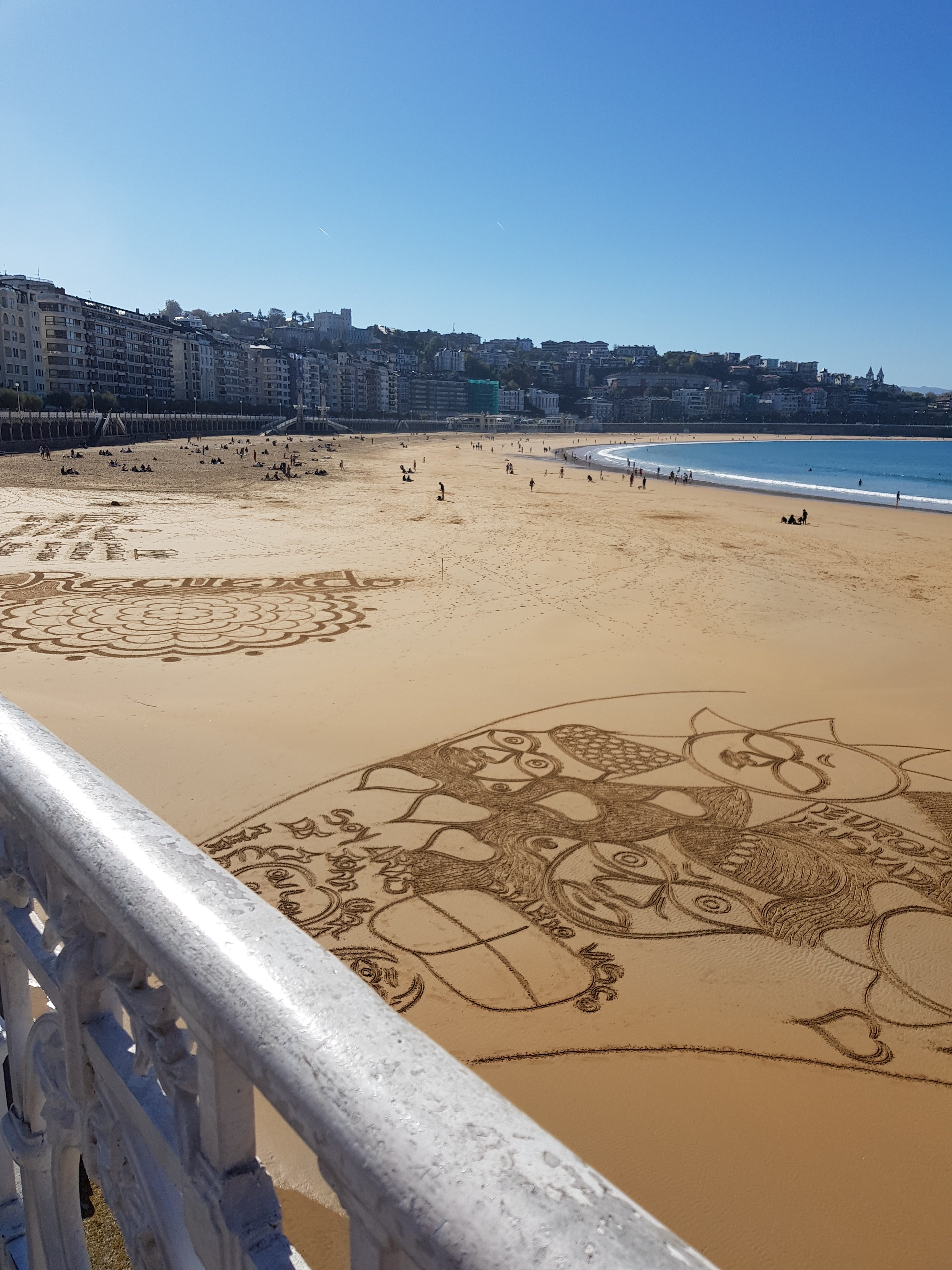
I had two nights in San Sebastion, so that I could rest after my first stage. This city is gorgeous, I think this with each new city that I go to, they just get better!
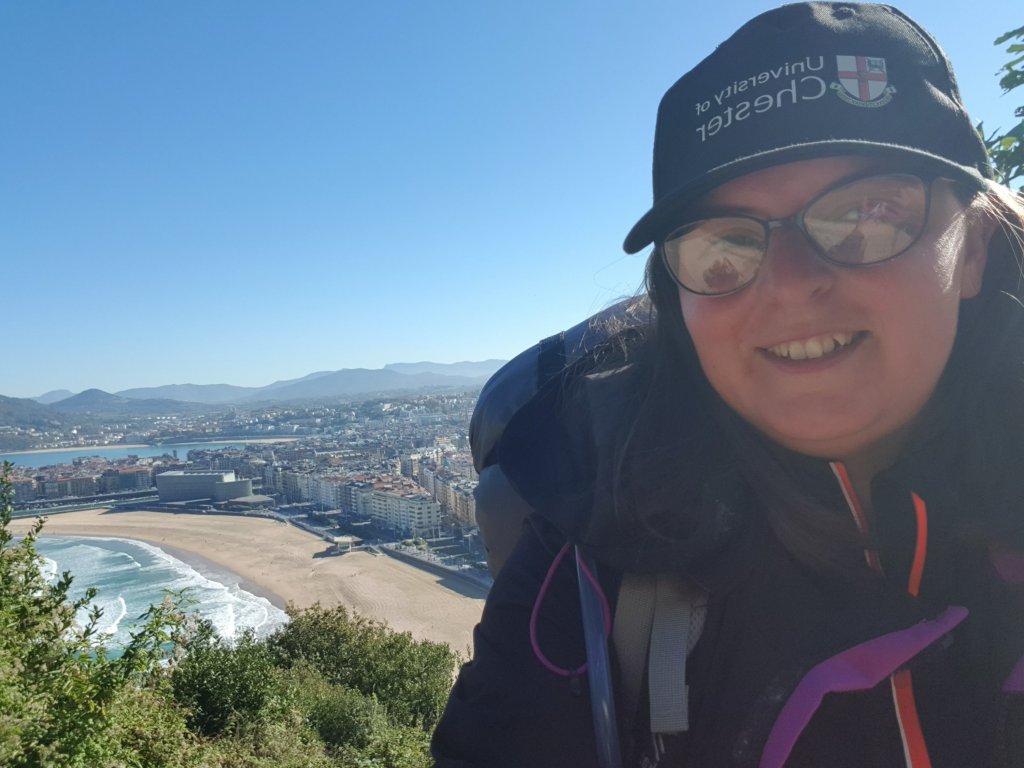
San Sebastian / Donastia

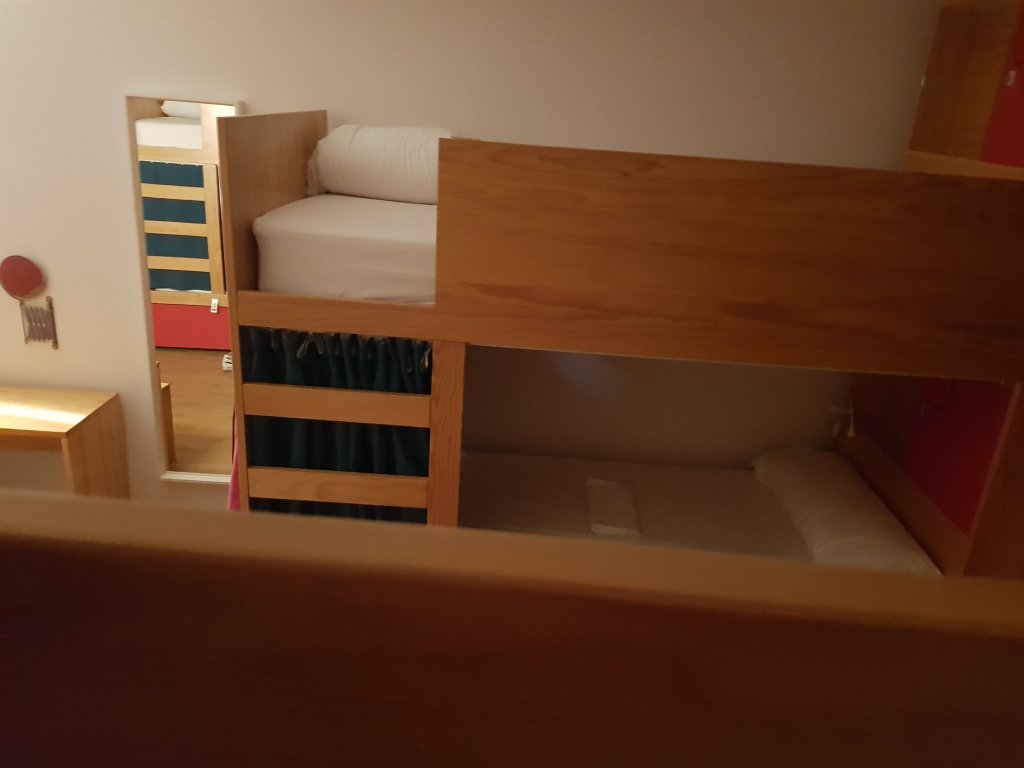
This city on the water, is really huge, and my hostel turned out to be 30 minutes from the seafront 😢 but the atmosphere at the accommodation was good so I got over it.

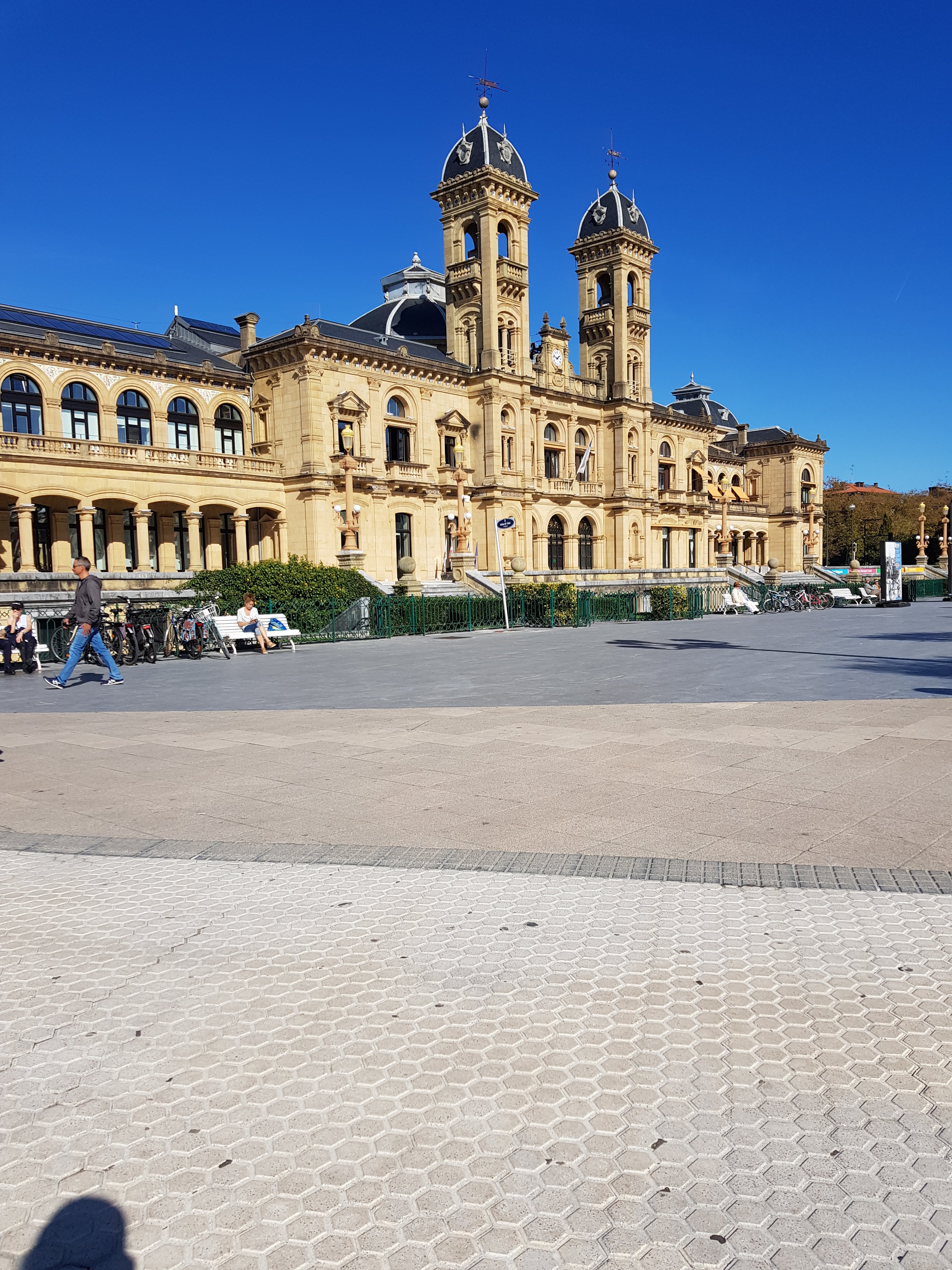
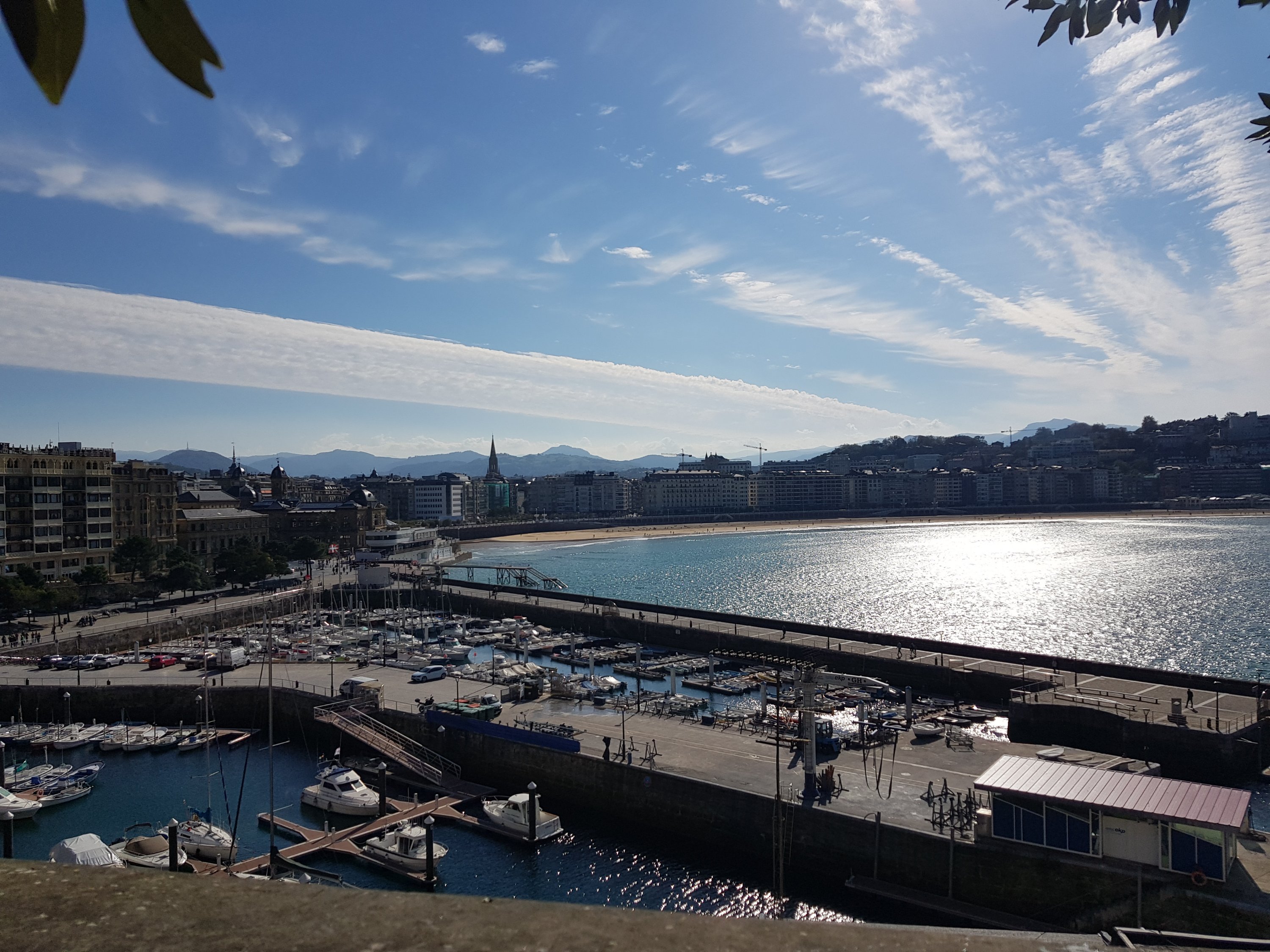
The city seems to have several elements; a beachfront and promenade, a harbour, busy centre, old town, a castle on a hill, and then outskirts of communities and work places.
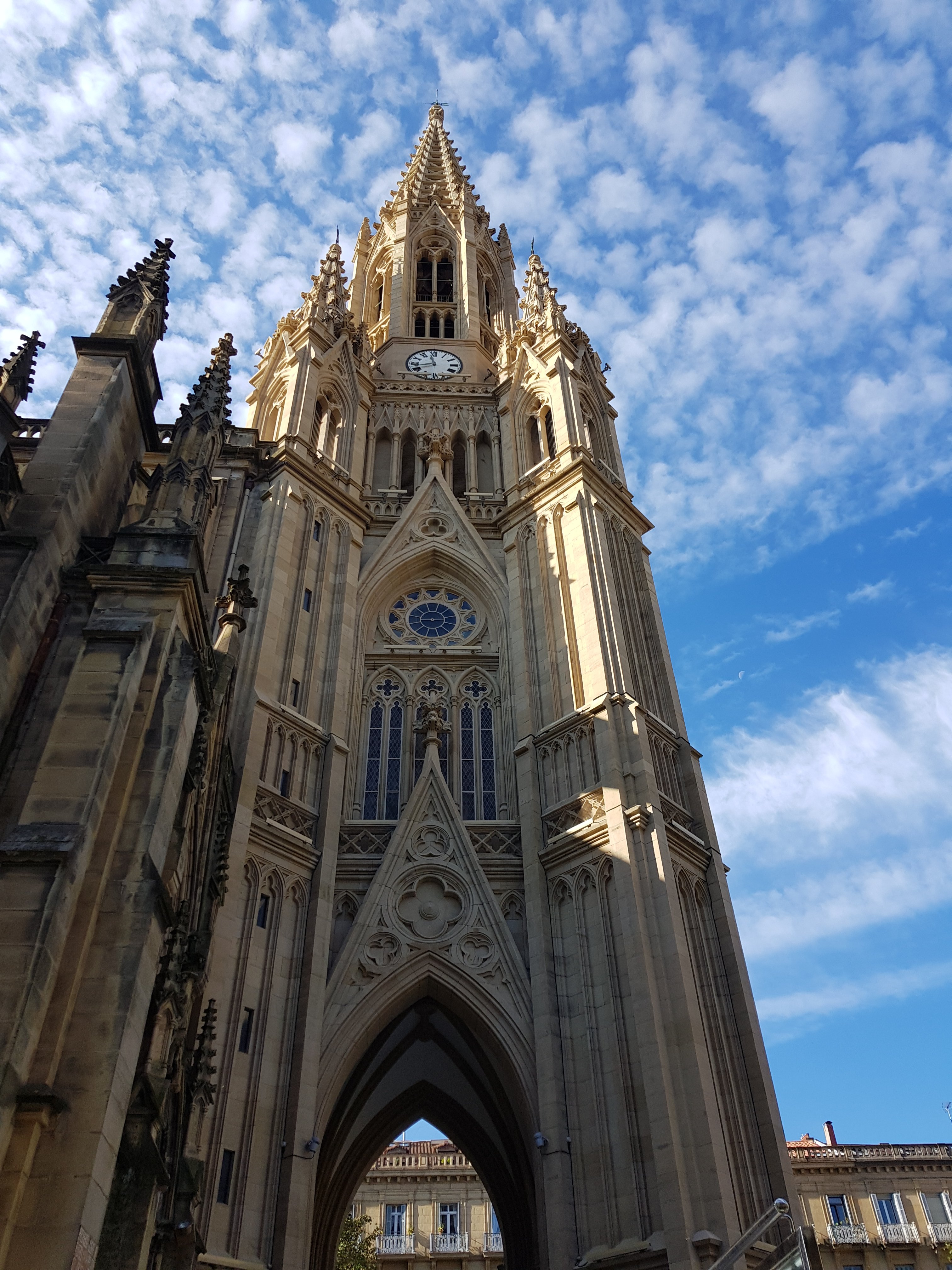
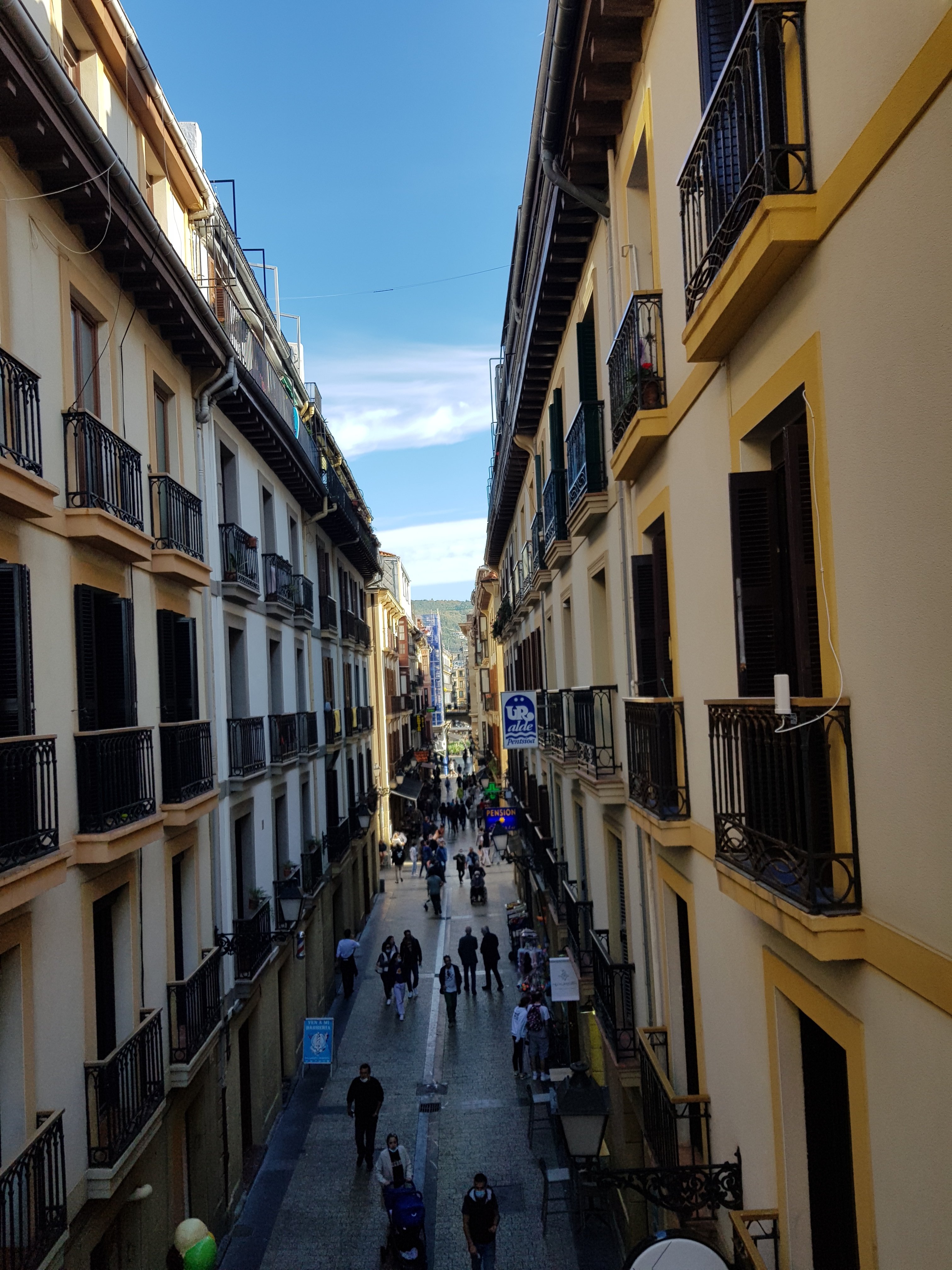
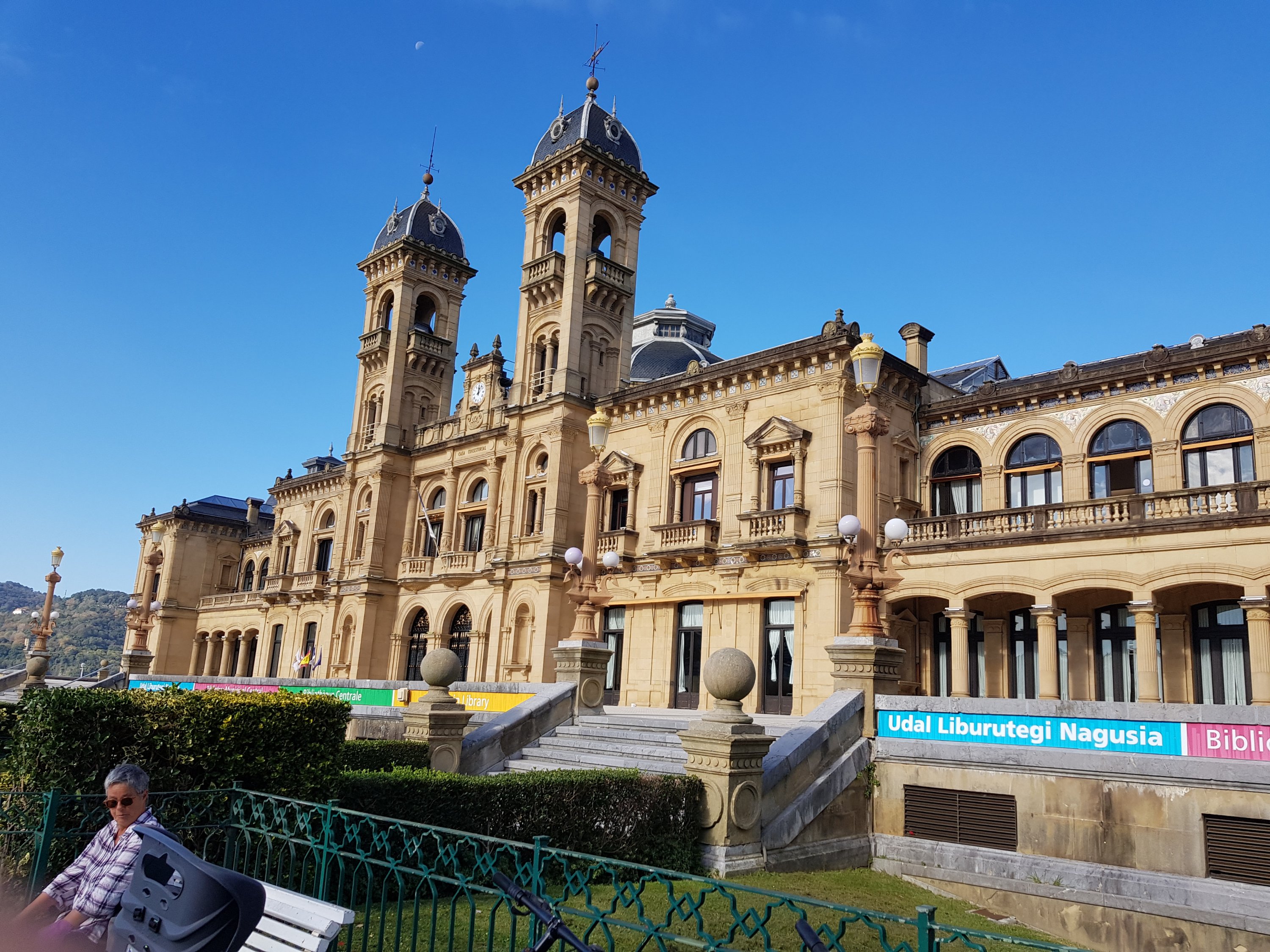
I visited the Cathedral and collected my stamp in my special pilgrim passport, and wondered around the city’s edge and old town. The old town is very pretty but quite touristy, and if you venture a little further along to where the market is, it is a little nicer. You can also walk all around the sea walls and what seems to be the old city walls. I would really recommend doing this walk, there are plenty of nice views and benches to sit and just enjoy it.

I had to remind myself that I was supposed to be resting, so after my little stroll, I sat down.. I ate a lovely chocolate brownie, definitely breaking my set budget, and then laid for several hours on the beach. It was the last day of 22’c and sunny, so I am so glad I did this.. even if I had to sit on my laid out trousers as I had nothing else.

In the evening, I decided to become part of the local scenery and continue sitting. So, I took myself to the local cinema, and I watched the new James Bond movie in Spanish. It was an excellent evening.
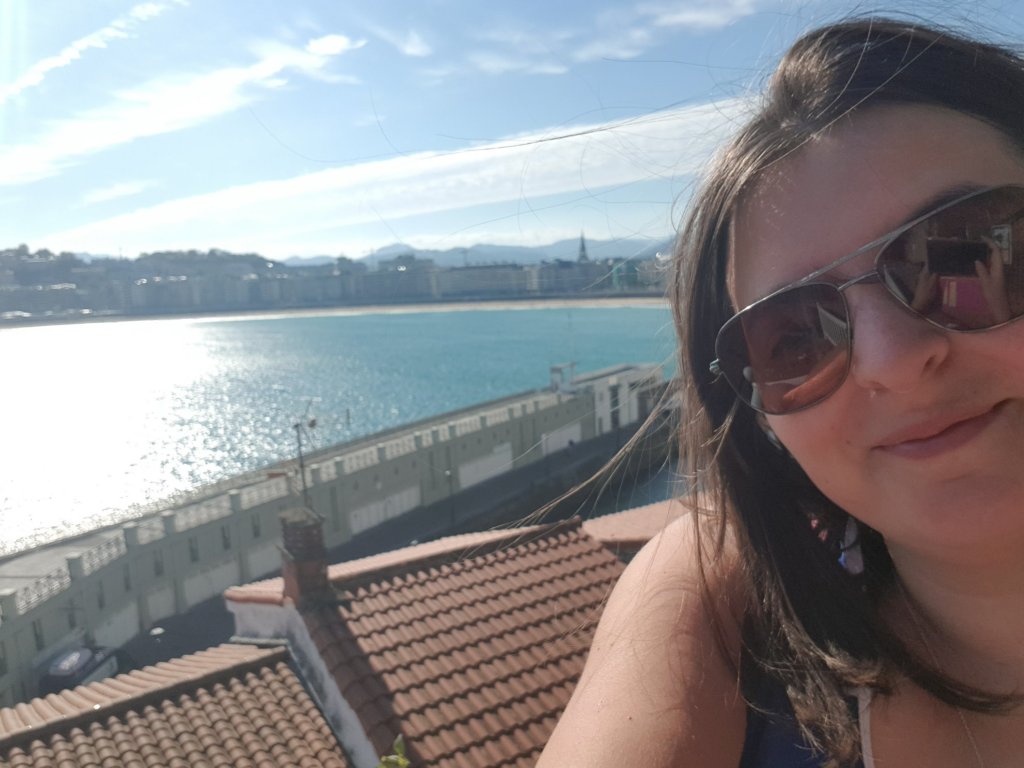
I really loved San Sebastian, and the pretty towns I went through to get there. It is nice to start slowing down for once, and just enjoy my surroundings.
Preparation for the Camino del Norte

Getting ready to travel 824 kilometres on foot.

This year, after being trapped at home, I decided to pack up my life, and start my wanderings across the globe. The beginning of this journey starts with a physical and mental challenge.

I am travelling by train to Irun, Spain, and walking West across the Northern Spain coastline, along an ancient path to Santiago de Compostela. This path or ‘camino’ has been travelled on for hundreds of years, ever since the remains of St James was discovered in Santiago de Compostela in 9th century, and pilgrims made their way to see his tomb.

If you have seen my other posts, you may have picked up on the fact that I love churches, and with this being traditionally a religious route, it really appeals to me, because of all the churches I will see. I also love walking, and have been learning Spanish for four years, so it seemed like the perfect way to start the year ahead.

Wow though! There has been a lot of preparation to get ready for the trip! The pilgrimage involves carrying everything you need on your back, and staying every night in a different location, as well as lots of training.

Training

I am not the fittest person, and whilst I enjoy walking, I have never done such a consistent walking itinerary. I have done mountain climbing, but never walked over them over several days. Most people recommend 12 weeks of training to prepare for the challenge (especially as the Northern route is one of the most rugged).

I had less than eight weeks…

Practice walking in Portugal

On average, pilgrims must be able to walk approximately 21-25km (13-15 miles) per day, and one of the longest stretches goes as high as 39 kilometres. Since deciding to do this challenge, I have been slowly increasing my walking distances from walking 7 miles every other day and having a big walk at the weekend, and slowly getting up to regular 21km walks. I was also mixing this in with using an exercise bike, swimming and a better diet. It was all going well until two weeks into training, I sprained my ankle. I then had to start again from scratch. I now feel confident that I can walk the distance, but my speed is very dependant on the weather (which is likely to be rainy), the terrain (which is likely to be uneven), my ankle (which is going to be strapped up), and my backpack (likely to be very heavy)!

Accommodation and Covid-19

The route normally has traditional accommodation for pilgrims to stay in, called ‘albergues’. These are generally public buildings such as monasteries, halls, or train stations, that have bunks for pilgrims to sleep in for very little money. Unfortunately, Covid-19 has meant that many albergues did not open this year, and even some that did, will be shutting for the end of the high season when I arrive. So, booking the accommodation has been a little trickier than expected, and in some places I will need to walk further each day to make it to my bed. I now have my first week of accommodation booked, this is made up of a mix of albergues, hostels, pensions (guesthouses), and hotels. If I ever get caught out though, I do have a poncho that doubles as a rain shelter, so it’s all good!

Hostel bunks

Booking the accommodation, I used regular booking platforms, and also directly contacted albergues and tourist information centres by email in spanish. This has been very successful so far. I would recommend using a cashback platform when making bookings, to earn back some of your money. I have used TopCashback for almost all my accommodation so far, and made over £30 back in cash so far (for about 10 days of hostels). It is completely free to benefit from this scheme, so it is an obvious win.

I have put all these extra earnings into a giant spreadsheet, along with all my expected expenses for the trip. The three months total I will be spending in Spain, should hopefully total under £4000.

Covid-19 has also meant that I have had to be more cautious with my documentation and vigilant of checking the .gov website. For example, I am travelling into Portugal before I go into Spain over land. Portugal were previously accepting the NHS vaccination pass, but has since changed their advice to say that you must have an EU vaccine card, you can only get this if you are an EU citizen. Thanks a lot BREXIT! Very frustrating. So I will now need to test before entering Portugal, but thankfully the over land travel between Spain and Portugal, does not require testing..

Technology

The ancient pilgrims never had to worry about what tech they would need, because they just followed the sun and the other travellers, West to their final destination. In our modern world, I have been encouraged to use apps and tech available to me to make sure I am as safe as possible. It does feel a little like cheating though!

I have available to me:

  • 2 Portable chargers
  • Digital camera
  • Two apps about the pilgrimage, with maps, updates, photos, and resources
  • A panic alarm app, SOS emergency app, and emergency services app.
  • My Strava and Fitbit accounts
  • NHS digital covid pass
  • And of course, good old, Google Maps.
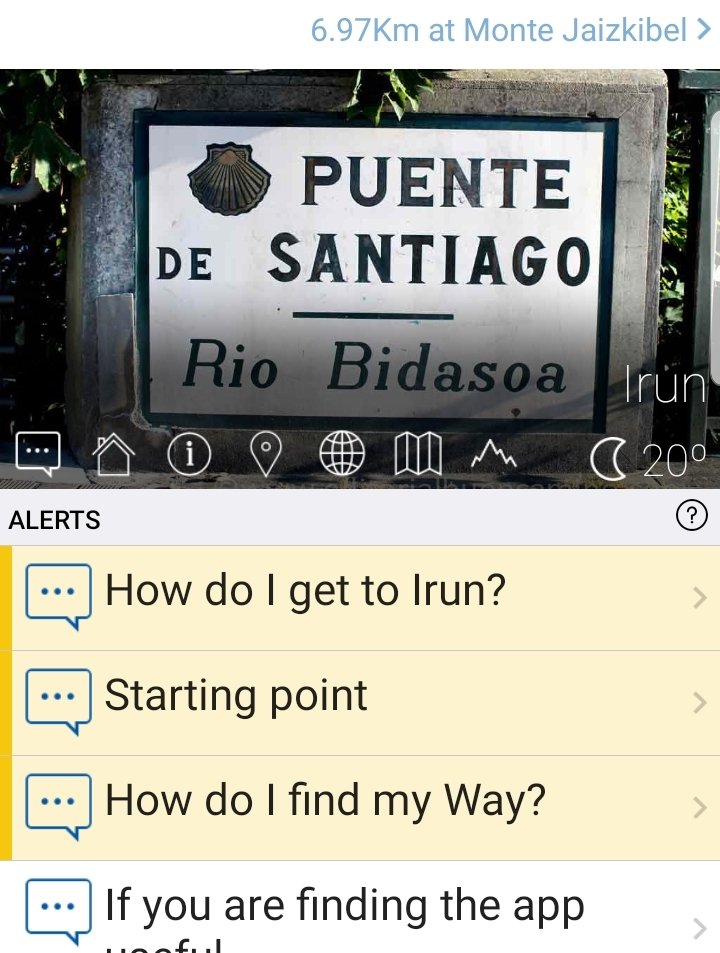
Screenshot of Buen Camino app

I do have a traditional map and compass, just in case I still want/need to use traditional methods of orienteering. I will still be using my torch rather than moonlight though.

Packing

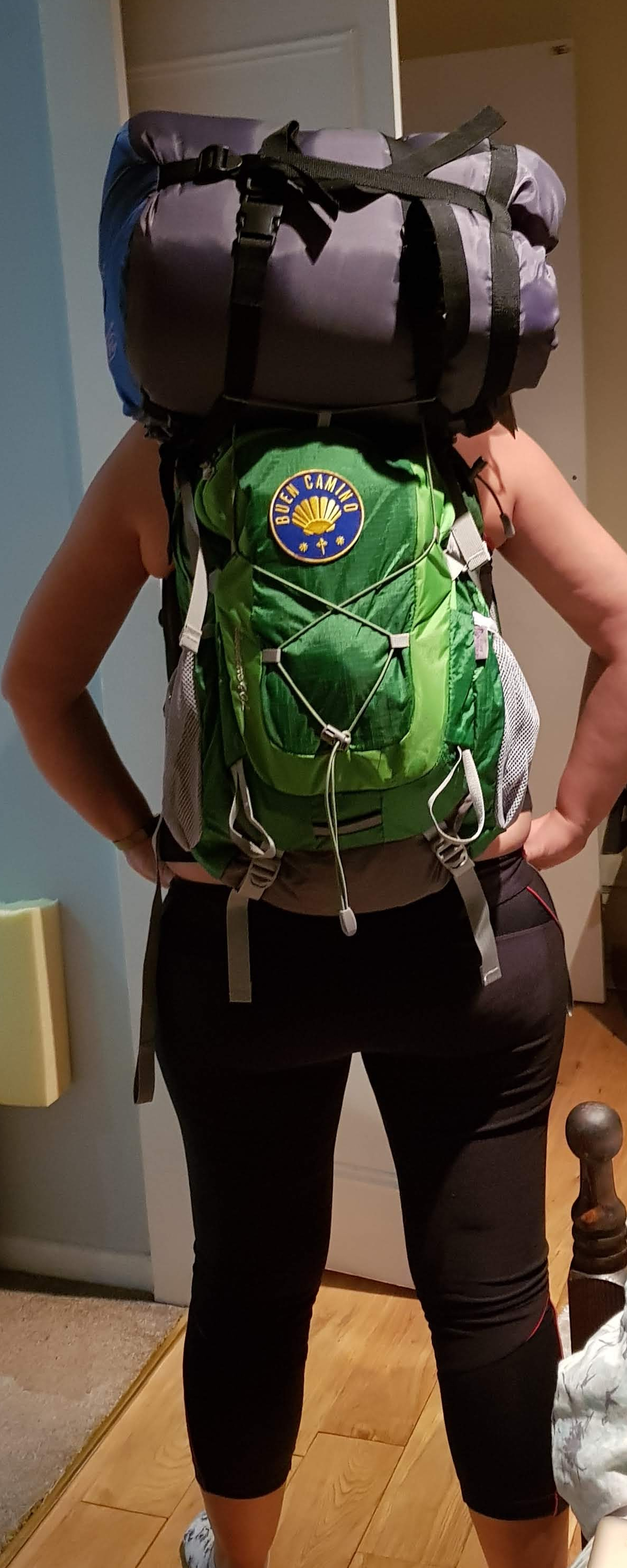
Packing has been a real challenge of distinguishing the absolute must have items from the luxuries. For example, I now consider the following items as ‘luxuries’; shampoo and conditioner, a third evening shirt, a wired bra, and a razor. That’s right… I am going to be a stinky, hairy mess of a woman for a few months! I am quite excited to let loose! Haha

The advice is to not carry more than 10% of your body weight on your back. I already invested in a heavy sleeping bag, as I will be travelling during a cold season, so sacrifices had to be made. The weight of my backpack now consists of the following proportions:

  • 20% – map, compass, documents, torches
  • 25% – walking clothes and one pair of flip flops
  • 40% – foot care items and first aid kit
  • 10% – rain protection
  • 5% – personal items/money/phone

I hope I am prepared physically now. I just need to prepare my emotions for the challenge ahead of me, and remember to enjoy every second of it!!!

I will be posting regularly about my adventure on this platform, as well as on my JustGiving page, set up to raise funds for Mind.

Buen Camino!

Zaragoza: hidden gem of Aragon

Last week, I made it into Aragon, (which until now, I had thought was a made up place…), and into the pretty city of Zaragoza!

I left Madrid with a full blown hangover, and met up with a local, Alejandro, who was driving to Zaragoza for work. I used the rideshare app ‘Bla Bla Car’ to link up with him, and this saved me over a hundred euros in train fare. It also made his car journey more efficient!

I had hoped that it would be a good opportunity for me to practice my spanish… Unfortunately, I had been having too much fun the night before in Madrid, and had to make my entire focus of the journey, not being ill…

Anyway… back to Zaragoza! I had been told by a man in Madrid ‘why are you going to Zaragoza, its really small, and nothing there’. This worried me, as I already had my stay booked. I am happy to report that he was quite wrong though!

Zaragoza is actually the fifth largest city in Spain. As someone, that personally walked 22km around the centre exploring, I can confirm that there is a fair bit there..

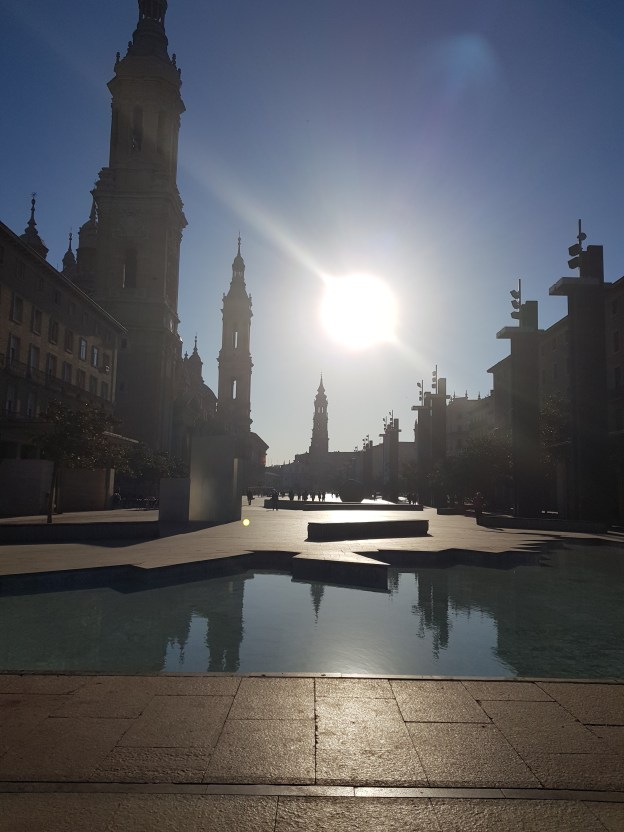
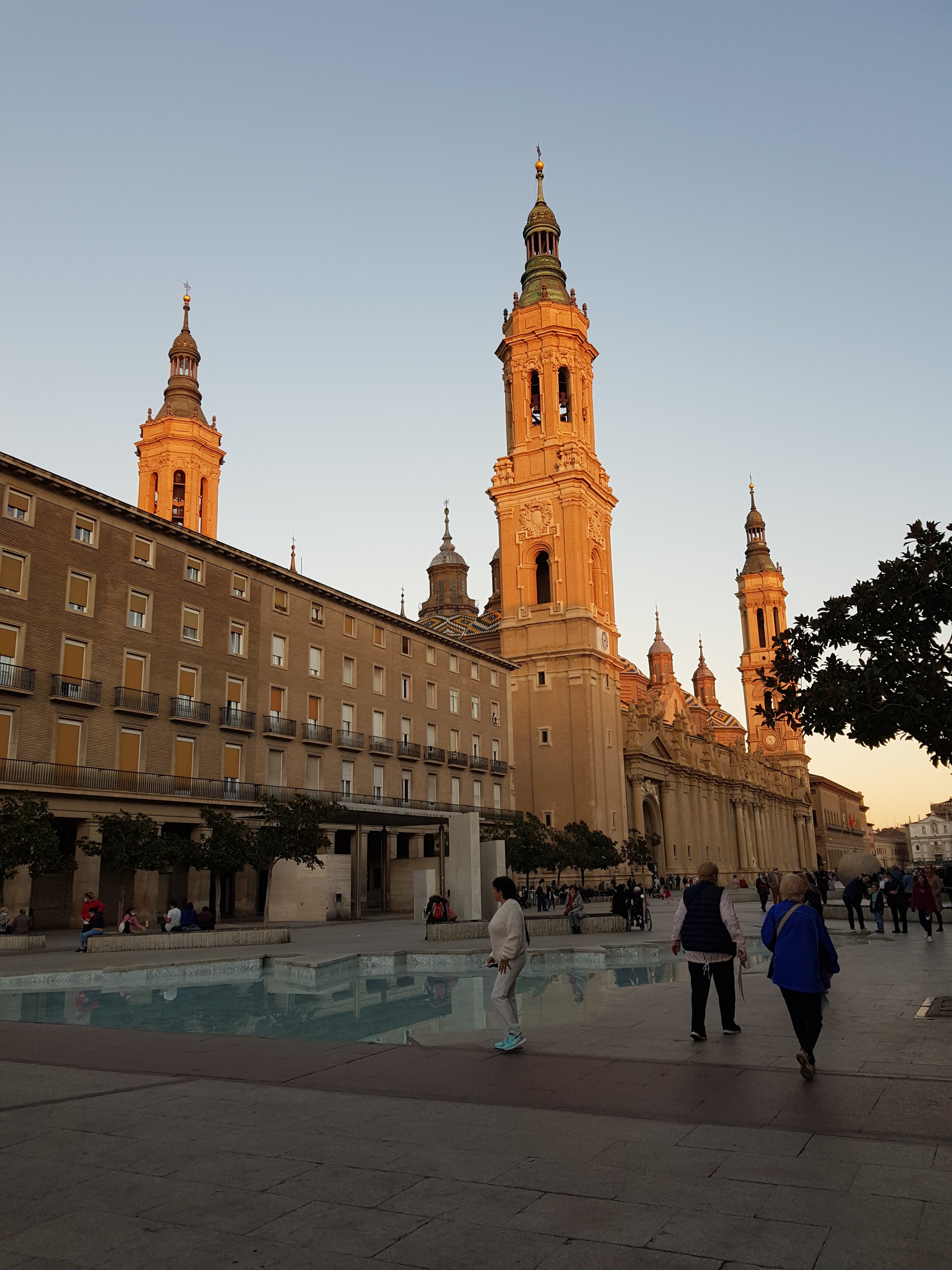
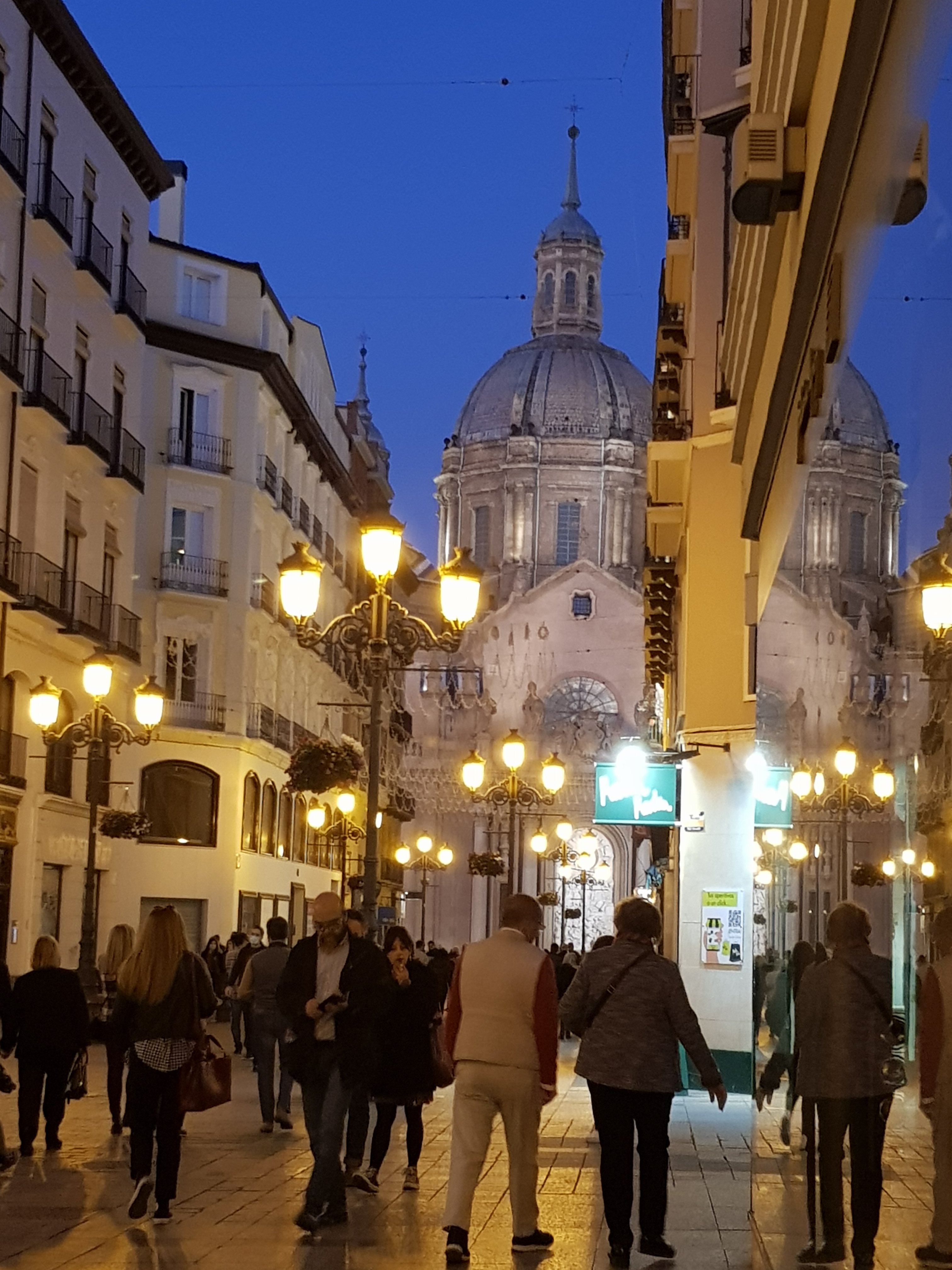
As soon as I ventured into the ‘old town’, I was greeted with beautiful architecture and a pleasant and huge plaza to enjoy.

Seo Cathedral & Pilar

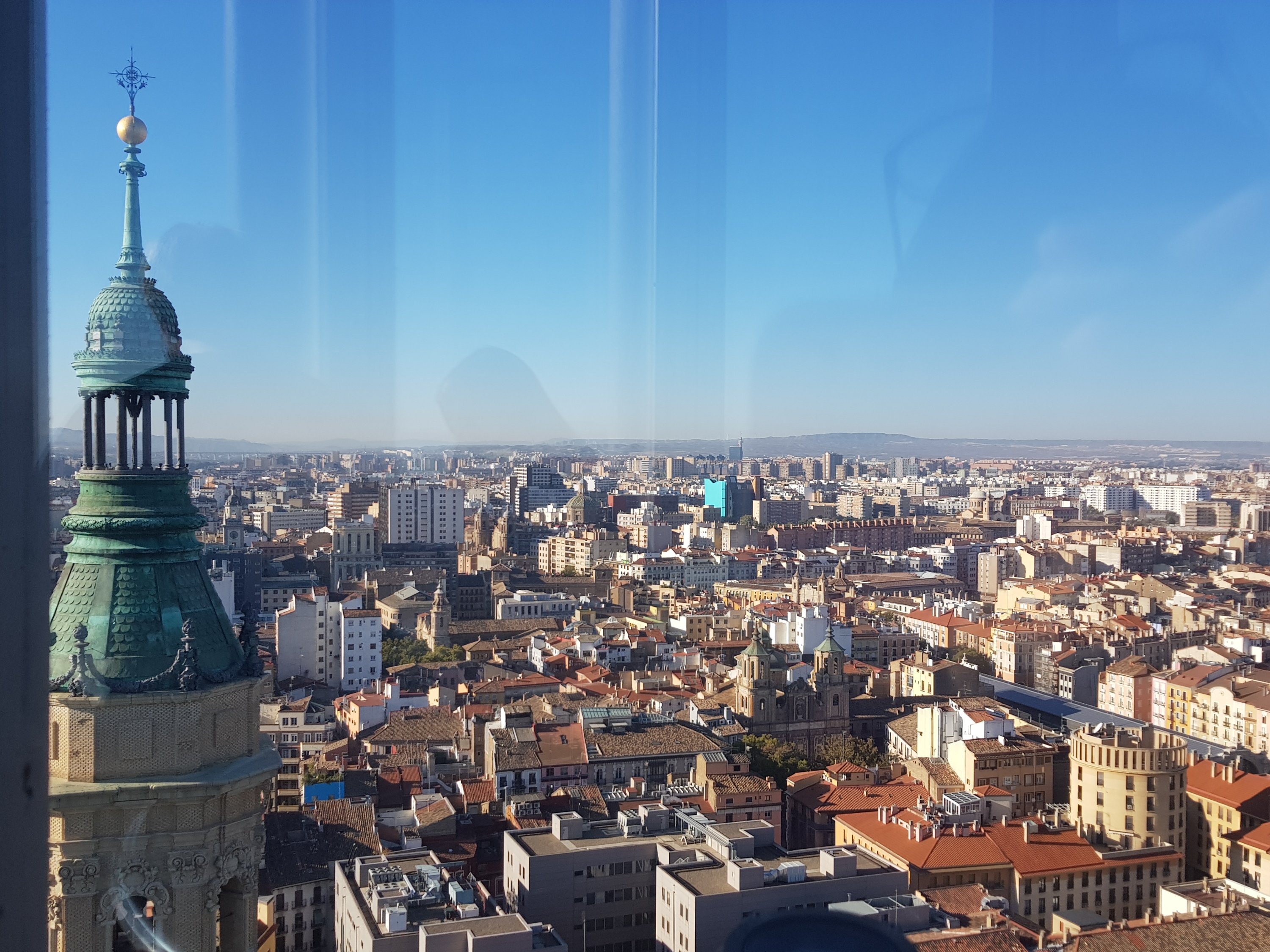
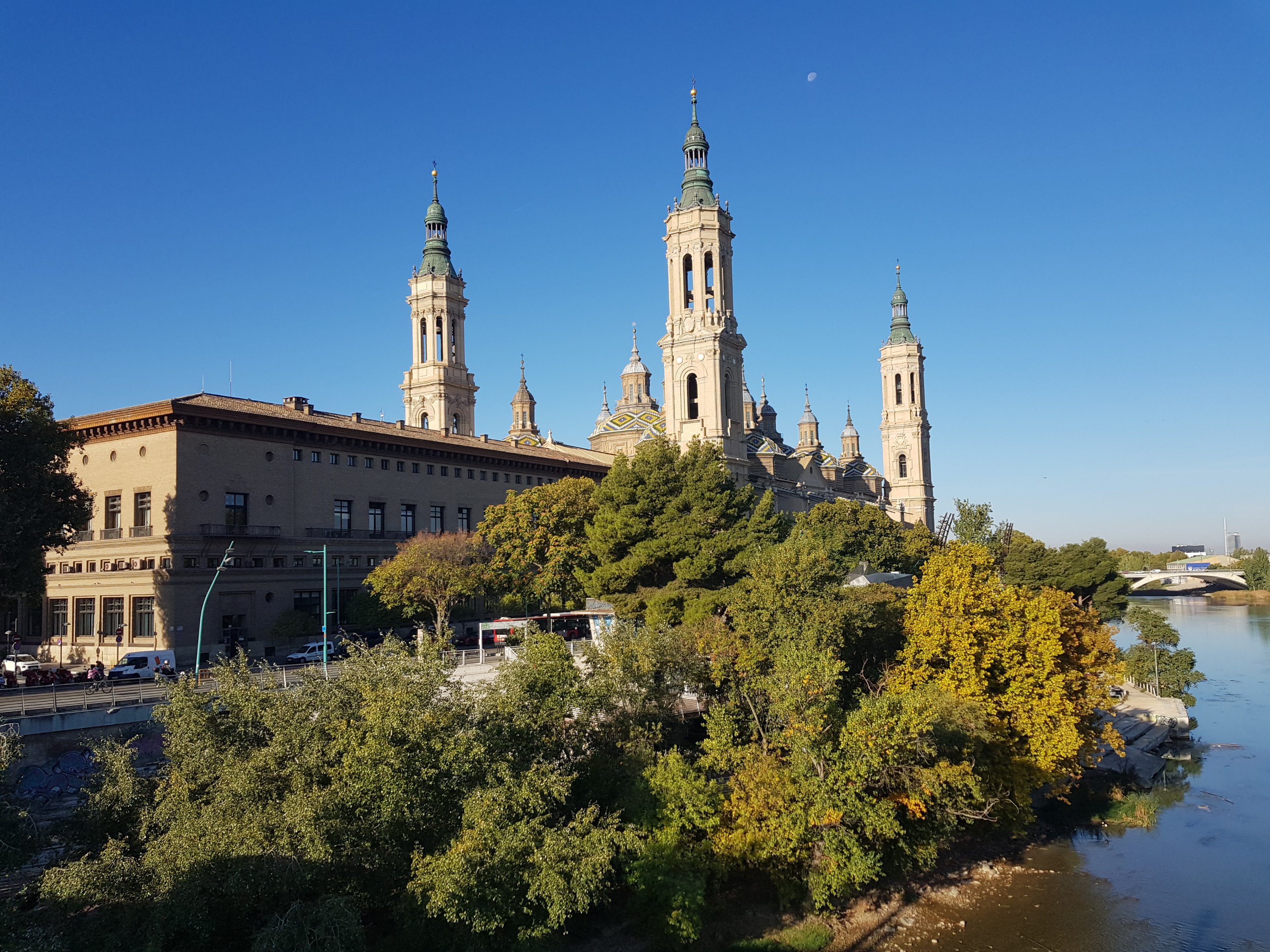
There are two cathedrals to see, and helpfully, they are next door to each other! That is the Basilica de Nuestra Señora del Pila and the La Seo: Catedral del Salvador. They also share one joint ticket (although you don’t need a ticket for the Pilar, but this way you are supporting them). It also gives you access to other attractions in the city, and for one euro more you can access the top of the tower for a panoramic view. I did opt for this, and was pleased to see an elevator. 😍

The views are quite pleasant and for only a euro it is worth it!

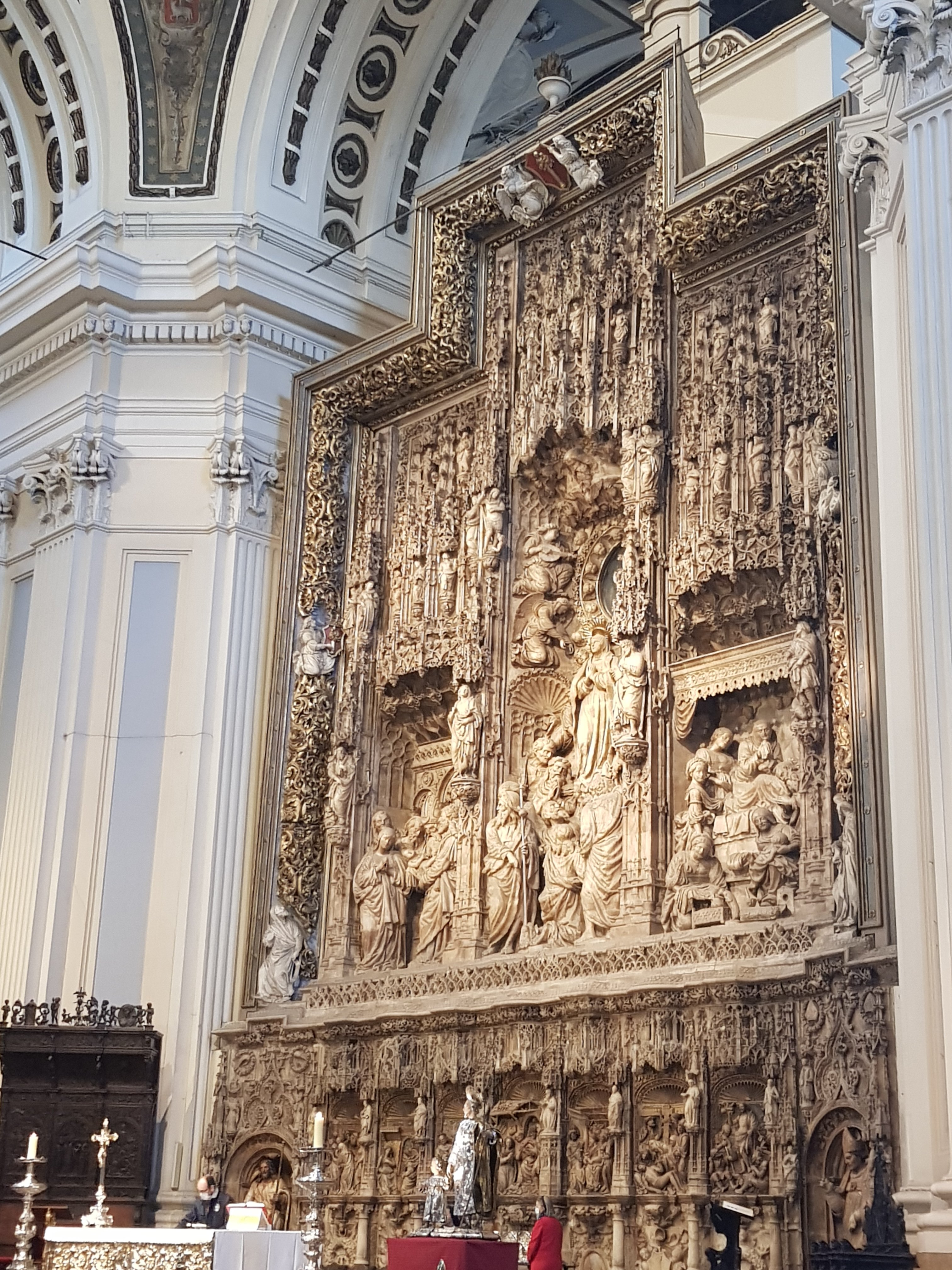
Both the Pilar and the Seo Cathedral are beautiful, but the weird thing I found was that both looked one way on the outside and was the opposite on the inside. For example, the Seo Cathedral looked fairly ordinary from the outside, but inside, it was stunning. Sadly, they do not allow photos, so I only have my memories… I can tell you that the ceilings and alters were beautifully designed though.

The only frustrating limitation to these two sites, and in general with religious buildings in Spain, is that they all shut during midday. I had a train at 5pm, so I had to squeeze both buildings into the morning. The receptionist told me that I should spend an hour in the Cathedral. I only had 20 minutes… I managed it though! Even managed to sit on a pew for a minute. I am very church efficient!

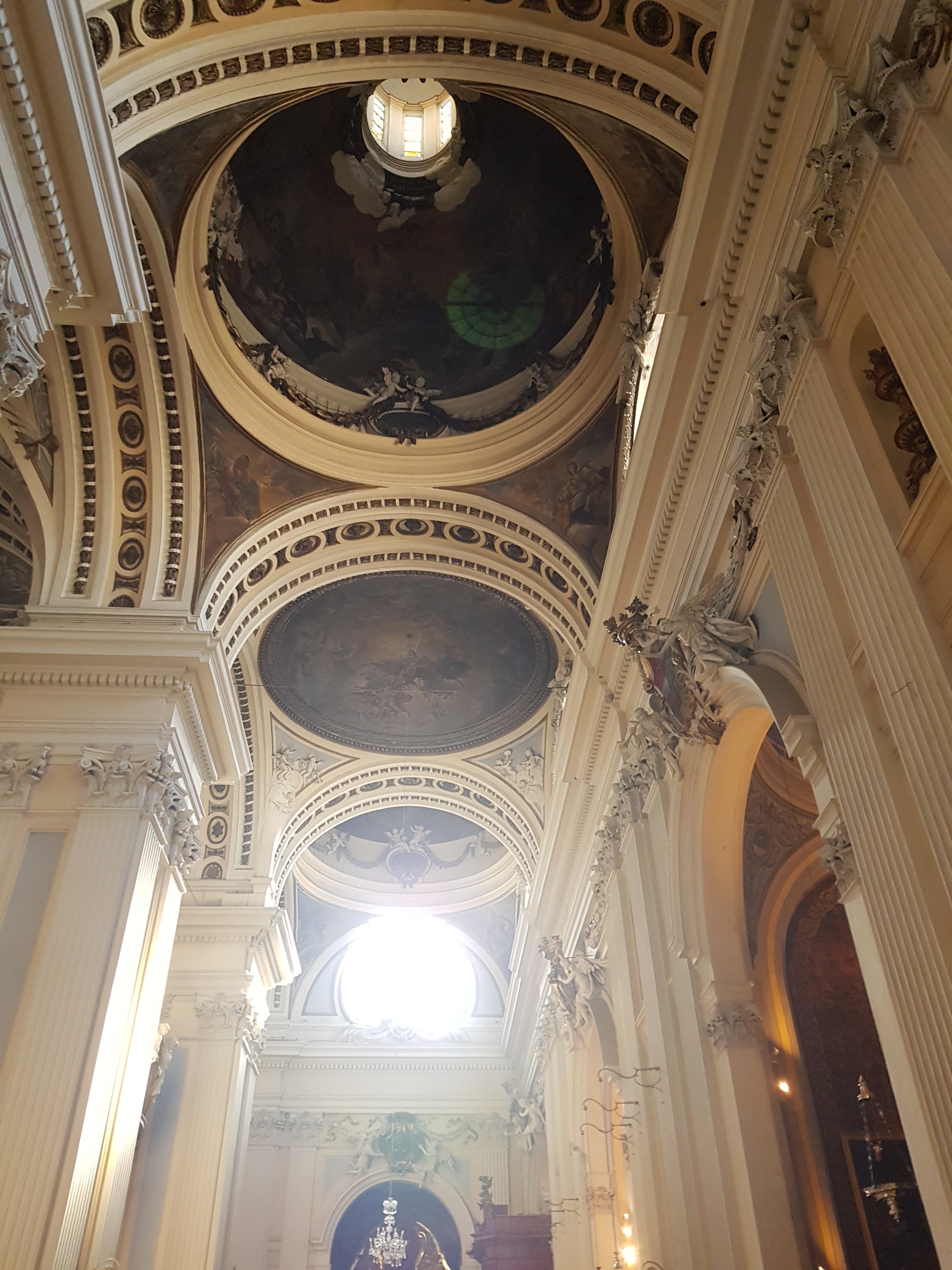
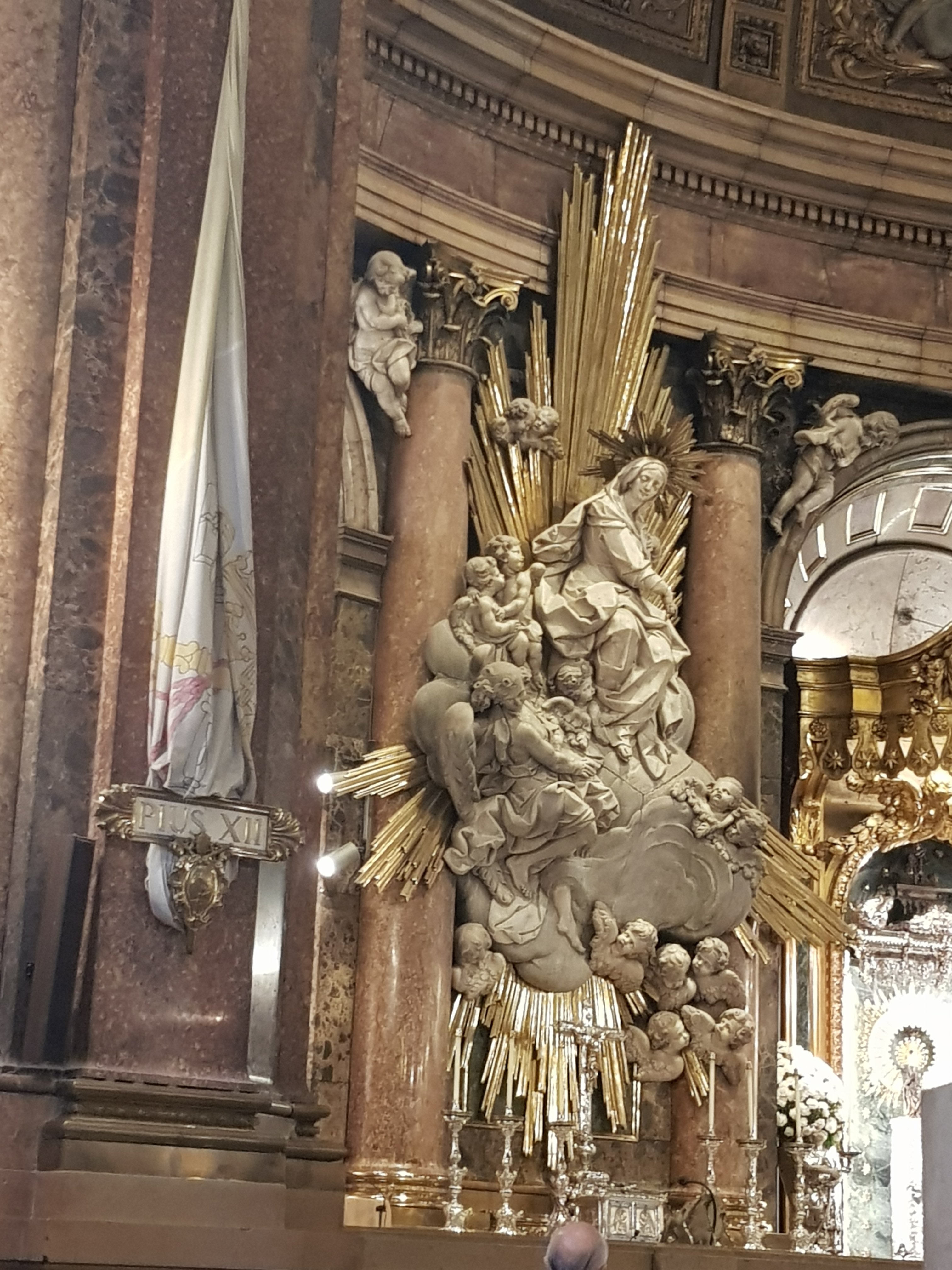
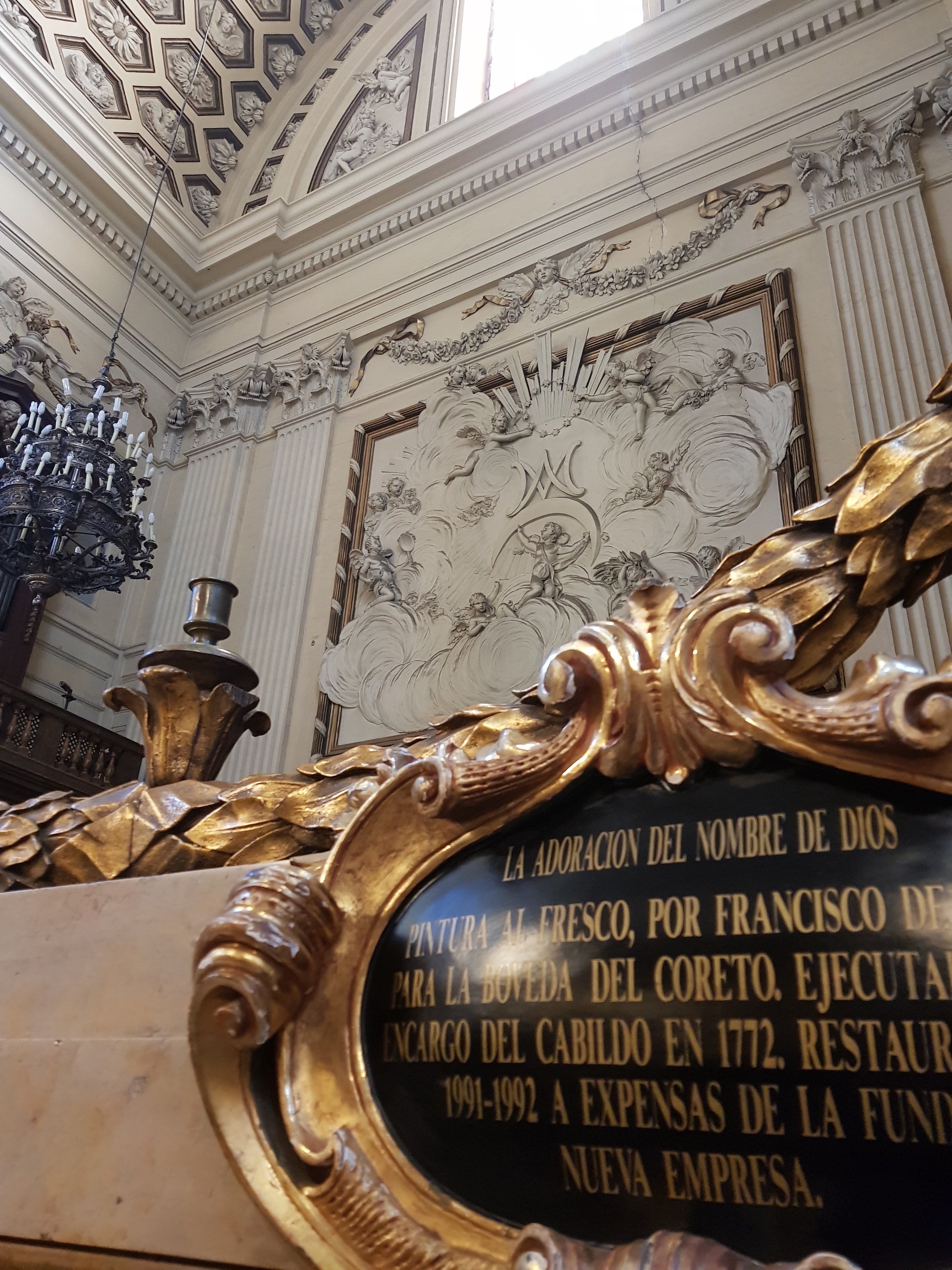
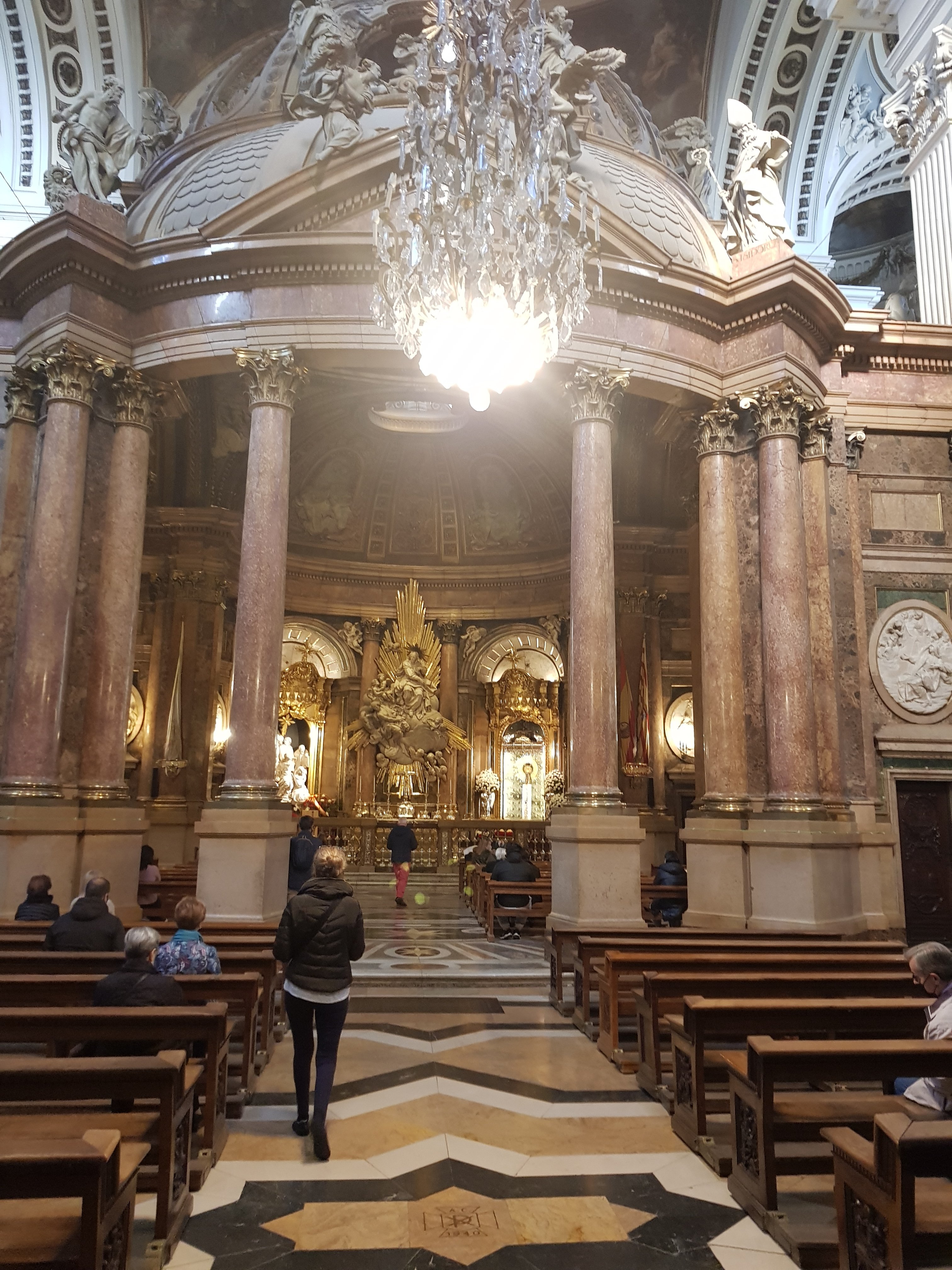
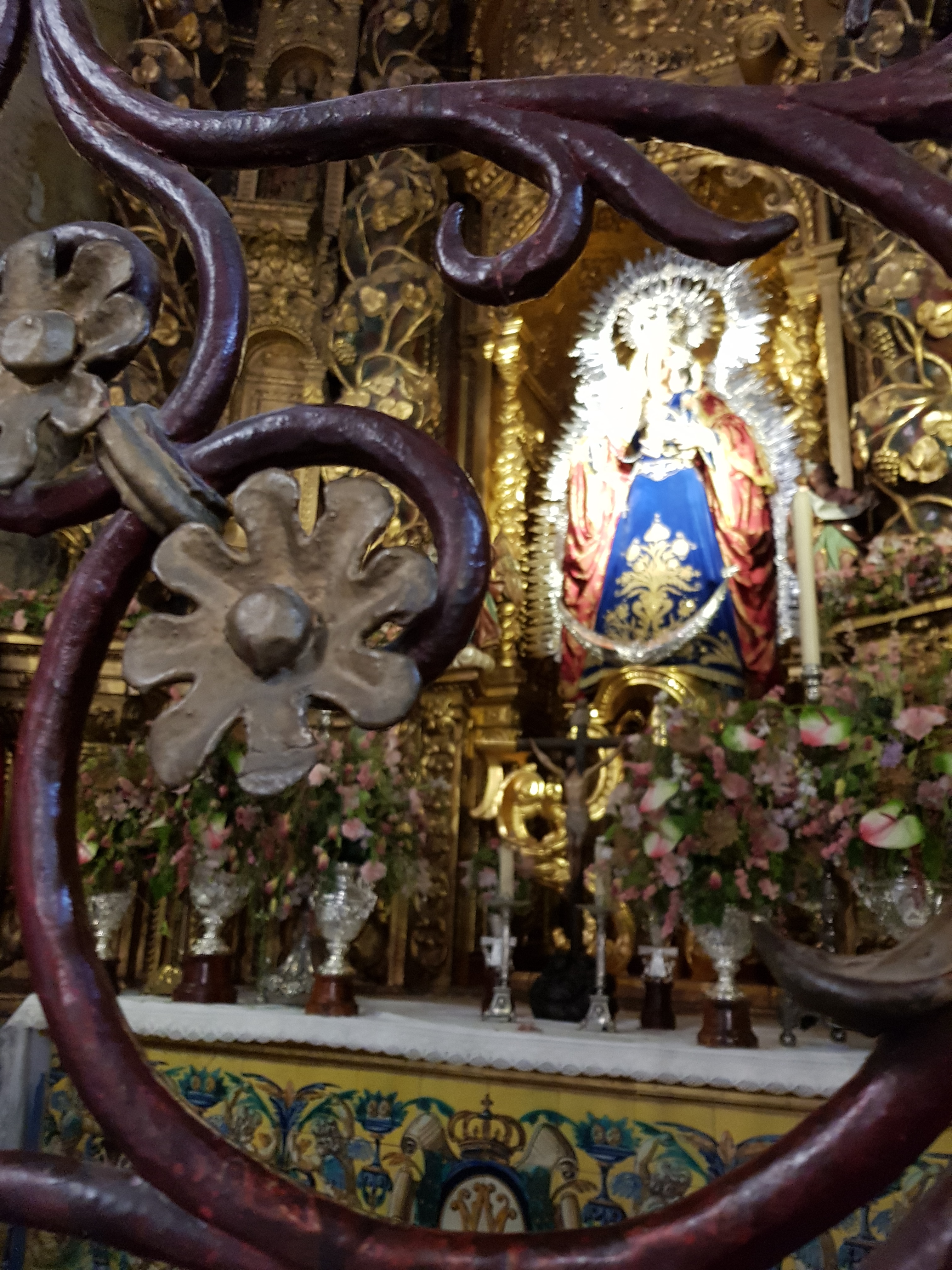
With the Pilar, it was impressive outside, but generally traditional inside. I think I am just spoilt at this point to be honest! The special thing in El Pilar and why it is called this, is because this is supposed to be the location that Santiago (St James- Patron Saint of Spain) was approached by the Virgin Mary when he was feeling discouraged. Mary gave him a jasper pillar and told him to build a temple to her in that place. James did this, and supposedly it became the first church dedicated to Mary. There is a huge chapel dedicated to it inside, and many people make pilgrimage to see the spot where the pilar is thought to be.

Courts of Aragon / Palace of Alajaferia

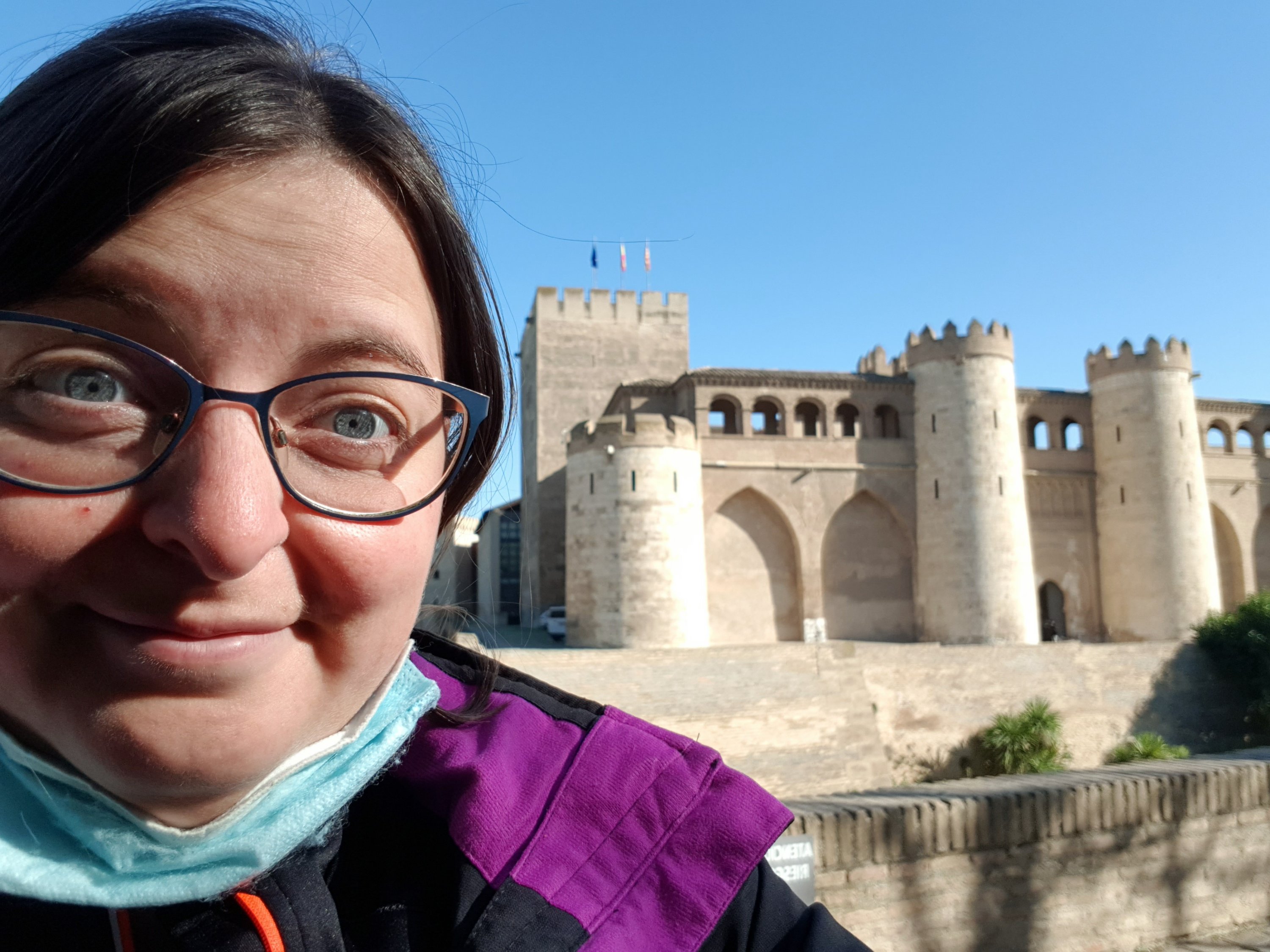
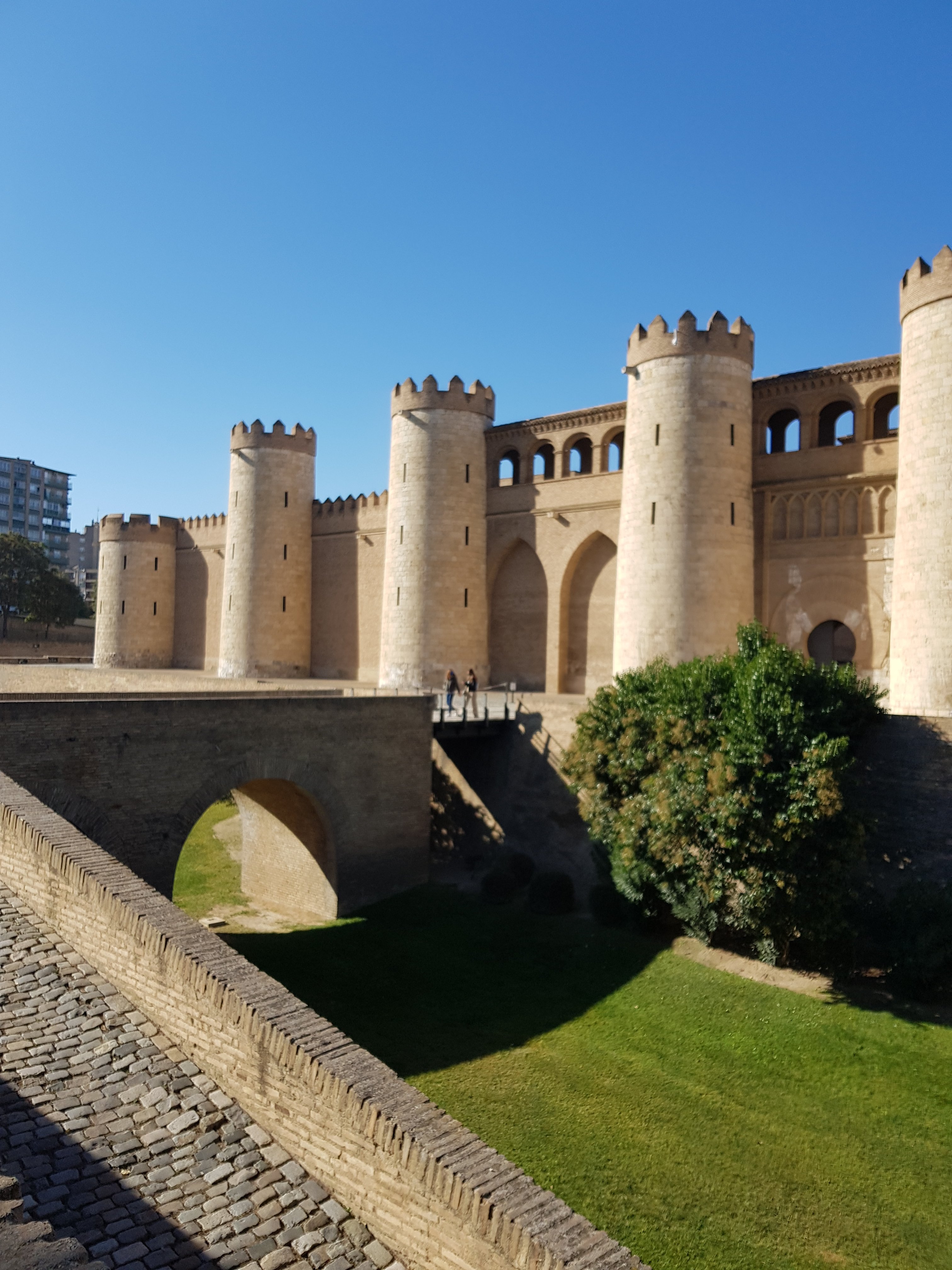
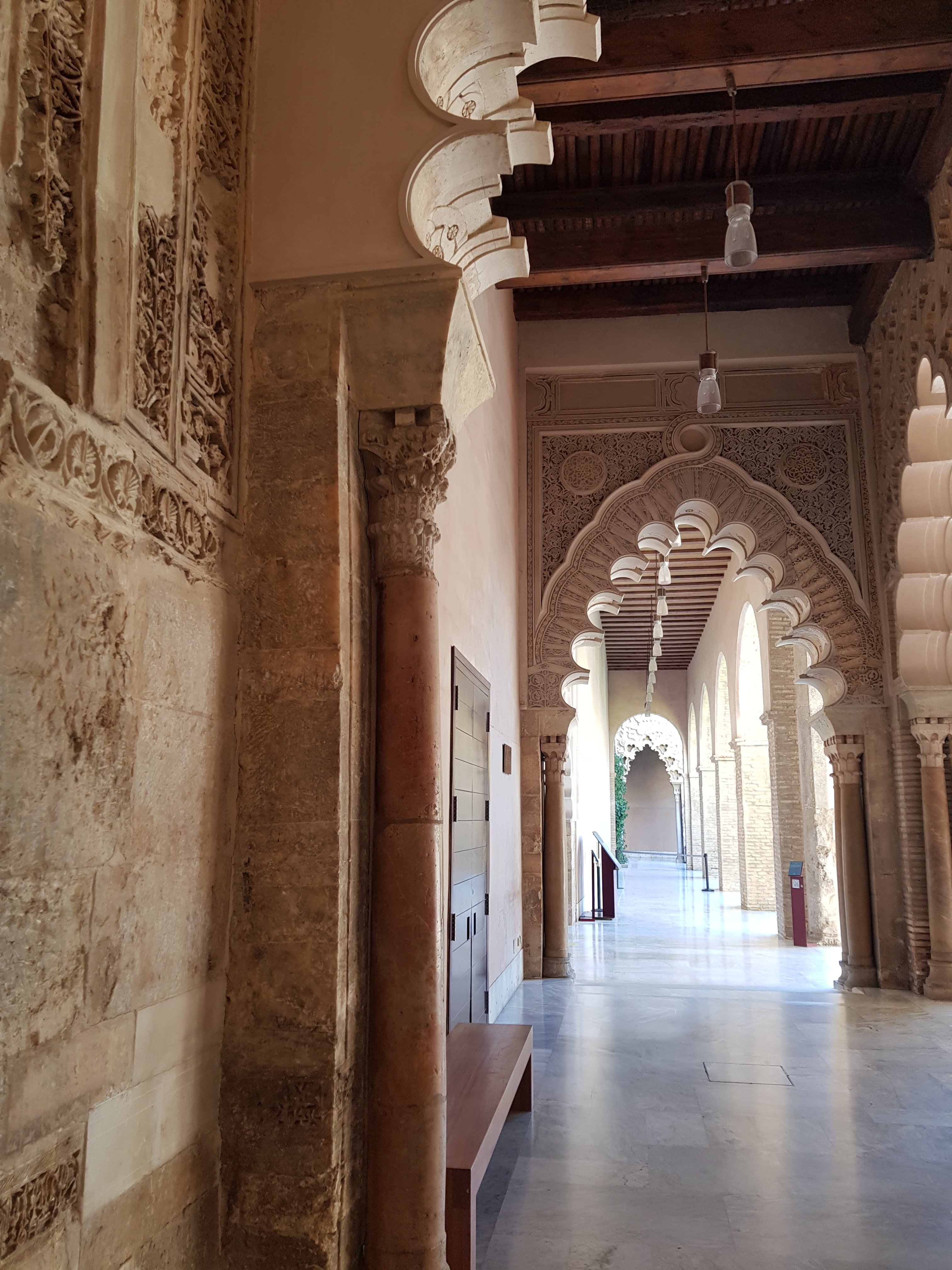
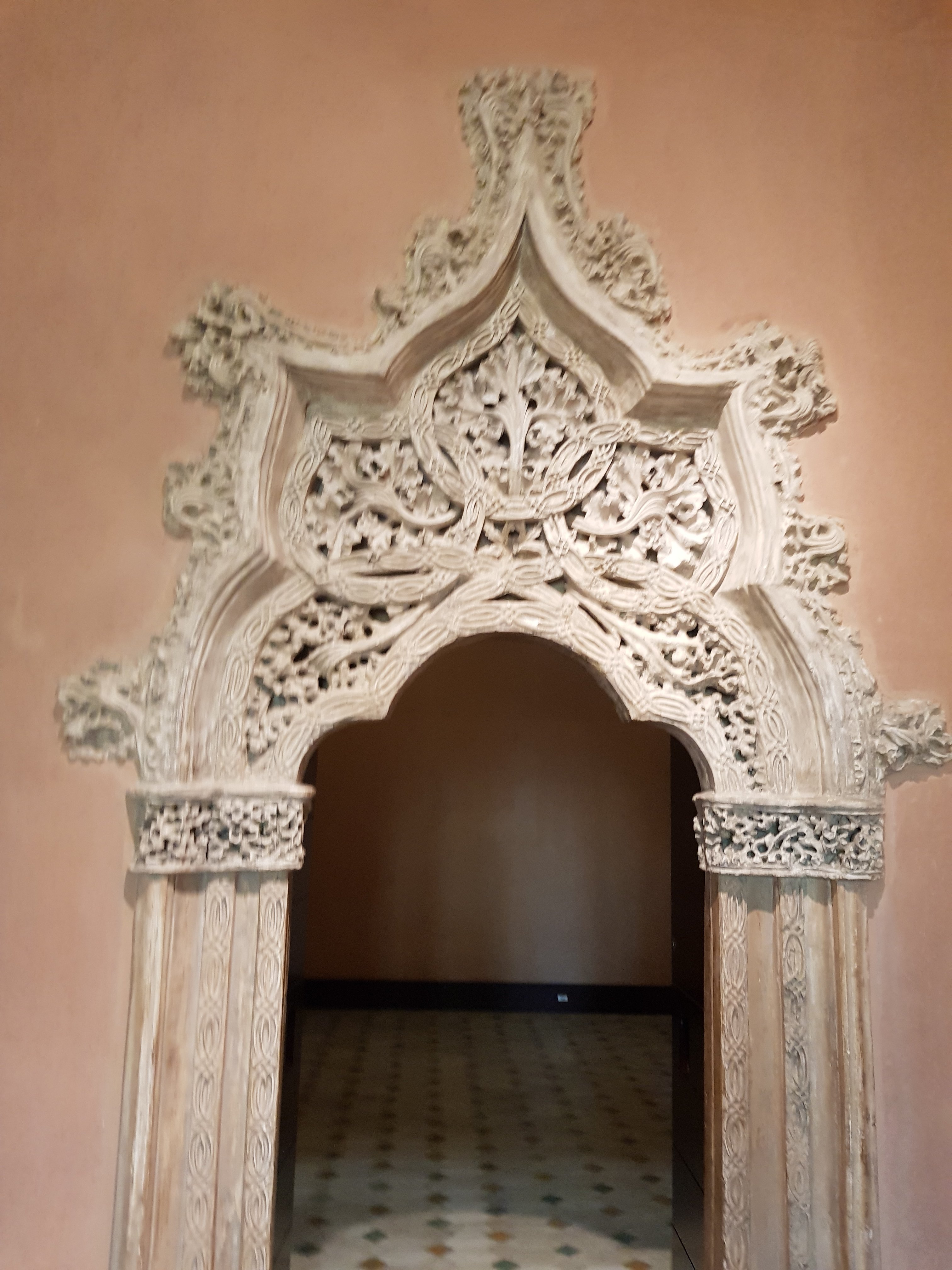
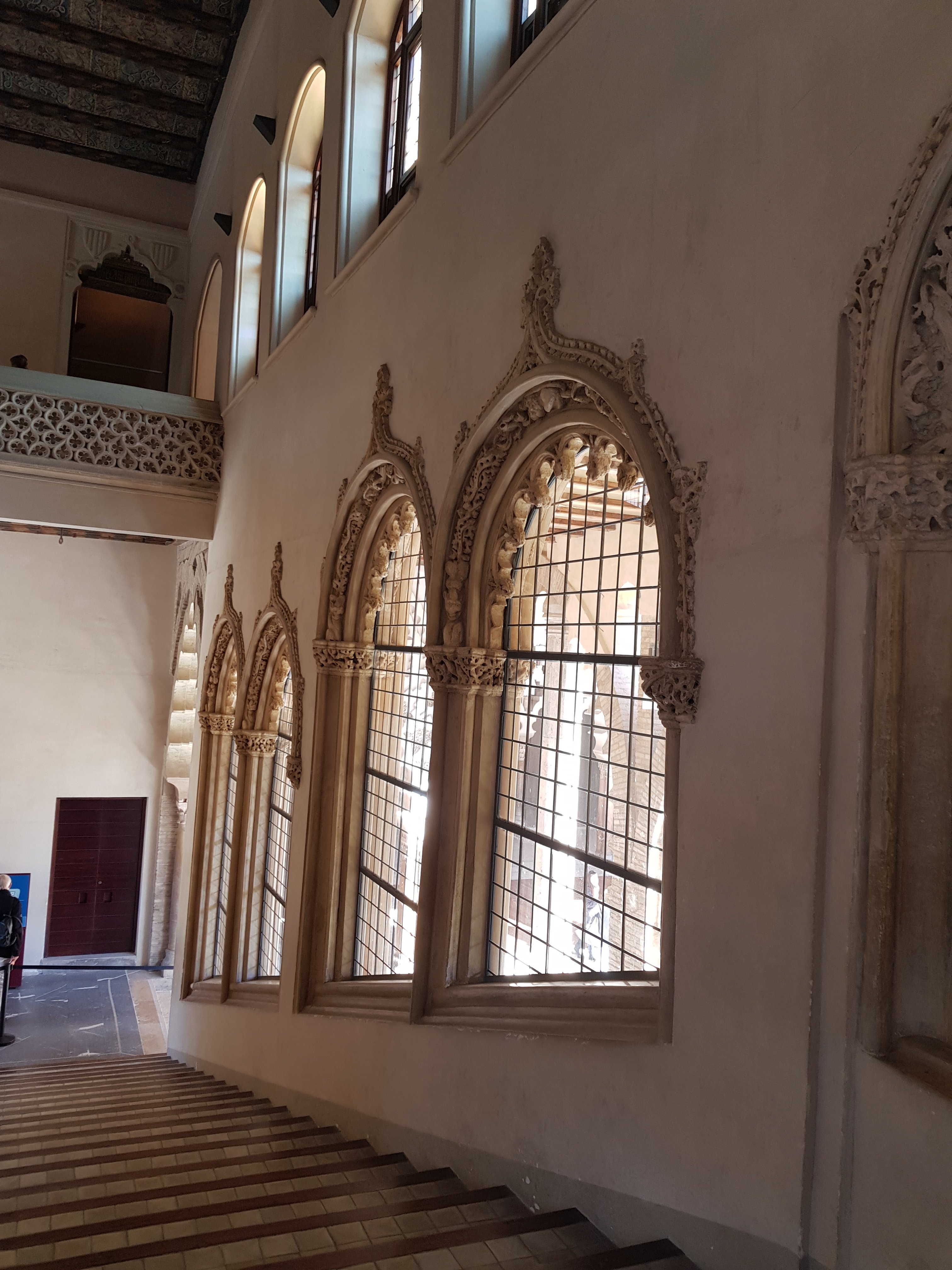
I made a special effort to reserve a visit to the former palace (now courts building) whilst I was visiting. This was very cheap (€5), and you just needed about an hour. The palace still retains lots of muslim designed decor, which I thought was unique to see outside of Andalucia.

The really great thing about the visit was that the tickets are limited to small numbers of visitors. So this is a great opportunity for taking photos and looking at the detail in this sort of architecture, without crowds. Once you go through security, you can make your way round the one way route of the site, unsupervised, very special.

Parque Grande José Antonio Labordeta

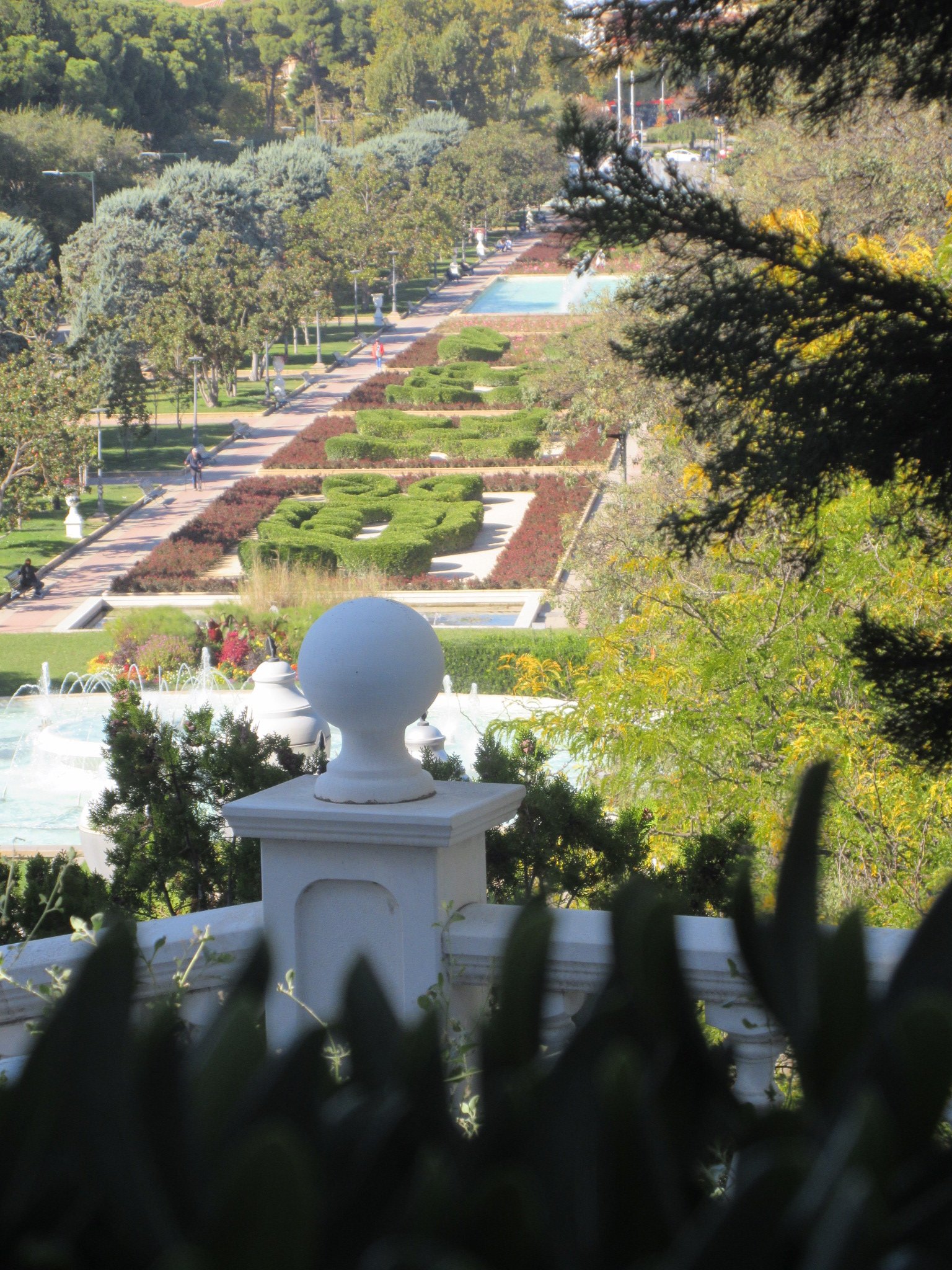
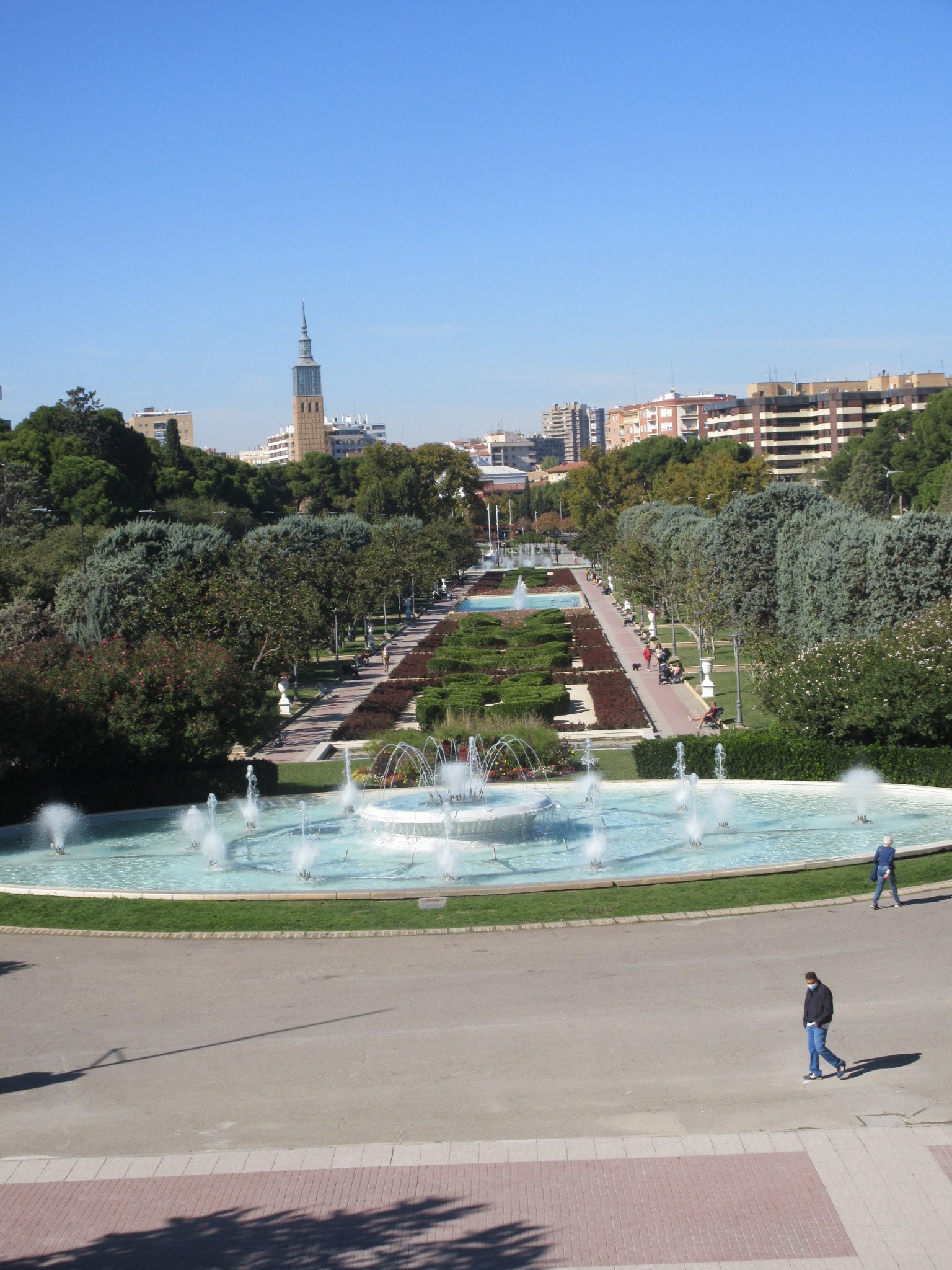
After a long walk across the city, whilst everyone was taking their siesta, I managed to make it to the park that I wanted to explore. The city’s biggest green space, Parque Grande Jose Antonio Labordeta.

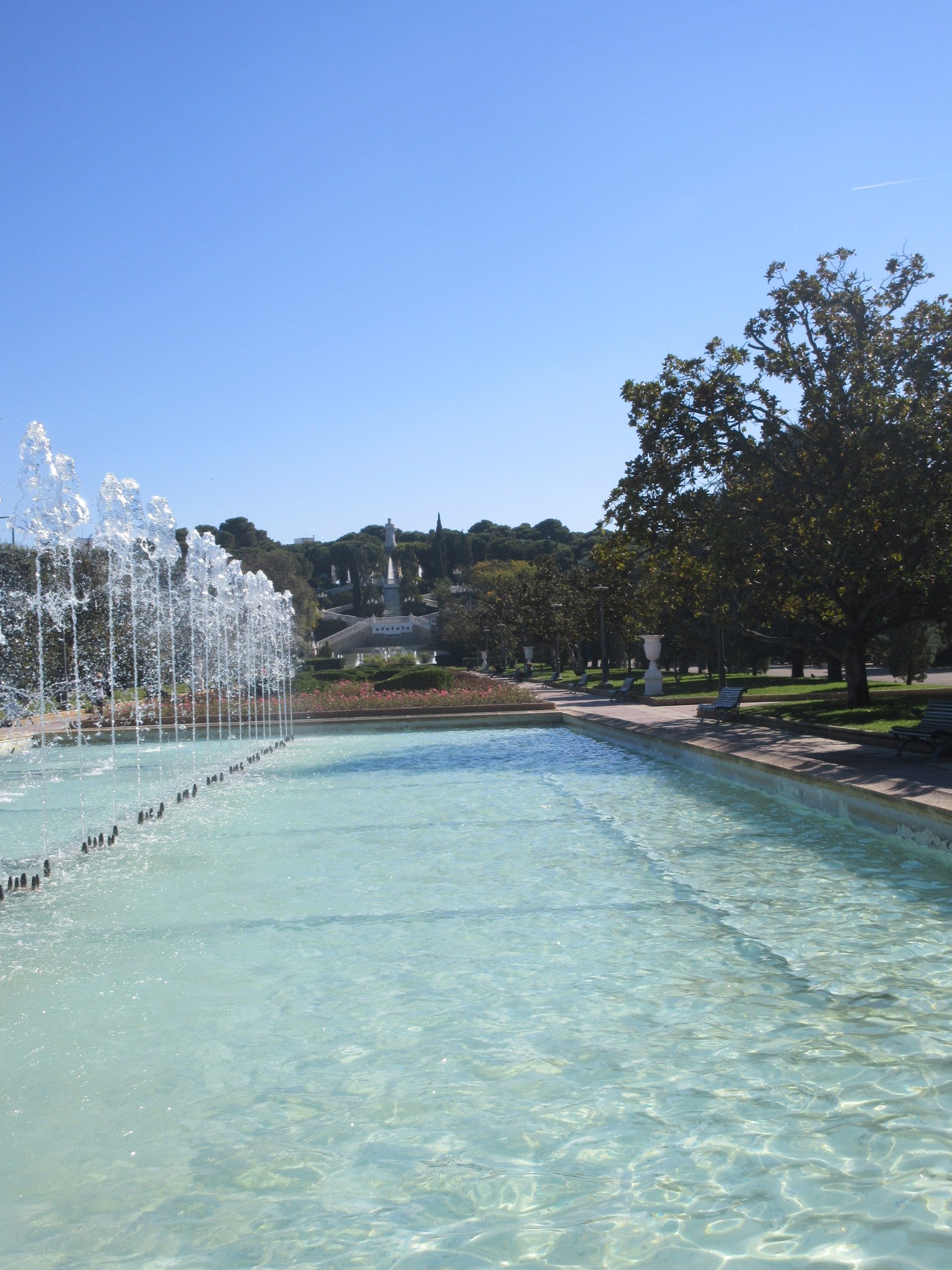
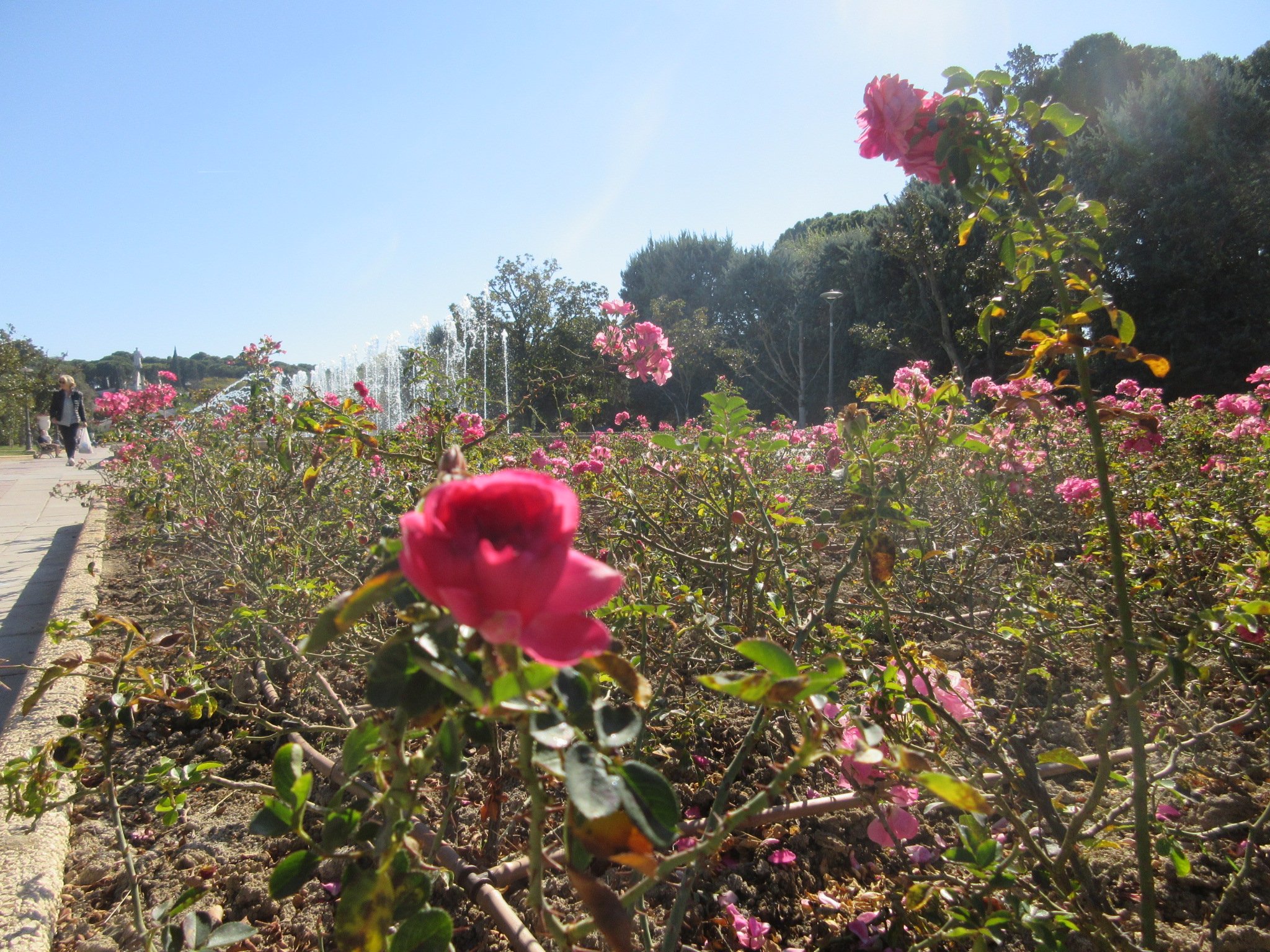
Public parks in Spain are generally gorgeous, with sculptures, fountains, and roses. This one in particular has one very good first impression. On entering the park, you are greeted with a line of fountains in a row, and overshadowed by a grand white staircase with a waterfall. Very fancy!

It was quite a big walk to get to the park, and in hindsight, it would have been better if I was there for more than one day, as I was rushing through it too much. It deserved a good lounge around with a sketch book in hand.

So overall, Zaragoza definitely has some great things to shout about. Most of all, I just thought it was a very relaxing place to be.

Next stop… Irun, for the beginning of my Camino!

Madrid: A casual visit

Last week was my second visit to Madrid, and so I had already done most of the tourist stuff. I just checked off a few quirky bits off the list. So here is a fast run through…

A visit to Círculo de Bellas Artes

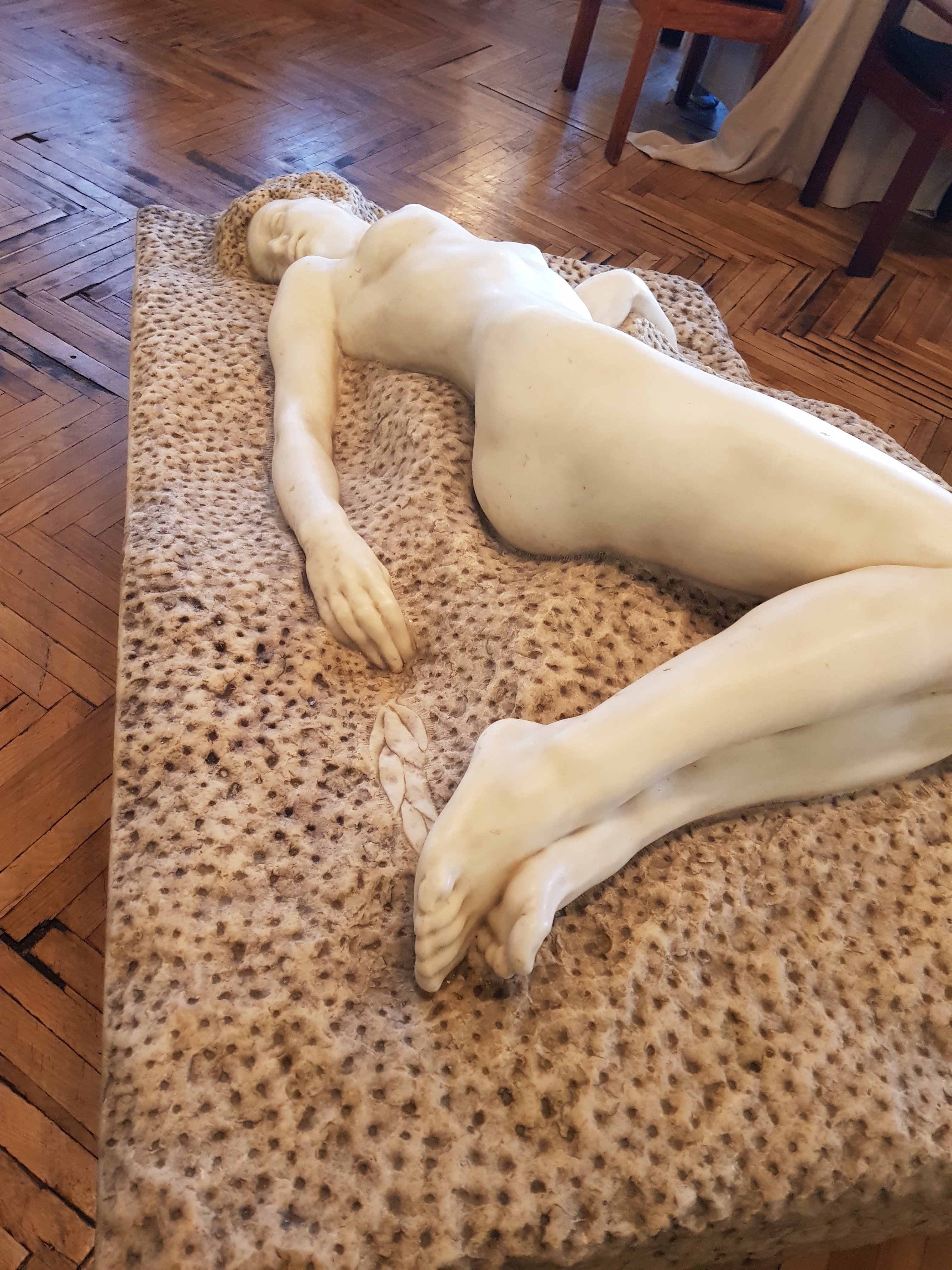
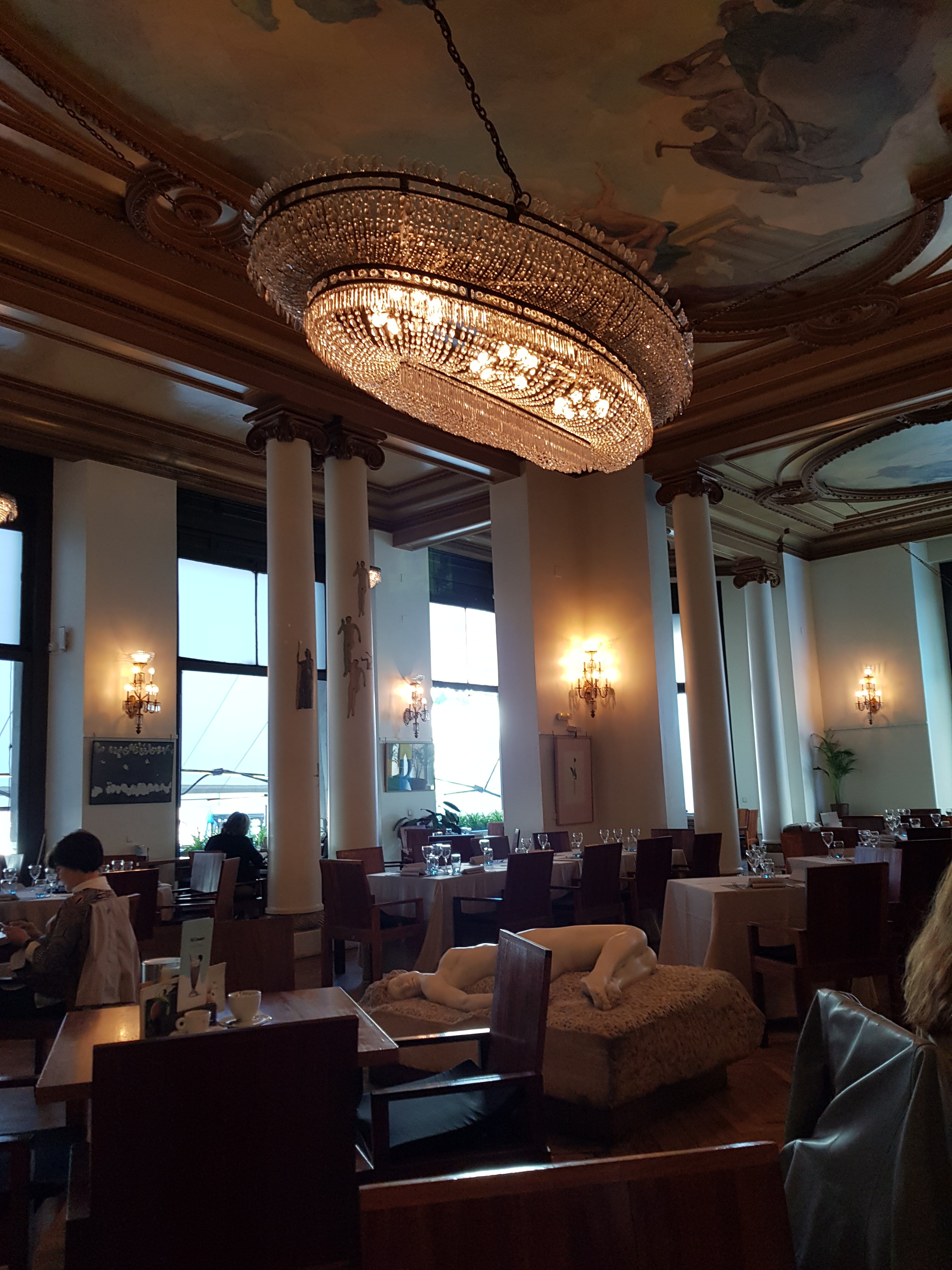
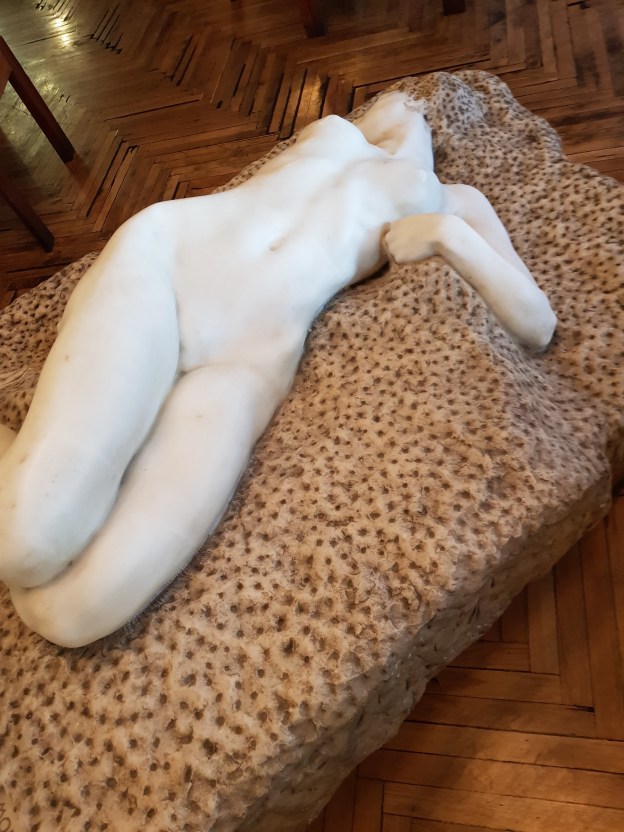
I made my way to this not for profit arts venue to have brunch in their beautiful cafe. The cafe has a sculpture of a naked woman lying dead on the ground in the centre or the dining room. This lady is supposed to be Aphrodite, when after being left heartbroken from unrequited love, she throws herself off a cliff to her death. I thought it seemed quite poetic and dramatic of course. There are other sculptures in the room and lovely ceiling paintings.

The venue also offer a scenic rooftop lookout point, and regular exhibitions.

Thyssen-Bornemisza Museum

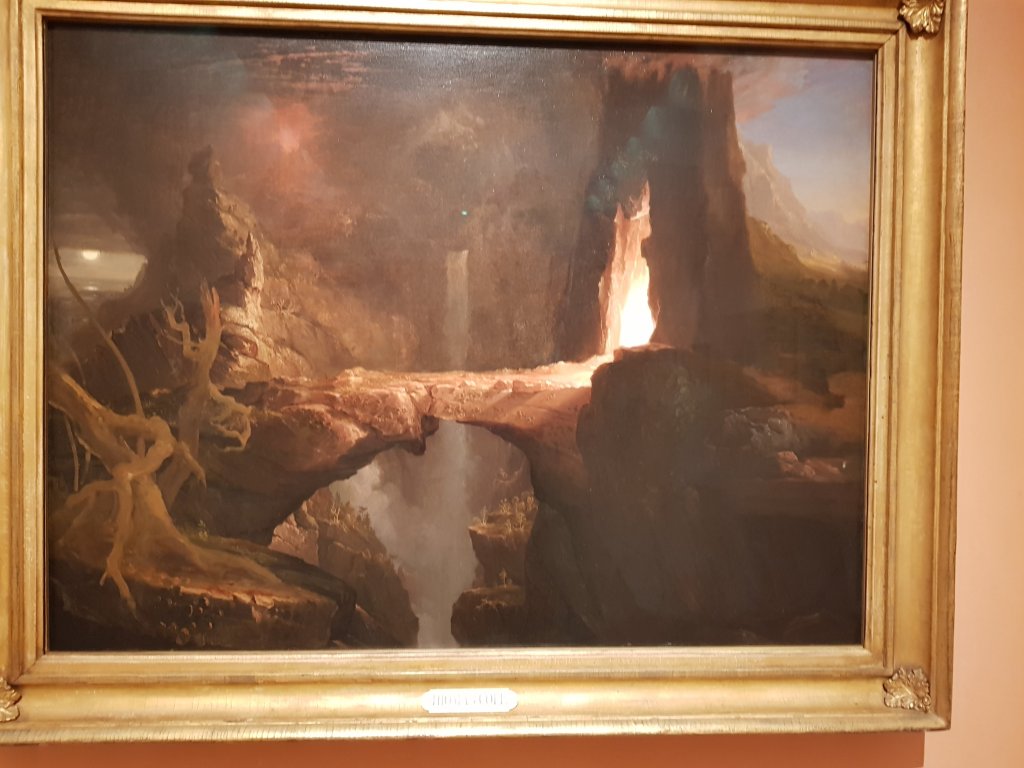
I visited this art museum as one that I have not been to before. Not all the art was for me, but I did like the below piece about Expulsion. The light and shadows in the painting are done really well, and it reminds me of a scene from Lord of the Rings.. ha!

Mass at Inglesia de Santiago

I travelled to the Santiago church three times in one day to try to get hold of my special pilgrim passport, from their volunteers. After I eventually got it done and stamped, I was there just in time for the mass and so decided to join in. I didn’t understand most of what the vicar said (in spanish) but I still felt cleansed and grateful.

A meal at Botin

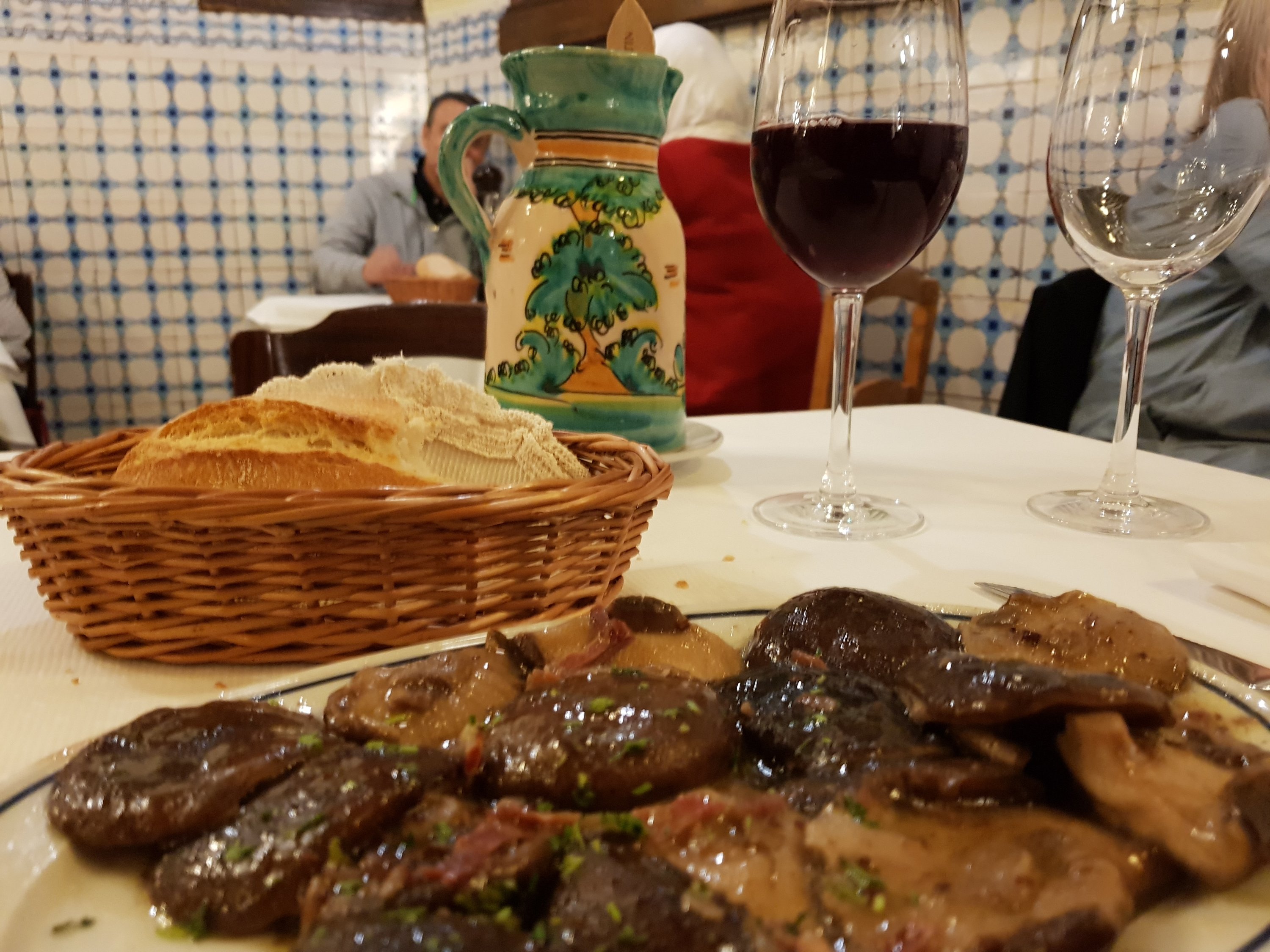
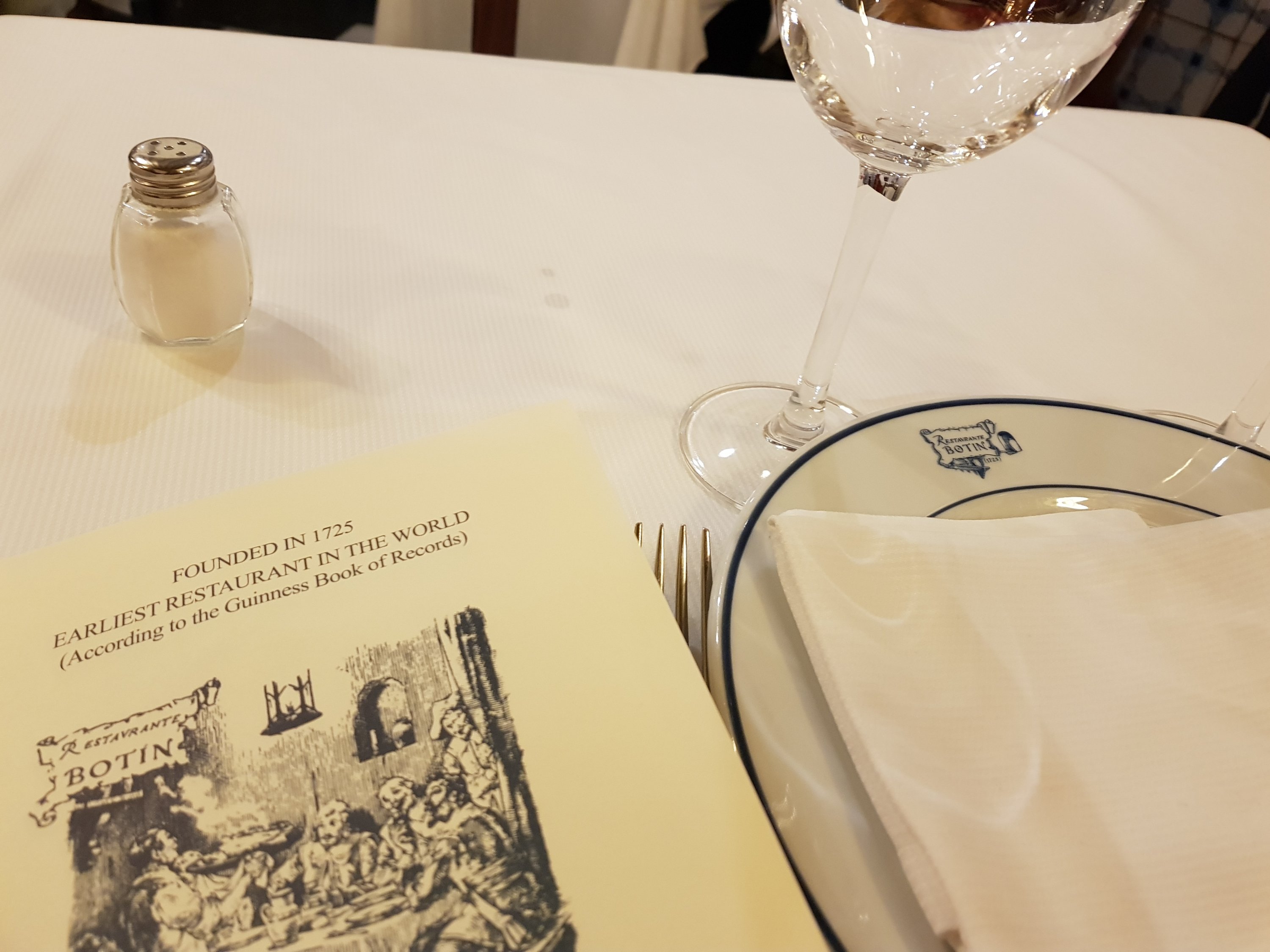
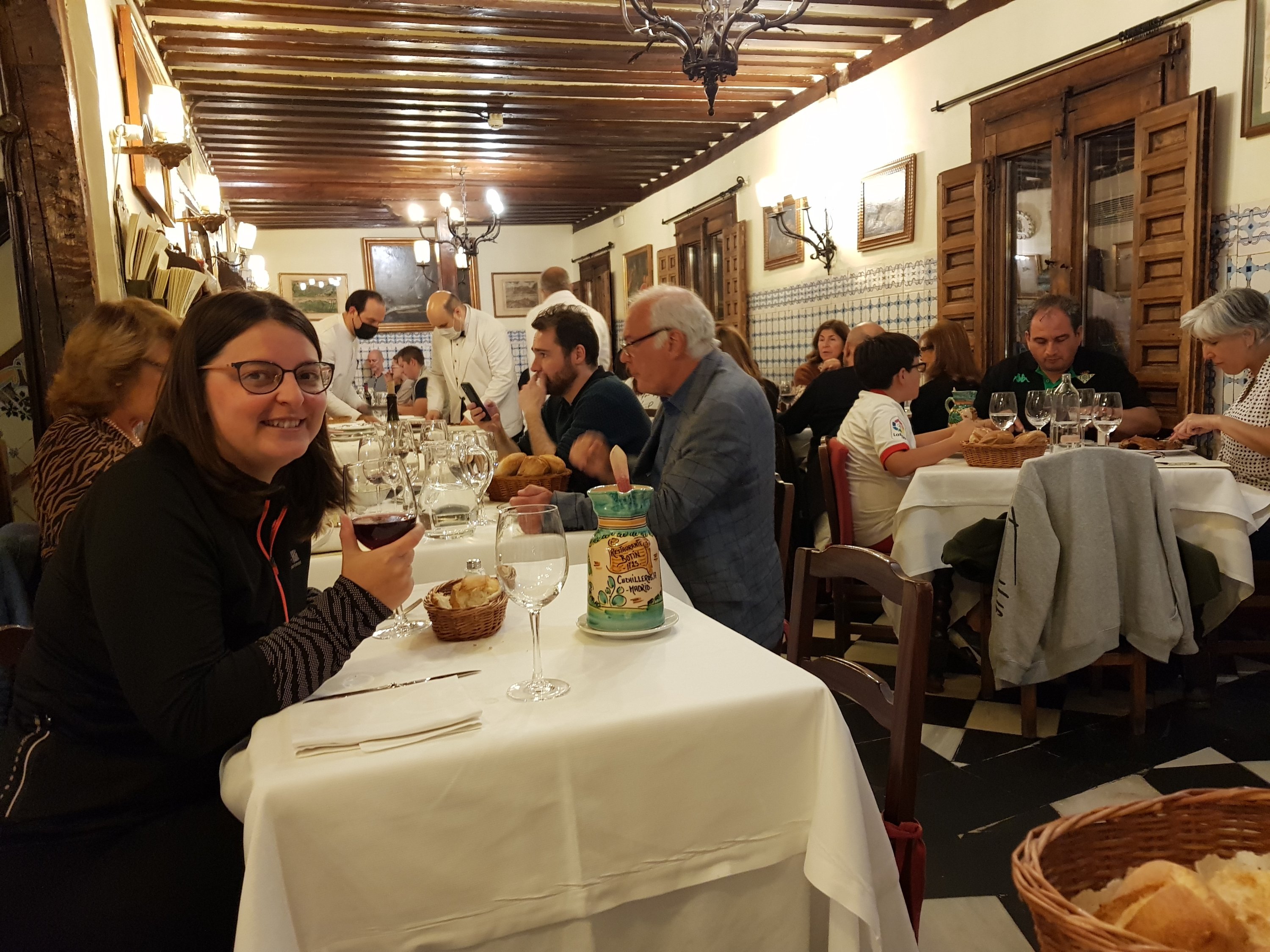
I had seen the ‘world’s oldest restaurant’, Botin, from the outside in my last visit to Madrid. To get a table there though, you need to book a few weeks in advance. I was having a stressful day (going shopping 😖) and was walking past so decided to ask if I could come in for a drink as I am alone. I had no booking and I thought it might be a waste of time, but not only did they let me in because I was solo, they let me have a full meal! Huge result!

I had half a jug of sangria and a plate of mushrooms, garlic and ham, and was completely cheered up again! I also had the pleasant surprise of befriending two lovely ladies from Denmark on the next table. We were chatting and toasting for my whole dining experience, so I wasn’t solo after all!

As usual, Madrid was very pleasant, and I experienced much more of the local nightlife and culture this time round. I will probably go back again and again in the future.

Cordoba: A city of craftsman

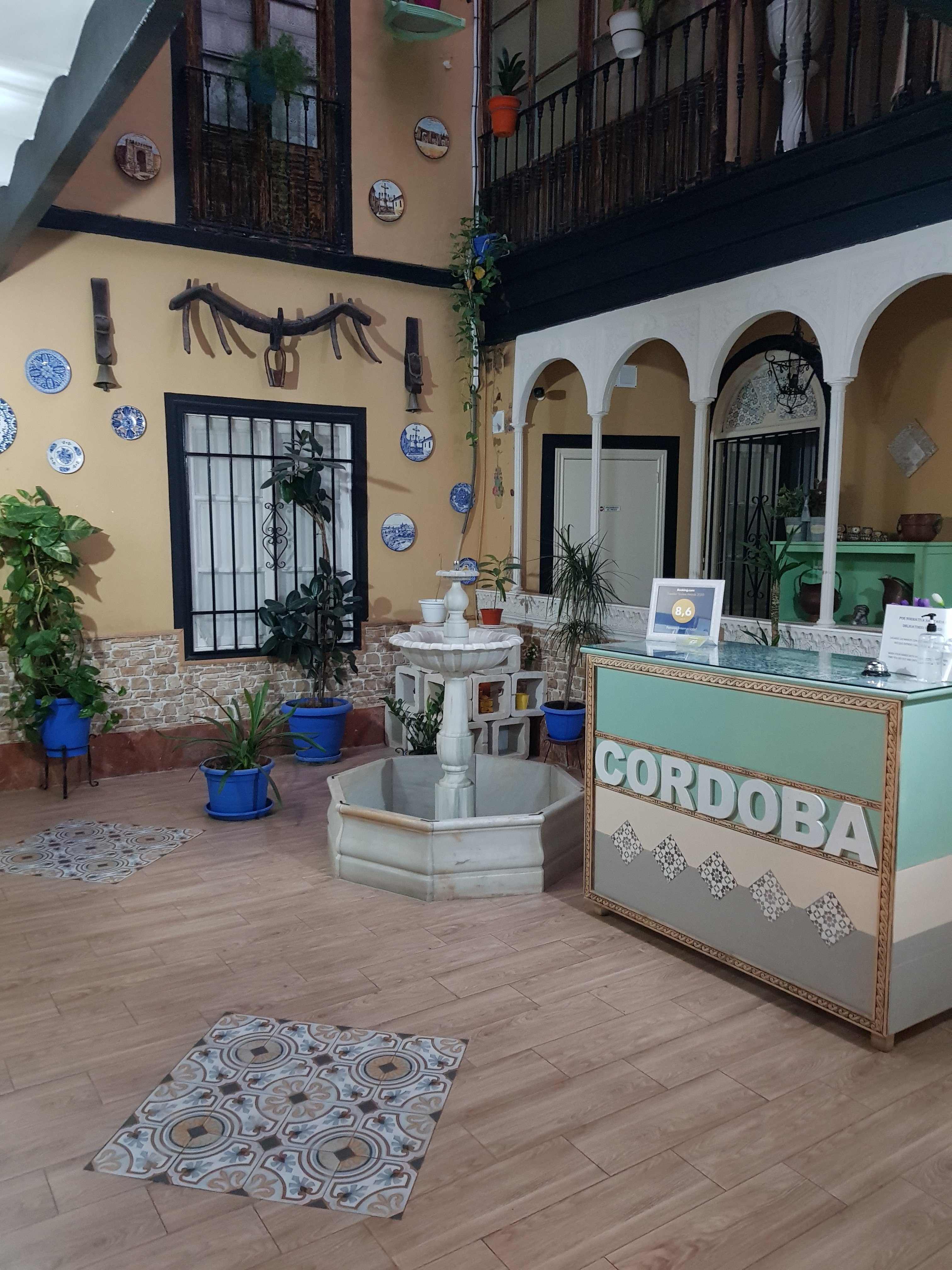
After an excellent and short train journey from Seville, I arrived in Cordoba. Once the Capital of Islamic Spain, this city is a beautiful mix of styles and culture.

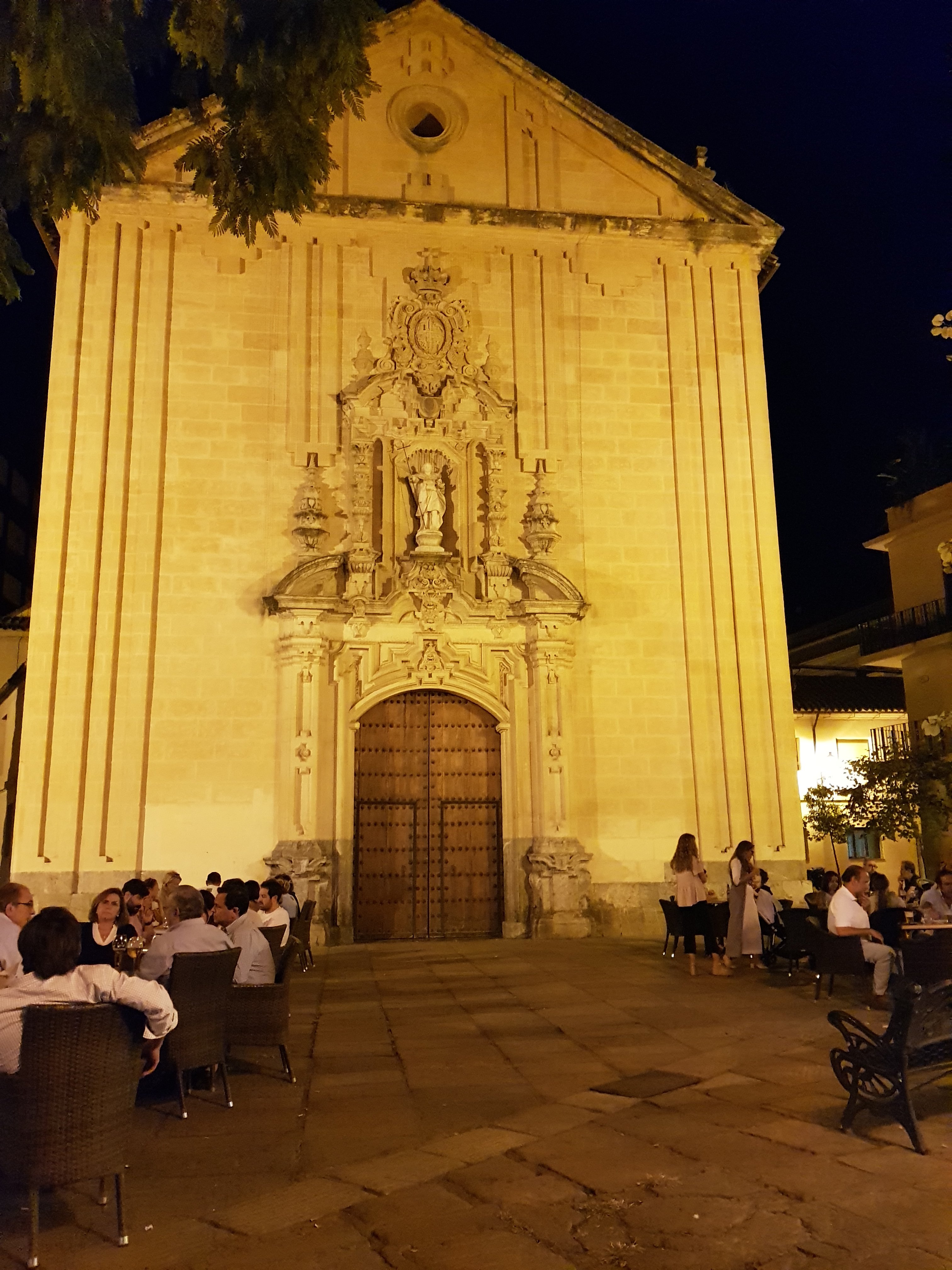
I arrived in the evening and enjoyed the lively atmosphere of the city as it was filled with people bustling to shops and restaurants under the sunset sky. The city actually reminded me a lot of Pisa, the sort of place that is usually seen as a day trip, and is quite suburban, but actually has a lot to offer.

I had a wonder around the city outskirts, and came back around along the riverside. The city’s river is its focal point, and most of the historic area is by the riverside.

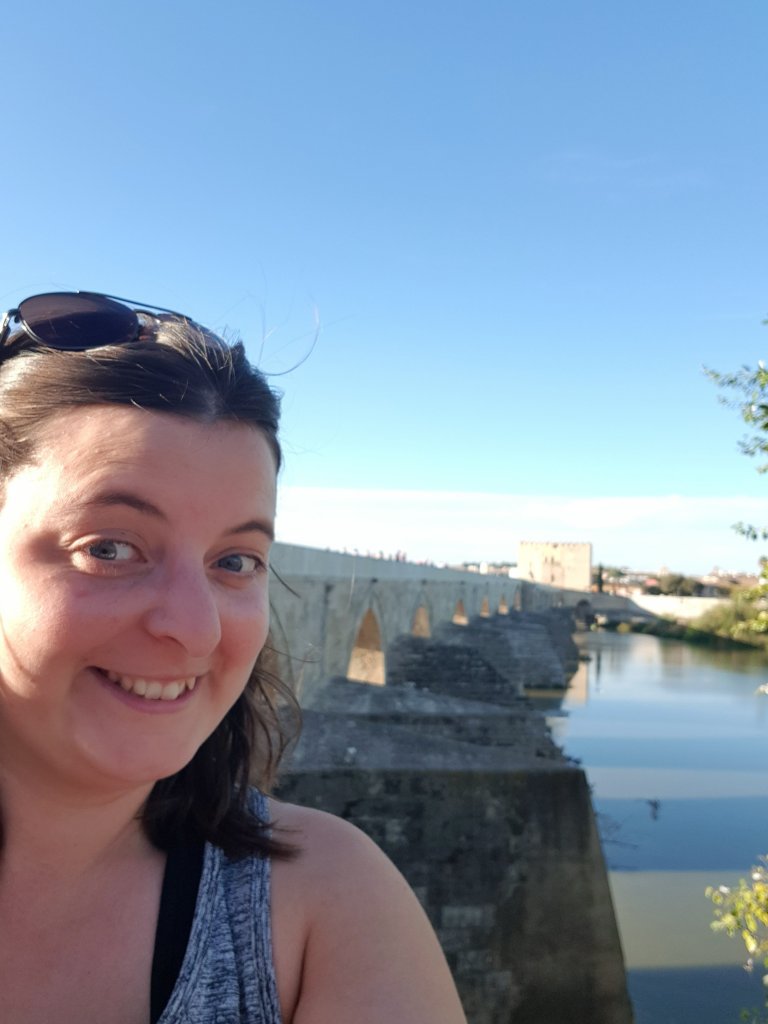
The river is also home to the beautiful Roman bridge, which happens to be another Game of Thrones location! It was actually used with CGI to create the bridge to ‘Volaris’, still counts though. Another one off the list. ✅✅✅

Me at roman bridge in Cordoba, another GoT location.

The buildings around the city are also very pretty, and often you can spot silversmiths, leather workshops and tile shops. These have been the ancient crafts of this town for quite sometime, and still are now. If I could carry a tile in my backpack, I would have got one to stick somewhere at home.

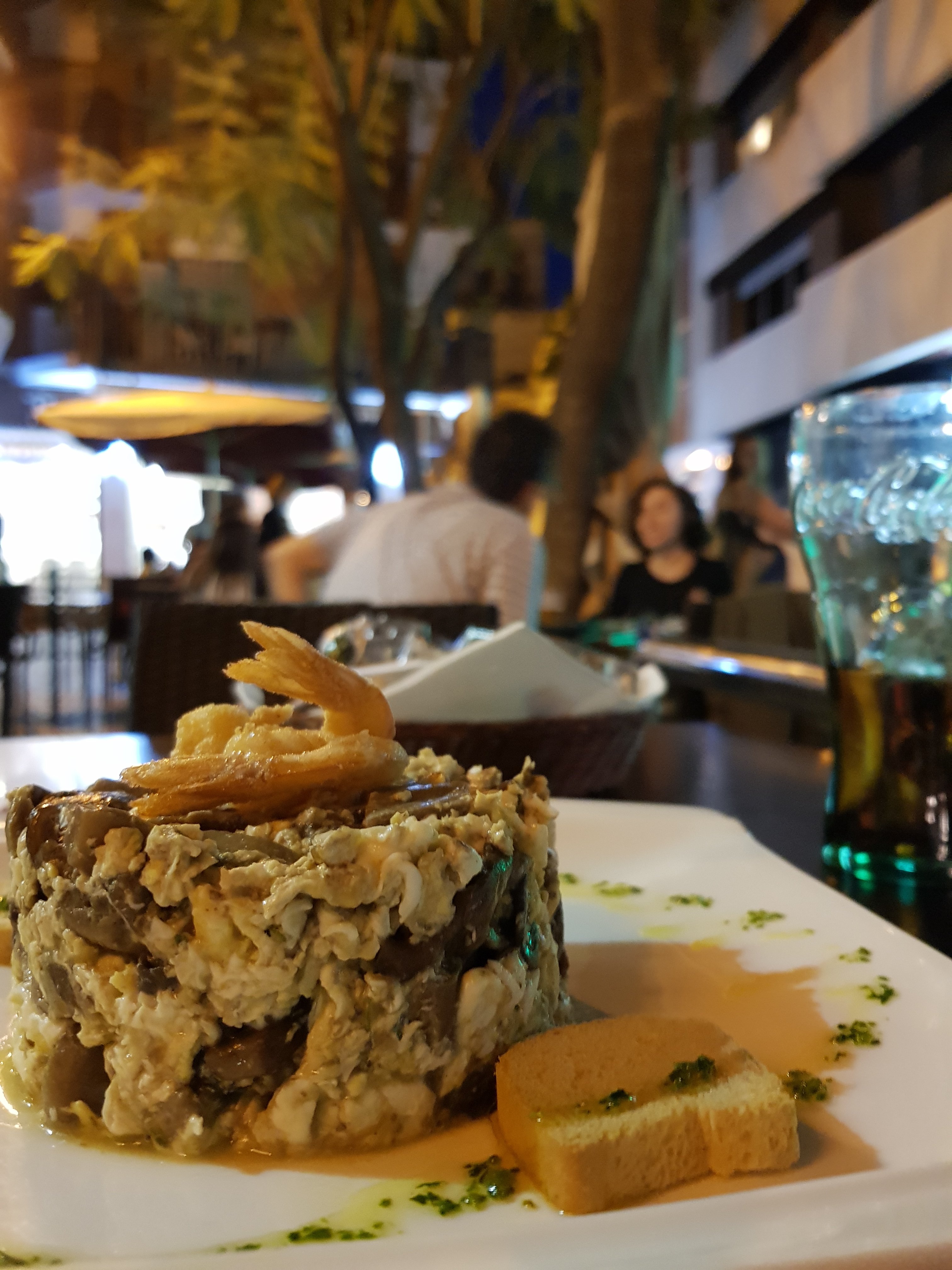
The town also boasted an unusual amount of ice cream and cake restaurants. I was struggling at one point to find regular food! I did enjoy my ice cream milkshakes though, as temperature was still around 30’c.

Mesquita Cathedral

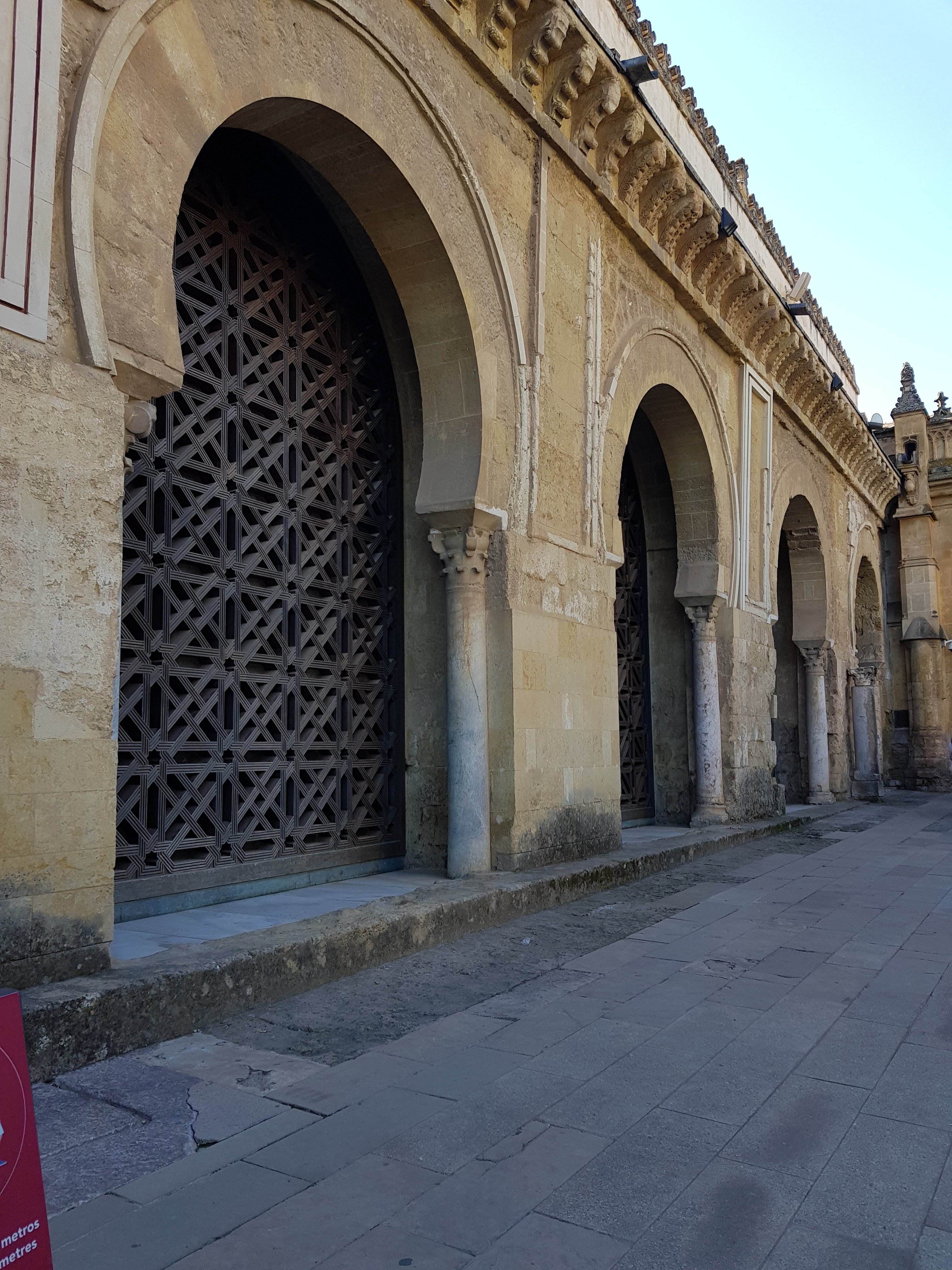
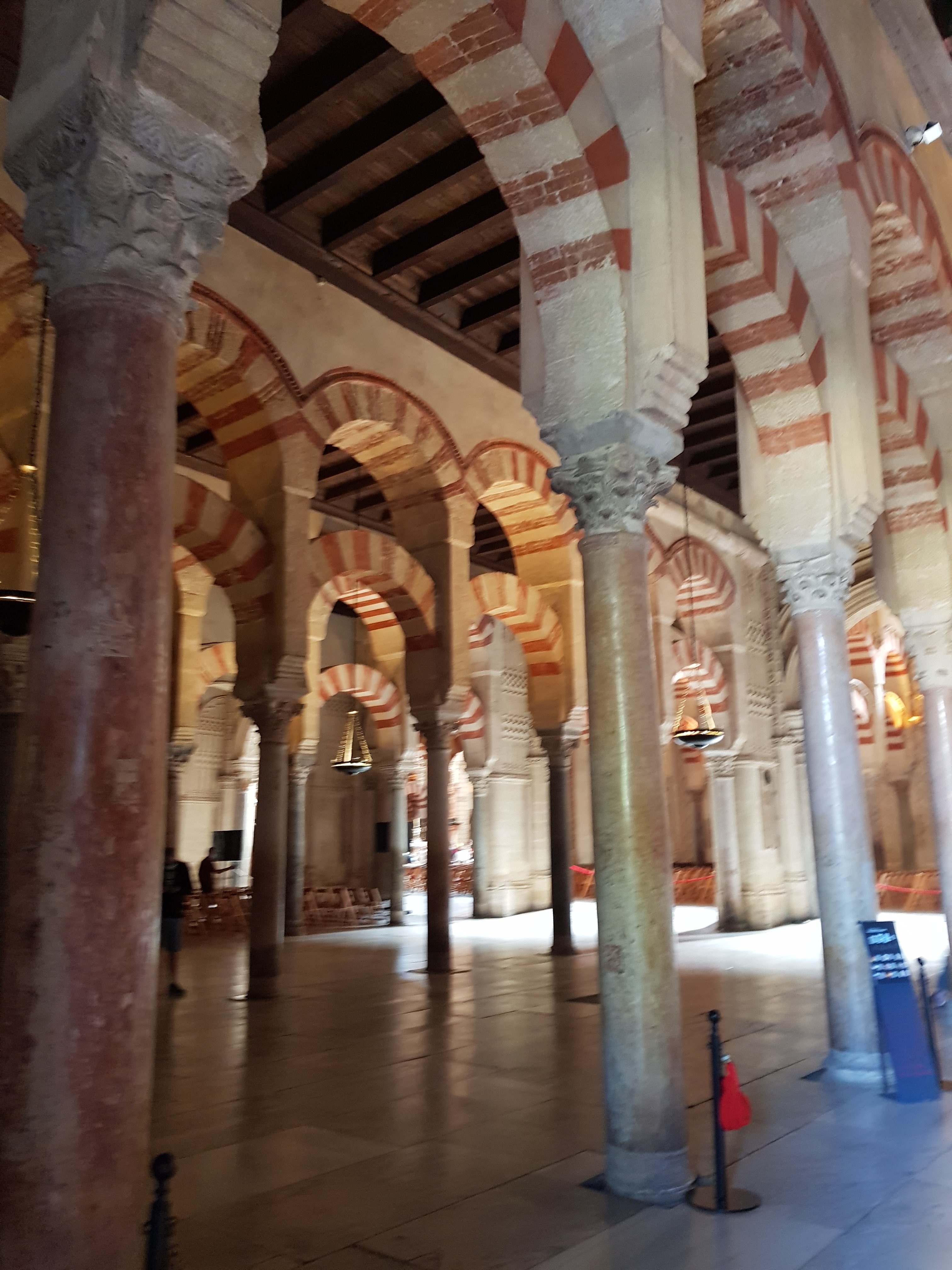
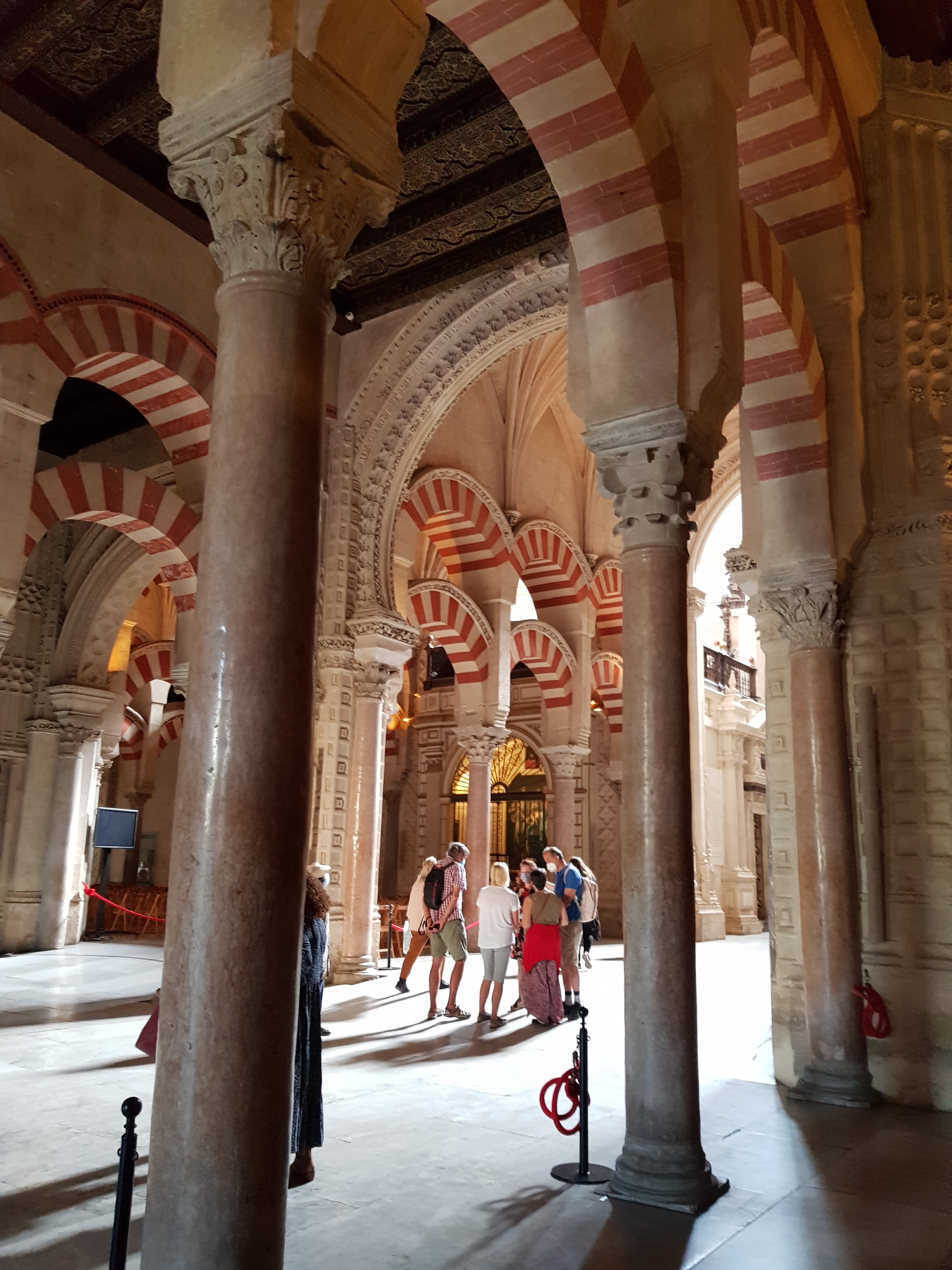
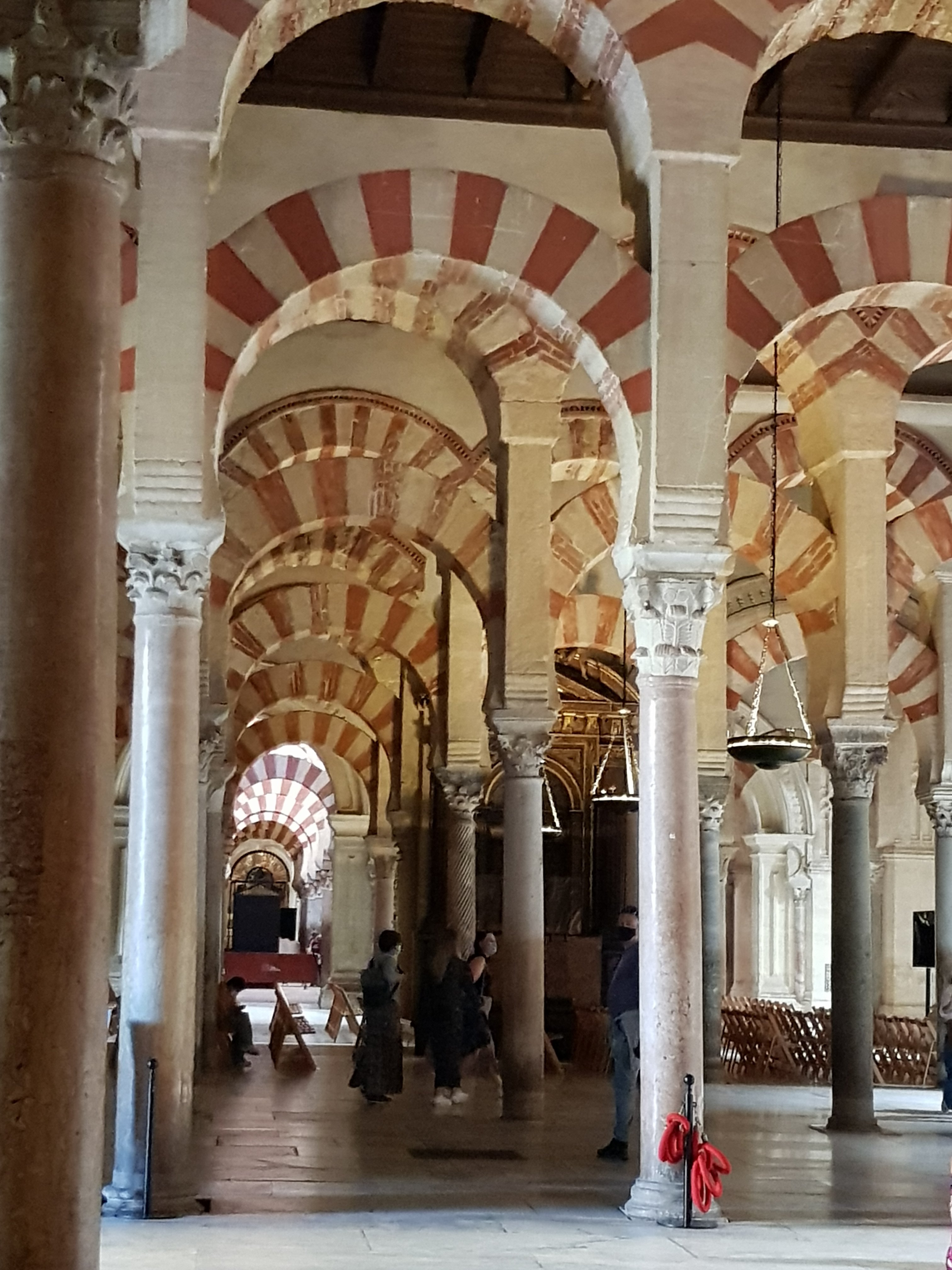
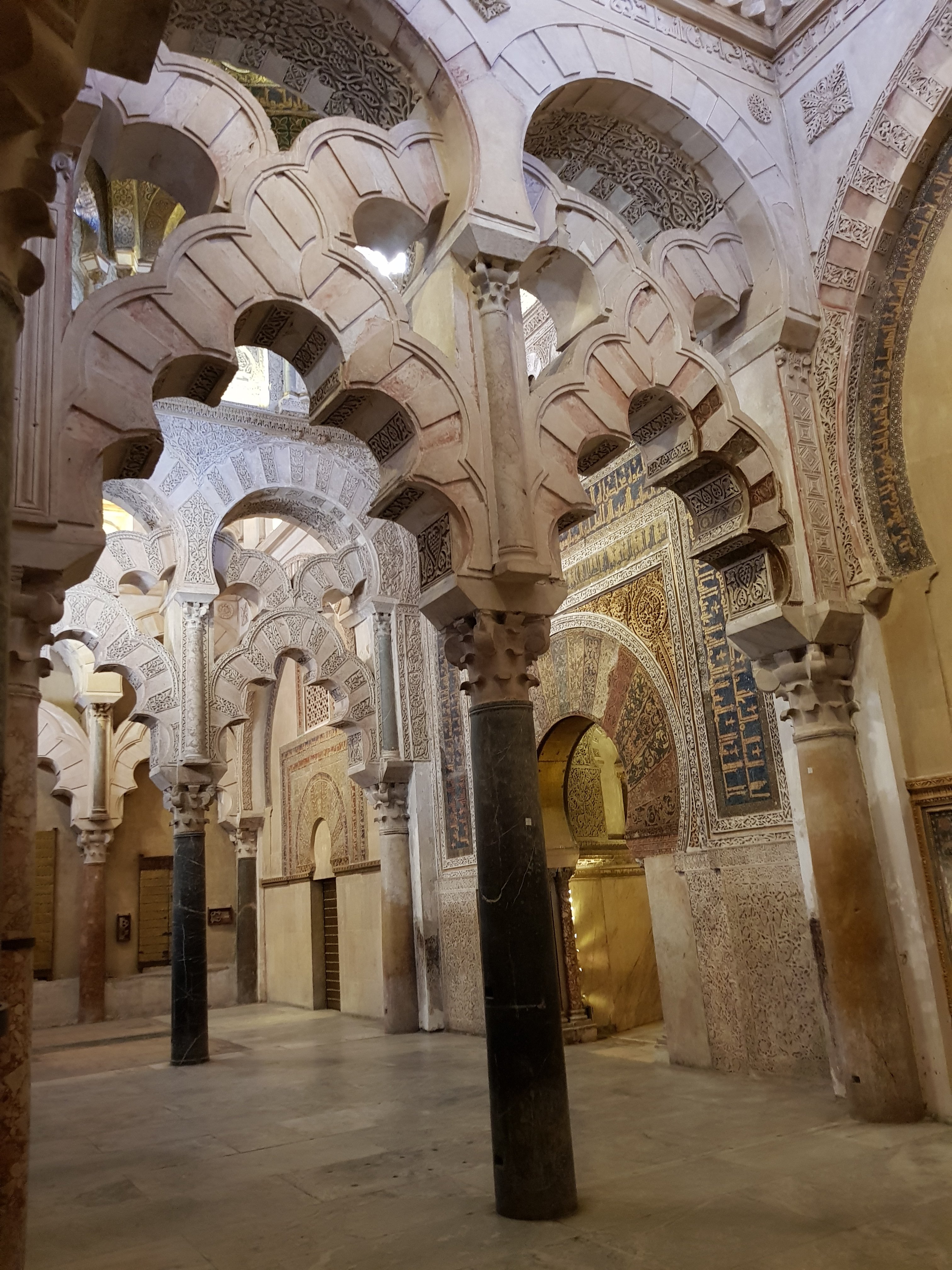
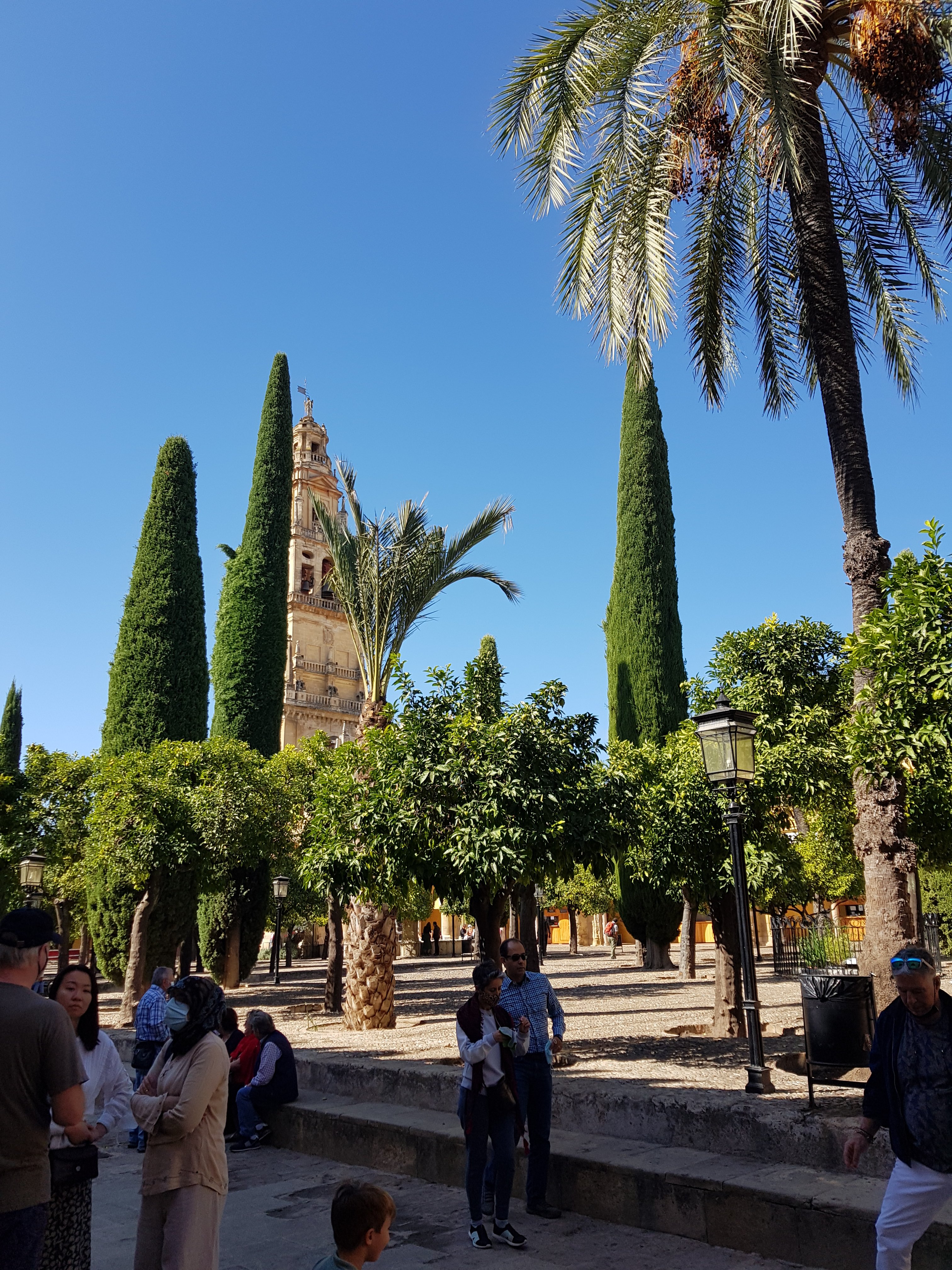
The Mesquita (meaning mosque) is what most people visit Cordoba to see. You can see why when you visit. I was excited to see the building but it truly left me speechless, (well other than repeatedly saying ‘WOW!’)

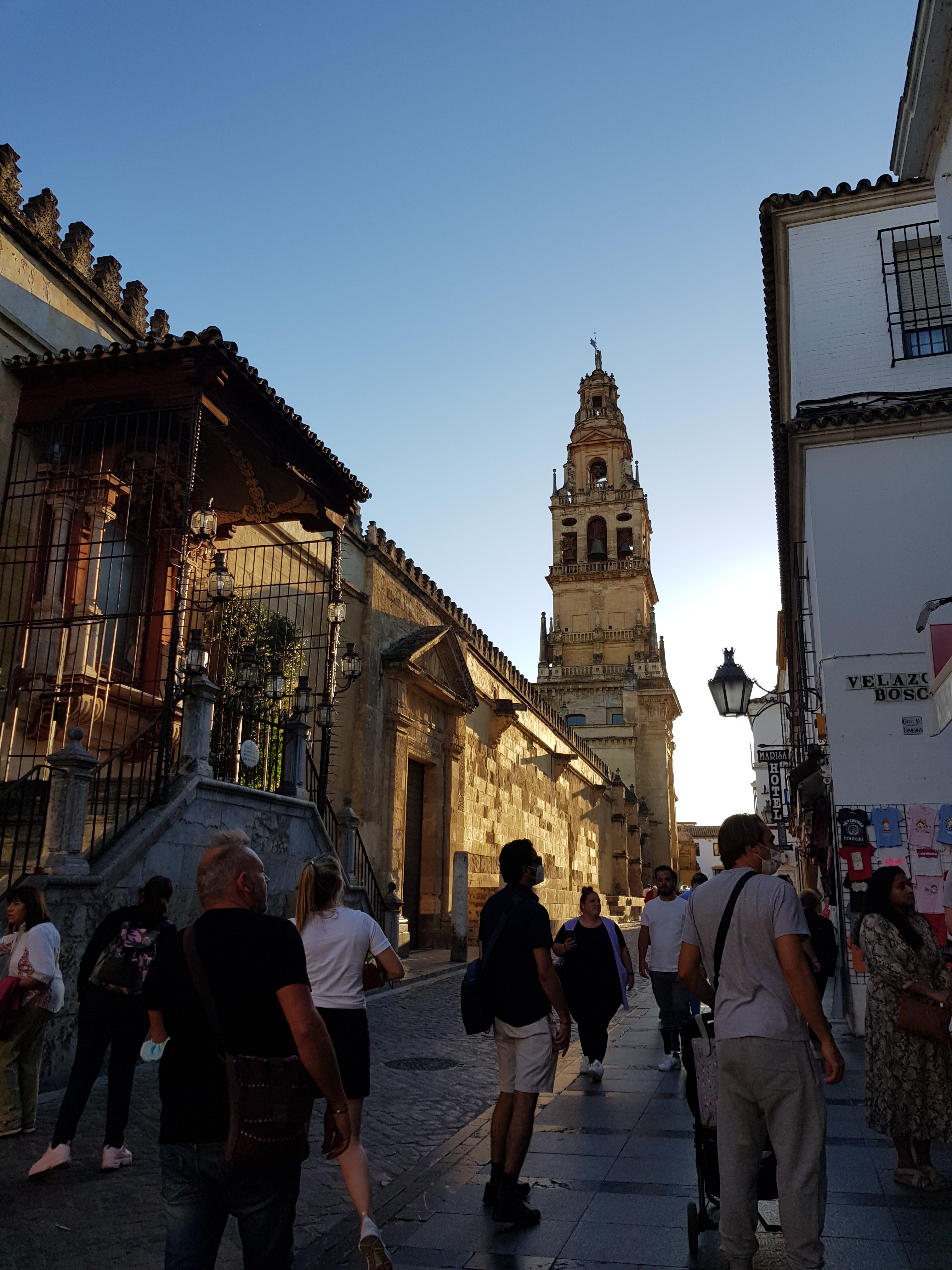
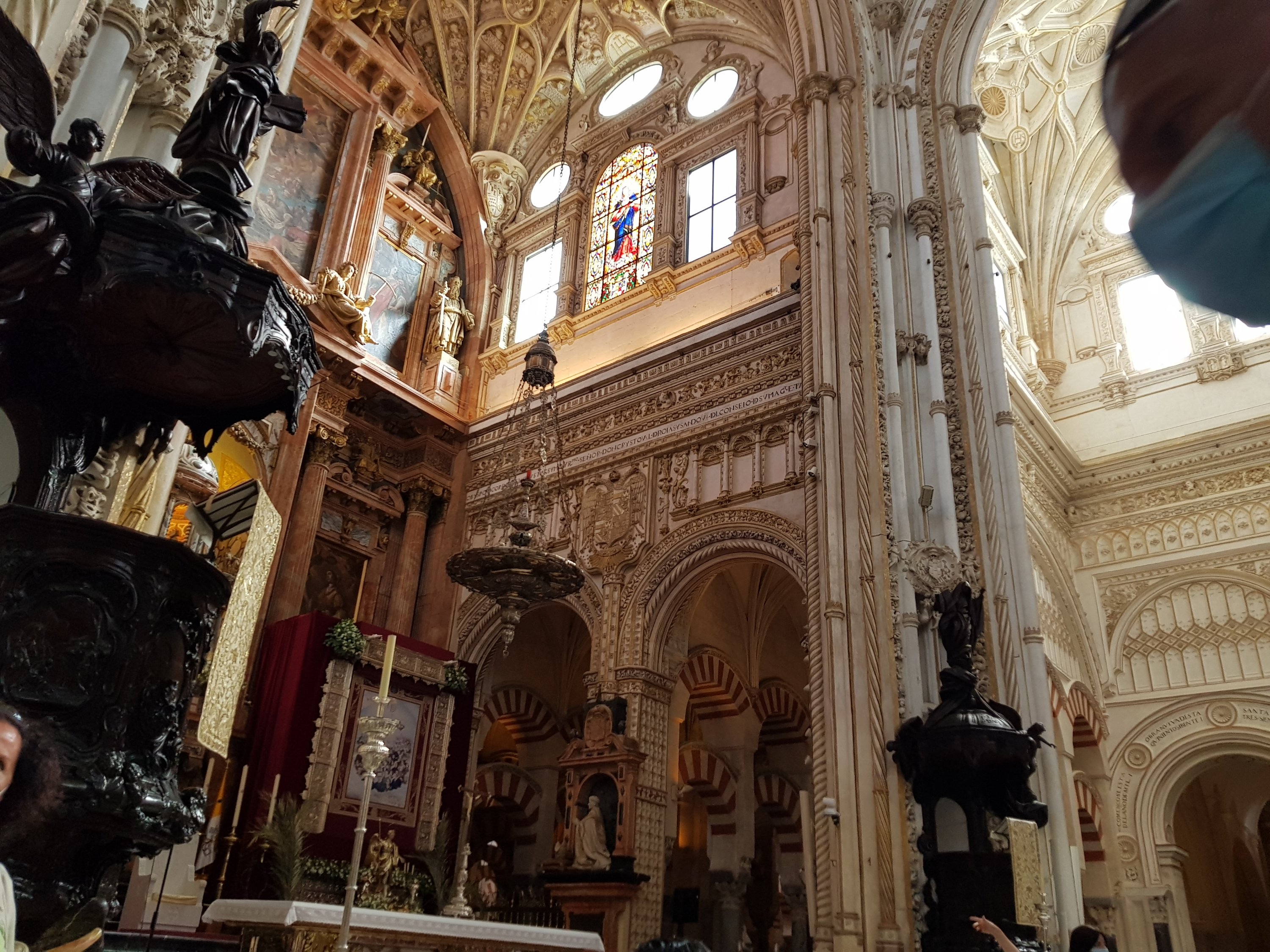
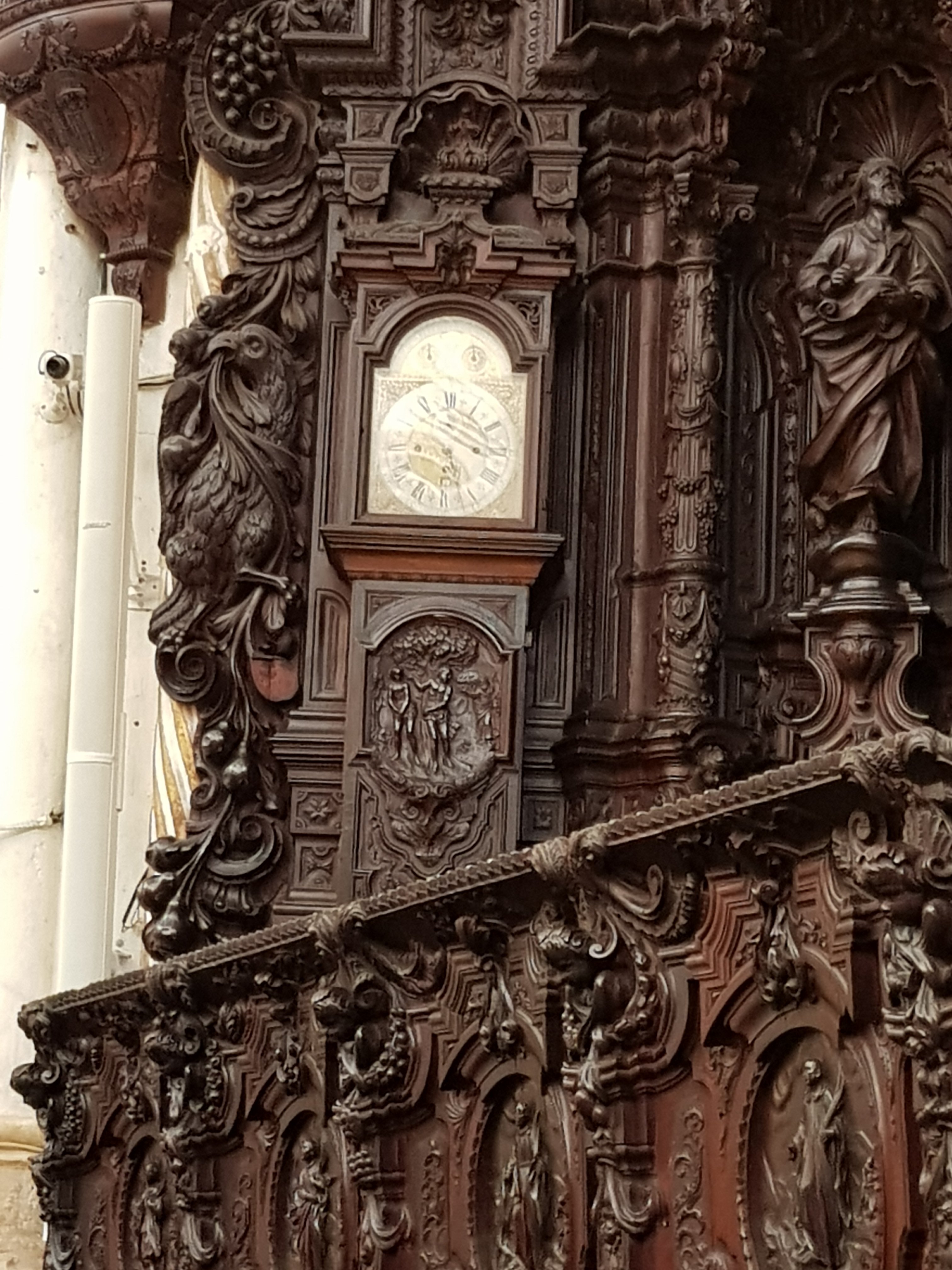
The site was originally home to a roman temple, but later the foundations were used to build a mosque,when Spain was under muslim rule. When the catholics conquered the area, the mosque became a cathedral. The original mineret tower was wrapped around with a christian structure, and much of the mosque internally was maintained as it was so remarkably beautiful. The christians did do three extensions to the building over the time though. This included getting permission from the King to build a traditional catholic chapel inside. Whilst pretty, most people agree that it is very out of place within this beautiful mosque.

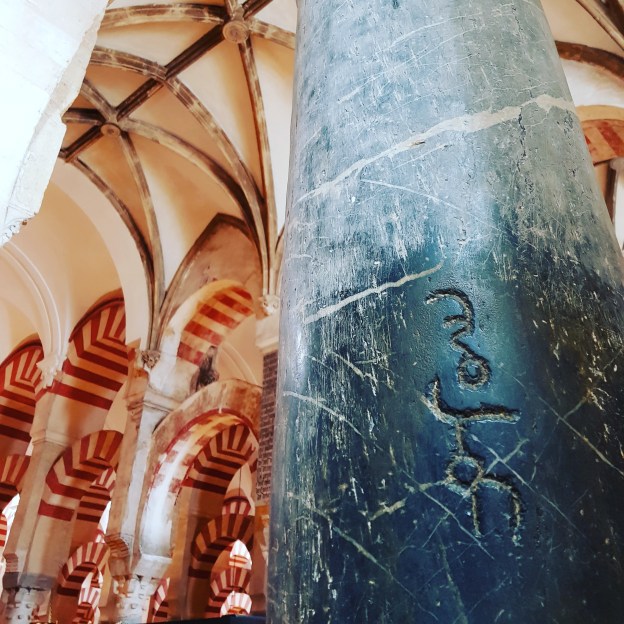
Within the mosque, the builders actually reduced costs by recycling columns and pedestals from the previous roman temple, which makes each one unique. The craftsman that provided some of their columns also left their trademark logo and signature on their pieces provided, which can still be seen. I love a bit of ancient graffiti!

I had a guided tour during my visit which was very helpful. The guide provided a lot of detail about the history and showed us what to look for. The entrance area / plaza is actually available for anyone to visit for free. It is only the inside of the temple that is ticketed, and this is limited and to restricted hours.

My tour also included a tour of the jewish quarter and a former synagogue. These are free to see generally. The jewish apparently moved into the centre of the city after the muslims were expelled for a period.

Alcazar Gardens

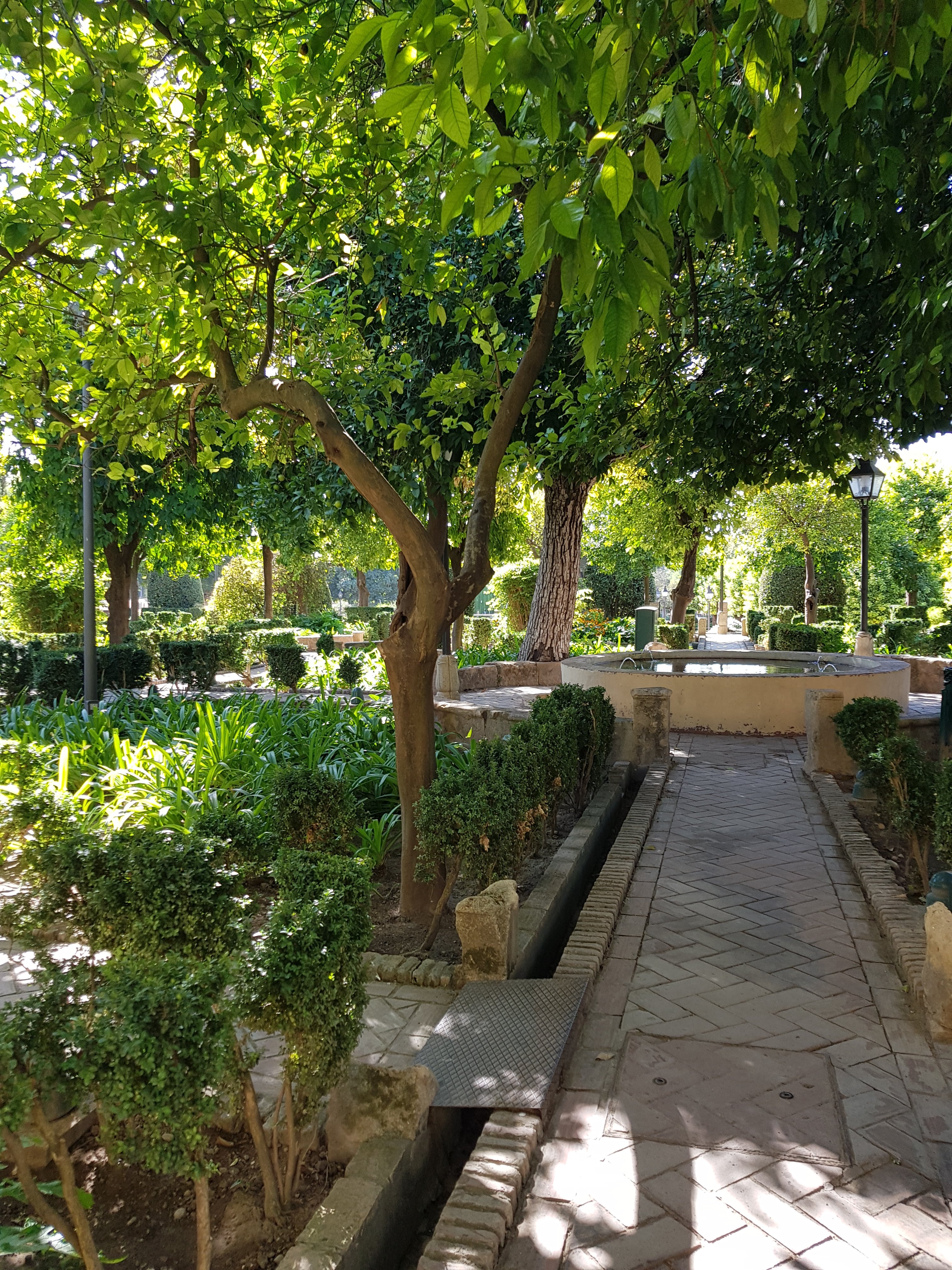
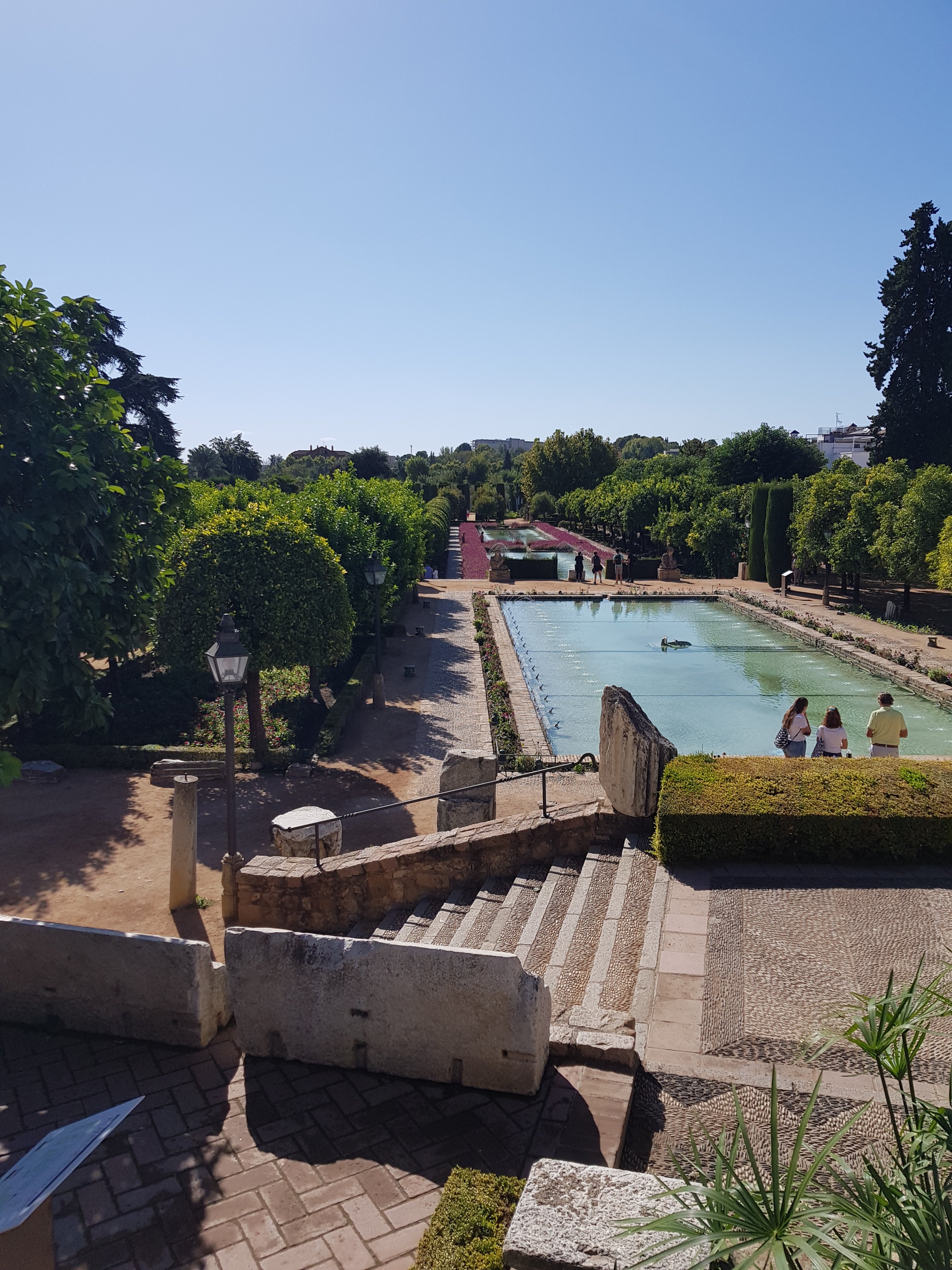
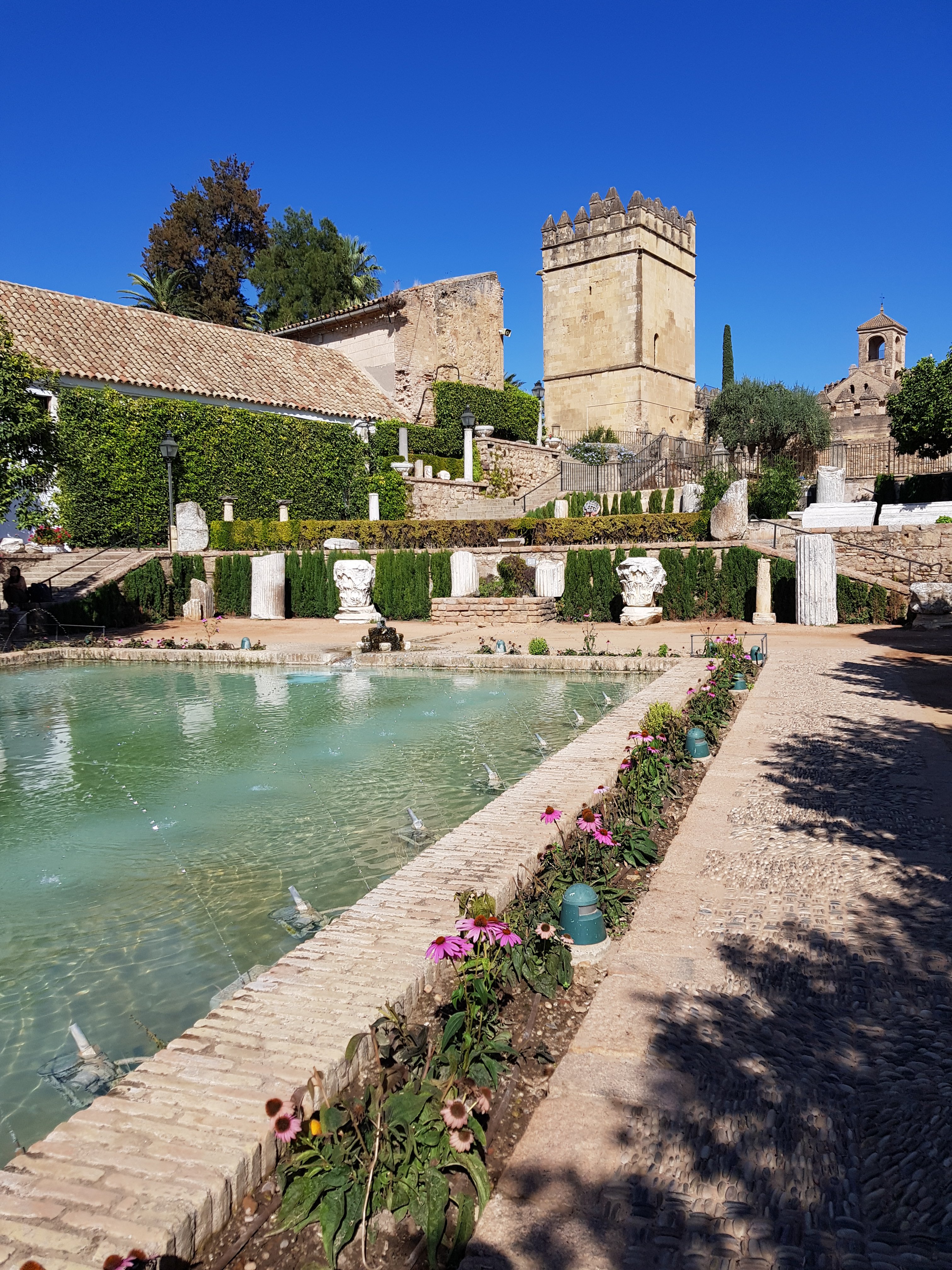
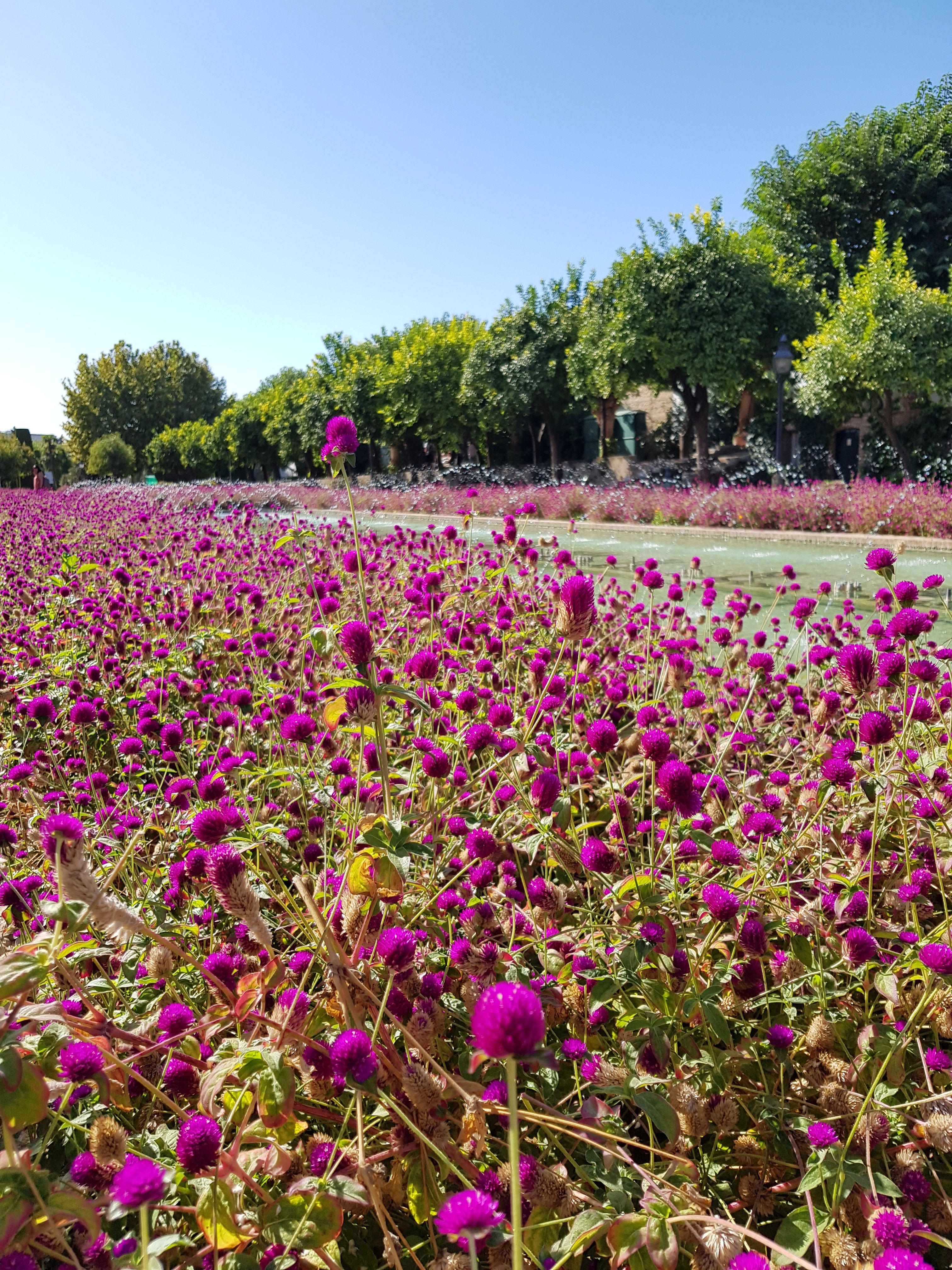
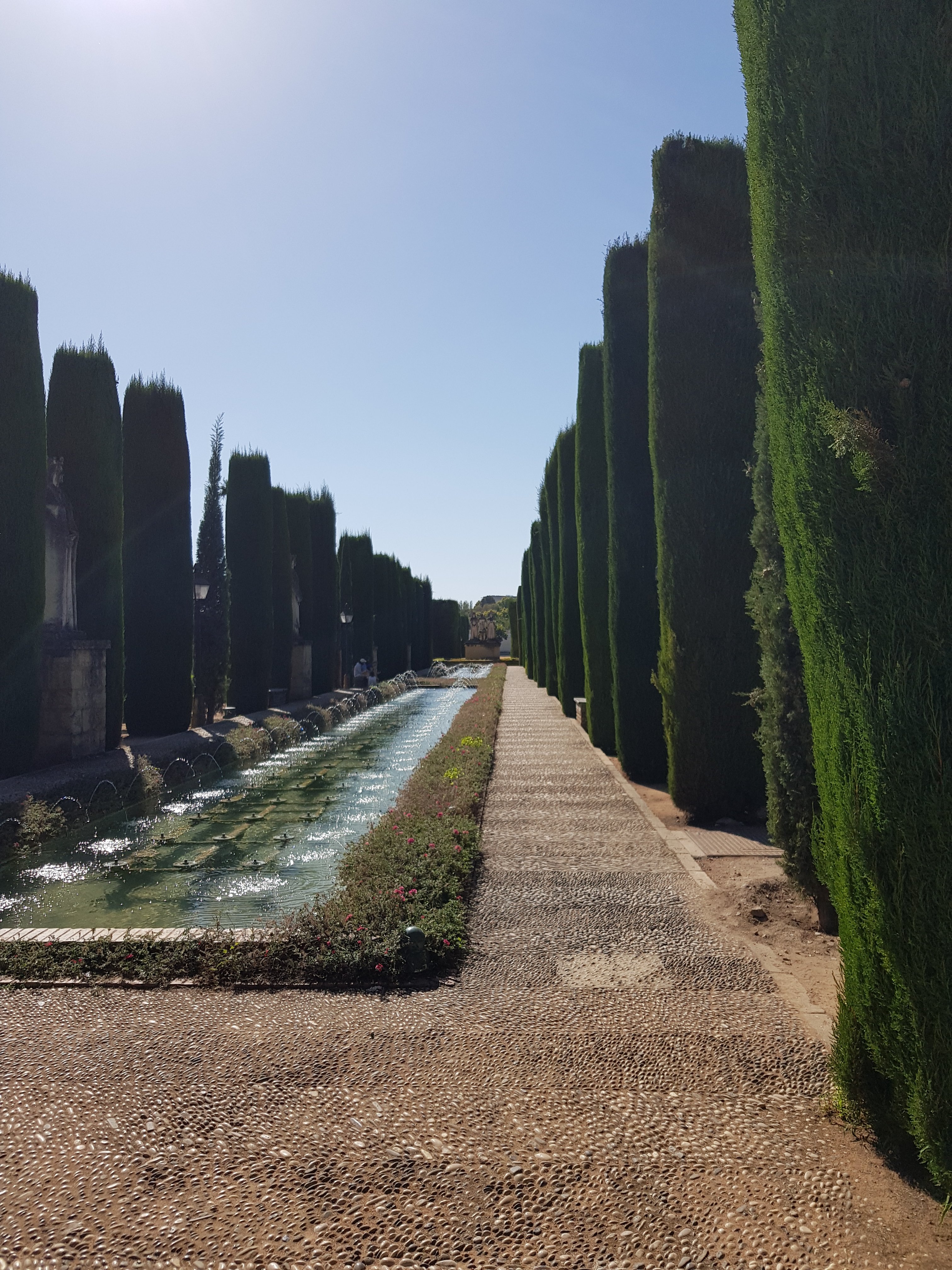
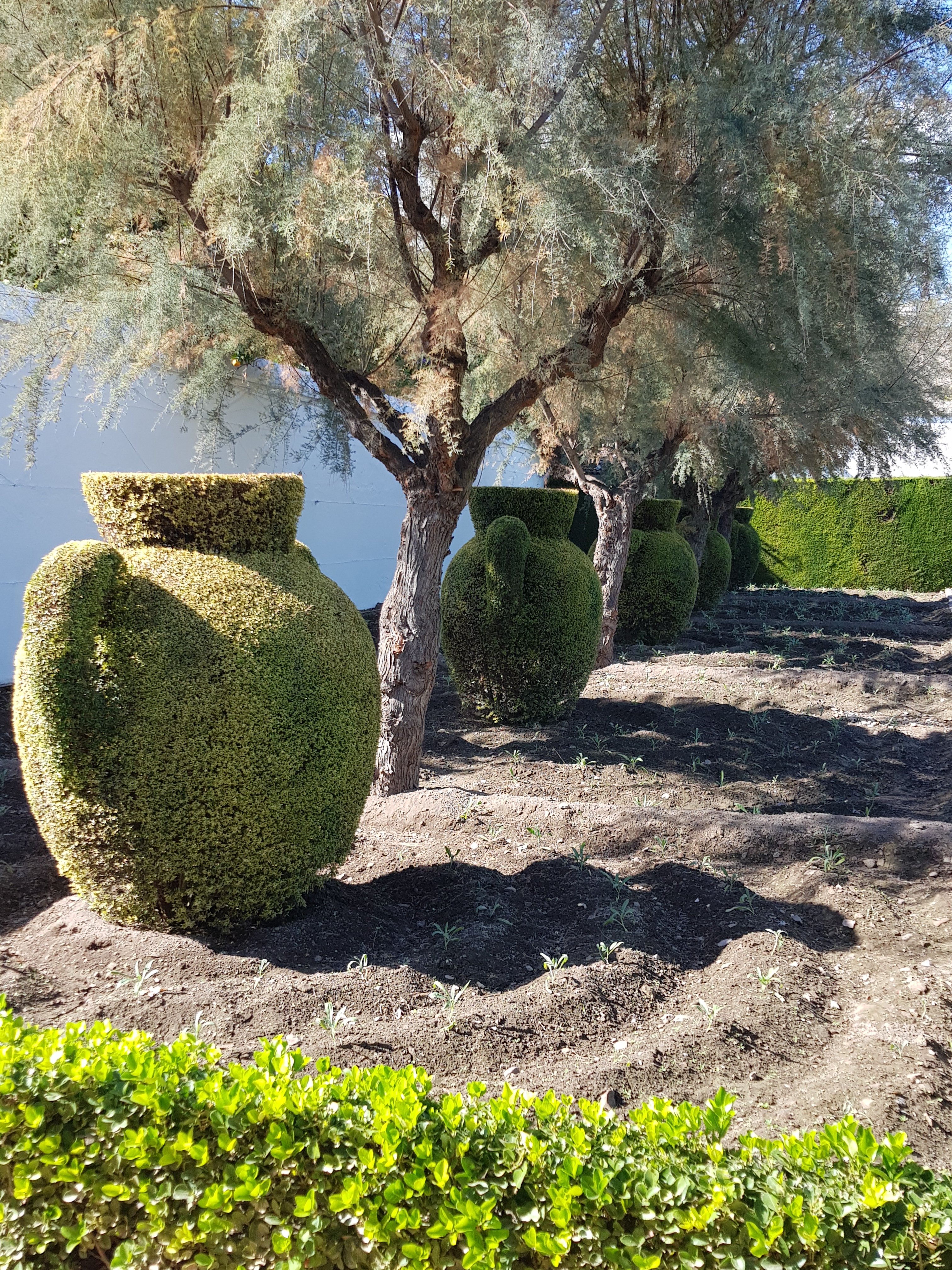
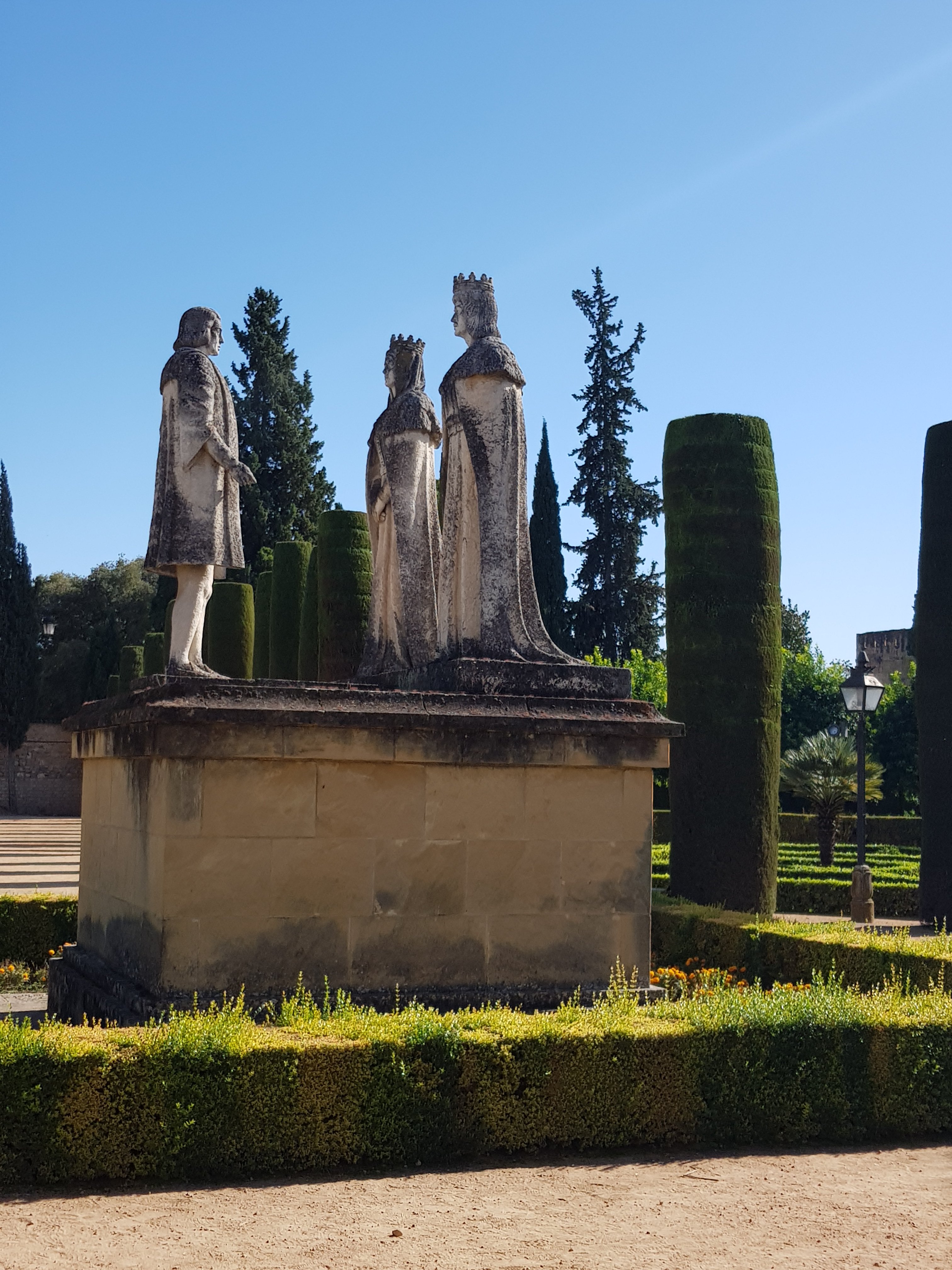
In my short visit to the city, I also decided to book a visit to the Alcazar there. You must have a reserved time slot, and the website is abit tricky, but just persevere with it! It is only five euros and worthwhile. The Alcazar building itself was quite small and hollowed out, but I went for the gardens. They were lovely…

Full of fountains, flowers, sculptures and impressive topiary, I parked myself on a bench, and sketched the scene in the sunshine for an hour.

Before I knew it, time was up and I had to head to the bus station. Cordoba should definitely be on your list to visit. There is so much culture here, and it has a very friendly feel.

Next stop… Madrid!

Sevilla: Pearl of Andalucia

Following on from a week in Portugal, I decided to travel four hours by bus, to one of Andalucia’s best known cities, Seville (or Sevilla).

The journey to Seville was reasonable by bus, and cost only about €30 from Lagos, Portugal. There was no border restrictions and I didn’t even have to go through a passport check. The only downside was that the bus was very hot! It was 30’c outside and hotter inside the bus. Thankfully, we made plenty of service station stops to get some air and water.. (makes me sound like a car haha).

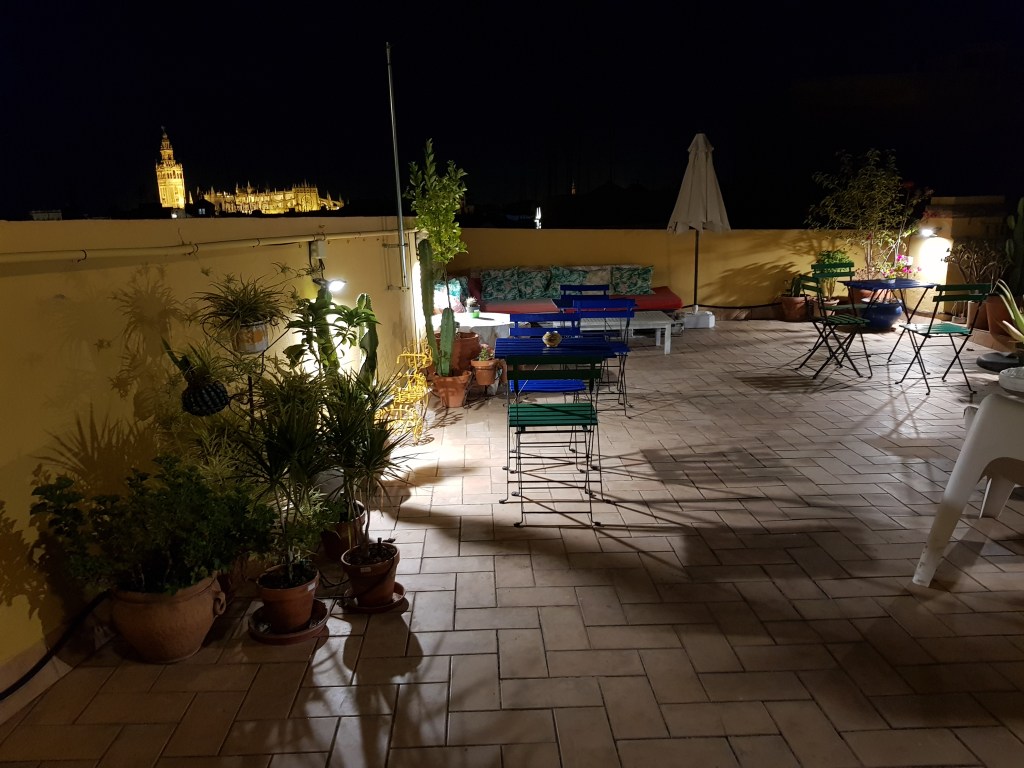
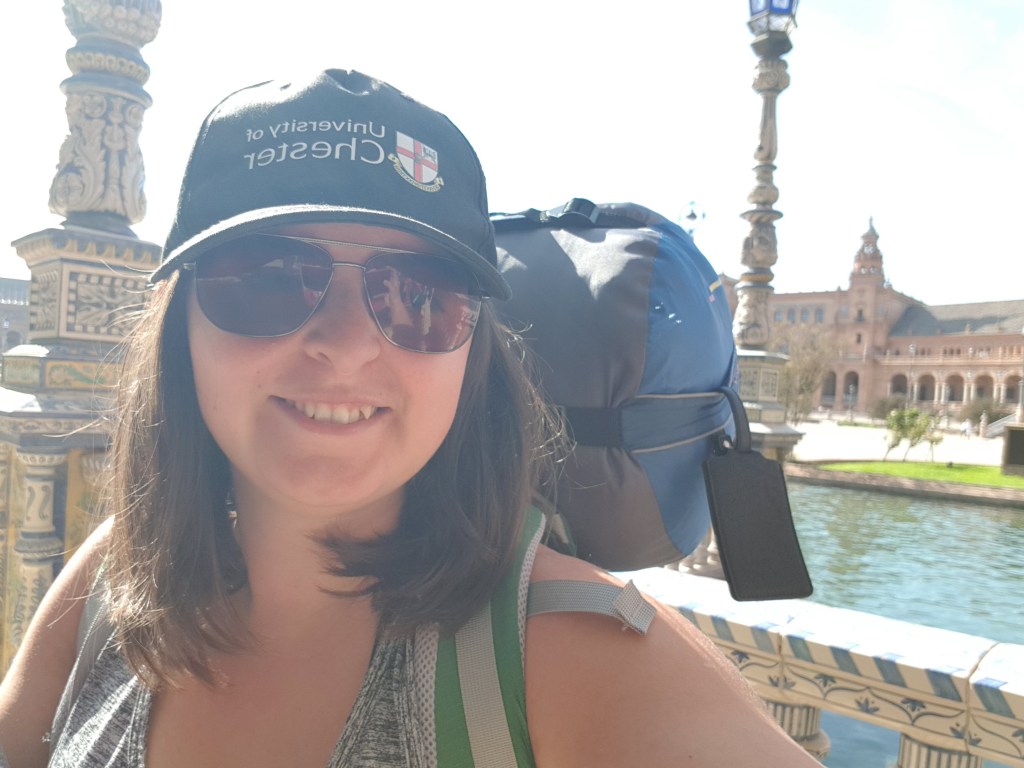
On arriving to Seville, I was able to walk the short route to my hostel. I definitely had lots of strange looks though, carrying a huge backpack and sleeping bag on my bag in 30’c weather. I must have looked mad, in a place where no one even owns a coat, as apparently it hasn’t rained for five years! I stayed at the La Flamenka hostel in the city centre, and this was a lovely place to stay. The staff and volunteers were very friendly and helpful and the environment makes it really sociable. Due to a chilled out kitchen and terrace layout, I was able to strike up conversation and befriend a Brazilian, a Norweigan, an Austrian, and a Barcelonina. Great practice for my language skills! All guests were solo travellers too, so we all had that in common.

La Flamenka hostel terrace at night

Alcazar

On my first day, I had prebooked a visit to Seville’s Alcazar through Viator, which also included a guided walk of Santa Cruz neighbourhood, and a visit to the Cathedral & Giralda.

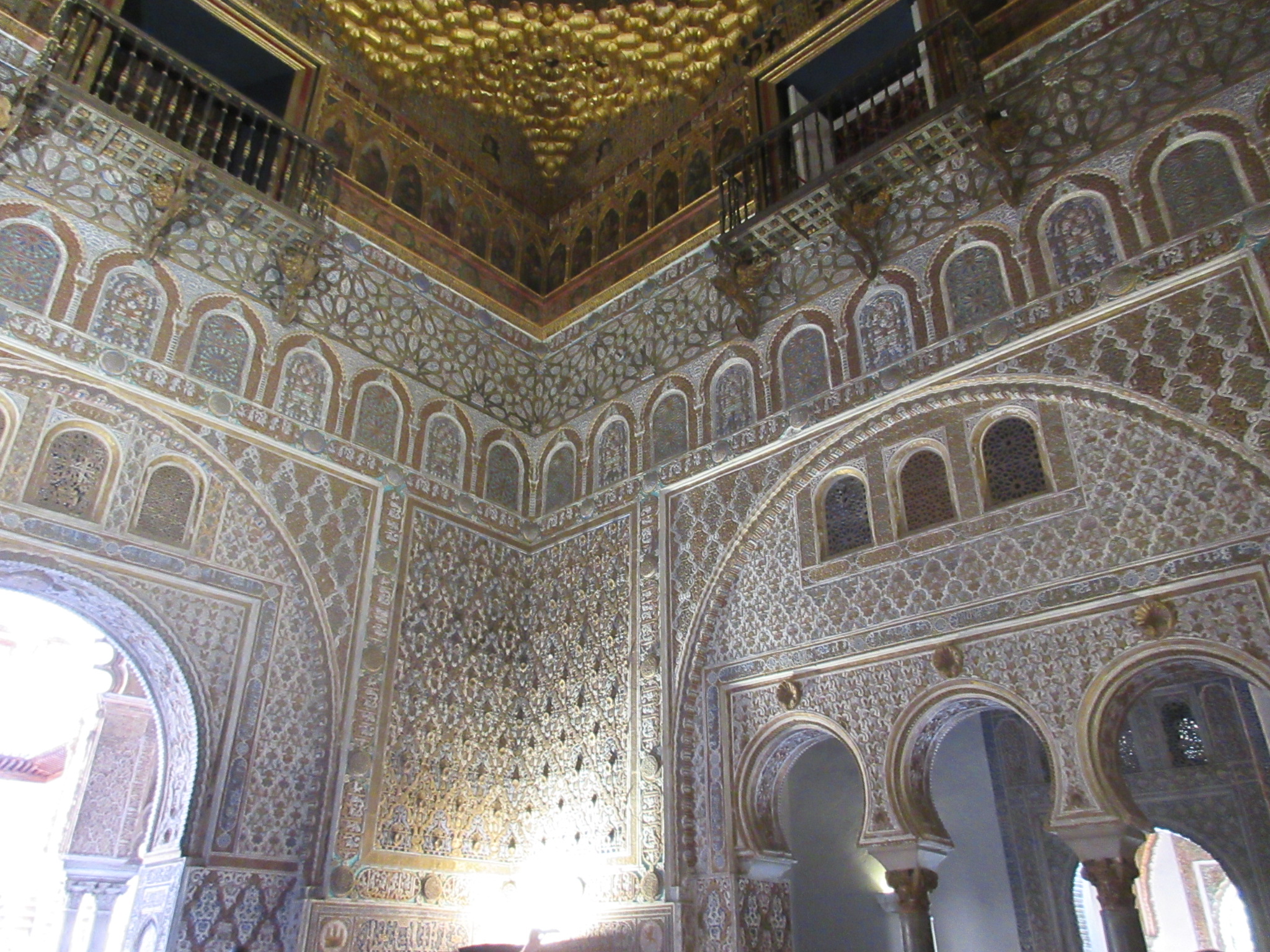
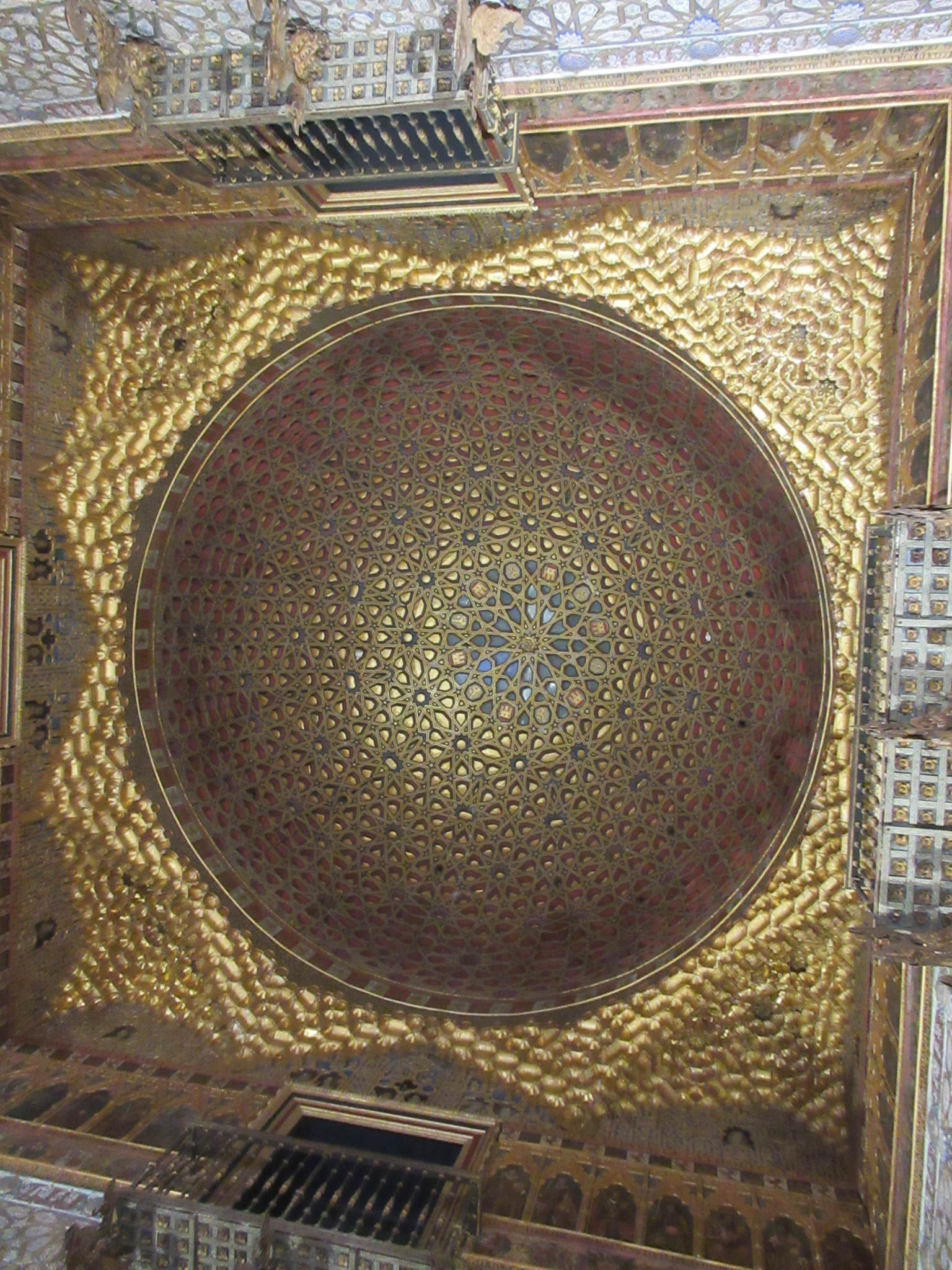
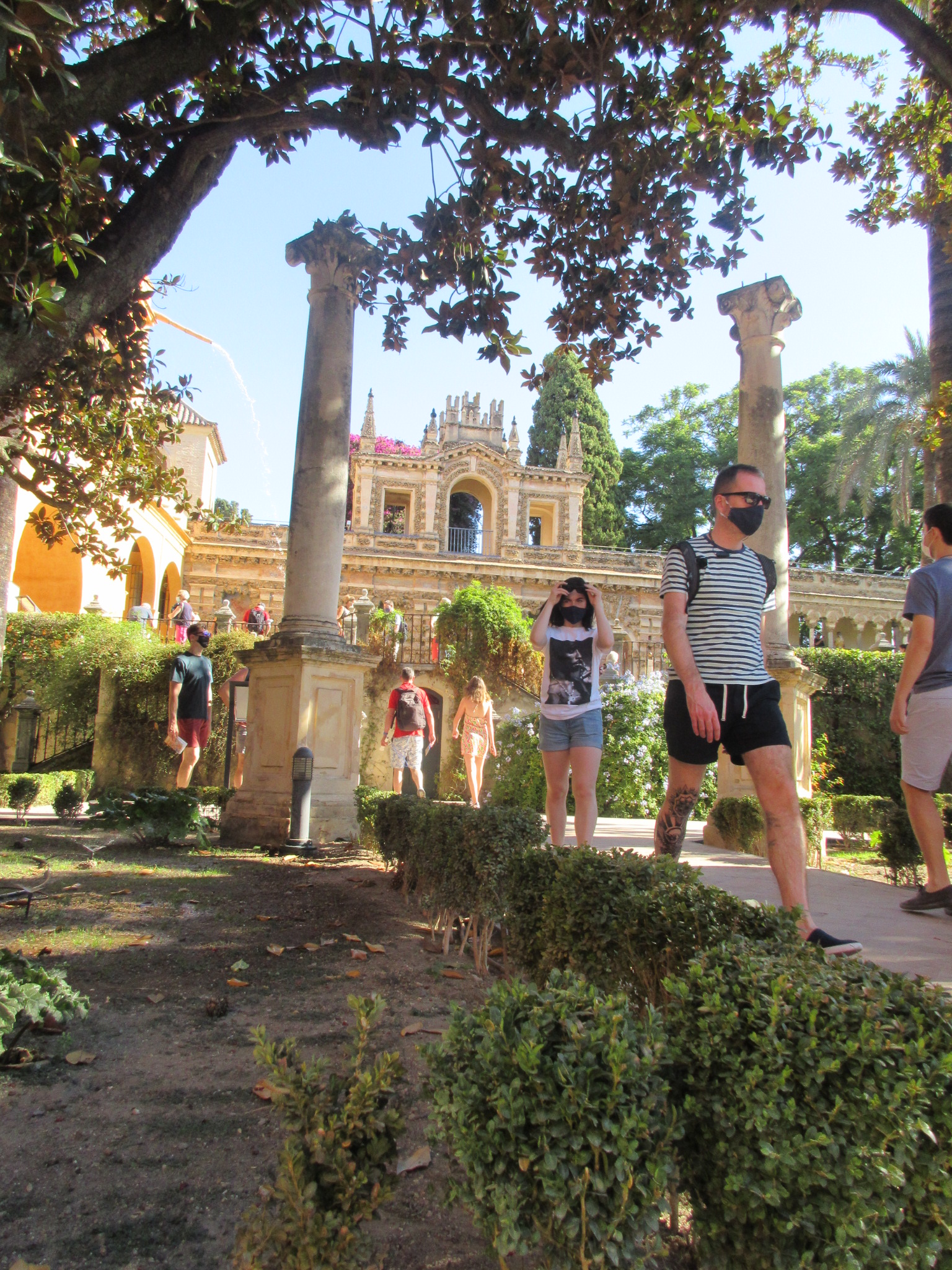
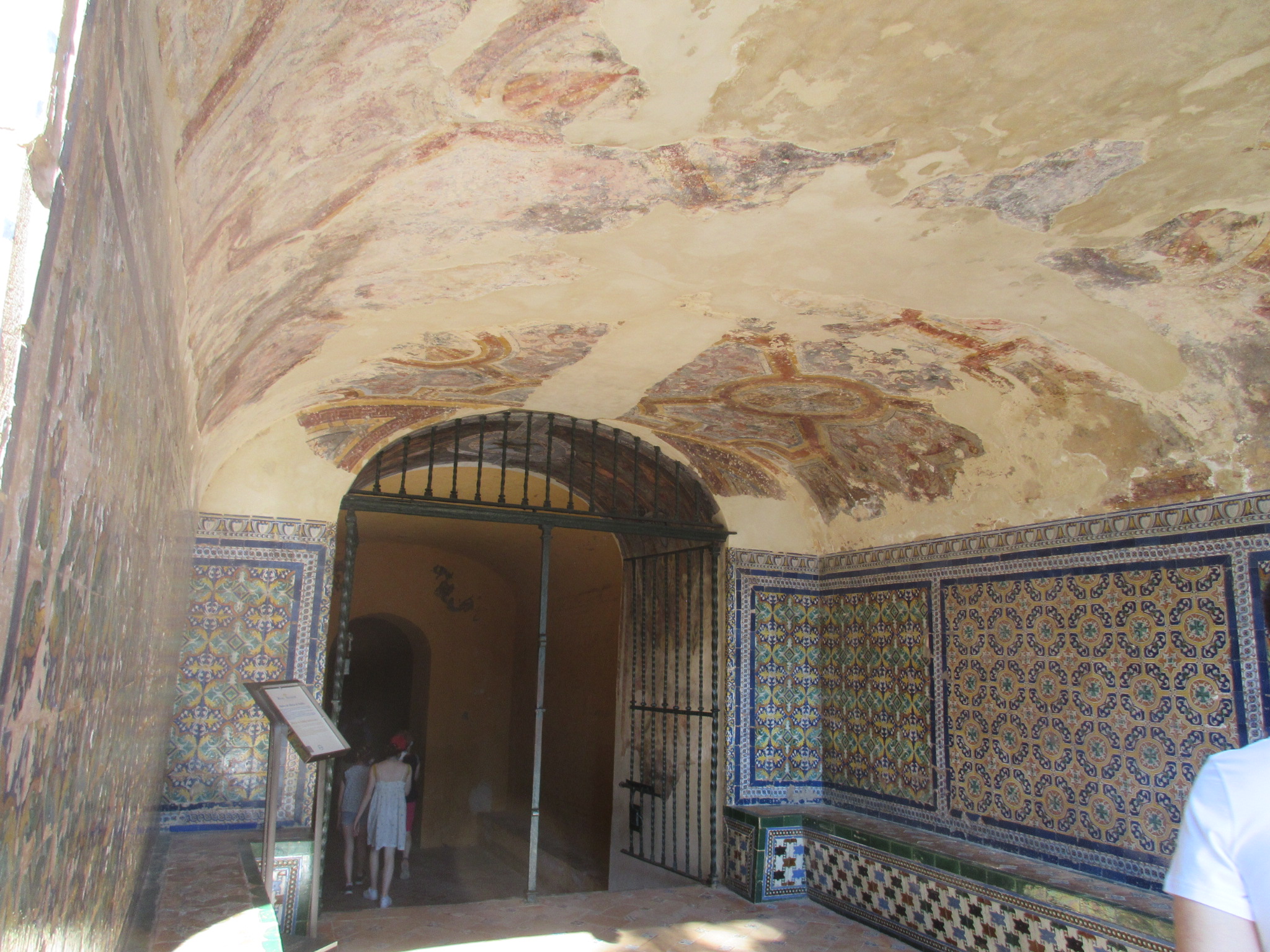
I have visited Granada’s Alhambra on a previous trip, so I knew somewhat of what to expect in this Alcazar visit. The Alcazar in Seville is still beautiful though, and has its own charm. It seemed to have a lot more gold in the decoration and many more tiles and christian influence too.

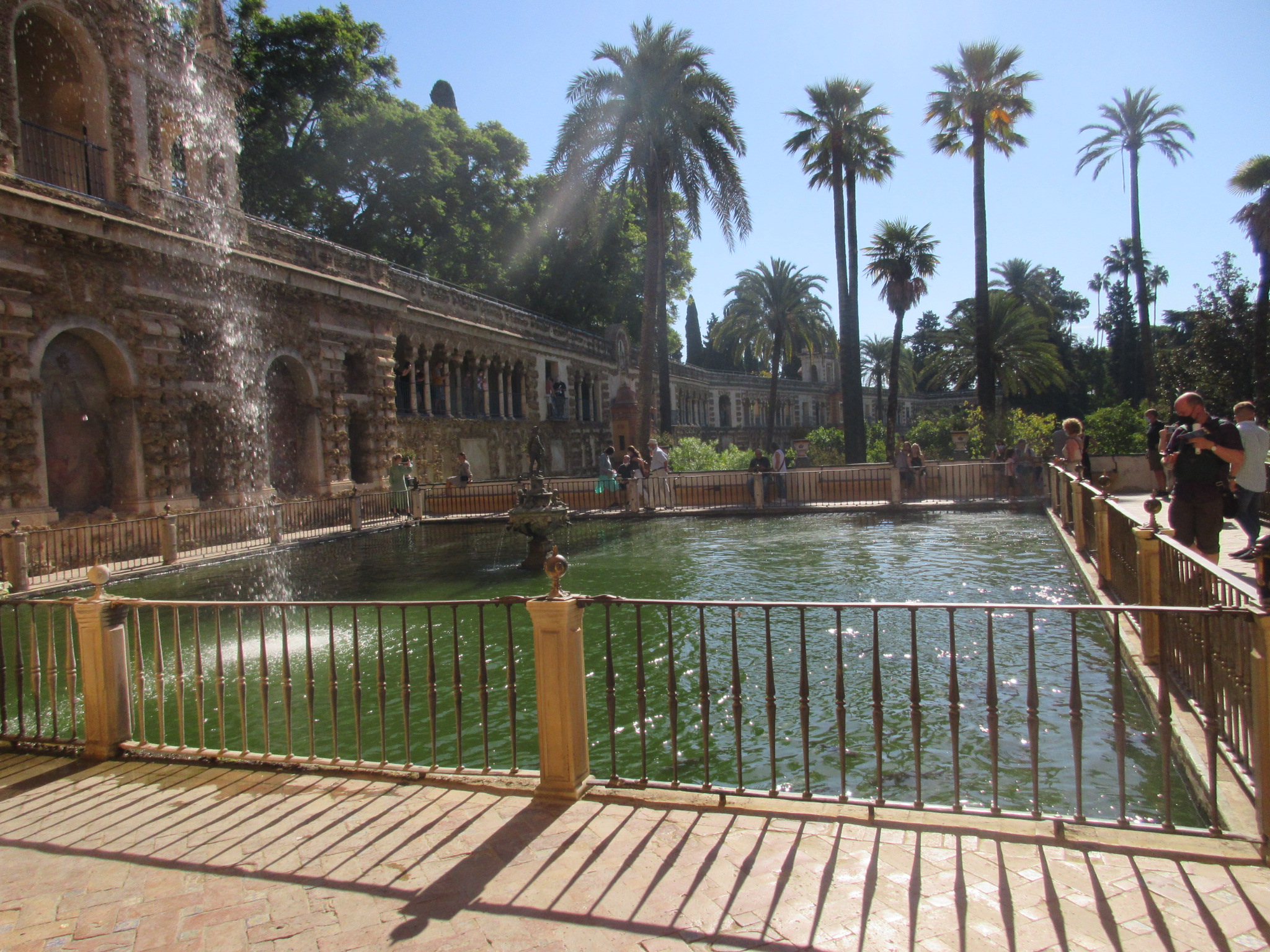
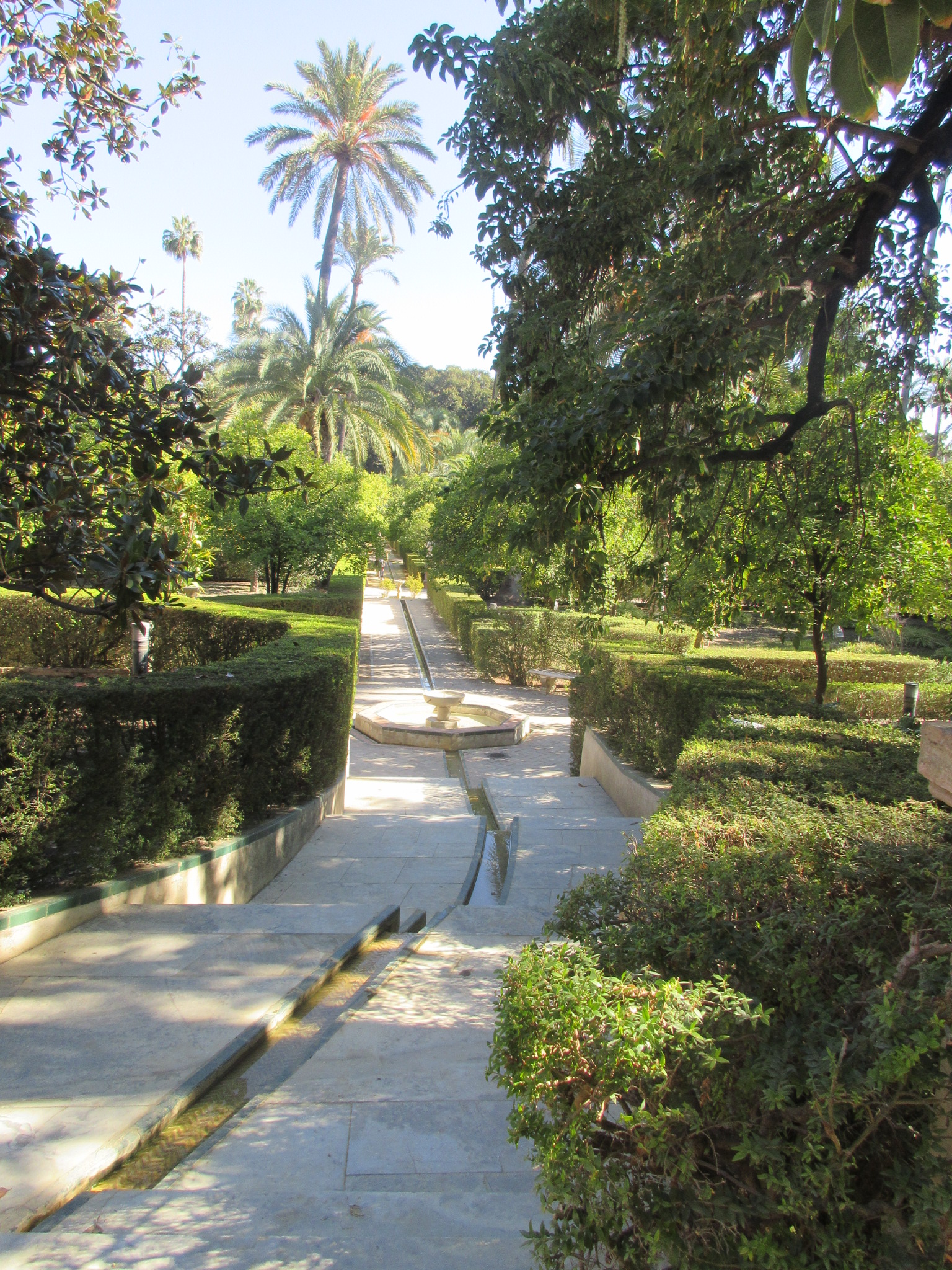
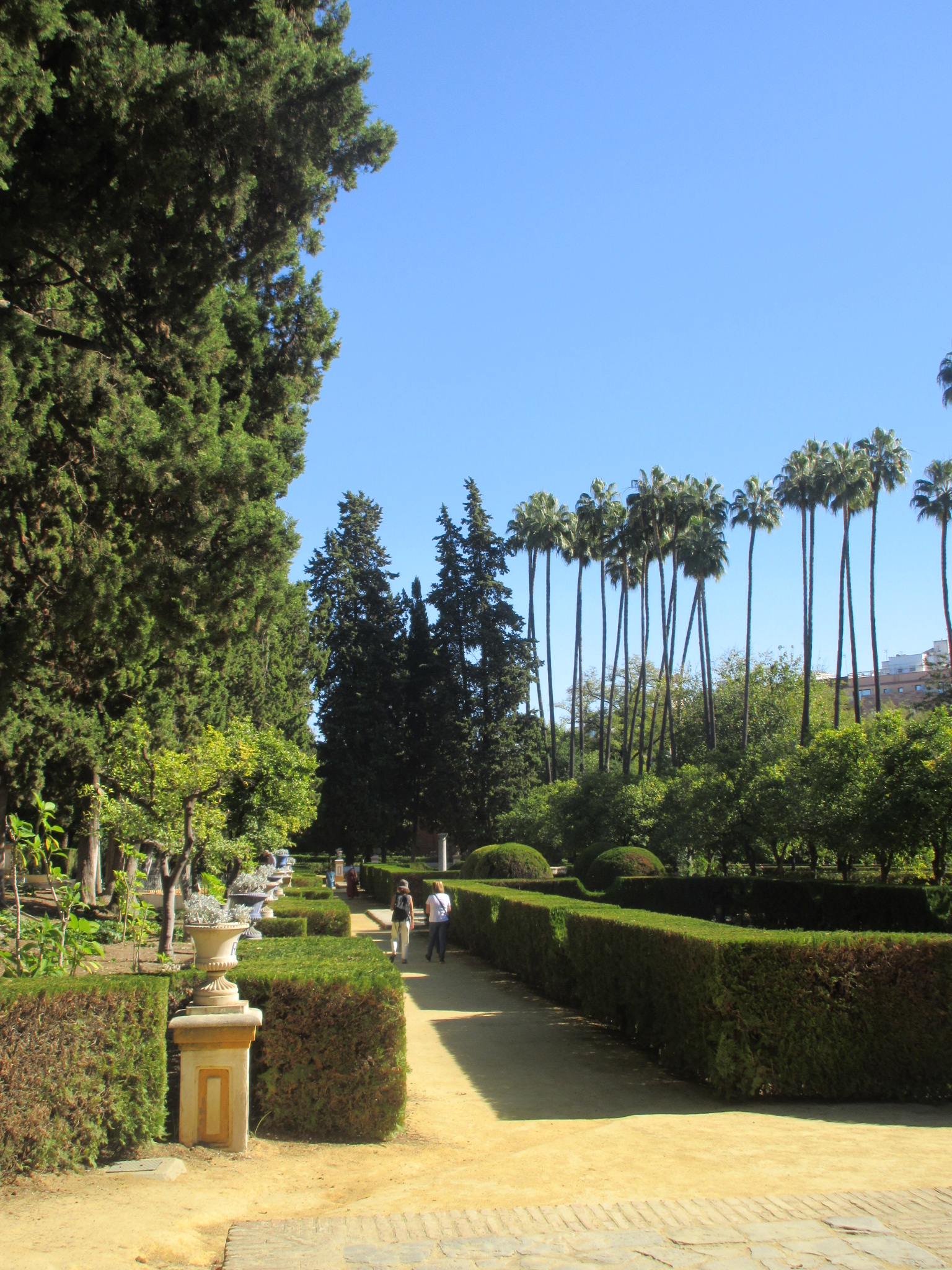
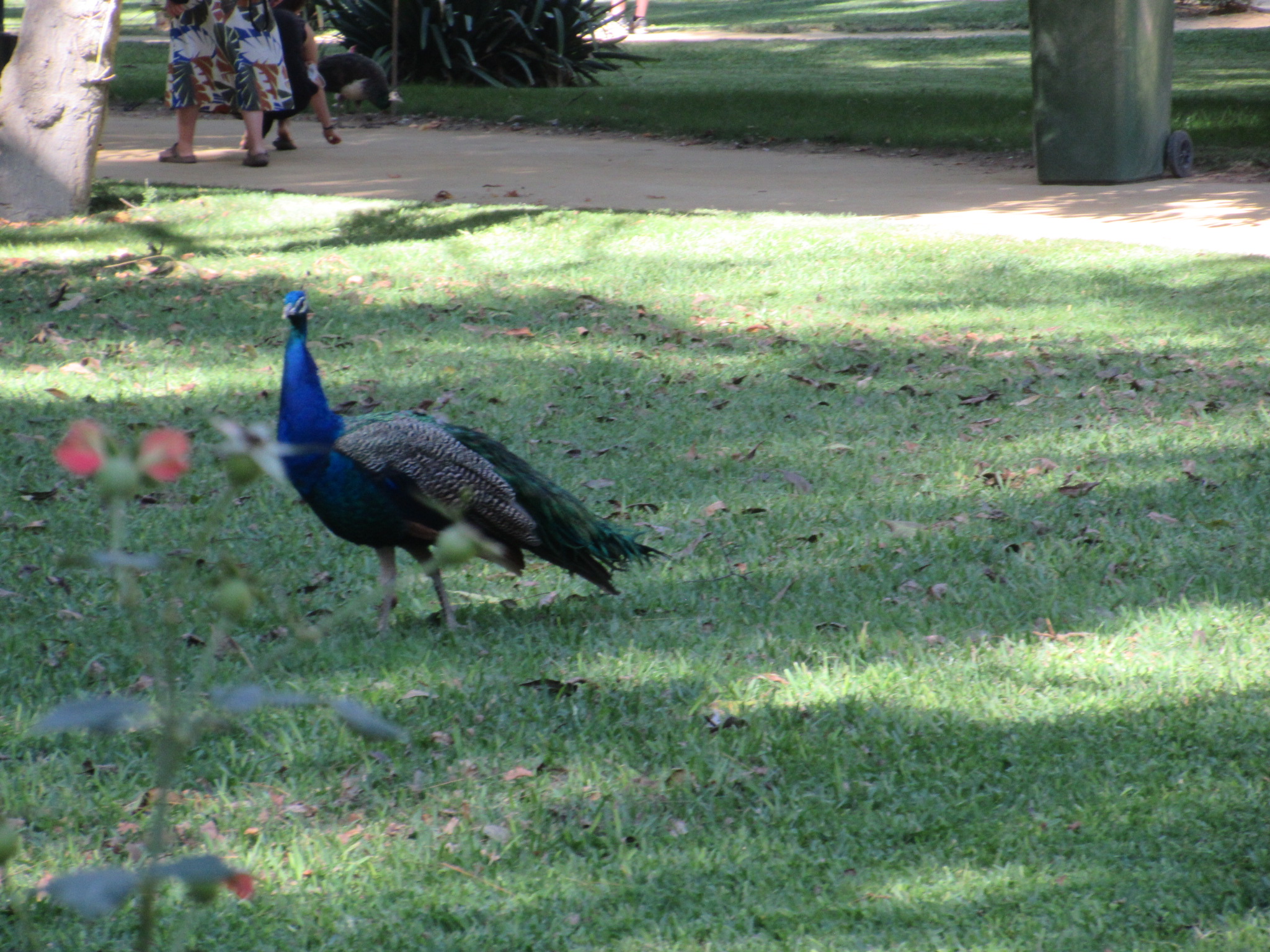
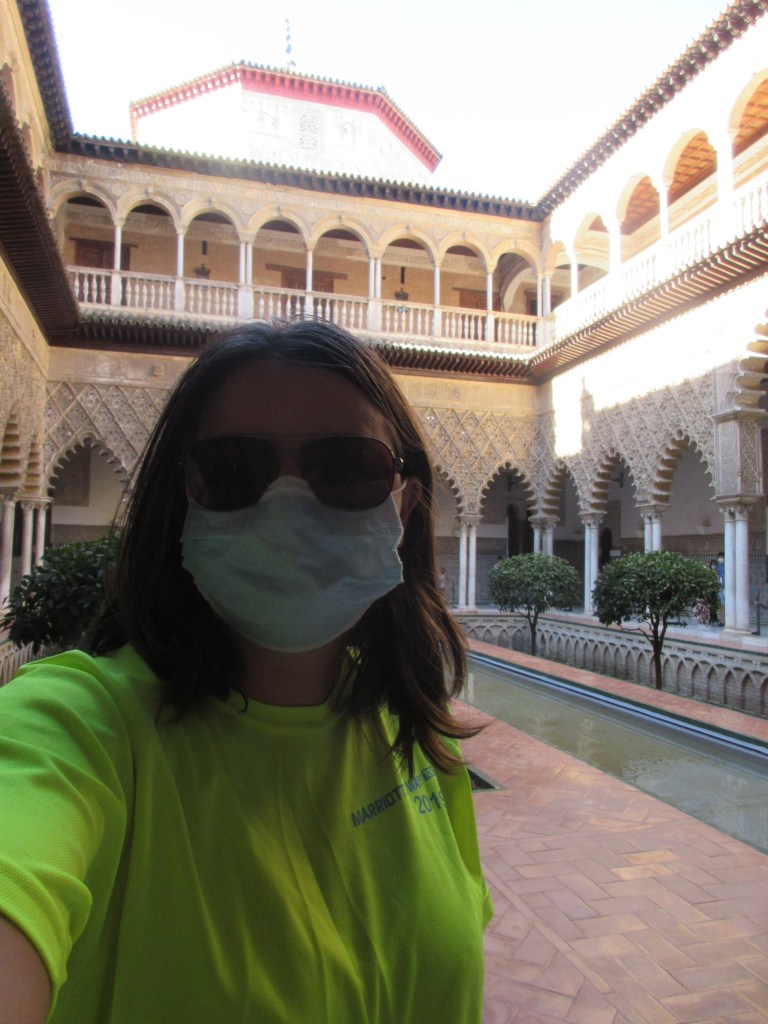
The site also had several lovely gardens which set themselves apart as unique, due to different sections being created based on different styles from around the world. There is a french garden, italian, and even english! The english garden is home to many wondering peacocks, I was wondering if I had missed something in this, are peacocks English…? 🤔

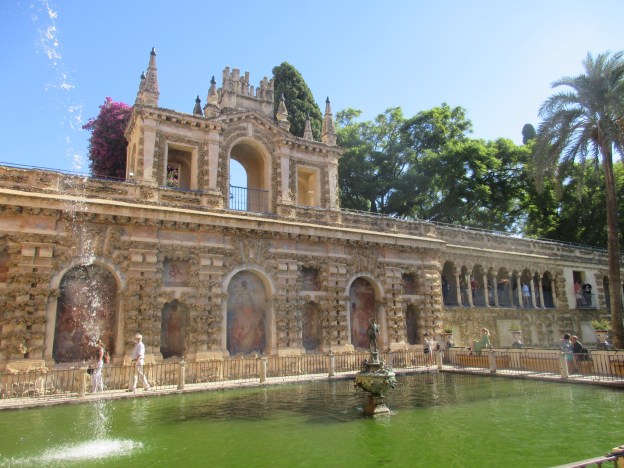
I also ticked off another Game Of Thrones filming location from my list! The site was used as one of the locations for imaginary kingdom of ‘Dorne’. ✅✅✅

GoT location in Seville’s Alcazar

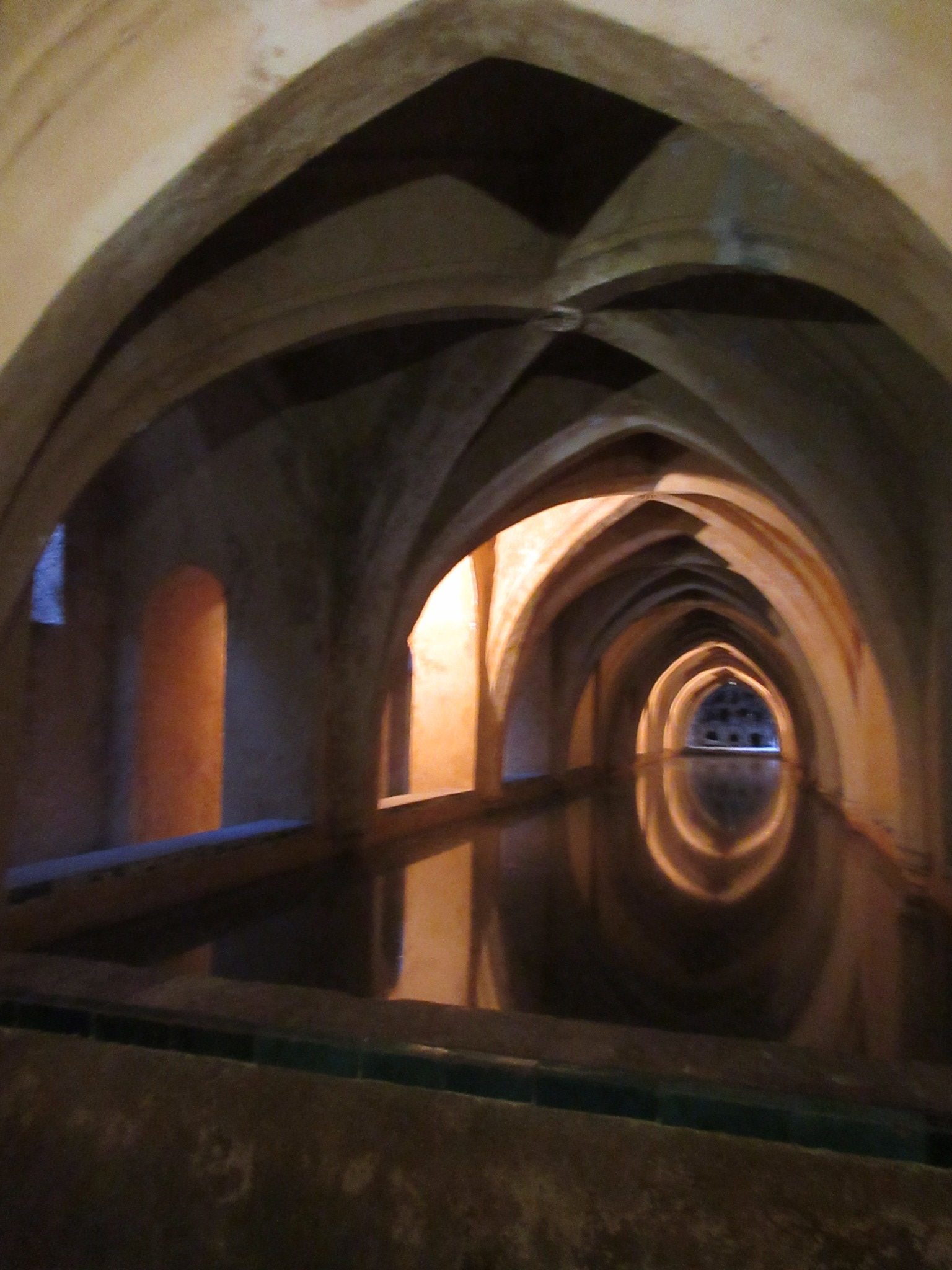
There is also a hidden away area in the garden which is quite cool. That is the mistress’ bath underground. Apparently, the Peter ‘the cruel’ built this bath for the the lady he was wooing, so she would have somewhere refreshing to relax. Considering the heat here, that seems like an act of true love to me! The bath is accessed through a tunnel and is a very pretty space.

Seville Cathedral

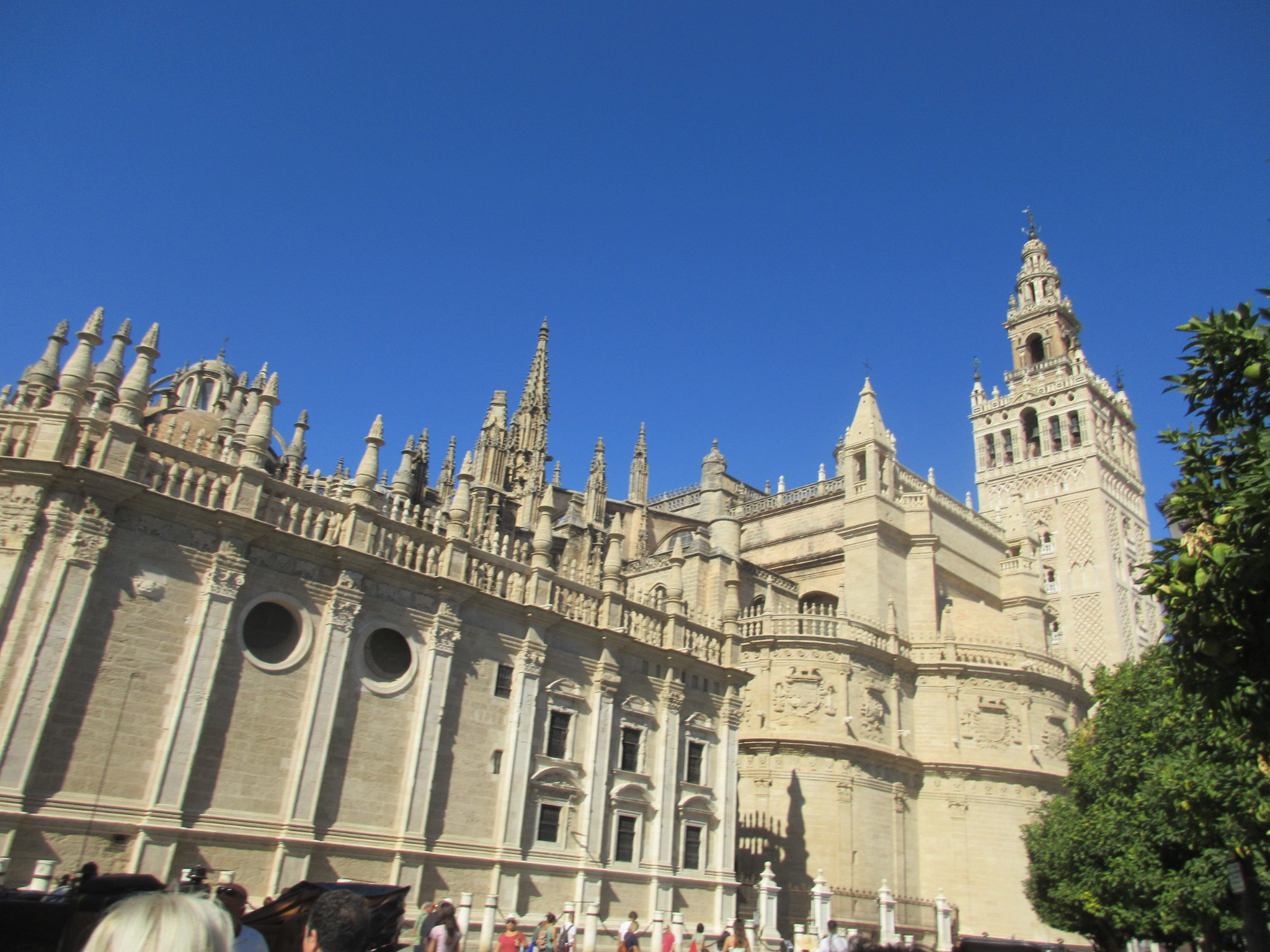
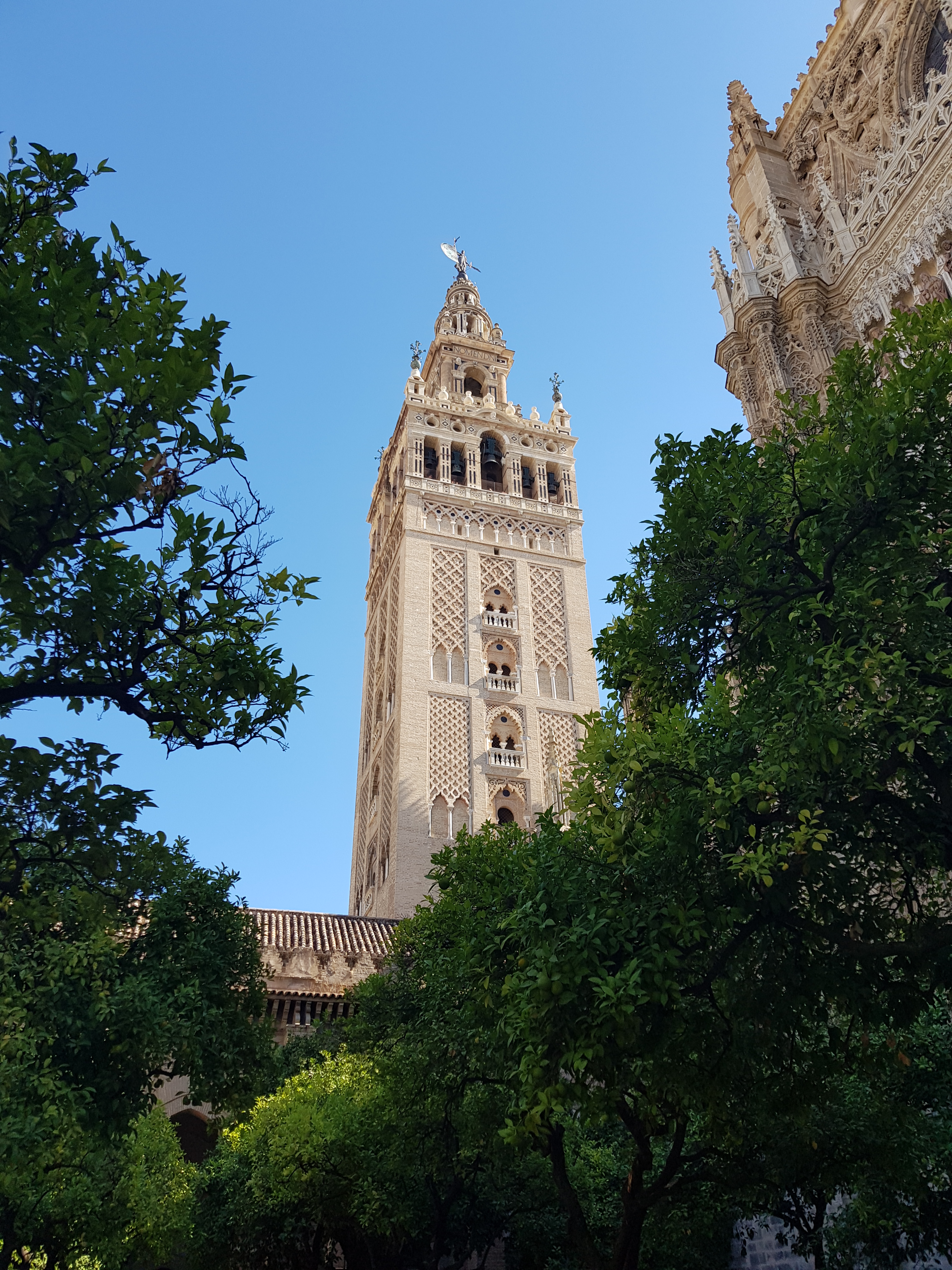
Connected to the Alcazar, is Seville’s Cathedral. The Cathedral is built on the site of the former mosque. The mosque was gradually destroyed after the Christian conquest of 1248, except for the minaret or Giralda that remains today. The cathedral is very grand inside as you would expect from any catholic cathedral, but it does have some additional advantages.

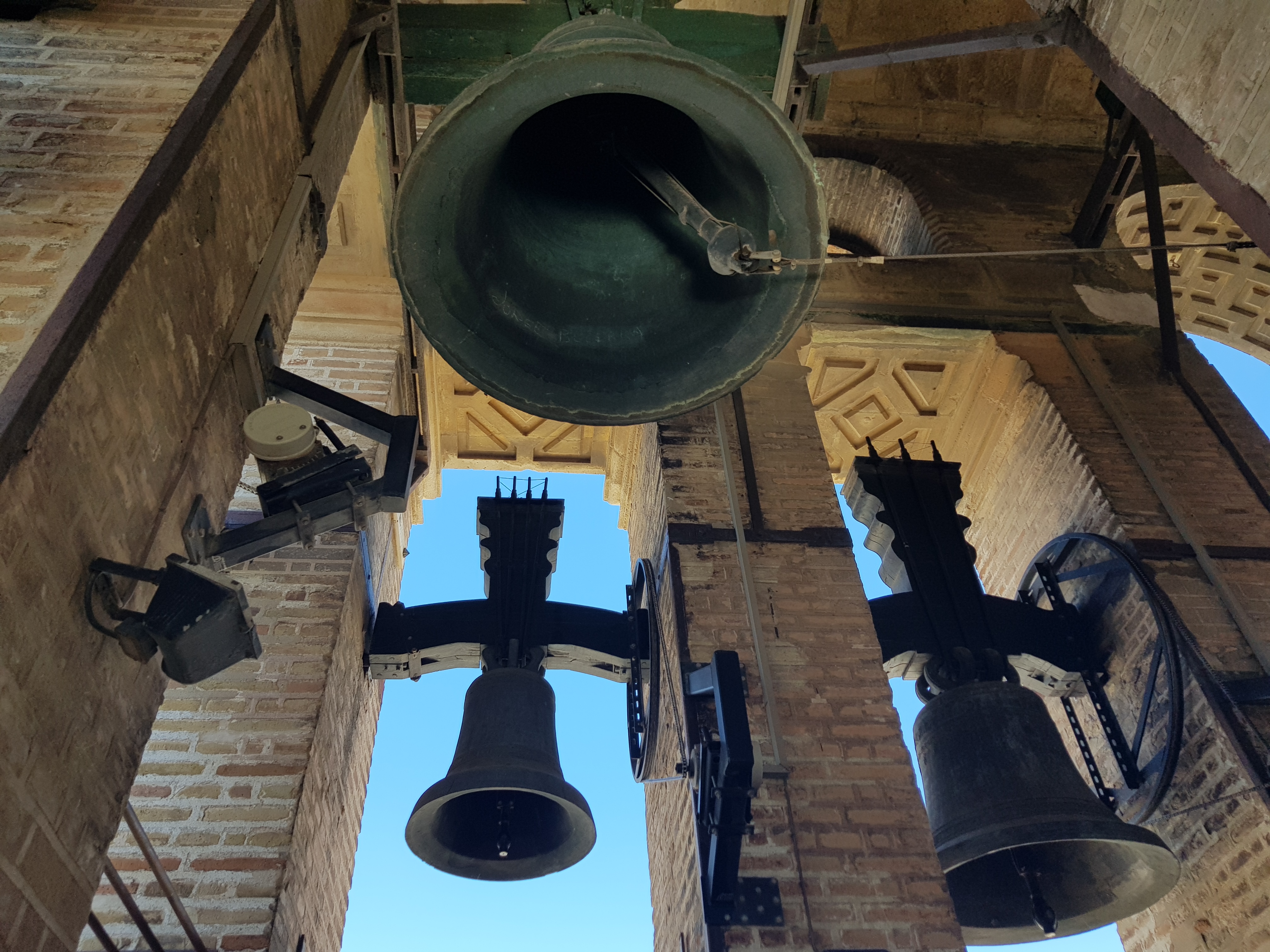
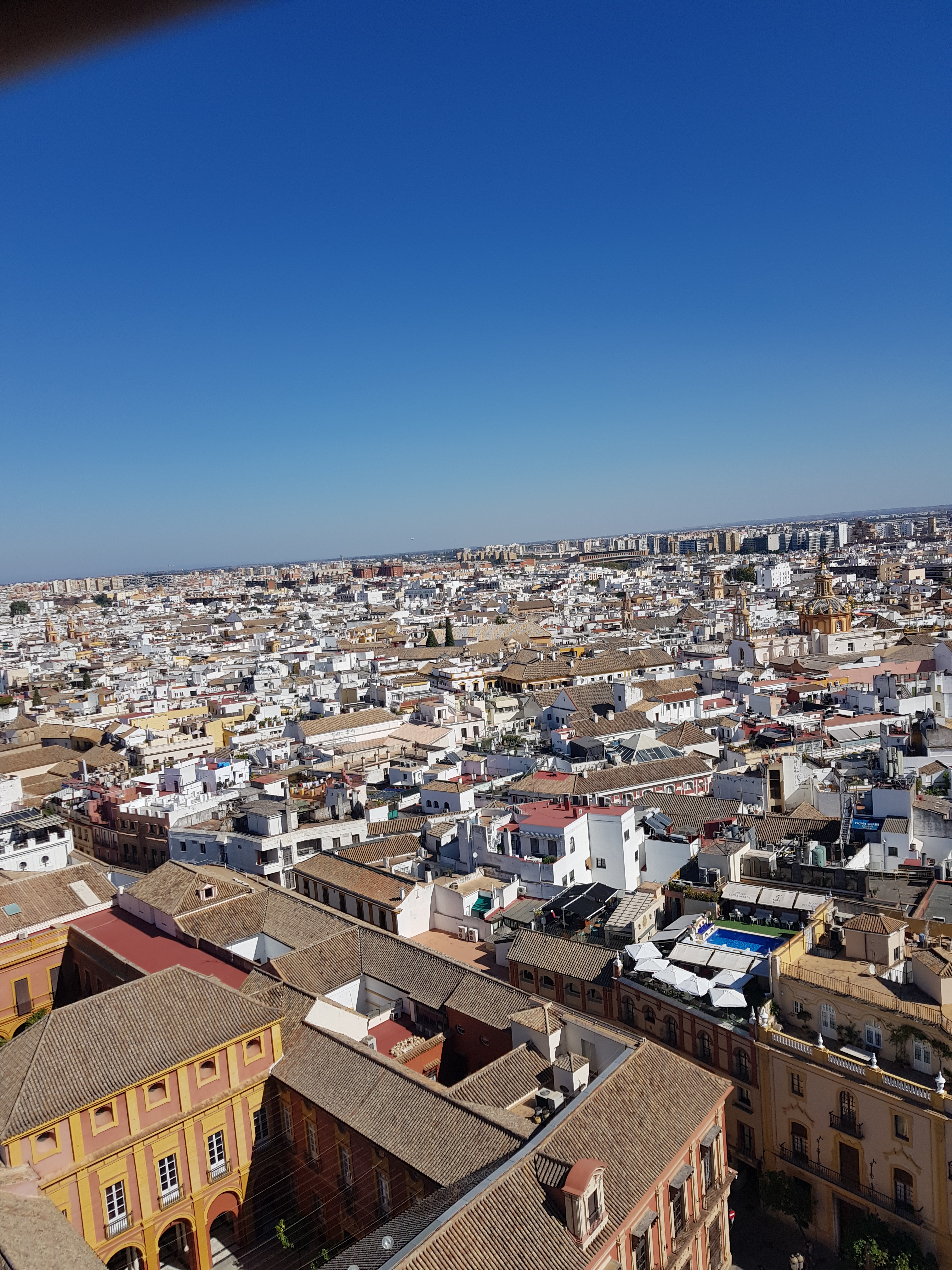
There is the Giralda, which actually means ‘weather vane’, (I had to question the guide about this as I knew tower is ‘torre’.) You can climb this to the belfry area and get a good view of the city. Wierdly, it has 35 ramps rather than staircases, so there really is no excuse!

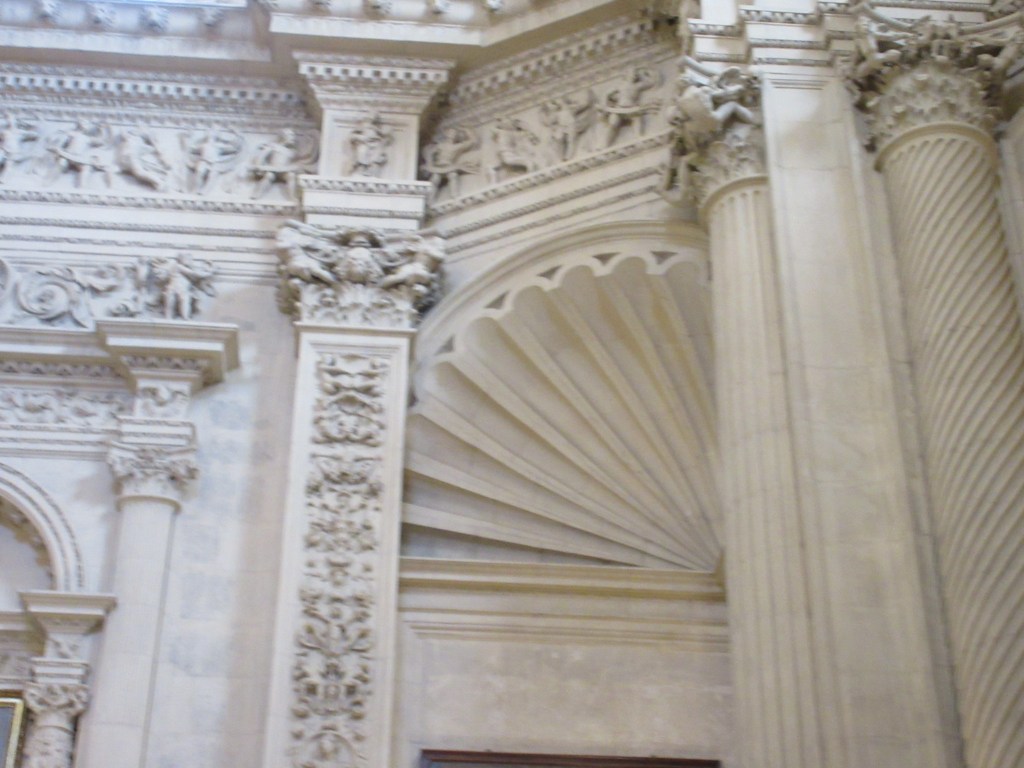
The cathedral also makes links to lots of important figures. I was very excited about the abundance of seashells used as shapes in the decor to symbolise Saint James (Patron Saint of Spain) and the symbol of my upcoming pilgrimage.

Sign of St James

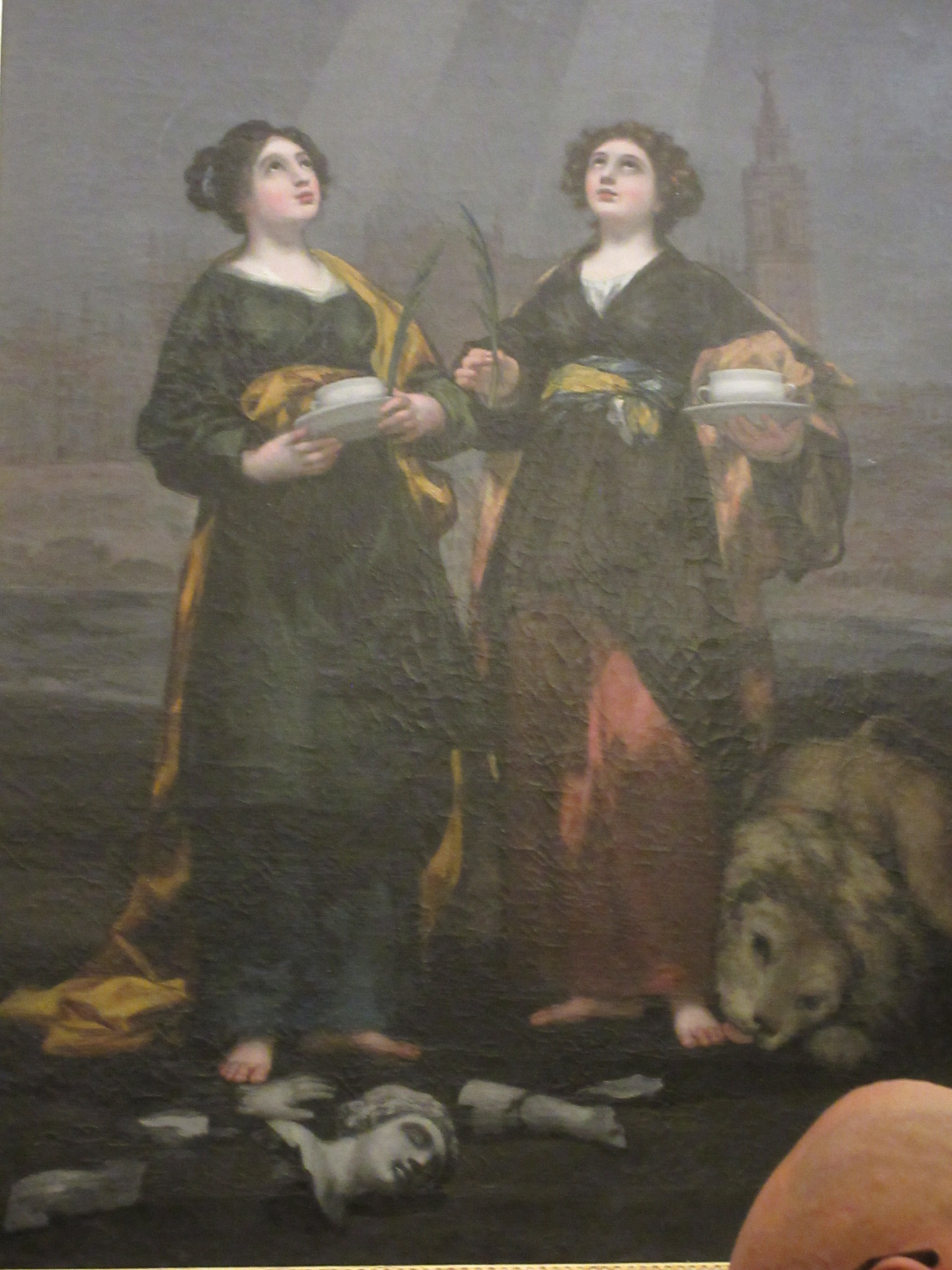
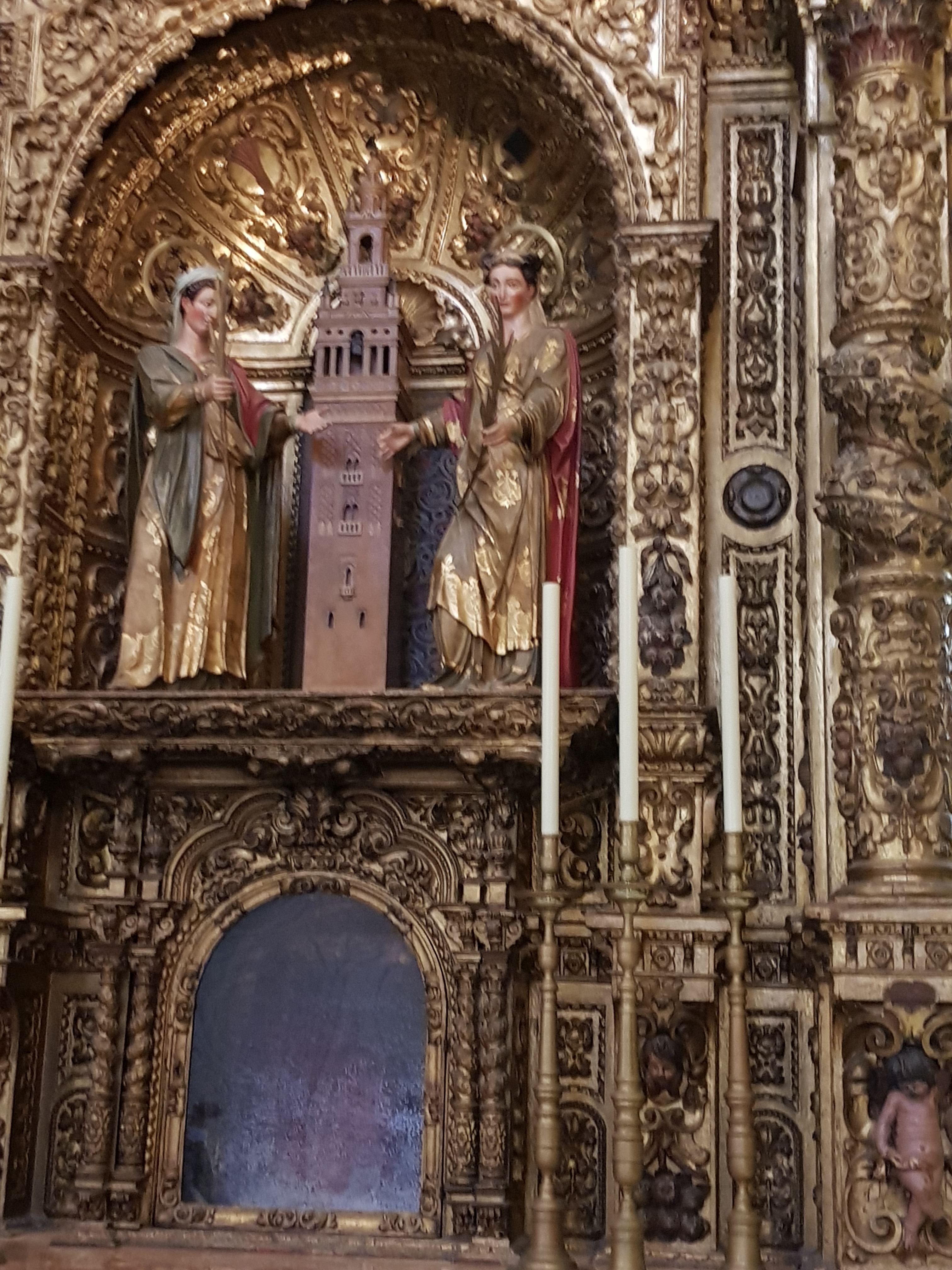
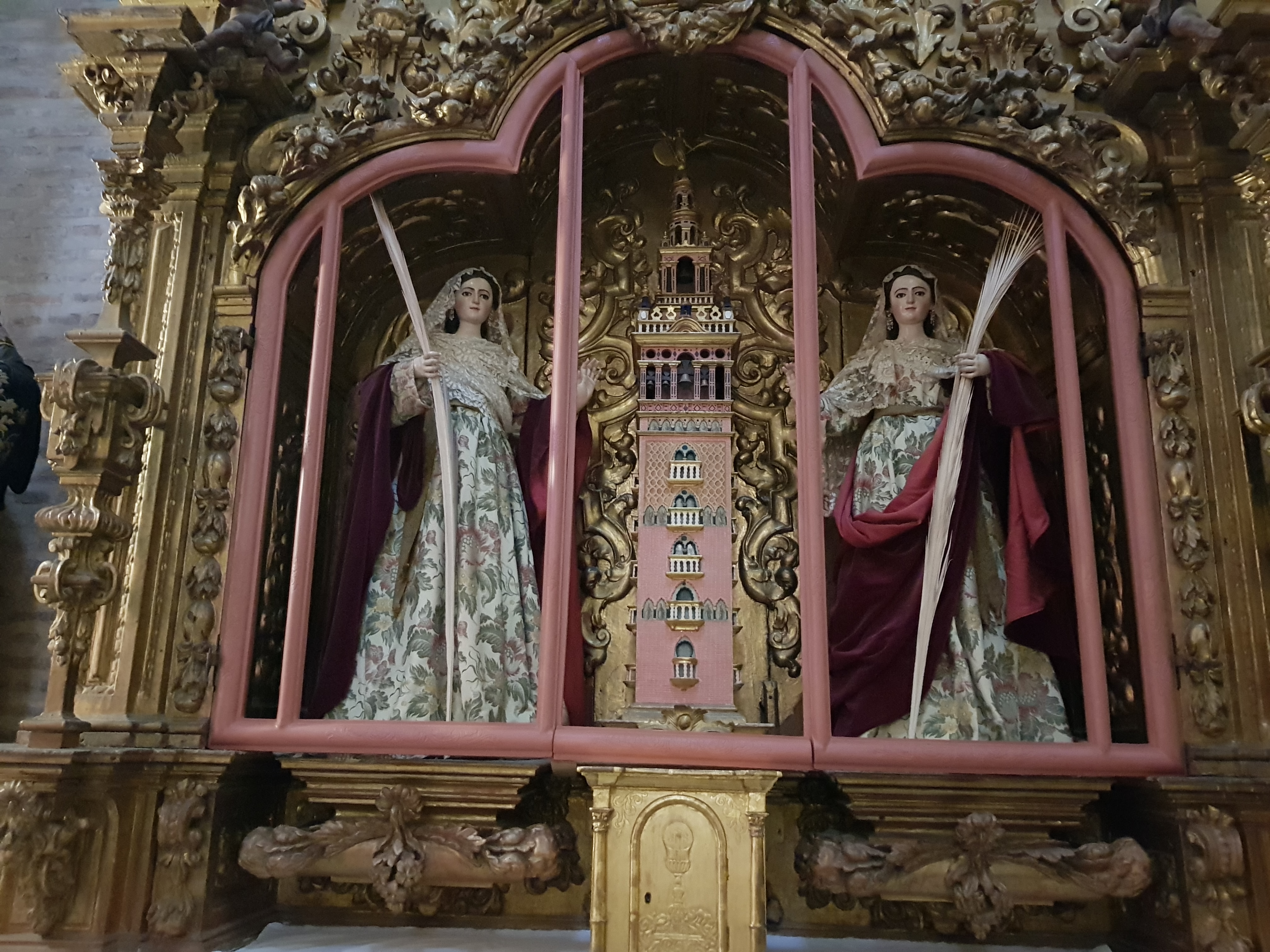
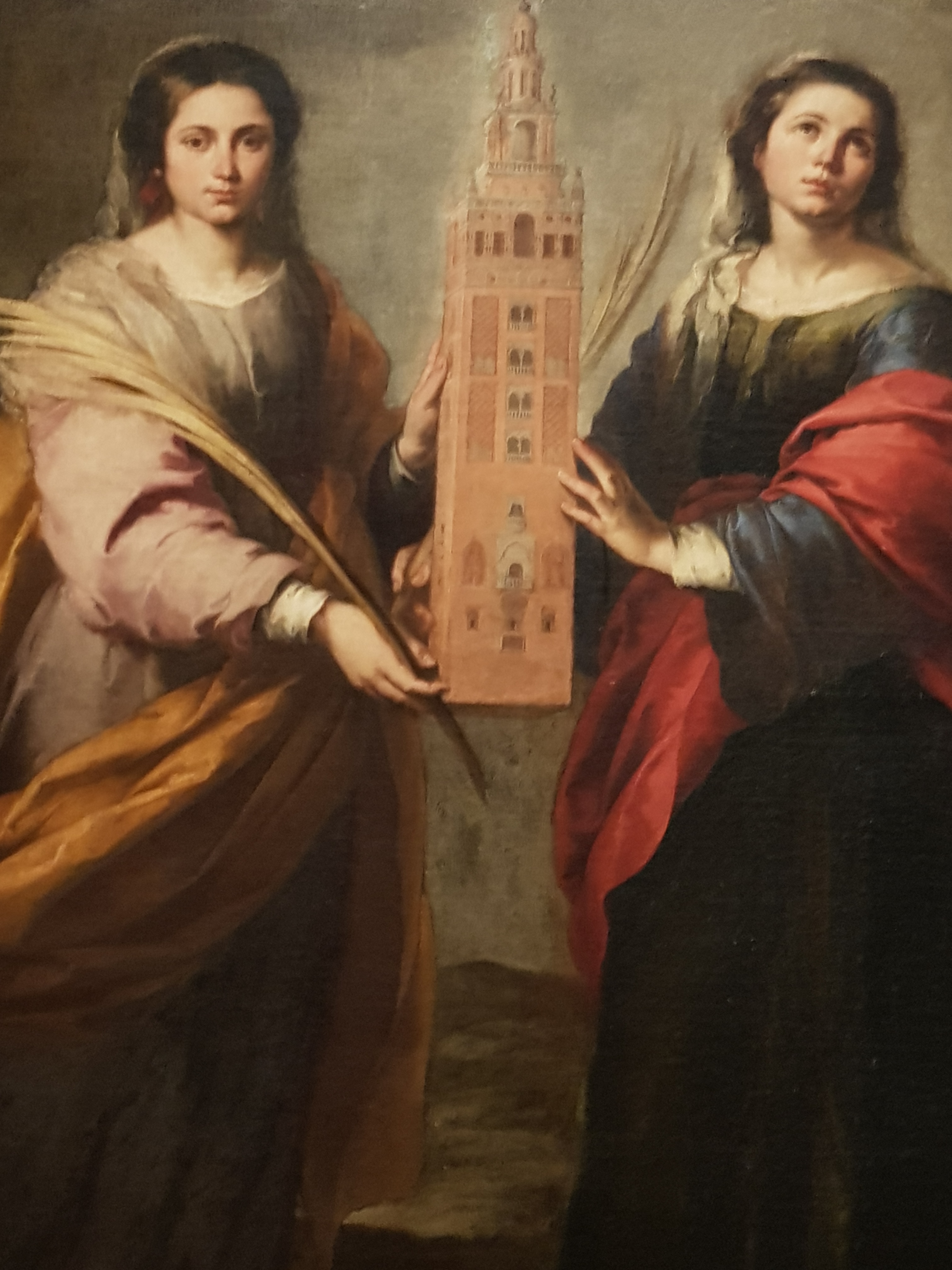
They also pay tribute to Justa & Rufina, in the cathedral and all over the city. These were two sisters who lived as potmakers across the river, in 3rd century. They became martyrs when they refused to take part in a pagan festival due to their faith and broke a statue of Venus. For this, the authorities, imprisoned, tortured, starved and killed them. They are remembered all over the place!

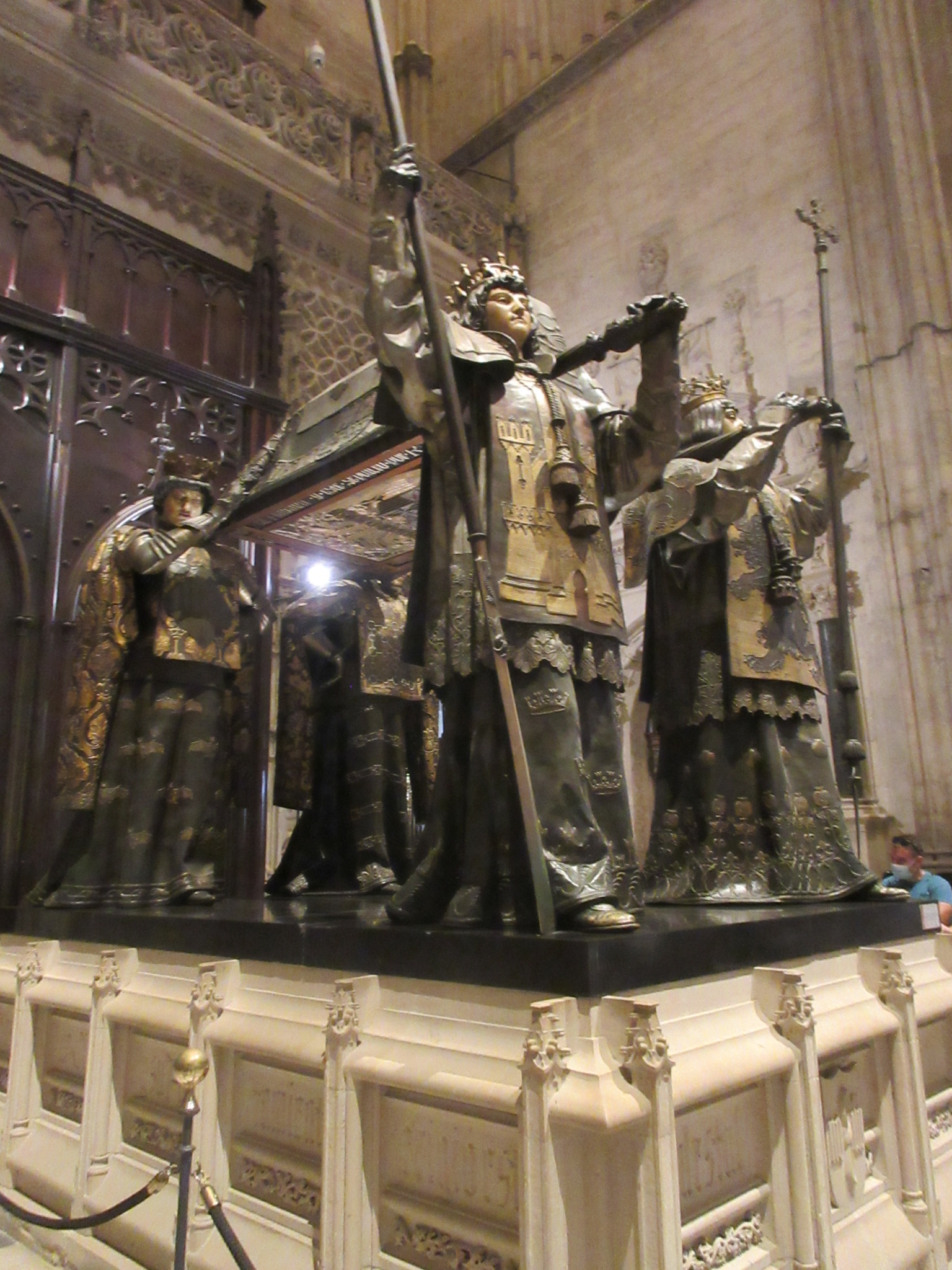
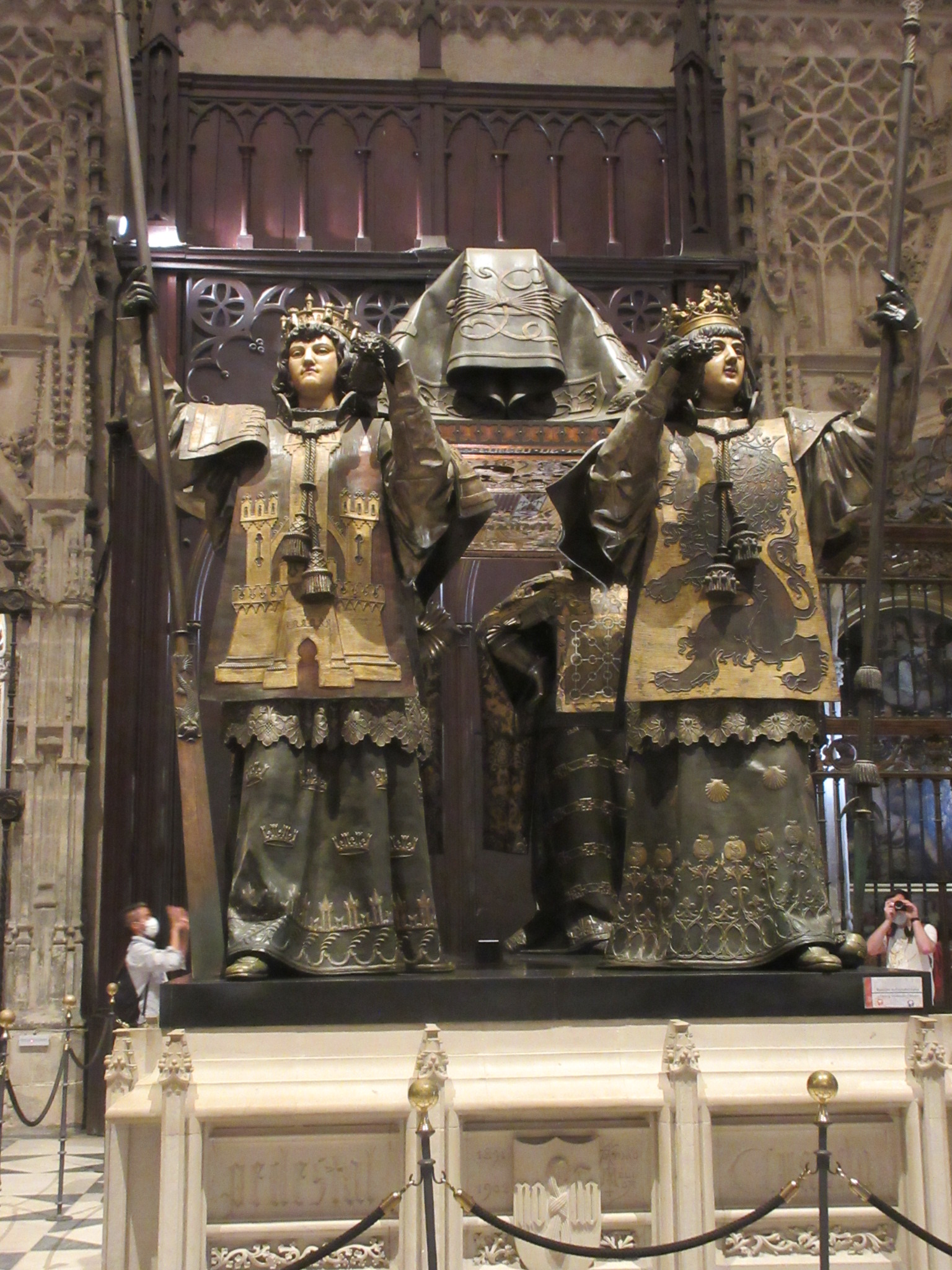
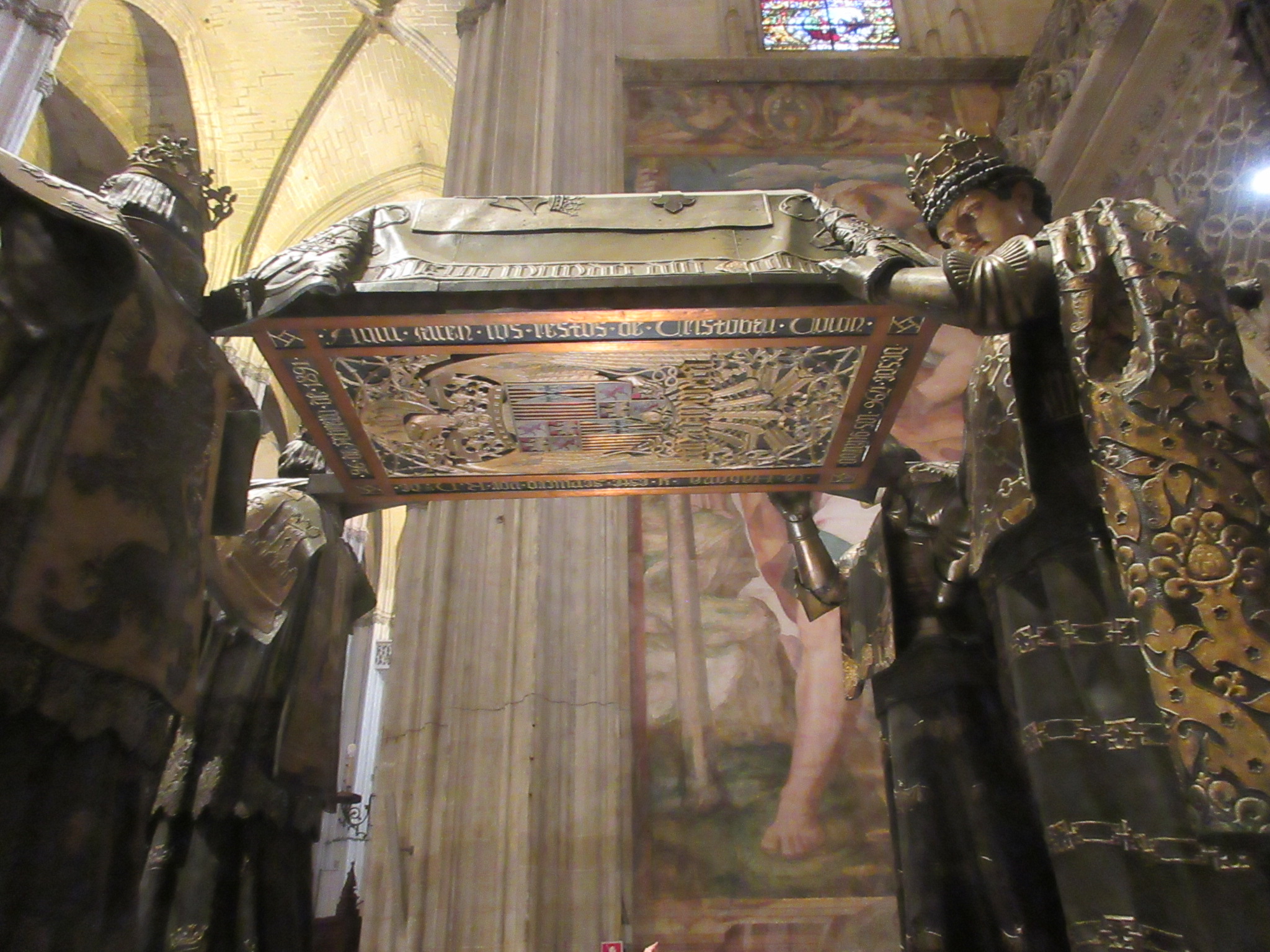
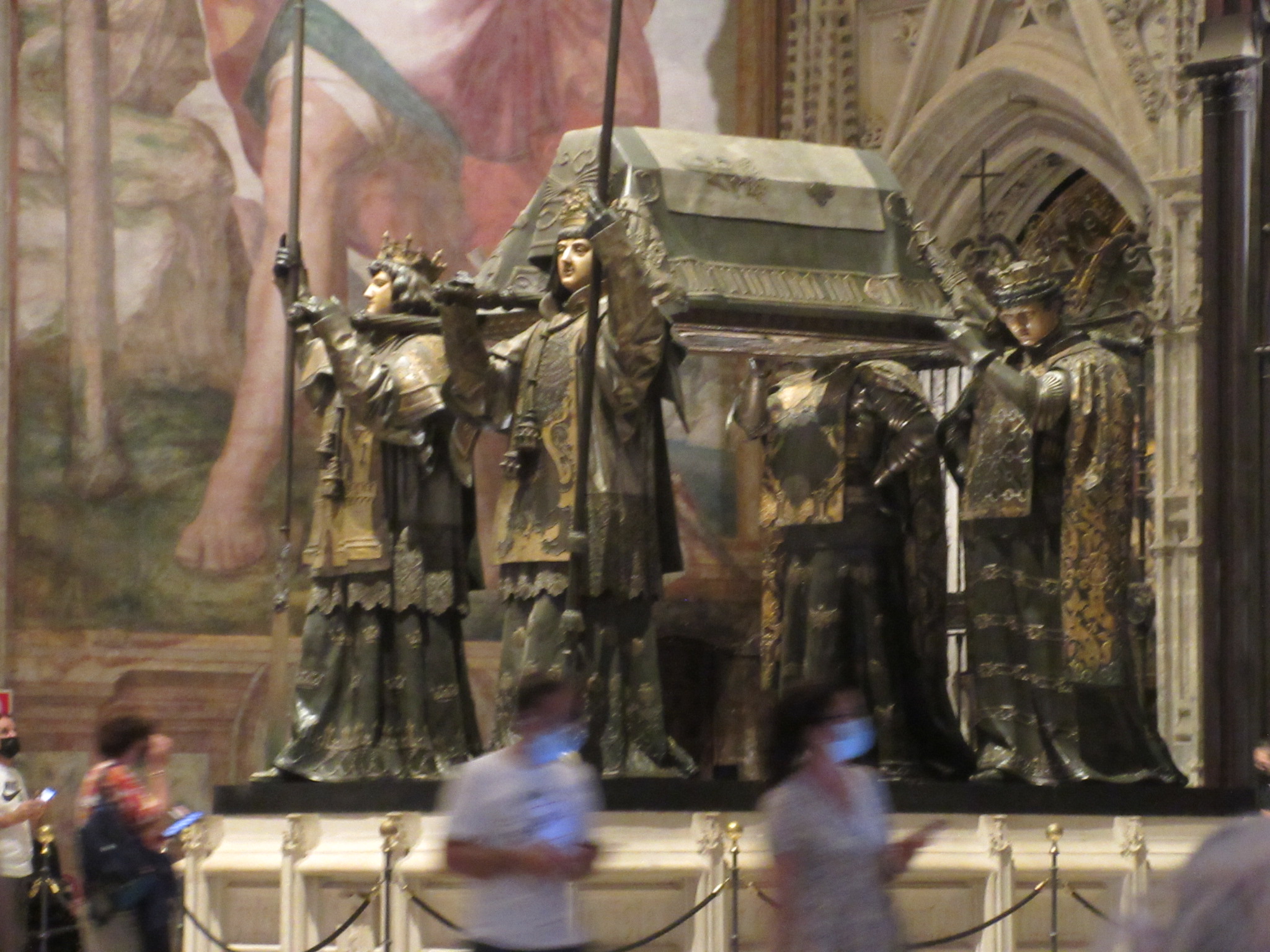
Lastly, the Cathedral is the place that you will find the only DNA certified tomb of Christopher Columbus. His body has moved around the world to different countries before finding its way back to Spain. It makes sense that he is in Seville, as he set sail from nearby town of Huelva, before first discovering America.

Not only is this an interesting figure but the tomb itself is very beautiful and unique. Columbus is not buried underground, but is actually overhead. His tomb rests on the shoulders of four men which represent the different kingdoms of Spain (Castile, Leon, Aragón and Navarre) symbolising that not one kingdom can claim his accomplishments, but they belong to all of Spain as a union.

More art

As well as seeing beautiful art and sculptures at the Cathedral and Alcazar, there are many pieces in city plazas, numerous churches and galleries/museums.

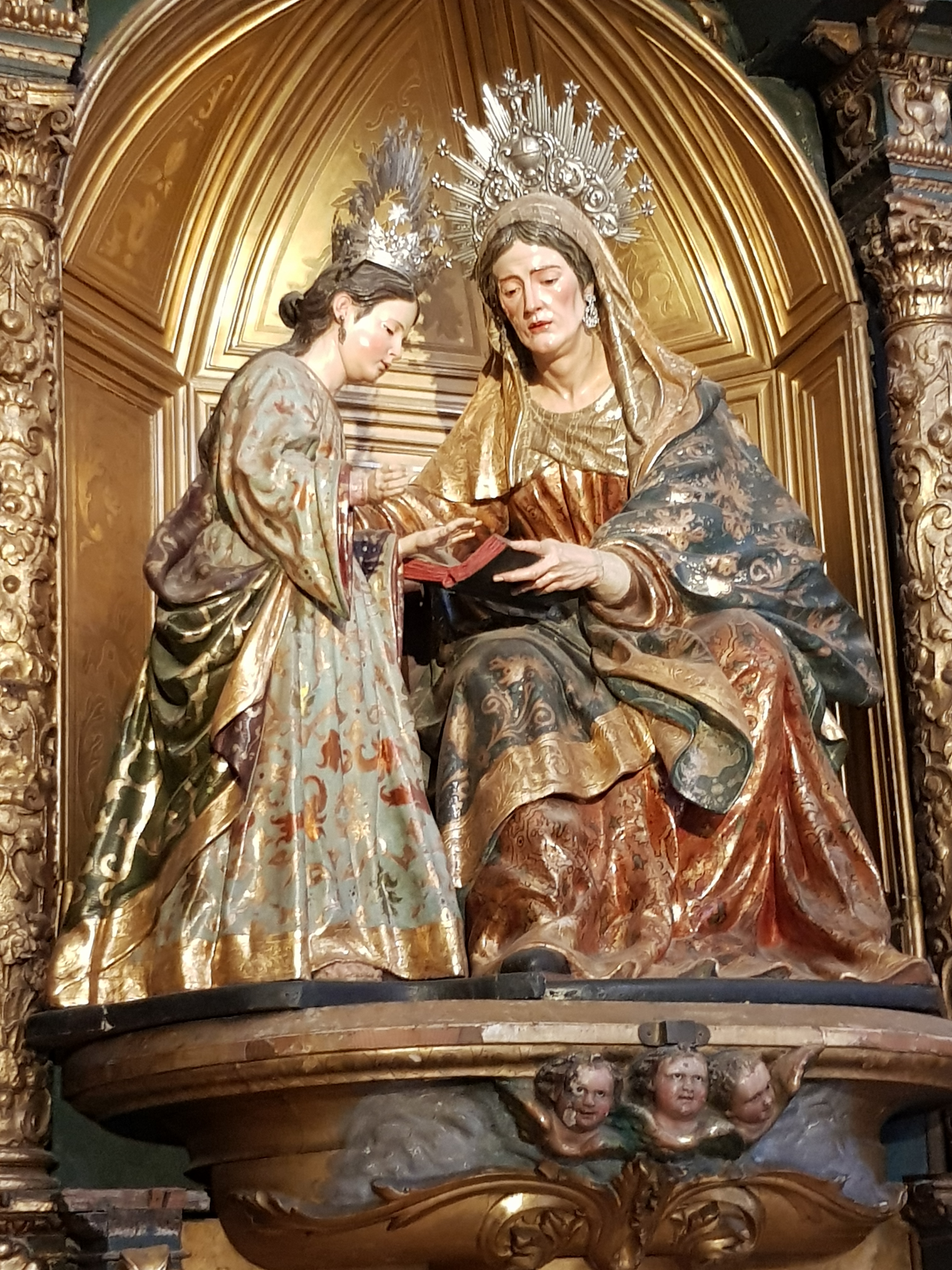
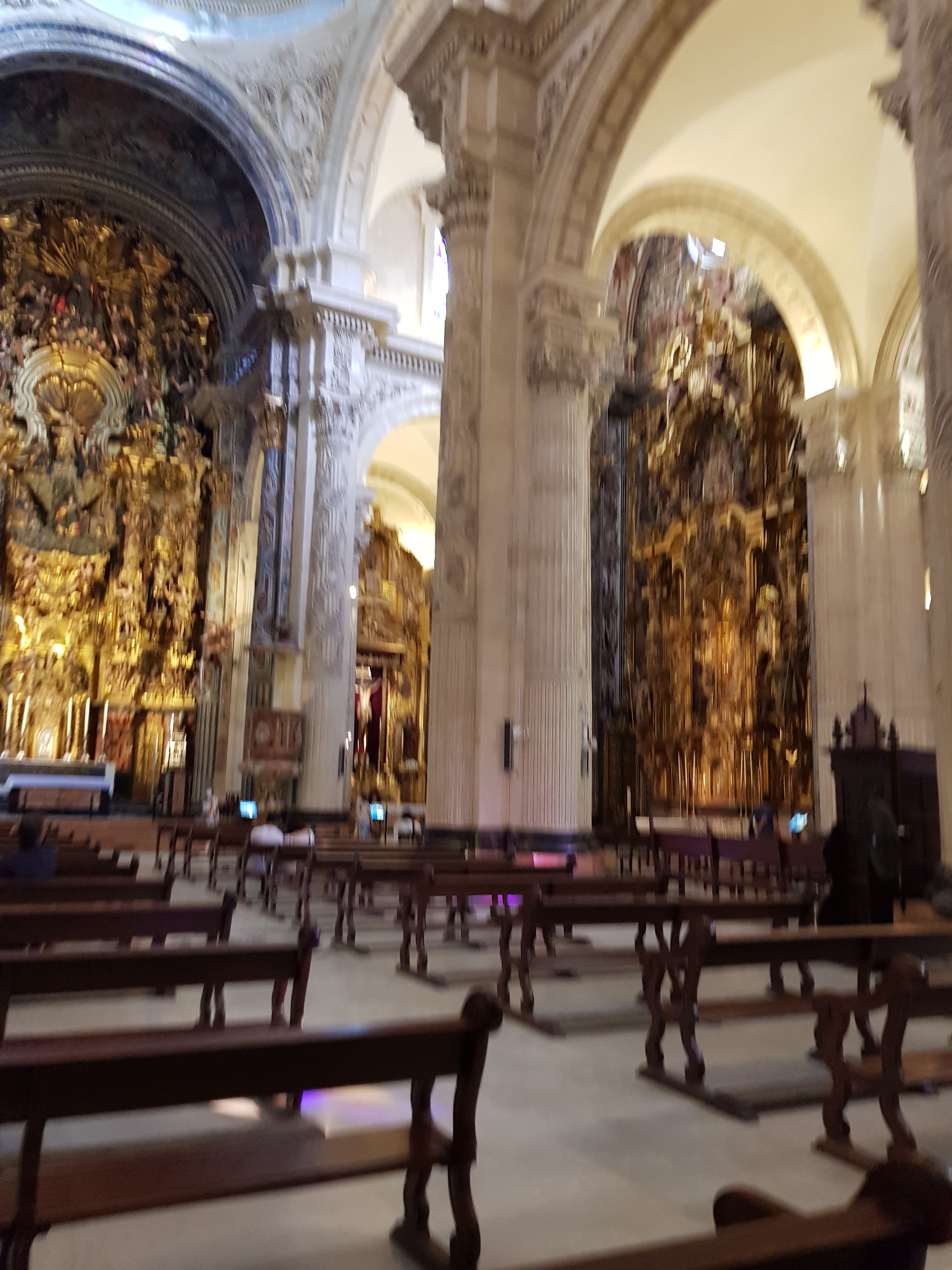
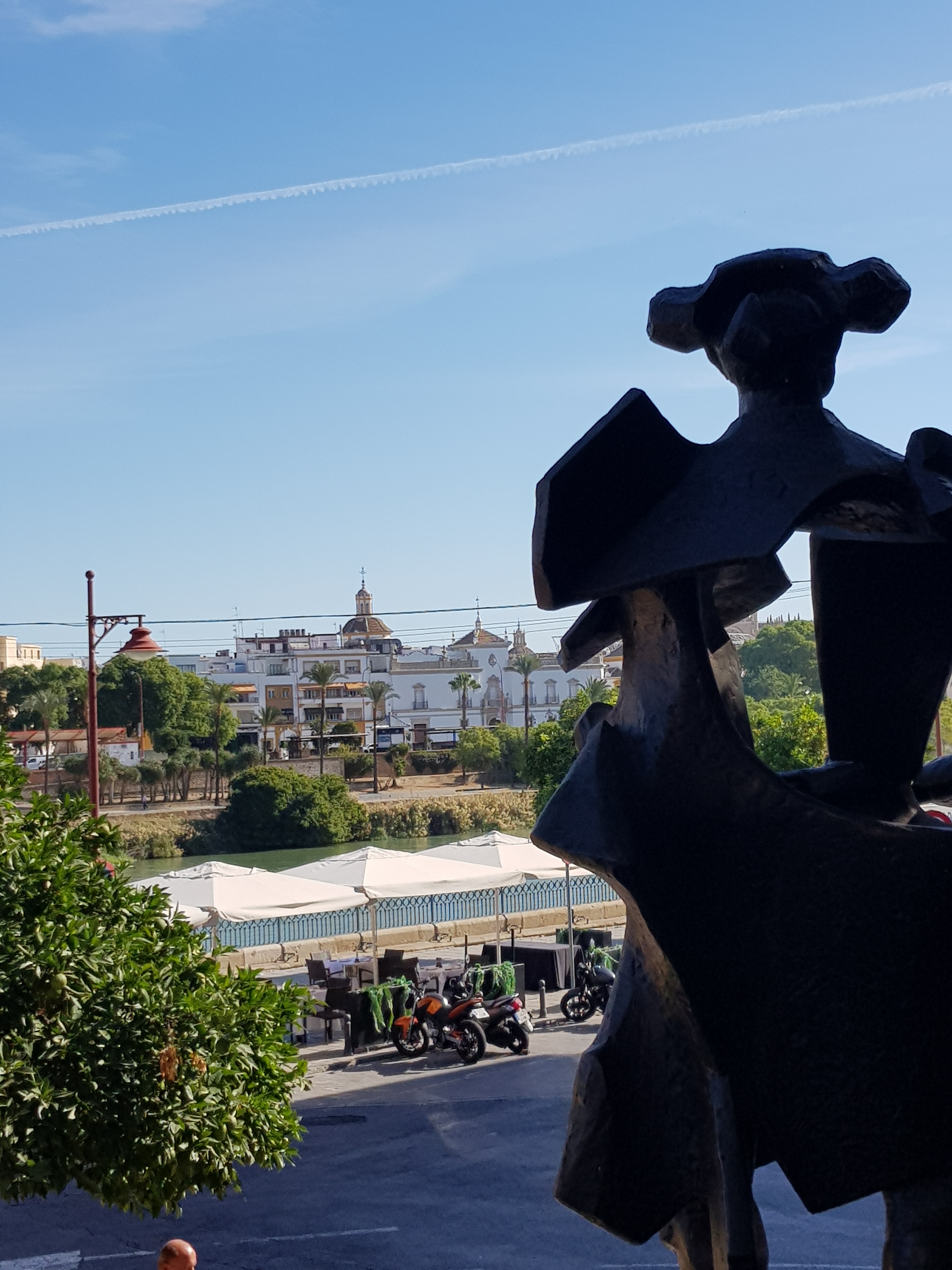
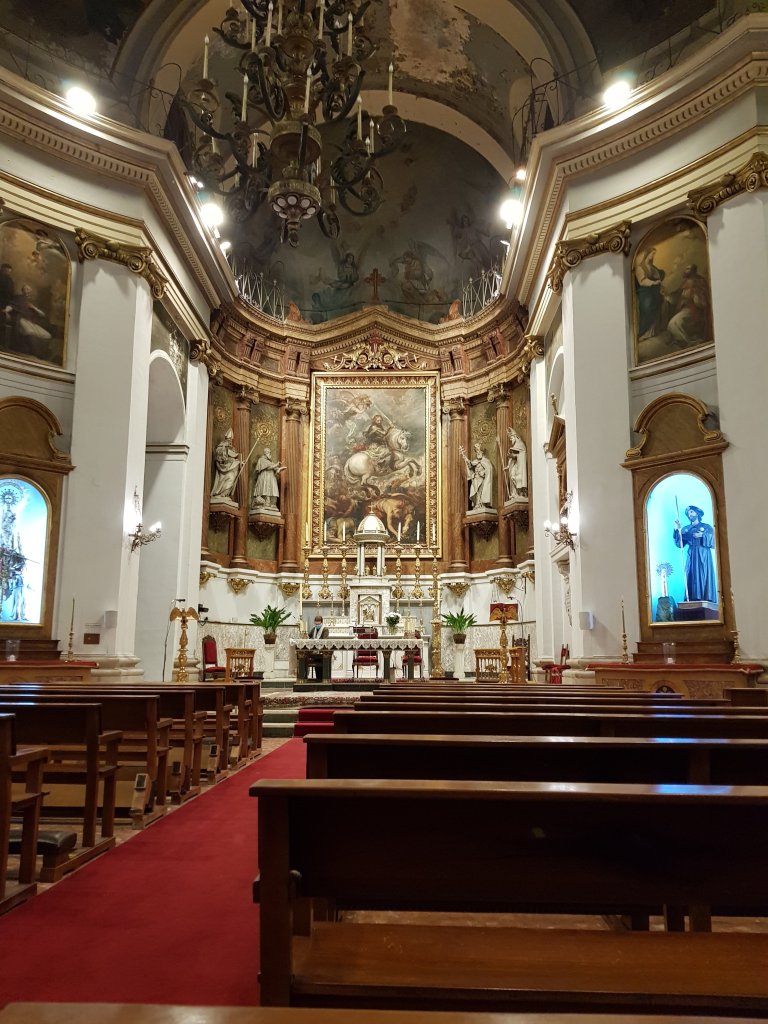
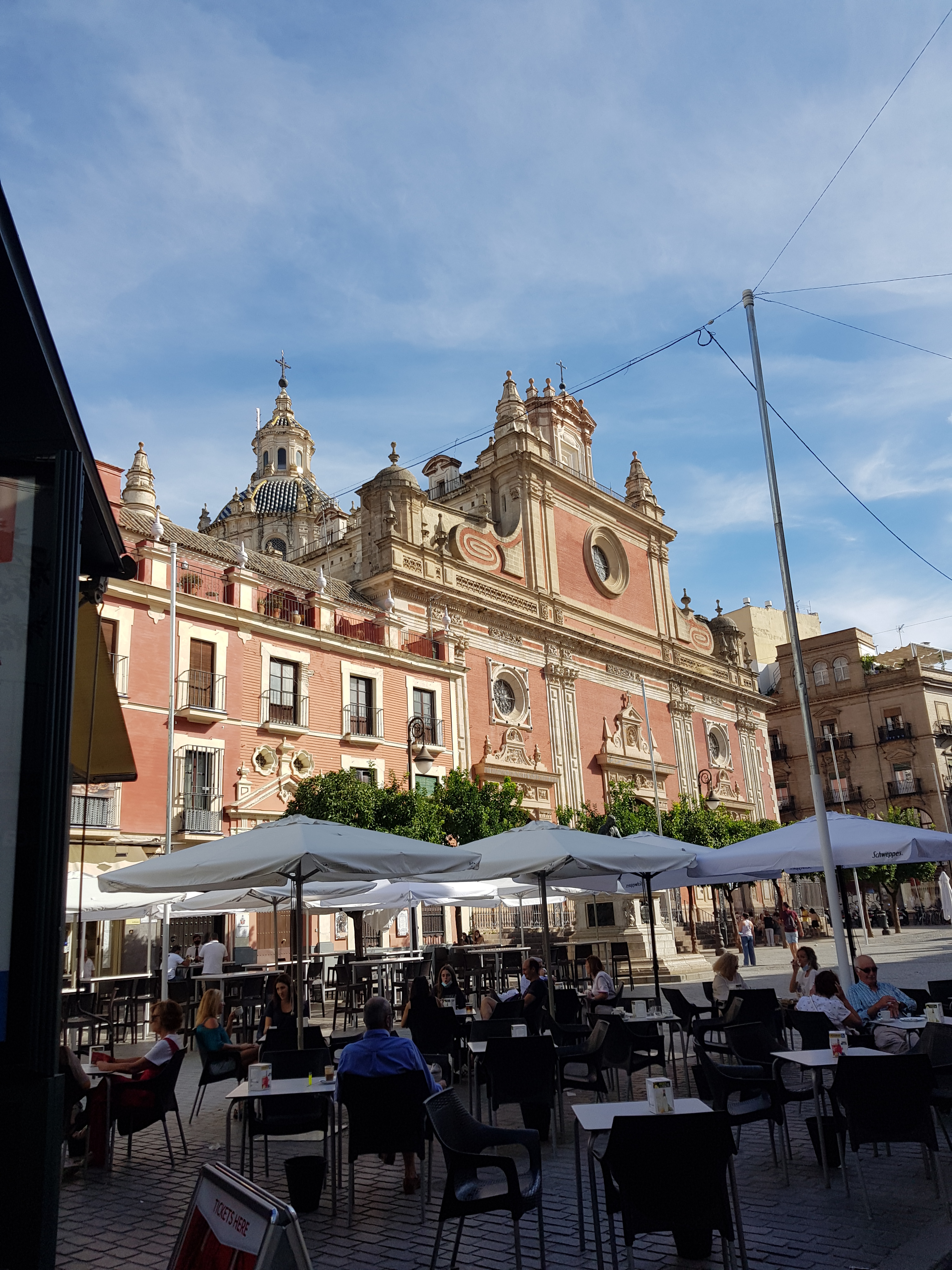
I visited both the church of San Salvador in the centre and Santa Ana church in the neighbourhood across the river, called Triana. I would definitely recommend wondering into Triana, as it has a very sociable vibe and lovely views from across the river. Prices are slightly better too. Both these churches were very cheap to visit, under 5 euros each.

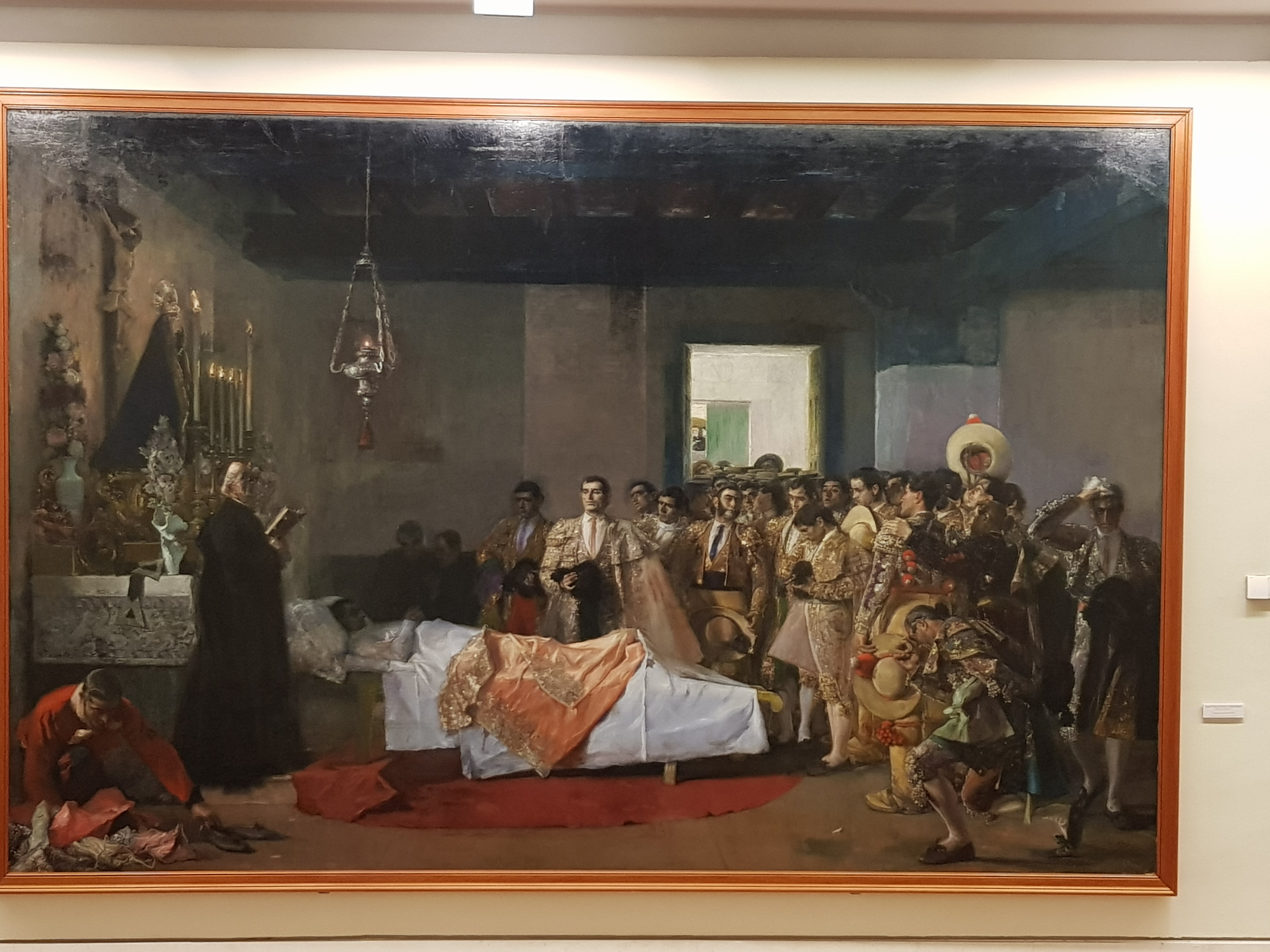
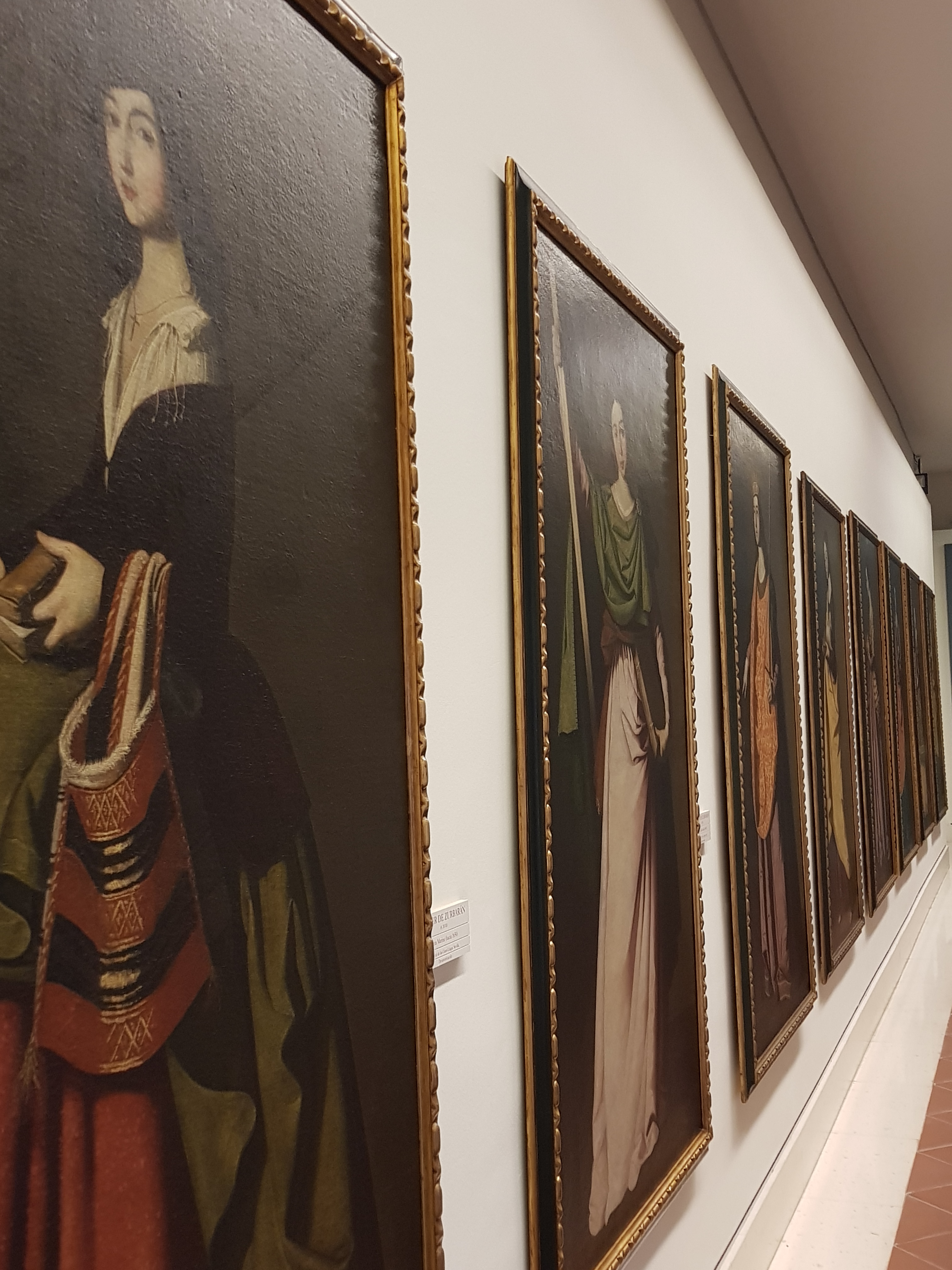
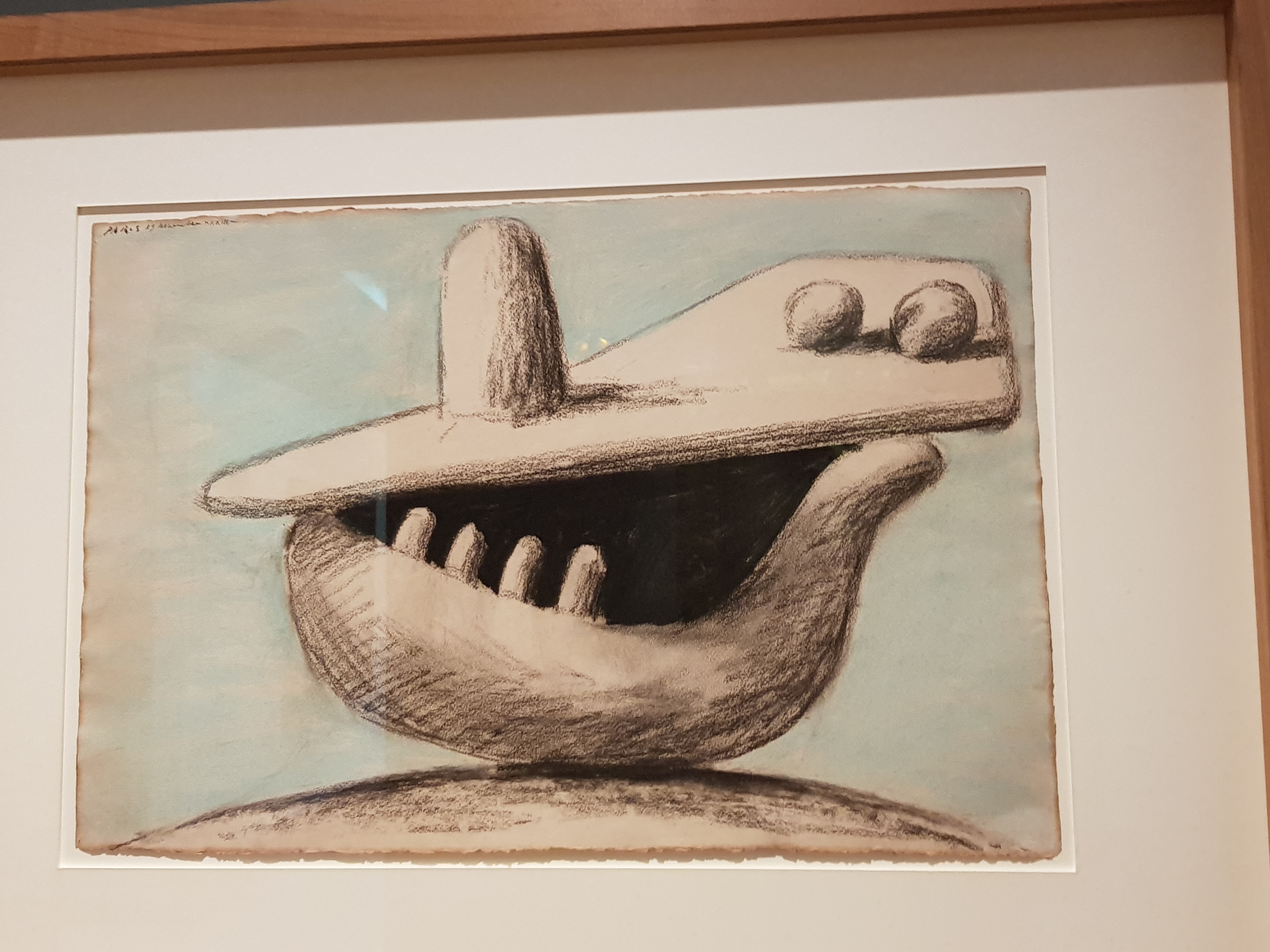
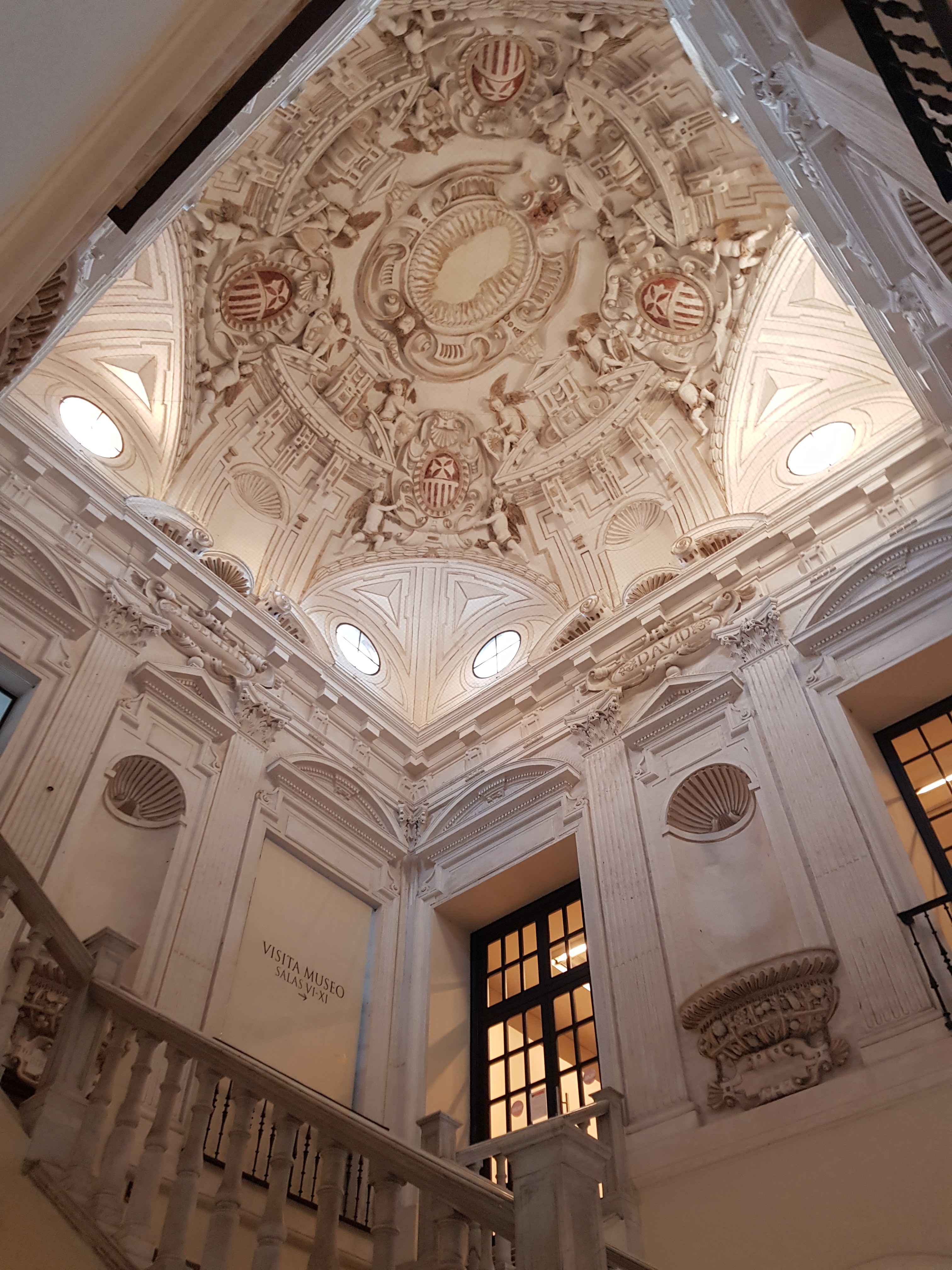
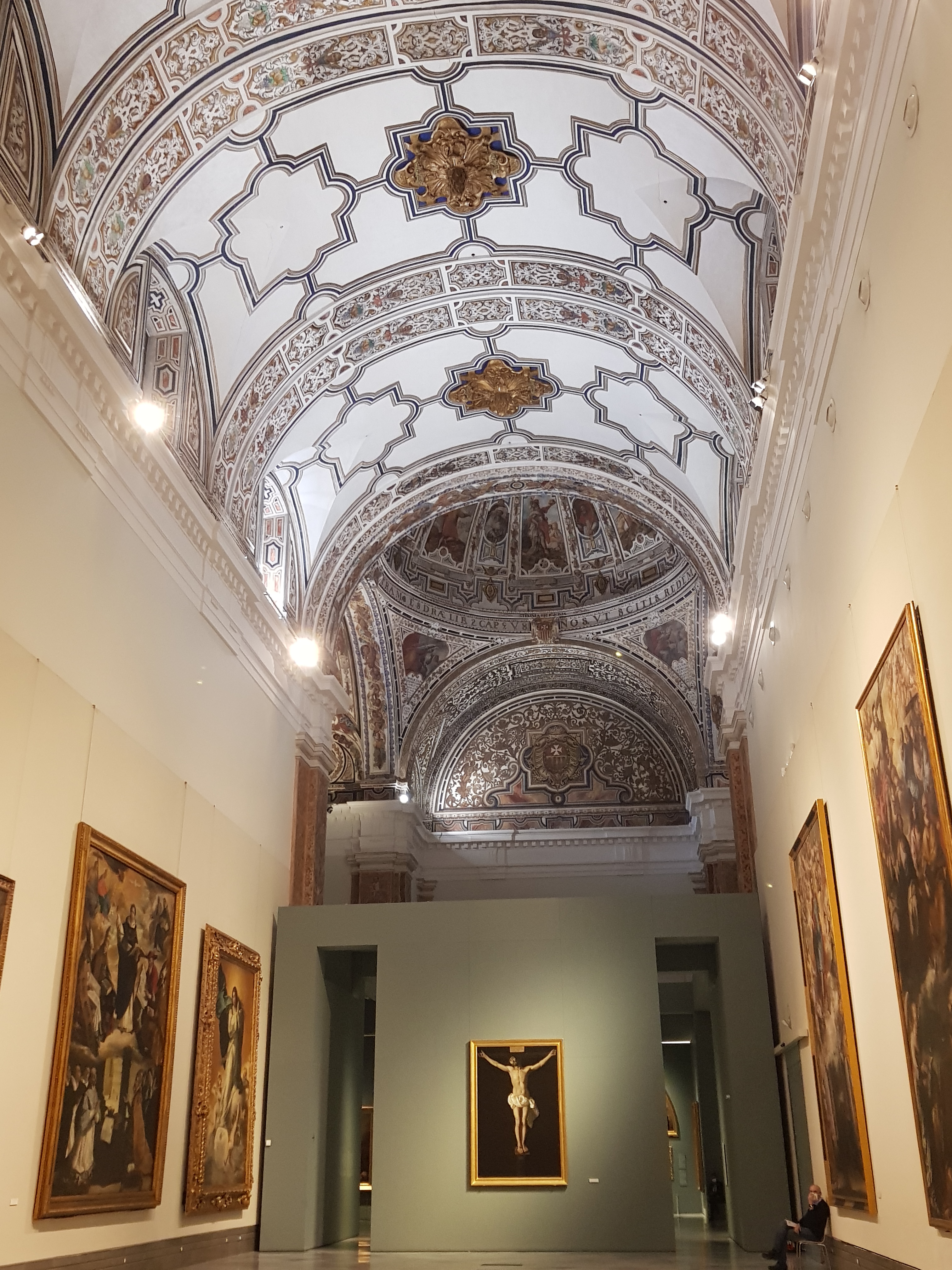
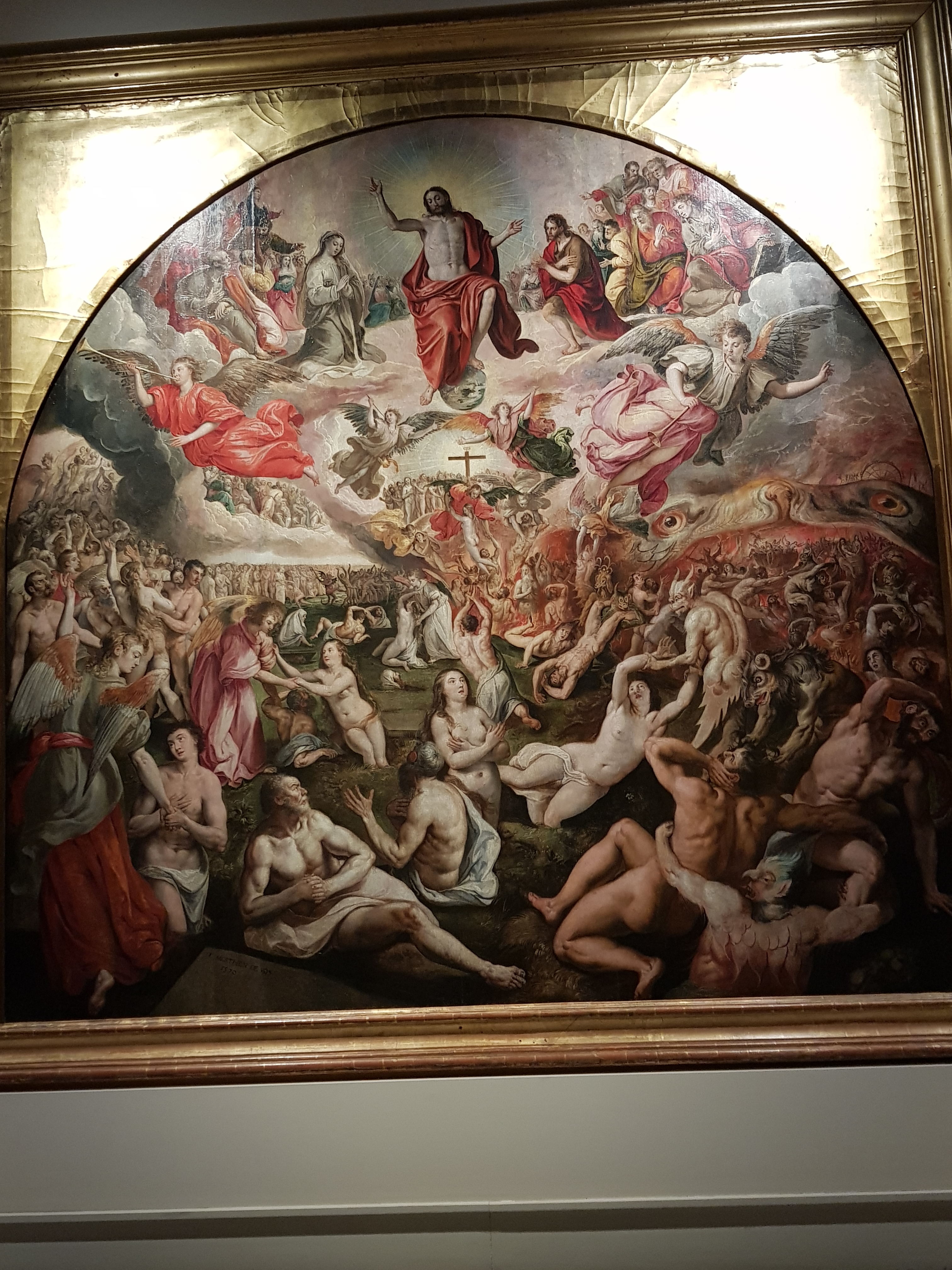
I also enjoyed free admission and air conditioning 😀 from the art museum ‘Museo de bellas artes de Sevilla’. The art displayed in this ex- convent is a mix of very renowned artists such as Murillo and Picasso. I must admit that I was not a fan of all the Picassos as they are so odd. There were many portraits and religious art that I loved though. The building is really beautiful and has many courtyards to sit and relax in. The gallery is only two levels so not too intense which is nice.

Other ideas for a fun time in Sevilla:

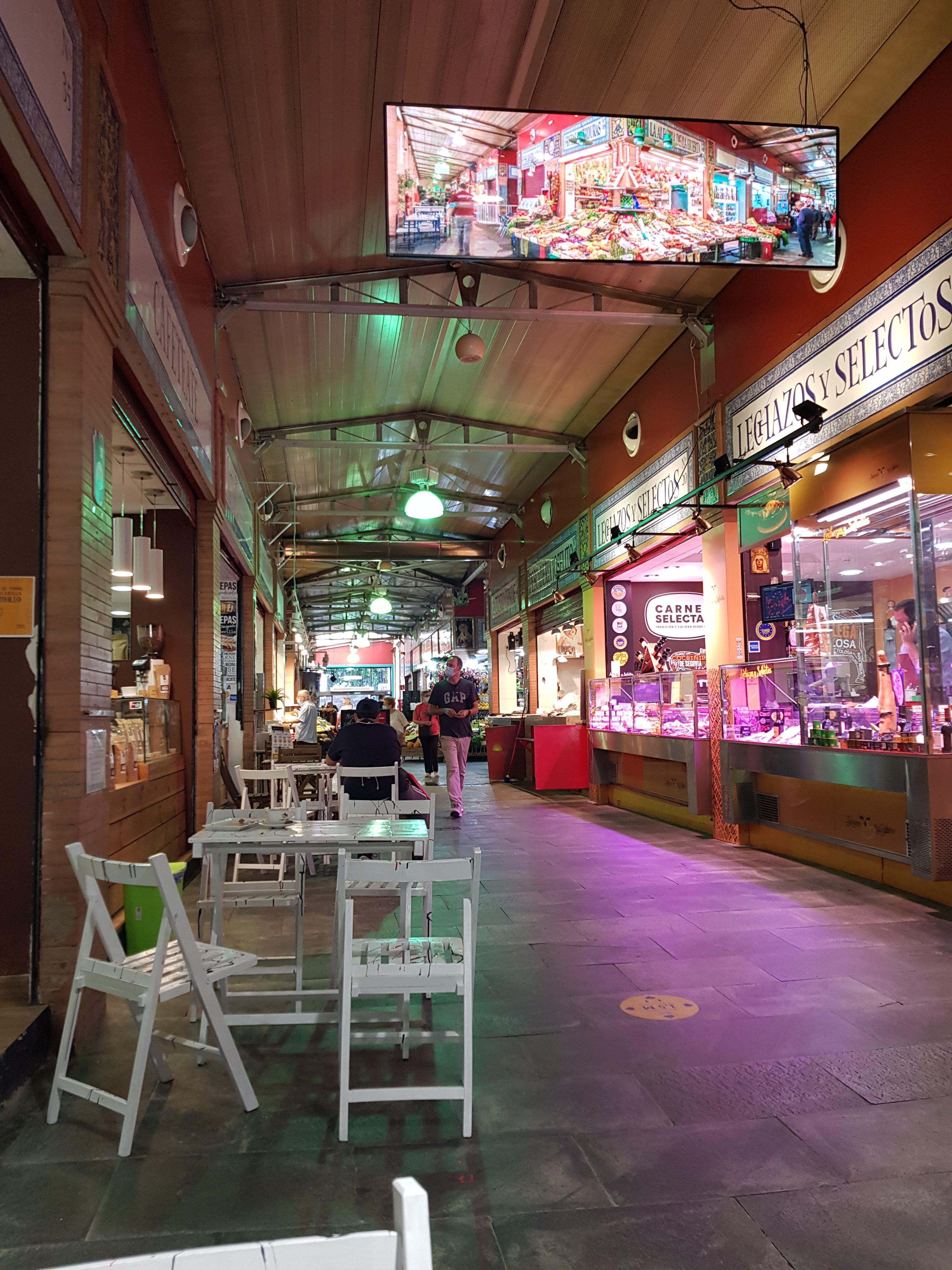
  • Spend some extra time across the river in Triana. The atmosphere is great here and you can also visit the local food market at the bridge for an affordable and fresh lunch.
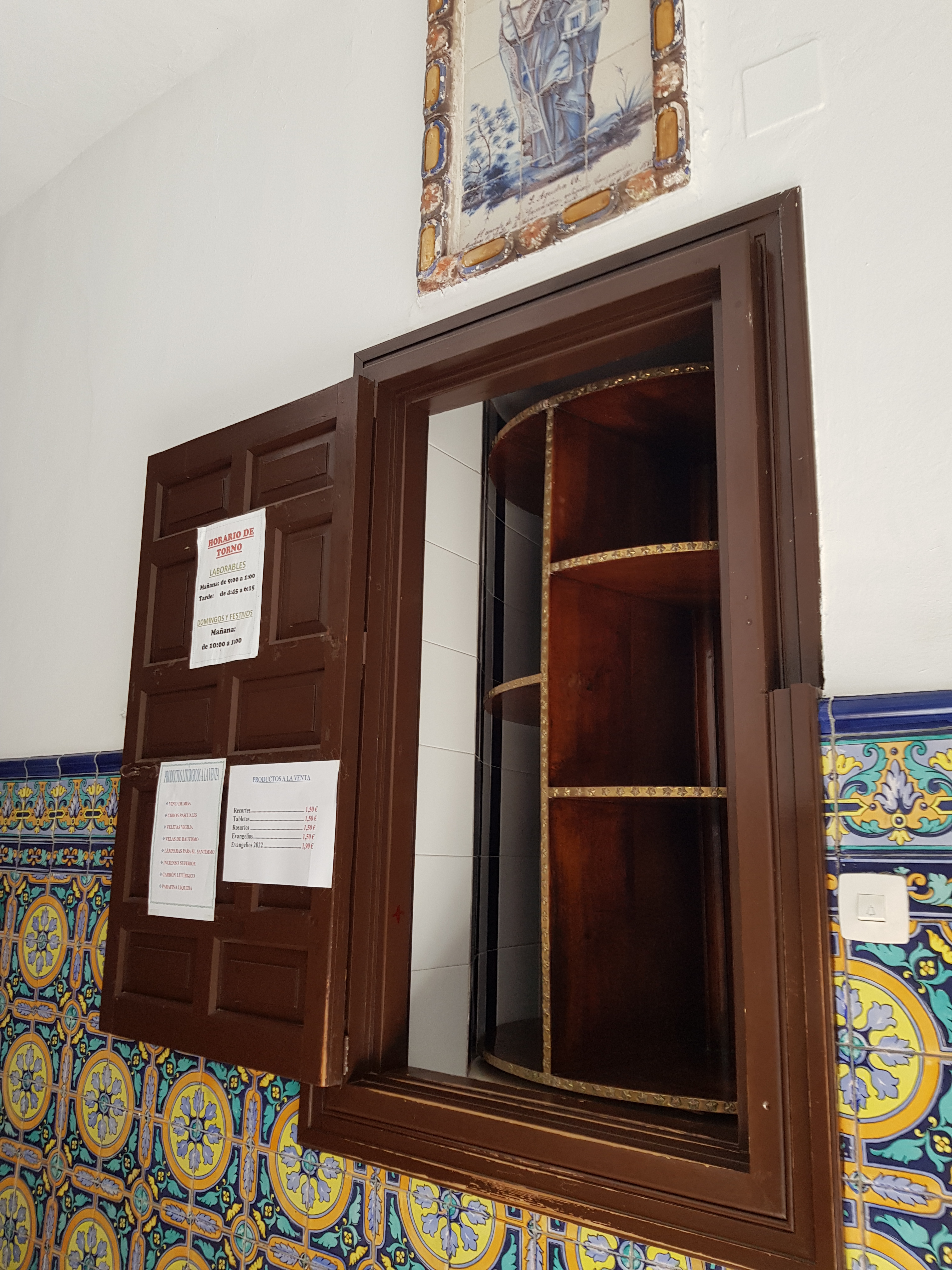
  • Visit one of the many convents in the city and purchase something from a nun. Many convents and monasteries sell goods to sustain themselves, often you can get homemade sweets. I went to one in Sevilla, and bought from a nun though a strange turntable window!
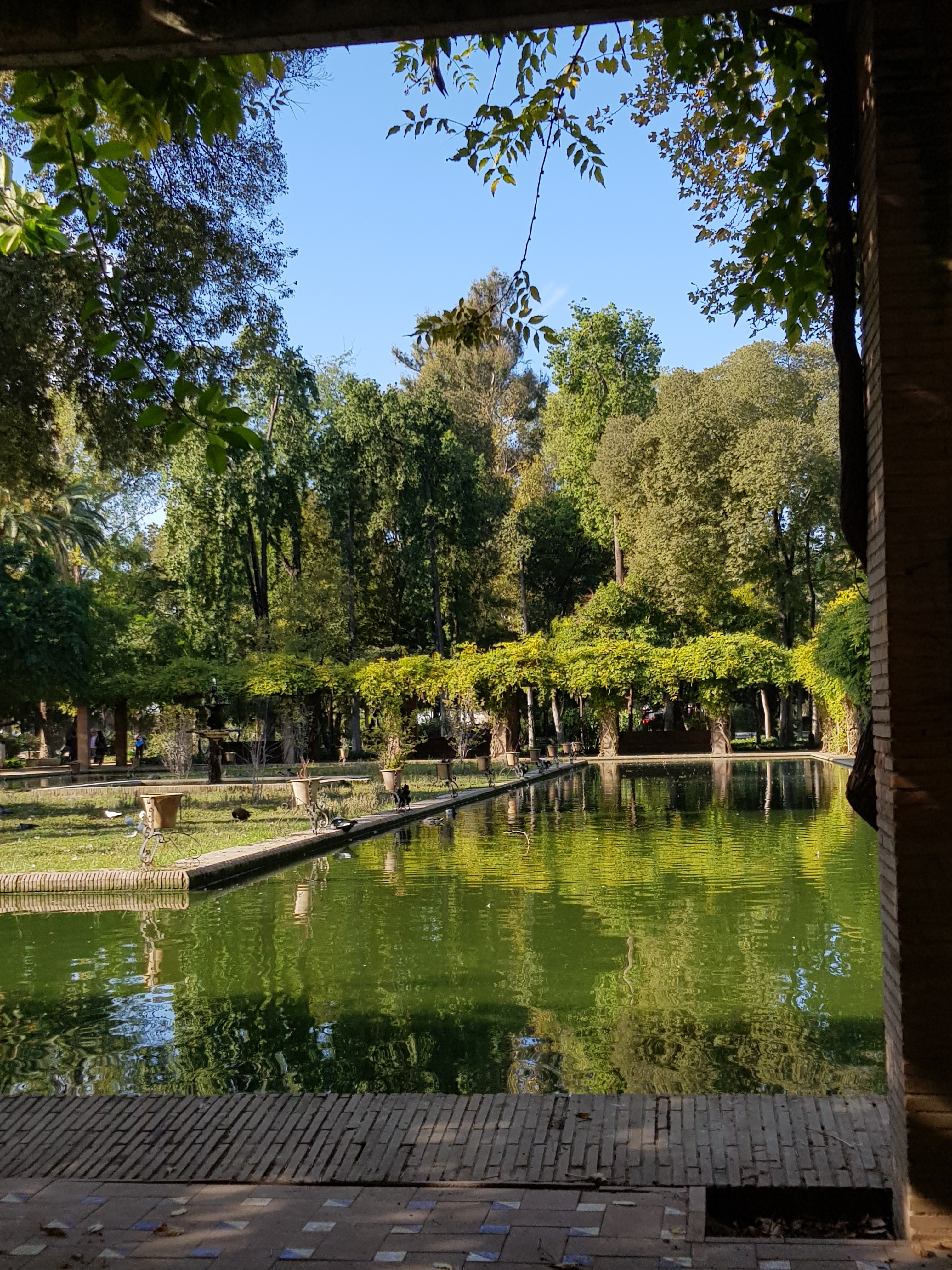
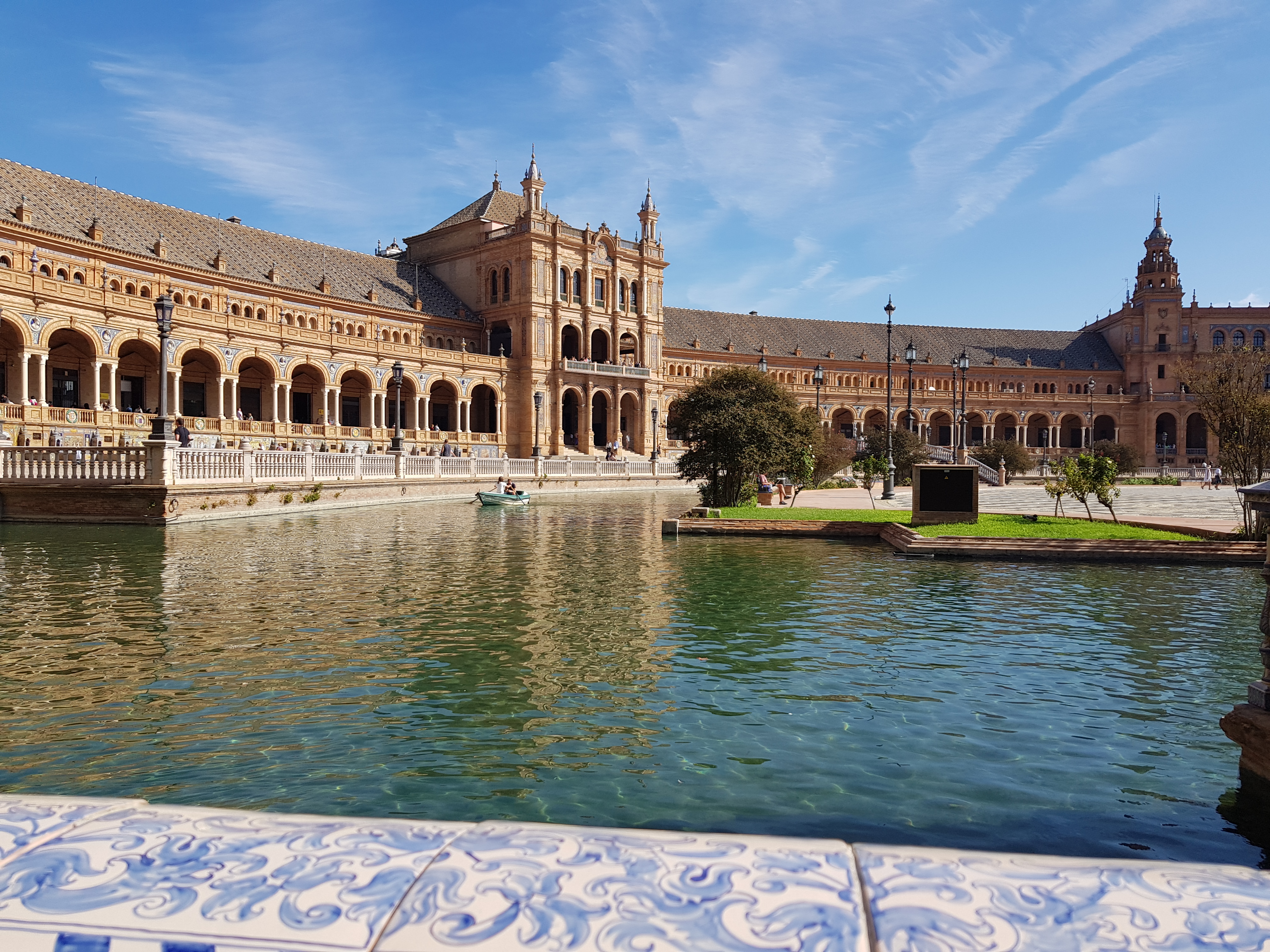
  • Visit the Plaza de Espana and the park. The plaza is an obvious tourist spot, and very pretty, but the adjoining park of Marie Luis, is full of beautiful places to sit and relax in the shade.
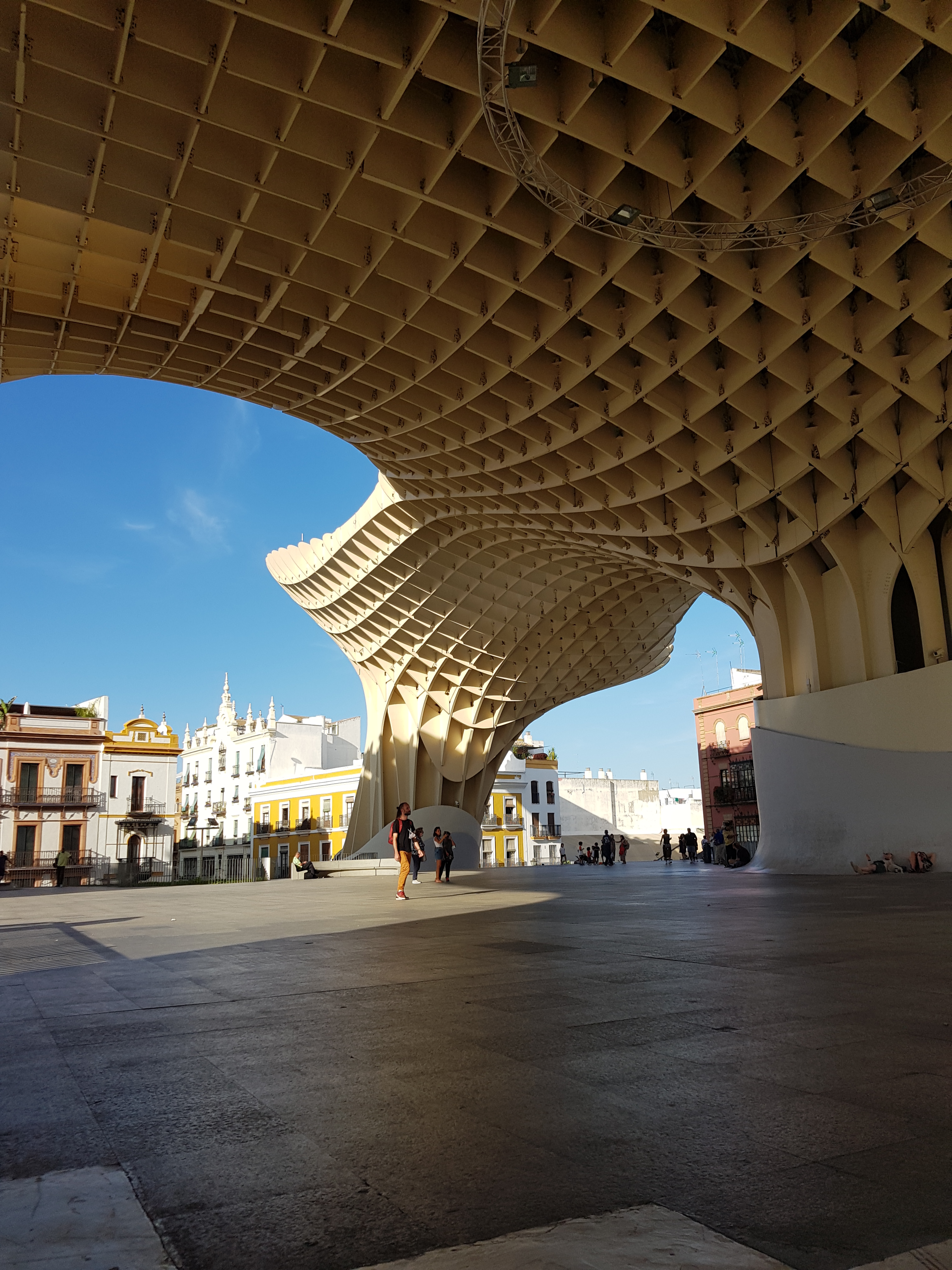
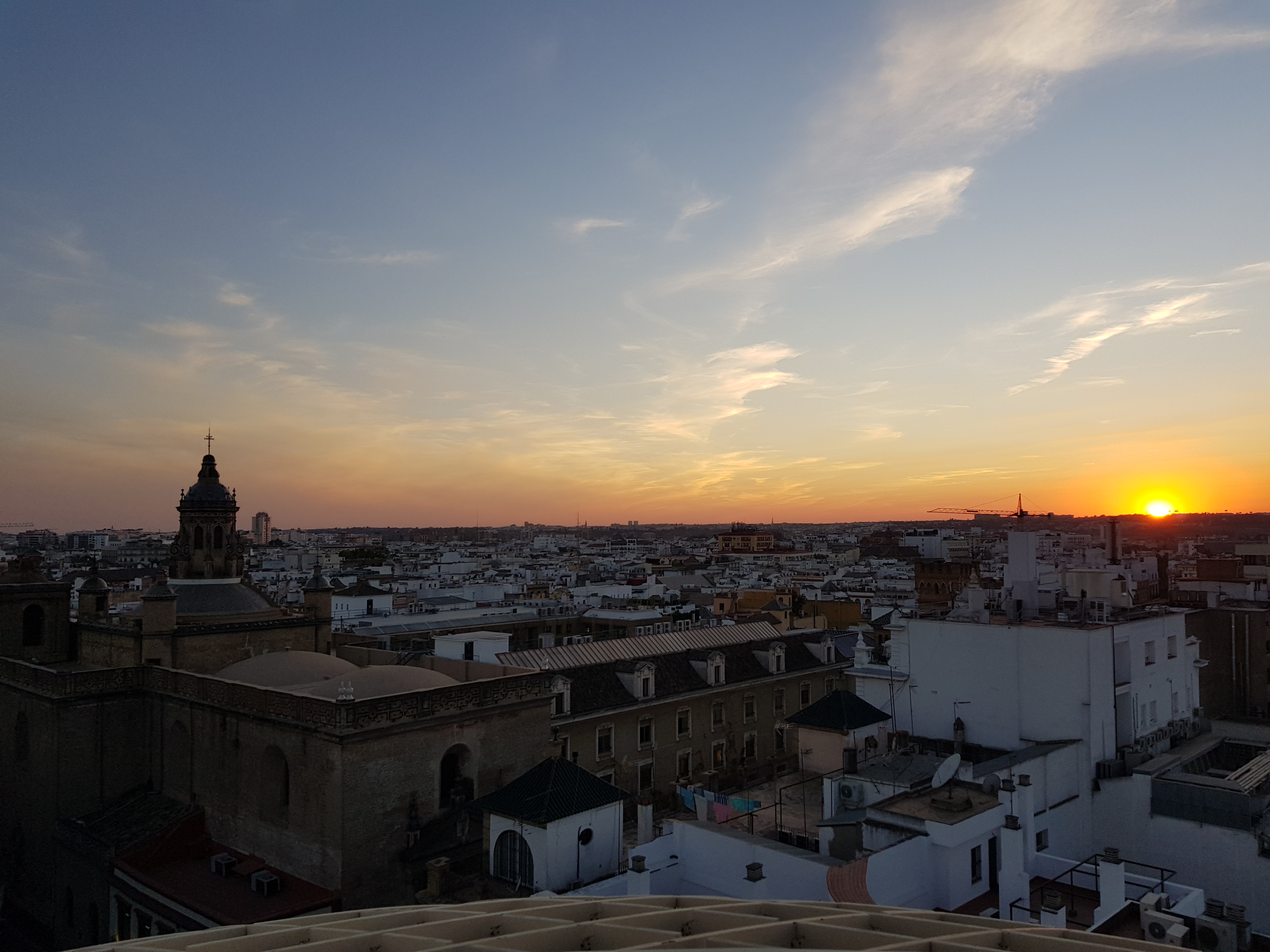
  • Head to the big mushrooms in the sky! The huge ‘setas’ monument is named this because it is the shape of mushrooms. Get there a little before sunset, and you will see wonderful views of the city.

Overall, I thought Sevilla was a very romantic and beautiful destination. It was also easy to walk around and had good transport connections, and of course reliable weather! I would certainly visit again.

Next stop… Cordoba!

Portugal: Europe’s South Western edge

Before my journey to spain, I took a week in a little Portuguese corner of Europe

This week, I took a short break in Portugal in the Algarve’s South Western region.

I stayed in a villa near Budens which is near to Sagres. Staying in a villa on your own is a rather strange thing to do and I wouldn’t visit this way if it weren’t for the fact that I could stay here for free through family. It does however have a benefit of a washing machine and my own kitchen which keeps my costs down, when I need to eat, I can just cook up a storm.

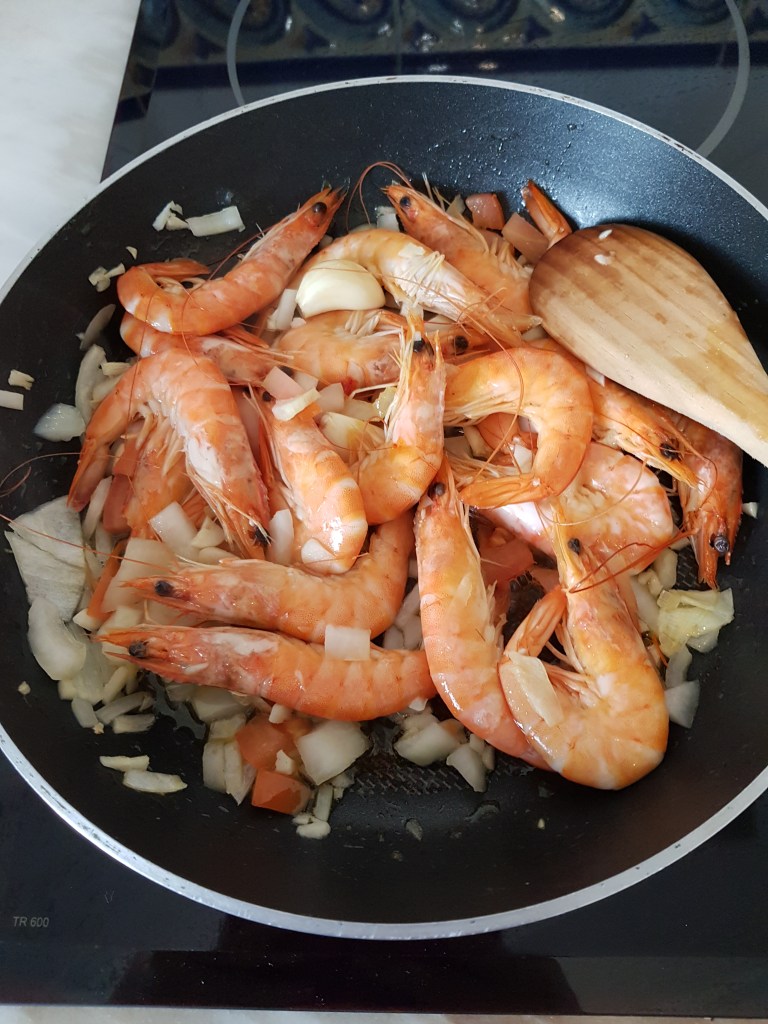
Maybe buying a kilo of shellfish was over optimistic… the kitchen stunk of fish for days 😝🦐🦐

I have previously stayed down the road in Portimao on another holiday, and something that I have found in both vacations is that the Algarve can be quite a tricky place to navigate, if you do not have a hire car. I needed to rely on public transport and this can either be expensive through the use of taxis or it can be unreliable through buses that only run every 2 – 4 hours until 8pm… This is definitely a place to come if you are simply looking to wine, dine and unwind. It is fine if you are happy to stay in just one place, or to visit several beaches and enjoy some tourist shopping experiences.

For me, I like to have a little adventure and culture so i needed to look a little harder here . I decided to venture to nearby smaller villages to look at what was on offer and managed to identify key places to visit that would interest me. I also discovered that the area benefits from a nationally recognised walking trail along the coast.

Lagos

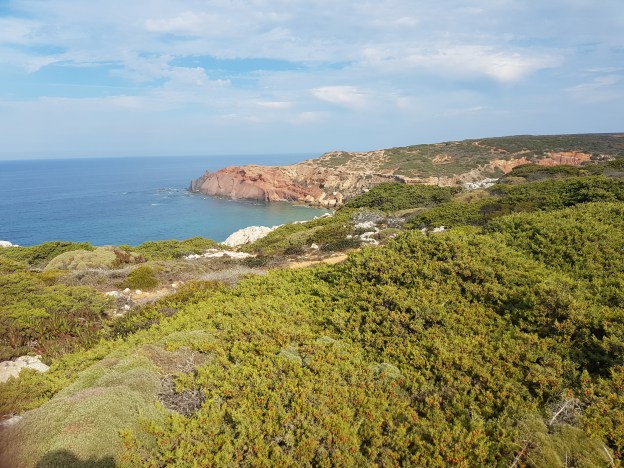
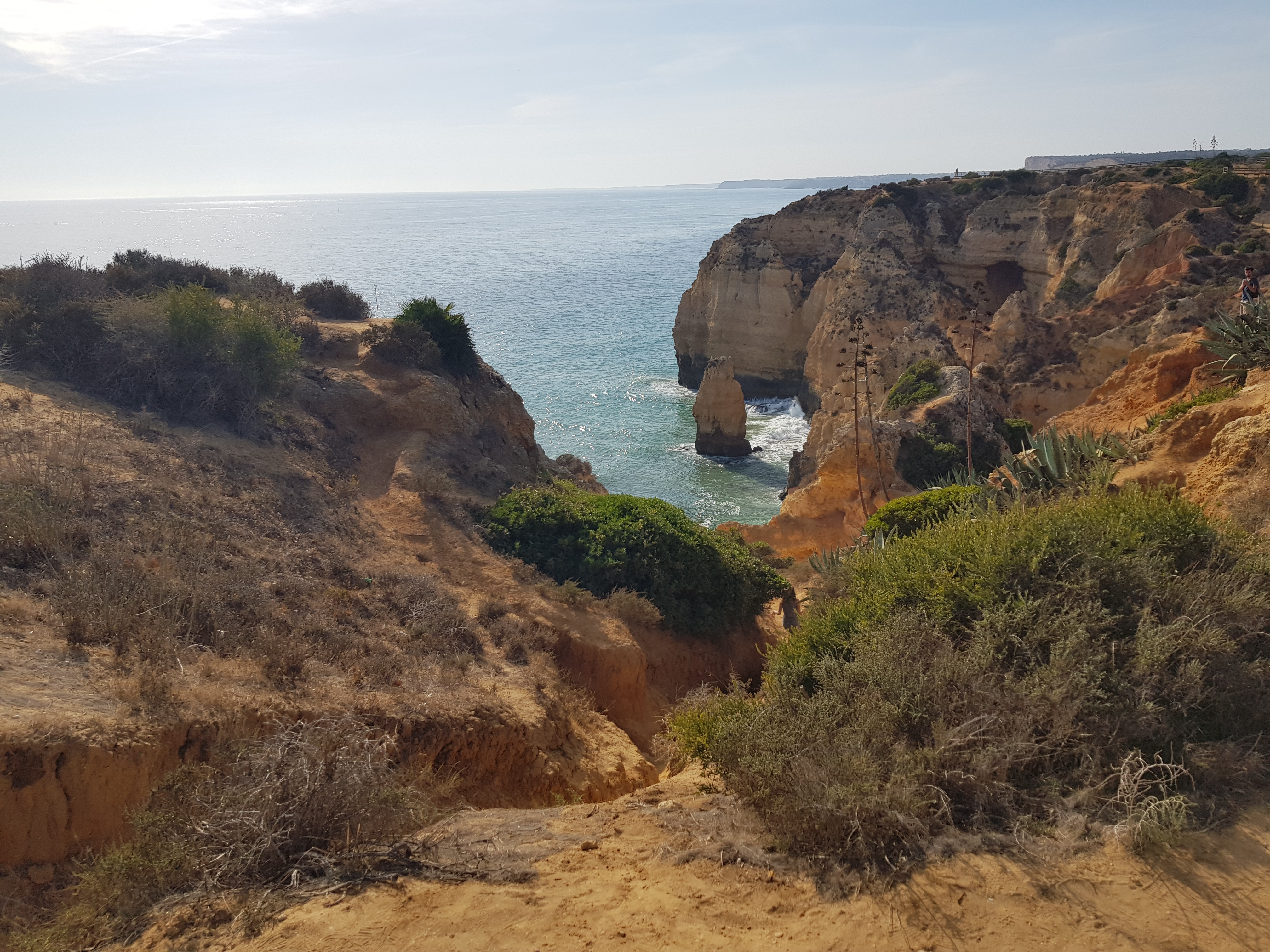
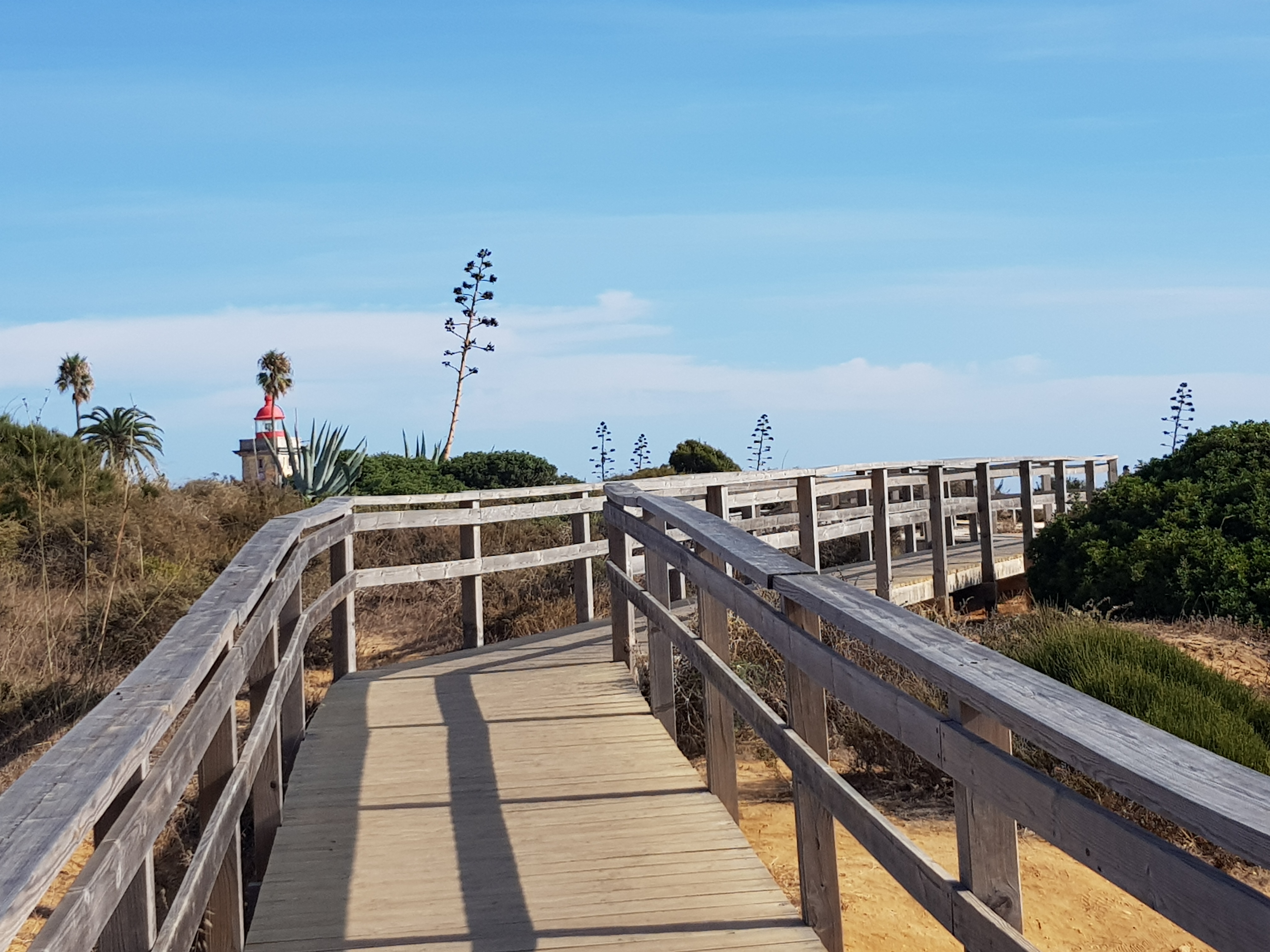
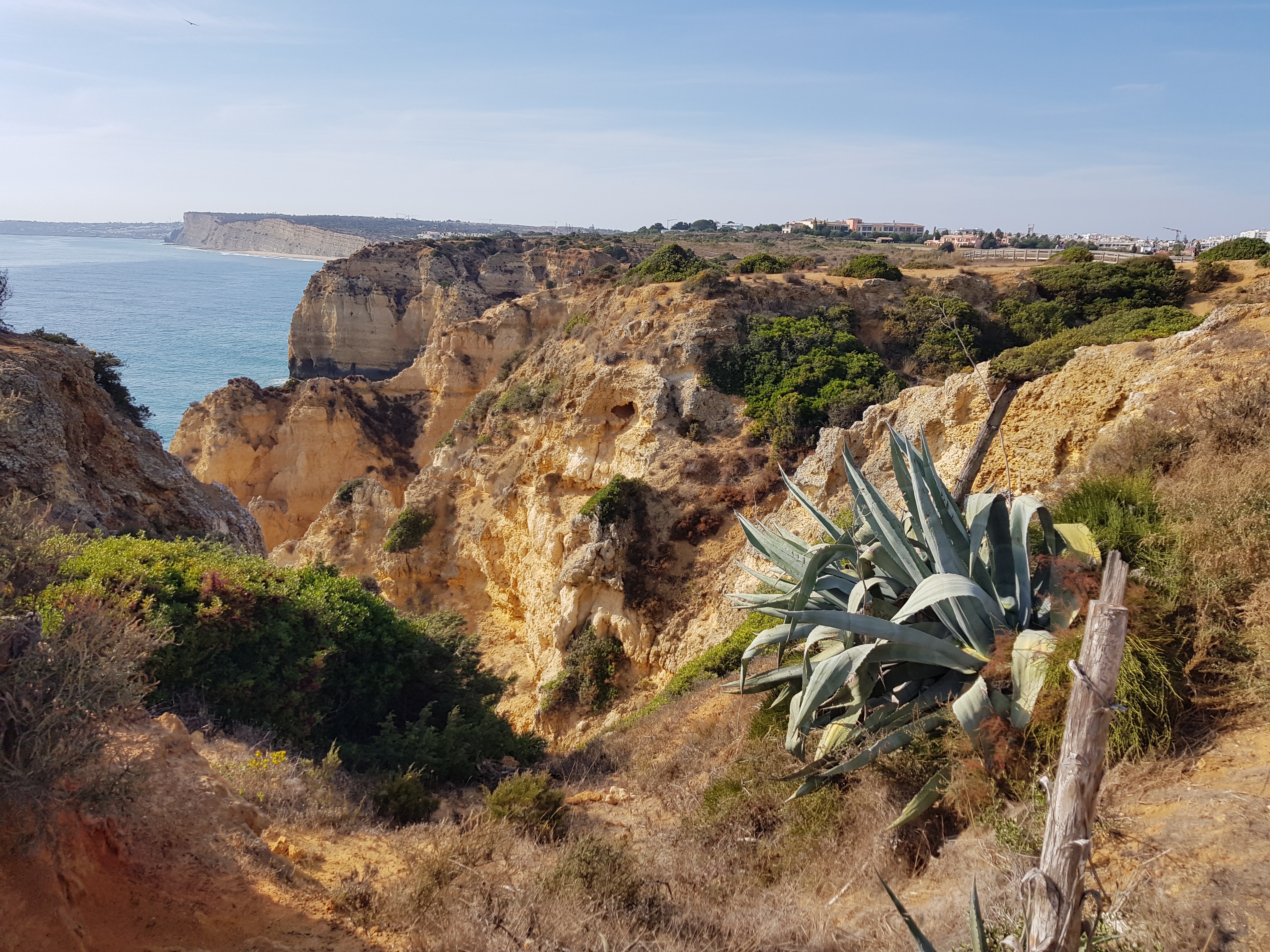
Whilst the landscape in Portugal is very dry and barron there is a certain beauty to the sand and rocky cliffs that overhang the coast. When visiting Lagos, (which was a 40 minute bus drive) I took the hop on hop off train tour to the lighthouse area, and wondered part of the long coast line path laid out for visitors. Whilst there, you can see the powerful waves crashing beneath you.

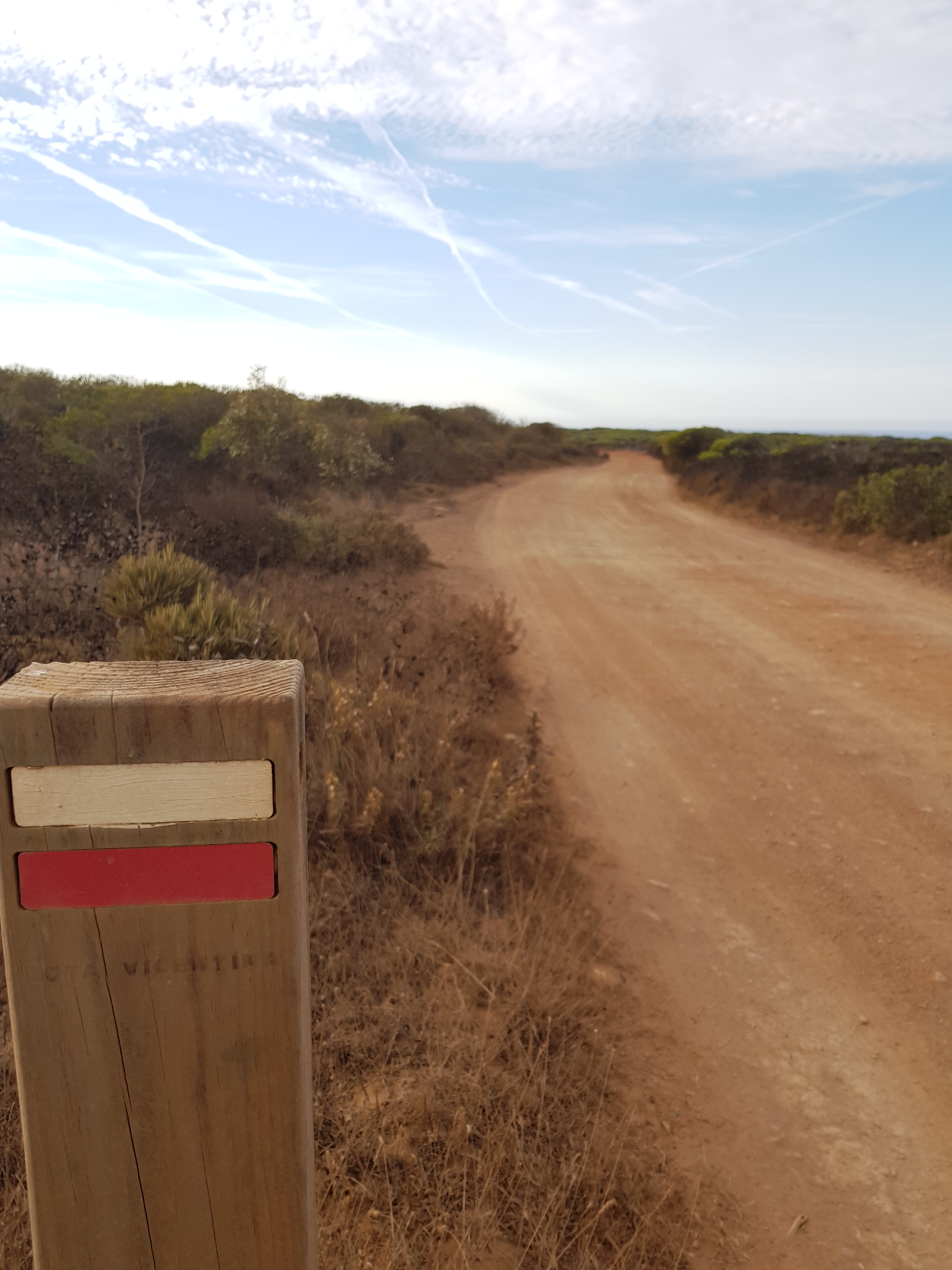
This path is a part of the Rota Vicenta, which i was keen to explore as part of my training for the Camino de Santiago.

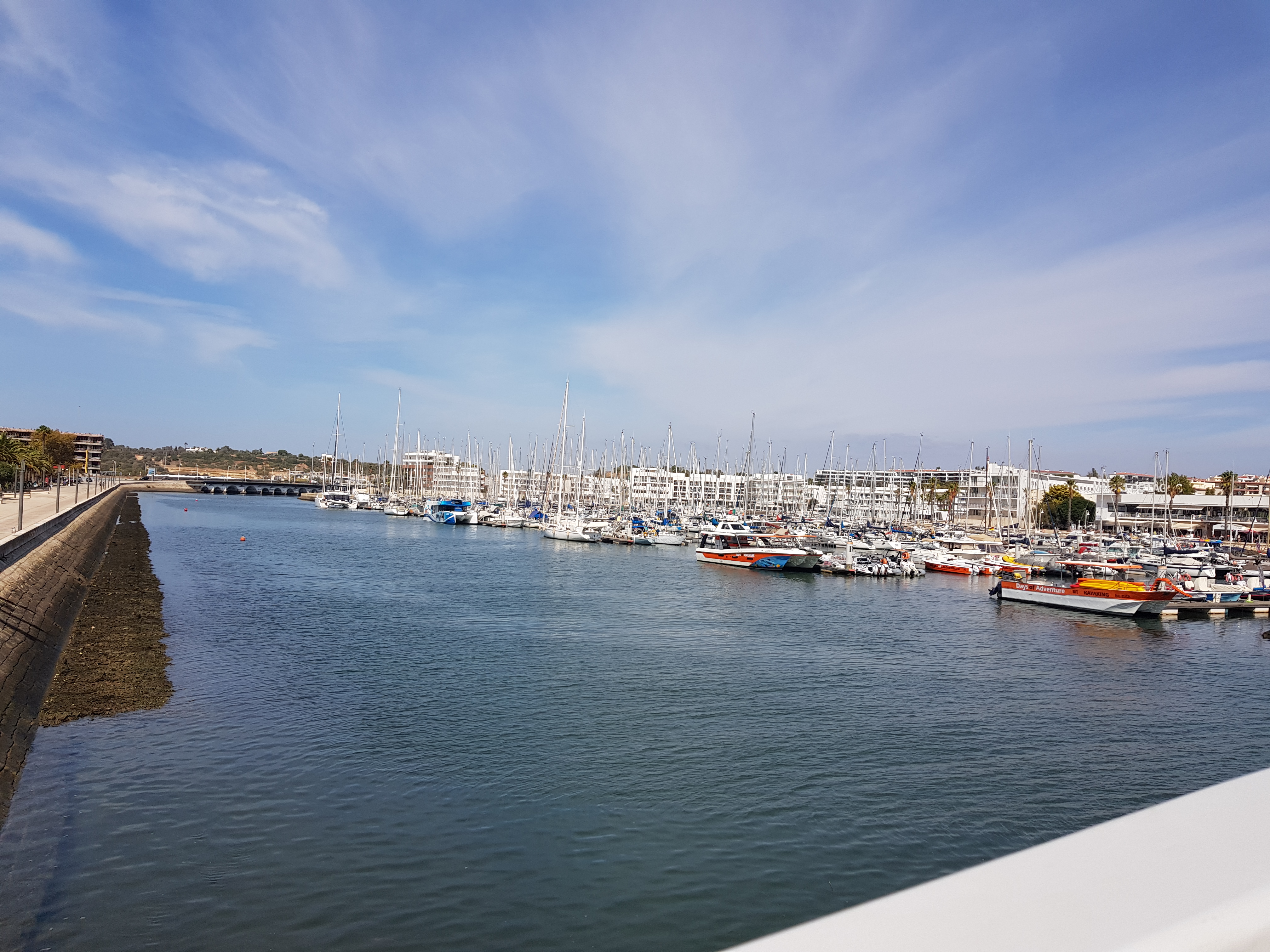
Lagos also offers long stretches of sandy beaches and warm sea waters . Multiple shopping experiences including their municipal market selling fresh produce to visitors and locals. There is also a pleasant marina area with several popular restaurant chains along with local options. I also spotted that they have their very own Madame Tussauds in Lagos, I spotted signs for this wax museum but did not have the time to explore it .

There was also an ancient fort complex that I would like to have the opportunity to see again. It would also be great to be able to go on a kayaking tour the next time I am in town.

Rota Vicenta – Vila do Bispo to Sagres

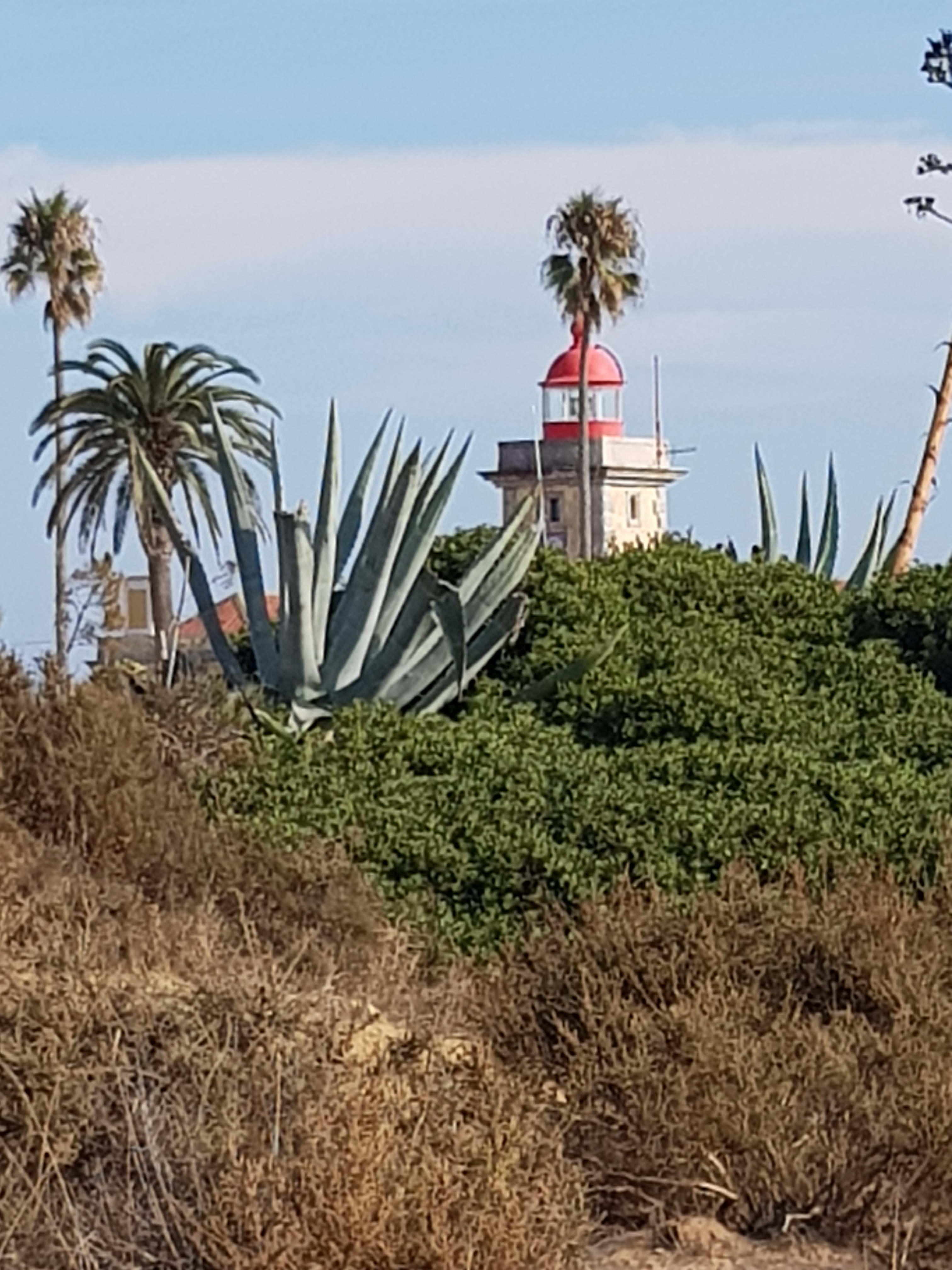
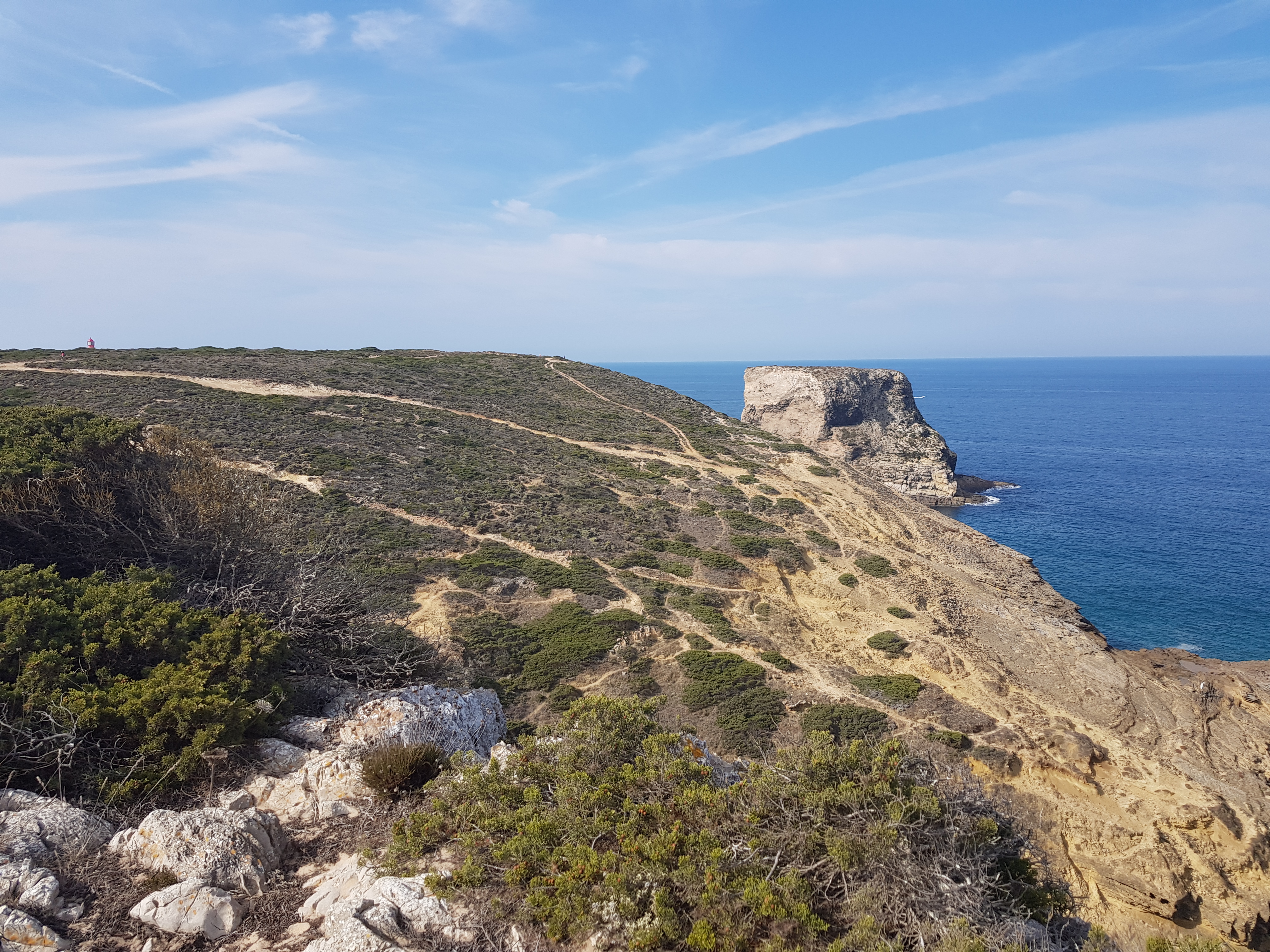
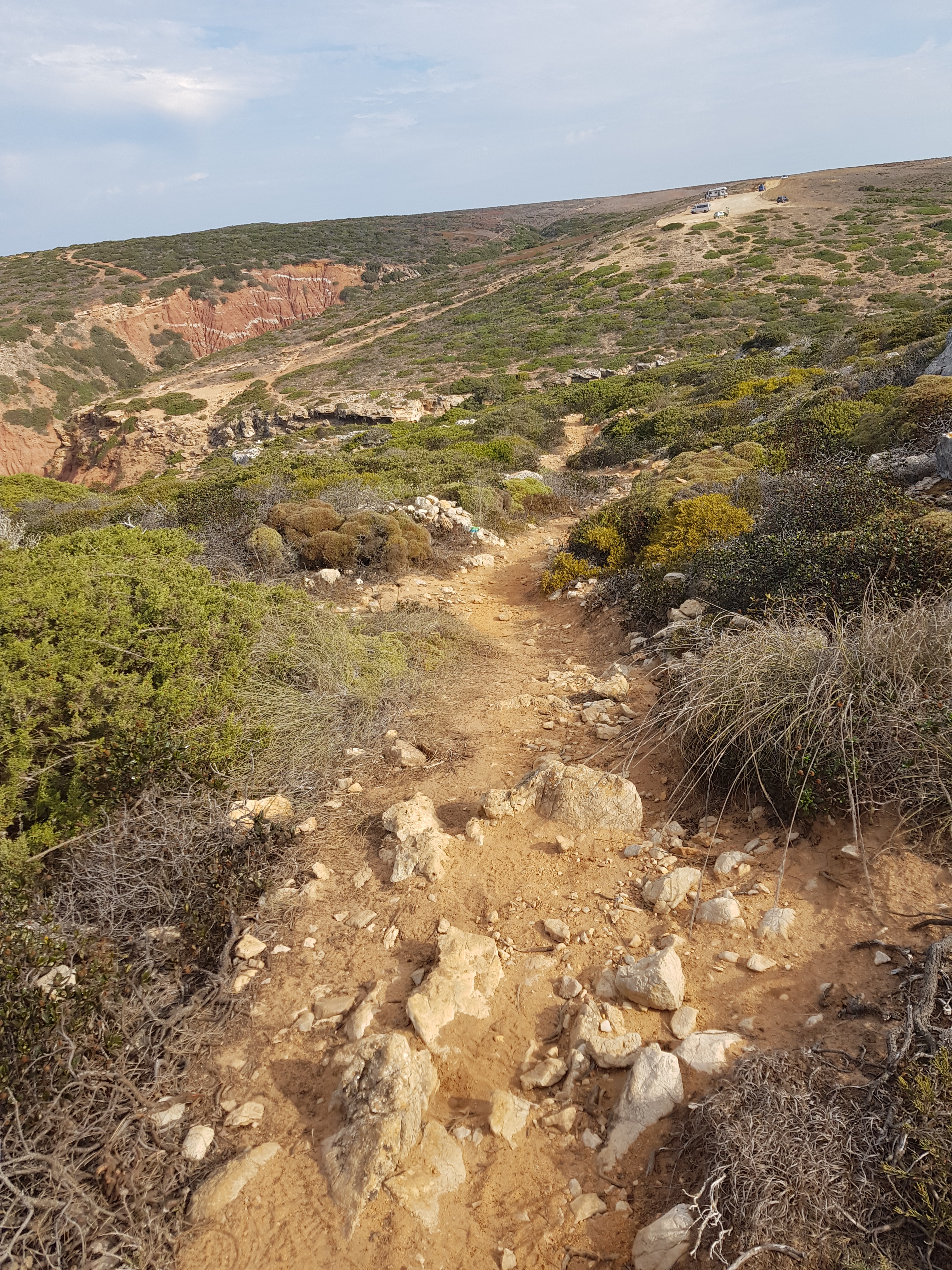
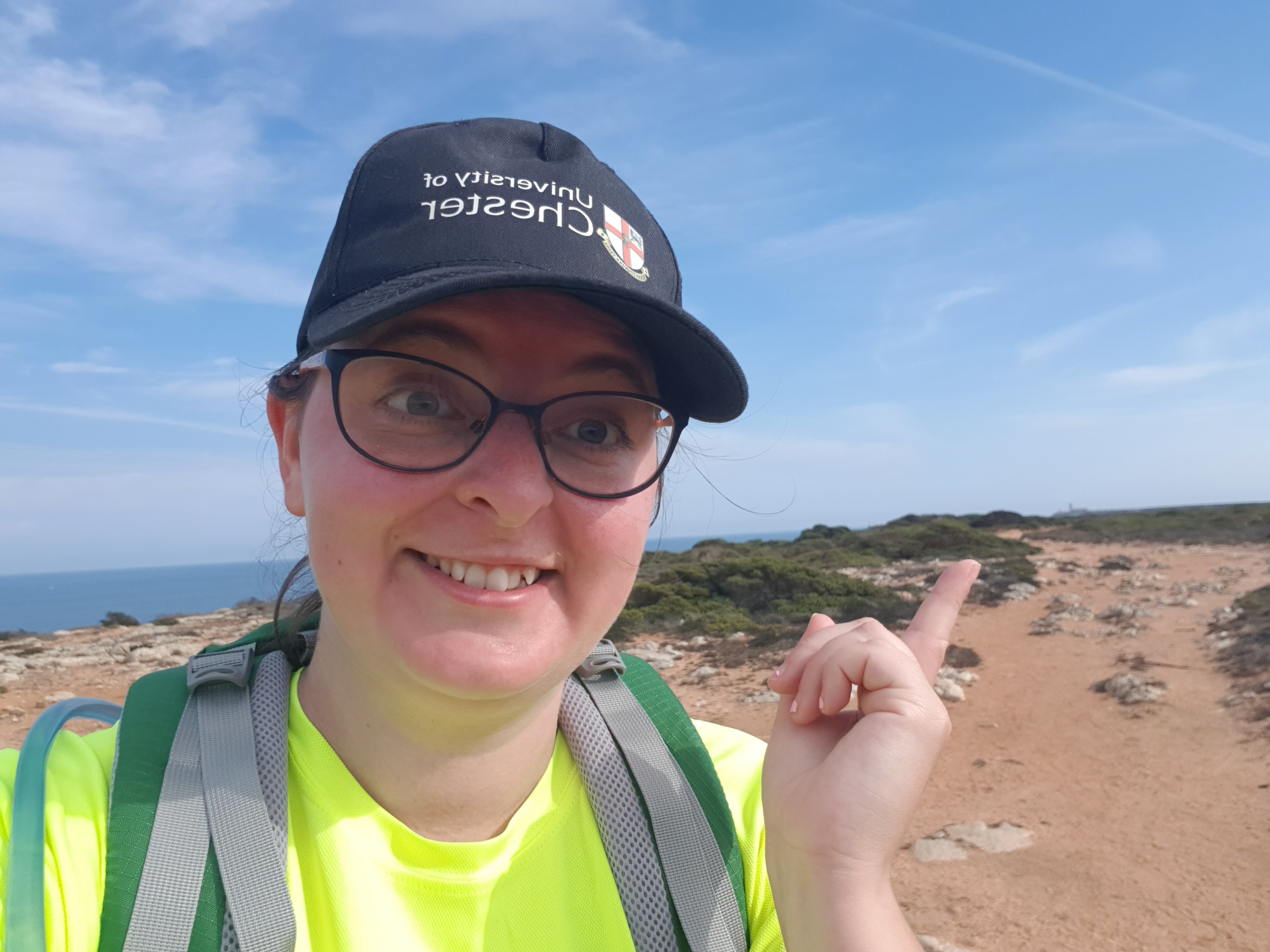
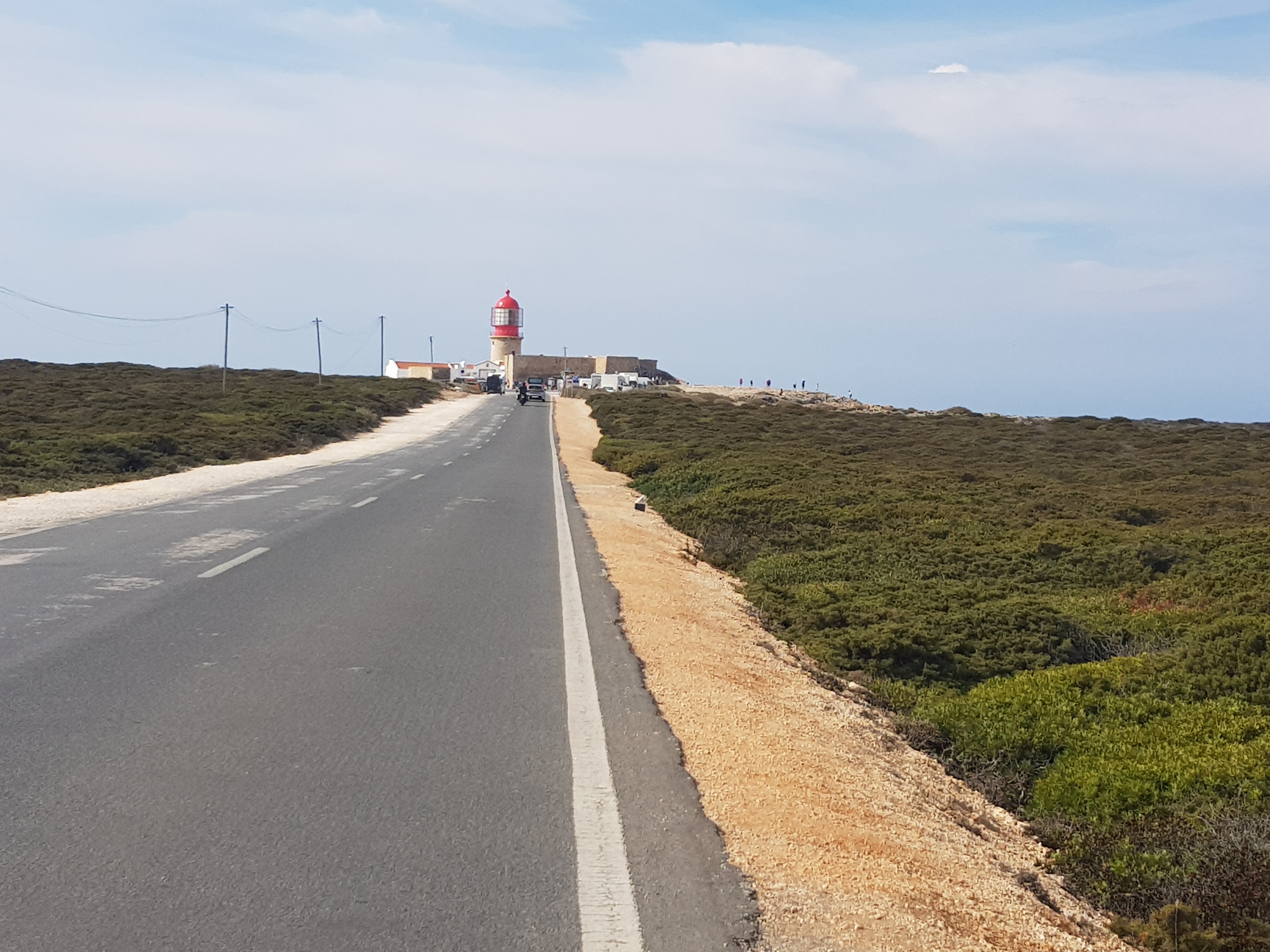
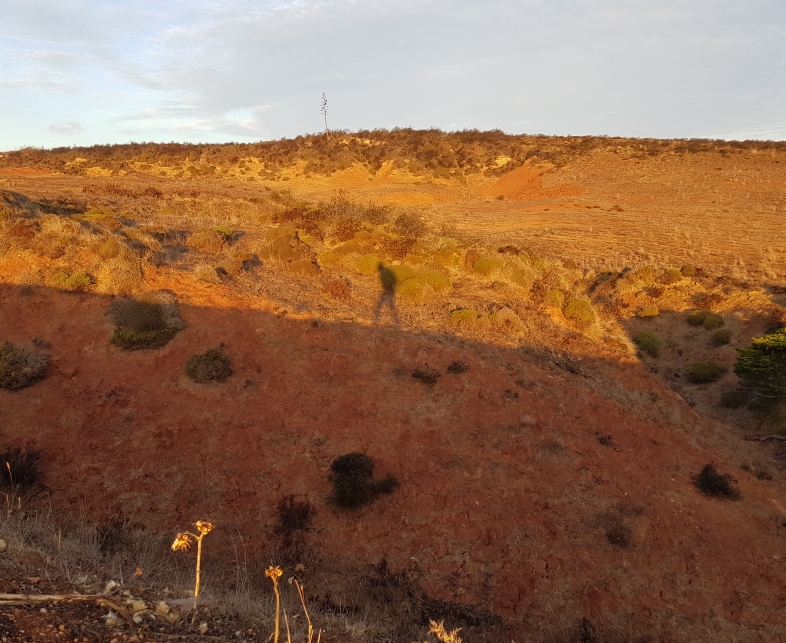
The section of the walking route that I decided to walk was one of the final stages of the historical way and ran from Vila do Bispo to Cabo de Vincente. The destination was a lighthouse stationed at the most South Westernly point in Europe. Due to this, I was recommended by a local to make my visit there at sunset, but because I was walking alone I was forced to make the safer choice of doing my walk there in the early morning, to avoid the dark of night, and the midday heat. This was a good decision as the temperature on the day was over 25’c, and I still got to enjoy the sunrise.

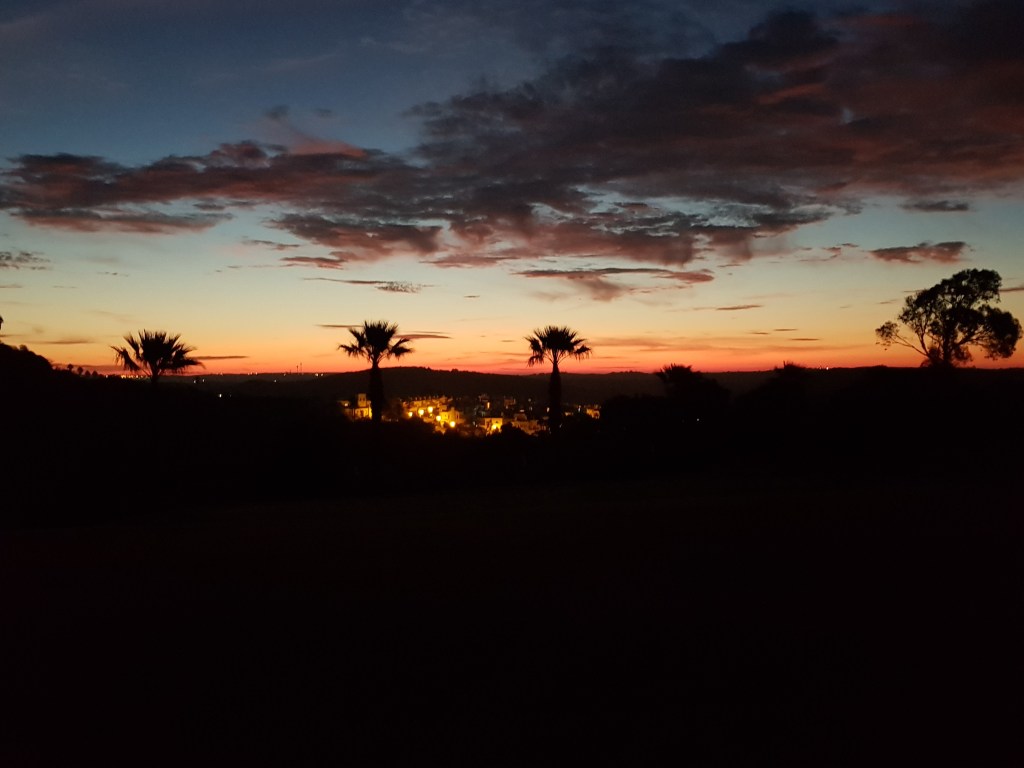
Sunrise hike

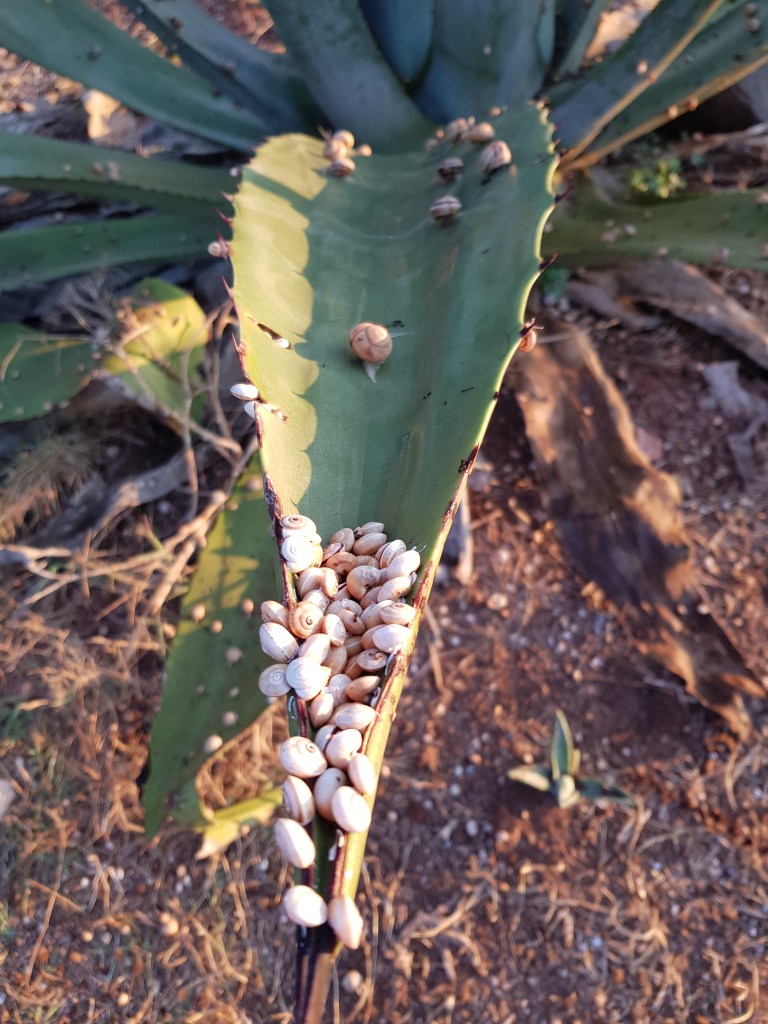
The walk started wierdly with a Jehovah’s Witness approaching me in the street at 7am with his bathrobe on. After that, I didn’t see another person for hours, just cattle, migrating birds and intriguing behaviour from ants and snails. I am never normally up so early, so it was nice to appreciare nature. I saw huge lines of ants marching along, and snails huddled together on top of succulents.

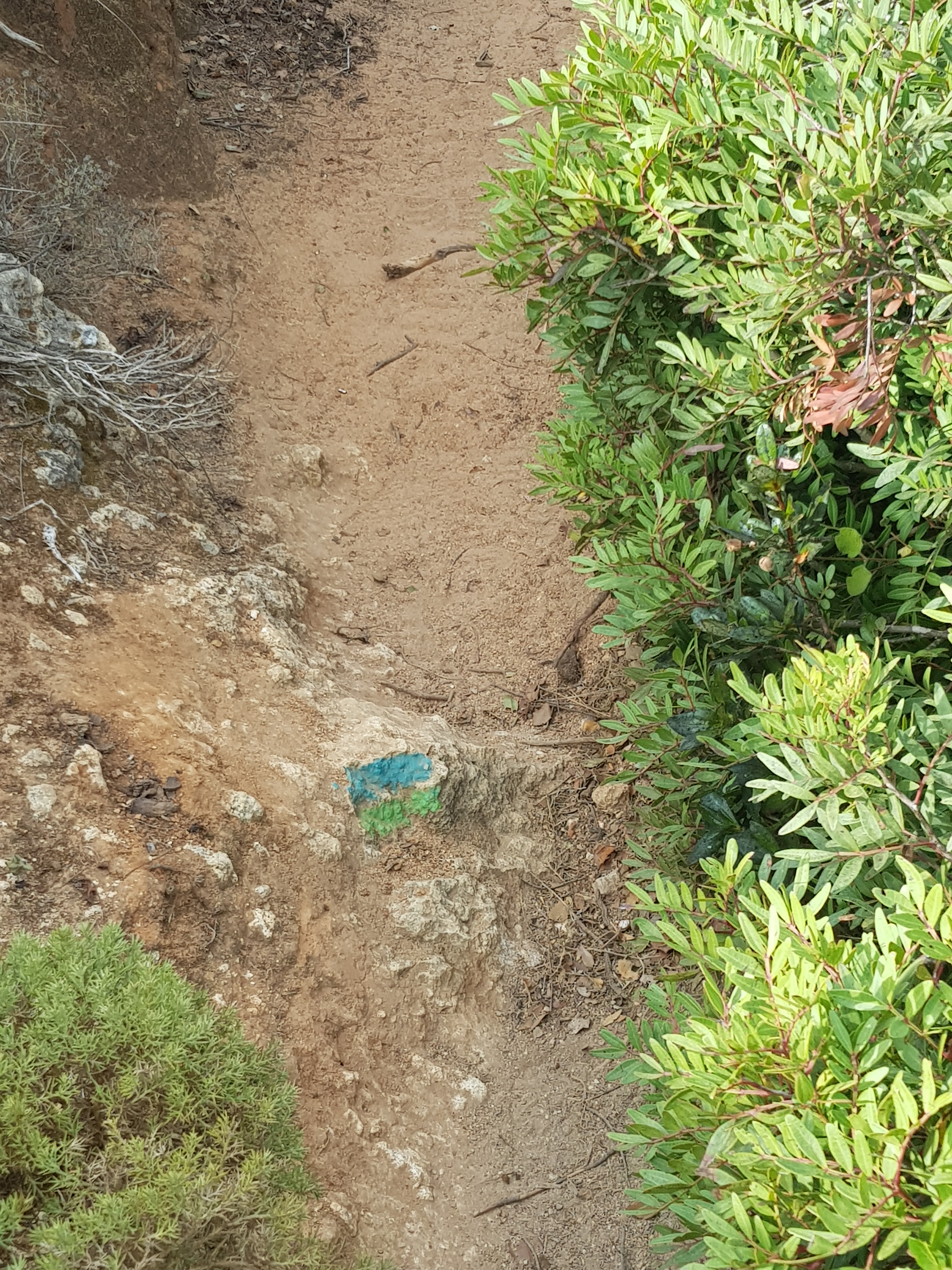
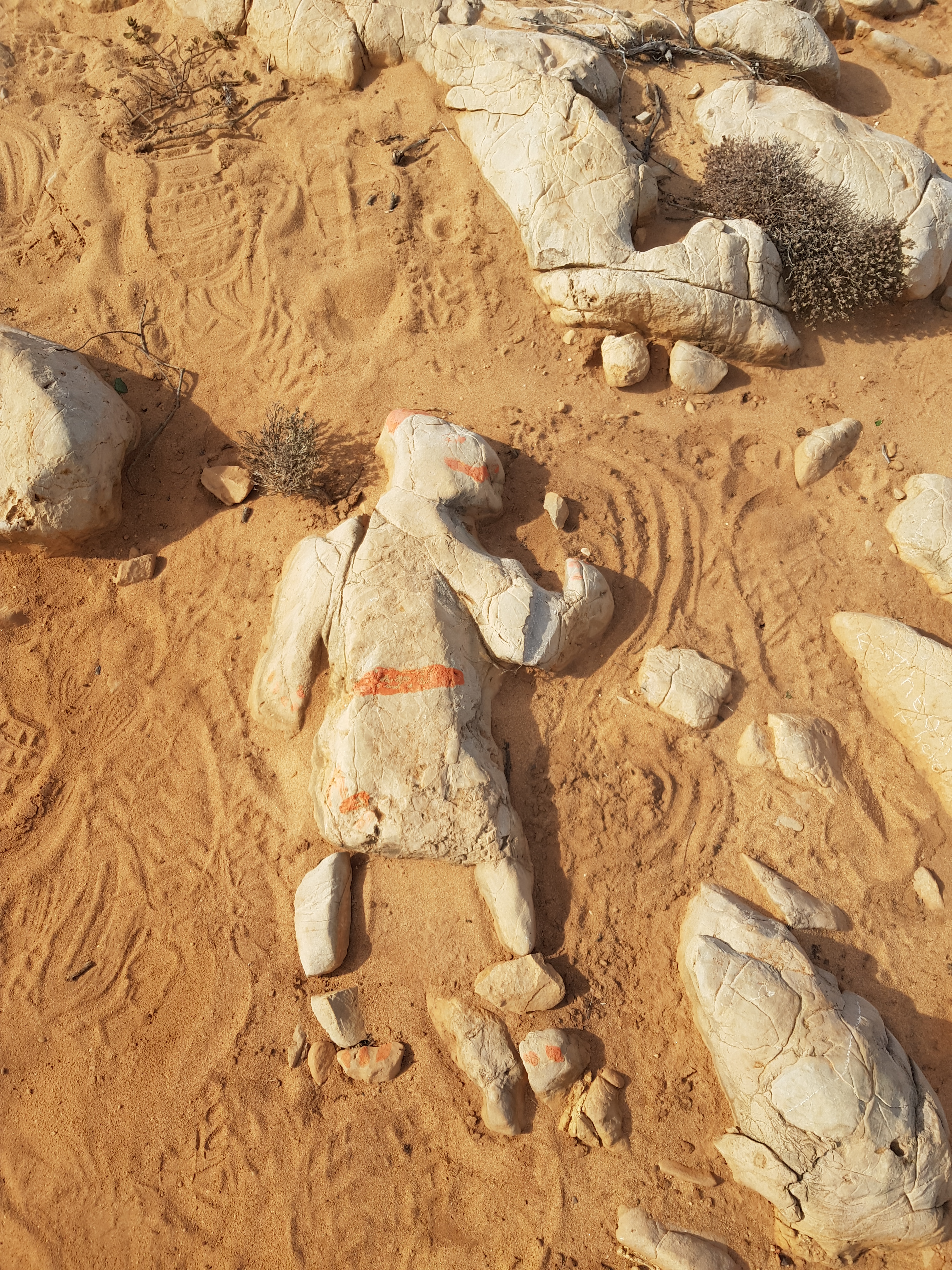
It was really well signposted throughout, and the volunteers had even got creative by painting rocks and random pieces of buildings to help walkers along.

I am still getting used to these walks and had a brand new water bladder to try out. This is basically a sack of water inside your backpack, that connects to a tube running out to your mouth. I am teased by my friends for how little water I drink and so it was deemed necessary to walk along with water constantly running into me.. this did mean dropping my trousers in the middle of nowhere to emergency wee four times though! Who wees four times in three hours..?! it concerns me.

Me against the sunrise

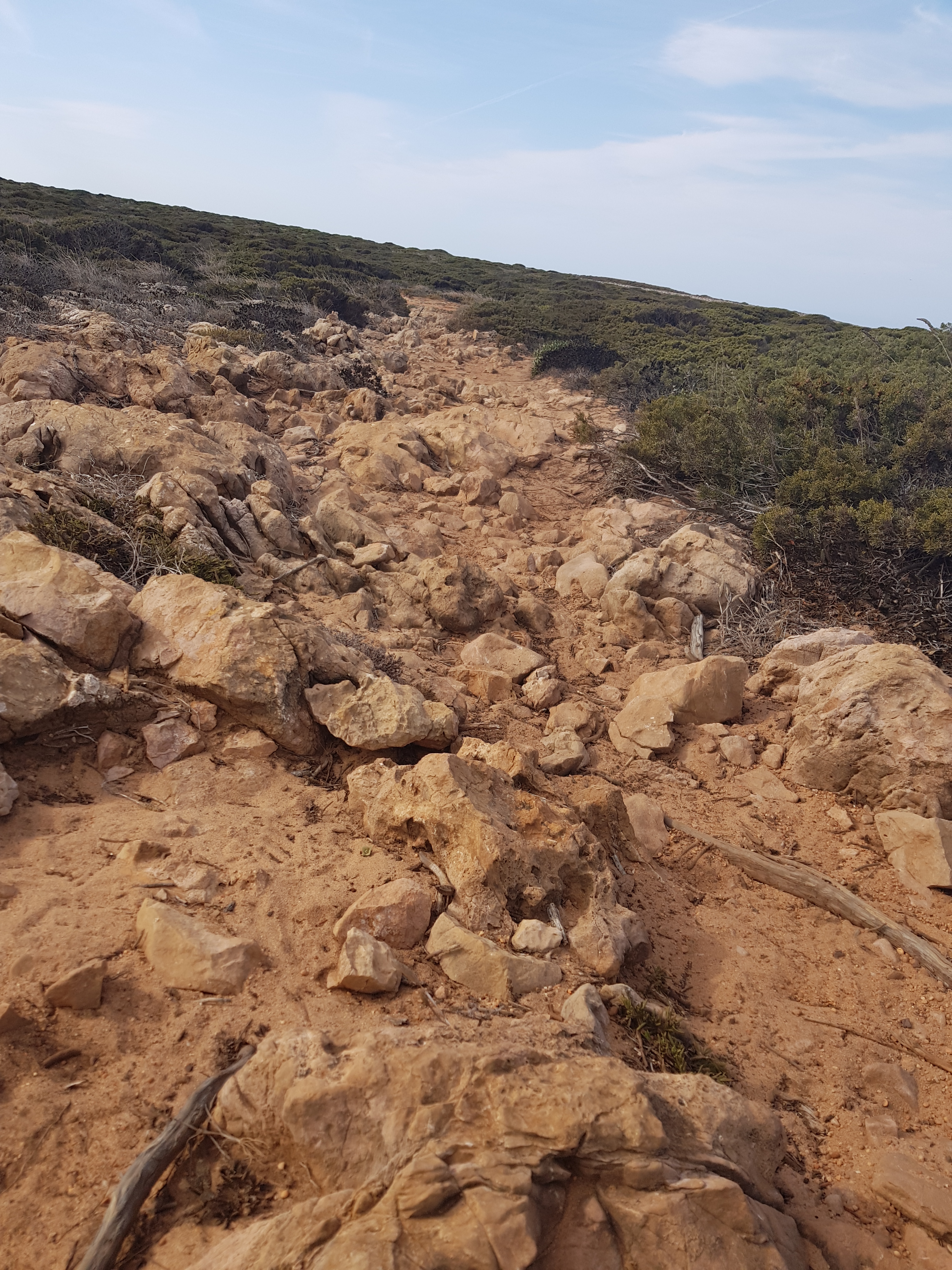
After about two and a half hours I could see the lighthouse in the distance! Truly impressed with myself, as the total walk is supposed to take four hours. Naively thinking of myself as an expert hiker now, I decided to switch course and get closer to the sea cliffs and small beaches on ‘Fisherman’s Walk’. BIG MISTAKE! This led to a dramatic slow down in pace as I had to carefully scurry over rocks and literally a boulder filled path… how I longed to be back on the nice flat path I’d been skipping along and had so foolishly abandoned.

The lighthouse kept bobbing in and out of view as I went up and down in elevation. I realised that I was probably losing my patience too much, when a Jack Russell dog passed me jumping happily over the rocks without fear. I felt bitter towards that damn dog. I was carefully planning my every step to avoid injury!

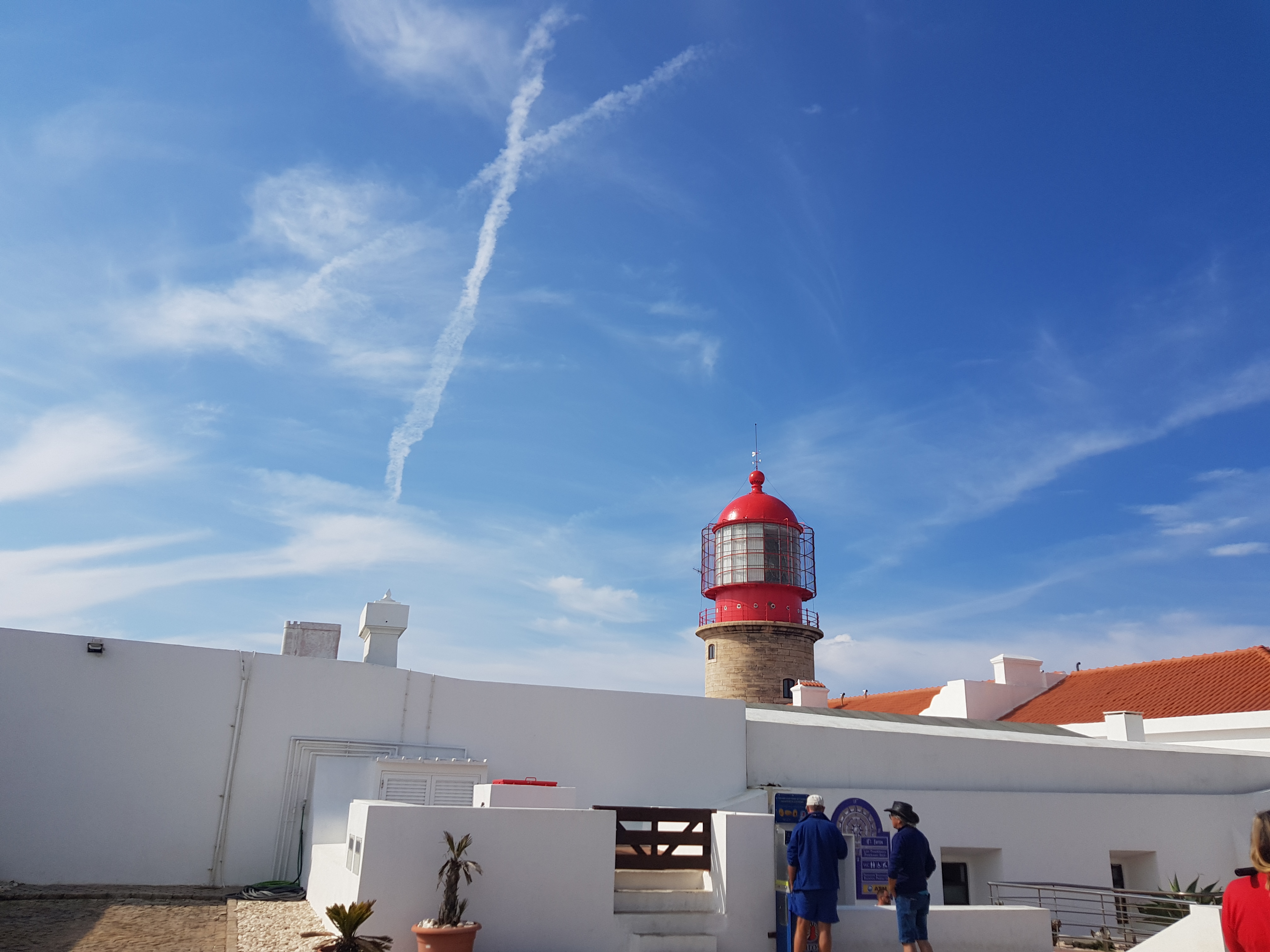
Eventually after three and a half hours, I reached the lighthouse…. and found the nearest ice cream man and comfy chair! The lighthouse has a few vendors, gift shop, cafe and viewing telescopes. You can see some remaining building work from when it was previously a monastery, and there is plenty of parking as most people drive.

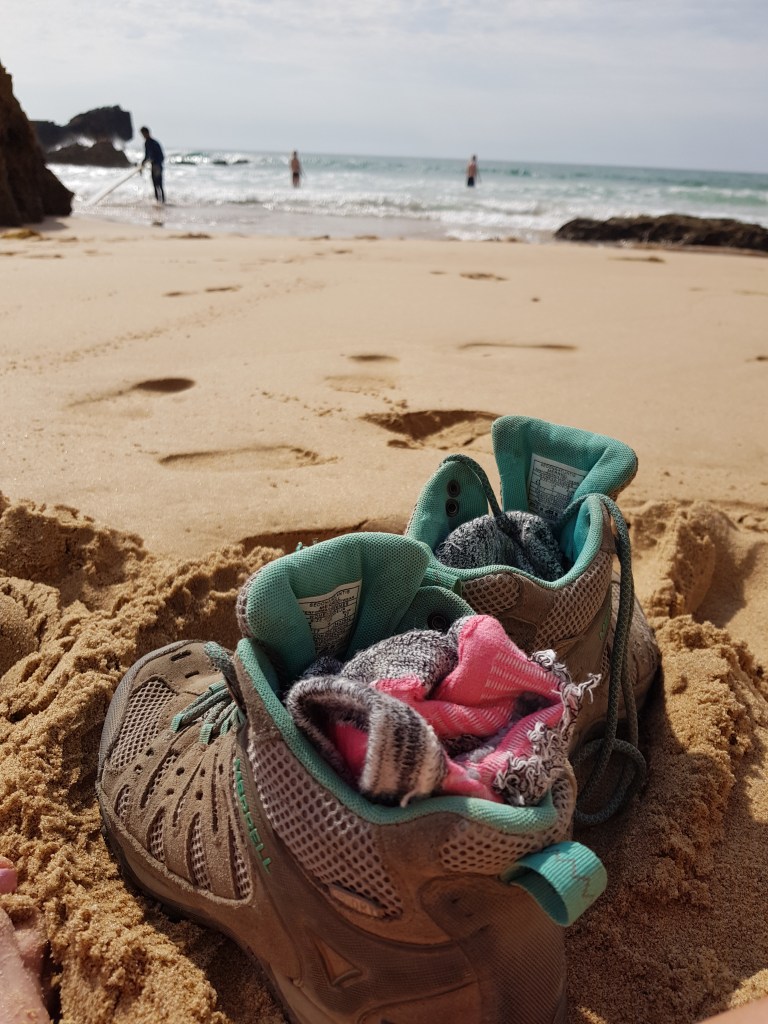
I then ‘decided’ (the next bus was 1.5 hours away) to walk another 6km to Sagres, the next big town. This passed a fort and then there is another fort complex and lighthouse. I focused on getting to Tonel beach and then collapsed against a rock and laid my feet in the sea. I had nothing left in the tank, and I was out of water. It was time to resign, after 21km, and non stop walking since dawn.

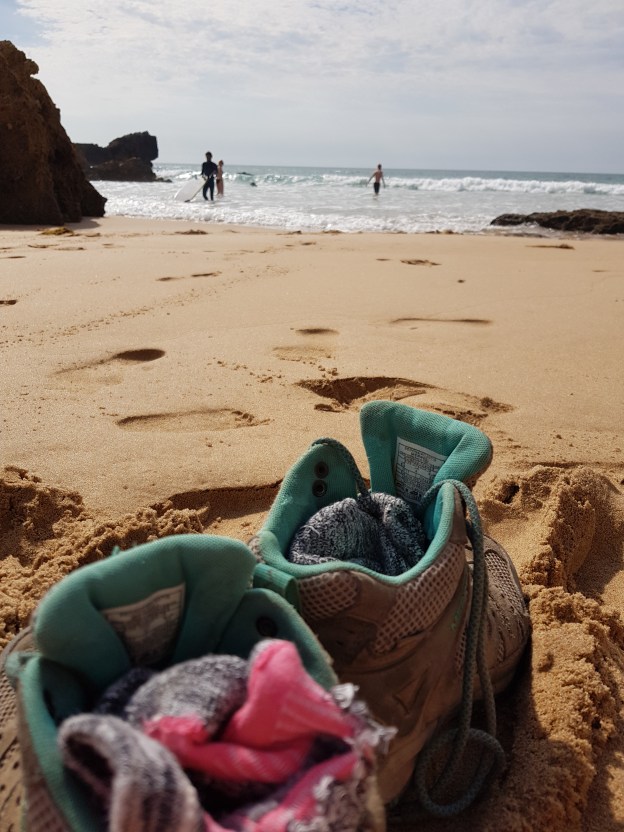
Once the shoes were off, there was no going back.

Overall, the towns and villages I visited during my stay, were sweet and cultured, and were quite good for just enjoying a nata and a natter (see what i did there.😉)

The walk was great and it was lovely to start so early, I wish I had known how uneven the ground was before I changed course though. I would also say that when visiting one of the lesser known beaches you are taking your life into your hands. Literally… there are signs telling you to enter at your own risk 😖 safety measures could be better, but I suppose that I say that as an English woman that comes from a country with intense health and safety focus. If the beaches had handrails and man made steps everywhere, perhaps they would not be as special anymore for their unkept natural beauty.

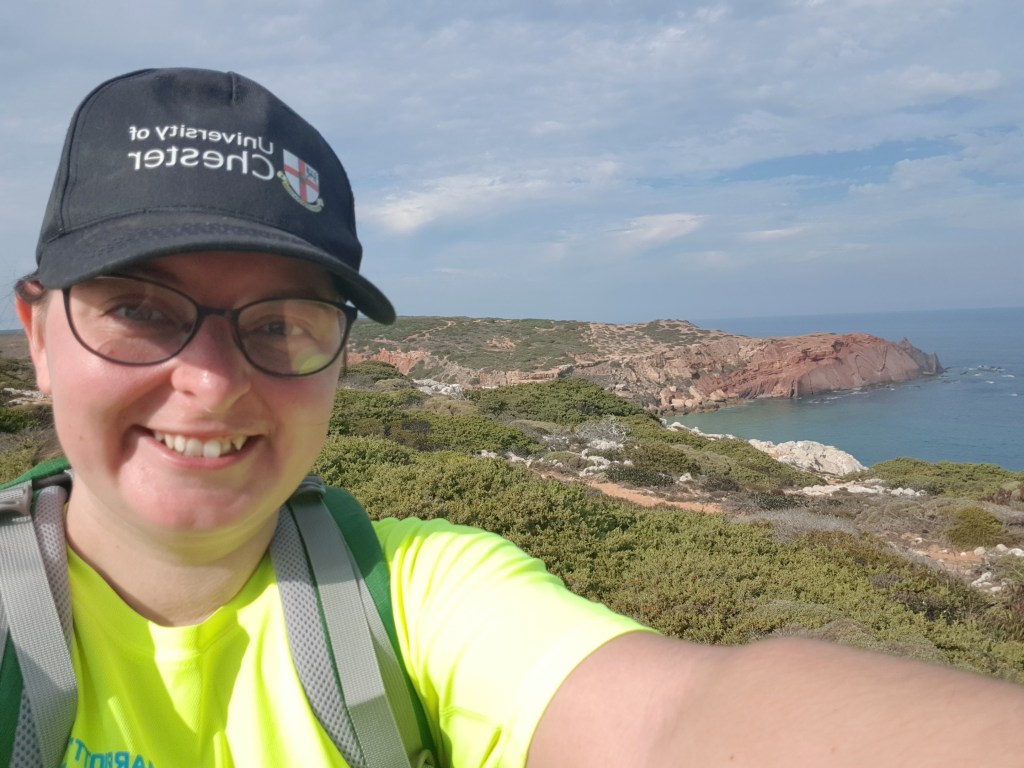
Me on Fisherman’s Way

Next stop… Seville, Spain

St Paul’s Cathedral: A very English icon inspired by Europe

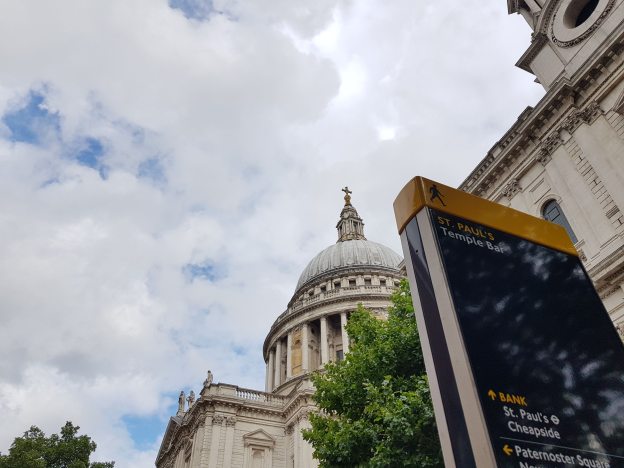
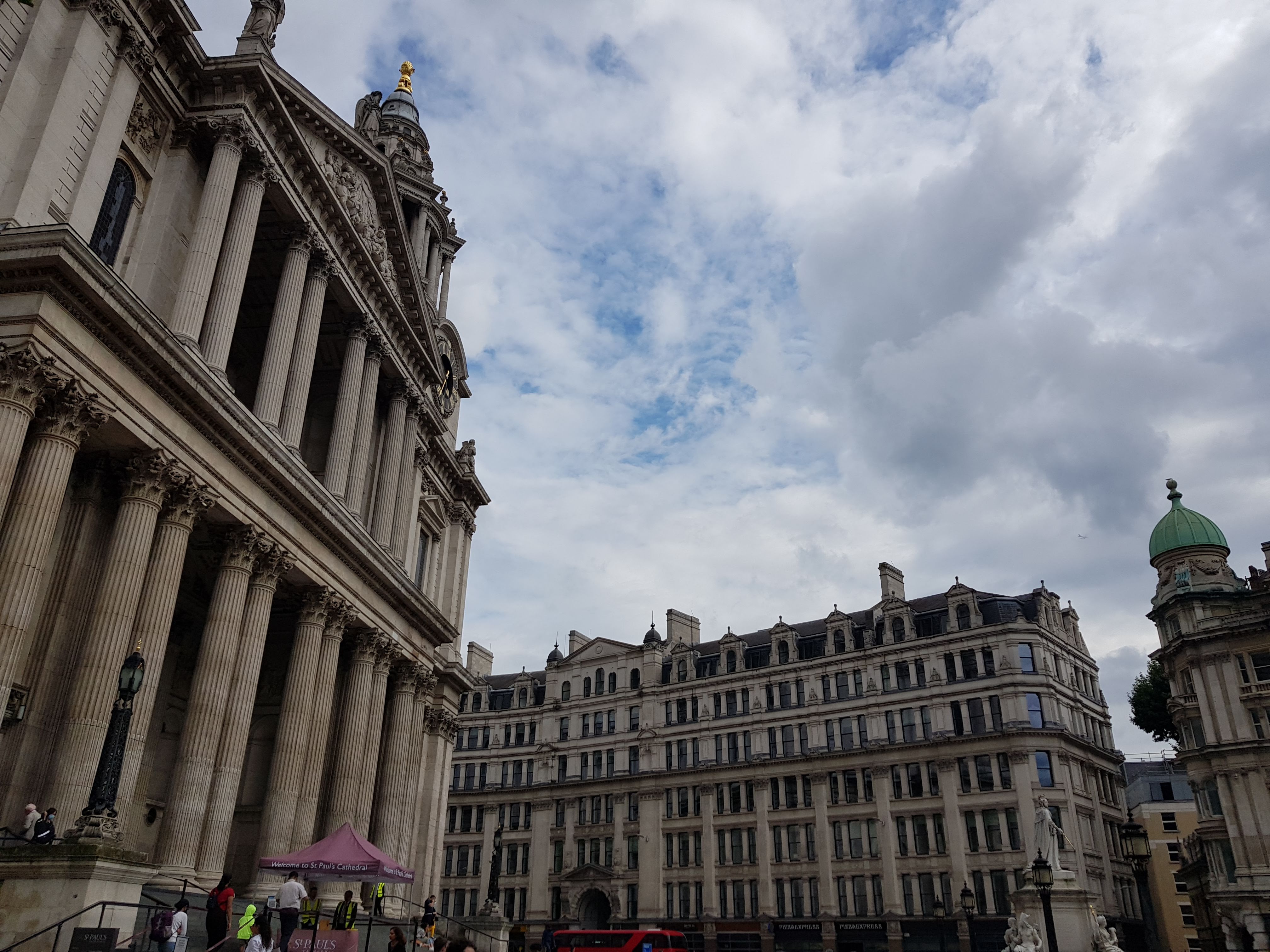
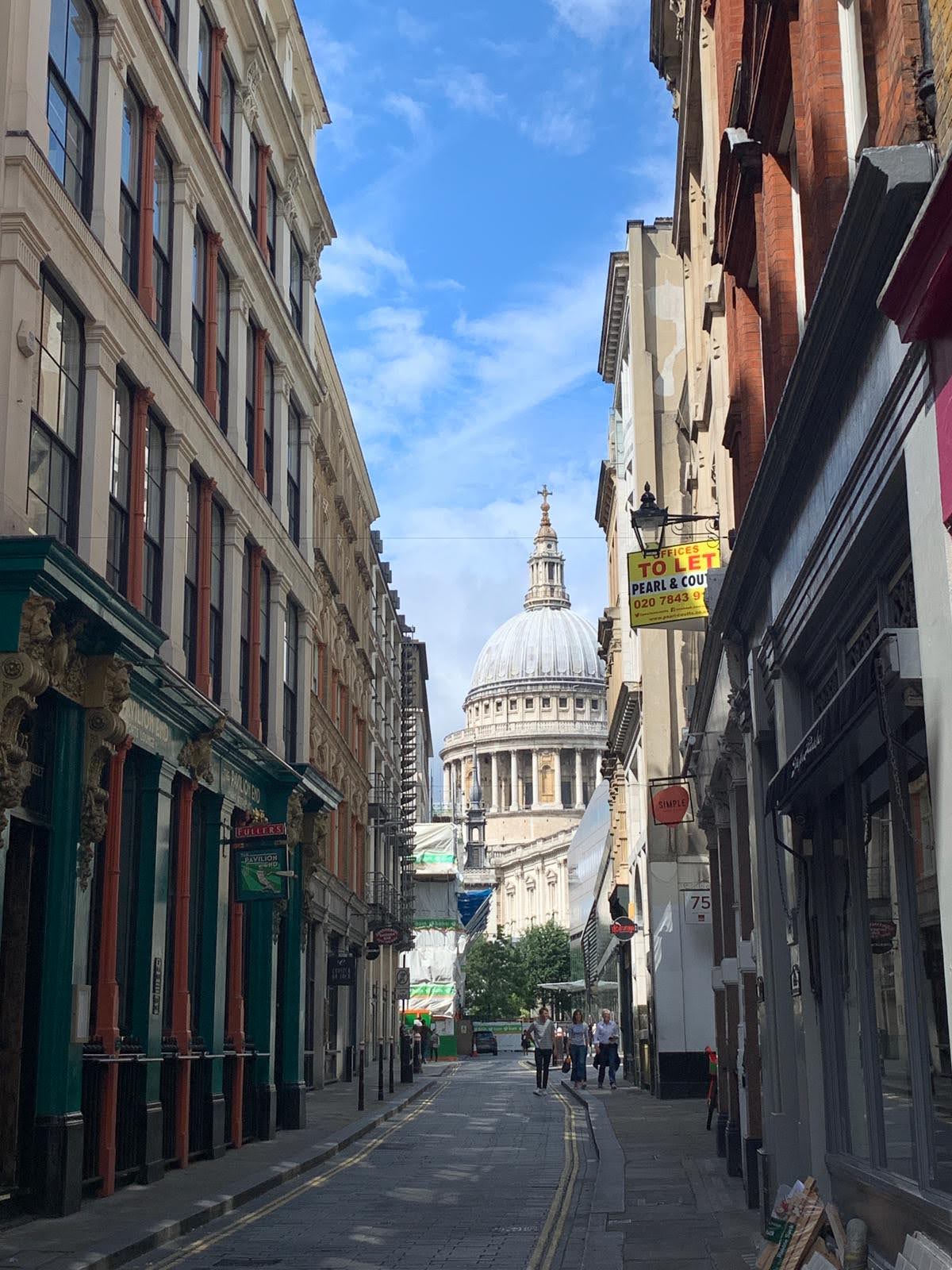
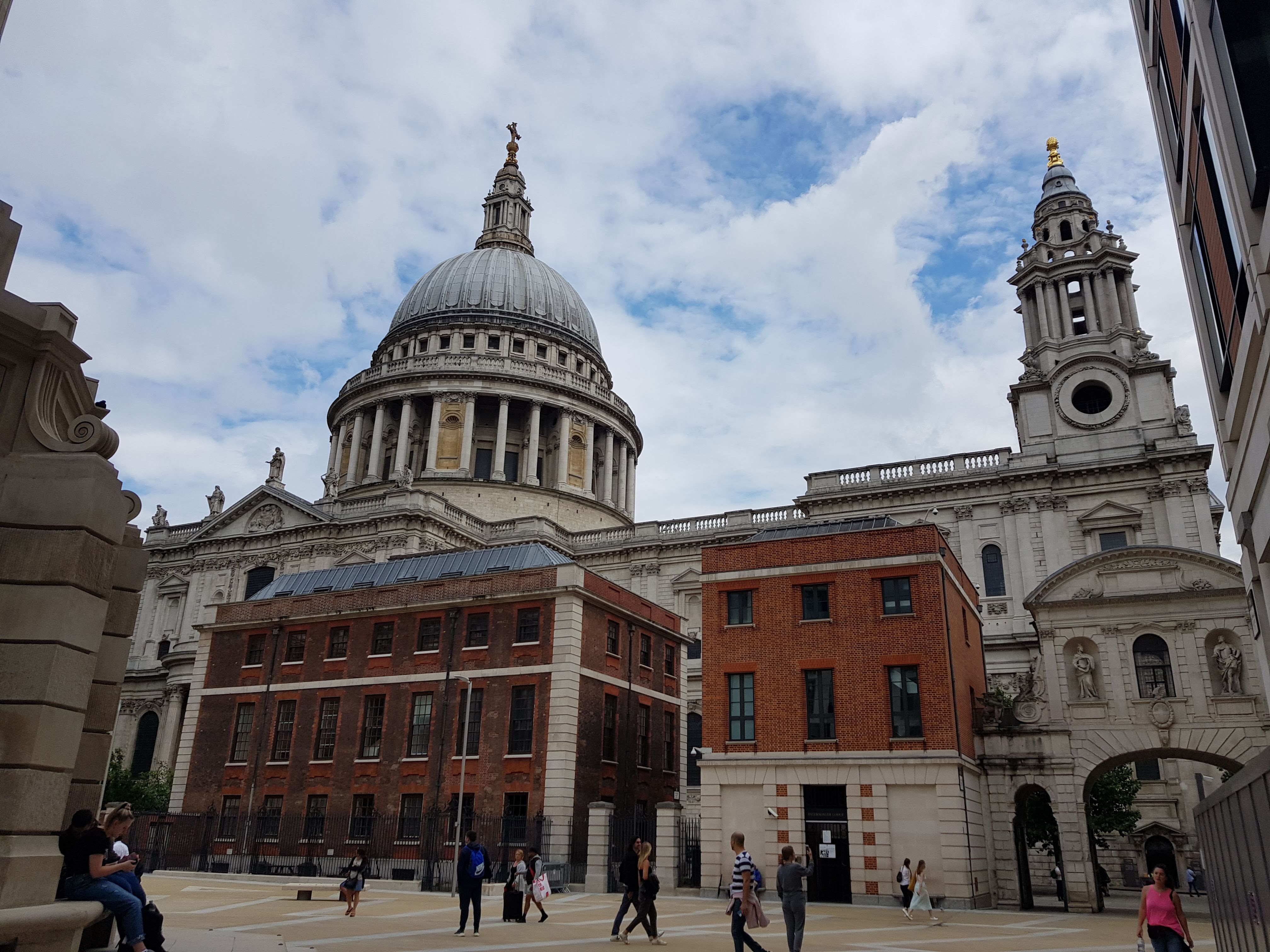
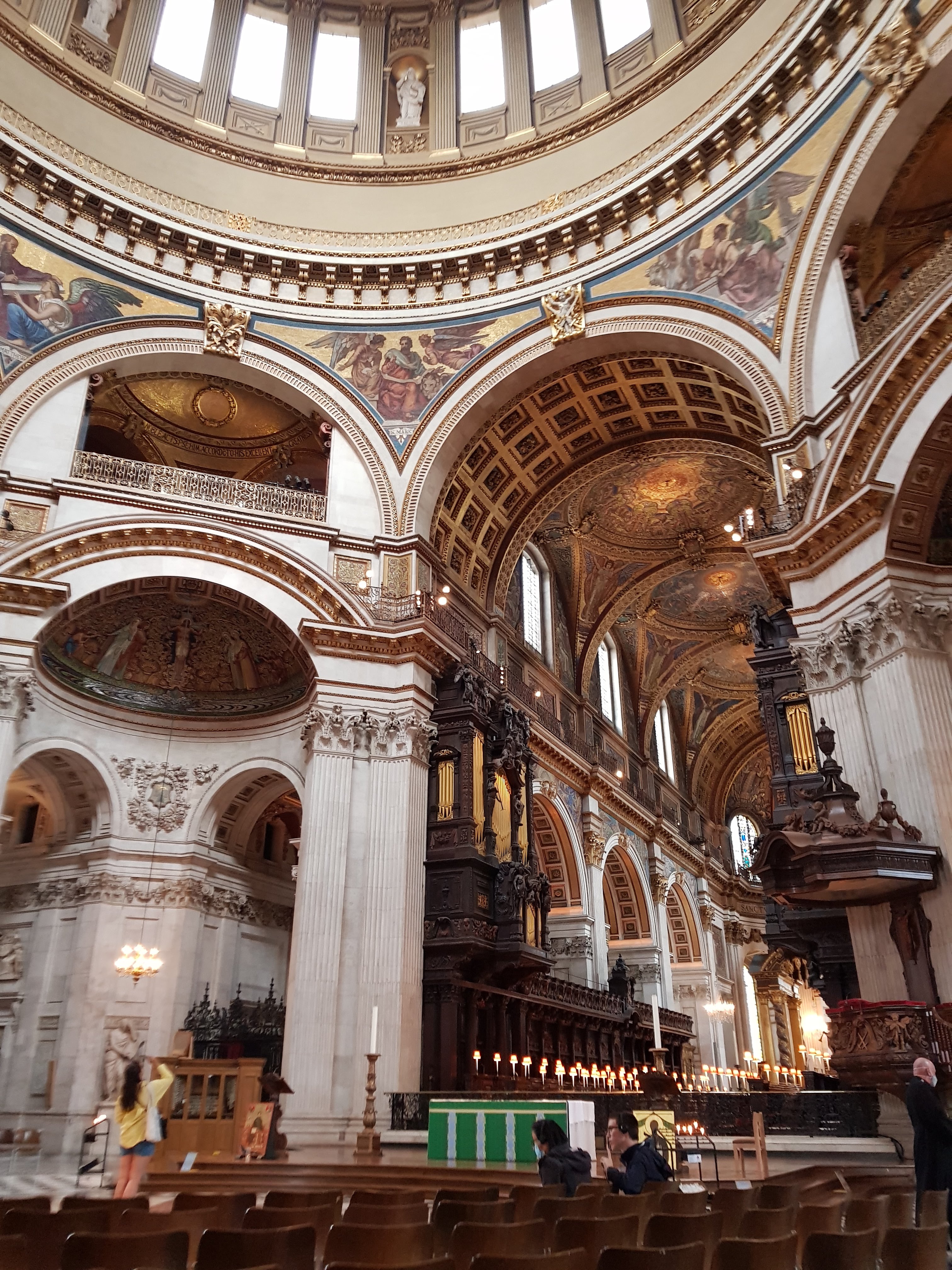
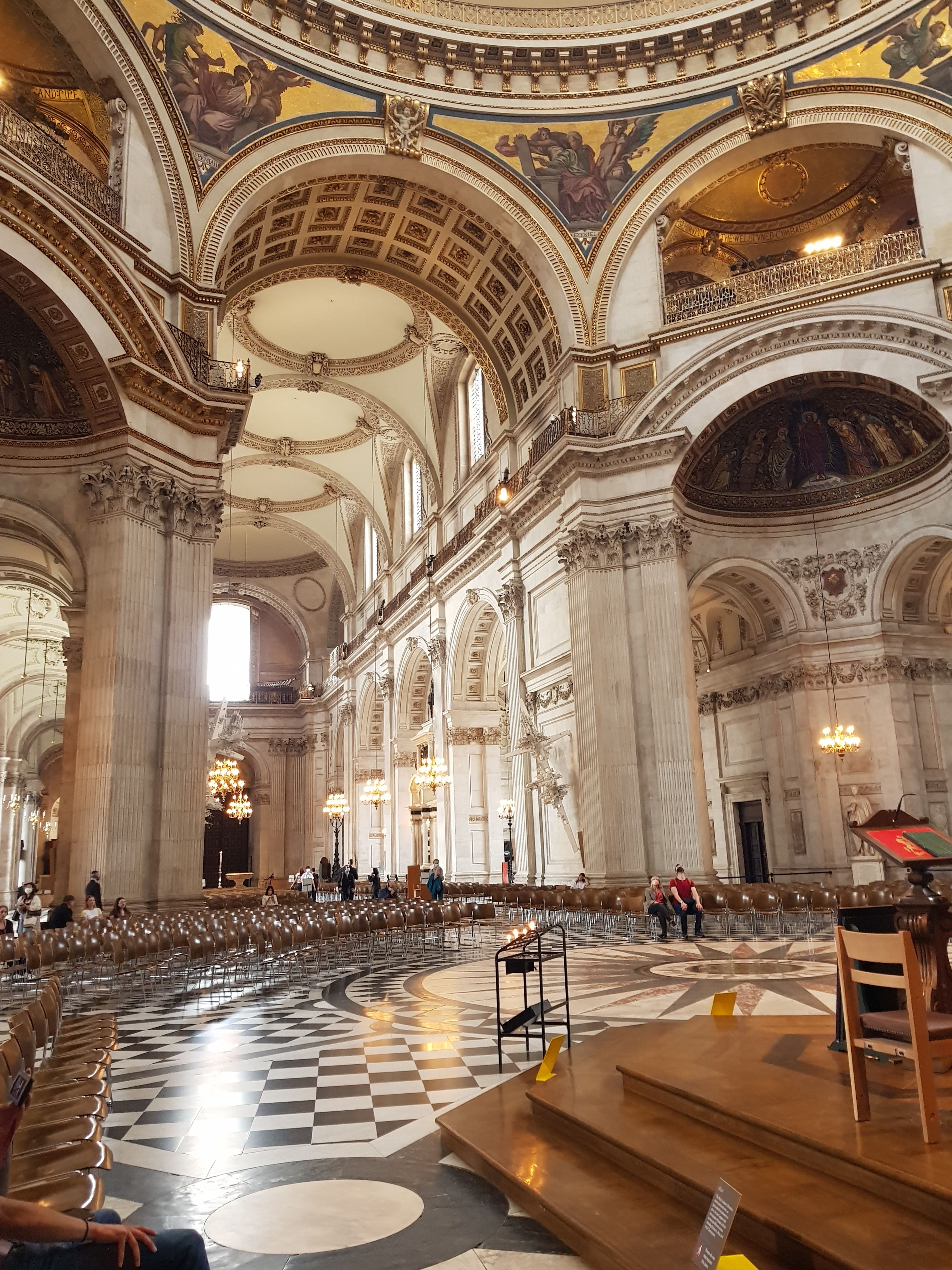
I recently had a visit to St Paul’s cathedral in central London, and found it to be a stunning example of architecture, art and history. This church is recognisable across the world as an important site for ceremonial events, and a centrepiece to the historic London skyline.

Surrounding St Paul’s

St Paul’s cathedral is in the centre of London and has a dedicated underground station down the street, St Paul’s station. It is recognisable from a distance, by its large dome, but I also think of the front of the building and its iconic steps and open space…. this may be somewhat led from my childhood memories of watching Mary Poppins! The church is used in the film for the song ‘feed the birds’…

Feed the birds!!!!

I know you’re probably singing it along in your head now! Oops! Sorry!

Around the cathedral, there is a plethora of shops and restaurants to enjoy, and on the site, St Paul’s also has a well kept set of gardens and cemetery to meander within. St Paul’s is also in close proximity to the iconic Millennium bridge, and the Museum of London.

What’s on offer

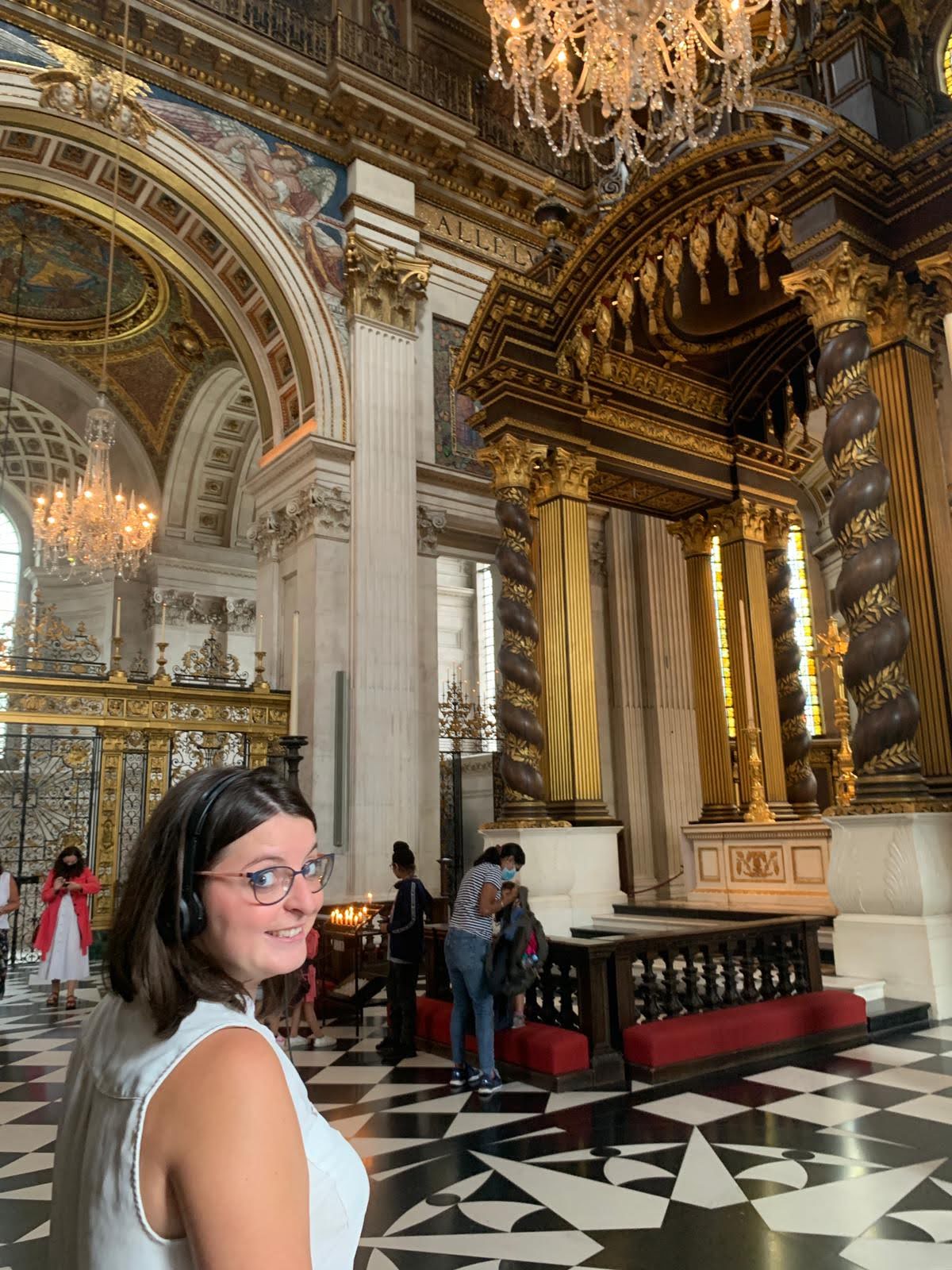
We booked our tickets into St Paul’s the day before, and this was well worth doing, as we were able to walk straight into a clear queue, past many people that had just walked in. As part of your ticket, you can access an audio guide and headphones that have lots of useful information about the cathedral. It breaks the content up into different sections of the cathedral geographically, by topic, or how much time you have. So, if you only want the highlights version then you can still benefit from an audio guide.

There are also guided tours freely available throughout the week at lunch times, as well as private tours which you can book. If you want to slip into the background and enjoy the atmosphere, you can also take part in a daily service of Eucharist or Evensong. The full schedule of services can be found on the St Paul’s website.

Me listening to my audio guide

Architecture

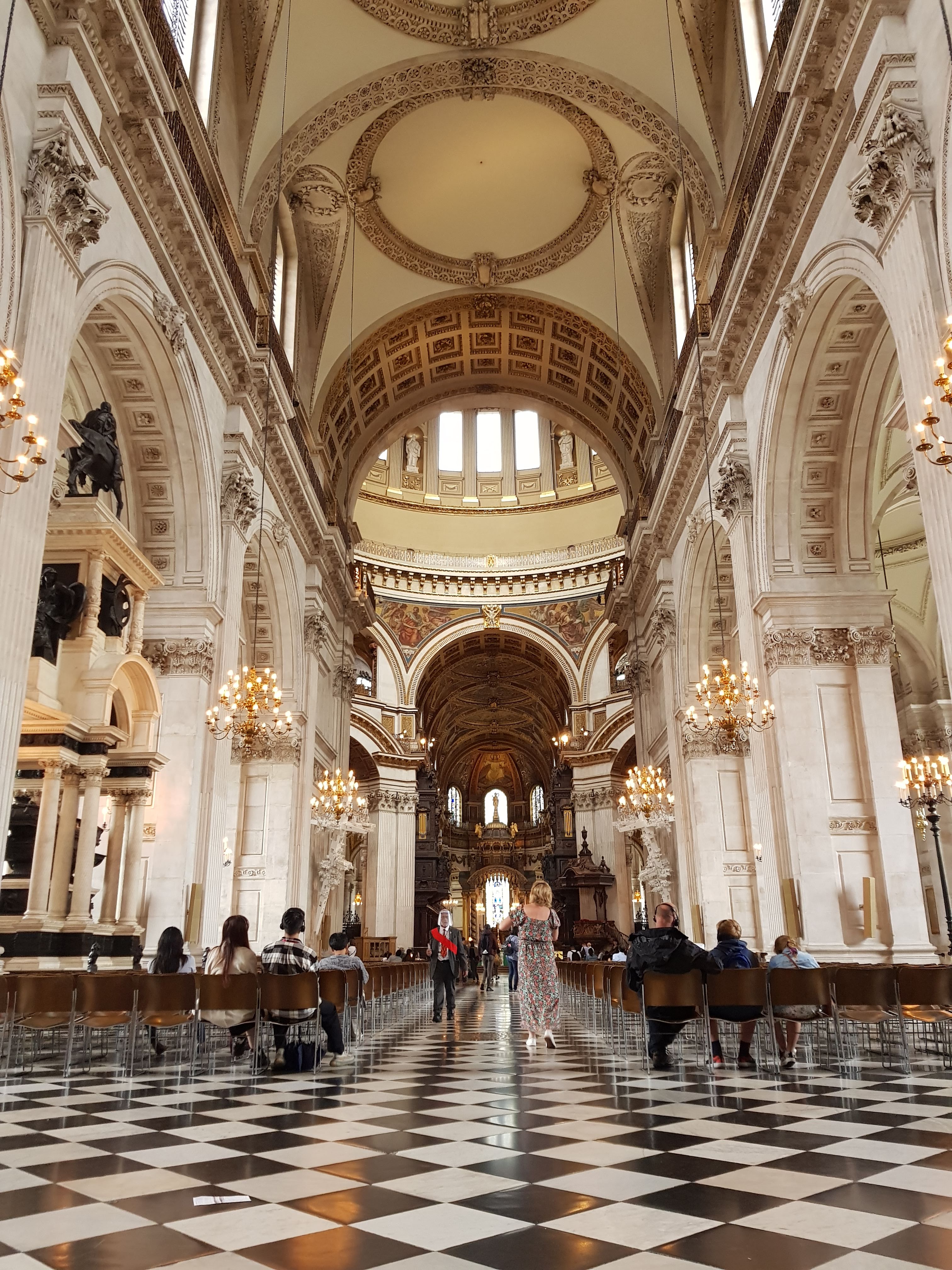
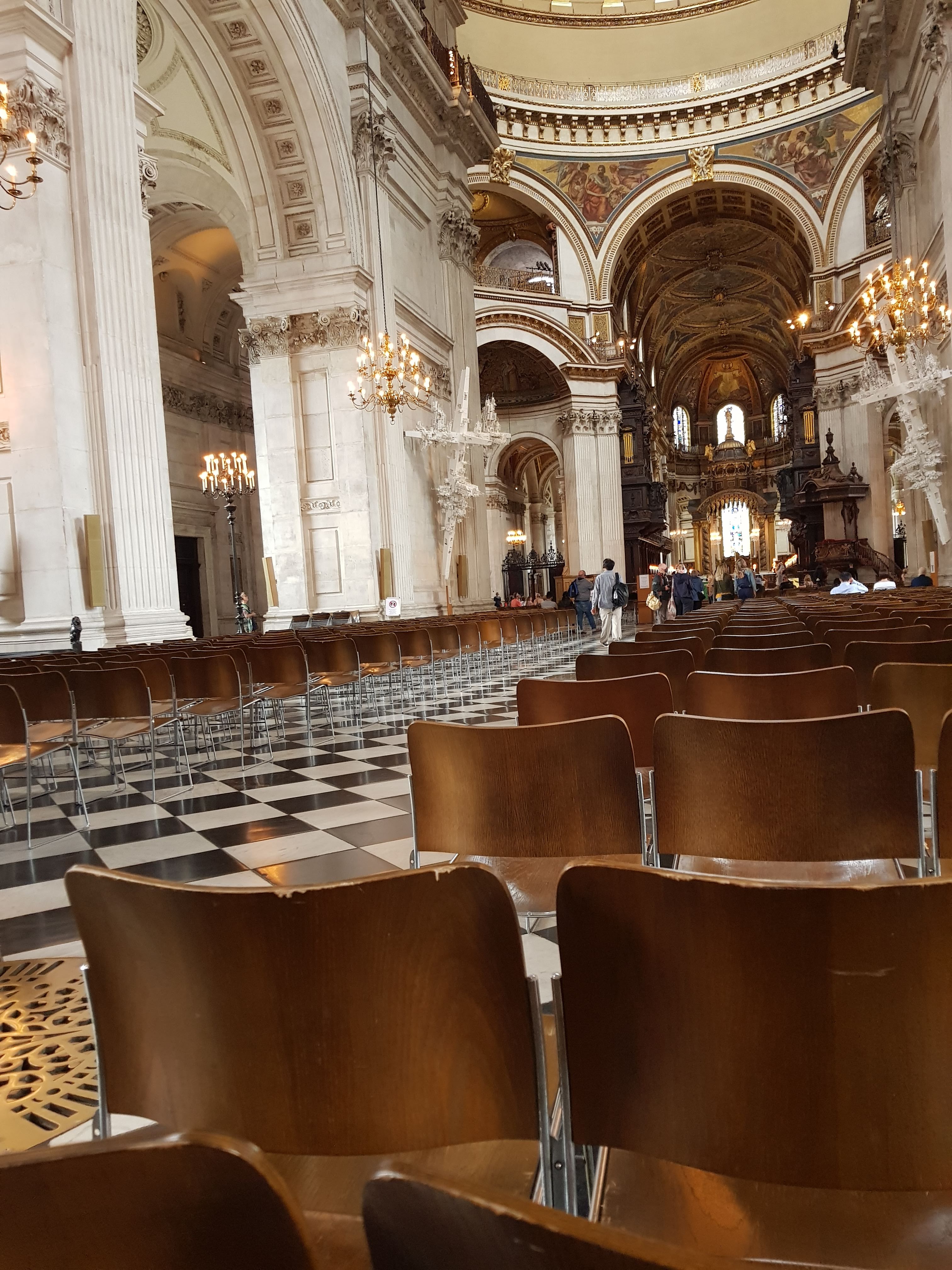
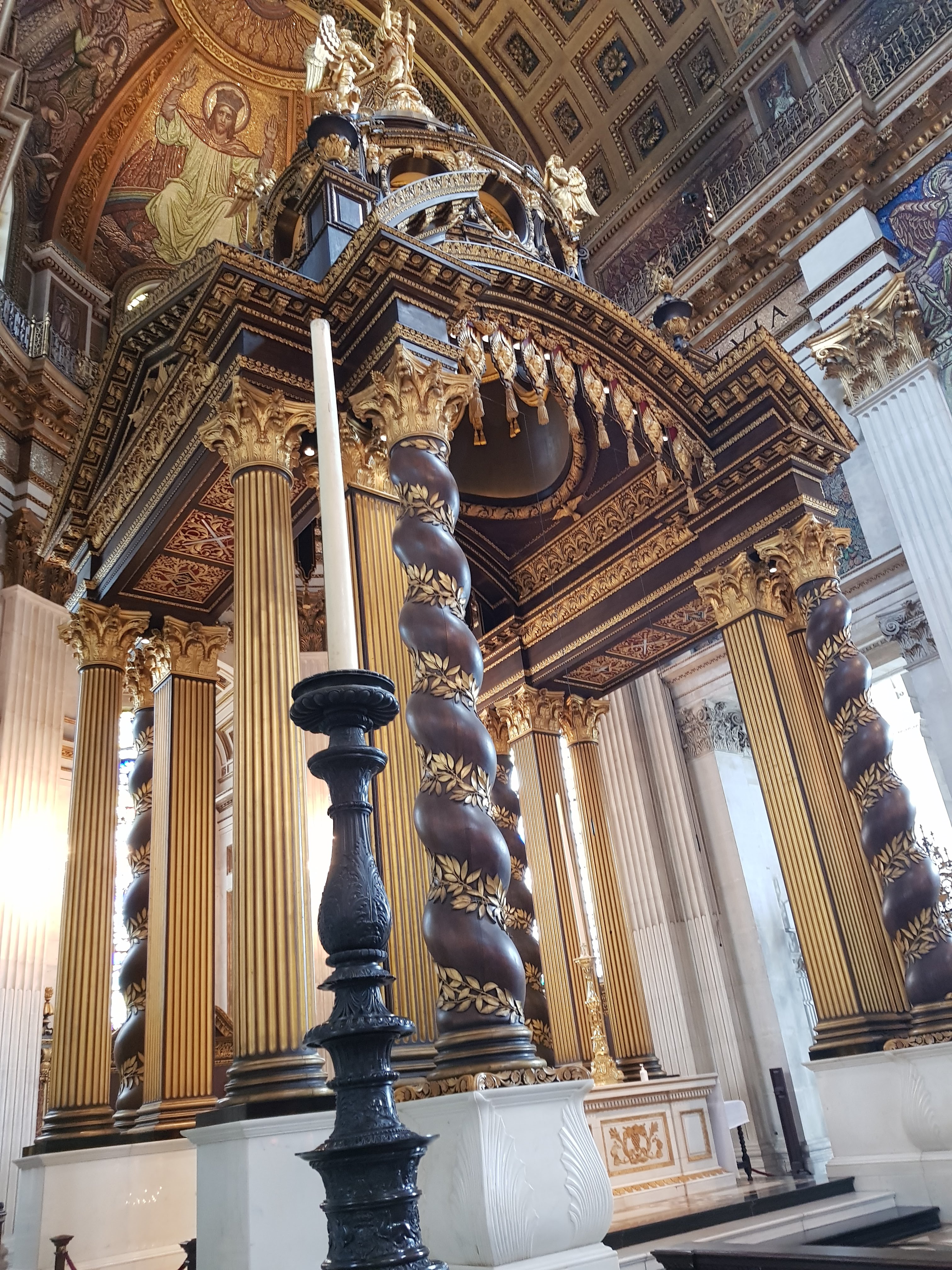
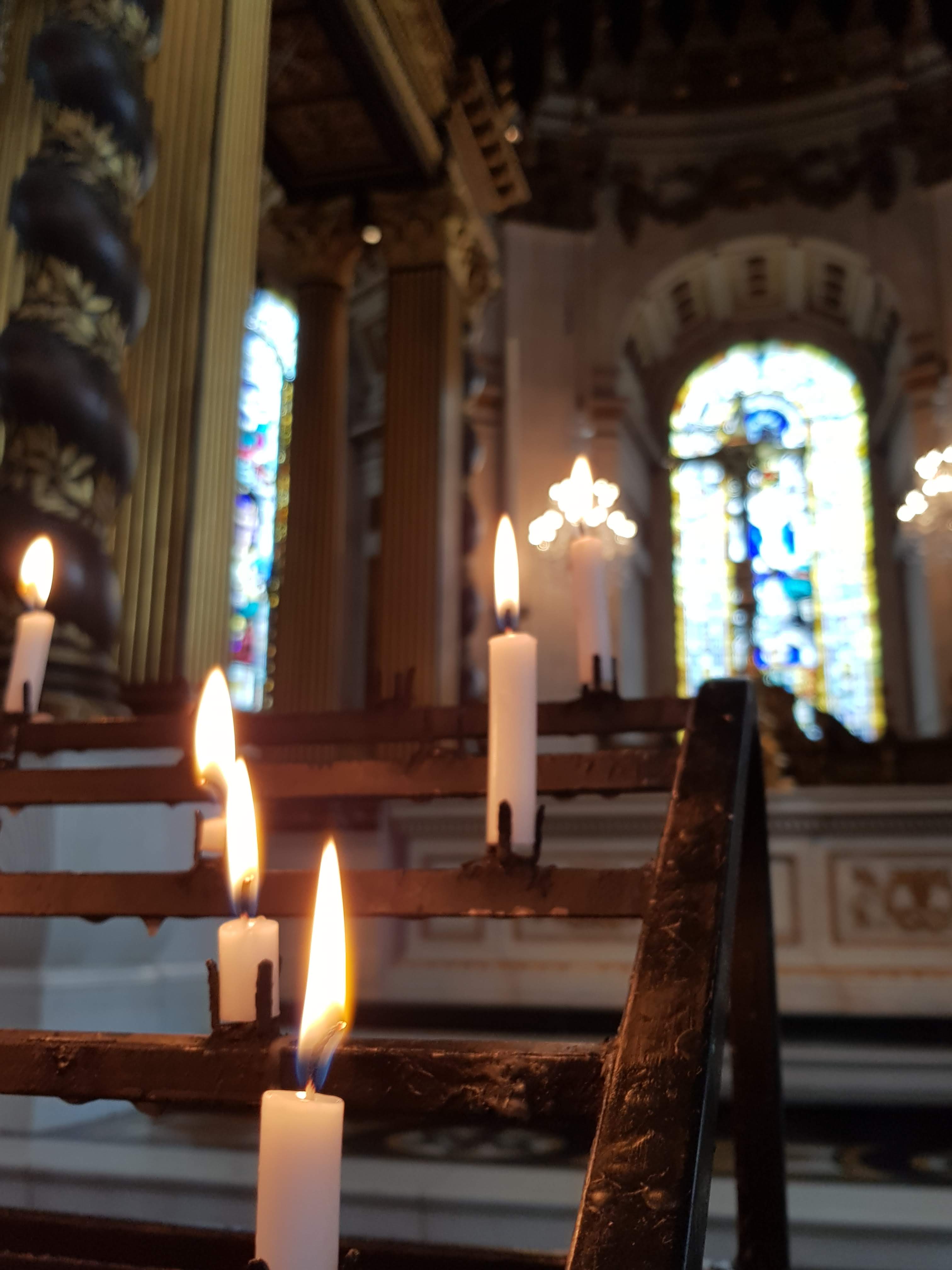
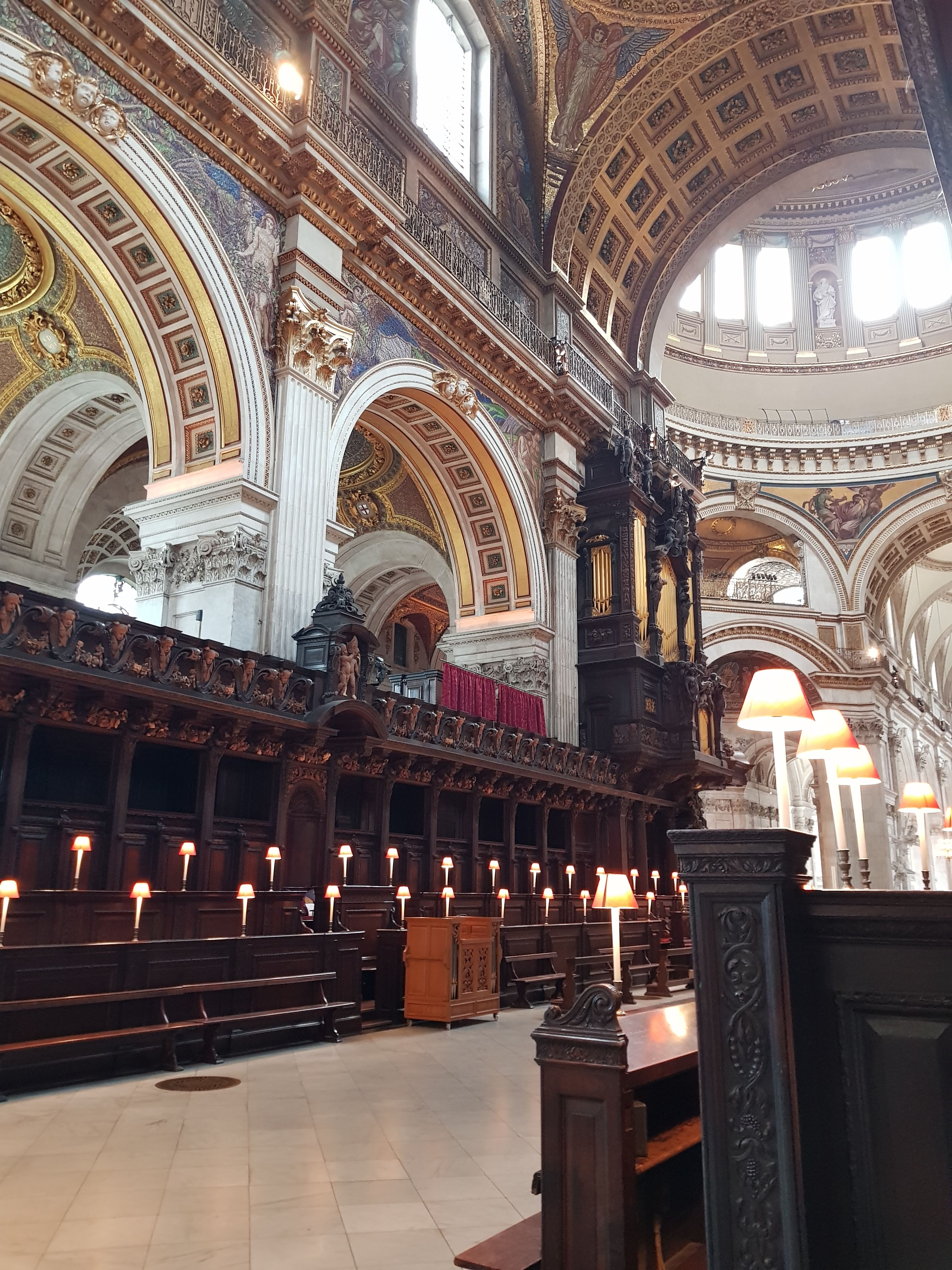
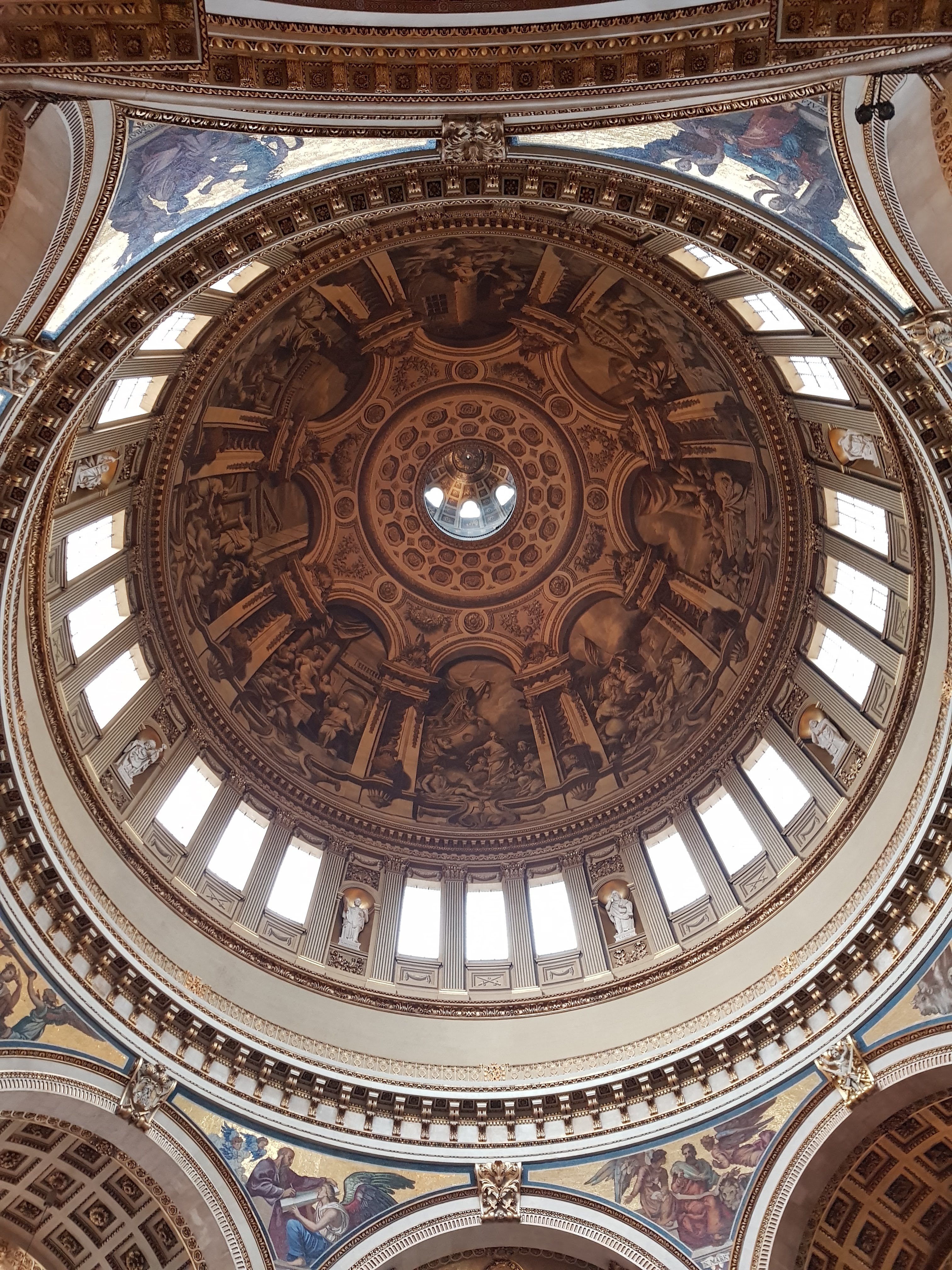
The architecture within the cathedral is very striking. I really enjoyed taking photographs of the church from different angles, as there are so many arches, curves and also geometrical shapes, both high and low. The styles and colours of white and gold, did remind me more heavily of a European cathedral, specifically, ones I have seen in Italy. The church certainly did not feel English. I think this is rather ironic, considering it is one of the biggest religious attractions that international visitors see, and represents the country across different medias around the world.

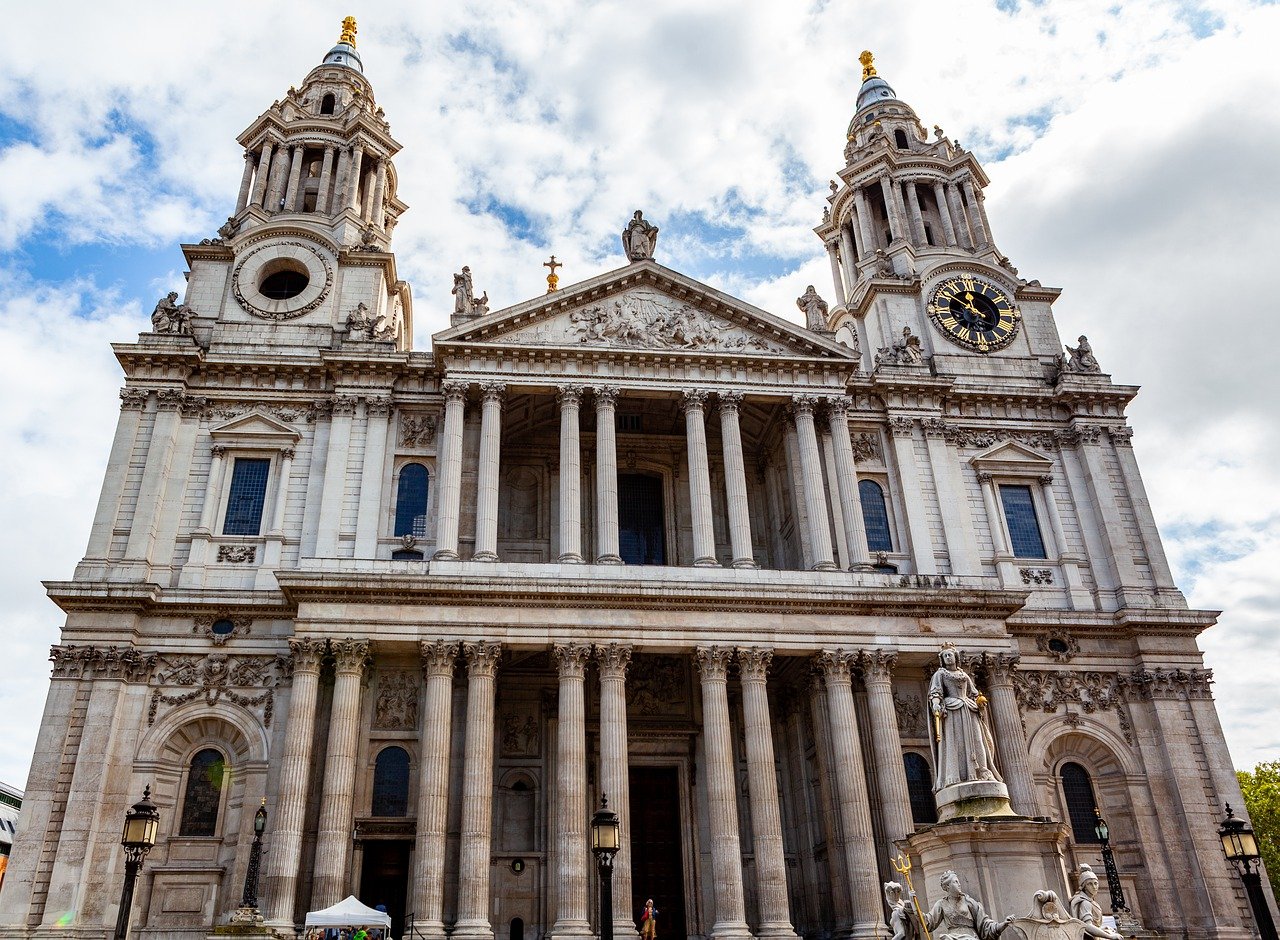
The original St Paul’s was much more English looking, and looked similar to cathedrals of Salisbury, Canterbury or Norwich. That church was destroyed in the Great Fire of London, and this new structure was built between 1675 and 1710. The architect, Christopher Wren, attempted to approve several designs before the King eventually signed off on the plans. It seems that Wren attempted to put his own twist on the Baroque style which was becoming popular in Europe at the time, interestingly as a counter action against Protestantism. He coined this as ‘English Baroque’.

The similarities between the two styles are obvious though, if you take a look at the two images below of the towers of St Paul’s vs Santiago de Compostela, Spain… you can see for yourself!

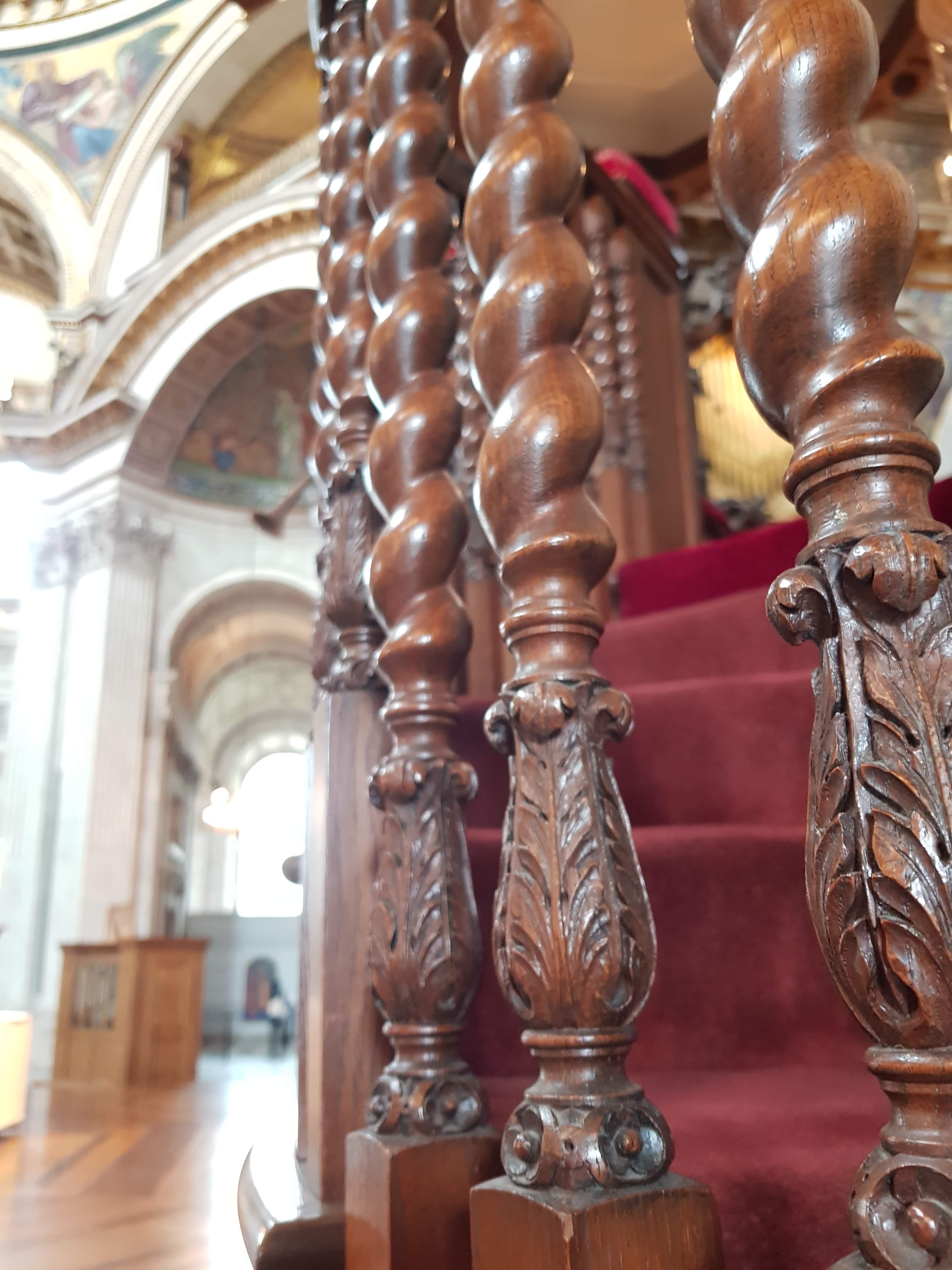
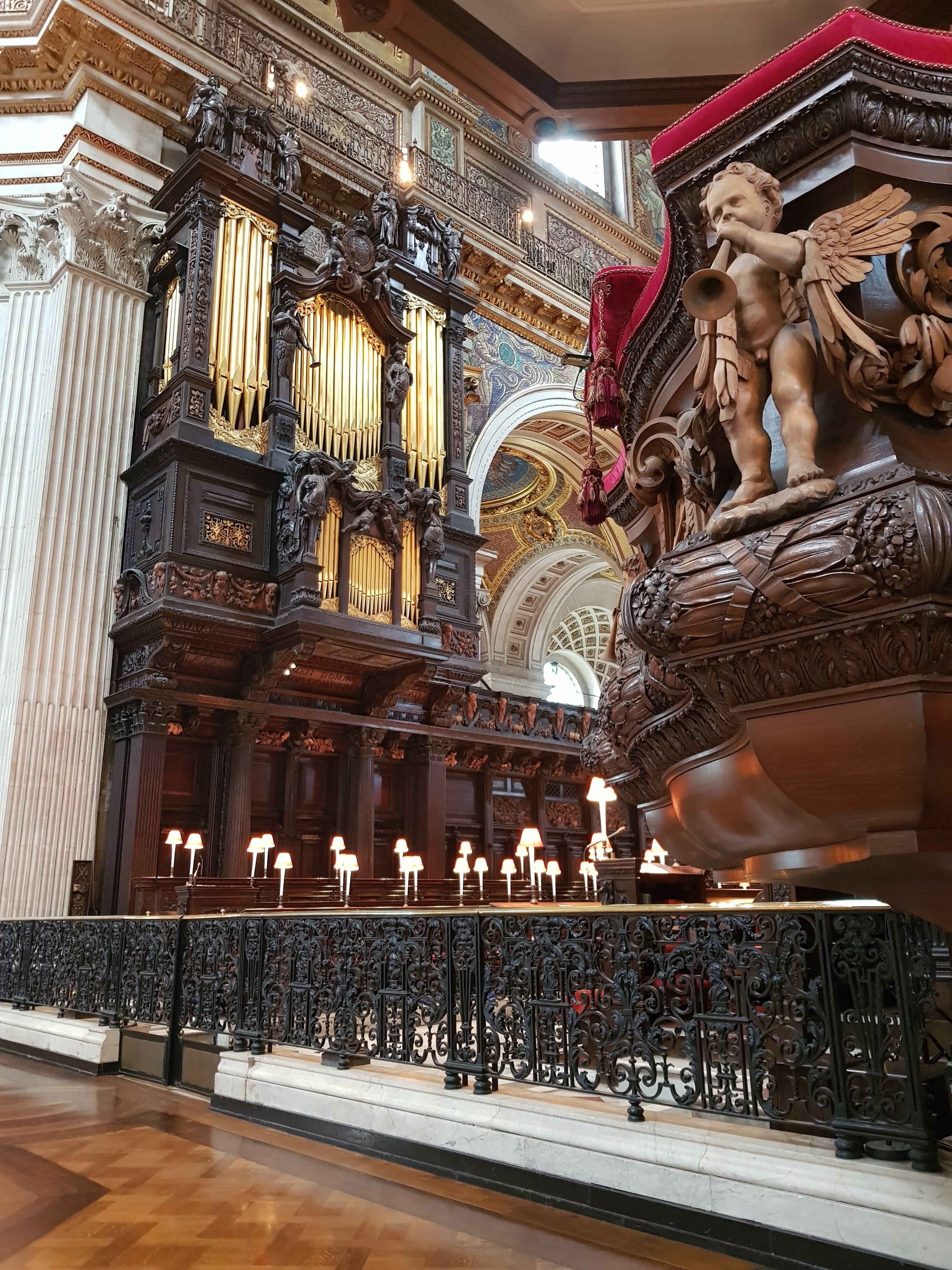
St Paul’s also boast some very beautiful English features, including 18th century delicate wooden carpentry, the third largest organ in the UK, and of course a good level of stained glass windows!

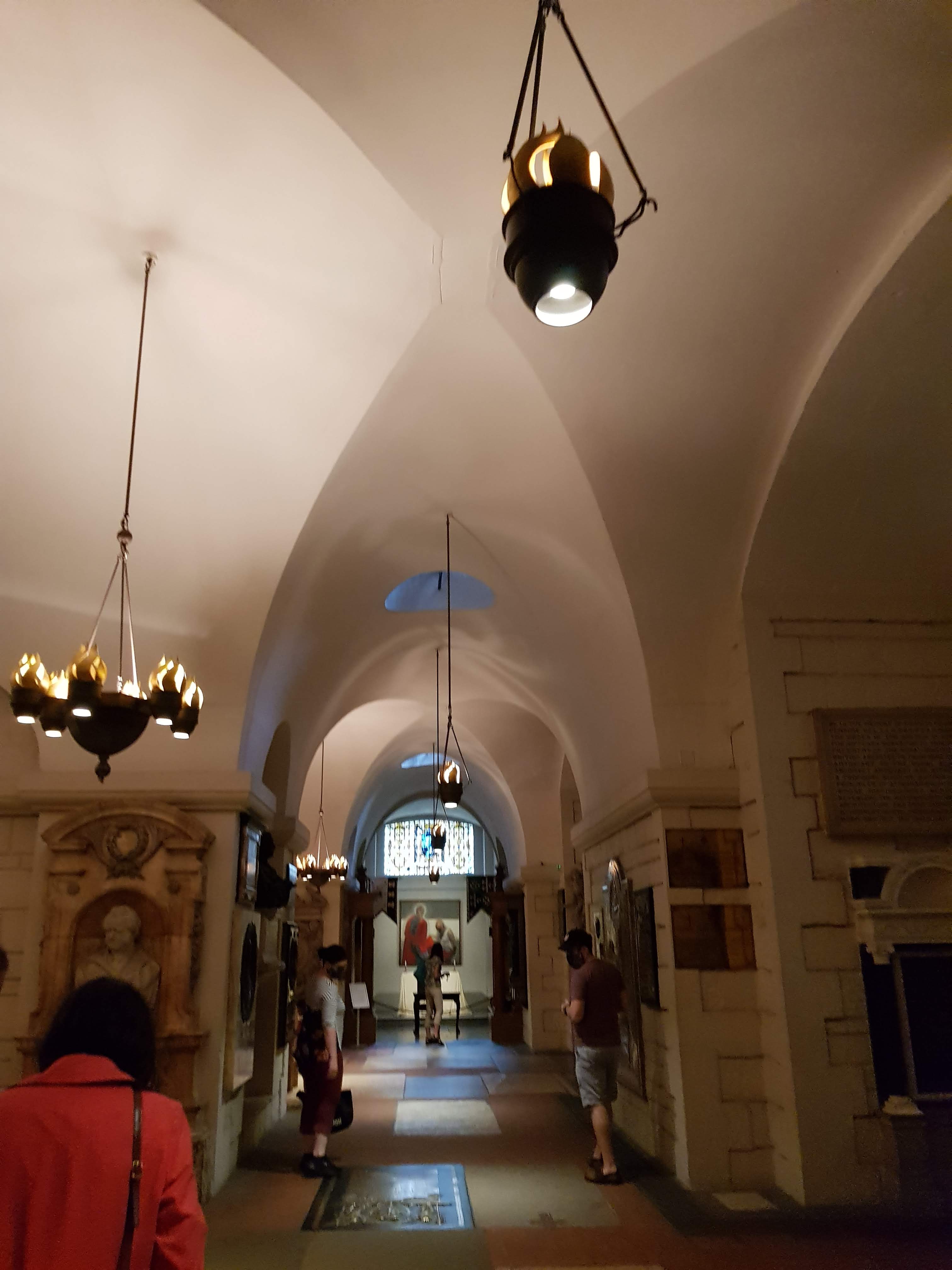
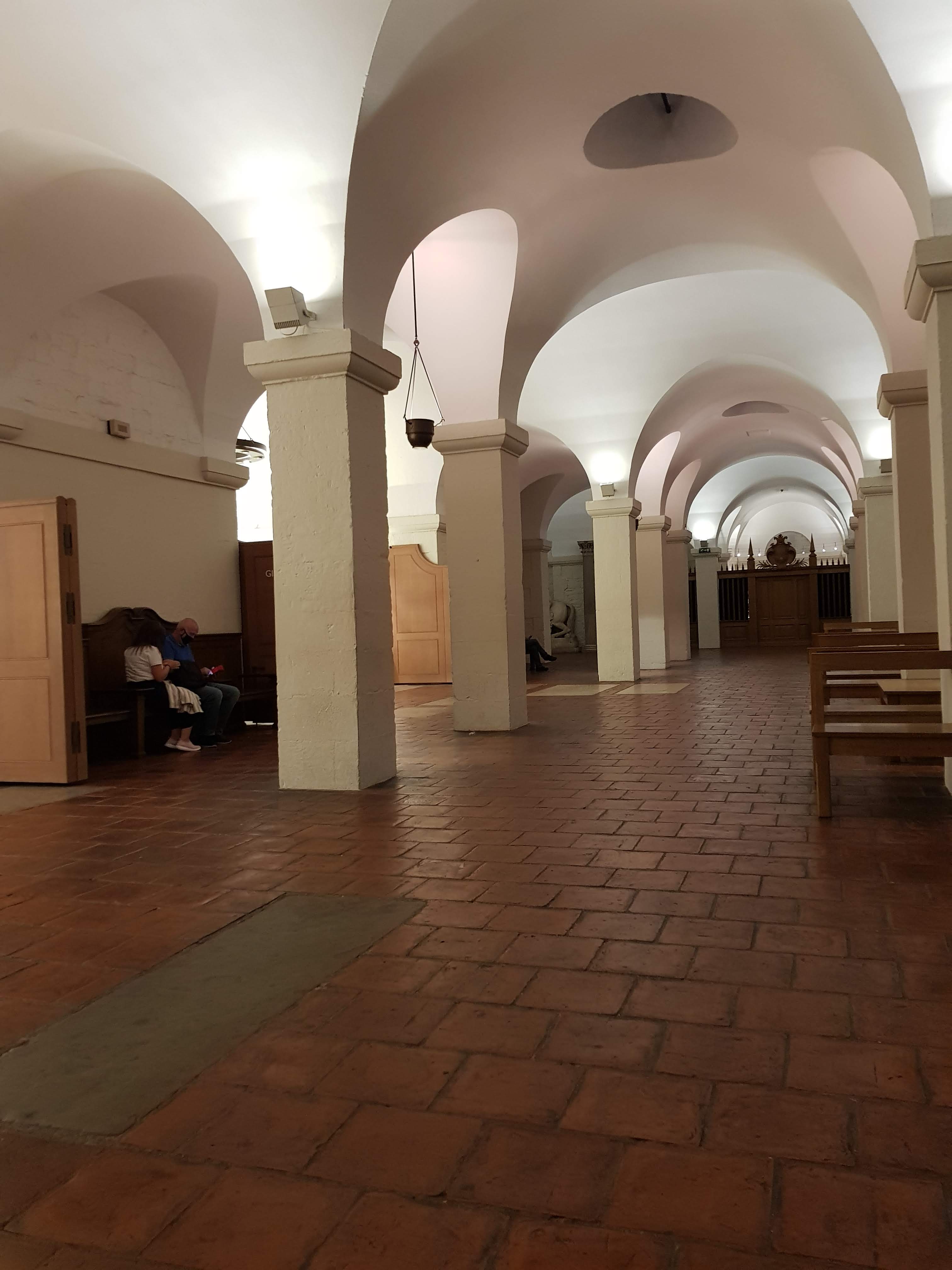
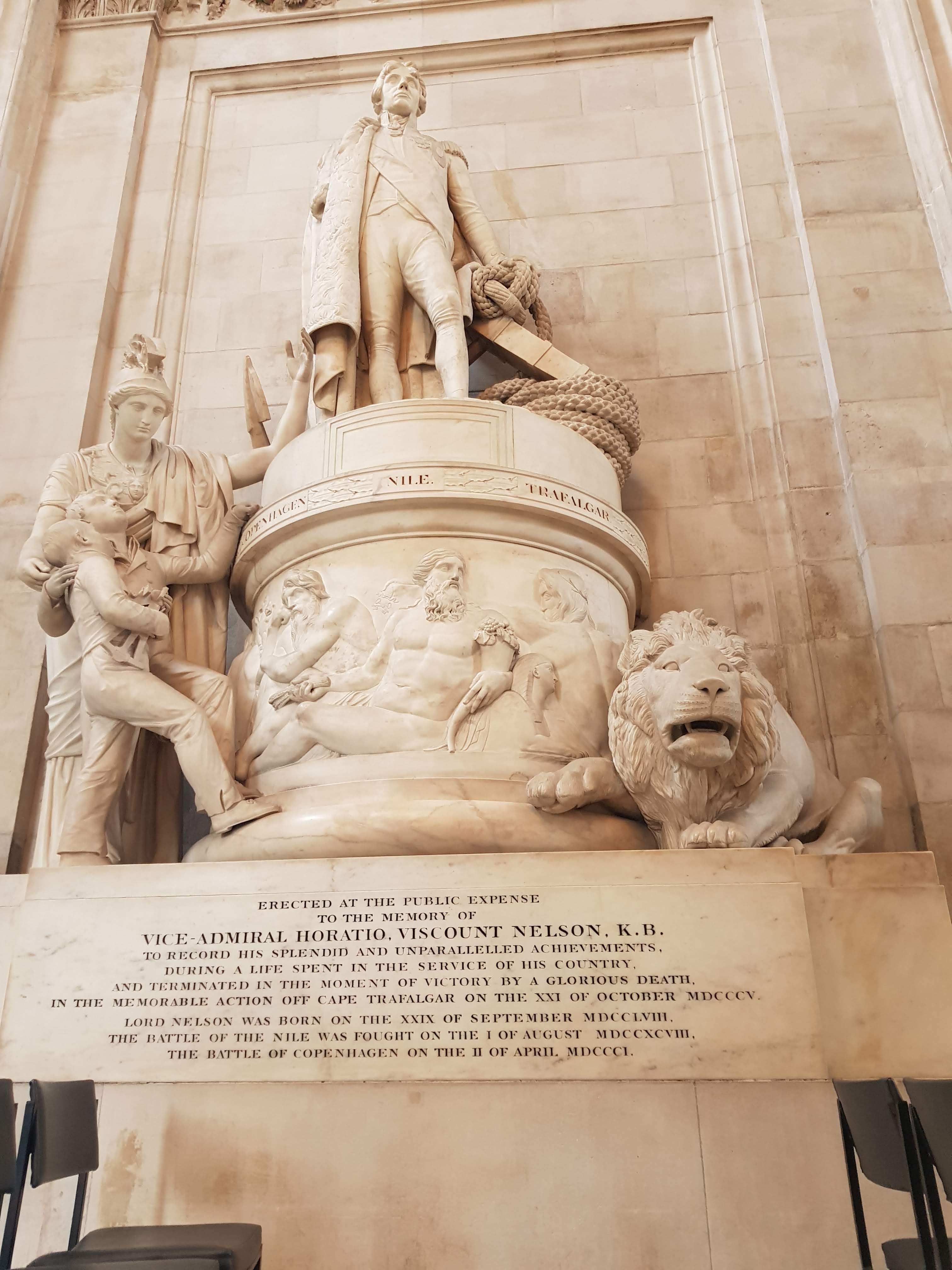
The ground floor of the cathedral is not the only level available to visitors. Visitors can also go up to the galleries, and go downstairs into the crypt of the cathedral. Other crypts that I have seen, have had very rough walls, dingy smells and pokey spaces. This is not the case at St Pauls, I was really suprised at the look and feel of the crypt. It is a large, reasonable open, and light space. It actually has a very modern, and contemporary feel to it. This seems so strange, in such a historic building. In this part of the cathedral, there are some memorials and tombs of important figures from English history, such as Norfolk’s very own Horatio Nelson. There is also a chapel space to sit peacefully, toilets and a gift shop!

Artwork

There is a mix of artwork at the cathedral, from beautiful ceiling paintings, to wooden and stone sculptures. The focus is clearly on the magnificent ceiling paintings of bible figures and scripture such as the apostles, and so in the nave, the sculptures/memorials are fairly thinned out except for a few large pieces. On the other hand, in the south aisle alongside the nave, there are several memorial sculptures detailing key figures in English history and their achievements.

Steps to roof and galleries

Arguably, the most iconic part of St Paul’s Cathedral is the dome, and within the dome and below it are two galleries that visitors can see. Unfortunately, these were both closed when I visited, but I still had the ‘pleasure’ of climbing the 376 steps to the roof, before I discovered I could not access the galleries that day. On the bright side though, whilst the stairs left me breathless (not in a good way), there were lots of seats to stop at on the way up, and medieval graffiti carved into the walls that i could appreciate whilst trying to stabilise myself!

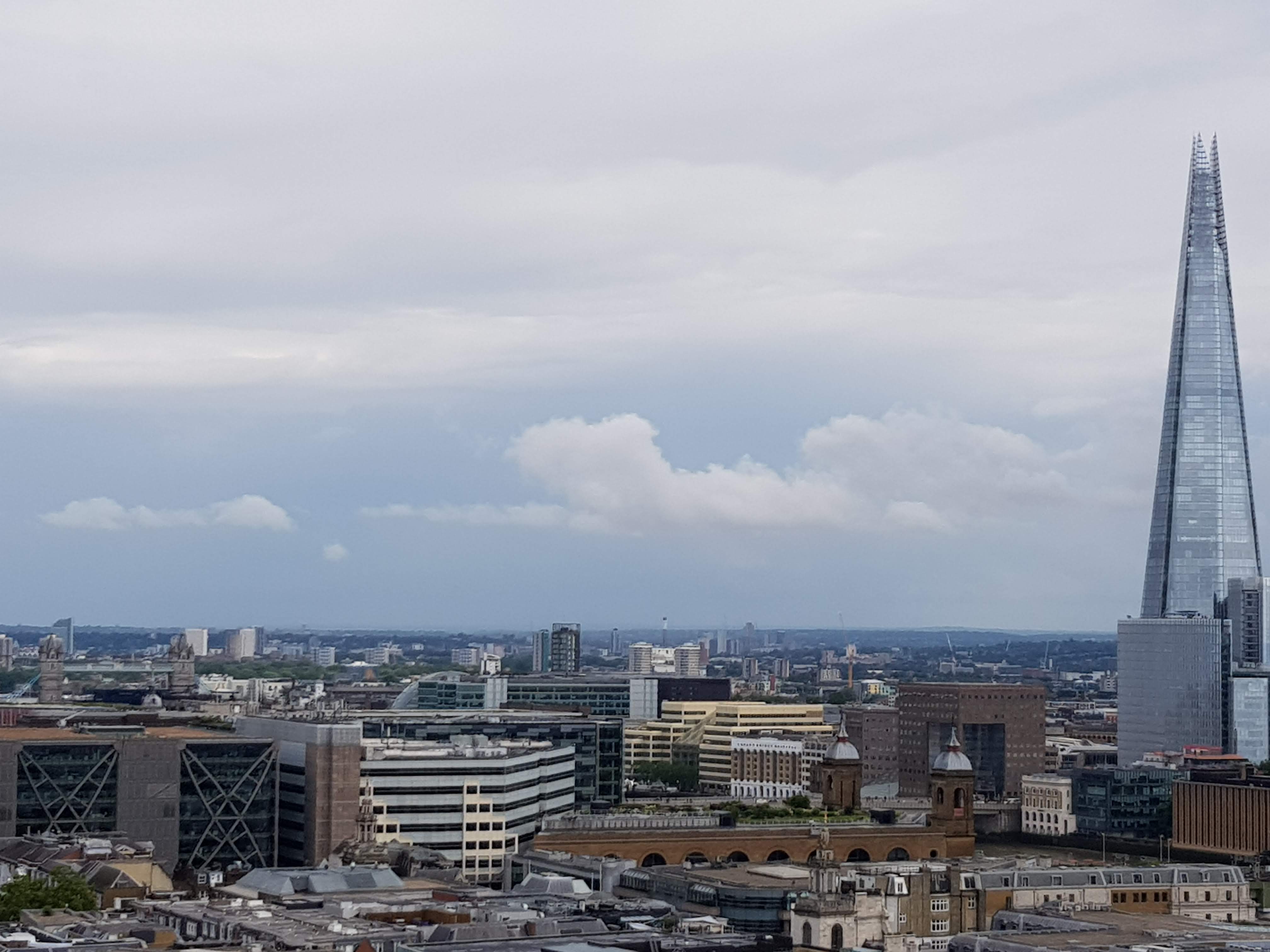
View from St Paul’s – Shard

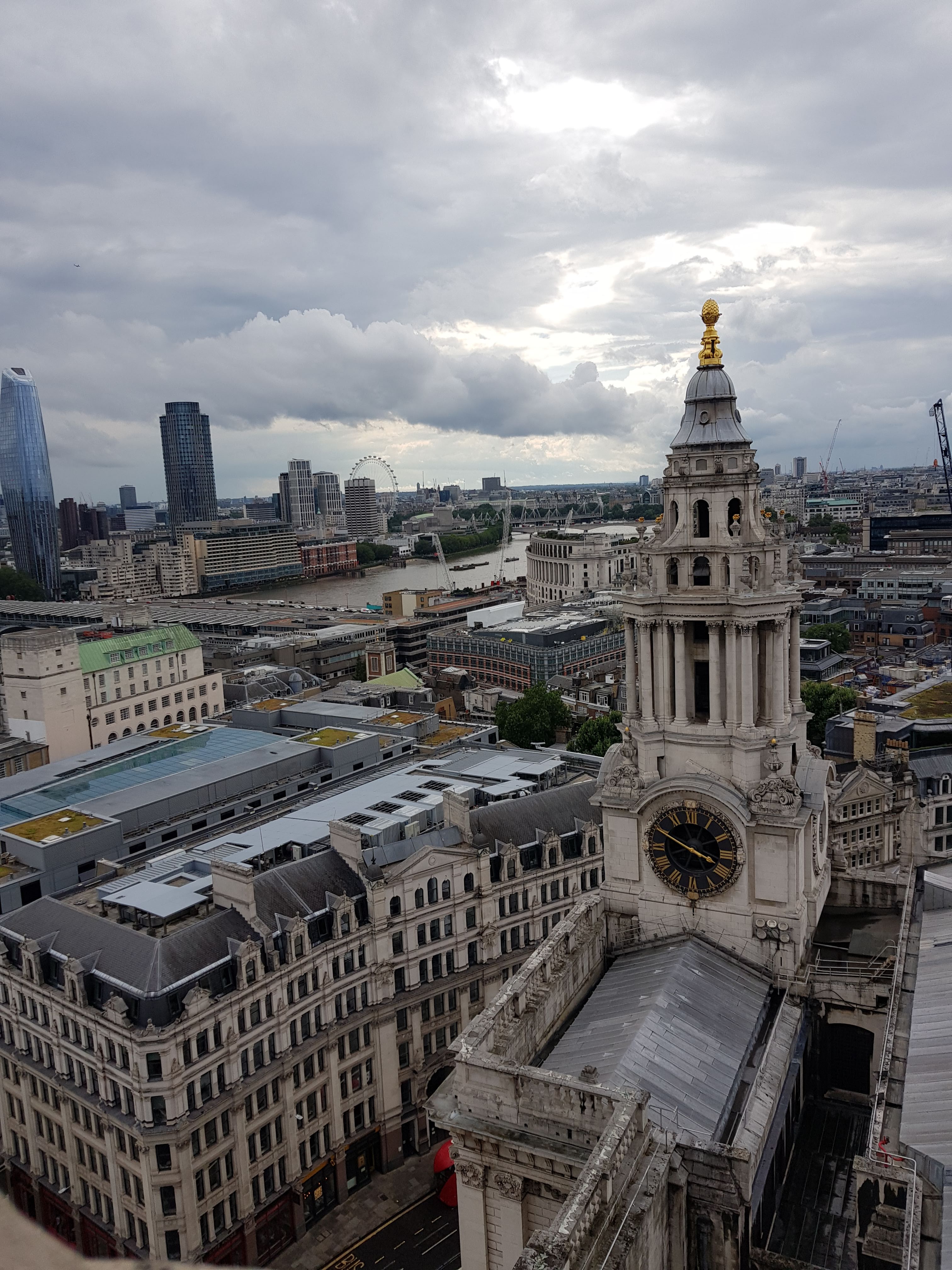
The climb wasn’t a waste! From the roof, you can still walk around the dome and see the London skyline, including the shard, sky garden, london eye, and look more up close at St Paul’s bell towers. I actually happened to be on the roof when the bells were ringing out, which I thought was pretty special.

Overall, I think that St Paul’s was very interesting, had a great booking system, and good content. I was disappointed that I could not see the galleries, but the views made up for it, and I understand their need to do renovations, especially whilst they are quieter. I would recommend a visit, and if you are brave enough, climb the steps and listen to the bells…. equally if you really do struggle, there is an elevator… they just wouldn’t let me use it!

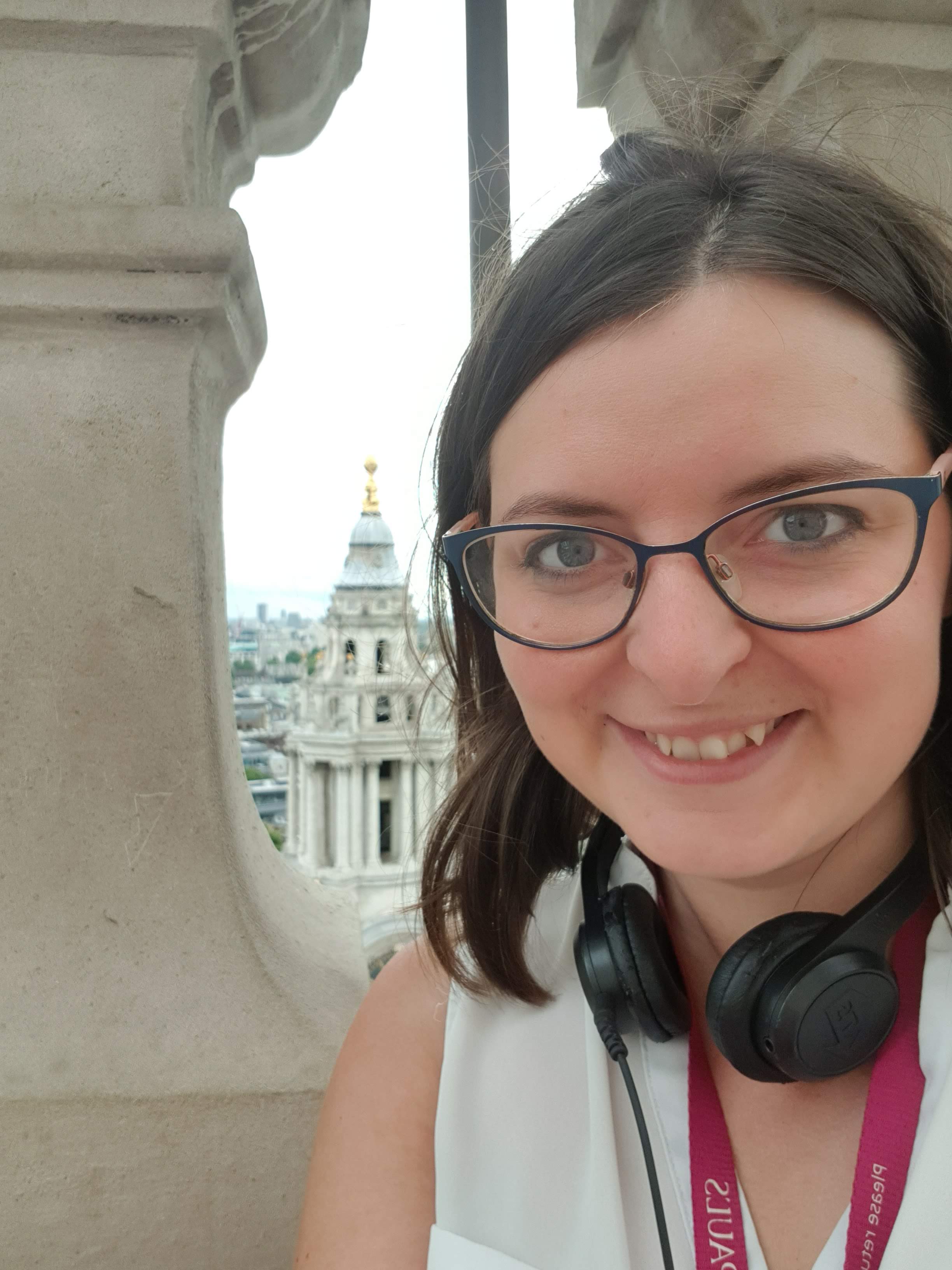
Me at St Paul’s Cathedral London

City of Culture 2021: Coventry

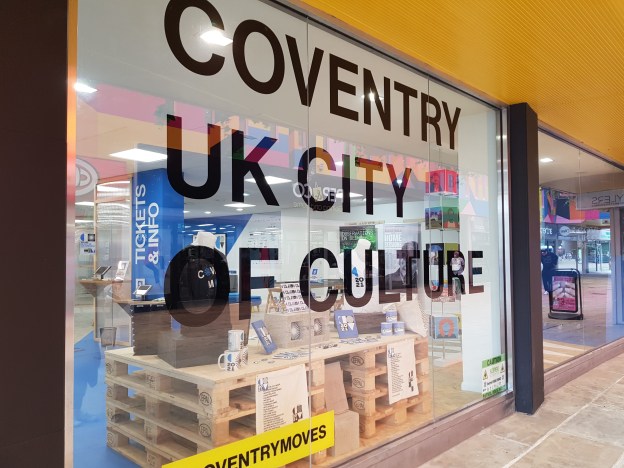
Coventry has been declared the city of culture in the UK this year, and it is not hard to see why. On a weekend away in Coventry, a few weeks ago, I discovered that the city is bursting with culture, art and life!

I always like to visit new places, and Coventry was a great choice when deciding on a weekend away this year, as it is smack bang in the middle of the country, and so was easy for me to meet a friend there, who lives across the other side of the UK.

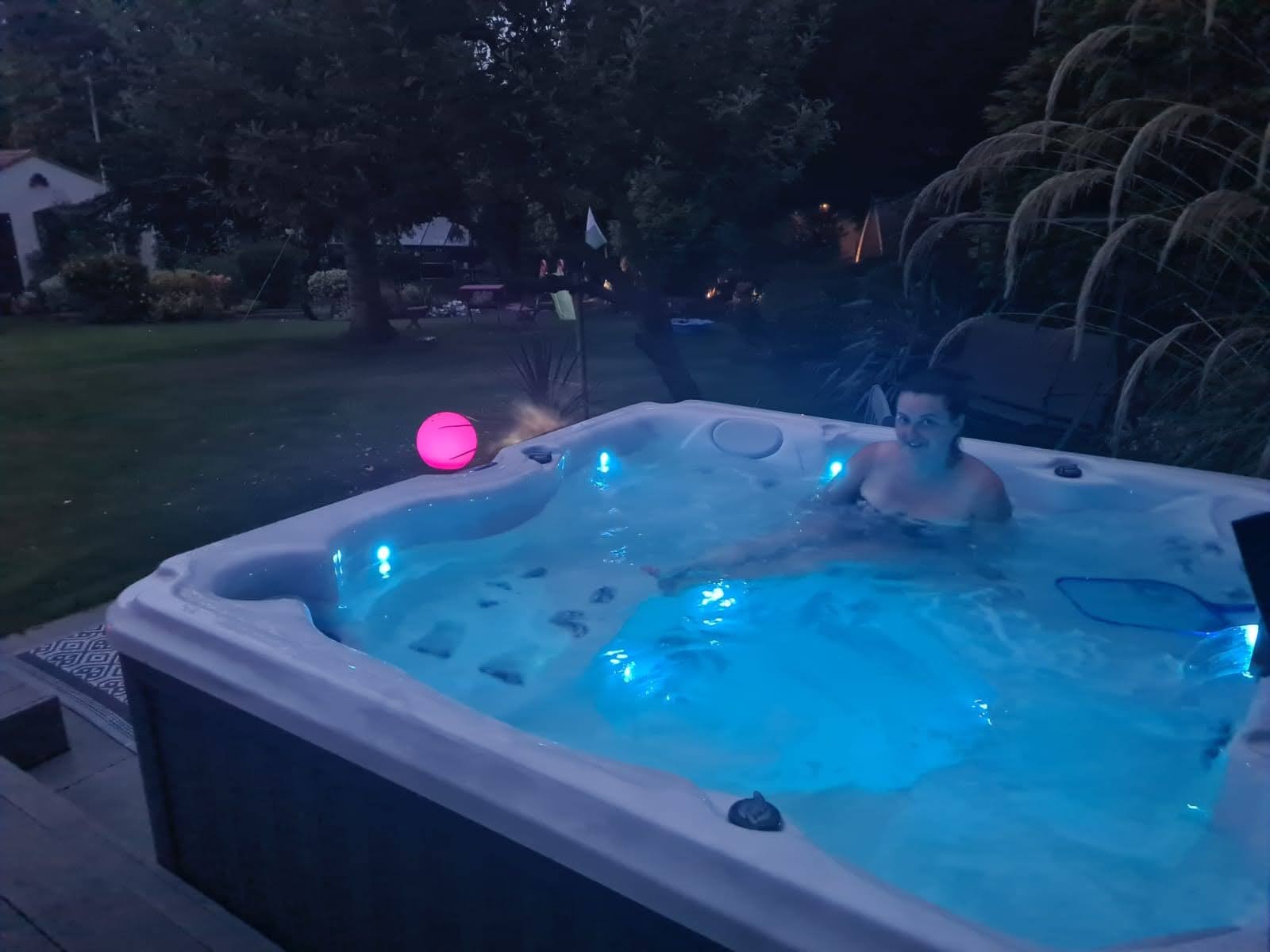
We stayed in a gorgeous AirBnB only ten minutes from the city centre. Within our accommodation, we enjoyed a full entertainment system, a garden and barbecue, a hot tub and even a lovely welcome pack of snacks. We enjoyed some late night cocktails in the tub and even saw a fox in the garden, at the ‘Foxes den‘, I would definitely recommend a stay.

I thought it would be a good idea to use the nearby park and ride to travel into the city, and better for the environment, but this ended up being a moral about never assuming you already know what is best! The park & ride ended up costing us about £8 and we still had to wait 30 minutes for a bus. I believe that just simply using the bus service from our accommodation would have been cheaper. Equally, we discovered on the second day, that there are actually some ridiculously cheap car parks in Coventry city centre, so never assume! It is always worth checking out Just Park or Parkopedia to be sure!

Visual arts

I was aware that Coventry had been declared the City of Culture this year, but I wasn’t sure how much culture was on offer. My previous experiences of the city had been rushed conferences and a university open day many years ago. From the first day of wondering the city though, I could see the reasons it had achieved this accolade.

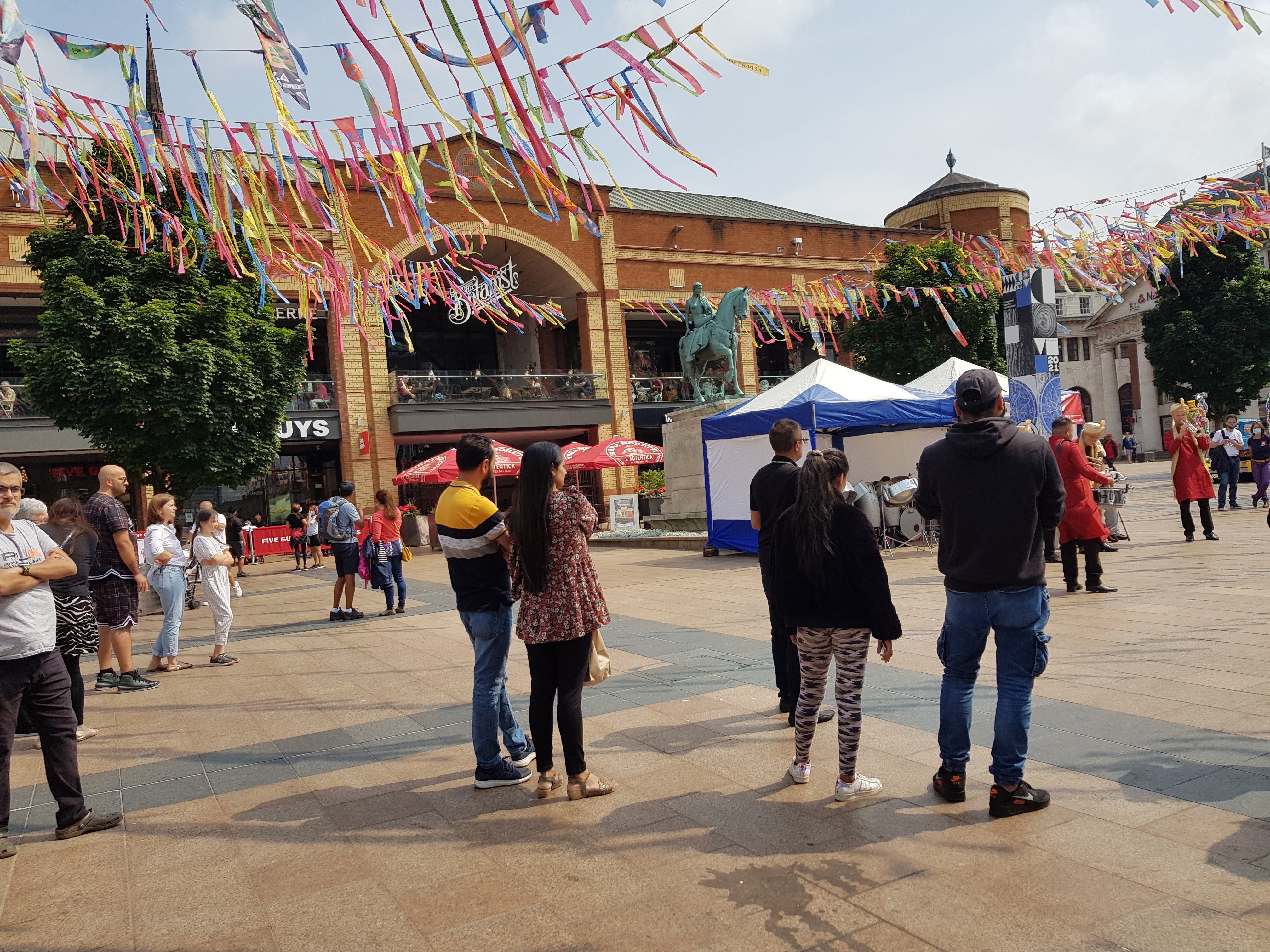
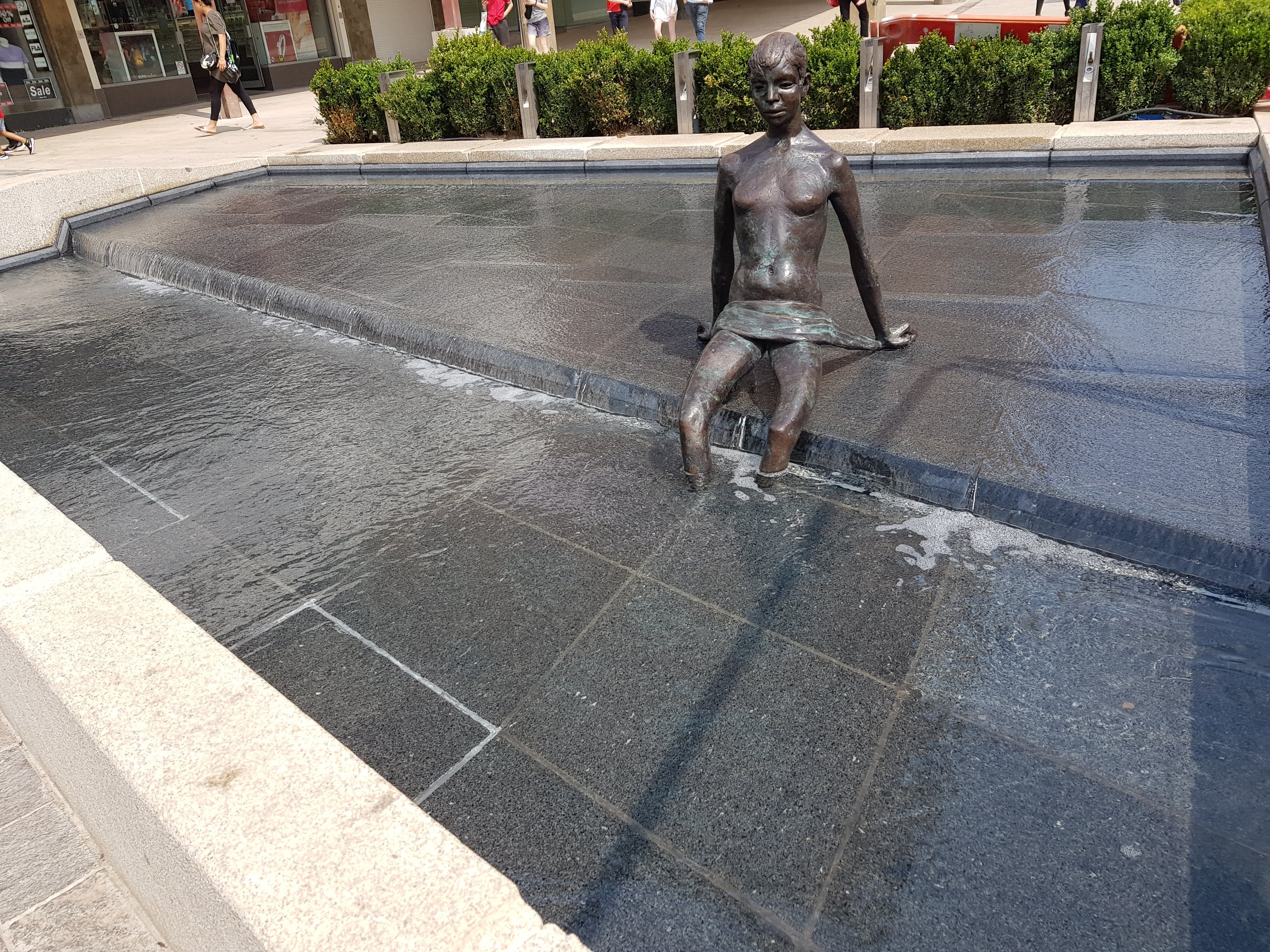
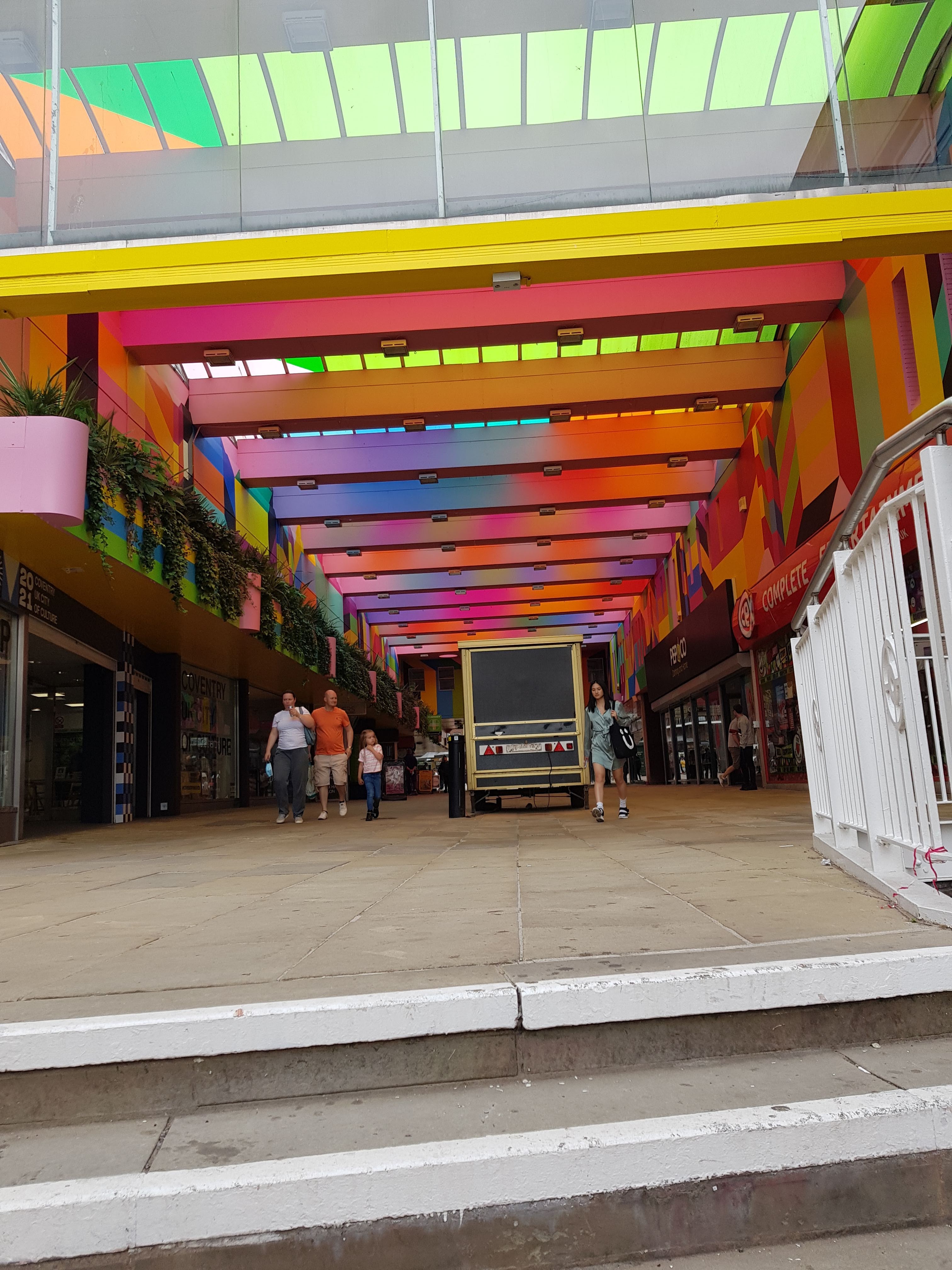
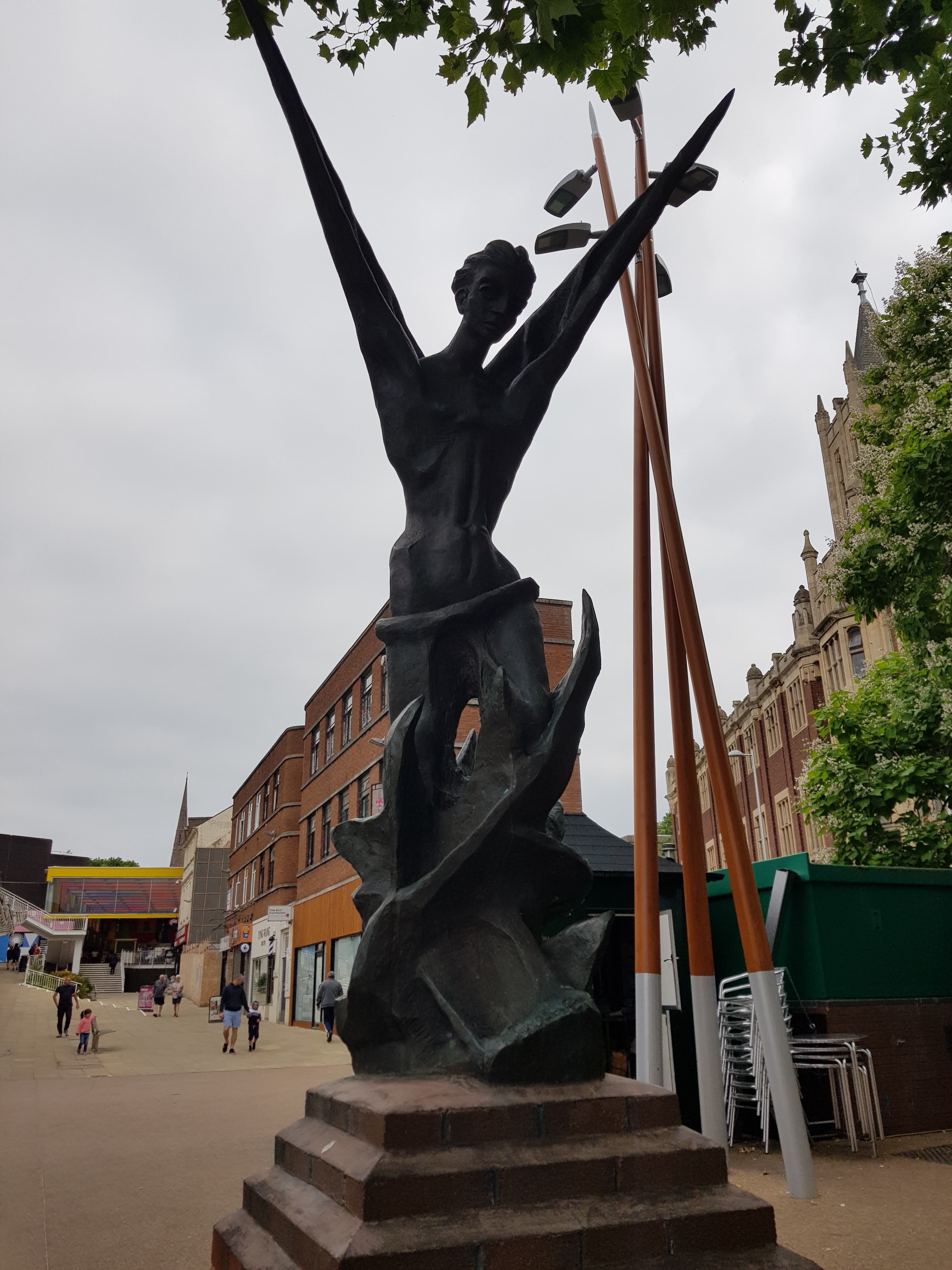
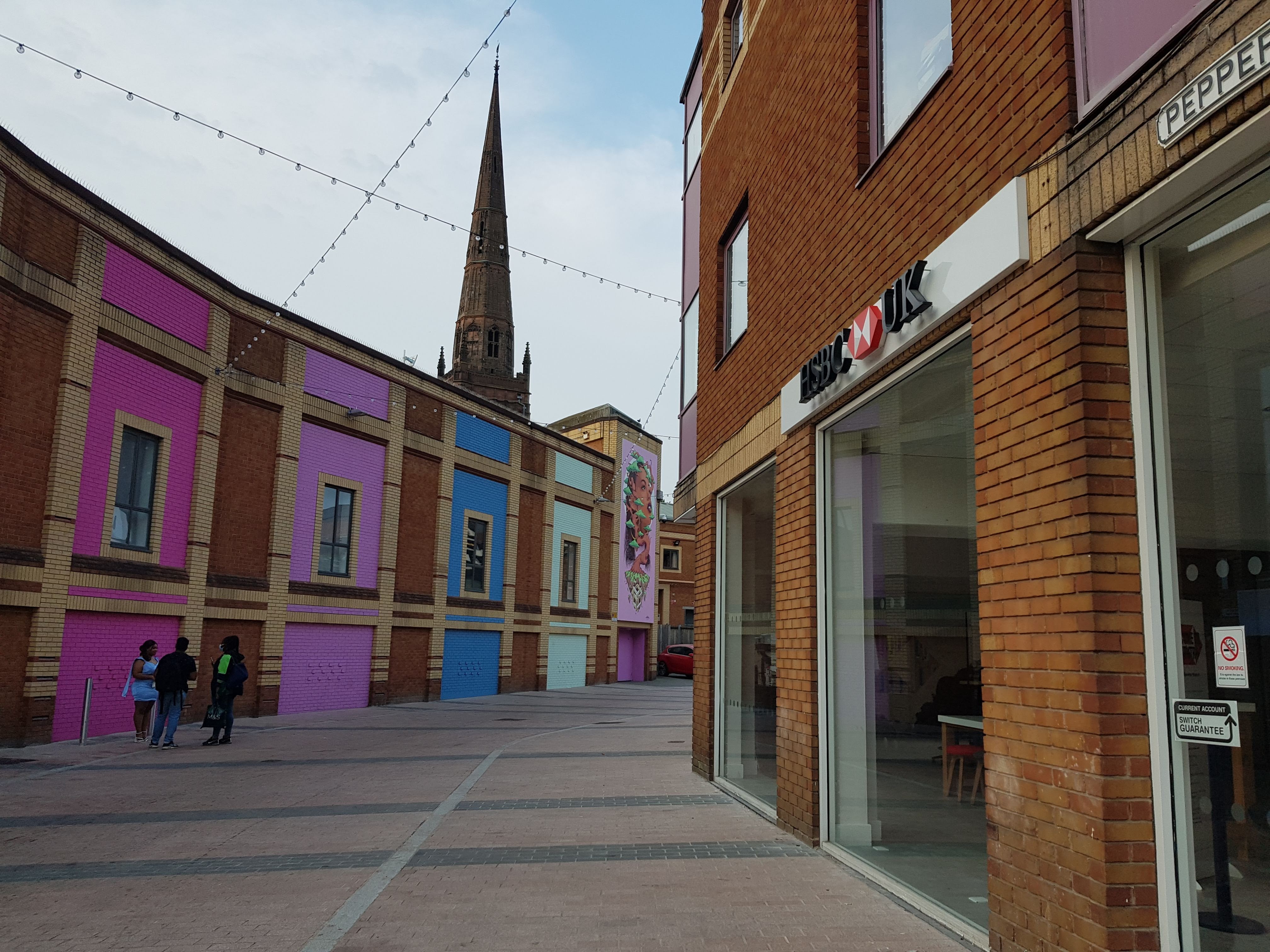
There are thought invoking sculptures and visual art pieces throughout the city, as well as various performances and events. There were lots of colours around through walkways, decorations and painted buildings. I especially enjoyed a rolling fountain instalment in front of one of the main shopping centres.
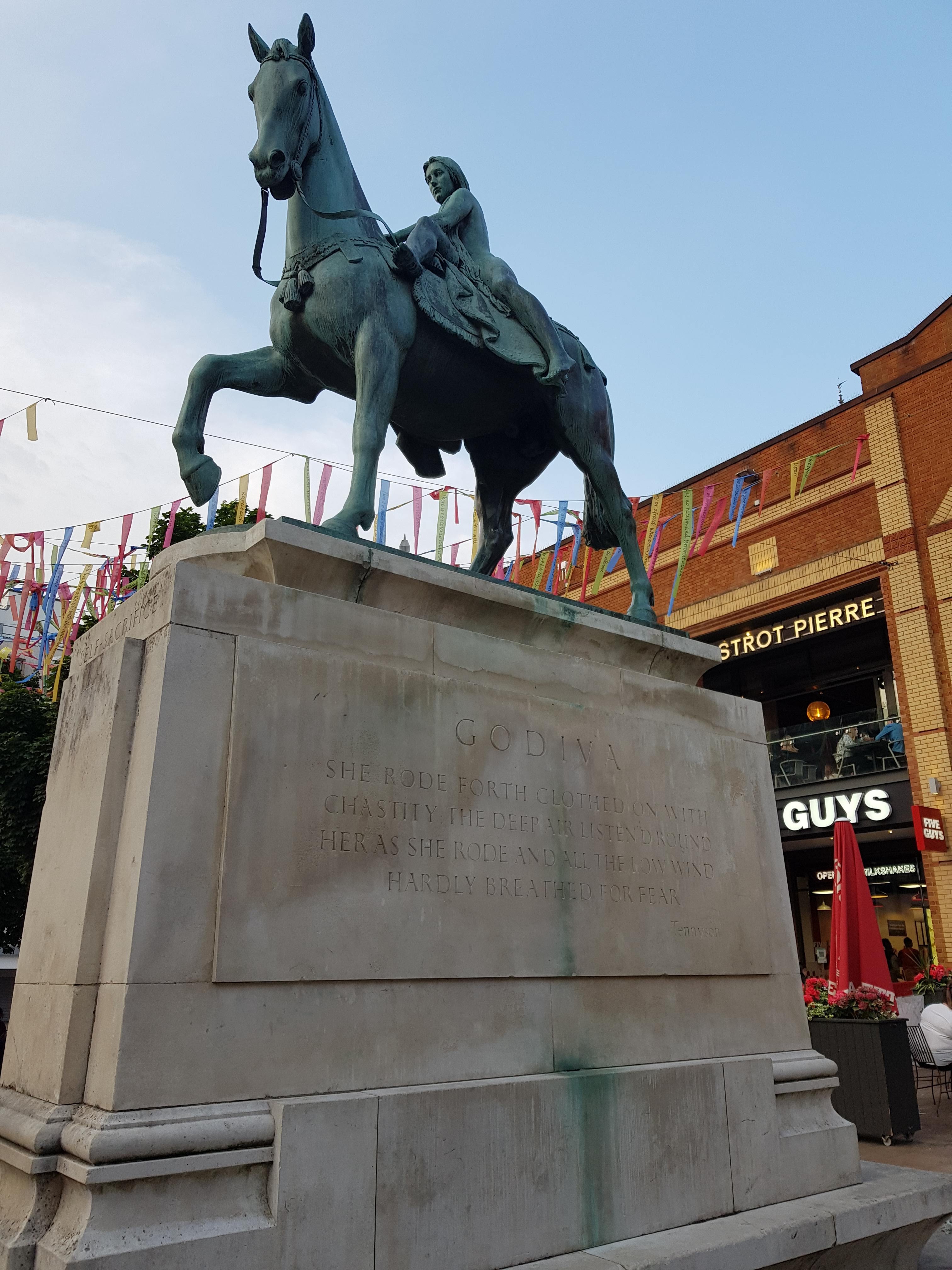
Lady Godiva

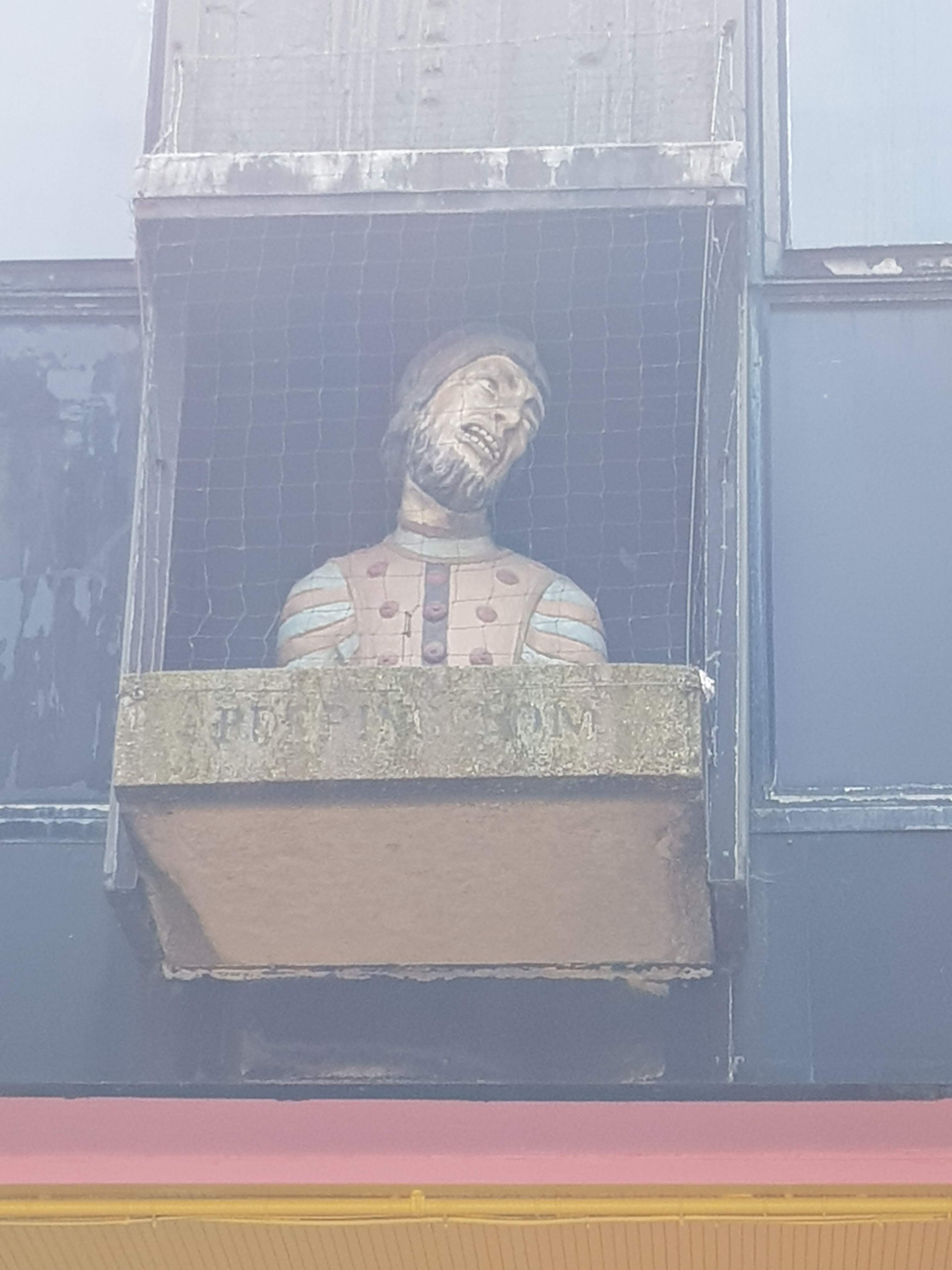
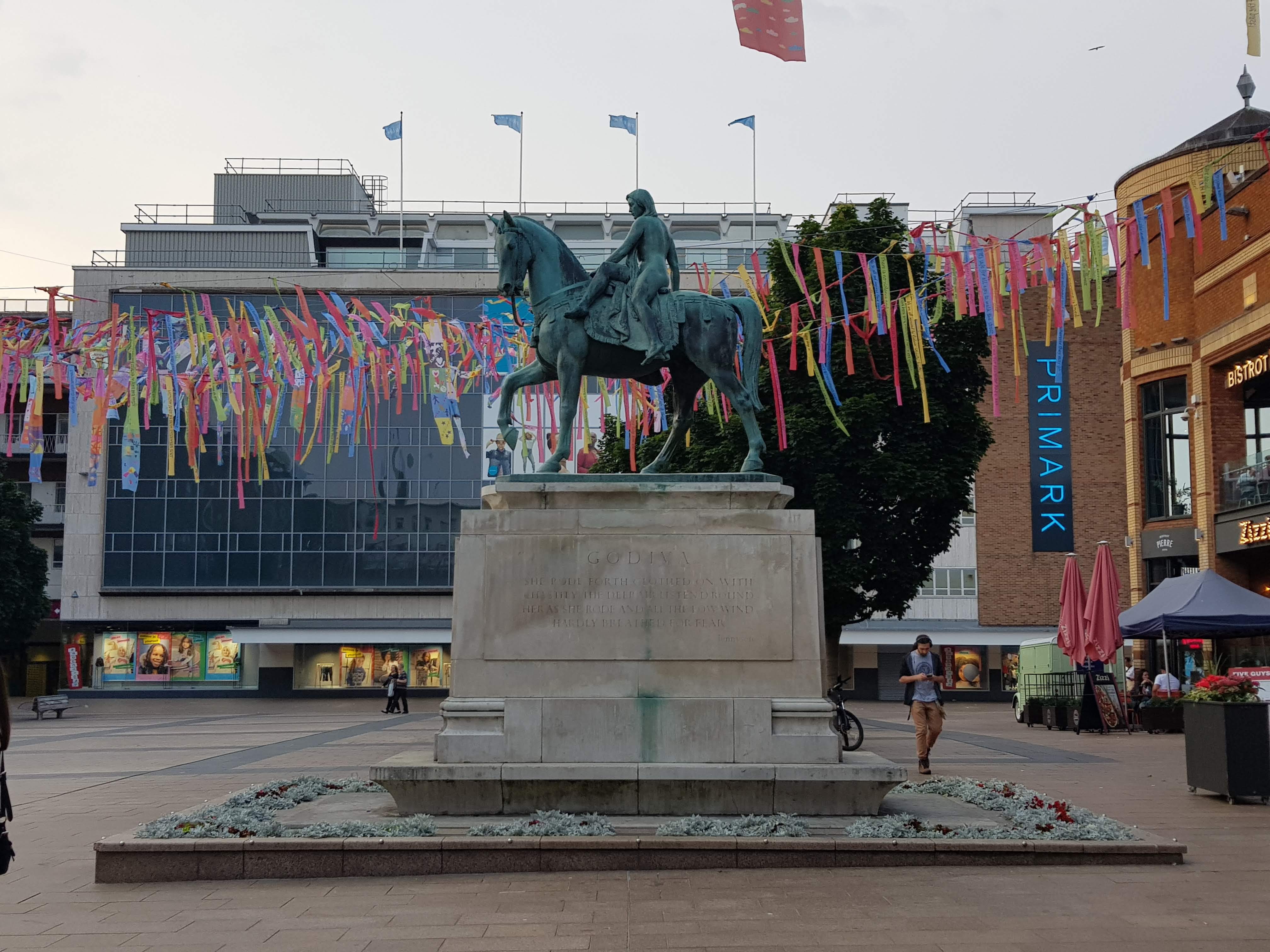
There is quite a lot of references to Lady Godiva around Coventry. Including a large statue in the centre of a vibrant square full of restaurants. According to legend, Lady Godiva was a woman who rode through the city of Coventry, completely naked in protest against her husband’s high taxes of the poor people of the city. The story says that she asked all the town people to close their window shutters and not look upon her, but one man looked and was immediately blinded as a result. This was ‘peeping Tom’. Obviously, this story is very debatable, but it is nice to have folk stories like this and Lady Godiva, as a key figure, is clearly well celebrated by the city.
History

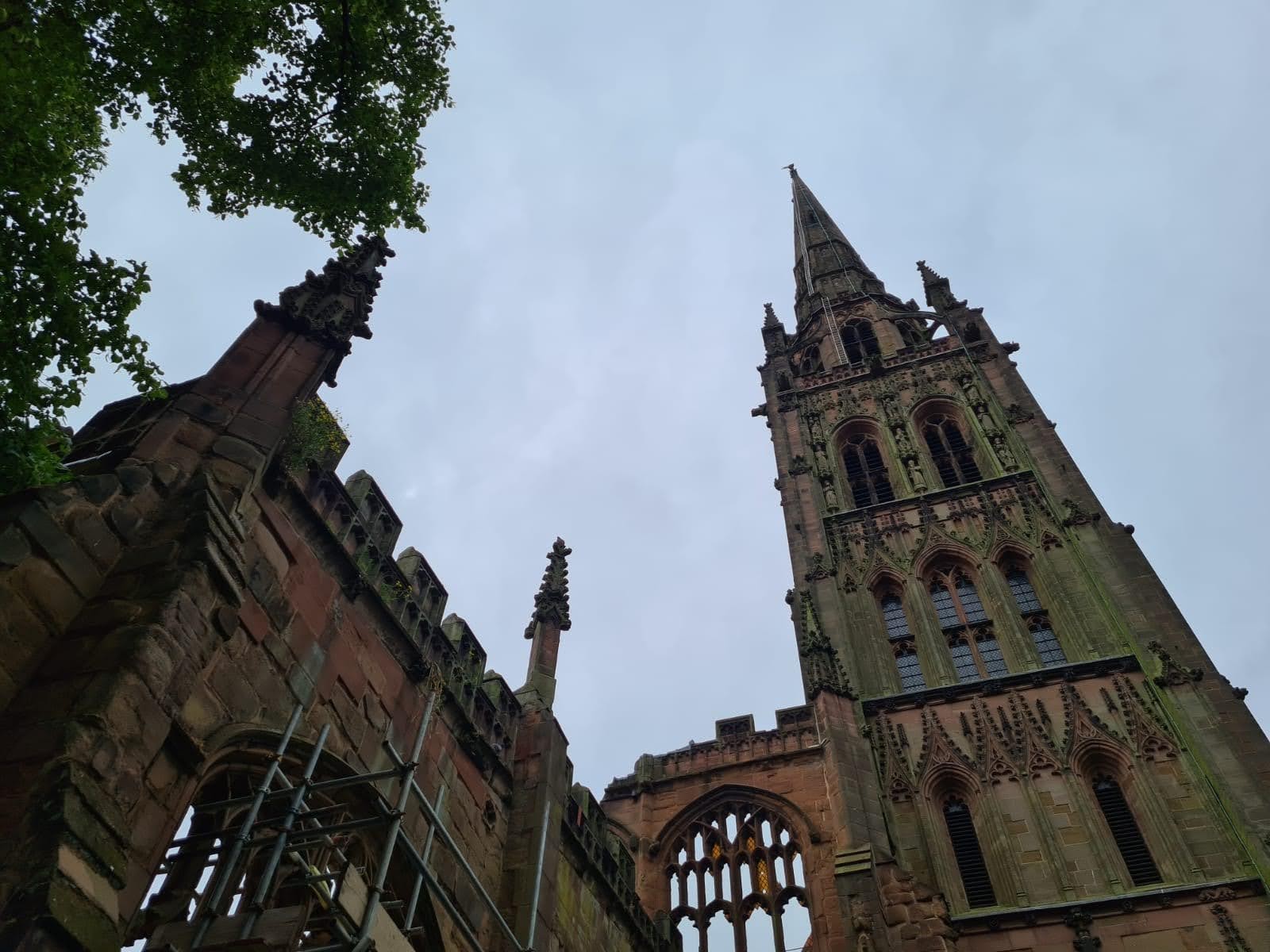
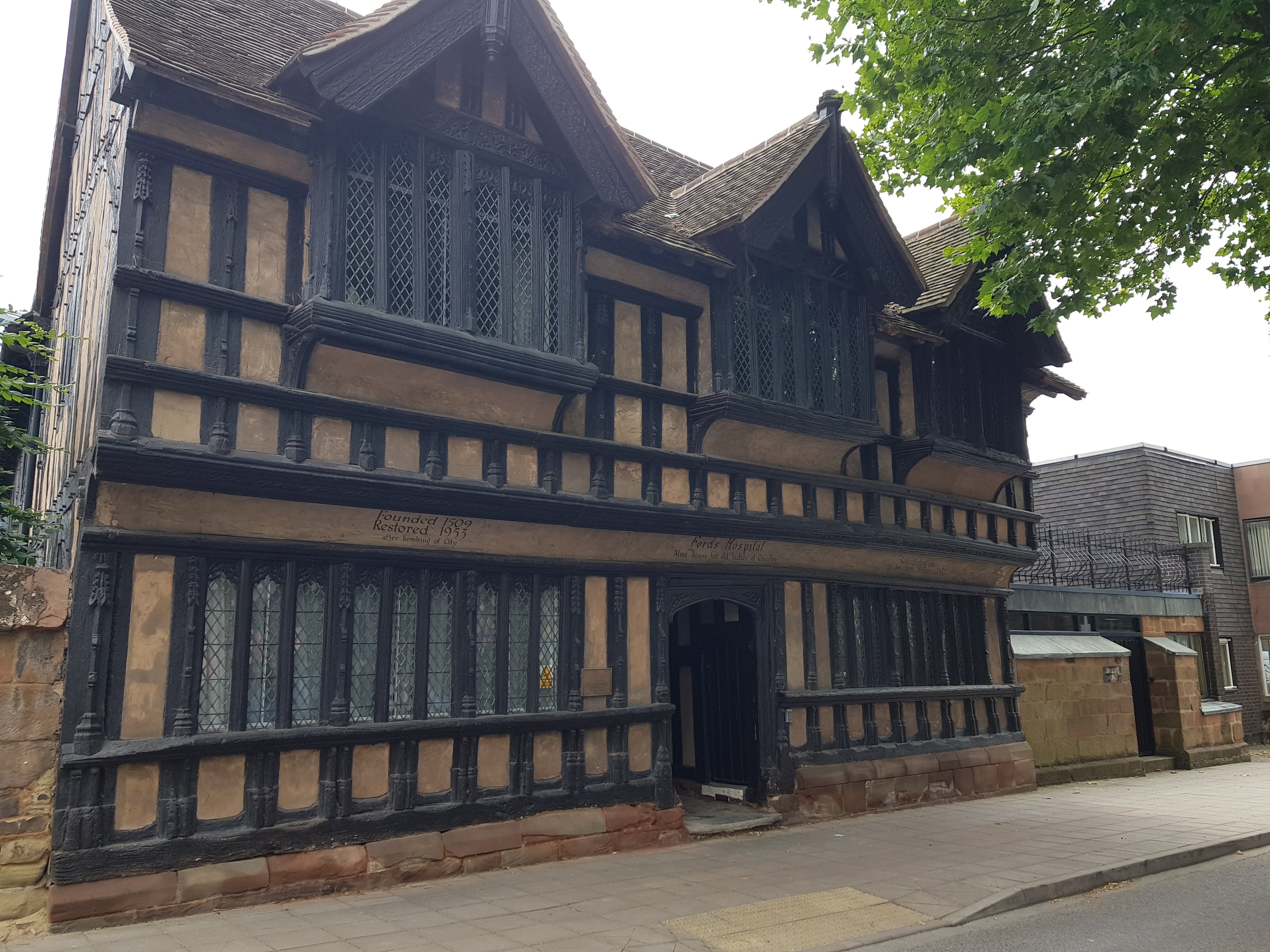
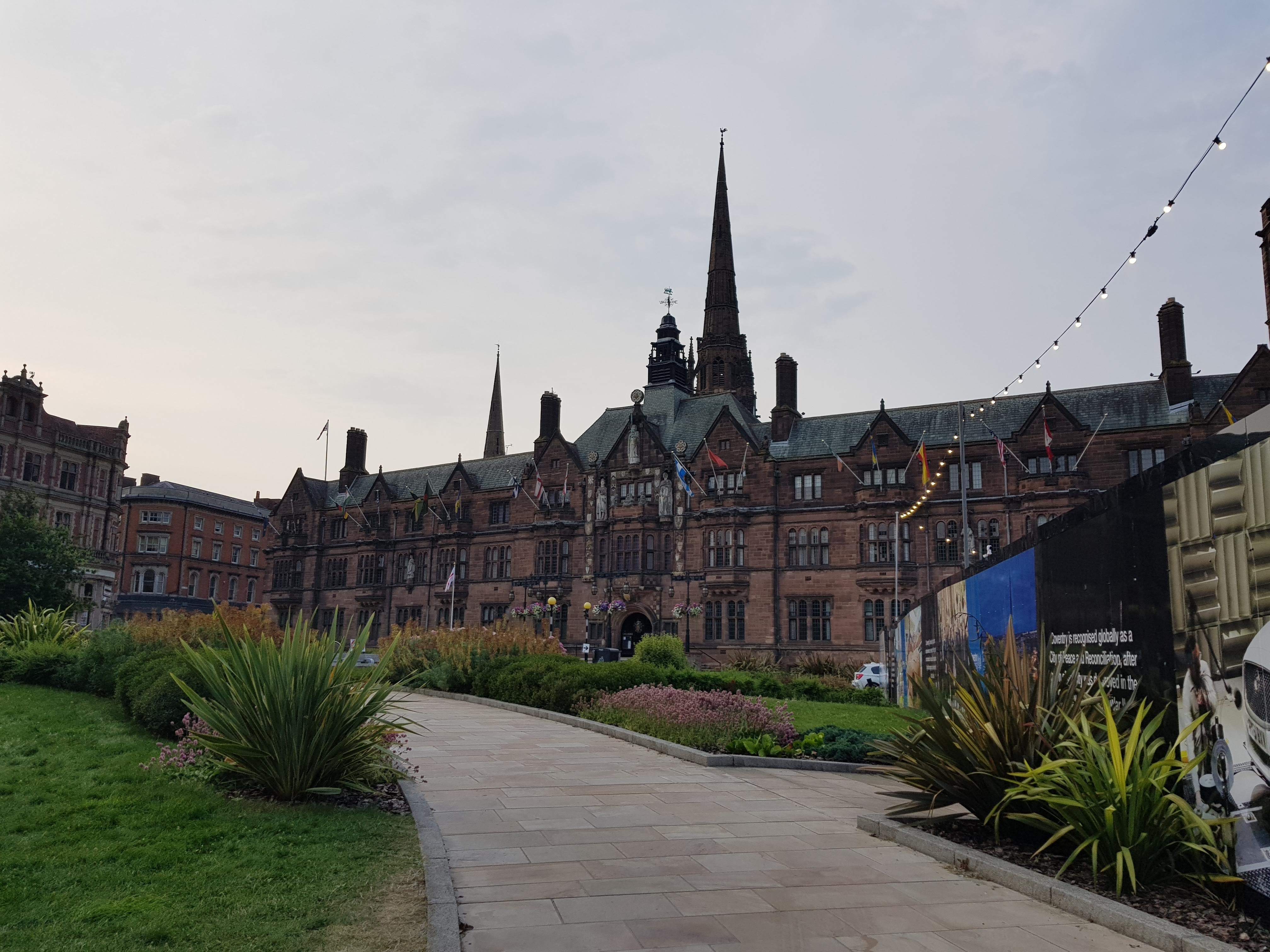
The city of Coventry has been around since before the Norman invasion of 1066, and dotted around the city are small remnants of the old walled city that once stood here. You can wonder through the old priory gardens, a medieval almshouse that is known as one of the finest examples of a timber work building in England, and of course the old cathedral ruins. The original cathedral was a priory dedicated to St Mary, and was founded as a Benedictine community by Leofric, Earl of Mercia, and his wife, Lady Godiva in 1043. This fell into neglect following the dissolution of the monasteries, under Henry VIII. Later, the parish church of St Michael was consecrated as the cathedral of Coventry in 1918. This cathedral did not stand for long though, as it was unfortunately the victim of bombing during the second world war, and was burnt down a long side many other buildings in the city. Shortly after, the community decided to rebuild the new and current cathedral as an act of faith, trust and rebirth. The building was consecrated in 1962 and still stands today next to the ruins of the old cathedral.

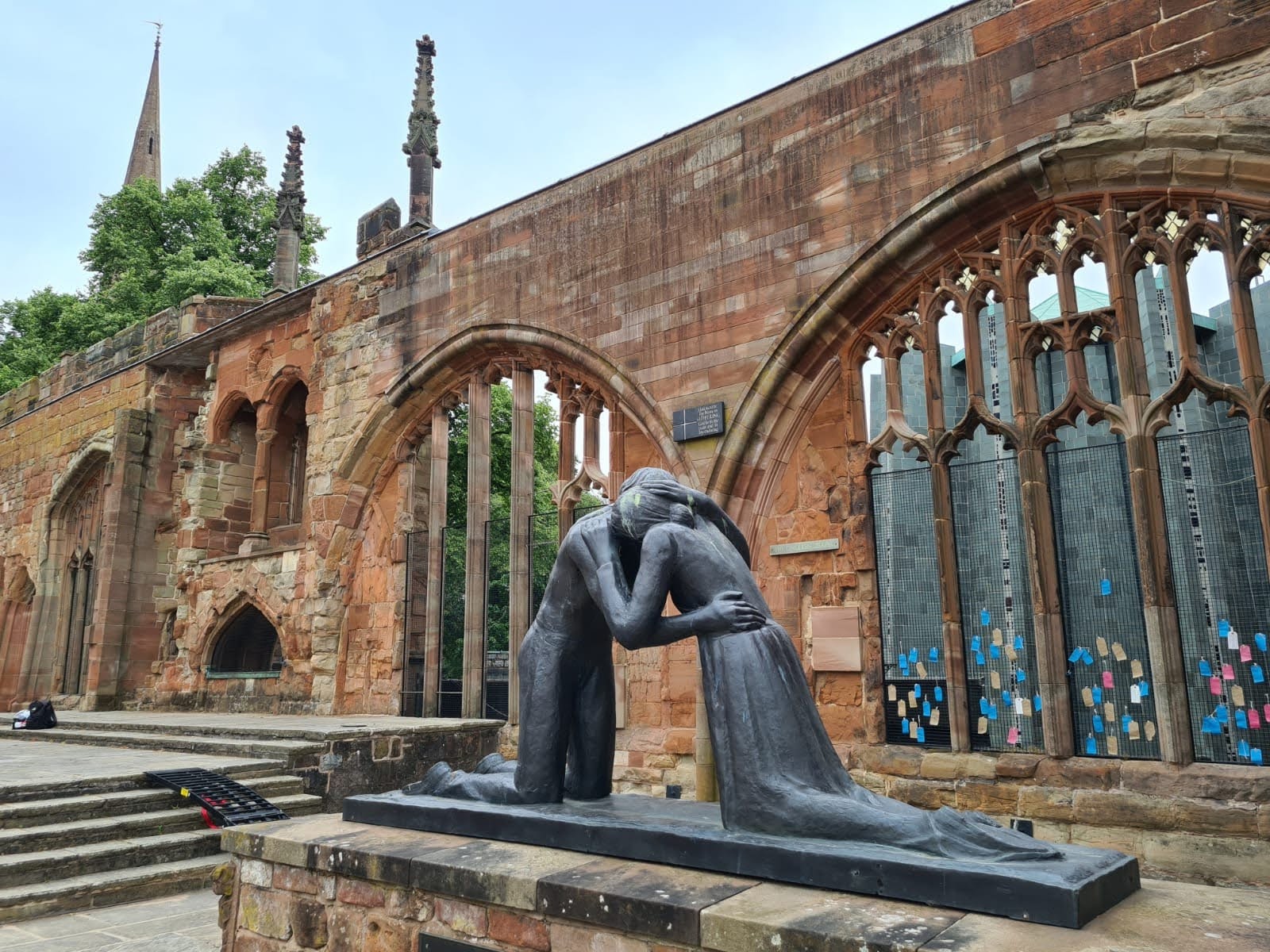
The old cathedral still has fragments of original stained glass hanging in place, easy for passersby to see. It is also a useful open space now, which can be used for events and exhibitions. There was even a classic car show inside the space when I visited. The space also has a number of sculptures that are captivating to the eye, especially the reconciliation statue. This symbolises the reconciliation and reunion of neighbours, loved ones, and countries following the second world war.

The new cathedral

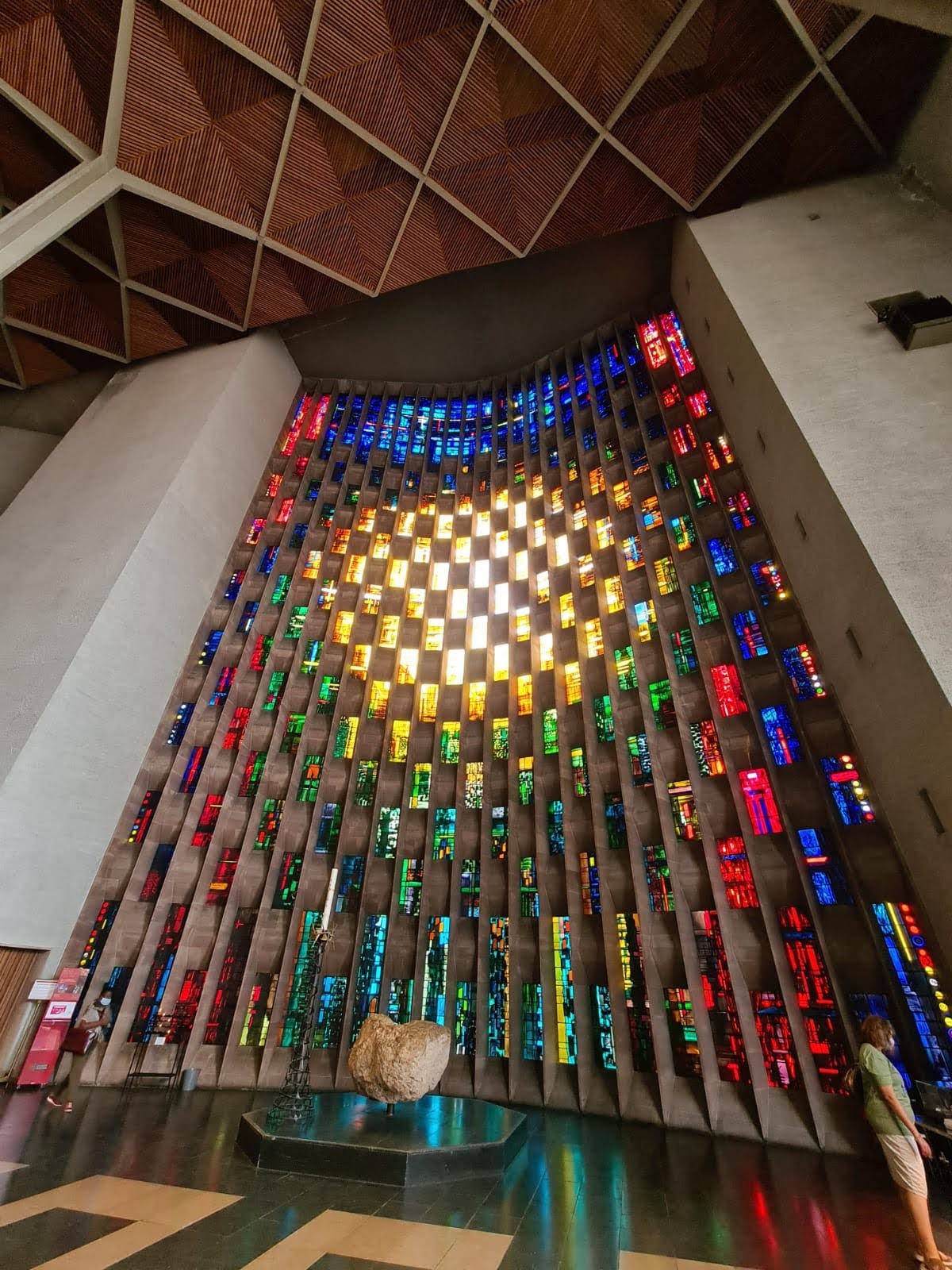
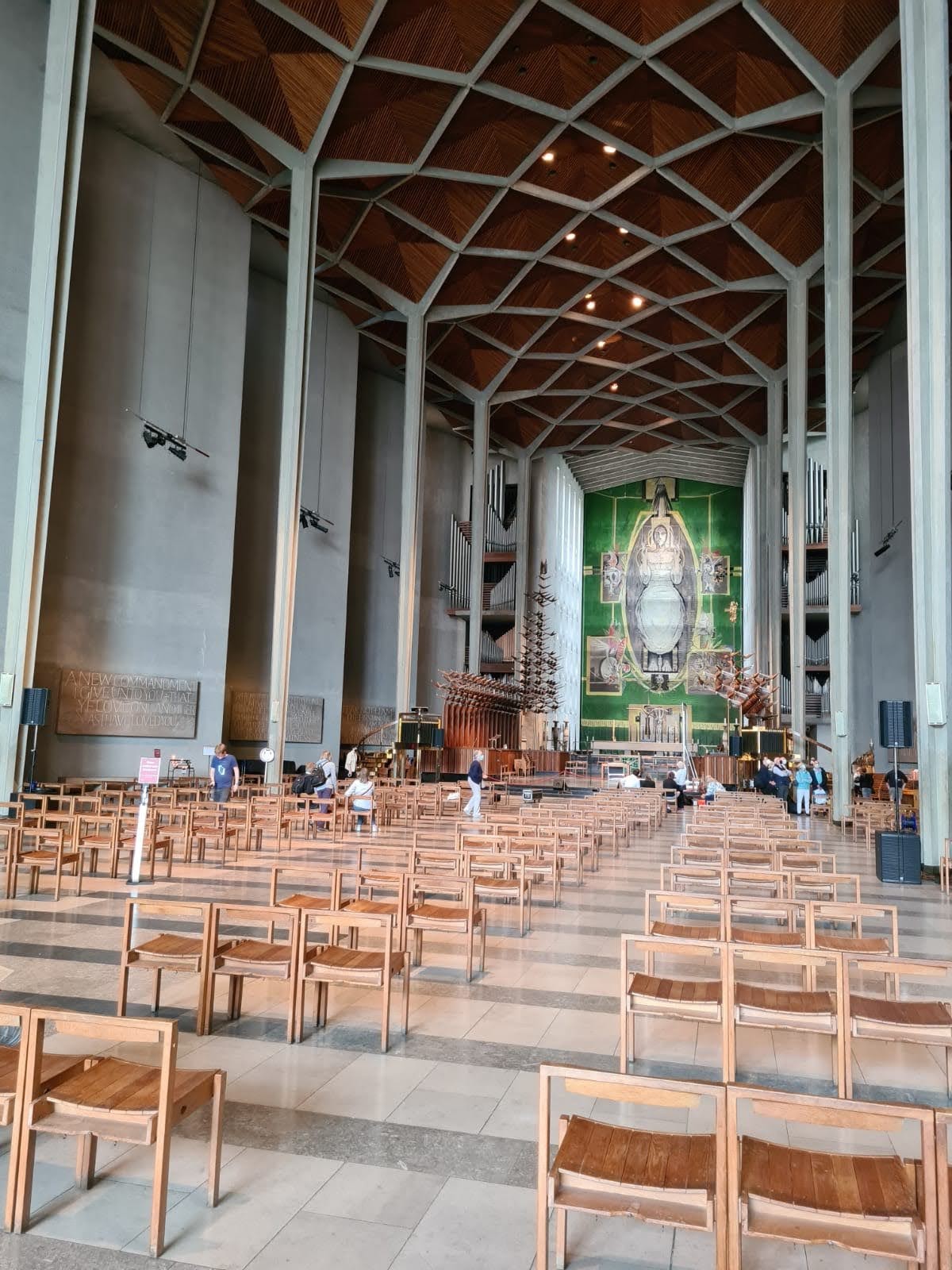
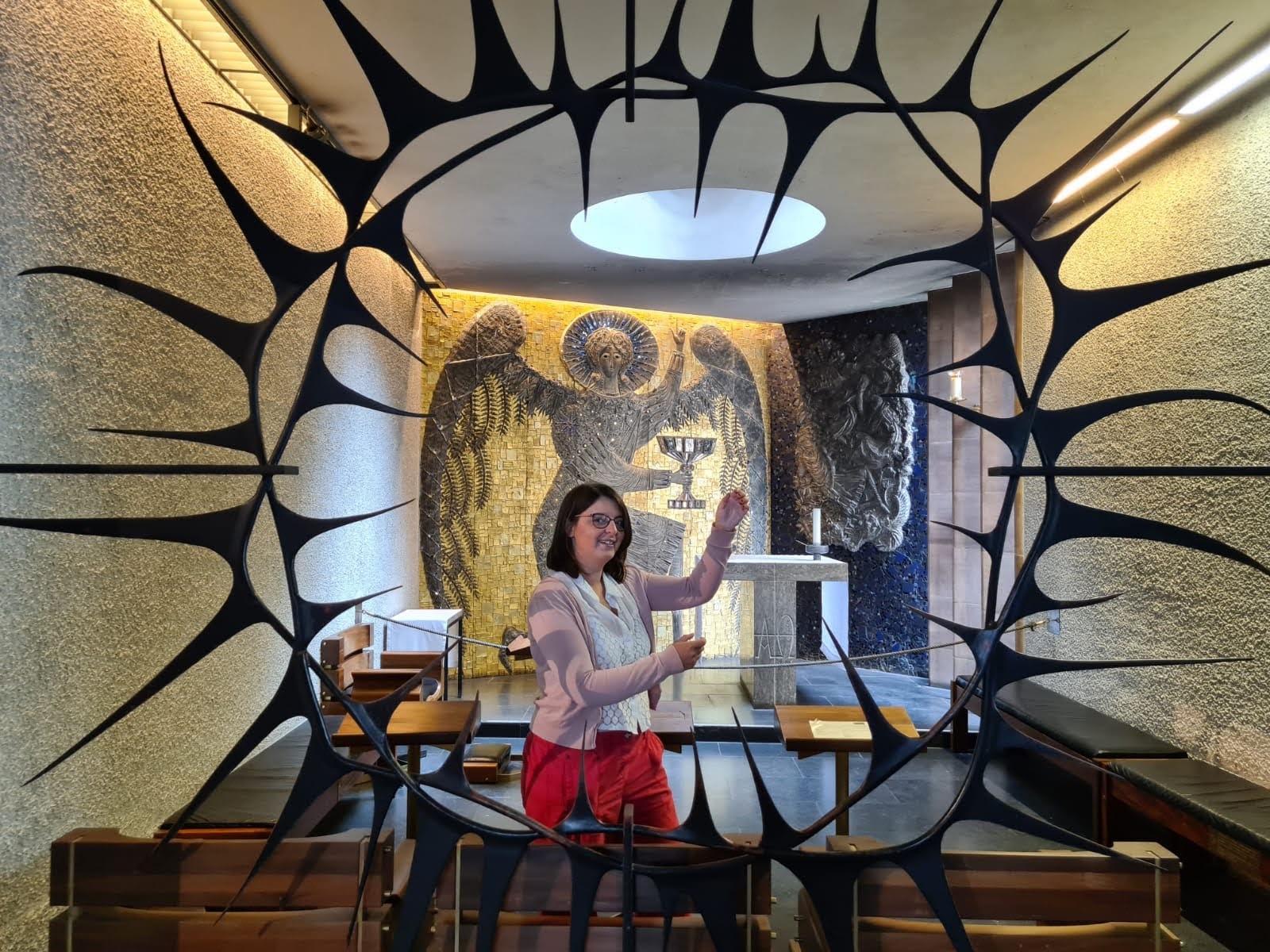
The current cathedral is a work of art in itself, it is a large cement based building, but has huge stained glass windows, and wide open spaces. It is a great example of a modern cathedral that has still mastered being a place of peace and reflection. We did have a booked time slot for the cathedral, but this wasn’t actually checked when we arrived, and we were able to just walk straight in.

Nightlife

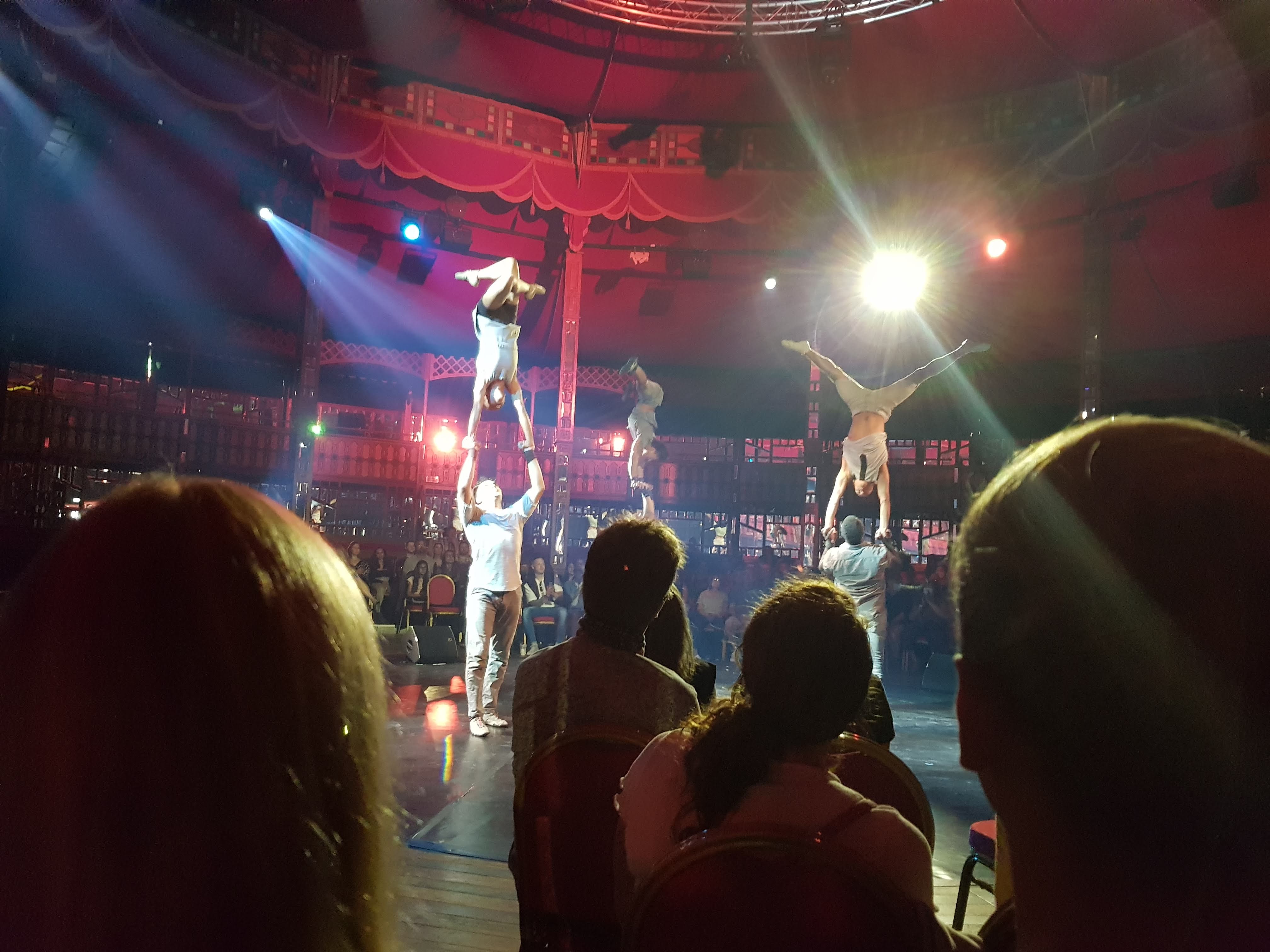
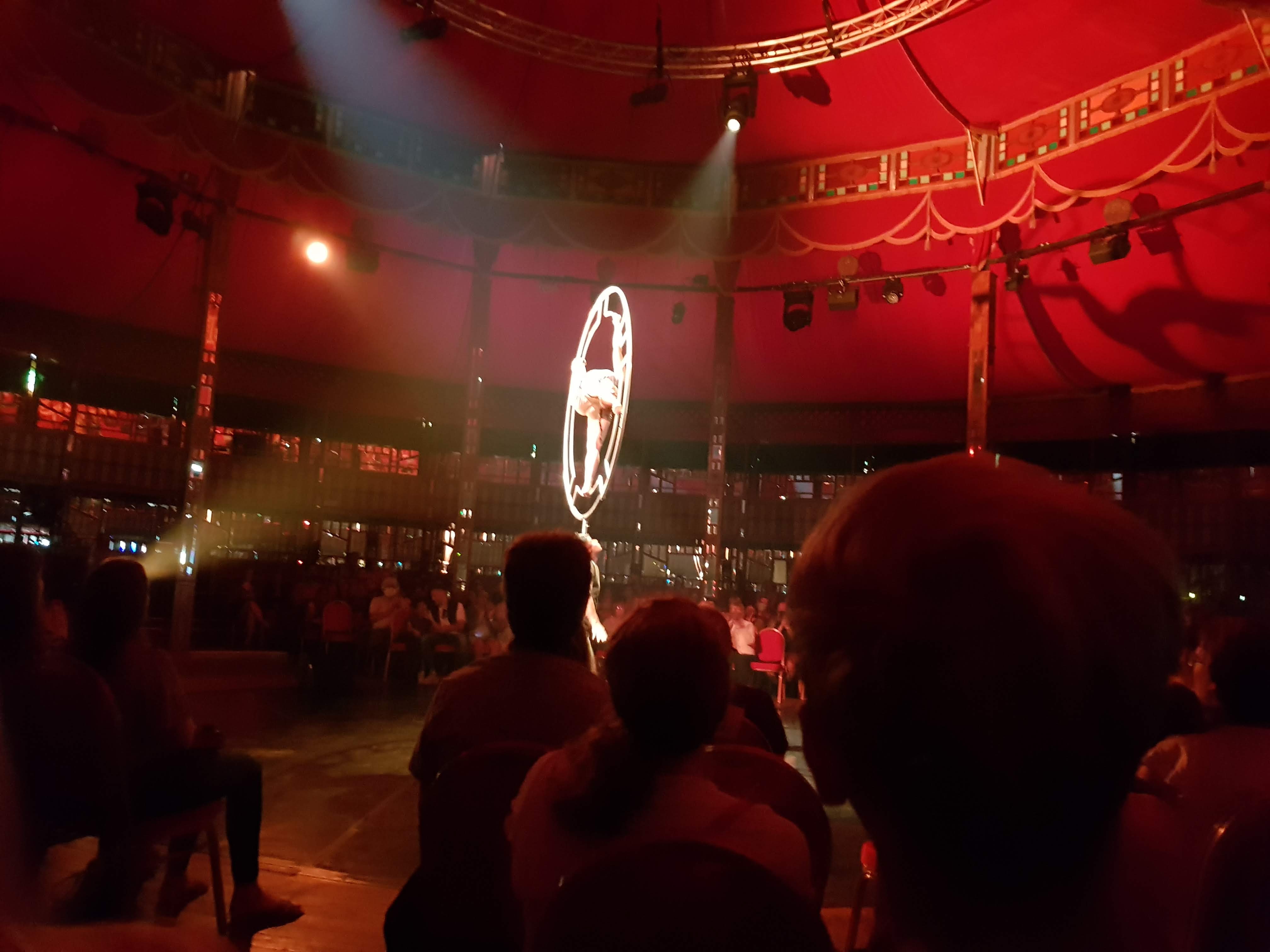
Whilst I was visiting, the city centre was holding a cultural festival in the assembly garden grounds, which seemed to be a pop up seating area with bars, mobile catering, stages and performance tents. Something that we booked for only £20 each was the Circolumbia show, which was brilliant value for money, and a great start to the evening. This was a circus, acrobatics, singing and dancing performance, that was done entirely by Columbian artists and themed on Columbian culture and music. This was so brilliant, and i spent a lot of the time during the show, gripping my seat, as the performers were doing things like standing on top of each other’s heads!

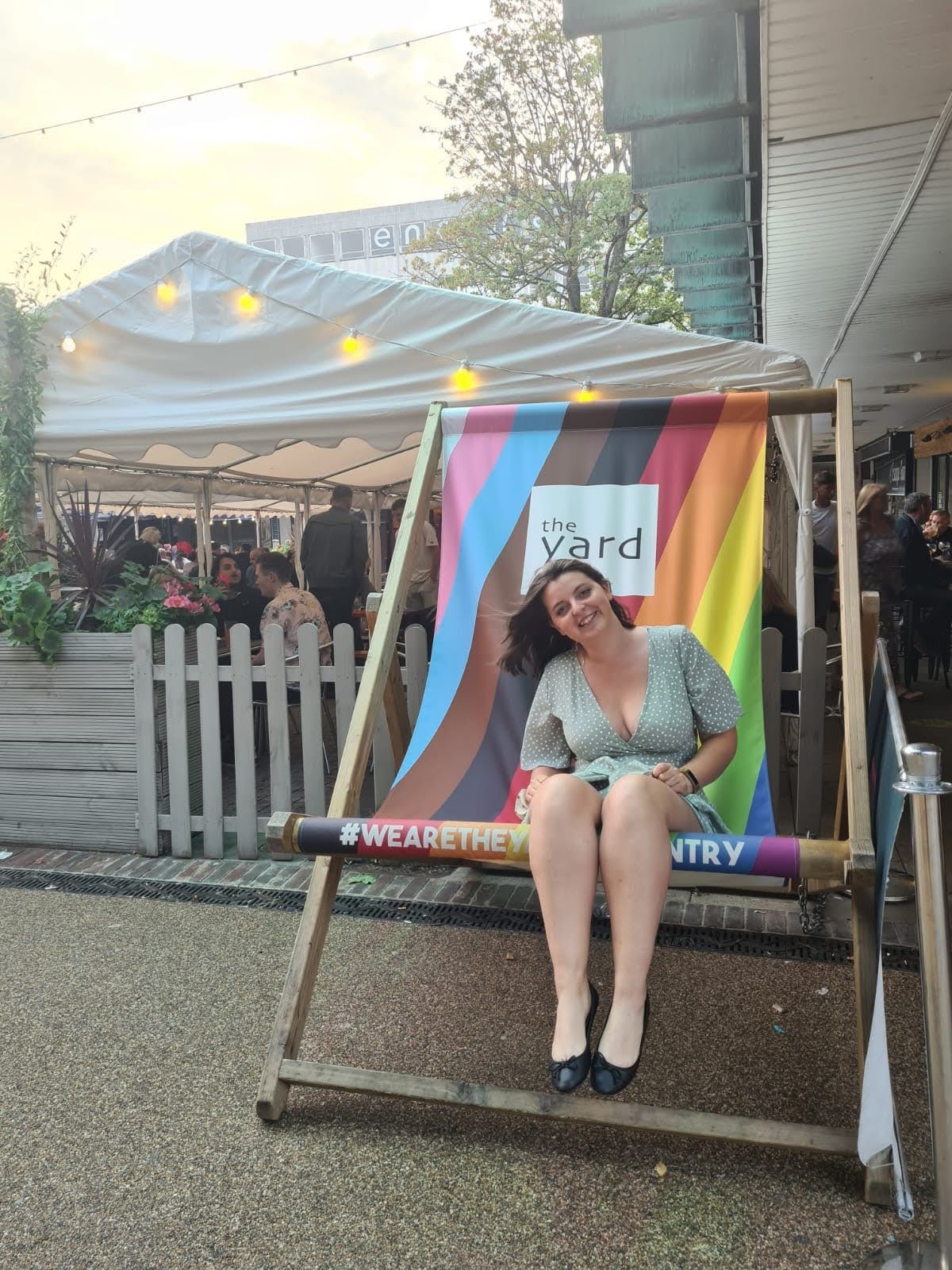
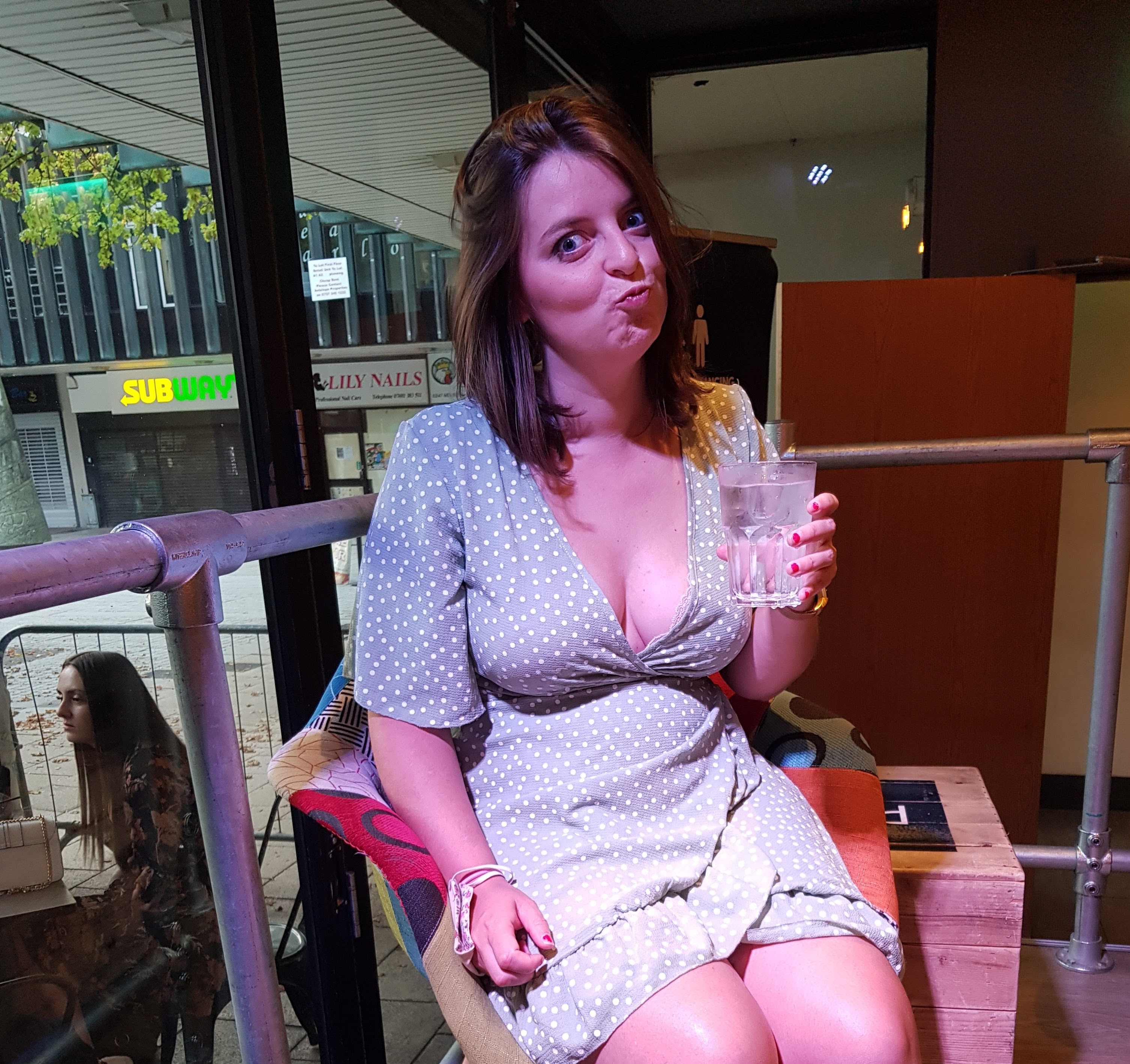
I also had a brilliant night at a bar/club called ‘The Yard’, which is known as the best and biggest LGBTQ+ venue in the city. The venue offered such an amazing time, we were there on a Saturday night, and they run a drag / cabaret show every weekend, so we were able to enjoy this. There was seating inside and outside, and we spent the evening dancing away with cocktails in hand, and managed to get an Uber back very cheaply at the end of the night.

In conclusion, I think Coventry is certainly full of culture, and a great place to let your hair down and just have a relaxing time, with lots of entertainment and engaging arts to be engrossed in. I would definitely revisit. It is also worth mentioning that it is in close proximity to Leicester, Nottingham & Birmingham, if you wanted to make multi centre tour out of the trip!

Brighton: the “London-by-the-Sea”

Now the lockdown has been lifted, I decided to make a visit to the seaside location of Brighton, to spend time with my mum and visit my sister whom lives in the area. The city is certainly a busy location for visitors with a wonderful mix of urban appeal, coastal scenes and a national park close by.

Brighton is a colourful, and quirky area on the coast, within the city of Brighton and Hove. It is only 47 miles or about an hour on the train from London. I drove to the area from Norwich, and stayed in a lovely AirBnB place just 20 minutes away in Hassocks. In order to truly appreciate the town, it seems important to wonder through the entire breadth of the area there.

Brighton has great public transport links with multiple train and bus connections into the town. Whilst car parking is available in the town, it is very expensive in general. You can access much of the on street parking after 8pm and if you use websites such as ‘JustPark’, you can find cheaper parking spaces that are privately rented out. We took the train on one day, which was great quality and cheap, and we also found free car parking via ‘JustPark’ in a bingo hall car park.

On first arriving, the coastal promenade and pier seemed quite similar to many other UK seaside towns, and my first impression was not good. It seemed quite dirty, and ran down, with a horrible mix of 1960s buildings, letting down the setting of neighbouring Victorian architecture.

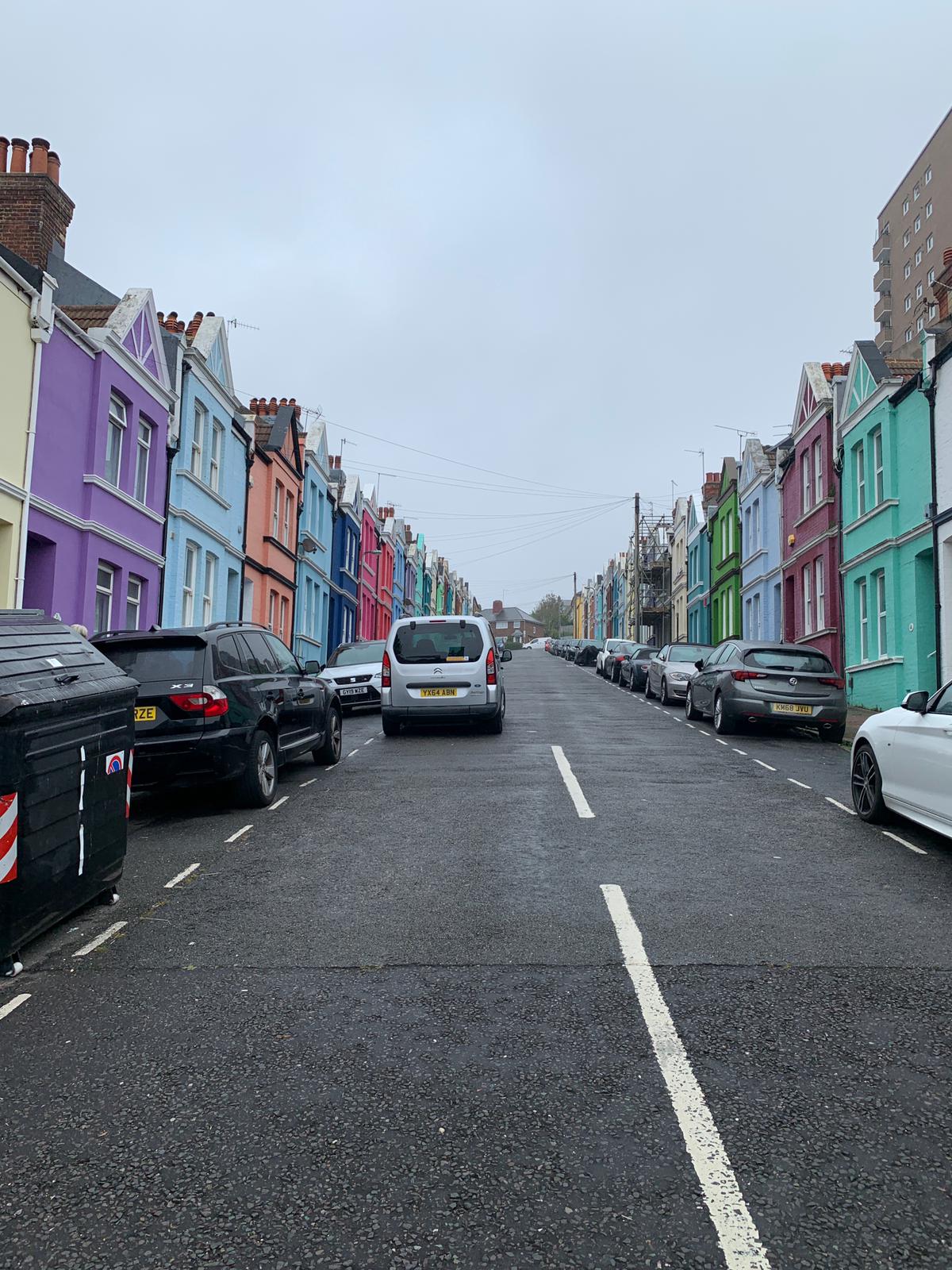
As I explored other roads though, it became clear that different elements of the town have their own feel, and have been transformed to meet the leisure demands of visitors and residents. The town has several hills running up from the coast, and as you wonder around, you will find streets that have been painted different colours and other buildings linking to the rainbow icon that is linked to Brighton’s LGBTQIA+ scene.

LGBTQIA+ (Lesbian, Gay, Bisexual, Transgender, Queer, Intersex, Asexual) scene

Brighton has historically become a sanctuary for those in the LGBTQIA+ community to express themselves, thrive, and a base for challenging prejudice behaviour. Many key locations such as the Marlborough pub & theatre or ‘the marly’ and Kemp town have been created as landmark locations.

Photo by 42 North on Pexels.com

There is also a collection of landmark events such as ‘Brighton Pride‘ and ‘Trans Pride‘, and famous names that have made the town their haven and home, including key figure Oscar Wilde. In recent years, the community have struggled to keep hold of these statement locations, due to increased demand for development of housing, gentrification and the use of the LGBTQIA+ identity becoming an attraction itself, perhaps unethically, through the promotion of tourism. This has led to political friction between economics of the town, and the community identity. Currently, a large part of the LGBTQIA+ community are protesting against Brighton Pride, and other activities that create the feel of LGBTQIA+ people becoming a circus attraction. This phenomenon is known as pink washing.

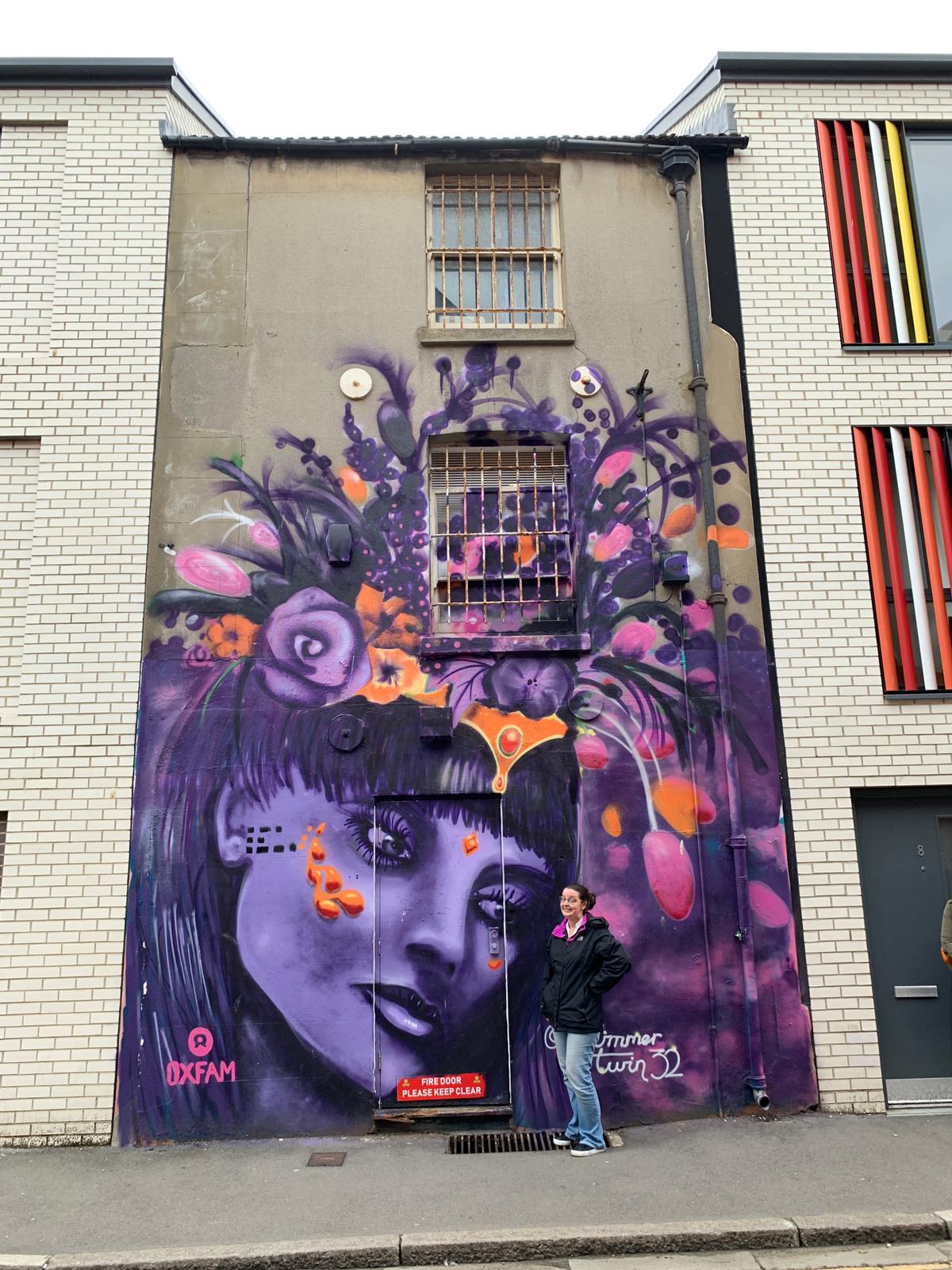
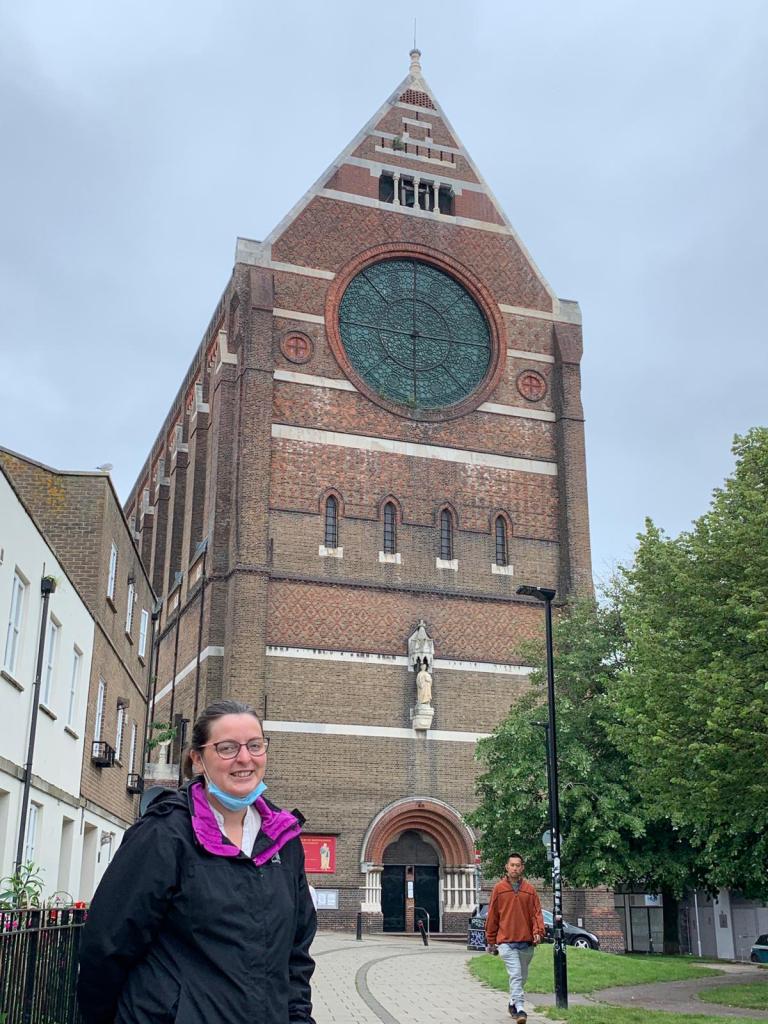
Throughout the town, there is lots of street art expressing different social issues, topics and just generally impressive art. There is no cathedral in the city but a church that is considered to be the area’s nearest best thing, is St Bartholomew’s church, which is very large. The reason for this, is that the Victorian building was created to be approximately the size of Noah’s Ark, upside down. There is also an upside down house in Brighton… what a strange place!

The Lanes & other popular spots

When it comes to spending your pennies, and enjoying food/drink as well as shopping, it seems that there are three main spots that are popular.

There are several chain stores and restaurants in the cheaper ‘marina’ area down the coast from the centre. This is accessible on foot by walking along the coast, a 20 minute bus ride, or by car.

When walking along the beach promenade below the road, you will see a number of restaurants, shops and attractions in what is known as the ‘seafront arches’. We visited the queer friendly ‘Loading Brighton’, a gaming café linked to ‘the marly’, and spent a few hours there enjoying milkshakes and board games in a few comfy sofas. You will also find the Brighton fishing museum in this stretch of bricked arches.

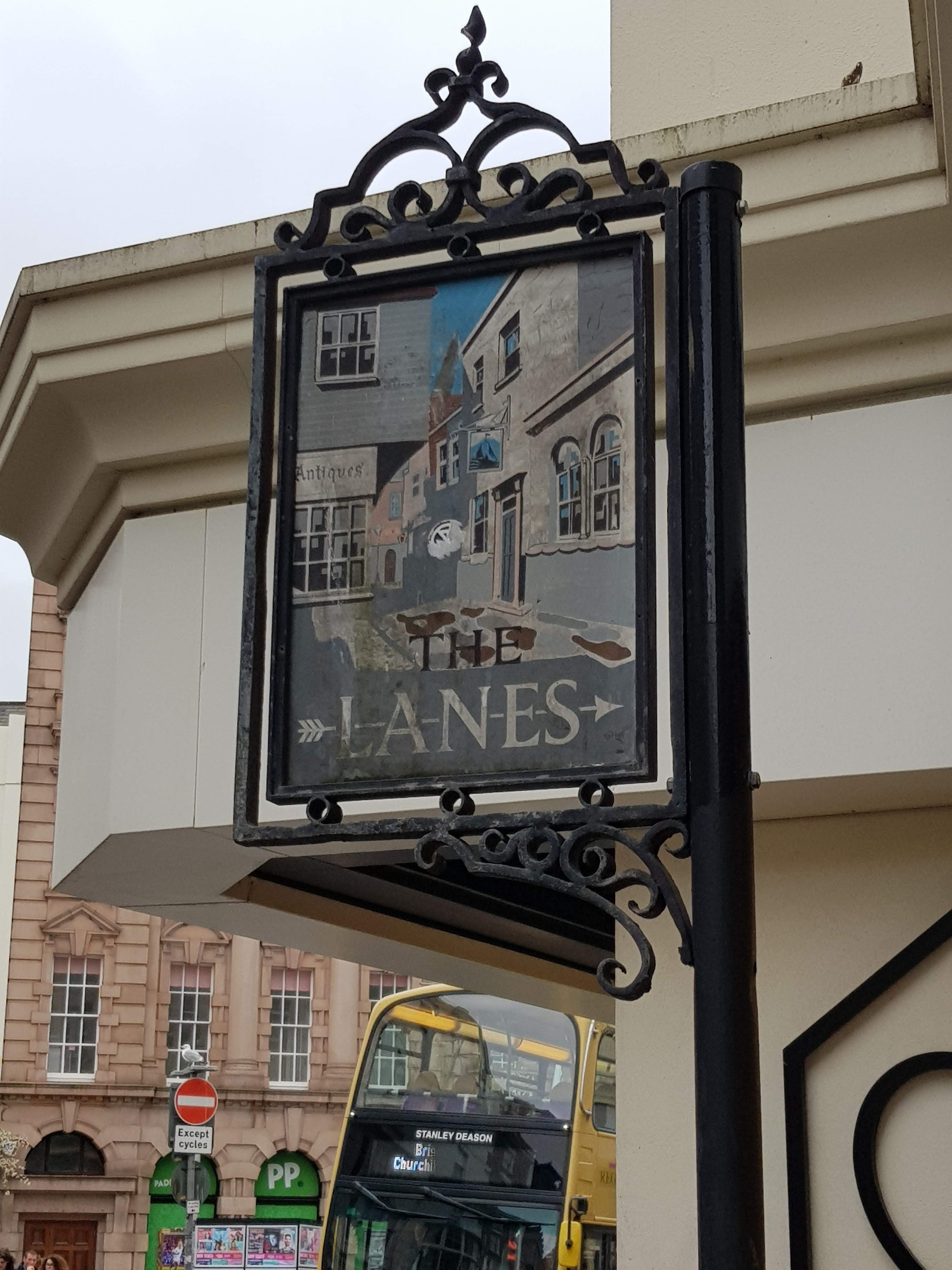
The most well known location for shopping and eating is an area further within the town, named ‘the lanes’. I had a feeling of what to expect here, as Norwich also has ‘the lanes’ as a concept. In Brighton, it is a network of small streets and alleys, that are bustling with independent shops and eateries. We also went down one road that was temporarily closed, which I can only assume was a Covid related innovation by the council. The retailers and restaurant owners were using this an opportunity to spill out into the street, and create a great market vibe. It was very busy, and full of bargains!

the lanes
The Lanes

Royal Pavilion

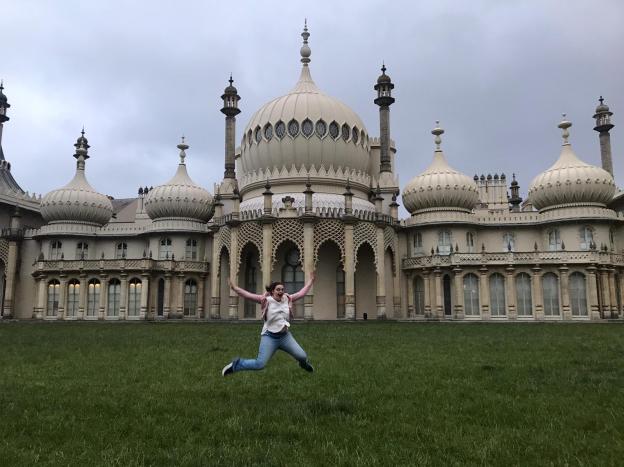
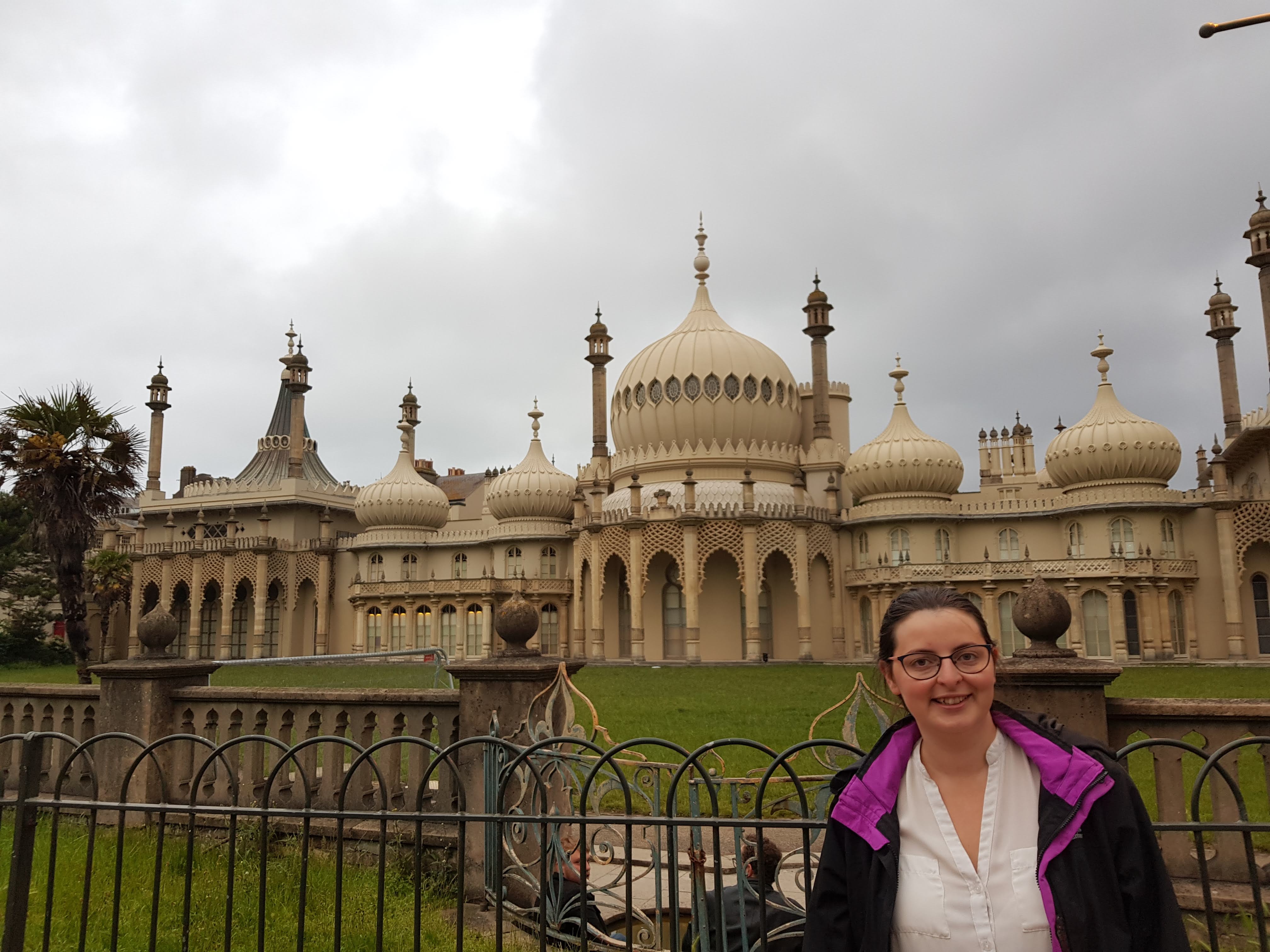
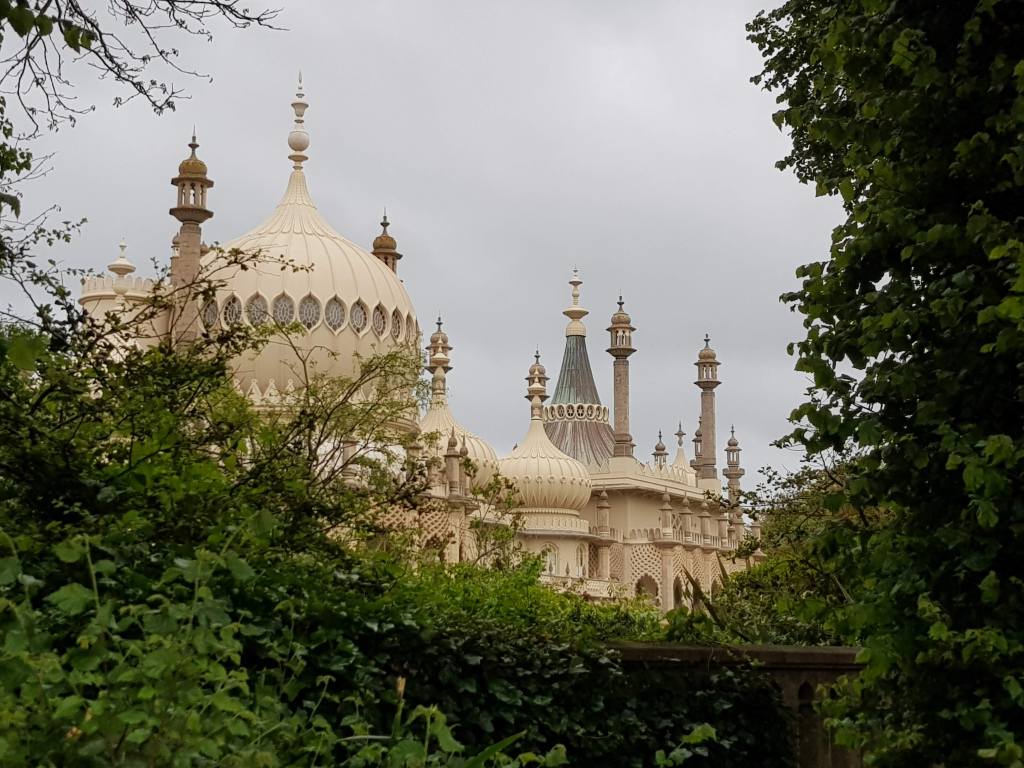
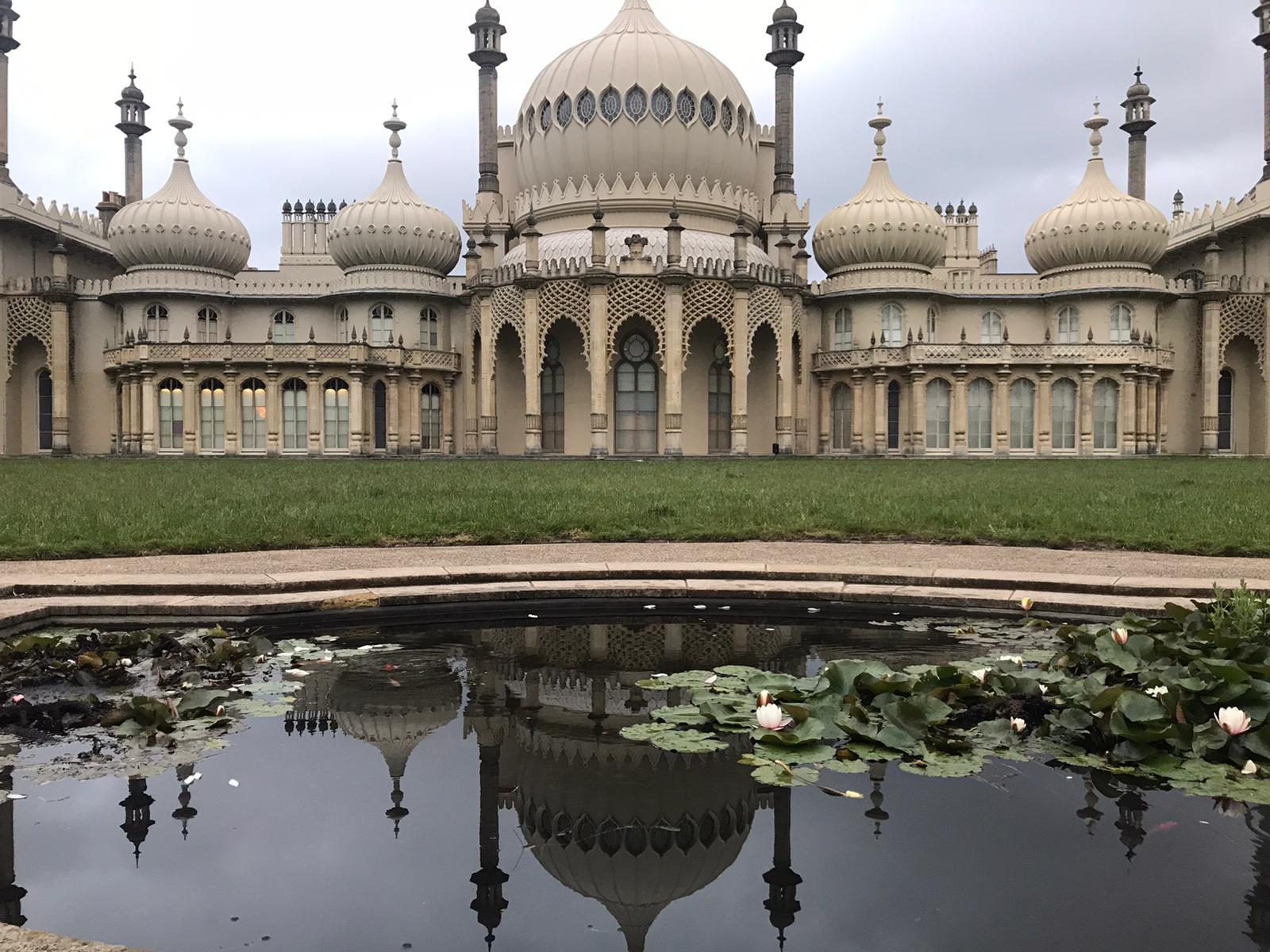
Just beyond the lanes, you will enter into the cultural quarter, this is the home of the world famous Royal Pavilion and Brighton Dome. This estate in the centre of the city is a Grade I listed former royal residence. Building work began in 1787, and acted as a seaside retreat for King George IV. George had an interest in Asian stylings and wanted to design the building and its interior to reflect his interest in Indian & Chinese design, although he never visited these countries himself. John Nash is the architect responsible for the current design, which was interesting to me as I am familiar with this well known Georgian designer. John Nash has also done a lot of work within Norfolk (my home county), in partnership with landscape designer, Humphry Repton, who also influenced the pavilion’s design.

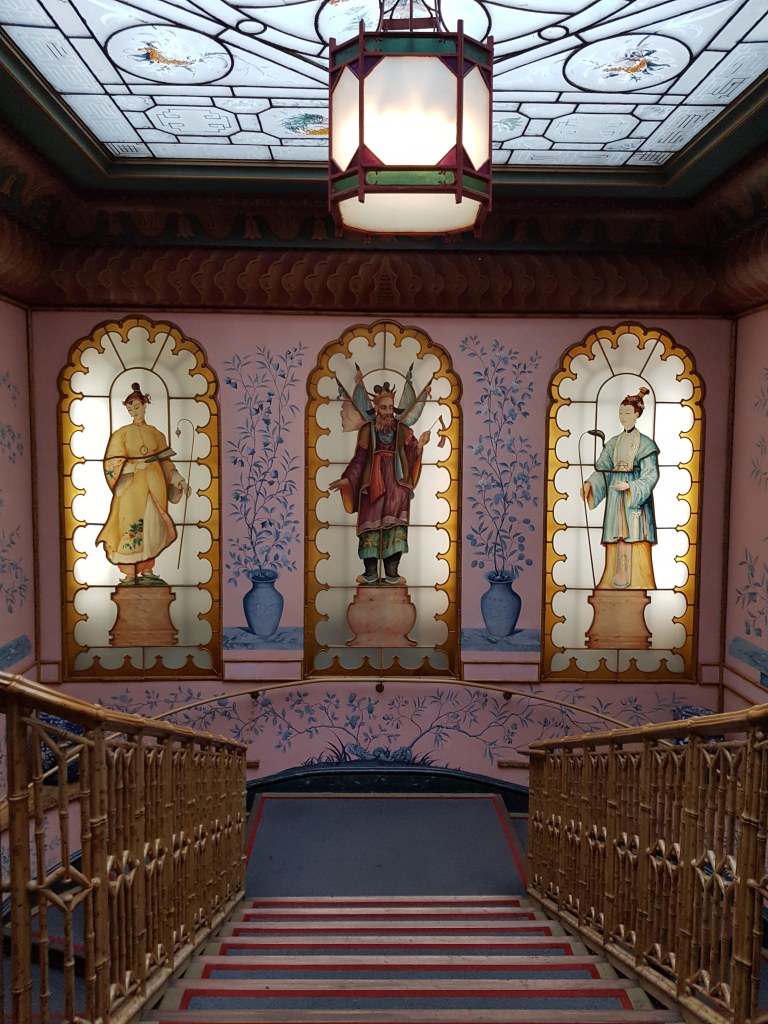
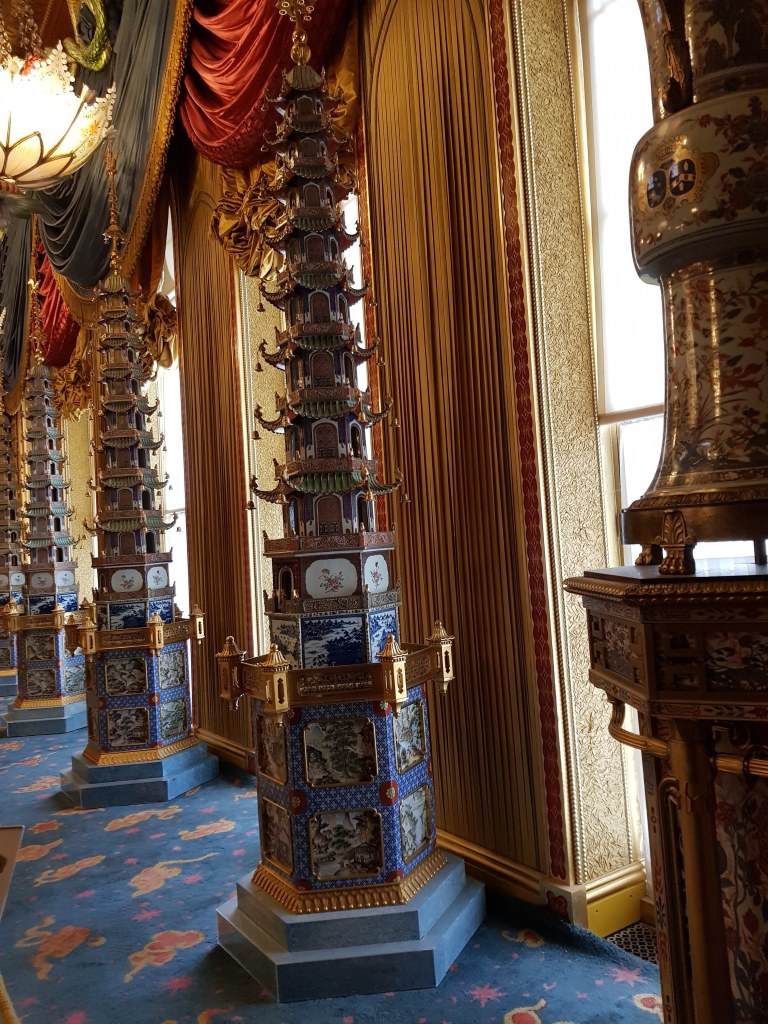
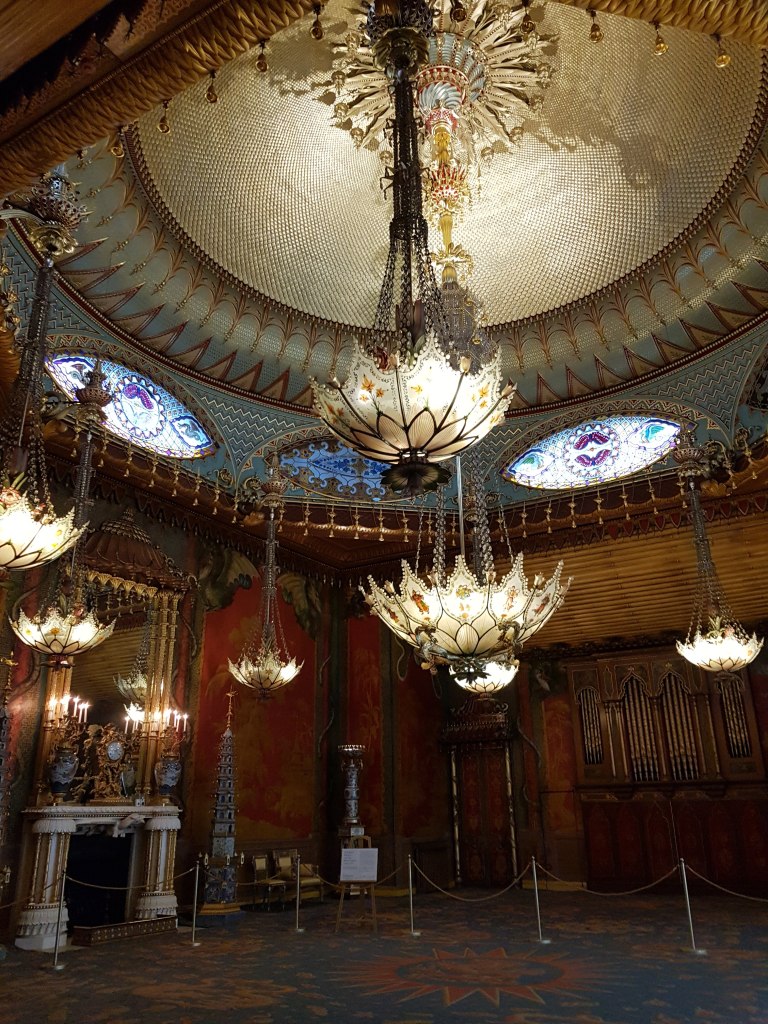
The detail of the decorations within the many rooms is very inspiring to see. Visitors are constantly coming face to face with images of dragons, fish and snakes. Giant chandeliers and beautiful stained glass also hangs overhead. The palace buildings are also surrounded by charming gardens full of roses and shrubberies, the gardens are open to the public at all times.

Once built, this extravagant building was used as a pleasure palace for the King, and later, was a retreat for Queen Victoria, and her family. The building has a room dedicated to information about Queen Victoria’s visits, based on historic records including her own diary entries. She wrote in her first visit “The Pavilion is a strange, odd Chinese looking thing, both inside and outside; most rooms low, and I only see a little morsel of the sea from one of my sitting-room windows, which is strange, when one considers that one is quite close to the sea.” She visited several times with her family, and enjoyed the easy rail connection between London and Brighton. Eventually, she decided to sell the building, as she felt too much amongst the public in the centre of town. It was later sold to the town council, and is the only royal palace in the country that is currently not owned by the crown.

During the First World War, it was transformed into a hospital for Indian soldiers. This was partially as a political move, to provide propaganda to India as an important country within the British empire. This element of the pavilion history is also exhibited within your visit to the attraction.

I truly expected to enter a shell of a building, and was hoping that at £16 per ticket, it would not be a waste of money. I was pleasantly surprised! The pavilions exterior and interior are amazing, and the information available for visitors is widely ranging. The attraction offers an audio tour that you can use on your phone, regular signs, and volunteer guides on duty. We were also told that our tickets would act as an annual pass, which is brilliant, and meant I could come back the following day for a second look!

Surrounding Brighton

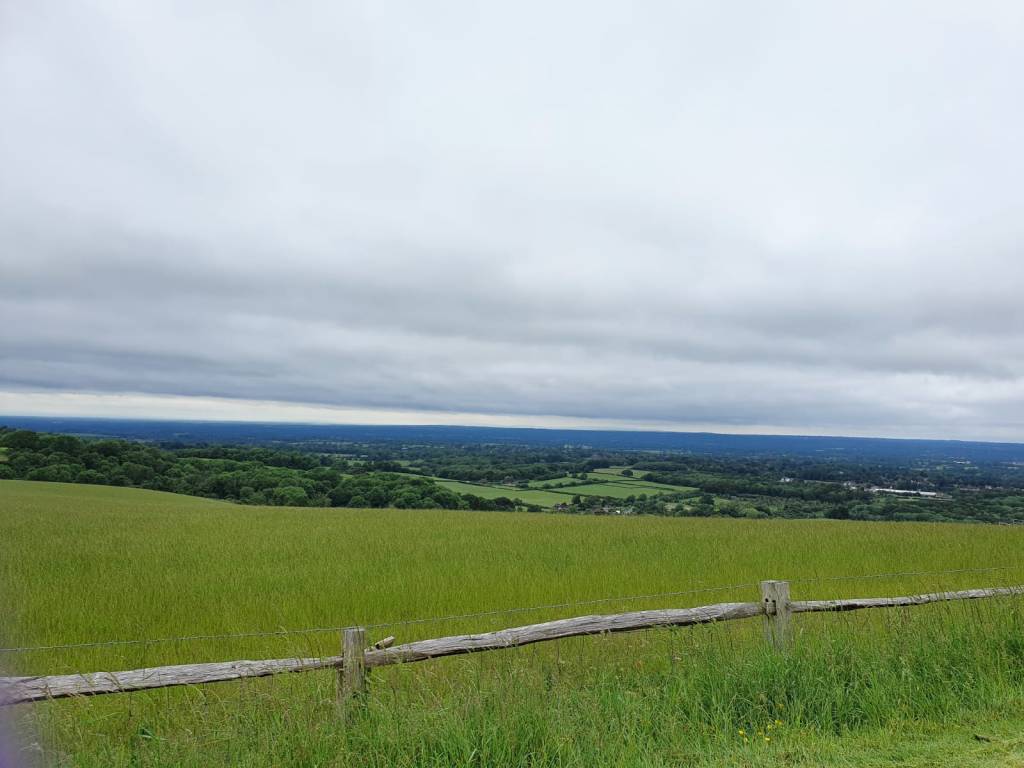
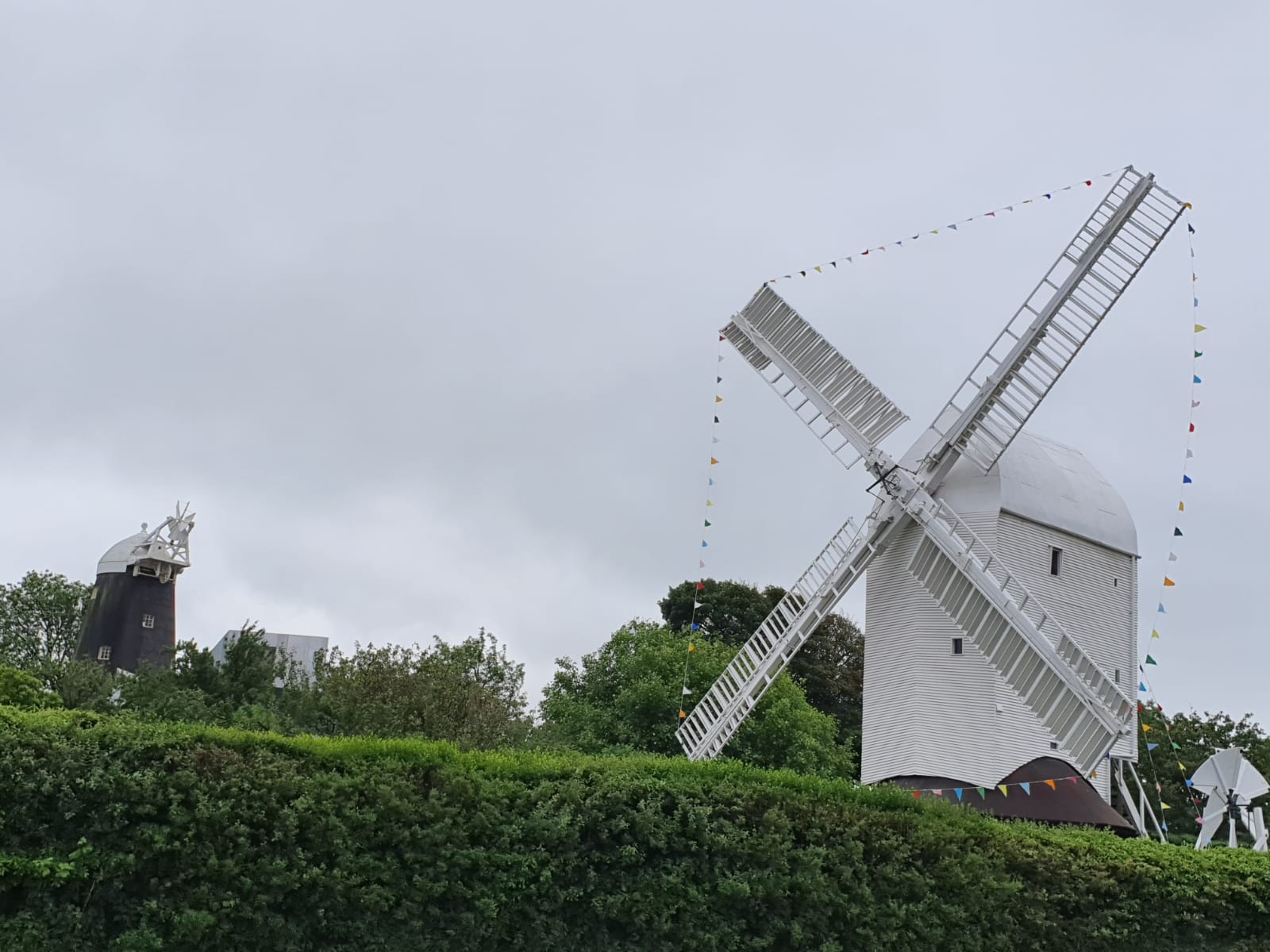
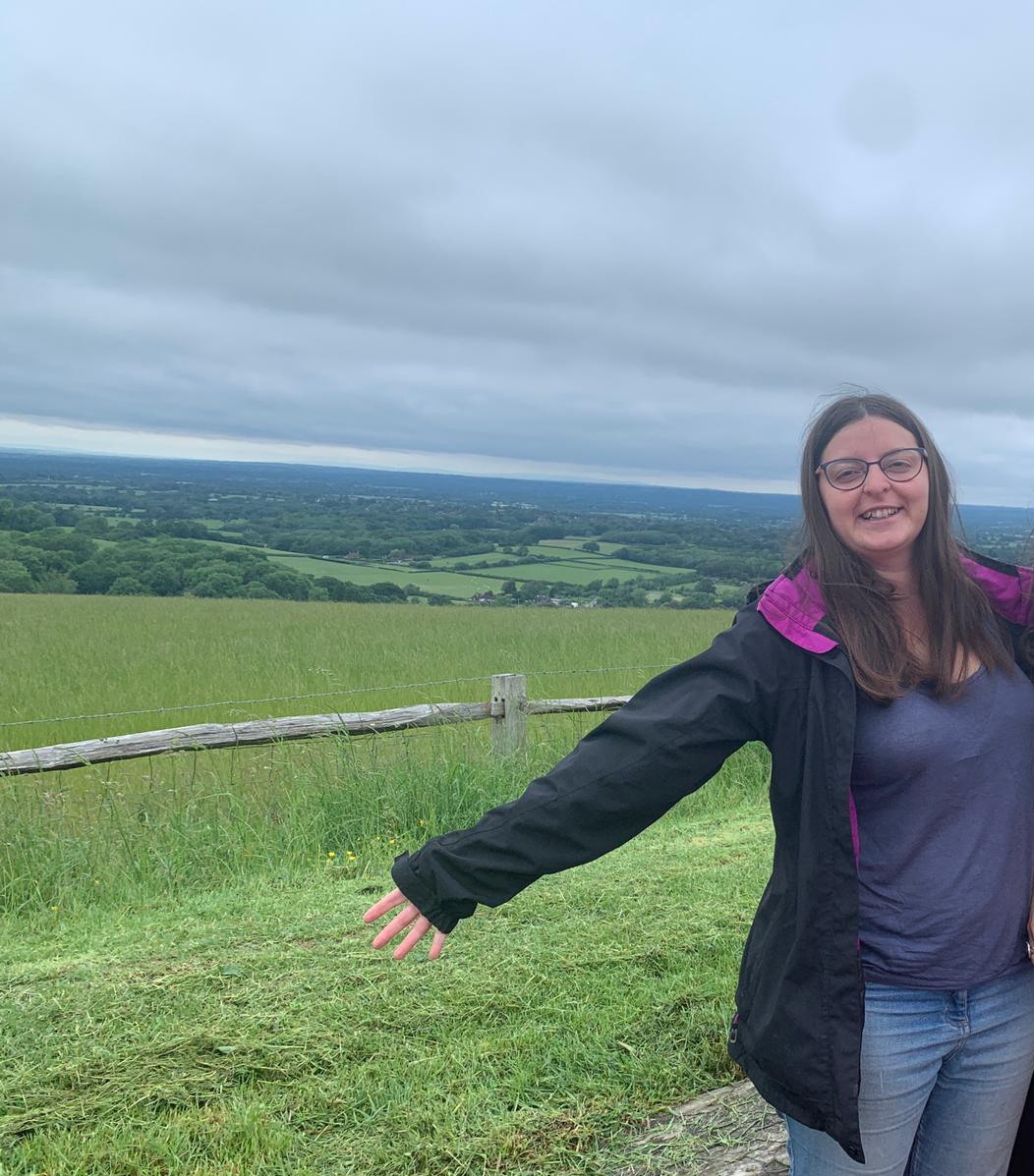
We were staying slightly outside Brighton and had access to a car, meaning it was easy to discover surrounding areas. We decided to visit the Jack & Jill Windmill which provided a beautiful view of the South Downs National Park, and we also visited the lovely town of Lewes.

Lewes is built on the hills of the Ouse Valley, and is a delightful country town, with plenty of historic buildings and pleasant green surroundings to enjoy.

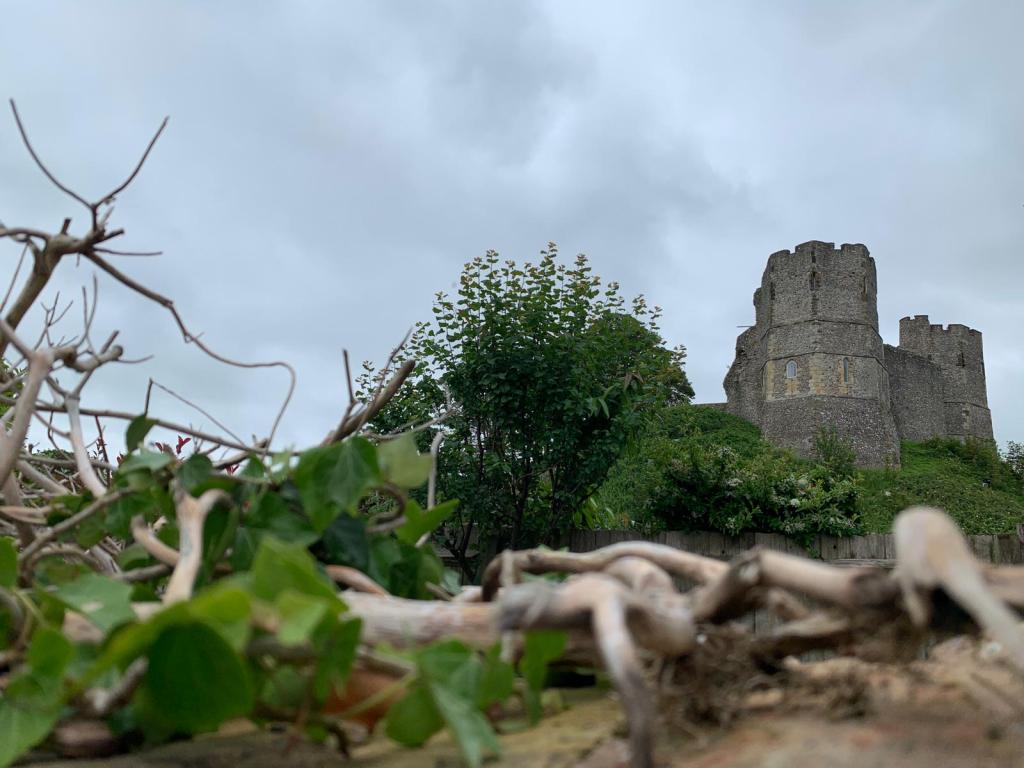
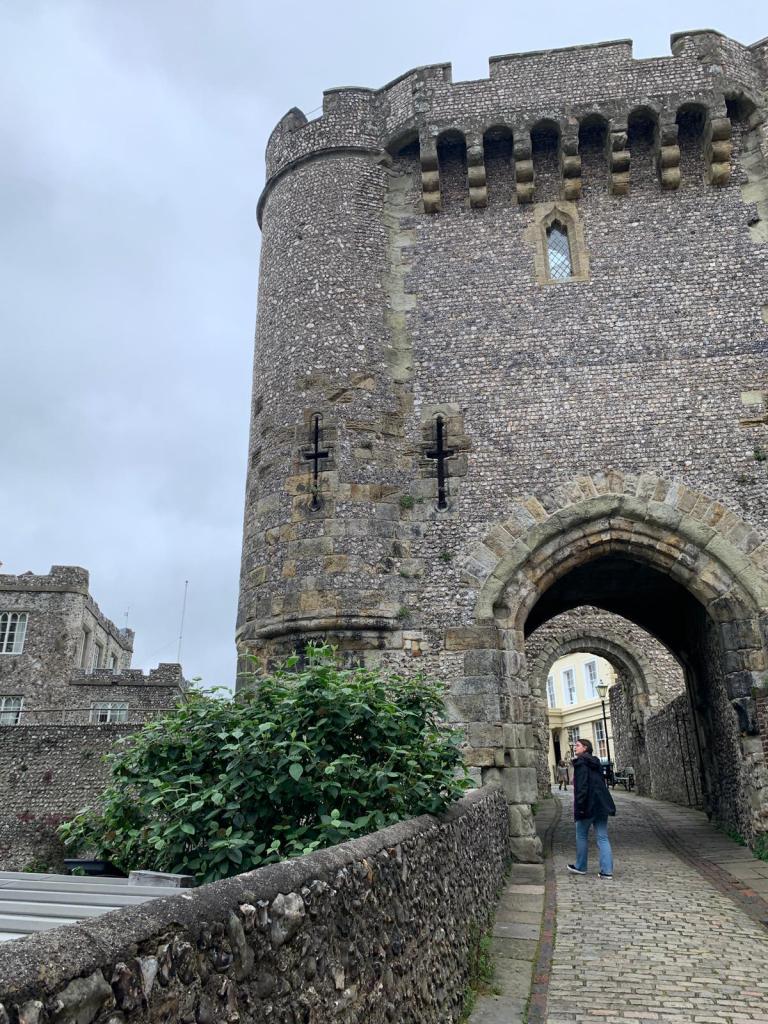
At the top of the hill is the castle which was built shortly after the Norman invasion in 1066. The battle of Lewes took place here and was one of two important battles within the Second Barons’ War. King Henry III was staying within the safety of the castle and nearby priory before heading into battle against the 6th Earl of Leicester, Simon de Montfort. The king was defeated in this battle. There are several pieces of interpretation around the site that you can access for free, that provide information about the battle and key locations. You can buy a ticket to enter the castle enclosure and museum, or walk around the castle walls and through the castle gate for free, as it is part of the public walkways.

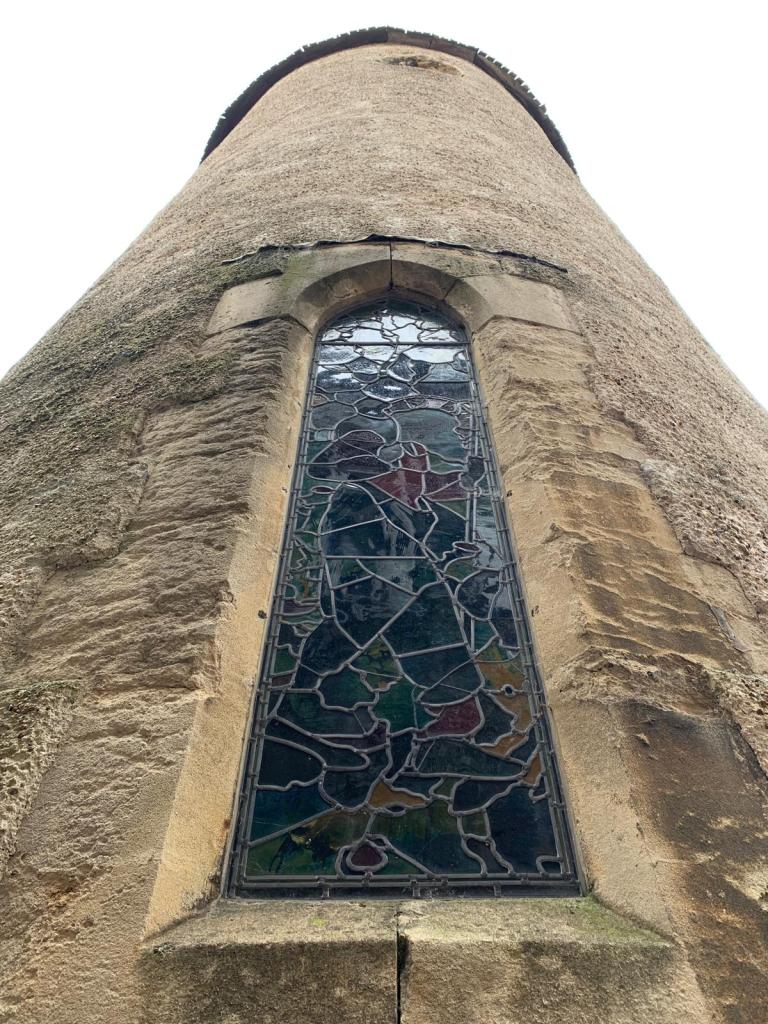
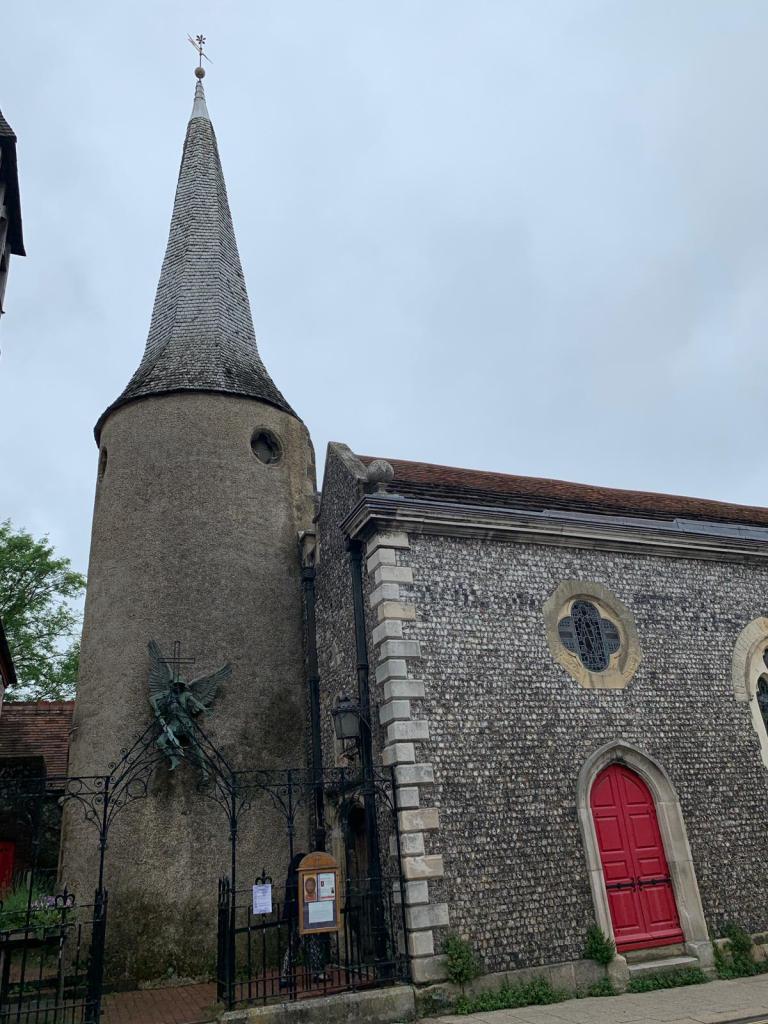
Within the town, you will also find several other buildings varying in age, from Norman, to the Tudor period and beyond. Some key locations include the priory, Ann of Cleves house, and also the pretty St Michael’s church which has a round tower dating from around 1200.

The town has many of the normal shops and chain cafes, but also hosts many independent retailers with unique goods to trade, and lots of information on the walls to tell you the significance of the street you are on.

Overall, I was very happy with my weekend in Brighton and the surrounding area. It definitely offers a diverse range of activities depending on your interest. I know that I have only scratched the surface though, so I look forward to going deeper into the area’s offering in the future.