Category Archives: Europe

A colourful dip into the Baltic

With a few weeks sailing the Baltic sea, I managed to experience an Autumnal viewpoint of a collection of European cities; Helsinki, Tallinn, Visby, Copenhagen and Hamburg. With some glimpses of sunshine and lots of rain, I was able to wonder the highlights of these important places and you will quickly figure out which were my favourite.

Helsinki, Finland

My two day visit to Helsinki was absolutely full of rain, and was very chilly but I still managed to venture out and see some of what was on offer. Just racing around in the back of a Tuk Tuk, I could see that the city was keen on design. There were so many striking buildings of brick and cement, and a clear futuristic feel.
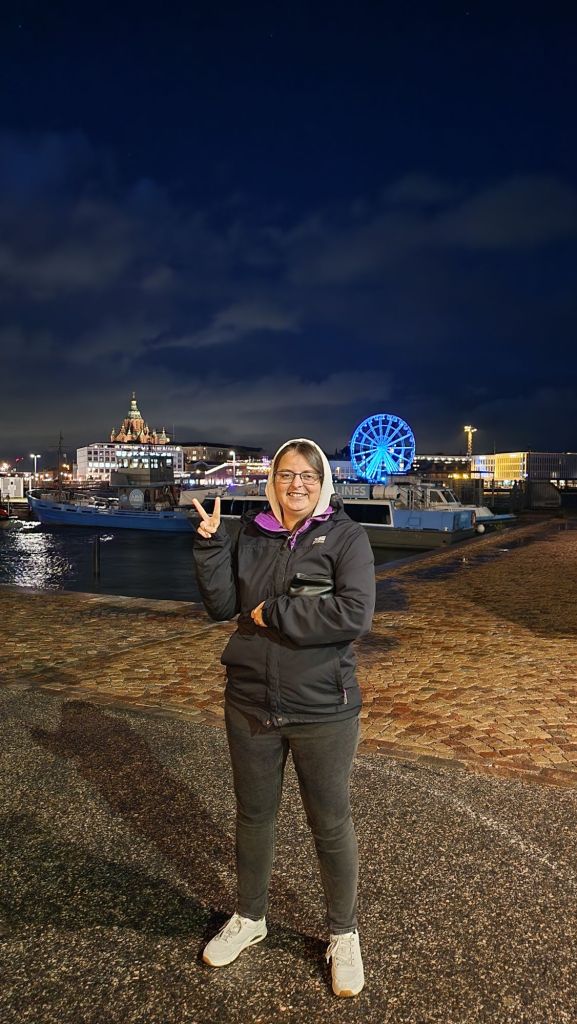
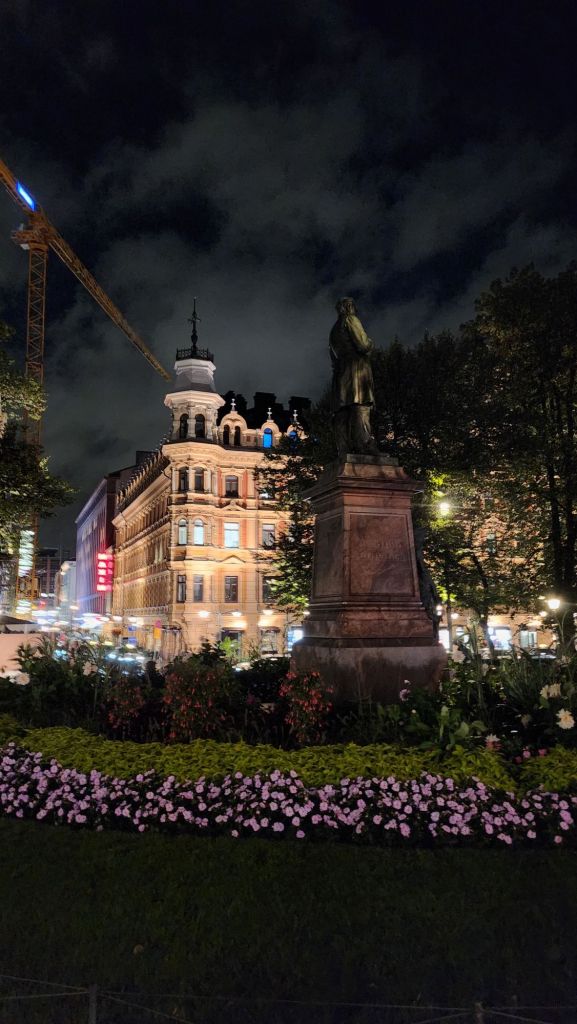
During the day, there seemed to be a reasonable amount of activity, especially in the public saunas where I could see people steaming up and then jumping in the cold waterways that surrounded the city. Sauna culture is huge in Finland, and many people even have saunas in their homes. The Finns are very keen on wellness, which I know first hand from the lovely yoga mad vegan Finnish roommate I once had. She was all about health for the mind, body and soul.

My Finnish friend also loved to be asleep early but now I think she is not uncommon because when I tried to go for dinner out on  a Friday night in Helsinki.. there was not a soul to be seen. There were so little restaurants open, I ended up only going to a Kebab house! And having the wierdest kebab ever, might I add. According to the locals I asked, this is not unusual here. It is definitely the quietest capital city I have ever seen.

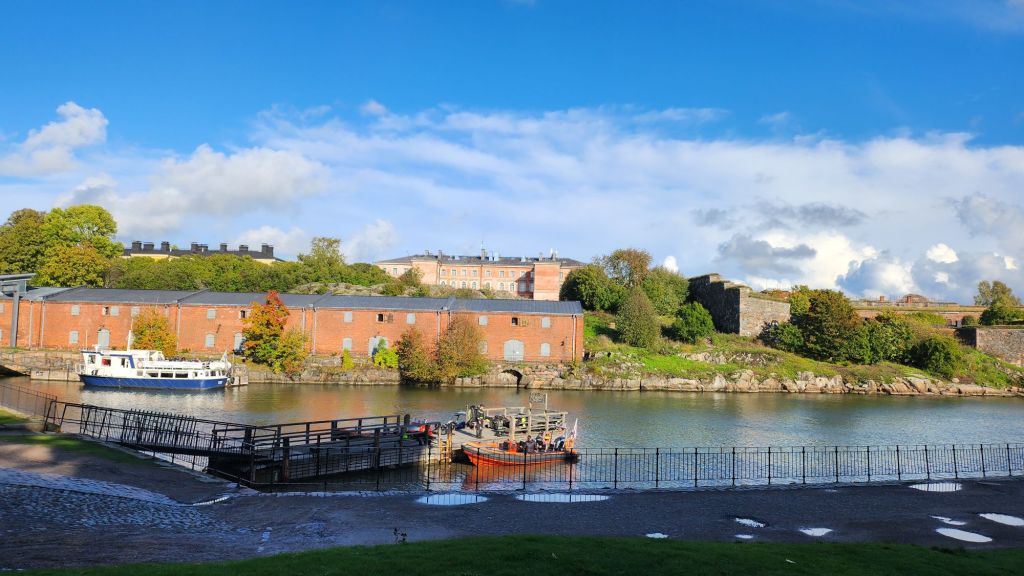
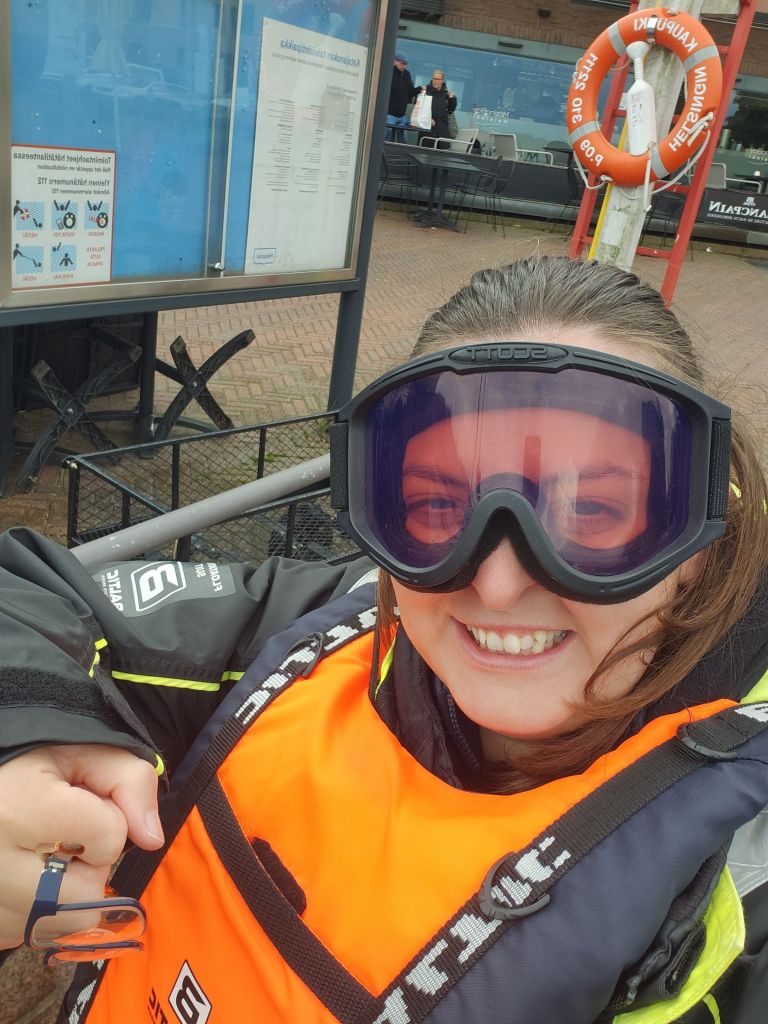
One of the most interesting things about Finland to me, was the history. I learnt a lot more about this country’s past when taking a rib ride to another island in Finland’s huge archipelago of more than 75,818 islands.

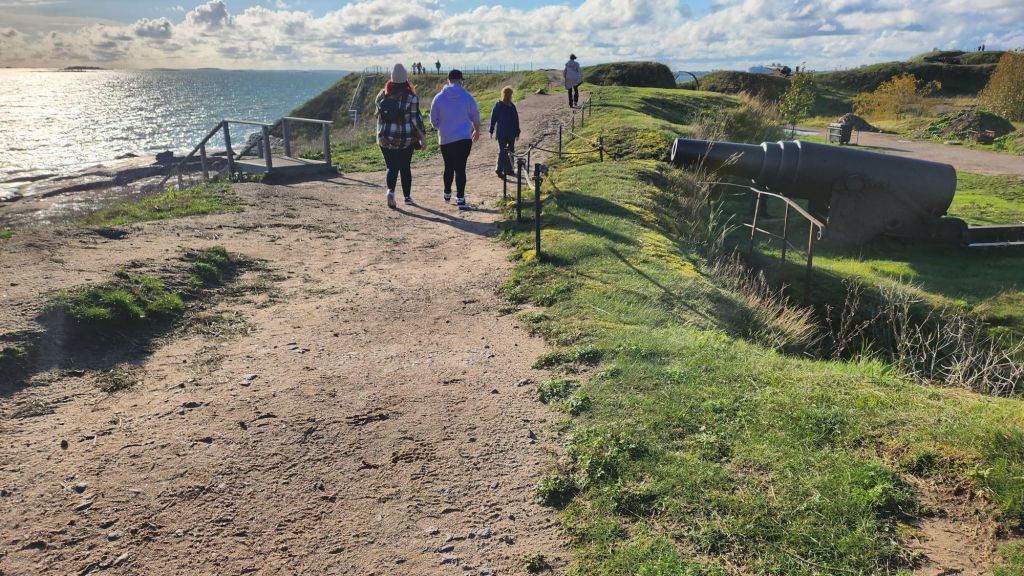
I visited Suomenlinna Island which was once a military base for Sweden, during its rule over Finland.
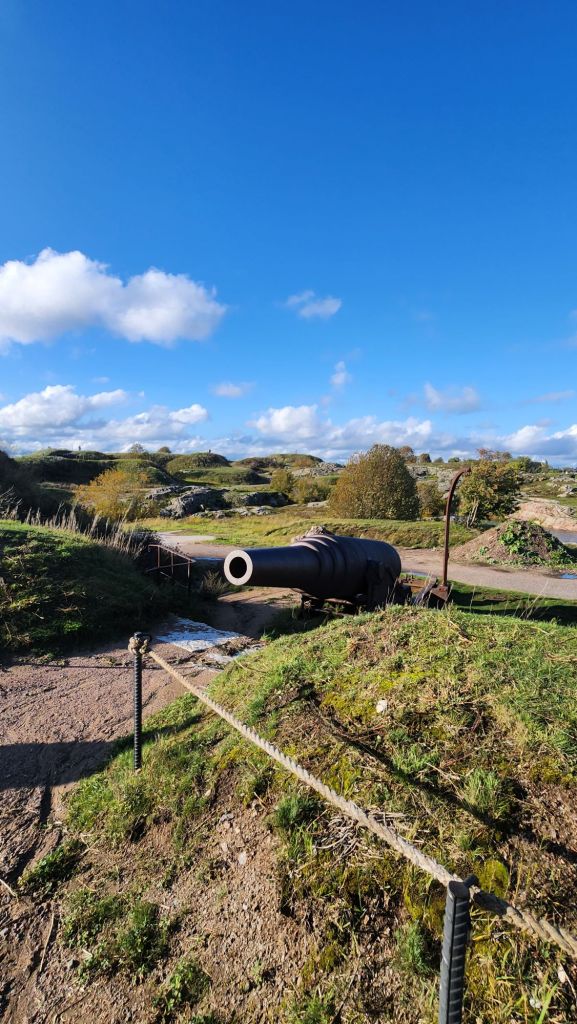
Finland has had a long history of being conquered, with lots of fighting here between Sweden and Russia for territory over Finland. This is one of the reasons why the Finns are now quite multilingual.

The guided walk I took around this island was very enjoyable and had great views  although it was bracingly cold!

Overall, chilly but calm Finland was a good introduction to my Baltics adventure.

Onwards to Tallinn, Estonia...

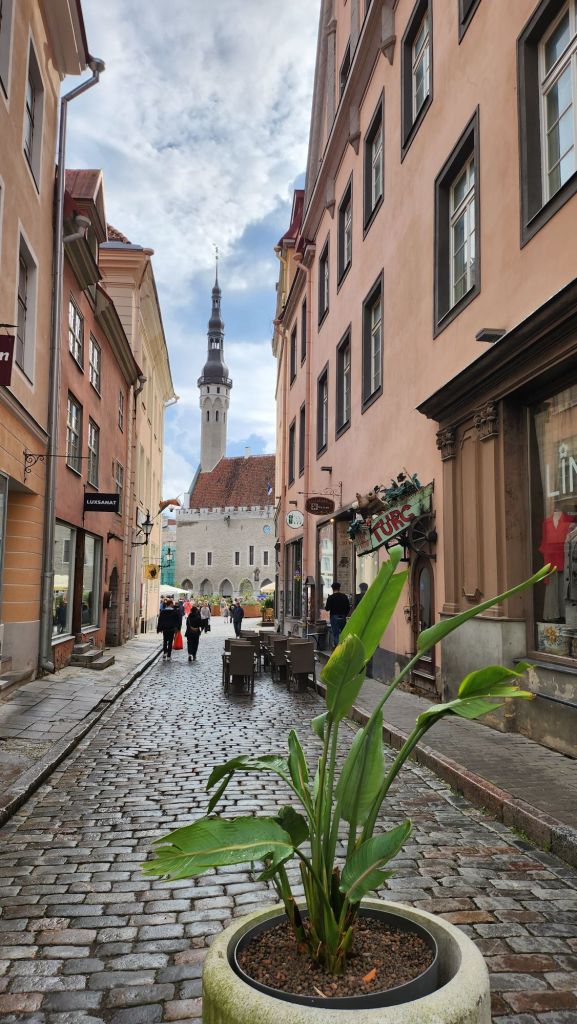
Tallinn’s old medieval town is a UNESCO World Heritage Site, and is a beautiful little place to explore.

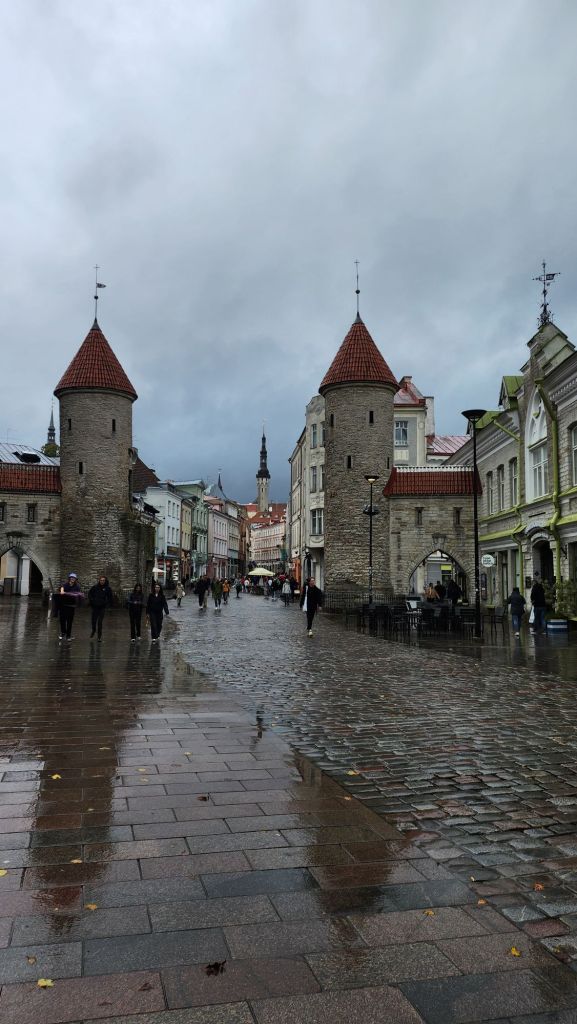
I felt like I had been transported back in time, and into a fairytale book in Tallinn. The city has a beautiful stone gateway with pretty turrets as you enter and then I continued to see more of these Rapunzel type turrets as well as picturesque church steeples and sweet little town squares. There were traditional markets and shops and I found myself a very tasty bakery.
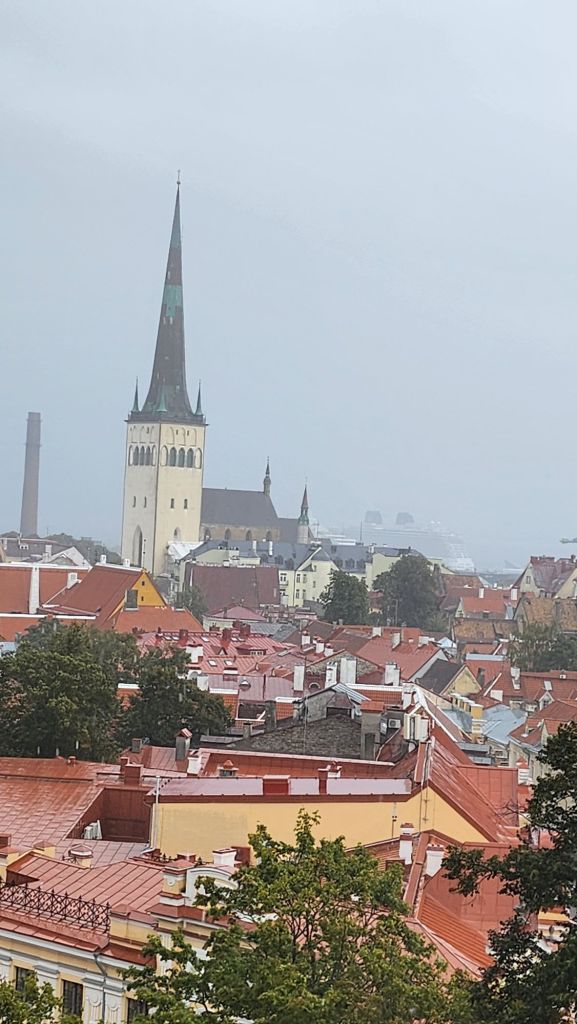
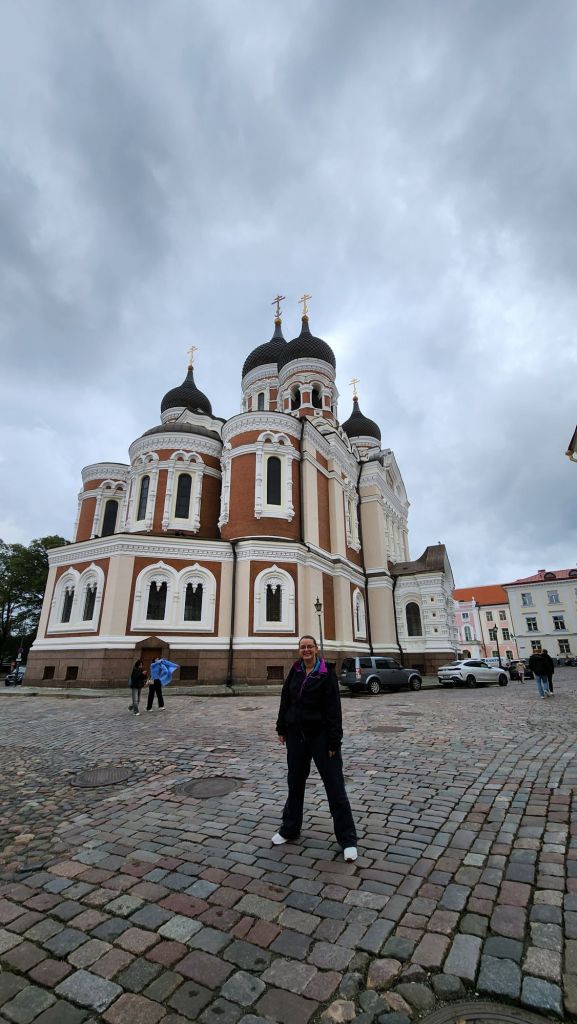
As I walked my way up to a viewpoint on what was becoming a very rainy day, I could also see their Russian built church which whilst beautiful, told the instant story of their conquered history too.

Next stop Visby, Sweden

Now ordinarily, I think Visby must be a very sleepy place. I was lucky enough though to visit when they were having a food festival!

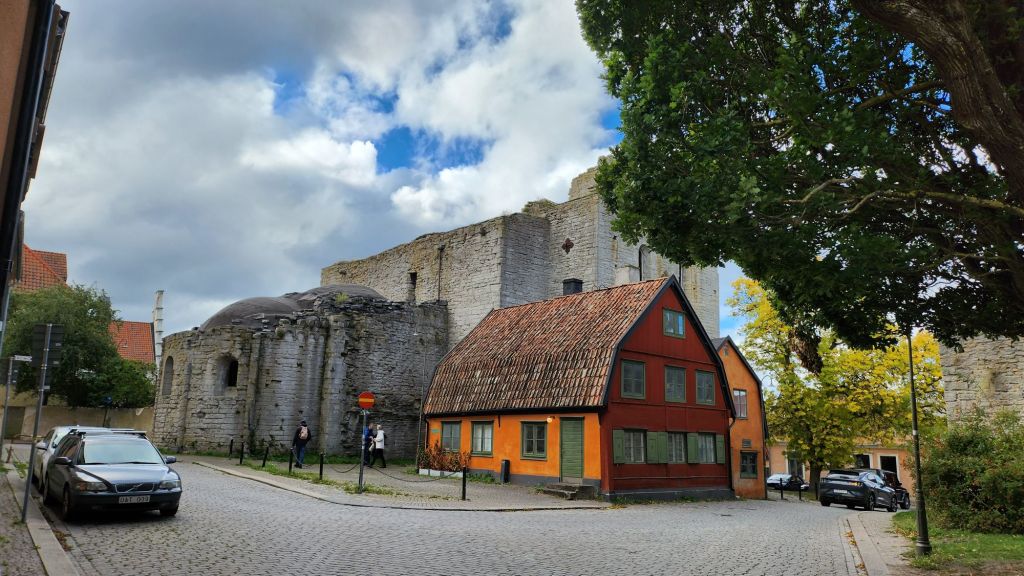
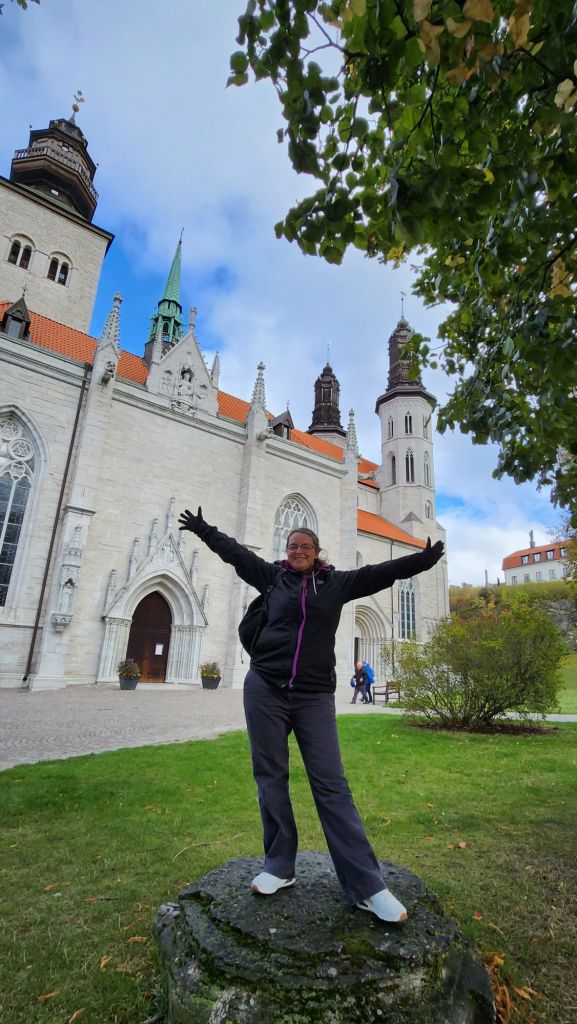
Visby is actually a heritage city on one of Sweden’s islands, named Gotland. This is again a fairytale location but here you get that traditional Viking feel from the design of the place.

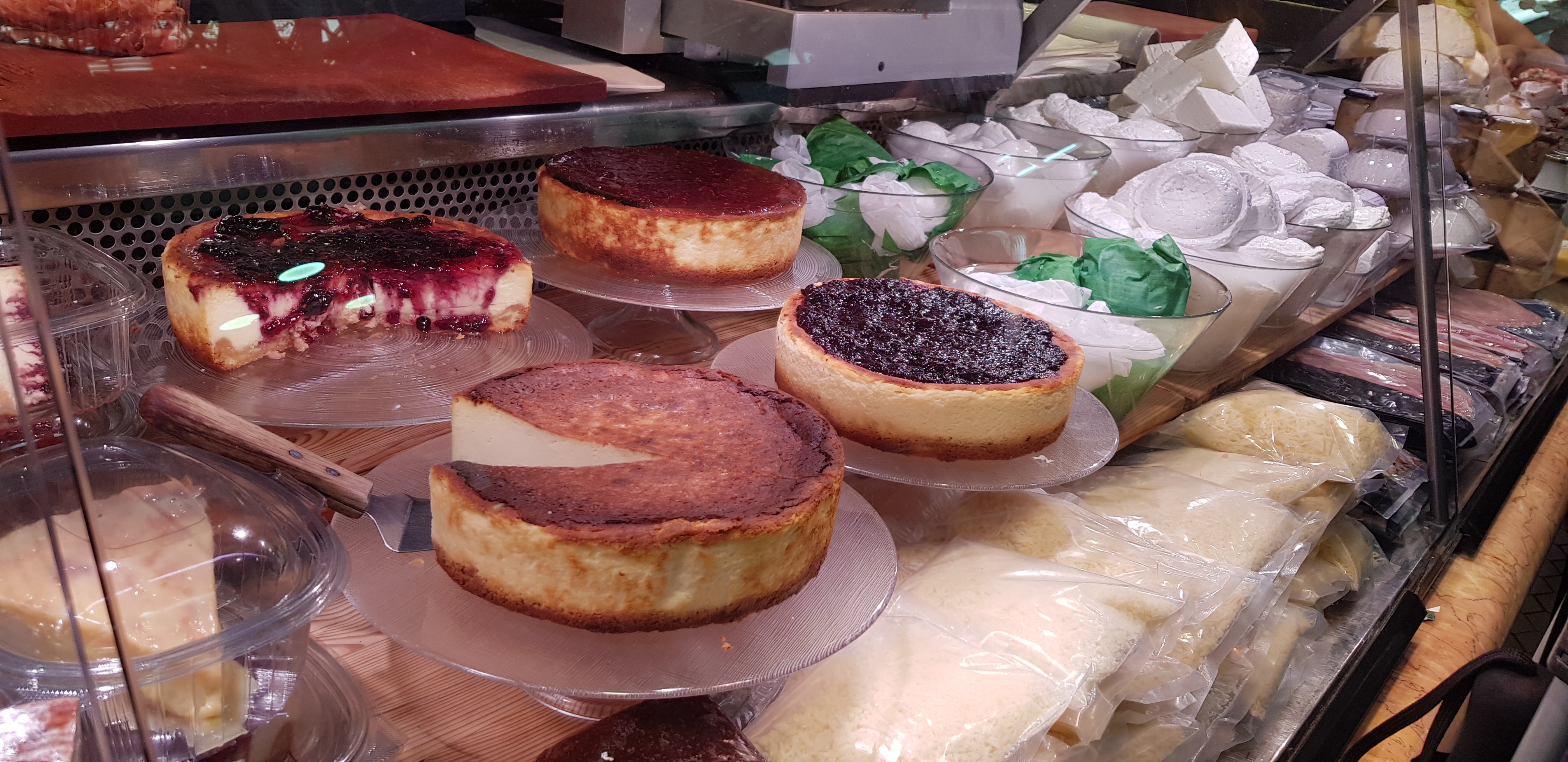
The old walls, houses and cathedral are all impressive, but as I mentioned, it was a food festival, so I was taken in by a very tasty and unusual Bison Stroganoff and an amazing selection of cheeses!

After some delicious food and music, I had a wonder around before rejoining my ship to go onwards to Copenhagen.

Copenhagen, Denmark

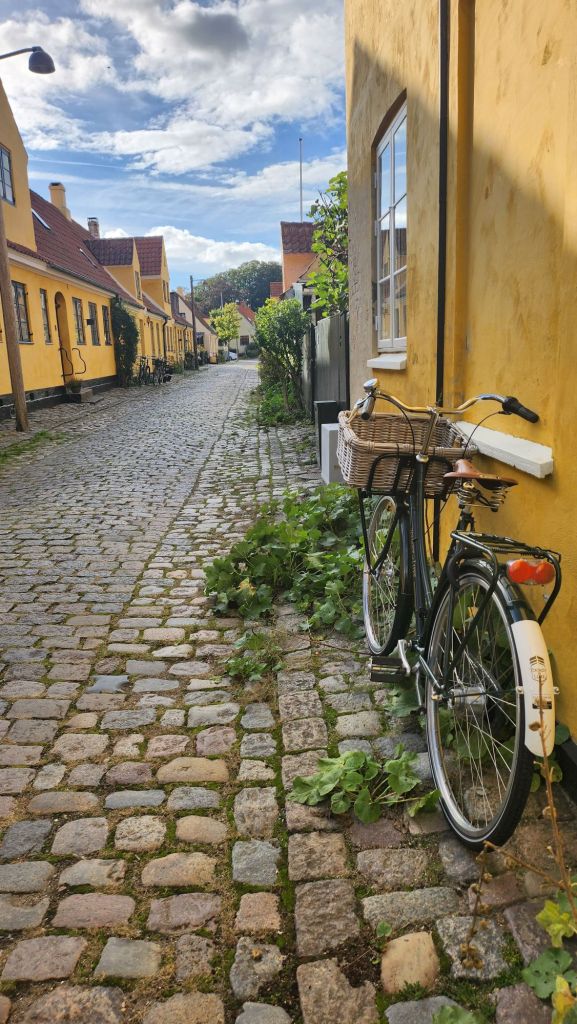
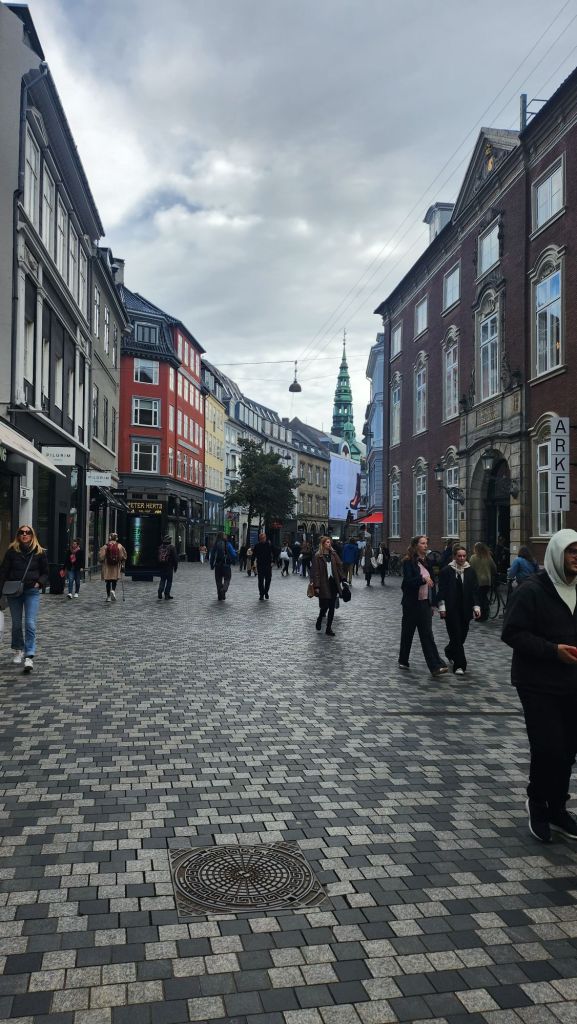
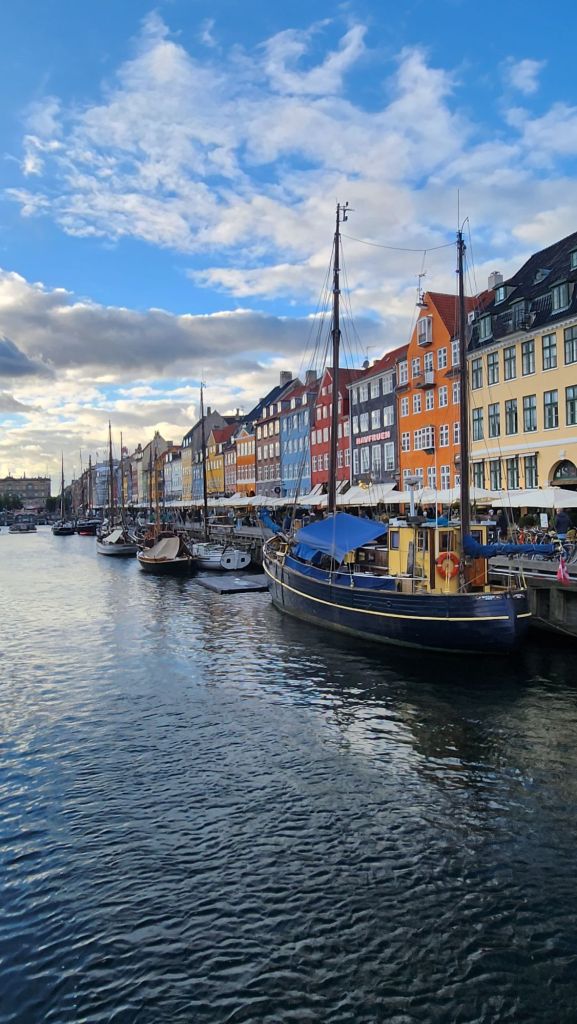
Copenhagen was certainly very colourful in their city vibes and friendly people. The city is full of hustle and bustle, mainly around their famous harbour and in the form of the speedy cyclists that zoom around the city.

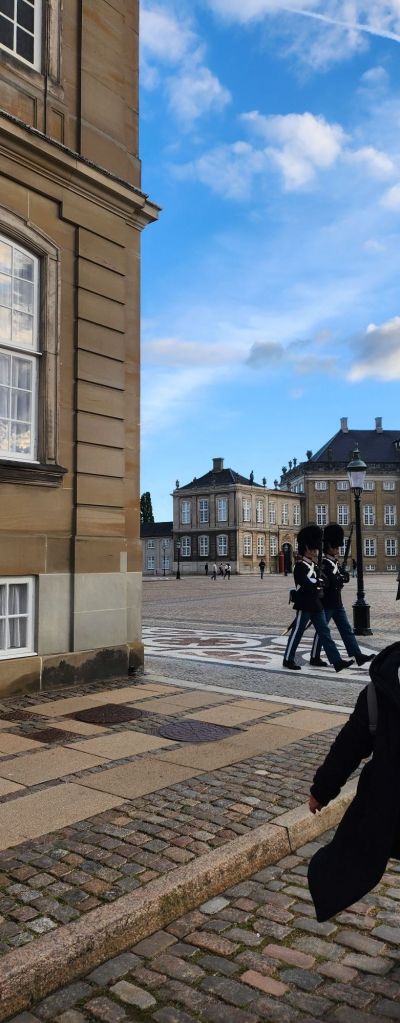
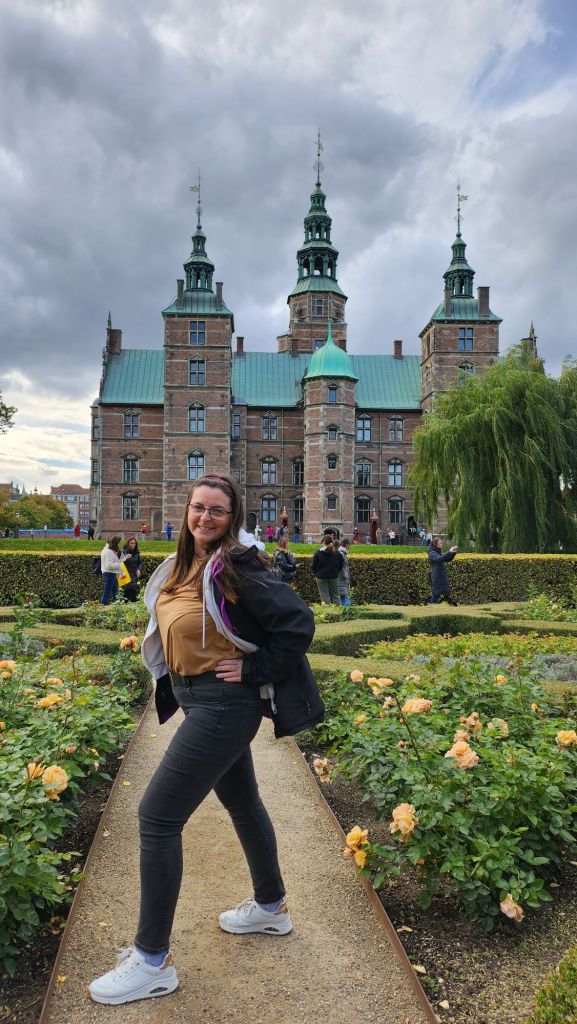
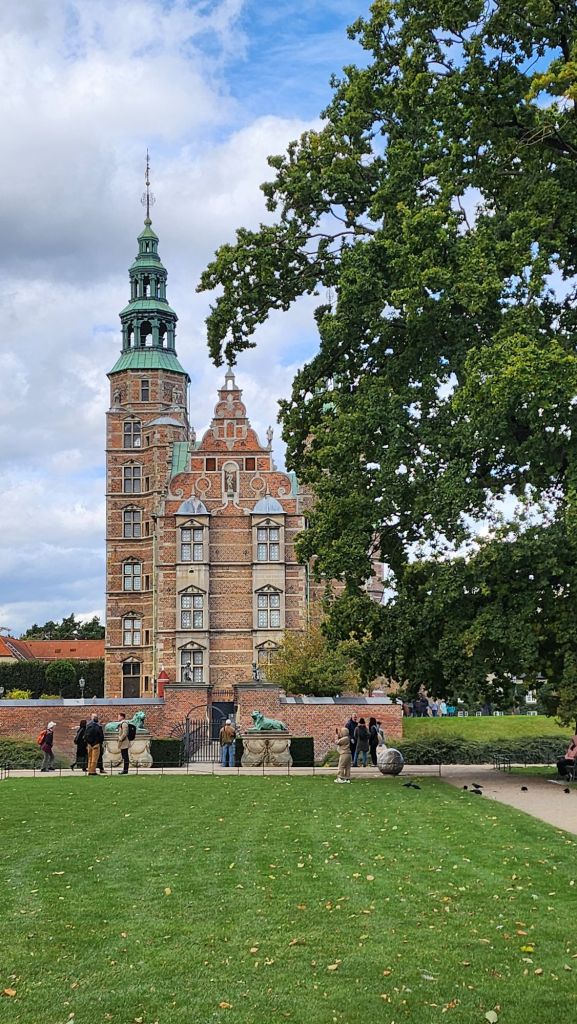
On foot, I explored the impressive palace squares with their palace guards and procession that could easily compete with London’s own. I also ventured further to the gardens of the pretty Rosenborg Castle and tried some very odd plant food from the public food hall which wasn’t half bad. Later, it was time for a relaxing dinner at one of the harbour’s many restaurants where heaters and blankets were much appreciated in the night air.
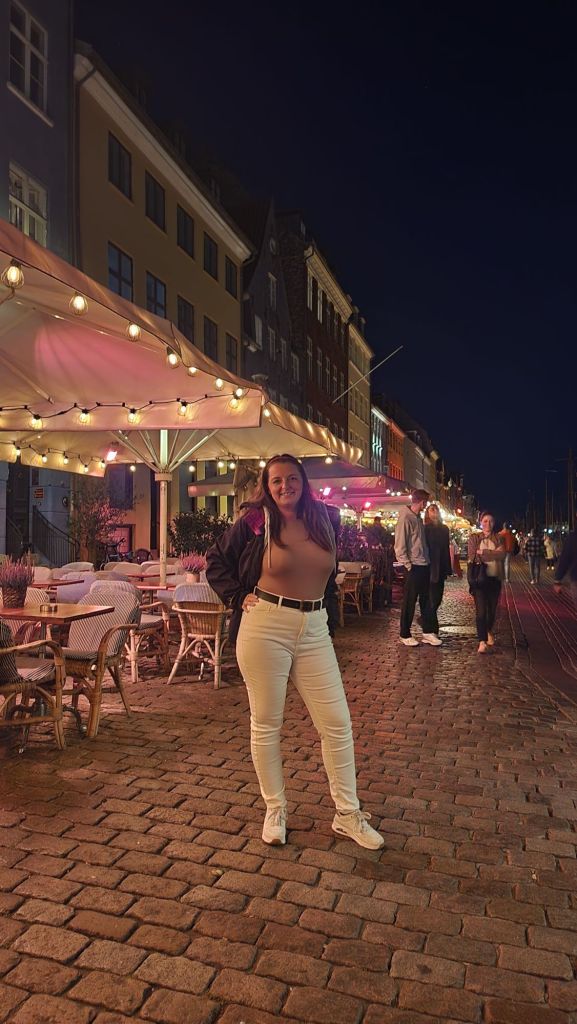
I found myself talking to a guy from Argentina that had moved to Denmark. It seems to be the place for many people wanting to run away to a new country and has a lot of easy visa rules for this. On a visit to a sleepy harbour town outside the city, my guide was also telling me about his move from UK to Denmark, after meeting his danish girlfriend. The girls across all of Scandinavia are known for their beauty.

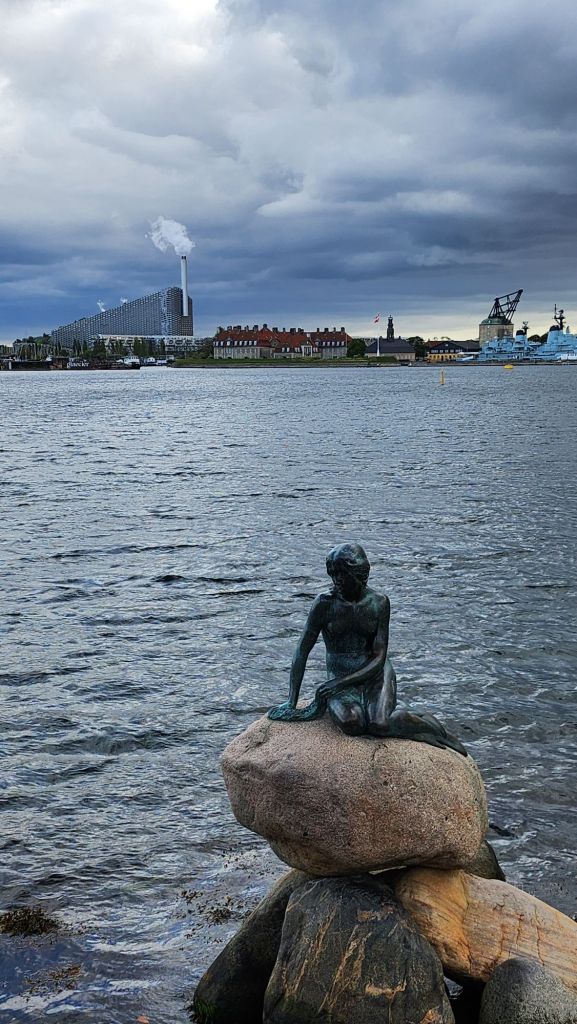
One girl is well known in the city, and that is the little mermaid. A true lurer of men in mythology. The statue sits on the outskirts of the city and is a world famous symbol of Denmark. Whilst well known, for me she was very underwhelming. Sitting alone on the waterside, (except for all the tourists), she didn’t actually look like a mermaid. Apparently, she was actually based on the sculptor’s wife. She was probably the part of the city that was least interesting.
Finally, after all these other places, I can’t forget to mention my afternoon in Hamburg.

Hamburg, Germany

I have been to other parts of Germany and had never thought much about visiting Hamburg. Once there, I was captured by it’s charm.

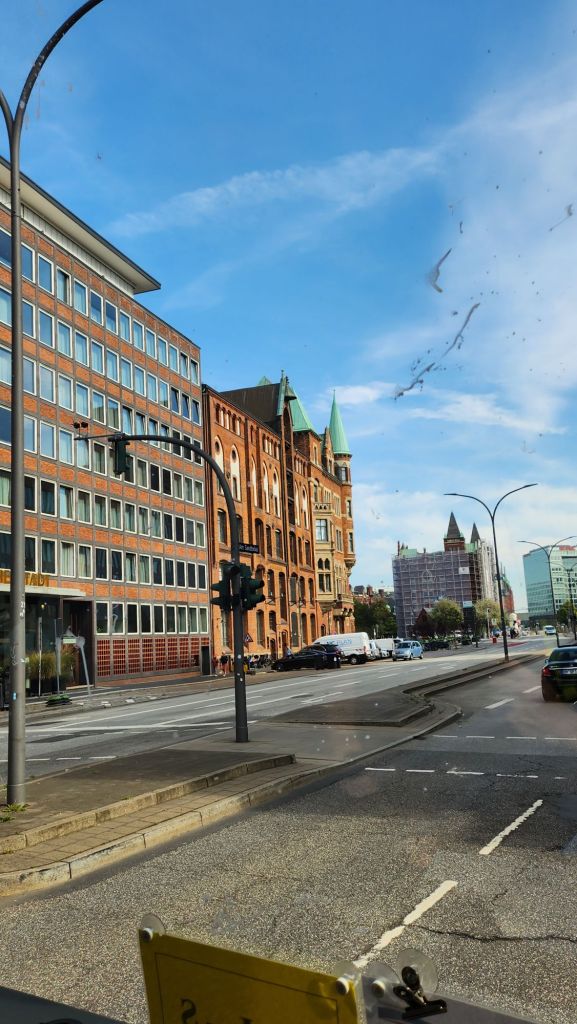
This red brick city has a famous port and historic district called Spiekerstadt, which is full of converted warehouses and factories that gives a post industrial redesign vibe.

Apparently the city has actually grown on land that has been man made over the original marsh areas that were here. Tons of sand is actually brought into the newest HafenCity to raise its level higher, for construction to be done on a more stable foundation. I went to a part of the city that was still being built and could just see masses of sand there. You can get the sense for the different heights of the city just driving around though.
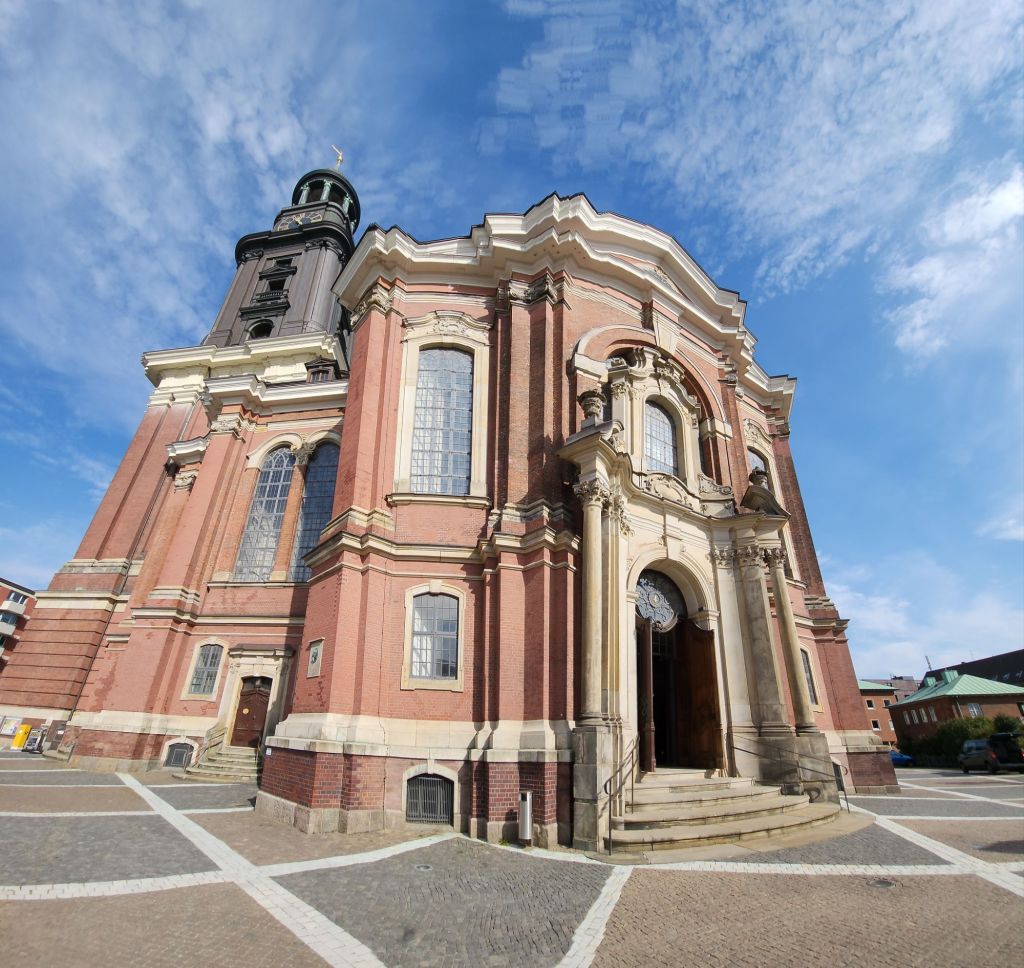
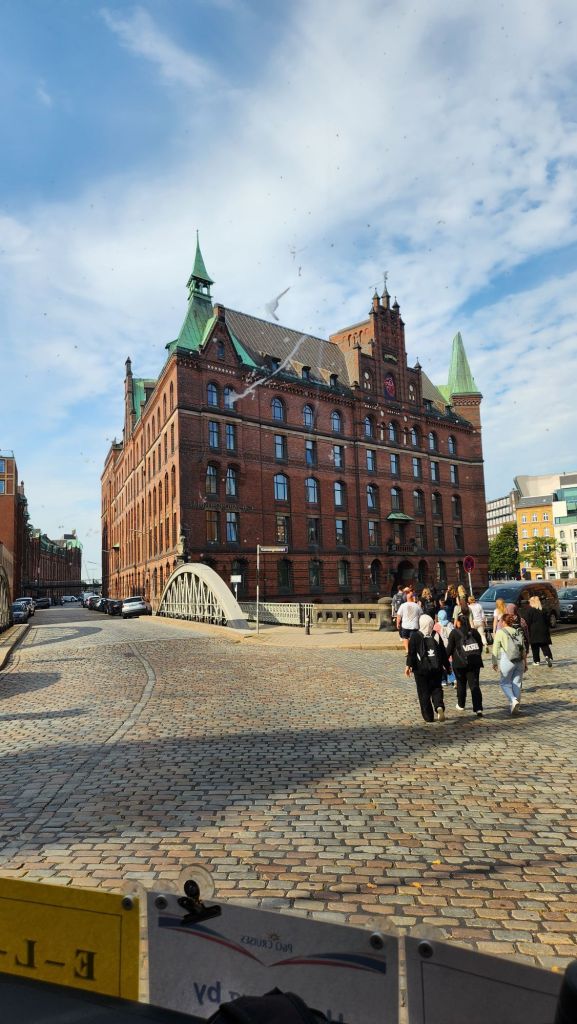
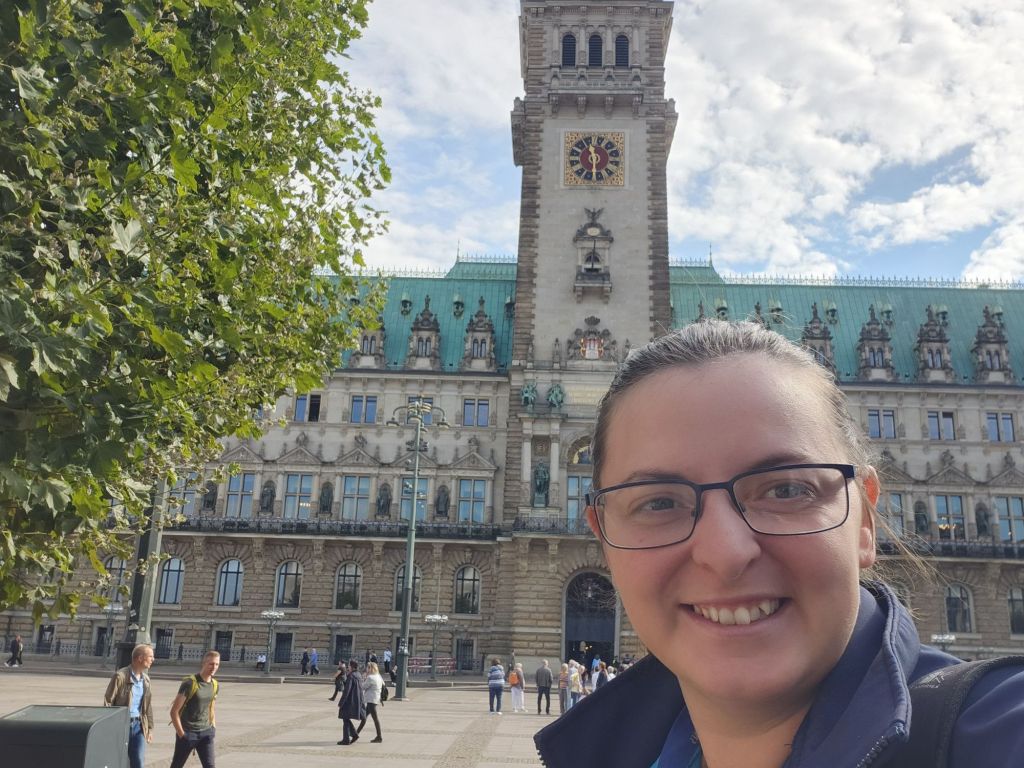
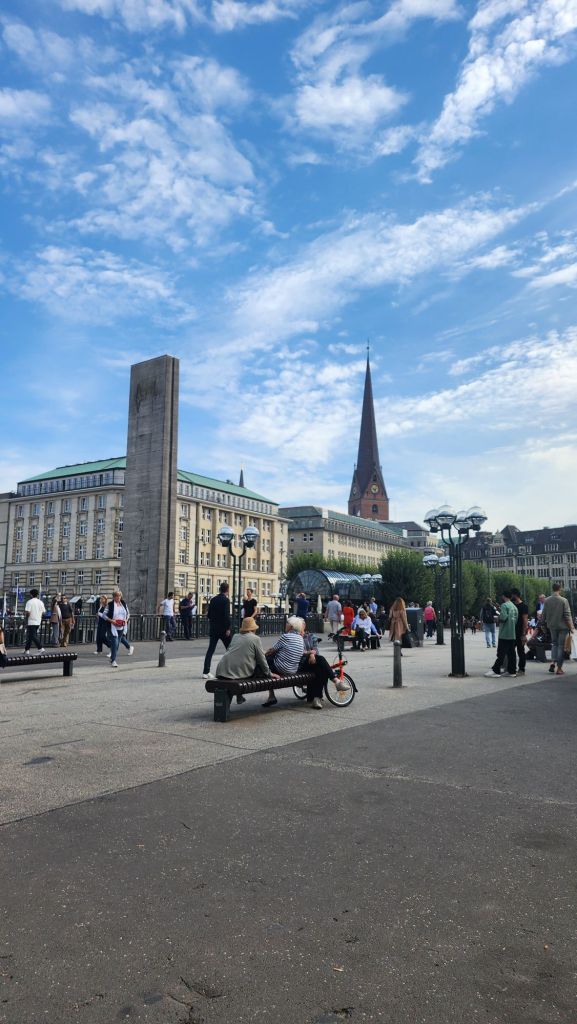
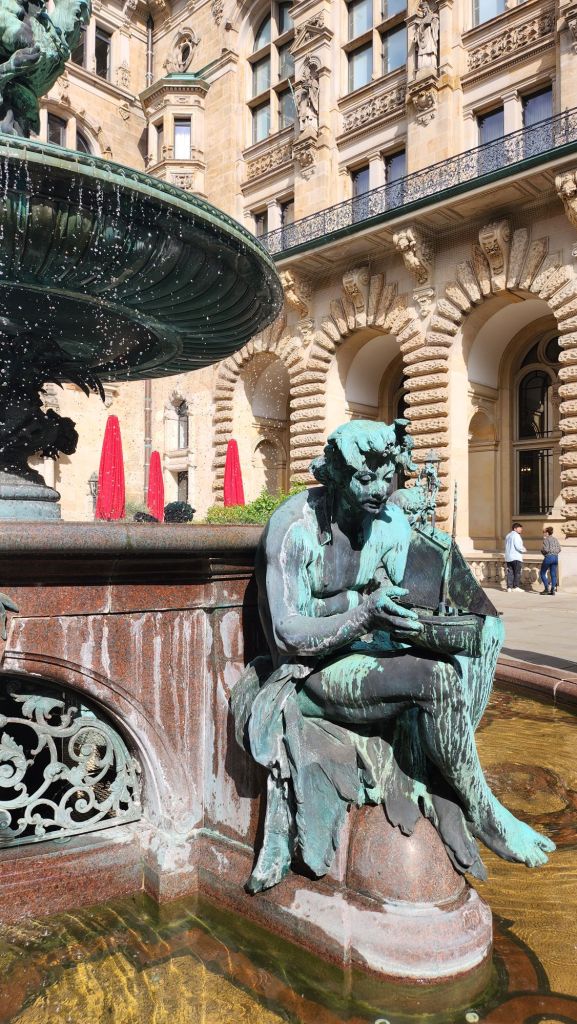
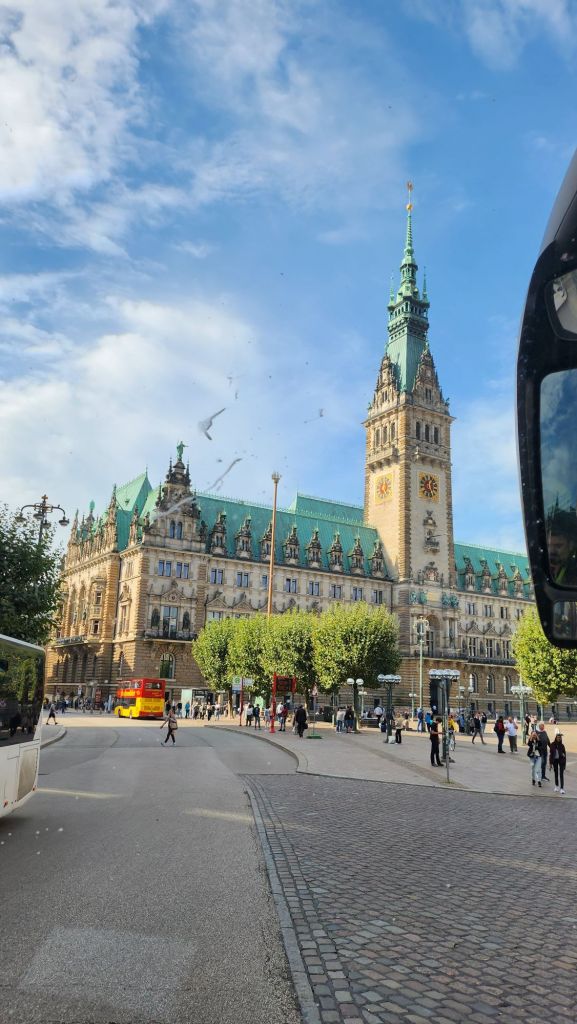
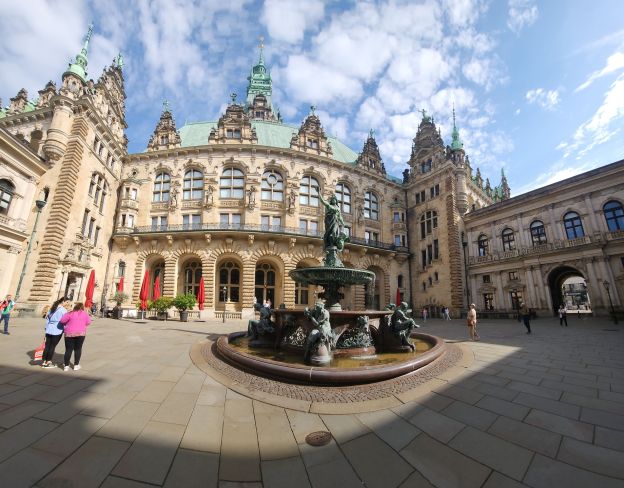
Walking around the city, there is a lot of life in the streets as well as an intricate network of canals and a gorgeous town hall. I really enjoyed my short time here and would love to revisit. I hear that the nightlife is also well worth it!

So overall, my little dip into the Baltic was a great introduction and even though these places are all in the same part of the world, they all definitely had their own unique identity.

A Touch of Norway

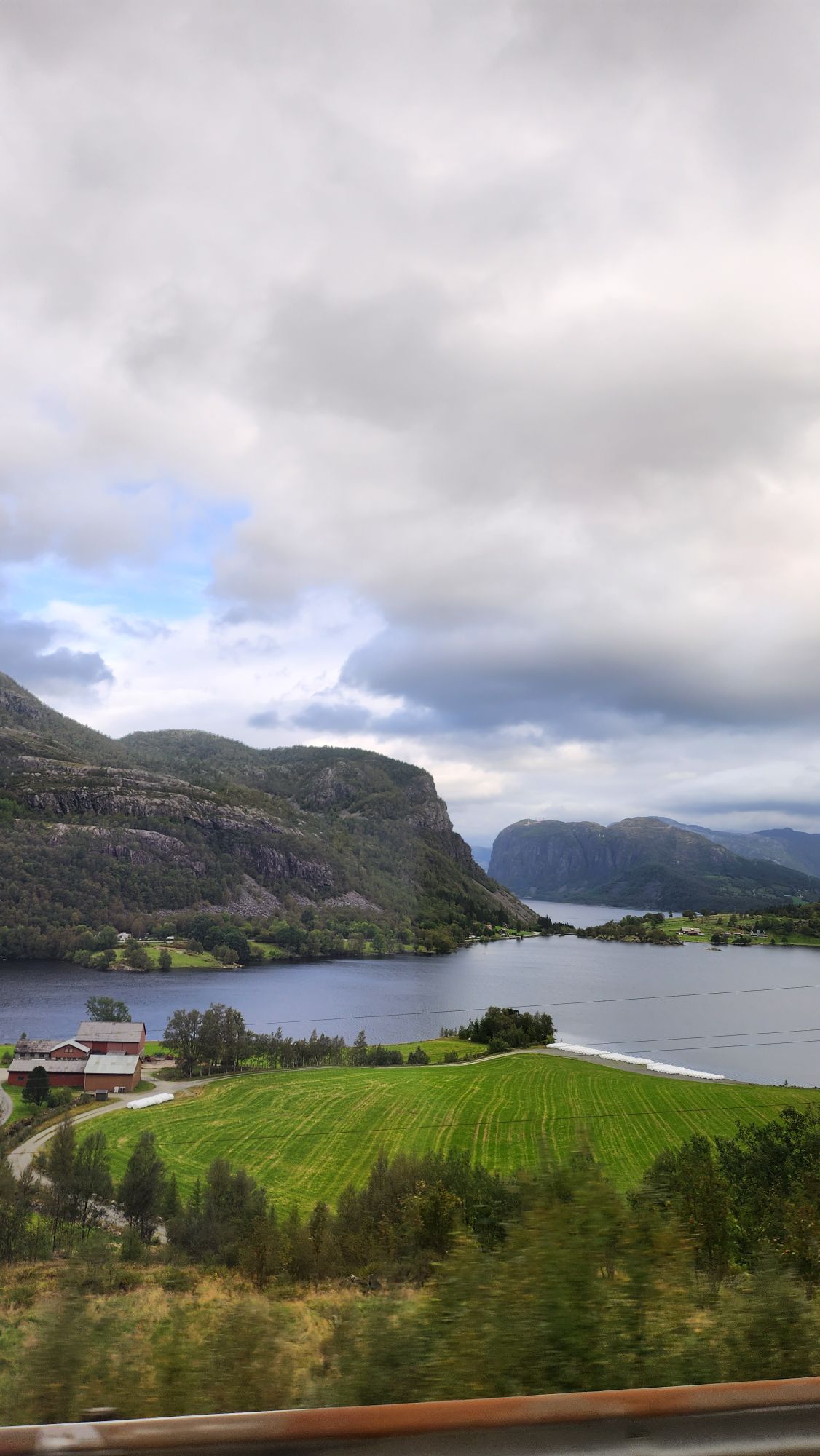
After years of wanting to visit the Scandinavian nation of Norway, but my plans always being scrapped last minute, last year, I finally made it to this luscious land. As I expected this country was a green heaven of rolling grasses and waterfalls, that I would be happy to get lost in.

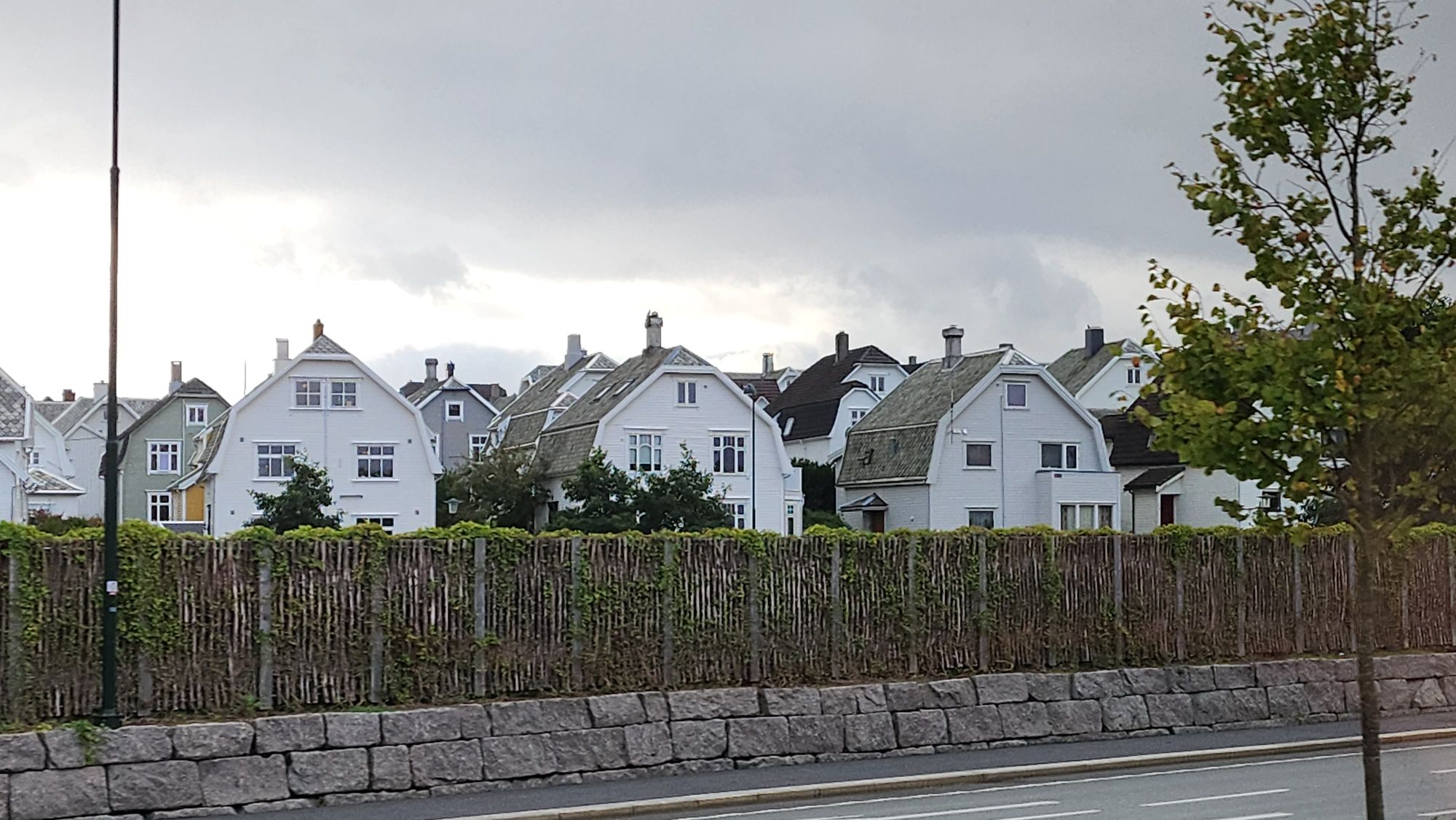
My journey took me along the coastline to some key port towns and inland to some beautiful scenic locations, which wasn’t hard as it seemed everywhere I turned, there was heavenly landscapes to see. I felt like I had walked into a movie with little wooden houses, and waterfalls everywhere you turned, it just needed a viking or two and the dream would be complete!

Waterfalls

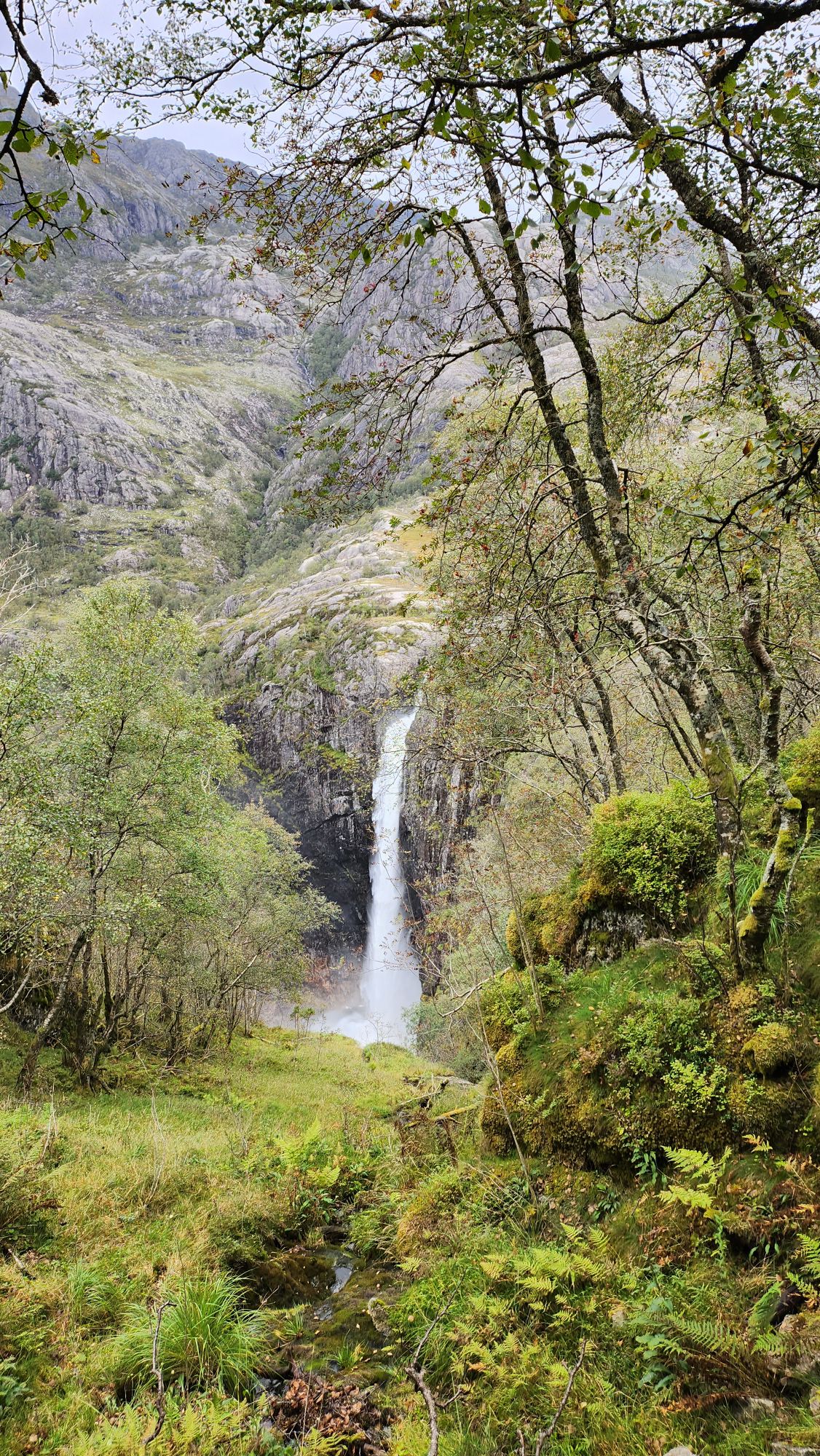
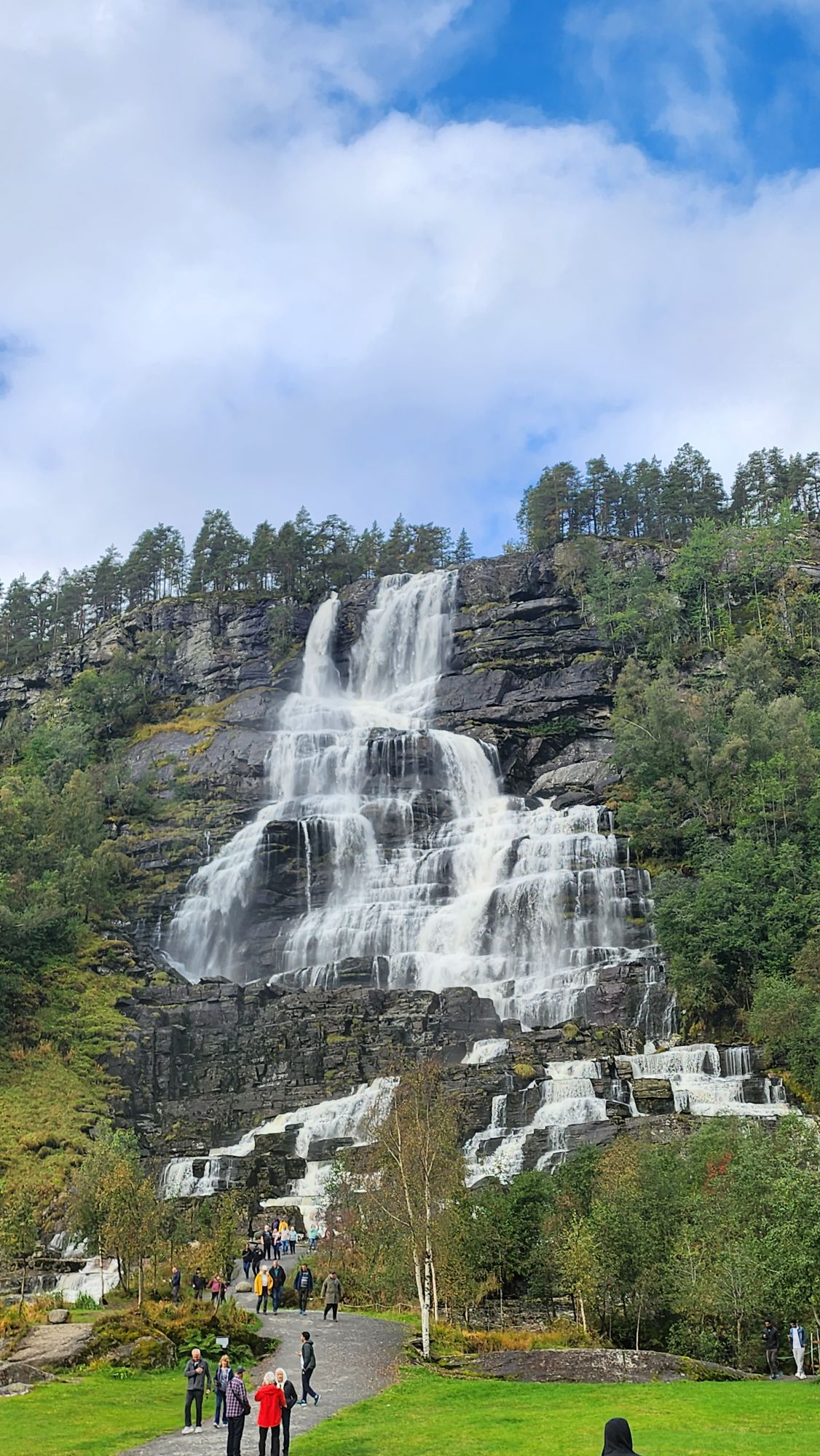
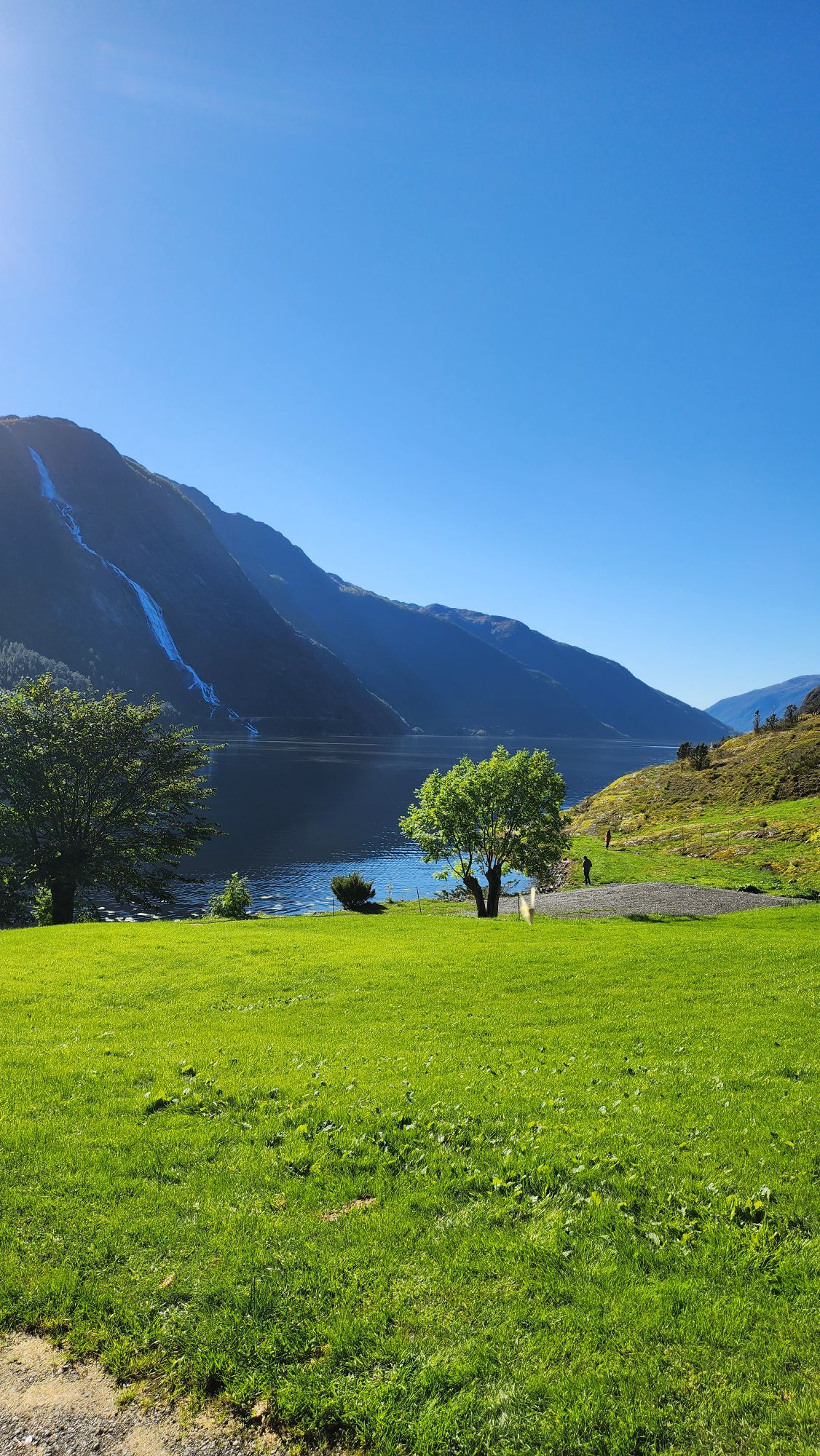
I really am not exaggerating when I say I was seeing waterfalls everywhere, this was really the scenario. From little trickles, to huge falls, there was simply one waterfall after another. Norway is actually nicknamed the ‘land of a thousand waterfalls’ and has some of the tallest waterfalls in the world.

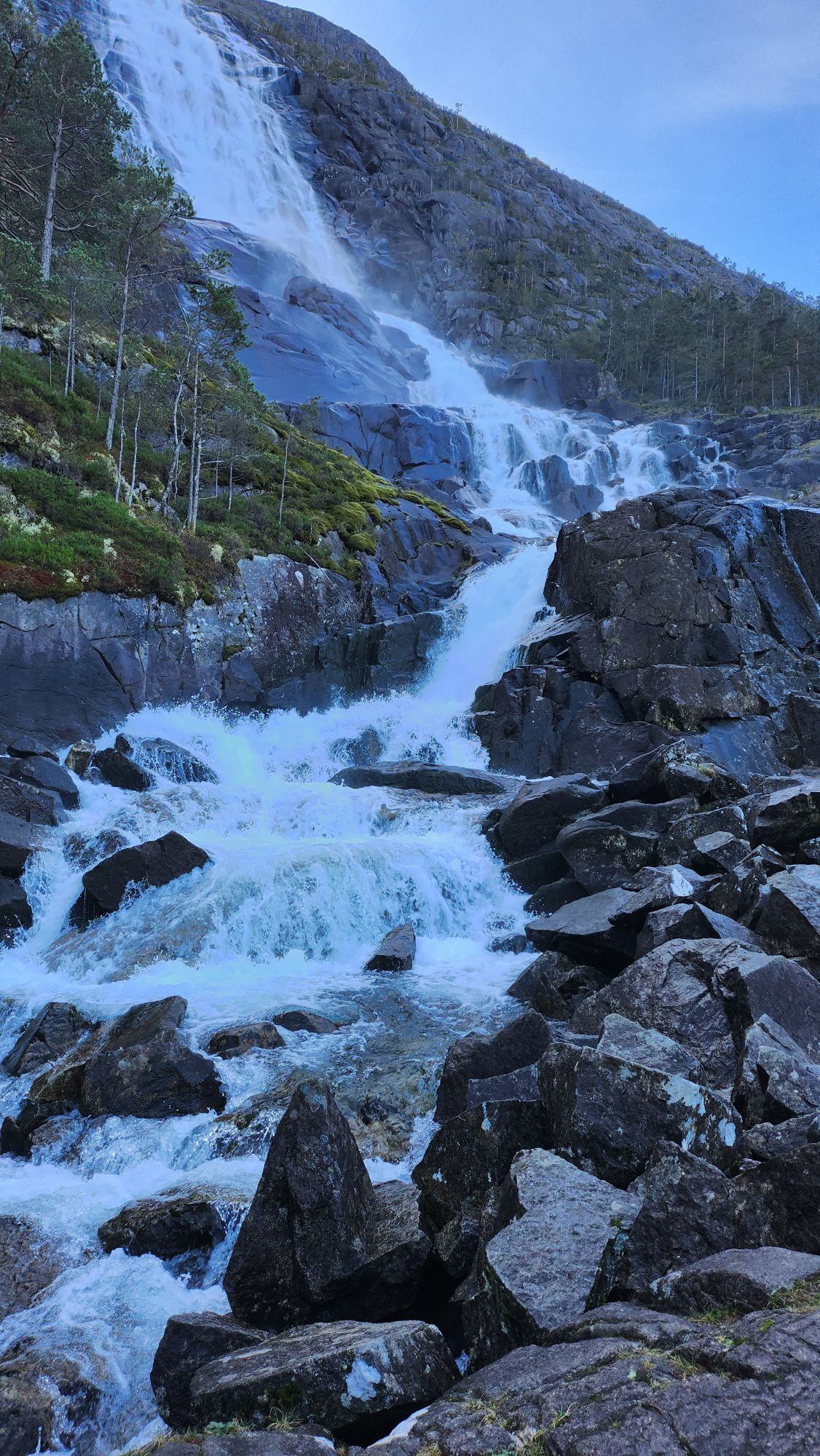
Whilst I didn’t actually have to go any distance to see a waterfall, I did make the effort to visit a few big ones. I visited Kjosfossen, Tvindefossen, Manafossen, and Langfossen. So here is a clue I worked out… anytime you see ‘foss’ in the name, it means waterfall. Before you start thinking that is where we get the word ‘faucet’ tap from; I already thought of that and the evidence is not there to support it I am afraid, but it would make a lot of sense…

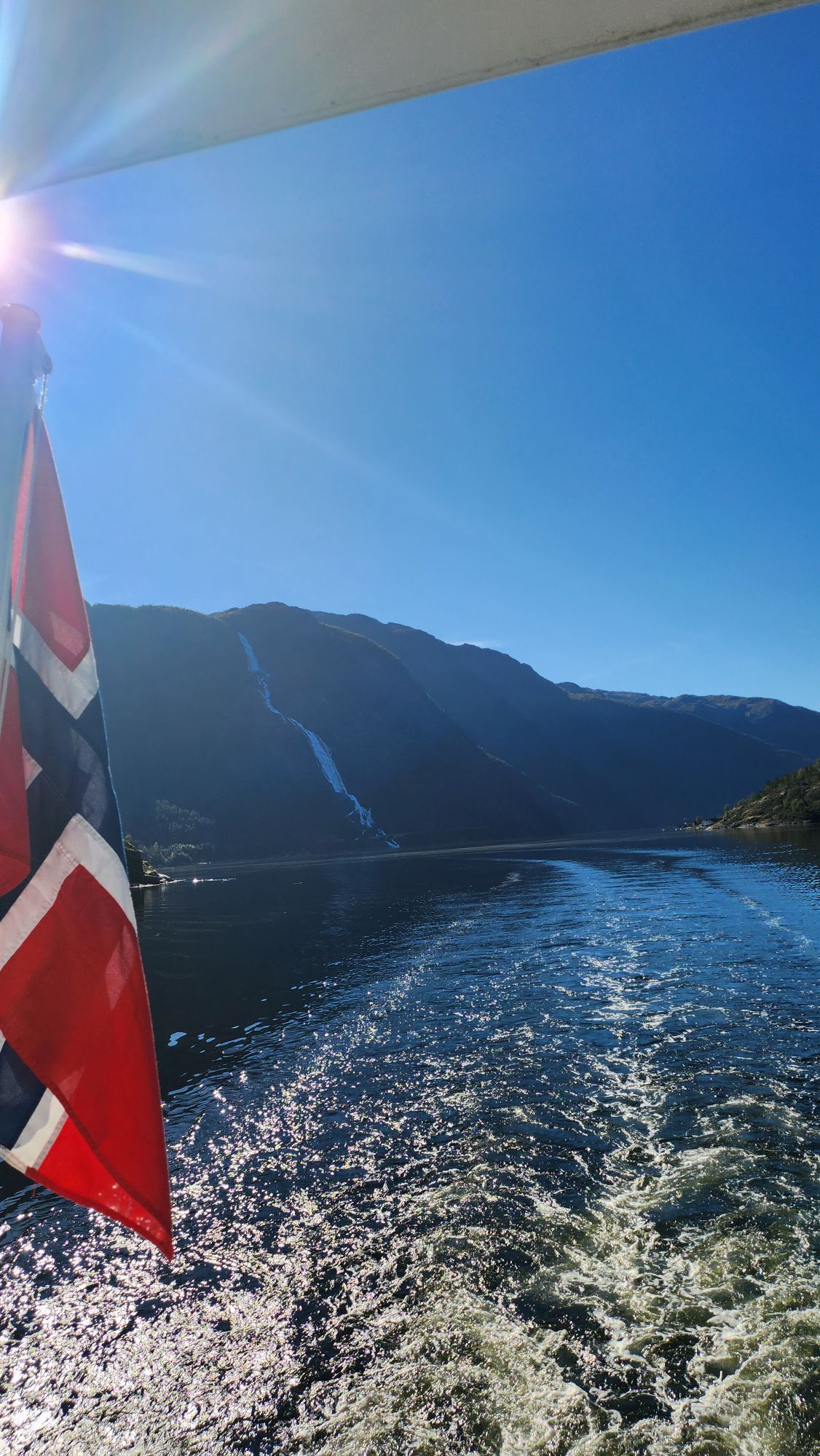
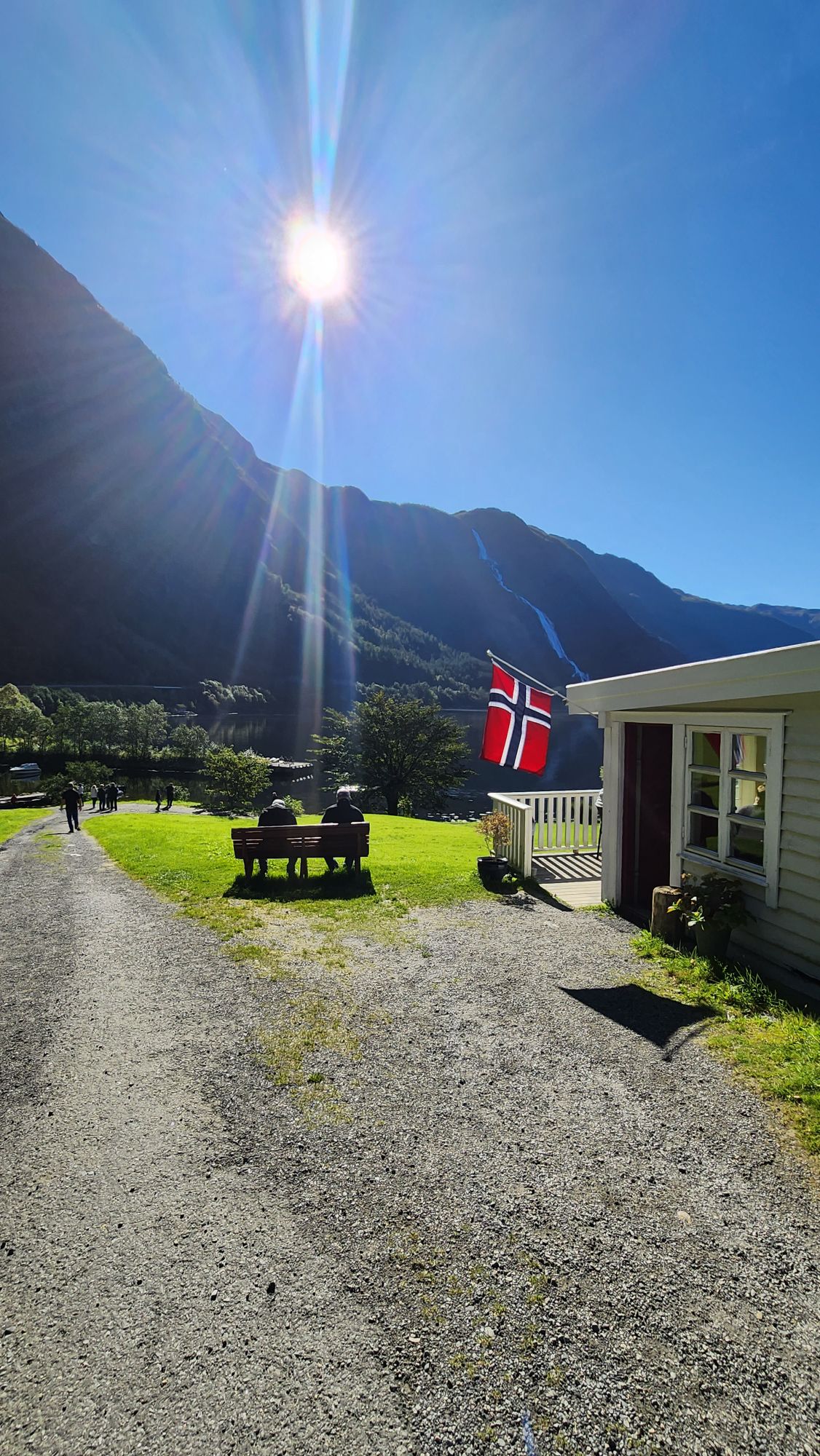
All the waterfalls had their own charm but Langfossen was particularly impressive. A road bridge has been built over half the fall and so you can get pretty close for photos from there, but even closer by boat! After viewing it from the road, I jumped on a tour boat that literally mounted the waterfall as it entered the fjord, (so much so that I was concerned), and the tour guide picked up a bucket and scooped up some falling water for me to taste. The guide said that there was a legend that if you drink from the falls you would become more fertile, particularly the men, so of course, the men on the boat were taking extra servings.

Reflections

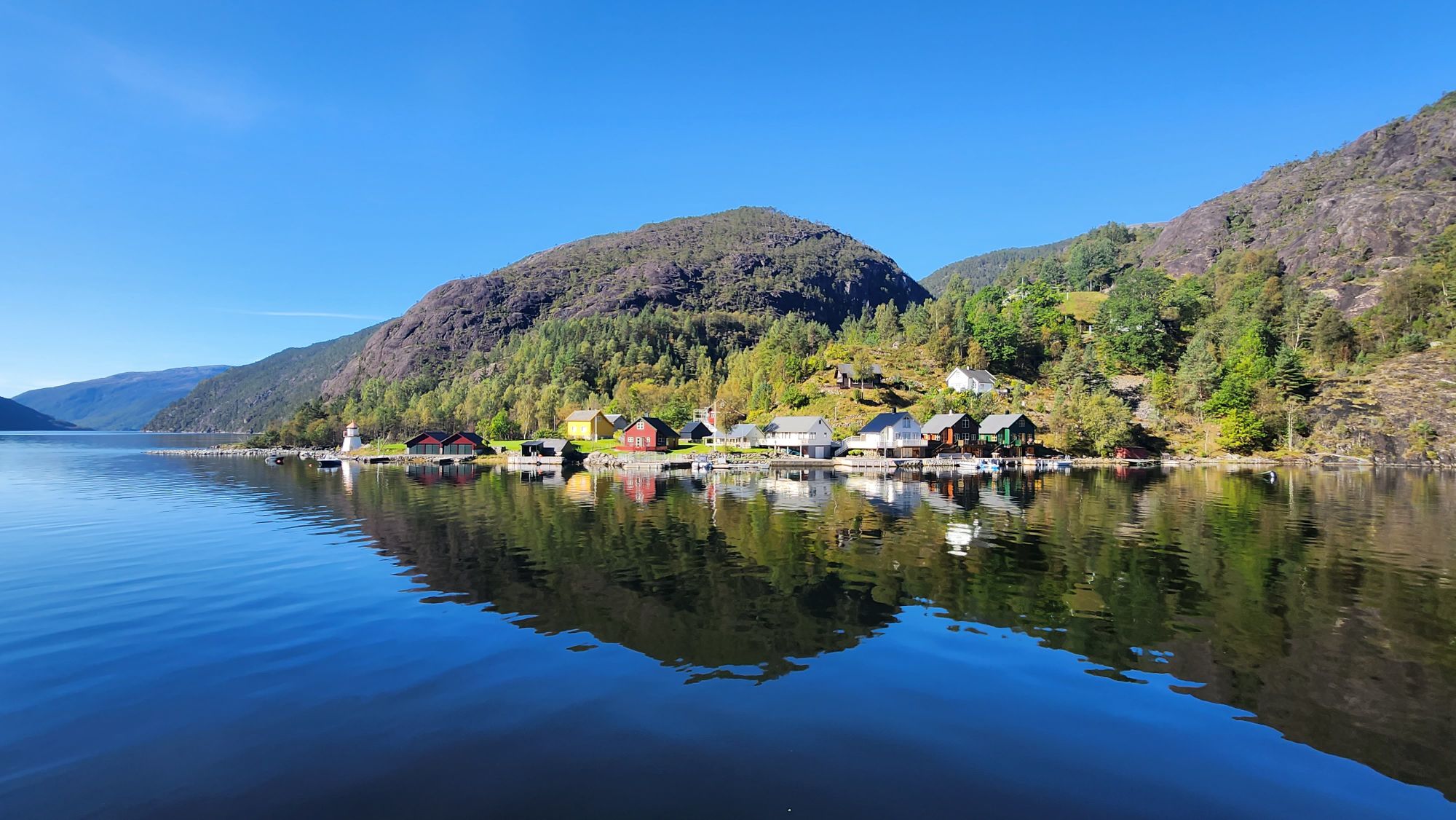
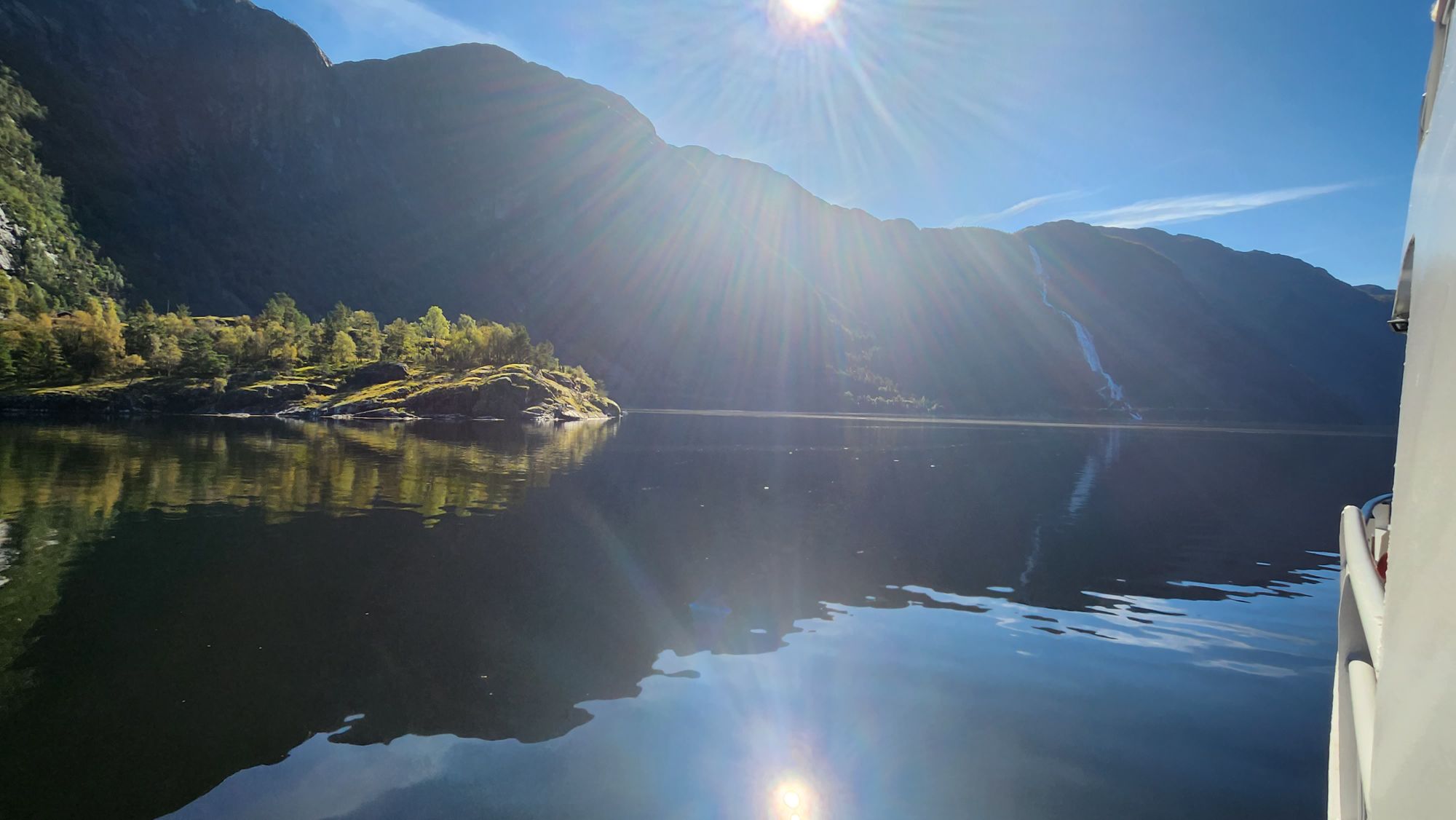
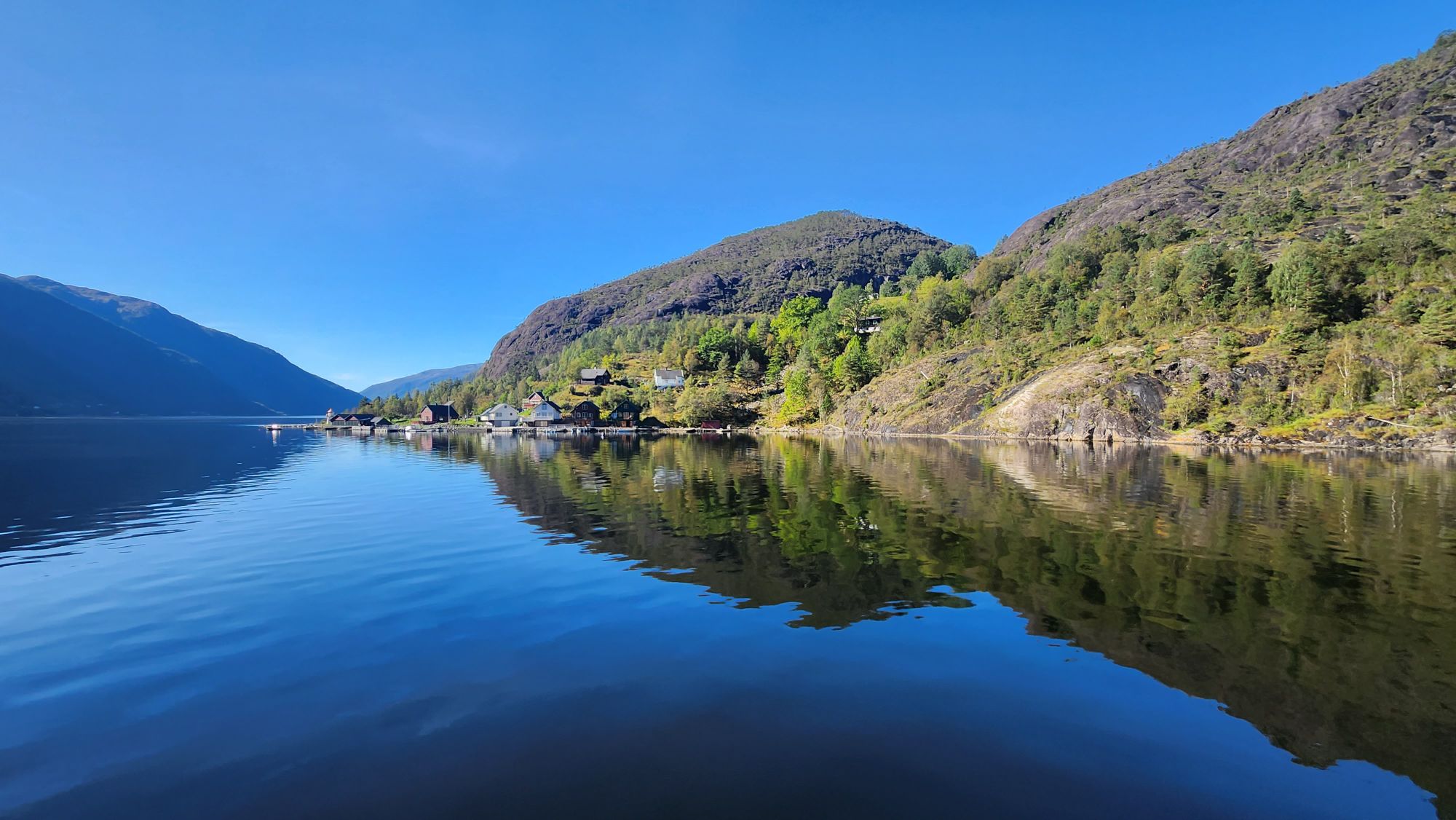
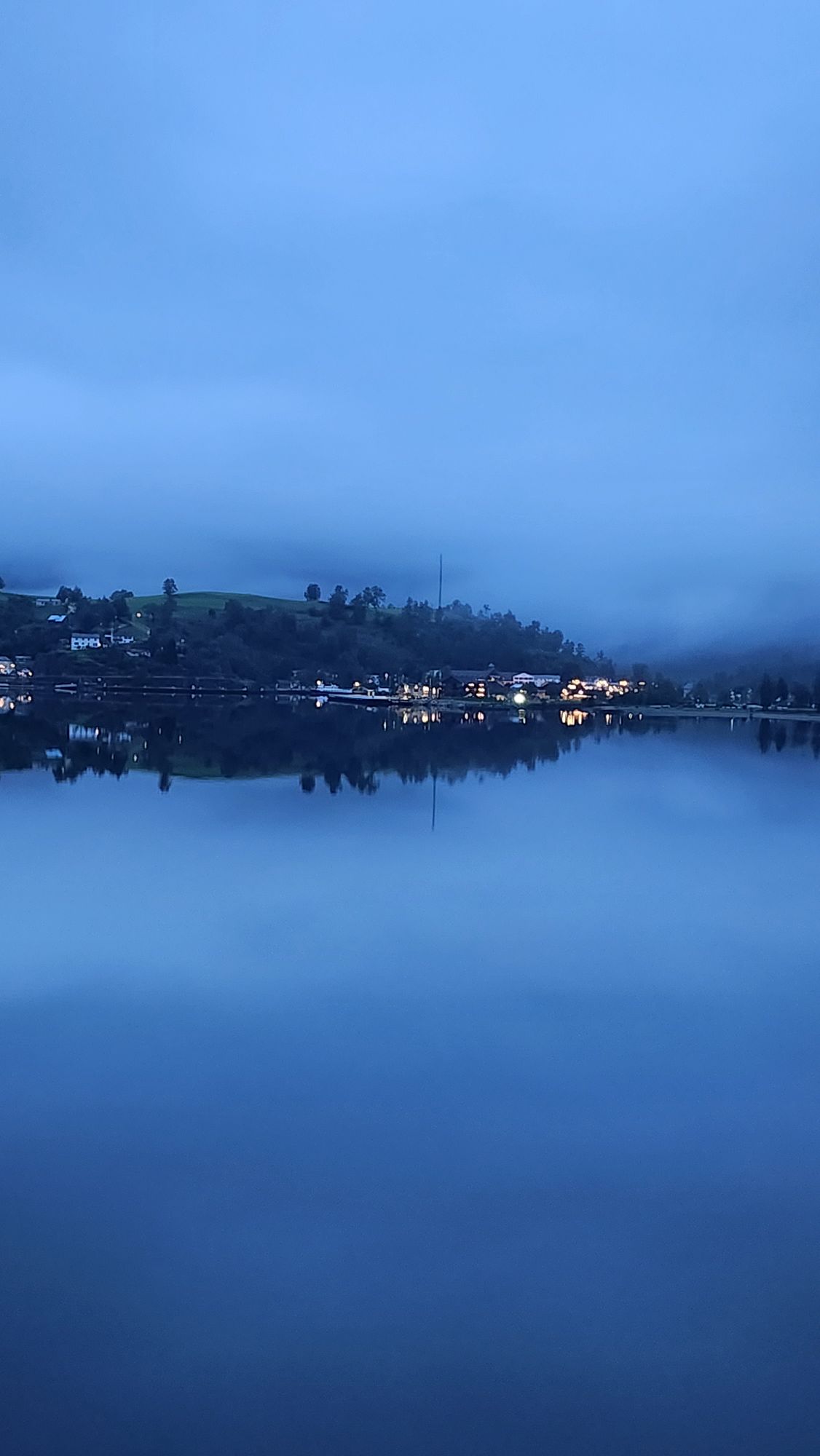
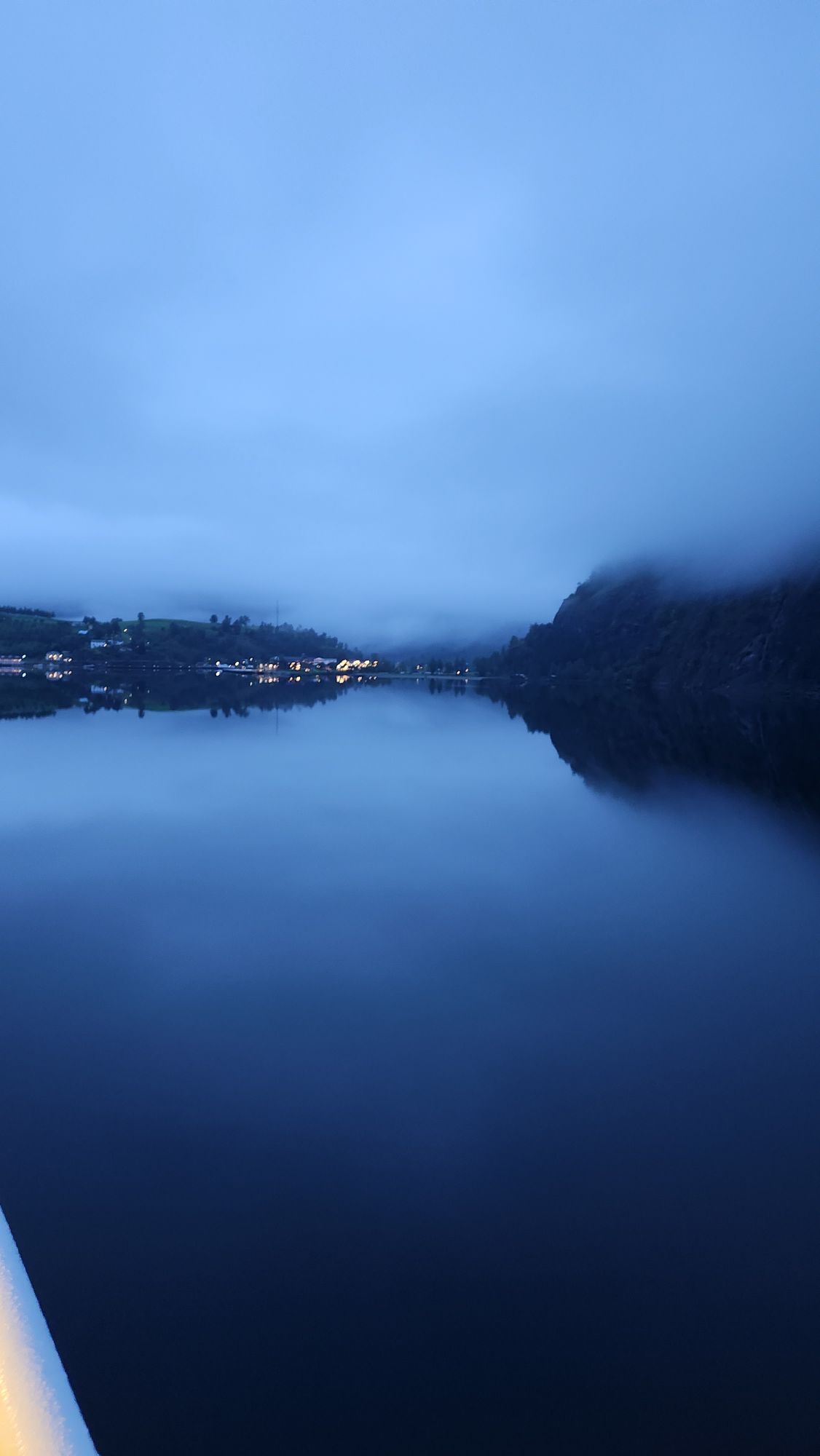
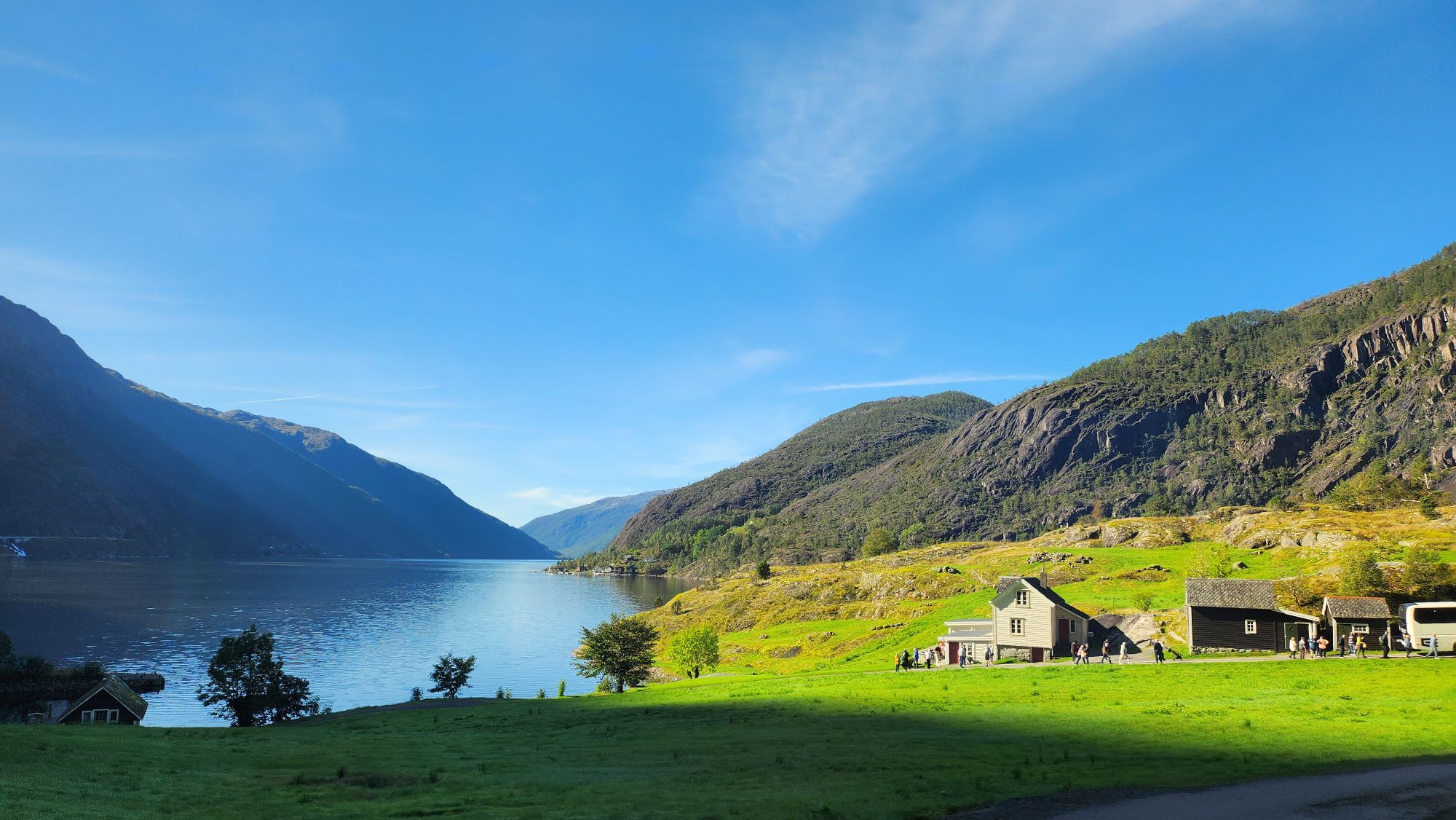
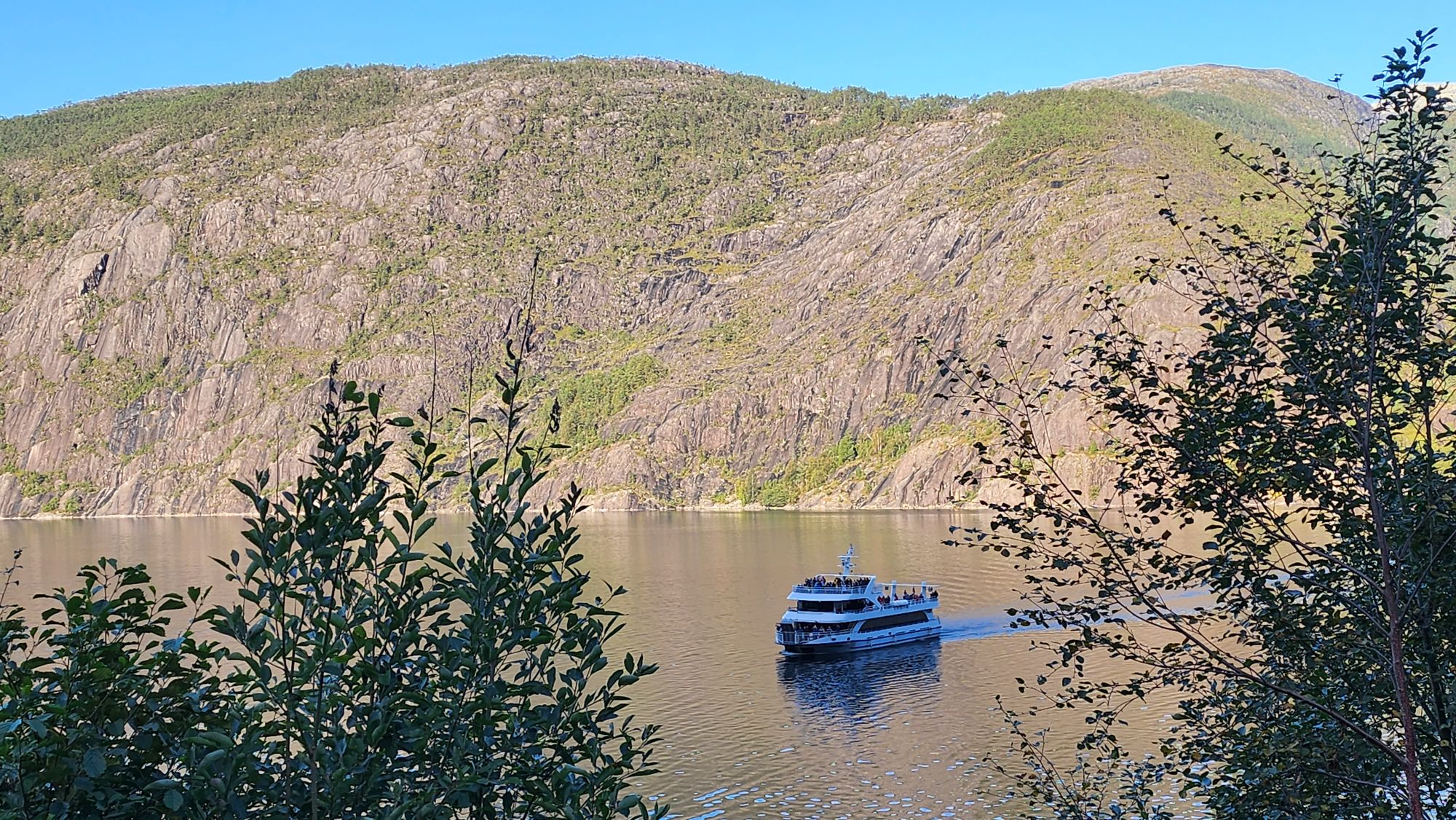
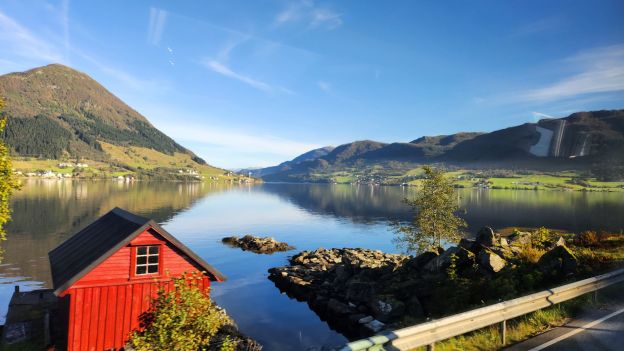
I know that ‘reflections’ is a strange subheading but I feel that it is something special about Norway that I can not describe another way. I have never been to a destination that has provided me with so many mirror or kaleidoscope like views. I saw these trippy images whilst sailing on the fjords, which are Norway’s famous sea inlets, that are characterised as long,narrow and deep, and formed from glaciers, that left behind beautiful valleys.

At multiple times during the trip, I would get up early to look out at the water, and it just messed with my head to see the crystal clear reflections that these fjords created. The water is so still and glimmered and it is really hard to tell where land and water meet as everything is just mirrored endlessly. It’s really magical and I loved it, next time I go, I want to do some kayaking so that I can get closer to the water and get even more amazing photos.

Wide spaces

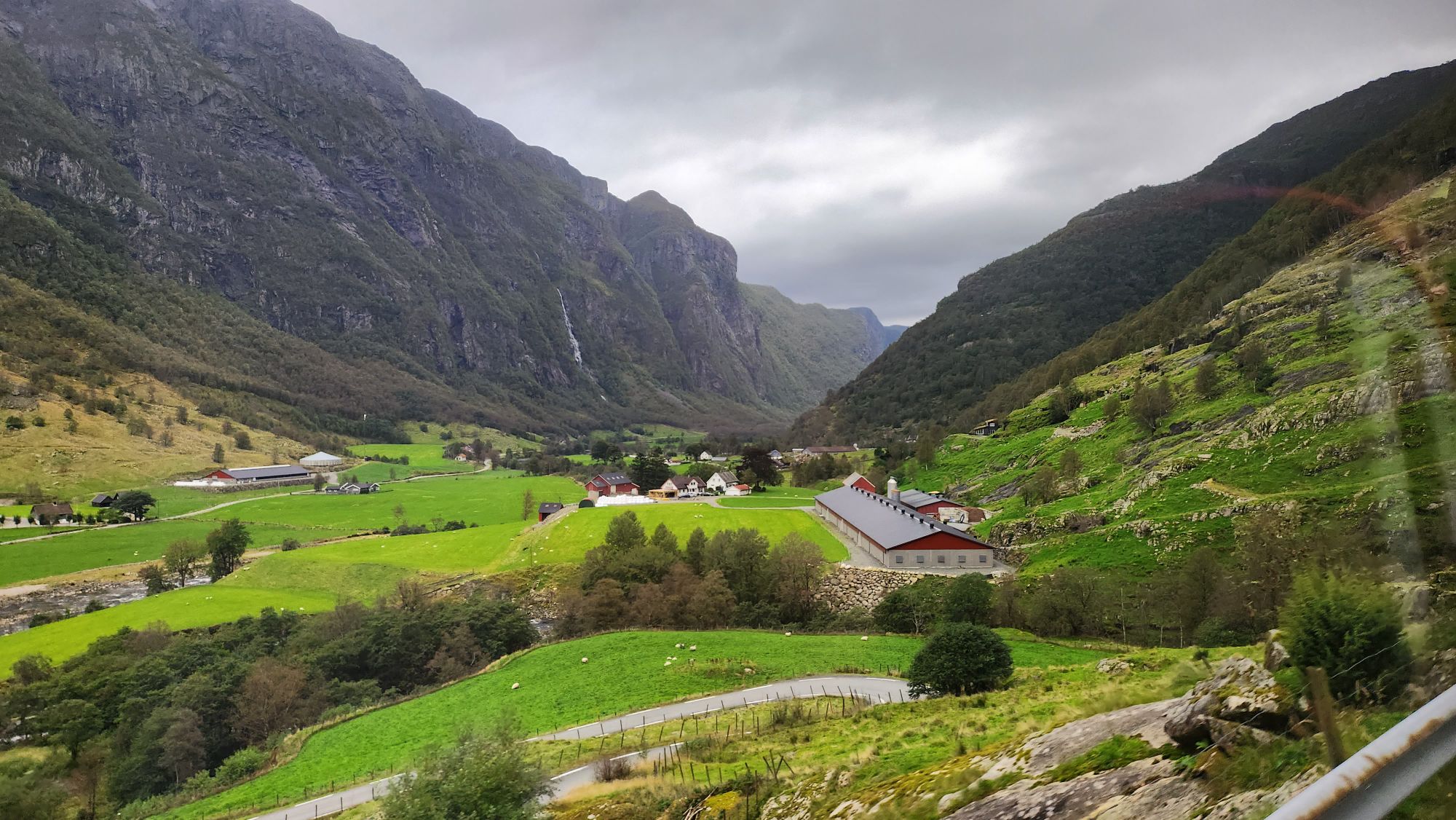
Of course, not only are the waters spectacular, but the huge green landscapes are a great match to them. I was struck by how much of the area was perfectly trimmed rolling grasses, miles of picture perfect lawns, and its no suprise that there is a big tradition of insulating houses with turf covered roofs.

Beyond the grass, there are many smallholdings, vast pine forests, and brilliant ridges and mountains to hike. Some of the most popular are Pulpit Rock, a huge mountain plateau for the perfect Instagram shot, or another similar one is Trolltunga (troll’s tongue)! I would love the opportunity to return to Norway and spend more time exploring the big landscapes here, on foot.

Scenic Railway

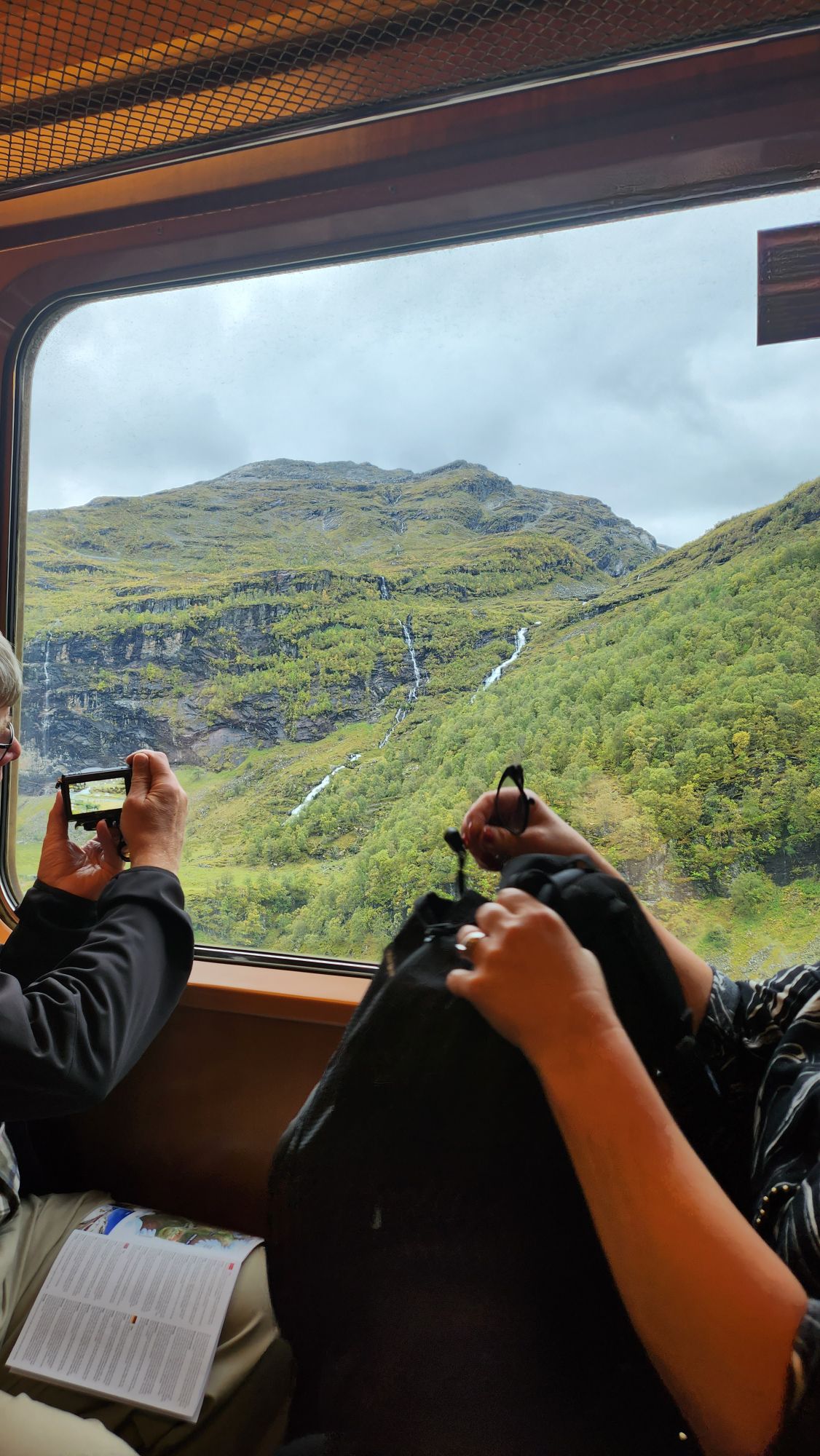
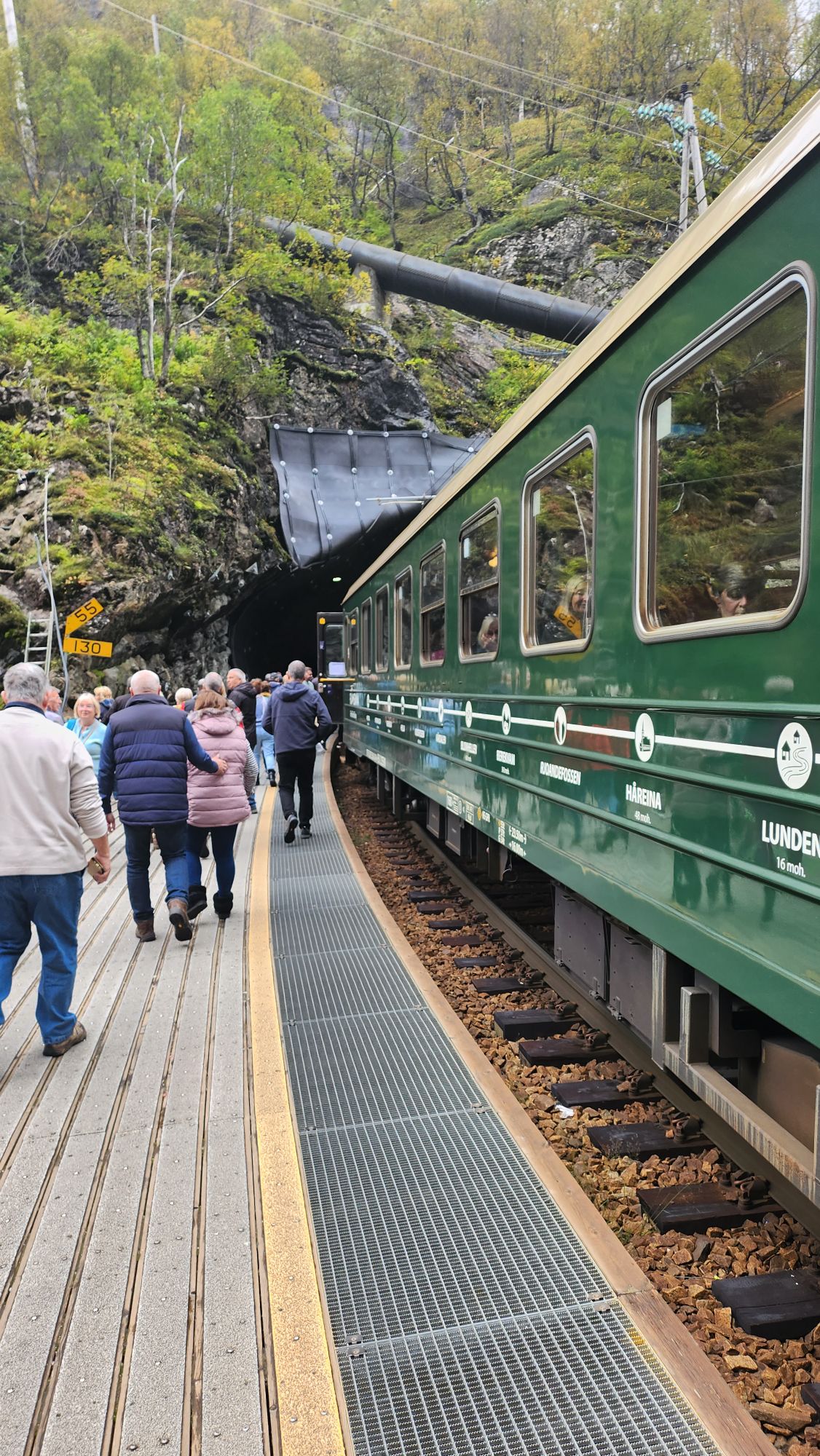
In the beautiful little town of Flam, I had the opportunity to travel on one of the world’s most beautiful railway journeys. I boarded the Flam railway train from Flam and took a round trip via Myrdal, with a stop to see a huge ‘foss’ with classical music in the air, and a dancing actor jumping out to welcome me and the other passengers. There to portray another waterfall legend of a lady of the falls, the guide later told me that the ‘lady’ dancing around was actually two different local men dressed up as the same lady, to fool the tourists by quickly jumping out in different locations.

The journey was pretty pleasant and the views were great, but it was crowded, which makes it hard to enjoy when everyone has their cameras pressed against the windows!

Overall, I just loved Norway. As a nature lover, and someone that is keen to go for long walks in the fresh air, I could almost see myself relocating to Norway. The only thing keeping me away is the cold winters, but there is no question that I will be visiting again. Next time for longer, and hopefully with my someone special to enjoy it with.

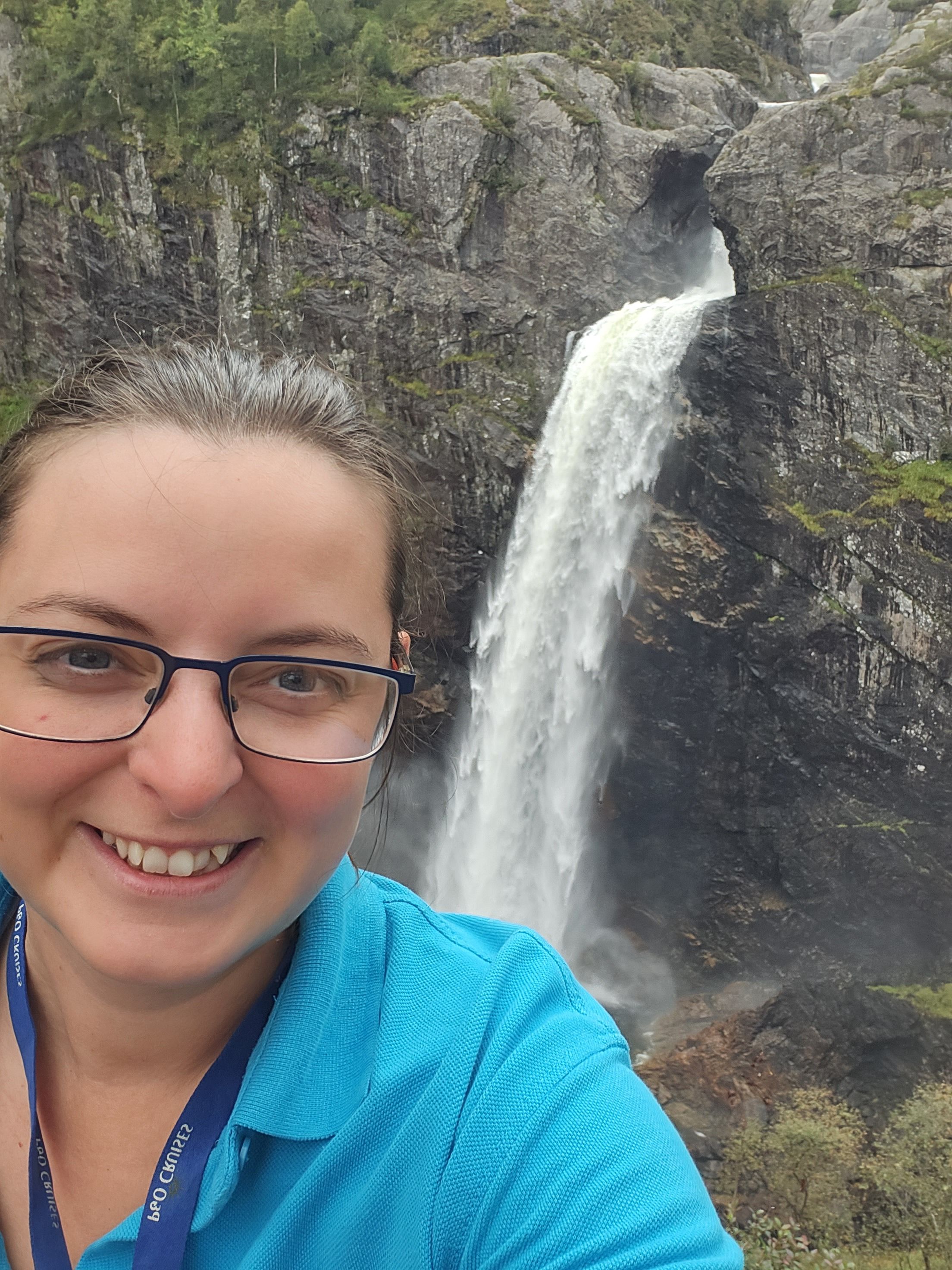
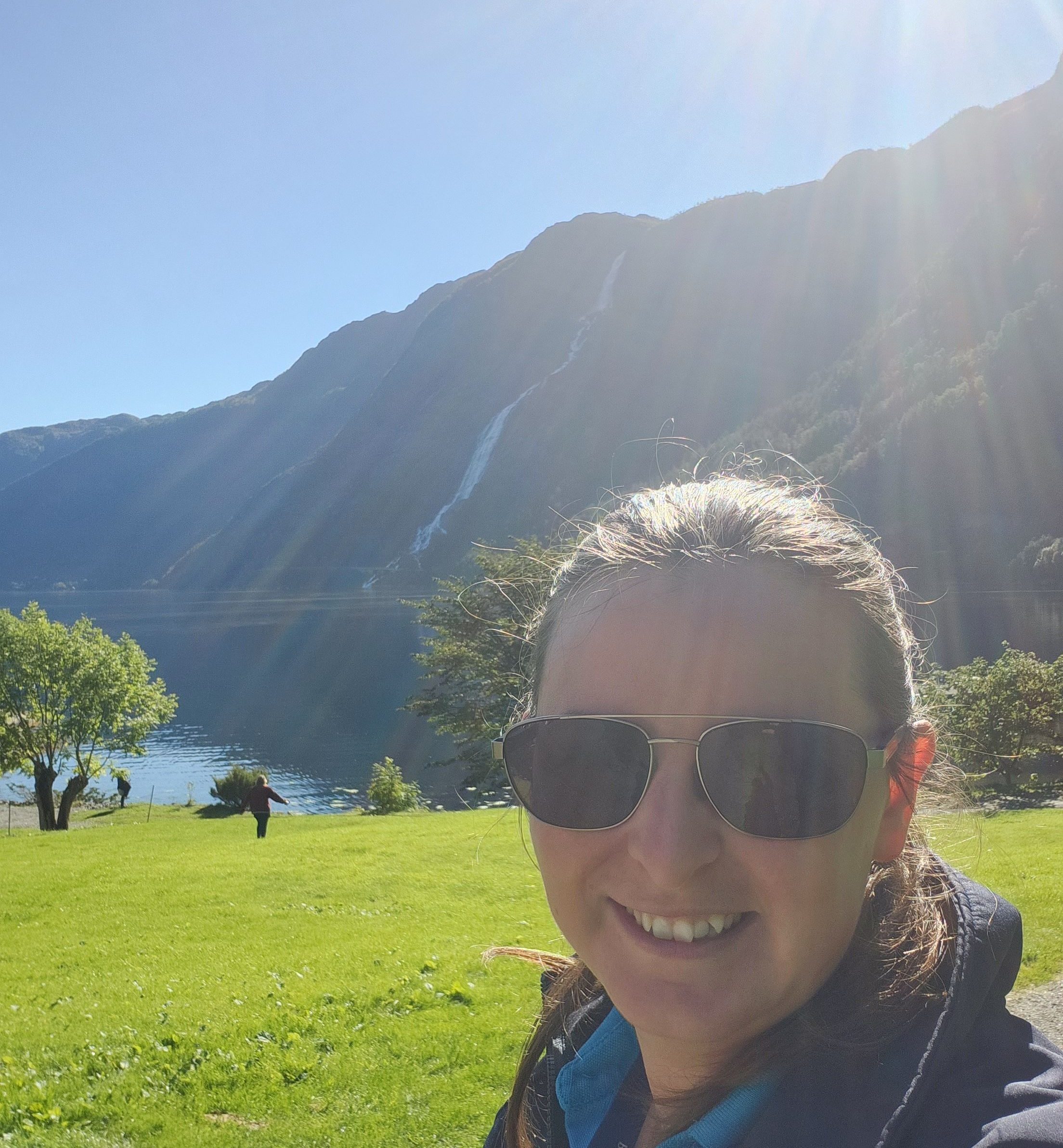
Me in Norway

Lovely Lugo

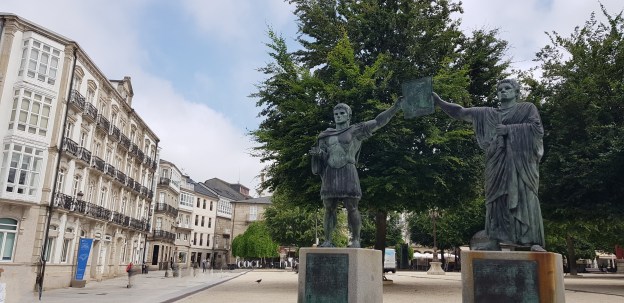
One of the most beautiful cities of Galicia. Lugo offers a historic setting within a surrounding of Roman walls that create an isolated space for wondering and wandering about the stories of this old city.
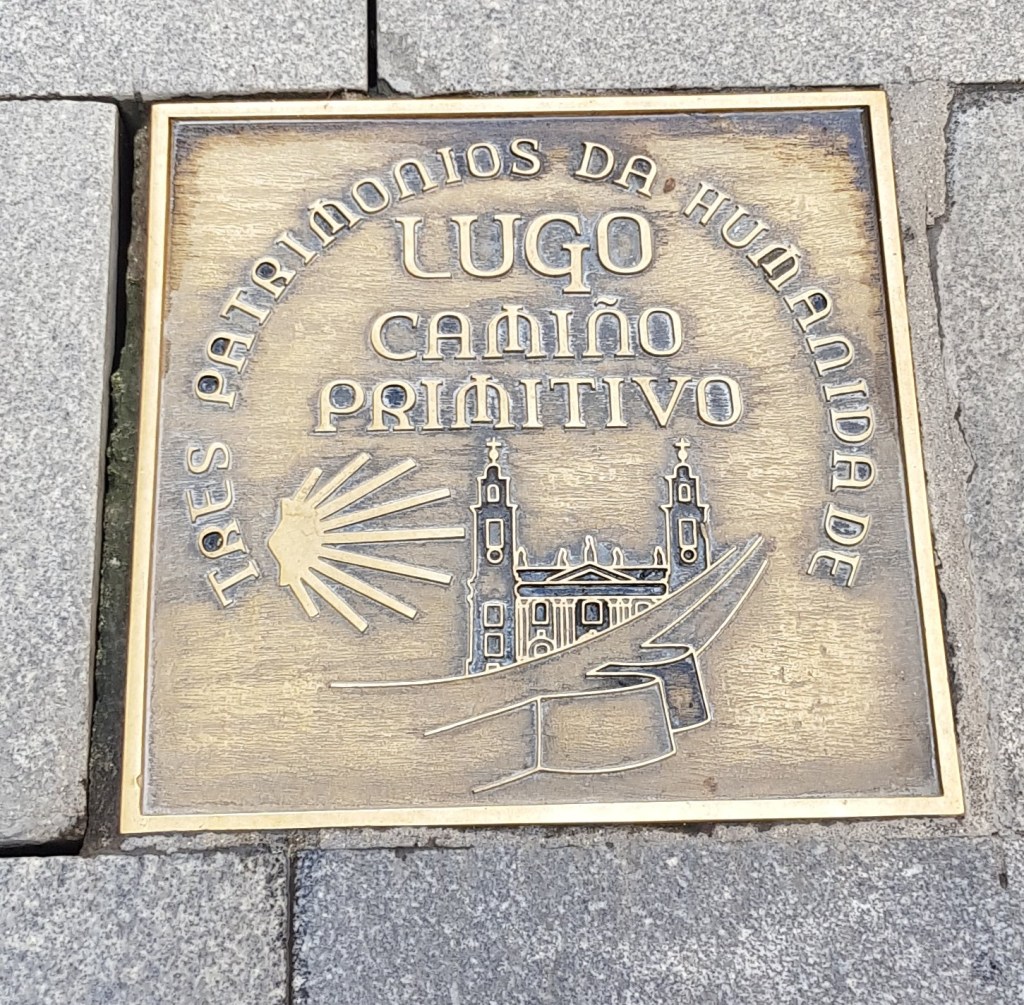
I spent an afternoon visiting Lugo from La Coruña in Galicia. It is the capital of the Lugo province and the fourth most populated city in Galicia. It is a popular location for locals and visitors and is also a stop on Camino de Santiago (The St James Pilgrim’s Way).

The walls

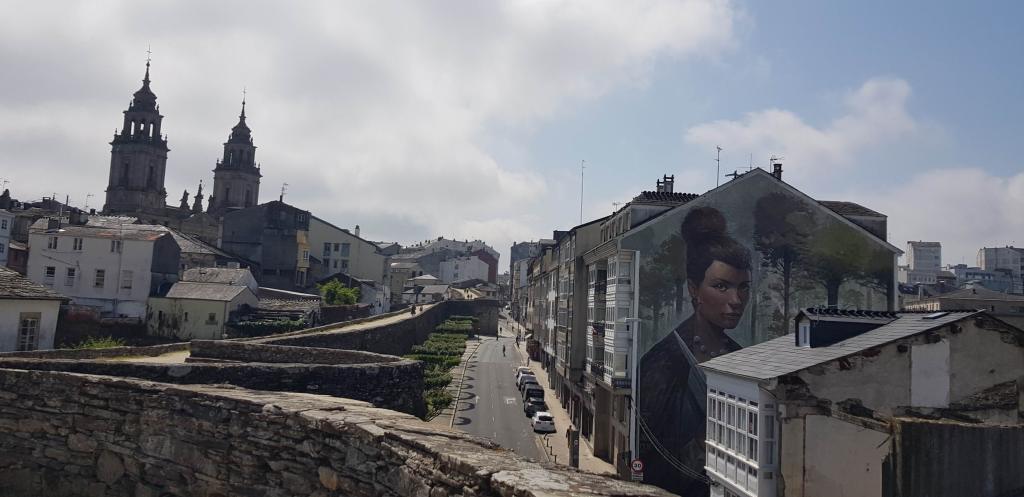
This spanish town is fully shaped by its Roman history. The 3rd century roman walls are 2117m long and create a full circuit to admire and walk on top of. The 85 towers that exist along the walls also create an amazing shape and interest for those interested in history or photography. These roman walls make Lugo a famous location among Galicians and were not suprisingly made a World Heritage Site by UNESCO.

The spaces

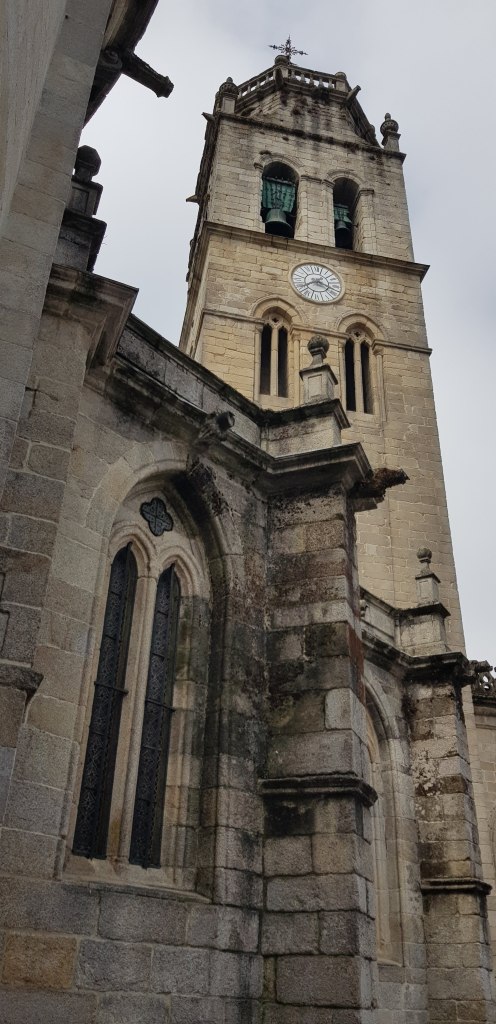
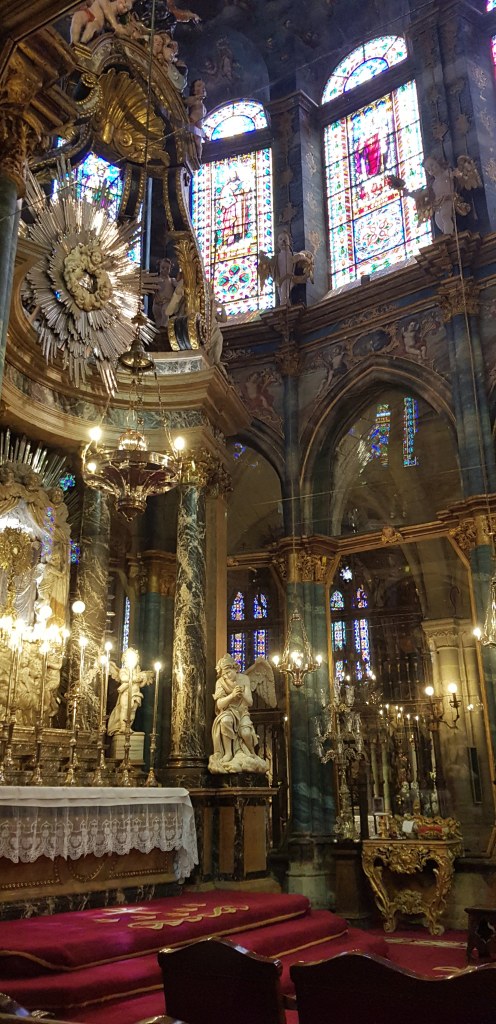
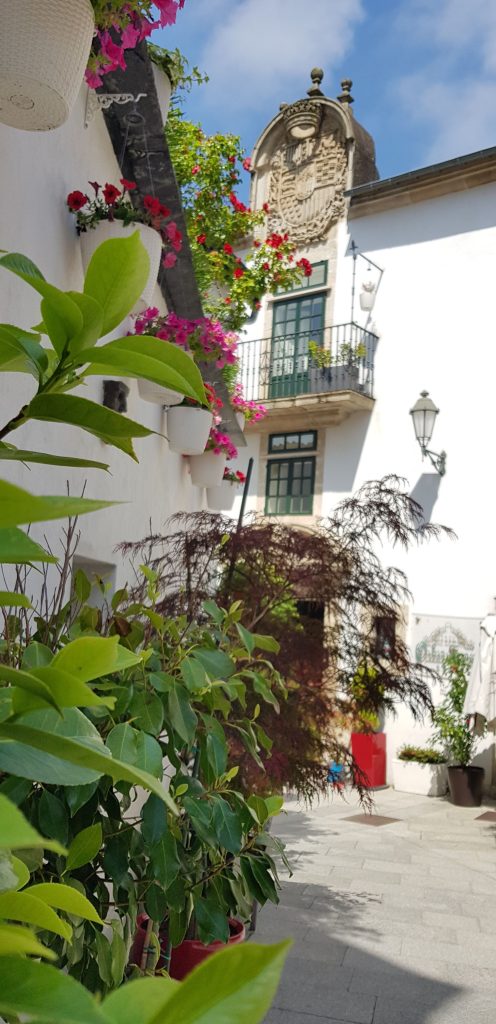
As well as wondering the perimeter of Lugo using the walls, you can also enjoy many public squares, a beautiful cathedral, and quiet lanes filled with gastronomical delights.

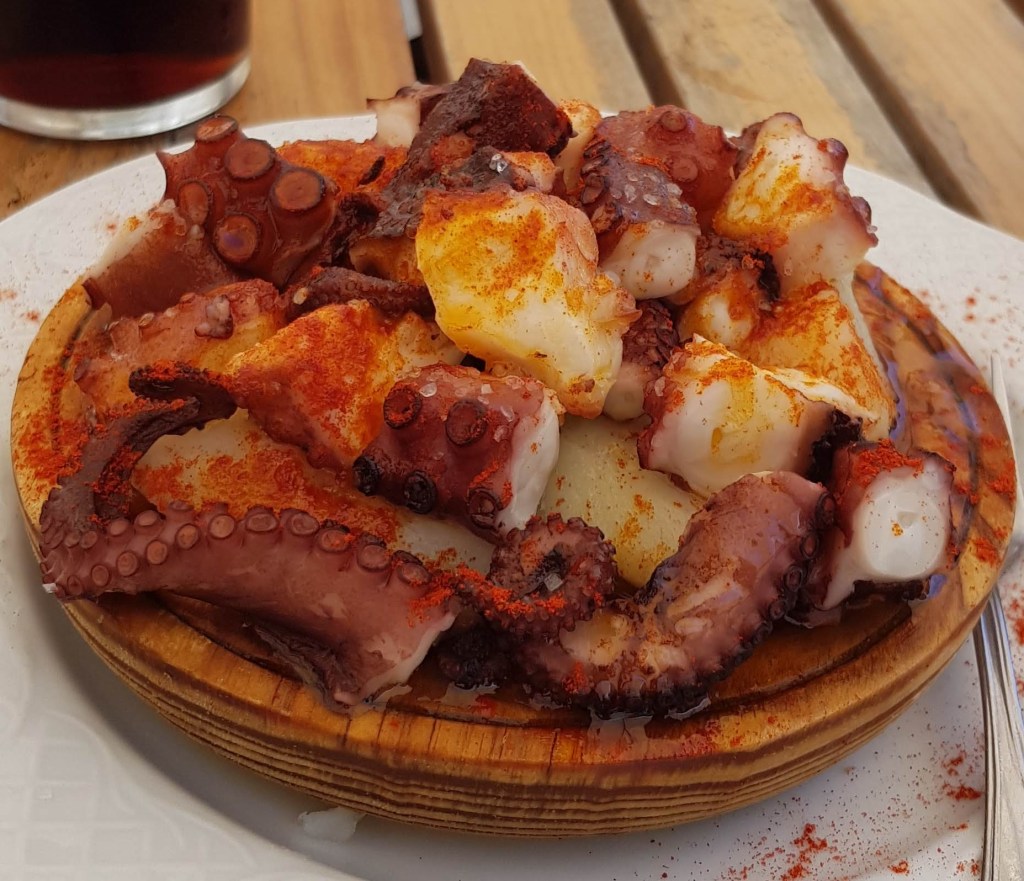
I spent much of my afternoon here eating a delicious traditional Galician Pulpo (octopus). I love it 😀

I would happily revisit Lugo again, its a nice place for a relaxing day out and I can see its easy appeal with locals from the region.

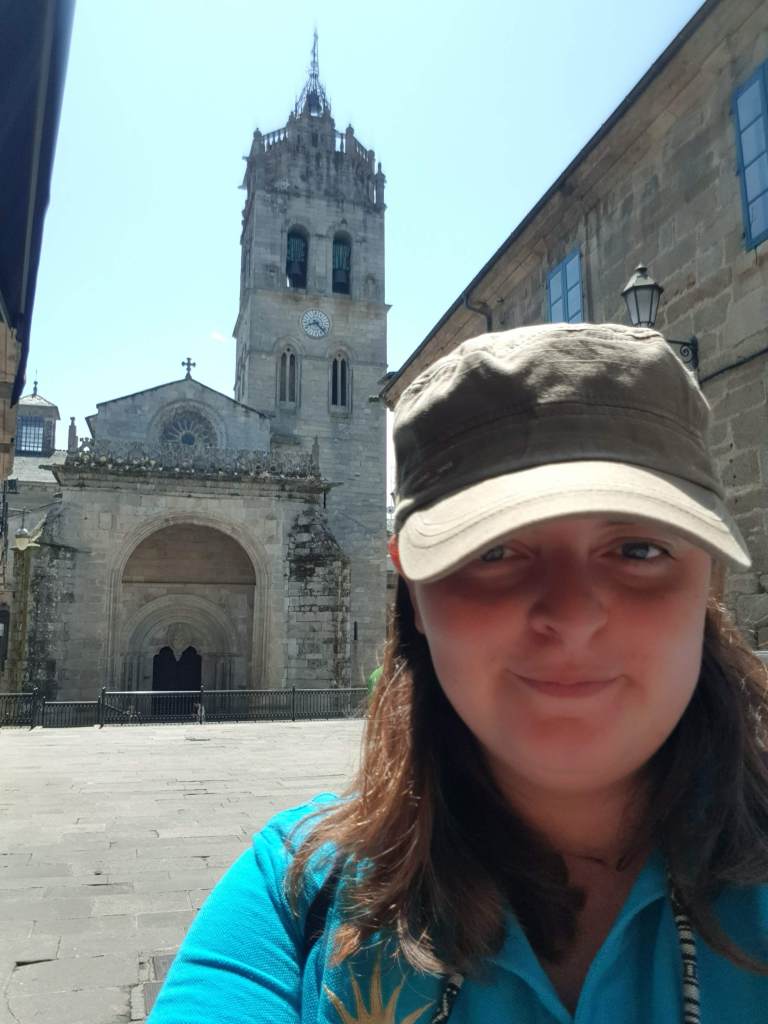
Myself in front of Lugo Cathedral

Doñana Natural Park: An Exclusive Paradise…

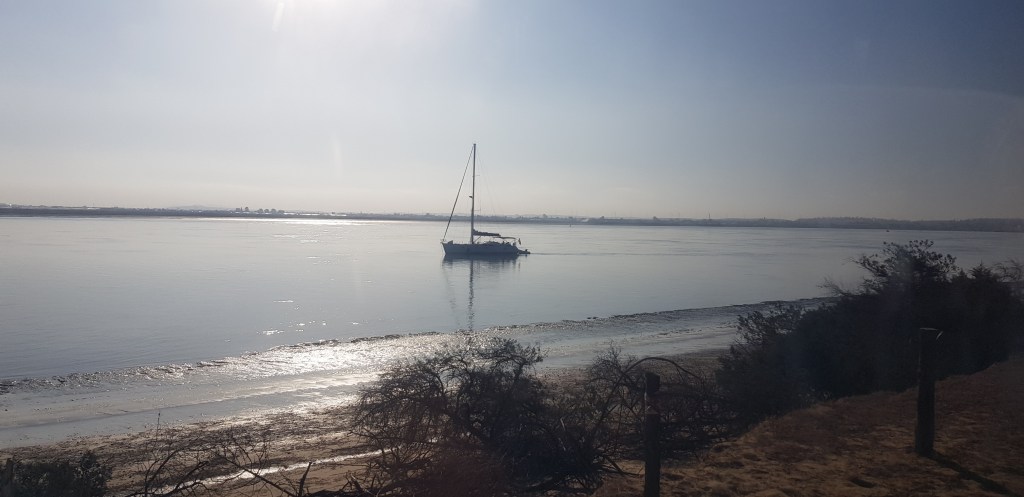
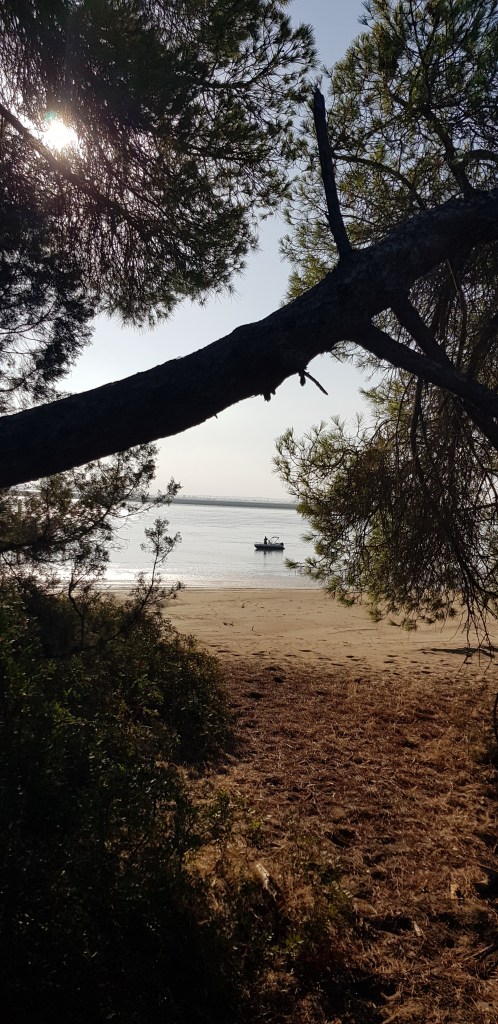
During one of my many days in beautiful Cadiz, Andalusia, I had the opportunity to take a tour to Doñana, a part natural park and part national park, where the inside of the park is only accessible by exclusive tour. I was blown away with the landscapes here in one of the most important natural areas in Europe.

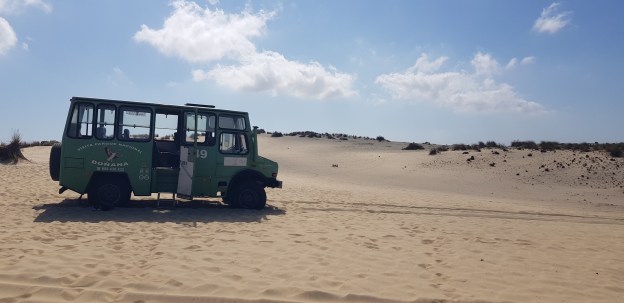
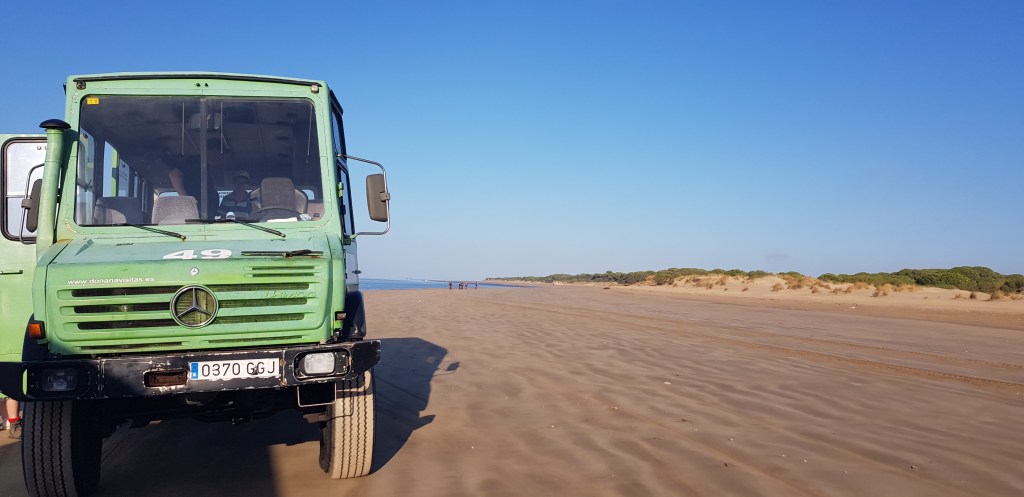
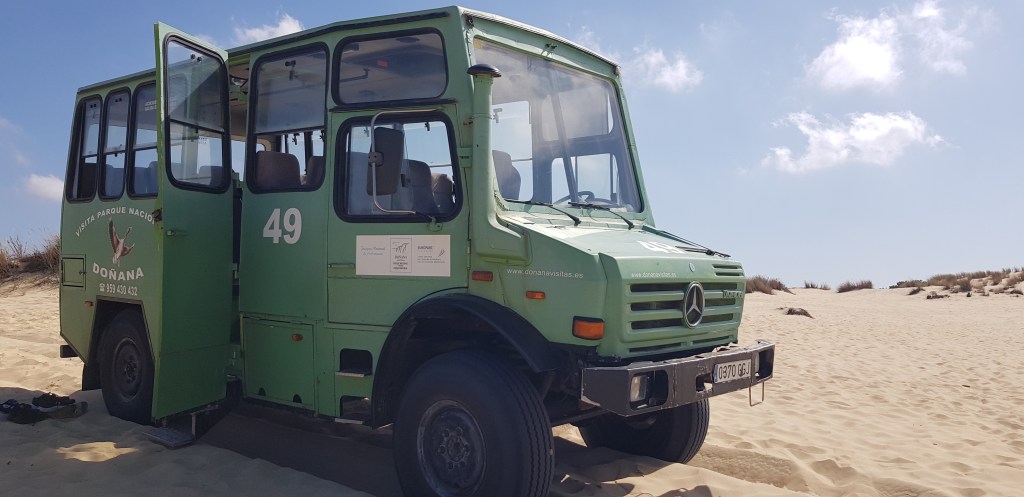
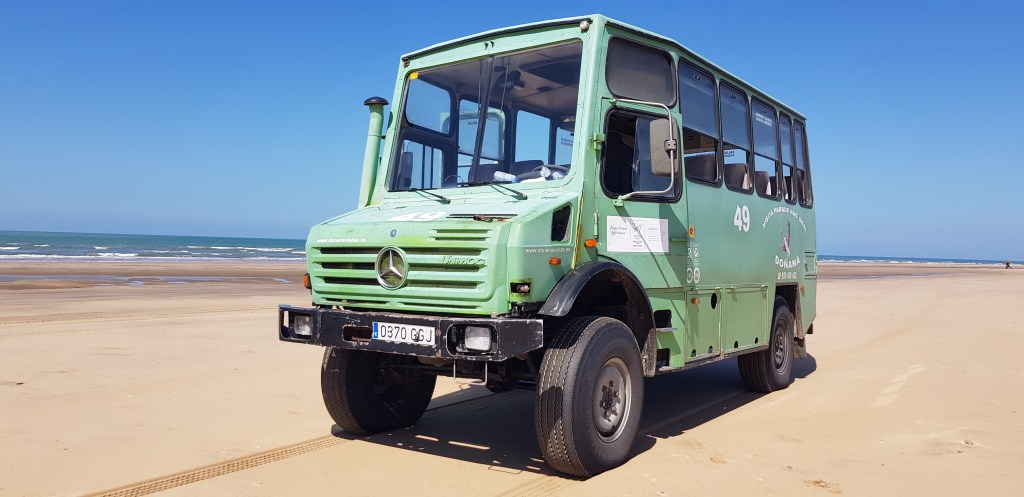
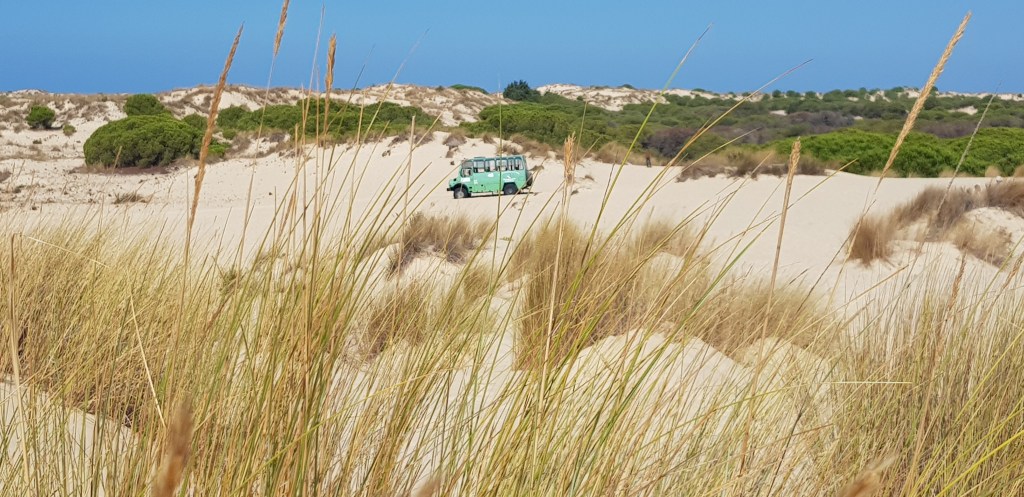
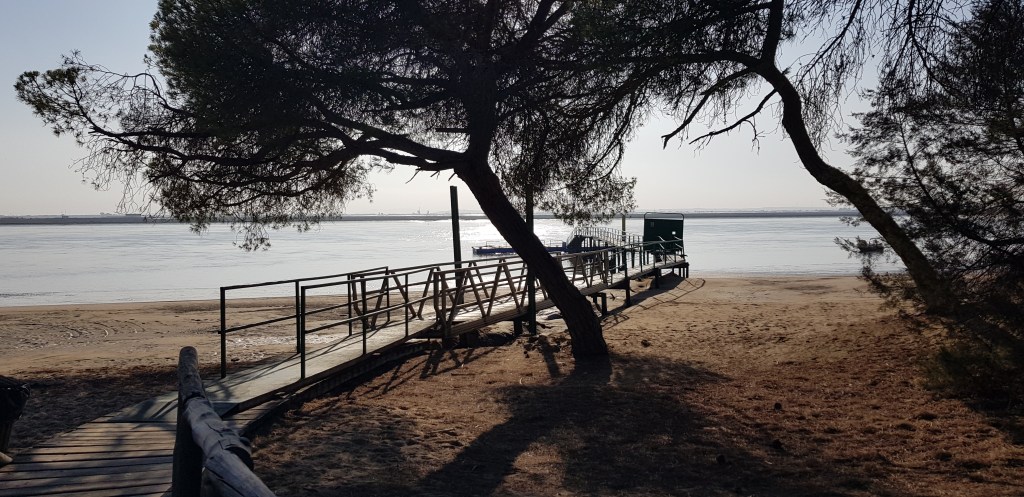
My small group of less than ten with our guide took the long drive to Doñana’s water edge where La Rábida village was and a small ferry was available to take visitors back and forth to Doñana’s beach and natural park. The 30km of white beach is a public space that can be accessed but parked up on the beach waiting for our small group was our exclusive monster jeep that would take us deeper into the park.

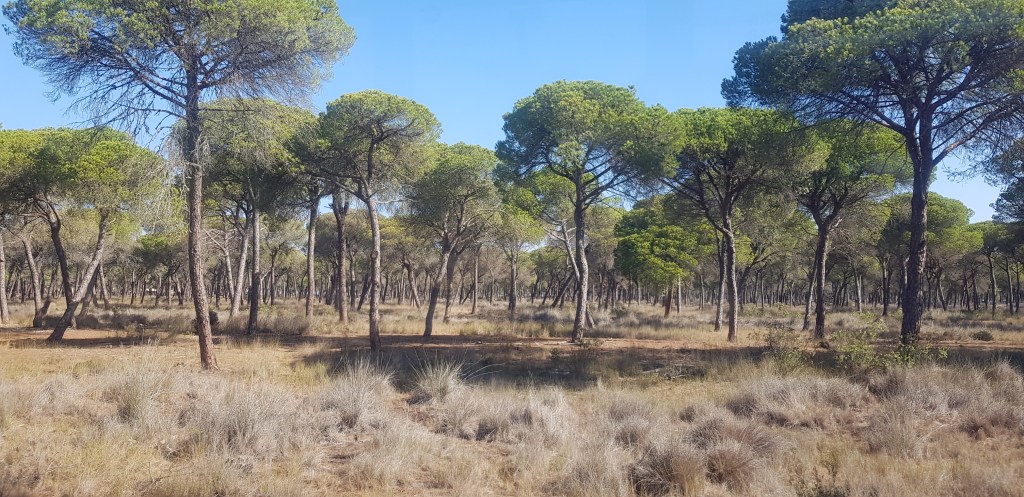
The bumpy ride took us through a mix of ecosystems that were strange to find all in one place. Forest was first on the list and as we pushed our way between the trees over our muddy makeshift road, we spotted deers and wild horses.

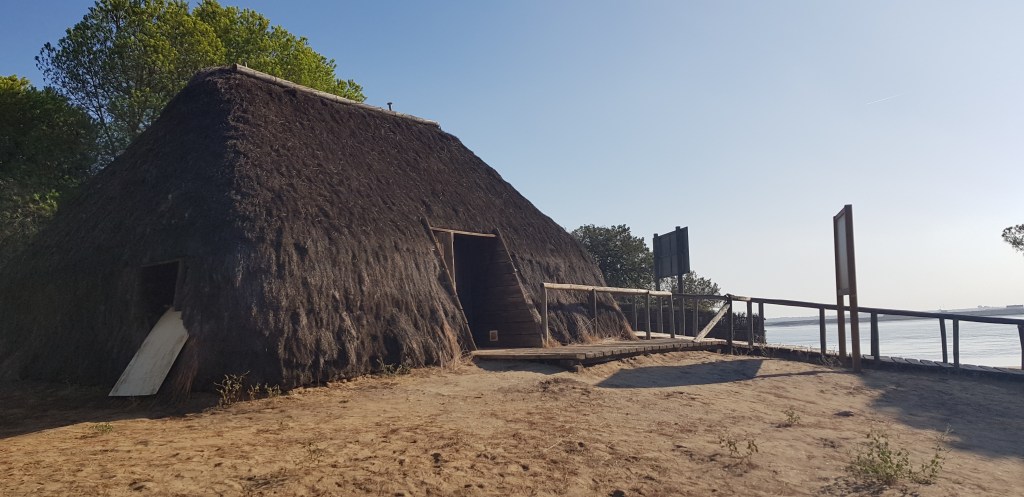
We also visited some traditional thatched huts that once made up a small village of people that lived in this oasis, but are now government owned as the families have now passed on. The only person with a residence there now is the king that has a palace set in the middle of paradise.

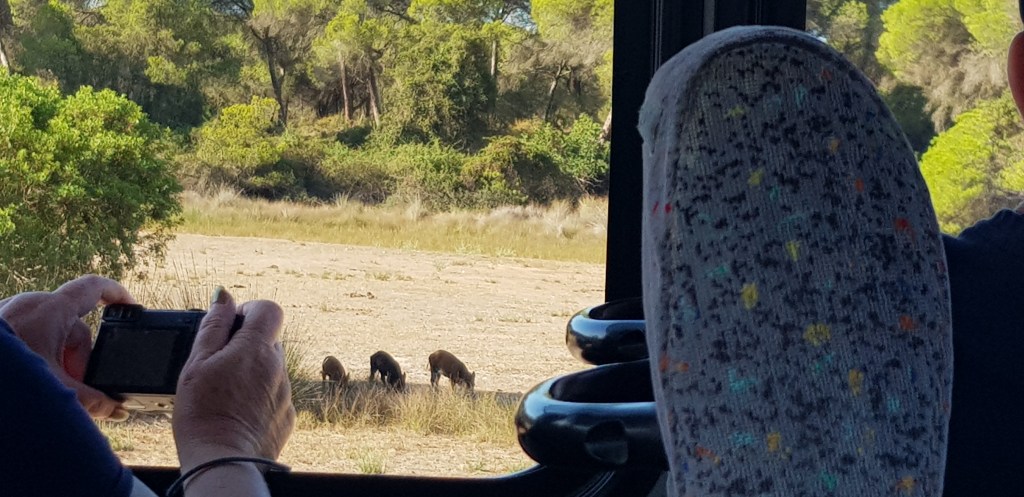
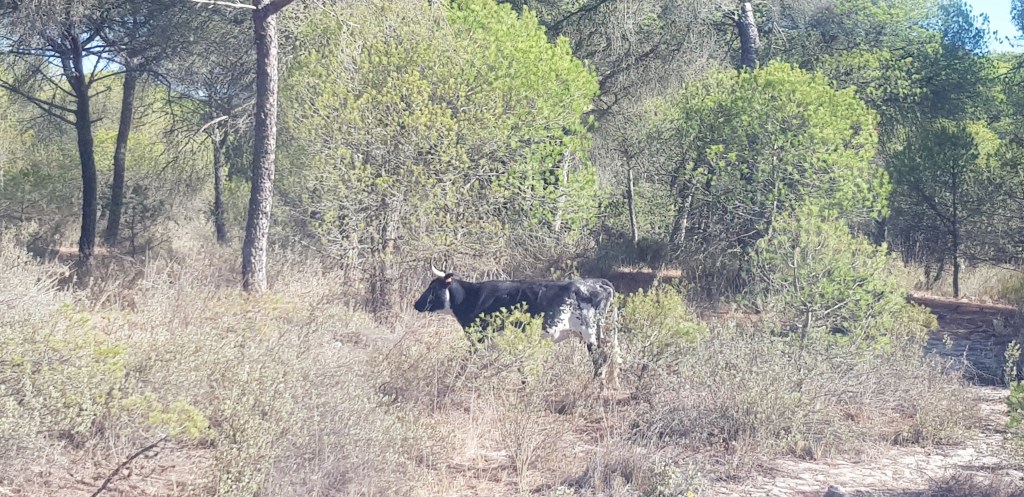
Next was meadows and wetlands with wild free roaming cattles and wild pigs. I even got to spot a mama with three little piglets running around. I asked how the cattle access food and water because this is the driest region of spain, and the ranger explained that ditches have been dug out for the cattle to drink ground water that is underneath, but that is the only thing they do to intervene with their nature. I was very impressed with the animals’ resillience.

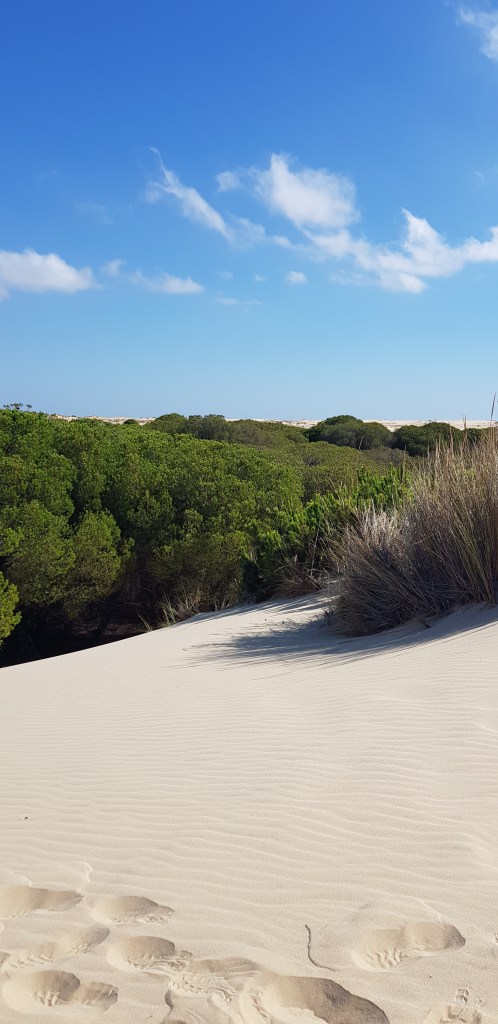
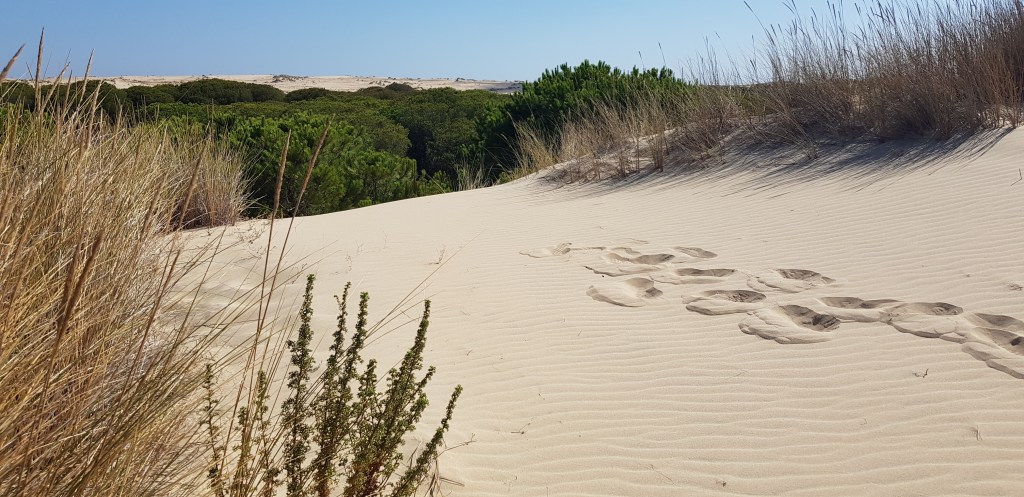
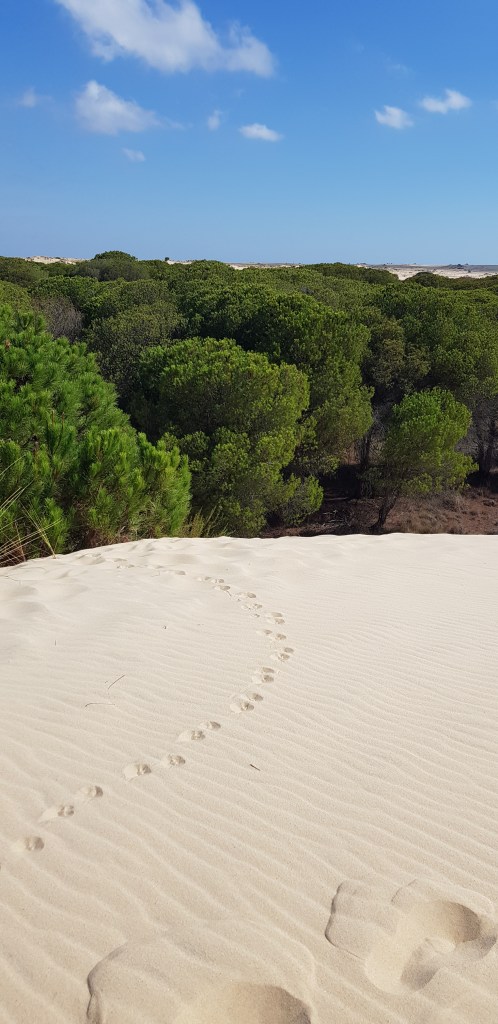
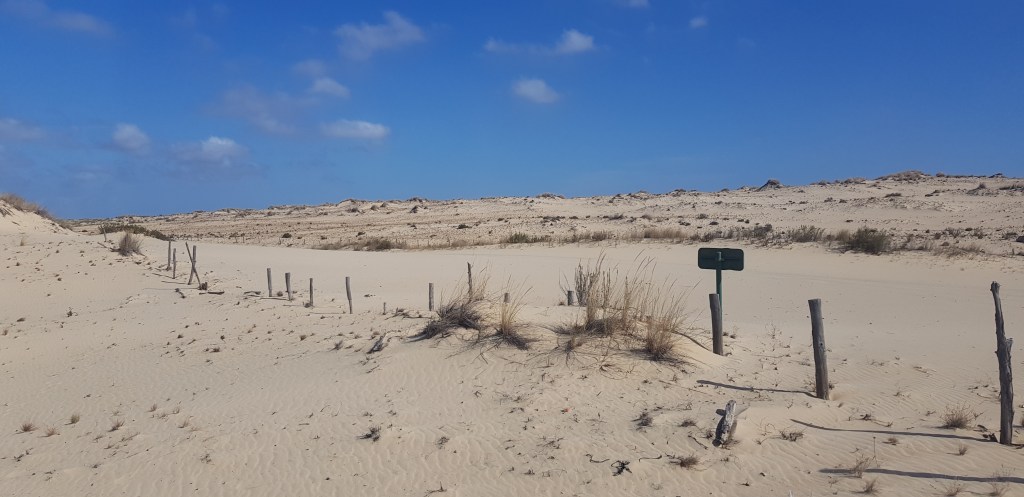
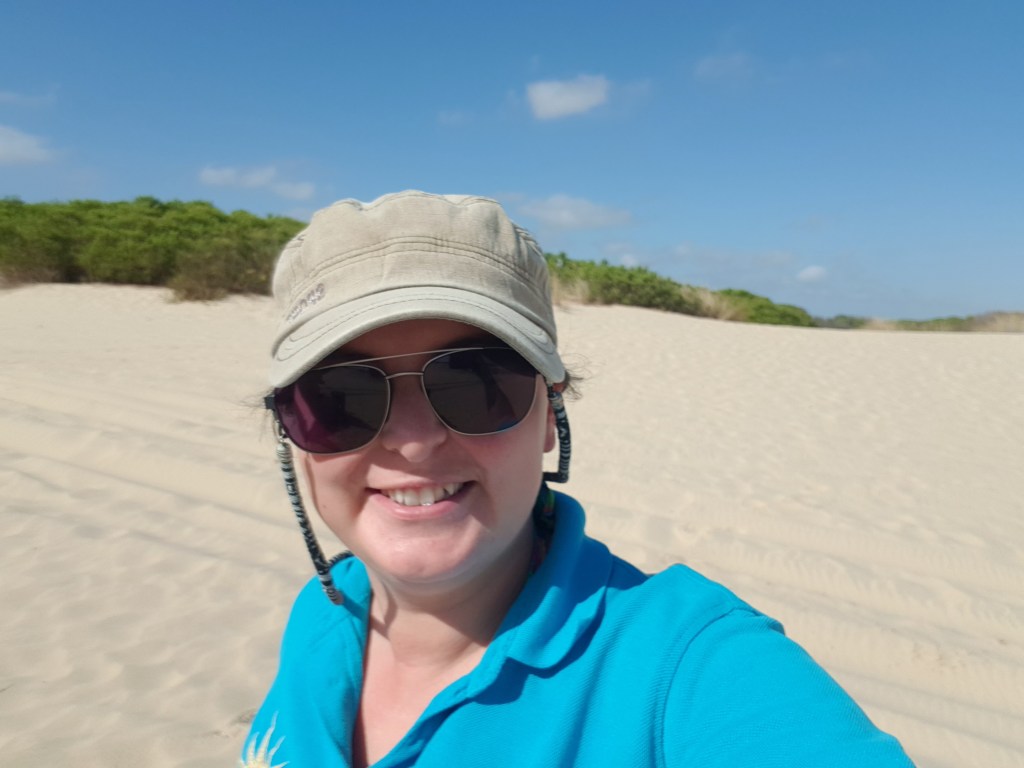
After this we ventured into a land of sand dunes that were up to 30 metres tall and vast! We stopped to have a walk around and the dunes that had been windswept there made you confused to think that you were just stepping outside of forests and meadows into this wasteland environment.

Our guide showed us some viewpoints here high up on the dunes as well as insects that were living in the sand and it made me curious to try to identify the animal tracks I was finding in the sand. The park is home to many endangered species including Spanish imperial eagles (which we thought we saw) and the Iberian lynx, which mostly keeps to itself.

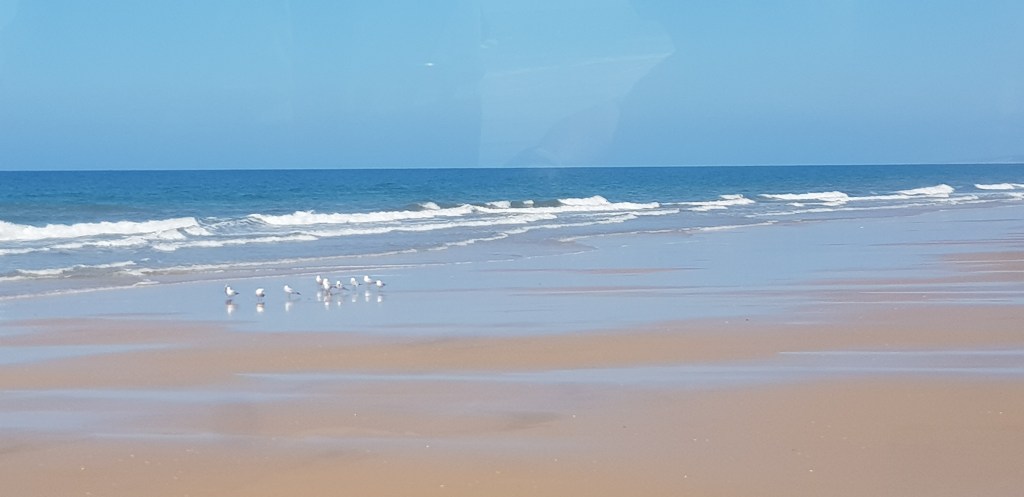
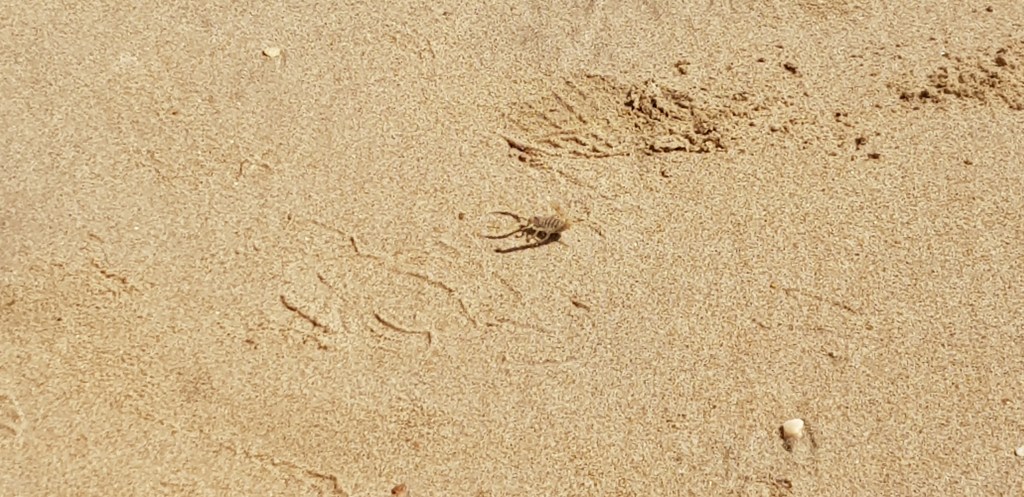
Finally we returned to the beach for a drive amongst this long stretch of sand, crabs and driftwood before stopping our jeep so that the guide could show us a scorpion he found sitting under the wood.

I was totally blown away by this absolute eden of a park and considered how I would love to revisit as I sat down for a nice meal back on the other side of the water. I realise though that this exclusive park would not allow me back again unless it was on a tour so that they can properly protect this truly beautiful space. I feel very lucky to have had the chance to visit.

Valencia: A City of Design

A city full of history and creativity. This large city has been designed into separate sections; an old town, a suburban area and the new arts and sciences city complex. I really enjoyed exploring what the city had to offer.
City of Arts & Sciences

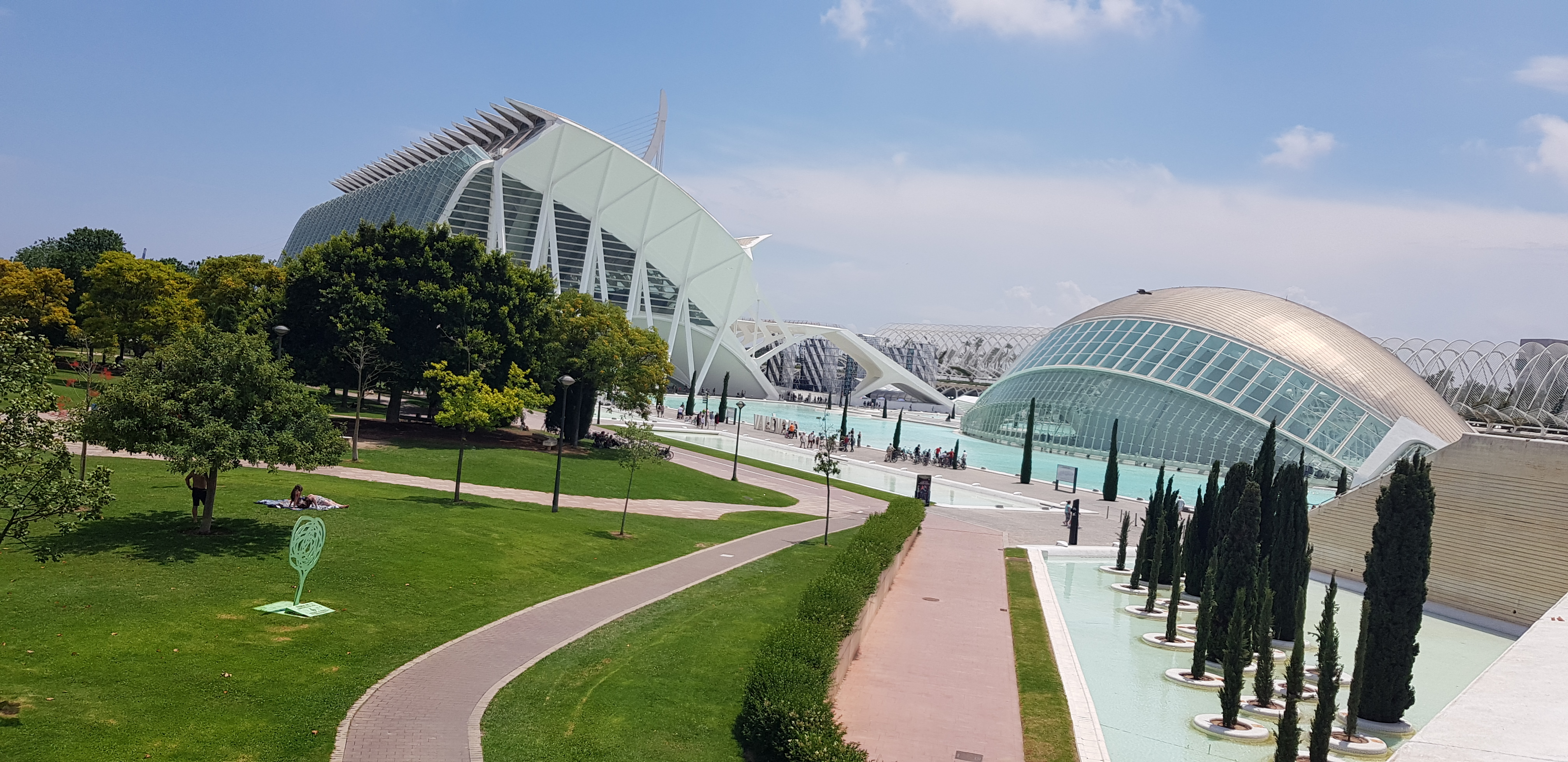
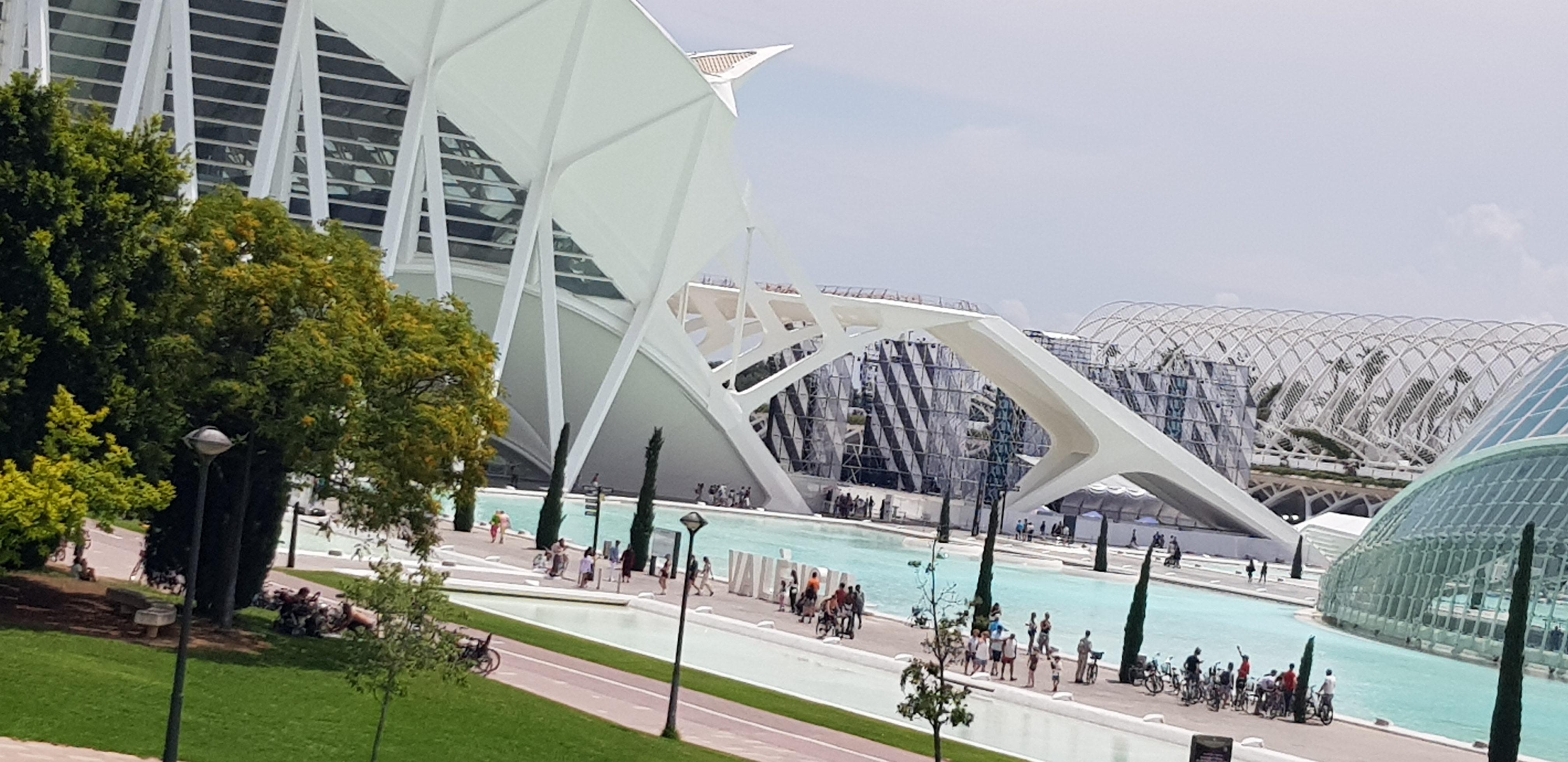
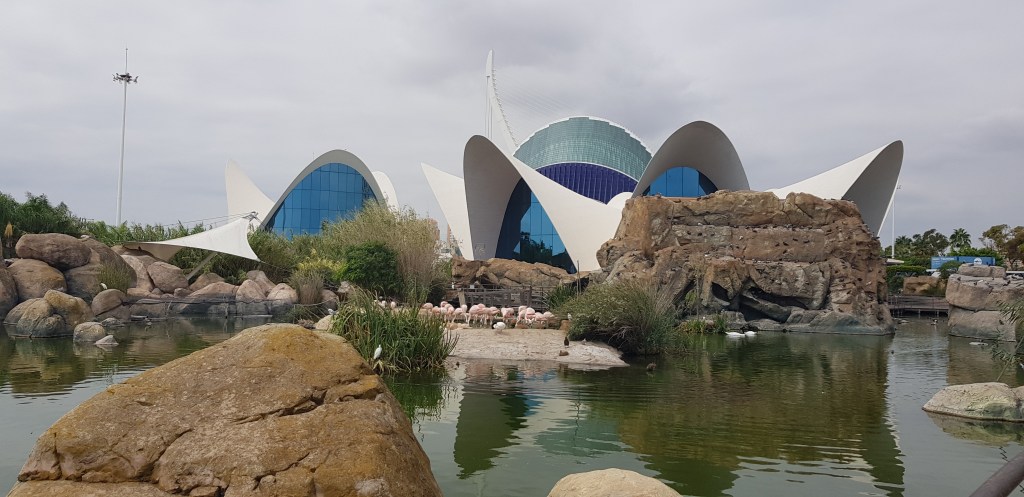
The City of Arts and Sciences is a modern tourism zone on the outskirts of the city offering open park spaces to relax, museums to visit, the oceanografica (world famous aquarium) and a manmade lake where you can do stand up paddle boarding if the feeling strikes you!

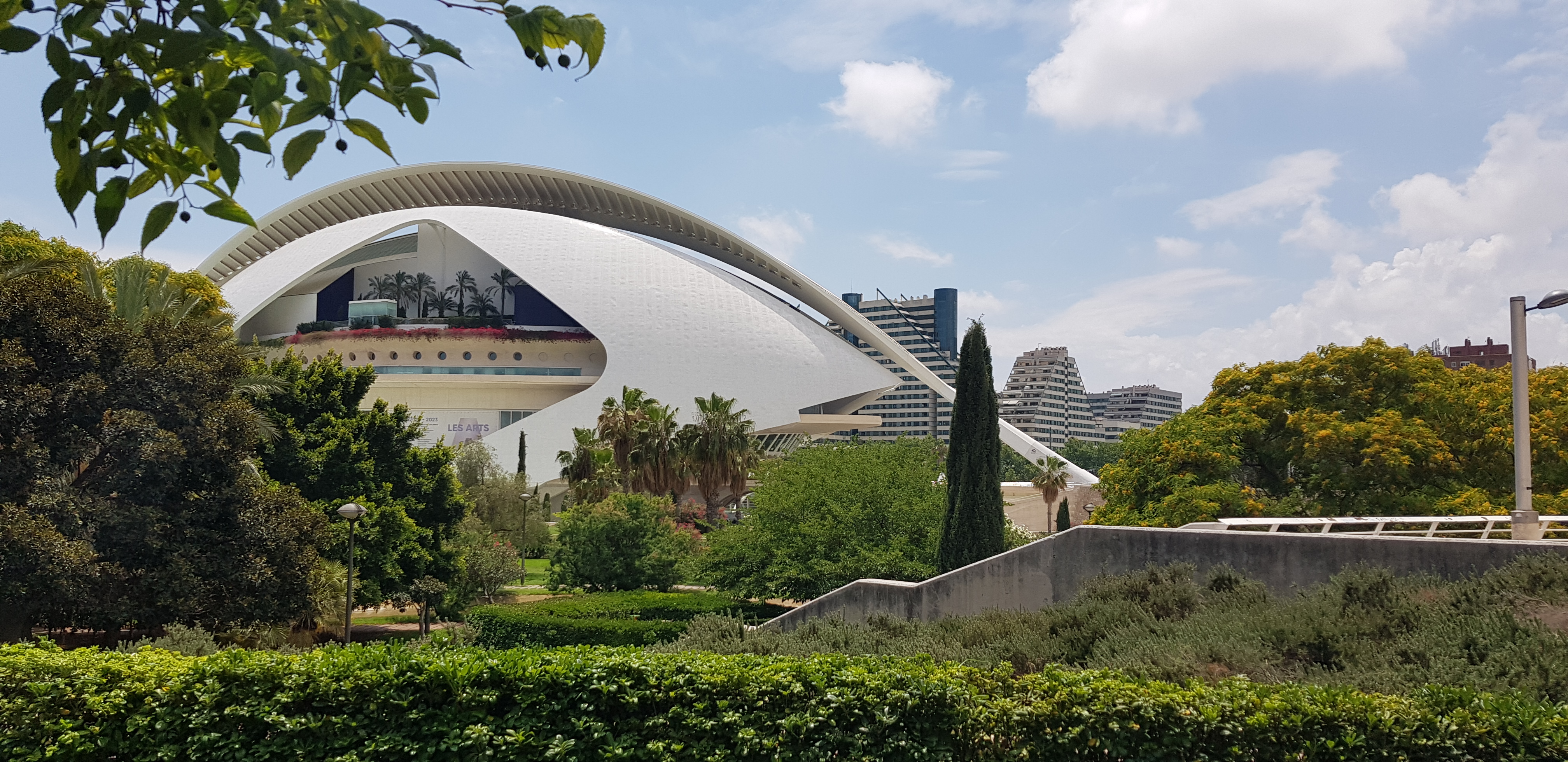
This impressive site has a mixture of buildings that have been specifically designed by architects to reflect specific shapes and content. The site really wowed me when I first saw it on a drive by, especially one building that is cleverly shaped as an eye!

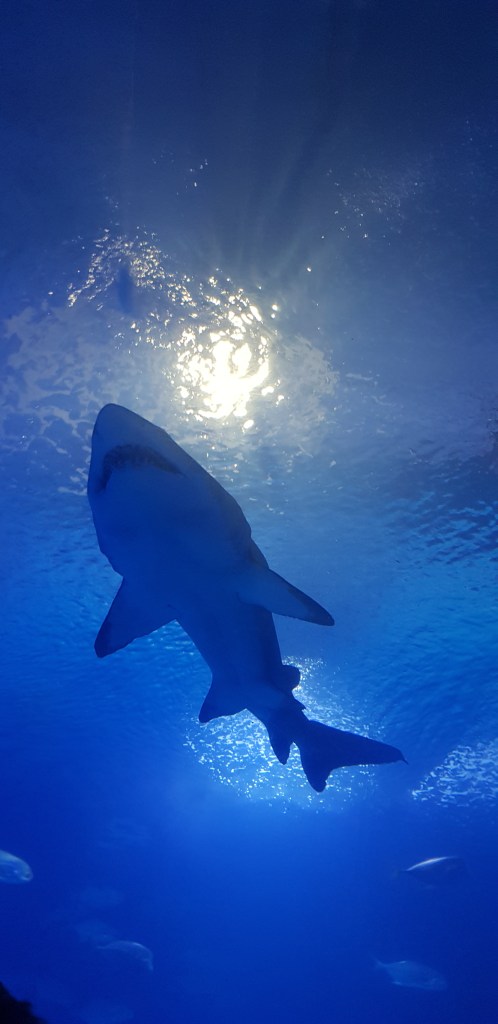
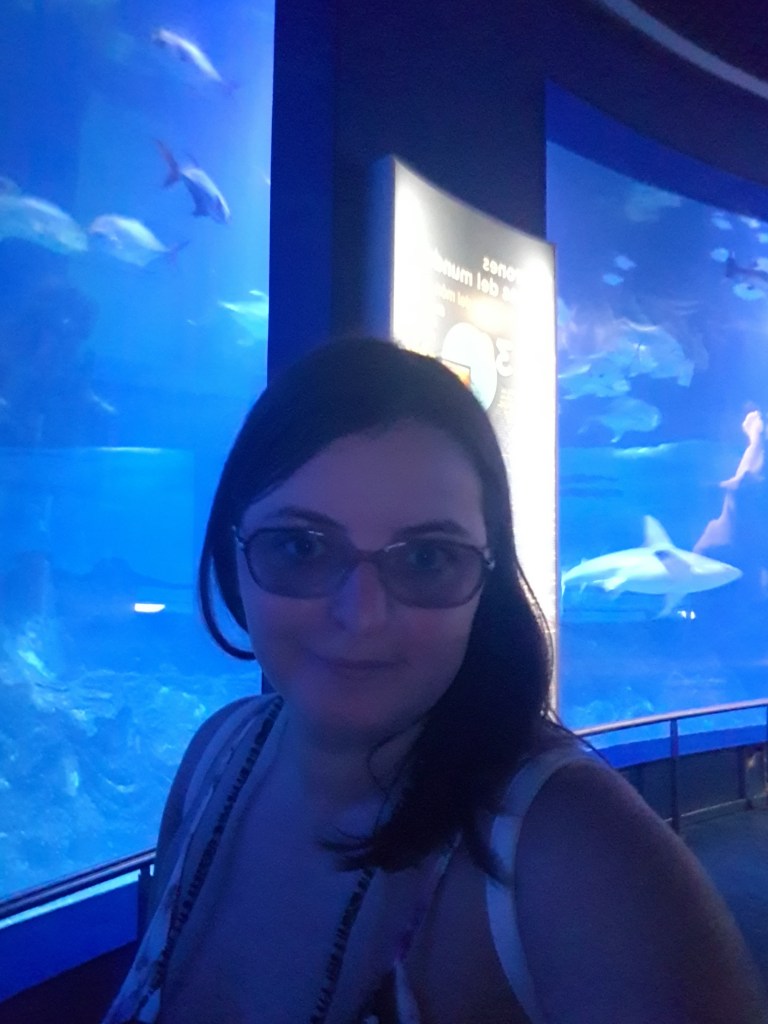
One of the times I visited here, I decided to go to the Oceanografic attraction, Europe’s largest aquarium. The site is very well designed with different sections of the park devoted to different world climates; Tropics, Mediterranean, Wetlands etc. The attraction has impressive underground displays of huge tanks and tunnels of sharks, stingrays and a variety of fish. There is also a huge dome simulating the Antarctic for the penguins, an aviary dome, and a huge theatre for dolphin shows.

I was really impressed with the layout of the park and the displays offered, but I cannot help but lean on the opinion of my cabin mate, a yoga teaching vegan, that the containment of Whales and even Dolphins is not right. This is not something that usually bothers me and on visiting Seaworld Florida behind the scenes and other locations, sometimes these animals are rescued and rehabilitated which is great, but looking in Valencia at a single beluga whale circling a small enclosure considering its size, I could not help but feel bad. In this case, I say ‘set him free’!

Old Town

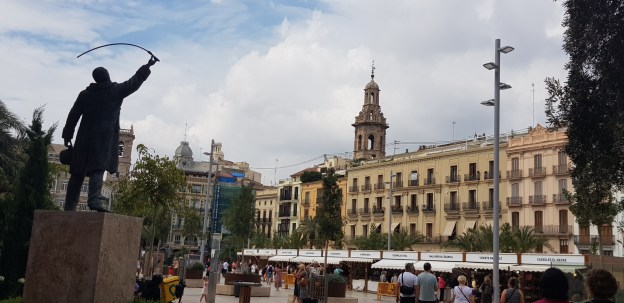
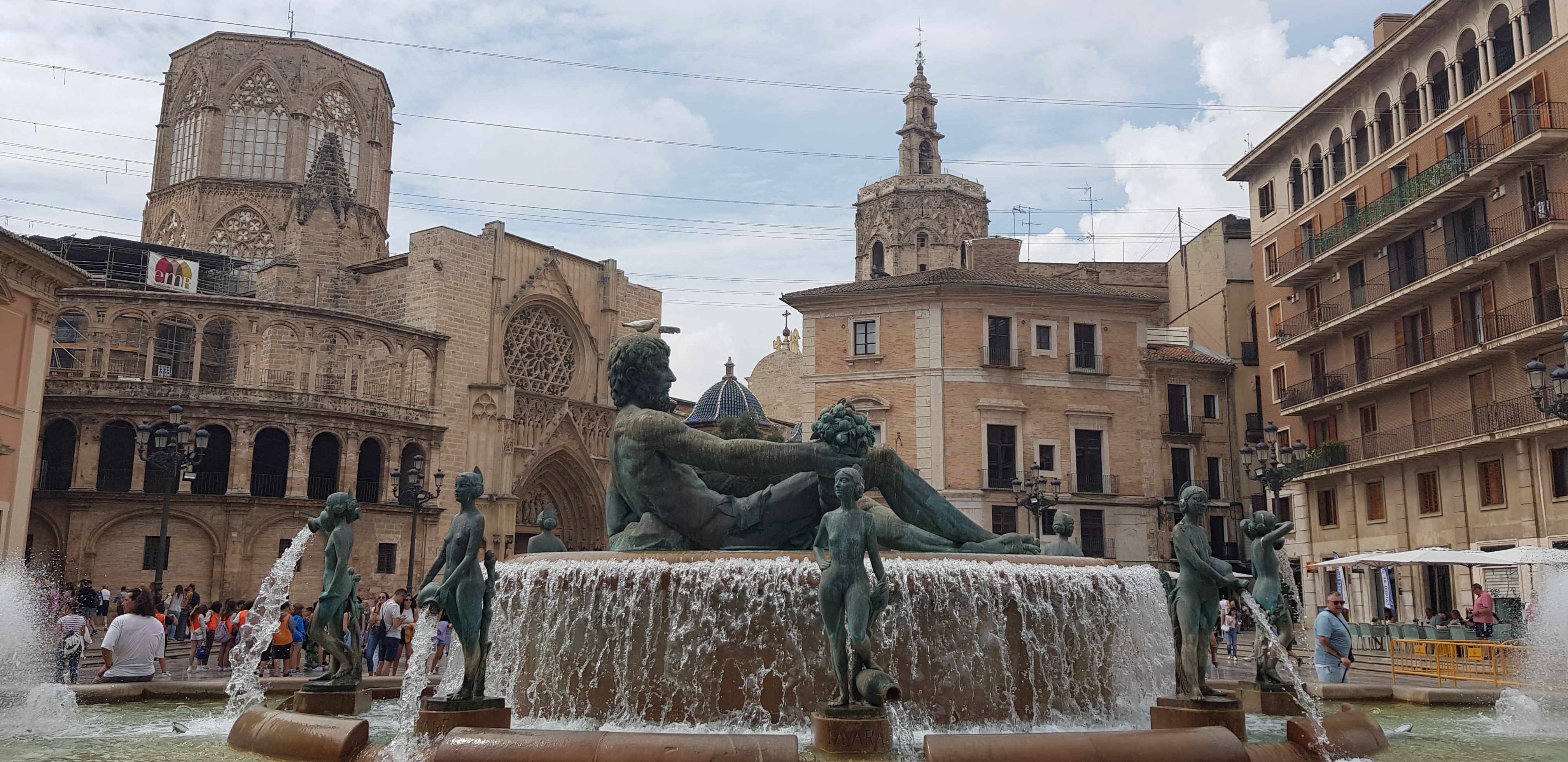
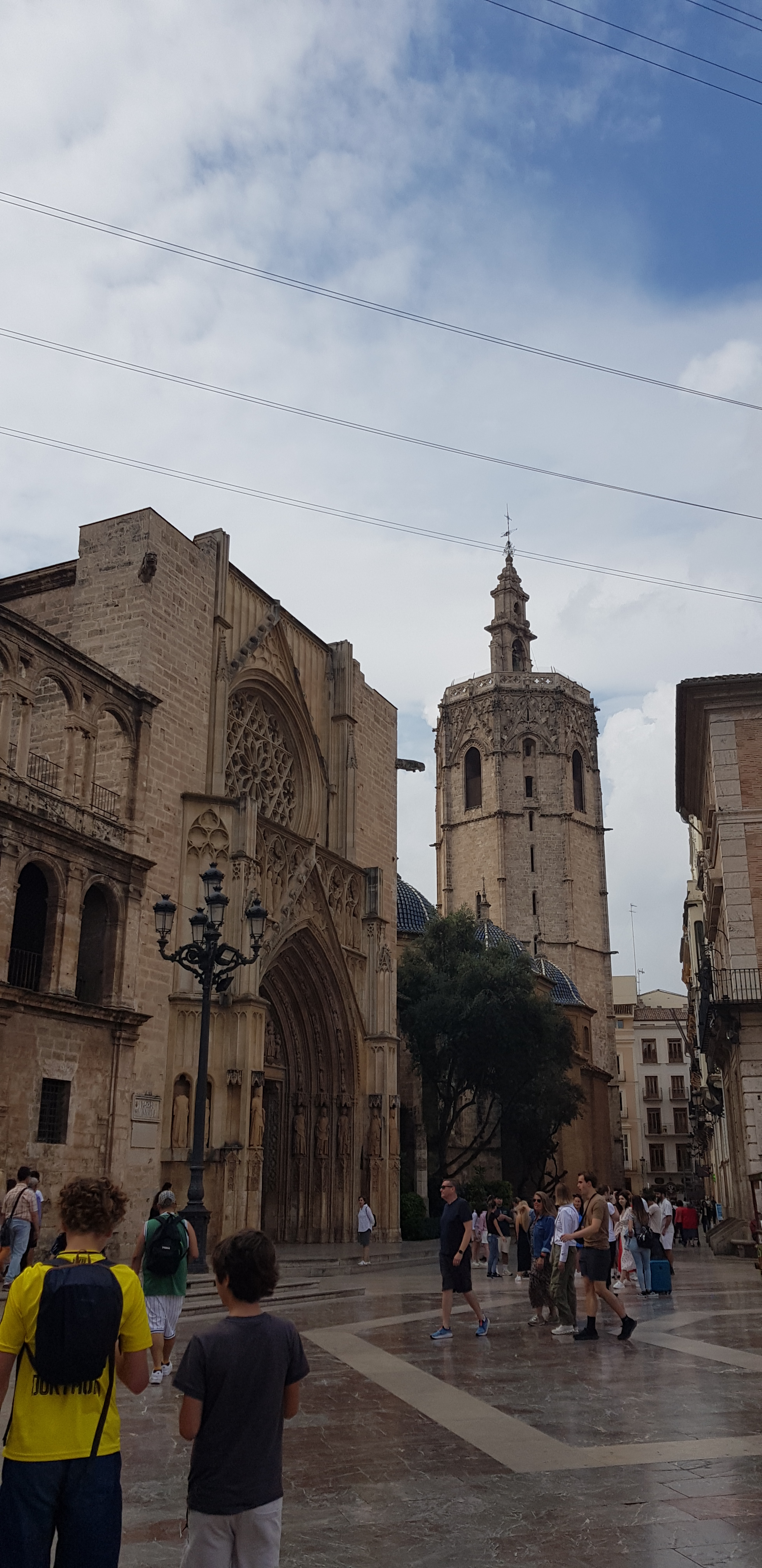
Back in the historic city centre of Valencia which is now mostly pedestrianized, I found a pleasant array of squares, churches and an undeniable charm surrounding me.

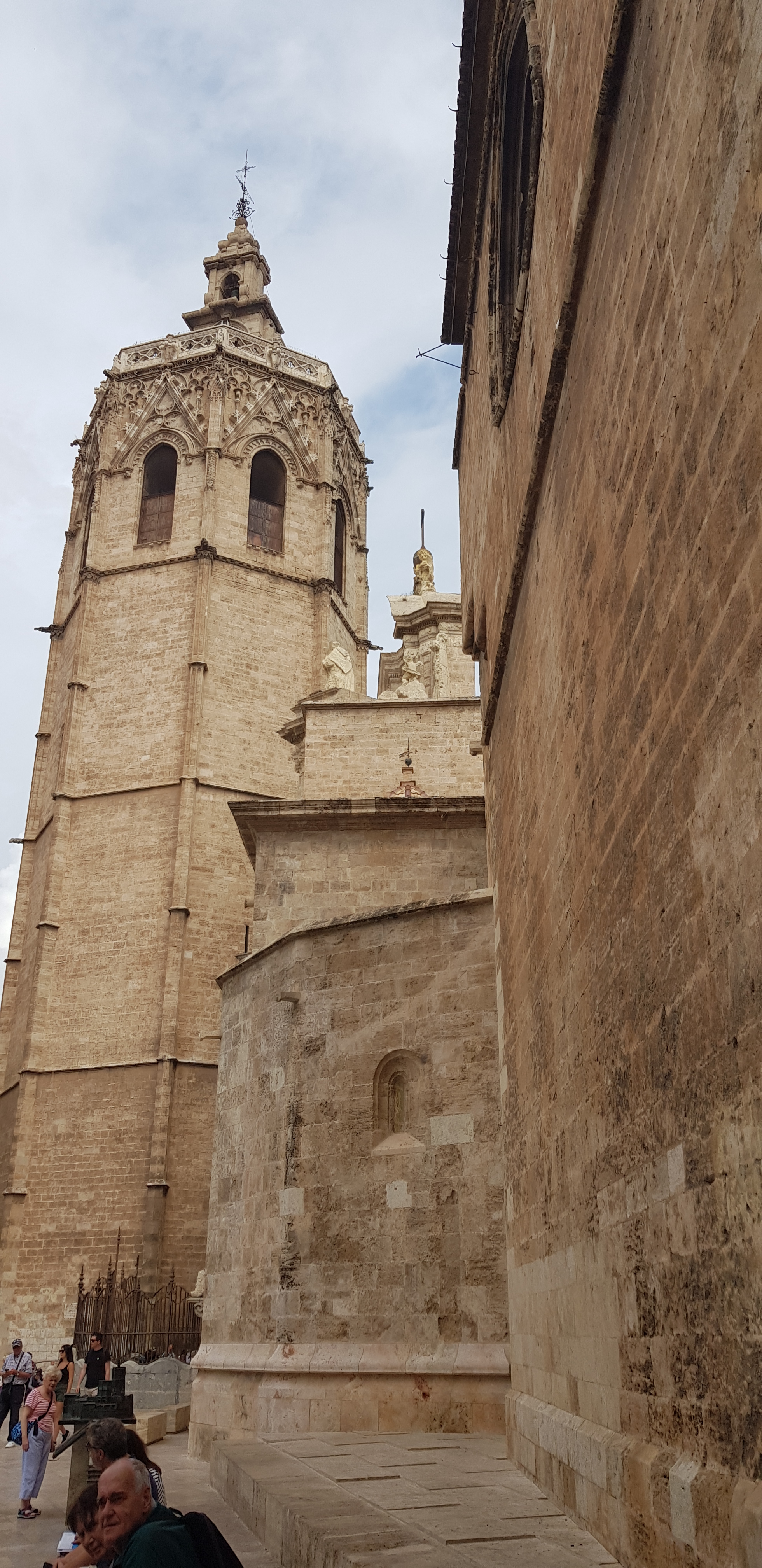
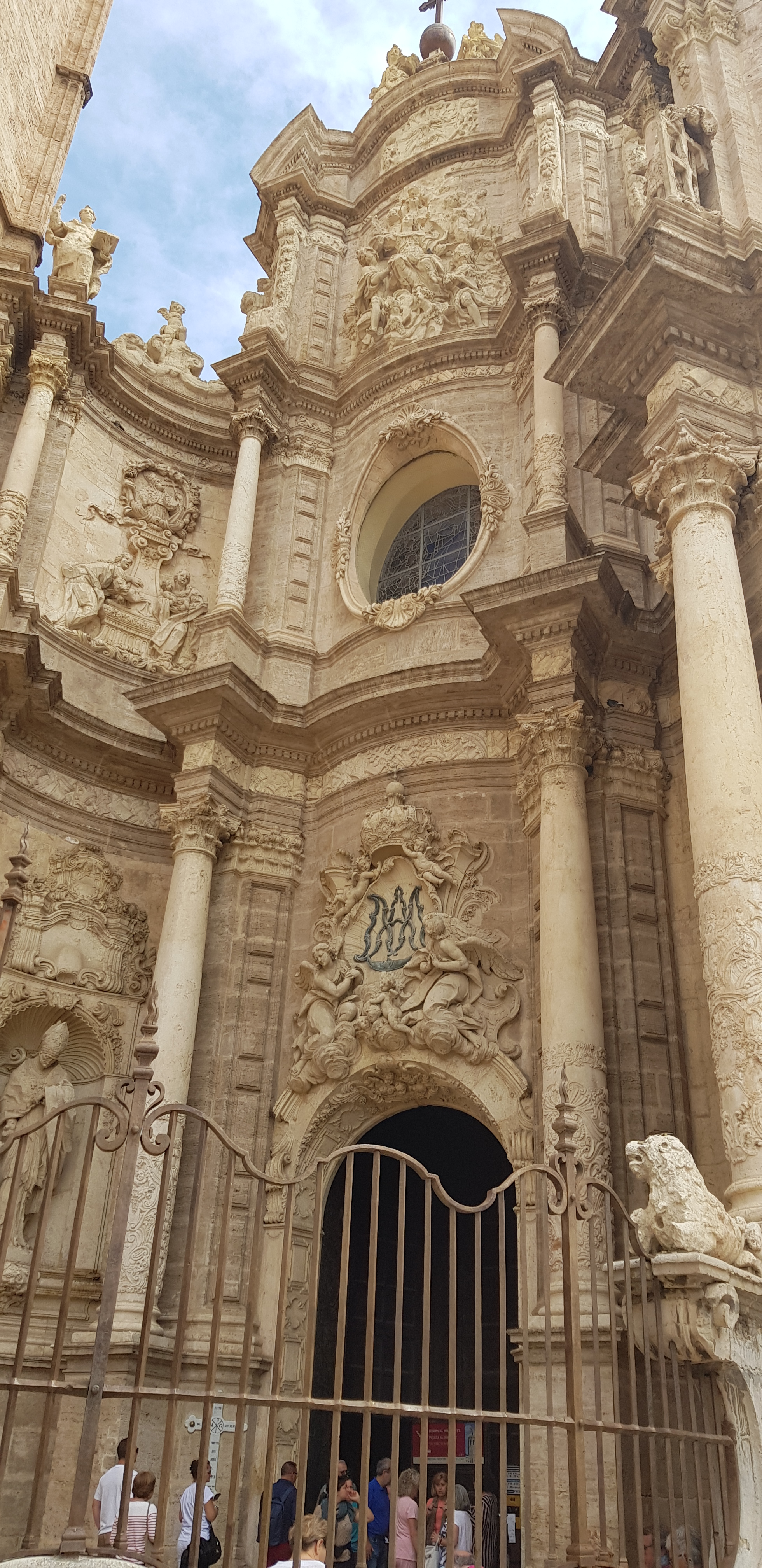
The cathedral is very beautiful and has a particularly striking tower that can be instantly recognised, to set Valencia apart. When visiting the cathedral, I decided to climb the many steps of the tower which allowed me to enjoy great views of the old town and further, as well as see the tower bell up close.

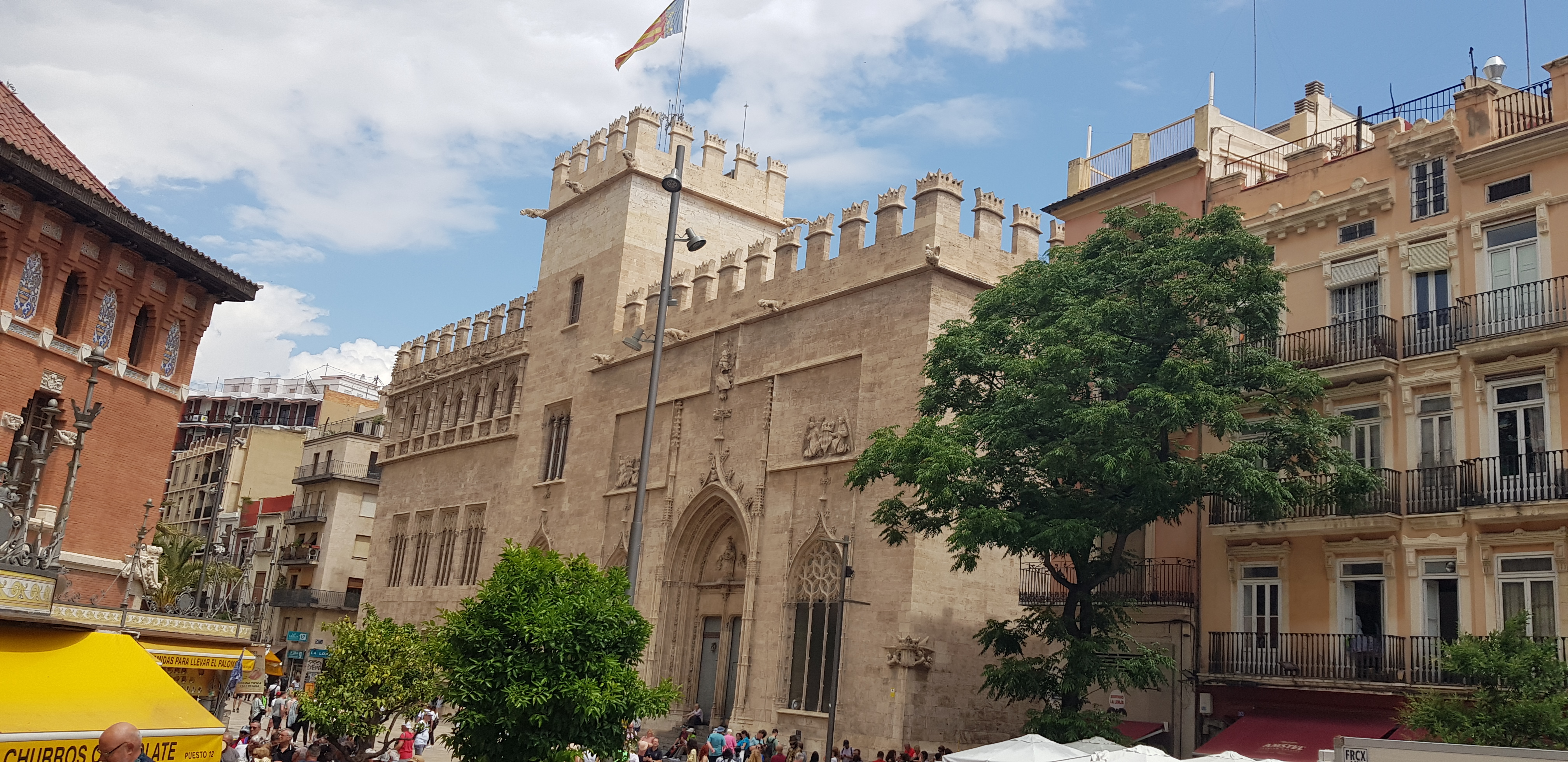
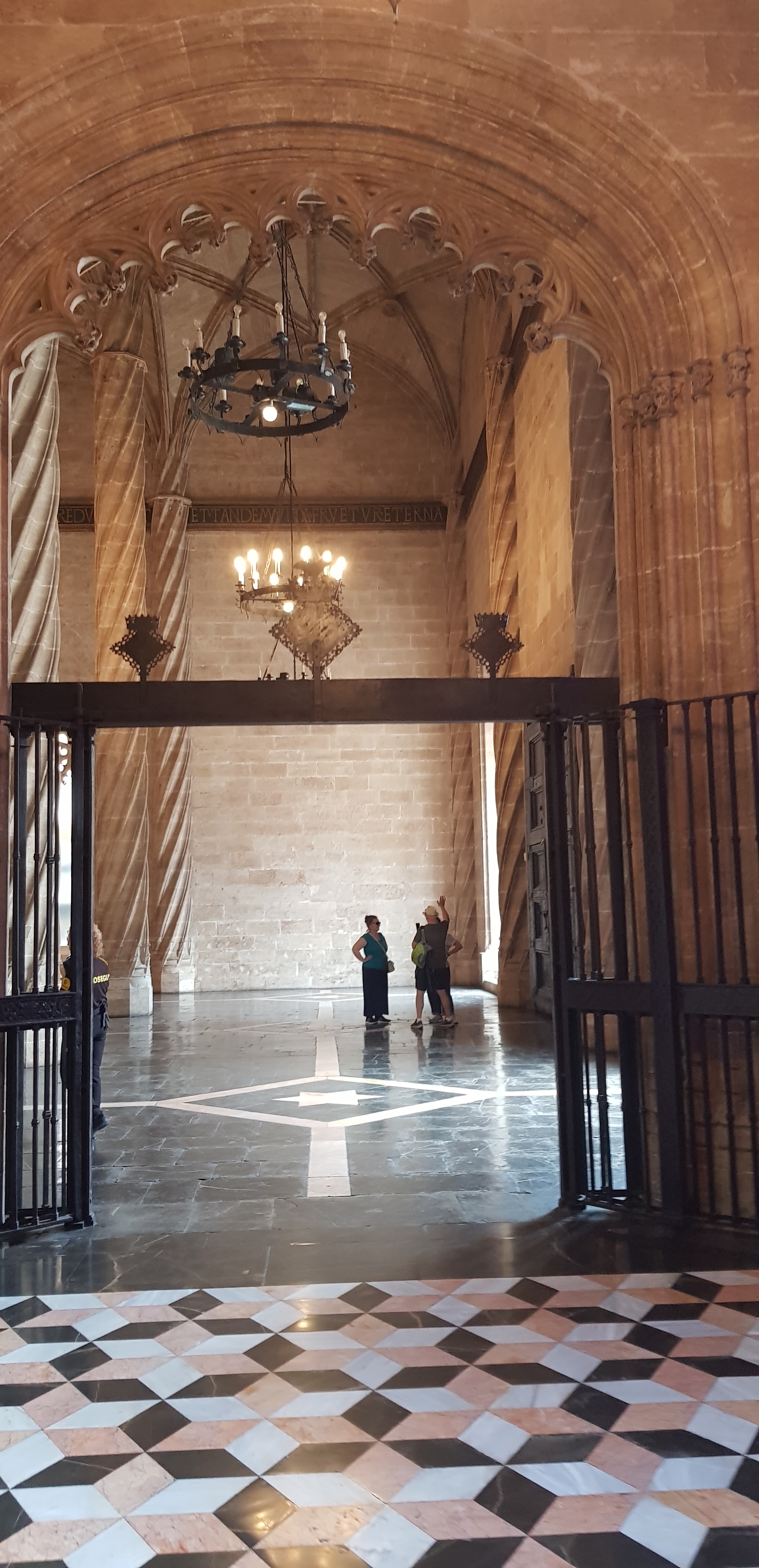
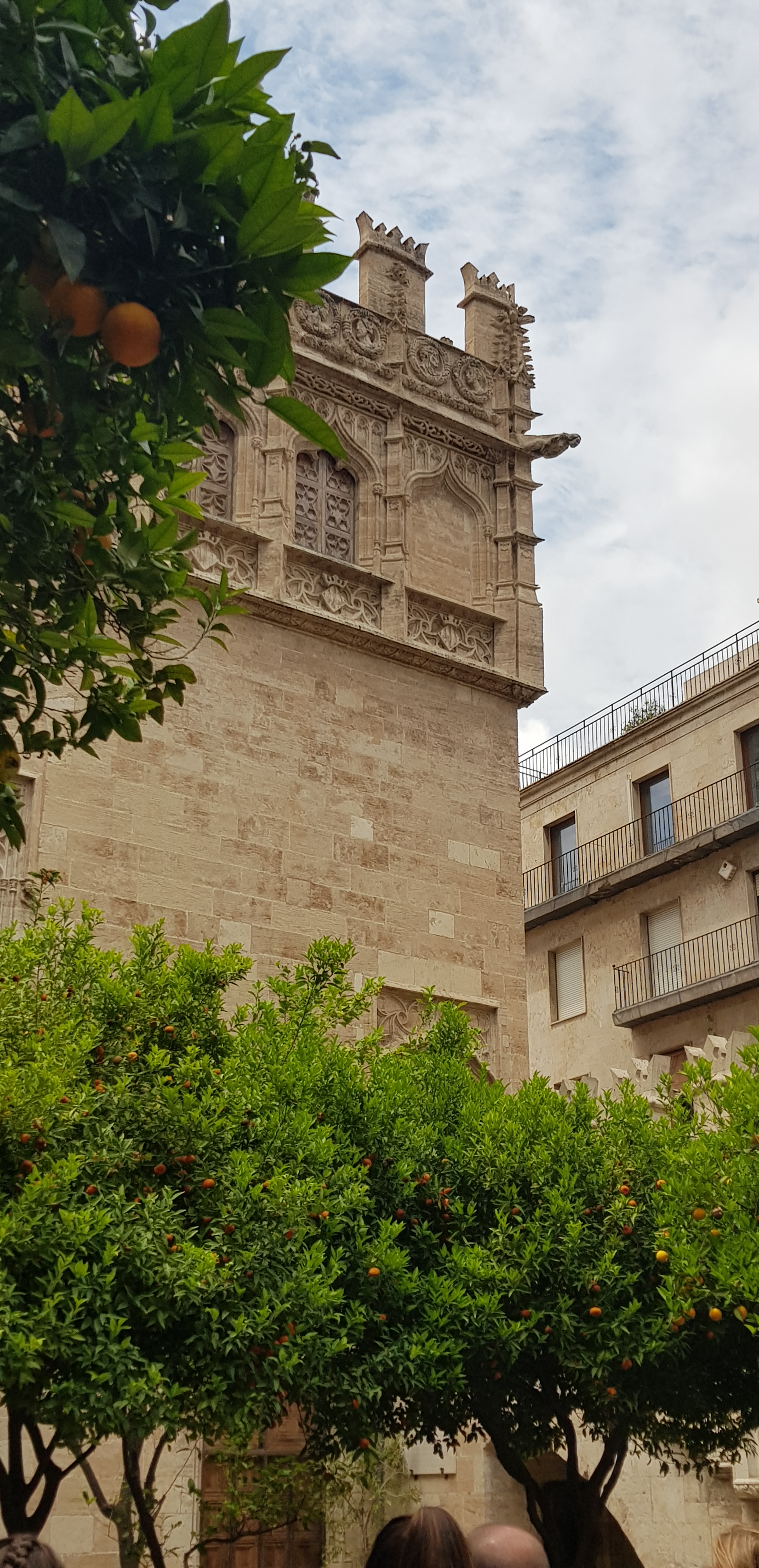
Ten minutes or less walking from the cathedral and I came across two major attractions for the city. La Lonja which looks like a small castle but it was actually once a place where business deals were struck and tradesmen met to sell their product. Valencia has for centuries been a center for the production and trade of textiles and ceramics. It is not expensive to enter and it has a small garden, and a few rooms to visit which are mostly empty allowing you to appreciate the stonework and design of the venue.
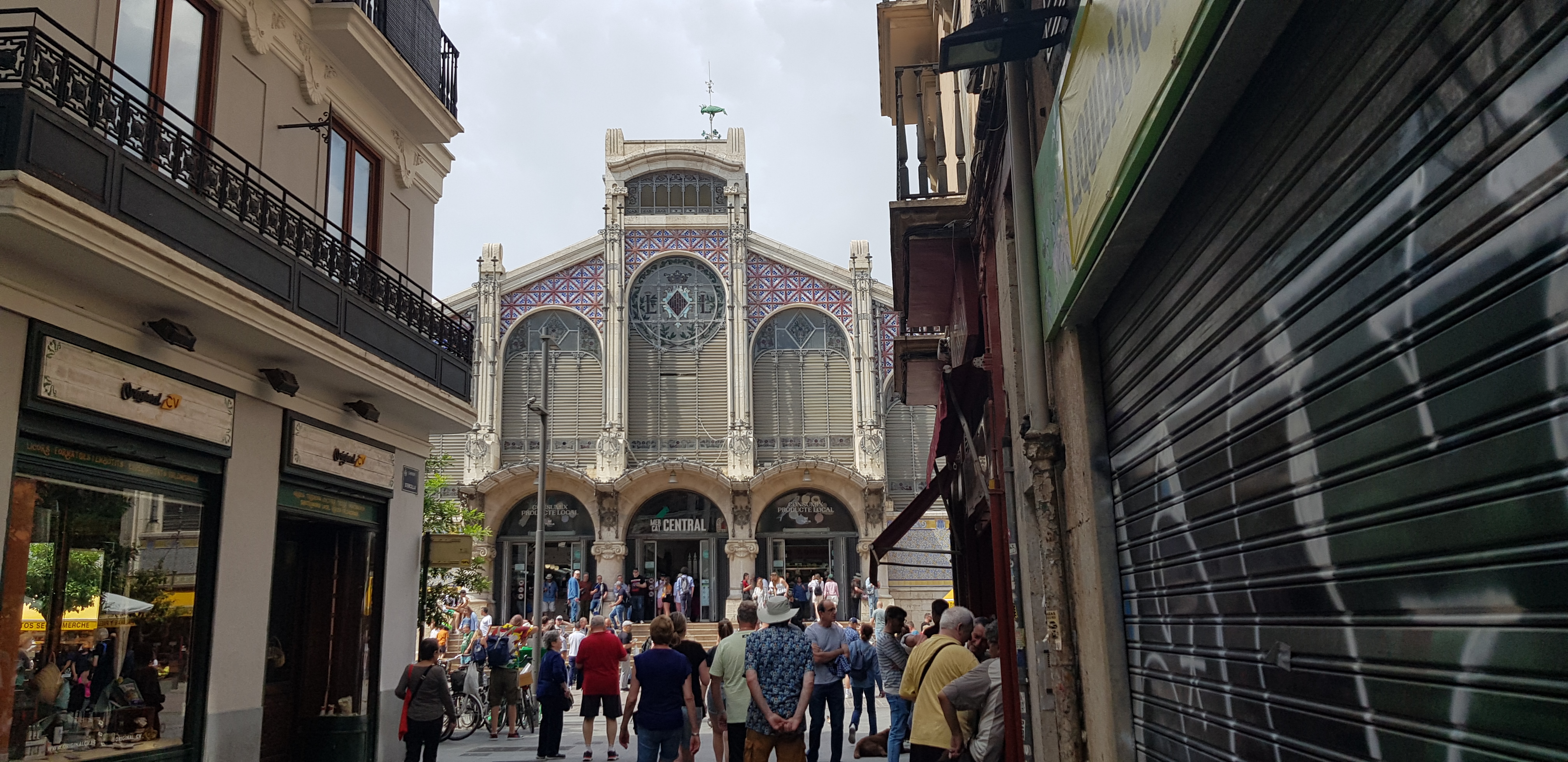
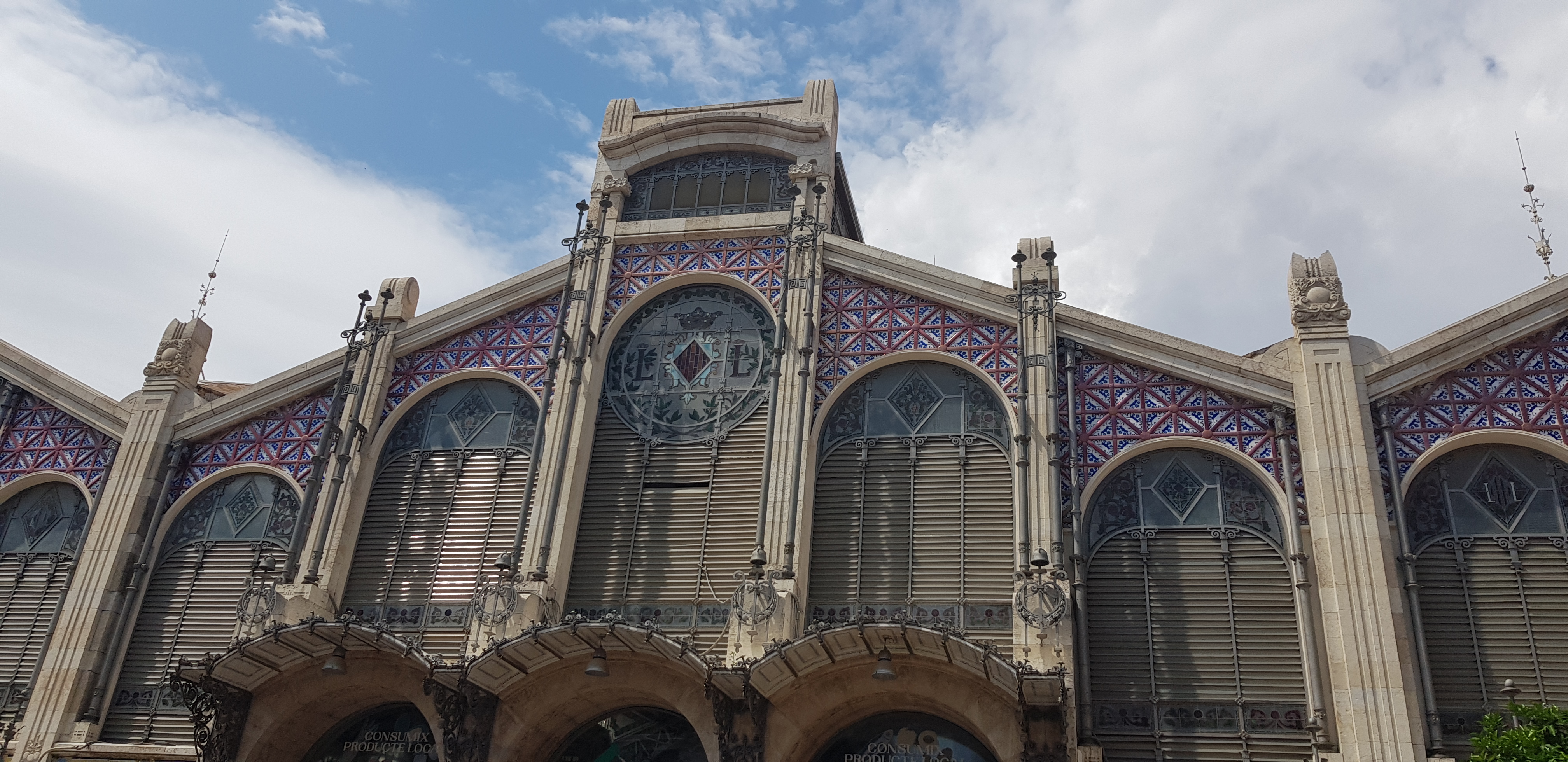
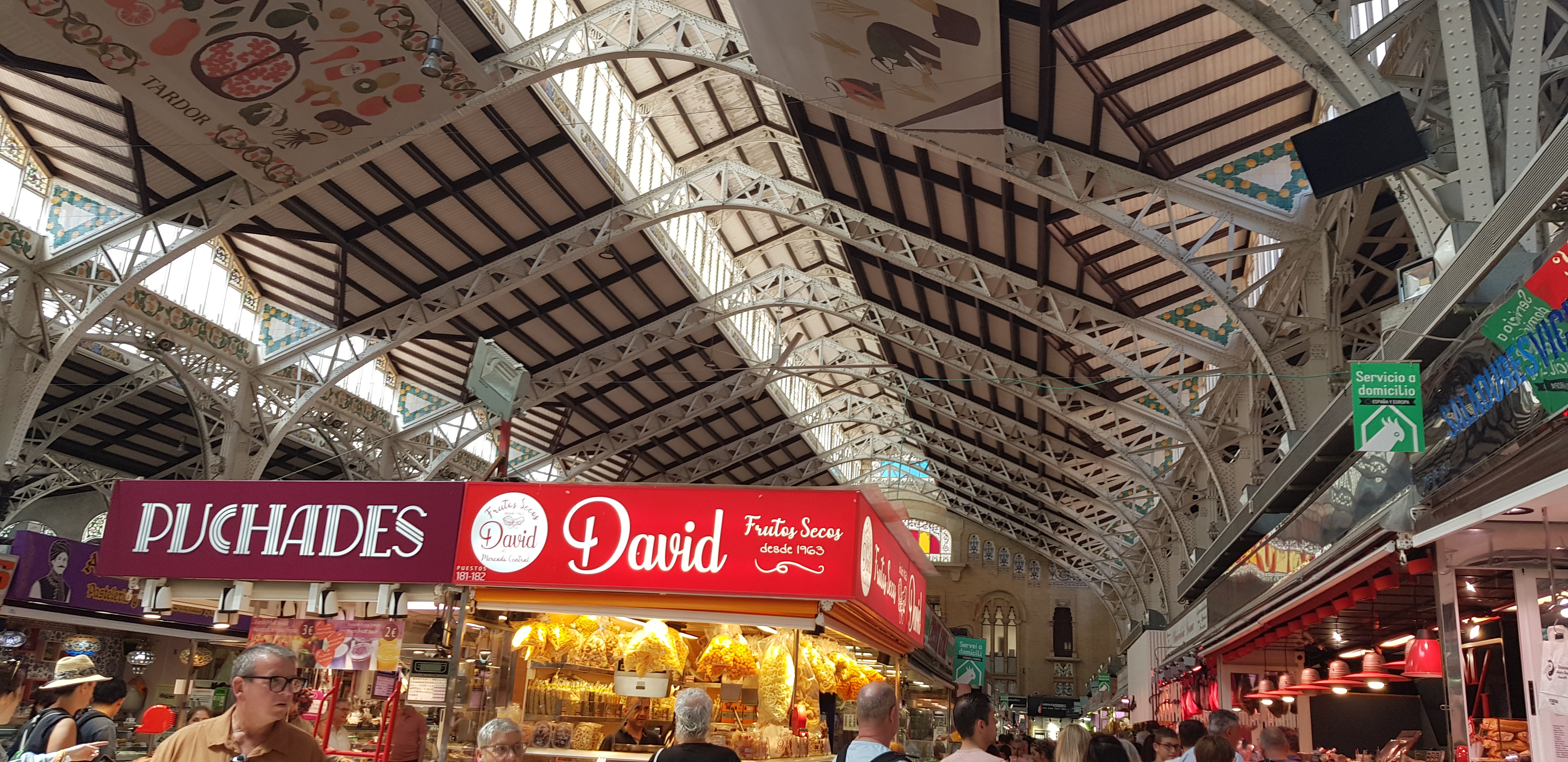
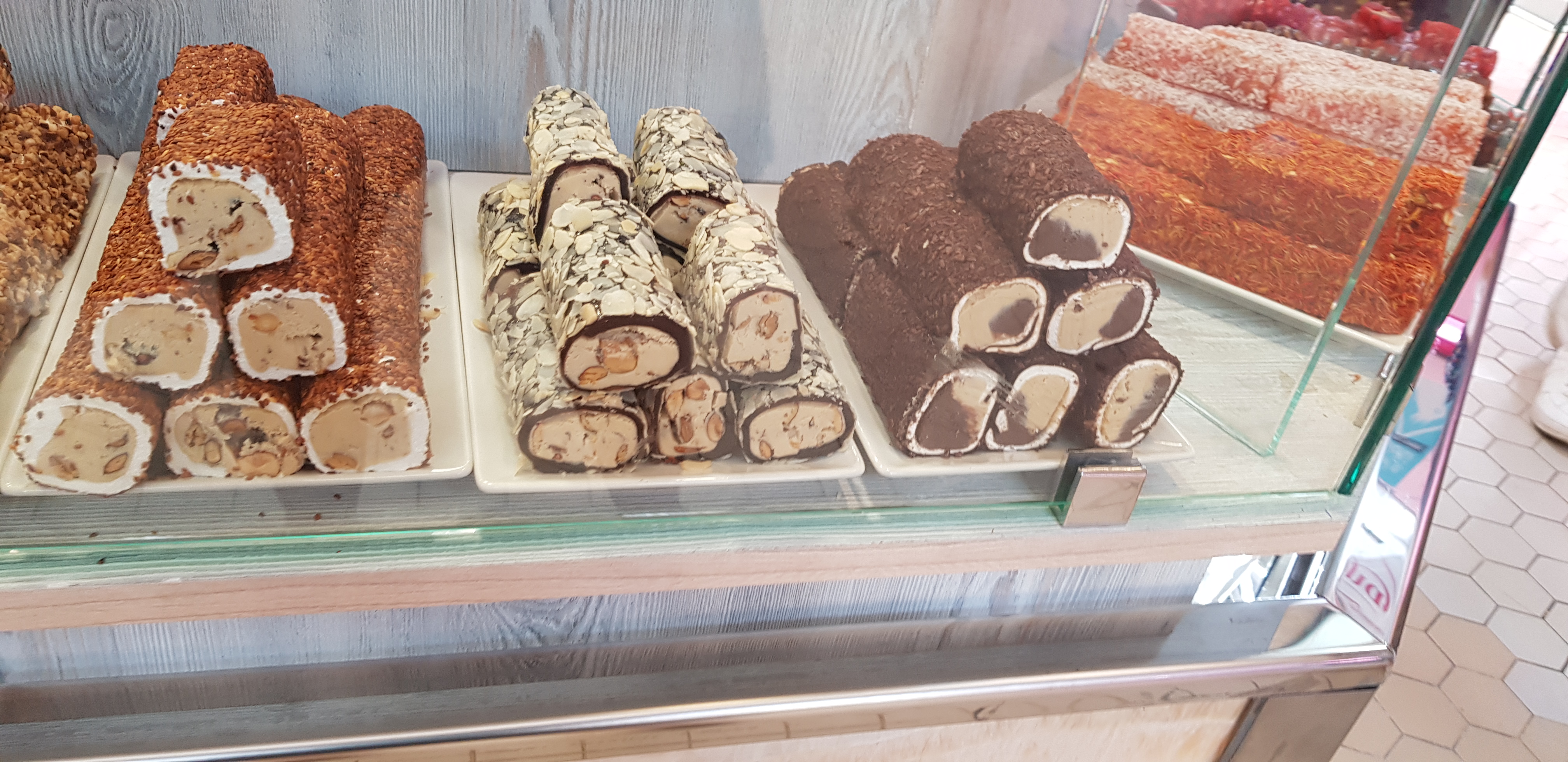
It makes it even more appropriate that just opposite this beautiful building, is the central market. One of the biggest that I have ever visited in Spain, and one of the largest in Europe; it covers more than 8,000 square metres (86,000 sq ft), and approximately 900 stalls. The fresh produce on offer is tasty and fills the space with aroma, and the glass venue of an Art Nouveau is a wonder to enter even without eating anything.. I took advantage of this location and bought my team a mix of tasty treats including gluten free and vegan varieties for the fusspots.

Outside the city centre

Bioparc

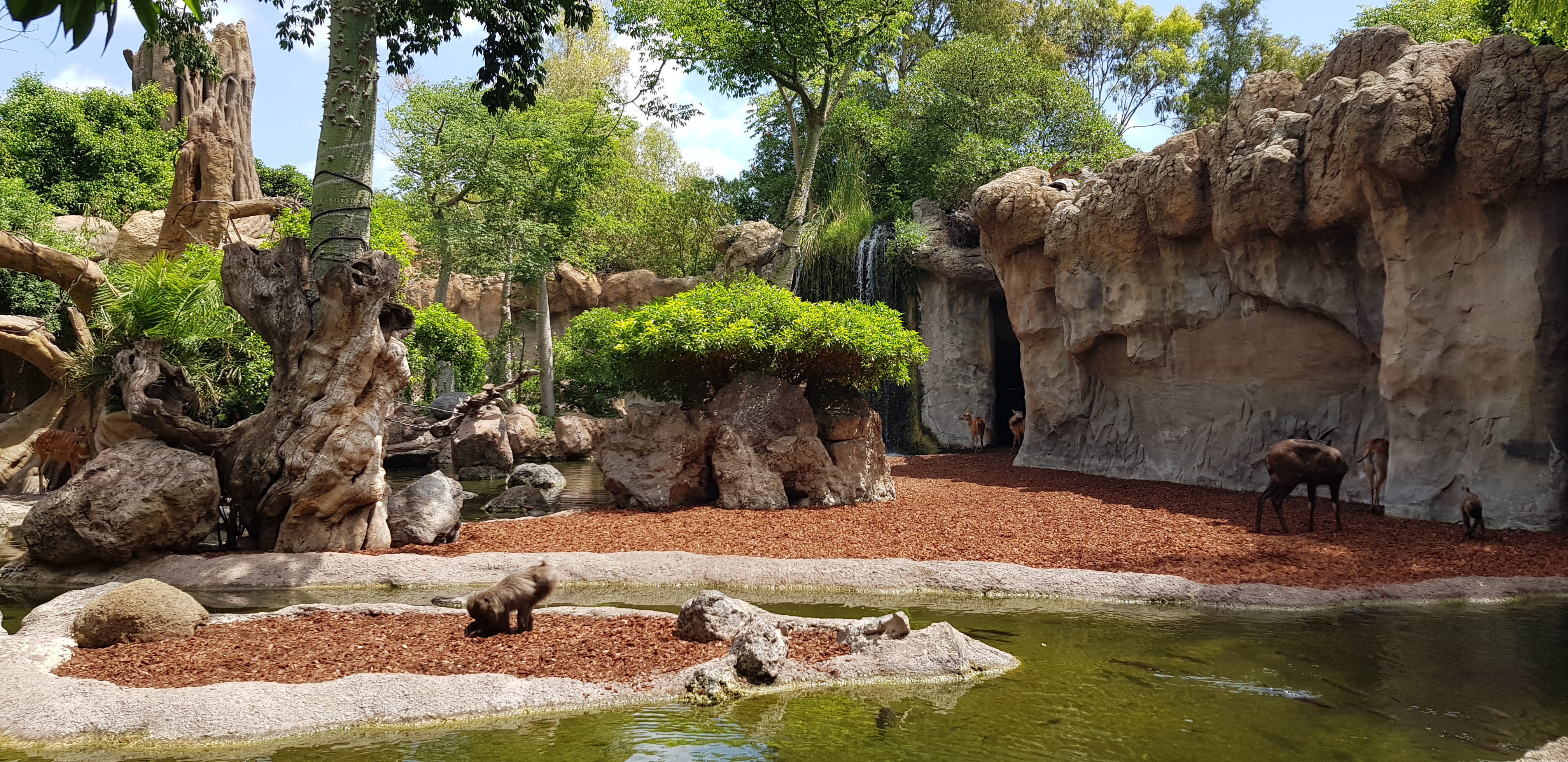
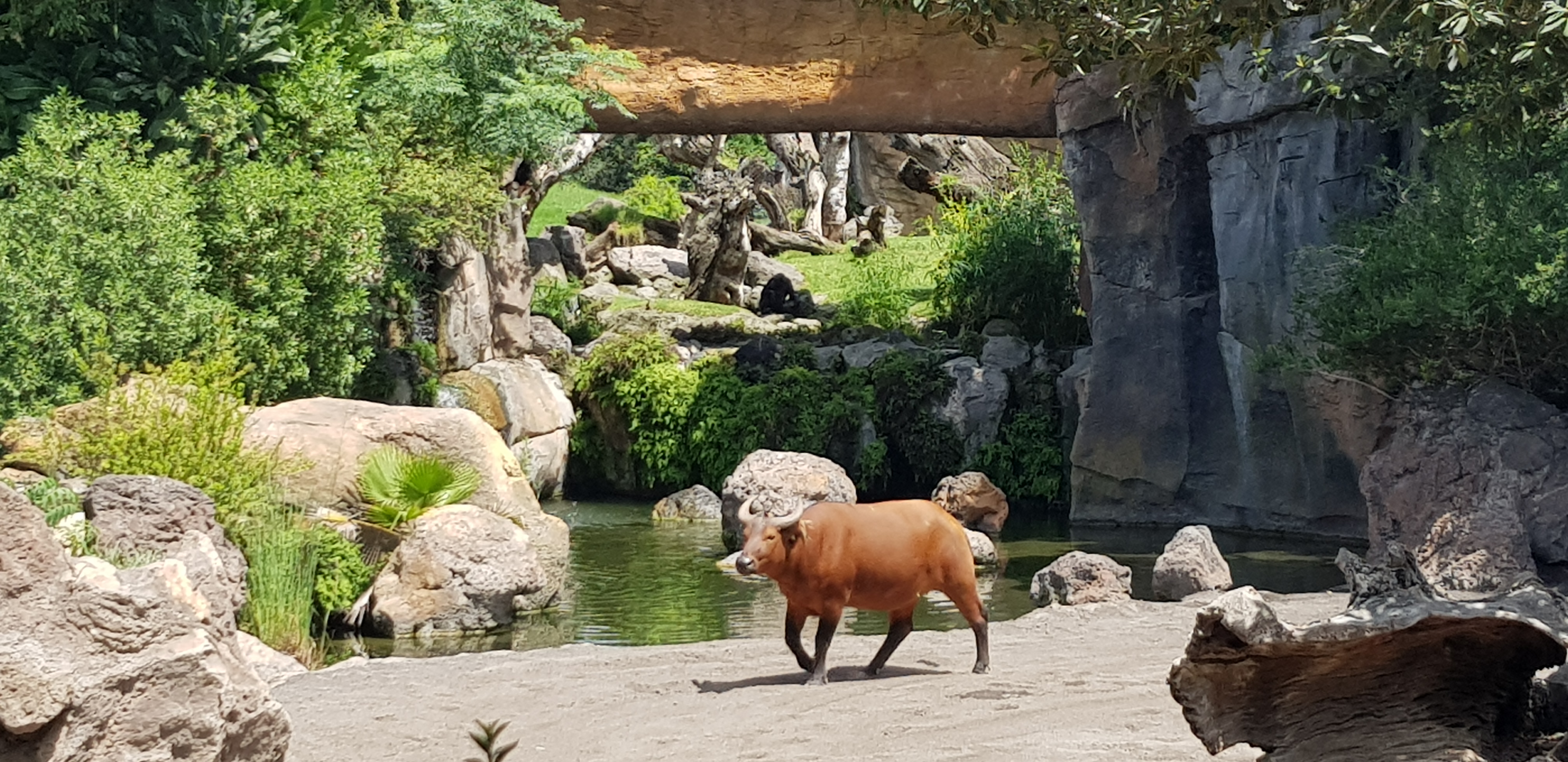
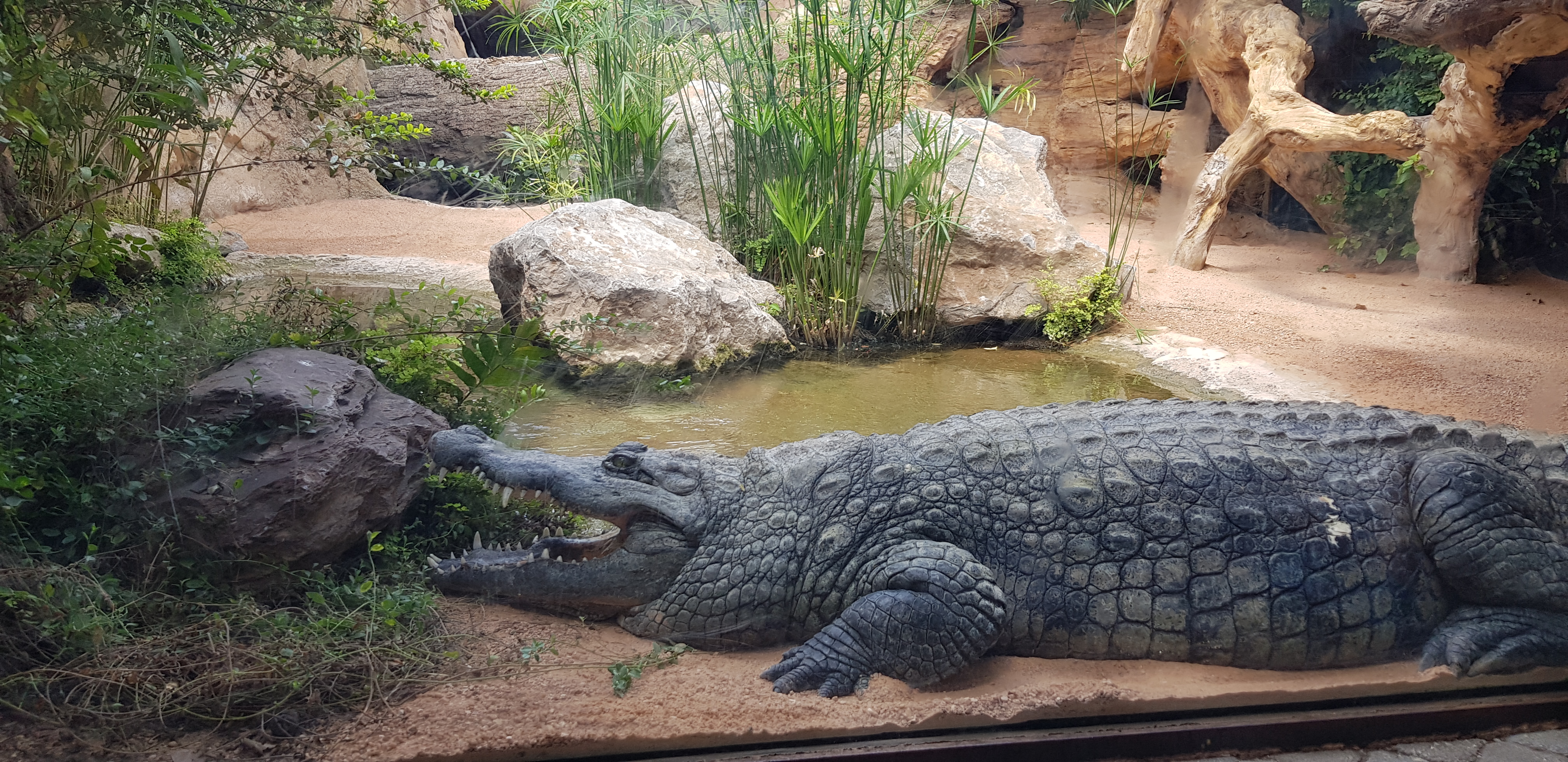
A little outside of the city and you can find the beautiful Bioparc Wildlife Park. This park has a concept that is leaning away from traditional zoo enclosures and is more towards maximising the engagement between the visitors and animals.

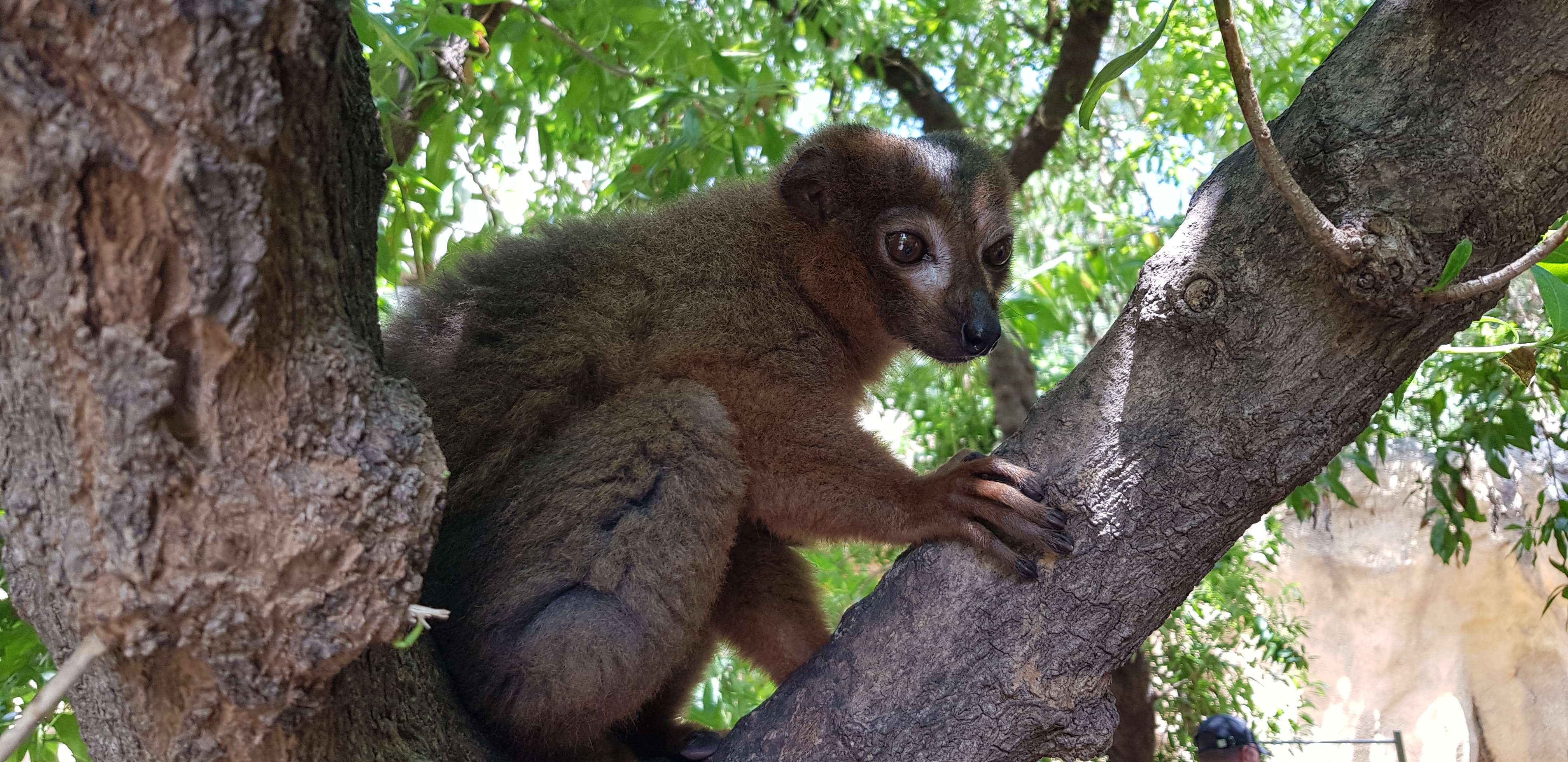
When I visited I assumed it would be just like any other zoo, but it was actually quite impressive. I have decided that Valencia does not do its visitor attractions half assed. Bioparc is very impressive, its not a huge park but what is there has maximised the space and given the animals a very wild environment to enjoy. My favourite parts were lemurs running around my feet, elephants showering themselves and a hippo that i could see both under the water and over it.

Albufera Natural Park

Another place that you can visit and see some wildlife if you’re lucky is the Albufera Natural Park. Thats Albufera, Valencia not Albufeira, Portugal to be clear for those getting confused!

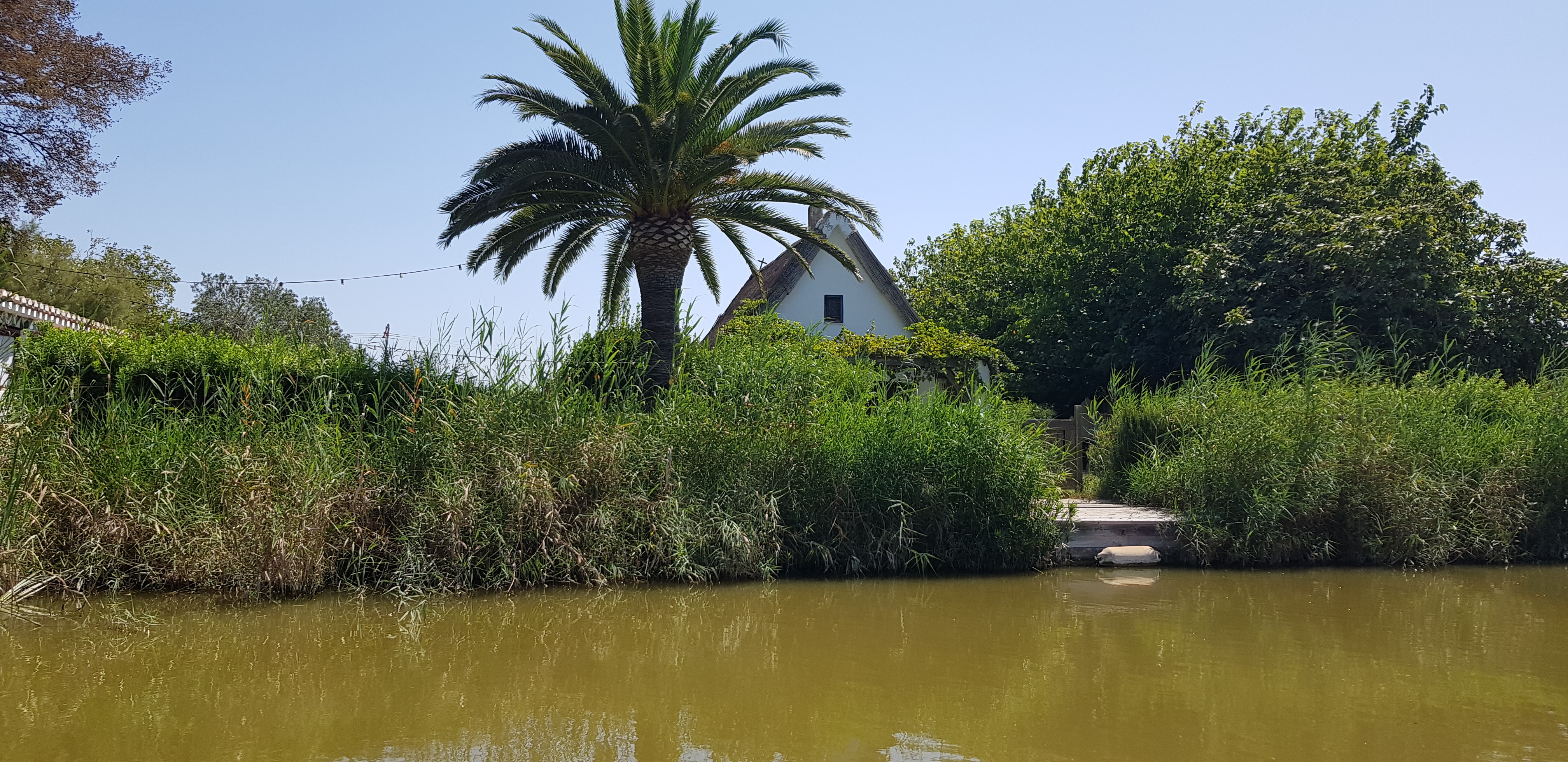
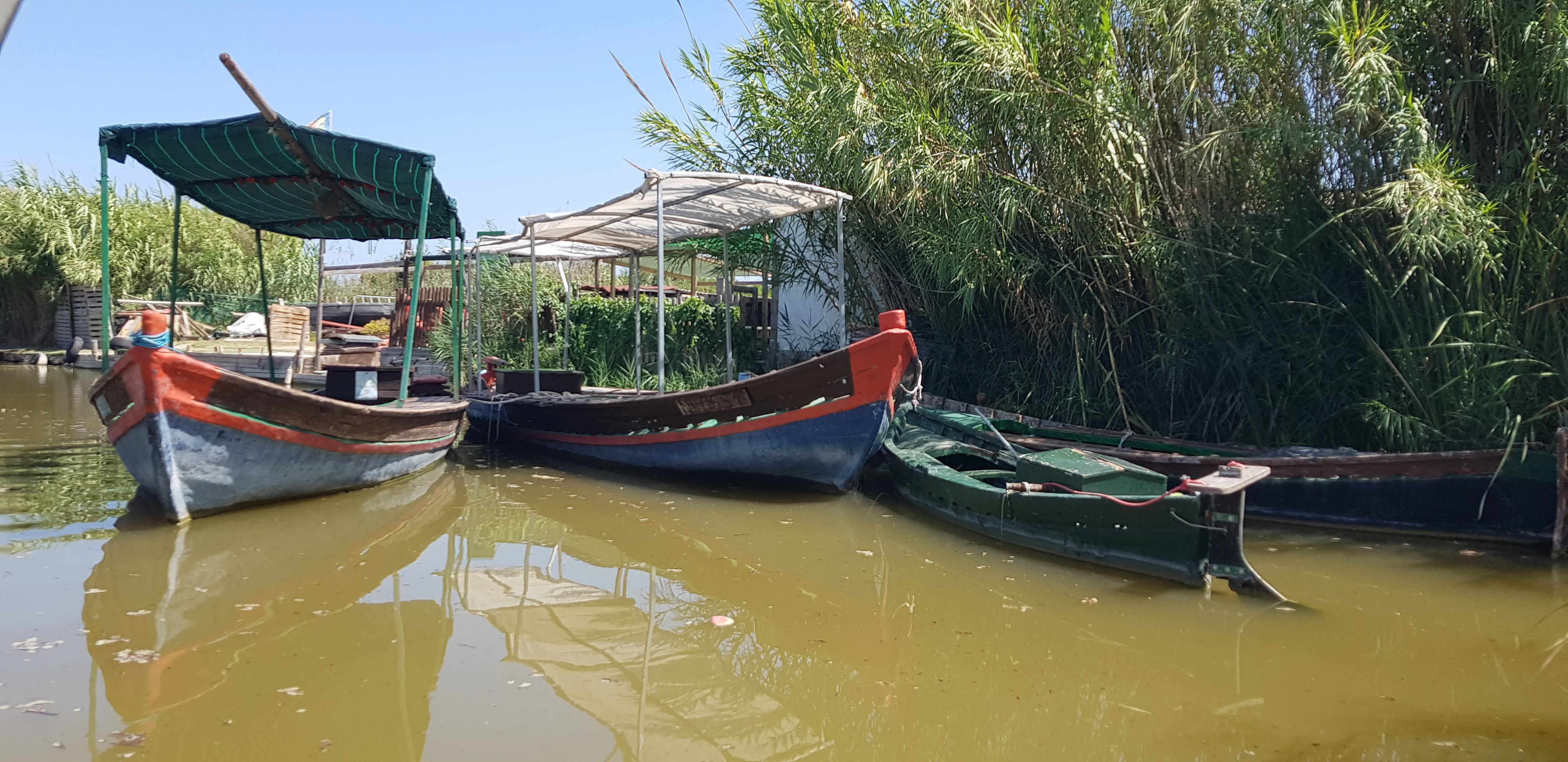
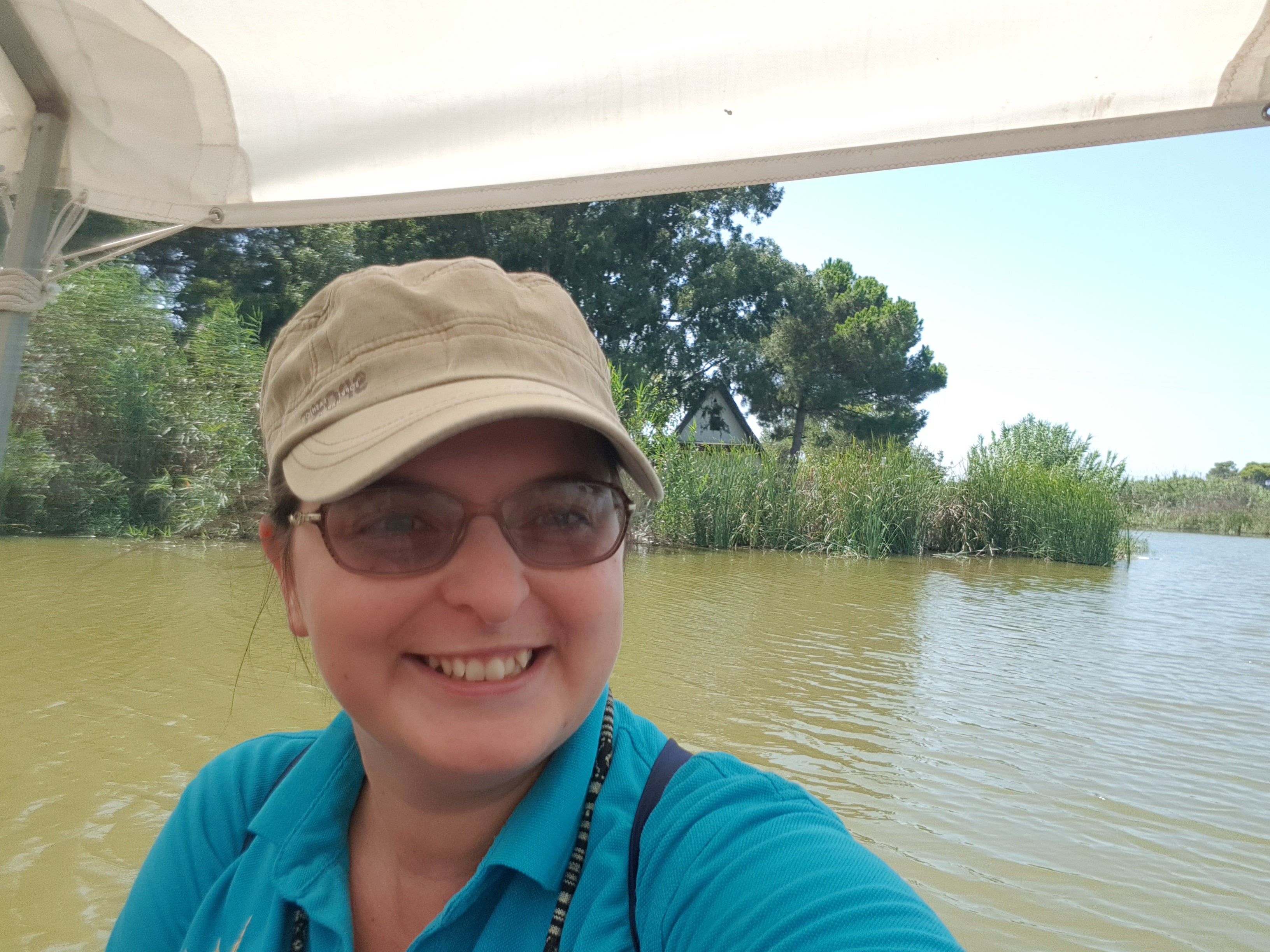
On my tour of Albufera Natural Park, I enjoyed a traditional wooden boat ride on the waterways surrounded by rice fields. I relaxed and enjoyed a homemade valencian sweet drink and spent some time spotting birds and eels from the comfort of the boat.

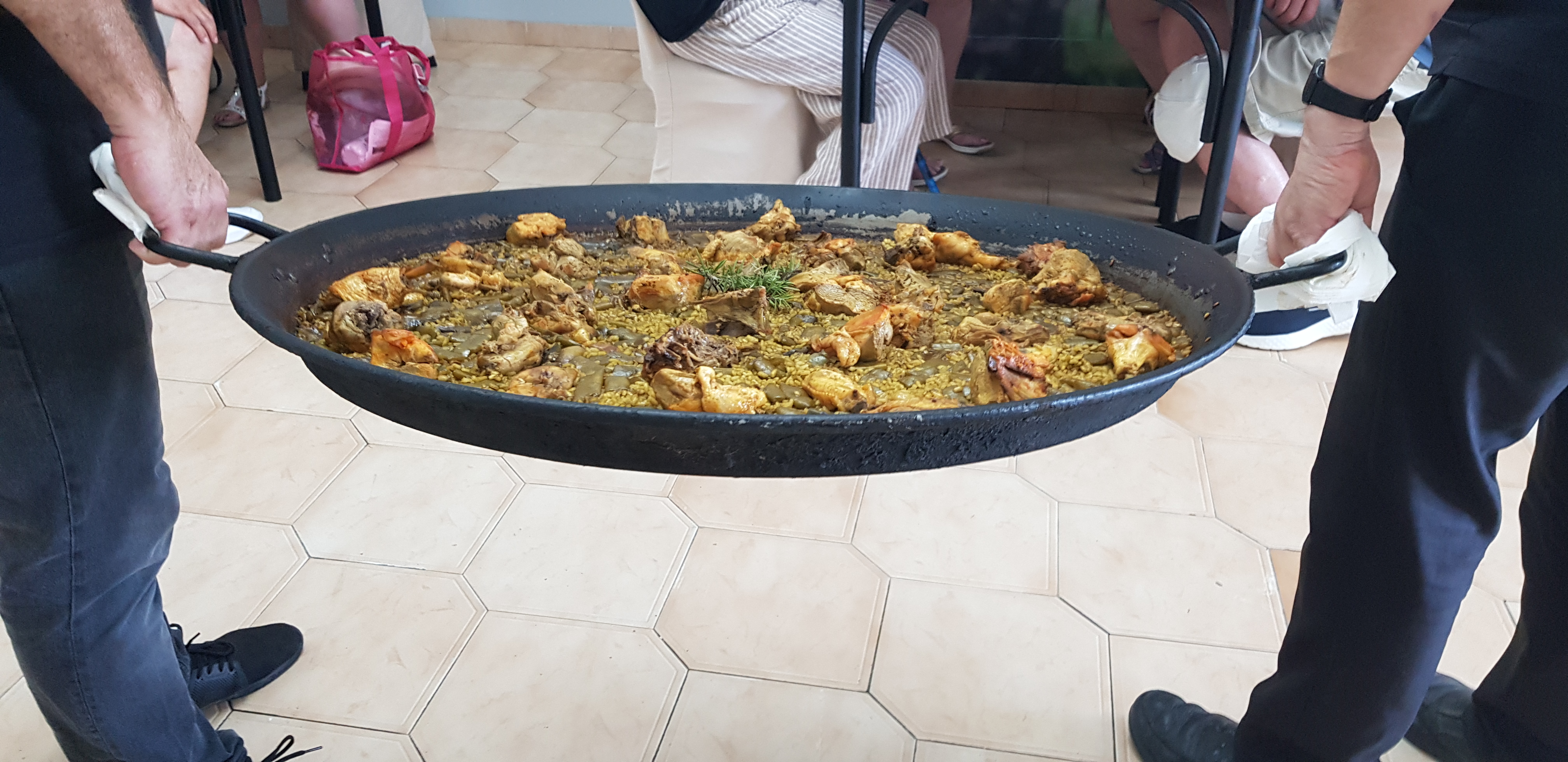
Afterwards, I enjoyed a gorgeous valencian Paella made with local ingredients including rice from the surrounding fields. It was very tasty!

Overall, I have really had a great time visiting Valencia and it is very diverse in what it has to offer. It is a big place, but I would hope it does not get any bigger, as it would be a shame for it to lose its charm!

Tarragona: A city of Human Towers and Romans

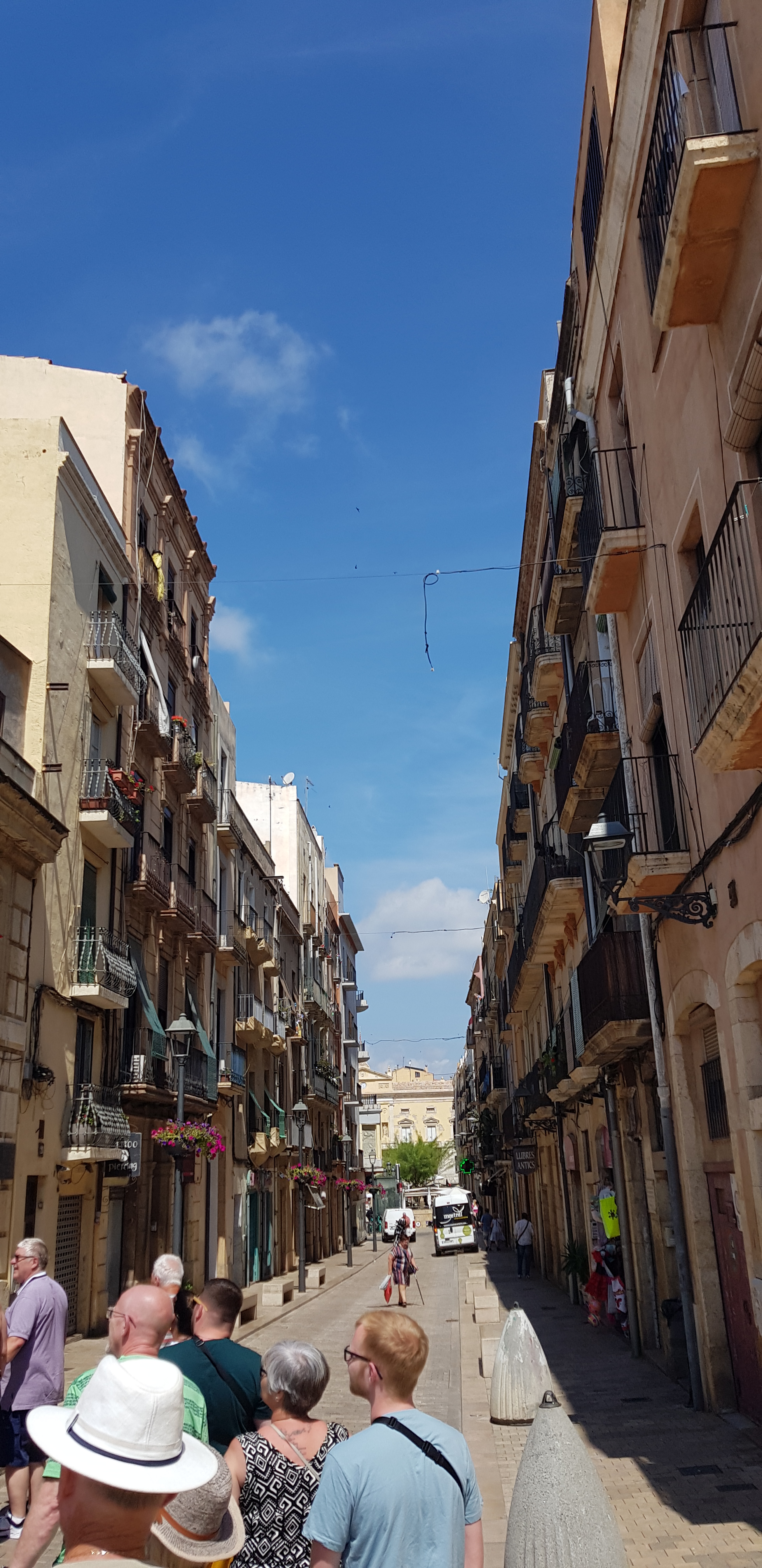
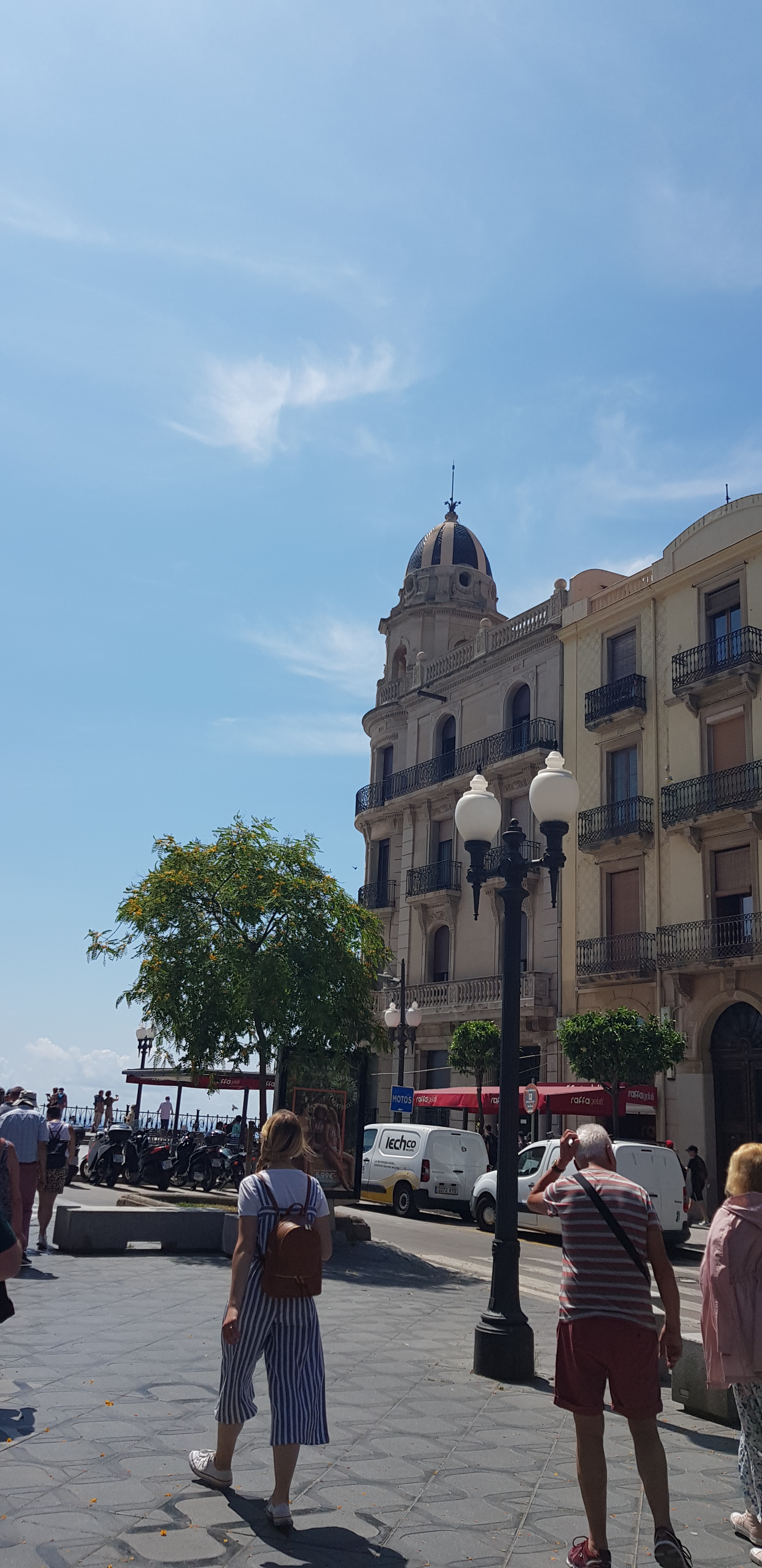
An hour from Barcelona, is the charming Roman town of Tarragona, which continues to thrive as a peaceful place to shop, explore and relax. This pretty port city is a lesser known escape from the hustle and bustle of Gaudi’s Barcelona.

Tarragona, Write your own story video

I visited Tarragona for an afternoon in June and found it to be much more than I expected. All I knew was that it was Roman. I expected a village with some ruins. It is however a vibrant location where historic artefacts and modern lifestyle has been intertwined to create a remarkable space.

A World Heritage City

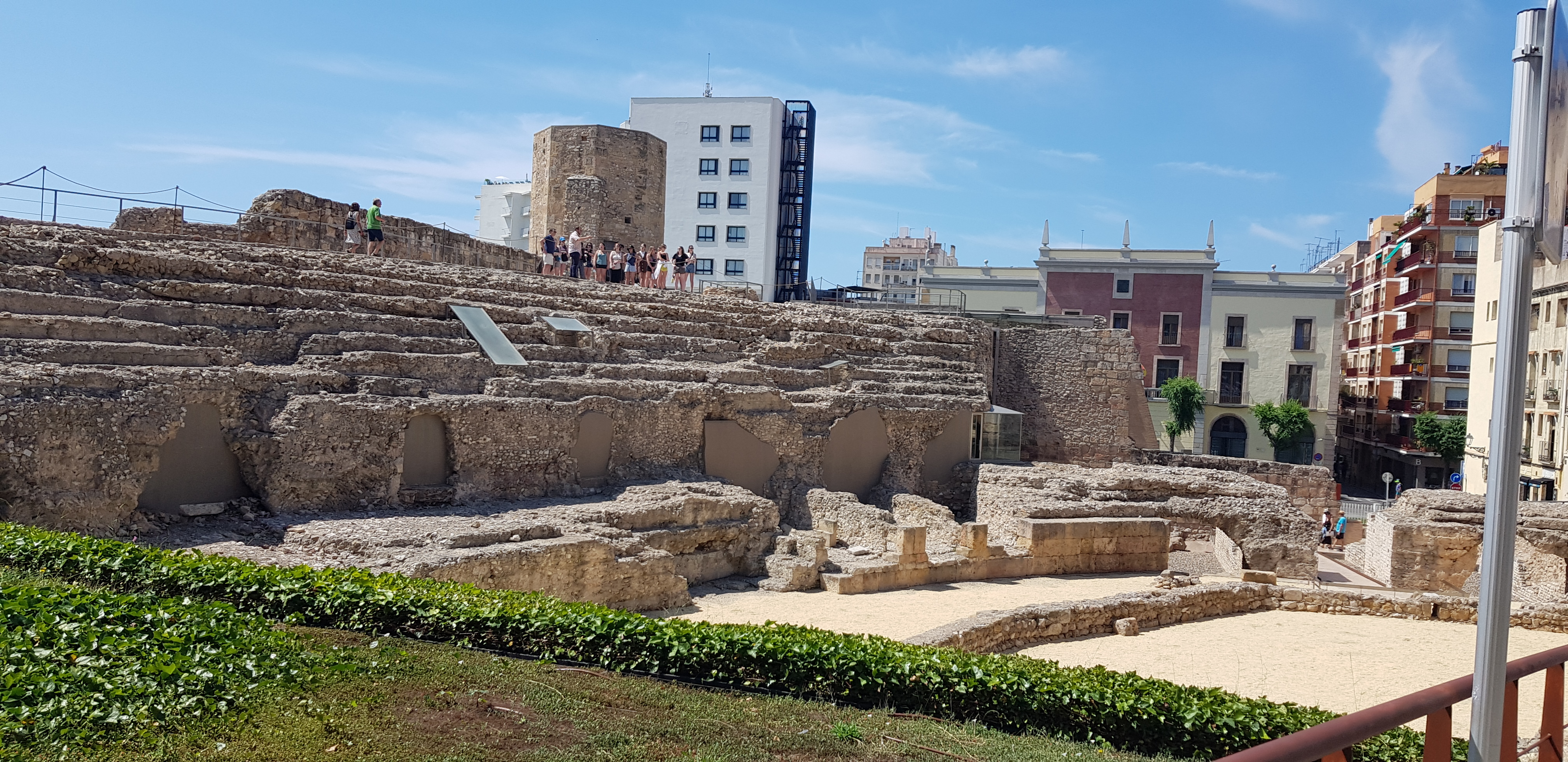
Tarragona is the only World Heritage City in Catalonia, and one of the main reasons is because of its Roman history. It was once the capital of the Roman’s Hispanic empire. The city was extremely important to the empire, and still has many monuments in existence today to visit and see. Not only can you visit individual monuments such as amphitheater, walls, aqueduct, and forum, but the city also offers a themed Roman walking route, tours, and even a Roman festival called Tarraco Viva to celebrate its heritage in May each year.

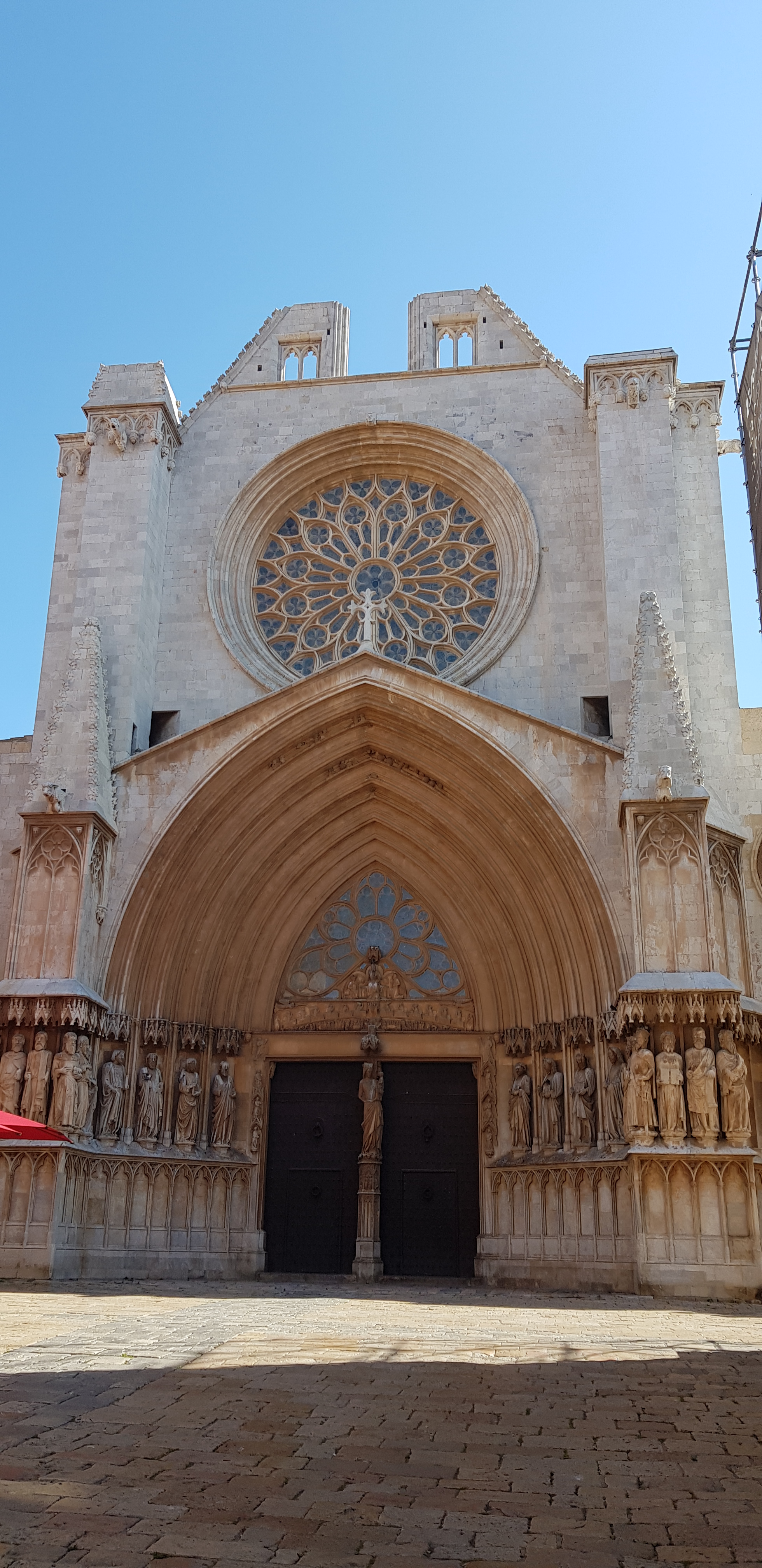
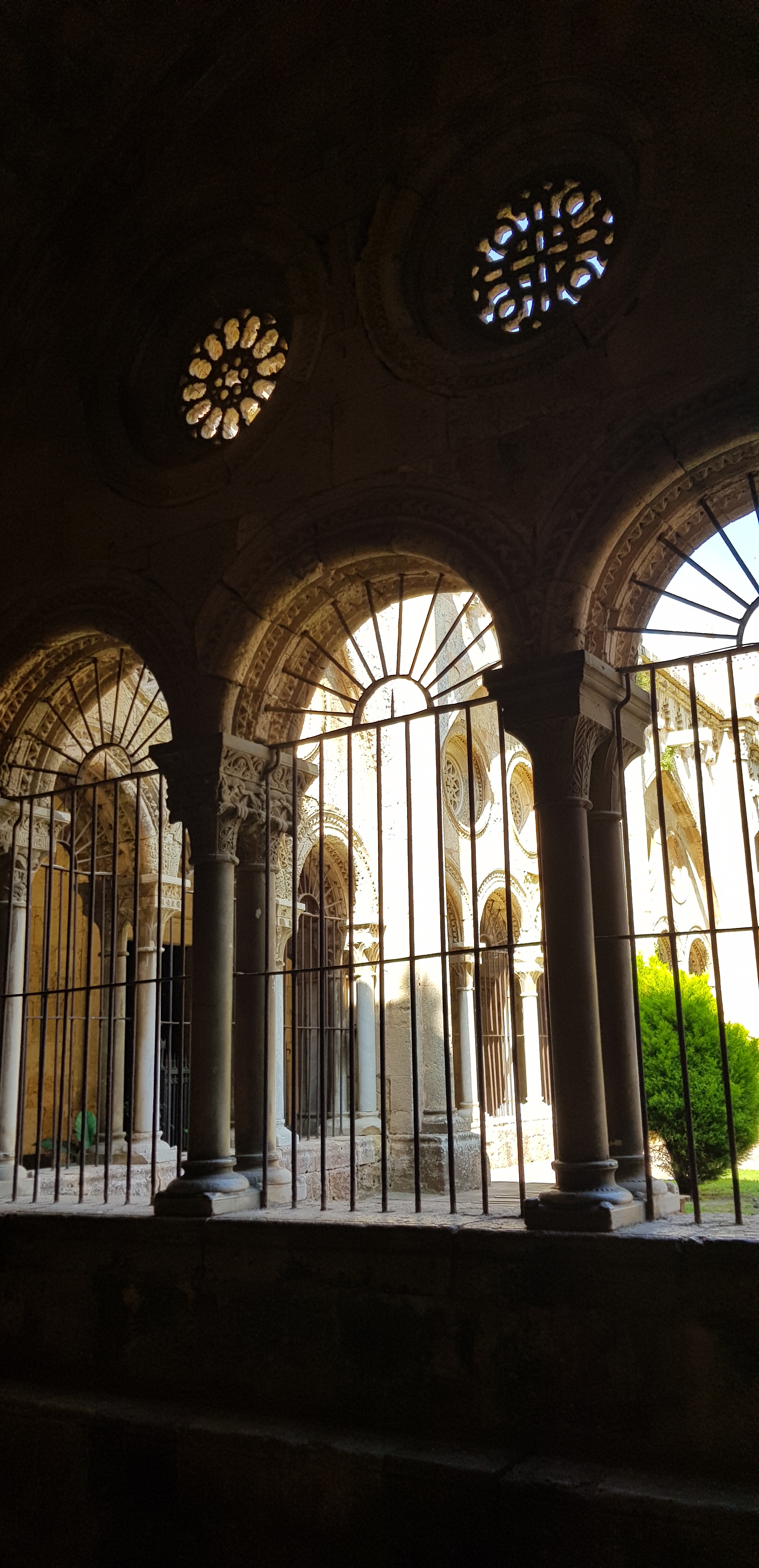
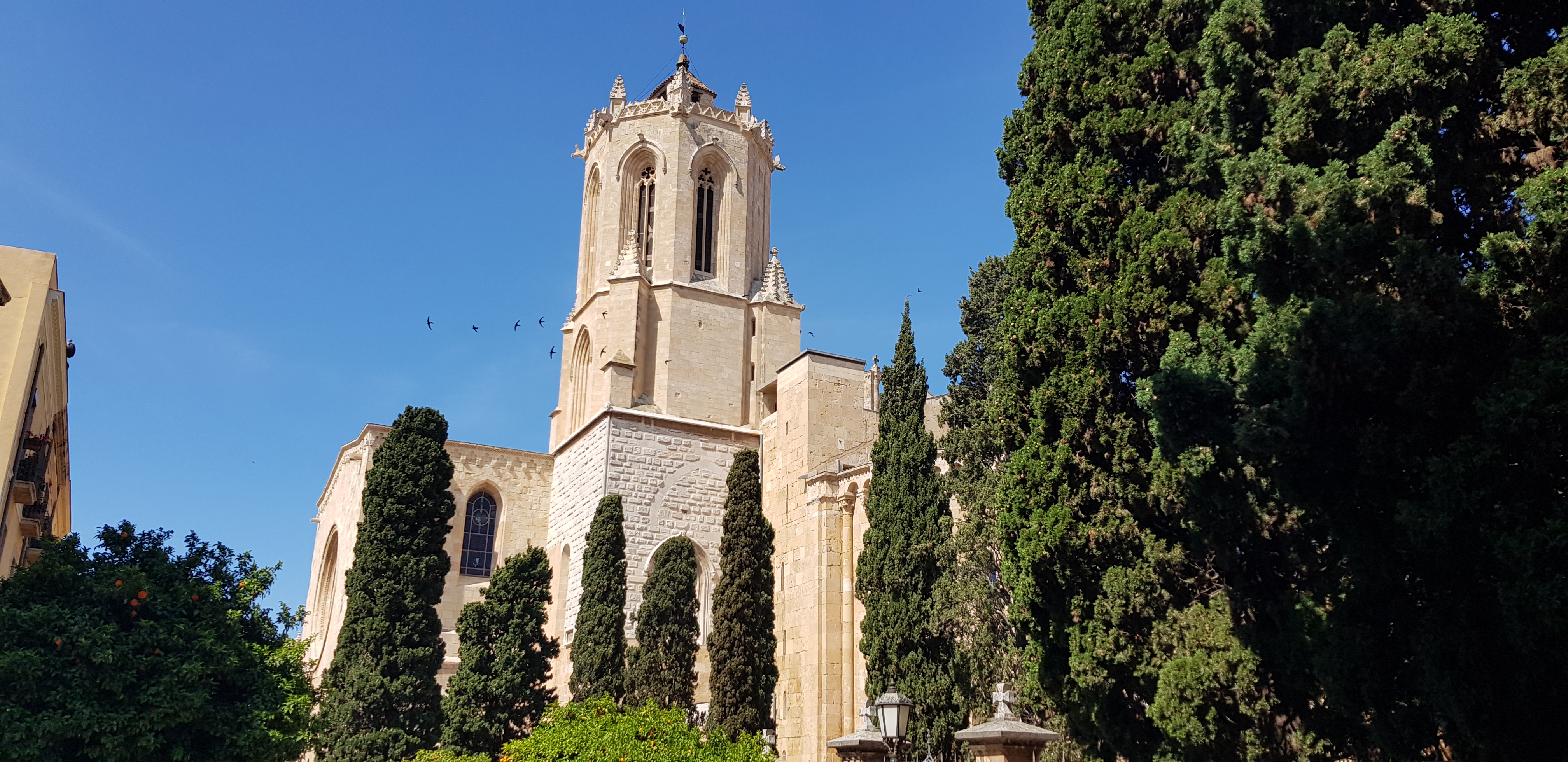
I am a huge history fan and so I was happy to see plenty of old buildings and structures, and hear the stories of the city and its importance to the Romans. I had a whistle-stop walk through of the cathedral, and I would have happily spent more time there as its quite a large space to explore.

The Cathedral is easy to recognize from many travel and culture documentaries, as the location that begins the walk of human towers. Human towers or castles ‘Colles Castelleres’ are exactly how it sounds. Originating in Tarragona from Valencian dancing, the events consist of large teams of people standing on each others shoulders to create a human tower. They then take a walk (as a tower) from the Cathedral and through the streets of the city. Visitors travel for many miles to watch this event and residents will open their balconies up to people to view. I would love to return to see this event from a short distance, but I am not totally convinced that I would want to be anywhere near the bottom of the tower… or the top! Apparently, the top of the tower is normally reserved for the tiniest members of the group, so young children and toddlers get the honor of being the shining star at the top!
Exploring the modern city

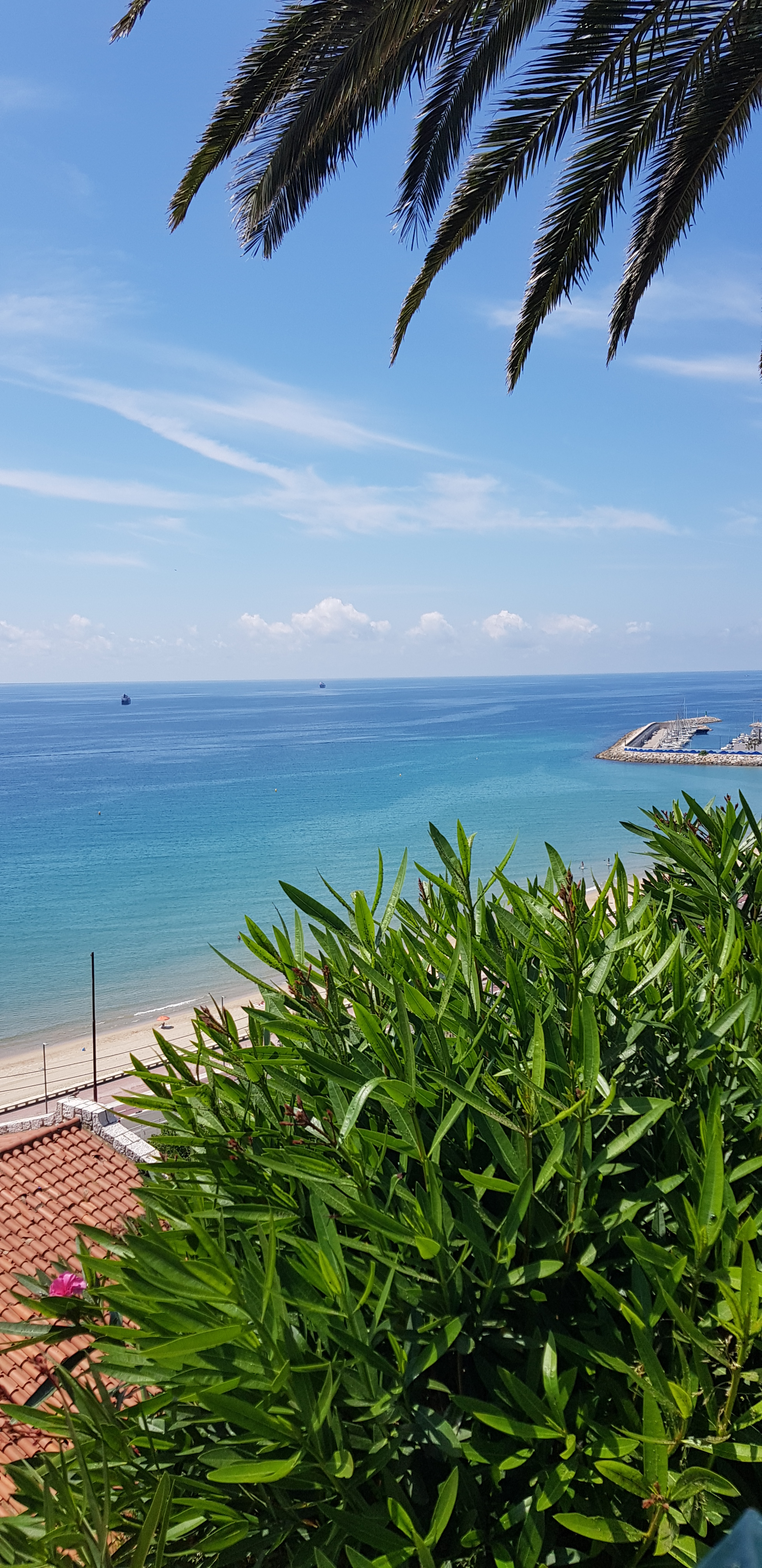
Whilst appreciating the historic framework of the city, you can also enjoy the facilities on offer today. Tarragona offers modern shopping and dining in its high street La Rambla Nova, as well as the opportunity to eat fresh cuisine at its central market. Looking to relax? You can make your way to the ‘Balcony of the Mediterranean’ at the top of La Rambla Nova. Here you can view a straight view along the coastline and relax on a bench or make your way down to the sandy beaches below. The only downside is that the beach and the town are separated by the railway track, so you have to walk quite far before you can cross over into the beach. The long balcony promenade provides a beautiful scene to wonder along the edge of the city and towards the marina.

Port and Serrallo area

In the port area of the city, typical seafood restaurants can be found, as well as beautiful scenery of fisherman pulling in the fresh day’s catch. This also happens to be the city’s museum district, being home to the port museum, archeological museum and the historic lighthouse and city clock.

Generally, I found Tarragona to be a very peaceful city with a lot to offer all in one place. I would happily visit again and even spend a good few days here.

An introduction to the Azores: Sao Miguel and Terceira

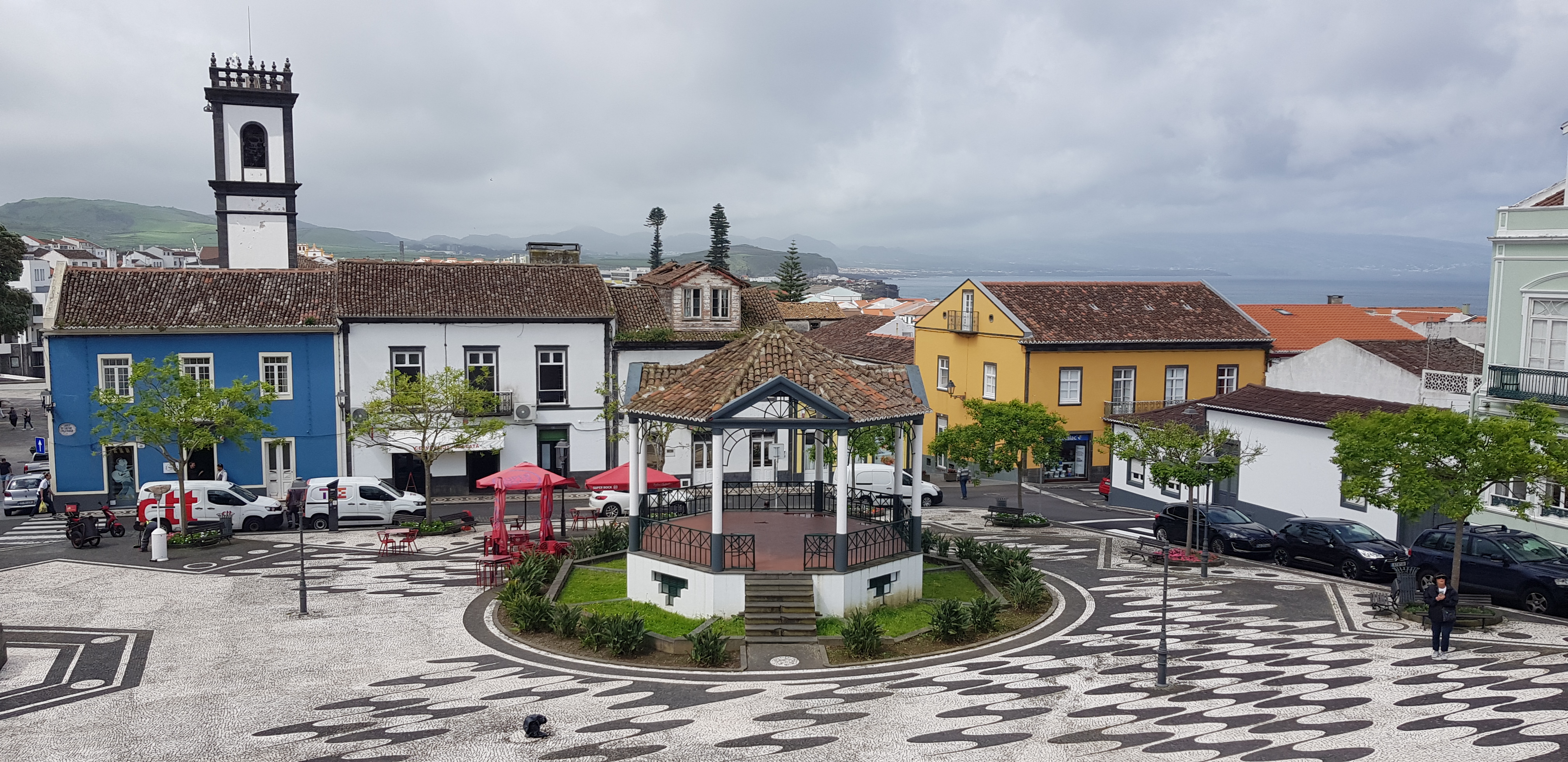
An archipelago of Portuguese islands in the middle of the Atlantic Ocean, I visited two of the nine islands in the Azores, and explored beautiful villages and towns, natural landscapes and learnt about an authentic culture of people.

I had wanted to visit the Azores for over a decade, and hoped that one day I would be able to go for my honeymoon, because it looked so beautiful in all the images I had seen… Well, many years later, and no ring on my hand, I decided I could wait no longer, and I booked myself a trip from Lisbon to Sao Miguel, and a group of tours to enjoy across two of the main islands.

Sao Miguel

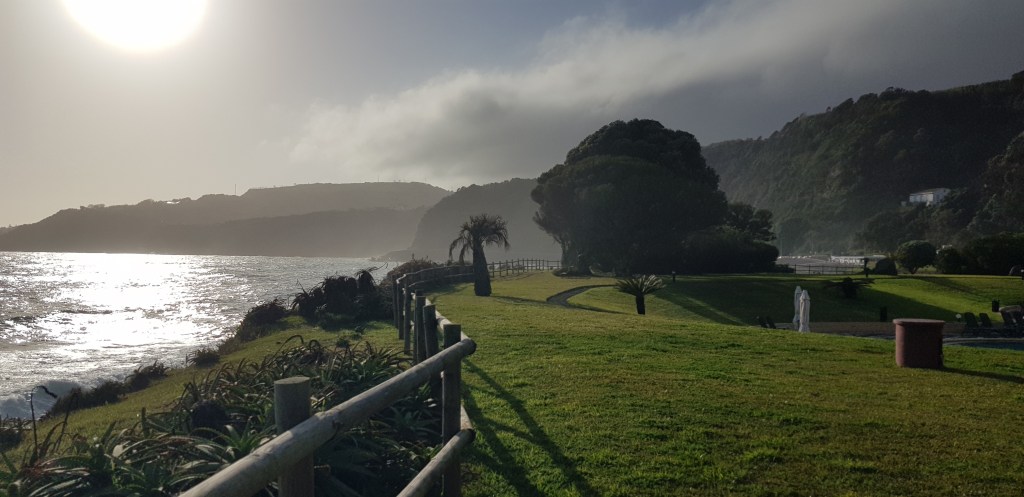
The main island of Sao Miguel is the largest of the group of nine islands, and has the main gateway airport to the other islands. It is also the busiest. The island’s capital, Ponta Delgada, has a vibrant feel with many shops, restaurants and a few hotels. I stayed away from Ponta Delgada in a 5* hotel near a beach, but it was fairly remote. Thankfully, I had two tours booked to see the island, as well as being able to access a local walking trail nearby.

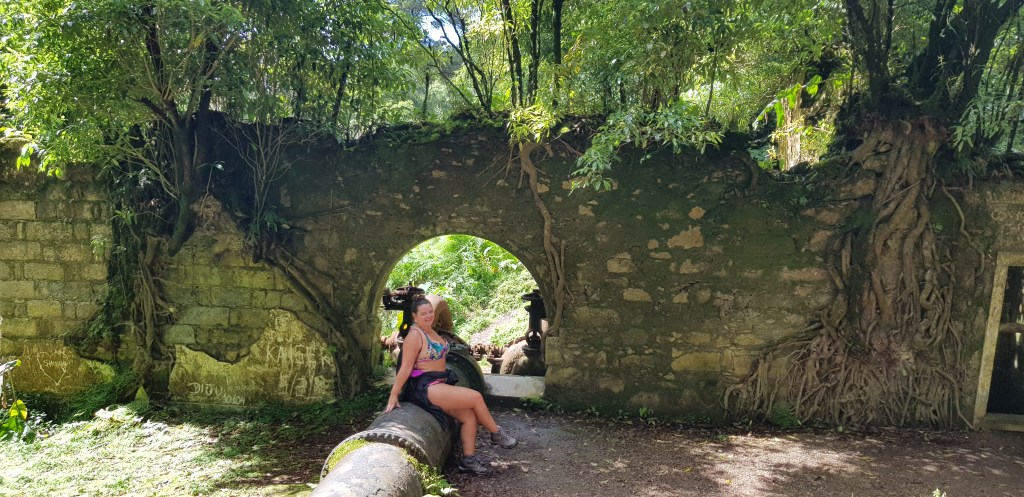
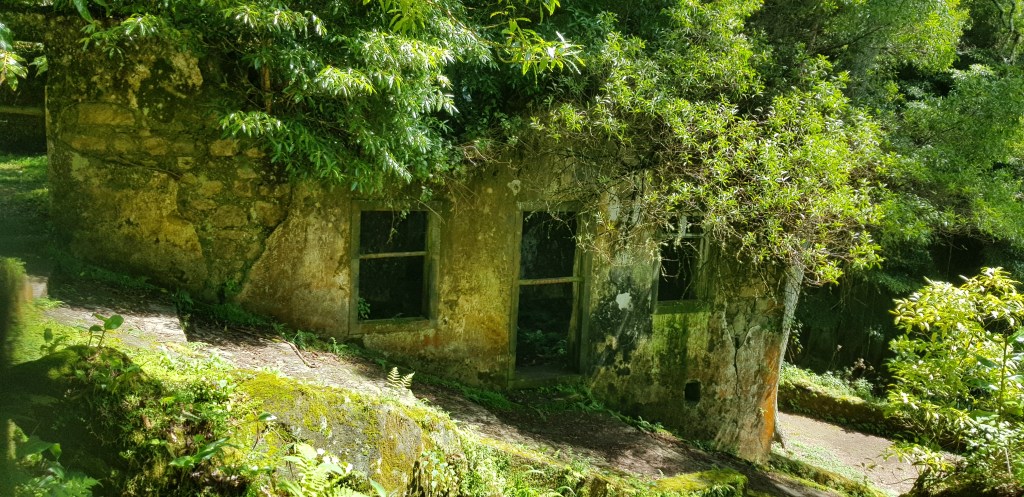
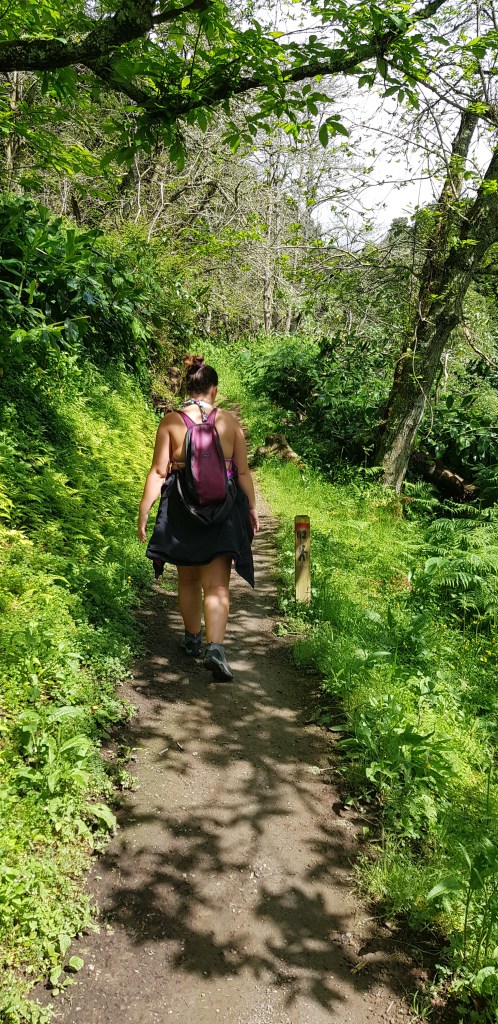
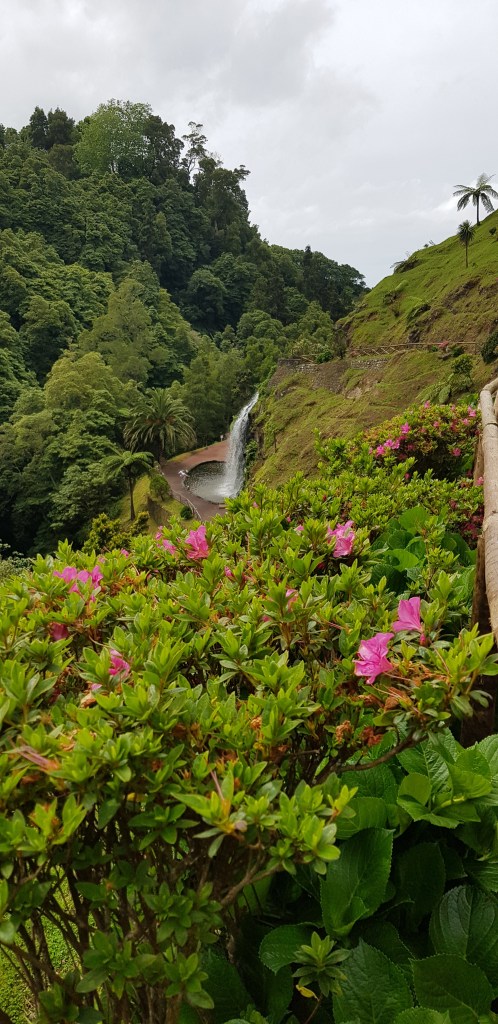
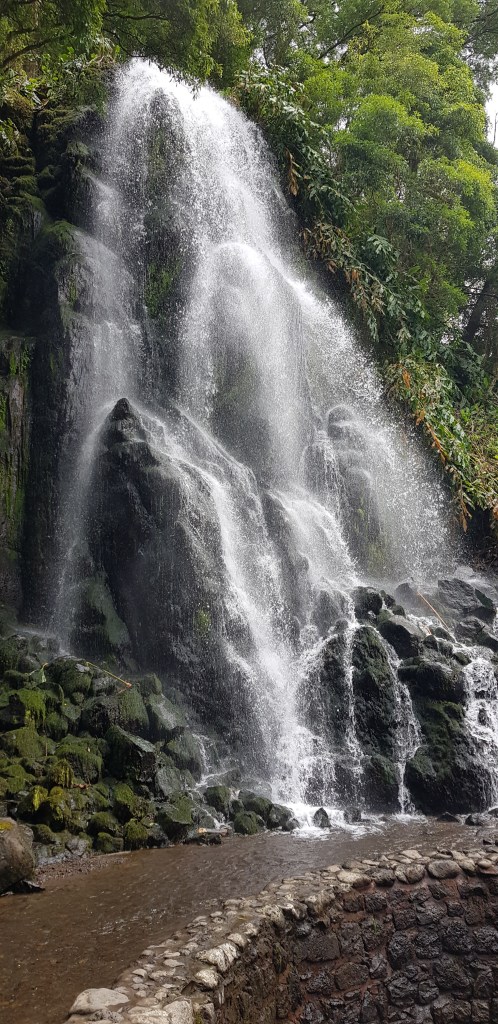
The walk that I decided to do near the hotel was following the river nearby uphill and leading to a set of abandoned hydro-electrical stations in the forest. The Azores islands are known for their efforts in alternative renewable energy, especially hydro electricity and wind farms.

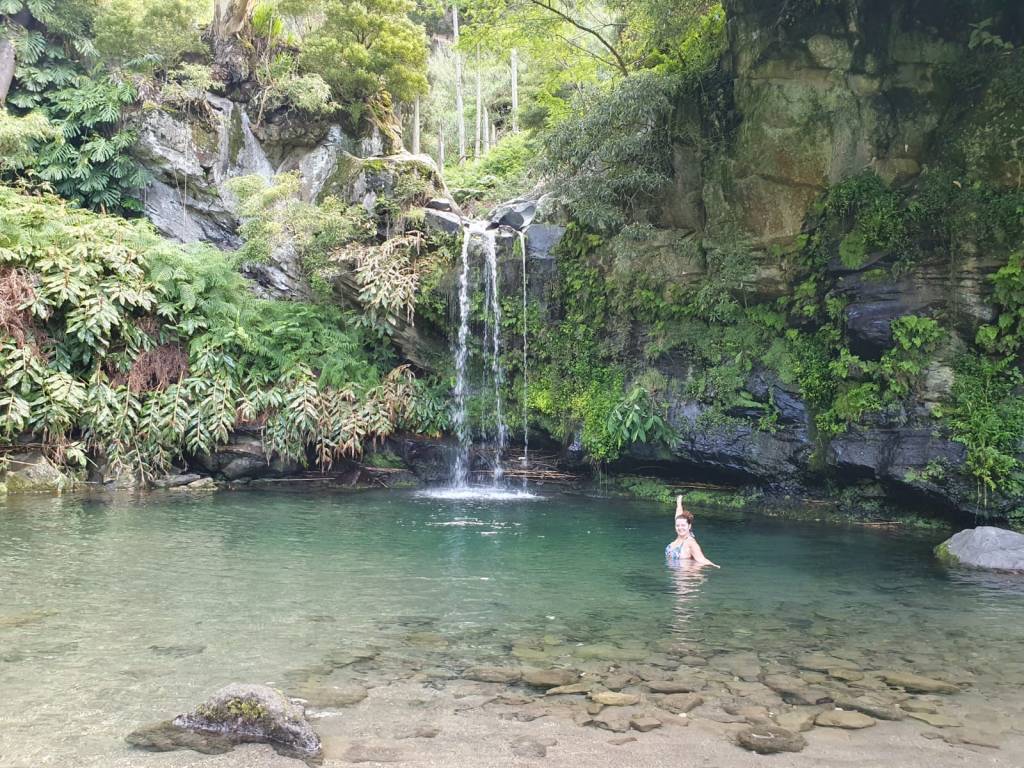
These old stations, combined with a dip in a gorgeous little waterfall, made for an interesting walk with a lot of interest in photo opportunities. I felt like I was in scenery that I remember from the TV series ‘Lost’, with abandoned stations locked between the trees and pipes running through the ground. Like at any moment, I will discover a secret hatch!

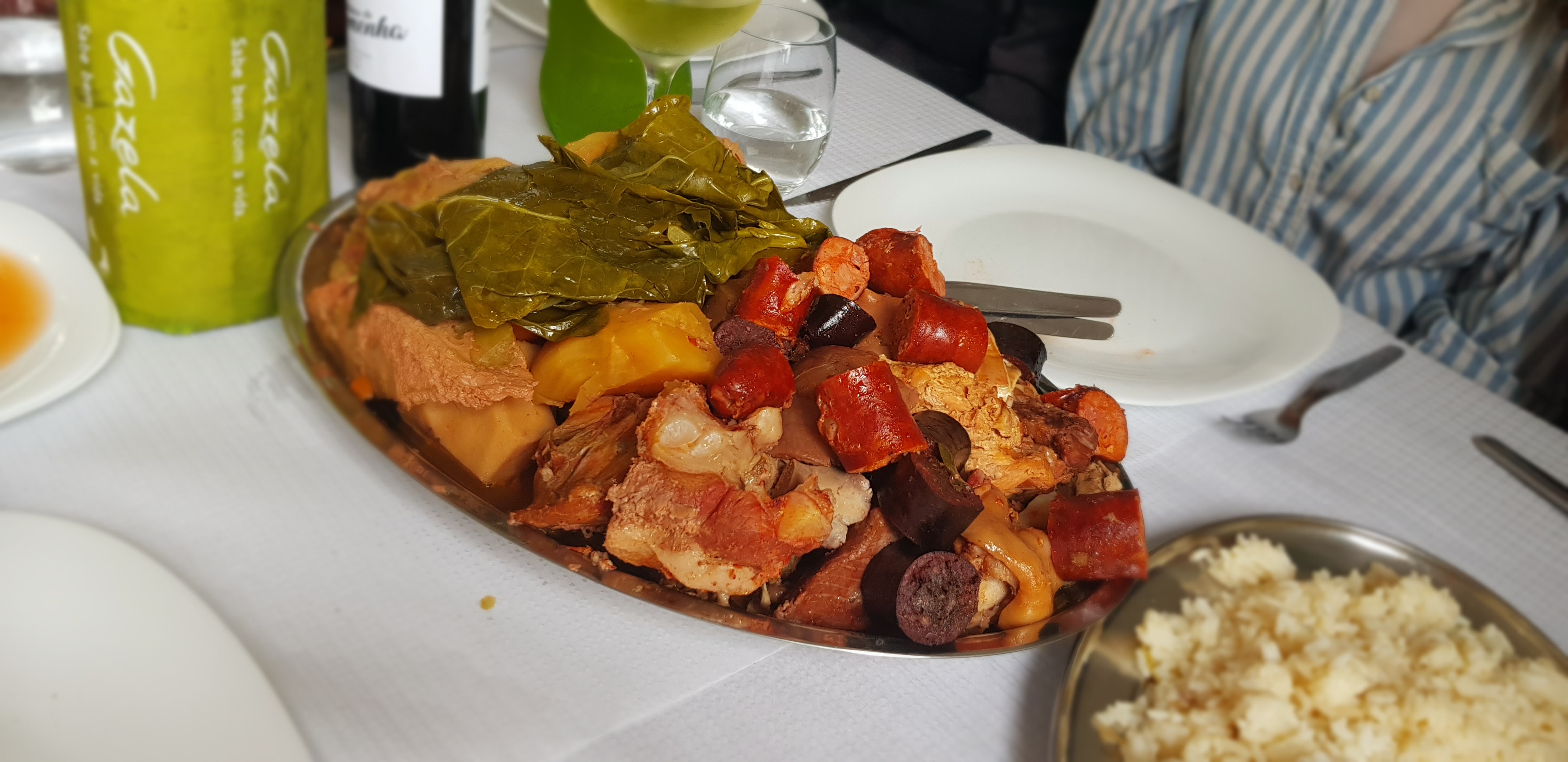
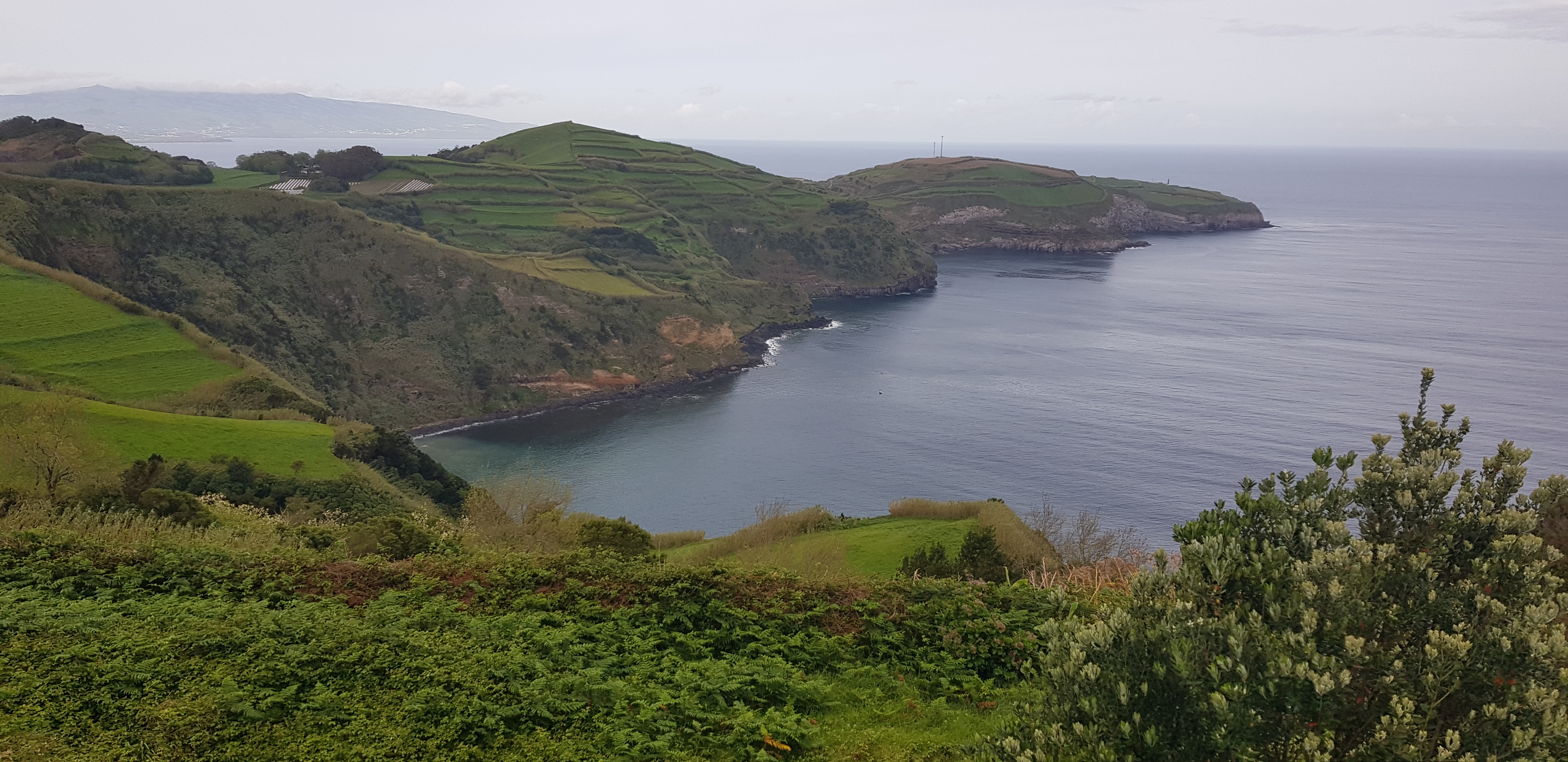
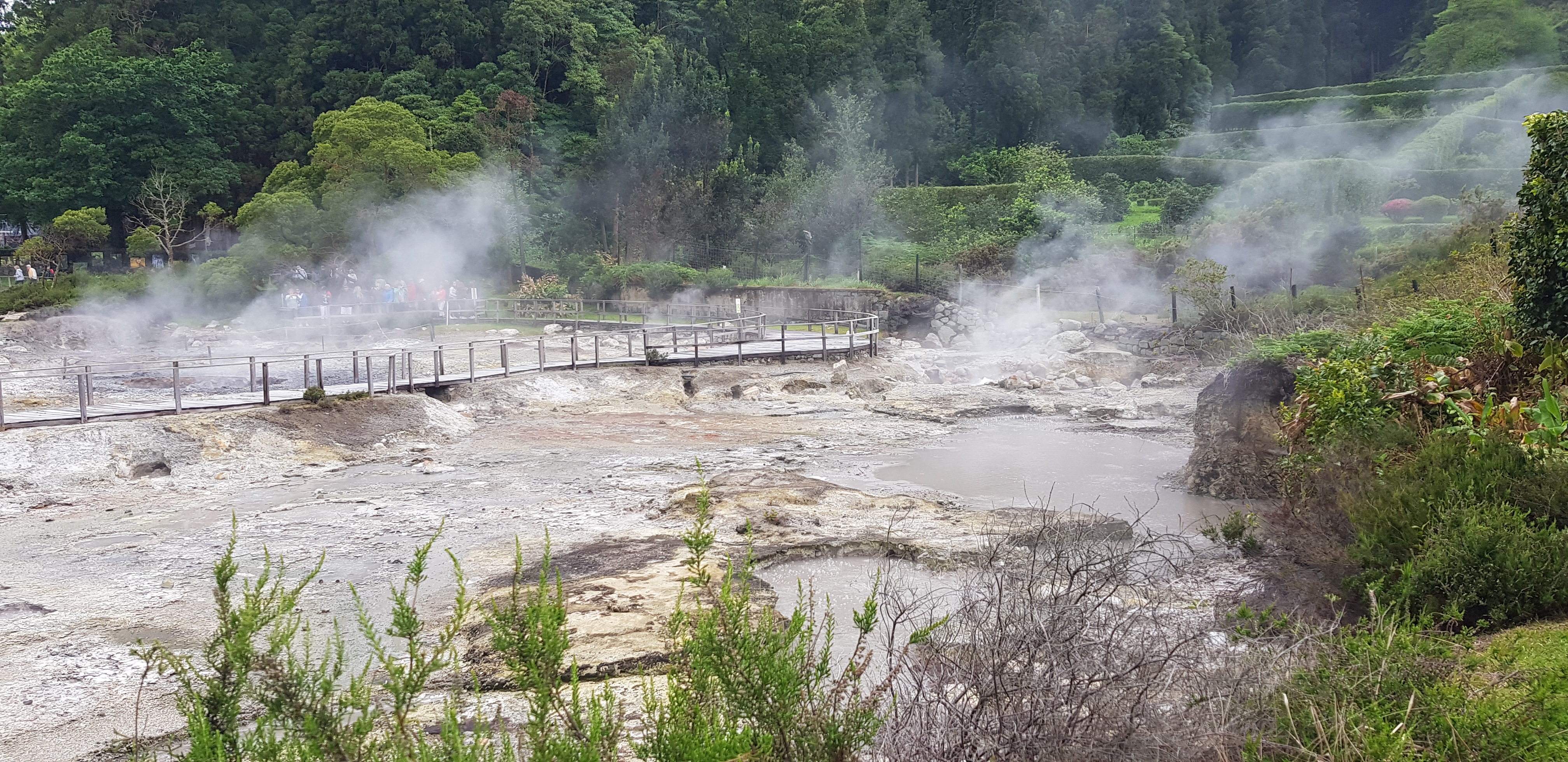
On the tours I’d booked, I was able to visit a variety of lookout points, and some beautiful villages/towns, such as Ribeira Grande (Big Stream) which had lovely scenery. We visited an active volcano area where our lunch (a traditional portuguese recipe) was buried and slow cooked by the warm ground.

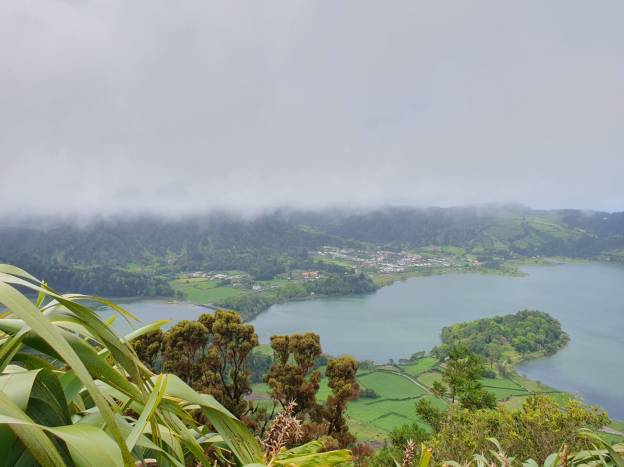
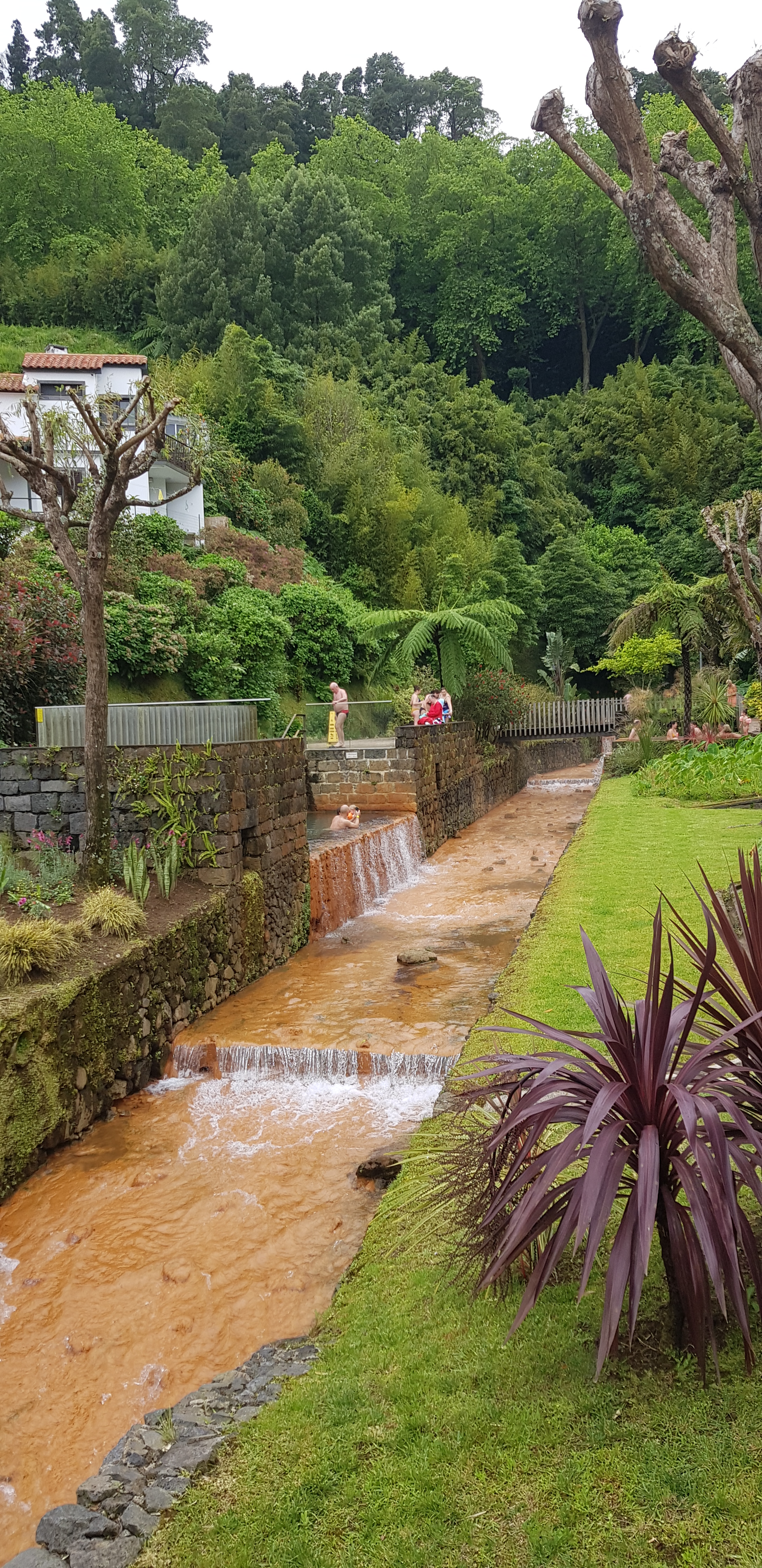
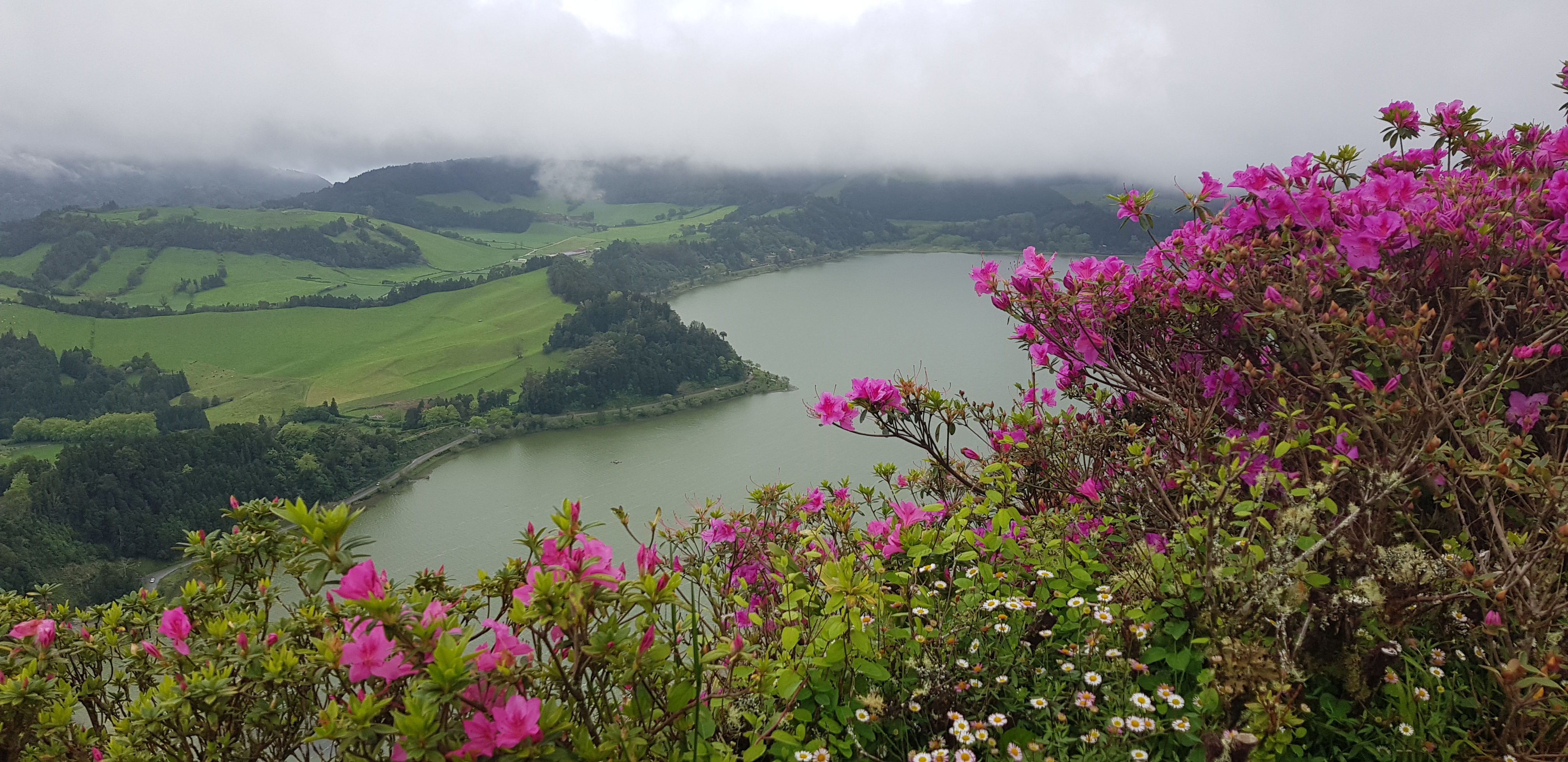
We also visited a geothermal spa, and the well known patchwork viewpoint where you can see thousands of smallholding farms stitched together from above.

Terceira

A few days later, and with a 45 minute flight, I was in the second island of Terceira. This lovely round island, has a lot to offer and is not yet as built up as Sao Miguel. I was in a lovely hotel in a secondary town away from the capital of Angra do Heroismo.

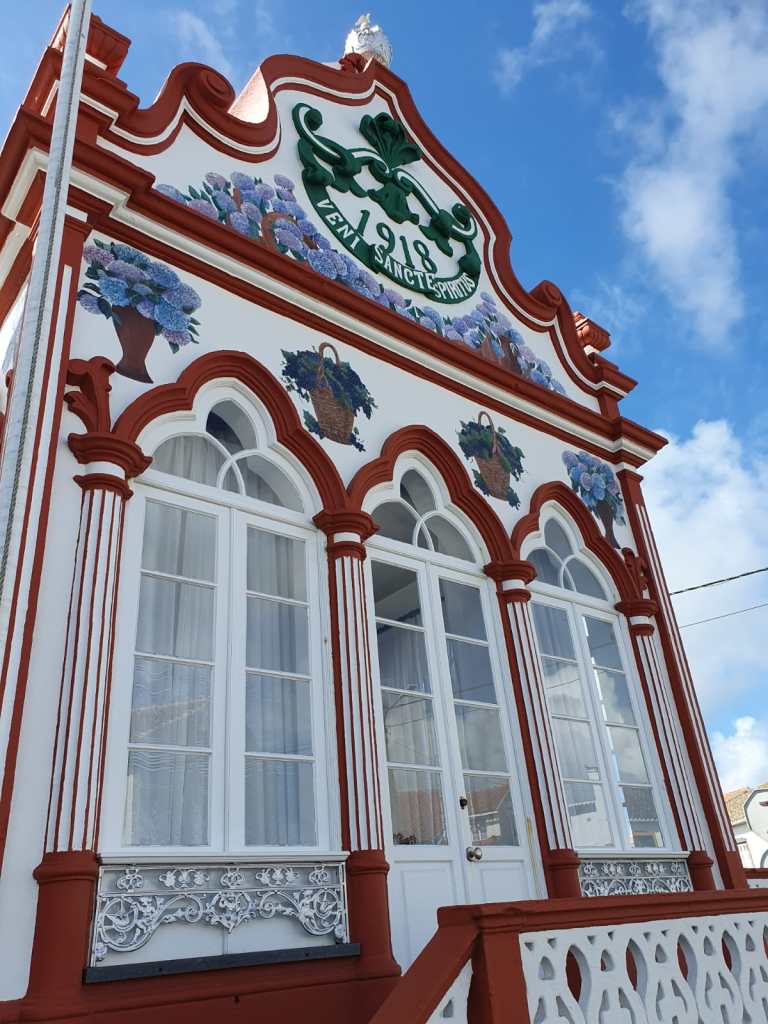
The villages and towns in Terceira are very traditional, and still have many unique customs that they uphold. For example they have a program of events where they have a ‘running of the bulls’ in the streets. This is not to copy the ones in Spain though, it is a unique memorial event to celebrate the farmer and bull heroes that drove the Spanish out of Terceira during a big battle, where the bulls were let loose on the army! Led by a woman villager too! Very cool. You will also find beautiful chapels in every village that are purely for the devotion to the holy spirit, and used at only one time of the year.

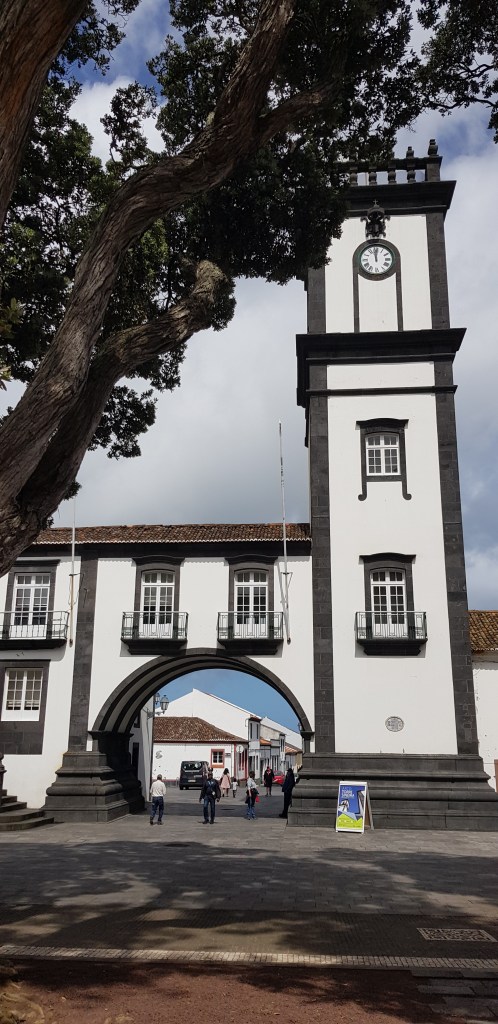
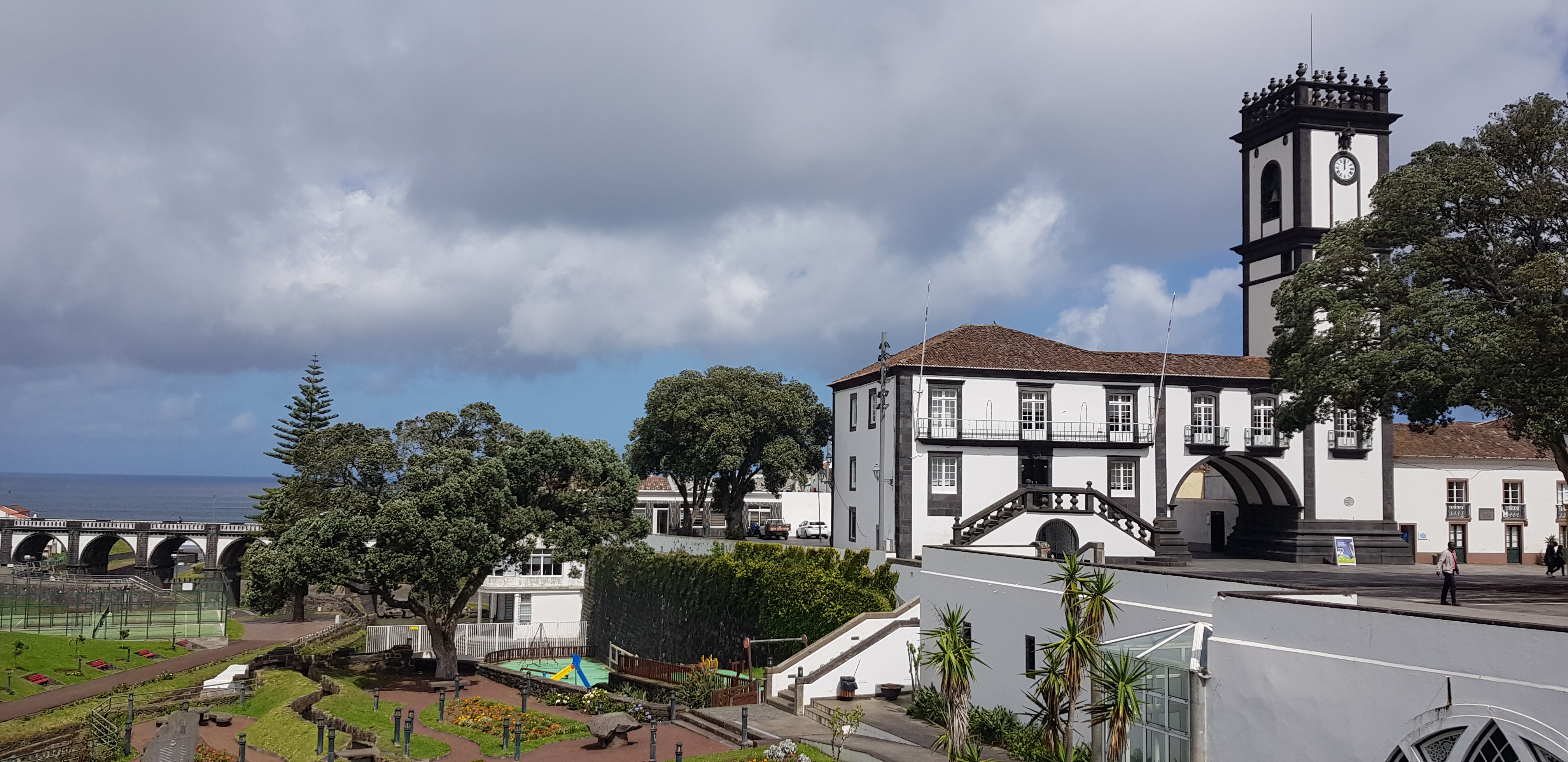
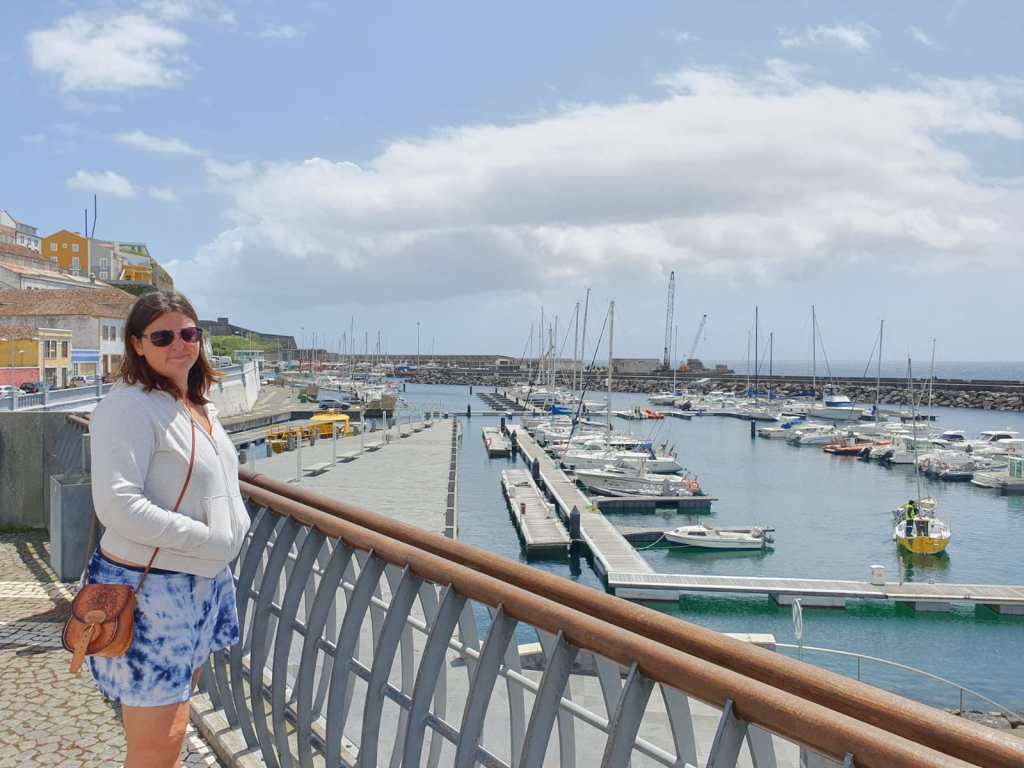
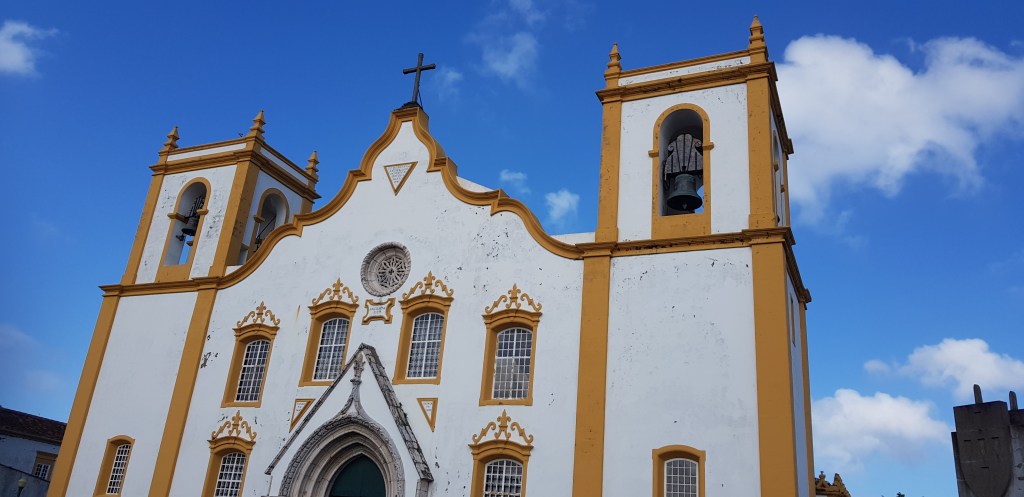
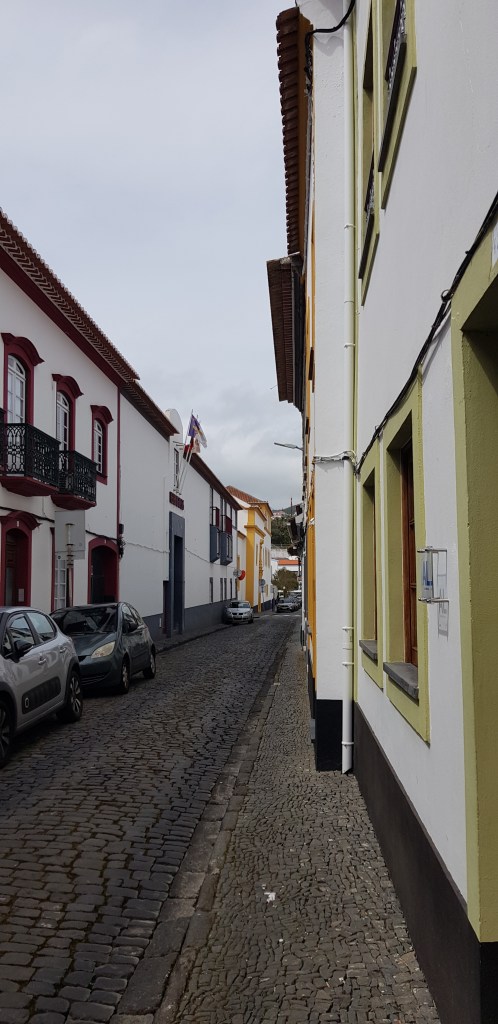
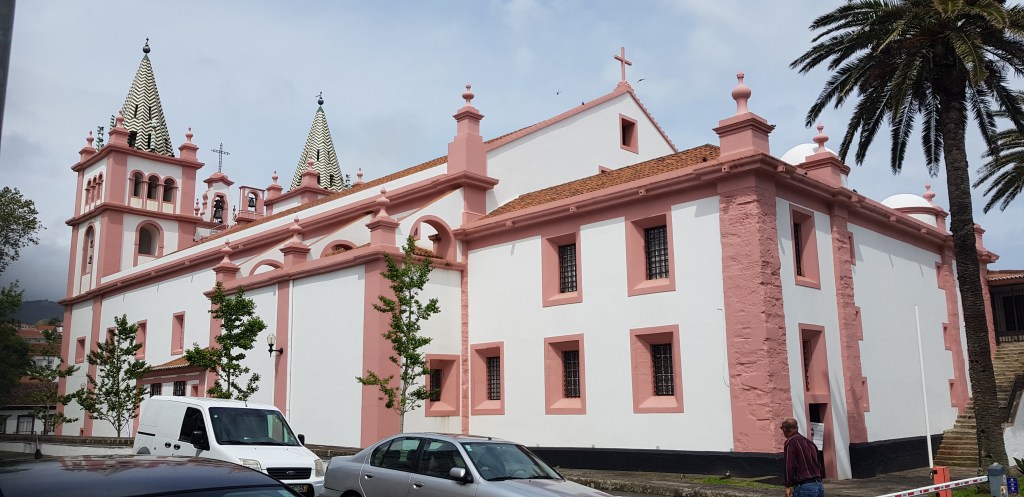
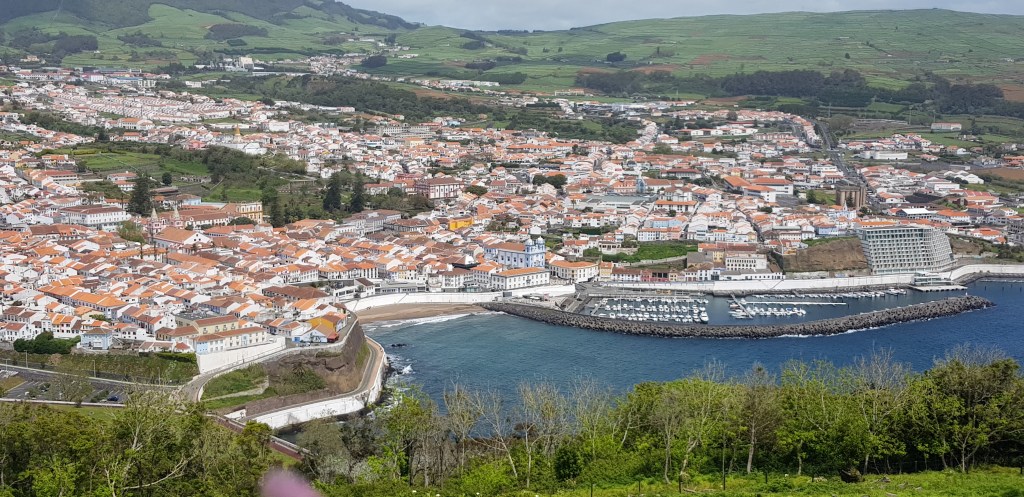
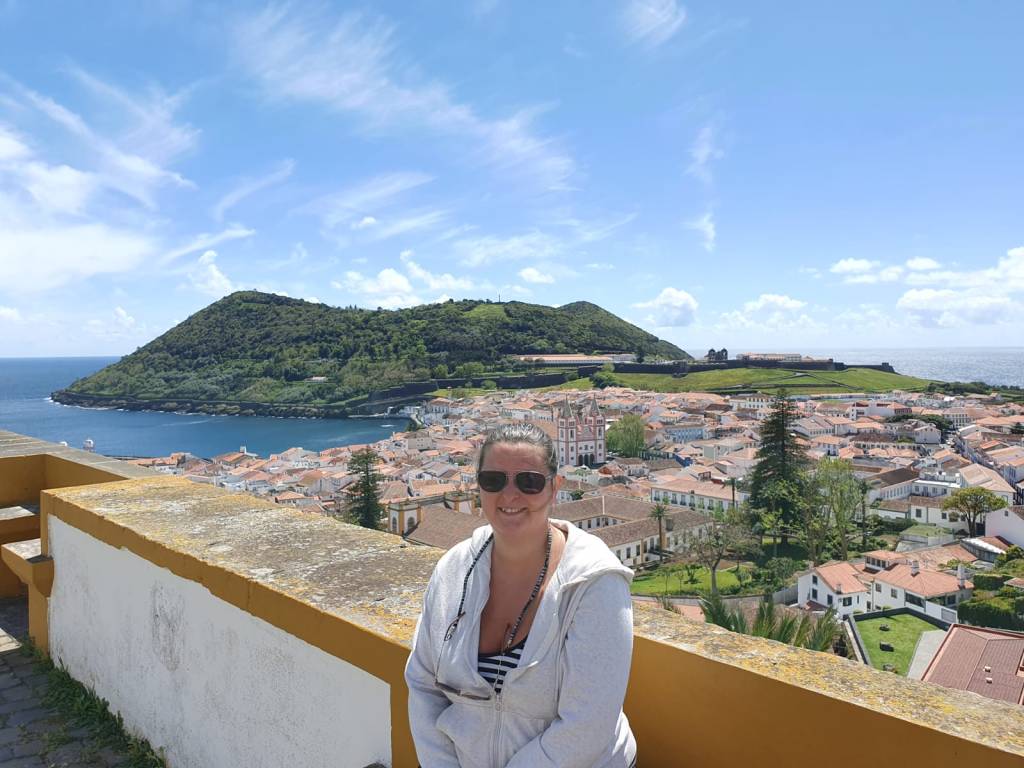
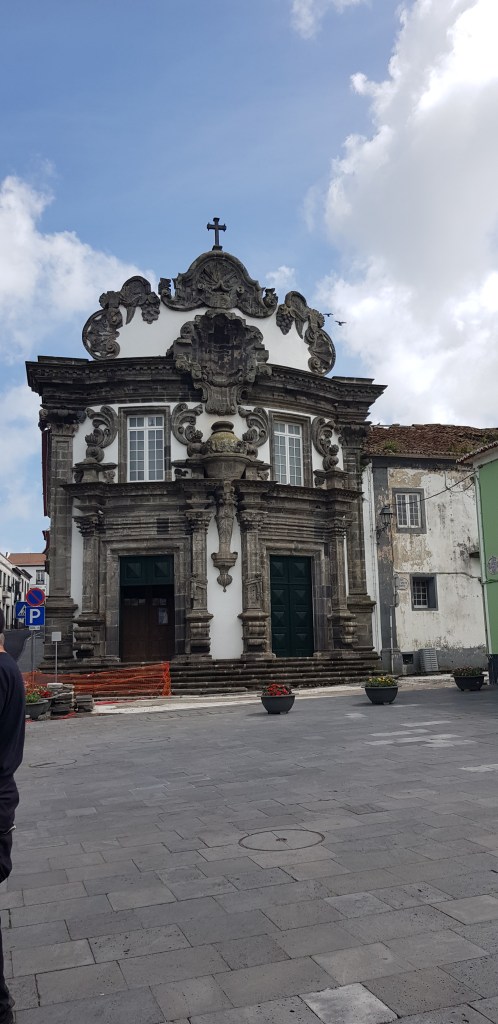
Angra do Heroismo is a beautiful little city with colourful buildings and a pleasant marina area. The colours of the buildings are apparently routed originally in the island’s link to trades with India and the spices and materials that were brought. The island also has been home to an American airfield and base since WW2 and so is rich in an international community. The city is actually a UNESCO Heritage Site due to its historic importance as a transatlantic crossing point, it is head of the diocese of the Azores, and it was actually capital of Portugal twice, replacing Lisbon!
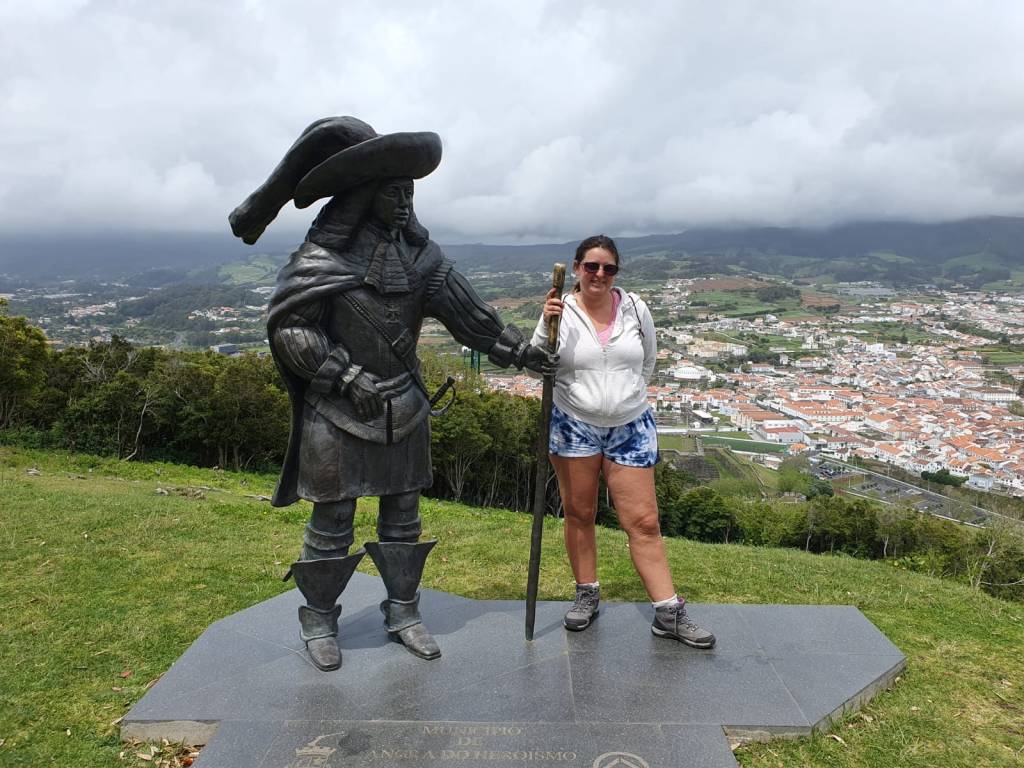
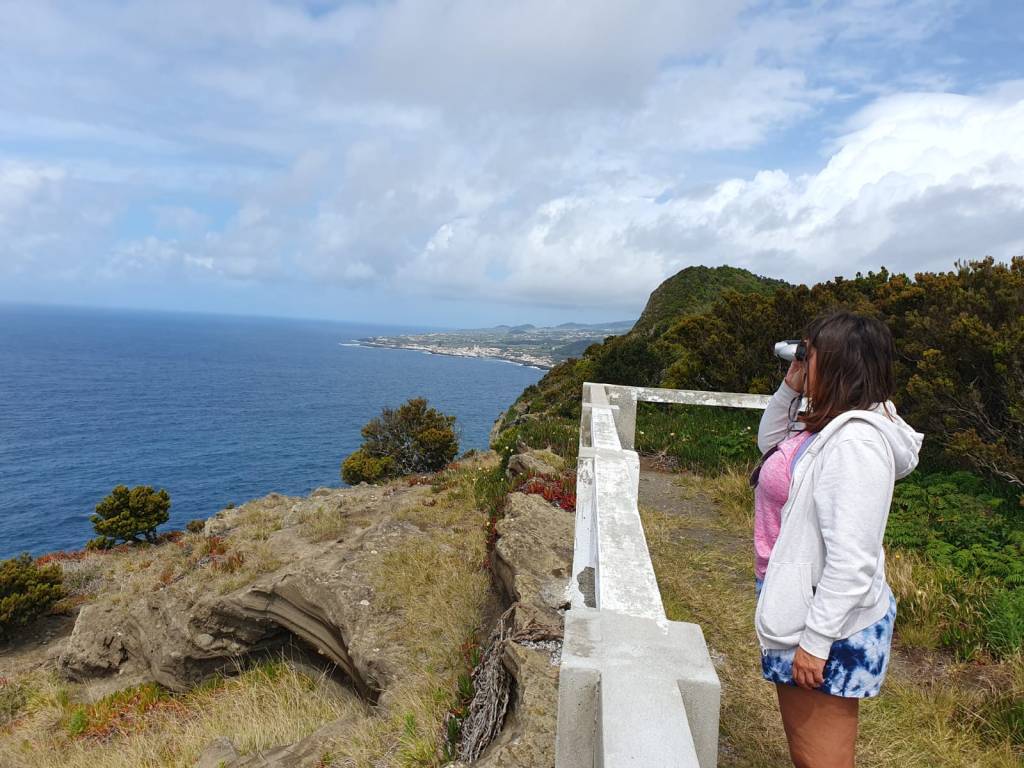
The city also has an active military base for Portugal on their Monte Brazil connected to the main city, it is actually an extinct volcano and now a nature reserve for walkers and family picnics. I spent a morning walking around this mountain where I found there to be a lot of stops to enjoy on the trail, including fort ruins, an old whale watching tower, a viewpoint of the city, and a set of aviaries. When you visit the cross statue viewpoint, you will also find a set of military guns pointing towards the city. I thought this was quite strange, until I discovered that the military base was actually built by the Spanish when they temporarily took over the island, and pointed the guns back on to the city as a way of warning off the very unhappy Portuguese people below!
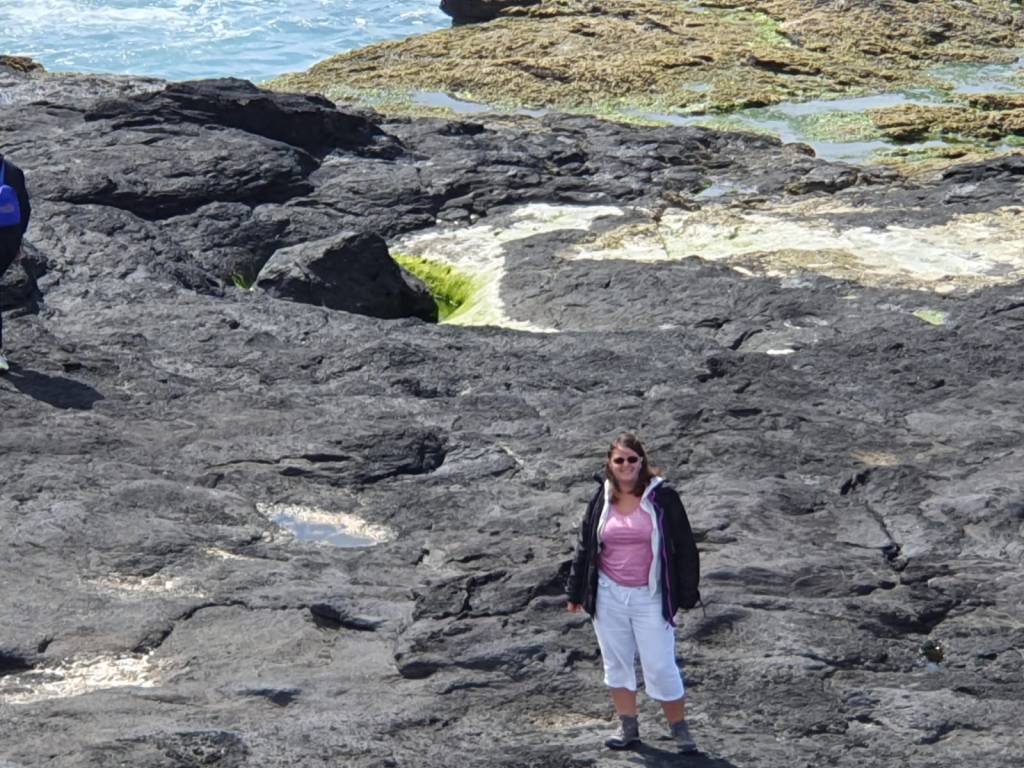
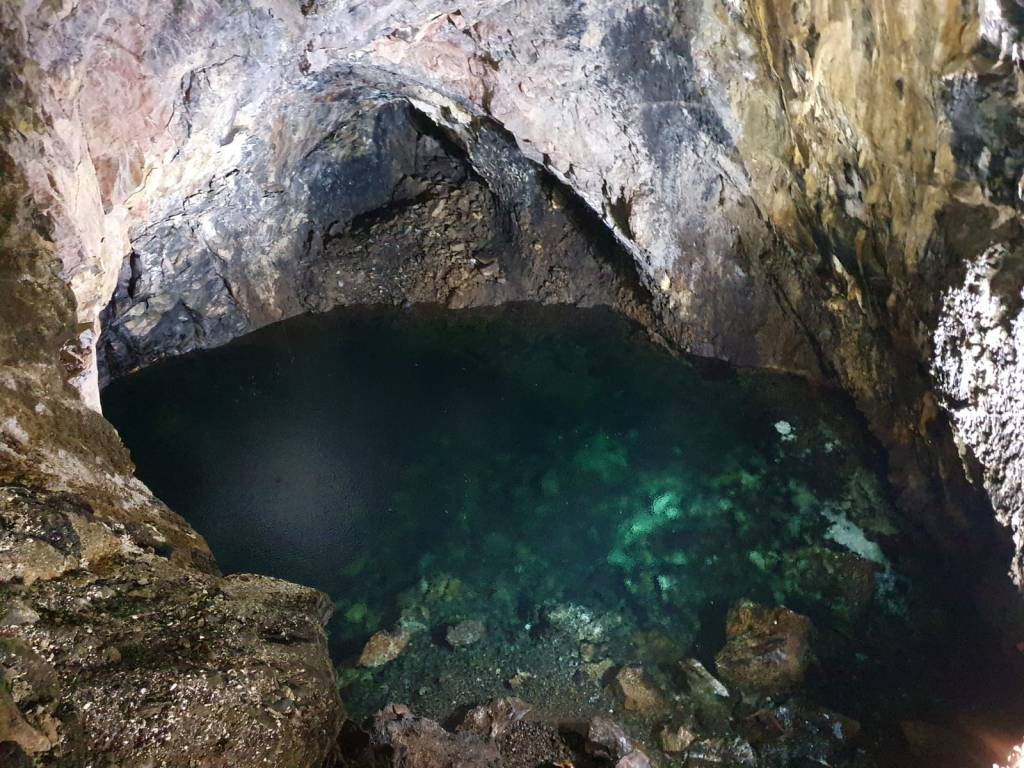
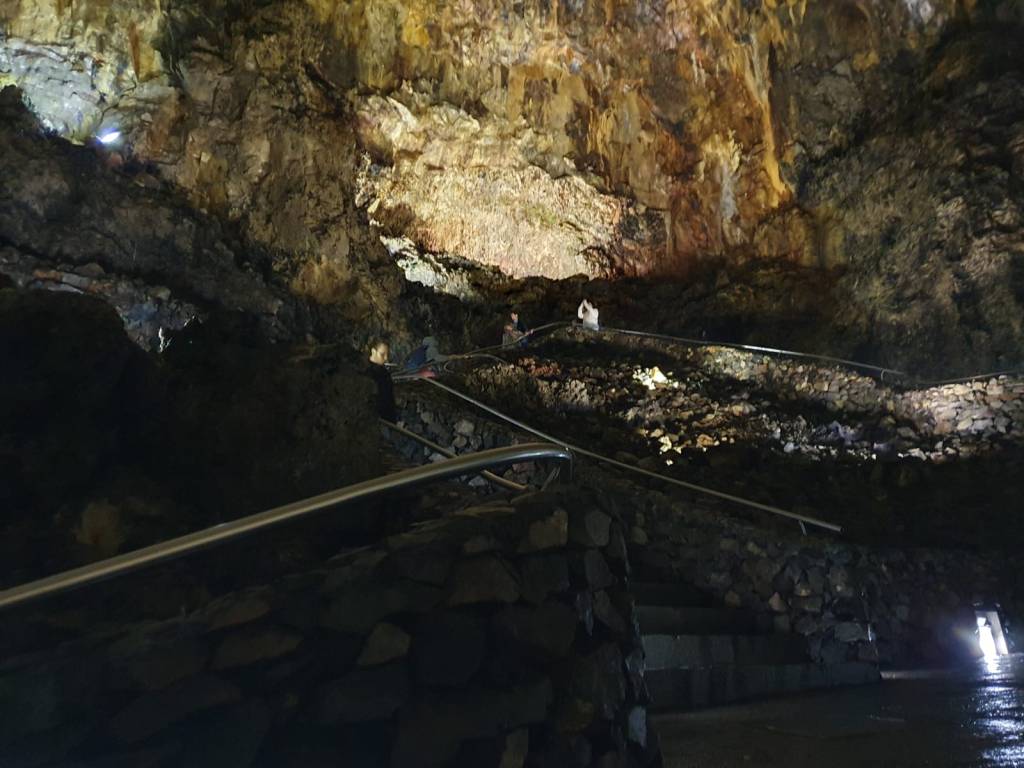
This mountain is just one of many volcanos on the island, the entire Azores group is a collection of volcano eruptions, and have plenty of collapsed, active and also extinct volcanoes. One volcano in Terceira is very special because you can visit the lava canal directly via a tunnel. and walk around over the top of the solidified lava from the last eruption around 2000 years ago. Algar do Cavao is very special and one of the more unique attractions I have been to. It was discovered only in the last century, when a farmer’s cows kept going missing… it turned out that they were falling through the huge crater hole!
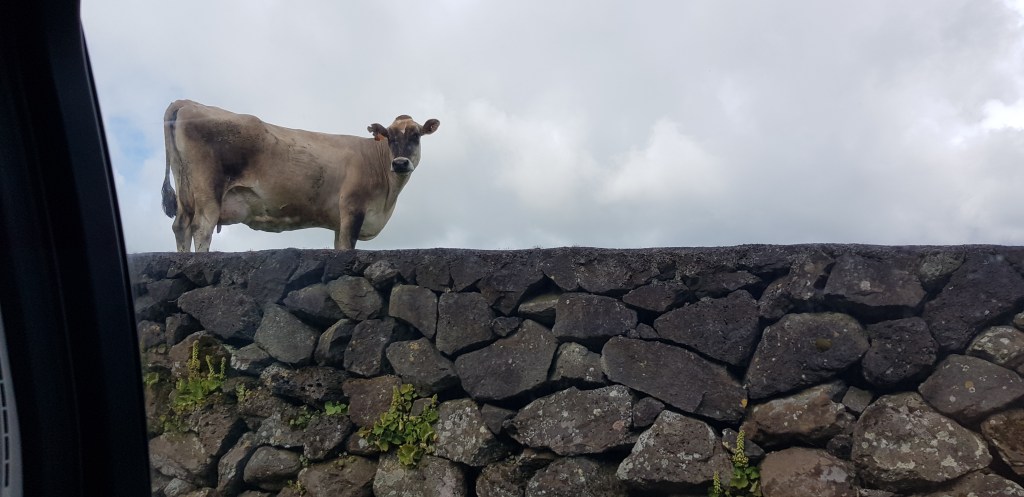
Finally, speaking of cows, there are about 2 cows for every inhabitant on these islands. The biggest industry for these islands is dairy produce, and the amazing thing is that it is all made up of smallholdings and many family ran farms pulling together their resources with other farms across the area to make cheeses, milk, ice cream and more. You are never short of a cow, and someone that knows a lot about them!

Overall, I loved visiting the Azores, and now feel determined to visit all of the nine islands and find my favourite. It is an easy place to visit from Lisbon and I am in Portugal often, so I don’t think it will be long before I am back!

Lisbon: The City of Seven Hills

I have visited Lisbon several times for short day trips, but this Spring, I stayed over for a two night break between destinations. This city with what feels like many more than just seven hills, is full of life and culture throughout.

Travelling to Lisbon

I travelled to Lisbon by Train on this occasion from the Algarve’s Lagos, in the South. This was about a four hour journey with one change, and then once in Lisbon there are several main stations you can arrive in. From there, buses, trams and metro are possible.

Neighbourhoods: Alfama and Barrio Alta

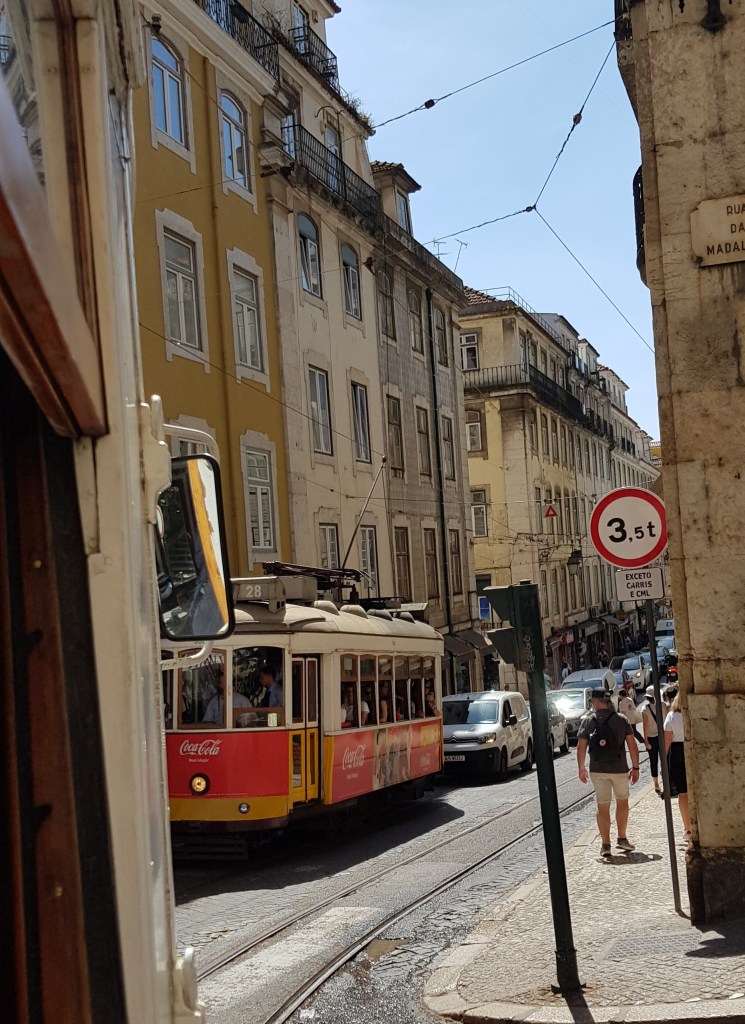
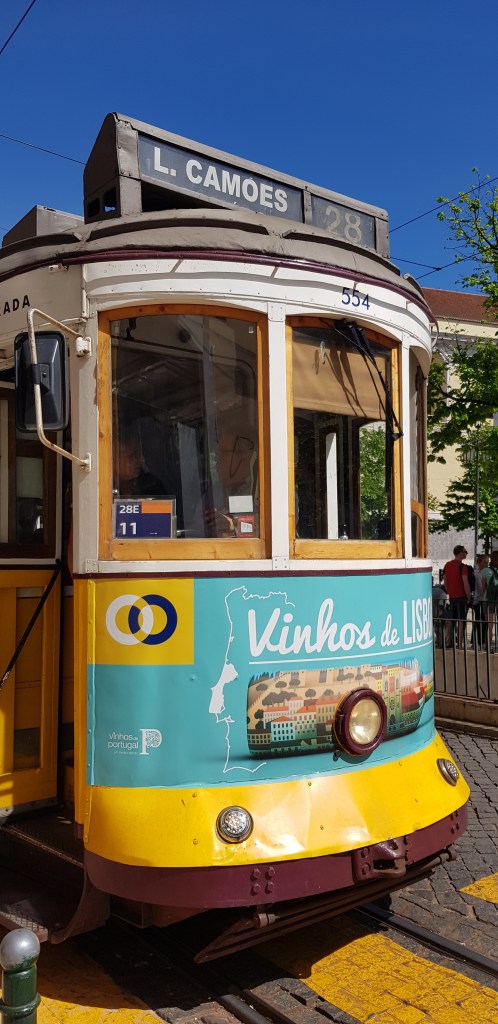
I stayed in the neighbourhood of Alfama which is one of the oldest parts of the city near to the river. I selected this area of the city because it is rich in culture, close to tram 28 which is the main tram to run through the touristic areas, and its an area with many fado houses.

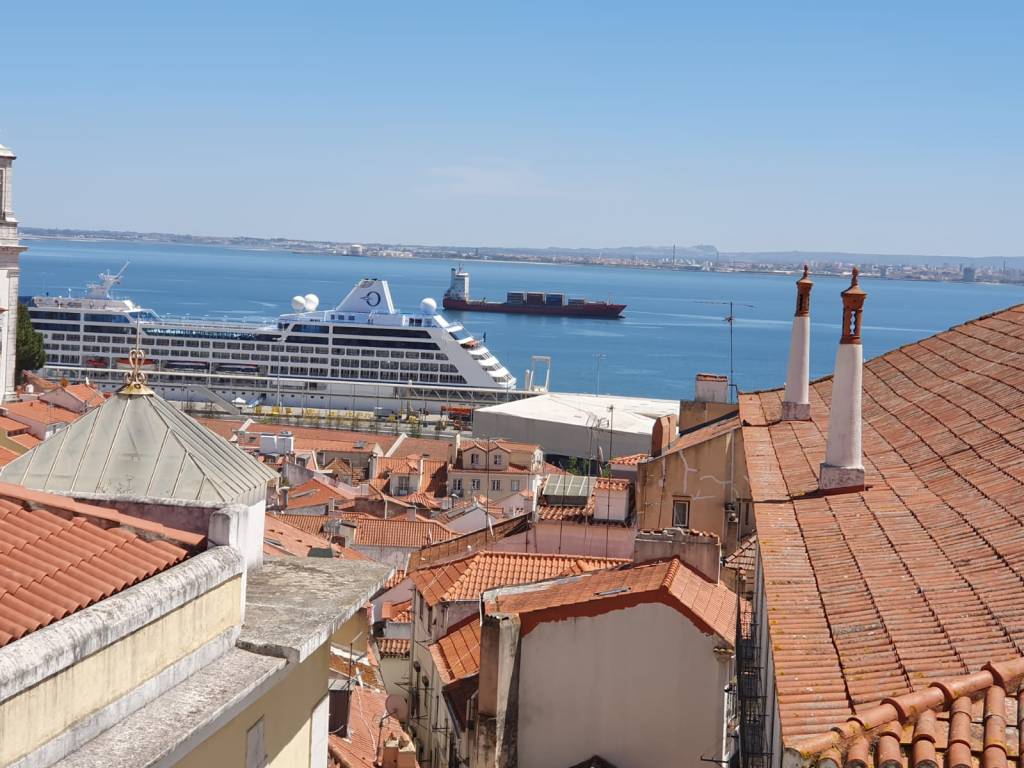
I chose to stay in Convento de Salvador, which is a beautifully refurbished convent on the hill. It was very clean and minimal and still had the old layout and foundations of the convent. Our view of the river and downhill street was wonderful aswell.

It is easy to follow the river from Alfama along the promenade towards the Belem tower, or you can jump on the tram to head either towards the castle in one direction or towards Barrio Alto.

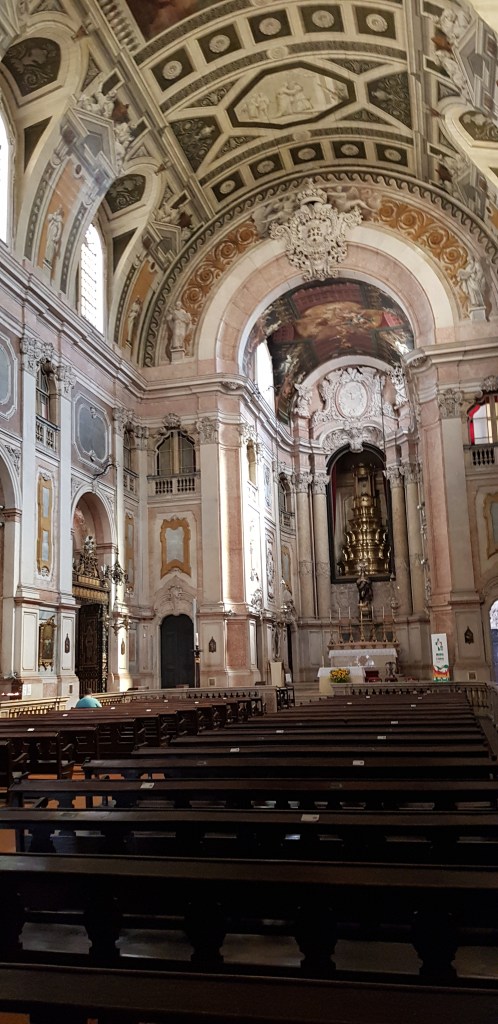
Barrio Alto is a bustling area full of shops, restaurants and squares with street performances at night. Wondering the squares to listen to music, enjoying a pastel de Nata and venturing to some of the local gardens can all be enjoyed within walking distance from here. There are also some wonderful churches, I visited two churches from the italian community that were very beautiful.

The must see monuments / attractions

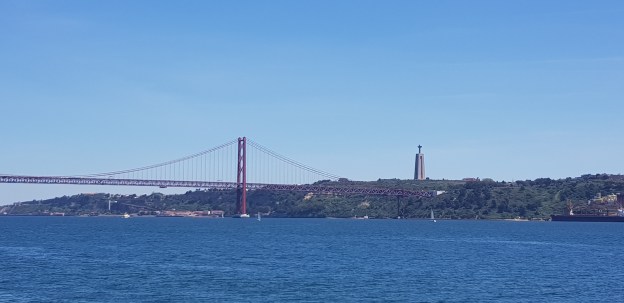
  • Belem Tower – A monument to remember the power and colonisation by Portugal, it sits at the riverside and you can also see the bridge and christ statue from here.
  • Jeronimos Monastery – A huge monastery facing large public squares and standing to the front of the botanical gardens and presidential palaces.
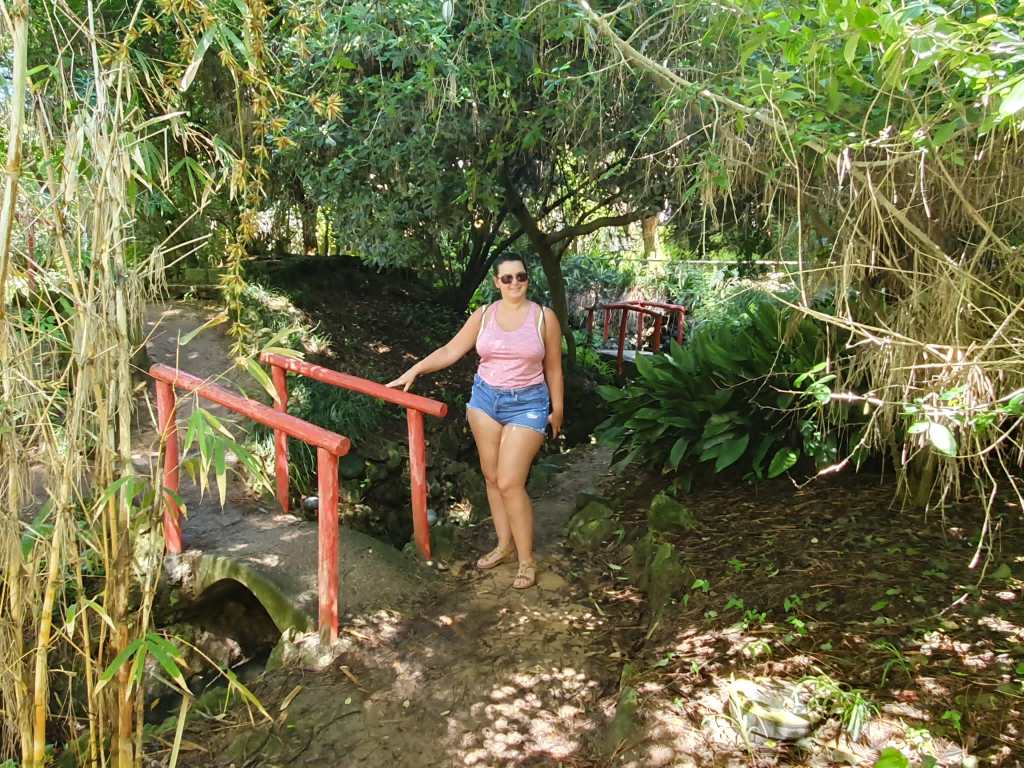
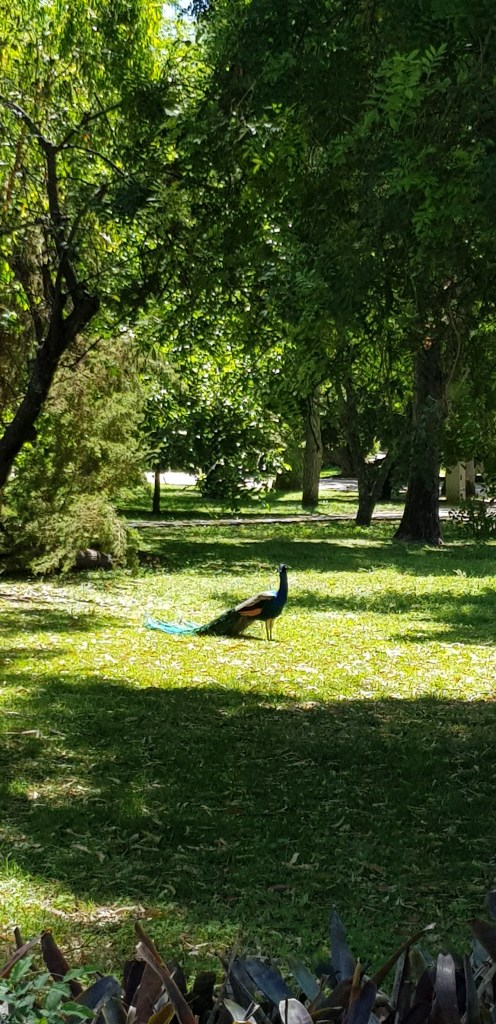
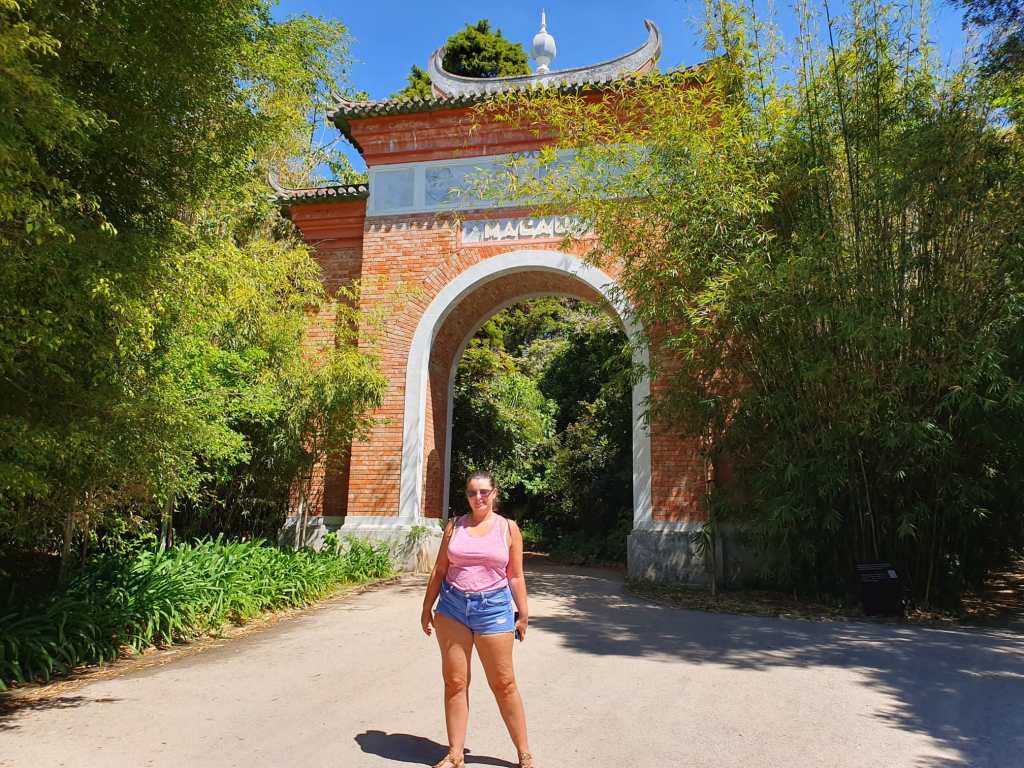
  • Botanical Gardens – A beatiful setting to spend some hours in the afternoon seeing a variety of interesting trees and flowers, an oriental garden, old buildings, african sculptures and many peacocks.
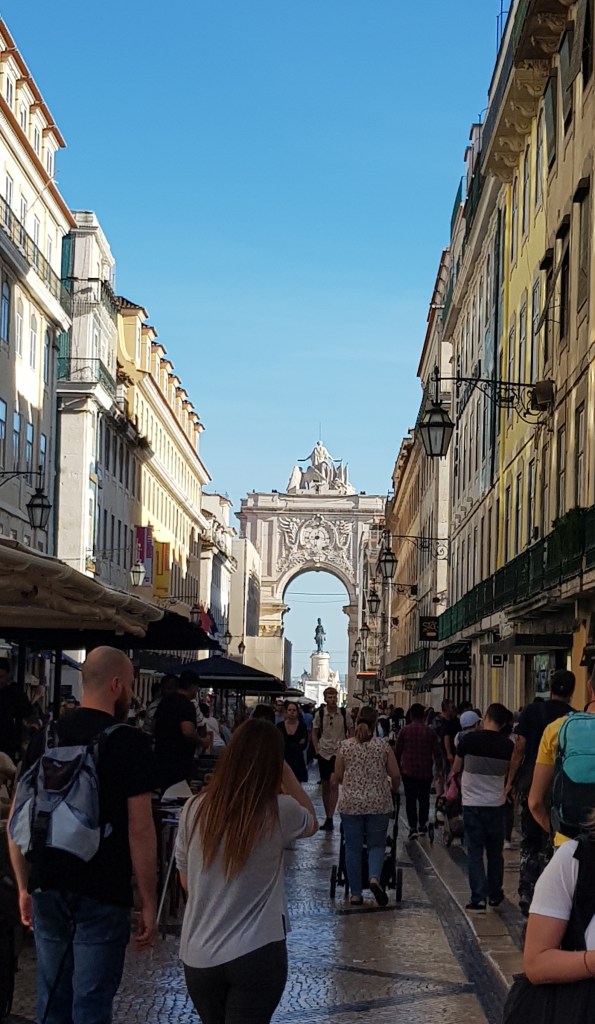
  • Commercial Plaza – The location of a huge statue, the tourist information offices and a great gathering place for events.

Fado

Near my hotel were several Fado houses. These are traditional houses which have evening shows (normally with dinner) of traditional portuguese fado music. This is deep, very sad singing and guitar, supposedly derived from the soul.

The music is very relaxing to listen to, and when visiting the fado house, it was of the utmost importance that guests did not talk and food was not served out by staff during the music out of respect. So, several breaks were needed to dish out food and for conversation. This was good for me as it meant I actually slowed down and savored my food.

There is also a Fado museum downhill in Alfama. It has a lot of information about Fado but it is difficult to navigate and understand the information at hand, and I felt a lot more could be done to improve its guest experience.

To conclude…

I like Lisbon a lot, it is one of my favourite cities. It is vibrant and proud of its heritage. Next stop is another portuguese area, the Azores…

The Best of the Med

In 2022, I spent my summer months working at sea and visiting some of the most popular ports in the mediterranean, as well as a few less known ones. Whilst visiting; Spain, France, Italy, Croatia, Greece, Slovenia, Malta and Turkey, I have pinpointed my absolute favourite spots and activities to do!

Italy

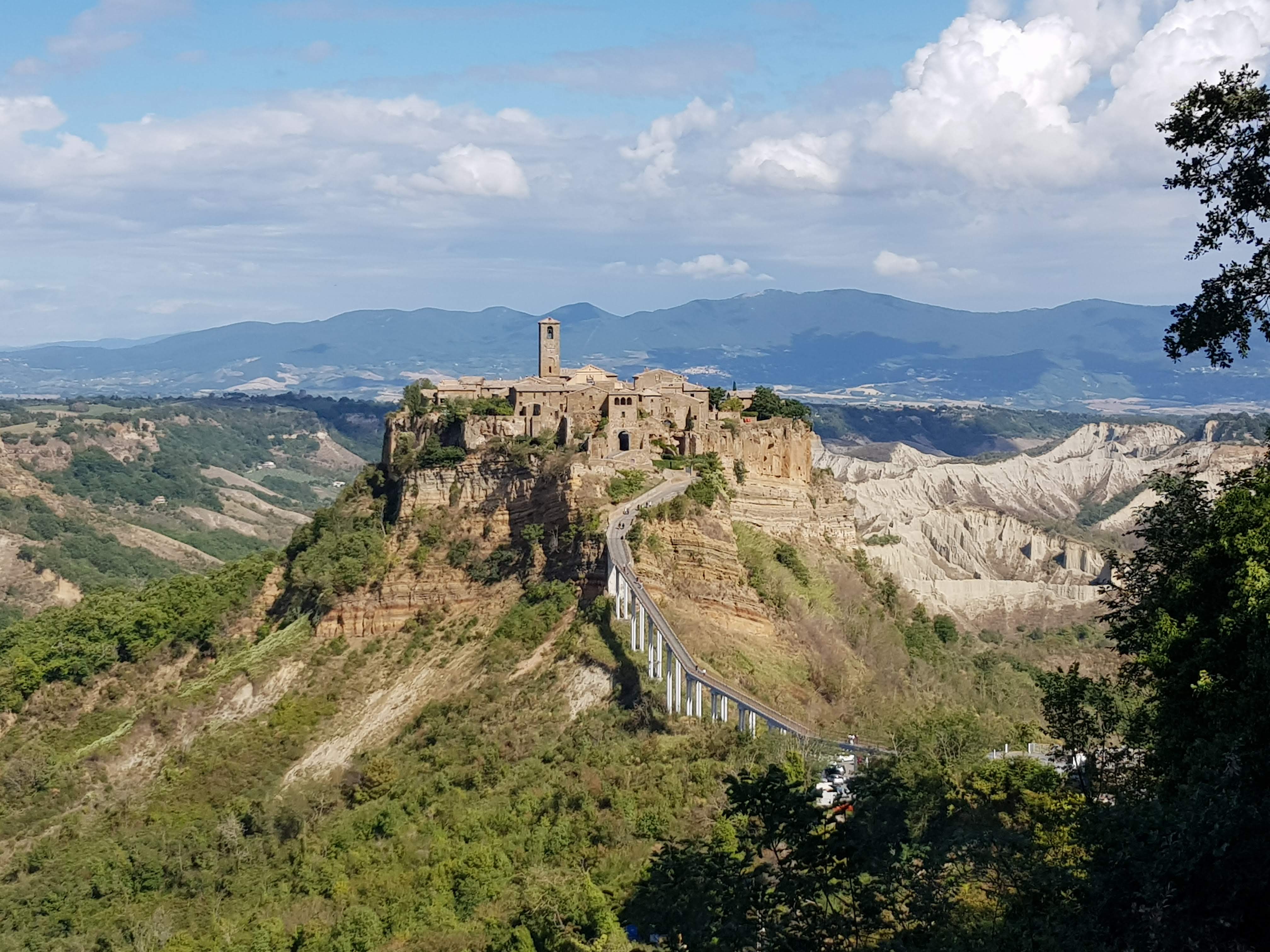
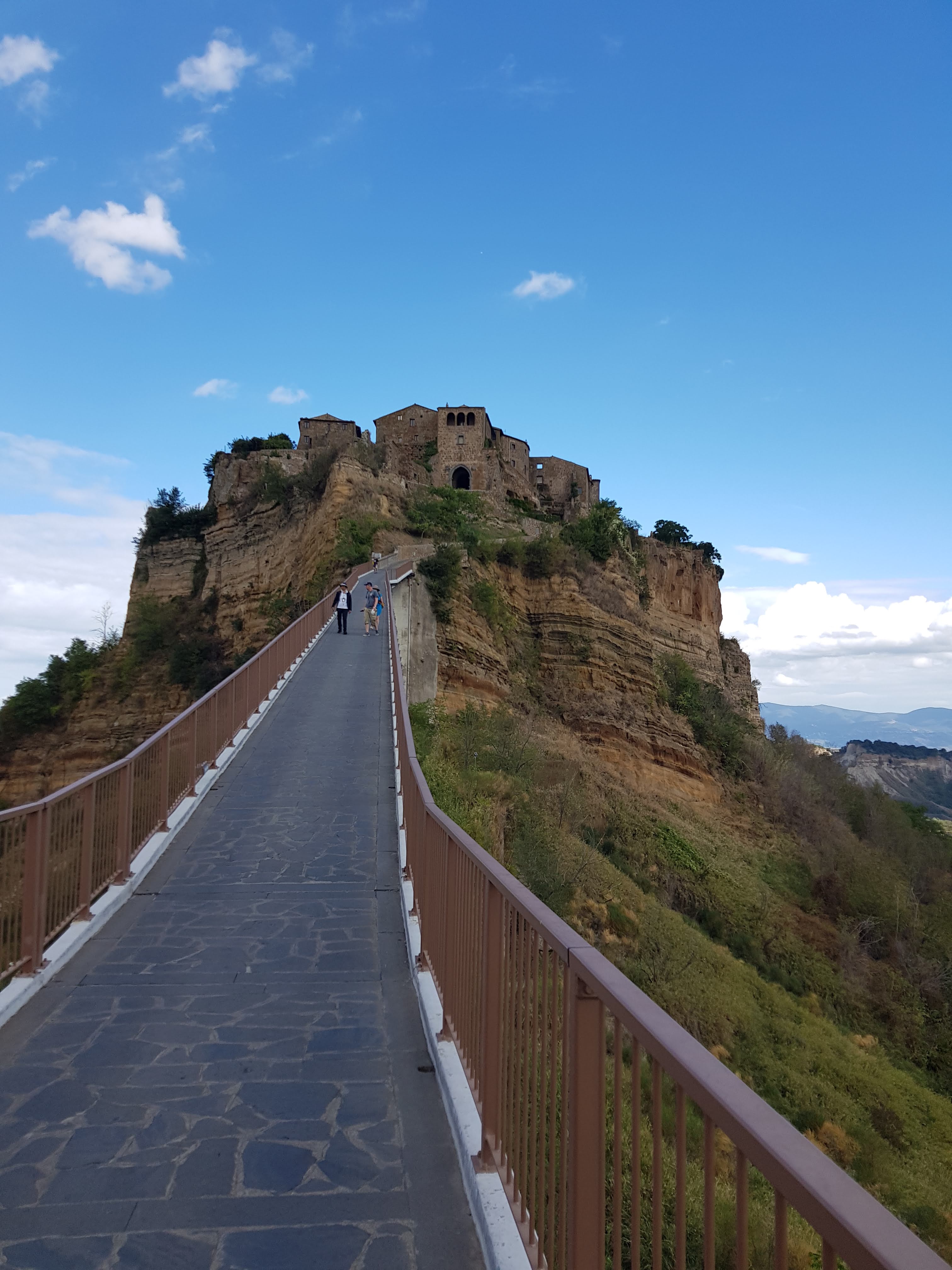
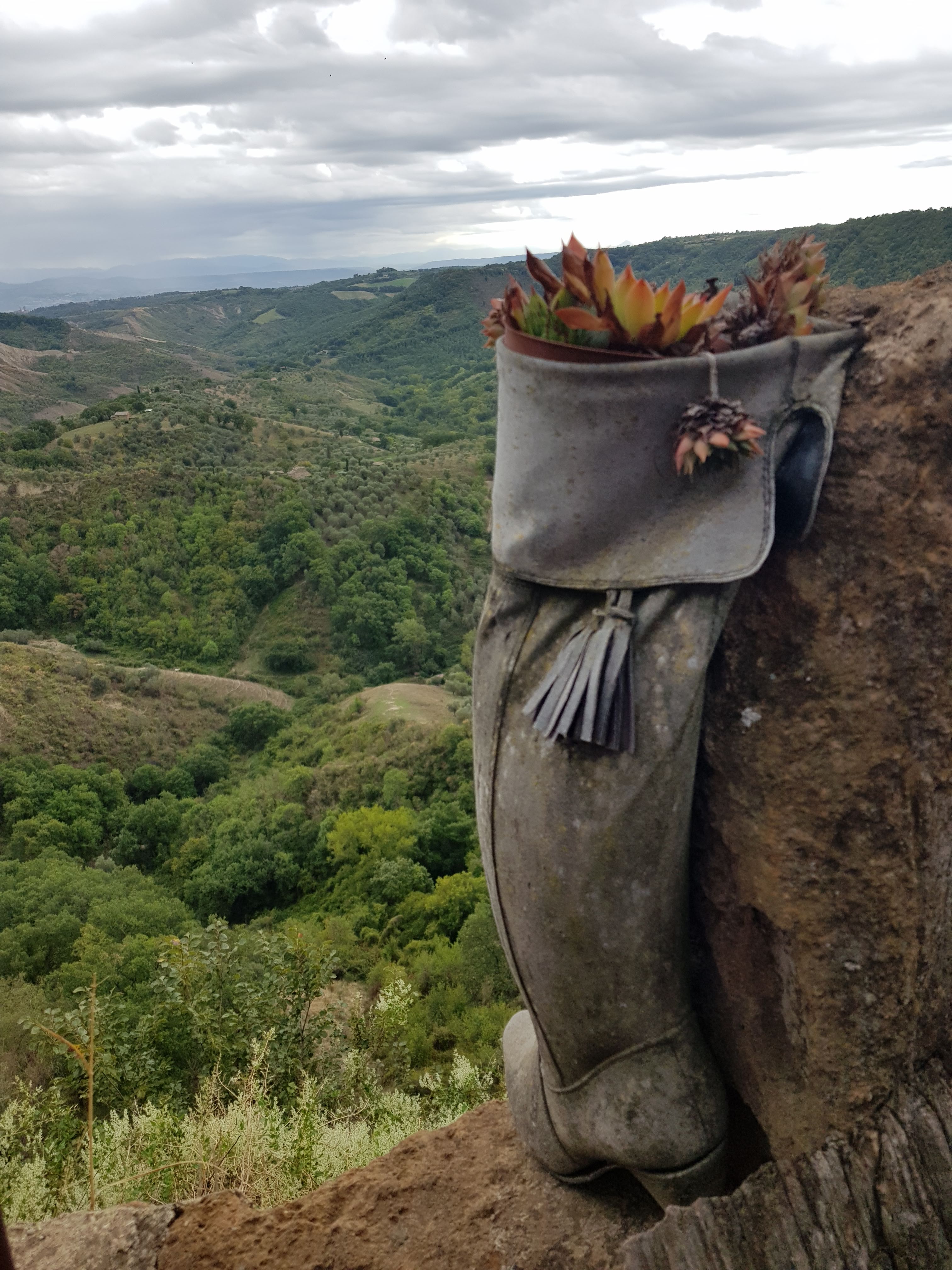
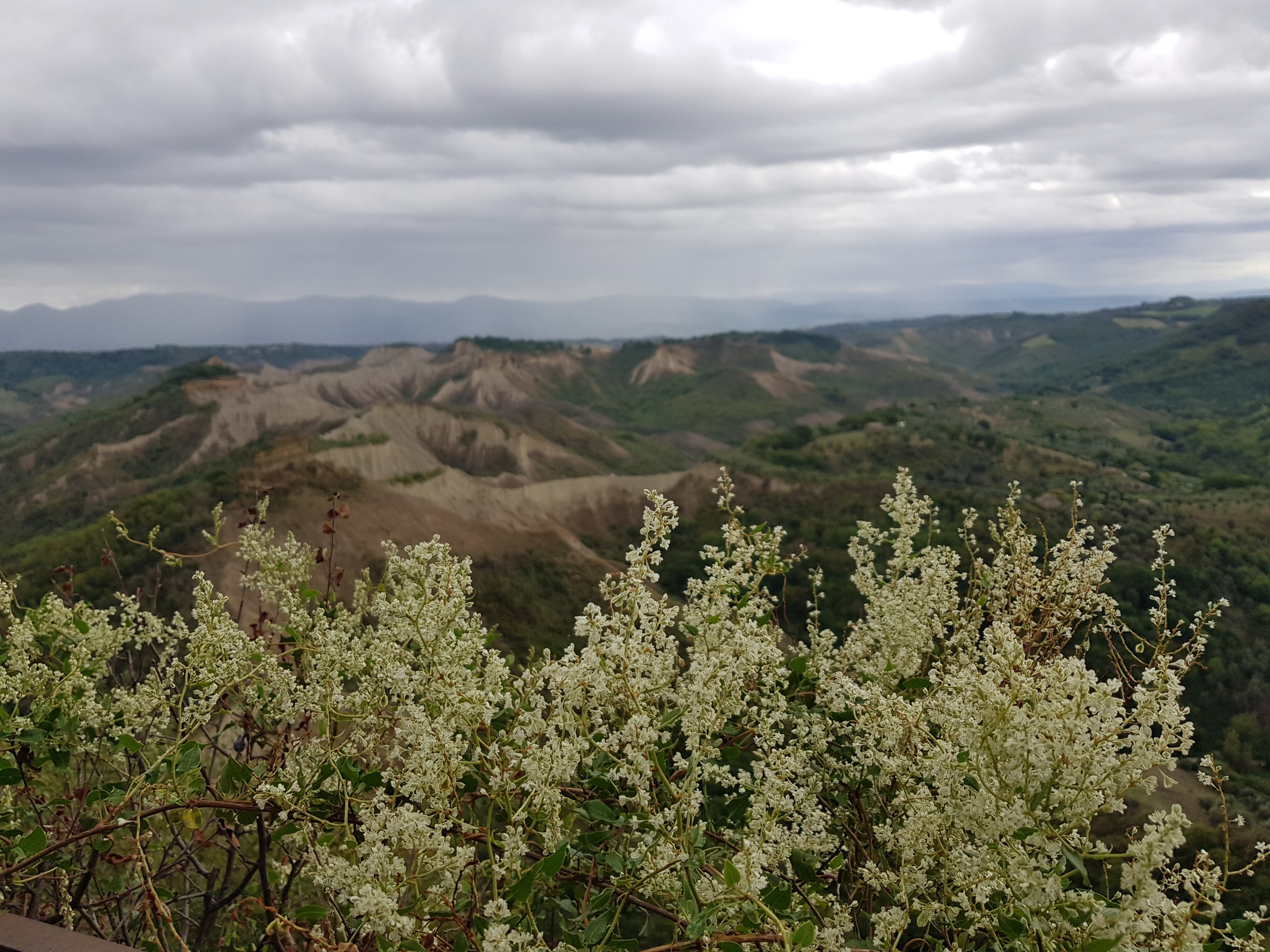
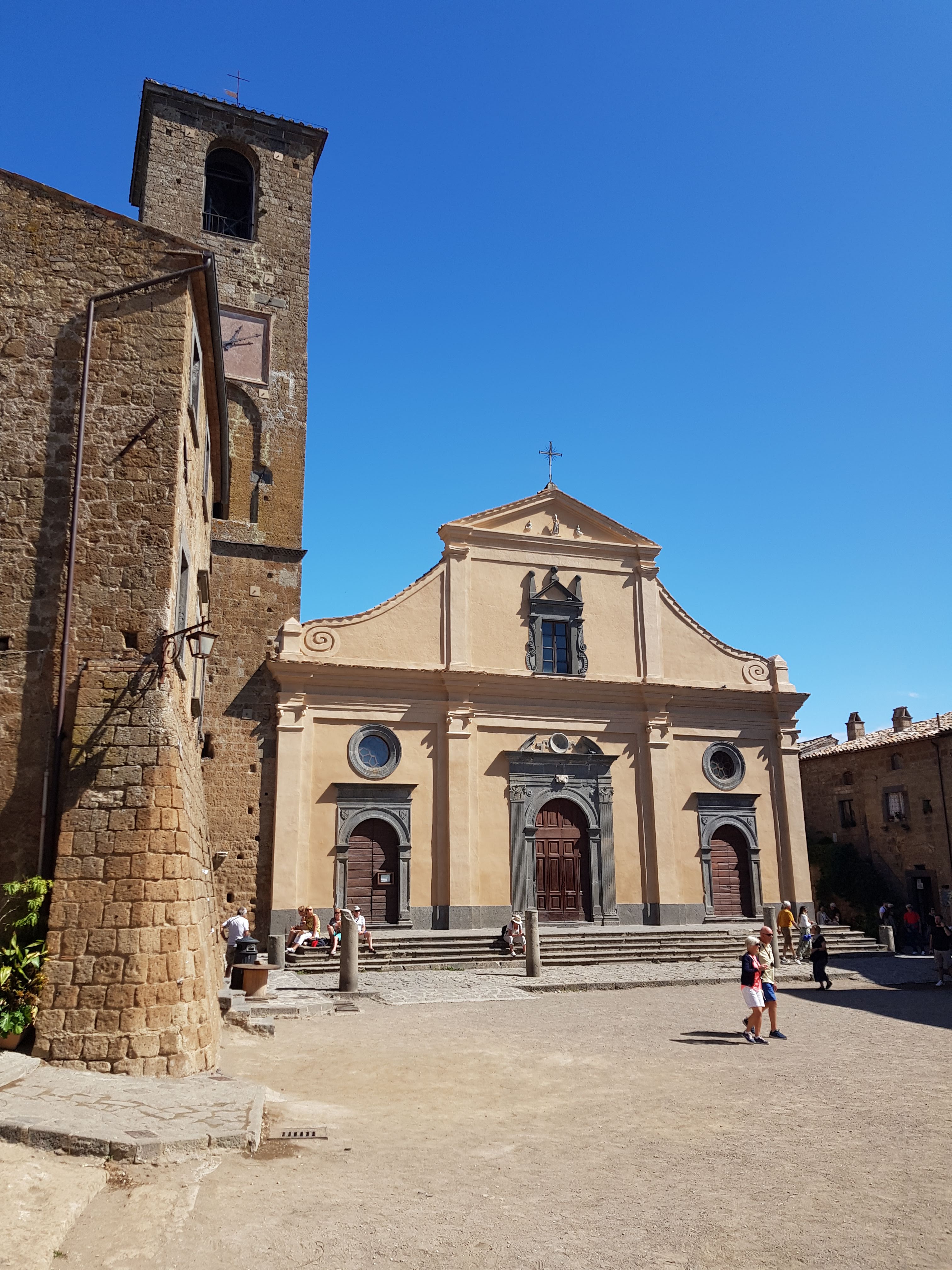
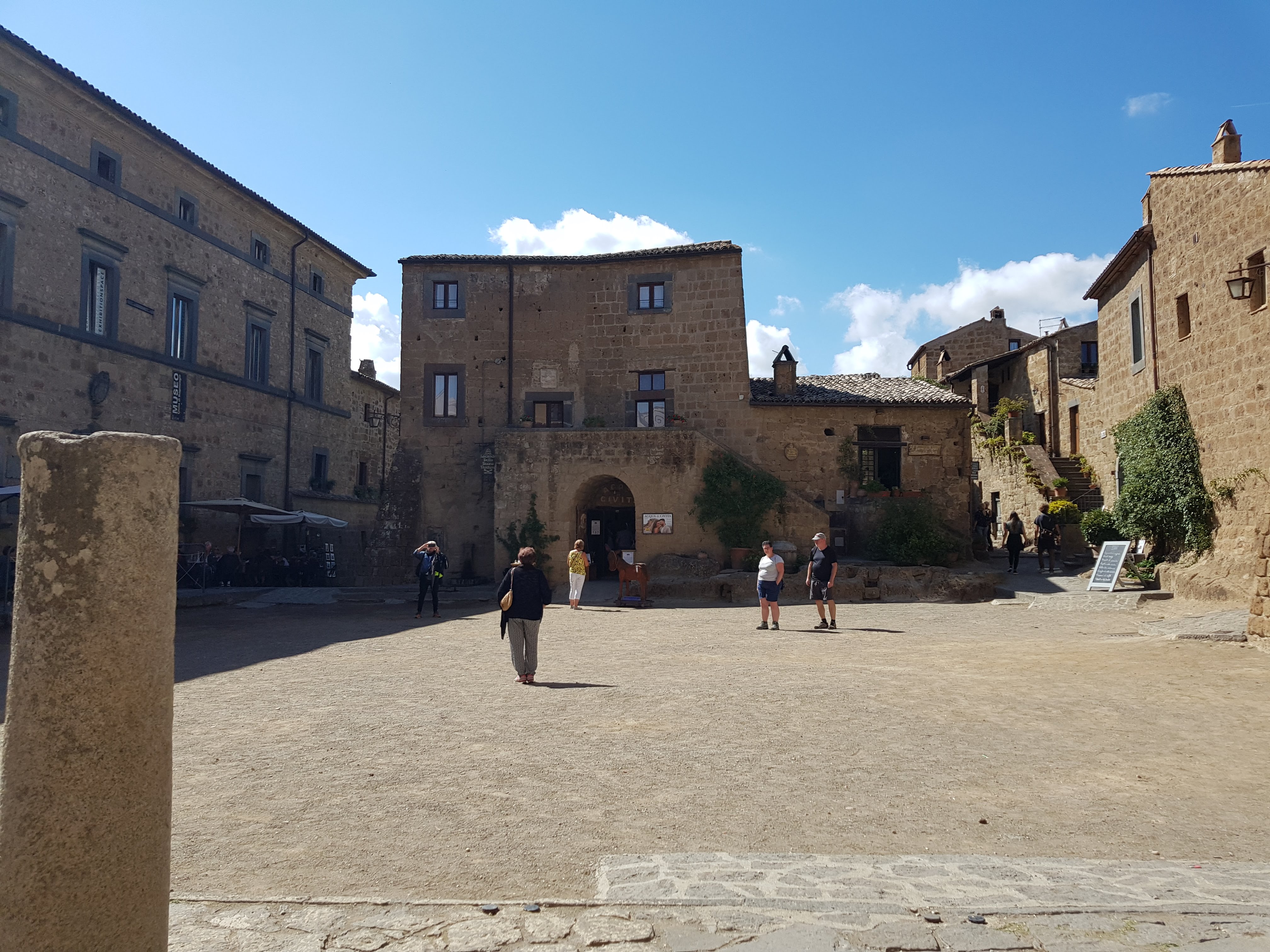
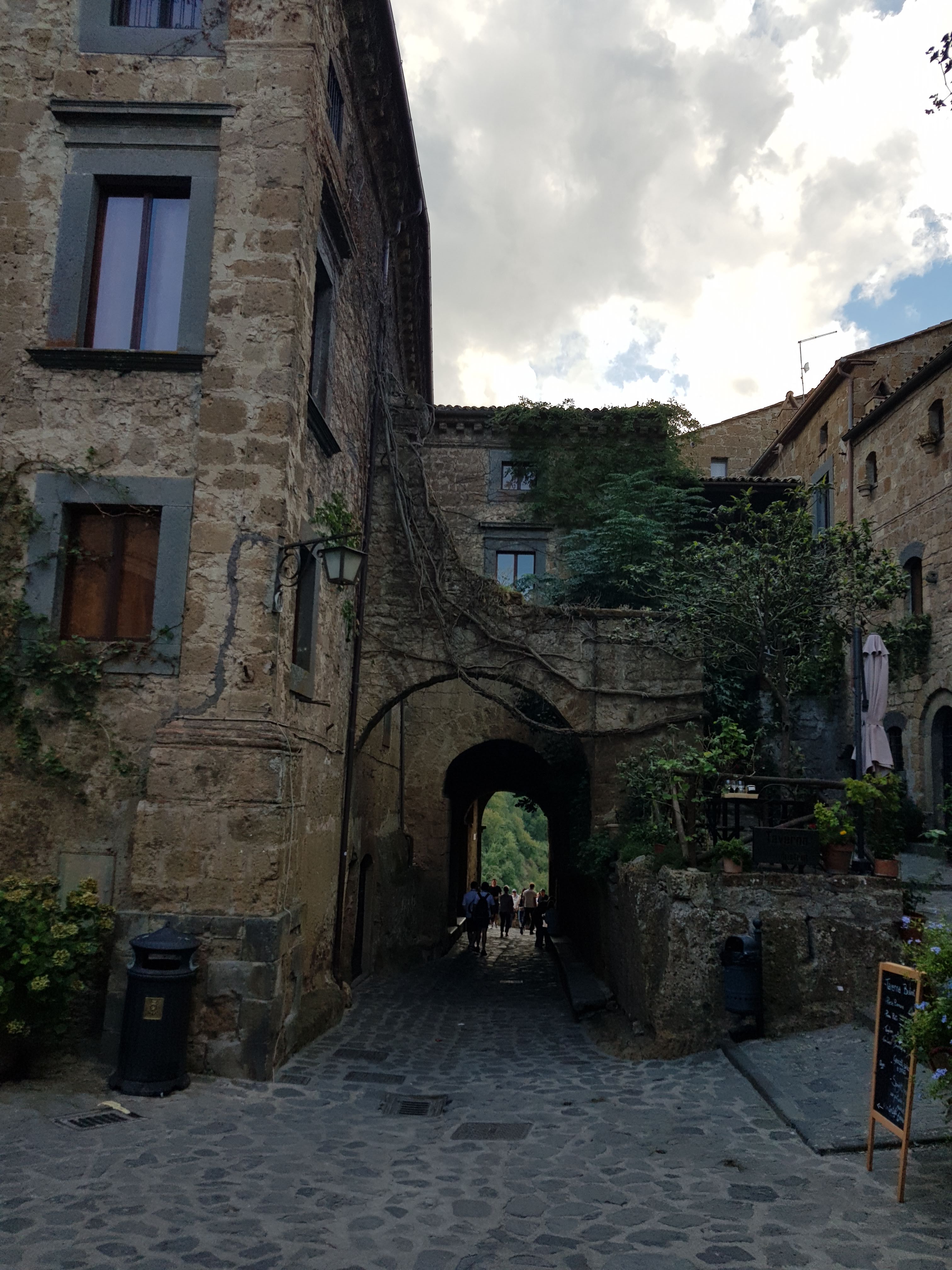
I have visited many locations in Italy; Florence, Pisa, Rome, the lakes and other popular locations, but one of the favourite places I visited was little over an hour outside of Rome, and was a hidden beauty in the rural landscape. This was the civita of Bagnoregio. I took a tour to this once dying town on a hilltop and was blown away by its beauty and tranquility.

Thought of as one of the most prettiest villages in history, the town can be admired from a far distance as the long walk over the bridge takes you into this location that today has less than 20 residents. The town has long been the centre of conflicts, plagues, and natural disasters; serving as a castle, commune and village over a long history of over 2000 years.

Croatia

Croatia is rich in beautiful countryside and towns, and also benefits from the largest archipelago in the Adriatic Sea with over 700 islands.

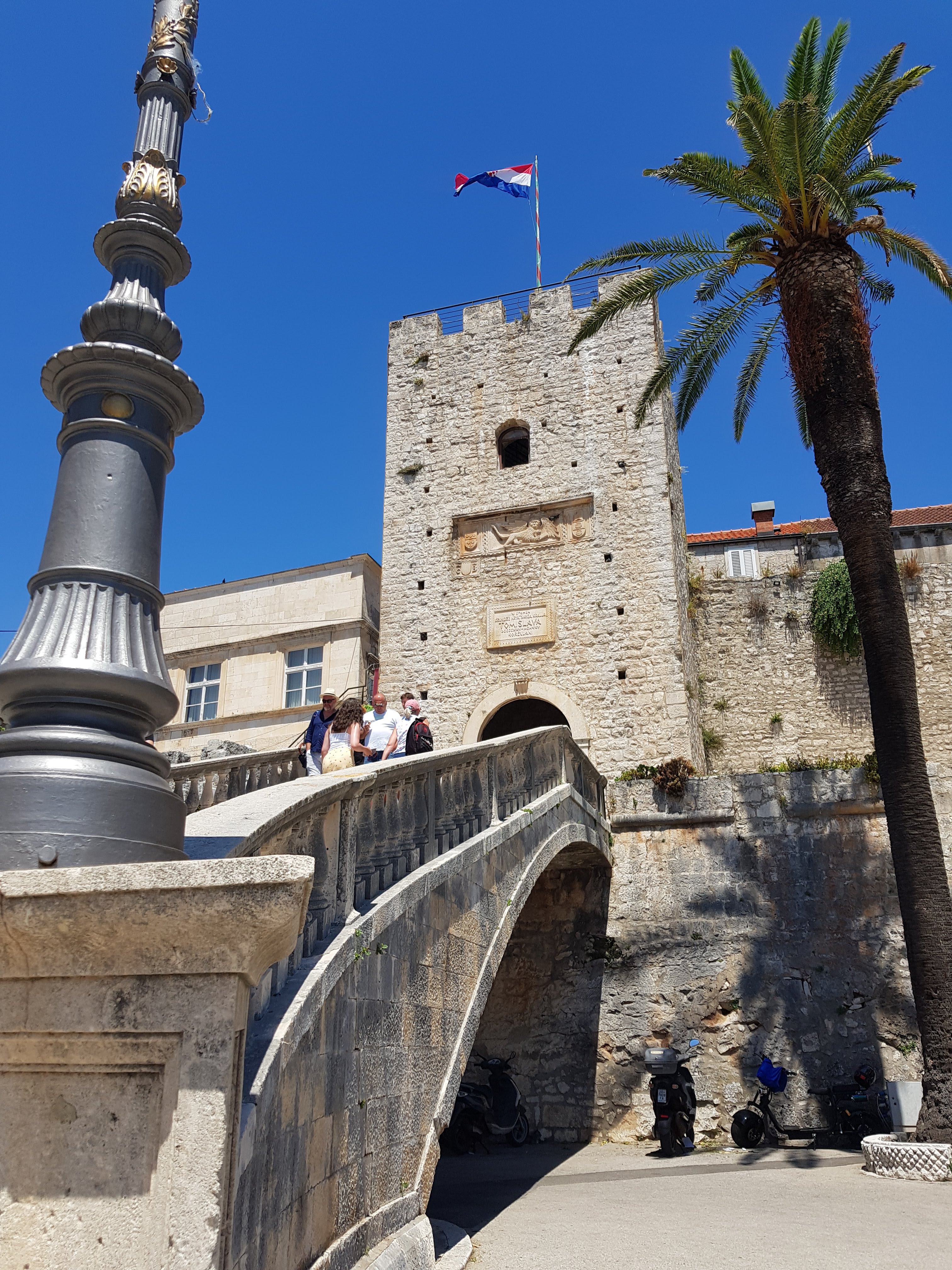
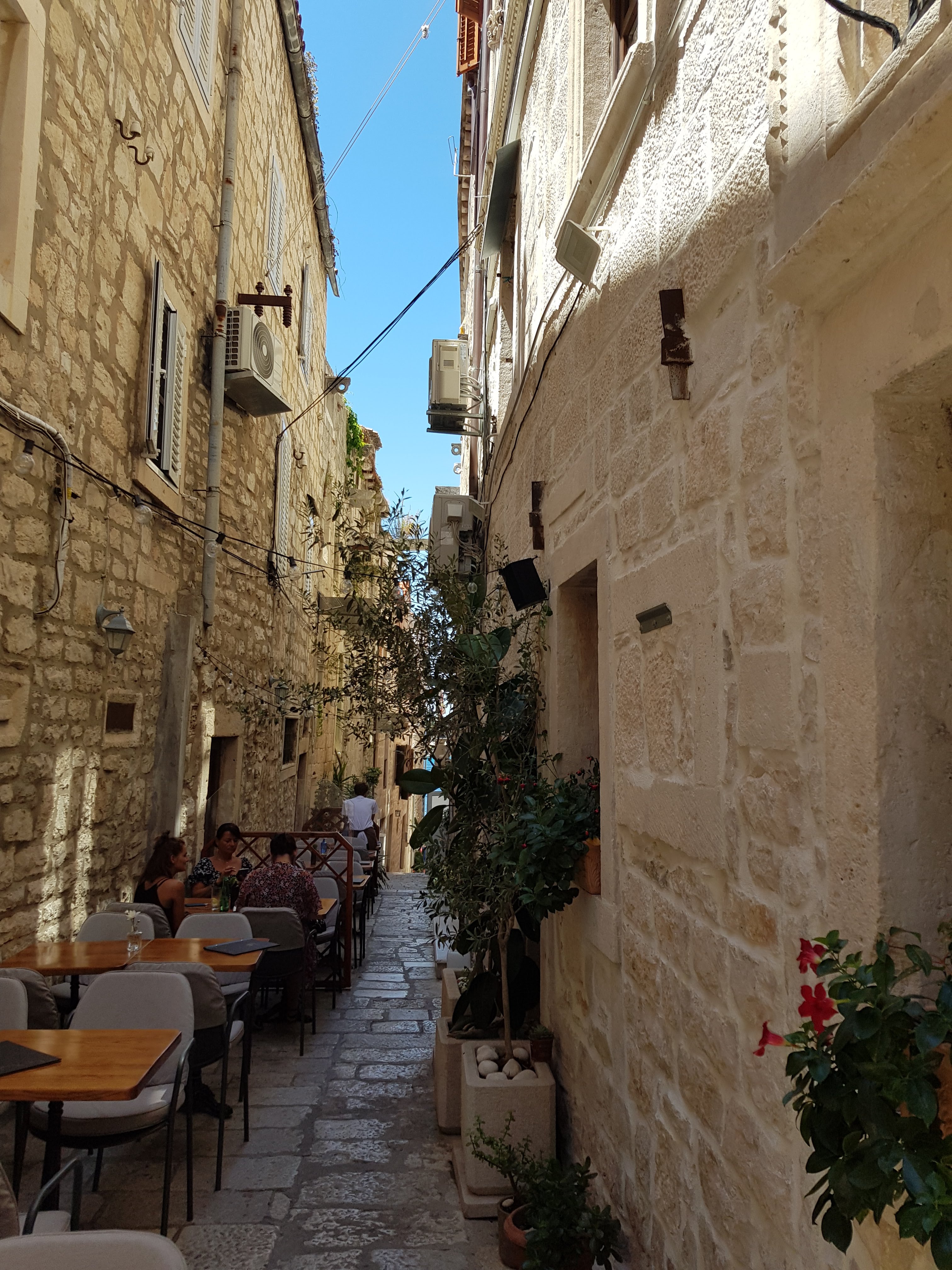
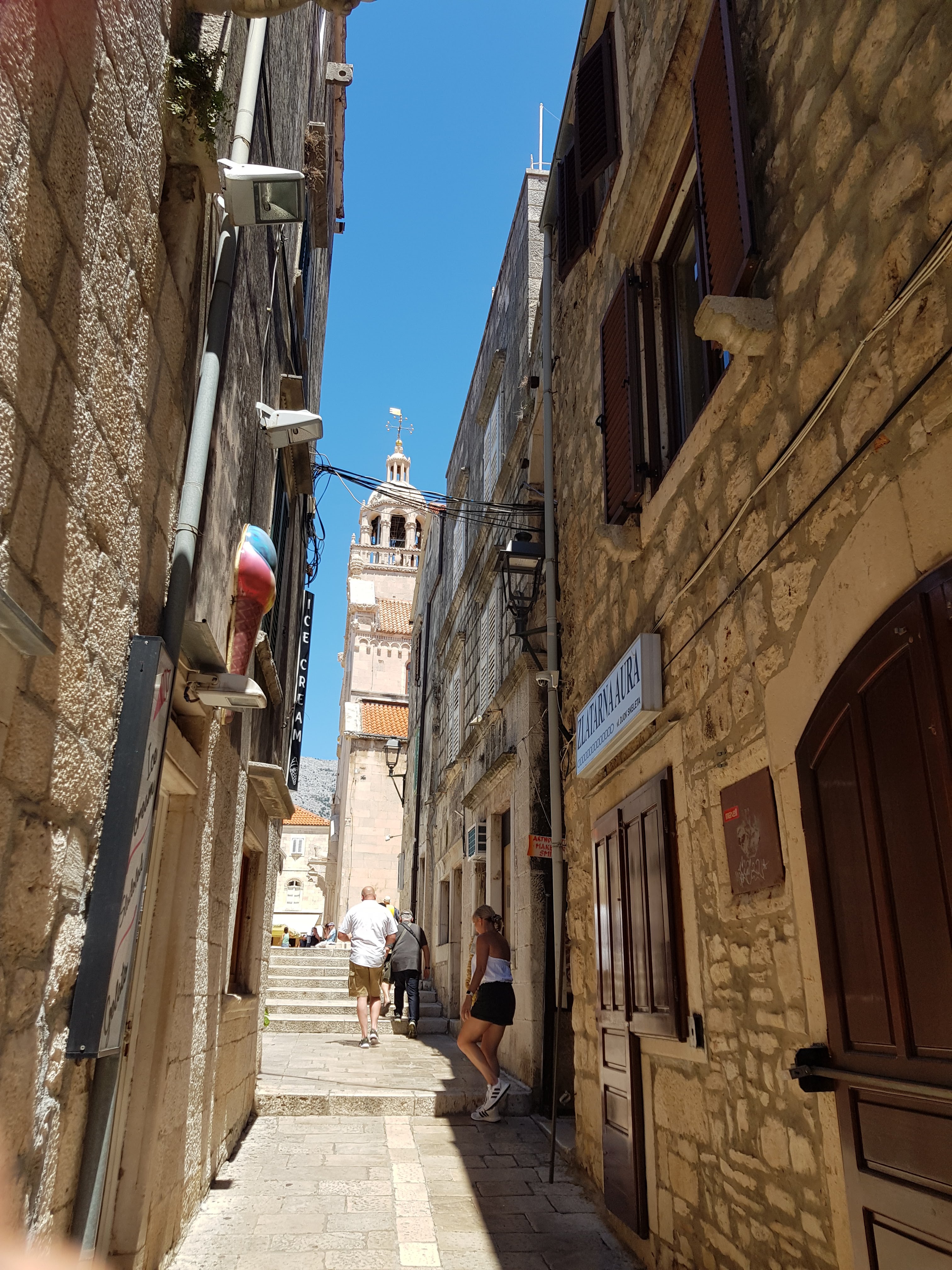
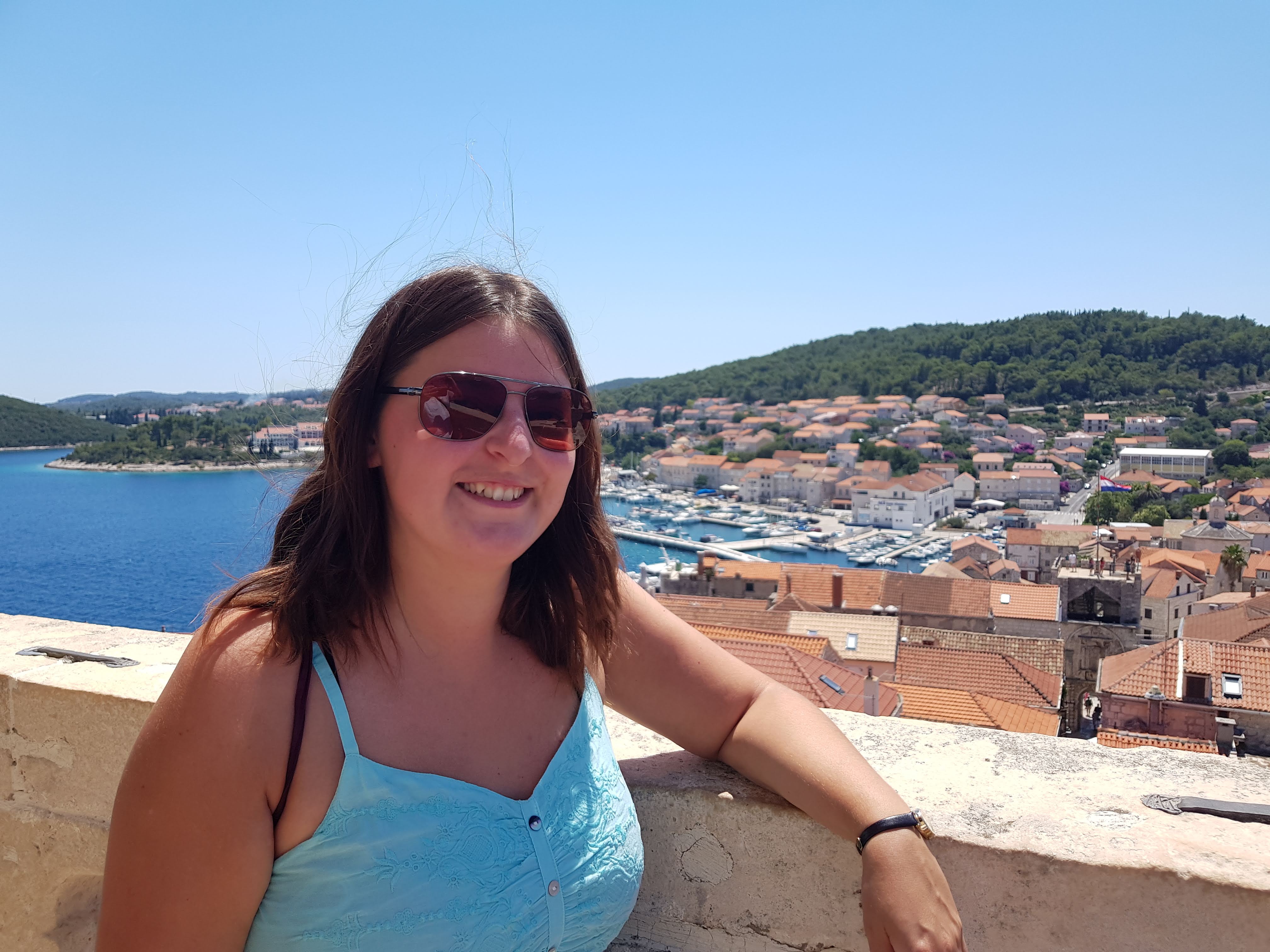
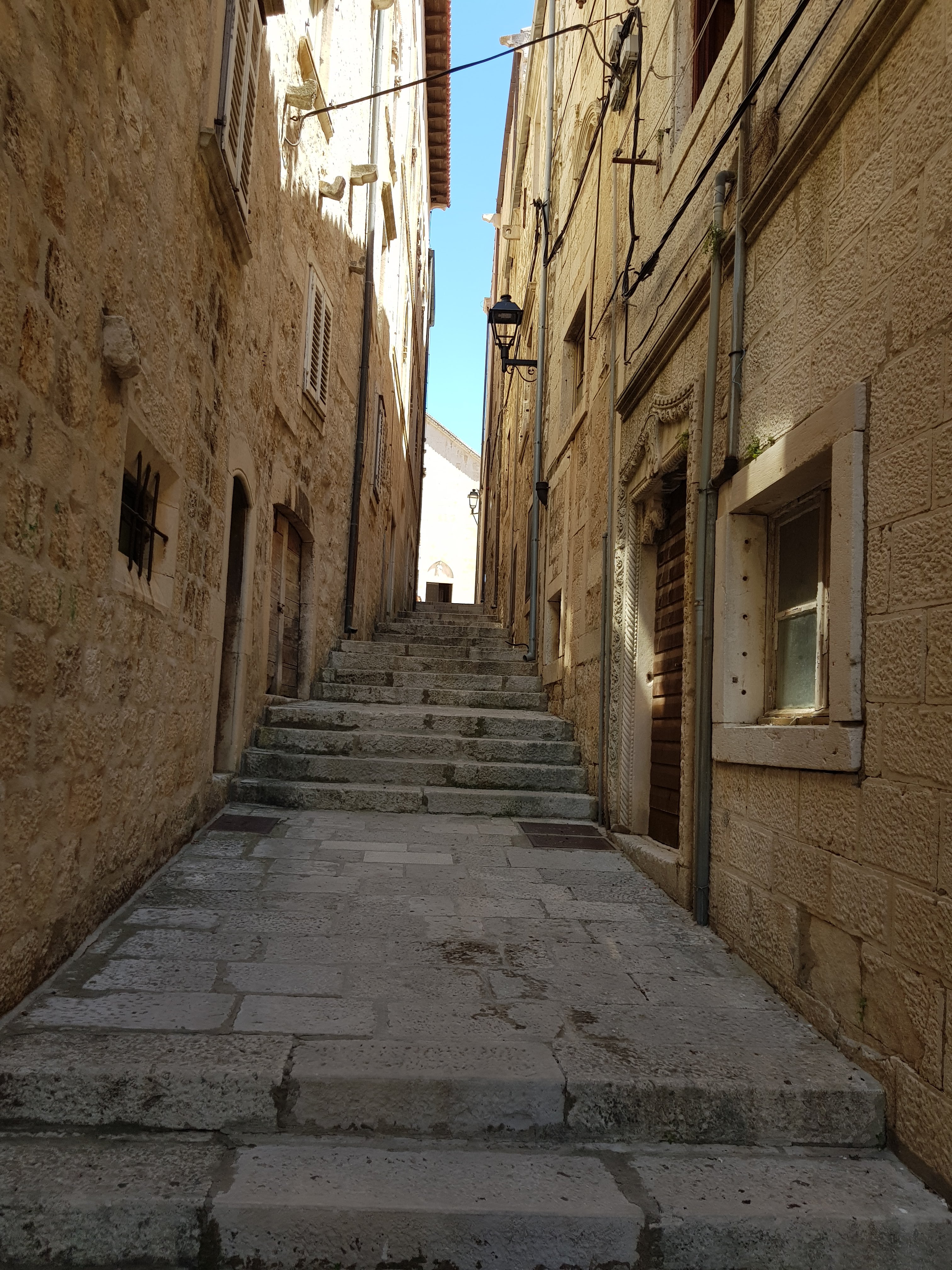
Of the islands, that I have visited, Korčula is my favourite. This island is only 20 miles long but has a beautiful feel to it, and a great offering of beaches, fishing villages, vineyards, and forests. Of the main town, it boasts of medieval city walls, alleys and squares to explore, and great views of the harbour around it.

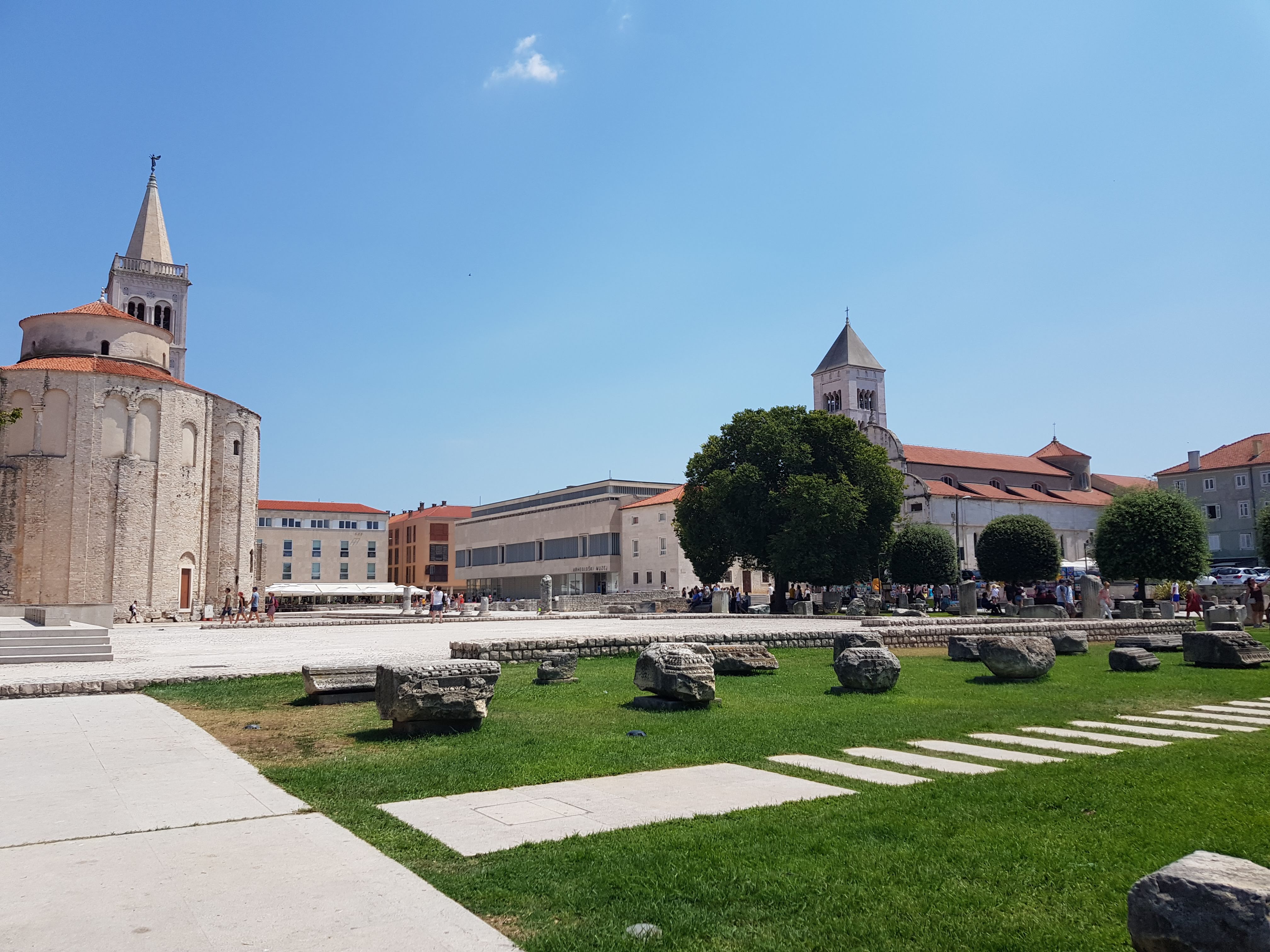
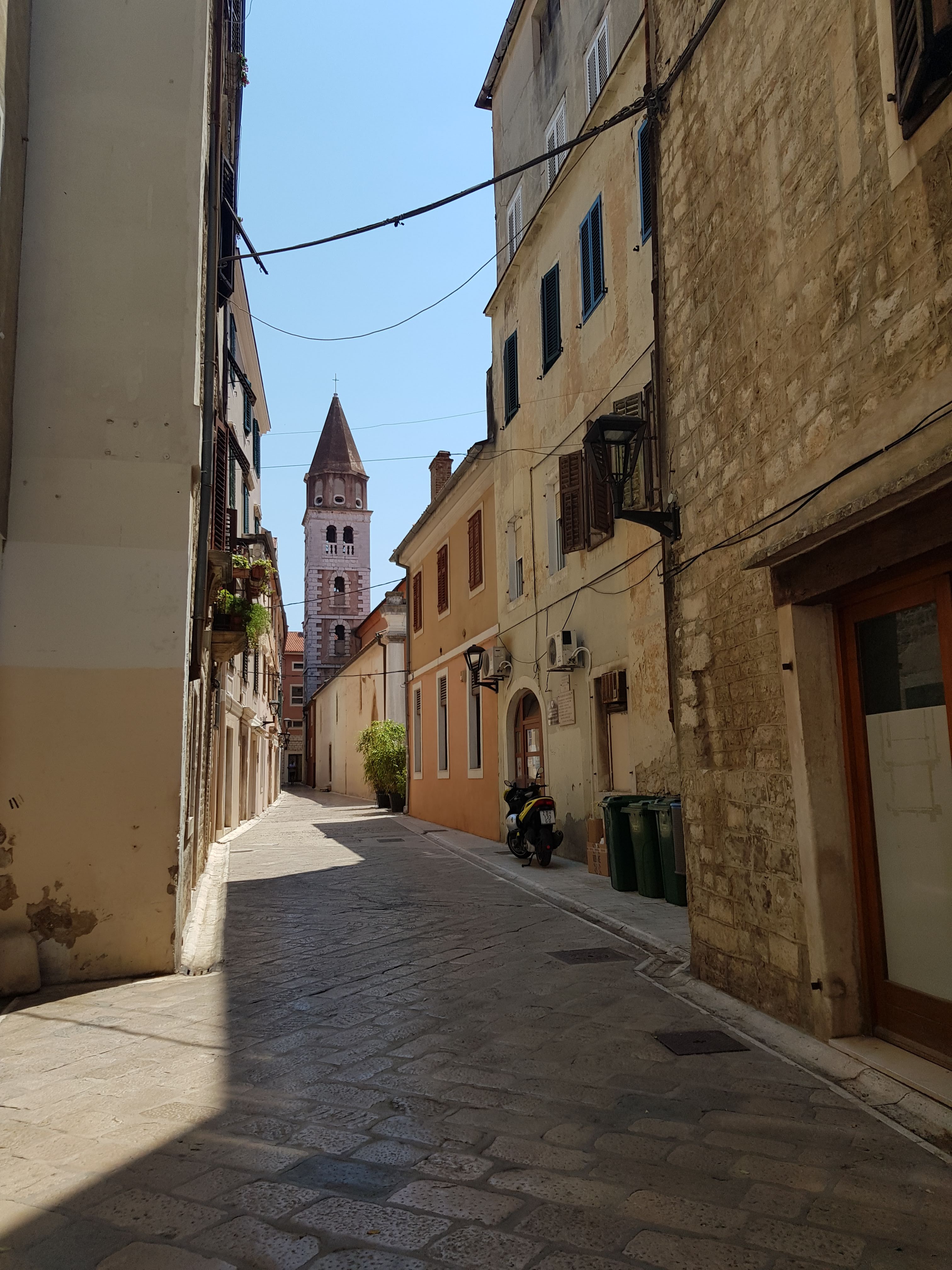
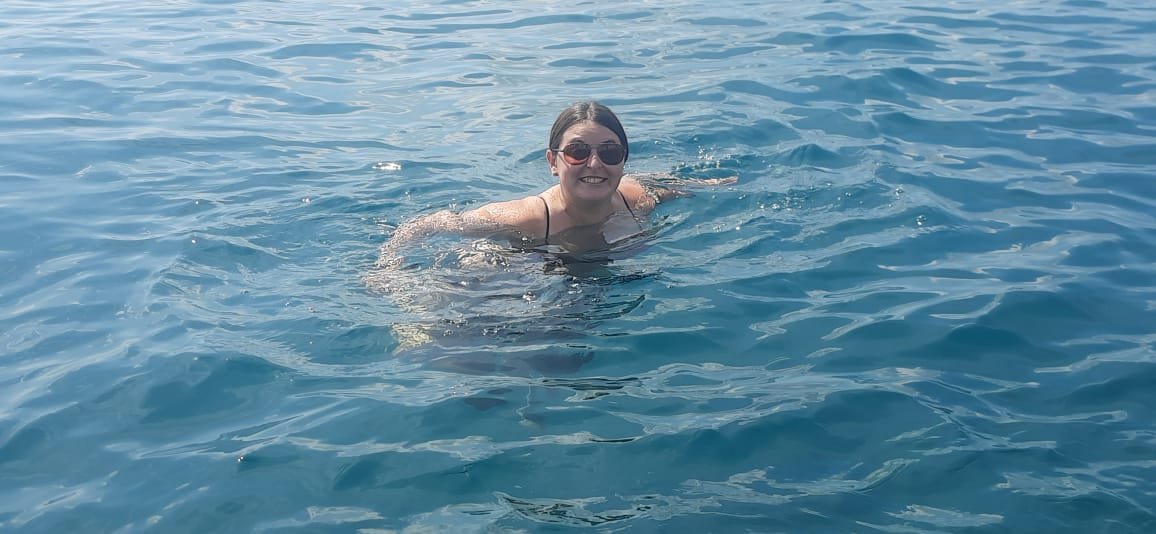
Of the mainland, Zadar is my top choice. As well as an interesting cultural and historic town centre, bustling with shopping and entertainment. Above all, I absolutely love how the town has been connected with the sea through their ‘sea organ‘! At first, I was confused about this and thought it may be an electronic recording by the sea edge, but actually it is the clever use of drilled holes in the ground that create sounds as air from the incoming waves drive underneath. From this spot, you can listen to the echoes of the waves as you walk down steps and take a dip. Be careful though, it can be slippery, I almost fell down on my way into the water! It was very refreshing though.

Slovenia

I had the great fortune of being able to visit Slovenia a few times on my travels, and found it to be a green and lush coastal haven with plenty to offer in terms of style, culture, good food, and history.

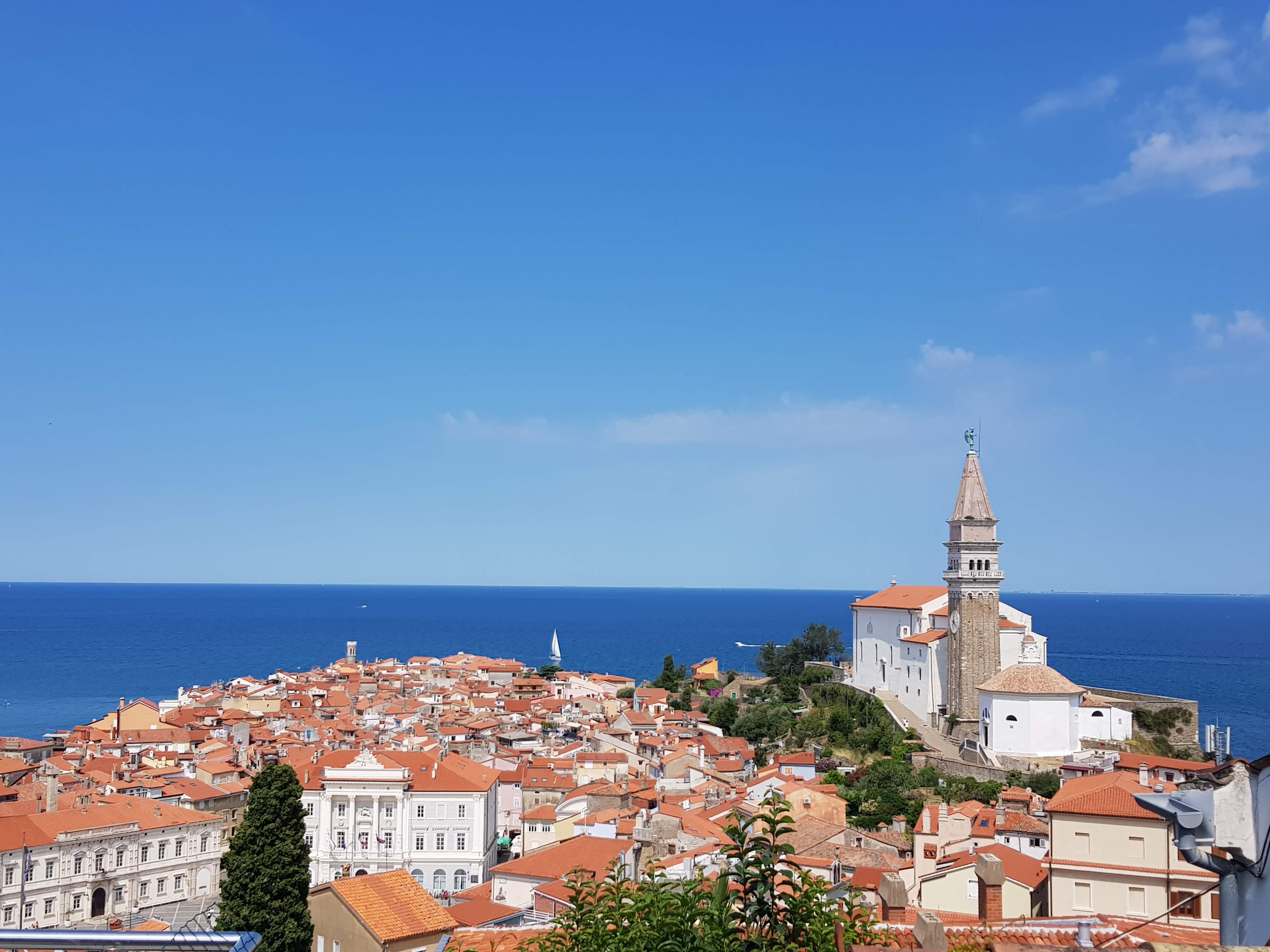
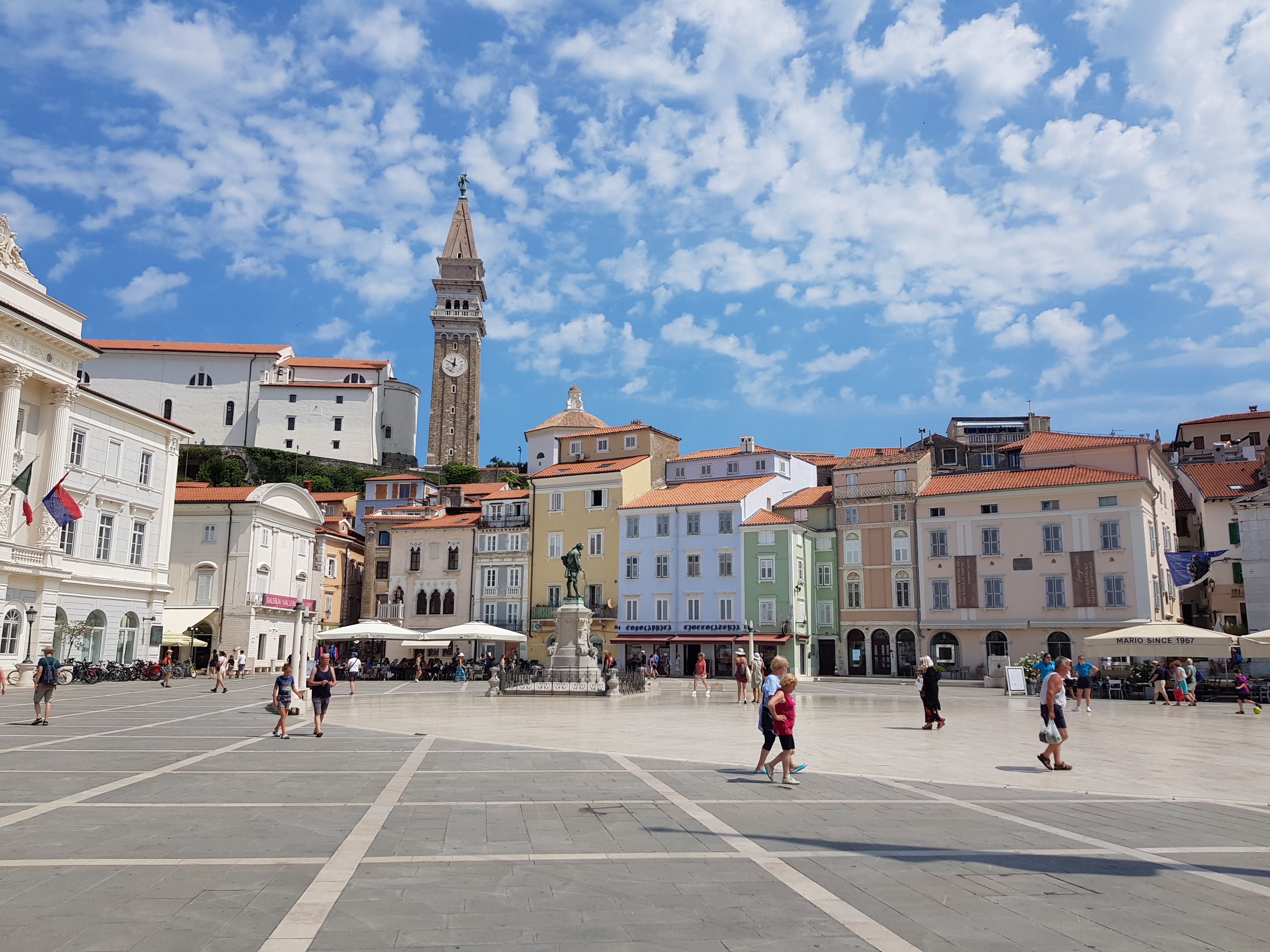
My favourite town to visit is Piran, this picturesque coastal town is built in a venetian style due to its italian influence, and has a colourful square that looks like it has been painted from a picture. You will also find a popular salt shop here where you can purchase products made from traditional mined slovenian salt.

France

For french locations I have two favourites, the beautiful village of Villefranche and also the island of Corsica. They are very different to one another, but I love them both.

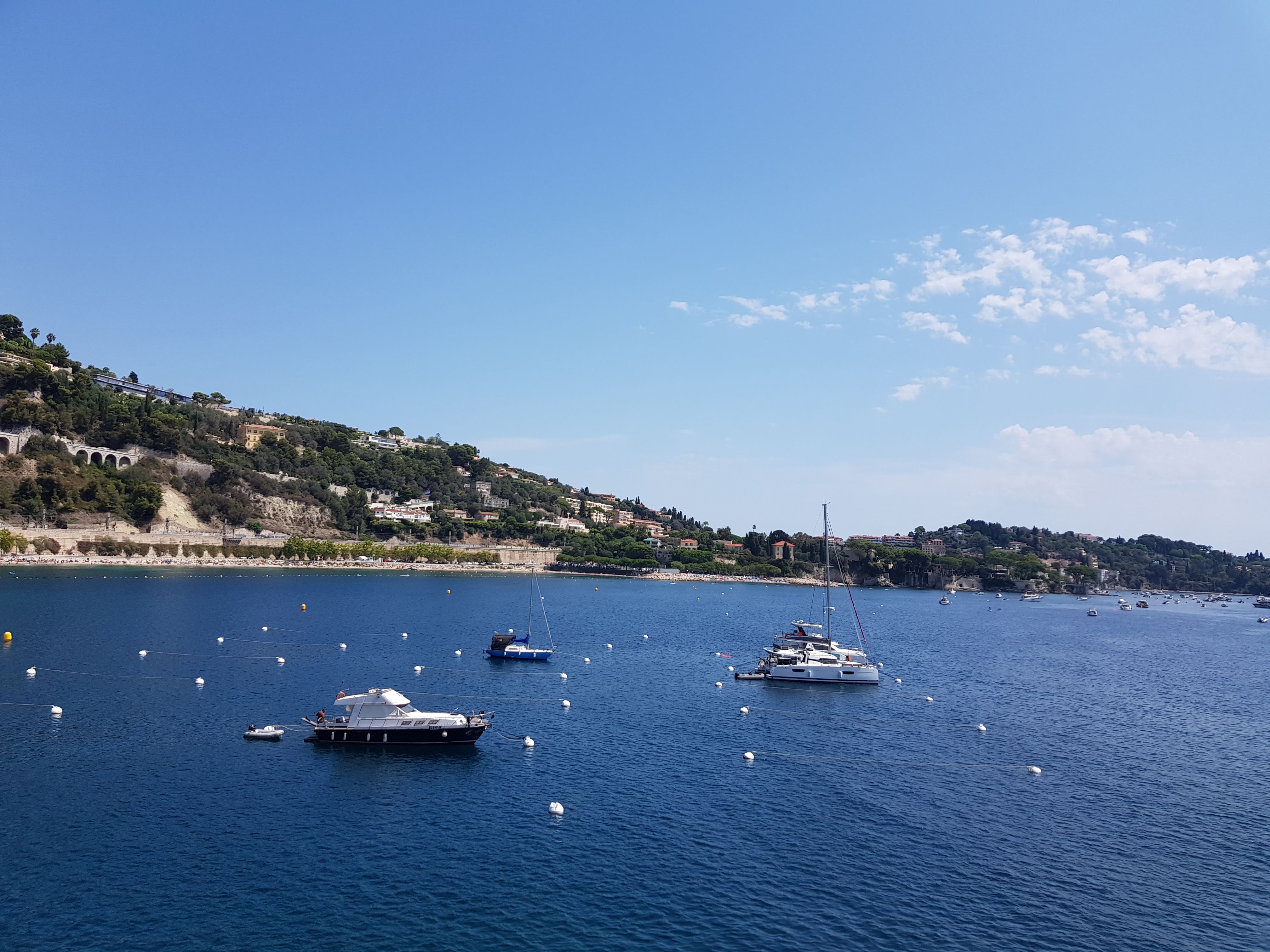
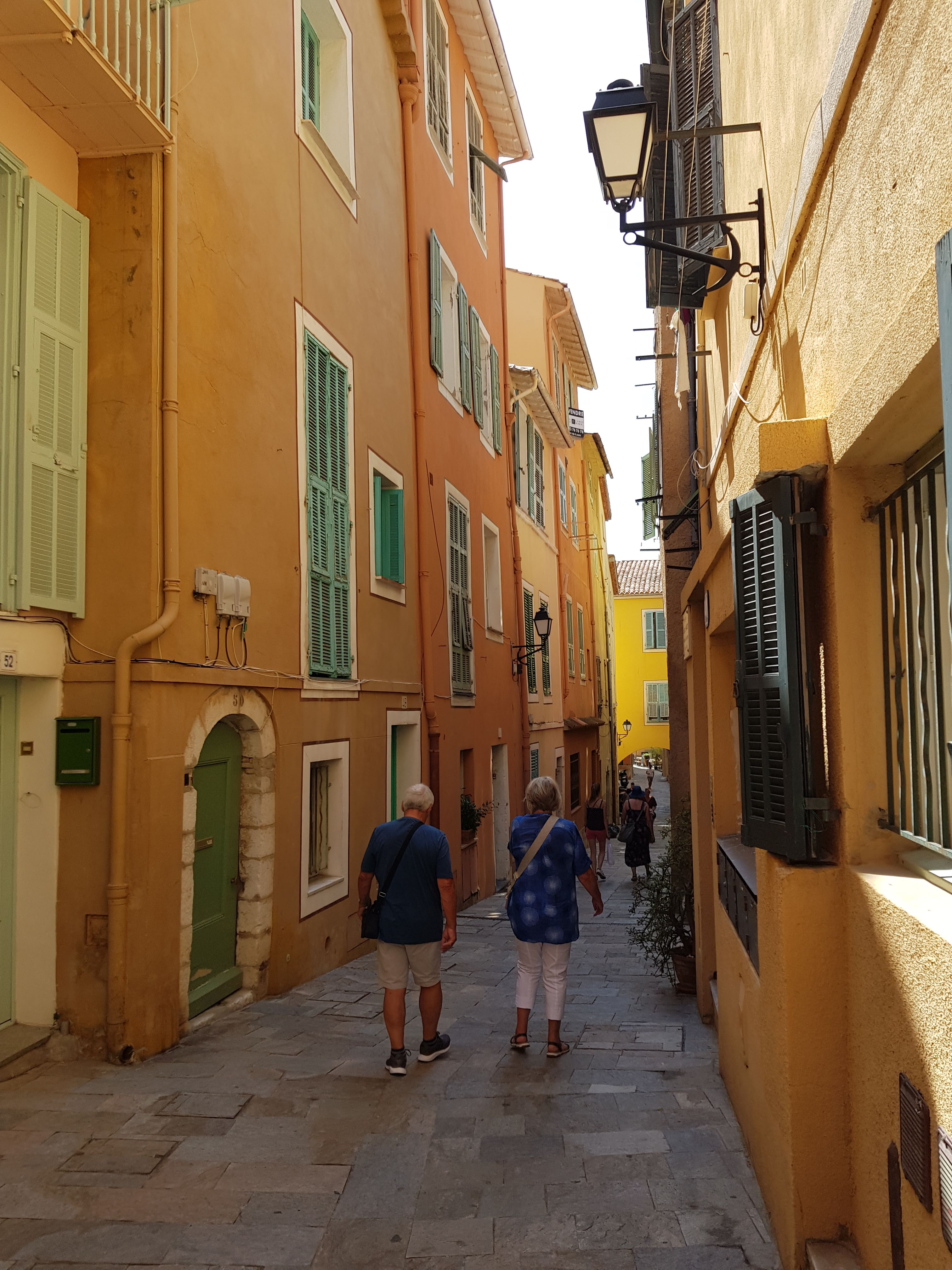
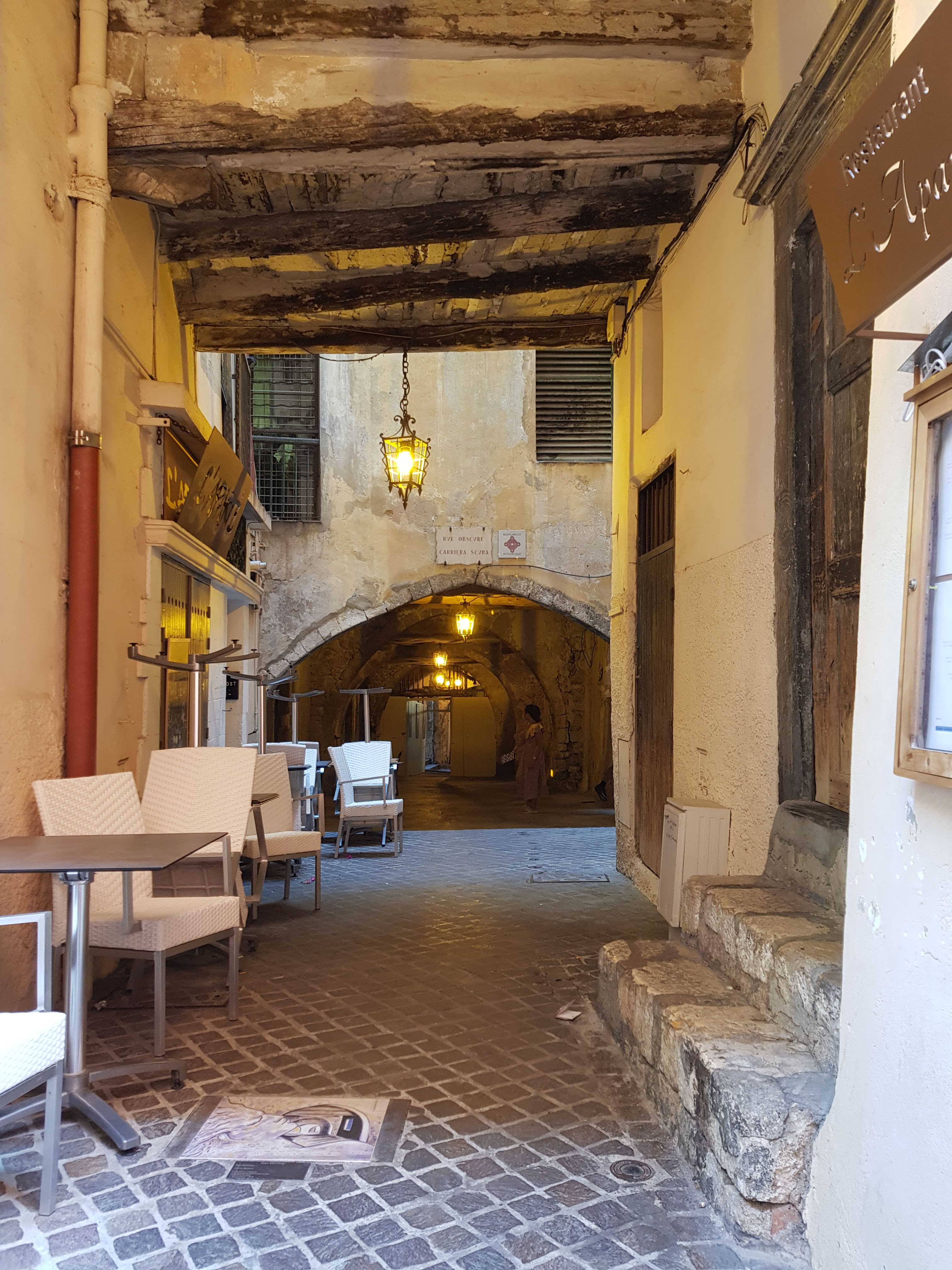
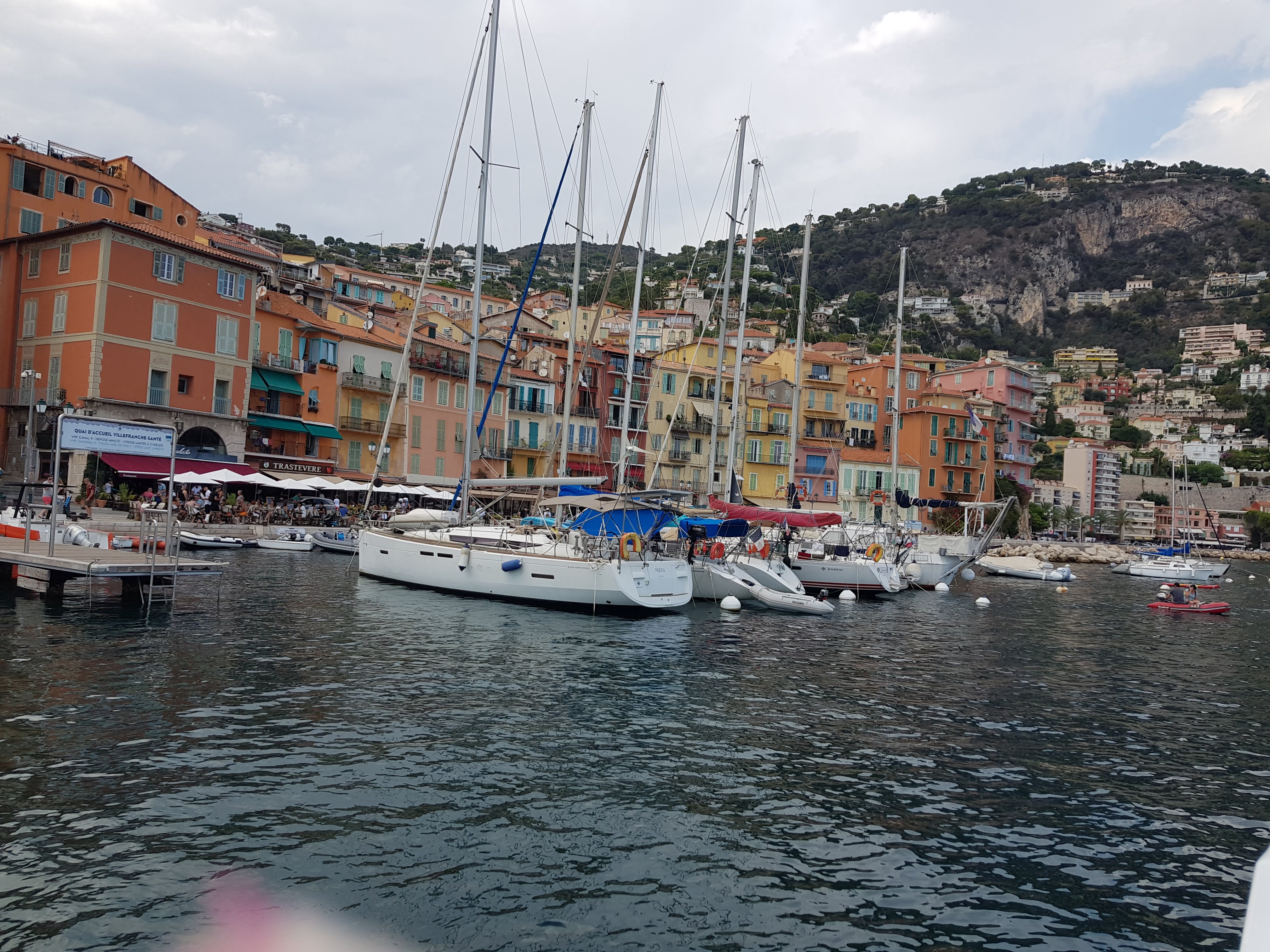
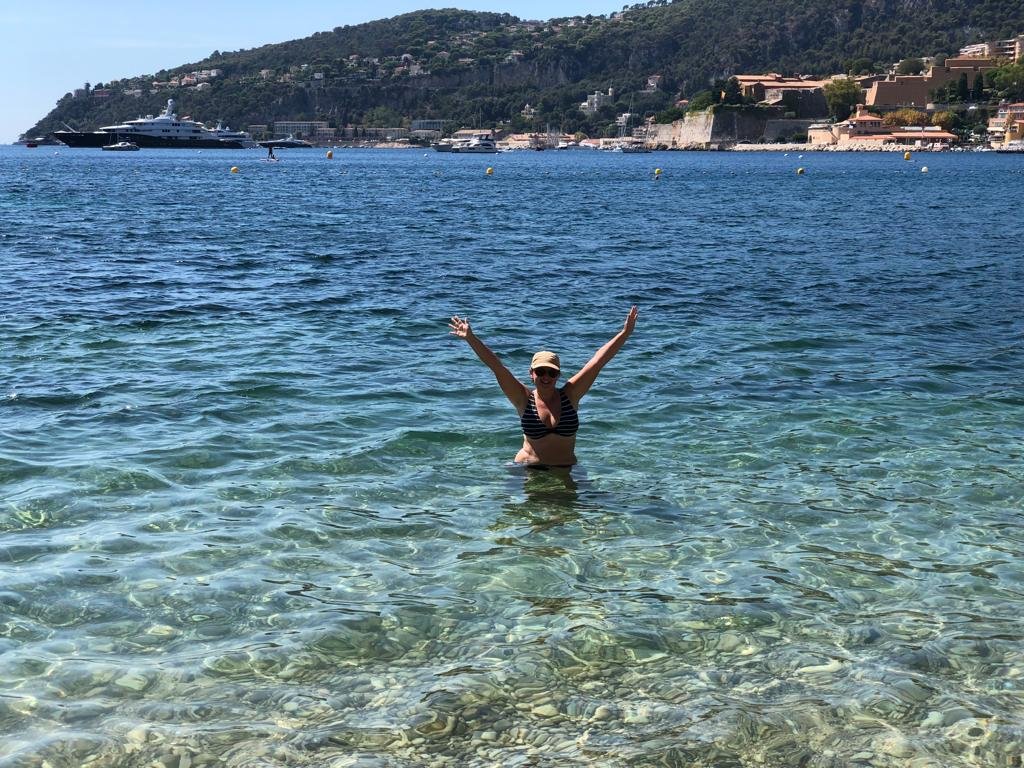
Villefranche is a pretty little french village with a harbourfront, intricate little streets and cute bars and restaurants. I was able to relax in a little piece of france with my breads and cheeses and then swim in crystal clear waters.

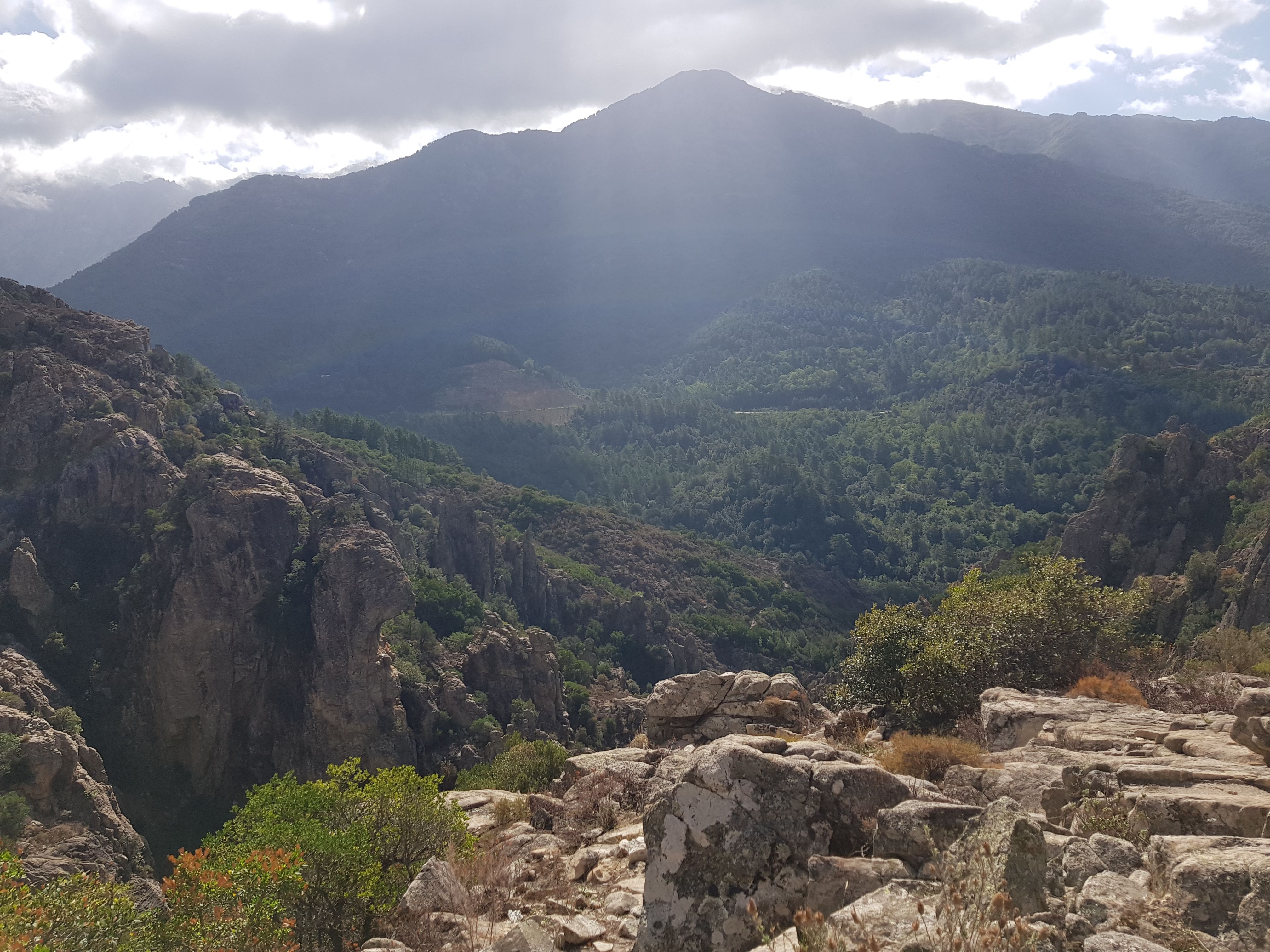
In contrast, Corsica is one of the med’s biggest islands, and is part of the french territory, but is very rugged and green. In fact, about half of the island is left to nature and the local wildlife. I have enjoyed animal sanctuaries as well as adrenaline activities here such as canyoning. This involved me shooting down waterfalls, and abseiling down rockfaces, as well as jumping from ledges into deep water. Energetic stuff! This location is a popular choice for hikers and outdoor enthisiasts and I would defiiitely return.

Spain

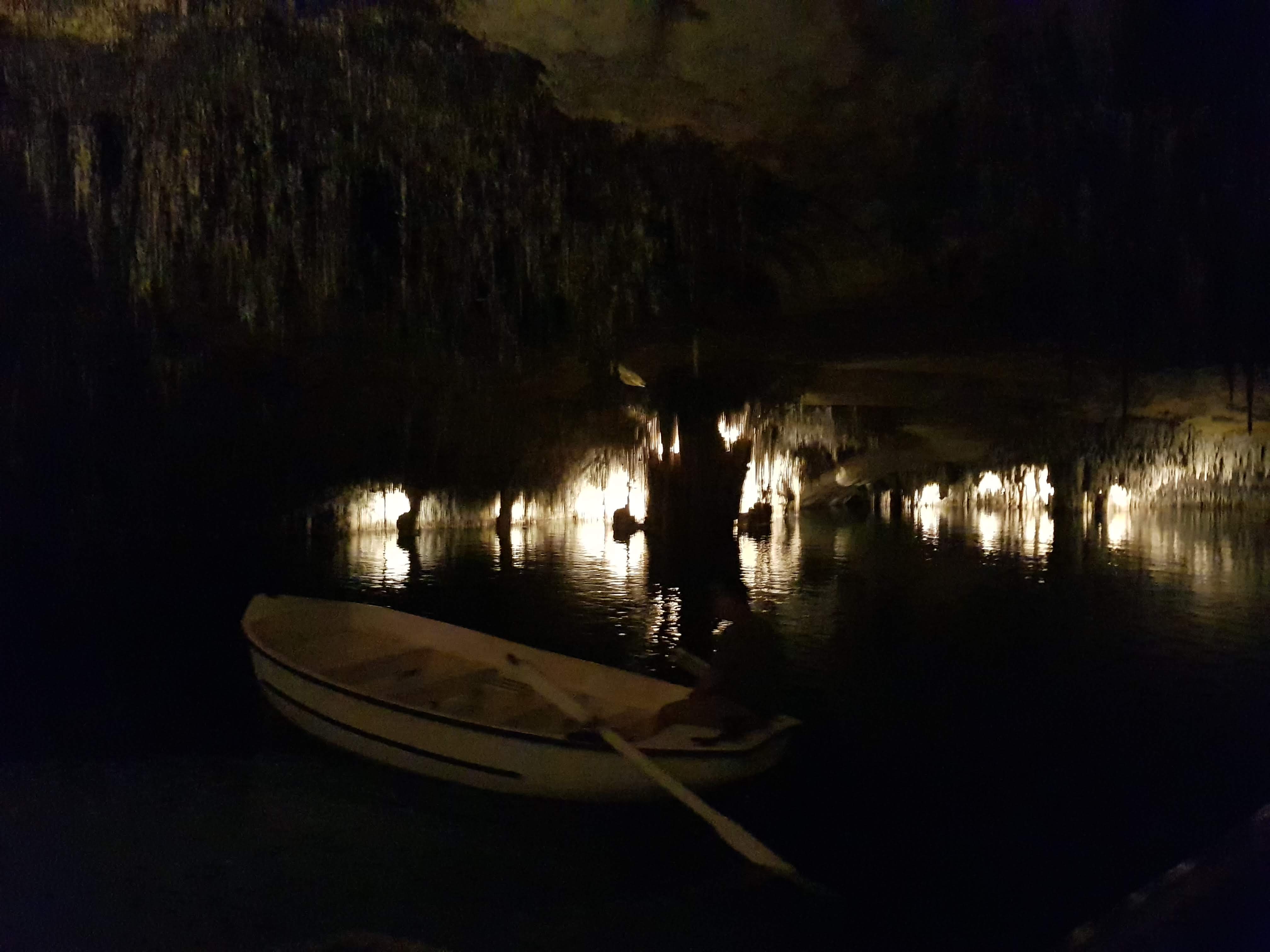
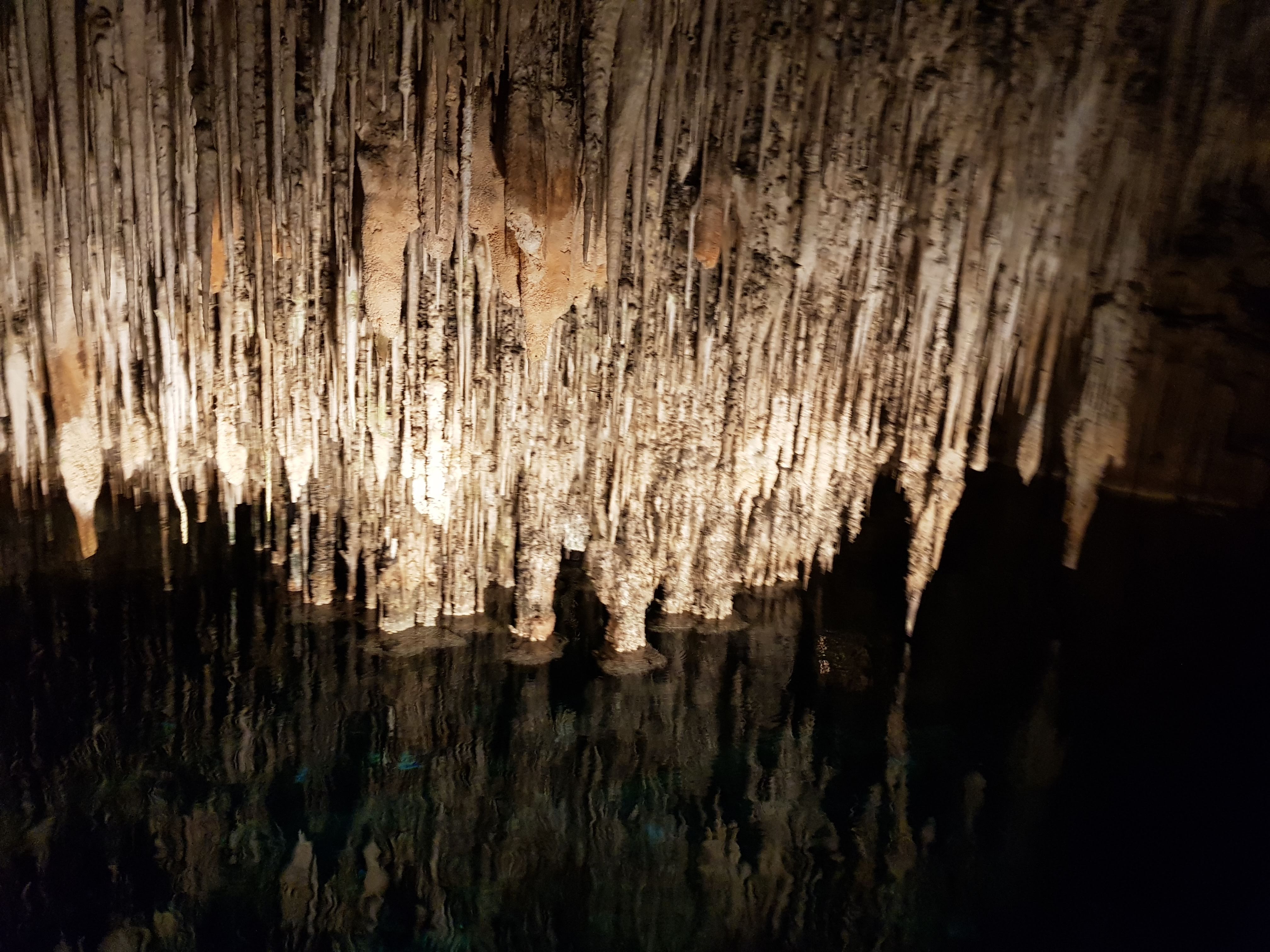
There are so many wonderful places to visit in Spain, and it is absolutely one of my favourite countries. My choice for unique hidden gem would probably be the caves of drach. This is a large cave complex in Mallorca. When visiting the caves, you will arrive at an underwater lake where you can experience an amazing floating orchestra performance. This was very special.

Greece

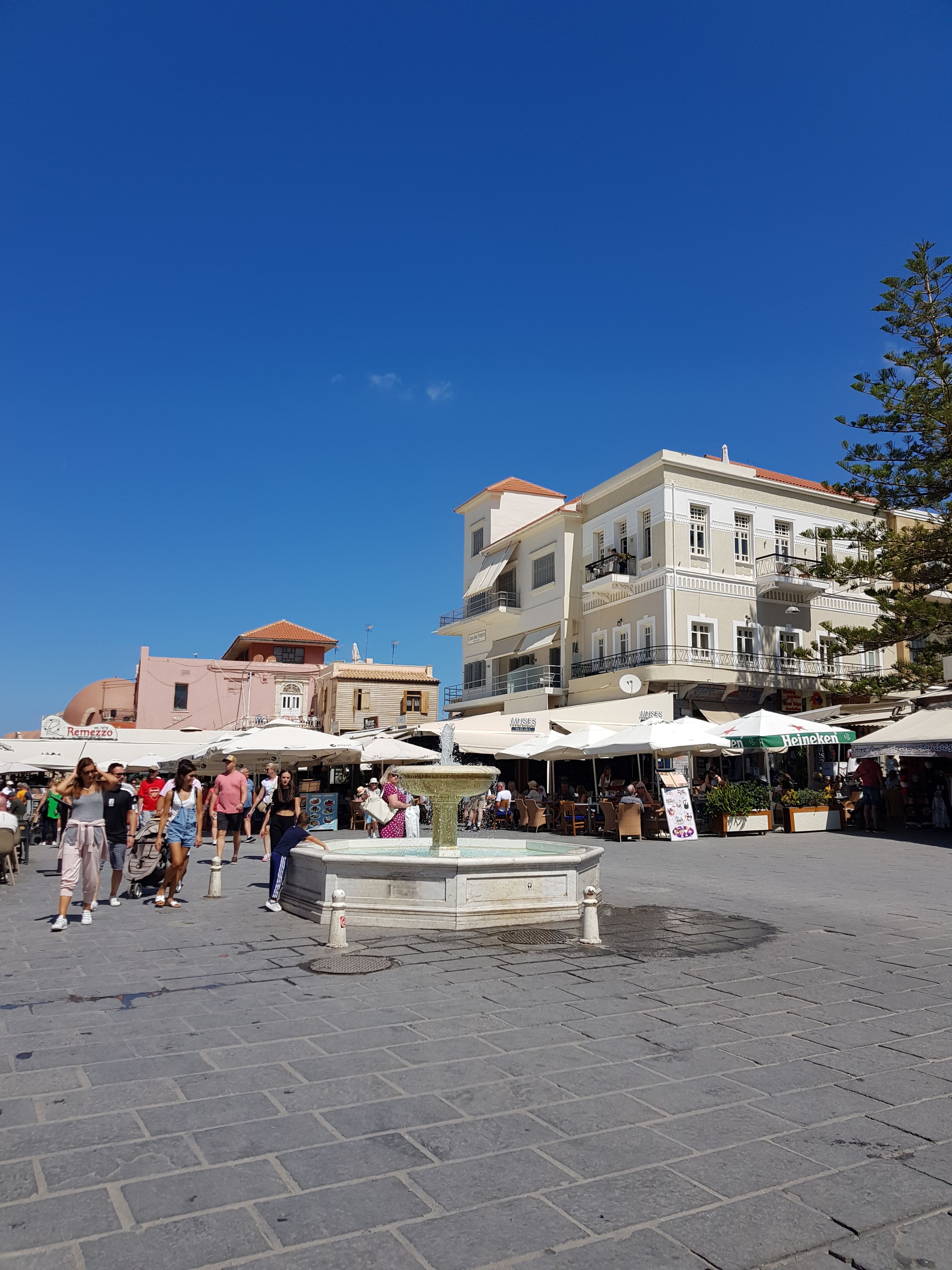
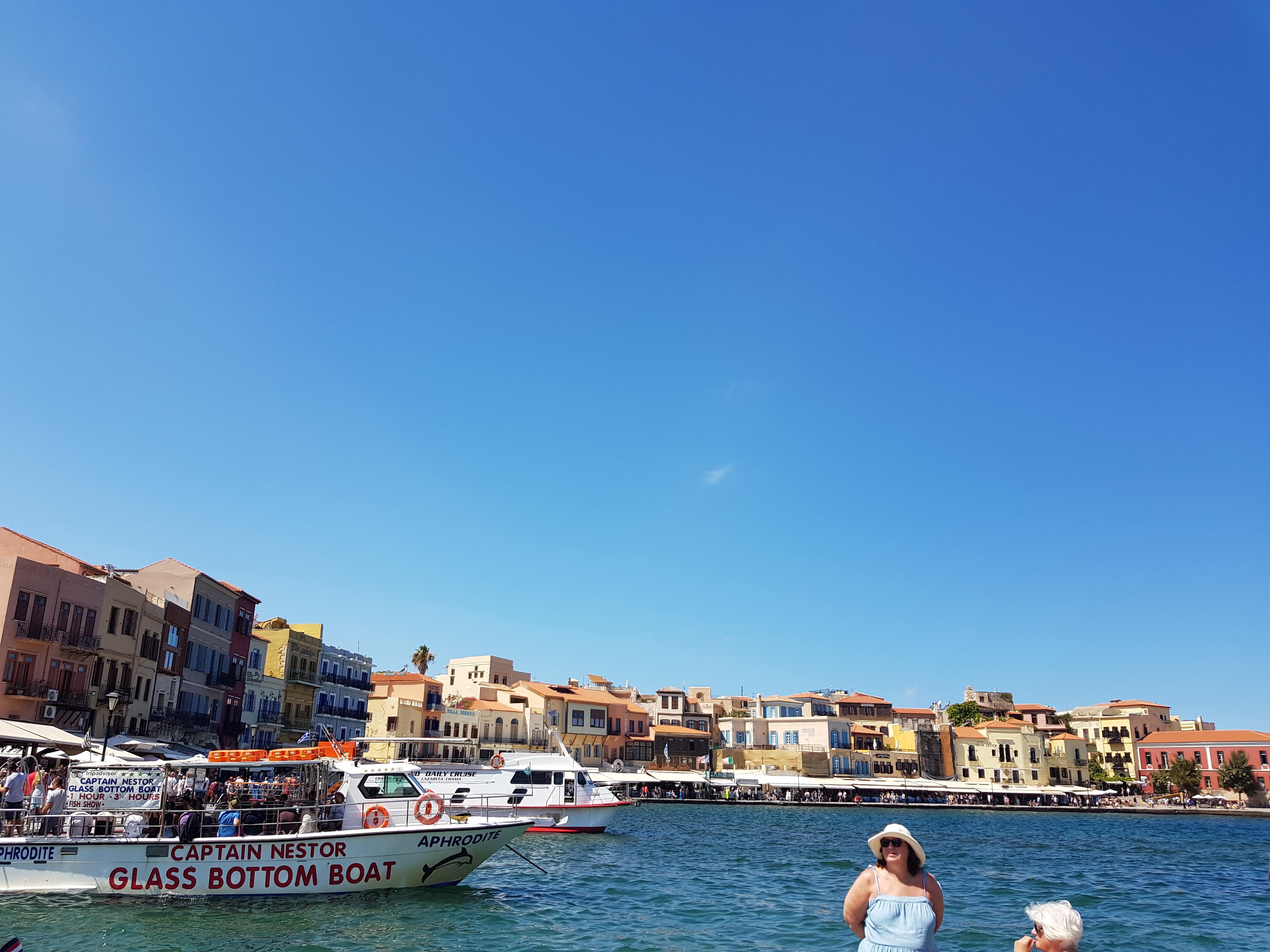
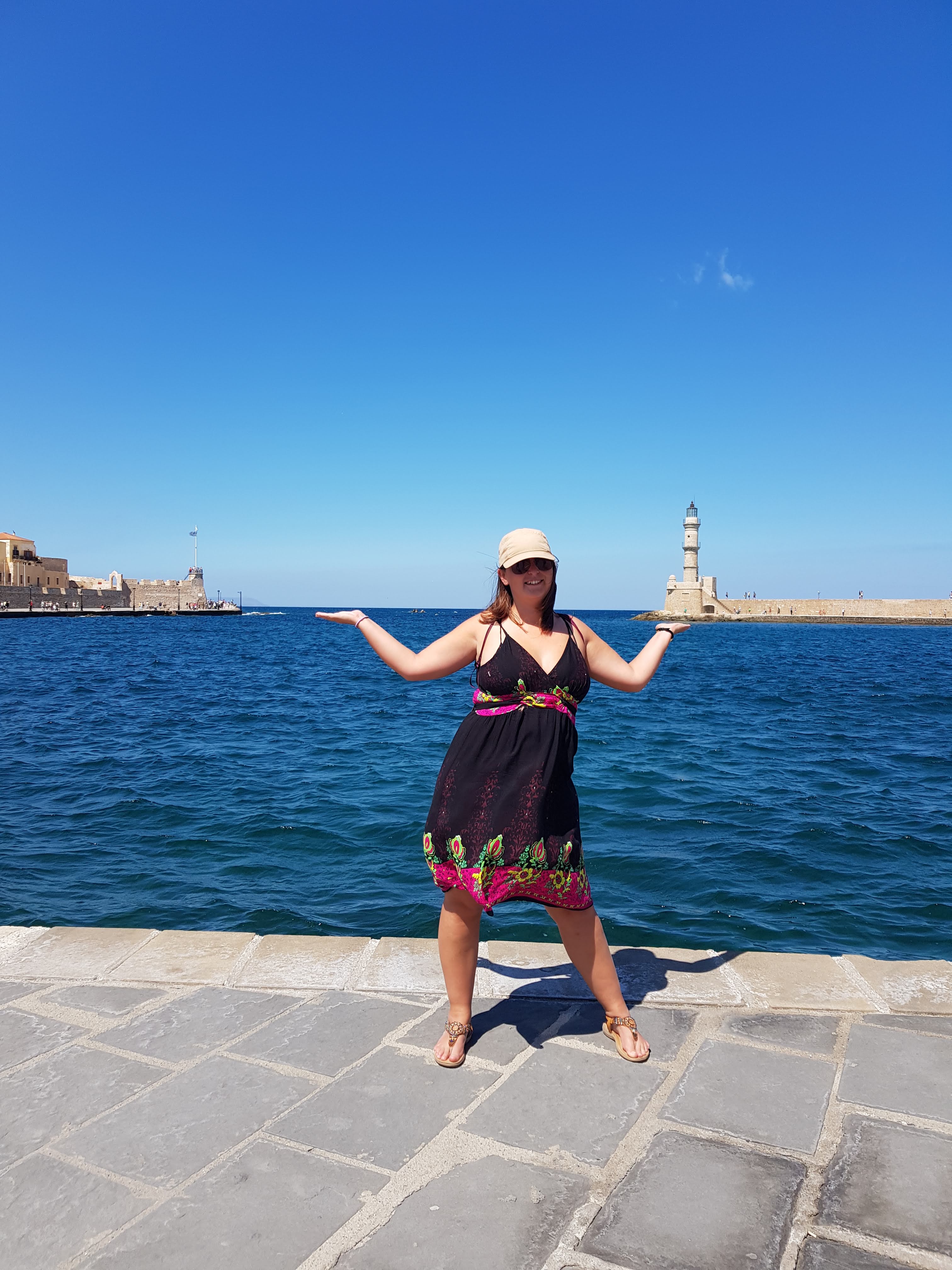
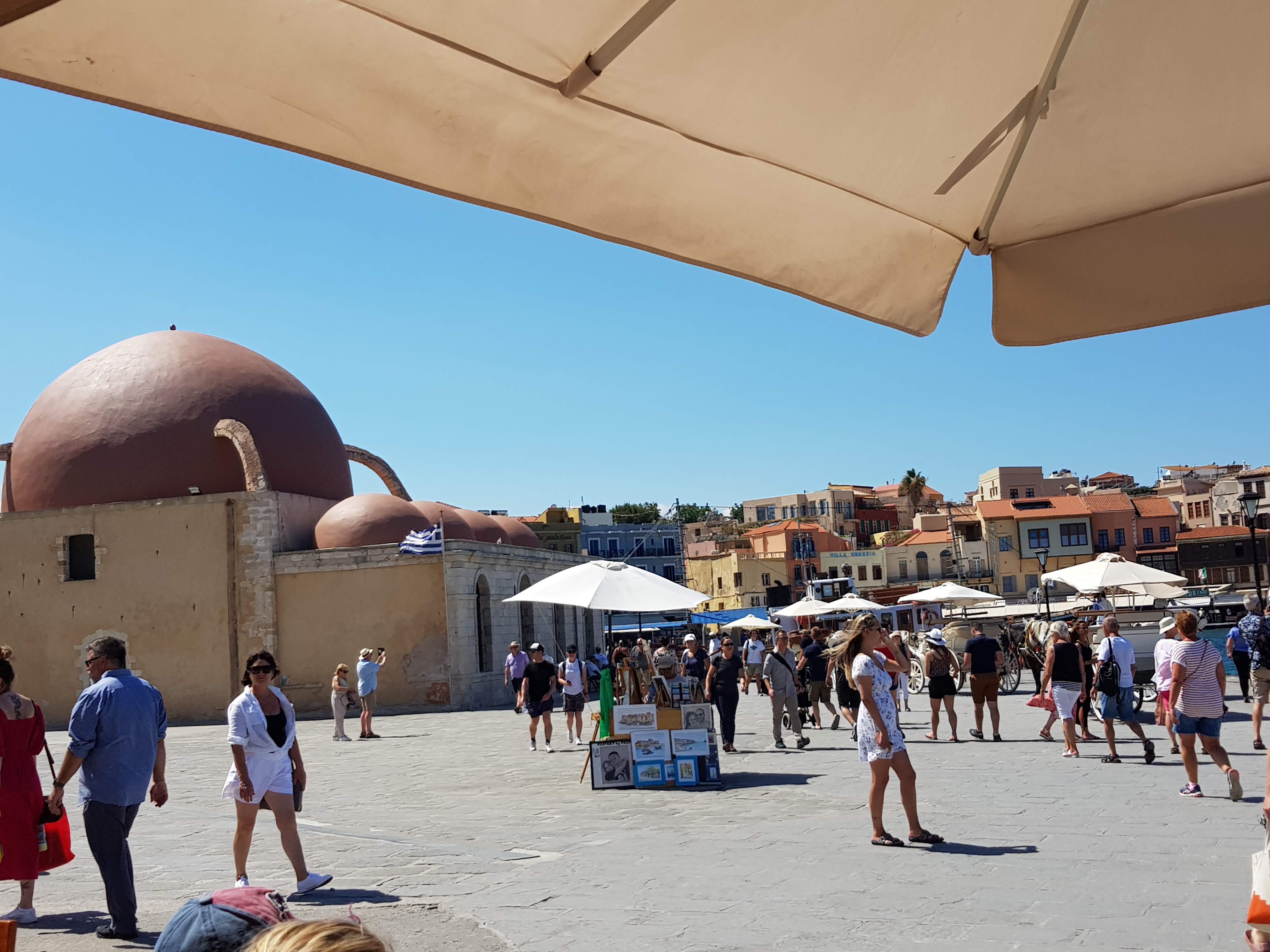
When considering Greece, which has hundreds of islands as well as the mainland my preferences were constantly changing. For now, I choose Crete, specifically the town of Chania.

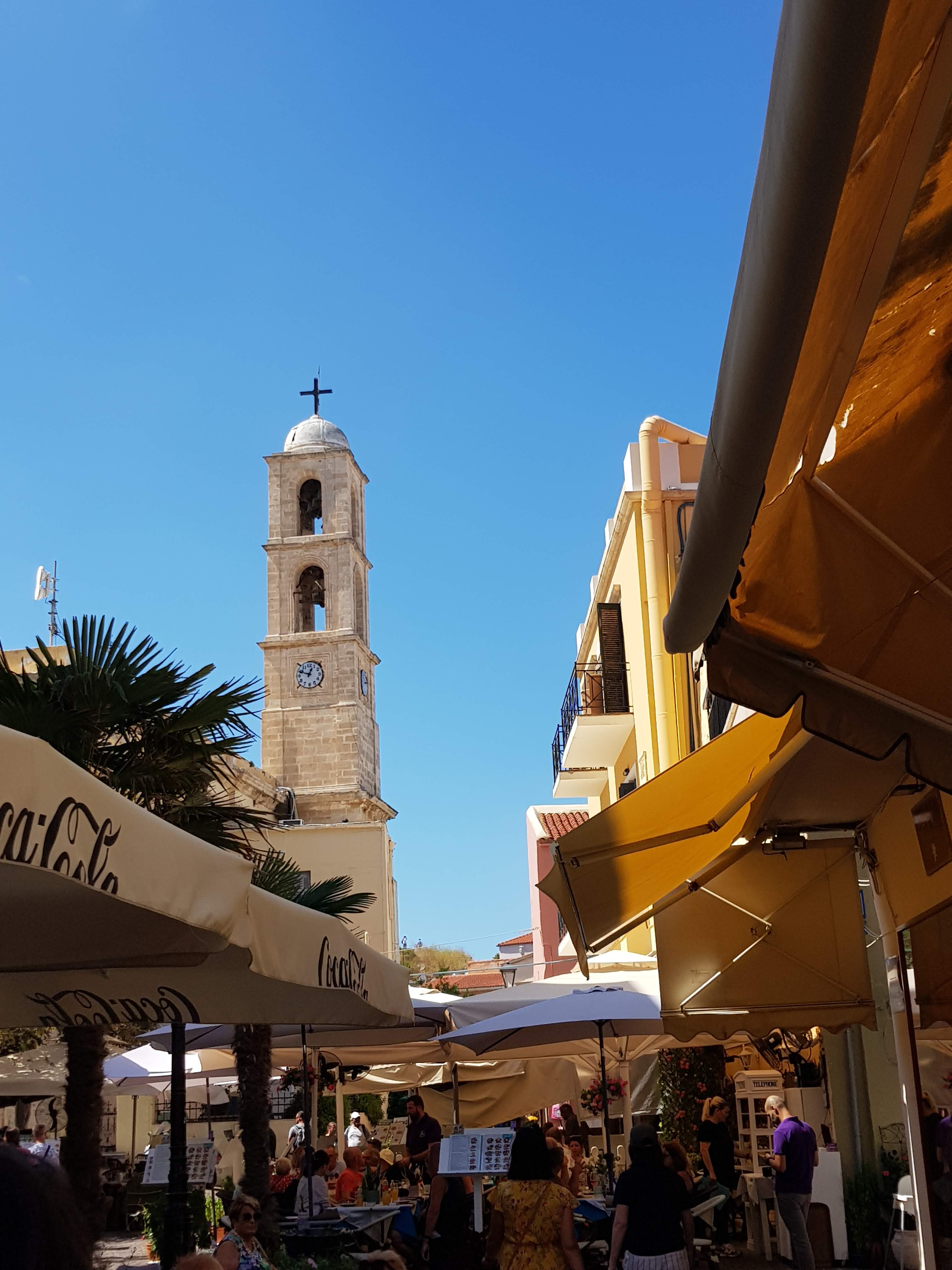
I only spent a day in Chania but it had such an authentic feeling in its architecture and culture. As I sat in a main square having lunch, I enjoyed beautiful views of the harbour and passing horse and carriages.

Malta

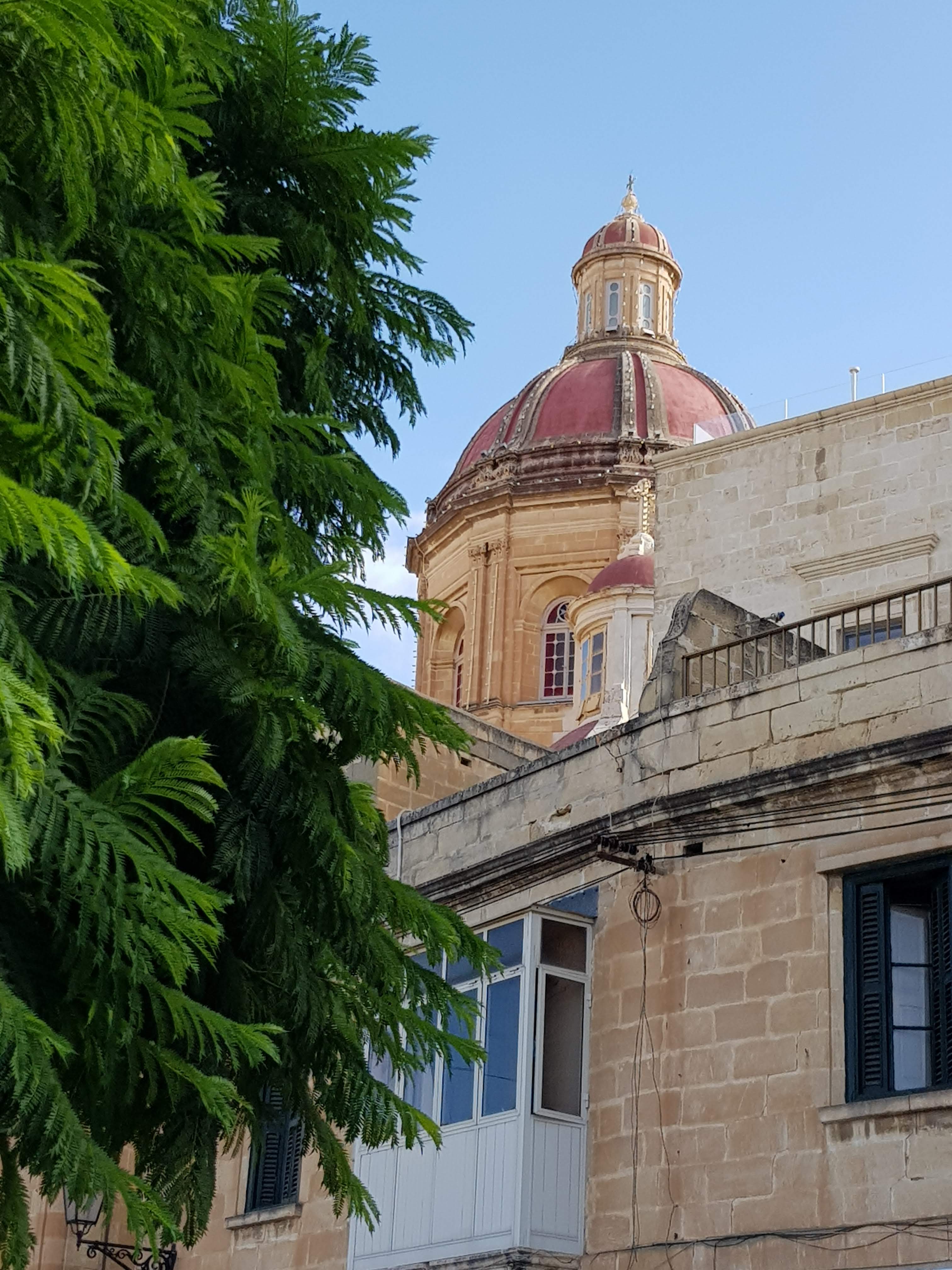
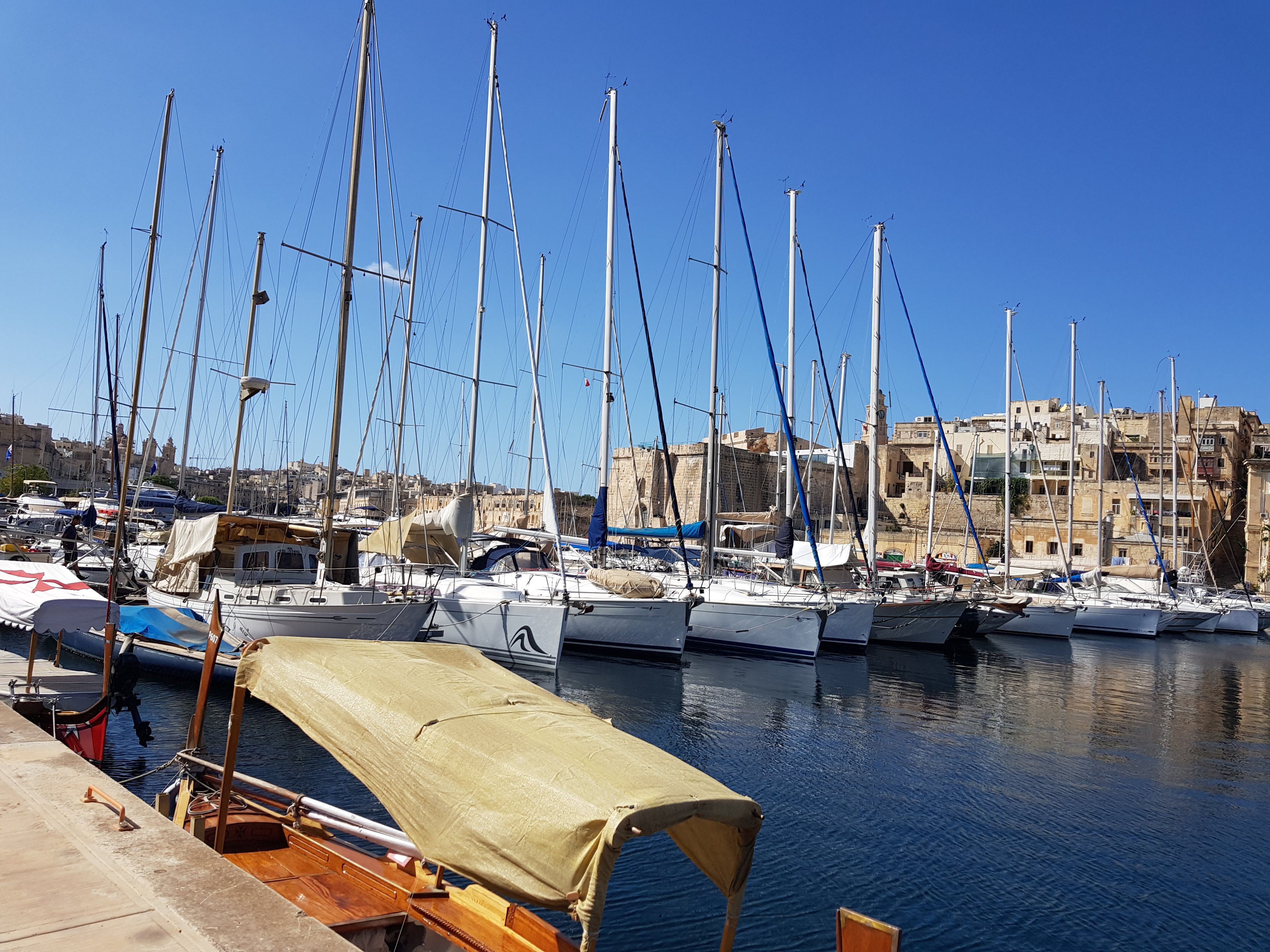
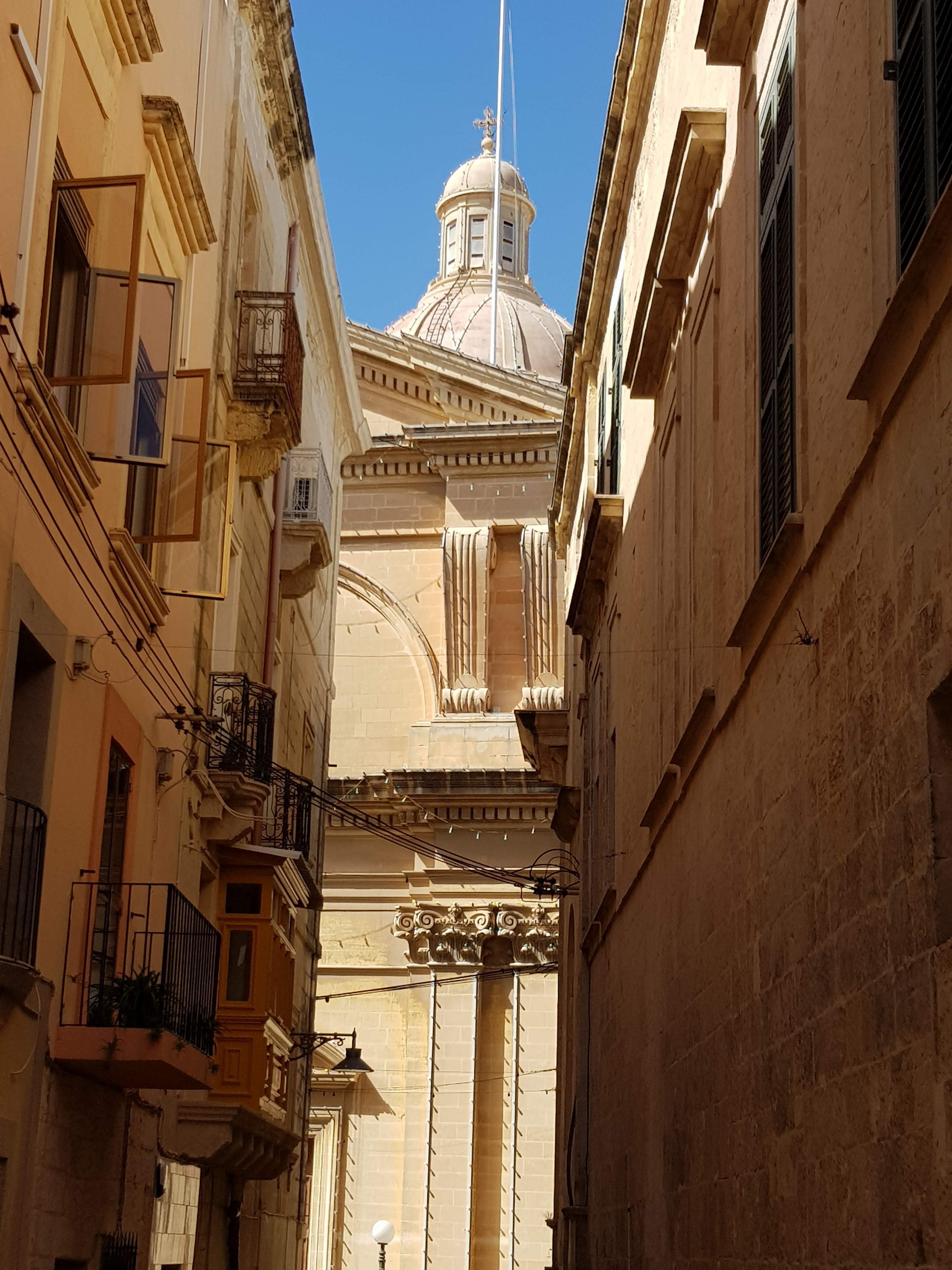
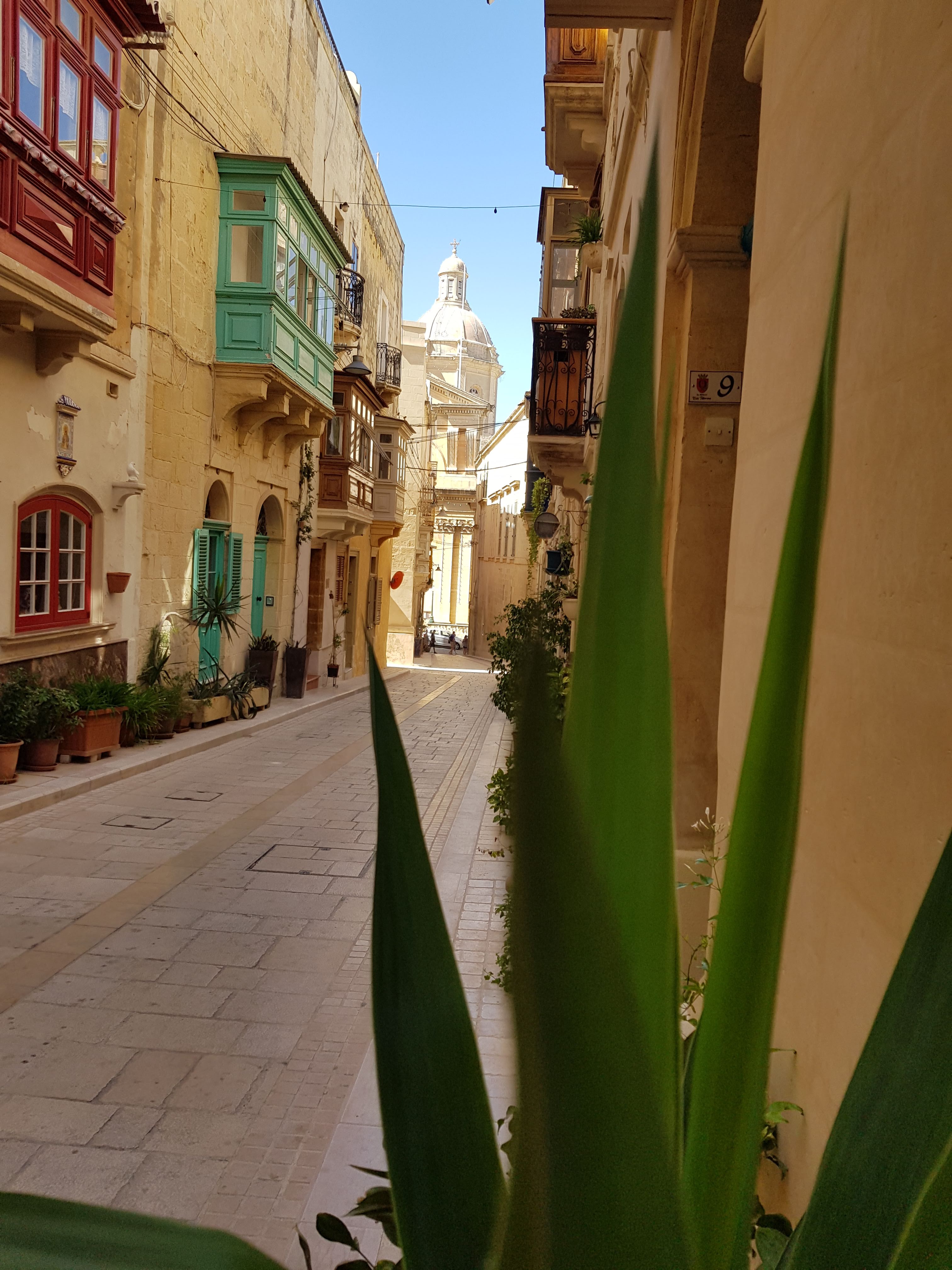
In Malta, Valletta is the place to be. The maltese people are lucky to have a vibrant city which has a mix of both old towns and new metropolitan areas. A stunning harbour and port, as well as picturesque beaches within driving distance. When I first visited Malta as a teenager, I thought it was a bit dry and boring but now I have spent a lot of time in Valletta, my views of this little island have changed dramatically, and I would happily return there.

Throughout the Summer, the Med is the leading holiday location and I felt lucky to be cruising through it. I love the crumbly old cities, the romantic languages and the smells and flavours of the fresh produce. Take me back to any of these destinations and I will be a happy woman!

Barcelona & Girona: From a theme park to a quiet space

I arrived in Barcelona by train and made my way across the underground network to my hostel ‘Yeah – Barcelona Hostel’. Whilst very busy, the subway system there is a great way to move around the city, you can pay for single journeys or multi day trips, and it is very affordable. I would also say that it has some of the cleanest underground stations and trains, that I have ever experienced, especially when you compare it with grimy subways like NYC’s network.

I didn’t realise until I arrived, that the hostel I had booked is actually a sister luxury hostel to the one I stayed in within Madrid. The hostel is very trendy and only 15 minutes walk to very big attractions. There is a comfortable lounge with access to Netflix and games etc, a rooftop terrace with a pool (though it was too cold for me to use), and the rooms are very comfortable. I also decided to have the breakfast, which can be very ‘hit and miss’ in hostels, but I was impressed with this breakfast, for five euros, I accessed an all you can eat continental buffet, which had a ‘make your own’ pancakes table with all the syrups! Delicious!

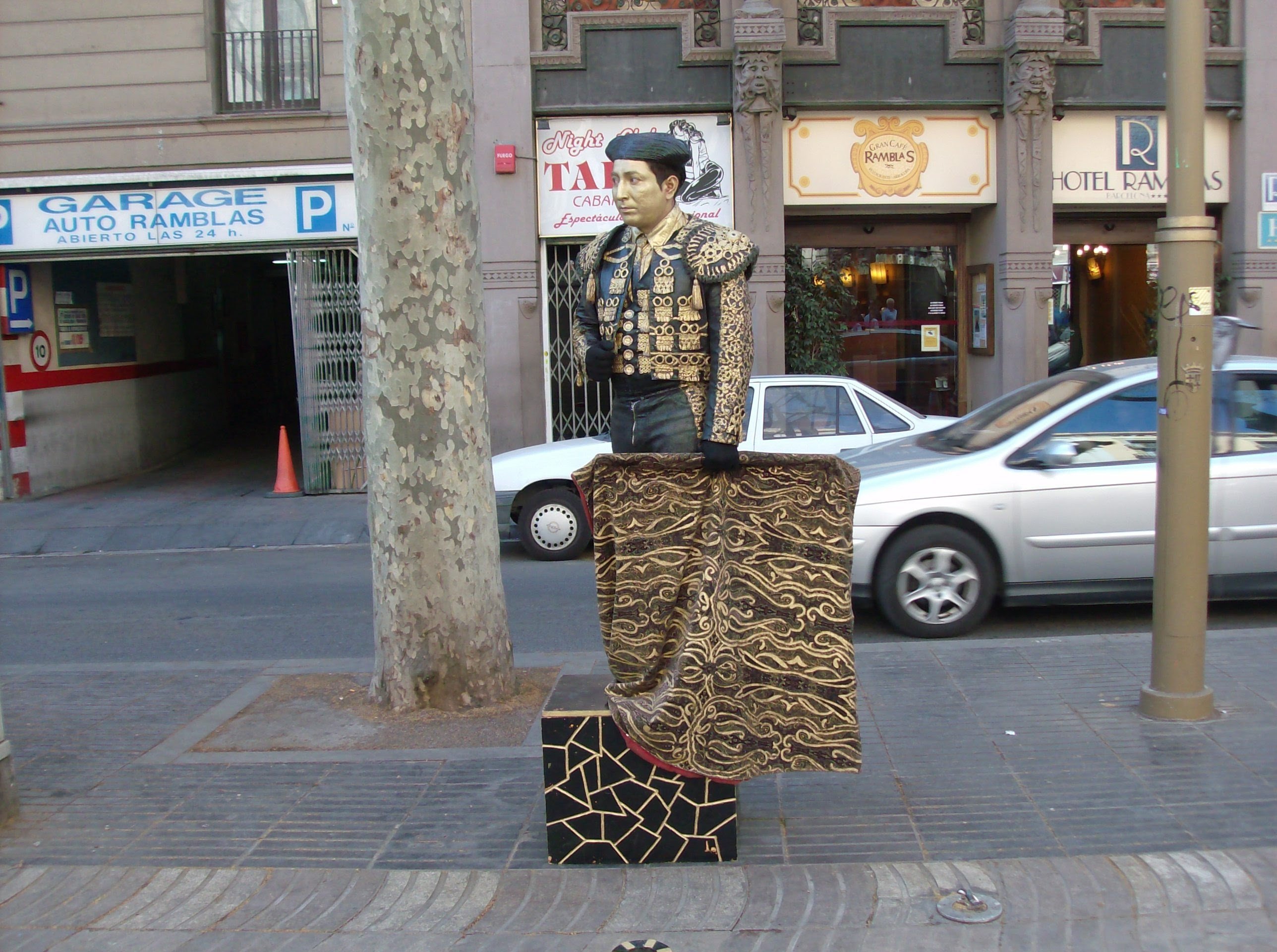
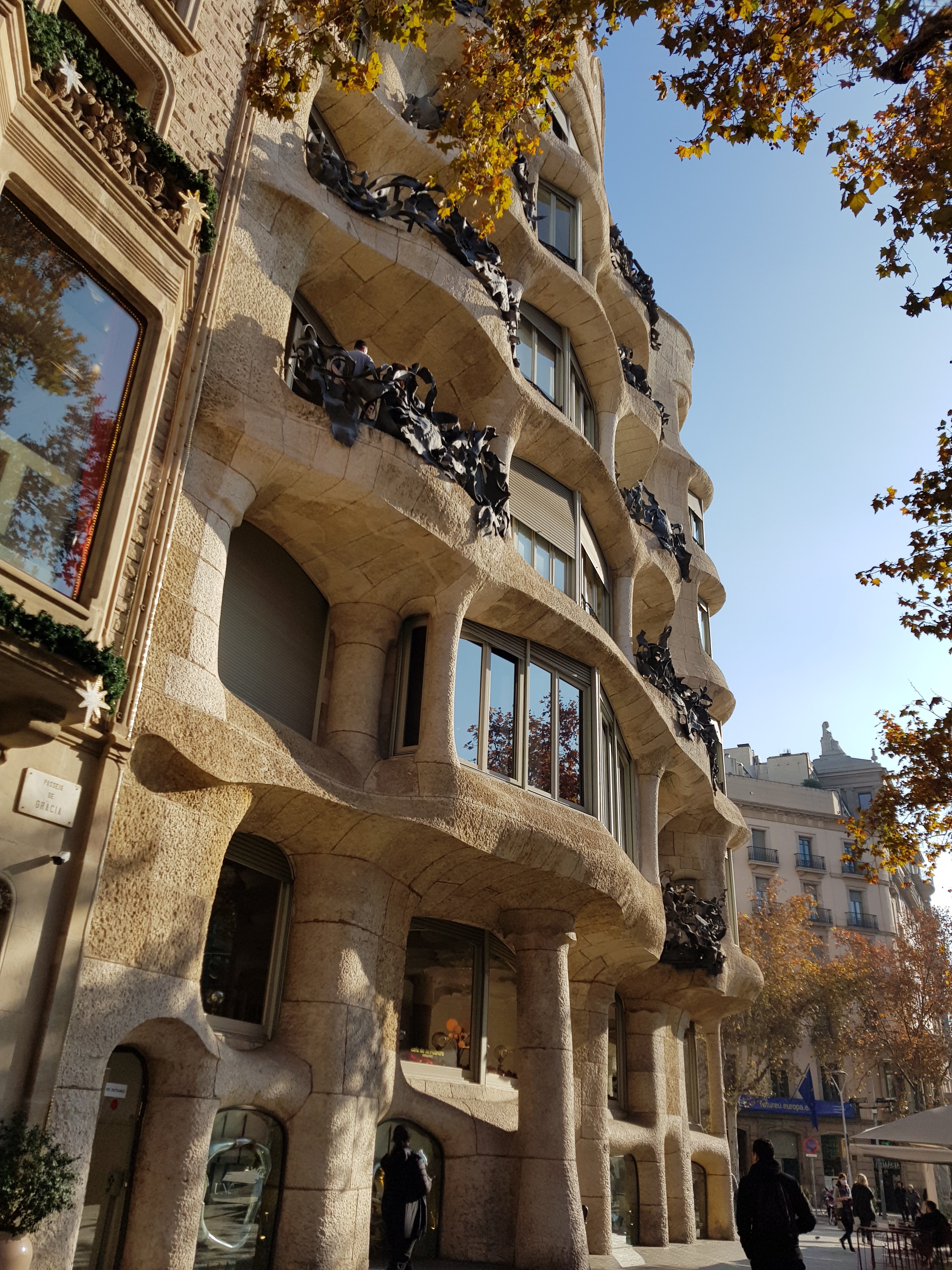
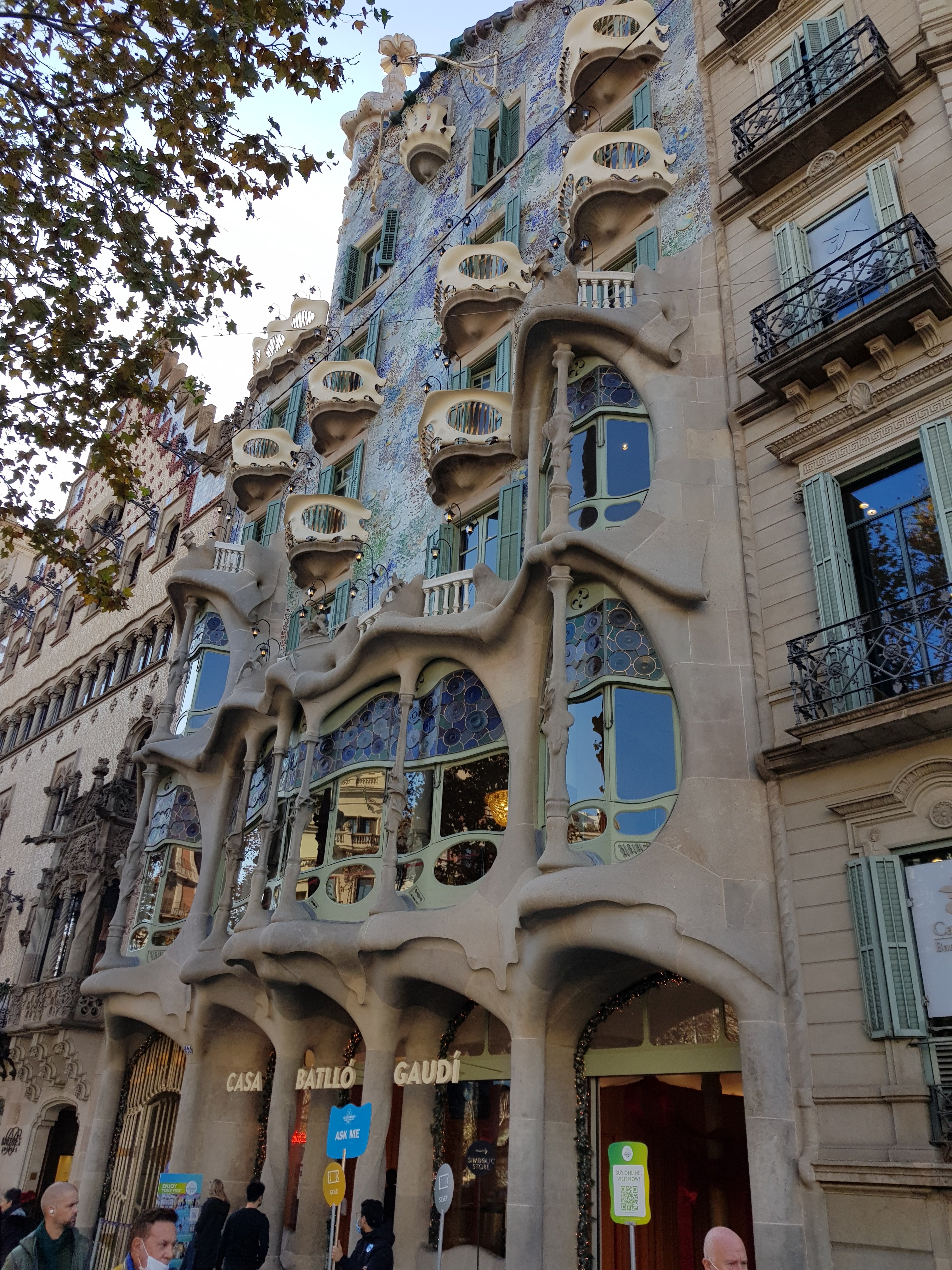
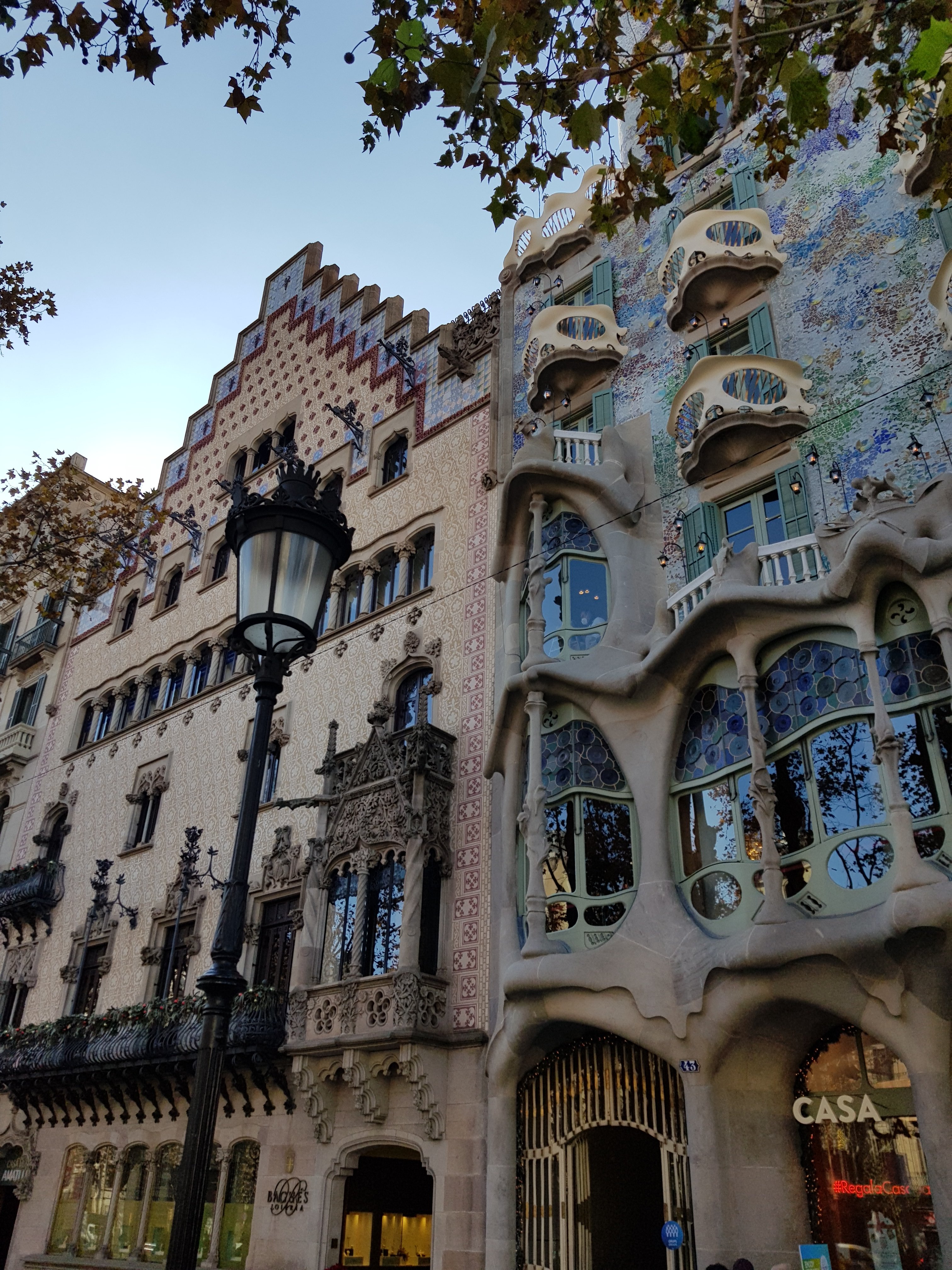
It had been a decade since I last visited Barcelona, and I recalled that the last time, I had found the city quite stressful. I wanted to give it another chance, but I knew that I would be avoiding the tacky tourist spot of La Rambla. This is the longest street, with living statues, novelty shops, and lots of pickpockets. I wanted to try to understand more of the Gaudi vibe in the city. Barcelona is famous for the architect and artist, Guadi. His works are very unique with lots of busy shapes and colours, and a vast amount of tile mosaic use. There are several buildings in the city that were designed by him, including Casa Batlló, and Casa Mila.

I left the hostel in the morning to explore and find these locations, and hopefully visit. I don’t know how, but I managed to get lost a couple of times. It seems strange to me that one can get lost in this city, because the entire centre is designed as a grid, with no alleys or shortcuts. This is frustrating though, because it takes ages to walk everywhere, you cannot cut across diagonally to get to your destination faster, you must walk along very long wide streets until you eventually get to the side street you want. The city is so busy and has so many buildings and wide roads, it can be quite overwhelming, especially when you are struggling to find any fingerpost signs to point you the right way!

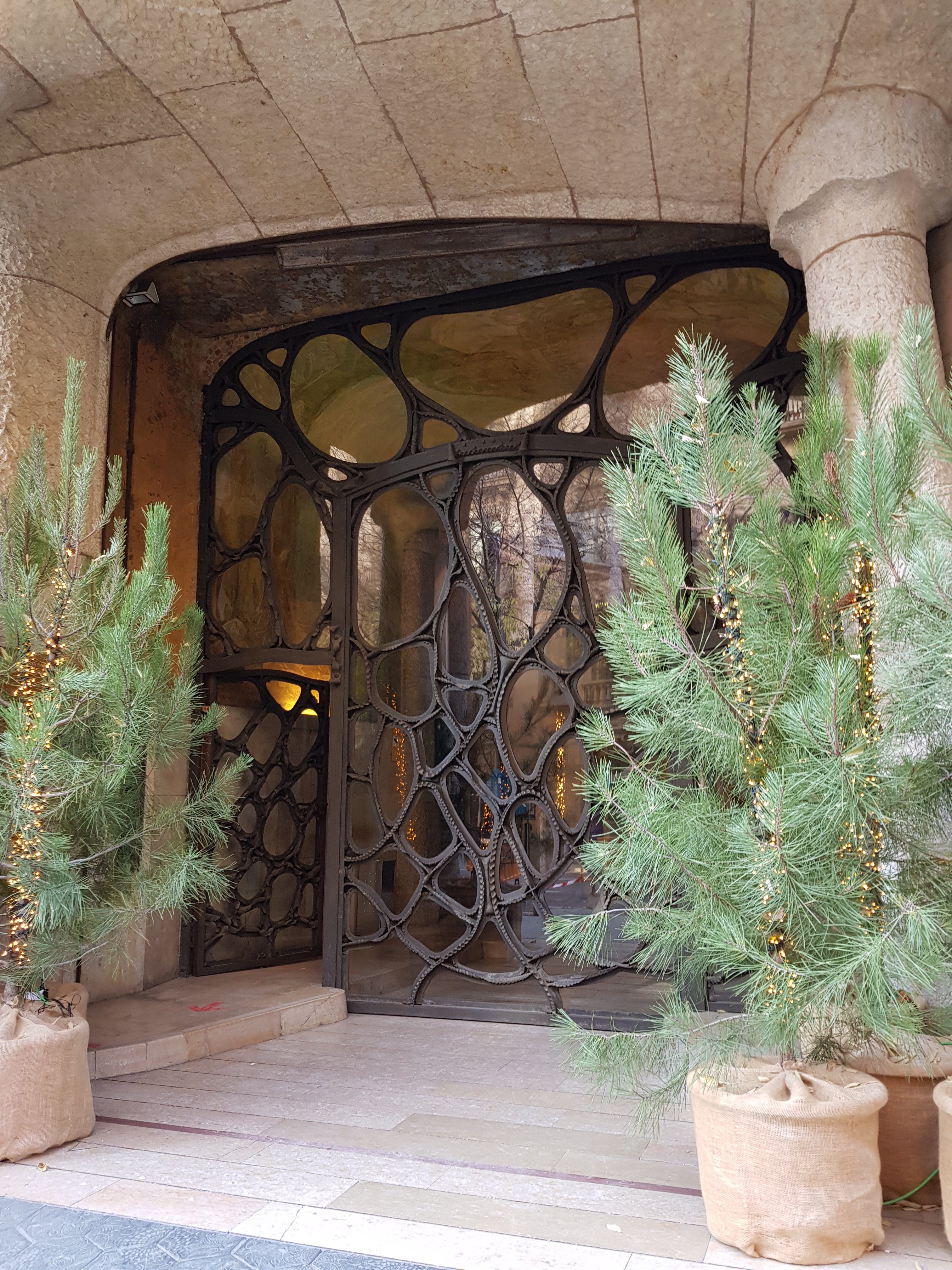
After some irritation I found my way to Casa Batlló, and the outside of the building is very striking. It is definitely worth a photo. I wanted more information, and began to queue to visit inside. When I realised the cost of admission though, I quickly exited… I am a budget traveller right now, and running low on cash. Most attractions I have visited in Spain, have been less than ten euros to visit. The Casa Batlló wanted 35 euros for admission, which would have been blowing my budget on the first place, for an experience that would probably be less than an hour. It was the same situation when I wondered down to the next Casa Mila, so I just enjoyed the views from the outside and decided to use my imagination for the inside!

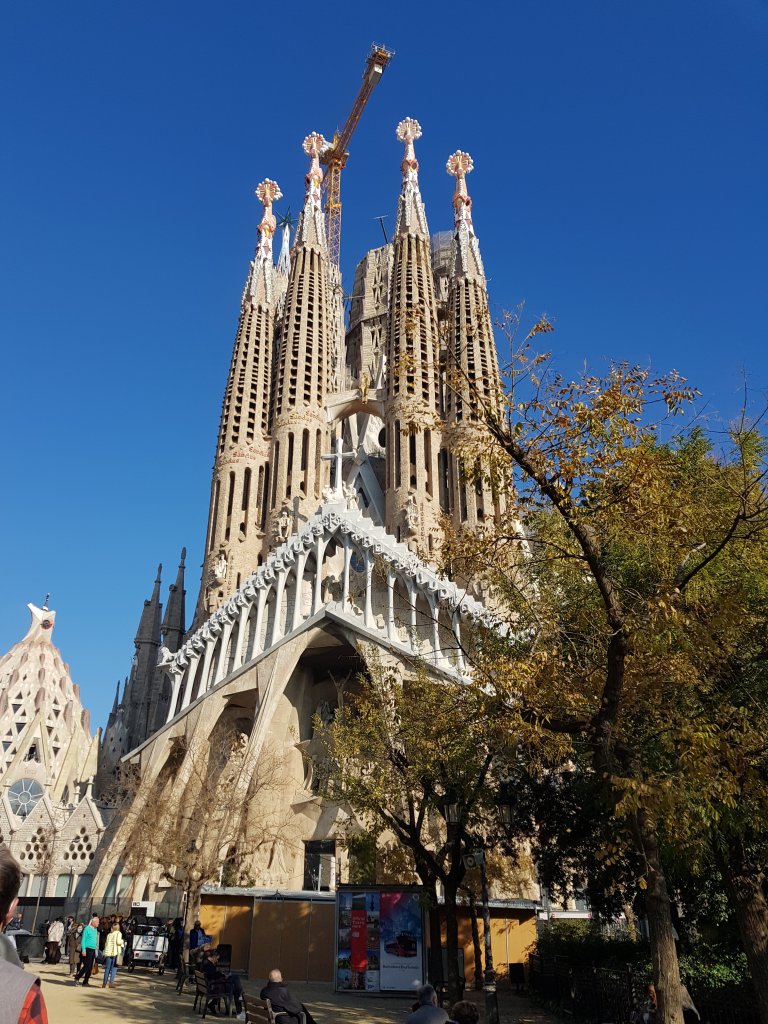
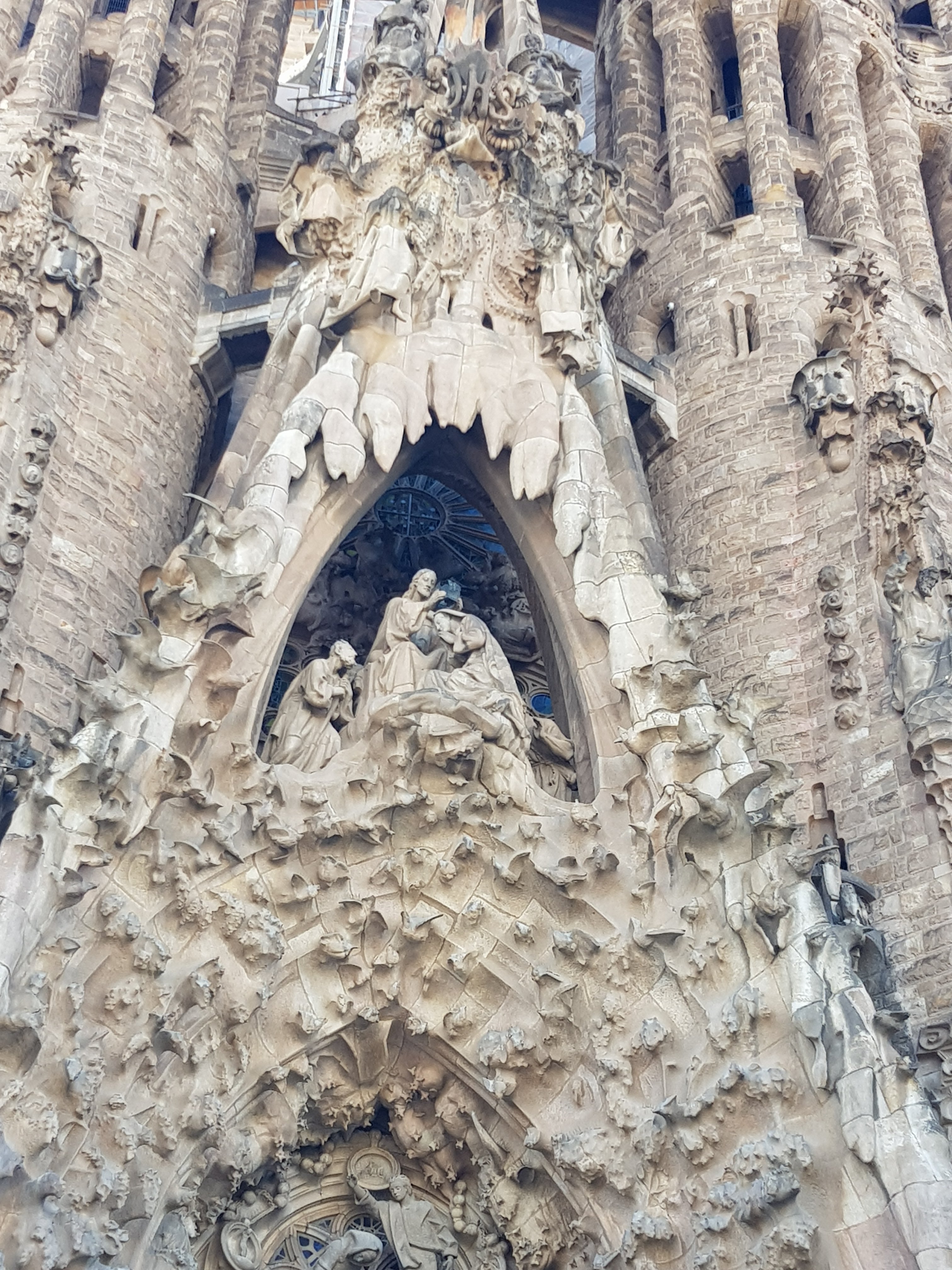
I knew I wanted to make a visit to the Sagrada Familia, which is Barcelona’s world famous basilica, designed by Gaudi. It is well known as a complex example of architecture, that 135 years from being started, is still not complete, and construction is ongoing.

I found my way to the building and wanted to visit a ticket office to buy my ticket, as I had no internet data left on my phone to go on their website. I wondered around the perimeter of the building, struggling to find the ticket office. When I decided to ask one of the security officers, I found out that the attraction does not have an office. You must buy tickets online… very unhelpful to me. Alternatively, you can buy a ticket from the tourist information centre, so I then had to get my paper map out, and begin the search for the TIC. When I eventually found it, I had to wait in a long queue, and was given my self guided admission ticket. I also asked the vendor about my intention to visit a park attraction later in the day, assuming this would be no problem as it is a park. She told me that this must also be booked in advance, for an allocated time, and she only had one slot left, so I grabbed that to.

When entering the Sagrada Familia, there is an audio guide available, but you must download their app to use it. Thankfully, the attraction has free WiFi that you can sign up for. I got the app, and began to make way from point to point around the outside and then inside of the church.

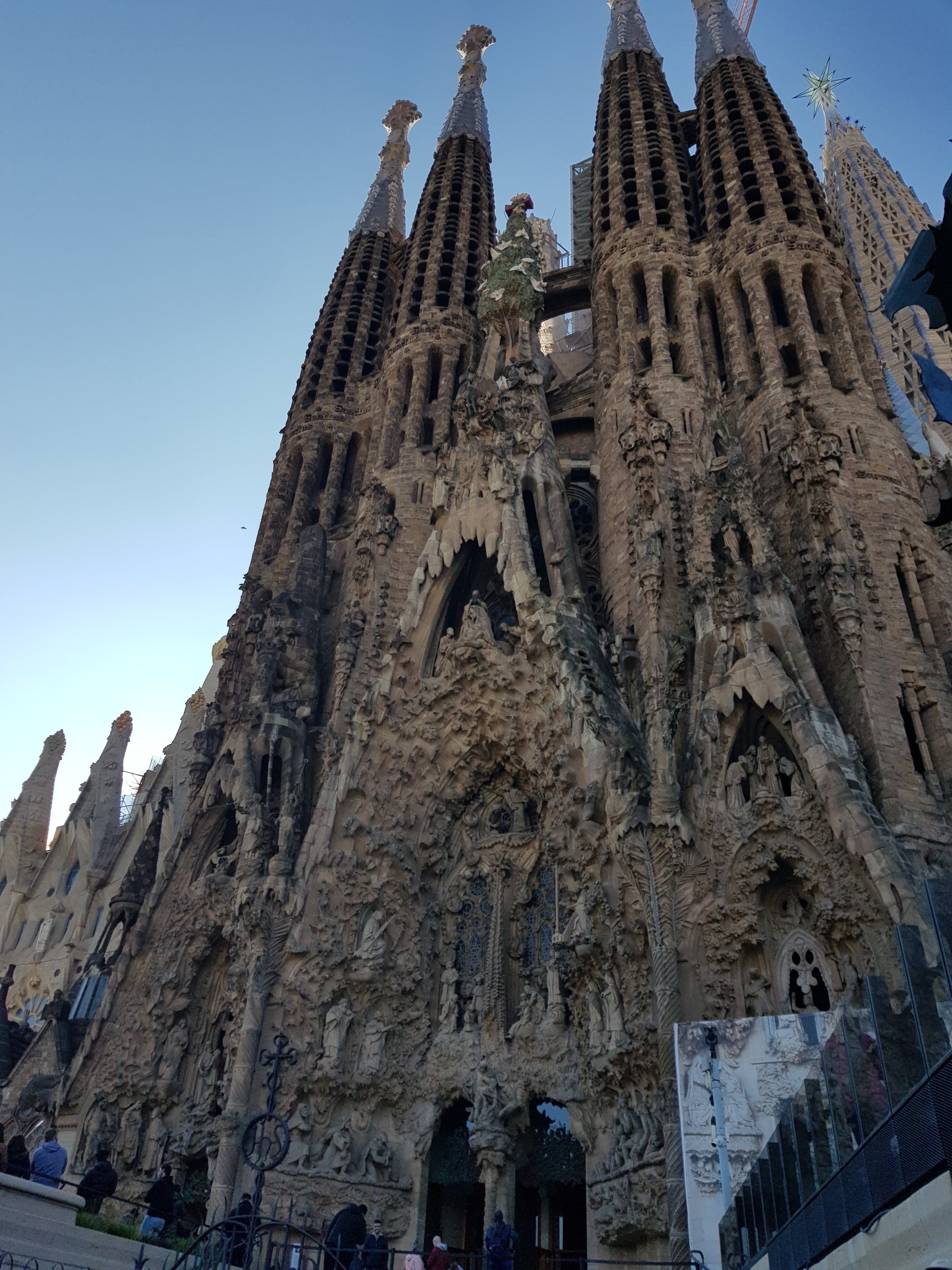
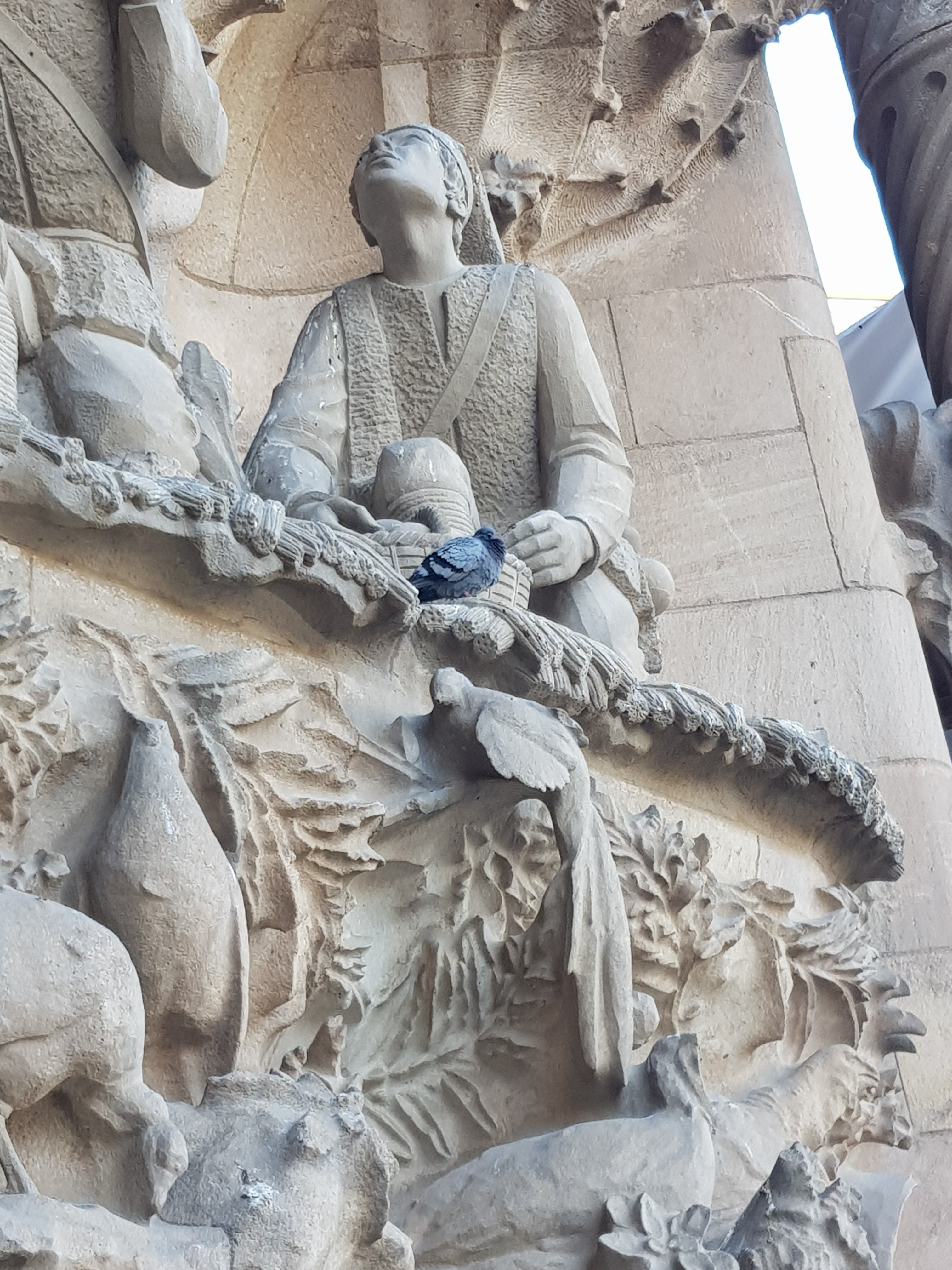
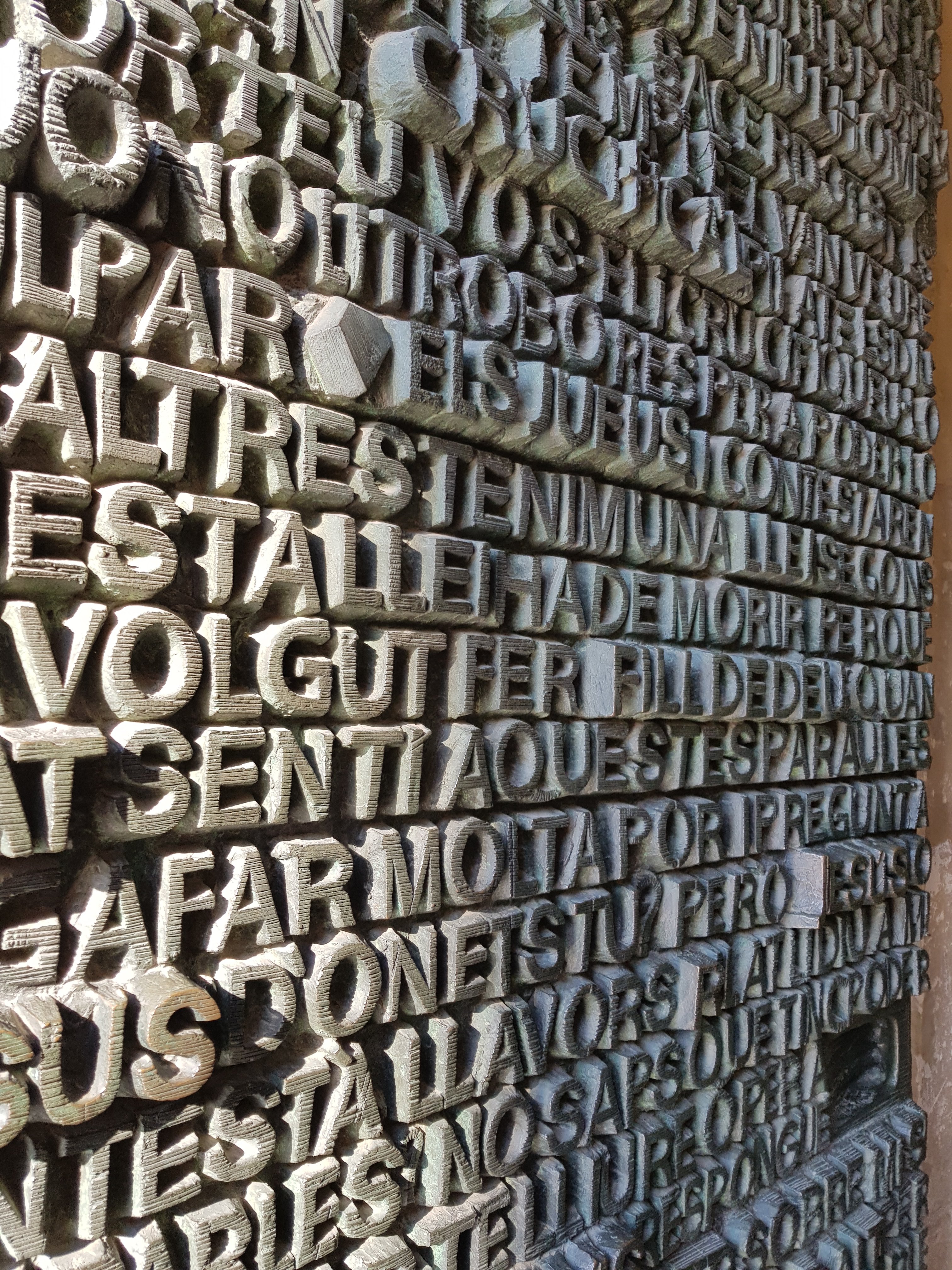
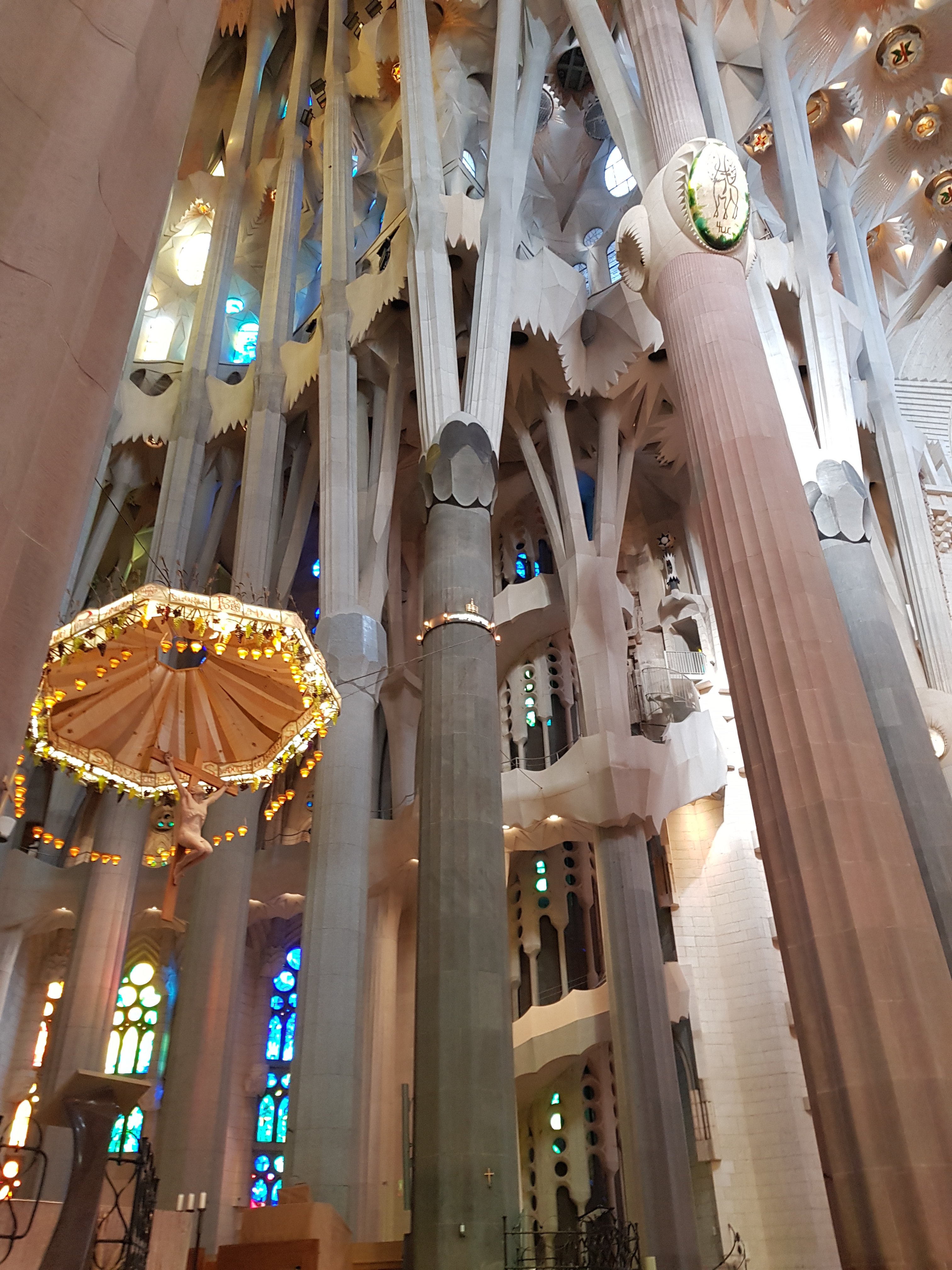
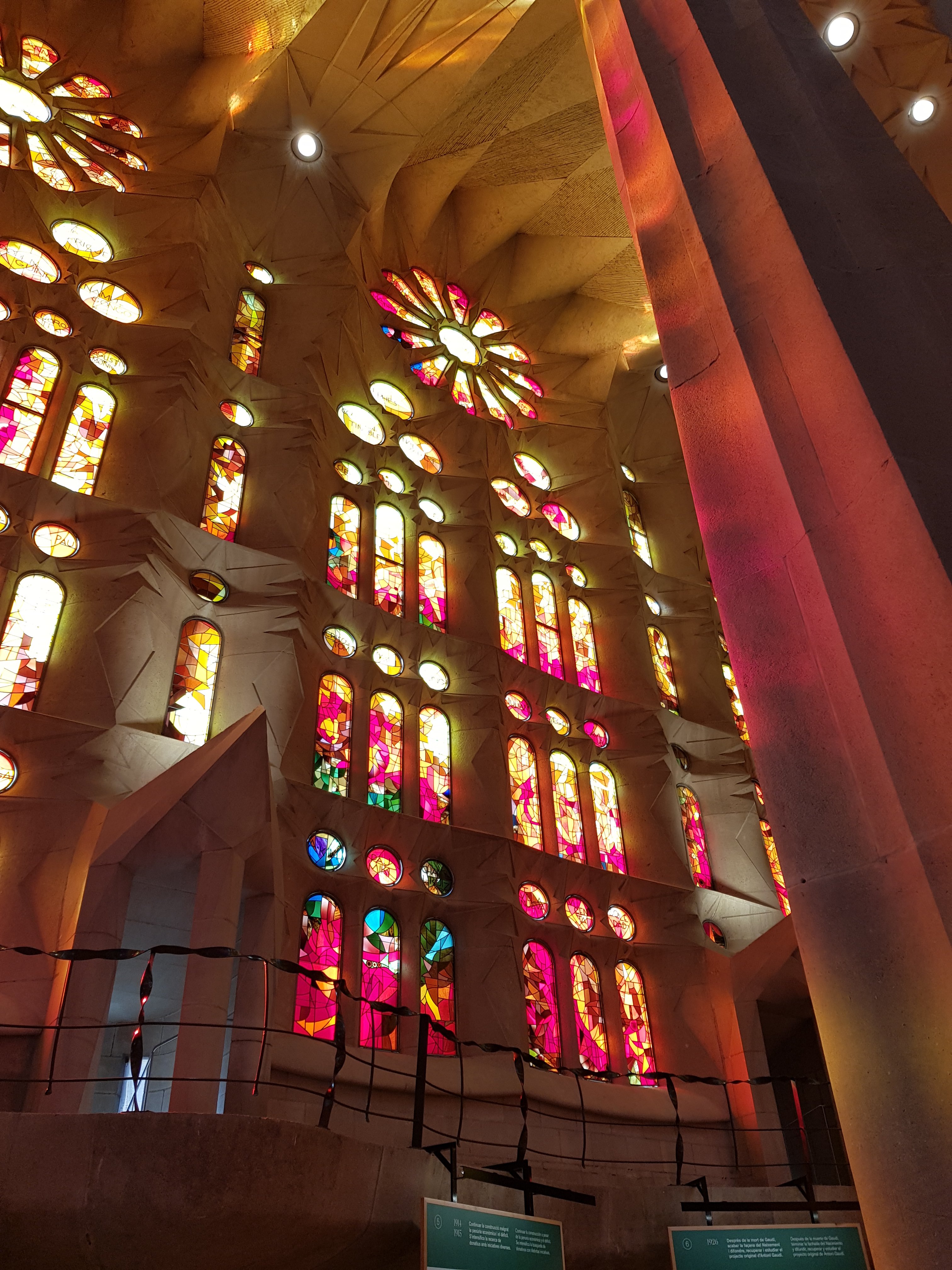
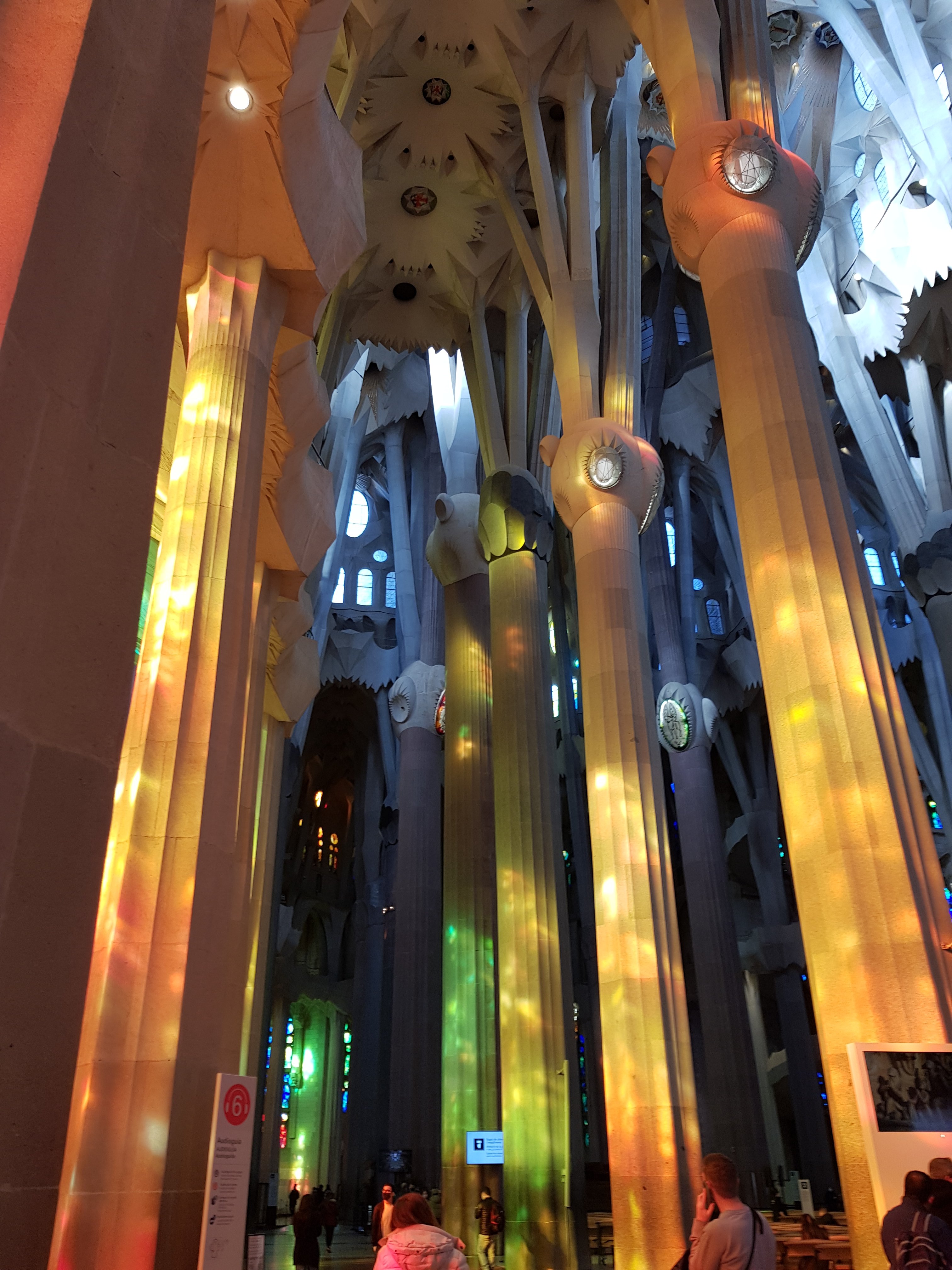
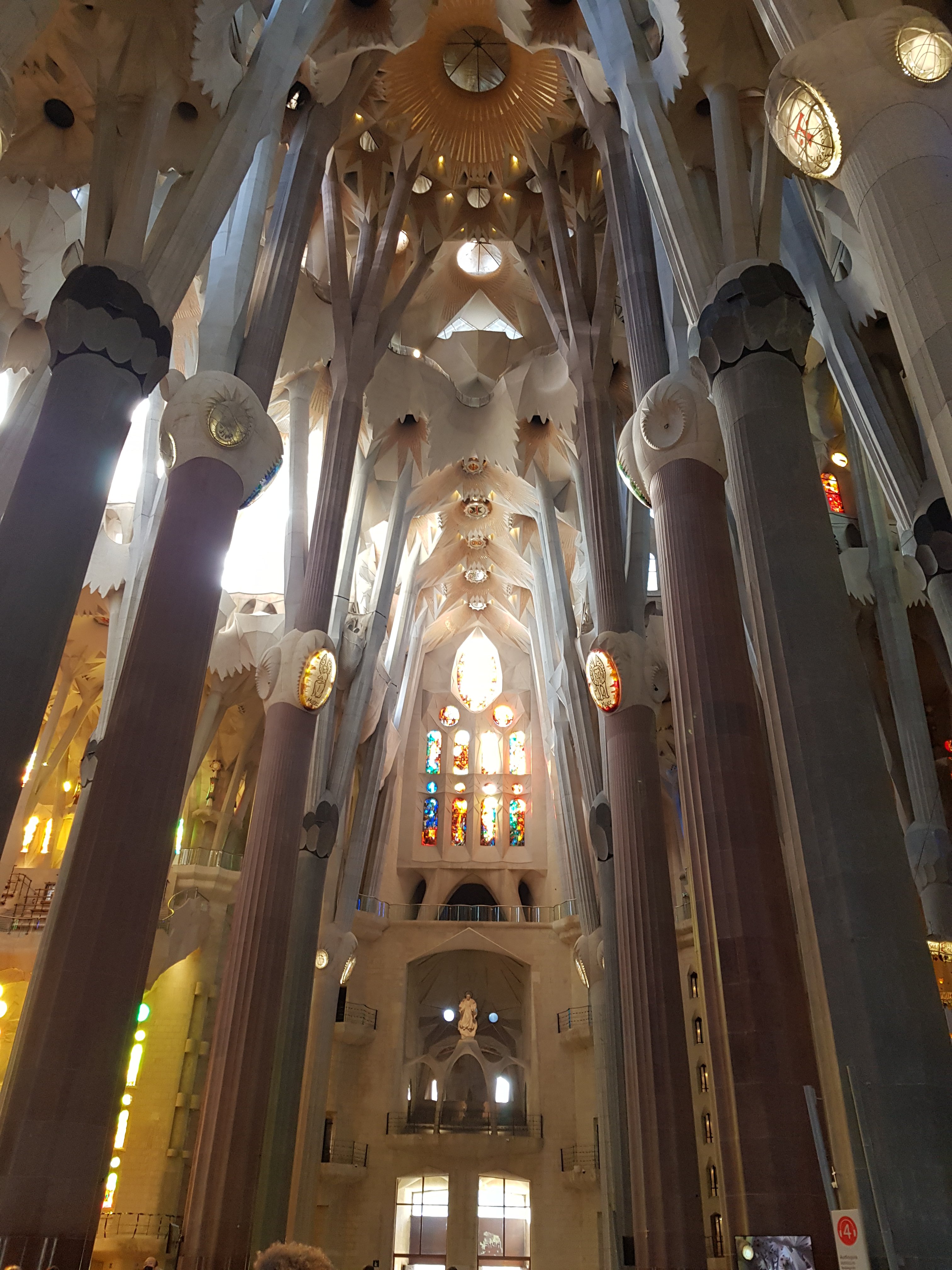
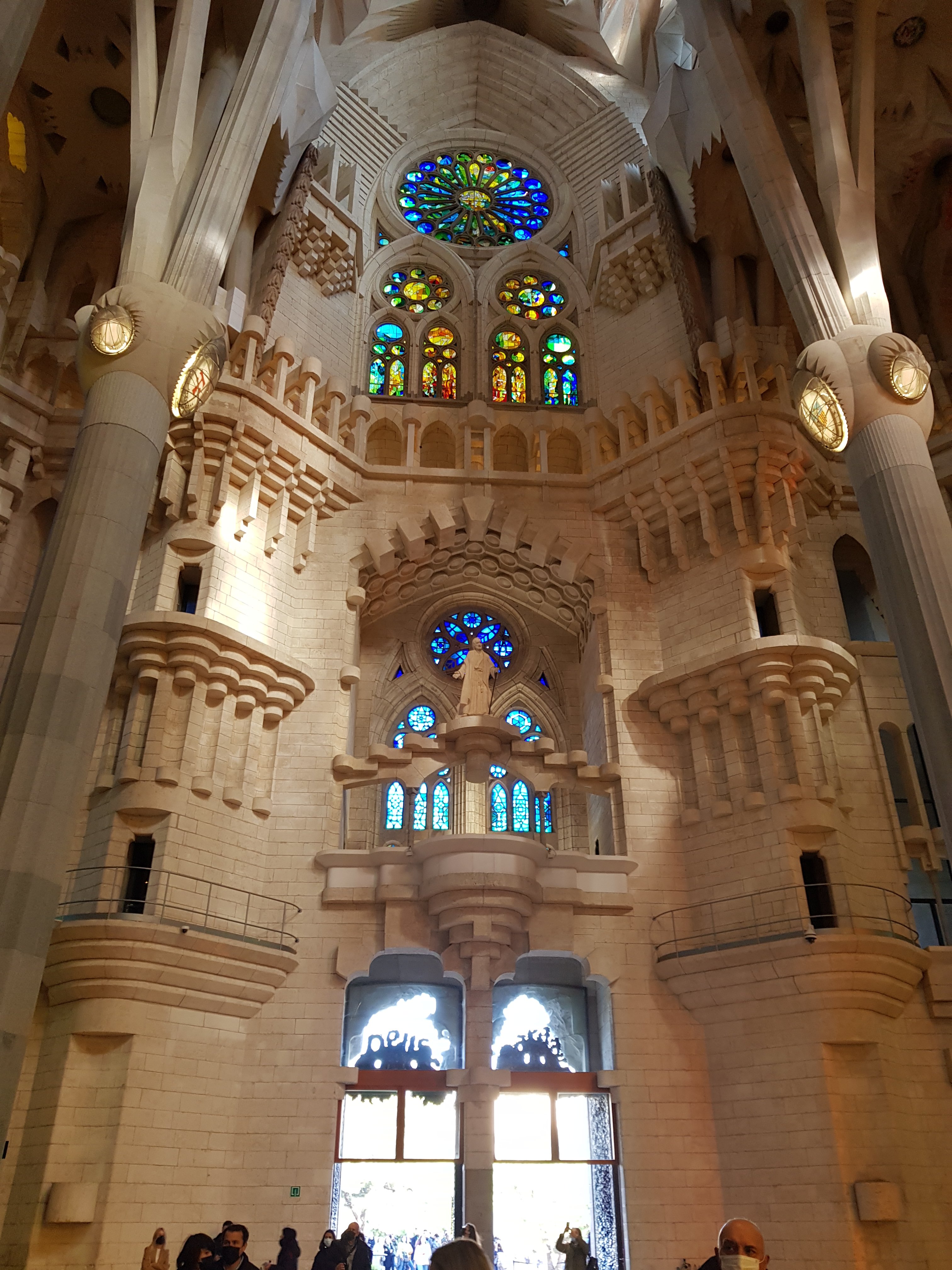
There is no question that the design of the building is remarkable and unique, I especially liked the turtles holding up the columns at the front entrance. The inside columns are also designed to make you feel as if you are in a forest space, which I think provides the space with an unusual feel. There are many sculptures of the holy family (which the church is named after), and they are especially prominent over the main doorways. The stained glass in the building provides a multitude of colours in the space, and generally, there is so much intricate design going on inside the building it is hard to know where to look.

According to the information provided, Guadi made a special effort to make sure that the building’s height did not exceed the nearby mountain, because he said that no work of man should surpass a work of god. It seems that Gaudi did intend for the space to honour god, but for me, the space did not fulfil this purpose.

I have visited many holy spaces over the years, and in the past few months, I have been to countless churches within Spain. Sagrada Familia is the only one of all of them where I would not feel at peace, or have the comfort and security I needed to worship God.

The space feels very hectic. Whilst the design is beautiful, the crowds of tourists, the noise, and even the security ropes strung across the pews just made me feel as if it was more of a theme park attraction than a church. I loved the sculptures and the colours, but I did not feel a holy connection here, and the atmosphere was actually very stressful.

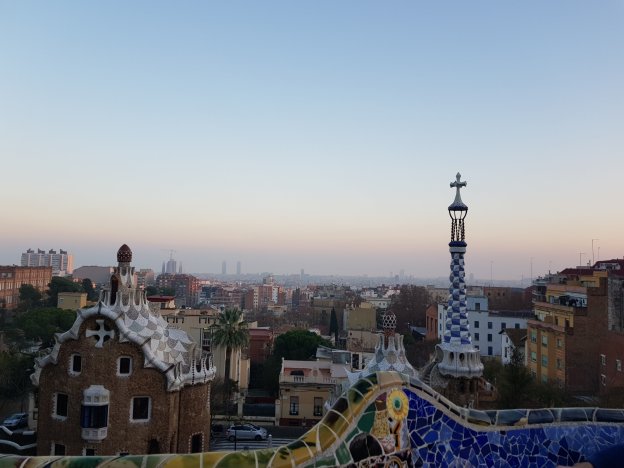
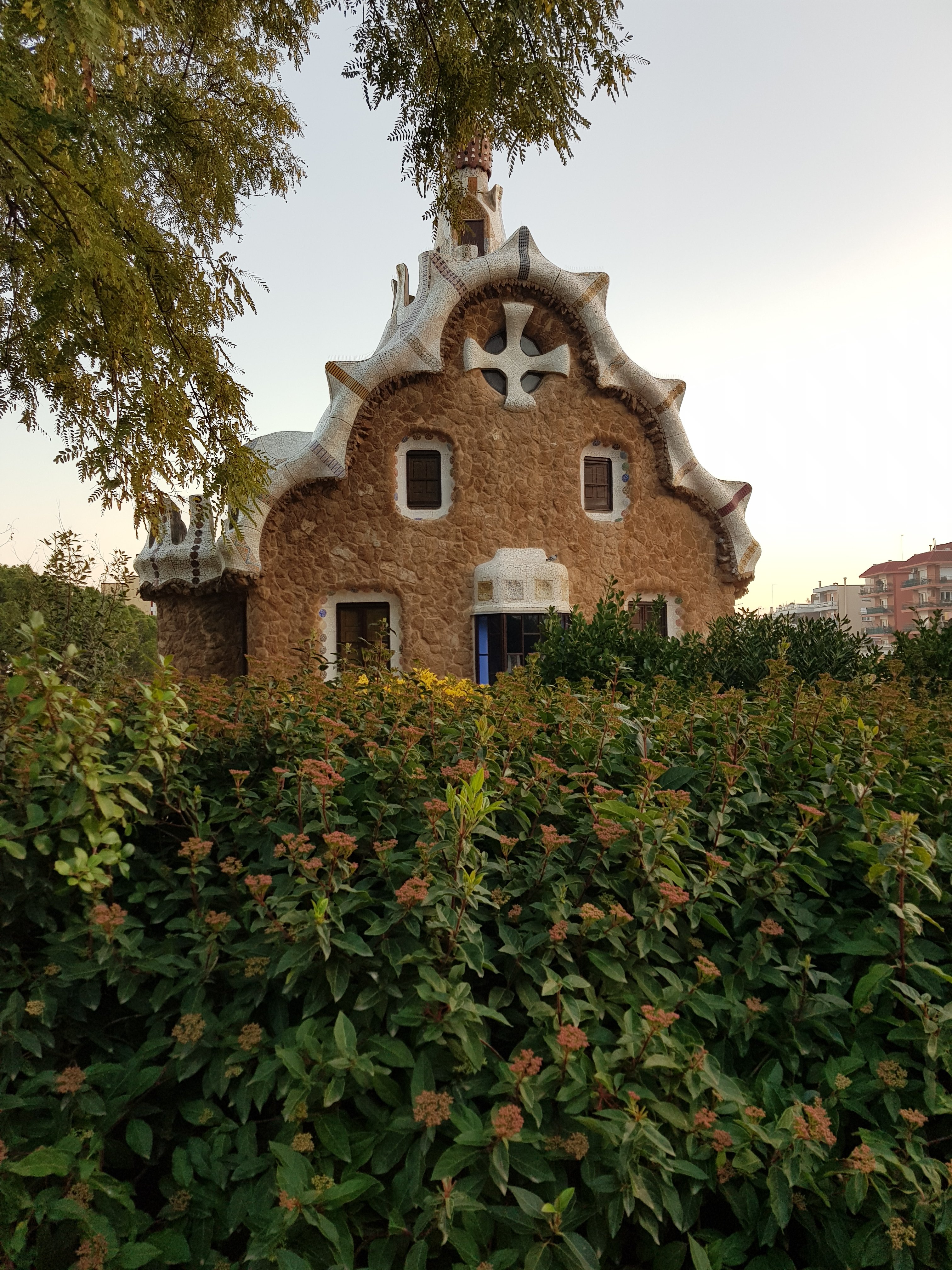
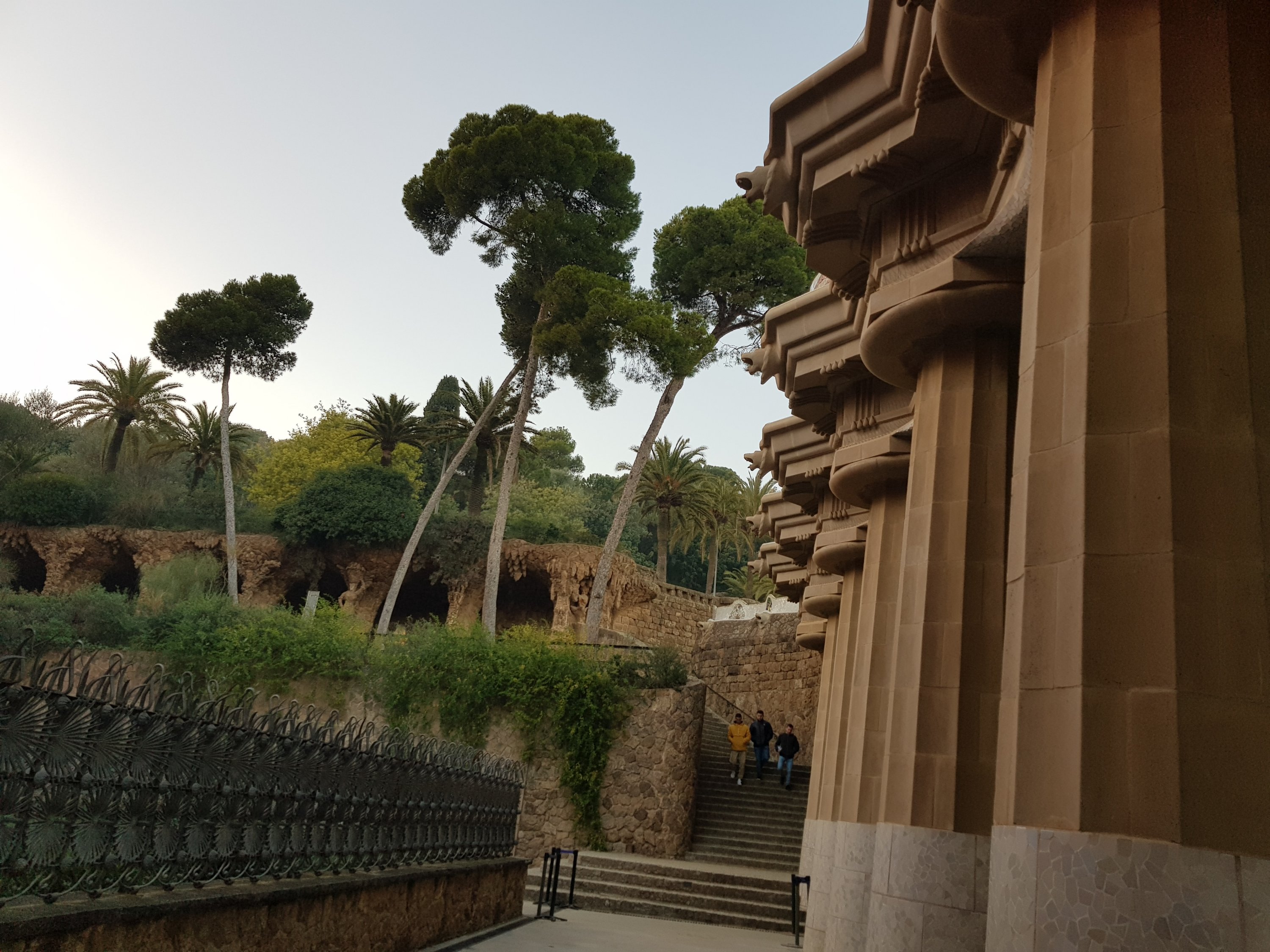
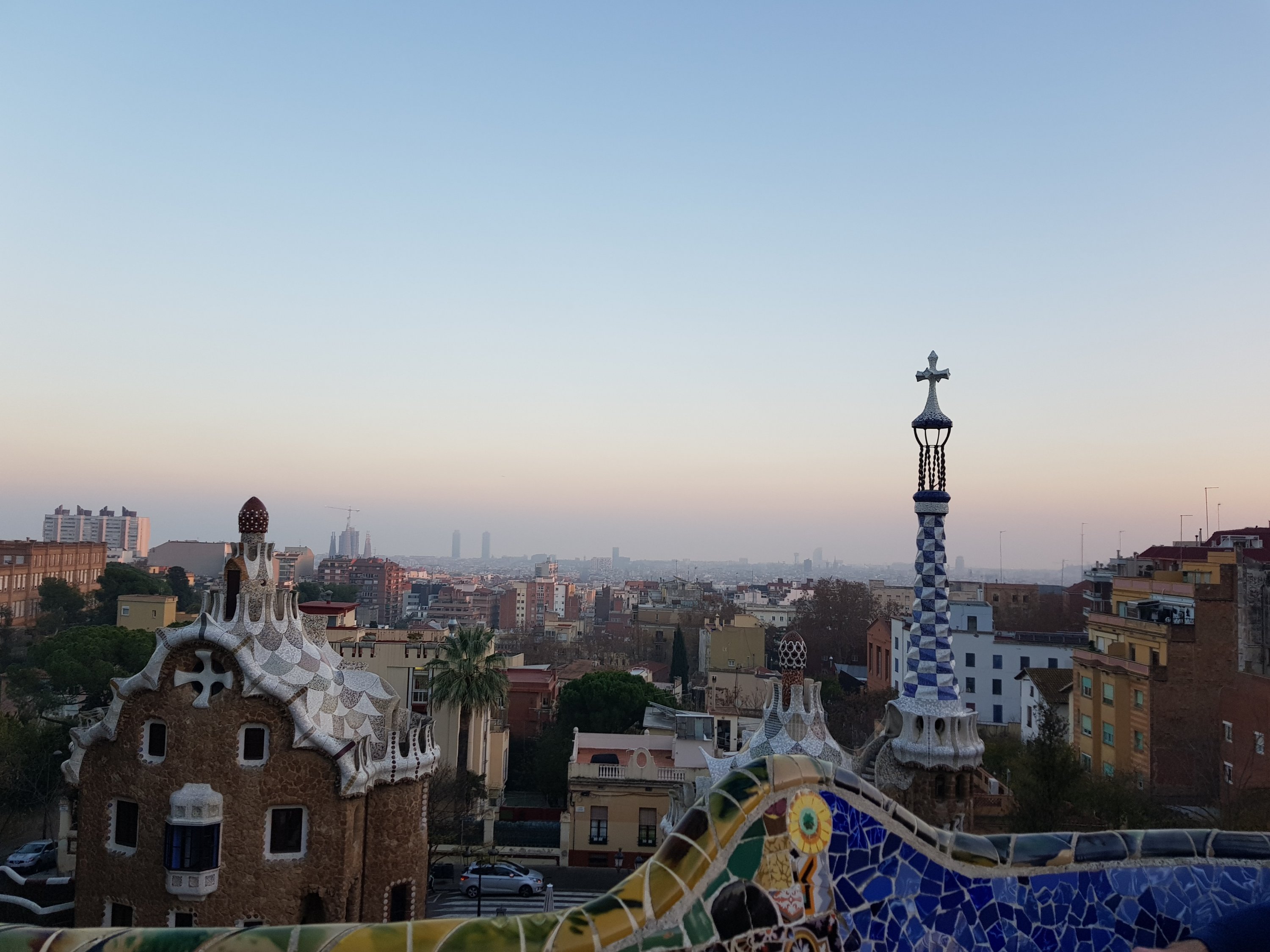
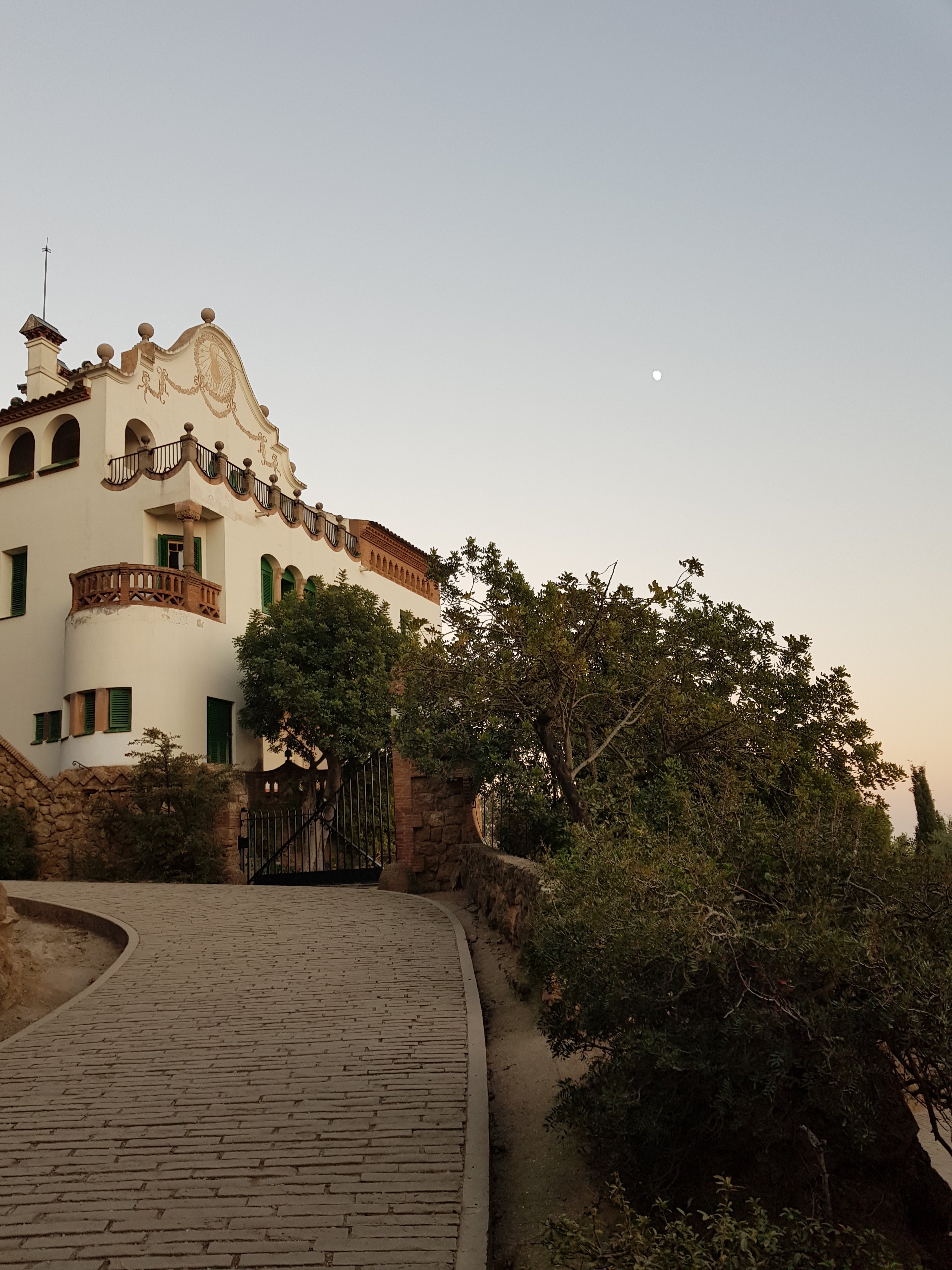
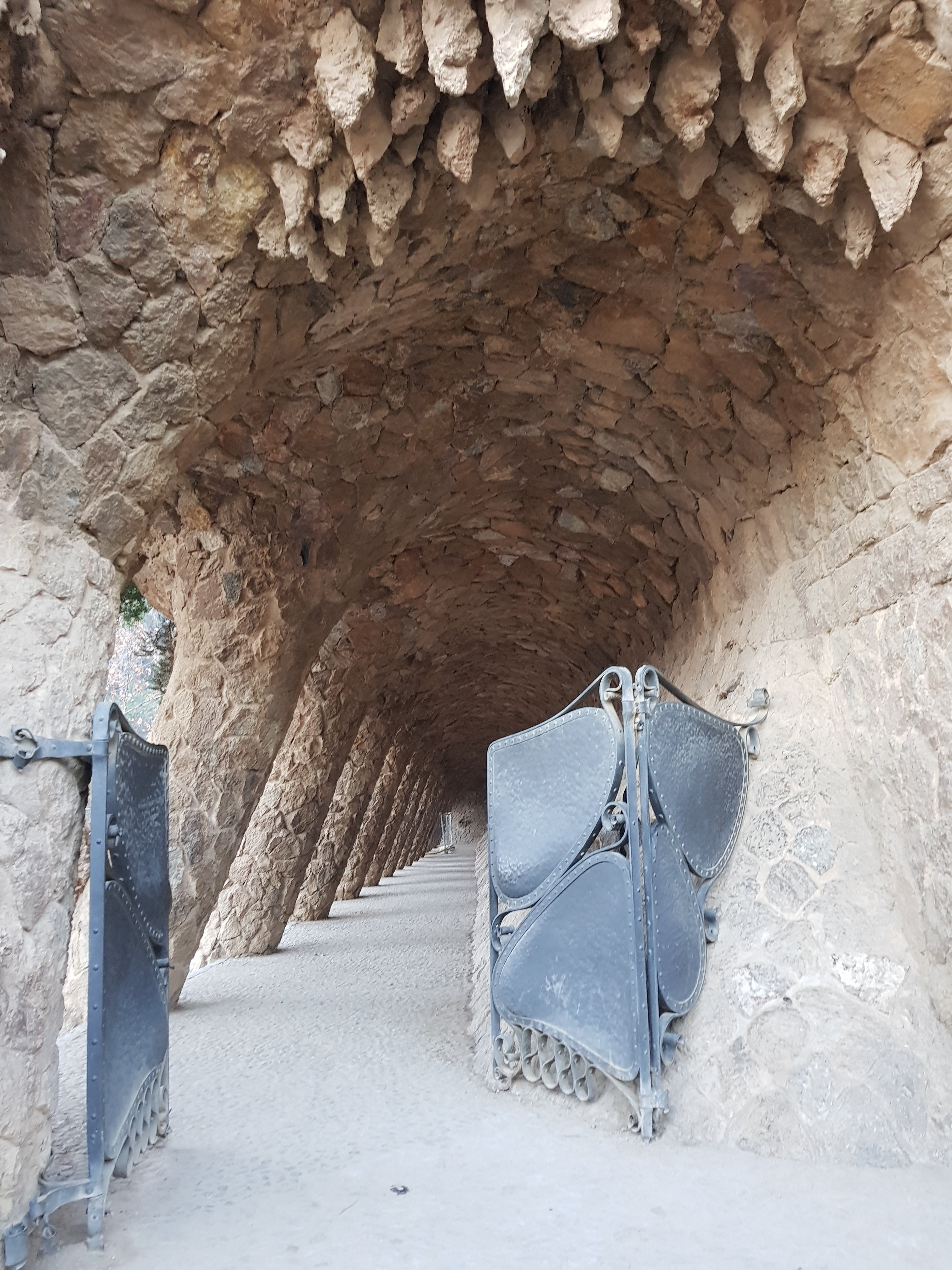
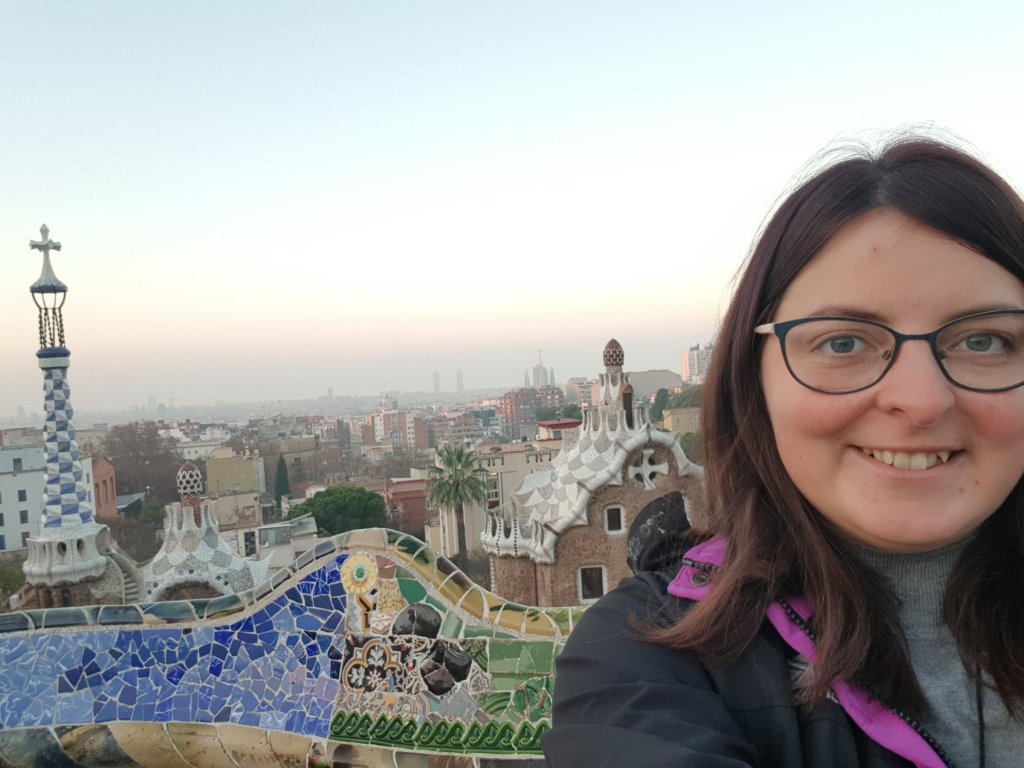
Later in the day, I made my way to Park Güell  for sunset. This park has a collection of buildings and spaces inspired by Gaudi, and it is also at the top of a large hill, so is a viewpoint of the city skyline. I enjoyed seeing some of the views and there were many people gathered here to watch the sunset.

It did not take me long to realise though, that we were not facing West. The sun was on the other side of the mountain, and it wasn’t going to be as good of a sunset as I hoped. It was still pretty but nothing like some of the other sunsets I have seen on my travels. This is the problem, I have been spoilt rotten!

After this, I walked back down the hill, and joined a friend living locally for some well deserved dinner. This was very relaxing, and the best part of the day for me.

Before flying home, I wanted to take the opportunity to visit nearby city of Girona. I had heard it was pretty, and I also knew that the cathedral was the filming location for some scenes in King’s Landing in Game of Thrones. So, of course, I had to go!

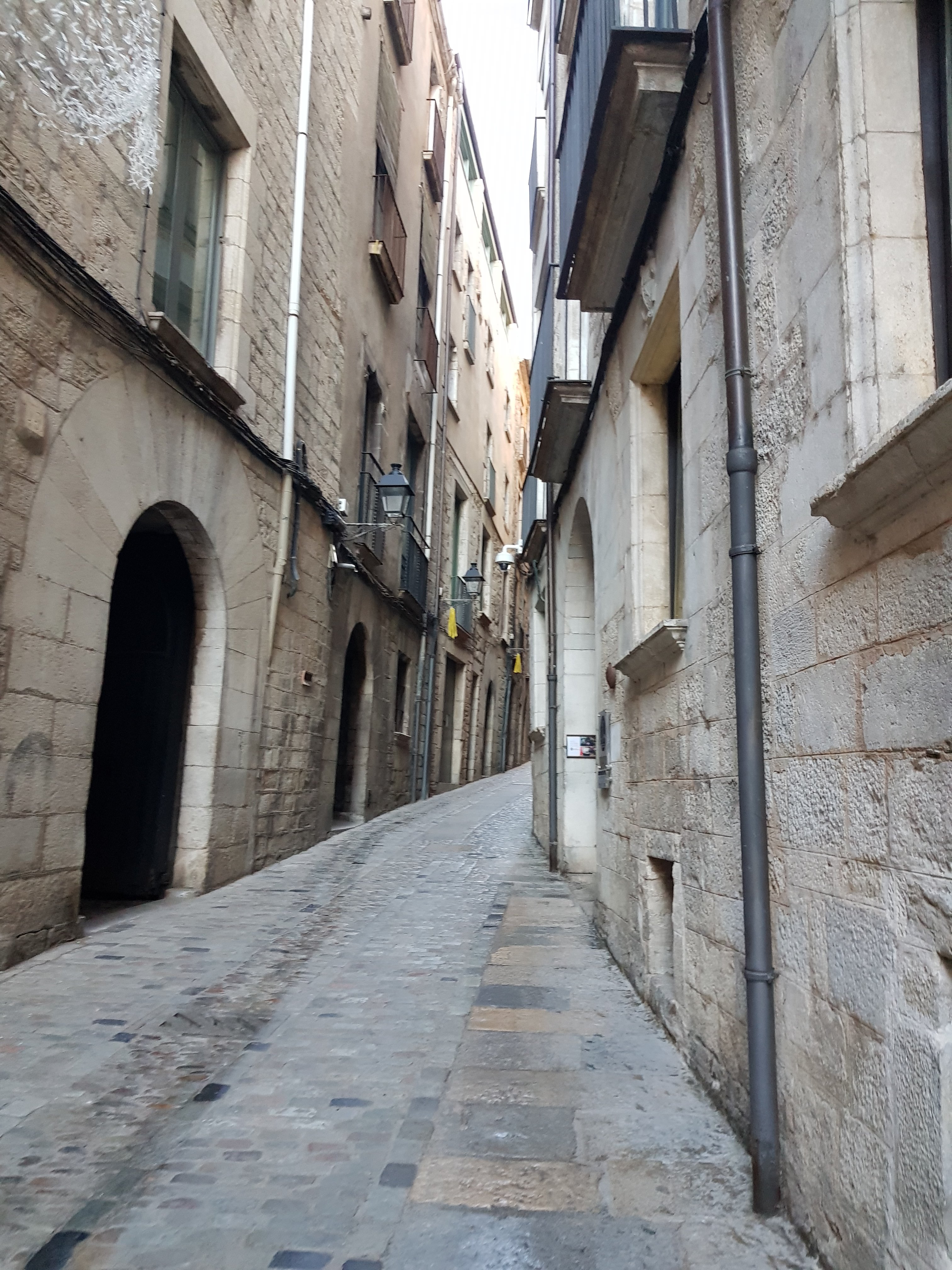
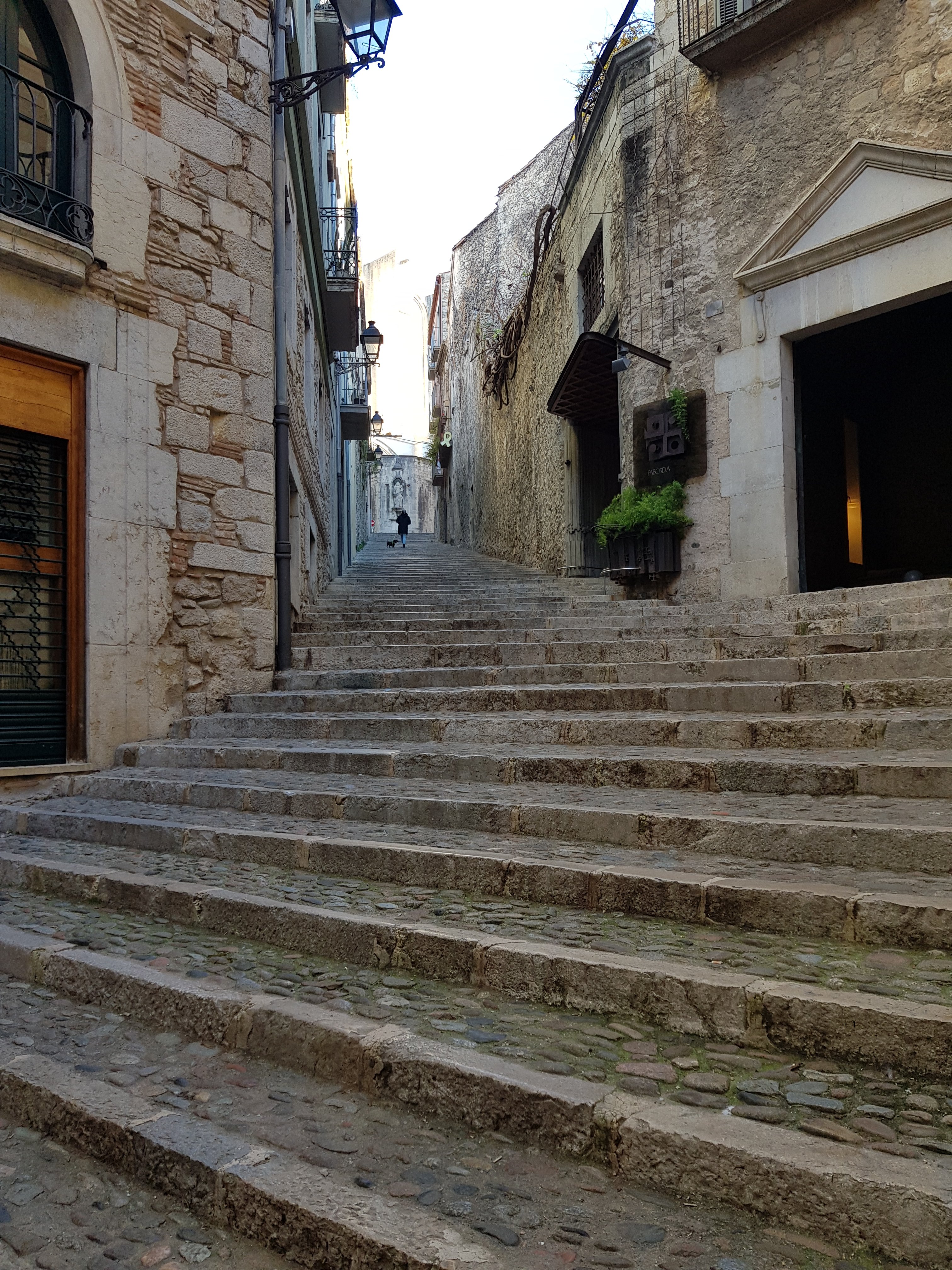
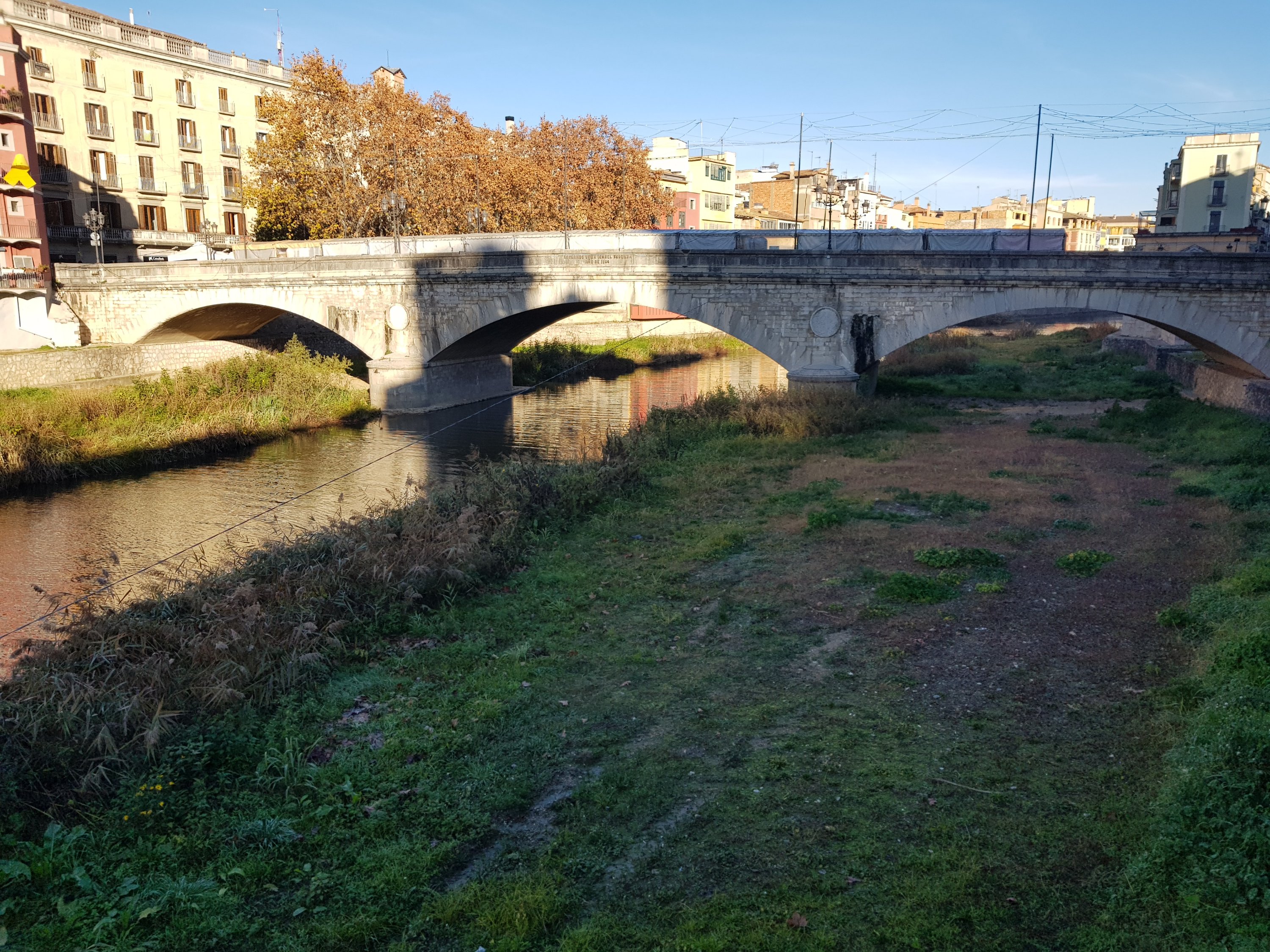
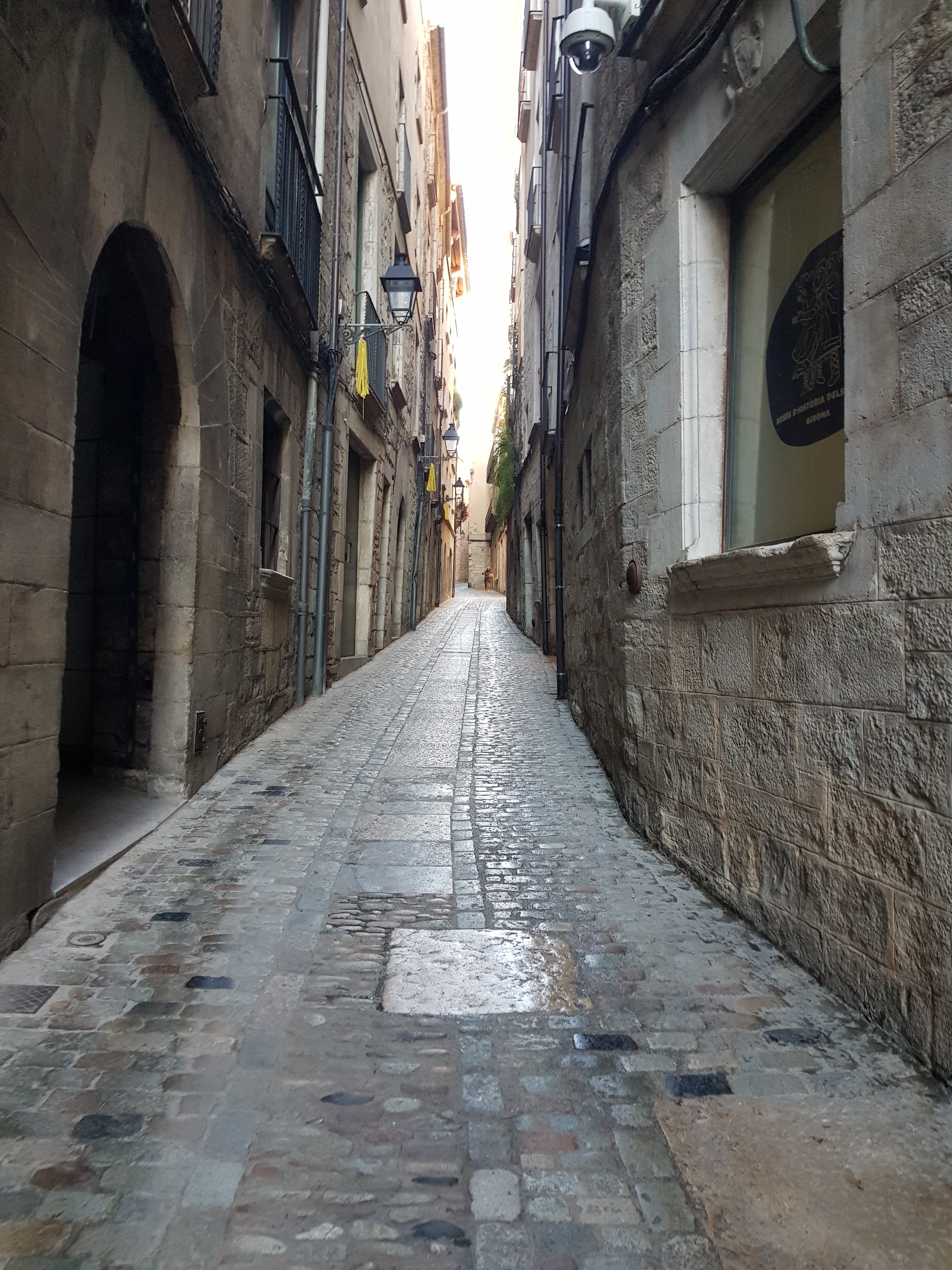
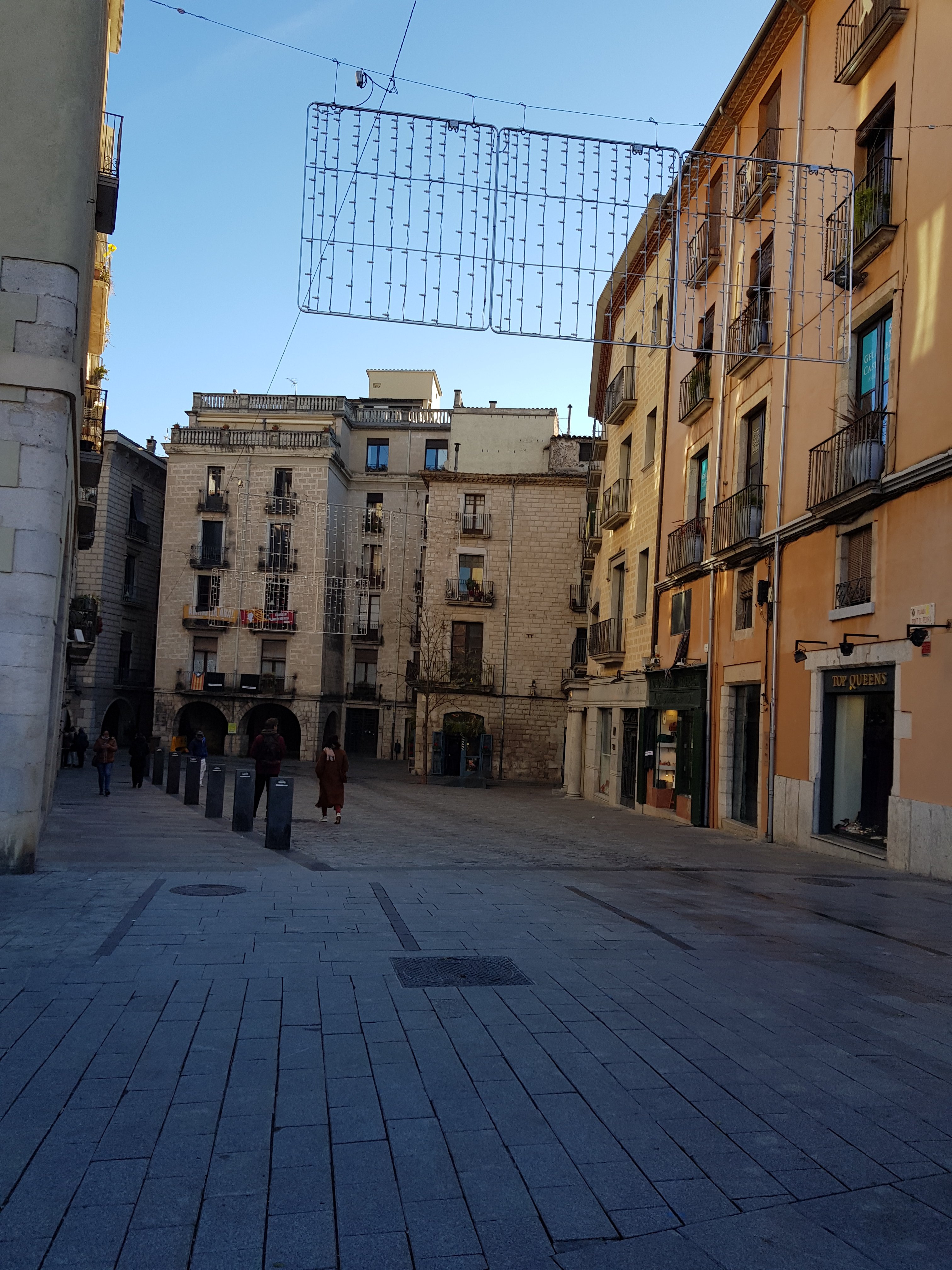
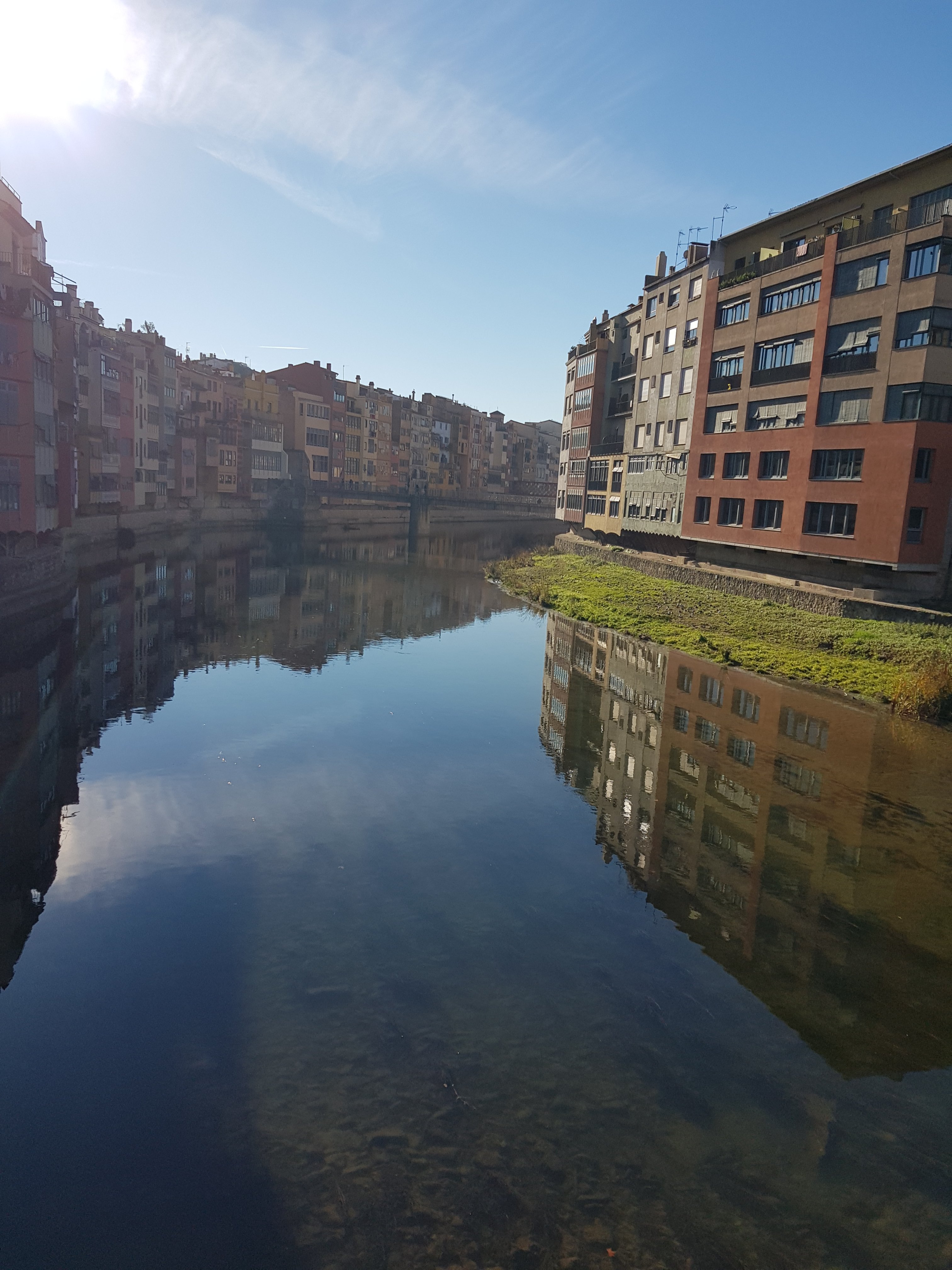
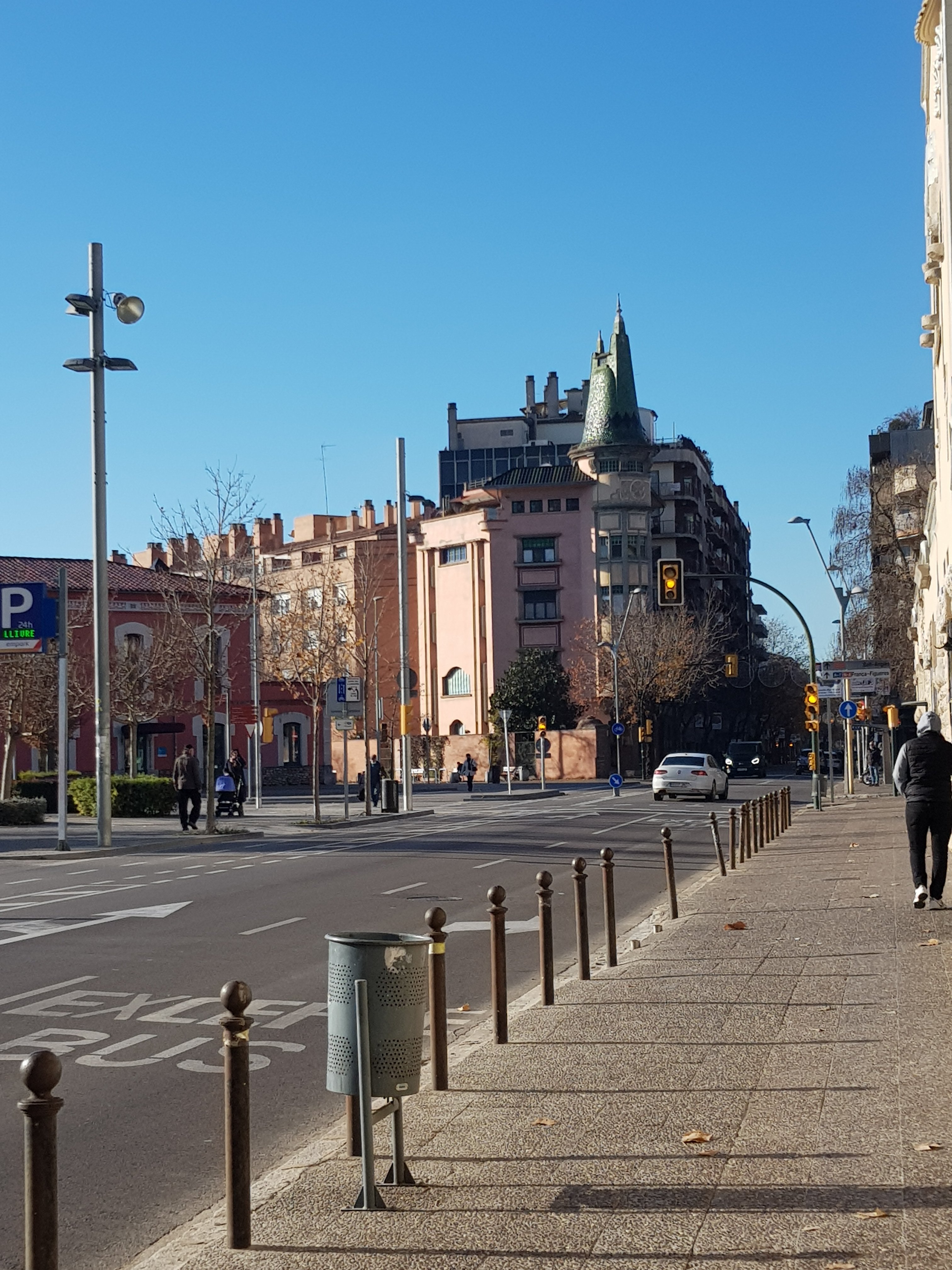
The train journey was a comfortable 90 minute journey on high speed railway. The train station is then only a 20 minute walk from the cathedral. I only had about two hours to enjoy Girona, in the mid morning. On arrival, I could tell that the city had more of a traditional spanish feel, that I am now accustomed to. There is a river running through the centre of the city, and a set of old bridges to cross, before you come to a quaint high street, and pleasant plazas. As I continued to walk closer to the cathedral, I began to ascend up various alleys and steps, to this special church that could just slightly be seen from the bottom of the hill.

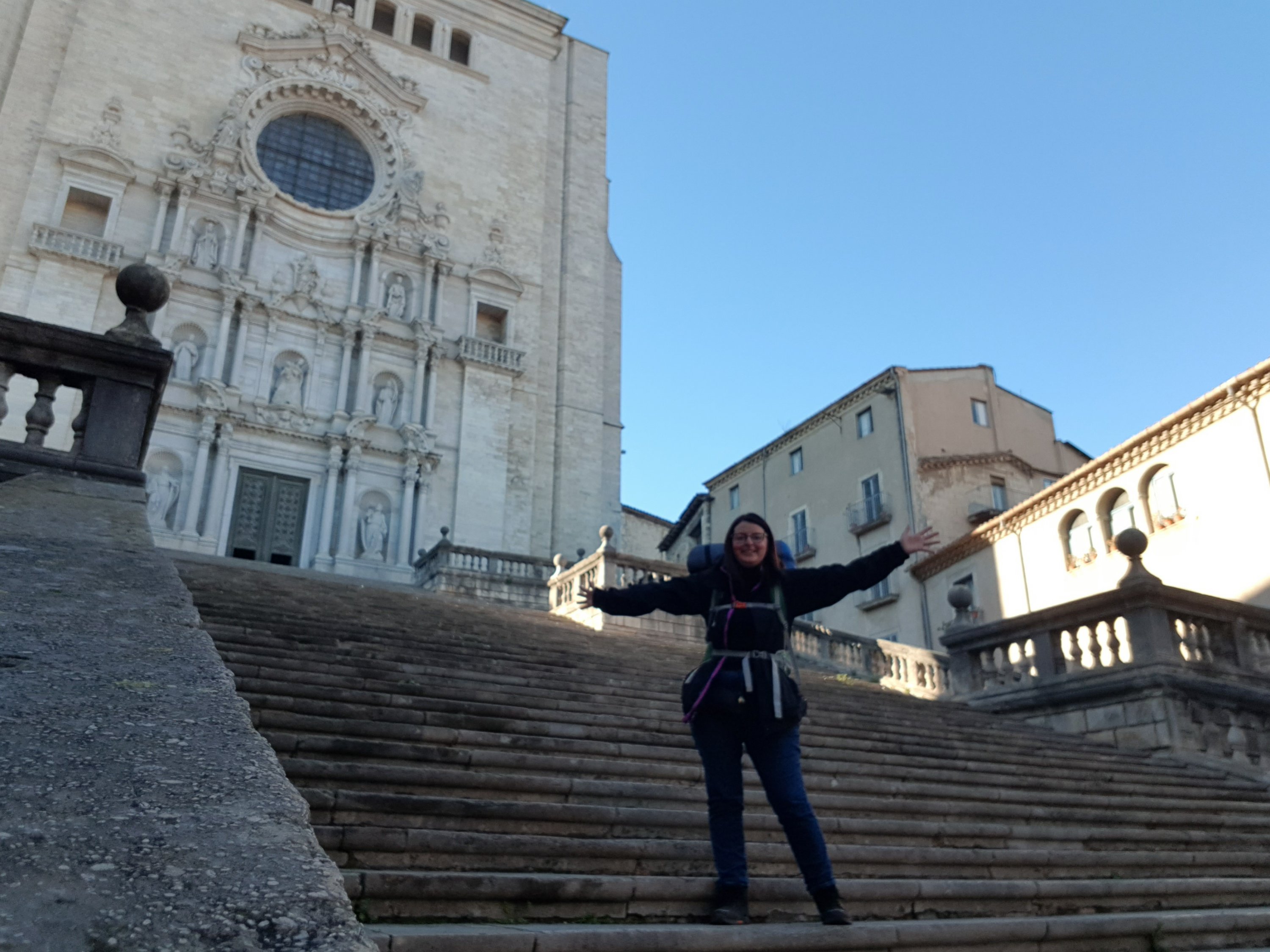
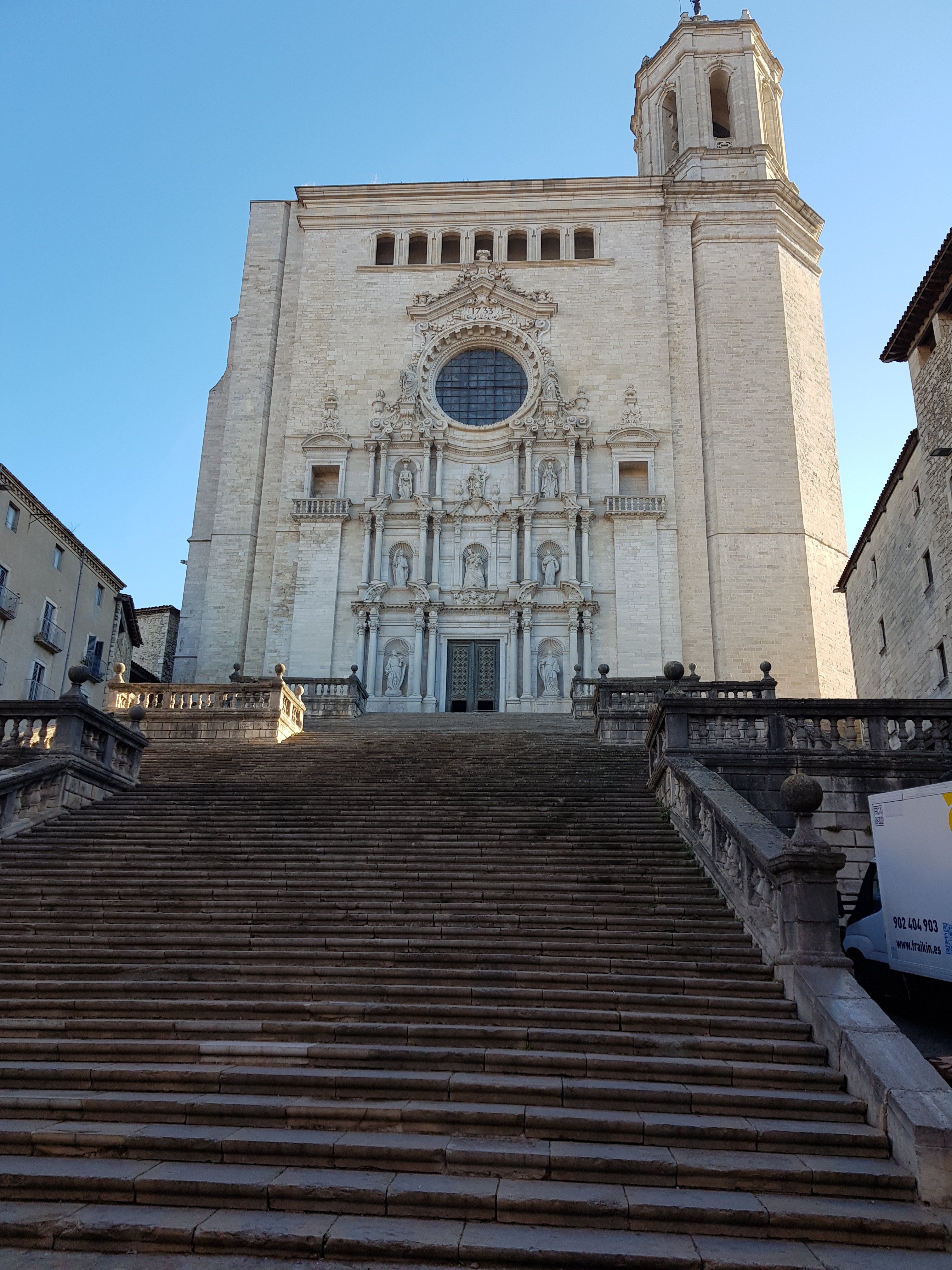
On arrival to the cathedral, one can stand in the shadow of the striking building, that towers over hundreds of steps. The steep stairs could easily rival the ‘rocky’ steps in Philadelphia, in terms of my ‘puffed out’ factor. The steps and front facade at the entrance was the view that was used within Game of Thrones for many notable scenes, such as the ‘walk of shame’ and many grand arrivals to the ‘King’s Landing’ location.

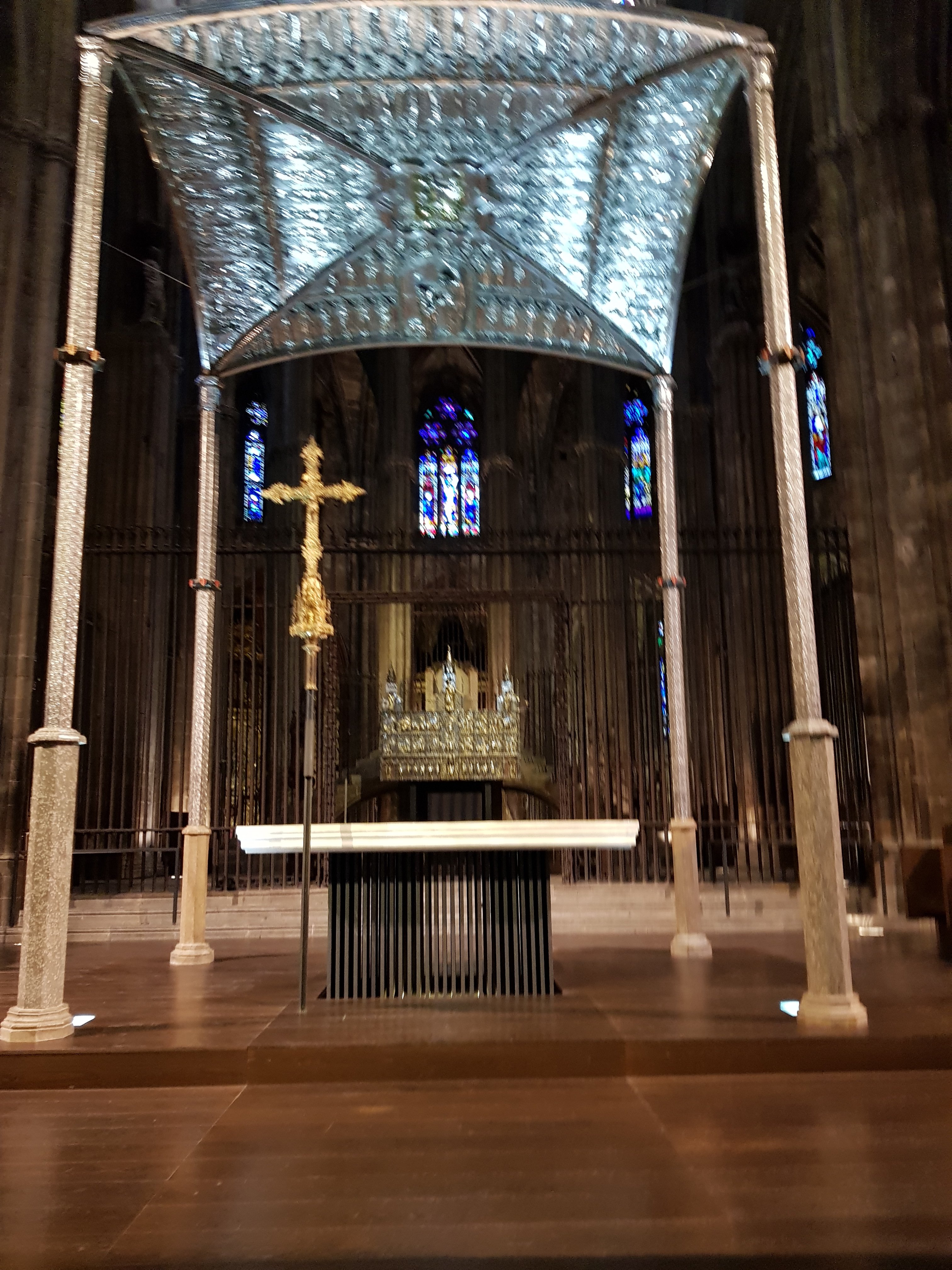
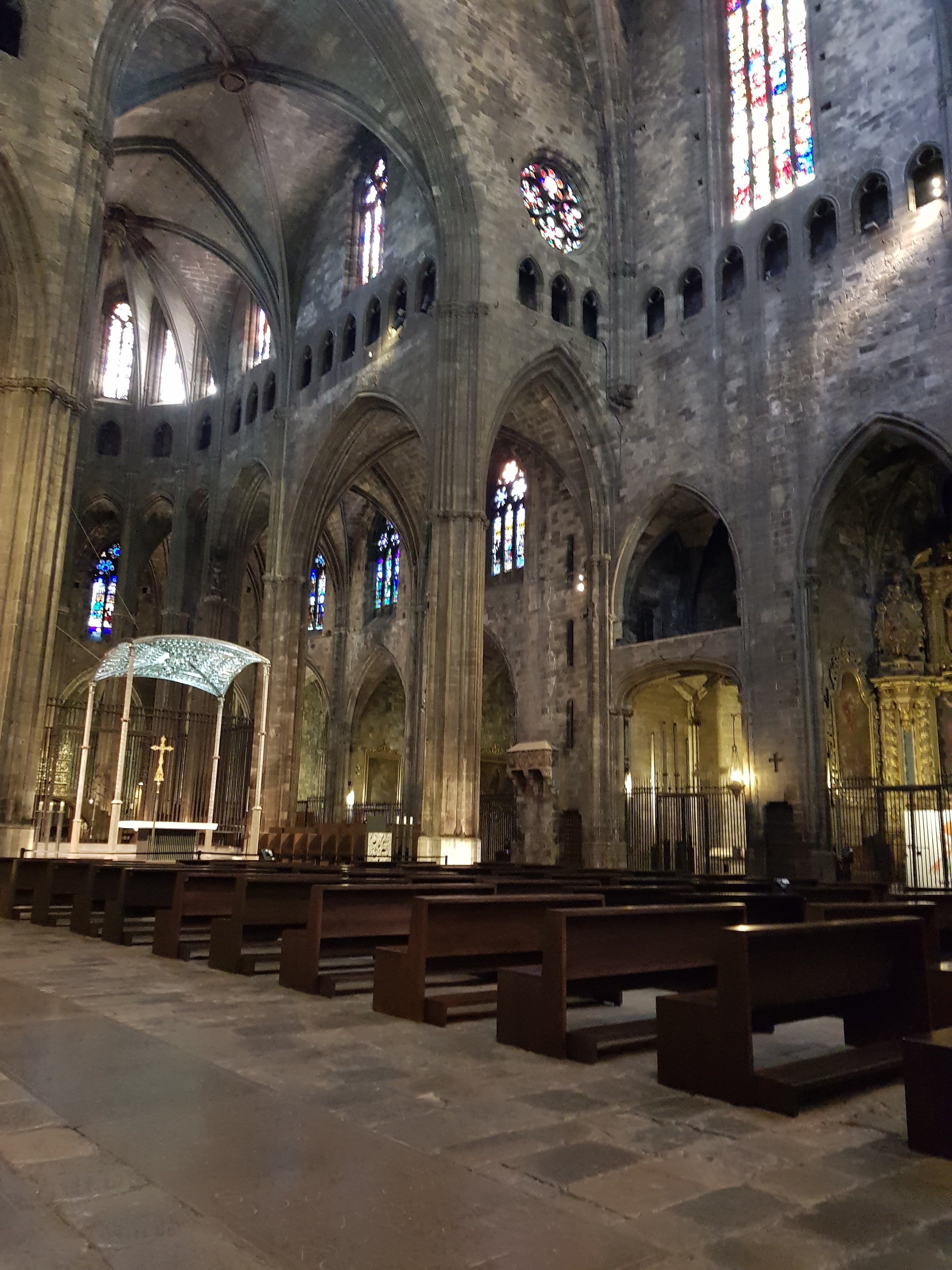
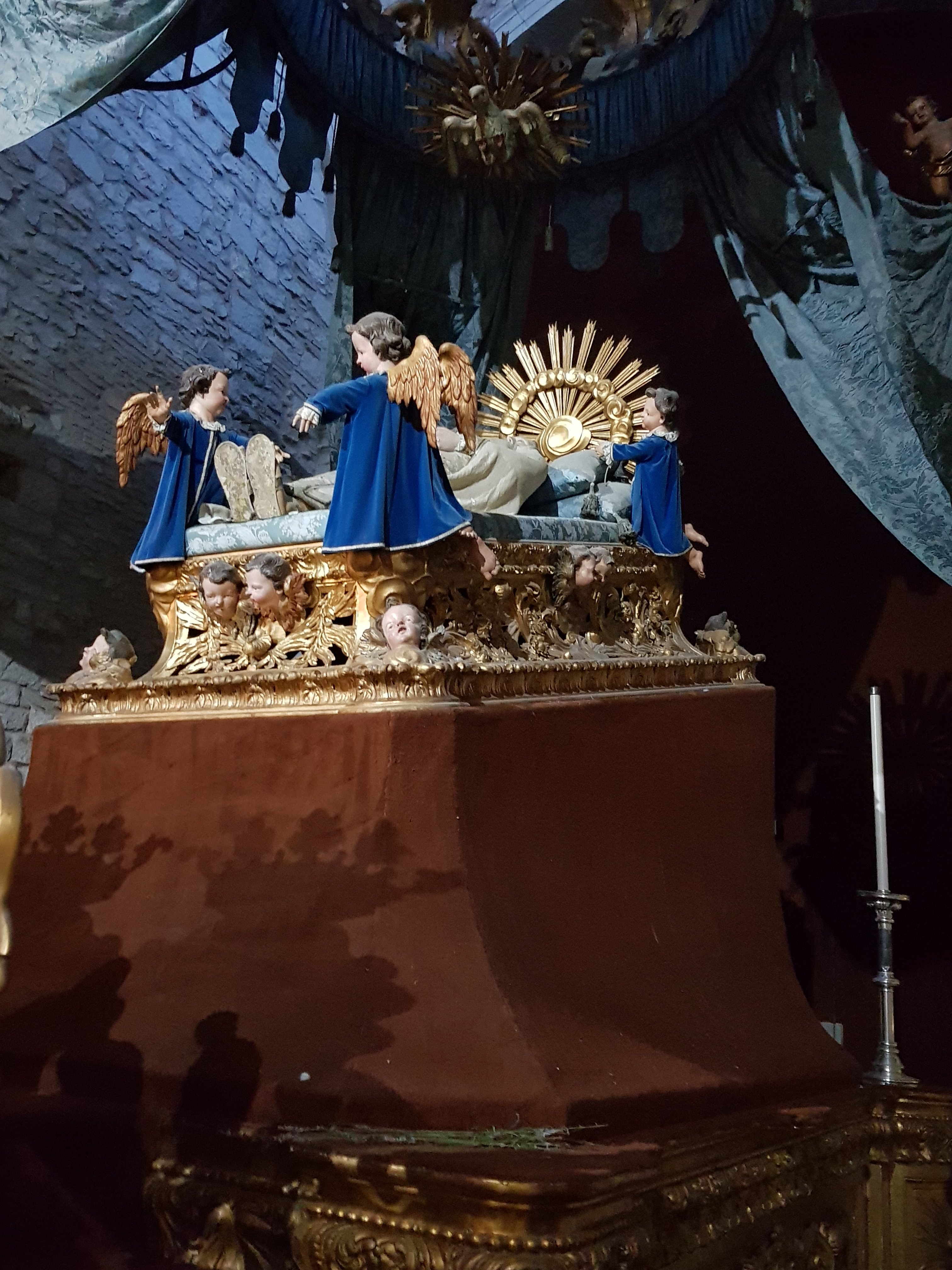
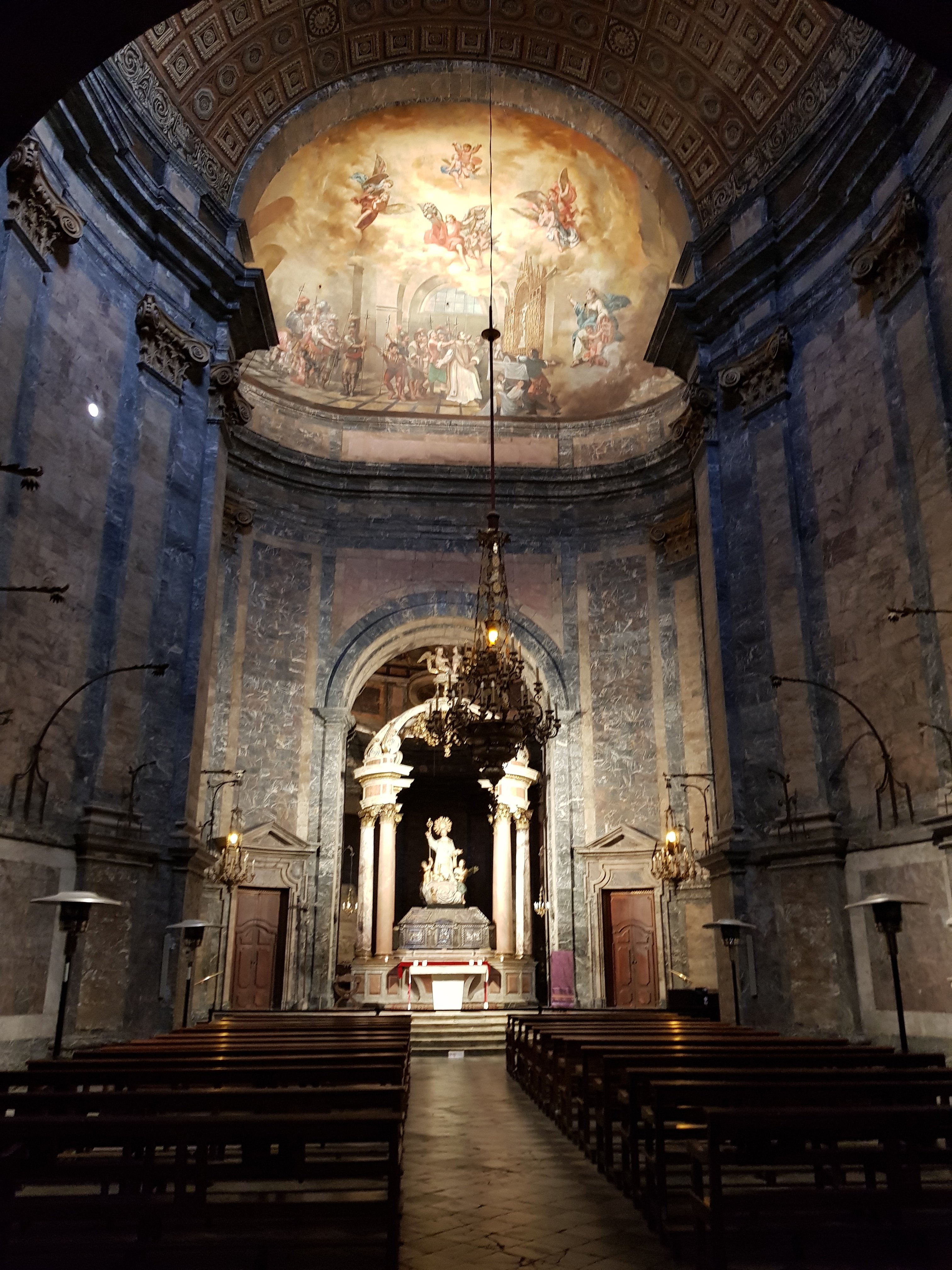
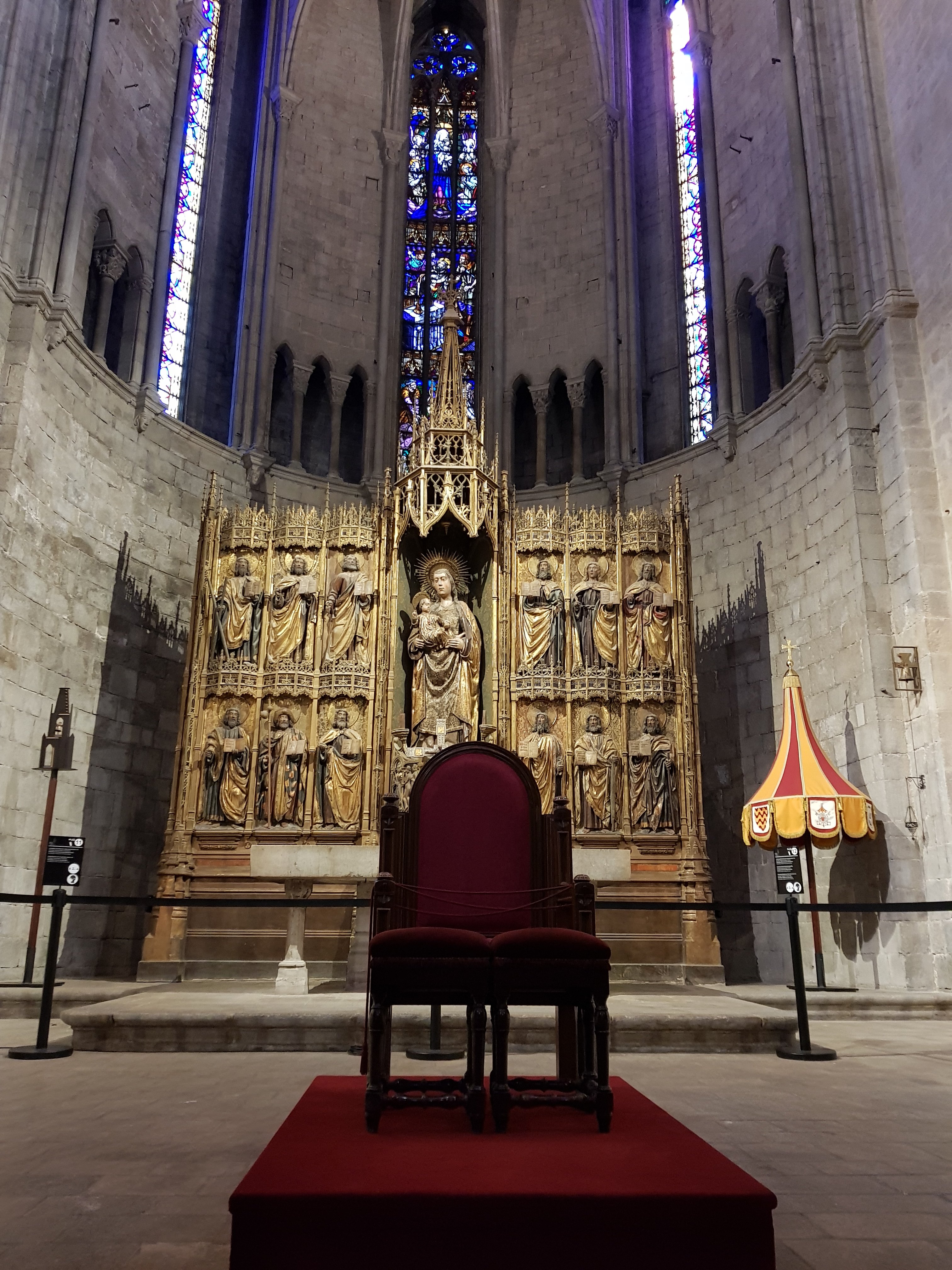
The cathedral admission was very reasonable, and also included entrance to the basilica next door. The cathedral has a very wide nave that is quite unique in architecture, and provides the space with more sunlight. There were also some chapels, and a room with a unique sculpture of the sleeping Virgin Mary. I have never seen anything similar to this before.

The basilica is just across the road from the cathedral, and is a smaller space. It still benefits from beautiful designs and art in its chapel, and a lovely altarpiece as well.

After this quick walk around Girona, I headed back to Barcelona, for my flight home to the UK.

Barcelona, and Girona are so close to each other, but have such different vibes. I really liked Girona, because it has a fairytale look to it within the old town, and had a very traditional vibe. It felt authentic. Barcelona also has a fairytale look in many locations, thanks to Gaudi, but instead of feeling relaxed, I find the city very stressful to be in, due to its popularity and ‘overtourism’. It actually feels more like a bustling theme park, with overpriced product, crowds, queueing and a confusing layout. The city is so large and important though, I know that I will likely visit again. Next time, I will try to see more of the neighbourhood areas of the city, as I am sure somewhere in this city, I will find my fit!