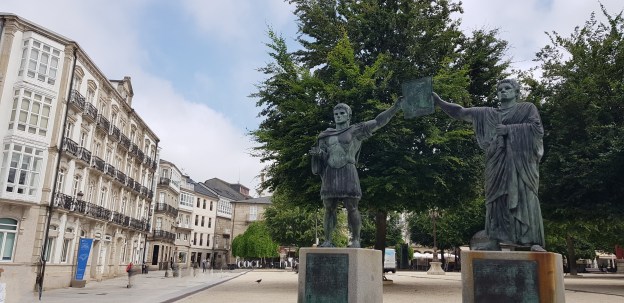
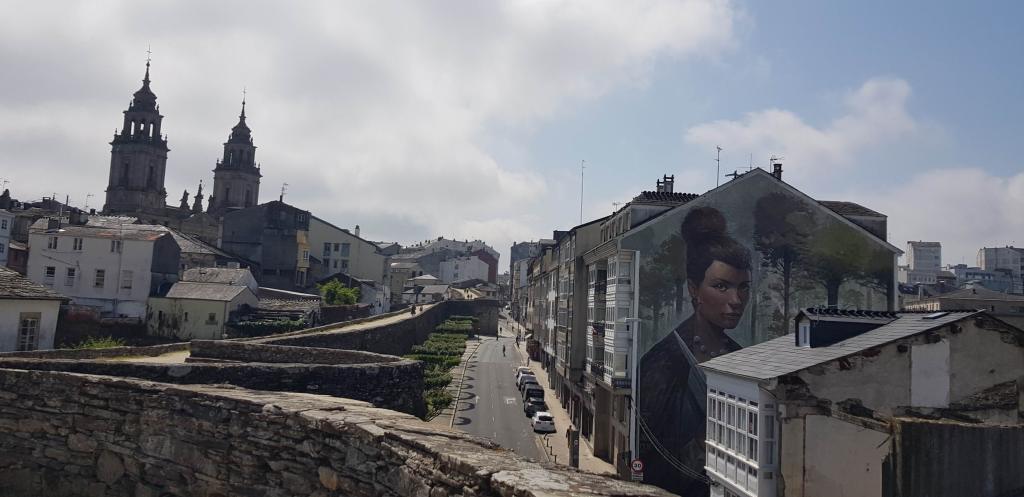
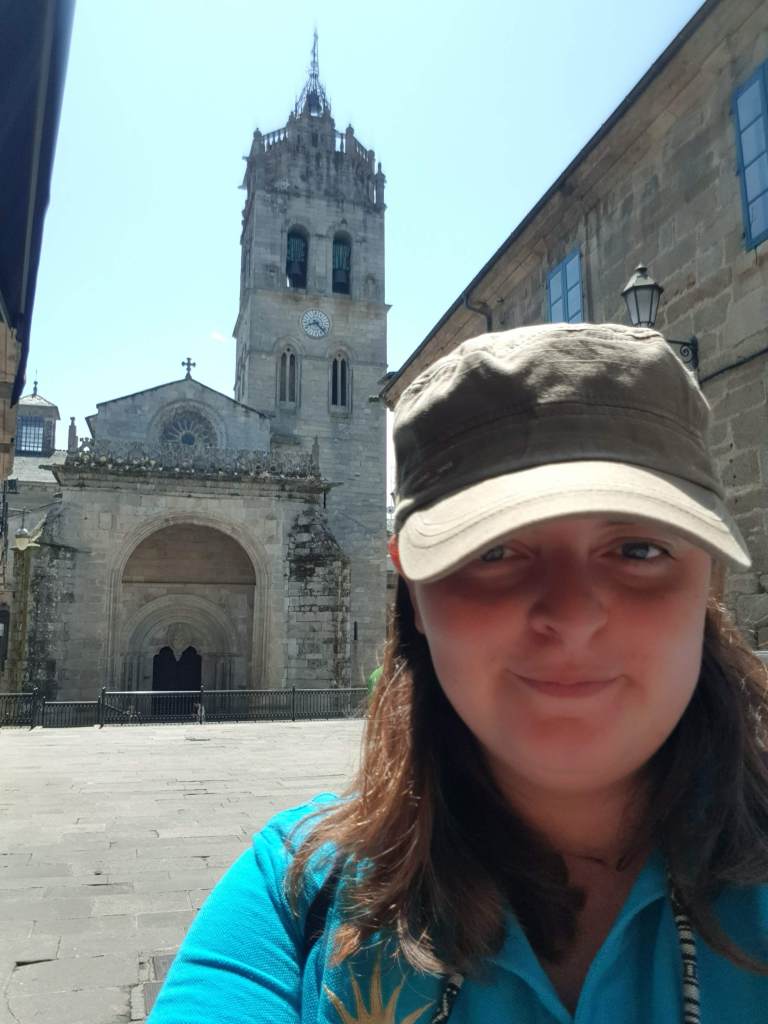
One of the most beautiful cities of Galicia. Lugo offers a historic setting within a surrounding of Roman walls that create an isolated space for wondering and wandering about the stories of this old city.
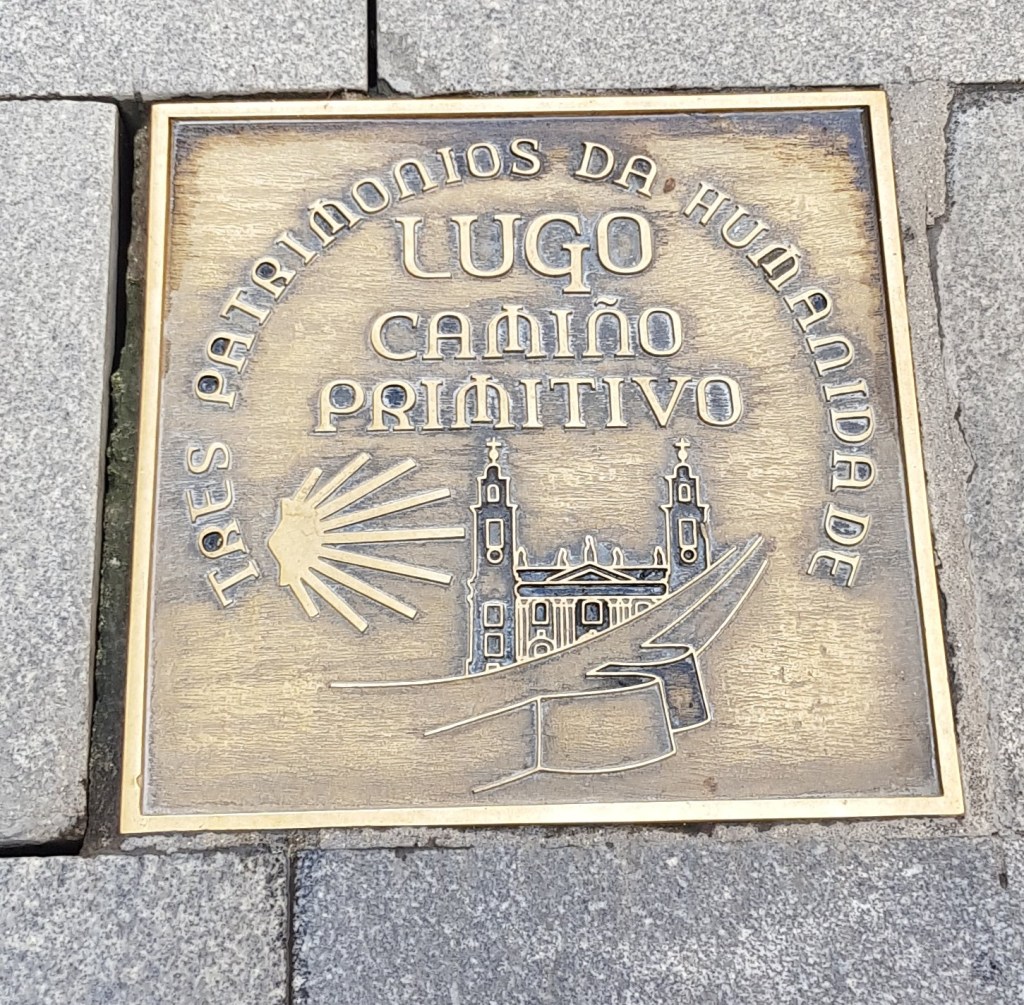
I spent an afternoon visiting Lugo from La Coruña in Galicia. It is the capital of the Lugo province and the fourth most populated city in Galicia. It is a popular location for locals and visitors and is also a stop on Camino de Santiago (The St James Pilgrim’s Way).
The walls
This spanish town is fully shaped by its Roman history. The 3rd century roman walls are 2117m long and create a full circuit to admire and walk on top of. The 85 towers that exist along the walls also create an amazing shape and interest for those interested in history or photography. These roman walls make Lugo a famous location among Galicians and were not suprisingly made a World Heritage Site by UNESCO.
The spaces
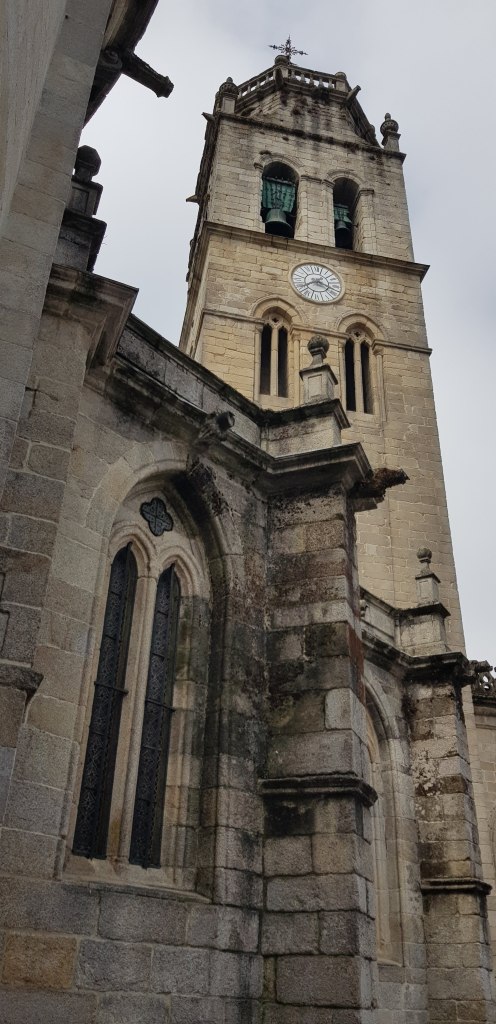
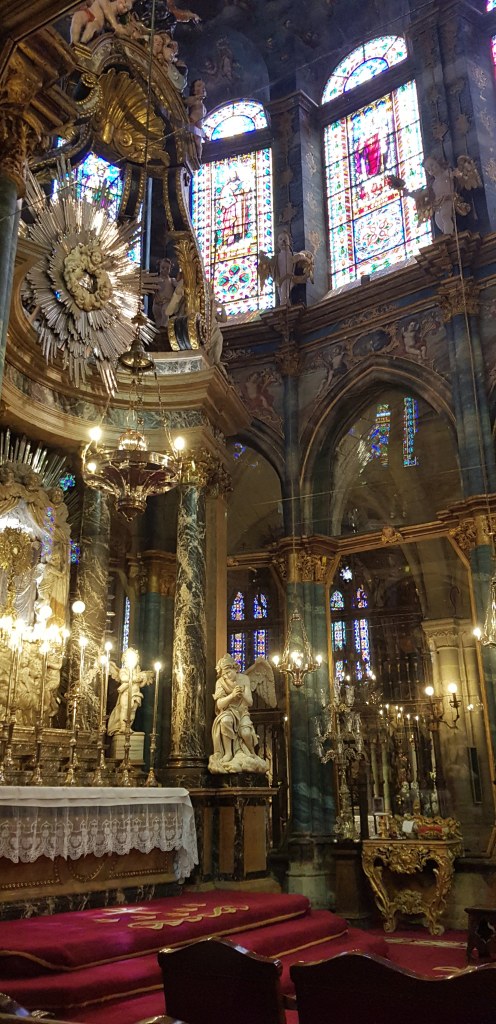
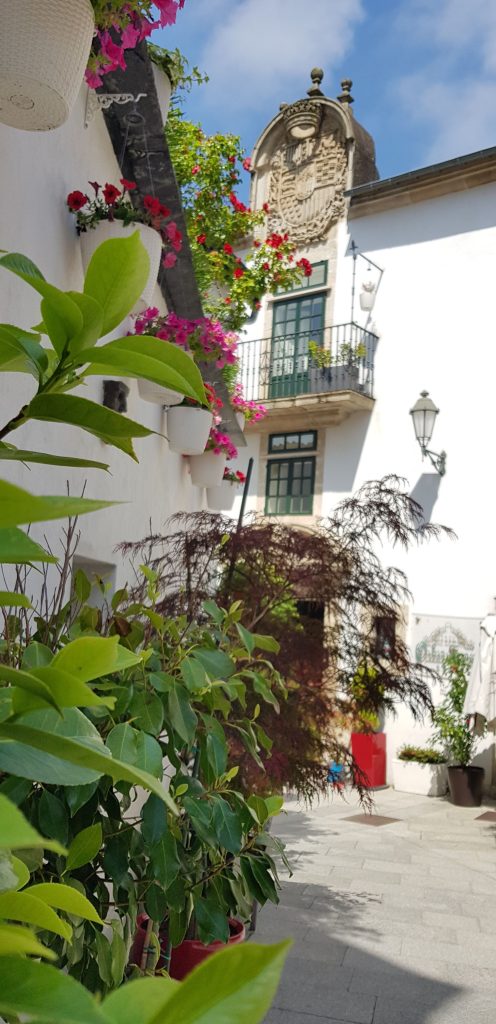
As well as wondering the perimeter of Lugo using the walls, you can also enjoy many public squares, a beautiful cathedral, and quiet lanes filled with gastronomical delights.
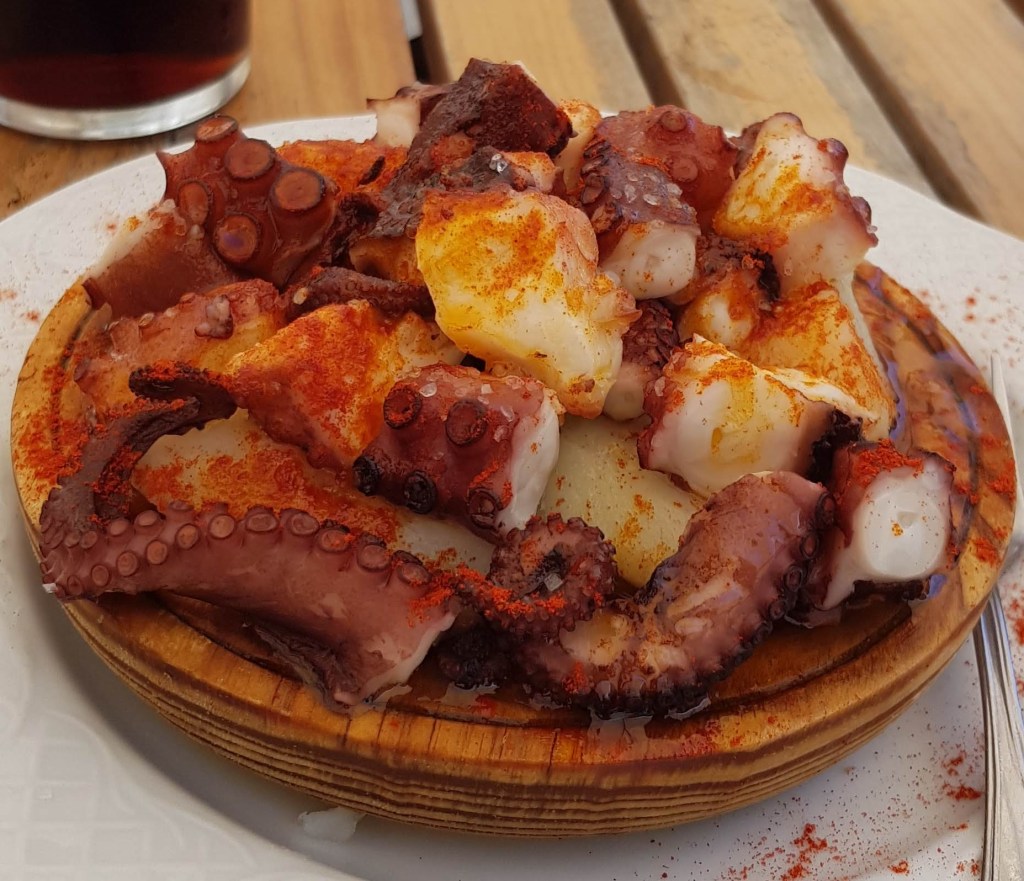
I spent much of my afternoon here eating a delicious traditional Galician Pulpo (octopus). I love it 😀
I would happily revisit Lugo again, its a nice place for a relaxing day out and I can see its easy appeal with locals from the region.
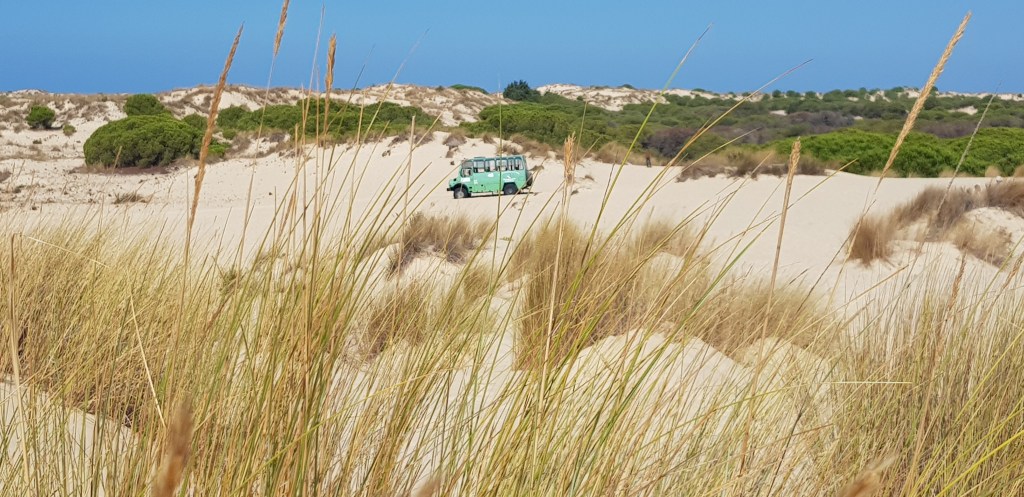
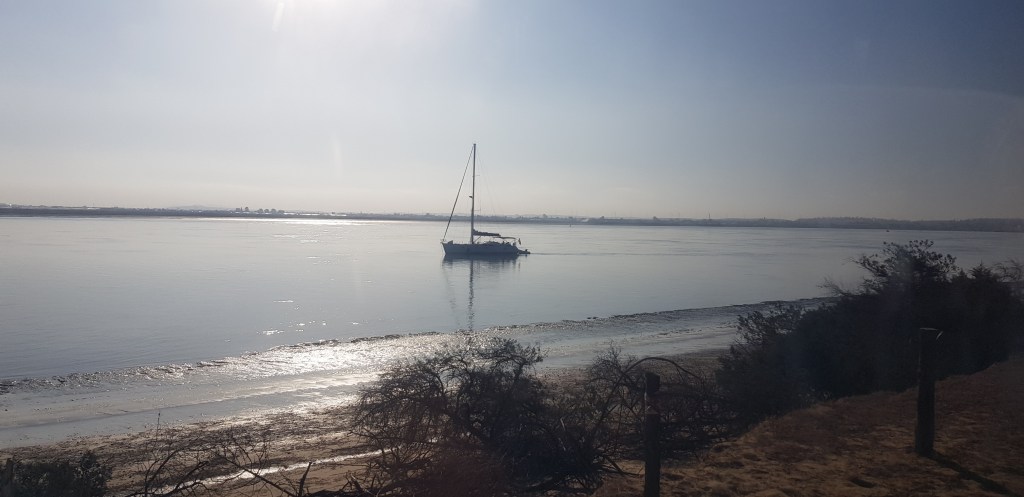
During one of my many days in beautiful Cadiz, Andalusia, I had the opportunity to take a tour to Doñana, a part natural park and part national park, where the inside of the park is only accessible by exclusive tour. I was blown away with the landscapes here in one of the most important natural areas in Europe.
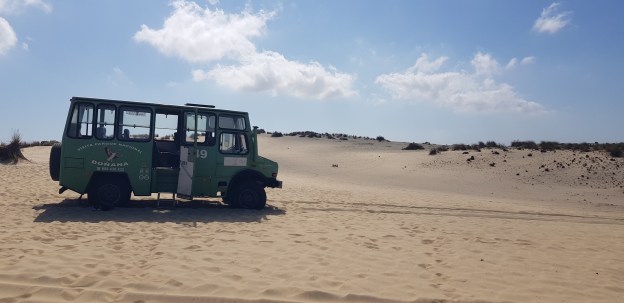
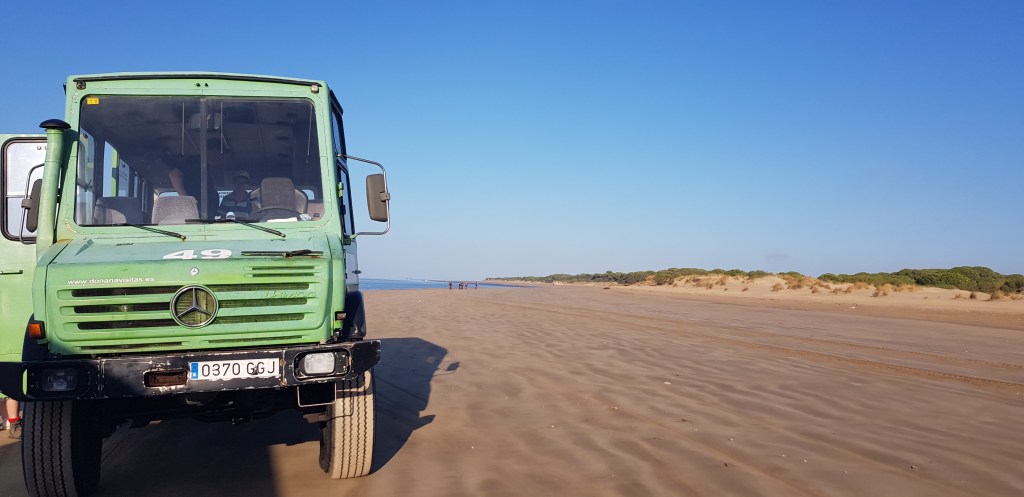
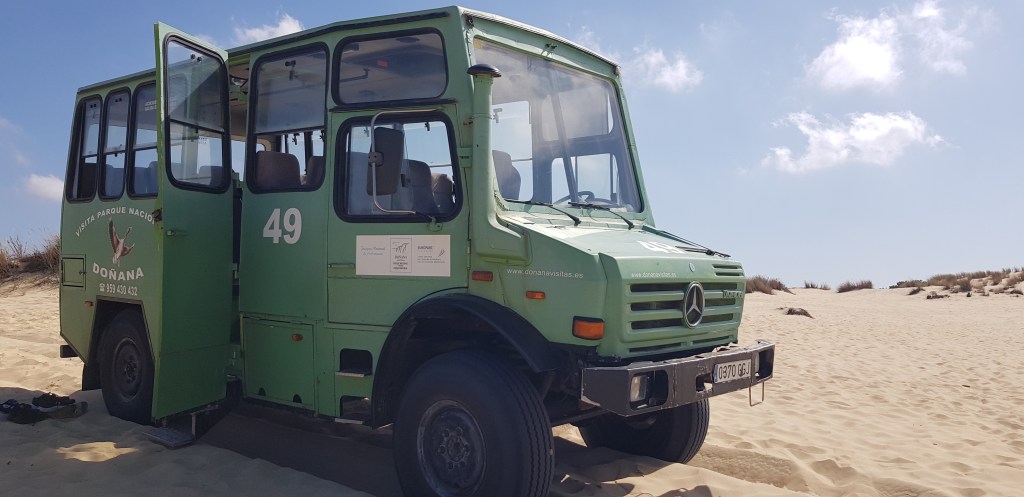
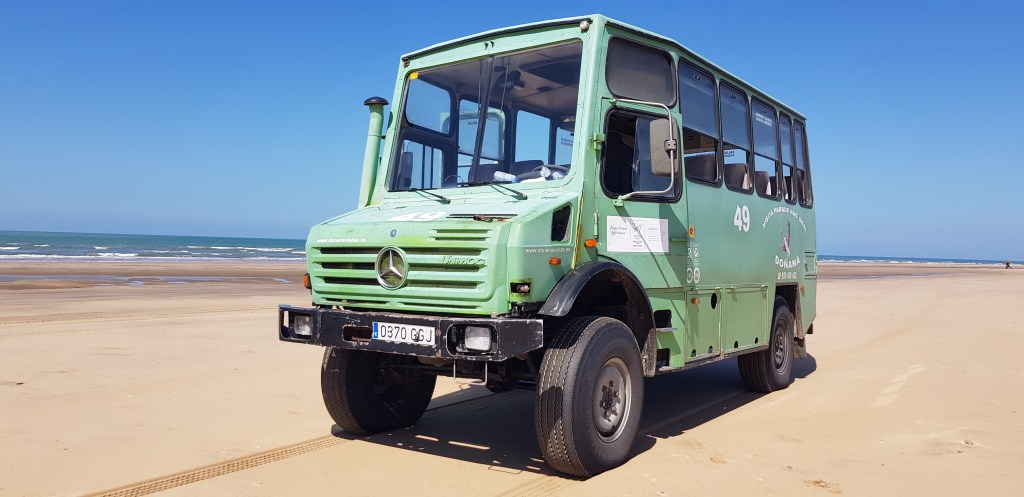
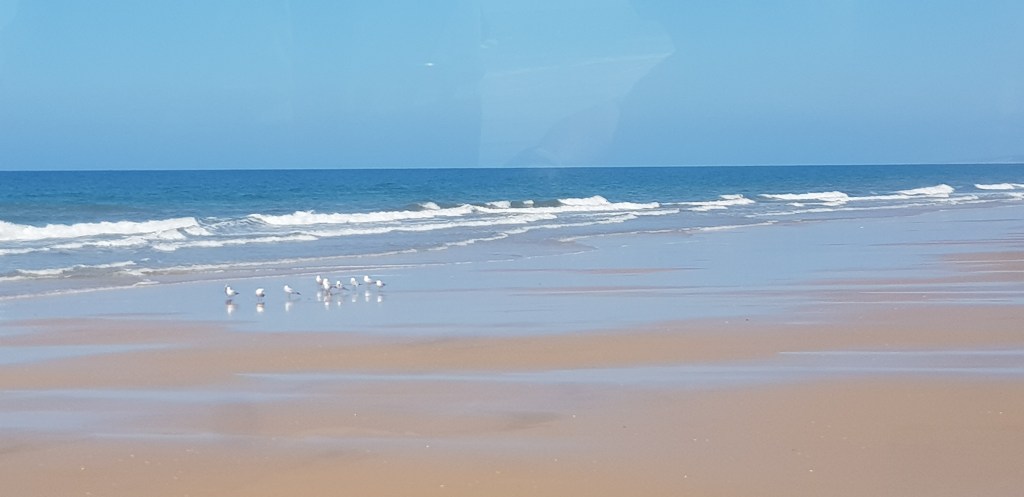
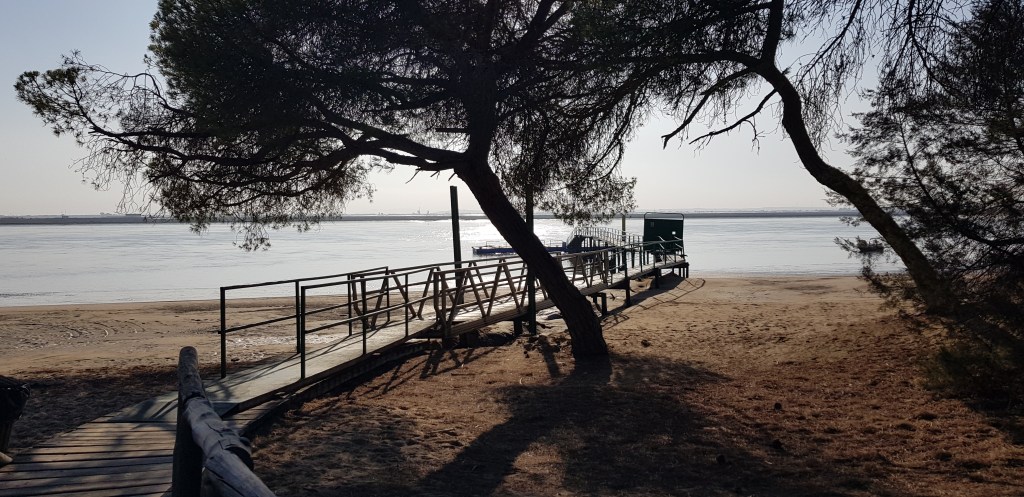
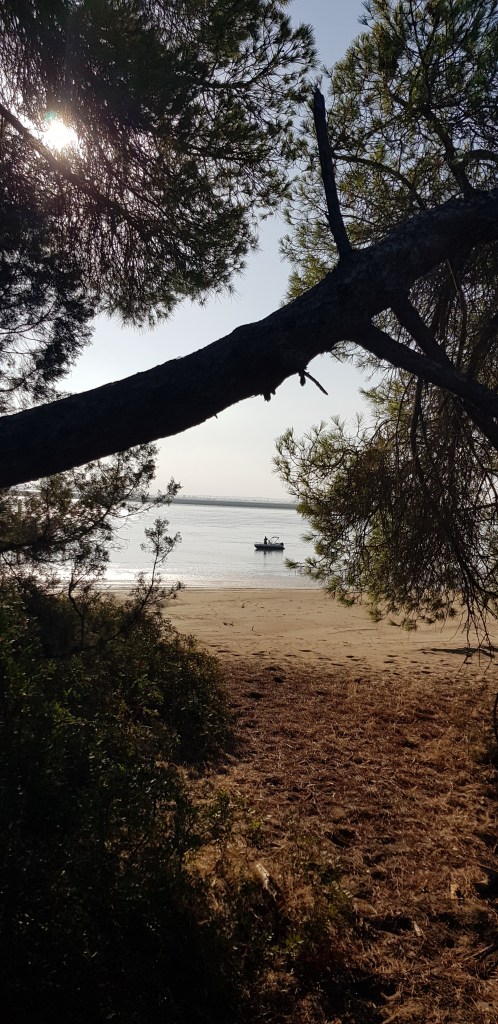
My small group of less than ten with our guide took the long drive to Doñana’s water edge where La Rábida village was and a small ferry was available to take visitors back and forth to Doñana’s beach and natural park. The 30km of white beach is a public space that can be accessed but parked up on the beach waiting for our small group was our exclusive monster jeep that would take us deeper into the park.
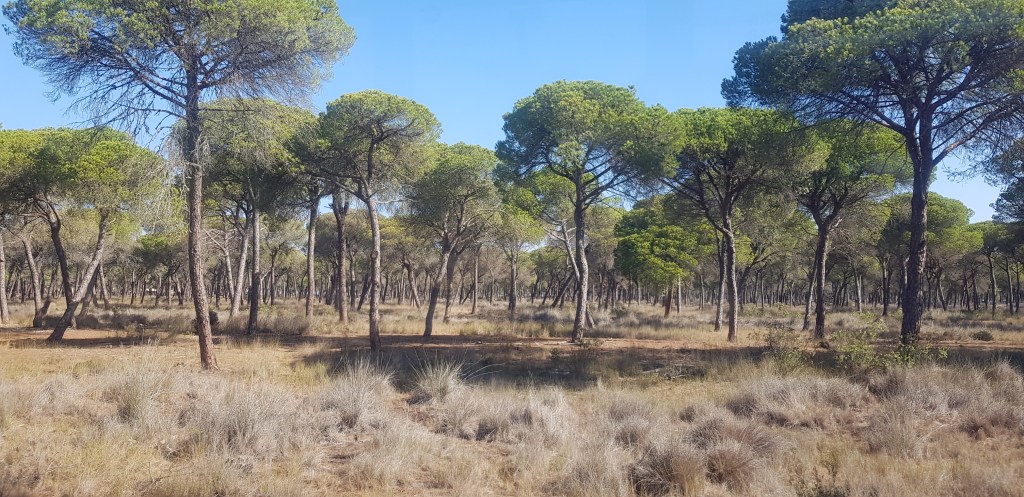
The bumpy ride took us through a mix of ecosystems that were strange to find all in one place. Forest was first on the list and as we pushed our way between the trees over our muddy makeshift road, we spotted deers and wild horses.
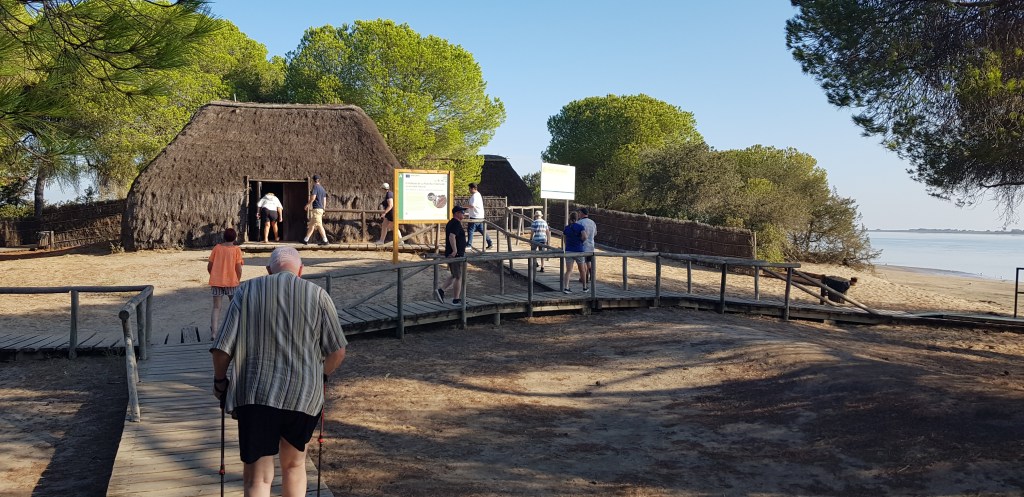
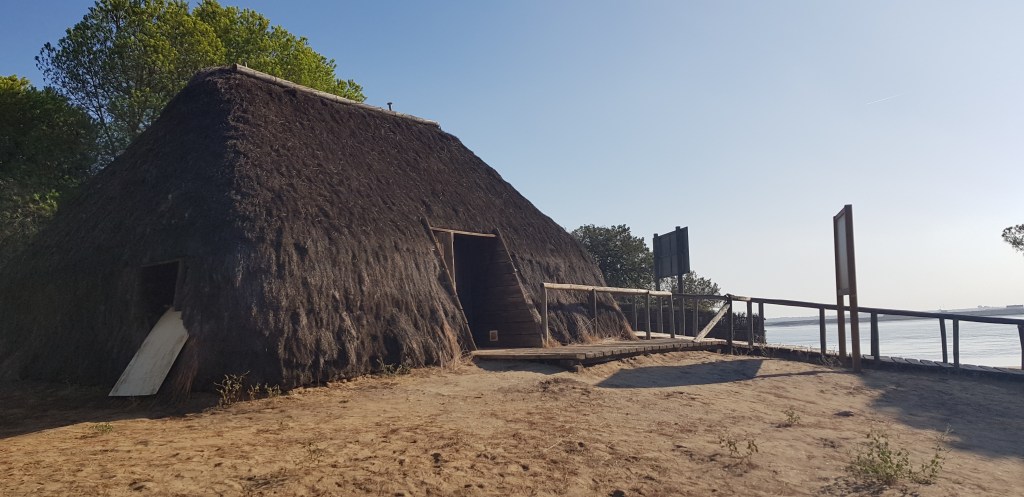
We also visited some traditional thatched huts that once made up a small village of people that lived in this oasis, but are now government owned as the families have now passed on. The only person with a residence there now is the king that has a palace set in the middle of paradise.
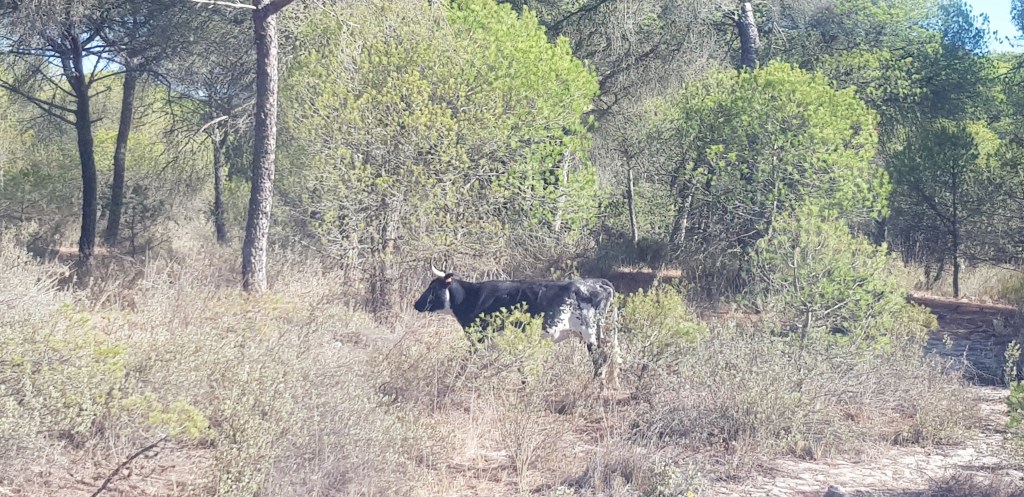
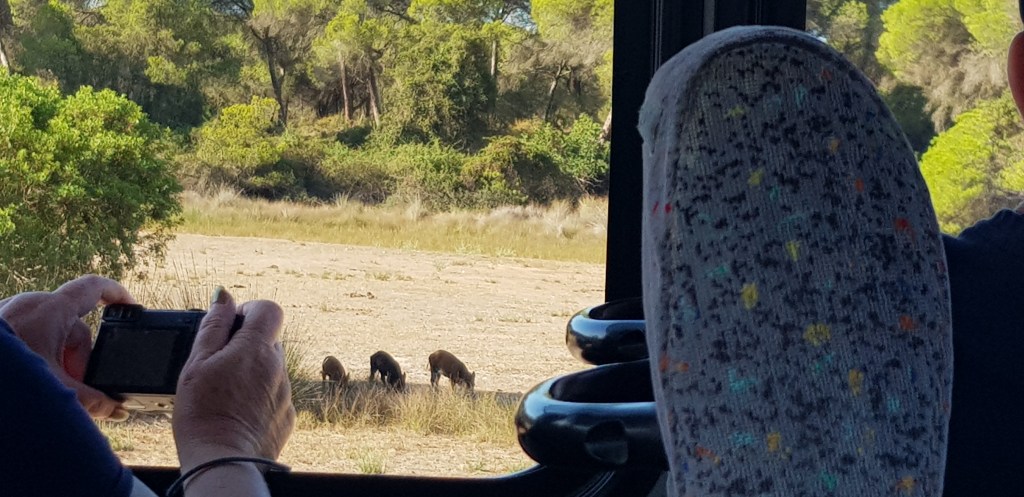
Next was meadows and wetlands with wild free roaming cattles and wild pigs. I even got to spot a mama with three little piglets running around. I asked how the cattle access food and water because this is the driest region of spain, and the ranger explained that ditches have been dug out for the cattle to drink ground water that is underneath, but that is the only thing they do to intervene with their nature. I was very impressed with the animals’ resillience.
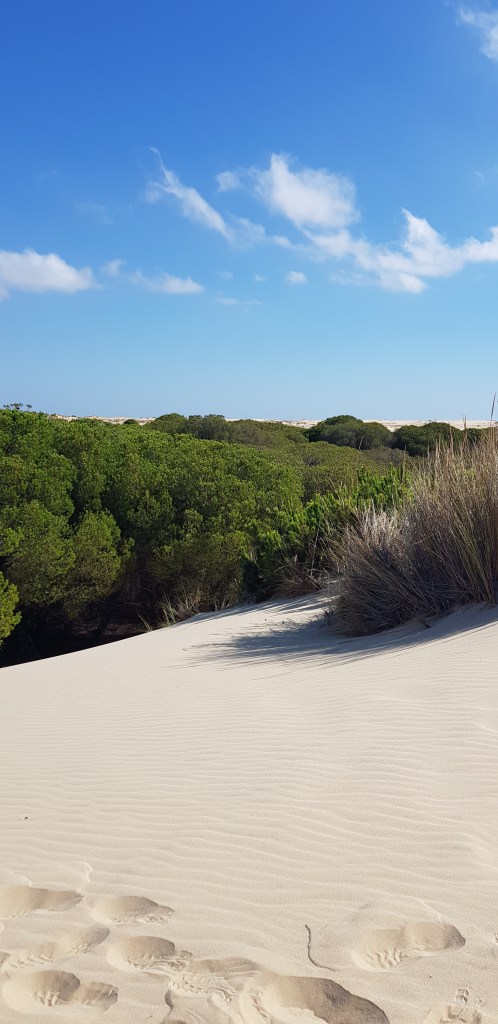
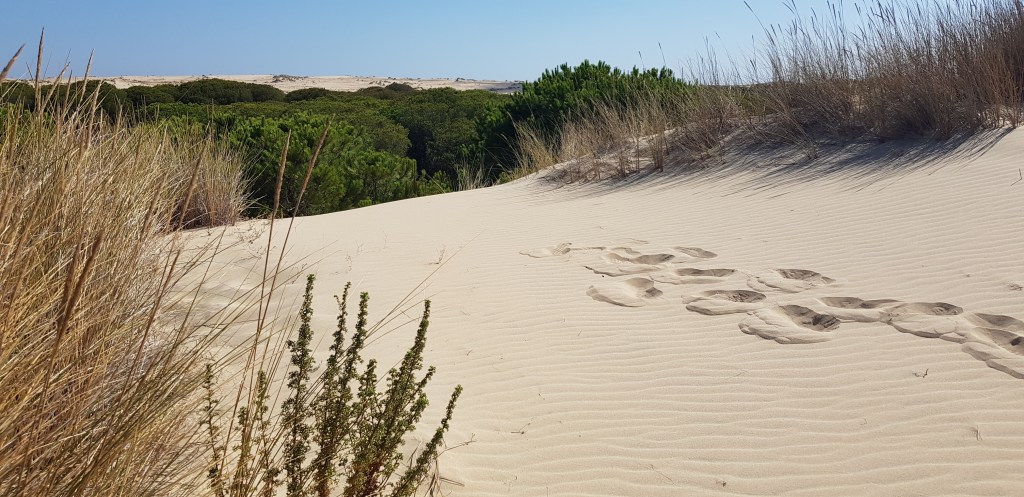
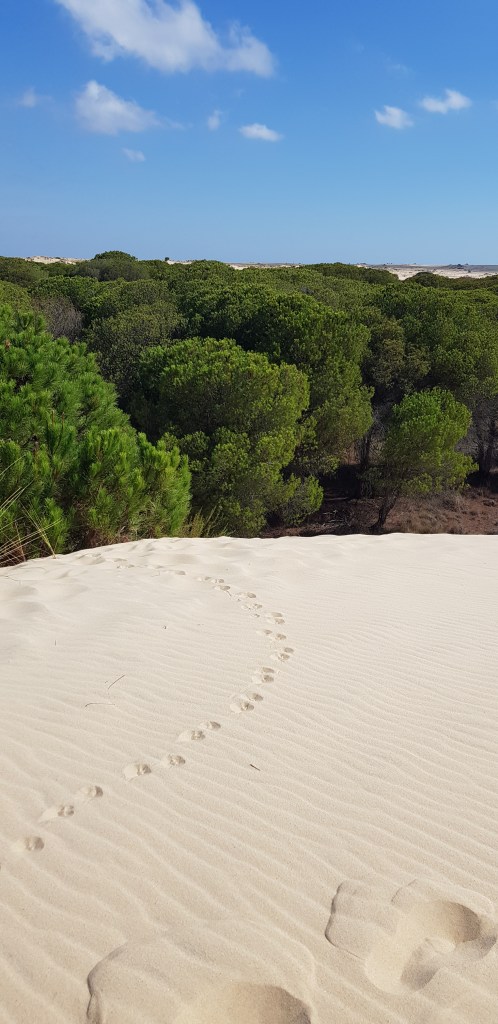
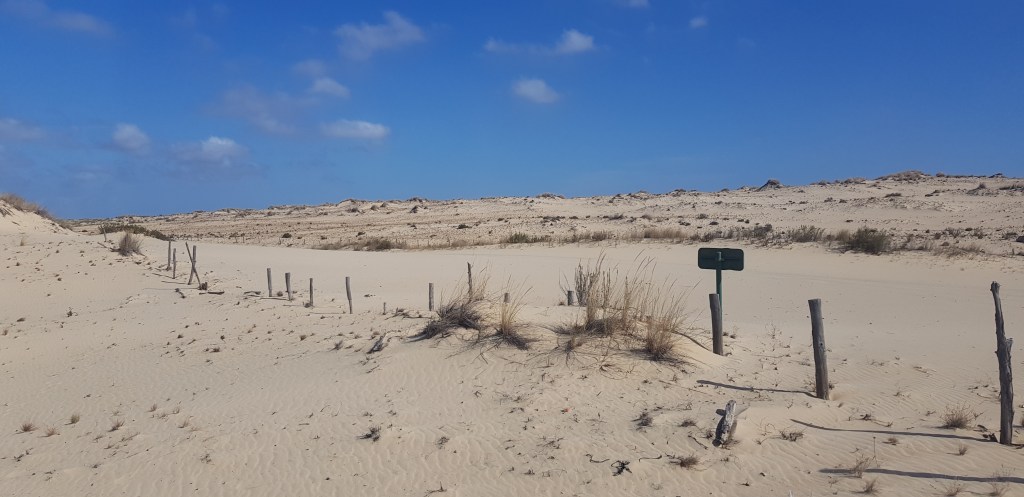
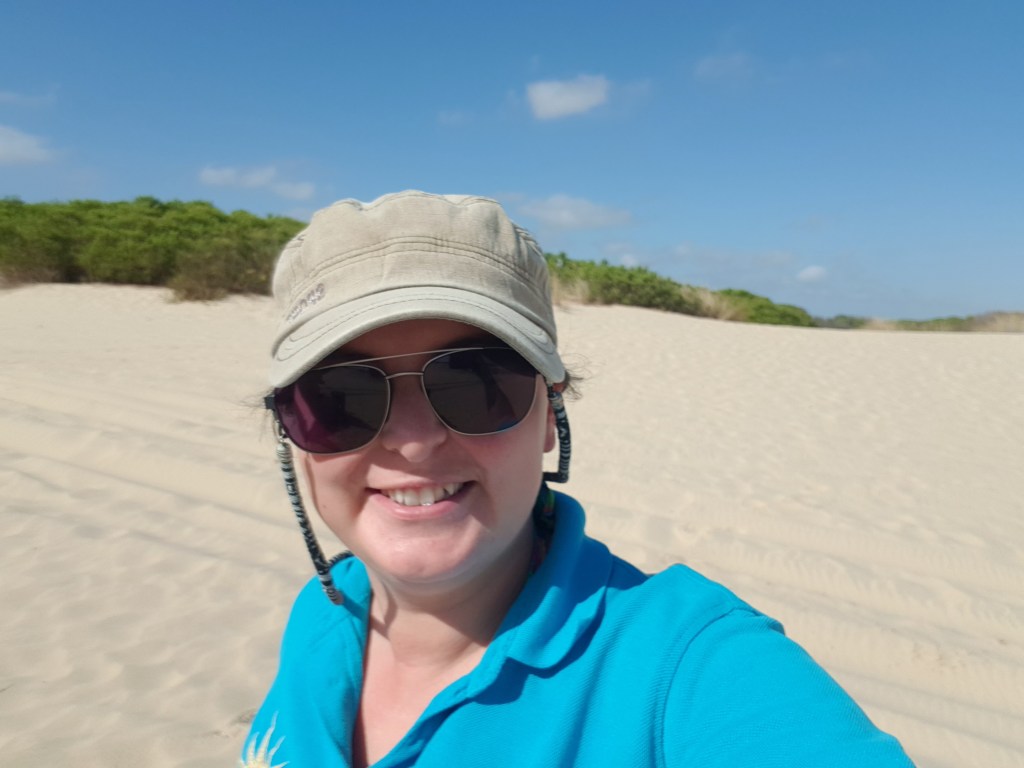
After this we ventured into a land of sand dunes that were up to 30 metres tall and vast! We stopped to have a walk around and the dunes that had been windswept there made you confused to think that you were just stepping outside of forests and meadows into this wasteland environment.
Our guide showed us some viewpoints here high up on the dunes as well as insects that were living in the sand and it made me curious to try to identify the animal tracks I was finding in the sand. The park is home to many endangered species including Spanish imperial eagles (which we thought we saw) and the Iberian lynx, which mostly keeps to itself.
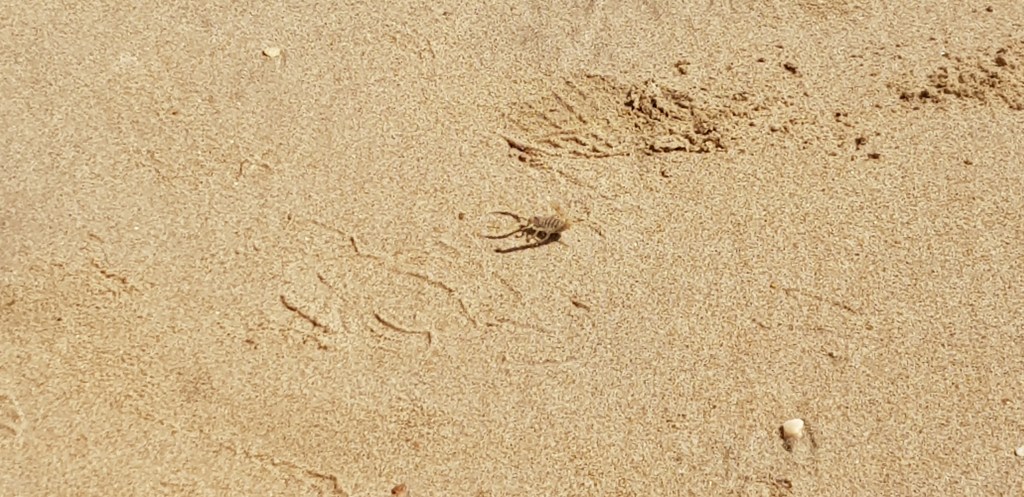
Finally we returned to the beach for a drive amongst this long stretch of sand, crabs and driftwood before stopping our jeep so that the guide could show us a scorpion he found sitting under the wood.
I was totally blown away by this absolute eden of a park and considered how I would love to revisit as I sat down for a nice meal back on the other side of the water. I realise though that this exclusive park would not allow me back again unless it was on a tour so that they can properly protect this truly beautiful space. I feel very lucky to have had the chance to visit.
A city full of history and creativity. This large city has been designed into separate sections; an old town, a suburban area and the new arts and sciences city complex. I really enjoyed exploring what the city had to offer.
City of Arts & Sciences
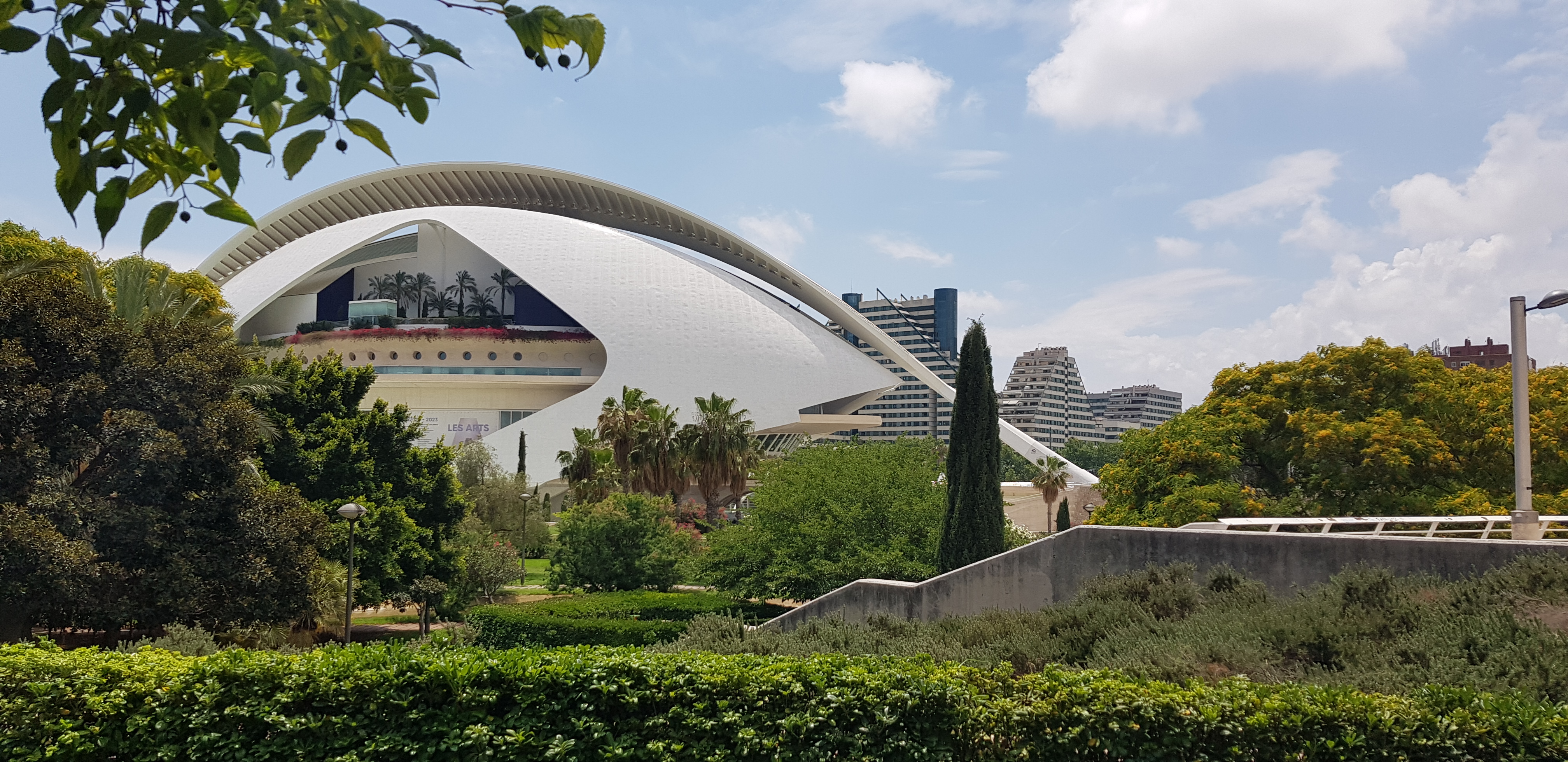
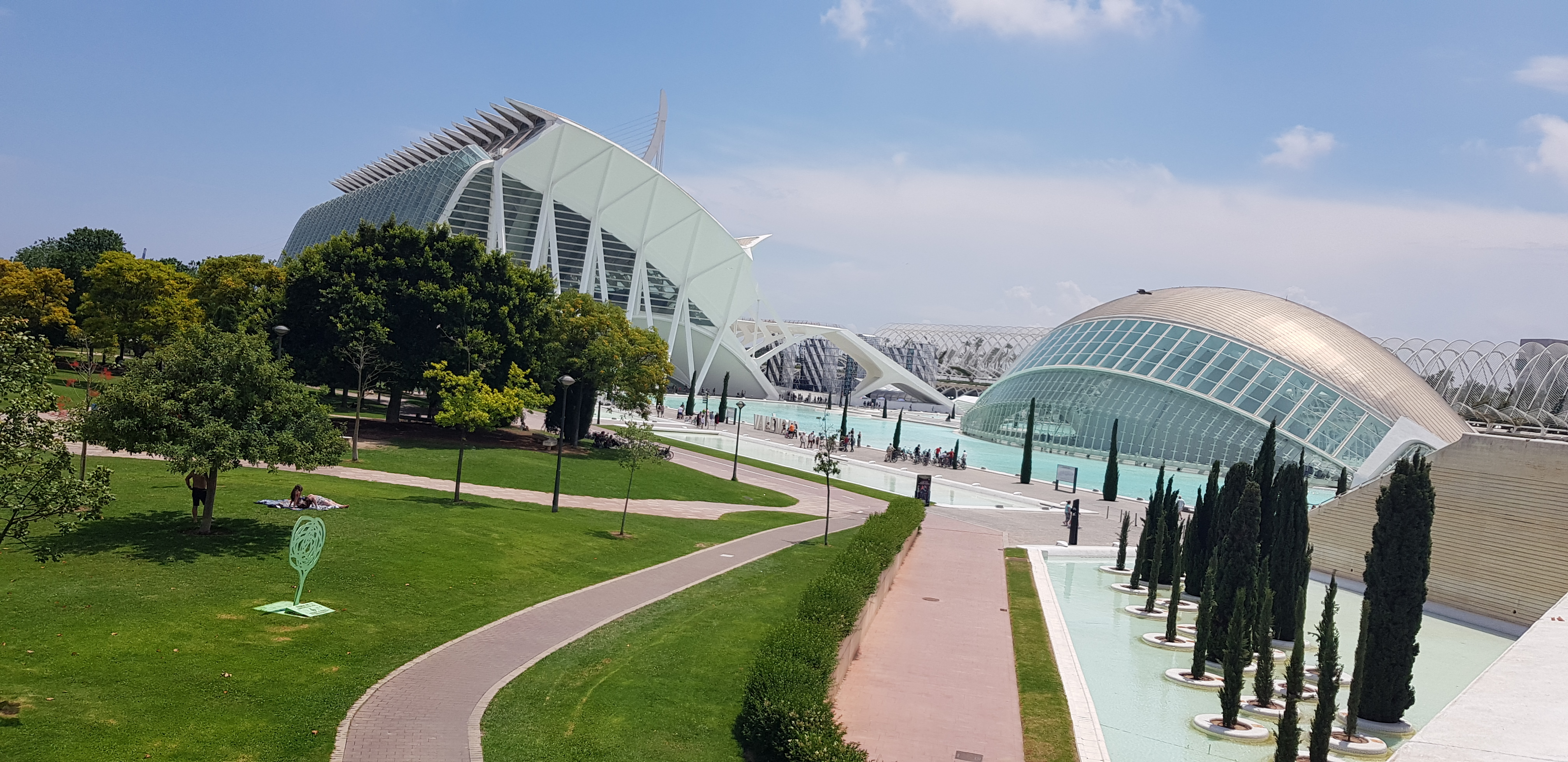
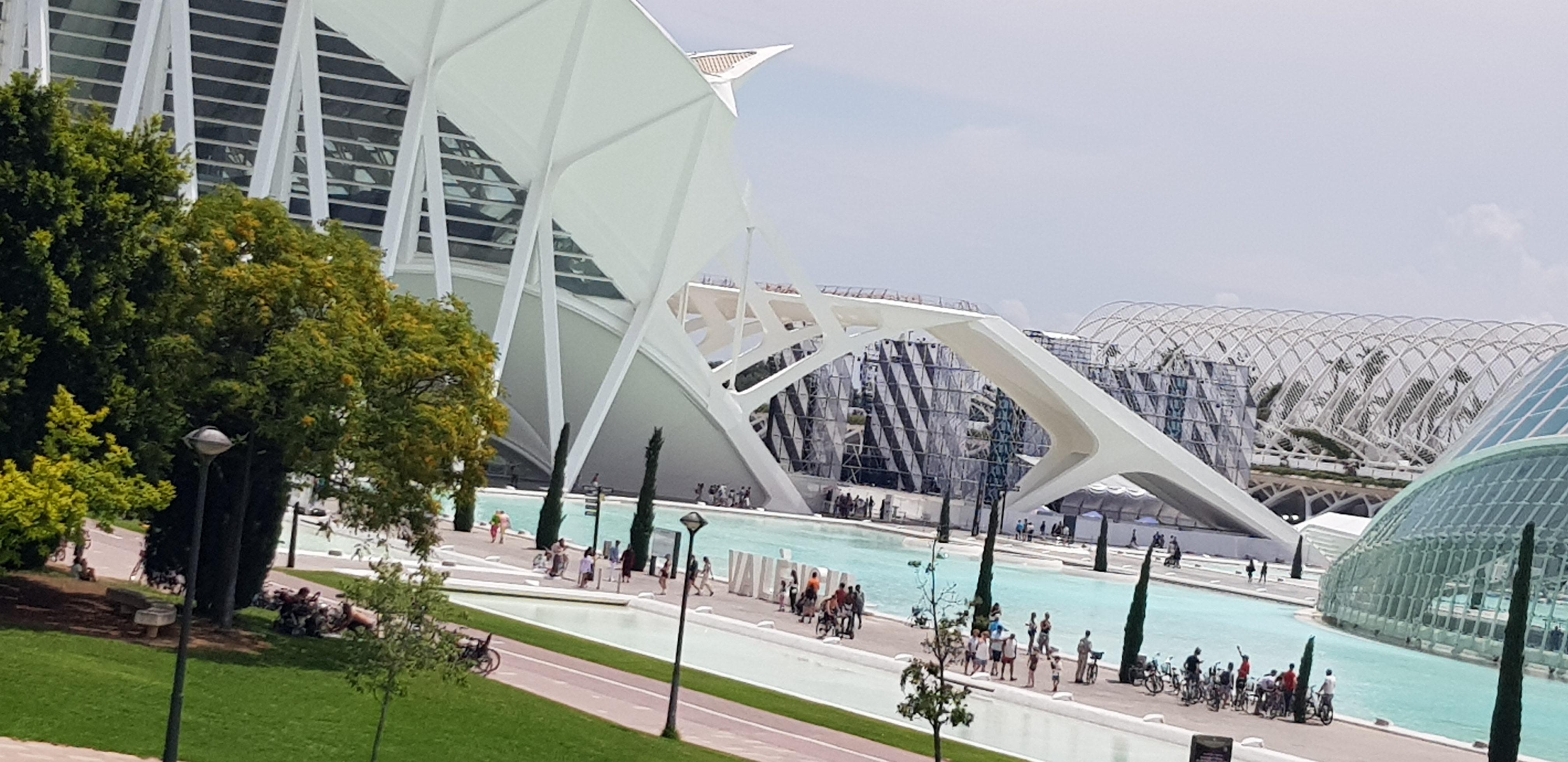
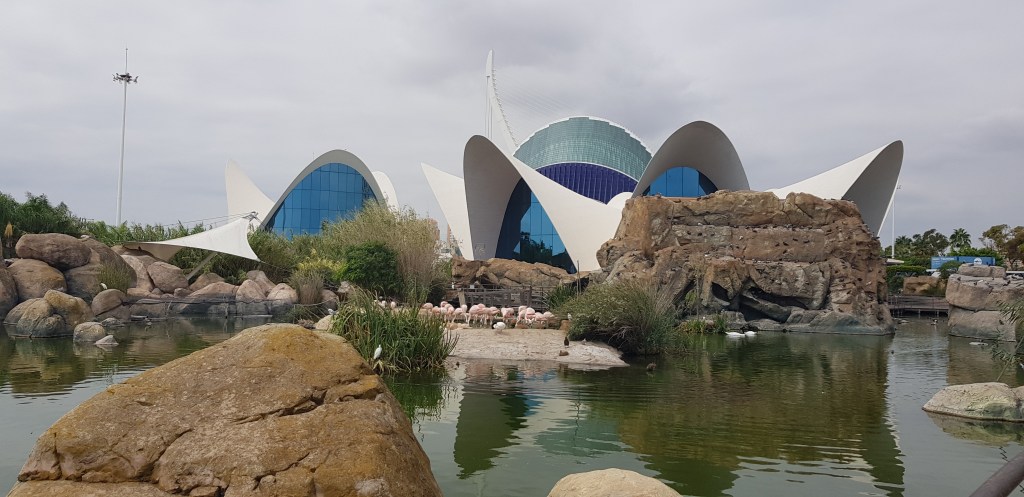
The City of Arts and Sciences is a modern tourism zone on the outskirts of the city offering open park spaces to relax, museums to visit, the oceanografica (world famous aquarium) and a manmade lake where you can do stand up paddle boarding if the feeling strikes you!
This impressive site has a mixture of buildings that have been specifically designed by architects to reflect specific shapes and content. The site really wowed me when I first saw it on a drive by, especially one building that is cleverly shaped as an eye!
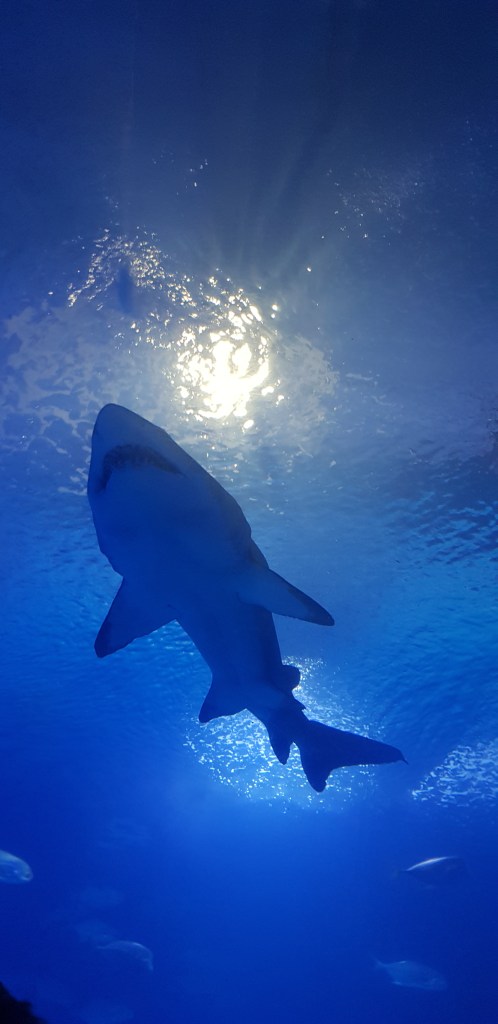
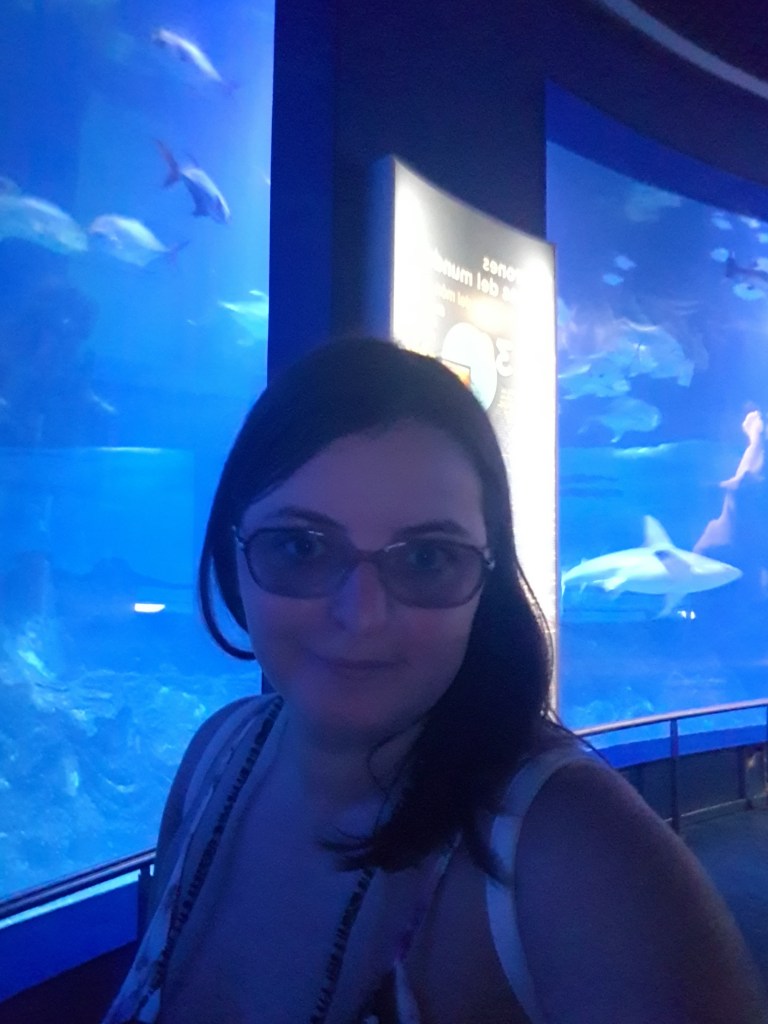
One of the times I visited here, I decided to go to the Oceanografic attraction, Europe’s largest aquarium. The site is very well designed with different sections of the park devoted to different world climates; Tropics, Mediterranean, Wetlands etc. The attraction has impressive underground displays of huge tanks and tunnels of sharks, stingrays and a variety of fish. There is also a huge dome simulating the Antarctic for the penguins, an aviary dome, and a huge theatre for dolphin shows.
I was really impressed with the layout of the park and the displays offered, but I cannot help but lean on the opinion of my cabin mate, a yoga teaching vegan, that the containment of Whales and even Dolphins is not right. This is not something that usually bothers me and on visiting Seaworld Florida behind the scenes and other locations, sometimes these animals are rescued and rehabilitated which is great, but looking in Valencia at a single beluga whale circling a small enclosure considering its size, I could not help but feel bad. In this case, I say ‘set him free’!
Old Town
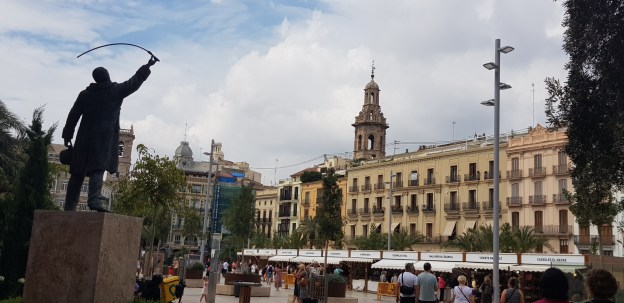
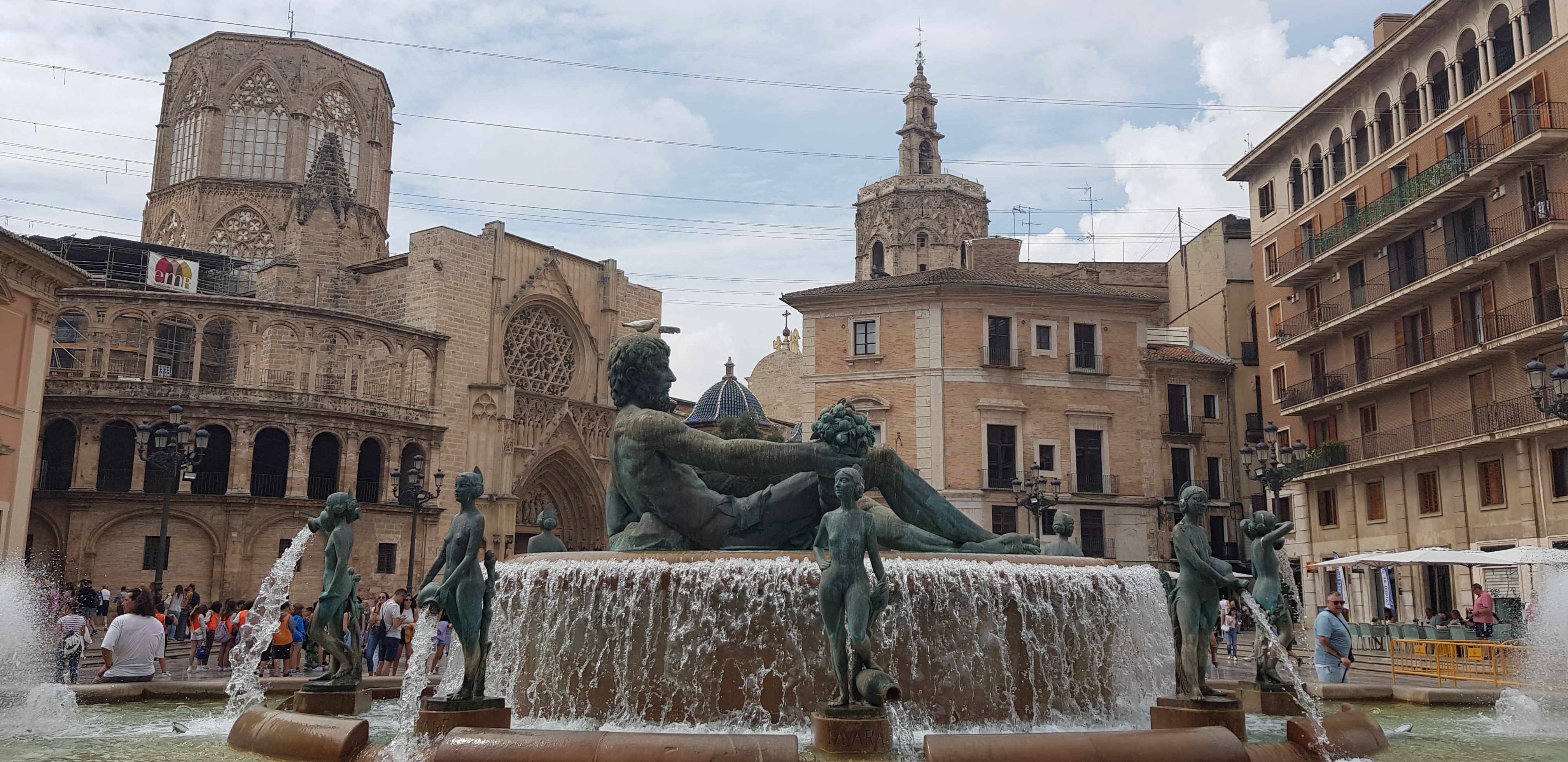
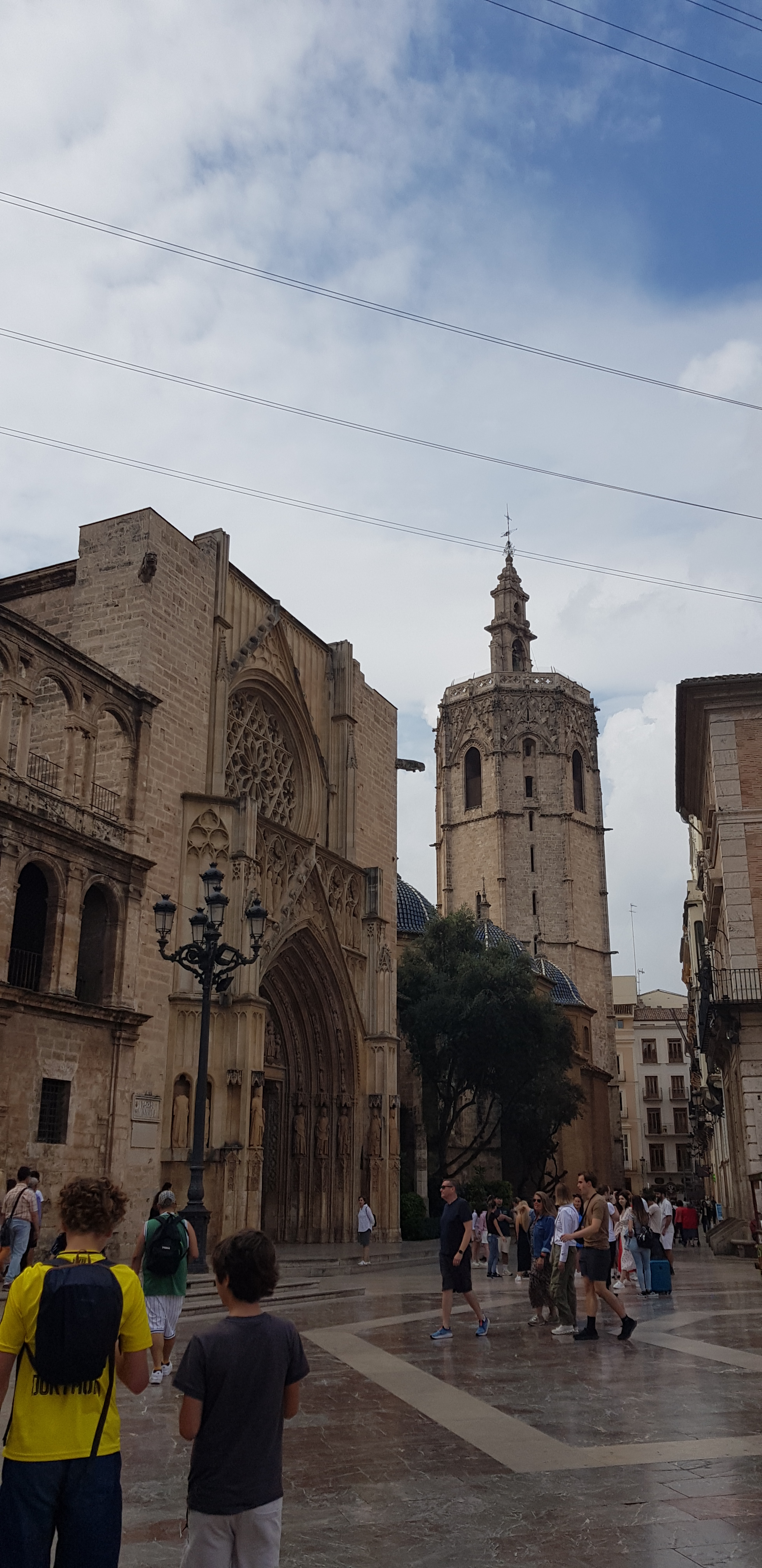
Back in the historic city centre of Valencia which is now mostly pedestrianized, I found a pleasant array of squares, churches and an undeniable charm surrounding me.
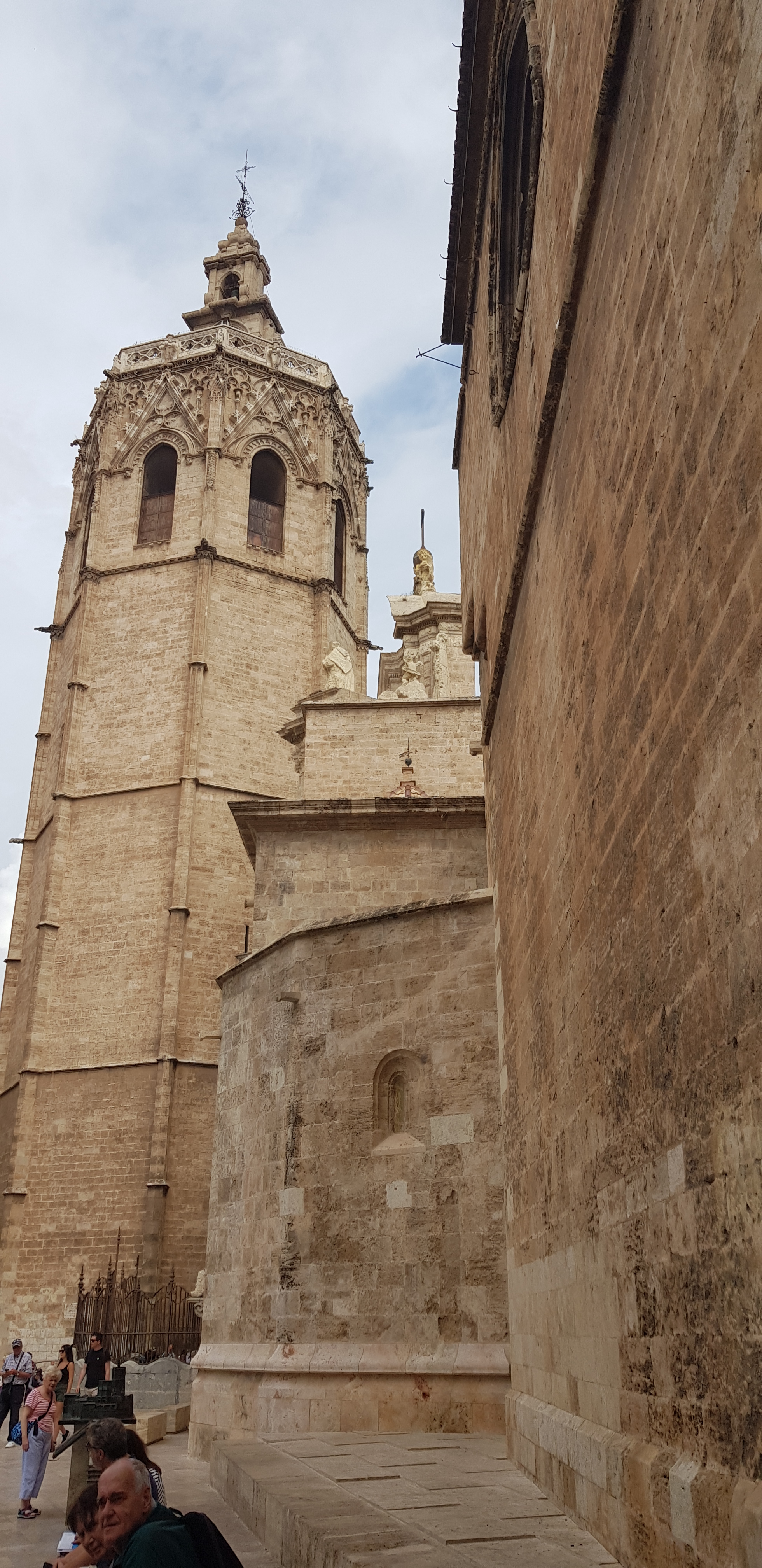
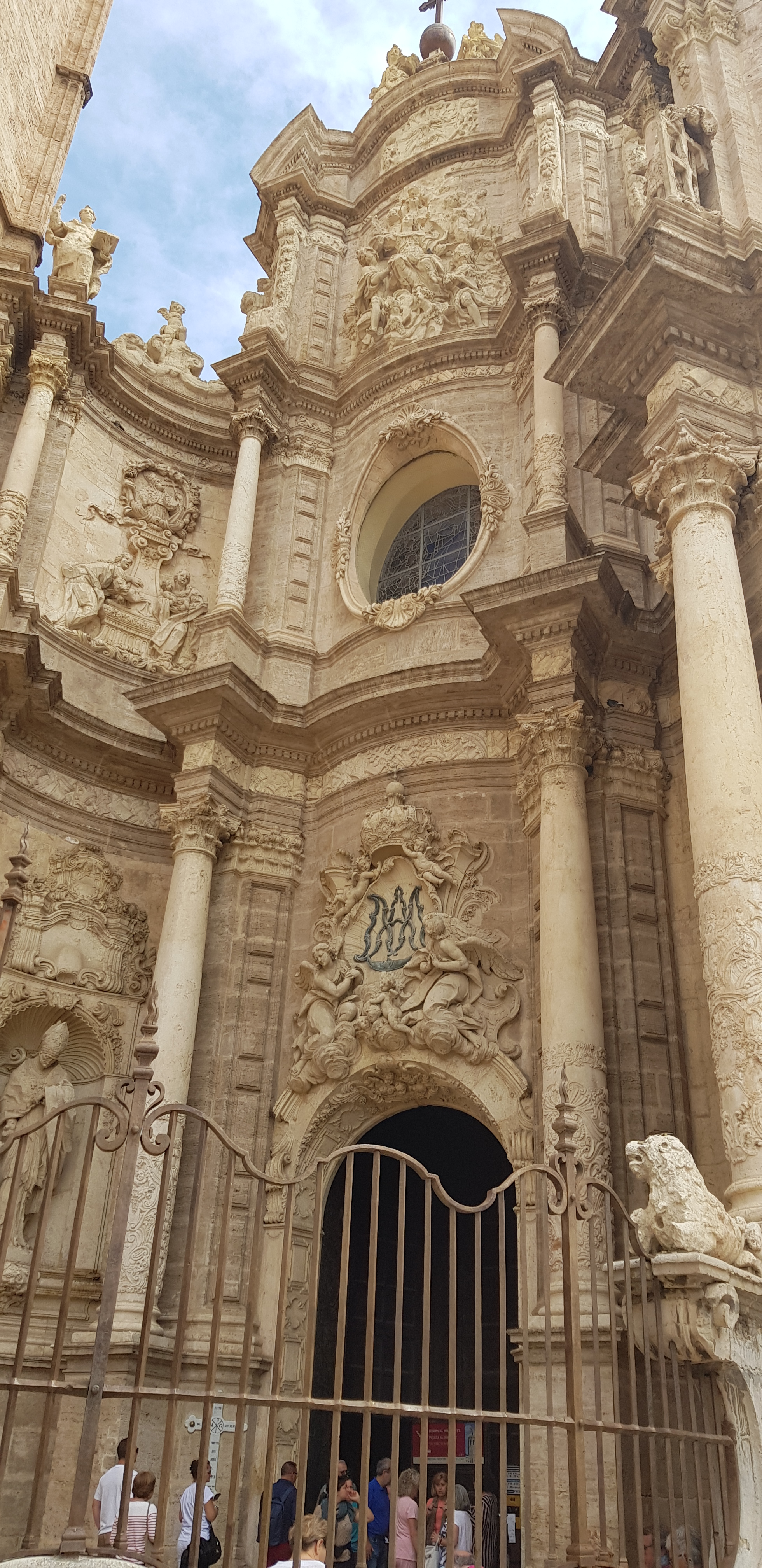
The cathedral is very beautiful and has a particularly striking tower that can be instantly recognised, to set Valencia apart. When visiting the cathedral, I decided to climb the many steps of the tower which allowed me to enjoy great views of the old town and further, as well as see the tower bell up close.
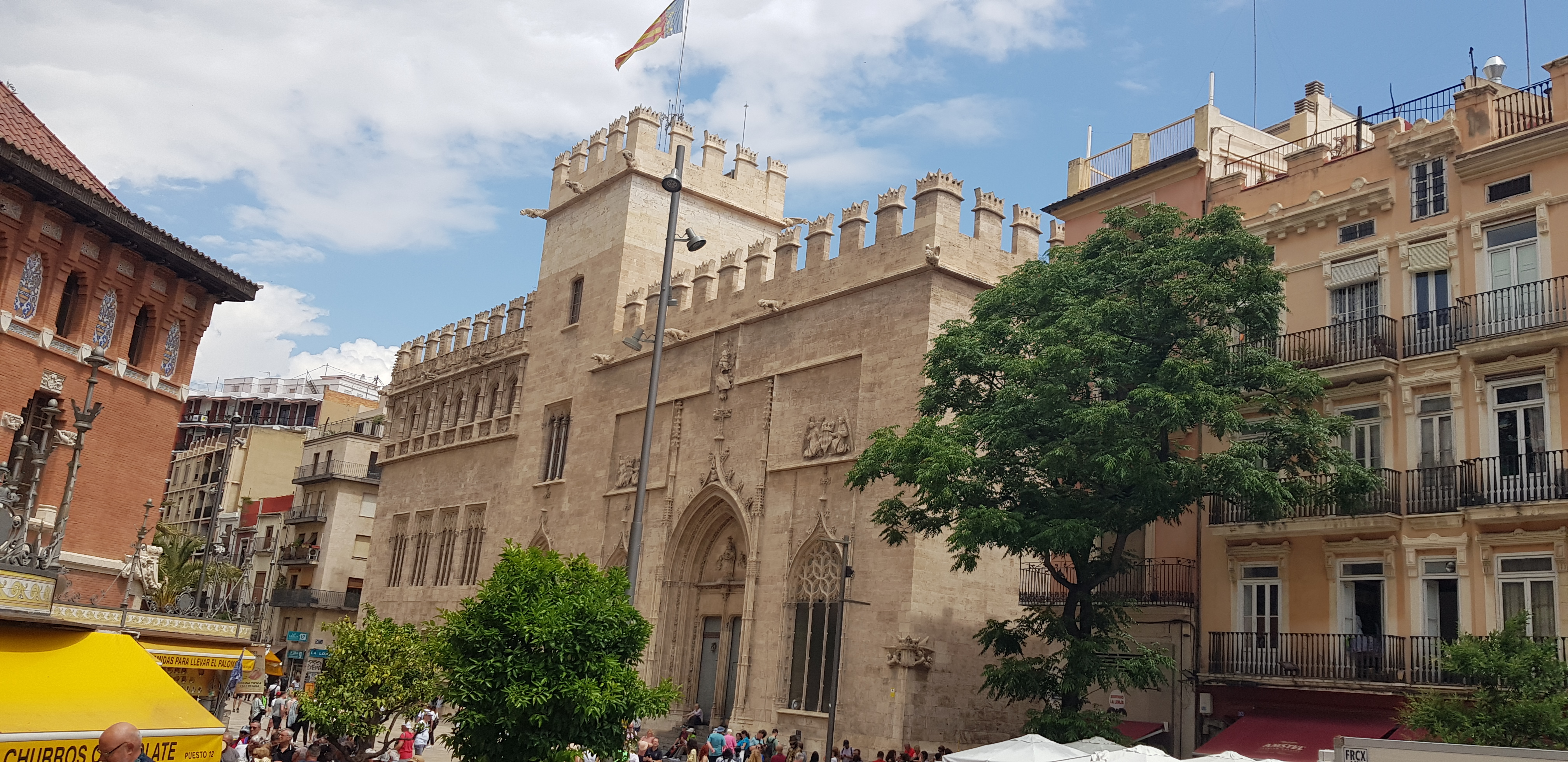
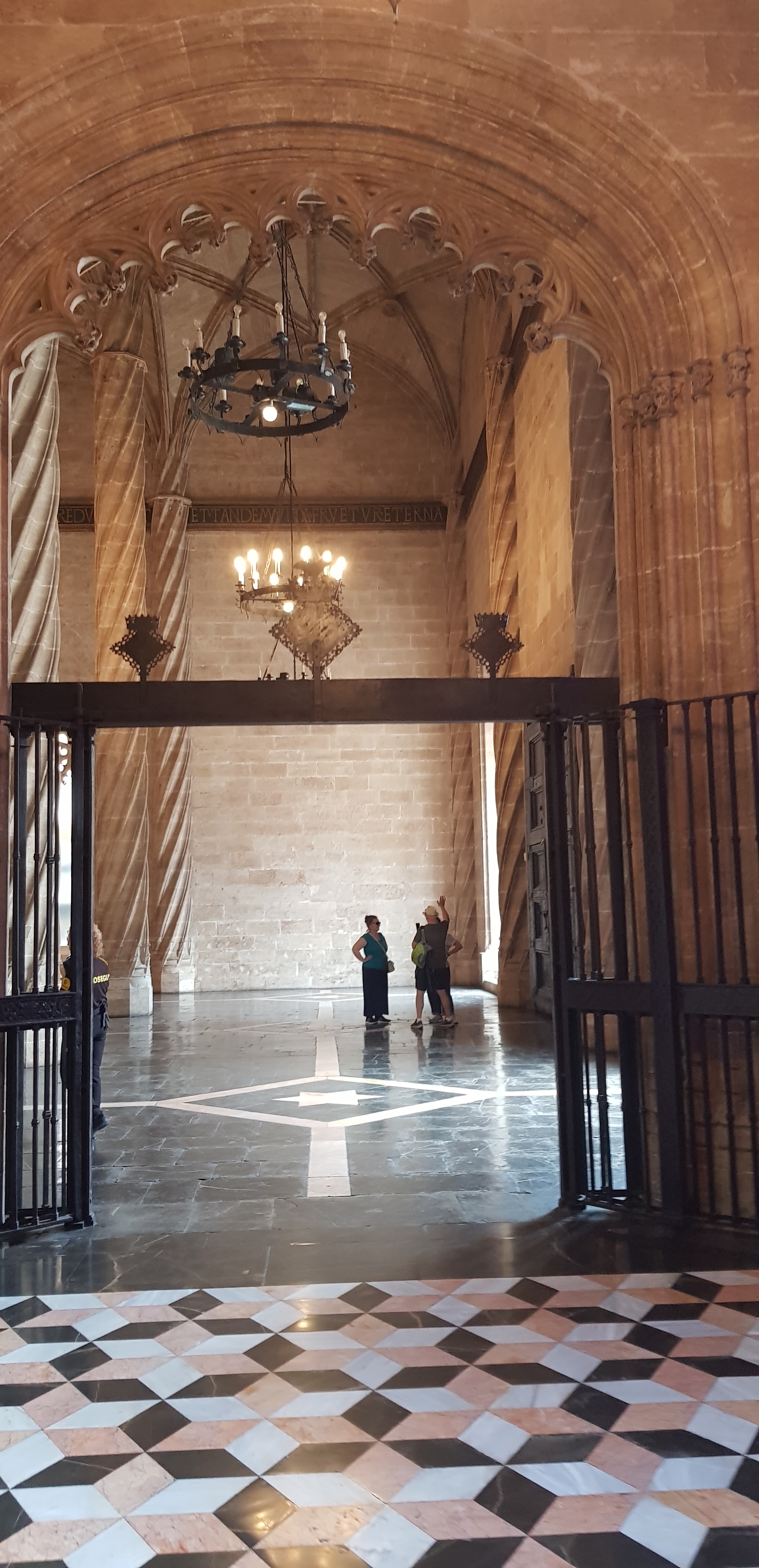
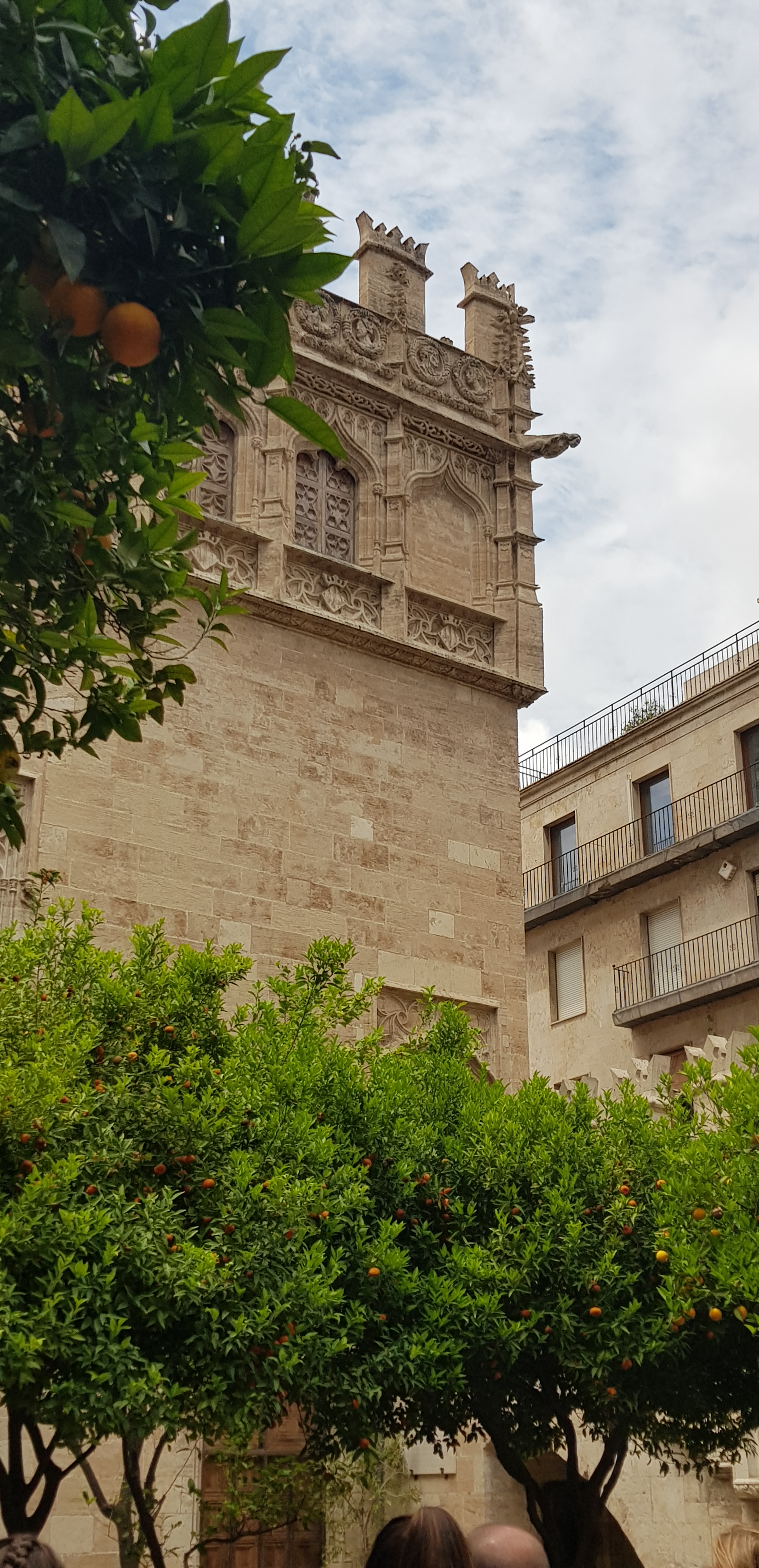
Ten minutes or less walking from the cathedral and I came across two major attractions for the city. La Lonja which looks like a small castle but it was actually once a place where business deals were struck and tradesmen met to sell their product. Valencia has for centuries been a center for the production and trade of textiles and ceramics. It is not expensive to enter and it has a small garden, and a few rooms to visit which are mostly empty allowing you to appreciate the stonework and design of the venue.
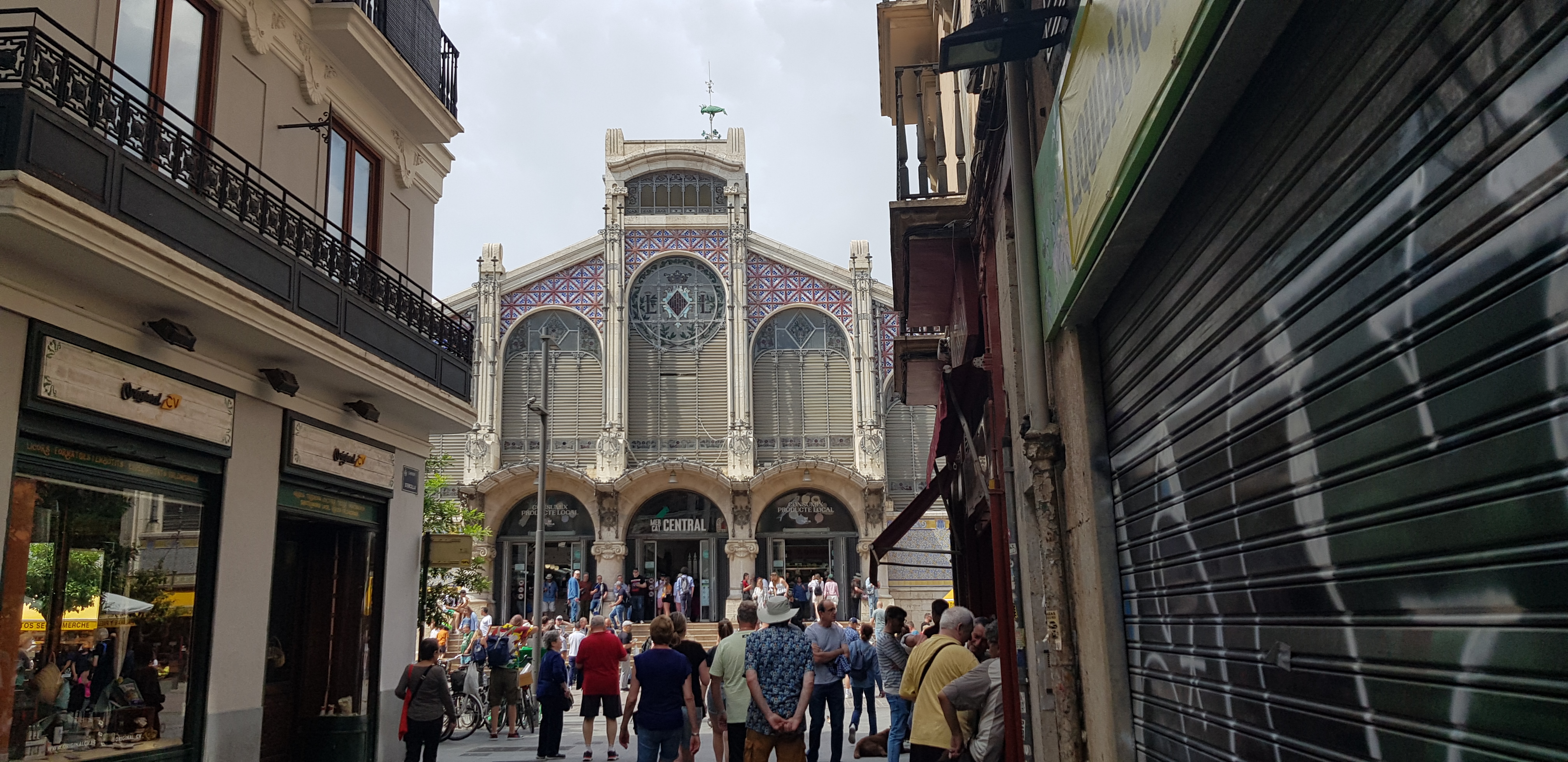
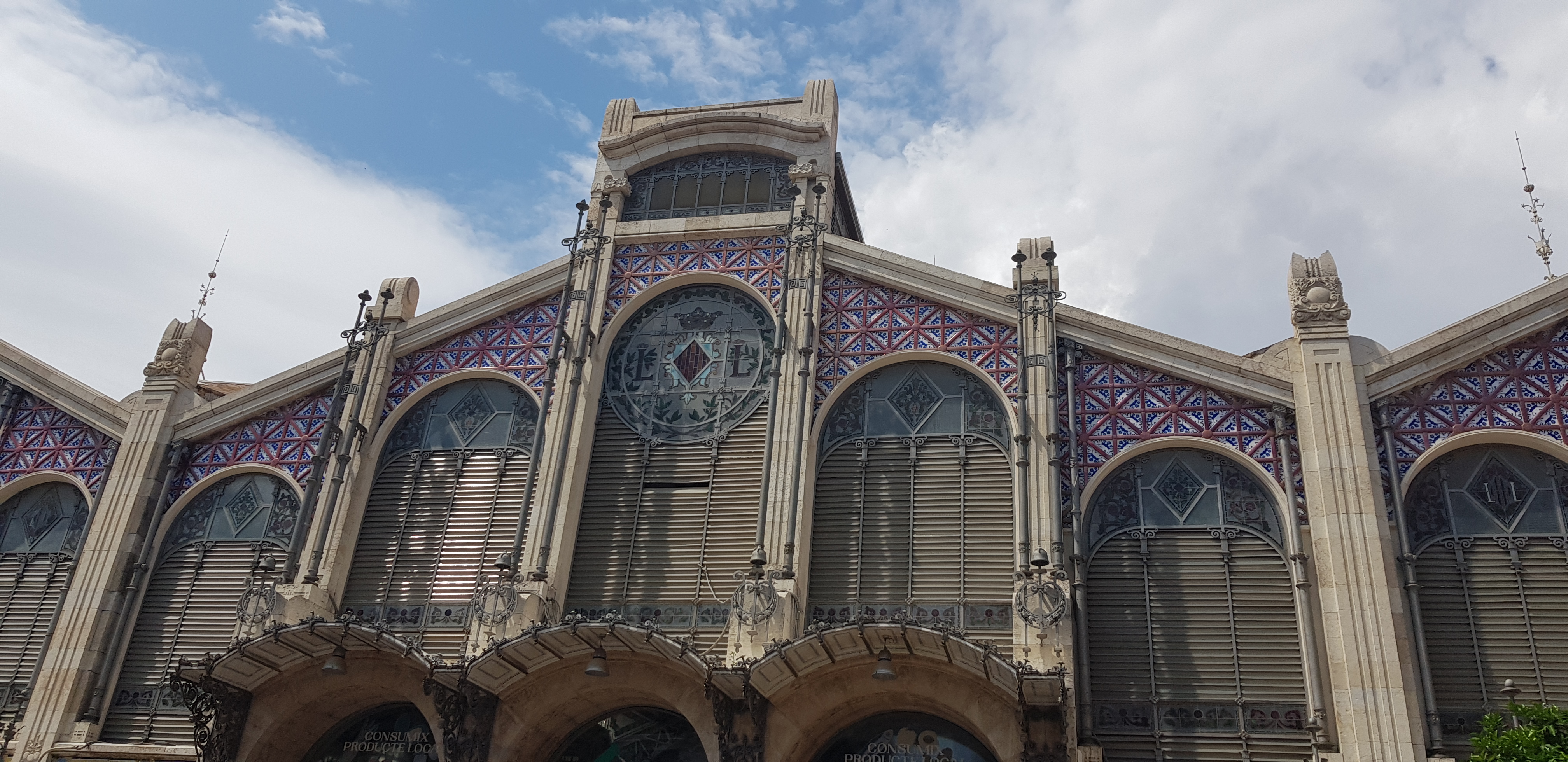
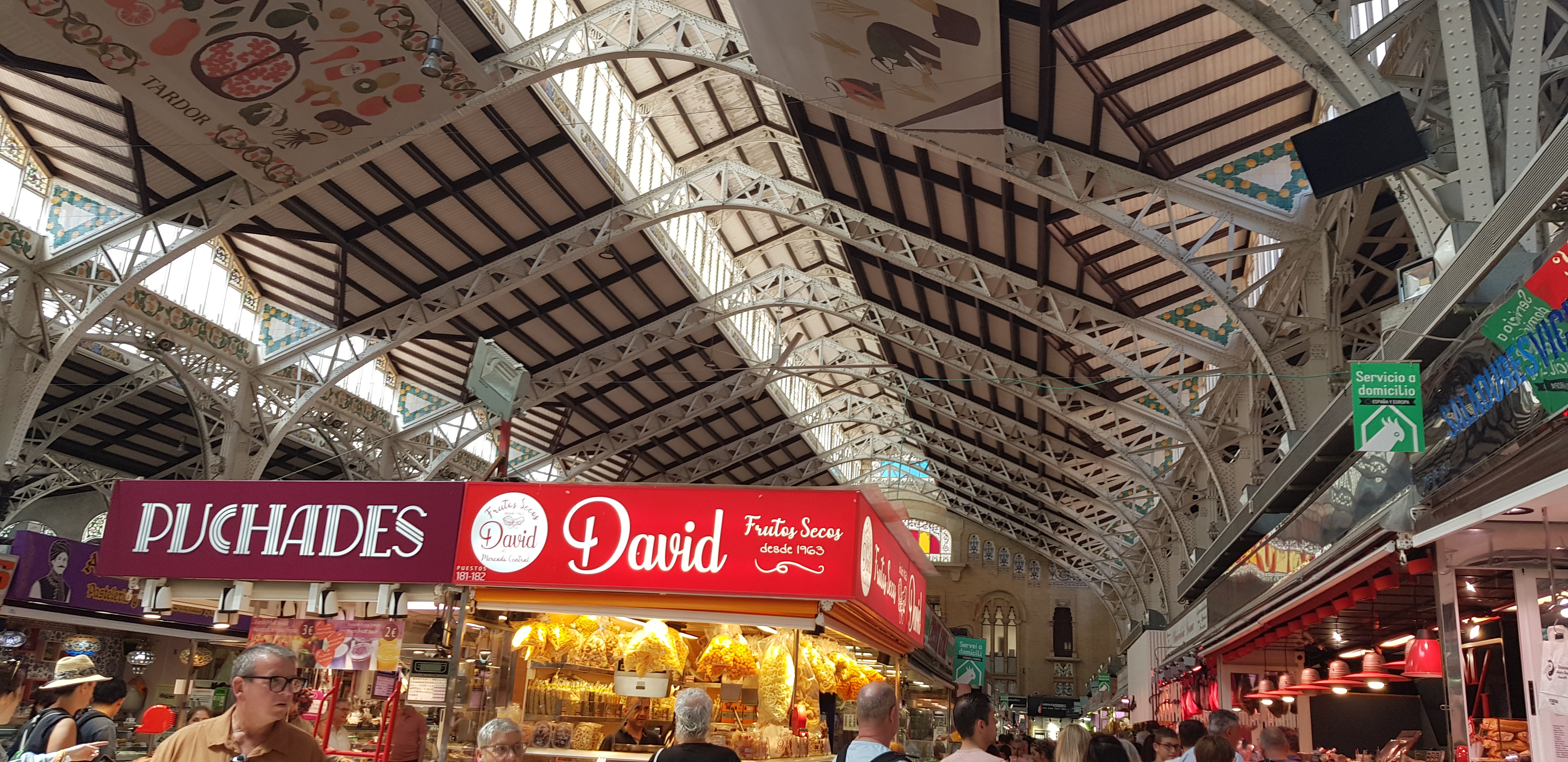
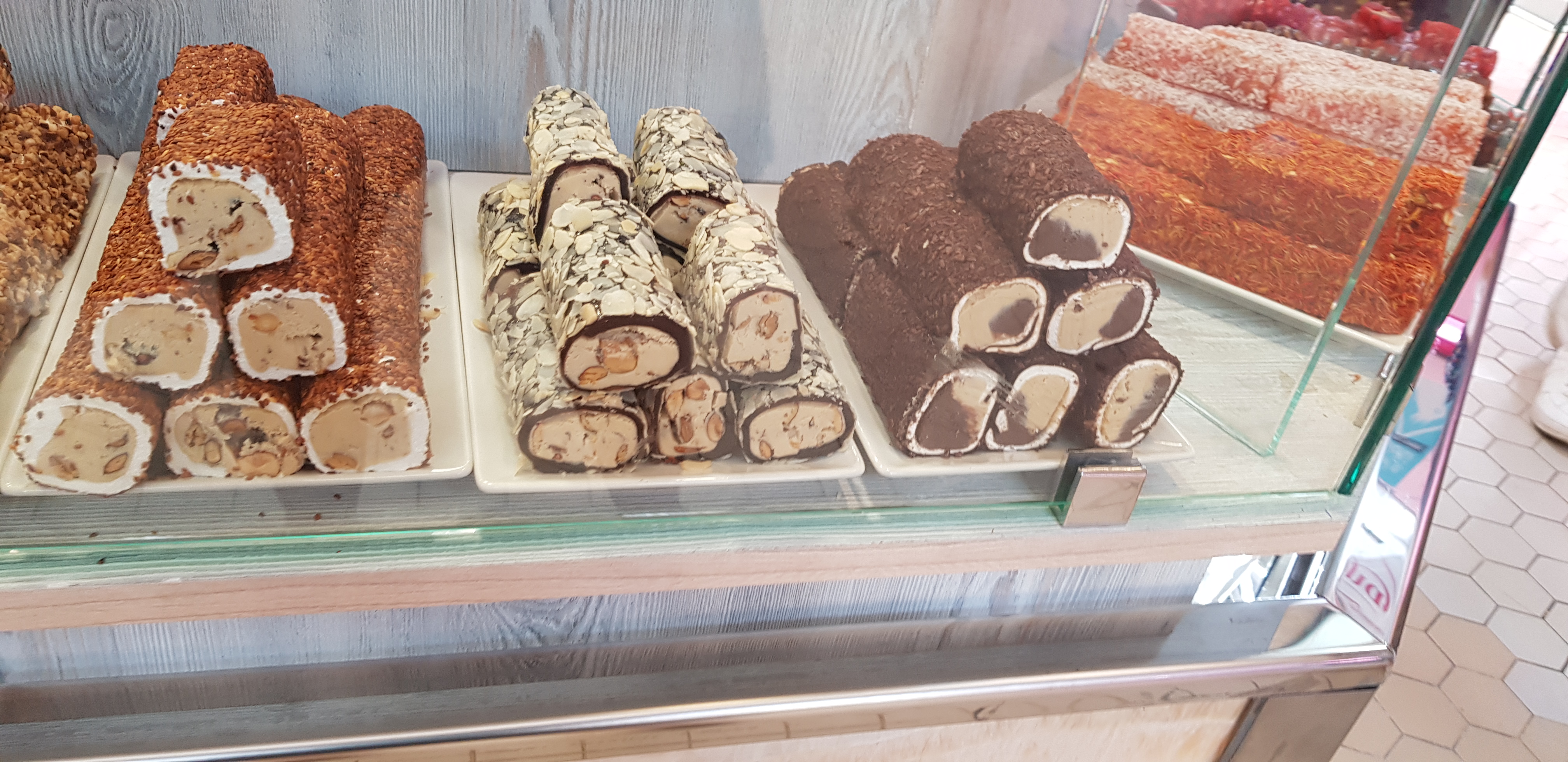
It makes it even more appropriate that just opposite this beautiful building, is the central market. One of the biggest that I have ever visited in Spain, and one of the largest in Europe; it covers more than 8,000 square metres (86,000 sq ft), and approximately 900 stalls. The fresh produce on offer is tasty and fills the space with aroma, and the glass venue of an Art Nouveau is a wonder to enter even without eating anything.. I took advantage of this location and bought my team a mix of tasty treats including gluten free and vegan varieties for the fusspots.
Outside the city centre
Bioparc
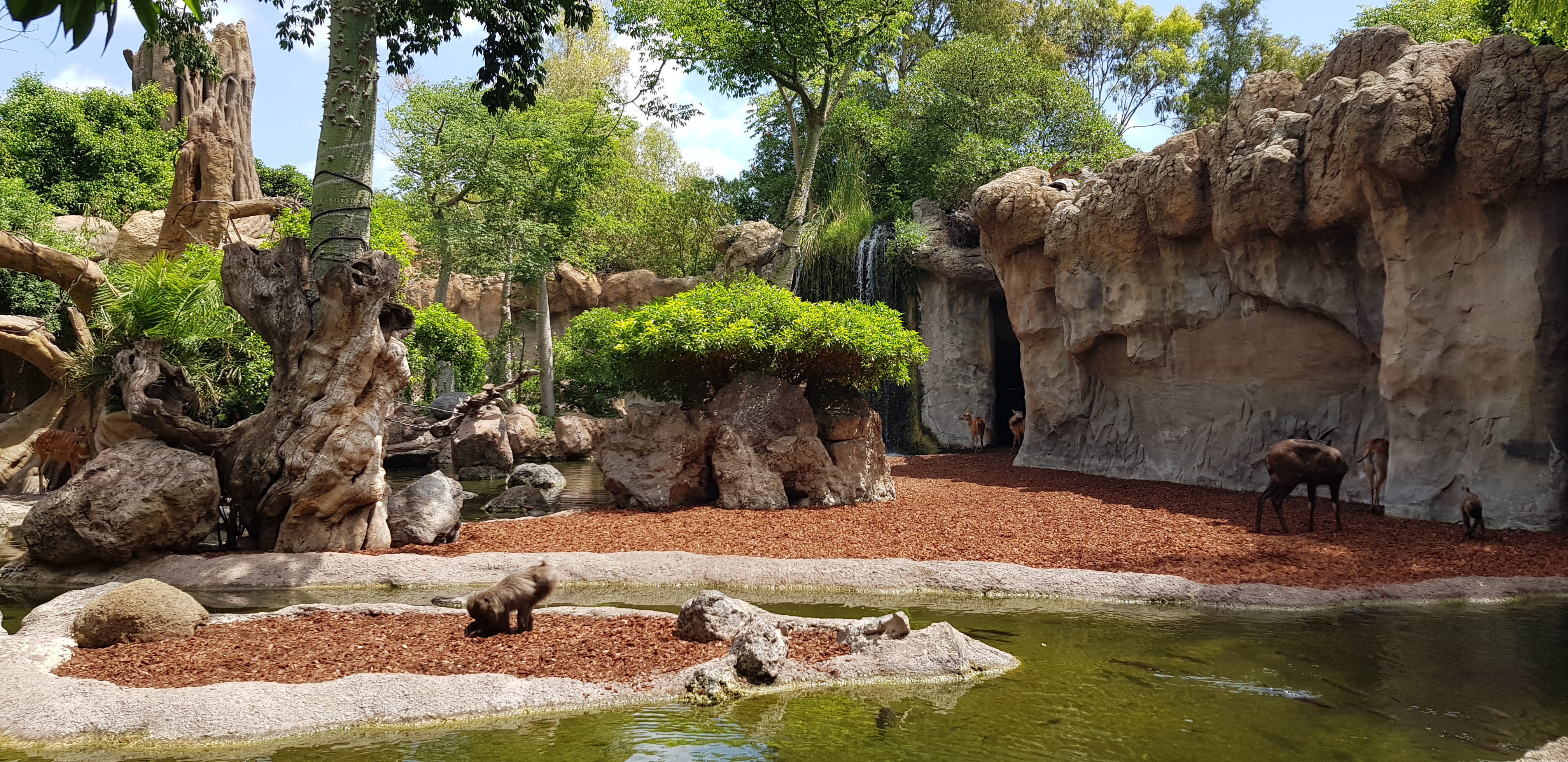
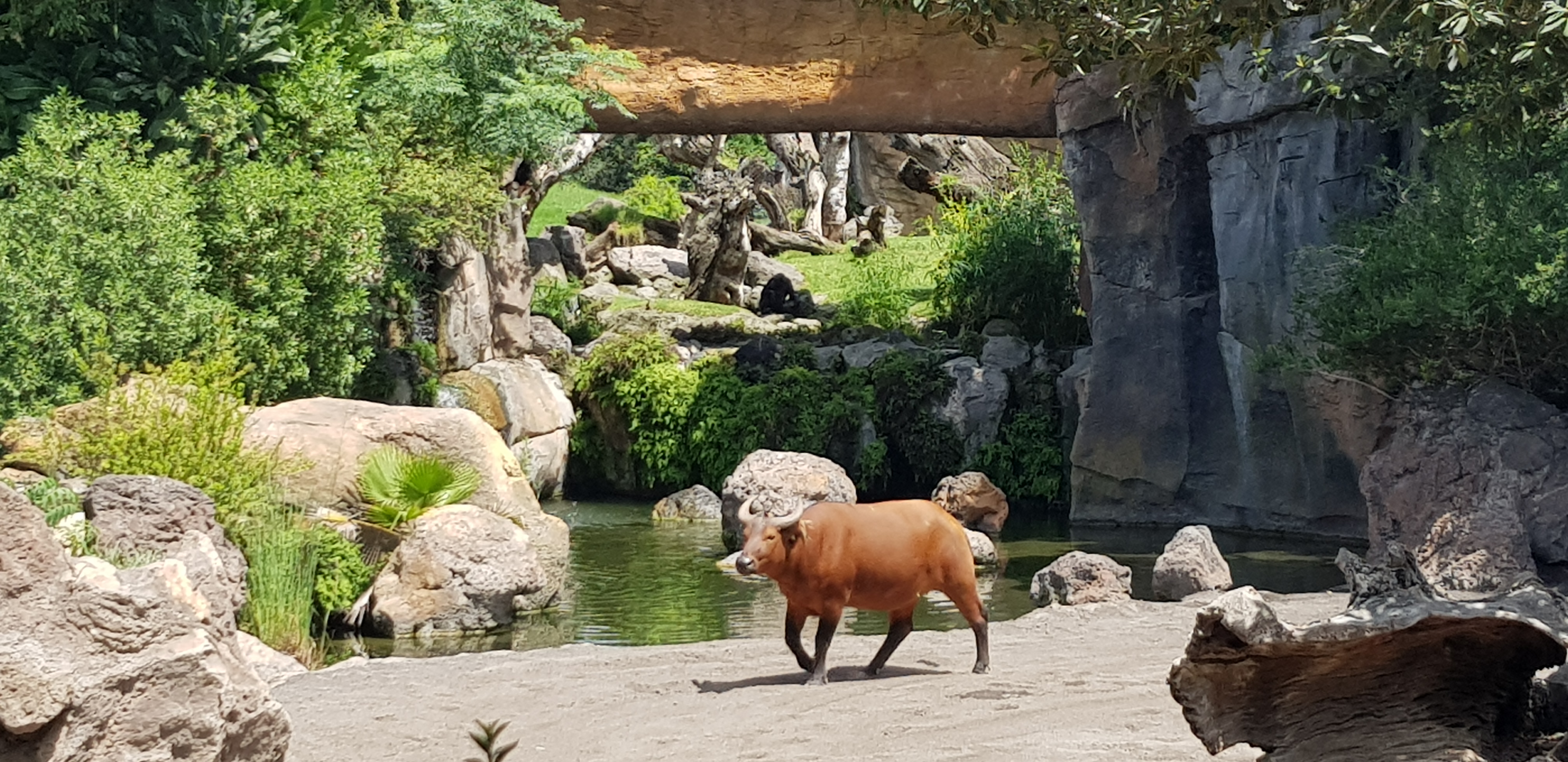
A little outside of the city and you can find the beautiful Bioparc Wildlife Park. This park has a concept that is leaning away from traditional zoo enclosures and is more towards maximising the engagement between the visitors and animals.
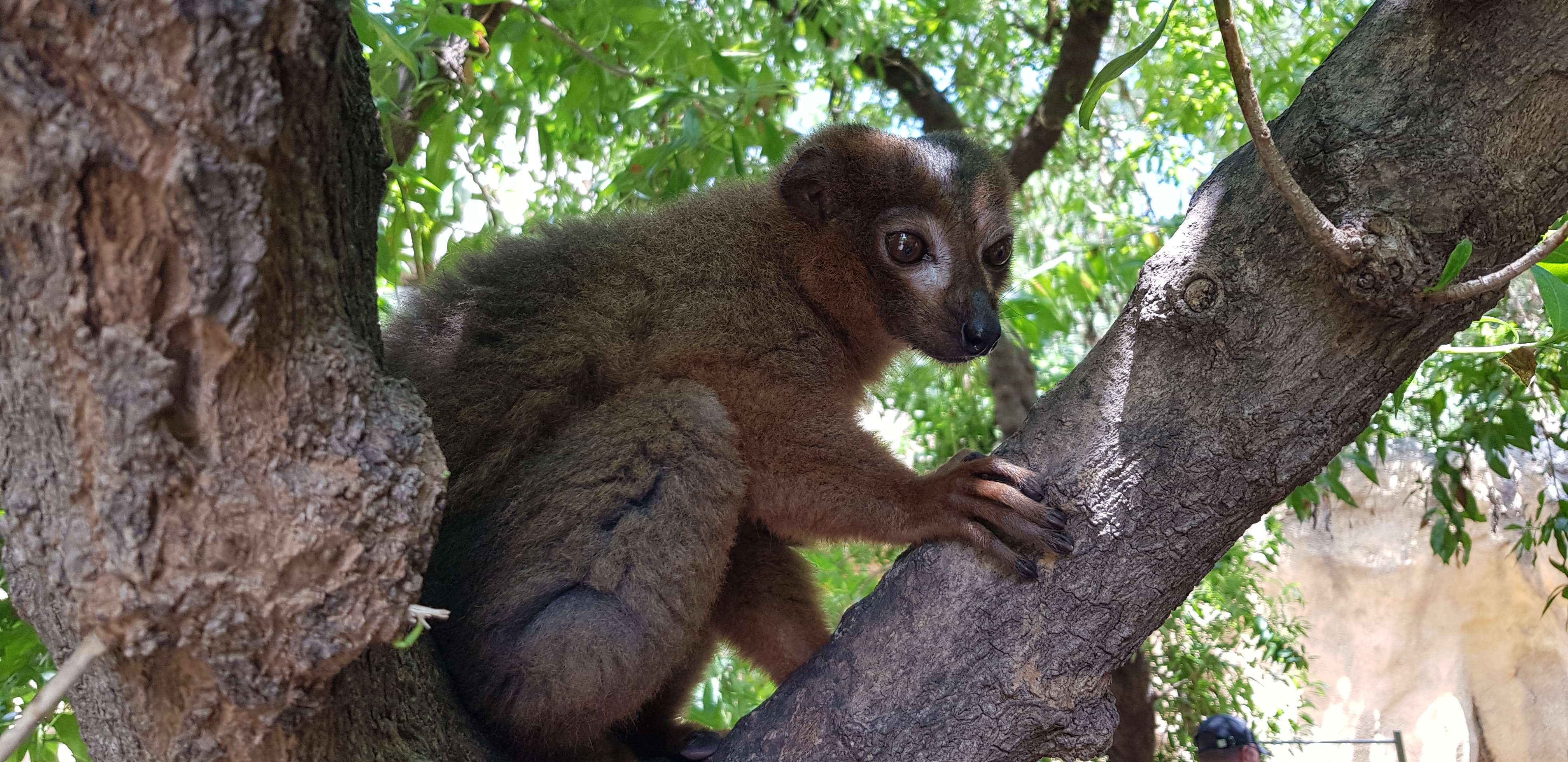
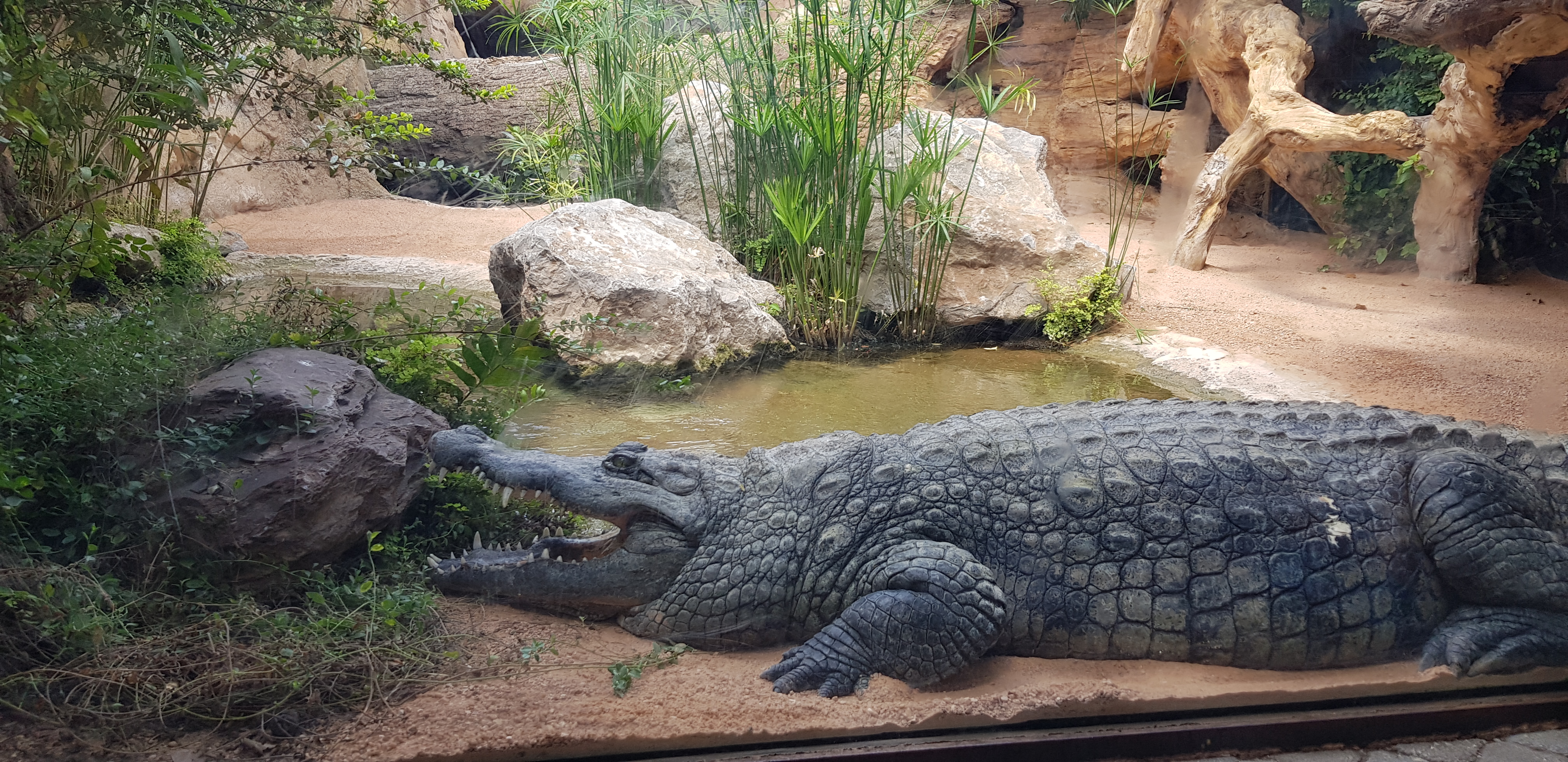
When I visited I assumed it would be just like any other zoo, but it was actually quite impressive. I have decided that Valencia does not do its visitor attractions half assed. Bioparc is very impressive, its not a huge park but what is there has maximised the space and given the animals a very wild environment to enjoy. My favourite parts were lemurs running around my feet, elephants showering themselves and a hippo that i could see both under the water and over it.
Albufera Natural Park
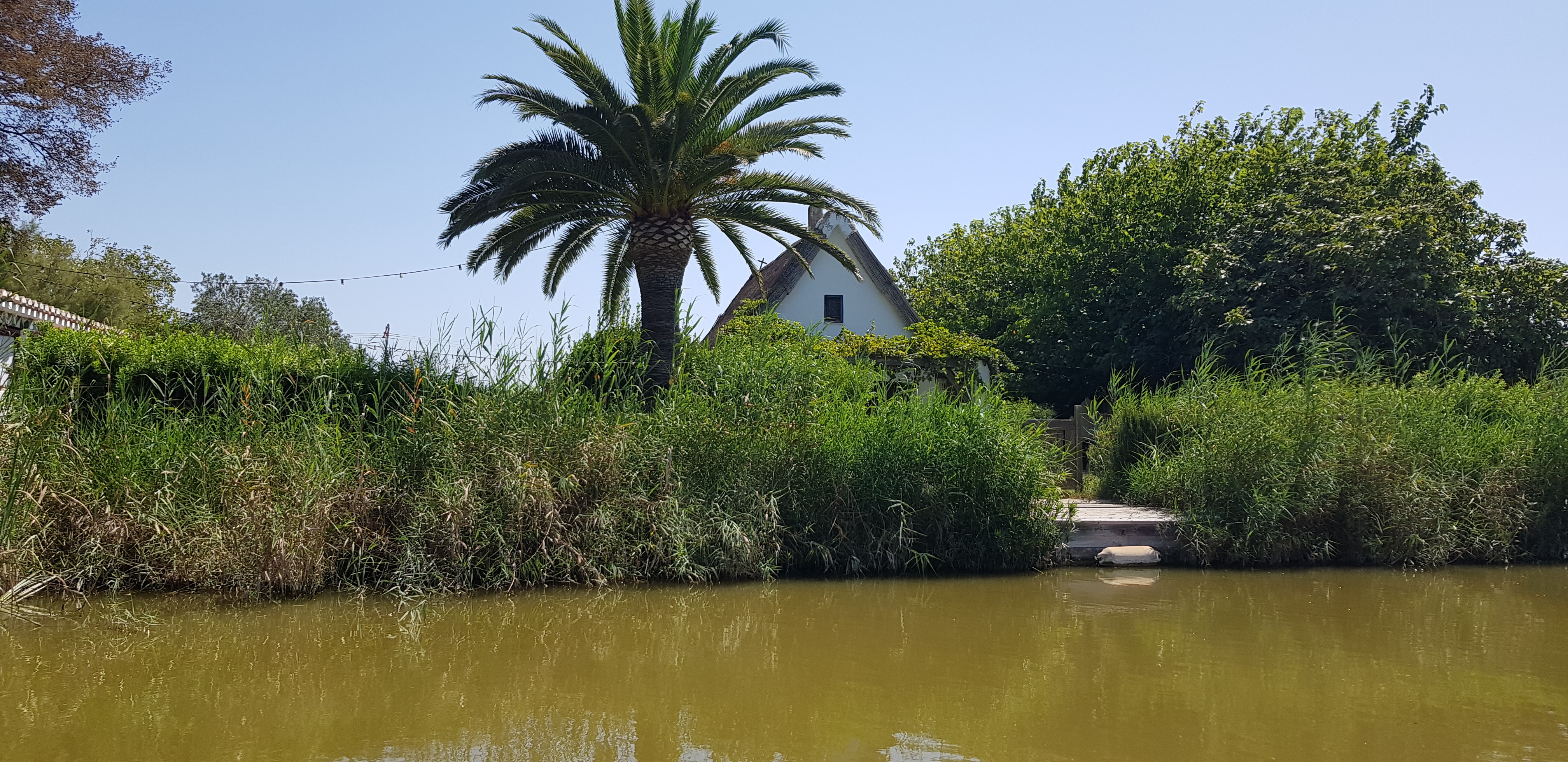
Another place that you can visit and see some wildlife if you’re lucky is the Albufera Natural Park. Thats Albufera, Valencia not Albufeira, Portugal to be clear for those getting confused!
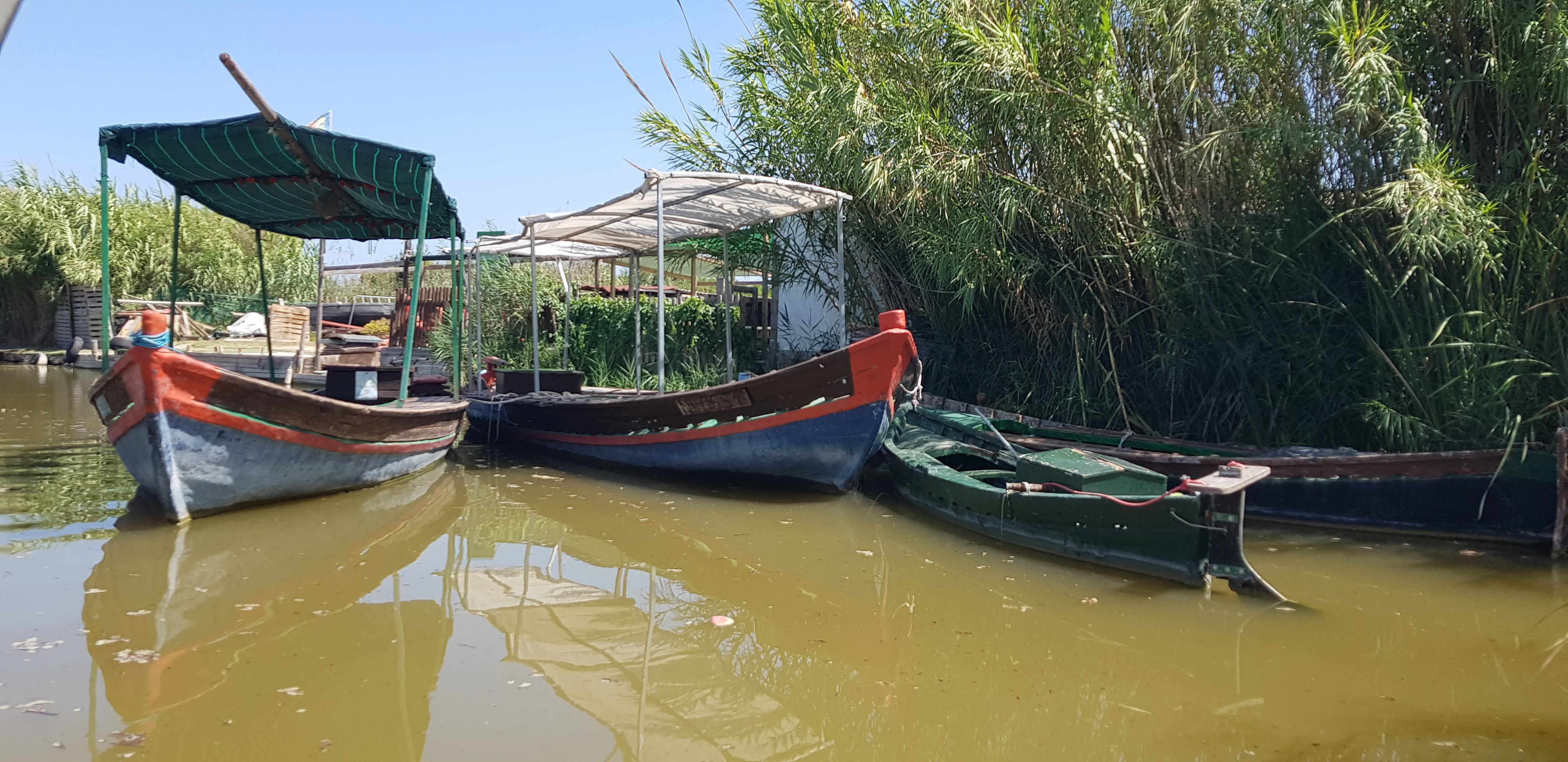
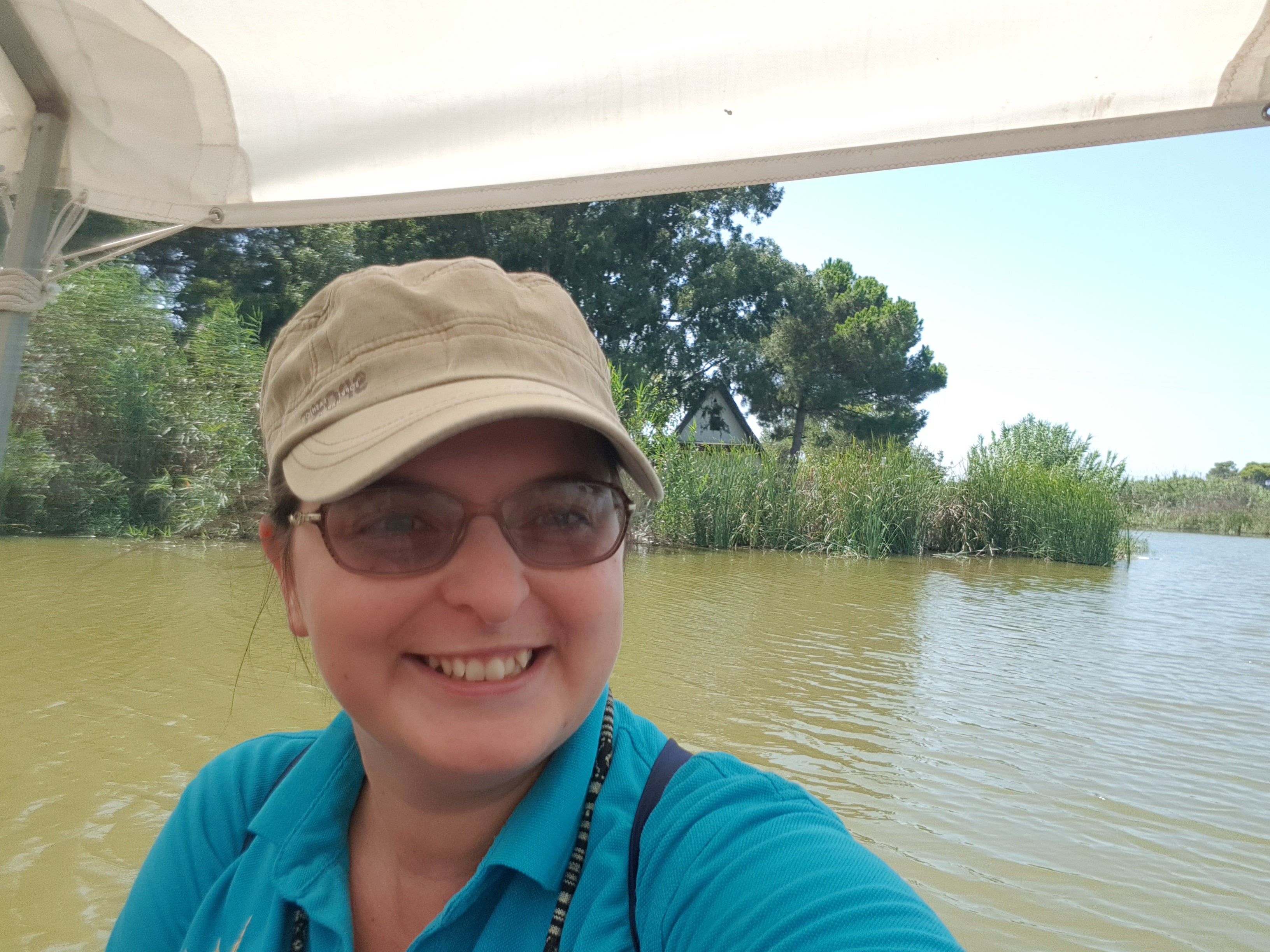
On my tour of Albufera Natural Park, I enjoyed a traditional wooden boat ride on the waterways surrounded by rice fields. I relaxed and enjoyed a homemade valencian sweet drink and spent some time spotting birds and eels from the comfort of the boat.
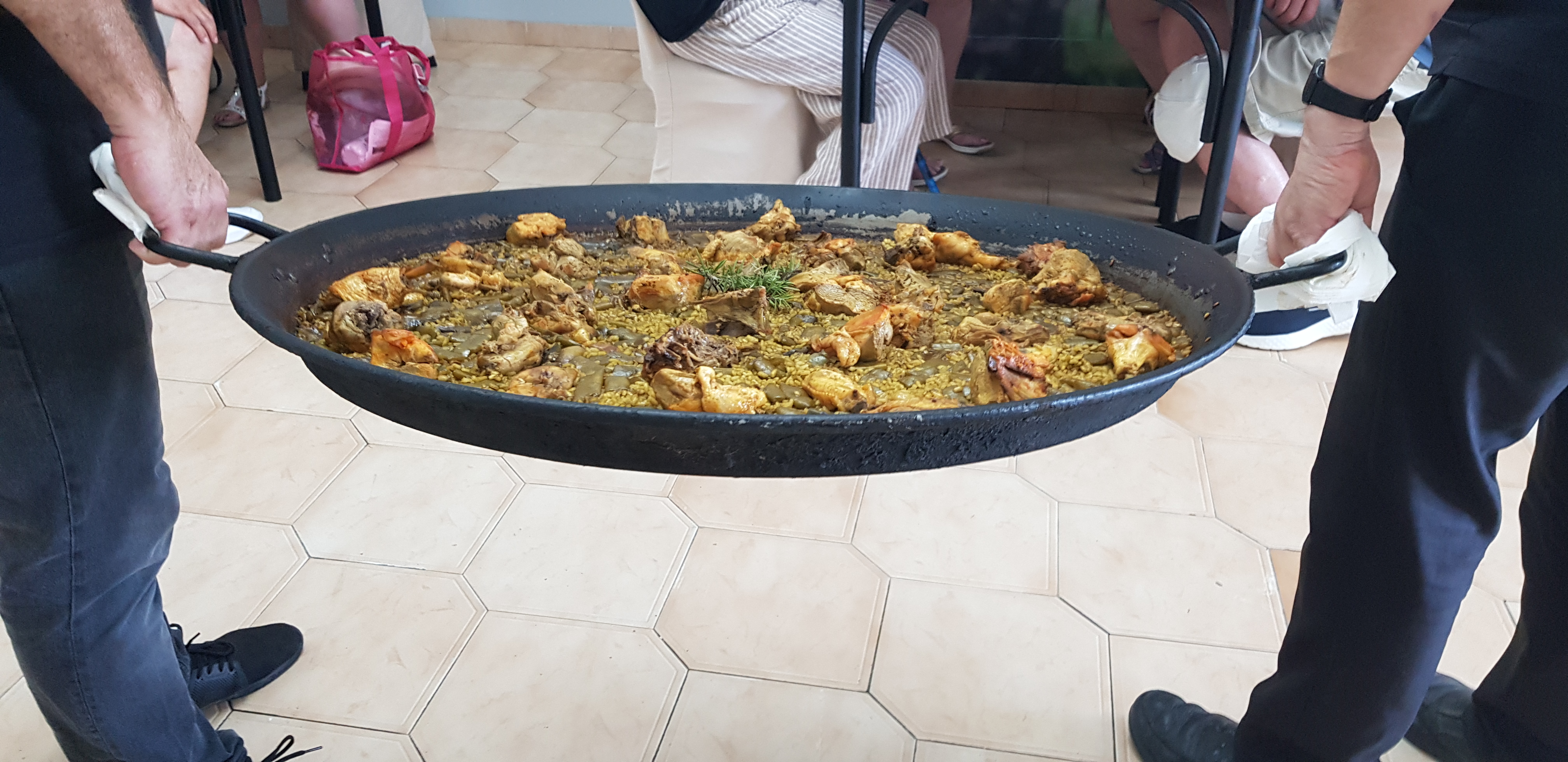
Afterwards, I enjoyed a gorgeous valencian Paella made with local ingredients including rice from the surrounding fields. It was very tasty!
Overall, I have really had a great time visiting Valencia and it is very diverse in what it has to offer. It is a big place, but I would hope it does not get any bigger, as it would be a shame for it to lose its charm!
An hour from Barcelona, is the charming Roman town of Tarragona, which continues to thrive as a peaceful place to shop, explore and relax. This pretty port city is a lesser known escape from the hustle and bustle of Gaudi’s Barcelona.
Tarragona, Write your own story video
I visited Tarragona for an afternoon in June and found it to be much more than I expected. All I knew was that it was Roman. I expected a village with some ruins. It is however a vibrant location where historic artefacts and modern lifestyle has been intertwined to create a remarkable space.
A World Heritage City
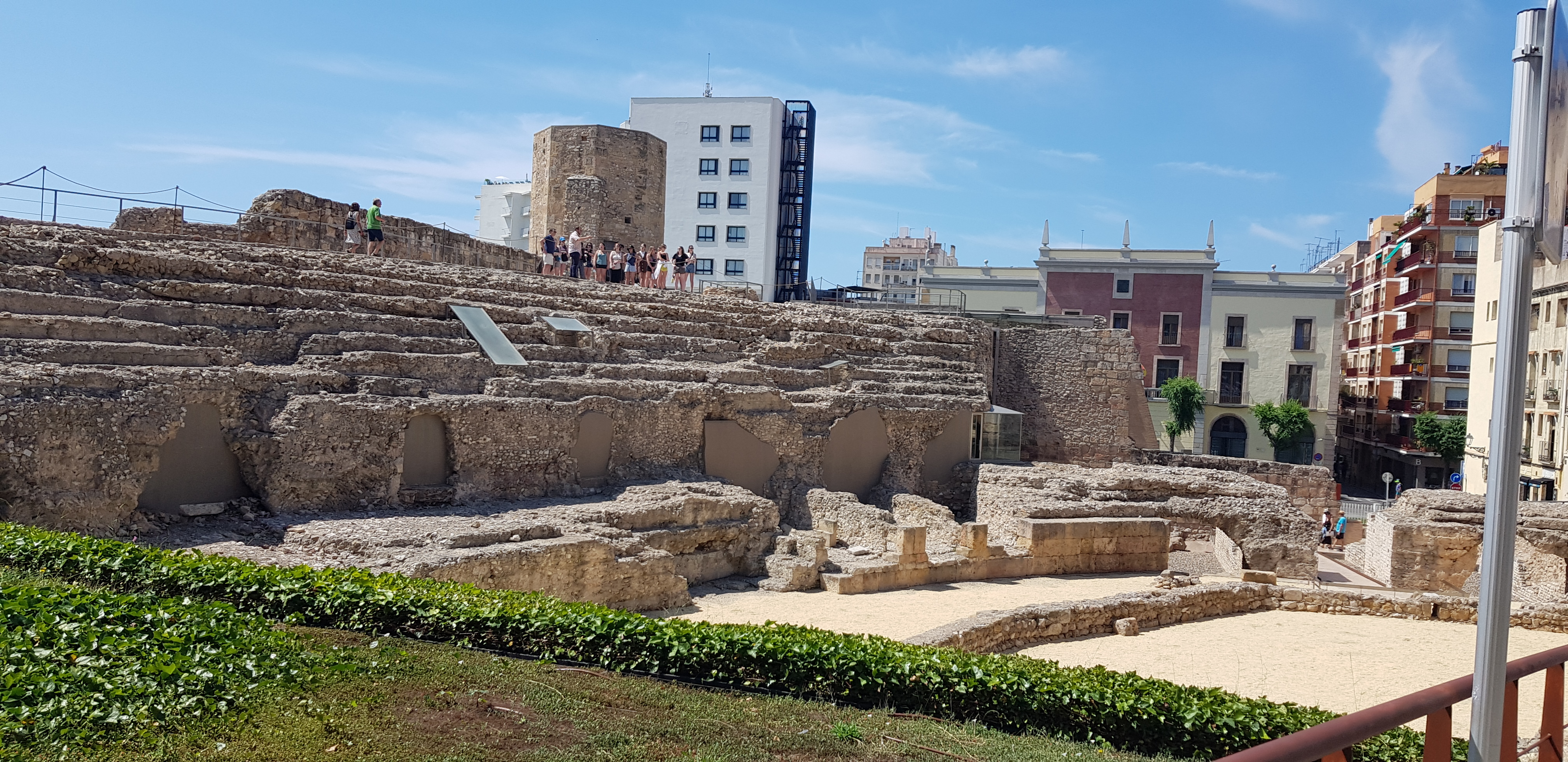
Tarragona is the only World Heritage City in Catalonia, and one of the main reasons is because of its Roman history. It was once the capital of the Roman’s Hispanic empire. The city was extremely important to the empire, and still has many monuments in existence today to visit and see. Not only can you visit individual monuments such as amphitheater, walls, aqueduct, and forum, but the city also offers a themed Roman walking route, tours, and even a Roman festival called Tarraco Viva to celebrate its heritage in May each year.
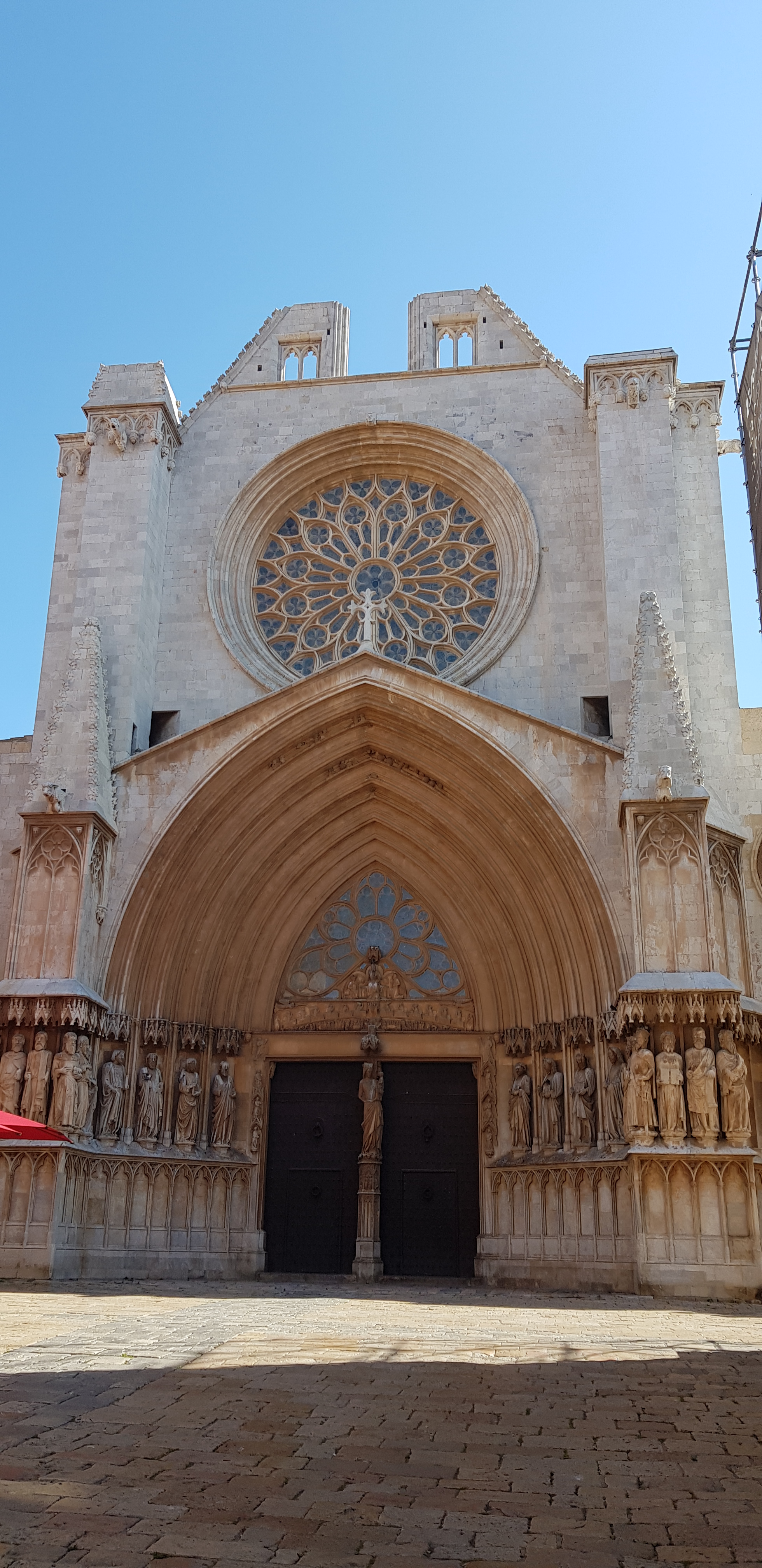
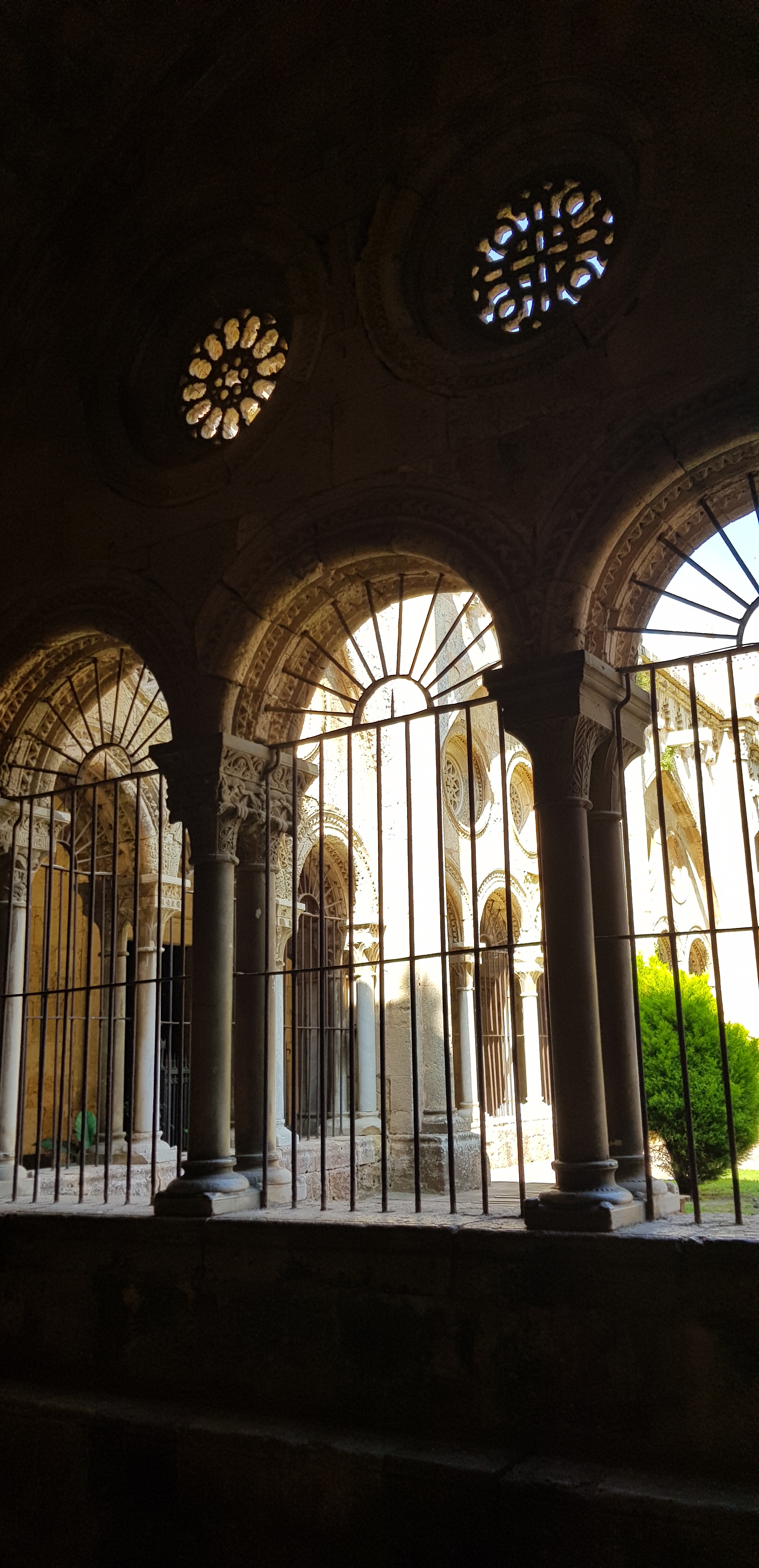
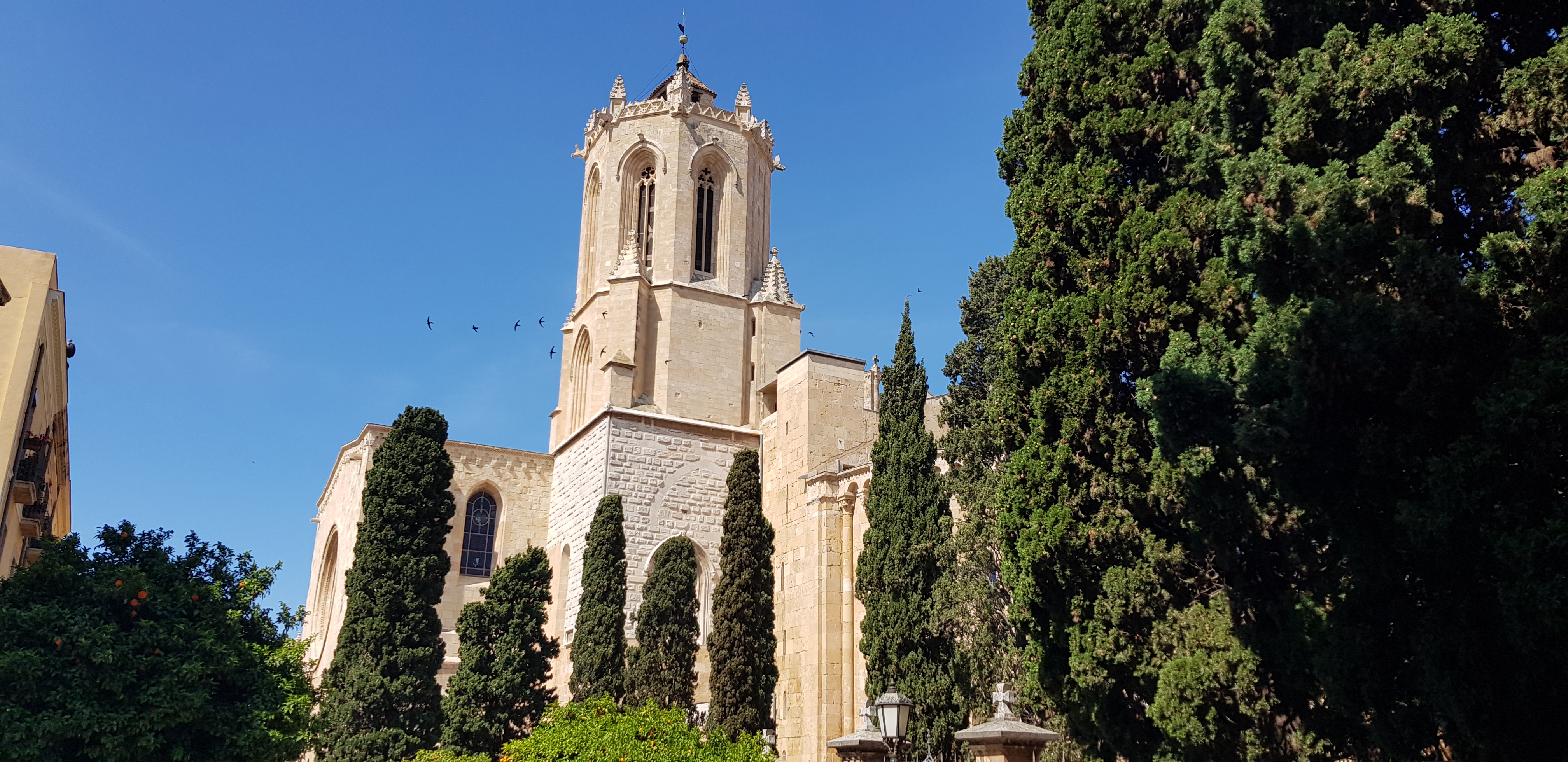
I am a huge history fan and so I was happy to see plenty of old buildings and structures, and hear the stories of the city and its importance to the Romans. I had a whistle-stop walk through of the cathedral, and I would have happily spent more time there as its quite a large space to explore.
The Cathedral is easy to recognize from many travel and culture documentaries, as the location that begins the walk of human towers. Human towers or castles ‘Colles Castelleres’ are exactly how it sounds. Originating in Tarragona from Valencian dancing, the events consist of large teams of people standing on each others shoulders to create a human tower. They then take a walk (as a tower) from the Cathedral and through the streets of the city. Visitors travel for many miles to watch this event and residents will open their balconies up to people to view. I would love to return to see this event from a short distance, but I am not totally convinced that I would want to be anywhere near the bottom of the tower… or the top! Apparently, the top of the tower is normally reserved for the tiniest members of the group, so young children and toddlers get the honor of being the shining star at the top!
Exploring the modern city
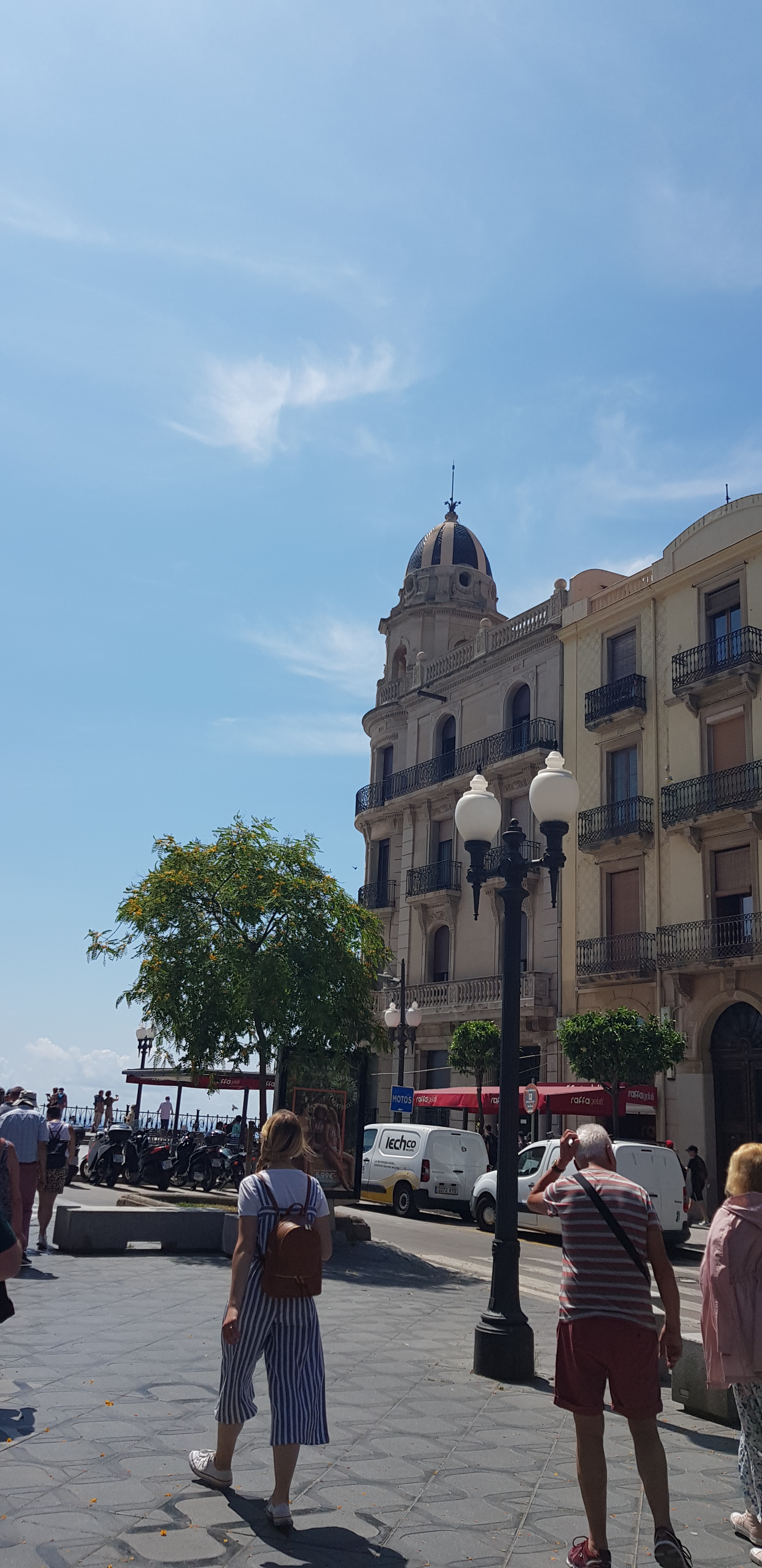
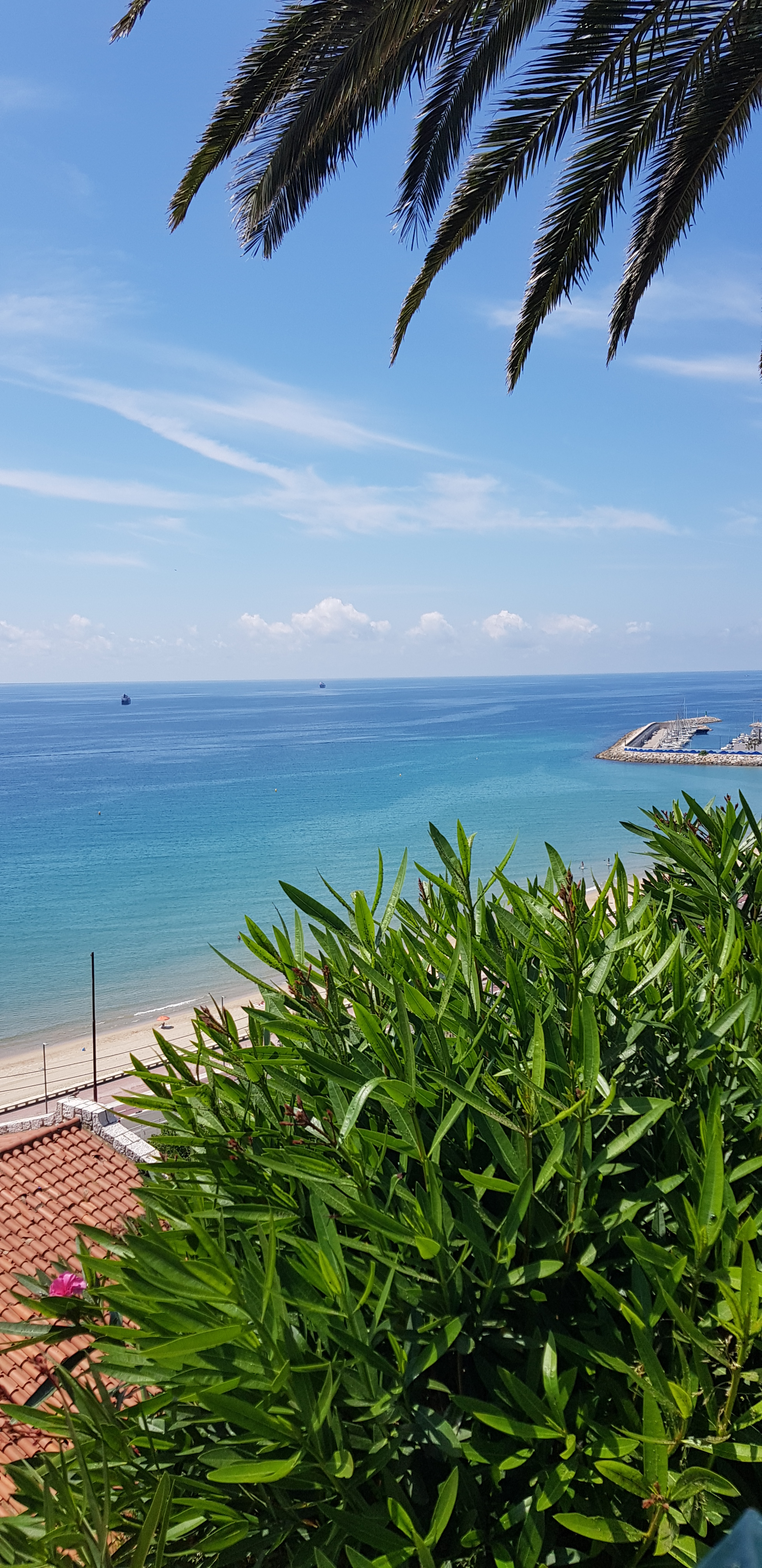
Whilst appreciating the historic framework of the city, you can also enjoy the facilities on offer today. Tarragona offers modern shopping and dining in its high street La Rambla Nova, as well as the opportunity to eat fresh cuisine at its central market. Looking to relax? You can make your way to the ‘Balcony of the Mediterranean’ at the top of La Rambla Nova. Here you can view a straight view along the coastline and relax on a bench or make your way down to the sandy beaches below. The only downside is that the beach and the town are separated by the railway track, so you have to walk quite far before you can cross over into the beach. The long balcony promenade provides a beautiful scene to wonder along the edge of the city and towards the marina.
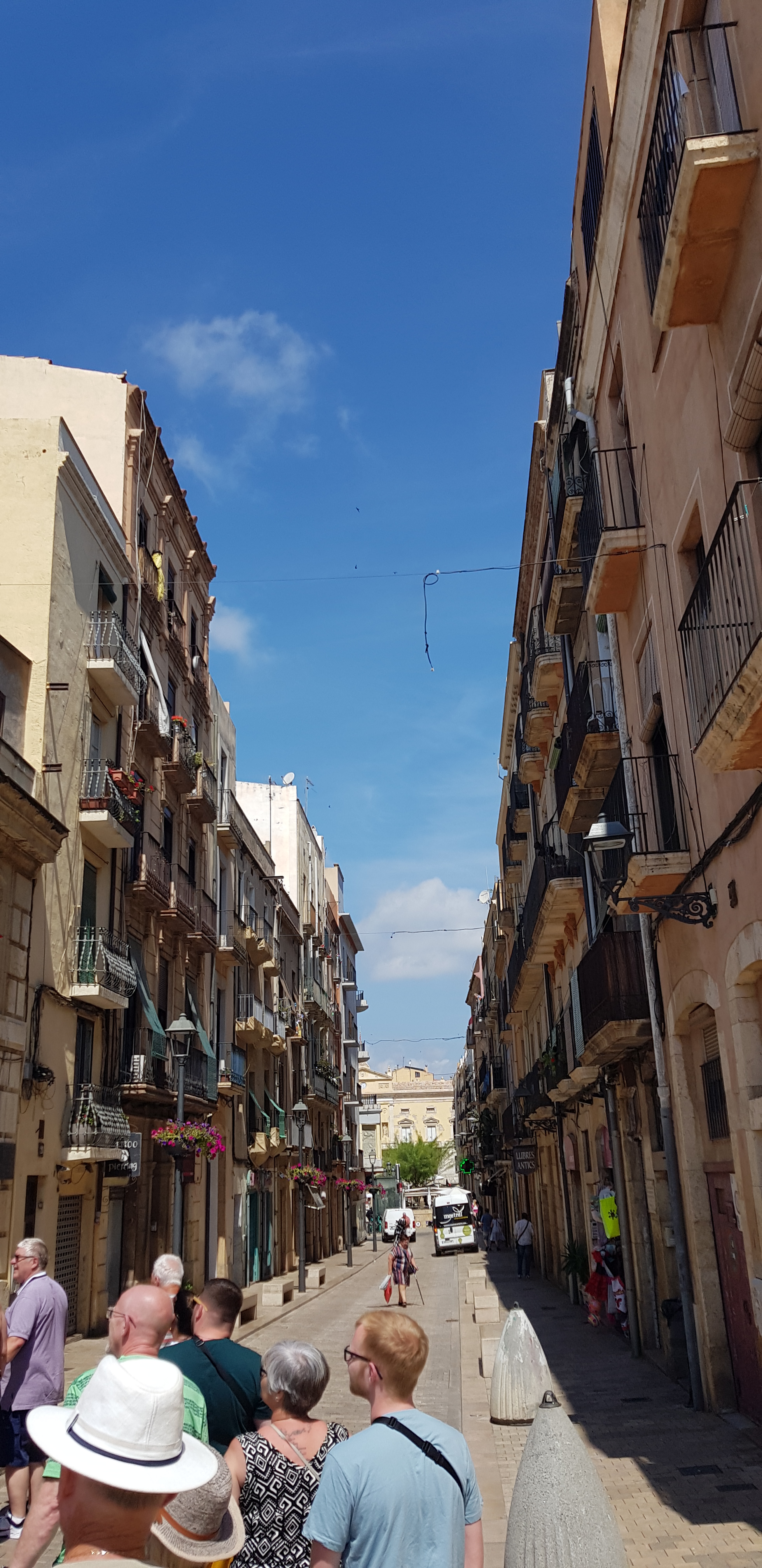
Tarragona streetTarragona La Rambla NovaTarragona Balcony of Med
Port and Serrallo area
In the port area of the city, typical seafood restaurants can be found, as well as beautiful scenery of fisherman pulling in the fresh day’s catch. This also happens to be the city’s museum district, being home to the port museum, archeological museum and the historic lighthouse and city clock.
Generally, I found Tarragona to be a very peaceful city with a lot to offer all in one place. I would happily visit again and even spend a good few days here.
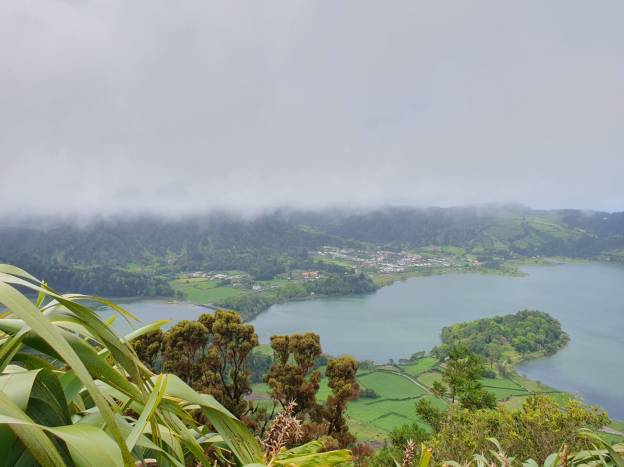
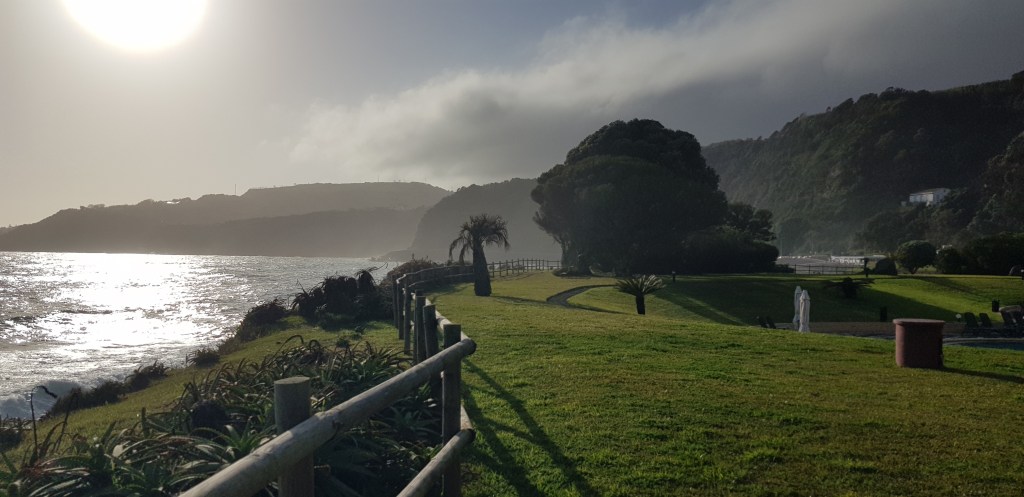
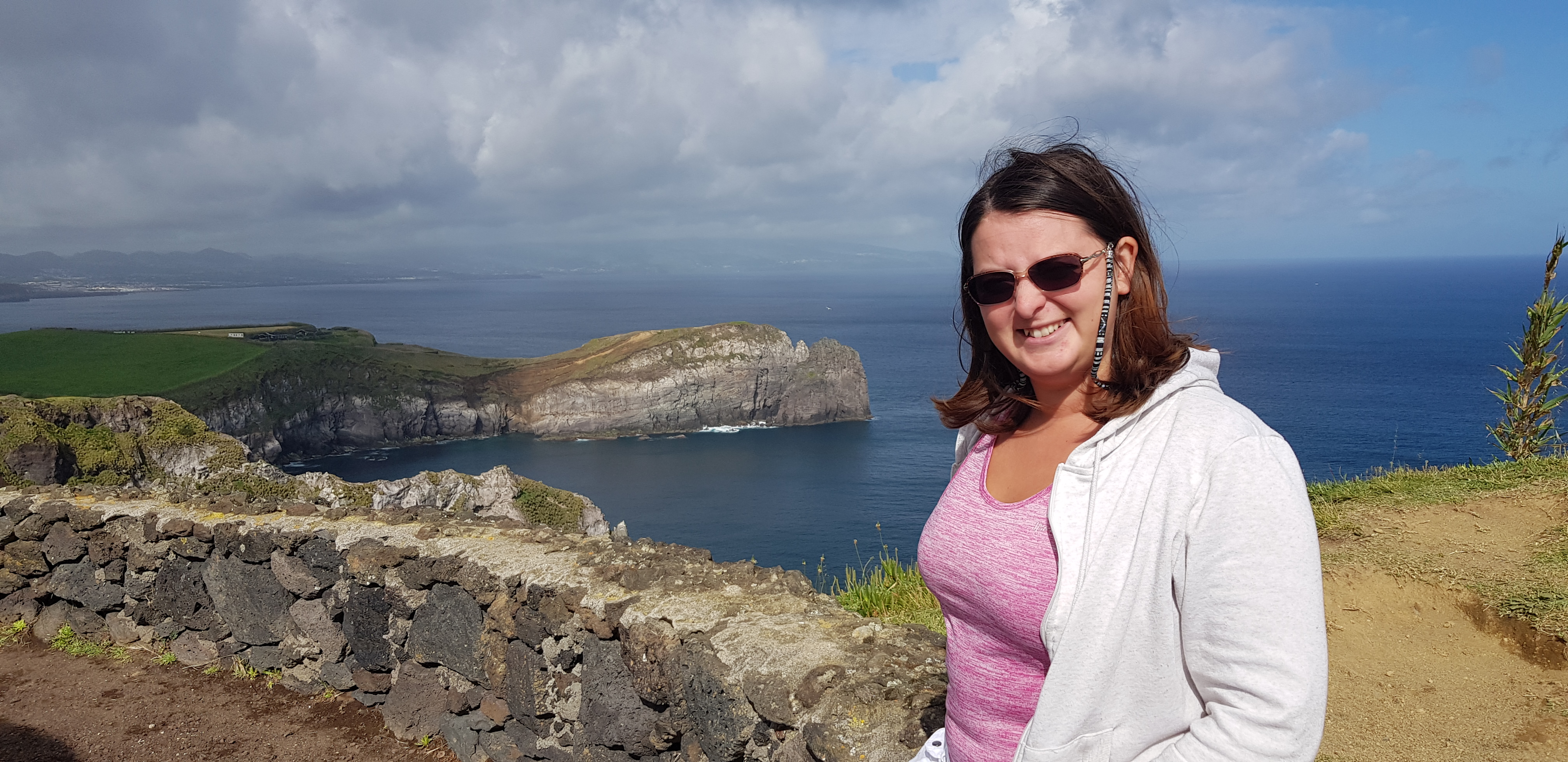
An archipelago of Portuguese islands in the middle of the Atlantic Ocean, I visited two of the nine islands in the Azores, and explored beautiful villages and towns, natural landscapes and learnt about an authentic culture of people.
I had wanted to visit the Azores for over a decade, and hoped that one day I would be able to go for my honeymoon, because it looked so beautiful in all the images I had seen… Well, many years later, and no ring on my hand, I decided I could wait no longer, and I booked myself a trip from Lisbon to Sao Miguel, and a group of tours to enjoy across two of the main islands.
Sao Miguel
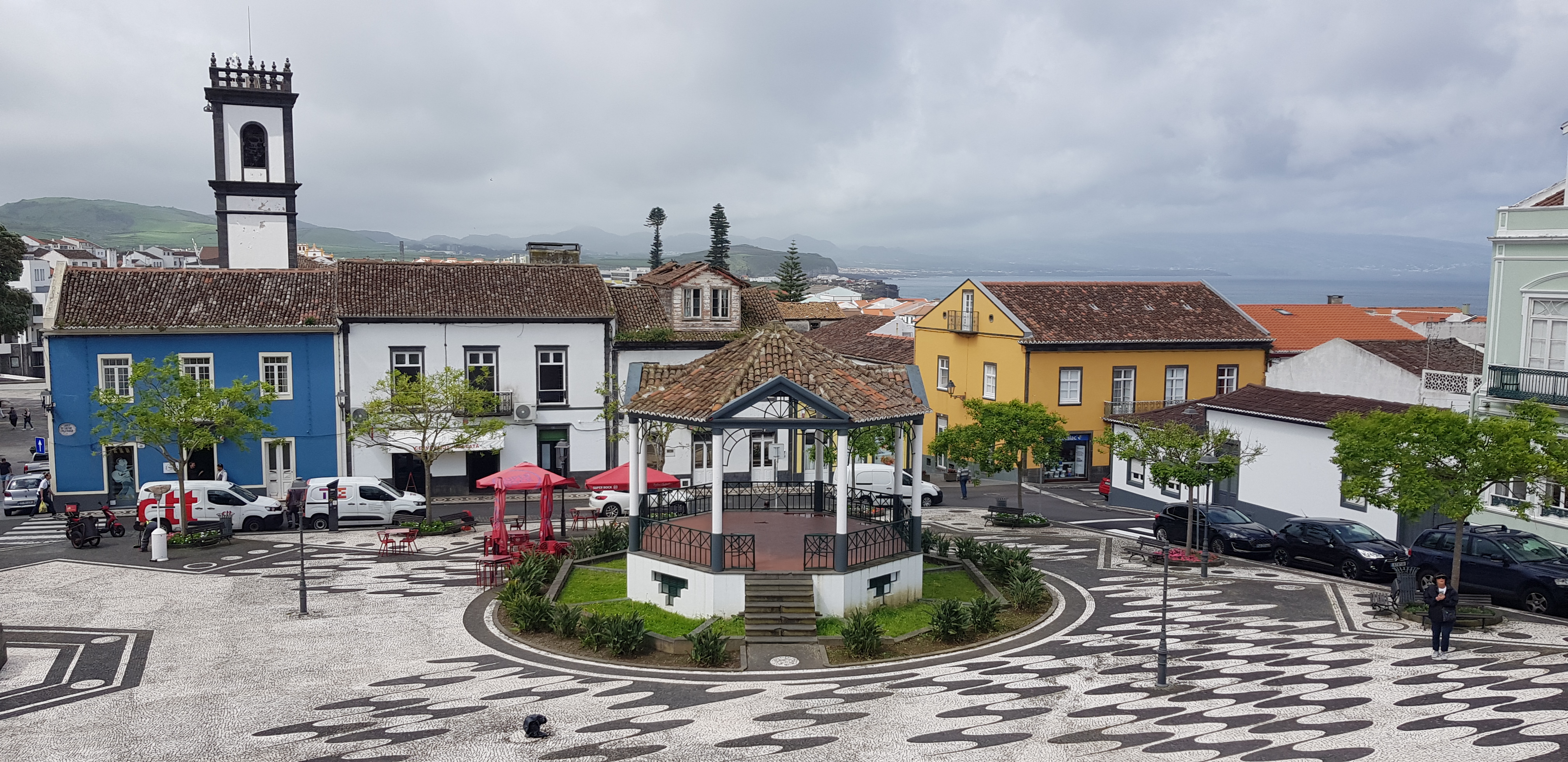
The main island of Sao Miguel is the largest of the group of nine islands, and has the main gateway airport to the other islands. It is also the busiest. The island’s capital, Ponta Delgada, has a vibrant feel with many shops, restaurants and a few hotels. I stayed away from Ponta Delgada in a 5* hotel near a beach, but it was fairly remote. Thankfully, I had two tours booked to see the island, as well as being able to access a local walking trail nearby.
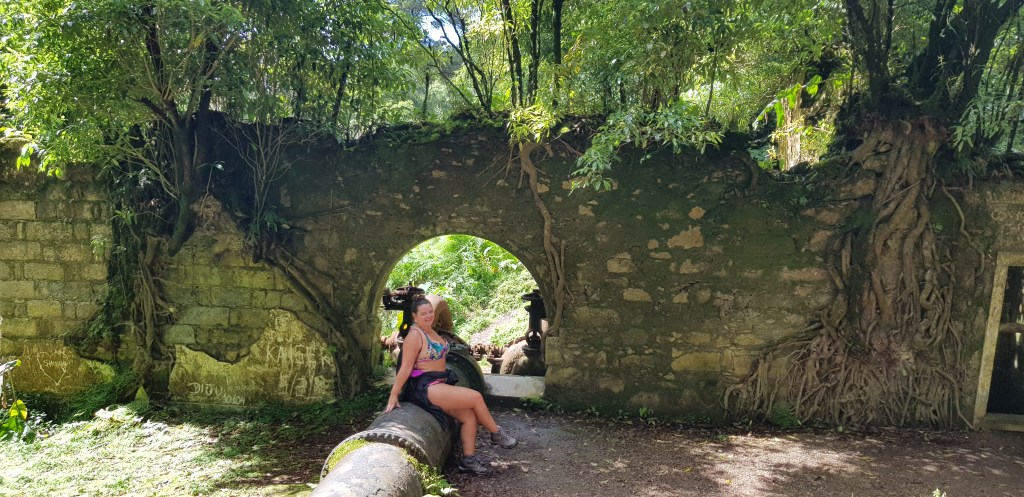
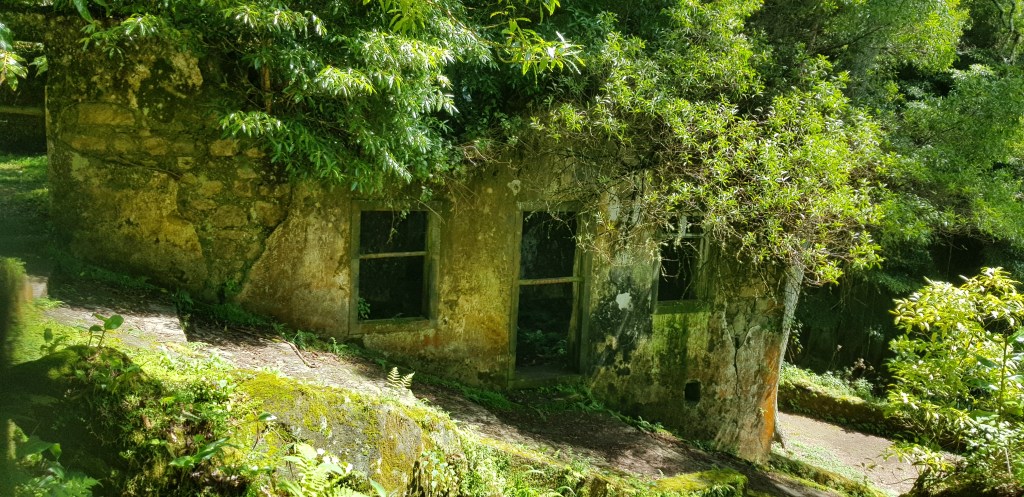
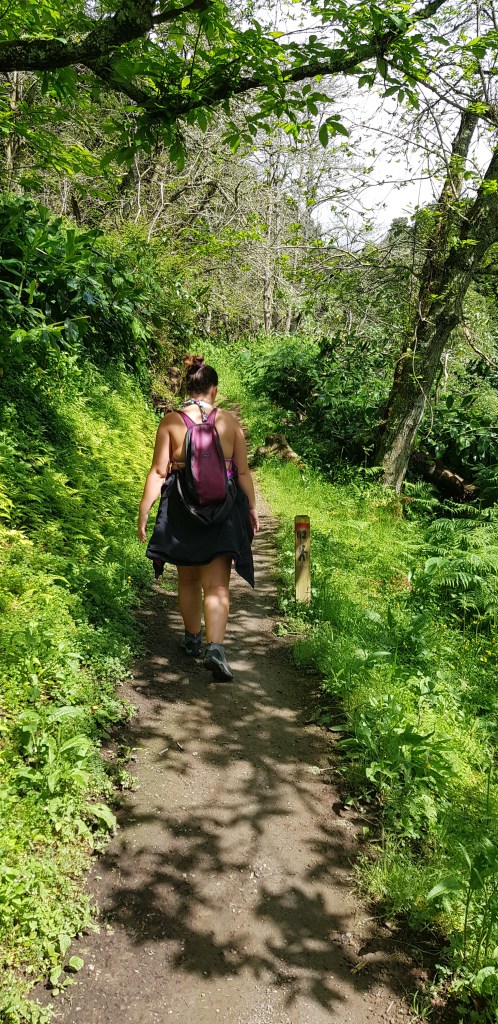
The walk that I decided to do near the hotel was following the river nearby uphill and leading to a set of abandoned hydro-electrical stations in the forest. The Azores islands are known for their efforts in alternative renewable energy, especially hydro electricity and wind farms.
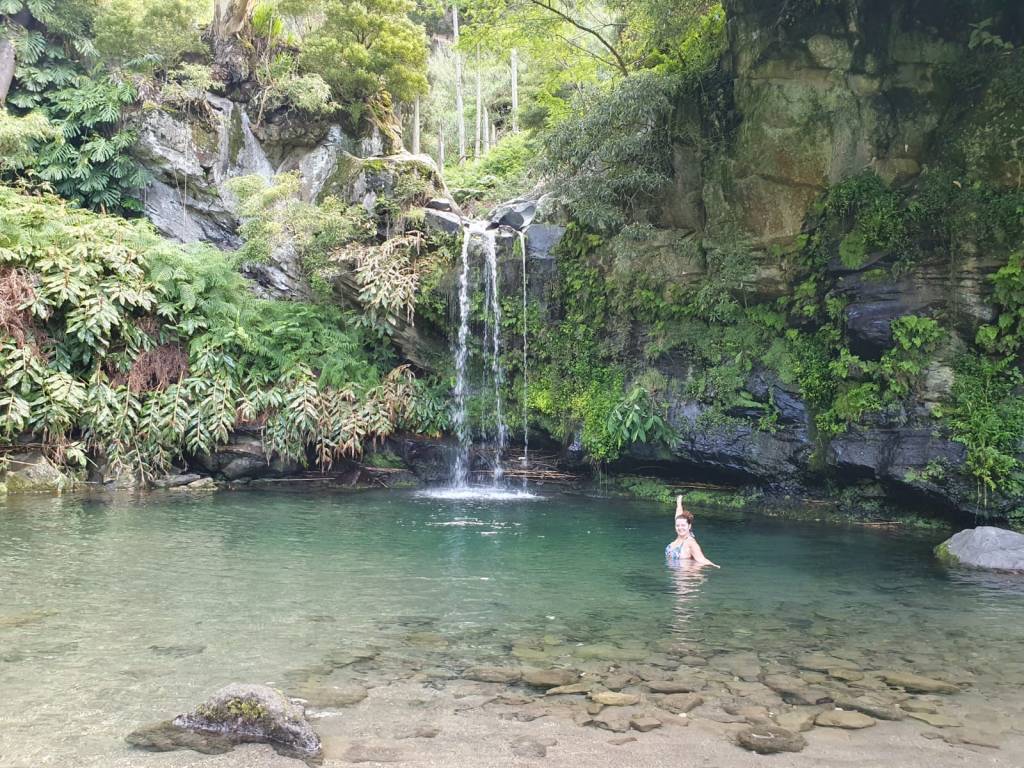
These old stations, combined with a dip in a gorgeous little waterfall, made for an interesting walk with a lot of interest in photo opportunities. I felt like I was in scenery that I remember from the TV series ‘Lost’, with abandoned stations locked between the trees and pipes running through the ground. Like at any moment, I will discover a secret hatch!
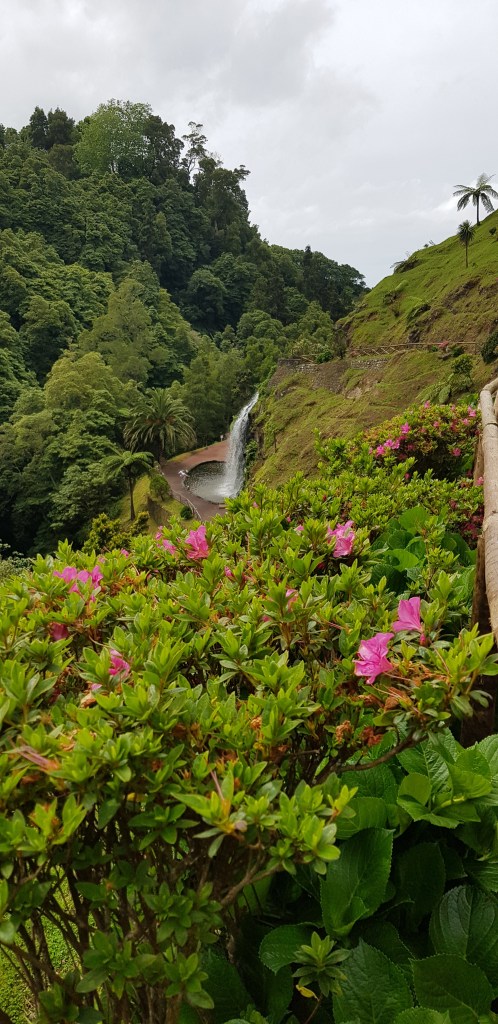
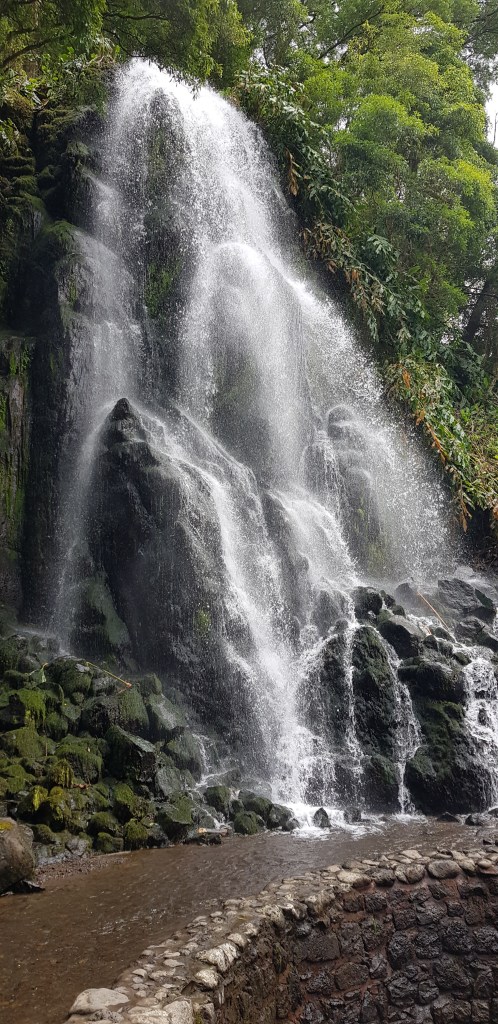
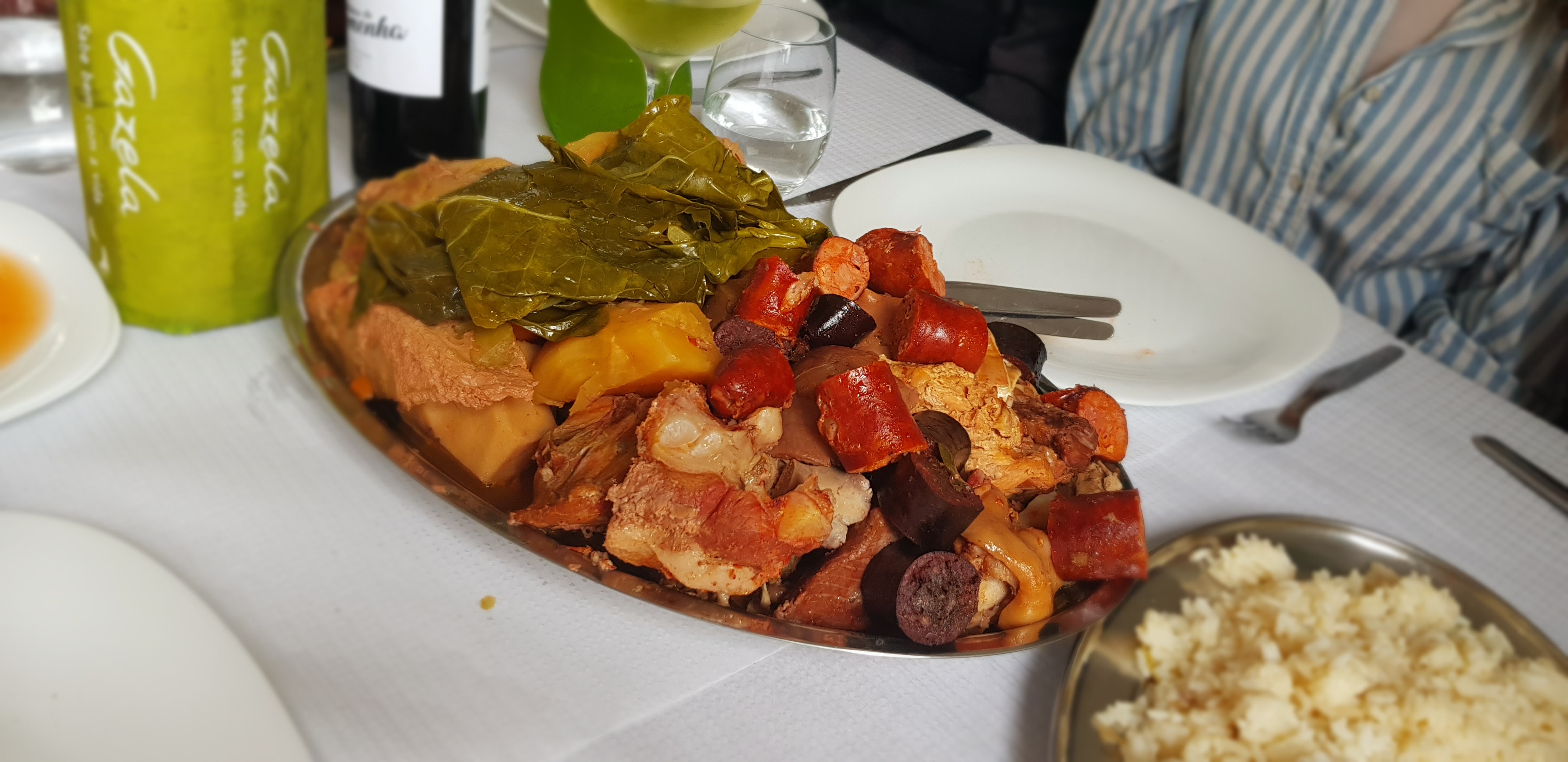
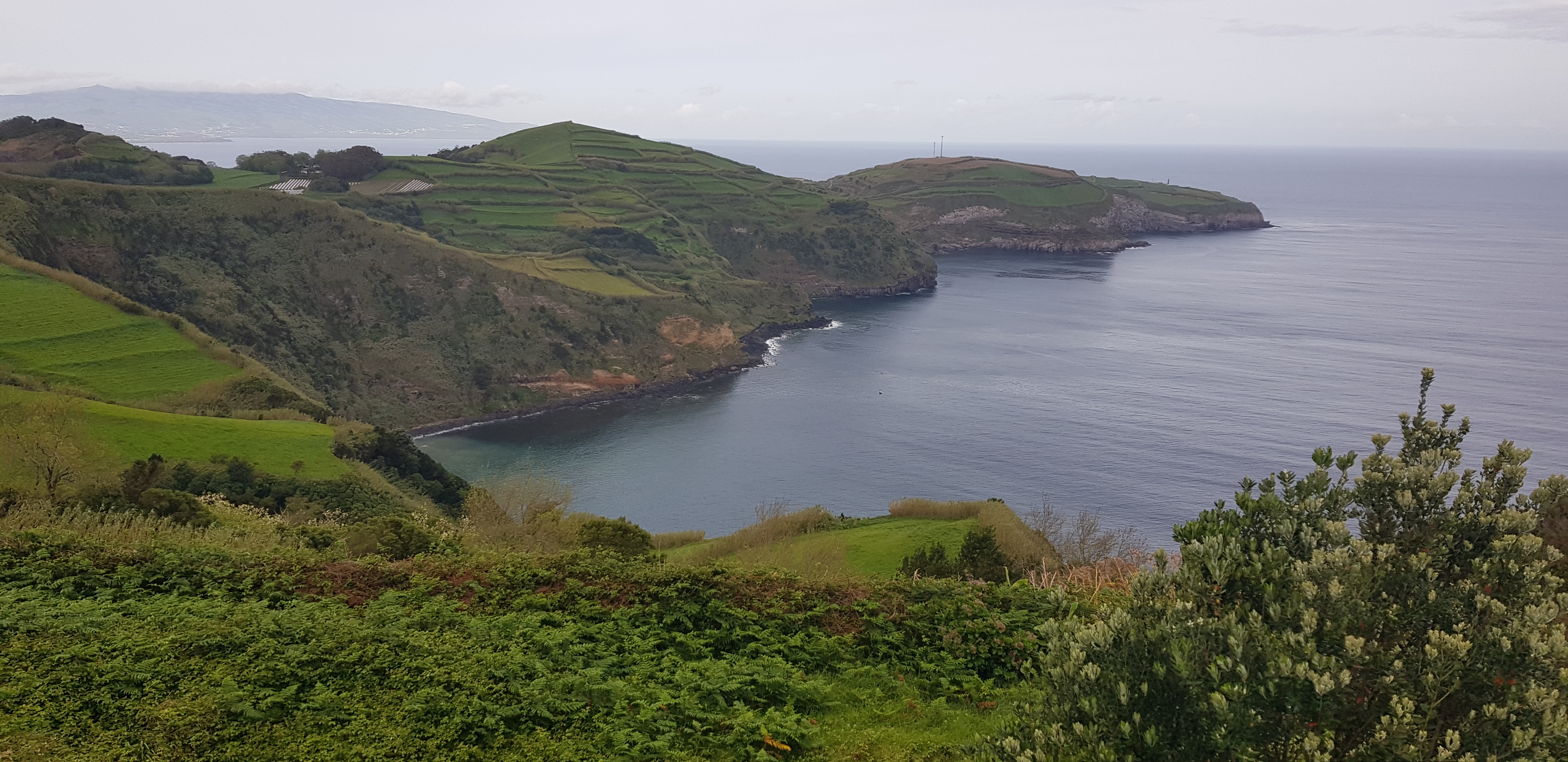
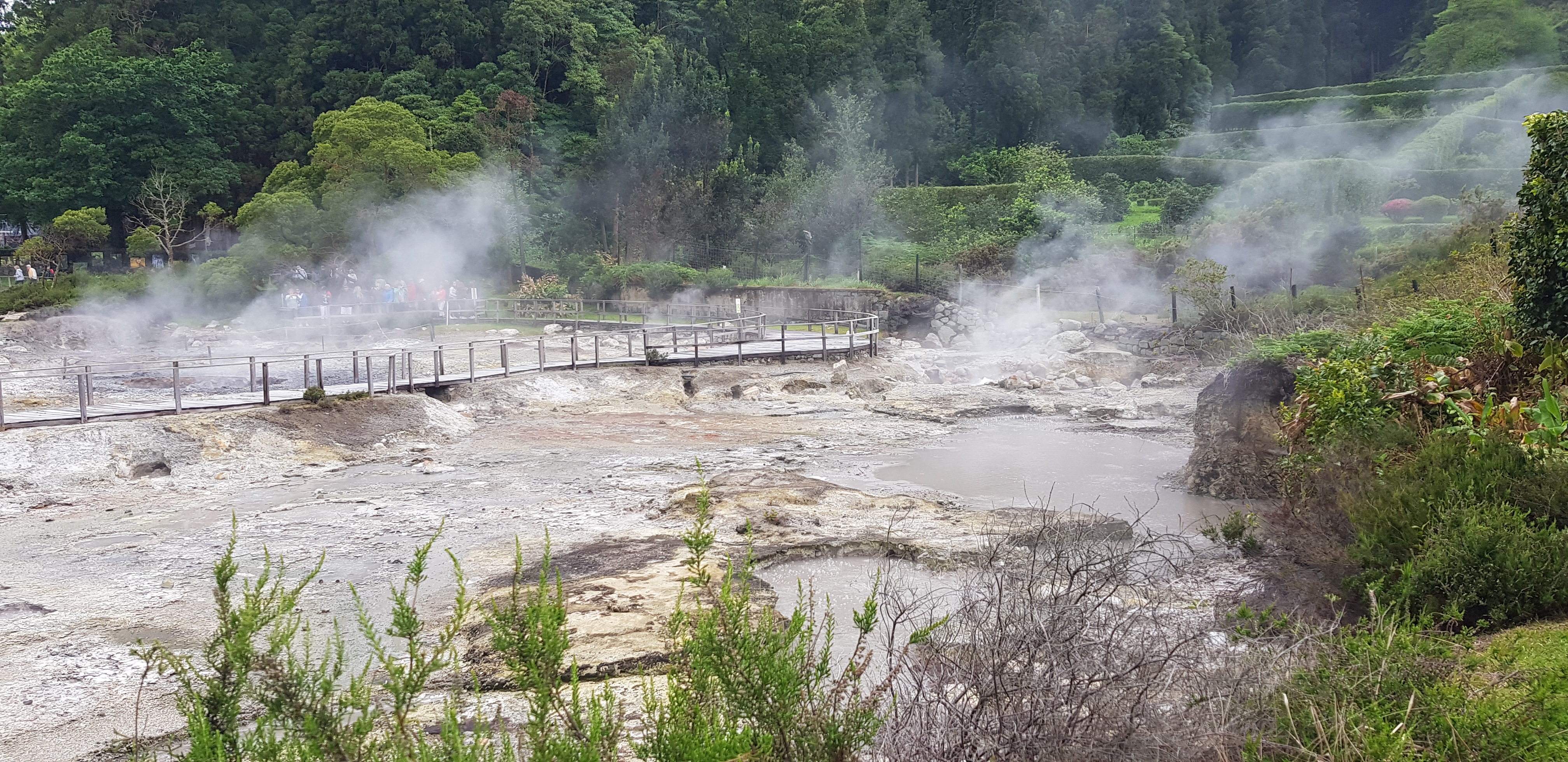
On the tours I’d booked, I was able to visit a variety of lookout points, and some beautiful villages/towns, such as Ribeira Grande (Big Stream) which had lovely scenery. We visited an active volcano area where our lunch (a traditional portuguese recipe) was buried and slow cooked by the warm ground.
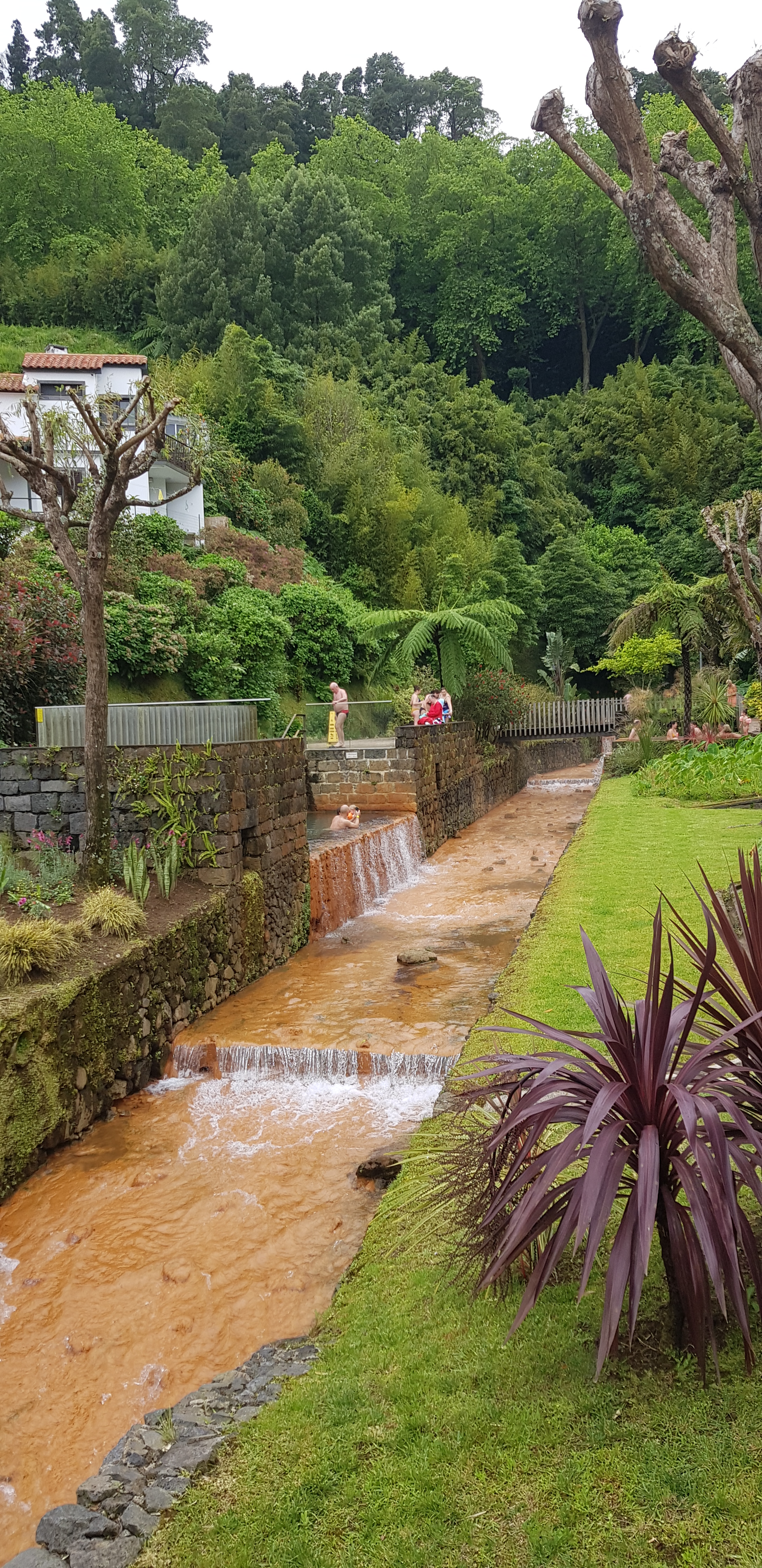
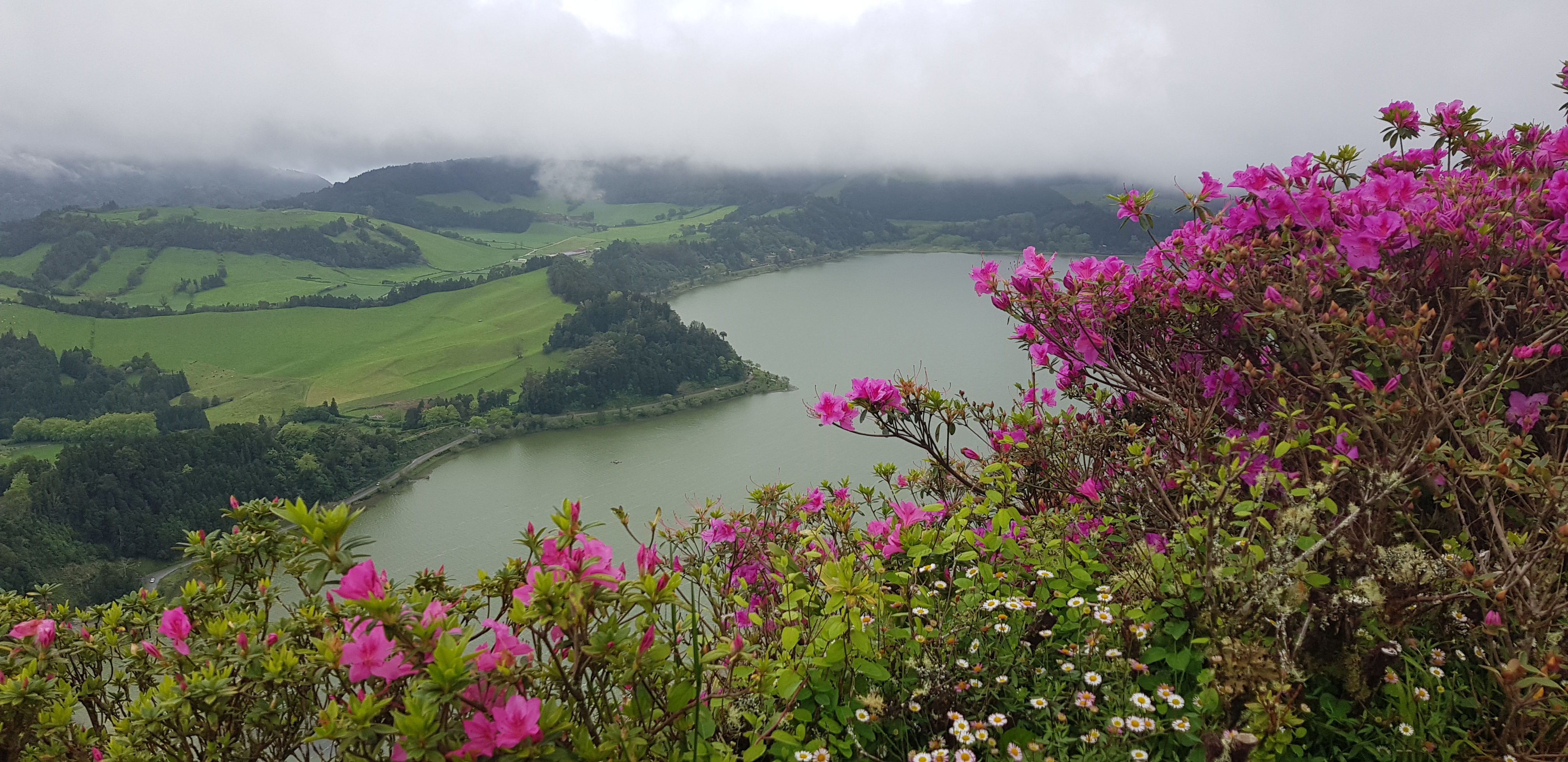
We also visited a geothermal spa, and the well known patchwork viewpoint where you can see thousands of smallholding farms stitched together from above.
Terceira
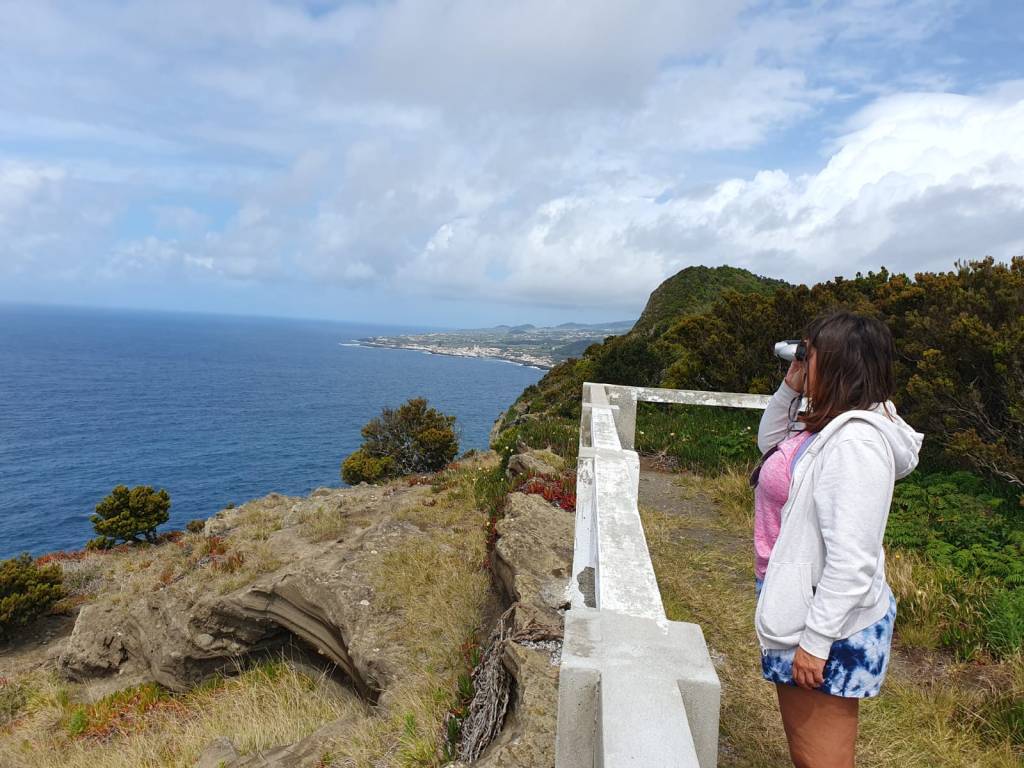
A few days later, and with a 45 minute flight, I was in the second island of Terceira. This lovely round island, has a lot to offer and is not yet as built up as Sao Miguel. I was in a lovely hotel in a secondary town away from the capital of Angra do Heroismo.
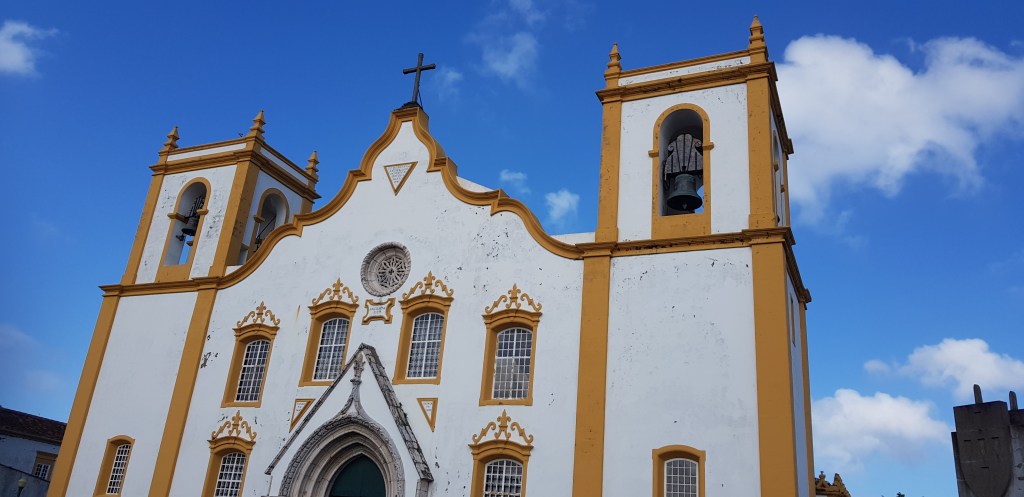
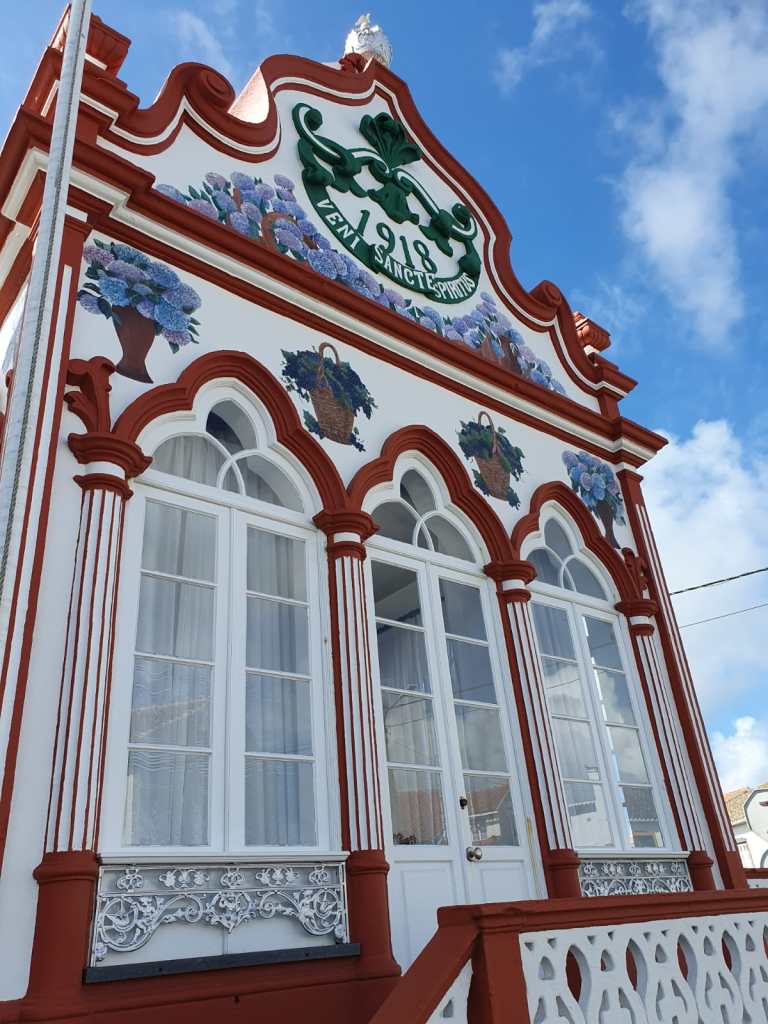
The villages and towns in Terceira are very traditional, and still have many unique customs that they uphold. For example they have a program of events where they have a ‘running of the bulls’ in the streets. This is not to copy the ones in Spain though, it is a unique memorial event to celebrate the farmer and bull heroes that drove the Spanish out of Terceira during a big battle, where the bulls were let loose on the army! Led by a woman villager too! Very cool. You will also find beautiful chapels in every village that are purely for the devotion to the holy spirit, and used at only one time of the year.
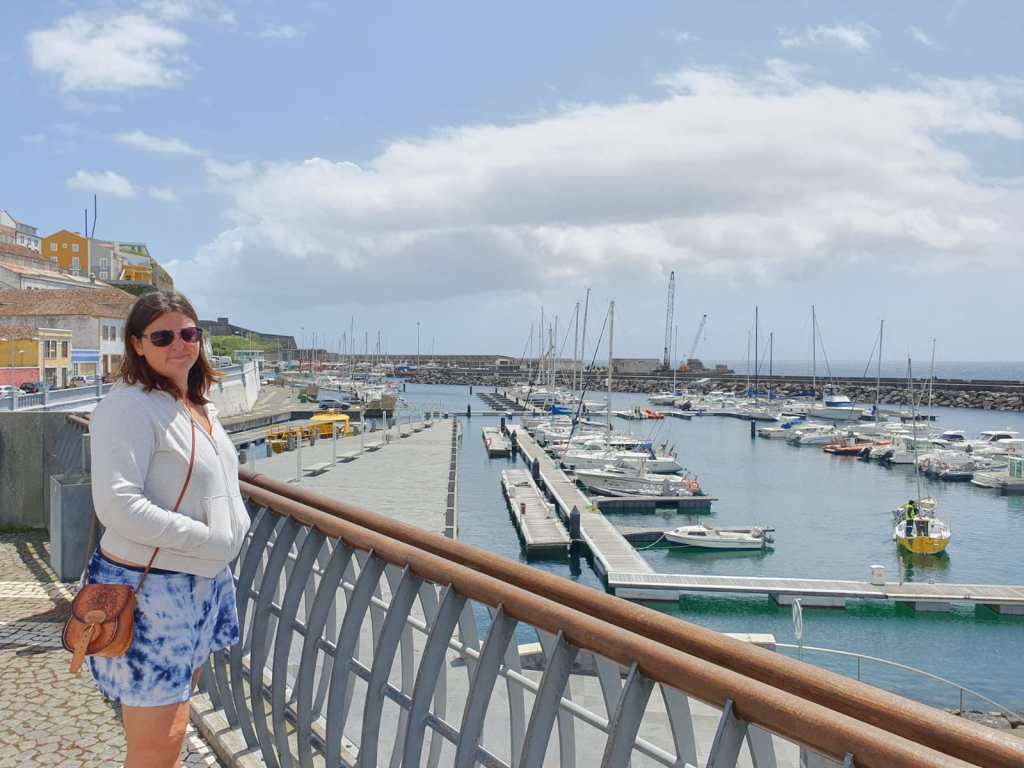
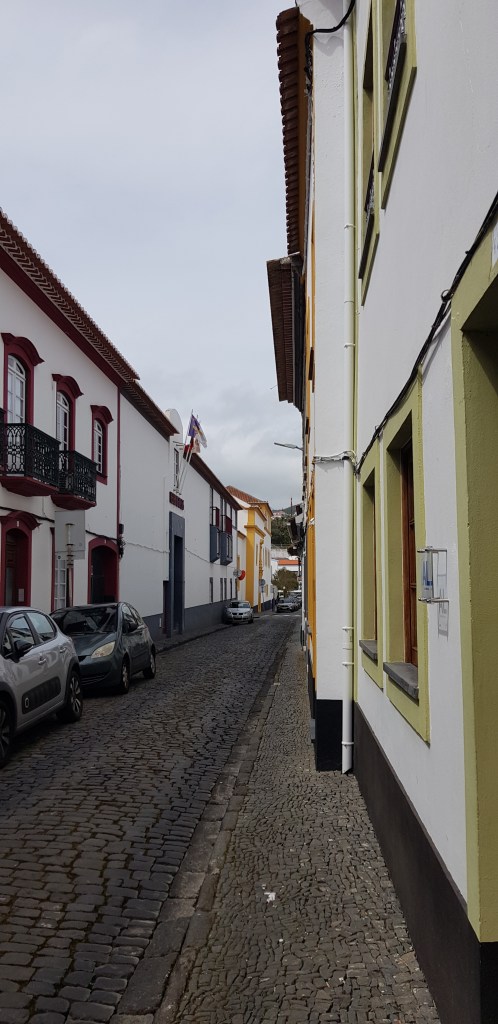
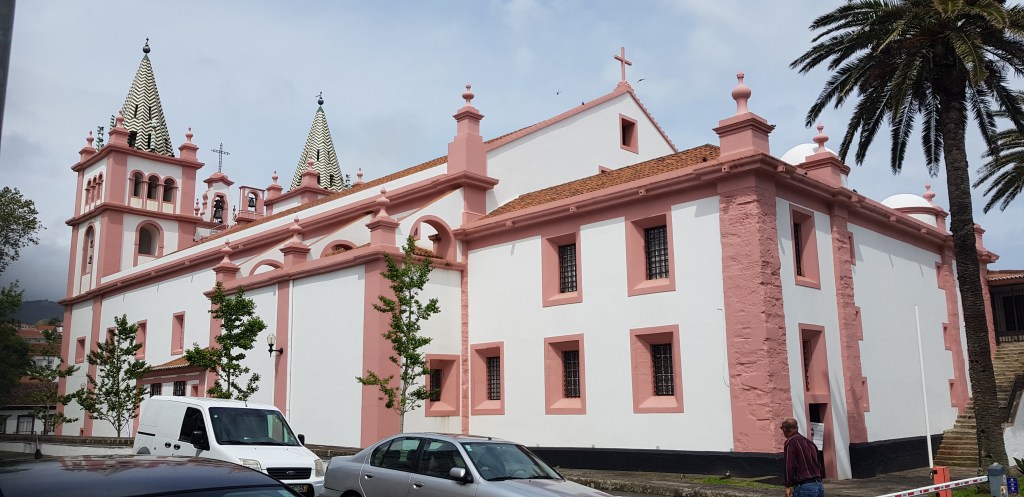
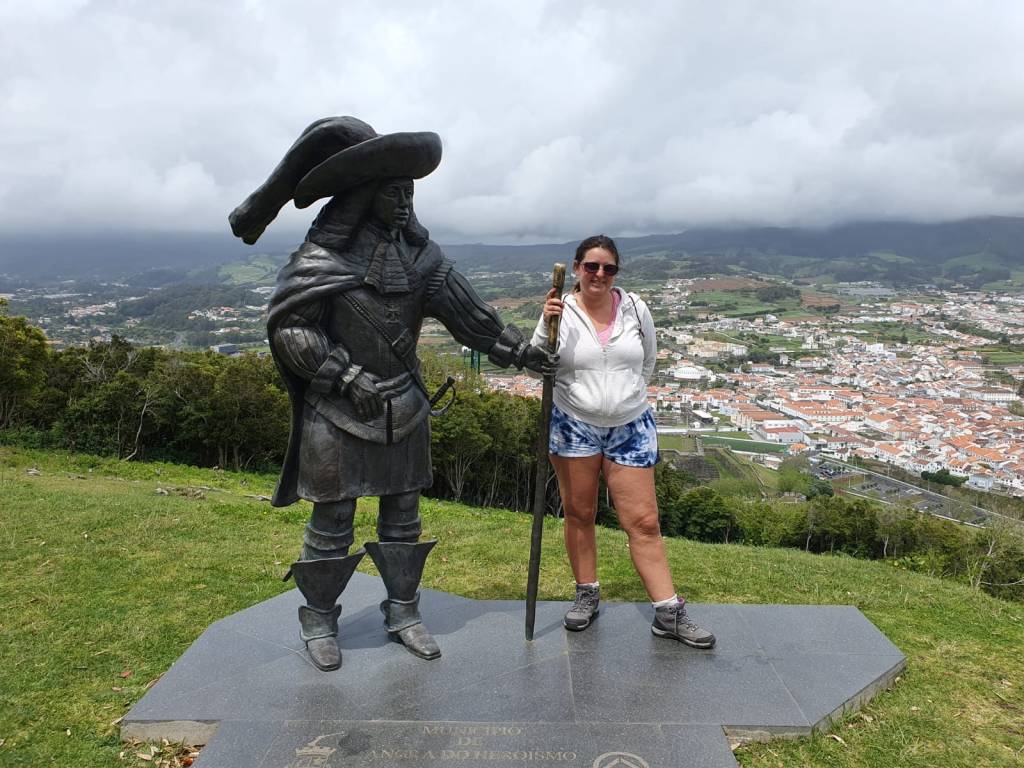
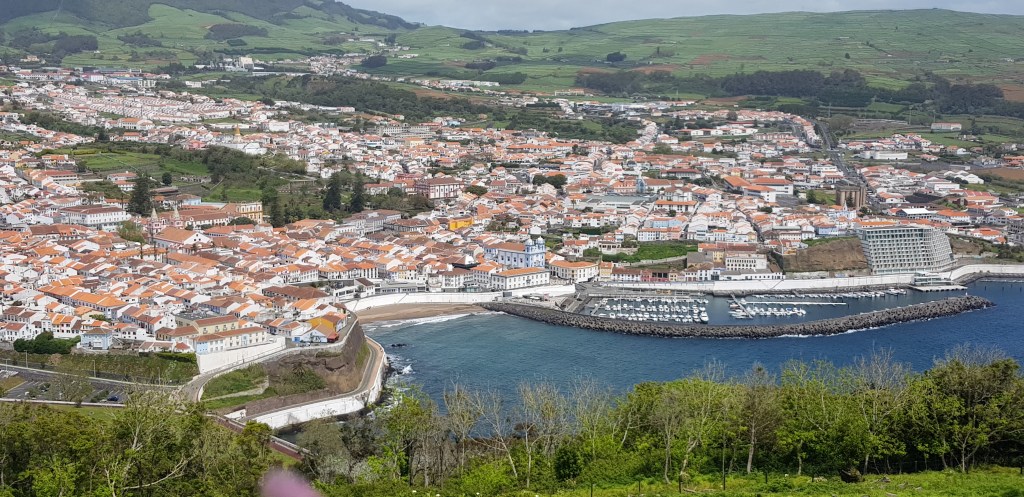
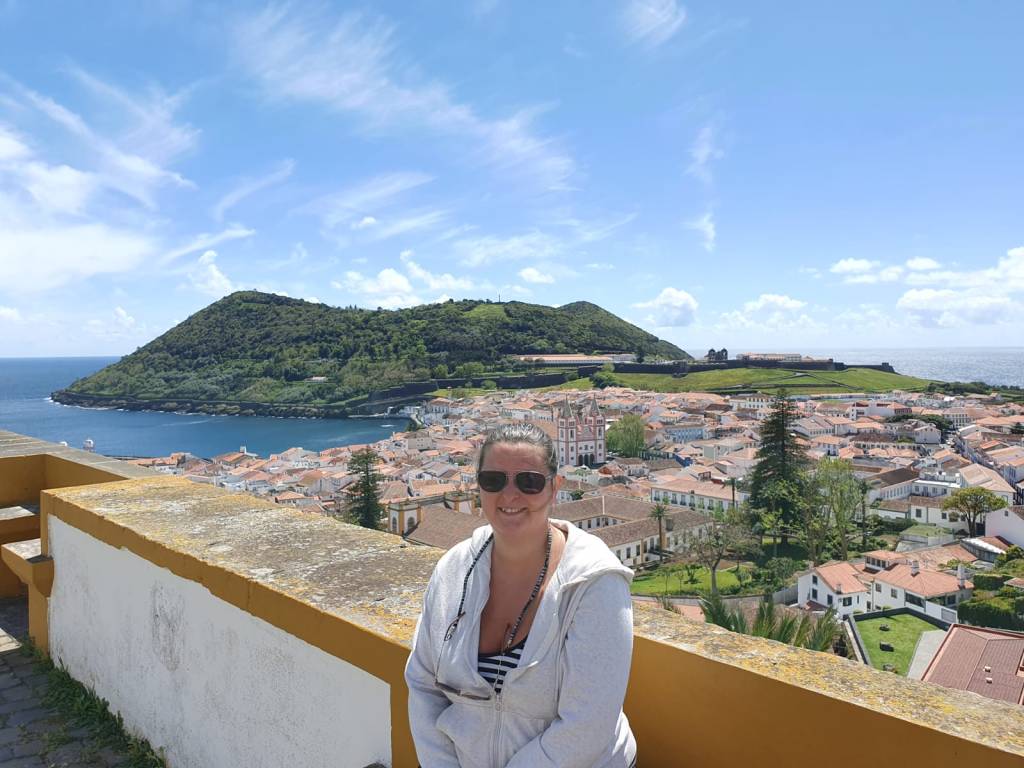
Angra do Heroismo is a beautiful little city with colourful buildings and a pleasant marina area. The colours of the buildings are apparently routed originally in the island’s link to trades with India and the spices and materials that were brought. The island also has been home to an American airfield and base since WW2 and so is rich in an international community. The city is actually a UNESCO Heritage Site due to its historic importance as a transatlantic crossing point, it is head of the diocese of the Azores, and it was actually capital of Portugal twice, replacing Lisbon!
The city also has an active military base for Portugal on their Monte Brazil connected to the main city, it is actually an extinct volcano and now a nature reserve for walkers and family picnics. I spent a morning walking around this mountain where I found there to be a lot of stops to enjoy on the trail, including fort ruins, an old whale watching tower, a viewpoint of the city, and a set of aviaries. When you visit the cross statue viewpoint, you will also find a set of military guns pointing towards the city. I thought this was quite strange, until I discovered that the military base was actually built by the Spanish when they temporarily took over the island, and pointed the guns back on to the city as a way of warning off the very unhappy Portuguese people below!
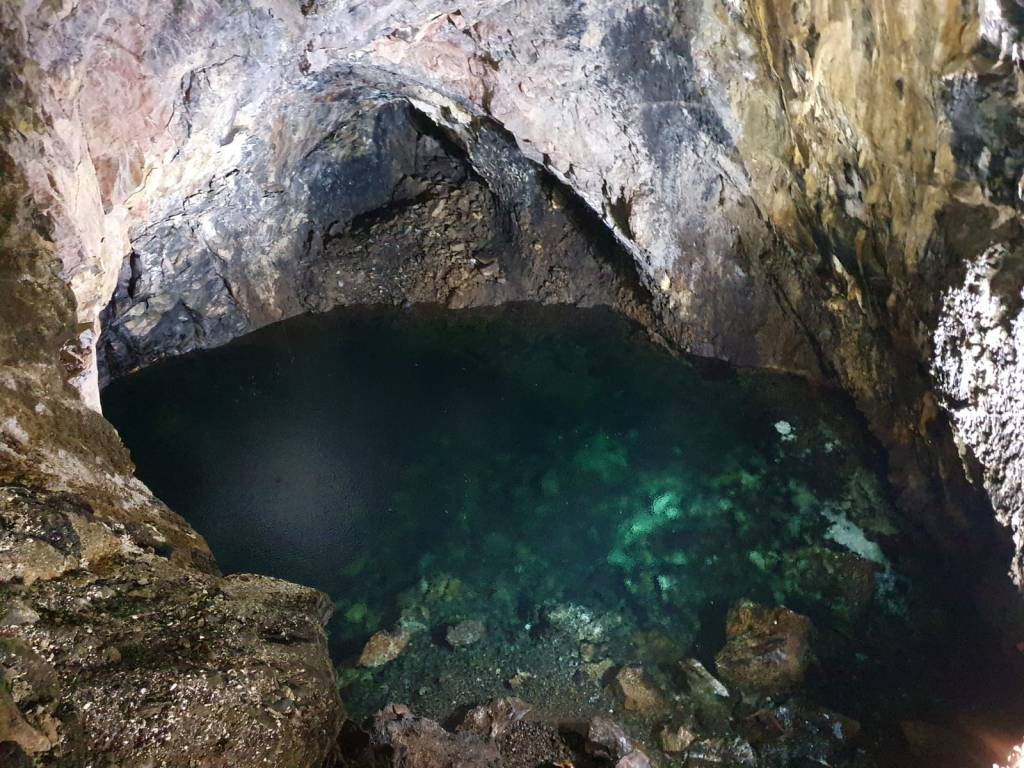
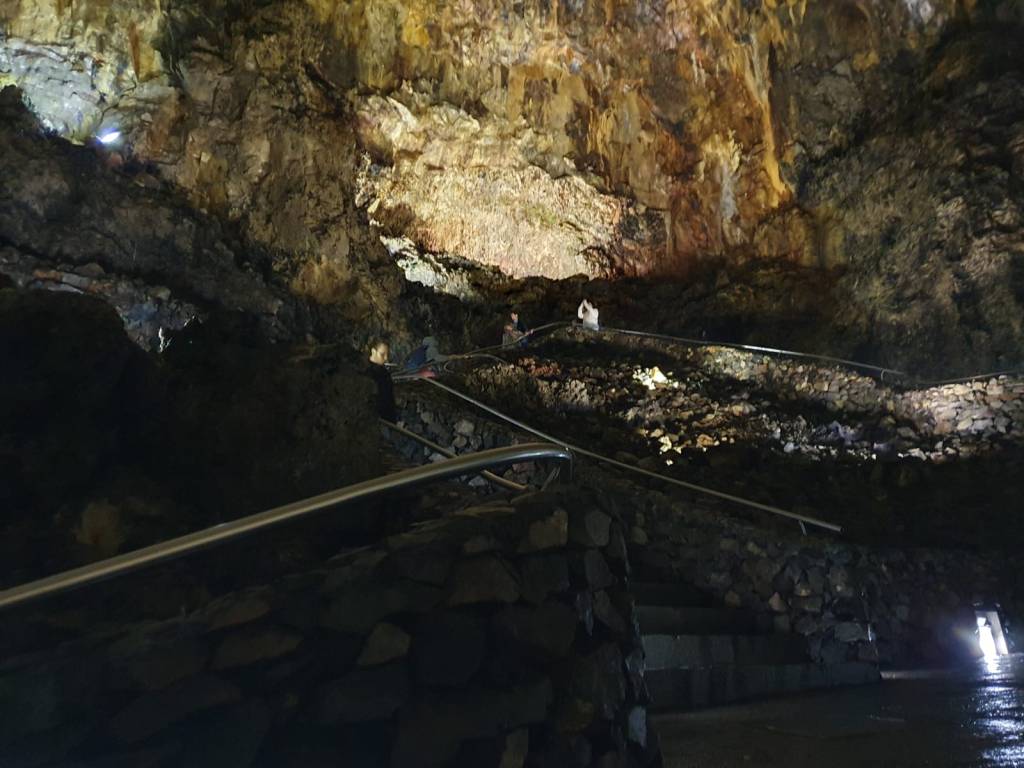
This mountain is just one of many volcanos on the island, the entire Azores group is a collection of volcano eruptions, and have plenty of collapsed, active and also extinct volcanoes. One volcano in Terceira is very special because you can visit the lava canal directly via a tunnel. and walk around over the top of the solidified lava from the last eruption around 2000 years ago. Algar do Cavao is very special and one of the more unique attractions I have been to. It was discovered only in the last century, when a farmer’s cows kept going missing… it turned out that they were falling through the huge crater hole!
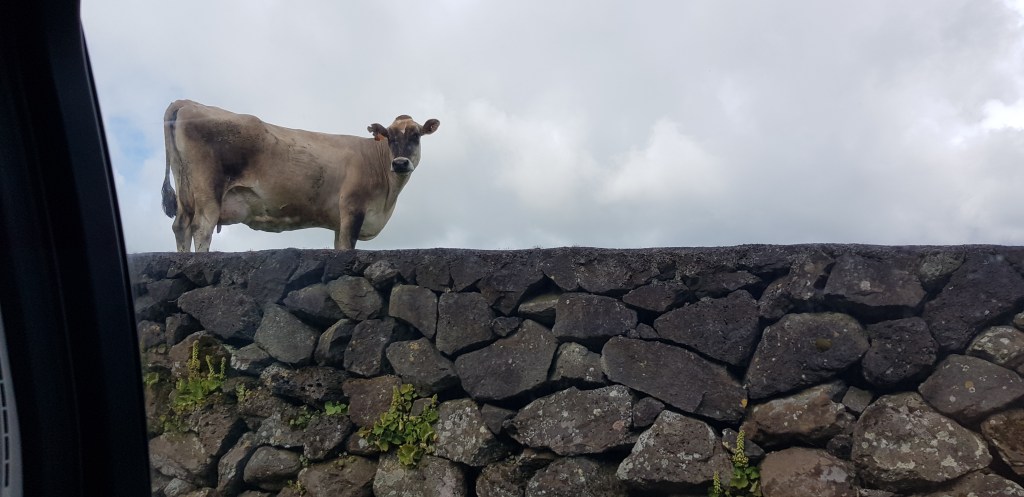
Finally, speaking of cows, there are about 2 cows for every inhabitant on these islands. The biggest industry for these islands is dairy produce, and the amazing thing is that it is all made up of smallholdings and many family ran farms pulling together their resources with other farms across the area to make cheeses, milk, ice cream and more. You are never short of a cow, and someone that knows a lot about them!
Overall, I loved visiting the Azores, and now feel determined to visit all of the nine islands and find my favourite. It is an easy place to visit from Lisbon and I am in Portugal often, so I don’t think it will be long before I am back!
I have visited Lisbon several times for short day trips, but this Spring, I stayed over for a two night break between destinations. This city with what feels like many more than just seven hills, is full of life and culture throughout.
Travelling to Lisbon
I travelled to Lisbon by Train on this occasion from the Algarve’s Lagos, in the South. This was about a four hour journey with one change, and then once in Lisbon there are several main stations you can arrive in. From there, buses, trams and metro are possible.
Neighbourhoods: Alfama and Barrio Alta
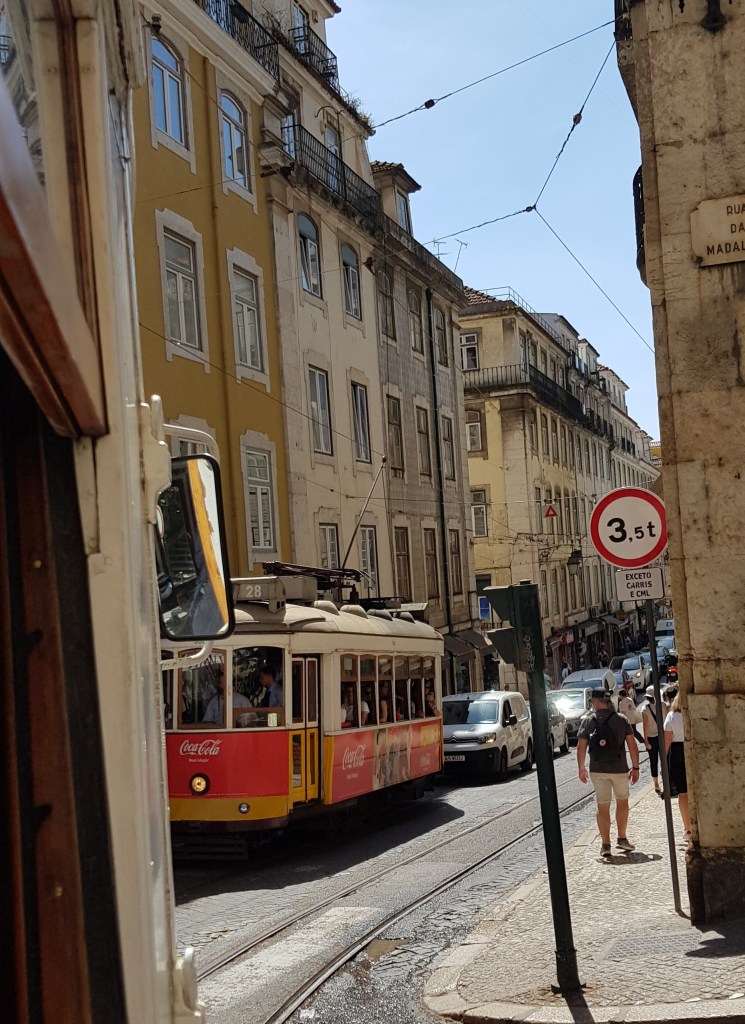
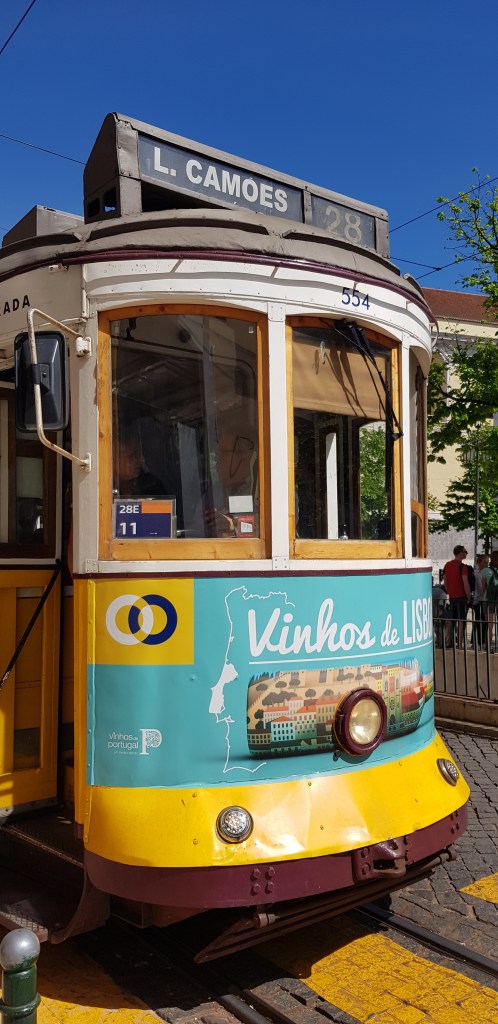
I stayed in the neighbourhood of Alfama which is one of the oldest parts of the city near to the river. I selected this area of the city because it is rich in culture, close to tram 28 which is the main tram to run through the touristic areas, and its an area with many fado houses.
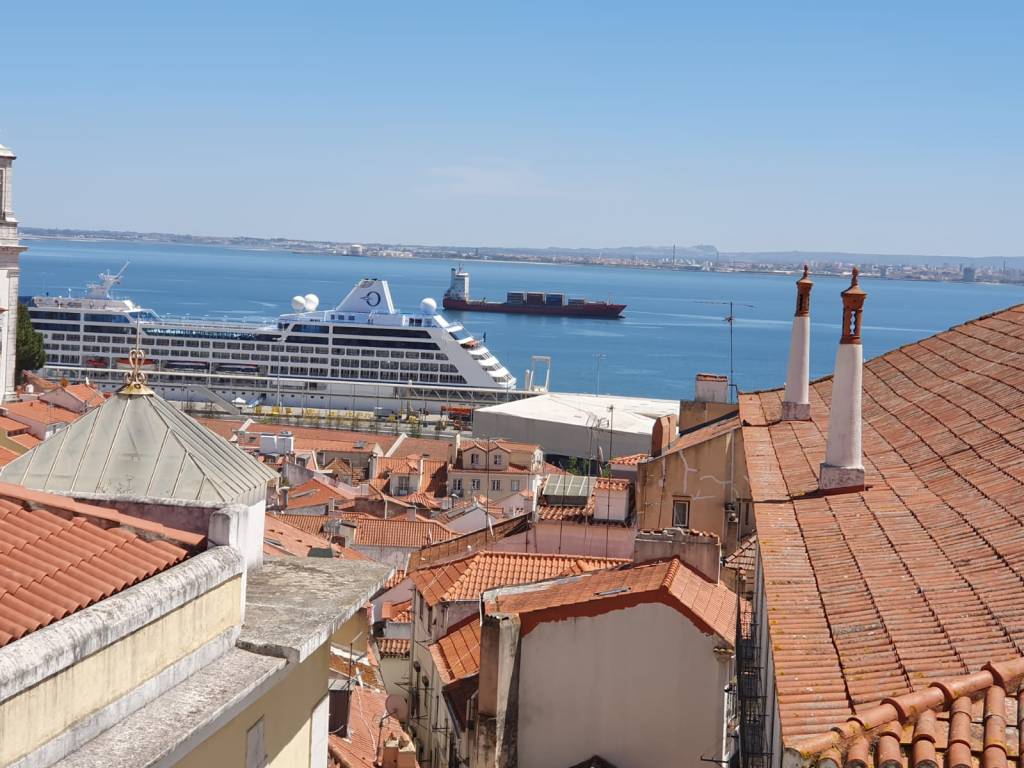
I chose to stay in Convento de Salvador, which is a beautifully refurbished convent on the hill. It was very clean and minimal and still had the old layout and foundations of the convent. Our view of the river and downhill street was wonderful aswell.
It is easy to follow the river from Alfama along the promenade towards the Belem tower, or you can jump on the tram to head either towards the castle in one direction or towards Barrio Alto.
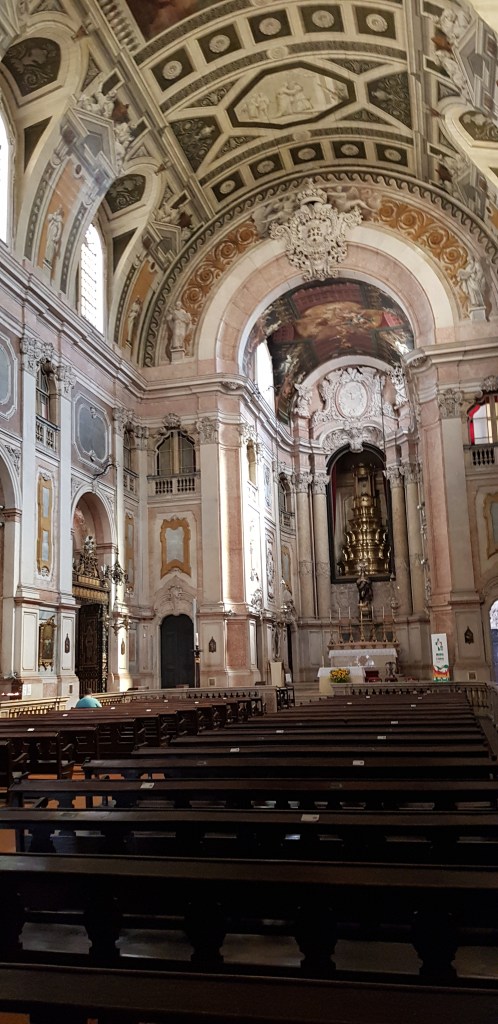
Barrio Alto is a bustling area full of shops, restaurants and squares with street performances at night. Wondering the squares to listen to music, enjoying a pastel de Nata and venturing to some of the local gardens can all be enjoyed within walking distance from here. There are also some wonderful churches, I visited two churches from the italian community that were very beautiful.
The must see monuments / attractions
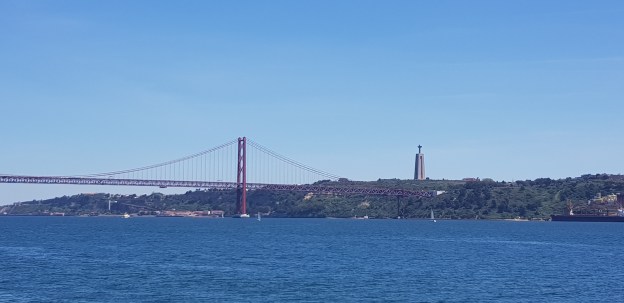
Belem Tower – A monument to remember the power and colonisation by Portugal, it sits at the riverside and you can also see the bridge and christ statue from here.
Jeronimos Monastery – A huge monastery facing large public squares and standing to the front of the botanical gardens and presidential palaces.
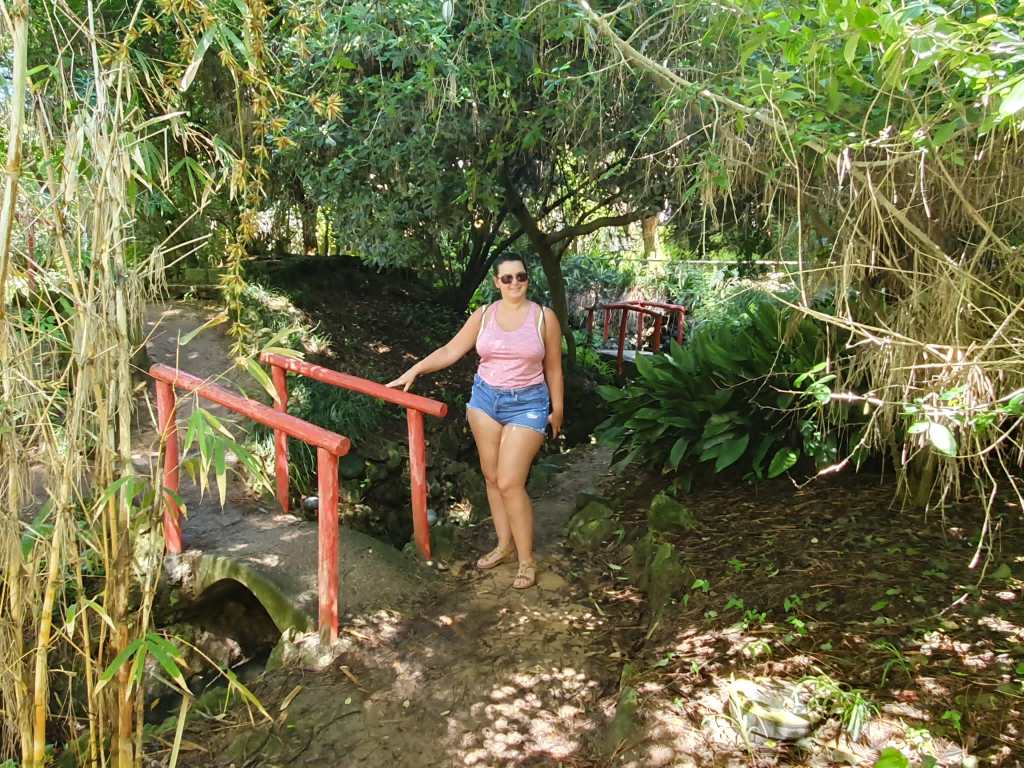
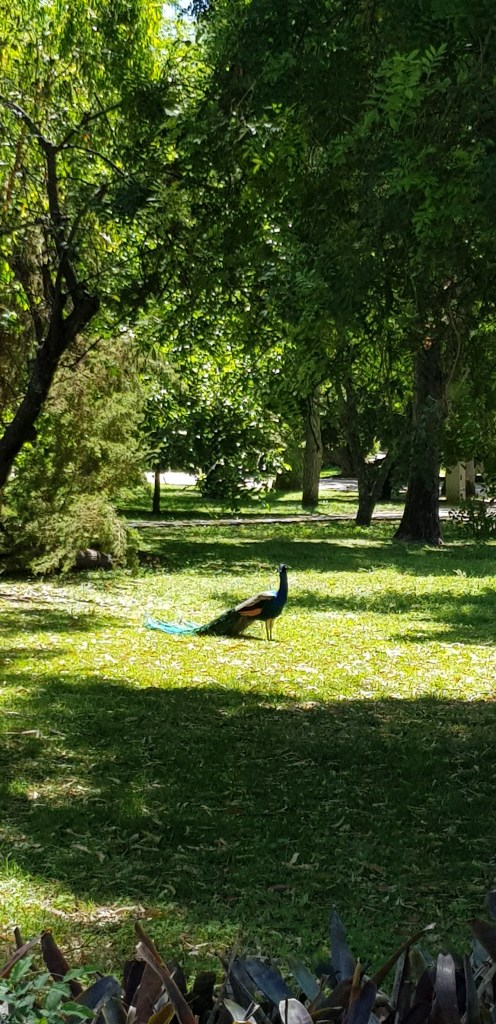
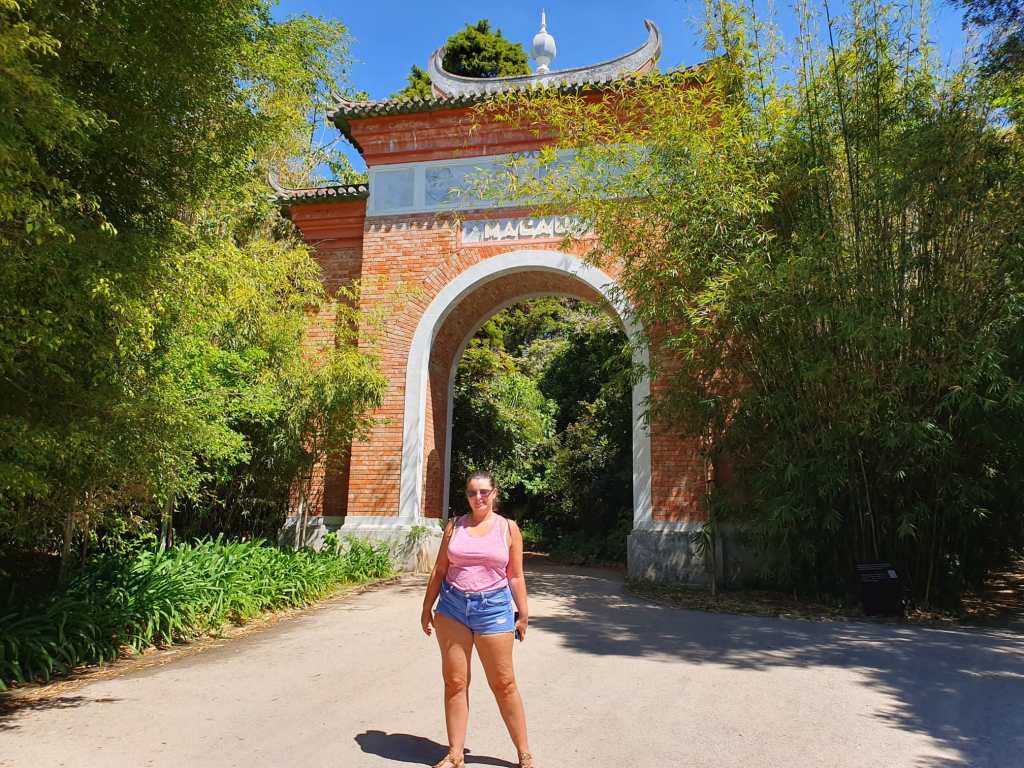
Botanical Gardens – A beatiful setting to spend some hours in the afternoon seeing a variety of interesting trees and flowers, an oriental garden, old buildings, african sculptures and many peacocks.
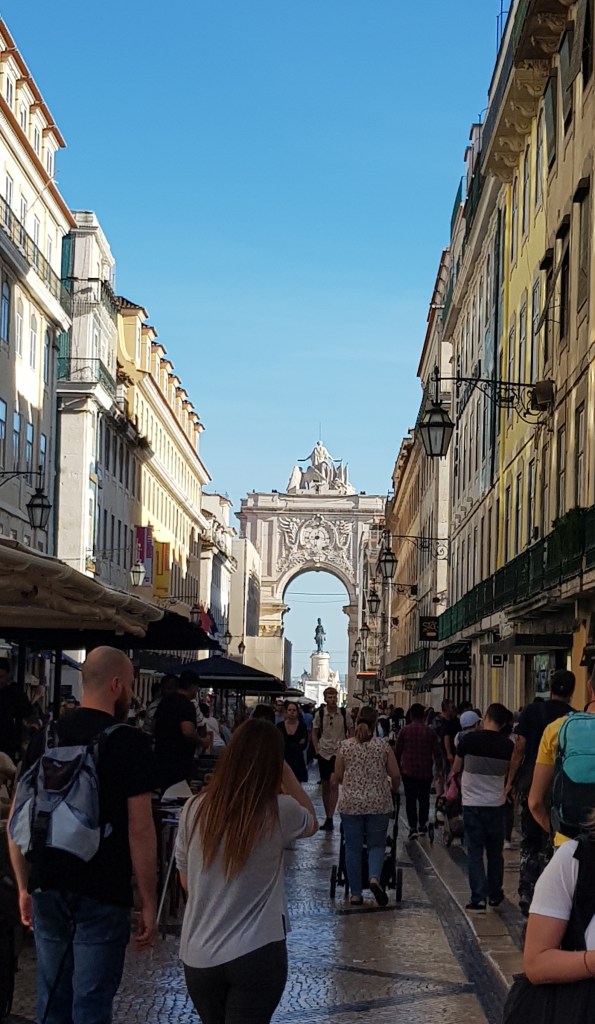
Commercial Plaza – The location of a huge statue, the tourist information offices and a great gathering place for events.
Fado
Near my hotel were several Fado houses. These are traditional houses which have evening shows (normally with dinner) of traditional portuguese fado music. This is deep, very sad singing and guitar, supposedly derived from the soul.
The music is very relaxing to listen to, and when visiting the fado house, it was of the utmost importance that guests did not talk and food was not served out by staff during the music out of respect. So, several breaks were needed to dish out food and for conversation. This was good for me as it meant I actually slowed down and savored my food.
There is also a Fado museum downhill in Alfama. It has a lot of information about Fado but it is difficult to navigate and understand the information at hand, and I felt a lot more could be done to improve its guest experience.
To conclude…
I like Lisbon a lot, it is one of my favourite cities. It is vibrant and proud of its heritage. Next stop is another portuguese area, the Azores…
This Easter weekend, I threw my bag over my shoulder and took a six hour train ride to Edinburgh! The capital of Scotland became my base to explore my neighbouring country with friends.
The journey from Norwich was much faster than I expected, and a lot easier than I think driving would be. On arrival in Edinburgh’s train station, we were already surrounded in shopping and restaurant opportunities as well as the gorgeous Prince Street Gardens. A great introduction to the city. We made our way to our AirBnB on the edge of the city centre, and got ready for a night on the town!
Exploring Edinburgh
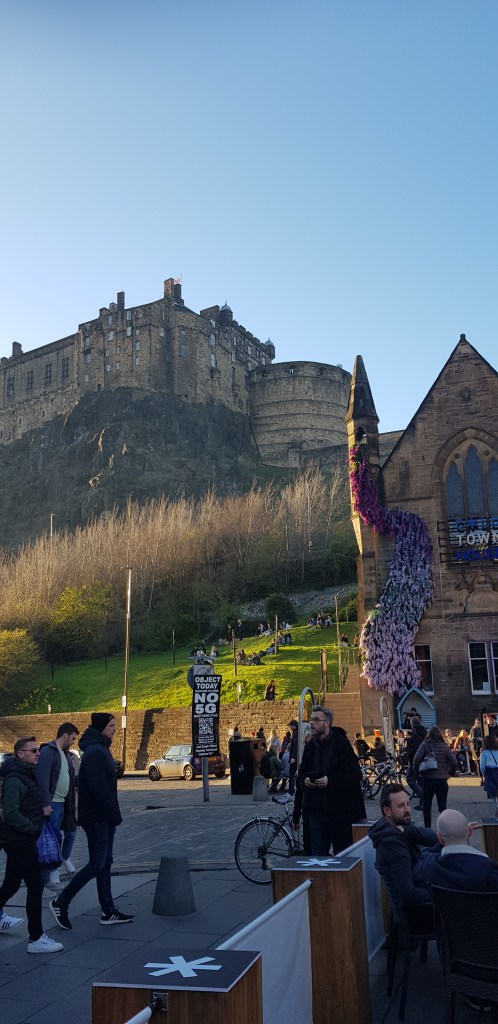
As a capital city, there is of course a lot of areas to explore during the day and at night. We found the most buzzing area was just down the hill from the castle, where the market takes place and there are lines of restaurants and bars with outdoor seating to enjoy the living city atmosphere. I would say that the city can be expensive for an evening out, especially if you want to enjoy a cocktail… or two… or three! That may have a small part to do with the high number of stag and hen do groups we saw stumbling around town dressed in kilts and veils!
On our first full day we ticked off a bunch of the main attractions and had a fab time doing it, in one of the most rare sunny days that Scotland has mustered!
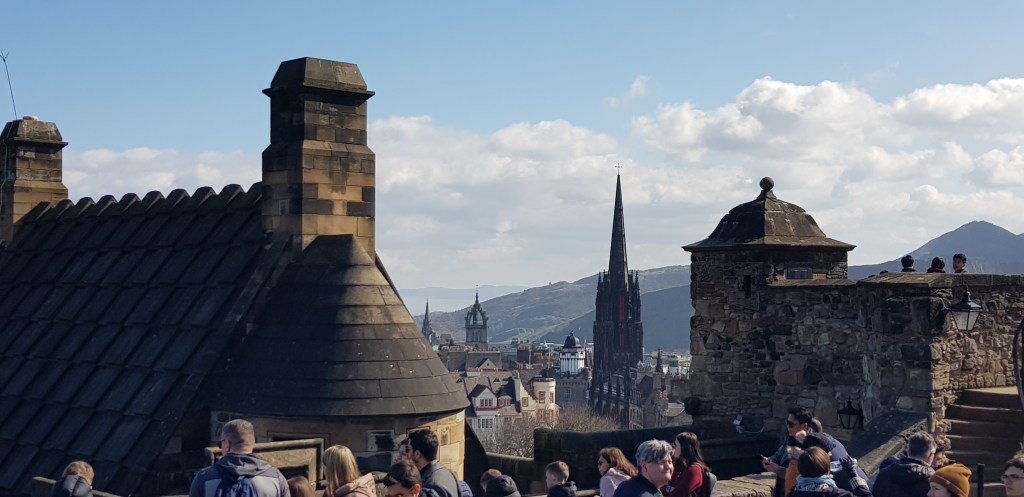
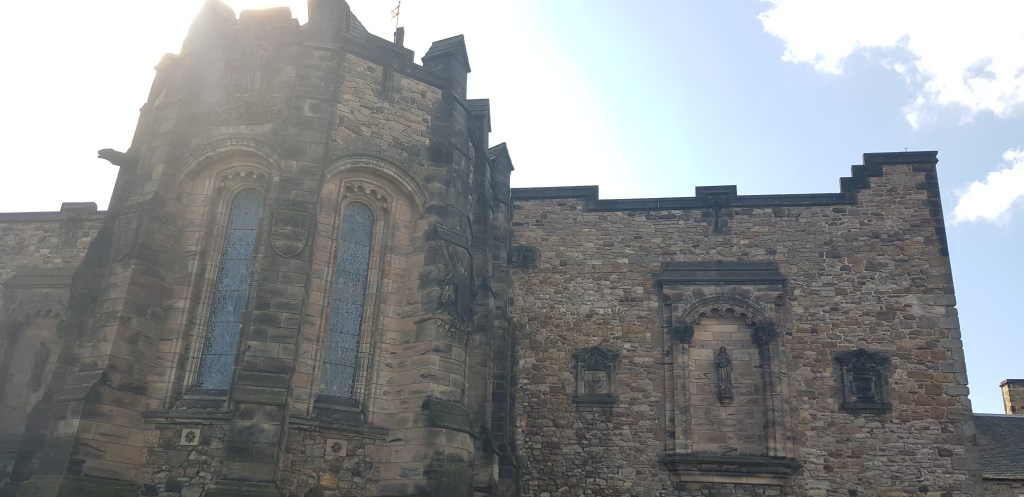
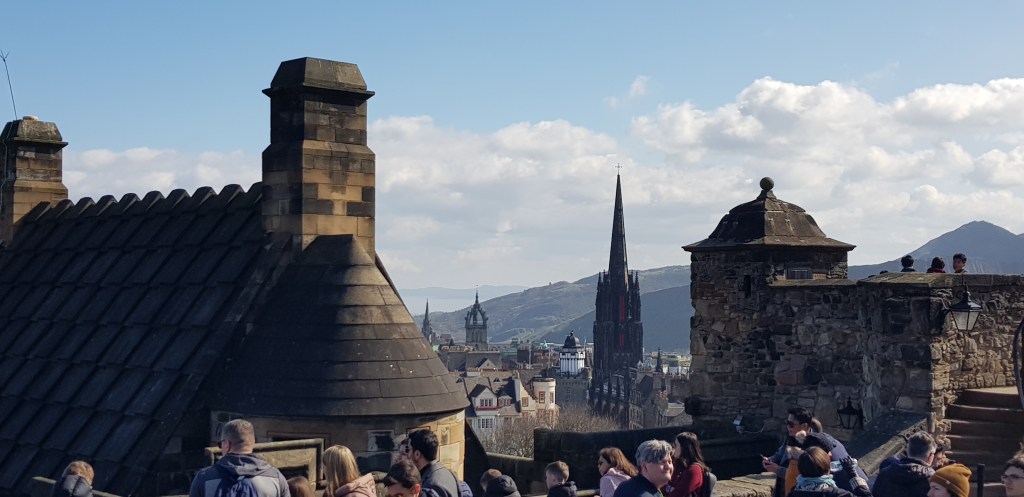
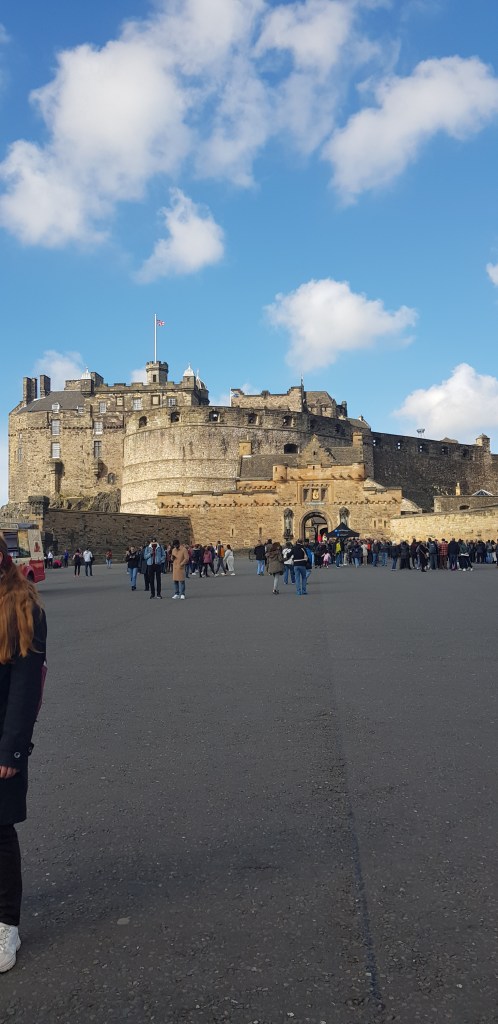
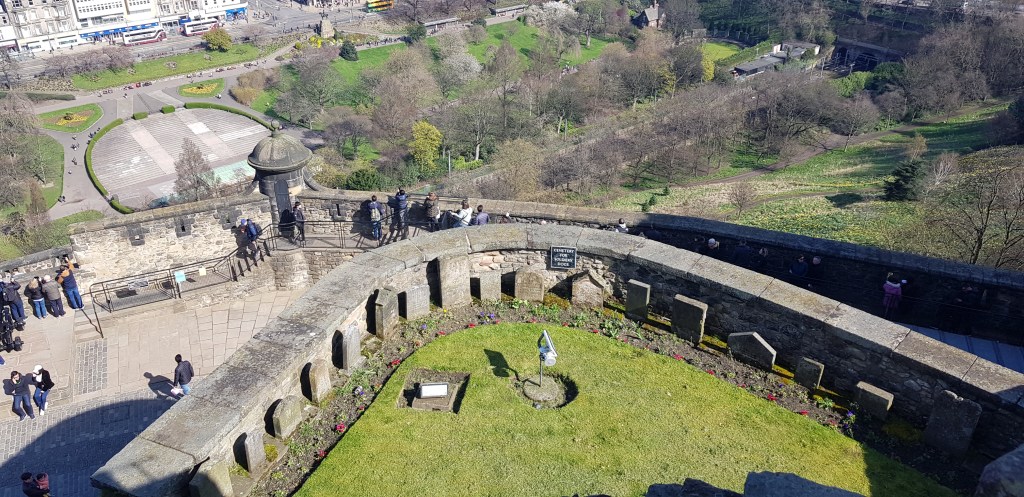
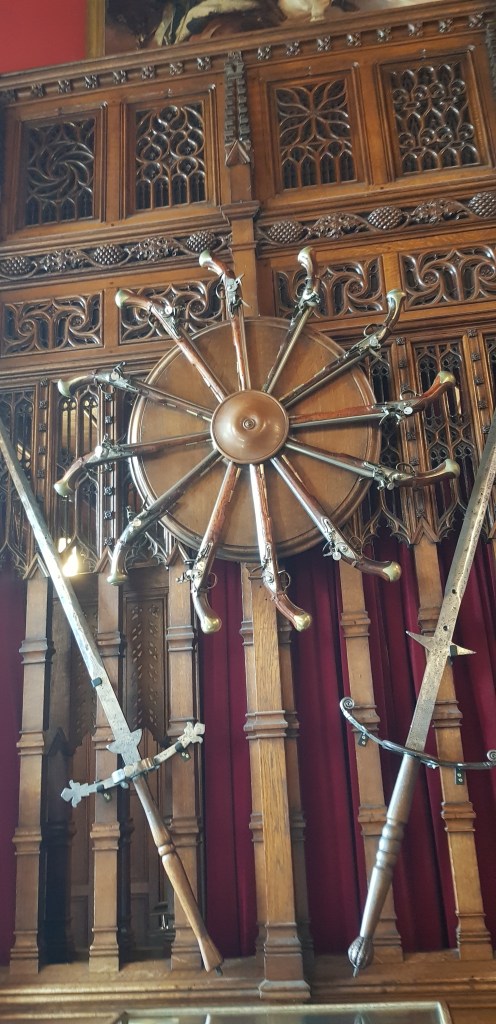
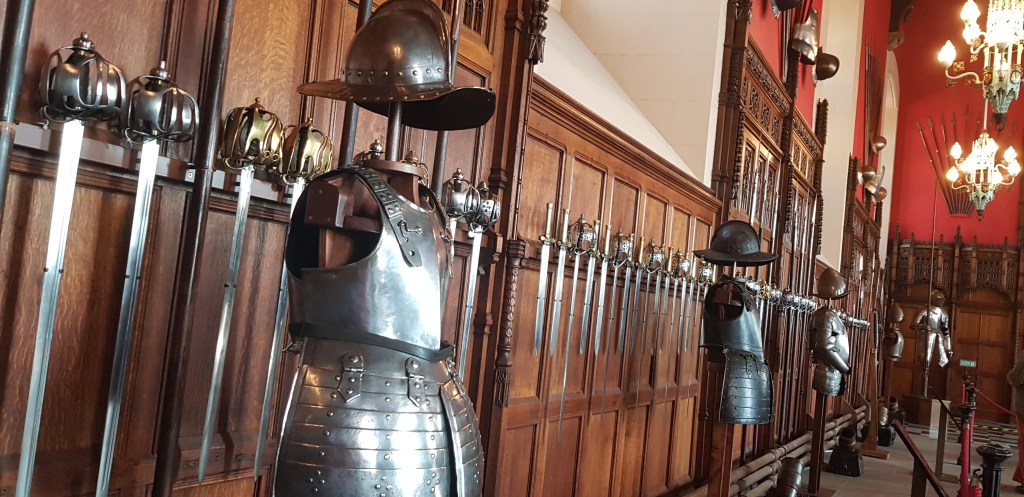
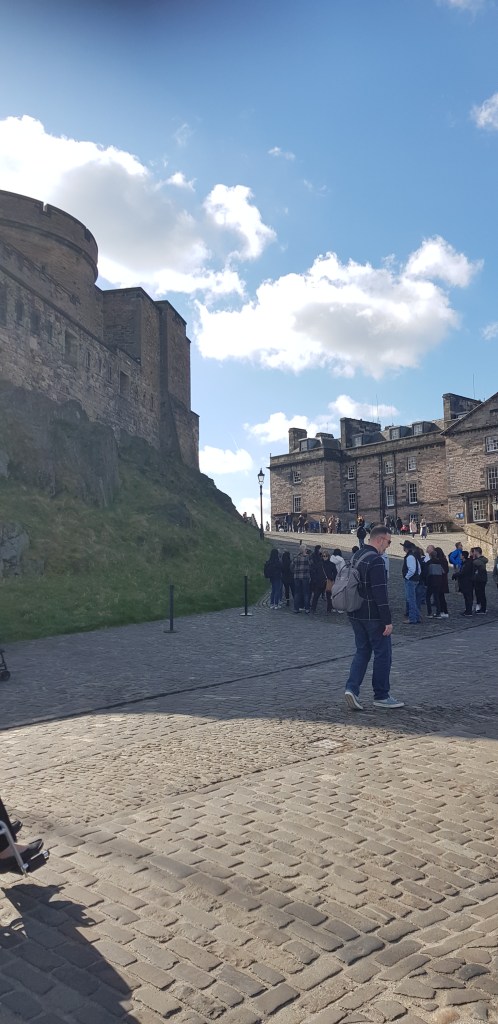
One of the most popular attractions that we saw was Edinburgh Castle. Once I recovered from climbing the steps, I was able to appreciate the awe of the castle that was surrounded by tourists. From the entrance of the castle you can see an amazing view of the city, and as you enter into the castle complex, the views continue from different angles, including far away landmarks, and up close ones; like the soldier’s dog cemetery…
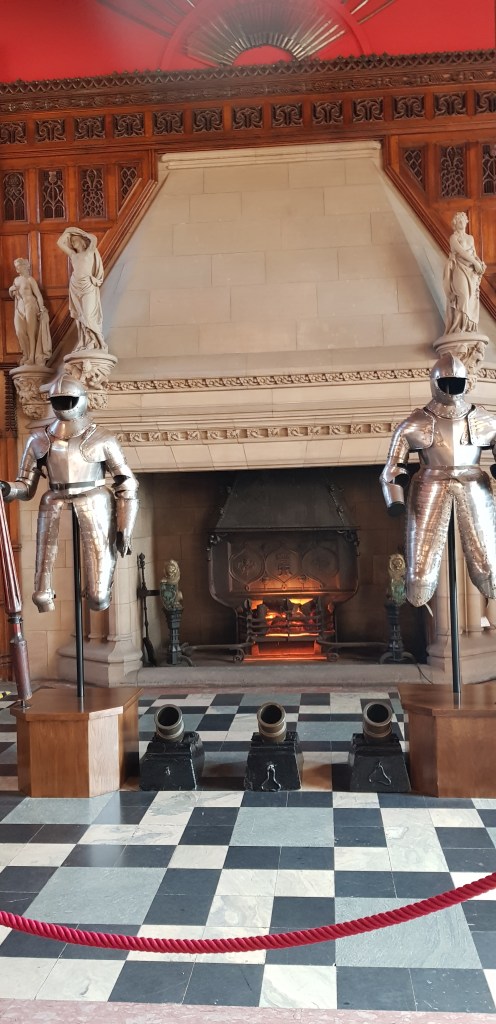
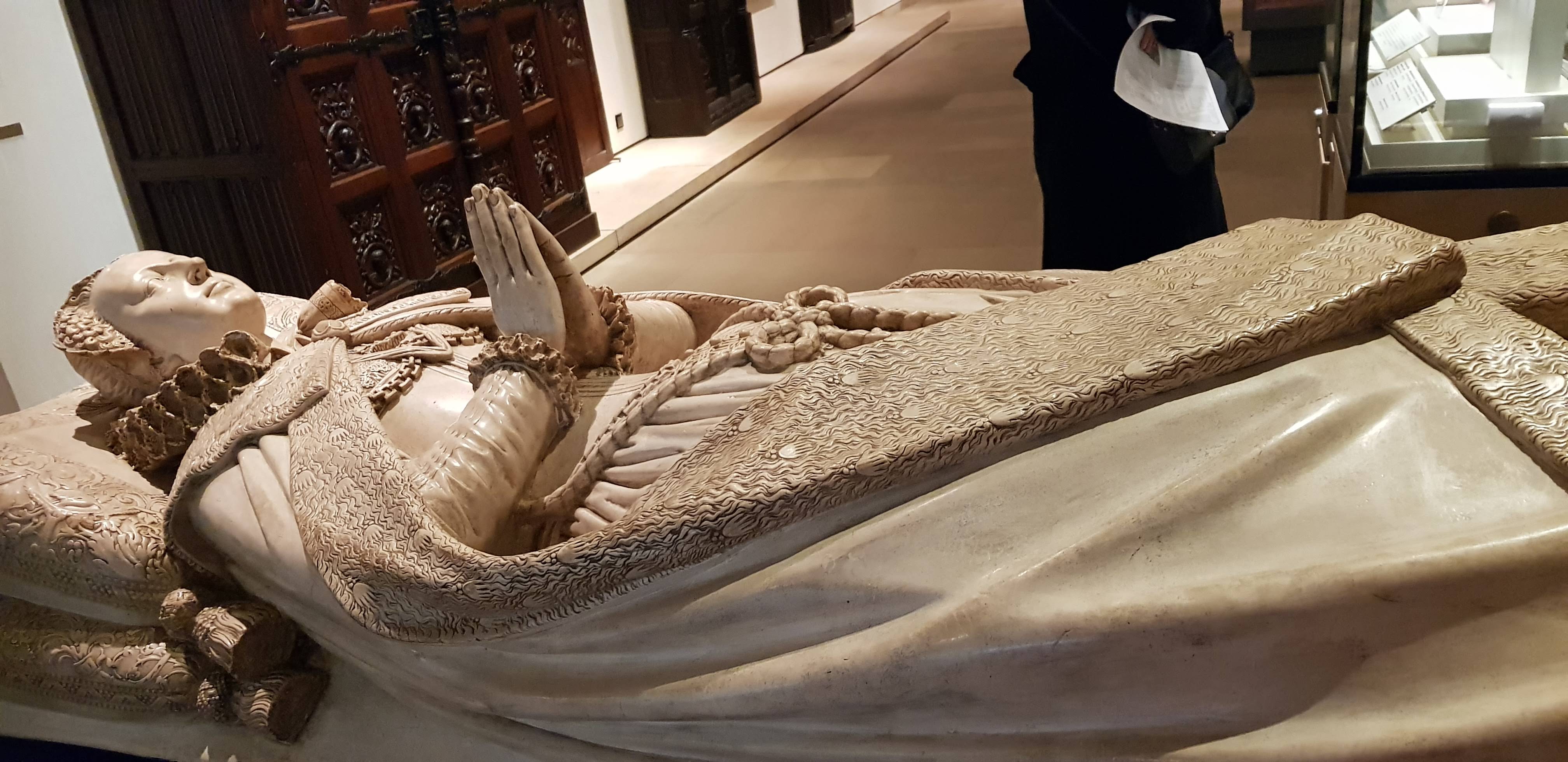
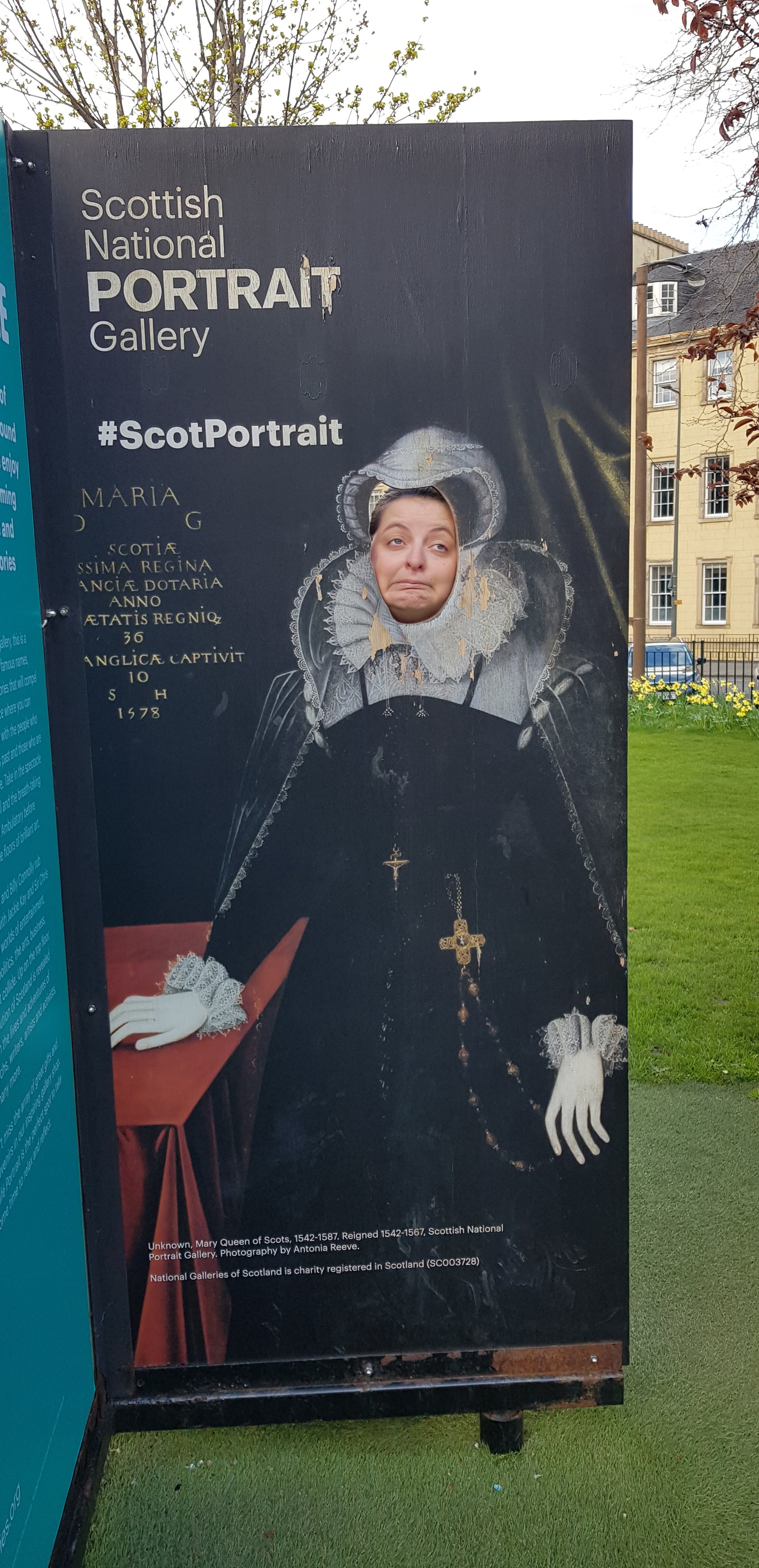
From inside the castle, you can visit the old chapel, prisons, crown jewels, staterooms and much more. The information provided was really good and I particularly enjoyed learning more about the Scottish Monarchy and particularly Mary, Queen of Scots, who is an extremely interesting woman in history. She spent her life fighting for her rights as Queen and being sought out by her enemies, and she was very unlucky in love repeatedly. She still managed though to bring life to the first King of both Scotland and England.
Two very different images of Mary, Queen of Scots
If you only had a few hours to in Edinburgh and wanted to learn about the history and see the whole city at once, the castle is definitely, the ‘must see’ place.
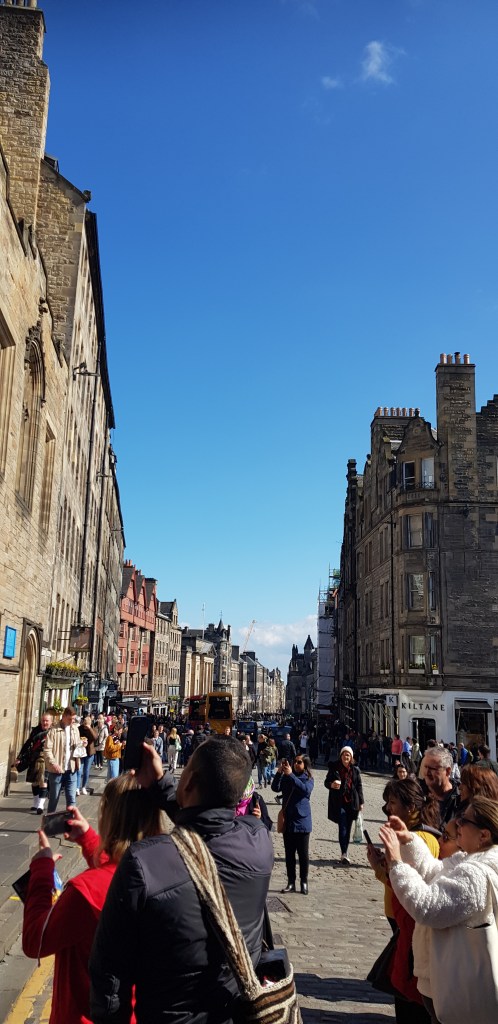
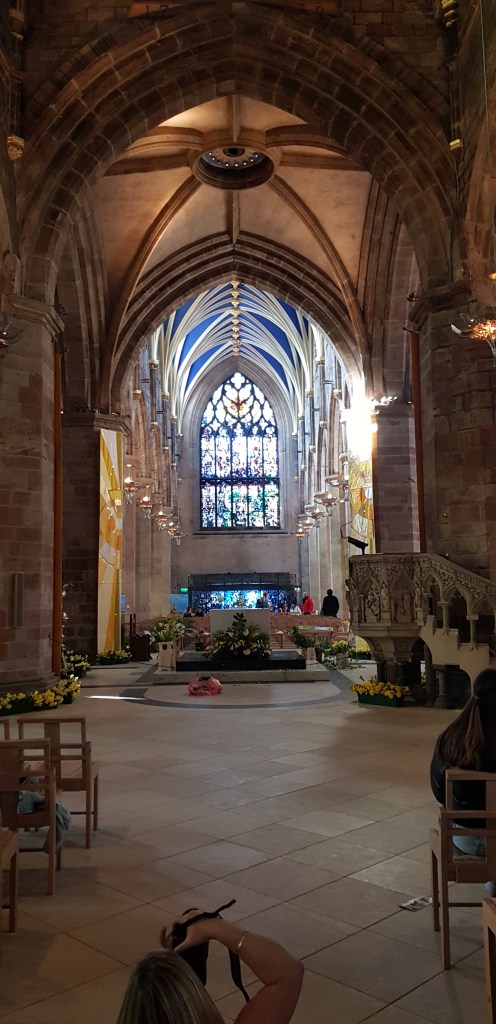
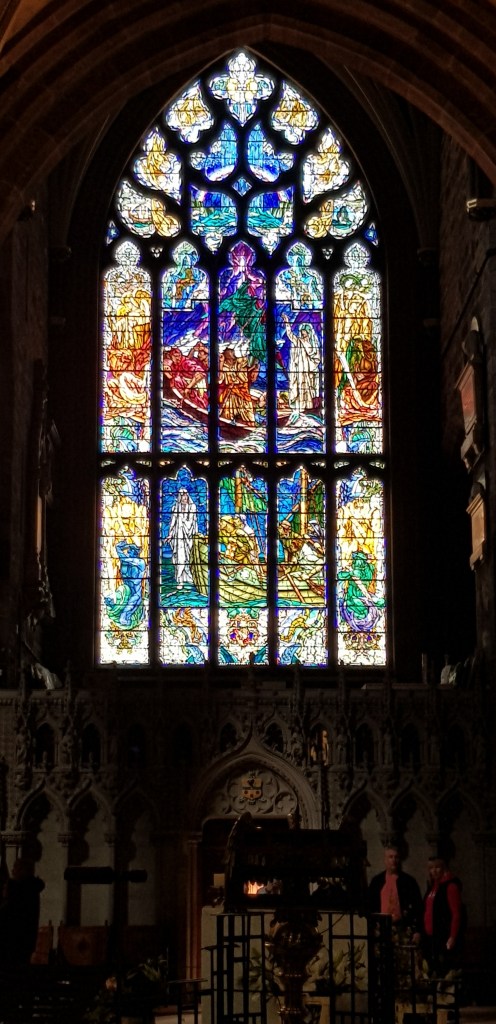
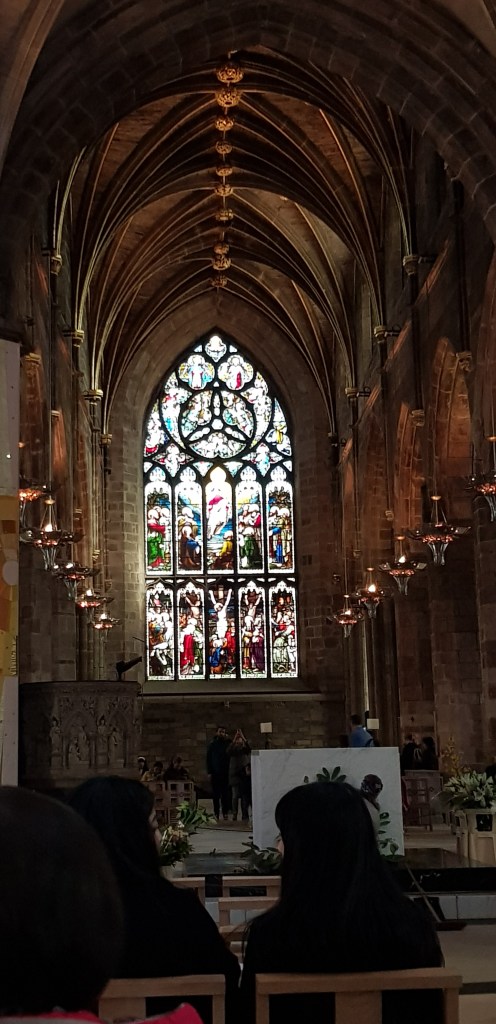
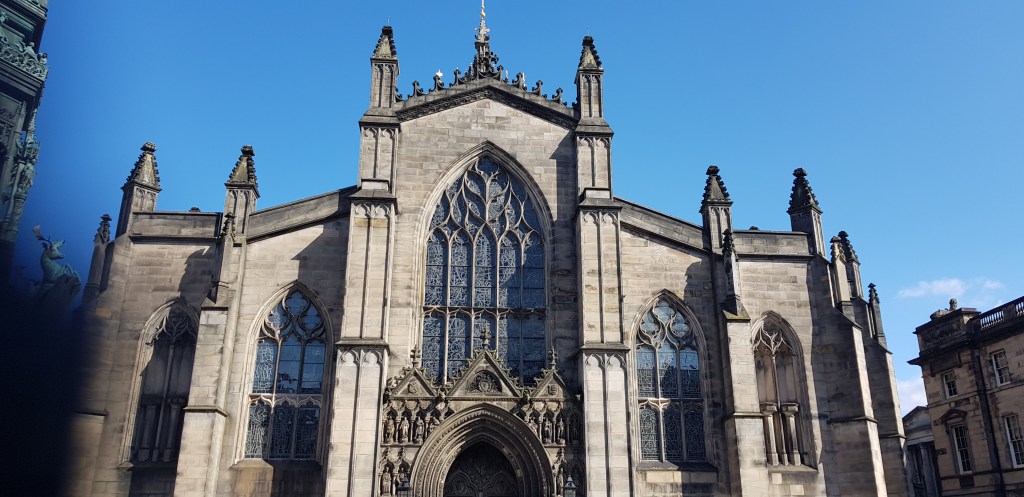
After leaving the castle we wondered down the ‘mile’ which is the long tourist filled street where you are never short of hearing a bagpipe or being able to find yourself your own brand of Tartan. Not far along, I came to the St Giles Cathedral, which was a nice place to just take a seat and enjoy the ambience, and the cool escape from the hectic busy centre outside the doors.
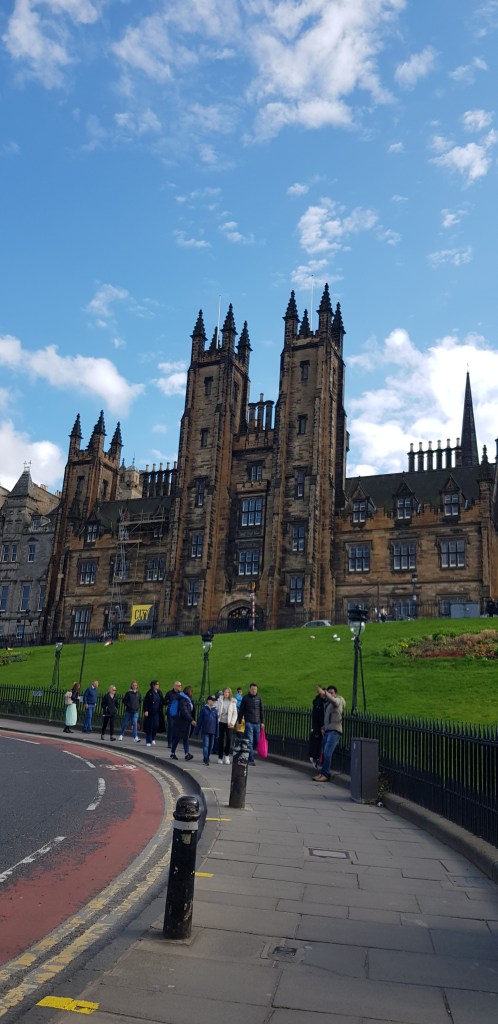
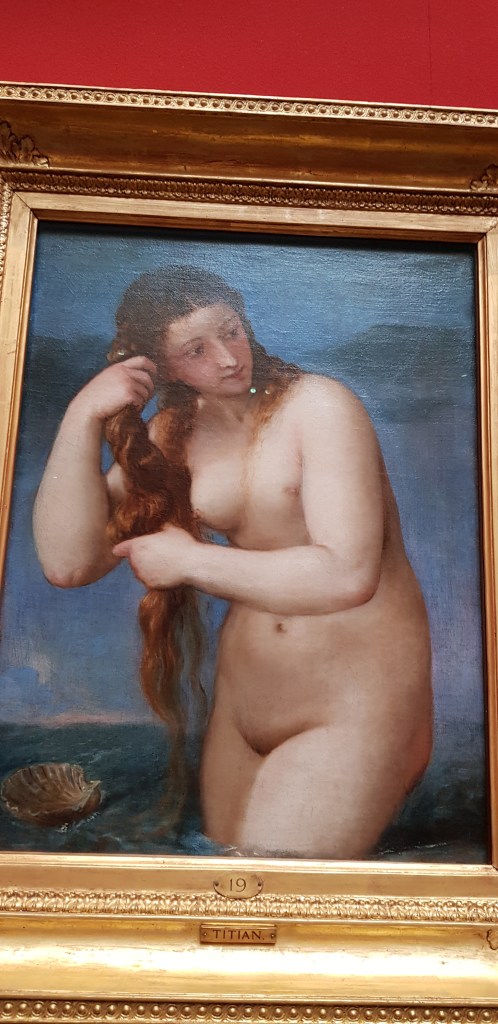
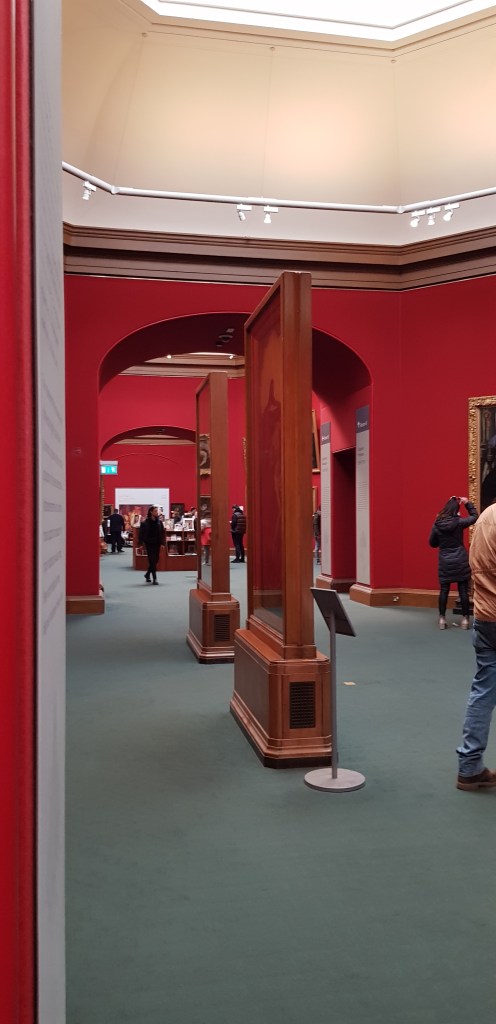
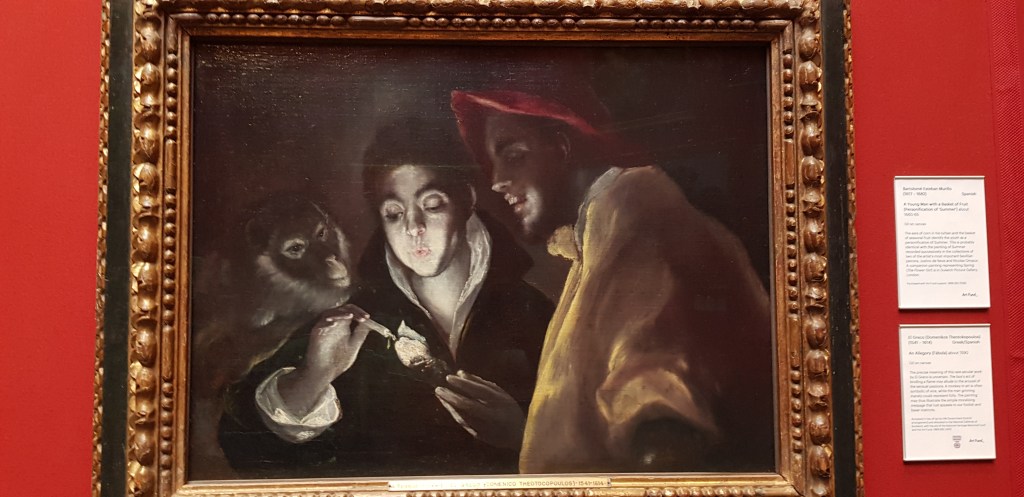
After a little break, I delved into more inspiring arts and information by visiting both the National Gallery and the Museum of Scotland. Both had great information and exhibits, but the gallery was definitely less daunting than the very large museum.
The Scottish Highlands within easy reach…
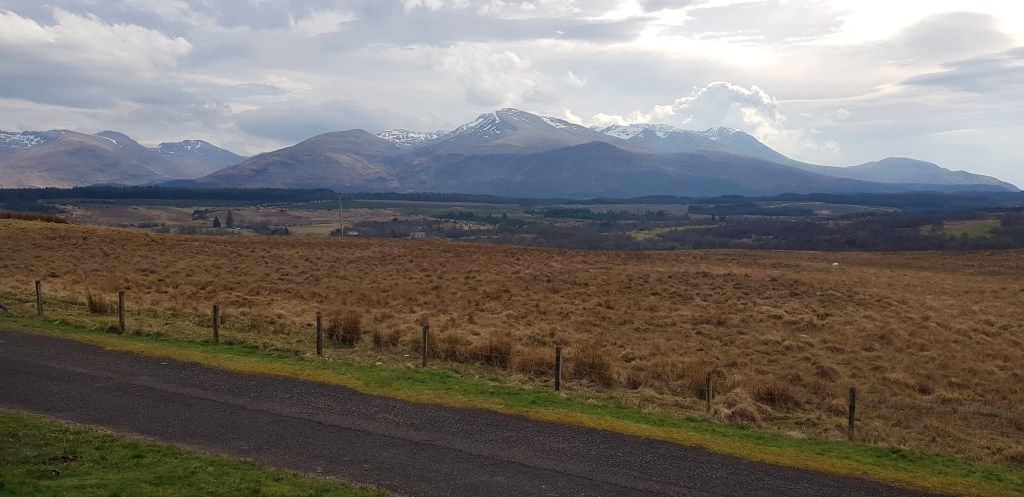
On our last full day which also happened to be Easter Sunday, we decided to go on a full day tour of the highlands. The tour was on a coach with many other visitors from around the world, and was led by a very good looking Scot in a kilt, who kept insisting he did not feel the cold when he blasted the air conditioning on full and me and my friends were going blue…
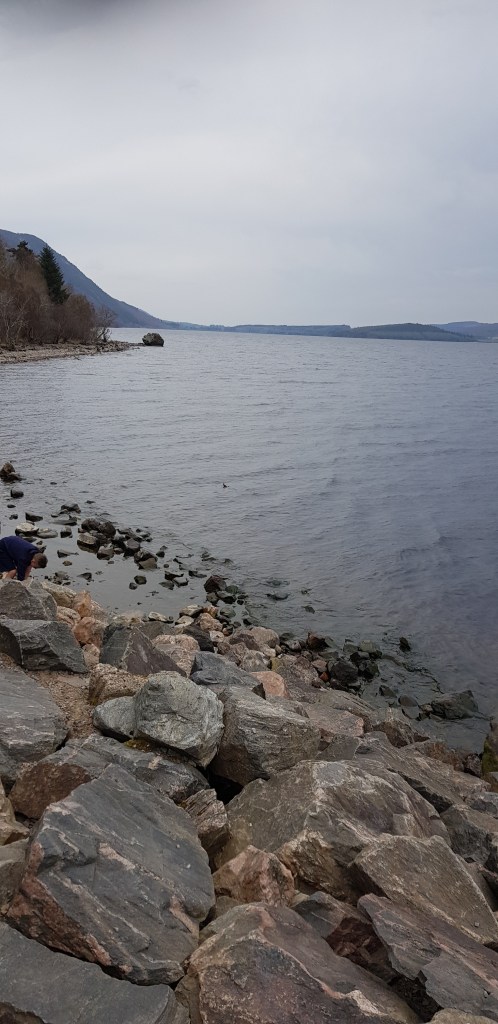
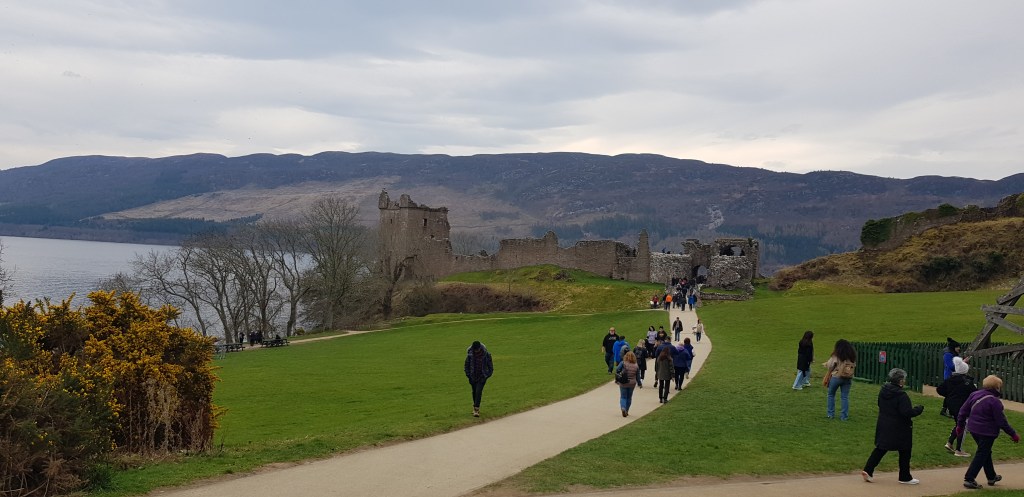
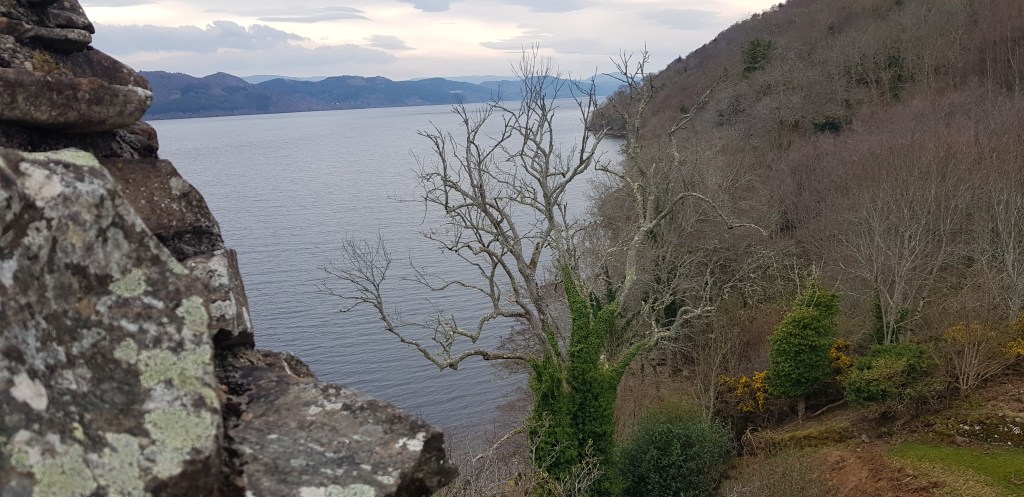
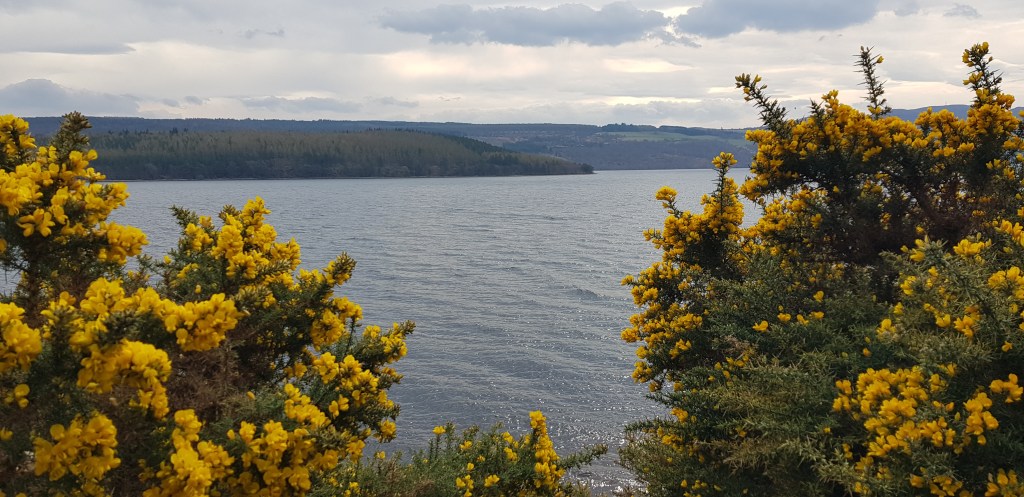
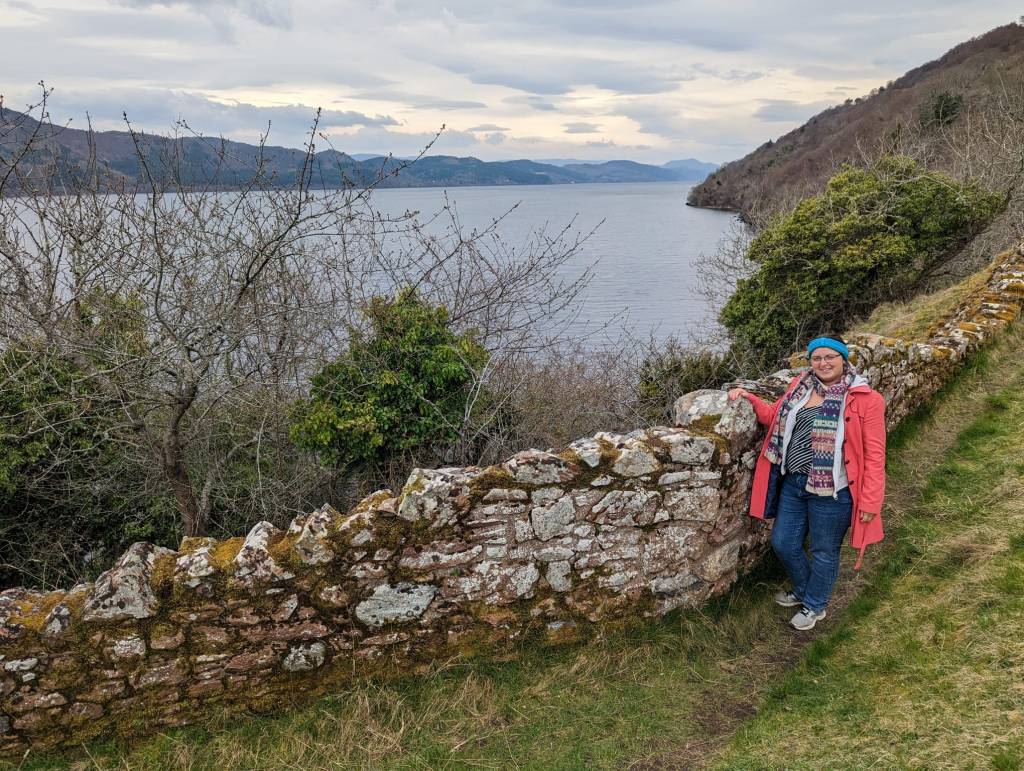
The tour visited some key locations like Glen Coe, and local castles and villages, but the big one was Loch Ness. We visited in by road, and then took a cruise on the lake, which in hindsight was very crowded with tourists, and this was during the beginning of Spring, so not the busiest time of the year. The lake itself though is incredibly large! It apparently is so deep and wide that you could fit the whole population of the world inside several times over. I don’t know why, but I was expecting something a bit smaller, so I was impressed. It is just a shame that this was the day that the Scottish weather came to visit and we were all stuck in the wind and cold, but we did avoid the rain!
Farewell to Edinburgh
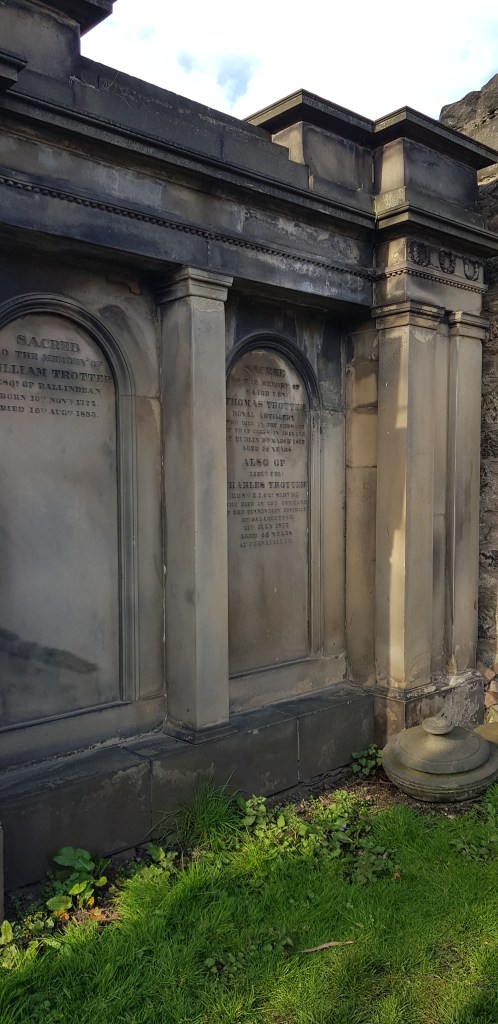
Before leaving the city on our final morning, we did a little exploring of the local cemetery and were able to see and secure photos of the grave of the infamous Thomas Riddle. That’s right, the dark lord himself. Well… actually, it is the grave of someone with the same name, apparently J K Rowling took the names of many of the Harry Potter characters from this very same graveyard. Spooky!
Finally, it was time to jump back on the train and bid farewell to the capital of Scotland. I pondered on it, and decided that I would be happy to return to Edinburgh and see more of the highlands and Isles too, but for now it was just time to take a long nap all the way home…
Whilst the world began to prepare for the Christmas season, I decided to jump on the train (in the middle of a train strike) and take a solo adventure to the North East of England, ticking more cathedrals off my list.
York
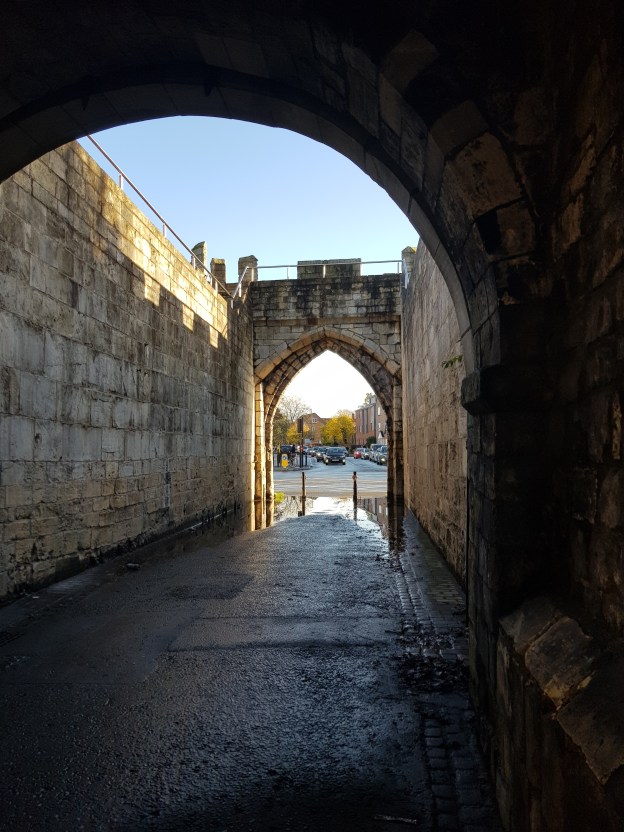
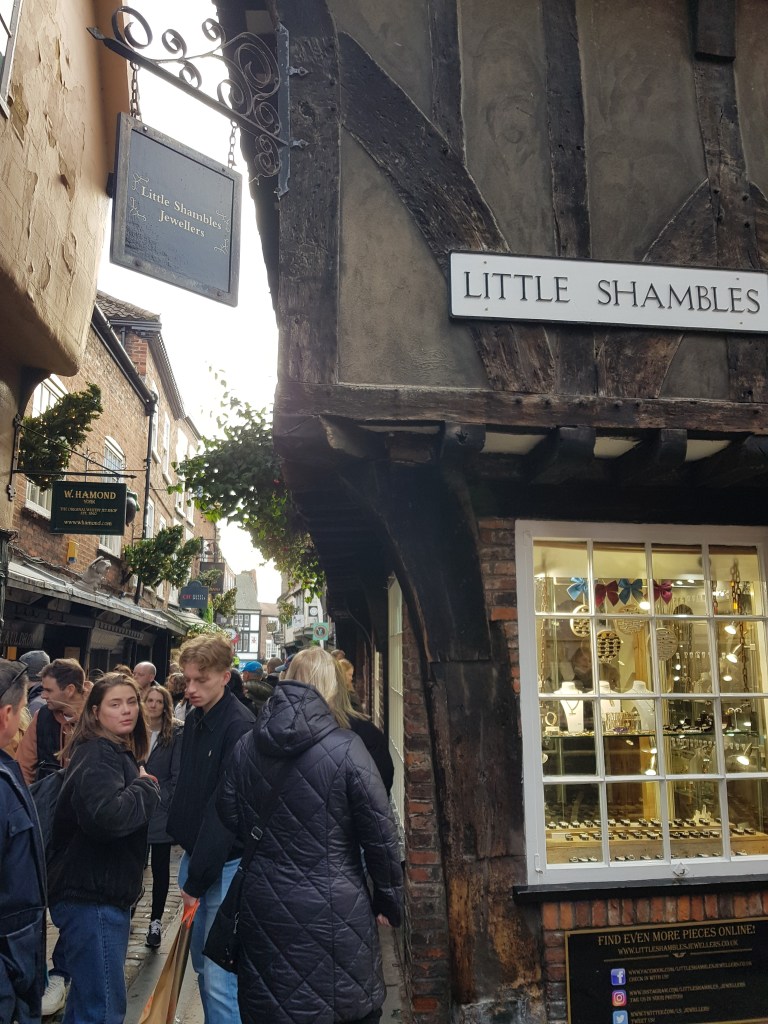
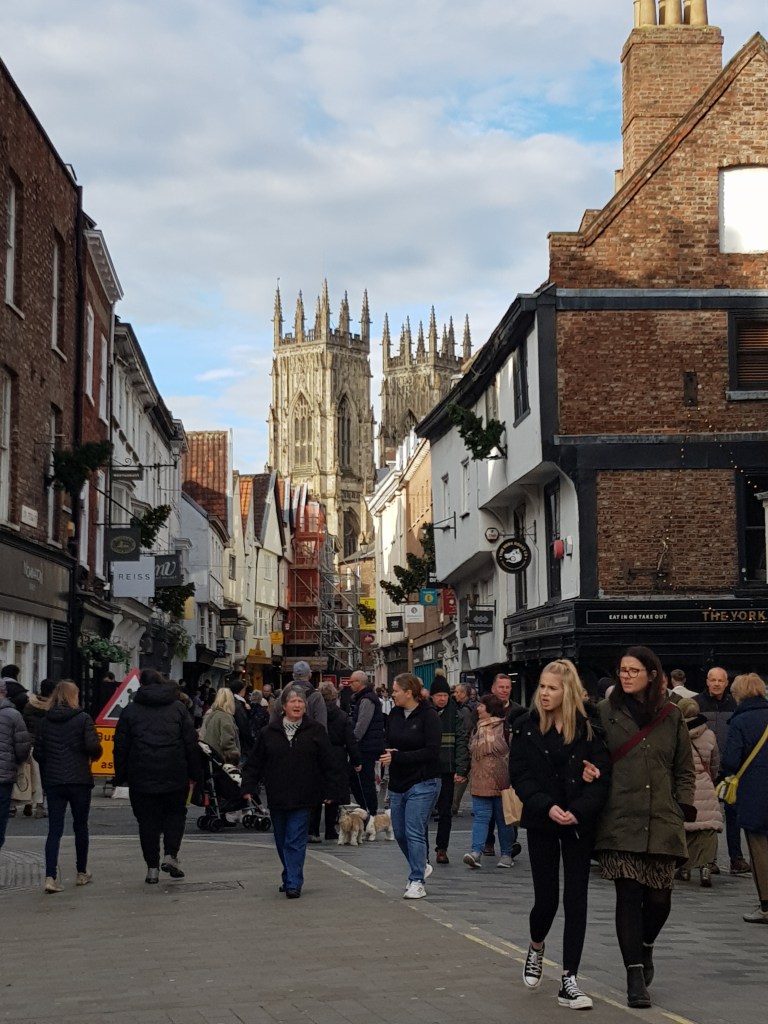
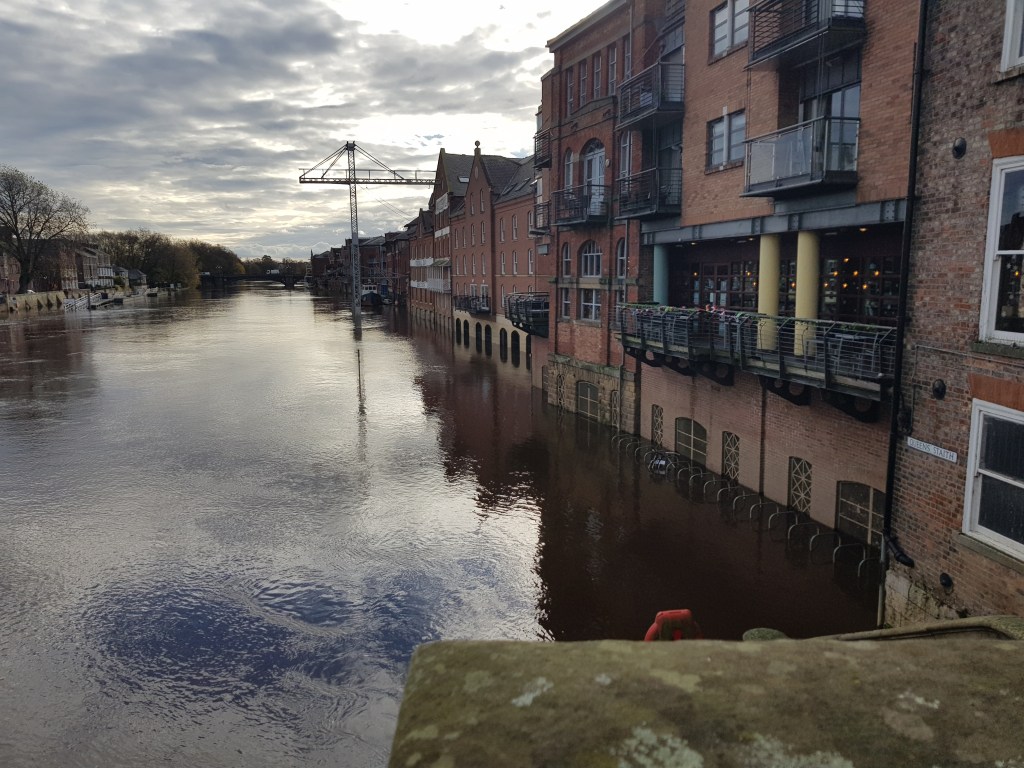
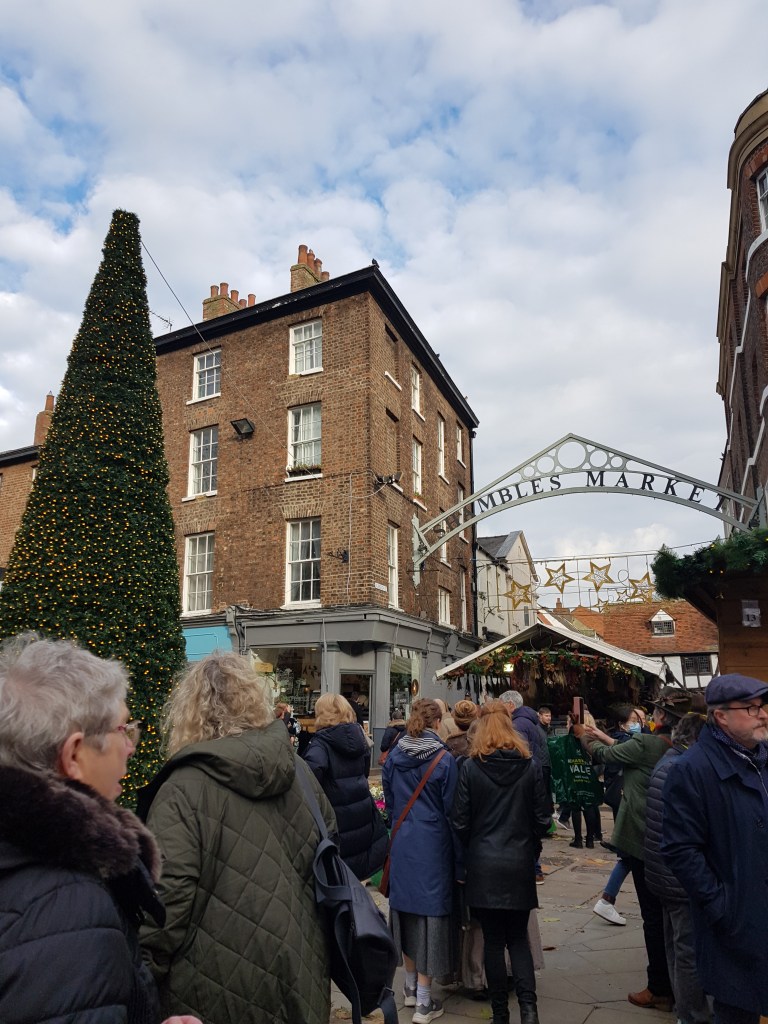
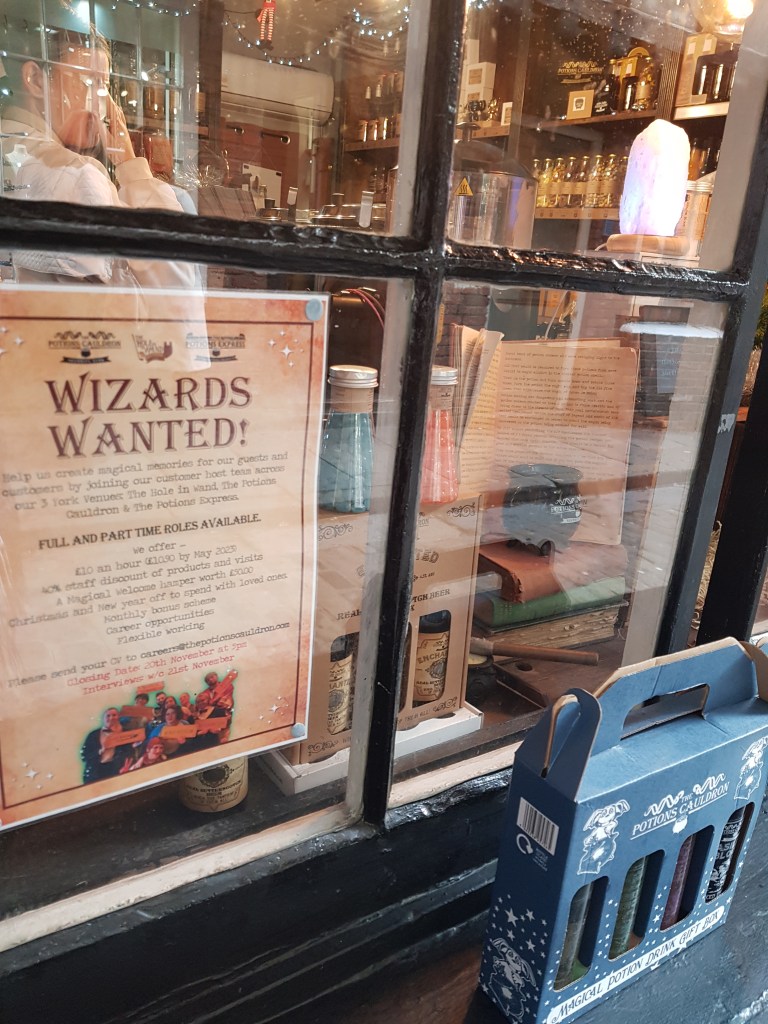
I set up a base in York for my week in the North, at a hostel nearby to the center. York has a lot to offer, being good for shopping, historic walks and interesting attractions. I spent my afternoons there wondering the streets that were used for Harry Potter’s Diagon Alley, which now have wand shops, and novelty potion brewers. As well as a great shopping offer throughout the historic city, you can also walk the entire length of the historic roman walls, this walk takes less than a few hours but it does give you spectacular views of the city and the splendid York Minster.
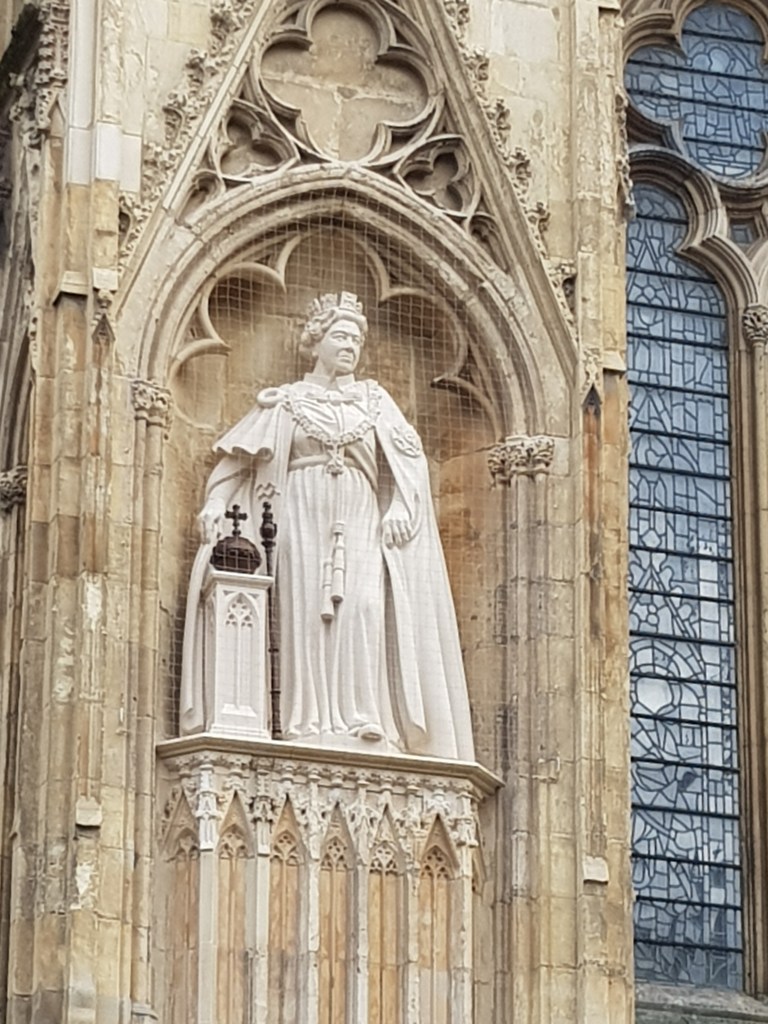
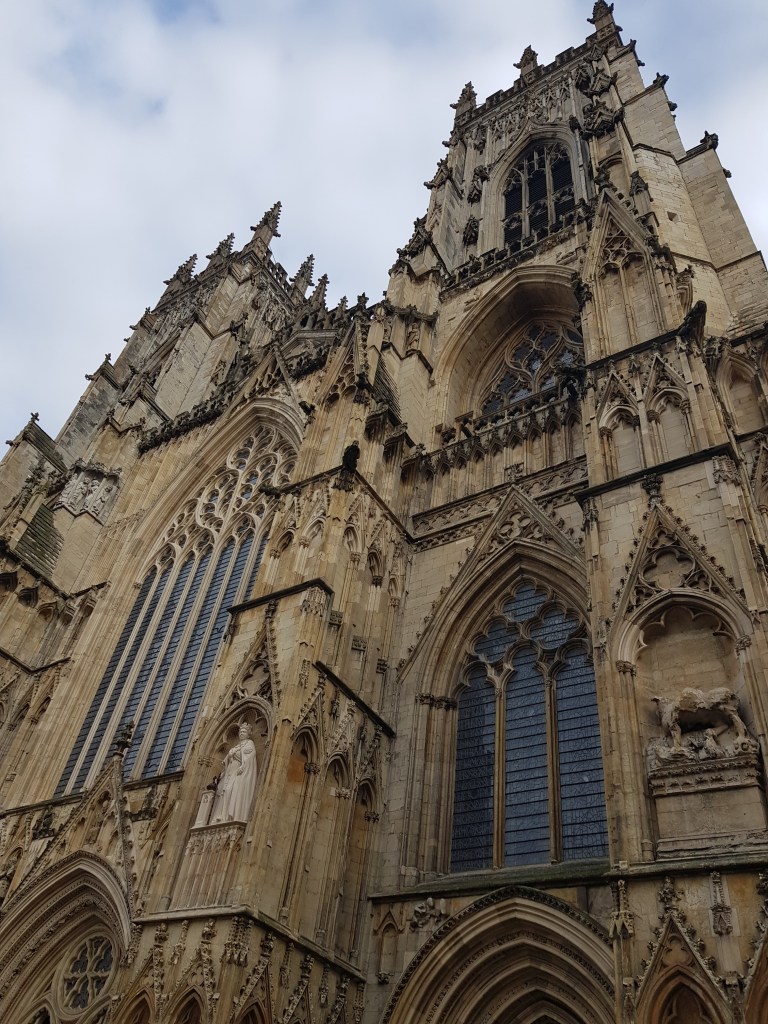
York Minster is the cathedral for the area and the largest gothic cathedral in North Europe. It is dated from 1200s onwards and is a very important venue to the church of England and the English monarchy. The space inside is huge and features a huge rose window with significant symbols of white and red roses relating to the symbols of past monarchs.
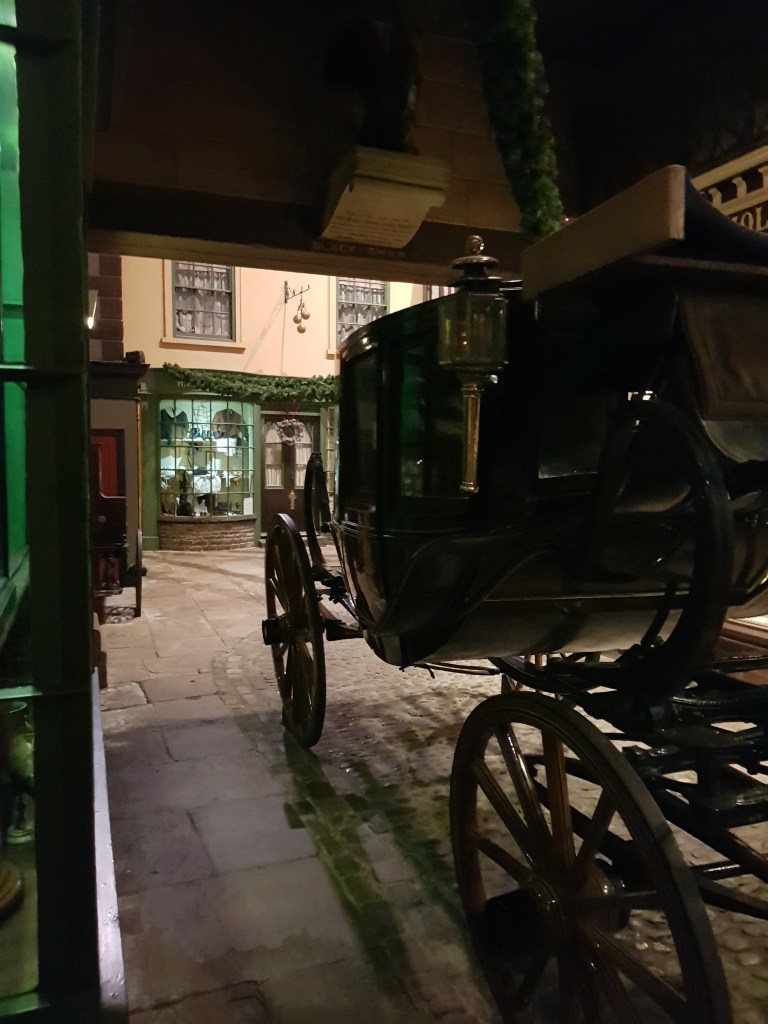
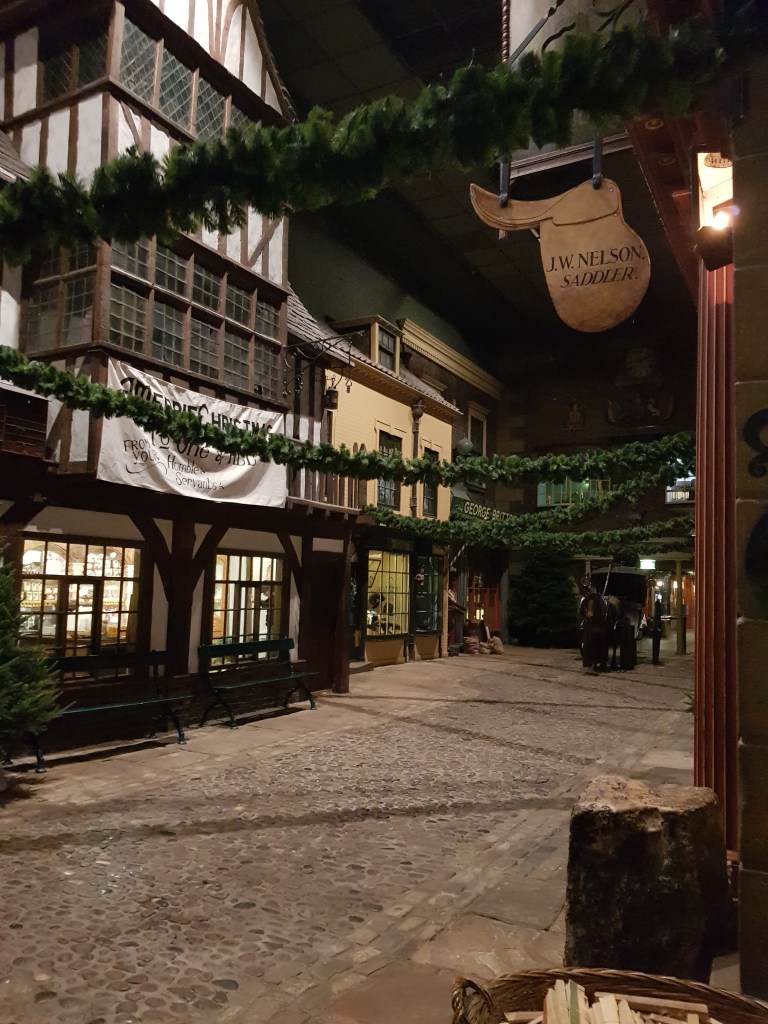
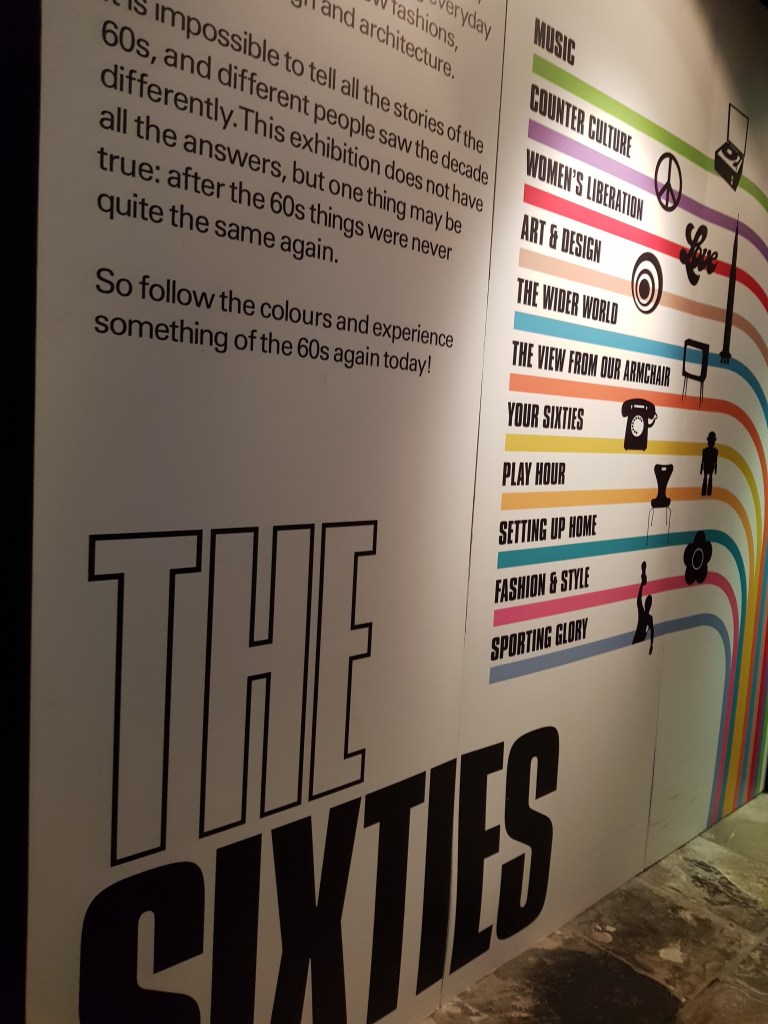
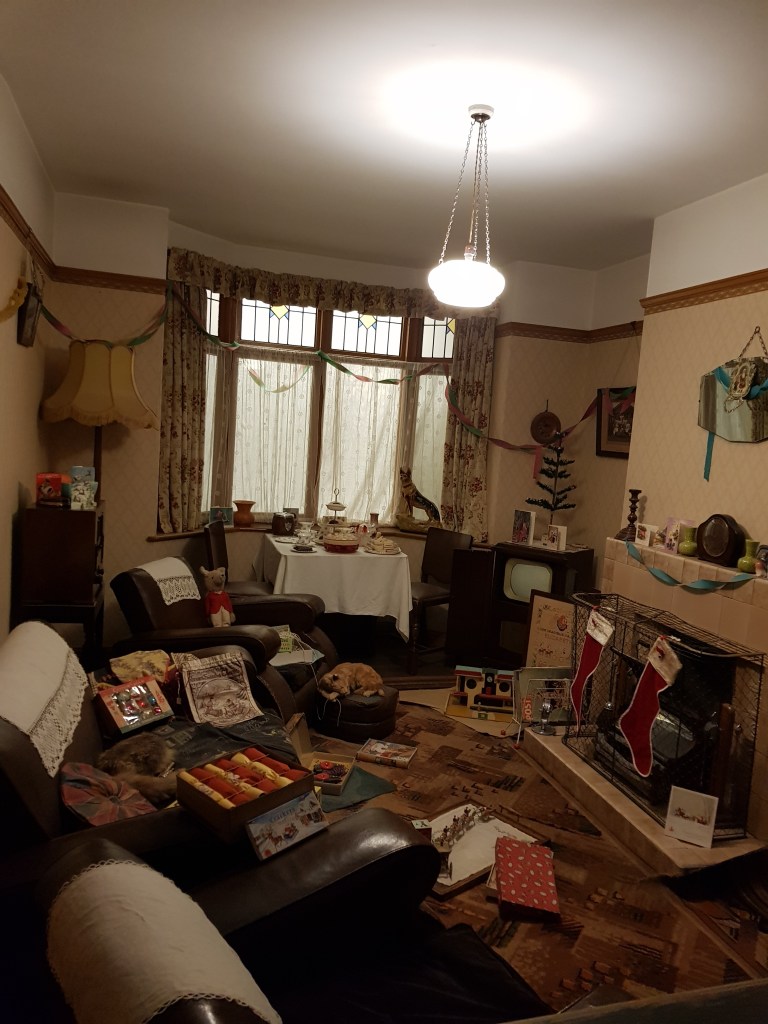
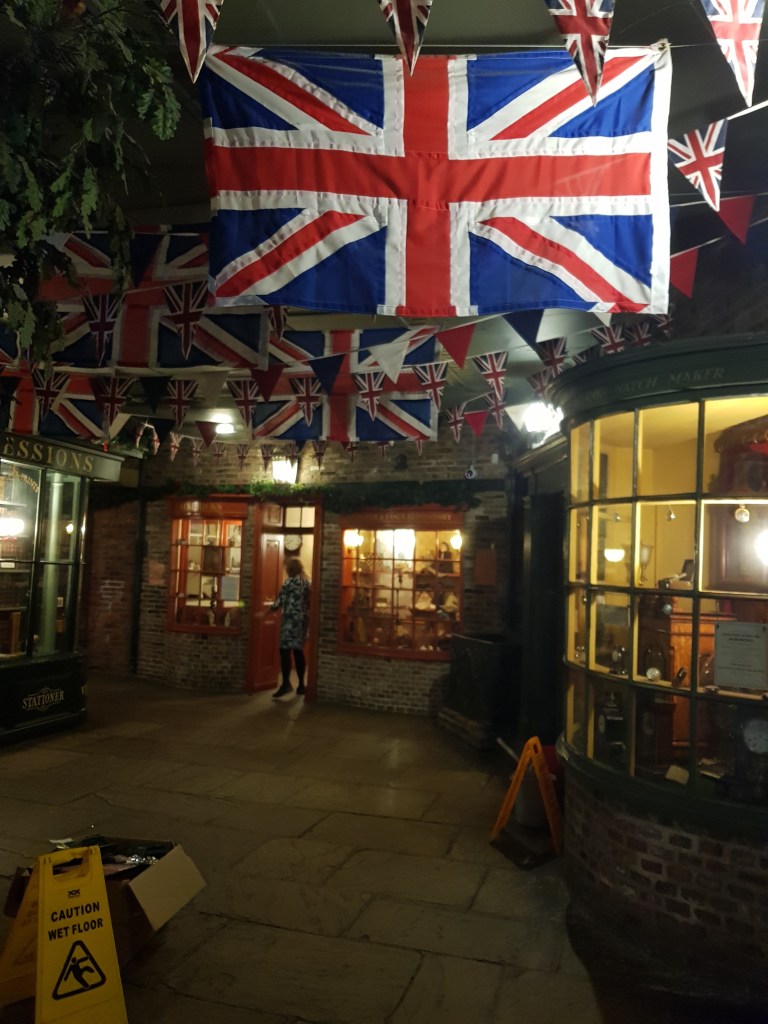
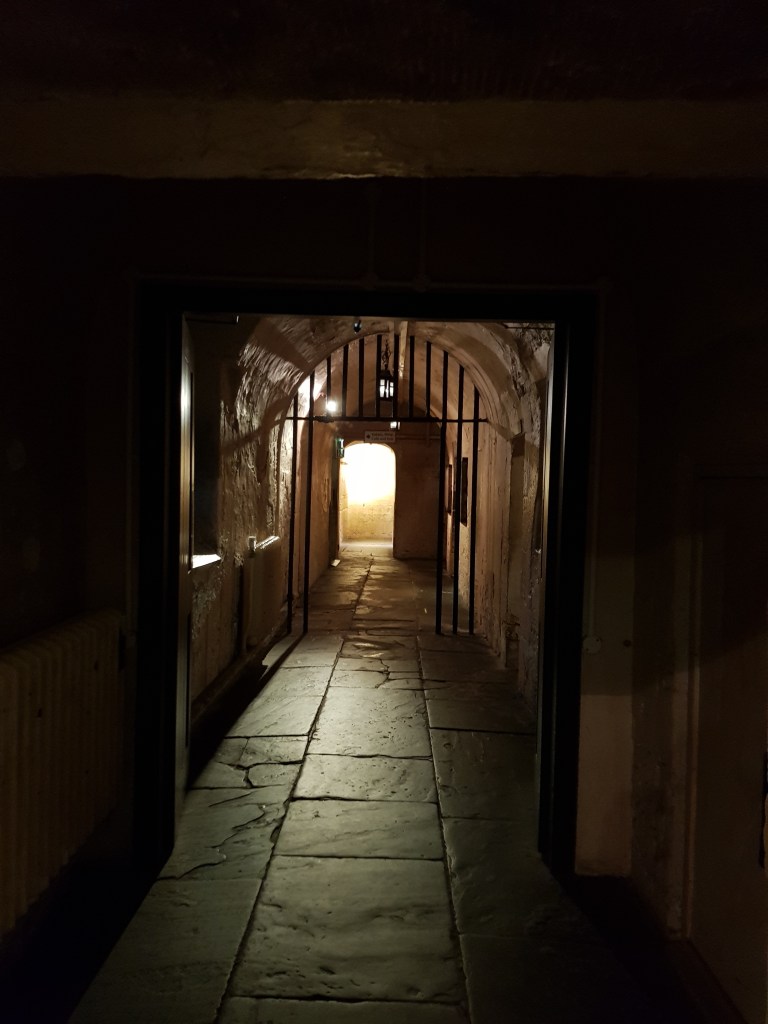
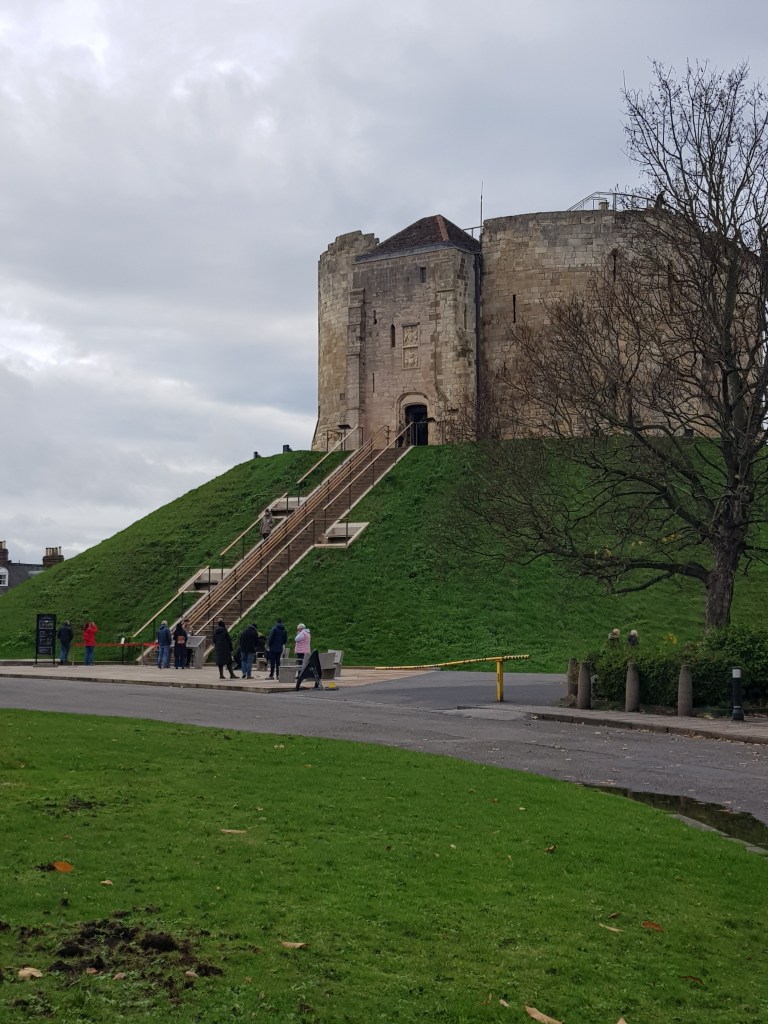
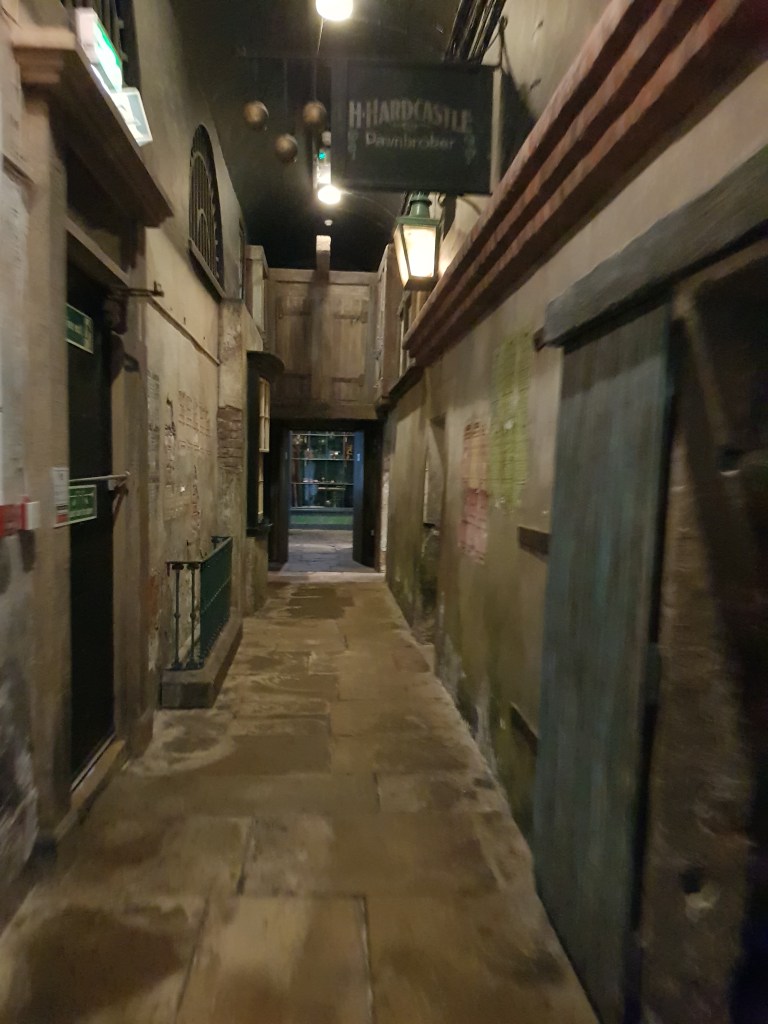
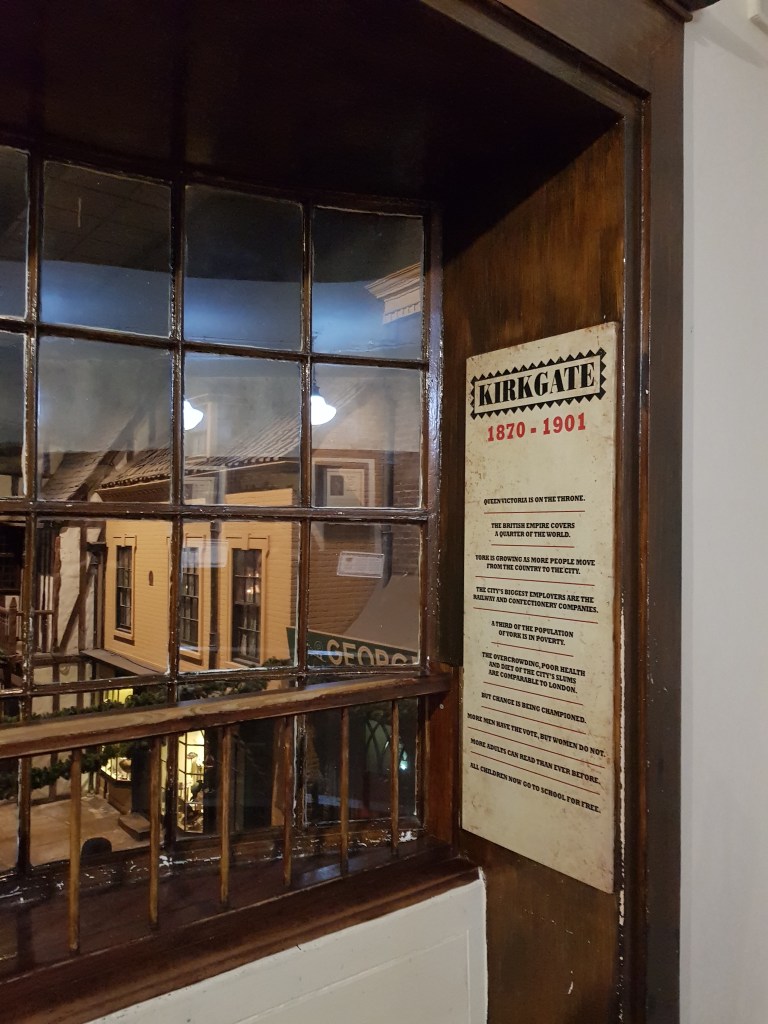
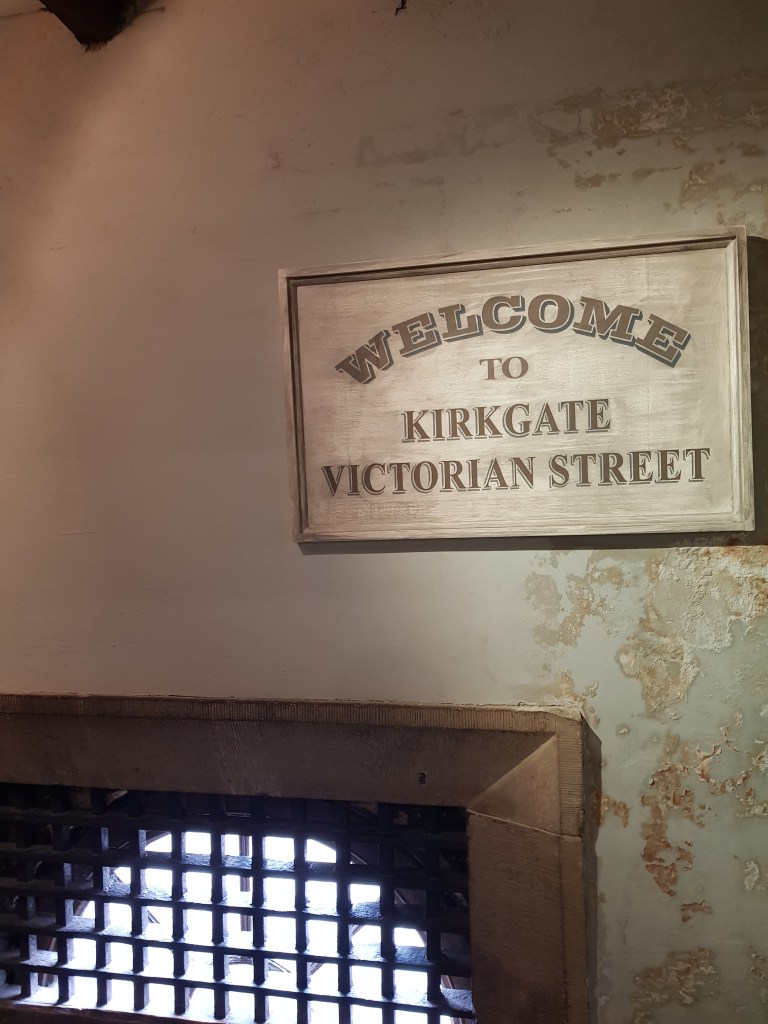
York’s castle and museum is also well worth a visit. The museum has very visual exhibitions, split between the old prison, a sixties exhibit, and a unique victorian street that looks straight out of Oliver Twist! Definitely a fun place to visit!
Going further North
One of the days in the week, I headed further North to Newcastle with a stop in Durham on the way back.
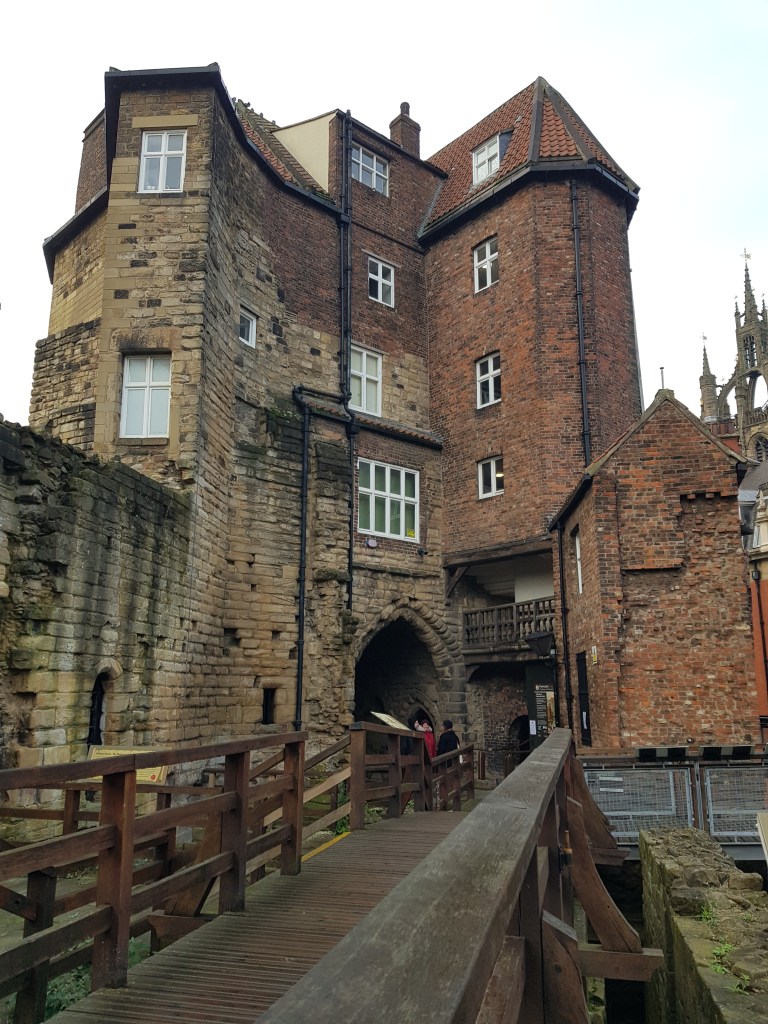
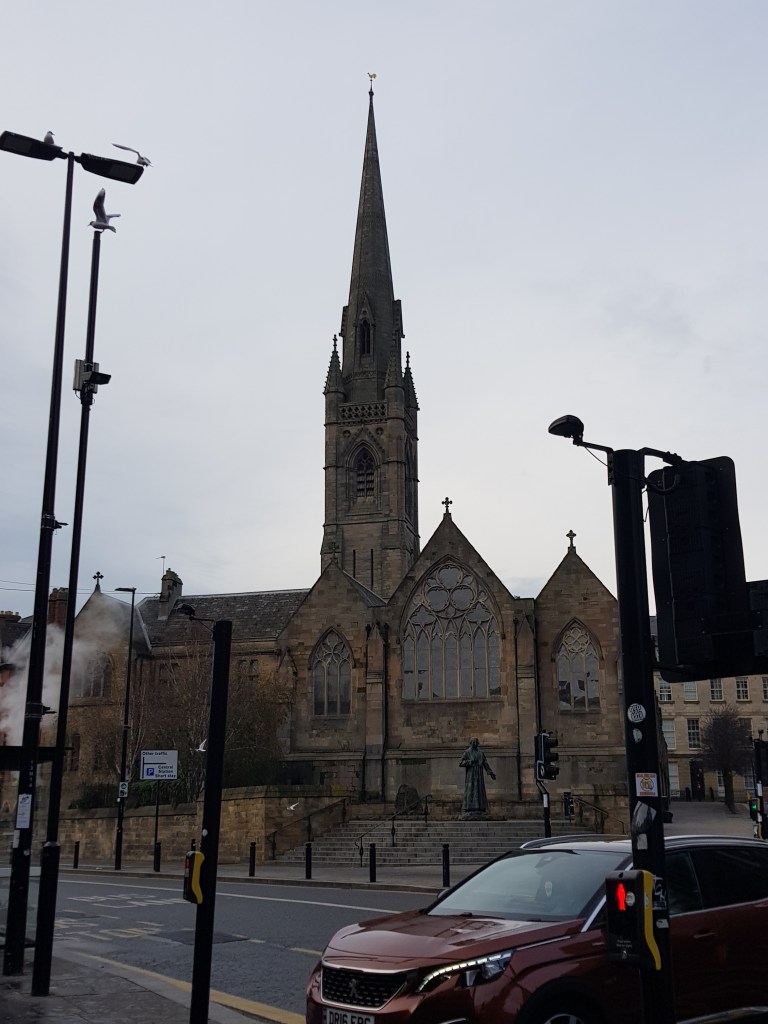
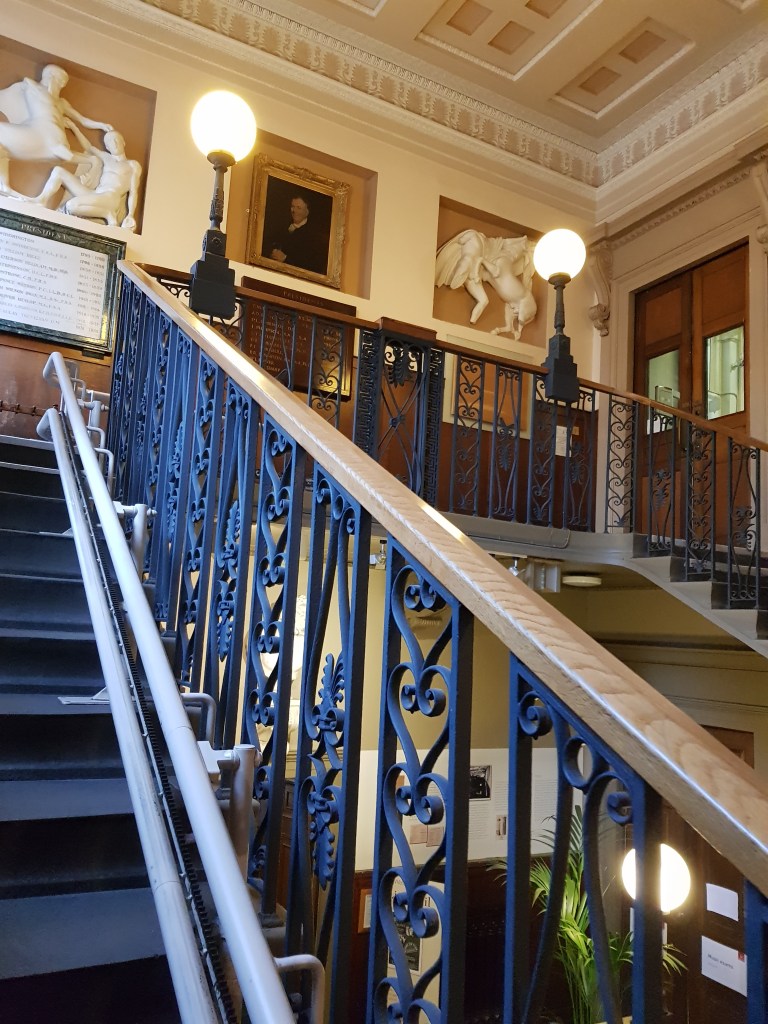
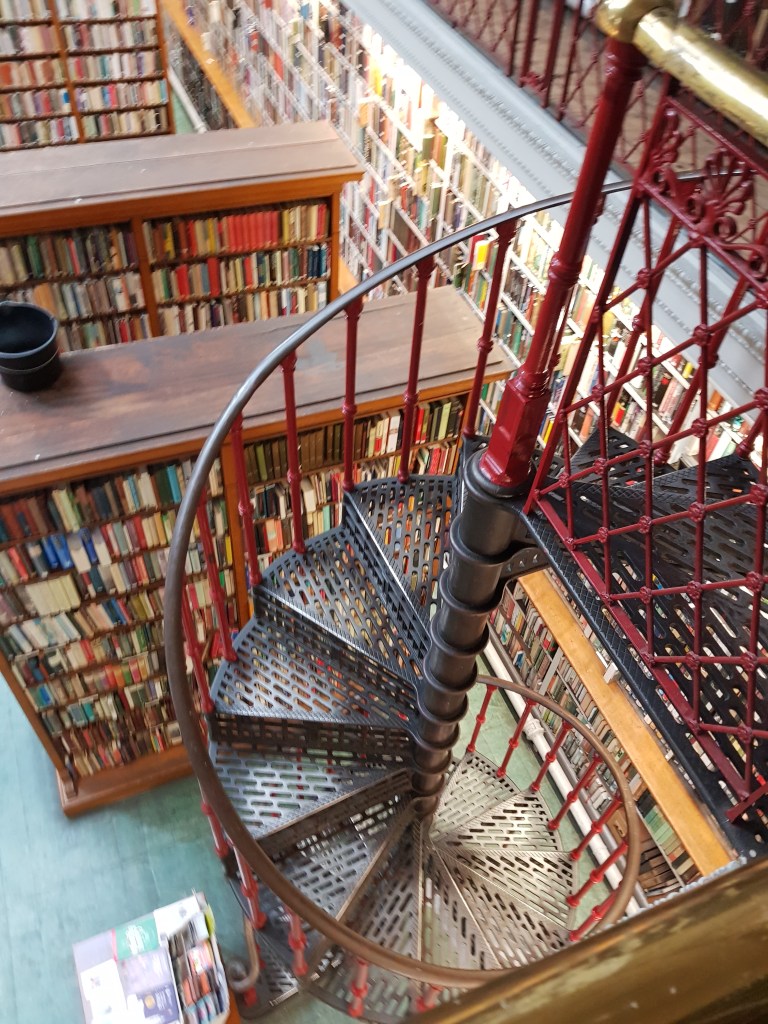
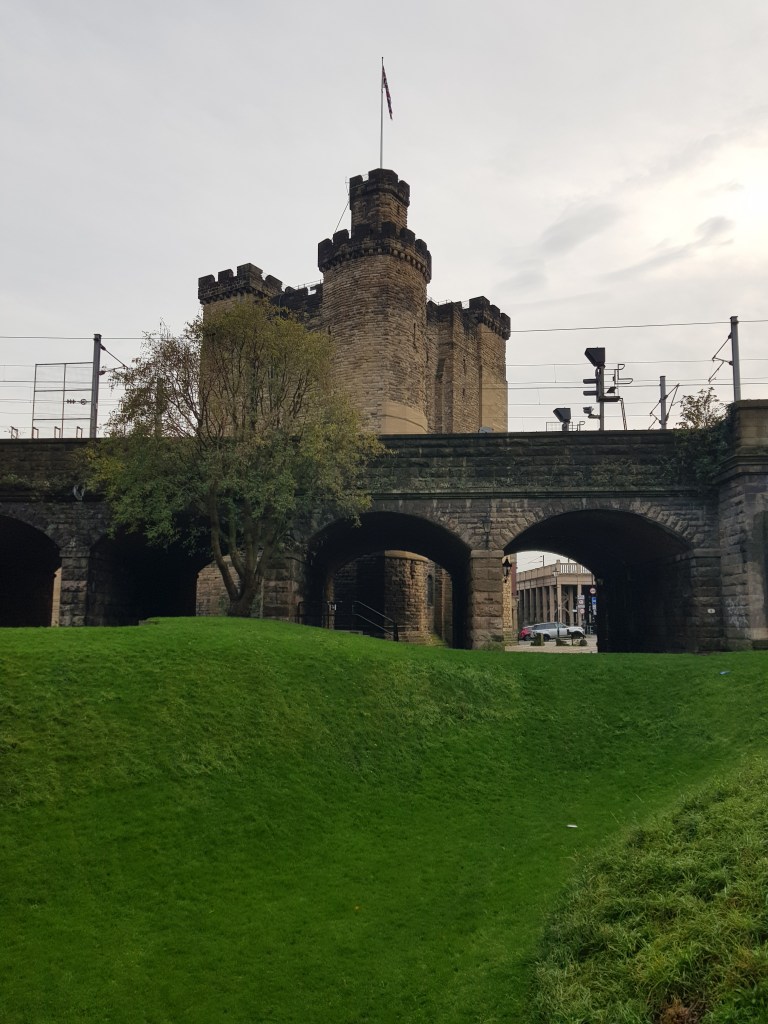
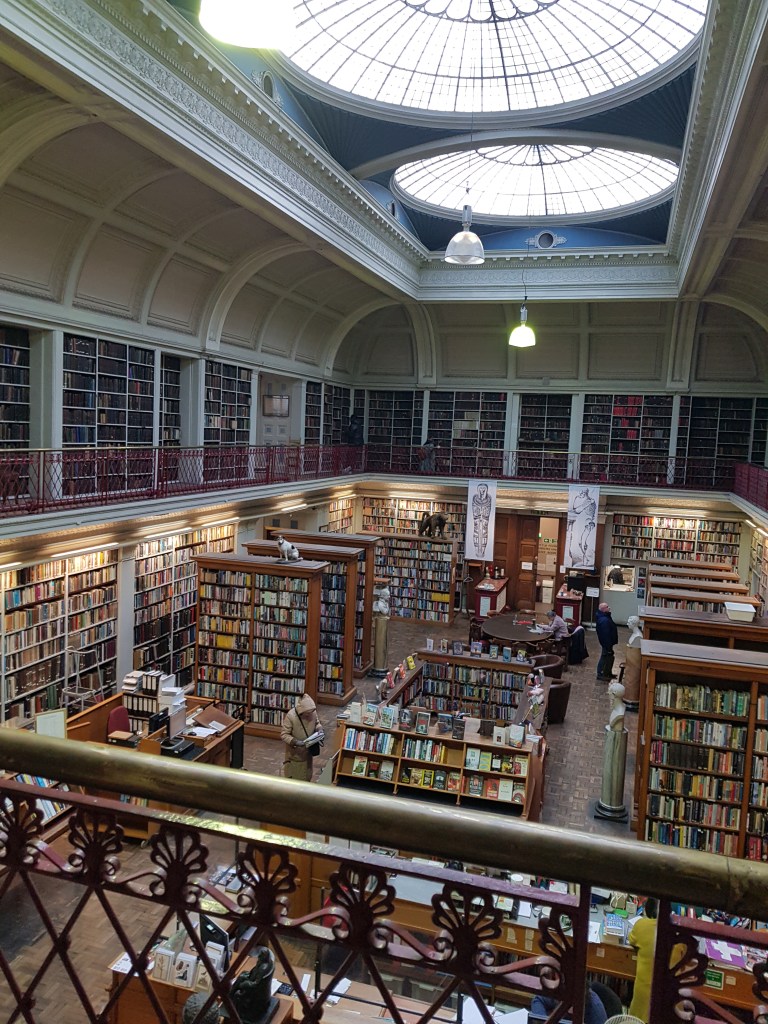
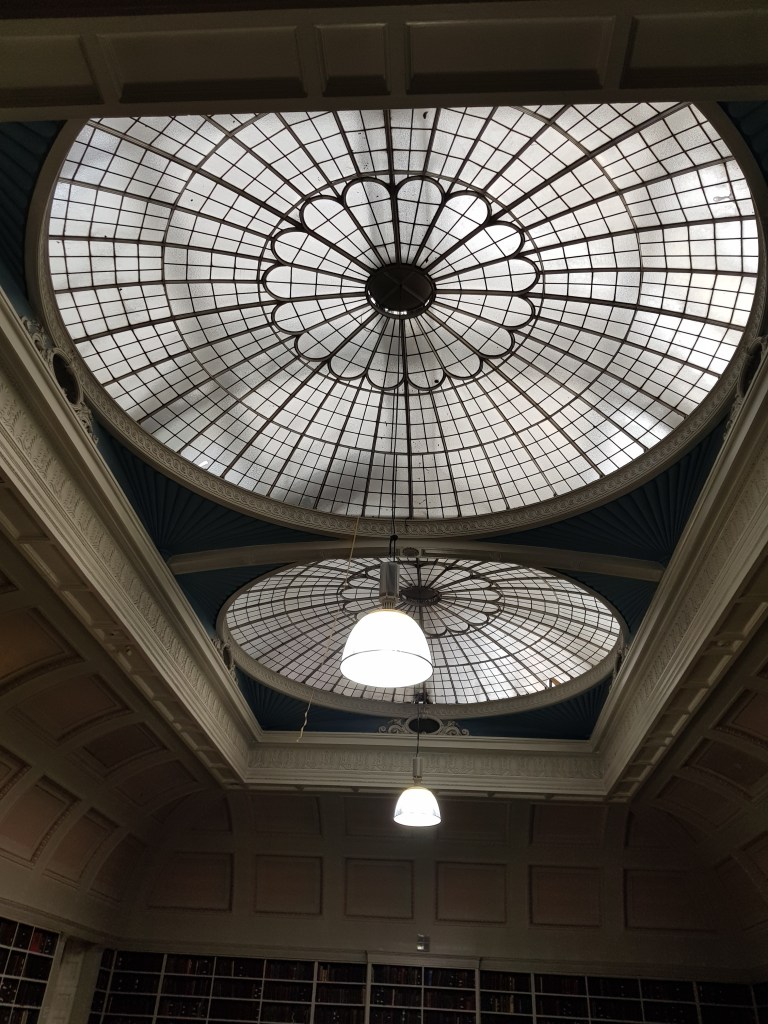
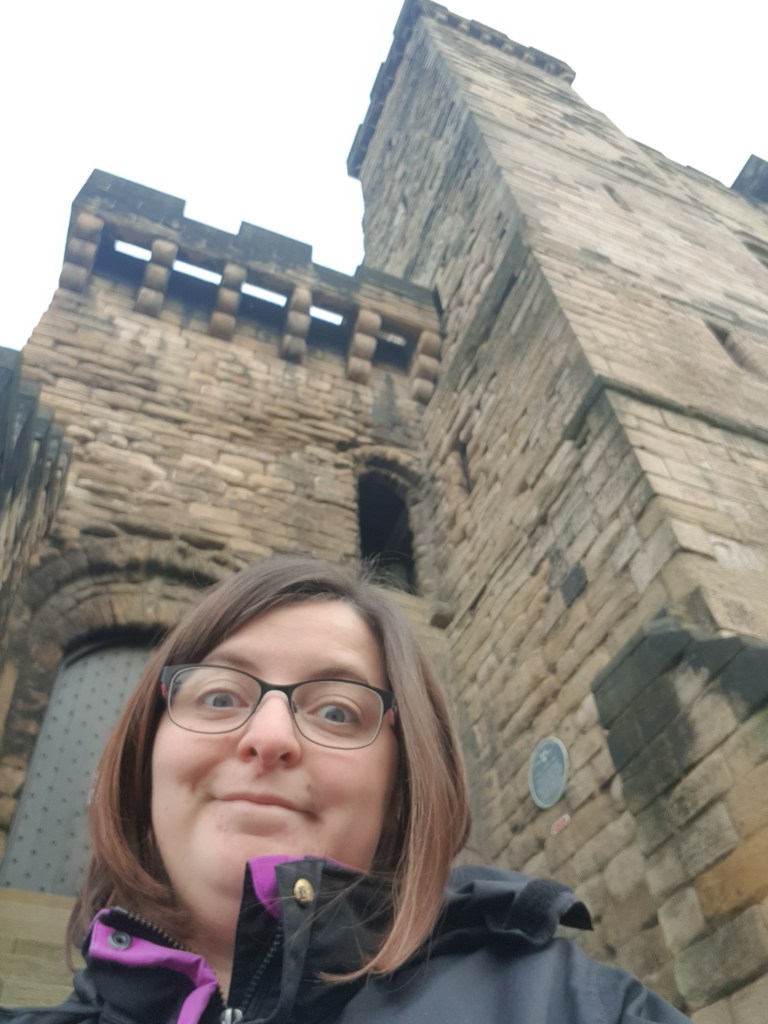
Newcastle was a whistle stop tour with a historic cathedral, the actually castle that the town is named after, which is today in some ruins, and I even found a beautiful historic gallery and library close to the train station on my way back. The library is still open to the public but is a great photo stop!
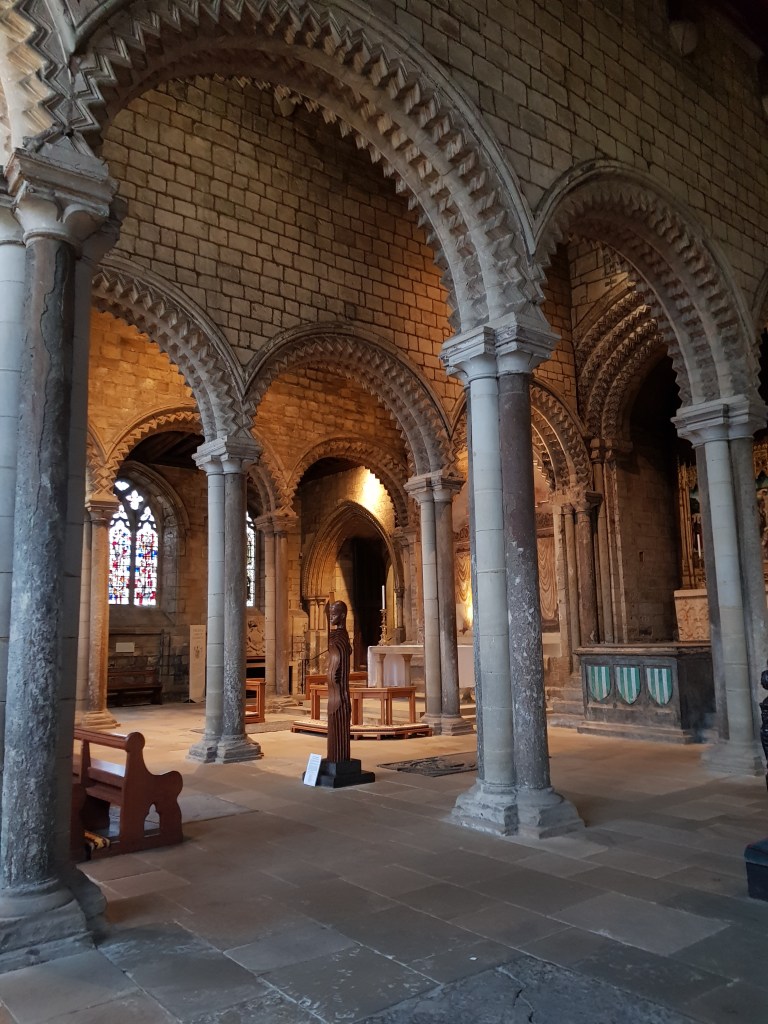
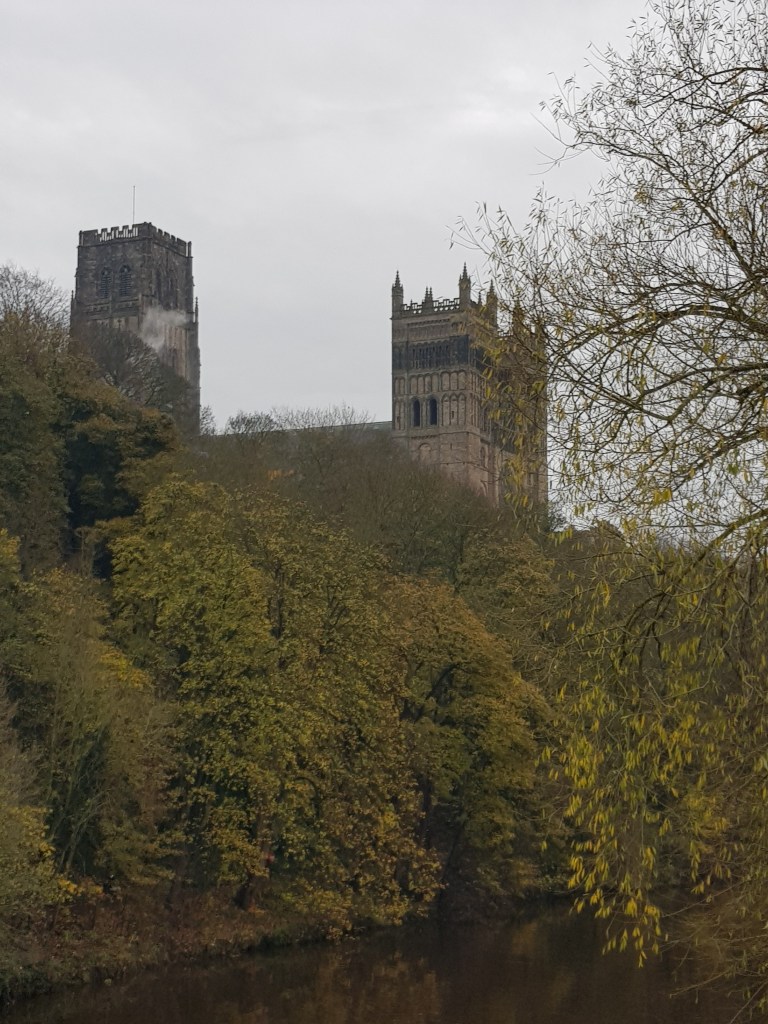
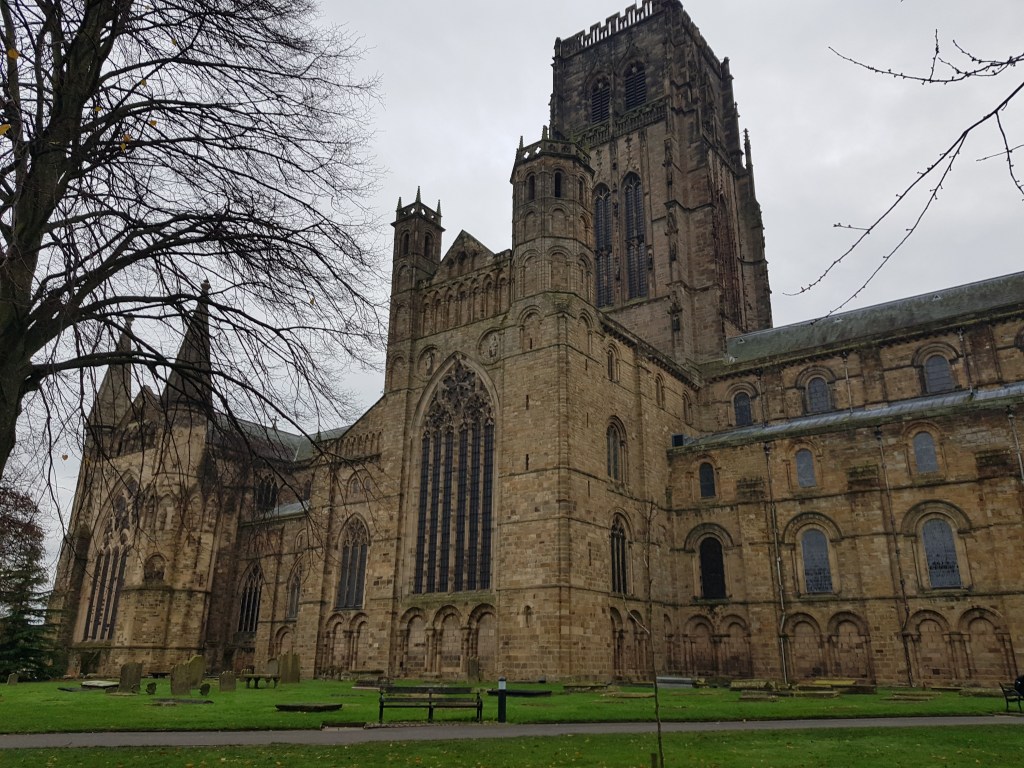
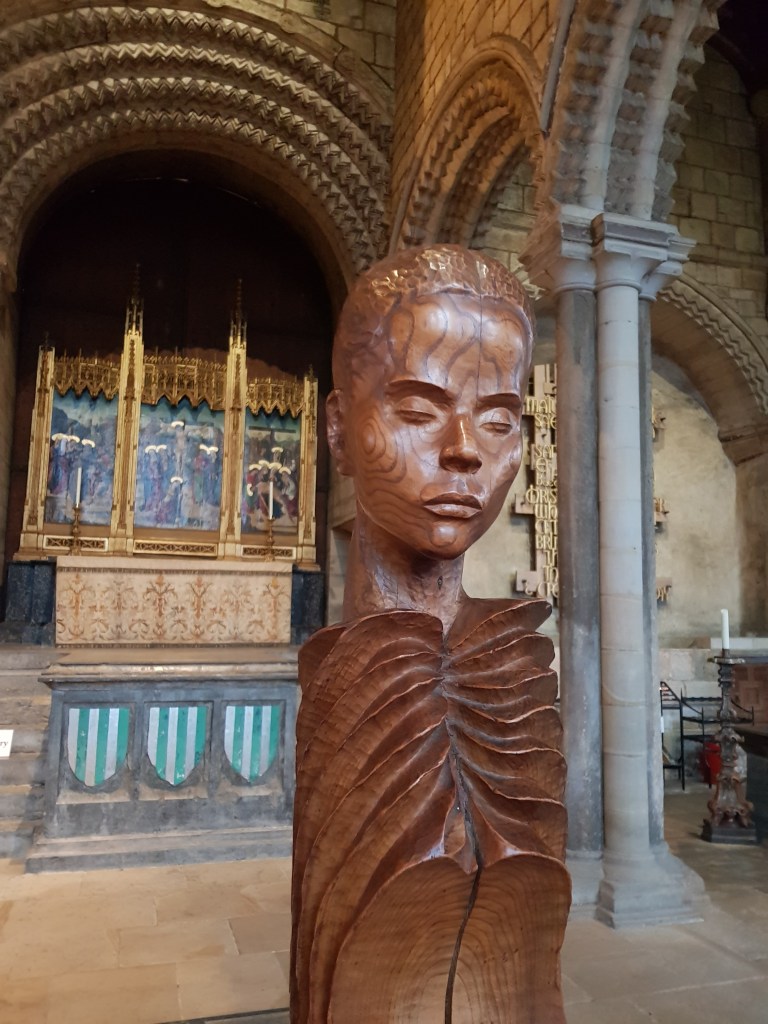
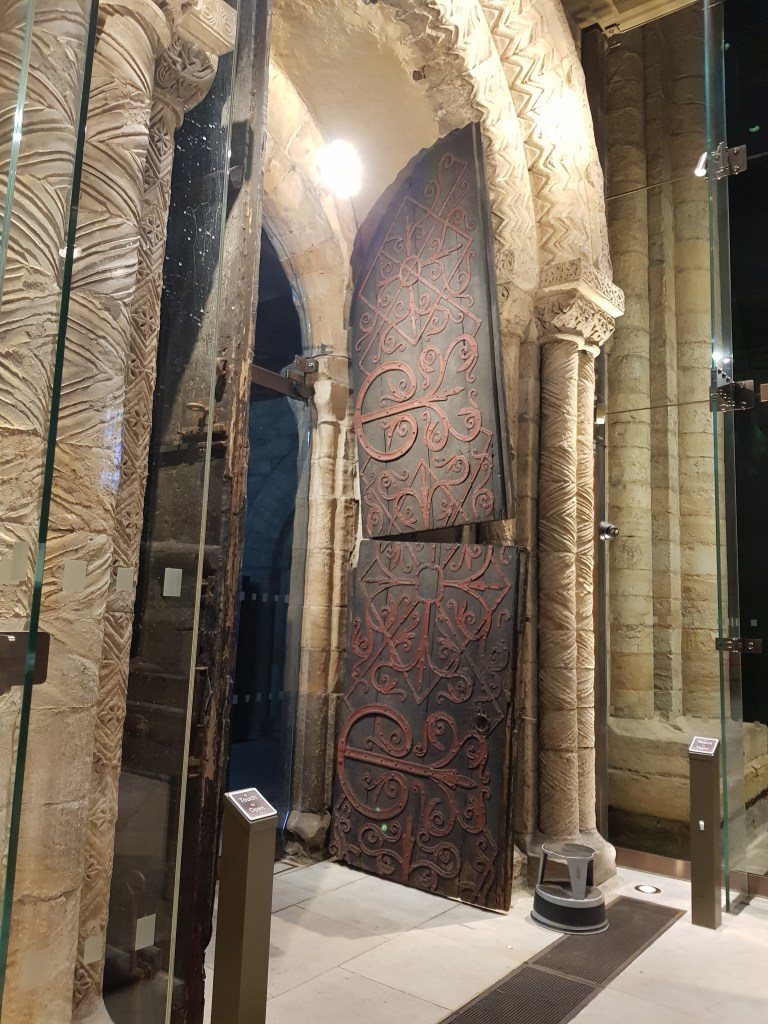
On the return journey, I stopped in Durham, which is a beautiful university city, to see what is thought of by many, as one of the most beautiful cathedrals in the UK. I can see why!
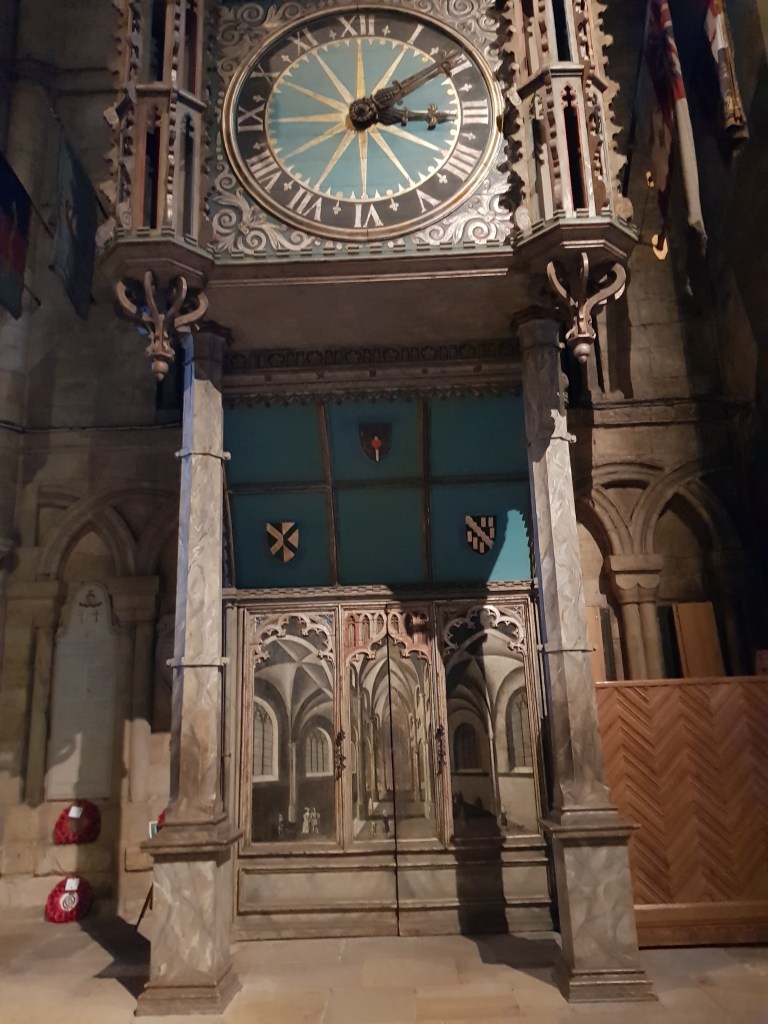
The windows and stonework are beautiful, and the cathedral even has a gorgeous medieval clock. It is next to university buildings and so you cannot help but be jealous of the students that get to live and study in the amazing surroundings.
Finally, I took a half day stop in Bradford in order to visit the small cathedral there, which turned out to be a pretty building to see, and was smack in the middle of a thriving town center and Christmas light display.
I am slowly getting there with my quest to see all the Cathedrals of England! A bit more than a few still to go though!
On my quest to visit all the cathedrals in England, I headed to the center of the country to tour around the cities that offer interesting histories and charming atmosphere.
Nottingham
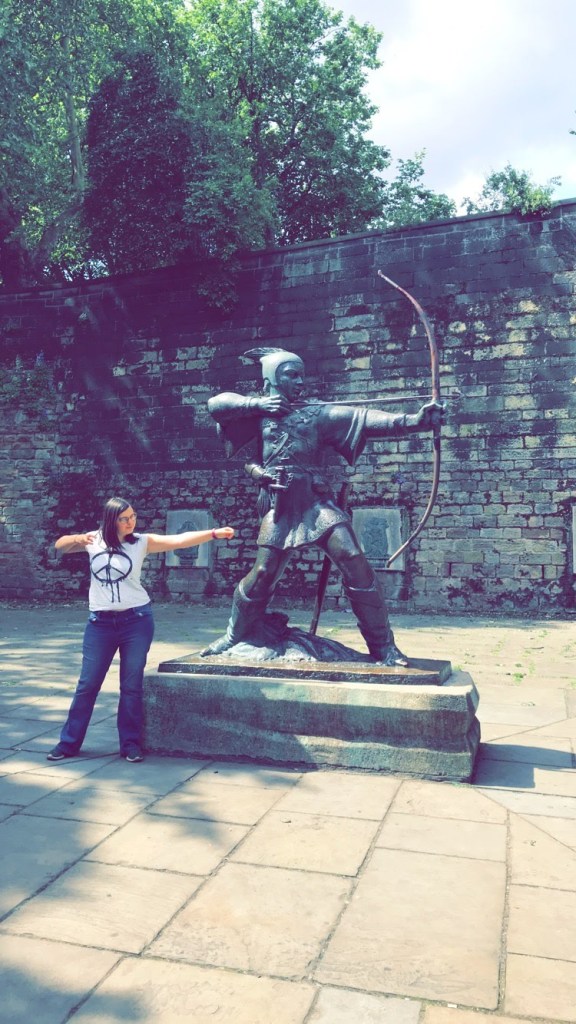
Making Nottingham my base for the week, I stayed at my sister’s place in the centre of town where I could enjoy all that this historic city has to offer. Nottingham is probably best known for the legend of Robin Hood, where the tales of a hero from Nottingham that steals from the rich to give to the poor and hides out in Sherwood Forest, brings many tourists to the city. Whilst this romantic tale, provides a fairytale backdrop for the city, its current offering also has a lot to be proud of.
Nottingham offers historical charm in old pubs and underground city networks that can be explored, but also a vibrant shopping and entertainment experience. I stayed in the main high street areas, and each night there were the sounds of live music from varying pubs and a lot of activity to be heard. I wouldn’t doubt that some of this is because of the two thriving universities in the city. The city council seem to be very committed to creating free entertainment and events in the city, and I have seen festivities frequently within the main town squares.
My top picks of things to do in and near Nottingham city would be:
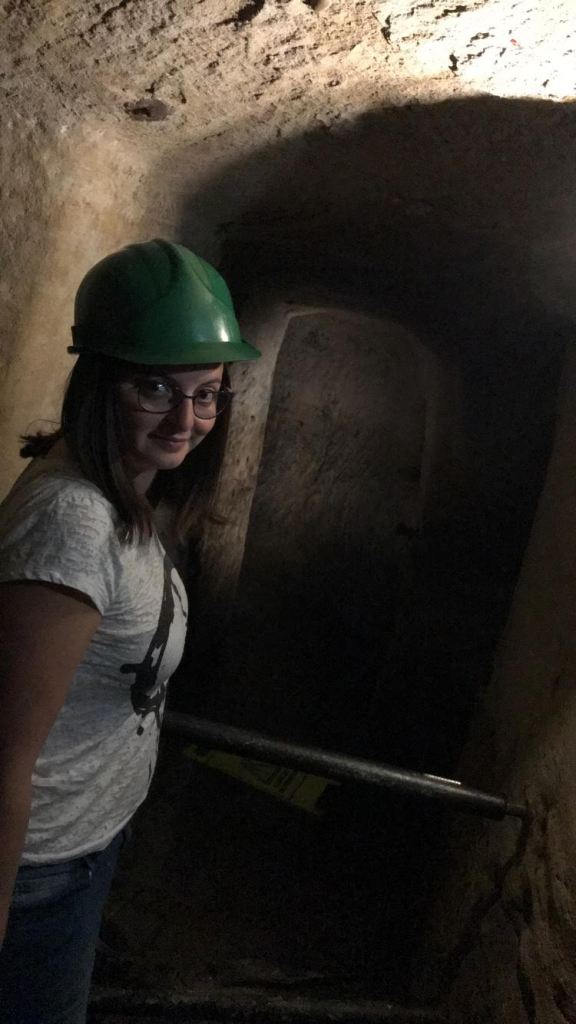
City of Caves – entering from the shopping centre, you can pop on a hard hat and explore the ancient city under the streets of the city.
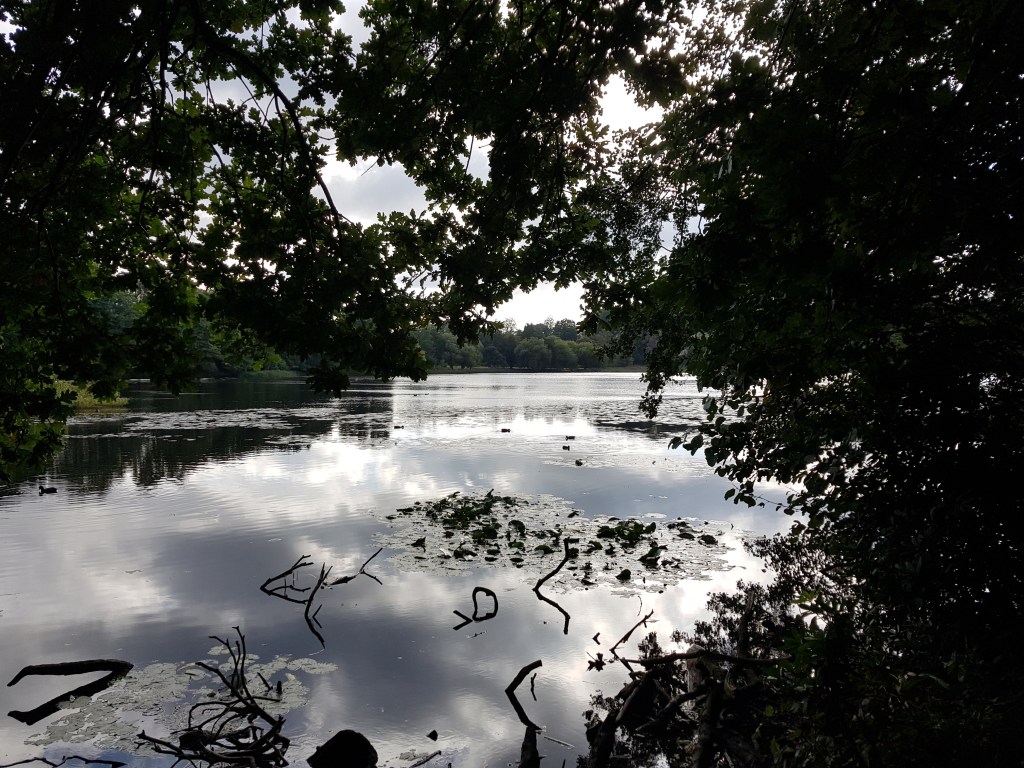
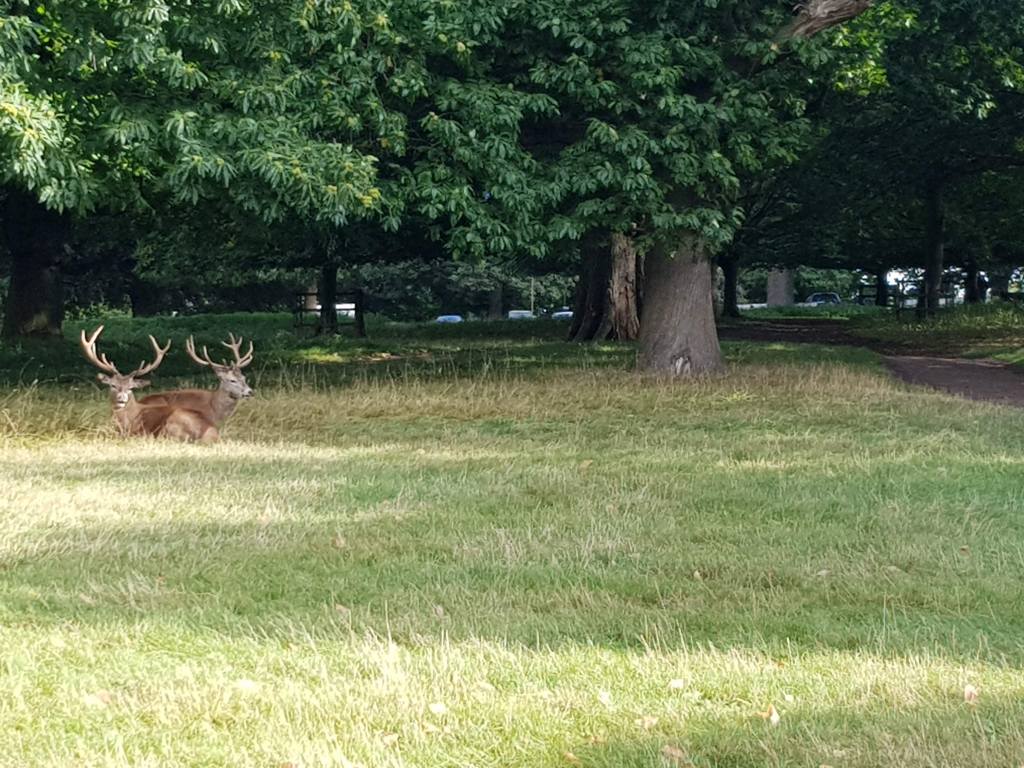
Wollaton Hall – this historic estate and deer park is a beautiful location for taking a walk, and enjoying a picnic. It also hosts many free events to enjoy.
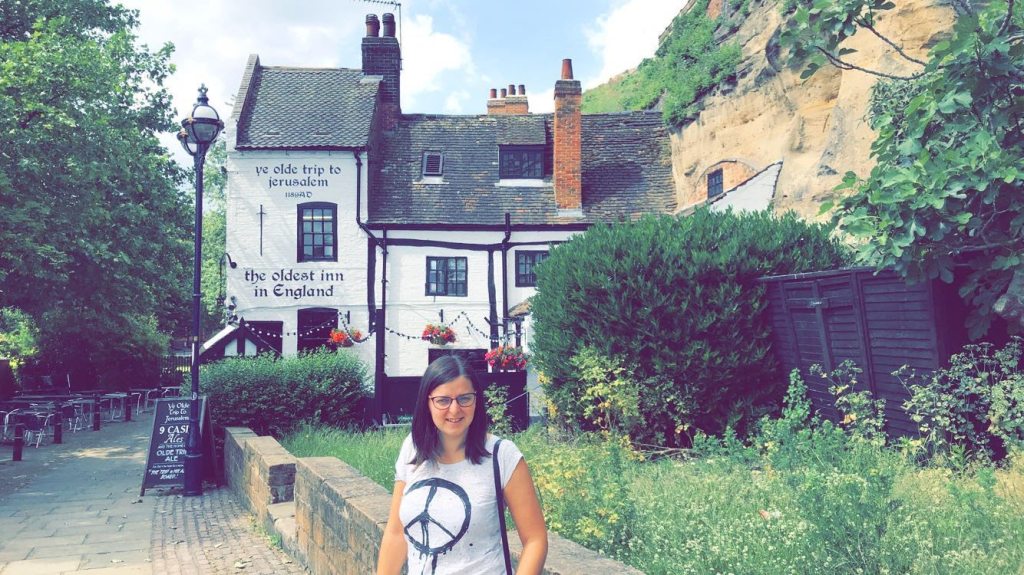
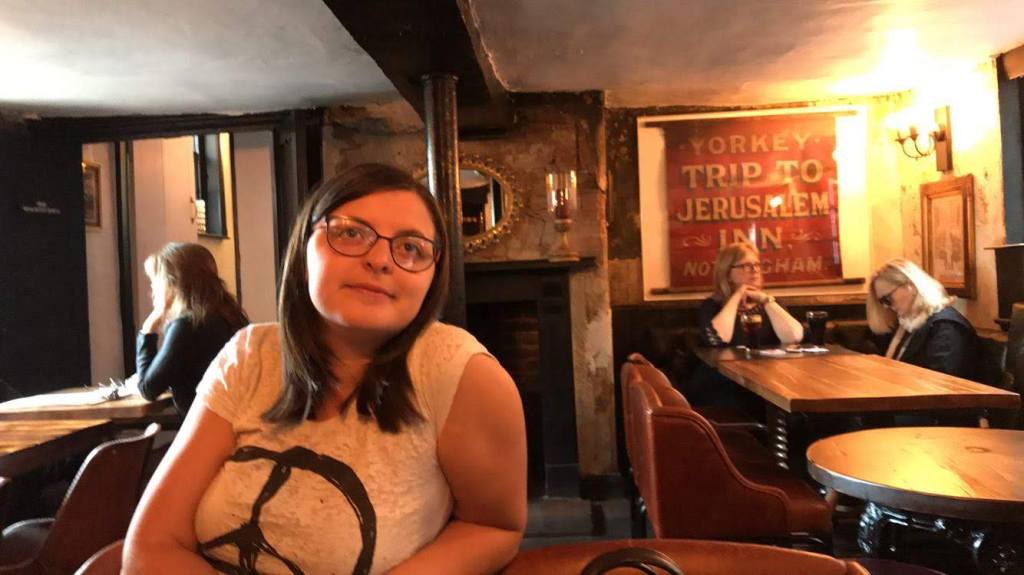
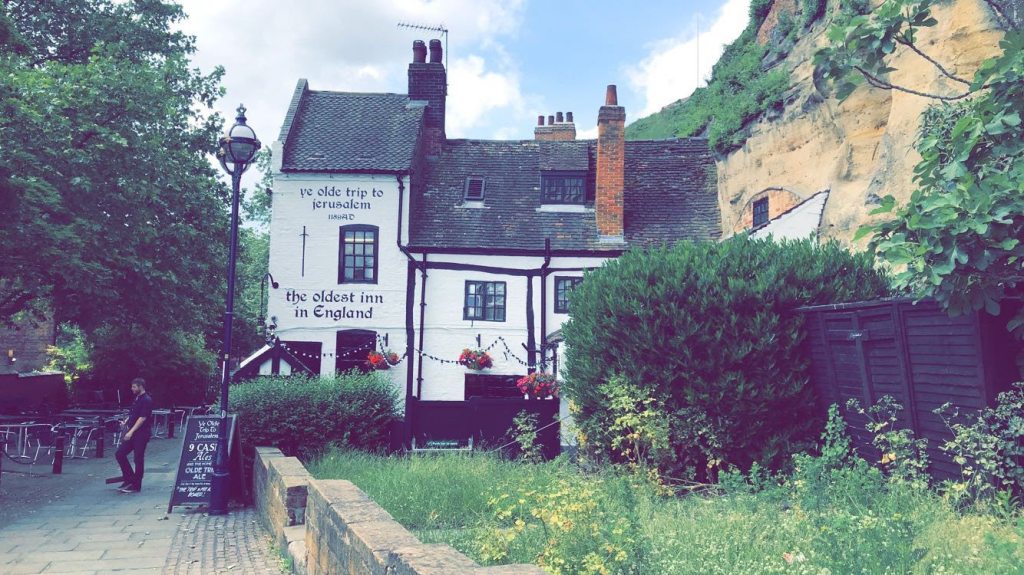
Lunch in ‘Ye Olde Trip to Jerusalem’: The oldest Inn in England – This pretty little pub is a lovely place for a bit of food amongst traditional decor.
Leicester
A short trip from Nottingham, is the city of Leicester. I was not sure what to expect of this little city but in an afternoon I explored the city and had a tasty dinner here. The claim to fame for Leicester is King Richard III.
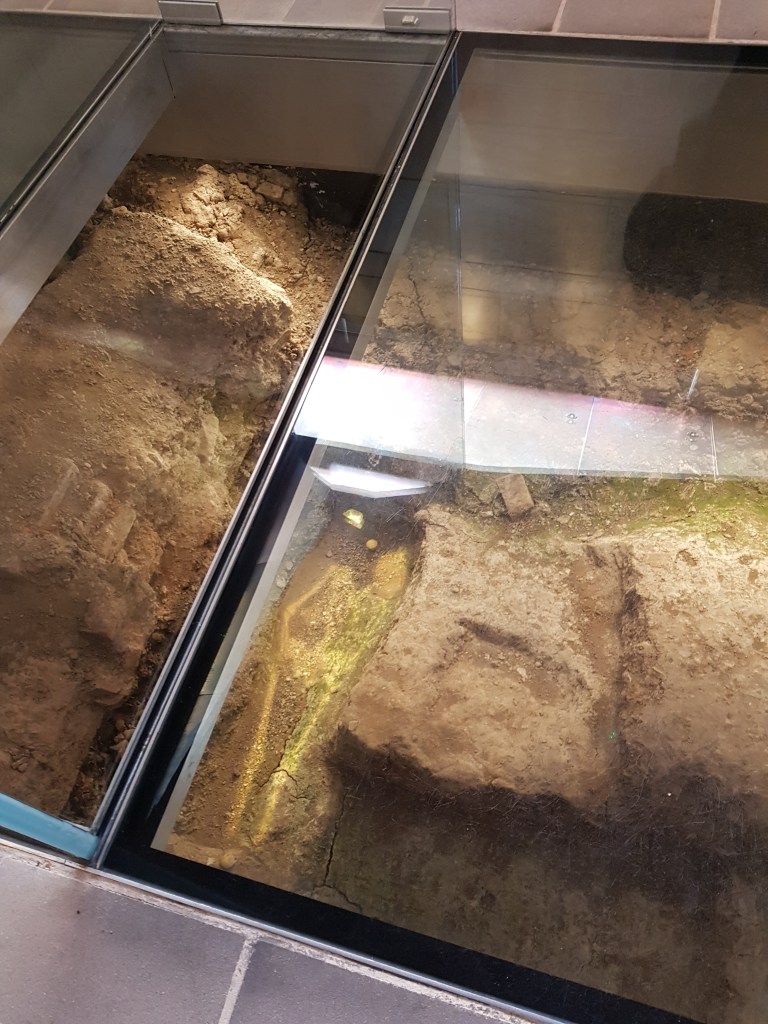
This famous English King was long debated in history as either a deformed monster of a man, or a brilliantly talented soldier. He had been portrayed by Shakespeare and in many other writings. He had died in battle and his body was lost for centuries. Up until 2012, he was lost and debated, but then the news broke, that his remains had been discovered in a carpark in Leicester! His body was recovered and tested, and his story could finally have some evidence to coincide with it.
The car park, is now a visitor centre, and I spent several hours here, learning about his story. It was a really brilliant museum, and he is certainly an interesting character. He now lies to rest in the cathedral, which was unfortunately closed for restoration during my visit. That is okay though, as it gives me more reason to return!
Derby
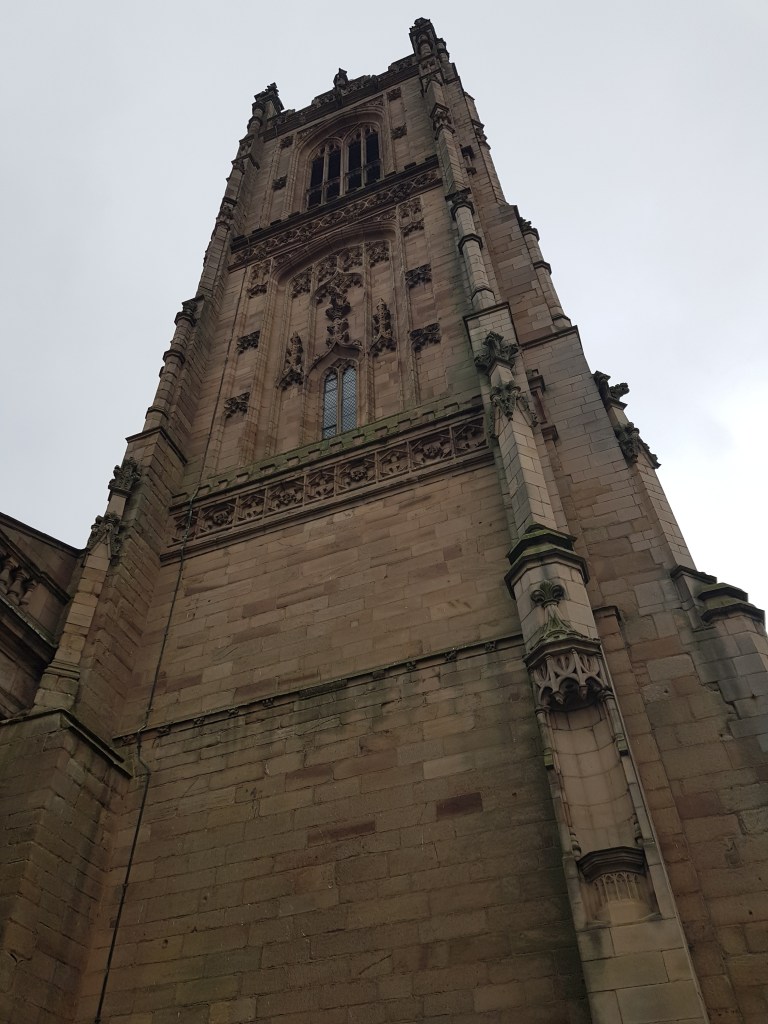
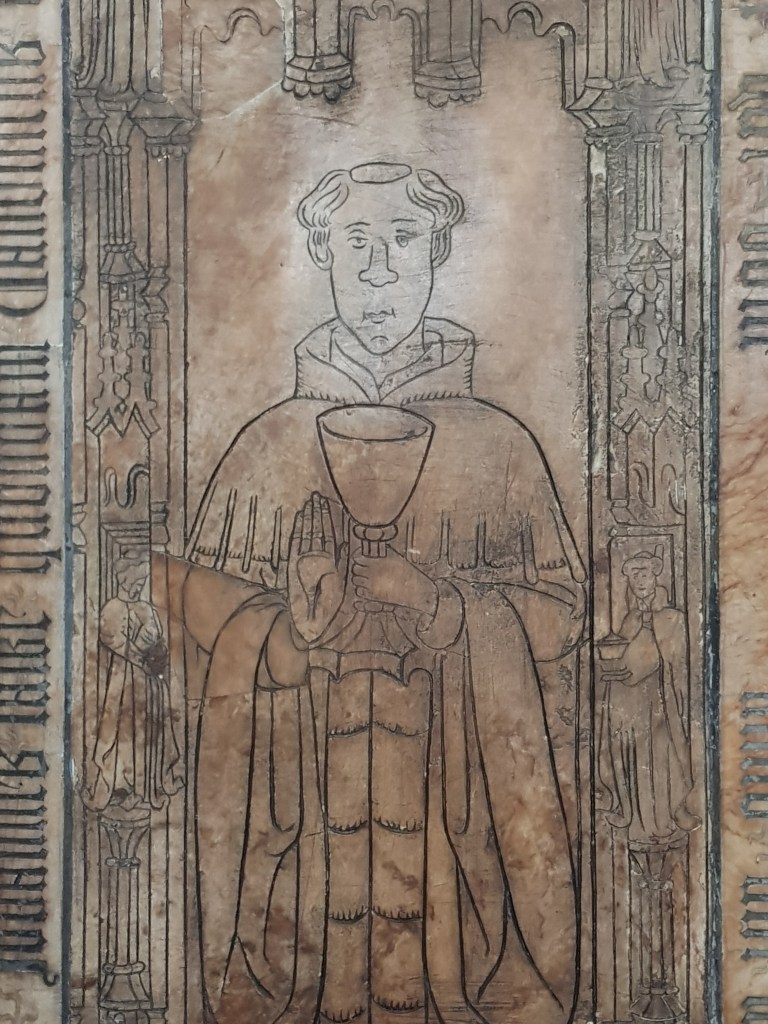
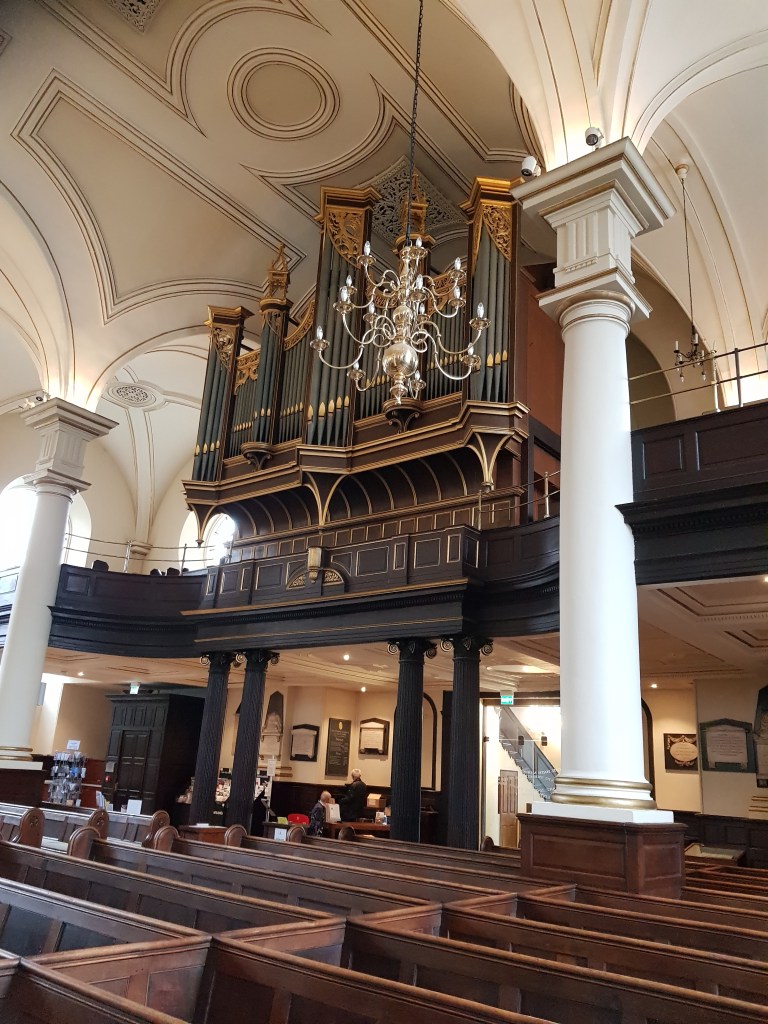
I have visited Derby briefly a few times over the years, normally when I am between trains and travelling as it is such a central location in the UK, and often I have visited just the shopping area for a little retail therapy and food. This time round I made a choice to spend the morning doing a proper visit to the city, and I found a gem within the city.
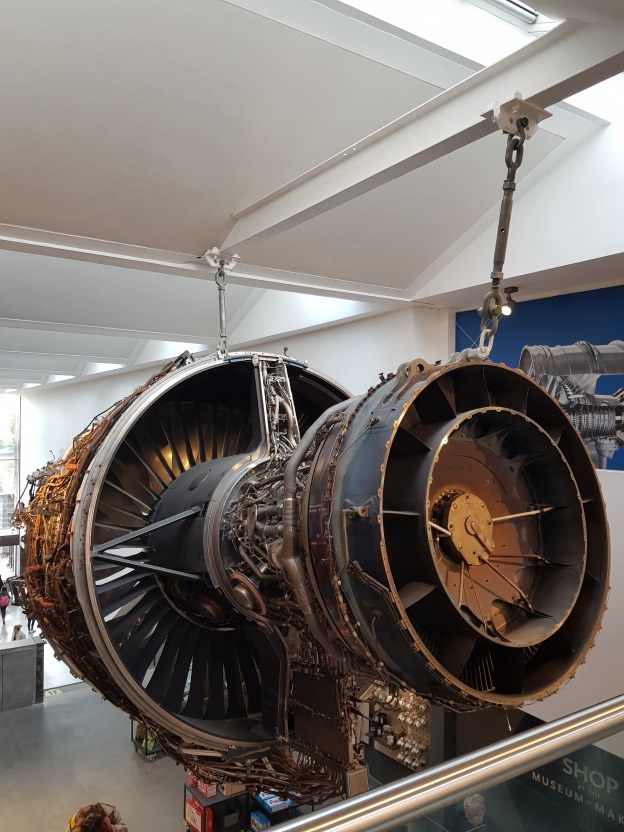
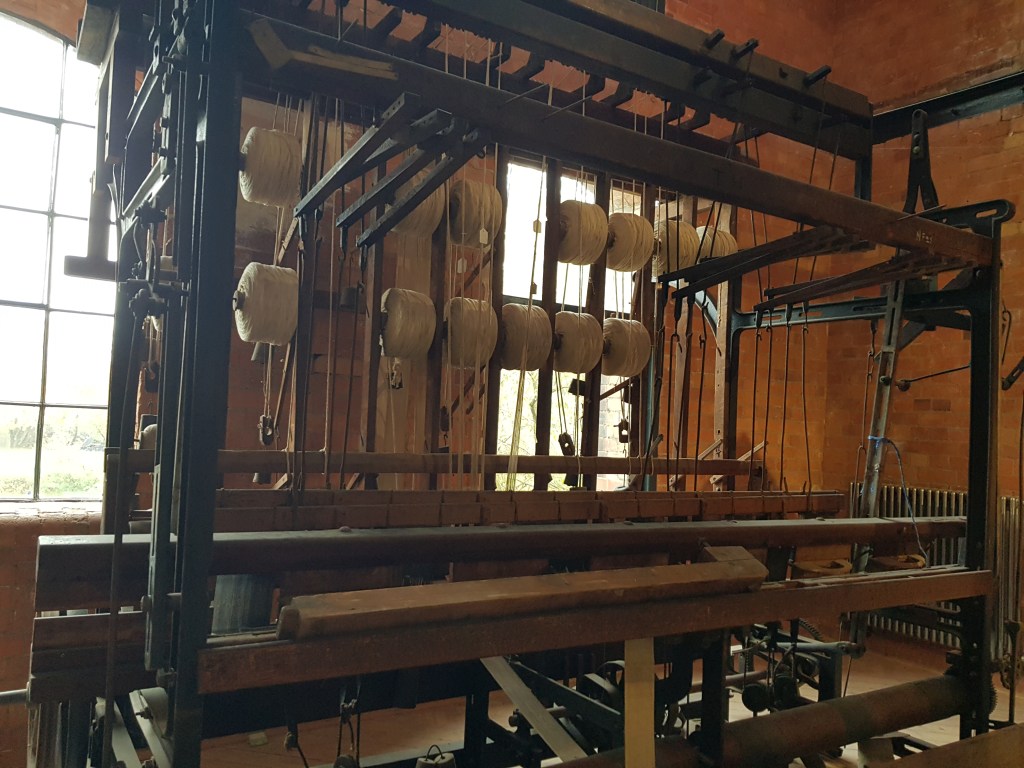
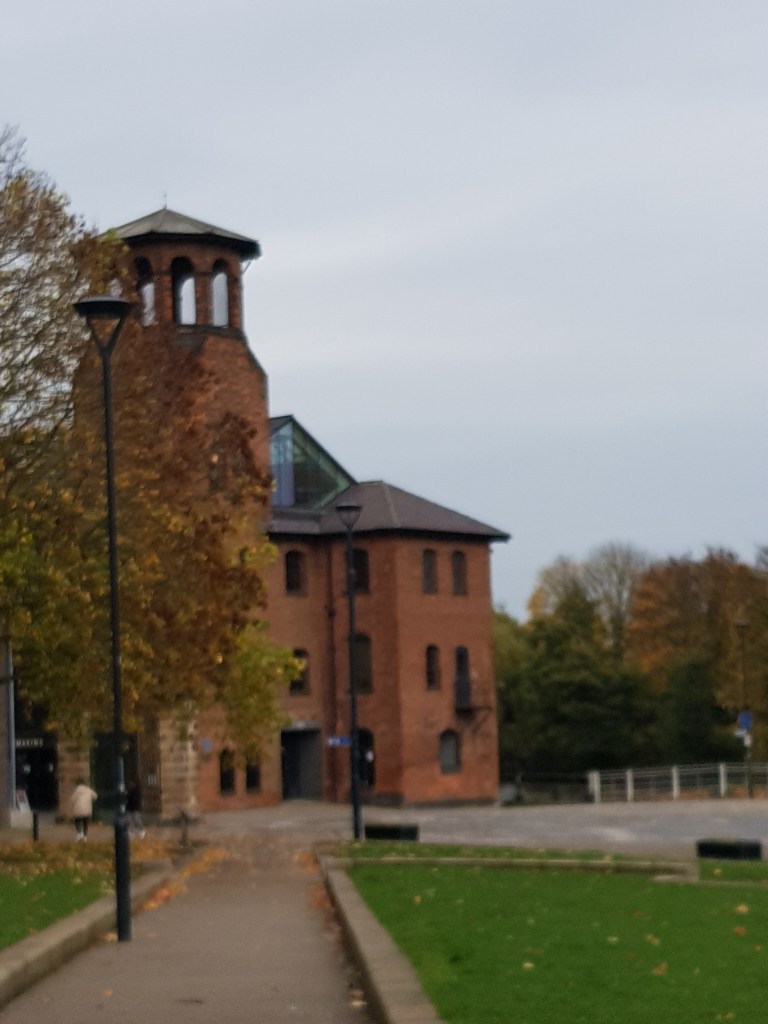
As well as visiting the sweet and simplistic cathedral that Derby has to offer, I wondered along the river and came to a wonderful new attraction called the ‘Museum of Making’. Situated inside a building which is widely regarded as the world’s first modern factory, Derby’s old silk mill. This building draws you in as a curious visitor, and as I am also a keen crafter in my free time!
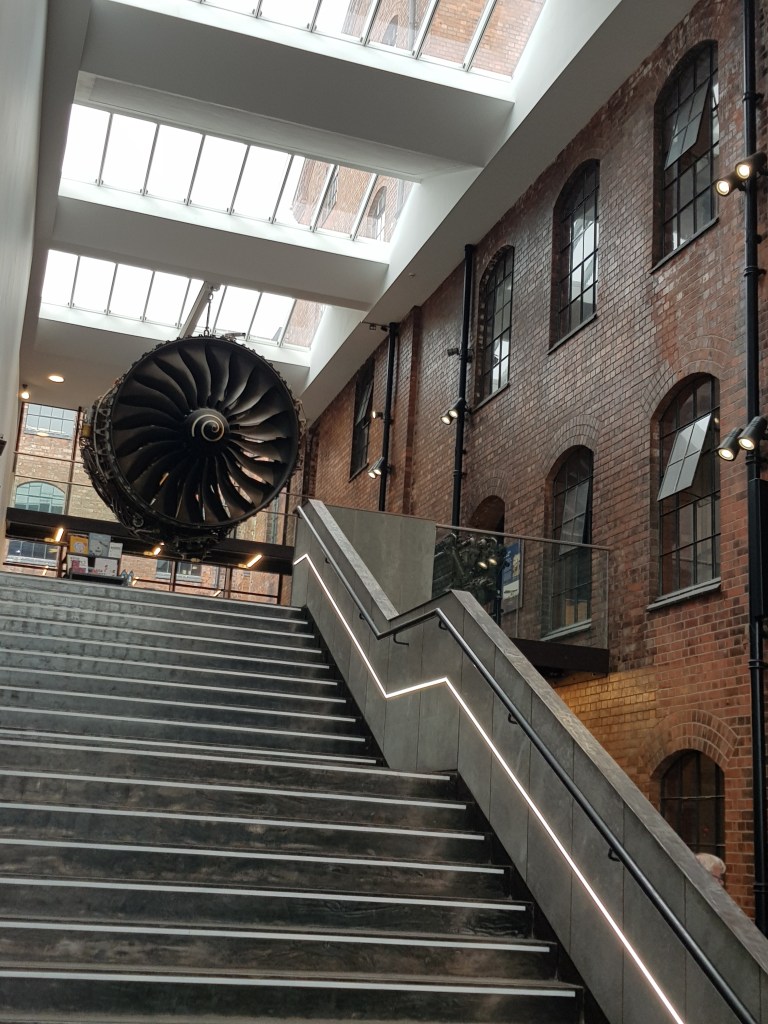
The museum is a very open space and has a restaurant, conference area, workshop space and exhibitions. It is all about learning about different materials and the manufacturing of goods over history, and links very well with the importance that the midlands had,in England’s industrial history.
There are huge examples like aeroplane and car parts taken apart to show the inner workings, but then also an entire section devoted to wood works for example. There is also a large space devoted to the regional train networks that were so important, and a large model train to admire, worked on by volunteers. The museum is a really lovely space to visit and does really well to demonstrate the history of the area and the pride people have in their trades here.
Birmingham
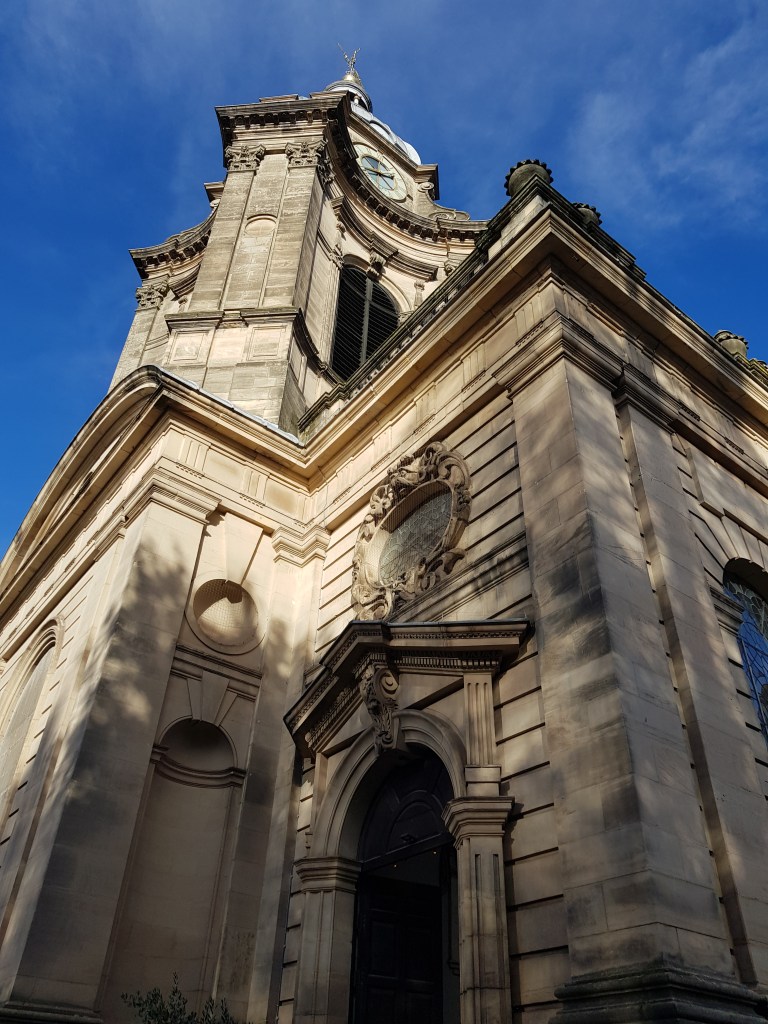
The last stop of the week was a visit to Birmingham. I’ve visited this huge city before for conferences with work, as they have a big meeting and conference offering for businesses in this modern city. On this occasion, I only visited the Cathedral.
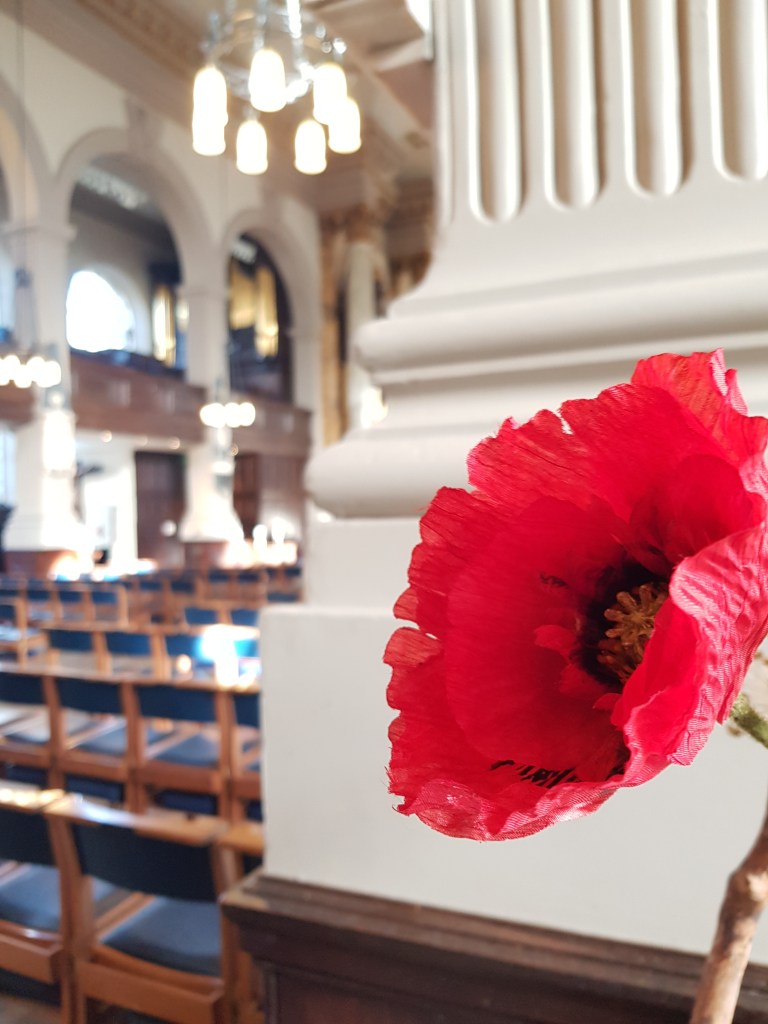
The cathedral is full of colourful stained glass and is in the centre of a bustling city square.
Outside the cathedral, Birmingham offers plenty of museums, galleries as well as family experiences like the Sea Life Centre and Cadbury World.
Now the cathedrals around the midlands area have been taken in, I take my travels North East, as I head to the city of York, in the weeks leading up to Christmas!
I spent the Winter of 2022/23 sailing around the Eastern Caribbean, and discovering what this part of the world has to offer, other than the expected white sandy beaches and sapphire blue waters.
Local life and culture
The Caribbean may dream up different images to different people. Perhaps the white sandy beaches, palm trees, men in dreadlocks and lots of rum. Whilst, this part of the world does have all those things, it’s actually much more complex than just that, with a rich diversity of culture as well as differing social constructs throughout the different islands.
The different islands are grouped and governed separately, some independently and some by European powers. Many of the islands’ native tribes were wiped out by European colonisers and much of this influence still shows today. Some islands speak French because they were once French, and some such as Martinique still are a part of France. There are also islands that are spanish speaking and ones that are Dutch or British.
The influence of a European governing body, will of course affect wealth and opportunities too. Many British influenced islands, have the British legal and education systems. The French and Dutch islands also benefit from the additional European funding and the ease of movement of tourists from the mainland.
In most cases, where islands have separated themselves from their colonizing parent country, they are living in developing world status. Consistent and devastating hurricanes and natural disasters add to this reality.
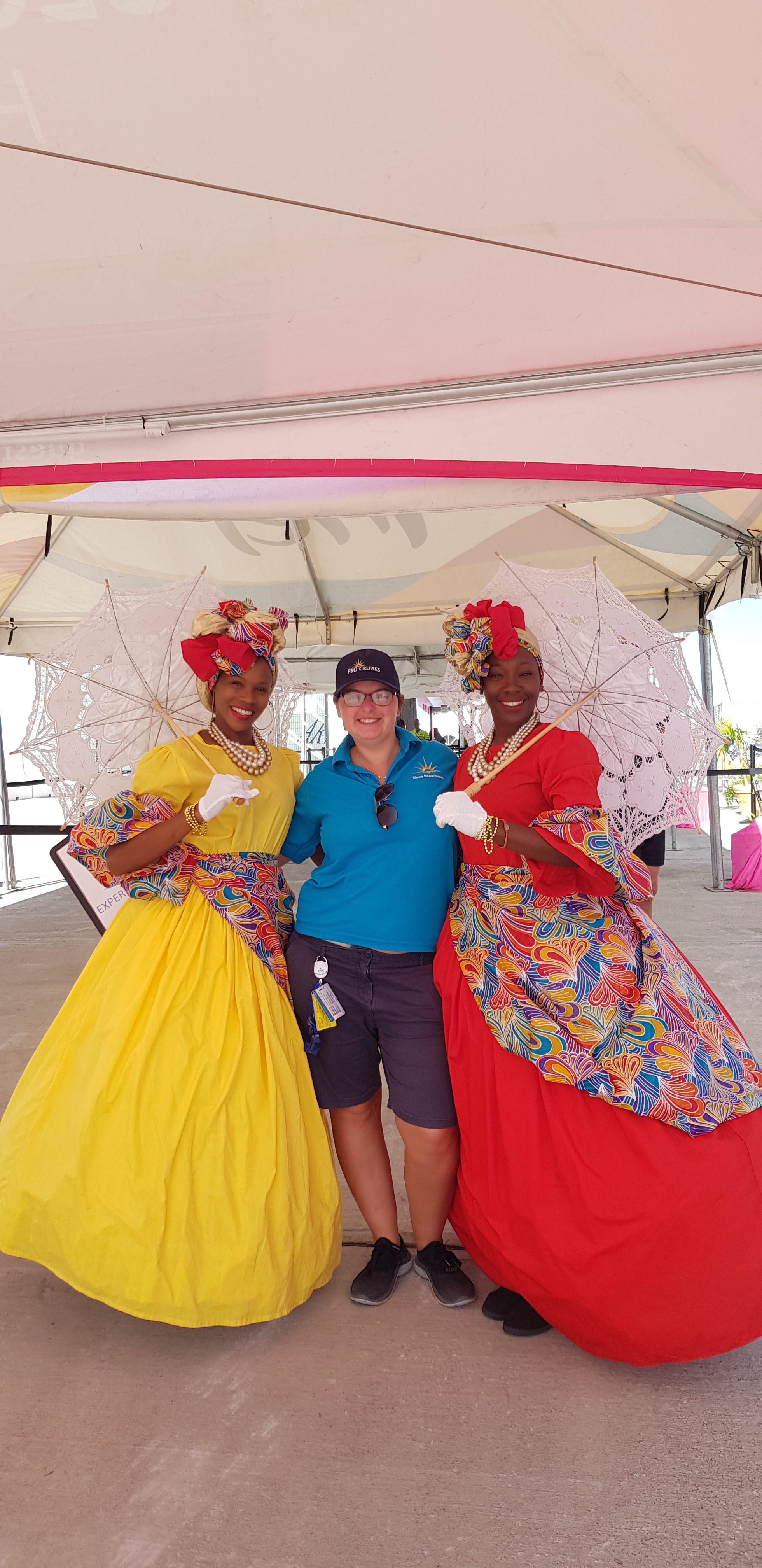
The situation means that the cost of living can be very high for locals and many people have to be entrepreneurial in order to make an income. That may mean selling tours, setting up a bar, selling coconuts or even offering photos with captured monkeys. It is understandable that locals need to make the most of the incoming load of tourists arriving each year.
The people are also very relaxed and generous. Whilst they can be direct, I have always found the caribbean people to be very uplifting and kind. They follow generally one of two main religions, Christianity or Rastafarian. I never previously realised that this is an actual religion but it very much is. For example the reason for the dreadlocks is because it is considered against the religion to cut your hair as it represents your strength. It’s not just a fashion statement!
I have had some really great interactions with locals whilst working in the area. From direct business partners to a handsome rasta that broke an aloe vera plant in half and massaged me with the sap on the beach. Conversations about life, culture and family. It helps me open my eyes to new ways of living. A more relaxed lifestyle that takes each day as it comes, because in a moment everything can change.
Safe to say, keeping the drinks flowing, the music loud, and the air smelling of ganga is a part of the way of life and it certainly seems relaxing.
Nature
Outside of sandy coastlines, many of the islands I have visited have been full of nature. Especially rainforests.
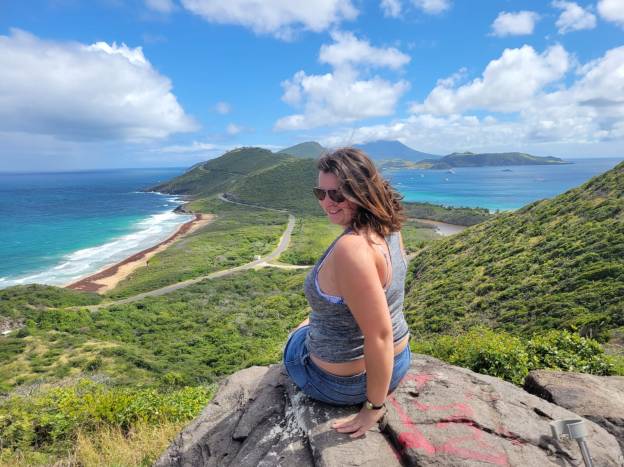
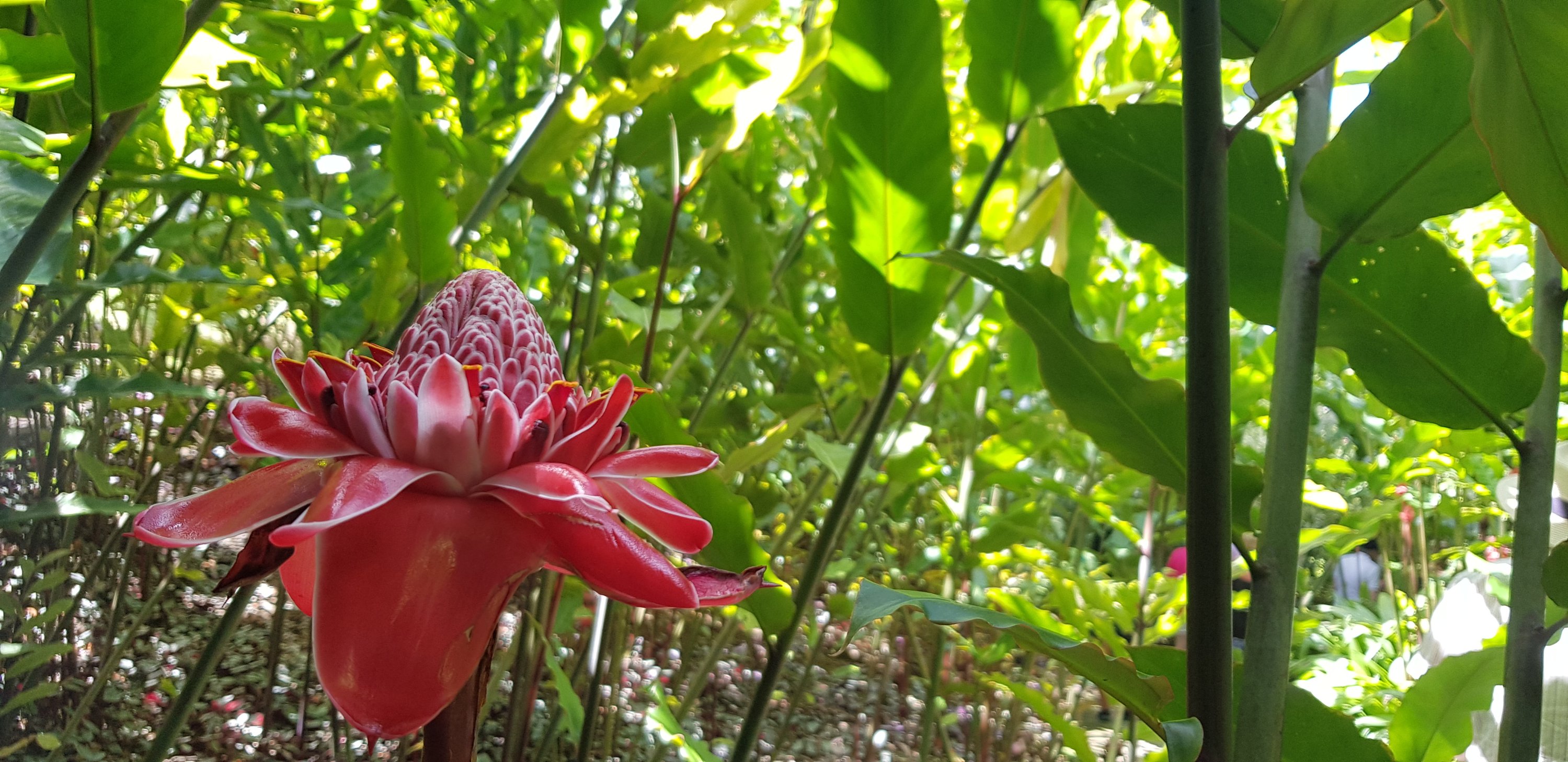
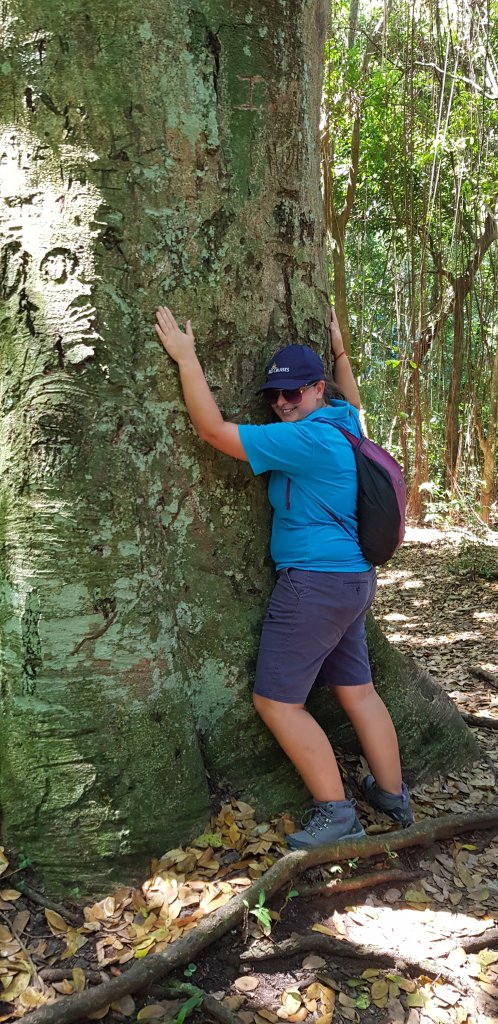
I have been fortunate enough to bathe in mud pools inside an active volcano in St Lucia, discover thorn covered trees and hang from vines in the deep rainforest of St Kitts, as well as cruise past the TV set of ‘survivor’ in a jungle in Dominican Republic.
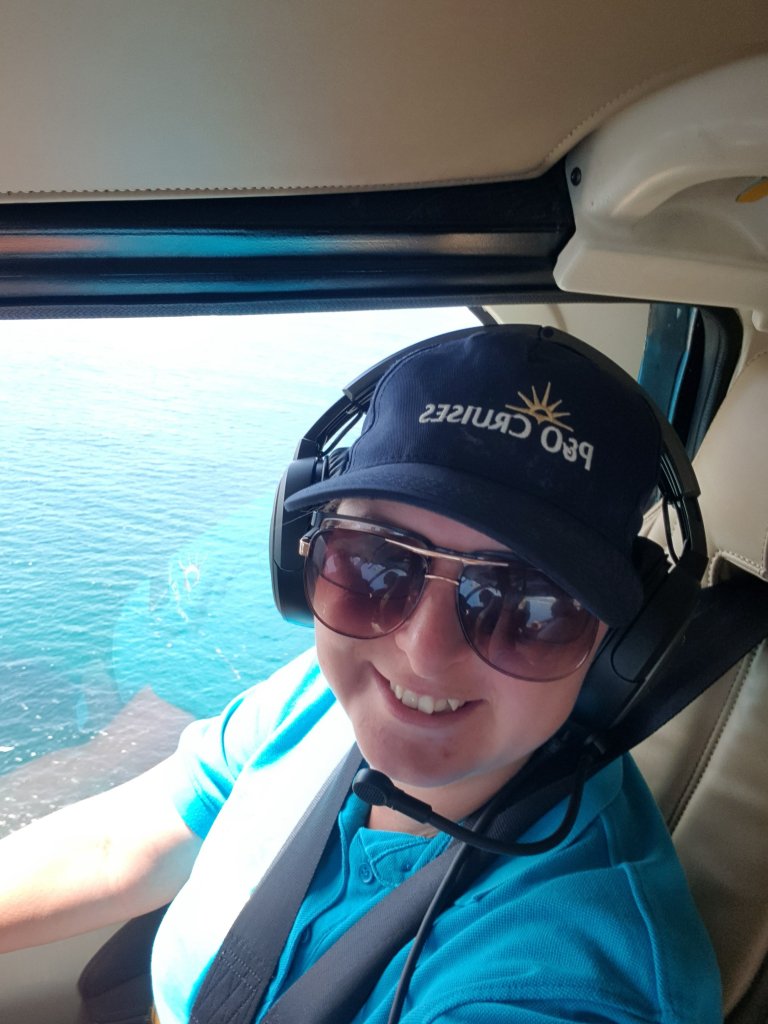
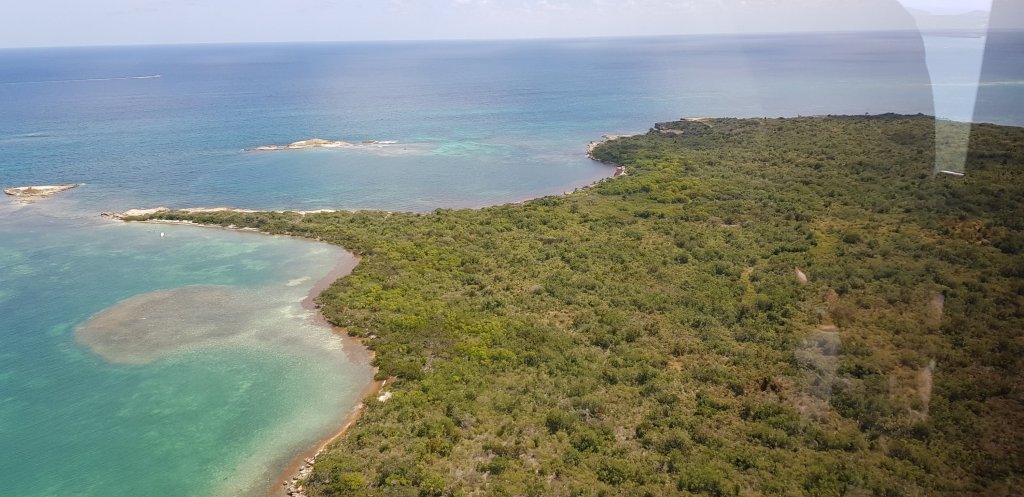
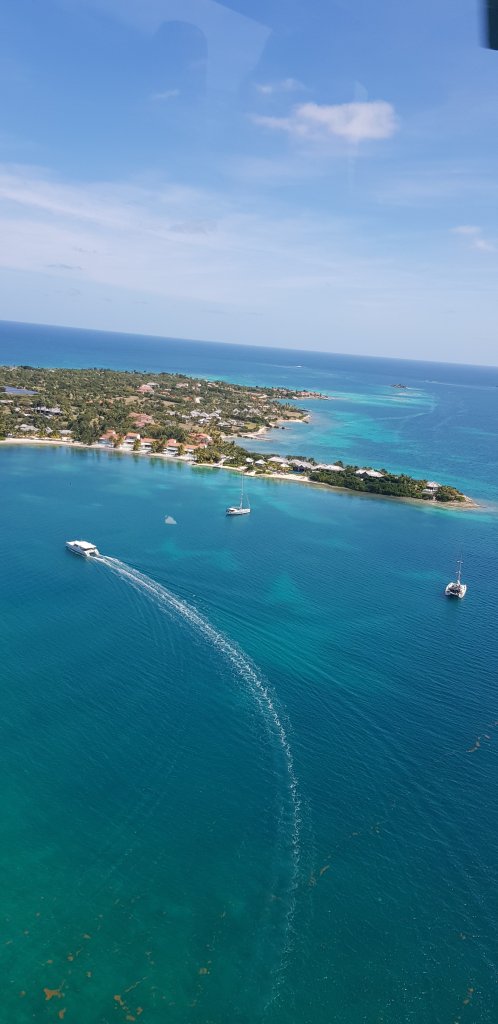
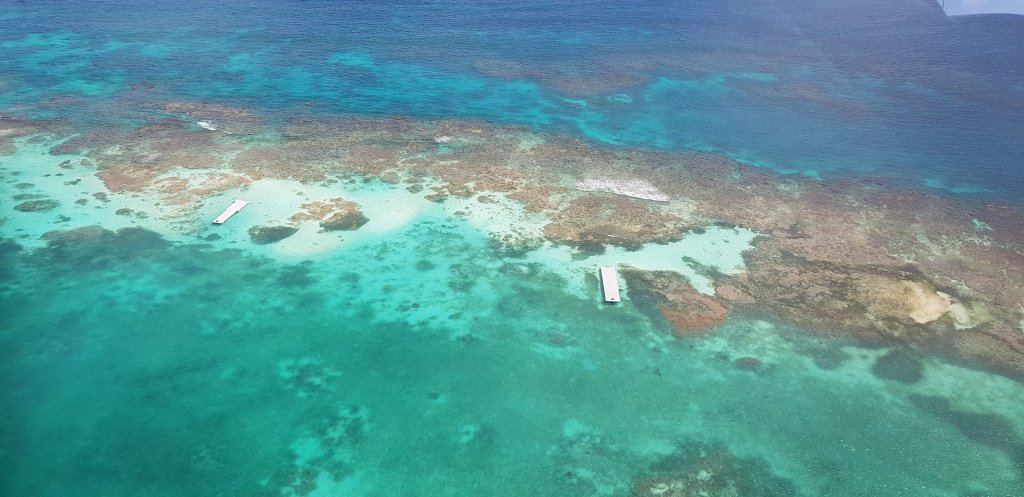
One of my favourite experiences has actually been flying over Antigua by helicopter. In that short flight I was able to see the shape of the island, the changes in the land from recent hurricanes, a good view of large coral reefs and coastal cliffs not accessible from land. During a flight, you can be lucky enough to see dolphins and whales, and you can also get a great bird eye’s view of places like Oprah’s holiday home!
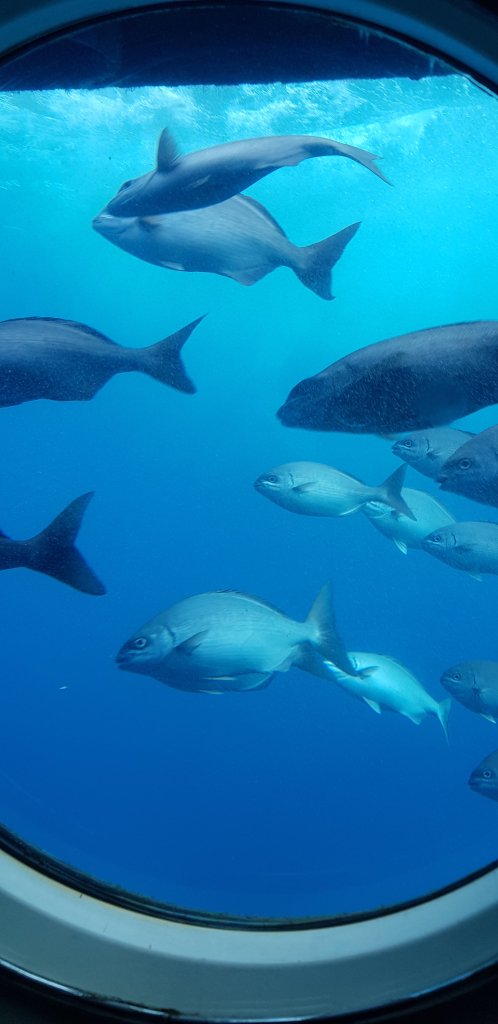
I was surprised that it was not as easy as I expected to see wildlife. Whilst, iguanas and pelicans are commonplace, exotic fish, monkeys and mongoose are not as easy to track down. My best option to see the fish was by snorkelling or submarine, where i had the fun experience of seeing stingray and turtles, not always the easiest to spot when crowds of tourists are also trying to spot them..!
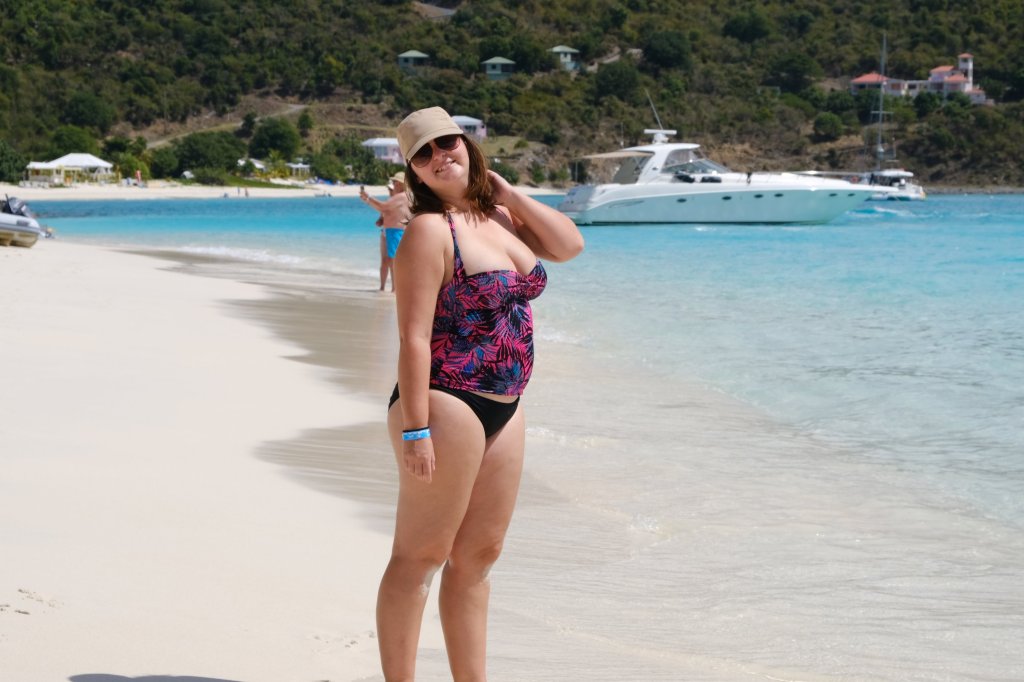
Of course, I can not neglect to mention the coastlines. Not every beach is like the postcard, many are on the Atlantic sea and can be choppy and unclear. But… the ones that are in the Caribbean Sea are magnificent. Antigua and Barbados won the beach lottery, but they also are bitter sweet for me, as the sea claimed two pairs of specs and a hat from me in only a few weeks!
Overall, I liked the Caribbean. It was not everything I expected but in some ways it was more. I think the people are my favourite part of the place, and I will be happy to return again next year!