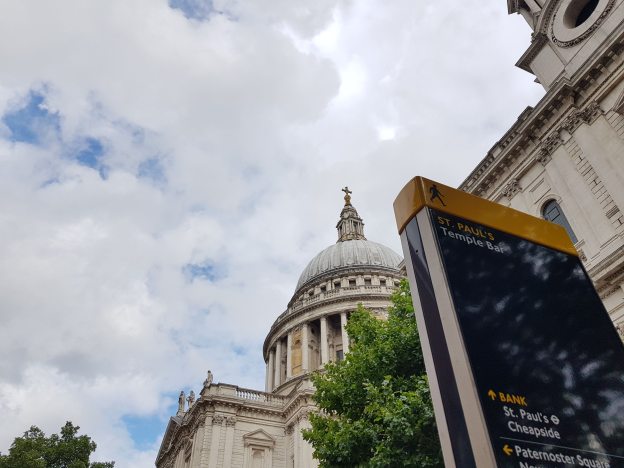
I recently had a visit to St Paul’s cathedral in central London, and found it to be a stunning example of architecture, art and history. This church is recognisable across the world as an important site for ceremonial events, and a centrepiece to the historic London skyline.
Surrounding St Paul’s
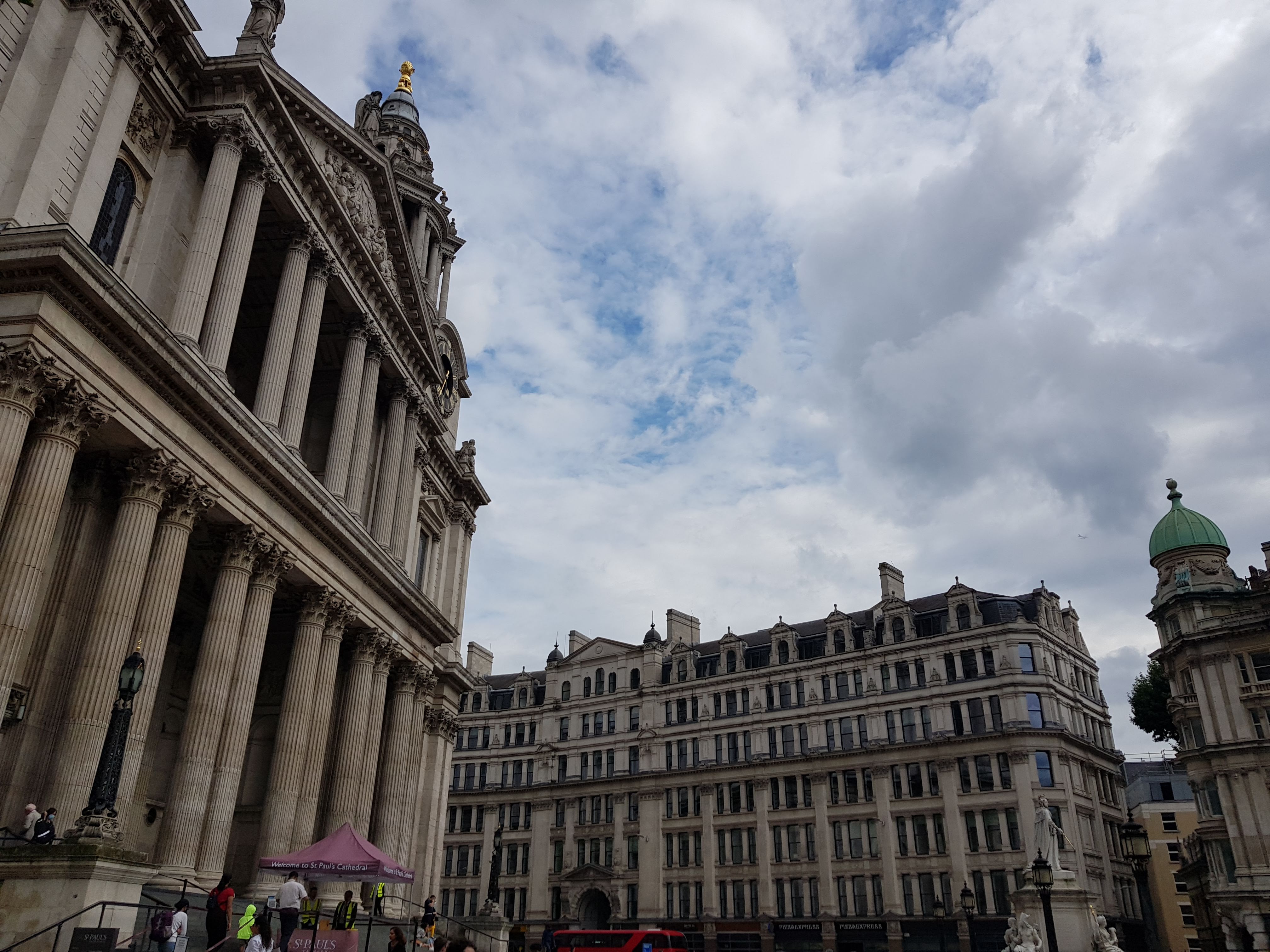
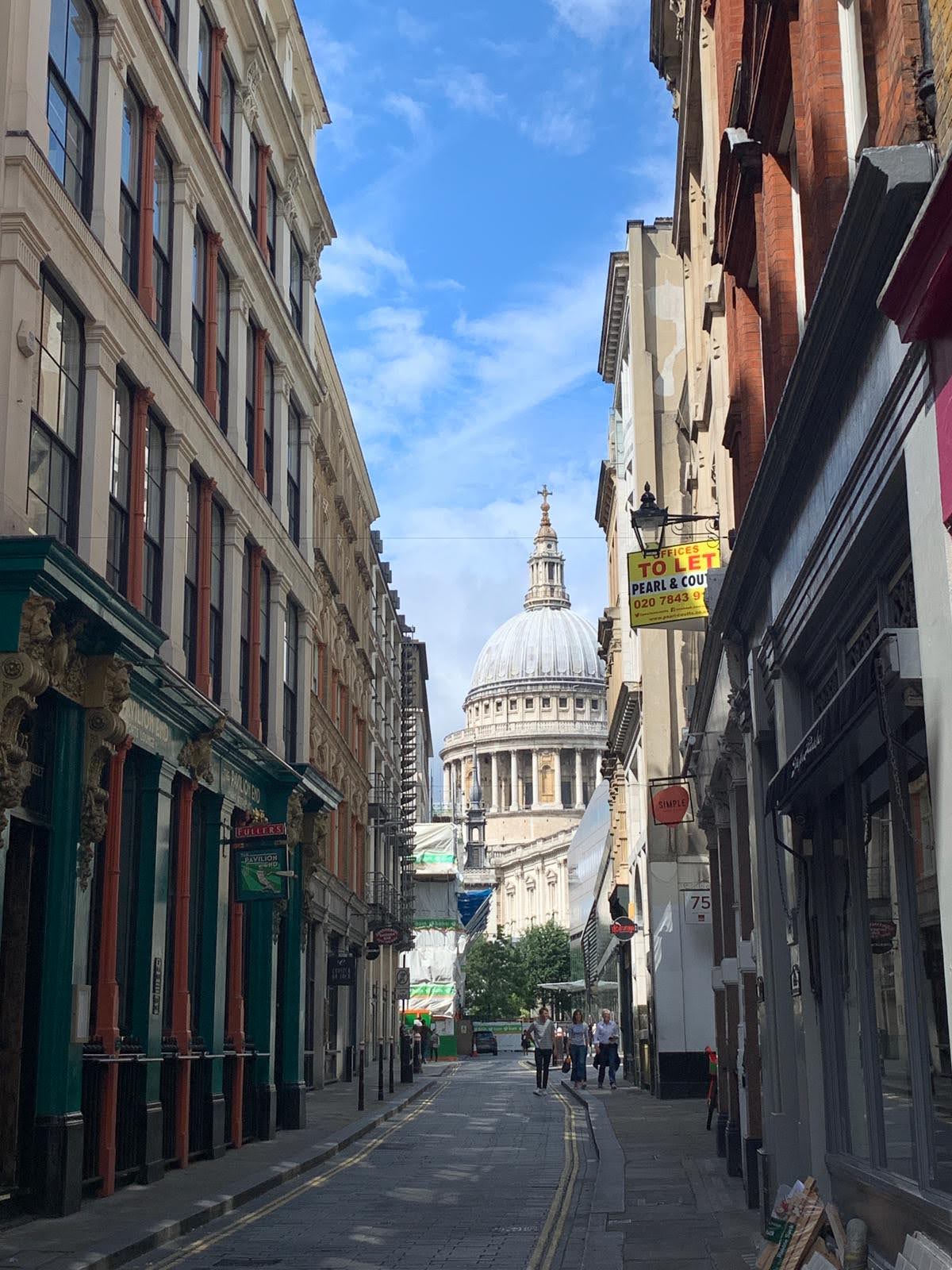
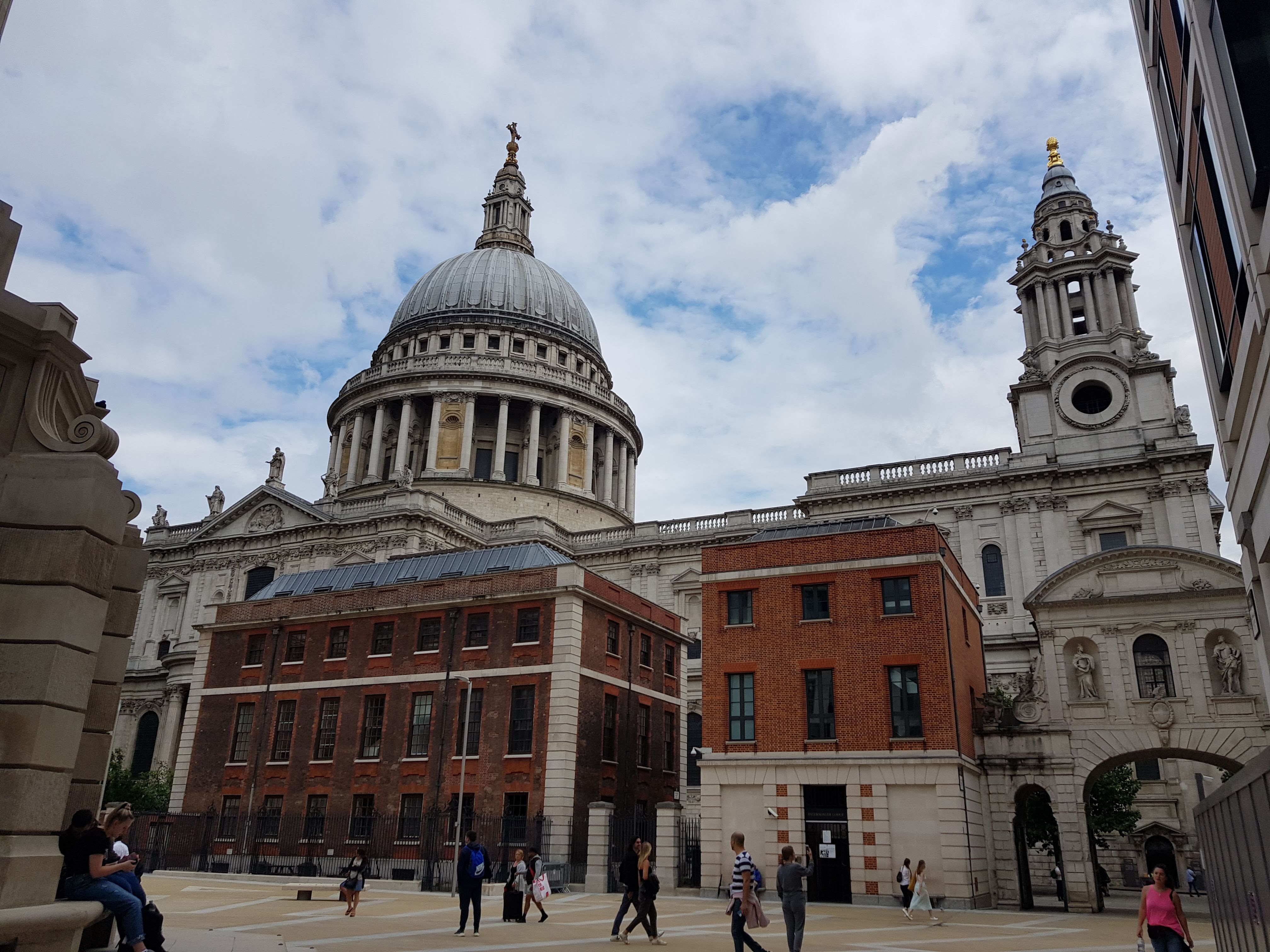
St Paul’s cathedral is in the centre of London and has a dedicated underground station down the street, St Paul’s station. It is recognisable from a distance, by its large dome, but I also think of the front of the building and its iconic steps and open space…. this may be somewhat led from my childhood memories of watching Mary Poppins! The church is used in the film for the song ‘feed the birds’…
I know you’re probably singing it along in your head now! Oops! Sorry!
Around the cathedral, there is a plethora of shops and restaurants to enjoy, and on the site, St Paul’s also has a well kept set of gardens and cemetery to meander within. St Paul’s is also in close proximity to the iconic Millennium bridge, and the Museum of London.
What’s on offer
We booked our tickets into St Paul’s the day before, and this was well worth doing, as we were able to walk straight into a clear queue, past many people that had just walked in. As part of your ticket, you can access an audio guide and headphones that have lots of useful information about the cathedral. It breaks the content up into different sections of the cathedral geographically, by topic, or how much time you have. So, if you only want the highlights version then you can still benefit from an audio guide.
There are also guided tours freely available throughout the week at lunch times, as well as private tours which you can book. If you want to slip into the background and enjoy the atmosphere, you can also take part in a daily service of Eucharist or Evensong. The full schedule of services can be found on the St Paul’s website.
Architecture
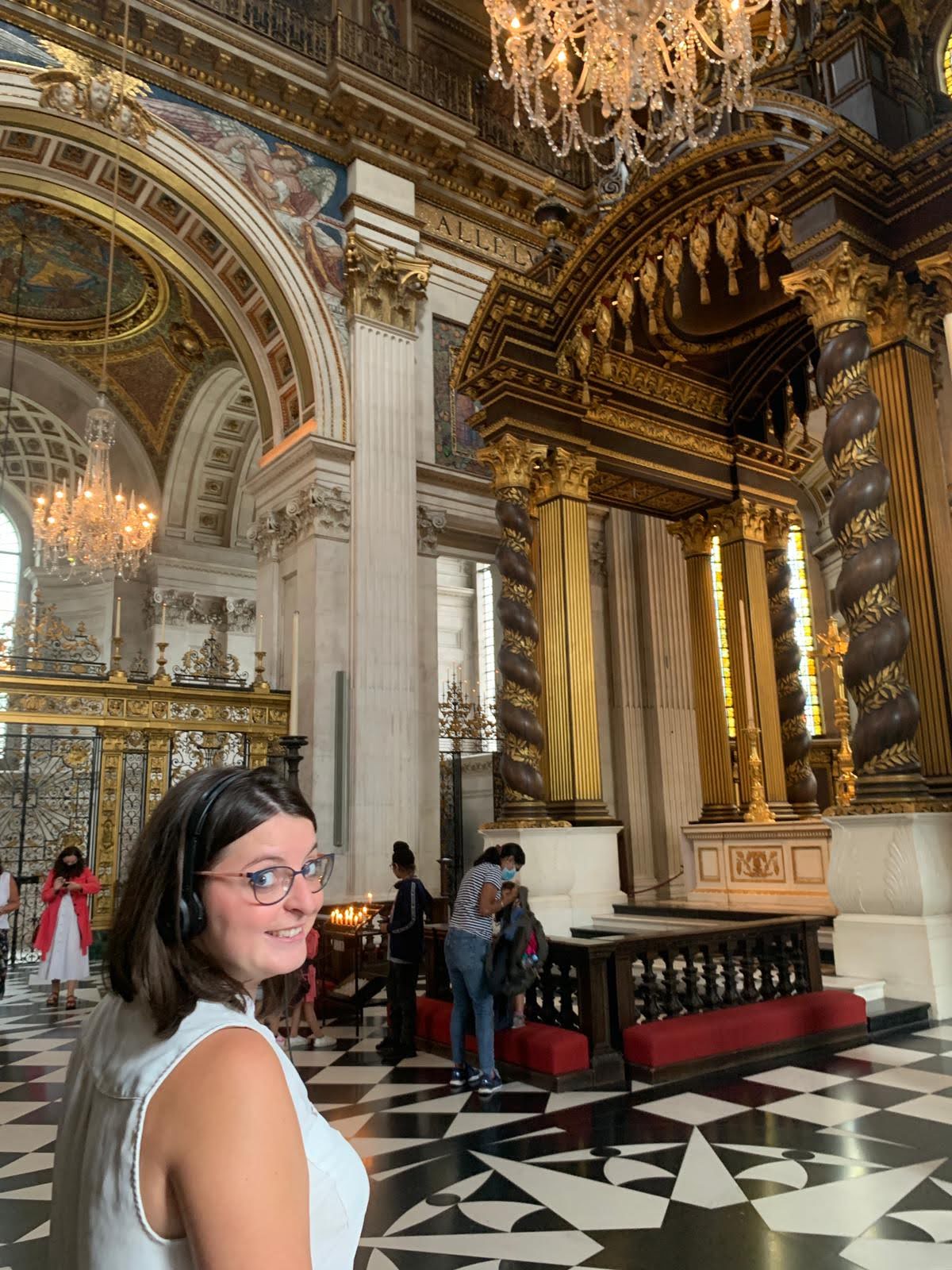
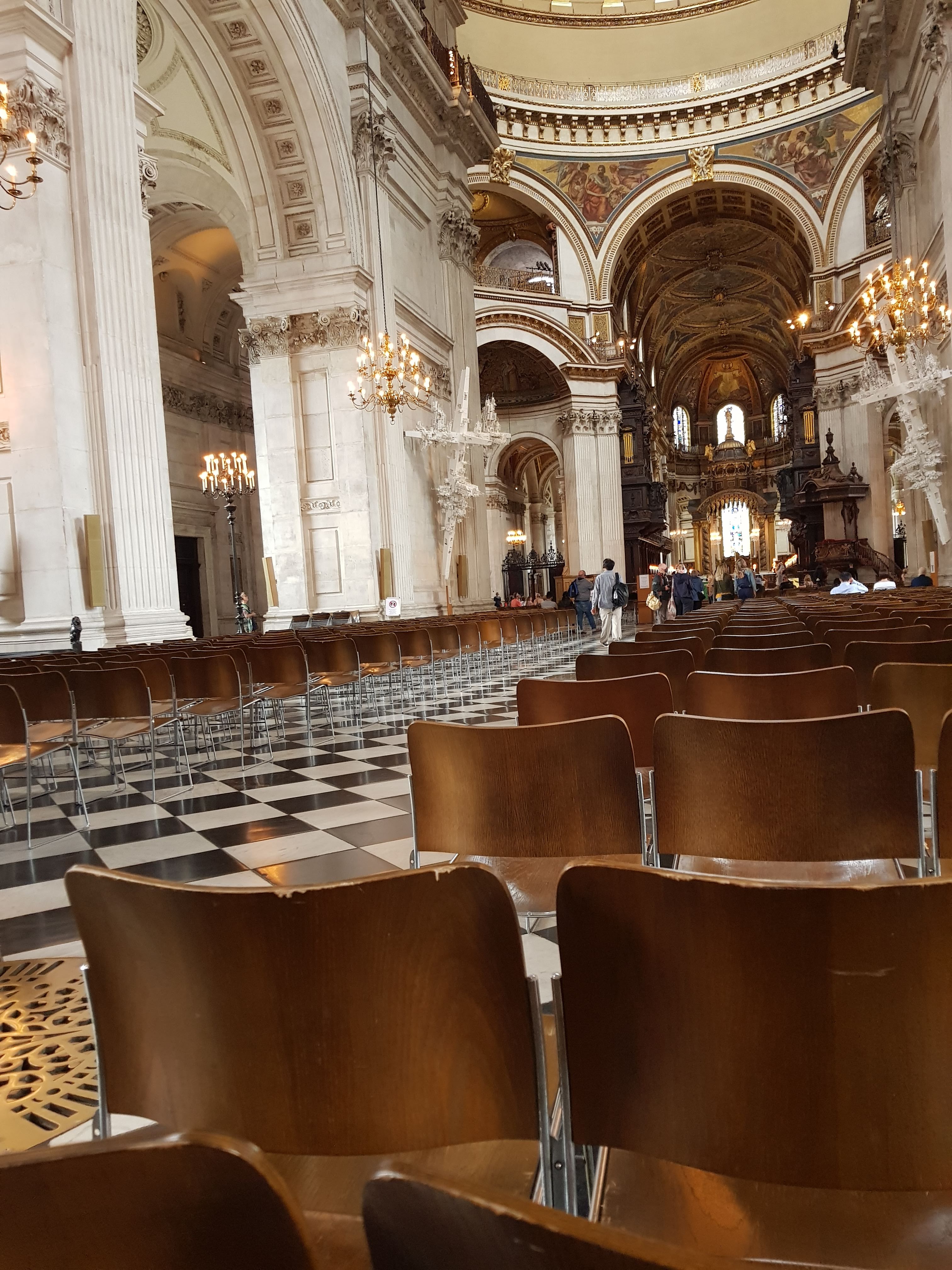
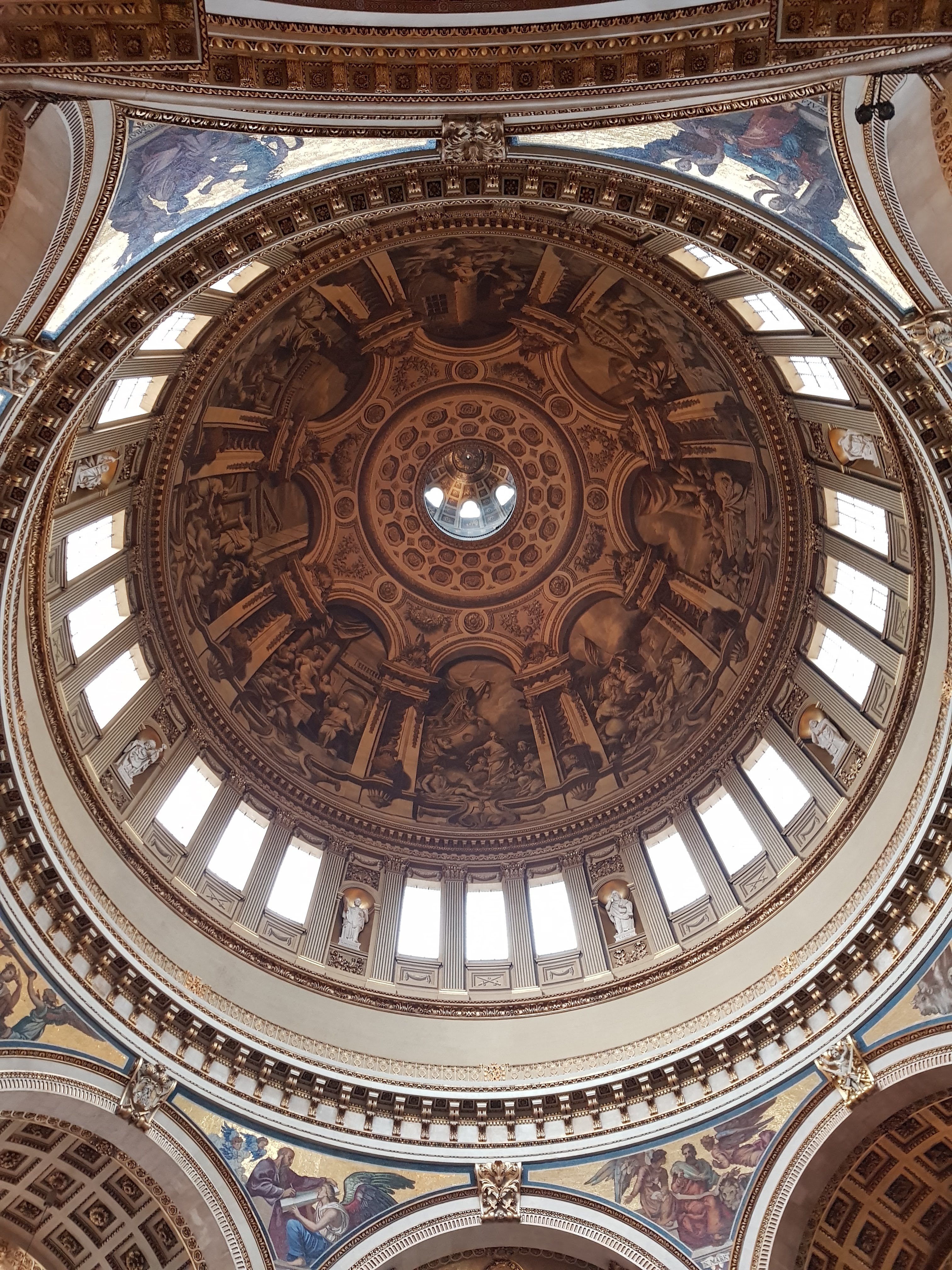
The architecture within the cathedral is very striking. I really enjoyed taking photographs of the church from different angles, as there are so many arches, curves and also geometrical shapes, both high and low. The styles and colours of white and gold, did remind me more heavily of a European cathedral, specifically, ones I have seen in Italy. The church certainly did not feel English. I think this is rather ironic, considering it is one of the biggest religious attractions that international visitors see, and represents the country across different medias around the world.
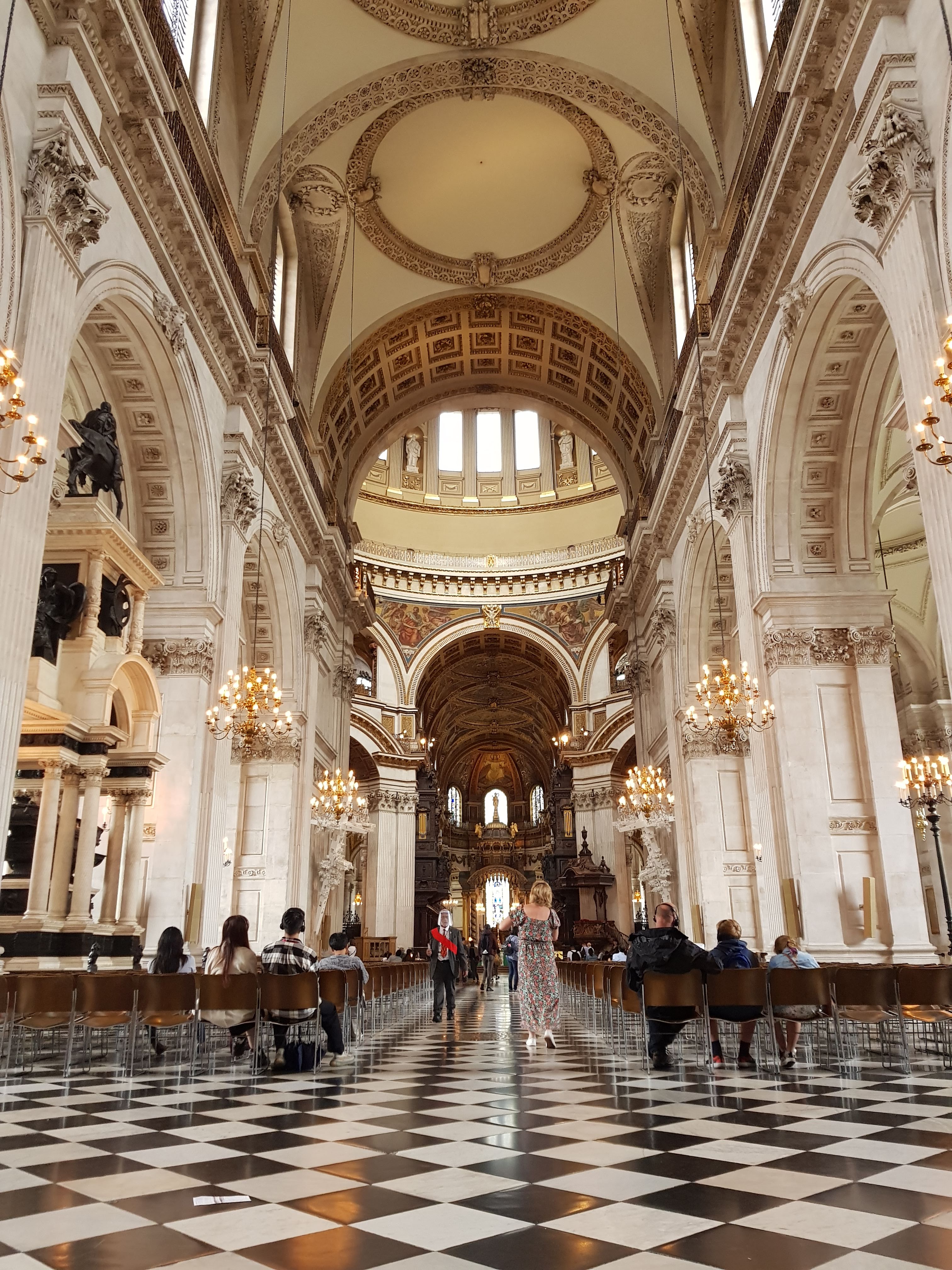
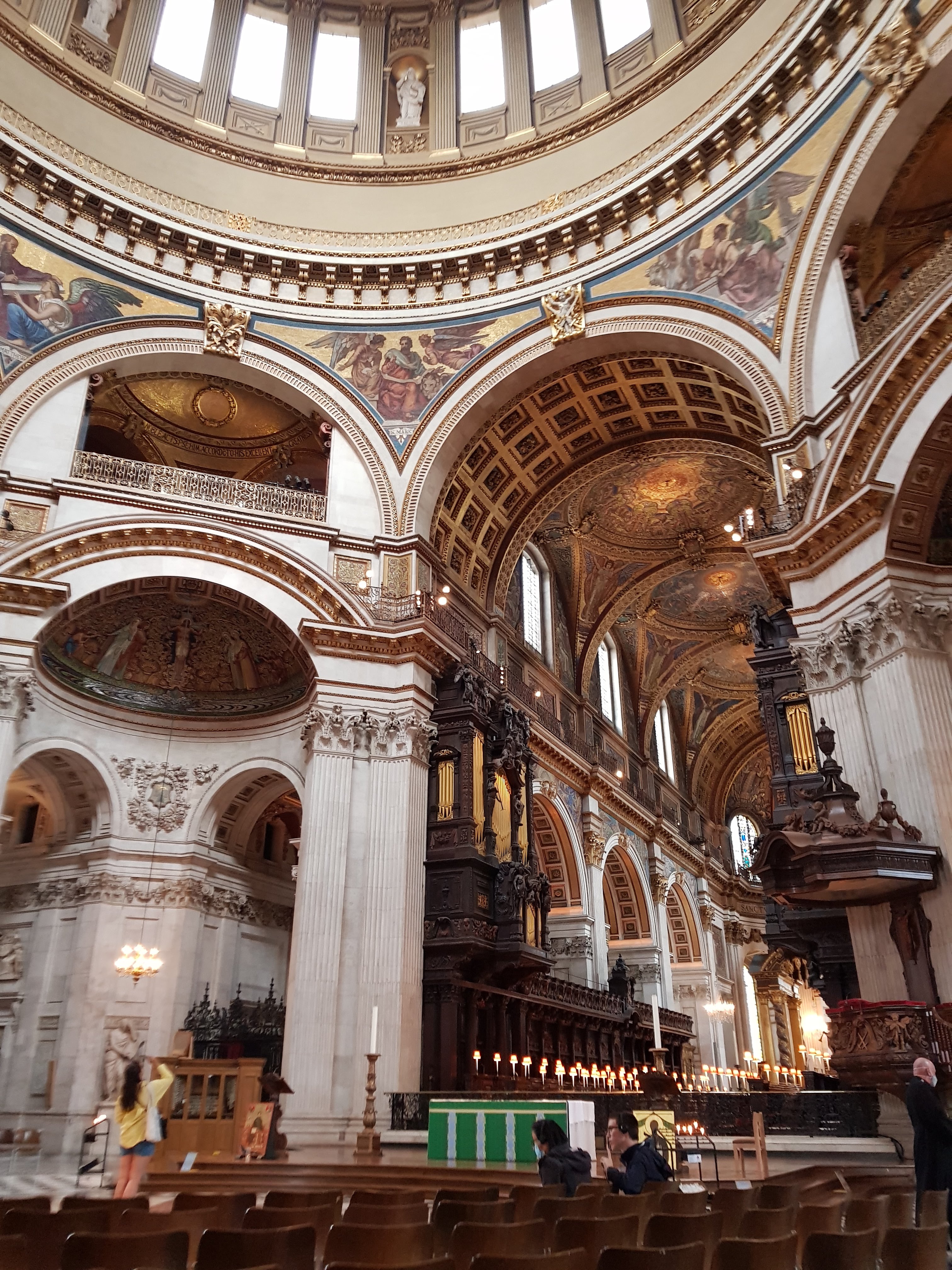
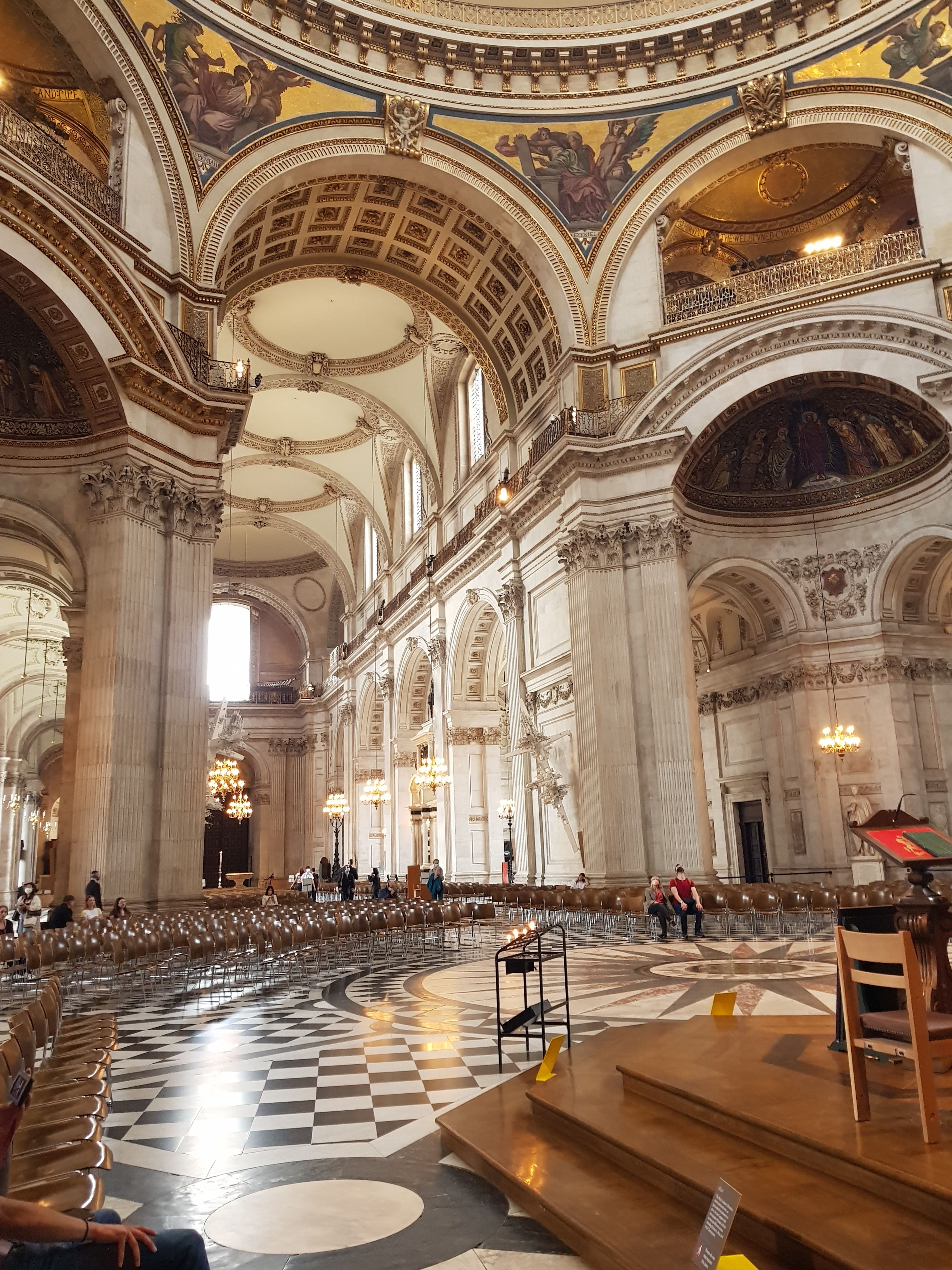
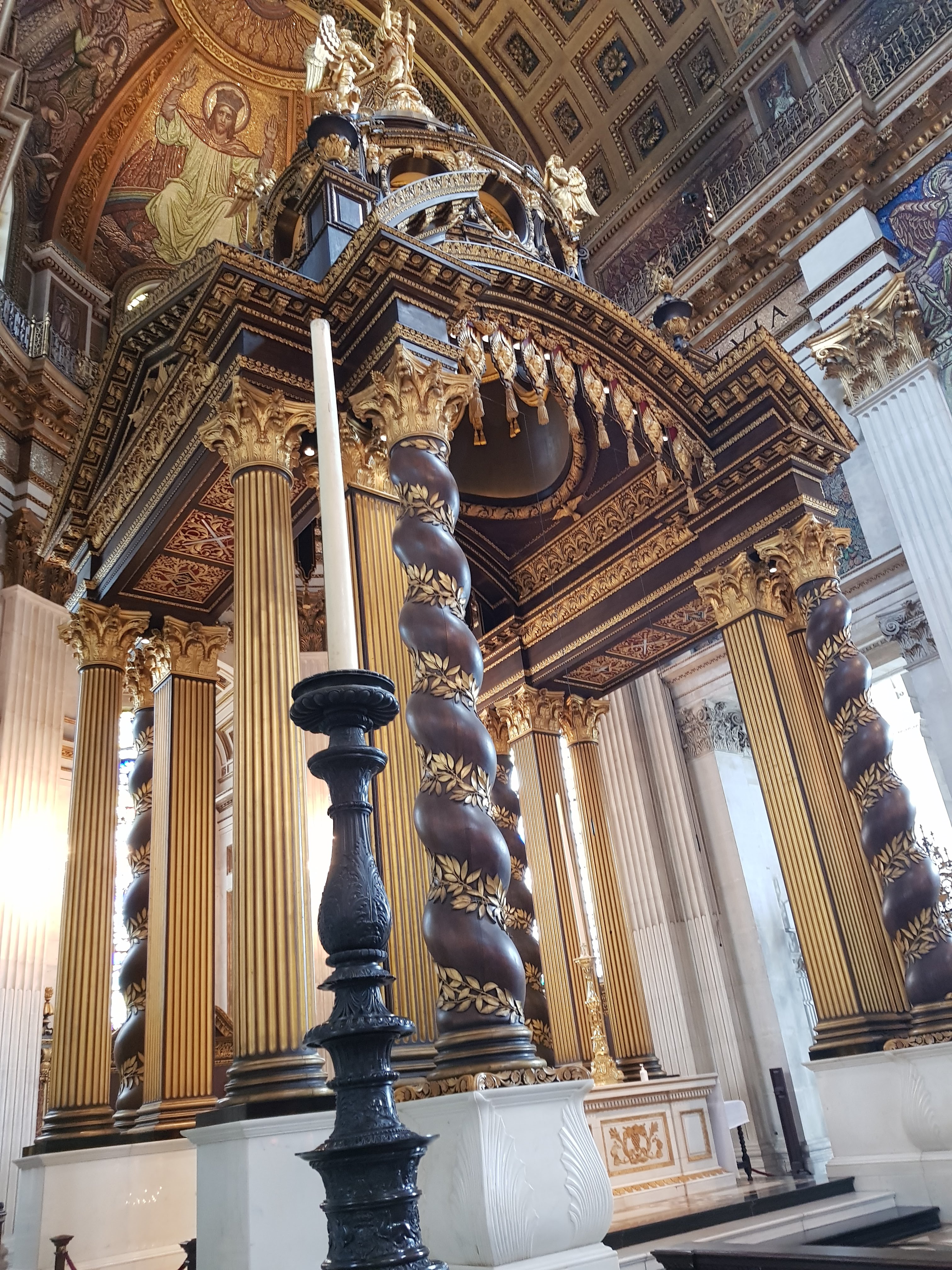
The original St Paul’s was much more English looking, and looked similar to cathedrals of Salisbury, Canterbury or Norwich. That church was destroyed in the Great Fire of London, and this new structure was built between 1675 and 1710. The architect, Christopher Wren, attempted to approve several designs before the King eventually signed off on the plans. It seems that Wren attempted to put his own twist on the Baroque style which was becoming popular in Europe at the time, interestingly as a counter action against Protestantism. He coined this as ‘English Baroque’.
The similarities between the two styles are obvious though, if you take a look at the two images below of the towers of St Paul’s vs Santiago de Compostela, Spain… you can see for yourself!
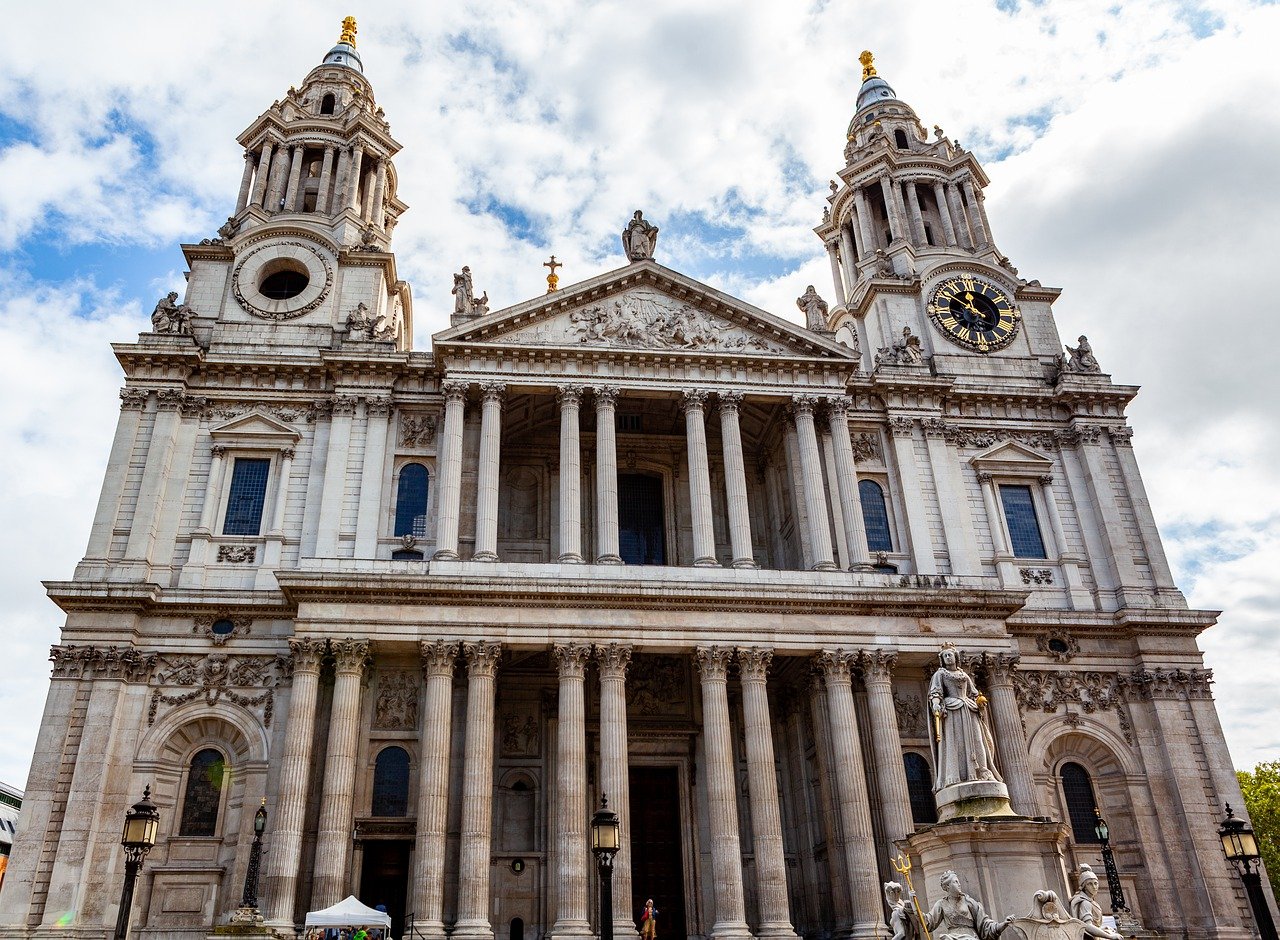

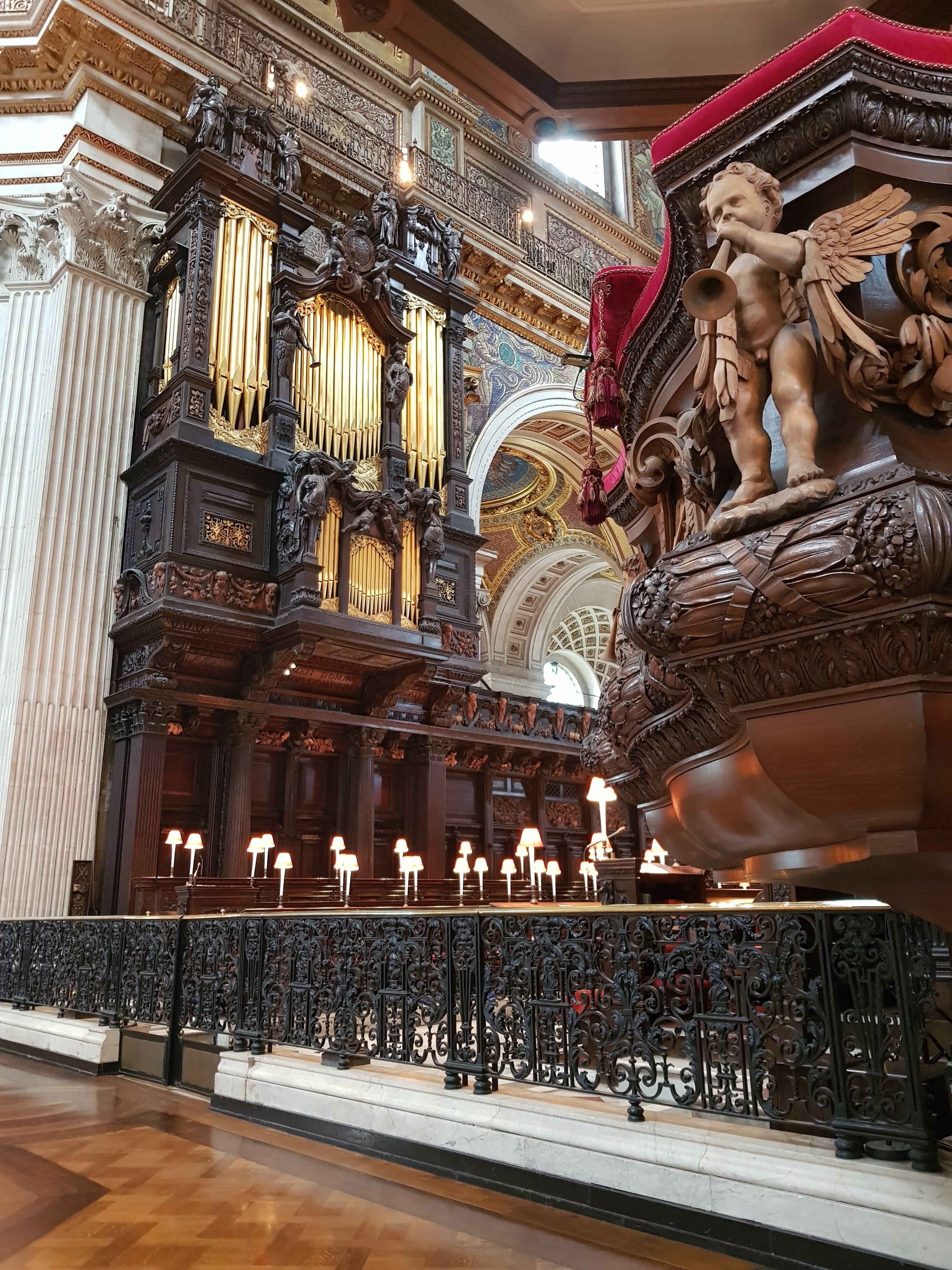
St Paul’s also boast some very beautiful English features, including 18th century delicate wooden carpentry, the third largest organ in the UK, and of course a good level of stained glass windows!
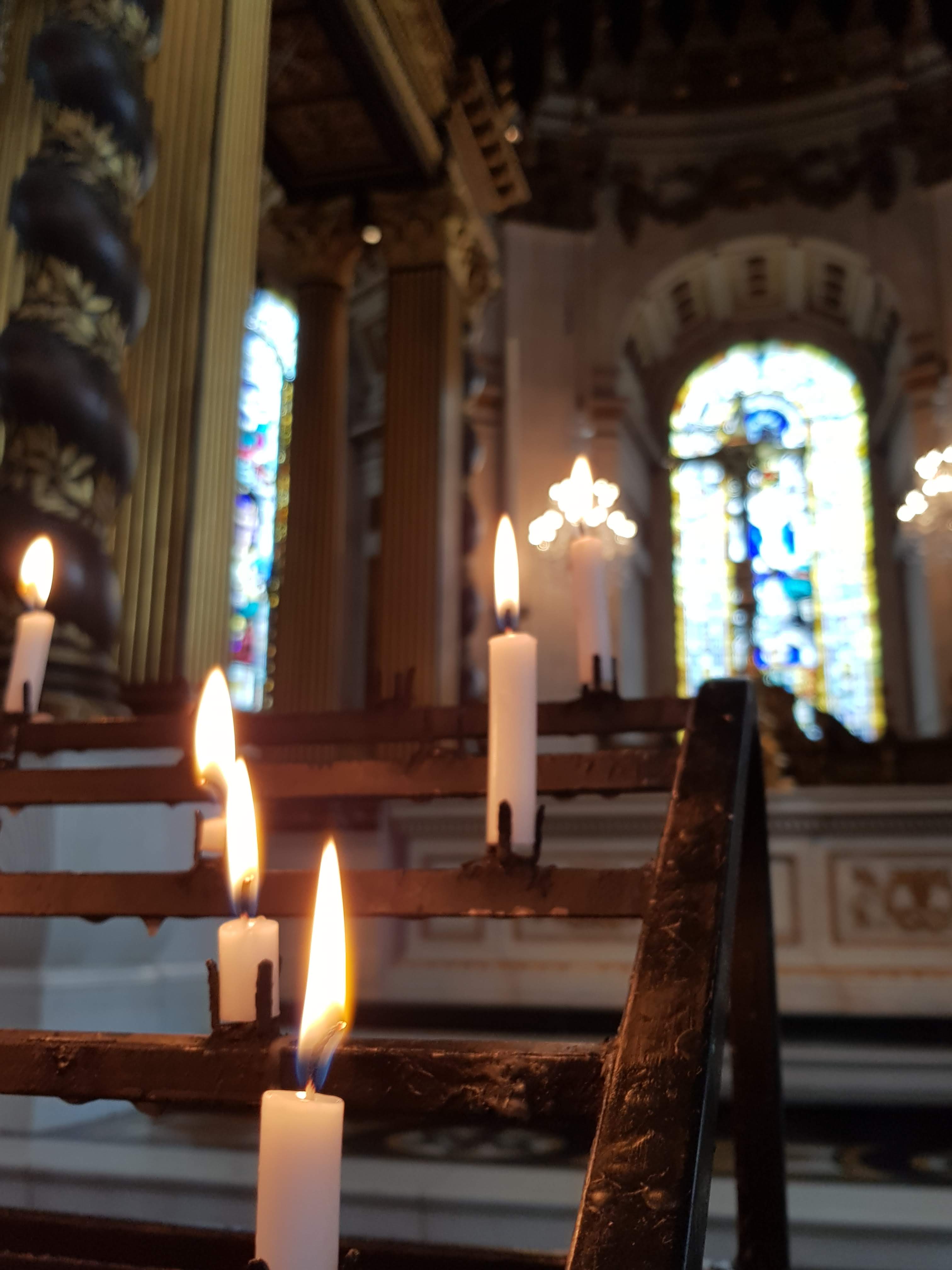
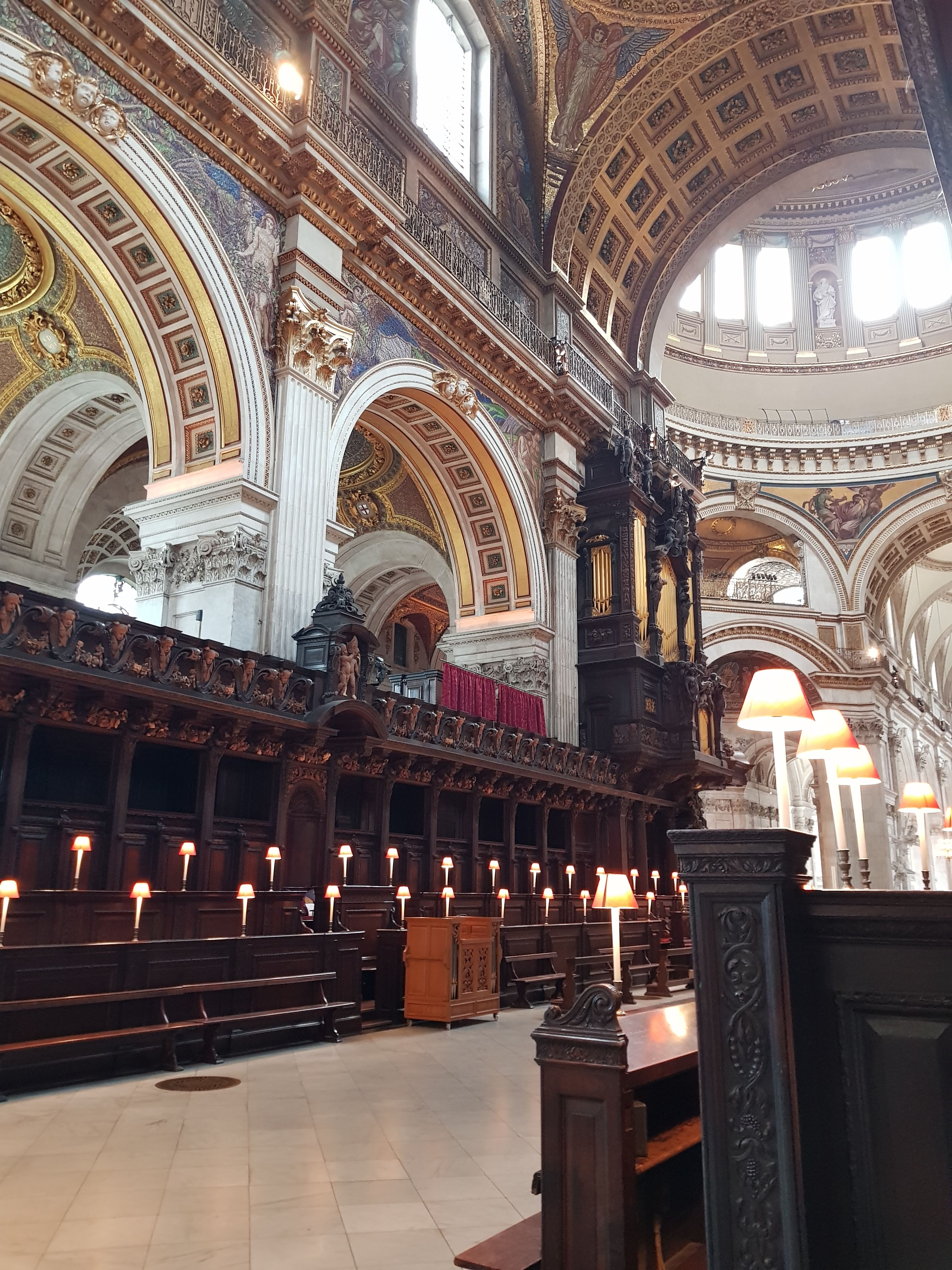
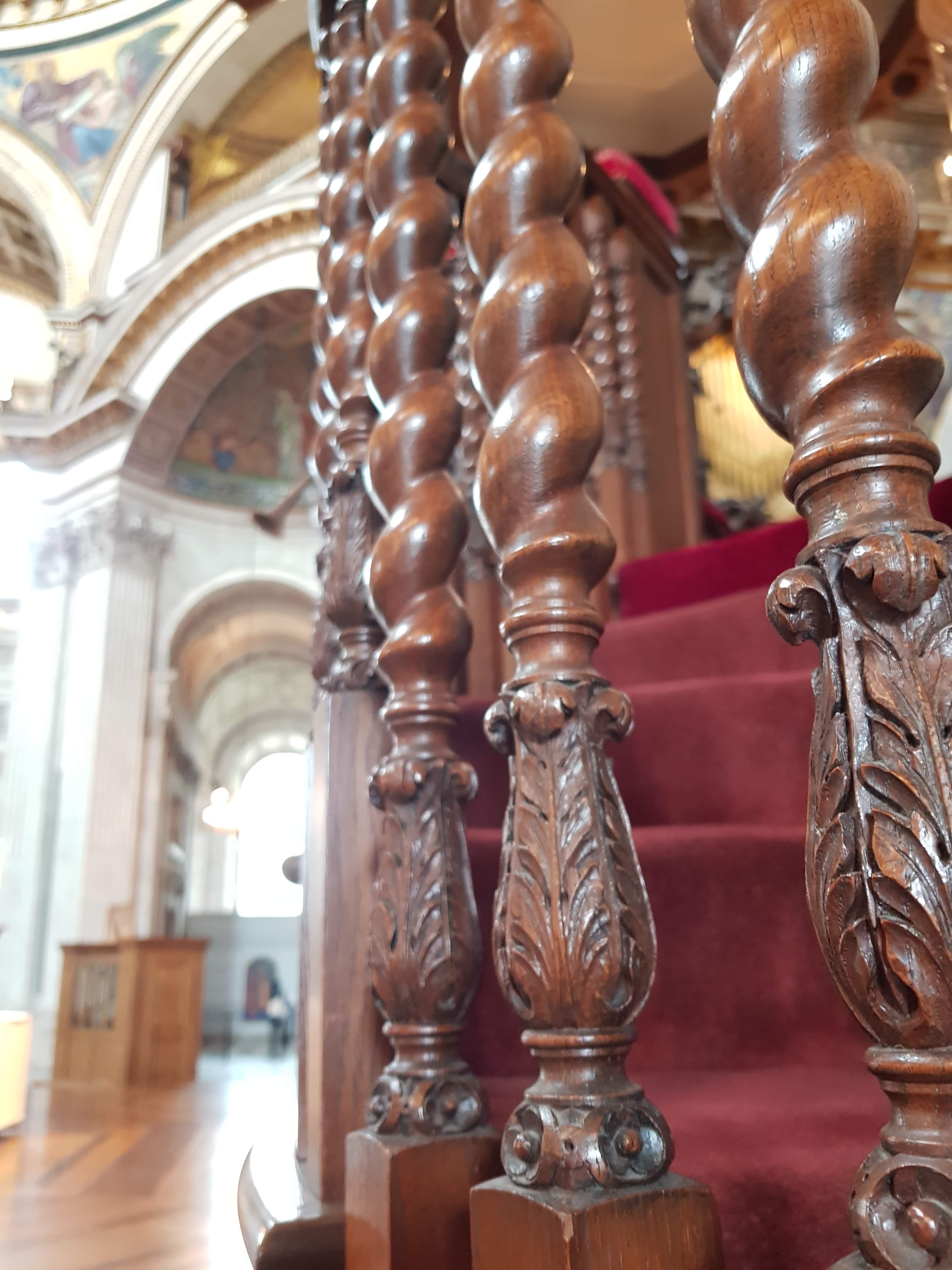
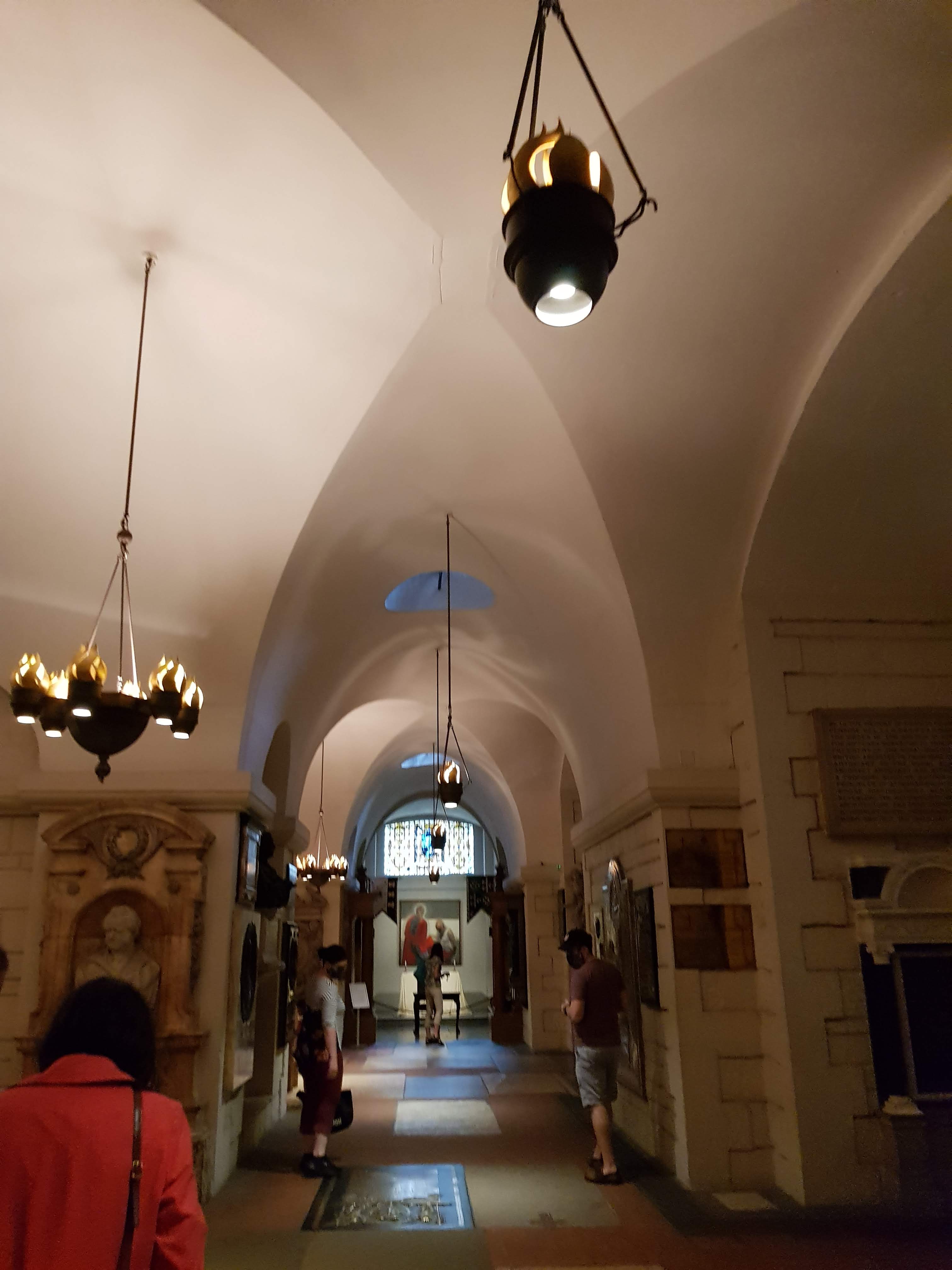
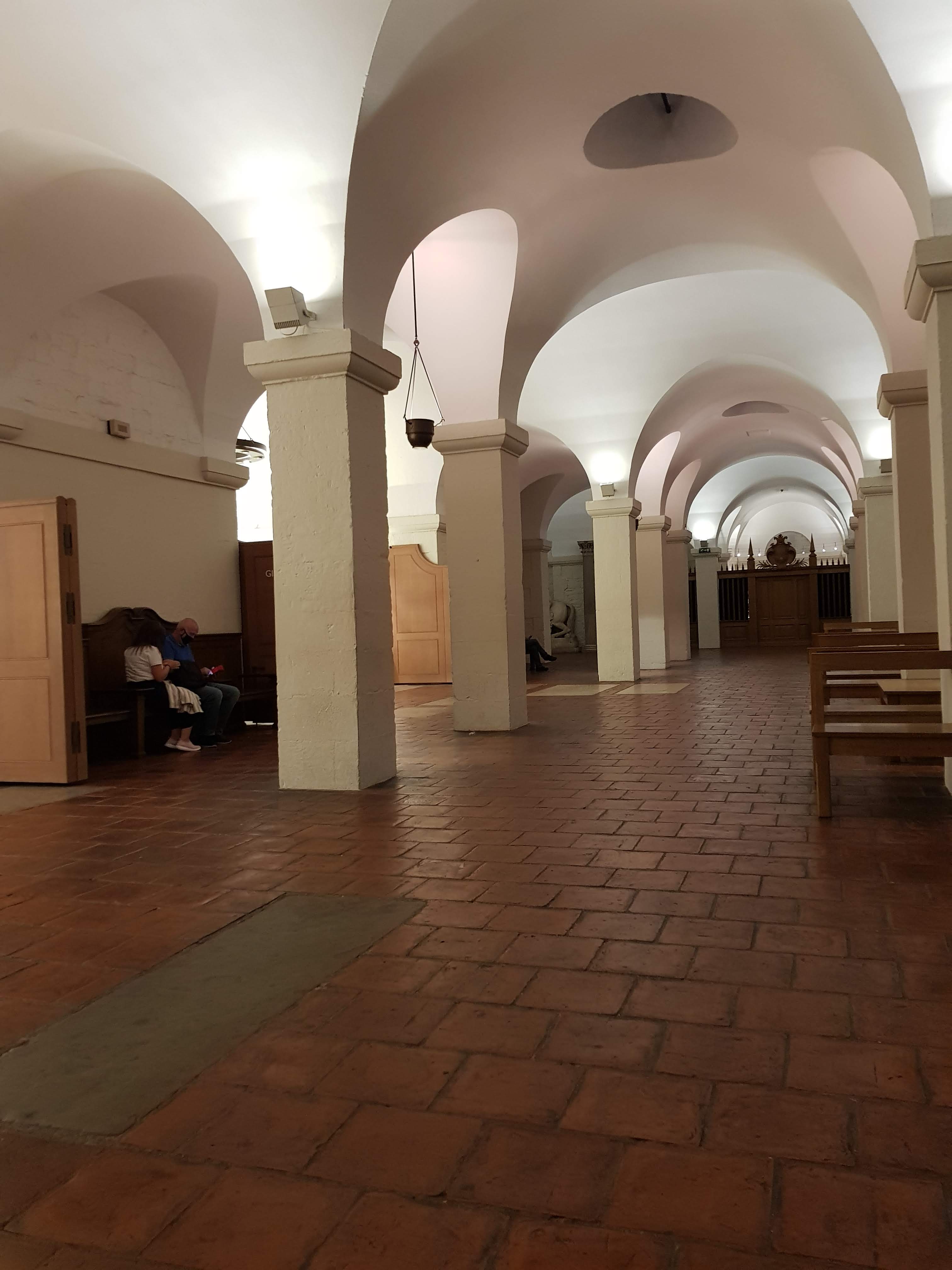
The ground floor of the cathedral is not the only level available to visitors. Visitors can also go up to the galleries, and go downstairs into the crypt of the cathedral. Other crypts that I have seen, have had very rough walls, dingy smells and pokey spaces. This is not the case at St Pauls, I was really suprised at the look and feel of the crypt. It is a large, reasonable open, and light space. It actually has a very modern, and contemporary feel to it. This seems so strange, in such a historic building. In this part of the cathedral, there are some memorials and tombs of important figures from English history, such as Norfolk’s very own Horatio Nelson. There is also a chapel space to sit peacefully, toilets and a gift shop!
Artwork
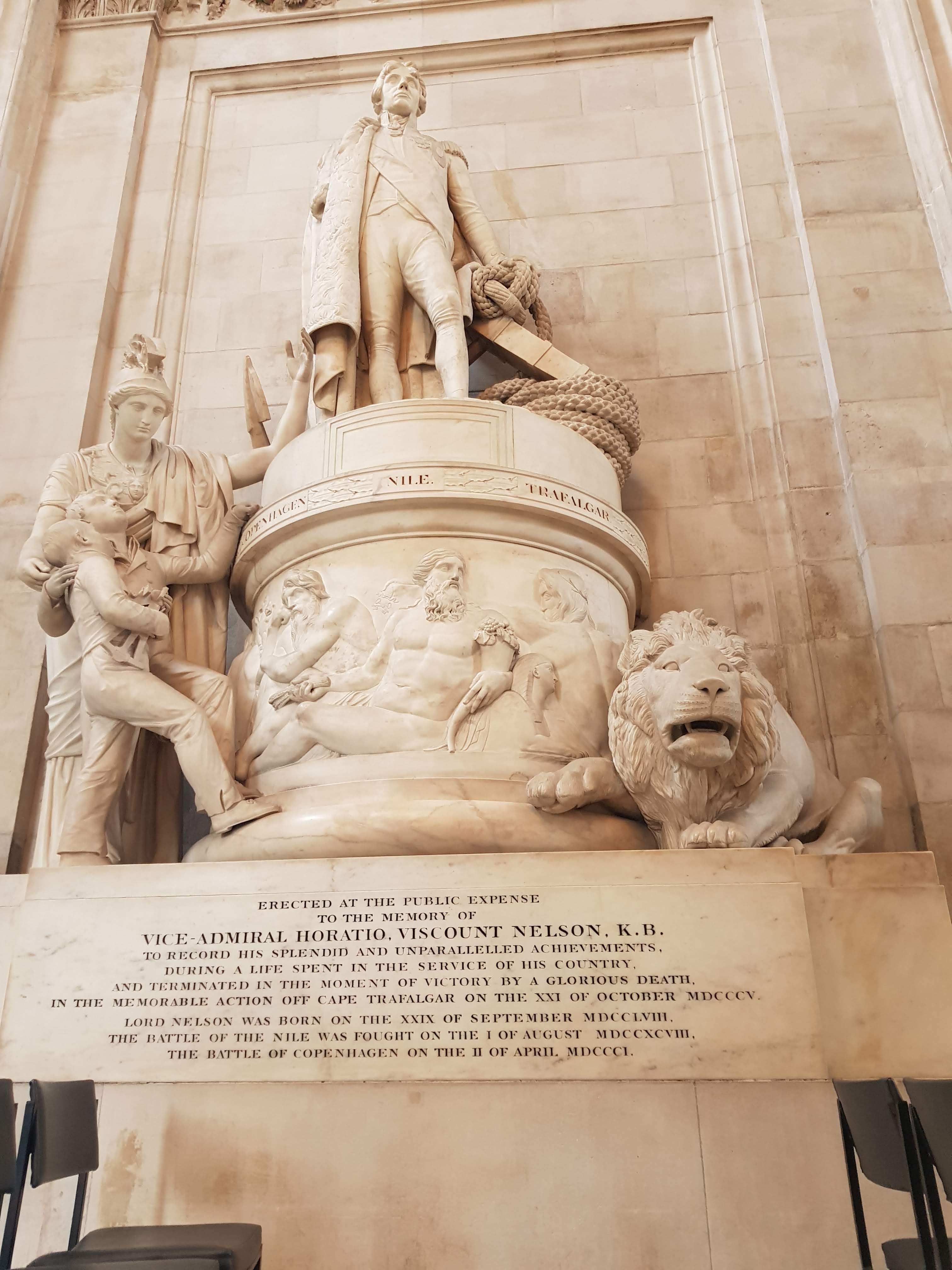
There is a mix of artwork at the cathedral, from beautiful ceiling paintings, to wooden and stone sculptures. The focus is clearly on the magnificent ceiling paintings of bible figures and scripture such as the apostles, and so in the nave, the sculptures/memorials are fairly thinned out except for a few large pieces. On the other hand, in the south aisle alongside the nave, there are several memorial sculptures detailing key figures in English history and their achievements.
Steps to roof and galleries
Arguably, the most iconic part of St Paul’s Cathedral is the dome, and within the dome and below it are two galleries that visitors can see. Unfortunately, these were both closed when I visited, but I still had the ‘pleasure’ of climbing the 376 steps to the roof, before I discovered I could not access the galleries that day. On the bright side though, whilst the stairs left me breathless (not in a good way), there were lots of seats to stop at on the way up, and medieval graffiti carved into the walls that i could appreciate whilst trying to stabilise myself!
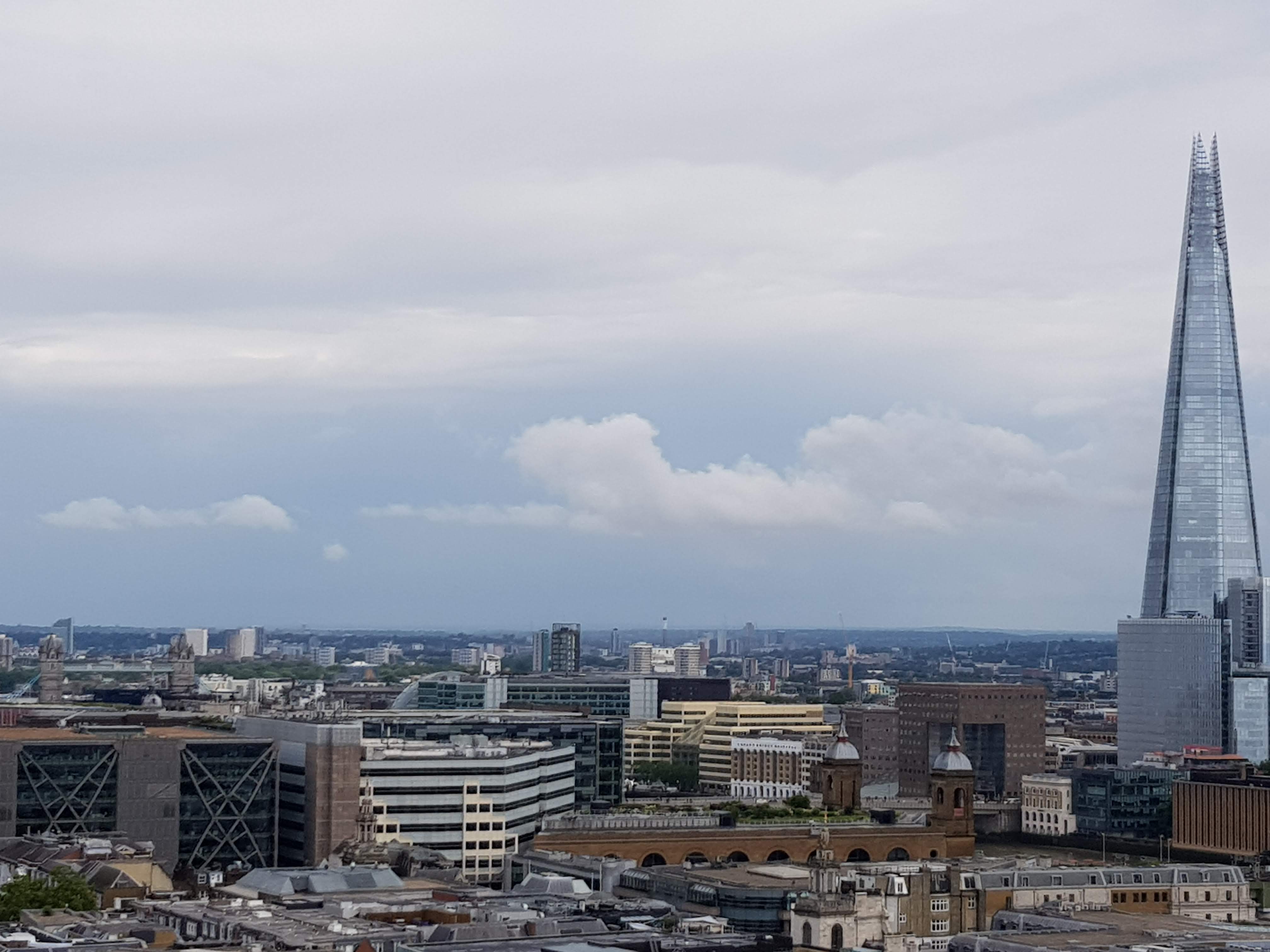
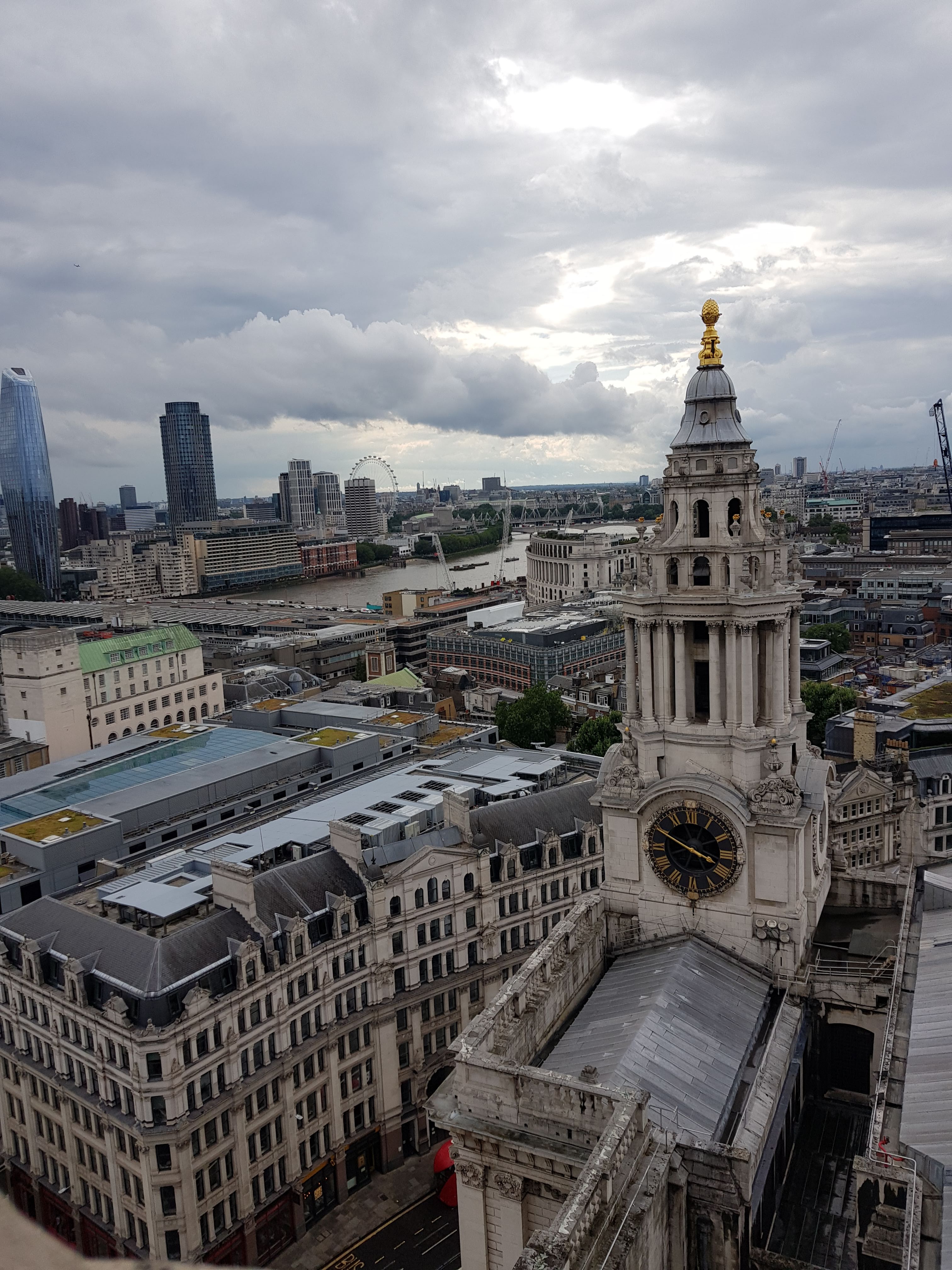
The climb wasn’t a waste! From the roof, you can still walk around the dome and see the London skyline, including the shard, sky garden, london eye, and look more up close at St Paul’s bell towers. I actually happened to be on the roof when the bells were ringing out, which I thought was pretty special.

View from St Pauls – London Eye & Bell Tower
Overall, I think that St Paul’s was very interesting, had a great booking system, and good content. I was disappointed that I could not see the galleries, but the views made up for it, and I understand their need to do renovations, especially whilst they are quieter. I would recommend a visit, and if you are brave enough, climb the steps and listen to the bells…. equally if you really do struggle, there is an elevator… they just wouldn’t let me use it!

 Go Go Chlo