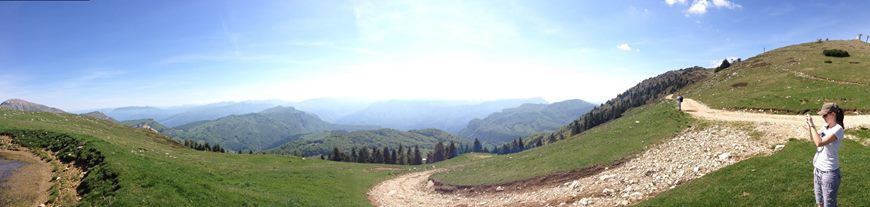
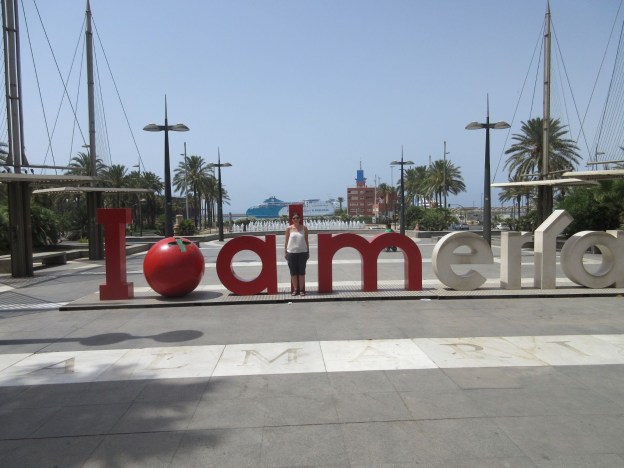
In 2019, before the world fell into Covid chaos, I holidayed in the province of Almeria, in the Andalusian region, south of the Iberian Peninsular in Spain. This two week trip was full of relaxation, culture and of course lots of opportunities to practise my spanish!
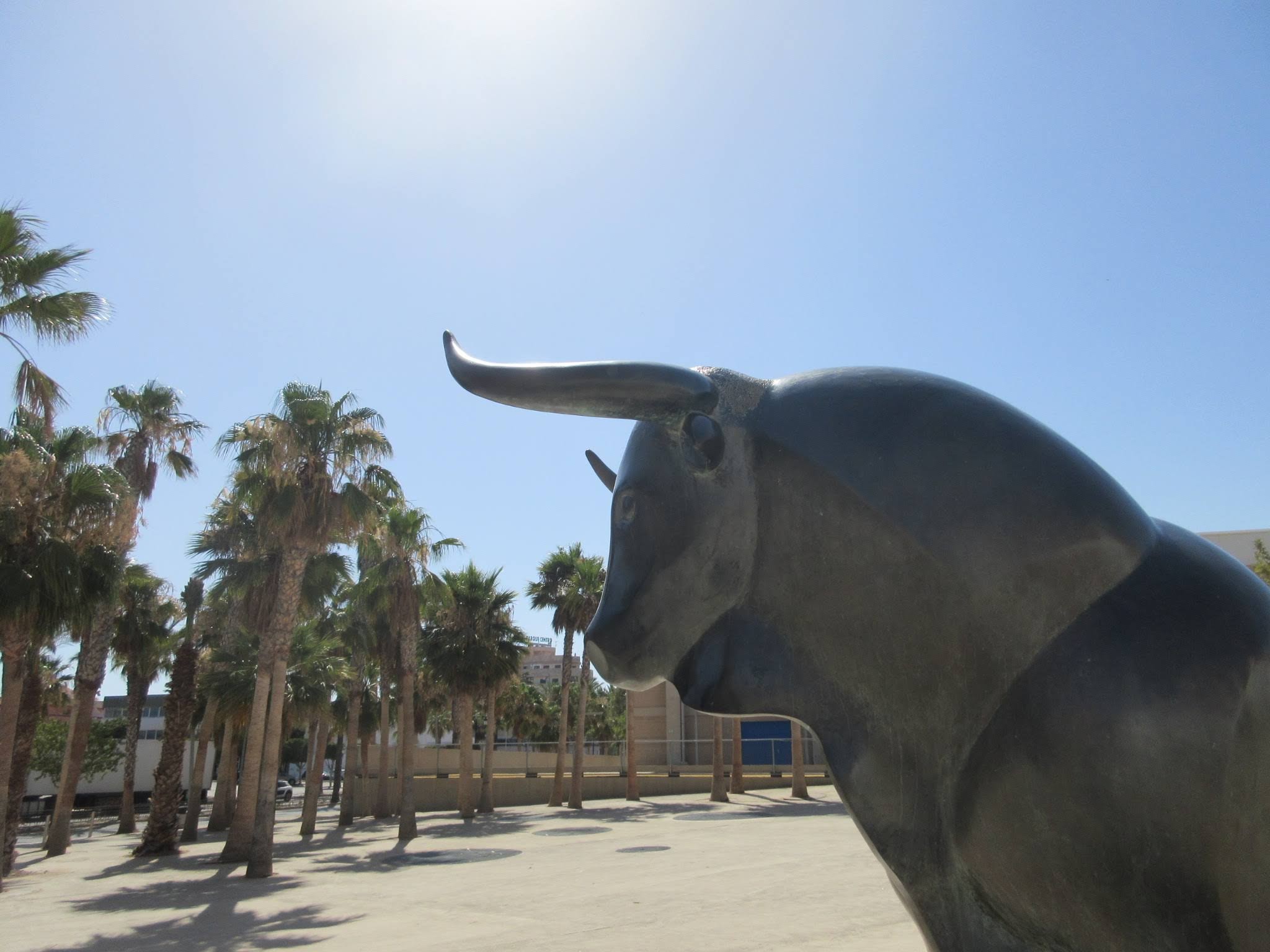
Andalusia is in the South of Spain and is well known for its Moorish architecture, hot climate, and dry landscapes. We found a brilliant apartment to stay in within the Almeria province, in Las Marinas near Roquetas de Mar. The town had plenty to enjoy, including shopping areas, a beautiful beach, and a bull ring (though we didn’t go inside the bull fighting complex). We found our apartment on AirBnB, and spent much of our days chilling by the pool and the evenings singing karaoke on the balcony.

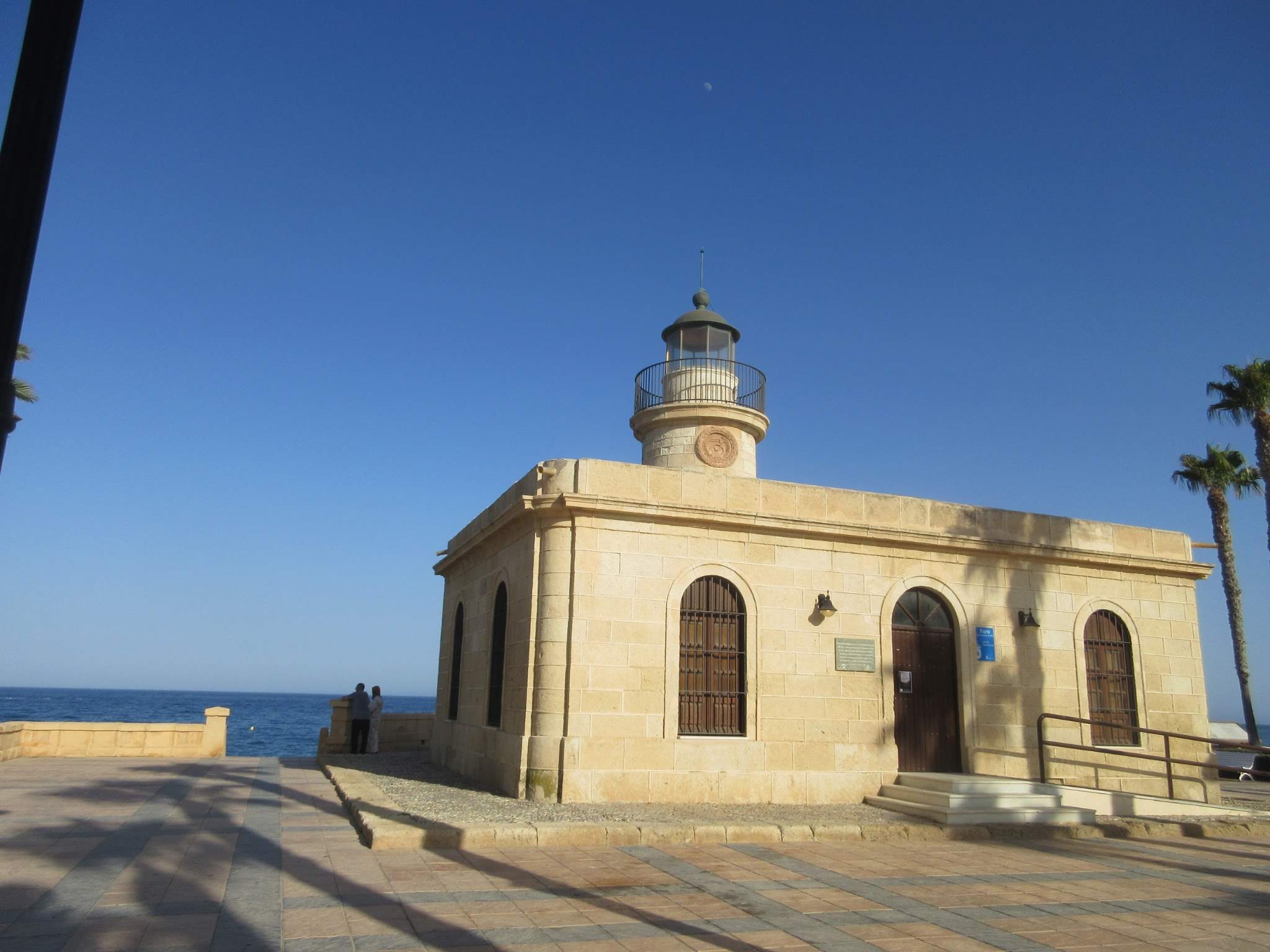
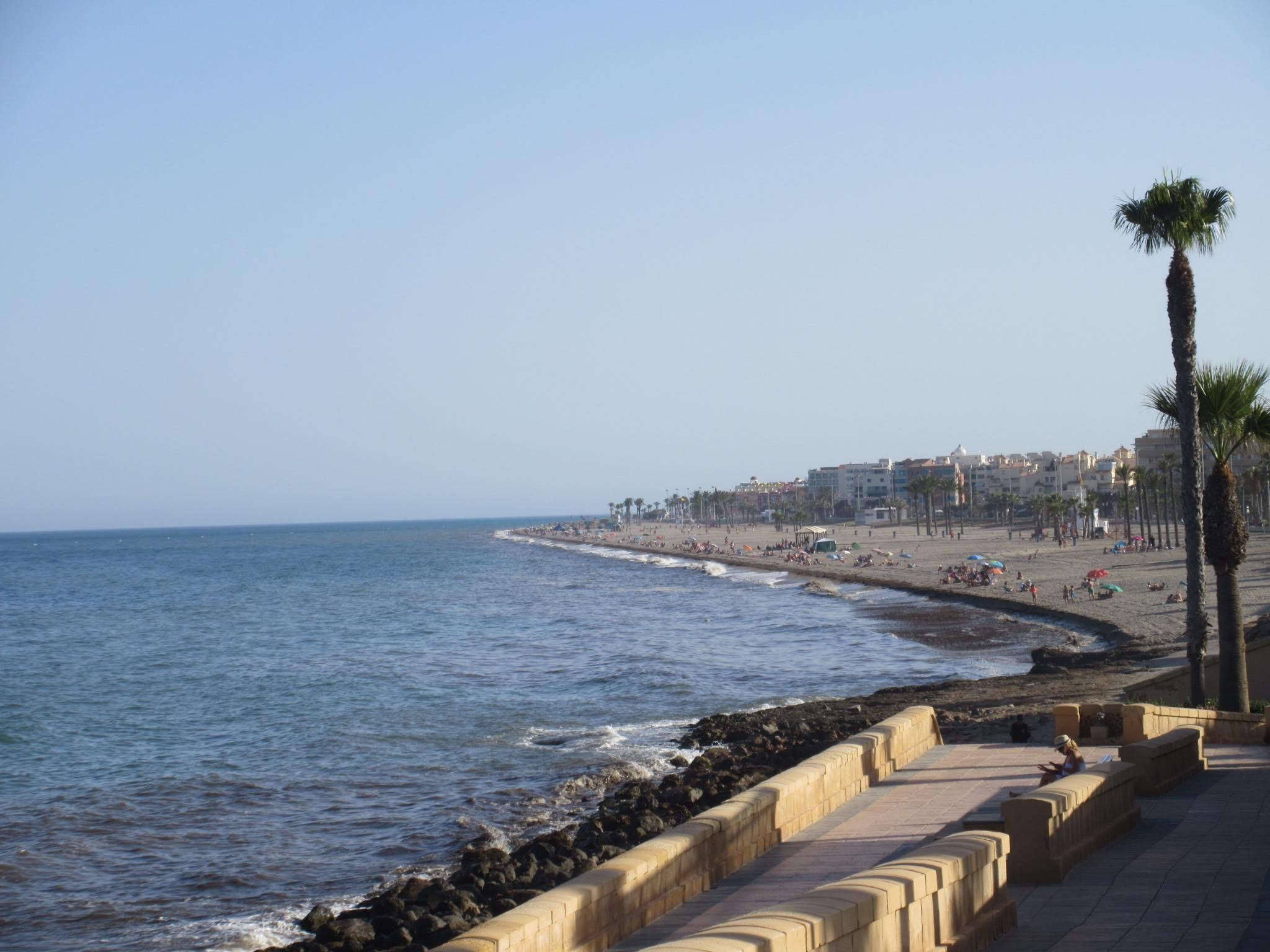
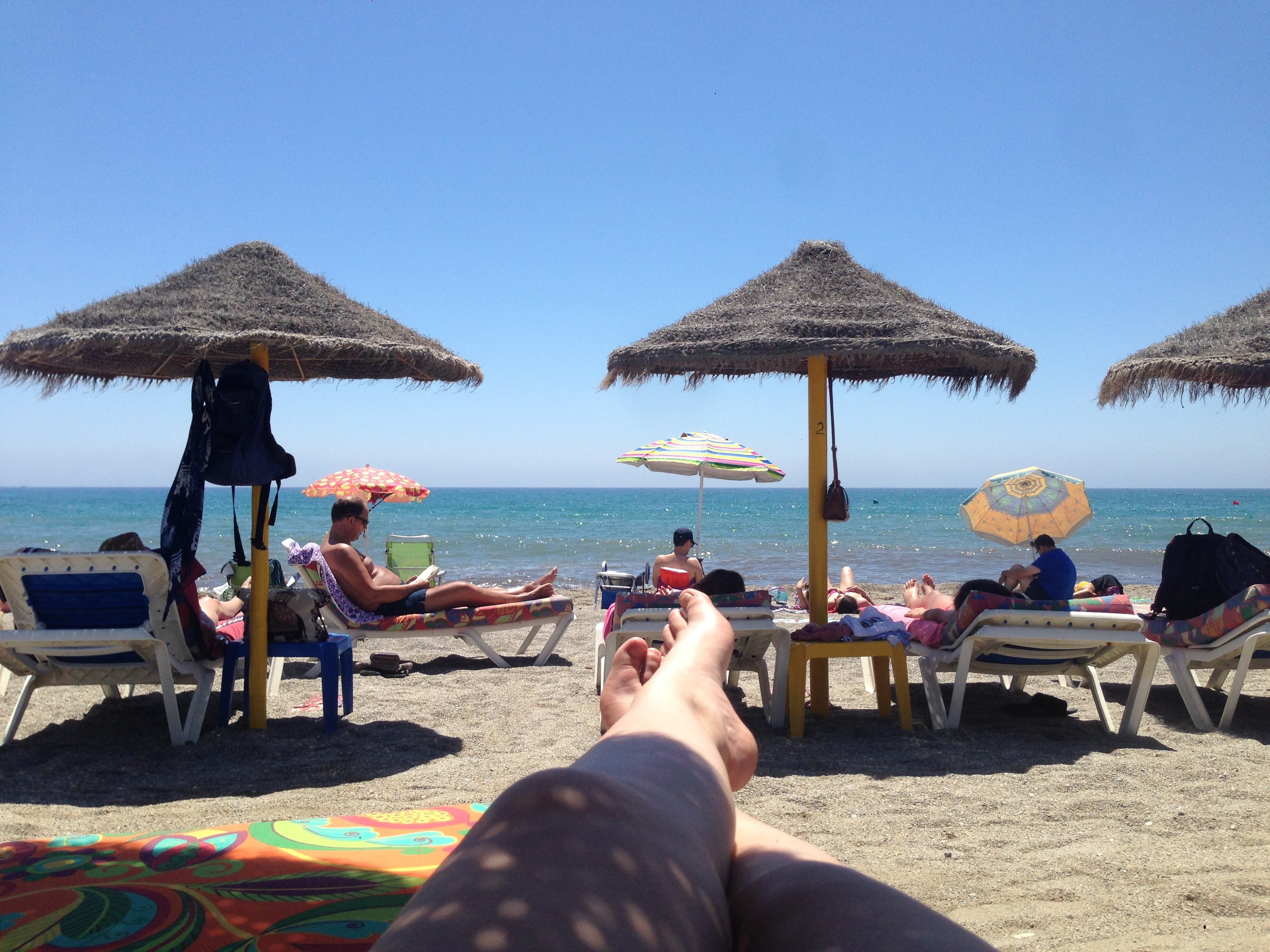
Whilst staying in Las Marinas we hired some bikes (which I negotiated for in espanol – and got compliments for it… just saying..) and enjoyed cycling up and down the coast on the bike lanes available along the promenade. We also went off road into the Paraje Natural de Punta Entinas – Sabinar, a nearby nature reserve at the end of the beach. The reserve had several salt lakes which attracted wild flamingos. It was great to see the birds in their natural environment. The reserve is patrolled so you cannot get too close to the birds or go too far off the tracks, but you can still see everything wonderfully.


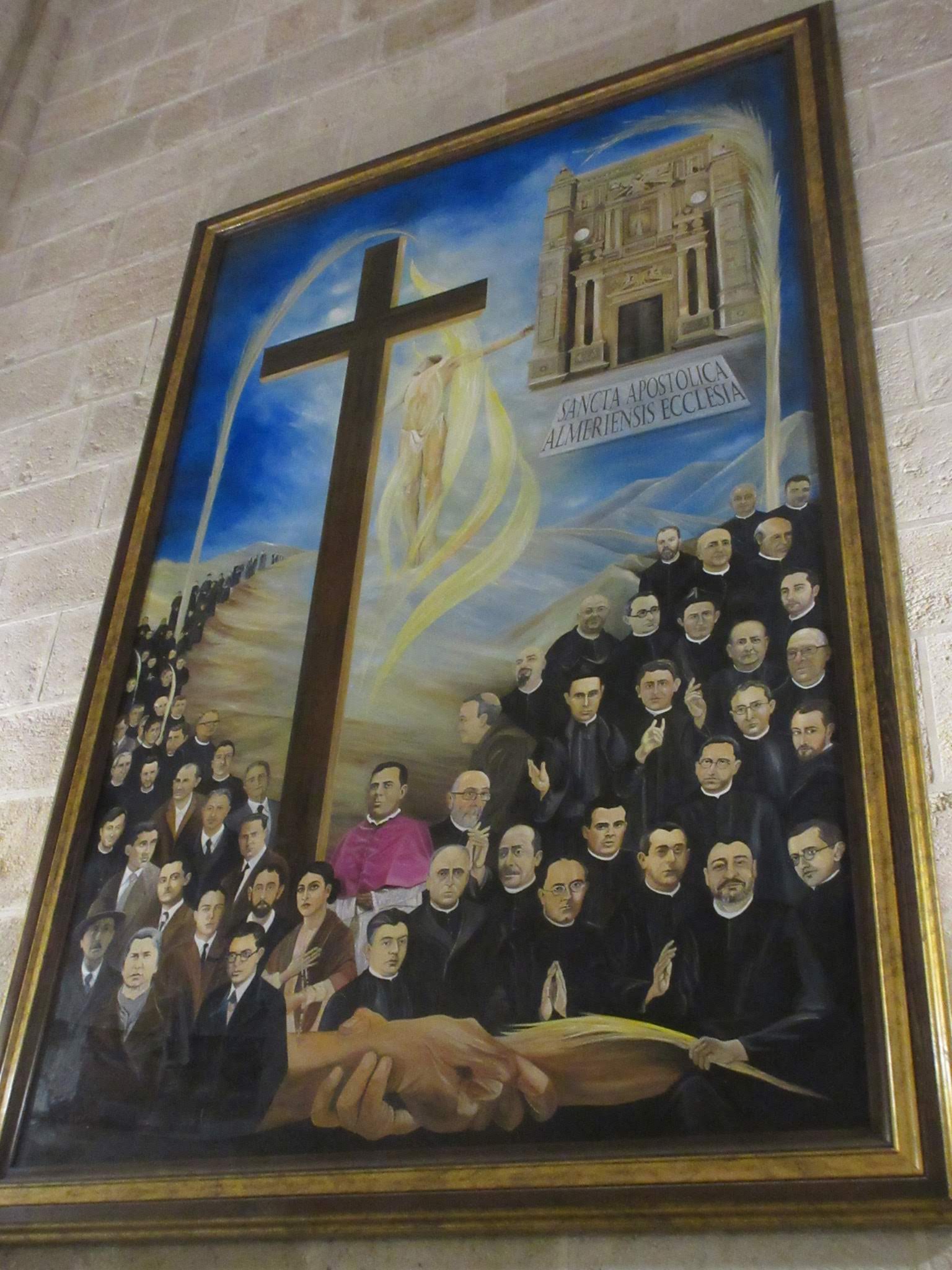
We spent two days enjoying the actual town of Almeria. The city is on the coast, and is popular as a cruising destination, and you can see lots of cruise ships rolling into the port. Whilst we were there we also visited the Almeria Cathedral, built in 1524. The cathedral’s original purpose was to be able to serve as a cathedral-fortress, because it was built for both religious worship and to shelter the population from attacks by Barbary pirates. The architectural decoration outside is really intricate and there are large spaces around the building to show off its magnitude. You can also access self guided tour information.
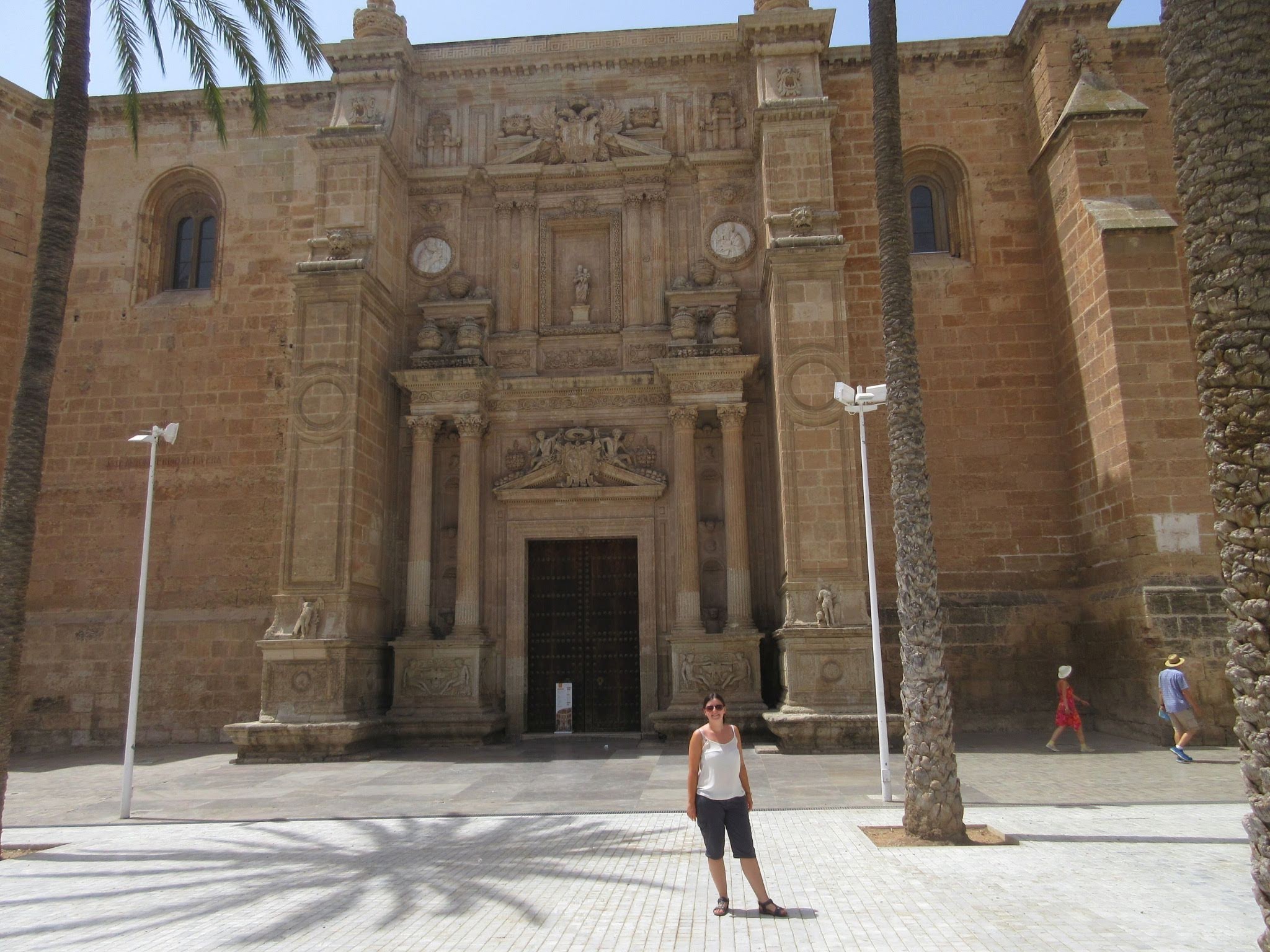
Almeria Cathedral 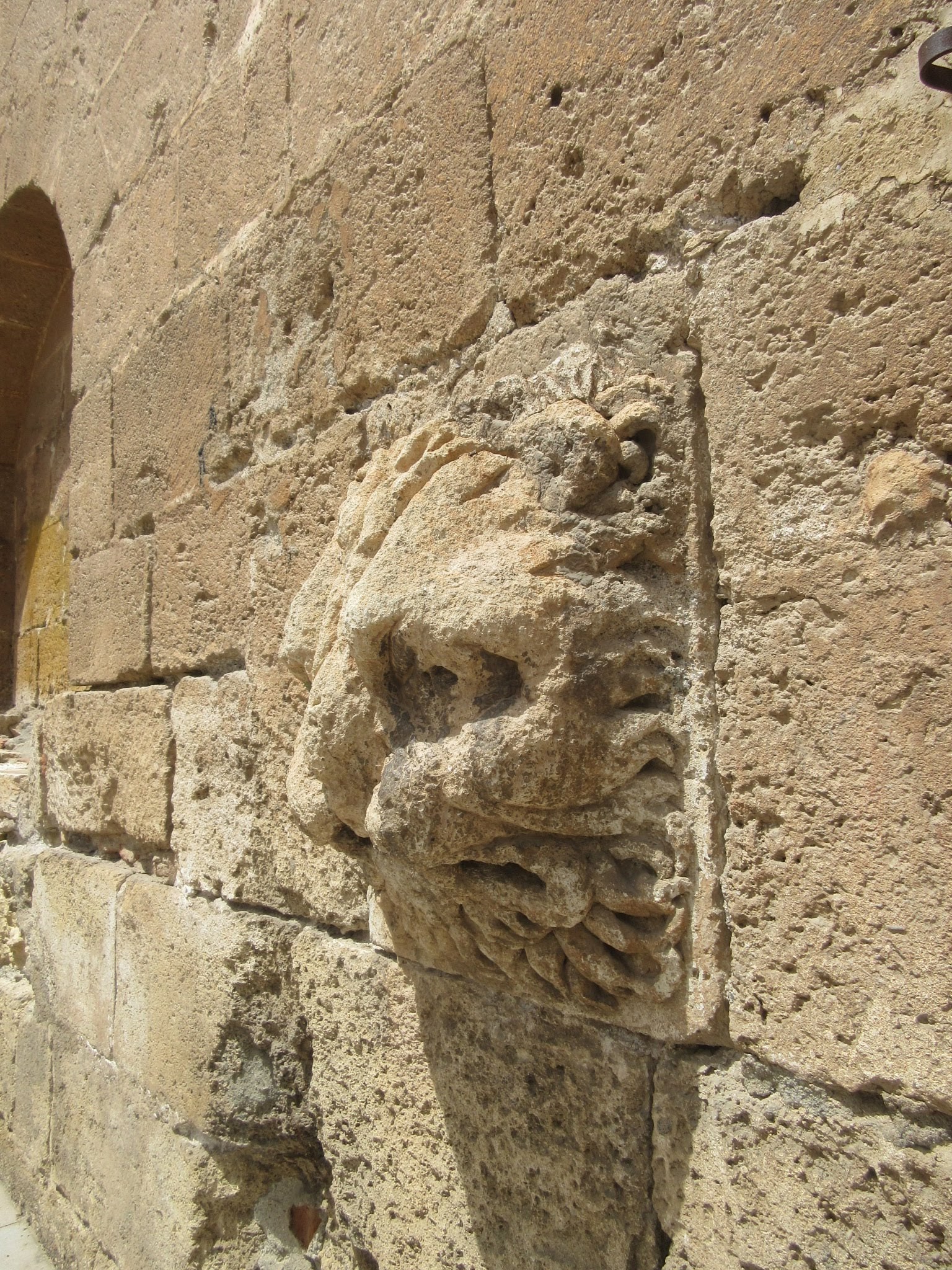

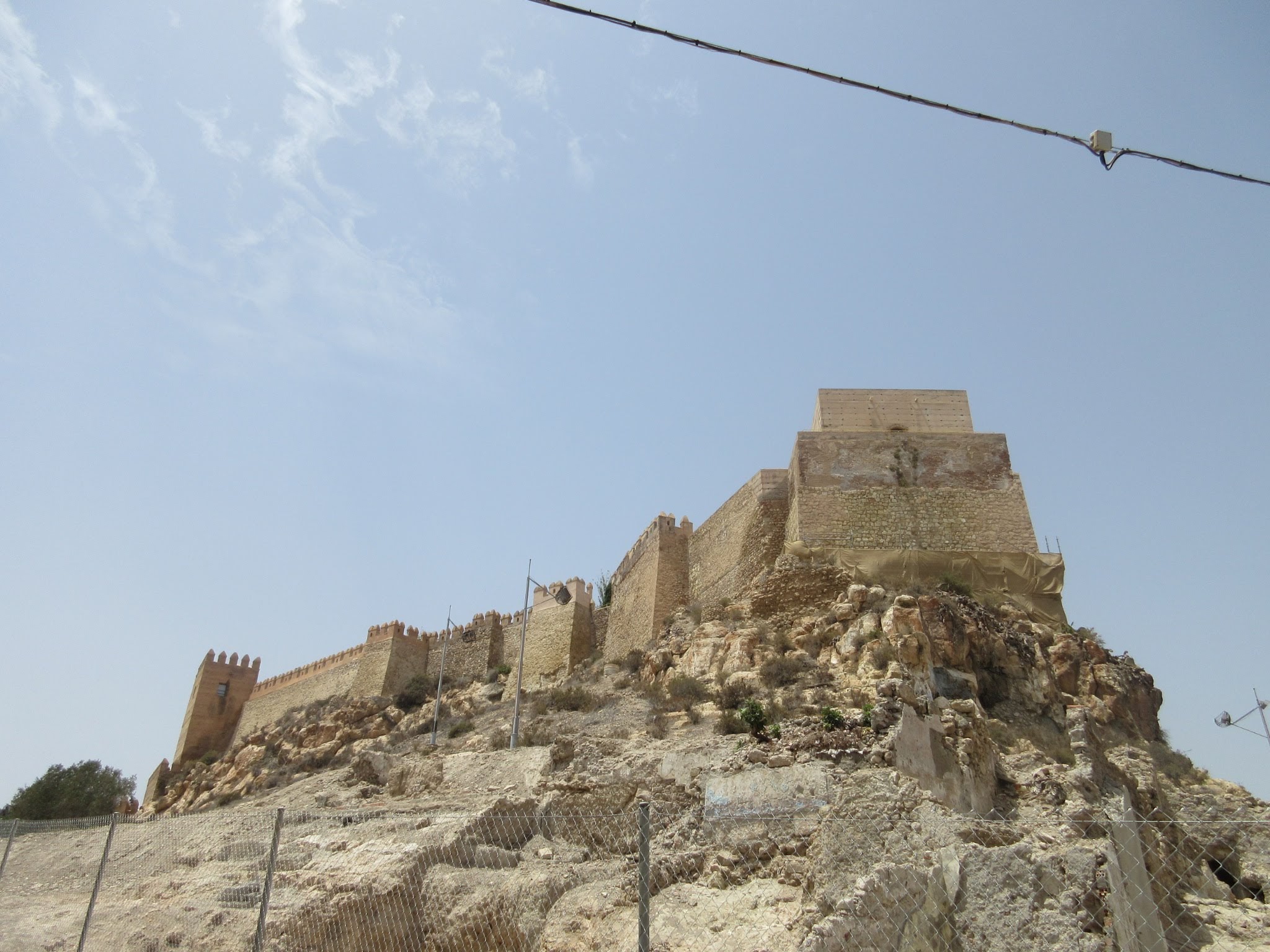
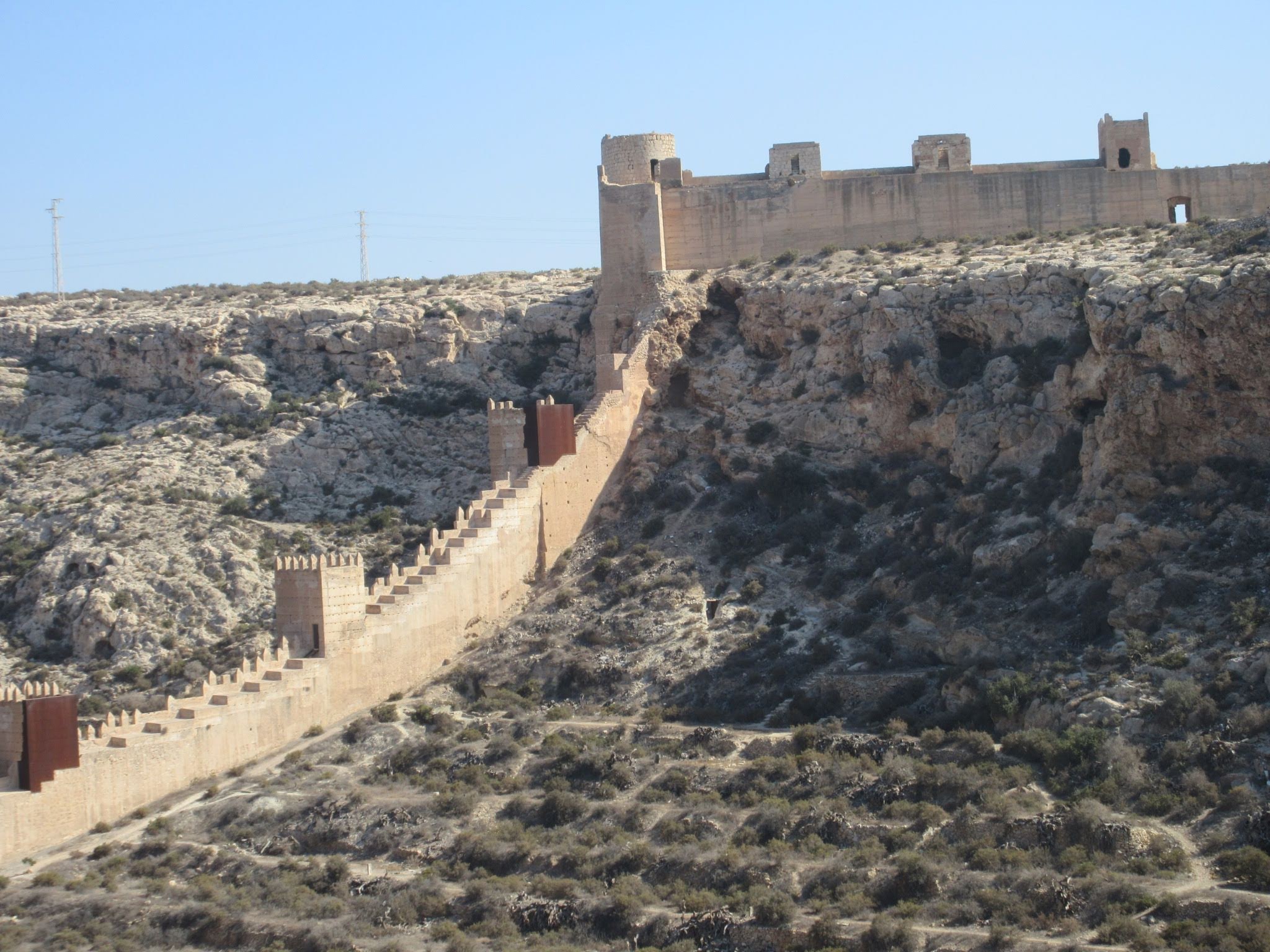
Alcazaba in Almeria
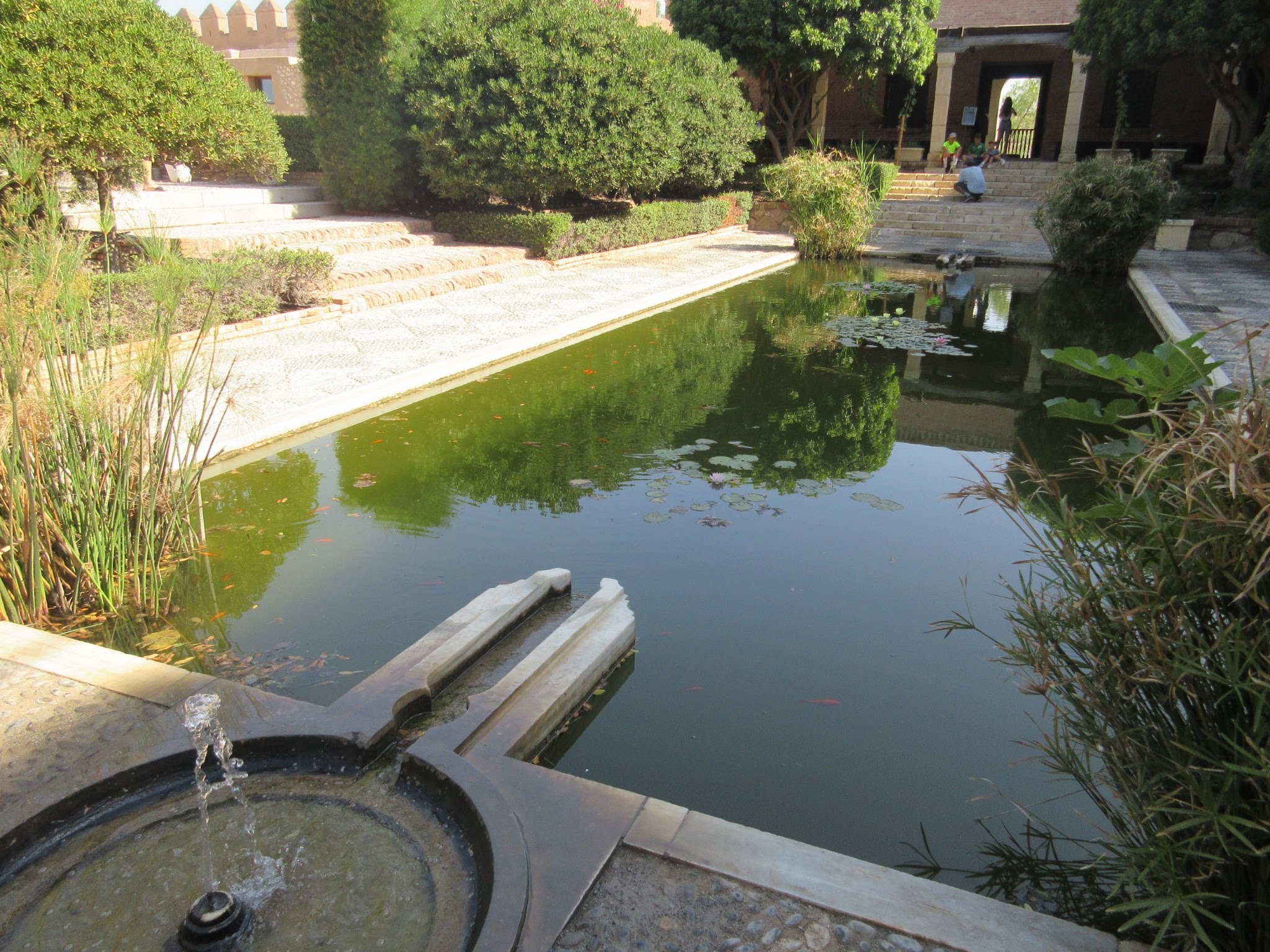
A must see monument, that we visited was the Alcazaba in Almeria, which is a Moorish fort. This would have been of extreme importance to the Muslim conquerors in the area at the time of building in 955. Whilst there are several remaining alcazabas left in the peninsular today, Almeria’s is the largest Muslim citadel in the country. When visiting you can see detail in the sculpting, simple gardens, and most interestingly the use of water flowing throughout the passages of the area. You can also rely on getting some great views from this structure, on the top of the hill.
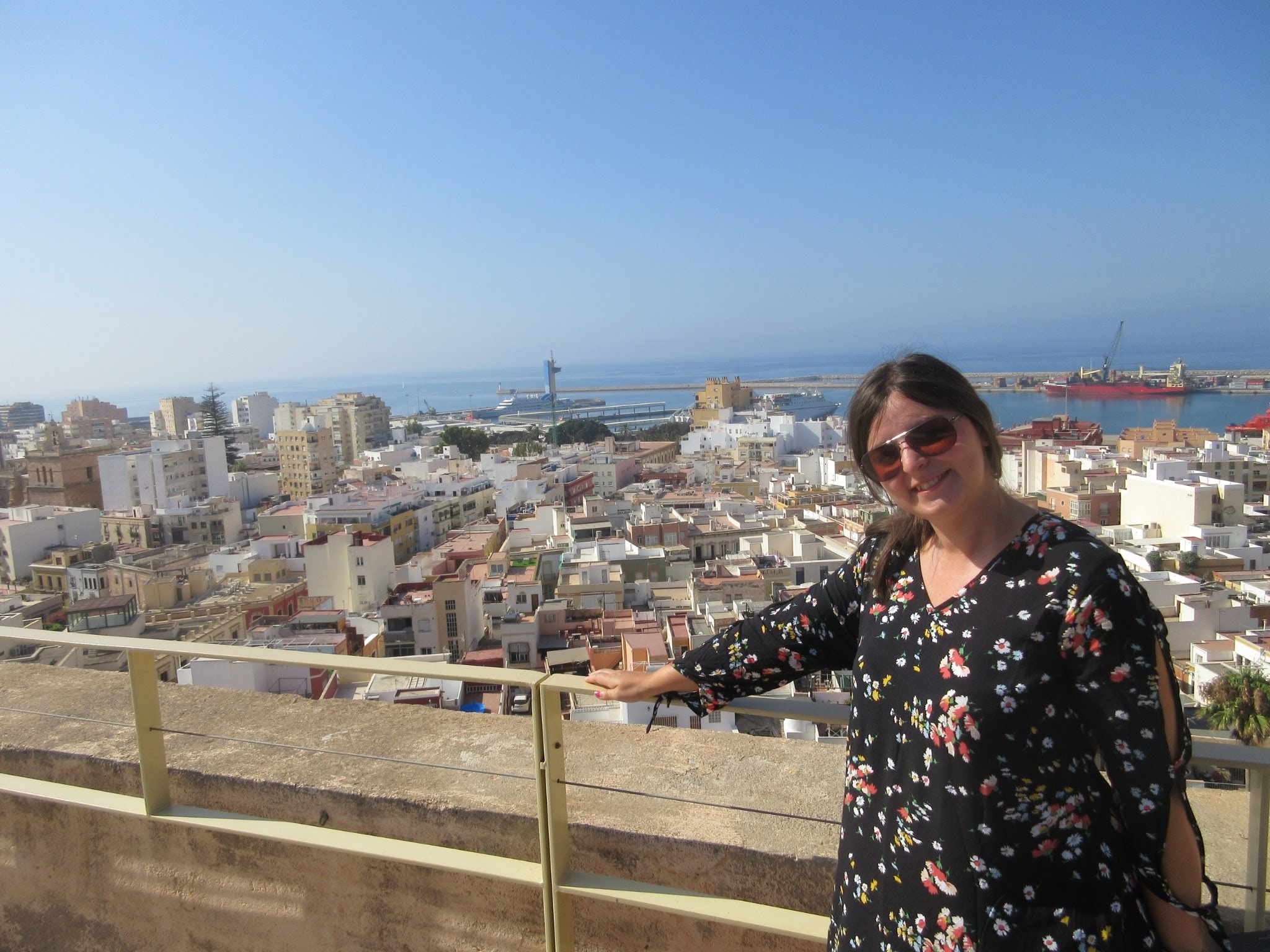

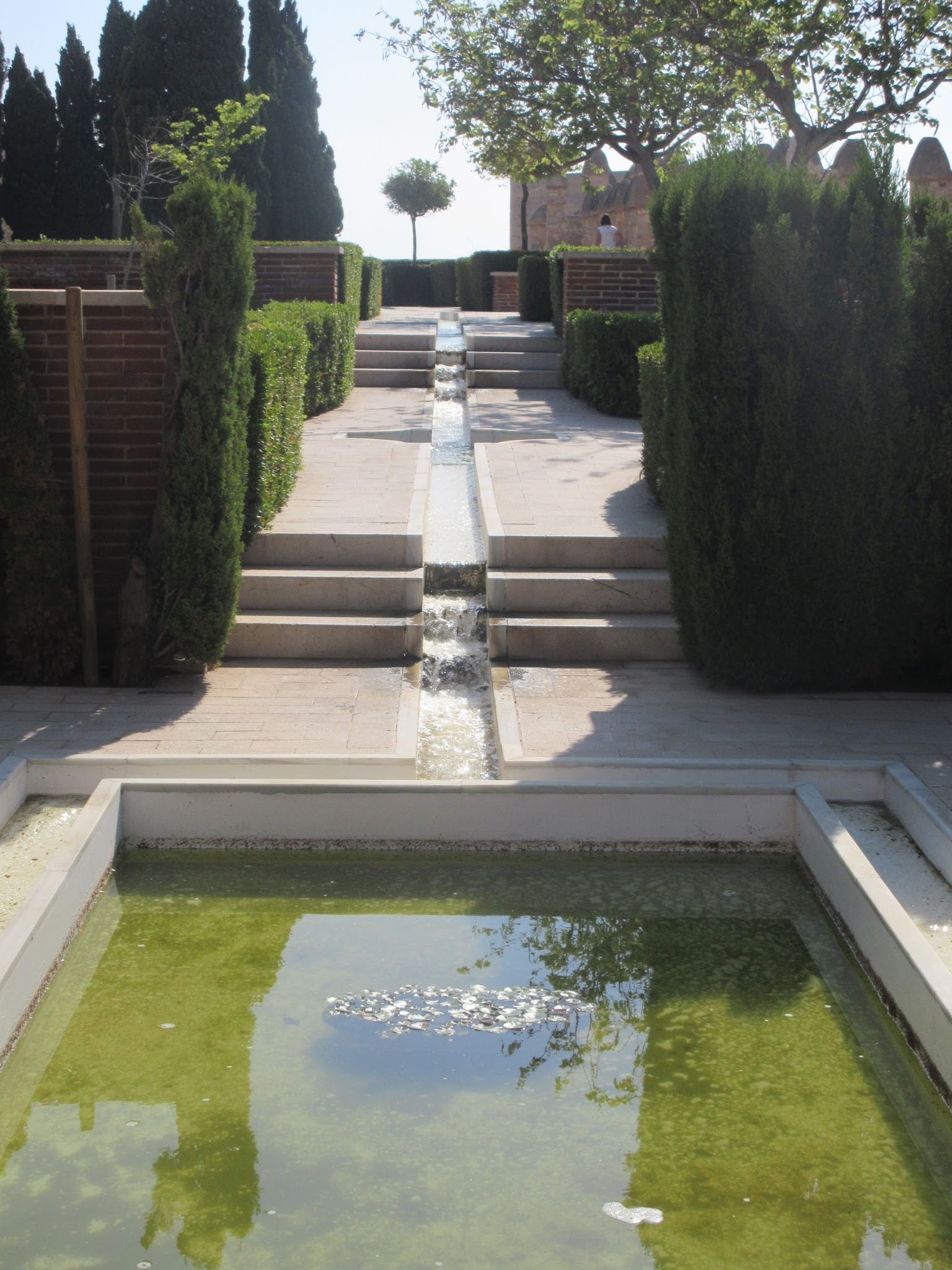
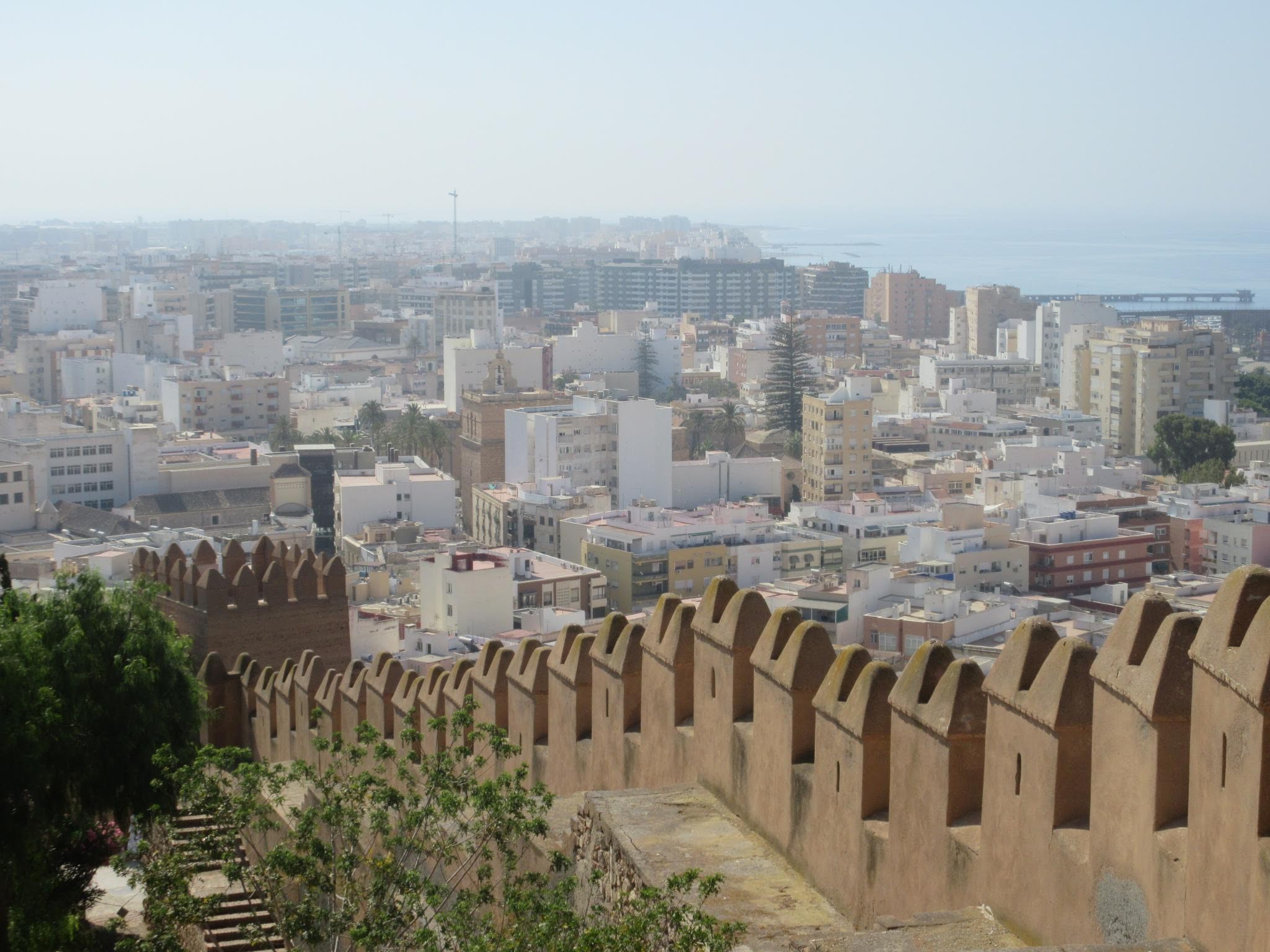
Interesting fact… when we were visiting we felt like there was something familiar about one of the gardens. It turned out that we were right! The spot is used in one of our favourite TV series – Game of Thrones! It poses as part of the House Martell.
Wider Almeria
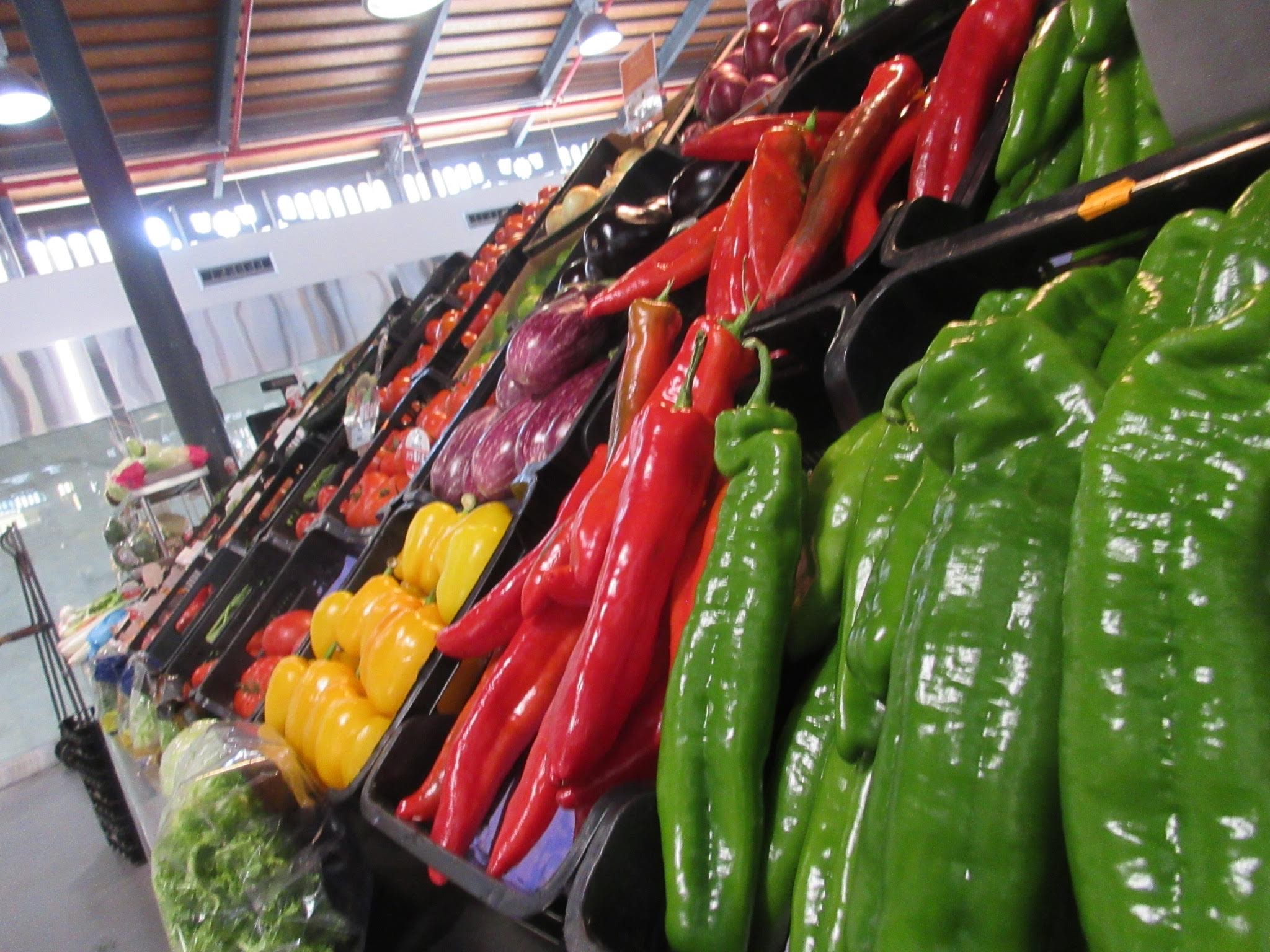
During our stay we decided to go further afield to take in some of the wider landscape of the region and took a coach tour. This region is actually the driest part of Europe, and you can really see that in the landscape, which is covered in rocks, deserts and vast spaces. Whilst travelling along the roads, you will also notice thousands of plastic structures across wide areas, these are actually greenhouses, where tomatoes, peppers and other fruit is being grown commercially. I think it does spoil some of the landscape’s beauty, but I suppose this is the way of doing agriculture in this region.
The area’s Cabo de Gata-Níjar Natural Park conserves most of the coastline and has special geological qualities linked to a volcanic setting. The park hosts remains of some historic buildings and also interesting locations such as Los Escullos. Los Escullos is a famous natural location because it is an area of fossilised sand dunes! So wierd! The area of Cabo de Gata was also used for many of the dry desert scenes within Game of Thrones and other TV & film productions.
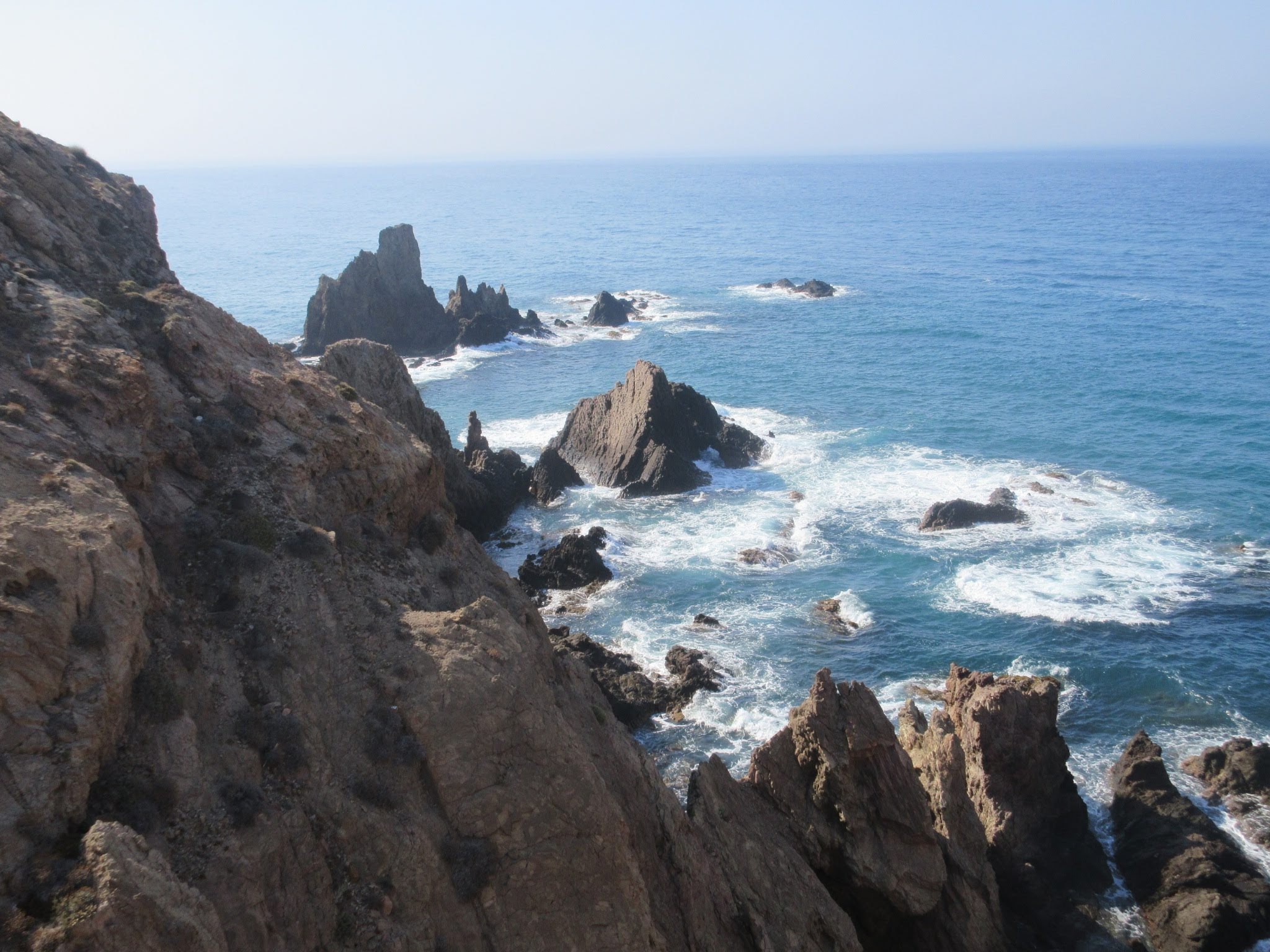
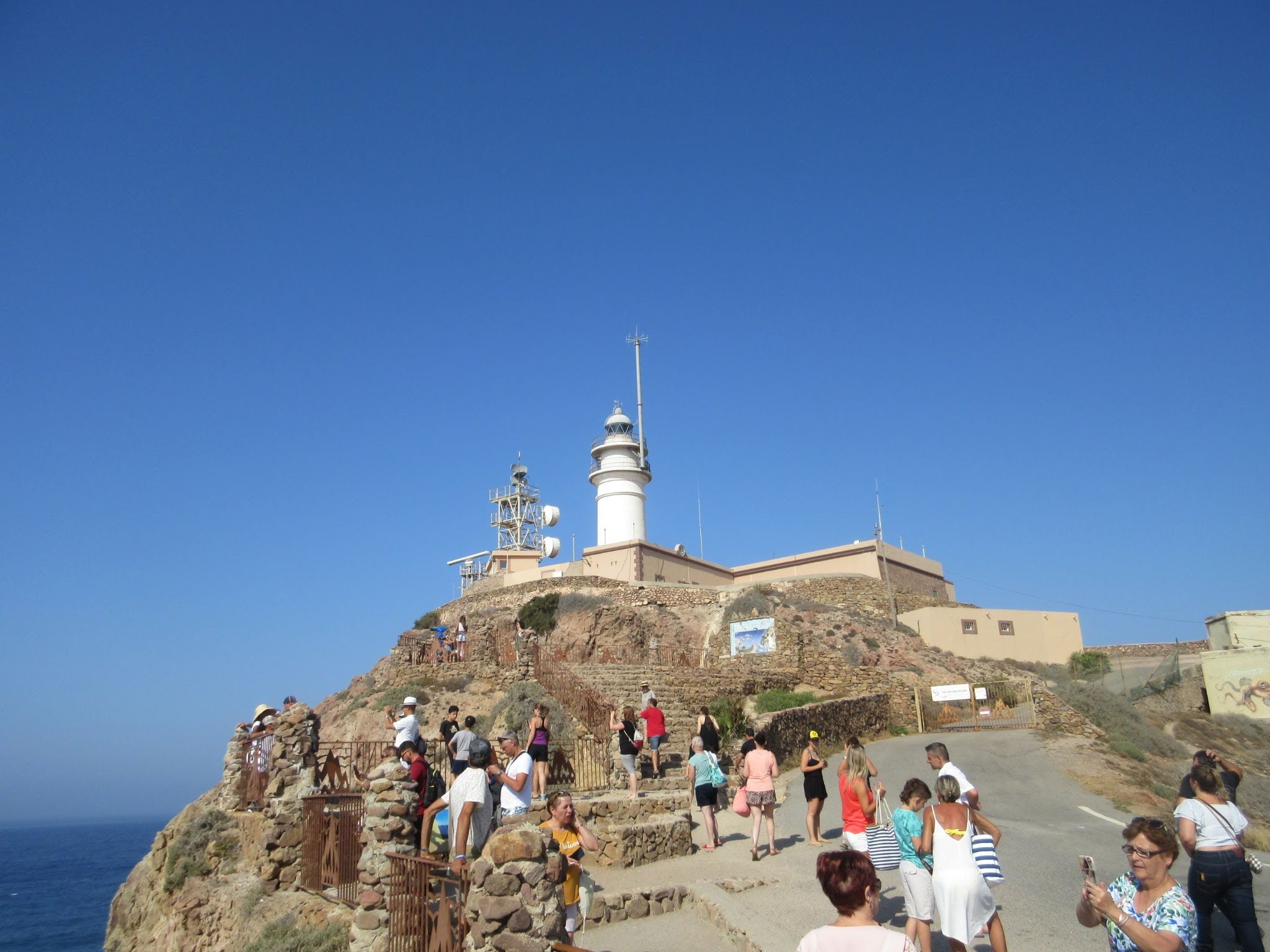
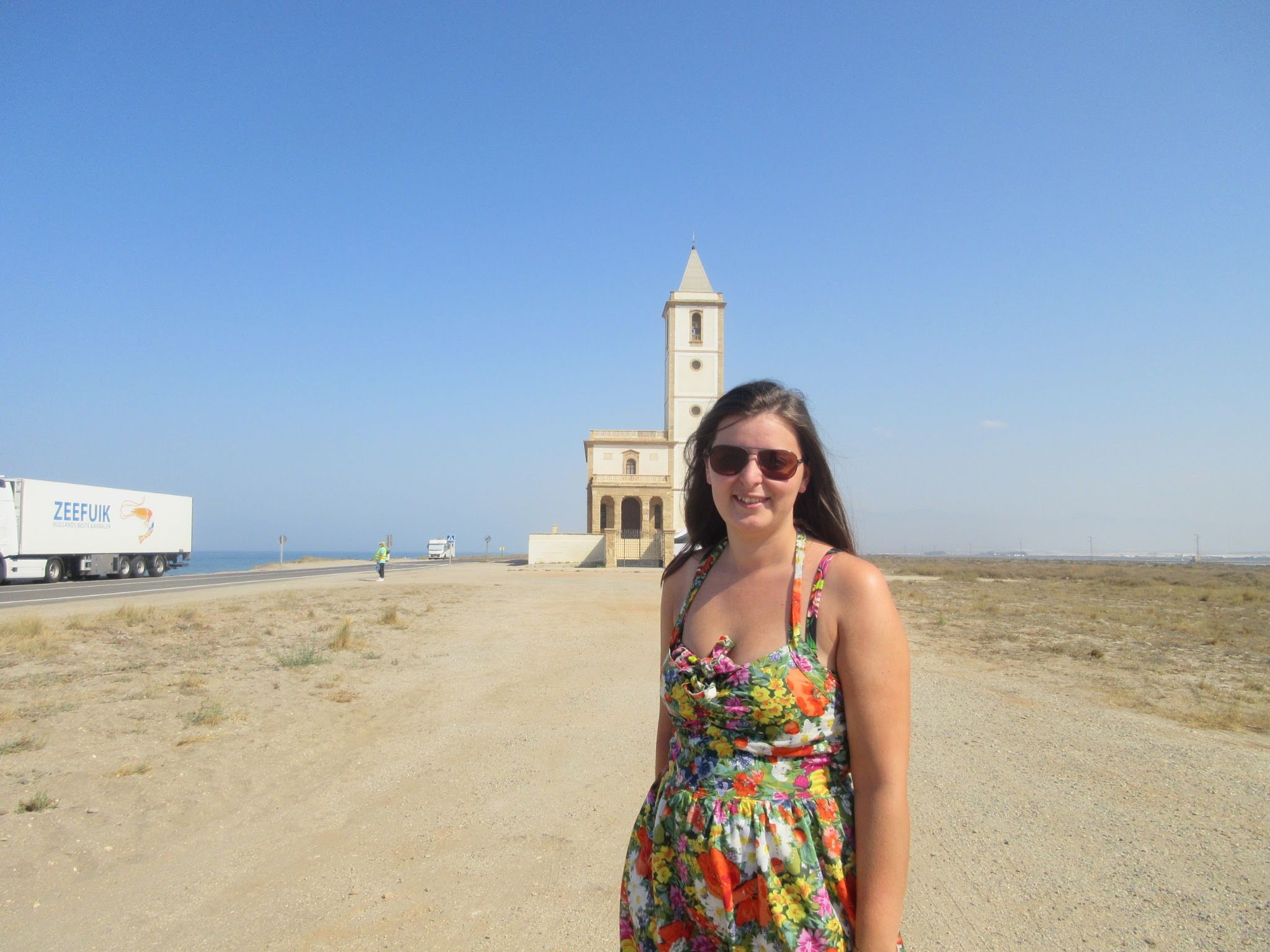
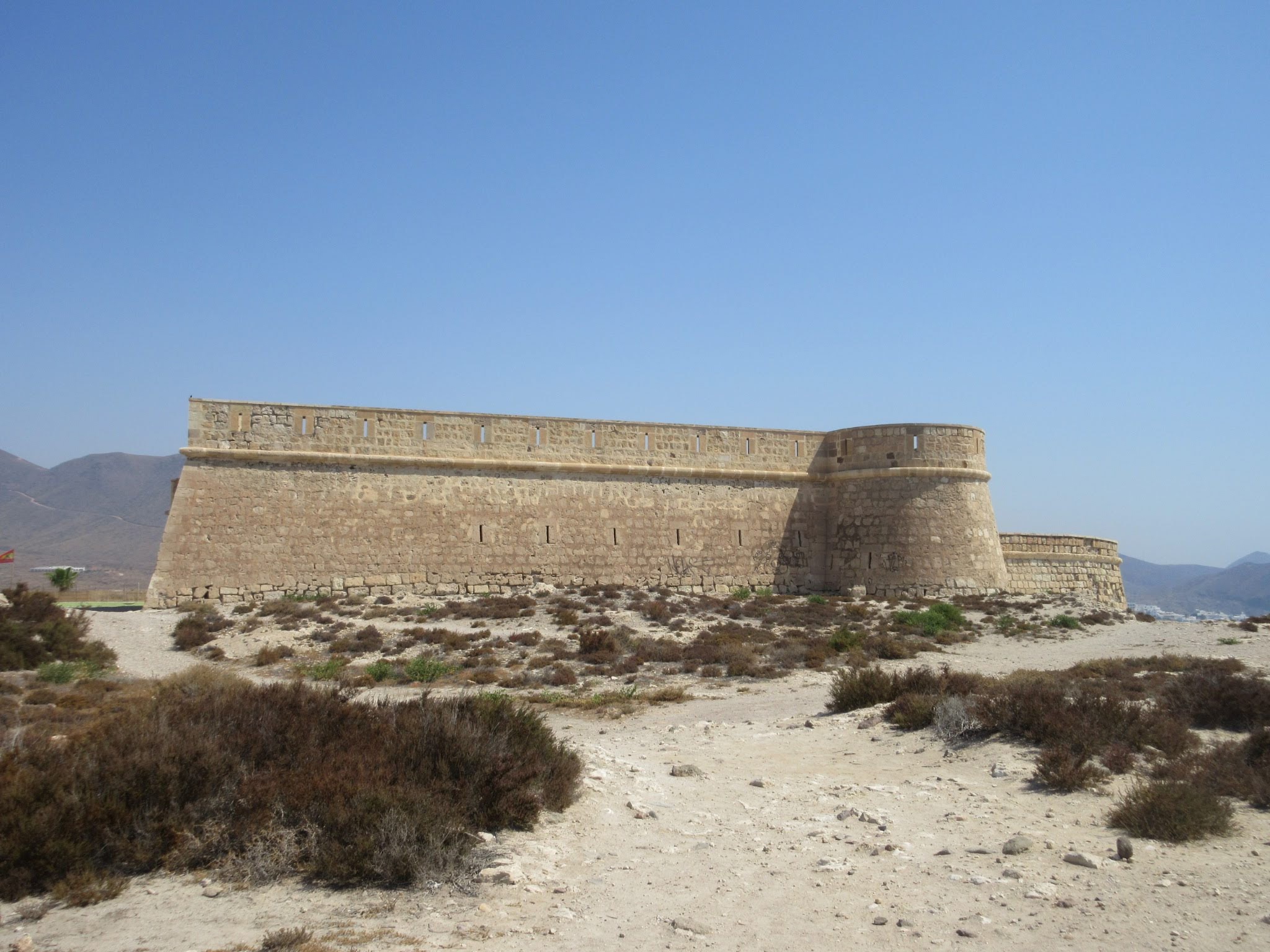
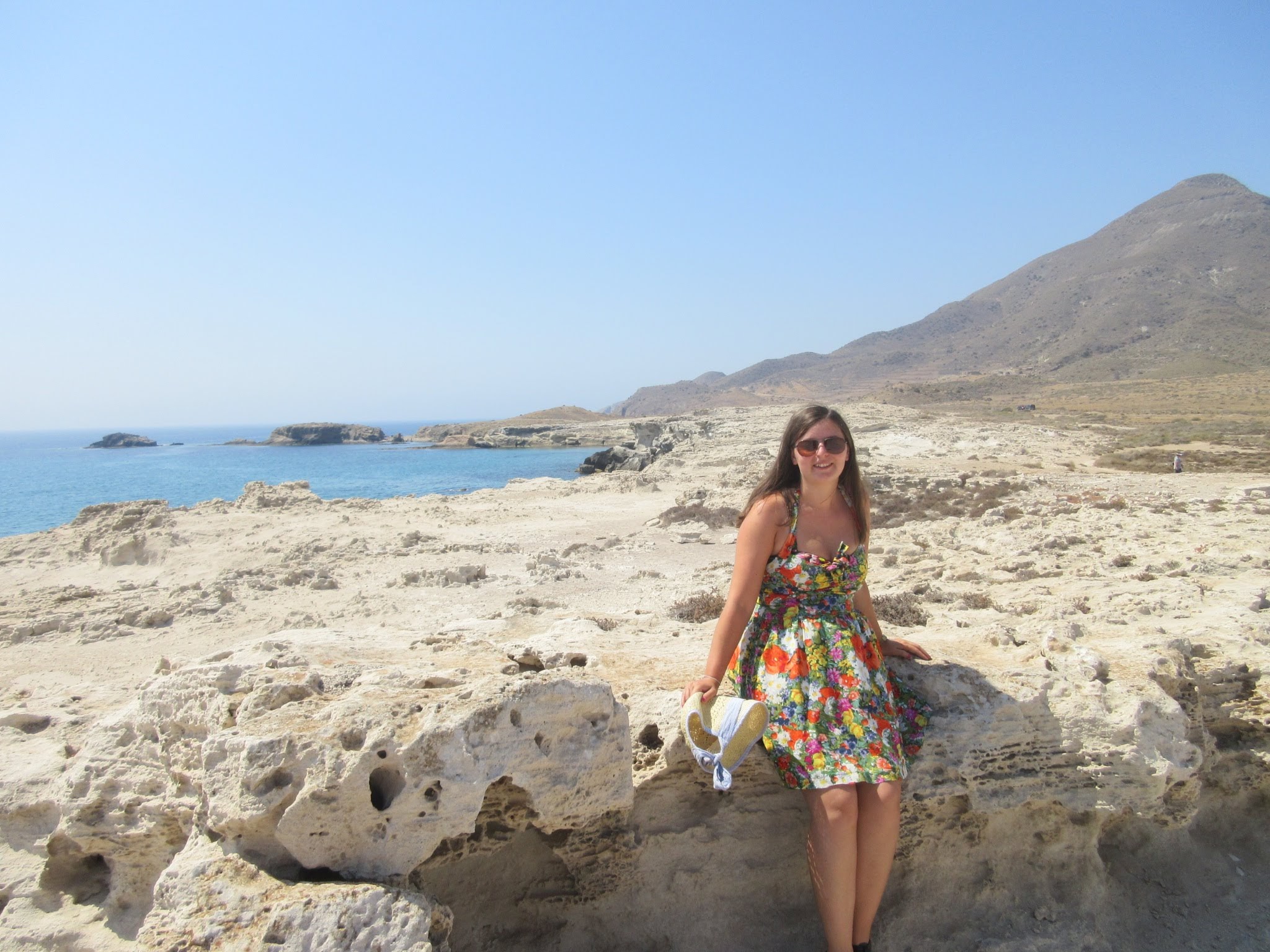
Cabo de Gata 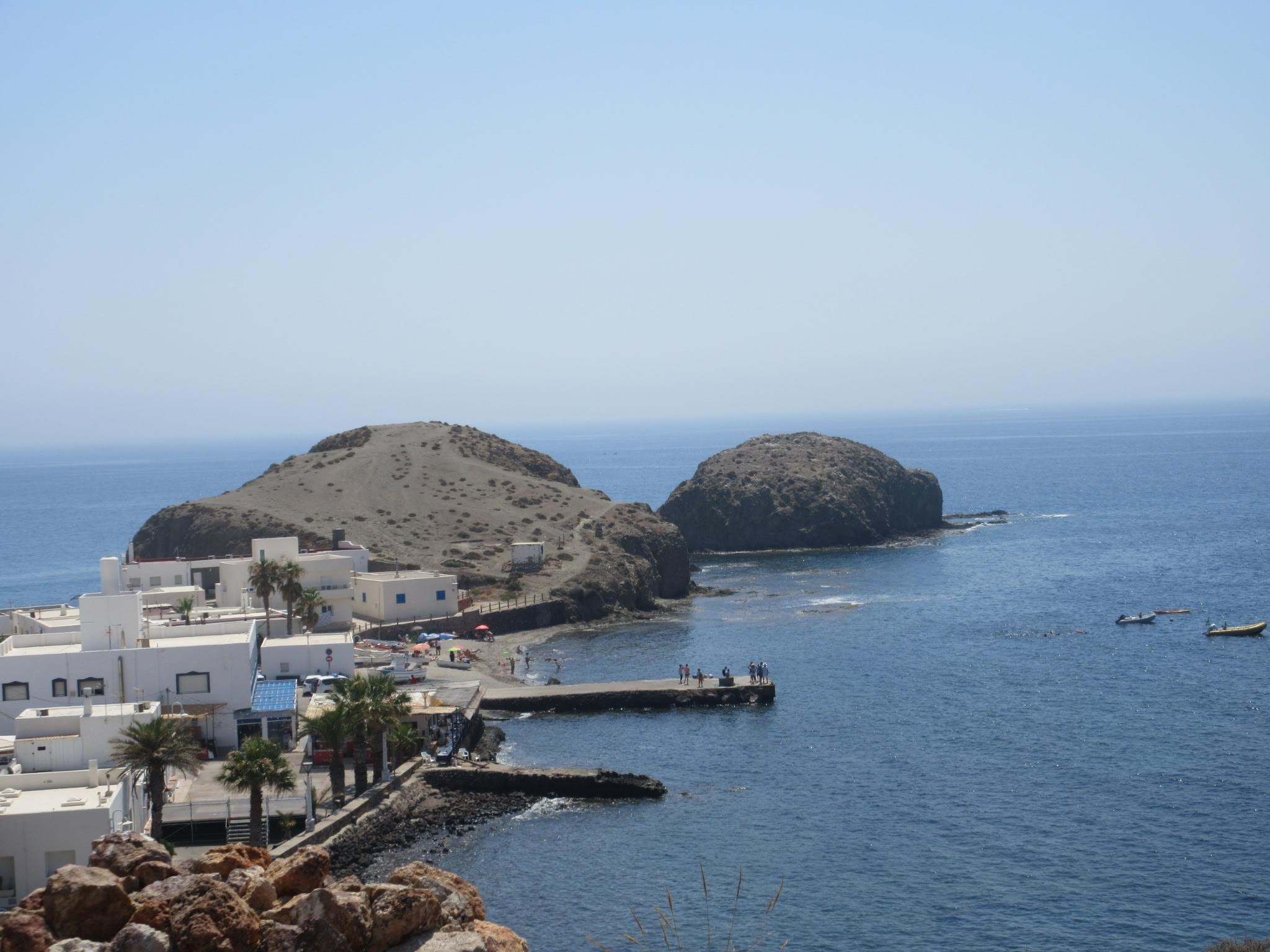
Granada & the Alhambra
Two and a half hours from Las Marinas is the beautiful city of Granada. We decided to take a day trip here, but I will definitely be returning to explore more of the city. On travelling to Granada, the landscape changes as you climb to new altitudes and pass the Sierra Nevada mountain range. We travelled by coach as a large group and then spent the first few hours enjoying lunch in this pretty city with beautiful fountains and plazas all around.
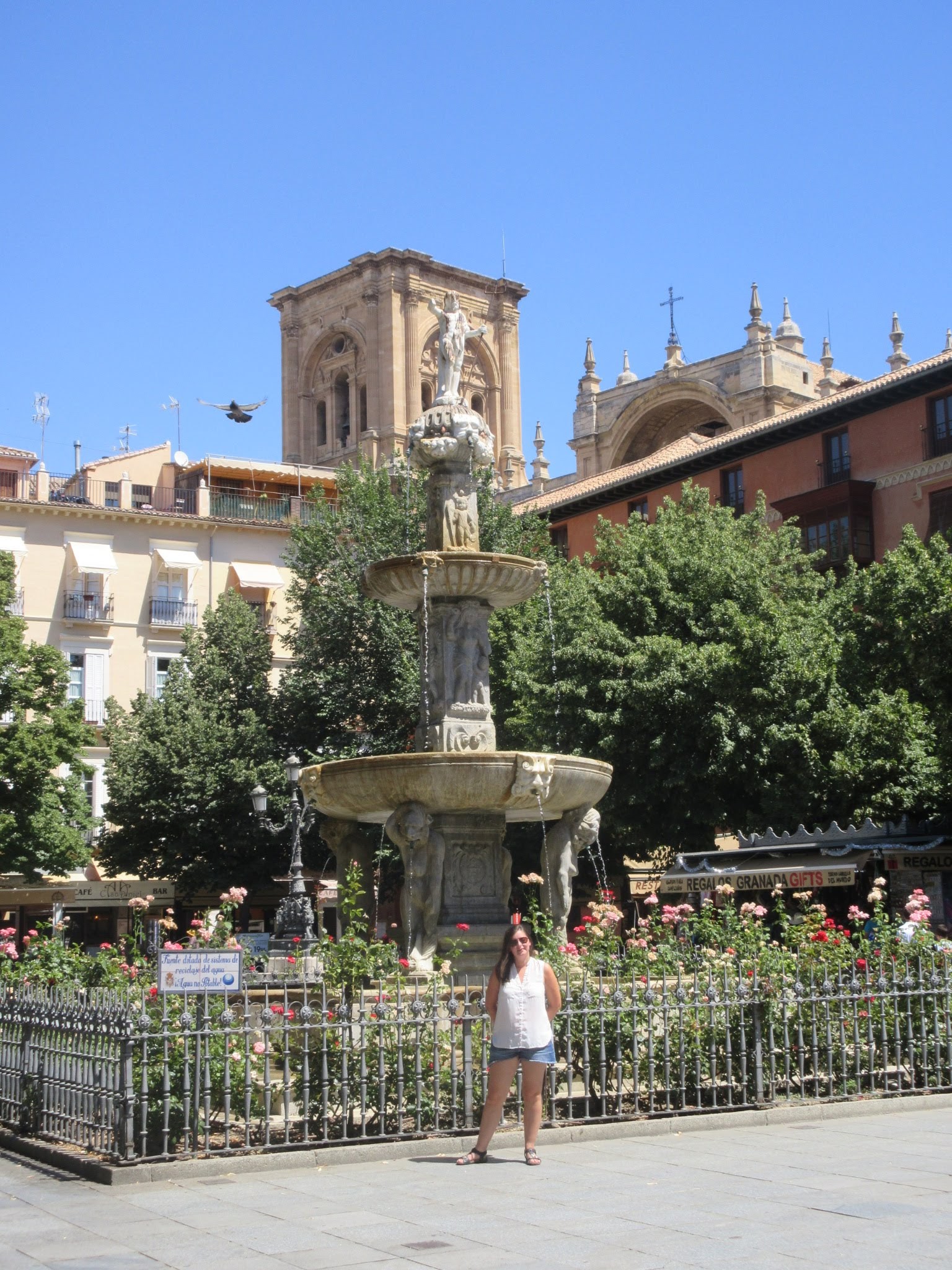
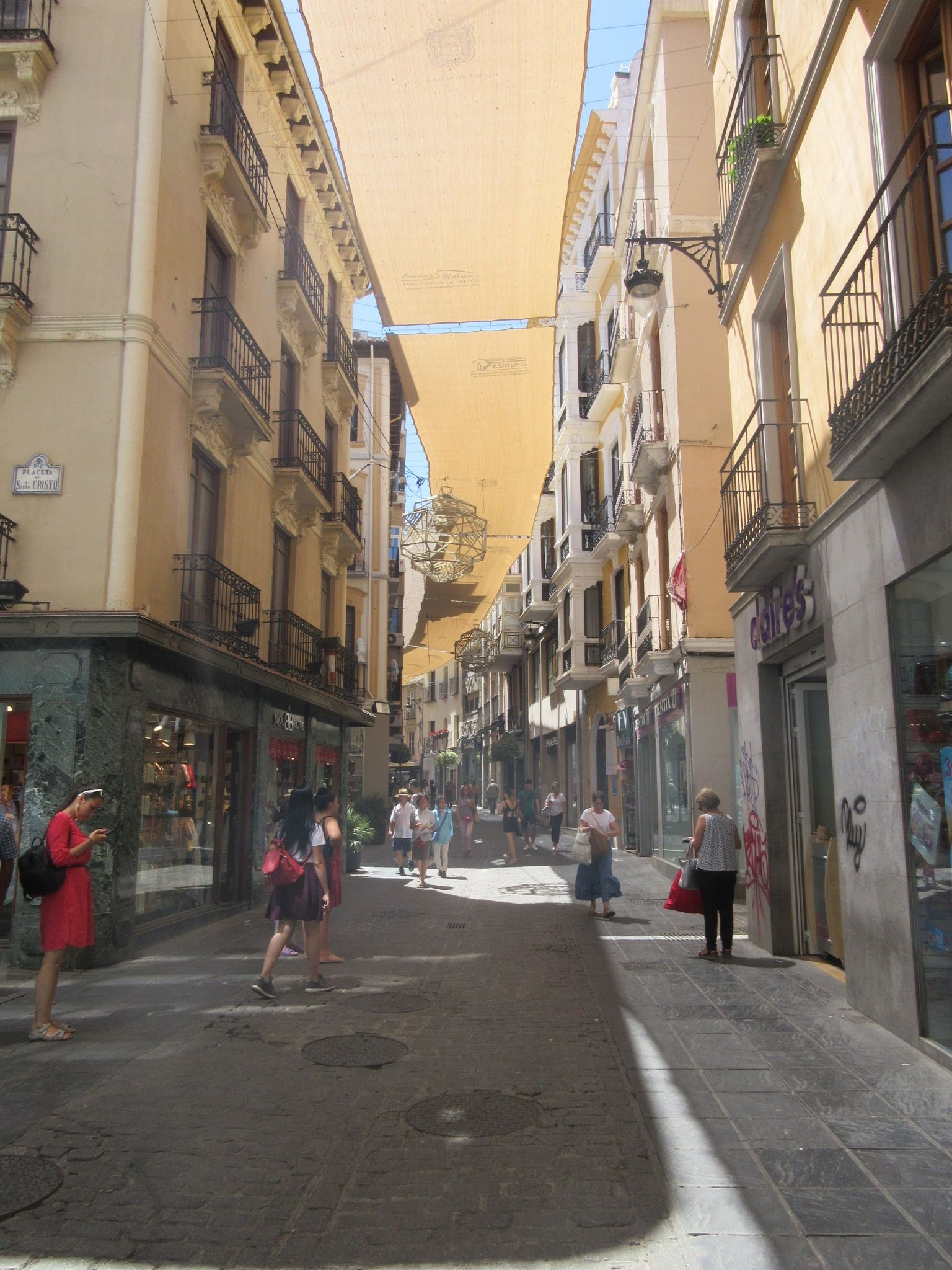
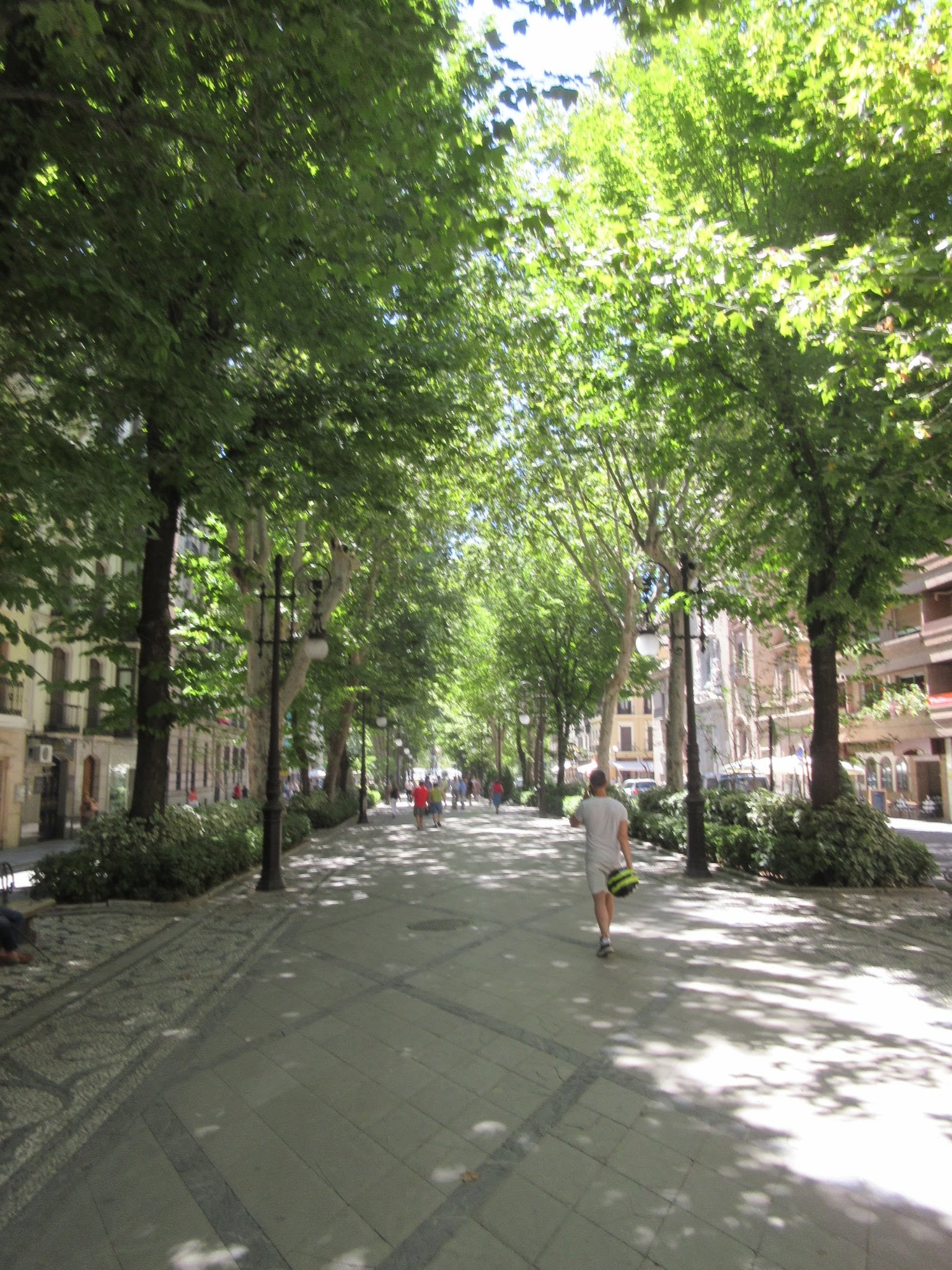
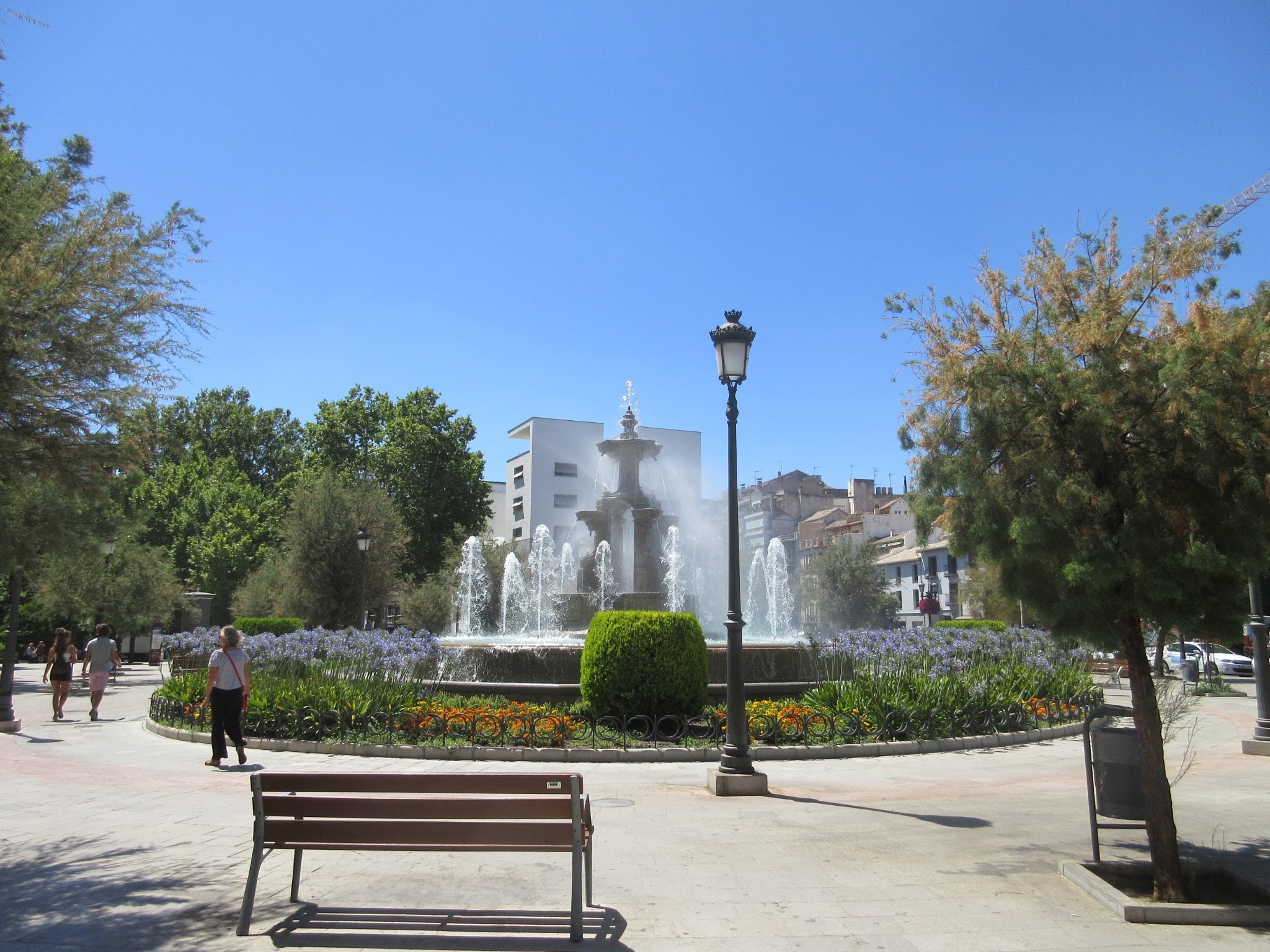
Granada
I had desperately wanted to visit the famous Alhambra complex in Granada, but tickets need to be booked quite far in advance, and there is no ‘buy at the door’ option. I decided to try my luck, and using my skills in espanol, I managed to secure us with tickets from our tour guide. There was a catch though… the security restrictions at the complex are so strict that he could only sell me six tickets that were already in the name of other tourists that had not shown up. So we all became a group of Germans temporarily, and had to keep our fingers crossed that we wouldn’t get found out on their spot checks on IDs. We got away with it, and it was so worth it!
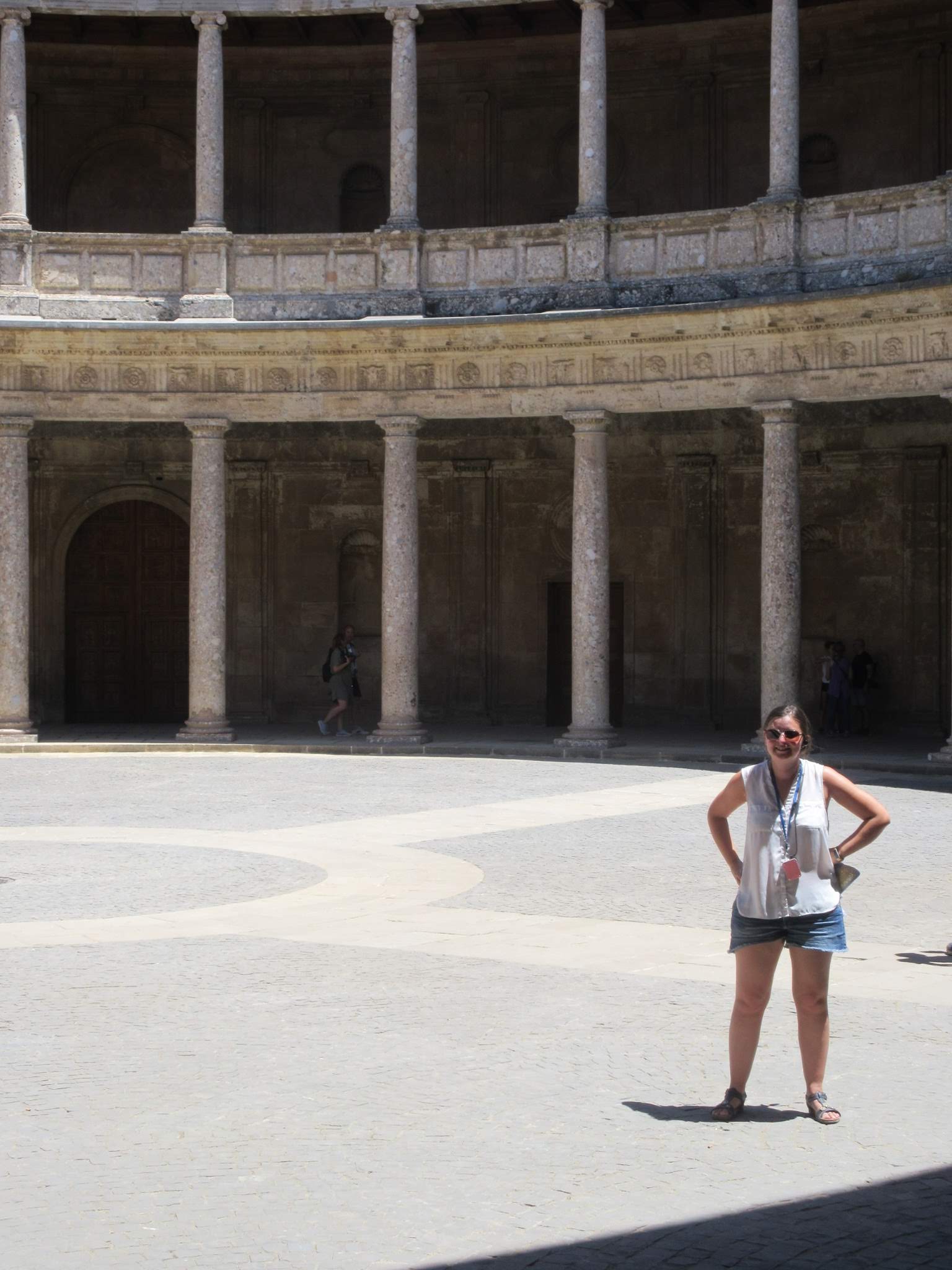
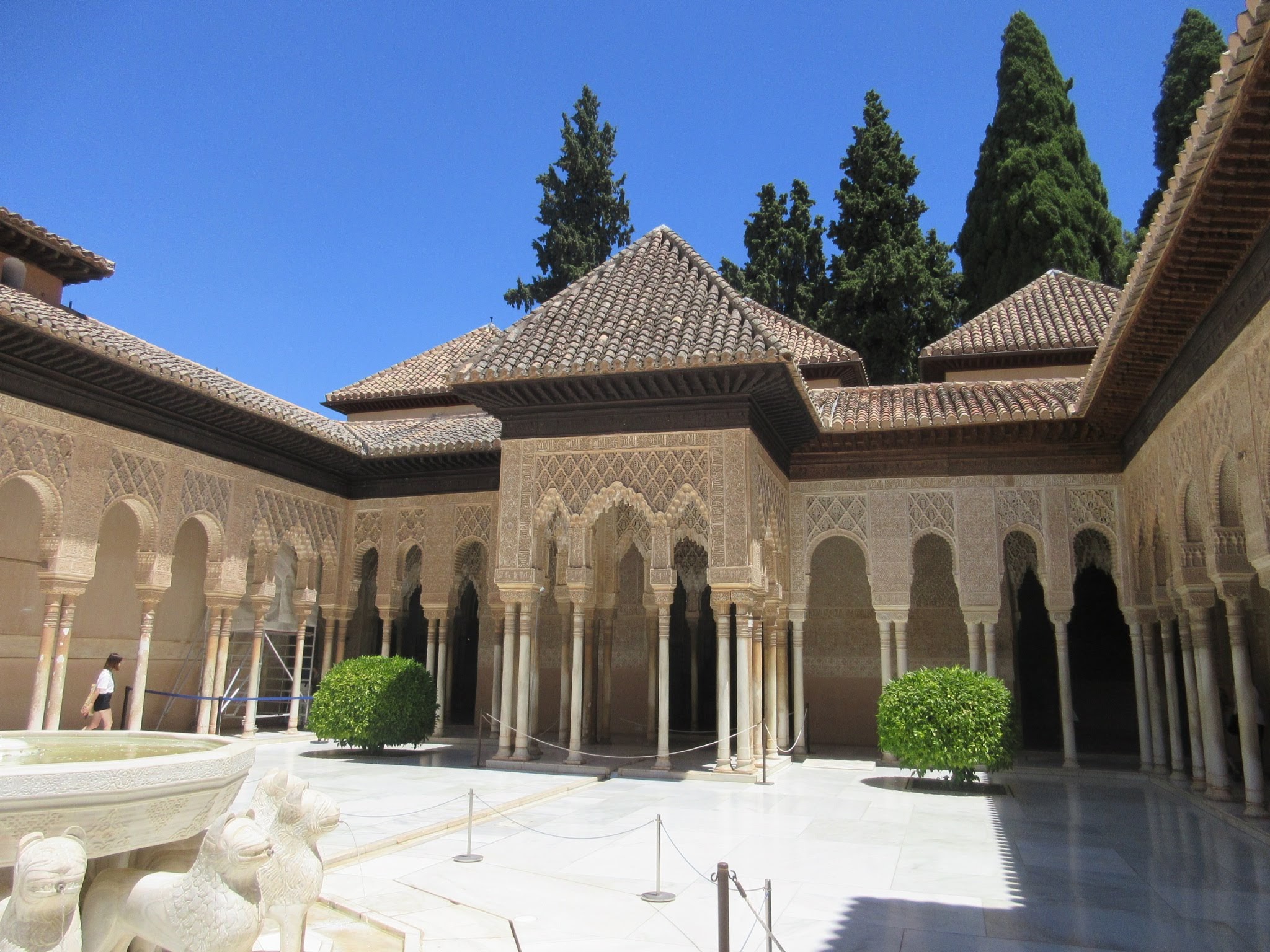
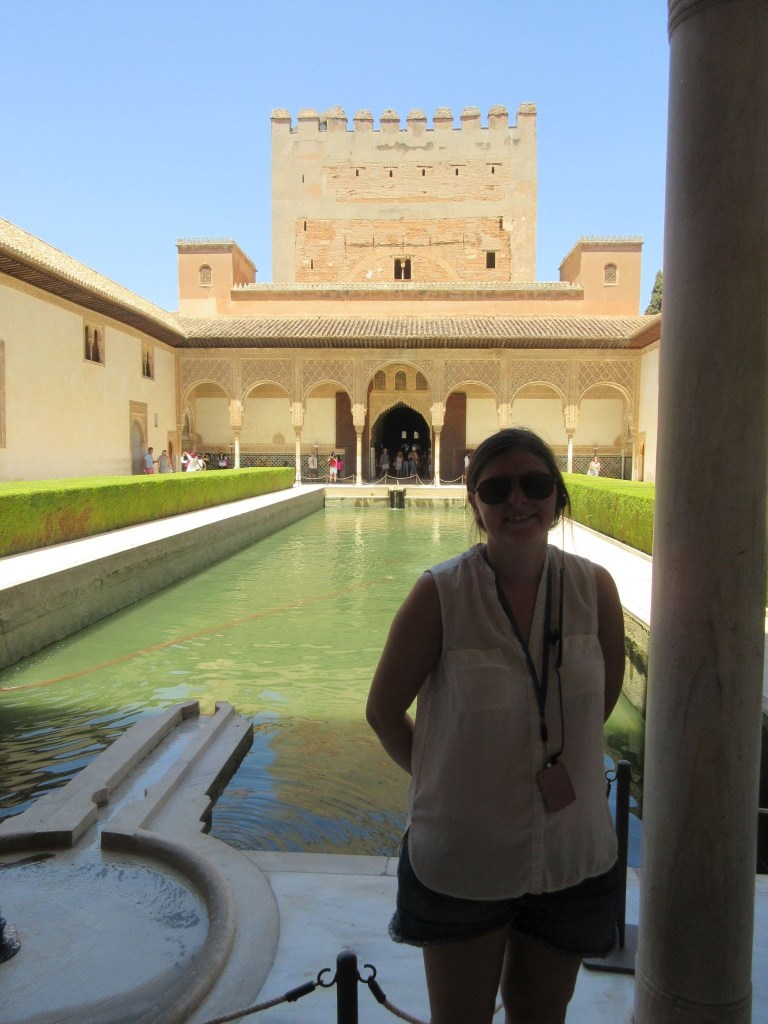
The Alhambra is another alcazaba and also a palace complex, and is extremely well preserved. It was the final stronghold of the Moorish rule in Spain, before Catholics reconquered the country. The Muslim designs are created to provide tranquillity and contemplation, and also happen to be amazing works of art! When looking at some of the ceilings, you would be forgiven for thinking that your eyes had gone funny, because of the impressive 3D sculpting. Using faces goes against the Muslim tradition, and so many walls have beautiful Arabic passages carved into them, with examples including:
“And the peninsula was conquered with the sword” and “There is no victor but God.”
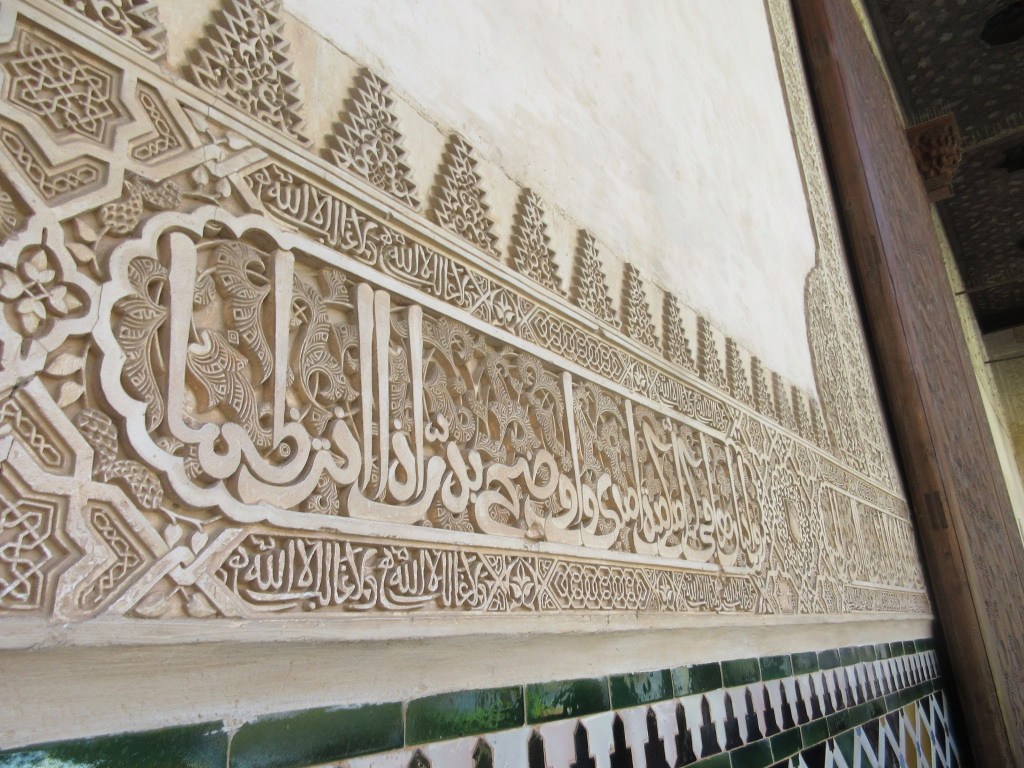
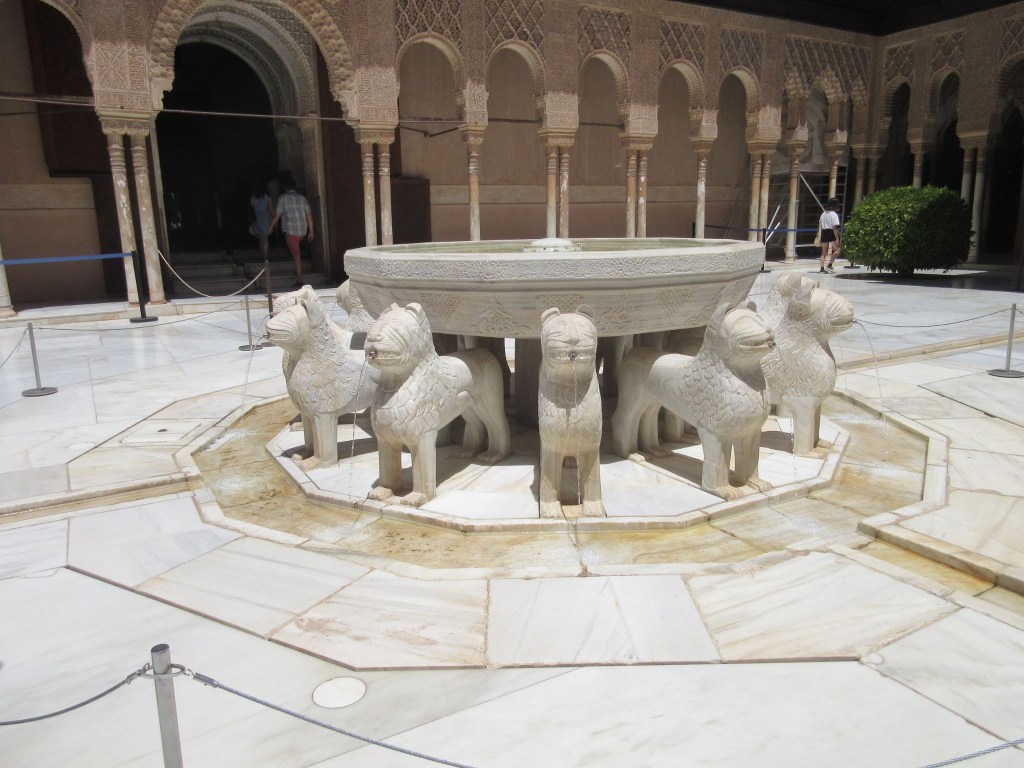
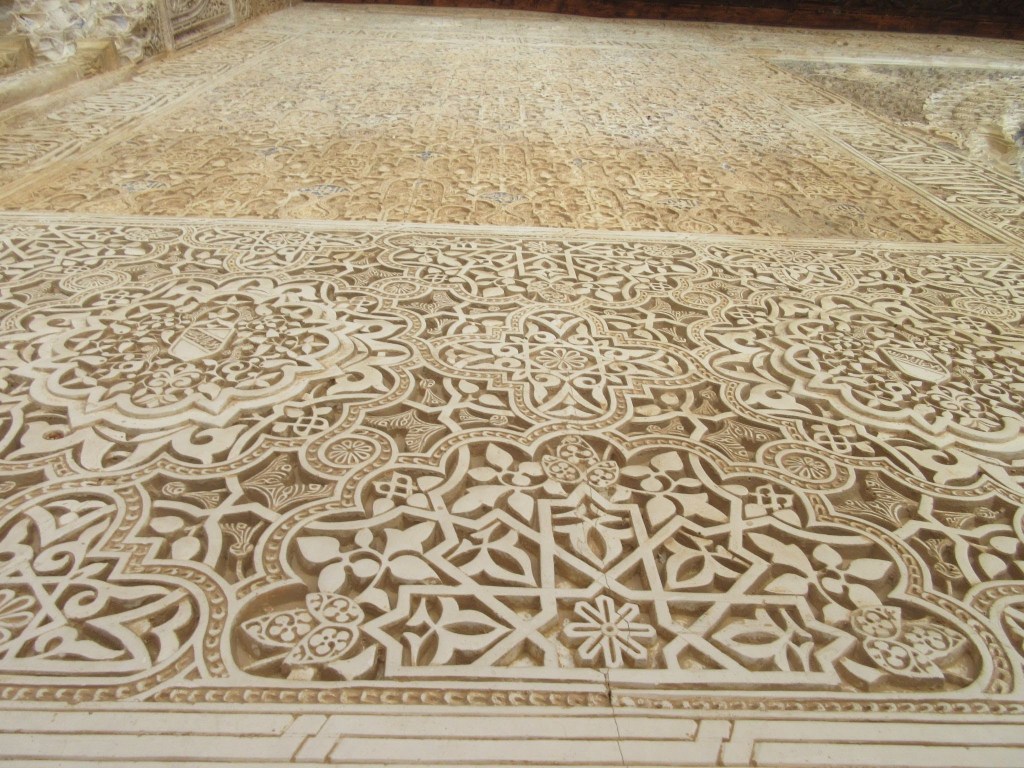
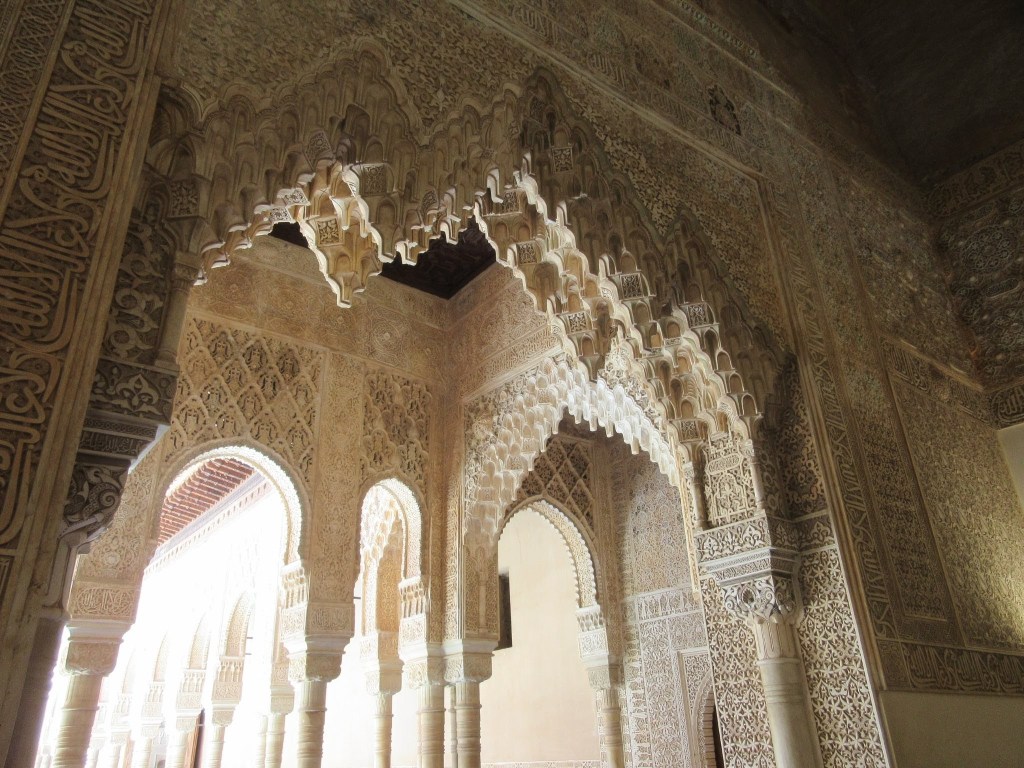
Alhambra architecture
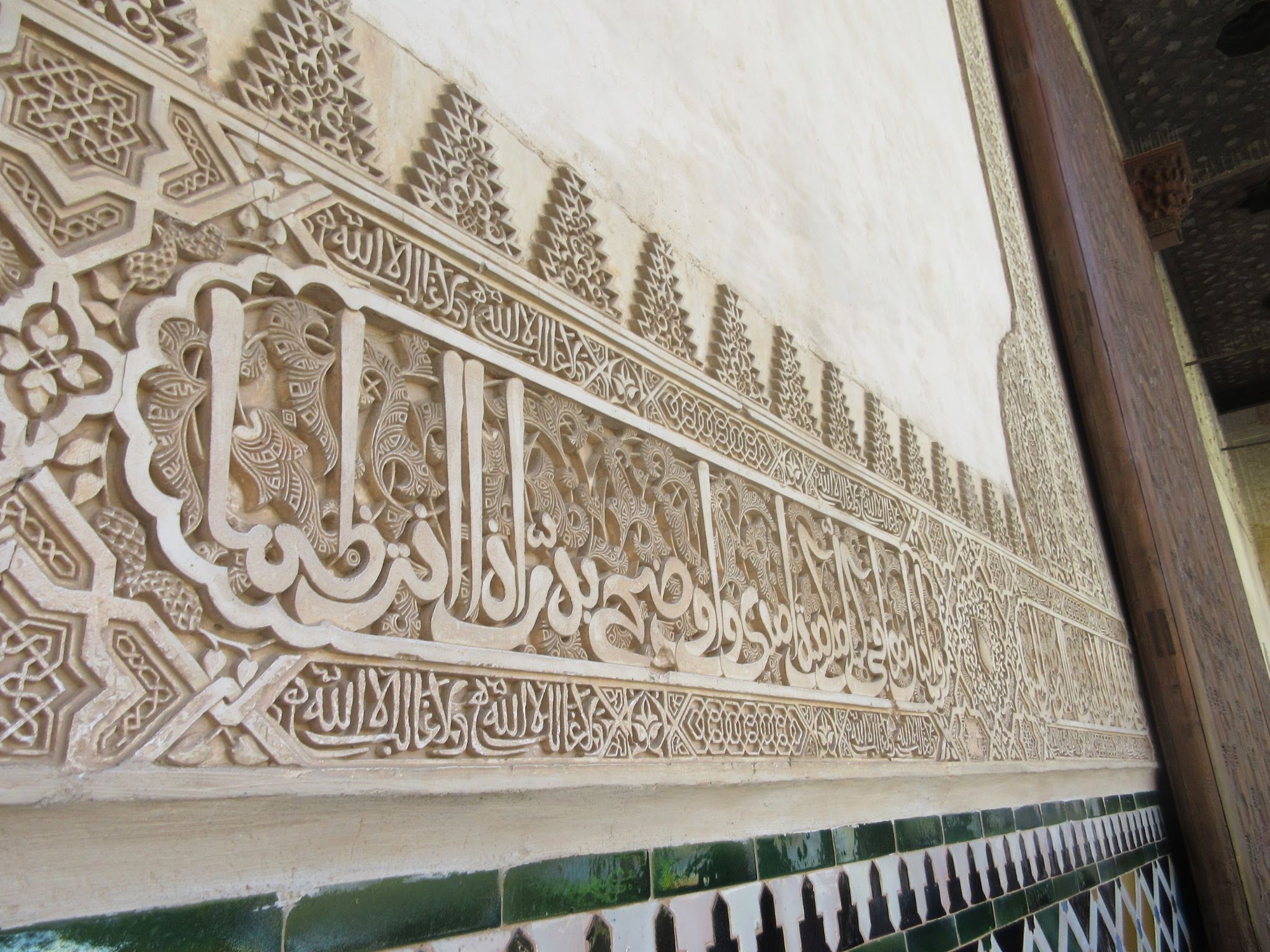
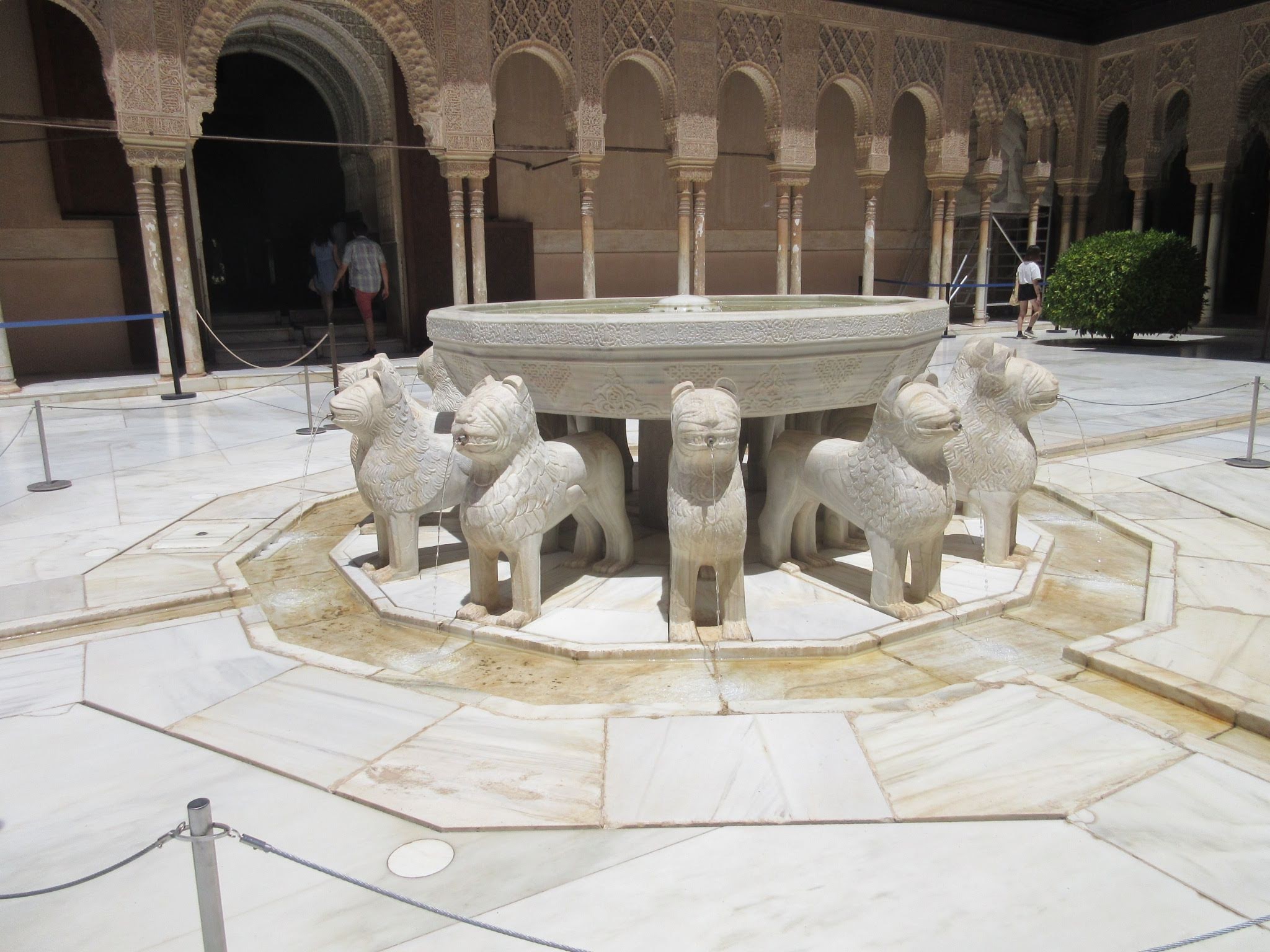
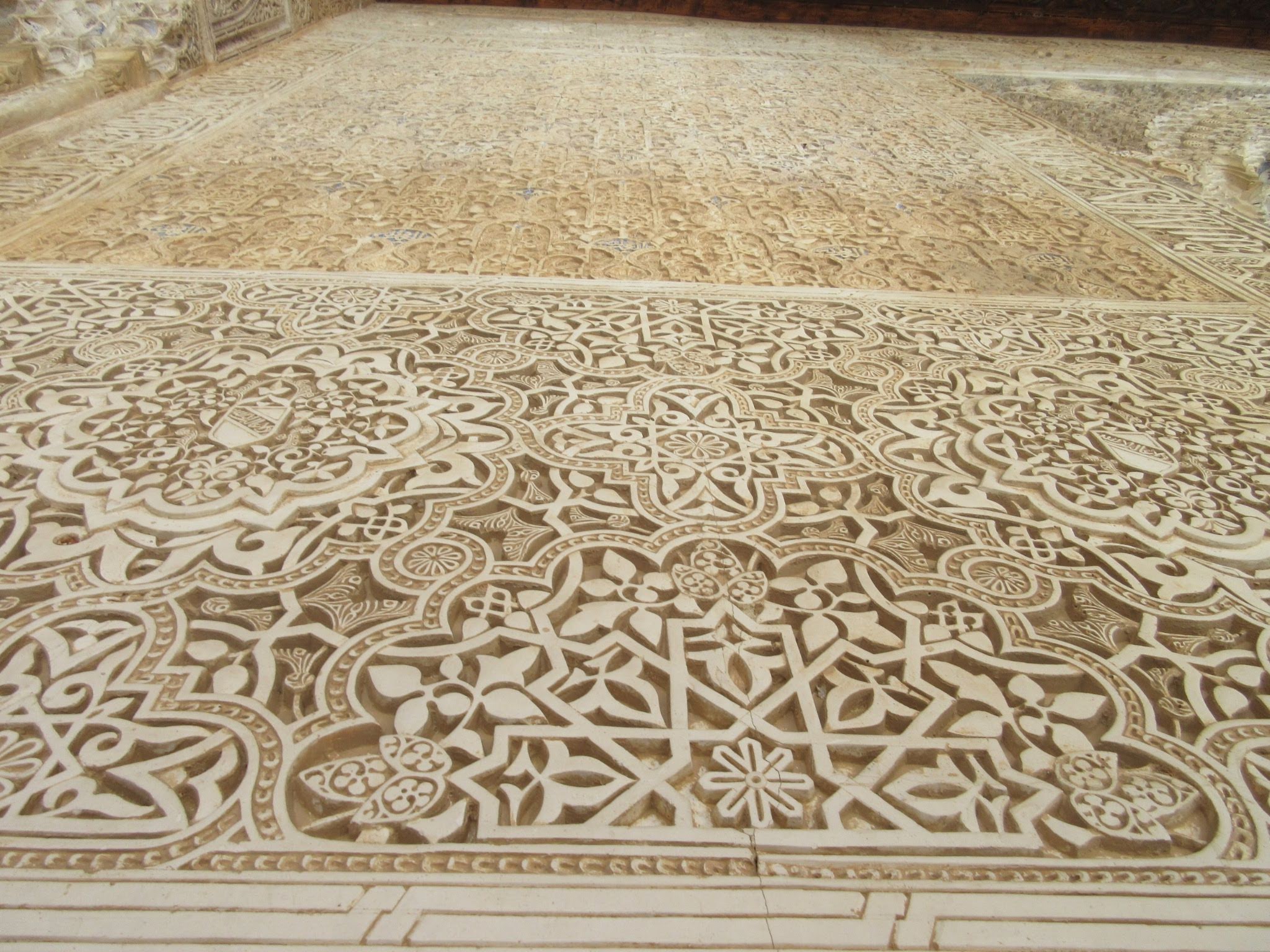
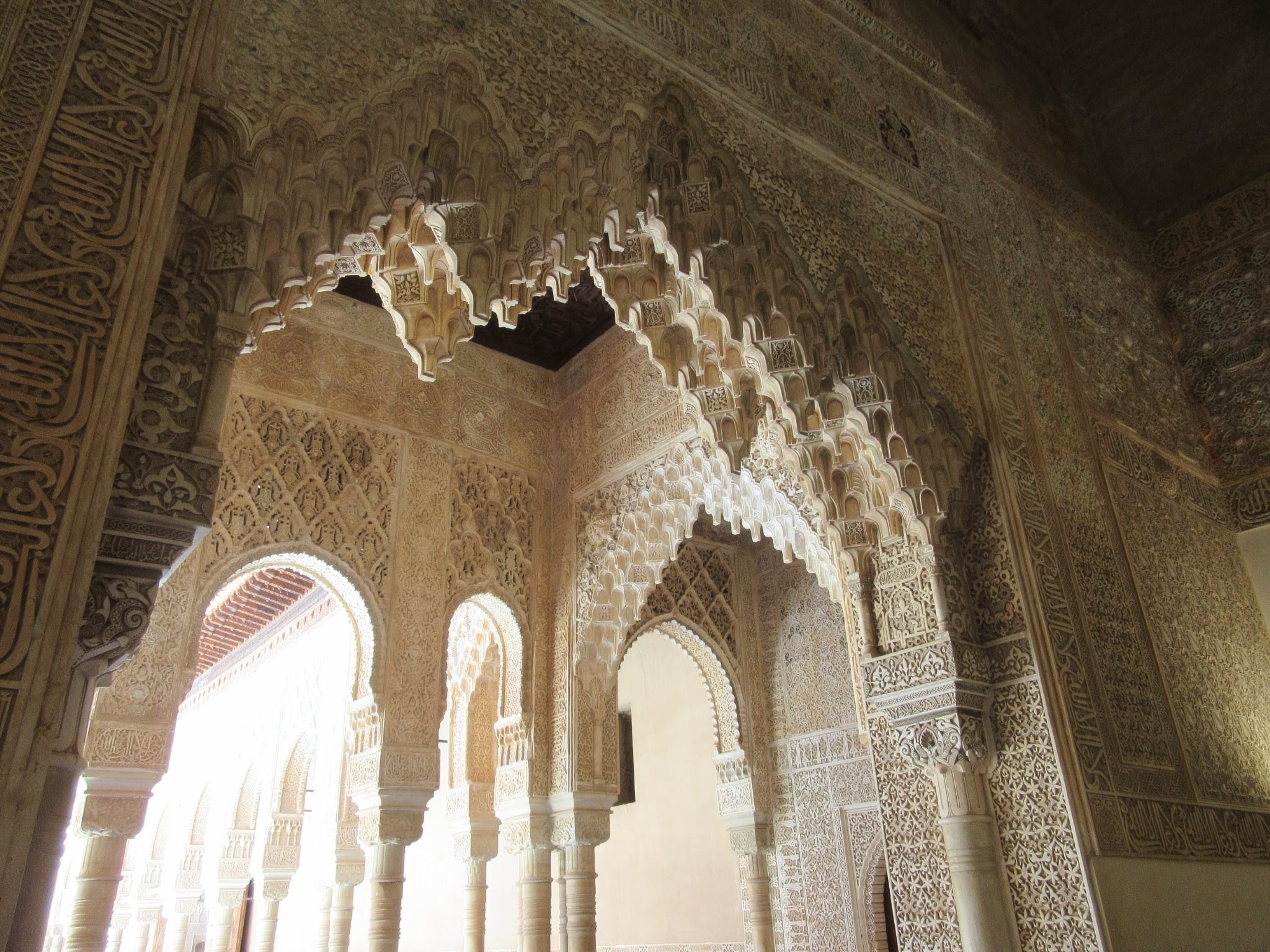
There is also of course some amazing fountains, pools and rose gardens, which will make you feel like you are in a little piece of heaven. We were told in the tour that the layout and movement of the sun was carefully considered in the design of these gardens by the Sultan and for the benefit of his wives and court, to carefully consider water, light and shade. Apparently, the sultan’s wives would have separate areas to enjoy away from the gentleman’s sections of the palace. It seems that the use of water features has an especially important part to play in Moorish architecture, and this may be because it was so precious to them, in such a dry part of the world.
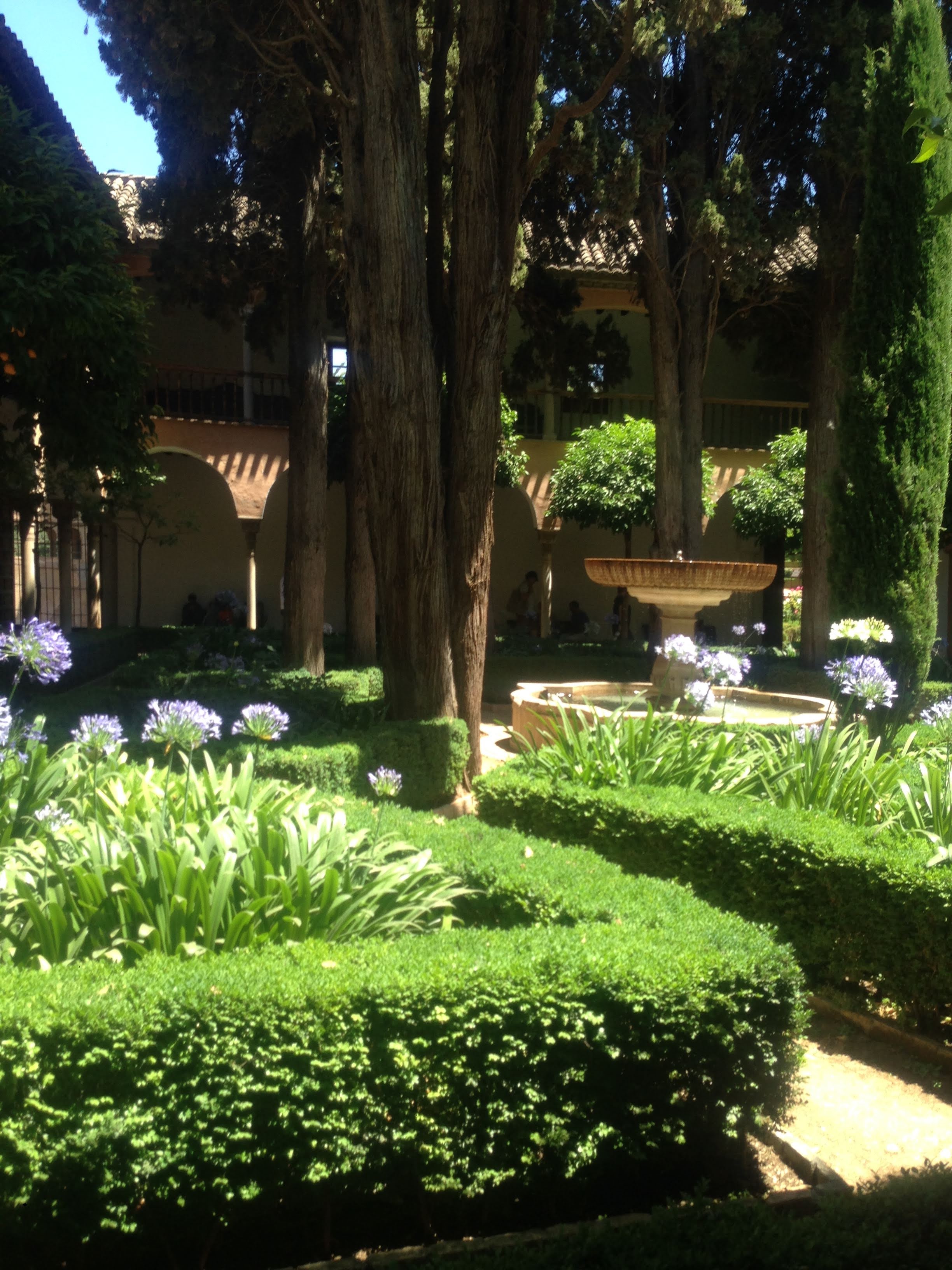
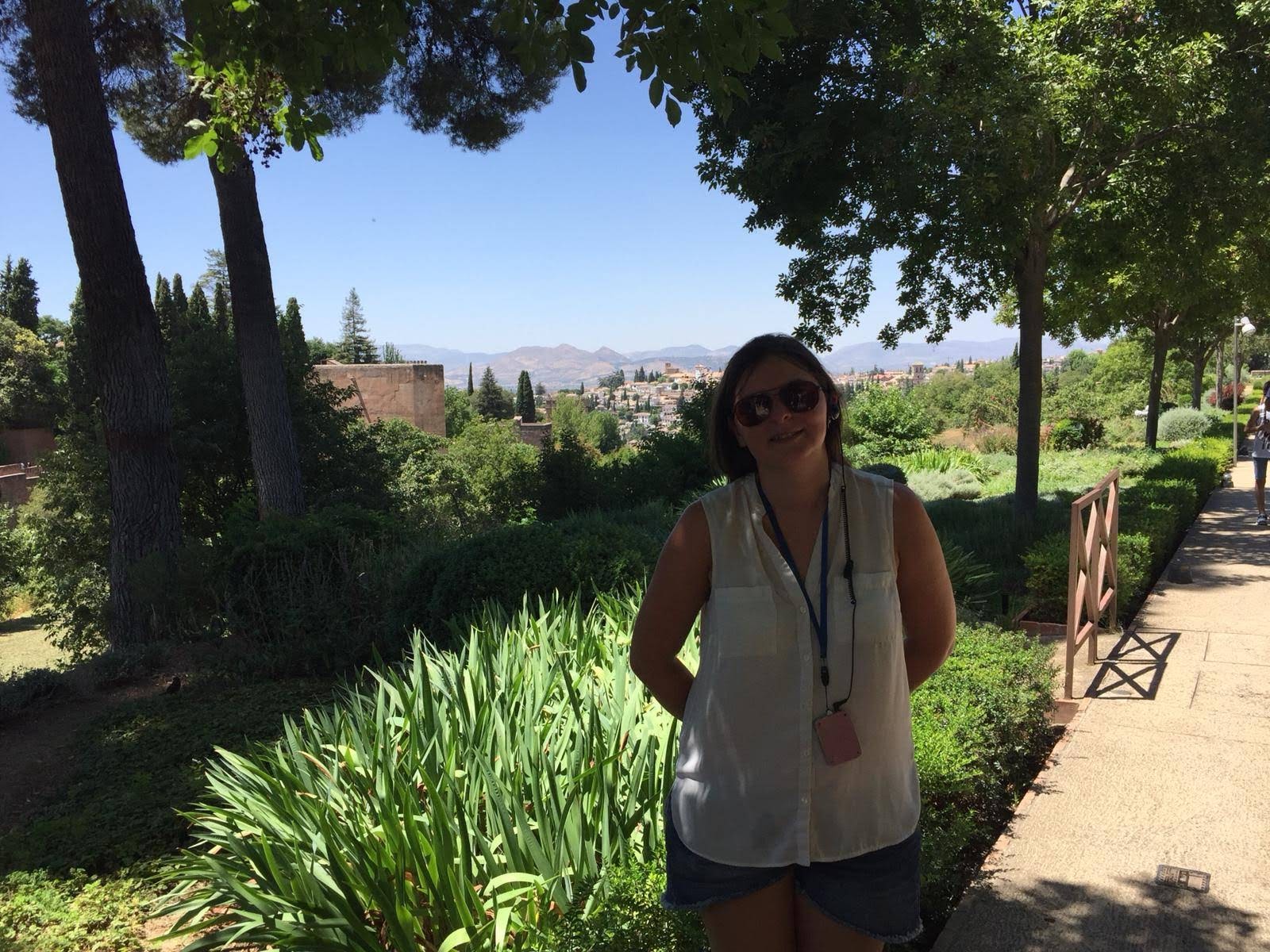
Generalife Gardens at Alhambra 
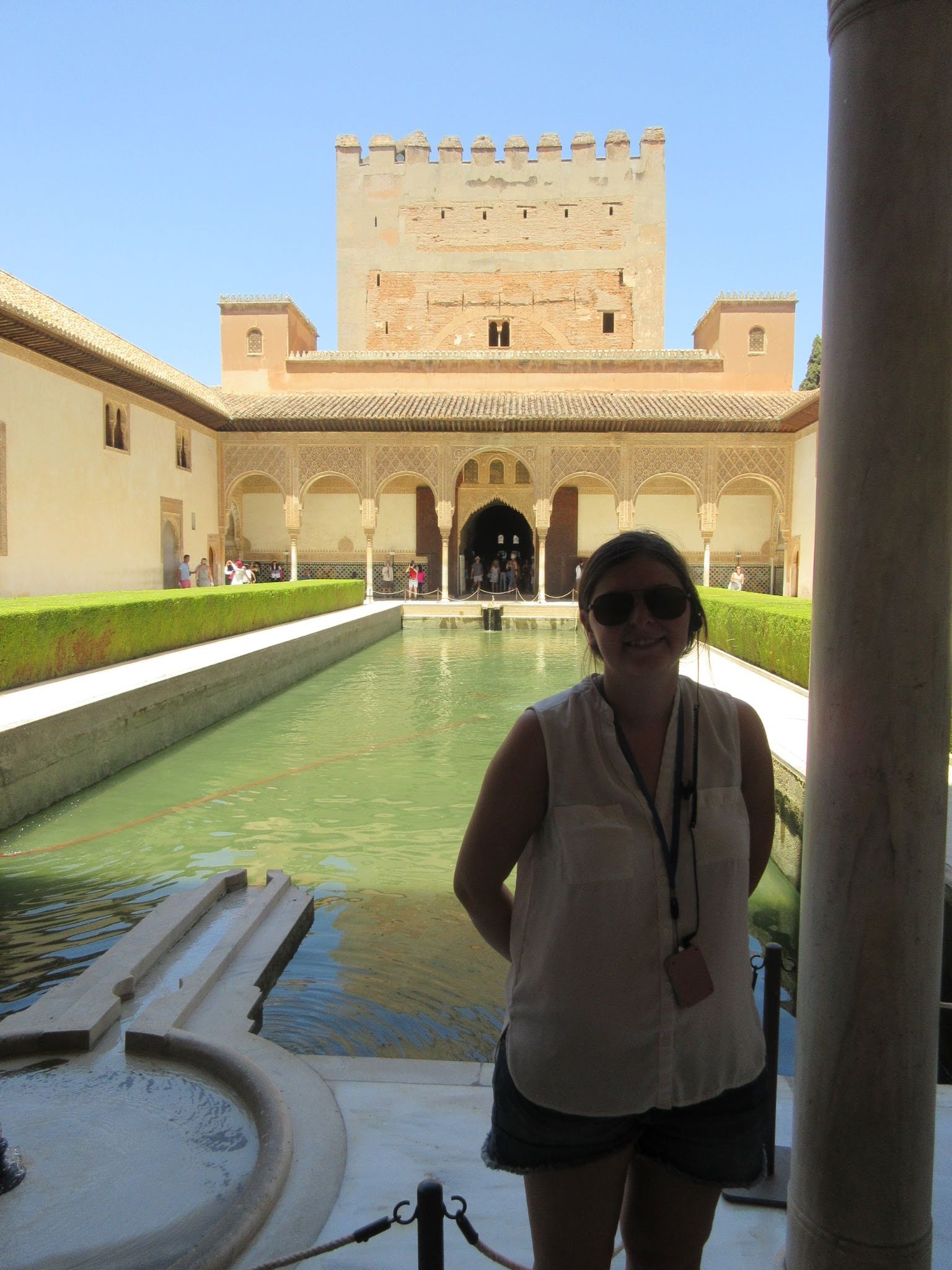
The complex is huge, and there is quite a lot of walking involved. It is also important to make sure you are well hydrated beforehand. They are extremely strict and so do not allow visitors to drink within the buildings section of the tour (which is the first part). We were boiling and I was forced to dunk my head under a water fountain as soon as we moved into the gardens.
This is an amazing place to visit and I will definitely return. I love the culture, language and architecture of this region, and I am already planning a road trip around wider Andalusia, for when the world opens up again! In the meantime, “hasta luego”!
 Go Go Chlo
Pingback: Sevilla: Pearl of Andalucia | Go Go Chlo